window.__IS_SSR__=true
window.__INITIAL_STATE__={
"attachmentsReducer": {
"audio_0": {
"type": "attachments",
"id": "audio_0",
"imgSizes": {
"kqedFullSize": {
"file": "https://ww2.kqed.org/news/wp-content/themes/KQED-unified/img/audio_bgs/background0.jpg"
}
}
},
"audio_1": {
"type": "attachments",
"id": "audio_1",
"imgSizes": {
"kqedFullSize": {
"file": "https://ww2.kqed.org/news/wp-content/themes/KQED-unified/img/audio_bgs/background1.jpg"
}
}
},
"audio_2": {
"type": "attachments",
"id": "audio_2",
"imgSizes": {
"kqedFullSize": {
"file": "https://ww2.kqed.org/news/wp-content/themes/KQED-unified/img/audio_bgs/background2.jpg"
}
}
},
"audio_3": {
"type": "attachments",
"id": "audio_3",
"imgSizes": {
"kqedFullSize": {
"file": "https://ww2.kqed.org/news/wp-content/themes/KQED-unified/img/audio_bgs/background3.jpg"
}
}
},
"audio_4": {
"type": "attachments",
"id": "audio_4",
"imgSizes": {
"kqedFullSize": {
"file": "https://ww2.kqed.org/news/wp-content/themes/KQED-unified/img/audio_bgs/background4.jpg"
}
}
},
"placeholder": {
"type": "attachments",
"id": "placeholder",
"imgSizes": {
"thumbnail": {
"file": "https://cdn.kqed.org/wp-content/uploads/2024/12/KQED-Default-Image-816638274-2000x1333-1-160x107.jpg",
"width": 160,
"height": 107,
"mimeType": "image/jpeg"
},
"medium": {
"file": "https://cdn.kqed.org/wp-content/uploads/2024/12/KQED-Default-Image-816638274-2000x1333-1-800x533.jpg",
"width": 800,
"height": 533,
"mimeType": "image/jpeg"
},
"medium_large": {
"file": "https://cdn.kqed.org/wp-content/uploads/2024/12/KQED-Default-Image-816638274-2000x1333-1-768x512.jpg",
"width": 768,
"height": 512,
"mimeType": "image/jpeg"
},
"large": {
"file": "https://cdn.kqed.org/wp-content/uploads/2024/12/KQED-Default-Image-816638274-2000x1333-1-1020x680.jpg",
"width": 1020,
"height": 680,
"mimeType": "image/jpeg"
},
"1536x1536": {
"file": "https://cdn.kqed.org/wp-content/uploads/2024/12/KQED-Default-Image-816638274-2000x1333-1-1536x1024.jpg",
"width": 1536,
"height": 1024,
"mimeType": "image/jpeg"
},
"fd-lrg": {
"file": "https://cdn.kqed.org/wp-content/uploads/2024/12/KQED-Default-Image-816638274-2000x1333-1-1536x1024.jpg",
"width": 1536,
"height": 1024,
"mimeType": "image/jpeg"
},
"fd-med": {
"file": "https://cdn.kqed.org/wp-content/uploads/2024/12/KQED-Default-Image-816638274-2000x1333-1-1020x680.jpg",
"width": 1020,
"height": 680,
"mimeType": "image/jpeg"
},
"fd-sm": {
"file": "https://cdn.kqed.org/wp-content/uploads/2024/12/KQED-Default-Image-816638274-2000x1333-1-800x533.jpg",
"width": 800,
"height": 533,
"mimeType": "image/jpeg"
},
"post-thumbnail": {
"file": "https://cdn.kqed.org/wp-content/uploads/2024/12/KQED-Default-Image-816638274-2000x1333-1-672x372.jpg",
"width": 672,
"height": 372,
"mimeType": "image/jpeg"
},
"twentyfourteen-full-width": {
"file": "https://cdn.kqed.org/wp-content/uploads/2024/12/KQED-Default-Image-816638274-2000x1333-1-1038x576.jpg",
"width": 1038,
"height": 576,
"mimeType": "image/jpeg"
},
"xxsmall": {
"file": "https://cdn.kqed.org/wp-content/uploads/2024/12/KQED-Default-Image-816638274-2000x1333-1-160x107.jpg",
"width": 160,
"height": 107,
"mimeType": "image/jpeg"
},
"xsmall": {
"file": "https://cdn.kqed.org/wp-content/uploads/2024/12/KQED-Default-Image-816638274-2000x1333-1-672x372.jpg",
"width": 672,
"height": 372,
"mimeType": "image/jpeg"
},
"small": {
"file": "https://cdn.kqed.org/wp-content/uploads/2024/12/KQED-Default-Image-816638274-2000x1333-1-672x372.jpg",
"width": 672,
"height": 372,
"mimeType": "image/jpeg"
},
"xlarge": {
"file": "https://cdn.kqed.org/wp-content/uploads/2024/12/KQED-Default-Image-816638274-2000x1333-1-1020x680.jpg",
"width": 1020,
"height": 680,
"mimeType": "image/jpeg"
},
"full-width": {
"file": "https://cdn.kqed.org/wp-content/uploads/2024/12/KQED-Default-Image-816638274-2000x1333-1-1920x1280.jpg",
"width": 1920,
"height": 1280,
"mimeType": "image/jpeg"
},
"guest-author-32": {
"file": "https://cdn.kqed.org/wp-content/uploads/2025/01/KQED-Default-Image-816638274-1333x1333-1-160x160.jpg",
"width": 32,
"height": 32,
"mimeType": "image/jpeg"
},
"guest-author-50": {
"file": "https://cdn.kqed.org/wp-content/uploads/2025/01/KQED-Default-Image-816638274-1333x1333-1-160x160.jpg",
"width": 50,
"height": 50,
"mimeType": "image/jpeg"
},
"guest-author-64": {
"file": "https://cdn.kqed.org/wp-content/uploads/2025/01/KQED-Default-Image-816638274-1333x1333-1-160x160.jpg",
"width": 64,
"height": 64,
"mimeType": "image/jpeg"
},
"guest-author-96": {
"file": "https://cdn.kqed.org/wp-content/uploads/2025/01/KQED-Default-Image-816638274-1333x1333-1-160x160.jpg",
"width": 96,
"height": 96,
"mimeType": "image/jpeg"
},
"guest-author-128": {
"file": "https://cdn.kqed.org/wp-content/uploads/2025/01/KQED-Default-Image-816638274-1333x1333-1-160x160.jpg",
"width": 128,
"height": 128,
"mimeType": "image/jpeg"
},
"detail": {
"file": "https://cdn.kqed.org/wp-content/uploads/2025/01/KQED-Default-Image-816638274-1333x1333-1-160x160.jpg",
"width": 160,
"height": 160,
"mimeType": "image/jpeg"
},
"kqedFullSize": {
"file": "https://cdn.kqed.org/wp-content/uploads/2024/12/KQED-Default-Image-816638274-2000x1333-1.jpg",
"width": 2000,
"height": 1333
}
}
},
"news_11528222": {
"type": "attachments",
"id": "news_11528222",
"meta": {
"index": "attachments_1716263798",
"site": "news",
"id": "11528222",
"found": true
},
"parent": 11528218,
"imgSizes": {
"small": {
"file": "https://ww2.kqed.org/app/uploads/sites/10/2017/06/party_062317_final-520x520.jpg",
"width": 520,
"mimeType": "image/jpeg",
"height": 520
},
"twentyfourteen-full-width": {
"file": "https://ww2.kqed.org/app/uploads/sites/10/2017/06/party_062317_final-1038x576.jpg",
"width": 1038,
"mimeType": "image/jpeg",
"height": 576
},
"thumbnail": {
"file": "https://ww2.kqed.org/app/uploads/sites/10/2017/06/party_062317_final-160x160.jpg",
"width": 160,
"mimeType": "image/jpeg",
"height": 160
},
"fd-sm": {
"file": "https://ww2.kqed.org/app/uploads/sites/10/2017/06/party_062317_final-960x960.jpg",
"width": 960,
"mimeType": "image/jpeg",
"height": 960
},
"post-thumbnail": {
"file": "https://ww2.kqed.org/app/uploads/sites/10/2017/06/party_062317_final-672x372.jpg",
"width": 672,
"mimeType": "image/jpeg",
"height": 372
},
"xsmall": {
"file": "https://ww2.kqed.org/app/uploads/sites/10/2017/06/party_062317_final-375x375.jpg",
"width": 375,
"mimeType": "image/jpeg",
"height": 375
},
"kqedFullSize": {
"file": "https://ww2.kqed.org/app/uploads/sites/10/2017/06/party_062317_final.jpg",
"width": 1920,
"height": 1920
},
"large": {
"file": "https://ww2.kqed.org/app/uploads/sites/10/2017/06/party_062317_final-1020x1020.jpg",
"width": 1020,
"mimeType": "image/jpeg",
"height": 1020
},
"xlarge": {
"file": "https://ww2.kqed.org/app/uploads/sites/10/2017/06/party_062317_final-1180x1180.jpg",
"width": 1180,
"mimeType": "image/jpeg",
"height": 1180
},
"guest-author-50": {
"file": "https://ww2.kqed.org/app/uploads/sites/10/2017/06/party_062317_final-50x50.jpg",
"width": 50,
"mimeType": "image/jpeg",
"height": 50
},
"guest-author-96": {
"file": "https://ww2.kqed.org/app/uploads/sites/10/2017/06/party_062317_final-96x96.jpg",
"width": 96,
"mimeType": "image/jpeg",
"height": 96
},
"medium": {
"file": "https://ww2.kqed.org/app/uploads/sites/10/2017/06/party_062317_final-800x800.jpg",
"width": 800,
"mimeType": "image/jpeg",
"height": 800
},
"guest-author-64": {
"file": "https://ww2.kqed.org/app/uploads/sites/10/2017/06/party_062317_final-64x64.jpg",
"width": 64,
"mimeType": "image/jpeg",
"height": 64
},
"guest-author-32": {
"file": "https://ww2.kqed.org/app/uploads/sites/10/2017/06/party_062317_final-32x32.jpg",
"width": 32,
"mimeType": "image/jpeg",
"height": 32
},
"fd-lrg": {
"file": "https://ww2.kqed.org/app/uploads/sites/10/2017/06/party_062317_final-1920x1920.jpg",
"width": 1920,
"mimeType": "image/jpeg",
"height": 1920
},
"fd-med": {
"file": "https://ww2.kqed.org/app/uploads/sites/10/2017/06/party_062317_final-1180x1180.jpg",
"width": 1180,
"mimeType": "image/jpeg",
"height": 1180
},
"full-width": {
"file": "https://ww2.kqed.org/app/uploads/sites/10/2017/06/party_062317_final-1920x1920.jpg",
"width": 1920,
"mimeType": "image/jpeg",
"height": 1920
},
"detail": {
"file": "https://ww2.kqed.org/app/uploads/sites/10/2017/06/party_062317_final-150x150.jpg",
"width": 150,
"mimeType": "image/jpeg",
"height": 150
},
"guest-author-128": {
"file": "https://ww2.kqed.org/app/uploads/sites/10/2017/06/party_062317_final-128x128.jpg",
"width": 128,
"mimeType": "image/jpeg",
"height": 128
},
"xxsmall": {
"file": "https://ww2.kqed.org/app/uploads/sites/10/2017/06/party_062317_final-240x240.jpg",
"width": 240,
"mimeType": "image/jpeg",
"height": 240
}
},
"publishDate": 1498243973,
"modified": 1498244019,
"caption": null,
"description": null,
"title": "party_062317_final",
"credit": null,
"status": "inherit",
"isLoading": false,
"fetchFailed": false
},
"news_11528138": {
"type": "attachments",
"id": "news_11528138",
"meta": {
"index": "attachments_1716263798",
"site": "news",
"id": "11528138",
"found": true
},
"parent": 11526227,
"imgSizes": {
"small": {
"file": "https://ww2.kqed.org/app/uploads/sites/10/2017/06/RS25809_DSCF2395-qut-520x293.jpg",
"width": 520,
"mimeType": "image/jpeg",
"height": 293
},
"twentyfourteen-full-width": {
"file": "https://ww2.kqed.org/app/uploads/sites/10/2017/06/RS25809_DSCF2395-qut-1038x576.jpg",
"width": 1038,
"mimeType": "image/jpeg",
"height": 576
},
"thumbnail": {
"file": "https://ww2.kqed.org/app/uploads/sites/10/2017/06/RS25809_DSCF2395-qut-160x90.jpg",
"width": 160,
"mimeType": "image/jpeg",
"height": 90
},
"fd-sm": {
"file": "https://ww2.kqed.org/app/uploads/sites/10/2017/06/RS25809_DSCF2395-qut-960x541.jpg",
"width": 960,
"mimeType": "image/jpeg",
"height": 541
},
"post-thumbnail": {
"file": "https://ww2.kqed.org/app/uploads/sites/10/2017/06/RS25809_DSCF2395-qut-672x372.jpg",
"width": 672,
"mimeType": "image/jpeg",
"height": 372
},
"xsmall": {
"file": "https://ww2.kqed.org/app/uploads/sites/10/2017/06/RS25809_DSCF2395-qut-375x211.jpg",
"width": 375,
"mimeType": "image/jpeg",
"height": 211
},
"kqedFullSize": {
"file": "https://ww2.kqed.org/app/uploads/sites/10/2017/06/RS25809_DSCF2395-qut.jpg",
"width": 1920,
"height": 1082
},
"large": {
"file": "https://ww2.kqed.org/app/uploads/sites/10/2017/06/RS25809_DSCF2395-qut-1020x575.jpg",
"width": 1020,
"mimeType": "image/jpeg",
"height": 575
},
"xlarge": {
"file": "https://ww2.kqed.org/app/uploads/sites/10/2017/06/RS25809_DSCF2395-qut-1180x665.jpg",
"width": 1180,
"mimeType": "image/jpeg",
"height": 665
},
"guest-author-50": {
"file": "https://ww2.kqed.org/app/uploads/sites/10/2017/06/RS25809_DSCF2395-qut-50x50.jpg",
"width": 50,
"mimeType": "image/jpeg",
"height": 50
},
"guest-author-96": {
"file": "https://ww2.kqed.org/app/uploads/sites/10/2017/06/RS25809_DSCF2395-qut-96x96.jpg",
"width": 96,
"mimeType": "image/jpeg",
"height": 96
},
"medium": {
"file": "https://ww2.kqed.org/app/uploads/sites/10/2017/06/RS25809_DSCF2395-qut-800x451.jpg",
"width": 800,
"mimeType": "image/jpeg",
"height": 451
},
"guest-author-64": {
"file": "https://ww2.kqed.org/app/uploads/sites/10/2017/06/RS25809_DSCF2395-qut-64x64.jpg",
"width": 64,
"mimeType": "image/jpeg",
"height": 64
},
"guest-author-32": {
"file": "https://ww2.kqed.org/app/uploads/sites/10/2017/06/RS25809_DSCF2395-qut-32x32.jpg",
"width": 32,
"mimeType": "image/jpeg",
"height": 32
},
"fd-lrg": {
"file": "https://ww2.kqed.org/app/uploads/sites/10/2017/06/RS25809_DSCF2395-qut-1920x1082.jpg",
"width": 1920,
"mimeType": "image/jpeg",
"height": 1082
},
"fd-med": {
"file": "https://ww2.kqed.org/app/uploads/sites/10/2017/06/RS25809_DSCF2395-qut-1180x665.jpg",
"width": 1180,
"mimeType": "image/jpeg",
"height": 665
},
"full-width": {
"file": "https://ww2.kqed.org/app/uploads/sites/10/2017/06/RS25809_DSCF2395-qut-1920x1082.jpg",
"width": 1920,
"mimeType": "image/jpeg",
"height": 1082
},
"detail": {
"file": "https://ww2.kqed.org/app/uploads/sites/10/2017/06/RS25809_DSCF2395-qut-150x150.jpg",
"width": 150,
"mimeType": "image/jpeg",
"height": 150
},
"guest-author-128": {
"file": "https://ww2.kqed.org/app/uploads/sites/10/2017/06/RS25809_DSCF2395-qut-128x128.jpg",
"width": 128,
"mimeType": "image/jpeg",
"height": 128
},
"xxsmall": {
"file": "https://ww2.kqed.org/app/uploads/sites/10/2017/06/RS25809_DSCF2395-qut-240x135.jpg",
"width": 240,
"mimeType": "image/jpeg",
"height": 135
}
},
"publishDate": 1498240188,
"modified": 1498240223,
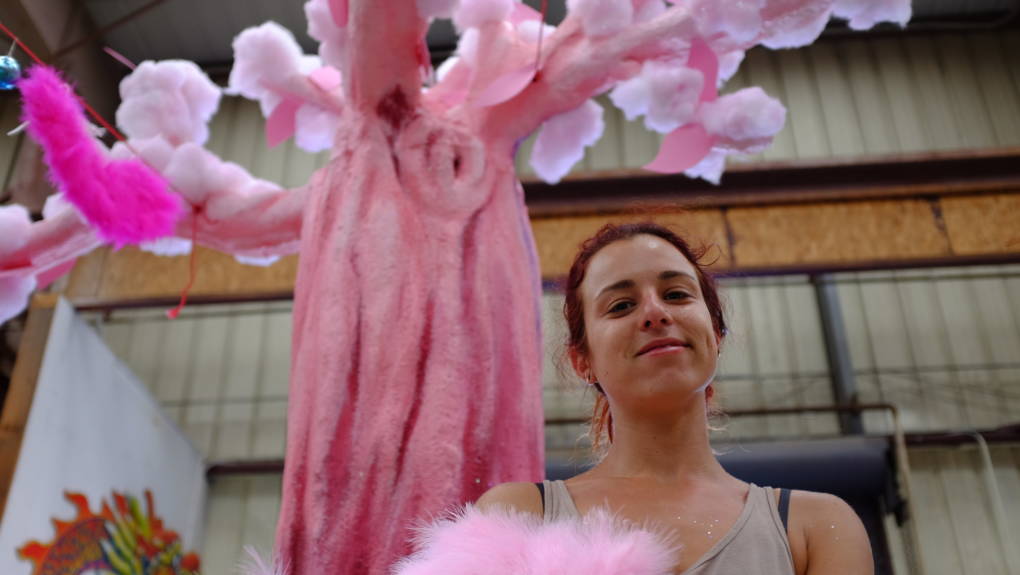
"caption": "Float artist Yuliya Rashkovskaya preps an enchanted forest themed float. ",
"description": null,
"title": "RS25809_DSCF2395-qut",
"credit": "Peter Arcuni/KQED",
"status": "inherit",
"isLoading": false,
"fetchFailed": false
},
"news_11526226": {
"type": "attachments",
"id": "news_11526226",
"meta": {
"index": "attachments_1716263798",
"site": "news",
"id": "11526226",
"found": true
},
"parent": 11489170,
"imgSizes": {
"small": {
"file": "https://ww2.kqed.org/app/uploads/sites/10/2017/06/FlyInForPieMain-520x341.jpg",
"width": 520,
"mimeType": "image/jpeg",
"height": 341
},
"twentyfourteen-full-width": {
"file": "https://ww2.kqed.org/app/uploads/sites/10/2017/06/FlyInForPieMain-1038x576.jpg",
"width": 1038,
"mimeType": "image/jpeg",
"height": 576
},
"thumbnail": {
"file": "https://ww2.kqed.org/app/uploads/sites/10/2017/06/FlyInForPieMain-160x105.jpg",
"width": 160,
"mimeType": "image/jpeg",
"height": 105
},
"fd-sm": {
"file": "https://ww2.kqed.org/app/uploads/sites/10/2017/06/FlyInForPieMain-960x630.jpg",
"width": 960,
"mimeType": "image/jpeg",
"height": 630
},
"post-thumbnail": {
"file": "https://ww2.kqed.org/app/uploads/sites/10/2017/06/FlyInForPieMain-672x372.jpg",
"width": 672,
"mimeType": "image/jpeg",
"height": 372
},
"xsmall": {
"file": "https://ww2.kqed.org/app/uploads/sites/10/2017/06/FlyInForPieMain-375x246.jpg",
"width": 375,
"mimeType": "image/jpeg",
"height": 246
},
"kqedFullSize": {
"file": "https://ww2.kqed.org/app/uploads/sites/10/2017/06/FlyInForPieMain.jpg",
"width": 1920,
"height": 1260
},
"large": {
"file": "https://ww2.kqed.org/app/uploads/sites/10/2017/06/FlyInForPieMain-1020x669.jpg",
"width": 1020,
"mimeType": "image/jpeg",
"height": 669
},
"xlarge": {
"file": "https://ww2.kqed.org/app/uploads/sites/10/2017/06/FlyInForPieMain-1180x774.jpg",
"width": 1180,
"mimeType": "image/jpeg",
"height": 774
},
"guest-author-50": {
"file": "https://ww2.kqed.org/app/uploads/sites/10/2017/06/FlyInForPieMain-50x50.jpg",
"width": 50,
"mimeType": "image/jpeg",
"height": 50
},
"guest-author-96": {
"file": "https://ww2.kqed.org/app/uploads/sites/10/2017/06/FlyInForPieMain-96x96.jpg",
"width": 96,
"mimeType": "image/jpeg",
"height": 96
},
"medium": {
"file": "https://ww2.kqed.org/app/uploads/sites/10/2017/06/FlyInForPieMain-800x525.jpg",
"width": 800,
"mimeType": "image/jpeg",
"height": 525
},
"guest-author-64": {
"file": "https://ww2.kqed.org/app/uploads/sites/10/2017/06/FlyInForPieMain-64x64.jpg",
"width": 64,
"mimeType": "image/jpeg",
"height": 64
},
"guest-author-32": {
"file": "https://ww2.kqed.org/app/uploads/sites/10/2017/06/FlyInForPieMain-32x32.jpg",
"width": 32,
"mimeType": "image/jpeg",
"height": 32
},
"fd-lrg": {
"file": "https://ww2.kqed.org/app/uploads/sites/10/2017/06/FlyInForPieMain-1920x1260.jpg",
"width": 1920,
"mimeType": "image/jpeg",
"height": 1260
},
"fd-med": {
"file": "https://ww2.kqed.org/app/uploads/sites/10/2017/06/FlyInForPieMain-1180x774.jpg",
"width": 1180,
"mimeType": "image/jpeg",
"height": 774
},
"full-width": {
"file": "https://ww2.kqed.org/app/uploads/sites/10/2017/06/FlyInForPieMain-1920x1260.jpg",
"width": 1920,
"mimeType": "image/jpeg",
"height": 1260
},
"detail": {
"file": "https://ww2.kqed.org/app/uploads/sites/10/2017/06/FlyInForPieMain-150x150.jpg",
"width": 150,
"mimeType": "image/jpeg",
"height": 150
},
"guest-author-128": {
"file": "https://ww2.kqed.org/app/uploads/sites/10/2017/06/FlyInForPieMain-128x128.jpg",
"width": 128,
"mimeType": "image/jpeg",
"height": 128
},
"xxsmall": {
"file": "https://ww2.kqed.org/app/uploads/sites/10/2017/06/FlyInForPieMain-240x158.jpg",
"width": 240,
"mimeType": "image/jpeg",
"height": 158
}
},
"publishDate": 1498157464,
"modified": 1498240861,
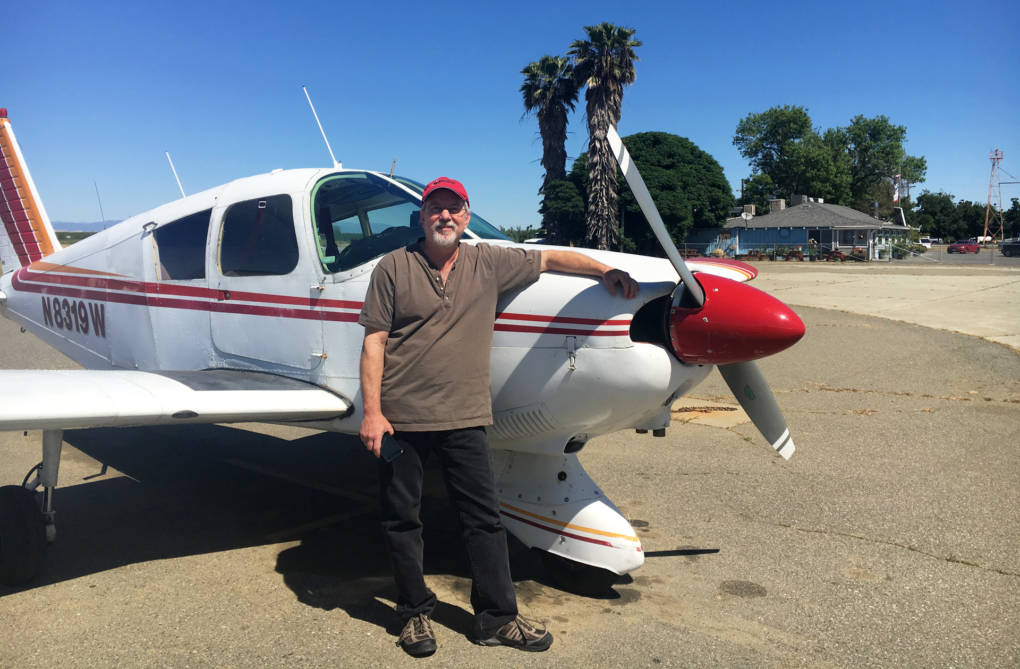
"caption": "Marty Blaker flew in from Rough and Ready, California, in his 1965 Cherokee 180 airplane. He's taking home a piece of cherry pie from Nancy's Airport Cafe (seen in background).",
"description": "Marty Blaker flew in from Rough and Ready California in his 1965 Cherokee 180. He's taking home a piece of cherry pie from Nancy's Airport Cafe (seen in background).",
"title": "FlyInForPieMain",
"credit": "Lisa Morehouse/KQED",
"status": "inherit",
"isLoading": false,
"fetchFailed": false
},
"news_11223235": {
"type": "attachments",
"id": "news_11223235",
"meta": {
"index": "attachments_1716263798",
"site": "news",
"id": "11223235",
"found": true
},
"parent": 11223222,
"imgSizes": {
"small": {
"file": "https://ww2.kqed.org/app/uploads/sites/10/2016/12/warehouse-fire-1920a-520x342.jpg",
"width": 520,
"mimeType": "image/jpeg",
"height": 342
},
"twentyfourteen-full-width": {
"file": "https://ww2.kqed.org/app/uploads/sites/10/2016/12/warehouse-fire-1920a-1038x576.jpg",
"width": 1038,
"mimeType": "image/jpeg",
"height": 576
},
"thumbnail": {
"file": "https://ww2.kqed.org/app/uploads/sites/10/2016/12/warehouse-fire-1920a-160x105.jpg",
"width": 160,
"mimeType": "image/jpeg",
"height": 105
},
"fd-sm": {
"file": "https://ww2.kqed.org/app/uploads/sites/10/2016/12/warehouse-fire-1920a-960x632.jpg",
"width": 960,
"mimeType": "image/jpeg",
"height": 632
},
"post-thumbnail": {
"file": "https://ww2.kqed.org/app/uploads/sites/10/2016/12/warehouse-fire-1920a-672x372.jpg",
"width": 672,
"mimeType": "image/jpeg",
"height": 372
},
"xsmall": {
"file": "https://ww2.kqed.org/app/uploads/sites/10/2016/12/warehouse-fire-1920a-375x247.jpg",
"width": 375,
"mimeType": "image/jpeg",
"height": 247
},
"kqedFullSize": {
"file": "https://ww2.kqed.org/app/uploads/sites/10/2016/12/warehouse-fire-1920a.jpg",
"width": 1920,
"height": 1264
},
"large": {
"file": "https://ww2.kqed.org/app/uploads/sites/10/2016/12/warehouse-fire-1920a-1020x672.jpg",
"width": 1020,
"mimeType": "image/jpeg",
"height": 672
},
"xlarge": {
"file": "https://ww2.kqed.org/app/uploads/sites/10/2016/12/warehouse-fire-1920a-1180x777.jpg",
"width": 1180,
"mimeType": "image/jpeg",
"height": 777
},
"guest-author-50": {
"file": "https://ww2.kqed.org/app/uploads/sites/10/2016/12/warehouse-fire-1920a-50x50.jpg",
"width": 50,
"mimeType": "image/jpeg",
"height": 50
},
"guest-author-96": {
"file": "https://ww2.kqed.org/app/uploads/sites/10/2016/12/warehouse-fire-1920a-96x96.jpg",
"width": 96,
"mimeType": "image/jpeg",
"height": 96
},
"medium": {
"file": "https://ww2.kqed.org/app/uploads/sites/10/2016/12/warehouse-fire-1920a-800x527.jpg",
"width": 800,
"mimeType": "image/jpeg",
"height": 527
},
"guest-author-64": {
"file": "https://ww2.kqed.org/app/uploads/sites/10/2016/12/warehouse-fire-1920a-64x64.jpg",
"width": 64,
"mimeType": "image/jpeg",
"height": 64
},
"guest-author-32": {
"file": "https://ww2.kqed.org/app/uploads/sites/10/2016/12/warehouse-fire-1920a-32x32.jpg",
"width": 32,
"mimeType": "image/jpeg",
"height": 32
},
"jmtc-small-thumb": {
"file": "https://ww2.kqed.org/app/uploads/sites/10/2016/12/warehouse-fire-1920a-280x150.jpg",
"width": 280,
"mimeType": "image/jpeg",
"height": 150
},
"fd-lrg": {
"file": "https://ww2.kqed.org/app/uploads/sites/10/2016/12/warehouse-fire-1920a-1920x1264.jpg",
"width": 1920,
"mimeType": "image/jpeg",
"height": 1264
},
"fd-med": {
"file": "https://ww2.kqed.org/app/uploads/sites/10/2016/12/warehouse-fire-1920a-1180x777.jpg",
"width": 1180,
"mimeType": "image/jpeg",
"height": 777
},
"full-width": {
"file": "https://ww2.kqed.org/app/uploads/sites/10/2016/12/warehouse-fire-1920a-1920x1264.jpg",
"width": 1920,
"mimeType": "image/jpeg",
"height": 1264
},
"detail": {
"file": "https://ww2.kqed.org/app/uploads/sites/10/2016/12/warehouse-fire-1920a-150x150.jpg",
"width": 150,
"mimeType": "image/jpeg",
"height": 150
},
"guest-author-128": {
"file": "https://ww2.kqed.org/app/uploads/sites/10/2016/12/warehouse-fire-1920a-128x128.jpg",
"width": 128,
"mimeType": "image/jpeg",
"height": 128
},
"xxsmall": {
"file": "https://ww2.kqed.org/app/uploads/sites/10/2016/12/warehouse-fire-1920a-240x158.jpg",
"width": 240,
"mimeType": "image/jpeg",
"height": 158
}
},
"publishDate": 1481916808,
"modified": 1501289062,
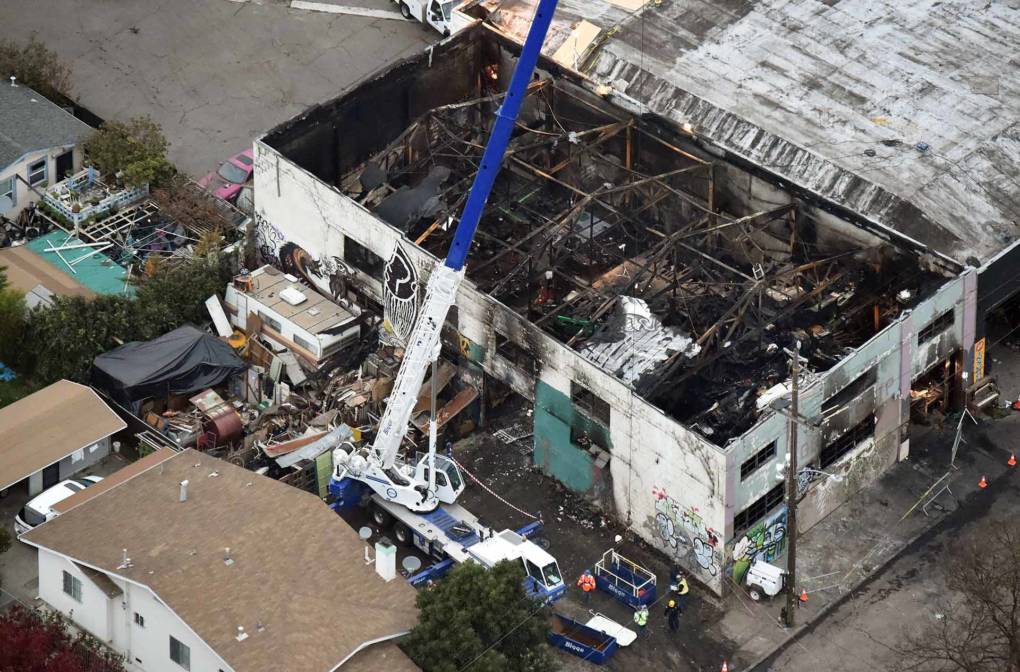
"caption": "A crane is used to lift wreckage as part of search efforts at the fire-ravaged Ghost Ship warehouse in December 2016. ",
"description": null,
"title": "Oakland-Ghost Ship Fire",
"credit": "Josh Edelson/AFP-Getty Image",
"status": "inherit",
"isLoading": false,
"fetchFailed": false
},
"news_11514941": {
"type": "attachments",
"id": "news_11514941",
"meta": {
"index": "attachments_1716263798",
"site": "news",
"id": "11514941",
"found": true
},
"parent": 11514485,
"imgSizes": {
"small": {
"file": "https://ww2.kqed.org/app/uploads/sites/10/2017/06/RS25721_Carousel_02_Julio_Gosdinski-qut-520x293.jpg",
"width": 520,
"mimeType": "image/jpeg",
"height": 293
},
"twentyfourteen-full-width": {
"file": "https://ww2.kqed.org/app/uploads/sites/10/2017/06/RS25721_Carousel_02_Julio_Gosdinski-qut-1038x576.jpg",
"width": 1038,
"mimeType": "image/jpeg",
"height": 576
},
"thumbnail": {
"file": "https://ww2.kqed.org/app/uploads/sites/10/2017/06/RS25721_Carousel_02_Julio_Gosdinski-qut-160x90.jpg",
"width": 160,
"mimeType": "image/jpeg",
"height": 90
},
"fd-sm": {
"file": "https://ww2.kqed.org/app/uploads/sites/10/2017/06/RS25721_Carousel_02_Julio_Gosdinski-qut-960x540.jpg",
"width": 960,
"mimeType": "image/jpeg",
"height": 540
},
"post-thumbnail": {
"file": "https://ww2.kqed.org/app/uploads/sites/10/2017/06/RS25721_Carousel_02_Julio_Gosdinski-qut-672x372.jpg",
"width": 672,
"mimeType": "image/jpeg",
"height": 372
},
"xsmall": {
"file": "https://ww2.kqed.org/app/uploads/sites/10/2017/06/RS25721_Carousel_02_Julio_Gosdinski-qut-375x211.jpg",
"width": 375,
"mimeType": "image/jpeg",
"height": 211
},
"kqedFullSize": {
"file": "https://ww2.kqed.org/app/uploads/sites/10/2017/06/RS25721_Carousel_02_Julio_Gosdinski-qut.jpg",
"width": 1920,
"height": 1080
},
"large": {
"file": "https://ww2.kqed.org/app/uploads/sites/10/2017/06/RS25721_Carousel_02_Julio_Gosdinski-qut-1020x574.jpg",
"width": 1020,
"mimeType": "image/jpeg",
"height": 574
},
"xlarge": {
"file": "https://ww2.kqed.org/app/uploads/sites/10/2017/06/RS25721_Carousel_02_Julio_Gosdinski-qut-1180x664.jpg",
"width": 1180,
"mimeType": "image/jpeg",
"height": 664
},
"guest-author-50": {
"file": "https://ww2.kqed.org/app/uploads/sites/10/2017/06/RS25721_Carousel_02_Julio_Gosdinski-qut-50x50.jpg",
"width": 50,
"mimeType": "image/jpeg",
"height": 50
},
"guest-author-96": {
"file": "https://ww2.kqed.org/app/uploads/sites/10/2017/06/RS25721_Carousel_02_Julio_Gosdinski-qut-96x96.jpg",
"width": 96,
"mimeType": "image/jpeg",
"height": 96
},
"medium": {
"file": "https://ww2.kqed.org/app/uploads/sites/10/2017/06/RS25721_Carousel_02_Julio_Gosdinski-qut-800x450.jpg",
"width": 800,
"mimeType": "image/jpeg",
"height": 450
},
"guest-author-64": {
"file": "https://ww2.kqed.org/app/uploads/sites/10/2017/06/RS25721_Carousel_02_Julio_Gosdinski-qut-64x64.jpg",
"width": 64,
"mimeType": "image/jpeg",
"height": 64
},
"guest-author-32": {
"file": "https://ww2.kqed.org/app/uploads/sites/10/2017/06/RS25721_Carousel_02_Julio_Gosdinski-qut-32x32.jpg",
"width": 32,
"mimeType": "image/jpeg",
"height": 32
},
"fd-lrg": {
"file": "https://ww2.kqed.org/app/uploads/sites/10/2017/06/RS25721_Carousel_02_Julio_Gosdinski-qut-1920x1080.jpg",
"width": 1920,
"mimeType": "image/jpeg",
"height": 1080
},
"fd-med": {
"file": "https://ww2.kqed.org/app/uploads/sites/10/2017/06/RS25721_Carousel_02_Julio_Gosdinski-qut-1180x664.jpg",
"width": 1180,
"mimeType": "image/jpeg",
"height": 664
},
"full-width": {
"file": "https://ww2.kqed.org/app/uploads/sites/10/2017/06/RS25721_Carousel_02_Julio_Gosdinski-qut-1920x1080.jpg",
"width": 1920,
"mimeType": "image/jpeg",
"height": 1080
},
"detail": {
"file": "https://ww2.kqed.org/app/uploads/sites/10/2017/06/RS25721_Carousel_02_Julio_Gosdinski-qut-150x150.jpg",
"width": 150,
"mimeType": "image/jpeg",
"height": 150
},
"guest-author-128": {
"file": "https://ww2.kqed.org/app/uploads/sites/10/2017/06/RS25721_Carousel_02_Julio_Gosdinski-qut-128x128.jpg",
"width": 128,
"mimeType": "image/jpeg",
"height": 128
},
"xxsmall": {
"file": "https://ww2.kqed.org/app/uploads/sites/10/2017/06/RS25721_Carousel_02_Julio_Gosdinski-qut-240x135.jpg",
"width": 240,
"mimeType": "image/jpeg",
"height": 135
}
},
"publishDate": 1497651528,
"modified": 1497651773,
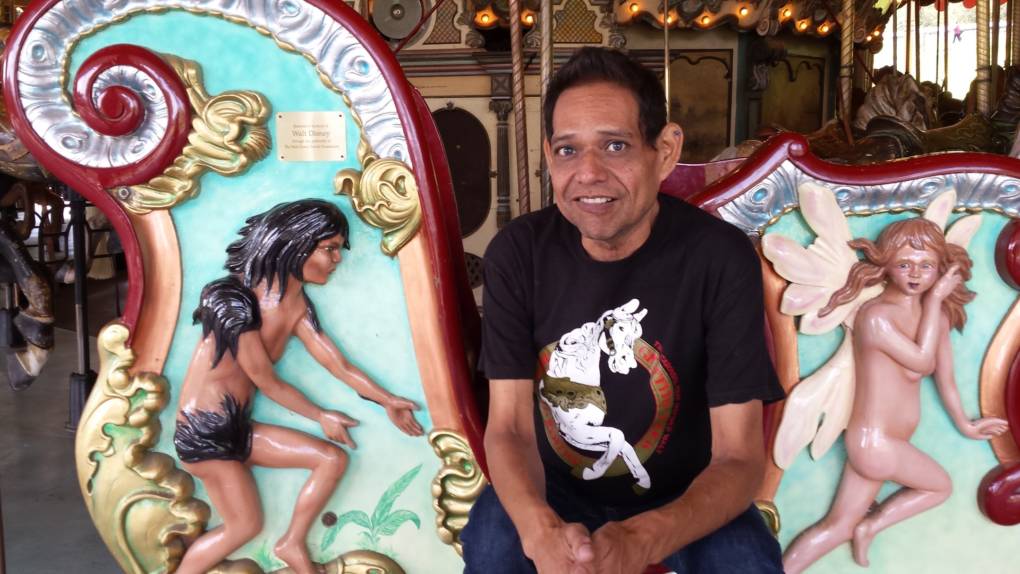
"caption": "Julio Gosdinski, co-owner of the Griffith Park Carousel, sits by one of the carousel's hand-painted scenes. Gosdinski inherited half the carousel from his mentor and father figure in 2011.",
"description": null,
"title": "RS25721_Carousel_02_Julio_Gosdinski-qut",
"credit": "Photo by Anny Celsi",
"status": "inherit",
"isLoading": false,
"fetchFailed": false
},
"news_11515141": {
"type": "attachments",
"id": "news_11515141",
"meta": {
"index": "attachments_1716263798",
"site": "news",
"id": "11515141",
"found": true
},
"parent": 11512997,
"imgSizes": {
"small": {
"file": "https://ww2.kqed.org/app/uploads/sites/10/2017/06/RS25708_Penny-qut-520x390.jpg",
"width": 520,
"mimeType": "image/jpeg",
"height": 390
},
"twentyfourteen-full-width": {
"file": "https://ww2.kqed.org/app/uploads/sites/10/2017/06/RS25708_Penny-qut-1038x576.jpg",
"width": 1038,
"mimeType": "image/jpeg",
"height": 576
},
"thumbnail": {
"file": "https://ww2.kqed.org/app/uploads/sites/10/2017/06/RS25708_Penny-qut-160x120.jpg",
"width": 160,
"mimeType": "image/jpeg",
"height": 120
},
"fd-sm": {
"file": "https://ww2.kqed.org/app/uploads/sites/10/2017/06/RS25708_Penny-qut-960x720.jpg",
"width": 960,
"mimeType": "image/jpeg",
"height": 720
},
"post-thumbnail": {
"file": "https://ww2.kqed.org/app/uploads/sites/10/2017/06/RS25708_Penny-qut-672x372.jpg",
"width": 672,
"mimeType": "image/jpeg",
"height": 372
},
"xsmall": {
"file": "https://ww2.kqed.org/app/uploads/sites/10/2017/06/RS25708_Penny-qut-375x281.jpg",
"width": 375,
"mimeType": "image/jpeg",
"height": 281
},
"kqedFullSize": {
"file": "https://ww2.kqed.org/app/uploads/sites/10/2017/06/RS25708_Penny-qut.jpg",
"width": 1920,
"height": 1440
},
"large": {
"file": "https://ww2.kqed.org/app/uploads/sites/10/2017/06/RS25708_Penny-qut-1020x765.jpg",
"width": 1020,
"mimeType": "image/jpeg",
"height": 765
},
"xlarge": {
"file": "https://ww2.kqed.org/app/uploads/sites/10/2017/06/RS25708_Penny-qut-1180x885.jpg",
"width": 1180,
"mimeType": "image/jpeg",
"height": 885
},
"guest-author-50": {
"file": "https://ww2.kqed.org/app/uploads/sites/10/2017/06/RS25708_Penny-qut-50x50.jpg",
"width": 50,
"mimeType": "image/jpeg",
"height": 50
},
"guest-author-96": {
"file": "https://ww2.kqed.org/app/uploads/sites/10/2017/06/RS25708_Penny-qut-96x96.jpg",
"width": 96,
"mimeType": "image/jpeg",
"height": 96
},
"medium": {
"file": "https://ww2.kqed.org/app/uploads/sites/10/2017/06/RS25708_Penny-qut-800x600.jpg",
"width": 800,
"mimeType": "image/jpeg",
"height": 600
},
"guest-author-64": {
"file": "https://ww2.kqed.org/app/uploads/sites/10/2017/06/RS25708_Penny-qut-64x64.jpg",
"width": 64,
"mimeType": "image/jpeg",
"height": 64
},
"guest-author-32": {
"file": "https://ww2.kqed.org/app/uploads/sites/10/2017/06/RS25708_Penny-qut-32x32.jpg",
"width": 32,
"mimeType": "image/jpeg",
"height": 32
},
"fd-lrg": {
"file": "https://ww2.kqed.org/app/uploads/sites/10/2017/06/RS25708_Penny-qut-1920x1440.jpg",
"width": 1920,
"mimeType": "image/jpeg",
"height": 1440
},
"fd-med": {
"file": "https://ww2.kqed.org/app/uploads/sites/10/2017/06/RS25708_Penny-qut-1180x885.jpg",
"width": 1180,
"mimeType": "image/jpeg",
"height": 885
},
"full-width": {
"file": "https://ww2.kqed.org/app/uploads/sites/10/2017/06/RS25708_Penny-qut-1920x1440.jpg",
"width": 1920,
"mimeType": "image/jpeg",
"height": 1440
},
"detail": {
"file": "https://ww2.kqed.org/app/uploads/sites/10/2017/06/RS25708_Penny-qut-150x150.jpg",
"width": 150,
"mimeType": "image/jpeg",
"height": 150
},
"guest-author-128": {
"file": "https://ww2.kqed.org/app/uploads/sites/10/2017/06/RS25708_Penny-qut-128x128.jpg",
"width": 128,
"mimeType": "image/jpeg",
"height": 128
},
"xxsmall": {
"file": "https://ww2.kqed.org/app/uploads/sites/10/2017/06/RS25708_Penny-qut-240x180.jpg",
"width": 240,
"mimeType": "image/jpeg",
"height": 180
}
},
"publishDate": 1497658551,
"modified": 1497660681,
"caption": "Penny Vierrege standing in front of her record collection at her home in Big Sur. Vierrege attended all three days of the original Monterey International Pop Festival in 1967.",
"description": "Penny Vierrege standing in front of her record collection at her home in Big Sur. Vierrege attended all three days of the original Monterey International Pop Festival in 1967.",
"title": "RS25708_Penny-qut",
"credit": "Krista Almanzan/KQED",
"status": "inherit",
"isLoading": false,
"fetchFailed": false
},
"news_11514958": {
"type": "attachments",
"id": "news_11514958",
"meta": {
"index": "attachments_1716263798",
"site": "news",
"id": "11514958",
"found": true
},
"parent": 11514954,
"imgSizes": {
"small": {
"file": "https://ww2.kqed.org/app/uploads/sites/10/2017/06/taste_061617_final-520x520.jpg",
"width": 520,
"mimeType": "image/jpeg",
"height": 520
},
"twentyfourteen-full-width": {
"file": "https://ww2.kqed.org/app/uploads/sites/10/2017/06/taste_061617_final-1038x576.jpg",
"width": 1038,
"mimeType": "image/jpeg",
"height": 576
},
"thumbnail": {
"file": "https://ww2.kqed.org/app/uploads/sites/10/2017/06/taste_061617_final-160x160.jpg",
"width": 160,
"mimeType": "image/jpeg",
"height": 160
},
"fd-sm": {
"file": "https://ww2.kqed.org/app/uploads/sites/10/2017/06/taste_061617_final-960x960.jpg",
"width": 960,
"mimeType": "image/jpeg",
"height": 960
},
"post-thumbnail": {
"file": "https://ww2.kqed.org/app/uploads/sites/10/2017/06/taste_061617_final-672x372.jpg",
"width": 672,
"mimeType": "image/jpeg",
"height": 372
},
"xsmall": {
"file": "https://ww2.kqed.org/app/uploads/sites/10/2017/06/taste_061617_final-375x375.jpg",
"width": 375,
"mimeType": "image/jpeg",
"height": 375
},
"kqedFullSize": {
"file": "https://ww2.kqed.org/app/uploads/sites/10/2017/06/taste_061617_final.jpg",
"width": 1920,
"height": 1920
},
"large": {
"file": "https://ww2.kqed.org/app/uploads/sites/10/2017/06/taste_061617_final-1020x1020.jpg",
"width": 1020,
"mimeType": "image/jpeg",
"height": 1020
},
"xlarge": {
"file": "https://ww2.kqed.org/app/uploads/sites/10/2017/06/taste_061617_final-1180x1180.jpg",
"width": 1180,
"mimeType": "image/jpeg",
"height": 1180
},
"guest-author-50": {
"file": "https://ww2.kqed.org/app/uploads/sites/10/2017/06/taste_061617_final-50x50.jpg",
"width": 50,
"mimeType": "image/jpeg",
"height": 50
},
"guest-author-96": {
"file": "https://ww2.kqed.org/app/uploads/sites/10/2017/06/taste_061617_final-96x96.jpg",
"width": 96,
"mimeType": "image/jpeg",
"height": 96
},
"medium": {
"file": "https://ww2.kqed.org/app/uploads/sites/10/2017/06/taste_061617_final-800x800.jpg",
"width": 800,
"mimeType": "image/jpeg",
"height": 800
},
"guest-author-64": {
"file": "https://ww2.kqed.org/app/uploads/sites/10/2017/06/taste_061617_final-64x64.jpg",
"width": 64,
"mimeType": "image/jpeg",
"height": 64
},
"guest-author-32": {
"file": "https://ww2.kqed.org/app/uploads/sites/10/2017/06/taste_061617_final-32x32.jpg",
"width": 32,
"mimeType": "image/jpeg",
"height": 32
},
"fd-lrg": {
"file": "https://ww2.kqed.org/app/uploads/sites/10/2017/06/taste_061617_final-1920x1920.jpg",
"width": 1920,
"mimeType": "image/jpeg",
"height": 1920
},
"fd-med": {
"file": "https://ww2.kqed.org/app/uploads/sites/10/2017/06/taste_061617_final-1180x1180.jpg",
"width": 1180,
"mimeType": "image/jpeg",
"height": 1180
},
"full-width": {
"file": "https://ww2.kqed.org/app/uploads/sites/10/2017/06/taste_061617_final-1920x1920.jpg",
"width": 1920,
"mimeType": "image/jpeg",
"height": 1920
},
"detail": {
"file": "https://ww2.kqed.org/app/uploads/sites/10/2017/06/taste_061617_final-150x150.jpg",
"width": 150,
"mimeType": "image/jpeg",
"height": 150
},
"guest-author-128": {
"file": "https://ww2.kqed.org/app/uploads/sites/10/2017/06/taste_061617_final-128x128.jpg",
"width": 128,
"mimeType": "image/jpeg",
"height": 128
},
"xxsmall": {
"file": "https://ww2.kqed.org/app/uploads/sites/10/2017/06/taste_061617_final-240x240.jpg",
"width": 240,
"mimeType": "image/jpeg",
"height": 240
}
},
"publishDate": 1497653034,
"modified": 1497653065,
"caption": null,
"description": null,
"title": "taste_061617_final",
"credit": null,
"status": "inherit",
"isLoading": false,
"fetchFailed": false
},
"news_11500057": {
"type": "attachments",
"id": "news_11500057",
"meta": {
"index": "attachments_1716263798",
"site": "news",
"id": "11500057",
"found": true
},
"parent": 11499836,
"imgSizes": {
"small": {
"file": "https://ww2.kqed.org/app/uploads/sites/10/2017/06/IMG_1845-520x390.jpg",
"width": 520,
"mimeType": "image/jpeg",
"height": 390
},
"twentyfourteen-full-width": {
"file": "https://ww2.kqed.org/app/uploads/sites/10/2017/06/IMG_1845-1038x576.jpg",
"width": 1038,
"mimeType": "image/jpeg",
"height": 576
},
"thumbnail": {
"file": "https://ww2.kqed.org/app/uploads/sites/10/2017/06/IMG_1845-160x120.jpg",
"width": 160,
"mimeType": "image/jpeg",
"height": 120
},
"fd-sm": {
"file": "https://ww2.kqed.org/app/uploads/sites/10/2017/06/IMG_1845-960x720.jpg",
"width": 960,
"mimeType": "image/jpeg",
"height": 720
},
"post-thumbnail": {
"file": "https://ww2.kqed.org/app/uploads/sites/10/2017/06/IMG_1845-672x372.jpg",
"width": 672,
"mimeType": "image/jpeg",
"height": 372
},
"xsmall": {
"file": "https://ww2.kqed.org/app/uploads/sites/10/2017/06/IMG_1845-375x281.jpg",
"width": 375,
"mimeType": "image/jpeg",
"height": 281
},
"kqedFullSize": {
"file": "https://ww2.kqed.org/app/uploads/sites/10/2017/06/IMG_1845-e1497034171207.jpg",
"width": 1920,
"height": 1440
},
"large": {
"file": "https://ww2.kqed.org/app/uploads/sites/10/2017/06/IMG_1845-1020x765.jpg",
"width": 1020,
"mimeType": "image/jpeg",
"height": 765
},
"xlarge": {
"file": "https://ww2.kqed.org/app/uploads/sites/10/2017/06/IMG_1845-1180x885.jpg",
"width": 1180,
"mimeType": "image/jpeg",
"height": 885
},
"guest-author-50": {
"file": "https://ww2.kqed.org/app/uploads/sites/10/2017/06/IMG_1845-50x50.jpg",
"width": 50,
"mimeType": "image/jpeg",
"height": 50
},
"guest-author-96": {
"file": "https://ww2.kqed.org/app/uploads/sites/10/2017/06/IMG_1845-96x96.jpg",
"width": 96,
"mimeType": "image/jpeg",
"height": 96
},
"medium": {
"file": "https://ww2.kqed.org/app/uploads/sites/10/2017/06/IMG_1845-800x600.jpg",
"width": 800,
"mimeType": "image/jpeg",
"height": 600
},
"guest-author-64": {
"file": "https://ww2.kqed.org/app/uploads/sites/10/2017/06/IMG_1845-64x64.jpg",
"width": 64,
"mimeType": "image/jpeg",
"height": 64
},
"guest-author-32": {
"file": "https://ww2.kqed.org/app/uploads/sites/10/2017/06/IMG_1845-32x32.jpg",
"width": 32,
"mimeType": "image/jpeg",
"height": 32
},
"fd-lrg": {
"file": "https://ww2.kqed.org/app/uploads/sites/10/2017/06/IMG_1845-1920x1440.jpg",
"width": 1920,
"mimeType": "image/jpeg",
"height": 1440
},
"fd-med": {
"file": "https://ww2.kqed.org/app/uploads/sites/10/2017/06/IMG_1845-1180x885.jpg",
"width": 1180,
"mimeType": "image/jpeg",
"height": 885
},
"full-width": {
"file": "https://ww2.kqed.org/app/uploads/sites/10/2017/06/IMG_1845-1920x1440.jpg",
"width": 1920,
"mimeType": "image/jpeg",
"height": 1440
},
"detail": {
"file": "https://ww2.kqed.org/app/uploads/sites/10/2017/06/IMG_1845-150x150.jpg",
"width": 150,
"mimeType": "image/jpeg",
"height": 150
},
"guest-author-128": {
"file": "https://ww2.kqed.org/app/uploads/sites/10/2017/06/IMG_1845-128x128.jpg",
"width": 128,
"mimeType": "image/jpeg",
"height": 128
},
"xxsmall": {
"file": "https://ww2.kqed.org/app/uploads/sites/10/2017/06/IMG_1845-240x180.jpg",
"width": 240,
"mimeType": "image/jpeg",
"height": 180
}
},
"publishDate": 1496947099,
"modified": 1497396631,
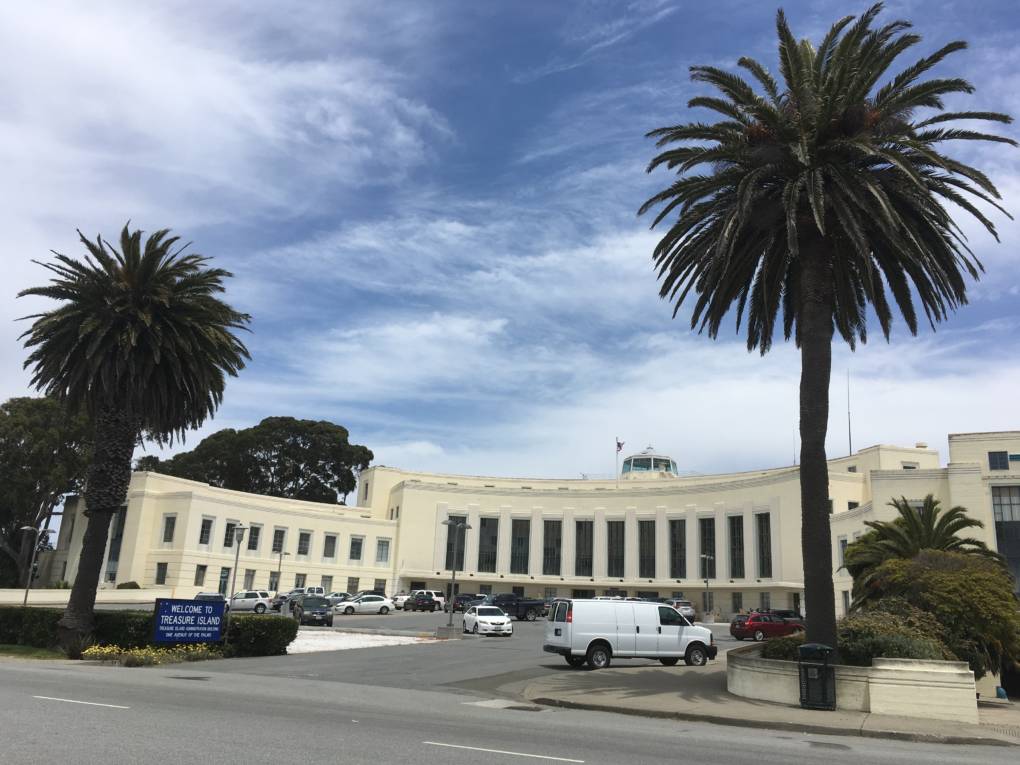
"caption": "The parking lot outside Treasure Island's historic Administration Building is to be transformed with public art.",
"description": "The parking lot outside Treasure Island's historic Administration Building is to be transformed with public art.",
"title": "Treasure Island Administrative Building",
"credit": "Alissa Escarce/KQED",
"status": "inherit",
"isLoading": false,
"fetchFailed": false
},
"arts_13422707": {
"type": "attachments",
"id": "arts_13422707",
"meta": {
"index": "attachments_1716263798",
"site": "arts",
"id": "13422707",
"found": true
},
"parent": 13421685,
"imgSizes": {
"small": {
"file": "https://ww2.kqed.org/app/uploads/sites/2/2017/06/CAC_2017Grantee_Oakland-Interfath-Gospel-Choir-001-520x293.jpg",
"width": 520,
"mimeType": "image/jpeg",
"height": 293
},
"thumbnail": {
"file": "https://ww2.kqed.org/app/uploads/sites/2/2017/06/CAC_2017Grantee_Oakland-Interfath-Gospel-Choir-001-160x90.jpg",
"width": 160,
"mimeType": "image/jpeg",
"height": 90
},
"fd-sm": {
"file": "https://ww2.kqed.org/app/uploads/sites/2/2017/06/CAC_2017Grantee_Oakland-Interfath-Gospel-Choir-001-960x540.jpg",
"width": 960,
"mimeType": "image/jpeg",
"height": 540
},
"post-thumbnail": {
"file": "https://ww2.kqed.org/app/uploads/sites/2/2017/06/CAC_2017Grantee_Oakland-Interfath-Gospel-Choir-001-672x372.jpg",
"width": 672,
"mimeType": "image/jpeg",
"height": 372
},
"xsmall": {
"file": "https://ww2.kqed.org/app/uploads/sites/2/2017/06/CAC_2017Grantee_Oakland-Interfath-Gospel-Choir-001-375x211.jpg",
"width": 375,
"mimeType": "image/jpeg",
"height": 211
},
"kqedFullSize": {
"file": "https://ww2.kqed.org/app/uploads/sites/2/2017/06/CAC_2017Grantee_Oakland-Interfath-Gospel-Choir-001.jpg",
"width": 999,
"height": 562
},
"guest-author-50": {
"file": "https://ww2.kqed.org/app/uploads/sites/2/2017/06/CAC_2017Grantee_Oakland-Interfath-Gospel-Choir-001-50x50.jpg",
"width": 50,
"mimeType": "image/jpeg",
"height": 50
},
"guest-author-96": {
"file": "https://ww2.kqed.org/app/uploads/sites/2/2017/06/CAC_2017Grantee_Oakland-Interfath-Gospel-Choir-001-96x96.jpg",
"width": 96,
"mimeType": "image/jpeg",
"height": 96
},
"medium": {
"file": "https://ww2.kqed.org/app/uploads/sites/2/2017/06/CAC_2017Grantee_Oakland-Interfath-Gospel-Choir-001-800x450.jpg",
"width": 800,
"mimeType": "image/jpeg",
"height": 450
},
"guest-author-64": {
"file": "https://ww2.kqed.org/app/uploads/sites/2/2017/06/CAC_2017Grantee_Oakland-Interfath-Gospel-Choir-001-64x64.jpg",
"width": 64,
"mimeType": "image/jpeg",
"height": 64
},
"guest-author-32": {
"file": "https://ww2.kqed.org/app/uploads/sites/2/2017/06/CAC_2017Grantee_Oakland-Interfath-Gospel-Choir-001-32x32.jpg",
"width": 32,
"mimeType": "image/jpeg",
"height": 32
},
"detail": {
"file": "https://ww2.kqed.org/app/uploads/sites/2/2017/06/CAC_2017Grantee_Oakland-Interfath-Gospel-Choir-001-150x150.jpg",
"width": 150,
"mimeType": "image/jpeg",
"height": 150
},
"medium_large": {
"file": "https://ww2.kqed.org/app/uploads/sites/2/2017/06/CAC_2017Grantee_Oakland-Interfath-Gospel-Choir-001-768x432.jpg",
"width": 768,
"mimeType": "image/jpeg",
"height": 432
},
"guest-author-128": {
"file": "https://ww2.kqed.org/app/uploads/sites/2/2017/06/CAC_2017Grantee_Oakland-Interfath-Gospel-Choir-001-128x128.jpg",
"width": 128,
"mimeType": "image/jpeg",
"height": 128
},
"xxsmall": {
"file": "https://ww2.kqed.org/app/uploads/sites/2/2017/06/CAC_2017Grantee_Oakland-Interfath-Gospel-Choir-001-240x135.jpg",
"width": 240,
"mimeType": "image/jpeg",
"height": 135
}
},
"publishDate": 1497310983,
"modified": 1497311009,
"caption": "The Oakland Interfaith Gospel Choir is one of more than 1,000 non-profit arts groups statewide to benefit from California Arts Council grants in 2016-2017.",
"description": null,
"title": "CAC_2017Grantee_Oakland Interfath Gospel Choir-001",
"credit": "Photo: Courtesy of the California Arts Council",
"status": "inherit",
"isLoading": false,
"fetchFailed": false
},
"news_11500237": {
"type": "attachments",
"id": "news_11500237",
"meta": {
"index": "attachments_1716263798",
"site": "news",
"id": "11500237",
"found": true
},
"parent": 11500235,
"imgSizes": {
"small": {
"file": "https://ww2.kqed.org/app/uploads/sites/10/2017/06/Transit-Transit-Center-Sculpture-520x323.jpg",
"width": 520,
"mimeType": "image/jpeg",
"height": 323
},
"twentyfourteen-full-width": {
"file": "https://ww2.kqed.org/app/uploads/sites/10/2017/06/Transit-Transit-Center-Sculpture-1038x576.jpg",
"width": 1038,
"mimeType": "image/jpeg",
"height": 576
},
"thumbnail": {
"file": "https://ww2.kqed.org/app/uploads/sites/10/2017/06/Transit-Transit-Center-Sculpture-160x99.jpg",
"width": 160,
"mimeType": "image/jpeg",
"height": 99
},
"fd-sm": {
"file": "https://ww2.kqed.org/app/uploads/sites/10/2017/06/Transit-Transit-Center-Sculpture-960x596.jpg",
"width": 960,
"mimeType": "image/jpeg",
"height": 596
},
"post-thumbnail": {
"file": "https://ww2.kqed.org/app/uploads/sites/10/2017/06/Transit-Transit-Center-Sculpture-672x372.jpg",
"width": 672,
"mimeType": "image/jpeg",
"height": 372
},
"xsmall": {
"file": "https://ww2.kqed.org/app/uploads/sites/10/2017/06/Transit-Transit-Center-Sculpture-375x233.jpg",
"width": 375,
"mimeType": "image/jpeg",
"height": 233
},
"kqedFullSize": {
"file": "https://ww2.kqed.org/app/uploads/sites/10/2017/06/Transit-Transit-Center-Sculpture.jpg",
"width": 1080,
"height": 671
},
"large": {
"file": "https://ww2.kqed.org/app/uploads/sites/10/2017/06/Transit-Transit-Center-Sculpture-1020x634.jpg",
"width": 1020,
"mimeType": "image/jpeg",
"height": 634
},
"guest-author-50": {
"file": "https://ww2.kqed.org/app/uploads/sites/10/2017/06/Transit-Transit-Center-Sculpture-50x50.jpg",
"width": 50,
"mimeType": "image/jpeg",
"height": 50
},
"guest-author-96": {
"file": "https://ww2.kqed.org/app/uploads/sites/10/2017/06/Transit-Transit-Center-Sculpture-96x96.jpg",
"width": 96,
"mimeType": "image/jpeg",
"height": 96
},
"medium": {
"file": "https://ww2.kqed.org/app/uploads/sites/10/2017/06/Transit-Transit-Center-Sculpture-800x497.jpg",
"width": 800,
"mimeType": "image/jpeg",
"height": 497
},
"guest-author-64": {
"file": "https://ww2.kqed.org/app/uploads/sites/10/2017/06/Transit-Transit-Center-Sculpture-64x64.jpg",
"width": 64,
"mimeType": "image/jpeg",
"height": 64
},
"guest-author-32": {
"file": "https://ww2.kqed.org/app/uploads/sites/10/2017/06/Transit-Transit-Center-Sculpture-32x32.jpg",
"width": 32,
"mimeType": "image/jpeg",
"height": 32
},
"detail": {
"file": "https://ww2.kqed.org/app/uploads/sites/10/2017/06/Transit-Transit-Center-Sculpture-150x150.jpg",
"width": 150,
"mimeType": "image/jpeg",
"height": 150
},
"guest-author-128": {
"file": "https://ww2.kqed.org/app/uploads/sites/10/2017/06/Transit-Transit-Center-Sculpture-128x128.jpg",
"width": 128,
"mimeType": "image/jpeg",
"height": 128
},
"xxsmall": {
"file": "https://ww2.kqed.org/app/uploads/sites/10/2017/06/Transit-Transit-Center-Sculpture-240x149.jpg",
"width": 240,
"mimeType": "image/jpeg",
"height": 149
}
},
"publishDate": 1496954172,
"modified": 1496954789,
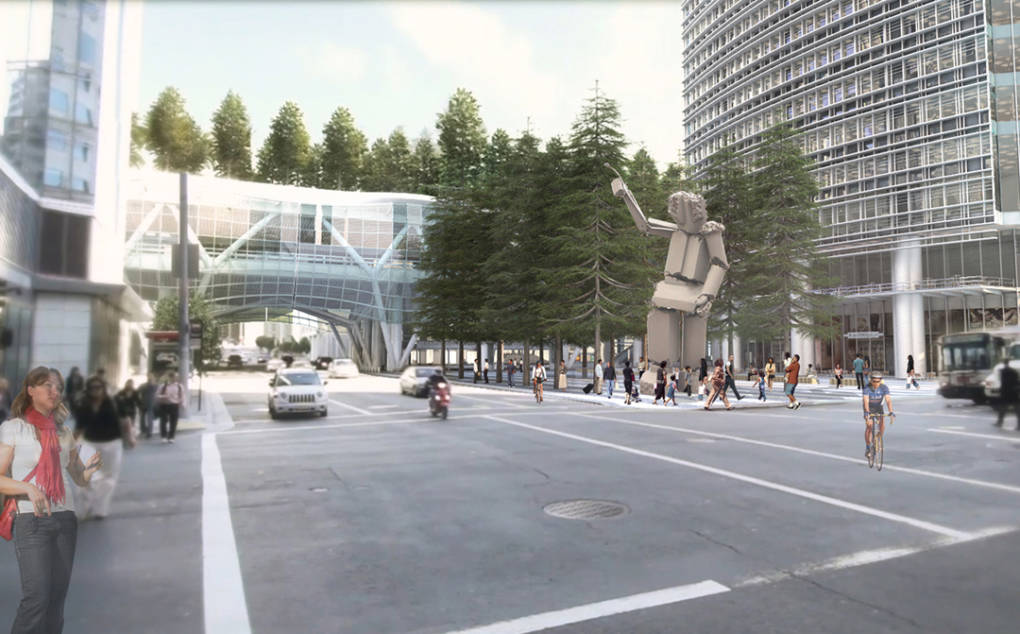
"caption": "A rendering of Tim Hawkinson's 41-foot sculpture. ",
"description": null,
"title": "Transit-Transit-Center-Sculpture",
"credit": "Courtesy of Transbay Transit Center",
"status": "inherit",
"isLoading": false,
"fetchFailed": false
},
"futureofyou_403968": {
"type": "attachments",
"id": "futureofyou_403968",
"meta": {
"index": "attachments_1716263798",
"site": "futureofyou",
"id": "403968",
"found": true
},
"parent": 403964,
"imgSizes": {
"small": {
"file": "https://ww2.kqed.org/app/uploads/sites/13/2017/06/628206276-520x382.jpg",
"width": 520,
"mimeType": "image/jpeg",
"height": 382
},
"thumbnail": {
"file": "https://ww2.kqed.org/app/uploads/sites/13/2017/06/628206276-160x117.jpg",
"width": 160,
"mimeType": "image/jpeg",
"height": 117
},
"post-thumbnail": {
"file": "https://ww2.kqed.org/app/uploads/sites/13/2017/06/628206276-594x372.jpg",
"width": 594,
"mimeType": "image/jpeg",
"height": 372
},
"xsmall": {
"file": "https://ww2.kqed.org/app/uploads/sites/13/2017/06/628206276-375x275.jpg",
"width": 375,
"mimeType": "image/jpeg",
"height": 275
},
"kqedFullSize": {
"file": "https://ww2.kqed.org/app/uploads/sites/13/2017/06/628206276.jpg",
"width": 594,
"height": 436
},
"guest-author-50": {
"file": "https://ww2.kqed.org/app/uploads/sites/13/2017/06/628206276-50x50.jpg",
"width": 50,
"mimeType": "image/jpeg",
"height": 50
},
"guest-author-96": {
"file": "https://ww2.kqed.org/app/uploads/sites/13/2017/06/628206276-96x96.jpg",
"width": 96,
"mimeType": "image/jpeg",
"height": 96
},
"guest-author-64": {
"file": "https://ww2.kqed.org/app/uploads/sites/13/2017/06/628206276-64x64.jpg",
"width": 64,
"mimeType": "image/jpeg",
"height": 64
},
"detail": {
"file": "https://ww2.kqed.org/app/uploads/sites/13/2017/06/628206276-150x150.jpg",
"width": 150,
"mimeType": "image/jpeg",
"height": 150
},
"guest-author-32": {
"file": "https://ww2.kqed.org/app/uploads/sites/13/2017/06/628206276-32x32.jpg",
"width": 32,
"mimeType": "image/jpeg",
"height": 32
},
"guest-author-128": {
"file": "https://ww2.kqed.org/app/uploads/sites/13/2017/06/628206276-128x128.jpg",
"width": 128,
"mimeType": "image/jpeg",
"height": 128
},
"xxsmall": {
"file": "https://ww2.kqed.org/app/uploads/sites/13/2017/06/628206276-240x176.jpg",
"width": 240,
"mimeType": "image/jpeg",
"height": 176
}
},
"publishDate": 1496686178,
"modified": 1496686230,
"caption": "A photo taken during search and rescue works, is seen after a fire broke out at Oakland warehouse, in Oakland, California on December 7, 2016.",
"description": "A photo taken during search and rescue works, is seen after a fire broke out at Oakland warehouse, in Oakland, California on December 7, 2016.",
"title": "Search and rescue works in Oakland Warehouse Fire",
"credit": "Photo by Tayfun Coskun/Anadolu Agency/Getty Images",
"status": "inherit",
"isLoading": false,
"fetchFailed": false
},
"news_11495853": {
"type": "attachments",
"id": "news_11495853",
"meta": {
"index": "attachments_1716263798",
"site": "news",
"id": "11495853",
"found": true
},
"parent": 11495782,
"imgSizes": {
"small": {
"file": "https://ww2.kqed.org/app/uploads/sites/10/2017/06/involuntary_060517_final_revised-520x520.jpg",
"width": 520,
"mimeType": "image/jpeg",
"height": 520
},
"twentyfourteen-full-width": {
"file": "https://ww2.kqed.org/app/uploads/sites/10/2017/06/involuntary_060517_final_revised-1038x576.jpg",
"width": 1038,
"mimeType": "image/jpeg",
"height": 576
},
"thumbnail": {
"file": "https://ww2.kqed.org/app/uploads/sites/10/2017/06/involuntary_060517_final_revised-160x160.jpg",
"width": 160,
"mimeType": "image/jpeg",
"height": 160
},
"fd-sm": {
"file": "https://ww2.kqed.org/app/uploads/sites/10/2017/06/involuntary_060517_final_revised-960x960.jpg",
"width": 960,
"mimeType": "image/jpeg",
"height": 960
},
"post-thumbnail": {
"file": "https://ww2.kqed.org/app/uploads/sites/10/2017/06/involuntary_060517_final_revised-672x372.jpg",
"width": 672,
"mimeType": "image/jpeg",
"height": 372
},
"xsmall": {
"file": "https://ww2.kqed.org/app/uploads/sites/10/2017/06/involuntary_060517_final_revised-375x375.jpg",
"width": 375,
"mimeType": "image/jpeg",
"height": 375
},
"kqedFullSize": {
"file": "https://ww2.kqed.org/app/uploads/sites/10/2017/06/involuntary_060517_final_revised.jpg",
"width": 1920,
"height": 1920
},
"large": {
"file": "https://ww2.kqed.org/app/uploads/sites/10/2017/06/involuntary_060517_final_revised-1020x1020.jpg",
"width": 1020,
"mimeType": "image/jpeg",
"height": 1020
},
"xlarge": {
"file": "https://ww2.kqed.org/app/uploads/sites/10/2017/06/involuntary_060517_final_revised-1180x1180.jpg",
"width": 1180,
"mimeType": "image/jpeg",
"height": 1180
},
"guest-author-50": {
"file": "https://ww2.kqed.org/app/uploads/sites/10/2017/06/involuntary_060517_final_revised-50x50.jpg",
"width": 50,
"mimeType": "image/jpeg",
"height": 50
},
"guest-author-96": {
"file": "https://ww2.kqed.org/app/uploads/sites/10/2017/06/involuntary_060517_final_revised-96x96.jpg",
"width": 96,
"mimeType": "image/jpeg",
"height": 96
},
"medium": {
"file": "https://ww2.kqed.org/app/uploads/sites/10/2017/06/involuntary_060517_final_revised-800x800.jpg",
"width": 800,
"mimeType": "image/jpeg",
"height": 800
},
"guest-author-64": {
"file": "https://ww2.kqed.org/app/uploads/sites/10/2017/06/involuntary_060517_final_revised-64x64.jpg",
"width": 64,
"mimeType": "image/jpeg",
"height": 64
},
"guest-author-32": {
"file": "https://ww2.kqed.org/app/uploads/sites/10/2017/06/involuntary_060517_final_revised-32x32.jpg",
"width": 32,
"mimeType": "image/jpeg",
"height": 32
},
"fd-lrg": {
"file": "https://ww2.kqed.org/app/uploads/sites/10/2017/06/involuntary_060517_final_revised-1920x1920.jpg",
"width": 1920,
"mimeType": "image/jpeg",
"height": 1920
},
"fd-med": {
"file": "https://ww2.kqed.org/app/uploads/sites/10/2017/06/involuntary_060517_final_revised-1180x1180.jpg",
"width": 1180,
"mimeType": "image/jpeg",
"height": 1180
},
"full-width": {
"file": "https://ww2.kqed.org/app/uploads/sites/10/2017/06/involuntary_060517_final_revised-1920x1920.jpg",
"width": 1920,
"mimeType": "image/jpeg",
"height": 1920
},
"detail": {
"file": "https://ww2.kqed.org/app/uploads/sites/10/2017/06/involuntary_060517_final_revised-150x150.jpg",
"width": 150,
"mimeType": "image/jpeg",
"height": 150
},
"guest-author-128": {
"file": "https://ww2.kqed.org/app/uploads/sites/10/2017/06/involuntary_060517_final_revised-128x128.jpg",
"width": 128,
"mimeType": "image/jpeg",
"height": 128
},
"xxsmall": {
"file": "https://ww2.kqed.org/app/uploads/sites/10/2017/06/involuntary_060517_final_revised-240x240.jpg",
"width": 240,
"mimeType": "image/jpeg",
"height": 240
}
},
"publishDate": 1496704378,
"modified": 1496704409,
"caption": null,
"description": null,
"title": "involuntary_060517_final_revised",
"credit": null,
"status": "inherit",
"isLoading": false,
"fetchFailed": false
}
},
"audioPlayerReducer": {
"postId": "stream_live",
"isPaused": true,
"isPlaying": false,
"pfsActive": false,
"pledgeModalIsOpen": true,
"playerDrawerIsOpen": false,
"liveAudioPlayStartedAt": 0,
"liveAudioPlayContext": ""
},
"authorsReducer": {
"byline_news_11522726": {
"type": "authors",
"id": "byline_news_11522726",
"meta": {
"override": true
},
"slug": "byline_news_11522726",
"name": "\u003cstrong>Jocelyn Gecker\u003cbr>Associated Press\u003c/strong>",
"isLoading": false
},
"byline_news_11514485": {
"type": "authors",
"id": "byline_news_11514485",
"meta": {
"override": true
},
"slug": "byline_news_11514485",
"name": "Anny Celsi",
"isLoading": false
},
"byline_news_11512997": {
"type": "authors",
"id": "byline_news_11512997",
"meta": {
"override": true
},
"slug": "byline_news_11512997",
"name": "Krista Almanzan ",
"isLoading": false
},
"byline_futureofyou_403964": {
"type": "authors",
"id": "byline_futureofyou_403964",
"meta": {
"override": true
},
"slug": "byline_futureofyou_403964",
"name": "Leah Rosenbaum \u003c/br>\u003ca href=\"https://www.statnews.com/\">STAT\u003c/a>",
"isLoading": false
},
"pollystryker": {
"type": "authors",
"id": "250",
"meta": {
"index": "authors_1716337520",
"id": "250",
"found": true
},
"name": "Polly Stryker",
"firstName": "Polly",
"lastName": "Stryker",
"slug": "pollystryker",
"email": "pstryker@kqed.org",
"display_author_email": false,
"staff_mastheads": [
"science"
],
"title": "Editor",
"bio": "Polly Stryker is a former editor for KQED's Science desk. She and reporter/host Rachael Myrow produced the KQED podcast, \u003ca href=\"http://www.npr.org/podcasts/448072249/love-in-the-digital-age\">Love in the Digital Age\u003c/a>.\r\n\r\nPolly has worked for a variety of news and public affairs programs, including most recently as editor of \u003cem>The California Report\u003c/em>. She also edited \u003ca href=\"https://ww2.kqed.org/news/programs/the-california-report\" target=\"_blank\" rel=\"noopener noreferrer\">\u003cem>The California Report'\u003c/em>s\u003c/a> \u003ca href=\"http://www.californiareport.org/healthdialogues/\" target=\"_blank\" rel=\"noopener noreferrer\">“Health Dialogues.”\u003c/a> Before that, she was a producer on \u003cem>\u003ca href=\"http://www.scpr.org/programs/airtalk/\" target=\"_blank\" rel=\"noopener noreferrer\">AirTalk\u003c/a>\u003c/em> with Larry Mantle on \u003ca href=\"http://www.scpr.org/\" target=\"_blank\" rel=\"noopener noreferrer\">KPCC\u003c/a> radio, and \u003cem>\u003ca href=\"http://www.kpbs.org/news/midday-edition/\">These Days\u003c/a>\u003c/em> on KPBS. Polly’s work has won awards from the Radio and Television News Directors Association of Northern California, the Society of Professional Journalists (Southern California and Northern California chapters), the Radio and Television News Association. She's also won a Taste Award.\r\n\r\nShe considers herself to be a citizen of the world, having grown up in Cairo before coming to the United States. Polly speaks Arabic and can say, \"I’d like a martini, please\" in Swahili.",
"avatar": "https://secure.gravatar.com/avatar/5012854a99868cb15a517a876d88f736?s=600&d=blank&r=g",
"twitter": null,
"facebook": null,
"instagram": null,
"linkedin": null,
"sites": [
{
"site": "",
"roles": [
"editor"
]
},
{
"site": "arts",
"roles": [
"administrator"
]
},
{
"site": "news",
"roles": [
"subscriber"
]
},
{
"site": "stateofhealth",
"roles": [
"author"
]
},
{
"site": "science",
"roles": [
"editor"
]
},
{
"site": "forum",
"roles": [
"editor"
]
}
],
"headData": {
"title": "Polly Stryker | KQED",
"description": "Editor",
"ogImgSrc": "https://secure.gravatar.com/avatar/5012854a99868cb15a517a876d88f736?s=600&d=blank&r=g",
"twImgSrc": "https://secure.gravatar.com/avatar/5012854a99868cb15a517a876d88f736?s=600&d=blank&r=g"
},
"isLoading": false,
"link": "/author/pollystryker"
},
"rachael-myrow": {
"type": "authors",
"id": "251",
"meta": {
"index": "authors_1716337520",
"id": "251",
"found": true
},
"name": "Rachael Myrow",
"firstName": "Rachael",
"lastName": "Myrow",
"slug": "rachael-myrow",
"email": "rmyrow@kqed.org",
"display_author_email": true,
"staff_mastheads": [
"news"
],
"title": "Senior Editor of KQED's Silicon Valley News Desk",
"bio": "• I write and edit stories about how Silicon Valley power and policies shape everyday life in California. I’m also passionate about making Bay Area history and culture more accessible to a broad public. • I’ve been a journalist for most of my life, starting in high school with The Franklin Press in Los Angeles, where I grew up. While earning my first degree in English at UC Berkeley, I got my start in public radio at KALX-FM. After completing a second degree in journalism at Cal, I landed my first professional job at Marketplace, then moved on to KPCC (now LAist), and then KQED, where I hosted The California Report for more than seven years. • My reporting has appeared on NPR, The World, WBUR’s \u003ci>Here & Now\u003c/i>, and the BBC. I also guest host for KQED’s \u003ci>Forum\u003c/i>, as well as the Commonwealth Club in San Francisco. • I speak periodically on media, democracy and technology issues, and do voiceover work for documentaries and educational video projects. • Outside of the studio, you'll find me hiking Bay Area trails and whipping up Insta-ready meals in my kitchen. • I do not accept gifts, money, or favors from anyone connected to my reporting, I don't pay people for information, and I do not support or donate to political causes. • I strive to treat the people I report on with fairness, honesty, and respect. I also recognize there are often multiple sides to a story and work to verify information through multiple sources and documentation. If I get something wrong, I correct it.",
"avatar": "https://secure.gravatar.com/avatar/3ed8a3c5f26025e4a805ba634cda8cd764906b97438a6d9ce216b044e340da4e?s=600&d=blank&r=g",
"twitter": "rachaelmyrow",
"bluesky": null,
"facebook": null,
"instagram": null,
"linkedin": "https://www.linkedin.com/in/rachaelmyrow/",
"sites": [
{
"site": "arts",
"roles": [
"administrator"
]
},
{
"site": "news",
"roles": [
"edit_others_posts",
"editor"
]
},
{
"site": "futureofyou",
"roles": [
"editor"
]
},
{
"site": "bayareabites",
"roles": [
"editor"
]
},
{
"site": "stateofhealth",
"roles": [
"editor"
]
},
{
"site": "science",
"roles": [
"editor"
]
},
{
"site": "food",
"roles": [
"editor"
]
},
{
"site": "forum",
"roles": [
"editor"
]
},
{
"site": "liveblog",
"roles": [
"author"
]
}
],
"headData": {
"title": "Rachael Myrow | KQED",
"description": "Senior Editor of KQED's Silicon Valley News Desk",
"ogImgSrc": "https://secure.gravatar.com/avatar/3ed8a3c5f26025e4a805ba634cda8cd764906b97438a6d9ce216b044e340da4e?s=600&d=blank&r=g",
"twImgSrc": "https://secure.gravatar.com/avatar/3ed8a3c5f26025e4a805ba634cda8cd764906b97438a6d9ce216b044e340da4e?s=600&d=blank&r=g"
},
"isLoading": false,
"link": "/author/rachael-myrow"
},
"scottshafer": {
"type": "authors",
"id": "255",
"meta": {
"index": "authors_1716337520",
"id": "255",
"found": true
},
"name": "Scott Shafer",
"firstName": "Scott",
"lastName": "Shafer",
"slug": "scottshafer",
"email": "sshafer@kqed.org",
"display_author_email": false,
"staff_mastheads": [
"news"
],
"title": "KQED Contributor",
"bio": "Scott Shafer is a senior editor with the KQED Politics and Government desk. He is co-host of Political Breakdown, the award-winning radio show and podcast with a personal take on the world of politics. Scott came to KQED in 1998 to host the statewide\u003cem> California Report\u003c/em>. Prior to that he had extended stints in politics and government\u003cem>.\u003c/em> He uses that inside experience at KQED in his, reporting, hosting and analysis for the politics desk. Scott collaborated \u003cem>Political Breakdown a\u003c/em>nd on \u003cem>The Political Mind of Jerry Brown, \u003c/em>an eight-part series about the life and extraordinary political career of the former governor. For fun, he plays water polo with the San Francisco Tsunami.",
"avatar": "https://secure.gravatar.com/avatar/a62ebae45b79d7aed1a39a0e3bf68104?s=600&d=blank&r=g",
"twitter": "scottshafer",
"bluesky": null,
"facebook": null,
"instagram": null,
"linkedin": null,
"sites": [
{
"site": "news",
"roles": [
"editor"
]
},
{
"site": "stateofhealth",
"roles": [
"author"
]
},
{
"site": "science",
"roles": [
"author"
]
},
{
"site": "forum",
"roles": [
"subscriber"
]
},
{
"site": "liveblog",
"roles": [
"author"
]
}
],
"headData": {
"title": "Scott Shafer | KQED",
"description": "KQED Contributor",
"ogImgSrc": "https://secure.gravatar.com/avatar/a62ebae45b79d7aed1a39a0e3bf68104?s=600&d=blank&r=g",
"twImgSrc": "https://secure.gravatar.com/avatar/a62ebae45b79d7aed1a39a0e3bf68104?s=600&d=blank&r=g"
},
"isLoading": false,
"link": "/author/scottshafer"
},
"lmorehouse": {
"type": "authors",
"id": "3229",
"meta": {
"index": "authors_1716337520",
"id": "3229",
"found": true
},
"name": "Lisa Morehouse",
"firstName": "Lisa",
"lastName": "Morehouse",
"slug": "lmorehouse",
"email": "morehouse.lisa@gmail.com",
"display_author_email": false,
"staff_mastheads": [],
"title": "KQED Contributor",
"bio": "Lisa Morehouse is an award-winning public radio and print journalist, who has filed for National Public Radio, American Public Media, KQED Public Radio, Edutopia, and McSweeney’s. Her reporting has taken her from Samoan traveling circuses to Mississippi Delta classrooms to the homes of Lao refugees in rural Iowa. In addition to reporting, she teaches radio production to at-risk youth in the Bay Area. Her series \u003ca href=\"http://afterthegoldrushradio.com/\">After the Gold Rush\u003c/a> featured the changing industries, populations and identities of rural towns throughout California. She’s now producing \u003ca href=\"http://www.californiafoodways.com/\">California Foodways\u003c/a>, a series exploring the intersections of food, culture, economics, history and labor. Follow along on the \u003ca href=\"https://www.facebook.com/californiafoodways?ref=hl\">Facebook page\u003c/a> or on Twitter @cafoodways.",
"avatar": "https://secure.gravatar.com/avatar/dae74b002a6e256f39abb19d6f5acaea?s=600&d=blank&r=g",
"twitter": null,
"facebook": null,
"instagram": null,
"linkedin": null,
"sites": [
{
"site": "",
"roles": [
"editor"
]
},
{
"site": "news",
"roles": [
"author"
]
}
],
"headData": {
"title": "Lisa Morehouse | KQED",
"description": "KQED Contributor",
"ogImgSrc": "https://secure.gravatar.com/avatar/dae74b002a6e256f39abb19d6f5acaea?s=600&d=blank&r=g",
"twImgSrc": "https://secure.gravatar.com/avatar/dae74b002a6e256f39abb19d6f5acaea?s=600&d=blank&r=g"
},
"isLoading": false,
"link": "/author/lmorehouse"
},
"markfiore": {
"type": "authors",
"id": "3236",
"meta": {
"index": "authors_1716337520",
"id": "3236",
"found": true
},
"name": "Mark Fiore",
"firstName": "Mark",
"lastName": "Fiore",
"slug": "markfiore",
"email": "mark@markfiore.com",
"display_author_email": false,
"staff_mastheads": [
"news"
],
"title": "KQED News Cartoonist",
"bio": "\u003ca href=\"http://www.MarkFiore.com\">MarkFiore.com\u003c/a> | \u003ca href=\"https://twitter.com/markfiore\">Follow on Twitter\u003c/a> | \u003ca href=\"https://www.facebook.com/pages/Mark-Fiore-Animated-Political-Cartoons/94451707396?ref=bookmarks\">Facebook\u003c/a> | \u003ca href=\"mailto:mark@markfiore.com\">email\u003c/a>\r\n\r\nPulitzer Prize-winner, Mark Fiore, who the Wall Street Journal has called “the undisputed guru of the form,” creates animated political cartoons in San Francisco, where his work has been featured regularly on the San Francisco Chronicle’s web site, SFGate.com. His work has appeared on Newsweek.com, Slate.com, CBSNews.com, MotherJones.com, DailyKos.com and NPR’s web site. Fiore’s political animation has appeared on CNN, Frontline, Bill Moyers Journal, Salon.com and cable and broadcast outlets across the globe.\r\n\r\nBeginning his professional life by drawing traditional political cartoons for newspapers, Fiore’s work appeared in publications ranging from the Washington Post to the Los Angeles Times. In the late 1990s, he began to experiment with animating political cartoons and, after a short stint at the San Jose Mercury News as their staff cartoonist, Fiore devoted all his energies to animation.\r\nGrowing up in California, Fiore also spent a good portion of his life in the backwoods of Idaho. It was this combination that shaped him politically. Mark majored in political science at Colorado College, where, in a perfect send-off for a cartoonist, he received his diploma in 1991 as commencement speaker Dick Cheney smiled approvingly.\r\nMark Fiore was awarded the Pulitzer Prize for political cartooning in 2010, a Robert F. Kennedy Journalism Award in 2004 and has twice received an Online Journalism Award for commentary from the Online News Association (2002, 2008). Fiore has received two awards for his work in new media from the National Cartoonists Society (2001, 2002), and in 2006 received The James Madison Freedom of Information Award from The Society of Professional Journalists.",
"avatar": "https://secure.gravatar.com/avatar/fc4e2a612b15b67bad0c6f0e1db4ca9b?s=600&d=blank&r=g",
"twitter": "MarkFiore",
"facebook": null,
"instagram": "https://www.instagram.com/markfiore/?hl=en",
"linkedin": null,
"sites": [
{
"site": "arts",
"roles": [
"contributor"
]
},
{
"site": "news",
"roles": [
"editor"
]
},
{
"site": "futureofyou",
"roles": [
"editor"
]
},
{
"site": "science",
"roles": [
"editor"
]
}
],
"headData": {
"title": "Mark Fiore | KQED",
"description": "KQED News Cartoonist",
"ogImgSrc": "https://secure.gravatar.com/avatar/fc4e2a612b15b67bad0c6f0e1db4ca9b?s=600&d=blank&r=g",
"twImgSrc": "https://secure.gravatar.com/avatar/fc4e2a612b15b67bad0c6f0e1db4ca9b?s=600&d=blank&r=g"
},
"isLoading": false,
"link": "/author/markfiore"
},
"csaldana": {
"type": "authors",
"id": "11301",
"meta": {
"index": "authors_1716337520",
"id": "11301",
"found": true
},
"name": "Cesar Saldaña",
"firstName": "Cesar",
"lastName": "Saldaña",
"slug": "csaldana",
"email": "csaldana@kqed.org",
"display_author_email": false,
"staff_mastheads": [
"news"
],
"title": "KQED Contributor",
"bio": null,
"avatar": "https://secure.gravatar.com/avatar/04e89425007fe7102f750c79e76274bc?s=600&d=mm&r=g",
"twitter": null,
"facebook": null,
"instagram": null,
"linkedin": null,
"sites": [
{
"site": "news",
"roles": []
},
{
"site": "perspectives",
"roles": []
}
],
"headData": {
"title": "Cesar Saldaña | KQED",
"description": "KQED Contributor",
"ogImgSrc": "https://secure.gravatar.com/avatar/04e89425007fe7102f750c79e76274bc?s=600&d=mm&r=g",
"twImgSrc": "https://secure.gravatar.com/avatar/04e89425007fe7102f750c79e76274bc?s=600&d=mm&r=g"
},
"isLoading": false,
"link": "/author/csaldana"
},
"aescarce": {
"type": "authors",
"id": "11337",
"meta": {
"index": "authors_1716337520",
"id": "11337",
"found": true
},
"name": "Alissa Escarce",
"firstName": "Alissa",
"lastName": "Escarce",
"slug": "aescarce",
"email": "AEscarce@KQED.org",
"display_author_email": false,
"staff_mastheads": [],
"title": "KQED Contributor",
"bio": "Alissa Escarce is a former radio news intern for KQED. She is also an independent radio producer whose work on urban planning, immigration, and agriculture has appeared on NPR's Latino USA, KCRW, and Radio Bilingue. Email: aescarce@kqed.org Twitter: @Alissa Escarce",
"avatar": "https://secure.gravatar.com/avatar/6b67efb4a15999ffba7cc1a680cb87b1?s=600&d=blank&r=g",
"twitter": "AlissaEscarce",
"facebook": null,
"instagram": null,
"linkedin": null,
"sites": [
{
"site": "news",
"roles": [
"subscriber"
]
}
],
"headData": {
"title": "Alissa Escarce | KQED",
"description": "KQED Contributor",
"ogImgSrc": "https://secure.gravatar.com/avatar/6b67efb4a15999ffba7cc1a680cb87b1?s=600&d=blank&r=g",
"twImgSrc": "https://secure.gravatar.com/avatar/6b67efb4a15999ffba7cc1a680cb87b1?s=600&d=blank&r=g"
},
"isLoading": false,
"link": "/author/aescarce"
}
},
"pagesReducer": {
"news_category_arts-and-culture": {
"type": "terms",
"id": "news_223",
"meta": {
"index": "terms_1716263798",
"site": "news",
"id": "223",
"score": 11.24217
},
"featImg": null,
"name": "Arts and Culture",
"description": null,
"taxonomy": "category",
"headData": {
"twImgId": null,
"twTitle": null,
"ogTitle": null,
"ogImgId": null,
"twDescription": null,
"description": null,
"title": "Arts and Culture Archives | KQED News",
"ogDescription": null
},
"ttid": 231,
"slug": "arts-and-culture",
"isLoading": false,
"title": "Arts and Culture",
"pageMeta": {
"site": "news",
"WpPageTemplate": "page-topic-editorial",
"currentPage": 98
},
"blocks": [
{
"blockName": "kqed/post-list",
"attrs": {
"layout": "cardArticle2",
"query": "posts/news?category=arts-and-culture",
"seeMore": false,
"paginated": true,
"page": 98
}
},
{
"blockName": "kqed/ad"
}
]
}
},
"pfsSessionReducer": {},
"postsReducer": {
"stream_live": {
"type": "live",
"id": "stream_live",
"audioUrl": "https://streams.kqed.org/kqedradio",
"title": "Live Stream",
"excerpt": "Live Stream information currently unavailable.",
"link": "/radio",
"featImg": "",
"label": {
"name": "KQED Live",
"link": "/"
}
},
"stream_kqedNewscast": {
"type": "posts",
"id": "stream_kqedNewscast",
"audioUrl": "https://www.kqed.org/.stream/anon/radio/RDnews/newscast.mp3?_=1",
"title": "KQED Newscast",
"featImg": "",
"label": {
"name": "88.5 FM",
"link": "/"
}
},
"news_11528218": {
"type": "posts",
"id": "news_11528218",
"meta": {
"index": "posts_1716263798",
"site": "news",
"id": "11528218",
"score": null,
"sort": [
1498244939000
]
},
"guestAuthors": [],
"slug": "rainbows-and-resistance",
"title": "Rainbows and Resistance",
"publishDate": 1498244939,
"format": "standard",
"headTitle": "Rainbows and Resistance | KQED",
"labelTerm": {
"term": 18515,
"site": "news"
},
"content": "\u003cp>With the inescapable backdrop of the Trump administration, \u003ca href=\"https://ww2.kqed.org/news/2017/06/23/revelry-and-resistance-at-s-f-pride/\">this weekend’s San Francisco pride parade\u003c/a> will be led by the “Resistance Contingent.” \u003c/p>\n\u003cp>It looks like the Pride forecast calls for rainbow downpours with frequent signs of resistance. Happy #SFPride!\u003c/p>\n\u003cp>[ad fullwidth]\u003c/p>\u003cp>\u003c/p>\n",
"blocks": [],
"excerpt": "With rainbows and resistance, this weekend's San Francisco pride parade will be led by the 'Resistance Contingent.'",
"status": "publish",
"parent": 0,
"modified": 1721152608,
"stats": {
"hasAudio": false,
"hasVideo": false,
"hasChartOrMap": false,
"iframeSrcs": [],
"hasGoogleForm": false,
"hasGallery": false,
"hasHearkenModule": false,
"hasPolis": false,
"paragraphCount": 4,
"wordCount": 47
},
"headData": {
"title": "Rainbows and Resistance | KQED",
"description": "With rainbows and resistance, this weekend's San Francisco pride parade will be led by the 'Resistance Contingent.'",
"ogTitle": "",
"ogDescription": "",
"ogImgId": "",
"twTitle": "",
"twDescription": "",
"twImgId": "",
"schema": {
"@context": "https://schema.org",
"@type": "NewsArticle",
"headline": "Rainbows and Resistance",
"datePublished": "2017-06-23T12:08:59-07:00",
"dateModified": "2024-07-16T10:56:48-07:00",
"image": "https://cdn.kqed.org/wp-content/uploads/2020/02/KQED-OG-Image@1x.png",
"isAccessibleForFree": "True",
"publisher": {
"@type": "NewsMediaOrganization",
"@id": "https://www.kqed.org/#organization",
"name": "KQED",
"logo": "https://cdn.kqed.org/wp-content/uploads/2020/02/KQED-OG-Image@1x.png",
"url": "https://www.kqed.org",
"sameAs": [
"https://www.facebook.com/KQED",
"https://twitter.com/KQED",
"https://www.instagram.com/kqed/",
"https://www.tiktok.com/@kqedofficial",
"https://www.linkedin.com/company/kqed",
"https://www.youtube.com/channel/UCeC0IOo7i1P_61zVUWbJ4nw"
]
}
}
},
"sticky": false,
"path": "/news/11528218/rainbows-and-resistance",
"audioTrackLength": null,
"parsedContent": [
{
"type": "contentString",
"content": "\u003cdiv class=\"post-body\">\u003cp>\u003cp>With the inescapable backdrop of the Trump administration, \u003ca href=\"https://ww2.kqed.org/news/2017/06/23/revelry-and-resistance-at-s-f-pride/\">this weekend’s San Francisco pride parade\u003c/a> will be led by the “Resistance Contingent.” \u003c/p>\n\u003cp>It looks like the Pride forecast calls for rainbow downpours with frequent signs of resistance. Happy #SFPride!\u003c/p>\n\u003cp>\u003c/p>\u003c/div>",
"attributes": {
"named": {},
"numeric": []
}
},
{
"type": "component",
"content": "",
"name": "ad",
"attributes": {
"named": {
"label": "fullwidth"
},
"numeric": [
"fullwidth"
]
}
},
{
"type": "contentString",
"content": "\u003cdiv class=\"post-body\">\u003cp>\u003c/p>\u003cp>\u003c/p>\n\u003c/div>\u003c/p>",
"attributes": {
"named": {},
"numeric": []
}
}
],
"link": "/news/11528218/rainbows-and-resistance",
"authors": [
"3236"
],
"series": [
"news_18515"
],
"categories": [
"news_223",
"news_8",
"news_13"
],
"tags": [
"news_20150",
"news_138",
"news_20004",
"news_20949",
"news_17968"
],
"featImg": "news_11528222",
"label": "news_18515"
},
"news_11526227": {
"type": "posts",
"id": "news_11526227",
"meta": {
"index": "posts_1716263798",
"site": "news",
"id": "11526227",
"score": null,
"sort": [
1498241186000
]
},
"guestAuthors": [],
"slug": "revelry-and-resistance-at-s-f-pride",
"title": "Revelry and Resistance at S.F. Pride",
"publishDate": 1498241186,
"format": "image",
"headTitle": "Revelry and Resistance at S.F. Pride | KQED",
"labelTerm": {
"term": 6944,
"site": "news"
},
"content": "\u003cp>It’s \u003ca href=\"http://www.sfpride.org/schedule/\" target=\"_blank\" rel=\"noopener noreferrer\">Pride\u003c/a> weekend in San Francisco. Get ready for a lot of rainbows and resistance on Saturday and Sunday. The theme this year is “A Celebration of Diversity.”\u003c/p>\n\u003cp>“We should serve one another not because of our common humanity but rather for our distinctiveness,” said Amy Sueyoshi, one of six Community Grand Marshals of this year’s San Francisco Pride Parade and March. “Get your queer on and make the world a better place.”\u003c/p>\n\u003cp>More than 20 builders and artists spent Thursday in a Mission Bay warehouse on San Francisco’s Pier 54 painting, sawing, nailing and rigging, tacking boas, attaching styrofoam balls and using a healthy dose of glitter to decorate some of the more than 40 floats expected to make their way down Market Street in Sunday’s parade.\u003c/p>\n\u003cfigure id=\"attachment_11528131\" class=\"wp-caption aligncenter\" style=\"max-width: 1920px\">\u003ca href=\"https://ww2.kqed.org/news/wp-content/uploads/sites/10/2017/06/RS25802_DSCF2388-qut.jpg\">\u003cimg loading=\"lazy\" decoding=\"async\" class=\"size-full wp-image-11528131\" src=\"https://ww2.kqed.org/news/wp-content/uploads/sites/10/2017/06/RS25802_DSCF2388-qut.jpg\" alt=\"\" width=\"1920\" height=\"1082\" srcset=\"https://cdn.kqed.org/wp-content/uploads/sites/10/2017/06/RS25802_DSCF2388-qut.jpg 1920w, https://cdn.kqed.org/wp-content/uploads/sites/10/2017/06/RS25802_DSCF2388-qut-160x90.jpg 160w, https://cdn.kqed.org/wp-content/uploads/sites/10/2017/06/RS25802_DSCF2388-qut-800x451.jpg 800w, https://cdn.kqed.org/wp-content/uploads/sites/10/2017/06/RS25802_DSCF2388-qut-1020x575.jpg 1020w, https://cdn.kqed.org/wp-content/uploads/sites/10/2017/06/RS25802_DSCF2388-qut-1180x665.jpg 1180w, https://cdn.kqed.org/wp-content/uploads/sites/10/2017/06/RS25802_DSCF2388-qut-960x541.jpg 960w, https://cdn.kqed.org/wp-content/uploads/sites/10/2017/06/RS25802_DSCF2388-qut-240x135.jpg 240w, https://cdn.kqed.org/wp-content/uploads/sites/10/2017/06/RS25802_DSCF2388-qut-375x211.jpg 375w, https://cdn.kqed.org/wp-content/uploads/sites/10/2017/06/RS25802_DSCF2388-qut-520x293.jpg 520w\" sizes=\"(max-width: 1920px) 100vw, 1920px\">\u003c/a>\u003cfigcaption class=\"wp-caption-text\">Artists and organizers worked to prepare for the parade. \u003ccite>(Peter Arcuni/KQED)\u003c/cite>\u003c/figcaption>\u003c/figure>\n\u003cp>“Because it’s ‘Summer of Love,’ everybody’s getting into the ’60s psychedelic thing, which has been just a blast to work with,” said Stephanie Mufson, a veteran float builder.\u003c/p>\n\u003cp>Mufson roamed the warehouse keeping everyone organized and on task. She was backed up by a count-down clock hanging on the wall, reminding the volunteers that only three days and 20 hours remained until parade time.\u003c/p>\n\u003cp>[ad fullwidth]\u003c/p>\n\u003cp>[gallery type=\"rectangular\" ids=\"11528136,11528135,11528132,11528129\"]\u003c/p>\n\u003cp>“It’s a lot of putting on floral sheeting and trim and things like that,” said artist Yulia Rashkovskaya as she prepped an enchanted forest-themed float. “There’s a lot of fabrication: making these giant flowers, making the lips, making this tree out of styrofoam and wood.”\u003c/p>\n\u003cp>Gay pride parades have always been a combination of fun, pride and politics. In 1978, gay activist Harvey Milk led parade protests against Proposition 6, the so-called Briggs Initiative that would have banned openly gay school teachers in California. In other years, HIV/AIDS policies of the Reagan and Bush years were the targets of anger.\u003c/p>\n\u003cp>Here’s a KQED archival video from the 1979 parade, then called the “Gay Freedom Day Parade”:\u003c/p>\n\u003cp>https://www.youtube.com/watch?v=VTFZBIju9Ok\u003c/p>\n\u003cp>This year, with President Trump in the White House, there will be an especially loud and clear statement about the community’s values.\u003c/p>\n\u003cp>“Many of us, in fact I’d say most in our community, recognize that resisting Donald Trump is part and parcel of every fiber of our being,” said San Francisco Supervisor Jeff Sheehy. He represents the city’s largely gay Castro neighborhood, where Trump got less than 2 percent of the vote in some precincts. Sheehy said part of the message in this year’s parade is that LGBT people are everywhere.\u003c/p>\n\u003cp>“Some of the first communities that have been attacked, like our Muslim brothers and sisters — well there’s LGBTQ Muslims, or immigrants. Any community includes LGBTQ folk,” Sheehy said.\u003c/p>\n\u003cfigure id=\"attachment_11528128\" class=\"wp-caption aligncenter\" style=\"max-width: 1920px\">\u003ca href=\"https://ww2.kqed.org/news/wp-content/uploads/sites/10/2017/06/RS25791_DSCF2377-qut.jpg\">\u003cimg loading=\"lazy\" decoding=\"async\" class=\"size-full wp-image-11528128\" src=\"https://ww2.kqed.org/news/wp-content/uploads/sites/10/2017/06/RS25791_DSCF2377-qut.jpg\" alt=\"\" width=\"1920\" height=\"1082\" srcset=\"https://cdn.kqed.org/wp-content/uploads/sites/10/2017/06/RS25791_DSCF2377-qut.jpg 1920w, https://cdn.kqed.org/wp-content/uploads/sites/10/2017/06/RS25791_DSCF2377-qut-160x90.jpg 160w, https://cdn.kqed.org/wp-content/uploads/sites/10/2017/06/RS25791_DSCF2377-qut-800x451.jpg 800w, https://cdn.kqed.org/wp-content/uploads/sites/10/2017/06/RS25791_DSCF2377-qut-1020x575.jpg 1020w, https://cdn.kqed.org/wp-content/uploads/sites/10/2017/06/RS25791_DSCF2377-qut-1180x665.jpg 1180w, https://cdn.kqed.org/wp-content/uploads/sites/10/2017/06/RS25791_DSCF2377-qut-960x541.jpg 960w, https://cdn.kqed.org/wp-content/uploads/sites/10/2017/06/RS25791_DSCF2377-qut-240x135.jpg 240w, https://cdn.kqed.org/wp-content/uploads/sites/10/2017/06/RS25791_DSCF2377-qut-375x211.jpg 375w, https://cdn.kqed.org/wp-content/uploads/sites/10/2017/06/RS25791_DSCF2377-qut-520x293.jpg 520w\" sizes=\"(max-width: 1920px) 100vw, 1920px\">\u003c/a>\u003cfigcaption class=\"wp-caption-text\">The San Francisco Pride parade and celebration will include political resistance. \u003ccite>(Peter Arcuni/KQED)\u003c/cite>\u003c/figcaption>\u003c/figure>\n\u003cp>Ahead of those colorful floats still being prepped, the parade will be led by what organizers are calling a “Resistant Contingent.”\u003c/p>\n\u003cp>“Eschewing the usual floats and music, representatives from about 20 diverse organizations will lead the parade with an all-on-foot march down Market Street,” organizers wrote \u003ca href=\"http://www.sfpride.org/resist/\" target=\"_blank\" rel=\"noopener noreferrer\">on their website\u003c/a>. “Highlighting concerns ranging from women’s rights to immigration policies and the profiling persecution of African Americans, these voices will lead the normally celebratory event with a political statement reminiscent of the very milestone it commemorates — The Stonewall Rebellion.”\u003c/p>\n\u003cp>The “Resistance Contingent” will include S.F. Black Community Matters, International Migrants Alliance, Indivisible and other groups.\u003c/p>\n\u003cp>\u003c/p>\n\u003cp>\u003ci>KQED’s Peter Arcuni contributed to this story.\u003c/i>\u003c/p>\n\n",
"blocks": [],
"excerpt": "A \"Resistance Contingent\" of groups opposed to President Trump and his policies will lead Sunday's Pride Parade.",
"status": "publish",
"parent": 0,
"modified": 1721152613,
"stats": {
"hasAudio": false,
"hasVideo": true,
"hasChartOrMap": false,
"iframeSrcs": [],
"hasGoogleForm": false,
"hasGallery": true,
"hasHearkenModule": false,
"hasPolis": false,
"paragraphCount": 18,
"wordCount": 659
},
"headData": {
"title": "Revelry and Resistance at S.F. Pride | KQED",
"description": "A "Resistance Contingent" of groups opposed to President Trump and his policies will lead Sunday's Pride Parade.",
"ogTitle": "",
"ogDescription": "",
"ogImgId": "",
"twTitle": "",
"twDescription": "",
"twImgId": "",
"schema": {
"@context": "https://schema.org",
"@type": "NewsArticle",
"headline": "Revelry and Resistance at S.F. Pride",
"datePublished": "2017-06-23T11:06:26-07:00",
"dateModified": "2024-07-16T10:56:53-07:00",
"image": "https://cdn.kqed.org/wp-content/uploads/2020/02/KQED-OG-Image@1x.png",
"isAccessibleForFree": "True",
"publisher": {
"@type": "NewsMediaOrganization",
"@id": "https://www.kqed.org/#organization",
"name": "KQED",
"logo": "https://cdn.kqed.org/wp-content/uploads/2020/02/KQED-OG-Image@1x.png",
"url": "https://www.kqed.org",
"sameAs": [
"https://www.facebook.com/KQED",
"https://twitter.com/KQED",
"https://www.instagram.com/kqed/",
"https://www.tiktok.com/@kqedofficial",
"https://www.linkedin.com/company/kqed",
"https://www.youtube.com/channel/UCeC0IOo7i1P_61zVUWbJ4nw"
]
}
}
},
"sticky": false,
"path": "/news/11526227/revelry-and-resistance-at-s-f-pride",
"audioTrackLength": null,
"parsedContent": [
{
"type": "contentString",
"content": "\u003cdiv class=\"post-body\">\u003cp>\u003cp>It’s \u003ca href=\"http://www.sfpride.org/schedule/\" target=\"_blank\" rel=\"noopener noreferrer\">Pride\u003c/a> weekend in San Francisco. Get ready for a lot of rainbows and resistance on Saturday and Sunday. The theme this year is “A Celebration of Diversity.”\u003c/p>\n\u003cp>“We should serve one another not because of our common humanity but rather for our distinctiveness,” said Amy Sueyoshi, one of six Community Grand Marshals of this year’s San Francisco Pride Parade and March. “Get your queer on and make the world a better place.”\u003c/p>\n\u003cp>More than 20 builders and artists spent Thursday in a Mission Bay warehouse on San Francisco’s Pier 54 painting, sawing, nailing and rigging, tacking boas, attaching styrofoam balls and using a healthy dose of glitter to decorate some of the more than 40 floats expected to make their way down Market Street in Sunday’s parade.\u003c/p>\n\u003cfigure id=\"attachment_11528131\" class=\"wp-caption aligncenter\" style=\"max-width: 1920px\">\u003ca href=\"https://ww2.kqed.org/news/wp-content/uploads/sites/10/2017/06/RS25802_DSCF2388-qut.jpg\">\u003cimg loading=\"lazy\" decoding=\"async\" class=\"size-full wp-image-11528131\" src=\"https://ww2.kqed.org/news/wp-content/uploads/sites/10/2017/06/RS25802_DSCF2388-qut.jpg\" alt=\"\" width=\"1920\" height=\"1082\" srcset=\"https://cdn.kqed.org/wp-content/uploads/sites/10/2017/06/RS25802_DSCF2388-qut.jpg 1920w, https://cdn.kqed.org/wp-content/uploads/sites/10/2017/06/RS25802_DSCF2388-qut-160x90.jpg 160w, https://cdn.kqed.org/wp-content/uploads/sites/10/2017/06/RS25802_DSCF2388-qut-800x451.jpg 800w, https://cdn.kqed.org/wp-content/uploads/sites/10/2017/06/RS25802_DSCF2388-qut-1020x575.jpg 1020w, https://cdn.kqed.org/wp-content/uploads/sites/10/2017/06/RS25802_DSCF2388-qut-1180x665.jpg 1180w, https://cdn.kqed.org/wp-content/uploads/sites/10/2017/06/RS25802_DSCF2388-qut-960x541.jpg 960w, https://cdn.kqed.org/wp-content/uploads/sites/10/2017/06/RS25802_DSCF2388-qut-240x135.jpg 240w, https://cdn.kqed.org/wp-content/uploads/sites/10/2017/06/RS25802_DSCF2388-qut-375x211.jpg 375w, https://cdn.kqed.org/wp-content/uploads/sites/10/2017/06/RS25802_DSCF2388-qut-520x293.jpg 520w\" sizes=\"(max-width: 1920px) 100vw, 1920px\">\u003c/a>\u003cfigcaption class=\"wp-caption-text\">Artists and organizers worked to prepare for the parade. \u003ccite>(Peter Arcuni/KQED)\u003c/cite>\u003c/figcaption>\u003c/figure>\n\u003cp>“Because it’s ‘Summer of Love,’ everybody’s getting into the ’60s psychedelic thing, which has been just a blast to work with,” said Stephanie Mufson, a veteran float builder.\u003c/p>\n\u003cp>Mufson roamed the warehouse keeping everyone organized and on task. She was backed up by a count-down clock hanging on the wall, reminding the volunteers that only three days and 20 hours remained until parade time.\u003c/p>\n\u003cp>\u003c/p>\u003c/div>",
"attributes": {
"named": {},
"numeric": []
}
},
{
"type": "component",
"content": "",
"name": "ad",
"attributes": {
"named": {
"label": "fullwidth"
},
"numeric": [
"fullwidth"
]
}
},
{
"type": "contentString",
"content": "\u003cdiv class=\"post-body\">\u003cp>\u003c/p>\n\u003cp>\u003c/p>\u003c/div>",
"attributes": {
"named": {},
"numeric": []
}
},
{
"type": "component",
"content": "",
"name": "gallery",
"attributes": {
"named": {
"type": "rectangular",
"ids": "11528136,11528135,11528132,11528129",
"label": ""
},
"numeric": []
}
},
{
"type": "contentString",
"content": "\u003cdiv class=\"post-body\">\u003cp>\u003c/p>\n\u003cp>“It’s a lot of putting on floral sheeting and trim and things like that,” said artist Yulia Rashkovskaya as she prepped an enchanted forest-themed float. “There’s a lot of fabrication: making these giant flowers, making the lips, making this tree out of styrofoam and wood.”\u003c/p>\n\u003cp>Gay pride parades have always been a combination of fun, pride and politics. In 1978, gay activist Harvey Milk led parade protests against Proposition 6, the so-called Briggs Initiative that would have banned openly gay school teachers in California. In other years, HIV/AIDS policies of the Reagan and Bush years were the targets of anger.\u003c/p>\n\u003cp>Here’s a KQED archival video from the 1979 parade, then called the “Gay Freedom Day Parade”:\u003c/p>\u003c/p>\u003cp>\u003cspan class='utils-parseShortcode-shortcodes-__youtubeShortcode__embedYoutube'>\n \u003cspan class='utils-parseShortcode-shortcodes-__youtubeShortcode__embedYoutubeInside'>\n \u003ciframe\n loading='lazy'\n class='utils-parseShortcode-shortcodes-__youtubeShortcode__youtubePlayer'\n type='text/html'\n src='//www.youtube.com/embed/VTFZBIju9Ok'\n title='//www.youtube.com/embed/VTFZBIju9Ok'\n allowfullscreen='true'\n style='border:0;'>\u003c/iframe>\n \u003c/span>\n \u003c/span>\u003c/p>\u003cp>\u003cp>This year, with President Trump in the White House, there will be an especially loud and clear statement about the community’s values.\u003c/p>\n\u003cp>“Many of us, in fact I’d say most in our community, recognize that resisting Donald Trump is part and parcel of every fiber of our being,” said San Francisco Supervisor Jeff Sheehy. He represents the city’s largely gay Castro neighborhood, where Trump got less than 2 percent of the vote in some precincts. Sheehy said part of the message in this year’s parade is that LGBT people are everywhere.\u003c/p>\n\u003cp>“Some of the first communities that have been attacked, like our Muslim brothers and sisters — well there’s LGBTQ Muslims, or immigrants. Any community includes LGBTQ folk,” Sheehy said.\u003c/p>\n\u003cfigure id=\"attachment_11528128\" class=\"wp-caption aligncenter\" style=\"max-width: 1920px\">\u003ca href=\"https://ww2.kqed.org/news/wp-content/uploads/sites/10/2017/06/RS25791_DSCF2377-qut.jpg\">\u003cimg loading=\"lazy\" decoding=\"async\" class=\"size-full wp-image-11528128\" src=\"https://ww2.kqed.org/news/wp-content/uploads/sites/10/2017/06/RS25791_DSCF2377-qut.jpg\" alt=\"\" width=\"1920\" height=\"1082\" srcset=\"https://cdn.kqed.org/wp-content/uploads/sites/10/2017/06/RS25791_DSCF2377-qut.jpg 1920w, https://cdn.kqed.org/wp-content/uploads/sites/10/2017/06/RS25791_DSCF2377-qut-160x90.jpg 160w, https://cdn.kqed.org/wp-content/uploads/sites/10/2017/06/RS25791_DSCF2377-qut-800x451.jpg 800w, https://cdn.kqed.org/wp-content/uploads/sites/10/2017/06/RS25791_DSCF2377-qut-1020x575.jpg 1020w, https://cdn.kqed.org/wp-content/uploads/sites/10/2017/06/RS25791_DSCF2377-qut-1180x665.jpg 1180w, https://cdn.kqed.org/wp-content/uploads/sites/10/2017/06/RS25791_DSCF2377-qut-960x541.jpg 960w, https://cdn.kqed.org/wp-content/uploads/sites/10/2017/06/RS25791_DSCF2377-qut-240x135.jpg 240w, https://cdn.kqed.org/wp-content/uploads/sites/10/2017/06/RS25791_DSCF2377-qut-375x211.jpg 375w, https://cdn.kqed.org/wp-content/uploads/sites/10/2017/06/RS25791_DSCF2377-qut-520x293.jpg 520w\" sizes=\"(max-width: 1920px) 100vw, 1920px\">\u003c/a>\u003cfigcaption class=\"wp-caption-text\">The San Francisco Pride parade and celebration will include political resistance. \u003ccite>(Peter Arcuni/KQED)\u003c/cite>\u003c/figcaption>\u003c/figure>\n\u003cp>Ahead of those colorful floats still being prepped, the parade will be led by what organizers are calling a “Resistant Contingent.”\u003c/p>\n\u003cp>“Eschewing the usual floats and music, representatives from about 20 diverse organizations will lead the parade with an all-on-foot march down Market Street,” organizers wrote \u003ca href=\"http://www.sfpride.org/resist/\" target=\"_blank\" rel=\"noopener noreferrer\">on their website\u003c/a>. “Highlighting concerns ranging from women’s rights to immigration policies and the profiling persecution of African Americans, these voices will lead the normally celebratory event with a political statement reminiscent of the very milestone it commemorates — The Stonewall Rebellion.”\u003c/p>\n\u003cp>The “Resistance Contingent” will include S.F. Black Community Matters, International Migrants Alliance, Indivisible and other groups.\u003c/p>\n\u003cp>\u003c/p>\n\u003cp>\u003ci>KQED’s Peter Arcuni contributed to this story.\u003c/i>\u003c/p>\n\n\u003c/div>\u003c/p>",
"attributes": {
"named": {},
"numeric": []
}
}
],
"link": "/news/11526227/revelry-and-resistance-at-s-f-pride",
"authors": [
"250",
"255"
],
"programs": [
"news_6944"
],
"categories": [
"news_223",
"news_8",
"news_13"
],
"tags": [
"news_19542",
"news_20004",
"news_1579"
],
"featImg": "news_11528138",
"label": "news_6944"
},
"news_11489170": {
"type": "posts",
"id": "news_11489170",
"meta": {
"index": "posts_1716263798",
"site": "news",
"id": "11489170",
"score": null,
"sort": [
1498201833000
]
},
"parent": 0,
"labelTerm": {
"site": "news",
"term": 72
},
"blocks": [],
"publishDate": 1498201833,
"format": "audio",
"disqusTitle": "Welcome to Nancy's Airport Cafe, Where Regulars Fly in for Pie",
"title": "Welcome to Nancy's Airport Cafe, Where Regulars Fly in for Pie",
"headTitle": "California Foodways | The California Report | KQED News",
"content": "\u003cp>Between Sacramento and Redding, Highway 5 cuts through the middle of rice country. Right next to rice fields outside the town of Willows, there’s a restaurant popular with travelers, farmers, truckers.\u003c/p>\n\u003cp>And pilots.\u003c/p>\n\u003cp>Before I even step inside Nancy’s Airport Cafe, I see Marty Blaker walk out of the restaurant, through a small gate, and onto the tarmac of the Willows-Glenn County Airport, heading toward a 1965 Cherokee 180 airplane. He’s carrying a tell-tale to-go bag.\u003c/p>\n\u003cp>“Everybody takes pie,” Blaker says. Then, he reaches in the bag, opens a plastic foam container, and says, “Here’s the treasure. Today it’s a piece of cherry pie, and I will enjoy it later this afternoon.”\u003c/p>\n\u003cp>He flew in this morning from Rough and Ready, California, a little town outside of Grass Valley. He says places like Nancy’s are a kind of beacon for recreational pilots.\u003c/p>\n\u003cp>[ad fullwidth]\u003c/p>\n\u003cp>“There’s a thing called a $100 hamburger. What that means is you spend more money getting to the airport than you do on the hamburger itself. These days it costs more than $100,” Blaker says with a laugh.\u003c/p>\n\u003cfigure id=\"attachment_11526228\" class=\"wp-caption aligncenter\" style=\"max-width: 800px\">\u003cimg class=\"size-medium wp-image-11526228\" src=\"https://ww2.kqed.org/news/wp-content/uploads/sites/10/2017/06/NancysExterior-800x541.jpg\" alt=\"Nancy's Airport Cafe just outside of Willows is a favorite of recreational pilots. \" width=\"800\" height=\"541\" srcset=\"https://ww2.kqed.org/app/uploads/sites/10/2017/06/NancysExterior-800x541.jpg 800w, https://ww2.kqed.org/app/uploads/sites/10/2017/06/NancysExterior-160x108.jpg 160w, https://ww2.kqed.org/app/uploads/sites/10/2017/06/NancysExterior-1020x690.jpg 1020w, https://ww2.kqed.org/app/uploads/sites/10/2017/06/NancysExterior.jpg 1920w, https://ww2.kqed.org/app/uploads/sites/10/2017/06/NancysExterior-1180x798.jpg 1180w, https://ww2.kqed.org/app/uploads/sites/10/2017/06/NancysExterior-960x650.jpg 960w, https://ww2.kqed.org/app/uploads/sites/10/2017/06/NancysExterior-240x162.jpg 240w, https://ww2.kqed.org/app/uploads/sites/10/2017/06/NancysExterior-375x254.jpg 375w, https://ww2.kqed.org/app/uploads/sites/10/2017/06/NancysExterior-520x352.jpg 520w\" sizes=\"(max-width: 800px) 100vw, 800px\">\u003cfigcaption class=\"wp-caption-text\">Nancy's Airport Cafe just outside of Willows is a favorite of recreational pilots. \u003ccite>(Lisa Morehouse/KQED)\u003c/cite>\u003c/figcaption>\u003c/figure>\n\u003cp>But it’s all part of having an adventure, he says, sometimes solo, “sometimes there may be a rendezvous of two, four, 18 planes that all coordinate and descend on an airport café, and Nancy’s is a very popular Northern California destination for just such things.”\u003c/p>\n\u003cp>Blaker says he’s been flying his whole adult life and bought this plane 15 years ago.\u003c/p>\n\u003cp>“It’s simple, and that’s why I love it,” he says. “It gets me around California. I don’t need fancy.”\u003c/p>\n\u003caside class=\"pullquote alignright\">'This place was packed all the time, 24-7. Everyone knew about Nancy's.'\u003ccite>Greg Michael,\u003cbr>Pilot and Nancy's customer\u003c/cite>\u003c/aside>\n\u003cp>Flying, he says, is personal.\u003c/p>\n\u003cp>“Flying gives a different perspective,\" Blaker says. \"You see the world in a pretty different way from 2,000 to 10,000 feet above.”\u003c/p>\n\u003cp>Today, he saw the northern Sacramento Valley totally flooded.\u003c/p>\n\u003cp>“It’s on purpose,\" he says. \"All the rice fields have been flooded. Getting here was like flying over a big lake today.”\u003c/p>\n\u003cp>The Willows-Glenn County Airport is hopping. The three agriculture aviation businesses here have a constant rotation of crop dusters flying in, loading up with soaked rice seed, and taking off to plant those flooded fields from the air.\u003c/p>\n\u003cfigure id=\"attachment_11526288\" class=\"wp-caption aligncenter\" style=\"max-width: 800px\">\u003cimg class=\"size-medium wp-image-11526288\" src=\"https://ww2.kqed.org/news/wp-content/uploads/sites/10/2017/06/CubSwag-800x561.jpg\" alt=\"Willows resident Greg Michael at the hangar where he stores his 1946 J-3 Cub.\" width=\"800\" height=\"561\" srcset=\"https://ww2.kqed.org/app/uploads/sites/10/2017/06/CubSwag-800x561.jpg 800w, https://ww2.kqed.org/app/uploads/sites/10/2017/06/CubSwag-160x112.jpg 160w, https://ww2.kqed.org/app/uploads/sites/10/2017/06/CubSwag-1020x715.jpg 1020w, https://ww2.kqed.org/app/uploads/sites/10/2017/06/CubSwag.jpg 1920w, https://ww2.kqed.org/app/uploads/sites/10/2017/06/CubSwag-1180x827.jpg 1180w, https://ww2.kqed.org/app/uploads/sites/10/2017/06/CubSwag-960x673.jpg 960w, https://ww2.kqed.org/app/uploads/sites/10/2017/06/CubSwag-240x168.jpg 240w, https://ww2.kqed.org/app/uploads/sites/10/2017/06/CubSwag-375x263.jpg 375w, https://ww2.kqed.org/app/uploads/sites/10/2017/06/CubSwag-520x365.jpg 520w\" sizes=\"(max-width: 800px) 100vw, 800px\">\u003cfigcaption class=\"wp-caption-text\">Willows resident Greg Michael at the hangar where he stores his 1946 J-3 Cub airplane. \u003ccite>(Lisa Morehouse/KQED)\u003c/cite>\u003c/figcaption>\u003c/figure>\n\u003cp>On the tarmac, I meet Willows resident Greg Michael, who just returned from a morning flight. He lets me into his hangar -- a sign outside says “Pilot Cave” -- which houses his 1946 J-3 Cub airplane. Inside, the walls are covered with flags, and photos of World War II airplanes, which makes sense given this airport’s history.\u003c/p>\n\u003cp>“It was pretty hush hush, but Jimmy Doolittle practiced his raids here” and at a couple other nearby airports, Michael says.\u003c/p>\n\u003cp>That’s World War II pilot Lt. Colonel Jimmy Doolittle, who led bombing raids on Tokyo soon after the attack on Pearl Harbor.\u003c/p>\n\u003cp>“These were big airports for heavy planes, built for military,” Michael says.\u003c/p>\n\u003cp>Another historic point? This is where aerial firefighting got its start in California.\u003c/p>\n\u003cp>Nancy’s Aiport Cafe has been a long presence in Michael’s life. He remembers when it was open 24 hours a day.\u003c/p>\n\u003cp>“I trucked for UPS, and you know where the good places to eat were,” he says. “This place was packed all the time 24-7. Everyone knew about Nancy’s.”\u003c/p>\n\u003cfigure id=\"attachment_11526290\" class=\"wp-caption aligncenter\" style=\"max-width: 800px\">\u003cimg class=\"size-medium wp-image-11526290\" src=\"https://ww2.kqed.org/news/wp-content/uploads/sites/10/2017/06/NancysWall-800x629.jpg\" alt=\"'Some people hang hats on the wall, we hang people’s pictures with their airplanes on the wall,' says Nancy's waitress Tricia Lawson.\" width=\"800\" height=\"629\" srcset=\"https://ww2.kqed.org/app/uploads/sites/10/2017/06/NancysWall-800x629.jpg 800w, https://ww2.kqed.org/app/uploads/sites/10/2017/06/NancysWall-160x126.jpg 160w, https://ww2.kqed.org/app/uploads/sites/10/2017/06/NancysWall-1020x802.jpg 1020w, https://ww2.kqed.org/app/uploads/sites/10/2017/06/NancysWall.jpg 1920w, https://ww2.kqed.org/app/uploads/sites/10/2017/06/NancysWall-1180x928.jpg 1180w, https://ww2.kqed.org/app/uploads/sites/10/2017/06/NancysWall-960x755.jpg 960w, https://ww2.kqed.org/app/uploads/sites/10/2017/06/NancysWall-240x189.jpg 240w, https://ww2.kqed.org/app/uploads/sites/10/2017/06/NancysWall-375x295.jpg 375w, https://ww2.kqed.org/app/uploads/sites/10/2017/06/NancysWall-520x409.jpg 520w\" sizes=\"(max-width: 800px) 100vw, 800px\">\u003cfigcaption class=\"wp-caption-text\">'Some people hang hats on the wall, we hang people’s pictures with their airplanes on the wall,' says Nancy's waitress Tricia Lawson. \u003ccite>(Lisa Morehouse/KQED)\u003c/cite>\u003c/figcaption>\u003c/figure>\n\u003cp>Finally, I get to see for myself. Inside Nancy’s, I meet waitress Tricia Lawson, who’s wearing the same name tag she put on 26 years ago when she first started working here. She points out the photos covering every inch of wall space in the restaurant.\u003c/p>\n\u003cp>“It’s just a thing here,\" she says. \"Some people hang hats on the wall. We hang people’s pictures with their airplanes on the wall.”\u003c/p>\n\u003cp>Pictures, and model planes.\u003c/p>\n\u003cp>[contextly_sidebar id=\"9U28lvATatrzxG4s4Kj3QMb0xVXBHBOQ\"]\u003c/p>\n\u003cp>“They actually donate them here, so we can have a piece of their history and a piece of our history,” says Lawson.\u003c/p>\n\u003cp>We stop by the cold box where Beverly Randolph raves about the cream pies on display.\u003c/p>\n\u003cp>“They’re delicious,\" she says. \"The lemon meringue is out of this world.”\u003c/p>\n\u003cp>She should know. She lives just down the road and Lawson tells me she eats here at least twice a week. I ask Randolph if she’s a pilot, too, and she laughs. “Not anymore. I used to be. I’m too old.” She tells me she’ll be 90 in a few days.\u003c/p>\n\u003cp>Lawson continues our tour, pointing to the tiny kitchen, where a lanky, laconic cook flies through orders.\u003c/p>\n\u003cp>“They say never trust a skinny cook, but that is such a lie! Michael is a robot.”\u003c/p>\n\u003cp>Then she leads me into the back kitchen.\u003c/p>\n\u003cp>“And this is ... Elizabeth!” she announces with a flourish.\u003c/p>\n\u003cfigure id=\"attachment_11524196\" class=\"wp-caption aligncenter\" style=\"max-width: 800px\">\u003cimg class=\"wp-image-11524196 size-medium\" src=\"https://ww2.kqed.org/news/wp-content/uploads/sites/10/2017/06/RS25544_IMG_6754-qut-800x600.jpg\" alt=\"\" width=\"800\" height=\"600\" srcset=\"https://ww2.kqed.org/app/uploads/sites/10/2017/06/RS25544_IMG_6754-qut-800x600.jpg 800w, https://ww2.kqed.org/app/uploads/sites/10/2017/06/RS25544_IMG_6754-qut-160x120.jpg 160w, https://ww2.kqed.org/app/uploads/sites/10/2017/06/RS25544_IMG_6754-qut-1020x765.jpg 1020w, https://ww2.kqed.org/app/uploads/sites/10/2017/06/RS25544_IMG_6754-qut.jpg 1920w, https://ww2.kqed.org/app/uploads/sites/10/2017/06/RS25544_IMG_6754-qut-1180x885.jpg 1180w, https://ww2.kqed.org/app/uploads/sites/10/2017/06/RS25544_IMG_6754-qut-960x720.jpg 960w, https://ww2.kqed.org/app/uploads/sites/10/2017/06/RS25544_IMG_6754-qut-240x180.jpg 240w, https://ww2.kqed.org/app/uploads/sites/10/2017/06/RS25544_IMG_6754-qut-375x281.jpg 375w, https://ww2.kqed.org/app/uploads/sites/10/2017/06/RS25544_IMG_6754-qut-520x390.jpg 520w\" sizes=\"(max-width: 800px) 100vw, 800px\">\u003cfigcaption class=\"wp-caption-text\">Baker Elizabeth Martinez holds peach and apple pies. \u003ccite>(Lisa Morehouse/KQED)\u003c/cite>\u003c/figcaption>\u003c/figure>\n\u003cp>Elizabeth Martinez is Nancy’s shy but prolific maker of fruit and cream pies. I ask her how it feels to know that people fly from all over California to eat what she bakes.\u003c/p>\n\u003cp>“Gratitude ... That’s the best pay they can give me.”\u003c/p>\n\u003cp>Back in the dining room, Tricia Lawson refers to every customer by name. She says “In the first three hours of my shift, I don’t even use a ticket book because I know what they want!\"\u003c/p>\n\u003cp>Lawson says a handful of rice farmers are often at the door before 5:00 a.m., waiting for her to open the door.\u003c/p>\n\u003cp>“And don’t forget the truck drivers,” she says, to whom Nancy’s offers free coffee. “Give a truck driver free coffee, and he’s good to go.”\u003c/p>\n\u003cfigure id=\"attachment_11524197\" class=\"wp-caption aligncenter\" style=\"max-width: 800px\">\u003cimg class=\"wp-image-11524197 size-medium\" src=\"https://ww2.kqed.org/news/wp-content/uploads/sites/10/2017/06/RS25545_IMG_6759-qut-800x600.jpg\" alt=\"\" width=\"800\" height=\"600\" srcset=\"https://ww2.kqed.org/app/uploads/sites/10/2017/06/RS25545_IMG_6759-qut-800x600.jpg 800w, https://ww2.kqed.org/app/uploads/sites/10/2017/06/RS25545_IMG_6759-qut-160x120.jpg 160w, https://ww2.kqed.org/app/uploads/sites/10/2017/06/RS25545_IMG_6759-qut-1020x765.jpg 1020w, https://ww2.kqed.org/app/uploads/sites/10/2017/06/RS25545_IMG_6759-qut.jpg 1920w, https://ww2.kqed.org/app/uploads/sites/10/2017/06/RS25545_IMG_6759-qut-1180x885.jpg 1180w, https://ww2.kqed.org/app/uploads/sites/10/2017/06/RS25545_IMG_6759-qut-960x720.jpg 960w, https://ww2.kqed.org/app/uploads/sites/10/2017/06/RS25545_IMG_6759-qut-240x180.jpg 240w, https://ww2.kqed.org/app/uploads/sites/10/2017/06/RS25545_IMG_6759-qut-375x281.jpg 375w, https://ww2.kqed.org/app/uploads/sites/10/2017/06/RS25545_IMG_6759-qut-520x390.jpg 520w\" sizes=\"(max-width: 800px) 100vw, 800px\">\u003cfigcaption class=\"wp-caption-text\">Tricia Lawson has worked as a server at Nancy's for 26 years. She still wears the name tag she got when she started. \u003ccite>(Lisa Morehouse/KQED)\u003c/cite>\u003c/figcaption>\u003c/figure>\n\u003cp>Though original owner Nancy Stokes sold the restaurant years ago, customer Colleen Brown says the place hasn’t changed. For 22 years, she and her husband always stopped in on drives between Lassen County and the East Bay.\u003c/p>\n\u003cp>“He passed away last year, and I’m still coming here,” Brown says.\u003c/p>\n\u003cp>She says even though they only came once or twice a year, “there were a couple waitresses who, when we walked in the door, they still remembered our names.”\u003c/p>\n\u003cp>As her husband’s health deteriorated, she started traveling alone.\u003c/p>\n\u003cp>“They’d always ask, ‘How’s he doing?’” she says. “It’s just like home. Nancy’s is a good spot.”\u003c/p>\n\u003cp>Brown advises, “Anybody traveling, stop and say, 'Hi.'”\u003c/p>\n\u003cp>[ad floatright]\u003c/p>\n\u003cp>If you do, maybe take a cue from the regulars: get some pie to go. I took a whole lemon meringue home with me.\u003c/p>\n\n",
"disqusIdentifier": "11489170 https://ww2.kqed.org/news/?p=11489170",
"disqusUrl": "https://ww2.kqed.org/news/2017/06/23/nancys-airport-cafe-where-regulars-fly-in-for-pie/",
"stats": {
"hasVideo": false,
"hasChartOrMap": false,
"hasAudio": false,
"hasPolis": false,
"wordCount": 1295,
"hasGoogleForm": false,
"hasGallery": false,
"hasHearkenModule": false,
"iframeSrcs": [],
"paragraphCount": 47
},
"modified": 1498267327,
"excerpt": "Steps from the tarmac outside the town of Willows, there’s a restaurant popular with travelers, farmers, truckers -- and pilots.",
"headData": {
"twImgId": "",
"twTitle": "",
"ogTitle": "",
"ogImgId": "",
"twDescription": "",
"description": "Steps from the tarmac outside the town of Willows, there’s a restaurant popular with travelers, farmers, truckers -- and pilots.",
"title": "Welcome to Nancy's Airport Cafe, Where Regulars Fly in for Pie | KQED",
"ogDescription": "",
"schema": {
"@context": "https://schema.org",
"@type": "NewsArticle",
"headline": "Welcome to Nancy's Airport Cafe, Where Regulars Fly in for Pie",
"datePublished": "2017-06-23T00:10:33-07:00",
"dateModified": "2017-06-23T18:22:07-07:00",
"image": "https://cdn.kqed.org/wp-content/uploads/2020/02/KQED-OG-Image@1x.png",
"isAccessibleForFree": "True",
"publisher": {
"@type": "NewsMediaOrganization",
"@id": "https://www.kqed.org/#organization",
"name": "KQED",
"logo": "https://cdn.kqed.org/wp-content/uploads/2020/02/KQED-OG-Image@1x.png",
"url": "https://www.kqed.org",
"sameAs": [
"https://www.facebook.com/KQED",
"https://twitter.com/KQED",
"https://www.instagram.com/kqed/",
"https://www.tiktok.com/@kqedofficial",
"https://www.linkedin.com/company/kqed",
"https://www.youtube.com/channel/UCeC0IOo7i1P_61zVUWbJ4nw"
]
}
}
},
"guestAuthors": [],
"slug": "nancys-airport-cafe-where-regulars-fly-in-for-pie",
"status": "publish",
"audioUrl": "http://www.kqed.org/.stream/anon/radio/tcrmag/2017/06/20170623etcrmag.mp3",
"guestFields": "0",
"path": "/news/11489170/nancys-airport-cafe-where-regulars-fly-in-for-pie",
"audioTrackLength": null,
"parsedContent": [
{
"type": "contentString",
"content": "\u003cdiv class=\"post-body\">\u003cp>\u003cp>Between Sacramento and Redding, Highway 5 cuts through the middle of rice country. Right next to rice fields outside the town of Willows, there’s a restaurant popular with travelers, farmers, truckers.\u003c/p>\n\u003cp>And pilots.\u003c/p>\n\u003cp>Before I even step inside Nancy’s Airport Cafe, I see Marty Blaker walk out of the restaurant, through a small gate, and onto the tarmac of the Willows-Glenn County Airport, heading toward a 1965 Cherokee 180 airplane. He’s carrying a tell-tale to-go bag.\u003c/p>\n\u003cp>“Everybody takes pie,” Blaker says. Then, he reaches in the bag, opens a plastic foam container, and says, “Here’s the treasure. Today it’s a piece of cherry pie, and I will enjoy it later this afternoon.”\u003c/p>\n\u003cp>He flew in this morning from Rough and Ready, California, a little town outside of Grass Valley. He says places like Nancy’s are a kind of beacon for recreational pilots.\u003c/p>\n\u003cp>\u003c/p>\u003c/div>",
"attributes": {
"named": {},
"numeric": []
}
},
{
"type": "component",
"content": "",
"name": "ad",
"attributes": {
"named": {
"label": "fullwidth"
},
"numeric": [
"fullwidth"
]
}
},
{
"type": "contentString",
"content": "\u003cdiv class=\"post-body\">\u003cp>\u003c/p>\n\u003cp>“There’s a thing called a $100 hamburger. What that means is you spend more money getting to the airport than you do on the hamburger itself. These days it costs more than $100,” Blaker says with a laugh.\u003c/p>\n\u003cfigure id=\"attachment_11526228\" class=\"wp-caption aligncenter\" style=\"max-width: 800px\">\u003cimg class=\"size-medium wp-image-11526228\" src=\"https://ww2.kqed.org/news/wp-content/uploads/sites/10/2017/06/NancysExterior-800x541.jpg\" alt=\"Nancy's Airport Cafe just outside of Willows is a favorite of recreational pilots. \" width=\"800\" height=\"541\" srcset=\"https://ww2.kqed.org/app/uploads/sites/10/2017/06/NancysExterior-800x541.jpg 800w, https://ww2.kqed.org/app/uploads/sites/10/2017/06/NancysExterior-160x108.jpg 160w, https://ww2.kqed.org/app/uploads/sites/10/2017/06/NancysExterior-1020x690.jpg 1020w, https://ww2.kqed.org/app/uploads/sites/10/2017/06/NancysExterior.jpg 1920w, https://ww2.kqed.org/app/uploads/sites/10/2017/06/NancysExterior-1180x798.jpg 1180w, https://ww2.kqed.org/app/uploads/sites/10/2017/06/NancysExterior-960x650.jpg 960w, https://ww2.kqed.org/app/uploads/sites/10/2017/06/NancysExterior-240x162.jpg 240w, https://ww2.kqed.org/app/uploads/sites/10/2017/06/NancysExterior-375x254.jpg 375w, https://ww2.kqed.org/app/uploads/sites/10/2017/06/NancysExterior-520x352.jpg 520w\" sizes=\"(max-width: 800px) 100vw, 800px\">\u003cfigcaption class=\"wp-caption-text\">Nancy's Airport Cafe just outside of Willows is a favorite of recreational pilots. \u003ccite>(Lisa Morehouse/KQED)\u003c/cite>\u003c/figcaption>\u003c/figure>\n\u003cp>But it’s all part of having an adventure, he says, sometimes solo, “sometimes there may be a rendezvous of two, four, 18 planes that all coordinate and descend on an airport café, and Nancy’s is a very popular Northern California destination for just such things.”\u003c/p>\n\u003cp>Blaker says he’s been flying his whole adult life and bought this plane 15 years ago.\u003c/p>\n\u003cp>“It’s simple, and that’s why I love it,” he says. “It gets me around California. I don’t need fancy.”\u003c/p>\n\u003caside class=\"pullquote alignright\">'This place was packed all the time, 24-7. Everyone knew about Nancy's.'\u003ccite>Greg Michael,\u003cbr>Pilot and Nancy's customer\u003c/cite>\u003c/aside>\n\u003cp>Flying, he says, is personal.\u003c/p>\n\u003cp>“Flying gives a different perspective,\" Blaker says. \"You see the world in a pretty different way from 2,000 to 10,000 feet above.”\u003c/p>\n\u003cp>Today, he saw the northern Sacramento Valley totally flooded.\u003c/p>\n\u003cp>“It’s on purpose,\" he says. \"All the rice fields have been flooded. Getting here was like flying over a big lake today.”\u003c/p>\n\u003cp>The Willows-Glenn County Airport is hopping. The three agriculture aviation businesses here have a constant rotation of crop dusters flying in, loading up with soaked rice seed, and taking off to plant those flooded fields from the air.\u003c/p>\n\u003cfigure id=\"attachment_11526288\" class=\"wp-caption aligncenter\" style=\"max-width: 800px\">\u003cimg class=\"size-medium wp-image-11526288\" src=\"https://ww2.kqed.org/news/wp-content/uploads/sites/10/2017/06/CubSwag-800x561.jpg\" alt=\"Willows resident Greg Michael at the hangar where he stores his 1946 J-3 Cub.\" width=\"800\" height=\"561\" srcset=\"https://ww2.kqed.org/app/uploads/sites/10/2017/06/CubSwag-800x561.jpg 800w, https://ww2.kqed.org/app/uploads/sites/10/2017/06/CubSwag-160x112.jpg 160w, https://ww2.kqed.org/app/uploads/sites/10/2017/06/CubSwag-1020x715.jpg 1020w, https://ww2.kqed.org/app/uploads/sites/10/2017/06/CubSwag.jpg 1920w, https://ww2.kqed.org/app/uploads/sites/10/2017/06/CubSwag-1180x827.jpg 1180w, https://ww2.kqed.org/app/uploads/sites/10/2017/06/CubSwag-960x673.jpg 960w, https://ww2.kqed.org/app/uploads/sites/10/2017/06/CubSwag-240x168.jpg 240w, https://ww2.kqed.org/app/uploads/sites/10/2017/06/CubSwag-375x263.jpg 375w, https://ww2.kqed.org/app/uploads/sites/10/2017/06/CubSwag-520x365.jpg 520w\" sizes=\"(max-width: 800px) 100vw, 800px\">\u003cfigcaption class=\"wp-caption-text\">Willows resident Greg Michael at the hangar where he stores his 1946 J-3 Cub airplane. \u003ccite>(Lisa Morehouse/KQED)\u003c/cite>\u003c/figcaption>\u003c/figure>\n\u003cp>On the tarmac, I meet Willows resident Greg Michael, who just returned from a morning flight. He lets me into his hangar -- a sign outside says “Pilot Cave” -- which houses his 1946 J-3 Cub airplane. Inside, the walls are covered with flags, and photos of World War II airplanes, which makes sense given this airport’s history.\u003c/p>\n\u003cp>“It was pretty hush hush, but Jimmy Doolittle practiced his raids here” and at a couple other nearby airports, Michael says.\u003c/p>\n\u003cp>That’s World War II pilot Lt. Colonel Jimmy Doolittle, who led bombing raids on Tokyo soon after the attack on Pearl Harbor.\u003c/p>\n\u003cp>“These were big airports for heavy planes, built for military,” Michael says.\u003c/p>\n\u003cp>Another historic point? This is where aerial firefighting got its start in California.\u003c/p>\n\u003cp>Nancy’s Aiport Cafe has been a long presence in Michael’s life. He remembers when it was open 24 hours a day.\u003c/p>\n\u003cp>“I trucked for UPS, and you know where the good places to eat were,” he says. “This place was packed all the time 24-7. Everyone knew about Nancy’s.”\u003c/p>\n\u003cfigure id=\"attachment_11526290\" class=\"wp-caption aligncenter\" style=\"max-width: 800px\">\u003cimg class=\"size-medium wp-image-11526290\" src=\"https://ww2.kqed.org/news/wp-content/uploads/sites/10/2017/06/NancysWall-800x629.jpg\" alt=\"'Some people hang hats on the wall, we hang people’s pictures with their airplanes on the wall,' says Nancy's waitress Tricia Lawson.\" width=\"800\" height=\"629\" srcset=\"https://ww2.kqed.org/app/uploads/sites/10/2017/06/NancysWall-800x629.jpg 800w, https://ww2.kqed.org/app/uploads/sites/10/2017/06/NancysWall-160x126.jpg 160w, https://ww2.kqed.org/app/uploads/sites/10/2017/06/NancysWall-1020x802.jpg 1020w, https://ww2.kqed.org/app/uploads/sites/10/2017/06/NancysWall.jpg 1920w, https://ww2.kqed.org/app/uploads/sites/10/2017/06/NancysWall-1180x928.jpg 1180w, https://ww2.kqed.org/app/uploads/sites/10/2017/06/NancysWall-960x755.jpg 960w, https://ww2.kqed.org/app/uploads/sites/10/2017/06/NancysWall-240x189.jpg 240w, https://ww2.kqed.org/app/uploads/sites/10/2017/06/NancysWall-375x295.jpg 375w, https://ww2.kqed.org/app/uploads/sites/10/2017/06/NancysWall-520x409.jpg 520w\" sizes=\"(max-width: 800px) 100vw, 800px\">\u003cfigcaption class=\"wp-caption-text\">'Some people hang hats on the wall, we hang people’s pictures with their airplanes on the wall,' says Nancy's waitress Tricia Lawson. \u003ccite>(Lisa Morehouse/KQED)\u003c/cite>\u003c/figcaption>\u003c/figure>\n\u003cp>Finally, I get to see for myself. Inside Nancy’s, I meet waitress Tricia Lawson, who’s wearing the same name tag she put on 26 years ago when she first started working here. She points out the photos covering every inch of wall space in the restaurant.\u003c/p>\n\u003cp>“It’s just a thing here,\" she says. \"Some people hang hats on the wall. We hang people’s pictures with their airplanes on the wall.”\u003c/p>\n\u003cp>Pictures, and model planes.\u003c/p>\n\u003cp>\u003c/p>\u003cp>\u003c/p>\u003cp>\u003c/p>\n\u003cp>“They actually donate them here, so we can have a piece of their history and a piece of our history,” says Lawson.\u003c/p>\n\u003cp>We stop by the cold box where Beverly Randolph raves about the cream pies on display.\u003c/p>\n\u003cp>“They’re delicious,\" she says. \"The lemon meringue is out of this world.”\u003c/p>\n\u003cp>She should know. She lives just down the road and Lawson tells me she eats here at least twice a week. I ask Randolph if she’s a pilot, too, and she laughs. “Not anymore. I used to be. I’m too old.” She tells me she’ll be 90 in a few days.\u003c/p>\n\u003cp>Lawson continues our tour, pointing to the tiny kitchen, where a lanky, laconic cook flies through orders.\u003c/p>\n\u003cp>“They say never trust a skinny cook, but that is such a lie! Michael is a robot.”\u003c/p>\n\u003cp>Then she leads me into the back kitchen.\u003c/p>\n\u003cp>“And this is ... Elizabeth!” she announces with a flourish.\u003c/p>\n\u003cfigure id=\"attachment_11524196\" class=\"wp-caption aligncenter\" style=\"max-width: 800px\">\u003cimg class=\"wp-image-11524196 size-medium\" src=\"https://ww2.kqed.org/news/wp-content/uploads/sites/10/2017/06/RS25544_IMG_6754-qut-800x600.jpg\" alt=\"\" width=\"800\" height=\"600\" srcset=\"https://ww2.kqed.org/app/uploads/sites/10/2017/06/RS25544_IMG_6754-qut-800x600.jpg 800w, https://ww2.kqed.org/app/uploads/sites/10/2017/06/RS25544_IMG_6754-qut-160x120.jpg 160w, https://ww2.kqed.org/app/uploads/sites/10/2017/06/RS25544_IMG_6754-qut-1020x765.jpg 1020w, https://ww2.kqed.org/app/uploads/sites/10/2017/06/RS25544_IMG_6754-qut.jpg 1920w, https://ww2.kqed.org/app/uploads/sites/10/2017/06/RS25544_IMG_6754-qut-1180x885.jpg 1180w, https://ww2.kqed.org/app/uploads/sites/10/2017/06/RS25544_IMG_6754-qut-960x720.jpg 960w, https://ww2.kqed.org/app/uploads/sites/10/2017/06/RS25544_IMG_6754-qut-240x180.jpg 240w, https://ww2.kqed.org/app/uploads/sites/10/2017/06/RS25544_IMG_6754-qut-375x281.jpg 375w, https://ww2.kqed.org/app/uploads/sites/10/2017/06/RS25544_IMG_6754-qut-520x390.jpg 520w\" sizes=\"(max-width: 800px) 100vw, 800px\">\u003cfigcaption class=\"wp-caption-text\">Baker Elizabeth Martinez holds peach and apple pies. \u003ccite>(Lisa Morehouse/KQED)\u003c/cite>\u003c/figcaption>\u003c/figure>\n\u003cp>Elizabeth Martinez is Nancy’s shy but prolific maker of fruit and cream pies. I ask her how it feels to know that people fly from all over California to eat what she bakes.\u003c/p>\n\u003cp>“Gratitude ... That’s the best pay they can give me.”\u003c/p>\n\u003cp>Back in the dining room, Tricia Lawson refers to every customer by name. She says “In the first three hours of my shift, I don’t even use a ticket book because I know what they want!\"\u003c/p>\n\u003cp>Lawson says a handful of rice farmers are often at the door before 5:00 a.m., waiting for her to open the door.\u003c/p>\n\u003cp>“And don’t forget the truck drivers,” she says, to whom Nancy’s offers free coffee. “Give a truck driver free coffee, and he’s good to go.”\u003c/p>\n\u003cfigure id=\"attachment_11524197\" class=\"wp-caption aligncenter\" style=\"max-width: 800px\">\u003cimg class=\"wp-image-11524197 size-medium\" src=\"https://ww2.kqed.org/news/wp-content/uploads/sites/10/2017/06/RS25545_IMG_6759-qut-800x600.jpg\" alt=\"\" width=\"800\" height=\"600\" srcset=\"https://ww2.kqed.org/app/uploads/sites/10/2017/06/RS25545_IMG_6759-qut-800x600.jpg 800w, https://ww2.kqed.org/app/uploads/sites/10/2017/06/RS25545_IMG_6759-qut-160x120.jpg 160w, https://ww2.kqed.org/app/uploads/sites/10/2017/06/RS25545_IMG_6759-qut-1020x765.jpg 1020w, https://ww2.kqed.org/app/uploads/sites/10/2017/06/RS25545_IMG_6759-qut.jpg 1920w, https://ww2.kqed.org/app/uploads/sites/10/2017/06/RS25545_IMG_6759-qut-1180x885.jpg 1180w, https://ww2.kqed.org/app/uploads/sites/10/2017/06/RS25545_IMG_6759-qut-960x720.jpg 960w, https://ww2.kqed.org/app/uploads/sites/10/2017/06/RS25545_IMG_6759-qut-240x180.jpg 240w, https://ww2.kqed.org/app/uploads/sites/10/2017/06/RS25545_IMG_6759-qut-375x281.jpg 375w, https://ww2.kqed.org/app/uploads/sites/10/2017/06/RS25545_IMG_6759-qut-520x390.jpg 520w\" sizes=\"(max-width: 800px) 100vw, 800px\">\u003cfigcaption class=\"wp-caption-text\">Tricia Lawson has worked as a server at Nancy's for 26 years. She still wears the name tag she got when she started. \u003ccite>(Lisa Morehouse/KQED)\u003c/cite>\u003c/figcaption>\u003c/figure>\n\u003cp>Though original owner Nancy Stokes sold the restaurant years ago, customer Colleen Brown says the place hasn’t changed. For 22 years, she and her husband always stopped in on drives between Lassen County and the East Bay.\u003c/p>\n\u003cp>“He passed away last year, and I’m still coming here,” Brown says.\u003c/p>\n\u003cp>She says even though they only came once or twice a year, “there were a couple waitresses who, when we walked in the door, they still remembered our names.”\u003c/p>\n\u003cp>As her husband’s health deteriorated, she started traveling alone.\u003c/p>\n\u003cp>“They’d always ask, ‘How’s he doing?’” she says. “It’s just like home. Nancy’s is a good spot.”\u003c/p>\n\u003cp>Brown advises, “Anybody traveling, stop and say, 'Hi.'”\u003c/p>\n\u003cp>\u003c/p>\u003c/div>",
"attributes": {
"named": {},
"numeric": []
}
},
{
"type": "component",
"content": "",
"name": "ad",
"attributes": {
"named": {
"label": "floatright"
},
"numeric": [
"floatright"
]
}
},
{
"type": "contentString",
"content": "\u003cdiv class=\"post-body\">\u003cp>\u003c/p>\n\u003cp>If you do, maybe take a cue from the regulars: get some pie to go. I took a whole lemon meringue home with me.\u003c/p>\n\n\u003c/div>\u003c/p>",
"attributes": {
"named": {},
"numeric": []
}
}
],
"link": "/news/11489170/nancys-airport-cafe-where-regulars-fly-in-for-pie",
"authors": [
"3229"
],
"programs": [
"news_6944",
"news_72"
],
"series": [
"news_17045"
],
"categories": [
"news_223",
"news_8"
],
"tags": [
"news_21043",
"news_333",
"news_19623",
"news_17286",
"news_17041"
],
"featImg": "news_11526226",
"label": "news_72"
},
"news_11522726": {
"type": "posts",
"id": "news_11522726",
"meta": {
"index": "posts_1716263798",
"site": "news",
"id": "11522726",
"score": null,
"sort": [
1497995152000
]
},
"parent": 0,
"labelTerm": {
"site": "news",
"term": 72
},
"blocks": [],
"publishDate": 1497995152,
"format": "standard",
"disqusTitle": "Report Details Death, Panic in Oakland Ghost Ship Fire",
"title": "Report Details Death, Panic in Oakland Ghost Ship Fire",
"headTitle": "The California Report | KQED News",
"content": "\u003cp>Voices screamed out, \"Fire!\" Suddenly, the lights went out and it got harder to breathe.\u003c/p>\n\u003cp>Many of the 36 people killed in the Ghost Ship warehouse fire in Oakland huddled together in the dark, and that's where they died of smoke inhalation.\u003c/p>\n\u003cp>Some of the young partygoers were found wrapped together in rugs.\u003c/p>\n\u003cp>More than six months after the Dec. 2 blaze at the warehouse that authorities said was illegally converted into living quarters, the Oakland Fire Department has released \u003ca href=\"http://www2.oaklandnet.com/oakca1/groups/ceda/documents/report/oak064503.pdf\" target=\"_blank\">a 50-page report\u003c/a> filled with harrowing details of death and panic as the flames and deadly smoke spread.\u003c/p>\n\u003cp>The report contains previously unknown details about the deadliest structure fire in the nation in more than 14 years and says investigators could not determine the cause due to the extensive damage.\u003c/p>\n\u003cp>[ad fullwidth]\u003c/p>\n\u003cp>The report is the first official account of what survivors and witnesses told investigators, and how some 52 firefighters battled the blaze at the warehouse, an artist colony that was hosting an electronic music party that night.\u003c/p>\n\u003cp>The report also gives a vivid description of the warehouse's interior — a maze-like labyrinth with makeshift hallways constructed not of walls but of \"pianos, organs, windows, wood benches, lumber\" and stacks of other scavenged items that blocked possible exits and fueled the blaze.[contextly_sidebar id=\"9ha7lQmq8AyAKxDjfczHxvCyYvsKCpTH\"]\u003c/p>\n\u003cp>The warehouse had no sprinklers and an ad hoc electrical system of power strips and extension cords that drew \"electricity from the body shop next door,\" Max Harris, the self-described \"creative director\" and second-in-command of the Ghost Ship, told investigators.\u003c/p>\n\u003cp>Harris, 27, and Derick Almena, 47, who leased the warehouse from the owner, were \u003ca href=\"https://ww2.kqed.org/news/2017/06/05/criminal-charges-announced-oakland-ghost-ship-fire/\" target=\"_blank\">charged this month\u003c/a> with 36 counts of involuntary manslaughter.\u003c/p>\n\u003cp>Prosecutors say the men knowingly created a fire trap in a building not licensed for housing or entertainment.\u003c/p>\n\u003cp>Lawyers for the men say they are scapegoats and that the building's owner Chor Ng, who denies knowledge that people lived in the warehouse, should face criminal charges. Harris and Almena have not yet entered pleas to the charges.\u003c/p>\n\u003cp>One victim was found just 10 feet from the front door, buried under debris, the report said.\u003c/p>\n\u003cp>Seven bodies were found clustered near a couch upstairs, the report said.\u003c/p>\n\u003cp>Eight others were found together wrapped in a rug on the first floor. But \"it was determined that all eight victims had fallen from the second floor,\" much of which collapsed in the inferno.\u003c/p>\n\u003cp>\u003c/p>\n\u003cp>http://www2.oaklandnet.com/oakca1/groups/ceda/documents/report/oak064503.pdf\u003c/p>\n\n",
"disqusIdentifier": "11522726 https://ww2.kqed.org/news/?p=11522726",
"disqusUrl": "https://ww2.kqed.org/news/2017/06/20/report-details-death-panic-in-oakland-ghost-ship-fire/",
"stats": {
"hasVideo": false,
"hasChartOrMap": false,
"hasAudio": false,
"hasPolis": false,
"wordCount": 420,
"hasGoogleForm": false,
"hasGallery": false,
"hasHearkenModule": false,
"iframeSrcs": [],
"paragraphCount": 16
},
"modified": 1497996320,
"excerpt": "The report contains previously unknown details about the deadliest structure fire in the nation in more than 14 years.",
"headData": {
"twImgId": "",
"twTitle": "",
"ogTitle": "",
"ogImgId": "",
"twDescription": "",
"description": "The report contains previously unknown details about the deadliest structure fire in the nation in more than 14 years.",
"title": "Report Details Death, Panic in Oakland Ghost Ship Fire | KQED",
"ogDescription": "",
"schema": {
"@context": "https://schema.org",
"@type": "NewsArticle",
"headline": "Report Details Death, Panic in Oakland Ghost Ship Fire",
"datePublished": "2017-06-20T14:45:52-07:00",
"dateModified": "2017-06-20T15:05:20-07:00",
"image": "https://cdn.kqed.org/wp-content/uploads/2020/02/KQED-OG-Image@1x.png",
"isAccessibleForFree": "True",
"publisher": {
"@type": "NewsMediaOrganization",
"@id": "https://www.kqed.org/#organization",
"name": "KQED",
"logo": "https://cdn.kqed.org/wp-content/uploads/2020/02/KQED-OG-Image@1x.png",
"url": "https://www.kqed.org",
"sameAs": [
"https://www.facebook.com/KQED",
"https://twitter.com/KQED",
"https://www.instagram.com/kqed/",
"https://www.tiktok.com/@kqedofficial",
"https://www.linkedin.com/company/kqed",
"https://www.youtube.com/channel/UCeC0IOo7i1P_61zVUWbJ4nw"
]
}
}
},
"guestAuthors": [],
"slug": "report-details-death-panic-in-oakland-ghost-ship-fire",
"status": "publish",
"nprByline": "\u003cstrong>Jocelyn Gecker\u003cbr>Associated Press\u003c/strong>",
"path": "/news/11522726/report-details-death-panic-in-oakland-ghost-ship-fire",
"audioTrackLength": null,
"parsedContent": [
{
"type": "contentString",
"content": "\u003cdiv class=\"post-body\">\u003cp>\u003cp>Voices screamed out, \"Fire!\" Suddenly, the lights went out and it got harder to breathe.\u003c/p>\n\u003cp>Many of the 36 people killed in the Ghost Ship warehouse fire in Oakland huddled together in the dark, and that's where they died of smoke inhalation.\u003c/p>\n\u003cp>Some of the young partygoers were found wrapped together in rugs.\u003c/p>\n\u003cp>More than six months after the Dec. 2 blaze at the warehouse that authorities said was illegally converted into living quarters, the Oakland Fire Department has released \u003ca href=\"http://www2.oaklandnet.com/oakca1/groups/ceda/documents/report/oak064503.pdf\" target=\"_blank\">a 50-page report\u003c/a> filled with harrowing details of death and panic as the flames and deadly smoke spread.\u003c/p>\n\u003cp>The report contains previously unknown details about the deadliest structure fire in the nation in more than 14 years and says investigators could not determine the cause due to the extensive damage.\u003c/p>\n\u003cp>\u003c/p>\u003c/div>",
"attributes": {
"named": {},
"numeric": []
}
},
{
"type": "component",
"content": "",
"name": "ad",
"attributes": {
"named": {
"label": "fullwidth"
},
"numeric": [
"fullwidth"
]
}
},
{
"type": "contentString",
"content": "\u003cdiv class=\"post-body\">\u003cp>\u003c/p>\n\u003cp>The report is the first official account of what survivors and witnesses told investigators, and how some 52 firefighters battled the blaze at the warehouse, an artist colony that was hosting an electronic music party that night.\u003c/p>\n\u003cp>The report also gives a vivid description of the warehouse's interior — a maze-like labyrinth with makeshift hallways constructed not of walls but of \"pianos, organs, windows, wood benches, lumber\" and stacks of other scavenged items that blocked possible exits and fueled the blaze.\u003c/p>\u003cp>\u003c/p>\u003cp>\u003c/p>\n\u003cp>The warehouse had no sprinklers and an ad hoc electrical system of power strips and extension cords that drew \"electricity from the body shop next door,\" Max Harris, the self-described \"creative director\" and second-in-command of the Ghost Ship, told investigators.\u003c/p>\n\u003cp>Harris, 27, and Derick Almena, 47, who leased the warehouse from the owner, were \u003ca href=\"https://ww2.kqed.org/news/2017/06/05/criminal-charges-announced-oakland-ghost-ship-fire/\" target=\"_blank\">charged this month\u003c/a> with 36 counts of involuntary manslaughter.\u003c/p>\n\u003cp>Prosecutors say the men knowingly created a fire trap in a building not licensed for housing or entertainment.\u003c/p>\n\u003cp>Lawyers for the men say they are scapegoats and that the building's owner Chor Ng, who denies knowledge that people lived in the warehouse, should face criminal charges. Harris and Almena have not yet entered pleas to the charges.\u003c/p>\n\u003cp>One victim was found just 10 feet from the front door, buried under debris, the report said.\u003c/p>\n\u003cp>Seven bodies were found clustered near a couch upstairs, the report said.\u003c/p>\n\u003cp>Eight others were found together wrapped in a rug on the first floor. But \"it was determined that all eight victims had fallen from the second floor,\" much of which collapsed in the inferno.\u003c/p>\n\u003cp>\u003c/p>\n\u003cp>http://www2.oaklandnet.com/oakca1/groups/ceda/documents/report/oak064503.pdf\u003c/p>\n\n\u003c/div>\u003c/p>",
"attributes": {
"named": {},
"numeric": []
}
}
],
"link": "/news/11522726/report-details-death-panic-in-oakland-ghost-ship-fire",
"authors": [
"byline_news_11522726"
],
"programs": [
"news_6944",
"news_72"
],
"categories": [
"news_223",
"news_6266",
"news_6188"
],
"tags": [
"news_19133",
"news_20259",
"news_20258"
],
"featImg": "news_11223235",
"label": "news_72"
},
"news_11514485": {
"type": "posts",
"id": "news_11514485",
"meta": {
"index": "posts_1716263798",
"site": "news",
"id": "11514485",
"score": null,
"sort": [
1497774650000
]
},
"parent": 0,
"labelTerm": {
"site": "news",
"term": 72
},
"blocks": [],
"publishDate": 1497774650,
"format": "standard",
"disqusTitle": "When Your Father Figure Leaves You Half an Iconic L.A. Carousel",
"title": "When Your Father Figure Leaves You Half an Iconic L.A. Carousel",
"headTitle": "The California Report | KQED News",
"content": "\u003cp>In the heart of Griffith Park in Los Angeles, nestled in a carpet of green grass at the bottom of a slope, sits “a beautiful jewel.” At least, that’s how co-owner Julio Gosdinski thinks of it.\u003c/p>\n\u003cp>Gosdinski has worked at the \u003ca href=\"http://www.laparks.org/griffithpark/griffith-park-merry-go-round\" target=\"_blank\" rel=\"noopener noreferrer\">Griffith Park Carousel\u003c/a> since he was in high school. But he never dreamed he’d eventually become one of its owners.\u003c/p>\n\u003cp>“We're one of the fastest merry-go-rounds,” he tells me proudly. “We go 14 miles an hour.”\u003c/p>\n\u003cp>Most carousels rotate at less than half that speed.\u003c/p>\n\u003cp>“It’s more of a thrill ride than anything,” he adds. Gosdinski is 45, but with his tiny frame, thick dark hair and luminous blue eyes, he doesn’t look much older than most of his customers.\u003c/p>\n\u003cp>[ad fullwidth]\u003c/p>\n\u003cp>The carousel was built by the Spillman Engineering Company, of North Tonawanda, New York, in 1926. It was brought to San Diego for the 1936 World’s Fair and from there to its permanent home in Griffith Park. Everything on it is authentic, from the belts and gears that drive it to the hand-painted panels that circle its crown -- lush images of tigers, elk, swans, mountains, lakes and other scenery.\u003c/p>\n\u003cfigure id=\"attachment_11514950\" class=\"wp-caption aligncenter\" style=\"max-width: 800px\">\u003cimg class=\"size-medium wp-image-11514950\" src=\"https://ww2.kqed.org/news/wp-content/uploads/sites/10/2017/06/RS25718_Carousel_05_Crown_2-qut-1-800x450.jpg\" alt=\"\" width=\"800\" height=\"450\" srcset=\"https://ww2.kqed.org/app/uploads/sites/10/2017/06/RS25718_Carousel_05_Crown_2-qut-1-800x450.jpg 800w, https://ww2.kqed.org/app/uploads/sites/10/2017/06/RS25718_Carousel_05_Crown_2-qut-1-160x90.jpg 160w, https://ww2.kqed.org/app/uploads/sites/10/2017/06/RS25718_Carousel_05_Crown_2-qut-1-1020x574.jpg 1020w, https://ww2.kqed.org/app/uploads/sites/10/2017/06/RS25718_Carousel_05_Crown_2-qut-1.jpg 1920w, https://ww2.kqed.org/app/uploads/sites/10/2017/06/RS25718_Carousel_05_Crown_2-qut-1-1180x664.jpg 1180w, https://ww2.kqed.org/app/uploads/sites/10/2017/06/RS25718_Carousel_05_Crown_2-qut-1-960x540.jpg 960w, https://ww2.kqed.org/app/uploads/sites/10/2017/06/RS25718_Carousel_05_Crown_2-qut-1-240x135.jpg 240w, https://ww2.kqed.org/app/uploads/sites/10/2017/06/RS25718_Carousel_05_Crown_2-qut-1-375x211.jpg 375w, https://ww2.kqed.org/app/uploads/sites/10/2017/06/RS25718_Carousel_05_Crown_2-qut-1-520x293.jpg 520w\" sizes=\"(max-width: 800px) 100vw, 800px\">\u003cfigcaption class=\"wp-caption-text\">The carousel’s mirrored, jeweled and hand-painted crown \u003ccite>(Photo by Anny Celsi)\u003c/cite>\u003c/figcaption>\u003c/figure>\n\u003cp>And of course, there are the horses.\u003c/p>\n\u003cp>“We have 66 horses, all jumpers,” Gosdinski says, meaning no stationary horses. “We have a few horses that were carved back in 1895, so they’re actually older than the merry-go-round. Those are the jewels of the carousel.”\u003c/p>\n\u003cp>All the horses have real horse tails and real horse shoes, with lifelike expressions -- some spirited, some docile and friendly. All of them seem to be saying, “Pick me!” And they each have their own personality, as Gosdinski will attest.\u003c/p>\n\u003cp>“My favorite horse, we call him Diablo,” he laughs. “Cause he can kick you when you're not paying attention!”\u003c/p>\n\u003cp>He goes on to explain: “Most of the horses have their hind legs tucked in. His has one leg sticking out, and if you don't pay attention, he kind of kicks you, right? Well last year, he took a chunk of my skin off and I was bleeding. I'm like, 'damn you, Diablo!'”\u003c/p>\n\u003cfigure id=\"attachment_11514955\" class=\"wp-caption aligncenter\" style=\"max-width: 800px\">\u003cimg class=\"size-medium wp-image-11514955\" src=\"https://ww2.kqed.org/news/wp-content/uploads/sites/10/2017/06/RS25713_Carousel_10_Tickets-qut-1-800x450.jpg\" alt=\"\" width=\"800\" height=\"450\" srcset=\"https://ww2.kqed.org/app/uploads/sites/10/2017/06/RS25713_Carousel_10_Tickets-qut-1-800x450.jpg 800w, https://ww2.kqed.org/app/uploads/sites/10/2017/06/RS25713_Carousel_10_Tickets-qut-1-160x90.jpg 160w, https://ww2.kqed.org/app/uploads/sites/10/2017/06/RS25713_Carousel_10_Tickets-qut-1-1020x574.jpg 1020w, https://ww2.kqed.org/app/uploads/sites/10/2017/06/RS25713_Carousel_10_Tickets-qut-1.jpg 1920w, https://ww2.kqed.org/app/uploads/sites/10/2017/06/RS25713_Carousel_10_Tickets-qut-1-1180x664.jpg 1180w, https://ww2.kqed.org/app/uploads/sites/10/2017/06/RS25713_Carousel_10_Tickets-qut-1-960x540.jpg 960w, https://ww2.kqed.org/app/uploads/sites/10/2017/06/RS25713_Carousel_10_Tickets-qut-1-240x135.jpg 240w, https://ww2.kqed.org/app/uploads/sites/10/2017/06/RS25713_Carousel_10_Tickets-qut-1-375x211.jpg 375w, https://ww2.kqed.org/app/uploads/sites/10/2017/06/RS25713_Carousel_10_Tickets-qut-1-520x293.jpg 520w\" sizes=\"(max-width: 800px) 100vw, 800px\">\u003cfigcaption class=\"wp-caption-text\">The carousel’s original ticket booth \u003ccite>(Photo by Anny Celsi)\u003c/cite>\u003c/figcaption>\u003c/figure>\n\u003cp>Gosdinski moved to Los Angeles from Peru when he was 12 years old. A few years later, he found his first job helping out at the carousel on weekends. And he found something else he’d been looking for in its owner, Warren Deasy.\u003c/p>\n\u003cp>“I grew up without my dad,” Gosdinski tells me as we sit on a bench near the carousel. “My mom was my dad and mom. I mean, my mom did such a great job. But you still need that father, that relationship. And I think I developed that with him.”\u003c/p>\n\u003cp>Over the years, Deasy and his partner, Rosemary West, became the young man’s second family.\u003c/p>\n\u003cp>“Warren was such a caring person,” he remembers. “I mean, there's no words that can describe how much he meant to a lot of us. He walked one of the girls down the aisle when she got married. Every Father's Day I would give him a card. I looked up to him, you know?”\u003c/p>\n\u003cp>When Deasy passed away in 2011, he left his employee an incredible gift: half of the carousel. To say Gosdinski was surprised is an understatement.\u003c/p>\n\u003cp>“He had mentioned it before, but I was young, and like 'oh, you're gonna live forever,' you know? But when it happened I was like, wow, really! Wow!\"\u003c/p>\n\u003cp>Now, Gosdinski and West are partners. She takes care of maintaining the horses and carousel and has beautifully restored the hand-painted scenes. Gosdinski handles the day-to-day tasks: selling tickets, operating the machinery and greeting the hundreds of children who visit each day. Many of them are regulars who have been coming back for years and return to ride even as adults. Gosdinski knows many of his customers by name, and they greet him like an old friend.\u003c/p>\n\u003cp>Each morning, before he opens up for the day, Gosdinski loads the paper rolls that play the music pumped out by the carousel’s Stinson 165 Military Band Organ. There are hundreds of rolls to choose from in boxes stacked on shelves from floor to ceiling.\u003c/p>\n\u003cfigure id=\"attachment_11514952\" class=\"wp-caption aligncenter\" style=\"max-width: 800px\">\u003cimg src=\"https://ww2.kqed.org/news/wp-content/uploads/sites/10/2017/06/RS25716_Carousel_07_Music_Rolls-qut-1-800x450.jpg\" alt=\"\" width=\"800\" height=\"450\" class=\"size-medium wp-image-11514952\" srcset=\"https://ww2.kqed.org/app/uploads/sites/10/2017/06/RS25716_Carousel_07_Music_Rolls-qut-1-800x450.jpg 800w, https://ww2.kqed.org/app/uploads/sites/10/2017/06/RS25716_Carousel_07_Music_Rolls-qut-1-160x90.jpg 160w, https://ww2.kqed.org/app/uploads/sites/10/2017/06/RS25716_Carousel_07_Music_Rolls-qut-1-1020x574.jpg 1020w, https://ww2.kqed.org/app/uploads/sites/10/2017/06/RS25716_Carousel_07_Music_Rolls-qut-1.jpg 1920w, https://ww2.kqed.org/app/uploads/sites/10/2017/06/RS25716_Carousel_07_Music_Rolls-qut-1-1180x664.jpg 1180w, https://ww2.kqed.org/app/uploads/sites/10/2017/06/RS25716_Carousel_07_Music_Rolls-qut-1-960x540.jpg 960w, https://ww2.kqed.org/app/uploads/sites/10/2017/06/RS25716_Carousel_07_Music_Rolls-qut-1-240x135.jpg 240w, https://ww2.kqed.org/app/uploads/sites/10/2017/06/RS25716_Carousel_07_Music_Rolls-qut-1-375x211.jpg 375w, https://ww2.kqed.org/app/uploads/sites/10/2017/06/RS25716_Carousel_07_Music_Rolls-qut-1-520x293.jpg 520w\" sizes=\"(max-width: 800px) 100vw, 800px\">\u003cfigcaption class=\"wp-caption-text\">Paper rolls play music on the carousel’s vintage organ. Gosdinski picsks from the dozens of options. \u003ccite>(Photo by Anny Celsi)\u003c/cite>\u003c/figcaption>\u003c/figure>\n\u003cfigure id=\"attachment_11514951\" class=\"wp-caption aligncenter\" style=\"max-width: 800px\">\u003cimg src=\"https://ww2.kqed.org/news/wp-content/uploads/sites/10/2017/06/RS25717_Carousel_06_Organ-qut-1-800x450.jpg\" alt=\"\" width=\"800\" height=\"450\" class=\"size-medium wp-image-11514951\" srcset=\"https://ww2.kqed.org/app/uploads/sites/10/2017/06/RS25717_Carousel_06_Organ-qut-1-800x450.jpg 800w, https://ww2.kqed.org/app/uploads/sites/10/2017/06/RS25717_Carousel_06_Organ-qut-1-160x90.jpg 160w, https://ww2.kqed.org/app/uploads/sites/10/2017/06/RS25717_Carousel_06_Organ-qut-1-1020x574.jpg 1020w, https://ww2.kqed.org/app/uploads/sites/10/2017/06/RS25717_Carousel_06_Organ-qut-1.jpg 1920w, https://ww2.kqed.org/app/uploads/sites/10/2017/06/RS25717_Carousel_06_Organ-qut-1-1180x664.jpg 1180w, https://ww2.kqed.org/app/uploads/sites/10/2017/06/RS25717_Carousel_06_Organ-qut-1-960x540.jpg 960w, https://ww2.kqed.org/app/uploads/sites/10/2017/06/RS25717_Carousel_06_Organ-qut-1-240x135.jpg 240w, https://ww2.kqed.org/app/uploads/sites/10/2017/06/RS25717_Carousel_06_Organ-qut-1-375x211.jpg 375w, https://ww2.kqed.org/app/uploads/sites/10/2017/06/RS25717_Carousel_06_Organ-qut-1-520x293.jpg 520w\" sizes=\"(max-width: 800px) 100vw, 800px\">\u003cfigcaption class=\"wp-caption-text\">The vintage Stinson 165 Military Band organ. The figures move in time to the music.\u003c/figcaption>\u003c/figure>\n\u003cp>Gosdinski loads two paper rolls into either side of the organ in the back and switches it on. The jets start to whir, the rolls turn and the air is filled with the grand sound of the \u003ca href=\"https://www.youtube.com/watch?v=zyDKwIhdvYg\" target=\"_blank\" rel=\"noopener noreferrer\">\"Morning, Noon and Night in Vienna Overture.\"\u003c/a>\u003c/p>\n\u003cp>But it’s not all work and no play. After all, what’s the point of owning a carousel if you don’t ride it yourself once in a while?\u003c/p>\n\u003cp>\u003c/p>\n\u003cp>\"Anything that happens out there in the real world, you come to the park, you open up the merry-go-round, eleven o’clock you turn on the organ — it just changes your attitude completely,” Gosdinski smiles. “It's like you're in a different world.”\u003c/p>\n\n",
"disqusIdentifier": "11514485 https://ww2.kqed.org/news/?p=11514485",
"disqusUrl": "https://ww2.kqed.org/news/2017/06/18/a-surprise-inheritance-that-included-66-jumping-horses/",
"stats": {
"hasVideo": false,
"hasChartOrMap": false,
"hasAudio": false,
"hasPolis": false,
"wordCount": 942,
"hasGoogleForm": false,
"hasGallery": false,
"hasHearkenModule": false,
"iframeSrcs": [],
"paragraphCount": 24
},
"modified": 1497906009,
"excerpt": "Julio Gosdinski grew up an immigrant boy in L.A. without a Dad. His boss became a father figure -- and left him half the Griffith Park carousel.",
"headData": {
"twImgId": "",
"twTitle": "",
"ogTitle": "",
"ogImgId": "",
"twDescription": "",
"description": "Julio Gosdinski grew up an immigrant boy in L.A. without a Dad. His boss became a father figure -- and left him half the Griffith Park carousel.",
"title": "When Your Father Figure Leaves You Half an Iconic L.A. Carousel | KQED",
"ogDescription": "",
"schema": {
"@context": "https://schema.org",
"@type": "NewsArticle",
"headline": "When Your Father Figure Leaves You Half an Iconic L.A. Carousel",
"datePublished": "2017-06-18T01:30:50-07:00",
"dateModified": "2017-06-19T14:00:09-07:00",
"image": "https://cdn.kqed.org/wp-content/uploads/2020/02/KQED-OG-Image@1x.png",
"isAccessibleForFree": "True",
"publisher": {
"@type": "NewsMediaOrganization",
"@id": "https://www.kqed.org/#organization",
"name": "KQED",
"logo": "https://cdn.kqed.org/wp-content/uploads/2020/02/KQED-OG-Image@1x.png",
"url": "https://www.kqed.org",
"sameAs": [
"https://www.facebook.com/KQED",
"https://twitter.com/KQED",
"https://www.instagram.com/kqed/",
"https://www.tiktok.com/@kqedofficial",
"https://www.linkedin.com/company/kqed",
"https://www.youtube.com/channel/UCeC0IOo7i1P_61zVUWbJ4nw"
]
}
}
},
"guestAuthors": [],
"slug": "a-surprise-inheritance-that-included-66-jumping-horses",
"status": "publish",
"nprByline": "Anny Celsi",
"path": "/news/11514485/a-surprise-inheritance-that-included-66-jumping-horses",
"audioTrackLength": null,
"parsedContent": [
{
"type": "contentString",
"content": "\u003cdiv class=\"post-body\">\u003cp>\u003cp>In the heart of Griffith Park in Los Angeles, nestled in a carpet of green grass at the bottom of a slope, sits “a beautiful jewel.” At least, that’s how co-owner Julio Gosdinski thinks of it.\u003c/p>\n\u003cp>Gosdinski has worked at the \u003ca href=\"http://www.laparks.org/griffithpark/griffith-park-merry-go-round\" target=\"_blank\" rel=\"noopener noreferrer\">Griffith Park Carousel\u003c/a> since he was in high school. But he never dreamed he’d eventually become one of its owners.\u003c/p>\n\u003cp>“We're one of the fastest merry-go-rounds,” he tells me proudly. “We go 14 miles an hour.”\u003c/p>\n\u003cp>Most carousels rotate at less than half that speed.\u003c/p>\n\u003cp>“It’s more of a thrill ride than anything,” he adds. Gosdinski is 45, but with his tiny frame, thick dark hair and luminous blue eyes, he doesn’t look much older than most of his customers.\u003c/p>\n\u003cp>\u003c/p>\u003c/div>",
"attributes": {
"named": {},
"numeric": []
}
},
{
"type": "component",
"content": "",
"name": "ad",
"attributes": {
"named": {
"label": "fullwidth"
},
"numeric": [
"fullwidth"
]
}
},
{
"type": "contentString",
"content": "\u003cdiv class=\"post-body\">\u003cp>\u003c/p>\n\u003cp>The carousel was built by the Spillman Engineering Company, of North Tonawanda, New York, in 1926. It was brought to San Diego for the 1936 World’s Fair and from there to its permanent home in Griffith Park. Everything on it is authentic, from the belts and gears that drive it to the hand-painted panels that circle its crown -- lush images of tigers, elk, swans, mountains, lakes and other scenery.\u003c/p>\n\u003cfigure id=\"attachment_11514950\" class=\"wp-caption aligncenter\" style=\"max-width: 800px\">\u003cimg class=\"size-medium wp-image-11514950\" src=\"https://ww2.kqed.org/news/wp-content/uploads/sites/10/2017/06/RS25718_Carousel_05_Crown_2-qut-1-800x450.jpg\" alt=\"\" width=\"800\" height=\"450\" srcset=\"https://ww2.kqed.org/app/uploads/sites/10/2017/06/RS25718_Carousel_05_Crown_2-qut-1-800x450.jpg 800w, https://ww2.kqed.org/app/uploads/sites/10/2017/06/RS25718_Carousel_05_Crown_2-qut-1-160x90.jpg 160w, https://ww2.kqed.org/app/uploads/sites/10/2017/06/RS25718_Carousel_05_Crown_2-qut-1-1020x574.jpg 1020w, https://ww2.kqed.org/app/uploads/sites/10/2017/06/RS25718_Carousel_05_Crown_2-qut-1.jpg 1920w, https://ww2.kqed.org/app/uploads/sites/10/2017/06/RS25718_Carousel_05_Crown_2-qut-1-1180x664.jpg 1180w, https://ww2.kqed.org/app/uploads/sites/10/2017/06/RS25718_Carousel_05_Crown_2-qut-1-960x540.jpg 960w, https://ww2.kqed.org/app/uploads/sites/10/2017/06/RS25718_Carousel_05_Crown_2-qut-1-240x135.jpg 240w, https://ww2.kqed.org/app/uploads/sites/10/2017/06/RS25718_Carousel_05_Crown_2-qut-1-375x211.jpg 375w, https://ww2.kqed.org/app/uploads/sites/10/2017/06/RS25718_Carousel_05_Crown_2-qut-1-520x293.jpg 520w\" sizes=\"(max-width: 800px) 100vw, 800px\">\u003cfigcaption class=\"wp-caption-text\">The carousel’s mirrored, jeweled and hand-painted crown \u003ccite>(Photo by Anny Celsi)\u003c/cite>\u003c/figcaption>\u003c/figure>\n\u003cp>And of course, there are the horses.\u003c/p>\n\u003cp>“We have 66 horses, all jumpers,” Gosdinski says, meaning no stationary horses. “We have a few horses that were carved back in 1895, so they’re actually older than the merry-go-round. Those are the jewels of the carousel.”\u003c/p>\n\u003cp>All the horses have real horse tails and real horse shoes, with lifelike expressions -- some spirited, some docile and friendly. All of them seem to be saying, “Pick me!” And they each have their own personality, as Gosdinski will attest.\u003c/p>\n\u003cp>“My favorite horse, we call him Diablo,” he laughs. “Cause he can kick you when you're not paying attention!”\u003c/p>\n\u003cp>He goes on to explain: “Most of the horses have their hind legs tucked in. His has one leg sticking out, and if you don't pay attention, he kind of kicks you, right? Well last year, he took a chunk of my skin off and I was bleeding. I'm like, 'damn you, Diablo!'”\u003c/p>\n\u003cfigure id=\"attachment_11514955\" class=\"wp-caption aligncenter\" style=\"max-width: 800px\">\u003cimg class=\"size-medium wp-image-11514955\" src=\"https://ww2.kqed.org/news/wp-content/uploads/sites/10/2017/06/RS25713_Carousel_10_Tickets-qut-1-800x450.jpg\" alt=\"\" width=\"800\" height=\"450\" srcset=\"https://ww2.kqed.org/app/uploads/sites/10/2017/06/RS25713_Carousel_10_Tickets-qut-1-800x450.jpg 800w, https://ww2.kqed.org/app/uploads/sites/10/2017/06/RS25713_Carousel_10_Tickets-qut-1-160x90.jpg 160w, https://ww2.kqed.org/app/uploads/sites/10/2017/06/RS25713_Carousel_10_Tickets-qut-1-1020x574.jpg 1020w, https://ww2.kqed.org/app/uploads/sites/10/2017/06/RS25713_Carousel_10_Tickets-qut-1.jpg 1920w, https://ww2.kqed.org/app/uploads/sites/10/2017/06/RS25713_Carousel_10_Tickets-qut-1-1180x664.jpg 1180w, https://ww2.kqed.org/app/uploads/sites/10/2017/06/RS25713_Carousel_10_Tickets-qut-1-960x540.jpg 960w, https://ww2.kqed.org/app/uploads/sites/10/2017/06/RS25713_Carousel_10_Tickets-qut-1-240x135.jpg 240w, https://ww2.kqed.org/app/uploads/sites/10/2017/06/RS25713_Carousel_10_Tickets-qut-1-375x211.jpg 375w, https://ww2.kqed.org/app/uploads/sites/10/2017/06/RS25713_Carousel_10_Tickets-qut-1-520x293.jpg 520w\" sizes=\"(max-width: 800px) 100vw, 800px\">\u003cfigcaption class=\"wp-caption-text\">The carousel’s original ticket booth \u003ccite>(Photo by Anny Celsi)\u003c/cite>\u003c/figcaption>\u003c/figure>\n\u003cp>Gosdinski moved to Los Angeles from Peru when he was 12 years old. A few years later, he found his first job helping out at the carousel on weekends. And he found something else he’d been looking for in its owner, Warren Deasy.\u003c/p>\n\u003cp>“I grew up without my dad,” Gosdinski tells me as we sit on a bench near the carousel. “My mom was my dad and mom. I mean, my mom did such a great job. But you still need that father, that relationship. And I think I developed that with him.”\u003c/p>\n\u003cp>Over the years, Deasy and his partner, Rosemary West, became the young man’s second family.\u003c/p>\n\u003cp>“Warren was such a caring person,” he remembers. “I mean, there's no words that can describe how much he meant to a lot of us. He walked one of the girls down the aisle when she got married. Every Father's Day I would give him a card. I looked up to him, you know?”\u003c/p>\n\u003cp>When Deasy passed away in 2011, he left his employee an incredible gift: half of the carousel. To say Gosdinski was surprised is an understatement.\u003c/p>\n\u003cp>“He had mentioned it before, but I was young, and like 'oh, you're gonna live forever,' you know? But when it happened I was like, wow, really! Wow!\"\u003c/p>\n\u003cp>Now, Gosdinski and West are partners. She takes care of maintaining the horses and carousel and has beautifully restored the hand-painted scenes. Gosdinski handles the day-to-day tasks: selling tickets, operating the machinery and greeting the hundreds of children who visit each day. Many of them are regulars who have been coming back for years and return to ride even as adults. Gosdinski knows many of his customers by name, and they greet him like an old friend.\u003c/p>\n\u003cp>Each morning, before he opens up for the day, Gosdinski loads the paper rolls that play the music pumped out by the carousel’s Stinson 165 Military Band Organ. There are hundreds of rolls to choose from in boxes stacked on shelves from floor to ceiling.\u003c/p>\n\u003cfigure id=\"attachment_11514952\" class=\"wp-caption aligncenter\" style=\"max-width: 800px\">\u003cimg src=\"https://ww2.kqed.org/news/wp-content/uploads/sites/10/2017/06/RS25716_Carousel_07_Music_Rolls-qut-1-800x450.jpg\" alt=\"\" width=\"800\" height=\"450\" class=\"size-medium wp-image-11514952\" srcset=\"https://ww2.kqed.org/app/uploads/sites/10/2017/06/RS25716_Carousel_07_Music_Rolls-qut-1-800x450.jpg 800w, https://ww2.kqed.org/app/uploads/sites/10/2017/06/RS25716_Carousel_07_Music_Rolls-qut-1-160x90.jpg 160w, https://ww2.kqed.org/app/uploads/sites/10/2017/06/RS25716_Carousel_07_Music_Rolls-qut-1-1020x574.jpg 1020w, https://ww2.kqed.org/app/uploads/sites/10/2017/06/RS25716_Carousel_07_Music_Rolls-qut-1.jpg 1920w, https://ww2.kqed.org/app/uploads/sites/10/2017/06/RS25716_Carousel_07_Music_Rolls-qut-1-1180x664.jpg 1180w, https://ww2.kqed.org/app/uploads/sites/10/2017/06/RS25716_Carousel_07_Music_Rolls-qut-1-960x540.jpg 960w, https://ww2.kqed.org/app/uploads/sites/10/2017/06/RS25716_Carousel_07_Music_Rolls-qut-1-240x135.jpg 240w, https://ww2.kqed.org/app/uploads/sites/10/2017/06/RS25716_Carousel_07_Music_Rolls-qut-1-375x211.jpg 375w, https://ww2.kqed.org/app/uploads/sites/10/2017/06/RS25716_Carousel_07_Music_Rolls-qut-1-520x293.jpg 520w\" sizes=\"(max-width: 800px) 100vw, 800px\">\u003cfigcaption class=\"wp-caption-text\">Paper rolls play music on the carousel’s vintage organ. Gosdinski picsks from the dozens of options. \u003ccite>(Photo by Anny Celsi)\u003c/cite>\u003c/figcaption>\u003c/figure>\n\u003cfigure id=\"attachment_11514951\" class=\"wp-caption aligncenter\" style=\"max-width: 800px\">\u003cimg src=\"https://ww2.kqed.org/news/wp-content/uploads/sites/10/2017/06/RS25717_Carousel_06_Organ-qut-1-800x450.jpg\" alt=\"\" width=\"800\" height=\"450\" class=\"size-medium wp-image-11514951\" srcset=\"https://ww2.kqed.org/app/uploads/sites/10/2017/06/RS25717_Carousel_06_Organ-qut-1-800x450.jpg 800w, https://ww2.kqed.org/app/uploads/sites/10/2017/06/RS25717_Carousel_06_Organ-qut-1-160x90.jpg 160w, https://ww2.kqed.org/app/uploads/sites/10/2017/06/RS25717_Carousel_06_Organ-qut-1-1020x574.jpg 1020w, https://ww2.kqed.org/app/uploads/sites/10/2017/06/RS25717_Carousel_06_Organ-qut-1.jpg 1920w, https://ww2.kqed.org/app/uploads/sites/10/2017/06/RS25717_Carousel_06_Organ-qut-1-1180x664.jpg 1180w, https://ww2.kqed.org/app/uploads/sites/10/2017/06/RS25717_Carousel_06_Organ-qut-1-960x540.jpg 960w, https://ww2.kqed.org/app/uploads/sites/10/2017/06/RS25717_Carousel_06_Organ-qut-1-240x135.jpg 240w, https://ww2.kqed.org/app/uploads/sites/10/2017/06/RS25717_Carousel_06_Organ-qut-1-375x211.jpg 375w, https://ww2.kqed.org/app/uploads/sites/10/2017/06/RS25717_Carousel_06_Organ-qut-1-520x293.jpg 520w\" sizes=\"(max-width: 800px) 100vw, 800px\">\u003cfigcaption class=\"wp-caption-text\">The vintage Stinson 165 Military Band organ. The figures move in time to the music.\u003c/figcaption>\u003c/figure>\n\u003cp>Gosdinski loads two paper rolls into either side of the organ in the back and switches it on. The jets start to whir, the rolls turn and the air is filled with the grand sound of the \u003ca href=\"https://www.youtube.com/watch?v=zyDKwIhdvYg\" target=\"_blank\" rel=\"noopener noreferrer\">\"Morning, Noon and Night in Vienna Overture.\"\u003c/a>\u003c/p>\n\u003cp>But it’s not all work and no play. After all, what’s the point of owning a carousel if you don’t ride it yourself once in a while?\u003c/p>\n\u003cp>\u003c/p>\n\u003cp>\"Anything that happens out there in the real world, you come to the park, you open up the merry-go-round, eleven o’clock you turn on the organ — it just changes your attitude completely,” Gosdinski smiles. “It's like you're in a different world.”\u003c/p>\n\n\u003c/div>\u003c/p>",
"attributes": {
"named": {},
"numeric": []
}
}
],
"link": "/news/11514485/a-surprise-inheritance-that-included-66-jumping-horses",
"authors": [
"byline_news_11514485"
],
"programs": [
"news_72"
],
"categories": [
"news_223",
"news_8"
],
"tags": [
"news_6463",
"news_4",
"news_17286"
],
"featImg": "news_11514941",
"label": "news_72"
},
"news_11512997": {
"type": "posts",
"id": "news_11512997",
"meta": {
"index": "posts_1716263798",
"site": "news",
"id": "11512997",
"score": null,
"sort": [
1497660727000
]
},
"parent": 0,
"labelTerm": {
"site": "news",
"term": 72
},
"blocks": [],
"publishDate": 1497660727,
"format": "standard",
"disqusTitle": "The Monterey International Pop Festival Returns, 50 Years Later",
"title": "The Monterey International Pop Festival Returns, 50 Years Later",
"headTitle": "The California Report | KQED News",
"content": "\u003cp>It’s hard to imagine a time when no one really knew \u003ca href=\"https://montereyinternationalpopfestival.com/pages/the-jimi-hendrix-experience\">Jimi Hendrix\u003c/a>. But the 1967 \u003ca href=\"https://montereyinternationalpopfestival.com/\">Monterey International Pop Festival\u003c/a> was that time. When Hendrix took the stage that summer, he hadn’t made his mark on the American music scene.\u003c/p>\n\u003cp>That all changed when he finished his set with his song \"Wild Thing.\" That’s when Hendrix became a legend for lighting his guitar on fire.\u003c/p>\n\u003cp>https://www.youtube.com/watch?v=_-7toYWFEyk\u003c/p>\n\u003cp>Janis Joplin was another big name who was virtually unknown until she made her appearance at the Monterey County Fairgrounds in Monterey. She blew the audience away with her band Big Brother & The Holding Company.\u003c/p>\n\u003cp>Many of the musicians went on to become superstars, if they weren’t already. The lineup for the three-day celebration of rock ‘n' roll included \u003ca href=\"https://www.facebook.com/The-Mamas-The-Papas-1447013488863117/\">The Mamas & the Papas\u003c/a>, \u003ca href=\"http://www.dead.net/\">Grateful Dead\u003c/a>, \u003ca href=\"http://www.thewho.com/\">The Who \u003c/a>and \u003ca href=\"https://www.otisredding.com/\">Otis Redding\u003c/a>.\u003c/p>\n\u003cp>[ad fullwidth]\u003c/p>\n\u003cp>Monterey Pop also became a model for future festivals like Woodstock and Coachella. It was a one-time event -- until now. \u003c/p>\n\u003cp>The 50th anniversary will be celebrated with a return of the \u003ca href=\"https://montereypopfestival50.com/\">Monterey Pop\u003c/a> this weekend, June 16-18.\u003c/p>\n\u003cp>Penny Vierrege attended all three days the original festival in 1967. \u003c/p>\n\u003cp>“It had the cream of it all. L.A., England, San Francisco, and there was just so much love. So much incredible love,\" she says.\u003c/p>\n\u003cp>[contextly_sidebar id=\"tLkfKcz48hnAG160tLPZPBRYqLlbWdcx\"]\u003c/p>\n\u003cp>She remembers booths selling crystals, strangers handing out flowers and a man and his pregnant wife who set up a teepee in the middle of the fairgrounds.\u003c/p>\n\u003cp>“Mostly I was wandering around stoned, you know, appreciating everything,” says Vierrege.\u003c/p>\n\u003cp>Her late husband, Paul, was stage manager of the event. She says she generally stayed in the audience.\u003c/p>\n\u003cp>“Well I’m sitting there watching all of these chickies hanging from the set and around and stuff like that, all the followers. And I said to my husband, on Sunday afternoon, I’m going to be on that stage. Ravi is my man, and I’m going to be as close as possible,” she says.\u003c/p>\n\u003cp>Vierrege, now 88, lives in Big Sur. She pulls a record off her shelf. It’s \"Live: Ravi Shankar at the Monterey International Pop Festival.\" The album cover has faded with time, but there she is in the corner practically on stage.\u003c/p>\n\u003cfigure id=\"attachment_11513107\" class=\"wp-caption aligncenter\" style=\"max-width: 800px\">\u003cimg src=\"https://ww2.kqed.org/news/wp-content/uploads/sites/10/2017/06/AlbumCover-800x600.jpg\" alt=\"Penny Vierrege on the back fold-out of Ravi Shankar's album: "Ravi Shankar at the Monterey Pop International Festival, Live."\" width=\"800\" height=\"600\" class=\"size-medium wp-image-11513107\" srcset=\"https://ww2.kqed.org/app/uploads/sites/10/2017/06/AlbumCover-800x600.jpg 800w, https://ww2.kqed.org/app/uploads/sites/10/2017/06/AlbumCover-160x120.jpg 160w, https://ww2.kqed.org/app/uploads/sites/10/2017/06/AlbumCover-1020x765.jpg 1020w, https://ww2.kqed.org/app/uploads/sites/10/2017/06/AlbumCover-1920x1440.jpg 1920w, https://ww2.kqed.org/app/uploads/sites/10/2017/06/AlbumCover-1180x885.jpg 1180w, https://ww2.kqed.org/app/uploads/sites/10/2017/06/AlbumCover-960x720.jpg 960w, https://ww2.kqed.org/app/uploads/sites/10/2017/06/AlbumCover-240x180.jpg 240w, https://ww2.kqed.org/app/uploads/sites/10/2017/06/AlbumCover-375x281.jpg 375w, https://ww2.kqed.org/app/uploads/sites/10/2017/06/AlbumCover-520x390.jpg 520w\" sizes=\"(max-width: 800px) 100vw, 800px\">\u003cfigcaption class=\"wp-caption-text\">Penny Vierrege on the back fold-out of Ravi Shankar's album: \"Ravi Shankar at the Monterey Pop International Festival, Live.\"\u003cbr> \u003ccite>(Krista Almanzan/KQED)\u003c/cite>\u003c/figcaption>\u003c/figure>\n\u003cp>Also in the audience throughout the three-day festival were the performers themselves. \u003c/p>\n\u003cp>“There was no social media before that, so a lot of these performers had never spoken to or seen a performance by the other artists,” says Lou Adler, one of the co-producers of the original Monterey Pop.\u003c/p>\n\u003cp>The idea behind the event was to bring respect to rock 'n' roll as an art form. And it did that. Adler says after all these performers got together they were empowered.\u003c/p>\n\u003cp>“Up until that time, the record companies pretty much dictated how many albums you would do, what the cover would look like, how it would be marketed. That all changed after Monterey.\"\u003c/p>\n\u003cp>He says right away they knew it was such an iconic event that it could never be repeated.\u003c/p>\n\u003cp>That said there are connections between 1967 and this weekend’s Monterey International Pop Festival.\u003c/p>\n\u003cp>Eric Burdon and the Animals -- who also played at the original festival -- take the stage on Friday. \u003c/p>\n\u003cp>https://twitter.com/MIPFofficial/status/875775362717945856\u003c/p>\n\u003cp>Norah Jones will perform Saturday night; she’s Ravi Shankar’s daughter. And Phil Lesh from the Grateful Dead, which also played the original Monterey Pop, will close out the show Sunday night.\u003c/p>\n\u003cp>\u003c/p>\n\u003cp>There are unfamiliar names in the \u003ca href=\"https://montereypopfestival50.com/schedule/\">lineup\u003c/a> too. Perhaps, 50 years from now we’ll be amazed that they were once virtually unknown.\u003c/p>\n\n",
"disqusIdentifier": "11512997 https://ww2.kqed.org/news/?p=11512997",
"disqusUrl": "https://ww2.kqed.org/news/2017/06/16/the-monterey-international-pop-festival-returns-50-years-later/",
"stats": {
"hasVideo": true,
"hasChartOrMap": false,
"hasAudio": false,
"hasPolis": false,
"wordCount": 660,
"hasGoogleForm": false,
"hasGallery": false,
"hasHearkenModule": false,
"iframeSrcs": [],
"paragraphCount": 25
},
"modified": 1497660727,
"excerpt": "Many of the musicians at the ’67 festival went on to become superstars, like Jimi Hendrix and Janis Joplin. Now, it's happening again.",
"headData": {
"twImgId": "",
"twTitle": "",
"ogTitle": "",
"ogImgId": "",
"twDescription": "",
"description": "Many of the musicians at the ’67 festival went on to become superstars, like Jimi Hendrix and Janis Joplin. Now, it's happening again.",
"title": "The Monterey International Pop Festival Returns, 50 Years Later | KQED",
"ogDescription": "",
"schema": {
"@context": "https://schema.org",
"@type": "NewsArticle",
"headline": "The Monterey International Pop Festival Returns, 50 Years Later",
"datePublished": "2017-06-16T17:52:07-07:00",
"dateModified": "2017-06-16T17:52:07-07:00",
"image": "https://cdn.kqed.org/wp-content/uploads/2020/02/KQED-OG-Image@1x.png",
"isAccessibleForFree": "True",
"publisher": {
"@type": "NewsMediaOrganization",
"@id": "https://www.kqed.org/#organization",
"name": "KQED",
"logo": "https://cdn.kqed.org/wp-content/uploads/2020/02/KQED-OG-Image@1x.png",
"url": "https://www.kqed.org",
"sameAs": [
"https://www.facebook.com/KQED",
"https://twitter.com/KQED",
"https://www.instagram.com/kqed/",
"https://www.tiktok.com/@kqedofficial",
"https://www.linkedin.com/company/kqed",
"https://www.youtube.com/channel/UCeC0IOo7i1P_61zVUWbJ4nw"
]
}
}
},
"guestAuthors": [],
"slug": "the-monterey-international-pop-festival-returns-50-years-later",
"status": "publish",
"nprByline": "Krista Almanzan ",
"path": "/news/11512997/the-monterey-international-pop-festival-returns-50-years-later",
"audioTrackLength": null,
"parsedContent": [
{
"type": "contentString",
"content": "\u003cdiv class=\"post-body\">\u003cp>\u003cp>It’s hard to imagine a time when no one really knew \u003ca href=\"https://montereyinternationalpopfestival.com/pages/the-jimi-hendrix-experience\">Jimi Hendrix\u003c/a>. But the 1967 \u003ca href=\"https://montereyinternationalpopfestival.com/\">Monterey International Pop Festival\u003c/a> was that time. When Hendrix took the stage that summer, he hadn’t made his mark on the American music scene.\u003c/p>\n\u003cp>That all changed when he finished his set with his song \"Wild Thing.\" That’s when Hendrix became a legend for lighting his guitar on fire.\u003c/p>\u003c/p>\u003cp>\u003cspan class='utils-parseShortcode-shortcodes-__youtubeShortcode__embedYoutube'>\n \u003cspan class='utils-parseShortcode-shortcodes-__youtubeShortcode__embedYoutubeInside'>\n \u003ciframe\n loading='lazy'\n class='utils-parseShortcode-shortcodes-__youtubeShortcode__youtubePlayer'\n type='text/html'\n src='//www.youtube.com/embed/_-7toYWFEyk'\n title='//www.youtube.com/embed/_-7toYWFEyk'\n allowfullscreen='true'\n style='border:0;'>\u003c/iframe>\n \u003c/span>\n \u003c/span>\u003c/p>\u003cp>\u003cp>Janis Joplin was another big name who was virtually unknown until she made her appearance at the Monterey County Fairgrounds in Monterey. She blew the audience away with her band Big Brother & The Holding Company.\u003c/p>\n\u003cp>Many of the musicians went on to become superstars, if they weren’t already. The lineup for the three-day celebration of rock ‘n' roll included \u003ca href=\"https://www.facebook.com/The-Mamas-The-Papas-1447013488863117/\">The Mamas & the Papas\u003c/a>, \u003ca href=\"http://www.dead.net/\">Grateful Dead\u003c/a>, \u003ca href=\"http://www.thewho.com/\">The Who \u003c/a>and \u003ca href=\"https://www.otisredding.com/\">Otis Redding\u003c/a>.\u003c/p>\n\u003cp>\u003c/p>\u003c/div>",
"attributes": {
"named": {},
"numeric": []
}
},
{
"type": "component",
"content": "",
"name": "ad",
"attributes": {
"named": {
"label": "fullwidth"
},
"numeric": [
"fullwidth"
]
}
},
{
"type": "contentString",
"content": "\u003cdiv class=\"post-body\">\u003cp>\u003c/p>\n\u003cp>Monterey Pop also became a model for future festivals like Woodstock and Coachella. It was a one-time event -- until now. \u003c/p>\n\u003cp>The 50th anniversary will be celebrated with a return of the \u003ca href=\"https://montereypopfestival50.com/\">Monterey Pop\u003c/a> this weekend, June 16-18.\u003c/p>\n\u003cp>Penny Vierrege attended all three days the original festival in 1967. \u003c/p>\n\u003cp>“It had the cream of it all. L.A., England, San Francisco, and there was just so much love. So much incredible love,\" she says.\u003c/p>\n\u003cp>\u003c/p>\u003cp>\u003c/p>\u003cp>\u003c/p>\n\u003cp>She remembers booths selling crystals, strangers handing out flowers and a man and his pregnant wife who set up a teepee in the middle of the fairgrounds.\u003c/p>\n\u003cp>“Mostly I was wandering around stoned, you know, appreciating everything,” says Vierrege.\u003c/p>\n\u003cp>Her late husband, Paul, was stage manager of the event. She says she generally stayed in the audience.\u003c/p>\n\u003cp>“Well I’m sitting there watching all of these chickies hanging from the set and around and stuff like that, all the followers. And I said to my husband, on Sunday afternoon, I’m going to be on that stage. Ravi is my man, and I’m going to be as close as possible,” she says.\u003c/p>\n\u003cp>Vierrege, now 88, lives in Big Sur. She pulls a record off her shelf. It’s \"Live: Ravi Shankar at the Monterey International Pop Festival.\" The album cover has faded with time, but there she is in the corner practically on stage.\u003c/p>\n\u003cfigure id=\"attachment_11513107\" class=\"wp-caption aligncenter\" style=\"max-width: 800px\">\u003cimg src=\"https://ww2.kqed.org/news/wp-content/uploads/sites/10/2017/06/AlbumCover-800x600.jpg\" alt=\"Penny Vierrege on the back fold-out of Ravi Shankar's album: "Ravi Shankar at the Monterey Pop International Festival, Live."\" width=\"800\" height=\"600\" class=\"size-medium wp-image-11513107\" srcset=\"https://ww2.kqed.org/app/uploads/sites/10/2017/06/AlbumCover-800x600.jpg 800w, https://ww2.kqed.org/app/uploads/sites/10/2017/06/AlbumCover-160x120.jpg 160w, https://ww2.kqed.org/app/uploads/sites/10/2017/06/AlbumCover-1020x765.jpg 1020w, https://ww2.kqed.org/app/uploads/sites/10/2017/06/AlbumCover-1920x1440.jpg 1920w, https://ww2.kqed.org/app/uploads/sites/10/2017/06/AlbumCover-1180x885.jpg 1180w, https://ww2.kqed.org/app/uploads/sites/10/2017/06/AlbumCover-960x720.jpg 960w, https://ww2.kqed.org/app/uploads/sites/10/2017/06/AlbumCover-240x180.jpg 240w, https://ww2.kqed.org/app/uploads/sites/10/2017/06/AlbumCover-375x281.jpg 375w, https://ww2.kqed.org/app/uploads/sites/10/2017/06/AlbumCover-520x390.jpg 520w\" sizes=\"(max-width: 800px) 100vw, 800px\">\u003cfigcaption class=\"wp-caption-text\">Penny Vierrege on the back fold-out of Ravi Shankar's album: \"Ravi Shankar at the Monterey Pop International Festival, Live.\"\u003cbr> \u003ccite>(Krista Almanzan/KQED)\u003c/cite>\u003c/figcaption>\u003c/figure>\n\u003cp>Also in the audience throughout the three-day festival were the performers themselves. \u003c/p>\n\u003cp>“There was no social media before that, so a lot of these performers had never spoken to or seen a performance by the other artists,” says Lou Adler, one of the co-producers of the original Monterey Pop.\u003c/p>\n\u003cp>The idea behind the event was to bring respect to rock 'n' roll as an art form. And it did that. Adler says after all these performers got together they were empowered.\u003c/p>\n\u003cp>“Up until that time, the record companies pretty much dictated how many albums you would do, what the cover would look like, how it would be marketed. That all changed after Monterey.\"\u003c/p>\n\u003cp>He says right away they knew it was such an iconic event that it could never be repeated.\u003c/p>\n\u003cp>That said there are connections between 1967 and this weekend’s Monterey International Pop Festival.\u003c/p>\n\u003cp>Eric Burdon and the Animals -- who also played at the original festival -- take the stage on Friday. \u003c/p>\u003c/p>\u003c/div>",
"attributes": {
"named": {},
"numeric": []
}
},
{
"type": "component",
"content": "",
"name": "singleTwitterStatus",
"attributes": {
"named": {
"id": "875775362717945856"
},
"numeric": []
}
},
{
"type": "contentString",
"content": "\u003cdiv class=\"post-body\">\u003cp>\n\u003cp>Norah Jones will perform Saturday night; she’s Ravi Shankar’s daughter. And Phil Lesh from the Grateful Dead, which also played the original Monterey Pop, will close out the show Sunday night.\u003c/p>\n\u003cp>\u003c/p>\n\u003cp>There are unfamiliar names in the \u003ca href=\"https://montereypopfestival50.com/schedule/\">lineup\u003c/a> too. Perhaps, 50 years from now we’ll be amazed that they were once virtually unknown.\u003c/p>\n\n\u003c/div>\u003c/p>",
"attributes": {
"named": {},
"numeric": []
}
}
],
"link": "/news/11512997/the-monterey-international-pop-festival-returns-50-years-later",
"authors": [
"byline_news_11512997"
],
"programs": [
"news_6944",
"news_72"
],
"categories": [
"news_223",
"news_8"
],
"tags": [
"news_1425",
"news_21150",
"news_17286",
"news_21156"
],
"featImg": "news_11515141",
"label": "news_72"
},
"news_11514954": {
"type": "posts",
"id": "news_11514954",
"meta": {
"index": "posts_1716263798",
"site": "news",
"id": "11514954",
"score": null,
"sort": [
1497654337000
]
},
"guestAuthors": [],
"slug": "the-huge-flower-that-attracts-flies-and-humans",
"title": "The Huge Flower That Attracts Flies (and Humans)",
"publishDate": 1497654337,
"format": "standard",
"headTitle": "The Huge Flower That Attracts Flies (and Humans) | KQED",
"labelTerm": {
"term": 18515,
"site": "news"
},
"content": "\u003cp>The \u003ca href=\"https://ww2.kqed.org/news/2017/06/13/its-really-big-and-really-stinks-but-people-cant-wait-to-see-s-f-s-corpse-flower/\">corpse flower at The San Francisco Conservatory of Flowers is blooming\u003c/a>. \u003c/p>\n\u003cp>It smells like death, and attracts both flies and humans. With hot weather forecast, I imagine it will be especially pungent!\u003c/p>\n\u003cp>[ad fullwidth]\u003c/p>\u003cp>\u003c/p>\n",
"blocks": [],
"excerpt": "The corpse flower at The San Francisco Conservatory of Flowers is blooming. It smells like death and attracts flies and humans.",
"status": "publish",
"parent": 0,
"modified": 1721110586,
"stats": {
"hasAudio": false,
"hasVideo": false,
"hasChartOrMap": false,
"iframeSrcs": [],
"hasGoogleForm": false,
"hasGallery": false,
"hasHearkenModule": false,
"hasPolis": false,
"paragraphCount": 4,
"wordCount": 37
},
"headData": {
"title": "The Huge Flower That Attracts Flies (and Humans) | KQED",
"description": "The corpse flower at The San Francisco Conservatory of Flowers is blooming. It smells like death and attracts flies and humans.",
"ogTitle": "",
"ogDescription": "",
"ogImgId": "",
"twTitle": "",
"twDescription": "",
"twImgId": "",
"schema": {
"@context": "https://schema.org",
"@type": "NewsArticle",
"headline": "The Huge Flower That Attracts Flies (and Humans)",
"datePublished": "2017-06-16T16:05:37-07:00",
"dateModified": "2024-07-15T23:16:26-07:00",
"image": "https://cdn.kqed.org/wp-content/uploads/2020/02/KQED-OG-Image@1x.png",
"isAccessibleForFree": "True",
"publisher": {
"@type": "NewsMediaOrganization",
"@id": "https://www.kqed.org/#organization",
"name": "KQED",
"logo": "https://cdn.kqed.org/wp-content/uploads/2020/02/KQED-OG-Image@1x.png",
"url": "https://www.kqed.org",
"sameAs": [
"https://www.facebook.com/KQED",
"https://twitter.com/KQED",
"https://www.instagram.com/kqed/",
"https://www.tiktok.com/@kqedofficial",
"https://www.linkedin.com/company/kqed",
"https://www.youtube.com/channel/UCeC0IOo7i1P_61zVUWbJ4nw"
]
}
}
},
"sticky": false,
"path": "/news/11514954/the-huge-flower-that-attracts-flies-and-humans",
"audioTrackLength": null,
"parsedContent": [
{
"type": "contentString",
"content": "\u003cdiv class=\"post-body\">\u003cp>\u003cp>The \u003ca href=\"https://ww2.kqed.org/news/2017/06/13/its-really-big-and-really-stinks-but-people-cant-wait-to-see-s-f-s-corpse-flower/\">corpse flower at The San Francisco Conservatory of Flowers is blooming\u003c/a>. \u003c/p>\n\u003cp>It smells like death, and attracts both flies and humans. With hot weather forecast, I imagine it will be especially pungent!\u003c/p>\n\u003cp>\u003c/p>\u003c/div>",
"attributes": {
"named": {},
"numeric": []
}
},
{
"type": "component",
"content": "",
"name": "ad",
"attributes": {
"named": {
"label": "fullwidth"
},
"numeric": [
"fullwidth"
]
}
},
{
"type": "contentString",
"content": "\u003cdiv class=\"post-body\">\u003cp>\u003c/p>\u003cp>\u003c/p>\n\u003c/div>\u003c/p>",
"attributes": {
"named": {},
"numeric": []
}
}
],
"link": "/news/11514954/the-huge-flower-that-attracts-flies-and-humans",
"authors": [
"3236"
],
"series": [
"news_18515"
],
"categories": [
"news_223",
"news_19906",
"news_356"
],
"tags": [
"news_20150",
"news_20949",
"news_38"
],
"featImg": "news_11514958",
"label": "news_18515"
},
"news_11499836": {
"type": "posts",
"id": "news_11499836",
"meta": {
"index": "posts_1716263798",
"site": "news",
"id": "11499836",
"score": null,
"sort": [
1497380492000
]
},
"parent": 0,
"labelTerm": {
"site": "news",
"term": 6944
},
"blocks": [],
"publishDate": 1497380492,
"format": "standard",
"disqusTitle": "San Francisco Finalizes Plans for Treasure Island Art",
"title": "San Francisco Finalizes Plans for Treasure Island Art",
"headTitle": "News Fix | KQED News",
"content": "\u003cp>There isn’t much to look at around Treasure Island’s historic Administration Building -- just a parking lot and a snack shop. But the parking lot at one of the man-made island’s few legacy buildings is about to be transformed.\u003c/p>\n\u003cp>Developers and San Francisco officials plan to open a landscaped plaza there in early 2020, at the center of which will stand a major work of public art. The piece will be among the first of an estimated $50 million in art projects to be commissioned for Treasure and Yerba Buena islands over the next two decades.\u003c/p>\n\u003cp>The Treasure Island Development Authority (TIDA) votes tomorrow on a master plan to allocate that money. The plan includes temporary and permanent installations, artists’ residencies and a recurring \"treasure hunt\" in which guests will search for temporary works by local and international artists using a map.\u003c/p>\n\u003cp>The art is part of a multibillion-dollar development plan for Treasure Island that includes 8,000 units of housing, 300 acres of parks, a ferry terminal and one of the world's largest investments in public art.\u003c/p>\n\u003cp>The city of San Francisco has a mandate requiring all development projects of this nature to set aside 1 percent of their budgets for public art. The San Francisco Art Commission (SFAC), which is overseeing the implementation of the art on Treasure Island, approved the master plan in early June.\u003c/p>\n\u003cfigure id=\"attachment_11500430\" class=\"wp-caption aligncenter\" style=\"max-width: 800px\">\u003cimg class=\"wp-image-11500430 size-medium\" src=\"https://ww2.kqed.org/news/wp-content/uploads/sites/10/2017/06/35035828841_6ec55b572c_o-800x375.jpg\" alt=\"\" width=\"800\" height=\"375\" srcset=\"https://ww2.kqed.org/app/uploads/sites/10/2017/06/35035828841_6ec55b572c_o-800x375.jpg 800w, https://ww2.kqed.org/app/uploads/sites/10/2017/06/35035828841_6ec55b572c_o-160x75.jpg 160w, https://ww2.kqed.org/app/uploads/sites/10/2017/06/35035828841_6ec55b572c_o-1020x478.jpg 1020w, https://ww2.kqed.org/app/uploads/sites/10/2017/06/35035828841_6ec55b572c_o-1920x899.jpg 1920w, https://ww2.kqed.org/app/uploads/sites/10/2017/06/35035828841_6ec55b572c_o-1180x553.jpg 1180w, https://ww2.kqed.org/app/uploads/sites/10/2017/06/35035828841_6ec55b572c_o-960x450.jpg 960w, https://ww2.kqed.org/app/uploads/sites/10/2017/06/35035828841_6ec55b572c_o-240x112.jpg 240w, https://ww2.kqed.org/app/uploads/sites/10/2017/06/35035828841_6ec55b572c_o-375x176.jpg 375w, https://ww2.kqed.org/app/uploads/sites/10/2017/06/35035828841_6ec55b572c_o-520x244.jpg 520w\" sizes=\"(max-width: 800px) 100vw, 800px\">\u003cfigcaption class=\"wp-caption-text\">Architectural rendering of the forthcoming new plaza in front of Treasure Island's Administration Building. \u003ccite>(Photo: Treasure Island Community Development/Andrea Cochran Landscape Architecture)\u003c/cite>\u003c/figcaption>\u003c/figure>\n\u003cp>Jill Manton, SFAC's director of Public Art Trust and Special Initiatives, says she hopes to commission work from artists working in a wide variety of media.\u003c/p>\n\u003cp>[ad fullwidth]\u003c/p>\n\u003cp>\"I envision a program that is diverse and dynamic, from traditional or monumental free-standing sculpture, to performance and light projections that might be created specifically for the island,\" Manton says.\u003c/p>\n\u003cp>First in line for funding are three permanent installations, one along the island’s western edge, another at the top of the hill on Yerba Buena Island, and a third in front of the Administration Building.\u003c/p>\n\u003cp>Each work will adorn a newly designed public park. The developers hope to build a permanent public art collection for the island.\u003c/p>\n\u003cp>“I want a known artist, and a monumental piece that will say, ‘This is of stature,’” says Chris Meany of Treasure Island Community Development, LLC (TICD), the joint venture of private developers undertaking construction on the island.\u003c/p>\n\u003cp>These first pieces will likely be sculptures, and SFAC expects to send out a call for artists in the coming weeks. San Francisco and Treasure Island residents will be invited to review and provide input on the final proposals in early 2018.\u003c/p>\n\u003cp>“Public art is not always the result of popular opinion,\" Manton says. \"But we want the public to have the right to be heard.\" A selection panel of art experts and TIDA will make the final decision.\u003c/p>\n\u003cp>Each project will have a budget between $1 million and $2 million, and Manton hopes to draw top artists from all over the world. She says future projects will specifically welcome local artists with studios on the island.\u003c/p>\n\u003cp>\u003c/p>\n\u003cp>\u003cstrong>Update, 12:34 p.m. Thursday, June 15:\u003c/strong> On June 14th, the Treasure Island Development Authority and San Francisco Arts Commission unanimously approved the $50 million allocation.\u003c/p>\n\n",
"disqusIdentifier": "11499836 https://ww2.kqed.org/news/?p=11499836",
"disqusUrl": "https://ww2.kqed.org/news/2017/06/13/san-francisco-finalizes-plans-for-treasure-island-art/",
"stats": {
"hasVideo": false,
"hasChartOrMap": false,
"hasAudio": false,
"hasPolis": false,
"wordCount": 569,
"hasGoogleForm": false,
"hasGallery": false,
"hasHearkenModule": false,
"iframeSrcs": [],
"paragraphCount": 16
},
"modified": 1497556884,
"excerpt": "Development plan for Treasure Island includes 8,000 units of housing, 300 acres of parks, a ferry terminal and one of the world's largest investments in public art.",
"headData": {
"twImgId": "",
"twTitle": "",
"ogTitle": "",
"ogImgId": "",
"twDescription": "",
"description": "Development plan for Treasure Island includes 8,000 units of housing, 300 acres of parks, a ferry terminal and one of the world's largest investments in public art.",
"title": "San Francisco Finalizes Plans for Treasure Island Art | KQED",
"ogDescription": "",
"schema": {
"@context": "https://schema.org",
"@type": "NewsArticle",
"headline": "San Francisco Finalizes Plans for Treasure Island Art",
"datePublished": "2017-06-13T12:01:32-07:00",
"dateModified": "2017-06-15T13:01:24-07:00",
"image": "https://cdn.kqed.org/wp-content/uploads/2020/02/KQED-OG-Image@1x.png",
"isAccessibleForFree": "True",
"publisher": {
"@type": "NewsMediaOrganization",
"@id": "https://www.kqed.org/#organization",
"name": "KQED",
"logo": "https://cdn.kqed.org/wp-content/uploads/2020/02/KQED-OG-Image@1x.png",
"url": "https://www.kqed.org",
"sameAs": [
"https://www.facebook.com/KQED",
"https://twitter.com/KQED",
"https://www.instagram.com/kqed/",
"https://www.tiktok.com/@kqedofficial",
"https://www.linkedin.com/company/kqed",
"https://www.youtube.com/channel/UCeC0IOo7i1P_61zVUWbJ4nw"
]
}
}
},
"guestAuthors": [],
"slug": "san-francisco-finalizes-plans-for-treasure-island-art",
"status": "publish",
"path": "/news/11499836/san-francisco-finalizes-plans-for-treasure-island-art",
"audioTrackLength": null,
"parsedContent": [
{
"type": "contentString",
"content": "\u003cdiv class=\"post-body\">\u003cp>\u003cp>There isn’t much to look at around Treasure Island’s historic Administration Building -- just a parking lot and a snack shop. But the parking lot at one of the man-made island’s few legacy buildings is about to be transformed.\u003c/p>\n\u003cp>Developers and San Francisco officials plan to open a landscaped plaza there in early 2020, at the center of which will stand a major work of public art. The piece will be among the first of an estimated $50 million in art projects to be commissioned for Treasure and Yerba Buena islands over the next two decades.\u003c/p>\n\u003cp>The Treasure Island Development Authority (TIDA) votes tomorrow on a master plan to allocate that money. The plan includes temporary and permanent installations, artists’ residencies and a recurring \"treasure hunt\" in which guests will search for temporary works by local and international artists using a map.\u003c/p>\n\u003cp>The art is part of a multibillion-dollar development plan for Treasure Island that includes 8,000 units of housing, 300 acres of parks, a ferry terminal and one of the world's largest investments in public art.\u003c/p>\n\u003cp>The city of San Francisco has a mandate requiring all development projects of this nature to set aside 1 percent of their budgets for public art. The San Francisco Art Commission (SFAC), which is overseeing the implementation of the art on Treasure Island, approved the master plan in early June.\u003c/p>\n\u003cfigure id=\"attachment_11500430\" class=\"wp-caption aligncenter\" style=\"max-width: 800px\">\u003cimg class=\"wp-image-11500430 size-medium\" src=\"https://ww2.kqed.org/news/wp-content/uploads/sites/10/2017/06/35035828841_6ec55b572c_o-800x375.jpg\" alt=\"\" width=\"800\" height=\"375\" srcset=\"https://ww2.kqed.org/app/uploads/sites/10/2017/06/35035828841_6ec55b572c_o-800x375.jpg 800w, https://ww2.kqed.org/app/uploads/sites/10/2017/06/35035828841_6ec55b572c_o-160x75.jpg 160w, https://ww2.kqed.org/app/uploads/sites/10/2017/06/35035828841_6ec55b572c_o-1020x478.jpg 1020w, https://ww2.kqed.org/app/uploads/sites/10/2017/06/35035828841_6ec55b572c_o-1920x899.jpg 1920w, https://ww2.kqed.org/app/uploads/sites/10/2017/06/35035828841_6ec55b572c_o-1180x553.jpg 1180w, https://ww2.kqed.org/app/uploads/sites/10/2017/06/35035828841_6ec55b572c_o-960x450.jpg 960w, https://ww2.kqed.org/app/uploads/sites/10/2017/06/35035828841_6ec55b572c_o-240x112.jpg 240w, https://ww2.kqed.org/app/uploads/sites/10/2017/06/35035828841_6ec55b572c_o-375x176.jpg 375w, https://ww2.kqed.org/app/uploads/sites/10/2017/06/35035828841_6ec55b572c_o-520x244.jpg 520w\" sizes=\"(max-width: 800px) 100vw, 800px\">\u003cfigcaption class=\"wp-caption-text\">Architectural rendering of the forthcoming new plaza in front of Treasure Island's Administration Building. \u003ccite>(Photo: Treasure Island Community Development/Andrea Cochran Landscape Architecture)\u003c/cite>\u003c/figcaption>\u003c/figure>\n\u003cp>Jill Manton, SFAC's director of Public Art Trust and Special Initiatives, says she hopes to commission work from artists working in a wide variety of media.\u003c/p>\n\u003cp>\u003c/p>\u003c/div>",
"attributes": {
"named": {},
"numeric": []
}
},
{
"type": "component",
"content": "",
"name": "ad",
"attributes": {
"named": {
"label": "fullwidth"
},
"numeric": [
"fullwidth"
]
}
},
{
"type": "contentString",
"content": "\u003cdiv class=\"post-body\">\u003cp>\u003c/p>\n\u003cp>\"I envision a program that is diverse and dynamic, from traditional or monumental free-standing sculpture, to performance and light projections that might be created specifically for the island,\" Manton says.\u003c/p>\n\u003cp>First in line for funding are three permanent installations, one along the island’s western edge, another at the top of the hill on Yerba Buena Island, and a third in front of the Administration Building.\u003c/p>\n\u003cp>Each work will adorn a newly designed public park. The developers hope to build a permanent public art collection for the island.\u003c/p>\n\u003cp>“I want a known artist, and a monumental piece that will say, ‘This is of stature,’” says Chris Meany of Treasure Island Community Development, LLC (TICD), the joint venture of private developers undertaking construction on the island.\u003c/p>\n\u003cp>These first pieces will likely be sculptures, and SFAC expects to send out a call for artists in the coming weeks. San Francisco and Treasure Island residents will be invited to review and provide input on the final proposals in early 2018.\u003c/p>\n\u003cp>“Public art is not always the result of popular opinion,\" Manton says. \"But we want the public to have the right to be heard.\" A selection panel of art experts and TIDA will make the final decision.\u003c/p>\n\u003cp>Each project will have a budget between $1 million and $2 million, and Manton hopes to draw top artists from all over the world. She says future projects will specifically welcome local artists with studios on the island.\u003c/p>\n\u003cp>\u003c/p>\n\u003cp>\u003cstrong>Update, 12:34 p.m. Thursday, June 15:\u003c/strong> On June 14th, the Treasure Island Development Authority and San Francisco Arts Commission unanimously approved the $50 million allocation.\u003c/p>\n\n\u003c/div>\u003c/p>",
"attributes": {
"named": {},
"numeric": []
}
}
],
"link": "/news/11499836/san-francisco-finalizes-plans-for-treasure-island-art",
"authors": [
"11337"
],
"programs": [
"news_6944"
],
"categories": [
"news_223",
"news_8"
],
"tags": [
"news_1279"
],
"featImg": "news_11500057",
"label": "news_6944"
},
"arts_13421685": {
"type": "posts",
"id": "arts_13421685",
"meta": {
"index": "posts_1716263798",
"site": "arts",
"id": "13421685",
"score": null,
"sort": [
1497337207000
]
},
"guestAuthors": [],
"slug": "california-arts-council-announces-record-breaking-grants-worth-15-million",
"title": "California Arts Council Announces Record-Breaking Grants Worth $15 Million",
"publishDate": 1497337207,
"format": "audio",
"headTitle": "California Arts Council Announces Record-Breaking Grants Worth $15 Million | KQED",
"labelTerm": {
"site": "arts"
},
"content": "\u003cp>The state’s Arts Council has announced more than 1,000 grants statewide totaling $15 million. California’s plowing more money into the arts than ever before — but it’s not clear how long that will last.\u003c/p>\n\u003cp>The California Arts Council funds programs focused largely on veterans, former inmates and kids. The Council’s Director of Public Affairs Caitlin Fitzwater says this year’s record-setting budget will deliver new programs for pre-schools, as well as field trips, and after-school and summer programs.\u003c/p>\n\u003cp>“Young people, we know, want to come to school and stay in school in many cases, because they have arts programs,” Fitzwater said.\u003c/p>\n\u003cfigure id=\"attachment_13426433\" class=\"wp-caption aligncenter\" style=\"max-width: 600px\">\u003cimg loading=\"lazy\" decoding=\"async\" class=\"wp-image-13426433\" src=\"https://ww2.kqed.org/arts/wp-content/uploads/sites/2/2017/06/RS25624_image1-qut-160x227.jpg\" alt=\"The School of Arts & Culture at San Jose’s Mexican Heritage Plaza serves roughly 70,000 people a year, mostly children and their families. The organization has won two grants this year from the California Arts Council.\" width=\"600\" height=\"852\" srcset=\"https://cdn.kqed.org/wp-content/uploads/sites/2/2017/06/RS25624_image1-qut-160x227.jpg 160w, https://cdn.kqed.org/wp-content/uploads/sites/2/2017/06/RS25624_image1-qut-240x341.jpg 240w, https://cdn.kqed.org/wp-content/uploads/sites/2/2017/06/RS25624_image1-qut-375x532.jpg 375w, https://cdn.kqed.org/wp-content/uploads/sites/2/2017/06/RS25624_image1-qut-520x738.jpg 520w, https://cdn.kqed.org/wp-content/uploads/sites/2/2017/06/RS25624_image1-qut.jpg 749w\" sizes=\"(max-width: 600px) 100vw, 600px\">\u003cfigcaption class=\"wp-caption-text\">The School of Arts & Culture at San Jose’s Mexican Heritage Plaza serves roughly 70,000 people a year, mostly children and their families. The organization has won two grants this year from the California Arts Council. \u003ccite>(Photo: Courtesy of Mexican Heritage Plaza)\u003c/cite>\u003c/figcaption>\u003c/figure>\n\u003cp>Tamara Alvarado heads the \u003ca href=\"http://schoolofartsandculture.org/\" target=\"_blank\" rel=\"noopener noreferrer\">School of Arts & Culture\u003c/a> at San Jose’s Mexican Heritage Plaza, “providing high quality arts education primarily through mariachi music and Mexican folkloric dance.” The School is getting two grants, worth roughly $170,000, for arts education and creative place-making in San Jose.\u003c/p>\n\u003cp>“These are pretty significant for us,” Alvarado said.\u003c/p>\n\u003cp>[ad fullwidth]\u003c/p>\n\u003cp>Organizations can also ask for more money this fiscal year: the maximum grant request has gone from $12,000 to 18,000.\u003c/p>\n\u003cp>\u003cstrong>How long will the good times last?\u003c/strong>\u003c/p>\n\u003cp>Brad Erickson, of \u003ca href=\"http://www.theatrebayarea.org/\" target=\"_blank\" rel=\"noopener noreferrer\">Theatre Bay Area\u003c/a>, explains the Council has been enjoying steady budget increases over the last four years after a long dry spell.\u003c/p>\n\u003cp>The \u003ca href=\"http://nasaa-arts.org/nasaa_research/per-capita-ranking-estimation-tool/\" target=\"_blank\" rel=\"noopener noreferrer\">National Assembly of State Arts Agencies\u003c/a> ranks states according to arts funding in four different ways, but in terms of total state agency spending, California ranks 40th out of 50 states in per-capita funding, after years of languishing near last place.\u003c/p>\n\u003cp>But Erickson warns much of the new spending comes in the form of huge one-time payments that constitute close to half of the council’s total budget. This year, that one-time allocation is $6.8 million out of $15 million.\u003c/p>\n\u003cp>“We still have a long way to go in terms of investing in the arts in the way that other states do,” Erickson says.\u003c/p>\n\u003cp>\u003c/p>\n\u003cp>What happens to the budget next year? It’s anyone’s guess.\u003c/p>\n\n",
"blocks": [],
"excerpt": "California’s plowing more money into the arts than ever before. Will the commitment continue next year?",
"status": "publish",
"parent": 0,
"modified": 1726707379,
"stats": {
"hasAudio": false,
"hasVideo": false,
"hasChartOrMap": false,
"iframeSrcs": [],
"hasGoogleForm": false,
"hasGallery": false,
"hasHearkenModule": false,
"hasPolis": false,
"paragraphCount": 14,
"wordCount": 412
},
"headData": {
"title": "California Arts Council Announces Record-Breaking Grants Worth $15 Million | KQED",
"description": "California’s plowing more money into the arts than ever before. Will the commitment continue next year?",
"ogTitle": "",
"ogDescription": "",
"ogImgId": "",
"twTitle": "",
"twDescription": "",
"twImgId": "",
"schema": {
"@context": "https://schema.org",
"@type": "Article",
"headline": "California Arts Council Announces Record-Breaking Grants Worth $15 Million",
"datePublished": "2017-06-13T00:00:07-07:00",
"dateModified": "2024-09-18T17:56:19-07:00",
"image": "https://cdn.kqed.org/wp-content/uploads/2020/02/KQED-OG-Image@1x.png"
}
},
"audioUrl": "http://www.kqed.org/.stream/anon/radio/tcr/2017/06/CaliforniaArtsCouncil170613.mp3",
"guestFields": "0",
"sticky": false,
"path": "/arts/13421685/california-arts-council-announces-record-breaking-grants-worth-15-million",
"audioTrackLength": null,
"parsedContent": [
{
"type": "contentString",
"content": "\u003cdiv class=\"post-body\">\u003cp>\u003cp>The state’s Arts Council has announced more than 1,000 grants statewide totaling $15 million. California’s plowing more money into the arts than ever before — but it’s not clear how long that will last.\u003c/p>\n\u003cp>The California Arts Council funds programs focused largely on veterans, former inmates and kids. The Council’s Director of Public Affairs Caitlin Fitzwater says this year’s record-setting budget will deliver new programs for pre-schools, as well as field trips, and after-school and summer programs.\u003c/p>\n\u003cp>“Young people, we know, want to come to school and stay in school in many cases, because they have arts programs,” Fitzwater said.\u003c/p>\n\u003cfigure id=\"attachment_13426433\" class=\"wp-caption aligncenter\" style=\"max-width: 600px\">\u003cimg loading=\"lazy\" decoding=\"async\" class=\"wp-image-13426433\" src=\"https://ww2.kqed.org/arts/wp-content/uploads/sites/2/2017/06/RS25624_image1-qut-160x227.jpg\" alt=\"The School of Arts & Culture at San Jose’s Mexican Heritage Plaza serves roughly 70,000 people a year, mostly children and their families. The organization has won two grants this year from the California Arts Council.\" width=\"600\" height=\"852\" srcset=\"https://cdn.kqed.org/wp-content/uploads/sites/2/2017/06/RS25624_image1-qut-160x227.jpg 160w, https://cdn.kqed.org/wp-content/uploads/sites/2/2017/06/RS25624_image1-qut-240x341.jpg 240w, https://cdn.kqed.org/wp-content/uploads/sites/2/2017/06/RS25624_image1-qut-375x532.jpg 375w, https://cdn.kqed.org/wp-content/uploads/sites/2/2017/06/RS25624_image1-qut-520x738.jpg 520w, https://cdn.kqed.org/wp-content/uploads/sites/2/2017/06/RS25624_image1-qut.jpg 749w\" sizes=\"(max-width: 600px) 100vw, 600px\">\u003cfigcaption class=\"wp-caption-text\">The School of Arts & Culture at San Jose’s Mexican Heritage Plaza serves roughly 70,000 people a year, mostly children and their families. The organization has won two grants this year from the California Arts Council. \u003ccite>(Photo: Courtesy of Mexican Heritage Plaza)\u003c/cite>\u003c/figcaption>\u003c/figure>\n\u003cp>Tamara Alvarado heads the \u003ca href=\"http://schoolofartsandculture.org/\" target=\"_blank\" rel=\"noopener noreferrer\">School of Arts & Culture\u003c/a> at San Jose’s Mexican Heritage Plaza, “providing high quality arts education primarily through mariachi music and Mexican folkloric dance.” The School is getting two grants, worth roughly $170,000, for arts education and creative place-making in San Jose.\u003c/p>\n\u003cp>“These are pretty significant for us,” Alvarado said.\u003c/p>\n\u003cp>\u003c/p>\u003c/div>",
"attributes": {
"named": {},
"numeric": []
}
},
{
"type": "component",
"content": "",
"name": "ad",
"attributes": {
"named": {
"label": "fullwidth"
},
"numeric": [
"fullwidth"
]
}
},
{
"type": "contentString",
"content": "\u003cdiv class=\"post-body\">\u003cp>\u003c/p>\n\u003cp>Organizations can also ask for more money this fiscal year: the maximum grant request has gone from $12,000 to 18,000.\u003c/p>\n\u003cp>\u003cstrong>How long will the good times last?\u003c/strong>\u003c/p>\n\u003cp>Brad Erickson, of \u003ca href=\"http://www.theatrebayarea.org/\" target=\"_blank\" rel=\"noopener noreferrer\">Theatre Bay Area\u003c/a>, explains the Council has been enjoying steady budget increases over the last four years after a long dry spell.\u003c/p>\n\u003cp>The \u003ca href=\"http://nasaa-arts.org/nasaa_research/per-capita-ranking-estimation-tool/\" target=\"_blank\" rel=\"noopener noreferrer\">National Assembly of State Arts Agencies\u003c/a> ranks states according to arts funding in four different ways, but in terms of total state agency spending, California ranks 40th out of 50 states in per-capita funding, after years of languishing near last place.\u003c/p>\n\u003cp>But Erickson warns much of the new spending comes in the form of huge one-time payments that constitute close to half of the council’s total budget. This year, that one-time allocation is $6.8 million out of $15 million.\u003c/p>\n\u003cp>“We still have a long way to go in terms of investing in the arts in the way that other states do,” Erickson says.\u003c/p>\n\u003cp>\u003c/p>\n\u003cp>What happens to the budget next year? It’s anyone’s guess.\u003c/p>\n\n\u003c/div>\u003c/p>",
"attributes": {
"named": {},
"numeric": []
}
}
],
"link": "/arts/13421685/california-arts-council-announces-record-breaking-grants-worth-15-million",
"authors": [
"251"
],
"categories": [
"arts_1",
"arts_235"
],
"tags": [
"arts_1448",
"arts_1118",
"arts_596"
],
"featImg": "arts_13422707",
"label": "arts"
},
"news_11500235": {
"type": "posts",
"id": "news_11500235",
"meta": {
"index": "posts_1716263798",
"site": "news",
"id": "11500235",
"score": null,
"sort": [
1496966421000
]
},
"guestAuthors": [],
"slug": "city-of-sf-cancels-multimillion-dollar-transbay-terminal-art-project",
"title": "S.F. Cancels Multimillion-Dollar Transbay Terminal Art Project",
"publishDate": 1496966421,
"format": "standard",
"headTitle": "S.F. Cancels Multimillion-Dollar Transbay Terminal Art Project | KQED",
"labelTerm": {
"term": 6944,
"site": "news"
},
"content": "\u003cp>A 41-foot-high art installation that the city of San Francisco planned to unveil as part of its new $6 billion \u003ca href=\"http://transbaycenter.org/project/transit-center\" target=\"_blank\" rel=\"noopener noreferrer\">Transbay Transit Center\u003c/a> has been canceled and its lead artist released from his contract.\u003c/p>\n\u003cp>The \u003ca href=\"http://www.sfartscommission.org/\" target=\"_blank\" rel=\"noopener noreferrer\">San Francisco Arts Commission\u003c/a> (SFAC) and Transbay Joint Powers Authority (TJPA) hired artist \u003ca href=\"http://transbaycenter.org/artists/tim-hawkinson\" target=\"_blank\" rel=\"noopener noreferrer\">Tim Hawkinson\u003c/a> to create the installation using materials salvaged from the old Transbay Terminal. It was to be one of five major public art installations planned for the new center.\u003c/p>\n\u003cp>The art installation was originally budgeted at $1.67 million. But the TJPA and SFAC decided to cancel the project after they realized that the actual cost of completing the artwork would come in around $3.7 million. They also said the project would be overdue and it wouldn’t debut until after the transit center opened.\u003c/p>\n\u003cp>In a statement released Wednesday, the TJPA said the sculpture “has proven to be a particularly complex engineering task.” The statement cited “the nature of the materials, the sculpture’s size, and its location” as reasons for the cancellation.\u003c/p>\n\u003cp>In a statement sent to KQED, SFAC spokeswoman Kate Patterson cited many of the same reasons. Patterson also said she hopes SFAC will get to work with the artist again. “Tim Hawkinson is a brilliant artist,” Patterson said.\u003c/p>\n\u003cp>[ad fullwidth]\u003c/p>\n\u003cp>The TJPA said it has spent $840,000 of the original budget on salvaging and moving materials for the project and paying Hawkinson his full $200,000 artist fee. The TJPA expects to save $830,000 of the original budget and hasn’t said what it plans to do with the remaining money or if it will hire another artist and install a new sculpture.\u003c/p>\n\u003cp>Hawkinson couldn’t be reached for comment. But Dianne Dec, Hawkinson’s gallerist, defended the artist. “There have just been extensive delays in the whole construction project,” she said. “But it wasn’t an issue that the artist hadn’t delivered on his promise.”\u003c/p>\n\u003cp>\u003c/p>\n\u003cp>One of San Francisco’s biggest projects to date, the transit center is designed to be a five-story hub that will connect passengers with Caltrain, BART, Muni and Amtrak, among other services. It is also expected to house retail shops and include a 5.4-acre park on its roof.\u003c/p>\n\n",
"blocks": [],
"excerpt": "City cites a ballooning budget and engineering problems as reasons for pulling the plug on artist Tim Hawkinson's sculpture.",
"status": "publish",
"parent": 0,
"modified": 1721110511,
"stats": {
"hasAudio": false,
"hasVideo": false,
"hasChartOrMap": false,
"iframeSrcs": [],
"hasGoogleForm": false,
"hasGallery": false,
"hasHearkenModule": false,
"hasPolis": false,
"paragraphCount": 10,
"wordCount": 402
},
"headData": {
"title": "S.F. Cancels Multimillion-Dollar Transbay Terminal Art Project | KQED",
"description": "City cites a ballooning budget and engineering problems as reasons for pulling the plug on artist Tim Hawkinson's sculpture.",
"ogTitle": "",
"ogDescription": "",
"ogImgId": "",
"twTitle": "",
"twDescription": "",
"twImgId": "",
"schema": {
"@context": "https://schema.org",
"@type": "NewsArticle",
"headline": "S.F. Cancels Multimillion-Dollar Transbay Terminal Art Project",
"datePublished": "2017-06-08T17:00:21-07:00",
"dateModified": "2024-07-15T23:15:11-07:00",
"image": "https://cdn.kqed.org/wp-content/uploads/2020/02/KQED-OG-Image@1x.png",
"isAccessibleForFree": "True",
"publisher": {
"@type": "NewsMediaOrganization",
"@id": "https://www.kqed.org/#organization",
"name": "KQED",
"logo": "https://cdn.kqed.org/wp-content/uploads/2020/02/KQED-OG-Image@1x.png",
"url": "https://www.kqed.org",
"sameAs": [
"https://www.facebook.com/KQED",
"https://twitter.com/KQED",
"https://www.instagram.com/kqed/",
"https://www.tiktok.com/@kqedofficial",
"https://www.linkedin.com/company/kqed",
"https://www.youtube.com/channel/UCeC0IOo7i1P_61zVUWbJ4nw"
]
}
}
},
"sticky": false,
"path": "/news/11500235/city-of-sf-cancels-multimillion-dollar-transbay-terminal-art-project",
"audioTrackLength": null,
"parsedContent": [
{
"type": "contentString",
"content": "\u003cdiv class=\"post-body\">\u003cp>\u003cp>A 41-foot-high art installation that the city of San Francisco planned to unveil as part of its new $6 billion \u003ca href=\"http://transbaycenter.org/project/transit-center\" target=\"_blank\" rel=\"noopener noreferrer\">Transbay Transit Center\u003c/a> has been canceled and its lead artist released from his contract.\u003c/p>\n\u003cp>The \u003ca href=\"http://www.sfartscommission.org/\" target=\"_blank\" rel=\"noopener noreferrer\">San Francisco Arts Commission\u003c/a> (SFAC) and Transbay Joint Powers Authority (TJPA) hired artist \u003ca href=\"http://transbaycenter.org/artists/tim-hawkinson\" target=\"_blank\" rel=\"noopener noreferrer\">Tim Hawkinson\u003c/a> to create the installation using materials salvaged from the old Transbay Terminal. It was to be one of five major public art installations planned for the new center.\u003c/p>\n\u003cp>The art installation was originally budgeted at $1.67 million. But the TJPA and SFAC decided to cancel the project after they realized that the actual cost of completing the artwork would come in around $3.7 million. They also said the project would be overdue and it wouldn’t debut until after the transit center opened.\u003c/p>\n\u003cp>In a statement released Wednesday, the TJPA said the sculpture “has proven to be a particularly complex engineering task.” The statement cited “the nature of the materials, the sculpture’s size, and its location” as reasons for the cancellation.\u003c/p>\n\u003cp>In a statement sent to KQED, SFAC spokeswoman Kate Patterson cited many of the same reasons. Patterson also said she hopes SFAC will get to work with the artist again. “Tim Hawkinson is a brilliant artist,” Patterson said.\u003c/p>\n\u003cp>\u003c/p>\u003c/div>",
"attributes": {
"named": {},
"numeric": []
}
},
{
"type": "component",
"content": "",
"name": "ad",
"attributes": {
"named": {
"label": "fullwidth"
},
"numeric": [
"fullwidth"
]
}
},
{
"type": "contentString",
"content": "\u003cdiv class=\"post-body\">\u003cp>\u003c/p>\n\u003cp>The TJPA said it has spent $840,000 of the original budget on salvaging and moving materials for the project and paying Hawkinson his full $200,000 artist fee. The TJPA expects to save $830,000 of the original budget and hasn’t said what it plans to do with the remaining money or if it will hire another artist and install a new sculpture.\u003c/p>\n\u003cp>Hawkinson couldn’t be reached for comment. But Dianne Dec, Hawkinson’s gallerist, defended the artist. “There have just been extensive delays in the whole construction project,” she said. “But it wasn’t an issue that the artist hadn’t delivered on his promise.”\u003c/p>\n\u003cp>\u003c/p>\n\u003cp>One of San Francisco’s biggest projects to date, the transit center is designed to be a five-story hub that will connect passengers with Caltrain, BART, Muni and Amtrak, among other services. It is also expected to house retail shops and include a 5.4-acre park on its roof.\u003c/p>\n\n\u003c/div>\u003c/p>",
"attributes": {
"named": {},
"numeric": []
}
}
],
"link": "/news/11500235/city-of-sf-cancels-multimillion-dollar-transbay-terminal-art-project",
"authors": [
"11301"
],
"programs": [
"news_6944"
],
"categories": [
"news_223",
"news_8",
"news_1397"
],
"tags": [
"news_19133",
"news_362"
],
"featImg": "news_11500237",
"label": "news_6944"
},
"futureofyou_403964": {
"type": "posts",
"id": "futureofyou_403964",
"meta": {
"index": "posts_1716263798",
"site": "futureofyou",
"id": "403964",
"score": null,
"sort": [
1496704294000
]
},
"parent": 0,
"labelTerm": {},
"blocks": [],
"publishDate": 1496704294,
"format": "standard",
"disqusTitle": "Horrific Ghost Ship Fire Tests Oakland Firefighters' Culture of Not Seeking Help",
"title": "Horrific Ghost Ship Fire Tests Oakland Firefighters' Culture of Not Seeking Help",
"headTitle": "KQED Future of You | KQED Science",
"content": "\u003cp>The day was dawning clear and sunny as Dan Robertson picked his way through the remnants of the inferno. The veteran firefighter was with a few of the other guys, making a final sweep to check that all the flames were out, when morbid curiosity got the better of them. He was cold and wet from water and sweat, and his knees told him it was time to go home. But he wondered, what does a warehouse look like, all burnt up from the inside out?\u003c/p>\n\u003cp>They walked over charcoal debris; some stuff they could recognize, like rugs and alarm clocks. Other stuff had melted into dark indecipherable shapes. The winter air smelled like that moment when you pour water on a big log-filled campfire, but with scents of burning plastic and chemicals mixed in.\u003c/p>\n\u003cp>What Robertson noticed most were the pianos. There were singed pianos everywhere, at least four or five in the front, near the doorway. He remembered being inside six hours earlier, at the height of the blaze, a piano blocking his path as he tried to carry a hose through the crackling flames.\u003c/p>\n\u003cp>[contextly_sidebar id=\"FWeW0K2AmQ9JTRMadzqx4CF7Jv6E82U1\"]By the time they had finished exploring the Ghost Ship warehouse that morning of Dec. 3, 2016, nine people had been confirmed dead; 27 more victims would be found by the end of that week in the building, which had been converted into an artists collective.\u003c/p>\n\u003cp>It wasn’t until Robertson was back at the firehouse, showering and changing into fresh clothes, that his experiences that night finally caught up to him. He drove his Toyota Tundra home and found his wife, Cheri, awake. She had just heard about the fire, and asked whether he was OK. He tried to speak, but nothing came out. He just started sobbing.\u003c/p>\n\u003caside class=\"pullquote alignright\">Many Oakland firefighters told STAT they are still struggling with the emotional fallout from that night six months ago.\u003c/aside>\n\u003cp>Many Oakland firefighters told STAT they are still struggling with the emotional fallout from that night six months ago. But few have sought mental health treatment, because of stigma within the department, combined with a limit on free counseling sessions provided by the city.\u003c/p>\n\u003cp>[ad fullwidth]\u003c/p>\n\u003cp>Now the Ghost Ship fire has become a catalyst for change in the Oakland Fire Department, where Robertson, a 54-year-old lieutenant and the president of the Oakland firefighters union, and other firefighters are pushing to create a peer counseling program. Firefighters in general are at high risk of developing post-traumatic stress disorder, which can lead to anxiety, substance abuse and even suicide, and that has spurred firefighters in numerous cities to demand that their mental health be treated as urgently as any other injury sustained on the job.\u003c/p>\n\u003cp>Oakland fire officials insist that existing mental health services are sufficient but underused. Deputy Chief Mark Hoffmann pointed to the city’s “incredibly robust workers comp system,” and noted that firefighters who were at the Ghost Ship fire have been offered extra employee assistance program sessions, though few have claimed them.\u003c/p>\n\u003cp>Robertson disagrees. The fact that few firefighters use the current services, he said, is proof that they aren’t working. “Is it underutilized because it’s not needed, or is it underutilized because people have no faith in it?” Robertson asked.\u003c/p>\n\u003cfigure id=\"attachment_403984\" class=\"wp-caption aligncenter\" style=\"max-width: 800px\">\u003cimg class=\"size-medium wp-image-403984\" src=\"https://ww2.kqed.org/futureofyou/wp-content/uploads/sites/13/2017/06/RS23048_GettyImages-627450192-qut-800x534-800x534.jpg\" alt=\"\" width=\"800\" height=\"534\" srcset=\"https://ww2.kqed.org/app/uploads/sites/13/2017/06/RS23048_GettyImages-627450192-qut-800x534.jpg 800w, https://ww2.kqed.org/app/uploads/sites/13/2017/06/RS23048_GettyImages-627450192-qut-800x534-160x107.jpg 160w, https://ww2.kqed.org/app/uploads/sites/13/2017/06/RS23048_GettyImages-627450192-qut-800x534-768x513.jpg 768w, https://ww2.kqed.org/app/uploads/sites/13/2017/06/RS23048_GettyImages-627450192-qut-800x534-240x160.jpg 240w, https://ww2.kqed.org/app/uploads/sites/13/2017/06/RS23048_GettyImages-627450192-qut-800x534-375x250.jpg 375w, https://ww2.kqed.org/app/uploads/sites/13/2017/06/RS23048_GettyImages-627450192-qut-800x534-520x347.jpg 520w\" sizes=\"(max-width: 800px) 100vw, 800px\">\u003cfigcaption class=\"wp-caption-text\">Firefighters clear debris from the entrance to the Ghost Ship warehouse in Oakland, where a fire killed 36 people on Dec. 2, 2016. \u003ccite>((Elijah Nouvelage/Getty Images))\u003c/cite>\u003c/figcaption>\u003c/figure>\n\u003cp>\u003cstrong>‘That Was Going to Sit With Me’\u003c/strong>\u003c/p>\n\u003cp>After the fire came the search for bodies. Eight men and women who participated in the recovery efforts said it was the most difficult aspect of the whole week. One fire captain, who has been with the department for more than 20 years, said thinking about it still makes him feel like he is teetering on the edge of a breakdown. He could see 10 bodies in the ash and rubble when he arrived, and he knew from the way the building collapsed that there would be more.\u003c/p>\n\u003cp>The victims died of smoke inhalation, not fire, so all their features were recognizable. The firefighters could see every detail: The cellphones in their pockets flooded with missed calls. Their tattoos. Their eyelashes. “There was no question,” said another firefighter, “that was going to sit with me for a while.”\u003c/p>\n\u003cp>All of them spoke about that day on condition of anonymity because they weren’t authorized to speak to the news media.\u003c/p>\n\u003cp>The firefighters were quick to emphasize that the Ghost Ship fire was just one in a long series of traumatic events over the course of their careers. In a big city like Oakland, they respond to everything from stubbed toes to heart attacks, from shootings to wildfires to structure fires. When asked to think back on a call that stuck with them, all the firefighters were able to conjure up several memories in perfect detail.\u003c/p>\n\u003cp>There was the firefighter-paramedic who still remembers the faces of two teenage girls shot in the head execution-style on a street. Another firefighter, in the department for less than five years, described a day when they drove an alcoholic to the hospital to get detoxed; as the man left the hospital that evening to go home, he was shot in a botched robbery, and the same team was called back to the scene to pronounce him dead.\u003c/p>\n\u003cp>Firefighters have a metaphor for their emotional baggage: the backpack. After every traumatic event, more junk is thrown into their symbolic backpacks for them to carry around each day. Eventually it will get too heavy; it will drag them down. “My backpack’s full,” said a firefighter still in his 18-month probation period. “It’s super full.”\u003c/p>\n\u003cp>PTSD and other post-trauma mental health issues can be tricky to identify in first responders, said psychologist Mark Kemena, a lead clinician for the West Coast Post-trauma Retreat, because it often builds up over time. It is like having a car alarm that is triggered when even the slightest wind passes by, said Michael Palmertree, a psychologist who has worked extensively with the Oakland Police Department.\u003c/p>\n\u003cp>There have been many studies about rates of PTSD in veterans and police, but reliable statistics for mental trauma in firefighters are hard to find. Suzy Gulliver, director of the Warriors Research Institute, is one of the few clinicians who has done studies on firefighter mental health. Over the course of a lifetime, she said, 20 to 22 percent of firefighters in the United States will experience PTSD — the same rate as returning combat veterans.\u003c/p>\n\u003cp>The consequences can be tragic. According to estimates from the National Fallen Firefighters Foundation, firefighters are three times more likely to die of suicide than in the line of duty. And many PTSD sufferers self-medicate with drugs or alcohol. Robertson said excessive drinking and substance use, including marijuana, have always been common in the fire department, particularly in young members. He himself had to go to drug rehab early in his career.\u003c/p>\n\u003caside class=\"pullquote alignright\">'When you do this for a little while, you’re scarred mentally for sure'\u003ccite>Chris Foley, Veteran fire captain\u003c/cite>\u003c/aside>\n\u003cp>“When you do this for a little while,” said Chris Foley, a veteran fire captain helping Robertson start the peer counseling program, “you’re scarred mentally for sure.”\u003c/p>\n\u003cp>\u003cstrong>Firefighters Wary of \u003c/strong>\u003cstrong>Treatment\u003c/strong>\u003c/p>\n\u003cp>Firefighters like to say that the fire service is 150 years of tradition, unimpeded by progress. When Robertson was a new recruit in the early 1990s, mental health wasn’t talked about in the firehouse. Back then, veterans from World War II, Korea, and Vietnam were on the crew, men who had already experienced their fair share of trauma.\u003c/p>\n\u003cp>“You can’t handle it?” Robertson recalled them saying if they saw a new crew member getting emotional after a run. “Then you need to go somewhere else.”\u003c/p>\n\u003cp>The culture has started changing, Robertson said, but many firefighters still won’t admit that a call affected them, fearing it would be seen as weakness and make their coworkers trust them a little less. In a recent survey conducted by the NBC Bay Area investigative news team, almost 50 percent of the 700 firefighters that responded said that concerns about colleagues not trusting their judgment contributed to the stigma of seeking mental health treatment.\u003c/p>\n\u003cp>Only one of the eight firefighters STAT interviewed who were at the scene that night has sought regular mental health treatment. For the few who do try to seek help, options are limited and, they say, often confusing.\u003c/p>\n\u003cp>Firefighters in Oakland are offered the same counseling program that every Oakland city employee gets: three free therapy sessions every six months through their employee assistance program (EAP). Tom Farris, president of Claremont EAP, which runs the city’s program, said it is designed to be a bridge to longer-term care, though firefighters have to pay for additional sessions through insurance copayments or out of pocket.\u003c/p>\n\u003cp>Complex mental health problems like PTSD are “absolutely not” resolved within three sessions, said Farris, who is a licensed psychologist. But “that’s not really what EAPs are scoped out to handle,” he said. Farris noted that in many cities, first responders are offered six to 10 EAP sessions, not three. More benefits for public safety employees “is a good idea,” he said.\u003c/p>\n\u003cp>Another resource in the fire department is a Critical Incident Stress Management team that is dispatched to fire stations after big events such as the Ghost Ship fire. The team members can vary from priests to other firefighters to experienced psychologists to brand-new therapists trying to boost their resume, and firefighters are required to sit together and debrief the incident.\u003c/p>\n\u003cp>Reactions to CISM are mixed. While psychologists say it can be very helpful, some firefighters say the team members often can’t relate to their experiences. Robertson said many of the CISM therapists wouldn’t be able to hold their own in a burning building. “Why the hell would I open up to you?” he said.\u003c/p>\n\u003cp>Hoffmann, the deputy chief who has been in the fire department 37 years, acknowledged that CISM has been “poorly applied at times” and said team members hadn’t received training “in about two years,” but he believes that it is an effective behavioral health tool.\u003c/p>\n\u003cp>Unsatisfied with the current treatment options, Robertson, along with Foley, has made it his mission in his last two years before retirement to launch a peer counseling program. They want to follow in the steps of other departments, including Phoenix and New York City, that have been using this model for years. Several other Bay Area cities have these programs, including neighboring Berkeley.\u003c/p>\n\u003cp>The International Association of Fire Fighters (IAFF) started offering peer counseling training courses last year and so far has offered 24 courses across North America. Elaine Viccora, a behavioral specialist at IAFF, said it plans to offer three to four trainings each month.\u003c/p>\n\u003cp>Robertson hopes to model the Oakland peer counseling program after the one in Phoenix. Brian French, a Phoenix firefighter, helped develop it in 2010 after four members of the department committed suicide within seven months.\u003c/p>\n\u003cp>Their model, French said, is “listen, refer, support.” Peer counselors are trained to reach out to individual station members after a critical incident and encourage them to get professional counseling if they think it is needed. French also oversees the day-to-day operations of a website called Firestrong, an online portal where fire departments around the country can list area-specific mental health resources for their members.\u003c/p>\n\u003cp>Robertson faces two main barriers as he tries to get the peer-counseling program off the ground: persuading the firefighters to admit when they need help, and convincing Hoffmann and other city administrators to pay for it.\u003c/p>\n\u003cp>It costs more than $250 for one firefighter to be trained as a peer counselor through the IAFF program, and membership to the Firestrong website is an additional $1,500 per year. So far, the union has paid for the training, and Robertson plans to push for city money in union negotiations this August.\u003c/p>\n\u003cp>But Hoffmann said he is worried that the peer counseling program won’t be inclusive and that the people chosen as counselors could just be winners of a popularity contest within the union. “The way they’re describing doing their program,” Hoffman said, “I can’t spend city money on that.”\u003c/p>\n\u003cp>\u003cstrong>‘Just Doing Our Job’\u003c/strong>\u003c/p>\n\u003cp>In early April, Robertson attended an IAFF conference in Phoenix and was surprised to receive a plaque commending the Oakland firefighters on their actions the night of the Ghost Ship fire. The honor made him distinctly uncomfortable. It was weird, he said, to get a plaque “for us just doing our job.” Especially, he added, on a night when 36 people lost their lives.\u003c/p>\n\u003cp>Robertson frowns at any mention of leaving a legacy in the department. That’s not why he’s creating the peer counseling program, he said, though it’s hard for him to come up with the words to describe why firefighter PTSD is such an important issue for him personally.\u003c/p>\n\u003cp>“It’s probably because I’m all fucked up myself by it,” he said.\u003c/p>\n\u003cp>[ad floatright]\u003c/p>\n\u003cp>\u003cem>This story was \u003ca href=\"https://www.statnews.com/2017/06/02/ghost-ship-firefighters/\" target=\"_blank\" rel=\"noopener noreferrer\">originally published by STAT\u003c/a>, an online publication of Boston Globe Media that covers health, medicine, and scientific discovery.\u003c/em>\u003c/p>\n\n",
"disqusIdentifier": "403964 https://ww2.kqed.org/futureofyou/?p=403964",
"disqusUrl": "https://ww2.kqed.org/futureofyou/2017/06/05/horrific-ghost-ship-fire-tests-oakland-firefighters-stigma-of-seeking-help/",
"stats": {
"hasVideo": false,
"hasChartOrMap": false,
"hasAudio": false,
"hasPolis": false,
"wordCount": 2291,
"hasGoogleForm": false,
"hasGallery": false,
"hasHearkenModule": false,
"iframeSrcs": [],
"paragraphCount": 44
},
"modified": 1496846401,
"excerpt": "The Ghost Ship fire has become a catalyst for change around mental health in the city's fire department, where stigma and a limit on counseling sessions has kept personnel from seeking help.",
"headData": {
"twImgId": "",
"twTitle": "",
"ogTitle": "",
"ogImgId": "",
"twDescription": "",
"description": "The Ghost Ship fire has become a catalyst for change around mental health in the city's fire department, where stigma and a limit on counseling sessions has kept personnel from seeking help.",
"title": "Horrific Ghost Ship Fire Tests Oakland Firefighters' Culture of Not Seeking Help | KQED",
"ogDescription": "",
"schema": {
"@context": "https://schema.org",
"@type": "Article",
"headline": "Horrific Ghost Ship Fire Tests Oakland Firefighters' Culture of Not Seeking Help",
"datePublished": "2017-06-05T16:11:34-07:00",
"dateModified": "2017-06-07T07:40:01-07:00",
"image": "https://cdn.kqed.org/wp-content/uploads/2020/02/KQED-OG-Image@1x.png"
}
},
"guestAuthors": [],
"slug": "horrific-ghost-ship-fire-tests-oakland-firefighters-stigma-of-seeking-help",
"status": "publish",
"nprByline": "Leah Rosenbaum \u003c/br>\u003ca href=\"https://www.statnews.com/\">STAT\u003c/a>",
"source": "KQED Future of You",
"path": "/futureofyou/403964/horrific-ghost-ship-fire-tests-oakland-firefighters-stigma-of-seeking-help",
"audioTrackLength": null,
"parsedContent": [
{
"type": "contentString",
"content": "\u003cdiv class=\"post-body\">\u003cp>\u003cp>The day was dawning clear and sunny as Dan Robertson picked his way through the remnants of the inferno. The veteran firefighter was with a few of the other guys, making a final sweep to check that all the flames were out, when morbid curiosity got the better of them. He was cold and wet from water and sweat, and his knees told him it was time to go home. But he wondered, what does a warehouse look like, all burnt up from the inside out?\u003c/p>\n\u003cp>They walked over charcoal debris; some stuff they could recognize, like rugs and alarm clocks. Other stuff had melted into dark indecipherable shapes. The winter air smelled like that moment when you pour water on a big log-filled campfire, but with scents of burning plastic and chemicals mixed in.\u003c/p>\n\u003cp>What Robertson noticed most were the pianos. There were singed pianos everywhere, at least four or five in the front, near the doorway. He remembered being inside six hours earlier, at the height of the blaze, a piano blocking his path as he tried to carry a hose through the crackling flames.\u003c/p>\n\u003cp>\u003c/p>\u003cp>\u003c/p>\u003cp>By the time they had finished exploring the Ghost Ship warehouse that morning of Dec. 3, 2016, nine people had been confirmed dead; 27 more victims would be found by the end of that week in the building, which had been converted into an artists collective.\u003c/p>\n\u003cp>It wasn’t until Robertson was back at the firehouse, showering and changing into fresh clothes, that his experiences that night finally caught up to him. He drove his Toyota Tundra home and found his wife, Cheri, awake. She had just heard about the fire, and asked whether he was OK. He tried to speak, but nothing came out. He just started sobbing.\u003c/p>\n\u003caside class=\"pullquote alignright\">Many Oakland firefighters told STAT they are still struggling with the emotional fallout from that night six months ago.\u003c/aside>\n\u003cp>Many Oakland firefighters told STAT they are still struggling with the emotional fallout from that night six months ago. But few have sought mental health treatment, because of stigma within the department, combined with a limit on free counseling sessions provided by the city.\u003c/p>\n\u003cp>\u003c/p>\u003c/div>",
"attributes": {
"named": {},
"numeric": []
}
},
{
"type": "component",
"content": "",
"name": "ad",
"attributes": {
"named": {
"label": "fullwidth"
},
"numeric": [
"fullwidth"
]
}
},
{
"type": "contentString",
"content": "\u003cdiv class=\"post-body\">\u003cp>\u003c/p>\n\u003cp>Now the Ghost Ship fire has become a catalyst for change in the Oakland Fire Department, where Robertson, a 54-year-old lieutenant and the president of the Oakland firefighters union, and other firefighters are pushing to create a peer counseling program. Firefighters in general are at high risk of developing post-traumatic stress disorder, which can lead to anxiety, substance abuse and even suicide, and that has spurred firefighters in numerous cities to demand that their mental health be treated as urgently as any other injury sustained on the job.\u003c/p>\n\u003cp>Oakland fire officials insist that existing mental health services are sufficient but underused. Deputy Chief Mark Hoffmann pointed to the city’s “incredibly robust workers comp system,” and noted that firefighters who were at the Ghost Ship fire have been offered extra employee assistance program sessions, though few have claimed them.\u003c/p>\n\u003cp>Robertson disagrees. The fact that few firefighters use the current services, he said, is proof that they aren’t working. “Is it underutilized because it’s not needed, or is it underutilized because people have no faith in it?” Robertson asked.\u003c/p>\n\u003cfigure id=\"attachment_403984\" class=\"wp-caption aligncenter\" style=\"max-width: 800px\">\u003cimg class=\"size-medium wp-image-403984\" src=\"https://ww2.kqed.org/futureofyou/wp-content/uploads/sites/13/2017/06/RS23048_GettyImages-627450192-qut-800x534-800x534.jpg\" alt=\"\" width=\"800\" height=\"534\" srcset=\"https://ww2.kqed.org/app/uploads/sites/13/2017/06/RS23048_GettyImages-627450192-qut-800x534.jpg 800w, https://ww2.kqed.org/app/uploads/sites/13/2017/06/RS23048_GettyImages-627450192-qut-800x534-160x107.jpg 160w, https://ww2.kqed.org/app/uploads/sites/13/2017/06/RS23048_GettyImages-627450192-qut-800x534-768x513.jpg 768w, https://ww2.kqed.org/app/uploads/sites/13/2017/06/RS23048_GettyImages-627450192-qut-800x534-240x160.jpg 240w, https://ww2.kqed.org/app/uploads/sites/13/2017/06/RS23048_GettyImages-627450192-qut-800x534-375x250.jpg 375w, https://ww2.kqed.org/app/uploads/sites/13/2017/06/RS23048_GettyImages-627450192-qut-800x534-520x347.jpg 520w\" sizes=\"(max-width: 800px) 100vw, 800px\">\u003cfigcaption class=\"wp-caption-text\">Firefighters clear debris from the entrance to the Ghost Ship warehouse in Oakland, where a fire killed 36 people on Dec. 2, 2016. \u003ccite>((Elijah Nouvelage/Getty Images))\u003c/cite>\u003c/figcaption>\u003c/figure>\n\u003cp>\u003cstrong>‘That Was Going to Sit With Me’\u003c/strong>\u003c/p>\n\u003cp>After the fire came the search for bodies. Eight men and women who participated in the recovery efforts said it was the most difficult aspect of the whole week. One fire captain, who has been with the department for more than 20 years, said thinking about it still makes him feel like he is teetering on the edge of a breakdown. He could see 10 bodies in the ash and rubble when he arrived, and he knew from the way the building collapsed that there would be more.\u003c/p>\n\u003cp>The victims died of smoke inhalation, not fire, so all their features were recognizable. The firefighters could see every detail: The cellphones in their pockets flooded with missed calls. Their tattoos. Their eyelashes. “There was no question,” said another firefighter, “that was going to sit with me for a while.”\u003c/p>\n\u003cp>All of them spoke about that day on condition of anonymity because they weren’t authorized to speak to the news media.\u003c/p>\n\u003cp>The firefighters were quick to emphasize that the Ghost Ship fire was just one in a long series of traumatic events over the course of their careers. In a big city like Oakland, they respond to everything from stubbed toes to heart attacks, from shootings to wildfires to structure fires. When asked to think back on a call that stuck with them, all the firefighters were able to conjure up several memories in perfect detail.\u003c/p>\n\u003cp>There was the firefighter-paramedic who still remembers the faces of two teenage girls shot in the head execution-style on a street. Another firefighter, in the department for less than five years, described a day when they drove an alcoholic to the hospital to get detoxed; as the man left the hospital that evening to go home, he was shot in a botched robbery, and the same team was called back to the scene to pronounce him dead.\u003c/p>\n\u003cp>Firefighters have a metaphor for their emotional baggage: the backpack. After every traumatic event, more junk is thrown into their symbolic backpacks for them to carry around each day. Eventually it will get too heavy; it will drag them down. “My backpack’s full,” said a firefighter still in his 18-month probation period. “It’s super full.”\u003c/p>\n\u003cp>PTSD and other post-trauma mental health issues can be tricky to identify in first responders, said psychologist Mark Kemena, a lead clinician for the West Coast Post-trauma Retreat, because it often builds up over time. It is like having a car alarm that is triggered when even the slightest wind passes by, said Michael Palmertree, a psychologist who has worked extensively with the Oakland Police Department.\u003c/p>\n\u003cp>There have been many studies about rates of PTSD in veterans and police, but reliable statistics for mental trauma in firefighters are hard to find. Suzy Gulliver, director of the Warriors Research Institute, is one of the few clinicians who has done studies on firefighter mental health. Over the course of a lifetime, she said, 20 to 22 percent of firefighters in the United States will experience PTSD — the same rate as returning combat veterans.\u003c/p>\n\u003cp>The consequences can be tragic. According to estimates from the National Fallen Firefighters Foundation, firefighters are three times more likely to die of suicide than in the line of duty. And many PTSD sufferers self-medicate with drugs or alcohol. Robertson said excessive drinking and substance use, including marijuana, have always been common in the fire department, particularly in young members. He himself had to go to drug rehab early in his career.\u003c/p>\n\u003caside class=\"pullquote alignright\">'When you do this for a little while, you’re scarred mentally for sure'\u003ccite>Chris Foley, Veteran fire captain\u003c/cite>\u003c/aside>\n\u003cp>“When you do this for a little while,” said Chris Foley, a veteran fire captain helping Robertson start the peer counseling program, “you’re scarred mentally for sure.”\u003c/p>\n\u003cp>\u003cstrong>Firefighters Wary of \u003c/strong>\u003cstrong>Treatment\u003c/strong>\u003c/p>\n\u003cp>Firefighters like to say that the fire service is 150 years of tradition, unimpeded by progress. When Robertson was a new recruit in the early 1990s, mental health wasn’t talked about in the firehouse. Back then, veterans from World War II, Korea, and Vietnam were on the crew, men who had already experienced their fair share of trauma.\u003c/p>\n\u003cp>“You can’t handle it?” Robertson recalled them saying if they saw a new crew member getting emotional after a run. “Then you need to go somewhere else.”\u003c/p>\n\u003cp>The culture has started changing, Robertson said, but many firefighters still won’t admit that a call affected them, fearing it would be seen as weakness and make their coworkers trust them a little less. In a recent survey conducted by the NBC Bay Area investigative news team, almost 50 percent of the 700 firefighters that responded said that concerns about colleagues not trusting their judgment contributed to the stigma of seeking mental health treatment.\u003c/p>\n\u003cp>Only one of the eight firefighters STAT interviewed who were at the scene that night has sought regular mental health treatment. For the few who do try to seek help, options are limited and, they say, often confusing.\u003c/p>\n\u003cp>Firefighters in Oakland are offered the same counseling program that every Oakland city employee gets: three free therapy sessions every six months through their employee assistance program (EAP). Tom Farris, president of Claremont EAP, which runs the city’s program, said it is designed to be a bridge to longer-term care, though firefighters have to pay for additional sessions through insurance copayments or out of pocket.\u003c/p>\n\u003cp>Complex mental health problems like PTSD are “absolutely not” resolved within three sessions, said Farris, who is a licensed psychologist. But “that’s not really what EAPs are scoped out to handle,” he said. Farris noted that in many cities, first responders are offered six to 10 EAP sessions, not three. More benefits for public safety employees “is a good idea,” he said.\u003c/p>\n\u003cp>Another resource in the fire department is a Critical Incident Stress Management team that is dispatched to fire stations after big events such as the Ghost Ship fire. The team members can vary from priests to other firefighters to experienced psychologists to brand-new therapists trying to boost their resume, and firefighters are required to sit together and debrief the incident.\u003c/p>\n\u003cp>Reactions to CISM are mixed. While psychologists say it can be very helpful, some firefighters say the team members often can’t relate to their experiences. Robertson said many of the CISM therapists wouldn’t be able to hold their own in a burning building. “Why the hell would I open up to you?” he said.\u003c/p>\n\u003cp>Hoffmann, the deputy chief who has been in the fire department 37 years, acknowledged that CISM has been “poorly applied at times” and said team members hadn’t received training “in about two years,” but he believes that it is an effective behavioral health tool.\u003c/p>\n\u003cp>Unsatisfied with the current treatment options, Robertson, along with Foley, has made it his mission in his last two years before retirement to launch a peer counseling program. They want to follow in the steps of other departments, including Phoenix and New York City, that have been using this model for years. Several other Bay Area cities have these programs, including neighboring Berkeley.\u003c/p>\n\u003cp>The International Association of Fire Fighters (IAFF) started offering peer counseling training courses last year and so far has offered 24 courses across North America. Elaine Viccora, a behavioral specialist at IAFF, said it plans to offer three to four trainings each month.\u003c/p>\n\u003cp>Robertson hopes to model the Oakland peer counseling program after the one in Phoenix. Brian French, a Phoenix firefighter, helped develop it in 2010 after four members of the department committed suicide within seven months.\u003c/p>\n\u003cp>Their model, French said, is “listen, refer, support.” Peer counselors are trained to reach out to individual station members after a critical incident and encourage them to get professional counseling if they think it is needed. French also oversees the day-to-day operations of a website called Firestrong, an online portal where fire departments around the country can list area-specific mental health resources for their members.\u003c/p>\n\u003cp>Robertson faces two main barriers as he tries to get the peer-counseling program off the ground: persuading the firefighters to admit when they need help, and convincing Hoffmann and other city administrators to pay for it.\u003c/p>\n\u003cp>It costs more than $250 for one firefighter to be trained as a peer counselor through the IAFF program, and membership to the Firestrong website is an additional $1,500 per year. So far, the union has paid for the training, and Robertson plans to push for city money in union negotiations this August.\u003c/p>\n\u003cp>But Hoffmann said he is worried that the peer counseling program won’t be inclusive and that the people chosen as counselors could just be winners of a popularity contest within the union. “The way they’re describing doing their program,” Hoffman said, “I can’t spend city money on that.”\u003c/p>\n\u003cp>\u003cstrong>‘Just Doing Our Job’\u003c/strong>\u003c/p>\n\u003cp>In early April, Robertson attended an IAFF conference in Phoenix and was surprised to receive a plaque commending the Oakland firefighters on their actions the night of the Ghost Ship fire. The honor made him distinctly uncomfortable. It was weird, he said, to get a plaque “for us just doing our job.” Especially, he added, on a night when 36 people lost their lives.\u003c/p>\n\u003cp>Robertson frowns at any mention of leaving a legacy in the department. That’s not why he’s creating the peer counseling program, he said, though it’s hard for him to come up with the words to describe why firefighter PTSD is such an important issue for him personally.\u003c/p>\n\u003cp>“It’s probably because I’m all fucked up myself by it,” he said.\u003c/p>\n\u003cp>\u003c/p>\u003c/div>",
"attributes": {
"named": {},
"numeric": []
}
},
{
"type": "component",
"content": "",
"name": "ad",
"attributes": {
"named": {
"label": "floatright"
},
"numeric": [
"floatright"
]
}
},
{
"type": "contentString",
"content": "\u003cdiv class=\"post-body\">\u003cp>\u003c/p>\n\u003cp>\u003cem>This story was \u003ca href=\"https://www.statnews.com/2017/06/02/ghost-ship-firefighters/\" target=\"_blank\" rel=\"noopener noreferrer\">originally published by STAT\u003c/a>, an online publication of Boston Globe Media that covers health, medicine, and scientific discovery.\u003c/em>\u003c/p>\n\n\u003c/div>\u003c/p>",
"attributes": {
"named": {},
"numeric": []
}
}
],
"link": "/futureofyou/403964/horrific-ghost-ship-fire-tests-oakland-firefighters-stigma-of-seeking-help",
"authors": [
"byline_futureofyou_403964"
],
"categories": [
"futureofyou_452",
"futureofyou_1",
"futureofyou_73"
],
"tags": [
"futureofyou_1275",
"futureofyou_1293",
"futureofyou_1292",
"futureofyou_204"
],
"featImg": "futureofyou_403968",
"label": "source_futureofyou_403964"
},
"news_11495782": {
"type": "posts",
"id": "news_11495782",
"meta": {
"index": "posts_1716263798",
"site": "news",
"id": "11495782",
"score": null,
"sort": [
1496706180000
]
},
"parent": 0,
"labelTerm": {
"site": "news",
"term": 18515
},
"blocks": [],
"publishDate": 1496706180,
"format": "standard",
"disqusTitle": "Charges Filed in the Ghost Ship Fire",
"title": "Charges Filed in the Ghost Ship Fire",
"headTitle": "Mark Fiore: Drawn to the Bay | KQED News",
"content": "\u003cp>Alameda County prosecutors \u003ca href=\"https://ww2.kqed.org/news/2017/06/05/criminal-charges-announced-oakland-ghost-ship-fire/\">charged two men with 36 counts of involuntary manslaughter\u003c/a> in the tragic Ghost Ship warehouse fire in Oakland, saying the defendants \"knowingly created a firetrap.\" District Attorney Nancy O’Malley said the fire's 36 victims “faced a nearly impossible labyrinth of the defendants’ making.” Reports suggest that substandard, faulty electrical work was likely to blame for the fire.\u003c/p>\n\u003cp>[ad fullwidth]\u003c/p>\u003cp>\u003c/p>\n",
"disqusIdentifier": "11495782 https://ww2.kqed.org/news/?p=11495782",
"disqusUrl": "https://ww2.kqed.org/news/2017/06/05/charges-filed-in-the-ghost-ship-fire/",
"stats": {
"hasVideo": false,
"hasChartOrMap": false,
"hasAudio": false,
"hasPolis": false,
"wordCount": 68,
"hasGoogleForm": false,
"hasGallery": false,
"hasHearkenModule": false,
"iframeSrcs": [],
"paragraphCount": 3
},
"modified": 1496706180,
"excerpt": "Alameda County prosecutors charged two men with 36 counts of involuntary manslaughter in the tragic Ghost Ship fire, saying the defendants \"knowingly created a firetrap.\" ",
"headData": {
"twImgId": "",
"twTitle": "",
"ogTitle": "",
"ogImgId": "",
"twDescription": "",
"description": "Alameda County prosecutors charged two men with 36 counts of involuntary manslaughter in the tragic Ghost Ship fire, saying the defendants "knowingly created a firetrap." ",
"title": "Charges Filed in the Ghost Ship Fire | KQED",
"ogDescription": "",
"schema": {
"@context": "https://schema.org",
"@type": "NewsArticle",
"headline": "Charges Filed in the Ghost Ship Fire",
"datePublished": "2017-06-05T16:43:00-07:00",
"dateModified": "2017-06-05T16:43:00-07:00",
"image": "https://cdn.kqed.org/wp-content/uploads/2020/02/KQED-OG-Image@1x.png",
"isAccessibleForFree": "True",
"publisher": {
"@type": "NewsMediaOrganization",
"@id": "https://www.kqed.org/#organization",
"name": "KQED",
"logo": "https://cdn.kqed.org/wp-content/uploads/2020/02/KQED-OG-Image@1x.png",
"url": "https://www.kqed.org",
"sameAs": [
"https://www.facebook.com/KQED",
"https://twitter.com/KQED",
"https://www.instagram.com/kqed/",
"https://www.tiktok.com/@kqedofficial",
"https://www.linkedin.com/company/kqed",
"https://www.youtube.com/channel/UCeC0IOo7i1P_61zVUWbJ4nw"
]
}
}
},
"guestAuthors": [],
"slug": "charges-filed-in-the-ghost-ship-fire",
"status": "publish",
"path": "/news/11495782/charges-filed-in-the-ghost-ship-fire",
"audioTrackLength": null,
"parsedContent": [
{
"type": "contentString",
"content": "\u003cdiv class=\"post-body\">\u003cp>\u003cp>Alameda County prosecutors \u003ca href=\"https://ww2.kqed.org/news/2017/06/05/criminal-charges-announced-oakland-ghost-ship-fire/\">charged two men with 36 counts of involuntary manslaughter\u003c/a> in the tragic Ghost Ship warehouse fire in Oakland, saying the defendants \"knowingly created a firetrap.\" District Attorney Nancy O’Malley said the fire's 36 victims “faced a nearly impossible labyrinth of the defendants’ making.” Reports suggest that substandard, faulty electrical work was likely to blame for the fire.\u003c/p>\n\u003cp>\u003c/p>\u003c/div>",
"attributes": {
"named": {},
"numeric": []
}
},
{
"type": "component",
"content": "",
"name": "ad",
"attributes": {
"named": {
"label": "fullwidth"
},
"numeric": [
"fullwidth"
]
}
},
{
"type": "contentString",
"content": "\u003cdiv class=\"post-body\">\u003cp>\u003c/p>\u003cp>\u003c/p>\n\u003c/div>\u003c/p>",
"attributes": {
"named": {},
"numeric": []
}
}
],
"link": "/news/11495782/charges-filed-in-the-ghost-ship-fire",
"authors": [
"3236"
],
"series": [
"news_18515"
],
"categories": [
"news_223",
"news_6266",
"news_6188",
"news_8"
],
"tags": [
"news_20150",
"news_20259",
"news_20258",
"news_20949"
],
"featImg": "news_11495853",
"label": "news_18515"
}
},
"podcastsReducer": {
"isFetching": false,
"fetchFailed": false,
"hasFetched": false,
"podcasts": {}
},
"radioProgramsReducer": {
"isFetching": false,
"fetchFailed": false,
"hasFetched": false,
"radioPrograms": {}
},
"radioSearchSegmentsReducer": {},
"programsReducer": {
"all-things-considered": {
"id": "all-things-considered",
"title": "All Things Considered",
"info": "Every weekday, \u003cem>All Things Considered\u003c/em> hosts Robert Siegel, Audie Cornish, Ari Shapiro, and Kelly McEvers present the program's trademark mix of news, interviews, commentaries, reviews, and offbeat features. Michel Martin hosts on the weekends.",
"airtime": "MON-FRI 1pm-2pm, 4:30pm-6:30pm\u003cbr />SAT-SUN 5pm-6pm",
"imageSrc": "https://cdn.kqed.org/wp-content/uploads/2024/04/All-Things-Considered-Podcast-Tile-360x360-1.jpg",
"officialWebsiteLink": "https://www.npr.org/programs/all-things-considered/",
"meta": {
"site": "news",
"source": "npr"
},
"link": "/radio/program/all-things-considered"
},
"american-suburb-podcast": {
"id": "american-suburb-podcast",
"title": "American Suburb: The Podcast",
"tagline": "The flip side of gentrification, told through one town",
"info": "Gentrification is changing cities across America, forcing people from neighborhoods they have long called home. Call them the displaced. Now those priced out of the Bay Area are looking for a better life in an unlikely place. American Suburb follows this migration to one California town along the Delta, 45 miles from San Francisco. But is this once sleepy suburb ready for them?",
"imageSrc": "https://cdn.kqed.org/wp-content/uploads/2024/04/American-Suburb-Podcast-Tile-703x703-1.jpg",
"officialWebsiteLink": "/news/series/american-suburb-podcast",
"meta": {
"site": "news",
"source": "kqed",
"order": 19
},
"link": "/news/series/american-suburb-podcast/",
"subscribe": {
"npr": "https://rpb3r.app.goo.gl/RBrW",
"apple": "https://itunes.apple.com/WebObjects/MZStore.woa/wa/viewPodcast?mt=2&id=1287748328",
"tuneIn": "https://tunein.com/radio/American-Suburb-p1086805/",
"rss": "https://ww2.kqed.org/news/series/american-suburb-podcast/feed/podcast",
"google": "https://podcasts.google.com/feed/aHR0cHM6Ly9mZWVkcy5tZWdhcGhvbmUuZm0vS1FJTkMzMDExODgxNjA5"
}
},
"baycurious": {
"id": "baycurious",
"title": "Bay Curious",
"tagline": "Exploring the Bay Area, one question at a time",
"info": "KQED’s new podcast, Bay Curious, gets to the bottom of the mysteries — both profound and peculiar — that give the Bay Area its unique identity. And we’ll do it with your help! You ask the questions. You decide what Bay Curious investigates. And you join us on the journey to find the answers.",
"imageSrc": "https://cdn.kqed.org/wp-content/uploads/2024/04/Bay-Curious-Podcast-Tile-703x703-1.jpg",
"imageAlt": "KQED Bay Curious",
"officialWebsiteLink": "/news/series/baycurious",
"meta": {
"site": "news",
"source": "kqed",
"order": 3
},
"link": "/podcasts/baycurious",
"subscribe": {
"apple": "https://podcasts.apple.com/us/podcast/bay-curious/id1172473406",
"npr": "https://www.npr.org/podcasts/500557090/bay-curious",
"rss": "https://ww2.kqed.org/news/category/bay-curious-podcast/feed/podcast",
"amazon": "https://music.amazon.com/podcasts/9a90d476-aa04-455d-9a4c-0871ed6216d4/bay-curious",
"stitcher": "https://www.stitcher.com/podcast/kqed/bay-curious",
"spotify": "https://open.spotify.com/show/6O76IdmhixfijmhTZLIJ8k"
}
},
"bbc-world-service": {
"id": "bbc-world-service",
"title": "BBC World Service",
"info": "The day's top stories from BBC News compiled twice daily in the week, once at weekends.",
"airtime": "MON-FRI 9pm-10pm, TUE-FRI 1am-2am",
"imageSrc": "https://cdn.kqed.org/wp-content/uploads/2024/04/BBC-World-Service-Podcast-Tile-360x360-1.jpg",
"officialWebsiteLink": "https://www.bbc.co.uk/sounds/play/live:bbc_world_service",
"meta": {
"site": "news",
"source": "BBC World Service"
},
"link": "/radio/program/bbc-world-service",
"subscribe": {
"apple": "https://itunes.apple.com/us/podcast/global-news-podcast/id135067274?mt=2",
"tuneIn": "https://tunein.com/radio/BBC-World-Service-p455581/",
"rss": "https://podcasts.files.bbci.co.uk/p02nq0gn.rss"
}
},
"californiareport": {
"id": "californiareport",
"title": "The California Report",
"tagline": "California, day by day",
"info": "KQED’s statewide radio news program providing daily coverage of issues, trends and public policy decisions.",
"imageSrc": "https://cdn.kqed.org/wp-content/uploads/2024/04/The-California-Report-Podcast-Tile-703x703-1.jpg",
"imageAlt": "KQED The California Report",
"officialWebsiteLink": "/californiareport",
"meta": {
"site": "news",
"source": "kqed",
"order": 8
},
"link": "/californiareport",
"subscribe": {
"apple": "https://podcasts.apple.com/us/podcast/kqeds-the-california-report/id79681292",
"amazon": "https://music.amazon.com/podcasts/26099305-72af-4542-9dde-ac1807fe36d5/kqed-s-the-california-report",
"npr": "https://www.npr.org/podcasts/432285393/the-california-report",
"stitcher": "https://www.stitcher.com/podcast/kqedfm-kqeds-the-california-report-podcast-8838",
"rss": "https://ww2.kqed.org/news/tag/tcram/feed/podcast"
}
},
"californiareportmagazine": {
"id": "californiareportmagazine",
"title": "The California Report Magazine",
"tagline": "Your state, your stories",
"info": "Every week, The California Report Magazine takes you on a road trip for the ears: to visit the places and meet the people who make California unique. The in-depth storytelling podcast from the California Report.",
"airtime": "FRI 4:30pm-5pm, 6:30pm-7pm, 11pm-11:30pm",
"imageSrc": "https://cdn.kqed.org/wp-content/uploads/2024/04/The-California-Report-Magazine-Podcast-Tile-703x703-1.jpg",
"imageAlt": "KQED The California Report Magazine",
"officialWebsiteLink": "/californiareportmagazine",
"meta": {
"site": "news",
"source": "kqed",
"order": 10
},
"link": "/californiareportmagazine",
"subscribe": {
"apple": "https://podcasts.apple.com/us/podcast/the-california-report-magazine/id1314750545",
"google": "https://podcasts.google.com/feed/aHR0cHM6Ly9mZWVkcy5tZWdhcGhvbmUuZm0vS1FJTkM3NjkwNjk1OTAz",
"npr": "https://www.npr.org/podcasts/564733126/the-california-report-magazine",
"stitcher": "https://www.stitcher.com/podcast/kqed/the-california-report-magazine",
"rss": "https://ww2.kqed.org/news/tag/tcrmag/feed/podcast"
}
},
"city-arts": {
"id": "city-arts",
"title": "City Arts & Lectures",
"info": "A one-hour radio program to hear celebrated writers, artists and thinkers address contemporary ideas and values, often discussing the creative process. Please note: tapes or transcripts are not available",
"imageSrc": "https://ww2.kqed.org/radio/wp-content/uploads/sites/50/2018/05/cityartsandlecture-300x300.jpg",
"officialWebsiteLink": "https://www.cityarts.net/",
"airtime": "SUN 1pm-2pm, TUE 10pm, WED 1am",
"meta": {
"site": "news",
"source": "City Arts & Lectures"
},
"link": "https://www.cityarts.net",
"subscribe": {
"tuneIn": "https://tunein.com/radio/City-Arts-and-Lectures-p692/",
"rss": "https://www.cityarts.net/feed/"
}
},
"closealltabs": {
"id": "closealltabs",
"title": "Close All Tabs",
"tagline": "Your irreverent guide to the trends redefining our world",
"info": "Close All Tabs breaks down how digital culture shapes our world through thoughtful insights and irreverent humor.",
"imageSrc": "https://cdn.kqed.org/wp-content/uploads/2025/02/CAT_2_Tile-scaled.jpg",
"imageAlt": "KQED Close All Tabs",
"officialWebsiteLink": "/podcasts/closealltabs",
"meta": {
"site": "news",
"source": "kqed",
"order": 1
},
"link": "/podcasts/closealltabs",
"subscribe": {
"apple": "https://podcasts.apple.com/us/podcast/close-all-tabs/id214663465",
"rss": "https://feeds.megaphone.fm/KQINC6993880386",
"amazon": "https://music.amazon.com/podcasts/92d9d4ac-67a3-4eed-b10a-fb45d45b1ef2/close-all-tabs",
"spotify": "https://open.spotify.com/show/6LAJFHnGK1pYXYzv6SIol6?si=deb0cae19813417c"
}
},
"code-switch-life-kit": {
"id": "code-switch-life-kit",
"title": "Code Switch / Life Kit",
"info": "\u003cem>Code Switch\u003c/em>, which listeners will hear in the first part of the hour, has fearless and much-needed conversations about race. Hosted by journalists of color, the show tackles the subject of race head-on, exploring how it impacts every part of society — from politics and pop culture to history, sports and more.\u003cbr />\u003cbr />\u003cem>Life Kit\u003c/em>, which will be in the second part of the hour, guides you through spaces and feelings no one prepares you for — from finances to mental health, from workplace microaggressions to imposter syndrome, from relationships to parenting. The show features experts with real world experience and shares their knowledge. Because everyone needs a little help being human.\u003cbr />\u003cbr />\u003ca href=\"https://www.npr.org/podcasts/510312/codeswitch\">\u003cem>Code Switch\u003c/em> offical site and podcast\u003c/a>\u003cbr />\u003ca href=\"https://www.npr.org/lifekit\">\u003cem>Life Kit\u003c/em> offical site and podcast\u003c/a>\u003cbr />",
"airtime": "SUN 9pm-10pm",
"imageSrc": "https://cdn.kqed.org/wp-content/uploads/2024/04/Code-Switch-Life-Kit-Podcast-Tile-360x360-1.jpg",
"meta": {
"site": "radio",
"source": "npr"
},
"link": "/radio/program/code-switch-life-kit",
"subscribe": {
"apple": "https://podcasts.apple.com/podcast/1112190608?mt=2&at=11l79Y&ct=nprdirectory",
"google": "https://podcasts.google.com/feed/aHR0cHM6Ly93d3cubnByLm9yZy9yc3MvcG9kY2FzdC5waHA_aWQ9NTEwMzEy",
"spotify": "https://open.spotify.com/show/3bExJ9JQpkwNhoHvaIIuyV",
"rss": "https://feeds.npr.org/510312/podcast.xml"
}
},
"commonwealth-club": {
"id": "commonwealth-club",
"title": "Commonwealth Club of California Podcast",
"info": "The Commonwealth Club of California is the nation's oldest and largest public affairs forum. As a non-partisan forum, The Club brings to the public airwaves diverse viewpoints on important topics. The Club's weekly radio broadcast - the oldest in the U.S., dating back to 1924 - is carried across the nation on public radio stations and is now podcasting. Our website archive features audio of our recent programs, as well as selected speeches from our long and distinguished history. This podcast feed is usually updated twice a week and is always un-edited.",
"airtime": "THU 10pm, FRI 1am",
"imageSrc": "https://cdn.kqed.org/wp-content/uploads/2024/04/Commonwealth-Club-Podcast-Tile-360x360-1.jpg",
"officialWebsiteLink": "https://www.commonwealthclub.org/podcasts",
"meta": {
"site": "news",
"source": "Commonwealth Club of California"
},
"link": "/radio/program/commonwealth-club",
"subscribe": {
"apple": "https://itunes.apple.com/us/podcast/commonwealth-club-of-california-podcast/id976334034?mt=2",
"google": "https://podcasts.google.com/feed/aHR0cDovL3d3dy5jb21tb253ZWFsdGhjbHViLm9yZy9hdWRpby9wb2RjYXN0L3dlZWtseS54bWw",
"tuneIn": "https://tunein.com/radio/Commonwealth-Club-of-California-p1060/"
}
},
"forum": {
"id": "forum",
"title": "Forum",
"tagline": "The conversation starts here",
"info": "KQED’s live call-in program discussing local, state, national and international issues, as well as in-depth interviews.",
"airtime": "MON-FRI 9am-11am, 10pm-11pm",
"imageSrc": "https://cdn.kqed.org/wp-content/uploads/2024/04/Forum-Podcast-Tile-703x703-1.jpg",
"imageAlt": "KQED Forum with Mina Kim and Alexis Madrigal",
"officialWebsiteLink": "/forum",
"meta": {
"site": "news",
"source": "kqed",
"order": 9
},
"link": "/forum",
"subscribe": {
"apple": "https://podcasts.apple.com/us/podcast/kqeds-forum/id73329719",
"google": "https://podcasts.google.com/feed/aHR0cHM6Ly9mZWVkcy5tZWdhcGhvbmUuZm0vS1FJTkM5NTU3MzgxNjMz",
"npr": "https://www.npr.org/podcasts/432307980/forum",
"stitcher": "https://www.stitcher.com/podcast/kqedfm-kqeds-forum-podcast",
"rss": "https://feeds.megaphone.fm/KQINC9557381633"
}
},
"freakonomics-radio": {
"id": "freakonomics-radio",
"title": "Freakonomics Radio",
"info": "Freakonomics Radio is a one-hour award-winning podcast and public-radio project hosted by Stephen Dubner, with co-author Steve Levitt as a regular guest. It is produced in partnership with WNYC.",
"imageSrc": "https://ww2.kqed.org/news/wp-content/uploads/sites/10/2018/05/freakonomicsRadio.png",
"officialWebsiteLink": "http://freakonomics.com/",
"airtime": "SUN 1am-2am, SAT 3pm-4pm",
"meta": {
"site": "radio",
"source": "WNYC"
},
"link": "/radio/program/freakonomics-radio",
"subscribe": {
"npr": "https://rpb3r.app.goo.gl/4s8b",
"apple": "https://itunes.apple.com/us/podcast/freakonomics-radio/id354668519",
"tuneIn": "https://tunein.com/podcasts/WNYC-Podcasts/Freakonomics-Radio-p272293/",
"rss": "https://feeds.feedburner.com/freakonomicsradio"
}
},
"fresh-air": {
"id": "fresh-air",
"title": "Fresh Air",
"info": "Hosted by Terry Gross, \u003cem>Fresh Air from WHYY\u003c/em> is the Peabody Award-winning weekday magazine of contemporary arts and issues. One of public radio's most popular programs, Fresh Air features intimate conversations with today's biggest luminaries.",
"airtime": "MON-FRI 7pm-8pm",
"imageSrc": "https://cdn.kqed.org/wp-content/uploads/2024/04/Fresh-Air-Podcast-Tile-360x360-1.jpg",
"officialWebsiteLink": "https://www.npr.org/programs/fresh-air/",
"meta": {
"site": "radio",
"source": "npr"
},
"link": "/radio/program/fresh-air",
"subscribe": {
"npr": "https://rpb3r.app.goo.gl/4s8b",
"apple": "https://itunes.apple.com/WebObjects/MZStore.woa/wa/viewPodcast?s=143441&mt=2&id=214089682&at=11l79Y&ct=nprdirectory",
"tuneIn": "https://tunein.com/radio/Fresh-Air-p17/",
"rss": "https://feeds.npr.org/381444908/podcast.xml"
}
},
"here-and-now": {
"id": "here-and-now",
"title": "Here & Now",
"info": "A live production of NPR and WBUR Boston, in collaboration with stations across the country, Here & Now reflects the fluid world of news as it's happening in the middle of the day, with timely, in-depth news, interviews and conversation. Hosted by Robin Young, Jeremy Hobson and Tonya Mosley.",
"airtime": "MON-THU 11am-12pm",
"imageSrc": "https://cdn.kqed.org/wp-content/uploads/2024/04/Here-And-Now-Podcast-Tile-360x360-1.jpg",
"officialWebsiteLink": "http://www.wbur.org/hereandnow",
"meta": {
"site": "news",
"source": "npr"
},
"link": "/radio/program/here-and-now",
"subsdcribe": {
"apple": "https://itunes.apple.com/WebObjects/MZStore.woa/wa/viewPodcast?mt=2&id=426698661",
"tuneIn": "https://tunein.com/radio/Here--Now-p211/",
"rss": "https://feeds.npr.org/510051/podcast.xml"
}
},
"hidden-brain": {
"id": "hidden-brain",
"title": "Hidden Brain",
"info": "Shankar Vedantam uses science and storytelling to reveal the unconscious patterns that drive human behavior, shape our choices and direct our relationships.",
"imageSrc": "https://ww2.kqed.org/radio/wp-content/uploads/sites/50/2018/05/hiddenbrain.jpg",
"officialWebsiteLink": "https://www.npr.org/series/423302056/hidden-brain",
"airtime": "SUN 7pm-8pm",
"meta": {
"site": "news",
"source": "NPR"
},
"link": "/radio/program/hidden-brain",
"subscribe": {
"apple": "https://itunes.apple.com/us/podcast/hidden-brain/id1028908750?mt=2",
"tuneIn": "https://tunein.com/podcasts/Science-Podcasts/Hidden-Brain-p787503/",
"rss": "https://feeds.npr.org/510308/podcast.xml"
}
},
"how-i-built-this": {
"id": "how-i-built-this",
"title": "How I Built This with Guy Raz",
"info": "Guy Raz dives into the stories behind some of the world's best known companies. How I Built This weaves a narrative journey about innovators, entrepreneurs and idealists—and the movements they built.",
"imageSrc": "https://ww2.kqed.org/news/wp-content/uploads/sites/10/2018/05/howIBuiltThis.png",
"officialWebsiteLink": "https://www.npr.org/podcasts/510313/how-i-built-this",
"airtime": "SUN 7:30pm-8pm",
"meta": {
"site": "news",
"source": "npr"
},
"link": "/radio/program/how-i-built-this",
"subscribe": {
"npr": "https://rpb3r.app.goo.gl/3zxy",
"apple": "https://itunes.apple.com/us/podcast/how-i-built-this-with-guy-raz/id1150510297?mt=2",
"tuneIn": "https://tunein.com/podcasts/Arts--Culture-Podcasts/How-I-Built-This-p910896/",
"rss": "https://feeds.npr.org/510313/podcast.xml"
}
},
"hyphenacion": {
"id": "hyphenacion",
"title": "Hyphenación",
"tagline": "Where conversation and cultura meet",
"info": "What kind of no sabo word is Hyphenación? For us, it’s about living within a hyphenation. Like being a third-gen Mexican-American from the Texas border now living that Bay Area Chicano life. Like Xorje! Each week we bring together a couple of hyphenated Latinos to talk all about personal life choices: family, careers, relationships, belonging … everything is on the table. ",
"imageSrc": "https://cdn.kqed.org/wp-content/uploads/2025/03/Hyphenacion_FinalAssets_PodcastTile.png",
"imageAlt": "KQED Hyphenación",
"officialWebsiteLink": "/podcasts/hyphenacion",
"meta": {
"site": "news",
"source": "kqed",
"order": 15
},
"link": "/podcasts/hyphenacion",
"subscribe": {
"apple": "https://podcasts.apple.com/us/podcast/hyphenaci%C3%B3n/id1191591838",
"spotify": "https://open.spotify.com/show/2p3Fifq96nw9BPcmFdIq0o?si=39209f7b25774f38",
"youtube": "https://www.youtube.com/c/kqedarts",
"amazon": "https://music.amazon.com/podcasts/6c3dd23c-93fb-4aab-97ba-1725fa6315f1/hyphenaci%C3%B3n",
"rss": "https://feeds.megaphone.fm/KQINC2275451163"
}
},
"jerrybrown": {
"id": "jerrybrown",
"title": "The Political Mind of Jerry Brown",
"tagline": "Lessons from a lifetime in politics",
"info": "The Political Mind of Jerry Brown brings listeners the wisdom of the former Governor, Mayor, and presidential candidate. Scott Shafer interviewed Brown for more than 40 hours, covering the former governor's life and half-century in the political game – and Brown has some lessons he'd like to share. ",
"imageSrc": "https://cdn.kqed.org/wp-content/uploads/2024/04/The-Political-Mind-of-Jerry-Brown-Podcast-Tile-703x703-1.jpg",
"imageAlt": "KQED The Political Mind of Jerry Brown",
"officialWebsiteLink": "/podcasts/jerrybrown",
"meta": {
"site": "news",
"source": "kqed",
"order": 18
},
"link": "/podcasts/jerrybrown",
"subscribe": {
"npr": "https://www.npr.org/podcasts/790253322/the-political-mind-of-jerry-brown",
"apple": "https://itunes.apple.com/us/podcast/id1492194549",
"rss": "https://ww2.kqed.org/news/series/jerrybrown/feed/podcast/",
"tuneIn": "http://tun.in/pjGcK",
"stitcher": "https://www.stitcher.com/podcast/kqed/the-political-mind-of-jerry-brown",
"spotify": "https://open.spotify.com/show/54C1dmuyFyKMFttY6X2j6r?si=K8SgRCoISNK6ZbjpXrX5-w",
"amazon": "https://music.amazon.com/podcasts/44420f75-3b0e-4301-ab3b-16da6b09e543/the-political-mind-of-jerry-brown"
}
},
"latino-usa": {
"id": "latino-usa",
"title": "Latino USA",
"airtime": "MON 1am-2am, SUN 6pm-7pm",
"info": "Latino USA, the radio journal of news and culture, is the only national, English-language radio program produced from a Latino perspective.",
"imageSrc": "https://ww2.kqed.org/radio/wp-content/uploads/sites/50/2018/04/latinoUsa.jpg",
"officialWebsiteLink": "http://latinousa.org/",
"meta": {
"site": "news",
"source": "npr"
},
"link": "/radio/program/latino-usa",
"subscribe": {
"npr": "https://rpb3r.app.goo.gl/xtTd",
"apple": "https://itunes.apple.com/WebObjects/MZStore.woa/wa/viewPodcast?s=143441&mt=2&id=79681317&at=11l79Y&ct=nprdirectory",
"tuneIn": "https://tunein.com/radio/Latino-USA-p621/",
"rss": "https://feeds.npr.org/510016/podcast.xml"
}
},
"marketplace": {
"id": "marketplace",
"title": "Marketplace",
"info": "Our flagship program, helmed by Kai Ryssdal, examines what the day in money delivered, through stories, conversations, newsworthy numbers and more. Updated Monday through Friday at about 3:30 p.m. PT.",
"airtime": "MON-FRI 4pm-4:30pm, MON-WED 6:30pm-7pm",
"imageSrc": "https://cdn.kqed.org/wp-content/uploads/2024/04/Marketplace-Podcast-Tile-360x360-1.jpg",
"officialWebsiteLink": "https://www.marketplace.org/",
"meta": {
"site": "news",
"source": "American Public Media"
},
"link": "/radio/program/marketplace",
"subscribe": {
"apple": "https://itunes.apple.com/WebObjects/MZStore.woa/wa/viewPodcast?s=143441&mt=2&id=201853034&at=11l79Y&ct=nprdirectory",
"tuneIn": "https://tunein.com/radio/APM-Marketplace-p88/",
"rss": "https://feeds.publicradio.org/public_feeds/marketplace-pm/rss/rss"
}
},
"masters-of-scale": {
"id": "masters-of-scale",
"title": "Masters of Scale",
"info": "Masters of Scale is an original podcast in which LinkedIn co-founder and Greylock Partner Reid Hoffman sets out to describe and prove theories that explain how great entrepreneurs take their companies from zero to a gazillion in ingenious fashion.",
"airtime": "Every other Wednesday June 12 through October 16 at 8pm (repeats Thursdays at 2am)",
"imageSrc": "https://cdn.kqed.org/wp-content/uploads/2024/04/Masters-of-Scale-Podcast-Tile-360x360-1.jpg",
"officialWebsiteLink": "https://mastersofscale.com/",
"meta": {
"site": "radio",
"source": "WaitWhat"
},
"link": "/radio/program/masters-of-scale",
"subscribe": {
"apple": "http://mastersofscale.app.link/",
"rss": "https://rss.art19.com/masters-of-scale"
}
},
"mindshift": {
"id": "mindshift",
"title": "MindShift",
"tagline": "A podcast about the future of learning and how we raise our kids",
"info": "The MindShift podcast explores the innovations in education that are shaping how kids learn. Hosts Ki Sung and Katrina Schwartz introduce listeners to educators, researchers, parents and students who are developing effective ways to improve how kids learn. We cover topics like how fed-up administrators are developing surprising tactics to deal with classroom disruptions; how listening to podcasts are helping kids develop reading skills; the consequences of overparenting; and why interdisciplinary learning can engage students on all ends of the traditional achievement spectrum. This podcast is part of the MindShift education site, a division of KQED News. KQED is an NPR/PBS member station based in San Francisco. You can also visit the MindShift website for episodes and supplemental blog posts or tweet us \u003ca href=\"https://twitter.com/MindShiftKQED\">@MindShiftKQED\u003c/a> or visit us at \u003ca href=\"/mindshift\">MindShift.KQED.org\u003c/a>",
"imageSrc": "https://cdn.kqed.org/wp-content/uploads/2024/04/Mindshift-Podcast-Tile-703x703-1.jpg",
"imageAlt": "KQED MindShift: How We Will Learn",
"officialWebsiteLink": "/mindshift/",
"meta": {
"site": "news",
"source": "kqed",
"order": 12
},
"link": "/podcasts/mindshift",
"subscribe": {
"apple": "https://podcasts.apple.com/us/podcast/mindshift-podcast/id1078765985",
"google": "https://podcasts.google.com/feed/aHR0cHM6Ly9mZWVkcy5tZWdhcGhvbmUuZm0vS1FJTkM1NzY0NjAwNDI5",
"npr": "https://www.npr.org/podcasts/464615685/mind-shift-podcast",
"stitcher": "https://www.stitcher.com/podcast/kqed/stories-teachers-share",
"spotify": "https://open.spotify.com/show/0MxSpNYZKNprFLCl7eEtyx"
}
},
"morning-edition": {
"id": "morning-edition",
"title": "Morning Edition",
"info": "\u003cem>Morning Edition\u003c/em> takes listeners around the country and the world with multi-faceted stories and commentaries every weekday. Hosts Steve Inskeep, David Greene and Rachel Martin bring you the latest breaking news and features to prepare you for the day.",
"airtime": "MON-FRI 3am-9am",
"imageSrc": "https://cdn.kqed.org/wp-content/uploads/2024/04/Morning-Edition-Podcast-Tile-360x360-1.jpg",
"officialWebsiteLink": "https://www.npr.org/programs/morning-edition/",
"meta": {
"site": "news",
"source": "npr"
},
"link": "/radio/program/morning-edition"
},
"onourwatch": {
"id": "onourwatch",
"title": "On Our Watch",
"tagline": "Deeply-reported investigative journalism",
"info": "For decades, the process for how police police themselves has been inconsistent – if not opaque. In some states, like California, these proceedings were completely hidden. After a new police transparency law unsealed scores of internal affairs files, our reporters set out to examine these cases and the shadow world of police discipline. On Our Watch brings listeners into the rooms where officers are questioned and witnesses are interrogated to find out who this system is really protecting. Is it the officers, or the public they've sworn to serve?",
"imageSrc": "https://cdn.kqed.org/wp-content/uploads/2024/04/On-Our-Watch-Podcast-Tile-703x703-1.jpg",
"imageAlt": "On Our Watch from NPR and KQED",
"officialWebsiteLink": "/podcasts/onourwatch",
"meta": {
"site": "news",
"source": "kqed",
"order": 11
},
"link": "/podcasts/onourwatch",
"subscribe": {
"apple": "https://podcasts.apple.com/podcast/id1567098962",
"google": "https://podcasts.google.com/feed/aHR0cHM6Ly9mZWVkcy5ucHIub3JnLzUxMDM2MC9wb2RjYXN0LnhtbD9zYz1nb29nbGVwb2RjYXN0cw",
"npr": "https://rpb3r.app.goo.gl/onourwatch",
"spotify": "https://open.spotify.com/show/0OLWoyizopu6tY1XiuX70x",
"tuneIn": "https://tunein.com/radio/On-Our-Watch-p1436229/",
"stitcher": "https://www.stitcher.com/show/on-our-watch",
"rss": "https://feeds.npr.org/510360/podcast.xml"
}
},
"on-the-media": {
"id": "on-the-media",
"title": "On The Media",
"info": "Our weekly podcast explores how the media 'sausage' is made, casts an incisive eye on fluctuations in the marketplace of ideas, and examines threats to the freedom of information and expression in America and abroad. For one hour a week, the show tries to lift the veil from the process of \"making media,\" especially news media, because it's through that lens that we see the world and the world sees us",
"airtime": "SUN 2pm-3pm, MON 12am-1am",
"imageSrc": "https://ww2.kqed.org/radio/wp-content/uploads/sites/50/2018/04/onTheMedia.png",
"officialWebsiteLink": "https://www.wnycstudios.org/shows/otm",
"meta": {
"site": "news",
"source": "wnyc"
},
"link": "/radio/program/on-the-media",
"subscribe": {
"apple": "https://itunes.apple.com/us/podcast/on-the-media/id73330715?mt=2",
"tuneIn": "https://tunein.com/radio/On-the-Media-p69/",
"rss": "http://feeds.wnyc.org/onthemedia"
}
},
"pbs-newshour": {
"id": "pbs-newshour",
"title": "PBS NewsHour",
"info": "Analysis, background reports and updates from the PBS NewsHour putting today's news in context.",
"airtime": "MON-FRI 3pm-4pm",
"imageSrc": "https://cdn.kqed.org/wp-content/uploads/2024/04/PBS-News-Hour-Podcast-Tile-360x360-1.jpg",
"officialWebsiteLink": "https://www.pbs.org/newshour/",
"meta": {
"site": "news",
"source": "pbs"
},
"link": "/radio/program/pbs-newshour",
"subscribe": {
"apple": "https://itunes.apple.com/us/podcast/pbs-newshour-full-show/id394432287?mt=2",
"tuneIn": "https://tunein.com/radio/PBS-NewsHour---Full-Show-p425698/",
"rss": "https://www.pbs.org/newshour/feeds/rss/podcasts/show"
}
},
"perspectives": {
"id": "perspectives",
"title": "Perspectives",
"tagline": "KQED's series of daily listener commentaries since 1991",
"info": "KQED's series of daily listener commentaries since 1991.",
"imageSrc": "https://cdn.kqed.org/wp-content/uploads/2025/01/Perspectives_Tile_Final.jpg",
"imageAlt": "KQED Perspectives",
"officialWebsiteLink": "/perspectives/",
"meta": {
"site": "radio",
"source": "kqed",
"order": 14
},
"link": "/perspectives",
"subscribe": {
"apple": "https://podcasts.apple.com/us/podcast/id73801135",
"npr": "https://www.npr.org/podcasts/432309616/perspectives",
"rss": "https://ww2.kqed.org/perspectives/category/perspectives/feed/",
"google": "https://podcasts.google.com/feed/aHR0cHM6Ly93dzIua3FlZC5vcmcvcGVyc3BlY3RpdmVzL2NhdGVnb3J5L3BlcnNwZWN0aXZlcy9mZWVkLw"
}
},
"planet-money": {
"id": "planet-money",
"title": "Planet Money",
"info": "The economy explained. Imagine you could call up a friend and say, Meet me at the bar and tell me what's going on with the economy. Now imagine that's actually a fun evening.",
"airtime": "SUN 3pm-4pm",
"imageSrc": "https://ww2.kqed.org/radio/wp-content/uploads/sites/50/2018/04/planetmoney.jpg",
"officialWebsiteLink": "https://www.npr.org/sections/money/",
"meta": {
"site": "news",
"source": "npr"
},
"link": "/radio/program/planet-money",
"subscribe": {
"npr": "https://rpb3r.app.goo.gl/M4f5",
"apple": "https://itunes.apple.com/us/podcast/planet-money/id290783428?mt=2",
"tuneIn": "https://tunein.com/podcasts/Business--Economics-Podcasts/Planet-Money-p164680/",
"rss": "https://feeds.npr.org/510289/podcast.xml"
}
},
"politicalbreakdown": {
"id": "politicalbreakdown",
"title": "Political Breakdown",
"tagline": "Politics from a personal perspective",
"info": "Political Breakdown is a new series that explores the political intersection of California and the nation. Each week hosts Scott Shafer and Marisa Lagos are joined with a new special guest to unpack politics -- with personality — and offer an insider’s glimpse at how politics happens.",
"airtime": "THU 6:30pm-7pm",
"imageSrc": "https://cdn.kqed.org/wp-content/uploads/2024/04/Political-Breakdown-2024-Podcast-Tile-703x703-1.jpg",
"imageAlt": "KQED Political Breakdown",
"officialWebsiteLink": "/podcasts/politicalbreakdown",
"meta": {
"site": "radio",
"source": "kqed",
"order": 5
},
"link": "/podcasts/politicalbreakdown",
"subscribe": {
"apple": "https://podcasts.apple.com/us/podcast/political-breakdown/id1327641087",
"amazon": "https://music.amazon.com/podcasts/e0c2d153-ad36-4c8d-901d-f1da6a724824/political-breakdown",
"npr": "https://www.npr.org/podcasts/572155894/political-breakdown",
"stitcher": "https://www.stitcher.com/podcast/kqed/political-breakdown",
"spotify": "https://open.spotify.com/show/07RVyIjIdk2WDuVehvBMoN",
"rss": "https://ww2.kqed.org/news/tag/political-breakdown/feed/podcast"
}
},
"possible": {
"id": "possible",
"title": "Possible",
"info": "Possible is hosted by entrepreneur Reid Hoffman and writer Aria Finger. Together in Possible, Hoffman and Finger lead enlightening discussions about building a brighter collective future. The show features interviews with visionary guests like Trevor Noah, Sam Altman and Janette Sadik-Khan. Possible paints an optimistic portrait of the world we can create through science, policy, business, art and our shared humanity. It asks: What if everything goes right for once? How can we get there? Each episode also includes a short fiction story generated by advanced AI GPT-4, serving as a thought-provoking springboard to speculate how humanity could leverage technology for good.",
"airtime": "SUN 2pm",
"imageSrc": "https://cdn.kqed.org/wp-content/uploads/2024/04/Possible-Podcast-Tile-360x360-1.jpg",
"officialWebsiteLink": "https://www.possible.fm/",
"meta": {
"site": "news",
"source": "Possible"
},
"link": "/radio/program/possible",
"subscribe": {
"apple": "https://podcasts.apple.com/us/podcast/possible/id1677184070",
"spotify": "https://open.spotify.com/show/730YpdUSNlMyPQwNnyjp4k"
}
},
"pri-the-world": {
"id": "pri-the-world",
"title": "PRI's The World: Latest Edition",
"info": "Each weekday, host Marco Werman and his team of producers bring you the world's most interesting stories in an hour of radio that reminds us just how small our planet really is.",
"airtime": "MON-FRI 2pm-3pm",
"imageSrc": "https://cdn.kqed.org/wp-content/uploads/2024/04/The-World-Podcast-Tile-360x360-1.jpg",
"officialWebsiteLink": "https://www.pri.org/programs/the-world",
"meta": {
"site": "news",
"source": "PRI"
},
"link": "/radio/program/pri-the-world",
"subscribe": {
"apple": "https://itunes.apple.com/us/podcast/pris-the-world-latest-edition/id278196007?mt=2",
"tuneIn": "https://tunein.com/podcasts/News--Politics-Podcasts/PRIs-The-World-p24/",
"rss": "http://feeds.feedburner.com/pri/theworld"
}
},
"radiolab": {
"id": "radiolab",
"title": "Radiolab",
"info": "A two-time Peabody Award-winner, Radiolab is an investigation told through sounds and stories, and centered around one big idea. In the Radiolab world, information sounds like music and science and culture collide. Hosted by Jad Abumrad and Robert Krulwich, the show is designed for listeners who demand skepticism, but appreciate wonder. WNYC Studios is the producer of other leading podcasts including Freakonomics Radio, Death, Sex & Money, On the Media and many more.",
"airtime": "SUN 12am-1am, SAT 2pm-3pm",
"imageSrc": "https://ww2.kqed.org/radio/wp-content/uploads/sites/50/2018/04/radiolab1400.png",
"officialWebsiteLink": "https://www.wnycstudios.org/shows/radiolab/",
"meta": {
"site": "science",
"source": "WNYC"
},
"link": "/radio/program/radiolab",
"subscribe": {
"apple": "https://itunes.apple.com/us/podcast/radiolab/id152249110?mt=2",
"tuneIn": "https://tunein.com/radio/RadioLab-p68032/",
"rss": "https://feeds.wnyc.org/radiolab"
}
},
"reveal": {
"id": "reveal",
"title": "Reveal",
"info": "Created by The Center for Investigative Reporting and PRX, Reveal is public radios first one-hour weekly radio show and podcast dedicated to investigative reporting. Credible, fact based and without a partisan agenda, Reveal combines the power and artistry of driveway moment storytelling with data-rich reporting on critically important issues. The result is stories that inform and inspire, arming our listeners with information to right injustices, hold the powerful accountable and improve lives.Reveal is hosted by Al Letson and showcases the award-winning work of CIR and newsrooms large and small across the nation. In a radio and podcast market crowded with choices, Reveal focuses on important and often surprising stories that illuminate the world for our listeners.",
"airtime": "SAT 4pm-5pm",
"imageSrc": "https://ww2.kqed.org/radio/wp-content/uploads/sites/50/2018/04/reveal300px.png",
"officialWebsiteLink": "https://www.revealnews.org/episodes/",
"meta": {
"site": "news",
"source": "npr"
},
"link": "/radio/program/reveal",
"subscribe": {
"apple": "https://itunes.apple.com/us/podcast/reveal/id886009669",
"tuneIn": "https://tunein.com/radio/Reveal-p679597/",
"rss": "http://feeds.revealradio.org/revealpodcast"
}
},
"rightnowish": {
"id": "rightnowish",
"title": "Rightnowish",
"tagline": "Art is where you find it",
"info": "Rightnowish digs into life in the Bay Area right now… ish. Journalist Pendarvis Harshaw takes us to galleries painted on the sides of liquor stores in West Oakland. We'll dance in warehouses in the Bayview, make smoothies with kids in South Berkeley, and listen to classical music in a 1984 Cutlass Supreme in Richmond. Every week, Pen talks to movers and shakers about how the Bay Area shapes what they create, and how they shape the place we call home.",
"imageSrc": "https://cdn.kqed.org/wp-content/uploads/2024/04/Rightnowish-Podcast-Tile-500x500-1.jpg",
"imageAlt": "KQED Rightnowish with Pendarvis Harshaw",
"officialWebsiteLink": "/podcasts/rightnowish",
"meta": {
"site": "arts",
"source": "kqed",
"order": 16
},
"link": "/podcasts/rightnowish",
"subscribe": {
"npr": "https://www.npr.org/podcasts/721590300/rightnowish",
"rss": "https://ww2.kqed.org/arts/programs/rightnowish/feed/podcast",
"apple": "https://podcasts.apple.com/us/podcast/rightnowish/id1482187648",
"stitcher": "https://www.stitcher.com/podcast/kqed/rightnowish",
"google": "https://podcasts.google.com/feed/aHR0cHM6Ly9mZWVkcy5tZWdhcGhvbmUuZm0vS1FJTkMxMjU5MTY3NDc4",
"spotify": "https://open.spotify.com/show/7kEJuafTzTVan7B78ttz1I"
}
},
"science-friday": {
"id": "science-friday",
"title": "Science Friday",
"info": "Science Friday is a weekly science talk show, broadcast live over public radio stations nationwide. Each week, the show focuses on science topics that are in the news and tries to bring an educated, balanced discussion to bear on the scientific issues at hand. Panels of expert guests join host Ira Flatow, a veteran science journalist, to discuss science and to take questions from listeners during the call-in portion of the program.",
"airtime": "FRI 11am-1pm",
"imageSrc": "https://cdn.kqed.org/wp-content/uploads/2024/04/Science-Friday-Podcast-Tile-360x360-1.jpg",
"officialWebsiteLink": "https://www.wnycstudios.org/shows/science-friday",
"meta": {
"site": "news",
"source": "npr"
},
"link": "/radio/program/science-friday",
"subscribe": {
"apple": "https://itunes.apple.com/WebObjects/MZStore.woa/wa/viewPodcast?s=143441&mt=2&id=73329284&at=11l79Y&ct=nprdirectory",
"tuneIn": "https://tunein.com/radio/Science-Friday-p394/",
"rss": "http://feeds.wnyc.org/science-friday"
}
},
"snap-judgment": {
"id": "snap-judgment",
"title": "Snap Judgment",
"tagline": "Real stories with killer beats",
"info": "The Snap Judgment radio show and podcast mixes real stories with killer beats to produce cinematic, dramatic radio. Snap's musical brand of storytelling dares listeners to see the world through the eyes of another. This is storytelling... with a BEAT!! Snap first aired on public radio stations nationwide in July 2010. Today, Snap Judgment airs on over 450 public radio stations and is brought to the airwaves by KQED & PRX.",
"airtime": "SAT 1pm-2pm, 9pm-10pm",
"imageSrc": "https://cdn.kqed.org/wp-content/uploads/2024/05/Snap-Judgment-Podcast-Tile-703x703-1.jpg",
"imageAlt": "KQED Snap Judgment",
"officialWebsiteLink": "https://snapjudgment.org",
"meta": {
"site": "arts",
"source": "kqed",
"order": 4
},
"link": "https://snapjudgment.org",
"subscribe": {
"apple": "https://podcasts.apple.com/us/podcast/snap-judgment/id283657561",
"npr": "https://www.npr.org/podcasts/449018144/snap-judgment",
"stitcher": "https://www.pandora.com/podcast/snap-judgment/PC:241?source=stitcher-sunset",
"spotify": "https://open.spotify.com/show/3Cct7ZWmxHNAtLgBTqjC5v",
"rss": "https://snap.feed.snapjudgment.org/"
}
},
"soldout": {
"id": "soldout",
"title": "SOLD OUT: Rethinking Housing in America",
"tagline": "A new future for housing",
"info": "Sold Out: Rethinking Housing in America",
"imageSrc": "https://cdn.kqed.org/wp-content/uploads/2024/04/Sold-Out-Podcast-Tile-703x703-1.jpg",
"imageAlt": "KQED Sold Out: Rethinking Housing in America",
"officialWebsiteLink": "/podcasts/soldout",
"meta": {
"site": "news",
"source": "kqed",
"order": 13
},
"link": "/podcasts/soldout",
"subscribe": {
"npr": "https://www.npr.org/podcasts/911586047/s-o-l-d-o-u-t-a-new-future-for-housing",
"apple": "https://podcasts.apple.com/us/podcast/introducing-sold-out-rethinking-housing-in-america/id1531354937",
"rss": "https://feeds.megaphone.fm/soldout",
"spotify": "https://open.spotify.com/show/38dTBSk2ISFoPiyYNoKn1X",
"stitcher": "https://www.stitcher.com/podcast/kqed/sold-out-rethinking-housing-in-america",
"tunein": "https://tunein.com/radio/SOLD-OUT-Rethinking-Housing-in-America-p1365871/"
}
},
"spooked": {
"id": "spooked",
"title": "Spooked",
"tagline": "True-life supernatural stories",
"info": "",
"imageSrc": "https://cdn.kqed.org/wp-content/uploads/2024/10/Spooked-Podcast-Tile-703x703-1.jpg",
"imageAlt": "KQED Spooked",
"officialWebsiteLink": "https://spookedpodcast.org/",
"meta": {
"site": "news",
"source": "kqed",
"order": 7
},
"link": "https://spookedpodcast.org/",
"subscribe": {
"apple": "https://podcasts.apple.com/us/podcast/spooked/id1279361017",
"npr": "https://www.npr.org/podcasts/549547848/snap-judgment-presents-spooked",
"spotify": "https://open.spotify.com/show/76571Rfl3m7PLJQZKQIGCT",
"rss": "https://feeds.simplecast.com/TBotaapn"
}
},
"tech-nation": {
"id": "tech-nation",
"title": "Tech Nation Radio Podcast",
"info": "Tech Nation is a weekly public radio program, hosted by Dr. Moira Gunn. Founded in 1993, it has grown from a simple interview show to a multi-faceted production, featuring conversations with noted technology and science leaders, and a weekly science and technology-related commentary.",
"airtime": "FRI 10pm",
"imageSrc": "https://cdn.kqed.org/wp-content/uploads/2024/04/Tech-Nation-Radio-Podcast-Tile-360x360-1.jpg",
"officialWebsiteLink": "http://technation.podomatic.com/",
"meta": {
"site": "science",
"source": "Tech Nation Media"
},
"link": "/radio/program/tech-nation",
"subscribe": {
"rss": "https://technation.podomatic.com/rss2.xml"
}
},
"ted-radio-hour": {
"id": "ted-radio-hour",
"title": "TED Radio Hour",
"info": "The TED Radio Hour is a journey through fascinating ideas, astonishing inventions, fresh approaches to old problems, and new ways to think and create.",
"airtime": "SUN 3pm-4pm, SAT 10pm-11pm",
"imageSrc": "https://ww2.kqed.org/radio/wp-content/uploads/sites/50/2018/04/tedRadioHour.jpg",
"officialWebsiteLink": "https://www.npr.org/programs/ted-radio-hour/?showDate=2018-06-22",
"meta": {
"site": "news",
"source": "npr"
},
"link": "/radio/program/ted-radio-hour",
"subscribe": {
"npr": "https://rpb3r.app.goo.gl/8vsS",
"apple": "https://itunes.apple.com/WebObjects/MZStore.woa/wa/viewPodcast?s=143441&mt=2&id=523121474&at=11l79Y&ct=nprdirectory",
"tuneIn": "https://tunein.com/radio/TED-Radio-Hour-p418021/",
"rss": "https://feeds.npr.org/510298/podcast.xml"
}
},
"thebay": {
"id": "thebay",
"title": "The Bay",
"tagline": "Local news to keep you rooted",
"info": "Host Devin Katayama walks you through the biggest story of the day with reporters and newsmakers.",
"imageSrc": "https://cdn.kqed.org/wp-content/uploads/2024/04/The-Bay-Podcast-Tile-703x703-1.jpg",
"imageAlt": "KQED The Bay",
"officialWebsiteLink": "/podcasts/thebay",
"meta": {
"site": "radio",
"source": "kqed",
"order": 2
},
"link": "/podcasts/thebay",
"subscribe": {
"apple": "https://podcasts.apple.com/us/podcast/the-bay/id1350043452",
"amazon": "https://music.amazon.com/podcasts/d800ea4c-7a2c-42f2-b861-edaf78a5db0b/the-bay",
"npr": "https://www.npr.org/podcasts/586725995/the-bay",
"stitcher": "https://www.stitcher.com/podcast/kqed/the-bay",
"spotify": "https://open.spotify.com/show/4BIKBKIujizLHlIlBNaAqQ",
"rss": "https://feeds.megaphone.fm/KQINC8259786327"
}
},
"thelatest": {
"id": "thelatest",
"title": "The Latest",
"tagline": "Trusted local news in real time",
"info": "",
"imageSrc": "https://cdn.kqed.org/wp-content/uploads/2025/05/The-Latest-2025-Podcast-Tile-703x703-1.jpg",
"imageAlt": "KQED The Latest",
"officialWebsiteLink": "/thelatest",
"meta": {
"site": "news",
"source": "kqed",
"order": 6
},
"link": "/thelatest",
"subscribe": {
"apple": "https://podcasts.apple.com/us/podcast/the-latest-from-kqed/id1197721799",
"npr": "https://www.npr.org/podcasts/1257949365/the-latest-from-k-q-e-d",
"spotify": "https://open.spotify.com/show/5KIIXMgM9GTi5AepwOYvIZ?si=bd3053fec7244dba",
"rss": "https://feeds.megaphone.fm/KQINC9137121918"
}
},
"theleap": {
"id": "theleap",
"title": "The Leap",
"tagline": "What if you closed your eyes, and jumped?",
"info": "Stories about people making dramatic, risky changes, told by award-winning public radio reporter Judy Campbell.",
"imageSrc": "https://cdn.kqed.org/wp-content/uploads/2024/04/The-Leap-Podcast-Tile-703x703-1.jpg",
"imageAlt": "KQED The Leap",
"officialWebsiteLink": "/podcasts/theleap",
"meta": {
"site": "news",
"source": "kqed",
"order": 17
},
"link": "/podcasts/theleap",
"subscribe": {
"apple": "https://podcasts.apple.com/us/podcast/the-leap/id1046668171",
"npr": "https://www.npr.org/podcasts/447248267/the-leap",
"stitcher": "https://www.stitcher.com/podcast/kqed/the-leap",
"spotify": "https://open.spotify.com/show/3sSlVHHzU0ytLwuGs1SD1U",
"rss": "https://ww2.kqed.org/news/programs/the-leap/feed/podcast"
}
},
"the-moth-radio-hour": {
"id": "the-moth-radio-hour",
"title": "The Moth Radio Hour",
"info": "Since its launch in 1997, The Moth has presented thousands of true stories, told live and without notes, to standing-room-only crowds worldwide. Moth storytellers stand alone, under a spotlight, with only a microphone and a roomful of strangers. The storyteller and the audience embark on a high-wire act of shared experience which is both terrifying and exhilarating. Since 2008, The Moth podcast has featured many of our favorite stories told live on Moth stages around the country. For information on all of our programs and live events, visit themoth.org.",
"airtime": "SAT 8pm-9pm and SUN 11am-12pm",
"imageSrc": "https://ww2.kqed.org/radio/wp-content/uploads/sites/50/2018/04/theMoth.jpg",
"officialWebsiteLink": "https://themoth.org/",
"meta": {
"site": "arts",
"source": "prx"
},
"link": "/radio/program/the-moth-radio-hour",
"subscribe": {
"apple": "https://itunes.apple.com/us/podcast/the-moth-podcast/id275699983?mt=2",
"tuneIn": "https://tunein.com/radio/The-Moth-p273888/",
"rss": "http://feeds.themoth.org/themothpodcast"
}
},
"the-new-yorker-radio-hour": {
"id": "the-new-yorker-radio-hour",
"title": "The New Yorker Radio Hour",
"info": "The New Yorker Radio Hour is a weekly program presented by the magazine's editor, David Remnick, and produced by WNYC Studios and The New Yorker. Each episode features a diverse mix of interviews, profiles, storytelling, and an occasional burst of humor inspired by the magazine, and shaped by its writers, artists, and editors. This isn't a radio version of a magazine, but something all its own, reflecting the rich possibilities of audio storytelling and conversation. Theme music for the show was composed and performed by Merrill Garbus of tUnE-YArDs.",
"airtime": "SAT 10am-11am",
"imageSrc": "https://cdn.kqed.org/wp-content/uploads/2024/04/The-New-Yorker-Podcast-Tile-360x360-1.jpg",
"officialWebsiteLink": "https://www.wnycstudios.org/shows/tnyradiohour",
"meta": {
"site": "arts",
"source": "WNYC"
},
"link": "/radio/program/the-new-yorker-radio-hour",
"subscribe": {
"apple": "https://itunes.apple.com/us/podcast/id1050430296",
"tuneIn": "https://tunein.com/podcasts/WNYC-Podcasts/New-Yorker-Radio-Hour-p803804/",
"rss": "https://feeds.feedburner.com/newyorkerradiohour"
}
},
"the-sam-sanders-show": {
"id": "the-sam-sanders-show",
"title": "The Sam Sanders Show",
"info": "One of public radio's most dynamic voices, Sam Sanders helped launch The NPR Politics Podcast and hosted NPR's hit show It's Been A Minute. Now, the award-winning host returns with something brand new, The Sam Sanders Show. Every week, Sam Sanders and friends dig into the culture that shapes our lives: what's driving the biggest trends, how artists really think, and even the memes you can't stop scrolling past. Sam is beloved for his way of unpacking the world and bringing you up close to fresh currents and engaging conversations. The Sam Sanders Show is smart, funny and always a good time.",
"airtime": "FRI 12-1pm AND SAT 11am-12pm",
"imageSrc": "https://cdn.kqed.org/wp-content/uploads/2025/11/The-Sam-Sanders-Show-Podcast-Tile-400x400-1.jpg",
"officialWebsiteLink": "https://www.kcrw.com/shows/the-sam-sanders-show/latest",
"meta": {
"site": "arts",
"source": "KCRW"
},
"link": "https://www.kcrw.com/shows/the-sam-sanders-show/latest",
"subscribe": {
"rss": "https://feed.cdnstream1.com/zjb/feed/download/ac/28/59/ac28594c-e1d0-4231-8728-61865cdc80e8.xml"
}
},
"the-splendid-table": {
"id": "the-splendid-table",
"title": "The Splendid Table",
"info": "\u003cem>The Splendid Table\u003c/em> hosts our nation's conversations about cooking, sustainability and food culture.",
"imageSrc": "https://cdn.kqed.org/wp-content/uploads/2024/04/The-Splendid-Table-Podcast-Tile-360x360-1.jpg",
"officialWebsiteLink": "https://www.splendidtable.org/",
"airtime": "SUN 10-11 pm",
"meta": {
"site": "radio",
"source": "npr"
},
"link": "/radio/program/the-splendid-table"
},
"this-american-life": {
"id": "this-american-life",
"title": "This American Life",
"info": "This American Life is a weekly public radio show, heard by 2.2 million people on more than 500 stations. Another 2.5 million people download the weekly podcast. It is hosted by Ira Glass, produced in collaboration with Chicago Public Media, delivered to stations by PRX The Public Radio Exchange, and has won all of the major broadcasting awards.",
"airtime": "SAT 12pm-1pm, 7pm-8pm",
"imageSrc": "https://ww2.kqed.org/radio/wp-content/uploads/sites/50/2018/04/thisAmericanLife.png",
"officialWebsiteLink": "https://www.thisamericanlife.org/",
"meta": {
"site": "news",
"source": "wbez"
},
"link": "/radio/program/this-american-life",
"subscribe": {
"apple": "https://itunes.apple.com/WebObjects/MZStore.woa/wa/viewPodcast?s=143441&mt=2&id=201671138&at=11l79Y&ct=nprdirectory",
"rss": "https://www.thisamericanlife.org/podcast/rss.xml"
}
},
"tinydeskradio": {
"id": "tinydeskradio",
"title": "Tiny Desk Radio",
"info": "We're bringing the best of Tiny Desk to the airwaves, only on public radio.",
"airtime": "SUN 8pm and SAT 9pm",
"imageSrc": "https://cdn.kqed.org/wp-content/uploads/2025/04/300x300-For-Member-Station-Logo-Tiny-Desk-Radio-@2x.png",
"officialWebsiteLink": "https://www.npr.org/series/g-s1-52030/tiny-desk-radio",
"meta": {
"site": "news",
"source": "npr"
},
"link": "/radio/program/tinydeskradio",
"subscribe": {
"rss": "https://feeds.npr.org/g-s1-52030/rss.xml"
}
},
"wait-wait-dont-tell-me": {
"id": "wait-wait-dont-tell-me",
"title": "Wait Wait... Don't Tell Me!",
"info": "Peter Sagal and Bill Kurtis host the weekly NPR News quiz show alongside some of the best and brightest news and entertainment personalities.",
"airtime": "SUN 10am-11am, SAT 11am-12pm, SAT 6pm-7pm",
"imageSrc": "https://cdn.kqed.org/wp-content/uploads/2024/04/Wait-Wait-Podcast-Tile-300x300-1.jpg",
"officialWebsiteLink": "https://www.npr.org/programs/wait-wait-dont-tell-me/",
"meta": {
"site": "news",
"source": "npr"
},
"link": "/radio/program/wait-wait-dont-tell-me",
"subscribe": {
"npr": "https://rpb3r.app.goo.gl/Xogv",
"apple": "https://itunes.apple.com/WebObjects/MZStore.woa/wa/viewPodcast?s=143441&mt=2&id=121493804&at=11l79Y&ct=nprdirectory",
"tuneIn": "https://tunein.com/radio/Wait-Wait-Dont-Tell-Me-p46/",
"rss": "https://feeds.npr.org/344098539/podcast.xml"
}
},
"weekend-edition-saturday": {
"id": "weekend-edition-saturday",
"title": "Weekend Edition Saturday",
"info": "Weekend Edition Saturday wraps up the week's news and offers a mix of analysis and features on a wide range of topics, including arts, sports, entertainment, and human interest stories. The two-hour program is hosted by NPR's Peabody Award-winning Scott Simon.",
"airtime": "SAT 5am-10am",
"imageSrc": "https://cdn.kqed.org/wp-content/uploads/2024/04/Weekend-Edition-Podcast-Tile-360x360-1.jpg",
"officialWebsiteLink": "https://www.npr.org/programs/weekend-edition-saturday/",
"meta": {
"site": "news",
"source": "npr"
},
"link": "/radio/program/weekend-edition-saturday"
},
"weekend-edition-sunday": {
"id": "weekend-edition-sunday",
"title": "Weekend Edition Sunday",
"info": "Weekend Edition Sunday features interviews with newsmakers, artists, scientists, politicians, musicians, writers, theologians and historians. The program has covered news events from Nelson Mandela's 1990 release from a South African prison to the capture of Saddam Hussein.",
"airtime": "SUN 5am-10am",
"imageSrc": "https://cdn.kqed.org/wp-content/uploads/2024/04/Weekend-Edition-Podcast-Tile-360x360-1.jpg",
"officialWebsiteLink": "https://www.npr.org/programs/weekend-edition-sunday/",
"meta": {
"site": "news",
"source": "npr"
},
"link": "/radio/program/weekend-edition-sunday"
}
},
"racesReducer": {},
"racesGenElectionReducer": {},
"racesGenElection2026Reducer": {},
"racesGenElection2026PresidentialReducer": {},
"radioSchedulesReducer": {},
"listsReducer": {
"posts/news?category=arts-and-culture": {
"isFetching": false,
"latestQuery": {
"from": 1164,
"size": 12
},
"vitalsOnly": false,
"totalRequested": 12,
"isLoading": false,
"isLoadingMore": true,
"total": {
"value": 2196,
"relation": "eq"
},
"items": [
"news_11528218",
"news_11526227",
"news_11489170",
"news_11522726",
"news_11514485",
"news_11512997",
"news_11514954",
"news_11499836",
"arts_13421685",
"news_11500235",
"futureofyou_403964",
"news_11495782"
],
"complete": true
}
},
"recallGuideReducer": {
"intros": {},
"policy": {},
"candidates": {}
},
"savedArticleReducer": {
"articles": [],
"status": {}
},
"newslettersReducer": {
"isFetching": false,
"fetchFailed": false,
"hasFetched": false,
"newsletters": {},
"isSubscribing": false,
"isUnsubscribing": false,
"subscribedNewsletters": {}
},
"termsReducer": {
"about": {
"name": "About",
"type": "terms",
"id": "about",
"slug": "about",
"link": "/about",
"taxonomy": "site"
},
"arts": {
"name": "Arts & Culture",
"grouping": [
"arts",
"pop",
"trulyca"
],
"description": "KQED Arts provides daily in-depth coverage of the Bay Area's music, art, film, performing arts, literature and arts news, as well as cultural commentary and criticism.",
"type": "terms",
"id": "arts",
"slug": "arts",
"link": "/arts",
"taxonomy": "site"
},
"artschool": {
"name": "Art School",
"parent": "arts",
"type": "terms",
"id": "artschool",
"slug": "artschool",
"link": "/artschool",
"taxonomy": "site"
},
"bayareabites": {
"name": "KQED food",
"grouping": [
"food",
"bayareabites",
"checkplease"
],
"parent": "food",
"type": "terms",
"id": "bayareabites",
"slug": "bayareabites",
"link": "/food",
"taxonomy": "site"
},
"bayareahiphop": {
"name": "Bay Area Hiphop",
"type": "terms",
"id": "bayareahiphop",
"slug": "bayareahiphop",
"link": "/bayareahiphop",
"taxonomy": "site"
},
"campaign21": {
"name": "Campaign 21",
"type": "terms",
"id": "campaign21",
"slug": "campaign21",
"link": "/campaign21",
"taxonomy": "site"
},
"careers": {
"name": "Careers",
"type": "terms",
"id": "careers",
"slug": "careers",
"link": "/careers",
"taxonomy": "site"
},
"checkplease": {
"name": "KQED food",
"grouping": [
"food",
"bayareabites",
"checkplease"
],
"parent": "food",
"type": "terms",
"id": "checkplease",
"slug": "checkplease",
"link": "/food",
"taxonomy": "site"
},
"education": {
"name": "Education",
"grouping": [
"education"
],
"type": "terms",
"id": "education",
"slug": "education",
"link": "/education",
"taxonomy": "site"
},
"elections": {
"name": "Elections",
"type": "terms",
"id": "elections",
"slug": "elections",
"link": "/elections",
"taxonomy": "site"
},
"events": {
"name": "Events",
"type": "terms",
"id": "events",
"slug": "events",
"link": "/events",
"taxonomy": "site"
},
"event": {
"name": "Event",
"alias": "events",
"type": "terms",
"id": "event",
"slug": "event",
"link": "/event",
"taxonomy": "site"
},
"filmschoolshorts": {
"name": "Film School Shorts",
"type": "terms",
"id": "filmschoolshorts",
"slug": "filmschoolshorts",
"link": "/filmschoolshorts",
"taxonomy": "site"
},
"food": {
"name": "KQED food",
"grouping": [
"food",
"bayareabites",
"checkplease"
],
"type": "terms",
"id": "food",
"slug": "food",
"link": "/food",
"taxonomy": "site"
},
"forum": {
"name": "Forum",
"relatedContentQuery": "posts/forum?",
"parent": "news",
"type": "terms",
"id": "forum",
"slug": "forum",
"link": "/forum",
"taxonomy": "site"
},
"futureofyou": {
"name": "Future of You",
"grouping": [
"science",
"futureofyou"
],
"parent": "science",
"type": "terms",
"id": "futureofyou",
"slug": "futureofyou",
"link": "/futureofyou",
"taxonomy": "site"
},
"jpepinheart": {
"name": "KQED food",
"relatedContentQuery": "posts/food,bayareabites,checkplease",
"parent": "food",
"type": "terms",
"id": "jpepinheart",
"slug": "jpepinheart",
"link": "/food",
"taxonomy": "site"
},
"liveblog": {
"name": "Live Blog",
"type": "terms",
"id": "liveblog",
"slug": "liveblog",
"link": "/liveblog",
"taxonomy": "site"
},
"livetv": {
"name": "Live TV",
"parent": "tv",
"type": "terms",
"id": "livetv",
"slug": "livetv",
"link": "/livetv",
"taxonomy": "site"
},
"lowdown": {
"name": "The Lowdown",
"relatedContentQuery": "posts/lowdown?",
"parent": "news",
"type": "terms",
"id": "lowdown",
"slug": "lowdown",
"link": "/lowdown",
"taxonomy": "site"
},
"mindshift": {
"name": "Mindshift",
"parent": "news",
"description": "MindShift explores the future of education by highlighting the innovative – and sometimes counterintuitive – ways educators and parents are helping all children succeed.",
"type": "terms",
"id": "mindshift",
"slug": "mindshift",
"link": "/mindshift",
"taxonomy": "site"
},
"news": {
"name": "News",
"grouping": [
"news",
"forum"
],
"type": "terms",
"id": "news",
"slug": "news",
"link": "/news",
"taxonomy": "site"
},
"newsletters": {
"name": "newsletters",
"type": "terms",
"id": "newsletters",
"slug": "newsletters",
"link": "/newsletters",
"taxonomy": "site"
},
"perspectives": {
"name": "Perspectives",
"parent": "radio",
"type": "terms",
"id": "perspectives",
"slug": "perspectives",
"link": "/perspectives",
"taxonomy": "site"
},
"podcasts": {
"name": "Podcasts",
"type": "terms",
"id": "podcasts",
"slug": "podcasts",
"link": "/podcasts",
"taxonomy": "site"
},
"pop": {
"name": "Pop",
"parent": "arts",
"type": "terms",
"id": "pop",
"slug": "pop",
"link": "/pop",
"taxonomy": "site"
},
"pressroom": {
"name": "Pressroom",
"type": "terms",
"id": "pressroom",
"slug": "pressroom",
"link": "/pressroom",
"taxonomy": "site"
},
"quest": {
"name": "Quest",
"parent": "science",
"type": "terms",
"id": "quest",
"slug": "quest",
"link": "/quest",
"taxonomy": "site"
},
"radio": {
"name": "Radio",
"grouping": [
"forum",
"perspectives"
],
"description": "Listen to KQED Public Radio – home of Forum and The California Report – on 88.5 FM in San Francisco, 89.3 FM in Sacramento, 88.3 FM in Santa Rosa and 88.1 FM in Martinez.",
"type": "terms",
"id": "radio",
"slug": "radio",
"link": "/radio",
"taxonomy": "site"
},
"root": {
"name": "KQED",
"image": "https://ww2.kqed.org/app/uploads/2020/02/KQED-OG-Image@1x.png",
"imageWidth": 1200,
"imageHeight": 630,
"headData": {
"title": "KQED | News, Radio, Podcasts, TV | Public Media for Northern California",
"description": "KQED provides public radio, television, and independent reporting on issues that matter to the Bay Area. We’re the NPR and PBS member station for Northern California."
},
"type": "terms",
"id": "root",
"slug": "root",
"link": "/root",
"taxonomy": "site"
},
"science": {
"name": "Science",
"grouping": [
"science",
"futureofyou"
],
"description": "KQED Science brings you award-winning science and environment coverage from the Bay Area and beyond.",
"type": "terms",
"id": "science",
"slug": "science",
"link": "/science",
"taxonomy": "site"
},
"stateofhealth": {
"name": "State of Health",
"parent": "science",
"type": "terms",
"id": "stateofhealth",
"slug": "stateofhealth",
"link": "/stateofhealth",
"taxonomy": "site"
},
"support": {
"name": "Support",
"type": "terms",
"id": "support",
"slug": "support",
"link": "/support",
"taxonomy": "site"
},
"thedolist": {
"name": "The Do List",
"parent": "arts",
"type": "terms",
"id": "thedolist",
"slug": "thedolist",
"link": "/thedolist",
"taxonomy": "site"
},
"trulyca": {
"name": "Truly CA",
"grouping": [
"arts",
"pop",
"trulyca"
],
"parent": "arts",
"type": "terms",
"id": "trulyca",
"slug": "trulyca",
"link": "/trulyca",
"taxonomy": "site"
},
"tv": {
"name": "TV",
"type": "terms",
"id": "tv",
"slug": "tv",
"link": "/tv",
"taxonomy": "site"
},
"voterguide": {
"name": "Voter Guide",
"parent": "elections",
"alias": "elections",
"type": "terms",
"id": "voterguide",
"slug": "voterguide",
"link": "/voterguide",
"taxonomy": "site"
},
"guiaelectoral": {
"name": "Guia Electoral",
"parent": "elections",
"alias": "elections",
"type": "terms",
"id": "guiaelectoral",
"slug": "guiaelectoral",
"link": "/guiaelectoral",
"taxonomy": "site"
},
"news_category_arts-and-culture": {
"isLoading": true
},
"news_223": {
"type": "terms",
"id": "news_223",
"meta": {
"index": "terms_1716263798",
"site": "news",
"id": "223",
"found": true
},
"relationships": {},
"featImg": null,
"name": "Arts and Culture",
"description": null,
"taxonomy": "category",
"headData": {
"twImgId": null,
"twTitle": null,
"ogTitle": null,
"ogImgId": null,
"twDescription": null,
"description": null,
"title": "Arts and Culture Archives | KQED News",
"ogDescription": null
},
"ttid": 231,
"slug": "arts-and-culture",
"isLoading": false,
"link": "/news/category/arts-and-culture"
},
"source_futureofyou_403964": {
"type": "terms",
"id": "source_futureofyou_403964",
"meta": {
"override": true
},
"name": "KQED Future of You",
"isLoading": false
},
"news_18515": {
"type": "terms",
"id": "news_18515",
"meta": {
"index": "terms_1716263798",
"site": "news",
"id": "18515",
"found": true
},
"relationships": {},
"featImg": "https://ww2.kqed.org/app/uploads/sites/10/2015/09/DrawnBayHeader.jpg",
"name": "Mark Fiore: Drawn to the Bay",
"description": "\"Mark Fiore: Drawn to the Bay\" is a look at the Bay Area through the eyes of a longtime local cartoonist. Sometimes current, sometimes quirky, always interesting and engaging, you can find Drawn to the Bay here and on KQED’s Facebook, Twitter and Instagram feeds Monday through Friday. Mark Fiore is a Pulitzer Prize-winning political animator and cartoonist who hatched in California before the Intertubes were even invented.\r\n",
"taxonomy": "series",
"headData": {
"twImgId": null,
"twTitle": null,
"ogTitle": null,
"ogImgId": null,
"twDescription": null,
"description": "\"Mark Fiore: Drawn to the Bay\" is a look at the Bay Area through the eyes of a longtime local cartoonist. Sometimes current, sometimes quirky, always interesting and engaging, you can find Drawn to the Bay here and on KQED’s Facebook, Twitter and Instagram feeds Monday through Friday. Mark Fiore is a Pulitzer Prize-winning political animator and cartoonist who hatched in California before the Intertubes were even invented.",
"title": "Mark Fiore: Drawn to the Bay Archives | KQED News",
"ogDescription": null
},
"ttid": 18549,
"slug": "mark-fiore-drawn-to-the-bay",
"isLoading": false,
"link": "/news/series/mark-fiore-drawn-to-the-bay"
},
"news_8": {
"type": "terms",
"id": "news_8",
"meta": {
"index": "terms_1716263798",
"site": "news",
"id": "8",
"found": true
},
"relationships": {},
"featImg": null,
"name": "News",
"description": null,
"taxonomy": "category",
"headData": {
"twImgId": null,
"twTitle": null,
"ogTitle": null,
"ogImgId": null,
"twDescription": null,
"description": null,
"title": "News Archives | KQED News",
"ogDescription": null
},
"ttid": 8,
"slug": "news",
"isLoading": false,
"link": "/news/category/news"
},
"news_13": {
"type": "terms",
"id": "news_13",
"meta": {
"index": "terms_1716263798",
"site": "news",
"id": "13",
"found": true
},
"relationships": {},
"name": "Politics",
"slug": "politics",
"taxonomy": "category",
"description": null,
"featImg": null,
"headData": {
"title": "Politics | KQED News",
"description": null,
"ogTitle": null,
"ogDescription": null,
"ogImgId": null,
"twTitle": null,
"twDescription": null,
"twImgId": null
},
"ttid": 13,
"isLoading": false,
"link": "/news/category/politics"
},
"news_20150": {
"type": "terms",
"id": "news_20150",
"meta": {
"index": "terms_1716263798",
"site": "news",
"id": "20150",
"found": true
},
"relationships": {},
"featImg": null,
"name": "exclude",
"description": null,
"taxonomy": "tag",
"headData": {
"twImgId": null,
"twTitle": null,
"ogTitle": null,
"ogImgId": null,
"twDescription": null,
"description": null,
"title": "exclude Archives | KQED News",
"ogDescription": null
},
"ttid": 20167,
"slug": "exclude",
"isLoading": false,
"link": "/news/tag/exclude"
},
"news_138": {
"type": "terms",
"id": "news_138",
"meta": {
"index": "terms_1716263798",
"site": "news",
"id": "138",
"found": true
},
"relationships": {},
"featImg": null,
"name": "Gay Pride",
"description": null,
"taxonomy": "tag",
"headData": {
"twImgId": null,
"twTitle": null,
"ogTitle": null,
"ogImgId": null,
"twDescription": null,
"description": null,
"title": "Gay Pride Archives | KQED News",
"ogDescription": null
},
"ttid": 142,
"slug": "gay-pride",
"isLoading": false,
"link": "/news/tag/gay-pride"
},
"news_20004": {
"type": "terms",
"id": "news_20004",
"meta": {
"index": "terms_1716263798",
"site": "news",
"id": "20004",
"found": true
},
"relationships": {},
"featImg": null,
"name": "LGBTQ",
"description": null,
"taxonomy": "tag",
"headData": {
"twImgId": null,
"twTitle": null,
"ogTitle": null,
"ogImgId": null,
"twDescription": null,
"description": null,
"title": "LGBTQ Archives | KQED News",
"ogDescription": null
},
"ttid": 20021,
"slug": "lgbtq",
"isLoading": false,
"link": "/news/tag/lgbtq"
},
"news_20949": {
"type": "terms",
"id": "news_20949",
"meta": {
"index": "terms_1716263798",
"site": "news",
"id": "20949",
"found": true
},
"relationships": {},
"featImg": null,
"name": "mark-fiore-drawn-to-the-bay-featured",
"description": null,
"taxonomy": "tag",
"headData": {
"twImgId": null,
"twTitle": null,
"ogTitle": null,
"ogImgId": null,
"twDescription": null,
"description": null,
"title": "mark-fiore-drawn-to-the-bay-featured Archives | KQED News",
"ogDescription": null
},
"ttid": 20966,
"slug": "mark-fiore-drawn-to-the-bay-featured",
"isLoading": false,
"link": "/news/tag/mark-fiore-drawn-to-the-bay-featured"
},
"news_17968": {
"type": "terms",
"id": "news_17968",
"meta": {
"index": "terms_1716263798",
"site": "news",
"id": "17968",
"found": true
},
"relationships": {},
"name": "Politics",
"slug": "politics",
"taxonomy": "tag",
"description": null,
"featImg": null,
"headData": {
"title": "Politics | KQED News",
"description": null,
"ogTitle": null,
"ogDescription": null,
"ogImgId": null,
"twTitle": null,
"twDescription": null,
"twImgId": null
},
"ttid": 18002,
"isLoading": false,
"link": "/news/tag/politics"
},
"news_6944": {
"type": "terms",
"id": "news_6944",
"meta": {
"index": "terms_1716263798",
"site": "news",
"id": "6944",
"found": true
},
"relationships": {},
"featImg": "https://ww2.kqed.org/app/uploads/sites/10/2014/10/News-Fix-Logo-Web-Banners-04.png",
"name": "News Fix",
"description": null,
"taxonomy": "program",
"headData": {
"twImgId": null,
"twTitle": null,
"ogTitle": null,
"ogImgId": null,
"twDescription": null,
"description": "The News Fix is a daily news podcast from KQED that breaks down the latest headlines and provides in-depth analysis of the stories that matter to the Bay Area.",
"title": "News Fix - Daily Dose of Bay Area News | KQED",
"ogDescription": null
},
"ttid": 6968,
"slug": "news-fix",
"isLoading": false,
"link": "/news/program/news-fix"
},
"news_19542": {
"type": "terms",
"id": "news_19542",
"meta": {
"index": "terms_1716263798",
"site": "news",
"id": "19542",
"found": true
},
"relationships": {},
"featImg": null,
"name": "featured",
"description": null,
"taxonomy": "tag",
"headData": {
"twImgId": null,
"twTitle": null,
"ogTitle": null,
"ogImgId": null,
"twDescription": null,
"description": null,
"title": "featured Archives | KQED News",
"ogDescription": null
},
"ttid": 19559,
"slug": "featured",
"isLoading": false,
"link": "/news/tag/featured"
},
"news_1579": {
"type": "terms",
"id": "news_1579",
"meta": {
"index": "terms_1716263798",
"site": "news",
"id": "1579",
"found": true
},
"relationships": {},
"featImg": null,
"name": "San Francisco Pride",
"description": null,
"taxonomy": "tag",
"headData": {
"twImgId": null,
"twTitle": null,
"ogTitle": null,
"ogImgId": null,
"twDescription": null,
"description": null,
"title": "San Francisco Pride Archives | KQED News",
"ogDescription": null
},
"ttid": 1591,
"slug": "san-francisco-pride",
"isLoading": false,
"link": "/news/tag/san-francisco-pride"
},
"news_72": {
"type": "terms",
"id": "news_72",
"meta": {
"index": "terms_1716263798",
"site": "news",
"id": "72",
"found": true
},
"relationships": {},
"featImg": "https://ww2.kqed.org/app/uploads/sites/10/2014/10/TCR-2-Logo-Web-Banners-03.png",
"name": "The California Report",
"description": null,
"taxonomy": "program",
"headData": {
"twImgId": null,
"twTitle": null,
"ogTitle": null,
"ogImgId": null,
"twDescription": null,
"description": null,
"title": "The California Report Archives | KQED News",
"ogDescription": null
},
"ttid": 6969,
"slug": "the-california-report",
"isLoading": false,
"link": "/news/program/the-california-report"
},
"news_17045": {
"type": "terms",
"id": "news_17045",
"meta": {
"index": "terms_1716263798",
"site": "news",
"id": "17045",
"found": true
},
"relationships": {},
"featImg": null,
"name": "California Foodways",
"description": "\u003ca href=\"http://www.californiafoodways.com/\" target=\"_blank\">California Foodways\u003c/a> is a series by independent producer Lisa Morehouse. She's traveling county by county reporting on people and places at the intersection of food, culture, history and economy.\r\n\r\nFollow the series on \u003ca href=\"https://www.facebook.com/californiafoodways\">Facebook\u003c/a> and Twitter \u003ca href=\"https://twitter.com/cafoodways\">@cafoodways.\r\n\u003c/a>\r\n\u003cem>Funded in part by \u003ca href=\"http://www.calhum.org/\">Cal Humanities\u003c/a>.\u003c/em>",
"taxonomy": "series",
"headData": {
"twImgId": null,
"twTitle": null,
"ogTitle": null,
"ogImgId": null,
"twDescription": null,
"description": "California Foodways is a series by independent producer Lisa Morehouse. She's traveling county by county reporting on people and places at the intersection of food, culture, history and economy. Follow the series on Facebook and Twitter @cafoodways. Funded in part by Cal Humanities.",
"title": "California Foodways Archives | KQED News",
"ogDescription": null
},
"ttid": 17073,
"slug": "california-foodways",
"isLoading": false,
"link": "/news/series/california-foodways"
},
"news_21043": {
"type": "terms",
"id": "news_21043",
"meta": {
"index": "terms_1716263798",
"site": "news",
"id": "21043",
"found": true
},
"relationships": {},
"featImg": null,
"name": "aviation",
"description": null,
"taxonomy": "tag",
"headData": {
"twImgId": null,
"twTitle": null,
"ogTitle": null,
"ogImgId": null,
"twDescription": null,
"description": null,
"title": "aviation Archives | KQED News",
"ogDescription": null
},
"ttid": 21060,
"slug": "aviation",
"isLoading": false,
"link": "/news/tag/aviation"
},
"news_333": {
"type": "terms",
"id": "news_333",
"meta": {
"index": "terms_1716263798",
"site": "news",
"id": "333",
"found": true
},
"relationships": {},
"featImg": null,
"name": "Food",
"description": null,
"taxonomy": "tag",
"headData": {
"twImgId": null,
"twTitle": null,
"ogTitle": null,
"ogImgId": null,
"twDescription": null,
"description": null,
"title": "Food Archives | KQED News",
"ogDescription": null
},
"ttid": 341,
"slug": "food",
"isLoading": false,
"link": "/news/tag/food"
},
"news_19623": {
"type": "terms",
"id": "news_19623",
"meta": {
"index": "terms_1716263798",
"site": "news",
"id": "19623",
"found": true
},
"relationships": {},
"featImg": "https://ww2.kqed.org/app/uploads/sites/10/2016/07/Ten-Commandments.jpg",
"name": "Hidden Gems",
"description": "A roller skating rink in a church, a Prohibition-era bowling alley, and a movie set tucked into dunes along the Central Coast. We’ve put together a list of hidden gems in California. ",
"taxonomy": "tag",
"headData": {
"twImgId": null,
"twTitle": null,
"ogTitle": null,
"ogImgId": null,
"twDescription": null,
"description": "A roller skating rink in a church, a Prohibition-era bowling alley, and a movie set tucked into dunes along the Central Coast. We’ve put together a list of hidden gems in California.",
"title": "Hidden Gems Archives | KQED News",
"ogDescription": null
},
"ttid": 19640,
"slug": "hidden-gems",
"isLoading": false,
"link": "/news/tag/hidden-gems"
},
"news_17286": {
"type": "terms",
"id": "news_17286",
"meta": {
"index": "terms_1716263798",
"site": "news",
"id": "17286",
"found": true
},
"relationships": {},
"featImg": null,
"name": "tcr",
"description": null,
"taxonomy": "tag",
"headData": {
"twImgId": null,
"twTitle": null,
"ogTitle": null,
"ogImgId": null,
"twDescription": null,
"description": null,
"title": "tcr Archives | KQED News",
"ogDescription": null
},
"ttid": 17318,
"slug": "tcr",
"isLoading": false,
"link": "/news/tag/tcr"
},
"news_17041": {
"type": "terms",
"id": "news_17041",
"meta": {
"index": "terms_1716263798",
"site": "news",
"id": "17041",
"found": true
},
"relationships": {},
"featImg": null,
"name": "the-california-report-featured",
"description": null,
"taxonomy": "tag",
"headData": {
"twImgId": null,
"twTitle": null,
"ogTitle": null,
"ogImgId": null,
"twDescription": null,
"description": null,
"title": "the-california-report-featured Archives | KQED News",
"ogDescription": null
},
"ttid": 17067,
"slug": "the-california-report-featured",
"isLoading": false,
"link": "/news/tag/the-california-report-featured"
},
"news_6266": {
"type": "terms",
"id": "news_6266",
"meta": {
"index": "terms_1716263798",
"site": "news",
"id": "6266",
"found": true
},
"relationships": {},
"featImg": null,
"name": "Housing",
"description": null,
"taxonomy": "category",
"headData": {
"twImgId": null,
"twTitle": null,
"ogTitle": null,
"ogImgId": null,
"twDescription": null,
"description": null,
"title": "Housing Archives | KQED News",
"ogDescription": null
},
"ttid": 6290,
"slug": "housing",
"isLoading": false,
"link": "/news/category/housing"
},
"news_6188": {
"type": "terms",
"id": "news_6188",
"meta": {
"index": "terms_1716263798",
"site": "news",
"id": "6188",
"found": true
},
"relationships": {},
"featImg": null,
"name": "Law and Justice",
"description": null,
"taxonomy": "category",
"headData": {
"twImgId": null,
"twTitle": null,
"ogTitle": null,
"ogImgId": null,
"twDescription": null,
"description": null,
"title": "Law and Justice Archives | KQED News",
"ogDescription": null
},
"ttid": 6212,
"slug": "law-and-justice",
"isLoading": false,
"link": "/news/category/law-and-justice"
},
"news_19133": {
"type": "terms",
"id": "news_19133",
"meta": {
"index": "terms_1716263798",
"site": "news",
"id": "19133",
"found": true
},
"relationships": {},
"featImg": null,
"name": "Arts",
"description": null,
"taxonomy": "tag",
"headData": {
"twImgId": null,
"twTitle": null,
"ogTitle": null,
"ogImgId": null,
"twDescription": null,
"description": null,
"title": "Arts Archives | KQED News",
"ogDescription": null
},
"ttid": 19150,
"slug": "arts",
"isLoading": false,
"link": "/news/tag/arts"
},
"news_20259": {
"type": "terms",
"id": "news_20259",
"meta": {
"index": "terms_1716263798",
"site": "news",
"id": "20259",
"found": true
},
"relationships": {},
"featImg": null,
"name": "Ghost Ship",
"description": null,
"taxonomy": "tag",
"headData": {
"twImgId": null,
"twTitle": null,
"ogTitle": null,
"ogImgId": null,
"twDescription": null,
"description": null,
"title": "Ghost Ship Archives | KQED News",
"ogDescription": null
},
"ttid": 20276,
"slug": "ghost-ship",
"isLoading": false,
"link": "/news/tag/ghost-ship"
},
"news_20258": {
"type": "terms",
"id": "news_20258",
"meta": {
"index": "terms_1716263798",
"site": "news",
"id": "20258",
"found": true
},
"relationships": {},
"featImg": null,
"name": "Ghost Ship Fire",
"description": null,
"taxonomy": "tag",
"headData": {
"twImgId": null,
"twTitle": null,
"ogTitle": null,
"ogImgId": null,
"twDescription": null,
"description": null,
"title": "Ghost Ship Fire Archives | KQED News",
"ogDescription": null
},
"ttid": 20275,
"slug": "ghost-ship-fire",
"isLoading": false,
"link": "/news/tag/ghost-ship-fire"
},
"news_6463": {
"type": "terms",
"id": "news_6463",
"meta": {
"index": "terms_1716263798",
"site": "news",
"id": "6463",
"found": true
},
"relationships": {},
"featImg": null,
"name": "Father's Day",
"description": null,
"taxonomy": "tag",
"headData": {
"twImgId": null,
"twTitle": null,
"ogTitle": null,
"ogImgId": null,
"twDescription": null,
"description": null,
"title": "Father's Day Archives | KQED News",
"ogDescription": null
},
"ttid": 6487,
"slug": "fathers-day",
"isLoading": false,
"link": "/news/tag/fathers-day"
},
"news_4": {
"type": "terms",
"id": "news_4",
"meta": {
"index": "terms_1716263798",
"site": "news",
"id": "4",
"found": true
},
"relationships": {},
"featImg": null,
"name": "los angeles",
"description": null,
"taxonomy": "tag",
"headData": {
"twImgId": null,
"twTitle": null,
"ogTitle": null,
"ogImgId": null,
"twDescription": null,
"description": null,
"title": "los angeles Archives | KQED News",
"ogDescription": null
},
"ttid": 4,
"slug": "los-angeles",
"isLoading": false,
"link": "/news/tag/los-angeles"
},
"news_1425": {
"type": "terms",
"id": "news_1425",
"meta": {
"index": "terms_1716263798",
"site": "news",
"id": "1425",
"found": true
},
"relationships": {},
"featImg": null,
"name": "music",
"description": null,
"taxonomy": "tag",
"headData": {
"twImgId": null,
"twTitle": null,
"ogTitle": null,
"ogImgId": null,
"twDescription": null,
"description": null,
"title": "music Archives | KQED News",
"ogDescription": null
},
"ttid": 1437,
"slug": "music",
"isLoading": false,
"link": "/news/tag/music"
},
"news_21150": {
"type": "terms",
"id": "news_21150",
"meta": {
"index": "terms_1716263798",
"site": "news",
"id": "21150",
"found": true
},
"relationships": {},
"name": "Summer of Love",
"slug": "summer-of-love",
"taxonomy": "tag",
"description": null,
"featImg": null,
"headData": {
"title": "Summer of Love | KQED News",
"description": null,
"ogTitle": null,
"ogDescription": null,
"ogImgId": null,
"twTitle": null,
"twDescription": null,
"twImgId": null,
"metaRobotsNoIndex": "noindex"
},
"ttid": 21167,
"isLoading": false,
"link": "/news/tag/summer-of-love"
},
"news_21156": {
"type": "terms",
"id": "news_21156",
"meta": {
"index": "terms_1716263798",
"site": "news",
"id": "21156",
"found": true
},
"relationships": {},
"featImg": null,
"name": "The Grateful Dead",
"description": null,
"taxonomy": "tag",
"headData": {
"twImgId": null,
"twTitle": null,
"ogTitle": null,
"ogImgId": null,
"twDescription": null,
"description": null,
"title": "The Grateful Dead Archives | KQED News",
"ogDescription": null
},
"ttid": 21173,
"slug": "the-grateful-dead",
"isLoading": false,
"link": "/news/tag/the-grateful-dead"
},
"news_19906": {
"type": "terms",
"id": "news_19906",
"meta": {
"index": "terms_1716263798",
"site": "news",
"id": "19906",
"found": true
},
"relationships": {},
"featImg": null,
"name": "Environment",
"description": null,
"taxonomy": "category",
"headData": {
"twImgId": null,
"twTitle": null,
"ogTitle": null,
"ogImgId": null,
"twDescription": null,
"description": null,
"title": "Environment Archives | KQED News",
"ogDescription": null
},
"ttid": 19923,
"slug": "environment",
"isLoading": false,
"link": "/news/category/environment"
},
"news_356": {
"type": "terms",
"id": "news_356",
"meta": {
"index": "terms_1716263798",
"site": "news",
"id": "356",
"found": true
},
"relationships": {},
"featImg": null,
"name": "Science",
"description": null,
"taxonomy": "category",
"headData": {
"twImgId": null,
"twTitle": null,
"ogTitle": null,
"ogImgId": null,
"twDescription": null,
"description": null,
"title": "Science Archives | KQED News",
"ogDescription": null
},
"ttid": 364,
"slug": "science",
"isLoading": false,
"link": "/news/category/science"
},
"news_38": {
"type": "terms",
"id": "news_38",
"meta": {
"index": "terms_1716263798",
"site": "news",
"id": "38",
"found": true
},
"relationships": {},
"featImg": null,
"name": "San Francisco",
"description": null,
"taxonomy": "tag",
"headData": {
"twImgId": null,
"twTitle": null,
"ogTitle": null,
"ogImgId": null,
"twDescription": null,
"description": null,
"title": "San Francisco Archives | KQED News",
"ogDescription": null
},
"ttid": 58,
"slug": "san-francisco",
"isLoading": false,
"link": "/news/tag/san-francisco"
},
"news_1279": {
"type": "terms",
"id": "news_1279",
"meta": {
"index": "terms_1716263798",
"site": "news",
"id": "1279",
"found": true
},
"relationships": {},
"featImg": null,
"name": "Treasure Island",
"description": null,
"taxonomy": "tag",
"headData": {
"twImgId": null,
"twTitle": null,
"ogTitle": null,
"ogImgId": null,
"twDescription": null,
"description": null,
"title": "Treasure Island Archives | KQED News",
"ogDescription": null
},
"ttid": 1291,
"slug": "treasure-island",
"isLoading": false,
"link": "/news/tag/treasure-island"
},
"arts_1": {
"type": "terms",
"id": "arts_1",
"meta": {
"index": "terms_1716263798",
"site": "arts",
"id": "1",
"found": true
},
"relationships": {},
"featImg": null,
"name": "Arts",
"description": null,
"taxonomy": "category",
"headData": {
"twImgId": null,
"twTitle": null,
"ogTitle": null,
"ogImgId": null,
"twDescription": null,
"description": null,
"title": "Arts Archives | KQED Arts",
"ogDescription": null
},
"ttid": 1,
"slug": "arts",
"isLoading": false,
"link": "/arts/category/arts"
},
"arts_235": {
"type": "terms",
"id": "arts_235",
"meta": {
"index": "terms_1716263798",
"site": "arts",
"id": "235",
"found": true
},
"relationships": {},
"featImg": null,
"name": "News",
"description": null,
"taxonomy": "category",
"headData": {
"twImgId": null,
"twTitle": null,
"ogTitle": null,
"ogImgId": null,
"twDescription": null,
"description": null,
"title": "News Archives | KQED Arts",
"ogDescription": null
},
"ttid": 236,
"slug": "news",
"isLoading": false,
"link": "/arts/category/news"
},
"arts_1448": {
"type": "terms",
"id": "arts_1448",
"meta": {
"index": "terms_1716263798",
"site": "arts",
"id": "1448",
"found": true
},
"relationships": {},
"featImg": null,
"name": "art wire",
"description": null,
"taxonomy": "tag",
"headData": {
"twImgId": null,
"twTitle": null,
"ogTitle": null,
"ogImgId": null,
"twDescription": null,
"description": null,
"title": "art wire Archives | KQED Arts",
"ogDescription": null
},
"ttid": 1460,
"slug": "art-wire",
"isLoading": false,
"link": "/arts/tag/art-wire"
},
"arts_1118": {
"type": "terms",
"id": "arts_1118",
"meta": {
"index": "terms_1716263798",
"site": "arts",
"id": "1118",
"found": true
},
"relationships": {},
"featImg": null,
"name": "featured",
"description": null,
"taxonomy": "tag",
"headData": {
"twImgId": null,
"twTitle": null,
"ogTitle": null,
"ogImgId": null,
"twDescription": null,
"description": null,
"title": "featured Archives | KQED Arts",
"ogDescription": null
},
"ttid": 1135,
"slug": "featured",
"isLoading": false,
"link": "/arts/tag/featured"
},
"arts_596": {
"type": "terms",
"id": "arts_596",
"meta": {
"index": "terms_1716263798",
"site": "arts",
"id": "596",
"found": true
},
"relationships": {},
"featImg": null,
"name": "ntv",
"description": null,
"taxonomy": "tag",
"headData": {
"twImgId": null,
"twTitle": null,
"ogTitle": null,
"ogImgId": null,
"twDescription": null,
"description": null,
"title": "ntv Archives | KQED Arts",
"ogDescription": null
},
"ttid": 602,
"slug": "ntv",
"isLoading": false,
"link": "/arts/tag/ntv"
},
"news_1397": {
"type": "terms",
"id": "news_1397",
"meta": {
"index": "terms_1716263798",
"site": "news",
"id": "1397",
"found": true
},
"relationships": {},
"featImg": null,
"name": "Transportation",
"description": null,
"taxonomy": "category",
"headData": {
"twImgId": null,
"twTitle": null,
"ogTitle": null,
"ogImgId": null,
"twDescription": null,
"description": null,
"title": "Transportation Archives | KQED News",
"ogDescription": null
},
"ttid": 1409,
"slug": "transportation",
"isLoading": false,
"link": "/news/category/transportation"
},
"news_362": {
"type": "terms",
"id": "news_362",
"meta": {
"index": "terms_1716263798",
"site": "news",
"id": "362",
"found": true
},
"relationships": {},
"featImg": null,
"name": "Transbay Transit Center",
"description": null,
"taxonomy": "tag",
"headData": {
"twImgId": null,
"twTitle": null,
"ogTitle": null,
"ogImgId": null,
"twDescription": null,
"description": null,
"title": "Transbay Transit Center Archives | KQED News",
"ogDescription": null
},
"ttid": 370,
"slug": "transbay-transit-center",
"isLoading": false,
"link": "/news/tag/transbay-transit-center"
},
"futureofyou_452": {
"type": "terms",
"id": "futureofyou_452",
"meta": {
"index": "terms_1716263798",
"site": "futureofyou",
"id": "452",
"found": true
},
"relationships": {},
"featImg": null,
"name": "Health Policy",
"description": null,
"taxonomy": "category",
"headData": {
"twImgId": null,
"twTitle": null,
"ogTitle": null,
"ogImgId": null,
"twDescription": null,
"description": null,
"title": "Health Policy Archives | KQED Arts",
"ogDescription": null
},
"ttid": 452,
"slug": "health-policy",
"isLoading": false,
"link": "/futureofyou/category/health-policy"
},
"futureofyou_1": {
"type": "terms",
"id": "futureofyou_1",
"meta": {
"index": "terms_1716263798",
"site": "futureofyou",
"id": "1",
"found": true
},
"relationships": {},
"featImg": null,
"name": "KQED Future Of You",
"description": null,
"taxonomy": "category",
"headData": {
"twImgId": null,
"twTitle": null,
"ogTitle": null,
"ogImgId": null,
"twDescription": null,
"description": null,
"title": "KQED Future Of You Archives | KQED Arts",
"ogDescription": null
},
"ttid": 1,
"slug": "future-of-you",
"isLoading": false,
"link": "/futureofyou/category/future-of-you"
},
"futureofyou_73": {
"type": "terms",
"id": "futureofyou_73",
"meta": {
"index": "terms_1716263798",
"site": "futureofyou",
"id": "73",
"found": true
},
"relationships": {},
"featImg": null,
"name": "KQED News",
"description": null,
"taxonomy": "category",
"headData": {
"twImgId": null,
"twTitle": null,
"ogTitle": null,
"ogImgId": null,
"twDescription": null,
"description": null,
"title": "KQED News Archives | KQED Arts",
"ogDescription": null
},
"ttid": 73,
"slug": "kqed-news",
"isLoading": false,
"link": "/futureofyou/category/kqed-news"
},
"futureofyou_1275": {
"type": "terms",
"id": "futureofyou_1275",
"meta": {
"index": "terms_1716263798",
"site": "futureofyou",
"id": "1275",
"found": true
},
"relationships": {},
"featImg": null,
"name": "featured",
"description": null,
"taxonomy": "tag",
"headData": {
"twImgId": null,
"twTitle": null,
"ogTitle": null,
"ogImgId": null,
"twDescription": null,
"description": null,
"title": "featured Archives | KQED Arts",
"ogDescription": null
},
"ttid": 1275,
"slug": "featured",
"isLoading": false,
"link": "/futureofyou/tag/featured"
},
"futureofyou_1293": {
"type": "terms",
"id": "futureofyou_1293",
"meta": {
"index": "terms_1716263798",
"site": "futureofyou",
"id": "1293",
"found": true
},
"relationships": {},
"featImg": null,
"name": "firefighters",
"description": null,
"taxonomy": "tag",
"headData": {
"twImgId": null,
"twTitle": null,
"ogTitle": null,
"ogImgId": null,
"twDescription": null,
"description": null,
"title": "firefighters Archives | KQED Arts",
"ogDescription": null
},
"ttid": 1293,
"slug": "firefighters",
"isLoading": false,
"link": "/futureofyou/tag/firefighters"
},
"futureofyou_1292": {
"type": "terms",
"id": "futureofyou_1292",
"meta": {
"index": "terms_1716263798",
"site": "futureofyou",
"id": "1292",
"found": true
},
"relationships": {},
"featImg": null,
"name": "ghost ship fire",
"description": null,
"taxonomy": "tag",
"headData": {
"twImgId": null,
"twTitle": null,
"ogTitle": null,
"ogImgId": null,
"twDescription": null,
"description": null,
"title": "ghost ship fire Archives | KQED Arts",
"ogDescription": null
},
"ttid": 1292,
"slug": "ghost-ship-fire",
"isLoading": false,
"link": "/futureofyou/tag/ghost-ship-fire"
},
"futureofyou_204": {
"type": "terms",
"id": "futureofyou_204",
"meta": {
"index": "terms_1716263798",
"site": "futureofyou",
"id": "204",
"found": true
},
"relationships": {},
"featImg": null,
"name": "mental health",
"description": null,
"taxonomy": "tag",
"headData": {
"twImgId": null,
"twTitle": null,
"ogTitle": null,
"ogImgId": null,
"twDescription": null,
"description": null,
"title": "mental health Archives | KQED Arts",
"ogDescription": null
},
"ttid": 204,
"slug": "mental-health",
"isLoading": false,
"link": "/futureofyou/tag/mental-health"
}
},
"userPermissionsReducer": {
"wpLoggedIn": false
},
"eventsReducer": {},
"fssReducer": {},
"tvDailyScheduleReducer": {},
"tvWeeklyScheduleReducer": {},
"tvPrimetimeScheduleReducer": {},
"tvMonthlyScheduleReducer": {},
"userAccountReducer": {
"user": {
"email": null,
"emailStatus": "EMAIL_UNVALIDATED",
"loggedStatus": "LOGGED_OUT",
"loggingChecked": false,
"articles": [],
"firstName": null,
"lastName": null,
"phoneNumber": null,
"fetchingMembership": false,
"membershipError": false,
"memberships": [
{
"id": null,
"startDate": null,
"firstName": null,
"lastName": null,
"familyNumber": null,
"memberNumber": null,
"memberSince": null,
"expirationDate": null,
"pfsEligible": false,
"isSustaining": false,
"membershipLevel": "Prospect",
"membershipStatus": "Non Member",
"lastGiftDate": null,
"renewalDate": null,
"lastDonationAmount": null
}
]
},
"authModal": {
"isOpen": false,
"view": "LANDING_VIEW"
},
"error": null
},
"youthMediaReducer": {},
"checkPleaseReducer": {
"filterData": {
"region": {
"key": "Restaurant Region",
"filters": [
"Any Region"
]
},
"cuisine": {
"key": "Restaurant Cuisine",
"filters": [
"Any Cuisine"
]
}
},
"restaurantDataById": {},
"restaurantIdsSorted": [],
"error": null
},
"userAgentReducer": {
"userAgent": "Mozilla/5.0 AppleWebKit/537.36 (KHTML, like Gecko; compatible; ClaudeBot/1.0; +claudebot@anthropic.com)",
"isBot": true
},
"requestOutcomesReducer": {
"notFound": []
}
}