window.__IS_SSR__=true
window.__INITIAL_STATE__={
"attachmentsReducer": {
"audio_0": {
"type": "attachments",
"id": "audio_0",
"imgSizes": {
"kqedFullSize": {
"file": "https://ww2.kqed.org/news/wp-content/themes/KQED-unified/img/audio_bgs/background0.jpg"
}
}
},
"audio_1": {
"type": "attachments",
"id": "audio_1",
"imgSizes": {
"kqedFullSize": {
"file": "https://ww2.kqed.org/news/wp-content/themes/KQED-unified/img/audio_bgs/background1.jpg"
}
}
},
"audio_2": {
"type": "attachments",
"id": "audio_2",
"imgSizes": {
"kqedFullSize": {
"file": "https://ww2.kqed.org/news/wp-content/themes/KQED-unified/img/audio_bgs/background2.jpg"
}
}
},
"audio_3": {
"type": "attachments",
"id": "audio_3",
"imgSizes": {
"kqedFullSize": {
"file": "https://ww2.kqed.org/news/wp-content/themes/KQED-unified/img/audio_bgs/background3.jpg"
}
}
},
"audio_4": {
"type": "attachments",
"id": "audio_4",
"imgSizes": {
"kqedFullSize": {
"file": "https://ww2.kqed.org/news/wp-content/themes/KQED-unified/img/audio_bgs/background4.jpg"
}
}
},
"placeholder": {
"type": "attachments",
"id": "placeholder",
"imgSizes": {
"thumbnail": {
"file": "https://cdn.kqed.org/wp-content/uploads/2024/12/KQED-Default-Image-816638274-2000x1333-1-160x107.jpg",
"width": 160,
"height": 107,
"mimeType": "image/jpeg"
},
"medium": {
"file": "https://cdn.kqed.org/wp-content/uploads/2024/12/KQED-Default-Image-816638274-2000x1333-1-800x533.jpg",
"width": 800,
"height": 533,
"mimeType": "image/jpeg"
},
"medium_large": {
"file": "https://cdn.kqed.org/wp-content/uploads/2024/12/KQED-Default-Image-816638274-2000x1333-1-768x512.jpg",
"width": 768,
"height": 512,
"mimeType": "image/jpeg"
},
"large": {
"file": "https://cdn.kqed.org/wp-content/uploads/2024/12/KQED-Default-Image-816638274-2000x1333-1-1020x680.jpg",
"width": 1020,
"height": 680,
"mimeType": "image/jpeg"
},
"1536x1536": {
"file": "https://cdn.kqed.org/wp-content/uploads/2024/12/KQED-Default-Image-816638274-2000x1333-1-1536x1024.jpg",
"width": 1536,
"height": 1024,
"mimeType": "image/jpeg"
},
"fd-lrg": {
"file": "https://cdn.kqed.org/wp-content/uploads/2024/12/KQED-Default-Image-816638274-2000x1333-1-1536x1024.jpg",
"width": 1536,
"height": 1024,
"mimeType": "image/jpeg"
},
"fd-med": {
"file": "https://cdn.kqed.org/wp-content/uploads/2024/12/KQED-Default-Image-816638274-2000x1333-1-1020x680.jpg",
"width": 1020,
"height": 680,
"mimeType": "image/jpeg"
},
"fd-sm": {
"file": "https://cdn.kqed.org/wp-content/uploads/2024/12/KQED-Default-Image-816638274-2000x1333-1-800x533.jpg",
"width": 800,
"height": 533,
"mimeType": "image/jpeg"
},
"post-thumbnail": {
"file": "https://cdn.kqed.org/wp-content/uploads/2024/12/KQED-Default-Image-816638274-2000x1333-1-672x372.jpg",
"width": 672,
"height": 372,
"mimeType": "image/jpeg"
},
"twentyfourteen-full-width": {
"file": "https://cdn.kqed.org/wp-content/uploads/2024/12/KQED-Default-Image-816638274-2000x1333-1-1038x576.jpg",
"width": 1038,
"height": 576,
"mimeType": "image/jpeg"
},
"xxsmall": {
"file": "https://cdn.kqed.org/wp-content/uploads/2024/12/KQED-Default-Image-816638274-2000x1333-1-160x107.jpg",
"width": 160,
"height": 107,
"mimeType": "image/jpeg"
},
"xsmall": {
"file": "https://cdn.kqed.org/wp-content/uploads/2024/12/KQED-Default-Image-816638274-2000x1333-1-672x372.jpg",
"width": 672,
"height": 372,
"mimeType": "image/jpeg"
},
"small": {
"file": "https://cdn.kqed.org/wp-content/uploads/2024/12/KQED-Default-Image-816638274-2000x1333-1-672x372.jpg",
"width": 672,
"height": 372,
"mimeType": "image/jpeg"
},
"xlarge": {
"file": "https://cdn.kqed.org/wp-content/uploads/2024/12/KQED-Default-Image-816638274-2000x1333-1-1020x680.jpg",
"width": 1020,
"height": 680,
"mimeType": "image/jpeg"
},
"full-width": {
"file": "https://cdn.kqed.org/wp-content/uploads/2024/12/KQED-Default-Image-816638274-2000x1333-1-1920x1280.jpg",
"width": 1920,
"height": 1280,
"mimeType": "image/jpeg"
},
"guest-author-32": {
"file": "https://cdn.kqed.org/wp-content/uploads/2025/01/KQED-Default-Image-816638274-1333x1333-1-160x160.jpg",
"width": 32,
"height": 32,
"mimeType": "image/jpeg"
},
"guest-author-50": {
"file": "https://cdn.kqed.org/wp-content/uploads/2025/01/KQED-Default-Image-816638274-1333x1333-1-160x160.jpg",
"width": 50,
"height": 50,
"mimeType": "image/jpeg"
},
"guest-author-64": {
"file": "https://cdn.kqed.org/wp-content/uploads/2025/01/KQED-Default-Image-816638274-1333x1333-1-160x160.jpg",
"width": 64,
"height": 64,
"mimeType": "image/jpeg"
},
"guest-author-96": {
"file": "https://cdn.kqed.org/wp-content/uploads/2025/01/KQED-Default-Image-816638274-1333x1333-1-160x160.jpg",
"width": 96,
"height": 96,
"mimeType": "image/jpeg"
},
"guest-author-128": {
"file": "https://cdn.kqed.org/wp-content/uploads/2025/01/KQED-Default-Image-816638274-1333x1333-1-160x160.jpg",
"width": 128,
"height": 128,
"mimeType": "image/jpeg"
},
"detail": {
"file": "https://cdn.kqed.org/wp-content/uploads/2025/01/KQED-Default-Image-816638274-1333x1333-1-160x160.jpg",
"width": 160,
"height": 160,
"mimeType": "image/jpeg"
},
"kqedFullSize": {
"file": "https://cdn.kqed.org/wp-content/uploads/2024/12/KQED-Default-Image-816638274-2000x1333-1.jpg",
"width": 2000,
"height": 1333
}
}
},
"news_11669275": {
"type": "attachments",
"id": "news_11669275",
"meta": {
"index": "attachments_1716263798",
"site": "news",
"id": "11669275",
"found": true
},
"parent": 11669269,
"imgSizes": {
"small": {
"file": "https://ww2.kqed.org/app/uploads/sites/10/2018/05/muni-dogs-illo-final-520x402.jpg",
"width": 520,
"mimeType": "image/jpeg",
"height": 402
},
"twentyfourteen-full-width": {
"file": "https://ww2.kqed.org/app/uploads/sites/10/2018/05/muni-dogs-illo-final-1038x576.jpg",
"width": 1038,
"mimeType": "image/jpeg",
"height": 576
},
"thumbnail": {
"file": "https://ww2.kqed.org/app/uploads/sites/10/2018/05/muni-dogs-illo-final-160x124.jpg",
"width": 160,
"mimeType": "image/jpeg",
"height": 124
},
"fd-sm": {
"file": "https://ww2.kqed.org/app/uploads/sites/10/2018/05/muni-dogs-illo-final-960x742.jpg",
"width": 960,
"mimeType": "image/jpeg",
"height": 742
},
"post-thumbnail": {
"file": "https://ww2.kqed.org/app/uploads/sites/10/2018/05/muni-dogs-illo-final-672x372.jpg",
"width": 672,
"mimeType": "image/jpeg",
"height": 372
},
"xsmall": {
"file": "https://ww2.kqed.org/app/uploads/sites/10/2018/05/muni-dogs-illo-final-375x290.jpg",
"width": 375,
"mimeType": "image/jpeg",
"height": 290
},
"kqedFullSize": {
"file": "https://ww2.kqed.org/app/uploads/sites/10/2018/05/muni-dogs-illo-final-e1526683382689.jpg",
"width": 1920,
"height": 1484
},
"large": {
"file": "https://ww2.kqed.org/app/uploads/sites/10/2018/05/muni-dogs-illo-final-1020x788.jpg",
"width": 1020,
"mimeType": "image/jpeg",
"height": 788
},
"xlarge": {
"file": "https://ww2.kqed.org/app/uploads/sites/10/2018/05/muni-dogs-illo-final-1180x912.jpg",
"width": 1180,
"mimeType": "image/jpeg",
"height": 912
},
"complete_open_graph": {
"file": "https://ww2.kqed.org/app/uploads/sites/10/2018/05/muni-dogs-illo-final-1200x927.jpg",
"width": 1200,
"mimeType": "image/jpeg",
"height": 927
},
"guest-author-50": {
"file": "https://ww2.kqed.org/app/uploads/sites/10/2018/05/muni-dogs-illo-final-50x50.jpg",
"width": 50,
"mimeType": "image/jpeg",
"height": 50
},
"guest-author-96": {
"file": "https://ww2.kqed.org/app/uploads/sites/10/2018/05/muni-dogs-illo-final-96x96.jpg",
"width": 96,
"mimeType": "image/jpeg",
"height": 96
},
"medium": {
"file": "https://ww2.kqed.org/app/uploads/sites/10/2018/05/muni-dogs-illo-final-800x618.jpg",
"width": 800,
"mimeType": "image/jpeg",
"height": 618
},
"guest-author-64": {
"file": "https://ww2.kqed.org/app/uploads/sites/10/2018/05/muni-dogs-illo-final-64x64.jpg",
"width": 64,
"mimeType": "image/jpeg",
"height": 64
},
"guest-author-32": {
"file": "https://ww2.kqed.org/app/uploads/sites/10/2018/05/muni-dogs-illo-final-32x32.jpg",
"width": 32,
"mimeType": "image/jpeg",
"height": 32
},
"fd-lrg": {
"file": "https://ww2.kqed.org/app/uploads/sites/10/2018/05/muni-dogs-illo-final-1920x1484.jpg",
"width": 1920,
"mimeType": "image/jpeg",
"height": 1484
},
"fd-med": {
"file": "https://ww2.kqed.org/app/uploads/sites/10/2018/05/muni-dogs-illo-final-1180x912.jpg",
"width": 1180,
"mimeType": "image/jpeg",
"height": 912
},
"full-width": {
"file": "https://ww2.kqed.org/app/uploads/sites/10/2018/05/muni-dogs-illo-final-1920x1484.jpg",
"width": 1920,
"mimeType": "image/jpeg",
"height": 1484
},
"detail": {
"file": "https://ww2.kqed.org/app/uploads/sites/10/2018/05/muni-dogs-illo-final-150x150.jpg",
"width": 150,
"mimeType": "image/jpeg",
"height": 150
},
"guest-author-128": {
"file": "https://ww2.kqed.org/app/uploads/sites/10/2018/05/muni-dogs-illo-final-128x128.jpg",
"width": 128,
"mimeType": "image/jpeg",
"height": 128
},
"xxsmall": {
"file": "https://ww2.kqed.org/app/uploads/sites/10/2018/05/muni-dogs-illo-final-240x185.jpg",
"width": 240,
"mimeType": "image/jpeg",
"height": 185
}
},
"publishDate": 1526683343,
"modified": 1526944177,
"caption": "How many dogs could fit on a Muni train?",
"description": "How many dogs could fit on a Muni train?",
"title": "How many dogs could fit on a MUNI train?",
"credit": "Maddie Gobbo",
"status": "inherit",
"isLoading": false,
"fetchFailed": false
},
"news_11670057": {
"type": "attachments",
"id": "news_11670057",
"meta": {
"index": "attachments_1716263798",
"site": "news",
"id": "11670057",
"found": true
},
"parent": 11670045,
"imgSizes": {
"small": {
"file": "https://ww2.kqed.org/app/uploads/sites/10/2018/05/towerart_052218_final-520x823.jpg",
"width": 520,
"mimeType": "image/jpeg",
"height": 823
},
"twentyfourteen-full-width": {
"file": "https://ww2.kqed.org/app/uploads/sites/10/2018/05/towerart_052218_final-1038x576.jpg",
"width": 1038,
"mimeType": "image/jpeg",
"height": 576
},
"thumbnail": {
"file": "https://ww2.kqed.org/app/uploads/sites/10/2018/05/towerart_052218_final-160x253.jpg",
"width": 160,
"mimeType": "image/jpeg",
"height": 253
},
"fd-sm": {
"file": "https://ww2.kqed.org/app/uploads/sites/10/2018/05/towerart_052218_final-960x1519.jpg",
"width": 960,
"mimeType": "image/jpeg",
"height": 1519
},
"post-thumbnail": {
"file": "https://ww2.kqed.org/app/uploads/sites/10/2018/05/towerart_052218_final-672x372.jpg",
"width": 672,
"mimeType": "image/jpeg",
"height": 372
},
"xsmall": {
"file": "https://ww2.kqed.org/app/uploads/sites/10/2018/05/towerart_052218_final-375x593.jpg",
"width": 375,
"mimeType": "image/jpeg",
"height": 593
},
"kqedFullSize": {
"file": "https://ww2.kqed.org/app/uploads/sites/10/2018/05/towerart_052218_final.jpg",
"width": 1920,
"height": 3038
},
"large": {
"file": "https://ww2.kqed.org/app/uploads/sites/10/2018/05/towerart_052218_final-1020x1614.jpg",
"width": 1020,
"mimeType": "image/jpeg",
"height": 1614
},
"xlarge": {
"file": "https://ww2.kqed.org/app/uploads/sites/10/2018/05/towerart_052218_final-1180x1867.jpg",
"width": 1180,
"mimeType": "image/jpeg",
"height": 1867
},
"complete_open_graph": {
"file": "https://ww2.kqed.org/app/uploads/sites/10/2018/05/towerart_052218_final-758x1200.jpg",
"width": 758,
"mimeType": "image/jpeg",
"height": 1200
},
"guest-author-50": {
"file": "https://ww2.kqed.org/app/uploads/sites/10/2018/05/towerart_052218_final-50x50.jpg",
"width": 50,
"mimeType": "image/jpeg",
"height": 50
},
"guest-author-96": {
"file": "https://ww2.kqed.org/app/uploads/sites/10/2018/05/towerart_052218_final-96x96.jpg",
"width": 96,
"mimeType": "image/jpeg",
"height": 96
},
"medium": {
"file": "https://ww2.kqed.org/app/uploads/sites/10/2018/05/towerart_052218_final-800x1266.jpg",
"width": 800,
"mimeType": "image/jpeg",
"height": 1266
},
"guest-author-64": {
"file": "https://ww2.kqed.org/app/uploads/sites/10/2018/05/towerart_052218_final-64x64.jpg",
"width": 64,
"mimeType": "image/jpeg",
"height": 64
},
"guest-author-32": {
"file": "https://ww2.kqed.org/app/uploads/sites/10/2018/05/towerart_052218_final-32x32.jpg",
"width": 32,
"mimeType": "image/jpeg",
"height": 32
},
"fd-lrg": {
"file": "https://ww2.kqed.org/app/uploads/sites/10/2018/05/towerart_052218_final-1920x3038.jpg",
"width": 1920,
"mimeType": "image/jpeg",
"height": 3038
},
"fd-med": {
"file": "https://ww2.kqed.org/app/uploads/sites/10/2018/05/towerart_052218_final-1180x1867.jpg",
"width": 1180,
"mimeType": "image/jpeg",
"height": 1867
},
"full-width": {
"file": "https://ww2.kqed.org/app/uploads/sites/10/2018/05/towerart_052218_final-1920x3038.jpg",
"width": 1920,
"mimeType": "image/jpeg",
"height": 3038
},
"detail": {
"file": "https://ww2.kqed.org/app/uploads/sites/10/2018/05/towerart_052218_final-150x150.jpg",
"width": 150,
"mimeType": "image/jpeg",
"height": 150
},
"guest-author-128": {
"file": "https://ww2.kqed.org/app/uploads/sites/10/2018/05/towerart_052218_final-128x128.jpg",
"width": 128,
"mimeType": "image/jpeg",
"height": 128
},
"xxsmall": {
"file": "https://ww2.kqed.org/app/uploads/sites/10/2018/05/towerart_052218_final-240x380.jpg",
"width": 240,
"mimeType": "image/jpeg",
"height": 380
}
},
"publishDate": 1527031625,
"modified": 1527031647,
"caption": null,
"description": null,
"title": "towerart_052218_final",
"credit": null,
"status": "inherit",
"isLoading": false,
"fetchFailed": false
},
"news_11669542": {
"type": "attachments",
"id": "news_11669542",
"meta": {
"index": "attachments_1716263798",
"site": "news",
"id": "11669542",
"found": true
},
"parent": 11669540,
"imgSizes": {
"small": {
"file": "https://ww2.kqed.org/app/uploads/sites/10/2018/05/RS31068_black-panther.jpg-qut-520x390.jpg",
"width": 520,
"mimeType": "image/jpeg",
"height": 390
},
"twentyfourteen-full-width": {
"file": "https://ww2.kqed.org/app/uploads/sites/10/2018/05/RS31068_black-panther.jpg-qut-1038x576.jpg",
"width": 1038,
"mimeType": "image/jpeg",
"height": 576
},
"thumbnail": {
"file": "https://ww2.kqed.org/app/uploads/sites/10/2018/05/RS31068_black-panther.jpg-qut-160x120.jpg",
"width": 160,
"mimeType": "image/jpeg",
"height": 120
},
"fd-sm": {
"file": "https://ww2.kqed.org/app/uploads/sites/10/2018/05/RS31068_black-panther.jpg-qut-960x720.jpg",
"width": 960,
"mimeType": "image/jpeg",
"height": 720
},
"post-thumbnail": {
"file": "https://ww2.kqed.org/app/uploads/sites/10/2018/05/RS31068_black-panther.jpg-qut-672x372.jpg",
"width": 672,
"mimeType": "image/jpeg",
"height": 372
},
"xsmall": {
"file": "https://ww2.kqed.org/app/uploads/sites/10/2018/05/RS31068_black-panther.jpg-qut-375x281.jpg",
"width": 375,
"mimeType": "image/jpeg",
"height": 281
},
"kqedFullSize": {
"file": "https://ww2.kqed.org/app/uploads/sites/10/2018/05/RS31068_black-panther.jpg-qut.jpg",
"width": 1920,
"height": 1440
},
"large": {
"file": "https://ww2.kqed.org/app/uploads/sites/10/2018/05/RS31068_black-panther.jpg-qut-1020x765.jpg",
"width": 1020,
"mimeType": "image/jpeg",
"height": 765
},
"xlarge": {
"file": "https://ww2.kqed.org/app/uploads/sites/10/2018/05/RS31068_black-panther.jpg-qut-1180x885.jpg",
"width": 1180,
"mimeType": "image/jpeg",
"height": 885
},
"complete_open_graph": {
"file": "https://ww2.kqed.org/app/uploads/sites/10/2018/05/RS31068_black-panther.jpg-qut-1200x900.jpg",
"width": 1200,
"mimeType": "image/jpeg",
"height": 900
},
"guest-author-50": {
"file": "https://ww2.kqed.org/app/uploads/sites/10/2018/05/RS31068_black-panther.jpg-qut-50x50.jpg",
"width": 50,
"mimeType": "image/jpeg",
"height": 50
},
"guest-author-96": {
"file": "https://ww2.kqed.org/app/uploads/sites/10/2018/05/RS31068_black-panther.jpg-qut-96x96.jpg",
"width": 96,
"mimeType": "image/jpeg",
"height": 96
},
"medium": {
"file": "https://ww2.kqed.org/app/uploads/sites/10/2018/05/RS31068_black-panther.jpg-qut-800x600.jpg",
"width": 800,
"mimeType": "image/jpeg",
"height": 600
},
"guest-author-64": {
"file": "https://ww2.kqed.org/app/uploads/sites/10/2018/05/RS31068_black-panther.jpg-qut-64x64.jpg",
"width": 64,
"mimeType": "image/jpeg",
"height": 64
},
"guest-author-32": {
"file": "https://ww2.kqed.org/app/uploads/sites/10/2018/05/RS31068_black-panther.jpg-qut-32x32.jpg",
"width": 32,
"mimeType": "image/jpeg",
"height": 32
},
"fd-lrg": {
"file": "https://ww2.kqed.org/app/uploads/sites/10/2018/05/RS31068_black-panther.jpg-qut-1920x1440.jpg",
"width": 1920,
"mimeType": "image/jpeg",
"height": 1440
},
"fd-med": {
"file": "https://ww2.kqed.org/app/uploads/sites/10/2018/05/RS31068_black-panther.jpg-qut-1180x885.jpg",
"width": 1180,
"mimeType": "image/jpeg",
"height": 885
},
"full-width": {
"file": "https://ww2.kqed.org/app/uploads/sites/10/2018/05/RS31068_black-panther.jpg-qut-1920x1440.jpg",
"width": 1920,
"mimeType": "image/jpeg",
"height": 1440
},
"detail": {
"file": "https://ww2.kqed.org/app/uploads/sites/10/2018/05/RS31068_black-panther.jpg-qut-150x150.jpg",
"width": 150,
"mimeType": "image/jpeg",
"height": 150
},
"guest-author-128": {
"file": "https://ww2.kqed.org/app/uploads/sites/10/2018/05/RS31068_black-panther.jpg-qut-128x128.jpg",
"width": 128,
"mimeType": "image/jpeg",
"height": 128
},
"xxsmall": {
"file": "https://ww2.kqed.org/app/uploads/sites/10/2018/05/RS31068_black-panther.jpg-qut-240x180.jpg",
"width": 240,
"mimeType": "image/jpeg",
"height": 180
}
},
"publishDate": 1526857907,
"modified": 1526937345,
"caption": "Eitan Manhoff, the owner of Cape & Cowl comic book store in Oakland, stands next to a poster advertising a special edition of Marvel's Black Panther #1 with an Oakland-specific cover. It is the only store where the special edition will be sold.",
"description": "Eitan Manhoff, the owner of Cape and Cowl comic book store in Oakland, stands next to a poster advertising a special edition of Marvel's Black Panther #1 with an Oakland-specific cover. It is the only store where the special edition will be sold.",
"title": "RS31068_black panther.jpg-qut",
"credit": "Shia Levitt/KQED",
"status": "inherit",
"isLoading": false,
"fetchFailed": false
},
"news_11669517": {
"type": "attachments",
"id": "news_11669517",
"meta": {
"index": "attachments_1716263798",
"site": "news",
"id": "11669517",
"found": true
},
"parent": 11669512,
"imgSizes": {
"small": {
"file": "https://ww2.kqed.org/app/uploads/sites/10/2018/05/RS31064_Image-uploaded-from-iOS-13-qut-e1526862867386-520x381.jpg",
"width": 520,
"mimeType": "image/jpeg",
"height": 381
},
"twentyfourteen-full-width": {
"file": "https://ww2.kqed.org/app/uploads/sites/10/2018/05/RS31064_Image-uploaded-from-iOS-13-qut-e1526862867386-1038x576.jpg",
"width": 1038,
"mimeType": "image/jpeg",
"height": 576
},
"thumbnail": {
"file": "https://ww2.kqed.org/app/uploads/sites/10/2018/05/RS31064_Image-uploaded-from-iOS-13-qut-e1526862867386-160x117.jpg",
"width": 160,
"mimeType": "image/jpeg",
"height": 117
},
"fd-sm": {
"file": "https://ww2.kqed.org/app/uploads/sites/10/2018/05/RS31064_Image-uploaded-from-iOS-13-qut-e1526862867386-960x704.jpg",
"width": 960,
"mimeType": "image/jpeg",
"height": 704
},
"post-thumbnail": {
"file": "https://ww2.kqed.org/app/uploads/sites/10/2018/05/RS31064_Image-uploaded-from-iOS-13-qut-e1526862867386-672x372.jpg",
"width": 672,
"mimeType": "image/jpeg",
"height": 372
},
"xsmall": {
"file": "https://ww2.kqed.org/app/uploads/sites/10/2018/05/RS31064_Image-uploaded-from-iOS-13-qut-e1526862867386-375x275.jpg",
"width": 375,
"mimeType": "image/jpeg",
"height": 275
},
"kqedFullSize": {
"file": "https://ww2.kqed.org/app/uploads/sites/10/2018/05/RS31064_Image-uploaded-from-iOS-13-qut-e1526862867386.jpg",
"width": 1920,
"height": 1408
},
"large": {
"file": "https://ww2.kqed.org/app/uploads/sites/10/2018/05/RS31064_Image-uploaded-from-iOS-13-qut-e1526862867386-1020x748.jpg",
"width": 1020,
"mimeType": "image/jpeg",
"height": 748
},
"xlarge": {
"file": "https://ww2.kqed.org/app/uploads/sites/10/2018/05/RS31064_Image-uploaded-from-iOS-13-qut-e1526862867386-1180x865.jpg",
"width": 1180,
"mimeType": "image/jpeg",
"height": 865
},
"complete_open_graph": {
"file": "https://ww2.kqed.org/app/uploads/sites/10/2018/05/RS31064_Image-uploaded-from-iOS-13-qut-e1526862867386-1200x880.jpg",
"width": 1200,
"mimeType": "image/jpeg",
"height": 880
},
"guest-author-50": {
"file": "https://ww2.kqed.org/app/uploads/sites/10/2018/05/RS31064_Image-uploaded-from-iOS-13-qut-e1526862867386-50x50.jpg",
"width": 50,
"mimeType": "image/jpeg",
"height": 50
},
"guest-author-96": {
"file": "https://ww2.kqed.org/app/uploads/sites/10/2018/05/RS31064_Image-uploaded-from-iOS-13-qut-e1526862867386-96x96.jpg",
"width": 96,
"mimeType": "image/jpeg",
"height": 96
},
"medium": {
"file": "https://ww2.kqed.org/app/uploads/sites/10/2018/05/RS31064_Image-uploaded-from-iOS-13-qut-e1526862867386-800x587.jpg",
"width": 800,
"mimeType": "image/jpeg",
"height": 587
},
"guest-author-64": {
"file": "https://ww2.kqed.org/app/uploads/sites/10/2018/05/RS31064_Image-uploaded-from-iOS-13-qut-e1526862867386-64x64.jpg",
"width": 64,
"mimeType": "image/jpeg",
"height": 64
},
"guest-author-32": {
"file": "https://ww2.kqed.org/app/uploads/sites/10/2018/05/RS31064_Image-uploaded-from-iOS-13-qut-e1526862867386-32x32.jpg",
"width": 32,
"mimeType": "image/jpeg",
"height": 32
},
"fd-lrg": {
"file": "https://ww2.kqed.org/app/uploads/sites/10/2018/05/RS31064_Image-uploaded-from-iOS-13-qut-e1526862867386-1920x1408.jpg",
"width": 1920,
"mimeType": "image/jpeg",
"height": 1408
},
"fd-med": {
"file": "https://ww2.kqed.org/app/uploads/sites/10/2018/05/RS31064_Image-uploaded-from-iOS-13-qut-e1526862867386-1180x865.jpg",
"width": 1180,
"mimeType": "image/jpeg",
"height": 865
},
"full-width": {
"file": "https://ww2.kqed.org/app/uploads/sites/10/2018/05/RS31064_Image-uploaded-from-iOS-13-qut-e1526862867386-1920x1408.jpg",
"width": 1920,
"mimeType": "image/jpeg",
"height": 1408
},
"detail": {
"file": "https://ww2.kqed.org/app/uploads/sites/10/2018/05/RS31064_Image-uploaded-from-iOS-13-qut-e1526862867386-150x150.jpg",
"width": 150,
"mimeType": "image/jpeg",
"height": 150
},
"guest-author-128": {
"file": "https://ww2.kqed.org/app/uploads/sites/10/2018/05/RS31064_Image-uploaded-from-iOS-13-qut-e1526862867386-128x128.jpg",
"width": 128,
"mimeType": "image/jpeg",
"height": 128
},
"xxsmall": {
"file": "https://ww2.kqed.org/app/uploads/sites/10/2018/05/RS31064_Image-uploaded-from-iOS-13-qut-e1526862867386-240x176.jpg",
"width": 240,
"mimeType": "image/jpeg",
"height": 176
}
},
"publishDate": 1526845446,
"modified": 1526862911,
"caption": "Benny Dayal performs at the Gaana Music Festival in Mountain View. He says his musical influences are Michael Jackson, Earth Wind and Fire and Bruno Mars, \"but we try to keep it as Indian as possible,\" he says.",
"description": "Benny Dayal performs at the Gaana Music Festival in Mountain View. He says his musical influences are Michael Jackson, Earth Wind and Fire and Bruno Mars, \"but we try to keep it as Indian as possible,\" he says.",
"title": "RS31064_Image uploaded from iOS (13)-qut",
"credit": "Caroline Champlin/KQED",
"status": "inherit",
"isLoading": false,
"fetchFailed": false
},
"news_11669490": {
"type": "attachments",
"id": "news_11669490",
"meta": {
"index": "attachments_1716263798",
"site": "news",
"id": "11669490",
"found": true
},
"parent": 11669483,
"imgSizes": {
"small": {
"file": "https://ww2.kqed.org/app/uploads/sites/10/2018/05/Bay6-520x390.jpg",
"width": 520,
"mimeType": "image/jpeg",
"height": 390
},
"twentyfourteen-full-width": {
"file": "https://ww2.kqed.org/app/uploads/sites/10/2018/05/Bay6-1038x576.jpg",
"width": 1038,
"mimeType": "image/jpeg",
"height": 576
},
"thumbnail": {
"file": "https://ww2.kqed.org/app/uploads/sites/10/2018/05/Bay6-160x120.jpg",
"width": 160,
"mimeType": "image/jpeg",
"height": 120
},
"fd-sm": {
"file": "https://ww2.kqed.org/app/uploads/sites/10/2018/05/Bay6-960x720.jpg",
"width": 960,
"mimeType": "image/jpeg",
"height": 720
},
"post-thumbnail": {
"file": "https://ww2.kqed.org/app/uploads/sites/10/2018/05/Bay6-672x372.jpg",
"width": 672,
"mimeType": "image/jpeg",
"height": 372
},
"xsmall": {
"file": "https://ww2.kqed.org/app/uploads/sites/10/2018/05/Bay6-375x281.jpg",
"width": 375,
"mimeType": "image/jpeg",
"height": 281
},
"kqedFullSize": {
"file": "https://ww2.kqed.org/app/uploads/sites/10/2018/05/Bay6-e1526844356765.jpg",
"width": 1920,
"height": 1440
},
"large": {
"file": "https://ww2.kqed.org/app/uploads/sites/10/2018/05/Bay6-1020x765.jpg",
"width": 1020,
"mimeType": "image/jpeg",
"height": 765
},
"xlarge": {
"file": "https://ww2.kqed.org/app/uploads/sites/10/2018/05/Bay6-1180x885.jpg",
"width": 1180,
"mimeType": "image/jpeg",
"height": 885
},
"complete_open_graph": {
"file": "https://ww2.kqed.org/app/uploads/sites/10/2018/05/Bay6-1200x900.jpg",
"width": 1200,
"mimeType": "image/jpeg",
"height": 900
},
"guest-author-50": {
"file": "https://ww2.kqed.org/app/uploads/sites/10/2018/05/Bay6-50x50.jpg",
"width": 50,
"mimeType": "image/jpeg",
"height": 50
},
"guest-author-96": {
"file": "https://ww2.kqed.org/app/uploads/sites/10/2018/05/Bay6-96x96.jpg",
"width": 96,
"mimeType": "image/jpeg",
"height": 96
},
"medium": {
"file": "https://ww2.kqed.org/app/uploads/sites/10/2018/05/Bay6-800x600.jpg",
"width": 800,
"mimeType": "image/jpeg",
"height": 600
},
"guest-author-64": {
"file": "https://ww2.kqed.org/app/uploads/sites/10/2018/05/Bay6-64x64.jpg",
"width": 64,
"mimeType": "image/jpeg",
"height": 64
},
"guest-author-32": {
"file": "https://ww2.kqed.org/app/uploads/sites/10/2018/05/Bay6-32x32.jpg",
"width": 32,
"mimeType": "image/jpeg",
"height": 32
},
"fd-lrg": {
"file": "https://ww2.kqed.org/app/uploads/sites/10/2018/05/Bay6-1920x1440.jpg",
"width": 1920,
"mimeType": "image/jpeg",
"height": 1440
},
"fd-med": {
"file": "https://ww2.kqed.org/app/uploads/sites/10/2018/05/Bay6-1180x885.jpg",
"width": 1180,
"mimeType": "image/jpeg",
"height": 885
},
"full-width": {
"file": "https://ww2.kqed.org/app/uploads/sites/10/2018/05/Bay6-1920x1440.jpg",
"width": 1920,
"mimeType": "image/jpeg",
"height": 1440
},
"detail": {
"file": "https://ww2.kqed.org/app/uploads/sites/10/2018/05/Bay6-150x150.jpg",
"width": 150,
"mimeType": "image/jpeg",
"height": 150
},
"guest-author-128": {
"file": "https://ww2.kqed.org/app/uploads/sites/10/2018/05/Bay6-128x128.jpg",
"width": 128,
"mimeType": "image/jpeg",
"height": 128
},
"xxsmall": {
"file": "https://ww2.kqed.org/app/uploads/sites/10/2018/05/Bay6-240x180.jpg",
"width": 240,
"mimeType": "image/jpeg",
"height": 180
}
},
"publishDate": 1526835506,
"modified": 1526849665,
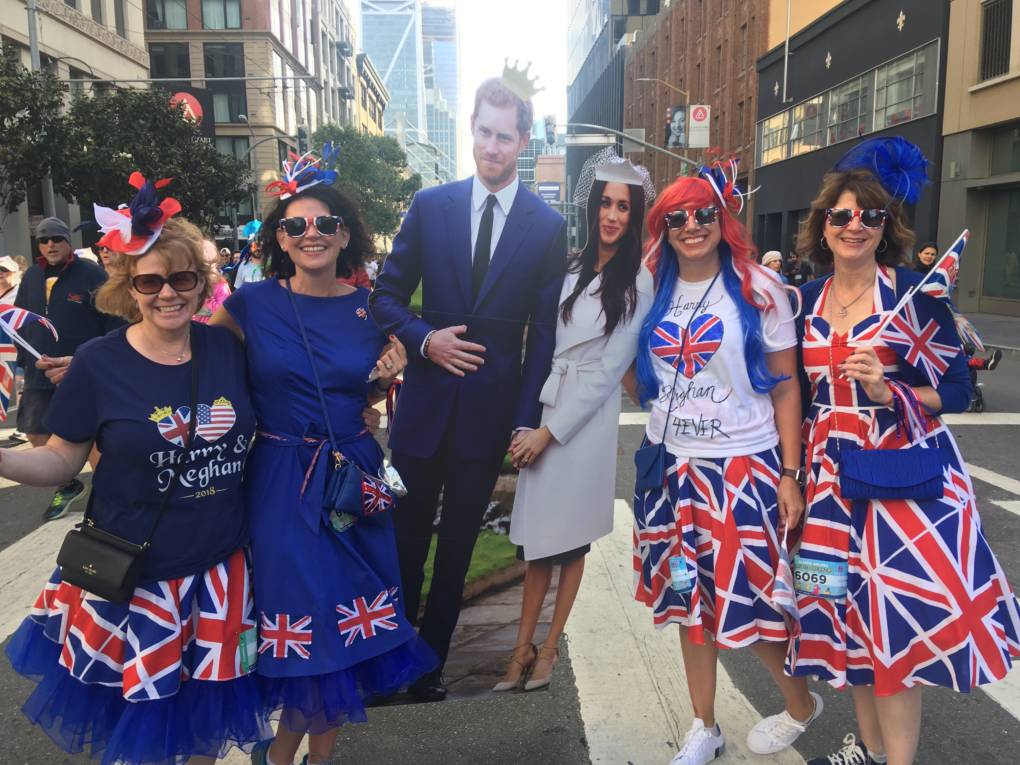
"caption": "The royal wedding procession makes an appearance at the 107th annual Bay to Breakers in San Francisco. From right to left: Heidi LaBudde, Mollie Beeman, Emily Daley, Bonny Starr.",
"description": "The royal wedding procession makes an appearance at the 107th annual Bay to Breakers in San Francisco. From right to left: Heidi LaBudde, Mollie Beeman, Emily Daley, Bonny Starr.",
"title": "Bay6",
"credit": "Peter Arcuni/KQED",
"status": "inherit",
"isLoading": false,
"fetchFailed": false
},
"news_11669180": {
"type": "attachments",
"id": "news_11669180",
"meta": {
"index": "attachments_1716263798",
"site": "news",
"id": "11669180",
"found": true
},
"parent": 11668589,
"imgSizes": {
"small": {
"file": "https://ww2.kqed.org/app/uploads/sites/10/2018/05/NazareneChurchMembersRancho-520x367.jpg",
"width": 520,
"mimeType": "image/jpeg",
"height": 367
},
"thumbnail": {
"file": "https://ww2.kqed.org/app/uploads/sites/10/2018/05/NazareneChurchMembersRancho-160x113.jpg",
"width": 160,
"mimeType": "image/jpeg",
"height": 113
},
"post-thumbnail": {
"file": "https://ww2.kqed.org/app/uploads/sites/10/2018/05/NazareneChurchMembersRancho-672x372.jpg",
"width": 672,
"mimeType": "image/jpeg",
"height": 372
},
"xsmall": {
"file": "https://ww2.kqed.org/app/uploads/sites/10/2018/05/NazareneChurchMembersRancho-375x264.jpg",
"width": 375,
"mimeType": "image/jpeg",
"height": 264
},
"kqedFullSize": {
"file": "https://ww2.kqed.org/app/uploads/sites/10/2018/05/NazareneChurchMembersRancho.jpg",
"width": 800,
"height": 564
},
"guest-author-50": {
"file": "https://ww2.kqed.org/app/uploads/sites/10/2018/05/NazareneChurchMembersRancho-50x50.jpg",
"width": 50,
"mimeType": "image/jpeg",
"height": 50
},
"guest-author-96": {
"file": "https://ww2.kqed.org/app/uploads/sites/10/2018/05/NazareneChurchMembersRancho-96x96.jpg",
"width": 96,
"mimeType": "image/jpeg",
"height": 96
},
"medium": {
"file": "https://ww2.kqed.org/app/uploads/sites/10/2018/05/NazareneChurchMembersRancho-800x564.jpg",
"width": 800,
"mimeType": "image/jpeg",
"height": 564
},
"guest-author-64": {
"file": "https://ww2.kqed.org/app/uploads/sites/10/2018/05/NazareneChurchMembersRancho-64x64.jpg",
"width": 64,
"mimeType": "image/jpeg",
"height": 64
},
"guest-author-32": {
"file": "https://ww2.kqed.org/app/uploads/sites/10/2018/05/NazareneChurchMembersRancho-32x32.jpg",
"width": 32,
"mimeType": "image/jpeg",
"height": 32
},
"detail": {
"file": "https://ww2.kqed.org/app/uploads/sites/10/2018/05/NazareneChurchMembersRancho-150x150.jpg",
"width": 150,
"mimeType": "image/jpeg",
"height": 150
},
"guest-author-128": {
"file": "https://ww2.kqed.org/app/uploads/sites/10/2018/05/NazareneChurchMembersRancho-128x128.jpg",
"width": 128,
"mimeType": "image/jpeg",
"height": 128
},
"xxsmall": {
"file": "https://ww2.kqed.org/app/uploads/sites/10/2018/05/NazareneChurchMembersRancho-240x169.jpg",
"width": 240,
"mimeType": "image/jpeg",
"height": 169
}
},
"publishDate": 1526672532,
"modified": 1526672550,
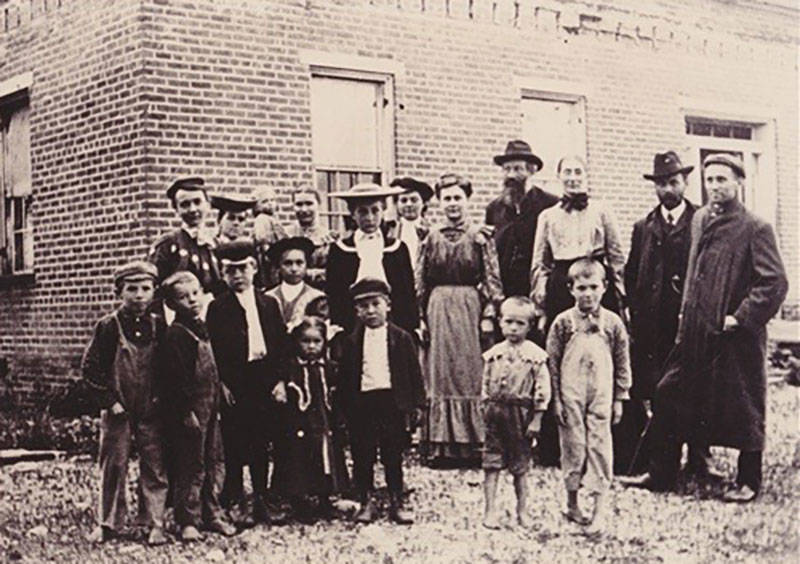
"caption": "Members of the Nazarene Church stand in front of the John Rains House in Rancho Cucamonga, 1902.",
"description": "Members of the Nazarene Church stand in front of the John Rains House in Rancho Cucamonga, 1902.",
"title": "NazareneChurchMembersRancho",
"credit": "Courtesy of San Bernardino County Museum",
"status": "inherit",
"isLoading": false,
"fetchFailed": false
},
"news_10647433": {
"type": "attachments",
"id": "news_10647433",
"meta": {
"index": "attachments_1716263798",
"site": "news",
"id": "10647433",
"found": true
},
"parent": 11669399,
"imgSizes": {
"twentyfourteen-full-width": {
"file": "https://ww2.kqed.org/app/uploads/sites/10/2015/08/sideshow-via-youtube-1038x576.jpg",
"width": 1038,
"mimeType": "image/jpeg",
"height": 576
},
"thumbnail": {
"file": "https://ww2.kqed.org/app/uploads/sites/10/2015/08/sideshow-via-youtube-400x218.jpg",
"width": 400,
"mimeType": "image/jpeg",
"height": 218
},
"fd-sm": {
"file": "https://ww2.kqed.org/app/uploads/sites/10/2015/08/sideshow-via-youtube-960x523.jpg",
"width": 960,
"mimeType": "image/jpeg",
"height": 523
},
"post-thumbnail": {
"file": "https://ww2.kqed.org/app/uploads/sites/10/2015/08/sideshow-via-youtube-672x372.jpg",
"width": 672,
"mimeType": "image/jpeg",
"height": 372
},
"kqedFullSize": {
"file": "https://ww2.kqed.org/app/uploads/sites/10/2015/08/sideshow-via-youtube.jpg",
"width": 1928,
"height": 1050
},
"large": {
"file": "https://ww2.kqed.org/app/uploads/sites/10/2015/08/sideshow-via-youtube-1440x784.jpg",
"width": 1440,
"mimeType": "image/jpeg",
"height": 784
},
"guest-author-96": {
"file": "https://ww2.kqed.org/app/uploads/sites/10/2015/08/sideshow-via-youtube-96x96.jpg",
"width": 96,
"mimeType": "image/jpeg",
"height": 96
},
"medium": {
"file": "https://ww2.kqed.org/app/uploads/sites/10/2015/08/sideshow-via-youtube-800x436.jpg",
"width": 800,
"mimeType": "image/jpeg",
"height": 436
},
"guest-author-64": {
"file": "https://ww2.kqed.org/app/uploads/sites/10/2015/08/sideshow-via-youtube-64x64.jpg",
"width": 64,
"mimeType": "image/jpeg",
"height": 64
},
"guest-author-32": {
"file": "https://ww2.kqed.org/app/uploads/sites/10/2015/08/sideshow-via-youtube-32x32.jpg",
"width": 32,
"mimeType": "image/jpeg",
"height": 32
},
"jmtc-small-thumb": {
"file": "https://ww2.kqed.org/app/uploads/sites/10/2015/08/sideshow-via-youtube-280x150.jpg",
"width": 280,
"mimeType": "image/jpeg",
"height": 150
},
"fd-lrg": {
"file": "https://ww2.kqed.org/app/uploads/sites/10/2015/08/sideshow-via-youtube-1920x1046.jpg",
"width": 1920,
"mimeType": "image/jpeg",
"height": 1046
},
"fd-med": {
"file": "https://ww2.kqed.org/app/uploads/sites/10/2015/08/sideshow-via-youtube-1180x643.jpg",
"width": 1180,
"mimeType": "image/jpeg",
"height": 643
},
"detail": {
"file": "https://ww2.kqed.org/app/uploads/sites/10/2015/08/sideshow-via-youtube-75x75.jpg",
"width": 75,
"mimeType": "image/jpeg",
"height": 75
},
"guest-author-128": {
"file": "https://ww2.kqed.org/app/uploads/sites/10/2015/08/sideshow-via-youtube-128x128.jpg",
"width": 128,
"mimeType": "image/jpeg",
"height": 128
}
},
"publishDate": 1439856180,
"modified": 1526775098,
"caption": "Spectators watch a sideshow at Foothill Boulevard and 55th Avenue in East Oakland on June 21, 2015. ",
"description": "Spectators watch a sideshow at Foothill Boulevard and 55th Avenue in East Oakland on June 21, 2015. ",
"title": "sideshow,-via-youtube",
"credit": "Jay Area/YouTube",
"status": "inherit",
"isLoading": false,
"fetchFailed": false
},
"news_11667788": {
"type": "attachments",
"id": "news_11667788",
"meta": {
"index": "attachments_1716263798",
"site": "news",
"id": "11667788",
"found": true
},
"parent": 11667569,
"imgSizes": {
"small": {
"file": "https://ww2.kqed.org/app/uploads/sites/10/2018/05/RS30905_Megan-Keely-Photo-Credit-Nicola-Parisi-qut-520x780.jpg",
"width": 520,
"mimeType": "image/jpeg",
"height": 780
},
"twentyfourteen-full-width": {
"file": "https://ww2.kqed.org/app/uploads/sites/10/2018/05/RS30905_Megan-Keely-Photo-Credit-Nicola-Parisi-qut-1038x576.jpg",
"width": 1038,
"mimeType": "image/jpeg",
"height": 576
},
"thumbnail": {
"file": "https://ww2.kqed.org/app/uploads/sites/10/2018/05/RS30905_Megan-Keely-Photo-Credit-Nicola-Parisi-qut-160x240.jpg",
"width": 160,
"mimeType": "image/jpeg",
"height": 240
},
"fd-sm": {
"file": "https://ww2.kqed.org/app/uploads/sites/10/2018/05/RS30905_Megan-Keely-Photo-Credit-Nicola-Parisi-qut-960x1440.jpg",
"width": 960,
"mimeType": "image/jpeg",
"height": 1440
},
"post-thumbnail": {
"file": "https://ww2.kqed.org/app/uploads/sites/10/2018/05/RS30905_Megan-Keely-Photo-Credit-Nicola-Parisi-qut-672x372.jpg",
"width": 672,
"mimeType": "image/jpeg",
"height": 372
},
"xsmall": {
"file": "https://ww2.kqed.org/app/uploads/sites/10/2018/05/RS30905_Megan-Keely-Photo-Credit-Nicola-Parisi-qut-375x563.jpg",
"width": 375,
"mimeType": "image/jpeg",
"height": 563
},
"kqedFullSize": {
"file": "https://ww2.kqed.org/app/uploads/sites/10/2018/05/RS30905_Megan-Keely-Photo-Credit-Nicola-Parisi-qut.jpg",
"width": 1920,
"height": 2880
},
"large": {
"file": "https://ww2.kqed.org/app/uploads/sites/10/2018/05/RS30905_Megan-Keely-Photo-Credit-Nicola-Parisi-qut-1020x1530.jpg",
"width": 1020,
"mimeType": "image/jpeg",
"height": 1530
},
"xlarge": {
"file": "https://ww2.kqed.org/app/uploads/sites/10/2018/05/RS30905_Megan-Keely-Photo-Credit-Nicola-Parisi-qut-1180x1770.jpg",
"width": 1180,
"mimeType": "image/jpeg",
"height": 1770
},
"complete_open_graph": {
"file": "https://ww2.kqed.org/app/uploads/sites/10/2018/05/RS30905_Megan-Keely-Photo-Credit-Nicola-Parisi-qut-800x1200.jpg",
"width": 800,
"mimeType": "image/jpeg",
"height": 1200
},
"guest-author-50": {
"file": "https://ww2.kqed.org/app/uploads/sites/10/2018/05/RS30905_Megan-Keely-Photo-Credit-Nicola-Parisi-qut-50x50.jpg",
"width": 50,
"mimeType": "image/jpeg",
"height": 50
},
"guest-author-96": {
"file": "https://ww2.kqed.org/app/uploads/sites/10/2018/05/RS30905_Megan-Keely-Photo-Credit-Nicola-Parisi-qut-96x96.jpg",
"width": 96,
"mimeType": "image/jpeg",
"height": 96
},
"medium": {
"file": "https://ww2.kqed.org/app/uploads/sites/10/2018/05/RS30905_Megan-Keely-Photo-Credit-Nicola-Parisi-qut-800x1200.jpg",
"width": 800,
"mimeType": "image/jpeg",
"height": 1200
},
"guest-author-64": {
"file": "https://ww2.kqed.org/app/uploads/sites/10/2018/05/RS30905_Megan-Keely-Photo-Credit-Nicola-Parisi-qut-64x64.jpg",
"width": 64,
"mimeType": "image/jpeg",
"height": 64
},
"guest-author-32": {
"file": "https://ww2.kqed.org/app/uploads/sites/10/2018/05/RS30905_Megan-Keely-Photo-Credit-Nicola-Parisi-qut-32x32.jpg",
"width": 32,
"mimeType": "image/jpeg",
"height": 32
},
"fd-lrg": {
"file": "https://ww2.kqed.org/app/uploads/sites/10/2018/05/RS30905_Megan-Keely-Photo-Credit-Nicola-Parisi-qut-1920x2880.jpg",
"width": 1920,
"mimeType": "image/jpeg",
"height": 2880
},
"fd-med": {
"file": "https://ww2.kqed.org/app/uploads/sites/10/2018/05/RS30905_Megan-Keely-Photo-Credit-Nicola-Parisi-qut-1180x1770.jpg",
"width": 1180,
"mimeType": "image/jpeg",
"height": 1770
},
"full-width": {
"file": "https://ww2.kqed.org/app/uploads/sites/10/2018/05/RS30905_Megan-Keely-Photo-Credit-Nicola-Parisi-qut-1920x2880.jpg",
"width": 1920,
"mimeType": "image/jpeg",
"height": 2880
},
"detail": {
"file": "https://ww2.kqed.org/app/uploads/sites/10/2018/05/RS30905_Megan-Keely-Photo-Credit-Nicola-Parisi-qut-150x150.jpg",
"width": 150,
"mimeType": "image/jpeg",
"height": 150
},
"guest-author-128": {
"file": "https://ww2.kqed.org/app/uploads/sites/10/2018/05/RS30905_Megan-Keely-Photo-Credit-Nicola-Parisi-qut-128x128.jpg",
"width": 128,
"mimeType": "image/jpeg",
"height": 128
},
"xxsmall": {
"file": "https://ww2.kqed.org/app/uploads/sites/10/2018/05/RS30905_Megan-Keely-Photo-Credit-Nicola-Parisi-qut-240x360.jpg",
"width": 240,
"mimeType": "image/jpeg",
"height": 360
}
},
"publishDate": 1526060180,
"modified": 1526079789,
"caption": "Megan Keely's fourth album comes out May 25th. ",
"description": "Megan Keely's fourth album comes out May 25th. ",
"title": "RS30905_Megan-Keely-Photo Credit-Nicola-Parisi-qut",
"credit": "Nicola-Parisi",
"status": "inherit",
"isLoading": false,
"fetchFailed": false
},
"news_11667986": {
"type": "attachments",
"id": "news_11667986",
"meta": {
"index": "attachments_1716263798",
"site": "news",
"id": "11667986",
"found": true
},
"parent": 11667417,
"imgSizes": {
"small": {
"file": "https://ww2.kqed.org/app/uploads/sites/10/2018/05/GraceMain-1-520x580.jpg",
"width": 520,
"mimeType": "image/jpeg",
"height": 580
},
"twentyfourteen-full-width": {
"file": "https://ww2.kqed.org/app/uploads/sites/10/2018/05/GraceMain-1-1038x576.jpg",
"width": 1038,
"mimeType": "image/jpeg",
"height": 576
},
"thumbnail": {
"file": "https://ww2.kqed.org/app/uploads/sites/10/2018/05/GraceMain-1-160x178.jpg",
"width": 160,
"mimeType": "image/jpeg",
"height": 178
},
"fd-sm": {
"file": "https://ww2.kqed.org/app/uploads/sites/10/2018/05/GraceMain-1-960x1070.jpg",
"width": 960,
"mimeType": "image/jpeg",
"height": 1070
},
"post-thumbnail": {
"file": "https://ww2.kqed.org/app/uploads/sites/10/2018/05/GraceMain-1-672x372.jpg",
"width": 672,
"mimeType": "image/jpeg",
"height": 372
},
"xsmall": {
"file": "https://ww2.kqed.org/app/uploads/sites/10/2018/05/GraceMain-1-375x418.jpg",
"width": 375,
"mimeType": "image/jpeg",
"height": 418
},
"kqedFullSize": {
"file": "https://ww2.kqed.org/app/uploads/sites/10/2018/05/GraceMain-1.jpg",
"width": 1536,
"height": 1712
},
"large": {
"file": "https://ww2.kqed.org/app/uploads/sites/10/2018/05/GraceMain-1-1020x1137.jpg",
"width": 1020,
"mimeType": "image/jpeg",
"height": 1137
},
"xlarge": {
"file": "https://ww2.kqed.org/app/uploads/sites/10/2018/05/GraceMain-1-1180x1315.jpg",
"width": 1180,
"mimeType": "image/jpeg",
"height": 1315
},
"complete_open_graph": {
"file": "https://ww2.kqed.org/app/uploads/sites/10/2018/05/GraceMain-1-1077x1200.jpg",
"width": 1077,
"mimeType": "image/jpeg",
"height": 1200
},
"guest-author-50": {
"file": "https://ww2.kqed.org/app/uploads/sites/10/2018/05/GraceMain-1-50x50.jpg",
"width": 50,
"mimeType": "image/jpeg",
"height": 50
},
"guest-author-96": {
"file": "https://ww2.kqed.org/app/uploads/sites/10/2018/05/GraceMain-1-96x96.jpg",
"width": 96,
"mimeType": "image/jpeg",
"height": 96
},
"medium": {
"file": "https://ww2.kqed.org/app/uploads/sites/10/2018/05/GraceMain-1-800x892.jpg",
"width": 800,
"mimeType": "image/jpeg",
"height": 892
},
"guest-author-64": {
"file": "https://ww2.kqed.org/app/uploads/sites/10/2018/05/GraceMain-1-64x64.jpg",
"width": 64,
"mimeType": "image/jpeg",
"height": 64
},
"guest-author-32": {
"file": "https://ww2.kqed.org/app/uploads/sites/10/2018/05/GraceMain-1-32x32.jpg",
"width": 32,
"mimeType": "image/jpeg",
"height": 32
},
"fd-med": {
"file": "https://ww2.kqed.org/app/uploads/sites/10/2018/05/GraceMain-1-1180x1315.jpg",
"width": 1180,
"mimeType": "image/jpeg",
"height": 1315
},
"detail": {
"file": "https://ww2.kqed.org/app/uploads/sites/10/2018/05/GraceMain-1-150x150.jpg",
"width": 150,
"mimeType": "image/jpeg",
"height": 150
},
"guest-author-128": {
"file": "https://ww2.kqed.org/app/uploads/sites/10/2018/05/GraceMain-1-128x128.jpg",
"width": 128,
"mimeType": "image/jpeg",
"height": 128
},
"xxsmall": {
"file": "https://ww2.kqed.org/app/uploads/sites/10/2018/05/GraceMain-1-240x268.jpg",
"width": 240,
"mimeType": "image/jpeg",
"height": 268
}
},
"publishDate": 1526082390,
"modified": 1526082410,
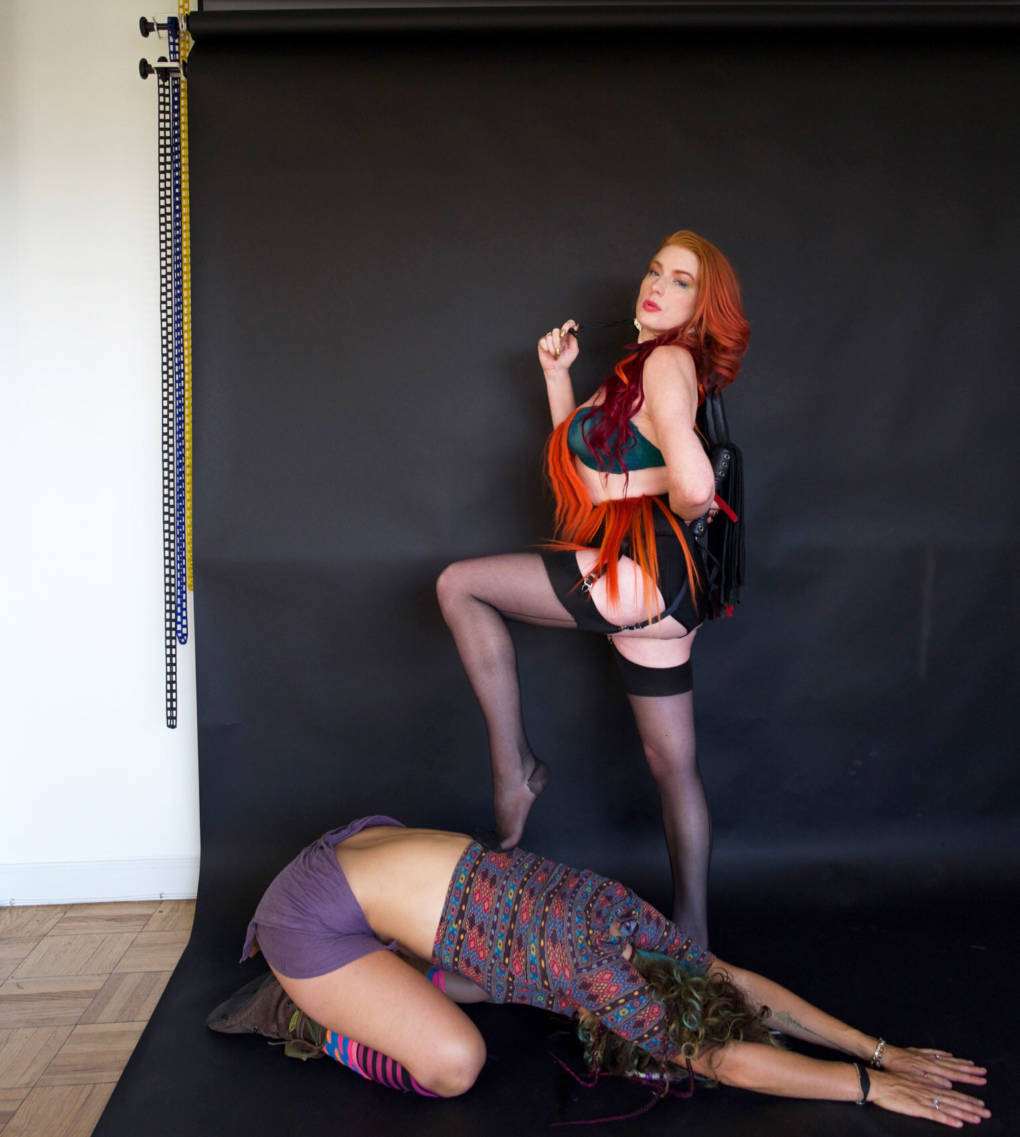
"caption": "Grace Marie is a mom and a daughter, and has to navigate both of those relationships while working as a dominatrix in Los Angeles.",
"description": "Grace Marie is a mom and a daughter, and has to navigate both of those relationships while working as a dominatrix in Los Angeles.",
"title": "GraceMain",
"credit": "Courtesty Grace Marie/Instagram",
"status": "inherit",
"isLoading": false,
"fetchFailed": false
},
"news_11667467": {
"type": "attachments",
"id": "news_11667467",
"meta": {
"index": "attachments_1716263798",
"site": "news",
"id": "11667467",
"found": true
},
"parent": 0,
"imgSizes": {
"small": {
"file": "https://ww2.kqed.org/app/uploads/sites/10/2018/05/SF-Mint-exterior_1920-520x293.jpg",
"width": 520,
"mimeType": "image/jpeg",
"height": 293
},
"twentyfourteen-full-width": {
"file": "https://ww2.kqed.org/app/uploads/sites/10/2018/05/SF-Mint-exterior_1920-1038x576.jpg",
"width": 1038,
"mimeType": "image/jpeg",
"height": 576
},
"thumbnail": {
"file": "https://ww2.kqed.org/app/uploads/sites/10/2018/05/SF-Mint-exterior_1920-160x90.jpg",
"width": 160,
"mimeType": "image/jpeg",
"height": 90
},
"fd-sm": {
"file": "https://ww2.kqed.org/app/uploads/sites/10/2018/05/SF-Mint-exterior_1920-960x540.jpg",
"width": 960,
"mimeType": "image/jpeg",
"height": 540
},
"post-thumbnail": {
"file": "https://ww2.kqed.org/app/uploads/sites/10/2018/05/SF-Mint-exterior_1920-672x372.jpg",
"width": 672,
"mimeType": "image/jpeg",
"height": 372
},
"xsmall": {
"file": "https://ww2.kqed.org/app/uploads/sites/10/2018/05/SF-Mint-exterior_1920-375x211.jpg",
"width": 375,
"mimeType": "image/jpeg",
"height": 211
},
"kqedFullSize": {
"file": "https://ww2.kqed.org/app/uploads/sites/10/2018/05/SF-Mint-exterior_1920.jpg",
"width": 1920,
"height": 1080
},
"large": {
"file": "https://ww2.kqed.org/app/uploads/sites/10/2018/05/SF-Mint-exterior_1920-1020x574.jpg",
"width": 1020,
"mimeType": "image/jpeg",
"height": 574
},
"xlarge": {
"file": "https://ww2.kqed.org/app/uploads/sites/10/2018/05/SF-Mint-exterior_1920-1180x664.jpg",
"width": 1180,
"mimeType": "image/jpeg",
"height": 664
},
"complete_open_graph": {
"file": "https://ww2.kqed.org/app/uploads/sites/10/2018/05/SF-Mint-exterior_1920-1200x675.jpg",
"width": 1200,
"mimeType": "image/jpeg",
"height": 675
},
"guest-author-50": {
"file": "https://ww2.kqed.org/app/uploads/sites/10/2018/05/SF-Mint-exterior_1920-50x50.jpg",
"width": 50,
"mimeType": "image/jpeg",
"height": 50
},
"guest-author-96": {
"file": "https://ww2.kqed.org/app/uploads/sites/10/2018/05/SF-Mint-exterior_1920-96x96.jpg",
"width": 96,
"mimeType": "image/jpeg",
"height": 96
},
"medium": {
"file": "https://ww2.kqed.org/app/uploads/sites/10/2018/05/SF-Mint-exterior_1920-800x450.jpg",
"width": 800,
"mimeType": "image/jpeg",
"height": 450
},
"guest-author-64": {
"file": "https://ww2.kqed.org/app/uploads/sites/10/2018/05/SF-Mint-exterior_1920-64x64.jpg",
"width": 64,
"mimeType": "image/jpeg",
"height": 64
},
"guest-author-32": {
"file": "https://ww2.kqed.org/app/uploads/sites/10/2018/05/SF-Mint-exterior_1920-32x32.jpg",
"width": 32,
"mimeType": "image/jpeg",
"height": 32
},
"fd-lrg": {
"file": "https://ww2.kqed.org/app/uploads/sites/10/2018/05/SF-Mint-exterior_1920-1920x1080.jpg",
"width": 1920,
"mimeType": "image/jpeg",
"height": 1080
},
"fd-med": {
"file": "https://ww2.kqed.org/app/uploads/sites/10/2018/05/SF-Mint-exterior_1920-1180x664.jpg",
"width": 1180,
"mimeType": "image/jpeg",
"height": 664
},
"full-width": {
"file": "https://ww2.kqed.org/app/uploads/sites/10/2018/05/SF-Mint-exterior_1920-1920x1080.jpg",
"width": 1920,
"mimeType": "image/jpeg",
"height": 1080
},
"detail": {
"file": "https://ww2.kqed.org/app/uploads/sites/10/2018/05/SF-Mint-exterior_1920-150x150.jpg",
"width": 150,
"mimeType": "image/jpeg",
"height": 150
},
"guest-author-128": {
"file": "https://ww2.kqed.org/app/uploads/sites/10/2018/05/SF-Mint-exterior_1920-128x128.jpg",
"width": 128,
"mimeType": "image/jpeg",
"height": 128
},
"xxsmall": {
"file": "https://ww2.kqed.org/app/uploads/sites/10/2018/05/SF-Mint-exterior_1920-240x135.jpg",
"width": 240,
"mimeType": "image/jpeg",
"height": 135
}
},
"publishDate": 1525914360,
"modified": 1525914388,
"caption": "The new San Francisco Mint",
"description": null,
"title": "SF-Mint-exterior_1920",
"credit": "Adam Grossberg/KQED",
"status": "inherit",
"isLoading": false,
"fetchFailed": false
},
"news_11666806": {
"type": "attachments",
"id": "news_11666806",
"meta": {
"index": "attachments_1716263798",
"site": "news",
"id": "11666806",
"found": true
},
"parent": 11666797,
"imgSizes": {
"small": {
"file": "https://ww2.kqed.org/app/uploads/sites/10/2018/05/RS30688_Image-uploaded-from-iOS-7-qut-520x390.jpg",
"width": 520,
"mimeType": "image/jpeg",
"height": 390
},
"twentyfourteen-full-width": {
"file": "https://ww2.kqed.org/app/uploads/sites/10/2018/05/RS30688_Image-uploaded-from-iOS-7-qut-1038x576.jpg",
"width": 1038,
"mimeType": "image/jpeg",
"height": 576
},
"thumbnail": {
"file": "https://ww2.kqed.org/app/uploads/sites/10/2018/05/RS30688_Image-uploaded-from-iOS-7-qut-160x120.jpg",
"width": 160,
"mimeType": "image/jpeg",
"height": 120
},
"fd-sm": {
"file": "https://ww2.kqed.org/app/uploads/sites/10/2018/05/RS30688_Image-uploaded-from-iOS-7-qut-960x720.jpg",
"width": 960,
"mimeType": "image/jpeg",
"height": 720
},
"post-thumbnail": {
"file": "https://ww2.kqed.org/app/uploads/sites/10/2018/05/RS30688_Image-uploaded-from-iOS-7-qut-672x372.jpg",
"width": 672,
"mimeType": "image/jpeg",
"height": 372
},
"xsmall": {
"file": "https://ww2.kqed.org/app/uploads/sites/10/2018/05/RS30688_Image-uploaded-from-iOS-7-qut-375x281.jpg",
"width": 375,
"mimeType": "image/jpeg",
"height": 281
},
"kqedFullSize": {
"file": "https://ww2.kqed.org/app/uploads/sites/10/2018/05/RS30688_Image-uploaded-from-iOS-7-qut.jpg",
"width": 1920,
"height": 1440
},
"large": {
"file": "https://ww2.kqed.org/app/uploads/sites/10/2018/05/RS30688_Image-uploaded-from-iOS-7-qut-1020x765.jpg",
"width": 1020,
"mimeType": "image/jpeg",
"height": 765
},
"xlarge": {
"file": "https://ww2.kqed.org/app/uploads/sites/10/2018/05/RS30688_Image-uploaded-from-iOS-7-qut-1180x885.jpg",
"width": 1180,
"mimeType": "image/jpeg",
"height": 885
},
"complete_open_graph": {
"file": "https://ww2.kqed.org/app/uploads/sites/10/2018/05/RS30688_Image-uploaded-from-iOS-7-qut-1200x900.jpg",
"width": 1200,
"mimeType": "image/jpeg",
"height": 900
},
"guest-author-50": {
"file": "https://ww2.kqed.org/app/uploads/sites/10/2018/05/RS30688_Image-uploaded-from-iOS-7-qut-50x50.jpg",
"width": 50,
"mimeType": "image/jpeg",
"height": 50
},
"guest-author-96": {
"file": "https://ww2.kqed.org/app/uploads/sites/10/2018/05/RS30688_Image-uploaded-from-iOS-7-qut-96x96.jpg",
"width": 96,
"mimeType": "image/jpeg",
"height": 96
},
"medium": {
"file": "https://ww2.kqed.org/app/uploads/sites/10/2018/05/RS30688_Image-uploaded-from-iOS-7-qut-800x600.jpg",
"width": 800,
"mimeType": "image/jpeg",
"height": 600
},
"guest-author-64": {
"file": "https://ww2.kqed.org/app/uploads/sites/10/2018/05/RS30688_Image-uploaded-from-iOS-7-qut-64x64.jpg",
"width": 64,
"mimeType": "image/jpeg",
"height": 64
},
"guest-author-32": {
"file": "https://ww2.kqed.org/app/uploads/sites/10/2018/05/RS30688_Image-uploaded-from-iOS-7-qut-32x32.jpg",
"width": 32,
"mimeType": "image/jpeg",
"height": 32
},
"fd-lrg": {
"file": "https://ww2.kqed.org/app/uploads/sites/10/2018/05/RS30688_Image-uploaded-from-iOS-7-qut-1920x1440.jpg",
"width": 1920,
"mimeType": "image/jpeg",
"height": 1440
},
"fd-med": {
"file": "https://ww2.kqed.org/app/uploads/sites/10/2018/05/RS30688_Image-uploaded-from-iOS-7-qut-1180x885.jpg",
"width": 1180,
"mimeType": "image/jpeg",
"height": 885
},
"full-width": {
"file": "https://ww2.kqed.org/app/uploads/sites/10/2018/05/RS30688_Image-uploaded-from-iOS-7-qut-1920x1440.jpg",
"width": 1920,
"mimeType": "image/jpeg",
"height": 1440
},
"detail": {
"file": "https://ww2.kqed.org/app/uploads/sites/10/2018/05/RS30688_Image-uploaded-from-iOS-7-qut-150x150.jpg",
"width": 150,
"mimeType": "image/jpeg",
"height": 150
},
"guest-author-128": {
"file": "https://ww2.kqed.org/app/uploads/sites/10/2018/05/RS30688_Image-uploaded-from-iOS-7-qut-128x128.jpg",
"width": 128,
"mimeType": "image/jpeg",
"height": 128
},
"xxsmall": {
"file": "https://ww2.kqed.org/app/uploads/sites/10/2018/05/RS30688_Image-uploaded-from-iOS-7-qut-240x180.jpg",
"width": 240,
"mimeType": "image/jpeg",
"height": 180
}
},
"publishDate": 1525651815,
"modified": 1525654285,
"caption": "A collection of luchador masks are put up for sale by Esmerelda Hernandez, the wife of \"Rockero del Diablo,\" one of the fighters at Lucha Libre Taco-con.",
"description": "A collection of luchador masks are put up for sale by Esmerelda Hernandez, the wife of \"Rockero del Diablo.\"",
"title": "RS30688_Image uploaded from iOS (7)-qut",
"credit": "Caroline Champlin/KQED",
"status": "inherit",
"isLoading": false,
"fetchFailed": false
}
},
"audioPlayerReducer": {
"postId": "stream_live",
"isPaused": true,
"isPlaying": false,
"pfsActive": false,
"pledgeModalIsOpen": true,
"playerDrawerIsOpen": false,
"liveAudioPlayStartedAt": 0,
"liveAudioPlayContext": ""
},
"authorsReducer": {
"byline_news_11669540": {
"type": "authors",
"id": "byline_news_11669540",
"meta": {
"override": true
},
"slug": "byline_news_11669540",
"name": "\u003cstrong>Shia Levitt\u003c/strong>",
"isLoading": false
},
"byline_news_11667417": {
"type": "authors",
"id": "byline_news_11667417",
"meta": {
"override": true
},
"slug": "byline_news_11667417",
"name": "Bradley Bermont",
"isLoading": false
},
"byline_news_11666797": {
"type": "authors",
"id": "byline_news_11666797",
"meta": {
"override": true
},
"slug": "byline_news_11666797",
"name": "\u003cstrong>Caroline Champlin\u003c/strong>",
"isLoading": false
},
"lisapickoffwhite-2": {
"type": "authors",
"id": "199",
"meta": {
"index": "authors_1716337520",
"id": "199",
"found": true
},
"name": "Lisa Pickoff-White",
"firstName": "Lisa",
"lastName": "Pickoff-White",
"slug": "lisapickoffwhite-2",
"email": "lpickoffwhite@kqed.org",
"display_author_email": false,
"staff_mastheads": [
"news"
],
"title": "Data Journalist, Senior Producer",
"bio": "Lisa Pickoff-White is KQED's data reporter. Lisa specializes in simplifying complex topics and bringing them to life through compelling visuals, including photography and data visualizations. She previously has worked at the Center for Investigative Reporting and other national outlets. Her work has been honored with awards from the Online News Association, Investigative Reporters and Editors, the Society of Professional Journalists and SXSW Interactive. \u003cstrong> \u003c/strong>",
"avatar": "https://secure.gravatar.com/avatar/5513c5f3967df792aa65bee2501e84d6?s=600&d=blank&r=g",
"twitter": "pickoffwhite",
"facebook": null,
"instagram": null,
"linkedin": null,
"sites": [
{
"site": "",
"roles": [
"editor"
]
},
{
"site": "arts",
"roles": []
},
{
"site": "news",
"roles": [
"administrator"
]
},
{
"site": "about",
"roles": [
"editor"
]
},
{
"site": "stateofhealth",
"roles": [
"administrator"
]
},
{
"site": "science",
"roles": [
"editor"
]
},
{
"site": "quest",
"roles": [
"editor"
]
},
{
"site": "forum",
"roles": [
"editor"
]
}
],
"headData": {
"title": "Lisa Pickoff-White | KQED",
"description": "Data Journalist, Senior Producer",
"ogImgSrc": "https://secure.gravatar.com/avatar/5513c5f3967df792aa65bee2501e84d6?s=600&d=blank&r=g",
"twImgSrc": "https://secure.gravatar.com/avatar/5513c5f3967df792aa65bee2501e84d6?s=600&d=blank&r=g"
},
"isLoading": false,
"link": "/author/lisapickoffwhite-2"
},
"sasha-khokha": {
"type": "authors",
"id": "254",
"meta": {
"index": "authors_1716337520",
"id": "254",
"found": true
},
"name": "Sasha Khokha",
"firstName": "Sasha",
"lastName": "Khokha",
"slug": "sasha-khokha",
"email": "skhokha@kqed.org",
"display_author_email": true,
"staff_mastheads": [
"news"
],
"title": "Host, The California Report Magazine",
"bio": "Sasha Khokha is the host of \u003cem>The California Report's \u003c/em> weekly magazine program, which takes listeners on sound-rich excursions to meet the people that make the Golden State unique -- through audio documentaries and long-form stories. As \u003cem>The California Report's\u003c/em> Central Valley Bureau Chief based in Fresno for nearly a dozen years, Sasha brought the lives and concerns of rural Californians to listeners around the state. Her reporting helped expose the hidden price immigrant women janitors and farmworkers may pay to keep their jobs: sexual assault at work. It inspired two new California laws to protect them from sexual harassment. She was a key member of the reporting team for the Frontline film \u003cem>Rape on the Night Shift, \u003c/em>which was nominated for two national Emmys. Sasha has also won a national Edward R. Murrow and a national PRNDI award for investigative reporting, as well as multiple prizes from the Society for Professional Journalists. Sasha is a proud alum of the UC Berkeley Graduate School of Journalism and Brown University and a member of the South Asian Journalists Association.",
"avatar": "https://secure.gravatar.com/avatar/e4b5e1541aaeea2aa356aa1fb2a68950?s=600&d=blank&r=g",
"twitter": "KQEDSashaKhokha",
"facebook": null,
"instagram": null,
"linkedin": null,
"sites": [
{
"site": "news",
"roles": [
"editor"
]
},
{
"site": "stateofhealth",
"roles": [
"author"
]
},
{
"site": "science",
"roles": [
"author"
]
},
{
"site": "quest",
"roles": [
"subscriber"
]
}
],
"headData": {
"title": "Sasha Khokha | KQED",
"description": "Host, The California Report Magazine",
"ogImgSrc": "https://secure.gravatar.com/avatar/e4b5e1541aaeea2aa356aa1fb2a68950?s=600&d=blank&r=g",
"twImgSrc": "https://secure.gravatar.com/avatar/e4b5e1541aaeea2aa356aa1fb2a68950?s=600&d=blank&r=g"
},
"isLoading": false,
"link": "/author/sasha-khokha"
},
"shossaini": {
"type": "authors",
"id": "3214",
"meta": {
"index": "authors_1716337520",
"id": "3214",
"found": true
},
"name": "Sara Hossaini",
"firstName": "Sara",
"lastName": "Hossaini",
"slug": "shossaini",
"email": "shossaini@kqed.org",
"display_author_email": true,
"staff_mastheads": [
"news"
],
"title": "KQED Reporter",
"bio": "Sara Hossaini came to general assignment reporting at KQED in 2013 after two winters reporting at Wyoming Public Radio. She holds a bachelor's degree in broadcast journalism from the University of Nebraska-Lincoln. Her radio romance began after a bitter breakup with documentary film (Ok, maybe it's still complicated). Her first simultaneous jobs in San Francisco were as Associate Producer on a PBS film series through the Center for Asian American Media and as a butler. She likes to trot, plot and make things with her hands.",
"avatar": "https://secure.gravatar.com/avatar/060e9f56b9554e17942e89f413242774?s=600&d=blank&r=g",
"twitter": "mshossaini",
"facebook": null,
"instagram": null,
"linkedin": null,
"sites": [
{
"site": "news",
"roles": [
"author"
]
},
{
"site": "stateofhealth",
"roles": [
"author"
]
}
],
"headData": {
"title": "Sara Hossaini | KQED",
"description": "KQED Reporter",
"ogImgSrc": "https://secure.gravatar.com/avatar/060e9f56b9554e17942e89f413242774?s=600&d=blank&r=g",
"twImgSrc": "https://secure.gravatar.com/avatar/060e9f56b9554e17942e89f413242774?s=600&d=blank&r=g"
},
"isLoading": false,
"link": "/author/shossaini"
},
"markfiore": {
"type": "authors",
"id": "3236",
"meta": {
"index": "authors_1716337520",
"id": "3236",
"found": true
},
"name": "Mark Fiore",
"firstName": "Mark",
"lastName": "Fiore",
"slug": "markfiore",
"email": "mark@markfiore.com",
"display_author_email": false,
"staff_mastheads": [
"news"
],
"title": "KQED News Cartoonist",
"bio": "\u003ca href=\"http://www.MarkFiore.com\">MarkFiore.com\u003c/a> | \u003ca href=\"https://twitter.com/markfiore\">Follow on Twitter\u003c/a> | \u003ca href=\"https://www.facebook.com/pages/Mark-Fiore-Animated-Political-Cartoons/94451707396?ref=bookmarks\">Facebook\u003c/a> | \u003ca href=\"mailto:mark@markfiore.com\">email\u003c/a>\r\n\r\nPulitzer Prize-winner, Mark Fiore, who the Wall Street Journal has called “the undisputed guru of the form,” creates animated political cartoons in San Francisco, where his work has been featured regularly on the San Francisco Chronicle’s web site, SFGate.com. His work has appeared on Newsweek.com, Slate.com, CBSNews.com, MotherJones.com, DailyKos.com and NPR’s web site. Fiore’s political animation has appeared on CNN, Frontline, Bill Moyers Journal, Salon.com and cable and broadcast outlets across the globe.\r\n\r\nBeginning his professional life by drawing traditional political cartoons for newspapers, Fiore’s work appeared in publications ranging from the Washington Post to the Los Angeles Times. In the late 1990s, he began to experiment with animating political cartoons and, after a short stint at the San Jose Mercury News as their staff cartoonist, Fiore devoted all his energies to animation.\r\nGrowing up in California, Fiore also spent a good portion of his life in the backwoods of Idaho. It was this combination that shaped him politically. Mark majored in political science at Colorado College, where, in a perfect send-off for a cartoonist, he received his diploma in 1991 as commencement speaker Dick Cheney smiled approvingly.\r\nMark Fiore was awarded the Pulitzer Prize for political cartooning in 2010, a Robert F. Kennedy Journalism Award in 2004 and has twice received an Online Journalism Award for commentary from the Online News Association (2002, 2008). Fiore has received two awards for his work in new media from the National Cartoonists Society (2001, 2002), and in 2006 received The James Madison Freedom of Information Award from The Society of Professional Journalists.",
"avatar": "https://secure.gravatar.com/avatar/fc4e2a612b15b67bad0c6f0e1db4ca9b?s=600&d=blank&r=g",
"twitter": "MarkFiore",
"facebook": null,
"instagram": "https://www.instagram.com/markfiore/?hl=en",
"linkedin": null,
"sites": [
{
"site": "arts",
"roles": [
"contributor"
]
},
{
"site": "news",
"roles": [
"editor"
]
},
{
"site": "futureofyou",
"roles": [
"editor"
]
},
{
"site": "science",
"roles": [
"editor"
]
}
],
"headData": {
"title": "Mark Fiore | KQED",
"description": "KQED News Cartoonist",
"ogImgSrc": "https://secure.gravatar.com/avatar/fc4e2a612b15b67bad0c6f0e1db4ca9b?s=600&d=blank&r=g",
"twImgSrc": "https://secure.gravatar.com/avatar/fc4e2a612b15b67bad0c6f0e1db4ca9b?s=600&d=blank&r=g"
},
"isLoading": false,
"link": "/author/markfiore"
},
"sdirks": {
"type": "authors",
"id": "7239",
"meta": {
"index": "authors_1716337520",
"id": "7239",
"found": true
},
"name": "Sandhya Dirks",
"firstName": "Sandhya",
"lastName": "Dirks",
"slug": "sdirks",
"email": "sdirks@kqed.org",
"display_author_email": true,
"staff_mastheads": [],
"title": null,
"bio": "Sandhya Dirks was the race and equity reporter at KQED. She approaches race and equity not as a beat, but as a fundamental lens for all investigative and explanatory reporting.\r\n\r\nSandhya covered policing, housing, social justice movements, and the shifting demographics of cities and suburbs.\r\n\r\nShe was the creator and co-host of the podcast American Suburb, about the transformation of suburbia into the most diverse space in American life. She was the editor for Truth Be Told, an advice show for and by people of color. \r\n\r\nHer stories about race, space, and belonging were part of KQED's So Well Spoken project, which won RNDTA's Kaleidoscope award, honoring outstanding achievements in the coverage of diversity.\r\n\r\nPrior to joining KQED in 2015, Sandhya covered the 2012 presidential election from the swing state of Iowa for Iowa Public Radio. At KPBS in San Diego, she broke the story of a sexual harassment scandal that led to the mayor's resignation.\r\n\r\nShe got her start in radio working on documentaries about Oakland that investigated the high drop-out rate in public schools and mistrust between the police and the community.\r\n\r\nSandhya lives in Oakland and believes all stories are stories about power.",
"avatar": "https://secure.gravatar.com/avatar/c0247cb15929cd4c197672fd73d45300?s=600&d=blank&r=g",
"twitter": "audiosand",
"facebook": null,
"instagram": null,
"linkedin": null,
"sites": [
{
"site": "news",
"roles": [
"subscriber"
]
},
{
"site": "stateofhealth",
"roles": [
"author"
]
}
],
"headData": {
"title": "Sandhya Dirks | KQED",
"description": null,
"ogImgSrc": "https://secure.gravatar.com/avatar/c0247cb15929cd4c197672fd73d45300?s=600&d=blank&r=g",
"twImgSrc": "https://secure.gravatar.com/avatar/c0247cb15929cd4c197672fd73d45300?s=600&d=blank&r=g"
},
"isLoading": false,
"link": "/author/sdirks"
},
"afont": {
"type": "authors",
"id": "8637",
"meta": {
"index": "authors_1716337520",
"id": "8637",
"found": true
},
"name": "Amanda Font",
"firstName": "Amanda",
"lastName": "Font",
"slug": "afont",
"email": "afont@kqed.org",
"display_author_email": false,
"staff_mastheads": [],
"title": "KQED Contributor",
"bio": "Amanda Font is a producer on \u003cem>The Latest\u003c/em> podcast, and the host and co-producer of the series \u003cem>Audible Cosmos\u003c/em>. She has previously worked as a producer and reporter on the \u003cem>Bay Curious\u003c/em> podcast, and director of \u003cem>The California Report Magazine\u003c/em>. She grew up in the deserts of Southern California and moved north for the trees. Amanda earned a B.A. from the BECA program at San Francisco State, where she worked in the university's radio station. Amanda Font is represented by SAG-AFTRA.",
"avatar": "https://secure.gravatar.com/avatar/d9e81cf0117d5849b9cfb7ab4b1422f1?s=600&d=blank&r=g",
"twitter": null,
"facebook": null,
"instagram": null,
"linkedin": null,
"sites": [
{
"site": "news",
"roles": [
"add_users",
"create_users"
]
},
{
"site": "science",
"roles": []
},
{
"site": "forum",
"roles": [
"administrator"
]
},
{
"site": "perspectives",
"roles": [
"administrator"
]
},
{
"site": "radio",
"roles": [
"administrator"
]
}
],
"headData": {
"title": "Amanda Font | KQED",
"description": "KQED Contributor",
"ogImgSrc": "https://secure.gravatar.com/avatar/d9e81cf0117d5849b9cfb7ab4b1422f1?s=600&d=blank&r=g",
"twImgSrc": "https://secure.gravatar.com/avatar/d9e81cf0117d5849b9cfb7ab4b1422f1?s=600&d=blank&r=g"
},
"isLoading": false,
"link": "/author/afont"
},
"rlevi": {
"type": "authors",
"id": "11260",
"meta": {
"index": "authors_1716337520",
"id": "11260",
"found": true
},
"name": "Ryan Levi",
"firstName": "Ryan",
"lastName": "Levi",
"slug": "rlevi",
"email": "rlevi@KQED.org",
"display_author_email": false,
"staff_mastheads": [],
"title": "KQED Contributor",
"bio": "Ryan Levi was a reporter and podcast producer at KQED News from 2016-2019. He worked on \u003ca href=\"https://www.kqed.org/news/series/baycurious\">Bay Curious\u003c/a>, \u003ca href=\"https://www.kqed.org/news/tag/the-bay/\">The Bay, \u003c/a>and \u003ca href=\"https://podcasts.apple.com/us/podcast/the-california-report-magazine/id1314750545\">The California Report Magazine\u003c/a>, as well as hosting and producing the weekly \u003ca href=\"https://www.kqed.org/news/program/qedup/\">Q'ed Up podcast. \u003c/a>He also helped inaugurate KQED's weekend news coverage in 2017 as one of two original digital producers. Ryan holds degrees in multimedia journalism and Spanish from the University of Missouri.",
"avatar": "https://secure.gravatar.com/avatar/4cb2ddd028ac8807d1adf09609c5555d?s=600&d=blank&r=g",
"twitter": "ryan_levi",
"facebook": null,
"instagram": null,
"linkedin": null,
"sites": [
{
"site": "arts",
"roles": [
"editor"
]
},
{
"site": "news",
"roles": [
"subscriber"
]
},
{
"site": "stateofhealth",
"roles": [
"editor"
]
},
{
"site": "science",
"roles": [
"editor"
]
},
{
"site": "forum",
"roles": [
"administrator"
]
},
{
"site": "perspectives",
"roles": [
"administrator"
]
}
],
"headData": {
"title": "Ryan Levi | KQED",
"description": "KQED Contributor",
"ogImgSrc": "https://secure.gravatar.com/avatar/4cb2ddd028ac8807d1adf09609c5555d?s=600&d=blank&r=g",
"twImgSrc": "https://secure.gravatar.com/avatar/4cb2ddd028ac8807d1adf09609c5555d?s=600&d=blank&r=g"
},
"isLoading": false,
"link": "/author/rlevi"
},
"parcuni": {
"type": "authors",
"id": "11368",
"meta": {
"index": "authors_1716337520",
"id": "11368",
"found": true
},
"name": "Peter Arcuni",
"firstName": "Peter",
"lastName": "Arcuni",
"slug": "parcuni",
"email": "parcuni@KQED.org",
"display_author_email": false,
"staff_mastheads": [
"science"
],
"title": "Reporter",
"bio": "Peter reports radio and online stories for \u003cem>KQED Science\u003c/em>. His work has also appeared on the \u003cem>The California Report\u003c/em> morning show and \u003cem>KQED News\u003c/em>. His production credits include \u003cem>The California Report, The California Report Magazine\u003c/em> and KQED's local news podcast \u003cem>The Bay\u003c/em>. Other credits include NPR's \u003cem>All Things Considered\u003c/em>, WNYC's \u003cem>Science Friday\u003c/em>, WBUR's \u003cem>Here & Now\u003c/em>, WIRED and SFGate. Peter graduated from Brown University and earned a master's degree in journalism from Stanford. He's covered everything from homelessness to wildfires, health, the environment, arts and Thanksgiving in San Quentin prison. In other lives, he played rock n roll music and studied neuroscience. You can email him at: parcuni@kqed.org",
"avatar": "https://secure.gravatar.com/avatar/d5032f6f27199d478af34ad2e1d98732?s=600&d=blank&r=g",
"twitter": "peterarcuni",
"facebook": null,
"instagram": null,
"linkedin": null,
"sites": [
{
"site": "news",
"roles": [
"editor"
]
},
{
"site": "science",
"roles": [
"editor"
]
}
],
"headData": {
"title": "Peter Arcuni | KQED",
"description": "Reporter",
"ogImgSrc": "https://secure.gravatar.com/avatar/d5032f6f27199d478af34ad2e1d98732?s=600&d=blank&r=g",
"twImgSrc": "https://secure.gravatar.com/avatar/d5032f6f27199d478af34ad2e1d98732?s=600&d=blank&r=g"
},
"isLoading": false,
"link": "/author/parcuni"
},
"cchamplin": {
"type": "authors",
"id": "11408",
"meta": {
"index": "authors_1716337520",
"id": "11408",
"found": true
},
"name": "Caroline Champlin",
"firstName": null,
"lastName": null,
"slug": "cchamplin",
"email": "cchamplin@kqed.org",
"display_author_email": false,
"staff_mastheads": [],
"title": null,
"bio": null,
"avatar": "https://secure.gravatar.com/avatar/78d8654d3fedda8393a51d63c1042215?s=600&d=blank&r=g",
"twitter": null,
"facebook": null,
"instagram": null,
"linkedin": null,
"sites": [
{
"site": "news",
"roles": [
"author",
"edit_others_posts"
]
}
],
"headData": {
"title": "Caroline Champlin | KQED",
"description": null,
"ogImgSrc": "https://secure.gravatar.com/avatar/78d8654d3fedda8393a51d63c1042215?s=600&d=blank&r=g",
"twImgSrc": "https://secure.gravatar.com/avatar/78d8654d3fedda8393a51d63c1042215?s=600&d=blank&r=g"
},
"isLoading": false,
"link": "/author/cchamplin"
},
"nsebai": {
"type": "authors",
"id": "11412",
"meta": {
"index": "authors_1716337520",
"id": "11412",
"found": true
},
"name": "Nadine Sebai",
"firstName": "Nadine",
"lastName": "Sebai",
"slug": "nsebai",
"email": "nsebai@kqed.org",
"display_author_email": false,
"staff_mastheads": [],
"title": null,
"bio": null,
"avatar": "https://secure.gravatar.com/avatar/19a519d943a3c1cb0537d495677de5b5?s=600&d=blank&r=g",
"twitter": "@NadineSebai",
"facebook": null,
"instagram": null,
"linkedin": null,
"sites": [
{
"site": "news",
"roles": [
"author",
"edit_others_posts"
]
}
],
"headData": {
"title": "Nadine Sebai | KQED",
"description": null,
"ogImgSrc": "https://secure.gravatar.com/avatar/19a519d943a3c1cb0537d495677de5b5?s=600&d=blank&r=g",
"twImgSrc": "https://secure.gravatar.com/avatar/19a519d943a3c1cb0537d495677de5b5?s=600&d=blank&r=g"
},
"isLoading": false,
"link": "/author/nsebai"
}
},
"pagesReducer": {
"news_category_arts-and-culture": {
"type": "terms",
"id": "news_223",
"meta": {
"index": "terms_1716263798",
"site": "news",
"id": "223",
"score": 11.242128
},
"featImg": null,
"name": "Arts and Culture",
"description": null,
"taxonomy": "category",
"headData": {
"twImgId": null,
"twTitle": null,
"ogTitle": null,
"ogImgId": null,
"twDescription": null,
"description": null,
"title": "Arts and Culture Archives | KQED News",
"ogDescription": null
},
"ttid": 231,
"slug": "arts-and-culture",
"isLoading": false,
"title": "Arts and Culture",
"pageMeta": {
"site": "news",
"WpPageTemplate": "page-topic-editorial",
"currentPage": 77
},
"blocks": [
{
"blockName": "kqed/post-list",
"attrs": {
"layout": "cardArticle2",
"query": "posts/news?category=arts-and-culture",
"seeMore": false,
"paginated": true,
"page": 77
}
},
{
"blockName": "kqed/ad"
}
]
}
},
"pfsSessionReducer": {},
"postsReducer": {
"stream_live": {
"type": "live",
"id": "stream_live",
"audioUrl": "https://streams.kqed.org/kqedradio",
"title": "Live Stream",
"excerpt": "Live Stream information currently unavailable.",
"link": "/radio",
"featImg": "",
"label": {
"name": "KQED Live",
"link": "/"
}
},
"stream_kqedNewscast": {
"type": "posts",
"id": "stream_kqedNewscast",
"audioUrl": "https://www.kqed.org/.stream/anon/radio/RDnews/newscast.mp3?_=1",
"title": "KQED Newscast",
"featImg": "",
"label": {
"name": "88.5 FM",
"link": "/"
}
},
"news_11669269": {
"type": "posts",
"id": "news_11669269",
"meta": {
"index": "posts_1716263798",
"site": "news",
"id": "11669269",
"score": null,
"sort": [
1527156048000
]
},
"parent": 0,
"labelTerm": {},
"blocks": [],
"publishDate": 1527156048,
"format": "audio",
"title": "Are There Really More Dogs Than Children in S.F.?",
"headTitle": "Are There Really More Dogs Than Children in S.F.? | KQED",
"content": "\u003cp>[baycuriouspodcastinfo]You see them everywhere in San Francisco: luxury doggy daycares and hotels, dog gyms, dog spas, even dog bakeries.\u003c/p>\n\u003cp>It’s pretty clear that San Francisco loves dogs.\u003c/p>\n\u003cp>Today, in honor of our furry companions, we’re going to be answering a few questions about dogs.\u003c/p>\n\u003ch2>Do San Franciscans Have More Dogs or Children?\u003c/h2>\n\u003cp>If you’ve lived in San Francisco for more than a few months, you’ve probably heard the oft-repeated line: There are more dogs than children in San Francisco. But is it true?\u003c/p>\n\u003cp>“I think that there are less children in San Francisco than a typical city due to the many reasons it’s hard to raise them in the city,” says Bay Curious listener Michele Speck. “But I also think it’s hard to have a dog in this city. So that’s what makes me question if there are actually more dogs than children.”\u003c/p>\n\u003ch3>The Answer\u003c/h3>\n\u003cp>The saying is true! There are more dogs than children in San Francisco.\u003c/p>\n\u003cp>[ad fullwidth]\u003c/p>\n\u003cp>According to \u003ca href=\"https://www.census.gov/programs-surveys/acs/\">the American Community Survey\u003c/a>, in 2016 there were about 115,000 children under 18 living in the city. At the same time, San Francisco Animal Care and Control estimated there were about 120,000 to 150,000 dogs in the city.\u003c/p>\n\u003cp>However, getting into why there are more dogs than children in San Francisco is a bit more complicated.\u003c/p>\n\u003ch3>There Aren’t Many Children in S.F.\u003c/h3>\n\u003cp>Turns out that San Francisco is not barking mad for dogs. It actually just doesn’t have very many children. San Francisco has the lowest percentage of children of any major city, according to U.S. census data.\u003c/p>\n\u003cp>About 18 percent of households in San Francisco have children under 19, whereas nationwide the average is 29.4 percent. You might think it has to do with city life, but that isn’t the case. In Los Angeles, 33.4 percent of households have children, and in New York City it’s 30.5 percent. The only other city where fewer than 20 percent of households have kids is Seattle.\u003c/p>\n\u003cp>But this could change.\u003c/p>\n\u003cfigure id=\"attachment_11669286\" class=\"wp-caption alignright\" style=\"max-width: 640px\">\u003cimg decoding=\"async\" loading=\"lazy\" class=\"size-large wp-image-11669286\" src=\"https://ww2.kqed.org/news/wp-content/uploads/sites/10/2018/05/5612081436_f92472496a_b-1020x678.jpg\" alt=\"A child hugs a pug.\" width=\"640\" height=\"425\" srcset=\"https://ww2.kqed.org/app/uploads/sites/10/2018/05/5612081436_f92472496a_b-1020x678.jpg 1020w, https://ww2.kqed.org/app/uploads/sites/10/2018/05/5612081436_f92472496a_b-160x106.jpg 160w, https://ww2.kqed.org/app/uploads/sites/10/2018/05/5612081436_f92472496a_b-800x532.jpg 800w, https://ww2.kqed.org/app/uploads/sites/10/2018/05/5612081436_f92472496a_b-960x638.jpg 960w, https://ww2.kqed.org/app/uploads/sites/10/2018/05/5612081436_f92472496a_b-240x160.jpg 240w, https://ww2.kqed.org/app/uploads/sites/10/2018/05/5612081436_f92472496a_b-375x249.jpg 375w, https://ww2.kqed.org/app/uploads/sites/10/2018/05/5612081436_f92472496a_b-520x346.jpg 520w, https://ww2.kqed.org/app/uploads/sites/10/2018/05/5612081436_f92472496a_b.jpg 1024w\" sizes=\"(max-width: 640px) 100vw, 640px\">\u003cfigcaption class=\"wp-caption-text\">A child hugs a pug. \u003ccite>(Liz Randall/Flickr)\u003c/cite>\u003c/figcaption>\u003c/figure>\n\u003cp>Since 2010 there has been a slight increase in the number of children under 5, according to the U.S. Census Bureau. The question is whether or not the families of these newborns will stay in San Francisco.\u003c/p>\n\u003cp>Housing is one factor that might determine whether young families stay.\u003c/p>\n\u003cp>Since 2010, 61 percent of new market rate development has been studios and one-bedroom units, predominantly in larger buildings, according to the \u003ca href=\"http://default.sfplanning.org/publications_reports/Family_Friendly_Briefing_01-17-17_FINAL.pdf\">San Francisco Planning Department\u003c/a>. So, despite the creation of new housing, the majority of it isn’t built for families. As for the family-friendly housing that already exists — which includes dwellings of all kinds, from apartments to detached single-family homes — currently only 30 percent of units with three or more bedrooms are occupied by families with children.\u003c/p>\n\u003ch3>Has S.F. gone to the dogs?\u003c/h3>\n\u003cp>While we have solid data on kids, the data on dogs are harder to come by. Though owners are required to register dogs, very few do. Deb Campbell, spokeswoman for Animal Care and Control, says it estimates that fewer than 30 percent of dogs in the city are registered.\u003c/p>\n\u003cp>To calculate the number of dogs in San Francisco, Animal Care and Control relies on an estimate based on how many people live in San Francisco. The American Veterinary Medical Association puts out one such \u003ca href=\"https://www.avma.org/KB/Resources/Statistics/Pages/US-pet-ownership-calculator.aspx\">tool. \u003c/a>It uses \u003ca href=\"https://www.avma.org/KB/Resources/Statistics/Pages/Market-research-statistics-US-pet-ownership.aspx\">survey data\u003c/a> and census data to measure the percentage of people who are likely to own a cat, dog, horse or bird. Every few years it updates the formula, and is currently working on that now, said Assistant Director Sharon Granskog.\u003c/p>\n\u003cp>However, such tools often rely heavily on national data. For instance, they estimate that about 1.5 percent of households in a community own horses, but there are probably not 13,408 horses in San Francisco. To get San Francisco dog estimates, Animal Care and Control uses several formulas to determine how many dogs are in the city.\u003c/p>\n\u003cfigure id=\"attachment_11669287\" class=\"wp-caption alignright\" style=\"max-width: 640px\">\u003cimg decoding=\"async\" loading=\"lazy\" class=\"size-large wp-image-11669287\" src=\"https://ww2.kqed.org/news/wp-content/uploads/sites/10/2018/05/2348384871_16a9e9466c_b-1020x765.jpg\" alt=\"A child and a dog.\" width=\"640\" height=\"480\" srcset=\"https://ww2.kqed.org/app/uploads/sites/10/2018/05/2348384871_16a9e9466c_b-1020x765.jpg 1020w, https://ww2.kqed.org/app/uploads/sites/10/2018/05/2348384871_16a9e9466c_b-160x120.jpg 160w, https://ww2.kqed.org/app/uploads/sites/10/2018/05/2348384871_16a9e9466c_b-800x600.jpg 800w, https://ww2.kqed.org/app/uploads/sites/10/2018/05/2348384871_16a9e9466c_b-960x720.jpg 960w, https://ww2.kqed.org/app/uploads/sites/10/2018/05/2348384871_16a9e9466c_b-240x180.jpg 240w, https://ww2.kqed.org/app/uploads/sites/10/2018/05/2348384871_16a9e9466c_b-375x281.jpg 375w, https://ww2.kqed.org/app/uploads/sites/10/2018/05/2348384871_16a9e9466c_b-520x390.jpg 520w, https://ww2.kqed.org/app/uploads/sites/10/2018/05/2348384871_16a9e9466c_b.jpg 1024w\" sizes=\"(max-width: 640px) 100vw, 640px\">\u003cfigcaption class=\"wp-caption-text\">A child and a dog. \u003ccite>(mliu92/flickr)\u003c/cite>\u003c/figcaption>\u003c/figure>\n\u003cp>And lucky for us, there are other researchers looking into pet data, too.\u003c/p>\n\u003cp>A \u003ca href=\"http://www.nielsen.com/us/en/solutions/capabilities/scarborough-local.html\">Scarborough Research 2017 survey\u003c/a> (a branch of \u003ca href=\"http://www.nielsen.com/us/en.html\">Nielsen\u003c/a>) found that while San Franciscans are certainly dog enthusiasts, they are less likely to own a dog than the average American. Tulsa, Oklahoma, may actually be the dog ownership capital of the United States.\u003c/p>\n\u003ch3>Our Cat-Loving Neighbors to the North\u003c/h3>\n\u003cp>Meanwhile, Seattle is in a similar situation — but with cats. The Emerald City has more households with cats than with children. It’s the only other city in the United States where less than 20 percent of households have children. Seattleites are 25 percent more likely to own a cat than the average American, according to the Scarborough Research survey.\u003c/p>\n\u003cp>The Pacific Northwest as a whole seems to be the cat’s meow, with Spokane, Seattle/Tacoma and Portland all in the top 10 metro areas with the highest cat ownership rates.\u003c/p>\n\u003ch3>How Many Dogs Could You Fit on a Muni Train?\u003c/h3>\n\u003cp>This isn’t a totally random question.\u003c/p>\n\u003cp>Bay Curious listener Rona Kremer rides Muni Metro almost every day, and she often finds herself pondering one of the signs on the train.\u003c/p>\n\u003cp>“[The sign] basically says that any number of service signal or guide dogs are allowed on the train free and unmuzzled,” Kremer says. For years, she has wondered about this sign: Why is it there? And how many dogs could you actually fit onto a train?\u003c/p>\n\u003cfigure id=\"attachment_11669768\" class=\"wp-caption alignright\" style=\"max-width: 800px\">\u003cimg decoding=\"async\" loading=\"lazy\" class=\"size-medium wp-image-11669768\" src=\"https://ww2.kqed.org/news/wp-content/uploads/sites/10/2018/05/Rona-e1526943786940-800x1067.jpg\" alt=\"Bay Curious listener Rona Kramer stands next to a sign on the Muni Metro that says any number of service dogs can ride Muni.\" width=\"800\" height=\"1067\" srcset=\"https://ww2.kqed.org/app/uploads/sites/10/2018/05/Rona-e1526943786940-800x1067.jpg 800w, https://ww2.kqed.org/app/uploads/sites/10/2018/05/Rona-e1526943786940-160x213.jpg 160w, https://ww2.kqed.org/app/uploads/sites/10/2018/05/Rona-e1526943786940-900x1200.jpg 900w, https://ww2.kqed.org/app/uploads/sites/10/2018/05/Rona-e1526943786940.jpg 960w, https://ww2.kqed.org/app/uploads/sites/10/2018/05/Rona-e1526943786940-240x320.jpg 240w, https://ww2.kqed.org/app/uploads/sites/10/2018/05/Rona-e1526943786940-375x500.jpg 375w, https://ww2.kqed.org/app/uploads/sites/10/2018/05/Rona-e1526943786940-520x693.jpg 520w\" sizes=\"(max-width: 800px) 100vw, 800px\">\u003cfigcaption class=\"wp-caption-text\">Bay Curious listener Rona Kremer stands next to a sign on the Muni Metro that says any number of service dogs can ride Muni. \u003ccite>(Rona Kramer)\u003c/cite>\u003c/figcaption>\u003c/figure>\n\u003cp>“There’s got to be some limit to how many dogs you could stuff the train full of,” she reasons.\u003c/p>\n\u003cp>The sign itself is there for two reasons. One, it’s the law. Both \u003ca href=\"http://leginfo.legislature.ca.gov/faces/codes_displaySection.xhtml?lawCode=CIV§ionNum=54.2\" target=\"_blank\" rel=\"noopener\">state\u003c/a> and \u003ca href=\"https://www.law.cornell.edu/uscode/text/29/794\" target=\"_blank\" rel=\"noopener\">federal law\u003c/a> prohibit public agencies from denying service or charging a person with a disability more to use their service, which means service animals must be allowed onto public transit.\u003c/p>\n\u003cp>So if all public transit agencies are covered by the same laws, why does only Muni have such a sign while BART and Caltrain don’t?\u003c/p>\n\u003cp>Representatives at the SFMTA can’t remember the specific incident that led the agency to put up the signs, but spokesman Paul Rose says it was likely the result of someone being told they couldn’t bring their service dog on board because there were already other service dogs on the bus.\u003c/p>\n\u003cp>“Muni likely wanted to make it clear that all service dogs were welcome by installing additional signage,” Rose says.\u003c/p>\n\u003cp>But what Kremer really wants to know is how many dogs we could fit inside a Muni train. She imagines it like a seven-layer dip of dogs.\u003c/p>\n\u003cp>To figure this out, we’re going to use Bay Curious producer Suzie Racho’s yorkie terrier pup, Luna. (You can follow Luna on Instagram \u003ca href=\"https://www.instagram.com/sflunapup/\" target=\"_blank\" rel=\"noopener\">@sflunapup\u003c/a>.)\u003c/p>\n\u003cp>https://www.instagram.com/p/Bg6kYn7BoAO/?taken-by=sflunapup\u003c/p>\n\u003cp>There are two ways to do this math: by weight and by volume. A Muni train can hold up to 50,000 lbs. Luna is about 12 lbs. That gives us more than 4,160 Lunas.\u003c/p>\n\u003cp>To do it by volume, we have to imagine the seats have been taken out of the train and that Luna is a very flexible pup. With that in mind, the volume of a standard Muni train is 7,762.5 cubic feet. Luna is just a smidge over 1 cubic foot. This means we could fit 7,350 Lunas inside one train.\u003c/p>\n\u003cp>“That’s a solid number,” Kremer says. “I like that number.”\u003c/p>\n\u003cp>[ad floatright]\u003c/p>\n\u003cp>[baycuriousquestion]\u003c/p>\n\n",
"stats": {
"hasVideo": false,
"hasChartOrMap": false,
"hasAudio": false,
"hasPolis": false,
"wordCount": 1340,
"hasGoogleForm": false,
"hasGallery": false,
"hasHearkenModule": true,
"iframeSrcs": [],
"paragraphCount": 37
},
"modified": 1700596833,
"excerpt": "PLUS: How many of those dogs could fit on a Muni train ... and other pressing canine questions.",
"headData": {
"twImgId": "",
"twTitle": "",
"ogTitle": "",
"ogImgId": "",
"twDescription": "",
"description": "PLUS: How many of those dogs could fit on a Muni train ... and other pressing canine questions.",
"title": "Are There Really More Dogs Than Children in S.F.? | KQED",
"ogDescription": "",
"schema": {
"@context": "https://schema.org",
"@type": "NewsArticle",
"headline": "Are There Really More Dogs Than Children in S.F.?",
"datePublished": "2018-05-24T03:00:48-07:00",
"dateModified": "2023-11-21T12:00:33-08:00",
"image": "https://cdn.kqed.org/wp-content/uploads/2020/02/KQED-OG-Image@1x.png",
"isAccessibleForFree": "True",
"publisher": {
"@type": "NewsMediaOrganization",
"@id": "https://www.kqed.org/#organization",
"name": "KQED",
"logo": "https://cdn.kqed.org/wp-content/uploads/2020/02/KQED-OG-Image@1x.png",
"url": "https://www.kqed.org",
"sameAs": [
"https://www.facebook.com/KQED",
"https://twitter.com/KQED",
"https://www.instagram.com/kqed/",
"https://www.tiktok.com/@kqedofficial",
"https://www.linkedin.com/company/kqed",
"https://www.youtube.com/channel/UCeC0IOo7i1P_61zVUWbJ4nw"
]
}
}
},
"guestAuthors": [],
"slug": "are-there-really-more-dogs-than-children-in-s-f",
"status": "publish",
"sourceUrl": "https://www.kqed.org/news/series/baycurious",
"audioUrl": "https://www.kqed.org/.stream/anon/radio/new-bay-curious/2018/05/BCDogsandChildren.mp3",
"source": "Bay Curious",
"path": "/news/11669269/are-there-really-more-dogs-than-children-in-s-f",
"audioDuration": 601000,
"audioTrackLength": null,
"parsedContent": [
{
"type": "contentString",
"content": "\u003cdiv class=\"post-body\">\u003cp>\u003cp>\u003c/p>\u003cp>\u003caside class=\"alignleft utils-parseShortcode-shortcodes-__bayCuriousPodcastShortcode__bayCurious\">\u003cimg src=https://cdn.kqed.org/wp-content/uploads/2023/02/bayCuriousLogo.png alt=\"Bay Curious Podcast\" loading=\"lazy\" />\n \u003ca href=\"/news/series/baycurious\">Bay Curious\u003c/a> is a podcast that answers your questions about the Bay Area.\n Subscribe on \u003ca href=\"https://itunes.apple.com/us/podcast/bay-curious/id1172473406\" target=\"_blank\" rel=\"noopener noreferrer\">Apple Podcasts\u003c/a>,\n \u003ca href=\"http://www.npr.org/podcasts/500557090/bay-curious\" target=\"_blank\" rel=\"noopener noreferrer\">NPR One\u003c/a> or your favorite podcast platform.\u003c/aside>\u003c/p>\u003cp>You see them everywhere in San Francisco: luxury doggy daycares and hotels, dog gyms, dog spas, even dog bakeries.\u003c/p>\n\u003cp>It’s pretty clear that San Francisco loves dogs.\u003c/p>\n\u003cp>Today, in honor of our furry companions, we’re going to be answering a few questions about dogs.\u003c/p>\n\u003ch2>Do San Franciscans Have More Dogs or Children?\u003c/h2>\n\u003cp>If you’ve lived in San Francisco for more than a few months, you’ve probably heard the oft-repeated line: There are more dogs than children in San Francisco. But is it true?\u003c/p>\n\u003cp>“I think that there are less children in San Francisco than a typical city due to the many reasons it’s hard to raise them in the city,” says Bay Curious listener Michele Speck. “But I also think it’s hard to have a dog in this city. So that’s what makes me question if there are actually more dogs than children.”\u003c/p>\n\u003ch3>The Answer\u003c/h3>\n\u003cp>The saying is true! There are more dogs than children in San Francisco.\u003c/p>\n\u003cp>\u003c/p>\u003c/div>",
"attributes": {
"named": {},
"numeric": []
}
},
{
"type": "component",
"content": "",
"name": "ad",
"attributes": {
"named": {
"label": "fullwidth"
},
"numeric": [
"fullwidth"
]
}
},
{
"type": "contentString",
"content": "\u003cdiv class=\"post-body\">\u003cp>\u003c/p>\n\u003cp>According to \u003ca href=\"https://www.census.gov/programs-surveys/acs/\">the American Community Survey\u003c/a>, in 2016 there were about 115,000 children under 18 living in the city. At the same time, San Francisco Animal Care and Control estimated there were about 120,000 to 150,000 dogs in the city.\u003c/p>\n\u003cp>However, getting into why there are more dogs than children in San Francisco is a bit more complicated.\u003c/p>\n\u003ch3>There Aren’t Many Children in S.F.\u003c/h3>\n\u003cp>Turns out that San Francisco is not barking mad for dogs. It actually just doesn’t have very many children. San Francisco has the lowest percentage of children of any major city, according to U.S. census data.\u003c/p>\n\u003cp>About 18 percent of households in San Francisco have children under 19, whereas nationwide the average is 29.4 percent. You might think it has to do with city life, but that isn’t the case. In Los Angeles, 33.4 percent of households have children, and in New York City it’s 30.5 percent. The only other city where fewer than 20 percent of households have kids is Seattle.\u003c/p>\n\u003cp>But this could change.\u003c/p>\n\u003cfigure id=\"attachment_11669286\" class=\"wp-caption alignright\" style=\"max-width: 640px\">\u003cimg decoding=\"async\" loading=\"lazy\" class=\"size-large wp-image-11669286\" src=\"https://ww2.kqed.org/news/wp-content/uploads/sites/10/2018/05/5612081436_f92472496a_b-1020x678.jpg\" alt=\"A child hugs a pug.\" width=\"640\" height=\"425\" srcset=\"https://ww2.kqed.org/app/uploads/sites/10/2018/05/5612081436_f92472496a_b-1020x678.jpg 1020w, https://ww2.kqed.org/app/uploads/sites/10/2018/05/5612081436_f92472496a_b-160x106.jpg 160w, https://ww2.kqed.org/app/uploads/sites/10/2018/05/5612081436_f92472496a_b-800x532.jpg 800w, https://ww2.kqed.org/app/uploads/sites/10/2018/05/5612081436_f92472496a_b-960x638.jpg 960w, https://ww2.kqed.org/app/uploads/sites/10/2018/05/5612081436_f92472496a_b-240x160.jpg 240w, https://ww2.kqed.org/app/uploads/sites/10/2018/05/5612081436_f92472496a_b-375x249.jpg 375w, https://ww2.kqed.org/app/uploads/sites/10/2018/05/5612081436_f92472496a_b-520x346.jpg 520w, https://ww2.kqed.org/app/uploads/sites/10/2018/05/5612081436_f92472496a_b.jpg 1024w\" sizes=\"(max-width: 640px) 100vw, 640px\">\u003cfigcaption class=\"wp-caption-text\">A child hugs a pug. \u003ccite>(Liz Randall/Flickr)\u003c/cite>\u003c/figcaption>\u003c/figure>\n\u003cp>Since 2010 there has been a slight increase in the number of children under 5, according to the U.S. Census Bureau. The question is whether or not the families of these newborns will stay in San Francisco.\u003c/p>\n\u003cp>Housing is one factor that might determine whether young families stay.\u003c/p>\n\u003cp>Since 2010, 61 percent of new market rate development has been studios and one-bedroom units, predominantly in larger buildings, according to the \u003ca href=\"http://default.sfplanning.org/publications_reports/Family_Friendly_Briefing_01-17-17_FINAL.pdf\">San Francisco Planning Department\u003c/a>. So, despite the creation of new housing, the majority of it isn’t built for families. As for the family-friendly housing that already exists — which includes dwellings of all kinds, from apartments to detached single-family homes — currently only 30 percent of units with three or more bedrooms are occupied by families with children.\u003c/p>\n\u003ch3>Has S.F. gone to the dogs?\u003c/h3>\n\u003cp>While we have solid data on kids, the data on dogs are harder to come by. Though owners are required to register dogs, very few do. Deb Campbell, spokeswoman for Animal Care and Control, says it estimates that fewer than 30 percent of dogs in the city are registered.\u003c/p>\n\u003cp>To calculate the number of dogs in San Francisco, Animal Care and Control relies on an estimate based on how many people live in San Francisco. The American Veterinary Medical Association puts out one such \u003ca href=\"https://www.avma.org/KB/Resources/Statistics/Pages/US-pet-ownership-calculator.aspx\">tool. \u003c/a>It uses \u003ca href=\"https://www.avma.org/KB/Resources/Statistics/Pages/Market-research-statistics-US-pet-ownership.aspx\">survey data\u003c/a> and census data to measure the percentage of people who are likely to own a cat, dog, horse or bird. Every few years it updates the formula, and is currently working on that now, said Assistant Director Sharon Granskog.\u003c/p>\n\u003cp>However, such tools often rely heavily on national data. For instance, they estimate that about 1.5 percent of households in a community own horses, but there are probably not 13,408 horses in San Francisco. To get San Francisco dog estimates, Animal Care and Control uses several formulas to determine how many dogs are in the city.\u003c/p>\n\u003cfigure id=\"attachment_11669287\" class=\"wp-caption alignright\" style=\"max-width: 640px\">\u003cimg decoding=\"async\" loading=\"lazy\" class=\"size-large wp-image-11669287\" src=\"https://ww2.kqed.org/news/wp-content/uploads/sites/10/2018/05/2348384871_16a9e9466c_b-1020x765.jpg\" alt=\"A child and a dog.\" width=\"640\" height=\"480\" srcset=\"https://ww2.kqed.org/app/uploads/sites/10/2018/05/2348384871_16a9e9466c_b-1020x765.jpg 1020w, https://ww2.kqed.org/app/uploads/sites/10/2018/05/2348384871_16a9e9466c_b-160x120.jpg 160w, https://ww2.kqed.org/app/uploads/sites/10/2018/05/2348384871_16a9e9466c_b-800x600.jpg 800w, https://ww2.kqed.org/app/uploads/sites/10/2018/05/2348384871_16a9e9466c_b-960x720.jpg 960w, https://ww2.kqed.org/app/uploads/sites/10/2018/05/2348384871_16a9e9466c_b-240x180.jpg 240w, https://ww2.kqed.org/app/uploads/sites/10/2018/05/2348384871_16a9e9466c_b-375x281.jpg 375w, https://ww2.kqed.org/app/uploads/sites/10/2018/05/2348384871_16a9e9466c_b-520x390.jpg 520w, https://ww2.kqed.org/app/uploads/sites/10/2018/05/2348384871_16a9e9466c_b.jpg 1024w\" sizes=\"(max-width: 640px) 100vw, 640px\">\u003cfigcaption class=\"wp-caption-text\">A child and a dog. \u003ccite>(mliu92/flickr)\u003c/cite>\u003c/figcaption>\u003c/figure>\n\u003cp>And lucky for us, there are other researchers looking into pet data, too.\u003c/p>\n\u003cp>A \u003ca href=\"http://www.nielsen.com/us/en/solutions/capabilities/scarborough-local.html\">Scarborough Research 2017 survey\u003c/a> (a branch of \u003ca href=\"http://www.nielsen.com/us/en.html\">Nielsen\u003c/a>) found that while San Franciscans are certainly dog enthusiasts, they are less likely to own a dog than the average American. Tulsa, Oklahoma, may actually be the dog ownership capital of the United States.\u003c/p>\n\u003ch3>Our Cat-Loving Neighbors to the North\u003c/h3>\n\u003cp>Meanwhile, Seattle is in a similar situation — but with cats. The Emerald City has more households with cats than with children. It’s the only other city in the United States where less than 20 percent of households have children. Seattleites are 25 percent more likely to own a cat than the average American, according to the Scarborough Research survey.\u003c/p>\n\u003cp>The Pacific Northwest as a whole seems to be the cat’s meow, with Spokane, Seattle/Tacoma and Portland all in the top 10 metro areas with the highest cat ownership rates.\u003c/p>\n\u003ch3>How Many Dogs Could You Fit on a Muni Train?\u003c/h3>\n\u003cp>This isn’t a totally random question.\u003c/p>\n\u003cp>Bay Curious listener Rona Kremer rides Muni Metro almost every day, and she often finds herself pondering one of the signs on the train.\u003c/p>\n\u003cp>“[The sign] basically says that any number of service signal or guide dogs are allowed on the train free and unmuzzled,” Kremer says. For years, she has wondered about this sign: Why is it there? And how many dogs could you actually fit onto a train?\u003c/p>\n\u003cfigure id=\"attachment_11669768\" class=\"wp-caption alignright\" style=\"max-width: 800px\">\u003cimg decoding=\"async\" loading=\"lazy\" class=\"size-medium wp-image-11669768\" src=\"https://ww2.kqed.org/news/wp-content/uploads/sites/10/2018/05/Rona-e1526943786940-800x1067.jpg\" alt=\"Bay Curious listener Rona Kramer stands next to a sign on the Muni Metro that says any number of service dogs can ride Muni.\" width=\"800\" height=\"1067\" srcset=\"https://ww2.kqed.org/app/uploads/sites/10/2018/05/Rona-e1526943786940-800x1067.jpg 800w, https://ww2.kqed.org/app/uploads/sites/10/2018/05/Rona-e1526943786940-160x213.jpg 160w, https://ww2.kqed.org/app/uploads/sites/10/2018/05/Rona-e1526943786940-900x1200.jpg 900w, https://ww2.kqed.org/app/uploads/sites/10/2018/05/Rona-e1526943786940.jpg 960w, https://ww2.kqed.org/app/uploads/sites/10/2018/05/Rona-e1526943786940-240x320.jpg 240w, https://ww2.kqed.org/app/uploads/sites/10/2018/05/Rona-e1526943786940-375x500.jpg 375w, https://ww2.kqed.org/app/uploads/sites/10/2018/05/Rona-e1526943786940-520x693.jpg 520w\" sizes=\"(max-width: 800px) 100vw, 800px\">\u003cfigcaption class=\"wp-caption-text\">Bay Curious listener Rona Kremer stands next to a sign on the Muni Metro that says any number of service dogs can ride Muni. \u003ccite>(Rona Kramer)\u003c/cite>\u003c/figcaption>\u003c/figure>\n\u003cp>“There’s got to be some limit to how many dogs you could stuff the train full of,” she reasons.\u003c/p>\n\u003cp>The sign itself is there for two reasons. One, it’s the law. Both \u003ca href=\"http://leginfo.legislature.ca.gov/faces/codes_displaySection.xhtml?lawCode=CIV§ionNum=54.2\" target=\"_blank\" rel=\"noopener\">state\u003c/a> and \u003ca href=\"https://www.law.cornell.edu/uscode/text/29/794\" target=\"_blank\" rel=\"noopener\">federal law\u003c/a> prohibit public agencies from denying service or charging a person with a disability more to use their service, which means service animals must be allowed onto public transit.\u003c/p>\n\u003cp>So if all public transit agencies are covered by the same laws, why does only Muni have such a sign while BART and Caltrain don’t?\u003c/p>\n\u003cp>Representatives at the SFMTA can’t remember the specific incident that led the agency to put up the signs, but spokesman Paul Rose says it was likely the result of someone being told they couldn’t bring their service dog on board because there were already other service dogs on the bus.\u003c/p>\n\u003cp>“Muni likely wanted to make it clear that all service dogs were welcome by installing additional signage,” Rose says.\u003c/p>\n\u003cp>But what Kremer really wants to know is how many dogs we could fit inside a Muni train. She imagines it like a seven-layer dip of dogs.\u003c/p>\n\u003cp>To figure this out, we’re going to use Bay Curious producer Suzie Racho’s yorkie terrier pup, Luna. (You can follow Luna on Instagram \u003ca href=\"https://www.instagram.com/sflunapup/\" target=\"_blank\" rel=\"noopener\">@sflunapup\u003c/a>.)\u003c/p>\u003c/p>\u003c/div>",
"attributes": {
"named": {},
"numeric": []
}
},
{
"type": "component",
"content": "",
"name": "instagramLink",
"attributes": {
"named": {
"instagramUrl": "https://www.instagram.com/p/Bg6kYn7BoAO/?taken-by=sflunapup"
},
"numeric": []
}
},
{
"type": "contentString",
"content": "\u003cdiv class=\"post-body\">\u003cp>\u003cp>There are two ways to do this math: by weight and by volume. A Muni train can hold up to 50,000 lbs. Luna is about 12 lbs. That gives us more than 4,160 Lunas.\u003c/p>\n\u003cp>To do it by volume, we have to imagine the seats have been taken out of the train and that Luna is a very flexible pup. With that in mind, the volume of a standard Muni train is 7,762.5 cubic feet. Luna is just a smidge over 1 cubic foot. This means we could fit 7,350 Lunas inside one train.\u003c/p>\n\u003cp>“That’s a solid number,” Kremer says. “I like that number.”\u003c/p>\n\u003cp>\u003c/p>\u003c/div>",
"attributes": {
"named": {},
"numeric": []
}
},
{
"type": "component",
"content": "",
"name": "ad",
"attributes": {
"named": {
"label": "floatright"
},
"numeric": [
"floatright"
]
}
},
{
"type": "contentString",
"content": "\u003cdiv class=\"post-body\">\u003cp>\u003c/p>\n\u003cp>\u003c/p>\u003c/div>",
"attributes": {
"named": {},
"numeric": []
}
},
{
"type": "component",
"content": "",
"name": "baycuriousquestion",
"attributes": {
"named": {
"label": ""
},
"numeric": []
}
},
{
"type": "contentString",
"content": "\u003cdiv class=\"post-body\">\u003cp>\u003c/p>\n\n\u003c/div>\u003c/p>",
"attributes": {
"named": {},
"numeric": []
}
}
],
"link": "/news/11669269/are-there-really-more-dogs-than-children-in-s-f",
"authors": [
"199",
"11260"
],
"programs": [
"news_72",
"news_33523"
],
"series": [
"news_17986"
],
"categories": [
"news_223",
"news_8",
"news_33520"
],
"tags": [
"news_18426",
"news_19201",
"news_38",
"news_1334"
],
"featImg": "news_11669275",
"label": "source_news_11669269"
},
"news_11670165": {
"type": "posts",
"id": "news_11670165",
"meta": {
"index": "posts_1716263798",
"site": "news",
"id": "11670165",
"score": null,
"sort": [
1527113533000
]
},
"parent": 0,
"labelTerm": {
"site": "news",
"term": 72
},
"blocks": [],
"publishDate": 1527113533,
"format": "image",
"disqusTitle": "'Art of Peace': Confiscated Guns Transformed in Oakland Art Exhibition",
"title": "'Art of Peace': Confiscated Guns Transformed in Oakland Art Exhibition",
"headTitle": "The California Report | KQED News",
"content": "\u003cp>The material in a new pop-up art gallery in downtown Oakland is heavy -- with exhibits built from steel and wood from over 700 confiscated and dismantled guns. The \"Art of Peace\" exhibition, a collaboration between the Alameda County District Attorney's Office and the Robby Poblete Foundation, debuted Wednesday as part of an effort to end gun violence.\u003c/p>\n\u003cp>Alameda County District Attorney Nancy O'Malley said she hopes the project can spark dialogue about big issues, like school shootings, including the 2012 shooting at Oikos University in Oakland that left seven dead.\u003c/p>\n\u003cfigure id=\"attachment_11670096\" class=\"wp-caption alignright\" style=\"max-width: 1920px\">\u003cimg class=\"size-full wp-image-11670096\" src=\"https://ww2.kqed.org/news/wp-content/uploads/sites/10/2018/05/IMG_6514-e1527100624638.jpg\" alt=\"\" width=\"1920\" height=\"1280\">\u003cfigcaption class=\"wp-caption-text\">Alameda County District Attorney's Office inspector Joe McNiff admires a bike repurposed from the agency's confiscated firearms.\u003c/figcaption>\u003c/figure>\n\u003cp>\"We had 2,136 (firearms) just since 2012 to 2016 that were used in crimes in Alameda County on cases that were prosecuted,\" O'Malley said. \"Of those, almost 100 were assault weapons. So we know we have a flow of guns in this county that needs to stop.\"\u003c/p>\n\u003cp>O'Malley said that in the past her office incinerated confiscated firearms, but it decided instead to make both an environmental and social statement with the help of journalist Pati Navalta Poblete.\u003c/p>\n\u003cp>Poblete said she was inspired to create \"Art of Peace\" after having lost her 23-year-old son, Robby, to a shooting in 2014. For two years after the shooting, Poblete said she couldn't get out of bed due to her grief. But eventually she decided to dedicate herself to reducing gun violence. As executive director of the Robby Poblete Foundation, she's collaborating with the DA's office on the exhibition.\u003c/p>\n\u003cfigure id=\"attachment_11670093\" class=\"wp-caption alignleft\" style=\"max-width: 800px\">\u003cimg class=\"size-medium wp-image-11670093\" src=\"https://ww2.kqed.org/news/wp-content/uploads/sites/10/2018/05/IMG_6509-800x1200.jpg\" alt=\"\" width=\"800\" height=\"1200\">\u003cfigcaption class=\"wp-caption-text\">\"Holding On\" by Rebecca Anders at the Art for Peace exhibit in Oakland in 2018\u003c/figcaption>\u003c/figure>\n\u003cp>\"I didn't want the message to be about confiscation and destruction,\" Poblete said. \"I wanted it to be about transformation and awareness and hope and inspiration, because we need that. And art is the perfect medium to change the heart, and with that, to change the mind.\"\u003c/p>\n\u003cp>[ad fullwidth]\u003c/p>\n\u003cp>Natasha McCray-Zolp is one of six local artists that the Alameda County District Attorney's Office commissioned to repurpose confiscated firearms.\u003c/p>\n\u003cp>McCray-Zolp recalled the moment when she prepared to paint the cheery little bicycle she created with her husband, Shameel Ali. The bike features handgun pedals and a shell-casing seat arranged as a peace sign.\u003c/p>\n\u003cfigure id=\"attachment_11670095\" class=\"wp-caption alignright\" style=\"max-width: 1920px\">\u003cimg class=\"size-full wp-image-11670095\" src=\"https://ww2.kqed.org/news/wp-content/uploads/sites/10/2018/05/IMG_6518-e1527101857845.jpg\" alt=\"\" width=\"1920\" height=\"1280\">\u003cfigcaption class=\"wp-caption-text\">\"Wave of Gun Violence\" by Darrell Hunger at Art for Peace exhibit in Oakland in 2018.\u003c/figcaption>\u003c/figure>\n\u003cp>\"It dawned on me that I was looking down two double barrel shotguns, and I thought, you know, these quite possibly could have been pointed at somebody in this way before,\" McCray-Zolp said.\u003c/p>\n\u003cp>Artist Darrell Hunger created a wave shape out of wooden firearm stocks, dotted with red-painted shell casings. Hunger said the natural form seemed appropriate, as \"a pulse of energy that creates chaos,\" but also symbolizes change.\u003c/p>\n\u003cp>\u003c/p>\n\u003cp>\"Art of Peace\" will run at 471B 9th St. in Oakland on Wednesday, Thursday and Friday afternoons from 12-4 p.m. through June 13. The artwork will be auctioned off in mid-June, with the proceeds going toward stipends for next year's group of artists.\u003c/p>\n\n",
"disqusIdentifier": "11670165 https://ww2.kqed.org/news/?p=11670165",
"disqusUrl": "https://ww2.kqed.org/news/2018/05/23/art-of-peace-confiscated-guns-transformed-in-oakland-art-exhibition/",
"stats": {
"hasVideo": false,
"hasChartOrMap": false,
"hasAudio": false,
"hasPolis": false,
"wordCount": 528,
"hasGoogleForm": false,
"hasGallery": false,
"hasHearkenModule": false,
"iframeSrcs": [],
"paragraphCount": 13
},
"modified": 1527113533,
"excerpt": "\"It dawned on me that I was looking down two double barrel shotguns, and I thought, you know, these quite possibly could have been pointed at somebody in this way before,\" artist Natasha McCray-Zolp said.",
"headData": {
"twImgId": "",
"twTitle": "",
"ogTitle": "",
"ogImgId": "",
"twDescription": "",
"description": ""It dawned on me that I was looking down two double barrel shotguns, and I thought, you know, these quite possibly could have been pointed at somebody in this way before," artist Natasha McCray-Zolp said.",
"title": "'Art of Peace': Confiscated Guns Transformed in Oakland Art Exhibition | KQED",
"ogDescription": "",
"schema": {
"@context": "https://schema.org",
"@type": "NewsArticle",
"headline": "'Art of Peace': Confiscated Guns Transformed in Oakland Art Exhibition",
"datePublished": "2018-05-23T15:12:13-07:00",
"dateModified": "2018-05-23T15:12:13-07:00",
"image": "https://cdn.kqed.org/wp-content/uploads/2020/02/KQED-OG-Image@1x.png",
"isAccessibleForFree": "True",
"publisher": {
"@type": "NewsMediaOrganization",
"@id": "https://www.kqed.org/#organization",
"name": "KQED",
"logo": "https://cdn.kqed.org/wp-content/uploads/2020/02/KQED-OG-Image@1x.png",
"url": "https://www.kqed.org",
"sameAs": [
"https://www.facebook.com/KQED",
"https://twitter.com/KQED",
"https://www.instagram.com/kqed/",
"https://www.tiktok.com/@kqedofficial",
"https://www.linkedin.com/company/kqed",
"https://www.youtube.com/channel/UCeC0IOo7i1P_61zVUWbJ4nw"
]
}
}
},
"guestAuthors": [],
"slug": "art-of-peace-confiscated-guns-transformed-in-oakland-art-exhibition",
"status": "publish",
"path": "/news/11670165/art-of-peace-confiscated-guns-transformed-in-oakland-art-exhibition",
"audioTrackLength": null,
"parsedContent": [
{
"type": "contentString",
"content": "\u003cdiv class=\"post-body\">\u003cp>\u003cp>The material in a new pop-up art gallery in downtown Oakland is heavy -- with exhibits built from steel and wood from over 700 confiscated and dismantled guns. The \"Art of Peace\" exhibition, a collaboration between the Alameda County District Attorney's Office and the Robby Poblete Foundation, debuted Wednesday as part of an effort to end gun violence.\u003c/p>\n\u003cp>Alameda County District Attorney Nancy O'Malley said she hopes the project can spark dialogue about big issues, like school shootings, including the 2012 shooting at Oikos University in Oakland that left seven dead.\u003c/p>\n\u003cfigure id=\"attachment_11670096\" class=\"wp-caption alignright\" style=\"max-width: 1920px\">\u003cimg class=\"size-full wp-image-11670096\" src=\"https://ww2.kqed.org/news/wp-content/uploads/sites/10/2018/05/IMG_6514-e1527100624638.jpg\" alt=\"\" width=\"1920\" height=\"1280\">\u003cfigcaption class=\"wp-caption-text\">Alameda County District Attorney's Office inspector Joe McNiff admires a bike repurposed from the agency's confiscated firearms.\u003c/figcaption>\u003c/figure>\n\u003cp>\"We had 2,136 (firearms) just since 2012 to 2016 that were used in crimes in Alameda County on cases that were prosecuted,\" O'Malley said. \"Of those, almost 100 were assault weapons. So we know we have a flow of guns in this county that needs to stop.\"\u003c/p>\n\u003cp>O'Malley said that in the past her office incinerated confiscated firearms, but it decided instead to make both an environmental and social statement with the help of journalist Pati Navalta Poblete.\u003c/p>\n\u003cp>Poblete said she was inspired to create \"Art of Peace\" after having lost her 23-year-old son, Robby, to a shooting in 2014. For two years after the shooting, Poblete said she couldn't get out of bed due to her grief. But eventually she decided to dedicate herself to reducing gun violence. As executive director of the Robby Poblete Foundation, she's collaborating with the DA's office on the exhibition.\u003c/p>\n\u003cfigure id=\"attachment_11670093\" class=\"wp-caption alignleft\" style=\"max-width: 800px\">\u003cimg class=\"size-medium wp-image-11670093\" src=\"https://ww2.kqed.org/news/wp-content/uploads/sites/10/2018/05/IMG_6509-800x1200.jpg\" alt=\"\" width=\"800\" height=\"1200\">\u003cfigcaption class=\"wp-caption-text\">\"Holding On\" by Rebecca Anders at the Art for Peace exhibit in Oakland in 2018\u003c/figcaption>\u003c/figure>\n\u003cp>\"I didn't want the message to be about confiscation and destruction,\" Poblete said. \"I wanted it to be about transformation and awareness and hope and inspiration, because we need that. And art is the perfect medium to change the heart, and with that, to change the mind.\"\u003c/p>\n\u003cp>\u003c/p>\u003c/div>",
"attributes": {
"named": {},
"numeric": []
}
},
{
"type": "component",
"content": "",
"name": "ad",
"attributes": {
"named": {
"label": "fullwidth"
},
"numeric": [
"fullwidth"
]
}
},
{
"type": "contentString",
"content": "\u003cdiv class=\"post-body\">\u003cp>\u003c/p>\n\u003cp>Natasha McCray-Zolp is one of six local artists that the Alameda County District Attorney's Office commissioned to repurpose confiscated firearms.\u003c/p>\n\u003cp>McCray-Zolp recalled the moment when she prepared to paint the cheery little bicycle she created with her husband, Shameel Ali. The bike features handgun pedals and a shell-casing seat arranged as a peace sign.\u003c/p>\n\u003cfigure id=\"attachment_11670095\" class=\"wp-caption alignright\" style=\"max-width: 1920px\">\u003cimg class=\"size-full wp-image-11670095\" src=\"https://ww2.kqed.org/news/wp-content/uploads/sites/10/2018/05/IMG_6518-e1527101857845.jpg\" alt=\"\" width=\"1920\" height=\"1280\">\u003cfigcaption class=\"wp-caption-text\">\"Wave of Gun Violence\" by Darrell Hunger at Art for Peace exhibit in Oakland in 2018.\u003c/figcaption>\u003c/figure>\n\u003cp>\"It dawned on me that I was looking down two double barrel shotguns, and I thought, you know, these quite possibly could have been pointed at somebody in this way before,\" McCray-Zolp said.\u003c/p>\n\u003cp>Artist Darrell Hunger created a wave shape out of wooden firearm stocks, dotted with red-painted shell casings. Hunger said the natural form seemed appropriate, as \"a pulse of energy that creates chaos,\" but also symbolizes change.\u003c/p>\n\u003cp>\u003c/p>\n\u003cp>\"Art of Peace\" will run at 471B 9th St. in Oakland on Wednesday, Thursday and Friday afternoons from 12-4 p.m. through June 13. The artwork will be auctioned off in mid-June, with the proceeds going toward stipends for next year's group of artists.\u003c/p>\n\n\u003c/div>\u003c/p>",
"attributes": {
"named": {},
"numeric": []
}
}
],
"link": "/news/11670165/art-of-peace-confiscated-guns-transformed-in-oakland-art-exhibition",
"authors": [
"3214"
],
"programs": [
"news_72"
],
"categories": [
"news_223",
"news_6188",
"news_8"
],
"tags": [
"news_23318"
],
"label": "news_72"
},
"news_11670045": {
"type": "posts",
"id": "news_11670045",
"meta": {
"index": "posts_1716263798",
"site": "news",
"id": "11670045",
"score": null,
"sort": [
1527032121000
]
},
"guestAuthors": [],
"slug": "look-up-in-the-sky",
"title": "Look, Up in the Sky!",
"publishDate": 1527032121,
"format": "standard",
"headTitle": "Look, Up in the Sky! | KQED",
"labelTerm": {
"term": 18515,
"site": "news"
},
"content": "\u003cp>An art installation made up of 11,000 LEDs is \u003ca href=\"http://bit.ly/fioreartsalesforce\">scheduled to be unveiled Tuesday night\u003c/a>, and will feature video images captured from neighborhoods around San Francisco.\u003c/p>\n\u003cp>The top of the Salesforce Tower — now San Francisco’s tallest building — will light up with artist Jim Campbell’s \u003cem>Day for Night\u003c/em>.\u003c/p>\n\u003cp>If a 100-foot tall circular screen visible for 20 miles is not enough for you, Tuesday’s Salesforce Tower opening will also feature fireworks.\u003c/p>\n\u003cp>[ad fullwidth]\u003c/p>\u003cp>\u003c/p>\n",
"blocks": [],
"excerpt": "An art installation made up of 11,000 LEDs is scheduled to be unveiled on top of the Salesforce Tower Tuesday night, and will feature video images captured from around San Francisco.",
"status": "publish",
"parent": 0,
"modified": 1721150150,
"stats": {
"hasAudio": false,
"hasVideo": false,
"hasChartOrMap": false,
"iframeSrcs": [],
"hasGoogleForm": false,
"hasGallery": false,
"hasHearkenModule": false,
"hasPolis": false,
"paragraphCount": 5,
"wordCount": 82
},
"headData": {
"title": "Look, Up in the Sky! | KQED",
"description": "An art installation made up of 11,000 LEDs is scheduled to be unveiled on top of the Salesforce Tower Tuesday night, and will feature video images captured from around San Francisco.",
"ogTitle": "",
"ogDescription": "",
"ogImgId": "",
"twTitle": "",
"twDescription": "",
"twImgId": "",
"schema": {
"@context": "https://schema.org",
"@type": "NewsArticle",
"headline": "Look, Up in the Sky!",
"datePublished": "2018-05-22T16:35:21-07:00",
"dateModified": "2024-07-16T10:15:50-07:00",
"image": "https://cdn.kqed.org/wp-content/uploads/2020/02/KQED-OG-Image@1x.png",
"isAccessibleForFree": "True",
"publisher": {
"@type": "NewsMediaOrganization",
"@id": "https://www.kqed.org/#organization",
"name": "KQED",
"logo": "https://cdn.kqed.org/wp-content/uploads/2020/02/KQED-OG-Image@1x.png",
"url": "https://www.kqed.org",
"sameAs": [
"https://www.facebook.com/KQED",
"https://twitter.com/KQED",
"https://www.instagram.com/kqed/",
"https://www.tiktok.com/@kqedofficial",
"https://www.linkedin.com/company/kqed",
"https://www.youtube.com/channel/UCeC0IOo7i1P_61zVUWbJ4nw"
]
}
}
},
"sticky": false,
"path": "/news/11670045/look-up-in-the-sky",
"audioTrackLength": null,
"parsedContent": [
{
"type": "contentString",
"content": "\u003cdiv class=\"post-body\">\u003cp>\u003cp>An art installation made up of 11,000 LEDs is \u003ca href=\"http://bit.ly/fioreartsalesforce\">scheduled to be unveiled Tuesday night\u003c/a>, and will feature video images captured from neighborhoods around San Francisco.\u003c/p>\n\u003cp>The top of the Salesforce Tower — now San Francisco’s tallest building — will light up with artist Jim Campbell’s \u003cem>Day for Night\u003c/em>.\u003c/p>\n\u003cp>If a 100-foot tall circular screen visible for 20 miles is not enough for you, Tuesday’s Salesforce Tower opening will also feature fireworks.\u003c/p>\n\u003cp>\u003c/p>\u003c/div>",
"attributes": {
"named": {},
"numeric": []
}
},
{
"type": "component",
"content": "",
"name": "ad",
"attributes": {
"named": {
"label": "fullwidth"
},
"numeric": [
"fullwidth"
]
}
},
{
"type": "contentString",
"content": "\u003cdiv class=\"post-body\">\u003cp>\u003c/p>\u003cp>\u003c/p>\n\u003c/div>\u003c/p>",
"attributes": {
"named": {},
"numeric": []
}
}
],
"link": "/news/11670045/look-up-in-the-sky",
"authors": [
"3236"
],
"series": [
"news_18515"
],
"categories": [
"news_223",
"news_8",
"news_248"
],
"tags": [
"news_5150",
"news_6467"
],
"featImg": "news_11670057",
"label": "news_18515"
},
"news_11669540": {
"type": "posts",
"id": "news_11669540",
"meta": {
"index": "posts_1716263798",
"site": "news",
"id": "11669540",
"score": null,
"sort": [
1526887803000
]
},
"guestAuthors": [],
"slug": "this-hella-oakland-black-panther-comic-is-only-available-at-one-store",
"title": "This Hella Oakland 'Black Panther' Comic Book Is Only Available at One Store",
"publishDate": 1526887803,
"format": "audio",
"headTitle": "This Hella Oakland ‘Black Panther’ Comic Book Is Only Available at One Store | KQED",
"labelTerm": {
"term": 72,
"site": "news"
},
"content": "\u003cp>Starting this week, Oakland comic book store Cape & Cowl will be the only place in the world you can buy an exclusive edition of Marvel’s newest “Black Panther” comic book.\u003c/p>\n\u003cp>What’s so special about it? It has an Oakland-themed variant cover, designed by artist Jamal Campbell.\u003c/p>\n\u003cp>Fans of the blockbuster “Black Panther” movie know it starts — and ends –- with \u003ca href=\"https://www.kqed.org/news/11650511/if-you-hella-love-oakland-youll-hella-love-black-panther\" target=\"_blank\" rel=\"noopener\">scenes in Oakland.\u003c/a> The city is also the hometown of director Ryan Coogler.\u003c/p>\n\u003cp>So when Marvel offered stores the chance to commission special covers for certain comic books, Cape & Cowl jumped at the chance. The shop ordered 3,000 copies of Marvel’s new “Black Panther #1” with the Oakland-themed variant cover.\u003c/p>\n\u003cfigure id=\"attachment_11669543\" class=\"wp-caption alignright\" style=\"max-width: 800px\">\u003cimg loading=\"lazy\" decoding=\"async\" class=\"size-medium wp-image-11669543\" src=\"https://ww2.kqed.org/news/wp-content/uploads/sites/10/2018/05/RS31069_black-panther-2.jpg-qut-e1526857969310-800x1067.jpg\" alt=\"A poster advertising the special edition of Marvel's Black Panther #1 with an Oakland-specific cover. The Cape and Cowl in downtown Oakland will be the only place fans will be able to buy the book.\" width=\"800\" height=\"1067\" srcset=\"https://cdn.kqed.org/wp-content/uploads/sites/10/2018/05/RS31069_black-panther-2.jpg-qut-e1526857969310-800x1067.jpg 800w, https://cdn.kqed.org/wp-content/uploads/sites/10/2018/05/RS31069_black-panther-2.jpg-qut-e1526857969310-160x213.jpg 160w, https://cdn.kqed.org/wp-content/uploads/sites/10/2018/05/RS31069_black-panther-2.jpg-qut-e1526857969310-1020x1360.jpg 1020w, https://cdn.kqed.org/wp-content/uploads/sites/10/2018/05/RS31069_black-panther-2.jpg-qut-e1526857969310-900x1200.jpg 900w, https://cdn.kqed.org/wp-content/uploads/sites/10/2018/05/RS31069_black-panther-2.jpg-qut-e1526857969310-1180x1573.jpg 1180w, https://cdn.kqed.org/wp-content/uploads/sites/10/2018/05/RS31069_black-panther-2.jpg-qut-e1526857969310-960x1280.jpg 960w, https://cdn.kqed.org/wp-content/uploads/sites/10/2018/05/RS31069_black-panther-2.jpg-qut-e1526857969310-240x320.jpg 240w, https://cdn.kqed.org/wp-content/uploads/sites/10/2018/05/RS31069_black-panther-2.jpg-qut-e1526857969310-375x500.jpg 375w, https://cdn.kqed.org/wp-content/uploads/sites/10/2018/05/RS31069_black-panther-2.jpg-qut-e1526857969310-520x693.jpg 520w, https://cdn.kqed.org/wp-content/uploads/sites/10/2018/05/RS31069_black-panther-2.jpg-qut-e1526857969310.jpg 1440w\" sizes=\"(max-width: 800px) 100vw, 800px\">\u003cfigcaption class=\"wp-caption-text\">A poster advertising the special edition of Marvel’s Black Panther #1 with an Oakland-specific cover. The Cape & Cowl in downtown Oakland will be the only place fans will be able to buy the book. \u003ccite>(Shia Levitt/KQED)\u003c/cite>\u003c/figcaption>\u003c/figure>\n\u003cp>“Along the right-hand side, we’ve got the cranes from the Port of Oakland,” says Cape & Cowl owner Eitan Manhoff, describing the special cover. “Down at the bottom, we’ve got the ‘Welcome to Oakland’ sign. Front and center is Black Panther on this futuristic Wakandan ski-do thing, and right there with him is Storm from the ‘X-Men.’ ”\u003c/p>\n\u003cp>[ad fullwidth]\u003c/p>\n\u003cp>The comic book is the latest issue of the series by author Ta-Nehisi Coates and artist Daniel Acuña. Manhoff says he was nervous at first about selling all 3,000 comic books since the store has never sold even close to 1,000 copies of a single issue. But he says the store has received a large and enthusiastic response from the community.\u003c/p>\n\u003cp>“I get Twitter messages, Facebook messages,” Manhoff said. “My phone is just constantly buzzing right now.”\u003c/p>\n\u003cp>Manhoff says there have been 1,500 \u003ca href=\"http://www.capeandcowlcomics.com/black-panther-order-form\" target=\"_blank\" rel=\"noopener\">pre-orders\u003c/a> as of Sunday, including orders by phone, in person and online, with most orders coming from locals.\u003c/p>\n\u003cp>https://twitter.com/capecowlcomics/status/997733842529075200\u003c/p>\n\u003cp>Oakland resident Johnny Morales ordered three copies of the comic book, including one for his 13-year-old daughter.\u003c/p>\n\u003cp>“Seeing the city of Oakland represented on this magnitude is just awesome, and it’s inspiring and it’s important for me,” Morales said.\u003c/p>\n\u003cp>Fellow Oaklander Brian Jaton was also excited about the local tie-in.\u003c/p>\n\u003cp>“After seeing the movie, and with the \u003ca href=\"https://www.kqed.org/news/11650235/oaklands-two-black-panthers-the-movie-and-the-movement\" target=\"_blank\" rel=\"noopener\">Black Panther Party itself starting in Oakland\u003c/a>, it’s especially cool that there’s a special copy for the Cape & Cowl,” said Jaton, who pre-ordered copies for himself and a friend in San Diego.\u003c/p>\n\u003cp>Manhoff has been pleased by the overwhelmingly positive response.\u003c/p>\n\u003cp>“We just wanted to keep the excitement from the movie and the town pride from the Black Panther movie going,” he said.\u003c/p>\n\u003cp>\u003c/p>\n\u003cp>The comic book will sell for $4.99 and hits the shelf on Wednesday.\u003c/p>\n\n",
"blocks": [],
"excerpt": "The Cape & Cowl comic book store in downtown Oakland has ordered 3,000 copies of 'Black Panther' with a special Oakland-themed variant cover.",
"status": "publish",
"parent": 0,
"modified": 1721116161,
"stats": {
"hasAudio": false,
"hasVideo": false,
"hasChartOrMap": false,
"iframeSrcs": [],
"hasGoogleForm": false,
"hasGallery": false,
"hasHearkenModule": false,
"hasPolis": false,
"paragraphCount": 17,
"wordCount": 514
},
"headData": {
"title": "This Hella Oakland 'Black Panther' Comic Book Is Only Available at One Store | KQED",
"description": "The Cape & Cowl comic book store in downtown Oakland has ordered 3,000 copies of 'Black Panther' with a special Oakland-themed variant cover.",
"ogTitle": "",
"ogDescription": "",
"ogImgId": "",
"twTitle": "",
"twDescription": "",
"twImgId": "",
"schema": {
"@context": "https://schema.org",
"@type": "NewsArticle",
"headline": "This Hella Oakland 'Black Panther' Comic Book Is Only Available at One Store",
"datePublished": "2018-05-21T00:30:03-07:00",
"dateModified": "2024-07-16T00:49:21-07:00",
"image": "https://cdn.kqed.org/wp-content/uploads/2020/02/KQED-OG-Image@1x.png",
"isAccessibleForFree": "True",
"publisher": {
"@type": "NewsMediaOrganization",
"@id": "https://www.kqed.org/#organization",
"name": "KQED",
"logo": "https://cdn.kqed.org/wp-content/uploads/2020/02/KQED-OG-Image@1x.png",
"url": "https://www.kqed.org",
"sameAs": [
"https://www.facebook.com/KQED",
"https://twitter.com/KQED",
"https://www.instagram.com/kqed/",
"https://www.tiktok.com/@kqedofficial",
"https://www.linkedin.com/company/kqed",
"https://www.youtube.com/channel/UCeC0IOo7i1P_61zVUWbJ4nw"
]
}
}
},
"audioUrl": "https://www.kqed.org/.stream/anon/radio/RDnews/2018/05/OaklandBlackPantherComic.mp3",
"sticky": false,
"nprByline": "\u003cstrong>Shia Levitt\u003c/strong>",
"path": "/news/11669540/this-hella-oakland-black-panther-comic-is-only-available-at-one-store",
"audioDuration": 89000,
"audioTrackLength": null,
"parsedContent": [
{
"type": "contentString",
"content": "\u003cdiv class=\"post-body\">\u003cp>\u003cp>Starting this week, Oakland comic book store Cape & Cowl will be the only place in the world you can buy an exclusive edition of Marvel’s newest “Black Panther” comic book.\u003c/p>\n\u003cp>What’s so special about it? It has an Oakland-themed variant cover, designed by artist Jamal Campbell.\u003c/p>\n\u003cp>Fans of the blockbuster “Black Panther” movie know it starts — and ends –- with \u003ca href=\"https://www.kqed.org/news/11650511/if-you-hella-love-oakland-youll-hella-love-black-panther\" target=\"_blank\" rel=\"noopener\">scenes in Oakland.\u003c/a> The city is also the hometown of director Ryan Coogler.\u003c/p>\n\u003cp>So when Marvel offered stores the chance to commission special covers for certain comic books, Cape & Cowl jumped at the chance. The shop ordered 3,000 copies of Marvel’s new “Black Panther #1” with the Oakland-themed variant cover.\u003c/p>\n\u003cfigure id=\"attachment_11669543\" class=\"wp-caption alignright\" style=\"max-width: 800px\">\u003cimg loading=\"lazy\" decoding=\"async\" class=\"size-medium wp-image-11669543\" src=\"https://ww2.kqed.org/news/wp-content/uploads/sites/10/2018/05/RS31069_black-panther-2.jpg-qut-e1526857969310-800x1067.jpg\" alt=\"A poster advertising the special edition of Marvel's Black Panther #1 with an Oakland-specific cover. The Cape and Cowl in downtown Oakland will be the only place fans will be able to buy the book.\" width=\"800\" height=\"1067\" srcset=\"https://cdn.kqed.org/wp-content/uploads/sites/10/2018/05/RS31069_black-panther-2.jpg-qut-e1526857969310-800x1067.jpg 800w, https://cdn.kqed.org/wp-content/uploads/sites/10/2018/05/RS31069_black-panther-2.jpg-qut-e1526857969310-160x213.jpg 160w, https://cdn.kqed.org/wp-content/uploads/sites/10/2018/05/RS31069_black-panther-2.jpg-qut-e1526857969310-1020x1360.jpg 1020w, https://cdn.kqed.org/wp-content/uploads/sites/10/2018/05/RS31069_black-panther-2.jpg-qut-e1526857969310-900x1200.jpg 900w, https://cdn.kqed.org/wp-content/uploads/sites/10/2018/05/RS31069_black-panther-2.jpg-qut-e1526857969310-1180x1573.jpg 1180w, https://cdn.kqed.org/wp-content/uploads/sites/10/2018/05/RS31069_black-panther-2.jpg-qut-e1526857969310-960x1280.jpg 960w, https://cdn.kqed.org/wp-content/uploads/sites/10/2018/05/RS31069_black-panther-2.jpg-qut-e1526857969310-240x320.jpg 240w, https://cdn.kqed.org/wp-content/uploads/sites/10/2018/05/RS31069_black-panther-2.jpg-qut-e1526857969310-375x500.jpg 375w, https://cdn.kqed.org/wp-content/uploads/sites/10/2018/05/RS31069_black-panther-2.jpg-qut-e1526857969310-520x693.jpg 520w, https://cdn.kqed.org/wp-content/uploads/sites/10/2018/05/RS31069_black-panther-2.jpg-qut-e1526857969310.jpg 1440w\" sizes=\"(max-width: 800px) 100vw, 800px\">\u003cfigcaption class=\"wp-caption-text\">A poster advertising the special edition of Marvel’s Black Panther #1 with an Oakland-specific cover. The Cape & Cowl in downtown Oakland will be the only place fans will be able to buy the book. \u003ccite>(Shia Levitt/KQED)\u003c/cite>\u003c/figcaption>\u003c/figure>\n\u003cp>“Along the right-hand side, we’ve got the cranes from the Port of Oakland,” says Cape & Cowl owner Eitan Manhoff, describing the special cover. “Down at the bottom, we’ve got the ‘Welcome to Oakland’ sign. Front and center is Black Panther on this futuristic Wakandan ski-do thing, and right there with him is Storm from the ‘X-Men.’ ”\u003c/p>\n\u003cp>\u003c/p>\u003c/div>",
"attributes": {
"named": {},
"numeric": []
}
},
{
"type": "component",
"content": "",
"name": "ad",
"attributes": {
"named": {
"label": "fullwidth"
},
"numeric": [
"fullwidth"
]
}
},
{
"type": "contentString",
"content": "\u003cdiv class=\"post-body\">\u003cp>\u003c/p>\n\u003cp>The comic book is the latest issue of the series by author Ta-Nehisi Coates and artist Daniel Acuña. Manhoff says he was nervous at first about selling all 3,000 comic books since the store has never sold even close to 1,000 copies of a single issue. But he says the store has received a large and enthusiastic response from the community.\u003c/p>\n\u003cp>“I get Twitter messages, Facebook messages,” Manhoff said. “My phone is just constantly buzzing right now.”\u003c/p>\n\u003cp>Manhoff says there have been 1,500 \u003ca href=\"http://www.capeandcowlcomics.com/black-panther-order-form\" target=\"_blank\" rel=\"noopener\">pre-orders\u003c/a> as of Sunday, including orders by phone, in person and online, with most orders coming from locals.\u003c/p>\u003c/p>\u003c/div>",
"attributes": {
"named": {},
"numeric": []
}
},
{
"type": "component",
"content": "",
"name": "singleTwitterStatus",
"attributes": {
"named": {
"id": "997733842529075200"
},
"numeric": []
}
},
{
"type": "contentString",
"content": "\u003cdiv class=\"post-body\">\u003cp>\n\u003cp>Oakland resident Johnny Morales ordered three copies of the comic book, including one for his 13-year-old daughter.\u003c/p>\n\u003cp>“Seeing the city of Oakland represented on this magnitude is just awesome, and it’s inspiring and it’s important for me,” Morales said.\u003c/p>\n\u003cp>Fellow Oaklander Brian Jaton was also excited about the local tie-in.\u003c/p>\n\u003cp>“After seeing the movie, and with the \u003ca href=\"https://www.kqed.org/news/11650235/oaklands-two-black-panthers-the-movie-and-the-movement\" target=\"_blank\" rel=\"noopener\">Black Panther Party itself starting in Oakland\u003c/a>, it’s especially cool that there’s a special copy for the Cape & Cowl,” said Jaton, who pre-ordered copies for himself and a friend in San Diego.\u003c/p>\n\u003cp>Manhoff has been pleased by the overwhelmingly positive response.\u003c/p>\n\u003cp>“We just wanted to keep the excitement from the movie and the town pride from the Black Panther movie going,” he said.\u003c/p>\n\u003cp>\u003c/p>\n\u003cp>The comic book will sell for $4.99 and hits the shelf on Wednesday.\u003c/p>\n\n\u003c/div>\u003c/p>",
"attributes": {
"named": {},
"numeric": []
}
}
],
"link": "/news/11669540/this-hella-oakland-black-panther-comic-is-only-available-at-one-store",
"authors": [
"byline_news_11669540"
],
"programs": [
"news_72"
],
"categories": [
"news_223",
"news_8"
],
"tags": [
"news_19133",
"news_22591",
"news_20013",
"news_19542"
],
"featImg": "news_11669542",
"label": "news_72"
},
"news_11669512": {
"type": "posts",
"id": "news_11669512",
"meta": {
"index": "posts_1716263798",
"site": "news",
"id": "11669512",
"score": null,
"sort": [
1526866857000
]
},
"parent": 0,
"labelTerm": {
"site": "news",
"term": 72
},
"blocks": [],
"publishDate": 1526866857,
"format": "audio",
"disqusTitle": "'Indian Coachella' Comes to Mountain View",
"title": "'Indian Coachella' Comes to Mountain View",
"headTitle": "The California Report | KQED News",
"content": "\u003cp>Promoters said the first-ever \u003ca href=\"https://gaanamusicfestival.com/\" target=\"_blank\" rel=\"noopener\">Gaana Music Festival\u003c/a> in Mountain View was supposed to be the Indian version of Coachella.\u003c/p>\n\u003cp>The two-day event at the Shoreline Amphitheatre, billed as the largest Indian music festival in the U.S. ever, delivered on all the festival standards: food trucks, pricey alcohol and corporate sponsorship.\u003c/p>\n\u003cp>\"This is the first time corporate America has supported an Indian festival in such a big way,\" said a spokeswoman for The Times of India Group, which presented the show.\u003c/p>\n\u003cp>She noted that Toyota, Cox and Kings, ICICI Bank NRI, McDonalds, Sling TV and State Farm were among the sponsors.\u003c/p>\n\u003cp>Beyond that, though, the Gaana Festival made the venue completely its own.\u003c/p>\n\u003cp>[ad fullwidth]\u003c/p>\n\u003cp>Instead of tank tops or flower crowns, some of the 13,000 fans at the Shoreline Amphitheater on the first night of the festival wore saris and bangles. Conversations jumped between English to Hindi to Telugu, sometimes mid-sentence. Work friends came together and daughters brought their mothers. Most of all, it was about love for Bollywood.\u003c/p>\n\u003cfigure id=\"attachment_11669515\" class=\"wp-caption aligncenter\" style=\"max-width: 800px\">\u003cimg class=\"wp-image-11669515 size-medium\" src=\"https://ww2.kqed.org/news/wp-content/uploads/sites/10/2018/05/RS31062_Image-uploaded-from-iOS-15-qut-800x600.jpg\" alt=\"The crowd of 13,000 raises lighters and phones during heartthrob Armaan Malik's performance during night one of the Gaana Music Festival in Mountain View. The festival billed itself as the largest Indian music festival ever in the U.S.\" width=\"800\" height=\"600\" srcset=\"https://ww2.kqed.org/app/uploads/sites/10/2018/05/RS31062_Image-uploaded-from-iOS-15-qut-800x600.jpg 800w, https://ww2.kqed.org/app/uploads/sites/10/2018/05/RS31062_Image-uploaded-from-iOS-15-qut-160x120.jpg 160w, https://ww2.kqed.org/app/uploads/sites/10/2018/05/RS31062_Image-uploaded-from-iOS-15-qut-1020x765.jpg 1020w, https://ww2.kqed.org/app/uploads/sites/10/2018/05/RS31062_Image-uploaded-from-iOS-15-qut-1200x900.jpg 1200w, https://ww2.kqed.org/app/uploads/sites/10/2018/05/RS31062_Image-uploaded-from-iOS-15-qut.jpg 1920w, https://ww2.kqed.org/app/uploads/sites/10/2018/05/RS31062_Image-uploaded-from-iOS-15-qut-1180x885.jpg 1180w, https://ww2.kqed.org/app/uploads/sites/10/2018/05/RS31062_Image-uploaded-from-iOS-15-qut-960x720.jpg 960w, https://ww2.kqed.org/app/uploads/sites/10/2018/05/RS31062_Image-uploaded-from-iOS-15-qut-240x180.jpg 240w, https://ww2.kqed.org/app/uploads/sites/10/2018/05/RS31062_Image-uploaded-from-iOS-15-qut-375x281.jpg 375w, https://ww2.kqed.org/app/uploads/sites/10/2018/05/RS31062_Image-uploaded-from-iOS-15-qut-520x390.jpg 520w\" sizes=\"(max-width: 800px) 100vw, 800px\">\u003cfigcaption class=\"wp-caption-text\">The crowd of 13,000 raises lighters and phones during heartthrob Armaan Malik's performance during night one of the Gaana Music Festival in Mountain View. The festival billed itself as the largest Indian music festival ever in the U.S. \u003ccite>(Caroline Champlin/KQED)\u003c/cite>\u003c/figcaption>\u003c/figure>\n\u003cp>“My influences are Michael Jackson, Stevie Wonder, Earth Wind and Fire, Imagine Dragons, Snarky Puppy, Bruno Mars,” said funk-fusion artist Benny Dayal, “but we always try to keep it as Indian as possible.” He sings in Hindi but sometimes sprinkles his lyrics with English phrases.\u003c/p>\n\u003cp>Most of the 14 acts, including Dayal, have produced songs for Bollywood movie soundtracks. Performers like Dayal, Armaan Malik, Arijit Singh and Akriti Kakar -- considered some of the biggest stars of India -- flew all the way to California for the festival.\u003c/p>\n\u003cfigure id=\"attachment_11669518\" class=\"wp-caption aligncenter\" style=\"max-width: 800px\">\u003cimg class=\"wp-image-11669518 size-medium\" src=\"https://ww2.kqed.org/news/wp-content/uploads/sites/10/2018/05/RS31065_Image-uploaded-from-iOS-12-qut-800x630.jpg\" alt=\"Bollywood star Gippy Grewal goes on a selfie tour through the audience of the Shoreline Amphitheatre to promote his upcoming movie 'Carry on Jatta 2.'\" width=\"800\" height=\"630\" srcset=\"https://ww2.kqed.org/app/uploads/sites/10/2018/05/RS31065_Image-uploaded-from-iOS-12-qut-800x630.jpg 800w, https://ww2.kqed.org/app/uploads/sites/10/2018/05/RS31065_Image-uploaded-from-iOS-12-qut-160x126.jpg 160w, https://ww2.kqed.org/app/uploads/sites/10/2018/05/RS31065_Image-uploaded-from-iOS-12-qut-1020x803.jpg 1020w, https://ww2.kqed.org/app/uploads/sites/10/2018/05/RS31065_Image-uploaded-from-iOS-12-qut-1200x944.jpg 1200w, https://ww2.kqed.org/app/uploads/sites/10/2018/05/RS31065_Image-uploaded-from-iOS-12-qut.jpg 1920w, https://ww2.kqed.org/app/uploads/sites/10/2018/05/RS31065_Image-uploaded-from-iOS-12-qut-1180x929.jpg 1180w, https://ww2.kqed.org/app/uploads/sites/10/2018/05/RS31065_Image-uploaded-from-iOS-12-qut-960x756.jpg 960w, https://ww2.kqed.org/app/uploads/sites/10/2018/05/RS31065_Image-uploaded-from-iOS-12-qut-240x189.jpg 240w, https://ww2.kqed.org/app/uploads/sites/10/2018/05/RS31065_Image-uploaded-from-iOS-12-qut-375x295.jpg 375w, https://ww2.kqed.org/app/uploads/sites/10/2018/05/RS31065_Image-uploaded-from-iOS-12-qut-520x409.jpg 520w\" sizes=\"(max-width: 800px) 100vw, 800px\">\u003cfigcaption class=\"wp-caption-text\">Bollywood star Gippy Grewal goes on a selfie tour through the audience of the Shoreline Amphitheatre to promote his upcoming movie 'Carry on Jatta 2.' \u003ccite>(Caroline Champlin/KQED)\u003c/cite>\u003c/figcaption>\u003c/figure>\n\u003cp>\"In American movies there’s less of a concept of background songs,” said Microsoft engineer and festival-goer Vatan Aggrawal. “In Indian culture each movie will have six or seven songs going on, and then people will be dancing or at least acting like they’re singing.”\u003c/p>\n\u003cp>Manu Singh brought his family to the show and said he especially wanted to see Mika Singh and Gippy Grewal. \"I have my cousins here, who've been raised here [in the United States]. So, everybody likes it,\" he said. Singh says the \"peppy beats\" of Indian music can appeal to anyone.\u003c/p>\n\u003cp>Silicon Valley, home to one of the largest Indian-American populations in the United States, was an ideal location for the festival's promoters, with many people like Aggrawal working in the surrounding tech offices (the Google campus is a block from the venue).\u003c/p>\n\u003cfigure id=\"attachment_11669519\" class=\"wp-caption aligncenter\" style=\"max-width: 800px\">\u003cimg class=\"wp-image-11669519 size-medium\" src=\"https://ww2.kqed.org/news/wp-content/uploads/sites/10/2018/05/RS31066_Image-uploaded-from-iOS-11-qut-800x618.jpg\" alt=\"Manu Singh (middle) of San José dances with his daughter, Sahana, to Benny Dayal's version of 'Gangnam Style. He says everybody can get into the "peppy beats" of Indian music.\" width=\"800\" height=\"618\" srcset=\"https://ww2.kqed.org/app/uploads/sites/10/2018/05/RS31066_Image-uploaded-from-iOS-11-qut-800x618.jpg 800w, https://ww2.kqed.org/app/uploads/sites/10/2018/05/RS31066_Image-uploaded-from-iOS-11-qut-160x124.jpg 160w, https://ww2.kqed.org/app/uploads/sites/10/2018/05/RS31066_Image-uploaded-from-iOS-11-qut-1020x788.jpg 1020w, https://ww2.kqed.org/app/uploads/sites/10/2018/05/RS31066_Image-uploaded-from-iOS-11-qut-1200x927.jpg 1200w, https://ww2.kqed.org/app/uploads/sites/10/2018/05/RS31066_Image-uploaded-from-iOS-11-qut.jpg 1920w, https://ww2.kqed.org/app/uploads/sites/10/2018/05/RS31066_Image-uploaded-from-iOS-11-qut-1180x911.jpg 1180w, https://ww2.kqed.org/app/uploads/sites/10/2018/05/RS31066_Image-uploaded-from-iOS-11-qut-960x742.jpg 960w, https://ww2.kqed.org/app/uploads/sites/10/2018/05/RS31066_Image-uploaded-from-iOS-11-qut-240x185.jpg 240w, https://ww2.kqed.org/app/uploads/sites/10/2018/05/RS31066_Image-uploaded-from-iOS-11-qut-375x290.jpg 375w, https://ww2.kqed.org/app/uploads/sites/10/2018/05/RS31066_Image-uploaded-from-iOS-11-qut-520x402.jpg 520w\" sizes=\"(max-width: 800px) 100vw, 800px\">\u003cfigcaption class=\"wp-caption-text\">Manu Singh (middle) of San Jose dances with his daughter, Sahana, to Benny Dayal's version of 'Gangnam Style.' He says everybody can get into the \"peppy beats\" of Indian music. \u003ccite>(Caroline Champlin/KQED)\u003c/cite>\u003c/figcaption>\u003c/figure>\n\u003cp>The event's eponymous sponsor is an Indian tech company, Gaana, a music streaming service like Spotify. Chinese tech giant Tencent recently \u003ca href=\"https://techcrunch.com/2018/02/27/gaana-raises-115m-led-by-tencent/\" target=\"_blank\" rel=\"noopener\">invested $115 million in the company.\u003c/a>\u003c/p>\n\u003cp>Musician Benny Dayal says streaming apps like Gaana have helped spread his music to American audiences.\u003c/p>\n\u003cp>“We all live on internet,\" Dayal said. \"That’s our planet right now. It’s not even the physical Earth that we live on.\" He expects to see the Gaana Music Festival become an annual event.\u003c/p>\n\u003cp>“It’s going to be like wildfire from the next year on, I pretty much know it. Everyone is going to be dying to perform at this festival.\"\u003c/p>\n\u003cfigure id=\"attachment_11669520\" class=\"wp-caption aligncenter\" style=\"max-width: 800px\">\u003cimg class=\"size-medium wp-image-11669520\" src=\"https://ww2.kqed.org/news/wp-content/uploads/sites/10/2018/05/RS31067_Image-uploaded-from-iOS-10-qut-800x600.jpg\" alt=\"Sarhya Laranth and Meenalshi of Palo Alto dance along to Bollywood star Benny Dayal at the Gaana Music Festival in Mountain View. They were most excited to see musician Arijit Singh, who also preformed.\" width=\"800\" height=\"600\" srcset=\"https://ww2.kqed.org/app/uploads/sites/10/2018/05/RS31067_Image-uploaded-from-iOS-10-qut-800x600.jpg 800w, https://ww2.kqed.org/app/uploads/sites/10/2018/05/RS31067_Image-uploaded-from-iOS-10-qut-160x120.jpg 160w, https://ww2.kqed.org/app/uploads/sites/10/2018/05/RS31067_Image-uploaded-from-iOS-10-qut-1020x765.jpg 1020w, https://ww2.kqed.org/app/uploads/sites/10/2018/05/RS31067_Image-uploaded-from-iOS-10-qut-1200x900.jpg 1200w, https://ww2.kqed.org/app/uploads/sites/10/2018/05/RS31067_Image-uploaded-from-iOS-10-qut.jpg 1920w, https://ww2.kqed.org/app/uploads/sites/10/2018/05/RS31067_Image-uploaded-from-iOS-10-qut-1180x885.jpg 1180w, https://ww2.kqed.org/app/uploads/sites/10/2018/05/RS31067_Image-uploaded-from-iOS-10-qut-960x720.jpg 960w, https://ww2.kqed.org/app/uploads/sites/10/2018/05/RS31067_Image-uploaded-from-iOS-10-qut-240x180.jpg 240w, https://ww2.kqed.org/app/uploads/sites/10/2018/05/RS31067_Image-uploaded-from-iOS-10-qut-375x281.jpg 375w, https://ww2.kqed.org/app/uploads/sites/10/2018/05/RS31067_Image-uploaded-from-iOS-10-qut-520x390.jpg 520w\" sizes=\"(max-width: 800px) 100vw, 800px\">\u003cfigcaption class=\"wp-caption-text\">Sarhya Laranth and Meenalshi of Palo Alto dance along to Bollywood star Benny Dayal at the Gaana Music Festival in Mountain View. They were most excited to see musician Arijit Singh, who preformed Sunday. \u003ccite>(Caroline Champlin/KQED)\u003c/cite>\u003c/figcaption>\u003c/figure>\n\u003cp>\u003c/p>\n\u003cp>\u003cem>Correction: A previous version of the article said Kavi Agrawal was the organizer of the event. For this event, she was the spokeswoman for the Times of India. \u003c/em>\u003c/p>\n\n",
"disqusIdentifier": "11669512 https://ww2.kqed.org/news/?p=11669512",
"disqusUrl": "https://ww2.kqed.org/news/2018/05/20/indian-coachella-comes-to-mountain-view/",
"stats": {
"hasVideo": false,
"hasChartOrMap": false,
"hasAudio": false,
"hasPolis": false,
"wordCount": 699,
"hasGoogleForm": false,
"hasGallery": false,
"hasHearkenModule": false,
"iframeSrcs": [],
"paragraphCount": 18
},
"modified": 1526948043,
"excerpt": "The Gaana Music Festival brought thousands out to what was billed as the largest Indian music festival in the country.",
"headData": {
"twImgId": "",
"twTitle": "",
"ogTitle": "",
"ogImgId": "",
"twDescription": "",
"description": "The Gaana Music Festival brought thousands out to what was billed as the largest Indian music festival in the country.",
"title": "'Indian Coachella' Comes to Mountain View | KQED",
"ogDescription": "",
"schema": {
"@context": "https://schema.org",
"@type": "NewsArticle",
"headline": "'Indian Coachella' Comes to Mountain View",
"datePublished": "2018-05-20T18:40:57-07:00",
"dateModified": "2018-05-21T17:14:03-07:00",
"image": "https://cdn.kqed.org/wp-content/uploads/2020/02/KQED-OG-Image@1x.png",
"isAccessibleForFree": "True",
"publisher": {
"@type": "NewsMediaOrganization",
"@id": "https://www.kqed.org/#organization",
"name": "KQED",
"logo": "https://cdn.kqed.org/wp-content/uploads/2020/02/KQED-OG-Image@1x.png",
"url": "https://www.kqed.org",
"sameAs": [
"https://www.facebook.com/KQED",
"https://twitter.com/KQED",
"https://www.instagram.com/kqed/",
"https://www.tiktok.com/@kqedofficial",
"https://www.linkedin.com/company/kqed",
"https://www.youtube.com/channel/UCeC0IOo7i1P_61zVUWbJ4nw"
]
}
}
},
"guestAuthors": [],
"slug": "indian-coachella-comes-to-mountain-view",
"status": "publish",
"audioUrl": "https://www.kqed.org/.stream/anon/radio/RDnews/2018/05/GaanaMusicFestival.mp3",
"path": "/news/11669512/indian-coachella-comes-to-mountain-view",
"audioDuration": 73000,
"audioTrackLength": null,
"parsedContent": [
{
"type": "contentString",
"content": "\u003cdiv class=\"post-body\">\u003cp>\u003cp>Promoters said the first-ever \u003ca href=\"https://gaanamusicfestival.com/\" target=\"_blank\" rel=\"noopener\">Gaana Music Festival\u003c/a> in Mountain View was supposed to be the Indian version of Coachella.\u003c/p>\n\u003cp>The two-day event at the Shoreline Amphitheatre, billed as the largest Indian music festival in the U.S. ever, delivered on all the festival standards: food trucks, pricey alcohol and corporate sponsorship.\u003c/p>\n\u003cp>\"This is the first time corporate America has supported an Indian festival in such a big way,\" said a spokeswoman for The Times of India Group, which presented the show.\u003c/p>\n\u003cp>She noted that Toyota, Cox and Kings, ICICI Bank NRI, McDonalds, Sling TV and State Farm were among the sponsors.\u003c/p>\n\u003cp>Beyond that, though, the Gaana Festival made the venue completely its own.\u003c/p>\n\u003cp>\u003c/p>\u003c/div>",
"attributes": {
"named": {},
"numeric": []
}
},
{
"type": "component",
"content": "",
"name": "ad",
"attributes": {
"named": {
"label": "fullwidth"
},
"numeric": [
"fullwidth"
]
}
},
{
"type": "contentString",
"content": "\u003cdiv class=\"post-body\">\u003cp>\u003c/p>\n\u003cp>Instead of tank tops or flower crowns, some of the 13,000 fans at the Shoreline Amphitheater on the first night of the festival wore saris and bangles. Conversations jumped between English to Hindi to Telugu, sometimes mid-sentence. Work friends came together and daughters brought their mothers. Most of all, it was about love for Bollywood.\u003c/p>\n\u003cfigure id=\"attachment_11669515\" class=\"wp-caption aligncenter\" style=\"max-width: 800px\">\u003cimg class=\"wp-image-11669515 size-medium\" src=\"https://ww2.kqed.org/news/wp-content/uploads/sites/10/2018/05/RS31062_Image-uploaded-from-iOS-15-qut-800x600.jpg\" alt=\"The crowd of 13,000 raises lighters and phones during heartthrob Armaan Malik's performance during night one of the Gaana Music Festival in Mountain View. The festival billed itself as the largest Indian music festival ever in the U.S.\" width=\"800\" height=\"600\" srcset=\"https://ww2.kqed.org/app/uploads/sites/10/2018/05/RS31062_Image-uploaded-from-iOS-15-qut-800x600.jpg 800w, https://ww2.kqed.org/app/uploads/sites/10/2018/05/RS31062_Image-uploaded-from-iOS-15-qut-160x120.jpg 160w, https://ww2.kqed.org/app/uploads/sites/10/2018/05/RS31062_Image-uploaded-from-iOS-15-qut-1020x765.jpg 1020w, https://ww2.kqed.org/app/uploads/sites/10/2018/05/RS31062_Image-uploaded-from-iOS-15-qut-1200x900.jpg 1200w, https://ww2.kqed.org/app/uploads/sites/10/2018/05/RS31062_Image-uploaded-from-iOS-15-qut.jpg 1920w, https://ww2.kqed.org/app/uploads/sites/10/2018/05/RS31062_Image-uploaded-from-iOS-15-qut-1180x885.jpg 1180w, https://ww2.kqed.org/app/uploads/sites/10/2018/05/RS31062_Image-uploaded-from-iOS-15-qut-960x720.jpg 960w, https://ww2.kqed.org/app/uploads/sites/10/2018/05/RS31062_Image-uploaded-from-iOS-15-qut-240x180.jpg 240w, https://ww2.kqed.org/app/uploads/sites/10/2018/05/RS31062_Image-uploaded-from-iOS-15-qut-375x281.jpg 375w, https://ww2.kqed.org/app/uploads/sites/10/2018/05/RS31062_Image-uploaded-from-iOS-15-qut-520x390.jpg 520w\" sizes=\"(max-width: 800px) 100vw, 800px\">\u003cfigcaption class=\"wp-caption-text\">The crowd of 13,000 raises lighters and phones during heartthrob Armaan Malik's performance during night one of the Gaana Music Festival in Mountain View. The festival billed itself as the largest Indian music festival ever in the U.S. \u003ccite>(Caroline Champlin/KQED)\u003c/cite>\u003c/figcaption>\u003c/figure>\n\u003cp>“My influences are Michael Jackson, Stevie Wonder, Earth Wind and Fire, Imagine Dragons, Snarky Puppy, Bruno Mars,” said funk-fusion artist Benny Dayal, “but we always try to keep it as Indian as possible.” He sings in Hindi but sometimes sprinkles his lyrics with English phrases.\u003c/p>\n\u003cp>Most of the 14 acts, including Dayal, have produced songs for Bollywood movie soundtracks. Performers like Dayal, Armaan Malik, Arijit Singh and Akriti Kakar -- considered some of the biggest stars of India -- flew all the way to California for the festival.\u003c/p>\n\u003cfigure id=\"attachment_11669518\" class=\"wp-caption aligncenter\" style=\"max-width: 800px\">\u003cimg class=\"wp-image-11669518 size-medium\" src=\"https://ww2.kqed.org/news/wp-content/uploads/sites/10/2018/05/RS31065_Image-uploaded-from-iOS-12-qut-800x630.jpg\" alt=\"Bollywood star Gippy Grewal goes on a selfie tour through the audience of the Shoreline Amphitheatre to promote his upcoming movie 'Carry on Jatta 2.'\" width=\"800\" height=\"630\" srcset=\"https://ww2.kqed.org/app/uploads/sites/10/2018/05/RS31065_Image-uploaded-from-iOS-12-qut-800x630.jpg 800w, https://ww2.kqed.org/app/uploads/sites/10/2018/05/RS31065_Image-uploaded-from-iOS-12-qut-160x126.jpg 160w, https://ww2.kqed.org/app/uploads/sites/10/2018/05/RS31065_Image-uploaded-from-iOS-12-qut-1020x803.jpg 1020w, https://ww2.kqed.org/app/uploads/sites/10/2018/05/RS31065_Image-uploaded-from-iOS-12-qut-1200x944.jpg 1200w, https://ww2.kqed.org/app/uploads/sites/10/2018/05/RS31065_Image-uploaded-from-iOS-12-qut.jpg 1920w, https://ww2.kqed.org/app/uploads/sites/10/2018/05/RS31065_Image-uploaded-from-iOS-12-qut-1180x929.jpg 1180w, https://ww2.kqed.org/app/uploads/sites/10/2018/05/RS31065_Image-uploaded-from-iOS-12-qut-960x756.jpg 960w, https://ww2.kqed.org/app/uploads/sites/10/2018/05/RS31065_Image-uploaded-from-iOS-12-qut-240x189.jpg 240w, https://ww2.kqed.org/app/uploads/sites/10/2018/05/RS31065_Image-uploaded-from-iOS-12-qut-375x295.jpg 375w, https://ww2.kqed.org/app/uploads/sites/10/2018/05/RS31065_Image-uploaded-from-iOS-12-qut-520x409.jpg 520w\" sizes=\"(max-width: 800px) 100vw, 800px\">\u003cfigcaption class=\"wp-caption-text\">Bollywood star Gippy Grewal goes on a selfie tour through the audience of the Shoreline Amphitheatre to promote his upcoming movie 'Carry on Jatta 2.' \u003ccite>(Caroline Champlin/KQED)\u003c/cite>\u003c/figcaption>\u003c/figure>\n\u003cp>\"In American movies there’s less of a concept of background songs,” said Microsoft engineer and festival-goer Vatan Aggrawal. “In Indian culture each movie will have six or seven songs going on, and then people will be dancing or at least acting like they’re singing.”\u003c/p>\n\u003cp>Manu Singh brought his family to the show and said he especially wanted to see Mika Singh and Gippy Grewal. \"I have my cousins here, who've been raised here [in the United States]. So, everybody likes it,\" he said. Singh says the \"peppy beats\" of Indian music can appeal to anyone.\u003c/p>\n\u003cp>Silicon Valley, home to one of the largest Indian-American populations in the United States, was an ideal location for the festival's promoters, with many people like Aggrawal working in the surrounding tech offices (the Google campus is a block from the venue).\u003c/p>\n\u003cfigure id=\"attachment_11669519\" class=\"wp-caption aligncenter\" style=\"max-width: 800px\">\u003cimg class=\"wp-image-11669519 size-medium\" src=\"https://ww2.kqed.org/news/wp-content/uploads/sites/10/2018/05/RS31066_Image-uploaded-from-iOS-11-qut-800x618.jpg\" alt=\"Manu Singh (middle) of San José dances with his daughter, Sahana, to Benny Dayal's version of 'Gangnam Style. He says everybody can get into the "peppy beats" of Indian music.\" width=\"800\" height=\"618\" srcset=\"https://ww2.kqed.org/app/uploads/sites/10/2018/05/RS31066_Image-uploaded-from-iOS-11-qut-800x618.jpg 800w, https://ww2.kqed.org/app/uploads/sites/10/2018/05/RS31066_Image-uploaded-from-iOS-11-qut-160x124.jpg 160w, https://ww2.kqed.org/app/uploads/sites/10/2018/05/RS31066_Image-uploaded-from-iOS-11-qut-1020x788.jpg 1020w, https://ww2.kqed.org/app/uploads/sites/10/2018/05/RS31066_Image-uploaded-from-iOS-11-qut-1200x927.jpg 1200w, https://ww2.kqed.org/app/uploads/sites/10/2018/05/RS31066_Image-uploaded-from-iOS-11-qut.jpg 1920w, https://ww2.kqed.org/app/uploads/sites/10/2018/05/RS31066_Image-uploaded-from-iOS-11-qut-1180x911.jpg 1180w, https://ww2.kqed.org/app/uploads/sites/10/2018/05/RS31066_Image-uploaded-from-iOS-11-qut-960x742.jpg 960w, https://ww2.kqed.org/app/uploads/sites/10/2018/05/RS31066_Image-uploaded-from-iOS-11-qut-240x185.jpg 240w, https://ww2.kqed.org/app/uploads/sites/10/2018/05/RS31066_Image-uploaded-from-iOS-11-qut-375x290.jpg 375w, https://ww2.kqed.org/app/uploads/sites/10/2018/05/RS31066_Image-uploaded-from-iOS-11-qut-520x402.jpg 520w\" sizes=\"(max-width: 800px) 100vw, 800px\">\u003cfigcaption class=\"wp-caption-text\">Manu Singh (middle) of San Jose dances with his daughter, Sahana, to Benny Dayal's version of 'Gangnam Style.' He says everybody can get into the \"peppy beats\" of Indian music. \u003ccite>(Caroline Champlin/KQED)\u003c/cite>\u003c/figcaption>\u003c/figure>\n\u003cp>The event's eponymous sponsor is an Indian tech company, Gaana, a music streaming service like Spotify. Chinese tech giant Tencent recently \u003ca href=\"https://techcrunch.com/2018/02/27/gaana-raises-115m-led-by-tencent/\" target=\"_blank\" rel=\"noopener\">invested $115 million in the company.\u003c/a>\u003c/p>\n\u003cp>Musician Benny Dayal says streaming apps like Gaana have helped spread his music to American audiences.\u003c/p>\n\u003cp>“We all live on internet,\" Dayal said. \"That’s our planet right now. It’s not even the physical Earth that we live on.\" He expects to see the Gaana Music Festival become an annual event.\u003c/p>\n\u003cp>“It’s going to be like wildfire from the next year on, I pretty much know it. Everyone is going to be dying to perform at this festival.\"\u003c/p>\n\u003cfigure id=\"attachment_11669520\" class=\"wp-caption aligncenter\" style=\"max-width: 800px\">\u003cimg class=\"size-medium wp-image-11669520\" src=\"https://ww2.kqed.org/news/wp-content/uploads/sites/10/2018/05/RS31067_Image-uploaded-from-iOS-10-qut-800x600.jpg\" alt=\"Sarhya Laranth and Meenalshi of Palo Alto dance along to Bollywood star Benny Dayal at the Gaana Music Festival in Mountain View. They were most excited to see musician Arijit Singh, who also preformed.\" width=\"800\" height=\"600\" srcset=\"https://ww2.kqed.org/app/uploads/sites/10/2018/05/RS31067_Image-uploaded-from-iOS-10-qut-800x600.jpg 800w, https://ww2.kqed.org/app/uploads/sites/10/2018/05/RS31067_Image-uploaded-from-iOS-10-qut-160x120.jpg 160w, https://ww2.kqed.org/app/uploads/sites/10/2018/05/RS31067_Image-uploaded-from-iOS-10-qut-1020x765.jpg 1020w, https://ww2.kqed.org/app/uploads/sites/10/2018/05/RS31067_Image-uploaded-from-iOS-10-qut-1200x900.jpg 1200w, https://ww2.kqed.org/app/uploads/sites/10/2018/05/RS31067_Image-uploaded-from-iOS-10-qut.jpg 1920w, https://ww2.kqed.org/app/uploads/sites/10/2018/05/RS31067_Image-uploaded-from-iOS-10-qut-1180x885.jpg 1180w, https://ww2.kqed.org/app/uploads/sites/10/2018/05/RS31067_Image-uploaded-from-iOS-10-qut-960x720.jpg 960w, https://ww2.kqed.org/app/uploads/sites/10/2018/05/RS31067_Image-uploaded-from-iOS-10-qut-240x180.jpg 240w, https://ww2.kqed.org/app/uploads/sites/10/2018/05/RS31067_Image-uploaded-from-iOS-10-qut-375x281.jpg 375w, https://ww2.kqed.org/app/uploads/sites/10/2018/05/RS31067_Image-uploaded-from-iOS-10-qut-520x390.jpg 520w\" sizes=\"(max-width: 800px) 100vw, 800px\">\u003cfigcaption class=\"wp-caption-text\">Sarhya Laranth and Meenalshi of Palo Alto dance along to Bollywood star Benny Dayal at the Gaana Music Festival in Mountain View. They were most excited to see musician Arijit Singh, who preformed Sunday. \u003ccite>(Caroline Champlin/KQED)\u003c/cite>\u003c/figcaption>\u003c/figure>\n\u003cp>\u003c/p>\n\u003cp>\u003cem>Correction: A previous version of the article said Kavi Agrawal was the organizer of the event. For this event, she was the spokeswoman for the Times of India. \u003c/em>\u003c/p>\n\n\u003c/div>\u003c/p>",
"attributes": {
"named": {},
"numeric": []
}
}
],
"link": "/news/11669512/indian-coachella-comes-to-mountain-view",
"authors": [
"11408"
],
"programs": [
"news_72"
],
"categories": [
"news_223",
"news_8"
],
"tags": [
"news_1425"
],
"featImg": "news_11669517",
"label": "news_72"
},
"news_11669483": {
"type": "posts",
"id": "news_11669483",
"meta": {
"index": "posts_1716263798",
"site": "news",
"id": "11669483",
"score": null,
"sort": [
1526849886000
]
},
"parent": 0,
"labelTerm": {
"site": "news",
"term": 72
},
"blocks": [],
"publishDate": 1526849886,
"format": "image",
"disqusTitle": "PHOTOS: From Bananas to the Royal Wedding, Bay to Breakers Has It All",
"title": "PHOTOS: From Bananas to the Royal Wedding, Bay to Breakers Has It All",
"headTitle": "The California Report | KQED News",
"content": "\u003cp>Unicorns, vegetables and Wonder Woman took to the streets Sunday, along with tens of thousands of other runners as part of the 107th annual \u003ca href=\"https://www.baytobreakers.com/\" target=\"_blank\" rel=\"noopener\">Bay to Breakers race\u003c/a>. Organizers say 40,000 people registered for this year's race and approximately 150,000 showed up to cheer them on.\u003c/p>\n\u003cp>Sunday's event kicked off in downtown San Francisco, near the Bay Bridge, with a route that took participants from the bay to the ocean. It's like a track meet on Halloween, with racers wearing running shoes and extravagant costumes.\u003c/p>\n\u003cp>But vivid attire wasn't always part of the race.\u003c/p>\n\u003cp>The first Bay to Breakers was held in 1912, in response to the 1906 earthquake in San Francisco. The city was still recovering and needed a morale boost. Some say the very first costume was a comic book pirate named \u003ca href=\"https://www.sfgate.com/entertainment/article/Who-wore-the-first-Bay-to-Breakers-costume-11148211.php\" target=\"_blank\" rel=\"noopener\">Captain Kidd\u003c/a> sometime in the 1940s, progressing from there to superheroes, centipedes and salmon that run upstream from the breakers to the bay.\u003c/p>\n\u003cp>Today's winners were Philemon Cheboi and Jane Kibii, with the Aggies Running Club coming in first in the centipede division.\u003c/p>\n\u003cp>[ad fullwidth]\u003c/p>\n\u003cp>https://twitter.com/Baytobreakers/status/998233272516685824\u003c/p>\n\u003cp>https://twitter.com/Baytobreakers/status/998235528960000000\u003c/p>\n\u003cp>https://twitter.com/Baytobreakers/status/998238255379169285\u003c/p>\n\u003cp>\u003c/p>\n\u003cp>Here are some more photos from Sunday's race:\u003c/p>\n\u003cfigure id=\"attachment_11669484\" class=\"wp-caption aligncenter\" style=\"max-width: 800px\">\u003cimg class=\"wp-image-11669484 size-medium\" src=\"https://ww2.kqed.org/news/wp-content/uploads/sites/10/2018/05/Bay1-800x600.jpg\" alt=\"Thousands gather at the official Bay to Breakers starting line at Main Street and Howard Street minutes before the 12K race kicks off.\" width=\"800\" height=\"600\">\u003cfigcaption class=\"wp-caption-text\">Thousands gather at the official Bay to Breakers starting line at Main and Howard streets minutes before the 12K race kicks off. \u003ccite>(Peter Arcuni/KQED)\u003c/cite>\u003c/figcaption>\u003c/figure>\n\u003cfigure id=\"attachment_11669492\" class=\"wp-caption aligncenter\" style=\"max-width: 800px\">\u003cimg class=\"size-medium wp-image-11669492\" src=\"https://ww2.kqed.org/news/wp-content/uploads/sites/10/2018/05/Bay7-800x600.jpg\" alt=\"In-N-Out Burger enthusiasts, complete with fries, get ready to jump into the race.\" width=\"800\" height=\"600\">\u003cfigcaption class=\"wp-caption-text\">In-N-Out Burger enthusiasts, complete with fries, get ready to jump into the race. \u003ccite>(Peter Arcuni/KQED)\u003c/cite>\u003c/figcaption>\u003c/figure>\n\u003cfigure id=\"attachment_11669493\" class=\"wp-caption aligncenter\" style=\"max-width: 800px\">\u003cimg class=\"size-medium wp-image-11669493\" src=\"https://ww2.kqed.org/news/wp-content/uploads/sites/10/2018/05/Bay8-800x600.jpg\" alt=\"A crew of construction workers cheered on race participants from a Bay Bridge on-ramp in downtown San Francisco.\" width=\"800\" height=\"600\">\u003cfigcaption class=\"wp-caption-text\">A crew of construction workers cheered on race participants from a Bay Bridge on-ramp in downtown San Francisco. \u003ccite>(Peter Arcuni/KQED)\u003c/cite>\u003c/figcaption>\u003c/figure>\n\u003cfigure id=\"attachment_11669496\" class=\"wp-caption aligncenter\" style=\"max-width: 800px\">\u003cimg class=\"wp-image-11669496 size-medium\" src=\"https://ww2.kqed.org/news/wp-content/uploads/sites/10/2018/05/Bay11-800x600.jpg\" alt=\"San Francisco residents Seth and Sarah Hernandez (right) bring along visiting relatives Lori and Mike Solomon to witness the festivities. Race organizers say approximately 150,000 spectators lined the route on Sunday.\" width=\"800\" height=\"600\">\u003cfigcaption class=\"wp-caption-text\">San Francisco residents Seth and Sarah Hernandez (right) bring along visiting relatives Lori and Mike Solomon to witness the festivities. Race organizers say approximately 150,000 spectators lined the route on Sunday. \u003ccite>(Peter Arcuni/KQED)\u003c/cite>\u003c/figcaption>\u003c/figure>\n\u003cfigure id=\"attachment_11669498\" class=\"wp-caption aligncenter\" style=\"max-width: 800px\">\u003cimg class=\"size-medium wp-image-11669498\" src=\"https://ww2.kqed.org/news/wp-content/uploads/sites/10/2018/05/Bay13-800x600.jpg\" alt=\"Spanning San Francisco, from the bay to the beach, the annual race requires road closures and transit reroutes. \" width=\"800\" height=\"600\">\u003cfigcaption class=\"wp-caption-text\">Spanning San Francisco, from the bay to the beach, the annual race requires road closures and transit reroutes. \u003ccite>(Peter Arcuni/KQED)\u003c/cite>\u003c/figcaption>\u003c/figure>\n\u003cfigure id=\"attachment_11669494\" class=\"wp-caption aligncenter\" style=\"max-width: 800px\">\u003cimg class=\"wp-image-11669494 size-medium\" src=\"https://ww2.kqed.org/news/wp-content/uploads/sites/10/2018/05/Bay9-800x600.jpg\" alt=\"A pair of Tyrannosaurus rex costumes, worn by Josh Swickard and James Sun, are seen keeping pace and giving chase runners.\" width=\"800\" height=\"600\">\u003cfigcaption class=\"wp-caption-text\">A pair of Tyrannosaurus rex costumes, worn by Josh Swickard and James Sun, are seen keeping pace and giving chase to runners. \u003ccite>(Peter Arcuni/KQED)\u003c/cite>\u003c/figcaption>\u003c/figure>\n\u003cfigure id=\"attachment_11669502\" class=\"wp-caption aligncenter\" style=\"max-width: 800px\">\u003cimg class=\"size-medium wp-image-11669502\" src=\"https://ww2.kqed.org/news/wp-content/uploads/sites/10/2018/05/Bay5-1-800x457.jpg\" alt=\"A lone racer, dressed as a banana, is seen at the Bay to Breakers starting line.\" width=\"800\" height=\"457\">\u003cfigcaption class=\"wp-caption-text\">A lone racer, dressed as a banana, is seen at the Bay to Breakers starting line. \u003ccite>(Peter Arcuni/KQED)\u003c/cite>\u003c/figcaption>\u003c/figure>\n\u003cfigure id=\"attachment_11669486\" class=\"wp-caption aligncenter\" style=\"max-width: 800px\">\u003cimg class=\"wp-image-11669486 size-medium\" src=\"https://ww2.kqed.org/news/wp-content/uploads/sites/10/2018/05/Bay3-800x1067.jpg\" alt=\"A team of runners wear coordinated Statue of Liberty costumes, complete with fake torches and matching running outfits. \" width=\"800\" height=\"1067\">\u003cfigcaption class=\"wp-caption-text\">A team of runners wear coordinated Statue of Liberty costumes, complete with fake torches and matching running outfits. \u003ccite>(Peter Arcuni/KQED)\u003c/cite>\u003c/figcaption>\u003c/figure>\n\u003cfigure id=\"attachment_11669485\" class=\"wp-caption aligncenter\" style=\"max-width: 800px\">\u003cimg class=\"wp-image-11669485 size-medium\" src=\"https://ww2.kqed.org/news/wp-content/uploads/sites/10/2018/05/Bay2-800x600.jpg\" alt=\"The iconic pink gorilla is seen again at this year's Bay to Breakers, surrounded by people dressed as an Arrested Development character.\" width=\"800\" height=\"600\">\u003cfigcaption class=\"wp-caption-text\">The iconic pink gorilla is seen again at this year's Bay to Breakers, surrounded by people dressed as a character from the TV show 'Arrested Development.' \u003ccite>(Peter Arcuni/KQED)\u003c/cite>\u003c/figcaption>\u003c/figure>\n\n",
"disqusIdentifier": "11669483 https://ww2.kqed.org/news/?p=11669483",
"disqusUrl": "https://ww2.kqed.org/news/2018/05/20/photos-from-bananas-to-the-royal-wedding-bay-to-breakers-has-it-all/",
"stats": {
"hasVideo": false,
"hasChartOrMap": false,
"hasAudio": false,
"hasPolis": false,
"wordCount": 429,
"hasGoogleForm": false,
"hasGallery": false,
"hasHearkenModule": false,
"iframeSrcs": [],
"paragraphCount": 8
},
"modified": 1526943638,
"excerpt": "Organizers say nearly 200,000 people showed up to run or watch the 107th annual Bay to Breakers race.",
"headData": {
"twImgId": "",
"twTitle": "",
"ogTitle": "",
"ogImgId": "",
"twDescription": "",
"description": "Organizers say nearly 200,000 people showed up to run or watch the 107th annual Bay to Breakers race.",
"title": "PHOTOS: From Bananas to the Royal Wedding, Bay to Breakers Has It All | KQED",
"ogDescription": "",
"schema": {
"@context": "https://schema.org",
"@type": "NewsArticle",
"headline": "PHOTOS: From Bananas to the Royal Wedding, Bay to Breakers Has It All",
"datePublished": "2018-05-20T13:58:06-07:00",
"dateModified": "2018-05-21T16:00:38-07:00",
"image": "https://cdn.kqed.org/wp-content/uploads/2020/02/KQED-OG-Image@1x.png",
"isAccessibleForFree": "True",
"publisher": {
"@type": "NewsMediaOrganization",
"@id": "https://www.kqed.org/#organization",
"name": "KQED",
"logo": "https://cdn.kqed.org/wp-content/uploads/2020/02/KQED-OG-Image@1x.png",
"url": "https://www.kqed.org",
"sameAs": [
"https://www.facebook.com/KQED",
"https://twitter.com/KQED",
"https://www.instagram.com/kqed/",
"https://www.tiktok.com/@kqedofficial",
"https://www.linkedin.com/company/kqed",
"https://www.youtube.com/channel/UCeC0IOo7i1P_61zVUWbJ4nw"
]
}
}
},
"guestAuthors": [],
"slug": "photos-from-bananas-to-the-royal-wedding-bay-to-breakers-has-it-all",
"status": "publish",
"path": "/news/11669483/photos-from-bananas-to-the-royal-wedding-bay-to-breakers-has-it-all",
"audioTrackLength": null,
"parsedContent": [
{
"type": "contentString",
"content": "\u003cdiv class=\"post-body\">\u003cp>\u003cp>Unicorns, vegetables and Wonder Woman took to the streets Sunday, along with tens of thousands of other runners as part of the 107th annual \u003ca href=\"https://www.baytobreakers.com/\" target=\"_blank\" rel=\"noopener\">Bay to Breakers race\u003c/a>. Organizers say 40,000 people registered for this year's race and approximately 150,000 showed up to cheer them on.\u003c/p>\n\u003cp>Sunday's event kicked off in downtown San Francisco, near the Bay Bridge, with a route that took participants from the bay to the ocean. It's like a track meet on Halloween, with racers wearing running shoes and extravagant costumes.\u003c/p>\n\u003cp>But vivid attire wasn't always part of the race.\u003c/p>\n\u003cp>The first Bay to Breakers was held in 1912, in response to the 1906 earthquake in San Francisco. The city was still recovering and needed a morale boost. Some say the very first costume was a comic book pirate named \u003ca href=\"https://www.sfgate.com/entertainment/article/Who-wore-the-first-Bay-to-Breakers-costume-11148211.php\" target=\"_blank\" rel=\"noopener\">Captain Kidd\u003c/a> sometime in the 1940s, progressing from there to superheroes, centipedes and salmon that run upstream from the breakers to the bay.\u003c/p>\n\u003cp>Today's winners were Philemon Cheboi and Jane Kibii, with the Aggies Running Club coming in first in the centipede division.\u003c/p>\n\u003cp>\u003c/p>\u003c/div>",
"attributes": {
"named": {},
"numeric": []
}
},
{
"type": "component",
"content": "",
"name": "ad",
"attributes": {
"named": {
"label": "fullwidth"
},
"numeric": [
"fullwidth"
]
}
},
{
"type": "contentString",
"content": "\u003cdiv class=\"post-body\">\u003cp>\u003c/p>\u003c/p>\u003c/div>",
"attributes": {
"named": {},
"numeric": []
}
},
{
"type": "component",
"content": "",
"name": "singleTwitterStatus",
"attributes": {
"named": {
"id": "998233272516685824"
},
"numeric": []
}
},
{
"type": "contentString",
"content": "\u003cdiv class=\"post-body\">\u003cp>\u003c/p>\u003c/div>",
"attributes": {
"named": {},
"numeric": []
}
},
{
"type": "component",
"content": "",
"name": "singleTwitterStatus",
"attributes": {
"named": {
"id": "998235528960000000"
},
"numeric": []
}
},
{
"type": "contentString",
"content": "\u003cdiv class=\"post-body\">\u003cp>\u003c/p>\u003c/div>",
"attributes": {
"named": {},
"numeric": []
}
},
{
"type": "component",
"content": "",
"name": "singleTwitterStatus",
"attributes": {
"named": {
"id": "998238255379169285"
},
"numeric": []
}
},
{
"type": "contentString",
"content": "\u003cdiv class=\"post-body\">\u003cp>\n\u003cp>\u003c/p>\n\u003cp>Here are some more photos from Sunday's race:\u003c/p>\n\u003cfigure id=\"attachment_11669484\" class=\"wp-caption aligncenter\" style=\"max-width: 800px\">\u003cimg class=\"wp-image-11669484 size-medium\" src=\"https://ww2.kqed.org/news/wp-content/uploads/sites/10/2018/05/Bay1-800x600.jpg\" alt=\"Thousands gather at the official Bay to Breakers starting line at Main Street and Howard Street minutes before the 12K race kicks off.\" width=\"800\" height=\"600\">\u003cfigcaption class=\"wp-caption-text\">Thousands gather at the official Bay to Breakers starting line at Main and Howard streets minutes before the 12K race kicks off. \u003ccite>(Peter Arcuni/KQED)\u003c/cite>\u003c/figcaption>\u003c/figure>\n\u003cfigure id=\"attachment_11669492\" class=\"wp-caption aligncenter\" style=\"max-width: 800px\">\u003cimg class=\"size-medium wp-image-11669492\" src=\"https://ww2.kqed.org/news/wp-content/uploads/sites/10/2018/05/Bay7-800x600.jpg\" alt=\"In-N-Out Burger enthusiasts, complete with fries, get ready to jump into the race.\" width=\"800\" height=\"600\">\u003cfigcaption class=\"wp-caption-text\">In-N-Out Burger enthusiasts, complete with fries, get ready to jump into the race. \u003ccite>(Peter Arcuni/KQED)\u003c/cite>\u003c/figcaption>\u003c/figure>\n\u003cfigure id=\"attachment_11669493\" class=\"wp-caption aligncenter\" style=\"max-width: 800px\">\u003cimg class=\"size-medium wp-image-11669493\" src=\"https://ww2.kqed.org/news/wp-content/uploads/sites/10/2018/05/Bay8-800x600.jpg\" alt=\"A crew of construction workers cheered on race participants from a Bay Bridge on-ramp in downtown San Francisco.\" width=\"800\" height=\"600\">\u003cfigcaption class=\"wp-caption-text\">A crew of construction workers cheered on race participants from a Bay Bridge on-ramp in downtown San Francisco. \u003ccite>(Peter Arcuni/KQED)\u003c/cite>\u003c/figcaption>\u003c/figure>\n\u003cfigure id=\"attachment_11669496\" class=\"wp-caption aligncenter\" style=\"max-width: 800px\">\u003cimg class=\"wp-image-11669496 size-medium\" src=\"https://ww2.kqed.org/news/wp-content/uploads/sites/10/2018/05/Bay11-800x600.jpg\" alt=\"San Francisco residents Seth and Sarah Hernandez (right) bring along visiting relatives Lori and Mike Solomon to witness the festivities. Race organizers say approximately 150,000 spectators lined the route on Sunday.\" width=\"800\" height=\"600\">\u003cfigcaption class=\"wp-caption-text\">San Francisco residents Seth and Sarah Hernandez (right) bring along visiting relatives Lori and Mike Solomon to witness the festivities. Race organizers say approximately 150,000 spectators lined the route on Sunday. \u003ccite>(Peter Arcuni/KQED)\u003c/cite>\u003c/figcaption>\u003c/figure>\n\u003cfigure id=\"attachment_11669498\" class=\"wp-caption aligncenter\" style=\"max-width: 800px\">\u003cimg class=\"size-medium wp-image-11669498\" src=\"https://ww2.kqed.org/news/wp-content/uploads/sites/10/2018/05/Bay13-800x600.jpg\" alt=\"Spanning San Francisco, from the bay to the beach, the annual race requires road closures and transit reroutes. \" width=\"800\" height=\"600\">\u003cfigcaption class=\"wp-caption-text\">Spanning San Francisco, from the bay to the beach, the annual race requires road closures and transit reroutes. \u003ccite>(Peter Arcuni/KQED)\u003c/cite>\u003c/figcaption>\u003c/figure>\n\u003cfigure id=\"attachment_11669494\" class=\"wp-caption aligncenter\" style=\"max-width: 800px\">\u003cimg class=\"wp-image-11669494 size-medium\" src=\"https://ww2.kqed.org/news/wp-content/uploads/sites/10/2018/05/Bay9-800x600.jpg\" alt=\"A pair of Tyrannosaurus rex costumes, worn by Josh Swickard and James Sun, are seen keeping pace and giving chase runners.\" width=\"800\" height=\"600\">\u003cfigcaption class=\"wp-caption-text\">A pair of Tyrannosaurus rex costumes, worn by Josh Swickard and James Sun, are seen keeping pace and giving chase to runners. \u003ccite>(Peter Arcuni/KQED)\u003c/cite>\u003c/figcaption>\u003c/figure>\n\u003cfigure id=\"attachment_11669502\" class=\"wp-caption aligncenter\" style=\"max-width: 800px\">\u003cimg class=\"size-medium wp-image-11669502\" src=\"https://ww2.kqed.org/news/wp-content/uploads/sites/10/2018/05/Bay5-1-800x457.jpg\" alt=\"A lone racer, dressed as a banana, is seen at the Bay to Breakers starting line.\" width=\"800\" height=\"457\">\u003cfigcaption class=\"wp-caption-text\">A lone racer, dressed as a banana, is seen at the Bay to Breakers starting line. \u003ccite>(Peter Arcuni/KQED)\u003c/cite>\u003c/figcaption>\u003c/figure>\n\u003cfigure id=\"attachment_11669486\" class=\"wp-caption aligncenter\" style=\"max-width: 800px\">\u003cimg class=\"wp-image-11669486 size-medium\" src=\"https://ww2.kqed.org/news/wp-content/uploads/sites/10/2018/05/Bay3-800x1067.jpg\" alt=\"A team of runners wear coordinated Statue of Liberty costumes, complete with fake torches and matching running outfits. \" width=\"800\" height=\"1067\">\u003cfigcaption class=\"wp-caption-text\">A team of runners wear coordinated Statue of Liberty costumes, complete with fake torches and matching running outfits. \u003ccite>(Peter Arcuni/KQED)\u003c/cite>\u003c/figcaption>\u003c/figure>\n\u003cfigure id=\"attachment_11669485\" class=\"wp-caption aligncenter\" style=\"max-width: 800px\">\u003cimg class=\"wp-image-11669485 size-medium\" src=\"https://ww2.kqed.org/news/wp-content/uploads/sites/10/2018/05/Bay2-800x600.jpg\" alt=\"The iconic pink gorilla is seen again at this year's Bay to Breakers, surrounded by people dressed as an Arrested Development character.\" width=\"800\" height=\"600\">\u003cfigcaption class=\"wp-caption-text\">The iconic pink gorilla is seen again at this year's Bay to Breakers, surrounded by people dressed as a character from the TV show 'Arrested Development.' \u003ccite>(Peter Arcuni/KQED)\u003c/cite>\u003c/figcaption>\u003c/figure>\n\n\u003c/div>\u003c/p>",
"attributes": {
"named": {},
"numeric": []
}
}
],
"link": "/news/11669483/photos-from-bananas-to-the-royal-wedding-bay-to-breakers-has-it-all",
"authors": [
"11368"
],
"programs": [
"news_72"
],
"categories": [
"news_223",
"news_8"
],
"tags": [
"news_1422",
"news_19542",
"news_20219",
"news_38"
],
"featImg": "news_11669490",
"label": "news_72"
},
"news_11668589": {
"type": "posts",
"id": "news_11668589",
"meta": {
"index": "posts_1716263798",
"site": "news",
"id": "11668589",
"score": null,
"sort": [
1526689800000
]
},
"parent": 0,
"labelTerm": {
"site": "news",
"term": 72
},
"blocks": [],
"publishDate": 1526689800,
"format": "audio",
"disqusTitle": "Rancho Cucamonga: From Wine Region to Birthplace of ... Flamin' Hot Cheetos?",
"title": "Rancho Cucamonga: From Wine Region to Birthplace of ... Flamin' Hot Cheetos?",
"headTitle": "A Place Called What?! | The California Report | KQED News",
"content": "\u003cp>\u003cem>A lot of us Californians like to hit the open road, explore miles of highway and venture off onto some back roads. Sometimes, we come across towns with some pretty bizarre and surprising names. For this installment in our series “\u003ca href=\"https://www.kqed.org/news/series/a-place-called-what\" target=\"_blank\" rel=\"noopener\">A Place Called What?!\u003c/a>” we head to Rancho Cucamonga in San Bernardino County. Know an unusual place name in California? Tell us about it in the comments below, or send a note to calreport@kqed.org.\u003c/em>\u003c/p>\n\u003cp>Many Californians may know Rancho Cucamonga because of its rather exotic-sounding name. But this suburban city nestled in the foothills of the San Gabriel Mountains is also known for its robust wine industry.\u003c/p>\n\u003cp>In fact the city is home to California's oldest commercial wine facility -- the Thomas Winery -- which dates back as far as 1839.\u003c/p>\n\u003cfigure id=\"attachment_11668986\" class=\"wp-caption aligncenter\" style=\"max-width: 1920px\">\u003cimg class=\"size-full wp-image-11668986\" src=\"https://ww2.kqed.org/news/wp-content/uploads/sites/10/2018/05/RS30975_Resized_A2623-1.1391_Redwood_wine_tank_at_Thomas_Vineyards_on_Foothill_in_Rancho_Cucamonga_old-qut.jpg\" alt=\"\" width=\"1920\" height=\"1182\" srcset=\"https://ww2.kqed.org/app/uploads/sites/10/2018/05/RS30975_Resized_A2623-1.1391_Redwood_wine_tank_at_Thomas_Vineyards_on_Foothill_in_Rancho_Cucamonga_old-qut.jpg 1920w, https://ww2.kqed.org/app/uploads/sites/10/2018/05/RS30975_Resized_A2623-1.1391_Redwood_wine_tank_at_Thomas_Vineyards_on_Foothill_in_Rancho_Cucamonga_old-qut-160x99.jpg 160w, https://ww2.kqed.org/app/uploads/sites/10/2018/05/RS30975_Resized_A2623-1.1391_Redwood_wine_tank_at_Thomas_Vineyards_on_Foothill_in_Rancho_Cucamonga_old-qut-800x493.jpg 800w, https://ww2.kqed.org/app/uploads/sites/10/2018/05/RS30975_Resized_A2623-1.1391_Redwood_wine_tank_at_Thomas_Vineyards_on_Foothill_in_Rancho_Cucamonga_old-qut-1020x628.jpg 1020w, https://ww2.kqed.org/app/uploads/sites/10/2018/05/RS30975_Resized_A2623-1.1391_Redwood_wine_tank_at_Thomas_Vineyards_on_Foothill_in_Rancho_Cucamonga_old-qut-1200x739.jpg 1200w, https://ww2.kqed.org/app/uploads/sites/10/2018/05/RS30975_Resized_A2623-1.1391_Redwood_wine_tank_at_Thomas_Vineyards_on_Foothill_in_Rancho_Cucamonga_old-qut-1180x726.jpg 1180w, https://ww2.kqed.org/app/uploads/sites/10/2018/05/RS30975_Resized_A2623-1.1391_Redwood_wine_tank_at_Thomas_Vineyards_on_Foothill_in_Rancho_Cucamonga_old-qut-960x591.jpg 960w, https://ww2.kqed.org/app/uploads/sites/10/2018/05/RS30975_Resized_A2623-1.1391_Redwood_wine_tank_at_Thomas_Vineyards_on_Foothill_in_Rancho_Cucamonga_old-qut-240x148.jpg 240w, https://ww2.kqed.org/app/uploads/sites/10/2018/05/RS30975_Resized_A2623-1.1391_Redwood_wine_tank_at_Thomas_Vineyards_on_Foothill_in_Rancho_Cucamonga_old-qut-375x231.jpg 375w, https://ww2.kqed.org/app/uploads/sites/10/2018/05/RS30975_Resized_A2623-1.1391_Redwood_wine_tank_at_Thomas_Vineyards_on_Foothill_in_Rancho_Cucamonga_old-qut-520x320.jpg 520w\" sizes=\"(max-width: 1920px) 100vw, 1920px\">\u003cfigcaption class=\"wp-caption-text\">A redwood wine tank at the Thomas Winery in Rancho Cucamonga. \u003ccite>(Courtesy of San Bernardino County Museum)\u003c/cite>\u003c/figcaption>\u003c/figure>\n\u003cp>And to accompany that wine, the city has birthed an unusual snack food -- addictive to some, repulsive to others.\u003c/p>\n\u003cp>Richard Montañez worked as a janitor in Frito-Lay's factory in Rancho Cucamonga. One day, he had an idea to take some plain Cheetos and coat them with chili. He pitched it to company executives, and they loved it. And just like that, Flamin' Hot Cheetos came into existence -- and then became Frito-Lay's top-selling product.\u003c/p>\n\u003cp>[ad fullwidth]\u003c/p>\n\u003cp>But back to the town's rather exotic-sounding name.\u003c/p>\n\u003cp>Where did it originate? We called up Jennifer Dickerson, from the San Bernardino County Museum, who says it dates back to 1200 A.D., when the Kukamongan Native Americans established a settlement in the area.\u003c/p>\n\u003cp>\"They were part of the Tongva native peoples,\" Dickerson explains, \"so the name 'Cucamonga' actually derives from these people.\"\u003c/p>\n\u003cp>The name itself has had various spellings throughout history, but it has always been pronounced the same way.\u003c/p>\n\u003cfigure id=\"attachment_11668592\" class=\"wp-caption aligncenter\" style=\"max-width: 800px\">\u003cimg class=\"size-medium wp-image-11668592\" src=\"https://ww2.kqed.org/news/wp-content/uploads/sites/10/2018/05/Resized_A64-4289.248_Grape_and_Apricots_North_of_4th_Street_Rancho_Cucamonga-800x518.jpg\" alt=\"\" width=\"800\" height=\"518\" srcset=\"https://ww2.kqed.org/app/uploads/sites/10/2018/05/Resized_A64-4289.248_Grape_and_Apricots_North_of_4th_Street_Rancho_Cucamonga-800x518.jpg 800w, https://ww2.kqed.org/app/uploads/sites/10/2018/05/Resized_A64-4289.248_Grape_and_Apricots_North_of_4th_Street_Rancho_Cucamonga-160x104.jpg 160w, https://ww2.kqed.org/app/uploads/sites/10/2018/05/Resized_A64-4289.248_Grape_and_Apricots_North_of_4th_Street_Rancho_Cucamonga-1020x661.jpg 1020w, https://ww2.kqed.org/app/uploads/sites/10/2018/05/Resized_A64-4289.248_Grape_and_Apricots_North_of_4th_Street_Rancho_Cucamonga-1200x777.jpg 1200w, https://ww2.kqed.org/app/uploads/sites/10/2018/05/Resized_A64-4289.248_Grape_and_Apricots_North_of_4th_Street_Rancho_Cucamonga-1920x1244.jpg 1920w, https://ww2.kqed.org/app/uploads/sites/10/2018/05/Resized_A64-4289.248_Grape_and_Apricots_North_of_4th_Street_Rancho_Cucamonga-1180x764.jpg 1180w, https://ww2.kqed.org/app/uploads/sites/10/2018/05/Resized_A64-4289.248_Grape_and_Apricots_North_of_4th_Street_Rancho_Cucamonga-960x622.jpg 960w, https://ww2.kqed.org/app/uploads/sites/10/2018/05/Resized_A64-4289.248_Grape_and_Apricots_North_of_4th_Street_Rancho_Cucamonga-240x155.jpg 240w, https://ww2.kqed.org/app/uploads/sites/10/2018/05/Resized_A64-4289.248_Grape_and_Apricots_North_of_4th_Street_Rancho_Cucamonga-375x243.jpg 375w, https://ww2.kqed.org/app/uploads/sites/10/2018/05/Resized_A64-4289.248_Grape_and_Apricots_North_of_4th_Street_Rancho_Cucamonga-520x337.jpg 520w\" sizes=\"(max-width: 800px) 100vw, 800px\">\u003cfigcaption class=\"wp-caption-text\">Grapes and apricots in Rancho Cucamonga. \u003ccite>(Courtesy of San Bernardino County Museum.)\u003c/cite>\u003c/figcaption>\u003c/figure>\n\u003cp>In the 18th century, the Spanish soldier and explorer Gaspar de Portolá incorporated the Cucamonga area into the Spanish mission system.\u003c/p>\n\u003cp>\"That land [then] belonged to the Mission San Gabriel for cattle grazing,\" Dickerson says. In 1821, Mexico won its independence from Spain.\u003c/p>\n\u003caside class=\"alignright\">\n\u003ch3>\u003ca href=\"https://www.kqed.org/news/11657676/peanut-how-a-postmasters-snack-changed-a-california-towns-name\">Peanut: How a Postmaster's Snack Changed a California Town's Name\u003c/a>\u003c/h3>\n\u003cfigure>\u003ca href=\"https://www.kqed.org/news/11657676/peanut-how-a-postmasters-snack-changed-a-california-towns-name\">\u003cimg src=\"https://ww2.kqed.org/wp-content/uploads/sites/10/2018/03/PeanutPostOffice-880x576.jpg\" alt=\"\">\u003c/a>\u003c/figure>\n\u003c/aside>\n\u003cp>Ten years later, Dickerson says, the missions were secularized and the land that all the missions owned and encompassed was parceled off into what were called \"ranchos.\"\u003c/p>\n\u003cp>\"Rancho Cucamonga was actually one of those ranchos,\" Dickerson explains.\u003c/p>\n\u003cp>By 1839, Rancho Cucamonga was a sprawling 13,000 acres.\u003c/p>\n\u003cp>\"It was in a really prime location because not only was it in a good region,\" Dickerson explains, \"but it was also along the old Spanish Trail.\"\u003c/p>\n\u003cp>Rancho Cucamonga was also on the road that led from Los Angeles to Mission San Gabriel to San Bernardino.\u003c/p>\n\u003cp>\u003c/p>\n\u003cp>\"It's really built up in the last couple of decades,\" Dickerson says. \"It's a wonderful city.\"\u003c/p>\n\u003cfigure id=\"attachment_11668594\" class=\"wp-caption aligncenter\" style=\"max-width: 800px\">\u003cimg class=\"size-medium wp-image-11668594\" src=\"https://ww2.kqed.org/news/wp-content/uploads/sites/10/2018/05/Resized_A874-6.854_Foothill_Blvd_Rancho_Cucamonga-800x619.jpg\" alt=\"\" width=\"800\" height=\"619\" srcset=\"https://ww2.kqed.org/app/uploads/sites/10/2018/05/Resized_A874-6.854_Foothill_Blvd_Rancho_Cucamonga-800x619.jpg 800w, https://ww2.kqed.org/app/uploads/sites/10/2018/05/Resized_A874-6.854_Foothill_Blvd_Rancho_Cucamonga-160x124.jpg 160w, https://ww2.kqed.org/app/uploads/sites/10/2018/05/Resized_A874-6.854_Foothill_Blvd_Rancho_Cucamonga-1020x790.jpg 1020w, https://ww2.kqed.org/app/uploads/sites/10/2018/05/Resized_A874-6.854_Foothill_Blvd_Rancho_Cucamonga-1200x929.jpg 1200w, https://ww2.kqed.org/app/uploads/sites/10/2018/05/Resized_A874-6.854_Foothill_Blvd_Rancho_Cucamonga-1920x1487.jpg 1920w, https://ww2.kqed.org/app/uploads/sites/10/2018/05/Resized_A874-6.854_Foothill_Blvd_Rancho_Cucamonga-1180x914.jpg 1180w, https://ww2.kqed.org/app/uploads/sites/10/2018/05/Resized_A874-6.854_Foothill_Blvd_Rancho_Cucamonga-960x743.jpg 960w, https://ww2.kqed.org/app/uploads/sites/10/2018/05/Resized_A874-6.854_Foothill_Blvd_Rancho_Cucamonga-240x186.jpg 240w, https://ww2.kqed.org/app/uploads/sites/10/2018/05/Resized_A874-6.854_Foothill_Blvd_Rancho_Cucamonga-375x290.jpg 375w, https://ww2.kqed.org/app/uploads/sites/10/2018/05/Resized_A874-6.854_Foothill_Blvd_Rancho_Cucamonga-520x403.jpg 520w\" sizes=\"(max-width: 800px) 100vw, 800px\">\u003cfigcaption class=\"wp-caption-text\">Foothill Boulevard (Route 66) in Rancho Cucamonga. \u003ccite>(Courtesy of San Bernardino County Museum)\u003c/cite>\u003c/figcaption>\u003c/figure>\n\n",
"disqusIdentifier": "11668589 https://ww2.kqed.org/news/?p=11668589",
"disqusUrl": "https://ww2.kqed.org/news/2018/05/18/rancho-cucamonga-from-wine-region-to-birthplace-of-flamin-hot-cheetos/",
"stats": {
"hasVideo": false,
"hasChartOrMap": false,
"hasAudio": false,
"hasPolis": false,
"wordCount": 510,
"hasGoogleForm": false,
"hasGallery": false,
"hasHearkenModule": false,
"iframeSrcs": [],
"paragraphCount": 19
},
"modified": 1526690263,
"excerpt": "You might not guess it, but Rancho Cucamonga gets its name from the first Native American inhabitants of the region, dating back to 1200 A.D.",
"headData": {
"twImgId": "",
"twTitle": "",
"ogTitle": "",
"ogImgId": "",
"twDescription": "",
"description": "You might not guess it, but Rancho Cucamonga gets its name from the first Native American inhabitants of the region, dating back to 1200 A.D.",
"title": "Rancho Cucamonga: From Wine Region to Birthplace of ... Flamin' Hot Cheetos? | KQED",
"ogDescription": "",
"schema": {
"@context": "https://schema.org",
"@type": "NewsArticle",
"headline": "Rancho Cucamonga: From Wine Region to Birthplace of ... Flamin' Hot Cheetos?",
"datePublished": "2018-05-18T17:30:00-07:00",
"dateModified": "2018-05-18T17:37:43-07:00",
"image": "https://cdn.kqed.org/wp-content/uploads/2020/02/KQED-OG-Image@1x.png",
"isAccessibleForFree": "True",
"publisher": {
"@type": "NewsMediaOrganization",
"@id": "https://www.kqed.org/#organization",
"name": "KQED",
"logo": "https://cdn.kqed.org/wp-content/uploads/2020/02/KQED-OG-Image@1x.png",
"url": "https://www.kqed.org",
"sameAs": [
"https://www.facebook.com/KQED",
"https://twitter.com/KQED",
"https://www.instagram.com/kqed/",
"https://www.tiktok.com/@kqedofficial",
"https://www.linkedin.com/company/kqed",
"https://www.youtube.com/channel/UCeC0IOo7i1P_61zVUWbJ4nw"
]
}
}
},
"guestAuthors": [],
"slug": "rancho-cucamonga-from-wine-region-to-birthplace-of-flamin-hot-cheetos",
"status": "publish",
"audioUrl": "https://www.kqed.org/.stream/anon/radio/tcrmag/2018/05/PlaceCalledRancho.mp3",
"path": "/news/11668589/rancho-cucamonga-from-wine-region-to-birthplace-of-flamin-hot-cheetos",
"audioDuration": 199000,
"audioTrackLength": null,
"parsedContent": [
{
"type": "contentString",
"content": "\u003cdiv class=\"post-body\">\u003cp>\u003cp>\u003cem>A lot of us Californians like to hit the open road, explore miles of highway and venture off onto some back roads. Sometimes, we come across towns with some pretty bizarre and surprising names. For this installment in our series “\u003ca href=\"https://www.kqed.org/news/series/a-place-called-what\" target=\"_blank\" rel=\"noopener\">A Place Called What?!\u003c/a>” we head to Rancho Cucamonga in San Bernardino County. Know an unusual place name in California? Tell us about it in the comments below, or send a note to calreport@kqed.org.\u003c/em>\u003c/p>\n\u003cp>Many Californians may know Rancho Cucamonga because of its rather exotic-sounding name. But this suburban city nestled in the foothills of the San Gabriel Mountains is also known for its robust wine industry.\u003c/p>\n\u003cp>In fact the city is home to California's oldest commercial wine facility -- the Thomas Winery -- which dates back as far as 1839.\u003c/p>\n\u003cfigure id=\"attachment_11668986\" class=\"wp-caption aligncenter\" style=\"max-width: 1920px\">\u003cimg class=\"size-full wp-image-11668986\" src=\"https://ww2.kqed.org/news/wp-content/uploads/sites/10/2018/05/RS30975_Resized_A2623-1.1391_Redwood_wine_tank_at_Thomas_Vineyards_on_Foothill_in_Rancho_Cucamonga_old-qut.jpg\" alt=\"\" width=\"1920\" height=\"1182\" srcset=\"https://ww2.kqed.org/app/uploads/sites/10/2018/05/RS30975_Resized_A2623-1.1391_Redwood_wine_tank_at_Thomas_Vineyards_on_Foothill_in_Rancho_Cucamonga_old-qut.jpg 1920w, https://ww2.kqed.org/app/uploads/sites/10/2018/05/RS30975_Resized_A2623-1.1391_Redwood_wine_tank_at_Thomas_Vineyards_on_Foothill_in_Rancho_Cucamonga_old-qut-160x99.jpg 160w, https://ww2.kqed.org/app/uploads/sites/10/2018/05/RS30975_Resized_A2623-1.1391_Redwood_wine_tank_at_Thomas_Vineyards_on_Foothill_in_Rancho_Cucamonga_old-qut-800x493.jpg 800w, https://ww2.kqed.org/app/uploads/sites/10/2018/05/RS30975_Resized_A2623-1.1391_Redwood_wine_tank_at_Thomas_Vineyards_on_Foothill_in_Rancho_Cucamonga_old-qut-1020x628.jpg 1020w, https://ww2.kqed.org/app/uploads/sites/10/2018/05/RS30975_Resized_A2623-1.1391_Redwood_wine_tank_at_Thomas_Vineyards_on_Foothill_in_Rancho_Cucamonga_old-qut-1200x739.jpg 1200w, https://ww2.kqed.org/app/uploads/sites/10/2018/05/RS30975_Resized_A2623-1.1391_Redwood_wine_tank_at_Thomas_Vineyards_on_Foothill_in_Rancho_Cucamonga_old-qut-1180x726.jpg 1180w, https://ww2.kqed.org/app/uploads/sites/10/2018/05/RS30975_Resized_A2623-1.1391_Redwood_wine_tank_at_Thomas_Vineyards_on_Foothill_in_Rancho_Cucamonga_old-qut-960x591.jpg 960w, https://ww2.kqed.org/app/uploads/sites/10/2018/05/RS30975_Resized_A2623-1.1391_Redwood_wine_tank_at_Thomas_Vineyards_on_Foothill_in_Rancho_Cucamonga_old-qut-240x148.jpg 240w, https://ww2.kqed.org/app/uploads/sites/10/2018/05/RS30975_Resized_A2623-1.1391_Redwood_wine_tank_at_Thomas_Vineyards_on_Foothill_in_Rancho_Cucamonga_old-qut-375x231.jpg 375w, https://ww2.kqed.org/app/uploads/sites/10/2018/05/RS30975_Resized_A2623-1.1391_Redwood_wine_tank_at_Thomas_Vineyards_on_Foothill_in_Rancho_Cucamonga_old-qut-520x320.jpg 520w\" sizes=\"(max-width: 1920px) 100vw, 1920px\">\u003cfigcaption class=\"wp-caption-text\">A redwood wine tank at the Thomas Winery in Rancho Cucamonga. \u003ccite>(Courtesy of San Bernardino County Museum)\u003c/cite>\u003c/figcaption>\u003c/figure>\n\u003cp>And to accompany that wine, the city has birthed an unusual snack food -- addictive to some, repulsive to others.\u003c/p>\n\u003cp>Richard Montañez worked as a janitor in Frito-Lay's factory in Rancho Cucamonga. One day, he had an idea to take some plain Cheetos and coat them with chili. He pitched it to company executives, and they loved it. And just like that, Flamin' Hot Cheetos came into existence -- and then became Frito-Lay's top-selling product.\u003c/p>\n\u003cp>\u003c/p>\u003c/div>",
"attributes": {
"named": {},
"numeric": []
}
},
{
"type": "component",
"content": "",
"name": "ad",
"attributes": {
"named": {
"label": "fullwidth"
},
"numeric": [
"fullwidth"
]
}
},
{
"type": "contentString",
"content": "\u003cdiv class=\"post-body\">\u003cp>\u003c/p>\n\u003cp>But back to the town's rather exotic-sounding name.\u003c/p>\n\u003cp>Where did it originate? We called up Jennifer Dickerson, from the San Bernardino County Museum, who says it dates back to 1200 A.D., when the Kukamongan Native Americans established a settlement in the area.\u003c/p>\n\u003cp>\"They were part of the Tongva native peoples,\" Dickerson explains, \"so the name 'Cucamonga' actually derives from these people.\"\u003c/p>\n\u003cp>The name itself has had various spellings throughout history, but it has always been pronounced the same way.\u003c/p>\n\u003cfigure id=\"attachment_11668592\" class=\"wp-caption aligncenter\" style=\"max-width: 800px\">\u003cimg class=\"size-medium wp-image-11668592\" src=\"https://ww2.kqed.org/news/wp-content/uploads/sites/10/2018/05/Resized_A64-4289.248_Grape_and_Apricots_North_of_4th_Street_Rancho_Cucamonga-800x518.jpg\" alt=\"\" width=\"800\" height=\"518\" srcset=\"https://ww2.kqed.org/app/uploads/sites/10/2018/05/Resized_A64-4289.248_Grape_and_Apricots_North_of_4th_Street_Rancho_Cucamonga-800x518.jpg 800w, https://ww2.kqed.org/app/uploads/sites/10/2018/05/Resized_A64-4289.248_Grape_and_Apricots_North_of_4th_Street_Rancho_Cucamonga-160x104.jpg 160w, https://ww2.kqed.org/app/uploads/sites/10/2018/05/Resized_A64-4289.248_Grape_and_Apricots_North_of_4th_Street_Rancho_Cucamonga-1020x661.jpg 1020w, https://ww2.kqed.org/app/uploads/sites/10/2018/05/Resized_A64-4289.248_Grape_and_Apricots_North_of_4th_Street_Rancho_Cucamonga-1200x777.jpg 1200w, https://ww2.kqed.org/app/uploads/sites/10/2018/05/Resized_A64-4289.248_Grape_and_Apricots_North_of_4th_Street_Rancho_Cucamonga-1920x1244.jpg 1920w, https://ww2.kqed.org/app/uploads/sites/10/2018/05/Resized_A64-4289.248_Grape_and_Apricots_North_of_4th_Street_Rancho_Cucamonga-1180x764.jpg 1180w, https://ww2.kqed.org/app/uploads/sites/10/2018/05/Resized_A64-4289.248_Grape_and_Apricots_North_of_4th_Street_Rancho_Cucamonga-960x622.jpg 960w, https://ww2.kqed.org/app/uploads/sites/10/2018/05/Resized_A64-4289.248_Grape_and_Apricots_North_of_4th_Street_Rancho_Cucamonga-240x155.jpg 240w, https://ww2.kqed.org/app/uploads/sites/10/2018/05/Resized_A64-4289.248_Grape_and_Apricots_North_of_4th_Street_Rancho_Cucamonga-375x243.jpg 375w, https://ww2.kqed.org/app/uploads/sites/10/2018/05/Resized_A64-4289.248_Grape_and_Apricots_North_of_4th_Street_Rancho_Cucamonga-520x337.jpg 520w\" sizes=\"(max-width: 800px) 100vw, 800px\">\u003cfigcaption class=\"wp-caption-text\">Grapes and apricots in Rancho Cucamonga. \u003ccite>(Courtesy of San Bernardino County Museum.)\u003c/cite>\u003c/figcaption>\u003c/figure>\n\u003cp>In the 18th century, the Spanish soldier and explorer Gaspar de Portolá incorporated the Cucamonga area into the Spanish mission system.\u003c/p>\n\u003cp>\"That land [then] belonged to the Mission San Gabriel for cattle grazing,\" Dickerson says. In 1821, Mexico won its independence from Spain.\u003c/p>\n\u003caside class=\"alignright\">\n\u003ch3>\u003ca href=\"https://www.kqed.org/news/11657676/peanut-how-a-postmasters-snack-changed-a-california-towns-name\">Peanut: How a Postmaster's Snack Changed a California Town's Name\u003c/a>\u003c/h3>\n\u003cfigure>\u003ca href=\"https://www.kqed.org/news/11657676/peanut-how-a-postmasters-snack-changed-a-california-towns-name\">\u003cimg src=\"https://ww2.kqed.org/wp-content/uploads/sites/10/2018/03/PeanutPostOffice-880x576.jpg\" alt=\"\">\u003c/a>\u003c/figure>\n\u003c/aside>\n\u003cp>Ten years later, Dickerson says, the missions were secularized and the land that all the missions owned and encompassed was parceled off into what were called \"ranchos.\"\u003c/p>\n\u003cp>\"Rancho Cucamonga was actually one of those ranchos,\" Dickerson explains.\u003c/p>\n\u003cp>By 1839, Rancho Cucamonga was a sprawling 13,000 acres.\u003c/p>\n\u003cp>\"It was in a really prime location because not only was it in a good region,\" Dickerson explains, \"but it was also along the old Spanish Trail.\"\u003c/p>\n\u003cp>Rancho Cucamonga was also on the road that led from Los Angeles to Mission San Gabriel to San Bernardino.\u003c/p>\n\u003cp>\u003c/p>\n\u003cp>\"It's really built up in the last couple of decades,\" Dickerson says. \"It's a wonderful city.\"\u003c/p>\n\u003cfigure id=\"attachment_11668594\" class=\"wp-caption aligncenter\" style=\"max-width: 800px\">\u003cimg class=\"size-medium wp-image-11668594\" src=\"https://ww2.kqed.org/news/wp-content/uploads/sites/10/2018/05/Resized_A874-6.854_Foothill_Blvd_Rancho_Cucamonga-800x619.jpg\" alt=\"\" width=\"800\" height=\"619\" srcset=\"https://ww2.kqed.org/app/uploads/sites/10/2018/05/Resized_A874-6.854_Foothill_Blvd_Rancho_Cucamonga-800x619.jpg 800w, https://ww2.kqed.org/app/uploads/sites/10/2018/05/Resized_A874-6.854_Foothill_Blvd_Rancho_Cucamonga-160x124.jpg 160w, https://ww2.kqed.org/app/uploads/sites/10/2018/05/Resized_A874-6.854_Foothill_Blvd_Rancho_Cucamonga-1020x790.jpg 1020w, https://ww2.kqed.org/app/uploads/sites/10/2018/05/Resized_A874-6.854_Foothill_Blvd_Rancho_Cucamonga-1200x929.jpg 1200w, https://ww2.kqed.org/app/uploads/sites/10/2018/05/Resized_A874-6.854_Foothill_Blvd_Rancho_Cucamonga-1920x1487.jpg 1920w, https://ww2.kqed.org/app/uploads/sites/10/2018/05/Resized_A874-6.854_Foothill_Blvd_Rancho_Cucamonga-1180x914.jpg 1180w, https://ww2.kqed.org/app/uploads/sites/10/2018/05/Resized_A874-6.854_Foothill_Blvd_Rancho_Cucamonga-960x743.jpg 960w, https://ww2.kqed.org/app/uploads/sites/10/2018/05/Resized_A874-6.854_Foothill_Blvd_Rancho_Cucamonga-240x186.jpg 240w, https://ww2.kqed.org/app/uploads/sites/10/2018/05/Resized_A874-6.854_Foothill_Blvd_Rancho_Cucamonga-375x290.jpg 375w, https://ww2.kqed.org/app/uploads/sites/10/2018/05/Resized_A874-6.854_Foothill_Blvd_Rancho_Cucamonga-520x403.jpg 520w\" sizes=\"(max-width: 800px) 100vw, 800px\">\u003cfigcaption class=\"wp-caption-text\">Foothill Boulevard (Route 66) in Rancho Cucamonga. \u003ccite>(Courtesy of San Bernardino County Museum)\u003c/cite>\u003c/figcaption>\u003c/figure>\n\n\u003c/div>\u003c/p>",
"attributes": {
"named": {},
"numeric": []
}
}
],
"link": "/news/11668589/rancho-cucamonga-from-wine-region-to-birthplace-of-flamin-hot-cheetos",
"authors": [
"11412"
],
"programs": [
"news_72"
],
"series": [
"news_21844"
],
"categories": [
"news_223",
"news_8"
],
"tags": [
"news_1262"
],
"featImg": "news_11669180",
"label": "news_72"
},
"news_11668394": {
"type": "posts",
"id": "news_11668394",
"meta": {
"index": "posts_1716263798",
"site": "news",
"id": "11668394",
"score": null,
"sort": [
1526572820000
]
},
"guestAuthors": [],
"slug": "spinning-rims-spinning-cars-the-history-of-the-oakland-sideshow",
"title": "Spinning Rims, Spinning Cars: the History of the Oakland Sideshow",
"publishDate": 1526572820,
"format": "audio",
"headTitle": "Spinning Rims, Spinning Cars: the History of the Oakland Sideshow | KQED",
"labelTerm": {},
"content": "\u003cp>Cars swerving back and forth, spinning in circles; the sound of tires screeching against concrete; the smell of burnt rubber. The cheers of those standing on the sidelines.\u003c/p>\n\u003cp>[baycuriouspodcastinfo] It’s not NASCAR. It’s not “The Fast and the Furious.”\u003c/p>\n\u003cp>This is the sideshow. And it started in Oakland.\u003c/p>\n\u003cp>Bay Curious listener Shirley Yuen moved to Oakland six years ago and has seen sideshows only on the news.\u003c/p>\n\u003cp>“I had to do a Wikipedia search after the news just to see what this is about. Why are people taking their cars out and doing all these crazy stunts?” asks Shirley.\u003c/p>\n\u003cp>[ad fullwidth]\u003c/p>\n\u003cp>Now Shirley wants to know …\u003c/p>\n\u003cp>“What’s up with sideshows? Why are they in Oakland? And how did crime become associated with them?”\u003c/p>\n\u003cp>https://www.youtube.com/watch?v=BpjIy3rvfX4\u003c/p>\n\u003ch3>Sideshow Beginnings\u003c/h3>\n\u003cp>The original sideshows were not dangerous or nefarious. They were pop-up parties — part car show, part block party.\u003c/p>\n\u003cp>They first bubbled up in mall parking lots of Deep East Oakland in the 1980s, says Sean Kennedy, a multimedia producer and local hip-hop historian.\u003c/p>\n\u003cp>“It seems like it started when hip-hop first got out here,” Kennedy says.\u003c/p>\n\u003cp>I meet him at the entrance to the Foods Co in Foothill Square. It’s so deep into East Oakland it is almost San Leandro. Kennedy says \u003cem>this\u003c/em> is where it all began.\u003c/p>\n\u003cp>“There was a carnival that used to exist right here in Foothill Square, because there was a skating rink right here,” he says. “All the people would come down here to the skating rink and the carnival. They would bring their best cars and just cruise.”\u003c/p>\n\u003cp>https://www.instagram.com/p/BiSRaXAnKGt/\u003c/p>\n\u003cp>Kennedy says that what many people think of as a sideshow these days, all doughnuts and destruction, was not the way it began. Back then, “no one did doughnuts or spun their cars.” It was just peacocking, showing off the cars that were the pride and joy of many — mostly male — residents. “That,” Kennedy says, “was the original sideshow of East Oakland.”\u003c/p>\n\u003cp>People had cruised around in their souped-up Chevys before, but it was as if the introduction of the new music taught the cars to dance.\u003c/p>\n\u003cp>As sideshows spread, Kennedy says, they became a sort of cultural marketplace. People repped parties, hawked homemade fashion lines and shared the latest beats and music.\u003c/p>\n\u003cp>It was always firmly rooted in a sense of place, Kennedy says. “It’s in the soil. For some reason the air here in East Oakland breeds that kind of creativity.”\u003c/p>\n\u003ch3 style=\"line-height: 1.09091\">The Sideshow as Cultural Marketplace\u003c/h3>\n\u003cp>Yakpasua Zazaboi documented sideshows across East Oakland for his documentary series “Sydewayz.”\u003c/p>\n\u003cp>According to Zazaboi, sideshows were part craft fair, part improv performance, and always a place to catch the cultural zeitgeist. The sideshows, he says, were not just part of Oakland’s unique hyphy culture: They formed the space in which \u003ca href=\"https://youtu.be/djs_t8MSvfw?t=58\">hyphy\u003c/a> was born.\u003c/p>\n\u003cp>“You would come out and you would really understand what is popular in Oakland,” Zazaboi says. A key part of that was the music. “I think for about three or four years straight, we used to hear this song by a group called 3X Krazy.”\u003c/p>\n\u003cp>\u003ciframe loading=\"lazy\" title=\"3x Krazy- Keep It On The Real\" width=\"500\" height=\"375\" src=\"https://www.youtube.com/embed/elVWQn_b1-M?feature=oembed\" frameborder=\"0\" allow=\"accelerometer; autoplay; clipboard-write; encrypted-media; gyroscope; picture-in-picture; web-share\" referrerpolicy=\"strict-origin-when-cross-origin\" allowfullscreen>\u003c/iframe>\u003c/p>\n\u003cp>“It was just a baseline and it was so popular and would sound so good on really nice audio systems, it was almost like a sideshow theme,” Zazaboi says.\u003c/p>\n\u003cp>When asked to name his pick for the theme of the sideshows, Sean Kennedy says there is really only one: Richie Rich’s sideshow song.\u003c/p>\n\u003cp>“Now that’s a classic when it comes to explaining the sideshow, in the early days,” says Kennedy.\u003c/p>\n\u003cp>You can hear the whole sideshow in Richie Rich’s deep and sonorous voice. “In Oakland, California,” he raps, “every Saturday night brothers be riding, straight-laced zeniths, drop-tops, buckets, high performance.”\u003c/p>\n\u003cp>Music might have been the lifeblood of the sideshow but, according to Kennedy, the heart pumping that blood was the neighborhood’s deep-rooted car culture.\u003c/p>\n\u003ch3>Car Culture and the Sideshow\u003c/h3>\n\u003cfigure id=\"attachment_11668427\" class=\"wp-caption alignleft\" style=\"max-width: 640px\">\u003cimg loading=\"lazy\" decoding=\"async\" class=\"size-large wp-image-11668427\" src=\"https://ww2.kqed.org/news/wp-content/uploads/sites/10/2018/05/Screen-Shot-2018-05-15-at-12.23.57-PM-1020x1020.png\" alt=\"A car sitting outside A-1 Spring Service\" width=\"640\" height=\"640\" srcset=\"https://cdn.kqed.org/wp-content/uploads/sites/10/2018/05/Screen-Shot-2018-05-15-at-12.23.57-PM-1020x1020.png 1020w, https://cdn.kqed.org/wp-content/uploads/sites/10/2018/05/Screen-Shot-2018-05-15-at-12.23.57-PM-160x160.png 160w, https://cdn.kqed.org/wp-content/uploads/sites/10/2018/05/Screen-Shot-2018-05-15-at-12.23.57-PM-800x800.png 800w, https://cdn.kqed.org/wp-content/uploads/sites/10/2018/05/Screen-Shot-2018-05-15-at-12.23.57-PM-1180x1180.png 1180w, https://cdn.kqed.org/wp-content/uploads/sites/10/2018/05/Screen-Shot-2018-05-15-at-12.23.57-PM-960x960.png 960w, https://cdn.kqed.org/wp-content/uploads/sites/10/2018/05/Screen-Shot-2018-05-15-at-12.23.57-PM-240x240.png 240w, https://cdn.kqed.org/wp-content/uploads/sites/10/2018/05/Screen-Shot-2018-05-15-at-12.23.57-PM-375x375.png 375w, https://cdn.kqed.org/wp-content/uploads/sites/10/2018/05/Screen-Shot-2018-05-15-at-12.23.57-PM-520x520.png 520w, https://cdn.kqed.org/wp-content/uploads/sites/10/2018/05/Screen-Shot-2018-05-15-at-12.23.57-PM-32x32.png 32w, https://cdn.kqed.org/wp-content/uploads/sites/10/2018/05/Screen-Shot-2018-05-15-at-12.23.57-PM-50x50.png 50w, https://cdn.kqed.org/wp-content/uploads/sites/10/2018/05/Screen-Shot-2018-05-15-at-12.23.57-PM-64x64.png 64w, https://cdn.kqed.org/wp-content/uploads/sites/10/2018/05/Screen-Shot-2018-05-15-at-12.23.57-PM-96x96.png 96w, https://cdn.kqed.org/wp-content/uploads/sites/10/2018/05/Screen-Shot-2018-05-15-at-12.23.57-PM-128x128.png 128w, https://cdn.kqed.org/wp-content/uploads/sites/10/2018/05/Screen-Shot-2018-05-15-at-12.23.57-PM-150x150.png 150w, https://cdn.kqed.org/wp-content/uploads/sites/10/2018/05/Screen-Shot-2018-05-15-at-12.23.57-PM.png 1196w\" sizes=\"(max-width: 640px) 100vw, 640px\">\u003cfigcaption class=\"wp-caption-text\">A car sitting outside A-1 Spring Service \u003ccite>(@a1springservice/Instagram)\u003c/cite>\u003c/figcaption>\u003c/figure>\n\u003cp>Ruben Flores greets a customer whose car he has just modified at A-1 Spring Service.\u003c/p>\n\u003cp>This was — and still is — the go-to place to bring your car for modifications.\u003c/p>\n\u003cp>Flores, who went to Castlemont, the neighborhood high school, got the job straight out of school.\u003c/p>\n\u003cp>“The owner of the shop, he was losing a man, a mechanic, so he came down to the high school to ask about the auto shop program,” Flores says. He was hired on the spot, and has been here ever since. Now he owns the place.\u003c/p>\n\u003cp>“The first day of work became the longest day of work, 38 years later,” Flores says, laughing as he shakes his head. Those years have given him a passenger seat to car culture in Deep East Oakland. He confirms what Sean Kennedy told me — that in the beginning, it wasn’t about souping up cars to go fast.\u003c/p>\n\u003cp>“It was going lower,” Flores says. “Low and slow.” The best way to show off the beauty of your car.\u003c/p>\n\u003cp>Flores says his shop became known for fixing up cars in a signature style.\u003c/p>\n\u003cp>“What A-1 means, in the car culture, is the stance is higher in the front and lower in the back,” Flores says. “So they have that pointing-towards-the-moon type of look.”\u003c/p>\n\u003cp>[baycuriouspodcastinfo]\u003c/p>\n\u003cp>Yakpasua Zazaboi says everyone knew about A-1.\u003c/p>\n\u003cp>“That was the place to go,” he says. “People would say, I have my car sitting A-1.’ It was because of the name of the shop.”\u003c/p>\n\u003cp>Over time the sideshows began to change. They went from low and slow to fast and loose, with drivers performing tricks with increasing levels of difficulty and danger. The Oakland Police Department began to take notice.\u003c/p>\n\u003cfigure id=\"attachment_11668672\" class=\"wp-caption alignright\" style=\"max-width: 640px\">\u003cimg loading=\"lazy\" decoding=\"async\" class=\"size-full wp-image-11668672\" src=\"https://ww2.kqed.org/news/wp-content/uploads/sites/10/2018/05/8137508395_3324bca931_z.jpg\" alt=\"Sideshow at the Port of Oakland\" width=\"640\" height=\"480\" srcset=\"https://cdn.kqed.org/wp-content/uploads/sites/10/2018/05/8137508395_3324bca931_z.jpg 640w, https://cdn.kqed.org/wp-content/uploads/sites/10/2018/05/8137508395_3324bca931_z-160x120.jpg 160w, https://cdn.kqed.org/wp-content/uploads/sites/10/2018/05/8137508395_3324bca931_z-240x180.jpg 240w, https://cdn.kqed.org/wp-content/uploads/sites/10/2018/05/8137508395_3324bca931_z-375x281.jpg 375w, https://cdn.kqed.org/wp-content/uploads/sites/10/2018/05/8137508395_3324bca931_z-520x390.jpg 520w\" sizes=\"(max-width: 640px) 100vw, 640px\">\u003cfigcaption class=\"wp-caption-text\">Sideshow at the Port of Oakland \u003ccite>(Steve/Flickr)\u003c/cite>\u003c/figcaption>\u003c/figure>\n\u003ch3>Sideshows Run Into the Law\u003c/h3>\n\u003cp>Everyone has a story about when and how things got out of hand. Zazaboi says it was when guys with cheap cars started doing doughnuts to get attention.\u003c/p>\n\u003cp>Sean Kennedy says it was when the new built-for-speed Mustangs came on the market in the 1980s.\u003c/p>\n\u003cp>Maybe it was the death of a young girl during a police chase after a sideshow got busted in the mid-’90s.\u003c/p>\n\u003cp>Whatever the exact moment, the crackdown by Oakland police and the city were swift. New laws were introduced that criminalized sideshow spectators, you could be fined, even arrested, for just watching. Then came a 2005 ordinance, which allowed police to permanently confiscate any car directly involved in a sideshow. According to Zazaboi, that made it personal.\u003c/p>\n\u003cp>“Their car is an extension of their ego,” Zazaboi says of sideshow participants. “You take away their car, you kill their ego, and that is exactly what they did out here in Oakland.”\u003c/p>\n\u003cp>Sean Kennedy says that response complicated the already tense relationship between police and the community.\u003c/p>\n\u003cp>“Does that create an animosity to the police?” Kennedy asks. “It becomes a war at that point. And then it becomes a situation where the rebellion is, ‘We’re going to have sideshows anyway.’ ”\u003c/p>\n\u003cp>Both Kennedy and Zazaboi say that while local politicians criminalized the sideshow, local media demonized it, with story after story of violent, out-of-control youth taking over the streets.\u003c/p>\n\u003cp>\u003ciframe loading=\"lazy\" title=\"East Oakland Sideshow Smack - Gun Falls Out\" width=\"500\" height=\"281\" src=\"https://www.youtube.com/embed/FfuzDz9XCxc?feature=oembed\" frameborder=\"0\" allow=\"accelerometer; autoplay; clipboard-write; encrypted-media; gyroscope; picture-in-picture; web-share\" referrerpolicy=\"strict-origin-when-cross-origin\" allowfullscreen>\u003c/iframe>\u003c/p>\n\u003cp>Kennedy admits that bad stuff did go down, and there was by necessity a kind of nomadic, extra-legal element to the sideshows. People brought guns and sold drugs; sometimes fights broke out. And yes, young men acted stupid. But he says all that was just as likely to happen at a Raiders game.\u003c/p>\n\u003cp>Kennedy says despite all that, the sideshow did not breed criminal behavior.\u003c/p>\n\u003cp>“It’s not about a car show,” he says. “At that point, it’s about arresting black youth in Oakland.”\u003c/p>\n\u003cp>He says the sideshow made it easy to paint East Oakland youth into an already-made stereotype: “Young black kids who don’t have anything to do with their lives, out there playing around in these cars, carrying guns and selling drugs.”\u003c/p>\n\u003caside class=\"alignright\">\n\u003c!-- iframe plugin v.4.3 wordpress.org/plugins/iframe/ -->\u003cbr>\n\u003ciframe loading=\"lazy\" src=\"https://embed.spotify.com/?uri=spotify%3Auser%3Ad2ga1i8mr0izb1f4mhgc2p7an%3Aplaylist%3A0HccHh51NHruDrhD313Aca\" width=\"300\" height=\"380\" frameborder=\"0\" allowtransparency=\"true\" scrolling=\"yes\" class=\"iframe-class\">\u003c/iframe>\u003cbr>\n\u003c/aside>\n\u003ch3>Celebrating the Sideshow\u003c/h3>\n\u003cp>What was lost in that narrative, Kennedy says, was the ingenuity of the sideshow: the mechanical skills it took to work on the cars, the driving skills it took to get them moving and dancing, the coordination to plan what are in essence the Bay Area’s first pop-up events. Long before pop-up events was even a term.\u003c/p>\n\u003cp>Kennedy acknowledges his perspective has changed with age. Now that he has a few years on him, he is a little more weary of making cars spin like whirling dervishes.\u003c/p>\n\u003cp>“As much as I love sideshows,” he says, “it’s a dangerous culture when it comes to spinning around a half-a-ton vehicle with no barriers and people standing there.”\u003c/p>\n\u003cp>That is why Kennedy, among others, supported a push to legalize sideshows that gained some ground in the late 2000s. The suggestion was to bring sideshows out of the shadows and turn them into neighborhood street parties. They could even make money, proponents argued.\u003c/p>\n\u003cp>But opponents, like City Councilman Larry Reid, who represents Deep East Oakland, countered that it was folly for the city to sanction an illegal activity.\u003c/p>\n\u003cp>Reid says the sideshows slowed down for a bit, but they seem to have picked up once again.\u003c/p>\n\u003cp>If you ask Yakpasua Zazaboi, he will say what is happening now is not even a real sideshow.\u003c/p>\n\u003cp>“I break it down like this now,” Zazaboi says. “This is how you know it’s a sideshow. If there are clean cars and women out there, you might have a sideshow. If it’s a bunch of buckets and a whole bunch of dudes clowning around looking at each other — you do not have sideshow.”\u003c/p>\n\u003cp>The definition of just what makes a sideshow is constantly in flux. Every generation has its own version, just like every sideshow has people who say it is either a criminal act or a space for the creation of culture. Maybe, just maybe, there is a little bit of both, hanging out at the sideshow.\u003c/p>\n\u003cp>[ad floatright]\u003c/p>\n\u003cp>[baycuriousquestion]\u003c/p>\n\n",
"blocks": [],
"excerpt": "Sideshows have a bad reputation, but they are also a long-standing tradition in Oakland with deep ties to the hyphy movement.",
"status": "publish",
"parent": 0,
"modified": 1721152913,
"stats": {
"hasAudio": true,
"hasVideo": true,
"hasChartOrMap": false,
"iframeSrcs": [],
"hasGoogleForm": false,
"hasGallery": false,
"hasHearkenModule": true,
"hasPolis": false,
"paragraphCount": 62,
"wordCount": 1790
},
"headData": {
"title": "Spinning Rims, Spinning Cars: the History of the Oakland Sideshow | KQED",
"description": "Sideshows have a bad reputation, but they are also a long-standing tradition in Oakland with deep ties to the hyphy movement.",
"ogTitle": "",
"ogDescription": "",
"ogImgId": "",
"twTitle": "",
"twDescription": "",
"twImgId": "",
"schema": {
"@context": "https://schema.org",
"@type": "NewsArticle",
"headline": "Spinning Rims, Spinning Cars: the History of the Oakland Sideshow",
"datePublished": "2018-05-17T09:00:20-07:00",
"dateModified": "2024-07-16T11:01:53-07:00",
"image": "https://cdn.kqed.org/wp-content/uploads/2020/02/KQED-OG-Image@1x.png",
"isAccessibleForFree": "True",
"publisher": {
"@type": "NewsMediaOrganization",
"@id": "https://www.kqed.org/#organization",
"name": "KQED",
"logo": "https://cdn.kqed.org/wp-content/uploads/2020/02/KQED-OG-Image@1x.png",
"url": "https://www.kqed.org",
"sameAs": [
"https://www.facebook.com/KQED",
"https://twitter.com/KQED",
"https://www.instagram.com/kqed/",
"https://www.tiktok.com/@kqedofficial",
"https://www.linkedin.com/company/kqed",
"https://www.youtube.com/channel/UCeC0IOo7i1P_61zVUWbJ4nw"
]
}
}
},
"source": "Bay Curious",
"sourceUrl": "https://www.kqed.org/news/series/baycurious",
"sticky": false,
"path": "/news/11668394/spinning-rims-spinning-cars-the-history-of-the-oakland-sideshow",
"audioUrl": "https://www.kqed.org/.stream/anon/radio/new-bay-curious/2018/05/BCSideshows.mp3",
"audioDuration": 633000,
"audioTrackLength": null,
"parsedContent": [
{
"type": "contentString",
"content": "\u003cdiv class=\"post-body\">\u003cp>\u003cp>Cars swerving back and forth, spinning in circles; the sound of tires screeching against concrete; the smell of burnt rubber. The cheers of those standing on the sidelines.\u003c/p>\n\u003cp>\u003c/p>\u003cp>\u003caside class=\"alignleft utils-parseShortcode-shortcodes-__bayCuriousPodcastShortcode__bayCurious\">\u003cimg src=https://cdn.kqed.org/wp-content/uploads/2023/02/bayCuriousLogo.png alt=\"Bay Curious Podcast\" loading=\"lazy\" />\n \u003ca href=\"/news/series/baycurious\">Bay Curious\u003c/a> is a podcast that answers your questions about the Bay Area.\n Subscribe on \u003ca href=\"https://itunes.apple.com/us/podcast/bay-curious/id1172473406\" target=\"_blank\" rel=\"noopener noreferrer\">Apple Podcasts\u003c/a>,\n \u003ca href=\"http://www.npr.org/podcasts/500557090/bay-curious\" target=\"_blank\" rel=\"noopener noreferrer\">NPR One\u003c/a> or your favorite podcast platform.\u003c/aside>\u003c/p>\u003cp> It’s not NASCAR. It’s not “The Fast and the Furious.”\u003c/p>\n\u003cp>This is the sideshow. And it started in Oakland.\u003c/p>\n\u003cp>Bay Curious listener Shirley Yuen moved to Oakland six years ago and has seen sideshows only on the news.\u003c/p>\n\u003cp>“I had to do a Wikipedia search after the news just to see what this is about. Why are people taking their cars out and doing all these crazy stunts?” asks Shirley.\u003c/p>\n\u003cp>\u003c/p>\u003c/div>",
"attributes": {
"named": {},
"numeric": []
}
},
{
"type": "component",
"content": "",
"name": "ad",
"attributes": {
"named": {
"label": "fullwidth"
},
"numeric": [
"fullwidth"
]
}
},
{
"type": "contentString",
"content": "\u003cdiv class=\"post-body\">\u003cp>\u003c/p>\n\u003cp>Now Shirley wants to know …\u003c/p>\n\u003cp>“What’s up with sideshows? Why are they in Oakland? And how did crime become associated with them?”\u003c/p>\u003c/p>\u003cp>\u003cspan class='utils-parseShortcode-shortcodes-__youtubeShortcode__embedYoutube'>\n \u003cspan class='utils-parseShortcode-shortcodes-__youtubeShortcode__embedYoutubeInside'>\n \u003ciframe\n loading='lazy'\n class='utils-parseShortcode-shortcodes-__youtubeShortcode__youtubePlayer'\n type='text/html'\n src='//www.youtube.com/embed/BpjIy3rvfX4'\n title='//www.youtube.com/embed/BpjIy3rvfX4'\n allowfullscreen='true'\n style='border:0;'>\u003c/iframe>\n \u003c/span>\n \u003c/span>\u003c/p>\u003cp>\u003ch3>Sideshow Beginnings\u003c/h3>\n\u003cp>The original sideshows were not dangerous or nefarious. They were pop-up parties — part car show, part block party.\u003c/p>\n\u003cp>They first bubbled up in mall parking lots of Deep East Oakland in the 1980s, says Sean Kennedy, a multimedia producer and local hip-hop historian.\u003c/p>\n\u003cp>“It seems like it started when hip-hop first got out here,” Kennedy says.\u003c/p>\n\u003cp>I meet him at the entrance to the Foods Co in Foothill Square. It’s so deep into East Oakland it is almost San Leandro. Kennedy says \u003cem>this\u003c/em> is where it all began.\u003c/p>\n\u003cp>“There was a carnival that used to exist right here in Foothill Square, because there was a skating rink right here,” he says. “All the people would come down here to the skating rink and the carnival. They would bring their best cars and just cruise.”\u003c/p>\u003c/p>\u003c/div>",
"attributes": {
"named": {},
"numeric": []
}
},
{
"type": "component",
"content": "",
"name": "instagramLink",
"attributes": {
"named": {
"instagramUrl": "https://www.instagram.com/p/BiSRaXAnKGt/"
},
"numeric": []
}
},
{
"type": "contentString",
"content": "\u003cdiv class=\"post-body\">\u003cp>\u003cp>Kennedy says that what many people think of as a sideshow these days, all doughnuts and destruction, was not the way it began. Back then, “no one did doughnuts or spun their cars.” It was just peacocking, showing off the cars that were the pride and joy of many — mostly male — residents. “That,” Kennedy says, “was the original sideshow of East Oakland.”\u003c/p>\n\u003cp>People had cruised around in their souped-up Chevys before, but it was as if the introduction of the new music taught the cars to dance.\u003c/p>\n\u003cp>As sideshows spread, Kennedy says, they became a sort of cultural marketplace. People repped parties, hawked homemade fashion lines and shared the latest beats and music.\u003c/p>\n\u003cp>It was always firmly rooted in a sense of place, Kennedy says. “It’s in the soil. For some reason the air here in East Oakland breeds that kind of creativity.”\u003c/p>\n\u003ch3 style=\"line-height: 1.09091\">The Sideshow as Cultural Marketplace\u003c/h3>\n\u003cp>Yakpasua Zazaboi documented sideshows across East Oakland for his documentary series “Sydewayz.”\u003c/p>\n\u003cp>According to Zazaboi, sideshows were part craft fair, part improv performance, and always a place to catch the cultural zeitgeist. The sideshows, he says, were not just part of Oakland’s unique hyphy culture: They formed the space in which \u003ca href=\"https://youtu.be/djs_t8MSvfw?t=58\">hyphy\u003c/a> was born.\u003c/p>\n\u003cp>“You would come out and you would really understand what is popular in Oakland,” Zazaboi says. A key part of that was the music. “I think for about three or four years straight, we used to hear this song by a group called 3X Krazy.”\u003c/p>\n\u003cp>\u003ciframe loading=\"lazy\" title=\"3x Krazy- Keep It On The Real\" width=\"500\" height=\"375\" src=\"https://www.youtube.com/embed/elVWQn_b1-M?feature=oembed\" frameborder=\"0\" allow=\"accelerometer; autoplay; clipboard-write; encrypted-media; gyroscope; picture-in-picture; web-share\" referrerpolicy=\"strict-origin-when-cross-origin\" allowfullscreen>\u003c/iframe>\u003c/p>\n\u003cp>“It was just a baseline and it was so popular and would sound so good on really nice audio systems, it was almost like a sideshow theme,” Zazaboi says.\u003c/p>\n\u003cp>When asked to name his pick for the theme of the sideshows, Sean Kennedy says there is really only one: Richie Rich’s sideshow song.\u003c/p>\n\u003cp>“Now that’s a classic when it comes to explaining the sideshow, in the early days,” says Kennedy.\u003c/p>\n\u003cp>You can hear the whole sideshow in Richie Rich’s deep and sonorous voice. “In Oakland, California,” he raps, “every Saturday night brothers be riding, straight-laced zeniths, drop-tops, buckets, high performance.”\u003c/p>\n\u003cp>Music might have been the lifeblood of the sideshow but, according to Kennedy, the heart pumping that blood was the neighborhood’s deep-rooted car culture.\u003c/p>\n\u003ch3>Car Culture and the Sideshow\u003c/h3>\n\u003cfigure id=\"attachment_11668427\" class=\"wp-caption alignleft\" style=\"max-width: 640px\">\u003cimg loading=\"lazy\" decoding=\"async\" class=\"size-large wp-image-11668427\" src=\"https://ww2.kqed.org/news/wp-content/uploads/sites/10/2018/05/Screen-Shot-2018-05-15-at-12.23.57-PM-1020x1020.png\" alt=\"A car sitting outside A-1 Spring Service\" width=\"640\" height=\"640\" srcset=\"https://cdn.kqed.org/wp-content/uploads/sites/10/2018/05/Screen-Shot-2018-05-15-at-12.23.57-PM-1020x1020.png 1020w, https://cdn.kqed.org/wp-content/uploads/sites/10/2018/05/Screen-Shot-2018-05-15-at-12.23.57-PM-160x160.png 160w, https://cdn.kqed.org/wp-content/uploads/sites/10/2018/05/Screen-Shot-2018-05-15-at-12.23.57-PM-800x800.png 800w, https://cdn.kqed.org/wp-content/uploads/sites/10/2018/05/Screen-Shot-2018-05-15-at-12.23.57-PM-1180x1180.png 1180w, https://cdn.kqed.org/wp-content/uploads/sites/10/2018/05/Screen-Shot-2018-05-15-at-12.23.57-PM-960x960.png 960w, https://cdn.kqed.org/wp-content/uploads/sites/10/2018/05/Screen-Shot-2018-05-15-at-12.23.57-PM-240x240.png 240w, https://cdn.kqed.org/wp-content/uploads/sites/10/2018/05/Screen-Shot-2018-05-15-at-12.23.57-PM-375x375.png 375w, https://cdn.kqed.org/wp-content/uploads/sites/10/2018/05/Screen-Shot-2018-05-15-at-12.23.57-PM-520x520.png 520w, https://cdn.kqed.org/wp-content/uploads/sites/10/2018/05/Screen-Shot-2018-05-15-at-12.23.57-PM-32x32.png 32w, https://cdn.kqed.org/wp-content/uploads/sites/10/2018/05/Screen-Shot-2018-05-15-at-12.23.57-PM-50x50.png 50w, https://cdn.kqed.org/wp-content/uploads/sites/10/2018/05/Screen-Shot-2018-05-15-at-12.23.57-PM-64x64.png 64w, https://cdn.kqed.org/wp-content/uploads/sites/10/2018/05/Screen-Shot-2018-05-15-at-12.23.57-PM-96x96.png 96w, https://cdn.kqed.org/wp-content/uploads/sites/10/2018/05/Screen-Shot-2018-05-15-at-12.23.57-PM-128x128.png 128w, https://cdn.kqed.org/wp-content/uploads/sites/10/2018/05/Screen-Shot-2018-05-15-at-12.23.57-PM-150x150.png 150w, https://cdn.kqed.org/wp-content/uploads/sites/10/2018/05/Screen-Shot-2018-05-15-at-12.23.57-PM.png 1196w\" sizes=\"(max-width: 640px) 100vw, 640px\">\u003cfigcaption class=\"wp-caption-text\">A car sitting outside A-1 Spring Service \u003ccite>(@a1springservice/Instagram)\u003c/cite>\u003c/figcaption>\u003c/figure>\n\u003cp>Ruben Flores greets a customer whose car he has just modified at A-1 Spring Service.\u003c/p>\n\u003cp>This was — and still is — the go-to place to bring your car for modifications.\u003c/p>\n\u003cp>Flores, who went to Castlemont, the neighborhood high school, got the job straight out of school.\u003c/p>\n\u003cp>“The owner of the shop, he was losing a man, a mechanic, so he came down to the high school to ask about the auto shop program,” Flores says. He was hired on the spot, and has been here ever since. Now he owns the place.\u003c/p>\n\u003cp>“The first day of work became the longest day of work, 38 years later,” Flores says, laughing as he shakes his head. Those years have given him a passenger seat to car culture in Deep East Oakland. He confirms what Sean Kennedy told me — that in the beginning, it wasn’t about souping up cars to go fast.\u003c/p>\n\u003cp>“It was going lower,” Flores says. “Low and slow.” The best way to show off the beauty of your car.\u003c/p>\n\u003cp>Flores says his shop became known for fixing up cars in a signature style.\u003c/p>\n\u003cp>“What A-1 means, in the car culture, is the stance is higher in the front and lower in the back,” Flores says. “So they have that pointing-towards-the-moon type of look.”\u003c/p>\n\u003cp>\u003c/p>\u003cp>\u003caside class=\"alignleft utils-parseShortcode-shortcodes-__bayCuriousPodcastShortcode__bayCurious\">\u003cimg src=https://cdn.kqed.org/wp-content/uploads/2023/02/bayCuriousLogo.png alt=\"Bay Curious Podcast\" loading=\"lazy\" />\n \u003ca href=\"/news/series/baycurious\">Bay Curious\u003c/a> is a podcast that answers your questions about the Bay Area.\n Subscribe on \u003ca href=\"https://itunes.apple.com/us/podcast/bay-curious/id1172473406\" target=\"_blank\" rel=\"noopener noreferrer\">Apple Podcasts\u003c/a>,\n \u003ca href=\"http://www.npr.org/podcasts/500557090/bay-curious\" target=\"_blank\" rel=\"noopener noreferrer\">NPR One\u003c/a> or your favorite podcast platform.\u003c/aside>\u003c/p>\u003cp>\u003c/p>\n\u003cp>Yakpasua Zazaboi says everyone knew about A-1.\u003c/p>\n\u003cp>“That was the place to go,” he says. “People would say, I have my car sitting A-1.’ It was because of the name of the shop.”\u003c/p>\n\u003cp>Over time the sideshows began to change. They went from low and slow to fast and loose, with drivers performing tricks with increasing levels of difficulty and danger. The Oakland Police Department began to take notice.\u003c/p>\n\u003cfigure id=\"attachment_11668672\" class=\"wp-caption alignright\" style=\"max-width: 640px\">\u003cimg loading=\"lazy\" decoding=\"async\" class=\"size-full wp-image-11668672\" src=\"https://ww2.kqed.org/news/wp-content/uploads/sites/10/2018/05/8137508395_3324bca931_z.jpg\" alt=\"Sideshow at the Port of Oakland\" width=\"640\" height=\"480\" srcset=\"https://cdn.kqed.org/wp-content/uploads/sites/10/2018/05/8137508395_3324bca931_z.jpg 640w, https://cdn.kqed.org/wp-content/uploads/sites/10/2018/05/8137508395_3324bca931_z-160x120.jpg 160w, https://cdn.kqed.org/wp-content/uploads/sites/10/2018/05/8137508395_3324bca931_z-240x180.jpg 240w, https://cdn.kqed.org/wp-content/uploads/sites/10/2018/05/8137508395_3324bca931_z-375x281.jpg 375w, https://cdn.kqed.org/wp-content/uploads/sites/10/2018/05/8137508395_3324bca931_z-520x390.jpg 520w\" sizes=\"(max-width: 640px) 100vw, 640px\">\u003cfigcaption class=\"wp-caption-text\">Sideshow at the Port of Oakland \u003ccite>(Steve/Flickr)\u003c/cite>\u003c/figcaption>\u003c/figure>\n\u003ch3>Sideshows Run Into the Law\u003c/h3>\n\u003cp>Everyone has a story about when and how things got out of hand. Zazaboi says it was when guys with cheap cars started doing doughnuts to get attention.\u003c/p>\n\u003cp>Sean Kennedy says it was when the new built-for-speed Mustangs came on the market in the 1980s.\u003c/p>\n\u003cp>Maybe it was the death of a young girl during a police chase after a sideshow got busted in the mid-’90s.\u003c/p>\n\u003cp>Whatever the exact moment, the crackdown by Oakland police and the city were swift. New laws were introduced that criminalized sideshow spectators, you could be fined, even arrested, for just watching. Then came a 2005 ordinance, which allowed police to permanently confiscate any car directly involved in a sideshow. According to Zazaboi, that made it personal.\u003c/p>\n\u003cp>“Their car is an extension of their ego,” Zazaboi says of sideshow participants. “You take away their car, you kill their ego, and that is exactly what they did out here in Oakland.”\u003c/p>\n\u003cp>Sean Kennedy says that response complicated the already tense relationship between police and the community.\u003c/p>\n\u003cp>“Does that create an animosity to the police?” Kennedy asks. “It becomes a war at that point. And then it becomes a situation where the rebellion is, ‘We’re going to have sideshows anyway.’ ”\u003c/p>\n\u003cp>Both Kennedy and Zazaboi say that while local politicians criminalized the sideshow, local media demonized it, with story after story of violent, out-of-control youth taking over the streets.\u003c/p>\n\u003cp>\u003ciframe loading=\"lazy\" title=\"East Oakland Sideshow Smack - Gun Falls Out\" width=\"500\" height=\"281\" src=\"https://www.youtube.com/embed/FfuzDz9XCxc?feature=oembed\" frameborder=\"0\" allow=\"accelerometer; autoplay; clipboard-write; encrypted-media; gyroscope; picture-in-picture; web-share\" referrerpolicy=\"strict-origin-when-cross-origin\" allowfullscreen>\u003c/iframe>\u003c/p>\n\u003cp>Kennedy admits that bad stuff did go down, and there was by necessity a kind of nomadic, extra-legal element to the sideshows. People brought guns and sold drugs; sometimes fights broke out. And yes, young men acted stupid. But he says all that was just as likely to happen at a Raiders game.\u003c/p>\n\u003cp>Kennedy says despite all that, the sideshow did not breed criminal behavior.\u003c/p>\n\u003cp>“It’s not about a car show,” he says. “At that point, it’s about arresting black youth in Oakland.”\u003c/p>\n\u003cp>He says the sideshow made it easy to paint East Oakland youth into an already-made stereotype: “Young black kids who don’t have anything to do with their lives, out there playing around in these cars, carrying guns and selling drugs.”\u003c/p>\n\u003caside class=\"alignright\">\n\u003c!-- iframe plugin v.4.3 wordpress.org/plugins/iframe/ -->\u003cbr>\n\u003ciframe loading=\"lazy\" src=\"https://embed.spotify.com/?uri=spotify%3Auser%3Ad2ga1i8mr0izb1f4mhgc2p7an%3Aplaylist%3A0HccHh51NHruDrhD313Aca\" width=\"300\" height=\"380\" frameborder=\"0\" allowtransparency=\"true\" scrolling=\"yes\" class=\"iframe-class\">\u003c/iframe>\u003cbr>\n\u003c/aside>\n\u003ch3>Celebrating the Sideshow\u003c/h3>\n\u003cp>What was lost in that narrative, Kennedy says, was the ingenuity of the sideshow: the mechanical skills it took to work on the cars, the driving skills it took to get them moving and dancing, the coordination to plan what are in essence the Bay Area’s first pop-up events. Long before pop-up events was even a term.\u003c/p>\n\u003cp>Kennedy acknowledges his perspective has changed with age. Now that he has a few years on him, he is a little more weary of making cars spin like whirling dervishes.\u003c/p>\n\u003cp>“As much as I love sideshows,” he says, “it’s a dangerous culture when it comes to spinning around a half-a-ton vehicle with no barriers and people standing there.”\u003c/p>\n\u003cp>That is why Kennedy, among others, supported a push to legalize sideshows that gained some ground in the late 2000s. The suggestion was to bring sideshows out of the shadows and turn them into neighborhood street parties. They could even make money, proponents argued.\u003c/p>\n\u003cp>But opponents, like City Councilman Larry Reid, who represents Deep East Oakland, countered that it was folly for the city to sanction an illegal activity.\u003c/p>\n\u003cp>Reid says the sideshows slowed down for a bit, but they seem to have picked up once again.\u003c/p>\n\u003cp>If you ask Yakpasua Zazaboi, he will say what is happening now is not even a real sideshow.\u003c/p>\n\u003cp>“I break it down like this now,” Zazaboi says. “This is how you know it’s a sideshow. If there are clean cars and women out there, you might have a sideshow. If it’s a bunch of buckets and a whole bunch of dudes clowning around looking at each other — you do not have sideshow.”\u003c/p>\n\u003cp>The definition of just what makes a sideshow is constantly in flux. Every generation has its own version, just like every sideshow has people who say it is either a criminal act or a space for the creation of culture. Maybe, just maybe, there is a little bit of both, hanging out at the sideshow.\u003c/p>\n\u003cp>\u003c/p>\u003c/div>",
"attributes": {
"named": {},
"numeric": []
}
},
{
"type": "component",
"content": "",
"name": "ad",
"attributes": {
"named": {
"label": "floatright"
},
"numeric": [
"floatright"
]
}
},
{
"type": "contentString",
"content": "\u003cdiv class=\"post-body\">\u003cp>\u003c/p>\n\u003cp>\u003c/p>\u003c/div>",
"attributes": {
"named": {},
"numeric": []
}
},
{
"type": "component",
"content": "",
"name": "baycuriousquestion",
"attributes": {
"named": {
"label": ""
},
"numeric": []
}
},
{
"type": "contentString",
"content": "\u003cdiv class=\"post-body\">\u003cp>\u003c/p>\n\n\u003c/div>\u003c/p>",
"attributes": {
"named": {},
"numeric": []
}
}
],
"link": "/news/11668394/spinning-rims-spinning-cars-the-history-of-the-oakland-sideshow",
"authors": [
"7239"
],
"programs": [
"news_72",
"news_33523"
],
"series": [
"news_17986"
],
"categories": [
"news_223",
"news_8",
"news_33520"
],
"tags": [
"news_18426",
"news_20013"
],
"featImg": "news_10647433",
"label": "source_news_11668394"
},
"news_11667569": {
"type": "posts",
"id": "news_11667569",
"meta": {
"index": "posts_1716263798",
"site": "news",
"id": "11667569",
"score": null,
"sort": [
1526148010000
]
},
"guestAuthors": [],
"slug": "singer-songwriter-megan-keelys-tribute-to-her-grandmother",
"title": "Singer-Songwriter Megan Keely's Tribute to Her Grandmother",
"publishDate": 1526148010,
"format": "audio",
"headTitle": "Singer-Songwriter Megan Keely’s Tribute to Her Grandmother | KQED",
"labelTerm": {
"term": 72,
"site": "news"
},
"content": "\u003cp>\u003cem>Some people hate Mother’s Day because of the way it sentimentalizes moms, or makes women who’ve never been mothers feel somehow less-than. Bay Area writer Anne Lamott famously ranted against the holiday in an \u003ca href=\"https://www.salon.com/2010/05/08/hate_mothers_day_anne_lamott/\" rel=\"noopener\" target=\"_blank\">essay for Salon:\u003c/a>\u003c/em>\u003cstrong>\u003cem> My main gripe about Mother’s Day is that it feels incomplete and imprecise. The main thing that ever helped mothers was other people mothering them; a chain of mothering that keeps the whole shebang afloat.\u003c/em>\u003c/strong>\u003c/p>\n\u003cp>\u003cem>What about the stepmoms and godmothers? What about the cool aunties, grandmas and other strong women who help raise kids?\u003c/em>\u003c/p>\n\u003cp>\u003cem>Bay Area singer-songwriter and guitarist \u003ca href=\"https://www.megankeely.com/\" rel=\"noopener\" target=\"_blank\">Megan Keely\u003c/a> pays tribute to them in her soon-to-be released album, \u003ca href=\"https://www.pledgemusic.com/projects/bloom\" rel=\"noopener\" target=\"_blank\">\u003cem>Bloom\u003c/em>\u003c/a>, which focuses on strong, empowered women.\u003c/em>\u003c/p>\n\u003cp>\u003cem>Keely talked with Sasha Khokha, host of The California Report Magazine, and gave her a sneak peek of a song that’s particularly fitting for Mother’s Day.\u003c/em>\u003c/p>\n\u003cfigure id=\"attachment_11667784\" class=\"wp-caption alignnone\" style=\"max-width: 343px\">\u003cimg loading=\"lazy\" decoding=\"async\" class=\" wp-image-11667784\" src=\"https://ww2.kqed.org/news/wp-content/uploads/sites/10/2018/05/RS30909_Marcia-IMG_0093-qut-800x629.jpg\" alt=\"\" width=\"343\" height=\"270\" srcset=\"https://cdn.kqed.org/wp-content/uploads/sites/10/2018/05/RS30909_Marcia-IMG_0093-qut-800x629.jpg 800w, https://cdn.kqed.org/wp-content/uploads/sites/10/2018/05/RS30909_Marcia-IMG_0093-qut-160x126.jpg 160w, https://cdn.kqed.org/wp-content/uploads/sites/10/2018/05/RS30909_Marcia-IMG_0093-qut-1020x802.jpg 1020w, https://cdn.kqed.org/wp-content/uploads/sites/10/2018/05/RS30909_Marcia-IMG_0093-qut-1200x944.jpg 1200w, https://cdn.kqed.org/wp-content/uploads/sites/10/2018/05/RS30909_Marcia-IMG_0093-qut.jpg 1920w, https://cdn.kqed.org/wp-content/uploads/sites/10/2018/05/RS30909_Marcia-IMG_0093-qut-1180x928.jpg 1180w, https://cdn.kqed.org/wp-content/uploads/sites/10/2018/05/RS30909_Marcia-IMG_0093-qut-960x755.jpg 960w, https://cdn.kqed.org/wp-content/uploads/sites/10/2018/05/RS30909_Marcia-IMG_0093-qut-240x189.jpg 240w, https://cdn.kqed.org/wp-content/uploads/sites/10/2018/05/RS30909_Marcia-IMG_0093-qut-375x295.jpg 375w, https://cdn.kqed.org/wp-content/uploads/sites/10/2018/05/RS30909_Marcia-IMG_0093-qut-520x409.jpg 520w\" sizes=\"(max-width: 343px) 100vw, 343px\">\u003cfigcaption class=\"wp-caption-text\">Singer-songwriter Megan Keely with her grandmother, Marcia Montgomery Turner Keely. \u003ccite>(Bert Keely)\u003c/cite>\u003c/figcaption>\u003c/figure>\n\u003cp>\u003cstrong>What’s the song ‘Marcia Montgomery’ about?\u003c/strong>\u003c/p>\n\u003cp>[ad fullwidth]\u003c/p>\n\u003cp>[Marcia] was my grandmother on my dad’s side. And she was a Navy wife. Her husband was a naval aviator and was away a lot. My grandmother was raising my dad and his two sisters. She learned how to fix everything around the house. She was so clever and crafty and practical and smart. She just took matters in her own hands. She could figure anything out. So, when she passed away on my 30th birthday a couple of years ago, I was grieving, but still looking to her for guidance each time I was facing any puzzles.\u003c/p>\n\u003cfigure id=\"attachment_11667813\" class=\"wp-caption aligncenter\" style=\"max-width: 1421px\">\u003cimg loading=\"lazy\" decoding=\"async\" class=\"size-full wp-image-11667813\" src=\"https://ww2.kqed.org/news/wp-content/uploads/sites/10/2018/05/RS30910_keelys-2765-qut.jpg\" alt=\"\" width=\"1421\" height=\"1000\" srcset=\"https://cdn.kqed.org/wp-content/uploads/sites/10/2018/05/RS30910_keelys-2765-qut.jpg 1421w, https://cdn.kqed.org/wp-content/uploads/sites/10/2018/05/RS30910_keelys-2765-qut-160x113.jpg 160w, https://cdn.kqed.org/wp-content/uploads/sites/10/2018/05/RS30910_keelys-2765-qut-800x563.jpg 800w, https://cdn.kqed.org/wp-content/uploads/sites/10/2018/05/RS30910_keelys-2765-qut-1020x718.jpg 1020w, https://cdn.kqed.org/wp-content/uploads/sites/10/2018/05/RS30910_keelys-2765-qut-1200x844.jpg 1200w, https://cdn.kqed.org/wp-content/uploads/sites/10/2018/05/RS30910_keelys-2765-qut-1180x830.jpg 1180w, https://cdn.kqed.org/wp-content/uploads/sites/10/2018/05/RS30910_keelys-2765-qut-960x676.jpg 960w, https://cdn.kqed.org/wp-content/uploads/sites/10/2018/05/RS30910_keelys-2765-qut-240x169.jpg 240w, https://cdn.kqed.org/wp-content/uploads/sites/10/2018/05/RS30910_keelys-2765-qut-375x264.jpg 375w, https://cdn.kqed.org/wp-content/uploads/sites/10/2018/05/RS30910_keelys-2765-qut-520x366.jpg 520w\" sizes=\"(max-width: 1421px) 100vw, 1421px\">\u003cfigcaption class=\"wp-caption-text\">Megan Keely, her grandmother Marcia Montgomery Turner Keely, and brother Brandon Keely (who co-produced the song and plays guitar). \u003ccite>(Pete Lee)\u003c/cite>\u003c/figcaption>\u003c/figure>\n\u003cp>\u003cstrong>What do you think she taught you about being a strong woman?\u003c/strong>\u003c/p>\n\u003cp>So much. On a tangible level, she taught me how to fix a running toilet. She taught me that you don’t need to look to somebody else to figure it out for you or fix it for you. You have that strength within and you can look within in order to really listen to yourself and find the right answer.\u003c/p>\n\u003cfigure id=\"attachment_11667649\" class=\"wp-caption alignnone\" style=\"max-width: 800px\">\u003cimg loading=\"lazy\" decoding=\"async\" class=\"size-medium wp-image-11667649\" src=\"https://ww2.kqed.org/news/wp-content/uploads/sites/10/2018/05/RS30906_megan-keely-by-stephanie-dandan-04-qut-800x533.jpg\" alt=\"\" width=\"800\" height=\"533\" srcset=\"https://cdn.kqed.org/wp-content/uploads/sites/10/2018/05/RS30906_megan-keely-by-stephanie-dandan-04-qut-800x533.jpg 800w, https://cdn.kqed.org/wp-content/uploads/sites/10/2018/05/RS30906_megan-keely-by-stephanie-dandan-04-qut-160x107.jpg 160w, https://cdn.kqed.org/wp-content/uploads/sites/10/2018/05/RS30906_megan-keely-by-stephanie-dandan-04-qut-1020x680.jpg 1020w, https://cdn.kqed.org/wp-content/uploads/sites/10/2018/05/RS30906_megan-keely-by-stephanie-dandan-04-qut-1200x800.jpg 1200w, https://cdn.kqed.org/wp-content/uploads/sites/10/2018/05/RS30906_megan-keely-by-stephanie-dandan-04-qut.jpg 1920w, https://cdn.kqed.org/wp-content/uploads/sites/10/2018/05/RS30906_megan-keely-by-stephanie-dandan-04-qut-1180x787.jpg 1180w, https://cdn.kqed.org/wp-content/uploads/sites/10/2018/05/RS30906_megan-keely-by-stephanie-dandan-04-qut-960x640.jpg 960w, https://cdn.kqed.org/wp-content/uploads/sites/10/2018/05/RS30906_megan-keely-by-stephanie-dandan-04-qut-240x160.jpg 240w, https://cdn.kqed.org/wp-content/uploads/sites/10/2018/05/RS30906_megan-keely-by-stephanie-dandan-04-qut-375x250.jpg 375w, https://cdn.kqed.org/wp-content/uploads/sites/10/2018/05/RS30906_megan-keely-by-stephanie-dandan-04-qut-520x347.jpg 520w\" sizes=\"(max-width: 800px) 100vw, 800px\">\u003cfigcaption class=\"wp-caption-text\">Singer-songwriter Megan Keely’s new album “Bloom” features songs about empowered women and immigrant families. \u003ccite>(Stephanie Dandan)\u003c/cite>\u003c/figcaption>\u003c/figure>\n\u003cp>\u003cstrong>Is there a particular lyric in “Marcia Montgomery” that means a lot to you?\u003c/strong>\u003c/p>\n\u003cp>One of the verses says, “I’m trying to learn from all my own mistakes, growing and giving, learning and living, solid as wood.” That just sticks in my mind as an overall feeling that I felt around her. The sturdiness.\u003c/p>\n\u003cp>\u003cstrong>Marcia Montgomery, by Megan Keely\u003c/strong>\u003c/p>\n\u003cp>Marcia Montgomery \u003cbr>\n What do you think of the choices I’ve made this year \u003cbr>\n Marcia Montgomery \u003cbr>\n You always knew how to say it straight, how to keep it clear \u003cbr>\n I’m trying to use my mind and my hands the way you always could \u003cbr>\n Clever fixes and practical decisions, honest and good \u003c/p>\n\u003cp> Are you still proud of me, are you still proud of me \u003cbr>\n Am I getting it right, am I living my life how I outta be \u003c/p>\n\u003cp> Oh Marcia Montgomery \u003cbr>\n There was a time when I thought you’d meet the children I’ll bear \u003cbr>\n But Marcia Montgomery \u003cbr>\n Now they will learn your ways through stories and jewelry I’ll wear \u003cbr>\n I’m trying to learn from all my mistakes the way I know I should \u003cbr>\n Growing and giving, learning and living, solid as wood \u003c/p>\n\u003cp> Are you still proud of me, are you still proud of me \u003cbr>\n Am I getting it right am I living my life how I outta be \u003c/p>\n\u003cp> Oh Marcia Montgomery \u003cbr>\n You always knew how to say it straight, how to keep it clear\u003c/p>\n\u003cfigure id=\"attachment_11667783\" class=\"wp-caption alignnone\" style=\"max-width: 800px\">\u003cimg loading=\"lazy\" decoding=\"async\" class=\"size-medium wp-image-11667783\" src=\"https://ww2.kqed.org/news/wp-content/uploads/sites/10/2018/05/RS30908_Marcia-IMG_0092-qut-800x533.jpg\" alt=\"\" width=\"800\" height=\"533\" srcset=\"https://cdn.kqed.org/wp-content/uploads/sites/10/2018/05/RS30908_Marcia-IMG_0092-qut-800x533.jpg 800w, https://cdn.kqed.org/wp-content/uploads/sites/10/2018/05/RS30908_Marcia-IMG_0092-qut-160x107.jpg 160w, https://cdn.kqed.org/wp-content/uploads/sites/10/2018/05/RS30908_Marcia-IMG_0092-qut-1020x680.jpg 1020w, https://cdn.kqed.org/wp-content/uploads/sites/10/2018/05/RS30908_Marcia-IMG_0092-qut-1200x800.jpg 1200w, https://cdn.kqed.org/wp-content/uploads/sites/10/2018/05/RS30908_Marcia-IMG_0092-qut.jpg 1920w, https://cdn.kqed.org/wp-content/uploads/sites/10/2018/05/RS30908_Marcia-IMG_0092-qut-1180x787.jpg 1180w, https://cdn.kqed.org/wp-content/uploads/sites/10/2018/05/RS30908_Marcia-IMG_0092-qut-960x640.jpg 960w, https://cdn.kqed.org/wp-content/uploads/sites/10/2018/05/RS30908_Marcia-IMG_0092-qut-240x160.jpg 240w, https://cdn.kqed.org/wp-content/uploads/sites/10/2018/05/RS30908_Marcia-IMG_0092-qut-375x250.jpg 375w, https://cdn.kqed.org/wp-content/uploads/sites/10/2018/05/RS30908_Marcia-IMG_0092-qut-520x347.jpg 520w\" sizes=\"(max-width: 800px) 100vw, 800px\">\u003cfigcaption class=\"wp-caption-text\">Singer-songwriter Megan Keely’s latest album features songs about strong women, inspired by her two grandmothers and her mom. Left to right: grandmother Marcia Montgomery Marcia Montgomery Turner Keely, grandmother “Lola” Anita Saflor Enriquez and mom Cynthia Keely. \u003ccite>(Bert Keely)\u003c/cite>\u003c/figcaption>\u003c/figure>\n\u003cp>\u003cstrong>Did you learn things from your grandma that are different from what you learned from your mom?\u003c/strong>\u003c/p>\n\u003cp>I was very lucky to have both of them very close by and playing integral roles in my life. They tag-teamed and supplemented each other so well, but were so different. On a physical level, my hands look more like my grandma’s hands. My mom has these long beautiful slender fingers and these long nails. I got my grandma’s hands, which are meaty and wide, and that’s a big part of, I think, why I was able to pick up guitar quickly. It’s probably why I became a landscape architect as well, because I love to work with the dirt and work with my hands.\u003c/p>\n\u003cp>https://www.youtube.com/watch?v=Snm2-YbtsNo\u003c/p>\n\u003cp>\u003cstrong>Another song on this album, “Define American,” was inspired by your mom, right?\u003c/strong>\u003c/p>\n\u003cp>\u003c/p>\n\u003cp>Yeah, my mom was born in the Philippines and her family brought her over to Alameda when she was three-years-old. My Lolo, my grandfather, got a job working for the U.S. military. My Lolo and Lola (grandmother) saw that as the ultimate opportunity to provide a path for education and opportunity for their kids and their entire family. I feel lucky that they took that risk and that there was a path to citizenship for them at the time. Our whole family benefited and grew from that. My mom has dedicated really her life’s work towards helping immigrant students, many of whom are undocumented Dreamers. It just felt like a no-brainer to me that so many of these young people should not be turned away or sent away. It just felt like I needed to do something and that my music could lend a voice. Without a doubt, my advocacy for Dreamers was affected by my mom’s work and her values.\u003c/p>\n\n",
"blocks": [],
"excerpt": "Keely says her grandmother taught her to be practical, rooted; 'learning and living, solid as wood.'",
"status": "publish",
"parent": 0,
"modified": 1721116252,
"stats": {
"hasAudio": false,
"hasVideo": true,
"hasChartOrMap": false,
"iframeSrcs": [],
"hasGoogleForm": false,
"hasGallery": false,
"hasHearkenModule": false,
"hasPolis": false,
"paragraphCount": 22,
"wordCount": 1032
},
"headData": {
"title": "Singer-Songwriter Megan Keely's Tribute to Her Grandmother | KQED",
"description": "Keely says her grandmother taught her to be practical, rooted; 'learning and living, solid as wood.'",
"ogTitle": "",
"ogDescription": "",
"ogImgId": "",
"twTitle": "",
"twDescription": "",
"twImgId": "",
"schema": {
"@context": "https://schema.org",
"@type": "NewsArticle",
"headline": "Singer-Songwriter Megan Keely's Tribute to Her Grandmother",
"datePublished": "2018-05-12T11:00:10-07:00",
"dateModified": "2024-07-16T00:50:52-07:00",
"image": "https://cdn.kqed.org/wp-content/uploads/2020/02/KQED-OG-Image@1x.png",
"isAccessibleForFree": "True",
"publisher": {
"@type": "NewsMediaOrganization",
"@id": "https://www.kqed.org/#organization",
"name": "KQED",
"logo": "https://cdn.kqed.org/wp-content/uploads/2020/02/KQED-OG-Image@1x.png",
"url": "https://www.kqed.org",
"sameAs": [
"https://www.facebook.com/KQED",
"https://twitter.com/KQED",
"https://www.instagram.com/kqed/",
"https://www.tiktok.com/@kqedofficial",
"https://www.linkedin.com/company/kqed",
"https://www.youtube.com/channel/UCeC0IOo7i1P_61zVUWbJ4nw"
]
}
}
},
"audioUrl": "https://www.kqed.org/.stream/anon/radio/tcrmag/2018/05/Keely.mp3",
"sticky": false,
"path": "/news/11667569/singer-songwriter-megan-keelys-tribute-to-her-grandmother",
"audioDuration": 270000,
"audioTrackLength": null,
"parsedContent": [
{
"type": "contentString",
"content": "\u003cdiv class=\"post-body\">\u003cp>\u003cp>\u003cem>Some people hate Mother’s Day because of the way it sentimentalizes moms, or makes women who’ve never been mothers feel somehow less-than. Bay Area writer Anne Lamott famously ranted against the holiday in an \u003ca href=\"https://www.salon.com/2010/05/08/hate_mothers_day_anne_lamott/\" rel=\"noopener\" target=\"_blank\">essay for Salon:\u003c/a>\u003c/em>\u003cstrong>\u003cem> My main gripe about Mother’s Day is that it feels incomplete and imprecise. The main thing that ever helped mothers was other people mothering them; a chain of mothering that keeps the whole shebang afloat.\u003c/em>\u003c/strong>\u003c/p>\n\u003cp>\u003cem>What about the stepmoms and godmothers? What about the cool aunties, grandmas and other strong women who help raise kids?\u003c/em>\u003c/p>\n\u003cp>\u003cem>Bay Area singer-songwriter and guitarist \u003ca href=\"https://www.megankeely.com/\" rel=\"noopener\" target=\"_blank\">Megan Keely\u003c/a> pays tribute to them in her soon-to-be released album, \u003ca href=\"https://www.pledgemusic.com/projects/bloom\" rel=\"noopener\" target=\"_blank\">\u003cem>Bloom\u003c/em>\u003c/a>, which focuses on strong, empowered women.\u003c/em>\u003c/p>\n\u003cp>\u003cem>Keely talked with Sasha Khokha, host of The California Report Magazine, and gave her a sneak peek of a song that’s particularly fitting for Mother’s Day.\u003c/em>\u003c/p>\n\u003cfigure id=\"attachment_11667784\" class=\"wp-caption alignnone\" style=\"max-width: 343px\">\u003cimg loading=\"lazy\" decoding=\"async\" class=\" wp-image-11667784\" src=\"https://ww2.kqed.org/news/wp-content/uploads/sites/10/2018/05/RS30909_Marcia-IMG_0093-qut-800x629.jpg\" alt=\"\" width=\"343\" height=\"270\" srcset=\"https://cdn.kqed.org/wp-content/uploads/sites/10/2018/05/RS30909_Marcia-IMG_0093-qut-800x629.jpg 800w, https://cdn.kqed.org/wp-content/uploads/sites/10/2018/05/RS30909_Marcia-IMG_0093-qut-160x126.jpg 160w, https://cdn.kqed.org/wp-content/uploads/sites/10/2018/05/RS30909_Marcia-IMG_0093-qut-1020x802.jpg 1020w, https://cdn.kqed.org/wp-content/uploads/sites/10/2018/05/RS30909_Marcia-IMG_0093-qut-1200x944.jpg 1200w, https://cdn.kqed.org/wp-content/uploads/sites/10/2018/05/RS30909_Marcia-IMG_0093-qut.jpg 1920w, https://cdn.kqed.org/wp-content/uploads/sites/10/2018/05/RS30909_Marcia-IMG_0093-qut-1180x928.jpg 1180w, https://cdn.kqed.org/wp-content/uploads/sites/10/2018/05/RS30909_Marcia-IMG_0093-qut-960x755.jpg 960w, https://cdn.kqed.org/wp-content/uploads/sites/10/2018/05/RS30909_Marcia-IMG_0093-qut-240x189.jpg 240w, https://cdn.kqed.org/wp-content/uploads/sites/10/2018/05/RS30909_Marcia-IMG_0093-qut-375x295.jpg 375w, https://cdn.kqed.org/wp-content/uploads/sites/10/2018/05/RS30909_Marcia-IMG_0093-qut-520x409.jpg 520w\" sizes=\"(max-width: 343px) 100vw, 343px\">\u003cfigcaption class=\"wp-caption-text\">Singer-songwriter Megan Keely with her grandmother, Marcia Montgomery Turner Keely. \u003ccite>(Bert Keely)\u003c/cite>\u003c/figcaption>\u003c/figure>\n\u003cp>\u003cstrong>What’s the song ‘Marcia Montgomery’ about?\u003c/strong>\u003c/p>\n\u003cp>\u003c/p>\u003c/div>",
"attributes": {
"named": {},
"numeric": []
}
},
{
"type": "component",
"content": "",
"name": "ad",
"attributes": {
"named": {
"label": "fullwidth"
},
"numeric": [
"fullwidth"
]
}
},
{
"type": "contentString",
"content": "\u003cdiv class=\"post-body\">\u003cp>\u003c/p>\n\u003cp>[Marcia] was my grandmother on my dad’s side. And she was a Navy wife. Her husband was a naval aviator and was away a lot. My grandmother was raising my dad and his two sisters. She learned how to fix everything around the house. She was so clever and crafty and practical and smart. She just took matters in her own hands. She could figure anything out. So, when she passed away on my 30th birthday a couple of years ago, I was grieving, but still looking to her for guidance each time I was facing any puzzles.\u003c/p>\n\u003cfigure id=\"attachment_11667813\" class=\"wp-caption aligncenter\" style=\"max-width: 1421px\">\u003cimg loading=\"lazy\" decoding=\"async\" class=\"size-full wp-image-11667813\" src=\"https://ww2.kqed.org/news/wp-content/uploads/sites/10/2018/05/RS30910_keelys-2765-qut.jpg\" alt=\"\" width=\"1421\" height=\"1000\" srcset=\"https://cdn.kqed.org/wp-content/uploads/sites/10/2018/05/RS30910_keelys-2765-qut.jpg 1421w, https://cdn.kqed.org/wp-content/uploads/sites/10/2018/05/RS30910_keelys-2765-qut-160x113.jpg 160w, https://cdn.kqed.org/wp-content/uploads/sites/10/2018/05/RS30910_keelys-2765-qut-800x563.jpg 800w, https://cdn.kqed.org/wp-content/uploads/sites/10/2018/05/RS30910_keelys-2765-qut-1020x718.jpg 1020w, https://cdn.kqed.org/wp-content/uploads/sites/10/2018/05/RS30910_keelys-2765-qut-1200x844.jpg 1200w, https://cdn.kqed.org/wp-content/uploads/sites/10/2018/05/RS30910_keelys-2765-qut-1180x830.jpg 1180w, https://cdn.kqed.org/wp-content/uploads/sites/10/2018/05/RS30910_keelys-2765-qut-960x676.jpg 960w, https://cdn.kqed.org/wp-content/uploads/sites/10/2018/05/RS30910_keelys-2765-qut-240x169.jpg 240w, https://cdn.kqed.org/wp-content/uploads/sites/10/2018/05/RS30910_keelys-2765-qut-375x264.jpg 375w, https://cdn.kqed.org/wp-content/uploads/sites/10/2018/05/RS30910_keelys-2765-qut-520x366.jpg 520w\" sizes=\"(max-width: 1421px) 100vw, 1421px\">\u003cfigcaption class=\"wp-caption-text\">Megan Keely, her grandmother Marcia Montgomery Turner Keely, and brother Brandon Keely (who co-produced the song and plays guitar). \u003ccite>(Pete Lee)\u003c/cite>\u003c/figcaption>\u003c/figure>\n\u003cp>\u003cstrong>What do you think she taught you about being a strong woman?\u003c/strong>\u003c/p>\n\u003cp>So much. On a tangible level, she taught me how to fix a running toilet. She taught me that you don’t need to look to somebody else to figure it out for you or fix it for you. You have that strength within and you can look within in order to really listen to yourself and find the right answer.\u003c/p>\n\u003cfigure id=\"attachment_11667649\" class=\"wp-caption alignnone\" style=\"max-width: 800px\">\u003cimg loading=\"lazy\" decoding=\"async\" class=\"size-medium wp-image-11667649\" src=\"https://ww2.kqed.org/news/wp-content/uploads/sites/10/2018/05/RS30906_megan-keely-by-stephanie-dandan-04-qut-800x533.jpg\" alt=\"\" width=\"800\" height=\"533\" srcset=\"https://cdn.kqed.org/wp-content/uploads/sites/10/2018/05/RS30906_megan-keely-by-stephanie-dandan-04-qut-800x533.jpg 800w, https://cdn.kqed.org/wp-content/uploads/sites/10/2018/05/RS30906_megan-keely-by-stephanie-dandan-04-qut-160x107.jpg 160w, https://cdn.kqed.org/wp-content/uploads/sites/10/2018/05/RS30906_megan-keely-by-stephanie-dandan-04-qut-1020x680.jpg 1020w, https://cdn.kqed.org/wp-content/uploads/sites/10/2018/05/RS30906_megan-keely-by-stephanie-dandan-04-qut-1200x800.jpg 1200w, https://cdn.kqed.org/wp-content/uploads/sites/10/2018/05/RS30906_megan-keely-by-stephanie-dandan-04-qut.jpg 1920w, https://cdn.kqed.org/wp-content/uploads/sites/10/2018/05/RS30906_megan-keely-by-stephanie-dandan-04-qut-1180x787.jpg 1180w, https://cdn.kqed.org/wp-content/uploads/sites/10/2018/05/RS30906_megan-keely-by-stephanie-dandan-04-qut-960x640.jpg 960w, https://cdn.kqed.org/wp-content/uploads/sites/10/2018/05/RS30906_megan-keely-by-stephanie-dandan-04-qut-240x160.jpg 240w, https://cdn.kqed.org/wp-content/uploads/sites/10/2018/05/RS30906_megan-keely-by-stephanie-dandan-04-qut-375x250.jpg 375w, https://cdn.kqed.org/wp-content/uploads/sites/10/2018/05/RS30906_megan-keely-by-stephanie-dandan-04-qut-520x347.jpg 520w\" sizes=\"(max-width: 800px) 100vw, 800px\">\u003cfigcaption class=\"wp-caption-text\">Singer-songwriter Megan Keely’s new album “Bloom” features songs about empowered women and immigrant families. \u003ccite>(Stephanie Dandan)\u003c/cite>\u003c/figcaption>\u003c/figure>\n\u003cp>\u003cstrong>Is there a particular lyric in “Marcia Montgomery” that means a lot to you?\u003c/strong>\u003c/p>\n\u003cp>One of the verses says, “I’m trying to learn from all my own mistakes, growing and giving, learning and living, solid as wood.” That just sticks in my mind as an overall feeling that I felt around her. The sturdiness.\u003c/p>\n\u003cp>\u003cstrong>Marcia Montgomery, by Megan Keely\u003c/strong>\u003c/p>\n\u003cp>Marcia Montgomery \u003cbr>\n What do you think of the choices I’ve made this year \u003cbr>\n Marcia Montgomery \u003cbr>\n You always knew how to say it straight, how to keep it clear \u003cbr>\n I’m trying to use my mind and my hands the way you always could \u003cbr>\n Clever fixes and practical decisions, honest and good \u003c/p>\n\u003cp> Are you still proud of me, are you still proud of me \u003cbr>\n Am I getting it right, am I living my life how I outta be \u003c/p>\n\u003cp> Oh Marcia Montgomery \u003cbr>\n There was a time when I thought you’d meet the children I’ll bear \u003cbr>\n But Marcia Montgomery \u003cbr>\n Now they will learn your ways through stories and jewelry I’ll wear \u003cbr>\n I’m trying to learn from all my mistakes the way I know I should \u003cbr>\n Growing and giving, learning and living, solid as wood \u003c/p>\n\u003cp> Are you still proud of me, are you still proud of me \u003cbr>\n Am I getting it right am I living my life how I outta be \u003c/p>\n\u003cp> Oh Marcia Montgomery \u003cbr>\n You always knew how to say it straight, how to keep it clear\u003c/p>\n\u003cfigure id=\"attachment_11667783\" class=\"wp-caption alignnone\" style=\"max-width: 800px\">\u003cimg loading=\"lazy\" decoding=\"async\" class=\"size-medium wp-image-11667783\" src=\"https://ww2.kqed.org/news/wp-content/uploads/sites/10/2018/05/RS30908_Marcia-IMG_0092-qut-800x533.jpg\" alt=\"\" width=\"800\" height=\"533\" srcset=\"https://cdn.kqed.org/wp-content/uploads/sites/10/2018/05/RS30908_Marcia-IMG_0092-qut-800x533.jpg 800w, https://cdn.kqed.org/wp-content/uploads/sites/10/2018/05/RS30908_Marcia-IMG_0092-qut-160x107.jpg 160w, https://cdn.kqed.org/wp-content/uploads/sites/10/2018/05/RS30908_Marcia-IMG_0092-qut-1020x680.jpg 1020w, https://cdn.kqed.org/wp-content/uploads/sites/10/2018/05/RS30908_Marcia-IMG_0092-qut-1200x800.jpg 1200w, https://cdn.kqed.org/wp-content/uploads/sites/10/2018/05/RS30908_Marcia-IMG_0092-qut.jpg 1920w, https://cdn.kqed.org/wp-content/uploads/sites/10/2018/05/RS30908_Marcia-IMG_0092-qut-1180x787.jpg 1180w, https://cdn.kqed.org/wp-content/uploads/sites/10/2018/05/RS30908_Marcia-IMG_0092-qut-960x640.jpg 960w, https://cdn.kqed.org/wp-content/uploads/sites/10/2018/05/RS30908_Marcia-IMG_0092-qut-240x160.jpg 240w, https://cdn.kqed.org/wp-content/uploads/sites/10/2018/05/RS30908_Marcia-IMG_0092-qut-375x250.jpg 375w, https://cdn.kqed.org/wp-content/uploads/sites/10/2018/05/RS30908_Marcia-IMG_0092-qut-520x347.jpg 520w\" sizes=\"(max-width: 800px) 100vw, 800px\">\u003cfigcaption class=\"wp-caption-text\">Singer-songwriter Megan Keely’s latest album features songs about strong women, inspired by her two grandmothers and her mom. Left to right: grandmother Marcia Montgomery Marcia Montgomery Turner Keely, grandmother “Lola” Anita Saflor Enriquez and mom Cynthia Keely. \u003ccite>(Bert Keely)\u003c/cite>\u003c/figcaption>\u003c/figure>\n\u003cp>\u003cstrong>Did you learn things from your grandma that are different from what you learned from your mom?\u003c/strong>\u003c/p>\n\u003cp>I was very lucky to have both of them very close by and playing integral roles in my life. They tag-teamed and supplemented each other so well, but were so different. On a physical level, my hands look more like my grandma’s hands. My mom has these long beautiful slender fingers and these long nails. I got my grandma’s hands, which are meaty and wide, and that’s a big part of, I think, why I was able to pick up guitar quickly. It’s probably why I became a landscape architect as well, because I love to work with the dirt and work with my hands.\u003c/p>\u003c/p>\u003cp>\u003cspan class='utils-parseShortcode-shortcodes-__youtubeShortcode__embedYoutube'>\n \u003cspan class='utils-parseShortcode-shortcodes-__youtubeShortcode__embedYoutubeInside'>\n \u003ciframe\n loading='lazy'\n class='utils-parseShortcode-shortcodes-__youtubeShortcode__youtubePlayer'\n type='text/html'\n src='//www.youtube.com/embed/Snm2-YbtsNo'\n title='//www.youtube.com/embed/Snm2-YbtsNo'\n allowfullscreen='true'\n style='border:0;'>\u003c/iframe>\n \u003c/span>\n \u003c/span>\u003c/p>\u003cp>\u003cp>\u003cstrong>Another song on this album, “Define American,” was inspired by your mom, right?\u003c/strong>\u003c/p>\n\u003cp>\u003c/p>\n\u003cp>Yeah, my mom was born in the Philippines and her family brought her over to Alameda when she was three-years-old. My Lolo, my grandfather, got a job working for the U.S. military. My Lolo and Lola (grandmother) saw that as the ultimate opportunity to provide a path for education and opportunity for their kids and their entire family. I feel lucky that they took that risk and that there was a path to citizenship for them at the time. Our whole family benefited and grew from that. My mom has dedicated really her life’s work towards helping immigrant students, many of whom are undocumented Dreamers. It just felt like a no-brainer to me that so many of these young people should not be turned away or sent away. It just felt like I needed to do something and that my music could lend a voice. Without a doubt, my advocacy for Dreamers was affected by my mom’s work and her values.\u003c/p>\n\n\u003c/div>\u003c/p>",
"attributes": {
"named": {},
"numeric": []
}
}
],
"link": "/news/11667569/singer-songwriter-megan-keelys-tribute-to-her-grandmother",
"authors": [
"254"
],
"programs": [
"news_72"
],
"categories": [
"news_223",
"news_8"
],
"tags": [
"news_22973",
"news_20415",
"news_5056",
"news_20942",
"news_1425"
],
"featImg": "news_11667788",
"label": "news_72"
},
"news_11667417": {
"type": "posts",
"id": "news_11667417",
"meta": {
"index": "posts_1716263798",
"site": "news",
"id": "11667417",
"score": null,
"sort": [
1526082093000
]
},
"guestAuthors": [],
"slug": "how-do-you-get-your-catholic-mom-to-accept-your-job-as-a-dominatrix",
"title": "How Do You Get Your Catholic Mom to Accept Your Job ... As a Dominatrix?",
"publishDate": 1526082093,
"format": "audio",
"headTitle": "How Do You Get Your Catholic Mom to Accept Your Job … As a Dominatrix? | KQED",
"labelTerm": {
"term": 72,
"site": "news"
},
"content": "\u003cp>\u003cem>This post contains sexual imagery.\u003c/em>\u003c/p>\n\u003cp>\u003cem>\u003ca href=\"http://itunes.apple.com/us/podcast/the-california-report-magazine/id1314750545?mt=2\" target=\"_blank\" rel=\"noopener\">Listen to this and more in-depth storytelling by subscribing to The California Report Magazine podcast.\u003c/a>\u003c/em>\u003c/p>\n\u003cp>[dropcap]I[/dropcap]n a high-rise apartment in the heart of Los Angeles, a naked man is on his knees. A clothed woman towers above him. The man does not have a name. He has given her good money not to have a name. The woman has a name, but the man calls her only “Goddess.”\u003c/p>\n\u003cp>But we’re jumping ahead.\u003c/p>\n\u003cp>This is a family story — even if you might not think it’s a family-friendly story — about a single mom, her mother and her son. It’s a story about navigating conflicting belief systems to build a better life for your family. It’s about finding the right career, even if it doesn’t sit well with everyone around you.\u003c/p>\n\u003cp>[ad fullwidth]\u003c/p>\n\u003cp>Before she was a goddess, her name was simply Grace Marie. (We’re not using her last name, or the last names of her family members in this story, to protect their privacy.)\u003c/p>\n\u003cp>For 10 years, she had a very fulfilling career as a special education preschool teacher. She was 20 when she started that job; her son was 2.\u003c/p>\n\u003cp>After Grace got pregnant in high school, her mother was adamant that her daughter keep the baby. Together they raised James, who’s 19 now and very close to his mom.\u003c/p>\n\u003cp>“She’s one of the best moms I know,” says James. “She was always there for me when I needed her. And she encouraged me, in an age where a lot of my friends’ mothers spent most of their time discouraging their kids.”\u003c/p>\n\u003cp>Grace was a special education teacher until James was 12 years old. All three of them were living together. Then, Grace made a career change.\u003c/p>\n\u003cfigure id=\"attachment_11667962\" class=\"wp-caption alignright\" style=\"max-width: 800px\">\u003cimg loading=\"lazy\" decoding=\"async\" class=\"size-medium wp-image-11667962\" src=\"https://ww2.kqed.org/news/wp-content/uploads/sites/10/2018/05/GraceDoorway-800x1055.jpg\" alt=\"Grace, posing in the doorway of her bathroom, dressed for a patron who she was meeting later that day. Her mother and son did not want to be photographed for this story.\" width=\"800\" height=\"1055\" srcset=\"https://cdn.kqed.org/wp-content/uploads/sites/10/2018/05/GraceDoorway-800x1055.jpg 800w, https://cdn.kqed.org/wp-content/uploads/sites/10/2018/05/GraceDoorway-160x211.jpg 160w, https://cdn.kqed.org/wp-content/uploads/sites/10/2018/05/GraceDoorway-1020x1345.jpg 1020w, https://cdn.kqed.org/wp-content/uploads/sites/10/2018/05/GraceDoorway-910x1200.jpg 910w, https://cdn.kqed.org/wp-content/uploads/sites/10/2018/05/GraceDoorway.jpg 1920w, https://cdn.kqed.org/wp-content/uploads/sites/10/2018/05/GraceDoorway-1180x1556.jpg 1180w, https://cdn.kqed.org/wp-content/uploads/sites/10/2018/05/GraceDoorway-960x1266.jpg 960w, https://cdn.kqed.org/wp-content/uploads/sites/10/2018/05/GraceDoorway-240x316.jpg 240w, https://cdn.kqed.org/wp-content/uploads/sites/10/2018/05/GraceDoorway-375x494.jpg 375w, https://cdn.kqed.org/wp-content/uploads/sites/10/2018/05/GraceDoorway-520x685.jpg 520w\" sizes=\"(max-width: 800px) 100vw, 800px\">\u003cfigcaption class=\"wp-caption-text\">Grace, posing in the doorway of her bathroom, dressed for a patron who she was meeting later that day. Her mother and son did not want to be photographed for this story. \u003ccite>(Bradley Bermont/KQED)\u003c/cite>\u003c/figcaption>\u003c/figure>\n\u003cp>“Let’s keep it very real,” she says. “I had a mountain of medical bills I was concerned with paying. And you know, the school district was great, but they didn’t make me rich.”\u003c/p>\n\u003cp>At the time, Grace was in an on-again, off-again relationship with a kinky video artist who liked to lick boots.\u003c/p>\n\u003cp>“That got me curious, because I was like, ‘Oh there are different ways to fuck,’ ” she says. And that curiosity led her to an unfamiliar corner of a very familiar website.\u003c/p>\n\u003cp>“There were people on Craigslist offering 250 ‘roses’ for foot worship,” she explains. Craigslist recently removed their personals section, but when Grace first changed careers, that’s where she found most of her clients, including a man who lived nearby.\u003c/p>\n\u003cp>“I drove to his house in my little Prius — my little mom mobile — and then I got out and clip-clopped inside with my heels and shoved my foot down his throat,” she says, laughing.\u003c/p>\n\u003cp>She was given $300 as a “tribute,” she says, making it very clear that this wasn’t a payment of any kind. In that moment, she became a dominatrix and took the title: Goddess Grace Marie.\u003c/p>\n\u003cp>Now, Grace says, “People come to me for anything you can possibly think of. I’ve done scenes that are very light and innocent, like tickle torture scenes, adult baby scenes — anything from that, ranging to more hardcore scenes where there’s pain involved. Maybe sometimes there might be blood or feces involved. Some scenes can get to be really hardcore, but you know — that’s just who you’re talking to because what’s hardcore to one person is BDSM-lite to another.”\u003c/p>\n\u003cp>(BDSM is an overlapping abbreviation that refers to a group of fetishes: bondage and discipline; dominance and submission; sadism and masochism. It is often used as an umbrella term for any kind of fetish or kink.)\u003c/p>\n\u003cp>There’s no traditional sex involved, but it’s most certainly sex work. And Grace loved it from the start.\u003c/p>\n\u003cp>“The first time you get $300 for an hour’s worth of work, when you’ve been working a $20 per hour job here in L.A., it’s kind of a rush, you know?” says Grace. “Suddenly you’re like, ‘Oh my God, finally they’re paying me what I’m worth. I’m obviously a goddess. This is it, I’ve arrived.’ ”\u003c/p>\n\u003cfigure id=\"attachment_11667974\" class=\"wp-caption aligncenter\" style=\"max-width: 800px\">\u003cimg loading=\"lazy\" decoding=\"async\" class=\"size-medium wp-image-11667974\" src=\"https://ww2.kqed.org/news/wp-content/uploads/sites/10/2018/05/GracePink-800x838.jpg\" alt=\"Grace Marie is a mom, and a daughter, and has to navigate both of those relationships after choosing to become a dominatrix in Los Angeles.\" width=\"800\" height=\"838\" srcset=\"https://cdn.kqed.org/wp-content/uploads/sites/10/2018/05/GracePink-800x838.jpg 800w, https://cdn.kqed.org/wp-content/uploads/sites/10/2018/05/GracePink-160x168.jpg 160w, https://cdn.kqed.org/wp-content/uploads/sites/10/2018/05/GracePink-1020x1068.jpg 1020w, https://cdn.kqed.org/wp-content/uploads/sites/10/2018/05/GracePink-1146x1200.jpg 1146w, https://cdn.kqed.org/wp-content/uploads/sites/10/2018/05/GracePink.jpg 1920w, https://cdn.kqed.org/wp-content/uploads/sites/10/2018/05/GracePink-1180x1236.jpg 1180w, https://cdn.kqed.org/wp-content/uploads/sites/10/2018/05/GracePink-960x1006.jpg 960w, https://cdn.kqed.org/wp-content/uploads/sites/10/2018/05/GracePink-240x251.jpg 240w, https://cdn.kqed.org/wp-content/uploads/sites/10/2018/05/GracePink-375x393.jpg 375w, https://cdn.kqed.org/wp-content/uploads/sites/10/2018/05/GracePink-520x545.jpg 520w\" sizes=\"(max-width: 800px) 100vw, 800px\">\u003cfigcaption class=\"wp-caption-text\">Grace Marie is a mom, and a daughter, and has to navigate both of those relationships after choosing to become a dominatrix in Los Angeles. \u003ccite>(Courtesy Grace Marie)\u003c/cite>\u003c/figcaption>\u003c/figure>\n\u003ch2>Mom’s Initial Reaction\u003c/h2>\n\u003cp>But if Grace felt like she had arrived, Pat — her mother — felt like she needed deliverance.\u003c/p>\n\u003cp>“I felt sad, and I felt mad. And I felt embarrassed. And I felt shame,” Pat says. “That’s how I felt. All those things at once.”\u003c/p>\n\u003cp>And James? He didn’t know. He knew his mom quit her job as a teacher, but he didn’t know what she was doing for a living until two years later.\u003c/p>\n\u003cp>Grace says he found one of her floggers, a type of short whip with a bunch of tails.\u003c/p>\n\u003cp>“He asked me why I had it. And I said the same thing I said to him when he asked me if Santa Claus was real when he was 4: ‘Do you want a story, or do you want the truth?’ ”\u003c/p>\n\u003cfigure id=\"attachment_11667964\" class=\"wp-caption aligncenter\" style=\"max-width: 800px\">\u003cimg loading=\"lazy\" decoding=\"async\" class=\"size-medium wp-image-11667964\" src=\"https://ww2.kqed.org/news/wp-content/uploads/sites/10/2018/05/ToolsOfTrade-800x980.jpg\" alt=\"Grace’s whip and collection of floggers. They range from supple deer skin to brutally tough bull hide.\" width=\"800\" height=\"980\" srcset=\"https://cdn.kqed.org/wp-content/uploads/sites/10/2018/05/ToolsOfTrade-800x980.jpg 800w, https://cdn.kqed.org/wp-content/uploads/sites/10/2018/05/ToolsOfTrade-160x196.jpg 160w, https://cdn.kqed.org/wp-content/uploads/sites/10/2018/05/ToolsOfTrade-1020x1250.jpg 1020w, https://cdn.kqed.org/wp-content/uploads/sites/10/2018/05/ToolsOfTrade-979x1200.jpg 979w, https://cdn.kqed.org/wp-content/uploads/sites/10/2018/05/ToolsOfTrade.jpg 1920w, https://cdn.kqed.org/wp-content/uploads/sites/10/2018/05/ToolsOfTrade-1180x1446.jpg 1180w, https://cdn.kqed.org/wp-content/uploads/sites/10/2018/05/ToolsOfTrade-960x1177.jpg 960w, https://cdn.kqed.org/wp-content/uploads/sites/10/2018/05/ToolsOfTrade-240x294.jpg 240w, https://cdn.kqed.org/wp-content/uploads/sites/10/2018/05/ToolsOfTrade-375x460.jpg 375w, https://cdn.kqed.org/wp-content/uploads/sites/10/2018/05/ToolsOfTrade-520x637.jpg 520w\" sizes=\"(max-width: 800px) 100vw, 800px\">\u003cfigcaption class=\"wp-caption-text\">Grace’s whip and collection of floggers. They range from supple deerskin to brutally tough bullhide. \u003ccite>(Bradley Bermont/KQED)\u003c/cite>\u003c/figcaption>\u003c/figure>\n\u003cp>James says, the truth was, it didn’t bother him. Grace explained to him that there were certain people who wanted certain sensations and she was a person who could help them.\u003c/p>\n\u003cp>The discovery and ensuing explanation was a non-event for James. He hardly remembers the moment, but said it didn’t affect their relationship at all. She continued to be a great mom throughout everything, he said.\u003c/p>\n\u003cp>But Pat felt differently.\u003c/p>\n\u003cp>After two years of tolerating Grace’s new career, Pat kicked her out of the house.\u003c/p>\n\u003cp>“It was non-negotiable,” Grace says. “’You have to go,’” she recalls her mother saying. “’If you’re choosing this, you’re out of here.’”\u003c/p>\n\u003cp>Pat simply didn’t get it. She was raised in the Midwest with a devout Catholic family, including an uncle who was a priest. She didn’t understand what would drive her daughter to do this, though she thought about it a lot.\u003c/p>\n\u003cp>“I thought about emotional detachment, I thought about revenge against men in general,” she says. “I thought about control — always being in control, always being on the giving end of the pain instead of the receiving end.”\u003c/p>\n\u003ch2>Why BDSM Work Is Healing for Grace — and Her Clients\u003c/h2>\n\u003cp>Pat raised Grace as a single mom while working in management for a school district. Her budget was tight, and she put in long hours. Grace spent a lot of time with babysitters. Two of those babysitters molested Grace. The first incident happened when she was only 6 years old. Both molesters were teenage male babysitters. Neither were ever reported to the authorities.\u003c/p>\n\u003cp>Grace recalls an incident when she was 9: “He told me that he was my boyfriend, but that we couldn’t tell anybody because the world is what it is.”\u003c/p>\n\u003cp>“The physical things we were doing didn’t bother me. It didn’t go too far,” she says, noting that it was emotional abuse that took a toll on her, she said.\u003c/p>\n\u003cp>“And then that sort of shaped my worldview on what love is,” Grace said. She said she continued to have abusive relationships into adulthood, which she blames on the abuse she suffered as a child.\u003c/p>\n\u003caside class=\"pullquote alignright\">‘I didn’t think it was going to be this deep, therapeutic experience, but that’s what it really became.’\u003ccite>Anonymous client of Grace’s\u003c/cite>\u003c/aside>\n\u003cp>“That mindfuck imprint was left on me. So I need to find a container for that,” she said. “It can live in the BDSM world if it’s done well.”\u003c/p>\n\u003cp>Not every abuse survivor will go on to become a dominatrix. But for Grace, it makes her feel safe around men again. It helps her feel in control. It makes her feel like someone is there to take care of her. Someone who worships her, like a goddess.\u003c/p>\n\u003cp>“When a patron shows up on the first of the month with a stack of cash to show me that they want me to be safe with a roof over my head, and with food in my fridge, and with everything I need for the month — that helps,” Grace said. “That helps restore faith in human beings.”\u003c/p>\n\u003cp>And it’s not just Grace who’s helped by her work. One of her patrons, who asked not to be named and refused to have his voice taped for this story, said Grace helped him build a closer relationship with his sons.\u003c/p>\n\u003cp>“I didn’t think it was going to be this deep, therapeutic experience, but that’s what it really became,” the client says. He’s been seeing Grace for the past two years, starting when his wife of 30 years left him unexpectedly.\u003c/p>\n\u003caside class=\"alignright\">\n\u003ch3>\u003ca href=\"https://www.kqed.org/arts/13827641/the-hustle-an-artist-and-sex-worker-taking-charge-of-her-business\">The Hustle: An Artist and Sex Worker Taking Charge of Her Business\u003c/a>\u003c/h3>\n\u003cfigure>\u003ca href=\"https://www.kqed.org/arts/13827641/the-hustle-an-artist-and-sex-worker-taking-charge-of-her-business\">\u003cimg decoding=\"async\" src=\"https://ww2.kqed.org/arts/wp-content/uploads/sites/2/2018/03/KQED_Arabelle_Raphael_3_COVER-1038x576.jpg\" alt=\"\">\u003c/a>\u003c/figure>\n\u003c/aside>\n\u003cp>“[Grace] allowed me to find a vulnerability in myself that I avoided at all costs, in every aspect of my life, which made me really closed off and isolated,” he say. This vulnerability helped him become more emotionally available. He said that he thought it could have improved his marriage if he had done this earlier. That’s why he’s comfortable calling her “goddess.”\u003c/p>\n\u003cp>And what about Pat, Grace’s mom?\u003c/p>\n\u003cp>“It took me awhile to come to the fact that this wasn’t about me or what I was feeling. This was about Grace,” she says.\u003c/p>\n\u003cp>“My love for Grace goes above any of the other emotions that I described. I will do whatever it takes to help Grace be the best person she can be,” she says.\u003c/p>\n\u003cp>Finding a fulfilling career is hard for anyone. But getting your Catholic mom to accept you as a dominatrix? Grace and Pat found a way to make it work.\u003c/p>\n\u003cp>[ad floatright]\u003c/p>\n\u003cp>Just this week, Grace moved back into Pat’s house. Together they built a family for James where he can be supported by not just one mom, but two — even if it took them awhile to get there.\u003c/p>\n\n",
"blocks": [],
"excerpt": "This single mom and former special ed teacher decided to make an unconventional career change. And that’s meant navigating conflicting belief systems with her own mother.",
"status": "publish",
"parent": 0,
"modified": 1721152784,
"stats": {
"hasAudio": false,
"hasVideo": false,
"hasChartOrMap": false,
"iframeSrcs": [],
"hasGoogleForm": false,
"hasGallery": false,
"hasHearkenModule": false,
"hasPolis": false,
"paragraphCount": 49,
"wordCount": 1896
},
"headData": {
"title": "How Do You Get Your Catholic Mom to Accept Your Job ... As a Dominatrix? | KQED",
"description": "This single mom and former special ed teacher decided to make an unconventional career change. And that’s meant navigating conflicting belief systems with her own mother.",
"ogTitle": "",
"ogDescription": "",
"ogImgId": "",
"twTitle": "",
"twDescription": "",
"twImgId": "",
"schema": {
"@context": "https://schema.org",
"@type": "NewsArticle",
"headline": "How Do You Get Your Catholic Mom to Accept Your Job ... As a Dominatrix?",
"datePublished": "2018-05-11T16:41:33-07:00",
"dateModified": "2024-07-16T10:59:44-07:00",
"image": "https://cdn.kqed.org/wp-content/uploads/2020/02/KQED-OG-Image@1x.png",
"isAccessibleForFree": "True",
"publisher": {
"@type": "NewsMediaOrganization",
"@id": "https://www.kqed.org/#organization",
"name": "KQED",
"logo": "https://cdn.kqed.org/wp-content/uploads/2020/02/KQED-OG-Image@1x.png",
"url": "https://www.kqed.org",
"sameAs": [
"https://www.facebook.com/KQED",
"https://twitter.com/KQED",
"https://www.instagram.com/kqed/",
"https://www.tiktok.com/@kqedofficial",
"https://www.linkedin.com/company/kqed",
"https://www.youtube.com/channel/UCeC0IOo7i1P_61zVUWbJ4nw"
]
}
}
},
"audioUrl": "https://www.kqed.org/.stream/anon/radio/tcrmag/2018/05/ProDomMom.mp3",
"sticky": false,
"nprByline": "Bradley Bermont",
"path": "/news/11667417/how-do-you-get-your-catholic-mom-to-accept-your-job-as-a-dominatrix",
"audioTrackLength": null,
"parsedContent": [
{
"type": "contentString",
"content": "\u003cdiv class=\"post-body\">\u003cp>\u003cp>\u003cem>This post contains sexual imagery.\u003c/em>\u003c/p>\n\u003cp>\u003cem>\u003ca href=\"http://itunes.apple.com/us/podcast/the-california-report-magazine/id1314750545?mt=2\" target=\"_blank\" rel=\"noopener\">Listen to this and more in-depth storytelling by subscribing to The California Report Magazine podcast.\u003c/a>\u003c/em>\u003c/p>\n\u003cp>\u003c/p>\u003cp>\u003cspan class=\"utils-parseShortcode-shortcodes-__dropcapShortcode__dropcap\">I\u003c/span>\u003c/p>\u003cp>n a high-rise apartment in the heart of Los Angeles, a naked man is on his knees. A clothed woman towers above him. The man does not have a name. He has given her good money not to have a name. The woman has a name, but the man calls her only “Goddess.”\u003c/p>\n\u003cp>But we’re jumping ahead.\u003c/p>\n\u003cp>This is a family story — even if you might not think it’s a family-friendly story — about a single mom, her mother and her son. It’s a story about navigating conflicting belief systems to build a better life for your family. It’s about finding the right career, even if it doesn’t sit well with everyone around you.\u003c/p>\n\u003cp>\u003c/p>\u003c/div>",
"attributes": {
"named": {},
"numeric": []
}
},
{
"type": "component",
"content": "",
"name": "ad",
"attributes": {
"named": {
"label": "fullwidth"
},
"numeric": [
"fullwidth"
]
}
},
{
"type": "contentString",
"content": "\u003cdiv class=\"post-body\">\u003cp>\u003c/p>\n\u003cp>Before she was a goddess, her name was simply Grace Marie. (We’re not using her last name, or the last names of her family members in this story, to protect their privacy.)\u003c/p>\n\u003cp>For 10 years, she had a very fulfilling career as a special education preschool teacher. She was 20 when she started that job; her son was 2.\u003c/p>\n\u003cp>After Grace got pregnant in high school, her mother was adamant that her daughter keep the baby. Together they raised James, who’s 19 now and very close to his mom.\u003c/p>\n\u003cp>“She’s one of the best moms I know,” says James. “She was always there for me when I needed her. And she encouraged me, in an age where a lot of my friends’ mothers spent most of their time discouraging their kids.”\u003c/p>\n\u003cp>Grace was a special education teacher until James was 12 years old. All three of them were living together. Then, Grace made a career change.\u003c/p>\n\u003cfigure id=\"attachment_11667962\" class=\"wp-caption alignright\" style=\"max-width: 800px\">\u003cimg loading=\"lazy\" decoding=\"async\" class=\"size-medium wp-image-11667962\" src=\"https://ww2.kqed.org/news/wp-content/uploads/sites/10/2018/05/GraceDoorway-800x1055.jpg\" alt=\"Grace, posing in the doorway of her bathroom, dressed for a patron who she was meeting later that day. Her mother and son did not want to be photographed for this story.\" width=\"800\" height=\"1055\" srcset=\"https://cdn.kqed.org/wp-content/uploads/sites/10/2018/05/GraceDoorway-800x1055.jpg 800w, https://cdn.kqed.org/wp-content/uploads/sites/10/2018/05/GraceDoorway-160x211.jpg 160w, https://cdn.kqed.org/wp-content/uploads/sites/10/2018/05/GraceDoorway-1020x1345.jpg 1020w, https://cdn.kqed.org/wp-content/uploads/sites/10/2018/05/GraceDoorway-910x1200.jpg 910w, https://cdn.kqed.org/wp-content/uploads/sites/10/2018/05/GraceDoorway.jpg 1920w, https://cdn.kqed.org/wp-content/uploads/sites/10/2018/05/GraceDoorway-1180x1556.jpg 1180w, https://cdn.kqed.org/wp-content/uploads/sites/10/2018/05/GraceDoorway-960x1266.jpg 960w, https://cdn.kqed.org/wp-content/uploads/sites/10/2018/05/GraceDoorway-240x316.jpg 240w, https://cdn.kqed.org/wp-content/uploads/sites/10/2018/05/GraceDoorway-375x494.jpg 375w, https://cdn.kqed.org/wp-content/uploads/sites/10/2018/05/GraceDoorway-520x685.jpg 520w\" sizes=\"(max-width: 800px) 100vw, 800px\">\u003cfigcaption class=\"wp-caption-text\">Grace, posing in the doorway of her bathroom, dressed for a patron who she was meeting later that day. Her mother and son did not want to be photographed for this story. \u003ccite>(Bradley Bermont/KQED)\u003c/cite>\u003c/figcaption>\u003c/figure>\n\u003cp>“Let’s keep it very real,” she says. “I had a mountain of medical bills I was concerned with paying. And you know, the school district was great, but they didn’t make me rich.”\u003c/p>\n\u003cp>At the time, Grace was in an on-again, off-again relationship with a kinky video artist who liked to lick boots.\u003c/p>\n\u003cp>“That got me curious, because I was like, ‘Oh there are different ways to fuck,’ ” she says. And that curiosity led her to an unfamiliar corner of a very familiar website.\u003c/p>\n\u003cp>“There were people on Craigslist offering 250 ‘roses’ for foot worship,” she explains. Craigslist recently removed their personals section, but when Grace first changed careers, that’s where she found most of her clients, including a man who lived nearby.\u003c/p>\n\u003cp>“I drove to his house in my little Prius — my little mom mobile — and then I got out and clip-clopped inside with my heels and shoved my foot down his throat,” she says, laughing.\u003c/p>\n\u003cp>She was given $300 as a “tribute,” she says, making it very clear that this wasn’t a payment of any kind. In that moment, she became a dominatrix and took the title: Goddess Grace Marie.\u003c/p>\n\u003cp>Now, Grace says, “People come to me for anything you can possibly think of. I’ve done scenes that are very light and innocent, like tickle torture scenes, adult baby scenes — anything from that, ranging to more hardcore scenes where there’s pain involved. Maybe sometimes there might be blood or feces involved. Some scenes can get to be really hardcore, but you know — that’s just who you’re talking to because what’s hardcore to one person is BDSM-lite to another.”\u003c/p>\n\u003cp>(BDSM is an overlapping abbreviation that refers to a group of fetishes: bondage and discipline; dominance and submission; sadism and masochism. It is often used as an umbrella term for any kind of fetish or kink.)\u003c/p>\n\u003cp>There’s no traditional sex involved, but it’s most certainly sex work. And Grace loved it from the start.\u003c/p>\n\u003cp>“The first time you get $300 for an hour’s worth of work, when you’ve been working a $20 per hour job here in L.A., it’s kind of a rush, you know?” says Grace. “Suddenly you’re like, ‘Oh my God, finally they’re paying me what I’m worth. I’m obviously a goddess. This is it, I’ve arrived.’ ”\u003c/p>\n\u003cfigure id=\"attachment_11667974\" class=\"wp-caption aligncenter\" style=\"max-width: 800px\">\u003cimg loading=\"lazy\" decoding=\"async\" class=\"size-medium wp-image-11667974\" src=\"https://ww2.kqed.org/news/wp-content/uploads/sites/10/2018/05/GracePink-800x838.jpg\" alt=\"Grace Marie is a mom, and a daughter, and has to navigate both of those relationships after choosing to become a dominatrix in Los Angeles.\" width=\"800\" height=\"838\" srcset=\"https://cdn.kqed.org/wp-content/uploads/sites/10/2018/05/GracePink-800x838.jpg 800w, https://cdn.kqed.org/wp-content/uploads/sites/10/2018/05/GracePink-160x168.jpg 160w, https://cdn.kqed.org/wp-content/uploads/sites/10/2018/05/GracePink-1020x1068.jpg 1020w, https://cdn.kqed.org/wp-content/uploads/sites/10/2018/05/GracePink-1146x1200.jpg 1146w, https://cdn.kqed.org/wp-content/uploads/sites/10/2018/05/GracePink.jpg 1920w, https://cdn.kqed.org/wp-content/uploads/sites/10/2018/05/GracePink-1180x1236.jpg 1180w, https://cdn.kqed.org/wp-content/uploads/sites/10/2018/05/GracePink-960x1006.jpg 960w, https://cdn.kqed.org/wp-content/uploads/sites/10/2018/05/GracePink-240x251.jpg 240w, https://cdn.kqed.org/wp-content/uploads/sites/10/2018/05/GracePink-375x393.jpg 375w, https://cdn.kqed.org/wp-content/uploads/sites/10/2018/05/GracePink-520x545.jpg 520w\" sizes=\"(max-width: 800px) 100vw, 800px\">\u003cfigcaption class=\"wp-caption-text\">Grace Marie is a mom, and a daughter, and has to navigate both of those relationships after choosing to become a dominatrix in Los Angeles. \u003ccite>(Courtesy Grace Marie)\u003c/cite>\u003c/figcaption>\u003c/figure>\n\u003ch2>Mom’s Initial Reaction\u003c/h2>\n\u003cp>But if Grace felt like she had arrived, Pat — her mother — felt like she needed deliverance.\u003c/p>\n\u003cp>“I felt sad, and I felt mad. And I felt embarrassed. And I felt shame,” Pat says. “That’s how I felt. All those things at once.”\u003c/p>\n\u003cp>And James? He didn’t know. He knew his mom quit her job as a teacher, but he didn’t know what she was doing for a living until two years later.\u003c/p>\n\u003cp>Grace says he found one of her floggers, a type of short whip with a bunch of tails.\u003c/p>\n\u003cp>“He asked me why I had it. And I said the same thing I said to him when he asked me if Santa Claus was real when he was 4: ‘Do you want a story, or do you want the truth?’ ”\u003c/p>\n\u003cfigure id=\"attachment_11667964\" class=\"wp-caption aligncenter\" style=\"max-width: 800px\">\u003cimg loading=\"lazy\" decoding=\"async\" class=\"size-medium wp-image-11667964\" src=\"https://ww2.kqed.org/news/wp-content/uploads/sites/10/2018/05/ToolsOfTrade-800x980.jpg\" alt=\"Grace’s whip and collection of floggers. They range from supple deer skin to brutally tough bull hide.\" width=\"800\" height=\"980\" srcset=\"https://cdn.kqed.org/wp-content/uploads/sites/10/2018/05/ToolsOfTrade-800x980.jpg 800w, https://cdn.kqed.org/wp-content/uploads/sites/10/2018/05/ToolsOfTrade-160x196.jpg 160w, https://cdn.kqed.org/wp-content/uploads/sites/10/2018/05/ToolsOfTrade-1020x1250.jpg 1020w, https://cdn.kqed.org/wp-content/uploads/sites/10/2018/05/ToolsOfTrade-979x1200.jpg 979w, https://cdn.kqed.org/wp-content/uploads/sites/10/2018/05/ToolsOfTrade.jpg 1920w, https://cdn.kqed.org/wp-content/uploads/sites/10/2018/05/ToolsOfTrade-1180x1446.jpg 1180w, https://cdn.kqed.org/wp-content/uploads/sites/10/2018/05/ToolsOfTrade-960x1177.jpg 960w, https://cdn.kqed.org/wp-content/uploads/sites/10/2018/05/ToolsOfTrade-240x294.jpg 240w, https://cdn.kqed.org/wp-content/uploads/sites/10/2018/05/ToolsOfTrade-375x460.jpg 375w, https://cdn.kqed.org/wp-content/uploads/sites/10/2018/05/ToolsOfTrade-520x637.jpg 520w\" sizes=\"(max-width: 800px) 100vw, 800px\">\u003cfigcaption class=\"wp-caption-text\">Grace’s whip and collection of floggers. They range from supple deerskin to brutally tough bullhide. \u003ccite>(Bradley Bermont/KQED)\u003c/cite>\u003c/figcaption>\u003c/figure>\n\u003cp>James says, the truth was, it didn’t bother him. Grace explained to him that there were certain people who wanted certain sensations and she was a person who could help them.\u003c/p>\n\u003cp>The discovery and ensuing explanation was a non-event for James. He hardly remembers the moment, but said it didn’t affect their relationship at all. She continued to be a great mom throughout everything, he said.\u003c/p>\n\u003cp>But Pat felt differently.\u003c/p>\n\u003cp>After two years of tolerating Grace’s new career, Pat kicked her out of the house.\u003c/p>\n\u003cp>“It was non-negotiable,” Grace says. “’You have to go,’” she recalls her mother saying. “’If you’re choosing this, you’re out of here.’”\u003c/p>\n\u003cp>Pat simply didn’t get it. She was raised in the Midwest with a devout Catholic family, including an uncle who was a priest. She didn’t understand what would drive her daughter to do this, though she thought about it a lot.\u003c/p>\n\u003cp>“I thought about emotional detachment, I thought about revenge against men in general,” she says. “I thought about control — always being in control, always being on the giving end of the pain instead of the receiving end.”\u003c/p>\n\u003ch2>Why BDSM Work Is Healing for Grace — and Her Clients\u003c/h2>\n\u003cp>Pat raised Grace as a single mom while working in management for a school district. Her budget was tight, and she put in long hours. Grace spent a lot of time with babysitters. Two of those babysitters molested Grace. The first incident happened when she was only 6 years old. Both molesters were teenage male babysitters. Neither were ever reported to the authorities.\u003c/p>\n\u003cp>Grace recalls an incident when she was 9: “He told me that he was my boyfriend, but that we couldn’t tell anybody because the world is what it is.”\u003c/p>\n\u003cp>“The physical things we were doing didn’t bother me. It didn’t go too far,” she says, noting that it was emotional abuse that took a toll on her, she said.\u003c/p>\n\u003cp>“And then that sort of shaped my worldview on what love is,” Grace said. She said she continued to have abusive relationships into adulthood, which she blames on the abuse she suffered as a child.\u003c/p>\n\u003caside class=\"pullquote alignright\">‘I didn’t think it was going to be this deep, therapeutic experience, but that’s what it really became.’\u003ccite>Anonymous client of Grace’s\u003c/cite>\u003c/aside>\n\u003cp>“That mindfuck imprint was left on me. So I need to find a container for that,” she said. “It can live in the BDSM world if it’s done well.”\u003c/p>\n\u003cp>Not every abuse survivor will go on to become a dominatrix. But for Grace, it makes her feel safe around men again. It helps her feel in control. It makes her feel like someone is there to take care of her. Someone who worships her, like a goddess.\u003c/p>\n\u003cp>“When a patron shows up on the first of the month with a stack of cash to show me that they want me to be safe with a roof over my head, and with food in my fridge, and with everything I need for the month — that helps,” Grace said. “That helps restore faith in human beings.”\u003c/p>\n\u003cp>And it’s not just Grace who’s helped by her work. One of her patrons, who asked not to be named and refused to have his voice taped for this story, said Grace helped him build a closer relationship with his sons.\u003c/p>\n\u003cp>“I didn’t think it was going to be this deep, therapeutic experience, but that’s what it really became,” the client says. He’s been seeing Grace for the past two years, starting when his wife of 30 years left him unexpectedly.\u003c/p>\n\u003caside class=\"alignright\">\n\u003ch3>\u003ca href=\"https://www.kqed.org/arts/13827641/the-hustle-an-artist-and-sex-worker-taking-charge-of-her-business\">The Hustle: An Artist and Sex Worker Taking Charge of Her Business\u003c/a>\u003c/h3>\n\u003cfigure>\u003ca href=\"https://www.kqed.org/arts/13827641/the-hustle-an-artist-and-sex-worker-taking-charge-of-her-business\">\u003cimg decoding=\"async\" src=\"https://ww2.kqed.org/arts/wp-content/uploads/sites/2/2018/03/KQED_Arabelle_Raphael_3_COVER-1038x576.jpg\" alt=\"\">\u003c/a>\u003c/figure>\n\u003c/aside>\n\u003cp>“[Grace] allowed me to find a vulnerability in myself that I avoided at all costs, in every aspect of my life, which made me really closed off and isolated,” he say. This vulnerability helped him become more emotionally available. He said that he thought it could have improved his marriage if he had done this earlier. That’s why he’s comfortable calling her “goddess.”\u003c/p>\n\u003cp>And what about Pat, Grace’s mom?\u003c/p>\n\u003cp>“It took me awhile to come to the fact that this wasn’t about me or what I was feeling. This was about Grace,” she says.\u003c/p>\n\u003cp>“My love for Grace goes above any of the other emotions that I described. I will do whatever it takes to help Grace be the best person she can be,” she says.\u003c/p>\n\u003cp>Finding a fulfilling career is hard for anyone. But getting your Catholic mom to accept you as a dominatrix? Grace and Pat found a way to make it work.\u003c/p>\n\u003cp>\u003c/p>\u003c/div>",
"attributes": {
"named": {},
"numeric": []
}
},
{
"type": "component",
"content": "",
"name": "ad",
"attributes": {
"named": {
"label": "floatright"
},
"numeric": [
"floatright"
]
}
},
{
"type": "contentString",
"content": "\u003cdiv class=\"post-body\">\u003cp>\u003c/p>\n\u003cp>Just this week, Grace moved back into Pat’s house. Together they built a family for James where he can be supported by not just one mom, but two — even if it took them awhile to get there.\u003c/p>\n\n\u003c/div>\u003c/p>",
"attributes": {
"named": {},
"numeric": []
}
}
],
"link": "/news/11667417/how-do-you-get-your-catholic-mom-to-accept-your-job-as-a-dominatrix",
"authors": [
"byline_news_11667417"
],
"programs": [
"news_72"
],
"categories": [
"news_223",
"news_8"
],
"tags": [
"news_2824",
"news_22973",
"news_23190",
"news_4",
"news_20942",
"news_19743",
"news_4569"
],
"featImg": "news_11667986",
"label": "news_72"
},
"news_11667314": {
"type": "posts",
"id": "news_11667314",
"meta": {
"index": "posts_1716263798",
"site": "news",
"id": "11667314",
"score": null,
"sort": [
1525946432000
]
},
"guestAuthors": [],
"slug": "this-s-f-fortress-is-full-of-money-that-will-never-be-spent",
"title": "This S.F. Fortress Is Full of Money That Will Never Be Spent",
"publishDate": 1525946432,
"format": "audio",
"headTitle": "This S.F. Fortress Is Full of Money That Will Never Be Spent | KQED",
"labelTerm": {},
"content": "\u003cp>[baycuriouspodcastinfo]\u003c/p>\n\u003cp>The Transamerica Pyramid, the Ferry Building, the Palace of Fine Arts — these buildings are iconic San Francisco architecture. But there’s one imposing building you might have passed without taking much time to admire.\u003c/p>\n\u003cp>It’s a big, gray building sitting up on a hill behind the Safeway at Church and Market Streets. The building is surrounded by high fences, topped with barbed wire and cameras. Bay Curious listener Spencer Barton sees it on his way to work. “It has very small windows,” he says. “It definitely looks government.”\u003c/p>\n\u003cp>Spencer wants to know: What is that big gray building?\u003c/p>\n\u003ch3>That Makes Cents\u003c/h3>\n\u003cp>It’s a U.S. Mint.\u003c/p>\n\u003cp>There are six U.S. Mint facilities in the U.S., and each branch has its own role. The Washington, D.C. Mint is the Mint headquarters, the West Point Mint makes gold bullion coins, and the Fort Knox Mint has vast, heavily guarded gold reserves. The Denver and Philadelphia Mints make the circulation coins you’d find in your pocket. San Francisco used to make circulation coins, but not anymore.\u003c/p>\n\u003cp>\u003ciframe loading=\"lazy\" title=\"The San Francisco Mint: A Fortress Full of Money That Will Never Be Spent | Bay Curious\" width=\"500\" height=\"281\" src=\"https://www.youtube.com/embed/_v_ci4g0rss?feature=oembed\" frameborder=\"0\" allow=\"accelerometer; autoplay; clipboard-write; encrypted-media; gyroscope; picture-in-picture; web-share\" referrerpolicy=\"strict-origin-when-cross-origin\" allowfullscreen>\u003c/iframe>\u003c/p>\n\u003ch3>Manufacturing Perfection\u003c/h3>\n\u003cp>These days, the San Francisco Mint manufactures and packages commemorative coins and medals, as well as collector-quality clad and silver proof coins. Proof coins are the highest-quality coins made. They have a mirror finish and frosted details.\u003c/p>\n\u003cp>There are four main steps to creating this kind of coin:\u003c/p>\n\u003ch4>Coining\u003c/h4>\n\u003cp>Pre-cut metal discs, called blanks, arrive at the facility and go through inspection. The blanks that pass inspection are heated to 1500 °F to soften the metal, and are then washed and polished to give them a mirror finish.\u003c/p>\n\u003ch4>Die Preparation\u003c/h4>\n\u003cp>The stamps (called dies) used to press images onto the coins arrive unfinished from the Denver facility. The final product must have a mirror finish background, so the artwork is carefully protected before the dies are put into a polishing machine. Frosted details are laser-etched onto the image, and then the die is put into a machine that bonds a thin layer of chrome to strengthen the die.\u003c/p>\n\u003ch4>The Pressroom\u003c/h4>\n\u003cp>This is where the coins are actually stamped. The machines can be adjusted to apply the appropriate pressure to mint every coin denomination. A penny needs 54 metric tons of pressure, whereas larger coins can require up to 110 metric tons of pressure. Each coin is stamped one at a time.\u003c/p>\n\u003ch4>Packaging\u003c/h4>\n\u003cp>A series of 13 robotic arms and eyes inspect and package the coins. Human hands will not mar the gloss of these perfect coins.\u003c/p>\n\u003cp>Coin collectors, also known as numismatists, can purchase the coins on the U.S. Mint website.\u003c/p>\n\u003cp>[gallery ids=\"11667433,11667431,11667435,11667432,11667436,11667439,11667481\"]\u003c/p>\n\u003ch3>Moving On Up\u003c/h3>\n\u003cp>The big gray building on Market St. was not always the location of the San Francisco Mint. It’s actually the third location. The first building, called the Branch Mint, opened in 1854 in response to the California Gold Rush. The discovery of the Nevada Comstock Lode and a growing population increased demand on this Mint, and so a new one was constructed.\u003c/p>\n\u003cp>In 1874, the Mint moved into a larger building on Fifth Street in the city’s South of Market neighborhood. This location is now called the “Old Mint” or the “Granite Lady.”\u003c/p>\n\u003cp>When the 1906 earthquake struck, the Old Mint was the only financial institution to survive. It became integral to the reconstruction of the city.\u003c/p>\n\u003cp>In 1937 the Mint moved to its present location. It made circulating coins up until 1974, with a special run of Susan B. Anthony dollar coins produced between 1979 and 1981. If you dig through your change jar, you may be able to find some coins made in the city. They’ll have a small “S” mint mark on the front. Coins with a “D” were manufactured in Denver, and those with a “P” or no mint mark were manufactured in Philadelphia.\u003c/p>\n\u003cfigure id=\"attachment_11667474\" class=\"wp-caption alignnone\" style=\"max-width: 800px\">\u003cimg loading=\"lazy\" decoding=\"async\" class=\"size-medium wp-image-11667474\" src=\"https://ww2.kqed.org/news/wp-content/uploads/sites/10/2018/05/Mint-Marks-800x869.jpg\" alt=\"\" width=\"800\" height=\"869\" srcset=\"https://cdn.kqed.org/wp-content/uploads/sites/10/2018/05/Mint-Marks-800x869.jpg 800w, https://cdn.kqed.org/wp-content/uploads/sites/10/2018/05/Mint-Marks-160x174.jpg 160w, https://cdn.kqed.org/wp-content/uploads/sites/10/2018/05/Mint-Marks-1020x1108.jpg 1020w, https://cdn.kqed.org/wp-content/uploads/sites/10/2018/05/Mint-Marks-1105x1200.jpg 1105w, https://cdn.kqed.org/wp-content/uploads/sites/10/2018/05/Mint-Marks.jpg 1920w, https://cdn.kqed.org/wp-content/uploads/sites/10/2018/05/Mint-Marks-1180x1282.jpg 1180w, https://cdn.kqed.org/wp-content/uploads/sites/10/2018/05/Mint-Marks-960x1043.jpg 960w, https://cdn.kqed.org/wp-content/uploads/sites/10/2018/05/Mint-Marks-240x261.jpg 240w, https://cdn.kqed.org/wp-content/uploads/sites/10/2018/05/Mint-Marks-375x407.jpg 375w, https://cdn.kqed.org/wp-content/uploads/sites/10/2018/05/Mint-Marks-520x565.jpg 520w\" sizes=\"(max-width: 800px) 100vw, 800px\">\u003cfigcaption class=\"wp-caption-text\">Mint marks: A Philadelphia quarter, Denver dime, and a penny made right in San Francisco. \u003ccite>(Amanda Font/KQED)\u003c/cite>\u003c/figcaption>\u003c/figure>\n\u003cp>[baycuriousquestion]\u003c/p>\n\u003cp>[ad fullwidth]\u003c/p>\n\u003cp>\u003c/p>\n",
"blocks": [],
"excerpt": "The prettiest pennies are made in San Francisco. Take a trip inside the S.F. Mint.",
"status": "publish",
"parent": 0,
"modified": 1721116247,
"stats": {
"hasAudio": false,
"hasVideo": true,
"hasChartOrMap": false,
"iframeSrcs": [],
"hasGoogleForm": false,
"hasGallery": true,
"hasHearkenModule": true,
"hasPolis": false,
"paragraphCount": 22,
"wordCount": 695
},
"headData": {
"title": "This S.F. Fortress Is Full of Money That Will Never Be Spent | KQED",
"description": "The prettiest pennies are made in San Francisco. Take a trip inside the S.F. Mint.",
"ogTitle": "",
"ogDescription": "",
"ogImgId": "",
"twTitle": "",
"twDescription": "",
"twImgId": "",
"schema": {
"@context": "https://schema.org",
"@type": "NewsArticle",
"headline": "This S.F. Fortress Is Full of Money That Will Never Be Spent",
"datePublished": "2018-05-10T03:00:32-07:00",
"dateModified": "2024-07-16T00:50:47-07:00",
"image": "https://cdn.kqed.org/wp-content/uploads/2020/02/KQED-OG-Image@1x.png",
"isAccessibleForFree": "True",
"publisher": {
"@type": "NewsMediaOrganization",
"@id": "https://www.kqed.org/#organization",
"name": "KQED",
"logo": "https://cdn.kqed.org/wp-content/uploads/2020/02/KQED-OG-Image@1x.png",
"url": "https://www.kqed.org",
"sameAs": [
"https://www.facebook.com/KQED",
"https://twitter.com/KQED",
"https://www.instagram.com/kqed/",
"https://www.tiktok.com/@kqedofficial",
"https://www.linkedin.com/company/kqed",
"https://www.youtube.com/channel/UCeC0IOo7i1P_61zVUWbJ4nw"
]
}
}
},
"videoEmbed": "https://youtu.be/_v_ci4g0rss",
"source": "Bay Curious",
"sourceUrl": "https://www.kqed.org/news/series/baycurious",
"sticky": false,
"audioTrackLength": 646,
"path": "/news/11667314/this-s-f-fortress-is-full-of-money-that-will-never-be-spent",
"audioUrl": "https://www.kqed.org/.stream/anon/radio/new-bay-curious/2018/05/BCMint.mp3",
"audioDuration": 649000,
"parsedContent": [
{
"type": "contentString",
"content": "\u003cdiv class=\"post-body\">\u003cp>\u003cp>\u003c/p>\u003cp>\u003caside class=\"alignleft utils-parseShortcode-shortcodes-__bayCuriousPodcastShortcode__bayCurious\">\u003cimg src=https://cdn.kqed.org/wp-content/uploads/2023/02/bayCuriousLogo.png alt=\"Bay Curious Podcast\" loading=\"lazy\" />\n \u003ca href=\"/news/series/baycurious\">Bay Curious\u003c/a> is a podcast that answers your questions about the Bay Area.\n Subscribe on \u003ca href=\"https://itunes.apple.com/us/podcast/bay-curious/id1172473406\" target=\"_blank\" rel=\"noopener noreferrer\">Apple Podcasts\u003c/a>,\n \u003ca href=\"http://www.npr.org/podcasts/500557090/bay-curious\" target=\"_blank\" rel=\"noopener noreferrer\">NPR One\u003c/a> or your favorite podcast platform.\u003c/aside>\u003c/p>\u003cp>\u003c/p>\n\u003cp>The Transamerica Pyramid, the Ferry Building, the Palace of Fine Arts — these buildings are iconic San Francisco architecture. But there’s one imposing building you might have passed without taking much time to admire.\u003c/p>\n\u003cp>It’s a big, gray building sitting up on a hill behind the Safeway at Church and Market Streets. The building is surrounded by high fences, topped with barbed wire and cameras. Bay Curious listener Spencer Barton sees it on his way to work. “It has very small windows,” he says. “It definitely looks government.”\u003c/p>\n\u003cp>Spencer wants to know: What is that big gray building?\u003c/p>\n\u003ch3>That Makes Cents\u003c/h3>\n\u003cp>It’s a U.S. Mint.\u003c/p>\n\u003cp>There are six U.S. Mint facilities in the U.S., and each branch has its own role. The Washington, D.C. Mint is the Mint headquarters, the West Point Mint makes gold bullion coins, and the Fort Knox Mint has vast, heavily guarded gold reserves. The Denver and Philadelphia Mints make the circulation coins you’d find in your pocket. San Francisco used to make circulation coins, but not anymore.\u003c/p>\n\u003cp>\u003ciframe loading=\"lazy\" title=\"The San Francisco Mint: A Fortress Full of Money That Will Never Be Spent | Bay Curious\" width=\"500\" height=\"281\" src=\"https://www.youtube.com/embed/_v_ci4g0rss?feature=oembed\" frameborder=\"0\" allow=\"accelerometer; autoplay; clipboard-write; encrypted-media; gyroscope; picture-in-picture; web-share\" referrerpolicy=\"strict-origin-when-cross-origin\" allowfullscreen>\u003c/iframe>\u003c/p>\n\u003ch3>Manufacturing Perfection\u003c/h3>\n\u003cp>These days, the San Francisco Mint manufactures and packages commemorative coins and medals, as well as collector-quality clad and silver proof coins. Proof coins are the highest-quality coins made. They have a mirror finish and frosted details.\u003c/p>\n\u003cp>There are four main steps to creating this kind of coin:\u003c/p>\n\u003ch4>Coining\u003c/h4>\n\u003cp>Pre-cut metal discs, called blanks, arrive at the facility and go through inspection. The blanks that pass inspection are heated to 1500 °F to soften the metal, and are then washed and polished to give them a mirror finish.\u003c/p>\n\u003ch4>Die Preparation\u003c/h4>\n\u003cp>The stamps (called dies) used to press images onto the coins arrive unfinished from the Denver facility. The final product must have a mirror finish background, so the artwork is carefully protected before the dies are put into a polishing machine. Frosted details are laser-etched onto the image, and then the die is put into a machine that bonds a thin layer of chrome to strengthen the die.\u003c/p>\n\u003ch4>The Pressroom\u003c/h4>\n\u003cp>This is where the coins are actually stamped. The machines can be adjusted to apply the appropriate pressure to mint every coin denomination. A penny needs 54 metric tons of pressure, whereas larger coins can require up to 110 metric tons of pressure. Each coin is stamped one at a time.\u003c/p>\n\u003ch4>Packaging\u003c/h4>\n\u003cp>A series of 13 robotic arms and eyes inspect and package the coins. Human hands will not mar the gloss of these perfect coins.\u003c/p>\n\u003cp>Coin collectors, also known as numismatists, can purchase the coins on the U.S. Mint website.\u003c/p>\n\u003cp>\u003c/p>\u003c/div>",
"attributes": {
"named": {},
"numeric": []
}
},
{
"type": "component",
"content": "",
"name": "gallery",
"attributes": {
"named": {
"ids": "11667433,11667431,11667435,11667432,11667436,11667439,11667481",
"label": ""
},
"numeric": []
}
},
{
"type": "contentString",
"content": "\u003cdiv class=\"post-body\">\u003cp>\u003c/p>\n\u003ch3>Moving On Up\u003c/h3>\n\u003cp>The big gray building on Market St. was not always the location of the San Francisco Mint. It’s actually the third location. The first building, called the Branch Mint, opened in 1854 in response to the California Gold Rush. The discovery of the Nevada Comstock Lode and a growing population increased demand on this Mint, and so a new one was constructed.\u003c/p>\n\u003cp>In 1874, the Mint moved into a larger building on Fifth Street in the city’s South of Market neighborhood. This location is now called the “Old Mint” or the “Granite Lady.”\u003c/p>\n\u003cp>When the 1906 earthquake struck, the Old Mint was the only financial institution to survive. It became integral to the reconstruction of the city.\u003c/p>\n\u003cp>In 1937 the Mint moved to its present location. It made circulating coins up until 1974, with a special run of Susan B. Anthony dollar coins produced between 1979 and 1981. If you dig through your change jar, you may be able to find some coins made in the city. They’ll have a small “S” mint mark on the front. Coins with a “D” were manufactured in Denver, and those with a “P” or no mint mark were manufactured in Philadelphia.\u003c/p>\n\u003cfigure id=\"attachment_11667474\" class=\"wp-caption alignnone\" style=\"max-width: 800px\">\u003cimg loading=\"lazy\" decoding=\"async\" class=\"size-medium wp-image-11667474\" src=\"https://ww2.kqed.org/news/wp-content/uploads/sites/10/2018/05/Mint-Marks-800x869.jpg\" alt=\"\" width=\"800\" height=\"869\" srcset=\"https://cdn.kqed.org/wp-content/uploads/sites/10/2018/05/Mint-Marks-800x869.jpg 800w, https://cdn.kqed.org/wp-content/uploads/sites/10/2018/05/Mint-Marks-160x174.jpg 160w, https://cdn.kqed.org/wp-content/uploads/sites/10/2018/05/Mint-Marks-1020x1108.jpg 1020w, https://cdn.kqed.org/wp-content/uploads/sites/10/2018/05/Mint-Marks-1105x1200.jpg 1105w, https://cdn.kqed.org/wp-content/uploads/sites/10/2018/05/Mint-Marks.jpg 1920w, https://cdn.kqed.org/wp-content/uploads/sites/10/2018/05/Mint-Marks-1180x1282.jpg 1180w, https://cdn.kqed.org/wp-content/uploads/sites/10/2018/05/Mint-Marks-960x1043.jpg 960w, https://cdn.kqed.org/wp-content/uploads/sites/10/2018/05/Mint-Marks-240x261.jpg 240w, https://cdn.kqed.org/wp-content/uploads/sites/10/2018/05/Mint-Marks-375x407.jpg 375w, https://cdn.kqed.org/wp-content/uploads/sites/10/2018/05/Mint-Marks-520x565.jpg 520w\" sizes=\"(max-width: 800px) 100vw, 800px\">\u003cfigcaption class=\"wp-caption-text\">Mint marks: A Philadelphia quarter, Denver dime, and a penny made right in San Francisco. \u003ccite>(Amanda Font/KQED)\u003c/cite>\u003c/figcaption>\u003c/figure>\n\u003cp>\u003c/p>\u003c/div>",
"attributes": {
"named": {},
"numeric": []
}
},
{
"type": "component",
"content": "",
"name": "baycuriousquestion",
"attributes": {
"named": {
"label": ""
},
"numeric": []
}
},
{
"type": "contentString",
"content": "\u003cdiv class=\"post-body\">\u003cp>\u003c/p>\n\u003cp>\u003c/p>\u003c/div>",
"attributes": {
"named": {},
"numeric": []
}
},
{
"type": "component",
"content": "",
"name": "ad",
"attributes": {
"named": {
"label": "fullwidth"
},
"numeric": [
"fullwidth"
]
}
},
{
"type": "contentString",
"content": "\u003cdiv class=\"post-body\">\u003cp>\u003c/p>\n\u003cp>\u003c/p>\n\u003c/div>\u003c/p>",
"attributes": {
"named": {},
"numeric": []
}
}
],
"link": "/news/11667314/this-s-f-fortress-is-full-of-money-that-will-never-be-spent",
"authors": [
"8637"
],
"programs": [
"news_33523"
],
"series": [
"news_17986"
],
"categories": [
"news_223",
"news_8",
"news_33520"
],
"tags": [
"news_18426",
"news_23201",
"news_19542",
"news_2619",
"news_150"
],
"featImg": "news_11667467",
"label": "source_news_11667314"
},
"news_11666797": {
"type": "posts",
"id": "news_11666797",
"meta": {
"index": "posts_1716263798",
"site": "news",
"id": "11666797",
"score": null,
"sort": [
1525656702000
]
},
"parent": 0,
"labelTerm": {
"site": "news"
},
"blocks": [],
"publishDate": 1525656702,
"format": "image",
"disqusTitle": "PHOTOS: Luchadores and Lunch: Wrestlers Duke it Out at S.F. Taco-Con",
"title": "PHOTOS: Luchadores and Lunch: Wrestlers Duke it Out at S.F. Taco-Con",
"headTitle": "KQED News",
"content": "\u003cp>Sunday was the fourth annual \u003ca href=\"https://www.facebook.com/events/245532322657725/\" target=\"_blank\" rel=\"noopener\">Lucha Libre Taco-con\u003c/a> in San Francisco. Foodies and wrestling lovers came together to watch men in bear costumes, Amish garb and luchador masks take each other down in the ring.\u003c/p>\n\u003cp>\u003cem>Lucha libre\u003c/em> is the term used to describe Mexican professional wrestling, which features fighters -- or \u003cem>luchadores\u003c/em> -- competing in colorful costumes and masks.\u003c/p>\n\u003cp>No punches actually landed on Sunday, and most fights were of the verbal kind, but that didn't stop the audience from getting invested. At one point the sold-out crowd launched into a chant of, \"This is real! This is real!\"\u003c/p>\n\u003cp>Ten different fighters, including luchadores from Mexico and El Salvador, faced off while onlookers enjoyed Mexican, Peruvian, Salvadoran and Filipino tacos at the outdoor StrEat Food Park in San Francisco's SoMa District.\u003c/p>\n\u003cp>\"We are an escape and times like these we need an escape,\" says event host Caesar Black. \"This is cheaper than therapy. We are literally their therapist.\"\u003c/p>\n\u003cfigure id=\"attachment_11666803\" class=\"wp-caption aligncenter\" style=\"max-width: 800px\">\u003cimg class=\"wp-image-11666803 size-medium\" src=\"https://ww2.kqed.org/news/wp-content/uploads/sites/10/2018/05/RS30683_Image-uploaded-from-iOS-11-qut-e1525654198387-800x641.jpg\" alt='\"Rockero Del Diablo\" of Mexico (R) takes on \"Kaka Meng\" representing El Salvador (L) at the 2018 Lucha Libre Taco-con in San Francisco.' width=\"800\" height=\"641\" srcset=\"https://ww2.kqed.org/app/uploads/sites/10/2018/05/RS30683_Image-uploaded-from-iOS-11-qut-e1525654198387-800x641.jpg 800w, https://ww2.kqed.org/app/uploads/sites/10/2018/05/RS30683_Image-uploaded-from-iOS-11-qut-e1525654198387-160x128.jpg 160w, https://ww2.kqed.org/app/uploads/sites/10/2018/05/RS30683_Image-uploaded-from-iOS-11-qut-e1525654198387-1020x817.jpg 1020w, https://ww2.kqed.org/app/uploads/sites/10/2018/05/RS30683_Image-uploaded-from-iOS-11-qut-e1525654198387-1200x961.jpg 1200w, https://ww2.kqed.org/app/uploads/sites/10/2018/05/RS30683_Image-uploaded-from-iOS-11-qut-e1525654198387-1180x945.jpg 1180w, https://ww2.kqed.org/app/uploads/sites/10/2018/05/RS30683_Image-uploaded-from-iOS-11-qut-e1525654198387-960x769.jpg 960w, https://ww2.kqed.org/app/uploads/sites/10/2018/05/RS30683_Image-uploaded-from-iOS-11-qut-e1525654198387-240x192.jpg 240w, https://ww2.kqed.org/app/uploads/sites/10/2018/05/RS30683_Image-uploaded-from-iOS-11-qut-e1525654198387-375x300.jpg 375w, https://ww2.kqed.org/app/uploads/sites/10/2018/05/RS30683_Image-uploaded-from-iOS-11-qut-e1525654198387-520x417.jpg 520w, https://ww2.kqed.org/app/uploads/sites/10/2018/05/RS30683_Image-uploaded-from-iOS-11-qut-e1525654198387.jpg 1593w\" sizes=\"(max-width: 800px) 100vw, 800px\">\u003cfigcaption class=\"wp-caption-text\">\"Rockero del Diablo\" of Mexico (R) takes on \"Kaka Meng\" representing El Salvador (L) at the 2018 Lucha Libre Taco-con in San Francisco. \u003ccite>(Caroline Champlin/KQED)\u003c/cite>\u003c/figcaption>\u003c/figure>\n\u003cfigure id=\"attachment_11666807\" class=\"wp-caption aligncenter\" style=\"max-width: 800px\">\u003cimg class=\"wp-image-11666807 size-medium\" src=\"https://ww2.kqed.org/news/wp-content/uploads/sites/10/2018/05/RS30689_Image-uploaded-from-iOS-3-qut-800x1067.jpg\" alt=\"Luchador “Rockero Del Diablo” carries his championship belts from previous fights. His wife says he's been fighting since he was 18. \" width=\"800\" height=\"1067\" srcset=\"https://ww2.kqed.org/app/uploads/sites/10/2018/05/RS30689_Image-uploaded-from-iOS-3-qut-800x1067.jpg 800w, https://ww2.kqed.org/app/uploads/sites/10/2018/05/RS30689_Image-uploaded-from-iOS-3-qut-160x213.jpg 160w, https://ww2.kqed.org/app/uploads/sites/10/2018/05/RS30689_Image-uploaded-from-iOS-3-qut-1020x1360.jpg 1020w, https://ww2.kqed.org/app/uploads/sites/10/2018/05/RS30689_Image-uploaded-from-iOS-3-qut-900x1200.jpg 900w, https://ww2.kqed.org/app/uploads/sites/10/2018/05/RS30689_Image-uploaded-from-iOS-3-qut.jpg 1920w, https://ww2.kqed.org/app/uploads/sites/10/2018/05/RS30689_Image-uploaded-from-iOS-3-qut-1180x1573.jpg 1180w, https://ww2.kqed.org/app/uploads/sites/10/2018/05/RS30689_Image-uploaded-from-iOS-3-qut-960x1280.jpg 960w, https://ww2.kqed.org/app/uploads/sites/10/2018/05/RS30689_Image-uploaded-from-iOS-3-qut-240x320.jpg 240w, https://ww2.kqed.org/app/uploads/sites/10/2018/05/RS30689_Image-uploaded-from-iOS-3-qut-375x500.jpg 375w, https://ww2.kqed.org/app/uploads/sites/10/2018/05/RS30689_Image-uploaded-from-iOS-3-qut-520x693.jpg 520w\" sizes=\"(max-width: 800px) 100vw, 800px\">\u003cfigcaption class=\"wp-caption-text\">Luchador “Rockero del Diablo” carries his championship belts from previous fights. His wife says he's been fighting since he was 18. \u003ccite>(Caroline Champlin/KQED)\u003c/cite>\u003c/figcaption>\u003c/figure>\n\u003cfigure id=\"attachment_11666805\" class=\"wp-caption aligncenter\" style=\"max-width: 800px\">\u003cimg class=\"wp-image-11666805 size-medium\" src=\"https://ww2.kqed.org/news/wp-content/uploads/sites/10/2018/05/RS30686_Image-uploaded-from-iOS-9-qut-800x1067.jpg\" alt='Traveling team \"TMD\" (Joey Gaytan) and \"Moonshine Rex Calhoun\" (Jeremy Martin) suiting up before their fight. The duo travels together, fights together and used to live together.' width=\"800\" height=\"1067\" srcset=\"https://ww2.kqed.org/app/uploads/sites/10/2018/05/RS30686_Image-uploaded-from-iOS-9-qut-800x1067.jpg 800w, https://ww2.kqed.org/app/uploads/sites/10/2018/05/RS30686_Image-uploaded-from-iOS-9-qut-160x213.jpg 160w, https://ww2.kqed.org/app/uploads/sites/10/2018/05/RS30686_Image-uploaded-from-iOS-9-qut-1020x1360.jpg 1020w, https://ww2.kqed.org/app/uploads/sites/10/2018/05/RS30686_Image-uploaded-from-iOS-9-qut-900x1200.jpg 900w, https://ww2.kqed.org/app/uploads/sites/10/2018/05/RS30686_Image-uploaded-from-iOS-9-qut.jpg 1920w, https://ww2.kqed.org/app/uploads/sites/10/2018/05/RS30686_Image-uploaded-from-iOS-9-qut-1180x1573.jpg 1180w, https://ww2.kqed.org/app/uploads/sites/10/2018/05/RS30686_Image-uploaded-from-iOS-9-qut-960x1280.jpg 960w, https://ww2.kqed.org/app/uploads/sites/10/2018/05/RS30686_Image-uploaded-from-iOS-9-qut-240x320.jpg 240w, https://ww2.kqed.org/app/uploads/sites/10/2018/05/RS30686_Image-uploaded-from-iOS-9-qut-375x500.jpg 375w, https://ww2.kqed.org/app/uploads/sites/10/2018/05/RS30686_Image-uploaded-from-iOS-9-qut-520x693.jpg 520w\" sizes=\"(max-width: 800px) 100vw, 800px\">\u003cfigcaption class=\"wp-caption-text\">Traveling team \"TMD\" (Joey Gaytan) and \"Moonshine Rex Calhoun\" (Jeremy Martin) suiting up before their fight. The duo travels together, fights together and used to live together. \u003ccite>(Caroline Champlin/KQED)\u003c/cite>\u003c/figcaption>\u003c/figure>\n\u003cfigure id=\"attachment_11666832\" class=\"wp-caption aligncenter\" style=\"max-width: 800px\">\u003cimg class=\"size-medium wp-image-11666832\" src=\"https://ww2.kqed.org/news/wp-content/uploads/sites/10/2018/05/RS30694_Image-uploaded-from-iOS-1-qut-e1525656053790-800x1158.jpg\" alt=\"Rex Calhoun (Jeremy Martin) gets stuck in the corner without his partner TMD (Joey Gaytan). The duo turned the fight around and ended up winning.\" width=\"800\" height=\"1158\" srcset=\"https://ww2.kqed.org/app/uploads/sites/10/2018/05/RS30694_Image-uploaded-from-iOS-1-qut-e1525656053790-800x1158.jpg 800w, https://ww2.kqed.org/app/uploads/sites/10/2018/05/RS30694_Image-uploaded-from-iOS-1-qut-e1525656053790-160x232.jpg 160w, https://ww2.kqed.org/app/uploads/sites/10/2018/05/RS30694_Image-uploaded-from-iOS-1-qut-e1525656053790-1020x1476.jpg 1020w, https://ww2.kqed.org/app/uploads/sites/10/2018/05/RS30694_Image-uploaded-from-iOS-1-qut-e1525656053790-829x1200.jpg 829w, https://ww2.kqed.org/app/uploads/sites/10/2018/05/RS30694_Image-uploaded-from-iOS-1-qut-e1525656053790-960x1389.jpg 960w, https://ww2.kqed.org/app/uploads/sites/10/2018/05/RS30694_Image-uploaded-from-iOS-1-qut-e1525656053790-240x347.jpg 240w, https://ww2.kqed.org/app/uploads/sites/10/2018/05/RS30694_Image-uploaded-from-iOS-1-qut-e1525656053790-375x543.jpg 375w, https://ww2.kqed.org/app/uploads/sites/10/2018/05/RS30694_Image-uploaded-from-iOS-1-qut-e1525656053790-520x753.jpg 520w, https://ww2.kqed.org/app/uploads/sites/10/2018/05/RS30694_Image-uploaded-from-iOS-1-qut-e1525656053790.jpg 1156w\" sizes=\"(max-width: 800px) 100vw, 800px\">\u003cfigcaption class=\"wp-caption-text\">Rex Calhoun (Jeremy Martin) gets stuck in the corner without his partner TMD (Joey Gaytan). The duo turned the fight around and ended up winning. \u003ccite>(Caroline Champlin/KQED)\u003c/cite>\u003c/figcaption>\u003c/figure>\n\u003cfigure id=\"attachment_11666804\" class=\"wp-caption aligncenter\" style=\"max-width: 800px\">\u003cimg class=\"wp-image-11666804 size-medium\" src=\"https://ww2.kqed.org/news/wp-content/uploads/sites/10/2018/05/RS30685_Image-uploaded-from-iOS-8-qut-800x1067.jpg\" alt=\"Maria Martinez of Concord brought her two daughters to their first luchador match.\" width=\"800\" height=\"1067\" srcset=\"https://ww2.kqed.org/app/uploads/sites/10/2018/05/RS30685_Image-uploaded-from-iOS-8-qut-800x1067.jpg 800w, https://ww2.kqed.org/app/uploads/sites/10/2018/05/RS30685_Image-uploaded-from-iOS-8-qut-160x213.jpg 160w, https://ww2.kqed.org/app/uploads/sites/10/2018/05/RS30685_Image-uploaded-from-iOS-8-qut-1020x1360.jpg 1020w, https://ww2.kqed.org/app/uploads/sites/10/2018/05/RS30685_Image-uploaded-from-iOS-8-qut-900x1200.jpg 900w, https://ww2.kqed.org/app/uploads/sites/10/2018/05/RS30685_Image-uploaded-from-iOS-8-qut.jpg 1920w, https://ww2.kqed.org/app/uploads/sites/10/2018/05/RS30685_Image-uploaded-from-iOS-8-qut-1180x1573.jpg 1180w, https://ww2.kqed.org/app/uploads/sites/10/2018/05/RS30685_Image-uploaded-from-iOS-8-qut-960x1280.jpg 960w, https://ww2.kqed.org/app/uploads/sites/10/2018/05/RS30685_Image-uploaded-from-iOS-8-qut-240x320.jpg 240w, https://ww2.kqed.org/app/uploads/sites/10/2018/05/RS30685_Image-uploaded-from-iOS-8-qut-375x500.jpg 375w, https://ww2.kqed.org/app/uploads/sites/10/2018/05/RS30685_Image-uploaded-from-iOS-8-qut-520x693.jpg 520w\" sizes=\"(max-width: 800px) 100vw, 800px\">\u003cfigcaption class=\"wp-caption-text\">Maria Martinez of Concord brought her two daughters to their first luchador match. \u003ccite>(Caroline Champlin/KQED)\u003c/cite>\u003c/figcaption>\u003c/figure>\n\u003cfigure id=\"attachment_11666830\" class=\"wp-caption aligncenter\" style=\"max-width: 800px\">\u003cimg class=\"size-medium wp-image-11666830\" src=\"https://ww2.kqed.org/news/wp-content/uploads/sites/10/2018/05/RS30691_Image-uploaded-from-iOS-6-qut-1-800x1067.jpg\" alt=\"Isa Chu crossed the bay from Oakland to catch the San Francisco Lucha Libre Taco-con.\" width=\"800\" height=\"1067\" srcset=\"https://ww2.kqed.org/app/uploads/sites/10/2018/05/RS30691_Image-uploaded-from-iOS-6-qut-1-800x1067.jpg 800w, https://ww2.kqed.org/app/uploads/sites/10/2018/05/RS30691_Image-uploaded-from-iOS-6-qut-1-160x213.jpg 160w, https://ww2.kqed.org/app/uploads/sites/10/2018/05/RS30691_Image-uploaded-from-iOS-6-qut-1-1020x1360.jpg 1020w, https://ww2.kqed.org/app/uploads/sites/10/2018/05/RS30691_Image-uploaded-from-iOS-6-qut-1-900x1200.jpg 900w, https://ww2.kqed.org/app/uploads/sites/10/2018/05/RS30691_Image-uploaded-from-iOS-6-qut-1.jpg 1920w, https://ww2.kqed.org/app/uploads/sites/10/2018/05/RS30691_Image-uploaded-from-iOS-6-qut-1-1180x1573.jpg 1180w, https://ww2.kqed.org/app/uploads/sites/10/2018/05/RS30691_Image-uploaded-from-iOS-6-qut-1-960x1280.jpg 960w, https://ww2.kqed.org/app/uploads/sites/10/2018/05/RS30691_Image-uploaded-from-iOS-6-qut-1-240x320.jpg 240w, https://ww2.kqed.org/app/uploads/sites/10/2018/05/RS30691_Image-uploaded-from-iOS-6-qut-1-375x500.jpg 375w, https://ww2.kqed.org/app/uploads/sites/10/2018/05/RS30691_Image-uploaded-from-iOS-6-qut-1-520x693.jpg 520w\" sizes=\"(max-width: 800px) 100vw, 800px\">\u003cfigcaption class=\"wp-caption-text\">Isa Chu crossed the bay from Oakland to catch the San Francisco Lucha Libre Taco-con. \u003ccite>(Caroline Champlin/KQED)\u003c/cite>\u003c/figcaption>\u003c/figure>\n\u003cfigure id=\"attachment_11666831\" class=\"wp-caption aligncenter\" style=\"max-width: 800px\">\u003cimg class=\"size-medium wp-image-11666831\" src=\"https://ww2.kqed.org/news/wp-content/uploads/sites/10/2018/05/RS30693_Image-uploaded-from-iOS-qut-e1525656026280-800x870.jpg\" alt='Grizzly Cal Jack right before facing off in a pre-match taco contest. He entered the arena with fans chanting \"Feed the bear!\"' width=\"800\" height=\"870\" srcset=\"https://ww2.kqed.org/app/uploads/sites/10/2018/05/RS30693_Image-uploaded-from-iOS-qut-e1525656026280-800x870.jpg 800w, https://ww2.kqed.org/app/uploads/sites/10/2018/05/RS30693_Image-uploaded-from-iOS-qut-e1525656026280-160x174.jpg 160w, https://ww2.kqed.org/app/uploads/sites/10/2018/05/RS30693_Image-uploaded-from-iOS-qut-e1525656026280-240x261.jpg 240w, https://ww2.kqed.org/app/uploads/sites/10/2018/05/RS30693_Image-uploaded-from-iOS-qut-e1525656026280-375x408.jpg 375w, https://ww2.kqed.org/app/uploads/sites/10/2018/05/RS30693_Image-uploaded-from-iOS-qut-e1525656026280-520x566.jpg 520w, https://ww2.kqed.org/app/uploads/sites/10/2018/05/RS30693_Image-uploaded-from-iOS-qut-e1525656026280.jpg 932w\" sizes=\"(max-width: 800px) 100vw, 800px\">\u003cfigcaption class=\"wp-caption-text\">Grizzly Cal Jack right before facing off in a pre-match taco contest. He entered the arena with fans chanting \"Feed the bear!\" \u003ccite>(Caroline Champlin/KQED)\u003c/cite>\u003c/figcaption>\u003c/figure>\n\u003cfigure id=\"attachment_11666810\" class=\"wp-caption aligncenter\" style=\"max-width: 800px\">\u003cimg class=\"wp-image-11666810 size-medium\" src=\"https://ww2.kqed.org/news/wp-content/uploads/sites/10/2018/05/RS30692_Image-uploaded-from-iOS-2-qut-e1525654240306-800x821.jpg\" alt=\"An exasperated fan watches a fight at Taco-con.\" width=\"800\" height=\"821\" srcset=\"https://ww2.kqed.org/app/uploads/sites/10/2018/05/RS30692_Image-uploaded-from-iOS-2-qut-e1525654240306-800x821.jpg 800w, https://ww2.kqed.org/app/uploads/sites/10/2018/05/RS30692_Image-uploaded-from-iOS-2-qut-e1525654240306-160x164.jpg 160w, https://ww2.kqed.org/app/uploads/sites/10/2018/05/RS30692_Image-uploaded-from-iOS-2-qut-e1525654240306-1020x1047.jpg 1020w, https://ww2.kqed.org/app/uploads/sites/10/2018/05/RS30692_Image-uploaded-from-iOS-2-qut-e1525654240306-1169x1200.jpg 1169w, https://ww2.kqed.org/app/uploads/sites/10/2018/05/RS30692_Image-uploaded-from-iOS-2-qut-e1525654240306-1180x1211.jpg 1180w, https://ww2.kqed.org/app/uploads/sites/10/2018/05/RS30692_Image-uploaded-from-iOS-2-qut-e1525654240306-960x986.jpg 960w, https://ww2.kqed.org/app/uploads/sites/10/2018/05/RS30692_Image-uploaded-from-iOS-2-qut-e1525654240306-240x246.jpg 240w, https://ww2.kqed.org/app/uploads/sites/10/2018/05/RS30692_Image-uploaded-from-iOS-2-qut-e1525654240306-375x385.jpg 375w, https://ww2.kqed.org/app/uploads/sites/10/2018/05/RS30692_Image-uploaded-from-iOS-2-qut-e1525654240306-520x534.jpg 520w, https://ww2.kqed.org/app/uploads/sites/10/2018/05/RS30692_Image-uploaded-from-iOS-2-qut-e1525654240306-32x32.jpg 32w, https://ww2.kqed.org/app/uploads/sites/10/2018/05/RS30692_Image-uploaded-from-iOS-2-qut-e1525654240306-50x50.jpg 50w, https://ww2.kqed.org/app/uploads/sites/10/2018/05/RS30692_Image-uploaded-from-iOS-2-qut-e1525654240306.jpg 1913w\" sizes=\"(max-width: 800px) 100vw, 800px\">\u003cfigcaption class=\"wp-caption-text\">An exasperated fan watches a fight at Taco-con. \u003ccite>(Caroline Champlin/KQED)\u003c/cite>\u003c/figcaption>\u003c/figure>\n\u003cp>[ad fullwidth]\u003c/p>\u003cp>\u003c/p>\n",
"disqusIdentifier": "11666797 https://ww2.kqed.org/news/?p=11666797",
"disqusUrl": "https://ww2.kqed.org/news/2018/05/06/photos-luchadores-and-lunch-wrestlers-duke-it-out-at-s-f-taco-con/",
"stats": {
"hasVideo": false,
"hasChartOrMap": false,
"hasAudio": false,
"hasPolis": false,
"wordCount": 348,
"hasGoogleForm": false,
"hasGallery": false,
"hasHearkenModule": false,
"iframeSrcs": [],
"paragraphCount": 7
},
"modified": 1525738887,
"excerpt": "Foodies and wrestling lovers came together to watch men in bear costumes, Amish garb and luchador masks take each other on in the wrestling ring.\r\n",
"headData": {
"twImgId": "",
"twTitle": "",
"ogTitle": "",
"ogImgId": "",
"twDescription": "",
"description": "Foodies and wrestling lovers came together to watch men in bear costumes, Amish garb and luchador masks take each other on in the wrestling ring.\r\n",
"title": "PHOTOS: Luchadores and Lunch: Wrestlers Duke it Out at S.F. Taco-Con | KQED",
"ogDescription": "",
"schema": {
"@context": "https://schema.org",
"@type": "NewsArticle",
"headline": "PHOTOS: Luchadores and Lunch: Wrestlers Duke it Out at S.F. Taco-Con",
"datePublished": "2018-05-06T18:31:42-07:00",
"dateModified": "2018-05-07T17:21:27-07:00",
"image": "https://cdn.kqed.org/wp-content/uploads/2020/02/KQED-OG-Image@1x.png",
"isAccessibleForFree": "True",
"publisher": {
"@type": "NewsMediaOrganization",
"@id": "https://www.kqed.org/#organization",
"name": "KQED",
"logo": "https://cdn.kqed.org/wp-content/uploads/2020/02/KQED-OG-Image@1x.png",
"url": "https://www.kqed.org",
"sameAs": [
"https://www.facebook.com/KQED",
"https://twitter.com/KQED",
"https://www.instagram.com/kqed/",
"https://www.tiktok.com/@kqedofficial",
"https://www.linkedin.com/company/kqed",
"https://www.youtube.com/channel/UCeC0IOo7i1P_61zVUWbJ4nw"
]
}
}
},
"guestAuthors": [],
"slug": "photos-luchadores-and-lunch-wrestlers-duke-it-out-at-s-f-taco-con",
"status": "publish",
"nprByline": "\u003cstrong>Caroline Champlin\u003c/strong>",
"path": "/news/11666797/photos-luchadores-and-lunch-wrestlers-duke-it-out-at-s-f-taco-con",
"audioTrackLength": null,
"parsedContent": [
{
"type": "contentString",
"content": "\u003cdiv class=\"post-body\">\u003cp>\u003cp>Sunday was the fourth annual \u003ca href=\"https://www.facebook.com/events/245532322657725/\" target=\"_blank\" rel=\"noopener\">Lucha Libre Taco-con\u003c/a> in San Francisco. Foodies and wrestling lovers came together to watch men in bear costumes, Amish garb and luchador masks take each other down in the ring.\u003c/p>\n\u003cp>\u003cem>Lucha libre\u003c/em> is the term used to describe Mexican professional wrestling, which features fighters -- or \u003cem>luchadores\u003c/em> -- competing in colorful costumes and masks.\u003c/p>\n\u003cp>No punches actually landed on Sunday, and most fights were of the verbal kind, but that didn't stop the audience from getting invested. At one point the sold-out crowd launched into a chant of, \"This is real! This is real!\"\u003c/p>\n\u003cp>Ten different fighters, including luchadores from Mexico and El Salvador, faced off while onlookers enjoyed Mexican, Peruvian, Salvadoran and Filipino tacos at the outdoor StrEat Food Park in San Francisco's SoMa District.\u003c/p>\n\u003cp>\"We are an escape and times like these we need an escape,\" says event host Caesar Black. \"This is cheaper than therapy. We are literally their therapist.\"\u003c/p>\n\u003cfigure id=\"attachment_11666803\" class=\"wp-caption aligncenter\" style=\"max-width: 800px\">\u003cimg class=\"wp-image-11666803 size-medium\" src=\"https://ww2.kqed.org/news/wp-content/uploads/sites/10/2018/05/RS30683_Image-uploaded-from-iOS-11-qut-e1525654198387-800x641.jpg\" alt='\"Rockero Del Diablo\" of Mexico (R) takes on \"Kaka Meng\" representing El Salvador (L) at the 2018 Lucha Libre Taco-con in San Francisco.' width=\"800\" height=\"641\" srcset=\"https://ww2.kqed.org/app/uploads/sites/10/2018/05/RS30683_Image-uploaded-from-iOS-11-qut-e1525654198387-800x641.jpg 800w, https://ww2.kqed.org/app/uploads/sites/10/2018/05/RS30683_Image-uploaded-from-iOS-11-qut-e1525654198387-160x128.jpg 160w, https://ww2.kqed.org/app/uploads/sites/10/2018/05/RS30683_Image-uploaded-from-iOS-11-qut-e1525654198387-1020x817.jpg 1020w, https://ww2.kqed.org/app/uploads/sites/10/2018/05/RS30683_Image-uploaded-from-iOS-11-qut-e1525654198387-1200x961.jpg 1200w, https://ww2.kqed.org/app/uploads/sites/10/2018/05/RS30683_Image-uploaded-from-iOS-11-qut-e1525654198387-1180x945.jpg 1180w, https://ww2.kqed.org/app/uploads/sites/10/2018/05/RS30683_Image-uploaded-from-iOS-11-qut-e1525654198387-960x769.jpg 960w, https://ww2.kqed.org/app/uploads/sites/10/2018/05/RS30683_Image-uploaded-from-iOS-11-qut-e1525654198387-240x192.jpg 240w, https://ww2.kqed.org/app/uploads/sites/10/2018/05/RS30683_Image-uploaded-from-iOS-11-qut-e1525654198387-375x300.jpg 375w, https://ww2.kqed.org/app/uploads/sites/10/2018/05/RS30683_Image-uploaded-from-iOS-11-qut-e1525654198387-520x417.jpg 520w, https://ww2.kqed.org/app/uploads/sites/10/2018/05/RS30683_Image-uploaded-from-iOS-11-qut-e1525654198387.jpg 1593w\" sizes=\"(max-width: 800px) 100vw, 800px\">\u003cfigcaption class=\"wp-caption-text\">\"Rockero del Diablo\" of Mexico (R) takes on \"Kaka Meng\" representing El Salvador (L) at the 2018 Lucha Libre Taco-con in San Francisco. \u003ccite>(Caroline Champlin/KQED)\u003c/cite>\u003c/figcaption>\u003c/figure>\n\u003cfigure id=\"attachment_11666807\" class=\"wp-caption aligncenter\" style=\"max-width: 800px\">\u003cimg class=\"wp-image-11666807 size-medium\" src=\"https://ww2.kqed.org/news/wp-content/uploads/sites/10/2018/05/RS30689_Image-uploaded-from-iOS-3-qut-800x1067.jpg\" alt=\"Luchador “Rockero Del Diablo” carries his championship belts from previous fights. His wife says he's been fighting since he was 18. \" width=\"800\" height=\"1067\" srcset=\"https://ww2.kqed.org/app/uploads/sites/10/2018/05/RS30689_Image-uploaded-from-iOS-3-qut-800x1067.jpg 800w, https://ww2.kqed.org/app/uploads/sites/10/2018/05/RS30689_Image-uploaded-from-iOS-3-qut-160x213.jpg 160w, https://ww2.kqed.org/app/uploads/sites/10/2018/05/RS30689_Image-uploaded-from-iOS-3-qut-1020x1360.jpg 1020w, https://ww2.kqed.org/app/uploads/sites/10/2018/05/RS30689_Image-uploaded-from-iOS-3-qut-900x1200.jpg 900w, https://ww2.kqed.org/app/uploads/sites/10/2018/05/RS30689_Image-uploaded-from-iOS-3-qut.jpg 1920w, https://ww2.kqed.org/app/uploads/sites/10/2018/05/RS30689_Image-uploaded-from-iOS-3-qut-1180x1573.jpg 1180w, https://ww2.kqed.org/app/uploads/sites/10/2018/05/RS30689_Image-uploaded-from-iOS-3-qut-960x1280.jpg 960w, https://ww2.kqed.org/app/uploads/sites/10/2018/05/RS30689_Image-uploaded-from-iOS-3-qut-240x320.jpg 240w, https://ww2.kqed.org/app/uploads/sites/10/2018/05/RS30689_Image-uploaded-from-iOS-3-qut-375x500.jpg 375w, https://ww2.kqed.org/app/uploads/sites/10/2018/05/RS30689_Image-uploaded-from-iOS-3-qut-520x693.jpg 520w\" sizes=\"(max-width: 800px) 100vw, 800px\">\u003cfigcaption class=\"wp-caption-text\">Luchador “Rockero del Diablo” carries his championship belts from previous fights. His wife says he's been fighting since he was 18. \u003ccite>(Caroline Champlin/KQED)\u003c/cite>\u003c/figcaption>\u003c/figure>\n\u003cfigure id=\"attachment_11666805\" class=\"wp-caption aligncenter\" style=\"max-width: 800px\">\u003cimg class=\"wp-image-11666805 size-medium\" src=\"https://ww2.kqed.org/news/wp-content/uploads/sites/10/2018/05/RS30686_Image-uploaded-from-iOS-9-qut-800x1067.jpg\" alt='Traveling team \"TMD\" (Joey Gaytan) and \"Moonshine Rex Calhoun\" (Jeremy Martin) suiting up before their fight. The duo travels together, fights together and used to live together.' width=\"800\" height=\"1067\" srcset=\"https://ww2.kqed.org/app/uploads/sites/10/2018/05/RS30686_Image-uploaded-from-iOS-9-qut-800x1067.jpg 800w, https://ww2.kqed.org/app/uploads/sites/10/2018/05/RS30686_Image-uploaded-from-iOS-9-qut-160x213.jpg 160w, https://ww2.kqed.org/app/uploads/sites/10/2018/05/RS30686_Image-uploaded-from-iOS-9-qut-1020x1360.jpg 1020w, https://ww2.kqed.org/app/uploads/sites/10/2018/05/RS30686_Image-uploaded-from-iOS-9-qut-900x1200.jpg 900w, https://ww2.kqed.org/app/uploads/sites/10/2018/05/RS30686_Image-uploaded-from-iOS-9-qut.jpg 1920w, https://ww2.kqed.org/app/uploads/sites/10/2018/05/RS30686_Image-uploaded-from-iOS-9-qut-1180x1573.jpg 1180w, https://ww2.kqed.org/app/uploads/sites/10/2018/05/RS30686_Image-uploaded-from-iOS-9-qut-960x1280.jpg 960w, https://ww2.kqed.org/app/uploads/sites/10/2018/05/RS30686_Image-uploaded-from-iOS-9-qut-240x320.jpg 240w, https://ww2.kqed.org/app/uploads/sites/10/2018/05/RS30686_Image-uploaded-from-iOS-9-qut-375x500.jpg 375w, https://ww2.kqed.org/app/uploads/sites/10/2018/05/RS30686_Image-uploaded-from-iOS-9-qut-520x693.jpg 520w\" sizes=\"(max-width: 800px) 100vw, 800px\">\u003cfigcaption class=\"wp-caption-text\">Traveling team \"TMD\" (Joey Gaytan) and \"Moonshine Rex Calhoun\" (Jeremy Martin) suiting up before their fight. The duo travels together, fights together and used to live together. \u003ccite>(Caroline Champlin/KQED)\u003c/cite>\u003c/figcaption>\u003c/figure>\n\u003cfigure id=\"attachment_11666832\" class=\"wp-caption aligncenter\" style=\"max-width: 800px\">\u003cimg class=\"size-medium wp-image-11666832\" src=\"https://ww2.kqed.org/news/wp-content/uploads/sites/10/2018/05/RS30694_Image-uploaded-from-iOS-1-qut-e1525656053790-800x1158.jpg\" alt=\"Rex Calhoun (Jeremy Martin) gets stuck in the corner without his partner TMD (Joey Gaytan). The duo turned the fight around and ended up winning.\" width=\"800\" height=\"1158\" srcset=\"https://ww2.kqed.org/app/uploads/sites/10/2018/05/RS30694_Image-uploaded-from-iOS-1-qut-e1525656053790-800x1158.jpg 800w, https://ww2.kqed.org/app/uploads/sites/10/2018/05/RS30694_Image-uploaded-from-iOS-1-qut-e1525656053790-160x232.jpg 160w, https://ww2.kqed.org/app/uploads/sites/10/2018/05/RS30694_Image-uploaded-from-iOS-1-qut-e1525656053790-1020x1476.jpg 1020w, https://ww2.kqed.org/app/uploads/sites/10/2018/05/RS30694_Image-uploaded-from-iOS-1-qut-e1525656053790-829x1200.jpg 829w, https://ww2.kqed.org/app/uploads/sites/10/2018/05/RS30694_Image-uploaded-from-iOS-1-qut-e1525656053790-960x1389.jpg 960w, https://ww2.kqed.org/app/uploads/sites/10/2018/05/RS30694_Image-uploaded-from-iOS-1-qut-e1525656053790-240x347.jpg 240w, https://ww2.kqed.org/app/uploads/sites/10/2018/05/RS30694_Image-uploaded-from-iOS-1-qut-e1525656053790-375x543.jpg 375w, https://ww2.kqed.org/app/uploads/sites/10/2018/05/RS30694_Image-uploaded-from-iOS-1-qut-e1525656053790-520x753.jpg 520w, https://ww2.kqed.org/app/uploads/sites/10/2018/05/RS30694_Image-uploaded-from-iOS-1-qut-e1525656053790.jpg 1156w\" sizes=\"(max-width: 800px) 100vw, 800px\">\u003cfigcaption class=\"wp-caption-text\">Rex Calhoun (Jeremy Martin) gets stuck in the corner without his partner TMD (Joey Gaytan). The duo turned the fight around and ended up winning. \u003ccite>(Caroline Champlin/KQED)\u003c/cite>\u003c/figcaption>\u003c/figure>\n\u003cfigure id=\"attachment_11666804\" class=\"wp-caption aligncenter\" style=\"max-width: 800px\">\u003cimg class=\"wp-image-11666804 size-medium\" src=\"https://ww2.kqed.org/news/wp-content/uploads/sites/10/2018/05/RS30685_Image-uploaded-from-iOS-8-qut-800x1067.jpg\" alt=\"Maria Martinez of Concord brought her two daughters to their first luchador match.\" width=\"800\" height=\"1067\" srcset=\"https://ww2.kqed.org/app/uploads/sites/10/2018/05/RS30685_Image-uploaded-from-iOS-8-qut-800x1067.jpg 800w, https://ww2.kqed.org/app/uploads/sites/10/2018/05/RS30685_Image-uploaded-from-iOS-8-qut-160x213.jpg 160w, https://ww2.kqed.org/app/uploads/sites/10/2018/05/RS30685_Image-uploaded-from-iOS-8-qut-1020x1360.jpg 1020w, https://ww2.kqed.org/app/uploads/sites/10/2018/05/RS30685_Image-uploaded-from-iOS-8-qut-900x1200.jpg 900w, https://ww2.kqed.org/app/uploads/sites/10/2018/05/RS30685_Image-uploaded-from-iOS-8-qut.jpg 1920w, https://ww2.kqed.org/app/uploads/sites/10/2018/05/RS30685_Image-uploaded-from-iOS-8-qut-1180x1573.jpg 1180w, https://ww2.kqed.org/app/uploads/sites/10/2018/05/RS30685_Image-uploaded-from-iOS-8-qut-960x1280.jpg 960w, https://ww2.kqed.org/app/uploads/sites/10/2018/05/RS30685_Image-uploaded-from-iOS-8-qut-240x320.jpg 240w, https://ww2.kqed.org/app/uploads/sites/10/2018/05/RS30685_Image-uploaded-from-iOS-8-qut-375x500.jpg 375w, https://ww2.kqed.org/app/uploads/sites/10/2018/05/RS30685_Image-uploaded-from-iOS-8-qut-520x693.jpg 520w\" sizes=\"(max-width: 800px) 100vw, 800px\">\u003cfigcaption class=\"wp-caption-text\">Maria Martinez of Concord brought her two daughters to their first luchador match. \u003ccite>(Caroline Champlin/KQED)\u003c/cite>\u003c/figcaption>\u003c/figure>\n\u003cfigure id=\"attachment_11666830\" class=\"wp-caption aligncenter\" style=\"max-width: 800px\">\u003cimg class=\"size-medium wp-image-11666830\" src=\"https://ww2.kqed.org/news/wp-content/uploads/sites/10/2018/05/RS30691_Image-uploaded-from-iOS-6-qut-1-800x1067.jpg\" alt=\"Isa Chu crossed the bay from Oakland to catch the San Francisco Lucha Libre Taco-con.\" width=\"800\" height=\"1067\" srcset=\"https://ww2.kqed.org/app/uploads/sites/10/2018/05/RS30691_Image-uploaded-from-iOS-6-qut-1-800x1067.jpg 800w, https://ww2.kqed.org/app/uploads/sites/10/2018/05/RS30691_Image-uploaded-from-iOS-6-qut-1-160x213.jpg 160w, https://ww2.kqed.org/app/uploads/sites/10/2018/05/RS30691_Image-uploaded-from-iOS-6-qut-1-1020x1360.jpg 1020w, https://ww2.kqed.org/app/uploads/sites/10/2018/05/RS30691_Image-uploaded-from-iOS-6-qut-1-900x1200.jpg 900w, https://ww2.kqed.org/app/uploads/sites/10/2018/05/RS30691_Image-uploaded-from-iOS-6-qut-1.jpg 1920w, https://ww2.kqed.org/app/uploads/sites/10/2018/05/RS30691_Image-uploaded-from-iOS-6-qut-1-1180x1573.jpg 1180w, https://ww2.kqed.org/app/uploads/sites/10/2018/05/RS30691_Image-uploaded-from-iOS-6-qut-1-960x1280.jpg 960w, https://ww2.kqed.org/app/uploads/sites/10/2018/05/RS30691_Image-uploaded-from-iOS-6-qut-1-240x320.jpg 240w, https://ww2.kqed.org/app/uploads/sites/10/2018/05/RS30691_Image-uploaded-from-iOS-6-qut-1-375x500.jpg 375w, https://ww2.kqed.org/app/uploads/sites/10/2018/05/RS30691_Image-uploaded-from-iOS-6-qut-1-520x693.jpg 520w\" sizes=\"(max-width: 800px) 100vw, 800px\">\u003cfigcaption class=\"wp-caption-text\">Isa Chu crossed the bay from Oakland to catch the San Francisco Lucha Libre Taco-con. \u003ccite>(Caroline Champlin/KQED)\u003c/cite>\u003c/figcaption>\u003c/figure>\n\u003cfigure id=\"attachment_11666831\" class=\"wp-caption aligncenter\" style=\"max-width: 800px\">\u003cimg class=\"size-medium wp-image-11666831\" src=\"https://ww2.kqed.org/news/wp-content/uploads/sites/10/2018/05/RS30693_Image-uploaded-from-iOS-qut-e1525656026280-800x870.jpg\" alt='Grizzly Cal Jack right before facing off in a pre-match taco contest. He entered the arena with fans chanting \"Feed the bear!\"' width=\"800\" height=\"870\" srcset=\"https://ww2.kqed.org/app/uploads/sites/10/2018/05/RS30693_Image-uploaded-from-iOS-qut-e1525656026280-800x870.jpg 800w, https://ww2.kqed.org/app/uploads/sites/10/2018/05/RS30693_Image-uploaded-from-iOS-qut-e1525656026280-160x174.jpg 160w, https://ww2.kqed.org/app/uploads/sites/10/2018/05/RS30693_Image-uploaded-from-iOS-qut-e1525656026280-240x261.jpg 240w, https://ww2.kqed.org/app/uploads/sites/10/2018/05/RS30693_Image-uploaded-from-iOS-qut-e1525656026280-375x408.jpg 375w, https://ww2.kqed.org/app/uploads/sites/10/2018/05/RS30693_Image-uploaded-from-iOS-qut-e1525656026280-520x566.jpg 520w, https://ww2.kqed.org/app/uploads/sites/10/2018/05/RS30693_Image-uploaded-from-iOS-qut-e1525656026280.jpg 932w\" sizes=\"(max-width: 800px) 100vw, 800px\">\u003cfigcaption class=\"wp-caption-text\">Grizzly Cal Jack right before facing off in a pre-match taco contest. He entered the arena with fans chanting \"Feed the bear!\" \u003ccite>(Caroline Champlin/KQED)\u003c/cite>\u003c/figcaption>\u003c/figure>\n\u003cfigure id=\"attachment_11666810\" class=\"wp-caption aligncenter\" style=\"max-width: 800px\">\u003cimg class=\"wp-image-11666810 size-medium\" src=\"https://ww2.kqed.org/news/wp-content/uploads/sites/10/2018/05/RS30692_Image-uploaded-from-iOS-2-qut-e1525654240306-800x821.jpg\" alt=\"An exasperated fan watches a fight at Taco-con.\" width=\"800\" height=\"821\" srcset=\"https://ww2.kqed.org/app/uploads/sites/10/2018/05/RS30692_Image-uploaded-from-iOS-2-qut-e1525654240306-800x821.jpg 800w, https://ww2.kqed.org/app/uploads/sites/10/2018/05/RS30692_Image-uploaded-from-iOS-2-qut-e1525654240306-160x164.jpg 160w, https://ww2.kqed.org/app/uploads/sites/10/2018/05/RS30692_Image-uploaded-from-iOS-2-qut-e1525654240306-1020x1047.jpg 1020w, https://ww2.kqed.org/app/uploads/sites/10/2018/05/RS30692_Image-uploaded-from-iOS-2-qut-e1525654240306-1169x1200.jpg 1169w, https://ww2.kqed.org/app/uploads/sites/10/2018/05/RS30692_Image-uploaded-from-iOS-2-qut-e1525654240306-1180x1211.jpg 1180w, https://ww2.kqed.org/app/uploads/sites/10/2018/05/RS30692_Image-uploaded-from-iOS-2-qut-e1525654240306-960x986.jpg 960w, https://ww2.kqed.org/app/uploads/sites/10/2018/05/RS30692_Image-uploaded-from-iOS-2-qut-e1525654240306-240x246.jpg 240w, https://ww2.kqed.org/app/uploads/sites/10/2018/05/RS30692_Image-uploaded-from-iOS-2-qut-e1525654240306-375x385.jpg 375w, https://ww2.kqed.org/app/uploads/sites/10/2018/05/RS30692_Image-uploaded-from-iOS-2-qut-e1525654240306-520x534.jpg 520w, https://ww2.kqed.org/app/uploads/sites/10/2018/05/RS30692_Image-uploaded-from-iOS-2-qut-e1525654240306-32x32.jpg 32w, https://ww2.kqed.org/app/uploads/sites/10/2018/05/RS30692_Image-uploaded-from-iOS-2-qut-e1525654240306-50x50.jpg 50w, https://ww2.kqed.org/app/uploads/sites/10/2018/05/RS30692_Image-uploaded-from-iOS-2-qut-e1525654240306.jpg 1913w\" sizes=\"(max-width: 800px) 100vw, 800px\">\u003cfigcaption class=\"wp-caption-text\">An exasperated fan watches a fight at Taco-con. \u003ccite>(Caroline Champlin/KQED)\u003c/cite>\u003c/figcaption>\u003c/figure>\n\u003cp>\u003c/p>\u003c/div>",
"attributes": {
"named": {},
"numeric": []
}
},
{
"type": "component",
"content": "",
"name": "ad",
"attributes": {
"named": {
"label": "fullwidth"
},
"numeric": [
"fullwidth"
]
}
},
{
"type": "contentString",
"content": "\u003cdiv class=\"post-body\">\u003cp>\u003c/p>\u003cp>\u003c/p>\n\u003c/div>\u003c/p>",
"attributes": {
"named": {},
"numeric": []
}
}
],
"link": "/news/11666797/photos-luchadores-and-lunch-wrestlers-duke-it-out-at-s-f-taco-con",
"authors": [
"byline_news_11666797"
],
"categories": [
"news_223",
"news_8",
"news_10"
],
"featImg": "news_11666806",
"label": "news"
}
},
"podcastsReducer": {
"isFetching": false,
"fetchFailed": false,
"hasFetched": false,
"podcasts": {}
},
"radioProgramsReducer": {
"isFetching": false,
"fetchFailed": false,
"hasFetched": false,
"radioPrograms": {}
},
"radioSearchSegmentsReducer": {},
"programsReducer": {
"all-things-considered": {
"id": "all-things-considered",
"title": "All Things Considered",
"info": "Every weekday, \u003cem>All Things Considered\u003c/em> hosts Robert Siegel, Audie Cornish, Ari Shapiro, and Kelly McEvers present the program's trademark mix of news, interviews, commentaries, reviews, and offbeat features. Michel Martin hosts on the weekends.",
"airtime": "MON-FRI 1pm-2pm, 4:30pm-6:30pm\u003cbr />SAT-SUN 5pm-6pm",
"imageSrc": "https://cdn.kqed.org/wp-content/uploads/2024/04/All-Things-Considered-Podcast-Tile-360x360-1.jpg",
"officialWebsiteLink": "https://www.npr.org/programs/all-things-considered/",
"meta": {
"site": "news",
"source": "npr"
},
"link": "/radio/program/all-things-considered"
},
"american-suburb-podcast": {
"id": "american-suburb-podcast",
"title": "American Suburb: The Podcast",
"tagline": "The flip side of gentrification, told through one town",
"info": "Gentrification is changing cities across America, forcing people from neighborhoods they have long called home. Call them the displaced. Now those priced out of the Bay Area are looking for a better life in an unlikely place. American Suburb follows this migration to one California town along the Delta, 45 miles from San Francisco. But is this once sleepy suburb ready for them?",
"imageSrc": "https://cdn.kqed.org/wp-content/uploads/2024/04/American-Suburb-Podcast-Tile-703x703-1.jpg",
"officialWebsiteLink": "/news/series/american-suburb-podcast",
"meta": {
"site": "news",
"source": "kqed",
"order": 19
},
"link": "/news/series/american-suburb-podcast/",
"subscribe": {
"npr": "https://rpb3r.app.goo.gl/RBrW",
"apple": "https://itunes.apple.com/WebObjects/MZStore.woa/wa/viewPodcast?mt=2&id=1287748328",
"tuneIn": "https://tunein.com/radio/American-Suburb-p1086805/",
"rss": "https://ww2.kqed.org/news/series/american-suburb-podcast/feed/podcast",
"google": "https://podcasts.google.com/feed/aHR0cHM6Ly9mZWVkcy5tZWdhcGhvbmUuZm0vS1FJTkMzMDExODgxNjA5"
}
},
"baycurious": {
"id": "baycurious",
"title": "Bay Curious",
"tagline": "Exploring the Bay Area, one question at a time",
"info": "KQED’s new podcast, Bay Curious, gets to the bottom of the mysteries — both profound and peculiar — that give the Bay Area its unique identity. And we’ll do it with your help! You ask the questions. You decide what Bay Curious investigates. And you join us on the journey to find the answers.",
"imageSrc": "https://cdn.kqed.org/wp-content/uploads/2024/04/Bay-Curious-Podcast-Tile-703x703-1.jpg",
"imageAlt": "KQED Bay Curious",
"officialWebsiteLink": "/news/series/baycurious",
"meta": {
"site": "news",
"source": "kqed",
"order": 3
},
"link": "/podcasts/baycurious",
"subscribe": {
"apple": "https://podcasts.apple.com/us/podcast/bay-curious/id1172473406",
"npr": "https://www.npr.org/podcasts/500557090/bay-curious",
"rss": "https://ww2.kqed.org/news/category/bay-curious-podcast/feed/podcast",
"amazon": "https://music.amazon.com/podcasts/9a90d476-aa04-455d-9a4c-0871ed6216d4/bay-curious",
"stitcher": "https://www.stitcher.com/podcast/kqed/bay-curious",
"spotify": "https://open.spotify.com/show/6O76IdmhixfijmhTZLIJ8k"
}
},
"bbc-world-service": {
"id": "bbc-world-service",
"title": "BBC World Service",
"info": "The day's top stories from BBC News compiled twice daily in the week, once at weekends.",
"airtime": "MON-FRI 9pm-10pm, TUE-FRI 1am-2am",
"imageSrc": "https://cdn.kqed.org/wp-content/uploads/2024/04/BBC-World-Service-Podcast-Tile-360x360-1.jpg",
"officialWebsiteLink": "https://www.bbc.co.uk/sounds/play/live:bbc_world_service",
"meta": {
"site": "news",
"source": "BBC World Service"
},
"link": "/radio/program/bbc-world-service",
"subscribe": {
"apple": "https://itunes.apple.com/us/podcast/global-news-podcast/id135067274?mt=2",
"tuneIn": "https://tunein.com/radio/BBC-World-Service-p455581/",
"rss": "https://podcasts.files.bbci.co.uk/p02nq0gn.rss"
}
},
"californiareport": {
"id": "californiareport",
"title": "The California Report",
"tagline": "California, day by day",
"info": "KQED’s statewide radio news program providing daily coverage of issues, trends and public policy decisions.",
"imageSrc": "https://cdn.kqed.org/wp-content/uploads/2024/04/The-California-Report-Podcast-Tile-703x703-1.jpg",
"imageAlt": "KQED The California Report",
"officialWebsiteLink": "/californiareport",
"meta": {
"site": "news",
"source": "kqed",
"order": 8
},
"link": "/californiareport",
"subscribe": {
"apple": "https://podcasts.apple.com/us/podcast/kqeds-the-california-report/id79681292",
"amazon": "https://music.amazon.com/podcasts/26099305-72af-4542-9dde-ac1807fe36d5/kqed-s-the-california-report",
"npr": "https://www.npr.org/podcasts/432285393/the-california-report",
"stitcher": "https://www.stitcher.com/podcast/kqedfm-kqeds-the-california-report-podcast-8838",
"rss": "https://ww2.kqed.org/news/tag/tcram/feed/podcast"
}
},
"californiareportmagazine": {
"id": "californiareportmagazine",
"title": "The California Report Magazine",
"tagline": "Your state, your stories",
"info": "Every week, The California Report Magazine takes you on a road trip for the ears: to visit the places and meet the people who make California unique. The in-depth storytelling podcast from the California Report.",
"airtime": "FRI 4:30pm-5pm, 6:30pm-7pm, 11pm-11:30pm",
"imageSrc": "https://cdn.kqed.org/wp-content/uploads/2024/04/The-California-Report-Magazine-Podcast-Tile-703x703-1.jpg",
"imageAlt": "KQED The California Report Magazine",
"officialWebsiteLink": "/californiareportmagazine",
"meta": {
"site": "news",
"source": "kqed",
"order": 10
},
"link": "/californiareportmagazine",
"subscribe": {
"apple": "https://podcasts.apple.com/us/podcast/the-california-report-magazine/id1314750545",
"google": "https://podcasts.google.com/feed/aHR0cHM6Ly9mZWVkcy5tZWdhcGhvbmUuZm0vS1FJTkM3NjkwNjk1OTAz",
"npr": "https://www.npr.org/podcasts/564733126/the-california-report-magazine",
"stitcher": "https://www.stitcher.com/podcast/kqed/the-california-report-magazine",
"rss": "https://ww2.kqed.org/news/tag/tcrmag/feed/podcast"
}
},
"city-arts": {
"id": "city-arts",
"title": "City Arts & Lectures",
"info": "A one-hour radio program to hear celebrated writers, artists and thinkers address contemporary ideas and values, often discussing the creative process. Please note: tapes or transcripts are not available",
"imageSrc": "https://ww2.kqed.org/radio/wp-content/uploads/sites/50/2018/05/cityartsandlecture-300x300.jpg",
"officialWebsiteLink": "https://www.cityarts.net/",
"airtime": "SUN 1pm-2pm, TUE 10pm, WED 1am",
"meta": {
"site": "news",
"source": "City Arts & Lectures"
},
"link": "https://www.cityarts.net",
"subscribe": {
"tuneIn": "https://tunein.com/radio/City-Arts-and-Lectures-p692/",
"rss": "https://www.cityarts.net/feed/"
}
},
"closealltabs": {
"id": "closealltabs",
"title": "Close All Tabs",
"tagline": "Your irreverent guide to the trends redefining our world",
"info": "Close All Tabs breaks down how digital culture shapes our world through thoughtful insights and irreverent humor.",
"imageSrc": "https://cdn.kqed.org/wp-content/uploads/2025/02/CAT_2_Tile-scaled.jpg",
"imageAlt": "KQED Close All Tabs",
"officialWebsiteLink": "/podcasts/closealltabs",
"meta": {
"site": "news",
"source": "kqed",
"order": 1
},
"link": "/podcasts/closealltabs",
"subscribe": {
"apple": "https://podcasts.apple.com/us/podcast/close-all-tabs/id214663465",
"rss": "https://feeds.megaphone.fm/KQINC6993880386",
"amazon": "https://music.amazon.com/podcasts/92d9d4ac-67a3-4eed-b10a-fb45d45b1ef2/close-all-tabs",
"spotify": "https://open.spotify.com/show/6LAJFHnGK1pYXYzv6SIol6?si=deb0cae19813417c"
}
},
"code-switch-life-kit": {
"id": "code-switch-life-kit",
"title": "Code Switch / Life Kit",
"info": "\u003cem>Code Switch\u003c/em>, which listeners will hear in the first part of the hour, has fearless and much-needed conversations about race. Hosted by journalists of color, the show tackles the subject of race head-on, exploring how it impacts every part of society — from politics and pop culture to history, sports and more.\u003cbr />\u003cbr />\u003cem>Life Kit\u003c/em>, which will be in the second part of the hour, guides you through spaces and feelings no one prepares you for — from finances to mental health, from workplace microaggressions to imposter syndrome, from relationships to parenting. The show features experts with real world experience and shares their knowledge. Because everyone needs a little help being human.\u003cbr />\u003cbr />\u003ca href=\"https://www.npr.org/podcasts/510312/codeswitch\">\u003cem>Code Switch\u003c/em> offical site and podcast\u003c/a>\u003cbr />\u003ca href=\"https://www.npr.org/lifekit\">\u003cem>Life Kit\u003c/em> offical site and podcast\u003c/a>\u003cbr />",
"airtime": "SUN 9pm-10pm",
"imageSrc": "https://cdn.kqed.org/wp-content/uploads/2024/04/Code-Switch-Life-Kit-Podcast-Tile-360x360-1.jpg",
"meta": {
"site": "radio",
"source": "npr"
},
"link": "/radio/program/code-switch-life-kit",
"subscribe": {
"apple": "https://podcasts.apple.com/podcast/1112190608?mt=2&at=11l79Y&ct=nprdirectory",
"google": "https://podcasts.google.com/feed/aHR0cHM6Ly93d3cubnByLm9yZy9yc3MvcG9kY2FzdC5waHA_aWQ9NTEwMzEy",
"spotify": "https://open.spotify.com/show/3bExJ9JQpkwNhoHvaIIuyV",
"rss": "https://feeds.npr.org/510312/podcast.xml"
}
},
"commonwealth-club": {
"id": "commonwealth-club",
"title": "Commonwealth Club of California Podcast",
"info": "The Commonwealth Club of California is the nation's oldest and largest public affairs forum. As a non-partisan forum, The Club brings to the public airwaves diverse viewpoints on important topics. The Club's weekly radio broadcast - the oldest in the U.S., dating back to 1924 - is carried across the nation on public radio stations and is now podcasting. Our website archive features audio of our recent programs, as well as selected speeches from our long and distinguished history. This podcast feed is usually updated twice a week and is always un-edited.",
"airtime": "THU 10pm, FRI 1am",
"imageSrc": "https://cdn.kqed.org/wp-content/uploads/2024/04/Commonwealth-Club-Podcast-Tile-360x360-1.jpg",
"officialWebsiteLink": "https://www.commonwealthclub.org/podcasts",
"meta": {
"site": "news",
"source": "Commonwealth Club of California"
},
"link": "/radio/program/commonwealth-club",
"subscribe": {
"apple": "https://itunes.apple.com/us/podcast/commonwealth-club-of-california-podcast/id976334034?mt=2",
"google": "https://podcasts.google.com/feed/aHR0cDovL3d3dy5jb21tb253ZWFsdGhjbHViLm9yZy9hdWRpby9wb2RjYXN0L3dlZWtseS54bWw",
"tuneIn": "https://tunein.com/radio/Commonwealth-Club-of-California-p1060/"
}
},
"forum": {
"id": "forum",
"title": "Forum",
"tagline": "The conversation starts here",
"info": "KQED’s live call-in program discussing local, state, national and international issues, as well as in-depth interviews.",
"airtime": "MON-FRI 9am-11am, 10pm-11pm",
"imageSrc": "https://cdn.kqed.org/wp-content/uploads/2024/04/Forum-Podcast-Tile-703x703-1.jpg",
"imageAlt": "KQED Forum with Mina Kim and Alexis Madrigal",
"officialWebsiteLink": "/forum",
"meta": {
"site": "news",
"source": "kqed",
"order": 9
},
"link": "/forum",
"subscribe": {
"apple": "https://podcasts.apple.com/us/podcast/kqeds-forum/id73329719",
"google": "https://podcasts.google.com/feed/aHR0cHM6Ly9mZWVkcy5tZWdhcGhvbmUuZm0vS1FJTkM5NTU3MzgxNjMz",
"npr": "https://www.npr.org/podcasts/432307980/forum",
"stitcher": "https://www.stitcher.com/podcast/kqedfm-kqeds-forum-podcast",
"rss": "https://feeds.megaphone.fm/KQINC9557381633"
}
},
"freakonomics-radio": {
"id": "freakonomics-radio",
"title": "Freakonomics Radio",
"info": "Freakonomics Radio is a one-hour award-winning podcast and public-radio project hosted by Stephen Dubner, with co-author Steve Levitt as a regular guest. It is produced in partnership with WNYC.",
"imageSrc": "https://ww2.kqed.org/news/wp-content/uploads/sites/10/2018/05/freakonomicsRadio.png",
"officialWebsiteLink": "http://freakonomics.com/",
"airtime": "SUN 1am-2am, SAT 3pm-4pm",
"meta": {
"site": "radio",
"source": "WNYC"
},
"link": "/radio/program/freakonomics-radio",
"subscribe": {
"npr": "https://rpb3r.app.goo.gl/4s8b",
"apple": "https://itunes.apple.com/us/podcast/freakonomics-radio/id354668519",
"tuneIn": "https://tunein.com/podcasts/WNYC-Podcasts/Freakonomics-Radio-p272293/",
"rss": "https://feeds.feedburner.com/freakonomicsradio"
}
},
"fresh-air": {
"id": "fresh-air",
"title": "Fresh Air",
"info": "Hosted by Terry Gross, \u003cem>Fresh Air from WHYY\u003c/em> is the Peabody Award-winning weekday magazine of contemporary arts and issues. One of public radio's most popular programs, Fresh Air features intimate conversations with today's biggest luminaries.",
"airtime": "MON-FRI 7pm-8pm",
"imageSrc": "https://cdn.kqed.org/wp-content/uploads/2024/04/Fresh-Air-Podcast-Tile-360x360-1.jpg",
"officialWebsiteLink": "https://www.npr.org/programs/fresh-air/",
"meta": {
"site": "radio",
"source": "npr"
},
"link": "/radio/program/fresh-air",
"subscribe": {
"npr": "https://rpb3r.app.goo.gl/4s8b",
"apple": "https://itunes.apple.com/WebObjects/MZStore.woa/wa/viewPodcast?s=143441&mt=2&id=214089682&at=11l79Y&ct=nprdirectory",
"tuneIn": "https://tunein.com/radio/Fresh-Air-p17/",
"rss": "https://feeds.npr.org/381444908/podcast.xml"
}
},
"here-and-now": {
"id": "here-and-now",
"title": "Here & Now",
"info": "A live production of NPR and WBUR Boston, in collaboration with stations across the country, Here & Now reflects the fluid world of news as it's happening in the middle of the day, with timely, in-depth news, interviews and conversation. Hosted by Robin Young, Jeremy Hobson and Tonya Mosley.",
"airtime": "MON-THU 11am-12pm",
"imageSrc": "https://cdn.kqed.org/wp-content/uploads/2024/04/Here-And-Now-Podcast-Tile-360x360-1.jpg",
"officialWebsiteLink": "http://www.wbur.org/hereandnow",
"meta": {
"site": "news",
"source": "npr"
},
"link": "/radio/program/here-and-now",
"subsdcribe": {
"apple": "https://itunes.apple.com/WebObjects/MZStore.woa/wa/viewPodcast?mt=2&id=426698661",
"tuneIn": "https://tunein.com/radio/Here--Now-p211/",
"rss": "https://feeds.npr.org/510051/podcast.xml"
}
},
"hidden-brain": {
"id": "hidden-brain",
"title": "Hidden Brain",
"info": "Shankar Vedantam uses science and storytelling to reveal the unconscious patterns that drive human behavior, shape our choices and direct our relationships.",
"imageSrc": "https://ww2.kqed.org/radio/wp-content/uploads/sites/50/2018/05/hiddenbrain.jpg",
"officialWebsiteLink": "https://www.npr.org/series/423302056/hidden-brain",
"airtime": "SUN 7pm-8pm",
"meta": {
"site": "news",
"source": "NPR"
},
"link": "/radio/program/hidden-brain",
"subscribe": {
"apple": "https://itunes.apple.com/us/podcast/hidden-brain/id1028908750?mt=2",
"tuneIn": "https://tunein.com/podcasts/Science-Podcasts/Hidden-Brain-p787503/",
"rss": "https://feeds.npr.org/510308/podcast.xml"
}
},
"how-i-built-this": {
"id": "how-i-built-this",
"title": "How I Built This with Guy Raz",
"info": "Guy Raz dives into the stories behind some of the world's best known companies. How I Built This weaves a narrative journey about innovators, entrepreneurs and idealists—and the movements they built.",
"imageSrc": "https://ww2.kqed.org/news/wp-content/uploads/sites/10/2018/05/howIBuiltThis.png",
"officialWebsiteLink": "https://www.npr.org/podcasts/510313/how-i-built-this",
"airtime": "SUN 7:30pm-8pm",
"meta": {
"site": "news",
"source": "npr"
},
"link": "/radio/program/how-i-built-this",
"subscribe": {
"npr": "https://rpb3r.app.goo.gl/3zxy",
"apple": "https://itunes.apple.com/us/podcast/how-i-built-this-with-guy-raz/id1150510297?mt=2",
"tuneIn": "https://tunein.com/podcasts/Arts--Culture-Podcasts/How-I-Built-This-p910896/",
"rss": "https://feeds.npr.org/510313/podcast.xml"
}
},
"hyphenacion": {
"id": "hyphenacion",
"title": "Hyphenación",
"tagline": "Where conversation and cultura meet",
"info": "What kind of no sabo word is Hyphenación? For us, it’s about living within a hyphenation. Like being a third-gen Mexican-American from the Texas border now living that Bay Area Chicano life. Like Xorje! Each week we bring together a couple of hyphenated Latinos to talk all about personal life choices: family, careers, relationships, belonging … everything is on the table. ",
"imageSrc": "https://cdn.kqed.org/wp-content/uploads/2025/03/Hyphenacion_FinalAssets_PodcastTile.png",
"imageAlt": "KQED Hyphenación",
"officialWebsiteLink": "/podcasts/hyphenacion",
"meta": {
"site": "news",
"source": "kqed",
"order": 15
},
"link": "/podcasts/hyphenacion",
"subscribe": {
"apple": "https://podcasts.apple.com/us/podcast/hyphenaci%C3%B3n/id1191591838",
"spotify": "https://open.spotify.com/show/2p3Fifq96nw9BPcmFdIq0o?si=39209f7b25774f38",
"youtube": "https://www.youtube.com/c/kqedarts",
"amazon": "https://music.amazon.com/podcasts/6c3dd23c-93fb-4aab-97ba-1725fa6315f1/hyphenaci%C3%B3n",
"rss": "https://feeds.megaphone.fm/KQINC2275451163"
}
},
"jerrybrown": {
"id": "jerrybrown",
"title": "The Political Mind of Jerry Brown",
"tagline": "Lessons from a lifetime in politics",
"info": "The Political Mind of Jerry Brown brings listeners the wisdom of the former Governor, Mayor, and presidential candidate. Scott Shafer interviewed Brown for more than 40 hours, covering the former governor's life and half-century in the political game – and Brown has some lessons he'd like to share. ",
"imageSrc": "https://cdn.kqed.org/wp-content/uploads/2024/04/The-Political-Mind-of-Jerry-Brown-Podcast-Tile-703x703-1.jpg",
"imageAlt": "KQED The Political Mind of Jerry Brown",
"officialWebsiteLink": "/podcasts/jerrybrown",
"meta": {
"site": "news",
"source": "kqed",
"order": 18
},
"link": "/podcasts/jerrybrown",
"subscribe": {
"npr": "https://www.npr.org/podcasts/790253322/the-political-mind-of-jerry-brown",
"apple": "https://itunes.apple.com/us/podcast/id1492194549",
"rss": "https://ww2.kqed.org/news/series/jerrybrown/feed/podcast/",
"tuneIn": "http://tun.in/pjGcK",
"stitcher": "https://www.stitcher.com/podcast/kqed/the-political-mind-of-jerry-brown",
"spotify": "https://open.spotify.com/show/54C1dmuyFyKMFttY6X2j6r?si=K8SgRCoISNK6ZbjpXrX5-w",
"amazon": "https://music.amazon.com/podcasts/44420f75-3b0e-4301-ab3b-16da6b09e543/the-political-mind-of-jerry-brown"
}
},
"latino-usa": {
"id": "latino-usa",
"title": "Latino USA",
"airtime": "MON 1am-2am, SUN 6pm-7pm",
"info": "Latino USA, the radio journal of news and culture, is the only national, English-language radio program produced from a Latino perspective.",
"imageSrc": "https://ww2.kqed.org/radio/wp-content/uploads/sites/50/2018/04/latinoUsa.jpg",
"officialWebsiteLink": "http://latinousa.org/",
"meta": {
"site": "news",
"source": "npr"
},
"link": "/radio/program/latino-usa",
"subscribe": {
"npr": "https://rpb3r.app.goo.gl/xtTd",
"apple": "https://itunes.apple.com/WebObjects/MZStore.woa/wa/viewPodcast?s=143441&mt=2&id=79681317&at=11l79Y&ct=nprdirectory",
"tuneIn": "https://tunein.com/radio/Latino-USA-p621/",
"rss": "https://feeds.npr.org/510016/podcast.xml"
}
},
"marketplace": {
"id": "marketplace",
"title": "Marketplace",
"info": "Our flagship program, helmed by Kai Ryssdal, examines what the day in money delivered, through stories, conversations, newsworthy numbers and more. Updated Monday through Friday at about 3:30 p.m. PT.",
"airtime": "MON-FRI 4pm-4:30pm, MON-WED 6:30pm-7pm",
"imageSrc": "https://cdn.kqed.org/wp-content/uploads/2024/04/Marketplace-Podcast-Tile-360x360-1.jpg",
"officialWebsiteLink": "https://www.marketplace.org/",
"meta": {
"site": "news",
"source": "American Public Media"
},
"link": "/radio/program/marketplace",
"subscribe": {
"apple": "https://itunes.apple.com/WebObjects/MZStore.woa/wa/viewPodcast?s=143441&mt=2&id=201853034&at=11l79Y&ct=nprdirectory",
"tuneIn": "https://tunein.com/radio/APM-Marketplace-p88/",
"rss": "https://feeds.publicradio.org/public_feeds/marketplace-pm/rss/rss"
}
},
"masters-of-scale": {
"id": "masters-of-scale",
"title": "Masters of Scale",
"info": "Masters of Scale is an original podcast in which LinkedIn co-founder and Greylock Partner Reid Hoffman sets out to describe and prove theories that explain how great entrepreneurs take their companies from zero to a gazillion in ingenious fashion.",
"airtime": "Every other Wednesday June 12 through October 16 at 8pm (repeats Thursdays at 2am)",
"imageSrc": "https://cdn.kqed.org/wp-content/uploads/2024/04/Masters-of-Scale-Podcast-Tile-360x360-1.jpg",
"officialWebsiteLink": "https://mastersofscale.com/",
"meta": {
"site": "radio",
"source": "WaitWhat"
},
"link": "/radio/program/masters-of-scale",
"subscribe": {
"apple": "http://mastersofscale.app.link/",
"rss": "https://rss.art19.com/masters-of-scale"
}
},
"mindshift": {
"id": "mindshift",
"title": "MindShift",
"tagline": "A podcast about the future of learning and how we raise our kids",
"info": "The MindShift podcast explores the innovations in education that are shaping how kids learn. Hosts Ki Sung and Katrina Schwartz introduce listeners to educators, researchers, parents and students who are developing effective ways to improve how kids learn. We cover topics like how fed-up administrators are developing surprising tactics to deal with classroom disruptions; how listening to podcasts are helping kids develop reading skills; the consequences of overparenting; and why interdisciplinary learning can engage students on all ends of the traditional achievement spectrum. This podcast is part of the MindShift education site, a division of KQED News. KQED is an NPR/PBS member station based in San Francisco. You can also visit the MindShift website for episodes and supplemental blog posts or tweet us \u003ca href=\"https://twitter.com/MindShiftKQED\">@MindShiftKQED\u003c/a> or visit us at \u003ca href=\"/mindshift\">MindShift.KQED.org\u003c/a>",
"imageSrc": "https://cdn.kqed.org/wp-content/uploads/2024/04/Mindshift-Podcast-Tile-703x703-1.jpg",
"imageAlt": "KQED MindShift: How We Will Learn",
"officialWebsiteLink": "/mindshift/",
"meta": {
"site": "news",
"source": "kqed",
"order": 12
},
"link": "/podcasts/mindshift",
"subscribe": {
"apple": "https://podcasts.apple.com/us/podcast/mindshift-podcast/id1078765985",
"google": "https://podcasts.google.com/feed/aHR0cHM6Ly9mZWVkcy5tZWdhcGhvbmUuZm0vS1FJTkM1NzY0NjAwNDI5",
"npr": "https://www.npr.org/podcasts/464615685/mind-shift-podcast",
"stitcher": "https://www.stitcher.com/podcast/kqed/stories-teachers-share",
"spotify": "https://open.spotify.com/show/0MxSpNYZKNprFLCl7eEtyx"
}
},
"morning-edition": {
"id": "morning-edition",
"title": "Morning Edition",
"info": "\u003cem>Morning Edition\u003c/em> takes listeners around the country and the world with multi-faceted stories and commentaries every weekday. Hosts Steve Inskeep, David Greene and Rachel Martin bring you the latest breaking news and features to prepare you for the day.",
"airtime": "MON-FRI 3am-9am",
"imageSrc": "https://cdn.kqed.org/wp-content/uploads/2024/04/Morning-Edition-Podcast-Tile-360x360-1.jpg",
"officialWebsiteLink": "https://www.npr.org/programs/morning-edition/",
"meta": {
"site": "news",
"source": "npr"
},
"link": "/radio/program/morning-edition"
},
"onourwatch": {
"id": "onourwatch",
"title": "On Our Watch",
"tagline": "Deeply-reported investigative journalism",
"info": "For decades, the process for how police police themselves has been inconsistent – if not opaque. In some states, like California, these proceedings were completely hidden. After a new police transparency law unsealed scores of internal affairs files, our reporters set out to examine these cases and the shadow world of police discipline. On Our Watch brings listeners into the rooms where officers are questioned and witnesses are interrogated to find out who this system is really protecting. Is it the officers, or the public they've sworn to serve?",
"imageSrc": "https://cdn.kqed.org/wp-content/uploads/2024/04/On-Our-Watch-Podcast-Tile-703x703-1.jpg",
"imageAlt": "On Our Watch from NPR and KQED",
"officialWebsiteLink": "/podcasts/onourwatch",
"meta": {
"site": "news",
"source": "kqed",
"order": 11
},
"link": "/podcasts/onourwatch",
"subscribe": {
"apple": "https://podcasts.apple.com/podcast/id1567098962",
"google": "https://podcasts.google.com/feed/aHR0cHM6Ly9mZWVkcy5ucHIub3JnLzUxMDM2MC9wb2RjYXN0LnhtbD9zYz1nb29nbGVwb2RjYXN0cw",
"npr": "https://rpb3r.app.goo.gl/onourwatch",
"spotify": "https://open.spotify.com/show/0OLWoyizopu6tY1XiuX70x",
"tuneIn": "https://tunein.com/radio/On-Our-Watch-p1436229/",
"stitcher": "https://www.stitcher.com/show/on-our-watch",
"rss": "https://feeds.npr.org/510360/podcast.xml"
}
},
"on-the-media": {
"id": "on-the-media",
"title": "On The Media",
"info": "Our weekly podcast explores how the media 'sausage' is made, casts an incisive eye on fluctuations in the marketplace of ideas, and examines threats to the freedom of information and expression in America and abroad. For one hour a week, the show tries to lift the veil from the process of \"making media,\" especially news media, because it's through that lens that we see the world and the world sees us",
"airtime": "SUN 2pm-3pm, MON 12am-1am",
"imageSrc": "https://ww2.kqed.org/radio/wp-content/uploads/sites/50/2018/04/onTheMedia.png",
"officialWebsiteLink": "https://www.wnycstudios.org/shows/otm",
"meta": {
"site": "news",
"source": "wnyc"
},
"link": "/radio/program/on-the-media",
"subscribe": {
"apple": "https://itunes.apple.com/us/podcast/on-the-media/id73330715?mt=2",
"tuneIn": "https://tunein.com/radio/On-the-Media-p69/",
"rss": "http://feeds.wnyc.org/onthemedia"
}
},
"pbs-newshour": {
"id": "pbs-newshour",
"title": "PBS NewsHour",
"info": "Analysis, background reports and updates from the PBS NewsHour putting today's news in context.",
"airtime": "MON-FRI 3pm-4pm",
"imageSrc": "https://cdn.kqed.org/wp-content/uploads/2024/04/PBS-News-Hour-Podcast-Tile-360x360-1.jpg",
"officialWebsiteLink": "https://www.pbs.org/newshour/",
"meta": {
"site": "news",
"source": "pbs"
},
"link": "/radio/program/pbs-newshour",
"subscribe": {
"apple": "https://itunes.apple.com/us/podcast/pbs-newshour-full-show/id394432287?mt=2",
"tuneIn": "https://tunein.com/radio/PBS-NewsHour---Full-Show-p425698/",
"rss": "https://www.pbs.org/newshour/feeds/rss/podcasts/show"
}
},
"perspectives": {
"id": "perspectives",
"title": "Perspectives",
"tagline": "KQED's series of daily listener commentaries since 1991",
"info": "KQED's series of daily listener commentaries since 1991.",
"imageSrc": "https://cdn.kqed.org/wp-content/uploads/2025/01/Perspectives_Tile_Final.jpg",
"imageAlt": "KQED Perspectives",
"officialWebsiteLink": "/perspectives/",
"meta": {
"site": "radio",
"source": "kqed",
"order": 14
},
"link": "/perspectives",
"subscribe": {
"apple": "https://podcasts.apple.com/us/podcast/id73801135",
"npr": "https://www.npr.org/podcasts/432309616/perspectives",
"rss": "https://ww2.kqed.org/perspectives/category/perspectives/feed/",
"google": "https://podcasts.google.com/feed/aHR0cHM6Ly93dzIua3FlZC5vcmcvcGVyc3BlY3RpdmVzL2NhdGVnb3J5L3BlcnNwZWN0aXZlcy9mZWVkLw"
}
},
"planet-money": {
"id": "planet-money",
"title": "Planet Money",
"info": "The economy explained. Imagine you could call up a friend and say, Meet me at the bar and tell me what's going on with the economy. Now imagine that's actually a fun evening.",
"airtime": "SUN 3pm-4pm",
"imageSrc": "https://ww2.kqed.org/radio/wp-content/uploads/sites/50/2018/04/planetmoney.jpg",
"officialWebsiteLink": "https://www.npr.org/sections/money/",
"meta": {
"site": "news",
"source": "npr"
},
"link": "/radio/program/planet-money",
"subscribe": {
"npr": "https://rpb3r.app.goo.gl/M4f5",
"apple": "https://itunes.apple.com/us/podcast/planet-money/id290783428?mt=2",
"tuneIn": "https://tunein.com/podcasts/Business--Economics-Podcasts/Planet-Money-p164680/",
"rss": "https://feeds.npr.org/510289/podcast.xml"
}
},
"politicalbreakdown": {
"id": "politicalbreakdown",
"title": "Political Breakdown",
"tagline": "Politics from a personal perspective",
"info": "Political Breakdown is a new series that explores the political intersection of California and the nation. Each week hosts Scott Shafer and Marisa Lagos are joined with a new special guest to unpack politics -- with personality — and offer an insider’s glimpse at how politics happens.",
"airtime": "THU 6:30pm-7pm",
"imageSrc": "https://cdn.kqed.org/wp-content/uploads/2024/04/Political-Breakdown-2024-Podcast-Tile-703x703-1.jpg",
"imageAlt": "KQED Political Breakdown",
"officialWebsiteLink": "/podcasts/politicalbreakdown",
"meta": {
"site": "radio",
"source": "kqed",
"order": 5
},
"link": "/podcasts/politicalbreakdown",
"subscribe": {
"apple": "https://podcasts.apple.com/us/podcast/political-breakdown/id1327641087",
"amazon": "https://music.amazon.com/podcasts/e0c2d153-ad36-4c8d-901d-f1da6a724824/political-breakdown",
"npr": "https://www.npr.org/podcasts/572155894/political-breakdown",
"stitcher": "https://www.stitcher.com/podcast/kqed/political-breakdown",
"spotify": "https://open.spotify.com/show/07RVyIjIdk2WDuVehvBMoN",
"rss": "https://ww2.kqed.org/news/tag/political-breakdown/feed/podcast"
}
},
"possible": {
"id": "possible",
"title": "Possible",
"info": "Possible is hosted by entrepreneur Reid Hoffman and writer Aria Finger. Together in Possible, Hoffman and Finger lead enlightening discussions about building a brighter collective future. The show features interviews with visionary guests like Trevor Noah, Sam Altman and Janette Sadik-Khan. Possible paints an optimistic portrait of the world we can create through science, policy, business, art and our shared humanity. It asks: What if everything goes right for once? How can we get there? Each episode also includes a short fiction story generated by advanced AI GPT-4, serving as a thought-provoking springboard to speculate how humanity could leverage technology for good.",
"airtime": "SUN 2pm",
"imageSrc": "https://cdn.kqed.org/wp-content/uploads/2024/04/Possible-Podcast-Tile-360x360-1.jpg",
"officialWebsiteLink": "https://www.possible.fm/",
"meta": {
"site": "news",
"source": "Possible"
},
"link": "/radio/program/possible",
"subscribe": {
"apple": "https://podcasts.apple.com/us/podcast/possible/id1677184070",
"spotify": "https://open.spotify.com/show/730YpdUSNlMyPQwNnyjp4k"
}
},
"pri-the-world": {
"id": "pri-the-world",
"title": "PRI's The World: Latest Edition",
"info": "Each weekday, host Marco Werman and his team of producers bring you the world's most interesting stories in an hour of radio that reminds us just how small our planet really is.",
"airtime": "MON-FRI 2pm-3pm",
"imageSrc": "https://cdn.kqed.org/wp-content/uploads/2024/04/The-World-Podcast-Tile-360x360-1.jpg",
"officialWebsiteLink": "https://www.pri.org/programs/the-world",
"meta": {
"site": "news",
"source": "PRI"
},
"link": "/radio/program/pri-the-world",
"subscribe": {
"apple": "https://itunes.apple.com/us/podcast/pris-the-world-latest-edition/id278196007?mt=2",
"tuneIn": "https://tunein.com/podcasts/News--Politics-Podcasts/PRIs-The-World-p24/",
"rss": "http://feeds.feedburner.com/pri/theworld"
}
},
"radiolab": {
"id": "radiolab",
"title": "Radiolab",
"info": "A two-time Peabody Award-winner, Radiolab is an investigation told through sounds and stories, and centered around one big idea. In the Radiolab world, information sounds like music and science and culture collide. Hosted by Jad Abumrad and Robert Krulwich, the show is designed for listeners who demand skepticism, but appreciate wonder. WNYC Studios is the producer of other leading podcasts including Freakonomics Radio, Death, Sex & Money, On the Media and many more.",
"airtime": "SUN 12am-1am, SAT 2pm-3pm",
"imageSrc": "https://ww2.kqed.org/radio/wp-content/uploads/sites/50/2018/04/radiolab1400.png",
"officialWebsiteLink": "https://www.wnycstudios.org/shows/radiolab/",
"meta": {
"site": "science",
"source": "WNYC"
},
"link": "/radio/program/radiolab",
"subscribe": {
"apple": "https://itunes.apple.com/us/podcast/radiolab/id152249110?mt=2",
"tuneIn": "https://tunein.com/radio/RadioLab-p68032/",
"rss": "https://feeds.wnyc.org/radiolab"
}
},
"reveal": {
"id": "reveal",
"title": "Reveal",
"info": "Created by The Center for Investigative Reporting and PRX, Reveal is public radios first one-hour weekly radio show and podcast dedicated to investigative reporting. Credible, fact based and without a partisan agenda, Reveal combines the power and artistry of driveway moment storytelling with data-rich reporting on critically important issues. The result is stories that inform and inspire, arming our listeners with information to right injustices, hold the powerful accountable and improve lives.Reveal is hosted by Al Letson and showcases the award-winning work of CIR and newsrooms large and small across the nation. In a radio and podcast market crowded with choices, Reveal focuses on important and often surprising stories that illuminate the world for our listeners.",
"airtime": "SAT 4pm-5pm",
"imageSrc": "https://ww2.kqed.org/radio/wp-content/uploads/sites/50/2018/04/reveal300px.png",
"officialWebsiteLink": "https://www.revealnews.org/episodes/",
"meta": {
"site": "news",
"source": "npr"
},
"link": "/radio/program/reveal",
"subscribe": {
"apple": "https://itunes.apple.com/us/podcast/reveal/id886009669",
"tuneIn": "https://tunein.com/radio/Reveal-p679597/",
"rss": "http://feeds.revealradio.org/revealpodcast"
}
},
"rightnowish": {
"id": "rightnowish",
"title": "Rightnowish",
"tagline": "Art is where you find it",
"info": "Rightnowish digs into life in the Bay Area right now… ish. Journalist Pendarvis Harshaw takes us to galleries painted on the sides of liquor stores in West Oakland. We'll dance in warehouses in the Bayview, make smoothies with kids in South Berkeley, and listen to classical music in a 1984 Cutlass Supreme in Richmond. Every week, Pen talks to movers and shakers about how the Bay Area shapes what they create, and how they shape the place we call home.",
"imageSrc": "https://cdn.kqed.org/wp-content/uploads/2024/04/Rightnowish-Podcast-Tile-500x500-1.jpg",
"imageAlt": "KQED Rightnowish with Pendarvis Harshaw",
"officialWebsiteLink": "/podcasts/rightnowish",
"meta": {
"site": "arts",
"source": "kqed",
"order": 16
},
"link": "/podcasts/rightnowish",
"subscribe": {
"npr": "https://www.npr.org/podcasts/721590300/rightnowish",
"rss": "https://ww2.kqed.org/arts/programs/rightnowish/feed/podcast",
"apple": "https://podcasts.apple.com/us/podcast/rightnowish/id1482187648",
"stitcher": "https://www.stitcher.com/podcast/kqed/rightnowish",
"google": "https://podcasts.google.com/feed/aHR0cHM6Ly9mZWVkcy5tZWdhcGhvbmUuZm0vS1FJTkMxMjU5MTY3NDc4",
"spotify": "https://open.spotify.com/show/7kEJuafTzTVan7B78ttz1I"
}
},
"science-friday": {
"id": "science-friday",
"title": "Science Friday",
"info": "Science Friday is a weekly science talk show, broadcast live over public radio stations nationwide. Each week, the show focuses on science topics that are in the news and tries to bring an educated, balanced discussion to bear on the scientific issues at hand. Panels of expert guests join host Ira Flatow, a veteran science journalist, to discuss science and to take questions from listeners during the call-in portion of the program.",
"airtime": "FRI 11am-1pm",
"imageSrc": "https://cdn.kqed.org/wp-content/uploads/2024/04/Science-Friday-Podcast-Tile-360x360-1.jpg",
"officialWebsiteLink": "https://www.wnycstudios.org/shows/science-friday",
"meta": {
"site": "news",
"source": "npr"
},
"link": "/radio/program/science-friday",
"subscribe": {
"apple": "https://itunes.apple.com/WebObjects/MZStore.woa/wa/viewPodcast?s=143441&mt=2&id=73329284&at=11l79Y&ct=nprdirectory",
"tuneIn": "https://tunein.com/radio/Science-Friday-p394/",
"rss": "http://feeds.wnyc.org/science-friday"
}
},
"snap-judgment": {
"id": "snap-judgment",
"title": "Snap Judgment",
"tagline": "Real stories with killer beats",
"info": "The Snap Judgment radio show and podcast mixes real stories with killer beats to produce cinematic, dramatic radio. Snap's musical brand of storytelling dares listeners to see the world through the eyes of another. This is storytelling... with a BEAT!! Snap first aired on public radio stations nationwide in July 2010. Today, Snap Judgment airs on over 450 public radio stations and is brought to the airwaves by KQED & PRX.",
"airtime": "SAT 1pm-2pm, 9pm-10pm",
"imageSrc": "https://cdn.kqed.org/wp-content/uploads/2024/05/Snap-Judgment-Podcast-Tile-703x703-1.jpg",
"imageAlt": "KQED Snap Judgment",
"officialWebsiteLink": "https://snapjudgment.org",
"meta": {
"site": "arts",
"source": "kqed",
"order": 4
},
"link": "https://snapjudgment.org",
"subscribe": {
"apple": "https://podcasts.apple.com/us/podcast/snap-judgment/id283657561",
"npr": "https://www.npr.org/podcasts/449018144/snap-judgment",
"stitcher": "https://www.pandora.com/podcast/snap-judgment/PC:241?source=stitcher-sunset",
"spotify": "https://open.spotify.com/show/3Cct7ZWmxHNAtLgBTqjC5v",
"rss": "https://snap.feed.snapjudgment.org/"
}
},
"soldout": {
"id": "soldout",
"title": "SOLD OUT: Rethinking Housing in America",
"tagline": "A new future for housing",
"info": "Sold Out: Rethinking Housing in America",
"imageSrc": "https://cdn.kqed.org/wp-content/uploads/2024/04/Sold-Out-Podcast-Tile-703x703-1.jpg",
"imageAlt": "KQED Sold Out: Rethinking Housing in America",
"officialWebsiteLink": "/podcasts/soldout",
"meta": {
"site": "news",
"source": "kqed",
"order": 13
},
"link": "/podcasts/soldout",
"subscribe": {
"npr": "https://www.npr.org/podcasts/911586047/s-o-l-d-o-u-t-a-new-future-for-housing",
"apple": "https://podcasts.apple.com/us/podcast/introducing-sold-out-rethinking-housing-in-america/id1531354937",
"rss": "https://feeds.megaphone.fm/soldout",
"spotify": "https://open.spotify.com/show/38dTBSk2ISFoPiyYNoKn1X",
"stitcher": "https://www.stitcher.com/podcast/kqed/sold-out-rethinking-housing-in-america",
"tunein": "https://tunein.com/radio/SOLD-OUT-Rethinking-Housing-in-America-p1365871/"
}
},
"spooked": {
"id": "spooked",
"title": "Spooked",
"tagline": "True-life supernatural stories",
"info": "",
"imageSrc": "https://cdn.kqed.org/wp-content/uploads/2024/10/Spooked-Podcast-Tile-703x703-1.jpg",
"imageAlt": "KQED Spooked",
"officialWebsiteLink": "https://spookedpodcast.org/",
"meta": {
"site": "news",
"source": "kqed",
"order": 7
},
"link": "https://spookedpodcast.org/",
"subscribe": {
"apple": "https://podcasts.apple.com/us/podcast/spooked/id1279361017",
"npr": "https://www.npr.org/podcasts/549547848/snap-judgment-presents-spooked",
"spotify": "https://open.spotify.com/show/76571Rfl3m7PLJQZKQIGCT",
"rss": "https://feeds.simplecast.com/TBotaapn"
}
},
"tech-nation": {
"id": "tech-nation",
"title": "Tech Nation Radio Podcast",
"info": "Tech Nation is a weekly public radio program, hosted by Dr. Moira Gunn. Founded in 1993, it has grown from a simple interview show to a multi-faceted production, featuring conversations with noted technology and science leaders, and a weekly science and technology-related commentary.",
"airtime": "FRI 10pm",
"imageSrc": "https://cdn.kqed.org/wp-content/uploads/2024/04/Tech-Nation-Radio-Podcast-Tile-360x360-1.jpg",
"officialWebsiteLink": "http://technation.podomatic.com/",
"meta": {
"site": "science",
"source": "Tech Nation Media"
},
"link": "/radio/program/tech-nation",
"subscribe": {
"rss": "https://technation.podomatic.com/rss2.xml"
}
},
"ted-radio-hour": {
"id": "ted-radio-hour",
"title": "TED Radio Hour",
"info": "The TED Radio Hour is a journey through fascinating ideas, astonishing inventions, fresh approaches to old problems, and new ways to think and create.",
"airtime": "SUN 3pm-4pm, SAT 10pm-11pm",
"imageSrc": "https://ww2.kqed.org/radio/wp-content/uploads/sites/50/2018/04/tedRadioHour.jpg",
"officialWebsiteLink": "https://www.npr.org/programs/ted-radio-hour/?showDate=2018-06-22",
"meta": {
"site": "news",
"source": "npr"
},
"link": "/radio/program/ted-radio-hour",
"subscribe": {
"npr": "https://rpb3r.app.goo.gl/8vsS",
"apple": "https://itunes.apple.com/WebObjects/MZStore.woa/wa/viewPodcast?s=143441&mt=2&id=523121474&at=11l79Y&ct=nprdirectory",
"tuneIn": "https://tunein.com/radio/TED-Radio-Hour-p418021/",
"rss": "https://feeds.npr.org/510298/podcast.xml"
}
},
"thebay": {
"id": "thebay",
"title": "The Bay",
"tagline": "Local news to keep you rooted",
"info": "Host Devin Katayama walks you through the biggest story of the day with reporters and newsmakers.",
"imageSrc": "https://cdn.kqed.org/wp-content/uploads/2024/04/The-Bay-Podcast-Tile-703x703-1.jpg",
"imageAlt": "KQED The Bay",
"officialWebsiteLink": "/podcasts/thebay",
"meta": {
"site": "radio",
"source": "kqed",
"order": 2
},
"link": "/podcasts/thebay",
"subscribe": {
"apple": "https://podcasts.apple.com/us/podcast/the-bay/id1350043452",
"amazon": "https://music.amazon.com/podcasts/d800ea4c-7a2c-42f2-b861-edaf78a5db0b/the-bay",
"npr": "https://www.npr.org/podcasts/586725995/the-bay",
"stitcher": "https://www.stitcher.com/podcast/kqed/the-bay",
"spotify": "https://open.spotify.com/show/4BIKBKIujizLHlIlBNaAqQ",
"rss": "https://feeds.megaphone.fm/KQINC8259786327"
}
},
"thelatest": {
"id": "thelatest",
"title": "The Latest",
"tagline": "Trusted local news in real time",
"info": "",
"imageSrc": "https://cdn.kqed.org/wp-content/uploads/2025/05/The-Latest-2025-Podcast-Tile-703x703-1.jpg",
"imageAlt": "KQED The Latest",
"officialWebsiteLink": "/thelatest",
"meta": {
"site": "news",
"source": "kqed",
"order": 6
},
"link": "/thelatest",
"subscribe": {
"apple": "https://podcasts.apple.com/us/podcast/the-latest-from-kqed/id1197721799",
"npr": "https://www.npr.org/podcasts/1257949365/the-latest-from-k-q-e-d",
"spotify": "https://open.spotify.com/show/5KIIXMgM9GTi5AepwOYvIZ?si=bd3053fec7244dba",
"rss": "https://feeds.megaphone.fm/KQINC9137121918"
}
},
"theleap": {
"id": "theleap",
"title": "The Leap",
"tagline": "What if you closed your eyes, and jumped?",
"info": "Stories about people making dramatic, risky changes, told by award-winning public radio reporter Judy Campbell.",
"imageSrc": "https://cdn.kqed.org/wp-content/uploads/2024/04/The-Leap-Podcast-Tile-703x703-1.jpg",
"imageAlt": "KQED The Leap",
"officialWebsiteLink": "/podcasts/theleap",
"meta": {
"site": "news",
"source": "kqed",
"order": 17
},
"link": "/podcasts/theleap",
"subscribe": {
"apple": "https://podcasts.apple.com/us/podcast/the-leap/id1046668171",
"npr": "https://www.npr.org/podcasts/447248267/the-leap",
"stitcher": "https://www.stitcher.com/podcast/kqed/the-leap",
"spotify": "https://open.spotify.com/show/3sSlVHHzU0ytLwuGs1SD1U",
"rss": "https://ww2.kqed.org/news/programs/the-leap/feed/podcast"
}
},
"the-moth-radio-hour": {
"id": "the-moth-radio-hour",
"title": "The Moth Radio Hour",
"info": "Since its launch in 1997, The Moth has presented thousands of true stories, told live and without notes, to standing-room-only crowds worldwide. Moth storytellers stand alone, under a spotlight, with only a microphone and a roomful of strangers. The storyteller and the audience embark on a high-wire act of shared experience which is both terrifying and exhilarating. Since 2008, The Moth podcast has featured many of our favorite stories told live on Moth stages around the country. For information on all of our programs and live events, visit themoth.org.",
"airtime": "SAT 8pm-9pm and SUN 11am-12pm",
"imageSrc": "https://ww2.kqed.org/radio/wp-content/uploads/sites/50/2018/04/theMoth.jpg",
"officialWebsiteLink": "https://themoth.org/",
"meta": {
"site": "arts",
"source": "prx"
},
"link": "/radio/program/the-moth-radio-hour",
"subscribe": {
"apple": "https://itunes.apple.com/us/podcast/the-moth-podcast/id275699983?mt=2",
"tuneIn": "https://tunein.com/radio/The-Moth-p273888/",
"rss": "http://feeds.themoth.org/themothpodcast"
}
},
"the-new-yorker-radio-hour": {
"id": "the-new-yorker-radio-hour",
"title": "The New Yorker Radio Hour",
"info": "The New Yorker Radio Hour is a weekly program presented by the magazine's editor, David Remnick, and produced by WNYC Studios and The New Yorker. Each episode features a diverse mix of interviews, profiles, storytelling, and an occasional burst of humor inspired by the magazine, and shaped by its writers, artists, and editors. This isn't a radio version of a magazine, but something all its own, reflecting the rich possibilities of audio storytelling and conversation. Theme music for the show was composed and performed by Merrill Garbus of tUnE-YArDs.",
"airtime": "SAT 10am-11am",
"imageSrc": "https://cdn.kqed.org/wp-content/uploads/2024/04/The-New-Yorker-Podcast-Tile-360x360-1.jpg",
"officialWebsiteLink": "https://www.wnycstudios.org/shows/tnyradiohour",
"meta": {
"site": "arts",
"source": "WNYC"
},
"link": "/radio/program/the-new-yorker-radio-hour",
"subscribe": {
"apple": "https://itunes.apple.com/us/podcast/id1050430296",
"tuneIn": "https://tunein.com/podcasts/WNYC-Podcasts/New-Yorker-Radio-Hour-p803804/",
"rss": "https://feeds.feedburner.com/newyorkerradiohour"
}
},
"the-sam-sanders-show": {
"id": "the-sam-sanders-show",
"title": "The Sam Sanders Show",
"info": "One of public radio's most dynamic voices, Sam Sanders helped launch The NPR Politics Podcast and hosted NPR's hit show It's Been A Minute. Now, the award-winning host returns with something brand new, The Sam Sanders Show. Every week, Sam Sanders and friends dig into the culture that shapes our lives: what's driving the biggest trends, how artists really think, and even the memes you can't stop scrolling past. Sam is beloved for his way of unpacking the world and bringing you up close to fresh currents and engaging conversations. The Sam Sanders Show is smart, funny and always a good time.",
"airtime": "FRI 12-1pm AND SAT 11am-12pm",
"imageSrc": "https://cdn.kqed.org/wp-content/uploads/2025/11/The-Sam-Sanders-Show-Podcast-Tile-400x400-1.jpg",
"officialWebsiteLink": "https://www.kcrw.com/shows/the-sam-sanders-show/latest",
"meta": {
"site": "arts",
"source": "KCRW"
},
"link": "https://www.kcrw.com/shows/the-sam-sanders-show/latest",
"subscribe": {
"rss": "https://feed.cdnstream1.com/zjb/feed/download/ac/28/59/ac28594c-e1d0-4231-8728-61865cdc80e8.xml"
}
},
"the-splendid-table": {
"id": "the-splendid-table",
"title": "The Splendid Table",
"info": "\u003cem>The Splendid Table\u003c/em> hosts our nation's conversations about cooking, sustainability and food culture.",
"imageSrc": "https://cdn.kqed.org/wp-content/uploads/2024/04/The-Splendid-Table-Podcast-Tile-360x360-1.jpg",
"officialWebsiteLink": "https://www.splendidtable.org/",
"airtime": "SUN 10-11 pm",
"meta": {
"site": "radio",
"source": "npr"
},
"link": "/radio/program/the-splendid-table"
},
"this-american-life": {
"id": "this-american-life",
"title": "This American Life",
"info": "This American Life is a weekly public radio show, heard by 2.2 million people on more than 500 stations. Another 2.5 million people download the weekly podcast. It is hosted by Ira Glass, produced in collaboration with Chicago Public Media, delivered to stations by PRX The Public Radio Exchange, and has won all of the major broadcasting awards.",
"airtime": "SAT 12pm-1pm, 7pm-8pm",
"imageSrc": "https://ww2.kqed.org/radio/wp-content/uploads/sites/50/2018/04/thisAmericanLife.png",
"officialWebsiteLink": "https://www.thisamericanlife.org/",
"meta": {
"site": "news",
"source": "wbez"
},
"link": "/radio/program/this-american-life",
"subscribe": {
"apple": "https://itunes.apple.com/WebObjects/MZStore.woa/wa/viewPodcast?s=143441&mt=2&id=201671138&at=11l79Y&ct=nprdirectory",
"rss": "https://www.thisamericanlife.org/podcast/rss.xml"
}
},
"tinydeskradio": {
"id": "tinydeskradio",
"title": "Tiny Desk Radio",
"info": "We're bringing the best of Tiny Desk to the airwaves, only on public radio.",
"airtime": "SUN 8pm and SAT 9pm",
"imageSrc": "https://cdn.kqed.org/wp-content/uploads/2025/04/300x300-For-Member-Station-Logo-Tiny-Desk-Radio-@2x.png",
"officialWebsiteLink": "https://www.npr.org/series/g-s1-52030/tiny-desk-radio",
"meta": {
"site": "news",
"source": "npr"
},
"link": "/radio/program/tinydeskradio",
"subscribe": {
"rss": "https://feeds.npr.org/g-s1-52030/rss.xml"
}
},
"wait-wait-dont-tell-me": {
"id": "wait-wait-dont-tell-me",
"title": "Wait Wait... Don't Tell Me!",
"info": "Peter Sagal and Bill Kurtis host the weekly NPR News quiz show alongside some of the best and brightest news and entertainment personalities.",
"airtime": "SUN 10am-11am, SAT 11am-12pm, SAT 6pm-7pm",
"imageSrc": "https://cdn.kqed.org/wp-content/uploads/2024/04/Wait-Wait-Podcast-Tile-300x300-1.jpg",
"officialWebsiteLink": "https://www.npr.org/programs/wait-wait-dont-tell-me/",
"meta": {
"site": "news",
"source": "npr"
},
"link": "/radio/program/wait-wait-dont-tell-me",
"subscribe": {
"npr": "https://rpb3r.app.goo.gl/Xogv",
"apple": "https://itunes.apple.com/WebObjects/MZStore.woa/wa/viewPodcast?s=143441&mt=2&id=121493804&at=11l79Y&ct=nprdirectory",
"tuneIn": "https://tunein.com/radio/Wait-Wait-Dont-Tell-Me-p46/",
"rss": "https://feeds.npr.org/344098539/podcast.xml"
}
},
"weekend-edition-saturday": {
"id": "weekend-edition-saturday",
"title": "Weekend Edition Saturday",
"info": "Weekend Edition Saturday wraps up the week's news and offers a mix of analysis and features on a wide range of topics, including arts, sports, entertainment, and human interest stories. The two-hour program is hosted by NPR's Peabody Award-winning Scott Simon.",
"airtime": "SAT 5am-10am",
"imageSrc": "https://cdn.kqed.org/wp-content/uploads/2024/04/Weekend-Edition-Podcast-Tile-360x360-1.jpg",
"officialWebsiteLink": "https://www.npr.org/programs/weekend-edition-saturday/",
"meta": {
"site": "news",
"source": "npr"
},
"link": "/radio/program/weekend-edition-saturday"
},
"weekend-edition-sunday": {
"id": "weekend-edition-sunday",
"title": "Weekend Edition Sunday",
"info": "Weekend Edition Sunday features interviews with newsmakers, artists, scientists, politicians, musicians, writers, theologians and historians. The program has covered news events from Nelson Mandela's 1990 release from a South African prison to the capture of Saddam Hussein.",
"airtime": "SUN 5am-10am",
"imageSrc": "https://cdn.kqed.org/wp-content/uploads/2024/04/Weekend-Edition-Podcast-Tile-360x360-1.jpg",
"officialWebsiteLink": "https://www.npr.org/programs/weekend-edition-sunday/",
"meta": {
"site": "news",
"source": "npr"
},
"link": "/radio/program/weekend-edition-sunday"
}
},
"racesReducer": {},
"racesGenElectionReducer": {},
"racesGenElection2026Reducer": {},
"racesGenElection2026PresidentialReducer": {},
"radioSchedulesReducer": {},
"listsReducer": {
"posts/news?category=arts-and-culture": {
"isFetching": false,
"latestQuery": {
"from": 912,
"size": 12
},
"vitalsOnly": false,
"totalRequested": 12,
"isLoading": false,
"isLoadingMore": true,
"total": {
"value": 2196,
"relation": "eq"
},
"items": [
"news_11669269",
"news_11670165",
"news_11670045",
"news_11669540",
"news_11669512",
"news_11669483",
"news_11668589",
"news_11668394",
"news_11667569",
"news_11667417",
"news_11667314",
"news_11666797"
],
"complete": true
}
},
"recallGuideReducer": {
"intros": {},
"policy": {},
"candidates": {}
},
"savedArticleReducer": {
"articles": [],
"status": {}
},
"newslettersReducer": {
"isFetching": false,
"fetchFailed": false,
"hasFetched": false,
"newsletters": {},
"isSubscribing": false,
"isUnsubscribing": false,
"subscribedNewsletters": {}
},
"termsReducer": {
"about": {
"name": "About",
"type": "terms",
"id": "about",
"slug": "about",
"link": "/about",
"taxonomy": "site"
},
"arts": {
"name": "Arts & Culture",
"grouping": [
"arts",
"pop",
"trulyca"
],
"description": "KQED Arts provides daily in-depth coverage of the Bay Area's music, art, film, performing arts, literature and arts news, as well as cultural commentary and criticism.",
"type": "terms",
"id": "arts",
"slug": "arts",
"link": "/arts",
"taxonomy": "site"
},
"artschool": {
"name": "Art School",
"parent": "arts",
"type": "terms",
"id": "artschool",
"slug": "artschool",
"link": "/artschool",
"taxonomy": "site"
},
"bayareabites": {
"name": "KQED food",
"grouping": [
"food",
"bayareabites",
"checkplease"
],
"parent": "food",
"type": "terms",
"id": "bayareabites",
"slug": "bayareabites",
"link": "/food",
"taxonomy": "site"
},
"bayareahiphop": {
"name": "Bay Area Hiphop",
"type": "terms",
"id": "bayareahiphop",
"slug": "bayareahiphop",
"link": "/bayareahiphop",
"taxonomy": "site"
},
"campaign21": {
"name": "Campaign 21",
"type": "terms",
"id": "campaign21",
"slug": "campaign21",
"link": "/campaign21",
"taxonomy": "site"
},
"careers": {
"name": "Careers",
"type": "terms",
"id": "careers",
"slug": "careers",
"link": "/careers",
"taxonomy": "site"
},
"checkplease": {
"name": "KQED food",
"grouping": [
"food",
"bayareabites",
"checkplease"
],
"parent": "food",
"type": "terms",
"id": "checkplease",
"slug": "checkplease",
"link": "/food",
"taxonomy": "site"
},
"education": {
"name": "Education",
"grouping": [
"education"
],
"type": "terms",
"id": "education",
"slug": "education",
"link": "/education",
"taxonomy": "site"
},
"elections": {
"name": "Elections",
"type": "terms",
"id": "elections",
"slug": "elections",
"link": "/elections",
"taxonomy": "site"
},
"events": {
"name": "Events",
"type": "terms",
"id": "events",
"slug": "events",
"link": "/events",
"taxonomy": "site"
},
"event": {
"name": "Event",
"alias": "events",
"type": "terms",
"id": "event",
"slug": "event",
"link": "/event",
"taxonomy": "site"
},
"filmschoolshorts": {
"name": "Film School Shorts",
"type": "terms",
"id": "filmschoolshorts",
"slug": "filmschoolshorts",
"link": "/filmschoolshorts",
"taxonomy": "site"
},
"food": {
"name": "KQED food",
"grouping": [
"food",
"bayareabites",
"checkplease"
],
"type": "terms",
"id": "food",
"slug": "food",
"link": "/food",
"taxonomy": "site"
},
"forum": {
"name": "Forum",
"relatedContentQuery": "posts/forum?",
"parent": "news",
"type": "terms",
"id": "forum",
"slug": "forum",
"link": "/forum",
"taxonomy": "site"
},
"futureofyou": {
"name": "Future of You",
"grouping": [
"science",
"futureofyou"
],
"parent": "science",
"type": "terms",
"id": "futureofyou",
"slug": "futureofyou",
"link": "/futureofyou",
"taxonomy": "site"
},
"jpepinheart": {
"name": "KQED food",
"relatedContentQuery": "posts/food,bayareabites,checkplease",
"parent": "food",
"type": "terms",
"id": "jpepinheart",
"slug": "jpepinheart",
"link": "/food",
"taxonomy": "site"
},
"liveblog": {
"name": "Live Blog",
"type": "terms",
"id": "liveblog",
"slug": "liveblog",
"link": "/liveblog",
"taxonomy": "site"
},
"livetv": {
"name": "Live TV",
"parent": "tv",
"type": "terms",
"id": "livetv",
"slug": "livetv",
"link": "/livetv",
"taxonomy": "site"
},
"lowdown": {
"name": "The Lowdown",
"relatedContentQuery": "posts/lowdown?",
"parent": "news",
"type": "terms",
"id": "lowdown",
"slug": "lowdown",
"link": "/lowdown",
"taxonomy": "site"
},
"mindshift": {
"name": "Mindshift",
"parent": "news",
"description": "MindShift explores the future of education by highlighting the innovative – and sometimes counterintuitive – ways educators and parents are helping all children succeed.",
"type": "terms",
"id": "mindshift",
"slug": "mindshift",
"link": "/mindshift",
"taxonomy": "site"
},
"news": {
"name": "News",
"grouping": [
"news",
"forum"
],
"type": "terms",
"id": "news",
"slug": "news",
"link": "/news",
"taxonomy": "site"
},
"newsletters": {
"name": "newsletters",
"type": "terms",
"id": "newsletters",
"slug": "newsletters",
"link": "/newsletters",
"taxonomy": "site"
},
"perspectives": {
"name": "Perspectives",
"parent": "radio",
"type": "terms",
"id": "perspectives",
"slug": "perspectives",
"link": "/perspectives",
"taxonomy": "site"
},
"podcasts": {
"name": "Podcasts",
"type": "terms",
"id": "podcasts",
"slug": "podcasts",
"link": "/podcasts",
"taxonomy": "site"
},
"pop": {
"name": "Pop",
"parent": "arts",
"type": "terms",
"id": "pop",
"slug": "pop",
"link": "/pop",
"taxonomy": "site"
},
"pressroom": {
"name": "Pressroom",
"type": "terms",
"id": "pressroom",
"slug": "pressroom",
"link": "/pressroom",
"taxonomy": "site"
},
"quest": {
"name": "Quest",
"parent": "science",
"type": "terms",
"id": "quest",
"slug": "quest",
"link": "/quest",
"taxonomy": "site"
},
"radio": {
"name": "Radio",
"grouping": [
"forum",
"perspectives"
],
"description": "Listen to KQED Public Radio – home of Forum and The California Report – on 88.5 FM in San Francisco, 89.3 FM in Sacramento, 88.3 FM in Santa Rosa and 88.1 FM in Martinez.",
"type": "terms",
"id": "radio",
"slug": "radio",
"link": "/radio",
"taxonomy": "site"
},
"root": {
"name": "KQED",
"image": "https://ww2.kqed.org/app/uploads/2020/02/KQED-OG-Image@1x.png",
"imageWidth": 1200,
"imageHeight": 630,
"headData": {
"title": "KQED | News, Radio, Podcasts, TV | Public Media for Northern California",
"description": "KQED provides public radio, television, and independent reporting on issues that matter to the Bay Area. We’re the NPR and PBS member station for Northern California."
},
"type": "terms",
"id": "root",
"slug": "root",
"link": "/root",
"taxonomy": "site"
},
"science": {
"name": "Science",
"grouping": [
"science",
"futureofyou"
],
"description": "KQED Science brings you award-winning science and environment coverage from the Bay Area and beyond.",
"type": "terms",
"id": "science",
"slug": "science",
"link": "/science",
"taxonomy": "site"
},
"stateofhealth": {
"name": "State of Health",
"parent": "science",
"type": "terms",
"id": "stateofhealth",
"slug": "stateofhealth",
"link": "/stateofhealth",
"taxonomy": "site"
},
"support": {
"name": "Support",
"type": "terms",
"id": "support",
"slug": "support",
"link": "/support",
"taxonomy": "site"
},
"thedolist": {
"name": "The Do List",
"parent": "arts",
"type": "terms",
"id": "thedolist",
"slug": "thedolist",
"link": "/thedolist",
"taxonomy": "site"
},
"trulyca": {
"name": "Truly CA",
"grouping": [
"arts",
"pop",
"trulyca"
],
"parent": "arts",
"type": "terms",
"id": "trulyca",
"slug": "trulyca",
"link": "/trulyca",
"taxonomy": "site"
},
"tv": {
"name": "TV",
"type": "terms",
"id": "tv",
"slug": "tv",
"link": "/tv",
"taxonomy": "site"
},
"voterguide": {
"name": "Voter Guide",
"parent": "elections",
"alias": "elections",
"type": "terms",
"id": "voterguide",
"slug": "voterguide",
"link": "/voterguide",
"taxonomy": "site"
},
"guiaelectoral": {
"name": "Guia Electoral",
"parent": "elections",
"alias": "elections",
"type": "terms",
"id": "guiaelectoral",
"slug": "guiaelectoral",
"link": "/guiaelectoral",
"taxonomy": "site"
},
"news_category_arts-and-culture": {
"isLoading": true
},
"news_223": {
"type": "terms",
"id": "news_223",
"meta": {
"index": "terms_1716263798",
"site": "news",
"id": "223",
"found": true
},
"relationships": {},
"featImg": null,
"name": "Arts and Culture",
"description": null,
"taxonomy": "category",
"headData": {
"twImgId": null,
"twTitle": null,
"ogTitle": null,
"ogImgId": null,
"twDescription": null,
"description": null,
"title": "Arts and Culture Archives | KQED News",
"ogDescription": null
},
"ttid": 231,
"slug": "arts-and-culture",
"isLoading": false,
"link": "/news/category/arts-and-culture"
},
"source_news_11669269": {
"type": "terms",
"id": "source_news_11669269",
"meta": {
"override": true
},
"name": "Bay Curious",
"link": "https://www.kqed.org/news/series/baycurious",
"isLoading": false
},
"source_news_11668394": {
"type": "terms",
"id": "source_news_11668394",
"meta": {
"override": true
},
"name": "Bay Curious",
"link": "https://www.kqed.org/news/series/baycurious",
"isLoading": false
},
"source_news_11667314": {
"type": "terms",
"id": "source_news_11667314",
"meta": {
"override": true
},
"name": "Bay Curious",
"link": "https://www.kqed.org/news/series/baycurious",
"isLoading": false
},
"news_72": {
"type": "terms",
"id": "news_72",
"meta": {
"index": "terms_1716263798",
"site": "news",
"id": "72",
"found": true
},
"relationships": {},
"featImg": "https://ww2.kqed.org/app/uploads/sites/10/2014/10/TCR-2-Logo-Web-Banners-03.png",
"name": "The California Report",
"description": null,
"taxonomy": "program",
"headData": {
"twImgId": null,
"twTitle": null,
"ogTitle": null,
"ogImgId": null,
"twDescription": null,
"description": null,
"title": "The California Report Archives | KQED News",
"ogDescription": null
},
"ttid": 6969,
"slug": "the-california-report",
"isLoading": false,
"link": "/news/program/the-california-report"
},
"news_33523": {
"type": "terms",
"id": "news_33523",
"meta": {
"index": "terms_1716263798",
"site": "news",
"id": "33523",
"found": true
},
"relationships": {},
"featImg": null,
"name": "Bay Curious",
"description": null,
"taxonomy": "program",
"headData": {
"twImgId": null,
"twTitle": null,
"ogTitle": null,
"ogImgId": null,
"twDescription": null,
"description": null,
"title": "Bay Curious Archives | KQED News",
"ogDescription": null
},
"ttid": 33540,
"slug": "bay-curious",
"isLoading": false,
"link": "/news/program/bay-curious"
},
"news_17986": {
"type": "terms",
"id": "news_17986",
"meta": {
"index": "terms_1716263798",
"site": "news",
"id": "17986",
"found": true
},
"relationships": {},
"featImg": "https://ww2.kqed.org/app/uploads/sites/10/2016/11/BayCuriousLogoFinal01-e1493662037229.png",
"name": "Bay Curious",
"description": "\u003ch2>A podcast exploring the Bay Area one question at a time\u003c/h2>\r\n\r\n\u003caside>\r\n\u003cdiv style=\"width: 100%; padding-right: 20px;\">\r\n\r\nKQED’s \u003cstrong>Bay Curious\u003c/strong> gets to the bottom of the mysteries — both profound and peculiar — that give the Bay Area its unique identity. And we’ll do it with your help! You ask the questions. You decide what Bay Curious investigates. And you join us on the journey to find the answers.\r\n\u003cbr />\r\n\u003cspan class=\"alignleft\">\u003ca href=\"https://itunes.apple.com/us/podcast/id1172473406\">\u003cimg width=\"75px\" src=\"https://ww2.kqed.org/news/wp-content/uploads/sites/10/2016/11/DownloadOniTunes_100x100.png\">\u003c/a> \u003ca href=\"https://goo.gl/app/playmusic?ibi=com.google.PlayMusic&isi=691797987&ius=googleplaymusic&link=https://play.google.com/music/m/Ipi2mc5aqfen4nr2daayiziiyuy?t%3DBay_Curious\">\u003cimg width=\"75px\" src=\"https://ww2.kqed.org/news/wp-content/uploads/sites/10/2016/11/Google_Play_100x100.png\">\u003c/a>\u003c/span>\u003c/div>\r\n\u003c/aside> \r\n\u003ch2>What's your question?\u003c/h2>\r\n\u003cdiv id=\"huxq6\" class=\"curiosity-module\" data-pym-src=\"//modules.wearehearken.com/kqed/curiosity_modules/133\">\u003c/div>\r\n\u003cscript src=\"//assets.wearehearken.com/production/thirdparty/p.m.js\">\u003c/script>\r\n\u003ch2>Bay Curious monthly newsletter\u003c/h2>\r\nWe're launching it soon! \u003ca href=\"https://docs.google.com/forms/d/e/1FAIpQLSdEtzbyNbSQkRHCCAkKhoGiAl3Bd0zWxhk0ZseJ1KH_o_ZDjQ/viewform\" target=\"_blank\">Sign up\u003c/a> so you don't miss it when it drops.\r\n",
"taxonomy": "series",
"headData": {
"twImgId": null,
"twTitle": null,
"ogTitle": null,
"ogImgId": null,
"twDescription": null,
"description": "A podcast exploring the Bay Area one question at a time KQED’s Bay Curious gets to the bottom of the mysteries — both profound and peculiar — that give the Bay Area its unique identity. And we’ll do it with your help! You ask the questions. You decide what Bay Curious investigates. And you join us on the journey to find the answers. What's your question? Bay Curious monthly newsletter We're launching it soon! Sign up so you don't miss it when it drops.",
"title": "Bay Curious Archives | KQED News",
"ogDescription": null
},
"ttid": 18020,
"slug": "baycurious",
"isLoading": false,
"link": "/news/series/baycurious"
},
"news_8": {
"type": "terms",
"id": "news_8",
"meta": {
"index": "terms_1716263798",
"site": "news",
"id": "8",
"found": true
},
"relationships": {},
"featImg": null,
"name": "News",
"description": null,
"taxonomy": "category",
"headData": {
"twImgId": null,
"twTitle": null,
"ogTitle": null,
"ogImgId": null,
"twDescription": null,
"description": null,
"title": "News Archives | KQED News",
"ogDescription": null
},
"ttid": 8,
"slug": "news",
"isLoading": false,
"link": "/news/category/news"
},
"news_33520": {
"type": "terms",
"id": "news_33520",
"meta": {
"index": "terms_1716263798",
"site": "news",
"id": "33520",
"found": true
},
"relationships": {},
"featImg": null,
"name": "Podcast",
"description": null,
"taxonomy": "category",
"headData": {
"twImgId": null,
"twTitle": null,
"ogTitle": null,
"ogImgId": null,
"twDescription": null,
"description": null,
"title": "Podcast Archives | KQED News",
"ogDescription": null
},
"ttid": 33537,
"slug": "podcast",
"isLoading": false,
"link": "/news/category/podcast"
},
"news_18426": {
"type": "terms",
"id": "news_18426",
"meta": {
"index": "terms_1716263798",
"site": "news",
"id": "18426",
"found": true
},
"relationships": {},
"featImg": null,
"name": "Bay Curious",
"description": null,
"taxonomy": "tag",
"headData": {
"twImgId": null,
"twTitle": null,
"ogTitle": null,
"ogImgId": null,
"twDescription": null,
"description": null,
"title": "Bay Curious Archives | KQED News",
"ogDescription": null
},
"ttid": 18460,
"slug": "bay-curious",
"isLoading": false,
"link": "/news/tag/bay-curious"
},
"news_19201": {
"type": "terms",
"id": "news_19201",
"meta": {
"index": "terms_1716263798",
"site": "news",
"id": "19201",
"found": true
},
"relationships": {},
"featImg": null,
"name": "Dogs",
"description": null,
"taxonomy": "tag",
"headData": {
"twImgId": null,
"twTitle": null,
"ogTitle": null,
"ogImgId": null,
"twDescription": null,
"description": null,
"title": "Dogs Archives | KQED News",
"ogDescription": null
},
"ttid": 19218,
"slug": "dogs",
"isLoading": false,
"link": "/news/tag/dogs"
},
"news_38": {
"type": "terms",
"id": "news_38",
"meta": {
"index": "terms_1716263798",
"site": "news",
"id": "38",
"found": true
},
"relationships": {},
"featImg": null,
"name": "San Francisco",
"description": null,
"taxonomy": "tag",
"headData": {
"twImgId": null,
"twTitle": null,
"ogTitle": null,
"ogImgId": null,
"twDescription": null,
"description": null,
"title": "San Francisco Archives | KQED News",
"ogDescription": null
},
"ttid": 58,
"slug": "san-francisco",
"isLoading": false,
"link": "/news/tag/san-francisco"
},
"news_1334": {
"type": "terms",
"id": "news_1334",
"meta": {
"index": "terms_1716263798",
"site": "news",
"id": "1334",
"found": true
},
"relationships": {},
"featImg": null,
"name": "SFMTA",
"description": null,
"taxonomy": "tag",
"headData": {
"twImgId": null,
"twTitle": null,
"ogTitle": null,
"ogImgId": null,
"twDescription": null,
"description": null,
"title": "SFMTA Archives | KQED News",
"ogDescription": null
},
"ttid": 1346,
"slug": "sfmta",
"isLoading": false,
"link": "/news/tag/sfmta"
},
"news_6188": {
"type": "terms",
"id": "news_6188",
"meta": {
"index": "terms_1716263798",
"site": "news",
"id": "6188",
"found": true
},
"relationships": {},
"featImg": null,
"name": "Law and Justice",
"description": null,
"taxonomy": "category",
"headData": {
"twImgId": null,
"twTitle": null,
"ogTitle": null,
"ogImgId": null,
"twDescription": null,
"description": null,
"title": "Law and Justice Archives | KQED News",
"ogDescription": null
},
"ttid": 6212,
"slug": "law-and-justice",
"isLoading": false,
"link": "/news/category/law-and-justice"
},
"news_23318": {
"type": "terms",
"id": "news_23318",
"meta": {
"index": "terms_1716263798",
"site": "news",
"id": "23318",
"found": true
},
"relationships": {},
"featImg": null,
"name": "Alameda County District Attorney's Office",
"description": null,
"taxonomy": "tag",
"headData": {
"twImgId": null,
"twTitle": null,
"ogTitle": null,
"ogImgId": null,
"twDescription": null,
"description": null,
"title": "Alameda County District Attorney's Office Archives | KQED News",
"ogDescription": null
},
"ttid": 23335,
"slug": "alameda-county-district-attorneys-office",
"isLoading": false,
"link": "/news/tag/alameda-county-district-attorneys-office"
},
"news_18515": {
"type": "terms",
"id": "news_18515",
"meta": {
"index": "terms_1716263798",
"site": "news",
"id": "18515",
"found": true
},
"relationships": {},
"featImg": "https://ww2.kqed.org/app/uploads/sites/10/2015/09/DrawnBayHeader.jpg",
"name": "Mark Fiore: Drawn to the Bay",
"description": "\"Mark Fiore: Drawn to the Bay\" is a look at the Bay Area through the eyes of a longtime local cartoonist. Sometimes current, sometimes quirky, always interesting and engaging, you can find Drawn to the Bay here and on KQED’s Facebook, Twitter and Instagram feeds Monday through Friday. Mark Fiore is a Pulitzer Prize-winning political animator and cartoonist who hatched in California before the Intertubes were even invented.\r\n",
"taxonomy": "series",
"headData": {
"twImgId": null,
"twTitle": null,
"ogTitle": null,
"ogImgId": null,
"twDescription": null,
"description": "\"Mark Fiore: Drawn to the Bay\" is a look at the Bay Area through the eyes of a longtime local cartoonist. Sometimes current, sometimes quirky, always interesting and engaging, you can find Drawn to the Bay here and on KQED’s Facebook, Twitter and Instagram feeds Monday through Friday. Mark Fiore is a Pulitzer Prize-winning political animator and cartoonist who hatched in California before the Intertubes were even invented.",
"title": "Mark Fiore: Drawn to the Bay Archives | KQED News",
"ogDescription": null
},
"ttid": 18549,
"slug": "mark-fiore-drawn-to-the-bay",
"isLoading": false,
"link": "/news/series/mark-fiore-drawn-to-the-bay"
},
"news_248": {
"type": "terms",
"id": "news_248",
"meta": {
"index": "terms_1716263798",
"site": "news",
"id": "248",
"found": true
},
"relationships": {},
"featImg": null,
"name": "Technology",
"description": null,
"taxonomy": "category",
"headData": {
"twImgId": null,
"twTitle": null,
"ogTitle": null,
"ogImgId": null,
"twDescription": null,
"description": null,
"title": "Technology Archives | KQED News",
"ogDescription": null
},
"ttid": 256,
"slug": "technology",
"isLoading": false,
"link": "/news/category/technology"
},
"news_5150": {
"type": "terms",
"id": "news_5150",
"meta": {
"index": "terms_1716263798",
"site": "news",
"id": "5150",
"found": true
},
"relationships": {},
"featImg": null,
"name": "Salesforce",
"description": null,
"taxonomy": "tag",
"headData": {
"twImgId": null,
"twTitle": null,
"ogTitle": null,
"ogImgId": null,
"twDescription": null,
"description": null,
"title": "Salesforce Archives | KQED News",
"ogDescription": null
},
"ttid": 5171,
"slug": "salesforce",
"isLoading": false,
"link": "/news/tag/salesforce"
},
"news_6467": {
"type": "terms",
"id": "news_6467",
"meta": {
"index": "terms_1716263798",
"site": "news",
"id": "6467",
"found": true
},
"relationships": {},
"name": "Salesforce Tower",
"slug": "salesforce-tower",
"taxonomy": "tag",
"description": null,
"featImg": null,
"headData": {
"title": "Salesforce Tower | KQED News",
"description": null,
"ogTitle": null,
"ogDescription": null,
"ogImgId": null,
"twTitle": null,
"twDescription": null,
"twImgId": null,
"metaRobotsNoIndex": "noindex"
},
"ttid": 6491,
"isLoading": false,
"link": "/news/tag/salesforce-tower"
},
"news_19133": {
"type": "terms",
"id": "news_19133",
"meta": {
"index": "terms_1716263798",
"site": "news",
"id": "19133",
"found": true
},
"relationships": {},
"featImg": null,
"name": "Arts",
"description": null,
"taxonomy": "tag",
"headData": {
"twImgId": null,
"twTitle": null,
"ogTitle": null,
"ogImgId": null,
"twDescription": null,
"description": null,
"title": "Arts Archives | KQED News",
"ogDescription": null
},
"ttid": 19150,
"slug": "arts",
"isLoading": false,
"link": "/news/tag/arts"
},
"news_22591": {
"type": "terms",
"id": "news_22591",
"meta": {
"index": "terms_1716263798",
"site": "news",
"id": "22591",
"found": true
},
"relationships": {},
"featImg": null,
"name": "Black Panther",
"description": null,
"taxonomy": "tag",
"headData": {
"twImgId": null,
"twTitle": null,
"ogTitle": null,
"ogImgId": null,
"twDescription": null,
"description": null,
"title": "Black Panther Archives | KQED News",
"ogDescription": null
},
"ttid": 22608,
"slug": "black-panther",
"isLoading": false,
"link": "/news/tag/black-panther"
},
"news_20013": {
"type": "terms",
"id": "news_20013",
"meta": {
"index": "terms_1716263798",
"site": "news",
"id": "20013",
"found": true
},
"relationships": {},
"featImg": null,
"name": "education",
"description": null,
"taxonomy": "tag",
"headData": {
"twImgId": null,
"twTitle": null,
"ogTitle": null,
"ogImgId": null,
"twDescription": null,
"description": null,
"title": "education Archives | KQED News",
"ogDescription": null
},
"ttid": 20030,
"slug": "education",
"isLoading": false,
"link": "/news/tag/education"
},
"news_19542": {
"type": "terms",
"id": "news_19542",
"meta": {
"index": "terms_1716263798",
"site": "news",
"id": "19542",
"found": true
},
"relationships": {},
"featImg": null,
"name": "featured",
"description": null,
"taxonomy": "tag",
"headData": {
"twImgId": null,
"twTitle": null,
"ogTitle": null,
"ogImgId": null,
"twDescription": null,
"description": null,
"title": "featured Archives | KQED News",
"ogDescription": null
},
"ttid": 19559,
"slug": "featured",
"isLoading": false,
"link": "/news/tag/featured"
},
"news_1425": {
"type": "terms",
"id": "news_1425",
"meta": {
"index": "terms_1716263798",
"site": "news",
"id": "1425",
"found": true
},
"relationships": {},
"featImg": null,
"name": "music",
"description": null,
"taxonomy": "tag",
"headData": {
"twImgId": null,
"twTitle": null,
"ogTitle": null,
"ogImgId": null,
"twDescription": null,
"description": null,
"title": "music Archives | KQED News",
"ogDescription": null
},
"ttid": 1437,
"slug": "music",
"isLoading": false,
"link": "/news/tag/music"
},
"news_1422": {
"type": "terms",
"id": "news_1422",
"meta": {
"index": "terms_1716263798",
"site": "news",
"id": "1422",
"found": true
},
"relationships": {},
"featImg": null,
"name": "Bay to Breakers",
"description": null,
"taxonomy": "tag",
"headData": {
"twImgId": null,
"twTitle": null,
"ogTitle": null,
"ogImgId": null,
"twDescription": null,
"description": null,
"title": "Bay to Breakers Archives | KQED News",
"ogDescription": null
},
"ttid": 1434,
"slug": "bay-to-breakers",
"isLoading": false,
"link": "/news/tag/bay-to-breakers"
},
"news_20219": {
"type": "terms",
"id": "news_20219",
"meta": {
"index": "terms_1716263798",
"site": "news",
"id": "20219",
"found": true
},
"relationships": {},
"featImg": null,
"name": "race",
"description": null,
"taxonomy": "tag",
"headData": {
"twImgId": null,
"twTitle": null,
"ogTitle": null,
"ogImgId": null,
"twDescription": null,
"description": null,
"title": "race Archives | KQED News",
"ogDescription": null
},
"ttid": 20236,
"slug": "race",
"isLoading": false,
"link": "/news/tag/race"
},
"news_21844": {
"type": "terms",
"id": "news_21844",
"meta": {
"index": "terms_1716263798",
"site": "news",
"id": "21844",
"found": true
},
"relationships": {},
"featImg": null,
"name": "A Place Called What?!",
"description": "We Californians like to hit the open road, explore miles of highway and venture off onto some back roads. \r\n\r\nSometimes, we come across towns with some pretty bizarre and surprising names. \r\n\r\nKnow an unusual place name in California? Tell us about it! Send a note to calreport@kqed.org.",
"taxonomy": "series",
"headData": {
"twImgId": null,
"twTitle": null,
"ogTitle": null,
"ogImgId": null,
"twDescription": null,
"description": "We Californians like to hit the open road, explore miles of highway and venture off onto some back roads. Sometimes, we come across towns with some pretty bizarre and surprising names. Know an unusual place name in California? Tell us about it! Send a note to calreport@kqed.org.",
"title": "A Place Called What?! Archives | KQED News",
"ogDescription": null
},
"ttid": 21861,
"slug": "a-place-called-what",
"isLoading": false,
"link": "/news/series/a-place-called-what"
},
"news_1262": {
"type": "terms",
"id": "news_1262",
"meta": {
"index": "terms_1716263798",
"site": "news",
"id": "1262",
"found": true
},
"relationships": {},
"featImg": null,
"name": "native americans",
"description": null,
"taxonomy": "tag",
"headData": {
"twImgId": null,
"twTitle": null,
"ogTitle": null,
"ogImgId": null,
"twDescription": null,
"description": null,
"title": "native americans Archives | KQED News",
"ogDescription": null
},
"ttid": 1274,
"slug": "native-americans",
"isLoading": false,
"link": "/news/tag/native-americans"
},
"news_22973": {
"type": "terms",
"id": "news_22973",
"meta": {
"index": "terms_1716263798",
"site": "news",
"id": "22973",
"found": true
},
"relationships": {},
"featImg": null,
"name": "culture",
"description": null,
"taxonomy": "tag",
"headData": {
"twImgId": null,
"twTitle": null,
"ogTitle": null,
"ogImgId": null,
"twDescription": null,
"description": null,
"title": "culture Archives | KQED News",
"ogDescription": null
},
"ttid": 22990,
"slug": "culture",
"isLoading": false,
"link": "/news/tag/culture"
},
"news_20415": {
"type": "terms",
"id": "news_20415",
"meta": {
"index": "terms_1716263798",
"site": "news",
"id": "20415",
"found": true
},
"relationships": {},
"featImg": null,
"name": "dreamers",
"description": null,
"taxonomy": "tag",
"headData": {
"twImgId": null,
"twTitle": null,
"ogTitle": null,
"ogImgId": null,
"twDescription": null,
"description": null,
"title": "dreamers Archives | KQED News",
"ogDescription": null
},
"ttid": 20432,
"slug": "dreamers",
"isLoading": false,
"link": "/news/tag/dreamers"
},
"news_5056": {
"type": "terms",
"id": "news_5056",
"meta": {
"index": "terms_1716263798",
"site": "news",
"id": "5056",
"found": true
},
"relationships": {},
"featImg": null,
"name": "Filipino Americans",
"description": null,
"taxonomy": "tag",
"headData": {
"twImgId": null,
"twTitle": null,
"ogTitle": null,
"ogImgId": null,
"twDescription": null,
"description": null,
"title": "Filipino Americans Archives | KQED News",
"ogDescription": null
},
"ttid": 5077,
"slug": "filipino-americans",
"isLoading": false,
"link": "/news/tag/filipino-americans"
},
"news_20942": {
"type": "terms",
"id": "news_20942",
"meta": {
"index": "terms_1716263798",
"site": "news",
"id": "20942",
"found": true
},
"relationships": {},
"featImg": null,
"name": "Mother's Day",
"description": null,
"taxonomy": "tag",
"headData": {
"twImgId": null,
"twTitle": null,
"ogTitle": null,
"ogImgId": null,
"twDescription": null,
"description": null,
"title": "Mother's Day Archives | KQED News",
"ogDescription": null
},
"ttid": 20959,
"slug": "mothers-day",
"isLoading": false,
"link": "/news/tag/mothers-day"
},
"news_2824": {
"type": "terms",
"id": "news_2824",
"meta": {
"index": "terms_1716263798",
"site": "news",
"id": "2824",
"found": true
},
"relationships": {},
"featImg": null,
"name": "Catholic",
"description": null,
"taxonomy": "tag",
"headData": {
"twImgId": null,
"twTitle": null,
"ogTitle": null,
"ogImgId": null,
"twDescription": null,
"description": null,
"title": "Catholic Archives | KQED News",
"ogDescription": null
},
"ttid": 2842,
"slug": "catholic",
"isLoading": false,
"link": "/news/tag/catholic"
},
"news_23190": {
"type": "terms",
"id": "news_23190",
"meta": {
"index": "terms_1716263798",
"site": "news",
"id": "23190",
"found": true
},
"relationships": {},
"name": "dominatrix",
"slug": "dominatrix",
"taxonomy": "tag",
"description": null,
"featImg": null,
"headData": {
"title": "dominatrix | KQED News",
"description": null,
"ogTitle": null,
"ogDescription": null,
"ogImgId": null,
"twTitle": null,
"twDescription": null,
"twImgId": null,
"metaRobotsNoIndex": "noindex"
},
"ttid": 23207,
"isLoading": false,
"link": "/news/tag/dominatrix"
},
"news_4": {
"type": "terms",
"id": "news_4",
"meta": {
"index": "terms_1716263798",
"site": "news",
"id": "4",
"found": true
},
"relationships": {},
"featImg": null,
"name": "los angeles",
"description": null,
"taxonomy": "tag",
"headData": {
"twImgId": null,
"twTitle": null,
"ogTitle": null,
"ogImgId": null,
"twDescription": null,
"description": null,
"title": "los angeles Archives | KQED News",
"ogDescription": null
},
"ttid": 4,
"slug": "los-angeles",
"isLoading": false,
"link": "/news/tag/los-angeles"
},
"news_19743": {
"type": "terms",
"id": "news_19743",
"meta": {
"index": "terms_1716263798",
"site": "news",
"id": "19743",
"found": true
},
"relationships": {},
"featImg": null,
"name": "motherhood",
"description": null,
"taxonomy": "tag",
"headData": {
"twImgId": null,
"twTitle": null,
"ogTitle": null,
"ogImgId": null,
"twDescription": null,
"description": null,
"title": "motherhood Archives | KQED News",
"ogDescription": null
},
"ttid": 19760,
"slug": "motherhood",
"isLoading": false,
"link": "/news/tag/motherhood"
},
"news_4569": {
"type": "terms",
"id": "news_4569",
"meta": {
"index": "terms_1716263798",
"site": "news",
"id": "4569",
"found": true
},
"relationships": {},
"featImg": null,
"name": "Workers",
"description": null,
"taxonomy": "tag",
"headData": {
"twImgId": null,
"twTitle": null,
"ogTitle": null,
"ogImgId": null,
"twDescription": null,
"description": null,
"title": "Workers Archives | KQED News",
"ogDescription": null
},
"ttid": 4588,
"slug": "workers",
"isLoading": false,
"link": "/news/tag/workers"
},
"news_23201": {
"type": "terms",
"id": "news_23201",
"meta": {
"index": "terms_1716263798",
"site": "news",
"id": "23201",
"found": true
},
"relationships": {},
"featImg": null,
"name": "Bay Curious Video",
"description": null,
"taxonomy": "tag",
"headData": {
"twImgId": null,
"twTitle": null,
"ogTitle": null,
"ogImgId": null,
"twDescription": null,
"description": null,
"title": "Bay Curious Video Archives | KQED News",
"ogDescription": null
},
"ttid": 23218,
"slug": "bay-curious-video",
"isLoading": false,
"link": "/news/tag/bay-curious-video"
},
"news_2619": {
"type": "terms",
"id": "news_2619",
"meta": {
"index": "terms_1716263798",
"site": "news",
"id": "2619",
"found": true
},
"relationships": {},
"featImg": null,
"name": "finance",
"description": null,
"taxonomy": "tag",
"headData": {
"twImgId": null,
"twTitle": null,
"ogTitle": null,
"ogImgId": null,
"twDescription": null,
"description": null,
"title": "finance Archives | KQED News",
"ogDescription": null
},
"ttid": 2635,
"slug": "finance",
"isLoading": false,
"link": "/news/tag/finance"
},
"news_150": {
"type": "terms",
"id": "news_150",
"meta": {
"index": "terms_1716263798",
"site": "news",
"id": "150",
"found": true
},
"relationships": {},
"featImg": null,
"name": "video",
"description": null,
"taxonomy": "tag",
"headData": {
"twImgId": null,
"twTitle": null,
"ogTitle": null,
"ogImgId": null,
"twDescription": null,
"description": null,
"title": "video Archives | KQED News",
"ogDescription": null
},
"ttid": 157,
"slug": "video",
"isLoading": false,
"link": "/news/tag/video"
},
"news_10": {
"type": "terms",
"id": "news_10",
"meta": {
"index": "terms_1716263798",
"site": "news",
"id": "10",
"found": true
},
"relationships": {},
"featImg": null,
"name": "Sports",
"description": null,
"taxonomy": "category",
"headData": {
"twImgId": null,
"twTitle": null,
"ogTitle": null,
"ogImgId": null,
"twDescription": null,
"description": null,
"title": "Sports Archives | KQED News",
"ogDescription": null
},
"ttid": 10,
"slug": "sports",
"isLoading": false,
"link": "/news/category/sports"
}
},
"userPermissionsReducer": {
"wpLoggedIn": false
},
"eventsReducer": {},
"fssReducer": {},
"tvDailyScheduleReducer": {},
"tvWeeklyScheduleReducer": {},
"tvPrimetimeScheduleReducer": {},
"tvMonthlyScheduleReducer": {},
"userAccountReducer": {
"user": {
"email": null,
"emailStatus": "EMAIL_UNVALIDATED",
"loggedStatus": "LOGGED_OUT",
"loggingChecked": false,
"articles": [],
"firstName": null,
"lastName": null,
"phoneNumber": null,
"fetchingMembership": false,
"membershipError": false,
"memberships": [
{
"id": null,
"startDate": null,
"firstName": null,
"lastName": null,
"familyNumber": null,
"memberNumber": null,
"memberSince": null,
"expirationDate": null,
"pfsEligible": false,
"isSustaining": false,
"membershipLevel": "Prospect",
"membershipStatus": "Non Member",
"lastGiftDate": null,
"renewalDate": null,
"lastDonationAmount": null
}
]
},
"authModal": {
"isOpen": false,
"view": "LANDING_VIEW"
},
"error": null
},
"youthMediaReducer": {},
"checkPleaseReducer": {
"filterData": {
"region": {
"key": "Restaurant Region",
"filters": [
"Any Region"
]
},
"cuisine": {
"key": "Restaurant Cuisine",
"filters": [
"Any Cuisine"
]
}
},
"restaurantDataById": {},
"restaurantIdsSorted": [],
"error": null
},
"userAgentReducer": {
"userAgent": "Mozilla/5.0 AppleWebKit/537.36 (KHTML, like Gecko; compatible; ClaudeBot/1.0; +claudebot@anthropic.com)",
"isBot": true
},
"requestOutcomesReducer": {
"notFound": []
}
}