window.__IS_SSR__=true
window.__INITIAL_STATE__={
"attachmentsReducer": {
"audio_0": {
"type": "attachments",
"id": "audio_0",
"imgSizes": {
"kqedFullSize": {
"file": "https://ww2.kqed.org/news/wp-content/themes/KQED-unified/img/audio_bgs/background0.jpg"
}
}
},
"audio_1": {
"type": "attachments",
"id": "audio_1",
"imgSizes": {
"kqedFullSize": {
"file": "https://ww2.kqed.org/news/wp-content/themes/KQED-unified/img/audio_bgs/background1.jpg"
}
}
},
"audio_2": {
"type": "attachments",
"id": "audio_2",
"imgSizes": {
"kqedFullSize": {
"file": "https://ww2.kqed.org/news/wp-content/themes/KQED-unified/img/audio_bgs/background2.jpg"
}
}
},
"audio_3": {
"type": "attachments",
"id": "audio_3",
"imgSizes": {
"kqedFullSize": {
"file": "https://ww2.kqed.org/news/wp-content/themes/KQED-unified/img/audio_bgs/background3.jpg"
}
}
},
"audio_4": {
"type": "attachments",
"id": "audio_4",
"imgSizes": {
"kqedFullSize": {
"file": "https://ww2.kqed.org/news/wp-content/themes/KQED-unified/img/audio_bgs/background4.jpg"
}
}
},
"placeholder": {
"type": "attachments",
"id": "placeholder",
"imgSizes": {
"thumbnail": {
"file": "https://cdn.kqed.org/wp-content/uploads/2024/12/KQED-Default-Image-816638274-2000x1333-1-160x107.jpg",
"width": 160,
"height": 107,
"mimeType": "image/jpeg"
},
"medium": {
"file": "https://cdn.kqed.org/wp-content/uploads/2024/12/KQED-Default-Image-816638274-2000x1333-1-800x533.jpg",
"width": 800,
"height": 533,
"mimeType": "image/jpeg"
},
"medium_large": {
"file": "https://cdn.kqed.org/wp-content/uploads/2024/12/KQED-Default-Image-816638274-2000x1333-1-768x512.jpg",
"width": 768,
"height": 512,
"mimeType": "image/jpeg"
},
"large": {
"file": "https://cdn.kqed.org/wp-content/uploads/2024/12/KQED-Default-Image-816638274-2000x1333-1-1020x680.jpg",
"width": 1020,
"height": 680,
"mimeType": "image/jpeg"
},
"1536x1536": {
"file": "https://cdn.kqed.org/wp-content/uploads/2024/12/KQED-Default-Image-816638274-2000x1333-1-1536x1024.jpg",
"width": 1536,
"height": 1024,
"mimeType": "image/jpeg"
},
"fd-lrg": {
"file": "https://cdn.kqed.org/wp-content/uploads/2024/12/KQED-Default-Image-816638274-2000x1333-1-1536x1024.jpg",
"width": 1536,
"height": 1024,
"mimeType": "image/jpeg"
},
"fd-med": {
"file": "https://cdn.kqed.org/wp-content/uploads/2024/12/KQED-Default-Image-816638274-2000x1333-1-1020x680.jpg",
"width": 1020,
"height": 680,
"mimeType": "image/jpeg"
},
"fd-sm": {
"file": "https://cdn.kqed.org/wp-content/uploads/2024/12/KQED-Default-Image-816638274-2000x1333-1-800x533.jpg",
"width": 800,
"height": 533,
"mimeType": "image/jpeg"
},
"post-thumbnail": {
"file": "https://cdn.kqed.org/wp-content/uploads/2024/12/KQED-Default-Image-816638274-2000x1333-1-672x372.jpg",
"width": 672,
"height": 372,
"mimeType": "image/jpeg"
},
"twentyfourteen-full-width": {
"file": "https://cdn.kqed.org/wp-content/uploads/2024/12/KQED-Default-Image-816638274-2000x1333-1-1038x576.jpg",
"width": 1038,
"height": 576,
"mimeType": "image/jpeg"
},
"xxsmall": {
"file": "https://cdn.kqed.org/wp-content/uploads/2024/12/KQED-Default-Image-816638274-2000x1333-1-160x107.jpg",
"width": 160,
"height": 107,
"mimeType": "image/jpeg"
},
"xsmall": {
"file": "https://cdn.kqed.org/wp-content/uploads/2024/12/KQED-Default-Image-816638274-2000x1333-1-672x372.jpg",
"width": 672,
"height": 372,
"mimeType": "image/jpeg"
},
"small": {
"file": "https://cdn.kqed.org/wp-content/uploads/2024/12/KQED-Default-Image-816638274-2000x1333-1-672x372.jpg",
"width": 672,
"height": 372,
"mimeType": "image/jpeg"
},
"xlarge": {
"file": "https://cdn.kqed.org/wp-content/uploads/2024/12/KQED-Default-Image-816638274-2000x1333-1-1020x680.jpg",
"width": 1020,
"height": 680,
"mimeType": "image/jpeg"
},
"full-width": {
"file": "https://cdn.kqed.org/wp-content/uploads/2024/12/KQED-Default-Image-816638274-2000x1333-1-1920x1280.jpg",
"width": 1920,
"height": 1280,
"mimeType": "image/jpeg"
},
"guest-author-32": {
"file": "https://cdn.kqed.org/wp-content/uploads/2025/01/KQED-Default-Image-816638274-1333x1333-1-160x160.jpg",
"width": 32,
"height": 32,
"mimeType": "image/jpeg"
},
"guest-author-50": {
"file": "https://cdn.kqed.org/wp-content/uploads/2025/01/KQED-Default-Image-816638274-1333x1333-1-160x160.jpg",
"width": 50,
"height": 50,
"mimeType": "image/jpeg"
},
"guest-author-64": {
"file": "https://cdn.kqed.org/wp-content/uploads/2025/01/KQED-Default-Image-816638274-1333x1333-1-160x160.jpg",
"width": 64,
"height": 64,
"mimeType": "image/jpeg"
},
"guest-author-96": {
"file": "https://cdn.kqed.org/wp-content/uploads/2025/01/KQED-Default-Image-816638274-1333x1333-1-160x160.jpg",
"width": 96,
"height": 96,
"mimeType": "image/jpeg"
},
"guest-author-128": {
"file": "https://cdn.kqed.org/wp-content/uploads/2025/01/KQED-Default-Image-816638274-1333x1333-1-160x160.jpg",
"width": 128,
"height": 128,
"mimeType": "image/jpeg"
},
"detail": {
"file": "https://cdn.kqed.org/wp-content/uploads/2025/01/KQED-Default-Image-816638274-1333x1333-1-160x160.jpg",
"width": 160,
"height": 160,
"mimeType": "image/jpeg"
},
"kqedFullSize": {
"file": "https://cdn.kqed.org/wp-content/uploads/2024/12/KQED-Default-Image-816638274-2000x1333-1.jpg",
"width": 2000,
"height": 1333
}
}
},
"news_11673231": {
"type": "attachments",
"id": "news_11673231",
"meta": {
"index": "attachments_1716263798",
"site": "news",
"id": "11673231",
"found": true
},
"parent": 11673208,
"imgSizes": {
"small": {
"file": "https://ww2.kqed.org/app/uploads/sites/10/2018/06/Counter-520x390.jpg",
"width": 520,
"mimeType": "image/jpeg",
"height": 390
},
"twentyfourteen-full-width": {
"file": "https://ww2.kqed.org/app/uploads/sites/10/2018/06/Counter-1038x576.jpg",
"width": 1038,
"mimeType": "image/jpeg",
"height": 576
},
"thumbnail": {
"file": "https://ww2.kqed.org/app/uploads/sites/10/2018/06/Counter-160x120.jpg",
"width": 160,
"mimeType": "image/jpeg",
"height": 120
},
"fd-sm": {
"file": "https://ww2.kqed.org/app/uploads/sites/10/2018/06/Counter-960x720.jpg",
"width": 960,
"mimeType": "image/jpeg",
"height": 720
},
"post-thumbnail": {
"file": "https://ww2.kqed.org/app/uploads/sites/10/2018/06/Counter-672x372.jpg",
"width": 672,
"mimeType": "image/jpeg",
"height": 372
},
"xsmall": {
"file": "https://ww2.kqed.org/app/uploads/sites/10/2018/06/Counter-375x281.jpg",
"width": 375,
"mimeType": "image/jpeg",
"height": 281
},
"kqedFullSize": {
"file": "https://ww2.kqed.org/app/uploads/sites/10/2018/06/Counter.jpg",
"width": 4032,
"height": 3024
},
"large": {
"file": "https://ww2.kqed.org/app/uploads/sites/10/2018/06/Counter-1020x765.jpg",
"width": 1020,
"mimeType": "image/jpeg",
"height": 765
},
"xlarge": {
"file": "https://ww2.kqed.org/app/uploads/sites/10/2018/06/Counter-1180x885.jpg",
"width": 1180,
"mimeType": "image/jpeg",
"height": 885
},
"complete_open_graph": {
"file": "https://ww2.kqed.org/app/uploads/sites/10/2018/06/Counter-1200x900.jpg",
"width": 1200,
"mimeType": "image/jpeg",
"height": 900
},
"guest-author-50": {
"file": "https://ww2.kqed.org/app/uploads/sites/10/2018/06/Counter-50x50.jpg",
"width": 50,
"mimeType": "image/jpeg",
"height": 50
},
"guest-author-96": {
"file": "https://ww2.kqed.org/app/uploads/sites/10/2018/06/Counter-96x96.jpg",
"width": 96,
"mimeType": "image/jpeg",
"height": 96
},
"medium": {
"file": "https://ww2.kqed.org/app/uploads/sites/10/2018/06/Counter-800x600.jpg",
"width": 800,
"mimeType": "image/jpeg",
"height": 600
},
"guest-author-64": {
"file": "https://ww2.kqed.org/app/uploads/sites/10/2018/06/Counter-64x64.jpg",
"width": 64,
"mimeType": "image/jpeg",
"height": 64
},
"guest-author-32": {
"file": "https://ww2.kqed.org/app/uploads/sites/10/2018/06/Counter-32x32.jpg",
"width": 32,
"mimeType": "image/jpeg",
"height": 32
},
"fd-lrg": {
"file": "https://ww2.kqed.org/app/uploads/sites/10/2018/06/Counter-1920x1440.jpg",
"width": 1920,
"mimeType": "image/jpeg",
"height": 1440
},
"fd-med": {
"file": "https://ww2.kqed.org/app/uploads/sites/10/2018/06/Counter-1180x885.jpg",
"width": 1180,
"mimeType": "image/jpeg",
"height": 885
},
"full-width": {
"file": "https://ww2.kqed.org/app/uploads/sites/10/2018/06/Counter-1920x1440.jpg",
"width": 1920,
"mimeType": "image/jpeg",
"height": 1440
},
"detail": {
"file": "https://ww2.kqed.org/app/uploads/sites/10/2018/06/Counter-150x150.jpg",
"width": 150,
"mimeType": "image/jpeg",
"height": 150
},
"guest-author-128": {
"file": "https://ww2.kqed.org/app/uploads/sites/10/2018/06/Counter-128x128.jpg",
"width": 128,
"mimeType": "image/jpeg",
"height": 128
},
"xxsmall": {
"file": "https://ww2.kqed.org/app/uploads/sites/10/2018/06/Counter-240x180.jpg",
"width": 240,
"mimeType": "image/jpeg",
"height": 180
}
},
"publishDate": 1528329142,
"modified": 1528824802,
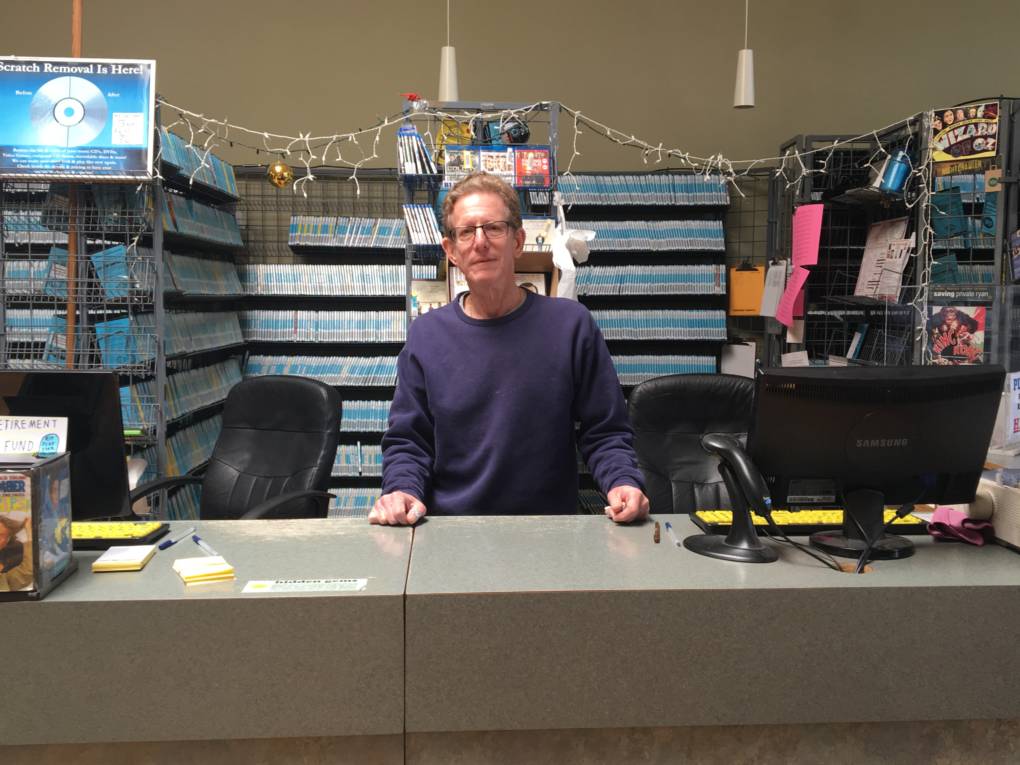
"caption": "After 38 years in business, Andy Katz is closing his video rental store, the last one in Berkeley.",
"description": "After 38 years in business, Andy Katz is closing his video rental store, the last one in Berkeley.",
"title": "Counter",
"credit": "Sam Harnett/KQED",
"status": "inherit",
"isLoading": false,
"fetchFailed": false
},
"news_11673910": {
"type": "attachments",
"id": "news_11673910",
"meta": {
"index": "attachments_1716263798",
"site": "news",
"id": "11673910",
"found": true
},
"parent": 11673893,
"imgSizes": {
"small": {
"file": "https://ww2.kqed.org/app/uploads/sites/10/2018/06/GettyImages-969831456-520x347.jpg",
"width": 520,
"mimeType": "image/jpeg",
"height": 347
},
"twentyfourteen-full-width": {
"file": "https://ww2.kqed.org/app/uploads/sites/10/2018/06/GettyImages-969831456-1038x576.jpg",
"width": 1038,
"mimeType": "image/jpeg",
"height": 576
},
"thumbnail": {
"file": "https://ww2.kqed.org/app/uploads/sites/10/2018/06/GettyImages-969831456-160x107.jpg",
"width": 160,
"mimeType": "image/jpeg",
"height": 107
},
"fd-sm": {
"file": "https://ww2.kqed.org/app/uploads/sites/10/2018/06/GettyImages-969831456-960x640.jpg",
"width": 960,
"mimeType": "image/jpeg",
"height": 640
},
"post-thumbnail": {
"file": "https://ww2.kqed.org/app/uploads/sites/10/2018/06/GettyImages-969831456-672x372.jpg",
"width": 672,
"mimeType": "image/jpeg",
"height": 372
},
"xsmall": {
"file": "https://ww2.kqed.org/app/uploads/sites/10/2018/06/GettyImages-969831456-375x250.jpg",
"width": 375,
"mimeType": "image/jpeg",
"height": 250
},
"kqedFullSize": {
"file": "https://ww2.kqed.org/app/uploads/sites/10/2018/06/GettyImages-969831456-e1528579065556.jpg",
"width": 1920,
"height": 1280
},
"large": {
"file": "https://ww2.kqed.org/app/uploads/sites/10/2018/06/GettyImages-969831456-1020x680.jpg",
"width": 1020,
"mimeType": "image/jpeg",
"height": 680
},
"xlarge": {
"file": "https://ww2.kqed.org/app/uploads/sites/10/2018/06/GettyImages-969831456-1180x787.jpg",
"width": 1180,
"mimeType": "image/jpeg",
"height": 787
},
"complete_open_graph": {
"file": "https://ww2.kqed.org/app/uploads/sites/10/2018/06/GettyImages-969831456-1200x800.jpg",
"width": 1200,
"mimeType": "image/jpeg",
"height": 800
},
"guest-author-50": {
"file": "https://ww2.kqed.org/app/uploads/sites/10/2018/06/GettyImages-969831456-50x50.jpg",
"width": 50,
"mimeType": "image/jpeg",
"height": 50
},
"guest-author-96": {
"file": "https://ww2.kqed.org/app/uploads/sites/10/2018/06/GettyImages-969831456-96x96.jpg",
"width": 96,
"mimeType": "image/jpeg",
"height": 96
},
"medium": {
"file": "https://ww2.kqed.org/app/uploads/sites/10/2018/06/GettyImages-969831456-800x533.jpg",
"width": 800,
"mimeType": "image/jpeg",
"height": 533
},
"guest-author-64": {
"file": "https://ww2.kqed.org/app/uploads/sites/10/2018/06/GettyImages-969831456-64x64.jpg",
"width": 64,
"mimeType": "image/jpeg",
"height": 64
},
"guest-author-32": {
"file": "https://ww2.kqed.org/app/uploads/sites/10/2018/06/GettyImages-969831456-32x32.jpg",
"width": 32,
"mimeType": "image/jpeg",
"height": 32
},
"fd-lrg": {
"file": "https://ww2.kqed.org/app/uploads/sites/10/2018/06/GettyImages-969831456-1920x1280.jpg",
"width": 1920,
"mimeType": "image/jpeg",
"height": 1280
},
"fd-med": {
"file": "https://ww2.kqed.org/app/uploads/sites/10/2018/06/GettyImages-969831456-1180x787.jpg",
"width": 1180,
"mimeType": "image/jpeg",
"height": 787
},
"full-width": {
"file": "https://ww2.kqed.org/app/uploads/sites/10/2018/06/GettyImages-969831456-1920x1280.jpg",
"width": 1920,
"mimeType": "image/jpeg",
"height": 1280
},
"detail": {
"file": "https://ww2.kqed.org/app/uploads/sites/10/2018/06/GettyImages-969831456-150x150.jpg",
"width": 150,
"mimeType": "image/jpeg",
"height": 150
},
"guest-author-128": {
"file": "https://ww2.kqed.org/app/uploads/sites/10/2018/06/GettyImages-969831456-128x128.jpg",
"width": 128,
"mimeType": "image/jpeg",
"height": 128
},
"xxsmall": {
"file": "https://ww2.kqed.org/app/uploads/sites/10/2018/06/GettyImages-969831456-240x160.jpg",
"width": 240,
"mimeType": "image/jpeg",
"height": 160
}
},
"publishDate": 1528579031,
"modified": 1528579052,
"caption": "Notes, photographs and flowers are left in memory of Anthony Bourdain at the closed location of Brasserie Les Halles, where Bourdain used to work as the executive chef, June 8, 2018 in New York City. Bourdain, a writer, chef and television personality, was found dead in his hotel room in France on Friday. His employer CNN confirmed the death as a suicide.",
"description": "Notes, photographs and flowers are left in memory of Anthony Bourdain at the closed location of Brasserie Les Halles, where Bourdain used to work as the executive chef, June 8, 2018 in New York City. Bourdain, a writer, chef and television personality, was found dead in his hotel room in France on Friday. His employer CNN confirmed the death as a suicide.",
"title": "Mourners Leave Flowers At Anthony Bourdain's Former Restaurant, After His Suicide Death",
"credit": "Drew Angerer/Getty Images",
"status": "inherit",
"isLoading": false,
"fetchFailed": false
},
"news_11679694": {
"type": "attachments",
"id": "news_11679694",
"meta": {
"index": "attachments_1716263798",
"site": "news",
"id": "11679694",
"found": true
},
"parent": 11673009,
"imgSizes": {
"small": {
"file": "https://ww2.kqed.org/app/uploads/sites/10/2018/06/TEPCOMain-520x342.jpg",
"width": 520,
"mimeType": "image/jpeg",
"height": 342
},
"twentyfourteen-full-width": {
"file": "https://ww2.kqed.org/app/uploads/sites/10/2018/06/TEPCOMain-1038x576.jpg",
"width": 1038,
"mimeType": "image/jpeg",
"height": 576
},
"thumbnail": {
"file": "https://ww2.kqed.org/app/uploads/sites/10/2018/06/TEPCOMain-160x105.jpg",
"width": 160,
"mimeType": "image/jpeg",
"height": 105
},
"fd-sm": {
"file": "https://ww2.kqed.org/app/uploads/sites/10/2018/06/TEPCOMain-960x632.jpg",
"width": 960,
"mimeType": "image/jpeg",
"height": 632
},
"post-thumbnail": {
"file": "https://ww2.kqed.org/app/uploads/sites/10/2018/06/TEPCOMain-672x372.jpg",
"width": 672,
"mimeType": "image/jpeg",
"height": 372
},
"xsmall": {
"file": "https://ww2.kqed.org/app/uploads/sites/10/2018/06/TEPCOMain-375x247.jpg",
"width": 375,
"mimeType": "image/jpeg",
"height": 247
},
"kqedFullSize": {
"file": "https://ww2.kqed.org/app/uploads/sites/10/2018/06/TEPCOMain.jpg",
"width": 1177,
"height": 775
},
"large": {
"file": "https://ww2.kqed.org/app/uploads/sites/10/2018/06/TEPCOMain-1020x672.jpg",
"width": 1020,
"mimeType": "image/jpeg",
"height": 672
},
"guest-author-50": {
"file": "https://ww2.kqed.org/app/uploads/sites/10/2018/06/TEPCOMain-50x50.jpg",
"width": 50,
"mimeType": "image/jpeg",
"height": 50
},
"guest-author-96": {
"file": "https://ww2.kqed.org/app/uploads/sites/10/2018/06/TEPCOMain-96x96.jpg",
"width": 96,
"mimeType": "image/jpeg",
"height": 96
},
"medium": {
"file": "https://ww2.kqed.org/app/uploads/sites/10/2018/06/TEPCOMain-800x527.jpg",
"width": 800,
"mimeType": "image/jpeg",
"height": 527
},
"guest-author-64": {
"file": "https://ww2.kqed.org/app/uploads/sites/10/2018/06/TEPCOMain-64x64.jpg",
"width": 64,
"mimeType": "image/jpeg",
"height": 64
},
"guest-author-32": {
"file": "https://ww2.kqed.org/app/uploads/sites/10/2018/06/TEPCOMain-32x32.jpg",
"width": 32,
"mimeType": "image/jpeg",
"height": 32
},
"detail": {
"file": "https://ww2.kqed.org/app/uploads/sites/10/2018/06/TEPCOMain-150x150.jpg",
"width": 150,
"mimeType": "image/jpeg",
"height": 150
},
"guest-author-128": {
"file": "https://ww2.kqed.org/app/uploads/sites/10/2018/06/TEPCOMain-128x128.jpg",
"width": 128,
"mimeType": "image/jpeg",
"height": 128
},
"xxsmall": {
"file": "https://ww2.kqed.org/app/uploads/sites/10/2018/06/TEPCOMain-240x158.jpg",
"width": 240,
"mimeType": "image/jpeg",
"height": 158
}
},
"publishDate": 1531167019,
"modified": 1531171557,
"caption": "An image from a recreation of the original TEPCO catalogue.",
"description": "An image from a recreation of the original TEPCO catalogue.",
"title": "TEPCOMain",
"credit": "Andria Lo",
"status": "inherit",
"isLoading": false,
"fetchFailed": false
},
"news_11673663": {
"type": "attachments",
"id": "news_11673663",
"meta": {
"index": "attachments_1716263798",
"site": "news",
"id": "11673663",
"found": true
},
"parent": 11672796,
"imgSizes": {
"small": {
"file": "https://ww2.kqed.org/app/uploads/sites/10/2018/06/SirhanSirhan-1-520x675.jpg",
"width": 520,
"mimeType": "image/jpeg",
"height": 675
},
"twentyfourteen-full-width": {
"file": "https://ww2.kqed.org/app/uploads/sites/10/2018/06/SirhanSirhan-1-800x576.jpg",
"width": 800,
"mimeType": "image/jpeg",
"height": 576
},
"thumbnail": {
"file": "https://ww2.kqed.org/app/uploads/sites/10/2018/06/SirhanSirhan-1-160x208.jpg",
"width": 160,
"mimeType": "image/jpeg",
"height": 208
},
"post-thumbnail": {
"file": "https://ww2.kqed.org/app/uploads/sites/10/2018/06/SirhanSirhan-1-672x372.jpg",
"width": 672,
"mimeType": "image/jpeg",
"height": 372
},
"xsmall": {
"file": "https://ww2.kqed.org/app/uploads/sites/10/2018/06/SirhanSirhan-1-375x487.jpg",
"width": 375,
"mimeType": "image/jpeg",
"height": 487
},
"kqedFullSize": {
"file": "https://ww2.kqed.org/app/uploads/sites/10/2018/06/SirhanSirhan-1.jpg",
"width": 800,
"height": 1038
},
"guest-author-50": {
"file": "https://ww2.kqed.org/app/uploads/sites/10/2018/06/SirhanSirhan-1-50x50.jpg",
"width": 50,
"mimeType": "image/jpeg",
"height": 50
},
"guest-author-96": {
"file": "https://ww2.kqed.org/app/uploads/sites/10/2018/06/SirhanSirhan-1-96x96.jpg",
"width": 96,
"mimeType": "image/jpeg",
"height": 96
},
"medium": {
"file": "https://ww2.kqed.org/app/uploads/sites/10/2018/06/SirhanSirhan-1-800x1038.jpg",
"width": 800,
"mimeType": "image/jpeg",
"height": 1038
},
"guest-author-64": {
"file": "https://ww2.kqed.org/app/uploads/sites/10/2018/06/SirhanSirhan-1-64x64.jpg",
"width": 64,
"mimeType": "image/jpeg",
"height": 64
},
"guest-author-32": {
"file": "https://ww2.kqed.org/app/uploads/sites/10/2018/06/SirhanSirhan-1-32x32.jpg",
"width": 32,
"mimeType": "image/jpeg",
"height": 32
},
"detail": {
"file": "https://ww2.kqed.org/app/uploads/sites/10/2018/06/SirhanSirhan-1-150x150.jpg",
"width": 150,
"mimeType": "image/jpeg",
"height": 150
},
"guest-author-128": {
"file": "https://ww2.kqed.org/app/uploads/sites/10/2018/06/SirhanSirhan-1-128x128.jpg",
"width": 128,
"mimeType": "image/jpeg",
"height": 128
},
"xxsmall": {
"file": "https://ww2.kqed.org/app/uploads/sites/10/2018/06/SirhanSirhan-1-240x311.jpg",
"width": 240,
"mimeType": "image/jpeg",
"height": 311
}
},
"publishDate": 1528486927,
"modified": 1528486950,
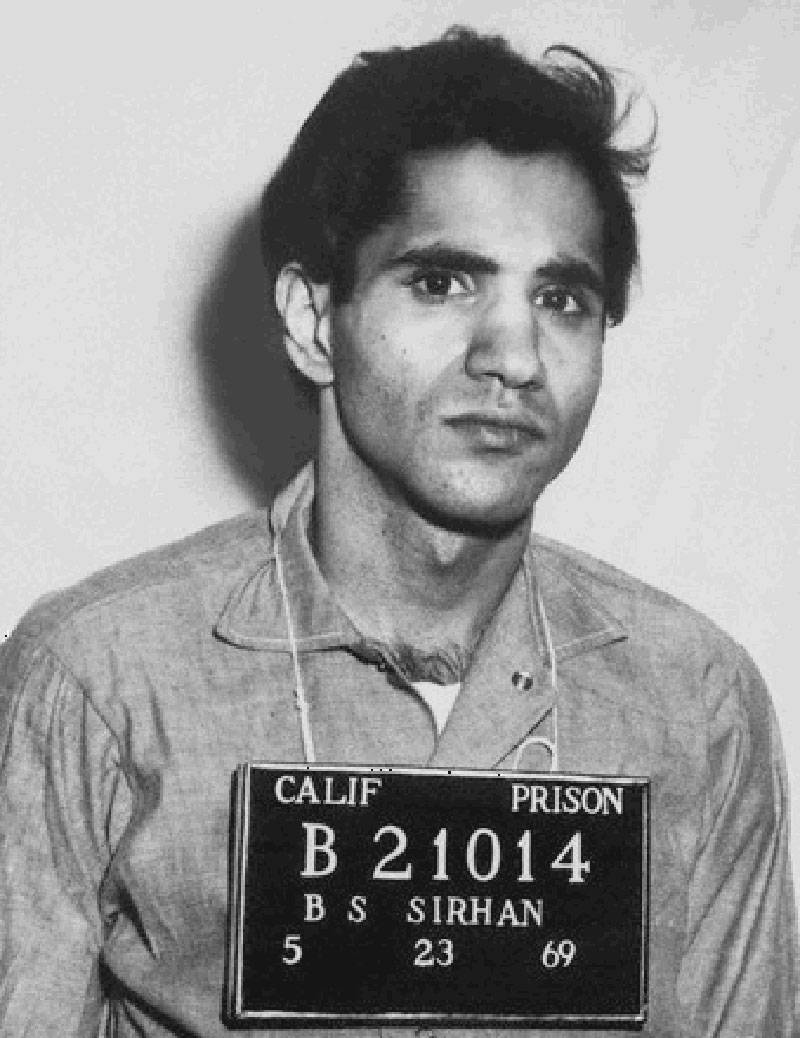
"caption": "Sirhan Sirhan was convicted of murdering Robert F. Kennedy in 1968. He is serving a life sentence in prison.",
"description": "Sirhan Sirhan was convicted of murdering Robert F. Kennedy in 1968. He is serving a life sentence in prison.",
"title": "SirhanSirhan",
"credit": "Wikimedia Commons",
"status": "inherit",
"isLoading": false,
"fetchFailed": false
},
"news_11668297": {
"type": "attachments",
"id": "news_11668297",
"meta": {
"index": "attachments_1716263798",
"site": "news",
"id": "11668297",
"found": true
},
"parent": 11668265,
"imgSizes": {
"small": {
"file": "https://ww2.kqed.org/app/uploads/sites/10/2018/05/RS30925_Photo-Mar-08-9-47-30-AM-qut-520x390.jpg",
"width": 520,
"mimeType": "image/jpeg",
"height": 390
},
"twentyfourteen-full-width": {
"file": "https://ww2.kqed.org/app/uploads/sites/10/2018/05/RS30925_Photo-Mar-08-9-47-30-AM-qut-1038x576.jpg",
"width": 1038,
"mimeType": "image/jpeg",
"height": 576
},
"thumbnail": {
"file": "https://ww2.kqed.org/app/uploads/sites/10/2018/05/RS30925_Photo-Mar-08-9-47-30-AM-qut-160x120.jpg",
"width": 160,
"mimeType": "image/jpeg",
"height": 120
},
"fd-sm": {
"file": "https://ww2.kqed.org/app/uploads/sites/10/2018/05/RS30925_Photo-Mar-08-9-47-30-AM-qut-960x720.jpg",
"width": 960,
"mimeType": "image/jpeg",
"height": 720
},
"post-thumbnail": {
"file": "https://ww2.kqed.org/app/uploads/sites/10/2018/05/RS30925_Photo-Mar-08-9-47-30-AM-qut-672x372.jpg",
"width": 672,
"mimeType": "image/jpeg",
"height": 372
},
"xsmall": {
"file": "https://ww2.kqed.org/app/uploads/sites/10/2018/05/RS30925_Photo-Mar-08-9-47-30-AM-qut-375x281.jpg",
"width": 375,
"mimeType": "image/jpeg",
"height": 281
},
"kqedFullSize": {
"file": "https://ww2.kqed.org/app/uploads/sites/10/2018/05/RS30925_Photo-Mar-08-9-47-30-AM-qut.jpg",
"width": 1920,
"height": 1440
},
"large": {
"file": "https://ww2.kqed.org/app/uploads/sites/10/2018/05/RS30925_Photo-Mar-08-9-47-30-AM-qut-1020x765.jpg",
"width": 1020,
"mimeType": "image/jpeg",
"height": 765
},
"xlarge": {
"file": "https://ww2.kqed.org/app/uploads/sites/10/2018/05/RS30925_Photo-Mar-08-9-47-30-AM-qut-1180x885.jpg",
"width": 1180,
"mimeType": "image/jpeg",
"height": 885
},
"complete_open_graph": {
"file": "https://ww2.kqed.org/app/uploads/sites/10/2018/05/RS30925_Photo-Mar-08-9-47-30-AM-qut-1200x900.jpg",
"width": 1200,
"mimeType": "image/jpeg",
"height": 900
},
"guest-author-50": {
"file": "https://ww2.kqed.org/app/uploads/sites/10/2018/05/RS30925_Photo-Mar-08-9-47-30-AM-qut-50x50.jpg",
"width": 50,
"mimeType": "image/jpeg",
"height": 50
},
"guest-author-96": {
"file": "https://ww2.kqed.org/app/uploads/sites/10/2018/05/RS30925_Photo-Mar-08-9-47-30-AM-qut-96x96.jpg",
"width": 96,
"mimeType": "image/jpeg",
"height": 96
},
"medium": {
"file": "https://ww2.kqed.org/app/uploads/sites/10/2018/05/RS30925_Photo-Mar-08-9-47-30-AM-qut-800x600.jpg",
"width": 800,
"mimeType": "image/jpeg",
"height": 600
},
"guest-author-64": {
"file": "https://ww2.kqed.org/app/uploads/sites/10/2018/05/RS30925_Photo-Mar-08-9-47-30-AM-qut-64x64.jpg",
"width": 64,
"mimeType": "image/jpeg",
"height": 64
},
"guest-author-32": {
"file": "https://ww2.kqed.org/app/uploads/sites/10/2018/05/RS30925_Photo-Mar-08-9-47-30-AM-qut-32x32.jpg",
"width": 32,
"mimeType": "image/jpeg",
"height": 32
},
"fd-lrg": {
"file": "https://ww2.kqed.org/app/uploads/sites/10/2018/05/RS30925_Photo-Mar-08-9-47-30-AM-qut-1920x1440.jpg",
"width": 1920,
"mimeType": "image/jpeg",
"height": 1440
},
"fd-med": {
"file": "https://ww2.kqed.org/app/uploads/sites/10/2018/05/RS30925_Photo-Mar-08-9-47-30-AM-qut-1180x885.jpg",
"width": 1180,
"mimeType": "image/jpeg",
"height": 885
},
"full-width": {
"file": "https://ww2.kqed.org/app/uploads/sites/10/2018/05/RS30925_Photo-Mar-08-9-47-30-AM-qut-1920x1440.jpg",
"width": 1920,
"mimeType": "image/jpeg",
"height": 1440
},
"detail": {
"file": "https://ww2.kqed.org/app/uploads/sites/10/2018/05/RS30925_Photo-Mar-08-9-47-30-AM-qut-150x150.jpg",
"width": 150,
"mimeType": "image/jpeg",
"height": 150
},
"guest-author-128": {
"file": "https://ww2.kqed.org/app/uploads/sites/10/2018/05/RS30925_Photo-Mar-08-9-47-30-AM-qut-128x128.jpg",
"width": 128,
"mimeType": "image/jpeg",
"height": 128
},
"xxsmall": {
"file": "https://ww2.kqed.org/app/uploads/sites/10/2018/05/RS30925_Photo-Mar-08-9-47-30-AM-qut-240x180.jpg",
"width": 240,
"mimeType": "image/jpeg",
"height": 180
}
},
"publishDate": 1526338762,
"modified": 1526338782,
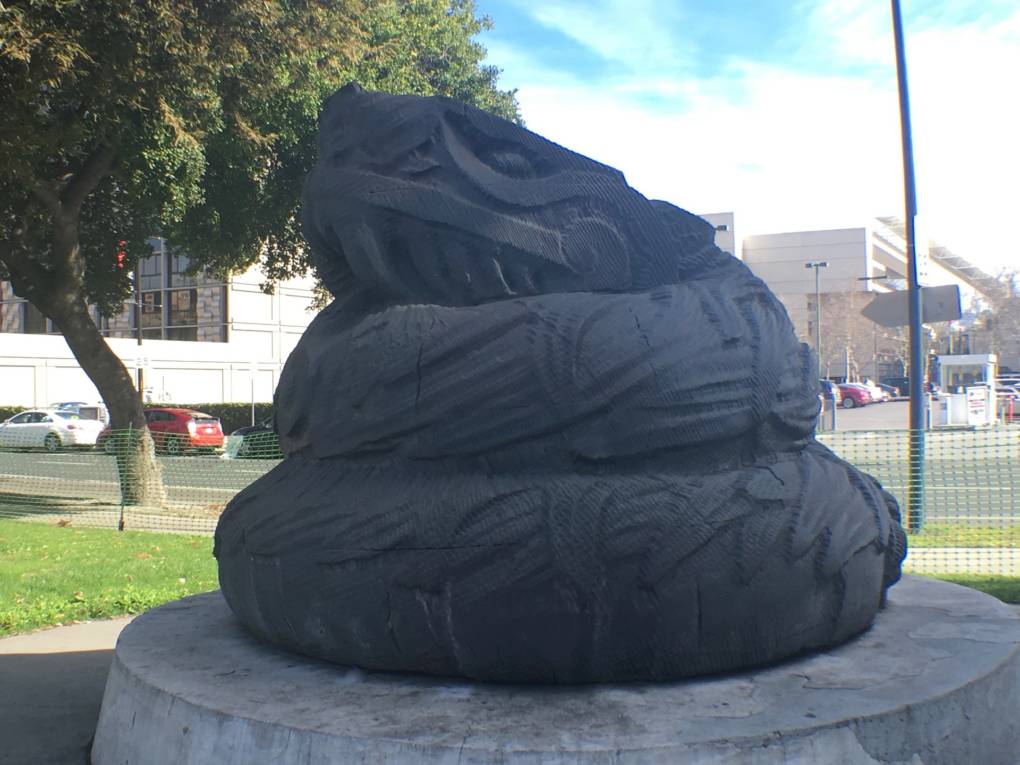
"caption": "\"Quetzalcoatl\" by Robert Graham in San Jose's Plaza de Cesar Chavez. The Aztec god is often depicted as a coiled snake, but people of all ages complain the sculpture looks like something else, something scatological in nature.",
"description": "\"Quetzalcoatl\" by Robert Graham in San Jose's Plaza de Cesar Chavez. The Aztec god is often depicted as a coiled snake, but people of all ages complain the sculpture looks like something else, something scatological in nature.",
"title": "RS30925_Photo Mar 08, 9 47 30 AM-qut",
"credit": "Rachael Myrow/KQED",
"status": "inherit",
"isLoading": false,
"fetchFailed": false
},
"news_11672554": {
"type": "attachments",
"id": "news_11672554",
"meta": {
"index": "attachments_1716263798",
"site": "news",
"id": "11672554",
"found": true
},
"parent": 11672551,
"imgSizes": {
"small": {
"file": "https://ww2.kqed.org/app/uploads/sites/10/2018/06/CLUSTERFESTposterframe_2-520x293.jpg",
"width": 520,
"mimeType": "image/jpeg",
"height": 293
},
"twentyfourteen-full-width": {
"file": "https://ww2.kqed.org/app/uploads/sites/10/2018/06/CLUSTERFESTposterframe_2-1038x576.jpg",
"width": 1038,
"mimeType": "image/jpeg",
"height": 576
},
"thumbnail": {
"file": "https://ww2.kqed.org/app/uploads/sites/10/2018/06/CLUSTERFESTposterframe_2-160x90.jpg",
"width": 160,
"mimeType": "image/jpeg",
"height": 90
},
"fd-sm": {
"file": "https://ww2.kqed.org/app/uploads/sites/10/2018/06/CLUSTERFESTposterframe_2-960x540.jpg",
"width": 960,
"mimeType": "image/jpeg",
"height": 540
},
"post-thumbnail": {
"file": "https://ww2.kqed.org/app/uploads/sites/10/2018/06/CLUSTERFESTposterframe_2-672x372.jpg",
"width": 672,
"mimeType": "image/jpeg",
"height": 372
},
"xsmall": {
"file": "https://ww2.kqed.org/app/uploads/sites/10/2018/06/CLUSTERFESTposterframe_2-375x211.jpg",
"width": 375,
"mimeType": "image/jpeg",
"height": 211
},
"kqedFullSize": {
"file": "https://ww2.kqed.org/app/uploads/sites/10/2018/06/CLUSTERFESTposterframe_2.jpg",
"width": 1280,
"height": 720
},
"large": {
"file": "https://ww2.kqed.org/app/uploads/sites/10/2018/06/CLUSTERFESTposterframe_2-1020x574.jpg",
"width": 1020,
"mimeType": "image/jpeg",
"height": 574
},
"xlarge": {
"file": "https://ww2.kqed.org/app/uploads/sites/10/2018/06/CLUSTERFESTposterframe_2-1180x664.jpg",
"width": 1180,
"mimeType": "image/jpeg",
"height": 664
},
"complete_open_graph": {
"file": "https://ww2.kqed.org/app/uploads/sites/10/2018/06/CLUSTERFESTposterframe_2-1200x675.jpg",
"width": 1200,
"mimeType": "image/jpeg",
"height": 675
},
"guest-author-50": {
"file": "https://ww2.kqed.org/app/uploads/sites/10/2018/06/CLUSTERFESTposterframe_2-50x50.jpg",
"width": 50,
"mimeType": "image/jpeg",
"height": 50
},
"guest-author-96": {
"file": "https://ww2.kqed.org/app/uploads/sites/10/2018/06/CLUSTERFESTposterframe_2-96x96.jpg",
"width": 96,
"mimeType": "image/jpeg",
"height": 96
},
"medium": {
"file": "https://ww2.kqed.org/app/uploads/sites/10/2018/06/CLUSTERFESTposterframe_2-800x450.jpg",
"width": 800,
"mimeType": "image/jpeg",
"height": 450
},
"guest-author-64": {
"file": "https://ww2.kqed.org/app/uploads/sites/10/2018/06/CLUSTERFESTposterframe_2-64x64.jpg",
"width": 64,
"mimeType": "image/jpeg",
"height": 64
},
"guest-author-32": {
"file": "https://ww2.kqed.org/app/uploads/sites/10/2018/06/CLUSTERFESTposterframe_2-32x32.jpg",
"width": 32,
"mimeType": "image/jpeg",
"height": 32
},
"fd-med": {
"file": "https://ww2.kqed.org/app/uploads/sites/10/2018/06/CLUSTERFESTposterframe_2-1180x664.jpg",
"width": 1180,
"mimeType": "image/jpeg",
"height": 664
},
"detail": {
"file": "https://ww2.kqed.org/app/uploads/sites/10/2018/06/CLUSTERFESTposterframe_2-150x150.jpg",
"width": 150,
"mimeType": "image/jpeg",
"height": 150
},
"guest-author-128": {
"file": "https://ww2.kqed.org/app/uploads/sites/10/2018/06/CLUSTERFESTposterframe_2-128x128.jpg",
"width": 128,
"mimeType": "image/jpeg",
"height": 128
},
"xxsmall": {
"file": "https://ww2.kqed.org/app/uploads/sites/10/2018/06/CLUSTERFESTposterframe_2-240x135.jpg",
"width": 240,
"mimeType": "image/jpeg",
"height": 135
}
},
"publishDate": 1528161779,
"modified": 1528161779,
"caption": null,
"description": null,
"title": "CLUSTERFESTposterframe_2",
"credit": null,
"status": "inherit",
"isLoading": false,
"fetchFailed": false
},
"news_11672294": {
"type": "attachments",
"id": "news_11672294",
"meta": {
"index": "attachments_1716263798",
"site": "news",
"id": "11672294",
"found": true
},
"parent": 11672224,
"imgSizes": {
"small": {
"file": "https://ww2.kqed.org/app/uploads/sites/10/2018/06/RS31269_Image-uploaded-from-iOS-17-qut-520x346.jpg",
"width": 520,
"mimeType": "image/jpeg",
"height": 346
},
"twentyfourteen-full-width": {
"file": "https://ww2.kqed.org/app/uploads/sites/10/2018/06/RS31269_Image-uploaded-from-iOS-17-qut-1038x576.jpg",
"width": 1038,
"mimeType": "image/jpeg",
"height": 576
},
"thumbnail": {
"file": "https://ww2.kqed.org/app/uploads/sites/10/2018/06/RS31269_Image-uploaded-from-iOS-17-qut-160x107.jpg",
"width": 160,
"mimeType": "image/jpeg",
"height": 107
},
"fd-sm": {
"file": "https://ww2.kqed.org/app/uploads/sites/10/2018/06/RS31269_Image-uploaded-from-iOS-17-qut-960x640.jpg",
"width": 960,
"mimeType": "image/jpeg",
"height": 640
},
"post-thumbnail": {
"file": "https://ww2.kqed.org/app/uploads/sites/10/2018/06/RS31269_Image-uploaded-from-iOS-17-qut-672x372.jpg",
"width": 672,
"mimeType": "image/jpeg",
"height": 372
},
"xsmall": {
"file": "https://ww2.kqed.org/app/uploads/sites/10/2018/06/RS31269_Image-uploaded-from-iOS-17-qut-375x250.jpg",
"width": 375,
"mimeType": "image/jpeg",
"height": 250
},
"kqedFullSize": {
"file": "https://ww2.kqed.org/app/uploads/sites/10/2018/06/RS31269_Image-uploaded-from-iOS-17-qut.jpg",
"width": 1920,
"height": 1279
},
"large": {
"file": "https://ww2.kqed.org/app/uploads/sites/10/2018/06/RS31269_Image-uploaded-from-iOS-17-qut-1020x679.jpg",
"width": 1020,
"mimeType": "image/jpeg",
"height": 679
},
"xlarge": {
"file": "https://ww2.kqed.org/app/uploads/sites/10/2018/06/RS31269_Image-uploaded-from-iOS-17-qut-1180x786.jpg",
"width": 1180,
"mimeType": "image/jpeg",
"height": 786
},
"complete_open_graph": {
"file": "https://ww2.kqed.org/app/uploads/sites/10/2018/06/RS31269_Image-uploaded-from-iOS-17-qut-1200x799.jpg",
"width": 1200,
"mimeType": "image/jpeg",
"height": 799
},
"guest-author-50": {
"file": "https://ww2.kqed.org/app/uploads/sites/10/2018/06/RS31269_Image-uploaded-from-iOS-17-qut-50x50.jpg",
"width": 50,
"mimeType": "image/jpeg",
"height": 50
},
"guest-author-96": {
"file": "https://ww2.kqed.org/app/uploads/sites/10/2018/06/RS31269_Image-uploaded-from-iOS-17-qut-96x96.jpg",
"width": 96,
"mimeType": "image/jpeg",
"height": 96
},
"medium": {
"file": "https://ww2.kqed.org/app/uploads/sites/10/2018/06/RS31269_Image-uploaded-from-iOS-17-qut-800x533.jpg",
"width": 800,
"mimeType": "image/jpeg",
"height": 533
},
"guest-author-64": {
"file": "https://ww2.kqed.org/app/uploads/sites/10/2018/06/RS31269_Image-uploaded-from-iOS-17-qut-64x64.jpg",
"width": 64,
"mimeType": "image/jpeg",
"height": 64
},
"guest-author-32": {
"file": "https://ww2.kqed.org/app/uploads/sites/10/2018/06/RS31269_Image-uploaded-from-iOS-17-qut-32x32.jpg",
"width": 32,
"mimeType": "image/jpeg",
"height": 32
},
"fd-lrg": {
"file": "https://ww2.kqed.org/app/uploads/sites/10/2018/06/RS31269_Image-uploaded-from-iOS-17-qut-1920x1279.jpg",
"width": 1920,
"mimeType": "image/jpeg",
"height": 1279
},
"fd-med": {
"file": "https://ww2.kqed.org/app/uploads/sites/10/2018/06/RS31269_Image-uploaded-from-iOS-17-qut-1180x786.jpg",
"width": 1180,
"mimeType": "image/jpeg",
"height": 786
},
"full-width": {
"file": "https://ww2.kqed.org/app/uploads/sites/10/2018/06/RS31269_Image-uploaded-from-iOS-17-qut-1920x1279.jpg",
"width": 1920,
"mimeType": "image/jpeg",
"height": 1279
},
"detail": {
"file": "https://ww2.kqed.org/app/uploads/sites/10/2018/06/RS31269_Image-uploaded-from-iOS-17-qut-150x150.jpg",
"width": 150,
"mimeType": "image/jpeg",
"height": 150
},
"guest-author-128": {
"file": "https://ww2.kqed.org/app/uploads/sites/10/2018/06/RS31269_Image-uploaded-from-iOS-17-qut-128x128.jpg",
"width": 128,
"mimeType": "image/jpeg",
"height": 128
},
"xxsmall": {
"file": "https://ww2.kqed.org/app/uploads/sites/10/2018/06/RS31269_Image-uploaded-from-iOS-17-qut-240x160.jpg",
"width": 240,
"mimeType": "image/jpeg",
"height": 160
}
},
"publishDate": 1528054996,
"modified": 1528056601,
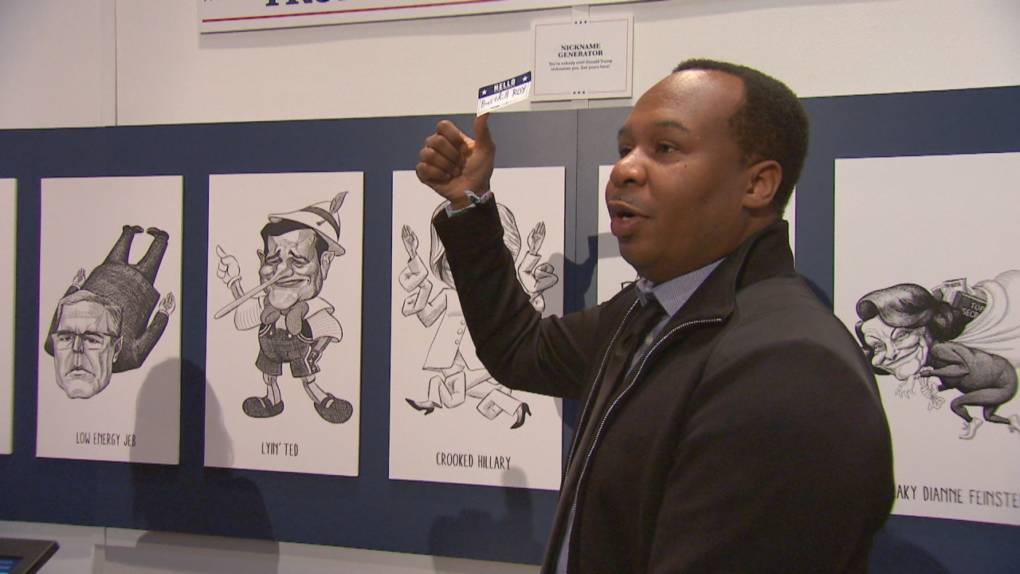
"caption": "Diana Gaffney, L, and Tina Suca, R, listen to recordings of celebrities and politicians who have battled with President Trump on Twitter and survived at the Donald J. Trump Presidential Twitter Library at Clusterfest in San Francisco.",
"description": "Diana Gaffney, L, and Tina Suca, R, listen to recordings of celebrities and politicians who have battled with President Trump on Twitter and survived at the Donald J. Trump Presidential Twitter Library at Clusterfest in San Francisco.",
"title": "RS31269_Image uploaded from iOS (17)-qut",
"credit": "Sheraz Sadiq/KQED",
"status": "inherit",
"isLoading": false,
"fetchFailed": false
},
"news_11672269": {
"type": "attachments",
"id": "news_11672269",
"meta": {
"index": "attachments_1716263798",
"site": "news",
"id": "11672269",
"found": true
},
"parent": 11672268,
"imgSizes": {
"small": {
"file": "https://ww2.kqed.org/app/uploads/sites/10/2018/06/8131588705_2800f4ab57_o-520x257.jpg",
"width": 520,
"mimeType": "image/jpeg",
"height": 257
},
"twentyfourteen-full-width": {
"file": "https://ww2.kqed.org/app/uploads/sites/10/2018/06/8131588705_2800f4ab57_o-1038x576.jpg",
"width": 1038,
"mimeType": "image/jpeg",
"height": 576
},
"thumbnail": {
"file": "https://ww2.kqed.org/app/uploads/sites/10/2018/06/8131588705_2800f4ab57_o-160x79.jpg",
"width": 160,
"mimeType": "image/jpeg",
"height": 79
},
"fd-sm": {
"file": "https://ww2.kqed.org/app/uploads/sites/10/2018/06/8131588705_2800f4ab57_o-960x475.jpg",
"width": 960,
"mimeType": "image/jpeg",
"height": 475
},
"post-thumbnail": {
"file": "https://ww2.kqed.org/app/uploads/sites/10/2018/06/8131588705_2800f4ab57_o-672x372.jpg",
"width": 672,
"mimeType": "image/jpeg",
"height": 372
},
"xsmall": {
"file": "https://ww2.kqed.org/app/uploads/sites/10/2018/06/8131588705_2800f4ab57_o-375x186.jpg",
"width": 375,
"mimeType": "image/jpeg",
"height": 186
},
"kqedFullSize": {
"file": "https://ww2.kqed.org/app/uploads/sites/10/2018/06/8131588705_2800f4ab57_o.jpg",
"width": 1920,
"height": 950
},
"large": {
"file": "https://ww2.kqed.org/app/uploads/sites/10/2018/06/8131588705_2800f4ab57_o-1020x505.jpg",
"width": 1020,
"mimeType": "image/jpeg",
"height": 505
},
"xlarge": {
"file": "https://ww2.kqed.org/app/uploads/sites/10/2018/06/8131588705_2800f4ab57_o-1180x584.jpg",
"width": 1180,
"mimeType": "image/jpeg",
"height": 584
},
"complete_open_graph": {
"file": "https://ww2.kqed.org/app/uploads/sites/10/2018/06/8131588705_2800f4ab57_o-1200x594.jpg",
"width": 1200,
"mimeType": "image/jpeg",
"height": 594
},
"guest-author-50": {
"file": "https://ww2.kqed.org/app/uploads/sites/10/2018/06/8131588705_2800f4ab57_o-50x50.jpg",
"width": 50,
"mimeType": "image/jpeg",
"height": 50
},
"guest-author-96": {
"file": "https://ww2.kqed.org/app/uploads/sites/10/2018/06/8131588705_2800f4ab57_o-96x96.jpg",
"width": 96,
"mimeType": "image/jpeg",
"height": 96
},
"medium": {
"file": "https://ww2.kqed.org/app/uploads/sites/10/2018/06/8131588705_2800f4ab57_o-800x396.jpg",
"width": 800,
"mimeType": "image/jpeg",
"height": 396
},
"guest-author-64": {
"file": "https://ww2.kqed.org/app/uploads/sites/10/2018/06/8131588705_2800f4ab57_o-64x64.jpg",
"width": 64,
"mimeType": "image/jpeg",
"height": 64
},
"guest-author-32": {
"file": "https://ww2.kqed.org/app/uploads/sites/10/2018/06/8131588705_2800f4ab57_o-32x32.jpg",
"width": 32,
"mimeType": "image/jpeg",
"height": 32
},
"fd-lrg": {
"file": "https://ww2.kqed.org/app/uploads/sites/10/2018/06/8131588705_2800f4ab57_o-1920x950.jpg",
"width": 1920,
"mimeType": "image/jpeg",
"height": 950
},
"fd-med": {
"file": "https://ww2.kqed.org/app/uploads/sites/10/2018/06/8131588705_2800f4ab57_o-1180x584.jpg",
"width": 1180,
"mimeType": "image/jpeg",
"height": 584
},
"full-width": {
"file": "https://ww2.kqed.org/app/uploads/sites/10/2018/06/8131588705_2800f4ab57_o-1920x950.jpg",
"width": 1920,
"mimeType": "image/jpeg",
"height": 950
},
"detail": {
"file": "https://ww2.kqed.org/app/uploads/sites/10/2018/06/8131588705_2800f4ab57_o-150x150.jpg",
"width": 150,
"mimeType": "image/jpeg",
"height": 150
},
"guest-author-128": {
"file": "https://ww2.kqed.org/app/uploads/sites/10/2018/06/8131588705_2800f4ab57_o-128x128.jpg",
"width": 128,
"mimeType": "image/jpeg",
"height": 128
},
"xxsmall": {
"file": "https://ww2.kqed.org/app/uploads/sites/10/2018/06/8131588705_2800f4ab57_o-240x119.jpg",
"width": 240,
"mimeType": "image/jpeg",
"height": 119
}
},
"publishDate": 1528047099,
"modified": 1528047189,
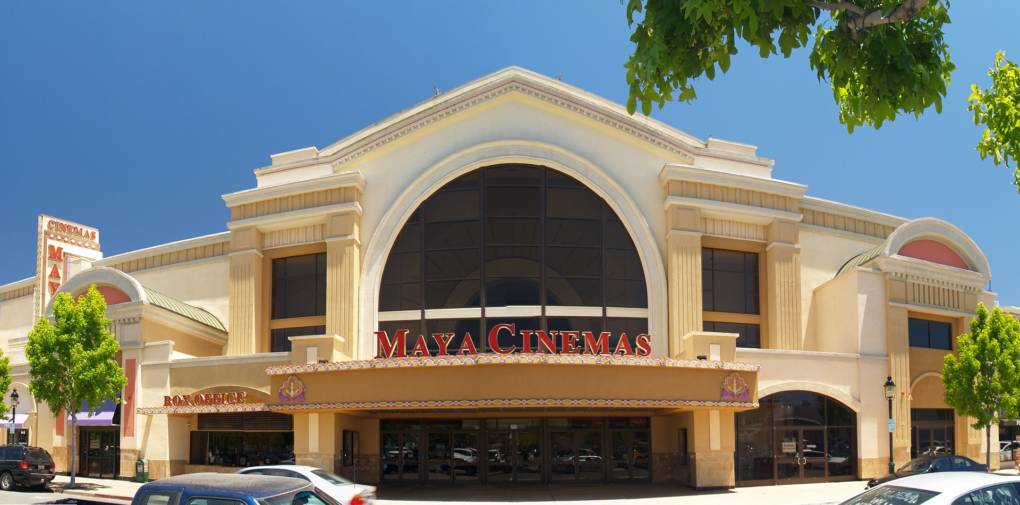
"caption": "The Maya Cinemas in Salinas.",
"description": "The Maya Cinemas in Salinas.",
"title": "Maya Cinemas Salinas",
"credit": "Stephen Gough/Flickr",
"status": "inherit",
"isLoading": false,
"fetchFailed": false
},
"news_11671379": {
"type": "attachments",
"id": "news_11671379",
"meta": {
"index": "attachments_1716263798",
"site": "news",
"id": "11671379",
"found": true
},
"parent": 11671299,
"imgSizes": {
"small": {
"file": "https://ww2.kqed.org/app/uploads/sites/10/2018/05/RS31201_Rachel-Kushner-credit-Chloe-Aftel-qut-520x391.jpg",
"width": 520,
"mimeType": "image/jpeg",
"height": 391
},
"twentyfourteen-full-width": {
"file": "https://ww2.kqed.org/app/uploads/sites/10/2018/05/RS31201_Rachel-Kushner-credit-Chloe-Aftel-qut-1038x576.jpg",
"width": 1038,
"mimeType": "image/jpeg",
"height": 576
},
"thumbnail": {
"file": "https://ww2.kqed.org/app/uploads/sites/10/2018/05/RS31201_Rachel-Kushner-credit-Chloe-Aftel-qut-160x120.jpg",
"width": 160,
"mimeType": "image/jpeg",
"height": 120
},
"fd-sm": {
"file": "https://ww2.kqed.org/app/uploads/sites/10/2018/05/RS31201_Rachel-Kushner-credit-Chloe-Aftel-qut-960x722.jpg",
"width": 960,
"mimeType": "image/jpeg",
"height": 722
},
"post-thumbnail": {
"file": "https://ww2.kqed.org/app/uploads/sites/10/2018/05/RS31201_Rachel-Kushner-credit-Chloe-Aftel-qut-672x372.jpg",
"width": 672,
"mimeType": "image/jpeg",
"height": 372
},
"xsmall": {
"file": "https://ww2.kqed.org/app/uploads/sites/10/2018/05/RS31201_Rachel-Kushner-credit-Chloe-Aftel-qut-375x282.jpg",
"width": 375,
"mimeType": "image/jpeg",
"height": 282
},
"kqedFullSize": {
"file": "https://ww2.kqed.org/app/uploads/sites/10/2018/05/RS31201_Rachel-Kushner-credit-Chloe-Aftel-qut.jpg",
"width": 1920,
"height": 1444
},
"large": {
"file": "https://ww2.kqed.org/app/uploads/sites/10/2018/05/RS31201_Rachel-Kushner-credit-Chloe-Aftel-qut-1020x767.jpg",
"width": 1020,
"mimeType": "image/jpeg",
"height": 767
},
"xlarge": {
"file": "https://ww2.kqed.org/app/uploads/sites/10/2018/05/RS31201_Rachel-Kushner-credit-Chloe-Aftel-qut-1180x887.jpg",
"width": 1180,
"mimeType": "image/jpeg",
"height": 887
},
"complete_open_graph": {
"file": "https://ww2.kqed.org/app/uploads/sites/10/2018/05/RS31201_Rachel-Kushner-credit-Chloe-Aftel-qut-1200x903.jpg",
"width": 1200,
"mimeType": "image/jpeg",
"height": 903
},
"guest-author-50": {
"file": "https://ww2.kqed.org/app/uploads/sites/10/2018/05/RS31201_Rachel-Kushner-credit-Chloe-Aftel-qut-50x50.jpg",
"width": 50,
"mimeType": "image/jpeg",
"height": 50
},
"guest-author-96": {
"file": "https://ww2.kqed.org/app/uploads/sites/10/2018/05/RS31201_Rachel-Kushner-credit-Chloe-Aftel-qut-96x96.jpg",
"width": 96,
"mimeType": "image/jpeg",
"height": 96
},
"medium": {
"file": "https://ww2.kqed.org/app/uploads/sites/10/2018/05/RS31201_Rachel-Kushner-credit-Chloe-Aftel-qut-800x602.jpg",
"width": 800,
"mimeType": "image/jpeg",
"height": 602
},
"guest-author-64": {
"file": "https://ww2.kqed.org/app/uploads/sites/10/2018/05/RS31201_Rachel-Kushner-credit-Chloe-Aftel-qut-64x64.jpg",
"width": 64,
"mimeType": "image/jpeg",
"height": 64
},
"guest-author-32": {
"file": "https://ww2.kqed.org/app/uploads/sites/10/2018/05/RS31201_Rachel-Kushner-credit-Chloe-Aftel-qut-32x32.jpg",
"width": 32,
"mimeType": "image/jpeg",
"height": 32
},
"fd-lrg": {
"file": "https://ww2.kqed.org/app/uploads/sites/10/2018/05/RS31201_Rachel-Kushner-credit-Chloe-Aftel-qut-1920x1444.jpg",
"width": 1920,
"mimeType": "image/jpeg",
"height": 1444
},
"fd-med": {
"file": "https://ww2.kqed.org/app/uploads/sites/10/2018/05/RS31201_Rachel-Kushner-credit-Chloe-Aftel-qut-1180x887.jpg",
"width": 1180,
"mimeType": "image/jpeg",
"height": 887
},
"full-width": {
"file": "https://ww2.kqed.org/app/uploads/sites/10/2018/05/RS31201_Rachel-Kushner-credit-Chloe-Aftel-qut-1920x1444.jpg",
"width": 1920,
"mimeType": "image/jpeg",
"height": 1444
},
"detail": {
"file": "https://ww2.kqed.org/app/uploads/sites/10/2018/05/RS31201_Rachel-Kushner-credit-Chloe-Aftel-qut-150x150.jpg",
"width": 150,
"mimeType": "image/jpeg",
"height": 150
},
"guest-author-128": {
"file": "https://ww2.kqed.org/app/uploads/sites/10/2018/05/RS31201_Rachel-Kushner-credit-Chloe-Aftel-qut-128x128.jpg",
"width": 128,
"mimeType": "image/jpeg",
"height": 128
},
"xxsmall": {
"file": "https://ww2.kqed.org/app/uploads/sites/10/2018/05/RS31201_Rachel-Kushner-credit-Chloe-Aftel-qut-240x181.jpg",
"width": 240,
"mimeType": "image/jpeg",
"height": 181
}
},
"publishDate": 1527635049,
"modified": 1527880863,
"caption": "Rachel Kushner grew up in San Francisco and now lives in Los Angeles. Her new novel takes place in California.",
"description": "Rachel Kushner grew up in San Francisco and now lives in Los Angeles. Her new novel takes place in California.",
"title": "RS31201_Rachel Kushner credit Chloe Aftel-qut",
"credit": "Chloe Aftel",
"status": "inherit",
"isLoading": false,
"fetchFailed": false
},
"news_11670686": {
"type": "attachments",
"id": "news_11670686",
"meta": {
"index": "attachments_1716263798",
"site": "news",
"id": "11670686",
"found": true
},
"parent": 11670633,
"imgSizes": {
"small": {
"file": "https://ww2.kqed.org/app/uploads/sites/10/2018/05/RS31153_Screen-Shot-2018-05-25-at-7.39.00-AM-520x293.jpg",
"width": 520,
"mimeType": "image/jpeg",
"height": 293
},
"twentyfourteen-full-width": {
"file": "https://ww2.kqed.org/app/uploads/sites/10/2018/05/RS31153_Screen-Shot-2018-05-25-at-7.39.00-AM-1038x576.jpg",
"width": 1038,
"mimeType": "image/jpeg",
"height": 576
},
"thumbnail": {
"file": "https://ww2.kqed.org/app/uploads/sites/10/2018/05/RS31153_Screen-Shot-2018-05-25-at-7.39.00-AM-160x90.jpg",
"width": 160,
"mimeType": "image/jpeg",
"height": 90
},
"fd-sm": {
"file": "https://ww2.kqed.org/app/uploads/sites/10/2018/05/RS31153_Screen-Shot-2018-05-25-at-7.39.00-AM-960x540.jpg",
"width": 960,
"mimeType": "image/jpeg",
"height": 540
},
"post-thumbnail": {
"file": "https://ww2.kqed.org/app/uploads/sites/10/2018/05/RS31153_Screen-Shot-2018-05-25-at-7.39.00-AM-672x372.jpg",
"width": 672,
"mimeType": "image/jpeg",
"height": 372
},
"xsmall": {
"file": "https://ww2.kqed.org/app/uploads/sites/10/2018/05/RS31153_Screen-Shot-2018-05-25-at-7.39.00-AM-375x211.jpg",
"width": 375,
"mimeType": "image/jpeg",
"height": 211
},
"kqedFullSize": {
"file": "https://ww2.kqed.org/app/uploads/sites/10/2018/05/RS31153_Screen-Shot-2018-05-25-at-7.39.00-AM.jpg",
"width": 1870,
"height": 1052
},
"large": {
"file": "https://ww2.kqed.org/app/uploads/sites/10/2018/05/RS31153_Screen-Shot-2018-05-25-at-7.39.00-AM-1020x574.jpg",
"width": 1020,
"mimeType": "image/jpeg",
"height": 574
},
"xlarge": {
"file": "https://ww2.kqed.org/app/uploads/sites/10/2018/05/RS31153_Screen-Shot-2018-05-25-at-7.39.00-AM-1180x664.jpg",
"width": 1180,
"mimeType": "image/jpeg",
"height": 664
},
"complete_open_graph": {
"file": "https://ww2.kqed.org/app/uploads/sites/10/2018/05/RS31153_Screen-Shot-2018-05-25-at-7.39.00-AM-1200x675.jpg",
"width": 1200,
"mimeType": "image/jpeg",
"height": 675
},
"guest-author-50": {
"file": "https://ww2.kqed.org/app/uploads/sites/10/2018/05/RS31153_Screen-Shot-2018-05-25-at-7.39.00-AM-50x50.jpg",
"width": 50,
"mimeType": "image/jpeg",
"height": 50
},
"guest-author-96": {
"file": "https://ww2.kqed.org/app/uploads/sites/10/2018/05/RS31153_Screen-Shot-2018-05-25-at-7.39.00-AM-96x96.jpg",
"width": 96,
"mimeType": "image/jpeg",
"height": 96
},
"medium": {
"file": "https://ww2.kqed.org/app/uploads/sites/10/2018/05/RS31153_Screen-Shot-2018-05-25-at-7.39.00-AM-800x450.jpg",
"width": 800,
"mimeType": "image/jpeg",
"height": 450
},
"guest-author-64": {
"file": "https://ww2.kqed.org/app/uploads/sites/10/2018/05/RS31153_Screen-Shot-2018-05-25-at-7.39.00-AM-64x64.jpg",
"width": 64,
"mimeType": "image/jpeg",
"height": 64
},
"guest-author-32": {
"file": "https://ww2.kqed.org/app/uploads/sites/10/2018/05/RS31153_Screen-Shot-2018-05-25-at-7.39.00-AM-32x32.jpg",
"width": 32,
"mimeType": "image/jpeg",
"height": 32
},
"fd-med": {
"file": "https://ww2.kqed.org/app/uploads/sites/10/2018/05/RS31153_Screen-Shot-2018-05-25-at-7.39.00-AM-1180x664.jpg",
"width": 1180,
"mimeType": "image/jpeg",
"height": 664
},
"detail": {
"file": "https://ww2.kqed.org/app/uploads/sites/10/2018/05/RS31153_Screen-Shot-2018-05-25-at-7.39.00-AM-150x150.jpg",
"width": 150,
"mimeType": "image/jpeg",
"height": 150
},
"guest-author-128": {
"file": "https://ww2.kqed.org/app/uploads/sites/10/2018/05/RS31153_Screen-Shot-2018-05-25-at-7.39.00-AM-128x128.jpg",
"width": 128,
"mimeType": "image/jpeg",
"height": 128
},
"xxsmall": {
"file": "https://ww2.kqed.org/app/uploads/sites/10/2018/05/RS31153_Screen-Shot-2018-05-25-at-7.39.00-AM-240x135.jpg",
"width": 240,
"mimeType": "image/jpeg",
"height": 135
}
},
"publishDate": 1527274974,
"modified": 1527628923,
"caption": "Gregory Stevens, former associate pastor for First Baptist Church in Palo Alto, has reactivated his Twitter account.",
"description": "Now-former associate pastor for First Baptist Church in Palo Alto, Gregory Stevens has reactivated his Twitter account.",
"title": "RS31153_Screen Shot 2018-05-25 at 7.39.00 AM",
"credit": "Rachael Myrow/KQED",
"status": "inherit",
"isLoading": false,
"fetchFailed": false
},
"news_11671055": {
"type": "attachments",
"id": "news_11671055",
"meta": {
"index": "attachments_1716263798",
"site": "news",
"id": "11671055",
"found": true
},
"parent": 11671039,
"imgSizes": {
"small": {
"file": "https://ww2.kqed.org/app/uploads/sites/10/2018/05/IMG_7854-520x390.jpg",
"width": 520,
"mimeType": "image/jpeg",
"height": 390
},
"twentyfourteen-full-width": {
"file": "https://ww2.kqed.org/app/uploads/sites/10/2018/05/IMG_7854-1038x576.jpg",
"width": 1038,
"mimeType": "image/jpeg",
"height": 576
},
"thumbnail": {
"file": "https://ww2.kqed.org/app/uploads/sites/10/2018/05/IMG_7854-160x120.jpg",
"width": 160,
"mimeType": "image/jpeg",
"height": 120
},
"fd-sm": {
"file": "https://ww2.kqed.org/app/uploads/sites/10/2018/05/IMG_7854-960x720.jpg",
"width": 960,
"mimeType": "image/jpeg",
"height": 720
},
"post-thumbnail": {
"file": "https://ww2.kqed.org/app/uploads/sites/10/2018/05/IMG_7854-672x372.jpg",
"width": 672,
"mimeType": "image/jpeg",
"height": 372
},
"xsmall": {
"file": "https://ww2.kqed.org/app/uploads/sites/10/2018/05/IMG_7854-375x281.jpg",
"width": 375,
"mimeType": "image/jpeg",
"height": 281
},
"kqedFullSize": {
"file": "https://ww2.kqed.org/app/uploads/sites/10/2018/05/IMG_7854-e1527450281651.jpg",
"width": 1920,
"height": 1440
},
"large": {
"file": "https://ww2.kqed.org/app/uploads/sites/10/2018/05/IMG_7854-1020x765.jpg",
"width": 1020,
"mimeType": "image/jpeg",
"height": 765
},
"xlarge": {
"file": "https://ww2.kqed.org/app/uploads/sites/10/2018/05/IMG_7854-1180x885.jpg",
"width": 1180,
"mimeType": "image/jpeg",
"height": 885
},
"complete_open_graph": {
"file": "https://ww2.kqed.org/app/uploads/sites/10/2018/05/IMG_7854-1200x900.jpg",
"width": 1200,
"mimeType": "image/jpeg",
"height": 900
},
"guest-author-50": {
"file": "https://ww2.kqed.org/app/uploads/sites/10/2018/05/IMG_7854-50x50.jpg",
"width": 50,
"mimeType": "image/jpeg",
"height": 50
},
"guest-author-96": {
"file": "https://ww2.kqed.org/app/uploads/sites/10/2018/05/IMG_7854-96x96.jpg",
"width": 96,
"mimeType": "image/jpeg",
"height": 96
},
"medium": {
"file": "https://ww2.kqed.org/app/uploads/sites/10/2018/05/IMG_7854-800x600.jpg",
"width": 800,
"mimeType": "image/jpeg",
"height": 600
},
"guest-author-64": {
"file": "https://ww2.kqed.org/app/uploads/sites/10/2018/05/IMG_7854-64x64.jpg",
"width": 64,
"mimeType": "image/jpeg",
"height": 64
},
"guest-author-32": {
"file": "https://ww2.kqed.org/app/uploads/sites/10/2018/05/IMG_7854-32x32.jpg",
"width": 32,
"mimeType": "image/jpeg",
"height": 32
},
"fd-lrg": {
"file": "https://ww2.kqed.org/app/uploads/sites/10/2018/05/IMG_7854-1920x1440.jpg",
"width": 1920,
"mimeType": "image/jpeg",
"height": 1440
},
"fd-med": {
"file": "https://ww2.kqed.org/app/uploads/sites/10/2018/05/IMG_7854-1180x885.jpg",
"width": 1180,
"mimeType": "image/jpeg",
"height": 885
},
"full-width": {
"file": "https://ww2.kqed.org/app/uploads/sites/10/2018/05/IMG_7854-1920x1440.jpg",
"width": 1920,
"mimeType": "image/jpeg",
"height": 1440
},
"detail": {
"file": "https://ww2.kqed.org/app/uploads/sites/10/2018/05/IMG_7854-150x150.jpg",
"width": 150,
"mimeType": "image/jpeg",
"height": 150
},
"guest-author-128": {
"file": "https://ww2.kqed.org/app/uploads/sites/10/2018/05/IMG_7854-128x128.jpg",
"width": 128,
"mimeType": "image/jpeg",
"height": 128
},
"xxsmall": {
"file": "https://ww2.kqed.org/app/uploads/sites/10/2018/05/IMG_7854-240x180.jpg",
"width": 240,
"mimeType": "image/jpeg",
"height": 180
}
},
"publishDate": 1527450248,
"modified": 1527450432,
"caption": "Tania Olmos woke up at 5:40 a.m. to get up and ready for today's Carnaval. She's part of the group Morenada para el Mundo 100% es Boliviana, a group made up entirely of Bolivians wearing elaborate outfits. ",
"description": "Tania Olmos woke up at 5:40 a.m. to get up and ready for today's Carnaval. She's part of the group Morenada para el Mundo 100% es Boliviana, a group made up entirely of Bolivians wearing elaborate outfits. ",
"title": "IMG_7854",
"credit": "Bianca Hernandez/KQED",
"status": "inherit",
"isLoading": false,
"fetchFailed": false
},
"news_11670979": {
"type": "attachments",
"id": "news_11670979",
"meta": {
"index": "attachments_1716263798",
"site": "news",
"id": "11670979",
"found": true
},
"parent": 11670976,
"imgSizes": {
"small": {
"file": "https://ww2.kqed.org/app/uploads/sites/10/2018/05/RS31174_Image-uploaded-from-iOS-22-qut-520x390.jpg",
"width": 520,
"mimeType": "image/jpeg",
"height": 390
},
"twentyfourteen-full-width": {
"file": "https://ww2.kqed.org/app/uploads/sites/10/2018/05/RS31174_Image-uploaded-from-iOS-22-qut-1038x576.jpg",
"width": 1038,
"mimeType": "image/jpeg",
"height": 576
},
"thumbnail": {
"file": "https://ww2.kqed.org/app/uploads/sites/10/2018/05/RS31174_Image-uploaded-from-iOS-22-qut-160x120.jpg",
"width": 160,
"mimeType": "image/jpeg",
"height": 120
},
"fd-sm": {
"file": "https://ww2.kqed.org/app/uploads/sites/10/2018/05/RS31174_Image-uploaded-from-iOS-22-qut-960x720.jpg",
"width": 960,
"mimeType": "image/jpeg",
"height": 720
},
"post-thumbnail": {
"file": "https://ww2.kqed.org/app/uploads/sites/10/2018/05/RS31174_Image-uploaded-from-iOS-22-qut-672x372.jpg",
"width": 672,
"mimeType": "image/jpeg",
"height": 372
},
"xsmall": {
"file": "https://ww2.kqed.org/app/uploads/sites/10/2018/05/RS31174_Image-uploaded-from-iOS-22-qut-375x281.jpg",
"width": 375,
"mimeType": "image/jpeg",
"height": 281
},
"kqedFullSize": {
"file": "https://ww2.kqed.org/app/uploads/sites/10/2018/05/RS31174_Image-uploaded-from-iOS-22-qut.jpg",
"width": 1920,
"height": 1440
},
"large": {
"file": "https://ww2.kqed.org/app/uploads/sites/10/2018/05/RS31174_Image-uploaded-from-iOS-22-qut-1020x765.jpg",
"width": 1020,
"mimeType": "image/jpeg",
"height": 765
},
"xlarge": {
"file": "https://ww2.kqed.org/app/uploads/sites/10/2018/05/RS31174_Image-uploaded-from-iOS-22-qut-1180x885.jpg",
"width": 1180,
"mimeType": "image/jpeg",
"height": 885
},
"complete_open_graph": {
"file": "https://ww2.kqed.org/app/uploads/sites/10/2018/05/RS31174_Image-uploaded-from-iOS-22-qut-1200x900.jpg",
"width": 1200,
"mimeType": "image/jpeg",
"height": 900
},
"guest-author-50": {
"file": "https://ww2.kqed.org/app/uploads/sites/10/2018/05/RS31174_Image-uploaded-from-iOS-22-qut-50x50.jpg",
"width": 50,
"mimeType": "image/jpeg",
"height": 50
},
"guest-author-96": {
"file": "https://ww2.kqed.org/app/uploads/sites/10/2018/05/RS31174_Image-uploaded-from-iOS-22-qut-96x96.jpg",
"width": 96,
"mimeType": "image/jpeg",
"height": 96
},
"medium": {
"file": "https://ww2.kqed.org/app/uploads/sites/10/2018/05/RS31174_Image-uploaded-from-iOS-22-qut-800x600.jpg",
"width": 800,
"mimeType": "image/jpeg",
"height": 600
},
"guest-author-64": {
"file": "https://ww2.kqed.org/app/uploads/sites/10/2018/05/RS31174_Image-uploaded-from-iOS-22-qut-64x64.jpg",
"width": 64,
"mimeType": "image/jpeg",
"height": 64
},
"guest-author-32": {
"file": "https://ww2.kqed.org/app/uploads/sites/10/2018/05/RS31174_Image-uploaded-from-iOS-22-qut-32x32.jpg",
"width": 32,
"mimeType": "image/jpeg",
"height": 32
},
"fd-lrg": {
"file": "https://ww2.kqed.org/app/uploads/sites/10/2018/05/RS31174_Image-uploaded-from-iOS-22-qut-1920x1440.jpg",
"width": 1920,
"mimeType": "image/jpeg",
"height": 1440
},
"fd-med": {
"file": "https://ww2.kqed.org/app/uploads/sites/10/2018/05/RS31174_Image-uploaded-from-iOS-22-qut-1180x885.jpg",
"width": 1180,
"mimeType": "image/jpeg",
"height": 885
},
"full-width": {
"file": "https://ww2.kqed.org/app/uploads/sites/10/2018/05/RS31174_Image-uploaded-from-iOS-22-qut-1920x1440.jpg",
"width": 1920,
"mimeType": "image/jpeg",
"height": 1440
},
"detail": {
"file": "https://ww2.kqed.org/app/uploads/sites/10/2018/05/RS31174_Image-uploaded-from-iOS-22-qut-150x150.jpg",
"width": 150,
"mimeType": "image/jpeg",
"height": 150
},
"guest-author-128": {
"file": "https://ww2.kqed.org/app/uploads/sites/10/2018/05/RS31174_Image-uploaded-from-iOS-22-qut-128x128.jpg",
"width": 128,
"mimeType": "image/jpeg",
"height": 128
},
"xxsmall": {
"file": "https://ww2.kqed.org/app/uploads/sites/10/2018/05/RS31174_Image-uploaded-from-iOS-22-qut-240x180.jpg",
"width": 240,
"mimeType": "image/jpeg",
"height": 180
}
},
"publishDate": 1527380141,
"modified": 1527384829,
"caption": "Takaki Clark placed second in last year's Bay Area Classic. He's been coming since 2013 when the competition was in San Francisco. 'My goal for this year just like have fun on stage,' he said. 'I'm not going for the whole competitive thing.'",
"description": "Takaki Clark placed second in last year's Bay Area Classic. He's been coming since 2013 when the competition was in San Francisco. 'My goal for this year just like have fun on stage,' he said. 'I'm not going for the whole competitive thing.'",
"title": "RS31174_Image uploaded from iOS (22)-qut",
"credit": "Muna Danish/KQED",
"status": "inherit",
"isLoading": false,
"fetchFailed": false
}
},
"audioPlayerReducer": {
"postId": "stream_live",
"isPaused": true,
"isPlaying": false,
"pfsActive": false,
"pledgeModalIsOpen": true,
"playerDrawerIsOpen": false,
"liveAudioPlayStartedAt": 0,
"liveAudioPlayContext": ""
},
"authorsReducer": {
"byline_news_11673009": {
"type": "authors",
"id": "byline_news_11673009",
"meta": {
"override": true
},
"slug": "byline_news_11673009",
"name": "Ariel Plotnick",
"isLoading": false
},
"byline_news_11672796": {
"type": "authors",
"id": "byline_news_11672796",
"meta": {
"override": true
},
"slug": "byline_news_11672796",
"name": "Peter Gilstrap",
"isLoading": false
},
"byline_news_11672268": {
"type": "authors",
"id": "byline_news_11672268",
"meta": {
"override": true
},
"slug": "byline_news_11672268",
"name": "\u003cstrong>Russell Contreras\u003c/strong> \u003c/br>Associated Press",
"isLoading": false
},
"kqed": {
"type": "authors",
"id": "236",
"meta": {
"index": "authors_1716337520",
"id": "236",
"found": true
},
"name": "KQED News Staff",
"firstName": "KQED News Staff",
"lastName": null,
"slug": "kqed",
"email": "faq@kqed.org",
"display_author_email": false,
"staff_mastheads": [],
"title": null,
"bio": null,
"avatar": "https://secure.gravatar.com/avatar/ef0e801a68c4c54afa9180db14084167?s=600&d=blank&r=g",
"twitter": null,
"facebook": null,
"instagram": null,
"linkedin": null,
"sites": [
{
"site": "arts",
"roles": [
"contributor"
]
},
{
"site": "news",
"roles": [
"editor"
]
},
{
"site": "futureofyou",
"roles": [
"author"
]
}
],
"headData": {
"title": "KQED News Staff | KQED",
"description": null,
"ogImgSrc": "https://secure.gravatar.com/avatar/ef0e801a68c4c54afa9180db14084167?s=600&d=blank&r=g",
"twImgSrc": "https://secure.gravatar.com/avatar/ef0e801a68c4c54afa9180db14084167?s=600&d=blank&r=g"
},
"isLoading": false,
"link": "/author/kqed"
},
"rachael-myrow": {
"type": "authors",
"id": "251",
"meta": {
"index": "authors_1716337520",
"id": "251",
"found": true
},
"name": "Rachael Myrow",
"firstName": "Rachael",
"lastName": "Myrow",
"slug": "rachael-myrow",
"email": "rmyrow@kqed.org",
"display_author_email": true,
"staff_mastheads": [
"news"
],
"title": "Senior Editor of KQED's Silicon Valley News Desk",
"bio": "• I write and edit stories about how Silicon Valley power and policies shape everyday life in California. I’m also passionate about making Bay Area history and culture more accessible to a broad public. • I’ve been a journalist for most of my life, starting in high school with The Franklin Press in Los Angeles, where I grew up. While earning my first degree in English at UC Berkeley, I got my start in public radio at KALX-FM. After completing a second degree in journalism at Cal, I landed my first professional job at Marketplace, then moved on to KPCC (now LAist), and then KQED, where I hosted The California Report for more than seven years. • My reporting has appeared on NPR, The World, WBUR’s \u003ci>Here & Now\u003c/i>, and the BBC. I also guest host for KQED’s \u003ci>Forum\u003c/i>, as well as the Commonwealth Club in San Francisco. • I speak periodically on media, democracy and technology issues, and do voiceover work for documentaries and educational video projects. • Outside of the studio, you'll find me hiking Bay Area trails and whipping up Insta-ready meals in my kitchen. • I do not accept gifts, money, or favors from anyone connected to my reporting, I don't pay people for information, and I do not support or donate to political causes. • I strive to treat the people I report on with fairness, honesty, and respect. I also recognize there are often multiple sides to a story and work to verify information through multiple sources and documentation. If I get something wrong, I correct it.",
"avatar": "https://secure.gravatar.com/avatar/3ed8a3c5f26025e4a805ba634cda8cd764906b97438a6d9ce216b044e340da4e?s=600&d=blank&r=g",
"twitter": "rachaelmyrow",
"bluesky": null,
"facebook": null,
"instagram": null,
"linkedin": "https://www.linkedin.com/in/rachaelmyrow/",
"sites": [
{
"site": "arts",
"roles": [
"administrator"
]
},
{
"site": "news",
"roles": [
"edit_others_posts",
"editor"
]
},
{
"site": "futureofyou",
"roles": [
"editor"
]
},
{
"site": "bayareabites",
"roles": [
"editor"
]
},
{
"site": "stateofhealth",
"roles": [
"editor"
]
},
{
"site": "science",
"roles": [
"editor"
]
},
{
"site": "food",
"roles": [
"editor"
]
},
{
"site": "forum",
"roles": [
"editor"
]
},
{
"site": "liveblog",
"roles": [
"author"
]
}
],
"headData": {
"title": "Rachael Myrow | KQED",
"description": "Senior Editor of KQED's Silicon Valley News Desk",
"ogImgSrc": "https://secure.gravatar.com/avatar/3ed8a3c5f26025e4a805ba634cda8cd764906b97438a6d9ce216b044e340da4e?s=600&d=blank&r=g",
"twImgSrc": "https://secure.gravatar.com/avatar/3ed8a3c5f26025e4a805ba634cda8cd764906b97438a6d9ce216b044e340da4e?s=600&d=blank&r=g"
},
"isLoading": false,
"link": "/author/rachael-myrow"
},
"samharnett": {
"type": "authors",
"id": "253",
"meta": {
"index": "authors_1716337520",
"id": "253",
"found": true
},
"name": "Sam Harnett",
"firstName": "Sam",
"lastName": "Harnett",
"slug": "samharnett",
"email": "samharnett@gmail.com",
"display_author_email": false,
"staff_mastheads": [],
"title": "KQED Contributor",
"bio": "Sam Harnett covered tech and work at KQED. He is the co-creator of \u003cem>\u003ca href=\"http://www.theworldaccordingtosound.org\">The World According to Sound\u003c/a>,\u003c/em> a 90-second podcast that features different sounds and the stories behind them.\r\n\r\nBefore coming to KQED, Sam worked as an independent reporter who contributed regularly to \u003cem>The California Report, Marketplace,\u003c/em> \u003cem>The World \u003c/em>and NPR.",
"avatar": "https://secure.gravatar.com/avatar/2538b972ac02f2b9546c7a6c59a0f3d0?s=600&d=blank&r=g",
"twitter": "Samwharnett",
"facebook": null,
"instagram": null,
"linkedin": null,
"sites": [
{
"site": "news",
"roles": [
"edit_others_posts",
"subscriber"
]
},
{
"site": "stateofhealth",
"roles": [
"author"
]
},
{
"site": "science",
"roles": [
"editor"
]
},
{
"site": "quest",
"roles": [
"subscriber"
]
}
],
"headData": {
"title": "Sam Harnett | KQED",
"description": "KQED Contributor",
"ogImgSrc": "https://secure.gravatar.com/avatar/2538b972ac02f2b9546c7a6c59a0f3d0?s=600&d=blank&r=g",
"twImgSrc": "https://secure.gravatar.com/avatar/2538b972ac02f2b9546c7a6c59a0f3d0?s=600&d=blank&r=g"
},
"isLoading": false,
"link": "/author/samharnett"
},
"sasha-khokha": {
"type": "authors",
"id": "254",
"meta": {
"index": "authors_1716337520",
"id": "254",
"found": true
},
"name": "Sasha Khokha",
"firstName": "Sasha",
"lastName": "Khokha",
"slug": "sasha-khokha",
"email": "skhokha@kqed.org",
"display_author_email": true,
"staff_mastheads": [
"news"
],
"title": "Host, The California Report Magazine",
"bio": "Sasha Khokha is the host of \u003cem>The California Report's \u003c/em> weekly magazine program, which takes listeners on sound-rich excursions to meet the people that make the Golden State unique -- through audio documentaries and long-form stories. As \u003cem>The California Report's\u003c/em> Central Valley Bureau Chief based in Fresno for nearly a dozen years, Sasha brought the lives and concerns of rural Californians to listeners around the state. Her reporting helped expose the hidden price immigrant women janitors and farmworkers may pay to keep their jobs: sexual assault at work. It inspired two new California laws to protect them from sexual harassment. She was a key member of the reporting team for the Frontline film \u003cem>Rape on the Night Shift, \u003c/em>which was nominated for two national Emmys. Sasha has also won a national Edward R. Murrow and a national PRNDI award for investigative reporting, as well as multiple prizes from the Society for Professional Journalists. Sasha is a proud alum of the UC Berkeley Graduate School of Journalism and Brown University and a member of the South Asian Journalists Association.",
"avatar": "https://secure.gravatar.com/avatar/e4b5e1541aaeea2aa356aa1fb2a68950?s=600&d=blank&r=g",
"twitter": "KQEDSashaKhokha",
"facebook": null,
"instagram": null,
"linkedin": null,
"sites": [
{
"site": "news",
"roles": [
"editor"
]
},
{
"site": "stateofhealth",
"roles": [
"author"
]
},
{
"site": "science",
"roles": [
"author"
]
},
{
"site": "quest",
"roles": [
"subscriber"
]
}
],
"headData": {
"title": "Sasha Khokha | KQED",
"description": "Host, The California Report Magazine",
"ogImgSrc": "https://secure.gravatar.com/avatar/e4b5e1541aaeea2aa356aa1fb2a68950?s=600&d=blank&r=g",
"twImgSrc": "https://secure.gravatar.com/avatar/e4b5e1541aaeea2aa356aa1fb2a68950?s=600&d=blank&r=g"
},
"isLoading": false,
"link": "/author/sasha-khokha"
},
"sheraz-sadiq": {
"type": "authors",
"id": "6176",
"meta": {
"index": "authors_1716337520",
"id": "6176",
"found": true
},
"name": "Sheraz Sadiq",
"firstName": "Sheraz",
"lastName": "Sadiq",
"slug": "sheraz-sadiq",
"email": "ssadiq@kqed.org",
"display_author_email": false,
"staff_mastheads": [],
"title": "KQED Contributor",
"bio": "Sheraz Sadiq is an Emmy Award-winning producer at San Francisco PBS affiliate KQED. In 2012, he received the AAAS Kavli Science Journalism award for a story he produced about the seismic retrofit of the Hetch Hetchy water delivery system which serves the San Francisco Bay Area. In addition to producing television content for KQED Science, he has also created online features and written news articles on scientific subjects ranging from astronomy to synthetic biology.",
"avatar": "https://secure.gravatar.com/avatar/d88c61c214e477c4c6f0ebaed4f581bf7c9b1dafd94cd4361285d427107adb8d?s=600&d=blank&r=g",
"twitter": null,
"bluesky": null,
"facebook": null,
"instagram": null,
"linkedin": null,
"sites": [
{
"site": "arts",
"roles": [
"subscriber"
]
},
{
"site": "news",
"roles": [
"subscriber"
]
},
{
"site": "futureofyou",
"roles": [
"subscriber"
]
},
{
"site": "science",
"roles": [
"subscriber"
]
},
{
"site": "quest",
"roles": [
"leadcoordinator",
"subscriber"
]
}
],
"headData": {
"title": "Sheraz Sadiq | KQED",
"description": "KQED Contributor",
"ogImgSrc": "https://secure.gravatar.com/avatar/d88c61c214e477c4c6f0ebaed4f581bf7c9b1dafd94cd4361285d427107adb8d?s=600&d=blank&r=g",
"twImgSrc": "https://secure.gravatar.com/avatar/d88c61c214e477c4c6f0ebaed4f581bf7c9b1dafd94cd4361285d427107adb8d?s=600&d=blank&r=g"
},
"isLoading": false,
"link": "/author/sheraz-sadiq"
},
"rlevi": {
"type": "authors",
"id": "11260",
"meta": {
"index": "authors_1716337520",
"id": "11260",
"found": true
},
"name": "Ryan Levi",
"firstName": "Ryan",
"lastName": "Levi",
"slug": "rlevi",
"email": "rlevi@KQED.org",
"display_author_email": false,
"staff_mastheads": [],
"title": "KQED Contributor",
"bio": "Ryan Levi was a reporter and podcast producer at KQED News from 2016-2019. He worked on \u003ca href=\"https://www.kqed.org/news/series/baycurious\">Bay Curious\u003c/a>, \u003ca href=\"https://www.kqed.org/news/tag/the-bay/\">The Bay, \u003c/a>and \u003ca href=\"https://podcasts.apple.com/us/podcast/the-california-report-magazine/id1314750545\">The California Report Magazine\u003c/a>, as well as hosting and producing the weekly \u003ca href=\"https://www.kqed.org/news/program/qedup/\">Q'ed Up podcast. \u003c/a>He also helped inaugurate KQED's weekend news coverage in 2017 as one of two original digital producers. Ryan holds degrees in multimedia journalism and Spanish from the University of Missouri.",
"avatar": "https://secure.gravatar.com/avatar/4cb2ddd028ac8807d1adf09609c5555d?s=600&d=blank&r=g",
"twitter": "ryan_levi",
"facebook": null,
"instagram": null,
"linkedin": null,
"sites": [
{
"site": "arts",
"roles": [
"editor"
]
},
{
"site": "news",
"roles": [
"subscriber"
]
},
{
"site": "stateofhealth",
"roles": [
"editor"
]
},
{
"site": "science",
"roles": [
"editor"
]
},
{
"site": "forum",
"roles": [
"administrator"
]
},
{
"site": "perspectives",
"roles": [
"administrator"
]
}
],
"headData": {
"title": "Ryan Levi | KQED",
"description": "KQED Contributor",
"ogImgSrc": "https://secure.gravatar.com/avatar/4cb2ddd028ac8807d1adf09609c5555d?s=600&d=blank&r=g",
"twImgSrc": "https://secure.gravatar.com/avatar/4cb2ddd028ac8807d1adf09609c5555d?s=600&d=blank&r=g"
},
"isLoading": false,
"link": "/author/rlevi"
},
"bhernandez": {
"type": "authors",
"id": "11359",
"meta": {
"index": "authors_1716337520",
"id": "11359",
"found": true
},
"name": "Bianca Hernandez",
"firstName": "Bianca",
"lastName": "Hernandez",
"slug": "bhernandez",
"email": "bhernandez@kqed.org",
"display_author_email": false,
"staff_mastheads": [],
"title": "KQED Contributor",
"bio": "Bianca Hernandez is a former Interactive Producer for KQED. She has produced at KGPE, KSEE24 and Sierra Magazine. In 2011 she received an undergraduate degree in Journalism and Anthropology from CSU, Chico . She earned a Master's from the University of Southern California in 2013, where she completed a documentary on teenage farmworkers. She is an avid Jane Austen fan and takes lightsaber combat class for fun.",
"avatar": "https://secure.gravatar.com/avatar/75b3424851e2f9fa131f2cb6a051aeac?s=600&d=blank&r=g",
"twitter": "bookhoarding",
"facebook": null,
"instagram": null,
"linkedin": null,
"sites": [
{
"site": "arts",
"roles": []
},
{
"site": "news",
"roles": []
},
{
"site": "science",
"roles": []
},
{
"site": "forum",
"roles": []
}
],
"headData": {
"title": "Bianca Hernandez | KQED",
"description": "KQED Contributor",
"ogImgSrc": "https://secure.gravatar.com/avatar/75b3424851e2f9fa131f2cb6a051aeac?s=600&d=blank&r=g",
"twImgSrc": "https://secure.gravatar.com/avatar/75b3424851e2f9fa131f2cb6a051aeac?s=600&d=blank&r=g"
},
"isLoading": false,
"link": "/author/bhernandez"
},
"mdanish": {
"type": "authors",
"id": "11504",
"meta": {
"index": "authors_1716337520",
"id": "11504",
"found": true
},
"name": "Muna Danish",
"firstName": "Muna",
"lastName": "Danish",
"slug": "mdanish",
"email": "mdanish@KQED.org",
"display_author_email": false,
"staff_mastheads": [],
"title": null,
"bio": null,
"avatar": "https://secure.gravatar.com/avatar/0f9eb78572eb14a36d9324eae714d52e?s=600&d=blank&r=g",
"twitter": null,
"facebook": null,
"instagram": null,
"linkedin": null,
"sites": [
{
"site": "news",
"roles": [
"author"
]
}
],
"headData": {
"title": "Muna Danish | KQED",
"description": null,
"ogImgSrc": "https://secure.gravatar.com/avatar/0f9eb78572eb14a36d9324eae714d52e?s=600&d=blank&r=g",
"twImgSrc": "https://secure.gravatar.com/avatar/0f9eb78572eb14a36d9324eae714d52e?s=600&d=blank&r=g"
},
"isLoading": false,
"link": "/author/mdanish"
}
},
"pagesReducer": {
"news_category_arts-and-culture": {
"type": "terms",
"id": "news_223",
"meta": {
"index": "terms_1716263798",
"site": "news",
"id": "223",
"score": 11.242128
},
"featImg": null,
"name": "Arts and Culture",
"description": null,
"taxonomy": "category",
"headData": {
"twImgId": null,
"twTitle": null,
"ogTitle": null,
"ogImgId": null,
"twDescription": null,
"description": null,
"title": "Arts and Culture Archives | KQED News",
"ogDescription": null
},
"ttid": 231,
"slug": "arts-and-culture",
"isLoading": false,
"title": "Arts and Culture",
"pageMeta": {
"site": "news",
"WpPageTemplate": "page-topic-editorial",
"currentPage": 76
},
"blocks": [
{
"blockName": "kqed/post-list",
"attrs": {
"layout": "cardArticle2",
"query": "posts/news?category=arts-and-culture",
"seeMore": false,
"paginated": true,
"page": 76
}
},
{
"blockName": "kqed/ad"
}
]
}
},
"pfsSessionReducer": {},
"postsReducer": {
"stream_live": {
"type": "live",
"id": "stream_live",
"audioUrl": "https://streams.kqed.org/kqedradio",
"title": "Live Stream",
"excerpt": "Live Stream information currently unavailable.",
"link": "/radio",
"featImg": "",
"label": {
"name": "KQED Live",
"link": "/"
}
},
"stream_kqedNewscast": {
"type": "posts",
"id": "stream_kqedNewscast",
"audioUrl": "https://www.kqed.org/.stream/anon/radio/RDnews/newscast.mp3?_=1",
"title": "KQED Newscast",
"featImg": "",
"label": {
"name": "88.5 FM",
"link": "/"
}
},
"news_11673208": {
"type": "posts",
"id": "news_11673208",
"meta": {
"index": "posts_1716263798",
"site": "news",
"id": "11673208",
"score": null,
"sort": [
1528835810000
]
},
"guestAuthors": [],
"slug": "in-the-age-of-streaming-berkeleys-last-video-rental-store-closes-its-doors",
"title": "In the Age of Streaming, Berkeley's Last Video Rental Store Closes Its Doors",
"publishDate": 1528835810,
"format": "image",
"headTitle": "In the Age of Streaming, Berkeley’s Last Video Rental Store Closes Its Doors | KQED",
"labelTerm": {
"term": 72,
"site": "news"
},
"content": "\u003cp>After 38 years in business, owner Andy Katz is closing \u003ca href=\"https://www.yelp.com/biz/five-star-video-berkeley-4\">Five Star Video\u003c/a>. For decades, Katz had been the last man standing, offering patrons a blast from the past: the in-person experience of browsing an aisle for a movie, touching and reading the covers, and listening to movie recommendations from store clerks who carry with them encyclopedic knowledge of obscure titles.\u003c/p>\n\u003cp>Katz’s store houses about 18,000 titles, everything from musicals to documentaries to foreign language film.\u003c/p>\n\u003cp>“People get lost here. They will start picking at movies. They lose sight of what they’re here for,” says Katz. “But it’s like being a library, and it’s recreation for people. They like it.”\u003c/p>\n\u003cfigure id=\"attachment_11673233\" class=\"wp-caption aligncenter\" style=\"max-width: 440px\">\u003cimg loading=\"lazy\" decoding=\"async\" class=\"wp-image-11673233\" src=\"https://ww2.kqed.org/news/wp-content/uploads/sites/10/2018/06/Shelf-e1528329458176-800x1067.jpg\" alt=\"\" width=\"440\" height=\"587\" srcset=\"https://cdn.kqed.org/wp-content/uploads/sites/10/2018/06/Shelf-e1528329458176-800x1067.jpg 800w, https://cdn.kqed.org/wp-content/uploads/sites/10/2018/06/Shelf-e1528329458176-160x213.jpg 160w, https://cdn.kqed.org/wp-content/uploads/sites/10/2018/06/Shelf-e1528329458176-1020x1360.jpg 1020w, https://cdn.kqed.org/wp-content/uploads/sites/10/2018/06/Shelf-e1528329458176-900x1200.jpg 900w, https://cdn.kqed.org/wp-content/uploads/sites/10/2018/06/Shelf-e1528329458176-1920x2560.jpg 1920w, https://cdn.kqed.org/wp-content/uploads/sites/10/2018/06/Shelf-e1528329458176-1180x1573.jpg 1180w, https://cdn.kqed.org/wp-content/uploads/sites/10/2018/06/Shelf-e1528329458176-960x1280.jpg 960w, https://cdn.kqed.org/wp-content/uploads/sites/10/2018/06/Shelf-e1528329458176-240x320.jpg 240w, https://cdn.kqed.org/wp-content/uploads/sites/10/2018/06/Shelf-e1528329458176-375x500.jpg 375w, https://cdn.kqed.org/wp-content/uploads/sites/10/2018/06/Shelf-e1528329458176-520x693.jpg 520w\" sizes=\"(max-width: 440px) 100vw, 440px\">\u003cfigcaption class=\"wp-caption-text\">Andy Katz is standing next to the recommendation section, which is curated by humans working at the store instead of by the algorithms of a streaming site. \u003ccite>(Sam Harnett/KQED)\u003c/cite>\u003c/figcaption>\u003c/figure>\n\u003cp>As streaming services like Netflix and Hulu have grown, video rental stores throughout the country have closed. What have we lost as we moved from brick-and-mortar stores with human-curated collections to streaming services that recommend videos and television shows?\u003c/p>\n\u003cp>A lot, says Katz.\u003c/p>\n\u003cp>[ad fullwidth]\u003c/p>\n\u003cp>“There’s a tactile side of shopping, and that’s gone with Netflix. Their algorithm steers you towards things you might like based on what you’ve seen before, and that takes away your curiosity for new things. It’s the further commoditization of art.”\u003c/p>\n\u003cp>\u003c/p>\n\u003cp>The end of his lease seemed like a perfect moment to retire, he says. The store’s final day of operation will be June 17. After the store closes — from July 13 to 15 — Katz is planning to have a liquidation sale. It’s been a decent run, he says. Last year was profitable, but like most video store owners before him have discovered, Katz predicts the future won’t be so bright.\u003c/p>\n\n",
"blocks": [],
"excerpt": "After 38 years in business, owner Andy Katz is closing Five Star Video. Is something lost when everything's online?",
"status": "publish",
"parent": 0,
"modified": 1729029203,
"stats": {
"hasAudio": false,
"hasVideo": false,
"hasChartOrMap": false,
"iframeSrcs": [],
"hasGoogleForm": false,
"hasGallery": false,
"hasHearkenModule": false,
"hasPolis": false,
"paragraphCount": 9,
"wordCount": 331
},
"headData": {
"title": "In the Age of Streaming, Berkeley's Last Video Rental Store Closes Its Doors | KQED",
"description": "After 38 years in business, owner Andy Katz is closing Five Star Video. Is something lost when everything's online?",
"ogTitle": "",
"ogDescription": "",
"ogImgId": "",
"twTitle": "",
"twDescription": "",
"twImgId": "",
"schema": {
"@context": "https://schema.org",
"@type": "NewsArticle",
"headline": "In the Age of Streaming, Berkeley's Last Video Rental Store Closes Its Doors",
"datePublished": "2018-06-12T13:36:50-07:00",
"dateModified": "2024-10-15T14:53:23-07:00",
"image": "https://cdn.kqed.org/wp-content/uploads/2020/02/KQED-OG-Image@1x.png",
"isAccessibleForFree": "True",
"publisher": {
"@type": "NewsMediaOrganization",
"@id": "https://www.kqed.org/#organization",
"name": "KQED",
"logo": "https://cdn.kqed.org/wp-content/uploads/2020/02/KQED-OG-Image@1x.png",
"url": "https://www.kqed.org",
"sameAs": [
"https://www.facebook.com/KQED",
"https://twitter.com/KQED",
"https://www.instagram.com/kqed/",
"https://www.tiktok.com/@kqedofficial",
"https://www.linkedin.com/company/kqed",
"https://www.youtube.com/channel/UCeC0IOo7i1P_61zVUWbJ4nw"
]
}
}
},
"sticky": false,
"path": "/news/11673208/in-the-age-of-streaming-berkeleys-last-video-rental-store-closes-its-doors",
"audioTrackLength": null,
"parsedContent": [
{
"type": "contentString",
"content": "\u003cdiv class=\"post-body\">\u003cp>\u003cp>After 38 years in business, owner Andy Katz is closing \u003ca href=\"https://www.yelp.com/biz/five-star-video-berkeley-4\">Five Star Video\u003c/a>. For decades, Katz had been the last man standing, offering patrons a blast from the past: the in-person experience of browsing an aisle for a movie, touching and reading the covers, and listening to movie recommendations from store clerks who carry with them encyclopedic knowledge of obscure titles.\u003c/p>\n\u003cp>Katz’s store houses about 18,000 titles, everything from musicals to documentaries to foreign language film.\u003c/p>\n\u003cp>“People get lost here. They will start picking at movies. They lose sight of what they’re here for,” says Katz. “But it’s like being a library, and it’s recreation for people. They like it.”\u003c/p>\n\u003cfigure id=\"attachment_11673233\" class=\"wp-caption aligncenter\" style=\"max-width: 440px\">\u003cimg loading=\"lazy\" decoding=\"async\" class=\"wp-image-11673233\" src=\"https://ww2.kqed.org/news/wp-content/uploads/sites/10/2018/06/Shelf-e1528329458176-800x1067.jpg\" alt=\"\" width=\"440\" height=\"587\" srcset=\"https://cdn.kqed.org/wp-content/uploads/sites/10/2018/06/Shelf-e1528329458176-800x1067.jpg 800w, https://cdn.kqed.org/wp-content/uploads/sites/10/2018/06/Shelf-e1528329458176-160x213.jpg 160w, https://cdn.kqed.org/wp-content/uploads/sites/10/2018/06/Shelf-e1528329458176-1020x1360.jpg 1020w, https://cdn.kqed.org/wp-content/uploads/sites/10/2018/06/Shelf-e1528329458176-900x1200.jpg 900w, https://cdn.kqed.org/wp-content/uploads/sites/10/2018/06/Shelf-e1528329458176-1920x2560.jpg 1920w, https://cdn.kqed.org/wp-content/uploads/sites/10/2018/06/Shelf-e1528329458176-1180x1573.jpg 1180w, https://cdn.kqed.org/wp-content/uploads/sites/10/2018/06/Shelf-e1528329458176-960x1280.jpg 960w, https://cdn.kqed.org/wp-content/uploads/sites/10/2018/06/Shelf-e1528329458176-240x320.jpg 240w, https://cdn.kqed.org/wp-content/uploads/sites/10/2018/06/Shelf-e1528329458176-375x500.jpg 375w, https://cdn.kqed.org/wp-content/uploads/sites/10/2018/06/Shelf-e1528329458176-520x693.jpg 520w\" sizes=\"(max-width: 440px) 100vw, 440px\">\u003cfigcaption class=\"wp-caption-text\">Andy Katz is standing next to the recommendation section, which is curated by humans working at the store instead of by the algorithms of a streaming site. \u003ccite>(Sam Harnett/KQED)\u003c/cite>\u003c/figcaption>\u003c/figure>\n\u003cp>As streaming services like Netflix and Hulu have grown, video rental stores throughout the country have closed. What have we lost as we moved from brick-and-mortar stores with human-curated collections to streaming services that recommend videos and television shows?\u003c/p>\n\u003cp>A lot, says Katz.\u003c/p>\n\u003cp>\u003c/p>\u003c/div>",
"attributes": {
"named": {},
"numeric": []
}
},
{
"type": "component",
"content": "",
"name": "ad",
"attributes": {
"named": {
"label": "fullwidth"
},
"numeric": [
"fullwidth"
]
}
},
{
"type": "contentString",
"content": "\u003cdiv class=\"post-body\">\u003cp>\u003c/p>\n\u003cp>“There’s a tactile side of shopping, and that’s gone with Netflix. Their algorithm steers you towards things you might like based on what you’ve seen before, and that takes away your curiosity for new things. It’s the further commoditization of art.”\u003c/p>\n\u003cp>\u003c/p>\n\u003cp>The end of his lease seemed like a perfect moment to retire, he says. The store’s final day of operation will be June 17. After the store closes — from July 13 to 15 — Katz is planning to have a liquidation sale. It’s been a decent run, he says. Last year was profitable, but like most video store owners before him have discovered, Katz predicts the future won’t be so bright.\u003c/p>\n\n\u003c/div>\u003c/p>",
"attributes": {
"named": {},
"numeric": []
}
}
],
"link": "/news/11673208/in-the-age-of-streaming-berkeleys-last-video-rental-store-closes-its-doors",
"authors": [
"253"
],
"programs": [
"news_6944",
"news_72"
],
"categories": [
"news_223",
"news_1758",
"news_8",
"news_33520",
"news_248"
],
"tags": [
"news_19133",
"news_129",
"news_727",
"news_22800",
"news_23379",
"news_1631"
],
"featImg": "news_11673231",
"label": "news_72"
},
"news_11673893": {
"type": "posts",
"id": "news_11673893",
"meta": {
"index": "posts_1716263798",
"site": "news",
"id": "11673893",
"score": null,
"sort": [
1528589960000
]
},
"guestAuthors": [],
"slug": "what-anthony-bourdain-thought-of-food-travel-and-the-bay-area",
"title": "Anthony Bourdain on Bay Area Food and Why He Didn't Get Vegetarianism",
"publishDate": 1528589960,
"format": "standard",
"headTitle": "Anthony Bourdain on Bay Area Food and Why He Didn’t Get Vegetarianism | KQED",
"labelTerm": {
"site": "news"
},
"content": "\u003cp>The \u003ca href=\"https://www.kqed.org/bayareabites/128831/anthony-bourdain-has-died-at-61-cnn-says\" rel=\"noopener\" target=\"_blank\">death of writer\u003c/a>, chef and host, Anthony Bourdain, on Friday has hit many people hard. Known for his quick, honest remarks and adventures in global cuisine, he helped change perceptions about local foods. \u003c/p>\n\u003cp>Author of the book “Kitchen Confidential” and host of CNN’s “Parts Unknown,” Bourdain was known for having an open mind when traveling, willing to eat everything from a still-beating cobra heart to a bowl of noodles. He wasn’t going for the “wow” factor; the chef was just eager to try new things and experience local fare.\u003c/p>\n\u003cp>Appearing on KQED’s Forum in 2002, Bourdain had some zingers, meditative moments and even fielded a call about animal rights. You can listen to the full interview \u003ca href=\"https://www.kqed.org/forum/201161000/anthony-bourdain\" rel=\"noopener\" target=\"_blank\">here\u003c/a>.\u003c/p>\n\u003cp>\u003cstrong>On eating adventurously while traveling:\u003c/strong> “I think hopefully people who travel come back with an enriched understanding of the world and their place in it, and how big and marvelous the world can be. I hope on balance that it’s better to travel with an open mind and see the world than to stay at home and eat nothing but shrink-wrapped boneless stuff.” \u003c/p>\n\u003cp>\u003cstrong>On perceptions of American cuisine:\u003c/strong> “The rest of the world have a dimly-perceived view of us as eating nothing but fast-food hamburgers diving into swimming pools full of ketchup.”\u003c/p>\n\u003caside class=\"alignright\">\n\u003ch3>Read More About Anthony Bourdain\u003c/h3>\n\u003cp>\u003c/p>\n\u003cul>\n\u003cli>\n\u003ca href=\"https://www.kqed.org/forum/201161000/anthony-bourdain\" target=\"_blank\" rel=\"noopener\">Anthony Bourdain on Forum\u003c/a>\n\u003c/li>\n\u003cli>\n\u003ca href=\"https://www.kqed.org/bayareabites/128852/remembering-anthony-bourdain-explorer-and-enthusiast\" target=\"_blank\" rel=\"noopener\">Remembering Anthony Bourdain, Explorer And Enthusiast\u003c/a>\n\u003c/li>\n\u003cli>\n\u003ca href=\"https://www.kqed.org/bayareabites/128841/when-anthony-bourdain-had-breakfast-with-ofeibea-quist-arcton\" target=\"_blank\" rel=\"noopener\">When Anthony Bourdain Had Breakfast With Ofeibea Quist-Arcton\u003c/a>\n\u003c/li>\n\u003cli>\n\u003ca href=\"https://www.kqed.org/bayareabites/121656/anthony-bourdain-urges-americans-to-value-the-things-we-eat\" target=\"_blank\" rel=\"noopener\">Anthony Bourdain Urges Americans To ‘Value The Things We Eat’ in New Documentary\u003c/a>\n\u003c/li>\n\u003c/ul>\n\u003c/aside>\n\u003cp>\u003cstrong>On the food scene in San Francisco:\u003c/strong> “I think that’s one of the things that’s traditionally been good about San Francisco and the Bay Area. It was really one of the first places in America to get into that regional, artisanal heirloom thing. This is taken for granted in much of the rest of the world.”\u003c/p>\n\u003cp>[ad fullwidth]\u003c/p>\n\u003cp>\u003cstrong>On homelessness in San Francisco:\u003c/strong> “I’m a New Yorker and the homeless situation is… it is troubling to me as I’m sure it’s troubling to anyone with a heart and open eyes. I don’t fully understand it. It seems to be lots of them and in terrible shape and, you know, I’m a New Yorker. It struck me.”\u003c/p>\n\u003cp>\u003cstrong>On vegetarians (many of whom he encountered in the Bay Area):\u003c/strong> “It’s expensive being a vegetarian. You’re spending a lot of time buying expensive soy, dairy substitutes, which to me taste like spackle. And I just I don’t understand it.”\u003c/p>\n\u003cp>\u003cstrong>On a few of his favorite Bay Area restaurants:\u003c/strong> “I had a near religious food epiphany the other day. I found myself having a breakfast at Swan Oyster Depot sitting on a stool eating a chowder and crab and I thought, ‘Oh this is it. This is just perfect.’ ”\u003c/p>\n\u003cp>“The meal I had at the French Laundry was the most impressive and ambitious restaurant meal I’ve ever sat down to.”\u003c/p>\n\u003cp>A 2009 tweet from Bourdain about San Francisco had no replies until this week. Since his death, it’s had an outpouring of replies and retweets. \u003c/p>\n\u003cp>https://twitter.com/Bourdain/status/3231198772\u003c/p>\n\u003cp>Chefs and fans also took to social media to express their sadness over Bourdain’s passing and share their memories of him. \u003c/p>\n\u003cp>https://twitter.com/GordonRamsay/status/1005063770744516608\u003c/p>\n\u003cp>https://twitter.com/PIGinc/status/1005329218367049729\u003c/p>\n\u003cp>https://twitter.com/BarackObama/status/1005117568913412098\u003c/p>\n\u003cp>https://twitter.com/geoffgolberg/status/1005502465364676608\u003c/p>\n\u003cp>https://twitter.com/ericripert/status/1005144049223983104\u003c/p>\n\u003cp>His show, “Parts Unknown,” will be airing a special on him on Saturday night.\u003c/p>\n\u003cp>\u003c/p>\n\u003cp>https://twitter.com/PartsUnknownCNN/status/1005487502126452736\u003c/p>\n\n",
"blocks": [],
"excerpt": "'It was really one of the first places in America to get into that regional, artisanal heirloom thing.' - the late Anthony Bourdain on San Francisco.",
"status": "publish",
"parent": 0,
"modified": 1721116836,
"stats": {
"hasAudio": false,
"hasVideo": false,
"hasChartOrMap": false,
"iframeSrcs": [],
"hasGoogleForm": false,
"hasGallery": false,
"hasHearkenModule": false,
"hasPolis": false,
"paragraphCount": 16,
"wordCount": 640
},
"headData": {
"title": "Anthony Bourdain on Bay Area Food and Why He Didn't Get Vegetarianism | KQED",
"description": "'It was really one of the first places in America to get into that regional, artisanal heirloom thing.' - the late Anthony Bourdain on San Francisco.",
"ogTitle": "",
"ogDescription": "",
"ogImgId": "",
"twTitle": "",
"twDescription": "",
"twImgId": "",
"schema": {
"@context": "https://schema.org",
"@type": "NewsArticle",
"headline": "Anthony Bourdain on Bay Area Food and Why He Didn't Get Vegetarianism",
"datePublished": "2018-06-09T17:19:20-07:00",
"dateModified": "2024-07-16T01:00:36-07:00",
"image": "https://cdn.kqed.org/wp-content/uploads/2020/02/KQED-OG-Image@1x.png",
"isAccessibleForFree": "True",
"publisher": {
"@type": "NewsMediaOrganization",
"@id": "https://www.kqed.org/#organization",
"name": "KQED",
"logo": "https://cdn.kqed.org/wp-content/uploads/2020/02/KQED-OG-Image@1x.png",
"url": "https://www.kqed.org",
"sameAs": [
"https://www.facebook.com/KQED",
"https://twitter.com/KQED",
"https://www.instagram.com/kqed/",
"https://www.tiktok.com/@kqedofficial",
"https://www.linkedin.com/company/kqed",
"https://www.youtube.com/channel/UCeC0IOo7i1P_61zVUWbJ4nw"
]
}
}
},
"sticky": false,
"path": "/news/11673893/what-anthony-bourdain-thought-of-food-travel-and-the-bay-area",
"audioTrackLength": null,
"parsedContent": [
{
"type": "contentString",
"content": "\u003cdiv class=\"post-body\">\u003cp>\u003cp>The \u003ca href=\"https://www.kqed.org/bayareabites/128831/anthony-bourdain-has-died-at-61-cnn-says\" rel=\"noopener\" target=\"_blank\">death of writer\u003c/a>, chef and host, Anthony Bourdain, on Friday has hit many people hard. Known for his quick, honest remarks and adventures in global cuisine, he helped change perceptions about local foods. \u003c/p>\n\u003cp>Author of the book “Kitchen Confidential” and host of CNN’s “Parts Unknown,” Bourdain was known for having an open mind when traveling, willing to eat everything from a still-beating cobra heart to a bowl of noodles. He wasn’t going for the “wow” factor; the chef was just eager to try new things and experience local fare.\u003c/p>\n\u003cp>Appearing on KQED’s Forum in 2002, Bourdain had some zingers, meditative moments and even fielded a call about animal rights. You can listen to the full interview \u003ca href=\"https://www.kqed.org/forum/201161000/anthony-bourdain\" rel=\"noopener\" target=\"_blank\">here\u003c/a>.\u003c/p>\n\u003cp>\u003cstrong>On eating adventurously while traveling:\u003c/strong> “I think hopefully people who travel come back with an enriched understanding of the world and their place in it, and how big and marvelous the world can be. I hope on balance that it’s better to travel with an open mind and see the world than to stay at home and eat nothing but shrink-wrapped boneless stuff.” \u003c/p>\n\u003cp>\u003cstrong>On perceptions of American cuisine:\u003c/strong> “The rest of the world have a dimly-perceived view of us as eating nothing but fast-food hamburgers diving into swimming pools full of ketchup.”\u003c/p>\n\u003caside class=\"alignright\">\n\u003ch3>Read More About Anthony Bourdain\u003c/h3>\n\u003cp>\u003c/p>\n\u003cul>\n\u003cli>\n\u003ca href=\"https://www.kqed.org/forum/201161000/anthony-bourdain\" target=\"_blank\" rel=\"noopener\">Anthony Bourdain on Forum\u003c/a>\n\u003c/li>\n\u003cli>\n\u003ca href=\"https://www.kqed.org/bayareabites/128852/remembering-anthony-bourdain-explorer-and-enthusiast\" target=\"_blank\" rel=\"noopener\">Remembering Anthony Bourdain, Explorer And Enthusiast\u003c/a>\n\u003c/li>\n\u003cli>\n\u003ca href=\"https://www.kqed.org/bayareabites/128841/when-anthony-bourdain-had-breakfast-with-ofeibea-quist-arcton\" target=\"_blank\" rel=\"noopener\">When Anthony Bourdain Had Breakfast With Ofeibea Quist-Arcton\u003c/a>\n\u003c/li>\n\u003cli>\n\u003ca href=\"https://www.kqed.org/bayareabites/121656/anthony-bourdain-urges-americans-to-value-the-things-we-eat\" target=\"_blank\" rel=\"noopener\">Anthony Bourdain Urges Americans To ‘Value The Things We Eat’ in New Documentary\u003c/a>\n\u003c/li>\n\u003c/ul>\n\u003c/aside>\n\u003cp>\u003cstrong>On the food scene in San Francisco:\u003c/strong> “I think that’s one of the things that’s traditionally been good about San Francisco and the Bay Area. It was really one of the first places in America to get into that regional, artisanal heirloom thing. This is taken for granted in much of the rest of the world.”\u003c/p>\n\u003cp>\u003c/p>\u003c/div>",
"attributes": {
"named": {},
"numeric": []
}
},
{
"type": "component",
"content": "",
"name": "ad",
"attributes": {
"named": {
"label": "fullwidth"
},
"numeric": [
"fullwidth"
]
}
},
{
"type": "contentString",
"content": "\u003cdiv class=\"post-body\">\u003cp>\u003c/p>\n\u003cp>\u003cstrong>On homelessness in San Francisco:\u003c/strong> “I’m a New Yorker and the homeless situation is… it is troubling to me as I’m sure it’s troubling to anyone with a heart and open eyes. I don’t fully understand it. It seems to be lots of them and in terrible shape and, you know, I’m a New Yorker. It struck me.”\u003c/p>\n\u003cp>\u003cstrong>On vegetarians (many of whom he encountered in the Bay Area):\u003c/strong> “It’s expensive being a vegetarian. You’re spending a lot of time buying expensive soy, dairy substitutes, which to me taste like spackle. And I just I don’t understand it.”\u003c/p>\n\u003cp>\u003cstrong>On a few of his favorite Bay Area restaurants:\u003c/strong> “I had a near religious food epiphany the other day. I found myself having a breakfast at Swan Oyster Depot sitting on a stool eating a chowder and crab and I thought, ‘Oh this is it. This is just perfect.’ ”\u003c/p>\n\u003cp>“The meal I had at the French Laundry was the most impressive and ambitious restaurant meal I’ve ever sat down to.”\u003c/p>\n\u003cp>A 2009 tweet from Bourdain about San Francisco had no replies until this week. Since his death, it’s had an outpouring of replies and retweets. \u003c/p>\u003c/p>\u003c/div>",
"attributes": {
"named": {},
"numeric": []
}
},
{
"type": "component",
"content": "",
"name": "singleTwitterStatus",
"attributes": {
"named": {
"id": "3231198772"
},
"numeric": []
}
},
{
"type": "contentString",
"content": "\u003cdiv class=\"post-body\">\u003cp>\n\u003cp>Chefs and fans also took to social media to express their sadness over Bourdain’s passing and share their memories of him. \u003c/p>\u003c/p>\u003c/div>",
"attributes": {
"named": {},
"numeric": []
}
},
{
"type": "component",
"content": "",
"name": "singleTwitterStatus",
"attributes": {
"named": {
"id": "1005063770744516608"
},
"numeric": []
}
},
{
"type": "contentString",
"content": "\u003cdiv class=\"post-body\">\u003cp>\u003c/p>\u003c/div>",
"attributes": {
"named": {},
"numeric": []
}
},
{
"type": "component",
"content": "",
"name": "singleTwitterStatus",
"attributes": {
"named": {
"id": "1005329218367049729"
},
"numeric": []
}
},
{
"type": "contentString",
"content": "\u003cdiv class=\"post-body\">\u003cp>\u003c/p>\u003c/div>",
"attributes": {
"named": {},
"numeric": []
}
},
{
"type": "component",
"content": "",
"name": "singleTwitterStatus",
"attributes": {
"named": {
"id": "1005117568913412098"
},
"numeric": []
}
},
{
"type": "contentString",
"content": "\u003cdiv class=\"post-body\">\u003cp>\u003c/p>\u003c/div>",
"attributes": {
"named": {},
"numeric": []
}
},
{
"type": "component",
"content": "",
"name": "singleTwitterStatus",
"attributes": {
"named": {
"id": "1005502465364676608"
},
"numeric": []
}
},
{
"type": "contentString",
"content": "\u003cdiv class=\"post-body\">\u003cp>\u003c/p>\u003c/div>",
"attributes": {
"named": {},
"numeric": []
}
},
{
"type": "component",
"content": "",
"name": "singleTwitterStatus",
"attributes": {
"named": {
"id": "1005144049223983104"
},
"numeric": []
}
},
{
"type": "contentString",
"content": "\u003cdiv class=\"post-body\">\u003cp>\n\u003cp>His show, “Parts Unknown,” will be airing a special on him on Saturday night.\u003c/p>\n\u003cp>\u003c/p>\u003c/p>\u003c/div>",
"attributes": {
"named": {},
"numeric": []
}
},
{
"type": "component",
"content": "",
"name": "singleTwitterStatus",
"attributes": {
"named": {
"id": "1005487502126452736"
},
"numeric": []
}
},
{
"type": "contentString",
"content": "\u003cdiv class=\"post-body\">\u003cp>\n\n\u003c/div>\u003c/p>",
"attributes": {
"named": {},
"numeric": []
}
}
],
"link": "/news/11673893/what-anthony-bourdain-thought-of-food-travel-and-the-bay-area",
"authors": [
"11359"
],
"categories": [
"news_223",
"news_8"
],
"tags": [
"news_333"
],
"featImg": "news_11673910",
"label": "news"
},
"news_11673009": {
"type": "posts",
"id": "news_11673009",
"meta": {
"index": "posts_1716263798",
"site": "news",
"id": "11673009",
"score": null,
"sort": [
1528570811000
]
},
"guestAuthors": [],
"slug": "tepco-the-defunct-ceramics-factory-that-still-dishes-out-nostalgia",
"title": "TEPCO: The Defunct Ceramics Factory That Still Dishes Out Nostalgia",
"publishDate": 1528570811,
"format": "audio",
"headTitle": "TEPCO: The Defunct Ceramics Factory That Still Dishes Out Nostalgia | KQED",
"labelTerm": {
"term": 72,
"site": "news"
},
"content": "\u003cp>I saw my first TEPCO dish at the Alameda Antiques Fair. A stack of floral patterned plates sat on a table, waiting to be bought. The pink glaze glistened in the sun. I immediately fell in love.\u003c/p>\n\u003cp>TEPCO dishes are ceramic, dense and glossy; the types of dishes you might find at a diner. From 1930 to 1968, TEPCO — the Technical Porcelain and Chinaware Company — made dishes like these out of their factory in El Cerrito, north of Berkeley. And though they look pretty ordinary, TEPCO dishes are actually really meaningful to a small band of collectors all over California.\u003c/p>\n\u003cp>Sandi Genser-Maack and her husband, Lynn Maack, are TEPCO collectors. For years, they’ve been scouring flea markets and estate sales, in search of these heavy, kitschy dishes. Sandi remembers when she and Lynn scored a rare TEPCO find.\u003c/p>\n\u003cp>“We always go antiquing wherever we go. And way down low, in a cabinet where you could hardly see were two Doggie Diner mugs! We bought them, and we were so excited we were quivering,” Sandi says.\u003c/p>\n\u003cp>Sandi and Lynn have an outdoor shed filled with TEPCO dishes. They had a newsletter called the TEPCO Tribune, and started the TEPCO Collectors Club. Every few months, club members would get together, and visit restaurants that still use TEPCO dishes.\u003c/p>\n\u003cp>[ad fullwidth]\u003c/p>\n\u003cp>At a cafe in El Cerrito, Sandi and Lynn flip through a binder full of images from the original TEPCO catalogue. They have pictures of every plate ever made, in every pattern.\u003c/p>\n\u003cp>Some dishes sport wild decorations: bamboo leaves, wagon wheels, flowers, and pagodas. And each pattern has an equally wild name, like “Confucius,” “Western Traveler,” “Pixie,” and “Flame.”\u003c/p>\n\u003cp>Even though they love TEPCO, Sandi and Lynn also know that, to most people, TEPCO dishes are kind of ugly and clunky. “They’ve got dings, scratches, and knots. And the quality is very bad, but we love them,” Sandi says.\u003c/p>\n\u003cfigure id=\"attachment_11679711\" class=\"wp-caption aligncenter\" style=\"max-width: 800px\">\u003cimg loading=\"lazy\" decoding=\"async\" class=\"size-medium wp-image-11679711\" src=\"https://ww2.kqed.org/news/wp-content/uploads/sites/10/2018/06/RS31277_Plotnick_SandiLynn_TEPCO-qut-1200x748-800x499.jpg\" alt=\"Lynn Maack and his late wife Sandi Genser Maack pose with their TEPCO collection at the Richmond Museum's TEPCO exhibition in 2011.\" width=\"800\" height=\"499\" srcset=\"https://cdn.kqed.org/wp-content/uploads/sites/10/2018/06/RS31277_Plotnick_SandiLynn_TEPCO-qut-1200x748-800x499.jpg 800w, https://cdn.kqed.org/wp-content/uploads/sites/10/2018/06/RS31277_Plotnick_SandiLynn_TEPCO-qut-1200x748-160x100.jpg 160w, https://cdn.kqed.org/wp-content/uploads/sites/10/2018/06/RS31277_Plotnick_SandiLynn_TEPCO-qut-1200x748-1020x636.jpg 1020w, https://cdn.kqed.org/wp-content/uploads/sites/10/2018/06/RS31277_Plotnick_SandiLynn_TEPCO-qut-1200x748.jpg 1200w, https://cdn.kqed.org/wp-content/uploads/sites/10/2018/06/RS31277_Plotnick_SandiLynn_TEPCO-qut-1200x748-1180x736.jpg 1180w, https://cdn.kqed.org/wp-content/uploads/sites/10/2018/06/RS31277_Plotnick_SandiLynn_TEPCO-qut-1200x748-960x598.jpg 960w, https://cdn.kqed.org/wp-content/uploads/sites/10/2018/06/RS31277_Plotnick_SandiLynn_TEPCO-qut-1200x748-240x150.jpg 240w, https://cdn.kqed.org/wp-content/uploads/sites/10/2018/06/RS31277_Plotnick_SandiLynn_TEPCO-qut-1200x748-375x234.jpg 375w, https://cdn.kqed.org/wp-content/uploads/sites/10/2018/06/RS31277_Plotnick_SandiLynn_TEPCO-qut-1200x748-520x324.jpg 520w\" sizes=\"(max-width: 800px) 100vw, 800px\">\u003cfigcaption class=\"wp-caption-text\">Lynn Maack and his late wife Sandi Genser Maack pose with their TEPCO collection at the Richmond Museum’s TEPCO exhibition in 2011. \u003ccite>(Courtesy of Lynn Maack)\u003c/cite>\u003c/figcaption>\u003c/figure>\n\u003cp>The TEPCO factory was really a centerpiece for the El Cerrito community. TEPCO was El Cerrito’s biggest employer. Hundreds of people worked at the factory, making tens of thousands of pieces of pottery every day.\u003c/p>\n\u003cp>TEPCO was founded in 1930 by Italian immigrant John Pagliero. He started out making porcelain kitchen appliances, like toilets and sinks. But Pagliero realized he could do a lot more business by selling everyday items, like plates and cups.\u003c/p>\n\u003cp>Pagliero made a name for himself as a great salesman, and TEPCO dishes were everywhere. Local Bay Area restaurants like Louie’s Restaurant Club, Doggie Diner and Spenger’s Fish Grotto asked Pagliero to create custom designed plates. TEPCO dishes were even used at the Kaiser shipyards. The U.S. Army and Navy used full sets of TEPCO in their mess halls and on their ships.\u003c/p>\n\u003cp>Local families also used TEPCO dishes in their kitchens. El Cerrito mothers, the story goes, used to tell their kids to bike down to the TEPCO factory to pick up an extra table setting.\u003c/p>\n\u003cp>The factory was going strong, until John Pagliero died in 1968. Tom Panas from the \u003ca href=\"http://www.elcerritohistoricalsociety.org/\">El Cerrito Historical Society\u003c/a> says rumor has it that the family was squabbling over who would take over. And, at the same time, El Cerrito was changing, becoming more residential. Some neighbors didn’t want to live next to a big, noisy factory. Whatever the reason, the factory closed down in 1968.*\u003c/p>\n\u003cp>Now, all that’s left of the factory is a place affectionately known as TEPCO Beach. Factory workers used to drive the broken plates over to Point Isabel, in Richmond, and dump them along the shoreline.\u003c/p>\n\u003cp>The porcelain pieces were never cleaned up, and now, multicolored TEPCO shards are piled in a thick layer on top of the sand, mixed in with dried seaweed. Walk on the beach, and you hear the crunch of porcelain underneath your feet.\u003c/p>\n\u003cfigure id=\"attachment_11679713\" class=\"wp-caption aligncenter\" style=\"max-width: 800px\">\u003cimg loading=\"lazy\" decoding=\"async\" class=\"size-medium wp-image-11679713\" src=\"https://ww2.kqed.org/news/wp-content/uploads/sites/10/2018/06/RS31276_Plotnick_TEPCOBeach-qut-1200x900-800x600.jpg\" alt=\"Shards amongst seaweed and sand on TEPCO beach.\" width=\"800\" height=\"600\" srcset=\"https://cdn.kqed.org/wp-content/uploads/sites/10/2018/06/RS31276_Plotnick_TEPCOBeach-qut-1200x900-800x600.jpg 800w, https://cdn.kqed.org/wp-content/uploads/sites/10/2018/06/RS31276_Plotnick_TEPCOBeach-qut-1200x900-160x120.jpg 160w, https://cdn.kqed.org/wp-content/uploads/sites/10/2018/06/RS31276_Plotnick_TEPCOBeach-qut-1200x900-1020x765.jpg 1020w, https://cdn.kqed.org/wp-content/uploads/sites/10/2018/06/RS31276_Plotnick_TEPCOBeach-qut-1200x900.jpg 1200w, https://cdn.kqed.org/wp-content/uploads/sites/10/2018/06/RS31276_Plotnick_TEPCOBeach-qut-1200x900-1180x885.jpg 1180w, https://cdn.kqed.org/wp-content/uploads/sites/10/2018/06/RS31276_Plotnick_TEPCOBeach-qut-1200x900-960x720.jpg 960w, https://cdn.kqed.org/wp-content/uploads/sites/10/2018/06/RS31276_Plotnick_TEPCOBeach-qut-1200x900-240x180.jpg 240w, https://cdn.kqed.org/wp-content/uploads/sites/10/2018/06/RS31276_Plotnick_TEPCOBeach-qut-1200x900-375x281.jpg 375w, https://cdn.kqed.org/wp-content/uploads/sites/10/2018/06/RS31276_Plotnick_TEPCOBeach-qut-1200x900-520x390.jpg 520w\" sizes=\"(max-width: 800px) 100vw, 800px\">\u003cfigcaption class=\"wp-caption-text\">Shards amongst seaweed and sand on TEPCO beach. \u003ccite>(Ariel Plotnick/KQED)\u003c/cite>\u003c/figcaption>\u003c/figure>\n\u003cp>TEPCO beach is tucked away off the Point Isabel bike path, but those who know of this secret spot like to come and hunt for special treasures: patterned pieces, handles broken off from teacups and, if you’re lucky, a full-sized plate.\u003c/p>\n\u003cp>On a recent day at TEPCO beach, Lynn Maack is watching the tide wash in over the shards.\u003c/p>\n\u003cp>His wife, Sandi, passed away a few months earlier.\u003c/p>\n\u003cp>“You know I look at some of my TEPCO collection, and it’s lost some of its luster. It’s something Sandi and I did together, and now I can’t even look at some of it,” Lynn says.\u003c/p>\n\u003cp>People with a passion for TEPCO are getting harder and harder to find, and, it’s even more difficult to find people who remember life at the factory.\u003c/p>\n\u003cp>I was going to interview a man named Frank Storno, the last living TEPCO factory worker. But the day before our interview, he died. He was 101 years old. As TEPCO fans start to disappear, Lynn’s TEPCO collection has taken on even more meaning, a sort of ode to the factory and the people that handmade these dishes.\u003c/p>\n\u003cp>Lynn has considered that, to some people, his TEPCO collection is just a set of ugly dishes, nothing more.\u003c/p>\n\u003cp>“They’re probably not going to be important to someone else when I’m gone,” he says.\u003c/p>\n\u003cp>But, it’s important to me.\u003c/p>\n\u003cp>I’ve started collecting TEPCO dishes now. They’re pretty easy to find at flea markets all around California, especially the Alameda Antiques Fair. But I think it’s more fun to see TEPCO dishes in use, in the wild.\u003c/p>\n\u003cp>Every so often, I sit down to eat at a diner, and think I see a TEPCO plate. I now flip dishes over to check if they have the green TEPCO stamp on the back. They rarely do.\u003c/p>\n\u003cp>But, I’ll keep flipping dishes over. Because one day, I might find a TEPCO plate. And that will be really nice.\u003c/p>\n\u003cp>[ad floatright]\u003c/p>\n\u003cp>\u003cem>*An earlier version of this story incorrectly attributed the factory’s closure in 1968 to a kiln fire. While there was a fire in 1946, Pagliero rebuilt the factory then. We regret the error.\u003c/em>\u003c/p>\n\n",
"blocks": [],
"excerpt": "They look ordinary, but the kitschy, El Cerrito-manufactured dishes are meaningful to a small band of collectors all over California.",
"status": "publish",
"parent": 0,
"modified": 1721153759,
"stats": {
"hasAudio": false,
"hasVideo": false,
"hasChartOrMap": false,
"iframeSrcs": [],
"hasGoogleForm": false,
"hasGallery": false,
"hasHearkenModule": false,
"hasPolis": false,
"paragraphCount": 30,
"wordCount": 1092
},
"headData": {
"title": "TEPCO: The Defunct Ceramics Factory That Still Dishes Out Nostalgia | KQED",
"description": "They look ordinary, but the kitschy, El Cerrito-manufactured dishes are meaningful to a small band of collectors all over California.",
"ogTitle": "",
"ogDescription": "",
"ogImgId": "",
"twTitle": "",
"twDescription": "",
"twImgId": "",
"schema": {
"@context": "https://schema.org",
"@type": "NewsArticle",
"headline": "TEPCO: The Defunct Ceramics Factory That Still Dishes Out Nostalgia",
"datePublished": "2018-06-09T12:00:11-07:00",
"dateModified": "2024-07-16T11:15:59-07:00",
"image": "https://cdn.kqed.org/wp-content/uploads/2020/02/KQED-OG-Image@1x.png",
"isAccessibleForFree": "True",
"publisher": {
"@type": "NewsMediaOrganization",
"@id": "https://www.kqed.org/#organization",
"name": "KQED",
"logo": "https://cdn.kqed.org/wp-content/uploads/2020/02/KQED-OG-Image@1x.png",
"url": "https://www.kqed.org",
"sameAs": [
"https://www.facebook.com/KQED",
"https://twitter.com/KQED",
"https://www.instagram.com/kqed/",
"https://www.tiktok.com/@kqedofficial",
"https://www.linkedin.com/company/kqed",
"https://www.youtube.com/channel/UCeC0IOo7i1P_61zVUWbJ4nw"
]
}
}
},
"audioUrl": "https://www.kqed.org/.stream/anon/radio/tcrmag/2018/06/TEPCO.mp3",
"sticky": false,
"nprByline": "Ariel Plotnick",
"path": "/news/11673009/tepco-the-defunct-ceramics-factory-that-still-dishes-out-nostalgia",
"audioTrackLength": null,
"parsedContent": [
{
"type": "contentString",
"content": "\u003cdiv class=\"post-body\">\u003cp>\u003cp>I saw my first TEPCO dish at the Alameda Antiques Fair. A stack of floral patterned plates sat on a table, waiting to be bought. The pink glaze glistened in the sun. I immediately fell in love.\u003c/p>\n\u003cp>TEPCO dishes are ceramic, dense and glossy; the types of dishes you might find at a diner. From 1930 to 1968, TEPCO — the Technical Porcelain and Chinaware Company — made dishes like these out of their factory in El Cerrito, north of Berkeley. And though they look pretty ordinary, TEPCO dishes are actually really meaningful to a small band of collectors all over California.\u003c/p>\n\u003cp>Sandi Genser-Maack and her husband, Lynn Maack, are TEPCO collectors. For years, they’ve been scouring flea markets and estate sales, in search of these heavy, kitschy dishes. Sandi remembers when she and Lynn scored a rare TEPCO find.\u003c/p>\n\u003cp>“We always go antiquing wherever we go. And way down low, in a cabinet where you could hardly see were two Doggie Diner mugs! We bought them, and we were so excited we were quivering,” Sandi says.\u003c/p>\n\u003cp>Sandi and Lynn have an outdoor shed filled with TEPCO dishes. They had a newsletter called the TEPCO Tribune, and started the TEPCO Collectors Club. Every few months, club members would get together, and visit restaurants that still use TEPCO dishes.\u003c/p>\n\u003cp>\u003c/p>\u003c/div>",
"attributes": {
"named": {},
"numeric": []
}
},
{
"type": "component",
"content": "",
"name": "ad",
"attributes": {
"named": {
"label": "fullwidth"
},
"numeric": [
"fullwidth"
]
}
},
{
"type": "contentString",
"content": "\u003cdiv class=\"post-body\">\u003cp>\u003c/p>\n\u003cp>At a cafe in El Cerrito, Sandi and Lynn flip through a binder full of images from the original TEPCO catalogue. They have pictures of every plate ever made, in every pattern.\u003c/p>\n\u003cp>Some dishes sport wild decorations: bamboo leaves, wagon wheels, flowers, and pagodas. And each pattern has an equally wild name, like “Confucius,” “Western Traveler,” “Pixie,” and “Flame.”\u003c/p>\n\u003cp>Even though they love TEPCO, Sandi and Lynn also know that, to most people, TEPCO dishes are kind of ugly and clunky. “They’ve got dings, scratches, and knots. And the quality is very bad, but we love them,” Sandi says.\u003c/p>\n\u003cfigure id=\"attachment_11679711\" class=\"wp-caption aligncenter\" style=\"max-width: 800px\">\u003cimg loading=\"lazy\" decoding=\"async\" class=\"size-medium wp-image-11679711\" src=\"https://ww2.kqed.org/news/wp-content/uploads/sites/10/2018/06/RS31277_Plotnick_SandiLynn_TEPCO-qut-1200x748-800x499.jpg\" alt=\"Lynn Maack and his late wife Sandi Genser Maack pose with their TEPCO collection at the Richmond Museum's TEPCO exhibition in 2011.\" width=\"800\" height=\"499\" srcset=\"https://cdn.kqed.org/wp-content/uploads/sites/10/2018/06/RS31277_Plotnick_SandiLynn_TEPCO-qut-1200x748-800x499.jpg 800w, https://cdn.kqed.org/wp-content/uploads/sites/10/2018/06/RS31277_Plotnick_SandiLynn_TEPCO-qut-1200x748-160x100.jpg 160w, https://cdn.kqed.org/wp-content/uploads/sites/10/2018/06/RS31277_Plotnick_SandiLynn_TEPCO-qut-1200x748-1020x636.jpg 1020w, https://cdn.kqed.org/wp-content/uploads/sites/10/2018/06/RS31277_Plotnick_SandiLynn_TEPCO-qut-1200x748.jpg 1200w, https://cdn.kqed.org/wp-content/uploads/sites/10/2018/06/RS31277_Plotnick_SandiLynn_TEPCO-qut-1200x748-1180x736.jpg 1180w, https://cdn.kqed.org/wp-content/uploads/sites/10/2018/06/RS31277_Plotnick_SandiLynn_TEPCO-qut-1200x748-960x598.jpg 960w, https://cdn.kqed.org/wp-content/uploads/sites/10/2018/06/RS31277_Plotnick_SandiLynn_TEPCO-qut-1200x748-240x150.jpg 240w, https://cdn.kqed.org/wp-content/uploads/sites/10/2018/06/RS31277_Plotnick_SandiLynn_TEPCO-qut-1200x748-375x234.jpg 375w, https://cdn.kqed.org/wp-content/uploads/sites/10/2018/06/RS31277_Plotnick_SandiLynn_TEPCO-qut-1200x748-520x324.jpg 520w\" sizes=\"(max-width: 800px) 100vw, 800px\">\u003cfigcaption class=\"wp-caption-text\">Lynn Maack and his late wife Sandi Genser Maack pose with their TEPCO collection at the Richmond Museum’s TEPCO exhibition in 2011. \u003ccite>(Courtesy of Lynn Maack)\u003c/cite>\u003c/figcaption>\u003c/figure>\n\u003cp>The TEPCO factory was really a centerpiece for the El Cerrito community. TEPCO was El Cerrito’s biggest employer. Hundreds of people worked at the factory, making tens of thousands of pieces of pottery every day.\u003c/p>\n\u003cp>TEPCO was founded in 1930 by Italian immigrant John Pagliero. He started out making porcelain kitchen appliances, like toilets and sinks. But Pagliero realized he could do a lot more business by selling everyday items, like plates and cups.\u003c/p>\n\u003cp>Pagliero made a name for himself as a great salesman, and TEPCO dishes were everywhere. Local Bay Area restaurants like Louie’s Restaurant Club, Doggie Diner and Spenger’s Fish Grotto asked Pagliero to create custom designed plates. TEPCO dishes were even used at the Kaiser shipyards. The U.S. Army and Navy used full sets of TEPCO in their mess halls and on their ships.\u003c/p>\n\u003cp>Local families also used TEPCO dishes in their kitchens. El Cerrito mothers, the story goes, used to tell their kids to bike down to the TEPCO factory to pick up an extra table setting.\u003c/p>\n\u003cp>The factory was going strong, until John Pagliero died in 1968. Tom Panas from the \u003ca href=\"http://www.elcerritohistoricalsociety.org/\">El Cerrito Historical Society\u003c/a> says rumor has it that the family was squabbling over who would take over. And, at the same time, El Cerrito was changing, becoming more residential. Some neighbors didn’t want to live next to a big, noisy factory. Whatever the reason, the factory closed down in 1968.*\u003c/p>\n\u003cp>Now, all that’s left of the factory is a place affectionately known as TEPCO Beach. Factory workers used to drive the broken plates over to Point Isabel, in Richmond, and dump them along the shoreline.\u003c/p>\n\u003cp>The porcelain pieces were never cleaned up, and now, multicolored TEPCO shards are piled in a thick layer on top of the sand, mixed in with dried seaweed. Walk on the beach, and you hear the crunch of porcelain underneath your feet.\u003c/p>\n\u003cfigure id=\"attachment_11679713\" class=\"wp-caption aligncenter\" style=\"max-width: 800px\">\u003cimg loading=\"lazy\" decoding=\"async\" class=\"size-medium wp-image-11679713\" src=\"https://ww2.kqed.org/news/wp-content/uploads/sites/10/2018/06/RS31276_Plotnick_TEPCOBeach-qut-1200x900-800x600.jpg\" alt=\"Shards amongst seaweed and sand on TEPCO beach.\" width=\"800\" height=\"600\" srcset=\"https://cdn.kqed.org/wp-content/uploads/sites/10/2018/06/RS31276_Plotnick_TEPCOBeach-qut-1200x900-800x600.jpg 800w, https://cdn.kqed.org/wp-content/uploads/sites/10/2018/06/RS31276_Plotnick_TEPCOBeach-qut-1200x900-160x120.jpg 160w, https://cdn.kqed.org/wp-content/uploads/sites/10/2018/06/RS31276_Plotnick_TEPCOBeach-qut-1200x900-1020x765.jpg 1020w, https://cdn.kqed.org/wp-content/uploads/sites/10/2018/06/RS31276_Plotnick_TEPCOBeach-qut-1200x900.jpg 1200w, https://cdn.kqed.org/wp-content/uploads/sites/10/2018/06/RS31276_Plotnick_TEPCOBeach-qut-1200x900-1180x885.jpg 1180w, https://cdn.kqed.org/wp-content/uploads/sites/10/2018/06/RS31276_Plotnick_TEPCOBeach-qut-1200x900-960x720.jpg 960w, https://cdn.kqed.org/wp-content/uploads/sites/10/2018/06/RS31276_Plotnick_TEPCOBeach-qut-1200x900-240x180.jpg 240w, https://cdn.kqed.org/wp-content/uploads/sites/10/2018/06/RS31276_Plotnick_TEPCOBeach-qut-1200x900-375x281.jpg 375w, https://cdn.kqed.org/wp-content/uploads/sites/10/2018/06/RS31276_Plotnick_TEPCOBeach-qut-1200x900-520x390.jpg 520w\" sizes=\"(max-width: 800px) 100vw, 800px\">\u003cfigcaption class=\"wp-caption-text\">Shards amongst seaweed and sand on TEPCO beach. \u003ccite>(Ariel Plotnick/KQED)\u003c/cite>\u003c/figcaption>\u003c/figure>\n\u003cp>TEPCO beach is tucked away off the Point Isabel bike path, but those who know of this secret spot like to come and hunt for special treasures: patterned pieces, handles broken off from teacups and, if you’re lucky, a full-sized plate.\u003c/p>\n\u003cp>On a recent day at TEPCO beach, Lynn Maack is watching the tide wash in over the shards.\u003c/p>\n\u003cp>His wife, Sandi, passed away a few months earlier.\u003c/p>\n\u003cp>“You know I look at some of my TEPCO collection, and it’s lost some of its luster. It’s something Sandi and I did together, and now I can’t even look at some of it,” Lynn says.\u003c/p>\n\u003cp>People with a passion for TEPCO are getting harder and harder to find, and, it’s even more difficult to find people who remember life at the factory.\u003c/p>\n\u003cp>I was going to interview a man named Frank Storno, the last living TEPCO factory worker. But the day before our interview, he died. He was 101 years old. As TEPCO fans start to disappear, Lynn’s TEPCO collection has taken on even more meaning, a sort of ode to the factory and the people that handmade these dishes.\u003c/p>\n\u003cp>Lynn has considered that, to some people, his TEPCO collection is just a set of ugly dishes, nothing more.\u003c/p>\n\u003cp>“They’re probably not going to be important to someone else when I’m gone,” he says.\u003c/p>\n\u003cp>But, it’s important to me.\u003c/p>\n\u003cp>I’ve started collecting TEPCO dishes now. They’re pretty easy to find at flea markets all around California, especially the Alameda Antiques Fair. But I think it’s more fun to see TEPCO dishes in use, in the wild.\u003c/p>\n\u003cp>Every so often, I sit down to eat at a diner, and think I see a TEPCO plate. I now flip dishes over to check if they have the green TEPCO stamp on the back. They rarely do.\u003c/p>\n\u003cp>But, I’ll keep flipping dishes over. Because one day, I might find a TEPCO plate. And that will be really nice.\u003c/p>\n\u003cp>\u003c/p>\u003c/div>",
"attributes": {
"named": {},
"numeric": []
}
},
{
"type": "component",
"content": "",
"name": "ad",
"attributes": {
"named": {
"label": "floatright"
},
"numeric": [
"floatright"
]
}
},
{
"type": "contentString",
"content": "\u003cdiv class=\"post-body\">\u003cp>\u003c/p>\n\u003cp>\u003cem>*An earlier version of this story incorrectly attributed the factory’s closure in 1968 to a kiln fire. While there was a fire in 1946, Pagliero rebuilt the factory then. We regret the error.\u003c/em>\u003c/p>\n\n\u003c/div>\u003c/p>",
"attributes": {
"named": {},
"numeric": []
}
}
],
"link": "/news/11673009/tepco-the-defunct-ceramics-factory-that-still-dishes-out-nostalgia",
"authors": [
"byline_news_11673009"
],
"programs": [
"news_72"
],
"categories": [
"news_223",
"news_8"
],
"tags": [
"news_20397",
"news_18352",
"news_22285",
"news_333",
"news_22714",
"news_579",
"news_4569"
],
"featImg": "news_11679694",
"label": "news_72"
},
"news_11672796": {
"type": "posts",
"id": "news_11672796",
"meta": {
"index": "posts_1716263798",
"site": "news",
"id": "11672796",
"score": null,
"sort": [
1528503698000
]
},
"guestAuthors": [],
"slug": "relative-obscurity-the-brother-of-robert-f-kennedys-convicted-assassin-opens-up",
"title": "Relative Obscurity: The Brother of Robert F. Kennedy's Convicted Assassin Opens Up",
"publishDate": 1528503698,
"format": "audio",
"headTitle": "Relative Obscurity: The Brother of Robert F. Kennedy’s Convicted Assassin Opens Up | KQED",
"labelTerm": {
"term": 72,
"site": "news"
},
"content": "\u003cp>\u003cem>\u003ca href=\"http://itunes.apple.com/us/podcast/the-california-report-magazine/id1314750545?mt=2\" rel=\"noopener\" target=\"_blank\">Listen to this and more in-depth storytelling by subscribing to The California Report Magazine podcast.\u003c/a>\u003c/em>\u003c/p>\n\u003cp>[dropcap]O[/dropcap]n a serene, leafy street in north Pasadena, a 70-year-old man has lived a quiet life in a well-preserved Craftsman house since his family bought it in 1963.\u003c/p>\n\u003cp>He keeps the lawn mowed, he chats with the neighbors, and sometimes he smokes Parliament cigarettes with his tea on the front porch.\u003c/p>\n\u003cp>On a June day 50 years ago, one of his older brothers left this same house with a loaded .22 pistol. He got into his pink and white ’56 DeSoto and drove to a gun range. Later that evening, he headed to the Ambassador Hotel on Wilshire Boulevard in Los Angeles.\u003c/p>\n\u003cp>Sen. Robert F. Kennedy had just won California’s Democratic primary election. He concluded his rousing victory speech with the words, “My thanks to all of you and now it’s on to Chicago and let’s win this!” and stepped from the ballroom into a small, crowded kitchen pantry surrounded by excited supporters.\u003c/p>\n\u003cp>[ad fullwidth]\u003c/p>\n\u003cp>He never made it to Chicago.\u003c/p>\n\u003cp>Shots rang out and Kennedy was down, taking two bullets in the back and one in the head. Members of the crowd jumped on the shooter and slammed him onto a steam table. A hotel employee grabbed his wrist as the gun emptied, the shots firing at random, wounding five others.\u003c/p>\n\u003cp>Kennedy was rushed to a hospital. Twenty-six hours later, he was dead.\u003c/p>\n\u003cp>The alleged assassin was identified as Sirhan Bishara Sirhan, a 24-year-old Arab Palestinian. He was not a U.S. citizen, but had been living in Pasadena for 12 years. \u003c/p>\n\u003cp>As the nation stood in shock at the second Kennedy killing in five years, the media became consumed with the question: Who was this person?\u003c/p>\n\u003caside class=\"alignright\">\n\u003ch3>\u003ca href=\"https://www.kqed.org/news/11671974/the-busboy-who-cradled-a-dying-rfk-recalls-those-final-moments\">The L.A. Busboy Who Cradled a Dying RFK Recalls Those Final Moments\u003c/a>\u003c/h3>\n\u003cfigure>\u003ca href=\"https://www.kqed.org/news/11671974/the-busboy-who-cradled-a-dying-rfk-recalls-those-final-moments\">\u003cimg decoding=\"async\" src=\"https://ww2.kqed.org/news/wp-content/uploads/sites/10/2018/06/romeronpr1_custom-aae2056fb7c478c80e59ad38e4680c2581f3b3a4-1020x641.jpg\" alt=\"\">\u003c/a>\u003c/figure>\n\u003c/aside>\n\u003cp>“He was just a fun-loving guy. He liked life, and he liked family,” says Munir Sirhan.\u003c/p>\n\u003cp>He’s the brother of Kennedy’s convicted assassin. “If anybody was trying to do me any harm, he’d go up and confront the people and tell’em, ‘Listen, this is my little brother. I don’t want anybody hurting him.’”\u003c/p>\n\u003cp>Sirhan Sirhan was tried and sentenced to the gas chamber, a sentence that was commuted to life in 1972. Since then, he’s been denied parole 15 times.\u003c/p>\n\u003cp>“You know what? I just want to hug him,” his brother Munir says. “Hug him and tell him, ‘Welcome home.’ I’d just like to see him reading a book on that chair like he used to when we were kids, and just walk around the block with him. I’d be happy.”\u003c/p>\n\u003cp>For the last 50 years, Munir has waited for his brother to return to this house in Pasadena. And for the last 50 years, he’s lived in the wake of his brother’s actions.\u003c/p>\n\u003cp>Munir leads a solitary life. He never got married, never had a career. He worked odd jobs and was supported by his family, who always pooled their modest resources. He keeps the furniture in the house pretty much as it was the day Sirhan drove away.\u003c/p>\n\u003cp>Of the family’s parents and six children, Munir and his older brother are the only ones left.\u003c/p>\n\u003cp>“Unfortunately, yeah, Sirhan and I. It’d be pretty rough without him, even if it’s just letter-writing,” Munir says.\u003c/p>\n\u003cfigure id=\"attachment_11673065\" class=\"wp-caption aligncenter\" style=\"max-width: 800px\">\u003cimg loading=\"lazy\" decoding=\"async\" src=\"https://ww2.kqed.org/news/wp-content/uploads/sites/10/2018/06/04-WP-RS31287_IMG_5521-qut-800x600.jpg\" alt=\"Munir Sirhan next to a photo taken during a prison visit with his brother Sirhan Sirhan.\" width=\"800\" height=\"600\" class=\"size-medium wp-image-11673065\" srcset=\"https://cdn.kqed.org/wp-content/uploads/sites/10/2018/06/04-WP-RS31287_IMG_5521-qut-800x600.jpg 800w, https://cdn.kqed.org/wp-content/uploads/sites/10/2018/06/04-WP-RS31287_IMG_5521-qut-160x120.jpg 160w, https://cdn.kqed.org/wp-content/uploads/sites/10/2018/06/04-WP-RS31287_IMG_5521-qut-1020x765.jpg 1020w, https://cdn.kqed.org/wp-content/uploads/sites/10/2018/06/04-WP-RS31287_IMG_5521-qut-1200x900.jpg 1200w, https://cdn.kqed.org/wp-content/uploads/sites/10/2018/06/04-WP-RS31287_IMG_5521-qut.jpg 1920w, https://cdn.kqed.org/wp-content/uploads/sites/10/2018/06/04-WP-RS31287_IMG_5521-qut-1180x885.jpg 1180w, https://cdn.kqed.org/wp-content/uploads/sites/10/2018/06/04-WP-RS31287_IMG_5521-qut-960x720.jpg 960w, https://cdn.kqed.org/wp-content/uploads/sites/10/2018/06/04-WP-RS31287_IMG_5521-qut-240x180.jpg 240w, https://cdn.kqed.org/wp-content/uploads/sites/10/2018/06/04-WP-RS31287_IMG_5521-qut-375x281.jpg 375w, https://cdn.kqed.org/wp-content/uploads/sites/10/2018/06/04-WP-RS31287_IMG_5521-qut-520x390.jpg 520w\" sizes=\"(max-width: 800px) 100vw, 800px\">\u003cfigcaption class=\"wp-caption-text\">Munir Sirhan next to a photo taken during a prison visit with his brother Sirhan Sirhan. \u003ccite>(Peter Gilstrap/KQED)\u003c/cite>\u003c/figcaption>\u003c/figure>\n\u003cp>In the 1950s, the Sirhan family — who were Arab Palestinian Christians — were living in Jerusalem, an area experiencing continued upheaval in the aftermath of the 1948 Arab-Israeli war. Munir says this was the violent backdrop for his early childhood memories.\u003c/p>\n\u003cp>“[There was] a lot of hecticness,” he says. “A lot of air raid sirens going off every other day. I remember going to my best friend’s home, and they’re telling me he’s not coming to school today and wondering why, and then the next day you find out he got blown away from a bomb.”\u003c/p>\n\u003cp>Thanks to a program initiated by President Dwight D. Eisenhower and the United Nations, a ship overcrowded with seasick refugees brought the family to America in 1956, leaving the Holy Land for the paradise of Pasadena where their sponsor lived.\u003c/p>\n\u003cp>But it wasn’t perfect.\u003c/p>\n\u003cp>“Ya know, we got along, we made friends, it was OK, but you couldn’t be an Arab here, you couldn’t be an Arab at all,” Munir says.\u003c/p>\n\u003cp>His devout mother Mary got a job in the nursery at Westminster Presbyterian Church, walking distance from the house. His father returned to the old country, unable to adapt to life in the United States.\u003c/p>\n\u003cfigure id=\"attachment_11673068\" class=\"wp-caption aligncenter\" style=\"max-width: 800px\">\u003cimg loading=\"lazy\" decoding=\"async\" src=\"https://ww2.kqed.org/news/wp-content/uploads/sites/10/2018/06/05-WP-RS31285_IMG_5490-qut-800x600.jpg\" alt=\"Munir Sirhan, younger brother of convicted Kennedy assassin Sirhan Sirhan, at the family home next to his brother's lemon tree.\" width=\"800\" height=\"600\" class=\"size-medium wp-image-11673068\" srcset=\"https://cdn.kqed.org/wp-content/uploads/sites/10/2018/06/05-WP-RS31285_IMG_5490-qut-800x600.jpg 800w, https://cdn.kqed.org/wp-content/uploads/sites/10/2018/06/05-WP-RS31285_IMG_5490-qut-160x120.jpg 160w, https://cdn.kqed.org/wp-content/uploads/sites/10/2018/06/05-WP-RS31285_IMG_5490-qut-1020x765.jpg 1020w, https://cdn.kqed.org/wp-content/uploads/sites/10/2018/06/05-WP-RS31285_IMG_5490-qut-1200x900.jpg 1200w, https://cdn.kqed.org/wp-content/uploads/sites/10/2018/06/05-WP-RS31285_IMG_5490-qut.jpg 1920w, https://cdn.kqed.org/wp-content/uploads/sites/10/2018/06/05-WP-RS31285_IMG_5490-qut-1180x885.jpg 1180w, https://cdn.kqed.org/wp-content/uploads/sites/10/2018/06/05-WP-RS31285_IMG_5490-qut-960x720.jpg 960w, https://cdn.kqed.org/wp-content/uploads/sites/10/2018/06/05-WP-RS31285_IMG_5490-qut-240x180.jpg 240w, https://cdn.kqed.org/wp-content/uploads/sites/10/2018/06/05-WP-RS31285_IMG_5490-qut-375x281.jpg 375w, https://cdn.kqed.org/wp-content/uploads/sites/10/2018/06/05-WP-RS31285_IMG_5490-qut-520x390.jpg 520w\" sizes=\"(max-width: 800px) 100vw, 800px\">\u003cfigcaption class=\"wp-caption-text\">Munir Sirhan, younger brother of convicted Kennedy assassin Sirhan Sirhan, at the family home next to his brother’s lemon tree. \u003ccite>(Peter Gilstrap/KQED)\u003c/cite>\u003c/figcaption>\u003c/figure>\n\u003cp>Sirhan and Munir, their two youngest sons, attended local public schools and got paper routes for the Pasadena Star-News.\u003c/p>\n\u003cp>Sirhan was a reader, and spent a lot of time holed up in his bedroom at the back of the house. At John Muir High School in Pasadena — the same school Jackie Robinson attended — he joined the ROTC and learned to shoot a .22 rifle.\u003c/p>\n\u003cp>Munir had bad eyesight and quit school after 6th grade. He watched a lot of TV: “Felix the Cat,” “The Three Stooges” and “Yogi Bear.”\u003c/p>\n\u003cp>He was becoming an American. He loved music and he loved records, and he really loved song parodist Stan Freberg, the Weird Al Yankovic of the 1950s.\u003c/p>\n\u003cp>“I adored that guy,” says Munir. “I think that’s what I would have been, some sort of comedy songwriter.”\u003c/p>\n\u003caside class=\"pullquote alignright\">‘I had no idea it would have this kind of an outcome, no idea at all. You start looking inward to see if you were part of the blame for this thing happening.’\u003ccite>Munir Sirhan\u003c/cite>\u003c/aside>\n\u003cp>But that didn’t happen.\u003c/p>\n\u003cp>He got a job at F.C. Nash department store in Pasadena as a stock clerk.\u003c/p>\n\u003cp>Yet this mundane position was not without dark significance. Through a co-worker, Munir got his brother a gun.\u003c/p>\n\u003cp>“He asked me if I could get a gun. Sirhan used to belong to the ROTC at Muir, I said, ‘sure, I’ll ask,'” Munir recalls. “At work I asked a fellow employee and he said, ‘Yeah, I have a friend that has one he wants to sell.’”\u003c/p>\n\u003cp>According to LAPD interview transcripts from 1968, Munir tried to talk his brother out of buying the .22, finally demanding that he swear on their dead sister’s memory that he would “go to the rifle range one time and then throw it away.” \u003c/p>\n\u003cp>Sirhan did swear, but, as Munir told the cops, “he didn’t carry it through.”\u003c/p>\n\u003cfigure id=\"attachment_11673063\" class=\"wp-caption aligncenter\" style=\"max-width: 800px\">\u003cimg loading=\"lazy\" decoding=\"async\" src=\"https://ww2.kqed.org/news/wp-content/uploads/sites/10/2018/06/02-WP-RS31286_IMG_6002-qut-800x600.jpg\" alt=\"Robert F. Kennedy's convicted assassin Sirhan Sirhan, just after graduating from Eliot Junior High School in Pasadena.\" width=\"800\" height=\"600\" class=\"size-medium wp-image-11673063\" srcset=\"https://cdn.kqed.org/wp-content/uploads/sites/10/2018/06/02-WP-RS31286_IMG_6002-qut-800x600.jpg 800w, https://cdn.kqed.org/wp-content/uploads/sites/10/2018/06/02-WP-RS31286_IMG_6002-qut-160x120.jpg 160w, https://cdn.kqed.org/wp-content/uploads/sites/10/2018/06/02-WP-RS31286_IMG_6002-qut-1020x765.jpg 1020w, https://cdn.kqed.org/wp-content/uploads/sites/10/2018/06/02-WP-RS31286_IMG_6002-qut-1200x900.jpg 1200w, https://cdn.kqed.org/wp-content/uploads/sites/10/2018/06/02-WP-RS31286_IMG_6002-qut.jpg 1920w, https://cdn.kqed.org/wp-content/uploads/sites/10/2018/06/02-WP-RS31286_IMG_6002-qut-1180x885.jpg 1180w, https://cdn.kqed.org/wp-content/uploads/sites/10/2018/06/02-WP-RS31286_IMG_6002-qut-960x720.jpg 960w, https://cdn.kqed.org/wp-content/uploads/sites/10/2018/06/02-WP-RS31286_IMG_6002-qut-240x180.jpg 240w, https://cdn.kqed.org/wp-content/uploads/sites/10/2018/06/02-WP-RS31286_IMG_6002-qut-375x281.jpg 375w, https://cdn.kqed.org/wp-content/uploads/sites/10/2018/06/02-WP-RS31286_IMG_6002-qut-520x390.jpg 520w\" sizes=\"(max-width: 800px) 100vw, 800px\">\u003cfigcaption class=\"wp-caption-text\">Robert F. Kennedy’s convicted assassin Sirhan Sirhan, just after graduating from Eliot Junior High School in Pasadena. \u003ccite>(Peter Gilstrap/KQED)\u003c/cite>\u003c/figcaption>\u003c/figure>\n\u003cp>So one night in January, Munir’s work buddy drove over to the house in a Corvair, pulled up and honked. He had an eight-shot Iver Johnson revolver in a box. Sirhan came out on the porch and they made the deal.\u003c/p>\n\u003cp>As far as Munir was concerned, it was no big deal.\u003c/p>\n\u003cp>“I had no idea it would have this kind of an outcome, no idea at all,” he says. “You start looking inward to see if you were part of the blame for this thing happening.”\u003c/p>\n\u003cp>A weekday morning in June 1968: Munir got on the bus and went to work at Nash’s. He stepped into the employees lounge before clocking in. For him, at this point it was still just another workday.\u003c/p>\n\u003cp>“The TV was on loud and the room was full and usually it’s not that full unless it’s somebody’s birthday, and I’m thinking it’s too early to celebrate a birthday,” he recalls. “I walked over and put coins in the coffee machine and took a couple sips of my coffee and looked at the screen.”\u003c/p>\n\u003cp>What he saw stunned him.\u003c/p>\n\u003caside class=\"pullquote alignright\">‘None of us were politically inclined. If you would’ve told me any of my brothers did anything like this, especially Sirhan, I’d call you the biggest liar in the world.’\u003ccite>Munir Sirhan\u003c/cite>\u003c/aside>\n\u003cp>“It looked like Sirhan. I said, ‘Whoa!’ Picture came on again and I said, ‘That’s my brother.’”\u003c/p>\n\u003cp>So, within a matter of seconds, Munir’s day goes from another eight hours in housewares to the shock that his brother is being held for shooting Robert F. Kennedy.\u003c/p>\n\u003cp>What went through his mind?\u003c/p>\n\u003cp>“I thought when this thing happened, they got the wrong guy,” he says.\u003c/p>\n\u003cp>Munir borrowed his boss’s car, picked up his brother Adel from home and they headed for the Pasadena police station.\u003c/p>\n\u003cp>“The officer didn’t seem too interested, so we walked away, and Adel happened to gaze at a newsstand and there it was, Sirhan’s picture on the front page,” says Munir. “So he grabbed the paper and went back to the desk sergeant, told him, ‘This is my brother.’ I remember the guy’s look. He said, ‘Oh!’ Then all hell broke loose.”\u003c/p>\n\u003cp>Police quickly camped out on Munir’s street — and would remain for the next six months — to protect the family, though Munir says there were never any acts of vengeance. Nevertheless, it turned the neighborhood upside down.\u003c/p>\n\u003cp>The following is from a televised interview in front of the family house a few days later:\u003c/p>\n\u003cblockquote>\u003cp>Police Chief Redden said the Sirhan family has been most cooperative in the investigation. ‘We know very little. [Sirhan] has been noncommunicative and he hasn’t told the family about what he’s been up to at all. So we don’t know anything more than you do.’\u003c/p>\u003c/blockquote>\n\u003cp>“When things somewhat cooled down, after we spoke with the FBI, after we spoke with the L.A. police and Pasadena police, mother and I went down to see him,” says Munir.\u003c/p>\n\u003cfigure id=\"attachment_11673064\" class=\"wp-caption aligncenter\" style=\"max-width: 800px\">\u003cimg loading=\"lazy\" decoding=\"async\" src=\"https://ww2.kqed.org/news/wp-content/uploads/sites/10/2018/06/03-WP-RS31288_IMG_5993-qut-800x600.jpg\" alt=\"The book shelf in the Sirhan family home, including Munir's Kennedy volumes and his brother Sirhan's copy of "Controlling the Human Mind." Sirhan was interested in hypnotism at the time of the assassination.\" width=\"800\" height=\"600\" class=\"size-medium wp-image-11673064\" srcset=\"https://cdn.kqed.org/wp-content/uploads/sites/10/2018/06/03-WP-RS31288_IMG_5993-qut-800x600.jpg 800w, https://cdn.kqed.org/wp-content/uploads/sites/10/2018/06/03-WP-RS31288_IMG_5993-qut-160x120.jpg 160w, https://cdn.kqed.org/wp-content/uploads/sites/10/2018/06/03-WP-RS31288_IMG_5993-qut-1020x765.jpg 1020w, https://cdn.kqed.org/wp-content/uploads/sites/10/2018/06/03-WP-RS31288_IMG_5993-qut-1200x900.jpg 1200w, https://cdn.kqed.org/wp-content/uploads/sites/10/2018/06/03-WP-RS31288_IMG_5993-qut.jpg 1920w, https://cdn.kqed.org/wp-content/uploads/sites/10/2018/06/03-WP-RS31288_IMG_5993-qut-1180x885.jpg 1180w, https://cdn.kqed.org/wp-content/uploads/sites/10/2018/06/03-WP-RS31288_IMG_5993-qut-960x720.jpg 960w, https://cdn.kqed.org/wp-content/uploads/sites/10/2018/06/03-WP-RS31288_IMG_5993-qut-240x180.jpg 240w, https://cdn.kqed.org/wp-content/uploads/sites/10/2018/06/03-WP-RS31288_IMG_5993-qut-375x281.jpg 375w, https://cdn.kqed.org/wp-content/uploads/sites/10/2018/06/03-WP-RS31288_IMG_5993-qut-520x390.jpg 520w\" sizes=\"(max-width: 800px) 100vw, 800px\">\u003cfigcaption class=\"wp-caption-text\">The book shelf in the Sirhan family home, including Munir’s Kennedy volumes and his brother Sirhan’s copy of “Controlling the Human Mind.” Sirhan was interested in hypnotism at the time of the assassination. \u003ccite>(Peter Gilstrap/KQED)\u003c/cite>\u003c/figcaption>\u003c/figure>\n\u003cp>Did his brother say anything about shooting Kennedy or not?\u003c/p>\n\u003cp>“Oh, no, no, no,” Munir says. “Mother asked him, ‘What happened?’ He said, ‘I don’t remember. I don’t know. All I know is my leg hurts,’ and I think it was one of his thumbs that were hurting. He specifically said, ‘I don’t remember what happened.’”\u003c/p>\n\u003cp>This lack of memory of the actual shooting of Kennedy is something that Sirhan has continued to maintain, though in a 1989 TV interview with David Frost he said his motivation to target Kennedy was the senator’s support of Israel.\u003c/p>\n\u003cp>Frost asked, “Why did Robert Kennedy, the friend of the downtrodden, become the focus of this hatred?”\u003c/p>\n\u003cp>“Because to me he was my hero,” Sirhan Sirhan responded. “He was my champion. He was the protector and the defender of the downtrodden and the disadvantaged and I felt that I was one. And to have him say that he was going to send 50 Phantom jets to Israel to deliver nothing but death and destruction on my countrymen, that seemed as though it was a betrayal.”\u003c/p>\n\u003cp>Munir says his brother never shared those feelings with him and that he never heard him express any negative feelings toward Kennedy.\u003c/p>\n\u003cp>“No, no, no,” he emphasizes. “None of us were politically inclined. If you would’ve told me any of my brothers did anything like this, especially Sirhan, I’d call you the biggest liar in the world.”\u003c/p>\n\u003cp>And then there’s the “Manchurian Candidate” theory, that Sirhan was acting under hypnosis.\u003c/p>\n\u003cp>This could explain his calm demeanor that witnesses remarked upon immediately after the shooting, and the notebook police later found in his bedroom with “RFK must die” scrawled repeatedly, something hypnotism advocates say was automatic writing done during a trance state.\u003c/p>\n\u003cp>“I know this sounds like a cliché,” says Munir, “but he had played around with hypnotism and somewhere along the line he learned how to self-hypnotize himself, or somebody got into his head.”\u003c/p>\n\u003cp>In the living room of the family house, there are glass-doored shelves filled with books. Stuck between yellowing copies of “Word Power Made Easy” and “How to Win Friends and Influence People” is an old hardback that belongs to Sirhan.\u003c/p>\n\u003cp>“There’s a book here that deals with personality or something,” says Munir, leaning in to find the book. He plucks out a volume called “The Laws of Mental Domination.”\u003c/p>\n\u003cp>“I asked him about it one day but I never got any clear answers,” Munir says.\u003c/p>\n\u003cp>Hypnosis and brainwashing and conspiracies aside, forensic evidence states that the shot that killed Kennedy came from no more than three inches from the back of his head, where an armed, private security guard had drawn his weapon.\u003c/p>\n\u003cp>Eyewitnesses place Sirhan as never closer than a few feet away and approaching Kennedy from the front. An audio tape recorded that night surfaced in 2004. Experts say it reveals up to 13 shots fired. Sirhan’s gun held eight.\u003c/p>\n\u003cp>This knowledge and its implications — the possibility that a second gunman was responsible for Kennedy’s murder — are what Munir clings to.\u003c/p>\n\u003cp>“I wasn’t there but the people that were, they all say that they heard more shots, Sirhan wasn’t close enough,” Munir says. “These are eyewitnesses, it was not us, the family, making these things up. When we heard those things it gave us a little bit of hope that maybe Sirhan didn’t do it, like we thought all along. It wasn’t Sirhan. Not my brother.”\u003c/p>\n\u003cp>At moments like this, sitting in the still and quiet dining room as his cigarette burns slowly in the ashtray, you can feel the helpless frustration that’s weighed upon Munir for decades over a situation he didn’t ask for, but one he has accepted as best he can.\u003c/p>\n\u003cfigure id=\"attachment_11673062\" class=\"wp-caption aligncenter\" style=\"max-width: 800px\">\u003cimg loading=\"lazy\" decoding=\"async\" src=\"https://ww2.kqed.org/news/wp-content/uploads/sites/10/2018/06/01-WP-RS31289_IMG_6004-qut-800x600.jpg\" alt=\"The Sirhan family tape recorder purchased in the '60s. Before the assassination, it was used to record family sing alongs. Later, the Sirhans recorded audio from TV news reports. It's no longer running.\" width=\"800\" height=\"600\" class=\"size-medium wp-image-11673062\" srcset=\"https://cdn.kqed.org/wp-content/uploads/sites/10/2018/06/01-WP-RS31289_IMG_6004-qut-800x600.jpg 800w, https://cdn.kqed.org/wp-content/uploads/sites/10/2018/06/01-WP-RS31289_IMG_6004-qut-160x120.jpg 160w, https://cdn.kqed.org/wp-content/uploads/sites/10/2018/06/01-WP-RS31289_IMG_6004-qut-1020x765.jpg 1020w, https://cdn.kqed.org/wp-content/uploads/sites/10/2018/06/01-WP-RS31289_IMG_6004-qut-1200x900.jpg 1200w, https://cdn.kqed.org/wp-content/uploads/sites/10/2018/06/01-WP-RS31289_IMG_6004-qut.jpg 1920w, https://cdn.kqed.org/wp-content/uploads/sites/10/2018/06/01-WP-RS31289_IMG_6004-qut-1180x885.jpg 1180w, https://cdn.kqed.org/wp-content/uploads/sites/10/2018/06/01-WP-RS31289_IMG_6004-qut-960x720.jpg 960w, https://cdn.kqed.org/wp-content/uploads/sites/10/2018/06/01-WP-RS31289_IMG_6004-qut-240x180.jpg 240w, https://cdn.kqed.org/wp-content/uploads/sites/10/2018/06/01-WP-RS31289_IMG_6004-qut-375x281.jpg 375w, https://cdn.kqed.org/wp-content/uploads/sites/10/2018/06/01-WP-RS31289_IMG_6004-qut-520x390.jpg 520w\" sizes=\"(max-width: 800px) 100vw, 800px\">\u003cfigcaption class=\"wp-caption-text\">The Sirhan family tape recorder purchased in the ’60s. Before the assassination, it was used to record family sing alongs. Later, the Sirhans recorded audio from TV news reports. It’s no longer running. \u003ccite>(Peter Gilstrap/KQED)\u003c/cite>\u003c/figcaption>\u003c/figure>\n\u003cp>Eileen Sloman, her husband Peter and son Ernie have lived next door to Munir for almost 30 years. To her, he’s just “Manny.”\u003c/p>\n\u003cp>“I love Manny. He’s a really nice guy,” she says. “He’s a great neighbor, and when we’re gone he watches the house, when he’s gone we’ll watch his house, and just a few years ago he gave me his phone number. He’s let me in, a little bit at a time.”\u003c/p>\n\u003cp>Over the decades, she’s seen the odd tour bus cruise by, and Munir once cautioned her to move her trash bins away from his on pickup day. Souvenir hunters sometimes root through the garbage.\u003c/p>\n\u003cp>After the assassination, Munir says his neighbors were very supportive, and even in public his last name has never brought him trouble. No altercations, no curses, no nothing.\u003c/p>\n\u003cp>But he does get recognized.\u003c/p>\n\u003cp>“Oh yeah, I had jobs that my name would be printed on my shirt,” he says. “I’ve never had anybody that held any animosity toward us at all. In fact, I didn’t like it, but a lot of people would say, ‘You’re famous,’ or go out of their way to help because of the notoriety and I’d tell them, ‘Please, I have my own individuality.’ That’s been going on for years.”\u003c/p>\n\u003cp>But his individuality is a buried and private thing. Hang around with him for a while, and he seems like a regular guy. But a regular guy is a very hard thing to be when your brother was convicted of killing a Kennedy.\u003c/p>\n\u003cp>“On the outside he’s friendly, he loves to talk,” offers Sloman, “I don’t understand really what he’s been going through, but to know that his last brother has been serving the last 50 years of his life in prison has got to be just horrible. Tearing him apart basically, I think.”\u003c/p>\n\u003cp>Sirhan is currently residing in his fifth California prison since 1968, the Richard J. Donovan Correctional Facility in San Diego.\u003c/p>\n\u003cp>Driving is hard for Munir these days given his failing vision, so it’s mostly phone calls and letters between him and Sirhan, and even those are random.\u003c/p>\n\u003cp>When they do come, he’s still talking to his big brother. The guy who used to look out for him so long ago.\u003c/p>\n\u003cp>“’Stop smoking, it’s bad for you,’” Munir says his brother tells him. “’It’s the number one killer in the United States. Take care of yourself … I need you alive.”\u003c/p>\n\u003cp>And so Munir marks time in the house, alone. Ask him what his days are like and he shrugs.\u003c/p>\n\u003cp>He talks to the lawyers when they need something, and spends his dwindling eyesight reading and rereading boxes of briefs and transcripts, still trying to make sense of everything that’s consumed him for 50 years.\u003c/p>\n\u003cp>He seems to take it all in stride, but every now and again, just for a moment, something else comes to the surface.\u003c/p>\n\u003cp>“You don’t have a life of your own at all,” says Munir Sirhan. “I’m lost, still am. Did he do it? Didn’t he do it? People were there that say this and people were there that say that. I wasn’t there. I have to rely on my brother, and he says ‘I don’t remember.’”\u003c/p>\n\u003cp>It’s been generations since that night in 1968. Who was Sirhan? Who was Robert Kennedy, even? What is unforgettable to older Americans has become vague or simply unknown to younger people.\u003c/p>\n\u003cp>[ad floatright]\u003c/p>\n\u003cp>Sirhan Bishara Sirhan, California state prisoner B21014, will have his next parole hearing in 2021. His brother will be waiting.\u003c/p>\n\n",
"blocks": [],
"excerpt": "“You don’t have a life of your own at all ... I’m lost, still am,” says Munir Sirhan, “Did he do it? Didn’t he do it?\"",
"status": "publish",
"parent": 0,
"modified": 1721102425,
"stats": {
"hasAudio": false,
"hasVideo": false,
"hasChartOrMap": false,
"iframeSrcs": [],
"hasGoogleForm": false,
"hasGallery": false,
"hasHearkenModule": false,
"hasPolis": false,
"paragraphCount": 89,
"wordCount": 3269
},
"headData": {
"title": "Relative Obscurity: The Brother of Robert F. Kennedy's Convicted Assassin Opens Up | KQED",
"description": "“You don’t have a life of your own at all ... I’m lost, still am,” says Munir Sirhan, “Did he do it? Didn’t he do it?"",
"ogTitle": "",
"ogDescription": "",
"ogImgId": "",
"twTitle": "",
"twDescription": "",
"twImgId": "",
"schema": {
"@context": "https://schema.org",
"@type": "NewsArticle",
"headline": "Relative Obscurity: The Brother of Robert F. Kennedy's Convicted Assassin Opens Up",
"datePublished": "2018-06-08T17:21:38-07:00",
"dateModified": "2024-07-15T21:00:25-07:00",
"image": "https://cdn.kqed.org/wp-content/uploads/2020/02/KQED-OG-Image@1x.png",
"isAccessibleForFree": "True",
"publisher": {
"@type": "NewsMediaOrganization",
"@id": "https://www.kqed.org/#organization",
"name": "KQED",
"logo": "https://cdn.kqed.org/wp-content/uploads/2020/02/KQED-OG-Image@1x.png",
"url": "https://www.kqed.org",
"sameAs": [
"https://www.facebook.com/KQED",
"https://twitter.com/KQED",
"https://www.instagram.com/kqed/",
"https://www.tiktok.com/@kqedofficial",
"https://www.linkedin.com/company/kqed",
"https://www.youtube.com/channel/UCeC0IOo7i1P_61zVUWbJ4nw"
]
}
}
},
"audioUrl": "https://www.kqed.org/.stream/anon/radio/tcrmag/2018/06/MunirSirhan.mp3",
"sticky": false,
"nprByline": "Peter Gilstrap",
"path": "/news/11672796/relative-obscurity-the-brother-of-robert-f-kennedys-convicted-assassin-opens-up",
"audioDuration": 1037000,
"audioTrackLength": null,
"parsedContent": [
{
"type": "contentString",
"content": "\u003cdiv class=\"post-body\">\u003cp>\u003cp>\u003cem>\u003ca href=\"http://itunes.apple.com/us/podcast/the-california-report-magazine/id1314750545?mt=2\" rel=\"noopener\" target=\"_blank\">Listen to this and more in-depth storytelling by subscribing to The California Report Magazine podcast.\u003c/a>\u003c/em>\u003c/p>\n\u003cp>\u003c/p>\u003cp>\u003cspan class=\"utils-parseShortcode-shortcodes-__dropcapShortcode__dropcap\">O\u003c/span>\u003c/p>\u003cp>n a serene, leafy street in north Pasadena, a 70-year-old man has lived a quiet life in a well-preserved Craftsman house since his family bought it in 1963.\u003c/p>\n\u003cp>He keeps the lawn mowed, he chats with the neighbors, and sometimes he smokes Parliament cigarettes with his tea on the front porch.\u003c/p>\n\u003cp>On a June day 50 years ago, one of his older brothers left this same house with a loaded .22 pistol. He got into his pink and white ’56 DeSoto and drove to a gun range. Later that evening, he headed to the Ambassador Hotel on Wilshire Boulevard in Los Angeles.\u003c/p>\n\u003cp>Sen. Robert F. Kennedy had just won California’s Democratic primary election. He concluded his rousing victory speech with the words, “My thanks to all of you and now it’s on to Chicago and let’s win this!” and stepped from the ballroom into a small, crowded kitchen pantry surrounded by excited supporters.\u003c/p>\n\u003cp>\u003c/p>\u003c/div>",
"attributes": {
"named": {},
"numeric": []
}
},
{
"type": "component",
"content": "",
"name": "ad",
"attributes": {
"named": {
"label": "fullwidth"
},
"numeric": [
"fullwidth"
]
}
},
{
"type": "contentString",
"content": "\u003cdiv class=\"post-body\">\u003cp>\u003c/p>\n\u003cp>He never made it to Chicago.\u003c/p>\n\u003cp>Shots rang out and Kennedy was down, taking two bullets in the back and one in the head. Members of the crowd jumped on the shooter and slammed him onto a steam table. A hotel employee grabbed his wrist as the gun emptied, the shots firing at random, wounding five others.\u003c/p>\n\u003cp>Kennedy was rushed to a hospital. Twenty-six hours later, he was dead.\u003c/p>\n\u003cp>The alleged assassin was identified as Sirhan Bishara Sirhan, a 24-year-old Arab Palestinian. He was not a U.S. citizen, but had been living in Pasadena for 12 years. \u003c/p>\n\u003cp>As the nation stood in shock at the second Kennedy killing in five years, the media became consumed with the question: Who was this person?\u003c/p>\n\u003caside class=\"alignright\">\n\u003ch3>\u003ca href=\"https://www.kqed.org/news/11671974/the-busboy-who-cradled-a-dying-rfk-recalls-those-final-moments\">The L.A. Busboy Who Cradled a Dying RFK Recalls Those Final Moments\u003c/a>\u003c/h3>\n\u003cfigure>\u003ca href=\"https://www.kqed.org/news/11671974/the-busboy-who-cradled-a-dying-rfk-recalls-those-final-moments\">\u003cimg decoding=\"async\" src=\"https://ww2.kqed.org/news/wp-content/uploads/sites/10/2018/06/romeronpr1_custom-aae2056fb7c478c80e59ad38e4680c2581f3b3a4-1020x641.jpg\" alt=\"\">\u003c/a>\u003c/figure>\n\u003c/aside>\n\u003cp>“He was just a fun-loving guy. He liked life, and he liked family,” says Munir Sirhan.\u003c/p>\n\u003cp>He’s the brother of Kennedy’s convicted assassin. “If anybody was trying to do me any harm, he’d go up and confront the people and tell’em, ‘Listen, this is my little brother. I don’t want anybody hurting him.’”\u003c/p>\n\u003cp>Sirhan Sirhan was tried and sentenced to the gas chamber, a sentence that was commuted to life in 1972. Since then, he’s been denied parole 15 times.\u003c/p>\n\u003cp>“You know what? I just want to hug him,” his brother Munir says. “Hug him and tell him, ‘Welcome home.’ I’d just like to see him reading a book on that chair like he used to when we were kids, and just walk around the block with him. I’d be happy.”\u003c/p>\n\u003cp>For the last 50 years, Munir has waited for his brother to return to this house in Pasadena. And for the last 50 years, he’s lived in the wake of his brother’s actions.\u003c/p>\n\u003cp>Munir leads a solitary life. He never got married, never had a career. He worked odd jobs and was supported by his family, who always pooled their modest resources. He keeps the furniture in the house pretty much as it was the day Sirhan drove away.\u003c/p>\n\u003cp>Of the family’s parents and six children, Munir and his older brother are the only ones left.\u003c/p>\n\u003cp>“Unfortunately, yeah, Sirhan and I. It’d be pretty rough without him, even if it’s just letter-writing,” Munir says.\u003c/p>\n\u003cfigure id=\"attachment_11673065\" class=\"wp-caption aligncenter\" style=\"max-width: 800px\">\u003cimg loading=\"lazy\" decoding=\"async\" src=\"https://ww2.kqed.org/news/wp-content/uploads/sites/10/2018/06/04-WP-RS31287_IMG_5521-qut-800x600.jpg\" alt=\"Munir Sirhan next to a photo taken during a prison visit with his brother Sirhan Sirhan.\" width=\"800\" height=\"600\" class=\"size-medium wp-image-11673065\" srcset=\"https://cdn.kqed.org/wp-content/uploads/sites/10/2018/06/04-WP-RS31287_IMG_5521-qut-800x600.jpg 800w, https://cdn.kqed.org/wp-content/uploads/sites/10/2018/06/04-WP-RS31287_IMG_5521-qut-160x120.jpg 160w, https://cdn.kqed.org/wp-content/uploads/sites/10/2018/06/04-WP-RS31287_IMG_5521-qut-1020x765.jpg 1020w, https://cdn.kqed.org/wp-content/uploads/sites/10/2018/06/04-WP-RS31287_IMG_5521-qut-1200x900.jpg 1200w, https://cdn.kqed.org/wp-content/uploads/sites/10/2018/06/04-WP-RS31287_IMG_5521-qut.jpg 1920w, https://cdn.kqed.org/wp-content/uploads/sites/10/2018/06/04-WP-RS31287_IMG_5521-qut-1180x885.jpg 1180w, https://cdn.kqed.org/wp-content/uploads/sites/10/2018/06/04-WP-RS31287_IMG_5521-qut-960x720.jpg 960w, https://cdn.kqed.org/wp-content/uploads/sites/10/2018/06/04-WP-RS31287_IMG_5521-qut-240x180.jpg 240w, https://cdn.kqed.org/wp-content/uploads/sites/10/2018/06/04-WP-RS31287_IMG_5521-qut-375x281.jpg 375w, https://cdn.kqed.org/wp-content/uploads/sites/10/2018/06/04-WP-RS31287_IMG_5521-qut-520x390.jpg 520w\" sizes=\"(max-width: 800px) 100vw, 800px\">\u003cfigcaption class=\"wp-caption-text\">Munir Sirhan next to a photo taken during a prison visit with his brother Sirhan Sirhan. \u003ccite>(Peter Gilstrap/KQED)\u003c/cite>\u003c/figcaption>\u003c/figure>\n\u003cp>In the 1950s, the Sirhan family — who were Arab Palestinian Christians — were living in Jerusalem, an area experiencing continued upheaval in the aftermath of the 1948 Arab-Israeli war. Munir says this was the violent backdrop for his early childhood memories.\u003c/p>\n\u003cp>“[There was] a lot of hecticness,” he says. “A lot of air raid sirens going off every other day. I remember going to my best friend’s home, and they’re telling me he’s not coming to school today and wondering why, and then the next day you find out he got blown away from a bomb.”\u003c/p>\n\u003cp>Thanks to a program initiated by President Dwight D. Eisenhower and the United Nations, a ship overcrowded with seasick refugees brought the family to America in 1956, leaving the Holy Land for the paradise of Pasadena where their sponsor lived.\u003c/p>\n\u003cp>But it wasn’t perfect.\u003c/p>\n\u003cp>“Ya know, we got along, we made friends, it was OK, but you couldn’t be an Arab here, you couldn’t be an Arab at all,” Munir says.\u003c/p>\n\u003cp>His devout mother Mary got a job in the nursery at Westminster Presbyterian Church, walking distance from the house. His father returned to the old country, unable to adapt to life in the United States.\u003c/p>\n\u003cfigure id=\"attachment_11673068\" class=\"wp-caption aligncenter\" style=\"max-width: 800px\">\u003cimg loading=\"lazy\" decoding=\"async\" src=\"https://ww2.kqed.org/news/wp-content/uploads/sites/10/2018/06/05-WP-RS31285_IMG_5490-qut-800x600.jpg\" alt=\"Munir Sirhan, younger brother of convicted Kennedy assassin Sirhan Sirhan, at the family home next to his brother's lemon tree.\" width=\"800\" height=\"600\" class=\"size-medium wp-image-11673068\" srcset=\"https://cdn.kqed.org/wp-content/uploads/sites/10/2018/06/05-WP-RS31285_IMG_5490-qut-800x600.jpg 800w, https://cdn.kqed.org/wp-content/uploads/sites/10/2018/06/05-WP-RS31285_IMG_5490-qut-160x120.jpg 160w, https://cdn.kqed.org/wp-content/uploads/sites/10/2018/06/05-WP-RS31285_IMG_5490-qut-1020x765.jpg 1020w, https://cdn.kqed.org/wp-content/uploads/sites/10/2018/06/05-WP-RS31285_IMG_5490-qut-1200x900.jpg 1200w, https://cdn.kqed.org/wp-content/uploads/sites/10/2018/06/05-WP-RS31285_IMG_5490-qut.jpg 1920w, https://cdn.kqed.org/wp-content/uploads/sites/10/2018/06/05-WP-RS31285_IMG_5490-qut-1180x885.jpg 1180w, https://cdn.kqed.org/wp-content/uploads/sites/10/2018/06/05-WP-RS31285_IMG_5490-qut-960x720.jpg 960w, https://cdn.kqed.org/wp-content/uploads/sites/10/2018/06/05-WP-RS31285_IMG_5490-qut-240x180.jpg 240w, https://cdn.kqed.org/wp-content/uploads/sites/10/2018/06/05-WP-RS31285_IMG_5490-qut-375x281.jpg 375w, https://cdn.kqed.org/wp-content/uploads/sites/10/2018/06/05-WP-RS31285_IMG_5490-qut-520x390.jpg 520w\" sizes=\"(max-width: 800px) 100vw, 800px\">\u003cfigcaption class=\"wp-caption-text\">Munir Sirhan, younger brother of convicted Kennedy assassin Sirhan Sirhan, at the family home next to his brother’s lemon tree. \u003ccite>(Peter Gilstrap/KQED)\u003c/cite>\u003c/figcaption>\u003c/figure>\n\u003cp>Sirhan and Munir, their two youngest sons, attended local public schools and got paper routes for the Pasadena Star-News.\u003c/p>\n\u003cp>Sirhan was a reader, and spent a lot of time holed up in his bedroom at the back of the house. At John Muir High School in Pasadena — the same school Jackie Robinson attended — he joined the ROTC and learned to shoot a .22 rifle.\u003c/p>\n\u003cp>Munir had bad eyesight and quit school after 6th grade. He watched a lot of TV: “Felix the Cat,” “The Three Stooges” and “Yogi Bear.”\u003c/p>\n\u003cp>He was becoming an American. He loved music and he loved records, and he really loved song parodist Stan Freberg, the Weird Al Yankovic of the 1950s.\u003c/p>\n\u003cp>“I adored that guy,” says Munir. “I think that’s what I would have been, some sort of comedy songwriter.”\u003c/p>\n\u003caside class=\"pullquote alignright\">‘I had no idea it would have this kind of an outcome, no idea at all. You start looking inward to see if you were part of the blame for this thing happening.’\u003ccite>Munir Sirhan\u003c/cite>\u003c/aside>\n\u003cp>But that didn’t happen.\u003c/p>\n\u003cp>He got a job at F.C. Nash department store in Pasadena as a stock clerk.\u003c/p>\n\u003cp>Yet this mundane position was not without dark significance. Through a co-worker, Munir got his brother a gun.\u003c/p>\n\u003cp>“He asked me if I could get a gun. Sirhan used to belong to the ROTC at Muir, I said, ‘sure, I’ll ask,'” Munir recalls. “At work I asked a fellow employee and he said, ‘Yeah, I have a friend that has one he wants to sell.’”\u003c/p>\n\u003cp>According to LAPD interview transcripts from 1968, Munir tried to talk his brother out of buying the .22, finally demanding that he swear on their dead sister’s memory that he would “go to the rifle range one time and then throw it away.” \u003c/p>\n\u003cp>Sirhan did swear, but, as Munir told the cops, “he didn’t carry it through.”\u003c/p>\n\u003cfigure id=\"attachment_11673063\" class=\"wp-caption aligncenter\" style=\"max-width: 800px\">\u003cimg loading=\"lazy\" decoding=\"async\" src=\"https://ww2.kqed.org/news/wp-content/uploads/sites/10/2018/06/02-WP-RS31286_IMG_6002-qut-800x600.jpg\" alt=\"Robert F. Kennedy's convicted assassin Sirhan Sirhan, just after graduating from Eliot Junior High School in Pasadena.\" width=\"800\" height=\"600\" class=\"size-medium wp-image-11673063\" srcset=\"https://cdn.kqed.org/wp-content/uploads/sites/10/2018/06/02-WP-RS31286_IMG_6002-qut-800x600.jpg 800w, https://cdn.kqed.org/wp-content/uploads/sites/10/2018/06/02-WP-RS31286_IMG_6002-qut-160x120.jpg 160w, https://cdn.kqed.org/wp-content/uploads/sites/10/2018/06/02-WP-RS31286_IMG_6002-qut-1020x765.jpg 1020w, https://cdn.kqed.org/wp-content/uploads/sites/10/2018/06/02-WP-RS31286_IMG_6002-qut-1200x900.jpg 1200w, https://cdn.kqed.org/wp-content/uploads/sites/10/2018/06/02-WP-RS31286_IMG_6002-qut.jpg 1920w, https://cdn.kqed.org/wp-content/uploads/sites/10/2018/06/02-WP-RS31286_IMG_6002-qut-1180x885.jpg 1180w, https://cdn.kqed.org/wp-content/uploads/sites/10/2018/06/02-WP-RS31286_IMG_6002-qut-960x720.jpg 960w, https://cdn.kqed.org/wp-content/uploads/sites/10/2018/06/02-WP-RS31286_IMG_6002-qut-240x180.jpg 240w, https://cdn.kqed.org/wp-content/uploads/sites/10/2018/06/02-WP-RS31286_IMG_6002-qut-375x281.jpg 375w, https://cdn.kqed.org/wp-content/uploads/sites/10/2018/06/02-WP-RS31286_IMG_6002-qut-520x390.jpg 520w\" sizes=\"(max-width: 800px) 100vw, 800px\">\u003cfigcaption class=\"wp-caption-text\">Robert F. Kennedy’s convicted assassin Sirhan Sirhan, just after graduating from Eliot Junior High School in Pasadena. \u003ccite>(Peter Gilstrap/KQED)\u003c/cite>\u003c/figcaption>\u003c/figure>\n\u003cp>So one night in January, Munir’s work buddy drove over to the house in a Corvair, pulled up and honked. He had an eight-shot Iver Johnson revolver in a box. Sirhan came out on the porch and they made the deal.\u003c/p>\n\u003cp>As far as Munir was concerned, it was no big deal.\u003c/p>\n\u003cp>“I had no idea it would have this kind of an outcome, no idea at all,” he says. “You start looking inward to see if you were part of the blame for this thing happening.”\u003c/p>\n\u003cp>A weekday morning in June 1968: Munir got on the bus and went to work at Nash’s. He stepped into the employees lounge before clocking in. For him, at this point it was still just another workday.\u003c/p>\n\u003cp>“The TV was on loud and the room was full and usually it’s not that full unless it’s somebody’s birthday, and I’m thinking it’s too early to celebrate a birthday,” he recalls. “I walked over and put coins in the coffee machine and took a couple sips of my coffee and looked at the screen.”\u003c/p>\n\u003cp>What he saw stunned him.\u003c/p>\n\u003caside class=\"pullquote alignright\">‘None of us were politically inclined. If you would’ve told me any of my brothers did anything like this, especially Sirhan, I’d call you the biggest liar in the world.’\u003ccite>Munir Sirhan\u003c/cite>\u003c/aside>\n\u003cp>“It looked like Sirhan. I said, ‘Whoa!’ Picture came on again and I said, ‘That’s my brother.’”\u003c/p>\n\u003cp>So, within a matter of seconds, Munir’s day goes from another eight hours in housewares to the shock that his brother is being held for shooting Robert F. Kennedy.\u003c/p>\n\u003cp>What went through his mind?\u003c/p>\n\u003cp>“I thought when this thing happened, they got the wrong guy,” he says.\u003c/p>\n\u003cp>Munir borrowed his boss’s car, picked up his brother Adel from home and they headed for the Pasadena police station.\u003c/p>\n\u003cp>“The officer didn’t seem too interested, so we walked away, and Adel happened to gaze at a newsstand and there it was, Sirhan’s picture on the front page,” says Munir. “So he grabbed the paper and went back to the desk sergeant, told him, ‘This is my brother.’ I remember the guy’s look. He said, ‘Oh!’ Then all hell broke loose.”\u003c/p>\n\u003cp>Police quickly camped out on Munir’s street — and would remain for the next six months — to protect the family, though Munir says there were never any acts of vengeance. Nevertheless, it turned the neighborhood upside down.\u003c/p>\n\u003cp>The following is from a televised interview in front of the family house a few days later:\u003c/p>\n\u003cblockquote>\u003cp>Police Chief Redden said the Sirhan family has been most cooperative in the investigation. ‘We know very little. [Sirhan] has been noncommunicative and he hasn’t told the family about what he’s been up to at all. So we don’t know anything more than you do.’\u003c/p>\u003c/blockquote>\n\u003cp>“When things somewhat cooled down, after we spoke with the FBI, after we spoke with the L.A. police and Pasadena police, mother and I went down to see him,” says Munir.\u003c/p>\n\u003cfigure id=\"attachment_11673064\" class=\"wp-caption aligncenter\" style=\"max-width: 800px\">\u003cimg loading=\"lazy\" decoding=\"async\" src=\"https://ww2.kqed.org/news/wp-content/uploads/sites/10/2018/06/03-WP-RS31288_IMG_5993-qut-800x600.jpg\" alt=\"The book shelf in the Sirhan family home, including Munir's Kennedy volumes and his brother Sirhan's copy of "Controlling the Human Mind." Sirhan was interested in hypnotism at the time of the assassination.\" width=\"800\" height=\"600\" class=\"size-medium wp-image-11673064\" srcset=\"https://cdn.kqed.org/wp-content/uploads/sites/10/2018/06/03-WP-RS31288_IMG_5993-qut-800x600.jpg 800w, https://cdn.kqed.org/wp-content/uploads/sites/10/2018/06/03-WP-RS31288_IMG_5993-qut-160x120.jpg 160w, https://cdn.kqed.org/wp-content/uploads/sites/10/2018/06/03-WP-RS31288_IMG_5993-qut-1020x765.jpg 1020w, https://cdn.kqed.org/wp-content/uploads/sites/10/2018/06/03-WP-RS31288_IMG_5993-qut-1200x900.jpg 1200w, https://cdn.kqed.org/wp-content/uploads/sites/10/2018/06/03-WP-RS31288_IMG_5993-qut.jpg 1920w, https://cdn.kqed.org/wp-content/uploads/sites/10/2018/06/03-WP-RS31288_IMG_5993-qut-1180x885.jpg 1180w, https://cdn.kqed.org/wp-content/uploads/sites/10/2018/06/03-WP-RS31288_IMG_5993-qut-960x720.jpg 960w, https://cdn.kqed.org/wp-content/uploads/sites/10/2018/06/03-WP-RS31288_IMG_5993-qut-240x180.jpg 240w, https://cdn.kqed.org/wp-content/uploads/sites/10/2018/06/03-WP-RS31288_IMG_5993-qut-375x281.jpg 375w, https://cdn.kqed.org/wp-content/uploads/sites/10/2018/06/03-WP-RS31288_IMG_5993-qut-520x390.jpg 520w\" sizes=\"(max-width: 800px) 100vw, 800px\">\u003cfigcaption class=\"wp-caption-text\">The book shelf in the Sirhan family home, including Munir’s Kennedy volumes and his brother Sirhan’s copy of “Controlling the Human Mind.” Sirhan was interested in hypnotism at the time of the assassination. \u003ccite>(Peter Gilstrap/KQED)\u003c/cite>\u003c/figcaption>\u003c/figure>\n\u003cp>Did his brother say anything about shooting Kennedy or not?\u003c/p>\n\u003cp>“Oh, no, no, no,” Munir says. “Mother asked him, ‘What happened?’ He said, ‘I don’t remember. I don’t know. All I know is my leg hurts,’ and I think it was one of his thumbs that were hurting. He specifically said, ‘I don’t remember what happened.’”\u003c/p>\n\u003cp>This lack of memory of the actual shooting of Kennedy is something that Sirhan has continued to maintain, though in a 1989 TV interview with David Frost he said his motivation to target Kennedy was the senator’s support of Israel.\u003c/p>\n\u003cp>Frost asked, “Why did Robert Kennedy, the friend of the downtrodden, become the focus of this hatred?”\u003c/p>\n\u003cp>“Because to me he was my hero,” Sirhan Sirhan responded. “He was my champion. He was the protector and the defender of the downtrodden and the disadvantaged and I felt that I was one. And to have him say that he was going to send 50 Phantom jets to Israel to deliver nothing but death and destruction on my countrymen, that seemed as though it was a betrayal.”\u003c/p>\n\u003cp>Munir says his brother never shared those feelings with him and that he never heard him express any negative feelings toward Kennedy.\u003c/p>\n\u003cp>“No, no, no,” he emphasizes. “None of us were politically inclined. If you would’ve told me any of my brothers did anything like this, especially Sirhan, I’d call you the biggest liar in the world.”\u003c/p>\n\u003cp>And then there’s the “Manchurian Candidate” theory, that Sirhan was acting under hypnosis.\u003c/p>\n\u003cp>This could explain his calm demeanor that witnesses remarked upon immediately after the shooting, and the notebook police later found in his bedroom with “RFK must die” scrawled repeatedly, something hypnotism advocates say was automatic writing done during a trance state.\u003c/p>\n\u003cp>“I know this sounds like a cliché,” says Munir, “but he had played around with hypnotism and somewhere along the line he learned how to self-hypnotize himself, or somebody got into his head.”\u003c/p>\n\u003cp>In the living room of the family house, there are glass-doored shelves filled with books. Stuck between yellowing copies of “Word Power Made Easy” and “How to Win Friends and Influence People” is an old hardback that belongs to Sirhan.\u003c/p>\n\u003cp>“There’s a book here that deals with personality or something,” says Munir, leaning in to find the book. He plucks out a volume called “The Laws of Mental Domination.”\u003c/p>\n\u003cp>“I asked him about it one day but I never got any clear answers,” Munir says.\u003c/p>\n\u003cp>Hypnosis and brainwashing and conspiracies aside, forensic evidence states that the shot that killed Kennedy came from no more than three inches from the back of his head, where an armed, private security guard had drawn his weapon.\u003c/p>\n\u003cp>Eyewitnesses place Sirhan as never closer than a few feet away and approaching Kennedy from the front. An audio tape recorded that night surfaced in 2004. Experts say it reveals up to 13 shots fired. Sirhan’s gun held eight.\u003c/p>\n\u003cp>This knowledge and its implications — the possibility that a second gunman was responsible for Kennedy’s murder — are what Munir clings to.\u003c/p>\n\u003cp>“I wasn’t there but the people that were, they all say that they heard more shots, Sirhan wasn’t close enough,” Munir says. “These are eyewitnesses, it was not us, the family, making these things up. When we heard those things it gave us a little bit of hope that maybe Sirhan didn’t do it, like we thought all along. It wasn’t Sirhan. Not my brother.”\u003c/p>\n\u003cp>At moments like this, sitting in the still and quiet dining room as his cigarette burns slowly in the ashtray, you can feel the helpless frustration that’s weighed upon Munir for decades over a situation he didn’t ask for, but one he has accepted as best he can.\u003c/p>\n\u003cfigure id=\"attachment_11673062\" class=\"wp-caption aligncenter\" style=\"max-width: 800px\">\u003cimg loading=\"lazy\" decoding=\"async\" src=\"https://ww2.kqed.org/news/wp-content/uploads/sites/10/2018/06/01-WP-RS31289_IMG_6004-qut-800x600.jpg\" alt=\"The Sirhan family tape recorder purchased in the '60s. Before the assassination, it was used to record family sing alongs. Later, the Sirhans recorded audio from TV news reports. It's no longer running.\" width=\"800\" height=\"600\" class=\"size-medium wp-image-11673062\" srcset=\"https://cdn.kqed.org/wp-content/uploads/sites/10/2018/06/01-WP-RS31289_IMG_6004-qut-800x600.jpg 800w, https://cdn.kqed.org/wp-content/uploads/sites/10/2018/06/01-WP-RS31289_IMG_6004-qut-160x120.jpg 160w, https://cdn.kqed.org/wp-content/uploads/sites/10/2018/06/01-WP-RS31289_IMG_6004-qut-1020x765.jpg 1020w, https://cdn.kqed.org/wp-content/uploads/sites/10/2018/06/01-WP-RS31289_IMG_6004-qut-1200x900.jpg 1200w, https://cdn.kqed.org/wp-content/uploads/sites/10/2018/06/01-WP-RS31289_IMG_6004-qut.jpg 1920w, https://cdn.kqed.org/wp-content/uploads/sites/10/2018/06/01-WP-RS31289_IMG_6004-qut-1180x885.jpg 1180w, https://cdn.kqed.org/wp-content/uploads/sites/10/2018/06/01-WP-RS31289_IMG_6004-qut-960x720.jpg 960w, https://cdn.kqed.org/wp-content/uploads/sites/10/2018/06/01-WP-RS31289_IMG_6004-qut-240x180.jpg 240w, https://cdn.kqed.org/wp-content/uploads/sites/10/2018/06/01-WP-RS31289_IMG_6004-qut-375x281.jpg 375w, https://cdn.kqed.org/wp-content/uploads/sites/10/2018/06/01-WP-RS31289_IMG_6004-qut-520x390.jpg 520w\" sizes=\"(max-width: 800px) 100vw, 800px\">\u003cfigcaption class=\"wp-caption-text\">The Sirhan family tape recorder purchased in the ’60s. Before the assassination, it was used to record family sing alongs. Later, the Sirhans recorded audio from TV news reports. It’s no longer running. \u003ccite>(Peter Gilstrap/KQED)\u003c/cite>\u003c/figcaption>\u003c/figure>\n\u003cp>Eileen Sloman, her husband Peter and son Ernie have lived next door to Munir for almost 30 years. To her, he’s just “Manny.”\u003c/p>\n\u003cp>“I love Manny. He’s a really nice guy,” she says. “He’s a great neighbor, and when we’re gone he watches the house, when he’s gone we’ll watch his house, and just a few years ago he gave me his phone number. He’s let me in, a little bit at a time.”\u003c/p>\n\u003cp>Over the decades, she’s seen the odd tour bus cruise by, and Munir once cautioned her to move her trash bins away from his on pickup day. Souvenir hunters sometimes root through the garbage.\u003c/p>\n\u003cp>After the assassination, Munir says his neighbors were very supportive, and even in public his last name has never brought him trouble. No altercations, no curses, no nothing.\u003c/p>\n\u003cp>But he does get recognized.\u003c/p>\n\u003cp>“Oh yeah, I had jobs that my name would be printed on my shirt,” he says. “I’ve never had anybody that held any animosity toward us at all. In fact, I didn’t like it, but a lot of people would say, ‘You’re famous,’ or go out of their way to help because of the notoriety and I’d tell them, ‘Please, I have my own individuality.’ That’s been going on for years.”\u003c/p>\n\u003cp>But his individuality is a buried and private thing. Hang around with him for a while, and he seems like a regular guy. But a regular guy is a very hard thing to be when your brother was convicted of killing a Kennedy.\u003c/p>\n\u003cp>“On the outside he’s friendly, he loves to talk,” offers Sloman, “I don’t understand really what he’s been going through, but to know that his last brother has been serving the last 50 years of his life in prison has got to be just horrible. Tearing him apart basically, I think.”\u003c/p>\n\u003cp>Sirhan is currently residing in his fifth California prison since 1968, the Richard J. Donovan Correctional Facility in San Diego.\u003c/p>\n\u003cp>Driving is hard for Munir these days given his failing vision, so it’s mostly phone calls and letters between him and Sirhan, and even those are random.\u003c/p>\n\u003cp>When they do come, he’s still talking to his big brother. The guy who used to look out for him so long ago.\u003c/p>\n\u003cp>“’Stop smoking, it’s bad for you,’” Munir says his brother tells him. “’It’s the number one killer in the United States. Take care of yourself … I need you alive.”\u003c/p>\n\u003cp>And so Munir marks time in the house, alone. Ask him what his days are like and he shrugs.\u003c/p>\n\u003cp>He talks to the lawyers when they need something, and spends his dwindling eyesight reading and rereading boxes of briefs and transcripts, still trying to make sense of everything that’s consumed him for 50 years.\u003c/p>\n\u003cp>He seems to take it all in stride, but every now and again, just for a moment, something else comes to the surface.\u003c/p>\n\u003cp>“You don’t have a life of your own at all,” says Munir Sirhan. “I’m lost, still am. Did he do it? Didn’t he do it? People were there that say this and people were there that say that. I wasn’t there. I have to rely on my brother, and he says ‘I don’t remember.’”\u003c/p>\n\u003cp>It’s been generations since that night in 1968. Who was Sirhan? Who was Robert Kennedy, even? What is unforgettable to older Americans has become vague or simply unknown to younger people.\u003c/p>\n\u003cp>\u003c/p>\u003c/div>",
"attributes": {
"named": {},
"numeric": []
}
},
{
"type": "component",
"content": "",
"name": "ad",
"attributes": {
"named": {
"label": "floatright"
},
"numeric": [
"floatright"
]
}
},
{
"type": "contentString",
"content": "\u003cdiv class=\"post-body\">\u003cp>\u003c/p>\n\u003cp>Sirhan Bishara Sirhan, California state prisoner B21014, will have his next parole hearing in 2021. His brother will be waiting.\u003c/p>\n\n\u003c/div>\u003c/p>",
"attributes": {
"named": {},
"numeric": []
}
}
],
"link": "/news/11672796/relative-obscurity-the-brother-of-robert-f-kennedys-convicted-assassin-opens-up",
"authors": [
"byline_news_11672796"
],
"programs": [
"news_72"
],
"categories": [
"news_223",
"news_6188",
"news_8"
],
"tags": [
"news_20397",
"news_4",
"news_18668",
"news_17968",
"news_21150"
],
"featImg": "news_11673663",
"label": "news_72"
},
"news_11668265": {
"type": "posts",
"id": "news_11668265",
"meta": {
"index": "posts_1716263798",
"site": "news",
"id": "11668265",
"score": null,
"sort": [
1528365654000
]
},
"guestAuthors": [],
"slug": "the-serpent-statue-in-san-jose-that-people-think-is-something-else",
"title": "The Serpent Statue in San Jose That People Think Is Something Else",
"publishDate": 1528365654,
"format": "audio",
"headTitle": "The Serpent Statue in San Jose That People Think Is Something Else | KQED",
"labelTerm": {},
"content": "\u003cp>In recent years, there have been a lot of political battles over public sculptures, mostly because those sculptures lionize figures from a past we’re not so proud of anymore. But in San Jose, debate has bubbled for decades over a sculpture that was intended to celebrate the city’s Mexican-American heritage.\u003c/p>\n\u003cp>[baycuriouspodcastinfo]\u003c/p>\n\u003cp>It’s a coiled snake made of Plaster of Paris and colored a dull earthy black. The snake is prominently placed on the south end of the Plaza de Cesar Chavez, a place where San Jose locals come to party, protest and just hang out.\u003c/p>\n\u003cp>If you stand near the sculpture long enough, local children will walk by and do a double take, before asking their parents, “Is that … poop?”\u003c/p>\n\u003cp>“I probably heard this story before, but it hasn’t stick [sic] to me and I keep wondering what it means,” says Daniel Fonseca. He is an interior designer and musician originally from Columbia who has lived in downtown San Jose for 20 years.\u003c/p>\n\u003cfigure id=\"attachment_11668307\" class=\"wp-caption aligncenter\" style=\"max-width: 800px\">\u003cimg loading=\"lazy\" decoding=\"async\" class=\"size-medium wp-image-11668307\" src=\"https://ww2.kqed.org/news/wp-content/uploads/sites/10/2018/05/RS30926_Photo-Mar-08-9-43-06-AM-qut-800x450.jpg\" alt=\""Quetzalcoatl" by Robert Graham in San Jose's Plaza de Cesar Chavez, seen from behind.\" width=\"800\" height=\"450\" srcset=\"https://cdn.kqed.org/wp-content/uploads/sites/10/2018/05/RS30926_Photo-Mar-08-9-43-06-AM-qut-800x450.jpg 800w, https://cdn.kqed.org/wp-content/uploads/sites/10/2018/05/RS30926_Photo-Mar-08-9-43-06-AM-qut-160x90.jpg 160w, https://cdn.kqed.org/wp-content/uploads/sites/10/2018/05/RS30926_Photo-Mar-08-9-43-06-AM-qut-1020x574.jpg 1020w, https://cdn.kqed.org/wp-content/uploads/sites/10/2018/05/RS30926_Photo-Mar-08-9-43-06-AM-qut-1200x675.jpg 1200w, https://cdn.kqed.org/wp-content/uploads/sites/10/2018/05/RS30926_Photo-Mar-08-9-43-06-AM-qut.jpg 1920w, https://cdn.kqed.org/wp-content/uploads/sites/10/2018/05/RS30926_Photo-Mar-08-9-43-06-AM-qut-1180x664.jpg 1180w, https://cdn.kqed.org/wp-content/uploads/sites/10/2018/05/RS30926_Photo-Mar-08-9-43-06-AM-qut-960x540.jpg 960w, https://cdn.kqed.org/wp-content/uploads/sites/10/2018/05/RS30926_Photo-Mar-08-9-43-06-AM-qut-240x135.jpg 240w, https://cdn.kqed.org/wp-content/uploads/sites/10/2018/05/RS30926_Photo-Mar-08-9-43-06-AM-qut-375x211.jpg 375w, https://cdn.kqed.org/wp-content/uploads/sites/10/2018/05/RS30926_Photo-Mar-08-9-43-06-AM-qut-520x293.jpg 520w\" sizes=\"(max-width: 800px) 100vw, 800px\">\u003cfigcaption class=\"wp-caption-text\">“Quetzalcoatl” by Robert Graham in San Jose’s Plaza de Cesar Chavez, seen from behind. \u003ccite>(Rachael Myrow/KQED)\u003c/cite>\u003c/figcaption>\u003c/figure>\n\u003cp>“I have a little bit of sense. I mean, it’s related to the Mexican-American community, to the Aztec community, I want to think. But I never really stared at it and spend time with it and find out what the significance of it is,” says Fonseca.\u003c/p>\n\u003ch3>The Winged Serpent God\u003c/h3>\n\u003cp>The sculpture is of Quetzalcoatl (say que-tzal-coh-what-l), the Aztec god of wind and wisdom, commonly referred to as “the feathered serpent.” This iconic, dragonlike deity hails from Mesoamerican Teotihuacan, an ancient metropolis that once flourished northeast of modern-day Mexico City. Teotihuacan dominated the regional cultural landscape for centuries, and the art from Teotihuacan continues to resonate today throughout the Americas.\u003c/p>\n\u003cp>[ad fullwidth]\u003c/p>\n\u003cp>You’ve seen Quetzalcoatl or his name, whether you realize it or not, all over the place, including on some Aeromexico planes.\u003c/p>\n\u003cp>[youtube https://www.youtube.com/watch?v=YF745ZrUDys]\u003c/p>\n\u003cp>Quetzalcoatl also shows up as a colorful monster in video games, and there’s a chocolate bar by Bay Area confectioners Guittard that is named \u003ca href=\"https://www.guittard.com/our-chocolate/detail/quetzalcoatl-bittersweet-chocolate-72-cacao\" target=\"_blank\" rel=\"noopener\">Quetzalcoatl\u003c/a>. (I tasted one for research purposes, and it was good.)\u003c/p>\n\u003cp>In fact, there are so many gorgeous depictions of Quetzalcoatl many people wonder how a sculpture that invites laughter plopped down in San Jose.\u003c/p>\n\u003ch3>How It Came To Be\u003c/h3>\n\u003cp>There is a plaque by the base of this sculpture, but as we’ll explain shortly, it doesn’t really do a good job of describing the sculpture. Instead, we ask for the backstory from Scott Herhold, a retired columnist for the \u003ca href=\"https://www.mercurynews.com/author/scott-herhold/\" target=\"_blank\" rel=\"noopener\">Mercury News\u003c/a> who periodically conducts tours of the public art in downtown San Jose.\u003c/p>\n\u003cp>He tells us that, back in the 1980s, San Jose’s Redevelopment Agency wanted a statue to honor Thomas Fallon, the 10th mayor of San Jose.\u003c/p>\n\u003cp>“He was an adventurer, an Irishman, one of the first Anglo settlers here,” Herhold says. “In 1846, he raised the flag, the American flag. Remember, this was part of Mexico still. From that point on, of course, San Jose really has been Anglo rather than Mexican.”\u003c/p>\n\u003cp>Well, it’s been Anglo \u003cem>and\u003c/em> Mexican-American, but Anglos dominated San Jose’s civic narrative for more than 100 years. But by 1988, when artist Robert Glen was commissioned to create a tribute to the Anglo hero, attitudes had changed. The Redevelopment Agency got blowback from the Mexican-American community. A new committee was established to pick a new artist.\u003c/p>\n\u003cp>Herhold continues, “They eventually settled on a man by the name of \u003ca href=\"http://www.robertgraham-artist.com/biography/bio.html\" target=\"_blank\" rel=\"noopener\">Robert Graham\u003c/a>. Graham had originally designed some work for the Redevelopment Agency. He was also part Latino himself.”\u003c/p>\n\u003cp>The San Jose State alum was highly regarded nationwide. His sculptures are on view all over the United States, including a commanding bronze memorial to \u003cspan class=\"bold\">Duke Ellington in New York’s Central Park and \u003c/span>a couple diminutive nudes outside the Federal Building in San Jose.\u003c/p>\n\u003cfigure id=\"attachment_11668300\" class=\"wp-caption aligncenter\" style=\"max-width: 800px\">\u003cimg loading=\"lazy\" decoding=\"async\" class=\"size-medium wp-image-11668300\" src=\"https://ww2.kqed.org/news/wp-content/uploads/sites/10/2018/05/RS30924_Photo-Mar-12-12-59-55-PM-qut-800x600.jpg\" alt=\"Two bronze nudes by Robert Graham at the western entrance of the federal building at 300 S. First Street in San Jose.\" width=\"800\" height=\"600\" srcset=\"https://cdn.kqed.org/wp-content/uploads/sites/10/2018/05/RS30924_Photo-Mar-12-12-59-55-PM-qut-800x600.jpg 800w, https://cdn.kqed.org/wp-content/uploads/sites/10/2018/05/RS30924_Photo-Mar-12-12-59-55-PM-qut-160x120.jpg 160w, https://cdn.kqed.org/wp-content/uploads/sites/10/2018/05/RS30924_Photo-Mar-12-12-59-55-PM-qut-1020x765.jpg 1020w, https://cdn.kqed.org/wp-content/uploads/sites/10/2018/05/RS30924_Photo-Mar-12-12-59-55-PM-qut-1200x900.jpg 1200w, https://cdn.kqed.org/wp-content/uploads/sites/10/2018/05/RS30924_Photo-Mar-12-12-59-55-PM-qut.jpg 1920w, https://cdn.kqed.org/wp-content/uploads/sites/10/2018/05/RS30924_Photo-Mar-12-12-59-55-PM-qut-1180x885.jpg 1180w, https://cdn.kqed.org/wp-content/uploads/sites/10/2018/05/RS30924_Photo-Mar-12-12-59-55-PM-qut-960x720.jpg 960w, https://cdn.kqed.org/wp-content/uploads/sites/10/2018/05/RS30924_Photo-Mar-12-12-59-55-PM-qut-240x180.jpg 240w, https://cdn.kqed.org/wp-content/uploads/sites/10/2018/05/RS30924_Photo-Mar-12-12-59-55-PM-qut-375x281.jpg 375w, https://cdn.kqed.org/wp-content/uploads/sites/10/2018/05/RS30924_Photo-Mar-12-12-59-55-PM-qut-520x390.jpg 520w\" sizes=\"(max-width: 800px) 100vw, 800px\">\u003cfigcaption class=\"wp-caption-text\">Two bronze nudes by Robert Graham at the western entrance of the Federal Building on S. First Street in San Jose. \u003ccite>(Rachael Myrow/KQED)\u003c/cite>\u003c/figcaption>\u003c/figure>\n\u003cp>Graham’s first drawings of Quetzalcoatl were of a winged creature. “They liked it very much,” Herhold says, pausing for effect. “It came out differently than they thought.”\u003c/p>\n\u003cp>There is a plaque at the base of the sculpture, but it doesn’t describe what you’re looking at. It describes a concept that was killed. “The winged serpent showed him sort of upright, with the wings out. Think almost of a peacock. It had that kind of feel to it,” Herhold says.\u003c/p>\n\u003cp>About six weeks before the unveiling, he says, Graham told the Redevelopment Agency that his concept had changed. “It was just a change in his artist conception.”\u003c/p>\n\u003ch3>Conflicting Stories\u003c/h3>\n\u003cp>I should stop here and tell you that’s not what Blanca Alvarado remembers. The retired San Jose politician was on the committee that worked with Graham, and her story differs from Herhold’s.\u003c/p>\n\u003cp>“I think Scott and I need a little bit of time, and he needs a little more education, so that as he describes the piece on his tour, he’ll be better informed,” she says.\u003c/p>\n\u003cfigure id=\"attachment_11668278\" class=\"wp-caption aligncenter\" style=\"max-width: 800px\">\u003cimg loading=\"lazy\" decoding=\"async\" class=\"size-medium wp-image-11668278\" src=\"https://ww2.kqed.org/news/wp-content/uploads/sites/10/2018/05/file-13-800x491.jpg\" alt=\"The plaque at the base of the sculpture talks about the “plumed serpent,” but this is no plumed serpent. Confusing. Former Mercury News columnist Scott Herhold explains the plaque is referring to artist Robert Graham’s original concept. \" width=\"800\" height=\"491\" srcset=\"https://cdn.kqed.org/wp-content/uploads/sites/10/2018/05/file-13-800x491.jpg 800w, https://cdn.kqed.org/wp-content/uploads/sites/10/2018/05/file-13-160x98.jpg 160w, https://cdn.kqed.org/wp-content/uploads/sites/10/2018/05/file-13-1020x626.jpg 1020w, https://cdn.kqed.org/wp-content/uploads/sites/10/2018/05/file-13-1200x737.jpg 1200w, https://cdn.kqed.org/wp-content/uploads/sites/10/2018/05/file-13-1180x724.jpg 1180w, https://cdn.kqed.org/wp-content/uploads/sites/10/2018/05/file-13-960x589.jpg 960w, https://cdn.kqed.org/wp-content/uploads/sites/10/2018/05/file-13-240x147.jpg 240w, https://cdn.kqed.org/wp-content/uploads/sites/10/2018/05/file-13-375x230.jpg 375w, https://cdn.kqed.org/wp-content/uploads/sites/10/2018/05/file-13-520x319.jpg 520w, https://cdn.kqed.org/wp-content/uploads/sites/10/2018/05/file-13.jpg 1898w\" sizes=\"(max-width: 800px) 100vw, 800px\">\u003cfigcaption class=\"wp-caption-text\">The plaque at the base of the sculpture talks about the “plumed serpent,” but this is no plumed serpent. Confusing. Former Mercury News columnist Scott Herhold explains the plaque is referring to artist Robert Graham’s original concept. \u003ccite>(Photo: Courtesy of Michael Ogilvie)\u003c/cite>\u003c/figcaption>\u003c/figure>\n\u003cp>Alvarado says she also preferred Graham’s first, winged take on Quetzalcoatl. “It was quite elegant. It was a very, very beautiful piece.”\u003c/p>\n\u003cp>Alvarado says that Graham’s original sculpture was axed by the Redevelopment Agency. They worried that the domed pedestal he proposed would become an attractive place to sleep for homeless people.\u003c/p>\n\u003cp>“He was very frustrated by that objection. So he went to Mexico, and he stood there for three months at Teotihuacan, and he studied the stonework,” says Alvarado.\u003c/p>\n\u003cp>His second proposal stems directly from that study. The coiled, stylized rattlesnake version of Queztecoatl was a thing, is a thing. \u003cem>Coatl\u003c/em>, after all, means serpent in the Aztec language Nahuatl.\u003c/p>\n\u003cp>Graham made a small version of his final sculpture as a gift for Alvarado. She doesn’t know what material he used, but it’s green, the color of oxidized copper. It now sits in her backyard and it’s quite lovely.\u003c/p>\n\u003cfigure id=\"attachment_11668293\" class=\"wp-caption aligncenter\" style=\"max-width: 800px\">\u003cimg loading=\"lazy\" decoding=\"async\" class=\"wp-image-11668293 size-medium\" src=\"https://ww2.kqed.org/news/wp-content/uploads/sites/10/2018/05/RS30923_IMG_6491-2-qut-800x898.jpg\" alt=\"She doesn’t know what material he used but it’s green, the color of oxidized copper, and it’s quite lovely.\" width=\"800\" height=\"898\" srcset=\"https://cdn.kqed.org/wp-content/uploads/sites/10/2018/05/RS30923_IMG_6491-2-qut-800x898.jpg 800w, https://cdn.kqed.org/wp-content/uploads/sites/10/2018/05/RS30923_IMG_6491-2-qut-160x180.jpg 160w, https://cdn.kqed.org/wp-content/uploads/sites/10/2018/05/RS30923_IMG_6491-2-qut-1020x1145.jpg 1020w, https://cdn.kqed.org/wp-content/uploads/sites/10/2018/05/RS30923_IMG_6491-2-qut-1069x1200.jpg 1069w, https://cdn.kqed.org/wp-content/uploads/sites/10/2018/05/RS30923_IMG_6491-2-qut.jpg 1920w, https://cdn.kqed.org/wp-content/uploads/sites/10/2018/05/RS30923_IMG_6491-2-qut-1180x1324.jpg 1180w, https://cdn.kqed.org/wp-content/uploads/sites/10/2018/05/RS30923_IMG_6491-2-qut-960x1078.jpg 960w, https://cdn.kqed.org/wp-content/uploads/sites/10/2018/05/RS30923_IMG_6491-2-qut-240x269.jpg 240w, https://cdn.kqed.org/wp-content/uploads/sites/10/2018/05/RS30923_IMG_6491-2-qut-375x421.jpg 375w, https://cdn.kqed.org/wp-content/uploads/sites/10/2018/05/RS30923_IMG_6491-2-qut-520x584.jpg 520w\" sizes=\"(max-width: 800px) 100vw, 800px\">\u003cfigcaption class=\"wp-caption-text\">Blanca Alvarado doesn’t know what material was used but it’s green, the color of oxidized copper, and it’s quite lovely. \u003ccite>(Rachael Myrow/KQED)\u003c/cite>\u003c/figcaption>\u003c/figure>\n\u003cp>The thing is, Graham opted for his sculpture in the park to be that earthy black and, coiled as it is, it suggests something else. Intentionally so? That’s an open question.\u003c/p>\n\u003ch3>Graham’s (Possible) Revenge\u003c/h3>\n\u003cp>“I think it’s fundamentally an act of revenge,” Herhold says.\u003c/p>\n\u003cp>Is Herhold telling us Graham wanted revenge because his fabulous proposal for a winged serpent got the ax? No. Herhold thinks it’s revenge for an entirely different project.\u003c/p>\n\u003cp>“Robert Graham had designed, as I mentioned, some work for the Redevelopment Agenc\u003cspan style=\"color: #000000\">y. The initial idea was to build gateways on the four sides of the city. So one on the south, one on the north, one on the west and one on the e\u003c/span>ast. And the Redevelopment Agency showed the media some pictures of this, and the Mercury News in particular sort of said thumbs-down to this. This is a silly idea, these gateways. So Graham had to withdraw that idea. And the feeling, at least among the Redevelopment Agency people I know, was that this was his act of revenge for the loss of that earlier commission,” says Herhold.\u003c/p>\n\u003cp>[baycuriouspodcastinfo]\u003c/p>\n\u003cp>He has written about this in the \u003ca href=\"https://www.mercurynews.com/2017/10/16/quetzalcoatl-sculpture-back-in-the-public-eye/\" target=\"_blank\" rel=\"noopener\">Mercury News\u003c/a>.\u003c/p>\n\u003cp>How can he be so sure that the Quetzalcoatl sculpture is indeed an act of revenge?\u003c/p>\n\u003cp>Herhold acknowledges, “I don’t think you can be sure. Graham is now dead, and as far as I know, he never specifically said this was an act of revenge. But I can tell you the people that I know who were very well placed in the Redevelopment Agency, and even his mother, say this was his revenge.”\u003c/p>\n\u003cp>That prompts this response from our Bay Curious question asker Daniel Fonseca. “If it was an act of revenge, I think it was very well captured, you know, because that is the first reaction: poop!”\u003c/p>\n\u003cp>But then Fonseca adds, “There must be a way to elevate this sculpture, to not have ‘poop’ be the first thing that you think. Like add some gardens around. Something that will bring out its significance. It’s set on a pedestal, so even the pedestal could be painted. It clearly needs some work.”\u003c/p>\n\u003cp>On that score, at least, Blanca Alvarado agrees. “It needs some sprucing up,” she says.\u003c/p>\n\u003cp>The sculpture was recently power-washed, but that’s it for the foreseeable future, according to San Jose’s \u003ca href=\"http://www.sanjoseculture.org/Facilities/Facility/Details/Public-Art-Plumed-Serpent-Plaza-de-Csar--498\" target=\"_blank\" rel=\"noopener\">Office of Cultural Affairs, \u003c/a>which maintains the installation.\u003c/p>\n\u003cp>That said, Alvarado is a veteran political activist, and she says she’s fixing to get busy at City Hall, pushing for some imaginative improvement to San Jose’s Queztecoatl.\u003c/p>\n\u003cp>[ad floatright]\u003c/p>\n\u003cp>[baycuriousquestion]\u003c/p>\n\n",
"blocks": [],
"excerpt": "Is the Quetzalcoatl sculpture in San Jose the best tribute to the city's Mexican heritage? It's a matter of debate.",
"status": "publish",
"parent": 0,
"modified": 1721110501,
"stats": {
"hasAudio": false,
"hasVideo": true,
"hasChartOrMap": false,
"iframeSrcs": [],
"hasGoogleForm": false,
"hasGallery": false,
"hasHearkenModule": true,
"hasPolis": false,
"paragraphCount": 43,
"wordCount": 1620
},
"headData": {
"title": "The Serpent Statue in San Jose That People Think Is Something Else | KQED",
"description": "Is the Quetzalcoatl sculpture in San Jose the best tribute to the city's Mexican heritage? It's a matter of debate.",
"ogTitle": "",
"ogDescription": "",
"ogImgId": "",
"twTitle": "",
"twDescription": "",
"twImgId": "",
"schema": {
"@context": "https://schema.org",
"@type": "NewsArticle",
"headline": "The Serpent Statue in San Jose That People Think Is Something Else",
"datePublished": "2018-06-07T03:00:54-07:00",
"dateModified": "2024-07-15T23:15:01-07:00",
"image": "https://cdn.kqed.org/wp-content/uploads/2020/02/KQED-OG-Image@1x.png",
"isAccessibleForFree": "True",
"publisher": {
"@type": "NewsMediaOrganization",
"@id": "https://www.kqed.org/#organization",
"name": "KQED",
"logo": "https://cdn.kqed.org/wp-content/uploads/2020/02/KQED-OG-Image@1x.png",
"url": "https://www.kqed.org",
"sameAs": [
"https://www.facebook.com/KQED",
"https://twitter.com/KQED",
"https://www.instagram.com/kqed/",
"https://www.tiktok.com/@kqedofficial",
"https://www.linkedin.com/company/kqed",
"https://www.youtube.com/channel/UCeC0IOo7i1P_61zVUWbJ4nw"
]
}
}
},
"source": "Bay Curious",
"sourceUrl": "https://www.kqed.org/news/series/baycurious",
"sticky": false,
"path": "/news/11668265/the-serpent-statue-in-san-jose-that-people-think-is-something-else",
"audioTrackLength": null,
"parsedContent": [
{
"type": "contentString",
"content": "\u003cdiv class=\"post-body\">\u003cp>\u003cp>In recent years, there have been a lot of political battles over public sculptures, mostly because those sculptures lionize figures from a past we’re not so proud of anymore. But in San Jose, debate has bubbled for decades over a sculpture that was intended to celebrate the city’s Mexican-American heritage.\u003c/p>\n\u003cp>\u003c/p>\u003cp>\u003caside class=\"alignleft utils-parseShortcode-shortcodes-__bayCuriousPodcastShortcode__bayCurious\">\u003cimg src=https://cdn.kqed.org/wp-content/uploads/2023/02/bayCuriousLogo.png alt=\"Bay Curious Podcast\" loading=\"lazy\" />\n \u003ca href=\"/news/series/baycurious\">Bay Curious\u003c/a> is a podcast that answers your questions about the Bay Area.\n Subscribe on \u003ca href=\"https://itunes.apple.com/us/podcast/bay-curious/id1172473406\" target=\"_blank\" rel=\"noopener noreferrer\">Apple Podcasts\u003c/a>,\n \u003ca href=\"http://www.npr.org/podcasts/500557090/bay-curious\" target=\"_blank\" rel=\"noopener noreferrer\">NPR One\u003c/a> or your favorite podcast platform.\u003c/aside>\u003c/p>\u003cp>\u003c/p>\n\u003cp>It’s a coiled snake made of Plaster of Paris and colored a dull earthy black. The snake is prominently placed on the south end of the Plaza de Cesar Chavez, a place where San Jose locals come to party, protest and just hang out.\u003c/p>\n\u003cp>If you stand near the sculpture long enough, local children will walk by and do a double take, before asking their parents, “Is that … poop?”\u003c/p>\n\u003cp>“I probably heard this story before, but it hasn’t stick [sic] to me and I keep wondering what it means,” says Daniel Fonseca. He is an interior designer and musician originally from Columbia who has lived in downtown San Jose for 20 years.\u003c/p>\n\u003cfigure id=\"attachment_11668307\" class=\"wp-caption aligncenter\" style=\"max-width: 800px\">\u003cimg loading=\"lazy\" decoding=\"async\" class=\"size-medium wp-image-11668307\" src=\"https://ww2.kqed.org/news/wp-content/uploads/sites/10/2018/05/RS30926_Photo-Mar-08-9-43-06-AM-qut-800x450.jpg\" alt=\""Quetzalcoatl" by Robert Graham in San Jose's Plaza de Cesar Chavez, seen from behind.\" width=\"800\" height=\"450\" srcset=\"https://cdn.kqed.org/wp-content/uploads/sites/10/2018/05/RS30926_Photo-Mar-08-9-43-06-AM-qut-800x450.jpg 800w, https://cdn.kqed.org/wp-content/uploads/sites/10/2018/05/RS30926_Photo-Mar-08-9-43-06-AM-qut-160x90.jpg 160w, https://cdn.kqed.org/wp-content/uploads/sites/10/2018/05/RS30926_Photo-Mar-08-9-43-06-AM-qut-1020x574.jpg 1020w, https://cdn.kqed.org/wp-content/uploads/sites/10/2018/05/RS30926_Photo-Mar-08-9-43-06-AM-qut-1200x675.jpg 1200w, https://cdn.kqed.org/wp-content/uploads/sites/10/2018/05/RS30926_Photo-Mar-08-9-43-06-AM-qut.jpg 1920w, https://cdn.kqed.org/wp-content/uploads/sites/10/2018/05/RS30926_Photo-Mar-08-9-43-06-AM-qut-1180x664.jpg 1180w, https://cdn.kqed.org/wp-content/uploads/sites/10/2018/05/RS30926_Photo-Mar-08-9-43-06-AM-qut-960x540.jpg 960w, https://cdn.kqed.org/wp-content/uploads/sites/10/2018/05/RS30926_Photo-Mar-08-9-43-06-AM-qut-240x135.jpg 240w, https://cdn.kqed.org/wp-content/uploads/sites/10/2018/05/RS30926_Photo-Mar-08-9-43-06-AM-qut-375x211.jpg 375w, https://cdn.kqed.org/wp-content/uploads/sites/10/2018/05/RS30926_Photo-Mar-08-9-43-06-AM-qut-520x293.jpg 520w\" sizes=\"(max-width: 800px) 100vw, 800px\">\u003cfigcaption class=\"wp-caption-text\">“Quetzalcoatl” by Robert Graham in San Jose’s Plaza de Cesar Chavez, seen from behind. \u003ccite>(Rachael Myrow/KQED)\u003c/cite>\u003c/figcaption>\u003c/figure>\n\u003cp>“I have a little bit of sense. I mean, it’s related to the Mexican-American community, to the Aztec community, I want to think. But I never really stared at it and spend time with it and find out what the significance of it is,” says Fonseca.\u003c/p>\n\u003ch3>The Winged Serpent God\u003c/h3>\n\u003cp>The sculpture is of Quetzalcoatl (say que-tzal-coh-what-l), the Aztec god of wind and wisdom, commonly referred to as “the feathered serpent.” This iconic, dragonlike deity hails from Mesoamerican Teotihuacan, an ancient metropolis that once flourished northeast of modern-day Mexico City. Teotihuacan dominated the regional cultural landscape for centuries, and the art from Teotihuacan continues to resonate today throughout the Americas.\u003c/p>\n\u003cp>\u003c/p>\u003c/div>",
"attributes": {
"named": {},
"numeric": []
}
},
{
"type": "component",
"content": "",
"name": "ad",
"attributes": {
"named": {
"label": "fullwidth"
},
"numeric": [
"fullwidth"
]
}
},
{
"type": "contentString",
"content": "\u003cdiv class=\"post-body\">\u003cp>\u003c/p>\n\u003cp>You’ve seen Quetzalcoatl or his name, whether you realize it or not, all over the place, including on some Aeromexico planes.\u003c/p>\n\u003cp>\u003c/p>\u003cp>\u003cspan class='utils-parseShortcode-shortcodes-__youtubeShortcode__embedYoutube'>\n \u003cspan class='utils-parseShortcode-shortcodes-__youtubeShortcode__embedYoutubeInside'>\n \u003ciframe\n loading='lazy'\n class='utils-parseShortcode-shortcodes-__youtubeShortcode__youtubePlayer'\n type='text/html'\n src='//www.youtube.com/embed/YF745ZrUDys'\n title='//www.youtube.com/embed/YF745ZrUDys'\n allowfullscreen='true'\n style='border:0;'>\u003c/iframe>\n \u003c/span>\n \u003c/span>\u003c/p>\u003cp>\u003c/p>\n\u003cp>Quetzalcoatl also shows up as a colorful monster in video games, and there’s a chocolate bar by Bay Area confectioners Guittard that is named \u003ca href=\"https://www.guittard.com/our-chocolate/detail/quetzalcoatl-bittersweet-chocolate-72-cacao\" target=\"_blank\" rel=\"noopener\">Quetzalcoatl\u003c/a>. (I tasted one for research purposes, and it was good.)\u003c/p>\n\u003cp>In fact, there are so many gorgeous depictions of Quetzalcoatl many people wonder how a sculpture that invites laughter plopped down in San Jose.\u003c/p>\n\u003ch3>How It Came To Be\u003c/h3>\n\u003cp>There is a plaque by the base of this sculpture, but as we’ll explain shortly, it doesn’t really do a good job of describing the sculpture. Instead, we ask for the backstory from Scott Herhold, a retired columnist for the \u003ca href=\"https://www.mercurynews.com/author/scott-herhold/\" target=\"_blank\" rel=\"noopener\">Mercury News\u003c/a> who periodically conducts tours of the public art in downtown San Jose.\u003c/p>\n\u003cp>He tells us that, back in the 1980s, San Jose’s Redevelopment Agency wanted a statue to honor Thomas Fallon, the 10th mayor of San Jose.\u003c/p>\n\u003cp>“He was an adventurer, an Irishman, one of the first Anglo settlers here,” Herhold says. “In 1846, he raised the flag, the American flag. Remember, this was part of Mexico still. From that point on, of course, San Jose really has been Anglo rather than Mexican.”\u003c/p>\n\u003cp>Well, it’s been Anglo \u003cem>and\u003c/em> Mexican-American, but Anglos dominated San Jose’s civic narrative for more than 100 years. But by 1988, when artist Robert Glen was commissioned to create a tribute to the Anglo hero, attitudes had changed. The Redevelopment Agency got blowback from the Mexican-American community. A new committee was established to pick a new artist.\u003c/p>\n\u003cp>Herhold continues, “They eventually settled on a man by the name of \u003ca href=\"http://www.robertgraham-artist.com/biography/bio.html\" target=\"_blank\" rel=\"noopener\">Robert Graham\u003c/a>. Graham had originally designed some work for the Redevelopment Agency. He was also part Latino himself.”\u003c/p>\n\u003cp>The San Jose State alum was highly regarded nationwide. His sculptures are on view all over the United States, including a commanding bronze memorial to \u003cspan class=\"bold\">Duke Ellington in New York’s Central Park and \u003c/span>a couple diminutive nudes outside the Federal Building in San Jose.\u003c/p>\n\u003cfigure id=\"attachment_11668300\" class=\"wp-caption aligncenter\" style=\"max-width: 800px\">\u003cimg loading=\"lazy\" decoding=\"async\" class=\"size-medium wp-image-11668300\" src=\"https://ww2.kqed.org/news/wp-content/uploads/sites/10/2018/05/RS30924_Photo-Mar-12-12-59-55-PM-qut-800x600.jpg\" alt=\"Two bronze nudes by Robert Graham at the western entrance of the federal building at 300 S. First Street in San Jose.\" width=\"800\" height=\"600\" srcset=\"https://cdn.kqed.org/wp-content/uploads/sites/10/2018/05/RS30924_Photo-Mar-12-12-59-55-PM-qut-800x600.jpg 800w, https://cdn.kqed.org/wp-content/uploads/sites/10/2018/05/RS30924_Photo-Mar-12-12-59-55-PM-qut-160x120.jpg 160w, https://cdn.kqed.org/wp-content/uploads/sites/10/2018/05/RS30924_Photo-Mar-12-12-59-55-PM-qut-1020x765.jpg 1020w, https://cdn.kqed.org/wp-content/uploads/sites/10/2018/05/RS30924_Photo-Mar-12-12-59-55-PM-qut-1200x900.jpg 1200w, https://cdn.kqed.org/wp-content/uploads/sites/10/2018/05/RS30924_Photo-Mar-12-12-59-55-PM-qut.jpg 1920w, https://cdn.kqed.org/wp-content/uploads/sites/10/2018/05/RS30924_Photo-Mar-12-12-59-55-PM-qut-1180x885.jpg 1180w, https://cdn.kqed.org/wp-content/uploads/sites/10/2018/05/RS30924_Photo-Mar-12-12-59-55-PM-qut-960x720.jpg 960w, https://cdn.kqed.org/wp-content/uploads/sites/10/2018/05/RS30924_Photo-Mar-12-12-59-55-PM-qut-240x180.jpg 240w, https://cdn.kqed.org/wp-content/uploads/sites/10/2018/05/RS30924_Photo-Mar-12-12-59-55-PM-qut-375x281.jpg 375w, https://cdn.kqed.org/wp-content/uploads/sites/10/2018/05/RS30924_Photo-Mar-12-12-59-55-PM-qut-520x390.jpg 520w\" sizes=\"(max-width: 800px) 100vw, 800px\">\u003cfigcaption class=\"wp-caption-text\">Two bronze nudes by Robert Graham at the western entrance of the Federal Building on S. First Street in San Jose. \u003ccite>(Rachael Myrow/KQED)\u003c/cite>\u003c/figcaption>\u003c/figure>\n\u003cp>Graham’s first drawings of Quetzalcoatl were of a winged creature. “They liked it very much,” Herhold says, pausing for effect. “It came out differently than they thought.”\u003c/p>\n\u003cp>There is a plaque at the base of the sculpture, but it doesn’t describe what you’re looking at. It describes a concept that was killed. “The winged serpent showed him sort of upright, with the wings out. Think almost of a peacock. It had that kind of feel to it,” Herhold says.\u003c/p>\n\u003cp>About six weeks before the unveiling, he says, Graham told the Redevelopment Agency that his concept had changed. “It was just a change in his artist conception.”\u003c/p>\n\u003ch3>Conflicting Stories\u003c/h3>\n\u003cp>I should stop here and tell you that’s not what Blanca Alvarado remembers. The retired San Jose politician was on the committee that worked with Graham, and her story differs from Herhold’s.\u003c/p>\n\u003cp>“I think Scott and I need a little bit of time, and he needs a little more education, so that as he describes the piece on his tour, he’ll be better informed,” she says.\u003c/p>\n\u003cfigure id=\"attachment_11668278\" class=\"wp-caption aligncenter\" style=\"max-width: 800px\">\u003cimg loading=\"lazy\" decoding=\"async\" class=\"size-medium wp-image-11668278\" src=\"https://ww2.kqed.org/news/wp-content/uploads/sites/10/2018/05/file-13-800x491.jpg\" alt=\"The plaque at the base of the sculpture talks about the “plumed serpent,” but this is no plumed serpent. Confusing. Former Mercury News columnist Scott Herhold explains the plaque is referring to artist Robert Graham’s original concept. \" width=\"800\" height=\"491\" srcset=\"https://cdn.kqed.org/wp-content/uploads/sites/10/2018/05/file-13-800x491.jpg 800w, https://cdn.kqed.org/wp-content/uploads/sites/10/2018/05/file-13-160x98.jpg 160w, https://cdn.kqed.org/wp-content/uploads/sites/10/2018/05/file-13-1020x626.jpg 1020w, https://cdn.kqed.org/wp-content/uploads/sites/10/2018/05/file-13-1200x737.jpg 1200w, https://cdn.kqed.org/wp-content/uploads/sites/10/2018/05/file-13-1180x724.jpg 1180w, https://cdn.kqed.org/wp-content/uploads/sites/10/2018/05/file-13-960x589.jpg 960w, https://cdn.kqed.org/wp-content/uploads/sites/10/2018/05/file-13-240x147.jpg 240w, https://cdn.kqed.org/wp-content/uploads/sites/10/2018/05/file-13-375x230.jpg 375w, https://cdn.kqed.org/wp-content/uploads/sites/10/2018/05/file-13-520x319.jpg 520w, https://cdn.kqed.org/wp-content/uploads/sites/10/2018/05/file-13.jpg 1898w\" sizes=\"(max-width: 800px) 100vw, 800px\">\u003cfigcaption class=\"wp-caption-text\">The plaque at the base of the sculpture talks about the “plumed serpent,” but this is no plumed serpent. Confusing. Former Mercury News columnist Scott Herhold explains the plaque is referring to artist Robert Graham’s original concept. \u003ccite>(Photo: Courtesy of Michael Ogilvie)\u003c/cite>\u003c/figcaption>\u003c/figure>\n\u003cp>Alvarado says she also preferred Graham’s first, winged take on Quetzalcoatl. “It was quite elegant. It was a very, very beautiful piece.”\u003c/p>\n\u003cp>Alvarado says that Graham’s original sculpture was axed by the Redevelopment Agency. They worried that the domed pedestal he proposed would become an attractive place to sleep for homeless people.\u003c/p>\n\u003cp>“He was very frustrated by that objection. So he went to Mexico, and he stood there for three months at Teotihuacan, and he studied the stonework,” says Alvarado.\u003c/p>\n\u003cp>His second proposal stems directly from that study. The coiled, stylized rattlesnake version of Queztecoatl was a thing, is a thing. \u003cem>Coatl\u003c/em>, after all, means serpent in the Aztec language Nahuatl.\u003c/p>\n\u003cp>Graham made a small version of his final sculpture as a gift for Alvarado. She doesn’t know what material he used, but it’s green, the color of oxidized copper. It now sits in her backyard and it’s quite lovely.\u003c/p>\n\u003cfigure id=\"attachment_11668293\" class=\"wp-caption aligncenter\" style=\"max-width: 800px\">\u003cimg loading=\"lazy\" decoding=\"async\" class=\"wp-image-11668293 size-medium\" src=\"https://ww2.kqed.org/news/wp-content/uploads/sites/10/2018/05/RS30923_IMG_6491-2-qut-800x898.jpg\" alt=\"She doesn’t know what material he used but it’s green, the color of oxidized copper, and it’s quite lovely.\" width=\"800\" height=\"898\" srcset=\"https://cdn.kqed.org/wp-content/uploads/sites/10/2018/05/RS30923_IMG_6491-2-qut-800x898.jpg 800w, https://cdn.kqed.org/wp-content/uploads/sites/10/2018/05/RS30923_IMG_6491-2-qut-160x180.jpg 160w, https://cdn.kqed.org/wp-content/uploads/sites/10/2018/05/RS30923_IMG_6491-2-qut-1020x1145.jpg 1020w, https://cdn.kqed.org/wp-content/uploads/sites/10/2018/05/RS30923_IMG_6491-2-qut-1069x1200.jpg 1069w, https://cdn.kqed.org/wp-content/uploads/sites/10/2018/05/RS30923_IMG_6491-2-qut.jpg 1920w, https://cdn.kqed.org/wp-content/uploads/sites/10/2018/05/RS30923_IMG_6491-2-qut-1180x1324.jpg 1180w, https://cdn.kqed.org/wp-content/uploads/sites/10/2018/05/RS30923_IMG_6491-2-qut-960x1078.jpg 960w, https://cdn.kqed.org/wp-content/uploads/sites/10/2018/05/RS30923_IMG_6491-2-qut-240x269.jpg 240w, https://cdn.kqed.org/wp-content/uploads/sites/10/2018/05/RS30923_IMG_6491-2-qut-375x421.jpg 375w, https://cdn.kqed.org/wp-content/uploads/sites/10/2018/05/RS30923_IMG_6491-2-qut-520x584.jpg 520w\" sizes=\"(max-width: 800px) 100vw, 800px\">\u003cfigcaption class=\"wp-caption-text\">Blanca Alvarado doesn’t know what material was used but it’s green, the color of oxidized copper, and it’s quite lovely. \u003ccite>(Rachael Myrow/KQED)\u003c/cite>\u003c/figcaption>\u003c/figure>\n\u003cp>The thing is, Graham opted for his sculpture in the park to be that earthy black and, coiled as it is, it suggests something else. Intentionally so? That’s an open question.\u003c/p>\n\u003ch3>Graham’s (Possible) Revenge\u003c/h3>\n\u003cp>“I think it’s fundamentally an act of revenge,” Herhold says.\u003c/p>\n\u003cp>Is Herhold telling us Graham wanted revenge because his fabulous proposal for a winged serpent got the ax? No. Herhold thinks it’s revenge for an entirely different project.\u003c/p>\n\u003cp>“Robert Graham had designed, as I mentioned, some work for the Redevelopment Agenc\u003cspan style=\"color: #000000\">y. The initial idea was to build gateways on the four sides of the city. So one on the south, one on the north, one on the west and one on the e\u003c/span>ast. And the Redevelopment Agency showed the media some pictures of this, and the Mercury News in particular sort of said thumbs-down to this. This is a silly idea, these gateways. So Graham had to withdraw that idea. And the feeling, at least among the Redevelopment Agency people I know, was that this was his act of revenge for the loss of that earlier commission,” says Herhold.\u003c/p>\n\u003cp>\u003c/p>\u003cp>\u003caside class=\"alignleft utils-parseShortcode-shortcodes-__bayCuriousPodcastShortcode__bayCurious\">\u003cimg src=https://cdn.kqed.org/wp-content/uploads/2023/02/bayCuriousLogo.png alt=\"Bay Curious Podcast\" loading=\"lazy\" />\n \u003ca href=\"/news/series/baycurious\">Bay Curious\u003c/a> is a podcast that answers your questions about the Bay Area.\n Subscribe on \u003ca href=\"https://itunes.apple.com/us/podcast/bay-curious/id1172473406\" target=\"_blank\" rel=\"noopener noreferrer\">Apple Podcasts\u003c/a>,\n \u003ca href=\"http://www.npr.org/podcasts/500557090/bay-curious\" target=\"_blank\" rel=\"noopener noreferrer\">NPR One\u003c/a> or your favorite podcast platform.\u003c/aside>\u003c/p>\u003cp>\u003c/p>\n\u003cp>He has written about this in the \u003ca href=\"https://www.mercurynews.com/2017/10/16/quetzalcoatl-sculpture-back-in-the-public-eye/\" target=\"_blank\" rel=\"noopener\">Mercury News\u003c/a>.\u003c/p>\n\u003cp>How can he be so sure that the Quetzalcoatl sculpture is indeed an act of revenge?\u003c/p>\n\u003cp>Herhold acknowledges, “I don’t think you can be sure. Graham is now dead, and as far as I know, he never specifically said this was an act of revenge. But I can tell you the people that I know who were very well placed in the Redevelopment Agency, and even his mother, say this was his revenge.”\u003c/p>\n\u003cp>That prompts this response from our Bay Curious question asker Daniel Fonseca. “If it was an act of revenge, I think it was very well captured, you know, because that is the first reaction: poop!”\u003c/p>\n\u003cp>But then Fonseca adds, “There must be a way to elevate this sculpture, to not have ‘poop’ be the first thing that you think. Like add some gardens around. Something that will bring out its significance. It’s set on a pedestal, so even the pedestal could be painted. It clearly needs some work.”\u003c/p>\n\u003cp>On that score, at least, Blanca Alvarado agrees. “It needs some sprucing up,” she says.\u003c/p>\n\u003cp>The sculpture was recently power-washed, but that’s it for the foreseeable future, according to San Jose’s \u003ca href=\"http://www.sanjoseculture.org/Facilities/Facility/Details/Public-Art-Plumed-Serpent-Plaza-de-Csar--498\" target=\"_blank\" rel=\"noopener\">Office of Cultural Affairs, \u003c/a>which maintains the installation.\u003c/p>\n\u003cp>That said, Alvarado is a veteran political activist, and she says she’s fixing to get busy at City Hall, pushing for some imaginative improvement to San Jose’s Queztecoatl.\u003c/p>\n\u003cp>\u003c/p>\u003c/div>",
"attributes": {
"named": {},
"numeric": []
}
},
{
"type": "component",
"content": "",
"name": "ad",
"attributes": {
"named": {
"label": "floatright"
},
"numeric": [
"floatright"
]
}
},
{
"type": "contentString",
"content": "\u003cdiv class=\"post-body\">\u003cp>\u003c/p>\n\u003cp>\u003c/p>\u003c/div>",
"attributes": {
"named": {},
"numeric": []
}
},
{
"type": "component",
"content": "",
"name": "baycuriousquestion",
"attributes": {
"named": {
"label": ""
},
"numeric": []
}
},
{
"type": "contentString",
"content": "\u003cdiv class=\"post-body\">\u003cp>\u003c/p>\n\n\u003c/div>\u003c/p>",
"attributes": {
"named": {},
"numeric": []
}
}
],
"link": "/news/11668265/the-serpent-statue-in-san-jose-that-people-think-is-something-else",
"authors": [
"251"
],
"programs": [
"news_33523"
],
"series": [
"news_17986"
],
"categories": [
"news_223",
"news_8",
"news_33520"
],
"tags": [
"news_19133",
"news_18426",
"news_2011",
"news_18541"
],
"featImg": "news_11668297",
"label": "source_news_11668265"
},
"news_11672551": {
"type": "posts",
"id": "news_11672551",
"meta": {
"index": "posts_1716263798",
"site": "news",
"id": "11672551",
"score": null,
"sort": [
1528162385000
]
},
"guestAuthors": [],
"slug": "roy-wood-jr-on-presidential-tweets-racism-and-guns",
"title": "Roy Wood Jr. on Presidential Tweets, Racism and Guns",
"publishDate": 1528162385,
"format": "video",
"headTitle": "Roy Wood Jr. on Presidential Tweets, Racism and Guns | KQED",
"labelTerm": {
"term": 7052,
"site": "news"
},
"content": "\u003cp>“The Daily Show” correspondent and comedian \u003ca href=\"https://www.roywoodjr.com/\">Roy Wood Jr.\u003c/a> talked with KQED’s Sheraz Sadiq at the Donald J. Trump Presidential Twitter Library, one of five interactive attractions at \u003ca href=\"https://www.clusterfest.com/\">Colossal Clusterfest\u003c/a>, a three-day comedy festival held June 1 – 3 in San Francisco. Visitors can hear from celebrities like Seth Meyers who survived twitter battles with President Trump or even take a shot at replying to a crisis situation in 280 characters or less while sitting on a golden toilet inside a replica of the Oval Office. “I’m not sure if you leave feeling better about the country or more horrified, but you’ll definitely feel something,” said Wood, Jr.\u003c/p>\n\u003cp>[ad fullwidth]\u003c/p>\u003cp>\u003c/p>\n",
"blocks": [],
"excerpt": "Comedian and \"The Daily Show\" correspondent Roy Wood, Jr. gives a tour of the Donald J. Trump Presidential Twitter Library at comedy festival Clusterfest. ",
"status": "publish",
"parent": 0,
"modified": 1721146988,
"stats": {
"hasAudio": false,
"hasVideo": false,
"hasChartOrMap": false,
"iframeSrcs": [],
"hasGoogleForm": false,
"hasGallery": false,
"hasHearkenModule": false,
"hasPolis": false,
"paragraphCount": 3,
"wordCount": 121
},
"headData": {
"title": "Roy Wood Jr. on Presidential Tweets, Racism and Guns | KQED",
"description": "Comedian and "The Daily Show" correspondent Roy Wood, Jr. gives a tour of the Donald J. Trump Presidential Twitter Library at comedy festival Clusterfest. ",
"ogTitle": "",
"ogDescription": "",
"ogImgId": "",
"twTitle": "",
"twDescription": "",
"twImgId": "",
"schema": {
"@context": "https://schema.org",
"@type": "NewsArticle",
"headline": "Roy Wood Jr. on Presidential Tweets, Racism and Guns",
"datePublished": "2018-06-04T18:33:05-07:00",
"dateModified": "2024-07-16T09:23:08-07:00",
"image": "https://cdn.kqed.org/wp-content/uploads/2020/02/KQED-OG-Image@1x.png",
"isAccessibleForFree": "True",
"publisher": {
"@type": "NewsMediaOrganization",
"@id": "https://www.kqed.org/#organization",
"name": "KQED",
"logo": "https://cdn.kqed.org/wp-content/uploads/2020/02/KQED-OG-Image@1x.png",
"url": "https://www.kqed.org",
"sameAs": [
"https://www.facebook.com/KQED",
"https://twitter.com/KQED",
"https://www.instagram.com/kqed/",
"https://www.tiktok.com/@kqedofficial",
"https://www.linkedin.com/company/kqed",
"https://www.youtube.com/channel/UCeC0IOo7i1P_61zVUWbJ4nw"
]
}
}
},
"videoEmbed": "https://youtu.be/gLs9O3exlvw",
"sticky": false,
"path": "/news/11672551/roy-wood-jr-on-presidential-tweets-racism-and-guns",
"audioTrackLength": null,
"parsedContent": [
{
"type": "contentString",
"content": "\u003cdiv class=\"post-body\">\u003cp>\u003cp>“The Daily Show” correspondent and comedian \u003ca href=\"https://www.roywoodjr.com/\">Roy Wood Jr.\u003c/a> talked with KQED’s Sheraz Sadiq at the Donald J. Trump Presidential Twitter Library, one of five interactive attractions at \u003ca href=\"https://www.clusterfest.com/\">Colossal Clusterfest\u003c/a>, a three-day comedy festival held June 1 – 3 in San Francisco. Visitors can hear from celebrities like Seth Meyers who survived twitter battles with President Trump or even take a shot at replying to a crisis situation in 280 characters or less while sitting on a golden toilet inside a replica of the Oval Office. “I’m not sure if you leave feeling better about the country or more horrified, but you’ll definitely feel something,” said Wood, Jr.\u003c/p>\n\u003cp>\u003c/p>\u003c/div>",
"attributes": {
"named": {},
"numeric": []
}
},
{
"type": "component",
"content": "",
"name": "ad",
"attributes": {
"named": {
"label": "fullwidth"
},
"numeric": [
"fullwidth"
]
}
},
{
"type": "contentString",
"content": "\u003cdiv class=\"post-body\">\u003cp>\u003c/p>\u003cp>\u003c/p>\n\u003c/div>\u003c/p>",
"attributes": {
"named": {},
"numeric": []
}
}
],
"link": "/news/11672551/roy-wood-jr-on-presidential-tweets-racism-and-guns",
"authors": [
"236"
],
"programs": [
"news_7052"
],
"categories": [
"news_223",
"news_8"
],
"tags": [
"news_19133",
"news_1323",
"news_4593",
"news_20052"
],
"featImg": "news_11672554",
"label": "news_7052"
},
"news_11672224": {
"type": "posts",
"id": "news_11672224",
"meta": {
"index": "posts_1716263798",
"site": "news",
"id": "11672224",
"score": null,
"sort": [
1528060033000
]
},
"guestAuthors": [],
"slug": "photos-presidential-twitter-library-gets-big-laughs-at-clusterfest",
"title": "PHOTOS: Presidential Twitter Library Gets Big Laughs at Clusterfest",
"publishDate": 1528060033,
"format": "image",
"headTitle": "PHOTOS: Presidential Twitter Library Gets Big Laughs at Clusterfest | KQED",
"labelTerm": {
"site": "news"
},
"content": "\u003cp>U.S. presidents usually have to wait until after they’re out of office before getting their presidential libraries. But visitors to San Francisco’s \u003ca href=\"https://www.clusterfest.com/\" target=\"_blank\" rel=\"noopener\">Clusterfest\u003c/a> this weekend got to see at least one version of a Donald Trump presidential library.\u003c/p>\n\u003cp>The folks at Comedy Central’s “The Daily Show” brought their The Donald J. Trump Presidential Twitter Library to the Bill Graham Civic Auditorium following \u003ca href=\"https://www.washingtonpost.com/lifestyle/the-daily-show-twitter-library-is-just-one-of-many-art-projects-about-trumps-tweets/2017/06/20/4e2e0b34-55c4-11e7-a204-ad706461fa4f_story.html?noredirect=on&utm_term=.2241a5813437\" target=\"_blank\" rel=\"noopener\">stints in New York City\u003c/a> and Chicago.\u003c/p>\n\u003cp>The library was one of five interactive attractions at the second annual three-day comedy and music festival. Exhibits at the library included a memorial to “deleted but not forgotten” tweets by the president, a wall of “verified survivors” of President Trump’s Twitter battles and a map of countries the president has tweeted about.\u003c/p>\n\u003cp>The main attraction inside the library was a replica Oval Office featuring a golden toilet where visitors were presented a crisis situation and given 30 seconds to tweet about it.\u003c/p>\n\u003cp>“It’s a reminder of how absolutely ridiculous this president is,” said Tina Suca, who was attending her second Clusterfest. “It’s my favorite festival. I laughed so hard last night, my face hurt.”\u003c/p>\n\u003cfigure id=\"attachment_11672296\" class=\"wp-caption aligncenter\" style=\"max-width: 800px\">\u003cimg loading=\"lazy\" decoding=\"async\" class=\"wp-image-11672296 size-medium\" src=\"https://ww2.kqed.org/news/wp-content/uploads/sites/10/2018/06/RS31270_Image-uploaded-from-iOS-16-qut-800x701.jpg\" alt=\"Diana Gaffney from San Francisco sits on a golden toilet inside a replica of the Oval Office at the Donald J. Trump Presidential Twitter Library at Clusterfest in San Francisco. Visitors were presented with a crisis situation which they then have 30 seconds to tweet about.\" width=\"800\" height=\"701\" srcset=\"https://cdn.kqed.org/wp-content/uploads/sites/10/2018/06/RS31270_Image-uploaded-from-iOS-16-qut-800x701.jpg 800w, https://cdn.kqed.org/wp-content/uploads/sites/10/2018/06/RS31270_Image-uploaded-from-iOS-16-qut-160x140.jpg 160w, https://cdn.kqed.org/wp-content/uploads/sites/10/2018/06/RS31270_Image-uploaded-from-iOS-16-qut-1020x894.jpg 1020w, https://cdn.kqed.org/wp-content/uploads/sites/10/2018/06/RS31270_Image-uploaded-from-iOS-16-qut-1200x1051.jpg 1200w, https://cdn.kqed.org/wp-content/uploads/sites/10/2018/06/RS31270_Image-uploaded-from-iOS-16-qut.jpg 1920w, https://cdn.kqed.org/wp-content/uploads/sites/10/2018/06/RS31270_Image-uploaded-from-iOS-16-qut-1180x1034.jpg 1180w, https://cdn.kqed.org/wp-content/uploads/sites/10/2018/06/RS31270_Image-uploaded-from-iOS-16-qut-960x841.jpg 960w, https://cdn.kqed.org/wp-content/uploads/sites/10/2018/06/RS31270_Image-uploaded-from-iOS-16-qut-240x210.jpg 240w, https://cdn.kqed.org/wp-content/uploads/sites/10/2018/06/RS31270_Image-uploaded-from-iOS-16-qut-375x329.jpg 375w, https://cdn.kqed.org/wp-content/uploads/sites/10/2018/06/RS31270_Image-uploaded-from-iOS-16-qut-520x456.jpg 520w\" sizes=\"(max-width: 800px) 100vw, 800px\">\u003cfigcaption class=\"wp-caption-text\">Diana Gaffney from San Francisco sits on a golden toilet inside a replica of the Oval Office at the Donald J. Trump Presidential Twitter Library at Clusterfest in San Francisco. Visitors were presented with a crisis situation which they then have 30 seconds to tweet about. \u003ccite>(Sheraz Sadiq/KQED)\u003c/cite>\u003c/figcaption>\u003c/figure>\n\u003cfigure id=\"attachment_11672297\" class=\"wp-caption aligncenter\" style=\"max-width: 800px\">\u003cimg loading=\"lazy\" decoding=\"async\" class=\"size-medium wp-image-11672297\" src=\"https://ww2.kqed.org/news/wp-content/uploads/sites/10/2018/06/RS31267_IMG_0150-qut-800x534.jpg\" alt=\"A memorial dedicated to "deleted but not forgotten" tweets by President Trump at the Donald J. Trump Presidential Twitter Library at Clusterfest. The library, presented by Comedy Central's 'The Daily Show,' had made previous appearances in New York City and Chicago.\" width=\"800\" height=\"534\" srcset=\"https://cdn.kqed.org/wp-content/uploads/sites/10/2018/06/RS31267_IMG_0150-qut-800x534.jpg 800w, https://cdn.kqed.org/wp-content/uploads/sites/10/2018/06/RS31267_IMG_0150-qut-160x107.jpg 160w, https://cdn.kqed.org/wp-content/uploads/sites/10/2018/06/RS31267_IMG_0150-qut-1020x681.jpg 1020w, https://cdn.kqed.org/wp-content/uploads/sites/10/2018/06/RS31267_IMG_0150-qut-1200x801.jpg 1200w, https://cdn.kqed.org/wp-content/uploads/sites/10/2018/06/RS31267_IMG_0150-qut.jpg 1920w, https://cdn.kqed.org/wp-content/uploads/sites/10/2018/06/RS31267_IMG_0150-qut-1180x788.jpg 1180w, https://cdn.kqed.org/wp-content/uploads/sites/10/2018/06/RS31267_IMG_0150-qut-960x641.jpg 960w, https://cdn.kqed.org/wp-content/uploads/sites/10/2018/06/RS31267_IMG_0150-qut-240x160.jpg 240w, https://cdn.kqed.org/wp-content/uploads/sites/10/2018/06/RS31267_IMG_0150-qut-375x250.jpg 375w, https://cdn.kqed.org/wp-content/uploads/sites/10/2018/06/RS31267_IMG_0150-qut-520x347.jpg 520w\" sizes=\"(max-width: 800px) 100vw, 800px\">\u003cfigcaption class=\"wp-caption-text\">A memorial dedicated to “deleted but not forgotten” tweets by President Trump at the Donald J. Trump Presidential Twitter Library at Clusterfest. The library, presented by Comedy Central’s ‘The Daily Show,’ had made previous appearances in New York City and Chicago. \u003ccite>(Sheraz Sadiq/KQED)\u003c/cite>\u003c/figcaption>\u003c/figure>\n\u003cfigure id=\"attachment_11672290\" class=\"wp-caption aligncenter\" style=\"max-width: 800px\">\u003cimg loading=\"lazy\" decoding=\"async\" class=\"size-medium wp-image-11672290\" src=\"https://ww2.kqed.org/news/wp-content/uploads/sites/10/2018/06/RS31259_IMG_0153-qut-800x534.jpg\" alt=\"Zach Waldrop from Los Angeles checks out a map of countries like Colombia and Kenya that President Trump has tweeted about. 'It shows you that how ridiculous it is, how he’s spending so much time tweeting instead of focusing on important matters,' he said.\" width=\"800\" height=\"534\" srcset=\"https://cdn.kqed.org/wp-content/uploads/sites/10/2018/06/RS31259_IMG_0153-qut-800x534.jpg 800w, https://cdn.kqed.org/wp-content/uploads/sites/10/2018/06/RS31259_IMG_0153-qut-160x107.jpg 160w, https://cdn.kqed.org/wp-content/uploads/sites/10/2018/06/RS31259_IMG_0153-qut-1020x681.jpg 1020w, https://cdn.kqed.org/wp-content/uploads/sites/10/2018/06/RS31259_IMG_0153-qut-1200x801.jpg 1200w, https://cdn.kqed.org/wp-content/uploads/sites/10/2018/06/RS31259_IMG_0153-qut.jpg 1920w, https://cdn.kqed.org/wp-content/uploads/sites/10/2018/06/RS31259_IMG_0153-qut-1180x788.jpg 1180w, https://cdn.kqed.org/wp-content/uploads/sites/10/2018/06/RS31259_IMG_0153-qut-960x641.jpg 960w, https://cdn.kqed.org/wp-content/uploads/sites/10/2018/06/RS31259_IMG_0153-qut-240x160.jpg 240w, https://cdn.kqed.org/wp-content/uploads/sites/10/2018/06/RS31259_IMG_0153-qut-375x250.jpg 375w, https://cdn.kqed.org/wp-content/uploads/sites/10/2018/06/RS31259_IMG_0153-qut-520x347.jpg 520w\" sizes=\"(max-width: 800px) 100vw, 800px\">\u003cfigcaption class=\"wp-caption-text\">Zach Waldrop from Los Angeles checks out a map of countries like Colombia and Kenya that President Trump has tweeted about. ‘It shows you that how ridiculous it is, how he’s spending so much time tweeting instead of focusing on important matters,’ he said. \u003ccite>(Sheraz Sadiq/KQED)\u003c/cite>\u003c/figcaption>\u003c/figure>\n\u003cfigure id=\"attachment_11672292\" class=\"wp-caption aligncenter\" style=\"max-width: 800px\">\u003cimg loading=\"lazy\" decoding=\"async\" class=\"wp-image-11672292 size-medium\" src=\"https://ww2.kqed.org/news/wp-content/uploads/sites/10/2018/06/RS31266_IMG_0154-qut-800x534.jpg\" alt=\"The Daily Show correspondent Roy Wood, Jr. talks to a festival goer inside the Donald J. Trump Presidential Twitter Library at Clusterfest. Wood Jr. performed three times during the weekend.\" width=\"800\" height=\"534\" srcset=\"https://cdn.kqed.org/wp-content/uploads/sites/10/2018/06/RS31266_IMG_0154-qut-800x534.jpg 800w, https://cdn.kqed.org/wp-content/uploads/sites/10/2018/06/RS31266_IMG_0154-qut-160x107.jpg 160w, https://cdn.kqed.org/wp-content/uploads/sites/10/2018/06/RS31266_IMG_0154-qut-1020x681.jpg 1020w, https://cdn.kqed.org/wp-content/uploads/sites/10/2018/06/RS31266_IMG_0154-qut-1200x801.jpg 1200w, https://cdn.kqed.org/wp-content/uploads/sites/10/2018/06/RS31266_IMG_0154-qut.jpg 1920w, https://cdn.kqed.org/wp-content/uploads/sites/10/2018/06/RS31266_IMG_0154-qut-1180x788.jpg 1180w, https://cdn.kqed.org/wp-content/uploads/sites/10/2018/06/RS31266_IMG_0154-qut-960x641.jpg 960w, https://cdn.kqed.org/wp-content/uploads/sites/10/2018/06/RS31266_IMG_0154-qut-240x160.jpg 240w, https://cdn.kqed.org/wp-content/uploads/sites/10/2018/06/RS31266_IMG_0154-qut-375x250.jpg 375w, https://cdn.kqed.org/wp-content/uploads/sites/10/2018/06/RS31266_IMG_0154-qut-520x347.jpg 520w\" sizes=\"(max-width: 800px) 100vw, 800px\">\u003cfigcaption class=\"wp-caption-text\">The Daily Show correspondent Roy Wood, Jr. talks to a festival goer inside the Donald J. Trump Presidential Twitter Library at Clusterfest. Wood Jr. performed three times during the weekend. \u003ccite>(Sheraz Sadiq/KQED)\u003c/cite>\u003c/figcaption>\u003c/figure>\n\u003cp>The festival featured numerous \u003ca href=\"https://www.clusterfest.com/lineup/#/\" target=\"_blank\" rel=\"noopener\">marquee comedy acts\u003c/a> including Jon Stewart, Amy Schumer, The Lonely Island, Trevor Noah, John Mulaney, Tiffany Haddish and many others.\u003c/p>\n\u003cfigure id=\"attachment_11672288\" class=\"wp-caption aligncenter\" style=\"max-width: 800px\">\u003cimg loading=\"lazy\" decoding=\"async\" class=\"wp-image-11672288 size-medium\" src=\"https://ww2.kqed.org/news/wp-content/uploads/sites/10/2018/06/RS31257_IMG_0162-qut-800x534.jpg\" alt=\"Australian-born comedian Jim Jefferies, who hosts 'The Jim Jefferies Show” on Comedy Central performs inside the Bill Graham Civic Auditorium at Clusterfest.\" width=\"800\" height=\"534\" srcset=\"https://cdn.kqed.org/wp-content/uploads/sites/10/2018/06/RS31257_IMG_0162-qut-800x534.jpg 800w, https://cdn.kqed.org/wp-content/uploads/sites/10/2018/06/RS31257_IMG_0162-qut-160x107.jpg 160w, https://cdn.kqed.org/wp-content/uploads/sites/10/2018/06/RS31257_IMG_0162-qut-1020x681.jpg 1020w, https://cdn.kqed.org/wp-content/uploads/sites/10/2018/06/RS31257_IMG_0162-qut-1200x801.jpg 1200w, https://cdn.kqed.org/wp-content/uploads/sites/10/2018/06/RS31257_IMG_0162-qut.jpg 1920w, https://cdn.kqed.org/wp-content/uploads/sites/10/2018/06/RS31257_IMG_0162-qut-1180x788.jpg 1180w, https://cdn.kqed.org/wp-content/uploads/sites/10/2018/06/RS31257_IMG_0162-qut-960x641.jpg 960w, https://cdn.kqed.org/wp-content/uploads/sites/10/2018/06/RS31257_IMG_0162-qut-240x160.jpg 240w, https://cdn.kqed.org/wp-content/uploads/sites/10/2018/06/RS31257_IMG_0162-qut-375x250.jpg 375w, https://cdn.kqed.org/wp-content/uploads/sites/10/2018/06/RS31257_IMG_0162-qut-520x347.jpg 520w\" sizes=\"(max-width: 800px) 100vw, 800px\">\u003cfigcaption class=\"wp-caption-text\">Australian-born comedian Jim Jefferies, who hosts ‘The Jim Jefferies Show” on Comedy Central performs inside the Bill Graham Civic Auditorium at Clusterfest. \u003ccite>(Sheraz Sadiq/KQED)\u003c/cite>\u003c/figcaption>\u003c/figure>\n\u003cfigure id=\"attachment_11672281\" class=\"wp-caption aligncenter\" style=\"max-width: 800px\">\u003cimg loading=\"lazy\" decoding=\"async\" class=\"wp-image-11672281 size-medium\" src=\"https://ww2.kqed.org/news/wp-content/uploads/sites/10/2018/06/RS31248_IMG_0188-qut-800x533.jpg\" alt=\"'The Daily Show' correspondent Roy Wood, Jr. emcees karaoke at Clusterfest as the first singer, Em Rodenski of Concord gets ready to perform 'Semi-Charmed Life' by Third Eye Blind.\" width=\"800\" height=\"533\" srcset=\"https://cdn.kqed.org/wp-content/uploads/sites/10/2018/06/RS31248_IMG_0188-qut-800x533.jpg 800w, https://cdn.kqed.org/wp-content/uploads/sites/10/2018/06/RS31248_IMG_0188-qut-160x107.jpg 160w, https://cdn.kqed.org/wp-content/uploads/sites/10/2018/06/RS31248_IMG_0188-qut-1020x680.jpg 1020w, https://cdn.kqed.org/wp-content/uploads/sites/10/2018/06/RS31248_IMG_0188-qut-1200x800.jpg 1200w, https://cdn.kqed.org/wp-content/uploads/sites/10/2018/06/RS31248_IMG_0188-qut.jpg 1920w, https://cdn.kqed.org/wp-content/uploads/sites/10/2018/06/RS31248_IMG_0188-qut-1180x787.jpg 1180w, https://cdn.kqed.org/wp-content/uploads/sites/10/2018/06/RS31248_IMG_0188-qut-960x640.jpg 960w, https://cdn.kqed.org/wp-content/uploads/sites/10/2018/06/RS31248_IMG_0188-qut-240x160.jpg 240w, https://cdn.kqed.org/wp-content/uploads/sites/10/2018/06/RS31248_IMG_0188-qut-375x250.jpg 375w, https://cdn.kqed.org/wp-content/uploads/sites/10/2018/06/RS31248_IMG_0188-qut-520x347.jpg 520w\" sizes=\"(max-width: 800px) 100vw, 800px\">\u003cfigcaption class=\"wp-caption-text\">‘The Daily Show’ correspondent Roy Wood, Jr. emcees karaoke at Clusterfest as the first singer, Em Rodenski of Concord gets ready to perform ‘Semi-Charmed Life’ by Third Eye Blind. \u003ccite>(Sheraz Sadiq/KQED)\u003c/cite>\u003c/figcaption>\u003c/figure>\n\u003cfigure id=\"attachment_11672289\" class=\"wp-caption aligncenter\" style=\"max-width: 800px\">\u003cimg loading=\"lazy\" decoding=\"async\" class=\"wp-image-11672289 size-medium\" src=\"https://ww2.kqed.org/news/wp-content/uploads/sites/10/2018/06/RS31258_IMG_0156-qut-800x534.jpg\" alt=\"Marine biologist turned stand-up comedian Forrest Shaw performs onstage inside Bill Graham Civic Auditorium at Clusterfest.\" width=\"800\" height=\"534\" srcset=\"https://cdn.kqed.org/wp-content/uploads/sites/10/2018/06/RS31258_IMG_0156-qut-800x534.jpg 800w, https://cdn.kqed.org/wp-content/uploads/sites/10/2018/06/RS31258_IMG_0156-qut-160x107.jpg 160w, https://cdn.kqed.org/wp-content/uploads/sites/10/2018/06/RS31258_IMG_0156-qut-1020x681.jpg 1020w, https://cdn.kqed.org/wp-content/uploads/sites/10/2018/06/RS31258_IMG_0156-qut-1200x802.jpg 1200w, https://cdn.kqed.org/wp-content/uploads/sites/10/2018/06/RS31258_IMG_0156-qut-1180x788.jpg 1180w, https://cdn.kqed.org/wp-content/uploads/sites/10/2018/06/RS31258_IMG_0156-qut-960x641.jpg 960w, https://cdn.kqed.org/wp-content/uploads/sites/10/2018/06/RS31258_IMG_0156-qut-240x160.jpg 240w, https://cdn.kqed.org/wp-content/uploads/sites/10/2018/06/RS31258_IMG_0156-qut-375x251.jpg 375w, https://cdn.kqed.org/wp-content/uploads/sites/10/2018/06/RS31258_IMG_0156-qut-520x347.jpg 520w, https://cdn.kqed.org/wp-content/uploads/sites/10/2018/06/RS31258_IMG_0156-qut.jpg 1859w\" sizes=\"(max-width: 800px) 100vw, 800px\">\u003cfigcaption class=\"wp-caption-text\">Marine biologist turned stand-up comedian Forrest Shaw performs onstage inside Bill Graham Civic Auditorium at Clusterfest. \u003ccite>(Sheraz Sadiq/KQED)\u003c/cite>\u003c/figcaption>\u003c/figure>\n\u003cp>There were five themed interactive attractions spread across the festival, including the Trump Twitter library. The other four were all based off of beloved television shows: a county fair based off of Comedy Central’s “South Park,” a chance to relive Nickelodeon’s “Double Dare” show from the 1980s and 1990s, a recreation of Paddy’s Pud from FX’s “It’s Always Sunny in Philadelphia,” and a Bluth’s Frozen Banana Stand from the Netflix’s “Arrested Development.”\u003c/p>\n\u003cfigure id=\"attachment_11672283\" class=\"wp-caption aligncenter\" style=\"max-width: 800px\">\u003cimg loading=\"lazy\" decoding=\"async\" class=\"wp-image-11672283 size-medium\" src=\"https://ww2.kqed.org/news/wp-content/uploads/sites/10/2018/06/RS31250_IMG_0185-qut-800x534.jpg\" alt=\"Tina and Nick Bravo (R-L) from San Jose at the 'South Park' county fair at Clusterfest. They said the highlight of the festival for them was the outdoor games such as balloon darts.\" width=\"800\" height=\"534\" srcset=\"https://cdn.kqed.org/wp-content/uploads/sites/10/2018/06/RS31250_IMG_0185-qut-800x534.jpg 800w, https://cdn.kqed.org/wp-content/uploads/sites/10/2018/06/RS31250_IMG_0185-qut-160x107.jpg 160w, https://cdn.kqed.org/wp-content/uploads/sites/10/2018/06/RS31250_IMG_0185-qut-1020x681.jpg 1020w, https://cdn.kqed.org/wp-content/uploads/sites/10/2018/06/RS31250_IMG_0185-qut-1200x801.jpg 1200w, https://cdn.kqed.org/wp-content/uploads/sites/10/2018/06/RS31250_IMG_0185-qut.jpg 1920w, https://cdn.kqed.org/wp-content/uploads/sites/10/2018/06/RS31250_IMG_0185-qut-1180x788.jpg 1180w, https://cdn.kqed.org/wp-content/uploads/sites/10/2018/06/RS31250_IMG_0185-qut-960x641.jpg 960w, https://cdn.kqed.org/wp-content/uploads/sites/10/2018/06/RS31250_IMG_0185-qut-240x160.jpg 240w, https://cdn.kqed.org/wp-content/uploads/sites/10/2018/06/RS31250_IMG_0185-qut-375x250.jpg 375w, https://cdn.kqed.org/wp-content/uploads/sites/10/2018/06/RS31250_IMG_0185-qut-520x347.jpg 520w\" sizes=\"(max-width: 800px) 100vw, 800px\">\u003cfigcaption class=\"wp-caption-text\">Tina and Nick Bravo (R-L) from San Jose at the ‘South Park’ county fair at Clusterfest. They said the highlight of the festival for them was the outdoor games such as balloon darts. \u003ccite>(Sheraz Sadiq/KQED)\u003c/cite>\u003c/figcaption>\u003c/figure>\n\u003cfigure id=\"attachment_11672282\" class=\"wp-caption aligncenter\" style=\"max-width: 800px\">\u003cimg loading=\"lazy\" decoding=\"async\" class=\"wp-image-11672282 size-medium\" src=\"https://ww2.kqed.org/news/wp-content/uploads/sites/10/2018/06/RS31249_IMG_0184-qut-800x534.jpg\" alt=\"The 'Kill Kenny' balloon darts, one of several activities at the 'South Park' county fair at Clusterfest.\" width=\"800\" height=\"534\" srcset=\"https://cdn.kqed.org/wp-content/uploads/sites/10/2018/06/RS31249_IMG_0184-qut-800x534.jpg 800w, https://cdn.kqed.org/wp-content/uploads/sites/10/2018/06/RS31249_IMG_0184-qut-160x107.jpg 160w, https://cdn.kqed.org/wp-content/uploads/sites/10/2018/06/RS31249_IMG_0184-qut-1020x681.jpg 1020w, https://cdn.kqed.org/wp-content/uploads/sites/10/2018/06/RS31249_IMG_0184-qut-1200x801.jpg 1200w, https://cdn.kqed.org/wp-content/uploads/sites/10/2018/06/RS31249_IMG_0184-qut.jpg 1920w, https://cdn.kqed.org/wp-content/uploads/sites/10/2018/06/RS31249_IMG_0184-qut-1180x788.jpg 1180w, https://cdn.kqed.org/wp-content/uploads/sites/10/2018/06/RS31249_IMG_0184-qut-960x641.jpg 960w, https://cdn.kqed.org/wp-content/uploads/sites/10/2018/06/RS31249_IMG_0184-qut-240x160.jpg 240w, https://cdn.kqed.org/wp-content/uploads/sites/10/2018/06/RS31249_IMG_0184-qut-375x250.jpg 375w, https://cdn.kqed.org/wp-content/uploads/sites/10/2018/06/RS31249_IMG_0184-qut-520x347.jpg 520w\" sizes=\"(max-width: 800px) 100vw, 800px\">\u003cfigcaption class=\"wp-caption-text\">The ‘Kill Kenny’ balloon darts, one of several activities at the ‘South Park’ county fair at Clusterfest. \u003ccite>(Sheraz Sadiq/KQED)\u003c/cite>\u003c/figcaption>\u003c/figure>\n\u003cfigure id=\"attachment_11672284\" class=\"wp-caption aligncenter\" style=\"max-width: 800px\">\u003cimg loading=\"lazy\" decoding=\"async\" class=\"wp-image-11672284 size-medium\" src=\"https://ww2.kqed.org/news/wp-content/uploads/sites/10/2018/06/RS31251_IMG_0181-qut-800x534.jpg\" alt=\"Festivalgoers play Skee-Ball at the 'South Park' county fair at Clusterfest, one of five themed interactive attractions at the festival.\" width=\"800\" height=\"534\" srcset=\"https://cdn.kqed.org/wp-content/uploads/sites/10/2018/06/RS31251_IMG_0181-qut-800x534.jpg 800w, https://cdn.kqed.org/wp-content/uploads/sites/10/2018/06/RS31251_IMG_0181-qut-160x107.jpg 160w, https://cdn.kqed.org/wp-content/uploads/sites/10/2018/06/RS31251_IMG_0181-qut-1020x681.jpg 1020w, https://cdn.kqed.org/wp-content/uploads/sites/10/2018/06/RS31251_IMG_0181-qut-1200x801.jpg 1200w, https://cdn.kqed.org/wp-content/uploads/sites/10/2018/06/RS31251_IMG_0181-qut.jpg 1920w, https://cdn.kqed.org/wp-content/uploads/sites/10/2018/06/RS31251_IMG_0181-qut-1180x788.jpg 1180w, https://cdn.kqed.org/wp-content/uploads/sites/10/2018/06/RS31251_IMG_0181-qut-960x641.jpg 960w, https://cdn.kqed.org/wp-content/uploads/sites/10/2018/06/RS31251_IMG_0181-qut-240x160.jpg 240w, https://cdn.kqed.org/wp-content/uploads/sites/10/2018/06/RS31251_IMG_0181-qut-375x250.jpg 375w, https://cdn.kqed.org/wp-content/uploads/sites/10/2018/06/RS31251_IMG_0181-qut-520x347.jpg 520w\" sizes=\"(max-width: 800px) 100vw, 800px\">\u003cfigcaption class=\"wp-caption-text\">Festivalgoers play Skee-Ball at the ‘South Park’ county fair at Clusterfest, one of five themed interactive attractions at the festival. \u003ccite>(Sheraz Sadiq/KQED)\u003c/cite>\u003c/figcaption>\u003c/figure>\n\u003cfigure id=\"attachment_11672285\" class=\"wp-caption aligncenter\" style=\"max-width: 800px\">\u003cimg loading=\"lazy\" decoding=\"async\" class=\"wp-image-11672285 size-medium\" src=\"https://ww2.kqed.org/news/wp-content/uploads/sites/10/2018/06/RS31253_IMG_0179-qut-800x534.jpg\" alt=\"Festivalgoers relax at Civic Center Plaza in San Francisco during Clusterfest. The festival premiered in June 2017, and organizers said more than 45,000 people attended over its initial three-day run.\" width=\"800\" height=\"534\" srcset=\"https://cdn.kqed.org/wp-content/uploads/sites/10/2018/06/RS31253_IMG_0179-qut-800x534.jpg 800w, https://cdn.kqed.org/wp-content/uploads/sites/10/2018/06/RS31253_IMG_0179-qut-160x107.jpg 160w, https://cdn.kqed.org/wp-content/uploads/sites/10/2018/06/RS31253_IMG_0179-qut-1020x681.jpg 1020w, https://cdn.kqed.org/wp-content/uploads/sites/10/2018/06/RS31253_IMG_0179-qut-1200x801.jpg 1200w, https://cdn.kqed.org/wp-content/uploads/sites/10/2018/06/RS31253_IMG_0179-qut.jpg 1920w, https://cdn.kqed.org/wp-content/uploads/sites/10/2018/06/RS31253_IMG_0179-qut-1180x788.jpg 1180w, https://cdn.kqed.org/wp-content/uploads/sites/10/2018/06/RS31253_IMG_0179-qut-960x641.jpg 960w, https://cdn.kqed.org/wp-content/uploads/sites/10/2018/06/RS31253_IMG_0179-qut-240x160.jpg 240w, https://cdn.kqed.org/wp-content/uploads/sites/10/2018/06/RS31253_IMG_0179-qut-375x250.jpg 375w, https://cdn.kqed.org/wp-content/uploads/sites/10/2018/06/RS31253_IMG_0179-qut-520x347.jpg 520w\" sizes=\"(max-width: 800px) 100vw, 800px\">\u003cfigcaption class=\"wp-caption-text\">Festivalgoers relax at Civic Center Plaza in San Francisco during Clusterfest. The festival premiered in June 2017, and organizers said more than 45,000 people attended over its initial three-day run. \u003ccite>(Sheraz Sadiq/KQED)\u003c/cite>\u003c/figcaption>\u003c/figure>\n\u003cfigure id=\"attachment_11672286\" class=\"wp-caption aligncenter\" style=\"max-width: 800px\">\u003cimg loading=\"lazy\" decoding=\"async\" class=\"wp-image-11672286 size-medium\" src=\"https://ww2.kqed.org/news/wp-content/uploads/sites/10/2018/06/RS31255_IMG_0173-qut-800x534.jpg\" alt=\"Marc Summers, the original host of 'Double Dare,' the game show that premiered in 1986 on Nickelodeon, pulls a string to slime Brad Koelling of Dublin, California, at Clusterfest.\" width=\"800\" height=\"534\" srcset=\"https://cdn.kqed.org/wp-content/uploads/sites/10/2018/06/RS31255_IMG_0173-qut-800x534.jpg 800w, https://cdn.kqed.org/wp-content/uploads/sites/10/2018/06/RS31255_IMG_0173-qut-160x107.jpg 160w, https://cdn.kqed.org/wp-content/uploads/sites/10/2018/06/RS31255_IMG_0173-qut-1020x681.jpg 1020w, https://cdn.kqed.org/wp-content/uploads/sites/10/2018/06/RS31255_IMG_0173-qut-1200x801.jpg 1200w, https://cdn.kqed.org/wp-content/uploads/sites/10/2018/06/RS31255_IMG_0173-qut.jpg 1920w, https://cdn.kqed.org/wp-content/uploads/sites/10/2018/06/RS31255_IMG_0173-qut-1180x788.jpg 1180w, https://cdn.kqed.org/wp-content/uploads/sites/10/2018/06/RS31255_IMG_0173-qut-960x641.jpg 960w, https://cdn.kqed.org/wp-content/uploads/sites/10/2018/06/RS31255_IMG_0173-qut-240x160.jpg 240w, https://cdn.kqed.org/wp-content/uploads/sites/10/2018/06/RS31255_IMG_0173-qut-375x250.jpg 375w, https://cdn.kqed.org/wp-content/uploads/sites/10/2018/06/RS31255_IMG_0173-qut-520x347.jpg 520w\" sizes=\"(max-width: 800px) 100vw, 800px\">\u003cfigcaption class=\"wp-caption-text\">Marc Summers, the original host of ‘Double Dare,’ the game show that premiered in 1986 on Nickelodeon, pulls a string to slime Brad Koelling of Dublin, California, at Clusterfest. \u003ccite>(Sheraz Sadiq/KQED)\u003c/cite>\u003c/figcaption>\u003c/figure>\n\u003cfigure id=\"attachment_11672287\" class=\"wp-caption aligncenter\" style=\"max-width: 800px\">\u003cimg loading=\"lazy\" decoding=\"async\" class=\"wp-image-11672287 size-medium\" src=\"https://ww2.kqed.org/news/wp-content/uploads/sites/10/2018/06/RS31256_IMG_0174-qut-800x534.jpg\" alt=\"Brad Koelling from Dublin, California, emerges from a tank after being slimed, his prize for beating out a dozen contestants on an obstacle course from 'Double Dare,' the classic '80s and '90s television show on Nickelodeon at Clusterfest.\" width=\"800\" height=\"534\" srcset=\"https://cdn.kqed.org/wp-content/uploads/sites/10/2018/06/RS31256_IMG_0174-qut-800x534.jpg 800w, https://cdn.kqed.org/wp-content/uploads/sites/10/2018/06/RS31256_IMG_0174-qut-160x107.jpg 160w, https://cdn.kqed.org/wp-content/uploads/sites/10/2018/06/RS31256_IMG_0174-qut-1020x681.jpg 1020w, https://cdn.kqed.org/wp-content/uploads/sites/10/2018/06/RS31256_IMG_0174-qut-1200x801.jpg 1200w, https://cdn.kqed.org/wp-content/uploads/sites/10/2018/06/RS31256_IMG_0174-qut.jpg 1920w, https://cdn.kqed.org/wp-content/uploads/sites/10/2018/06/RS31256_IMG_0174-qut-1180x788.jpg 1180w, https://cdn.kqed.org/wp-content/uploads/sites/10/2018/06/RS31256_IMG_0174-qut-960x641.jpg 960w, https://cdn.kqed.org/wp-content/uploads/sites/10/2018/06/RS31256_IMG_0174-qut-240x160.jpg 240w, https://cdn.kqed.org/wp-content/uploads/sites/10/2018/06/RS31256_IMG_0174-qut-375x250.jpg 375w, https://cdn.kqed.org/wp-content/uploads/sites/10/2018/06/RS31256_IMG_0174-qut-520x347.jpg 520w\" sizes=\"(max-width: 800px) 100vw, 800px\">\u003cfigcaption class=\"wp-caption-text\">Brad Koelling from Dublin, California, emerges from a tank after being slimed, his prize for beating out a dozen contestants on an obstacle course from ‘Double Dare,’ the classic ’80s and ’90s television show on Nickelodeon at Clusterfest. \u003ccite>(Sheraz Sadiq/KQED)\u003c/cite>\u003c/figcaption>\u003c/figure>\n\u003cp>[ad fullwidth]\u003c/p>\u003cp>\u003c/p>\n",
"blocks": [],
"excerpt": "The three-day festival featured big-name comedians like Jon Stewart and Tiffany Haddish, as well as interactive attractions based on classic TV shows.",
"status": "publish",
"parent": 0,
"modified": 1720820081,
"stats": {
"hasAudio": false,
"hasVideo": false,
"hasChartOrMap": false,
"iframeSrcs": [],
"hasGoogleForm": false,
"hasGallery": false,
"hasHearkenModule": false,
"hasPolis": false,
"paragraphCount": 9,
"wordCount": 799
},
"headData": {
"title": "PHOTOS: Presidential Twitter Library Gets Big Laughs at Clusterfest | KQED",
"description": "The three-day festival featured big-name comedians like Jon Stewart and Tiffany Haddish, as well as interactive attractions based on classic TV shows.",
"ogTitle": "",
"ogDescription": "",
"ogImgId": "",
"twTitle": "",
"twDescription": "",
"twImgId": "",
"schema": {
"@context": "https://schema.org",
"@type": "NewsArticle",
"headline": "PHOTOS: Presidential Twitter Library Gets Big Laughs at Clusterfest",
"datePublished": "2018-06-03T14:07:13-07:00",
"dateModified": "2024-07-12T14:34:41-07:00",
"image": "https://cdn.kqed.org/wp-content/uploads/2020/02/KQED-OG-Image@1x.png",
"isAccessibleForFree": "True",
"publisher": {
"@type": "NewsMediaOrganization",
"@id": "https://www.kqed.org/#organization",
"name": "KQED",
"logo": "https://cdn.kqed.org/wp-content/uploads/2020/02/KQED-OG-Image@1x.png",
"url": "https://www.kqed.org",
"sameAs": [
"https://www.facebook.com/KQED",
"https://twitter.com/KQED",
"https://www.instagram.com/kqed/",
"https://www.tiktok.com/@kqedofficial",
"https://www.linkedin.com/company/kqed",
"https://www.youtube.com/channel/UCeC0IOo7i1P_61zVUWbJ4nw"
]
}
}
},
"sticky": false,
"path": "/news/11672224/photos-presidential-twitter-library-gets-big-laughs-at-clusterfest",
"audioTrackLength": null,
"parsedContent": [
{
"type": "contentString",
"content": "\u003cdiv class=\"post-body\">\u003cp>\u003cp>U.S. presidents usually have to wait until after they’re out of office before getting their presidential libraries. But visitors to San Francisco’s \u003ca href=\"https://www.clusterfest.com/\" target=\"_blank\" rel=\"noopener\">Clusterfest\u003c/a> this weekend got to see at least one version of a Donald Trump presidential library.\u003c/p>\n\u003cp>The folks at Comedy Central’s “The Daily Show” brought their The Donald J. Trump Presidential Twitter Library to the Bill Graham Civic Auditorium following \u003ca href=\"https://www.washingtonpost.com/lifestyle/the-daily-show-twitter-library-is-just-one-of-many-art-projects-about-trumps-tweets/2017/06/20/4e2e0b34-55c4-11e7-a204-ad706461fa4f_story.html?noredirect=on&utm_term=.2241a5813437\" target=\"_blank\" rel=\"noopener\">stints in New York City\u003c/a> and Chicago.\u003c/p>\n\u003cp>The library was one of five interactive attractions at the second annual three-day comedy and music festival. Exhibits at the library included a memorial to “deleted but not forgotten” tweets by the president, a wall of “verified survivors” of President Trump’s Twitter battles and a map of countries the president has tweeted about.\u003c/p>\n\u003cp>The main attraction inside the library was a replica Oval Office featuring a golden toilet where visitors were presented a crisis situation and given 30 seconds to tweet about it.\u003c/p>\n\u003cp>“It’s a reminder of how absolutely ridiculous this president is,” said Tina Suca, who was attending her second Clusterfest. “It’s my favorite festival. I laughed so hard last night, my face hurt.”\u003c/p>\n\u003cfigure id=\"attachment_11672296\" class=\"wp-caption aligncenter\" style=\"max-width: 800px\">\u003cimg loading=\"lazy\" decoding=\"async\" class=\"wp-image-11672296 size-medium\" src=\"https://ww2.kqed.org/news/wp-content/uploads/sites/10/2018/06/RS31270_Image-uploaded-from-iOS-16-qut-800x701.jpg\" alt=\"Diana Gaffney from San Francisco sits on a golden toilet inside a replica of the Oval Office at the Donald J. Trump Presidential Twitter Library at Clusterfest in San Francisco. Visitors were presented with a crisis situation which they then have 30 seconds to tweet about.\" width=\"800\" height=\"701\" srcset=\"https://cdn.kqed.org/wp-content/uploads/sites/10/2018/06/RS31270_Image-uploaded-from-iOS-16-qut-800x701.jpg 800w, https://cdn.kqed.org/wp-content/uploads/sites/10/2018/06/RS31270_Image-uploaded-from-iOS-16-qut-160x140.jpg 160w, https://cdn.kqed.org/wp-content/uploads/sites/10/2018/06/RS31270_Image-uploaded-from-iOS-16-qut-1020x894.jpg 1020w, https://cdn.kqed.org/wp-content/uploads/sites/10/2018/06/RS31270_Image-uploaded-from-iOS-16-qut-1200x1051.jpg 1200w, https://cdn.kqed.org/wp-content/uploads/sites/10/2018/06/RS31270_Image-uploaded-from-iOS-16-qut.jpg 1920w, https://cdn.kqed.org/wp-content/uploads/sites/10/2018/06/RS31270_Image-uploaded-from-iOS-16-qut-1180x1034.jpg 1180w, https://cdn.kqed.org/wp-content/uploads/sites/10/2018/06/RS31270_Image-uploaded-from-iOS-16-qut-960x841.jpg 960w, https://cdn.kqed.org/wp-content/uploads/sites/10/2018/06/RS31270_Image-uploaded-from-iOS-16-qut-240x210.jpg 240w, https://cdn.kqed.org/wp-content/uploads/sites/10/2018/06/RS31270_Image-uploaded-from-iOS-16-qut-375x329.jpg 375w, https://cdn.kqed.org/wp-content/uploads/sites/10/2018/06/RS31270_Image-uploaded-from-iOS-16-qut-520x456.jpg 520w\" sizes=\"(max-width: 800px) 100vw, 800px\">\u003cfigcaption class=\"wp-caption-text\">Diana Gaffney from San Francisco sits on a golden toilet inside a replica of the Oval Office at the Donald J. Trump Presidential Twitter Library at Clusterfest in San Francisco. Visitors were presented with a crisis situation which they then have 30 seconds to tweet about. \u003ccite>(Sheraz Sadiq/KQED)\u003c/cite>\u003c/figcaption>\u003c/figure>\n\u003cfigure id=\"attachment_11672297\" class=\"wp-caption aligncenter\" style=\"max-width: 800px\">\u003cimg loading=\"lazy\" decoding=\"async\" class=\"size-medium wp-image-11672297\" src=\"https://ww2.kqed.org/news/wp-content/uploads/sites/10/2018/06/RS31267_IMG_0150-qut-800x534.jpg\" alt=\"A memorial dedicated to "deleted but not forgotten" tweets by President Trump at the Donald J. Trump Presidential Twitter Library at Clusterfest. The library, presented by Comedy Central's 'The Daily Show,' had made previous appearances in New York City and Chicago.\" width=\"800\" height=\"534\" srcset=\"https://cdn.kqed.org/wp-content/uploads/sites/10/2018/06/RS31267_IMG_0150-qut-800x534.jpg 800w, https://cdn.kqed.org/wp-content/uploads/sites/10/2018/06/RS31267_IMG_0150-qut-160x107.jpg 160w, https://cdn.kqed.org/wp-content/uploads/sites/10/2018/06/RS31267_IMG_0150-qut-1020x681.jpg 1020w, https://cdn.kqed.org/wp-content/uploads/sites/10/2018/06/RS31267_IMG_0150-qut-1200x801.jpg 1200w, https://cdn.kqed.org/wp-content/uploads/sites/10/2018/06/RS31267_IMG_0150-qut.jpg 1920w, https://cdn.kqed.org/wp-content/uploads/sites/10/2018/06/RS31267_IMG_0150-qut-1180x788.jpg 1180w, https://cdn.kqed.org/wp-content/uploads/sites/10/2018/06/RS31267_IMG_0150-qut-960x641.jpg 960w, https://cdn.kqed.org/wp-content/uploads/sites/10/2018/06/RS31267_IMG_0150-qut-240x160.jpg 240w, https://cdn.kqed.org/wp-content/uploads/sites/10/2018/06/RS31267_IMG_0150-qut-375x250.jpg 375w, https://cdn.kqed.org/wp-content/uploads/sites/10/2018/06/RS31267_IMG_0150-qut-520x347.jpg 520w\" sizes=\"(max-width: 800px) 100vw, 800px\">\u003cfigcaption class=\"wp-caption-text\">A memorial dedicated to “deleted but not forgotten” tweets by President Trump at the Donald J. Trump Presidential Twitter Library at Clusterfest. The library, presented by Comedy Central’s ‘The Daily Show,’ had made previous appearances in New York City and Chicago. \u003ccite>(Sheraz Sadiq/KQED)\u003c/cite>\u003c/figcaption>\u003c/figure>\n\u003cfigure id=\"attachment_11672290\" class=\"wp-caption aligncenter\" style=\"max-width: 800px\">\u003cimg loading=\"lazy\" decoding=\"async\" class=\"size-medium wp-image-11672290\" src=\"https://ww2.kqed.org/news/wp-content/uploads/sites/10/2018/06/RS31259_IMG_0153-qut-800x534.jpg\" alt=\"Zach Waldrop from Los Angeles checks out a map of countries like Colombia and Kenya that President Trump has tweeted about. 'It shows you that how ridiculous it is, how he’s spending so much time tweeting instead of focusing on important matters,' he said.\" width=\"800\" height=\"534\" srcset=\"https://cdn.kqed.org/wp-content/uploads/sites/10/2018/06/RS31259_IMG_0153-qut-800x534.jpg 800w, https://cdn.kqed.org/wp-content/uploads/sites/10/2018/06/RS31259_IMG_0153-qut-160x107.jpg 160w, https://cdn.kqed.org/wp-content/uploads/sites/10/2018/06/RS31259_IMG_0153-qut-1020x681.jpg 1020w, https://cdn.kqed.org/wp-content/uploads/sites/10/2018/06/RS31259_IMG_0153-qut-1200x801.jpg 1200w, https://cdn.kqed.org/wp-content/uploads/sites/10/2018/06/RS31259_IMG_0153-qut.jpg 1920w, https://cdn.kqed.org/wp-content/uploads/sites/10/2018/06/RS31259_IMG_0153-qut-1180x788.jpg 1180w, https://cdn.kqed.org/wp-content/uploads/sites/10/2018/06/RS31259_IMG_0153-qut-960x641.jpg 960w, https://cdn.kqed.org/wp-content/uploads/sites/10/2018/06/RS31259_IMG_0153-qut-240x160.jpg 240w, https://cdn.kqed.org/wp-content/uploads/sites/10/2018/06/RS31259_IMG_0153-qut-375x250.jpg 375w, https://cdn.kqed.org/wp-content/uploads/sites/10/2018/06/RS31259_IMG_0153-qut-520x347.jpg 520w\" sizes=\"(max-width: 800px) 100vw, 800px\">\u003cfigcaption class=\"wp-caption-text\">Zach Waldrop from Los Angeles checks out a map of countries like Colombia and Kenya that President Trump has tweeted about. ‘It shows you that how ridiculous it is, how he’s spending so much time tweeting instead of focusing on important matters,’ he said. \u003ccite>(Sheraz Sadiq/KQED)\u003c/cite>\u003c/figcaption>\u003c/figure>\n\u003cfigure id=\"attachment_11672292\" class=\"wp-caption aligncenter\" style=\"max-width: 800px\">\u003cimg loading=\"lazy\" decoding=\"async\" class=\"wp-image-11672292 size-medium\" src=\"https://ww2.kqed.org/news/wp-content/uploads/sites/10/2018/06/RS31266_IMG_0154-qut-800x534.jpg\" alt=\"The Daily Show correspondent Roy Wood, Jr. talks to a festival goer inside the Donald J. Trump Presidential Twitter Library at Clusterfest. Wood Jr. performed three times during the weekend.\" width=\"800\" height=\"534\" srcset=\"https://cdn.kqed.org/wp-content/uploads/sites/10/2018/06/RS31266_IMG_0154-qut-800x534.jpg 800w, https://cdn.kqed.org/wp-content/uploads/sites/10/2018/06/RS31266_IMG_0154-qut-160x107.jpg 160w, https://cdn.kqed.org/wp-content/uploads/sites/10/2018/06/RS31266_IMG_0154-qut-1020x681.jpg 1020w, https://cdn.kqed.org/wp-content/uploads/sites/10/2018/06/RS31266_IMG_0154-qut-1200x801.jpg 1200w, https://cdn.kqed.org/wp-content/uploads/sites/10/2018/06/RS31266_IMG_0154-qut.jpg 1920w, https://cdn.kqed.org/wp-content/uploads/sites/10/2018/06/RS31266_IMG_0154-qut-1180x788.jpg 1180w, https://cdn.kqed.org/wp-content/uploads/sites/10/2018/06/RS31266_IMG_0154-qut-960x641.jpg 960w, https://cdn.kqed.org/wp-content/uploads/sites/10/2018/06/RS31266_IMG_0154-qut-240x160.jpg 240w, https://cdn.kqed.org/wp-content/uploads/sites/10/2018/06/RS31266_IMG_0154-qut-375x250.jpg 375w, https://cdn.kqed.org/wp-content/uploads/sites/10/2018/06/RS31266_IMG_0154-qut-520x347.jpg 520w\" sizes=\"(max-width: 800px) 100vw, 800px\">\u003cfigcaption class=\"wp-caption-text\">The Daily Show correspondent Roy Wood, Jr. talks to a festival goer inside the Donald J. Trump Presidential Twitter Library at Clusterfest. Wood Jr. performed three times during the weekend. \u003ccite>(Sheraz Sadiq/KQED)\u003c/cite>\u003c/figcaption>\u003c/figure>\n\u003cp>The festival featured numerous \u003ca href=\"https://www.clusterfest.com/lineup/#/\" target=\"_blank\" rel=\"noopener\">marquee comedy acts\u003c/a> including Jon Stewart, Amy Schumer, The Lonely Island, Trevor Noah, John Mulaney, Tiffany Haddish and many others.\u003c/p>\n\u003cfigure id=\"attachment_11672288\" class=\"wp-caption aligncenter\" style=\"max-width: 800px\">\u003cimg loading=\"lazy\" decoding=\"async\" class=\"wp-image-11672288 size-medium\" src=\"https://ww2.kqed.org/news/wp-content/uploads/sites/10/2018/06/RS31257_IMG_0162-qut-800x534.jpg\" alt=\"Australian-born comedian Jim Jefferies, who hosts 'The Jim Jefferies Show” on Comedy Central performs inside the Bill Graham Civic Auditorium at Clusterfest.\" width=\"800\" height=\"534\" srcset=\"https://cdn.kqed.org/wp-content/uploads/sites/10/2018/06/RS31257_IMG_0162-qut-800x534.jpg 800w, https://cdn.kqed.org/wp-content/uploads/sites/10/2018/06/RS31257_IMG_0162-qut-160x107.jpg 160w, https://cdn.kqed.org/wp-content/uploads/sites/10/2018/06/RS31257_IMG_0162-qut-1020x681.jpg 1020w, https://cdn.kqed.org/wp-content/uploads/sites/10/2018/06/RS31257_IMG_0162-qut-1200x801.jpg 1200w, https://cdn.kqed.org/wp-content/uploads/sites/10/2018/06/RS31257_IMG_0162-qut.jpg 1920w, https://cdn.kqed.org/wp-content/uploads/sites/10/2018/06/RS31257_IMG_0162-qut-1180x788.jpg 1180w, https://cdn.kqed.org/wp-content/uploads/sites/10/2018/06/RS31257_IMG_0162-qut-960x641.jpg 960w, https://cdn.kqed.org/wp-content/uploads/sites/10/2018/06/RS31257_IMG_0162-qut-240x160.jpg 240w, https://cdn.kqed.org/wp-content/uploads/sites/10/2018/06/RS31257_IMG_0162-qut-375x250.jpg 375w, https://cdn.kqed.org/wp-content/uploads/sites/10/2018/06/RS31257_IMG_0162-qut-520x347.jpg 520w\" sizes=\"(max-width: 800px) 100vw, 800px\">\u003cfigcaption class=\"wp-caption-text\">Australian-born comedian Jim Jefferies, who hosts ‘The Jim Jefferies Show” on Comedy Central performs inside the Bill Graham Civic Auditorium at Clusterfest. \u003ccite>(Sheraz Sadiq/KQED)\u003c/cite>\u003c/figcaption>\u003c/figure>\n\u003cfigure id=\"attachment_11672281\" class=\"wp-caption aligncenter\" style=\"max-width: 800px\">\u003cimg loading=\"lazy\" decoding=\"async\" class=\"wp-image-11672281 size-medium\" src=\"https://ww2.kqed.org/news/wp-content/uploads/sites/10/2018/06/RS31248_IMG_0188-qut-800x533.jpg\" alt=\"'The Daily Show' correspondent Roy Wood, Jr. emcees karaoke at Clusterfest as the first singer, Em Rodenski of Concord gets ready to perform 'Semi-Charmed Life' by Third Eye Blind.\" width=\"800\" height=\"533\" srcset=\"https://cdn.kqed.org/wp-content/uploads/sites/10/2018/06/RS31248_IMG_0188-qut-800x533.jpg 800w, https://cdn.kqed.org/wp-content/uploads/sites/10/2018/06/RS31248_IMG_0188-qut-160x107.jpg 160w, https://cdn.kqed.org/wp-content/uploads/sites/10/2018/06/RS31248_IMG_0188-qut-1020x680.jpg 1020w, https://cdn.kqed.org/wp-content/uploads/sites/10/2018/06/RS31248_IMG_0188-qut-1200x800.jpg 1200w, https://cdn.kqed.org/wp-content/uploads/sites/10/2018/06/RS31248_IMG_0188-qut.jpg 1920w, https://cdn.kqed.org/wp-content/uploads/sites/10/2018/06/RS31248_IMG_0188-qut-1180x787.jpg 1180w, https://cdn.kqed.org/wp-content/uploads/sites/10/2018/06/RS31248_IMG_0188-qut-960x640.jpg 960w, https://cdn.kqed.org/wp-content/uploads/sites/10/2018/06/RS31248_IMG_0188-qut-240x160.jpg 240w, https://cdn.kqed.org/wp-content/uploads/sites/10/2018/06/RS31248_IMG_0188-qut-375x250.jpg 375w, https://cdn.kqed.org/wp-content/uploads/sites/10/2018/06/RS31248_IMG_0188-qut-520x347.jpg 520w\" sizes=\"(max-width: 800px) 100vw, 800px\">\u003cfigcaption class=\"wp-caption-text\">‘The Daily Show’ correspondent Roy Wood, Jr. emcees karaoke at Clusterfest as the first singer, Em Rodenski of Concord gets ready to perform ‘Semi-Charmed Life’ by Third Eye Blind. \u003ccite>(Sheraz Sadiq/KQED)\u003c/cite>\u003c/figcaption>\u003c/figure>\n\u003cfigure id=\"attachment_11672289\" class=\"wp-caption aligncenter\" style=\"max-width: 800px\">\u003cimg loading=\"lazy\" decoding=\"async\" class=\"wp-image-11672289 size-medium\" src=\"https://ww2.kqed.org/news/wp-content/uploads/sites/10/2018/06/RS31258_IMG_0156-qut-800x534.jpg\" alt=\"Marine biologist turned stand-up comedian Forrest Shaw performs onstage inside Bill Graham Civic Auditorium at Clusterfest.\" width=\"800\" height=\"534\" srcset=\"https://cdn.kqed.org/wp-content/uploads/sites/10/2018/06/RS31258_IMG_0156-qut-800x534.jpg 800w, https://cdn.kqed.org/wp-content/uploads/sites/10/2018/06/RS31258_IMG_0156-qut-160x107.jpg 160w, https://cdn.kqed.org/wp-content/uploads/sites/10/2018/06/RS31258_IMG_0156-qut-1020x681.jpg 1020w, https://cdn.kqed.org/wp-content/uploads/sites/10/2018/06/RS31258_IMG_0156-qut-1200x802.jpg 1200w, https://cdn.kqed.org/wp-content/uploads/sites/10/2018/06/RS31258_IMG_0156-qut-1180x788.jpg 1180w, https://cdn.kqed.org/wp-content/uploads/sites/10/2018/06/RS31258_IMG_0156-qut-960x641.jpg 960w, https://cdn.kqed.org/wp-content/uploads/sites/10/2018/06/RS31258_IMG_0156-qut-240x160.jpg 240w, https://cdn.kqed.org/wp-content/uploads/sites/10/2018/06/RS31258_IMG_0156-qut-375x251.jpg 375w, https://cdn.kqed.org/wp-content/uploads/sites/10/2018/06/RS31258_IMG_0156-qut-520x347.jpg 520w, https://cdn.kqed.org/wp-content/uploads/sites/10/2018/06/RS31258_IMG_0156-qut.jpg 1859w\" sizes=\"(max-width: 800px) 100vw, 800px\">\u003cfigcaption class=\"wp-caption-text\">Marine biologist turned stand-up comedian Forrest Shaw performs onstage inside Bill Graham Civic Auditorium at Clusterfest. \u003ccite>(Sheraz Sadiq/KQED)\u003c/cite>\u003c/figcaption>\u003c/figure>\n\u003cp>There were five themed interactive attractions spread across the festival, including the Trump Twitter library. The other four were all based off of beloved television shows: a county fair based off of Comedy Central’s “South Park,” a chance to relive Nickelodeon’s “Double Dare” show from the 1980s and 1990s, a recreation of Paddy’s Pud from FX’s “It’s Always Sunny in Philadelphia,” and a Bluth’s Frozen Banana Stand from the Netflix’s “Arrested Development.”\u003c/p>\n\u003cfigure id=\"attachment_11672283\" class=\"wp-caption aligncenter\" style=\"max-width: 800px\">\u003cimg loading=\"lazy\" decoding=\"async\" class=\"wp-image-11672283 size-medium\" src=\"https://ww2.kqed.org/news/wp-content/uploads/sites/10/2018/06/RS31250_IMG_0185-qut-800x534.jpg\" alt=\"Tina and Nick Bravo (R-L) from San Jose at the 'South Park' county fair at Clusterfest. They said the highlight of the festival for them was the outdoor games such as balloon darts.\" width=\"800\" height=\"534\" srcset=\"https://cdn.kqed.org/wp-content/uploads/sites/10/2018/06/RS31250_IMG_0185-qut-800x534.jpg 800w, https://cdn.kqed.org/wp-content/uploads/sites/10/2018/06/RS31250_IMG_0185-qut-160x107.jpg 160w, https://cdn.kqed.org/wp-content/uploads/sites/10/2018/06/RS31250_IMG_0185-qut-1020x681.jpg 1020w, https://cdn.kqed.org/wp-content/uploads/sites/10/2018/06/RS31250_IMG_0185-qut-1200x801.jpg 1200w, https://cdn.kqed.org/wp-content/uploads/sites/10/2018/06/RS31250_IMG_0185-qut.jpg 1920w, https://cdn.kqed.org/wp-content/uploads/sites/10/2018/06/RS31250_IMG_0185-qut-1180x788.jpg 1180w, https://cdn.kqed.org/wp-content/uploads/sites/10/2018/06/RS31250_IMG_0185-qut-960x641.jpg 960w, https://cdn.kqed.org/wp-content/uploads/sites/10/2018/06/RS31250_IMG_0185-qut-240x160.jpg 240w, https://cdn.kqed.org/wp-content/uploads/sites/10/2018/06/RS31250_IMG_0185-qut-375x250.jpg 375w, https://cdn.kqed.org/wp-content/uploads/sites/10/2018/06/RS31250_IMG_0185-qut-520x347.jpg 520w\" sizes=\"(max-width: 800px) 100vw, 800px\">\u003cfigcaption class=\"wp-caption-text\">Tina and Nick Bravo (R-L) from San Jose at the ‘South Park’ county fair at Clusterfest. They said the highlight of the festival for them was the outdoor games such as balloon darts. \u003ccite>(Sheraz Sadiq/KQED)\u003c/cite>\u003c/figcaption>\u003c/figure>\n\u003cfigure id=\"attachment_11672282\" class=\"wp-caption aligncenter\" style=\"max-width: 800px\">\u003cimg loading=\"lazy\" decoding=\"async\" class=\"wp-image-11672282 size-medium\" src=\"https://ww2.kqed.org/news/wp-content/uploads/sites/10/2018/06/RS31249_IMG_0184-qut-800x534.jpg\" alt=\"The 'Kill Kenny' balloon darts, one of several activities at the 'South Park' county fair at Clusterfest.\" width=\"800\" height=\"534\" srcset=\"https://cdn.kqed.org/wp-content/uploads/sites/10/2018/06/RS31249_IMG_0184-qut-800x534.jpg 800w, https://cdn.kqed.org/wp-content/uploads/sites/10/2018/06/RS31249_IMG_0184-qut-160x107.jpg 160w, https://cdn.kqed.org/wp-content/uploads/sites/10/2018/06/RS31249_IMG_0184-qut-1020x681.jpg 1020w, https://cdn.kqed.org/wp-content/uploads/sites/10/2018/06/RS31249_IMG_0184-qut-1200x801.jpg 1200w, https://cdn.kqed.org/wp-content/uploads/sites/10/2018/06/RS31249_IMG_0184-qut.jpg 1920w, https://cdn.kqed.org/wp-content/uploads/sites/10/2018/06/RS31249_IMG_0184-qut-1180x788.jpg 1180w, https://cdn.kqed.org/wp-content/uploads/sites/10/2018/06/RS31249_IMG_0184-qut-960x641.jpg 960w, https://cdn.kqed.org/wp-content/uploads/sites/10/2018/06/RS31249_IMG_0184-qut-240x160.jpg 240w, https://cdn.kqed.org/wp-content/uploads/sites/10/2018/06/RS31249_IMG_0184-qut-375x250.jpg 375w, https://cdn.kqed.org/wp-content/uploads/sites/10/2018/06/RS31249_IMG_0184-qut-520x347.jpg 520w\" sizes=\"(max-width: 800px) 100vw, 800px\">\u003cfigcaption class=\"wp-caption-text\">The ‘Kill Kenny’ balloon darts, one of several activities at the ‘South Park’ county fair at Clusterfest. \u003ccite>(Sheraz Sadiq/KQED)\u003c/cite>\u003c/figcaption>\u003c/figure>\n\u003cfigure id=\"attachment_11672284\" class=\"wp-caption aligncenter\" style=\"max-width: 800px\">\u003cimg loading=\"lazy\" decoding=\"async\" class=\"wp-image-11672284 size-medium\" src=\"https://ww2.kqed.org/news/wp-content/uploads/sites/10/2018/06/RS31251_IMG_0181-qut-800x534.jpg\" alt=\"Festivalgoers play Skee-Ball at the 'South Park' county fair at Clusterfest, one of five themed interactive attractions at the festival.\" width=\"800\" height=\"534\" srcset=\"https://cdn.kqed.org/wp-content/uploads/sites/10/2018/06/RS31251_IMG_0181-qut-800x534.jpg 800w, https://cdn.kqed.org/wp-content/uploads/sites/10/2018/06/RS31251_IMG_0181-qut-160x107.jpg 160w, https://cdn.kqed.org/wp-content/uploads/sites/10/2018/06/RS31251_IMG_0181-qut-1020x681.jpg 1020w, https://cdn.kqed.org/wp-content/uploads/sites/10/2018/06/RS31251_IMG_0181-qut-1200x801.jpg 1200w, https://cdn.kqed.org/wp-content/uploads/sites/10/2018/06/RS31251_IMG_0181-qut.jpg 1920w, https://cdn.kqed.org/wp-content/uploads/sites/10/2018/06/RS31251_IMG_0181-qut-1180x788.jpg 1180w, https://cdn.kqed.org/wp-content/uploads/sites/10/2018/06/RS31251_IMG_0181-qut-960x641.jpg 960w, https://cdn.kqed.org/wp-content/uploads/sites/10/2018/06/RS31251_IMG_0181-qut-240x160.jpg 240w, https://cdn.kqed.org/wp-content/uploads/sites/10/2018/06/RS31251_IMG_0181-qut-375x250.jpg 375w, https://cdn.kqed.org/wp-content/uploads/sites/10/2018/06/RS31251_IMG_0181-qut-520x347.jpg 520w\" sizes=\"(max-width: 800px) 100vw, 800px\">\u003cfigcaption class=\"wp-caption-text\">Festivalgoers play Skee-Ball at the ‘South Park’ county fair at Clusterfest, one of five themed interactive attractions at the festival. \u003ccite>(Sheraz Sadiq/KQED)\u003c/cite>\u003c/figcaption>\u003c/figure>\n\u003cfigure id=\"attachment_11672285\" class=\"wp-caption aligncenter\" style=\"max-width: 800px\">\u003cimg loading=\"lazy\" decoding=\"async\" class=\"wp-image-11672285 size-medium\" src=\"https://ww2.kqed.org/news/wp-content/uploads/sites/10/2018/06/RS31253_IMG_0179-qut-800x534.jpg\" alt=\"Festivalgoers relax at Civic Center Plaza in San Francisco during Clusterfest. The festival premiered in June 2017, and organizers said more than 45,000 people attended over its initial three-day run.\" width=\"800\" height=\"534\" srcset=\"https://cdn.kqed.org/wp-content/uploads/sites/10/2018/06/RS31253_IMG_0179-qut-800x534.jpg 800w, https://cdn.kqed.org/wp-content/uploads/sites/10/2018/06/RS31253_IMG_0179-qut-160x107.jpg 160w, https://cdn.kqed.org/wp-content/uploads/sites/10/2018/06/RS31253_IMG_0179-qut-1020x681.jpg 1020w, https://cdn.kqed.org/wp-content/uploads/sites/10/2018/06/RS31253_IMG_0179-qut-1200x801.jpg 1200w, https://cdn.kqed.org/wp-content/uploads/sites/10/2018/06/RS31253_IMG_0179-qut.jpg 1920w, https://cdn.kqed.org/wp-content/uploads/sites/10/2018/06/RS31253_IMG_0179-qut-1180x788.jpg 1180w, https://cdn.kqed.org/wp-content/uploads/sites/10/2018/06/RS31253_IMG_0179-qut-960x641.jpg 960w, https://cdn.kqed.org/wp-content/uploads/sites/10/2018/06/RS31253_IMG_0179-qut-240x160.jpg 240w, https://cdn.kqed.org/wp-content/uploads/sites/10/2018/06/RS31253_IMG_0179-qut-375x250.jpg 375w, https://cdn.kqed.org/wp-content/uploads/sites/10/2018/06/RS31253_IMG_0179-qut-520x347.jpg 520w\" sizes=\"(max-width: 800px) 100vw, 800px\">\u003cfigcaption class=\"wp-caption-text\">Festivalgoers relax at Civic Center Plaza in San Francisco during Clusterfest. The festival premiered in June 2017, and organizers said more than 45,000 people attended over its initial three-day run. \u003ccite>(Sheraz Sadiq/KQED)\u003c/cite>\u003c/figcaption>\u003c/figure>\n\u003cfigure id=\"attachment_11672286\" class=\"wp-caption aligncenter\" style=\"max-width: 800px\">\u003cimg loading=\"lazy\" decoding=\"async\" class=\"wp-image-11672286 size-medium\" src=\"https://ww2.kqed.org/news/wp-content/uploads/sites/10/2018/06/RS31255_IMG_0173-qut-800x534.jpg\" alt=\"Marc Summers, the original host of 'Double Dare,' the game show that premiered in 1986 on Nickelodeon, pulls a string to slime Brad Koelling of Dublin, California, at Clusterfest.\" width=\"800\" height=\"534\" srcset=\"https://cdn.kqed.org/wp-content/uploads/sites/10/2018/06/RS31255_IMG_0173-qut-800x534.jpg 800w, https://cdn.kqed.org/wp-content/uploads/sites/10/2018/06/RS31255_IMG_0173-qut-160x107.jpg 160w, https://cdn.kqed.org/wp-content/uploads/sites/10/2018/06/RS31255_IMG_0173-qut-1020x681.jpg 1020w, https://cdn.kqed.org/wp-content/uploads/sites/10/2018/06/RS31255_IMG_0173-qut-1200x801.jpg 1200w, https://cdn.kqed.org/wp-content/uploads/sites/10/2018/06/RS31255_IMG_0173-qut.jpg 1920w, https://cdn.kqed.org/wp-content/uploads/sites/10/2018/06/RS31255_IMG_0173-qut-1180x788.jpg 1180w, https://cdn.kqed.org/wp-content/uploads/sites/10/2018/06/RS31255_IMG_0173-qut-960x641.jpg 960w, https://cdn.kqed.org/wp-content/uploads/sites/10/2018/06/RS31255_IMG_0173-qut-240x160.jpg 240w, https://cdn.kqed.org/wp-content/uploads/sites/10/2018/06/RS31255_IMG_0173-qut-375x250.jpg 375w, https://cdn.kqed.org/wp-content/uploads/sites/10/2018/06/RS31255_IMG_0173-qut-520x347.jpg 520w\" sizes=\"(max-width: 800px) 100vw, 800px\">\u003cfigcaption class=\"wp-caption-text\">Marc Summers, the original host of ‘Double Dare,’ the game show that premiered in 1986 on Nickelodeon, pulls a string to slime Brad Koelling of Dublin, California, at Clusterfest. \u003ccite>(Sheraz Sadiq/KQED)\u003c/cite>\u003c/figcaption>\u003c/figure>\n\u003cfigure id=\"attachment_11672287\" class=\"wp-caption aligncenter\" style=\"max-width: 800px\">\u003cimg loading=\"lazy\" decoding=\"async\" class=\"wp-image-11672287 size-medium\" src=\"https://ww2.kqed.org/news/wp-content/uploads/sites/10/2018/06/RS31256_IMG_0174-qut-800x534.jpg\" alt=\"Brad Koelling from Dublin, California, emerges from a tank after being slimed, his prize for beating out a dozen contestants on an obstacle course from 'Double Dare,' the classic '80s and '90s television show on Nickelodeon at Clusterfest.\" width=\"800\" height=\"534\" srcset=\"https://cdn.kqed.org/wp-content/uploads/sites/10/2018/06/RS31256_IMG_0174-qut-800x534.jpg 800w, https://cdn.kqed.org/wp-content/uploads/sites/10/2018/06/RS31256_IMG_0174-qut-160x107.jpg 160w, https://cdn.kqed.org/wp-content/uploads/sites/10/2018/06/RS31256_IMG_0174-qut-1020x681.jpg 1020w, https://cdn.kqed.org/wp-content/uploads/sites/10/2018/06/RS31256_IMG_0174-qut-1200x801.jpg 1200w, https://cdn.kqed.org/wp-content/uploads/sites/10/2018/06/RS31256_IMG_0174-qut.jpg 1920w, https://cdn.kqed.org/wp-content/uploads/sites/10/2018/06/RS31256_IMG_0174-qut-1180x788.jpg 1180w, https://cdn.kqed.org/wp-content/uploads/sites/10/2018/06/RS31256_IMG_0174-qut-960x641.jpg 960w, https://cdn.kqed.org/wp-content/uploads/sites/10/2018/06/RS31256_IMG_0174-qut-240x160.jpg 240w, https://cdn.kqed.org/wp-content/uploads/sites/10/2018/06/RS31256_IMG_0174-qut-375x250.jpg 375w, https://cdn.kqed.org/wp-content/uploads/sites/10/2018/06/RS31256_IMG_0174-qut-520x347.jpg 520w\" sizes=\"(max-width: 800px) 100vw, 800px\">\u003cfigcaption class=\"wp-caption-text\">Brad Koelling from Dublin, California, emerges from a tank after being slimed, his prize for beating out a dozen contestants on an obstacle course from ‘Double Dare,’ the classic ’80s and ’90s television show on Nickelodeon at Clusterfest. \u003ccite>(Sheraz Sadiq/KQED)\u003c/cite>\u003c/figcaption>\u003c/figure>\n\u003cp>\u003c/p>\u003c/div>",
"attributes": {
"named": {},
"numeric": []
}
},
{
"type": "component",
"content": "",
"name": "ad",
"attributes": {
"named": {
"label": "fullwidth"
},
"numeric": [
"fullwidth"
]
}
},
{
"type": "contentString",
"content": "\u003cdiv class=\"post-body\">\u003cp>\u003c/p>\u003cp>\u003c/p>\n\u003c/div>\u003c/p>",
"attributes": {
"named": {},
"numeric": []
}
}
],
"link": "/news/11672224/photos-presidential-twitter-library-gets-big-laughs-at-clusterfest",
"authors": [
"6176",
"11260"
],
"categories": [
"news_223",
"news_8"
],
"tags": [
"news_19133"
],
"featImg": "news_11672294",
"label": "news"
},
"news_11672268": {
"type": "posts",
"id": "news_11672268",
"meta": {
"index": "posts_1716263798",
"site": "news",
"id": "11672268",
"score": null,
"sort": [
1528047563000
]
},
"guestAuthors": [],
"slug": "latino-movie-producer-opens-theaters-in-rural-poor-areas",
"title": "Latino Movie Producer Opens Theaters in Rural, Poor Areas",
"publishDate": 1528047563,
"format": "image",
"headTitle": "Latino Movie Producer Opens Theaters in Rural, Poor Areas | KQED",
"labelTerm": {},
"content": "\u003cp>For nearly 10 years, residents in a Central Valley farming community have had to drive nearly 40 miles to see the latest film, a rare trip for some in a place where a third of the population lives in poverty.\u003c/p>\n\u003cp>That all changed in May when Moctesuma Esparza, a Latino movie producer, opened his latest Maya Cinemas theater in Delano in his ongoing effort to open theaters in poor, rural areas in the U.S. that lack entertainment options. The $20 million project gives Delano’s 53,000 residents access to recent movie releases in a high-end experience with luxury seating. In 1965, Delano helped spark Cesar Chavez’s farm worker union movement.\u003c/p>\n\u003cp>Esparza, who produced the 1997 movie “Selena” and has opened up four identical theaters in poor areas in California, said poverty shouldn’t sentence residents to “movie deserts” where inexpensive leisure is limited. He has vowed to do his part to change the landscape in rural America.\u003c/p>\n\u003cp>For years, rural communities in Appalachia, the American Southwest and the Mississippi Delta have seen small theaters close due to the high cost of technology updates and to economic downturns that discourage investors from taking over struggling movie houses.\u003c/p>\n\u003cp>Data from the National Association of Theater Owners, the trade organization that represents exhibitors, also found that the overall number of U.S. cinema sites fell 25 percent from 1995 to 2018. However, the number of screens spiked 45 percent, largely as a result of an increase in megaplex movie theaters opening in urban areas.\u003c/p>\n\u003cp>[ad fullwidth]\u003c/p>\n\u003cp>The group estimates about 10,000 screens could go dark soon because small independent and rural theaters can’t afford to make digital upgrades that modern movies require.\u003c/p>\n\u003cp>Being in a rural area that may lack broadband or have spotty cell service that makes streaming services like Netflix and Hulu difficult to access, combined with the absence of a movie theater, can be isolating or just boring.\u003c/p>\n\u003cp>“We have nothing out here,” said Chanika Green, 18, of Shelby, Mississippi, a town of around 3,000 residents two hours south of Memphis, Tennessee. “No movie theater, nothing. It’d be nice to have something so we could do something.”\u003c/p>\n\u003cp>The lack of a movie theater and basic leisure like skating rinks hurts struggling regions that have seen jobs leave, said Robby Moore, mayor of Lobelville, Tennessee. Residents in rural areas often have to travel more than an hour to watch a movie.\u003c/p>\n\u003cp>That’s why Esparza began building theaters in underserved areas in 2000. The theaters also provide jobs.\u003c/p>\n\u003cp>“I saw a business opportunity. But what I soon realized was that I have to become a developer, too,” Esparza said. “Few people were investing in these communities.”\u003c/p>\n\u003cfigure id=\"attachment_11672271\" class=\"wp-caption alignright\" style=\"max-width: 800px\">\u003cimg loading=\"lazy\" decoding=\"async\" class=\"size-medium wp-image-11672271\" src=\"https://ww2.kqed.org/news/wp-content/uploads/sites/10/2018/06/GettyImages-89996832-800x1025.jpg\" alt=\"Moctesuma Esparza, a well-known Latino movie producer, opened his latest Maya Cinemas theater in May 2018 in the Central California city of 53,000 people as part of his ongoing effort to open movie theaters in poor, U.S. rural areas that lack basic entertainment options.\" width=\"800\" height=\"1025\">\u003cfigcaption class=\"wp-caption-text\">Moctesuma Esparza, a well-known Latino movie producer, opened his latest Maya Cinemas theater in May 2018 in Delano, a Central California city of 53,000, as part of his ongoing effort to open movie theaters in poor, U.S. rural areas that lack basic entertainment options. \u003ccite>( Alberto E. Rodriguez/Getty Images)\u003c/cite>\u003c/figcaption>\u003c/figure>\n\u003cp>Esparza is erecting megaplex movie theaters in rural Latino areas in California. Besides Delano, theaters have opened in Salinas, Bakersfield, Pittsburg and Fresno.\u003c/p>\n\u003cp>His next theater is being planned for North Las Vegas. He says a developer could do the same for rural areas in Kentucky, West Virginia and the Deep South, if they research the need and build complexes that give moviegoers a special experience.\u003c/p>\n\u003cp>Some states are encouraging local communities to take active steps to bring movies to town.\u003c/p>\n\u003cp>New Mexico announced two years ago that it was joining other states in pushing an initiative to revitalize downtown districts in isolated small towns by rehabilitating aging, historic theaters.\u003c/p>\n\u003cp>An economic development program, similar to efforts in Iowa and Illinois, seeks to save often-forgotten facilities like the Shuler Theater in Raton, New Mexico — a poor and rural area. The program helps refurbish buildings and gives grants for new digital projection and sound equipment.\u003c/p>\n\u003cp>New Mexico officials believe that reviving theaters in ranching towns and small cities near American Indian reservations will help create jobs in struggling downtown districts and spark excitement in entertainment deserts.\u003c/p>\n\u003cp>The Gates Family Foundation also is awarding $10,000 to $30,000 grants to rural communities to purchase new digital equipment for movie theaters.\u003c/p>\n\u003cp>Esparza says that, like food and shelter, all people need the communal experience that movies provide.\u003c/p>\n\u003cp>\u003c/p>\n\u003cp>“Everyone should have a right to dream,” Esparza said. “Movies allow people to dream, to think of a world outside their experiences.”\u003c/p>\n\n",
"blocks": [],
"excerpt": "Moctesuma Esparza opened his latest theater in Delano as part of his ongoing effort to open movie theaters in poor U.S. rural areas that lack basic entertainment options. ",
"status": "publish",
"parent": 0,
"modified": 1721113647,
"stats": {
"hasAudio": false,
"hasVideo": false,
"hasChartOrMap": false,
"iframeSrcs": [],
"hasGoogleForm": false,
"hasGallery": false,
"hasHearkenModule": false,
"hasPolis": false,
"paragraphCount": 22,
"wordCount": 776
},
"headData": {
"title": "Latino Movie Producer Opens Theaters in Rural, Poor Areas | KQED",
"description": "Moctesuma Esparza opened his latest theater in Delano as part of his ongoing effort to open movie theaters in poor U.S. rural areas that lack basic entertainment options. ",
"ogTitle": "",
"ogDescription": "",
"ogImgId": "",
"twTitle": "",
"twDescription": "",
"twImgId": "",
"schema": {
"@context": "https://schema.org",
"@type": "NewsArticle",
"headline": "Latino Movie Producer Opens Theaters in Rural, Poor Areas",
"datePublished": "2018-06-03T10:39:23-07:00",
"dateModified": "2024-07-16T00:07:27-07:00",
"image": "https://cdn.kqed.org/wp-content/uploads/2020/02/KQED-OG-Image@1x.png",
"isAccessibleForFree": "True",
"publisher": {
"@type": "NewsMediaOrganization",
"@id": "https://www.kqed.org/#organization",
"name": "KQED",
"logo": "https://cdn.kqed.org/wp-content/uploads/2020/02/KQED-OG-Image@1x.png",
"url": "https://www.kqed.org",
"sameAs": [
"https://www.facebook.com/KQED",
"https://twitter.com/KQED",
"https://www.instagram.com/kqed/",
"https://www.tiktok.com/@kqedofficial",
"https://www.linkedin.com/company/kqed",
"https://www.youtube.com/channel/UCeC0IOo7i1P_61zVUWbJ4nw"
]
}
}
},
"source": "Associated Press",
"sticky": false,
"nprByline": "\u003cstrong>Russell Contreras\u003c/strong> \u003c/br>Associated Press",
"path": "/news/11672268/latino-movie-producer-opens-theaters-in-rural-poor-areas",
"audioTrackLength": null,
"parsedContent": [
{
"type": "contentString",
"content": "\u003cdiv class=\"post-body\">\u003cp>\u003cp>For nearly 10 years, residents in a Central Valley farming community have had to drive nearly 40 miles to see the latest film, a rare trip for some in a place where a third of the population lives in poverty.\u003c/p>\n\u003cp>That all changed in May when Moctesuma Esparza, a Latino movie producer, opened his latest Maya Cinemas theater in Delano in his ongoing effort to open theaters in poor, rural areas in the U.S. that lack entertainment options. The $20 million project gives Delano’s 53,000 residents access to recent movie releases in a high-end experience with luxury seating. In 1965, Delano helped spark Cesar Chavez’s farm worker union movement.\u003c/p>\n\u003cp>Esparza, who produced the 1997 movie “Selena” and has opened up four identical theaters in poor areas in California, said poverty shouldn’t sentence residents to “movie deserts” where inexpensive leisure is limited. He has vowed to do his part to change the landscape in rural America.\u003c/p>\n\u003cp>For years, rural communities in Appalachia, the American Southwest and the Mississippi Delta have seen small theaters close due to the high cost of technology updates and to economic downturns that discourage investors from taking over struggling movie houses.\u003c/p>\n\u003cp>Data from the National Association of Theater Owners, the trade organization that represents exhibitors, also found that the overall number of U.S. cinema sites fell 25 percent from 1995 to 2018. However, the number of screens spiked 45 percent, largely as a result of an increase in megaplex movie theaters opening in urban areas.\u003c/p>\n\u003cp>\u003c/p>\u003c/div>",
"attributes": {
"named": {},
"numeric": []
}
},
{
"type": "component",
"content": "",
"name": "ad",
"attributes": {
"named": {
"label": "fullwidth"
},
"numeric": [
"fullwidth"
]
}
},
{
"type": "contentString",
"content": "\u003cdiv class=\"post-body\">\u003cp>\u003c/p>\n\u003cp>The group estimates about 10,000 screens could go dark soon because small independent and rural theaters can’t afford to make digital upgrades that modern movies require.\u003c/p>\n\u003cp>Being in a rural area that may lack broadband or have spotty cell service that makes streaming services like Netflix and Hulu difficult to access, combined with the absence of a movie theater, can be isolating or just boring.\u003c/p>\n\u003cp>“We have nothing out here,” said Chanika Green, 18, of Shelby, Mississippi, a town of around 3,000 residents two hours south of Memphis, Tennessee. “No movie theater, nothing. It’d be nice to have something so we could do something.”\u003c/p>\n\u003cp>The lack of a movie theater and basic leisure like skating rinks hurts struggling regions that have seen jobs leave, said Robby Moore, mayor of Lobelville, Tennessee. Residents in rural areas often have to travel more than an hour to watch a movie.\u003c/p>\n\u003cp>That’s why Esparza began building theaters in underserved areas in 2000. The theaters also provide jobs.\u003c/p>\n\u003cp>“I saw a business opportunity. But what I soon realized was that I have to become a developer, too,” Esparza said. “Few people were investing in these communities.”\u003c/p>\n\u003cfigure id=\"attachment_11672271\" class=\"wp-caption alignright\" style=\"max-width: 800px\">\u003cimg loading=\"lazy\" decoding=\"async\" class=\"size-medium wp-image-11672271\" src=\"https://ww2.kqed.org/news/wp-content/uploads/sites/10/2018/06/GettyImages-89996832-800x1025.jpg\" alt=\"Moctesuma Esparza, a well-known Latino movie producer, opened his latest Maya Cinemas theater in May 2018 in the Central California city of 53,000 people as part of his ongoing effort to open movie theaters in poor, U.S. rural areas that lack basic entertainment options.\" width=\"800\" height=\"1025\">\u003cfigcaption class=\"wp-caption-text\">Moctesuma Esparza, a well-known Latino movie producer, opened his latest Maya Cinemas theater in May 2018 in Delano, a Central California city of 53,000, as part of his ongoing effort to open movie theaters in poor, U.S. rural areas that lack basic entertainment options. \u003ccite>( Alberto E. Rodriguez/Getty Images)\u003c/cite>\u003c/figcaption>\u003c/figure>\n\u003cp>Esparza is erecting megaplex movie theaters in rural Latino areas in California. Besides Delano, theaters have opened in Salinas, Bakersfield, Pittsburg and Fresno.\u003c/p>\n\u003cp>His next theater is being planned for North Las Vegas. He says a developer could do the same for rural areas in Kentucky, West Virginia and the Deep South, if they research the need and build complexes that give moviegoers a special experience.\u003c/p>\n\u003cp>Some states are encouraging local communities to take active steps to bring movies to town.\u003c/p>\n\u003cp>New Mexico announced two years ago that it was joining other states in pushing an initiative to revitalize downtown districts in isolated small towns by rehabilitating aging, historic theaters.\u003c/p>\n\u003cp>An economic development program, similar to efforts in Iowa and Illinois, seeks to save often-forgotten facilities like the Shuler Theater in Raton, New Mexico — a poor and rural area. The program helps refurbish buildings and gives grants for new digital projection and sound equipment.\u003c/p>\n\u003cp>New Mexico officials believe that reviving theaters in ranching towns and small cities near American Indian reservations will help create jobs in struggling downtown districts and spark excitement in entertainment deserts.\u003c/p>\n\u003cp>The Gates Family Foundation also is awarding $10,000 to $30,000 grants to rural communities to purchase new digital equipment for movie theaters.\u003c/p>\n\u003cp>Esparza says that, like food and shelter, all people need the communal experience that movies provide.\u003c/p>\n\u003cp>\u003c/p>\n\u003cp>“Everyone should have a right to dream,” Esparza said. “Movies allow people to dream, to think of a world outside their experiences.”\u003c/p>\n\n\u003c/div>\u003c/p>",
"attributes": {
"named": {},
"numeric": []
}
}
],
"link": "/news/11672268/latino-movie-producer-opens-theaters-in-rural-poor-areas",
"authors": [
"byline_news_11672268"
],
"programs": [
"news_72"
],
"categories": [
"news_223",
"news_8"
],
"tags": [
"news_19133",
"news_5968",
"news_701",
"news_4889",
"news_4731"
],
"featImg": "news_11672269",
"label": "source_news_11672268"
},
"news_11671299": {
"type": "posts",
"id": "news_11671299",
"meta": {
"index": "posts_1716263798",
"site": "news",
"id": "11671299",
"score": null,
"sort": [
1527896712000
]
},
"guestAuthors": [],
"slug": "rachel-kushners-new-novel-is-her-love-letter-to-california",
"title": "Rachel Kushner's New Novel Is Her Love Letter to California",
"publishDate": 1527896712,
"format": "audio",
"headTitle": "Rachel Kushner’s New Novel Is Her Love Letter to California | KQED",
"labelTerm": {
"term": 72,
"site": "news"
},
"content": "\u003cp>\u003cem>Rachel Kushner’s “The Mars Room” takes readers from a San Francisco strip club to a fictional women’s prison in the Central Valley largely based on the \u003ca href=\"https://www.cdcr.ca.gov/Facilities_Locator/CCWF.html\">Central California Women’s Facility\u003c/a> in Chowchilla. \u003c/em>\u003c/p>\n\u003cp>\u003cem>The California Report Magazine’s Sasha Khokha spoke with Kushner in our San Francisco studio. Excerpts from the interview have been edited for brevity and clarity.\u003c/em>\u003c/p>\n\u003ch3>On California as the setting for ‘The Mars Room’\u003c/h3>\n\u003cp>I wanted to write a novel that was my take on contemporary times, and that also really reckons with the idea of being a Californian.\u003c/p>\n\u003cp>In certain ways, even though the novel definitely processes and deals with some dark material, it’s really about the complexity of the state — the long stretch between L.A. and San Francisco, and what’s there in the Central Valley. So for me it is a kind of love letter to California.\u003c/p>\n\u003ch3>On how both she and her main character, Romy, grew up in San Francisco’s Inner Sunset district, a largely working-class Irish-American neighborhood in the ’80s\u003c/h3>\n\u003cp>I went to public schools and so did all my friends. I wasn’t aware that there was this other San Francisco happening right alongside but not at all contiguous with our San Francisco. I didn’t know any people who went to private schools until I went to college. There was a lot of violence, just kind of a certain type of culture … I’m actually quite nostalgic for it in a way, but it had an intensity that may have been somewhat unique.\u003c/p>\n\u003cp>[ad fullwidth]\u003c/p>\n\u003cp>[The novel] was a way to recast or resuscitate that lost world. That San Francisco is very much gone, but for me, it’s one I turn to most immediately. It hasn’t been replaced for me by the new San Francisco.\u003c/p>\n\u003cp>Writing into these spaces, like the old Pall Mall Bar on Haight Street, for instance, allowed me to remember things I hadn’t thought about in almost 40 years. … It was as if the process of writing conjured them into existence for me again.\u003c/p>\n\u003ch3>On working with women prisoners\u003c/h3>\n\u003cp>I got involved with an Oakland-based human rights organization called \u003ca href=\"https://www.justicenow.org/\" target=\"_blank\" rel=\"noopener\">Justice Now\u003c/a> whose board is in part — if not primarily — made up of people serving life sentences in the women’s facilities in California.\u003c/p>\n\u003cp>I became good friends with people and started corresponding with them and talking to them on the phone and, you know, they mentored me insofar as they taught me a lot about what their lives were like in prison. But a lot of the women in Chowchilla do not have supportive families or supportive anybody on the outside. There are certain people who call me who don’t have anyone else that they can call.\u003c/p>\n\u003cfigure id=\"attachment_11671349\" class=\"wp-caption aligncenter\" style=\"max-width: 800px\">\u003cimg loading=\"lazy\" decoding=\"async\" class=\"size-medium wp-image-11671349\" src=\"https://ww2.kqed.org/news/wp-content/uploads/sites/10/2018/05/RS31200_9781476756554-qut-800x1208.jpg\" alt=\"\" width=\"800\" height=\"1208\" srcset=\"https://cdn.kqed.org/wp-content/uploads/sites/10/2018/05/RS31200_9781476756554-qut-800x1208.jpg 800w, https://cdn.kqed.org/wp-content/uploads/sites/10/2018/05/RS31200_9781476756554-qut-160x242.jpg 160w, https://cdn.kqed.org/wp-content/uploads/sites/10/2018/05/RS31200_9781476756554-qut-1020x1540.jpg 1020w, https://cdn.kqed.org/wp-content/uploads/sites/10/2018/05/RS31200_9781476756554-qut-795x1200.jpg 795w, https://cdn.kqed.org/wp-content/uploads/sites/10/2018/05/RS31200_9781476756554-qut-1180x1782.jpg 1180w, https://cdn.kqed.org/wp-content/uploads/sites/10/2018/05/RS31200_9781476756554-qut-960x1449.jpg 960w, https://cdn.kqed.org/wp-content/uploads/sites/10/2018/05/RS31200_9781476756554-qut-240x362.jpg 240w, https://cdn.kqed.org/wp-content/uploads/sites/10/2018/05/RS31200_9781476756554-qut-375x566.jpg 375w, https://cdn.kqed.org/wp-content/uploads/sites/10/2018/05/RS31200_9781476756554-qut-520x785.jpg 520w, https://cdn.kqed.org/wp-content/uploads/sites/10/2018/05/RS31200_9781476756554-qut.jpg 1838w\" sizes=\"(max-width: 800px) 100vw, 800px\">\u003cfigcaption class=\"wp-caption-text\">“The Mars Room” is Rachel Kushner’s third novel.\u003c/figcaption>\u003c/figure>\n\u003ch3>On getting the details of prison life\u003c/h3>\n\u003cp>One friend, Teresa Martinez — who’s the first person I thank in the book — has immense knowledge of Chowchilla. She went there right when it opened. As she puts it, she “broke ground” on that prison and was there for 23 years.\u003c/p>\n\u003cp>And she has this very specific and deep expertise of that place. And so part of culling all these details from her was valuing that knowledge and giving it life in the book.\u003c/p>\n\u003ch3>On choosing a white narrator for a novel about life in a women’s prison\u003c/h3>\n\u003cp>I needed to construct a central character who I could understand in depth. I made her a girl from the Inner Sunset who grew up with these Irish kids in this world. These kids had no power at all, but they had this identity that’s very much a white identity.\u003c/p>\n\u003cp>I made her from that paradigm, and that gave me a range, and maneuverability and depth in terms of understanding her, that I don’t think I would have had if I tried to make a narrator who would typify who’s in the prison in Chowchilla.\u003c/p>\n\u003cp>However, I do think that she is typical in a certain way. If you go to Chowchilla, it’s \u003ca href=\"https://www.cdcr.ca.gov/Reports_Research/Offender_Information_Services_Branch/Annual/Census/CENSUSd1306.pdf\">one-third white women\u003c/a>. So why would I feel I had to make the narrator a woman of color?\u003c/p>\n\u003ch3>On ‘Orange is the New Black,’ which also features a white main character\u003c/h3>\n\u003cp>I haven’t seen the show. I don’t watch TV really, but also, I didn’t want to see it because I was worried I would accidentally take something from that show without realizing it.\u003c/p>\n\u003cp>But I’ve read some of the description of it. Some of the pushback is not really about [Piper Chapman]’s race, but the fact that she’s upper class. My narrator doesn’t have that kind of power. Also, [in the Netflix show], it’s a minimum-security federal facility. People are there for low-level drug crimes.\u003c/p>\n\u003cp>I’m interested in the reality and the truth. In California, 90 percent of people in state prisons are there for what the state considers serious, violent felony convictions. I’m interested in those people, and their fate, and their predicaments, and caring about them in some radical, committed way.\u003c/p>\n\u003cp>But I do want to say one thing: I have asked formerly incarcerated friends what they think about it, and they all, to a person, love [Orange is the New Black].\u003c/p>\n\u003ch3>On feedback she’s gotten from incarcerated women about ‘The Mars Room’\u003c/h3>\n\u003cp>I read it at \u003ca href=\"https://www.cdcr.ca.gov/Facilities_Locator/CIW.html\">California Institution for Women\u003c/a> [a women’s prison in San Bernardino County] in front of 60 incarcerated people. That was the most exciting night of my entire life.\u003c/p>\n\u003cp>It was just like high school at first, in the way that people throw a ton of attitude and try to intimidate you. But I’m used to that from growing up. And I was like, ‘OK, I’m going to charm these people.’\u003c/p>\n\u003cp>I read this part about this guy sort of giving this woman obsessive unwanted attention because I thought maybe the women would identify with that. They loved it and they were laughing hard.\u003c/p>\n\u003cp>I was saying, ‘Am I going to get in trouble for this?’ because there was a guard standing in the back of the room and they were like, ‘Girl, keep on going!’\u003c/p>\n\u003ch3>On what she learned about prison life\u003c/h3>\n\u003cp>People in prison have to spend so much time in close quarters. And they have no privacy whatsoever. And also they lose what … sociologist Erving Goffman would call your “\u003ca href=\"https://granolagradschoolandgoffman.wordpress.com/2016/05/03/goffman-e-19611995-identity-kits/\">identity kit\u003c/a>.”\u003c/p>\n\u003cp>So they can’t throw attitude or shade by the way that they look, their makeup … because all of that is stripped away from them. Everyone’s wearing the same clothes. … Your currency is your personality and your ability to perform. And so people are a cut above in terms of their ability to have presence and charisma, and to read other people. Being in a room full of individuals like that, it was very clear to me.\u003c/p>\n\u003ch3>On writing about a woman who kills an abusive stalker, in light of the #MeToo Movement\u003c/h3>\n\u003cp>That movement actually got its start after I was entirely finished writing this book.\u003c/p>\n\u003cp>I think somebody could make links between the book and a shifting set of dynamics between men and women, and maybe this recalibration that’s long overdue. It wasn’t really on my mind while I was writing.\u003c/p>\n\u003cp>In terms of [Romy’s] crime of murdering Kurt Kennedy, I don’t necessarily think she’s innocent.\u003c/p>\n\u003cp>I wasn’t actually interested in writing about an innocent person. There’s a lot of focus on the idea of the wrongly accused, the relatively innocent, the low-level or nonviolent drug offender, etc.\u003c/p>\n\u003cp>[ad floatright]\u003c/p>\n\u003cp>I really wanted to write about someone who seemed like people I’ve known. Everyone I know in prison has done the thing they’re convicted of. I still really want those people to have a chance to be rehabilitated, and to make a contribution to society.\u003c/p>\n\n",
"blocks": [],
"excerpt": "‘The Mars Room,’ her third novel, details a San Francisco woman's life in a Central Valley prison.",
"status": "publish",
"parent": 0,
"modified": 1721116675,
"stats": {
"hasAudio": false,
"hasVideo": false,
"hasChartOrMap": false,
"iframeSrcs": [],
"hasGoogleForm": false,
"hasGallery": false,
"hasHearkenModule": false,
"hasPolis": false,
"paragraphCount": 31,
"wordCount": 1419
},
"headData": {
"title": "Rachel Kushner's New Novel Is Her Love Letter to California | KQED",
"description": "‘The Mars Room,’ her third novel, details a San Francisco woman's life in a Central Valley prison.",
"ogTitle": "",
"ogDescription": "",
"ogImgId": "",
"twTitle": "",
"twDescription": "",
"twImgId": "",
"schema": {
"@context": "https://schema.org",
"@type": "NewsArticle",
"headline": "Rachel Kushner's New Novel Is Her Love Letter to California",
"datePublished": "2018-06-01T16:45:12-07:00",
"dateModified": "2024-07-16T00:57:55-07:00",
"image": "https://cdn.kqed.org/wp-content/uploads/2020/02/KQED-OG-Image@1x.png",
"isAccessibleForFree": "True",
"publisher": {
"@type": "NewsMediaOrganization",
"@id": "https://www.kqed.org/#organization",
"name": "KQED",
"logo": "https://cdn.kqed.org/wp-content/uploads/2020/02/KQED-OG-Image@1x.png",
"url": "https://www.kqed.org",
"sameAs": [
"https://www.facebook.com/KQED",
"https://twitter.com/KQED",
"https://www.instagram.com/kqed/",
"https://www.tiktok.com/@kqedofficial",
"https://www.linkedin.com/company/kqed",
"https://www.youtube.com/channel/UCeC0IOo7i1P_61zVUWbJ4nw"
]
}
}
},
"audioUrl": "https://www.kqed.org/.stream/anon/radio/tcrmag/2018/06/KushnerMarsRoom.mp3",
"sticky": false,
"path": "/news/11671299/rachel-kushners-new-novel-is-her-love-letter-to-california",
"audioTrackLength": null,
"parsedContent": [
{
"type": "contentString",
"content": "\u003cdiv class=\"post-body\">\u003cp>\u003cp>\u003cem>Rachel Kushner’s “The Mars Room” takes readers from a San Francisco strip club to a fictional women’s prison in the Central Valley largely based on the \u003ca href=\"https://www.cdcr.ca.gov/Facilities_Locator/CCWF.html\">Central California Women’s Facility\u003c/a> in Chowchilla. \u003c/em>\u003c/p>\n\u003cp>\u003cem>The California Report Magazine’s Sasha Khokha spoke with Kushner in our San Francisco studio. Excerpts from the interview have been edited for brevity and clarity.\u003c/em>\u003c/p>\n\u003ch3>On California as the setting for ‘The Mars Room’\u003c/h3>\n\u003cp>I wanted to write a novel that was my take on contemporary times, and that also really reckons with the idea of being a Californian.\u003c/p>\n\u003cp>In certain ways, even though the novel definitely processes and deals with some dark material, it’s really about the complexity of the state — the long stretch between L.A. and San Francisco, and what’s there in the Central Valley. So for me it is a kind of love letter to California.\u003c/p>\n\u003ch3>On how both she and her main character, Romy, grew up in San Francisco’s Inner Sunset district, a largely working-class Irish-American neighborhood in the ’80s\u003c/h3>\n\u003cp>I went to public schools and so did all my friends. I wasn’t aware that there was this other San Francisco happening right alongside but not at all contiguous with our San Francisco. I didn’t know any people who went to private schools until I went to college. There was a lot of violence, just kind of a certain type of culture … I’m actually quite nostalgic for it in a way, but it had an intensity that may have been somewhat unique.\u003c/p>\n\u003cp>\u003c/p>\u003c/div>",
"attributes": {
"named": {},
"numeric": []
}
},
{
"type": "component",
"content": "",
"name": "ad",
"attributes": {
"named": {
"label": "fullwidth"
},
"numeric": [
"fullwidth"
]
}
},
{
"type": "contentString",
"content": "\u003cdiv class=\"post-body\">\u003cp>\u003c/p>\n\u003cp>[The novel] was a way to recast or resuscitate that lost world. That San Francisco is very much gone, but for me, it’s one I turn to most immediately. It hasn’t been replaced for me by the new San Francisco.\u003c/p>\n\u003cp>Writing into these spaces, like the old Pall Mall Bar on Haight Street, for instance, allowed me to remember things I hadn’t thought about in almost 40 years. … It was as if the process of writing conjured them into existence for me again.\u003c/p>\n\u003ch3>On working with women prisoners\u003c/h3>\n\u003cp>I got involved with an Oakland-based human rights organization called \u003ca href=\"https://www.justicenow.org/\" target=\"_blank\" rel=\"noopener\">Justice Now\u003c/a> whose board is in part — if not primarily — made up of people serving life sentences in the women’s facilities in California.\u003c/p>\n\u003cp>I became good friends with people and started corresponding with them and talking to them on the phone and, you know, they mentored me insofar as they taught me a lot about what their lives were like in prison. But a lot of the women in Chowchilla do not have supportive families or supportive anybody on the outside. There are certain people who call me who don’t have anyone else that they can call.\u003c/p>\n\u003cfigure id=\"attachment_11671349\" class=\"wp-caption aligncenter\" style=\"max-width: 800px\">\u003cimg loading=\"lazy\" decoding=\"async\" class=\"size-medium wp-image-11671349\" src=\"https://ww2.kqed.org/news/wp-content/uploads/sites/10/2018/05/RS31200_9781476756554-qut-800x1208.jpg\" alt=\"\" width=\"800\" height=\"1208\" srcset=\"https://cdn.kqed.org/wp-content/uploads/sites/10/2018/05/RS31200_9781476756554-qut-800x1208.jpg 800w, https://cdn.kqed.org/wp-content/uploads/sites/10/2018/05/RS31200_9781476756554-qut-160x242.jpg 160w, https://cdn.kqed.org/wp-content/uploads/sites/10/2018/05/RS31200_9781476756554-qut-1020x1540.jpg 1020w, https://cdn.kqed.org/wp-content/uploads/sites/10/2018/05/RS31200_9781476756554-qut-795x1200.jpg 795w, https://cdn.kqed.org/wp-content/uploads/sites/10/2018/05/RS31200_9781476756554-qut-1180x1782.jpg 1180w, https://cdn.kqed.org/wp-content/uploads/sites/10/2018/05/RS31200_9781476756554-qut-960x1449.jpg 960w, https://cdn.kqed.org/wp-content/uploads/sites/10/2018/05/RS31200_9781476756554-qut-240x362.jpg 240w, https://cdn.kqed.org/wp-content/uploads/sites/10/2018/05/RS31200_9781476756554-qut-375x566.jpg 375w, https://cdn.kqed.org/wp-content/uploads/sites/10/2018/05/RS31200_9781476756554-qut-520x785.jpg 520w, https://cdn.kqed.org/wp-content/uploads/sites/10/2018/05/RS31200_9781476756554-qut.jpg 1838w\" sizes=\"(max-width: 800px) 100vw, 800px\">\u003cfigcaption class=\"wp-caption-text\">“The Mars Room” is Rachel Kushner’s third novel.\u003c/figcaption>\u003c/figure>\n\u003ch3>On getting the details of prison life\u003c/h3>\n\u003cp>One friend, Teresa Martinez — who’s the first person I thank in the book — has immense knowledge of Chowchilla. She went there right when it opened. As she puts it, she “broke ground” on that prison and was there for 23 years.\u003c/p>\n\u003cp>And she has this very specific and deep expertise of that place. And so part of culling all these details from her was valuing that knowledge and giving it life in the book.\u003c/p>\n\u003ch3>On choosing a white narrator for a novel about life in a women’s prison\u003c/h3>\n\u003cp>I needed to construct a central character who I could understand in depth. I made her a girl from the Inner Sunset who grew up with these Irish kids in this world. These kids had no power at all, but they had this identity that’s very much a white identity.\u003c/p>\n\u003cp>I made her from that paradigm, and that gave me a range, and maneuverability and depth in terms of understanding her, that I don’t think I would have had if I tried to make a narrator who would typify who’s in the prison in Chowchilla.\u003c/p>\n\u003cp>However, I do think that she is typical in a certain way. If you go to Chowchilla, it’s \u003ca href=\"https://www.cdcr.ca.gov/Reports_Research/Offender_Information_Services_Branch/Annual/Census/CENSUSd1306.pdf\">one-third white women\u003c/a>. So why would I feel I had to make the narrator a woman of color?\u003c/p>\n\u003ch3>On ‘Orange is the New Black,’ which also features a white main character\u003c/h3>\n\u003cp>I haven’t seen the show. I don’t watch TV really, but also, I didn’t want to see it because I was worried I would accidentally take something from that show without realizing it.\u003c/p>\n\u003cp>But I’ve read some of the description of it. Some of the pushback is not really about [Piper Chapman]’s race, but the fact that she’s upper class. My narrator doesn’t have that kind of power. Also, [in the Netflix show], it’s a minimum-security federal facility. People are there for low-level drug crimes.\u003c/p>\n\u003cp>I’m interested in the reality and the truth. In California, 90 percent of people in state prisons are there for what the state considers serious, violent felony convictions. I’m interested in those people, and their fate, and their predicaments, and caring about them in some radical, committed way.\u003c/p>\n\u003cp>But I do want to say one thing: I have asked formerly incarcerated friends what they think about it, and they all, to a person, love [Orange is the New Black].\u003c/p>\n\u003ch3>On feedback she’s gotten from incarcerated women about ‘The Mars Room’\u003c/h3>\n\u003cp>I read it at \u003ca href=\"https://www.cdcr.ca.gov/Facilities_Locator/CIW.html\">California Institution for Women\u003c/a> [a women’s prison in San Bernardino County] in front of 60 incarcerated people. That was the most exciting night of my entire life.\u003c/p>\n\u003cp>It was just like high school at first, in the way that people throw a ton of attitude and try to intimidate you. But I’m used to that from growing up. And I was like, ‘OK, I’m going to charm these people.’\u003c/p>\n\u003cp>I read this part about this guy sort of giving this woman obsessive unwanted attention because I thought maybe the women would identify with that. They loved it and they were laughing hard.\u003c/p>\n\u003cp>I was saying, ‘Am I going to get in trouble for this?’ because there was a guard standing in the back of the room and they were like, ‘Girl, keep on going!’\u003c/p>\n\u003ch3>On what she learned about prison life\u003c/h3>\n\u003cp>People in prison have to spend so much time in close quarters. And they have no privacy whatsoever. And also they lose what … sociologist Erving Goffman would call your “\u003ca href=\"https://granolagradschoolandgoffman.wordpress.com/2016/05/03/goffman-e-19611995-identity-kits/\">identity kit\u003c/a>.”\u003c/p>\n\u003cp>So they can’t throw attitude or shade by the way that they look, their makeup … because all of that is stripped away from them. Everyone’s wearing the same clothes. … Your currency is your personality and your ability to perform. And so people are a cut above in terms of their ability to have presence and charisma, and to read other people. Being in a room full of individuals like that, it was very clear to me.\u003c/p>\n\u003ch3>On writing about a woman who kills an abusive stalker, in light of the #MeToo Movement\u003c/h3>\n\u003cp>That movement actually got its start after I was entirely finished writing this book.\u003c/p>\n\u003cp>I think somebody could make links between the book and a shifting set of dynamics between men and women, and maybe this recalibration that’s long overdue. It wasn’t really on my mind while I was writing.\u003c/p>\n\u003cp>In terms of [Romy’s] crime of murdering Kurt Kennedy, I don’t necessarily think she’s innocent.\u003c/p>\n\u003cp>I wasn’t actually interested in writing about an innocent person. There’s a lot of focus on the idea of the wrongly accused, the relatively innocent, the low-level or nonviolent drug offender, etc.\u003c/p>\n\u003cp>\u003c/p>\u003c/div>",
"attributes": {
"named": {},
"numeric": []
}
},
{
"type": "component",
"content": "",
"name": "ad",
"attributes": {
"named": {
"label": "floatright"
},
"numeric": [
"floatright"
]
}
},
{
"type": "contentString",
"content": "\u003cdiv class=\"post-body\">\u003cp>\u003c/p>\n\u003cp>I really wanted to write about someone who seemed like people I’ve known. Everyone I know in prison has done the thing they’re convicted of. I still really want those people to have a chance to be rehabilitated, and to make a contribution to society.\u003c/p>\n\n\u003c/div>\u003c/p>",
"attributes": {
"named": {},
"numeric": []
}
}
],
"link": "/news/11671299/rachel-kushners-new-novel-is-her-love-letter-to-california",
"authors": [
"254"
],
"programs": [
"news_72"
],
"categories": [
"news_223",
"news_8"
],
"tags": [
"news_18880",
"news_616",
"news_311",
"news_17725",
"news_2842",
"news_4",
"news_38",
"news_2833"
],
"featImg": "news_11671379",
"label": "news_72"
},
"news_11670633": {
"type": "posts",
"id": "news_11670633",
"meta": {
"index": "posts_1716263798",
"site": "news",
"id": "11670633",
"score": null,
"sort": [
1527537959000
]
},
"guestAuthors": [],
"slug": "palo-alto-pastors-tweets-slamming-wealthy-liberals-set-off-media-firestorm",
"title": "Palo Alto Pastor's Tweets Slamming Wealthy Liberals Set Off Media Firestorm",
"publishDate": 1527537959,
"format": "audio",
"headTitle": "Palo Alto Pastor’s Tweets Slamming Wealthy Liberals Set Off Media Firestorm | KQED",
"labelTerm": {
"term": 72,
"site": "news"
},
"content": "\u003cp>\u003ca href=\"https://fbcpaloalto.org\" target=\"_blank\" rel=\"noopener\">First Baptist Church of Palo Alto\u003c/a> is a progressive church. There’s a giant banner welcoming refugees strung across the front steps. The bathrooms inside are gender-neutral. \u003ca href=\"https://soundcloud.com/admin-account-54888311\" target=\"_blank\" rel=\"noopener\">Recent sermon titles\u003c/a> include “Listening to the Earth” and “Empathy and Economic Equity.”\u003c/p>\n\u003cp>In other words, the righteous judgment here is more likely to be lobbed from the political left than the right. And lobbed it was, by a 28-year-old associate pastor named Gregory Stevens.\u003c/p>\n\u003cp>“I’ve come to find that Palo Alto is not only wealthy, but extremely wealthy, and so the arguments that happen here are between millionaires and billionaires. Then on Sunday, at First Baptist Palo Alto, we are singing and worshipping about a homeless Jew,” he says.\u003c/p>\n\u003cp>Stevens resigned from First Baptist after a series of tweets he wrote criticizing the people of Palo Alto came to light. But he’s not really apologizing for calling the city “disgusting” or an “elitist shit den of hate.”\u003c/p>\n\u003cp>“I’m making a moral claim against Palo Alto, and so for those people who think buying Teslas is going to save the world, [and they] want to make a moral claim to me because I used the wrong word? I mean this is exactly what I mean by elitist Palo Alto liberalism. In a liberal’s mind in Palo Alto, it’s civility that you’re supposed to have, and not a passion and a fire for equality, for equity and for justice,” he explains.\u003c/p>\n\u003cfigure id=\"attachment_11670687\" class=\"wp-caption aligncenter\" style=\"max-width: 800px\">\u003cimg loading=\"lazy\" decoding=\"async\" class=\"size-medium wp-image-11670687\" src=\"https://ww2.kqed.org/news/wp-content/uploads/sites/10/2018/05/RS31150_Photo-May-23-2-37-18-PM-2-qut-800x450.jpg\" alt=\"Gregory Stevens says he's headed to San Francisco next, in hopes of finding more kindred spirits in a more diverse community than he's found in Palo Alto.\" width=\"800\" height=\"450\" srcset=\"https://cdn.kqed.org/wp-content/uploads/sites/10/2018/05/RS31150_Photo-May-23-2-37-18-PM-2-qut-800x450.jpg 800w, https://cdn.kqed.org/wp-content/uploads/sites/10/2018/05/RS31150_Photo-May-23-2-37-18-PM-2-qut-160x90.jpg 160w, https://cdn.kqed.org/wp-content/uploads/sites/10/2018/05/RS31150_Photo-May-23-2-37-18-PM-2-qut-1020x574.jpg 1020w, https://cdn.kqed.org/wp-content/uploads/sites/10/2018/05/RS31150_Photo-May-23-2-37-18-PM-2-qut-1200x675.jpg 1200w, https://cdn.kqed.org/wp-content/uploads/sites/10/2018/05/RS31150_Photo-May-23-2-37-18-PM-2-qut.jpg 1920w, https://cdn.kqed.org/wp-content/uploads/sites/10/2018/05/RS31150_Photo-May-23-2-37-18-PM-2-qut-1180x664.jpg 1180w, https://cdn.kqed.org/wp-content/uploads/sites/10/2018/05/RS31150_Photo-May-23-2-37-18-PM-2-qut-960x540.jpg 960w, https://cdn.kqed.org/wp-content/uploads/sites/10/2018/05/RS31150_Photo-May-23-2-37-18-PM-2-qut-240x135.jpg 240w, https://cdn.kqed.org/wp-content/uploads/sites/10/2018/05/RS31150_Photo-May-23-2-37-18-PM-2-qut-375x211.jpg 375w, https://cdn.kqed.org/wp-content/uploads/sites/10/2018/05/RS31150_Photo-May-23-2-37-18-PM-2-qut-520x293.jpg 520w\" sizes=\"(max-width: 800px) 100vw, 800px\">\u003cfigcaption class=\"wp-caption-text\">Gregory Stevens says he’s headed to San Francisco next, in hopes of finding more kindred spirits in a more diverse community than he has found in Palo Alto. \u003ccite>(Rachael Myrow/KQED)\u003c/cite>\u003c/figcaption>\u003c/figure>\n\u003cp>\u003cstrong>The Backstory\u003c/strong>\u003c/p>\n\u003cp>[ad fullwidth]\u003c/p>\n\u003cp>Stevens was fresh out of the Claremont School of Theology in Southern California when he arrived in Palo Alto nearly three years ago. He says he found many locals in this \u003ca href=\"https://www.census.gov/quickfacts/fact/table/paloaltocitycalifornia/PST045216\" target=\"_blank\" rel=\"noopener\">gilded city of 67,000 souls\u003c/a> \u003ci>profess\u003c/i> to care about social justice, but fail to walk the walk.\u003c/p>\n\u003cp>Even though, at 28, you could say he’s young enough to know he should have been using Snapchat, Stevens says he felt safe tweeting with brutal candor to what he describes as a “small group of leftist ministers and radical organizers, activists.” He adds, “Those are actually the people I’ve come to know, I’ve come to love, and those are people I’m going to miss the most.”\u003c/p>\n\u003cp>His disdain for the progressive liberals of Palo Alto came to light during a \u003ca href=\"http://padailypost.com/2018/05/15/pastor-slams-palo-alto-in-unholy-tweets/\" target=\"_blank\" rel=\"noopener\">City Council discussion\u003c/a> on May 14 ahead of a vote on non-religious activities at First Baptist, like singing lessons and dance classes.\u003c/p>\n\u003cp>Like many houses of worship in Palo Alto, it’s tucked into a residential neighborhood where homes now sell for $1 million to $14 million. Not too long ago, some neighbors complained about the noise and traffic, and the city’s planning commission cracked down.\u003c/p>\n\u003cp>That led the broader religious community to rise up in protest. Renting out church space helps shrinking, aging congregations all over the country cover their costs, but in Palo Alto, where it’s increasingly impossible for many community service providers to operate at all, many churches feel renting out space is a form of community service, too.\u003c/p>\n\u003cfigure id=\"attachment_11670689\" class=\"wp-caption aligncenter\" style=\"max-width: 800px\">\u003cimg loading=\"lazy\" decoding=\"async\" class=\"size-medium wp-image-11670689\" src=\"https://ww2.kqed.org/news/wp-content/uploads/sites/10/2018/05/RS31151_Photo-May-23-2-38-31-PM-2-qut-800x600.jpg\" alt=\"First Baptist Church has been in Palo Alto in some form or fashion since 1893.\" width=\"800\" height=\"600\" srcset=\"https://cdn.kqed.org/wp-content/uploads/sites/10/2018/05/RS31151_Photo-May-23-2-38-31-PM-2-qut-800x600.jpg 800w, https://cdn.kqed.org/wp-content/uploads/sites/10/2018/05/RS31151_Photo-May-23-2-38-31-PM-2-qut-160x120.jpg 160w, https://cdn.kqed.org/wp-content/uploads/sites/10/2018/05/RS31151_Photo-May-23-2-38-31-PM-2-qut-1020x765.jpg 1020w, https://cdn.kqed.org/wp-content/uploads/sites/10/2018/05/RS31151_Photo-May-23-2-38-31-PM-2-qut-1200x900.jpg 1200w, https://cdn.kqed.org/wp-content/uploads/sites/10/2018/05/RS31151_Photo-May-23-2-38-31-PM-2-qut.jpg 1920w, https://cdn.kqed.org/wp-content/uploads/sites/10/2018/05/RS31151_Photo-May-23-2-38-31-PM-2-qut-1180x885.jpg 1180w, https://cdn.kqed.org/wp-content/uploads/sites/10/2018/05/RS31151_Photo-May-23-2-38-31-PM-2-qut-960x720.jpg 960w, https://cdn.kqed.org/wp-content/uploads/sites/10/2018/05/RS31151_Photo-May-23-2-38-31-PM-2-qut-240x180.jpg 240w, https://cdn.kqed.org/wp-content/uploads/sites/10/2018/05/RS31151_Photo-May-23-2-38-31-PM-2-qut-375x281.jpg 375w, https://cdn.kqed.org/wp-content/uploads/sites/10/2018/05/RS31151_Photo-May-23-2-38-31-PM-2-qut-520x390.jpg 520w\" sizes=\"(max-width: 800px) 100vw, 800px\">\u003cfigcaption class=\"wp-caption-text\">First Baptist Church has been in Palo Alto in some form or fashion since 1893. \u003ccite>(Rachael Myrow/KQED)\u003c/cite>\u003c/figcaption>\u003c/figure>\n\u003cp>The matter headed to the City Council. Someone submitted \u003ca href=\"https://www.cityofpaloalto.org/civicax/filebank/documents/65063\" target=\"_blank\" rel=\"noopener\">screen shots\u003c/a> of Stevens’ tweets into the public record.\u003c/p>\n\u003cp>What happened next didn’t sink the church’s hopes before the council, but it did stir up some hard feelings.\u003c/p>\n\u003cp>The Rev. Rick Mixon has led First Baptist for the last 12 years.\u003c/p>\n\u003cp>“It’s kind of a big rookie mistake that he’ll learn a lot from,” Mixon says. “I don’t know. It’s easy to jump on the poor choice of words and the bad use of language, and miss that there might actually be a critique here that’s worth looking at.”\u003c/p>\n\u003cp>He adds, “I don’t think it’s ever really appropriate — or it’s rarely appropriate — to talk about hating. You know, that’s not what our tradition is about. Our tradition is about love.”\u003c/p>\n\u003cp>But … “I work in the most expensive neighborhood in Palo Alto. I walk out my door and, you know, it’s billionaires. The challenges of doing Christian ministry — given what Christianity is about as I understand it in a neighborhood, in a community like this — are enormous.”\u003c/p>\n\u003cfigure id=\"attachment_11670705\" class=\"wp-caption aligncenter\" style=\"max-width: 800px\">\u003cimg loading=\"lazy\" decoding=\"async\" class=\"size-medium wp-image-11670705\" src=\"https://ww2.kqed.org/news/wp-content/uploads/sites/10/2018/05/RS31152_Photo-May-23-3-09-28-PM-2-qut-800x600.jpg\" alt=\"Social justice is a philosophical pillar of Rev. Rick Mixon's ministry at First Baptist. He says the gentrification of the neighborhood has forced deep reflection on what modern Christian ministry means in this economic environment. \" width=\"800\" height=\"600\" srcset=\"https://cdn.kqed.org/wp-content/uploads/sites/10/2018/05/RS31152_Photo-May-23-3-09-28-PM-2-qut-800x600.jpg 800w, https://cdn.kqed.org/wp-content/uploads/sites/10/2018/05/RS31152_Photo-May-23-3-09-28-PM-2-qut-160x120.jpg 160w, https://cdn.kqed.org/wp-content/uploads/sites/10/2018/05/RS31152_Photo-May-23-3-09-28-PM-2-qut-1020x765.jpg 1020w, https://cdn.kqed.org/wp-content/uploads/sites/10/2018/05/RS31152_Photo-May-23-3-09-28-PM-2-qut-1200x900.jpg 1200w, https://cdn.kqed.org/wp-content/uploads/sites/10/2018/05/RS31152_Photo-May-23-3-09-28-PM-2-qut.jpg 1920w, https://cdn.kqed.org/wp-content/uploads/sites/10/2018/05/RS31152_Photo-May-23-3-09-28-PM-2-qut-1180x885.jpg 1180w, https://cdn.kqed.org/wp-content/uploads/sites/10/2018/05/RS31152_Photo-May-23-3-09-28-PM-2-qut-960x720.jpg 960w, https://cdn.kqed.org/wp-content/uploads/sites/10/2018/05/RS31152_Photo-May-23-3-09-28-PM-2-qut-240x180.jpg 240w, https://cdn.kqed.org/wp-content/uploads/sites/10/2018/05/RS31152_Photo-May-23-3-09-28-PM-2-qut-375x281.jpg 375w, https://cdn.kqed.org/wp-content/uploads/sites/10/2018/05/RS31152_Photo-May-23-3-09-28-PM-2-qut-520x390.jpg 520w\" sizes=\"(max-width: 800px) 100vw, 800px\">\u003cfigcaption class=\"wp-caption-text\">Social justice is a philosophical pillar of the Rev. Rick Mixon’s ministry at First Baptist. He says the gentrification of the neighborhood has forced deep reflection on what modern Christian ministry means in this economic environment. \u003ccite>(Rachael Myrow/KQED)\u003c/cite>\u003c/figcaption>\u003c/figure>\n\u003cp>Others aren’t so sure. “My friends and work here is with authentic people, and this gives me hope,” former Palo Alto Mayor Nancy Shepherd counters.\u003c/p>\n\u003cp>One commenter in the Palo Alto Daily Post wrote: “A pastor with hate in his heart, filth in his mouth, and contempt for the place he lives and the people he serves does not deserve to be a member of the clergy.”\u003c/p>\n\u003cp>Shock over the tweets notwithstanding, the \u003ca href=\"https://paloaltoonline.com/news/2018/05/15/first-baptist-church-wins-councils-blessing\" target=\"_blank\" rel=\"noopener\">council allowed\u003c/a> First Baptist to continue hosting non-church activities — for now. It’s a relief to Mixon, even though that permit comes up for renewal in five years, and gentrification continues to refashion Palo Alto with no let-up.\u003c/p>\n\u003cp>“The ironic thing is that, because this has now blown up to international proportions, his message is getting a whole lot more play than it ever got when he was just trying to labor away in the vineyards of the Lord,” Mixon says.\u003c/p>\n\u003cp>As for Stevens? He has relaunched his temporarily shuttered \u003ca href=\"https://twitter.com/hellogregory\" target=\"_blank\" rel=\"noopener\">Twitter feed\u003c/a>, for one thing, featuring links to the flurry of stories about recent events.\u003c/p>\n\u003cp>\u003c/p>\n\u003cp>He’s currently working in Palo Alto on a project called Mosaic South Bay, an interfaith community, and he plans to move to San Francisco when his Palo Alto lease is up in a few months. He says he thinks he’ll find more class diversity there.\u003c/p>\n\n",
"blocks": [],
"excerpt": "Gregory Stevens called out liberals in Palo Alto for prioritizing civility over 'a passion for equality.'",
"status": "publish",
"parent": 0,
"modified": 1729029216,
"stats": {
"hasAudio": false,
"hasVideo": false,
"hasChartOrMap": false,
"iframeSrcs": [],
"hasGoogleForm": false,
"hasGallery": false,
"hasHearkenModule": false,
"hasPolis": false,
"paragraphCount": 25,
"wordCount": 1087
},
"headData": {
"title": "Palo Alto Pastor's Tweets Slamming Wealthy Liberals Set Off Media Firestorm | KQED",
"description": "Gregory Stevens called out liberals in Palo Alto for prioritizing civility over 'a passion for equality.'",
"ogTitle": "",
"ogDescription": "",
"ogImgId": "",
"twTitle": "",
"twDescription": "",
"twImgId": "",
"schema": {
"@context": "https://schema.org",
"@type": "NewsArticle",
"headline": "Palo Alto Pastor's Tweets Slamming Wealthy Liberals Set Off Media Firestorm",
"datePublished": "2018-05-28T13:05:59-07:00",
"dateModified": "2024-10-15T14:53:36-07:00",
"image": "https://cdn.kqed.org/wp-content/uploads/2020/02/KQED-OG-Image@1x.png",
"isAccessibleForFree": "True",
"publisher": {
"@type": "NewsMediaOrganization",
"@id": "https://www.kqed.org/#organization",
"name": "KQED",
"logo": "https://cdn.kqed.org/wp-content/uploads/2020/02/KQED-OG-Image@1x.png",
"url": "https://www.kqed.org",
"sameAs": [
"https://www.facebook.com/KQED",
"https://twitter.com/KQED",
"https://www.instagram.com/kqed/",
"https://www.tiktok.com/@kqedofficial",
"https://www.linkedin.com/company/kqed",
"https://www.youtube.com/channel/UCeC0IOo7i1P_61zVUWbJ4nw"
]
}
}
},
"audioUrl": "https://www.kqed.org/.stream/anon/radio/RDnews/2018/05/MyrowPaloAltoPastor.mp3",
"sticky": false,
"path": "/news/11670633/palo-alto-pastors-tweets-slamming-wealthy-liberals-set-off-media-firestorm",
"audioTrackLength": null,
"parsedContent": [
{
"type": "contentString",
"content": "\u003cdiv class=\"post-body\">\u003cp>\u003cp>\u003ca href=\"https://fbcpaloalto.org\" target=\"_blank\" rel=\"noopener\">First Baptist Church of Palo Alto\u003c/a> is a progressive church. There’s a giant banner welcoming refugees strung across the front steps. The bathrooms inside are gender-neutral. \u003ca href=\"https://soundcloud.com/admin-account-54888311\" target=\"_blank\" rel=\"noopener\">Recent sermon titles\u003c/a> include “Listening to the Earth” and “Empathy and Economic Equity.”\u003c/p>\n\u003cp>In other words, the righteous judgment here is more likely to be lobbed from the political left than the right. And lobbed it was, by a 28-year-old associate pastor named Gregory Stevens.\u003c/p>\n\u003cp>“I’ve come to find that Palo Alto is not only wealthy, but extremely wealthy, and so the arguments that happen here are between millionaires and billionaires. Then on Sunday, at First Baptist Palo Alto, we are singing and worshipping about a homeless Jew,” he says.\u003c/p>\n\u003cp>Stevens resigned from First Baptist after a series of tweets he wrote criticizing the people of Palo Alto came to light. But he’s not really apologizing for calling the city “disgusting” or an “elitist shit den of hate.”\u003c/p>\n\u003cp>“I’m making a moral claim against Palo Alto, and so for those people who think buying Teslas is going to save the world, [and they] want to make a moral claim to me because I used the wrong word? I mean this is exactly what I mean by elitist Palo Alto liberalism. In a liberal’s mind in Palo Alto, it’s civility that you’re supposed to have, and not a passion and a fire for equality, for equity and for justice,” he explains.\u003c/p>\n\u003cfigure id=\"attachment_11670687\" class=\"wp-caption aligncenter\" style=\"max-width: 800px\">\u003cimg loading=\"lazy\" decoding=\"async\" class=\"size-medium wp-image-11670687\" src=\"https://ww2.kqed.org/news/wp-content/uploads/sites/10/2018/05/RS31150_Photo-May-23-2-37-18-PM-2-qut-800x450.jpg\" alt=\"Gregory Stevens says he's headed to San Francisco next, in hopes of finding more kindred spirits in a more diverse community than he's found in Palo Alto.\" width=\"800\" height=\"450\" srcset=\"https://cdn.kqed.org/wp-content/uploads/sites/10/2018/05/RS31150_Photo-May-23-2-37-18-PM-2-qut-800x450.jpg 800w, https://cdn.kqed.org/wp-content/uploads/sites/10/2018/05/RS31150_Photo-May-23-2-37-18-PM-2-qut-160x90.jpg 160w, https://cdn.kqed.org/wp-content/uploads/sites/10/2018/05/RS31150_Photo-May-23-2-37-18-PM-2-qut-1020x574.jpg 1020w, https://cdn.kqed.org/wp-content/uploads/sites/10/2018/05/RS31150_Photo-May-23-2-37-18-PM-2-qut-1200x675.jpg 1200w, https://cdn.kqed.org/wp-content/uploads/sites/10/2018/05/RS31150_Photo-May-23-2-37-18-PM-2-qut.jpg 1920w, https://cdn.kqed.org/wp-content/uploads/sites/10/2018/05/RS31150_Photo-May-23-2-37-18-PM-2-qut-1180x664.jpg 1180w, https://cdn.kqed.org/wp-content/uploads/sites/10/2018/05/RS31150_Photo-May-23-2-37-18-PM-2-qut-960x540.jpg 960w, https://cdn.kqed.org/wp-content/uploads/sites/10/2018/05/RS31150_Photo-May-23-2-37-18-PM-2-qut-240x135.jpg 240w, https://cdn.kqed.org/wp-content/uploads/sites/10/2018/05/RS31150_Photo-May-23-2-37-18-PM-2-qut-375x211.jpg 375w, https://cdn.kqed.org/wp-content/uploads/sites/10/2018/05/RS31150_Photo-May-23-2-37-18-PM-2-qut-520x293.jpg 520w\" sizes=\"(max-width: 800px) 100vw, 800px\">\u003cfigcaption class=\"wp-caption-text\">Gregory Stevens says he’s headed to San Francisco next, in hopes of finding more kindred spirits in a more diverse community than he has found in Palo Alto. \u003ccite>(Rachael Myrow/KQED)\u003c/cite>\u003c/figcaption>\u003c/figure>\n\u003cp>\u003cstrong>The Backstory\u003c/strong>\u003c/p>\n\u003cp>\u003c/p>\u003c/div>",
"attributes": {
"named": {},
"numeric": []
}
},
{
"type": "component",
"content": "",
"name": "ad",
"attributes": {
"named": {
"label": "fullwidth"
},
"numeric": [
"fullwidth"
]
}
},
{
"type": "contentString",
"content": "\u003cdiv class=\"post-body\">\u003cp>\u003c/p>\n\u003cp>Stevens was fresh out of the Claremont School of Theology in Southern California when he arrived in Palo Alto nearly three years ago. He says he found many locals in this \u003ca href=\"https://www.census.gov/quickfacts/fact/table/paloaltocitycalifornia/PST045216\" target=\"_blank\" rel=\"noopener\">gilded city of 67,000 souls\u003c/a> \u003ci>profess\u003c/i> to care about social justice, but fail to walk the walk.\u003c/p>\n\u003cp>Even though, at 28, you could say he’s young enough to know he should have been using Snapchat, Stevens says he felt safe tweeting with brutal candor to what he describes as a “small group of leftist ministers and radical organizers, activists.” He adds, “Those are actually the people I’ve come to know, I’ve come to love, and those are people I’m going to miss the most.”\u003c/p>\n\u003cp>His disdain for the progressive liberals of Palo Alto came to light during a \u003ca href=\"http://padailypost.com/2018/05/15/pastor-slams-palo-alto-in-unholy-tweets/\" target=\"_blank\" rel=\"noopener\">City Council discussion\u003c/a> on May 14 ahead of a vote on non-religious activities at First Baptist, like singing lessons and dance classes.\u003c/p>\n\u003cp>Like many houses of worship in Palo Alto, it’s tucked into a residential neighborhood where homes now sell for $1 million to $14 million. Not too long ago, some neighbors complained about the noise and traffic, and the city’s planning commission cracked down.\u003c/p>\n\u003cp>That led the broader religious community to rise up in protest. Renting out church space helps shrinking, aging congregations all over the country cover their costs, but in Palo Alto, where it’s increasingly impossible for many community service providers to operate at all, many churches feel renting out space is a form of community service, too.\u003c/p>\n\u003cfigure id=\"attachment_11670689\" class=\"wp-caption aligncenter\" style=\"max-width: 800px\">\u003cimg loading=\"lazy\" decoding=\"async\" class=\"size-medium wp-image-11670689\" src=\"https://ww2.kqed.org/news/wp-content/uploads/sites/10/2018/05/RS31151_Photo-May-23-2-38-31-PM-2-qut-800x600.jpg\" alt=\"First Baptist Church has been in Palo Alto in some form or fashion since 1893.\" width=\"800\" height=\"600\" srcset=\"https://cdn.kqed.org/wp-content/uploads/sites/10/2018/05/RS31151_Photo-May-23-2-38-31-PM-2-qut-800x600.jpg 800w, https://cdn.kqed.org/wp-content/uploads/sites/10/2018/05/RS31151_Photo-May-23-2-38-31-PM-2-qut-160x120.jpg 160w, https://cdn.kqed.org/wp-content/uploads/sites/10/2018/05/RS31151_Photo-May-23-2-38-31-PM-2-qut-1020x765.jpg 1020w, https://cdn.kqed.org/wp-content/uploads/sites/10/2018/05/RS31151_Photo-May-23-2-38-31-PM-2-qut-1200x900.jpg 1200w, https://cdn.kqed.org/wp-content/uploads/sites/10/2018/05/RS31151_Photo-May-23-2-38-31-PM-2-qut.jpg 1920w, https://cdn.kqed.org/wp-content/uploads/sites/10/2018/05/RS31151_Photo-May-23-2-38-31-PM-2-qut-1180x885.jpg 1180w, https://cdn.kqed.org/wp-content/uploads/sites/10/2018/05/RS31151_Photo-May-23-2-38-31-PM-2-qut-960x720.jpg 960w, https://cdn.kqed.org/wp-content/uploads/sites/10/2018/05/RS31151_Photo-May-23-2-38-31-PM-2-qut-240x180.jpg 240w, https://cdn.kqed.org/wp-content/uploads/sites/10/2018/05/RS31151_Photo-May-23-2-38-31-PM-2-qut-375x281.jpg 375w, https://cdn.kqed.org/wp-content/uploads/sites/10/2018/05/RS31151_Photo-May-23-2-38-31-PM-2-qut-520x390.jpg 520w\" sizes=\"(max-width: 800px) 100vw, 800px\">\u003cfigcaption class=\"wp-caption-text\">First Baptist Church has been in Palo Alto in some form or fashion since 1893. \u003ccite>(Rachael Myrow/KQED)\u003c/cite>\u003c/figcaption>\u003c/figure>\n\u003cp>The matter headed to the City Council. Someone submitted \u003ca href=\"https://www.cityofpaloalto.org/civicax/filebank/documents/65063\" target=\"_blank\" rel=\"noopener\">screen shots\u003c/a> of Stevens’ tweets into the public record.\u003c/p>\n\u003cp>What happened next didn’t sink the church’s hopes before the council, but it did stir up some hard feelings.\u003c/p>\n\u003cp>The Rev. Rick Mixon has led First Baptist for the last 12 years.\u003c/p>\n\u003cp>“It’s kind of a big rookie mistake that he’ll learn a lot from,” Mixon says. “I don’t know. It’s easy to jump on the poor choice of words and the bad use of language, and miss that there might actually be a critique here that’s worth looking at.”\u003c/p>\n\u003cp>He adds, “I don’t think it’s ever really appropriate — or it’s rarely appropriate — to talk about hating. You know, that’s not what our tradition is about. Our tradition is about love.”\u003c/p>\n\u003cp>But … “I work in the most expensive neighborhood in Palo Alto. I walk out my door and, you know, it’s billionaires. The challenges of doing Christian ministry — given what Christianity is about as I understand it in a neighborhood, in a community like this — are enormous.”\u003c/p>\n\u003cfigure id=\"attachment_11670705\" class=\"wp-caption aligncenter\" style=\"max-width: 800px\">\u003cimg loading=\"lazy\" decoding=\"async\" class=\"size-medium wp-image-11670705\" src=\"https://ww2.kqed.org/news/wp-content/uploads/sites/10/2018/05/RS31152_Photo-May-23-3-09-28-PM-2-qut-800x600.jpg\" alt=\"Social justice is a philosophical pillar of Rev. Rick Mixon's ministry at First Baptist. He says the gentrification of the neighborhood has forced deep reflection on what modern Christian ministry means in this economic environment. \" width=\"800\" height=\"600\" srcset=\"https://cdn.kqed.org/wp-content/uploads/sites/10/2018/05/RS31152_Photo-May-23-3-09-28-PM-2-qut-800x600.jpg 800w, https://cdn.kqed.org/wp-content/uploads/sites/10/2018/05/RS31152_Photo-May-23-3-09-28-PM-2-qut-160x120.jpg 160w, https://cdn.kqed.org/wp-content/uploads/sites/10/2018/05/RS31152_Photo-May-23-3-09-28-PM-2-qut-1020x765.jpg 1020w, https://cdn.kqed.org/wp-content/uploads/sites/10/2018/05/RS31152_Photo-May-23-3-09-28-PM-2-qut-1200x900.jpg 1200w, https://cdn.kqed.org/wp-content/uploads/sites/10/2018/05/RS31152_Photo-May-23-3-09-28-PM-2-qut.jpg 1920w, https://cdn.kqed.org/wp-content/uploads/sites/10/2018/05/RS31152_Photo-May-23-3-09-28-PM-2-qut-1180x885.jpg 1180w, https://cdn.kqed.org/wp-content/uploads/sites/10/2018/05/RS31152_Photo-May-23-3-09-28-PM-2-qut-960x720.jpg 960w, https://cdn.kqed.org/wp-content/uploads/sites/10/2018/05/RS31152_Photo-May-23-3-09-28-PM-2-qut-240x180.jpg 240w, https://cdn.kqed.org/wp-content/uploads/sites/10/2018/05/RS31152_Photo-May-23-3-09-28-PM-2-qut-375x281.jpg 375w, https://cdn.kqed.org/wp-content/uploads/sites/10/2018/05/RS31152_Photo-May-23-3-09-28-PM-2-qut-520x390.jpg 520w\" sizes=\"(max-width: 800px) 100vw, 800px\">\u003cfigcaption class=\"wp-caption-text\">Social justice is a philosophical pillar of the Rev. Rick Mixon’s ministry at First Baptist. He says the gentrification of the neighborhood has forced deep reflection on what modern Christian ministry means in this economic environment. \u003ccite>(Rachael Myrow/KQED)\u003c/cite>\u003c/figcaption>\u003c/figure>\n\u003cp>Others aren’t so sure. “My friends and work here is with authentic people, and this gives me hope,” former Palo Alto Mayor Nancy Shepherd counters.\u003c/p>\n\u003cp>One commenter in the Palo Alto Daily Post wrote: “A pastor with hate in his heart, filth in his mouth, and contempt for the place he lives and the people he serves does not deserve to be a member of the clergy.”\u003c/p>\n\u003cp>Shock over the tweets notwithstanding, the \u003ca href=\"https://paloaltoonline.com/news/2018/05/15/first-baptist-church-wins-councils-blessing\" target=\"_blank\" rel=\"noopener\">council allowed\u003c/a> First Baptist to continue hosting non-church activities — for now. It’s a relief to Mixon, even though that permit comes up for renewal in five years, and gentrification continues to refashion Palo Alto with no let-up.\u003c/p>\n\u003cp>“The ironic thing is that, because this has now blown up to international proportions, his message is getting a whole lot more play than it ever got when he was just trying to labor away in the vineyards of the Lord,” Mixon says.\u003c/p>\n\u003cp>As for Stevens? He has relaunched his temporarily shuttered \u003ca href=\"https://twitter.com/hellogregory\" target=\"_blank\" rel=\"noopener\">Twitter feed\u003c/a>, for one thing, featuring links to the flurry of stories about recent events.\u003c/p>\n\u003cp>\u003c/p>\n\u003cp>He’s currently working in Palo Alto on a project called Mosaic South Bay, an interfaith community, and he plans to move to San Francisco when his Palo Alto lease is up in a few months. He says he thinks he’ll find more class diversity there.\u003c/p>\n\n\u003c/div>\u003c/p>",
"attributes": {
"named": {},
"numeric": []
}
}
],
"link": "/news/11670633/palo-alto-pastors-tweets-slamming-wealthy-liberals-set-off-media-firestorm",
"authors": [
"251"
],
"programs": [
"news_72"
],
"categories": [
"news_223",
"news_8",
"news_33520",
"news_248"
],
"tags": [
"news_19542",
"news_4613",
"news_803",
"news_2011",
"news_23379",
"news_23395",
"news_1631",
"news_346"
],
"featImg": "news_11670686",
"label": "news_72"
},
"news_11671039": {
"type": "posts",
"id": "news_11671039",
"meta": {
"index": "posts_1716263798",
"site": "news",
"id": "11671039",
"score": null,
"sort": [
1527453920000
]
},
"guestAuthors": [],
"slug": "photos-carnaval-takes-over-the-mission-with-music-dance",
"title": "PHOTOS: Carnaval Takes Over the Mission with Music, Dance",
"publishDate": 1527453920,
"format": "image",
"headTitle": "PHOTOS: Carnaval Takes Over the Mission with Music, Dance | KQED",
"labelTerm": {
"site": "news"
},
"content": "\u003cp>Music meshed with voices and percussion instruments during \u003ca href=\"http://www.carnavalsanfrancisco.org/\" target=\"_blank\" rel=\"noopener\">Carnaval San Francisco’s\u003c/a> 40th anniversary celebrations in the Mission District.\u003c/p>\n\u003cp>Tied to the Caribbean, Central and South America, the event is a place for people to celebrate their heritage through dance, music and food.\u003c/p>\n\u003cp>The festival started Saturday, with vendors and performers taking over Harrison Street, from 16th to 24th Streets. The parade itself took place Sunday morning, with groups arriving at staging areas along Bryant Street before marching down 24th Street to Mission.\u003c/p>\n\u003cfigure id=\"attachment_11671041\" class=\"wp-caption aligncenter\" style=\"max-width: 800px\">\u003cimg loading=\"lazy\" decoding=\"async\" class=\"wp-image-11671041 size-medium\" src=\"https://ww2.kqed.org/news/wp-content/uploads/sites/10/2018/05/IMG_7806-800x600.jpg\" alt=\"Stacie Ibuki, with dance group Samba Funk, says the group theme was 'roots.' Costumes were made with natural materials in mind to reflect the theme. \" width=\"800\" height=\"600\">\u003cfigcaption class=\"wp-caption-text\">Stacie Ibuki, with dance group Samba Funk, says the group theme was ‘roots.’ Costumes were made with natural materials in mind to reflect the theme. \u003ccite>(Bianca Hernandez/KQED)\u003c/cite>\u003c/figcaption>\u003c/figure>\n\u003cfigure id=\"attachment_11671058\" class=\"wp-caption aligncenter\" style=\"max-width: 800px\">\u003cimg loading=\"lazy\" decoding=\"async\" class=\"wp-image-11671058 size-medium\" src=\"https://ww2.kqed.org/news/wp-content/uploads/sites/10/2018/05/IMG_7845-800x600.jpg\" alt=\"All of the costumes for Samba Funk were based on the theme of 'roots' but everyone's outfits were slightly different. \" width=\"800\" height=\"600\">\u003cfigcaption class=\"wp-caption-text\">All of the costumes for Samba Funk were based on the theme of ‘roots’ but everyone’s outfits were slightly different. \u003ccite>(Bianca Hernandez/KQED)\u003c/cite>\u003c/figcaption>\u003c/figure>\n\u003cfigure id=\"attachment_11671050\" class=\"wp-caption aligncenter\" style=\"max-width: 800px\">\u003cimg loading=\"lazy\" decoding=\"async\" class=\"wp-image-11671050 size-medium\" src=\"https://ww2.kqed.org/news/wp-content/uploads/sites/10/2018/05/IMG_7835-800x600.jpg\" alt=\"Dancers with Samba Funk incorporated natural materials into their costumes to go with their 'roots' theme. \" width=\"800\" height=\"600\">\u003cfigcaption class=\"wp-caption-text\">Dancers with Samba Funk incorporated natural materials into their costumes to go with their ‘roots’ theme. \u003ccite>(Bianca Hernandez/KQED)\u003c/cite>\u003c/figcaption>\u003c/figure>\n\u003cfigure id=\"attachment_11671042\" class=\"wp-caption aligncenter\" style=\"max-width: 800px\">\u003cimg loading=\"lazy\" decoding=\"async\" class=\"wp-image-11671042 size-medium\" src=\"https://ww2.kqed.org/news/wp-content/uploads/sites/10/2018/05/IMG_7810-800x600.jpg\" alt=\"'I feel pretty pumped,' said Symone Watson (L), preparing for her first Carnaval parade with the dance group Caribbean Vibrationz.\" width=\"800\" height=\"600\">\u003cfigcaption class=\"wp-caption-text\">‘I feel pretty pumped,’ said Symone Watson (L), preparing for her first Carnaval parade with the dance group Caribbean Vibrationz. \u003ccite>(Bianca Hernandez/KQED)\u003c/cite>\u003c/figcaption>\u003c/figure>\n\u003cp>https://twitter.com/KQEDnews/status/1000877290463551488\u003c/p>\n\u003cfigure id=\"attachment_11671044\" class=\"wp-caption aligncenter\" style=\"max-width: 800px\">\u003cimg loading=\"lazy\" decoding=\"async\" class=\"wp-image-11671044 size-medium\" src=\"https://ww2.kqed.org/news/wp-content/uploads/sites/10/2018/05/IMG_7817-800x600.jpg\" alt=\"Batalá San Francisco performers get their faces painted outside the Starbucks while waiting for the Carnaval parade to begin. The international samba reggae group was made up of drummers and dancers. \" width=\"800\" height=\"600\">\u003cfigcaption class=\"wp-caption-text\">Batalá San Francisco performers get their faces painted outside the Starbucks while waiting for the Carnaval parade to begin. The international samba reggae group was made up of drummers and dancers. \u003ccite>(Bianca Hernandez/KQED)\u003c/cite>\u003c/figcaption>\u003c/figure>\n\u003cfigure id=\"attachment_11671051\" class=\"wp-caption aligncenter\" style=\"max-width: 800px\">\u003cimg loading=\"lazy\" decoding=\"async\" class=\"wp-image-11671051 size-medium\" src=\"https://ww2.kqed.org/news/wp-content/uploads/sites/10/2018/05/IMG_7829-800x600.jpg\" alt=\"'I've been with these cats on and off,' David McKissich said of his group MJ's Brass Boppers Brass Band, while getting warmed up. 'When I heard about it I was like "I'll be there." '\" width=\"800\" height=\"600\">\u003cfigcaption class=\"wp-caption-text\">‘I’ve been with these cats on and off,’ David McKissich said of his group MJ’s Brass Boppers Brass Band, while getting warmed up. ‘When I heard about it I was like “I’ll be there.” ‘ \u003ccite>(Bianca Hernandez/KQED)\u003c/cite>\u003c/figcaption>\u003c/figure>\n\u003cfigure id=\"attachment_11671056\" class=\"wp-caption aligncenter\" style=\"max-width: 800px\">\u003cimg loading=\"lazy\" decoding=\"async\" class=\"wp-image-11671056 size-medium\" src=\"https://ww2.kqed.org/news/wp-content/uploads/sites/10/2018/05/IMG_7850-800x600.jpg\" alt=\"Jaime Velasco Zeballos, president of Merenada para el Mundo 100% es Boliviana, said he wanted to bring the food, dance and culture of Bolivia to the world. Members of the group came from far and wide to be here for Sunday's parade. \" width=\"800\" height=\"600\">\u003cfigcaption class=\"wp-caption-text\">Jaime Velasco Zeballos, president of Merenada para el Mundo 100% es Boliviana, said he wanted to bring the food, dance and culture of Bolivia to the world. Members of the group came from far and wide to be here for Sunday’s parade. \u003ccite>(Bianca Hernandez/KQED)\u003c/cite>\u003c/figcaption>\u003c/figure>\n\u003cfigure id=\"attachment_11671057\" class=\"wp-caption aligncenter\" style=\"max-width: 800px\">\u003cimg loading=\"lazy\" decoding=\"async\" class=\"wp-image-11671057 size-medium\" src=\"https://ww2.kqed.org/news/wp-content/uploads/sites/10/2018/05/IMG_7867-800x600.jpg\" alt=\"The Hip Hop for Change float was one of many in Sunday's Carnaval parade. According to the official event website, there were at least 80 groups participating in Sunday's parade. \" width=\"800\" height=\"600\">\u003cfigcaption class=\"wp-caption-text\">The Hip Hop for Change float was one of many in Sunday’s Carnaval parade. According to the official event website, there were at least 80 groups participating in Sunday’s parade. \u003ccite>(Bianca Hernandez/KQED)\u003c/cite>\u003c/figcaption>\u003c/figure>\n\u003cfigure id=\"attachment_11671060\" class=\"wp-caption aligncenter\" style=\"max-width: 800px\">\u003cimg loading=\"lazy\" decoding=\"async\" class=\"wp-image-11671060 size-medium\" src=\"https://ww2.kqed.org/news/wp-content/uploads/sites/10/2018/05/IMG_7863-800x600.jpg\" alt=\"Floats ranged from simple to elaborate, with participants adding decorations the morning of the parade. \" width=\"800\" height=\"600\">\u003cfigcaption class=\"wp-caption-text\">Floats ranged from simple to elaborate, with participants adding decorations the morning of the parade. \u003ccite>(Bianca Hernandez/KQED)\u003c/cite>\u003c/figcaption>\u003c/figure>\n\u003cp>https://twitter.com/KQEDnews/status/1000878753508028416\u003c/p>\n\u003cp>[ad fullwidth]\u003c/p>\u003cp>\u003c/p>\n",
"blocks": [],
"excerpt": "The event celebrates Caribbean, Central and South America culture through music, dance and food.",
"status": "publish",
"parent": 0,
"modified": 1721108704,
"stats": {
"hasAudio": false,
"hasVideo": false,
"hasChartOrMap": false,
"iframeSrcs": [],
"hasGoogleForm": false,
"hasGallery": false,
"hasHearkenModule": false,
"hasPolis": false,
"paragraphCount": 5,
"wordCount": 387
},
"headData": {
"title": "PHOTOS: Carnaval Takes Over the Mission with Music, Dance | KQED",
"description": "The event celebrates Caribbean, Central and South America culture through music, dance and food.",
"ogTitle": "",
"ogDescription": "",
"ogImgId": "",
"twTitle": "",
"twDescription": "",
"twImgId": "",
"schema": {
"@context": "https://schema.org",
"@type": "NewsArticle",
"headline": "PHOTOS: Carnaval Takes Over the Mission with Music, Dance",
"datePublished": "2018-05-27T13:45:20-07:00",
"dateModified": "2024-07-15T22:45:04-07:00",
"image": "https://cdn.kqed.org/wp-content/uploads/2020/02/KQED-OG-Image@1x.png",
"isAccessibleForFree": "True",
"publisher": {
"@type": "NewsMediaOrganization",
"@id": "https://www.kqed.org/#organization",
"name": "KQED",
"logo": "https://cdn.kqed.org/wp-content/uploads/2020/02/KQED-OG-Image@1x.png",
"url": "https://www.kqed.org",
"sameAs": [
"https://www.facebook.com/KQED",
"https://twitter.com/KQED",
"https://www.instagram.com/kqed/",
"https://www.tiktok.com/@kqedofficial",
"https://www.linkedin.com/company/kqed",
"https://www.youtube.com/channel/UCeC0IOo7i1P_61zVUWbJ4nw"
]
}
}
},
"sticky": false,
"path": "/news/11671039/photos-carnaval-takes-over-the-mission-with-music-dance",
"audioTrackLength": null,
"parsedContent": [
{
"type": "contentString",
"content": "\u003cdiv class=\"post-body\">\u003cp>\u003cp>Music meshed with voices and percussion instruments during \u003ca href=\"http://www.carnavalsanfrancisco.org/\" target=\"_blank\" rel=\"noopener\">Carnaval San Francisco’s\u003c/a> 40th anniversary celebrations in the Mission District.\u003c/p>\n\u003cp>Tied to the Caribbean, Central and South America, the event is a place for people to celebrate their heritage through dance, music and food.\u003c/p>\n\u003cp>The festival started Saturday, with vendors and performers taking over Harrison Street, from 16th to 24th Streets. The parade itself took place Sunday morning, with groups arriving at staging areas along Bryant Street before marching down 24th Street to Mission.\u003c/p>\n\u003cfigure id=\"attachment_11671041\" class=\"wp-caption aligncenter\" style=\"max-width: 800px\">\u003cimg loading=\"lazy\" decoding=\"async\" class=\"wp-image-11671041 size-medium\" src=\"https://ww2.kqed.org/news/wp-content/uploads/sites/10/2018/05/IMG_7806-800x600.jpg\" alt=\"Stacie Ibuki, with dance group Samba Funk, says the group theme was 'roots.' Costumes were made with natural materials in mind to reflect the theme. \" width=\"800\" height=\"600\">\u003cfigcaption class=\"wp-caption-text\">Stacie Ibuki, with dance group Samba Funk, says the group theme was ‘roots.’ Costumes were made with natural materials in mind to reflect the theme. \u003ccite>(Bianca Hernandez/KQED)\u003c/cite>\u003c/figcaption>\u003c/figure>\n\u003cfigure id=\"attachment_11671058\" class=\"wp-caption aligncenter\" style=\"max-width: 800px\">\u003cimg loading=\"lazy\" decoding=\"async\" class=\"wp-image-11671058 size-medium\" src=\"https://ww2.kqed.org/news/wp-content/uploads/sites/10/2018/05/IMG_7845-800x600.jpg\" alt=\"All of the costumes for Samba Funk were based on the theme of 'roots' but everyone's outfits were slightly different. \" width=\"800\" height=\"600\">\u003cfigcaption class=\"wp-caption-text\">All of the costumes for Samba Funk were based on the theme of ‘roots’ but everyone’s outfits were slightly different. \u003ccite>(Bianca Hernandez/KQED)\u003c/cite>\u003c/figcaption>\u003c/figure>\n\u003cfigure id=\"attachment_11671050\" class=\"wp-caption aligncenter\" style=\"max-width: 800px\">\u003cimg loading=\"lazy\" decoding=\"async\" class=\"wp-image-11671050 size-medium\" src=\"https://ww2.kqed.org/news/wp-content/uploads/sites/10/2018/05/IMG_7835-800x600.jpg\" alt=\"Dancers with Samba Funk incorporated natural materials into their costumes to go with their 'roots' theme. \" width=\"800\" height=\"600\">\u003cfigcaption class=\"wp-caption-text\">Dancers with Samba Funk incorporated natural materials into their costumes to go with their ‘roots’ theme. \u003ccite>(Bianca Hernandez/KQED)\u003c/cite>\u003c/figcaption>\u003c/figure>\n\u003cfigure id=\"attachment_11671042\" class=\"wp-caption aligncenter\" style=\"max-width: 800px\">\u003cimg loading=\"lazy\" decoding=\"async\" class=\"wp-image-11671042 size-medium\" src=\"https://ww2.kqed.org/news/wp-content/uploads/sites/10/2018/05/IMG_7810-800x600.jpg\" alt=\"'I feel pretty pumped,' said Symone Watson (L), preparing for her first Carnaval parade with the dance group Caribbean Vibrationz.\" width=\"800\" height=\"600\">\u003cfigcaption class=\"wp-caption-text\">‘I feel pretty pumped,’ said Symone Watson (L), preparing for her first Carnaval parade with the dance group Caribbean Vibrationz. \u003ccite>(Bianca Hernandez/KQED)\u003c/cite>\u003c/figcaption>\u003c/figure>\u003c/p>\u003c/div>",
"attributes": {
"named": {},
"numeric": []
}
},
{
"type": "component",
"content": "",
"name": "singleTwitterStatus",
"attributes": {
"named": {
"id": "1000877290463551488"
},
"numeric": []
}
},
{
"type": "contentString",
"content": "\u003cdiv class=\"post-body\">\u003cp>\n\u003cfigure id=\"attachment_11671044\" class=\"wp-caption aligncenter\" style=\"max-width: 800px\">\u003cimg loading=\"lazy\" decoding=\"async\" class=\"wp-image-11671044 size-medium\" src=\"https://ww2.kqed.org/news/wp-content/uploads/sites/10/2018/05/IMG_7817-800x600.jpg\" alt=\"Batalá San Francisco performers get their faces painted outside the Starbucks while waiting for the Carnaval parade to begin. The international samba reggae group was made up of drummers and dancers. \" width=\"800\" height=\"600\">\u003cfigcaption class=\"wp-caption-text\">Batalá San Francisco performers get their faces painted outside the Starbucks while waiting for the Carnaval parade to begin. The international samba reggae group was made up of drummers and dancers. \u003ccite>(Bianca Hernandez/KQED)\u003c/cite>\u003c/figcaption>\u003c/figure>\n\u003cfigure id=\"attachment_11671051\" class=\"wp-caption aligncenter\" style=\"max-width: 800px\">\u003cimg loading=\"lazy\" decoding=\"async\" class=\"wp-image-11671051 size-medium\" src=\"https://ww2.kqed.org/news/wp-content/uploads/sites/10/2018/05/IMG_7829-800x600.jpg\" alt=\"'I've been with these cats on and off,' David McKissich said of his group MJ's Brass Boppers Brass Band, while getting warmed up. 'When I heard about it I was like "I'll be there." '\" width=\"800\" height=\"600\">\u003cfigcaption class=\"wp-caption-text\">‘I’ve been with these cats on and off,’ David McKissich said of his group MJ’s Brass Boppers Brass Band, while getting warmed up. ‘When I heard about it I was like “I’ll be there.” ‘ \u003ccite>(Bianca Hernandez/KQED)\u003c/cite>\u003c/figcaption>\u003c/figure>\n\u003cfigure id=\"attachment_11671056\" class=\"wp-caption aligncenter\" style=\"max-width: 800px\">\u003cimg loading=\"lazy\" decoding=\"async\" class=\"wp-image-11671056 size-medium\" src=\"https://ww2.kqed.org/news/wp-content/uploads/sites/10/2018/05/IMG_7850-800x600.jpg\" alt=\"Jaime Velasco Zeballos, president of Merenada para el Mundo 100% es Boliviana, said he wanted to bring the food, dance and culture of Bolivia to the world. Members of the group came from far and wide to be here for Sunday's parade. \" width=\"800\" height=\"600\">\u003cfigcaption class=\"wp-caption-text\">Jaime Velasco Zeballos, president of Merenada para el Mundo 100% es Boliviana, said he wanted to bring the food, dance and culture of Bolivia to the world. Members of the group came from far and wide to be here for Sunday’s parade. \u003ccite>(Bianca Hernandez/KQED)\u003c/cite>\u003c/figcaption>\u003c/figure>\n\u003cfigure id=\"attachment_11671057\" class=\"wp-caption aligncenter\" style=\"max-width: 800px\">\u003cimg loading=\"lazy\" decoding=\"async\" class=\"wp-image-11671057 size-medium\" src=\"https://ww2.kqed.org/news/wp-content/uploads/sites/10/2018/05/IMG_7867-800x600.jpg\" alt=\"The Hip Hop for Change float was one of many in Sunday's Carnaval parade. According to the official event website, there were at least 80 groups participating in Sunday's parade. \" width=\"800\" height=\"600\">\u003cfigcaption class=\"wp-caption-text\">The Hip Hop for Change float was one of many in Sunday’s Carnaval parade. According to the official event website, there were at least 80 groups participating in Sunday’s parade. \u003ccite>(Bianca Hernandez/KQED)\u003c/cite>\u003c/figcaption>\u003c/figure>\n\u003cfigure id=\"attachment_11671060\" class=\"wp-caption aligncenter\" style=\"max-width: 800px\">\u003cimg loading=\"lazy\" decoding=\"async\" class=\"wp-image-11671060 size-medium\" src=\"https://ww2.kqed.org/news/wp-content/uploads/sites/10/2018/05/IMG_7863-800x600.jpg\" alt=\"Floats ranged from simple to elaborate, with participants adding decorations the morning of the parade. \" width=\"800\" height=\"600\">\u003cfigcaption class=\"wp-caption-text\">Floats ranged from simple to elaborate, with participants adding decorations the morning of the parade. \u003ccite>(Bianca Hernandez/KQED)\u003c/cite>\u003c/figcaption>\u003c/figure>\u003c/p>\u003c/div>",
"attributes": {
"named": {},
"numeric": []
}
},
{
"type": "component",
"content": "",
"name": "singleTwitterStatus",
"attributes": {
"named": {
"id": "1000878753508028416"
},
"numeric": []
}
},
{
"type": "contentString",
"content": "\u003cdiv class=\"post-body\">\u003cp>\n\u003cp>\u003c/p>\u003c/div>",
"attributes": {
"named": {},
"numeric": []
}
},
{
"type": "component",
"content": "",
"name": "ad",
"attributes": {
"named": {
"label": "fullwidth"
},
"numeric": [
"fullwidth"
]
}
},
{
"type": "contentString",
"content": "\u003cdiv class=\"post-body\">\u003cp>\u003c/p>\u003cp>\u003c/p>\n\u003c/div>\u003c/p>",
"attributes": {
"named": {},
"numeric": []
}
}
],
"link": "/news/11671039/photos-carnaval-takes-over-the-mission-with-music-dance",
"authors": [
"11359"
],
"categories": [
"news_223",
"news_8"
],
"tags": [
"news_1500",
"news_19542",
"news_3986",
"news_38"
],
"featImg": "news_11671055",
"label": "news"
},
"news_11670976": {
"type": "posts",
"id": "news_11670976",
"meta": {
"index": "posts_1716263798",
"site": "news",
"id": "11670976",
"score": null,
"sort": [
1527386242000
]
},
"guestAuthors": [],
"slug": "photos-tricks-fly-high-at-bay-area-classic-yo-yo-competition-in-oakland",
"title": "PHOTOS: Tricks Fly High at Bay Area Classic Yo-Yo Competition in Oakland",
"publishDate": 1527386242,
"format": "audio",
"headTitle": "PHOTOS: Tricks Fly High at Bay Area Classic Yo-Yo Competition in Oakland | KQED",
"labelTerm": {
"site": "news"
},
"content": "\u003cp>This goes way beyond doing a “walk the dog” or “around the world” trick on the yo-yo your aunt got you for your birthday.\u003c/p>\n\u003cp>The competitors who participated in the \u003ca href=\"https://yoyocontest.com/bayareaclassic/\" target=\"_blank\" rel=\"noopener\">21st Bay Area Classic Yo-Yo Championships\u003c/a> at Oakland’s Jack London Square on Saturday are some of the best yo-yoers around. The tournament is a regional championship featuring competitors from California, Nevada and Arizona. It’s one of the largest and longest running yo-yo competitions in the country.\u003c/p>\n\u003cp>“It’s really prestigious,” said competitor Chris Godsey. “There’s the best players here out of all the contests in the country besides nationals.”\u003c/p>\n\u003cp>The more than 50 competitors, ranging in age from 10-25, performed two-minute choreographed freestyle routines set to thumping electronic music in five different divisions including two-handed yo-yoing, offstring and counterweight. The winners will move onto the \u003ca href=\"http://nationalyoyocontest.com/\" target=\"_blank\" rel=\"noopener\">National Yo-Yo Contest\u003c/a> in Chicago next month.\u003c/p>\n\u003cp>“I love the contest feel,” said Johnnie DelValle, the contest organizer and one-time yo-yo world champion. “The people that come here, it’s just a Bay Area vibe. People just really click. They all get together and share tricks. … It’s a lot of camaraderie.”\u003c/p>\n\u003cp>[ad fullwidth]\u003c/p>\n\u003cp>DelValle said hundreds came out throughout the day to watch the competitions, check out vendors selling a wide variety of yo-yos and get inspiration.\u003c/p>\n\u003cp>“Always remember that you could be yo-yo-ing too,” DelValle said. “It looks really complicated when they’re doing it, but just a little free time and some fun and you could be doing it.”\u003c/p>\n\u003cfigure id=\"attachment_11670984\" class=\"wp-caption aligncenter\" style=\"max-width: 800px\">\u003cimg loading=\"lazy\" decoding=\"async\" class=\"size-medium wp-image-11670984\" src=\"https://ww2.kqed.org/news/wp-content/uploads/sites/10/2018/05/RS31179_Image-uploaded-from-iOS-16-qut-800x600.jpg\" alt=\"Numerous participants and spectators in the Bay Area Classic hang out and show off their yo-yo tricks. Even though it's a competition, many of the participants said it's fun just to be around other people who love yo-yoing as much as they do.\" width=\"800\" height=\"600\" srcset=\"https://cdn.kqed.org/wp-content/uploads/sites/10/2018/05/RS31179_Image-uploaded-from-iOS-16-qut-800x600.jpg 800w, https://cdn.kqed.org/wp-content/uploads/sites/10/2018/05/RS31179_Image-uploaded-from-iOS-16-qut-160x120.jpg 160w, https://cdn.kqed.org/wp-content/uploads/sites/10/2018/05/RS31179_Image-uploaded-from-iOS-16-qut-1020x765.jpg 1020w, https://cdn.kqed.org/wp-content/uploads/sites/10/2018/05/RS31179_Image-uploaded-from-iOS-16-qut-1200x900.jpg 1200w, https://cdn.kqed.org/wp-content/uploads/sites/10/2018/05/RS31179_Image-uploaded-from-iOS-16-qut.jpg 1920w, https://cdn.kqed.org/wp-content/uploads/sites/10/2018/05/RS31179_Image-uploaded-from-iOS-16-qut-1180x885.jpg 1180w, https://cdn.kqed.org/wp-content/uploads/sites/10/2018/05/RS31179_Image-uploaded-from-iOS-16-qut-960x720.jpg 960w, https://cdn.kqed.org/wp-content/uploads/sites/10/2018/05/RS31179_Image-uploaded-from-iOS-16-qut-240x180.jpg 240w, https://cdn.kqed.org/wp-content/uploads/sites/10/2018/05/RS31179_Image-uploaded-from-iOS-16-qut-375x281.jpg 375w, https://cdn.kqed.org/wp-content/uploads/sites/10/2018/05/RS31179_Image-uploaded-from-iOS-16-qut-520x390.jpg 520w\" sizes=\"(max-width: 800px) 100vw, 800px\">\u003cfigcaption class=\"wp-caption-text\">Numerous participants and spectators in the Bay Area Classic hang out and show off their yo-yo tricks. Even though it’s a competition, many of the participants said it’s fun just to be around other people who love yo-yoing as much as they do. \u003ccite>(Muna Danish/KQED)\u003c/cite>\u003c/figcaption>\u003c/figure>\n\u003cfigure id=\"attachment_11670983\" class=\"wp-caption aligncenter\" style=\"max-width: 800px\">\u003cimg loading=\"lazy\" decoding=\"async\" class=\"size-medium wp-image-11670983\" src=\"https://ww2.kqed.org/news/wp-content/uploads/sites/10/2018/05/RS31178_Image-uploaded-from-iOS-17-qut-800x600.jpg\" alt=\"A vendor talks with a couple of yo-yo fans at the Bay Area Classic. Some of those in attendance came to get inspiration from the competitors in hopes of qualifying for the event next year.\" width=\"800\" height=\"600\" srcset=\"https://cdn.kqed.org/wp-content/uploads/sites/10/2018/05/RS31178_Image-uploaded-from-iOS-17-qut-800x600.jpg 800w, https://cdn.kqed.org/wp-content/uploads/sites/10/2018/05/RS31178_Image-uploaded-from-iOS-17-qut-160x120.jpg 160w, https://cdn.kqed.org/wp-content/uploads/sites/10/2018/05/RS31178_Image-uploaded-from-iOS-17-qut-1020x765.jpg 1020w, https://cdn.kqed.org/wp-content/uploads/sites/10/2018/05/RS31178_Image-uploaded-from-iOS-17-qut-1200x900.jpg 1200w, https://cdn.kqed.org/wp-content/uploads/sites/10/2018/05/RS31178_Image-uploaded-from-iOS-17-qut.jpg 1920w, https://cdn.kqed.org/wp-content/uploads/sites/10/2018/05/RS31178_Image-uploaded-from-iOS-17-qut-1180x885.jpg 1180w, https://cdn.kqed.org/wp-content/uploads/sites/10/2018/05/RS31178_Image-uploaded-from-iOS-17-qut-960x720.jpg 960w, https://cdn.kqed.org/wp-content/uploads/sites/10/2018/05/RS31178_Image-uploaded-from-iOS-17-qut-240x180.jpg 240w, https://cdn.kqed.org/wp-content/uploads/sites/10/2018/05/RS31178_Image-uploaded-from-iOS-17-qut-375x281.jpg 375w, https://cdn.kqed.org/wp-content/uploads/sites/10/2018/05/RS31178_Image-uploaded-from-iOS-17-qut-520x390.jpg 520w\" sizes=\"(max-width: 800px) 100vw, 800px\">\u003cfigcaption class=\"wp-caption-text\">A vendor talks with a couple of yo-yo fans at the Bay Area Classic. Some of those in attendance came to get inspiration from the competitors in hopes of qualifying for the event next year. \u003ccite>(Muna Danish/KQED)\u003c/cite>\u003c/figcaption>\u003c/figure>\n\u003cp>https://twitter.com/KQEDnews/status/1000528105025388544\u003c/p>\n\u003cfigure id=\"attachment_11670981\" class=\"wp-caption aligncenter\" style=\"max-width: 800px\">\u003cimg loading=\"lazy\" decoding=\"async\" class=\"wp-image-11670981 size-medium\" src=\"https://ww2.kqed.org/news/wp-content/uploads/sites/10/2018/05/RS31176_Image-uploaded-from-iOS-19-qut-800x1067.jpg\" alt=\"Tyler Hsieh, 23, works a vendor booth at the Bay Area Classic. He has his own line of yo-yos called UNPRLD. He said he didn't like the models that were available when he started yo-yo-ing 10 years ago, so he started his own brand.\" width=\"800\" height=\"1067\" srcset=\"https://cdn.kqed.org/wp-content/uploads/sites/10/2018/05/RS31176_Image-uploaded-from-iOS-19-qut-800x1067.jpg 800w, https://cdn.kqed.org/wp-content/uploads/sites/10/2018/05/RS31176_Image-uploaded-from-iOS-19-qut-160x213.jpg 160w, https://cdn.kqed.org/wp-content/uploads/sites/10/2018/05/RS31176_Image-uploaded-from-iOS-19-qut-1020x1360.jpg 1020w, https://cdn.kqed.org/wp-content/uploads/sites/10/2018/05/RS31176_Image-uploaded-from-iOS-19-qut-900x1200.jpg 900w, https://cdn.kqed.org/wp-content/uploads/sites/10/2018/05/RS31176_Image-uploaded-from-iOS-19-qut.jpg 1920w, https://cdn.kqed.org/wp-content/uploads/sites/10/2018/05/RS31176_Image-uploaded-from-iOS-19-qut-1180x1573.jpg 1180w, https://cdn.kqed.org/wp-content/uploads/sites/10/2018/05/RS31176_Image-uploaded-from-iOS-19-qut-960x1280.jpg 960w, https://cdn.kqed.org/wp-content/uploads/sites/10/2018/05/RS31176_Image-uploaded-from-iOS-19-qut-240x320.jpg 240w, https://cdn.kqed.org/wp-content/uploads/sites/10/2018/05/RS31176_Image-uploaded-from-iOS-19-qut-375x500.jpg 375w, https://cdn.kqed.org/wp-content/uploads/sites/10/2018/05/RS31176_Image-uploaded-from-iOS-19-qut-520x693.jpg 520w\" sizes=\"(max-width: 800px) 100vw, 800px\">\u003cfigcaption class=\"wp-caption-text\">Tyler Hsieh, 23, works a vendor booth at the Bay Area Classic. He has his own line of yo-yos called UNPRLD. He said he didn’t like the models that were available when he started yo-yo-ing 10 years ago, so he started his own brand. \u003ccite>(Muna Danish/KQED)\u003c/cite>\u003c/figcaption>\u003c/figure>\n\u003cfigure id=\"attachment_11670980\" class=\"wp-caption aligncenter\" style=\"max-width: 800px\">\u003cimg loading=\"lazy\" decoding=\"async\" class=\"wp-image-11670980 size-medium\" src=\"https://ww2.kqed.org/news/wp-content/uploads/sites/10/2018/05/RS31175_Image-uploaded-from-iOS-21-qut-800x600.jpg\" alt=\"A wide variety of yo-yos were for sale at the Bay Area Classic. Top yo-yos can cost nearly $200.\" width=\"800\" height=\"600\" srcset=\"https://cdn.kqed.org/wp-content/uploads/sites/10/2018/05/RS31175_Image-uploaded-from-iOS-21-qut-800x600.jpg 800w, https://cdn.kqed.org/wp-content/uploads/sites/10/2018/05/RS31175_Image-uploaded-from-iOS-21-qut-160x120.jpg 160w, https://cdn.kqed.org/wp-content/uploads/sites/10/2018/05/RS31175_Image-uploaded-from-iOS-21-qut-1020x765.jpg 1020w, https://cdn.kqed.org/wp-content/uploads/sites/10/2018/05/RS31175_Image-uploaded-from-iOS-21-qut-1200x900.jpg 1200w, https://cdn.kqed.org/wp-content/uploads/sites/10/2018/05/RS31175_Image-uploaded-from-iOS-21-qut.jpg 1920w, https://cdn.kqed.org/wp-content/uploads/sites/10/2018/05/RS31175_Image-uploaded-from-iOS-21-qut-1180x885.jpg 1180w, https://cdn.kqed.org/wp-content/uploads/sites/10/2018/05/RS31175_Image-uploaded-from-iOS-21-qut-960x720.jpg 960w, https://cdn.kqed.org/wp-content/uploads/sites/10/2018/05/RS31175_Image-uploaded-from-iOS-21-qut-240x180.jpg 240w, https://cdn.kqed.org/wp-content/uploads/sites/10/2018/05/RS31175_Image-uploaded-from-iOS-21-qut-375x281.jpg 375w, https://cdn.kqed.org/wp-content/uploads/sites/10/2018/05/RS31175_Image-uploaded-from-iOS-21-qut-520x390.jpg 520w\" sizes=\"(max-width: 800px) 100vw, 800px\">\u003cfigcaption class=\"wp-caption-text\">A wide variety of yo-yos were for sale at the Bay Area Classic. Top yo-yos can cost nearly $200. \u003ccite>(Muna Danish/KQED)\u003c/cite>\u003c/figcaption>\u003c/figure>\n\u003cfigure id=\"attachment_11670985\" class=\"wp-caption aligncenter\" style=\"max-width: 800px\">\u003cimg loading=\"lazy\" decoding=\"async\" class=\"wp-image-11670985 size-medium\" src=\"https://ww2.kqed.org/news/wp-content/uploads/sites/10/2018/05/RS31180_Image-uploaded-from-iOS-15-qut-800x600.jpg\" alt=\"Lorenzo Peñacerrada, known as LorenzYo Cubing on YouTube, practices his yo-yo skills in Jack London Square. He invented his own trick called the boba straw. 'It's a slacky trick that makes it look like a straw is being punctured into a boba cup,' he said.\" width=\"800\" height=\"600\" srcset=\"https://cdn.kqed.org/wp-content/uploads/sites/10/2018/05/RS31180_Image-uploaded-from-iOS-15-qut-800x600.jpg 800w, https://cdn.kqed.org/wp-content/uploads/sites/10/2018/05/RS31180_Image-uploaded-from-iOS-15-qut-160x120.jpg 160w, https://cdn.kqed.org/wp-content/uploads/sites/10/2018/05/RS31180_Image-uploaded-from-iOS-15-qut-1020x765.jpg 1020w, https://cdn.kqed.org/wp-content/uploads/sites/10/2018/05/RS31180_Image-uploaded-from-iOS-15-qut-1200x900.jpg 1200w, https://cdn.kqed.org/wp-content/uploads/sites/10/2018/05/RS31180_Image-uploaded-from-iOS-15-qut.jpg 1920w, https://cdn.kqed.org/wp-content/uploads/sites/10/2018/05/RS31180_Image-uploaded-from-iOS-15-qut-1180x885.jpg 1180w, https://cdn.kqed.org/wp-content/uploads/sites/10/2018/05/RS31180_Image-uploaded-from-iOS-15-qut-960x720.jpg 960w, https://cdn.kqed.org/wp-content/uploads/sites/10/2018/05/RS31180_Image-uploaded-from-iOS-15-qut-240x180.jpg 240w, https://cdn.kqed.org/wp-content/uploads/sites/10/2018/05/RS31180_Image-uploaded-from-iOS-15-qut-375x281.jpg 375w, https://cdn.kqed.org/wp-content/uploads/sites/10/2018/05/RS31180_Image-uploaded-from-iOS-15-qut-520x390.jpg 520w\" sizes=\"(max-width: 800px) 100vw, 800px\">\u003cfigcaption class=\"wp-caption-text\">Lorenzo Peñacerrada, known as LorenzYo Cubing on YouTube, practices his yo-yo skills in Jack London Square. He invented his own trick called the boba straw. ‘It’s a slacky trick that makes it look like a straw is being punctured into a boba cup,’ he said. \u003ccite>(Muna Danish/KQED)\u003c/cite>\u003c/figcaption>\u003c/figure>\n\u003cp>\u003c/p>\n\u003cp>https://twitter.com/KQEDnews/status/1000555019446378497\u003c/p>\n\n",
"blocks": [],
"excerpt": "Dozens of the best yo-yoers in the country competed in Oakland for the chance to go to the National Yo-Yo Contest.",
"status": "publish",
"parent": 0,
"modified": 1721115411,
"stats": {
"hasAudio": false,
"hasVideo": false,
"hasChartOrMap": false,
"iframeSrcs": [],
"hasGoogleForm": false,
"hasGallery": false,
"hasHearkenModule": false,
"hasPolis": false,
"paragraphCount": 9,
"wordCount": 522
},
"headData": {
"title": "PHOTOS: Tricks Fly High at Bay Area Classic Yo-Yo Competition in Oakland | KQED",
"description": "Dozens of the best yo-yoers in the country competed in Oakland for the chance to go to the National Yo-Yo Contest.",
"ogTitle": "",
"ogDescription": "",
"ogImgId": "",
"twTitle": "",
"twDescription": "",
"twImgId": "",
"schema": {
"@context": "https://schema.org",
"@type": "NewsArticle",
"headline": "PHOTOS: Tricks Fly High at Bay Area Classic Yo-Yo Competition in Oakland",
"datePublished": "2018-05-26T18:57:22-07:00",
"dateModified": "2024-07-16T00:36:51-07:00",
"image": "https://cdn.kqed.org/wp-content/uploads/2020/02/KQED-OG-Image@1x.png",
"isAccessibleForFree": "True",
"publisher": {
"@type": "NewsMediaOrganization",
"@id": "https://www.kqed.org/#organization",
"name": "KQED",
"logo": "https://cdn.kqed.org/wp-content/uploads/2020/02/KQED-OG-Image@1x.png",
"url": "https://www.kqed.org",
"sameAs": [
"https://www.facebook.com/KQED",
"https://twitter.com/KQED",
"https://www.instagram.com/kqed/",
"https://www.tiktok.com/@kqedofficial",
"https://www.linkedin.com/company/kqed",
"https://www.youtube.com/channel/UCeC0IOo7i1P_61zVUWbJ4nw"
]
}
}
},
"audioUrl": "https://www.kqed.org/.stream/anon/radio//2018/05/20180527local835AM.mp3",
"sticky": false,
"path": "/news/11670976/photos-tricks-fly-high-at-bay-area-classic-yo-yo-competition-in-oakland",
"audioTrackLength": null,
"parsedContent": [
{
"type": "contentString",
"content": "\u003cdiv class=\"post-body\">\u003cp>\u003cp>This goes way beyond doing a “walk the dog” or “around the world” trick on the yo-yo your aunt got you for your birthday.\u003c/p>\n\u003cp>The competitors who participated in the \u003ca href=\"https://yoyocontest.com/bayareaclassic/\" target=\"_blank\" rel=\"noopener\">21st Bay Area Classic Yo-Yo Championships\u003c/a> at Oakland’s Jack London Square on Saturday are some of the best yo-yoers around. The tournament is a regional championship featuring competitors from California, Nevada and Arizona. It’s one of the largest and longest running yo-yo competitions in the country.\u003c/p>\n\u003cp>“It’s really prestigious,” said competitor Chris Godsey. “There’s the best players here out of all the contests in the country besides nationals.”\u003c/p>\n\u003cp>The more than 50 competitors, ranging in age from 10-25, performed two-minute choreographed freestyle routines set to thumping electronic music in five different divisions including two-handed yo-yoing, offstring and counterweight. The winners will move onto the \u003ca href=\"http://nationalyoyocontest.com/\" target=\"_blank\" rel=\"noopener\">National Yo-Yo Contest\u003c/a> in Chicago next month.\u003c/p>\n\u003cp>“I love the contest feel,” said Johnnie DelValle, the contest organizer and one-time yo-yo world champion. “The people that come here, it’s just a Bay Area vibe. People just really click. They all get together and share tricks. … It’s a lot of camaraderie.”\u003c/p>\n\u003cp>\u003c/p>\u003c/div>",
"attributes": {
"named": {},
"numeric": []
}
},
{
"type": "component",
"content": "",
"name": "ad",
"attributes": {
"named": {
"label": "fullwidth"
},
"numeric": [
"fullwidth"
]
}
},
{
"type": "contentString",
"content": "\u003cdiv class=\"post-body\">\u003cp>\u003c/p>\n\u003cp>DelValle said hundreds came out throughout the day to watch the competitions, check out vendors selling a wide variety of yo-yos and get inspiration.\u003c/p>\n\u003cp>“Always remember that you could be yo-yo-ing too,” DelValle said. “It looks really complicated when they’re doing it, but just a little free time and some fun and you could be doing it.”\u003c/p>\n\u003cfigure id=\"attachment_11670984\" class=\"wp-caption aligncenter\" style=\"max-width: 800px\">\u003cimg loading=\"lazy\" decoding=\"async\" class=\"size-medium wp-image-11670984\" src=\"https://ww2.kqed.org/news/wp-content/uploads/sites/10/2018/05/RS31179_Image-uploaded-from-iOS-16-qut-800x600.jpg\" alt=\"Numerous participants and spectators in the Bay Area Classic hang out and show off their yo-yo tricks. Even though it's a competition, many of the participants said it's fun just to be around other people who love yo-yoing as much as they do.\" width=\"800\" height=\"600\" srcset=\"https://cdn.kqed.org/wp-content/uploads/sites/10/2018/05/RS31179_Image-uploaded-from-iOS-16-qut-800x600.jpg 800w, https://cdn.kqed.org/wp-content/uploads/sites/10/2018/05/RS31179_Image-uploaded-from-iOS-16-qut-160x120.jpg 160w, https://cdn.kqed.org/wp-content/uploads/sites/10/2018/05/RS31179_Image-uploaded-from-iOS-16-qut-1020x765.jpg 1020w, https://cdn.kqed.org/wp-content/uploads/sites/10/2018/05/RS31179_Image-uploaded-from-iOS-16-qut-1200x900.jpg 1200w, https://cdn.kqed.org/wp-content/uploads/sites/10/2018/05/RS31179_Image-uploaded-from-iOS-16-qut.jpg 1920w, https://cdn.kqed.org/wp-content/uploads/sites/10/2018/05/RS31179_Image-uploaded-from-iOS-16-qut-1180x885.jpg 1180w, https://cdn.kqed.org/wp-content/uploads/sites/10/2018/05/RS31179_Image-uploaded-from-iOS-16-qut-960x720.jpg 960w, https://cdn.kqed.org/wp-content/uploads/sites/10/2018/05/RS31179_Image-uploaded-from-iOS-16-qut-240x180.jpg 240w, https://cdn.kqed.org/wp-content/uploads/sites/10/2018/05/RS31179_Image-uploaded-from-iOS-16-qut-375x281.jpg 375w, https://cdn.kqed.org/wp-content/uploads/sites/10/2018/05/RS31179_Image-uploaded-from-iOS-16-qut-520x390.jpg 520w\" sizes=\"(max-width: 800px) 100vw, 800px\">\u003cfigcaption class=\"wp-caption-text\">Numerous participants and spectators in the Bay Area Classic hang out and show off their yo-yo tricks. Even though it’s a competition, many of the participants said it’s fun just to be around other people who love yo-yoing as much as they do. \u003ccite>(Muna Danish/KQED)\u003c/cite>\u003c/figcaption>\u003c/figure>\n\u003cfigure id=\"attachment_11670983\" class=\"wp-caption aligncenter\" style=\"max-width: 800px\">\u003cimg loading=\"lazy\" decoding=\"async\" class=\"size-medium wp-image-11670983\" src=\"https://ww2.kqed.org/news/wp-content/uploads/sites/10/2018/05/RS31178_Image-uploaded-from-iOS-17-qut-800x600.jpg\" alt=\"A vendor talks with a couple of yo-yo fans at the Bay Area Classic. Some of those in attendance came to get inspiration from the competitors in hopes of qualifying for the event next year.\" width=\"800\" height=\"600\" srcset=\"https://cdn.kqed.org/wp-content/uploads/sites/10/2018/05/RS31178_Image-uploaded-from-iOS-17-qut-800x600.jpg 800w, https://cdn.kqed.org/wp-content/uploads/sites/10/2018/05/RS31178_Image-uploaded-from-iOS-17-qut-160x120.jpg 160w, https://cdn.kqed.org/wp-content/uploads/sites/10/2018/05/RS31178_Image-uploaded-from-iOS-17-qut-1020x765.jpg 1020w, https://cdn.kqed.org/wp-content/uploads/sites/10/2018/05/RS31178_Image-uploaded-from-iOS-17-qut-1200x900.jpg 1200w, https://cdn.kqed.org/wp-content/uploads/sites/10/2018/05/RS31178_Image-uploaded-from-iOS-17-qut.jpg 1920w, https://cdn.kqed.org/wp-content/uploads/sites/10/2018/05/RS31178_Image-uploaded-from-iOS-17-qut-1180x885.jpg 1180w, https://cdn.kqed.org/wp-content/uploads/sites/10/2018/05/RS31178_Image-uploaded-from-iOS-17-qut-960x720.jpg 960w, https://cdn.kqed.org/wp-content/uploads/sites/10/2018/05/RS31178_Image-uploaded-from-iOS-17-qut-240x180.jpg 240w, https://cdn.kqed.org/wp-content/uploads/sites/10/2018/05/RS31178_Image-uploaded-from-iOS-17-qut-375x281.jpg 375w, https://cdn.kqed.org/wp-content/uploads/sites/10/2018/05/RS31178_Image-uploaded-from-iOS-17-qut-520x390.jpg 520w\" sizes=\"(max-width: 800px) 100vw, 800px\">\u003cfigcaption class=\"wp-caption-text\">A vendor talks with a couple of yo-yo fans at the Bay Area Classic. Some of those in attendance came to get inspiration from the competitors in hopes of qualifying for the event next year. \u003ccite>(Muna Danish/KQED)\u003c/cite>\u003c/figcaption>\u003c/figure>\u003c/p>\u003c/div>",
"attributes": {
"named": {},
"numeric": []
}
},
{
"type": "component",
"content": "",
"name": "singleTwitterStatus",
"attributes": {
"named": {
"id": "1000528105025388544"
},
"numeric": []
}
},
{
"type": "contentString",
"content": "\u003cdiv class=\"post-body\">\u003cp>\n\u003cfigure id=\"attachment_11670981\" class=\"wp-caption aligncenter\" style=\"max-width: 800px\">\u003cimg loading=\"lazy\" decoding=\"async\" class=\"wp-image-11670981 size-medium\" src=\"https://ww2.kqed.org/news/wp-content/uploads/sites/10/2018/05/RS31176_Image-uploaded-from-iOS-19-qut-800x1067.jpg\" alt=\"Tyler Hsieh, 23, works a vendor booth at the Bay Area Classic. He has his own line of yo-yos called UNPRLD. He said he didn't like the models that were available when he started yo-yo-ing 10 years ago, so he started his own brand.\" width=\"800\" height=\"1067\" srcset=\"https://cdn.kqed.org/wp-content/uploads/sites/10/2018/05/RS31176_Image-uploaded-from-iOS-19-qut-800x1067.jpg 800w, https://cdn.kqed.org/wp-content/uploads/sites/10/2018/05/RS31176_Image-uploaded-from-iOS-19-qut-160x213.jpg 160w, https://cdn.kqed.org/wp-content/uploads/sites/10/2018/05/RS31176_Image-uploaded-from-iOS-19-qut-1020x1360.jpg 1020w, https://cdn.kqed.org/wp-content/uploads/sites/10/2018/05/RS31176_Image-uploaded-from-iOS-19-qut-900x1200.jpg 900w, https://cdn.kqed.org/wp-content/uploads/sites/10/2018/05/RS31176_Image-uploaded-from-iOS-19-qut.jpg 1920w, https://cdn.kqed.org/wp-content/uploads/sites/10/2018/05/RS31176_Image-uploaded-from-iOS-19-qut-1180x1573.jpg 1180w, https://cdn.kqed.org/wp-content/uploads/sites/10/2018/05/RS31176_Image-uploaded-from-iOS-19-qut-960x1280.jpg 960w, https://cdn.kqed.org/wp-content/uploads/sites/10/2018/05/RS31176_Image-uploaded-from-iOS-19-qut-240x320.jpg 240w, https://cdn.kqed.org/wp-content/uploads/sites/10/2018/05/RS31176_Image-uploaded-from-iOS-19-qut-375x500.jpg 375w, https://cdn.kqed.org/wp-content/uploads/sites/10/2018/05/RS31176_Image-uploaded-from-iOS-19-qut-520x693.jpg 520w\" sizes=\"(max-width: 800px) 100vw, 800px\">\u003cfigcaption class=\"wp-caption-text\">Tyler Hsieh, 23, works a vendor booth at the Bay Area Classic. He has his own line of yo-yos called UNPRLD. He said he didn’t like the models that were available when he started yo-yo-ing 10 years ago, so he started his own brand. \u003ccite>(Muna Danish/KQED)\u003c/cite>\u003c/figcaption>\u003c/figure>\n\u003cfigure id=\"attachment_11670980\" class=\"wp-caption aligncenter\" style=\"max-width: 800px\">\u003cimg loading=\"lazy\" decoding=\"async\" class=\"wp-image-11670980 size-medium\" src=\"https://ww2.kqed.org/news/wp-content/uploads/sites/10/2018/05/RS31175_Image-uploaded-from-iOS-21-qut-800x600.jpg\" alt=\"A wide variety of yo-yos were for sale at the Bay Area Classic. Top yo-yos can cost nearly $200.\" width=\"800\" height=\"600\" srcset=\"https://cdn.kqed.org/wp-content/uploads/sites/10/2018/05/RS31175_Image-uploaded-from-iOS-21-qut-800x600.jpg 800w, https://cdn.kqed.org/wp-content/uploads/sites/10/2018/05/RS31175_Image-uploaded-from-iOS-21-qut-160x120.jpg 160w, https://cdn.kqed.org/wp-content/uploads/sites/10/2018/05/RS31175_Image-uploaded-from-iOS-21-qut-1020x765.jpg 1020w, https://cdn.kqed.org/wp-content/uploads/sites/10/2018/05/RS31175_Image-uploaded-from-iOS-21-qut-1200x900.jpg 1200w, https://cdn.kqed.org/wp-content/uploads/sites/10/2018/05/RS31175_Image-uploaded-from-iOS-21-qut.jpg 1920w, https://cdn.kqed.org/wp-content/uploads/sites/10/2018/05/RS31175_Image-uploaded-from-iOS-21-qut-1180x885.jpg 1180w, https://cdn.kqed.org/wp-content/uploads/sites/10/2018/05/RS31175_Image-uploaded-from-iOS-21-qut-960x720.jpg 960w, https://cdn.kqed.org/wp-content/uploads/sites/10/2018/05/RS31175_Image-uploaded-from-iOS-21-qut-240x180.jpg 240w, https://cdn.kqed.org/wp-content/uploads/sites/10/2018/05/RS31175_Image-uploaded-from-iOS-21-qut-375x281.jpg 375w, https://cdn.kqed.org/wp-content/uploads/sites/10/2018/05/RS31175_Image-uploaded-from-iOS-21-qut-520x390.jpg 520w\" sizes=\"(max-width: 800px) 100vw, 800px\">\u003cfigcaption class=\"wp-caption-text\">A wide variety of yo-yos were for sale at the Bay Area Classic. Top yo-yos can cost nearly $200. \u003ccite>(Muna Danish/KQED)\u003c/cite>\u003c/figcaption>\u003c/figure>\n\u003cfigure id=\"attachment_11670985\" class=\"wp-caption aligncenter\" style=\"max-width: 800px\">\u003cimg loading=\"lazy\" decoding=\"async\" class=\"wp-image-11670985 size-medium\" src=\"https://ww2.kqed.org/news/wp-content/uploads/sites/10/2018/05/RS31180_Image-uploaded-from-iOS-15-qut-800x600.jpg\" alt=\"Lorenzo Peñacerrada, known as LorenzYo Cubing on YouTube, practices his yo-yo skills in Jack London Square. He invented his own trick called the boba straw. 'It's a slacky trick that makes it look like a straw is being punctured into a boba cup,' he said.\" width=\"800\" height=\"600\" srcset=\"https://cdn.kqed.org/wp-content/uploads/sites/10/2018/05/RS31180_Image-uploaded-from-iOS-15-qut-800x600.jpg 800w, https://cdn.kqed.org/wp-content/uploads/sites/10/2018/05/RS31180_Image-uploaded-from-iOS-15-qut-160x120.jpg 160w, https://cdn.kqed.org/wp-content/uploads/sites/10/2018/05/RS31180_Image-uploaded-from-iOS-15-qut-1020x765.jpg 1020w, https://cdn.kqed.org/wp-content/uploads/sites/10/2018/05/RS31180_Image-uploaded-from-iOS-15-qut-1200x900.jpg 1200w, https://cdn.kqed.org/wp-content/uploads/sites/10/2018/05/RS31180_Image-uploaded-from-iOS-15-qut.jpg 1920w, https://cdn.kqed.org/wp-content/uploads/sites/10/2018/05/RS31180_Image-uploaded-from-iOS-15-qut-1180x885.jpg 1180w, https://cdn.kqed.org/wp-content/uploads/sites/10/2018/05/RS31180_Image-uploaded-from-iOS-15-qut-960x720.jpg 960w, https://cdn.kqed.org/wp-content/uploads/sites/10/2018/05/RS31180_Image-uploaded-from-iOS-15-qut-240x180.jpg 240w, https://cdn.kqed.org/wp-content/uploads/sites/10/2018/05/RS31180_Image-uploaded-from-iOS-15-qut-375x281.jpg 375w, https://cdn.kqed.org/wp-content/uploads/sites/10/2018/05/RS31180_Image-uploaded-from-iOS-15-qut-520x390.jpg 520w\" sizes=\"(max-width: 800px) 100vw, 800px\">\u003cfigcaption class=\"wp-caption-text\">Lorenzo Peñacerrada, known as LorenzYo Cubing on YouTube, practices his yo-yo skills in Jack London Square. He invented his own trick called the boba straw. ‘It’s a slacky trick that makes it look like a straw is being punctured into a boba cup,’ he said. \u003ccite>(Muna Danish/KQED)\u003c/cite>\u003c/figcaption>\u003c/figure>\n\u003cp>\u003c/p>\u003c/p>\u003c/div>",
"attributes": {
"named": {},
"numeric": []
}
},
{
"type": "component",
"content": "",
"name": "singleTwitterStatus",
"attributes": {
"named": {
"id": "1000555019446378497"
},
"numeric": []
}
},
{
"type": "contentString",
"content": "\u003cdiv class=\"post-body\">\u003cp>\n\n\u003c/div>\u003c/p>",
"attributes": {
"named": {},
"numeric": []
}
}
],
"link": "/news/11670976/photos-tricks-fly-high-at-bay-area-classic-yo-yo-competition-in-oakland",
"authors": [
"11504"
],
"categories": [
"news_223",
"news_8"
],
"tags": [
"news_34078"
],
"featImg": "news_11670979",
"label": "news"
}
},
"podcastsReducer": {
"isFetching": false,
"fetchFailed": false,
"hasFetched": false,
"podcasts": {}
},
"radioProgramsReducer": {
"isFetching": false,
"fetchFailed": false,
"hasFetched": false,
"radioPrograms": {}
},
"radioSearchSegmentsReducer": {},
"programsReducer": {
"all-things-considered": {
"id": "all-things-considered",
"title": "All Things Considered",
"info": "Every weekday, \u003cem>All Things Considered\u003c/em> hosts Robert Siegel, Audie Cornish, Ari Shapiro, and Kelly McEvers present the program's trademark mix of news, interviews, commentaries, reviews, and offbeat features. Michel Martin hosts on the weekends.",
"airtime": "MON-FRI 1pm-2pm, 4:30pm-6:30pm\u003cbr />SAT-SUN 5pm-6pm",
"imageSrc": "https://cdn.kqed.org/wp-content/uploads/2024/04/All-Things-Considered-Podcast-Tile-360x360-1.jpg",
"officialWebsiteLink": "https://www.npr.org/programs/all-things-considered/",
"meta": {
"site": "news",
"source": "npr"
},
"link": "/radio/program/all-things-considered"
},
"american-suburb-podcast": {
"id": "american-suburb-podcast",
"title": "American Suburb: The Podcast",
"tagline": "The flip side of gentrification, told through one town",
"info": "Gentrification is changing cities across America, forcing people from neighborhoods they have long called home. Call them the displaced. Now those priced out of the Bay Area are looking for a better life in an unlikely place. American Suburb follows this migration to one California town along the Delta, 45 miles from San Francisco. But is this once sleepy suburb ready for them?",
"imageSrc": "https://cdn.kqed.org/wp-content/uploads/2024/04/American-Suburb-Podcast-Tile-703x703-1.jpg",
"officialWebsiteLink": "/news/series/american-suburb-podcast",
"meta": {
"site": "news",
"source": "kqed",
"order": 19
},
"link": "/news/series/american-suburb-podcast/",
"subscribe": {
"npr": "https://rpb3r.app.goo.gl/RBrW",
"apple": "https://itunes.apple.com/WebObjects/MZStore.woa/wa/viewPodcast?mt=2&id=1287748328",
"tuneIn": "https://tunein.com/radio/American-Suburb-p1086805/",
"rss": "https://ww2.kqed.org/news/series/american-suburb-podcast/feed/podcast",
"google": "https://podcasts.google.com/feed/aHR0cHM6Ly9mZWVkcy5tZWdhcGhvbmUuZm0vS1FJTkMzMDExODgxNjA5"
}
},
"baycurious": {
"id": "baycurious",
"title": "Bay Curious",
"tagline": "Exploring the Bay Area, one question at a time",
"info": "KQED’s new podcast, Bay Curious, gets to the bottom of the mysteries — both profound and peculiar — that give the Bay Area its unique identity. And we’ll do it with your help! You ask the questions. You decide what Bay Curious investigates. And you join us on the journey to find the answers.",
"imageSrc": "https://cdn.kqed.org/wp-content/uploads/2024/04/Bay-Curious-Podcast-Tile-703x703-1.jpg",
"imageAlt": "KQED Bay Curious",
"officialWebsiteLink": "/news/series/baycurious",
"meta": {
"site": "news",
"source": "kqed",
"order": 3
},
"link": "/podcasts/baycurious",
"subscribe": {
"apple": "https://podcasts.apple.com/us/podcast/bay-curious/id1172473406",
"npr": "https://www.npr.org/podcasts/500557090/bay-curious",
"rss": "https://ww2.kqed.org/news/category/bay-curious-podcast/feed/podcast",
"amazon": "https://music.amazon.com/podcasts/9a90d476-aa04-455d-9a4c-0871ed6216d4/bay-curious",
"stitcher": "https://www.stitcher.com/podcast/kqed/bay-curious",
"spotify": "https://open.spotify.com/show/6O76IdmhixfijmhTZLIJ8k"
}
},
"bbc-world-service": {
"id": "bbc-world-service",
"title": "BBC World Service",
"info": "The day's top stories from BBC News compiled twice daily in the week, once at weekends.",
"airtime": "MON-FRI 9pm-10pm, TUE-FRI 1am-2am",
"imageSrc": "https://cdn.kqed.org/wp-content/uploads/2024/04/BBC-World-Service-Podcast-Tile-360x360-1.jpg",
"officialWebsiteLink": "https://www.bbc.co.uk/sounds/play/live:bbc_world_service",
"meta": {
"site": "news",
"source": "BBC World Service"
},
"link": "/radio/program/bbc-world-service",
"subscribe": {
"apple": "https://itunes.apple.com/us/podcast/global-news-podcast/id135067274?mt=2",
"tuneIn": "https://tunein.com/radio/BBC-World-Service-p455581/",
"rss": "https://podcasts.files.bbci.co.uk/p02nq0gn.rss"
}
},
"californiareport": {
"id": "californiareport",
"title": "The California Report",
"tagline": "California, day by day",
"info": "KQED’s statewide radio news program providing daily coverage of issues, trends and public policy decisions.",
"imageSrc": "https://cdn.kqed.org/wp-content/uploads/2024/04/The-California-Report-Podcast-Tile-703x703-1.jpg",
"imageAlt": "KQED The California Report",
"officialWebsiteLink": "/californiareport",
"meta": {
"site": "news",
"source": "kqed",
"order": 8
},
"link": "/californiareport",
"subscribe": {
"apple": "https://podcasts.apple.com/us/podcast/kqeds-the-california-report/id79681292",
"amazon": "https://music.amazon.com/podcasts/26099305-72af-4542-9dde-ac1807fe36d5/kqed-s-the-california-report",
"npr": "https://www.npr.org/podcasts/432285393/the-california-report",
"stitcher": "https://www.stitcher.com/podcast/kqedfm-kqeds-the-california-report-podcast-8838",
"rss": "https://ww2.kqed.org/news/tag/tcram/feed/podcast"
}
},
"californiareportmagazine": {
"id": "californiareportmagazine",
"title": "The California Report Magazine",
"tagline": "Your state, your stories",
"info": "Every week, The California Report Magazine takes you on a road trip for the ears: to visit the places and meet the people who make California unique. The in-depth storytelling podcast from the California Report.",
"airtime": "FRI 4:30pm-5pm, 6:30pm-7pm, 11pm-11:30pm",
"imageSrc": "https://cdn.kqed.org/wp-content/uploads/2024/04/The-California-Report-Magazine-Podcast-Tile-703x703-1.jpg",
"imageAlt": "KQED The California Report Magazine",
"officialWebsiteLink": "/californiareportmagazine",
"meta": {
"site": "news",
"source": "kqed",
"order": 10
},
"link": "/californiareportmagazine",
"subscribe": {
"apple": "https://podcasts.apple.com/us/podcast/the-california-report-magazine/id1314750545",
"google": "https://podcasts.google.com/feed/aHR0cHM6Ly9mZWVkcy5tZWdhcGhvbmUuZm0vS1FJTkM3NjkwNjk1OTAz",
"npr": "https://www.npr.org/podcasts/564733126/the-california-report-magazine",
"stitcher": "https://www.stitcher.com/podcast/kqed/the-california-report-magazine",
"rss": "https://ww2.kqed.org/news/tag/tcrmag/feed/podcast"
}
},
"city-arts": {
"id": "city-arts",
"title": "City Arts & Lectures",
"info": "A one-hour radio program to hear celebrated writers, artists and thinkers address contemporary ideas and values, often discussing the creative process. Please note: tapes or transcripts are not available",
"imageSrc": "https://ww2.kqed.org/radio/wp-content/uploads/sites/50/2018/05/cityartsandlecture-300x300.jpg",
"officialWebsiteLink": "https://www.cityarts.net/",
"airtime": "SUN 1pm-2pm, TUE 10pm, WED 1am",
"meta": {
"site": "news",
"source": "City Arts & Lectures"
},
"link": "https://www.cityarts.net",
"subscribe": {
"tuneIn": "https://tunein.com/radio/City-Arts-and-Lectures-p692/",
"rss": "https://www.cityarts.net/feed/"
}
},
"closealltabs": {
"id": "closealltabs",
"title": "Close All Tabs",
"tagline": "Your irreverent guide to the trends redefining our world",
"info": "Close All Tabs breaks down how digital culture shapes our world through thoughtful insights and irreverent humor.",
"imageSrc": "https://cdn.kqed.org/wp-content/uploads/2025/02/CAT_2_Tile-scaled.jpg",
"imageAlt": "KQED Close All Tabs",
"officialWebsiteLink": "/podcasts/closealltabs",
"meta": {
"site": "news",
"source": "kqed",
"order": 1
},
"link": "/podcasts/closealltabs",
"subscribe": {
"apple": "https://podcasts.apple.com/us/podcast/close-all-tabs/id214663465",
"rss": "https://feeds.megaphone.fm/KQINC6993880386",
"amazon": "https://music.amazon.com/podcasts/92d9d4ac-67a3-4eed-b10a-fb45d45b1ef2/close-all-tabs",
"spotify": "https://open.spotify.com/show/6LAJFHnGK1pYXYzv6SIol6?si=deb0cae19813417c"
}
},
"code-switch-life-kit": {
"id": "code-switch-life-kit",
"title": "Code Switch / Life Kit",
"info": "\u003cem>Code Switch\u003c/em>, which listeners will hear in the first part of the hour, has fearless and much-needed conversations about race. Hosted by journalists of color, the show tackles the subject of race head-on, exploring how it impacts every part of society — from politics and pop culture to history, sports and more.\u003cbr />\u003cbr />\u003cem>Life Kit\u003c/em>, which will be in the second part of the hour, guides you through spaces and feelings no one prepares you for — from finances to mental health, from workplace microaggressions to imposter syndrome, from relationships to parenting. The show features experts with real world experience and shares their knowledge. Because everyone needs a little help being human.\u003cbr />\u003cbr />\u003ca href=\"https://www.npr.org/podcasts/510312/codeswitch\">\u003cem>Code Switch\u003c/em> offical site and podcast\u003c/a>\u003cbr />\u003ca href=\"https://www.npr.org/lifekit\">\u003cem>Life Kit\u003c/em> offical site and podcast\u003c/a>\u003cbr />",
"airtime": "SUN 9pm-10pm",
"imageSrc": "https://cdn.kqed.org/wp-content/uploads/2024/04/Code-Switch-Life-Kit-Podcast-Tile-360x360-1.jpg",
"meta": {
"site": "radio",
"source": "npr"
},
"link": "/radio/program/code-switch-life-kit",
"subscribe": {
"apple": "https://podcasts.apple.com/podcast/1112190608?mt=2&at=11l79Y&ct=nprdirectory",
"google": "https://podcasts.google.com/feed/aHR0cHM6Ly93d3cubnByLm9yZy9yc3MvcG9kY2FzdC5waHA_aWQ9NTEwMzEy",
"spotify": "https://open.spotify.com/show/3bExJ9JQpkwNhoHvaIIuyV",
"rss": "https://feeds.npr.org/510312/podcast.xml"
}
},
"commonwealth-club": {
"id": "commonwealth-club",
"title": "Commonwealth Club of California Podcast",
"info": "The Commonwealth Club of California is the nation's oldest and largest public affairs forum. As a non-partisan forum, The Club brings to the public airwaves diverse viewpoints on important topics. The Club's weekly radio broadcast - the oldest in the U.S., dating back to 1924 - is carried across the nation on public radio stations and is now podcasting. Our website archive features audio of our recent programs, as well as selected speeches from our long and distinguished history. This podcast feed is usually updated twice a week and is always un-edited.",
"airtime": "THU 10pm, FRI 1am",
"imageSrc": "https://cdn.kqed.org/wp-content/uploads/2024/04/Commonwealth-Club-Podcast-Tile-360x360-1.jpg",
"officialWebsiteLink": "https://www.commonwealthclub.org/podcasts",
"meta": {
"site": "news",
"source": "Commonwealth Club of California"
},
"link": "/radio/program/commonwealth-club",
"subscribe": {
"apple": "https://itunes.apple.com/us/podcast/commonwealth-club-of-california-podcast/id976334034?mt=2",
"google": "https://podcasts.google.com/feed/aHR0cDovL3d3dy5jb21tb253ZWFsdGhjbHViLm9yZy9hdWRpby9wb2RjYXN0L3dlZWtseS54bWw",
"tuneIn": "https://tunein.com/radio/Commonwealth-Club-of-California-p1060/"
}
},
"forum": {
"id": "forum",
"title": "Forum",
"tagline": "The conversation starts here",
"info": "KQED’s live call-in program discussing local, state, national and international issues, as well as in-depth interviews.",
"airtime": "MON-FRI 9am-11am, 10pm-11pm",
"imageSrc": "https://cdn.kqed.org/wp-content/uploads/2024/04/Forum-Podcast-Tile-703x703-1.jpg",
"imageAlt": "KQED Forum with Mina Kim and Alexis Madrigal",
"officialWebsiteLink": "/forum",
"meta": {
"site": "news",
"source": "kqed",
"order": 9
},
"link": "/forum",
"subscribe": {
"apple": "https://podcasts.apple.com/us/podcast/kqeds-forum/id73329719",
"google": "https://podcasts.google.com/feed/aHR0cHM6Ly9mZWVkcy5tZWdhcGhvbmUuZm0vS1FJTkM5NTU3MzgxNjMz",
"npr": "https://www.npr.org/podcasts/432307980/forum",
"stitcher": "https://www.stitcher.com/podcast/kqedfm-kqeds-forum-podcast",
"rss": "https://feeds.megaphone.fm/KQINC9557381633"
}
},
"freakonomics-radio": {
"id": "freakonomics-radio",
"title": "Freakonomics Radio",
"info": "Freakonomics Radio is a one-hour award-winning podcast and public-radio project hosted by Stephen Dubner, with co-author Steve Levitt as a regular guest. It is produced in partnership with WNYC.",
"imageSrc": "https://ww2.kqed.org/news/wp-content/uploads/sites/10/2018/05/freakonomicsRadio.png",
"officialWebsiteLink": "http://freakonomics.com/",
"airtime": "SUN 1am-2am, SAT 3pm-4pm",
"meta": {
"site": "radio",
"source": "WNYC"
},
"link": "/radio/program/freakonomics-radio",
"subscribe": {
"npr": "https://rpb3r.app.goo.gl/4s8b",
"apple": "https://itunes.apple.com/us/podcast/freakonomics-radio/id354668519",
"tuneIn": "https://tunein.com/podcasts/WNYC-Podcasts/Freakonomics-Radio-p272293/",
"rss": "https://feeds.feedburner.com/freakonomicsradio"
}
},
"fresh-air": {
"id": "fresh-air",
"title": "Fresh Air",
"info": "Hosted by Terry Gross, \u003cem>Fresh Air from WHYY\u003c/em> is the Peabody Award-winning weekday magazine of contemporary arts and issues. One of public radio's most popular programs, Fresh Air features intimate conversations with today's biggest luminaries.",
"airtime": "MON-FRI 7pm-8pm",
"imageSrc": "https://cdn.kqed.org/wp-content/uploads/2024/04/Fresh-Air-Podcast-Tile-360x360-1.jpg",
"officialWebsiteLink": "https://www.npr.org/programs/fresh-air/",
"meta": {
"site": "radio",
"source": "npr"
},
"link": "/radio/program/fresh-air",
"subscribe": {
"npr": "https://rpb3r.app.goo.gl/4s8b",
"apple": "https://itunes.apple.com/WebObjects/MZStore.woa/wa/viewPodcast?s=143441&mt=2&id=214089682&at=11l79Y&ct=nprdirectory",
"tuneIn": "https://tunein.com/radio/Fresh-Air-p17/",
"rss": "https://feeds.npr.org/381444908/podcast.xml"
}
},
"here-and-now": {
"id": "here-and-now",
"title": "Here & Now",
"info": "A live production of NPR and WBUR Boston, in collaboration with stations across the country, Here & Now reflects the fluid world of news as it's happening in the middle of the day, with timely, in-depth news, interviews and conversation. Hosted by Robin Young, Jeremy Hobson and Tonya Mosley.",
"airtime": "MON-THU 11am-12pm",
"imageSrc": "https://cdn.kqed.org/wp-content/uploads/2024/04/Here-And-Now-Podcast-Tile-360x360-1.jpg",
"officialWebsiteLink": "http://www.wbur.org/hereandnow",
"meta": {
"site": "news",
"source": "npr"
},
"link": "/radio/program/here-and-now",
"subsdcribe": {
"apple": "https://itunes.apple.com/WebObjects/MZStore.woa/wa/viewPodcast?mt=2&id=426698661",
"tuneIn": "https://tunein.com/radio/Here--Now-p211/",
"rss": "https://feeds.npr.org/510051/podcast.xml"
}
},
"hidden-brain": {
"id": "hidden-brain",
"title": "Hidden Brain",
"info": "Shankar Vedantam uses science and storytelling to reveal the unconscious patterns that drive human behavior, shape our choices and direct our relationships.",
"imageSrc": "https://ww2.kqed.org/radio/wp-content/uploads/sites/50/2018/05/hiddenbrain.jpg",
"officialWebsiteLink": "https://www.npr.org/series/423302056/hidden-brain",
"airtime": "SUN 7pm-8pm",
"meta": {
"site": "news",
"source": "NPR"
},
"link": "/radio/program/hidden-brain",
"subscribe": {
"apple": "https://itunes.apple.com/us/podcast/hidden-brain/id1028908750?mt=2",
"tuneIn": "https://tunein.com/podcasts/Science-Podcasts/Hidden-Brain-p787503/",
"rss": "https://feeds.npr.org/510308/podcast.xml"
}
},
"how-i-built-this": {
"id": "how-i-built-this",
"title": "How I Built This with Guy Raz",
"info": "Guy Raz dives into the stories behind some of the world's best known companies. How I Built This weaves a narrative journey about innovators, entrepreneurs and idealists—and the movements they built.",
"imageSrc": "https://ww2.kqed.org/news/wp-content/uploads/sites/10/2018/05/howIBuiltThis.png",
"officialWebsiteLink": "https://www.npr.org/podcasts/510313/how-i-built-this",
"airtime": "SUN 7:30pm-8pm",
"meta": {
"site": "news",
"source": "npr"
},
"link": "/radio/program/how-i-built-this",
"subscribe": {
"npr": "https://rpb3r.app.goo.gl/3zxy",
"apple": "https://itunes.apple.com/us/podcast/how-i-built-this-with-guy-raz/id1150510297?mt=2",
"tuneIn": "https://tunein.com/podcasts/Arts--Culture-Podcasts/How-I-Built-This-p910896/",
"rss": "https://feeds.npr.org/510313/podcast.xml"
}
},
"hyphenacion": {
"id": "hyphenacion",
"title": "Hyphenación",
"tagline": "Where conversation and cultura meet",
"info": "What kind of no sabo word is Hyphenación? For us, it’s about living within a hyphenation. Like being a third-gen Mexican-American from the Texas border now living that Bay Area Chicano life. Like Xorje! Each week we bring together a couple of hyphenated Latinos to talk all about personal life choices: family, careers, relationships, belonging … everything is on the table. ",
"imageSrc": "https://cdn.kqed.org/wp-content/uploads/2025/03/Hyphenacion_FinalAssets_PodcastTile.png",
"imageAlt": "KQED Hyphenación",
"officialWebsiteLink": "/podcasts/hyphenacion",
"meta": {
"site": "news",
"source": "kqed",
"order": 15
},
"link": "/podcasts/hyphenacion",
"subscribe": {
"apple": "https://podcasts.apple.com/us/podcast/hyphenaci%C3%B3n/id1191591838",
"spotify": "https://open.spotify.com/show/2p3Fifq96nw9BPcmFdIq0o?si=39209f7b25774f38",
"youtube": "https://www.youtube.com/c/kqedarts",
"amazon": "https://music.amazon.com/podcasts/6c3dd23c-93fb-4aab-97ba-1725fa6315f1/hyphenaci%C3%B3n",
"rss": "https://feeds.megaphone.fm/KQINC2275451163"
}
},
"jerrybrown": {
"id": "jerrybrown",
"title": "The Political Mind of Jerry Brown",
"tagline": "Lessons from a lifetime in politics",
"info": "The Political Mind of Jerry Brown brings listeners the wisdom of the former Governor, Mayor, and presidential candidate. Scott Shafer interviewed Brown for more than 40 hours, covering the former governor's life and half-century in the political game – and Brown has some lessons he'd like to share. ",
"imageSrc": "https://cdn.kqed.org/wp-content/uploads/2024/04/The-Political-Mind-of-Jerry-Brown-Podcast-Tile-703x703-1.jpg",
"imageAlt": "KQED The Political Mind of Jerry Brown",
"officialWebsiteLink": "/podcasts/jerrybrown",
"meta": {
"site": "news",
"source": "kqed",
"order": 18
},
"link": "/podcasts/jerrybrown",
"subscribe": {
"npr": "https://www.npr.org/podcasts/790253322/the-political-mind-of-jerry-brown",
"apple": "https://itunes.apple.com/us/podcast/id1492194549",
"rss": "https://ww2.kqed.org/news/series/jerrybrown/feed/podcast/",
"tuneIn": "http://tun.in/pjGcK",
"stitcher": "https://www.stitcher.com/podcast/kqed/the-political-mind-of-jerry-brown",
"spotify": "https://open.spotify.com/show/54C1dmuyFyKMFttY6X2j6r?si=K8SgRCoISNK6ZbjpXrX5-w",
"amazon": "https://music.amazon.com/podcasts/44420f75-3b0e-4301-ab3b-16da6b09e543/the-political-mind-of-jerry-brown"
}
},
"latino-usa": {
"id": "latino-usa",
"title": "Latino USA",
"airtime": "MON 1am-2am, SUN 6pm-7pm",
"info": "Latino USA, the radio journal of news and culture, is the only national, English-language radio program produced from a Latino perspective.",
"imageSrc": "https://ww2.kqed.org/radio/wp-content/uploads/sites/50/2018/04/latinoUsa.jpg",
"officialWebsiteLink": "http://latinousa.org/",
"meta": {
"site": "news",
"source": "npr"
},
"link": "/radio/program/latino-usa",
"subscribe": {
"npr": "https://rpb3r.app.goo.gl/xtTd",
"apple": "https://itunes.apple.com/WebObjects/MZStore.woa/wa/viewPodcast?s=143441&mt=2&id=79681317&at=11l79Y&ct=nprdirectory",
"tuneIn": "https://tunein.com/radio/Latino-USA-p621/",
"rss": "https://feeds.npr.org/510016/podcast.xml"
}
},
"marketplace": {
"id": "marketplace",
"title": "Marketplace",
"info": "Our flagship program, helmed by Kai Ryssdal, examines what the day in money delivered, through stories, conversations, newsworthy numbers and more. Updated Monday through Friday at about 3:30 p.m. PT.",
"airtime": "MON-FRI 4pm-4:30pm, MON-WED 6:30pm-7pm",
"imageSrc": "https://cdn.kqed.org/wp-content/uploads/2024/04/Marketplace-Podcast-Tile-360x360-1.jpg",
"officialWebsiteLink": "https://www.marketplace.org/",
"meta": {
"site": "news",
"source": "American Public Media"
},
"link": "/radio/program/marketplace",
"subscribe": {
"apple": "https://itunes.apple.com/WebObjects/MZStore.woa/wa/viewPodcast?s=143441&mt=2&id=201853034&at=11l79Y&ct=nprdirectory",
"tuneIn": "https://tunein.com/radio/APM-Marketplace-p88/",
"rss": "https://feeds.publicradio.org/public_feeds/marketplace-pm/rss/rss"
}
},
"masters-of-scale": {
"id": "masters-of-scale",
"title": "Masters of Scale",
"info": "Masters of Scale is an original podcast in which LinkedIn co-founder and Greylock Partner Reid Hoffman sets out to describe and prove theories that explain how great entrepreneurs take their companies from zero to a gazillion in ingenious fashion.",
"airtime": "Every other Wednesday June 12 through October 16 at 8pm (repeats Thursdays at 2am)",
"imageSrc": "https://cdn.kqed.org/wp-content/uploads/2024/04/Masters-of-Scale-Podcast-Tile-360x360-1.jpg",
"officialWebsiteLink": "https://mastersofscale.com/",
"meta": {
"site": "radio",
"source": "WaitWhat"
},
"link": "/radio/program/masters-of-scale",
"subscribe": {
"apple": "http://mastersofscale.app.link/",
"rss": "https://rss.art19.com/masters-of-scale"
}
},
"mindshift": {
"id": "mindshift",
"title": "MindShift",
"tagline": "A podcast about the future of learning and how we raise our kids",
"info": "The MindShift podcast explores the innovations in education that are shaping how kids learn. Hosts Ki Sung and Katrina Schwartz introduce listeners to educators, researchers, parents and students who are developing effective ways to improve how kids learn. We cover topics like how fed-up administrators are developing surprising tactics to deal with classroom disruptions; how listening to podcasts are helping kids develop reading skills; the consequences of overparenting; and why interdisciplinary learning can engage students on all ends of the traditional achievement spectrum. This podcast is part of the MindShift education site, a division of KQED News. KQED is an NPR/PBS member station based in San Francisco. You can also visit the MindShift website for episodes and supplemental blog posts or tweet us \u003ca href=\"https://twitter.com/MindShiftKQED\">@MindShiftKQED\u003c/a> or visit us at \u003ca href=\"/mindshift\">MindShift.KQED.org\u003c/a>",
"imageSrc": "https://cdn.kqed.org/wp-content/uploads/2024/04/Mindshift-Podcast-Tile-703x703-1.jpg",
"imageAlt": "KQED MindShift: How We Will Learn",
"officialWebsiteLink": "/mindshift/",
"meta": {
"site": "news",
"source": "kqed",
"order": 12
},
"link": "/podcasts/mindshift",
"subscribe": {
"apple": "https://podcasts.apple.com/us/podcast/mindshift-podcast/id1078765985",
"google": "https://podcasts.google.com/feed/aHR0cHM6Ly9mZWVkcy5tZWdhcGhvbmUuZm0vS1FJTkM1NzY0NjAwNDI5",
"npr": "https://www.npr.org/podcasts/464615685/mind-shift-podcast",
"stitcher": "https://www.stitcher.com/podcast/kqed/stories-teachers-share",
"spotify": "https://open.spotify.com/show/0MxSpNYZKNprFLCl7eEtyx"
}
},
"morning-edition": {
"id": "morning-edition",
"title": "Morning Edition",
"info": "\u003cem>Morning Edition\u003c/em> takes listeners around the country and the world with multi-faceted stories and commentaries every weekday. Hosts Steve Inskeep, David Greene and Rachel Martin bring you the latest breaking news and features to prepare you for the day.",
"airtime": "MON-FRI 3am-9am",
"imageSrc": "https://cdn.kqed.org/wp-content/uploads/2024/04/Morning-Edition-Podcast-Tile-360x360-1.jpg",
"officialWebsiteLink": "https://www.npr.org/programs/morning-edition/",
"meta": {
"site": "news",
"source": "npr"
},
"link": "/radio/program/morning-edition"
},
"onourwatch": {
"id": "onourwatch",
"title": "On Our Watch",
"tagline": "Deeply-reported investigative journalism",
"info": "For decades, the process for how police police themselves has been inconsistent – if not opaque. In some states, like California, these proceedings were completely hidden. After a new police transparency law unsealed scores of internal affairs files, our reporters set out to examine these cases and the shadow world of police discipline. On Our Watch brings listeners into the rooms where officers are questioned and witnesses are interrogated to find out who this system is really protecting. Is it the officers, or the public they've sworn to serve?",
"imageSrc": "https://cdn.kqed.org/wp-content/uploads/2024/04/On-Our-Watch-Podcast-Tile-703x703-1.jpg",
"imageAlt": "On Our Watch from NPR and KQED",
"officialWebsiteLink": "/podcasts/onourwatch",
"meta": {
"site": "news",
"source": "kqed",
"order": 11
},
"link": "/podcasts/onourwatch",
"subscribe": {
"apple": "https://podcasts.apple.com/podcast/id1567098962",
"google": "https://podcasts.google.com/feed/aHR0cHM6Ly9mZWVkcy5ucHIub3JnLzUxMDM2MC9wb2RjYXN0LnhtbD9zYz1nb29nbGVwb2RjYXN0cw",
"npr": "https://rpb3r.app.goo.gl/onourwatch",
"spotify": "https://open.spotify.com/show/0OLWoyizopu6tY1XiuX70x",
"tuneIn": "https://tunein.com/radio/On-Our-Watch-p1436229/",
"stitcher": "https://www.stitcher.com/show/on-our-watch",
"rss": "https://feeds.npr.org/510360/podcast.xml"
}
},
"on-the-media": {
"id": "on-the-media",
"title": "On The Media",
"info": "Our weekly podcast explores how the media 'sausage' is made, casts an incisive eye on fluctuations in the marketplace of ideas, and examines threats to the freedom of information and expression in America and abroad. For one hour a week, the show tries to lift the veil from the process of \"making media,\" especially news media, because it's through that lens that we see the world and the world sees us",
"airtime": "SUN 2pm-3pm, MON 12am-1am",
"imageSrc": "https://ww2.kqed.org/radio/wp-content/uploads/sites/50/2018/04/onTheMedia.png",
"officialWebsiteLink": "https://www.wnycstudios.org/shows/otm",
"meta": {
"site": "news",
"source": "wnyc"
},
"link": "/radio/program/on-the-media",
"subscribe": {
"apple": "https://itunes.apple.com/us/podcast/on-the-media/id73330715?mt=2",
"tuneIn": "https://tunein.com/radio/On-the-Media-p69/",
"rss": "http://feeds.wnyc.org/onthemedia"
}
},
"pbs-newshour": {
"id": "pbs-newshour",
"title": "PBS NewsHour",
"info": "Analysis, background reports and updates from the PBS NewsHour putting today's news in context.",
"airtime": "MON-FRI 3pm-4pm",
"imageSrc": "https://cdn.kqed.org/wp-content/uploads/2024/04/PBS-News-Hour-Podcast-Tile-360x360-1.jpg",
"officialWebsiteLink": "https://www.pbs.org/newshour/",
"meta": {
"site": "news",
"source": "pbs"
},
"link": "/radio/program/pbs-newshour",
"subscribe": {
"apple": "https://itunes.apple.com/us/podcast/pbs-newshour-full-show/id394432287?mt=2",
"tuneIn": "https://tunein.com/radio/PBS-NewsHour---Full-Show-p425698/",
"rss": "https://www.pbs.org/newshour/feeds/rss/podcasts/show"
}
},
"perspectives": {
"id": "perspectives",
"title": "Perspectives",
"tagline": "KQED's series of daily listener commentaries since 1991",
"info": "KQED's series of daily listener commentaries since 1991.",
"imageSrc": "https://cdn.kqed.org/wp-content/uploads/2025/01/Perspectives_Tile_Final.jpg",
"imageAlt": "KQED Perspectives",
"officialWebsiteLink": "/perspectives/",
"meta": {
"site": "radio",
"source": "kqed",
"order": 14
},
"link": "/perspectives",
"subscribe": {
"apple": "https://podcasts.apple.com/us/podcast/id73801135",
"npr": "https://www.npr.org/podcasts/432309616/perspectives",
"rss": "https://ww2.kqed.org/perspectives/category/perspectives/feed/",
"google": "https://podcasts.google.com/feed/aHR0cHM6Ly93dzIua3FlZC5vcmcvcGVyc3BlY3RpdmVzL2NhdGVnb3J5L3BlcnNwZWN0aXZlcy9mZWVkLw"
}
},
"planet-money": {
"id": "planet-money",
"title": "Planet Money",
"info": "The economy explained. Imagine you could call up a friend and say, Meet me at the bar and tell me what's going on with the economy. Now imagine that's actually a fun evening.",
"airtime": "SUN 3pm-4pm",
"imageSrc": "https://ww2.kqed.org/radio/wp-content/uploads/sites/50/2018/04/planetmoney.jpg",
"officialWebsiteLink": "https://www.npr.org/sections/money/",
"meta": {
"site": "news",
"source": "npr"
},
"link": "/radio/program/planet-money",
"subscribe": {
"npr": "https://rpb3r.app.goo.gl/M4f5",
"apple": "https://itunes.apple.com/us/podcast/planet-money/id290783428?mt=2",
"tuneIn": "https://tunein.com/podcasts/Business--Economics-Podcasts/Planet-Money-p164680/",
"rss": "https://feeds.npr.org/510289/podcast.xml"
}
},
"politicalbreakdown": {
"id": "politicalbreakdown",
"title": "Political Breakdown",
"tagline": "Politics from a personal perspective",
"info": "Political Breakdown is a new series that explores the political intersection of California and the nation. Each week hosts Scott Shafer and Marisa Lagos are joined with a new special guest to unpack politics -- with personality — and offer an insider’s glimpse at how politics happens.",
"airtime": "THU 6:30pm-7pm",
"imageSrc": "https://cdn.kqed.org/wp-content/uploads/2024/04/Political-Breakdown-2024-Podcast-Tile-703x703-1.jpg",
"imageAlt": "KQED Political Breakdown",
"officialWebsiteLink": "/podcasts/politicalbreakdown",
"meta": {
"site": "radio",
"source": "kqed",
"order": 5
},
"link": "/podcasts/politicalbreakdown",
"subscribe": {
"apple": "https://podcasts.apple.com/us/podcast/political-breakdown/id1327641087",
"amazon": "https://music.amazon.com/podcasts/e0c2d153-ad36-4c8d-901d-f1da6a724824/political-breakdown",
"npr": "https://www.npr.org/podcasts/572155894/political-breakdown",
"stitcher": "https://www.stitcher.com/podcast/kqed/political-breakdown",
"spotify": "https://open.spotify.com/show/07RVyIjIdk2WDuVehvBMoN",
"rss": "https://ww2.kqed.org/news/tag/political-breakdown/feed/podcast"
}
},
"possible": {
"id": "possible",
"title": "Possible",
"info": "Possible is hosted by entrepreneur Reid Hoffman and writer Aria Finger. Together in Possible, Hoffman and Finger lead enlightening discussions about building a brighter collective future. The show features interviews with visionary guests like Trevor Noah, Sam Altman and Janette Sadik-Khan. Possible paints an optimistic portrait of the world we can create through science, policy, business, art and our shared humanity. It asks: What if everything goes right for once? How can we get there? Each episode also includes a short fiction story generated by advanced AI GPT-4, serving as a thought-provoking springboard to speculate how humanity could leverage technology for good.",
"airtime": "SUN 2pm",
"imageSrc": "https://cdn.kqed.org/wp-content/uploads/2024/04/Possible-Podcast-Tile-360x360-1.jpg",
"officialWebsiteLink": "https://www.possible.fm/",
"meta": {
"site": "news",
"source": "Possible"
},
"link": "/radio/program/possible",
"subscribe": {
"apple": "https://podcasts.apple.com/us/podcast/possible/id1677184070",
"spotify": "https://open.spotify.com/show/730YpdUSNlMyPQwNnyjp4k"
}
},
"pri-the-world": {
"id": "pri-the-world",
"title": "PRI's The World: Latest Edition",
"info": "Each weekday, host Marco Werman and his team of producers bring you the world's most interesting stories in an hour of radio that reminds us just how small our planet really is.",
"airtime": "MON-FRI 2pm-3pm",
"imageSrc": "https://cdn.kqed.org/wp-content/uploads/2024/04/The-World-Podcast-Tile-360x360-1.jpg",
"officialWebsiteLink": "https://www.pri.org/programs/the-world",
"meta": {
"site": "news",
"source": "PRI"
},
"link": "/radio/program/pri-the-world",
"subscribe": {
"apple": "https://itunes.apple.com/us/podcast/pris-the-world-latest-edition/id278196007?mt=2",
"tuneIn": "https://tunein.com/podcasts/News--Politics-Podcasts/PRIs-The-World-p24/",
"rss": "http://feeds.feedburner.com/pri/theworld"
}
},
"radiolab": {
"id": "radiolab",
"title": "Radiolab",
"info": "A two-time Peabody Award-winner, Radiolab is an investigation told through sounds and stories, and centered around one big idea. In the Radiolab world, information sounds like music and science and culture collide. Hosted by Jad Abumrad and Robert Krulwich, the show is designed for listeners who demand skepticism, but appreciate wonder. WNYC Studios is the producer of other leading podcasts including Freakonomics Radio, Death, Sex & Money, On the Media and many more.",
"airtime": "SUN 12am-1am, SAT 2pm-3pm",
"imageSrc": "https://ww2.kqed.org/radio/wp-content/uploads/sites/50/2018/04/radiolab1400.png",
"officialWebsiteLink": "https://www.wnycstudios.org/shows/radiolab/",
"meta": {
"site": "science",
"source": "WNYC"
},
"link": "/radio/program/radiolab",
"subscribe": {
"apple": "https://itunes.apple.com/us/podcast/radiolab/id152249110?mt=2",
"tuneIn": "https://tunein.com/radio/RadioLab-p68032/",
"rss": "https://feeds.wnyc.org/radiolab"
}
},
"reveal": {
"id": "reveal",
"title": "Reveal",
"info": "Created by The Center for Investigative Reporting and PRX, Reveal is public radios first one-hour weekly radio show and podcast dedicated to investigative reporting. Credible, fact based and without a partisan agenda, Reveal combines the power and artistry of driveway moment storytelling with data-rich reporting on critically important issues. The result is stories that inform and inspire, arming our listeners with information to right injustices, hold the powerful accountable and improve lives.Reveal is hosted by Al Letson and showcases the award-winning work of CIR and newsrooms large and small across the nation. In a radio and podcast market crowded with choices, Reveal focuses on important and often surprising stories that illuminate the world for our listeners.",
"airtime": "SAT 4pm-5pm",
"imageSrc": "https://ww2.kqed.org/radio/wp-content/uploads/sites/50/2018/04/reveal300px.png",
"officialWebsiteLink": "https://www.revealnews.org/episodes/",
"meta": {
"site": "news",
"source": "npr"
},
"link": "/radio/program/reveal",
"subscribe": {
"apple": "https://itunes.apple.com/us/podcast/reveal/id886009669",
"tuneIn": "https://tunein.com/radio/Reveal-p679597/",
"rss": "http://feeds.revealradio.org/revealpodcast"
}
},
"rightnowish": {
"id": "rightnowish",
"title": "Rightnowish",
"tagline": "Art is where you find it",
"info": "Rightnowish digs into life in the Bay Area right now… ish. Journalist Pendarvis Harshaw takes us to galleries painted on the sides of liquor stores in West Oakland. We'll dance in warehouses in the Bayview, make smoothies with kids in South Berkeley, and listen to classical music in a 1984 Cutlass Supreme in Richmond. Every week, Pen talks to movers and shakers about how the Bay Area shapes what they create, and how they shape the place we call home.",
"imageSrc": "https://cdn.kqed.org/wp-content/uploads/2024/04/Rightnowish-Podcast-Tile-500x500-1.jpg",
"imageAlt": "KQED Rightnowish with Pendarvis Harshaw",
"officialWebsiteLink": "/podcasts/rightnowish",
"meta": {
"site": "arts",
"source": "kqed",
"order": 16
},
"link": "/podcasts/rightnowish",
"subscribe": {
"npr": "https://www.npr.org/podcasts/721590300/rightnowish",
"rss": "https://ww2.kqed.org/arts/programs/rightnowish/feed/podcast",
"apple": "https://podcasts.apple.com/us/podcast/rightnowish/id1482187648",
"stitcher": "https://www.stitcher.com/podcast/kqed/rightnowish",
"google": "https://podcasts.google.com/feed/aHR0cHM6Ly9mZWVkcy5tZWdhcGhvbmUuZm0vS1FJTkMxMjU5MTY3NDc4",
"spotify": "https://open.spotify.com/show/7kEJuafTzTVan7B78ttz1I"
}
},
"science-friday": {
"id": "science-friday",
"title": "Science Friday",
"info": "Science Friday is a weekly science talk show, broadcast live over public radio stations nationwide. Each week, the show focuses on science topics that are in the news and tries to bring an educated, balanced discussion to bear on the scientific issues at hand. Panels of expert guests join host Ira Flatow, a veteran science journalist, to discuss science and to take questions from listeners during the call-in portion of the program.",
"airtime": "FRI 11am-1pm",
"imageSrc": "https://cdn.kqed.org/wp-content/uploads/2024/04/Science-Friday-Podcast-Tile-360x360-1.jpg",
"officialWebsiteLink": "https://www.wnycstudios.org/shows/science-friday",
"meta": {
"site": "news",
"source": "npr"
},
"link": "/radio/program/science-friday",
"subscribe": {
"apple": "https://itunes.apple.com/WebObjects/MZStore.woa/wa/viewPodcast?s=143441&mt=2&id=73329284&at=11l79Y&ct=nprdirectory",
"tuneIn": "https://tunein.com/radio/Science-Friday-p394/",
"rss": "http://feeds.wnyc.org/science-friday"
}
},
"snap-judgment": {
"id": "snap-judgment",
"title": "Snap Judgment",
"tagline": "Real stories with killer beats",
"info": "The Snap Judgment radio show and podcast mixes real stories with killer beats to produce cinematic, dramatic radio. Snap's musical brand of storytelling dares listeners to see the world through the eyes of another. This is storytelling... with a BEAT!! Snap first aired on public radio stations nationwide in July 2010. Today, Snap Judgment airs on over 450 public radio stations and is brought to the airwaves by KQED & PRX.",
"airtime": "SAT 1pm-2pm, 9pm-10pm",
"imageSrc": "https://cdn.kqed.org/wp-content/uploads/2024/05/Snap-Judgment-Podcast-Tile-703x703-1.jpg",
"imageAlt": "KQED Snap Judgment",
"officialWebsiteLink": "https://snapjudgment.org",
"meta": {
"site": "arts",
"source": "kqed",
"order": 4
},
"link": "https://snapjudgment.org",
"subscribe": {
"apple": "https://podcasts.apple.com/us/podcast/snap-judgment/id283657561",
"npr": "https://www.npr.org/podcasts/449018144/snap-judgment",
"stitcher": "https://www.pandora.com/podcast/snap-judgment/PC:241?source=stitcher-sunset",
"spotify": "https://open.spotify.com/show/3Cct7ZWmxHNAtLgBTqjC5v",
"rss": "https://snap.feed.snapjudgment.org/"
}
},
"soldout": {
"id": "soldout",
"title": "SOLD OUT: Rethinking Housing in America",
"tagline": "A new future for housing",
"info": "Sold Out: Rethinking Housing in America",
"imageSrc": "https://cdn.kqed.org/wp-content/uploads/2024/04/Sold-Out-Podcast-Tile-703x703-1.jpg",
"imageAlt": "KQED Sold Out: Rethinking Housing in America",
"officialWebsiteLink": "/podcasts/soldout",
"meta": {
"site": "news",
"source": "kqed",
"order": 13
},
"link": "/podcasts/soldout",
"subscribe": {
"npr": "https://www.npr.org/podcasts/911586047/s-o-l-d-o-u-t-a-new-future-for-housing",
"apple": "https://podcasts.apple.com/us/podcast/introducing-sold-out-rethinking-housing-in-america/id1531354937",
"rss": "https://feeds.megaphone.fm/soldout",
"spotify": "https://open.spotify.com/show/38dTBSk2ISFoPiyYNoKn1X",
"stitcher": "https://www.stitcher.com/podcast/kqed/sold-out-rethinking-housing-in-america",
"tunein": "https://tunein.com/radio/SOLD-OUT-Rethinking-Housing-in-America-p1365871/"
}
},
"spooked": {
"id": "spooked",
"title": "Spooked",
"tagline": "True-life supernatural stories",
"info": "",
"imageSrc": "https://cdn.kqed.org/wp-content/uploads/2024/10/Spooked-Podcast-Tile-703x703-1.jpg",
"imageAlt": "KQED Spooked",
"officialWebsiteLink": "https://spookedpodcast.org/",
"meta": {
"site": "news",
"source": "kqed",
"order": 7
},
"link": "https://spookedpodcast.org/",
"subscribe": {
"apple": "https://podcasts.apple.com/us/podcast/spooked/id1279361017",
"npr": "https://www.npr.org/podcasts/549547848/snap-judgment-presents-spooked",
"spotify": "https://open.spotify.com/show/76571Rfl3m7PLJQZKQIGCT",
"rss": "https://feeds.simplecast.com/TBotaapn"
}
},
"tech-nation": {
"id": "tech-nation",
"title": "Tech Nation Radio Podcast",
"info": "Tech Nation is a weekly public radio program, hosted by Dr. Moira Gunn. Founded in 1993, it has grown from a simple interview show to a multi-faceted production, featuring conversations with noted technology and science leaders, and a weekly science and technology-related commentary.",
"airtime": "FRI 10pm",
"imageSrc": "https://cdn.kqed.org/wp-content/uploads/2024/04/Tech-Nation-Radio-Podcast-Tile-360x360-1.jpg",
"officialWebsiteLink": "http://technation.podomatic.com/",
"meta": {
"site": "science",
"source": "Tech Nation Media"
},
"link": "/radio/program/tech-nation",
"subscribe": {
"rss": "https://technation.podomatic.com/rss2.xml"
}
},
"ted-radio-hour": {
"id": "ted-radio-hour",
"title": "TED Radio Hour",
"info": "The TED Radio Hour is a journey through fascinating ideas, astonishing inventions, fresh approaches to old problems, and new ways to think and create.",
"airtime": "SUN 3pm-4pm, SAT 10pm-11pm",
"imageSrc": "https://ww2.kqed.org/radio/wp-content/uploads/sites/50/2018/04/tedRadioHour.jpg",
"officialWebsiteLink": "https://www.npr.org/programs/ted-radio-hour/?showDate=2018-06-22",
"meta": {
"site": "news",
"source": "npr"
},
"link": "/radio/program/ted-radio-hour",
"subscribe": {
"npr": "https://rpb3r.app.goo.gl/8vsS",
"apple": "https://itunes.apple.com/WebObjects/MZStore.woa/wa/viewPodcast?s=143441&mt=2&id=523121474&at=11l79Y&ct=nprdirectory",
"tuneIn": "https://tunein.com/radio/TED-Radio-Hour-p418021/",
"rss": "https://feeds.npr.org/510298/podcast.xml"
}
},
"thebay": {
"id": "thebay",
"title": "The Bay",
"tagline": "Local news to keep you rooted",
"info": "Host Devin Katayama walks you through the biggest story of the day with reporters and newsmakers.",
"imageSrc": "https://cdn.kqed.org/wp-content/uploads/2024/04/The-Bay-Podcast-Tile-703x703-1.jpg",
"imageAlt": "KQED The Bay",
"officialWebsiteLink": "/podcasts/thebay",
"meta": {
"site": "radio",
"source": "kqed",
"order": 2
},
"link": "/podcasts/thebay",
"subscribe": {
"apple": "https://podcasts.apple.com/us/podcast/the-bay/id1350043452",
"amazon": "https://music.amazon.com/podcasts/d800ea4c-7a2c-42f2-b861-edaf78a5db0b/the-bay",
"npr": "https://www.npr.org/podcasts/586725995/the-bay",
"stitcher": "https://www.stitcher.com/podcast/kqed/the-bay",
"spotify": "https://open.spotify.com/show/4BIKBKIujizLHlIlBNaAqQ",
"rss": "https://feeds.megaphone.fm/KQINC8259786327"
}
},
"thelatest": {
"id": "thelatest",
"title": "The Latest",
"tagline": "Trusted local news in real time",
"info": "",
"imageSrc": "https://cdn.kqed.org/wp-content/uploads/2025/05/The-Latest-2025-Podcast-Tile-703x703-1.jpg",
"imageAlt": "KQED The Latest",
"officialWebsiteLink": "/thelatest",
"meta": {
"site": "news",
"source": "kqed",
"order": 6
},
"link": "/thelatest",
"subscribe": {
"apple": "https://podcasts.apple.com/us/podcast/the-latest-from-kqed/id1197721799",
"npr": "https://www.npr.org/podcasts/1257949365/the-latest-from-k-q-e-d",
"spotify": "https://open.spotify.com/show/5KIIXMgM9GTi5AepwOYvIZ?si=bd3053fec7244dba",
"rss": "https://feeds.megaphone.fm/KQINC9137121918"
}
},
"theleap": {
"id": "theleap",
"title": "The Leap",
"tagline": "What if you closed your eyes, and jumped?",
"info": "Stories about people making dramatic, risky changes, told by award-winning public radio reporter Judy Campbell.",
"imageSrc": "https://cdn.kqed.org/wp-content/uploads/2024/04/The-Leap-Podcast-Tile-703x703-1.jpg",
"imageAlt": "KQED The Leap",
"officialWebsiteLink": "/podcasts/theleap",
"meta": {
"site": "news",
"source": "kqed",
"order": 17
},
"link": "/podcasts/theleap",
"subscribe": {
"apple": "https://podcasts.apple.com/us/podcast/the-leap/id1046668171",
"npr": "https://www.npr.org/podcasts/447248267/the-leap",
"stitcher": "https://www.stitcher.com/podcast/kqed/the-leap",
"spotify": "https://open.spotify.com/show/3sSlVHHzU0ytLwuGs1SD1U",
"rss": "https://ww2.kqed.org/news/programs/the-leap/feed/podcast"
}
},
"the-moth-radio-hour": {
"id": "the-moth-radio-hour",
"title": "The Moth Radio Hour",
"info": "Since its launch in 1997, The Moth has presented thousands of true stories, told live and without notes, to standing-room-only crowds worldwide. Moth storytellers stand alone, under a spotlight, with only a microphone and a roomful of strangers. The storyteller and the audience embark on a high-wire act of shared experience which is both terrifying and exhilarating. Since 2008, The Moth podcast has featured many of our favorite stories told live on Moth stages around the country. For information on all of our programs and live events, visit themoth.org.",
"airtime": "SAT 8pm-9pm and SUN 11am-12pm",
"imageSrc": "https://ww2.kqed.org/radio/wp-content/uploads/sites/50/2018/04/theMoth.jpg",
"officialWebsiteLink": "https://themoth.org/",
"meta": {
"site": "arts",
"source": "prx"
},
"link": "/radio/program/the-moth-radio-hour",
"subscribe": {
"apple": "https://itunes.apple.com/us/podcast/the-moth-podcast/id275699983?mt=2",
"tuneIn": "https://tunein.com/radio/The-Moth-p273888/",
"rss": "http://feeds.themoth.org/themothpodcast"
}
},
"the-new-yorker-radio-hour": {
"id": "the-new-yorker-radio-hour",
"title": "The New Yorker Radio Hour",
"info": "The New Yorker Radio Hour is a weekly program presented by the magazine's editor, David Remnick, and produced by WNYC Studios and The New Yorker. Each episode features a diverse mix of interviews, profiles, storytelling, and an occasional burst of humor inspired by the magazine, and shaped by its writers, artists, and editors. This isn't a radio version of a magazine, but something all its own, reflecting the rich possibilities of audio storytelling and conversation. Theme music for the show was composed and performed by Merrill Garbus of tUnE-YArDs.",
"airtime": "SAT 10am-11am",
"imageSrc": "https://cdn.kqed.org/wp-content/uploads/2024/04/The-New-Yorker-Podcast-Tile-360x360-1.jpg",
"officialWebsiteLink": "https://www.wnycstudios.org/shows/tnyradiohour",
"meta": {
"site": "arts",
"source": "WNYC"
},
"link": "/radio/program/the-new-yorker-radio-hour",
"subscribe": {
"apple": "https://itunes.apple.com/us/podcast/id1050430296",
"tuneIn": "https://tunein.com/podcasts/WNYC-Podcasts/New-Yorker-Radio-Hour-p803804/",
"rss": "https://feeds.feedburner.com/newyorkerradiohour"
}
},
"the-sam-sanders-show": {
"id": "the-sam-sanders-show",
"title": "The Sam Sanders Show",
"info": "One of public radio's most dynamic voices, Sam Sanders helped launch The NPR Politics Podcast and hosted NPR's hit show It's Been A Minute. Now, the award-winning host returns with something brand new, The Sam Sanders Show. Every week, Sam Sanders and friends dig into the culture that shapes our lives: what's driving the biggest trends, how artists really think, and even the memes you can't stop scrolling past. Sam is beloved for his way of unpacking the world and bringing you up close to fresh currents and engaging conversations. The Sam Sanders Show is smart, funny and always a good time.",
"airtime": "FRI 12-1pm AND SAT 11am-12pm",
"imageSrc": "https://cdn.kqed.org/wp-content/uploads/2025/11/The-Sam-Sanders-Show-Podcast-Tile-400x400-1.jpg",
"officialWebsiteLink": "https://www.kcrw.com/shows/the-sam-sanders-show/latest",
"meta": {
"site": "arts",
"source": "KCRW"
},
"link": "https://www.kcrw.com/shows/the-sam-sanders-show/latest",
"subscribe": {
"rss": "https://feed.cdnstream1.com/zjb/feed/download/ac/28/59/ac28594c-e1d0-4231-8728-61865cdc80e8.xml"
}
},
"the-splendid-table": {
"id": "the-splendid-table",
"title": "The Splendid Table",
"info": "\u003cem>The Splendid Table\u003c/em> hosts our nation's conversations about cooking, sustainability and food culture.",
"imageSrc": "https://cdn.kqed.org/wp-content/uploads/2024/04/The-Splendid-Table-Podcast-Tile-360x360-1.jpg",
"officialWebsiteLink": "https://www.splendidtable.org/",
"airtime": "SUN 10-11 pm",
"meta": {
"site": "radio",
"source": "npr"
},
"link": "/radio/program/the-splendid-table"
},
"this-american-life": {
"id": "this-american-life",
"title": "This American Life",
"info": "This American Life is a weekly public radio show, heard by 2.2 million people on more than 500 stations. Another 2.5 million people download the weekly podcast. It is hosted by Ira Glass, produced in collaboration with Chicago Public Media, delivered to stations by PRX The Public Radio Exchange, and has won all of the major broadcasting awards.",
"airtime": "SAT 12pm-1pm, 7pm-8pm",
"imageSrc": "https://ww2.kqed.org/radio/wp-content/uploads/sites/50/2018/04/thisAmericanLife.png",
"officialWebsiteLink": "https://www.thisamericanlife.org/",
"meta": {
"site": "news",
"source": "wbez"
},
"link": "/radio/program/this-american-life",
"subscribe": {
"apple": "https://itunes.apple.com/WebObjects/MZStore.woa/wa/viewPodcast?s=143441&mt=2&id=201671138&at=11l79Y&ct=nprdirectory",
"rss": "https://www.thisamericanlife.org/podcast/rss.xml"
}
},
"tinydeskradio": {
"id": "tinydeskradio",
"title": "Tiny Desk Radio",
"info": "We're bringing the best of Tiny Desk to the airwaves, only on public radio.",
"airtime": "SUN 8pm and SAT 9pm",
"imageSrc": "https://cdn.kqed.org/wp-content/uploads/2025/04/300x300-For-Member-Station-Logo-Tiny-Desk-Radio-@2x.png",
"officialWebsiteLink": "https://www.npr.org/series/g-s1-52030/tiny-desk-radio",
"meta": {
"site": "news",
"source": "npr"
},
"link": "/radio/program/tinydeskradio",
"subscribe": {
"rss": "https://feeds.npr.org/g-s1-52030/rss.xml"
}
},
"wait-wait-dont-tell-me": {
"id": "wait-wait-dont-tell-me",
"title": "Wait Wait... Don't Tell Me!",
"info": "Peter Sagal and Bill Kurtis host the weekly NPR News quiz show alongside some of the best and brightest news and entertainment personalities.",
"airtime": "SUN 10am-11am, SAT 11am-12pm, SAT 6pm-7pm",
"imageSrc": "https://cdn.kqed.org/wp-content/uploads/2024/04/Wait-Wait-Podcast-Tile-300x300-1.jpg",
"officialWebsiteLink": "https://www.npr.org/programs/wait-wait-dont-tell-me/",
"meta": {
"site": "news",
"source": "npr"
},
"link": "/radio/program/wait-wait-dont-tell-me",
"subscribe": {
"npr": "https://rpb3r.app.goo.gl/Xogv",
"apple": "https://itunes.apple.com/WebObjects/MZStore.woa/wa/viewPodcast?s=143441&mt=2&id=121493804&at=11l79Y&ct=nprdirectory",
"tuneIn": "https://tunein.com/radio/Wait-Wait-Dont-Tell-Me-p46/",
"rss": "https://feeds.npr.org/344098539/podcast.xml"
}
},
"weekend-edition-saturday": {
"id": "weekend-edition-saturday",
"title": "Weekend Edition Saturday",
"info": "Weekend Edition Saturday wraps up the week's news and offers a mix of analysis and features on a wide range of topics, including arts, sports, entertainment, and human interest stories. The two-hour program is hosted by NPR's Peabody Award-winning Scott Simon.",
"airtime": "SAT 5am-10am",
"imageSrc": "https://cdn.kqed.org/wp-content/uploads/2024/04/Weekend-Edition-Podcast-Tile-360x360-1.jpg",
"officialWebsiteLink": "https://www.npr.org/programs/weekend-edition-saturday/",
"meta": {
"site": "news",
"source": "npr"
},
"link": "/radio/program/weekend-edition-saturday"
},
"weekend-edition-sunday": {
"id": "weekend-edition-sunday",
"title": "Weekend Edition Sunday",
"info": "Weekend Edition Sunday features interviews with newsmakers, artists, scientists, politicians, musicians, writers, theologians and historians. The program has covered news events from Nelson Mandela's 1990 release from a South African prison to the capture of Saddam Hussein.",
"airtime": "SUN 5am-10am",
"imageSrc": "https://cdn.kqed.org/wp-content/uploads/2024/04/Weekend-Edition-Podcast-Tile-360x360-1.jpg",
"officialWebsiteLink": "https://www.npr.org/programs/weekend-edition-sunday/",
"meta": {
"site": "news",
"source": "npr"
},
"link": "/radio/program/weekend-edition-sunday"
}
},
"racesReducer": {},
"racesGenElectionReducer": {},
"racesGenElection2026Reducer": {},
"racesGenElection2026PresidentialReducer": {},
"radioSchedulesReducer": {},
"listsReducer": {
"posts/news?category=arts-and-culture": {
"isFetching": false,
"latestQuery": {
"from": 900,
"size": 12
},
"vitalsOnly": false,
"totalRequested": 12,
"isLoading": false,
"isLoadingMore": true,
"total": {
"value": 2196,
"relation": "eq"
},
"items": [
"news_11673208",
"news_11673893",
"news_11673009",
"news_11672796",
"news_11668265",
"news_11672551",
"news_11672224",
"news_11672268",
"news_11671299",
"news_11670633",
"news_11671039",
"news_11670976"
],
"complete": true
}
},
"recallGuideReducer": {
"intros": {},
"policy": {},
"candidates": {}
},
"savedArticleReducer": {
"articles": [],
"status": {}
},
"newslettersReducer": {
"isFetching": false,
"fetchFailed": false,
"hasFetched": false,
"newsletters": {},
"isSubscribing": false,
"isUnsubscribing": false,
"subscribedNewsletters": {}
},
"termsReducer": {
"about": {
"name": "About",
"type": "terms",
"id": "about",
"slug": "about",
"link": "/about",
"taxonomy": "site"
},
"arts": {
"name": "Arts & Culture",
"grouping": [
"arts",
"pop",
"trulyca"
],
"description": "KQED Arts provides daily in-depth coverage of the Bay Area's music, art, film, performing arts, literature and arts news, as well as cultural commentary and criticism.",
"type": "terms",
"id": "arts",
"slug": "arts",
"link": "/arts",
"taxonomy": "site"
},
"artschool": {
"name": "Art School",
"parent": "arts",
"type": "terms",
"id": "artschool",
"slug": "artschool",
"link": "/artschool",
"taxonomy": "site"
},
"bayareabites": {
"name": "KQED food",
"grouping": [
"food",
"bayareabites",
"checkplease"
],
"parent": "food",
"type": "terms",
"id": "bayareabites",
"slug": "bayareabites",
"link": "/food",
"taxonomy": "site"
},
"bayareahiphop": {
"name": "Bay Area Hiphop",
"type": "terms",
"id": "bayareahiphop",
"slug": "bayareahiphop",
"link": "/bayareahiphop",
"taxonomy": "site"
},
"campaign21": {
"name": "Campaign 21",
"type": "terms",
"id": "campaign21",
"slug": "campaign21",
"link": "/campaign21",
"taxonomy": "site"
},
"careers": {
"name": "Careers",
"type": "terms",
"id": "careers",
"slug": "careers",
"link": "/careers",
"taxonomy": "site"
},
"checkplease": {
"name": "KQED food",
"grouping": [
"food",
"bayareabites",
"checkplease"
],
"parent": "food",
"type": "terms",
"id": "checkplease",
"slug": "checkplease",
"link": "/food",
"taxonomy": "site"
},
"education": {
"name": "Education",
"grouping": [
"education"
],
"type": "terms",
"id": "education",
"slug": "education",
"link": "/education",
"taxonomy": "site"
},
"elections": {
"name": "Elections",
"type": "terms",
"id": "elections",
"slug": "elections",
"link": "/elections",
"taxonomy": "site"
},
"events": {
"name": "Events",
"type": "terms",
"id": "events",
"slug": "events",
"link": "/events",
"taxonomy": "site"
},
"event": {
"name": "Event",
"alias": "events",
"type": "terms",
"id": "event",
"slug": "event",
"link": "/event",
"taxonomy": "site"
},
"filmschoolshorts": {
"name": "Film School Shorts",
"type": "terms",
"id": "filmschoolshorts",
"slug": "filmschoolshorts",
"link": "/filmschoolshorts",
"taxonomy": "site"
},
"food": {
"name": "KQED food",
"grouping": [
"food",
"bayareabites",
"checkplease"
],
"type": "terms",
"id": "food",
"slug": "food",
"link": "/food",
"taxonomy": "site"
},
"forum": {
"name": "Forum",
"relatedContentQuery": "posts/forum?",
"parent": "news",
"type": "terms",
"id": "forum",
"slug": "forum",
"link": "/forum",
"taxonomy": "site"
},
"futureofyou": {
"name": "Future of You",
"grouping": [
"science",
"futureofyou"
],
"parent": "science",
"type": "terms",
"id": "futureofyou",
"slug": "futureofyou",
"link": "/futureofyou",
"taxonomy": "site"
},
"jpepinheart": {
"name": "KQED food",
"relatedContentQuery": "posts/food,bayareabites,checkplease",
"parent": "food",
"type": "terms",
"id": "jpepinheart",
"slug": "jpepinheart",
"link": "/food",
"taxonomy": "site"
},
"liveblog": {
"name": "Live Blog",
"type": "terms",
"id": "liveblog",
"slug": "liveblog",
"link": "/liveblog",
"taxonomy": "site"
},
"livetv": {
"name": "Live TV",
"parent": "tv",
"type": "terms",
"id": "livetv",
"slug": "livetv",
"link": "/livetv",
"taxonomy": "site"
},
"lowdown": {
"name": "The Lowdown",
"relatedContentQuery": "posts/lowdown?",
"parent": "news",
"type": "terms",
"id": "lowdown",
"slug": "lowdown",
"link": "/lowdown",
"taxonomy": "site"
},
"mindshift": {
"name": "Mindshift",
"parent": "news",
"description": "MindShift explores the future of education by highlighting the innovative – and sometimes counterintuitive – ways educators and parents are helping all children succeed.",
"type": "terms",
"id": "mindshift",
"slug": "mindshift",
"link": "/mindshift",
"taxonomy": "site"
},
"news": {
"name": "News",
"grouping": [
"news",
"forum"
],
"type": "terms",
"id": "news",
"slug": "news",
"link": "/news",
"taxonomy": "site"
},
"newsletters": {
"name": "newsletters",
"type": "terms",
"id": "newsletters",
"slug": "newsletters",
"link": "/newsletters",
"taxonomy": "site"
},
"perspectives": {
"name": "Perspectives",
"parent": "radio",
"type": "terms",
"id": "perspectives",
"slug": "perspectives",
"link": "/perspectives",
"taxonomy": "site"
},
"podcasts": {
"name": "Podcasts",
"type": "terms",
"id": "podcasts",
"slug": "podcasts",
"link": "/podcasts",
"taxonomy": "site"
},
"pop": {
"name": "Pop",
"parent": "arts",
"type": "terms",
"id": "pop",
"slug": "pop",
"link": "/pop",
"taxonomy": "site"
},
"pressroom": {
"name": "Pressroom",
"type": "terms",
"id": "pressroom",
"slug": "pressroom",
"link": "/pressroom",
"taxonomy": "site"
},
"quest": {
"name": "Quest",
"parent": "science",
"type": "terms",
"id": "quest",
"slug": "quest",
"link": "/quest",
"taxonomy": "site"
},
"radio": {
"name": "Radio",
"grouping": [
"forum",
"perspectives"
],
"description": "Listen to KQED Public Radio – home of Forum and The California Report – on 88.5 FM in San Francisco, 89.3 FM in Sacramento, 88.3 FM in Santa Rosa and 88.1 FM in Martinez.",
"type": "terms",
"id": "radio",
"slug": "radio",
"link": "/radio",
"taxonomy": "site"
},
"root": {
"name": "KQED",
"image": "https://ww2.kqed.org/app/uploads/2020/02/KQED-OG-Image@1x.png",
"imageWidth": 1200,
"imageHeight": 630,
"headData": {
"title": "KQED | News, Radio, Podcasts, TV | Public Media for Northern California",
"description": "KQED provides public radio, television, and independent reporting on issues that matter to the Bay Area. We’re the NPR and PBS member station for Northern California."
},
"type": "terms",
"id": "root",
"slug": "root",
"link": "/root",
"taxonomy": "site"
},
"science": {
"name": "Science",
"grouping": [
"science",
"futureofyou"
],
"description": "KQED Science brings you award-winning science and environment coverage from the Bay Area and beyond.",
"type": "terms",
"id": "science",
"slug": "science",
"link": "/science",
"taxonomy": "site"
},
"stateofhealth": {
"name": "State of Health",
"parent": "science",
"type": "terms",
"id": "stateofhealth",
"slug": "stateofhealth",
"link": "/stateofhealth",
"taxonomy": "site"
},
"support": {
"name": "Support",
"type": "terms",
"id": "support",
"slug": "support",
"link": "/support",
"taxonomy": "site"
},
"thedolist": {
"name": "The Do List",
"parent": "arts",
"type": "terms",
"id": "thedolist",
"slug": "thedolist",
"link": "/thedolist",
"taxonomy": "site"
},
"trulyca": {
"name": "Truly CA",
"grouping": [
"arts",
"pop",
"trulyca"
],
"parent": "arts",
"type": "terms",
"id": "trulyca",
"slug": "trulyca",
"link": "/trulyca",
"taxonomy": "site"
},
"tv": {
"name": "TV",
"type": "terms",
"id": "tv",
"slug": "tv",
"link": "/tv",
"taxonomy": "site"
},
"voterguide": {
"name": "Voter Guide",
"parent": "elections",
"alias": "elections",
"type": "terms",
"id": "voterguide",
"slug": "voterguide",
"link": "/voterguide",
"taxonomy": "site"
},
"guiaelectoral": {
"name": "Guia Electoral",
"parent": "elections",
"alias": "elections",
"type": "terms",
"id": "guiaelectoral",
"slug": "guiaelectoral",
"link": "/guiaelectoral",
"taxonomy": "site"
},
"news_category_arts-and-culture": {
"isLoading": true
},
"news_223": {
"type": "terms",
"id": "news_223",
"meta": {
"index": "terms_1716263798",
"site": "news",
"id": "223",
"found": true
},
"relationships": {},
"featImg": null,
"name": "Arts and Culture",
"description": null,
"taxonomy": "category",
"headData": {
"twImgId": null,
"twTitle": null,
"ogTitle": null,
"ogImgId": null,
"twDescription": null,
"description": null,
"title": "Arts and Culture Archives | KQED News",
"ogDescription": null
},
"ttid": 231,
"slug": "arts-and-culture",
"isLoading": false,
"link": "/news/category/arts-and-culture"
},
"source_news_11668265": {
"type": "terms",
"id": "source_news_11668265",
"meta": {
"override": true
},
"name": "Bay Curious",
"link": "https://www.kqed.org/news/series/baycurious",
"isLoading": false
},
"source_news_11672268": {
"type": "terms",
"id": "source_news_11672268",
"meta": {
"override": true
},
"name": "Associated Press",
"isLoading": false
},
"news_6944": {
"type": "terms",
"id": "news_6944",
"meta": {
"index": "terms_1716263798",
"site": "news",
"id": "6944",
"found": true
},
"relationships": {},
"featImg": "https://ww2.kqed.org/app/uploads/sites/10/2014/10/News-Fix-Logo-Web-Banners-04.png",
"name": "News Fix",
"description": null,
"taxonomy": "program",
"headData": {
"twImgId": null,
"twTitle": null,
"ogTitle": null,
"ogImgId": null,
"twDescription": null,
"description": "The News Fix is a daily news podcast from KQED that breaks down the latest headlines and provides in-depth analysis of the stories that matter to the Bay Area.",
"title": "News Fix - Daily Dose of Bay Area News | KQED",
"ogDescription": null
},
"ttid": 6968,
"slug": "news-fix",
"isLoading": false,
"link": "/news/program/news-fix"
},
"news_72": {
"type": "terms",
"id": "news_72",
"meta": {
"index": "terms_1716263798",
"site": "news",
"id": "72",
"found": true
},
"relationships": {},
"featImg": "https://ww2.kqed.org/app/uploads/sites/10/2014/10/TCR-2-Logo-Web-Banners-03.png",
"name": "The California Report",
"description": null,
"taxonomy": "program",
"headData": {
"twImgId": null,
"twTitle": null,
"ogTitle": null,
"ogImgId": null,
"twDescription": null,
"description": null,
"title": "The California Report Archives | KQED News",
"ogDescription": null
},
"ttid": 6969,
"slug": "the-california-report",
"isLoading": false,
"link": "/news/program/the-california-report"
},
"news_1758": {
"type": "terms",
"id": "news_1758",
"meta": {
"index": "terms_1716263798",
"site": "news",
"id": "1758",
"found": true
},
"relationships": {},
"featImg": null,
"name": "Economy",
"description": null,
"taxonomy": "category",
"headData": {
"twImgId": null,
"twTitle": null,
"ogTitle": null,
"ogImgId": null,
"twDescription": null,
"description": "Full coverage of the economy",
"title": "Economy Archives | KQED News",
"ogDescription": null
},
"ttid": 2648,
"slug": "economy",
"isLoading": false,
"link": "/news/category/economy"
},
"news_8": {
"type": "terms",
"id": "news_8",
"meta": {
"index": "terms_1716263798",
"site": "news",
"id": "8",
"found": true
},
"relationships": {},
"featImg": null,
"name": "News",
"description": null,
"taxonomy": "category",
"headData": {
"twImgId": null,
"twTitle": null,
"ogTitle": null,
"ogImgId": null,
"twDescription": null,
"description": null,
"title": "News Archives | KQED News",
"ogDescription": null
},
"ttid": 8,
"slug": "news",
"isLoading": false,
"link": "/news/category/news"
},
"news_33520": {
"type": "terms",
"id": "news_33520",
"meta": {
"index": "terms_1716263798",
"site": "news",
"id": "33520",
"found": true
},
"relationships": {},
"featImg": null,
"name": "Podcast",
"description": null,
"taxonomy": "category",
"headData": {
"twImgId": null,
"twTitle": null,
"ogTitle": null,
"ogImgId": null,
"twDescription": null,
"description": null,
"title": "Podcast Archives | KQED News",
"ogDescription": null
},
"ttid": 33537,
"slug": "podcast",
"isLoading": false,
"link": "/news/category/podcast"
},
"news_248": {
"type": "terms",
"id": "news_248",
"meta": {
"index": "terms_1716263798",
"site": "news",
"id": "248",
"found": true
},
"relationships": {},
"featImg": null,
"name": "Technology",
"description": null,
"taxonomy": "category",
"headData": {
"twImgId": null,
"twTitle": null,
"ogTitle": null,
"ogImgId": null,
"twDescription": null,
"description": null,
"title": "Technology Archives | KQED News",
"ogDescription": null
},
"ttid": 256,
"slug": "technology",
"isLoading": false,
"link": "/news/category/technology"
},
"news_19133": {
"type": "terms",
"id": "news_19133",
"meta": {
"index": "terms_1716263798",
"site": "news",
"id": "19133",
"found": true
},
"relationships": {},
"featImg": null,
"name": "Arts",
"description": null,
"taxonomy": "tag",
"headData": {
"twImgId": null,
"twTitle": null,
"ogTitle": null,
"ogImgId": null,
"twDescription": null,
"description": null,
"title": "Arts Archives | KQED News",
"ogDescription": null
},
"ttid": 19150,
"slug": "arts",
"isLoading": false,
"link": "/news/tag/arts"
},
"news_129": {
"type": "terms",
"id": "news_129",
"meta": {
"index": "terms_1716263798",
"site": "news",
"id": "129",
"found": true
},
"relationships": {},
"featImg": null,
"name": "Berkeley",
"description": null,
"taxonomy": "tag",
"headData": {
"twImgId": null,
"twTitle": null,
"ogTitle": null,
"ogImgId": null,
"twDescription": null,
"description": null,
"title": "Berkeley Archives | KQED News",
"ogDescription": null
},
"ttid": 133,
"slug": "berkeley",
"isLoading": false,
"link": "/news/tag/berkeley"
},
"news_727": {
"type": "terms",
"id": "news_727",
"meta": {
"index": "terms_1716263798",
"site": "news",
"id": "727",
"found": true
},
"relationships": {},
"featImg": null,
"name": "Netflix",
"description": null,
"taxonomy": "tag",
"headData": {
"twImgId": null,
"twTitle": null,
"ogTitle": null,
"ogImgId": null,
"twDescription": null,
"description": null,
"title": "Netflix Archives | KQED News",
"ogDescription": null
},
"ttid": 736,
"slug": "netflix",
"isLoading": false,
"link": "/news/tag/netflix"
},
"news_22800": {
"type": "terms",
"id": "news_22800",
"meta": {
"index": "terms_1716263798",
"site": "news",
"id": "22800",
"found": true
},
"relationships": {},
"featImg": null,
"name": "Sam Harnett",
"description": null,
"taxonomy": "tag",
"headData": {
"twImgId": null,
"twTitle": null,
"ogTitle": null,
"ogImgId": null,
"twDescription": null,
"description": null,
"title": "Sam Harnett Archives | KQED News",
"ogDescription": null
},
"ttid": 22817,
"slug": "sam-harnett",
"isLoading": false,
"link": "/news/tag/sam-harnett"
},
"news_23379": {
"type": "terms",
"id": "news_23379",
"meta": {
"index": "terms_1716263798",
"site": "news",
"id": "23379",
"found": true
},
"relationships": {},
"featImg": null,
"name": "svculture",
"description": null,
"taxonomy": "tag",
"headData": {
"twImgId": null,
"twTitle": null,
"ogTitle": null,
"ogImgId": null,
"twDescription": null,
"description": null,
"title": "svculture Archives | KQED News",
"ogDescription": null
},
"ttid": 23396,
"slug": "svculture",
"isLoading": false,
"link": "/news/tag/svculture"
},
"news_1631": {
"type": "terms",
"id": "news_1631",
"meta": {
"index": "terms_1716263798",
"site": "news",
"id": "1631",
"found": true
},
"relationships": {},
"name": "Technology",
"slug": "technology",
"taxonomy": "tag",
"description": null,
"featImg": null,
"headData": {
"title": "Technology | KQED News",
"description": null,
"ogTitle": null,
"ogDescription": null,
"ogImgId": null,
"twTitle": null,
"twDescription": null,
"twImgId": null
},
"ttid": 1643,
"isLoading": false,
"link": "/news/tag/technology"
},
"news_333": {
"type": "terms",
"id": "news_333",
"meta": {
"index": "terms_1716263798",
"site": "news",
"id": "333",
"found": true
},
"relationships": {},
"featImg": null,
"name": "Food",
"description": null,
"taxonomy": "tag",
"headData": {
"twImgId": null,
"twTitle": null,
"ogTitle": null,
"ogImgId": null,
"twDescription": null,
"description": null,
"title": "Food Archives | KQED News",
"ogDescription": null
},
"ttid": 341,
"slug": "food",
"isLoading": false,
"link": "/news/tag/food"
},
"news_20397": {
"type": "terms",
"id": "news_20397",
"meta": {
"index": "terms_1716263798",
"site": "news",
"id": "20397",
"found": true
},
"relationships": {},
"featImg": null,
"name": "California history",
"description": null,
"taxonomy": "tag",
"headData": {
"twImgId": null,
"twTitle": null,
"ogTitle": null,
"ogImgId": null,
"twDescription": null,
"description": null,
"title": "California history Archives | KQED News",
"ogDescription": null
},
"ttid": 20414,
"slug": "california-history",
"isLoading": false,
"link": "/news/tag/california-history"
},
"news_18352": {
"type": "terms",
"id": "news_18352",
"meta": {
"index": "terms_1716263798",
"site": "news",
"id": "18352",
"found": true
},
"relationships": {},
"featImg": null,
"name": "East Bay",
"description": null,
"taxonomy": "tag",
"headData": {
"twImgId": null,
"twTitle": null,
"ogTitle": null,
"ogImgId": null,
"twDescription": null,
"description": null,
"title": "East Bay Archives | KQED News",
"ogDescription": null
},
"ttid": 18386,
"slug": "east-bay",
"isLoading": false,
"link": "/news/tag/east-bay"
},
"news_22285": {
"type": "terms",
"id": "news_22285",
"meta": {
"index": "terms_1716263798",
"site": "news",
"id": "22285",
"found": true
},
"relationships": {},
"featImg": null,
"name": "El Cerrito",
"description": null,
"taxonomy": "tag",
"headData": {
"twImgId": null,
"twTitle": null,
"ogTitle": null,
"ogImgId": null,
"twDescription": null,
"description": null,
"title": "El Cerrito Archives | KQED News",
"ogDescription": null
},
"ttid": 22302,
"slug": "el-cerrito",
"isLoading": false,
"link": "/news/tag/el-cerrito"
},
"news_22714": {
"type": "terms",
"id": "news_22714",
"meta": {
"index": "terms_1716263798",
"site": "news",
"id": "22714",
"found": true
},
"relationships": {},
"featImg": null,
"name": "restaurants",
"description": null,
"taxonomy": "tag",
"headData": {
"twImgId": null,
"twTitle": null,
"ogTitle": null,
"ogImgId": null,
"twDescription": null,
"description": null,
"title": "restaurants Archives | KQED News",
"ogDescription": null
},
"ttid": 22731,
"slug": "restaurants",
"isLoading": false,
"link": "/news/tag/restaurants"
},
"news_579": {
"type": "terms",
"id": "news_579",
"meta": {
"index": "terms_1716263798",
"site": "news",
"id": "579",
"found": true
},
"relationships": {},
"featImg": null,
"name": "Richmond",
"description": null,
"taxonomy": "tag",
"headData": {
"twImgId": null,
"twTitle": null,
"ogTitle": null,
"ogImgId": null,
"twDescription": null,
"description": null,
"title": "Richmond Archives | KQED News",
"ogDescription": null
},
"ttid": 2717,
"slug": "richmond",
"isLoading": false,
"link": "/news/tag/richmond"
},
"news_4569": {
"type": "terms",
"id": "news_4569",
"meta": {
"index": "terms_1716263798",
"site": "news",
"id": "4569",
"found": true
},
"relationships": {},
"featImg": null,
"name": "Workers",
"description": null,
"taxonomy": "tag",
"headData": {
"twImgId": null,
"twTitle": null,
"ogTitle": null,
"ogImgId": null,
"twDescription": null,
"description": null,
"title": "Workers Archives | KQED News",
"ogDescription": null
},
"ttid": 4588,
"slug": "workers",
"isLoading": false,
"link": "/news/tag/workers"
},
"news_6188": {
"type": "terms",
"id": "news_6188",
"meta": {
"index": "terms_1716263798",
"site": "news",
"id": "6188",
"found": true
},
"relationships": {},
"featImg": null,
"name": "Law and Justice",
"description": null,
"taxonomy": "category",
"headData": {
"twImgId": null,
"twTitle": null,
"ogTitle": null,
"ogImgId": null,
"twDescription": null,
"description": null,
"title": "Law and Justice Archives | KQED News",
"ogDescription": null
},
"ttid": 6212,
"slug": "law-and-justice",
"isLoading": false,
"link": "/news/category/law-and-justice"
},
"news_4": {
"type": "terms",
"id": "news_4",
"meta": {
"index": "terms_1716263798",
"site": "news",
"id": "4",
"found": true
},
"relationships": {},
"featImg": null,
"name": "los angeles",
"description": null,
"taxonomy": "tag",
"headData": {
"twImgId": null,
"twTitle": null,
"ogTitle": null,
"ogImgId": null,
"twDescription": null,
"description": null,
"title": "los angeles Archives | KQED News",
"ogDescription": null
},
"ttid": 4,
"slug": "los-angeles",
"isLoading": false,
"link": "/news/tag/los-angeles"
},
"news_18668": {
"type": "terms",
"id": "news_18668",
"meta": {
"index": "terms_1716263798",
"site": "news",
"id": "18668",
"found": true
},
"relationships": {},
"featImg": null,
"name": "pasadena",
"description": null,
"taxonomy": "tag",
"headData": {
"twImgId": null,
"twTitle": null,
"ogTitle": null,
"ogImgId": null,
"twDescription": null,
"description": null,
"title": "pasadena Archives | KQED News",
"ogDescription": null
},
"ttid": 18685,
"slug": "pasadena",
"isLoading": false,
"link": "/news/tag/pasadena"
},
"news_17968": {
"type": "terms",
"id": "news_17968",
"meta": {
"index": "terms_1716263798",
"site": "news",
"id": "17968",
"found": true
},
"relationships": {},
"name": "Politics",
"slug": "politics",
"taxonomy": "tag",
"description": null,
"featImg": null,
"headData": {
"title": "Politics | KQED News",
"description": null,
"ogTitle": null,
"ogDescription": null,
"ogImgId": null,
"twTitle": null,
"twDescription": null,
"twImgId": null
},
"ttid": 18002,
"isLoading": false,
"link": "/news/tag/politics"
},
"news_21150": {
"type": "terms",
"id": "news_21150",
"meta": {
"index": "terms_1716263798",
"site": "news",
"id": "21150",
"found": true
},
"relationships": {},
"name": "Summer of Love",
"slug": "summer-of-love",
"taxonomy": "tag",
"description": null,
"featImg": null,
"headData": {
"title": "Summer of Love | KQED News",
"description": null,
"ogTitle": null,
"ogDescription": null,
"ogImgId": null,
"twTitle": null,
"twDescription": null,
"twImgId": null,
"metaRobotsNoIndex": "noindex"
},
"ttid": 21167,
"isLoading": false,
"link": "/news/tag/summer-of-love"
},
"news_33523": {
"type": "terms",
"id": "news_33523",
"meta": {
"index": "terms_1716263798",
"site": "news",
"id": "33523",
"found": true
},
"relationships": {},
"featImg": null,
"name": "Bay Curious",
"description": null,
"taxonomy": "program",
"headData": {
"twImgId": null,
"twTitle": null,
"ogTitle": null,
"ogImgId": null,
"twDescription": null,
"description": null,
"title": "Bay Curious Archives | KQED News",
"ogDescription": null
},
"ttid": 33540,
"slug": "bay-curious",
"isLoading": false,
"link": "/news/program/bay-curious"
},
"news_17986": {
"type": "terms",
"id": "news_17986",
"meta": {
"index": "terms_1716263798",
"site": "news",
"id": "17986",
"found": true
},
"relationships": {},
"featImg": "https://ww2.kqed.org/app/uploads/sites/10/2016/11/BayCuriousLogoFinal01-e1493662037229.png",
"name": "Bay Curious",
"description": "\u003ch2>A podcast exploring the Bay Area one question at a time\u003c/h2>\r\n\r\n\u003caside>\r\n\u003cdiv style=\"width: 100%; padding-right: 20px;\">\r\n\r\nKQED’s \u003cstrong>Bay Curious\u003c/strong> gets to the bottom of the mysteries — both profound and peculiar — that give the Bay Area its unique identity. And we’ll do it with your help! You ask the questions. You decide what Bay Curious investigates. And you join us on the journey to find the answers.\r\n\u003cbr />\r\n\u003cspan class=\"alignleft\">\u003ca href=\"https://itunes.apple.com/us/podcast/id1172473406\">\u003cimg width=\"75px\" src=\"https://ww2.kqed.org/news/wp-content/uploads/sites/10/2016/11/DownloadOniTunes_100x100.png\">\u003c/a> \u003ca href=\"https://goo.gl/app/playmusic?ibi=com.google.PlayMusic&isi=691797987&ius=googleplaymusic&link=https://play.google.com/music/m/Ipi2mc5aqfen4nr2daayiziiyuy?t%3DBay_Curious\">\u003cimg width=\"75px\" src=\"https://ww2.kqed.org/news/wp-content/uploads/sites/10/2016/11/Google_Play_100x100.png\">\u003c/a>\u003c/span>\u003c/div>\r\n\u003c/aside> \r\n\u003ch2>What's your question?\u003c/h2>\r\n\u003cdiv id=\"huxq6\" class=\"curiosity-module\" data-pym-src=\"//modules.wearehearken.com/kqed/curiosity_modules/133\">\u003c/div>\r\n\u003cscript src=\"//assets.wearehearken.com/production/thirdparty/p.m.js\">\u003c/script>\r\n\u003ch2>Bay Curious monthly newsletter\u003c/h2>\r\nWe're launching it soon! \u003ca href=\"https://docs.google.com/forms/d/e/1FAIpQLSdEtzbyNbSQkRHCCAkKhoGiAl3Bd0zWxhk0ZseJ1KH_o_ZDjQ/viewform\" target=\"_blank\">Sign up\u003c/a> so you don't miss it when it drops.\r\n",
"taxonomy": "series",
"headData": {
"twImgId": null,
"twTitle": null,
"ogTitle": null,
"ogImgId": null,
"twDescription": null,
"description": "A podcast exploring the Bay Area one question at a time KQED’s Bay Curious gets to the bottom of the mysteries — both profound and peculiar — that give the Bay Area its unique identity. And we’ll do it with your help! You ask the questions. You decide what Bay Curious investigates. And you join us on the journey to find the answers. What's your question? Bay Curious monthly newsletter We're launching it soon! Sign up so you don't miss it when it drops.",
"title": "Bay Curious Archives | KQED News",
"ogDescription": null
},
"ttid": 18020,
"slug": "baycurious",
"isLoading": false,
"link": "/news/series/baycurious"
},
"news_18426": {
"type": "terms",
"id": "news_18426",
"meta": {
"index": "terms_1716263798",
"site": "news",
"id": "18426",
"found": true
},
"relationships": {},
"featImg": null,
"name": "Bay Curious",
"description": null,
"taxonomy": "tag",
"headData": {
"twImgId": null,
"twTitle": null,
"ogTitle": null,
"ogImgId": null,
"twDescription": null,
"description": null,
"title": "Bay Curious Archives | KQED News",
"ogDescription": null
},
"ttid": 18460,
"slug": "bay-curious",
"isLoading": false,
"link": "/news/tag/bay-curious"
},
"news_2011": {
"type": "terms",
"id": "news_2011",
"meta": {
"index": "terms_1716263798",
"site": "news",
"id": "2011",
"found": true
},
"relationships": {},
"featImg": null,
"name": "Rachael Myrow",
"description": null,
"taxonomy": "tag",
"headData": {
"twImgId": null,
"twTitle": null,
"ogTitle": null,
"ogImgId": null,
"twDescription": null,
"description": null,
"title": "Rachael Myrow Archives | KQED News",
"ogDescription": null
},
"ttid": 2026,
"slug": "rachael-myrow-2",
"isLoading": false,
"link": "/news/tag/rachael-myrow-2"
},
"news_18541": {
"type": "terms",
"id": "news_18541",
"meta": {
"index": "terms_1716263798",
"site": "news",
"id": "18541",
"found": true
},
"relationships": {},
"featImg": null,
"name": "San Jose",
"description": null,
"taxonomy": "tag",
"headData": {
"twImgId": null,
"twTitle": null,
"ogTitle": null,
"ogImgId": null,
"twDescription": null,
"description": null,
"title": "San Jose Archives | KQED News",
"ogDescription": null
},
"ttid": 91,
"slug": "san-jose",
"isLoading": false,
"link": "/news/tag/san-jose"
},
"news_7052": {
"type": "terms",
"id": "news_7052",
"meta": {
"index": "terms_1716263798",
"site": "news",
"id": "7052",
"found": true
},
"relationships": {
"ogImgId": {
"data": {
"type": "attachments",
"id": "news_117396"
}
}
},
"featImg": "https://ww2.kqed.org/app/uploads/sites/10/2014/10/KQED-Newsroom-Logo-Web-Banners-051.png",
"name": "KQED Newsroom",
"description": null,
"taxonomy": "program",
"headData": {
"twImgId": null,
"twTitle": null,
"ogTitle": "KQED Newsroom",
"ogImgId": "news_117396",
"twDescription": null,
"description": "KQED Newsroom airs every Friday on KQED-9",
"title": "KQED Newsroom | KQED Arts",
"ogDescription": "KQED Newsroom is our weekly show highlighting the issues that matter most to the people of Northern California."
},
"ttid": 7078,
"slug": "kqed-newsroom",
"isLoading": false,
"link": "/news/program/kqed-newsroom"
},
"news_1323": {
"type": "terms",
"id": "news_1323",
"meta": {
"index": "terms_1716263798",
"site": "news",
"id": "1323",
"found": true
},
"relationships": {},
"featImg": null,
"name": "Donald Trump",
"description": null,
"taxonomy": "tag",
"headData": {
"twImgId": null,
"twTitle": null,
"ogTitle": null,
"ogImgId": null,
"twDescription": null,
"description": null,
"title": "Donald Trump Archives | KQED News",
"ogDescription": null
},
"ttid": 1335,
"slug": "donald-trump",
"isLoading": false,
"link": "/news/tag/donald-trump"
},
"news_4593": {
"type": "terms",
"id": "news_4593",
"meta": {
"index": "terms_1716263798",
"site": "news",
"id": "4593",
"found": true
},
"relationships": {},
"featImg": null,
"name": "KQED newsroom",
"description": null,
"taxonomy": "tag",
"headData": {
"twImgId": null,
"twTitle": null,
"ogTitle": null,
"ogImgId": null,
"twDescription": null,
"description": null,
"title": "KQED newsroom Archives | KQED News",
"ogDescription": null
},
"ttid": 4612,
"slug": "newsroom-kqed",
"isLoading": false,
"link": "/news/tag/newsroom-kqed"
},
"news_20052": {
"type": "terms",
"id": "news_20052",
"meta": {
"index": "terms_1716263798",
"site": "news",
"id": "20052",
"found": true
},
"relationships": {},
"featImg": null,
"name": "KQED Newsroom Segments",
"description": null,
"taxonomy": "tag",
"headData": {
"twImgId": null,
"twTitle": null,
"ogTitle": null,
"ogImgId": null,
"twDescription": null,
"description": null,
"title": "KQED Newsroom Segments Archives | KQED News",
"ogDescription": null
},
"ttid": 20069,
"slug": "kqed-newsroom-video",
"isLoading": false,
"link": "/news/tag/kqed-newsroom-video"
},
"news_5968": {
"type": "terms",
"id": "news_5968",
"meta": {
"index": "terms_1716263798",
"site": "news",
"id": "5968",
"found": true
},
"relationships": {},
"featImg": null,
"name": "Delano",
"description": null,
"taxonomy": "tag",
"headData": {
"twImgId": null,
"twTitle": null,
"ogTitle": null,
"ogImgId": null,
"twDescription": null,
"description": null,
"title": "Delano Archives | KQED News",
"ogDescription": null
},
"ttid": 5992,
"slug": "delano",
"isLoading": false,
"link": "/news/tag/delano"
},
"news_701": {
"type": "terms",
"id": "news_701",
"meta": {
"index": "terms_1716263798",
"site": "news",
"id": "701",
"found": true
},
"relationships": {},
"featImg": null,
"name": "movies",
"description": null,
"taxonomy": "tag",
"headData": {
"twImgId": null,
"twTitle": null,
"ogTitle": null,
"ogImgId": null,
"twDescription": null,
"description": null,
"title": "movies Archives | KQED News",
"ogDescription": null
},
"ttid": 710,
"slug": "movies",
"isLoading": false,
"link": "/news/tag/movies"
},
"news_4889": {
"type": "terms",
"id": "news_4889",
"meta": {
"index": "terms_1716263798",
"site": "news",
"id": "4889",
"found": true
},
"relationships": {},
"featImg": null,
"name": "Salinas",
"description": null,
"taxonomy": "tag",
"headData": {
"twImgId": null,
"twTitle": null,
"ogTitle": null,
"ogImgId": null,
"twDescription": null,
"description": null,
"title": "Salinas Archives | KQED News",
"ogDescription": null
},
"ttid": 4908,
"slug": "salinas",
"isLoading": false,
"link": "/news/tag/salinas"
},
"news_4731": {
"type": "terms",
"id": "news_4731",
"meta": {
"index": "terms_1716263798",
"site": "news",
"id": "4731",
"found": true
},
"relationships": {},
"featImg": null,
"name": "Theater",
"description": null,
"taxonomy": "tag",
"headData": {
"twImgId": null,
"twTitle": null,
"ogTitle": null,
"ogImgId": null,
"twDescription": null,
"description": null,
"title": "Theater Archives | KQED News",
"ogDescription": null
},
"ttid": 4750,
"slug": "theater",
"isLoading": false,
"link": "/news/tag/theater"
},
"news_18880": {
"type": "terms",
"id": "news_18880",
"meta": {
"index": "terms_1716263798",
"site": "news",
"id": "18880",
"found": true
},
"relationships": {},
"featImg": null,
"name": "books",
"description": null,
"taxonomy": "tag",
"headData": {
"twImgId": null,
"twTitle": null,
"ogTitle": null,
"ogImgId": null,
"twDescription": null,
"description": null,
"title": "books Archives | KQED News",
"ogDescription": null
},
"ttid": 18897,
"slug": "books",
"isLoading": false,
"link": "/news/tag/books"
},
"news_616": {
"type": "terms",
"id": "news_616",
"meta": {
"index": "terms_1716263798",
"site": "news",
"id": "616",
"found": true
},
"relationships": {},
"featImg": null,
"name": "California prisons",
"description": null,
"taxonomy": "tag",
"headData": {
"twImgId": null,
"twTitle": null,
"ogTitle": null,
"ogImgId": null,
"twDescription": null,
"description": null,
"title": "California prisons Archives | KQED News",
"ogDescription": null
},
"ttid": 625,
"slug": "california-prisons",
"isLoading": false,
"link": "/news/tag/california-prisons"
},
"news_311": {
"type": "terms",
"id": "news_311",
"meta": {
"index": "terms_1716263798",
"site": "news",
"id": "311",
"found": true
},
"relationships": {},
"featImg": null,
"name": "Central Valley",
"description": null,
"taxonomy": "tag",
"headData": {
"twImgId": null,
"twTitle": null,
"ogTitle": null,
"ogImgId": null,
"twDescription": null,
"description": null,
"title": "Central Valley Archives | KQED News",
"ogDescription": null
},
"ttid": 319,
"slug": "central-valley",
"isLoading": false,
"link": "/news/tag/central-valley"
},
"news_17725": {
"type": "terms",
"id": "news_17725",
"meta": {
"index": "terms_1716263798",
"site": "news",
"id": "17725",
"found": true
},
"relationships": {},
"featImg": null,
"name": "criminal justice",
"description": null,
"taxonomy": "tag",
"headData": {
"twImgId": null,
"twTitle": null,
"ogTitle": null,
"ogImgId": null,
"twDescription": null,
"description": null,
"title": "criminal justice Archives | KQED News",
"ogDescription": null
},
"ttid": 17759,
"slug": "criminal-justice",
"isLoading": false,
"link": "/news/tag/criminal-justice"
},
"news_2842": {
"type": "terms",
"id": "news_2842",
"meta": {
"index": "terms_1716263798",
"site": "news",
"id": "2842",
"found": true
},
"relationships": {},
"featImg": null,
"name": "incarceration",
"description": null,
"taxonomy": "tag",
"headData": {
"twImgId": null,
"twTitle": null,
"ogTitle": null,
"ogImgId": null,
"twDescription": null,
"description": null,
"title": "incarceration Archives | KQED News",
"ogDescription": null
},
"ttid": 2860,
"slug": "incarceration",
"isLoading": false,
"link": "/news/tag/incarceration"
},
"news_38": {
"type": "terms",
"id": "news_38",
"meta": {
"index": "terms_1716263798",
"site": "news",
"id": "38",
"found": true
},
"relationships": {},
"featImg": null,
"name": "San Francisco",
"description": null,
"taxonomy": "tag",
"headData": {
"twImgId": null,
"twTitle": null,
"ogTitle": null,
"ogImgId": null,
"twDescription": null,
"description": null,
"title": "San Francisco Archives | KQED News",
"ogDescription": null
},
"ttid": 58,
"slug": "san-francisco",
"isLoading": false,
"link": "/news/tag/san-francisco"
},
"news_2833": {
"type": "terms",
"id": "news_2833",
"meta": {
"index": "terms_1716263798",
"site": "news",
"id": "2833",
"found": true
},
"relationships": {},
"featImg": null,
"name": "women",
"description": null,
"taxonomy": "tag",
"headData": {
"twImgId": null,
"twTitle": null,
"ogTitle": null,
"ogImgId": null,
"twDescription": null,
"description": null,
"title": "women Archives | KQED News",
"ogDescription": null
},
"ttid": 2851,
"slug": "women",
"isLoading": false,
"link": "/news/tag/women"
},
"news_19542": {
"type": "terms",
"id": "news_19542",
"meta": {
"index": "terms_1716263798",
"site": "news",
"id": "19542",
"found": true
},
"relationships": {},
"featImg": null,
"name": "featured",
"description": null,
"taxonomy": "tag",
"headData": {
"twImgId": null,
"twTitle": null,
"ogTitle": null,
"ogImgId": null,
"twDescription": null,
"description": null,
"title": "featured Archives | KQED News",
"ogDescription": null
},
"ttid": 19559,
"slug": "featured",
"isLoading": false,
"link": "/news/tag/featured"
},
"news_4613": {
"type": "terms",
"id": "news_4613",
"meta": {
"index": "terms_1716263798",
"site": "news",
"id": "4613",
"found": true
},
"relationships": {},
"featImg": null,
"name": "gentrification",
"description": null,
"taxonomy": "tag",
"headData": {
"twImgId": null,
"twTitle": null,
"ogTitle": null,
"ogImgId": null,
"twDescription": null,
"description": null,
"title": "gentrification Archives | KQED News",
"ogDescription": null
},
"ttid": 4632,
"slug": "gentrification",
"isLoading": false,
"link": "/news/tag/gentrification"
},
"news_803": {
"type": "terms",
"id": "news_803",
"meta": {
"index": "terms_1716263798",
"site": "news",
"id": "803",
"found": true
},
"relationships": {},
"featImg": null,
"name": "Palo Alto",
"description": null,
"taxonomy": "tag",
"headData": {
"twImgId": null,
"twTitle": null,
"ogTitle": null,
"ogImgId": null,
"twDescription": null,
"description": null,
"title": "Palo Alto Archives | KQED News",
"ogDescription": null
},
"ttid": 813,
"slug": "palo-alto",
"isLoading": false,
"link": "/news/tag/palo-alto"
},
"news_23395": {
"type": "terms",
"id": "news_23395",
"meta": {
"index": "terms_1716263798",
"site": "news",
"id": "23395",
"found": true
},
"relationships": {},
"featImg": null,
"name": "SVfeature",
"description": null,
"taxonomy": "tag",
"headData": {
"twImgId": null,
"twTitle": null,
"ogTitle": null,
"ogImgId": null,
"twDescription": null,
"description": null,
"title": "SVfeature Archives | KQED News",
"ogDescription": null
},
"ttid": 23412,
"slug": "svfeature",
"isLoading": false,
"link": "/news/tag/svfeature"
},
"news_346": {
"type": "terms",
"id": "news_346",
"meta": {
"index": "terms_1716263798",
"site": "news",
"id": "346",
"found": true
},
"relationships": {},
"featImg": null,
"name": "Twitter",
"description": null,
"taxonomy": "tag",
"headData": {
"twImgId": null,
"twTitle": null,
"ogTitle": null,
"ogImgId": null,
"twDescription": null,
"description": null,
"title": "Twitter Archives | KQED News",
"ogDescription": null
},
"ttid": 354,
"slug": "twitter",
"isLoading": false,
"link": "/news/tag/twitter"
},
"news_1500": {
"type": "terms",
"id": "news_1500",
"meta": {
"index": "terms_1716263798",
"site": "news",
"id": "1500",
"found": true
},
"relationships": {},
"featImg": null,
"name": "Carnaval",
"description": null,
"taxonomy": "tag",
"headData": {
"twImgId": null,
"twTitle": null,
"ogTitle": null,
"ogImgId": null,
"twDescription": null,
"description": null,
"title": "Carnaval Archives | KQED News",
"ogDescription": null
},
"ttid": 1512,
"slug": "carnaval",
"isLoading": false,
"link": "/news/tag/carnaval"
},
"news_3986": {
"type": "terms",
"id": "news_3986",
"meta": {
"index": "terms_1716263798",
"site": "news",
"id": "3986",
"found": true
},
"relationships": {},
"featImg": null,
"name": "Mission",
"description": null,
"taxonomy": "tag",
"headData": {
"twImgId": null,
"twTitle": null,
"ogTitle": null,
"ogImgId": null,
"twDescription": null,
"description": null,
"title": "Mission Archives | KQED News",
"ogDescription": null
},
"ttid": 4005,
"slug": "mission",
"isLoading": false,
"link": "/news/tag/mission"
},
"news_34078": {
"type": "terms",
"id": "news_34078",
"meta": {
"index": "terms_1716263798",
"site": "news",
"id": "34078",
"found": true
},
"relationships": {},
"featImg": null,
"name": "sports",
"description": null,
"taxonomy": "tag",
"headData": {
"twImgId": null,
"twTitle": null,
"ogTitle": null,
"ogImgId": null,
"twDescription": null,
"description": null,
"title": "sports Archives | KQED News",
"ogDescription": null
},
"ttid": 34095,
"slug": "sports",
"isLoading": false,
"link": "/news/tag/sports"
}
},
"userPermissionsReducer": {
"wpLoggedIn": false
},
"eventsReducer": {},
"fssReducer": {},
"tvDailyScheduleReducer": {},
"tvWeeklyScheduleReducer": {},
"tvPrimetimeScheduleReducer": {},
"tvMonthlyScheduleReducer": {},
"userAccountReducer": {
"user": {
"email": null,
"emailStatus": "EMAIL_UNVALIDATED",
"loggedStatus": "LOGGED_OUT",
"loggingChecked": false,
"articles": [],
"firstName": null,
"lastName": null,
"phoneNumber": null,
"fetchingMembership": false,
"membershipError": false,
"memberships": [
{
"id": null,
"startDate": null,
"firstName": null,
"lastName": null,
"familyNumber": null,
"memberNumber": null,
"memberSince": null,
"expirationDate": null,
"pfsEligible": false,
"isSustaining": false,
"membershipLevel": "Prospect",
"membershipStatus": "Non Member",
"lastGiftDate": null,
"renewalDate": null,
"lastDonationAmount": null
}
]
},
"authModal": {
"isOpen": false,
"view": "LANDING_VIEW"
},
"error": null
},
"youthMediaReducer": {},
"checkPleaseReducer": {
"filterData": {
"region": {
"key": "Restaurant Region",
"filters": [
"Any Region"
]
},
"cuisine": {
"key": "Restaurant Cuisine",
"filters": [
"Any Cuisine"
]
}
},
"restaurantDataById": {},
"restaurantIdsSorted": [],
"error": null
},
"userAgentReducer": {
"userAgent": "Mozilla/5.0 AppleWebKit/537.36 (KHTML, like Gecko; compatible; ClaudeBot/1.0; +claudebot@anthropic.com)",
"isBot": true
},
"requestOutcomesReducer": {
"notFound": []
}
}