window.__IS_SSR__=true
window.__INITIAL_STATE__={
"attachmentsReducer": {
"audio_0": {
"type": "attachments",
"id": "audio_0",
"imgSizes": {
"kqedFullSize": {
"file": "https://ww2.kqed.org/news/wp-content/themes/KQED-unified/img/audio_bgs/background0.jpg"
}
}
},
"audio_1": {
"type": "attachments",
"id": "audio_1",
"imgSizes": {
"kqedFullSize": {
"file": "https://ww2.kqed.org/news/wp-content/themes/KQED-unified/img/audio_bgs/background1.jpg"
}
}
},
"audio_2": {
"type": "attachments",
"id": "audio_2",
"imgSizes": {
"kqedFullSize": {
"file": "https://ww2.kqed.org/news/wp-content/themes/KQED-unified/img/audio_bgs/background2.jpg"
}
}
},
"audio_3": {
"type": "attachments",
"id": "audio_3",
"imgSizes": {
"kqedFullSize": {
"file": "https://ww2.kqed.org/news/wp-content/themes/KQED-unified/img/audio_bgs/background3.jpg"
}
}
},
"audio_4": {
"type": "attachments",
"id": "audio_4",
"imgSizes": {
"kqedFullSize": {
"file": "https://ww2.kqed.org/news/wp-content/themes/KQED-unified/img/audio_bgs/background4.jpg"
}
}
},
"placeholder": {
"type": "attachments",
"id": "placeholder",
"imgSizes": {
"thumbnail": {
"file": "https://cdn.kqed.org/wp-content/uploads/2024/12/KQED-Default-Image-816638274-2000x1333-1-160x107.jpg",
"width": 160,
"height": 107,
"mimeType": "image/jpeg"
},
"medium": {
"file": "https://cdn.kqed.org/wp-content/uploads/2024/12/KQED-Default-Image-816638274-2000x1333-1-800x533.jpg",
"width": 800,
"height": 533,
"mimeType": "image/jpeg"
},
"medium_large": {
"file": "https://cdn.kqed.org/wp-content/uploads/2024/12/KQED-Default-Image-816638274-2000x1333-1-768x512.jpg",
"width": 768,
"height": 512,
"mimeType": "image/jpeg"
},
"large": {
"file": "https://cdn.kqed.org/wp-content/uploads/2024/12/KQED-Default-Image-816638274-2000x1333-1-1020x680.jpg",
"width": 1020,
"height": 680,
"mimeType": "image/jpeg"
},
"1536x1536": {
"file": "https://cdn.kqed.org/wp-content/uploads/2024/12/KQED-Default-Image-816638274-2000x1333-1-1536x1024.jpg",
"width": 1536,
"height": 1024,
"mimeType": "image/jpeg"
},
"fd-lrg": {
"file": "https://cdn.kqed.org/wp-content/uploads/2024/12/KQED-Default-Image-816638274-2000x1333-1-1536x1024.jpg",
"width": 1536,
"height": 1024,
"mimeType": "image/jpeg"
},
"fd-med": {
"file": "https://cdn.kqed.org/wp-content/uploads/2024/12/KQED-Default-Image-816638274-2000x1333-1-1020x680.jpg",
"width": 1020,
"height": 680,
"mimeType": "image/jpeg"
},
"fd-sm": {
"file": "https://cdn.kqed.org/wp-content/uploads/2024/12/KQED-Default-Image-816638274-2000x1333-1-800x533.jpg",
"width": 800,
"height": 533,
"mimeType": "image/jpeg"
},
"post-thumbnail": {
"file": "https://cdn.kqed.org/wp-content/uploads/2024/12/KQED-Default-Image-816638274-2000x1333-1-672x372.jpg",
"width": 672,
"height": 372,
"mimeType": "image/jpeg"
},
"twentyfourteen-full-width": {
"file": "https://cdn.kqed.org/wp-content/uploads/2024/12/KQED-Default-Image-816638274-2000x1333-1-1038x576.jpg",
"width": 1038,
"height": 576,
"mimeType": "image/jpeg"
},
"xxsmall": {
"file": "https://cdn.kqed.org/wp-content/uploads/2024/12/KQED-Default-Image-816638274-2000x1333-1-160x107.jpg",
"width": 160,
"height": 107,
"mimeType": "image/jpeg"
},
"xsmall": {
"file": "https://cdn.kqed.org/wp-content/uploads/2024/12/KQED-Default-Image-816638274-2000x1333-1-672x372.jpg",
"width": 672,
"height": 372,
"mimeType": "image/jpeg"
},
"small": {
"file": "https://cdn.kqed.org/wp-content/uploads/2024/12/KQED-Default-Image-816638274-2000x1333-1-672x372.jpg",
"width": 672,
"height": 372,
"mimeType": "image/jpeg"
},
"xlarge": {
"file": "https://cdn.kqed.org/wp-content/uploads/2024/12/KQED-Default-Image-816638274-2000x1333-1-1020x680.jpg",
"width": 1020,
"height": 680,
"mimeType": "image/jpeg"
},
"full-width": {
"file": "https://cdn.kqed.org/wp-content/uploads/2024/12/KQED-Default-Image-816638274-2000x1333-1-1920x1280.jpg",
"width": 1920,
"height": 1280,
"mimeType": "image/jpeg"
},
"guest-author-32": {
"file": "https://cdn.kqed.org/wp-content/uploads/2025/01/KQED-Default-Image-816638274-1333x1333-1-160x160.jpg",
"width": 32,
"height": 32,
"mimeType": "image/jpeg"
},
"guest-author-50": {
"file": "https://cdn.kqed.org/wp-content/uploads/2025/01/KQED-Default-Image-816638274-1333x1333-1-160x160.jpg",
"width": 50,
"height": 50,
"mimeType": "image/jpeg"
},
"guest-author-64": {
"file": "https://cdn.kqed.org/wp-content/uploads/2025/01/KQED-Default-Image-816638274-1333x1333-1-160x160.jpg",
"width": 64,
"height": 64,
"mimeType": "image/jpeg"
},
"guest-author-96": {
"file": "https://cdn.kqed.org/wp-content/uploads/2025/01/KQED-Default-Image-816638274-1333x1333-1-160x160.jpg",
"width": 96,
"height": 96,
"mimeType": "image/jpeg"
},
"guest-author-128": {
"file": "https://cdn.kqed.org/wp-content/uploads/2025/01/KQED-Default-Image-816638274-1333x1333-1-160x160.jpg",
"width": 128,
"height": 128,
"mimeType": "image/jpeg"
},
"detail": {
"file": "https://cdn.kqed.org/wp-content/uploads/2025/01/KQED-Default-Image-816638274-1333x1333-1-160x160.jpg",
"width": 160,
"height": 160,
"mimeType": "image/jpeg"
},
"kqedFullSize": {
"file": "https://cdn.kqed.org/wp-content/uploads/2024/12/KQED-Default-Image-816638274-2000x1333-1.jpg",
"width": 2000,
"height": 1333
}
}
},
"news_11673225": {
"type": "attachments",
"id": "news_11673225",
"meta": {
"index": "attachments_1716263798",
"site": "news",
"id": "11673225",
"found": true
},
"parent": 11672800,
"imgSizes": {
"small": {
"file": "https://ww2.kqed.org/app/uploads/sites/10/2018/06/RS30471_IMG_5034-qut-520x693.jpg",
"width": 520,
"mimeType": "image/jpeg",
"height": 693
},
"twentyfourteen-full-width": {
"file": "https://ww2.kqed.org/app/uploads/sites/10/2018/06/RS30471_IMG_5034-qut-1038x576.jpg",
"width": 1038,
"mimeType": "image/jpeg",
"height": 576
},
"thumbnail": {
"file": "https://ww2.kqed.org/app/uploads/sites/10/2018/06/RS30471_IMG_5034-qut-160x213.jpg",
"width": 160,
"mimeType": "image/jpeg",
"height": 213
},
"fd-sm": {
"file": "https://ww2.kqed.org/app/uploads/sites/10/2018/06/RS30471_IMG_5034-qut-960x1280.jpg",
"width": 960,
"mimeType": "image/jpeg",
"height": 1280
},
"post-thumbnail": {
"file": "https://ww2.kqed.org/app/uploads/sites/10/2018/06/RS30471_IMG_5034-qut-672x372.jpg",
"width": 672,
"mimeType": "image/jpeg",
"height": 372
},
"xsmall": {
"file": "https://ww2.kqed.org/app/uploads/sites/10/2018/06/RS30471_IMG_5034-qut-375x500.jpg",
"width": 375,
"mimeType": "image/jpeg",
"height": 500
},
"kqedFullSize": {
"file": "https://ww2.kqed.org/app/uploads/sites/10/2018/06/RS30471_IMG_5034-qut.jpg",
"width": 1920,
"height": 2560
},
"large": {
"file": "https://ww2.kqed.org/app/uploads/sites/10/2018/06/RS30471_IMG_5034-qut-1020x1360.jpg",
"width": 1020,
"mimeType": "image/jpeg",
"height": 1360
},
"xlarge": {
"file": "https://ww2.kqed.org/app/uploads/sites/10/2018/06/RS30471_IMG_5034-qut-1180x1573.jpg",
"width": 1180,
"mimeType": "image/jpeg",
"height": 1573
},
"complete_open_graph": {
"file": "https://ww2.kqed.org/app/uploads/sites/10/2018/06/RS30471_IMG_5034-qut-900x1200.jpg",
"width": 900,
"mimeType": "image/jpeg",
"height": 1200
},
"guest-author-50": {
"file": "https://ww2.kqed.org/app/uploads/sites/10/2018/06/RS30471_IMG_5034-qut-50x50.jpg",
"width": 50,
"mimeType": "image/jpeg",
"height": 50
},
"guest-author-96": {
"file": "https://ww2.kqed.org/app/uploads/sites/10/2018/06/RS30471_IMG_5034-qut-96x96.jpg",
"width": 96,
"mimeType": "image/jpeg",
"height": 96
},
"medium": {
"file": "https://ww2.kqed.org/app/uploads/sites/10/2018/06/RS30471_IMG_5034-qut-800x1067.jpg",
"width": 800,
"mimeType": "image/jpeg",
"height": 1067
},
"guest-author-64": {
"file": "https://ww2.kqed.org/app/uploads/sites/10/2018/06/RS30471_IMG_5034-qut-64x64.jpg",
"width": 64,
"mimeType": "image/jpeg",
"height": 64
},
"guest-author-32": {
"file": "https://ww2.kqed.org/app/uploads/sites/10/2018/06/RS30471_IMG_5034-qut-32x32.jpg",
"width": 32,
"mimeType": "image/jpeg",
"height": 32
},
"fd-lrg": {
"file": "https://ww2.kqed.org/app/uploads/sites/10/2018/06/RS30471_IMG_5034-qut-1920x2560.jpg",
"width": 1920,
"mimeType": "image/jpeg",
"height": 2560
},
"fd-med": {
"file": "https://ww2.kqed.org/app/uploads/sites/10/2018/06/RS30471_IMG_5034-qut-1180x1573.jpg",
"width": 1180,
"mimeType": "image/jpeg",
"height": 1573
},
"full-width": {
"file": "https://ww2.kqed.org/app/uploads/sites/10/2018/06/RS30471_IMG_5034-qut-1920x2560.jpg",
"width": 1920,
"mimeType": "image/jpeg",
"height": 2560
},
"detail": {
"file": "https://ww2.kqed.org/app/uploads/sites/10/2018/06/RS30471_IMG_5034-qut-150x150.jpg",
"width": 150,
"mimeType": "image/jpeg",
"height": 150
},
"guest-author-128": {
"file": "https://ww2.kqed.org/app/uploads/sites/10/2018/06/RS30471_IMG_5034-qut-128x128.jpg",
"width": 128,
"mimeType": "image/jpeg",
"height": 128
},
"xxsmall": {
"file": "https://ww2.kqed.org/app/uploads/sites/10/2018/06/RS30471_IMG_5034-qut-240x320.jpg",
"width": 240,
"mimeType": "image/jpeg",
"height": 320
}
},
"publishDate": 1528328691,
"modified": 1529097517,
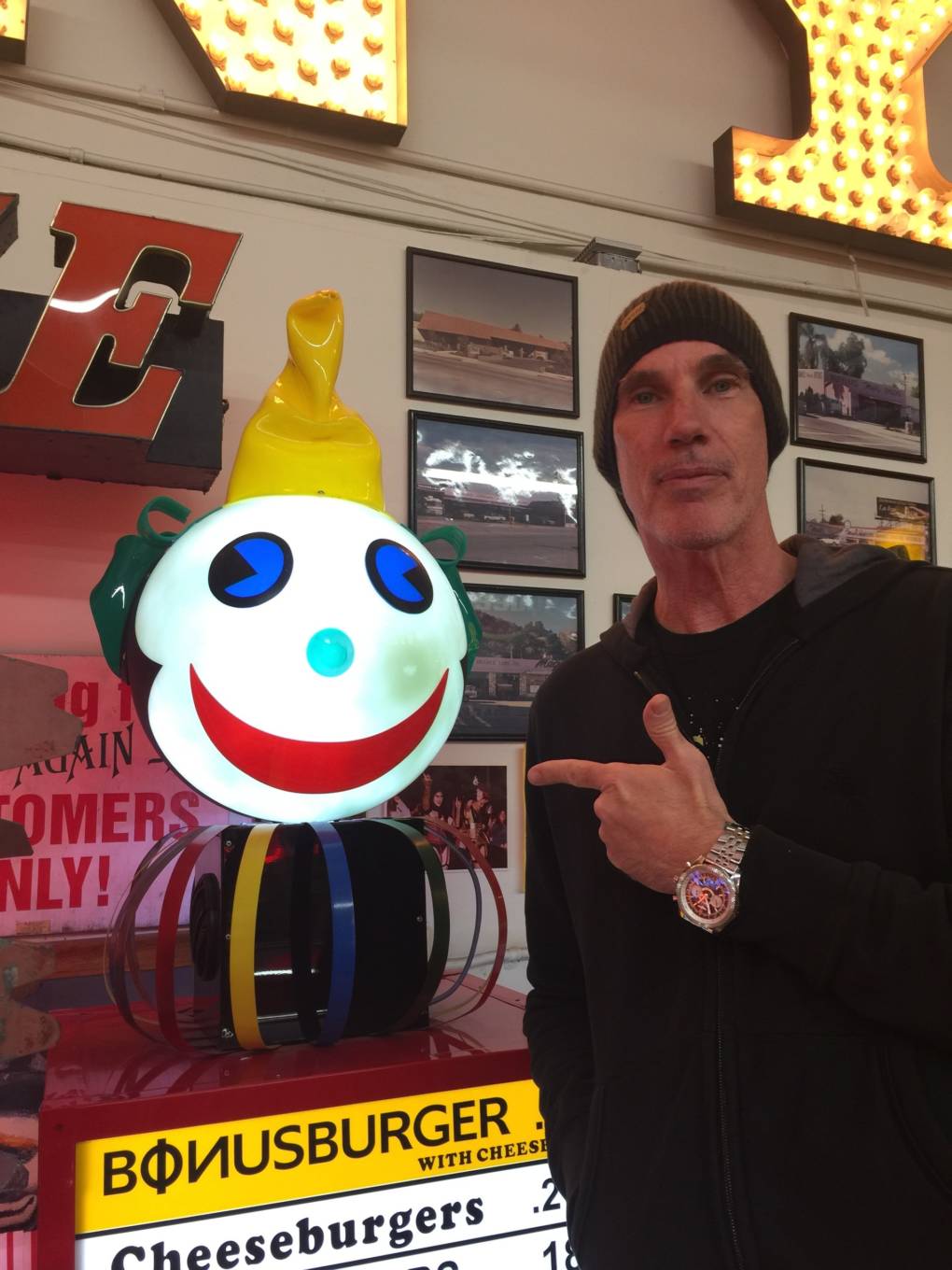
"caption": "Valley Relics Museum founder and curator Tommy Gelinas.",
"description": null,
"title": "RS30471_IMG_5034-qut",
"credit": "Peter Gilstrap/KQED",
"status": "inherit",
"isLoading": false,
"fetchFailed": false
},
"news_11675097": {
"type": "attachments",
"id": "news_11675097",
"meta": {
"index": "attachments_1716263798",
"site": "news",
"id": "11675097",
"found": true
},
"parent": 11674177,
"imgSizes": {
"small": {
"file": "https://ww2.kqed.org/app/uploads/sites/10/2018/06/RS31463_DSC_1586-qut-520x345.jpg",
"width": 520,
"mimeType": "image/jpeg",
"height": 345
},
"twentyfourteen-full-width": {
"file": "https://ww2.kqed.org/app/uploads/sites/10/2018/06/RS31463_DSC_1586-qut-1038x576.jpg",
"width": 1038,
"mimeType": "image/jpeg",
"height": 576
},
"thumbnail": {
"file": "https://ww2.kqed.org/app/uploads/sites/10/2018/06/RS31463_DSC_1586-qut-160x106.jpg",
"width": 160,
"mimeType": "image/jpeg",
"height": 106
},
"fd-sm": {
"file": "https://ww2.kqed.org/app/uploads/sites/10/2018/06/RS31463_DSC_1586-qut-960x636.jpg",
"width": 960,
"mimeType": "image/jpeg",
"height": 636
},
"post-thumbnail": {
"file": "https://ww2.kqed.org/app/uploads/sites/10/2018/06/RS31463_DSC_1586-qut-672x372.jpg",
"width": 672,
"mimeType": "image/jpeg",
"height": 372
},
"xsmall": {
"file": "https://ww2.kqed.org/app/uploads/sites/10/2018/06/RS31463_DSC_1586-qut-375x248.jpg",
"width": 375,
"mimeType": "image/jpeg",
"height": 248
},
"kqedFullSize": {
"file": "https://ww2.kqed.org/app/uploads/sites/10/2018/06/RS31463_DSC_1586-qut.jpg",
"width": 1920,
"height": 1272
},
"large": {
"file": "https://ww2.kqed.org/app/uploads/sites/10/2018/06/RS31463_DSC_1586-qut-1020x676.jpg",
"width": 1020,
"mimeType": "image/jpeg",
"height": 676
},
"xlarge": {
"file": "https://ww2.kqed.org/app/uploads/sites/10/2018/06/RS31463_DSC_1586-qut-1180x782.jpg",
"width": 1180,
"mimeType": "image/jpeg",
"height": 782
},
"complete_open_graph": {
"file": "https://ww2.kqed.org/app/uploads/sites/10/2018/06/RS31463_DSC_1586-qut-1200x795.jpg",
"width": 1200,
"mimeType": "image/jpeg",
"height": 795
},
"guest-author-50": {
"file": "https://ww2.kqed.org/app/uploads/sites/10/2018/06/RS31463_DSC_1586-qut-50x50.jpg",
"width": 50,
"mimeType": "image/jpeg",
"height": 50
},
"guest-author-96": {
"file": "https://ww2.kqed.org/app/uploads/sites/10/2018/06/RS31463_DSC_1586-qut-96x96.jpg",
"width": 96,
"mimeType": "image/jpeg",
"height": 96
},
"medium": {
"file": "https://ww2.kqed.org/app/uploads/sites/10/2018/06/RS31463_DSC_1586-qut-800x530.jpg",
"width": 800,
"mimeType": "image/jpeg",
"height": 530
},
"guest-author-64": {
"file": "https://ww2.kqed.org/app/uploads/sites/10/2018/06/RS31463_DSC_1586-qut-64x64.jpg",
"width": 64,
"mimeType": "image/jpeg",
"height": 64
},
"guest-author-32": {
"file": "https://ww2.kqed.org/app/uploads/sites/10/2018/06/RS31463_DSC_1586-qut-32x32.jpg",
"width": 32,
"mimeType": "image/jpeg",
"height": 32
},
"fd-lrg": {
"file": "https://ww2.kqed.org/app/uploads/sites/10/2018/06/RS31463_DSC_1586-qut-1920x1272.jpg",
"width": 1920,
"mimeType": "image/jpeg",
"height": 1272
},
"fd-med": {
"file": "https://ww2.kqed.org/app/uploads/sites/10/2018/06/RS31463_DSC_1586-qut-1180x782.jpg",
"width": 1180,
"mimeType": "image/jpeg",
"height": 782
},
"full-width": {
"file": "https://ww2.kqed.org/app/uploads/sites/10/2018/06/RS31463_DSC_1586-qut-1920x1272.jpg",
"width": 1920,
"mimeType": "image/jpeg",
"height": 1272
},
"detail": {
"file": "https://ww2.kqed.org/app/uploads/sites/10/2018/06/RS31463_DSC_1586-qut-150x150.jpg",
"width": 150,
"mimeType": "image/jpeg",
"height": 150
},
"guest-author-128": {
"file": "https://ww2.kqed.org/app/uploads/sites/10/2018/06/RS31463_DSC_1586-qut-128x128.jpg",
"width": 128,
"mimeType": "image/jpeg",
"height": 128
},
"xxsmall": {
"file": "https://ww2.kqed.org/app/uploads/sites/10/2018/06/RS31463_DSC_1586-qut-240x159.jpg",
"width": 240,
"mimeType": "image/jpeg",
"height": 159
}
},
"publishDate": 1529084784,
"modified": 1529706613,
"caption": "The Bach Dancing & Dynamite Society in Half Moon Bay grew out of the impromptu jazz concerts Pete Douglas would throw in his living room.",
"description": "The Bach Dancing and Dynamite Society in Half Moon Bay grew out of the impromptu jazz concerts Pete Douglas would throw in his living room.",
"title": "RS31463_DSC_1586-qut",
"credit": "Ryan Levi/KQED",
"status": "inherit",
"isLoading": false,
"fetchFailed": false
},
"news_11674194": {
"type": "attachments",
"id": "news_11674194",
"meta": {
"index": "attachments_1716263798",
"site": "news",
"id": "11674194",
"found": true
},
"parent": 11674191,
"imgSizes": {
"small": {
"file": "https://ww2.kqed.org/app/uploads/sites/10/2018/06/fosters-1-e1526428475762-1038x576-520x289.jpg",
"width": 520,
"mimeType": "image/jpeg",
"height": 289
},
"thumbnail": {
"file": "https://ww2.kqed.org/app/uploads/sites/10/2018/06/fosters-1-e1526428475762-1038x576-160x89.jpg",
"width": 160,
"mimeType": "image/jpeg",
"height": 89
},
"fd-sm": {
"file": "https://ww2.kqed.org/app/uploads/sites/10/2018/06/fosters-1-e1526428475762-1038x576-960x533.jpg",
"width": 960,
"mimeType": "image/jpeg",
"height": 533
},
"post-thumbnail": {
"file": "https://ww2.kqed.org/app/uploads/sites/10/2018/06/fosters-1-e1526428475762-1038x576-672x372.jpg",
"width": 672,
"mimeType": "image/jpeg",
"height": 372
},
"xsmall": {
"file": "https://ww2.kqed.org/app/uploads/sites/10/2018/06/fosters-1-e1526428475762-1038x576-375x208.jpg",
"width": 375,
"mimeType": "image/jpeg",
"height": 208
},
"kqedFullSize": {
"file": "https://ww2.kqed.org/app/uploads/sites/10/2018/06/fosters-1-e1526428475762-1038x576.jpg",
"width": 1038,
"height": 576
},
"large": {
"file": "https://ww2.kqed.org/app/uploads/sites/10/2018/06/fosters-1-e1526428475762-1038x576-1020x566.jpg",
"width": 1020,
"mimeType": "image/jpeg",
"height": 566
},
"guest-author-50": {
"file": "https://ww2.kqed.org/app/uploads/sites/10/2018/06/fosters-1-e1526428475762-1038x576-50x50.jpg",
"width": 50,
"mimeType": "image/jpeg",
"height": 50
},
"guest-author-96": {
"file": "https://ww2.kqed.org/app/uploads/sites/10/2018/06/fosters-1-e1526428475762-1038x576-96x96.jpg",
"width": 96,
"mimeType": "image/jpeg",
"height": 96
},
"medium": {
"file": "https://ww2.kqed.org/app/uploads/sites/10/2018/06/fosters-1-e1526428475762-1038x576-800x444.jpg",
"width": 800,
"mimeType": "image/jpeg",
"height": 444
},
"guest-author-64": {
"file": "https://ww2.kqed.org/app/uploads/sites/10/2018/06/fosters-1-e1526428475762-1038x576-64x64.jpg",
"width": 64,
"mimeType": "image/jpeg",
"height": 64
},
"guest-author-32": {
"file": "https://ww2.kqed.org/app/uploads/sites/10/2018/06/fosters-1-e1526428475762-1038x576-32x32.jpg",
"width": 32,
"mimeType": "image/jpeg",
"height": 32
},
"detail": {
"file": "https://ww2.kqed.org/app/uploads/sites/10/2018/06/fosters-1-e1526428475762-1038x576-150x150.jpg",
"width": 150,
"mimeType": "image/jpeg",
"height": 150
},
"guest-author-128": {
"file": "https://ww2.kqed.org/app/uploads/sites/10/2018/06/fosters-1-e1526428475762-1038x576-128x128.jpg",
"width": 128,
"mimeType": "image/jpeg",
"height": 128
},
"xxsmall": {
"file": "https://ww2.kqed.org/app/uploads/sites/10/2018/06/fosters-1-e1526428475762-1038x576-240x133.jpg",
"width": 240,
"mimeType": "image/jpeg",
"height": 133
}
},
"publishDate": 1528749915,
"modified": 1529707303,
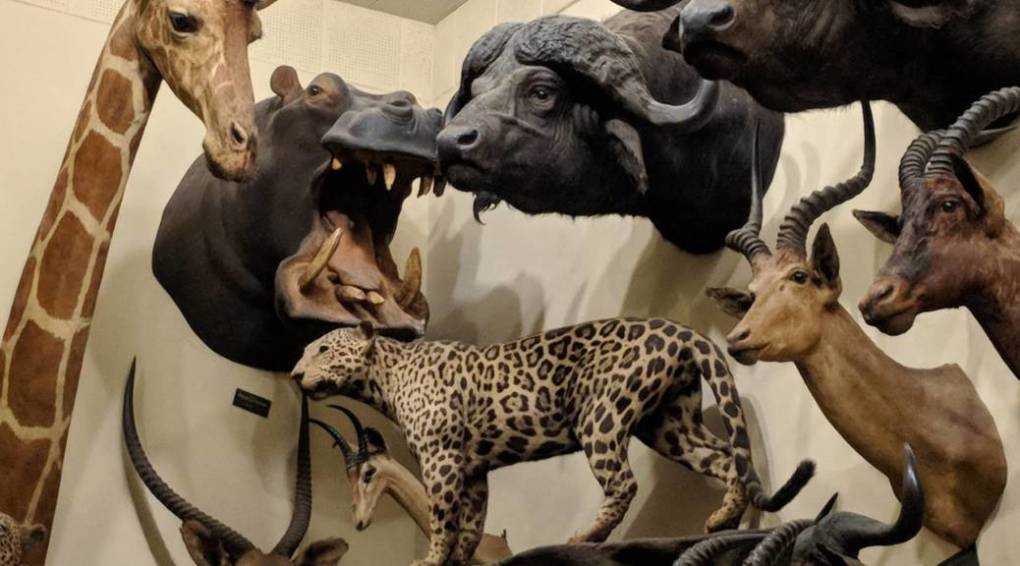
"caption": "Part of a wall at Foster's Bighorn, a restaurant and bar in Rio Vista that houses an enormous collection of taxidermied animals.",
"description": "Part of a wall at Foster's Bighorn, a restaurant and bar in Rio Vista which houses an enormous collection of taxidermied animals.",
"title": "fosters-1-e1526428475762-1038x576",
"credit": "Courtesy of Jim Ratcliffe",
"status": "inherit",
"isLoading": false,
"fetchFailed": false
},
"news_11676616": {
"type": "attachments",
"id": "news_11676616",
"meta": {
"index": "attachments_1716263798",
"site": "news",
"id": "11676616",
"found": true
},
"parent": 11675549,
"imgSizes": {
"small": {
"file": "https://ww2.kqed.org/app/uploads/sites/10/2018/06/RS31465_DSC_1581-qut-800x530-1-520x345.jpg",
"width": 520,
"mimeType": "image/jpeg",
"height": 345
},
"thumbnail": {
"file": "https://ww2.kqed.org/app/uploads/sites/10/2018/06/RS31465_DSC_1581-qut-800x530-1-160x106.jpg",
"width": 160,
"mimeType": "image/jpeg",
"height": 106
},
"post-thumbnail": {
"file": "https://ww2.kqed.org/app/uploads/sites/10/2018/06/RS31465_DSC_1581-qut-800x530-1-672x372.jpg",
"width": 672,
"mimeType": "image/jpeg",
"height": 372
},
"xsmall": {
"file": "https://ww2.kqed.org/app/uploads/sites/10/2018/06/RS31465_DSC_1581-qut-800x530-1-375x248.jpg",
"width": 375,
"mimeType": "image/jpeg",
"height": 248
},
"kqedFullSize": {
"file": "https://ww2.kqed.org/app/uploads/sites/10/2018/06/RS31465_DSC_1581-qut-800x530-1.jpg",
"width": 800,
"height": 530
},
"guest-author-50": {
"file": "https://ww2.kqed.org/app/uploads/sites/10/2018/06/RS31465_DSC_1581-qut-800x530-1-50x50.jpg",
"width": 50,
"mimeType": "image/jpeg",
"height": 50
},
"guest-author-96": {
"file": "https://ww2.kqed.org/app/uploads/sites/10/2018/06/RS31465_DSC_1581-qut-800x530-1-96x96.jpg",
"width": 96,
"mimeType": "image/jpeg",
"height": 96
},
"medium": {
"file": "https://ww2.kqed.org/app/uploads/sites/10/2018/06/RS31465_DSC_1581-qut-800x530-1-800x530.jpg",
"width": 800,
"mimeType": "image/jpeg",
"height": 530
},
"guest-author-64": {
"file": "https://ww2.kqed.org/app/uploads/sites/10/2018/06/RS31465_DSC_1581-qut-800x530-1-64x64.jpg",
"width": 64,
"mimeType": "image/jpeg",
"height": 64
},
"guest-author-32": {
"file": "https://ww2.kqed.org/app/uploads/sites/10/2018/06/RS31465_DSC_1581-qut-800x530-1-32x32.jpg",
"width": 32,
"mimeType": "image/jpeg",
"height": 32
},
"detail": {
"file": "https://ww2.kqed.org/app/uploads/sites/10/2018/06/RS31465_DSC_1581-qut-800x530-1-150x150.jpg",
"width": 150,
"mimeType": "image/jpeg",
"height": 150
},
"guest-author-128": {
"file": "https://ww2.kqed.org/app/uploads/sites/10/2018/06/RS31465_DSC_1581-qut-800x530-1-128x128.jpg",
"width": 128,
"mimeType": "image/jpeg",
"height": 128
},
"xxsmall": {
"file": "https://ww2.kqed.org/app/uploads/sites/10/2018/06/RS31465_DSC_1581-qut-800x530-1-240x159.jpg",
"width": 240,
"mimeType": "image/jpeg",
"height": 159
}
},
"publishDate": 1529703728,
"modified": 1529710337,
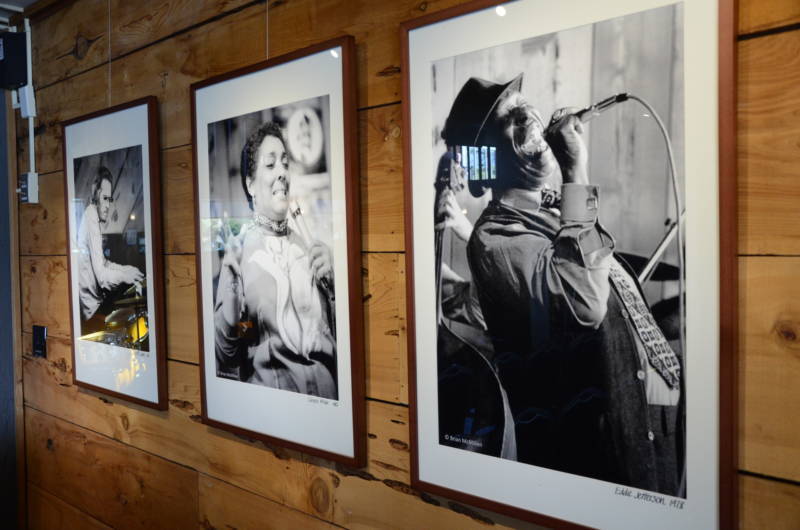
"caption": "Photos of jazz greats including Carmen McRae, Bill Evans and Eddie Jackson line the wood-paneled walls of the present-day Bach Dancing and Dynamite Society concert room in Half Moon Bay.\n",
"description": null,
"title": "RS31465_DSC_1581-qut-800x530",
"credit": "Ryan Levi/KQED",
"status": "inherit",
"isLoading": false,
"fetchFailed": false
},
"news_11676556": {
"type": "attachments",
"id": "news_11676556",
"meta": {
"index": "attachments_1716263798",
"site": "news",
"id": "11676556",
"found": true
},
"parent": 11676412,
"imgSizes": {
"small": {
"file": "https://ww2.kqed.org/app/uploads/sites/10/2018/06/GettyImages-800808564-520x322.jpg",
"width": 520,
"mimeType": "image/jpeg",
"height": 322
},
"twentyfourteen-full-width": {
"file": "https://ww2.kqed.org/app/uploads/sites/10/2018/06/GettyImages-800808564-1038x576.jpg",
"width": 1038,
"mimeType": "image/jpeg",
"height": 576
},
"thumbnail": {
"file": "https://ww2.kqed.org/app/uploads/sites/10/2018/06/GettyImages-800808564-160x99.jpg",
"width": 160,
"mimeType": "image/jpeg",
"height": 99
},
"fd-sm": {
"file": "https://ww2.kqed.org/app/uploads/sites/10/2018/06/GettyImages-800808564-960x594.jpg",
"width": 960,
"mimeType": "image/jpeg",
"height": 594
},
"post-thumbnail": {
"file": "https://ww2.kqed.org/app/uploads/sites/10/2018/06/GettyImages-800808564-672x372.jpg",
"width": 672,
"mimeType": "image/jpeg",
"height": 372
},
"xsmall": {
"file": "https://ww2.kqed.org/app/uploads/sites/10/2018/06/GettyImages-800808564-375x232.jpg",
"width": 375,
"mimeType": "image/jpeg",
"height": 232
},
"kqedFullSize": {
"file": "https://ww2.kqed.org/app/uploads/sites/10/2018/06/GettyImages-800808564-e1529697077579.jpg",
"width": 1920,
"height": 1188
},
"large": {
"file": "https://ww2.kqed.org/app/uploads/sites/10/2018/06/GettyImages-800808564-1020x631.jpg",
"width": 1020,
"mimeType": "image/jpeg",
"height": 631
},
"xlarge": {
"file": "https://ww2.kqed.org/app/uploads/sites/10/2018/06/GettyImages-800808564-1180x730.jpg",
"width": 1180,
"mimeType": "image/jpeg",
"height": 730
},
"complete_open_graph": {
"file": "https://ww2.kqed.org/app/uploads/sites/10/2018/06/GettyImages-800808564-1200x743.jpg",
"width": 1200,
"mimeType": "image/jpeg",
"height": 743
},
"guest-author-50": {
"file": "https://ww2.kqed.org/app/uploads/sites/10/2018/06/GettyImages-800808564-50x50.jpg",
"width": 50,
"mimeType": "image/jpeg",
"height": 50
},
"guest-author-96": {
"file": "https://ww2.kqed.org/app/uploads/sites/10/2018/06/GettyImages-800808564-96x96.jpg",
"width": 96,
"mimeType": "image/jpeg",
"height": 96
},
"medium": {
"file": "https://ww2.kqed.org/app/uploads/sites/10/2018/06/GettyImages-800808564-800x495.jpg",
"width": 800,
"mimeType": "image/jpeg",
"height": 495
},
"guest-author-64": {
"file": "https://ww2.kqed.org/app/uploads/sites/10/2018/06/GettyImages-800808564-64x64.jpg",
"width": 64,
"mimeType": "image/jpeg",
"height": 64
},
"guest-author-32": {
"file": "https://ww2.kqed.org/app/uploads/sites/10/2018/06/GettyImages-800808564-32x32.jpg",
"width": 32,
"mimeType": "image/jpeg",
"height": 32
},
"fd-lrg": {
"file": "https://ww2.kqed.org/app/uploads/sites/10/2018/06/GettyImages-800808564-1920x1188.jpg",
"width": 1920,
"mimeType": "image/jpeg",
"height": 1188
},
"fd-med": {
"file": "https://ww2.kqed.org/app/uploads/sites/10/2018/06/GettyImages-800808564-1180x730.jpg",
"width": 1180,
"mimeType": "image/jpeg",
"height": 730
},
"full-width": {
"file": "https://ww2.kqed.org/app/uploads/sites/10/2018/06/GettyImages-800808564-1920x1188.jpg",
"width": 1920,
"mimeType": "image/jpeg",
"height": 1188
},
"detail": {
"file": "https://ww2.kqed.org/app/uploads/sites/10/2018/06/GettyImages-800808564-150x150.jpg",
"width": 150,
"mimeType": "image/jpeg",
"height": 150
},
"guest-author-128": {
"file": "https://ww2.kqed.org/app/uploads/sites/10/2018/06/GettyImages-800808564-128x128.jpg",
"width": 128,
"mimeType": "image/jpeg",
"height": 128
},
"xxsmall": {
"file": "https://ww2.kqed.org/app/uploads/sites/10/2018/06/GettyImages-800808564-240x149.jpg",
"width": 240,
"mimeType": "image/jpeg",
"height": 149
}
},
"publishDate": 1529697021,
"modified": 1529705206,
"caption": "People participate in the San Francisco Pride Parade in San Francisco, California, on June 25, 2017.",
"description": "People participate in the San Francisco Pride parade in San Francisco, California on June 25, 2017.",
"title": "US-SAN FRANCISCO-PRIDE-MARCH-homosexuality-demonstration",
"credit": "JOSH EDELSON/AFP/Getty Images",
"status": "inherit",
"isLoading": false,
"fetchFailed": false
},
"news_11676176": {
"type": "attachments",
"id": "news_11676176",
"meta": {
"index": "attachments_1716263798",
"site": "news",
"id": "11676176",
"found": true
},
"parent": 11674280,
"imgSizes": {
"small": {
"file": "https://ww2.kqed.org/app/uploads/sites/10/2018/06/pointreyesthing-520x293.jpg",
"width": 520,
"mimeType": "image/jpeg",
"height": 293
},
"thumbnail": {
"file": "https://ww2.kqed.org/app/uploads/sites/10/2018/06/pointreyesthing-160x90.jpg",
"width": 160,
"mimeType": "image/jpeg",
"height": 90
},
"post-thumbnail": {
"file": "https://ww2.kqed.org/app/uploads/sites/10/2018/06/pointreyesthing-672x372.jpg",
"width": 672,
"mimeType": "image/jpeg",
"height": 372
},
"xsmall": {
"file": "https://ww2.kqed.org/app/uploads/sites/10/2018/06/pointreyesthing-375x211.jpg",
"width": 375,
"mimeType": "image/jpeg",
"height": 211
},
"kqedFullSize": {
"file": "https://ww2.kqed.org/app/uploads/sites/10/2018/06/pointreyesthing.jpg",
"width": 796,
"height": 448
},
"guest-author-50": {
"file": "https://ww2.kqed.org/app/uploads/sites/10/2018/06/pointreyesthing-50x50.jpg",
"width": 50,
"mimeType": "image/jpeg",
"height": 50
},
"guest-author-96": {
"file": "https://ww2.kqed.org/app/uploads/sites/10/2018/06/pointreyesthing-96x96.jpg",
"width": 96,
"mimeType": "image/jpeg",
"height": 96
},
"guest-author-64": {
"file": "https://ww2.kqed.org/app/uploads/sites/10/2018/06/pointreyesthing-64x64.jpg",
"width": 64,
"mimeType": "image/jpeg",
"height": 64
},
"detail": {
"file": "https://ww2.kqed.org/app/uploads/sites/10/2018/06/pointreyesthing-150x150.jpg",
"width": 150,
"mimeType": "image/jpeg",
"height": 150
},
"guest-author-32": {
"file": "https://ww2.kqed.org/app/uploads/sites/10/2018/06/pointreyesthing-32x32.jpg",
"width": 32,
"mimeType": "image/jpeg",
"height": 32
},
"guest-author-128": {
"file": "https://ww2.kqed.org/app/uploads/sites/10/2018/06/pointreyesthing-128x128.jpg",
"width": 128,
"mimeType": "image/jpeg",
"height": 128
},
"xxsmall": {
"file": "https://ww2.kqed.org/app/uploads/sites/10/2018/06/pointreyesthing-240x135.jpg",
"width": 240,
"mimeType": "image/jpeg",
"height": 135
}
},
"publishDate": 1529539885,
"modified": 1529539885,
"caption": null,
"description": null,
"title": "pointreyesthing",
"credit": null,
"status": "inherit",
"isLoading": false,
"fetchFailed": false
},
"news_11675864": {
"type": "attachments",
"id": "news_11675864",
"meta": {
"index": "attachments_1716263798",
"site": "news",
"id": "11675864",
"found": true
},
"parent": 11675851,
"imgSizes": {
"small": {
"file": "https://ww2.kqed.org/app/uploads/sites/10/2018/06/RS27116_Hollywood-TC-qut-520x347.jpg",
"width": 520,
"mimeType": "image/jpeg",
"height": 347
},
"twentyfourteen-full-width": {
"file": "https://ww2.kqed.org/app/uploads/sites/10/2018/06/RS27116_Hollywood-TC-qut-1038x576.jpg",
"width": 1038,
"mimeType": "image/jpeg",
"height": 576
},
"thumbnail": {
"file": "https://ww2.kqed.org/app/uploads/sites/10/2018/06/RS27116_Hollywood-TC-qut-160x107.jpg",
"width": 160,
"mimeType": "image/jpeg",
"height": 107
},
"fd-sm": {
"file": "https://ww2.kqed.org/app/uploads/sites/10/2018/06/RS27116_Hollywood-TC-qut-960x640.jpg",
"width": 960,
"mimeType": "image/jpeg",
"height": 640
},
"post-thumbnail": {
"file": "https://ww2.kqed.org/app/uploads/sites/10/2018/06/RS27116_Hollywood-TC-qut-672x372.jpg",
"width": 672,
"mimeType": "image/jpeg",
"height": 372
},
"xsmall": {
"file": "https://ww2.kqed.org/app/uploads/sites/10/2018/06/RS27116_Hollywood-TC-qut-375x250.jpg",
"width": 375,
"mimeType": "image/jpeg",
"height": 250
},
"kqedFullSize": {
"file": "https://ww2.kqed.org/app/uploads/sites/10/2018/06/RS27116_Hollywood-TC-qut.jpg",
"width": 1920,
"height": 1280
},
"large": {
"file": "https://ww2.kqed.org/app/uploads/sites/10/2018/06/RS27116_Hollywood-TC-qut-1020x680.jpg",
"width": 1020,
"mimeType": "image/jpeg",
"height": 680
},
"xlarge": {
"file": "https://ww2.kqed.org/app/uploads/sites/10/2018/06/RS27116_Hollywood-TC-qut-1180x787.jpg",
"width": 1180,
"mimeType": "image/jpeg",
"height": 787
},
"complete_open_graph": {
"file": "https://ww2.kqed.org/app/uploads/sites/10/2018/06/RS27116_Hollywood-TC-qut-1200x800.jpg",
"width": 1200,
"mimeType": "image/jpeg",
"height": 800
},
"guest-author-50": {
"file": "https://ww2.kqed.org/app/uploads/sites/10/2018/06/RS27116_Hollywood-TC-qut-50x50.jpg",
"width": 50,
"mimeType": "image/jpeg",
"height": 50
},
"guest-author-96": {
"file": "https://ww2.kqed.org/app/uploads/sites/10/2018/06/RS27116_Hollywood-TC-qut-96x96.jpg",
"width": 96,
"mimeType": "image/jpeg",
"height": 96
},
"medium": {
"file": "https://ww2.kqed.org/app/uploads/sites/10/2018/06/RS27116_Hollywood-TC-qut-800x533.jpg",
"width": 800,
"mimeType": "image/jpeg",
"height": 533
},
"guest-author-64": {
"file": "https://ww2.kqed.org/app/uploads/sites/10/2018/06/RS27116_Hollywood-TC-qut-64x64.jpg",
"width": 64,
"mimeType": "image/jpeg",
"height": 64
},
"guest-author-32": {
"file": "https://ww2.kqed.org/app/uploads/sites/10/2018/06/RS27116_Hollywood-TC-qut-32x32.jpg",
"width": 32,
"mimeType": "image/jpeg",
"height": 32
},
"fd-lrg": {
"file": "https://ww2.kqed.org/app/uploads/sites/10/2018/06/RS27116_Hollywood-TC-qut-1920x1280.jpg",
"width": 1920,
"mimeType": "image/jpeg",
"height": 1280
},
"fd-med": {
"file": "https://ww2.kqed.org/app/uploads/sites/10/2018/06/RS27116_Hollywood-TC-qut-1180x787.jpg",
"width": 1180,
"mimeType": "image/jpeg",
"height": 787
},
"full-width": {
"file": "https://ww2.kqed.org/app/uploads/sites/10/2018/06/RS27116_Hollywood-TC-qut-1920x1280.jpg",
"width": 1920,
"mimeType": "image/jpeg",
"height": 1280
},
"detail": {
"file": "https://ww2.kqed.org/app/uploads/sites/10/2018/06/RS27116_Hollywood-TC-qut-150x150.jpg",
"width": 150,
"mimeType": "image/jpeg",
"height": 150
},
"guest-author-128": {
"file": "https://ww2.kqed.org/app/uploads/sites/10/2018/06/RS27116_Hollywood-TC-qut-128x128.jpg",
"width": 128,
"mimeType": "image/jpeg",
"height": 128
},
"xxsmall": {
"file": "https://ww2.kqed.org/app/uploads/sites/10/2018/06/RS27116_Hollywood-TC-qut-240x160.jpg",
"width": 240,
"mimeType": "image/jpeg",
"height": 160
}
},
"publishDate": 1529442802,
"modified": 1529442841,
"caption": "Hollywood has been grappling with discrimination and harassment issues.",
"description": "Hollywood has been grappling with discrimination and harassment issues.",
"title": "Hollywood Sign Repainting Project Completed With LA Mayor Antonio Villaraigosa",
"credit": "David Livingston/Getty Images",
"status": "inherit",
"isLoading": false,
"fetchFailed": false
},
"news_11675349": {
"type": "attachments",
"id": "news_11675349",
"meta": {
"index": "attachments_1716263798",
"site": "news",
"id": "11675349",
"found": true
},
"parent": 11675338,
"imgSizes": {
"small": {
"file": "https://ww2.kqed.org/app/uploads/sites/10/2018/06/IMG_6532-520x347.jpg",
"width": 520,
"mimeType": "image/jpeg",
"height": 347
},
"twentyfourteen-full-width": {
"file": "https://ww2.kqed.org/app/uploads/sites/10/2018/06/IMG_6532-1038x576.jpg",
"width": 1038,
"mimeType": "image/jpeg",
"height": 576
},
"thumbnail": {
"file": "https://ww2.kqed.org/app/uploads/sites/10/2018/06/IMG_6532-160x107.jpg",
"width": 160,
"mimeType": "image/jpeg",
"height": 107
},
"fd-sm": {
"file": "https://ww2.kqed.org/app/uploads/sites/10/2018/06/IMG_6532-960x640.jpg",
"width": 960,
"mimeType": "image/jpeg",
"height": 640
},
"post-thumbnail": {
"file": "https://ww2.kqed.org/app/uploads/sites/10/2018/06/IMG_6532-672x372.jpg",
"width": 672,
"mimeType": "image/jpeg",
"height": 372
},
"xsmall": {
"file": "https://ww2.kqed.org/app/uploads/sites/10/2018/06/IMG_6532-375x250.jpg",
"width": 375,
"mimeType": "image/jpeg",
"height": 250
},
"kqedFullSize": {
"file": "https://ww2.kqed.org/app/uploads/sites/10/2018/06/IMG_6532-e1529249375934.jpg",
"width": 1920,
"height": 1280
},
"large": {
"file": "https://ww2.kqed.org/app/uploads/sites/10/2018/06/IMG_6532-1020x680.jpg",
"width": 1020,
"mimeType": "image/jpeg",
"height": 680
},
"xlarge": {
"file": "https://ww2.kqed.org/app/uploads/sites/10/2018/06/IMG_6532-1180x787.jpg",
"width": 1180,
"mimeType": "image/jpeg",
"height": 787
},
"complete_open_graph": {
"file": "https://ww2.kqed.org/app/uploads/sites/10/2018/06/IMG_6532-1200x800.jpg",
"width": 1200,
"mimeType": "image/jpeg",
"height": 800
},
"guest-author-50": {
"file": "https://ww2.kqed.org/app/uploads/sites/10/2018/06/IMG_6532-50x50.jpg",
"width": 50,
"mimeType": "image/jpeg",
"height": 50
},
"guest-author-96": {
"file": "https://ww2.kqed.org/app/uploads/sites/10/2018/06/IMG_6532-96x96.jpg",
"width": 96,
"mimeType": "image/jpeg",
"height": 96
},
"medium": {
"file": "https://ww2.kqed.org/app/uploads/sites/10/2018/06/IMG_6532-800x533.jpg",
"width": 800,
"mimeType": "image/jpeg",
"height": 533
},
"guest-author-64": {
"file": "https://ww2.kqed.org/app/uploads/sites/10/2018/06/IMG_6532-64x64.jpg",
"width": 64,
"mimeType": "image/jpeg",
"height": 64
},
"guest-author-32": {
"file": "https://ww2.kqed.org/app/uploads/sites/10/2018/06/IMG_6532-32x32.jpg",
"width": 32,
"mimeType": "image/jpeg",
"height": 32
},
"fd-lrg": {
"file": "https://ww2.kqed.org/app/uploads/sites/10/2018/06/IMG_6532-1920x1280.jpg",
"width": 1920,
"mimeType": "image/jpeg",
"height": 1280
},
"fd-med": {
"file": "https://ww2.kqed.org/app/uploads/sites/10/2018/06/IMG_6532-1180x787.jpg",
"width": 1180,
"mimeType": "image/jpeg",
"height": 787
},
"full-width": {
"file": "https://ww2.kqed.org/app/uploads/sites/10/2018/06/IMG_6532-1920x1280.jpg",
"width": 1920,
"mimeType": "image/jpeg",
"height": 1280
},
"detail": {
"file": "https://ww2.kqed.org/app/uploads/sites/10/2018/06/IMG_6532-150x150.jpg",
"width": 150,
"mimeType": "image/jpeg",
"height": 150
},
"guest-author-128": {
"file": "https://ww2.kqed.org/app/uploads/sites/10/2018/06/IMG_6532-128x128.jpg",
"width": 128,
"mimeType": "image/jpeg",
"height": 128
},
"xxsmall": {
"file": "https://ww2.kqed.org/app/uploads/sites/10/2018/06/IMG_6532-240x160.jpg",
"width": 240,
"mimeType": "image/jpeg",
"height": 160
}
},
"publishDate": 1529184002,
"modified": 1529249409,
"caption": "Wilbert McAllister President of Oakland Black Cowboys Association introduces pony, Martin Luther, to San Francisco Juneteenth-attendee Irina Dalian alongside Yolanda Williams of the San Francisco Police Officer's Association. McAllister says Martin Luther is here to honor \"fallen cowgirl\" Rachel Townsend, longtime event organizer who passed away earlier this year.",
"description": "Wilbert McAllister President of Oakland Black Cowboys Association introduces pony, Martin Luther, to San Francisco Juneteenth-attendee Irina Dalian alongside Yolanda Williams of the San Francisco Police Officer's Association. McAllister says Martin Luther is here to honor \"fallen cowgirl\" Rachel Townsend, longtime event organizer who passed away earlier this year.",
"title": "IMG_6532",
"credit": "Sara Hossaini/KQED",
"status": "inherit",
"isLoading": false,
"fetchFailed": false
},
"news_11675333": {
"type": "attachments",
"id": "news_11675333",
"meta": {
"index": "attachments_1716263798",
"site": "news",
"id": "11675333",
"found": true
},
"parent": 11675312,
"imgSizes": {
"small": {
"file": "https://ww2.kqed.org/app/uploads/sites/10/2018/06/IMG_8674-1-520x380.jpg",
"width": 520,
"mimeType": "image/jpeg",
"height": 380
},
"twentyfourteen-full-width": {
"file": "https://ww2.kqed.org/app/uploads/sites/10/2018/06/IMG_8674-1-1038x576.jpg",
"width": 1038,
"mimeType": "image/jpeg",
"height": 576
},
"thumbnail": {
"file": "https://ww2.kqed.org/app/uploads/sites/10/2018/06/IMG_8674-1-160x117.jpg",
"width": 160,
"mimeType": "image/jpeg",
"height": 117
},
"fd-sm": {
"file": "https://ww2.kqed.org/app/uploads/sites/10/2018/06/IMG_8674-1-960x701.jpg",
"width": 960,
"mimeType": "image/jpeg",
"height": 701
},
"post-thumbnail": {
"file": "https://ww2.kqed.org/app/uploads/sites/10/2018/06/IMG_8674-1-672x372.jpg",
"width": 672,
"mimeType": "image/jpeg",
"height": 372
},
"xsmall": {
"file": "https://ww2.kqed.org/app/uploads/sites/10/2018/06/IMG_8674-1-375x274.jpg",
"width": 375,
"mimeType": "image/jpeg",
"height": 274
},
"kqedFullSize": {
"file": "https://ww2.kqed.org/app/uploads/sites/10/2018/06/IMG_8674-1.jpg",
"width": 3383,
"height": 2472
},
"large": {
"file": "https://ww2.kqed.org/app/uploads/sites/10/2018/06/IMG_8674-1-1020x745.jpg",
"width": 1020,
"mimeType": "image/jpeg",
"height": 745
},
"xlarge": {
"file": "https://ww2.kqed.org/app/uploads/sites/10/2018/06/IMG_8674-1-1180x862.jpg",
"width": 1180,
"mimeType": "image/jpeg",
"height": 862
},
"complete_open_graph": {
"file": "https://ww2.kqed.org/app/uploads/sites/10/2018/06/IMG_8674-1-1200x877.jpg",
"width": 1200,
"mimeType": "image/jpeg",
"height": 877
},
"guest-author-50": {
"file": "https://ww2.kqed.org/app/uploads/sites/10/2018/06/IMG_8674-1-50x50.jpg",
"width": 50,
"mimeType": "image/jpeg",
"height": 50
},
"guest-author-96": {
"file": "https://ww2.kqed.org/app/uploads/sites/10/2018/06/IMG_8674-1-96x96.jpg",
"width": 96,
"mimeType": "image/jpeg",
"height": 96
},
"medium": {
"file": "https://ww2.kqed.org/app/uploads/sites/10/2018/06/IMG_8674-1-800x585.jpg",
"width": 800,
"mimeType": "image/jpeg",
"height": 585
},
"guest-author-64": {
"file": "https://ww2.kqed.org/app/uploads/sites/10/2018/06/IMG_8674-1-64x64.jpg",
"width": 64,
"mimeType": "image/jpeg",
"height": 64
},
"guest-author-32": {
"file": "https://ww2.kqed.org/app/uploads/sites/10/2018/06/IMG_8674-1-32x32.jpg",
"width": 32,
"mimeType": "image/jpeg",
"height": 32
},
"fd-lrg": {
"file": "https://ww2.kqed.org/app/uploads/sites/10/2018/06/IMG_8674-1-1920x1403.jpg",
"width": 1920,
"mimeType": "image/jpeg",
"height": 1403
},
"fd-med": {
"file": "https://ww2.kqed.org/app/uploads/sites/10/2018/06/IMG_8674-1-1180x862.jpg",
"width": 1180,
"mimeType": "image/jpeg",
"height": 862
},
"full-width": {
"file": "https://ww2.kqed.org/app/uploads/sites/10/2018/06/IMG_8674-1-1920x1403.jpg",
"width": 1920,
"mimeType": "image/jpeg",
"height": 1403
},
"detail": {
"file": "https://ww2.kqed.org/app/uploads/sites/10/2018/06/IMG_8674-1-150x150.jpg",
"width": 150,
"mimeType": "image/jpeg",
"height": 150
},
"guest-author-128": {
"file": "https://ww2.kqed.org/app/uploads/sites/10/2018/06/IMG_8674-1-128x128.jpg",
"width": 128,
"mimeType": "image/jpeg",
"height": 128
},
"xxsmall": {
"file": "https://ww2.kqed.org/app/uploads/sites/10/2018/06/IMG_8674-1-240x175.jpg",
"width": 240,
"mimeType": "image/jpeg",
"height": 175
}
},
"publishDate": 1529182672,
"modified": 1529182720,
"caption": "Corgi Con brought corgi owners and aficionados from around the Bay Area to Ocean Beach. ",
"description": "Corgi Con brought corgi owners and aficionados from around the Bay Area to Ocean Beach. ",
"title": "IMG_8674 (1)",
"credit": "Bianca Hernandez/KQED",
"status": "inherit",
"isLoading": false,
"fetchFailed": false
},
"news_11674377": {
"type": "attachments",
"id": "news_11674377",
"meta": {
"index": "attachments_1716263798",
"site": "news",
"id": "11674377",
"found": true
},
"parent": 11674282,
"imgSizes": {
"small": {
"file": "https://ww2.kqed.org/app/uploads/sites/10/2018/06/RS31405_WurtzelImage4-qut-520x347.jpg",
"width": 520,
"mimeType": "image/jpeg",
"height": 347
},
"twentyfourteen-full-width": {
"file": "https://ww2.kqed.org/app/uploads/sites/10/2018/06/RS31405_WurtzelImage4-qut-1038x576.jpg",
"width": 1038,
"mimeType": "image/jpeg",
"height": 576
},
"thumbnail": {
"file": "https://ww2.kqed.org/app/uploads/sites/10/2018/06/RS31405_WurtzelImage4-qut-160x107.jpg",
"width": 160,
"mimeType": "image/jpeg",
"height": 107
},
"fd-sm": {
"file": "https://ww2.kqed.org/app/uploads/sites/10/2018/06/RS31405_WurtzelImage4-qut-960x640.jpg",
"width": 960,
"mimeType": "image/jpeg",
"height": 640
},
"post-thumbnail": {
"file": "https://ww2.kqed.org/app/uploads/sites/10/2018/06/RS31405_WurtzelImage4-qut-672x372.jpg",
"width": 672,
"mimeType": "image/jpeg",
"height": 372
},
"xsmall": {
"file": "https://ww2.kqed.org/app/uploads/sites/10/2018/06/RS31405_WurtzelImage4-qut-375x250.jpg",
"width": 375,
"mimeType": "image/jpeg",
"height": 250
},
"kqedFullSize": {
"file": "https://ww2.kqed.org/app/uploads/sites/10/2018/06/RS31405_WurtzelImage4-qut.jpg",
"width": 1920,
"height": 1280
},
"large": {
"file": "https://ww2.kqed.org/app/uploads/sites/10/2018/06/RS31405_WurtzelImage4-qut-1020x680.jpg",
"width": 1020,
"mimeType": "image/jpeg",
"height": 680
},
"xlarge": {
"file": "https://ww2.kqed.org/app/uploads/sites/10/2018/06/RS31405_WurtzelImage4-qut-1180x787.jpg",
"width": 1180,
"mimeType": "image/jpeg",
"height": 787
},
"complete_open_graph": {
"file": "https://ww2.kqed.org/app/uploads/sites/10/2018/06/RS31405_WurtzelImage4-qut-1200x800.jpg",
"width": 1200,
"mimeType": "image/jpeg",
"height": 800
},
"guest-author-50": {
"file": "https://ww2.kqed.org/app/uploads/sites/10/2018/06/RS31405_WurtzelImage4-qut-50x50.jpg",
"width": 50,
"mimeType": "image/jpeg",
"height": 50
},
"guest-author-96": {
"file": "https://ww2.kqed.org/app/uploads/sites/10/2018/06/RS31405_WurtzelImage4-qut-96x96.jpg",
"width": 96,
"mimeType": "image/jpeg",
"height": 96
},
"medium": {
"file": "https://ww2.kqed.org/app/uploads/sites/10/2018/06/RS31405_WurtzelImage4-qut-800x533.jpg",
"width": 800,
"mimeType": "image/jpeg",
"height": 533
},
"guest-author-64": {
"file": "https://ww2.kqed.org/app/uploads/sites/10/2018/06/RS31405_WurtzelImage4-qut-64x64.jpg",
"width": 64,
"mimeType": "image/jpeg",
"height": 64
},
"guest-author-32": {
"file": "https://ww2.kqed.org/app/uploads/sites/10/2018/06/RS31405_WurtzelImage4-qut-32x32.jpg",
"width": 32,
"mimeType": "image/jpeg",
"height": 32
},
"fd-lrg": {
"file": "https://ww2.kqed.org/app/uploads/sites/10/2018/06/RS31405_WurtzelImage4-qut-1920x1280.jpg",
"width": 1920,
"mimeType": "image/jpeg",
"height": 1280
},
"fd-med": {
"file": "https://ww2.kqed.org/app/uploads/sites/10/2018/06/RS31405_WurtzelImage4-qut-1180x787.jpg",
"width": 1180,
"mimeType": "image/jpeg",
"height": 787
},
"full-width": {
"file": "https://ww2.kqed.org/app/uploads/sites/10/2018/06/RS31405_WurtzelImage4-qut-1920x1280.jpg",
"width": 1920,
"mimeType": "image/jpeg",
"height": 1280
},
"detail": {
"file": "https://ww2.kqed.org/app/uploads/sites/10/2018/06/RS31405_WurtzelImage4-qut-150x150.jpg",
"width": 150,
"mimeType": "image/jpeg",
"height": 150
},
"guest-author-128": {
"file": "https://ww2.kqed.org/app/uploads/sites/10/2018/06/RS31405_WurtzelImage4-qut-128x128.jpg",
"width": 128,
"mimeType": "image/jpeg",
"height": 128
},
"xxsmall": {
"file": "https://ww2.kqed.org/app/uploads/sites/10/2018/06/RS31405_WurtzelImage4-qut-240x160.jpg",
"width": 240,
"mimeType": "image/jpeg",
"height": 160
}
},
"publishDate": 1528828119,
"modified": 1529101770,
"caption": "Woodworker George Wurtzel in his woodshop at Enchanted Hills Camp in the Napa Valley.",
"description": null,
"title": "RS31405_WurtzelImage4-qut",
"credit": "Hannah Kingsley-Ma/KQED",
"status": "inherit",
"isLoading": false,
"fetchFailed": false
},
"news_11674979": {
"type": "attachments",
"id": "news_11674979",
"meta": {
"index": "attachments_1716263798",
"site": "news",
"id": "11674979",
"found": true
},
"parent": 11674919,
"imgSizes": {
"small": {
"file": "https://ww2.kqed.org/app/uploads/sites/10/2018/06/RS31436_gowns-behind-bars_v1_current-qut-520x284.jpg",
"width": 520,
"mimeType": "image/jpeg",
"height": 284
},
"twentyfourteen-full-width": {
"file": "https://ww2.kqed.org/app/uploads/sites/10/2018/06/RS31436_gowns-behind-bars_v1_current-qut-1038x576.jpg",
"width": 1038,
"mimeType": "image/jpeg",
"height": 576
},
"thumbnail": {
"file": "https://ww2.kqed.org/app/uploads/sites/10/2018/06/RS31436_gowns-behind-bars_v1_current-qut-160x87.jpg",
"width": 160,
"mimeType": "image/jpeg",
"height": 87
},
"fd-sm": {
"file": "https://ww2.kqed.org/app/uploads/sites/10/2018/06/RS31436_gowns-behind-bars_v1_current-qut-960x524.jpg",
"width": 960,
"mimeType": "image/jpeg",
"height": 524
},
"post-thumbnail": {
"file": "https://ww2.kqed.org/app/uploads/sites/10/2018/06/RS31436_gowns-behind-bars_v1_current-qut-672x372.jpg",
"width": 672,
"mimeType": "image/jpeg",
"height": 372
},
"xsmall": {
"file": "https://ww2.kqed.org/app/uploads/sites/10/2018/06/RS31436_gowns-behind-bars_v1_current-qut-375x205.jpg",
"width": 375,
"mimeType": "image/jpeg",
"height": 205
},
"kqedFullSize": {
"file": "https://ww2.kqed.org/app/uploads/sites/10/2018/06/RS31436_gowns-behind-bars_v1_current-qut.jpg",
"width": 1920,
"height": 1048
},
"large": {
"file": "https://ww2.kqed.org/app/uploads/sites/10/2018/06/RS31436_gowns-behind-bars_v1_current-qut-1020x557.jpg",
"width": 1020,
"mimeType": "image/jpeg",
"height": 557
},
"xlarge": {
"file": "https://ww2.kqed.org/app/uploads/sites/10/2018/06/RS31436_gowns-behind-bars_v1_current-qut-1180x644.jpg",
"width": 1180,
"mimeType": "image/jpeg",
"height": 644
},
"complete_open_graph": {
"file": "https://ww2.kqed.org/app/uploads/sites/10/2018/06/RS31436_gowns-behind-bars_v1_current-qut-1200x655.jpg",
"width": 1200,
"mimeType": "image/jpeg",
"height": 655
},
"guest-author-50": {
"file": "https://ww2.kqed.org/app/uploads/sites/10/2018/06/RS31436_gowns-behind-bars_v1_current-qut-50x50.jpg",
"width": 50,
"mimeType": "image/jpeg",
"height": 50
},
"guest-author-96": {
"file": "https://ww2.kqed.org/app/uploads/sites/10/2018/06/RS31436_gowns-behind-bars_v1_current-qut-96x96.jpg",
"width": 96,
"mimeType": "image/jpeg",
"height": 96
},
"medium": {
"file": "https://ww2.kqed.org/app/uploads/sites/10/2018/06/RS31436_gowns-behind-bars_v1_current-qut-800x437.jpg",
"width": 800,
"mimeType": "image/jpeg",
"height": 437
},
"guest-author-64": {
"file": "https://ww2.kqed.org/app/uploads/sites/10/2018/06/RS31436_gowns-behind-bars_v1_current-qut-64x64.jpg",
"width": 64,
"mimeType": "image/jpeg",
"height": 64
},
"guest-author-32": {
"file": "https://ww2.kqed.org/app/uploads/sites/10/2018/06/RS31436_gowns-behind-bars_v1_current-qut-32x32.jpg",
"width": 32,
"mimeType": "image/jpeg",
"height": 32
},
"fd-lrg": {
"file": "https://ww2.kqed.org/app/uploads/sites/10/2018/06/RS31436_gowns-behind-bars_v1_current-qut-1920x1048.jpg",
"width": 1920,
"mimeType": "image/jpeg",
"height": 1048
},
"fd-med": {
"file": "https://ww2.kqed.org/app/uploads/sites/10/2018/06/RS31436_gowns-behind-bars_v1_current-qut-1180x644.jpg",
"width": 1180,
"mimeType": "image/jpeg",
"height": 644
},
"full-width": {
"file": "https://ww2.kqed.org/app/uploads/sites/10/2018/06/RS31436_gowns-behind-bars_v1_current-qut-1920x1048.jpg",
"width": 1920,
"mimeType": "image/jpeg",
"height": 1048
},
"detail": {
"file": "https://ww2.kqed.org/app/uploads/sites/10/2018/06/RS31436_gowns-behind-bars_v1_current-qut-150x150.jpg",
"width": 150,
"mimeType": "image/jpeg",
"height": 150
},
"guest-author-128": {
"file": "https://ww2.kqed.org/app/uploads/sites/10/2018/06/RS31436_gowns-behind-bars_v1_current-qut-128x128.jpg",
"width": 128,
"mimeType": "image/jpeg",
"height": 128
},
"xxsmall": {
"file": "https://ww2.kqed.org/app/uploads/sites/10/2018/06/RS31436_gowns-behind-bars_v1_current-qut-240x131.jpg",
"width": 240,
"mimeType": "image/jpeg",
"height": 131
}
},
"publishDate": 1529017918,
"modified": 1529017963,
"caption": "Five Keys Charter School graduates get ready to walk the stage on graduation day at San Francisco's Hall of Justice.",
"description": null,
"title": "RS31436_gowns behind bars_v1_current-qut",
"credit": "Image from \"The Corridor\"",
"status": "inherit",
"isLoading": false,
"fetchFailed": false
},
"news_11659531": {
"type": "attachments",
"id": "news_11659531",
"meta": {
"index": "attachments_1716263798",
"site": "news",
"id": "11659531",
"found": true
},
"parent": 11659308,
"imgSizes": {
"small": {
"file": "https://ww2.kqed.org/app/uploads/sites/10/2018/04/RS30212_DSC_1036-2-520x347.jpg",
"width": 520,
"mimeType": "image/jpeg",
"height": 347
},
"twentyfourteen-full-width": {
"file": "https://ww2.kqed.org/app/uploads/sites/10/2018/04/RS30212_DSC_1036-2-1038x576.jpg",
"width": 1038,
"mimeType": "image/jpeg",
"height": 576
},
"thumbnail": {
"file": "https://ww2.kqed.org/app/uploads/sites/10/2018/04/RS30212_DSC_1036-2-160x107.jpg",
"width": 160,
"mimeType": "image/jpeg",
"height": 107
},
"fd-sm": {
"file": "https://ww2.kqed.org/app/uploads/sites/10/2018/04/RS30212_DSC_1036-2-960x640.jpg",
"width": 960,
"mimeType": "image/jpeg",
"height": 640
},
"post-thumbnail": {
"file": "https://ww2.kqed.org/app/uploads/sites/10/2018/04/RS30212_DSC_1036-2-672x372.jpg",
"width": 672,
"mimeType": "image/jpeg",
"height": 372
},
"xsmall": {
"file": "https://ww2.kqed.org/app/uploads/sites/10/2018/04/RS30212_DSC_1036-2-375x250.jpg",
"width": 375,
"mimeType": "image/jpeg",
"height": 250
},
"kqedFullSize": {
"file": "https://ww2.kqed.org/app/uploads/sites/10/2018/04/RS30212_DSC_1036-2.jpg",
"width": 1920,
"height": 1280
},
"large": {
"file": "https://ww2.kqed.org/app/uploads/sites/10/2018/04/RS30212_DSC_1036-2-1020x680.jpg",
"width": 1020,
"mimeType": "image/jpeg",
"height": 680
},
"xlarge": {
"file": "https://ww2.kqed.org/app/uploads/sites/10/2018/04/RS30212_DSC_1036-2-1180x787.jpg",
"width": 1180,
"mimeType": "image/jpeg",
"height": 787
},
"guest-author-50": {
"file": "https://ww2.kqed.org/app/uploads/sites/10/2018/04/RS30212_DSC_1036-2-50x50.jpg",
"width": 50,
"mimeType": "image/jpeg",
"height": 50
},
"guest-author-96": {
"file": "https://ww2.kqed.org/app/uploads/sites/10/2018/04/RS30212_DSC_1036-2-96x96.jpg",
"width": 96,
"mimeType": "image/jpeg",
"height": 96
},
"medium": {
"file": "https://ww2.kqed.org/app/uploads/sites/10/2018/04/RS30212_DSC_1036-2-800x533.jpg",
"width": 800,
"mimeType": "image/jpeg",
"height": 533
},
"guest-author-64": {
"file": "https://ww2.kqed.org/app/uploads/sites/10/2018/04/RS30212_DSC_1036-2-64x64.jpg",
"width": 64,
"mimeType": "image/jpeg",
"height": 64
},
"guest-author-32": {
"file": "https://ww2.kqed.org/app/uploads/sites/10/2018/04/RS30212_DSC_1036-2-32x32.jpg",
"width": 32,
"mimeType": "image/jpeg",
"height": 32
},
"fd-lrg": {
"file": "https://ww2.kqed.org/app/uploads/sites/10/2018/04/RS30212_DSC_1036-2-1920x1280.jpg",
"width": 1920,
"mimeType": "image/jpeg",
"height": 1280
},
"fd-med": {
"file": "https://ww2.kqed.org/app/uploads/sites/10/2018/04/RS30212_DSC_1036-2-1180x787.jpg",
"width": 1180,
"mimeType": "image/jpeg",
"height": 787
},
"full-width": {
"file": "https://ww2.kqed.org/app/uploads/sites/10/2018/04/RS30212_DSC_1036-2-1920x1280.jpg",
"width": 1920,
"mimeType": "image/jpeg",
"height": 1280
},
"detail": {
"file": "https://ww2.kqed.org/app/uploads/sites/10/2018/04/RS30212_DSC_1036-2-150x150.jpg",
"width": 150,
"mimeType": "image/jpeg",
"height": 150
},
"guest-author-128": {
"file": "https://ww2.kqed.org/app/uploads/sites/10/2018/04/RS30212_DSC_1036-2-128x128.jpg",
"width": 128,
"mimeType": "image/jpeg",
"height": 128
},
"xxsmall": {
"file": "https://ww2.kqed.org/app/uploads/sites/10/2018/04/RS30212_DSC_1036-2-240x160.jpg",
"width": 240,
"mimeType": "image/jpeg",
"height": 160
}
},
"publishDate": 1522714018,
"modified": 1522714046,
"caption": "A foggy day at the Point Reyes Lifeboat Station",
"description": null,
"title": "RS30212_DSC_1036 2",
"credit": "Carly Severn/KQED",
"status": "inherit",
"isLoading": false,
"fetchFailed": false
}
},
"audioPlayerReducer": {
"postId": "stream_live",
"isPaused": true,
"isPlaying": false,
"pfsActive": false,
"pledgeModalIsOpen": true,
"playerDrawerIsOpen": false,
"liveAudioPlayStartedAt": 0,
"liveAudioPlayContext": ""
},
"authorsReducer": {
"byline_news_11672800": {
"type": "authors",
"id": "byline_news_11672800",
"meta": {
"override": true
},
"slug": "byline_news_11672800",
"name": "Peter Gilstrap",
"isLoading": false
},
"byline_news_11675851": {
"type": "authors",
"id": "byline_news_11675851",
"meta": {
"override": true
},
"slug": "byline_news_11675851",
"name": "Sophia Bollag\u003cbr>\u003cstrong>Associated Press\u003c/strong>",
"isLoading": false
},
"byline_news_11674282": {
"type": "authors",
"id": "byline_news_11674282",
"meta": {
"override": true
},
"slug": "byline_news_11674282",
"name": "Hannah Kingsley-Ma",
"isLoading": false
},
"sasha-khokha": {
"type": "authors",
"id": "254",
"meta": {
"index": "authors_1716337520",
"id": "254",
"found": true
},
"name": "Sasha Khokha",
"firstName": "Sasha",
"lastName": "Khokha",
"slug": "sasha-khokha",
"email": "skhokha@kqed.org",
"display_author_email": true,
"staff_mastheads": [
"news"
],
"title": "Host, The California Report Magazine",
"bio": "Sasha Khokha is the host of \u003cem>The California Report's \u003c/em> weekly magazine program, which takes listeners on sound-rich excursions to meet the people that make the Golden State unique -- through audio documentaries and long-form stories. As \u003cem>The California Report's\u003c/em> Central Valley Bureau Chief based in Fresno for nearly a dozen years, Sasha brought the lives and concerns of rural Californians to listeners around the state. Her reporting helped expose the hidden price immigrant women janitors and farmworkers may pay to keep their jobs: sexual assault at work. It inspired two new California laws to protect them from sexual harassment. She was a key member of the reporting team for the Frontline film \u003cem>Rape on the Night Shift, \u003c/em>which was nominated for two national Emmys. Sasha has also won a national Edward R. Murrow and a national PRNDI award for investigative reporting, as well as multiple prizes from the Society for Professional Journalists. Sasha is a proud alum of the UC Berkeley Graduate School of Journalism and Brown University and a member of the South Asian Journalists Association.",
"avatar": "https://secure.gravatar.com/avatar/e4b5e1541aaeea2aa356aa1fb2a68950?s=600&d=blank&r=g",
"twitter": "KQEDSashaKhokha",
"facebook": null,
"instagram": null,
"linkedin": null,
"sites": [
{
"site": "news",
"roles": [
"editor"
]
},
{
"site": "stateofhealth",
"roles": [
"author"
]
},
{
"site": "science",
"roles": [
"author"
]
},
{
"site": "quest",
"roles": [
"subscriber"
]
}
],
"headData": {
"title": "Sasha Khokha | KQED",
"description": "Host, The California Report Magazine",
"ogImgSrc": "https://secure.gravatar.com/avatar/e4b5e1541aaeea2aa356aa1fb2a68950?s=600&d=blank&r=g",
"twImgSrc": "https://secure.gravatar.com/avatar/e4b5e1541aaeea2aa356aa1fb2a68950?s=600&d=blank&r=g"
},
"isLoading": false,
"link": "/author/sasha-khokha"
},
"shossaini": {
"type": "authors",
"id": "3214",
"meta": {
"index": "authors_1716337520",
"id": "3214",
"found": true
},
"name": "Sara Hossaini",
"firstName": "Sara",
"lastName": "Hossaini",
"slug": "shossaini",
"email": "shossaini@kqed.org",
"display_author_email": true,
"staff_mastheads": [
"news"
],
"title": "KQED Reporter",
"bio": "Sara Hossaini came to general assignment reporting at KQED in 2013 after two winters reporting at Wyoming Public Radio. She holds a bachelor's degree in broadcast journalism from the University of Nebraska-Lincoln. Her radio romance began after a bitter breakup with documentary film (Ok, maybe it's still complicated). Her first simultaneous jobs in San Francisco were as Associate Producer on a PBS film series through the Center for Asian American Media and as a butler. She likes to trot, plot and make things with her hands.",
"avatar": "https://secure.gravatar.com/avatar/060e9f56b9554e17942e89f413242774?s=600&d=blank&r=g",
"twitter": "mshossaini",
"facebook": null,
"instagram": null,
"linkedin": null,
"sites": [
{
"site": "news",
"roles": [
"author"
]
},
{
"site": "stateofhealth",
"roles": [
"author"
]
}
],
"headData": {
"title": "Sara Hossaini | KQED",
"description": "KQED Reporter",
"ogImgSrc": "https://secure.gravatar.com/avatar/060e9f56b9554e17942e89f413242774?s=600&d=blank&r=g",
"twImgSrc": "https://secure.gravatar.com/avatar/060e9f56b9554e17942e89f413242774?s=600&d=blank&r=g"
},
"isLoading": false,
"link": "/author/shossaini"
},
"carlysevern": {
"type": "authors",
"id": "3243",
"meta": {
"index": "authors_1716337520",
"id": "3243",
"found": true
},
"name": "Carly Severn",
"firstName": "Carly",
"lastName": "Severn",
"slug": "carlysevern",
"email": "csevern@kqed.org",
"display_author_email": false,
"staff_mastheads": [
"news"
],
"title": "Senior Editor, Audience News ",
"bio": "Carly is KQED's Senior Editor of Audience News on the Digital News team, and has reported for the California Report Magazine, Bay Curious and KQED Arts. She's formerly the host of \u003ca href=\"http://ww2.kqed.org/pop/category/the-cooler/\" rel=\"noopener noreferrer\">The Cooler\u003c/a> podcast.",
"avatar": "https://secure.gravatar.com/avatar/54037bf5c128fe678f0ef26cec97a93f2e7f220a22d7285703328f12c42c1b1d?s=600&d=blank&r=g",
"twitter": "teacupinthebay",
"bluesky": null,
"facebook": null,
"instagram": null,
"linkedin": null,
"sites": [
{
"site": "",
"roles": [
"editor"
]
},
{
"site": "arts",
"roles": [
"editor"
]
},
{
"site": "news",
"roles": [
"administrator"
]
},
{
"site": "pop",
"roles": [
"editor"
]
},
{
"site": "futureofyou",
"roles": [
"editor"
]
},
{
"site": "about",
"roles": [
"administrator"
]
},
{
"site": "mindshift",
"roles": [
"editor"
]
},
{
"site": "bayareabites",
"roles": [
"editor"
]
},
{
"site": "stateofhealth",
"roles": [
"editor"
]
},
{
"site": "science",
"roles": [
"editor"
]
},
{
"site": "food",
"roles": [
"contributor"
]
},
{
"site": "forum",
"roles": [
"editor"
]
},
{
"site": "perspectives",
"roles": [
"administrator"
]
},
{
"site": "liveblog",
"roles": [
"editor"
]
}
],
"headData": {
"title": "Carly Severn | KQED",
"description": "Senior Editor, Audience News ",
"ogImgSrc": "https://secure.gravatar.com/avatar/54037bf5c128fe678f0ef26cec97a93f2e7f220a22d7285703328f12c42c1b1d?s=600&d=blank&r=g",
"twImgSrc": "https://secure.gravatar.com/avatar/54037bf5c128fe678f0ef26cec97a93f2e7f220a22d7285703328f12c42c1b1d?s=600&d=blank&r=g"
},
"isLoading": false,
"link": "/author/carlysevern"
},
"jplaczek": {
"type": "authors",
"id": "8606",
"meta": {
"index": "authors_1716337520",
"id": "8606",
"found": true
},
"name": "Jessica Placzek",
"firstName": "Jessica",
"lastName": "Placzek",
"slug": "jplaczek",
"email": "jessicalplaczek@gmail.com",
"display_author_email": false,
"staff_mastheads": [
"news"
],
"title": "KQED Contributor",
"bio": "Jessica Placzek is a former senior editor of podcasts at KQED where she served as the editorial lead of the podcast department. She worked with shows like MindShift, Rightnowish, Consider This, SOLD OUT, Bay Curious and The Bay. She’s also been a reporter and audio producer at KQED, KPFA, and KALW. She taught audio production to men incarcerated at California State Prison Solano and edited pieces they produced for the Uncuffed podcast through KALW. In 2018 she co-hosted and produced the third season of Raw Material for SFMOMA. In New Orleans she wrote for the Nola Defender. Her work has also appeared on Marketplace, All Things Considered, The California Report, and Vice. You can find more at jessicaplaczek.com",
"avatar": "https://secure.gravatar.com/avatar/5ead103b5880f672eceb84ce75eecd1b4b6f74a47edc457684a73ad5b8b158e9?s=600&d=blank&r=g",
"twitter": null,
"bluesky": null,
"facebook": null,
"instagram": null,
"linkedin": null,
"sites": [
{
"site": "arts",
"roles": [
"subscriber"
]
},
{
"site": "news",
"roles": [
"subscriber"
]
},
{
"site": "stateofhealth",
"roles": [
"editor"
]
},
{
"site": "forum",
"roles": [
"editor"
]
}
],
"headData": {
"title": "Jessica Placzek | KQED",
"description": "KQED Contributor",
"ogImgSrc": "https://secure.gravatar.com/avatar/5ead103b5880f672eceb84ce75eecd1b4b6f74a47edc457684a73ad5b8b158e9?s=600&d=blank&r=g",
"twImgSrc": "https://secure.gravatar.com/avatar/5ead103b5880f672eceb84ce75eecd1b4b6f74a47edc457684a73ad5b8b158e9?s=600&d=blank&r=g"
},
"isLoading": false,
"link": "/author/jplaczek"
},
"cveltman": {
"type": "authors",
"id": "8608",
"meta": {
"index": "authors_1716337520",
"id": "8608",
"found": true
},
"name": "Chloe Veltman",
"firstName": "Chloe",
"lastName": "Veltman",
"slug": "cveltman",
"email": "cveltman@kqed.org",
"display_author_email": true,
"staff_mastheads": [],
"title": "Arts and Culture Reporter",
"bio": "Chloe Veltman is a former arts and culture reporter for KQED. Prior to joining the organization, she launched and led the arts bureau at Colorado Public Radio, served as the Bay Area's culture columnist for the New York Times, and was the founder, host and executive producer of VoiceBox, a national award-winning weekly podcast/radio show and live events series all about the human voice. Chloe is the recipient of numerous prizes, grants and fellowships including a Webby Award for her work on interactive storytelling, both the John S Knight Journalism Fellowship and Humanities Center Fellowship at Stanford University, the Sundance Arts Writing Fellowship and a Library of Congress Research Fellowship. She is the author of the book \"On Acting\" and has appeared as a guest lecturer at Yale University and the San Francisco Conservatory of Music among other institutions. She holds a BA in english literature from King's College, Cambridge, and a Masters in Dramaturgy from the Central School of Speech and Drama/Harvard Institute for Advanced Theater Training.\r\n\u003ca href=\"https://www.chloeveltman.com\">www.chloeveltman.com\u003c/a>",
"avatar": "https://secure.gravatar.com/avatar/55403394b00a1ddab683952c2eb2cf85?s=600&d=blank&r=g",
"twitter": "chloeveltman",
"facebook": null,
"instagram": null,
"linkedin": null,
"sites": [
{
"site": "arts",
"roles": []
},
{
"site": "news",
"roles": [
"author"
]
},
{
"site": "pop",
"roles": [
"editor"
]
},
{
"site": "science",
"roles": []
}
],
"headData": {
"title": "Chloe Veltman | KQED",
"description": "Arts and Culture Reporter",
"ogImgSrc": "https://secure.gravatar.com/avatar/55403394b00a1ddab683952c2eb2cf85?s=600&d=blank&r=g",
"twImgSrc": "https://secure.gravatar.com/avatar/55403394b00a1ddab683952c2eb2cf85?s=600&d=blank&r=g"
},
"isLoading": false,
"link": "/author/cveltman"
},
"rlevi": {
"type": "authors",
"id": "11260",
"meta": {
"index": "authors_1716337520",
"id": "11260",
"found": true
},
"name": "Ryan Levi",
"firstName": "Ryan",
"lastName": "Levi",
"slug": "rlevi",
"email": "rlevi@KQED.org",
"display_author_email": false,
"staff_mastheads": [],
"title": "KQED Contributor",
"bio": "Ryan Levi was a reporter and podcast producer at KQED News from 2016-2019. He worked on \u003ca href=\"https://www.kqed.org/news/series/baycurious\">Bay Curious\u003c/a>, \u003ca href=\"https://www.kqed.org/news/tag/the-bay/\">The Bay, \u003c/a>and \u003ca href=\"https://podcasts.apple.com/us/podcast/the-california-report-magazine/id1314750545\">The California Report Magazine\u003c/a>, as well as hosting and producing the weekly \u003ca href=\"https://www.kqed.org/news/program/qedup/\">Q'ed Up podcast. \u003c/a>He also helped inaugurate KQED's weekend news coverage in 2017 as one of two original digital producers. Ryan holds degrees in multimedia journalism and Spanish from the University of Missouri.",
"avatar": "https://secure.gravatar.com/avatar/4cb2ddd028ac8807d1adf09609c5555d?s=600&d=blank&r=g",
"twitter": "ryan_levi",
"facebook": null,
"instagram": null,
"linkedin": null,
"sites": [
{
"site": "arts",
"roles": [
"editor"
]
},
{
"site": "news",
"roles": [
"subscriber"
]
},
{
"site": "stateofhealth",
"roles": [
"editor"
]
},
{
"site": "science",
"roles": [
"editor"
]
},
{
"site": "forum",
"roles": [
"administrator"
]
},
{
"site": "perspectives",
"roles": [
"administrator"
]
}
],
"headData": {
"title": "Ryan Levi | KQED",
"description": "KQED Contributor",
"ogImgSrc": "https://secure.gravatar.com/avatar/4cb2ddd028ac8807d1adf09609c5555d?s=600&d=blank&r=g",
"twImgSrc": "https://secure.gravatar.com/avatar/4cb2ddd028ac8807d1adf09609c5555d?s=600&d=blank&r=g"
},
"isLoading": false,
"link": "/author/rlevi"
},
"bhernandez": {
"type": "authors",
"id": "11359",
"meta": {
"index": "authors_1716337520",
"id": "11359",
"found": true
},
"name": "Bianca Hernandez",
"firstName": "Bianca",
"lastName": "Hernandez",
"slug": "bhernandez",
"email": "bhernandez@kqed.org",
"display_author_email": false,
"staff_mastheads": [],
"title": "KQED Contributor",
"bio": "Bianca Hernandez is a former Interactive Producer for KQED. She has produced at KGPE, KSEE24 and Sierra Magazine. In 2011 she received an undergraduate degree in Journalism and Anthropology from CSU, Chico . She earned a Master's from the University of Southern California in 2013, where she completed a documentary on teenage farmworkers. She is an avid Jane Austen fan and takes lightsaber combat class for fun.",
"avatar": "https://secure.gravatar.com/avatar/75b3424851e2f9fa131f2cb6a051aeac?s=600&d=blank&r=g",
"twitter": "bookhoarding",
"facebook": null,
"instagram": null,
"linkedin": null,
"sites": [
{
"site": "arts",
"roles": []
},
{
"site": "news",
"roles": []
},
{
"site": "science",
"roles": []
},
{
"site": "forum",
"roles": []
}
],
"headData": {
"title": "Bianca Hernandez | KQED",
"description": "KQED Contributor",
"ogImgSrc": "https://secure.gravatar.com/avatar/75b3424851e2f9fa131f2cb6a051aeac?s=600&d=blank&r=g",
"twImgSrc": "https://secure.gravatar.com/avatar/75b3424851e2f9fa131f2cb6a051aeac?s=600&d=blank&r=g"
},
"isLoading": false,
"link": "/author/bhernandez"
}
},
"pagesReducer": {
"news_category_arts-and-culture": {
"type": "terms",
"id": "news_223",
"meta": {
"index": "terms_1716263798",
"site": "news",
"id": "223",
"score": 11.242128
},
"featImg": null,
"name": "Arts and Culture",
"description": null,
"taxonomy": "category",
"headData": {
"twImgId": null,
"twTitle": null,
"ogTitle": null,
"ogImgId": null,
"twDescription": null,
"description": null,
"title": "Arts and Culture Archives | KQED News",
"ogDescription": null
},
"ttid": 231,
"slug": "arts-and-culture",
"isLoading": false,
"title": "Arts and Culture",
"pageMeta": {
"site": "news",
"WpPageTemplate": "page-topic-editorial",
"currentPage": 75
},
"blocks": [
{
"blockName": "kqed/post-list",
"attrs": {
"layout": "cardArticle2",
"query": "posts/news?category=arts-and-culture",
"seeMore": false,
"paginated": true,
"page": 75
}
},
{
"blockName": "kqed/ad"
}
]
}
},
"pfsSessionReducer": {},
"postsReducer": {
"stream_live": {
"type": "live",
"id": "stream_live",
"audioUrl": "https://streams.kqed.org/kqedradio",
"title": "Live Stream",
"excerpt": "Live Stream information currently unavailable.",
"link": "/radio",
"featImg": "",
"label": {
"name": "KQED Live",
"link": "/"
}
},
"stream_kqedNewscast": {
"type": "posts",
"id": "stream_kqedNewscast",
"audioUrl": "https://www.kqed.org/.stream/anon/radio/RDnews/newscast.mp3?_=1",
"title": "KQED Newscast",
"featImg": "",
"label": {
"name": "88.5 FM",
"link": "/"
}
},
"news_11672800": {
"type": "posts",
"id": "news_11672800",
"meta": {
"index": "posts_1716263798",
"site": "news",
"id": "11672800",
"score": null,
"sort": [
1529709742000
]
},
"guestAuthors": [],
"slug": "hidden-gems-the-valley-relics-museum-is-a-love-letter-to-pop-culture",
"title": "Hidden Gems: The Valley Relics Museum Is a Love Letter to Pop Culture",
"publishDate": 1529709742,
"format": "audio",
"headTitle": "Hidden Gems: The Valley Relics Museum Is a Love Letter to Pop Culture | KQED",
"labelTerm": {
"term": 72,
"site": "news"
},
"content": "\u003cp>\u003cem>This story was originally published in June 2018 as part of The California Report Magazine’s “\u003ca href=\"https://www.kqed.org/news/tag/hidden-gems\">Hidden Gems\u003c/a>” series. It re-aired on July 3rd, 2020 for a special show called “Buckle Up: A (Virtual) Road Trip to CA Hidden Gems.” Note: Since this story originally aired, The Valley Relics Museum has moved from the Chatsworth location into two brand new airplane hangers at The Van Nuys airport. They are currently open to visitors — as long as you wear a mask inside.\u003c/em>\u003c/p>\n\u003cp>The \u003ca href=\"https://valleyrelicsmuseum.org/\">Valley Relics Museum\u003c/a> in Chatsworth is a shrine to the everyday things that, decades ago, may have seemed disposable, but defined 20th century life in the area. It’s a clearinghouse of the all-American pop culture that existed in the group of 33 neighborhoods — communities like Tarzana, Reseda and Van Nuys — that comprise what has become known simply as “The Valley.”\u003c/p>\n\u003cp>It’s a busy Saturday morning at the Museum, a nondescript warehouse tucked away on a street of nondescript warehouses. A man has just arrived bearing an exciting and culturally significant donation.\u003c/p>\n\u003cp>A bell from Taco Bell.\u003c/p>\n\u003cp>Chatsworth native John Both is carrying a weathered plastic bell he has had for over 30 years. Someone spray-painted it blue once, but the provenance is unimpeachable.\u003c/p>\n\u003cfigure id=\"attachment_11673227\" class=\"wp-caption alignnone\" style=\"max-width: 800px\">\u003cimg loading=\"lazy\" decoding=\"async\" class=\"size-medium wp-image-11673227\" src=\"https://ww2.kqed.org/news/wp-content/uploads/sites/10/2018/06/RS30470_IMG_5009-qut-800x1067.jpg\" alt=\"\" width=\"800\" height=\"1067\" srcset=\"https://cdn.kqed.org/wp-content/uploads/sites/10/2018/06/RS30470_IMG_5009-qut-800x1067.jpg 800w, https://cdn.kqed.org/wp-content/uploads/sites/10/2018/06/RS30470_IMG_5009-qut-160x213.jpg 160w, https://cdn.kqed.org/wp-content/uploads/sites/10/2018/06/RS30470_IMG_5009-qut-1020x1360.jpg 1020w, https://cdn.kqed.org/wp-content/uploads/sites/10/2018/06/RS30470_IMG_5009-qut-900x1200.jpg 900w, https://cdn.kqed.org/wp-content/uploads/sites/10/2018/06/RS30470_IMG_5009-qut.jpg 1920w, https://cdn.kqed.org/wp-content/uploads/sites/10/2018/06/RS30470_IMG_5009-qut-1180x1573.jpg 1180w, https://cdn.kqed.org/wp-content/uploads/sites/10/2018/06/RS30470_IMG_5009-qut-960x1280.jpg 960w, https://cdn.kqed.org/wp-content/uploads/sites/10/2018/06/RS30470_IMG_5009-qut-240x320.jpg 240w, https://cdn.kqed.org/wp-content/uploads/sites/10/2018/06/RS30470_IMG_5009-qut-375x500.jpg 375w, https://cdn.kqed.org/wp-content/uploads/sites/10/2018/06/RS30470_IMG_5009-qut-520x693.jpg 520w\" sizes=\"(max-width: 800px) 100vw, 800px\">\u003cfigcaption class=\"wp-caption-text\">Chatsworth native John Both donating a bell liberated from a local Taco Bell some three decades ago. \u003ccite>(Peter Gilstrap/KQED)\u003c/cite>\u003c/figcaption>\u003c/figure>\n\u003cp>It came “from the roof of the Taco Bell in Chatsworth,” he says. “A friend of mine climbed up and took it. I had it hanging from the roll bar of my truck for a long time. I figured he’d like to have it.”\u003c/p>\n\u003cp>[ad fullwidth]\u003c/p>\n\u003cp>The “he” in question is Valley native Tommy Gelinas, a custom T-shirt designer by trade who founded the museum with his own collection of Valley ephemera 17 years ago. Tommy loves the bell.\u003c/p>\n\u003cp>“This is part of that pop culture coolness that has slowly disappeared,” says Gelinas, gazing at the bell like it’s a piece of long-lost treasure. Which for him, it is.\u003c/p>\n\u003cp>Gelinas became obsessed with preserving the Valley he knew growing up in the ‘70s and ‘80s. The long-gone ice cream stands, fast food joints, cocktail lounges and record stores that seemed mundane decades ago have become things of significance.\u003c/p>\n\u003cp>“And as I started to look for it, I realized that the Valley has been striped of its history, and there really is no preservation,” he says.\u003c/p>\n\u003cp>That history has a safe haven here. Gelinas has over 15,000 items crammed into this 5,000-square-foot warehouse, and it’s a dazzling parade of cultural eye candy.\u003c/p>\n\u003cp>“Here we’re not claiming to be the Smithsonian,” Gelinas admits. “What it is, it’s kind of like a resting place for our local history.”\u003c/p>\n\u003cp>That includes western tailor Nudie Cohn’s ’65 Bonneville wagon with chrome pistols and steer horns mounted on the hood. It includes props and costumes from locally shot B-grade westerns, and artifacts from low-budget sci-fi and monster movies. Cool stuff and plenty of it.\u003c/p>\n\u003cp>But it’s not all kitsch. Gelinas pays tribute to the aerospace and auto industries, back when Lockheed and GM ruled the Valley. Yeah, they made Camaros here.\u003c/p>\n\u003cp>The museum may not be filled with antiques, but collecting artifacts from the recent past still took some doing.\u003c/p>\n\u003cp>“It’s a lot easier for me to find something from the 1800s than it is to find a picture from a mall that opened in the ‘70s,” Gelinas explains.\u003c/p>\n\u003cp>And shining down on everything are dozens of enormous neon signs rescued from scrap heaps and forgotten warehouses, brought back to life to hum and glow you into the past, whether you lived through it the first time around or not.\u003c/p>\n\u003cfigure id=\"attachment_11673226\" class=\"wp-caption alignnone\" style=\"max-width: 800px\">\u003cimg loading=\"lazy\" decoding=\"async\" class=\"size-medium wp-image-11673226\" src=\"https://ww2.kqed.org/news/wp-content/uploads/sites/10/2018/06/RS30472_IMG_5023-2-qut-800x1067.jpg\" alt=\"\" width=\"800\" height=\"1067\" srcset=\"https://cdn.kqed.org/wp-content/uploads/sites/10/2018/06/RS30472_IMG_5023-2-qut-800x1067.jpg 800w, https://cdn.kqed.org/wp-content/uploads/sites/10/2018/06/RS30472_IMG_5023-2-qut-160x213.jpg 160w, https://cdn.kqed.org/wp-content/uploads/sites/10/2018/06/RS30472_IMG_5023-2-qut-1020x1360.jpg 1020w, https://cdn.kqed.org/wp-content/uploads/sites/10/2018/06/RS30472_IMG_5023-2-qut-900x1200.jpg 900w, https://cdn.kqed.org/wp-content/uploads/sites/10/2018/06/RS30472_IMG_5023-2-qut.jpg 1920w, https://cdn.kqed.org/wp-content/uploads/sites/10/2018/06/RS30472_IMG_5023-2-qut-1180x1573.jpg 1180w, https://cdn.kqed.org/wp-content/uploads/sites/10/2018/06/RS30472_IMG_5023-2-qut-960x1280.jpg 960w, https://cdn.kqed.org/wp-content/uploads/sites/10/2018/06/RS30472_IMG_5023-2-qut-240x320.jpg 240w, https://cdn.kqed.org/wp-content/uploads/sites/10/2018/06/RS30472_IMG_5023-2-qut-375x500.jpg 375w, https://cdn.kqed.org/wp-content/uploads/sites/10/2018/06/RS30472_IMG_5023-2-qut-520x693.jpg 520w\" sizes=\"(max-width: 800px) 100vw, 800px\">\u003cfigcaption class=\"wp-caption-text\">Lucy Giles and Vinnie Tauzer, along with Theodore the chipmunk, one of the many attractions at the Valley Relics Museum. \u003ccite>(Peter Gilstrap/KQED)\u003c/cite>\u003c/figcaption>\u003c/figure>\n\u003cp>“I was born in 1998, so I think it’s really cool that all this stuff from this period of time is like in one place,” says Lucy Giles. She’s visiting from Long Beach with her friend, Vinnie Tauzer. “It’s not like typical stuff, it’s more rare, sub-pop culture stuff.”\u003c/p>\n\u003cp>“They got a Del Taco ashtray!” gushes Tauzer. “That’s pretty cool!”\u003c/p>\n\u003cp>It is pretty cool. But the humble Valley — beleaguered home to earthquakes, porn and high-speed cop chases — has often been a harder sell in the cool department. Yet it’s a place Gelinas is prepared to defend.\u003c/p>\n\u003cp>“The Valley has been talked down, but think about anyplace else in the world where you can open a yearbook and go, ‘Oh, Marilyn Monroe went to Van Nuys, Robert Redford went to Van Nuys,’ you had Ronnie James Dio living in Encino. I can go on and on about how many famous people lived here.”\u003c/p>\n\u003cp>A lot of residents, famous and otherwise, have donated artifacts to the museum, which is a nonprofit and charges no admission.\u003c/p>\n\u003cp>“It is a definitely a labor of love,” says Gelinas, “and I think the Valley deserves it, you know? A lot of people kind of go, ‘Oh my God, the Valley.’ But there is a lot of history here, and once you come to the Valley Relics Museum, you go, ‘You know what? I’ve never really seen the Valley in this light.’ ”\u003c/p>\n\u003cp>\u003c/p>\n\u003cp>Totally.\u003c/p>\n\n",
"blocks": [],
"excerpt": "This museum is no Smithsonian, but it is collecting important artifacts of California's pop-culture past. \r\n\r\n",
"status": "publish",
"parent": 0,
"modified": 1721102183,
"stats": {
"hasAudio": false,
"hasVideo": false,
"hasChartOrMap": false,
"iframeSrcs": [],
"hasGoogleForm": false,
"hasGallery": false,
"hasHearkenModule": false,
"hasPolis": false,
"paragraphCount": 26,
"wordCount": 971
},
"headData": {
"title": "Hidden Gems: The Valley Relics Museum Is a Love Letter to Pop Culture | KQED",
"description": "This museum is no Smithsonian, but it is collecting important artifacts of California's pop-culture past. \r\n\r\n",
"ogTitle": "",
"ogDescription": "",
"ogImgId": "",
"twTitle": "",
"twDescription": "",
"twImgId": "",
"schema": {
"@context": "https://schema.org",
"@type": "NewsArticle",
"headline": "Hidden Gems: The Valley Relics Museum Is a Love Letter to Pop Culture",
"datePublished": "2018-06-22T16:22:22-07:00",
"dateModified": "2024-07-15T20:56:23-07:00",
"image": "https://cdn.kqed.org/wp-content/uploads/2020/02/KQED-OG-Image@1x.png",
"isAccessibleForFree": "True",
"publisher": {
"@type": "NewsMediaOrganization",
"@id": "https://www.kqed.org/#organization",
"name": "KQED",
"logo": "https://cdn.kqed.org/wp-content/uploads/2020/02/KQED-OG-Image@1x.png",
"url": "https://www.kqed.org",
"sameAs": [
"https://www.facebook.com/KQED",
"https://twitter.com/KQED",
"https://www.instagram.com/kqed/",
"https://www.tiktok.com/@kqedofficial",
"https://www.linkedin.com/company/kqed",
"https://www.youtube.com/channel/UCeC0IOo7i1P_61zVUWbJ4nw"
]
}
}
},
"audioUrl": "https://www.kqed.org/.stream/anon/radio/tcrmag/2018/06/TCRMag20180622d.mp3",
"sticky": false,
"nprByline": "Peter Gilstrap",
"path": "/news/11672800/hidden-gems-the-valley-relics-museum-is-a-love-letter-to-pop-culture",
"audioDuration": 327000,
"audioTrackLength": null,
"parsedContent": [
{
"type": "contentString",
"content": "\u003cdiv class=\"post-body\">\u003cp>\u003cp>\u003cem>This story was originally published in June 2018 as part of The California Report Magazine’s “\u003ca href=\"https://www.kqed.org/news/tag/hidden-gems\">Hidden Gems\u003c/a>” series. It re-aired on July 3rd, 2020 for a special show called “Buckle Up: A (Virtual) Road Trip to CA Hidden Gems.” Note: Since this story originally aired, The Valley Relics Museum has moved from the Chatsworth location into two brand new airplane hangers at The Van Nuys airport. They are currently open to visitors — as long as you wear a mask inside.\u003c/em>\u003c/p>\n\u003cp>The \u003ca href=\"https://valleyrelicsmuseum.org/\">Valley Relics Museum\u003c/a> in Chatsworth is a shrine to the everyday things that, decades ago, may have seemed disposable, but defined 20th century life in the area. It’s a clearinghouse of the all-American pop culture that existed in the group of 33 neighborhoods — communities like Tarzana, Reseda and Van Nuys — that comprise what has become known simply as “The Valley.”\u003c/p>\n\u003cp>It’s a busy Saturday morning at the Museum, a nondescript warehouse tucked away on a street of nondescript warehouses. A man has just arrived bearing an exciting and culturally significant donation.\u003c/p>\n\u003cp>A bell from Taco Bell.\u003c/p>\n\u003cp>Chatsworth native John Both is carrying a weathered plastic bell he has had for over 30 years. Someone spray-painted it blue once, but the provenance is unimpeachable.\u003c/p>\n\u003cfigure id=\"attachment_11673227\" class=\"wp-caption alignnone\" style=\"max-width: 800px\">\u003cimg loading=\"lazy\" decoding=\"async\" class=\"size-medium wp-image-11673227\" src=\"https://ww2.kqed.org/news/wp-content/uploads/sites/10/2018/06/RS30470_IMG_5009-qut-800x1067.jpg\" alt=\"\" width=\"800\" height=\"1067\" srcset=\"https://cdn.kqed.org/wp-content/uploads/sites/10/2018/06/RS30470_IMG_5009-qut-800x1067.jpg 800w, https://cdn.kqed.org/wp-content/uploads/sites/10/2018/06/RS30470_IMG_5009-qut-160x213.jpg 160w, https://cdn.kqed.org/wp-content/uploads/sites/10/2018/06/RS30470_IMG_5009-qut-1020x1360.jpg 1020w, https://cdn.kqed.org/wp-content/uploads/sites/10/2018/06/RS30470_IMG_5009-qut-900x1200.jpg 900w, https://cdn.kqed.org/wp-content/uploads/sites/10/2018/06/RS30470_IMG_5009-qut.jpg 1920w, https://cdn.kqed.org/wp-content/uploads/sites/10/2018/06/RS30470_IMG_5009-qut-1180x1573.jpg 1180w, https://cdn.kqed.org/wp-content/uploads/sites/10/2018/06/RS30470_IMG_5009-qut-960x1280.jpg 960w, https://cdn.kqed.org/wp-content/uploads/sites/10/2018/06/RS30470_IMG_5009-qut-240x320.jpg 240w, https://cdn.kqed.org/wp-content/uploads/sites/10/2018/06/RS30470_IMG_5009-qut-375x500.jpg 375w, https://cdn.kqed.org/wp-content/uploads/sites/10/2018/06/RS30470_IMG_5009-qut-520x693.jpg 520w\" sizes=\"(max-width: 800px) 100vw, 800px\">\u003cfigcaption class=\"wp-caption-text\">Chatsworth native John Both donating a bell liberated from a local Taco Bell some three decades ago. \u003ccite>(Peter Gilstrap/KQED)\u003c/cite>\u003c/figcaption>\u003c/figure>\n\u003cp>It came “from the roof of the Taco Bell in Chatsworth,” he says. “A friend of mine climbed up and took it. I had it hanging from the roll bar of my truck for a long time. I figured he’d like to have it.”\u003c/p>\n\u003cp>\u003c/p>\u003c/div>",
"attributes": {
"named": {},
"numeric": []
}
},
{
"type": "component",
"content": "",
"name": "ad",
"attributes": {
"named": {
"label": "fullwidth"
},
"numeric": [
"fullwidth"
]
}
},
{
"type": "contentString",
"content": "\u003cdiv class=\"post-body\">\u003cp>\u003c/p>\n\u003cp>The “he” in question is Valley native Tommy Gelinas, a custom T-shirt designer by trade who founded the museum with his own collection of Valley ephemera 17 years ago. Tommy loves the bell.\u003c/p>\n\u003cp>“This is part of that pop culture coolness that has slowly disappeared,” says Gelinas, gazing at the bell like it’s a piece of long-lost treasure. Which for him, it is.\u003c/p>\n\u003cp>Gelinas became obsessed with preserving the Valley he knew growing up in the ‘70s and ‘80s. The long-gone ice cream stands, fast food joints, cocktail lounges and record stores that seemed mundane decades ago have become things of significance.\u003c/p>\n\u003cp>“And as I started to look for it, I realized that the Valley has been striped of its history, and there really is no preservation,” he says.\u003c/p>\n\u003cp>That history has a safe haven here. Gelinas has over 15,000 items crammed into this 5,000-square-foot warehouse, and it’s a dazzling parade of cultural eye candy.\u003c/p>\n\u003cp>“Here we’re not claiming to be the Smithsonian,” Gelinas admits. “What it is, it’s kind of like a resting place for our local history.”\u003c/p>\n\u003cp>That includes western tailor Nudie Cohn’s ’65 Bonneville wagon with chrome pistols and steer horns mounted on the hood. It includes props and costumes from locally shot B-grade westerns, and artifacts from low-budget sci-fi and monster movies. Cool stuff and plenty of it.\u003c/p>\n\u003cp>But it’s not all kitsch. Gelinas pays tribute to the aerospace and auto industries, back when Lockheed and GM ruled the Valley. Yeah, they made Camaros here.\u003c/p>\n\u003cp>The museum may not be filled with antiques, but collecting artifacts from the recent past still took some doing.\u003c/p>\n\u003cp>“It’s a lot easier for me to find something from the 1800s than it is to find a picture from a mall that opened in the ‘70s,” Gelinas explains.\u003c/p>\n\u003cp>And shining down on everything are dozens of enormous neon signs rescued from scrap heaps and forgotten warehouses, brought back to life to hum and glow you into the past, whether you lived through it the first time around or not.\u003c/p>\n\u003cfigure id=\"attachment_11673226\" class=\"wp-caption alignnone\" style=\"max-width: 800px\">\u003cimg loading=\"lazy\" decoding=\"async\" class=\"size-medium wp-image-11673226\" src=\"https://ww2.kqed.org/news/wp-content/uploads/sites/10/2018/06/RS30472_IMG_5023-2-qut-800x1067.jpg\" alt=\"\" width=\"800\" height=\"1067\" srcset=\"https://cdn.kqed.org/wp-content/uploads/sites/10/2018/06/RS30472_IMG_5023-2-qut-800x1067.jpg 800w, https://cdn.kqed.org/wp-content/uploads/sites/10/2018/06/RS30472_IMG_5023-2-qut-160x213.jpg 160w, https://cdn.kqed.org/wp-content/uploads/sites/10/2018/06/RS30472_IMG_5023-2-qut-1020x1360.jpg 1020w, https://cdn.kqed.org/wp-content/uploads/sites/10/2018/06/RS30472_IMG_5023-2-qut-900x1200.jpg 900w, https://cdn.kqed.org/wp-content/uploads/sites/10/2018/06/RS30472_IMG_5023-2-qut.jpg 1920w, https://cdn.kqed.org/wp-content/uploads/sites/10/2018/06/RS30472_IMG_5023-2-qut-1180x1573.jpg 1180w, https://cdn.kqed.org/wp-content/uploads/sites/10/2018/06/RS30472_IMG_5023-2-qut-960x1280.jpg 960w, https://cdn.kqed.org/wp-content/uploads/sites/10/2018/06/RS30472_IMG_5023-2-qut-240x320.jpg 240w, https://cdn.kqed.org/wp-content/uploads/sites/10/2018/06/RS30472_IMG_5023-2-qut-375x500.jpg 375w, https://cdn.kqed.org/wp-content/uploads/sites/10/2018/06/RS30472_IMG_5023-2-qut-520x693.jpg 520w\" sizes=\"(max-width: 800px) 100vw, 800px\">\u003cfigcaption class=\"wp-caption-text\">Lucy Giles and Vinnie Tauzer, along with Theodore the chipmunk, one of the many attractions at the Valley Relics Museum. \u003ccite>(Peter Gilstrap/KQED)\u003c/cite>\u003c/figcaption>\u003c/figure>\n\u003cp>“I was born in 1998, so I think it’s really cool that all this stuff from this period of time is like in one place,” says Lucy Giles. She’s visiting from Long Beach with her friend, Vinnie Tauzer. “It’s not like typical stuff, it’s more rare, sub-pop culture stuff.”\u003c/p>\n\u003cp>“They got a Del Taco ashtray!” gushes Tauzer. “That’s pretty cool!”\u003c/p>\n\u003cp>It is pretty cool. But the humble Valley — beleaguered home to earthquakes, porn and high-speed cop chases — has often been a harder sell in the cool department. Yet it’s a place Gelinas is prepared to defend.\u003c/p>\n\u003cp>“The Valley has been talked down, but think about anyplace else in the world where you can open a yearbook and go, ‘Oh, Marilyn Monroe went to Van Nuys, Robert Redford went to Van Nuys,’ you had Ronnie James Dio living in Encino. I can go on and on about how many famous people lived here.”\u003c/p>\n\u003cp>A lot of residents, famous and otherwise, have donated artifacts to the museum, which is a nonprofit and charges no admission.\u003c/p>\n\u003cp>“It is a definitely a labor of love,” says Gelinas, “and I think the Valley deserves it, you know? A lot of people kind of go, ‘Oh my God, the Valley.’ But there is a lot of history here, and once you come to the Valley Relics Museum, you go, ‘You know what? I’ve never really seen the Valley in this light.’ ”\u003c/p>\n\u003cp>\u003c/p>\n\u003cp>Totally.\u003c/p>\n\n\u003c/div>\u003c/p>",
"attributes": {
"named": {},
"numeric": []
}
}
],
"link": "/news/11672800/hidden-gems-the-valley-relics-museum-is-a-love-letter-to-pop-culture",
"authors": [
"byline_news_11672800"
],
"programs": [
"news_72"
],
"categories": [
"news_223",
"news_8"
],
"tags": [
"news_19133",
"news_19623"
],
"featImg": "news_11673225",
"label": "news_72"
},
"news_11674177": {
"type": "posts",
"id": "news_11674177",
"meta": {
"index": "posts_1716263798",
"site": "news",
"id": "11674177",
"score": null,
"sort": [
1529708921000
]
},
"parent": 0,
"labelTerm": {
"site": "news",
"term": 72
},
"blocks": [],
"publishDate": 1529708921,
"format": "audio",
"disqusTitle": "Hidden Gems: Half Moon Bay's Legendary Jazz Spot That Started in a Living Room",
"title": "Hidden Gems: Half Moon Bay's Legendary Jazz Spot That Started in a Living Room",
"headTitle": "The California Report | KQED News",
"content": "\u003cp>\u003cem>This story was originally published in June 2018 as part of The California Report Magazine's \"\u003ca href=\"https://www.kqed.org/news/tag/hidden-gems\">Hidden Gems\u003c/a>\" series. It re-aired on July 3rd, 2020 for a special show called \"Buckle Up: A (Virtual) Road Trip to CA Hidden Gems.\" Note: The Bach Dynamite and Dancing Society is currently closed due to COVID-19. They are planning to live-stream free concerts throughout the summer.\u003c/em>\u003c/p>\n\u003cp>The \u003ca href=\"http://www.bachddsoc.org/\" target=\"_blank\" rel=\"noopener noreferrer\">Bach Dancing & Dynamite Society\u003c/a> in Half Moon Bay is not your average jazz club, and it's not just because of the quirky name (more on that later).\u003c/p>\n\u003cp>Let's start with the setting. As I settle into my seat in the cozy, wood-paneled room for a Sunday afternoon concert, I can see the sunset streaming through the stained-glass window. I can hear the ocean just outside the door.\u003c/p>\n\u003cp>\"To watch the sunset and be listening to jazz here, I can't imagine any place on the planet that's quite like where we are right now,\" said Kevin Daniels, who first came to the Bach — as it's affectionately called — in the 1970s.\u003c/p>\n\u003cp>By that point, the Bach had already been around for nearly a decade, but its story starts in 1957, when a beatnik beach rat named Pete Douglas moved to Half Moon Bay from Los Angeles with his wife, Patricia.\u003c/p>\n\u003cfigure id=\"attachment_11675100\" class=\"wp-caption alignright\" style=\"max-width: 800px\">\u003cimg class=\"size-medium wp-image-11675100\" src=\"https://ww2.kqed.org/news/wp-content/uploads/sites/10/2018/06/RS31468_Pete-early-Beach-House-8x10-qut-1-800x547.jpg\" alt=\"Pete Douglas, circa 1959, in his cottage. He and his wife bought an old beer and hamburger joint in Half Moon Bay when they moved from Los Angeles in 1957.\" width=\"800\" height=\"547\" srcset=\"https://ww2.kqed.org/app/uploads/sites/10/2018/06/RS31468_Pete-early-Beach-House-8x10-qut-1-800x547.jpg 800w, https://ww2.kqed.org/app/uploads/sites/10/2018/06/RS31468_Pete-early-Beach-House-8x10-qut-1-160x109.jpg 160w, https://ww2.kqed.org/app/uploads/sites/10/2018/06/RS31468_Pete-early-Beach-House-8x10-qut-1-1020x697.jpg 1020w, https://ww2.kqed.org/app/uploads/sites/10/2018/06/RS31468_Pete-early-Beach-House-8x10-qut-1-1200x820.jpg 1200w, https://ww2.kqed.org/app/uploads/sites/10/2018/06/RS31468_Pete-early-Beach-House-8x10-qut-1.jpg 1920w, https://ww2.kqed.org/app/uploads/sites/10/2018/06/RS31468_Pete-early-Beach-House-8x10-qut-1-1180x806.jpg 1180w, https://ww2.kqed.org/app/uploads/sites/10/2018/06/RS31468_Pete-early-Beach-House-8x10-qut-1-960x656.jpg 960w, https://ww2.kqed.org/app/uploads/sites/10/2018/06/RS31468_Pete-early-Beach-House-8x10-qut-1-240x164.jpg 240w, https://ww2.kqed.org/app/uploads/sites/10/2018/06/RS31468_Pete-early-Beach-House-8x10-qut-1-375x256.jpg 375w, https://ww2.kqed.org/app/uploads/sites/10/2018/06/RS31468_Pete-early-Beach-House-8x10-qut-1-520x355.jpg 520w\" sizes=\"(max-width: 800px) 100vw, 800px\">\u003cfigcaption class=\"wp-caption-text\">Pete Douglas, circa 1959, in his cottage. He and his wife bought an old beer and hamburger joint in Half Moon Bay when they moved from Los Angeles in 1957. \u003ccite>(Courtesy Barbara Riching)\u003c/cite>\u003c/figcaption>\u003c/figure>\n\u003cp>Douglas initially worked as a probation officer for San Mateo County, but that didn't last long.\u003c/p>\n\u003cp>\"I think he took the county car and drove it off the road or something, and that was the end of that,\" said Barbara Riching, Douglas' daughter. But before he got fired, he was assigned to work with Pat Britt, who had stolen a bologna sandwich.\u003c/p>\n\u003cp>Britt was also in a band, and Douglas asked him if they would come play at the beer and hamburger joint he had bought in Half Moon Bay, the Ebb Tide Cafe, where Douglas also lived with his family.\u003c/p>\n\u003cp>\"He started having just little jams right in there,\" Riching said, \u003cem>there\u003c/em> being effectively his family's living room.\u003c/p>\n\u003cfigure id=\"attachment_11675103\" class=\"wp-caption aligncenter\" style=\"max-width: 637px\">\u003cimg class=\"wp-image-11675103 size-full\" src=\"https://ww2.kqed.org/news/wp-content/uploads/sites/10/2018/06/RS31467_Cottage-early-jam-3-qut-1.jpg\" alt=\"One of the first jam sessions inside Douglas' cottage in Half Moon Bay in the late 1950s, featuring Pat Britt and his band.\" width=\"637\" height=\"504\" srcset=\"https://ww2.kqed.org/app/uploads/sites/10/2018/06/RS31467_Cottage-early-jam-3-qut-1.jpg 637w, https://ww2.kqed.org/app/uploads/sites/10/2018/06/RS31467_Cottage-early-jam-3-qut-1-160x127.jpg 160w, https://ww2.kqed.org/app/uploads/sites/10/2018/06/RS31467_Cottage-early-jam-3-qut-1-240x190.jpg 240w, https://ww2.kqed.org/app/uploads/sites/10/2018/06/RS31467_Cottage-early-jam-3-qut-1-375x297.jpg 375w, https://ww2.kqed.org/app/uploads/sites/10/2018/06/RS31467_Cottage-early-jam-3-qut-1-520x411.jpg 520w\" sizes=\"(max-width: 637px) 100vw, 637px\">\u003cfigcaption class=\"wp-caption-text\">One of the first jam sessions inside Douglas' cottage in Half Moon Bay in the late 1950s, featuring Pat Britt and his band. \u003ccite>(Courtesy Barbara Riching)\u003c/cite>\u003c/figcaption>\u003c/figure>\n\u003ch2>'This Must Be the Bach Dancing and Dynamite Society'\u003c/h2>\n\u003cp>In 1964, Douglas was hanging out with some friends in the Ebb Tide and dancing to some Bach, when one of his friends went down to the beach below and started setting off dynamite. As the dynamite blew, Douglas and his friends kept dancing to Bach, prompting one friend to say, \"This must be the Bach Dancing and Dynamite Society.\"\u003c/p>\n\u003cp>\"Sure enough, one of my dad's attorney friends who was there said, 'Yeah, let's incorporate this thing,'\" Riching said. \"And so that's how the nonprofit actually got incorporated in 1964.\"\u003c/p>\n\u003cfigure id=\"attachment_11675104\" class=\"wp-caption alignright\" style=\"max-width: 740px\">\u003cimg class=\"size-full wp-image-11675104\" src=\"https://ww2.kqed.org/news/wp-content/uploads/sites/10/2018/06/RS31469_Cottage2-b-qut-1.jpg\" alt=\"The first 'Bach Dancing and Dynamite Society' sign in front of the cottage in Half Moon Bay with Douglas' daughters Linda (R) and Virginia (L).\" width=\"740\" height=\"568\" srcset=\"https://ww2.kqed.org/app/uploads/sites/10/2018/06/RS31469_Cottage2-b-qut-1.jpg 740w, https://ww2.kqed.org/app/uploads/sites/10/2018/06/RS31469_Cottage2-b-qut-1-160x123.jpg 160w, https://ww2.kqed.org/app/uploads/sites/10/2018/06/RS31469_Cottage2-b-qut-1-240x184.jpg 240w, https://ww2.kqed.org/app/uploads/sites/10/2018/06/RS31469_Cottage2-b-qut-1-375x288.jpg 375w, https://ww2.kqed.org/app/uploads/sites/10/2018/06/RS31469_Cottage2-b-qut-1-520x399.jpg 520w\" sizes=\"(max-width: 740px) 100vw, 740px\">\u003cfigcaption class=\"wp-caption-text\">The first 'Bach Dancing and Dynamite Society' sign in front of the cottage in Half Moon Bay with Douglas' daughters Linda (R) and Virginia (L). \u003ccite>(Courtesy of Barbara Riching)\u003c/cite>\u003c/figcaption>\u003c/figure>\n\u003cp>With an official name and organization in tow, Douglas set about to expand the operation. He built a two-story house onto the beer joint and moved the concerts — for which he now charged a small entrance fee — into his new living room.\u003c/p>\n\u003cp>\"He would set up a temporary stage, and then we would swing the couch around right up to the stage,\" Riching remembers. \"So the people that first got here were the luckiest because they could just sit right on the couch and hear the music.\"\u003c/p>\n\u003cp>In 1972, Douglas added a separate performance space next door with room for about 200 seats and a small stage. According to Britt, this is when Douglas started booking some of the biggest names in jazz to play his small seaside venue. [ad fullwidth]\u003c/p>\n\u003cp>Jazz legends, including Bobby Hutcherson, Carmen McRae and Stan Getz, have all played the Bach. Pianist Bill Evans recorded a live album there in 1973.\u003c/p>\n\u003cp>“I almost cried. Bill Evans was playing there. Bill Evans was my hero,\" Britt said. \"I just couldn’t believe it. Bill Evans was playing at Pete Douglas’ place.”\u003c/p>\n\u003cfigure id=\"attachment_11675107\" class=\"wp-caption aligncenter\" style=\"max-width: 800px\">\u003cimg class=\"size-medium wp-image-11675107\" src=\"https://ww2.kqed.org/news/wp-content/uploads/sites/10/2018/06/RS31465_DSC_1581-qut-800x530.jpg\" alt=\"Photos of jazz greats including Carmen McRae, Bill Evans and Eddie Jackson line the wood-paneled walls of the present-day Bach concert room.\" width=\"800\" height=\"530\" srcset=\"https://ww2.kqed.org/app/uploads/sites/10/2018/06/RS31465_DSC_1581-qut-800x530.jpg 800w, https://ww2.kqed.org/app/uploads/sites/10/2018/06/RS31465_DSC_1581-qut-160x106.jpg 160w, https://ww2.kqed.org/app/uploads/sites/10/2018/06/RS31465_DSC_1581-qut-1020x676.jpg 1020w, https://ww2.kqed.org/app/uploads/sites/10/2018/06/RS31465_DSC_1581-qut-1200x795.jpg 1200w, https://ww2.kqed.org/app/uploads/sites/10/2018/06/RS31465_DSC_1581-qut.jpg 1920w, https://ww2.kqed.org/app/uploads/sites/10/2018/06/RS31465_DSC_1581-qut-1180x782.jpg 1180w, https://ww2.kqed.org/app/uploads/sites/10/2018/06/RS31465_DSC_1581-qut-960x636.jpg 960w, https://ww2.kqed.org/app/uploads/sites/10/2018/06/RS31465_DSC_1581-qut-240x159.jpg 240w, https://ww2.kqed.org/app/uploads/sites/10/2018/06/RS31465_DSC_1581-qut-375x248.jpg 375w, https://ww2.kqed.org/app/uploads/sites/10/2018/06/RS31465_DSC_1581-qut-520x345.jpg 520w\" sizes=\"(max-width: 800px) 100vw, 800px\">\u003cfigcaption class=\"wp-caption-text\">Photos of jazz greats, including Carmen McRae, Bill Evans and Eddie Jackson, line the wood-paneled walls of the present-day Bach concert room. \u003ccite>(Ryan Levi/KQED)\u003c/cite>\u003c/figcaption>\u003c/figure>\n\u003ch2>The Bach Today\u003c/h2>\n\u003cp>In 2014, the Bach closed temporarily after \u003ca href=\"https://www.mercurynews.com/2014/07/21/pete-douglas-dies-unforgettable-owner-of-jazz-venue-bach-dancing-dynamite-society/\" target=\"_blank\" rel=\"noopener noreferrer\">Douglas died\u003c/a>, but it reopened soon after, under the management of Riching, Douglas' daughter.\u003c/p>\n\u003cp>\"It's my father's legacy,\" she said. \"I feel like I have to somehow make it happen.\"\u003c/p>\n\u003cp>The Bach has a small but passionate group of members who help sustain the venue and regularly attend concerts, and it seems like everyone I talk to has a personal story about Douglas.\u003c/p>\n\u003cfigure id=\"attachment_11675109\" class=\"wp-caption aligncenter\" style=\"max-width: 800px\">\u003cimg class=\"wp-image-11675109 size-medium\" src=\"https://ww2.kqed.org/news/wp-content/uploads/sites/10/2018/06/RS31466_Pete-stage-left-1-qut-1-800x600.jpg\" alt=\"Pete Douglas running the sound system just off of stage right in the performance room at the Bach Dancing and Dynamite Society. Douglas died in 2014.\" width=\"800\" height=\"600\" srcset=\"https://ww2.kqed.org/app/uploads/sites/10/2018/06/RS31466_Pete-stage-left-1-qut-1-800x600.jpg 800w, https://ww2.kqed.org/app/uploads/sites/10/2018/06/RS31466_Pete-stage-left-1-qut-1-160x120.jpg 160w, https://ww2.kqed.org/app/uploads/sites/10/2018/06/RS31466_Pete-stage-left-1-qut-1-1020x765.jpg 1020w, https://ww2.kqed.org/app/uploads/sites/10/2018/06/RS31466_Pete-stage-left-1-qut-1-1200x900.jpg 1200w, https://ww2.kqed.org/app/uploads/sites/10/2018/06/RS31466_Pete-stage-left-1-qut-1.jpg 1920w, https://ww2.kqed.org/app/uploads/sites/10/2018/06/RS31466_Pete-stage-left-1-qut-1-1180x885.jpg 1180w, https://ww2.kqed.org/app/uploads/sites/10/2018/06/RS31466_Pete-stage-left-1-qut-1-960x720.jpg 960w, https://ww2.kqed.org/app/uploads/sites/10/2018/06/RS31466_Pete-stage-left-1-qut-1-240x180.jpg 240w, https://ww2.kqed.org/app/uploads/sites/10/2018/06/RS31466_Pete-stage-left-1-qut-1-375x281.jpg 375w, https://ww2.kqed.org/app/uploads/sites/10/2018/06/RS31466_Pete-stage-left-1-qut-1-520x390.jpg 520w\" sizes=\"(max-width: 800px) 100vw, 800px\">\u003cfigcaption class=\"wp-caption-text\">Pete Douglas running the sound system just off of stage right in the performance room at the Bach Dancing & Dynamite Society. Douglas died in 2014. \u003ccite>(Courtesy of Barbara Riching)\u003c/cite>\u003c/figcaption>\u003c/figure>\n\u003cp>\"Pete would sit over there controlling the sound board,\" said Rob Malenka, who first came to the Bach in the late 1970s when he moved to the Bay Area. \"And he would have two pipes, and I'll just let the audience imagine what substances were in the two pipes. I'll give you a hint — one was tobacco.\"\u003c/p>\n\u003cfigure id=\"attachment_11675108\" class=\"wp-caption aligncenter\" style=\"max-width: 800px\">\u003cimg class=\"size-medium wp-image-11675108\" src=\"https://ww2.kqed.org/news/wp-content/uploads/sites/10/2018/06/RS31459_DSC_1614-qut-800x530.jpg\" alt=\"Barbara Riching sits next to a photo of her father, Pete Douglas, in what was his customary spot at his Bach Dancing and Dynamite Society.\" width=\"800\" height=\"530\" srcset=\"https://ww2.kqed.org/app/uploads/sites/10/2018/06/RS31459_DSC_1614-qut-800x530.jpg 800w, https://ww2.kqed.org/app/uploads/sites/10/2018/06/RS31459_DSC_1614-qut-160x106.jpg 160w, https://ww2.kqed.org/app/uploads/sites/10/2018/06/RS31459_DSC_1614-qut-1020x676.jpg 1020w, https://ww2.kqed.org/app/uploads/sites/10/2018/06/RS31459_DSC_1614-qut-1200x795.jpg 1200w, https://ww2.kqed.org/app/uploads/sites/10/2018/06/RS31459_DSC_1614-qut.jpg 1920w, https://ww2.kqed.org/app/uploads/sites/10/2018/06/RS31459_DSC_1614-qut-1180x782.jpg 1180w, https://ww2.kqed.org/app/uploads/sites/10/2018/06/RS31459_DSC_1614-qut-960x636.jpg 960w, https://ww2.kqed.org/app/uploads/sites/10/2018/06/RS31459_DSC_1614-qut-240x159.jpg 240w, https://ww2.kqed.org/app/uploads/sites/10/2018/06/RS31459_DSC_1614-qut-375x248.jpg 375w, https://ww2.kqed.org/app/uploads/sites/10/2018/06/RS31459_DSC_1614-qut-520x345.jpg 520w\" sizes=\"(max-width: 800px) 100vw, 800px\">\u003cfigcaption class=\"wp-caption-text\">Barbara Riching sits next to a photo of her father, Pete Douglas, in what was his customary spot at his Bach Dancing & Dynamite Society. \u003ccite>(Ryan Levi/KQED)\u003c/cite>\u003c/figcaption>\u003c/figure>\n\u003cp>Malenka and his wife, Julia Kauer, like to take advantage of another one of the Bach's perks — visitors can bring their own food and alcohol. They also appreciate the camaraderie they say exists among the patrons.\u003c/p>\n\u003cp>Sitting out on the venue's outdoor deck overlooking Pillar Point before the concert, Kauer said people they didn't know offered them their seats and then chatted with them for 20 minutes.\u003c/p>\n\u003cp>Riching said that social component was always important to her dad.\u003c/p>\n\u003cp>\"What was important to him was creating a really unique atmosphere where people could come together and socialize and experience the music and talk,\" she said.\u003c/p>\n\u003cfigure id=\"attachment_11675113\" class=\"wp-caption aligncenter\" style=\"max-width: 800px\">\u003cimg class=\"size-medium wp-image-11675113\" src=\"https://ww2.kqed.org/news/wp-content/uploads/sites/10/2018/06/RS31470_DSC_1631-qut-800x530.jpg\" alt=\"Paula West performs at the Bach Dancing and Dynamite Society in Half Moon Bay on April 22, 2018.\" width=\"800\" height=\"530\" srcset=\"https://ww2.kqed.org/app/uploads/sites/10/2018/06/RS31470_DSC_1631-qut-800x530.jpg 800w, https://ww2.kqed.org/app/uploads/sites/10/2018/06/RS31470_DSC_1631-qut-160x106.jpg 160w, https://ww2.kqed.org/app/uploads/sites/10/2018/06/RS31470_DSC_1631-qut-1020x676.jpg 1020w, https://ww2.kqed.org/app/uploads/sites/10/2018/06/RS31470_DSC_1631-qut-1200x795.jpg 1200w, https://ww2.kqed.org/app/uploads/sites/10/2018/06/RS31470_DSC_1631-qut.jpg 1920w, https://ww2.kqed.org/app/uploads/sites/10/2018/06/RS31470_DSC_1631-qut-1180x782.jpg 1180w, https://ww2.kqed.org/app/uploads/sites/10/2018/06/RS31470_DSC_1631-qut-960x636.jpg 960w, https://ww2.kqed.org/app/uploads/sites/10/2018/06/RS31470_DSC_1631-qut-240x159.jpg 240w, https://ww2.kqed.org/app/uploads/sites/10/2018/06/RS31470_DSC_1631-qut-375x248.jpg 375w, https://ww2.kqed.org/app/uploads/sites/10/2018/06/RS31470_DSC_1631-qut-520x345.jpg 520w\" sizes=\"(max-width: 800px) 100vw, 800px\">\u003cfigcaption class=\"wp-caption-text\">Paula West performs at the Bach Dancing & Dynamite Society in Half Moon Bay on April 22, 2018. \u003ccite>(Ryan Levi/KQED)\u003c/cite>\u003c/figcaption>\u003c/figure>\n\u003cp>[ad floatright]\u003c/p>\n",
"disqusIdentifier": "11674177 https://ww2.kqed.org/news/?p=11674177",
"disqusUrl": "https://ww2.kqed.org/news/2018/06/22/hidden-gems-half-moon-bays-legendary-jazz-spot-that-started-in-a-living-room/",
"stats": {
"hasVideo": false,
"hasChartOrMap": false,
"hasAudio": false,
"hasPolis": false,
"wordCount": 1080,
"hasGoogleForm": false,
"hasGallery": false,
"hasHearkenModule": false,
"iframeSrcs": [],
"paragraphCount": 25
},
"modified": 1593731131,
"excerpt": "The Bach Dancing & Dynamite Society has been home to world-class jazz performances for decades.",
"headData": {
"twImgId": "",
"twTitle": "",
"ogTitle": "",
"ogImgId": "",
"twDescription": "",
"description": "The Bach Dancing & Dynamite Society has been home to world-class jazz performances for decades.",
"title": "Hidden Gems: Half Moon Bay's Legendary Jazz Spot That Started in a Living Room | KQED",
"ogDescription": "",
"schema": {
"@context": "https://schema.org",
"@type": "NewsArticle",
"headline": "Hidden Gems: Half Moon Bay's Legendary Jazz Spot That Started in a Living Room",
"datePublished": "2018-06-22T16:08:41-07:00",
"dateModified": "2020-07-02T16:05:31-07:00",
"image": "https://cdn.kqed.org/wp-content/uploads/2020/02/KQED-OG-Image@1x.png",
"isAccessibleForFree": "True",
"publisher": {
"@type": "NewsMediaOrganization",
"@id": "https://www.kqed.org/#organization",
"name": "KQED",
"logo": "https://cdn.kqed.org/wp-content/uploads/2020/02/KQED-OG-Image@1x.png",
"url": "https://www.kqed.org",
"sameAs": [
"https://www.facebook.com/KQED",
"https://twitter.com/KQED",
"https://www.instagram.com/kqed/",
"https://www.tiktok.com/@kqedofficial",
"https://www.linkedin.com/company/kqed",
"https://www.youtube.com/channel/UCeC0IOo7i1P_61zVUWbJ4nw"
]
}
}
},
"guestAuthors": [],
"slug": "hidden-gems-half-moon-bays-legendary-jazz-spot-that-started-in-a-living-room",
"status": "publish",
"audioUrl": "https://www.kqed.org/.stream/anon/radio/tcrmag/2018/06/TCRMag20180622c.mp3",
"path": "/news/11674177/hidden-gems-half-moon-bays-legendary-jazz-spot-that-started-in-a-living-room",
"audioDuration": 300000,
"audioTrackLength": null,
"parsedContent": [
{
"type": "contentString",
"content": "\u003cdiv class=\"post-body\">\u003cp>\u003cp>\u003cem>This story was originally published in June 2018 as part of The California Report Magazine's \"\u003ca href=\"https://www.kqed.org/news/tag/hidden-gems\">Hidden Gems\u003c/a>\" series. It re-aired on July 3rd, 2020 for a special show called \"Buckle Up: A (Virtual) Road Trip to CA Hidden Gems.\" Note: The Bach Dynamite and Dancing Society is currently closed due to COVID-19. They are planning to live-stream free concerts throughout the summer.\u003c/em>\u003c/p>\n\u003cp>The \u003ca href=\"http://www.bachddsoc.org/\" target=\"_blank\" rel=\"noopener noreferrer\">Bach Dancing & Dynamite Society\u003c/a> in Half Moon Bay is not your average jazz club, and it's not just because of the quirky name (more on that later).\u003c/p>\n\u003cp>Let's start with the setting. As I settle into my seat in the cozy, wood-paneled room for a Sunday afternoon concert, I can see the sunset streaming through the stained-glass window. I can hear the ocean just outside the door.\u003c/p>\n\u003cp>\"To watch the sunset and be listening to jazz here, I can't imagine any place on the planet that's quite like where we are right now,\" said Kevin Daniels, who first came to the Bach — as it's affectionately called — in the 1970s.\u003c/p>\n\u003cp>By that point, the Bach had already been around for nearly a decade, but its story starts in 1957, when a beatnik beach rat named Pete Douglas moved to Half Moon Bay from Los Angeles with his wife, Patricia.\u003c/p>\n\u003cfigure id=\"attachment_11675100\" class=\"wp-caption alignright\" style=\"max-width: 800px\">\u003cimg class=\"size-medium wp-image-11675100\" src=\"https://ww2.kqed.org/news/wp-content/uploads/sites/10/2018/06/RS31468_Pete-early-Beach-House-8x10-qut-1-800x547.jpg\" alt=\"Pete Douglas, circa 1959, in his cottage. He and his wife bought an old beer and hamburger joint in Half Moon Bay when they moved from Los Angeles in 1957.\" width=\"800\" height=\"547\" srcset=\"https://ww2.kqed.org/app/uploads/sites/10/2018/06/RS31468_Pete-early-Beach-House-8x10-qut-1-800x547.jpg 800w, https://ww2.kqed.org/app/uploads/sites/10/2018/06/RS31468_Pete-early-Beach-House-8x10-qut-1-160x109.jpg 160w, https://ww2.kqed.org/app/uploads/sites/10/2018/06/RS31468_Pete-early-Beach-House-8x10-qut-1-1020x697.jpg 1020w, https://ww2.kqed.org/app/uploads/sites/10/2018/06/RS31468_Pete-early-Beach-House-8x10-qut-1-1200x820.jpg 1200w, https://ww2.kqed.org/app/uploads/sites/10/2018/06/RS31468_Pete-early-Beach-House-8x10-qut-1.jpg 1920w, https://ww2.kqed.org/app/uploads/sites/10/2018/06/RS31468_Pete-early-Beach-House-8x10-qut-1-1180x806.jpg 1180w, https://ww2.kqed.org/app/uploads/sites/10/2018/06/RS31468_Pete-early-Beach-House-8x10-qut-1-960x656.jpg 960w, https://ww2.kqed.org/app/uploads/sites/10/2018/06/RS31468_Pete-early-Beach-House-8x10-qut-1-240x164.jpg 240w, https://ww2.kqed.org/app/uploads/sites/10/2018/06/RS31468_Pete-early-Beach-House-8x10-qut-1-375x256.jpg 375w, https://ww2.kqed.org/app/uploads/sites/10/2018/06/RS31468_Pete-early-Beach-House-8x10-qut-1-520x355.jpg 520w\" sizes=\"(max-width: 800px) 100vw, 800px\">\u003cfigcaption class=\"wp-caption-text\">Pete Douglas, circa 1959, in his cottage. He and his wife bought an old beer and hamburger joint in Half Moon Bay when they moved from Los Angeles in 1957. \u003ccite>(Courtesy Barbara Riching)\u003c/cite>\u003c/figcaption>\u003c/figure>\n\u003cp>Douglas initially worked as a probation officer for San Mateo County, but that didn't last long.\u003c/p>\n\u003cp>\"I think he took the county car and drove it off the road or something, and that was the end of that,\" said Barbara Riching, Douglas' daughter. But before he got fired, he was assigned to work with Pat Britt, who had stolen a bologna sandwich.\u003c/p>\n\u003cp>Britt was also in a band, and Douglas asked him if they would come play at the beer and hamburger joint he had bought in Half Moon Bay, the Ebb Tide Cafe, where Douglas also lived with his family.\u003c/p>\n\u003cp>\"He started having just little jams right in there,\" Riching said, \u003cem>there\u003c/em> being effectively his family's living room.\u003c/p>\n\u003cfigure id=\"attachment_11675103\" class=\"wp-caption aligncenter\" style=\"max-width: 637px\">\u003cimg class=\"wp-image-11675103 size-full\" src=\"https://ww2.kqed.org/news/wp-content/uploads/sites/10/2018/06/RS31467_Cottage-early-jam-3-qut-1.jpg\" alt=\"One of the first jam sessions inside Douglas' cottage in Half Moon Bay in the late 1950s, featuring Pat Britt and his band.\" width=\"637\" height=\"504\" srcset=\"https://ww2.kqed.org/app/uploads/sites/10/2018/06/RS31467_Cottage-early-jam-3-qut-1.jpg 637w, https://ww2.kqed.org/app/uploads/sites/10/2018/06/RS31467_Cottage-early-jam-3-qut-1-160x127.jpg 160w, https://ww2.kqed.org/app/uploads/sites/10/2018/06/RS31467_Cottage-early-jam-3-qut-1-240x190.jpg 240w, https://ww2.kqed.org/app/uploads/sites/10/2018/06/RS31467_Cottage-early-jam-3-qut-1-375x297.jpg 375w, https://ww2.kqed.org/app/uploads/sites/10/2018/06/RS31467_Cottage-early-jam-3-qut-1-520x411.jpg 520w\" sizes=\"(max-width: 637px) 100vw, 637px\">\u003cfigcaption class=\"wp-caption-text\">One of the first jam sessions inside Douglas' cottage in Half Moon Bay in the late 1950s, featuring Pat Britt and his band. \u003ccite>(Courtesy Barbara Riching)\u003c/cite>\u003c/figcaption>\u003c/figure>\n\u003ch2>'This Must Be the Bach Dancing and Dynamite Society'\u003c/h2>\n\u003cp>In 1964, Douglas was hanging out with some friends in the Ebb Tide and dancing to some Bach, when one of his friends went down to the beach below and started setting off dynamite. As the dynamite blew, Douglas and his friends kept dancing to Bach, prompting one friend to say, \"This must be the Bach Dancing and Dynamite Society.\"\u003c/p>\n\u003cp>\"Sure enough, one of my dad's attorney friends who was there said, 'Yeah, let's incorporate this thing,'\" Riching said. \"And so that's how the nonprofit actually got incorporated in 1964.\"\u003c/p>\n\u003cfigure id=\"attachment_11675104\" class=\"wp-caption alignright\" style=\"max-width: 740px\">\u003cimg class=\"size-full wp-image-11675104\" src=\"https://ww2.kqed.org/news/wp-content/uploads/sites/10/2018/06/RS31469_Cottage2-b-qut-1.jpg\" alt=\"The first 'Bach Dancing and Dynamite Society' sign in front of the cottage in Half Moon Bay with Douglas' daughters Linda (R) and Virginia (L).\" width=\"740\" height=\"568\" srcset=\"https://ww2.kqed.org/app/uploads/sites/10/2018/06/RS31469_Cottage2-b-qut-1.jpg 740w, https://ww2.kqed.org/app/uploads/sites/10/2018/06/RS31469_Cottage2-b-qut-1-160x123.jpg 160w, https://ww2.kqed.org/app/uploads/sites/10/2018/06/RS31469_Cottage2-b-qut-1-240x184.jpg 240w, https://ww2.kqed.org/app/uploads/sites/10/2018/06/RS31469_Cottage2-b-qut-1-375x288.jpg 375w, https://ww2.kqed.org/app/uploads/sites/10/2018/06/RS31469_Cottage2-b-qut-1-520x399.jpg 520w\" sizes=\"(max-width: 740px) 100vw, 740px\">\u003cfigcaption class=\"wp-caption-text\">The first 'Bach Dancing and Dynamite Society' sign in front of the cottage in Half Moon Bay with Douglas' daughters Linda (R) and Virginia (L). \u003ccite>(Courtesy of Barbara Riching)\u003c/cite>\u003c/figcaption>\u003c/figure>\n\u003cp>With an official name and organization in tow, Douglas set about to expand the operation. He built a two-story house onto the beer joint and moved the concerts — for which he now charged a small entrance fee — into his new living room.\u003c/p>\n\u003cp>\"He would set up a temporary stage, and then we would swing the couch around right up to the stage,\" Riching remembers. \"So the people that first got here were the luckiest because they could just sit right on the couch and hear the music.\"\u003c/p>\n\u003cp>In 1972, Douglas added a separate performance space next door with room for about 200 seats and a small stage. According to Britt, this is when Douglas started booking some of the biggest names in jazz to play his small seaside venue. \u003c/p>\u003c/div>",
"attributes": {
"named": {},
"numeric": []
}
},
{
"type": "component",
"content": "",
"name": "ad",
"attributes": {
"named": {
"label": "fullwidth"
},
"numeric": [
"fullwidth"
]
}
},
{
"type": "contentString",
"content": "\u003cdiv class=\"post-body\">\u003cp>\u003c/p>\n\u003cp>Jazz legends, including Bobby Hutcherson, Carmen McRae and Stan Getz, have all played the Bach. Pianist Bill Evans recorded a live album there in 1973.\u003c/p>\n\u003cp>“I almost cried. Bill Evans was playing there. Bill Evans was my hero,\" Britt said. \"I just couldn’t believe it. Bill Evans was playing at Pete Douglas’ place.”\u003c/p>\n\u003cfigure id=\"attachment_11675107\" class=\"wp-caption aligncenter\" style=\"max-width: 800px\">\u003cimg class=\"size-medium wp-image-11675107\" src=\"https://ww2.kqed.org/news/wp-content/uploads/sites/10/2018/06/RS31465_DSC_1581-qut-800x530.jpg\" alt=\"Photos of jazz greats including Carmen McRae, Bill Evans and Eddie Jackson line the wood-paneled walls of the present-day Bach concert room.\" width=\"800\" height=\"530\" srcset=\"https://ww2.kqed.org/app/uploads/sites/10/2018/06/RS31465_DSC_1581-qut-800x530.jpg 800w, https://ww2.kqed.org/app/uploads/sites/10/2018/06/RS31465_DSC_1581-qut-160x106.jpg 160w, https://ww2.kqed.org/app/uploads/sites/10/2018/06/RS31465_DSC_1581-qut-1020x676.jpg 1020w, https://ww2.kqed.org/app/uploads/sites/10/2018/06/RS31465_DSC_1581-qut-1200x795.jpg 1200w, https://ww2.kqed.org/app/uploads/sites/10/2018/06/RS31465_DSC_1581-qut.jpg 1920w, https://ww2.kqed.org/app/uploads/sites/10/2018/06/RS31465_DSC_1581-qut-1180x782.jpg 1180w, https://ww2.kqed.org/app/uploads/sites/10/2018/06/RS31465_DSC_1581-qut-960x636.jpg 960w, https://ww2.kqed.org/app/uploads/sites/10/2018/06/RS31465_DSC_1581-qut-240x159.jpg 240w, https://ww2.kqed.org/app/uploads/sites/10/2018/06/RS31465_DSC_1581-qut-375x248.jpg 375w, https://ww2.kqed.org/app/uploads/sites/10/2018/06/RS31465_DSC_1581-qut-520x345.jpg 520w\" sizes=\"(max-width: 800px) 100vw, 800px\">\u003cfigcaption class=\"wp-caption-text\">Photos of jazz greats, including Carmen McRae, Bill Evans and Eddie Jackson, line the wood-paneled walls of the present-day Bach concert room. \u003ccite>(Ryan Levi/KQED)\u003c/cite>\u003c/figcaption>\u003c/figure>\n\u003ch2>The Bach Today\u003c/h2>\n\u003cp>In 2014, the Bach closed temporarily after \u003ca href=\"https://www.mercurynews.com/2014/07/21/pete-douglas-dies-unforgettable-owner-of-jazz-venue-bach-dancing-dynamite-society/\" target=\"_blank\" rel=\"noopener noreferrer\">Douglas died\u003c/a>, but it reopened soon after, under the management of Riching, Douglas' daughter.\u003c/p>\n\u003cp>\"It's my father's legacy,\" she said. \"I feel like I have to somehow make it happen.\"\u003c/p>\n\u003cp>The Bach has a small but passionate group of members who help sustain the venue and regularly attend concerts, and it seems like everyone I talk to has a personal story about Douglas.\u003c/p>\n\u003cfigure id=\"attachment_11675109\" class=\"wp-caption aligncenter\" style=\"max-width: 800px\">\u003cimg class=\"wp-image-11675109 size-medium\" src=\"https://ww2.kqed.org/news/wp-content/uploads/sites/10/2018/06/RS31466_Pete-stage-left-1-qut-1-800x600.jpg\" alt=\"Pete Douglas running the sound system just off of stage right in the performance room at the Bach Dancing and Dynamite Society. Douglas died in 2014.\" width=\"800\" height=\"600\" srcset=\"https://ww2.kqed.org/app/uploads/sites/10/2018/06/RS31466_Pete-stage-left-1-qut-1-800x600.jpg 800w, https://ww2.kqed.org/app/uploads/sites/10/2018/06/RS31466_Pete-stage-left-1-qut-1-160x120.jpg 160w, https://ww2.kqed.org/app/uploads/sites/10/2018/06/RS31466_Pete-stage-left-1-qut-1-1020x765.jpg 1020w, https://ww2.kqed.org/app/uploads/sites/10/2018/06/RS31466_Pete-stage-left-1-qut-1-1200x900.jpg 1200w, https://ww2.kqed.org/app/uploads/sites/10/2018/06/RS31466_Pete-stage-left-1-qut-1.jpg 1920w, https://ww2.kqed.org/app/uploads/sites/10/2018/06/RS31466_Pete-stage-left-1-qut-1-1180x885.jpg 1180w, https://ww2.kqed.org/app/uploads/sites/10/2018/06/RS31466_Pete-stage-left-1-qut-1-960x720.jpg 960w, https://ww2.kqed.org/app/uploads/sites/10/2018/06/RS31466_Pete-stage-left-1-qut-1-240x180.jpg 240w, https://ww2.kqed.org/app/uploads/sites/10/2018/06/RS31466_Pete-stage-left-1-qut-1-375x281.jpg 375w, https://ww2.kqed.org/app/uploads/sites/10/2018/06/RS31466_Pete-stage-left-1-qut-1-520x390.jpg 520w\" sizes=\"(max-width: 800px) 100vw, 800px\">\u003cfigcaption class=\"wp-caption-text\">Pete Douglas running the sound system just off of stage right in the performance room at the Bach Dancing & Dynamite Society. Douglas died in 2014. \u003ccite>(Courtesy of Barbara Riching)\u003c/cite>\u003c/figcaption>\u003c/figure>\n\u003cp>\"Pete would sit over there controlling the sound board,\" said Rob Malenka, who first came to the Bach in the late 1970s when he moved to the Bay Area. \"And he would have two pipes, and I'll just let the audience imagine what substances were in the two pipes. I'll give you a hint — one was tobacco.\"\u003c/p>\n\u003cfigure id=\"attachment_11675108\" class=\"wp-caption aligncenter\" style=\"max-width: 800px\">\u003cimg class=\"size-medium wp-image-11675108\" src=\"https://ww2.kqed.org/news/wp-content/uploads/sites/10/2018/06/RS31459_DSC_1614-qut-800x530.jpg\" alt=\"Barbara Riching sits next to a photo of her father, Pete Douglas, in what was his customary spot at his Bach Dancing and Dynamite Society.\" width=\"800\" height=\"530\" srcset=\"https://ww2.kqed.org/app/uploads/sites/10/2018/06/RS31459_DSC_1614-qut-800x530.jpg 800w, https://ww2.kqed.org/app/uploads/sites/10/2018/06/RS31459_DSC_1614-qut-160x106.jpg 160w, https://ww2.kqed.org/app/uploads/sites/10/2018/06/RS31459_DSC_1614-qut-1020x676.jpg 1020w, https://ww2.kqed.org/app/uploads/sites/10/2018/06/RS31459_DSC_1614-qut-1200x795.jpg 1200w, https://ww2.kqed.org/app/uploads/sites/10/2018/06/RS31459_DSC_1614-qut.jpg 1920w, https://ww2.kqed.org/app/uploads/sites/10/2018/06/RS31459_DSC_1614-qut-1180x782.jpg 1180w, https://ww2.kqed.org/app/uploads/sites/10/2018/06/RS31459_DSC_1614-qut-960x636.jpg 960w, https://ww2.kqed.org/app/uploads/sites/10/2018/06/RS31459_DSC_1614-qut-240x159.jpg 240w, https://ww2.kqed.org/app/uploads/sites/10/2018/06/RS31459_DSC_1614-qut-375x248.jpg 375w, https://ww2.kqed.org/app/uploads/sites/10/2018/06/RS31459_DSC_1614-qut-520x345.jpg 520w\" sizes=\"(max-width: 800px) 100vw, 800px\">\u003cfigcaption class=\"wp-caption-text\">Barbara Riching sits next to a photo of her father, Pete Douglas, in what was his customary spot at his Bach Dancing & Dynamite Society. \u003ccite>(Ryan Levi/KQED)\u003c/cite>\u003c/figcaption>\u003c/figure>\n\u003cp>Malenka and his wife, Julia Kauer, like to take advantage of another one of the Bach's perks — visitors can bring their own food and alcohol. They also appreciate the camaraderie they say exists among the patrons.\u003c/p>\n\u003cp>Sitting out on the venue's outdoor deck overlooking Pillar Point before the concert, Kauer said people they didn't know offered them their seats and then chatted with them for 20 minutes.\u003c/p>\n\u003cp>Riching said that social component was always important to her dad.\u003c/p>\n\u003cp>\"What was important to him was creating a really unique atmosphere where people could come together and socialize and experience the music and talk,\" she said.\u003c/p>\n\u003cfigure id=\"attachment_11675113\" class=\"wp-caption aligncenter\" style=\"max-width: 800px\">\u003cimg class=\"size-medium wp-image-11675113\" src=\"https://ww2.kqed.org/news/wp-content/uploads/sites/10/2018/06/RS31470_DSC_1631-qut-800x530.jpg\" alt=\"Paula West performs at the Bach Dancing and Dynamite Society in Half Moon Bay on April 22, 2018.\" width=\"800\" height=\"530\" srcset=\"https://ww2.kqed.org/app/uploads/sites/10/2018/06/RS31470_DSC_1631-qut-800x530.jpg 800w, https://ww2.kqed.org/app/uploads/sites/10/2018/06/RS31470_DSC_1631-qut-160x106.jpg 160w, https://ww2.kqed.org/app/uploads/sites/10/2018/06/RS31470_DSC_1631-qut-1020x676.jpg 1020w, https://ww2.kqed.org/app/uploads/sites/10/2018/06/RS31470_DSC_1631-qut-1200x795.jpg 1200w, https://ww2.kqed.org/app/uploads/sites/10/2018/06/RS31470_DSC_1631-qut.jpg 1920w, https://ww2.kqed.org/app/uploads/sites/10/2018/06/RS31470_DSC_1631-qut-1180x782.jpg 1180w, https://ww2.kqed.org/app/uploads/sites/10/2018/06/RS31470_DSC_1631-qut-960x636.jpg 960w, https://ww2.kqed.org/app/uploads/sites/10/2018/06/RS31470_DSC_1631-qut-240x159.jpg 240w, https://ww2.kqed.org/app/uploads/sites/10/2018/06/RS31470_DSC_1631-qut-375x248.jpg 375w, https://ww2.kqed.org/app/uploads/sites/10/2018/06/RS31470_DSC_1631-qut-520x345.jpg 520w\" sizes=\"(max-width: 800px) 100vw, 800px\">\u003cfigcaption class=\"wp-caption-text\">Paula West performs at the Bach Dancing & Dynamite Society in Half Moon Bay on April 22, 2018. \u003ccite>(Ryan Levi/KQED)\u003c/cite>\u003c/figcaption>\u003c/figure>\n\u003cp>\u003c/p>\u003c/div>",
"attributes": {
"named": {},
"numeric": []
}
},
{
"type": "component",
"content": "",
"name": "ad",
"attributes": {
"named": {
"label": "floatright"
},
"numeric": [
"floatright"
]
}
},
{
"type": "contentString",
"content": "\u003cdiv class=\"post-body\">\u003cp>\u003c/p>\n\u003c/div>\u003c/p>",
"attributes": {
"named": {},
"numeric": []
}
}
],
"link": "/news/11674177/hidden-gems-half-moon-bays-legendary-jazz-spot-that-started-in-a-living-room",
"authors": [
"11260"
],
"programs": [
"news_72"
],
"categories": [
"news_223",
"news_8"
],
"tags": [
"news_1164",
"news_19623"
],
"featImg": "news_11675097",
"label": "news_72"
},
"news_11674191": {
"type": "posts",
"id": "news_11674191",
"meta": {
"index": "posts_1716263798",
"site": "news",
"id": "11674191",
"score": null,
"sort": [
1529707901000
]
},
"parent": 0,
"labelTerm": {
"site": "news",
"term": 72
},
"blocks": [],
"publishDate": 1529707901,
"format": "audio",
"disqusTitle": "Hidden Gems: A Place Where You Can Eat Bison ... and Admire Them, Too",
"title": "Hidden Gems: A Place Where You Can Eat Bison ... and Admire Them, Too",
"headTitle": "The California Report | KQED News",
"content": "\u003cp>It's not every day a gal gets to smooch with an enormous dead moose. But at \u003ca href=\"http://fostersbighorn.com/\" target=\"_blank\" rel=\"noopener\">Foster's Bighorn\u003c/a>, a restaurant and drinking hole in the small, sleepy California Delta town of Rio Vista, kissing the taxidermied moose that hangs at one end of the bar is something of a tradition.\u003c/p>\n\u003cp>\"When girls and guys turn 21, they get up on top of the bar and they kiss that moose down at the end,\" says bartender Heather Gardner.\u003c/p>\n\u003cfigure id=\"attachment_11675585\" class=\"wp-caption aligncenter\" style=\"max-width: 800px\">\u003cimg class=\"size-full wp-image-11675585\" src=\"https://ww2.kqed.org/news/wp-content/uploads/sites/10/2018/06/veltman-1a.jpg\" alt=\"\" width=\"800\" height=\"600\" srcset=\"https://ww2.kqed.org/app/uploads/sites/10/2018/06/veltman-1a.jpg 800w, https://ww2.kqed.org/app/uploads/sites/10/2018/06/veltman-1a-160x120.jpg 160w, https://ww2.kqed.org/app/uploads/sites/10/2018/06/veltman-1a-240x180.jpg 240w, https://ww2.kqed.org/app/uploads/sites/10/2018/06/veltman-1a-375x281.jpg 375w, https://ww2.kqed.org/app/uploads/sites/10/2018/06/veltman-1a-520x390.jpg 520w\" sizes=\"(max-width: 800px) 100vw, 800px\">\u003cfigcaption class=\"wp-caption-text\">KQED's Chloe Veltman gets hot and heavy with a very large dead moose. \u003ccite>(Courtesy of Jim Ratcliffe)\u003c/cite>\u003c/figcaption>\u003c/figure>\n\u003cp>But what started out as a rite of passage for the young has become a free-for-all.\u003c/p>\n\u003cp>\"All kinds of people just want to get up there and pucker up and kiss him,\" Gardner says, admitting she has also smooched with the moose on many occasions.\u003c/p>\n\u003cp>Despite being well over 100 years old and rather bristly, the moose is not a bad kisser. He’s one of 255 animals adorning the walls at Foster’s. There’s barely an inch of vertical space that doesn’t have an antique giraffe, tiger, bighorn sheep or other creature nailed to it. Some of the specimens are so big, they’ve set records.\u003c/p>\n\u003cp>[ad fullwidth]\u003c/p>\n\u003cp>The collection fills biker Patricia DeRouen with awe. \"This is something that you don't see very often,\" DeRouen says. \"I mean, there's history here.\"\u003c/p>\n\u003cfigure id=\"attachment_11675586\" class=\"wp-caption aligncenter\" style=\"max-width: 800px\">\u003cimg class=\"size-full wp-image-11675586\" src=\"https://ww2.kqed.org/news/wp-content/uploads/sites/10/2018/06/photo-5a.jpg\" alt=\"\" width=\"800\" height=\"600\" srcset=\"https://ww2.kqed.org/app/uploads/sites/10/2018/06/photo-5a.jpg 800w, https://ww2.kqed.org/app/uploads/sites/10/2018/06/photo-5a-160x120.jpg 160w, https://ww2.kqed.org/app/uploads/sites/10/2018/06/photo-5a-240x180.jpg 240w, https://ww2.kqed.org/app/uploads/sites/10/2018/06/photo-5a-375x281.jpg 375w, https://ww2.kqed.org/app/uploads/sites/10/2018/06/photo-5a-520x390.jpg 520w\" sizes=\"(max-width: 800px) 100vw, 800px\">\u003cfigcaption class=\"wp-caption-text\">Patricia DeRouen (left) was on a biking trip through the Delta and stopped in at Foster's on a whim. \u003ccite>(Chloe Veltman/KQED)\u003c/cite>\u003c/figcaption>\u003c/figure>\n\u003cp>Restaurant owner Howard Lamothe, a fifth-generation Rio Vista resident, tells me the history of Foster's Bighorn centers on its original owner, Bill Foster.\u003c/p>\n\u003cp>Lamothe says Foster was a Bay Area native with Portuguese roots and a colorful past.\u003c/p>\n\u003cp>\"He bootlegged whiskey throughout Prohibition,\" Lamothe says. \"Made quite a bit of money.\"\u003c/p>\n\u003cp>In 1931, the enterprising Mr. Foster headed for the Delta. \"He came to Rio Vista because he could escape the law,\" Lamothe says. \"There were no bridges, so it was easy for him to hide.\"\u003c/p>\n\u003cfigure id=\"attachment_11675588\" class=\"wp-caption aligncenter\" style=\"max-width: 800px\">\u003cimg class=\"size-full wp-image-11675588\" src=\"https://ww2.kqed.org/news/wp-content/uploads/sites/10/2018/06/veltman-3a.jpg\" alt=\"\" width=\"800\" height=\"600\" srcset=\"https://ww2.kqed.org/app/uploads/sites/10/2018/06/veltman-3a.jpg 800w, https://ww2.kqed.org/app/uploads/sites/10/2018/06/veltman-3a-160x120.jpg 160w, https://ww2.kqed.org/app/uploads/sites/10/2018/06/veltman-3a-240x180.jpg 240w, https://ww2.kqed.org/app/uploads/sites/10/2018/06/veltman-3a-375x281.jpg 375w, https://ww2.kqed.org/app/uploads/sites/10/2018/06/veltman-3a-520x390.jpg 520w\" sizes=\"(max-width: 800px) 100vw, 800px\">\u003cfigcaption class=\"wp-caption-text\">Bill Foster (left), the original owner of Foster's Bighorn, on the hunt. \u003ccite>(Courtesy of Foster's Bighorn)\u003c/cite>\u003c/figcaption>\u003c/figure>\n\u003cp>Foster’s Bighorn opened its doors to the public in 1933. Shortly afterward, Lamothe says, Foster went hunting.\u003c/p>\n\u003cp>For the next 15 years, Lamothe says, Foster traveled and hunted widely, undertaking many trips to Africa, Canada and Alaska in search of big game.\u003c/p>\n\u003cp>Lamothe says Foster’s triumphant returns to Rio Vista always attracted a crowd. \"My dad used to say when he was a little guy, you know 10, 12 years old, everybody would come down and see Foster’s, go in and see these magnificent animals,\" Lamothe says.\u003c/p>\n\u003cp>Foster died in 1963. Lamothe says many of the animals in the original owner’s collection are now considered protected species. He thinks of the place as a unique museum.\u003c/p>\n\u003cfigure id=\"attachment_11675589\" class=\"wp-caption aligncenter\" style=\"max-width: 800px\">\u003cimg class=\"size-full wp-image-11675589\" src=\"https://ww2.kqed.org/news/wp-content/uploads/sites/10/2018/06/veltman-4a.jpg\" alt=\"\" width=\"800\" height=\"600\" srcset=\"https://ww2.kqed.org/app/uploads/sites/10/2018/06/veltman-4a.jpg 800w, https://ww2.kqed.org/app/uploads/sites/10/2018/06/veltman-4a-160x120.jpg 160w, https://ww2.kqed.org/app/uploads/sites/10/2018/06/veltman-4a-240x180.jpg 240w, https://ww2.kqed.org/app/uploads/sites/10/2018/06/veltman-4a-375x281.jpg 375w, https://ww2.kqed.org/app/uploads/sites/10/2018/06/veltman-4a-520x390.jpg 520w\" sizes=\"(max-width: 800px) 100vw, 800px\">\u003cfigcaption class=\"wp-caption-text\">Restaurateur Howard Lamothe poses with a huge elephant tusk. \u003ccite>(Chloe Veltman/KQED)\u003c/cite>\u003c/figcaption>\u003c/figure>\n\u003cp>\"This is kind of like the West Coast version of the Smithsonian Institute,\" Lamothe says. \"You’ve got free access to see this stuff.\"\u003c/p>\n\u003cp>And, like a curator, he spends a lot of time taking care of the artifacts.\u003c/p>\n\u003cp>\"We wash everything real good,\" Lamothe says. \"We clean out the antlers and the horns, the eyeballs, the noses, and the mouth -- when they're open. And then we vacuum them off.\"\u003c/p>\n\u003cp>These days, there are some would-be customers who don’t care for the art on display at Foster’s Bighorn. \"People that are uncomfortable, they usually come in, turn around and walk out,\" Lamothe says.\u003c/p>\n\u003cp>\u003c/p>\n\u003cp>But for the many that stick around, the Bighorn Bison burger still tastes delicious -- even when there’s a massive, shaggy bison staring down at you from the wall.\u003c/p>\n\n",
"disqusIdentifier": "11674191 https://ww2.kqed.org/news/?p=11674191",
"disqusUrl": "https://ww2.kqed.org/news/2018/06/22/hidden-gems-a-place-where-you-can-eat-bison-and-admire-them-too/",
"stats": {
"hasVideo": false,
"hasChartOrMap": false,
"hasAudio": false,
"hasPolis": false,
"wordCount": 648,
"hasGoogleForm": false,
"hasGallery": false,
"hasHearkenModule": false,
"iframeSrcs": [],
"paragraphCount": 21
},
"modified": 1529966300,
"excerpt": "There are 255 taxidermied animals at Foster's Bighorn, a restaurant and drinking hole in Rio Vista. ",
"headData": {
"twImgId": "",
"twTitle": "",
"ogTitle": "",
"ogImgId": "",
"twDescription": "",
"description": "There are 255 taxidermied animals at Foster's Bighorn, a restaurant and drinking hole in Rio Vista. ",
"title": "Hidden Gems: A Place Where You Can Eat Bison ... and Admire Them, Too | KQED",
"ogDescription": "",
"schema": {
"@context": "https://schema.org",
"@type": "NewsArticle",
"headline": "Hidden Gems: A Place Where You Can Eat Bison ... and Admire Them, Too",
"datePublished": "2018-06-22T15:51:41-07:00",
"dateModified": "2018-06-25T15:38:20-07:00",
"image": "https://cdn.kqed.org/wp-content/uploads/2020/02/KQED-OG-Image@1x.png",
"isAccessibleForFree": "True",
"publisher": {
"@type": "NewsMediaOrganization",
"@id": "https://www.kqed.org/#organization",
"name": "KQED",
"logo": "https://cdn.kqed.org/wp-content/uploads/2020/02/KQED-OG-Image@1x.png",
"url": "https://www.kqed.org",
"sameAs": [
"https://www.facebook.com/KQED",
"https://twitter.com/KQED",
"https://www.instagram.com/kqed/",
"https://www.tiktok.com/@kqedofficial",
"https://www.linkedin.com/company/kqed",
"https://www.youtube.com/channel/UCeC0IOo7i1P_61zVUWbJ4nw"
]
}
}
},
"guestAuthors": [],
"slug": "hidden-gems-a-place-where-you-can-eat-bison-and-admire-them-too",
"status": "publish",
"audioUrl": "https://www.kqed.org/.stream/anon/radio/tcrmag/2018/06/TCRMag20180622b.mp3",
"path": "/news/11674191/hidden-gems-a-place-where-you-can-eat-bison-and-admire-them-too",
"audioDuration": 246000,
"audioTrackLength": null,
"parsedContent": [
{
"type": "contentString",
"content": "\u003cdiv class=\"post-body\">\u003cp>\u003cp>It's not every day a gal gets to smooch with an enormous dead moose. But at \u003ca href=\"http://fostersbighorn.com/\" target=\"_blank\" rel=\"noopener\">Foster's Bighorn\u003c/a>, a restaurant and drinking hole in the small, sleepy California Delta town of Rio Vista, kissing the taxidermied moose that hangs at one end of the bar is something of a tradition.\u003c/p>\n\u003cp>\"When girls and guys turn 21, they get up on top of the bar and they kiss that moose down at the end,\" says bartender Heather Gardner.\u003c/p>\n\u003cfigure id=\"attachment_11675585\" class=\"wp-caption aligncenter\" style=\"max-width: 800px\">\u003cimg class=\"size-full wp-image-11675585\" src=\"https://ww2.kqed.org/news/wp-content/uploads/sites/10/2018/06/veltman-1a.jpg\" alt=\"\" width=\"800\" height=\"600\" srcset=\"https://ww2.kqed.org/app/uploads/sites/10/2018/06/veltman-1a.jpg 800w, https://ww2.kqed.org/app/uploads/sites/10/2018/06/veltman-1a-160x120.jpg 160w, https://ww2.kqed.org/app/uploads/sites/10/2018/06/veltman-1a-240x180.jpg 240w, https://ww2.kqed.org/app/uploads/sites/10/2018/06/veltman-1a-375x281.jpg 375w, https://ww2.kqed.org/app/uploads/sites/10/2018/06/veltman-1a-520x390.jpg 520w\" sizes=\"(max-width: 800px) 100vw, 800px\">\u003cfigcaption class=\"wp-caption-text\">KQED's Chloe Veltman gets hot and heavy with a very large dead moose. \u003ccite>(Courtesy of Jim Ratcliffe)\u003c/cite>\u003c/figcaption>\u003c/figure>\n\u003cp>But what started out as a rite of passage for the young has become a free-for-all.\u003c/p>\n\u003cp>\"All kinds of people just want to get up there and pucker up and kiss him,\" Gardner says, admitting she has also smooched with the moose on many occasions.\u003c/p>\n\u003cp>Despite being well over 100 years old and rather bristly, the moose is not a bad kisser. He’s one of 255 animals adorning the walls at Foster’s. There’s barely an inch of vertical space that doesn’t have an antique giraffe, tiger, bighorn sheep or other creature nailed to it. Some of the specimens are so big, they’ve set records.\u003c/p>\n\u003cp>\u003c/p>\u003c/div>",
"attributes": {
"named": {},
"numeric": []
}
},
{
"type": "component",
"content": "",
"name": "ad",
"attributes": {
"named": {
"label": "fullwidth"
},
"numeric": [
"fullwidth"
]
}
},
{
"type": "contentString",
"content": "\u003cdiv class=\"post-body\">\u003cp>\u003c/p>\n\u003cp>The collection fills biker Patricia DeRouen with awe. \"This is something that you don't see very often,\" DeRouen says. \"I mean, there's history here.\"\u003c/p>\n\u003cfigure id=\"attachment_11675586\" class=\"wp-caption aligncenter\" style=\"max-width: 800px\">\u003cimg class=\"size-full wp-image-11675586\" src=\"https://ww2.kqed.org/news/wp-content/uploads/sites/10/2018/06/photo-5a.jpg\" alt=\"\" width=\"800\" height=\"600\" srcset=\"https://ww2.kqed.org/app/uploads/sites/10/2018/06/photo-5a.jpg 800w, https://ww2.kqed.org/app/uploads/sites/10/2018/06/photo-5a-160x120.jpg 160w, https://ww2.kqed.org/app/uploads/sites/10/2018/06/photo-5a-240x180.jpg 240w, https://ww2.kqed.org/app/uploads/sites/10/2018/06/photo-5a-375x281.jpg 375w, https://ww2.kqed.org/app/uploads/sites/10/2018/06/photo-5a-520x390.jpg 520w\" sizes=\"(max-width: 800px) 100vw, 800px\">\u003cfigcaption class=\"wp-caption-text\">Patricia DeRouen (left) was on a biking trip through the Delta and stopped in at Foster's on a whim. \u003ccite>(Chloe Veltman/KQED)\u003c/cite>\u003c/figcaption>\u003c/figure>\n\u003cp>Restaurant owner Howard Lamothe, a fifth-generation Rio Vista resident, tells me the history of Foster's Bighorn centers on its original owner, Bill Foster.\u003c/p>\n\u003cp>Lamothe says Foster was a Bay Area native with Portuguese roots and a colorful past.\u003c/p>\n\u003cp>\"He bootlegged whiskey throughout Prohibition,\" Lamothe says. \"Made quite a bit of money.\"\u003c/p>\n\u003cp>In 1931, the enterprising Mr. Foster headed for the Delta. \"He came to Rio Vista because he could escape the law,\" Lamothe says. \"There were no bridges, so it was easy for him to hide.\"\u003c/p>\n\u003cfigure id=\"attachment_11675588\" class=\"wp-caption aligncenter\" style=\"max-width: 800px\">\u003cimg class=\"size-full wp-image-11675588\" src=\"https://ww2.kqed.org/news/wp-content/uploads/sites/10/2018/06/veltman-3a.jpg\" alt=\"\" width=\"800\" height=\"600\" srcset=\"https://ww2.kqed.org/app/uploads/sites/10/2018/06/veltman-3a.jpg 800w, https://ww2.kqed.org/app/uploads/sites/10/2018/06/veltman-3a-160x120.jpg 160w, https://ww2.kqed.org/app/uploads/sites/10/2018/06/veltman-3a-240x180.jpg 240w, https://ww2.kqed.org/app/uploads/sites/10/2018/06/veltman-3a-375x281.jpg 375w, https://ww2.kqed.org/app/uploads/sites/10/2018/06/veltman-3a-520x390.jpg 520w\" sizes=\"(max-width: 800px) 100vw, 800px\">\u003cfigcaption class=\"wp-caption-text\">Bill Foster (left), the original owner of Foster's Bighorn, on the hunt. \u003ccite>(Courtesy of Foster's Bighorn)\u003c/cite>\u003c/figcaption>\u003c/figure>\n\u003cp>Foster’s Bighorn opened its doors to the public in 1933. Shortly afterward, Lamothe says, Foster went hunting.\u003c/p>\n\u003cp>For the next 15 years, Lamothe says, Foster traveled and hunted widely, undertaking many trips to Africa, Canada and Alaska in search of big game.\u003c/p>\n\u003cp>Lamothe says Foster’s triumphant returns to Rio Vista always attracted a crowd. \"My dad used to say when he was a little guy, you know 10, 12 years old, everybody would come down and see Foster’s, go in and see these magnificent animals,\" Lamothe says.\u003c/p>\n\u003cp>Foster died in 1963. Lamothe says many of the animals in the original owner’s collection are now considered protected species. He thinks of the place as a unique museum.\u003c/p>\n\u003cfigure id=\"attachment_11675589\" class=\"wp-caption aligncenter\" style=\"max-width: 800px\">\u003cimg class=\"size-full wp-image-11675589\" src=\"https://ww2.kqed.org/news/wp-content/uploads/sites/10/2018/06/veltman-4a.jpg\" alt=\"\" width=\"800\" height=\"600\" srcset=\"https://ww2.kqed.org/app/uploads/sites/10/2018/06/veltman-4a.jpg 800w, https://ww2.kqed.org/app/uploads/sites/10/2018/06/veltman-4a-160x120.jpg 160w, https://ww2.kqed.org/app/uploads/sites/10/2018/06/veltman-4a-240x180.jpg 240w, https://ww2.kqed.org/app/uploads/sites/10/2018/06/veltman-4a-375x281.jpg 375w, https://ww2.kqed.org/app/uploads/sites/10/2018/06/veltman-4a-520x390.jpg 520w\" sizes=\"(max-width: 800px) 100vw, 800px\">\u003cfigcaption class=\"wp-caption-text\">Restaurateur Howard Lamothe poses with a huge elephant tusk. \u003ccite>(Chloe Veltman/KQED)\u003c/cite>\u003c/figcaption>\u003c/figure>\n\u003cp>\"This is kind of like the West Coast version of the Smithsonian Institute,\" Lamothe says. \"You’ve got free access to see this stuff.\"\u003c/p>\n\u003cp>And, like a curator, he spends a lot of time taking care of the artifacts.\u003c/p>\n\u003cp>\"We wash everything real good,\" Lamothe says. \"We clean out the antlers and the horns, the eyeballs, the noses, and the mouth -- when they're open. And then we vacuum them off.\"\u003c/p>\n\u003cp>These days, there are some would-be customers who don’t care for the art on display at Foster’s Bighorn. \"People that are uncomfortable, they usually come in, turn around and walk out,\" Lamothe says.\u003c/p>\n\u003cp>\u003c/p>\n\u003cp>But for the many that stick around, the Bighorn Bison burger still tastes delicious -- even when there’s a massive, shaggy bison staring down at you from the wall.\u003c/p>\n\n\u003c/div>\u003c/p>",
"attributes": {
"named": {},
"numeric": []
}
}
],
"link": "/news/11674191/hidden-gems-a-place-where-you-can-eat-bison-and-admire-them-too",
"authors": [
"8608"
],
"programs": [
"news_72"
],
"categories": [
"news_223",
"news_8"
],
"tags": [
"news_6179",
"news_19623"
],
"featImg": "news_11674194",
"label": "news_72"
},
"news_11675549": {
"type": "posts",
"id": "news_11675549",
"meta": {
"index": "posts_1716263798",
"site": "news",
"id": "11675549",
"score": null,
"sort": [
1529706848000
]
},
"guestAuthors": [],
"slug": "exploring-californias-best-kept-secret-spots-and-hidden-gems",
"title": "Exploring California's Best Kept Secret Spots and Hidden Gems",
"publishDate": 1529706848,
"format": "audio",
"headTitle": "Exploring California’s Best Kept Secret Spots and Hidden Gems | KQED",
"labelTerm": {
"term": 72,
"site": "news"
},
"content": "\u003cp>Every summer, we scour the state to find California’s best kept secret spots and hidden gems. It’s a showcase of the special places — and people — who make our state unique.\u003c/p>\n\u003cp>You don’t have to look far to find special people in Santa Rosa. When the city was devastated by last fall’s Northern California wildfires, Santa Rosa residents rallied to rebuild and restore their community — including their own hidden gems.\u003c/p>\n\u003cp>We hosted this year’s show in Santa Rosa, finding secret tunnels, playing with bunnies and eating homemade pasta. It was the perfect start to our hidden gems road trip for the ears.\u003c/p>\n\u003ch3>Some of This Year’s Hidden Gems\u003c/h3>\n\u003cp>We’ve already taken you to the small town of Volcano in our \u003ca href=\"https://www.kqed.org/news/11631700/ghosts-of-the-gold-rush-linger-in-tiny-lava-free-volcano\" target=\"_blank\" rel=\"noopener\">A Place Called What?!\u003c/a> series, but what we didn’t show you then was the \u003ca href=\"https://www.kqed.org/news/11672369/hidden-gems-the-national-landmark-100-feet-beneath-your-feet\" rel=\"noopener\" target=\"_blank\">famous cave (and lake!) located 100 feet below the surface\u003c/a>.\u003c/p>\n\u003cfigure id=\"attachment_11672376\" class=\"wp-caption alignnone\" style=\"max-width: 800px\">\u003cimg loading=\"lazy\" decoding=\"async\" class=\"size-medium wp-image-11672376\" src=\"https://ww2.kqed.org/news/wp-content/uploads/sites/10/2018/06/RS31187_IMG_3353-qut-800x600.jpg\" alt=\"\" width=\"800\" height=\"600\" srcset=\"https://cdn.kqed.org/wp-content/uploads/sites/10/2018/06/RS31187_IMG_3353-qut-800x600.jpg 800w, https://cdn.kqed.org/wp-content/uploads/sites/10/2018/06/RS31187_IMG_3353-qut-160x120.jpg 160w, https://cdn.kqed.org/wp-content/uploads/sites/10/2018/06/RS31187_IMG_3353-qut-1020x765.jpg 1020w, https://cdn.kqed.org/wp-content/uploads/sites/10/2018/06/RS31187_IMG_3353-qut-1200x900.jpg 1200w, https://cdn.kqed.org/wp-content/uploads/sites/10/2018/06/RS31187_IMG_3353-qut.jpg 1920w, https://cdn.kqed.org/wp-content/uploads/sites/10/2018/06/RS31187_IMG_3353-qut-1180x885.jpg 1180w, https://cdn.kqed.org/wp-content/uploads/sites/10/2018/06/RS31187_IMG_3353-qut-960x720.jpg 960w, https://cdn.kqed.org/wp-content/uploads/sites/10/2018/06/RS31187_IMG_3353-qut-240x180.jpg 240w, https://cdn.kqed.org/wp-content/uploads/sites/10/2018/06/RS31187_IMG_3353-qut-375x281.jpg 375w, https://cdn.kqed.org/wp-content/uploads/sites/10/2018/06/RS31187_IMG_3353-qut-520x390.jpg 520w\" sizes=\"(max-width: 800px) 100vw, 800px\">\u003cfigcaption class=\"wp-caption-text\">Helictites line the walls and ceiling of the Landmark Chamber in Black Chasm Cavern. \u003ccite>(Bianca Taylor/KQED)\u003c/cite>\u003c/figcaption>\u003c/figure>\n\u003cp>It’s not every day that you can make out with a huge, taxidermied moose. Except if you’re at \u003ca href=\"https://www.kqed.org/news/11674191/hidden-gems-a-place-where-you-can-eat-bison-and-admire-them-too\" rel=\"noopener\" target=\"_blank\">Foster’s Bighorn\u003c/a> in the California Delta.\u003c/p>\n\u003cfigure id=\"attachment_11674194\" class=\"wp-caption alignnone\" style=\"max-width: 800px\">\u003cimg loading=\"lazy\" decoding=\"async\" class=\"size-medium wp-image-11674194\" src=\"https://ww2.kqed.org/news/wp-content/uploads/sites/10/2018/06/fosters-1-e1526428475762-1038x576-800x444.jpg\" alt=\"Part of a wall at Foster's Bighorn, a restaurant and bar in Rio Vista which houses an enormous collection of taxidermied animals.\" width=\"800\" height=\"444\" srcset=\"https://cdn.kqed.org/wp-content/uploads/sites/10/2018/06/fosters-1-e1526428475762-1038x576-800x444.jpg 800w, https://cdn.kqed.org/wp-content/uploads/sites/10/2018/06/fosters-1-e1526428475762-1038x576-160x89.jpg 160w, https://cdn.kqed.org/wp-content/uploads/sites/10/2018/06/fosters-1-e1526428475762-1038x576-1020x566.jpg 1020w, https://cdn.kqed.org/wp-content/uploads/sites/10/2018/06/fosters-1-e1526428475762-1038x576-960x533.jpg 960w, https://cdn.kqed.org/wp-content/uploads/sites/10/2018/06/fosters-1-e1526428475762-1038x576-672x372.jpg 672w, https://cdn.kqed.org/wp-content/uploads/sites/10/2018/06/fosters-1-e1526428475762-1038x576-240x133.jpg 240w, https://cdn.kqed.org/wp-content/uploads/sites/10/2018/06/fosters-1-e1526428475762-1038x576-375x208.jpg 375w, https://cdn.kqed.org/wp-content/uploads/sites/10/2018/06/fosters-1-e1526428475762-1038x576-520x289.jpg 520w, https://cdn.kqed.org/wp-content/uploads/sites/10/2018/06/fosters-1-e1526428475762-1038x576.jpg 1038w\" sizes=\"(max-width: 800px) 100vw, 800px\">\u003cfigcaption class=\"wp-caption-text\">Part of a wall at Foster’s Bighorn, a restaurant and bar in Rio Vista that houses an enormous collection of taxidermied animals. \u003ccite>(Courtesy of Jim Ratcliffe)\u003c/cite>\u003c/figcaption>\u003c/figure>\n\u003cp>Just a few steps from the Pacific Ocean in Half Moon Bay, \u003ca href=\"https://www.kqed.org/news/11674177/hidden-gems-half-moon-bays-legendary-jazz-spot-that-started-in-a-living-room\" rel=\"noopener\" target=\"_blank\">there’s a music venue with a mysterious name\u003c/a>, an explosive history and some of the best live jazz you could ever hope to find.\u003c/p>\n\u003cfigure id=\"attachment_11675097\" class=\"wp-caption aligncenter\" style=\"max-width: 1920px\">\u003cimg loading=\"lazy\" decoding=\"async\" src=\"https://ww2.kqed.org/news/wp-content/uploads/sites/10/2018/06/RS31463_DSC_1586-qut.jpg\" alt=\"The Bach Dancing and Dynamite Society in Half Moon Bay grew out of the impromptu jazz concerts Pete Douglas would throw in his living room.\" width=\"1920\" height=\"1272\" class=\"size-full wp-image-11675097\" srcset=\"https://cdn.kqed.org/wp-content/uploads/sites/10/2018/06/RS31463_DSC_1586-qut.jpg 1920w, https://cdn.kqed.org/wp-content/uploads/sites/10/2018/06/RS31463_DSC_1586-qut-160x106.jpg 160w, https://cdn.kqed.org/wp-content/uploads/sites/10/2018/06/RS31463_DSC_1586-qut-800x530.jpg 800w, https://cdn.kqed.org/wp-content/uploads/sites/10/2018/06/RS31463_DSC_1586-qut-1020x676.jpg 1020w, https://cdn.kqed.org/wp-content/uploads/sites/10/2018/06/RS31463_DSC_1586-qut-1200x795.jpg 1200w, https://cdn.kqed.org/wp-content/uploads/sites/10/2018/06/RS31463_DSC_1586-qut-1180x782.jpg 1180w, https://cdn.kqed.org/wp-content/uploads/sites/10/2018/06/RS31463_DSC_1586-qut-960x636.jpg 960w, https://cdn.kqed.org/wp-content/uploads/sites/10/2018/06/RS31463_DSC_1586-qut-240x159.jpg 240w, https://cdn.kqed.org/wp-content/uploads/sites/10/2018/06/RS31463_DSC_1586-qut-375x248.jpg 375w, https://cdn.kqed.org/wp-content/uploads/sites/10/2018/06/RS31463_DSC_1586-qut-520x345.jpg 520w\" sizes=\"(max-width: 1920px) 100vw, 1920px\">\u003cfigcaption class=\"wp-caption-text\">The Bach Dancing & Dynamite Society in Half Moon Bay grew out of the impromptu jazz concerts Pete Douglas would throw in his living room. \u003ccite>(Ryan Levi/KQED)\u003c/cite>\u003c/figcaption>\u003c/figure>\n\u003cp>The \u003ca href=\"https://www.kqed.org/news/11672800/hidden-gems-the-valley-relics-museum-is-a-love-letter-to-pop-culture\" rel=\"noopener\" target=\"_blank\">Valley Relics Museum\u003c/a> is a place that celebrates the history of the everyday places and things that defined 20th century life in the San Fernando Valley.\u003c/p>\n\u003cfigure id=\"attachment_11673225\" class=\"wp-caption alignnone\" style=\"max-width: 800px\">\u003cimg loading=\"lazy\" decoding=\"async\" class=\"size-medium wp-image-11673225\" src=\"https://ww2.kqed.org/news/wp-content/uploads/sites/10/2018/06/RS30471_IMG_5034-qut-800x1067.jpg\" alt=\"\" width=\"800\" height=\"1067\" srcset=\"https://cdn.kqed.org/wp-content/uploads/sites/10/2018/06/RS30471_IMG_5034-qut-800x1067.jpg 800w, https://cdn.kqed.org/wp-content/uploads/sites/10/2018/06/RS30471_IMG_5034-qut-160x213.jpg 160w, https://cdn.kqed.org/wp-content/uploads/sites/10/2018/06/RS30471_IMG_5034-qut-1020x1360.jpg 1020w, https://cdn.kqed.org/wp-content/uploads/sites/10/2018/06/RS30471_IMG_5034-qut-900x1200.jpg 900w, https://cdn.kqed.org/wp-content/uploads/sites/10/2018/06/RS30471_IMG_5034-qut.jpg 1920w, https://cdn.kqed.org/wp-content/uploads/sites/10/2018/06/RS30471_IMG_5034-qut-1180x1573.jpg 1180w, https://cdn.kqed.org/wp-content/uploads/sites/10/2018/06/RS30471_IMG_5034-qut-960x1280.jpg 960w, https://cdn.kqed.org/wp-content/uploads/sites/10/2018/06/RS30471_IMG_5034-qut-240x320.jpg 240w, https://cdn.kqed.org/wp-content/uploads/sites/10/2018/06/RS30471_IMG_5034-qut-375x500.jpg 375w, https://cdn.kqed.org/wp-content/uploads/sites/10/2018/06/RS30471_IMG_5034-qut-520x693.jpg 520w\" sizes=\"(max-width: 800px) 100vw, 800px\">\u003cfigcaption class=\"wp-caption-text\">Valley Relics Museum founder and curator Tommy Gelinas. \u003ccite>(Peter Gilstrap/KQED)\u003c/cite>\u003c/figcaption>\u003c/figure>\n\u003cp>Take a break from the Central Valley’s summer heat and head underground to the cool (literally) oasis that is the \u003ca href=\"https://www.kqed.org/news/11673103/hidden-gems-a-garden-oasis-buried-deep-underground-in-fresno\" rel=\"noopener\" target=\"_blank\">Forestiere Underground Gardens\u003c/a>.\u003c/p>\n\u003cfigure id=\"attachment_11673442\" class=\"wp-caption alignnone\" style=\"max-width: 348px\">\u003cimg loading=\"lazy\" decoding=\"async\" class=\"size-full wp-image-11673442\" src=\"https://ww2.kqed.org/news/wp-content/uploads/sites/10/2018/06/100_3394-348x467.jpg\" alt=\"One of Forestiere's underground trees.\" width=\"348\" height=\"467\" srcset=\"https://cdn.kqed.org/wp-content/uploads/sites/10/2018/06/100_3394-348x467.jpg 348w, https://cdn.kqed.org/wp-content/uploads/sites/10/2018/06/100_3394-348x467-160x215.jpg 160w, https://cdn.kqed.org/wp-content/uploads/sites/10/2018/06/100_3394-348x467-240x322.jpg 240w\" sizes=\"(max-width: 348px) 100vw, 348px\">\u003cfigcaption class=\"wp-caption-text\">One of Forestiere’s underground trees. \u003ccite>(Courtesy of the Forestiere Underground Gardens)\u003c/cite>\u003c/figcaption>\u003c/figure>\n\u003cp>[ad fullwidth]\u003c/p>\u003cp>\u003c/p>\n",
"blocks": [],
"excerpt": "We explore underground caves and gardens, enjoy some jazz by the beach, and kiss a dead moose.",
"status": "publish",
"parent": 0,
"modified": 1721116800,
"stats": {
"hasAudio": false,
"hasVideo": false,
"hasChartOrMap": false,
"iframeSrcs": [],
"hasGoogleForm": false,
"hasGallery": false,
"hasHearkenModule": false,
"hasPolis": false,
"paragraphCount": 10,
"wordCount": 381
},
"headData": {
"title": "Exploring California's Best Kept Secret Spots and Hidden Gems | KQED",
"description": "We explore underground caves and gardens, enjoy some jazz by the beach, and kiss a dead moose.",
"ogTitle": "",
"ogDescription": "",
"ogImgId": "",
"twTitle": "",
"twDescription": "",
"twImgId": "",
"schema": {
"@context": "https://schema.org",
"@type": "NewsArticle",
"headline": "Exploring California's Best Kept Secret Spots and Hidden Gems",
"datePublished": "2018-06-22T15:34:08-07:00",
"dateModified": "2024-07-16T01:00:00-07:00",
"image": "https://cdn.kqed.org/wp-content/uploads/2020/02/KQED-OG-Image@1x.png",
"isAccessibleForFree": "True",
"publisher": {
"@type": "NewsMediaOrganization",
"@id": "https://www.kqed.org/#organization",
"name": "KQED",
"logo": "https://cdn.kqed.org/wp-content/uploads/2020/02/KQED-OG-Image@1x.png",
"url": "https://www.kqed.org",
"sameAs": [
"https://www.facebook.com/KQED",
"https://twitter.com/KQED",
"https://www.instagram.com/kqed/",
"https://www.tiktok.com/@kqedofficial",
"https://www.linkedin.com/company/kqed",
"https://www.youtube.com/channel/UCeC0IOo7i1P_61zVUWbJ4nw"
]
}
}
},
"audioUrl": "https://www.kqed.org/.stream/anon/radio/tcrmag/2018/06/TCRMag20180622.mp3",
"sticky": false,
"path": "/news/11675549/exploring-californias-best-kept-secret-spots-and-hidden-gems",
"audioTrackLength": null,
"parsedContent": [
{
"type": "contentString",
"content": "\u003cdiv class=\"post-body\">\u003cp>\u003cp>Every summer, we scour the state to find California’s best kept secret spots and hidden gems. It’s a showcase of the special places — and people — who make our state unique.\u003c/p>\n\u003cp>You don’t have to look far to find special people in Santa Rosa. When the city was devastated by last fall’s Northern California wildfires, Santa Rosa residents rallied to rebuild and restore their community — including their own hidden gems.\u003c/p>\n\u003cp>We hosted this year’s show in Santa Rosa, finding secret tunnels, playing with bunnies and eating homemade pasta. It was the perfect start to our hidden gems road trip for the ears.\u003c/p>\n\u003ch3>Some of This Year’s Hidden Gems\u003c/h3>\n\u003cp>We’ve already taken you to the small town of Volcano in our \u003ca href=\"https://www.kqed.org/news/11631700/ghosts-of-the-gold-rush-linger-in-tiny-lava-free-volcano\" target=\"_blank\" rel=\"noopener\">A Place Called What?!\u003c/a> series, but what we didn’t show you then was the \u003ca href=\"https://www.kqed.org/news/11672369/hidden-gems-the-national-landmark-100-feet-beneath-your-feet\" rel=\"noopener\" target=\"_blank\">famous cave (and lake!) located 100 feet below the surface\u003c/a>.\u003c/p>\n\u003cfigure id=\"attachment_11672376\" class=\"wp-caption alignnone\" style=\"max-width: 800px\">\u003cimg loading=\"lazy\" decoding=\"async\" class=\"size-medium wp-image-11672376\" src=\"https://ww2.kqed.org/news/wp-content/uploads/sites/10/2018/06/RS31187_IMG_3353-qut-800x600.jpg\" alt=\"\" width=\"800\" height=\"600\" srcset=\"https://cdn.kqed.org/wp-content/uploads/sites/10/2018/06/RS31187_IMG_3353-qut-800x600.jpg 800w, https://cdn.kqed.org/wp-content/uploads/sites/10/2018/06/RS31187_IMG_3353-qut-160x120.jpg 160w, https://cdn.kqed.org/wp-content/uploads/sites/10/2018/06/RS31187_IMG_3353-qut-1020x765.jpg 1020w, https://cdn.kqed.org/wp-content/uploads/sites/10/2018/06/RS31187_IMG_3353-qut-1200x900.jpg 1200w, https://cdn.kqed.org/wp-content/uploads/sites/10/2018/06/RS31187_IMG_3353-qut.jpg 1920w, https://cdn.kqed.org/wp-content/uploads/sites/10/2018/06/RS31187_IMG_3353-qut-1180x885.jpg 1180w, https://cdn.kqed.org/wp-content/uploads/sites/10/2018/06/RS31187_IMG_3353-qut-960x720.jpg 960w, https://cdn.kqed.org/wp-content/uploads/sites/10/2018/06/RS31187_IMG_3353-qut-240x180.jpg 240w, https://cdn.kqed.org/wp-content/uploads/sites/10/2018/06/RS31187_IMG_3353-qut-375x281.jpg 375w, https://cdn.kqed.org/wp-content/uploads/sites/10/2018/06/RS31187_IMG_3353-qut-520x390.jpg 520w\" sizes=\"(max-width: 800px) 100vw, 800px\">\u003cfigcaption class=\"wp-caption-text\">Helictites line the walls and ceiling of the Landmark Chamber in Black Chasm Cavern. \u003ccite>(Bianca Taylor/KQED)\u003c/cite>\u003c/figcaption>\u003c/figure>\n\u003cp>It’s not every day that you can make out with a huge, taxidermied moose. Except if you’re at \u003ca href=\"https://www.kqed.org/news/11674191/hidden-gems-a-place-where-you-can-eat-bison-and-admire-them-too\" rel=\"noopener\" target=\"_blank\">Foster’s Bighorn\u003c/a> in the California Delta.\u003c/p>\n\u003cfigure id=\"attachment_11674194\" class=\"wp-caption alignnone\" style=\"max-width: 800px\">\u003cimg loading=\"lazy\" decoding=\"async\" class=\"size-medium wp-image-11674194\" src=\"https://ww2.kqed.org/news/wp-content/uploads/sites/10/2018/06/fosters-1-e1526428475762-1038x576-800x444.jpg\" alt=\"Part of a wall at Foster's Bighorn, a restaurant and bar in Rio Vista which houses an enormous collection of taxidermied animals.\" width=\"800\" height=\"444\" srcset=\"https://cdn.kqed.org/wp-content/uploads/sites/10/2018/06/fosters-1-e1526428475762-1038x576-800x444.jpg 800w, https://cdn.kqed.org/wp-content/uploads/sites/10/2018/06/fosters-1-e1526428475762-1038x576-160x89.jpg 160w, https://cdn.kqed.org/wp-content/uploads/sites/10/2018/06/fosters-1-e1526428475762-1038x576-1020x566.jpg 1020w, https://cdn.kqed.org/wp-content/uploads/sites/10/2018/06/fosters-1-e1526428475762-1038x576-960x533.jpg 960w, https://cdn.kqed.org/wp-content/uploads/sites/10/2018/06/fosters-1-e1526428475762-1038x576-672x372.jpg 672w, https://cdn.kqed.org/wp-content/uploads/sites/10/2018/06/fosters-1-e1526428475762-1038x576-240x133.jpg 240w, https://cdn.kqed.org/wp-content/uploads/sites/10/2018/06/fosters-1-e1526428475762-1038x576-375x208.jpg 375w, https://cdn.kqed.org/wp-content/uploads/sites/10/2018/06/fosters-1-e1526428475762-1038x576-520x289.jpg 520w, https://cdn.kqed.org/wp-content/uploads/sites/10/2018/06/fosters-1-e1526428475762-1038x576.jpg 1038w\" sizes=\"(max-width: 800px) 100vw, 800px\">\u003cfigcaption class=\"wp-caption-text\">Part of a wall at Foster’s Bighorn, a restaurant and bar in Rio Vista that houses an enormous collection of taxidermied animals. \u003ccite>(Courtesy of Jim Ratcliffe)\u003c/cite>\u003c/figcaption>\u003c/figure>\n\u003cp>Just a few steps from the Pacific Ocean in Half Moon Bay, \u003ca href=\"https://www.kqed.org/news/11674177/hidden-gems-half-moon-bays-legendary-jazz-spot-that-started-in-a-living-room\" rel=\"noopener\" target=\"_blank\">there’s a music venue with a mysterious name\u003c/a>, an explosive history and some of the best live jazz you could ever hope to find.\u003c/p>\n\u003cfigure id=\"attachment_11675097\" class=\"wp-caption aligncenter\" style=\"max-width: 1920px\">\u003cimg loading=\"lazy\" decoding=\"async\" src=\"https://ww2.kqed.org/news/wp-content/uploads/sites/10/2018/06/RS31463_DSC_1586-qut.jpg\" alt=\"The Bach Dancing and Dynamite Society in Half Moon Bay grew out of the impromptu jazz concerts Pete Douglas would throw in his living room.\" width=\"1920\" height=\"1272\" class=\"size-full wp-image-11675097\" srcset=\"https://cdn.kqed.org/wp-content/uploads/sites/10/2018/06/RS31463_DSC_1586-qut.jpg 1920w, https://cdn.kqed.org/wp-content/uploads/sites/10/2018/06/RS31463_DSC_1586-qut-160x106.jpg 160w, https://cdn.kqed.org/wp-content/uploads/sites/10/2018/06/RS31463_DSC_1586-qut-800x530.jpg 800w, https://cdn.kqed.org/wp-content/uploads/sites/10/2018/06/RS31463_DSC_1586-qut-1020x676.jpg 1020w, https://cdn.kqed.org/wp-content/uploads/sites/10/2018/06/RS31463_DSC_1586-qut-1200x795.jpg 1200w, https://cdn.kqed.org/wp-content/uploads/sites/10/2018/06/RS31463_DSC_1586-qut-1180x782.jpg 1180w, https://cdn.kqed.org/wp-content/uploads/sites/10/2018/06/RS31463_DSC_1586-qut-960x636.jpg 960w, https://cdn.kqed.org/wp-content/uploads/sites/10/2018/06/RS31463_DSC_1586-qut-240x159.jpg 240w, https://cdn.kqed.org/wp-content/uploads/sites/10/2018/06/RS31463_DSC_1586-qut-375x248.jpg 375w, https://cdn.kqed.org/wp-content/uploads/sites/10/2018/06/RS31463_DSC_1586-qut-520x345.jpg 520w\" sizes=\"(max-width: 1920px) 100vw, 1920px\">\u003cfigcaption class=\"wp-caption-text\">The Bach Dancing & Dynamite Society in Half Moon Bay grew out of the impromptu jazz concerts Pete Douglas would throw in his living room. \u003ccite>(Ryan Levi/KQED)\u003c/cite>\u003c/figcaption>\u003c/figure>\n\u003cp>The \u003ca href=\"https://www.kqed.org/news/11672800/hidden-gems-the-valley-relics-museum-is-a-love-letter-to-pop-culture\" rel=\"noopener\" target=\"_blank\">Valley Relics Museum\u003c/a> is a place that celebrates the history of the everyday places and things that defined 20th century life in the San Fernando Valley.\u003c/p>\n\u003cfigure id=\"attachment_11673225\" class=\"wp-caption alignnone\" style=\"max-width: 800px\">\u003cimg loading=\"lazy\" decoding=\"async\" class=\"size-medium wp-image-11673225\" src=\"https://ww2.kqed.org/news/wp-content/uploads/sites/10/2018/06/RS30471_IMG_5034-qut-800x1067.jpg\" alt=\"\" width=\"800\" height=\"1067\" srcset=\"https://cdn.kqed.org/wp-content/uploads/sites/10/2018/06/RS30471_IMG_5034-qut-800x1067.jpg 800w, https://cdn.kqed.org/wp-content/uploads/sites/10/2018/06/RS30471_IMG_5034-qut-160x213.jpg 160w, https://cdn.kqed.org/wp-content/uploads/sites/10/2018/06/RS30471_IMG_5034-qut-1020x1360.jpg 1020w, https://cdn.kqed.org/wp-content/uploads/sites/10/2018/06/RS30471_IMG_5034-qut-900x1200.jpg 900w, https://cdn.kqed.org/wp-content/uploads/sites/10/2018/06/RS30471_IMG_5034-qut.jpg 1920w, https://cdn.kqed.org/wp-content/uploads/sites/10/2018/06/RS30471_IMG_5034-qut-1180x1573.jpg 1180w, https://cdn.kqed.org/wp-content/uploads/sites/10/2018/06/RS30471_IMG_5034-qut-960x1280.jpg 960w, https://cdn.kqed.org/wp-content/uploads/sites/10/2018/06/RS30471_IMG_5034-qut-240x320.jpg 240w, https://cdn.kqed.org/wp-content/uploads/sites/10/2018/06/RS30471_IMG_5034-qut-375x500.jpg 375w, https://cdn.kqed.org/wp-content/uploads/sites/10/2018/06/RS30471_IMG_5034-qut-520x693.jpg 520w\" sizes=\"(max-width: 800px) 100vw, 800px\">\u003cfigcaption class=\"wp-caption-text\">Valley Relics Museum founder and curator Tommy Gelinas. \u003ccite>(Peter Gilstrap/KQED)\u003c/cite>\u003c/figcaption>\u003c/figure>\n\u003cp>Take a break from the Central Valley’s summer heat and head underground to the cool (literally) oasis that is the \u003ca href=\"https://www.kqed.org/news/11673103/hidden-gems-a-garden-oasis-buried-deep-underground-in-fresno\" rel=\"noopener\" target=\"_blank\">Forestiere Underground Gardens\u003c/a>.\u003c/p>\n\u003cfigure id=\"attachment_11673442\" class=\"wp-caption alignnone\" style=\"max-width: 348px\">\u003cimg loading=\"lazy\" decoding=\"async\" class=\"size-full wp-image-11673442\" src=\"https://ww2.kqed.org/news/wp-content/uploads/sites/10/2018/06/100_3394-348x467.jpg\" alt=\"One of Forestiere's underground trees.\" width=\"348\" height=\"467\" srcset=\"https://cdn.kqed.org/wp-content/uploads/sites/10/2018/06/100_3394-348x467.jpg 348w, https://cdn.kqed.org/wp-content/uploads/sites/10/2018/06/100_3394-348x467-160x215.jpg 160w, https://cdn.kqed.org/wp-content/uploads/sites/10/2018/06/100_3394-348x467-240x322.jpg 240w\" sizes=\"(max-width: 348px) 100vw, 348px\">\u003cfigcaption class=\"wp-caption-text\">One of Forestiere’s underground trees. \u003ccite>(Courtesy of the Forestiere Underground Gardens)\u003c/cite>\u003c/figcaption>\u003c/figure>\n\u003cp>\u003c/p>\u003c/div>",
"attributes": {
"named": {},
"numeric": []
}
},
{
"type": "component",
"content": "",
"name": "ad",
"attributes": {
"named": {
"label": "fullwidth"
},
"numeric": [
"fullwidth"
]
}
},
{
"type": "contentString",
"content": "\u003cdiv class=\"post-body\">\u003cp>\u003c/p>\u003cp>\u003c/p>\n\u003c/div>\u003c/p>",
"attributes": {
"named": {},
"numeric": []
}
}
],
"link": "/news/11675549/exploring-californias-best-kept-secret-spots-and-hidden-gems",
"authors": [
"254"
],
"programs": [
"news_72"
],
"categories": [
"news_223",
"news_8"
],
"tags": [
"news_6179",
"news_311",
"news_23441",
"news_37",
"news_19623",
"news_21312"
],
"featImg": "news_11676616",
"label": "news_72"
},
"news_11676412": {
"type": "posts",
"id": "news_11676412",
"meta": {
"index": "posts_1716263798",
"site": "news",
"id": "11676412",
"score": null,
"sort": [
1529706810000
]
},
"parent": 0,
"labelTerm": {
"site": "news",
"term": 72
},
"blocks": [],
"publishDate": 1529706810,
"format": "standard",
"disqusTitle": "Know Before You Go: San Francisco’s Pride Weekend",
"title": "Know Before You Go: San Francisco’s Pride Weekend",
"headTitle": "The California Report | KQED News",
"content": "\u003cp>It’s the last full weekend of June, so that means it’s time for \u003ca href=\"http://www.sfpride.org/\" target=\"_blank\" rel=\"noopener\">San Francisco Pride weekend\u003c/a>. Have questions? We've got you covered.\u003c/p>\n\u003cp>\u003cstrong>What is Pride Weekend? \u003c/strong>\u003c/p>\n\u003cp>The two-day event is the culmination of Lesbian, Gay, Bisexual and Transgender Pride Month, which is held in June to honor the \u003ca href=\"https://www.loc.gov/lgbt-pride-month/about/\" target=\"_blank\" rel=\"noopener\">Stonewall riots\u003c/a>.\u003c/p>\n\u003cp>According to the \u003ca href=\"http://www.sfpride.org/\">SF Pride\u003c/a> website, “the San Francisco Pride Celebration and Parade is the largest gathering of the LGBT community and allies in the nation,” which is not an understatement. At least \u003ca href=\"http://www.sfpride.org/wp-content/uploads/2018/06/ultimate.pdf\" target=\"_blank\" rel=\"noopener\">100,000 people\u003c/a> are expected for the parade alone, and organizers estimate almost 1 million people for the whole weekend. Pride is made up of a lot of \u003ca href=\"http://www.sfpride.org/community-calendar/\" target=\"_blank\" rel=\"noopener\">events happening simultaneously in the city\u003c/a>.\u003c/p>\n\u003cp>This year's theme is \"Generations of Strength.\"\u003c/p>\n\u003cp>[ad fullwidth]\u003c/p>\n\u003cp>\u003cstrong>Where will it be? \u003c/strong>\u003c/p>\n\u003cp>The main events are the Celebration and Rally, and the parade.\u003c/p>\n\u003cp>The \u003ca href=\"http://www.sfpride.org/celebration/\" target=\"_blank\" rel=\"noopener\">Celebration\u003c/a> will be at Civic Center Plaza from noon to 6 p.m. Saturday and from 11 a.m. to 6 p.m. Sunday. Donations are requested if you can make them. The event will feature speakers, performers and vendors.\u003c/p>\n\u003cp>The \u003ca href=\"http://www.sfpride.org/parade/\" target=\"_blank\" rel=\"noopener\">SF Pride Parade\u003c/a> up Market Street starts Sunday at 10:30 a.m. and runs from Embarcadero BART to Civic Center. There are 280 contingents expected, a few more than last year.\u003c/p>\n\u003cp>\"The parade is something not to be missed,\" said Fred Lopez with San Francisco LGBT Pride. \"It will kick off with the window-rattling roar of Dykes on Bikes.\"\u003c/p>\n\u003cp>This year Dykes on Bikes will be honoring founding member Soni Wolf, \u003ca href=\"https://www.kqed.org/news/11665875/dykes-on-bikes-co-founder-soni-wolf-dies\" target=\"_blank\" rel=\"noopener\">who recently died\u003c/a>.\u003c/p>\n\u003cfigure id=\"attachment_11676413\" class=\"wp-caption aligncenter\" style=\"max-width: 720px\">\u003cimg class=\"size-full wp-image-11676413\" src=\"https://ww2.kqed.org/news/wp-content/uploads/sites/10/2018/06/Screen-Shot-2016-04-29-at-12.10.11-PM.png\" alt=\"The Sunday parade route for San Francisco Pride 2018.\" width=\"720\" height=\"852\" srcset=\"https://ww2.kqed.org/app/uploads/sites/10/2018/06/Screen-Shot-2016-04-29-at-12.10.11-PM.png 720w, https://ww2.kqed.org/app/uploads/sites/10/2018/06/Screen-Shot-2016-04-29-at-12.10.11-PM-160x189.png 160w, https://ww2.kqed.org/app/uploads/sites/10/2018/06/Screen-Shot-2016-04-29-at-12.10.11-PM-240x284.png 240w, https://ww2.kqed.org/app/uploads/sites/10/2018/06/Screen-Shot-2016-04-29-at-12.10.11-PM-375x444.png 375w, https://ww2.kqed.org/app/uploads/sites/10/2018/06/Screen-Shot-2016-04-29-at-12.10.11-PM-520x615.png 520w\" sizes=\"(max-width: 720px) 100vw, 720px\">\u003cfigcaption class=\"wp-caption-text\">The Sunday parade route for San Francisco Pride 2018. \u003ccite>(San Francisco LGBT Pride Parade and Celebration)\u003c/cite>\u003c/figcaption>\u003c/figure>\n\u003cp>There is also the \u003ca href=\"http://www.sfpride.org/event/15th-annual-san-francisco-trans-march/\" target=\"_blank\" rel=\"noopener\">Trans March on Friday\u003c/a> and the \u003ca href=\"http://www.thedykemarch.org/\" target=\"_blank\" rel=\"noopener\">Dyke March on Saturday\u003c/a>.\u003c/p>\n\u003cp>https://twitter.com/sfmta_muni/status/1010228484009070592\u003c/p>\n\u003cp>https://twitter.com/SFPride/status/1008830225382338562\u003c/p>\n\u003cp>\u003cstrong>What should you bring? \u003c/strong>\u003c/p>\n\u003cp>There are restrictions on what can be brought into the \u003ca href=\"http://www.sfpride.org/celebration/\" target=\"_blank\" rel=\"noopener\">Celebration\u003c/a>, so alcohol, drones and various other items will not be allowed into the space -- although booze will be sold inside the Civic Center venue by some vendors.\u003c/p>\n\u003cp>Water will be key in keeping you hydrated if you plan to attend any of the events. Sunscreen is a must, even in foggy San Francisco. This weekend is supposed to be sunny and hit a high of 70.\u003c/p>\n\u003cp>Attendees are discouraged from bringing bags, but if need be they cannot be larger than \u003ca href=\"https://sanfranciscopolice.org/article/sfpd-address-safety-during-pride-week-2018-18-075\" target=\"_blank\" rel=\"noopener\">18 square inches\u003c/a>.\u003c/p>\n\u003cp>A backup charger would also be beneficial, if not for taking great photos, then for keeping tabs on \u003ca href=\"https://twitter.com/SF_emergency/status/1009130837906878464\" target=\"_blank\" rel=\"noopener\">safety alerts\u003c/a>.\u003c/p>\n\u003cp>https://twitter.com/SF_emergency/status/1009130837906878464\u003c/p>\n\u003cp>\u003cstrong>Getting Around\u003c/strong>\u003c/p>\n\u003cp>Civic Center Muni and BART stops will be the most direct way to get to the Celebration. Depending on where you want to view the parade, anything from Embarcadero to Civic Center Muni and BART should get you there.\u003c/p>\n\u003cp>If you are taking Muni to the event (or anywhere downtown), you should check the \u003ca href=\"https://www.sfmta.com/project-updates/san-francisco-pride-civic-center-celebration#muni\" target=\"_blank\" rel=\"noopener\">reroutes schedule\u003c/a> that will go into effect starting Friday. The reroutes will affect the 5-Fulton, 19-Polk and 21-Hayes.\u003c/p>\n\u003cp>https://twitter.com/sfmta_muni/status/1010190927439253504\u003c/p>\n\u003cp>It's not suggested that you drive to Pride, but if you choose to do so, organizers have provided some \u003ca href=\"http://www.sfpride.org/parking/\" target=\"_blank\" rel=\"noopener\">pre-paid parking information\u003c/a>.\u003c/p>\n\u003cp>There will also be \u003ca href=\"https://www.sfmta.com/project-updates/san-francisco-pride-civic-center-celebration#street\" target=\"_blank\" rel=\"noopener\">road closures. \u003c/a>Streets around the Civic Center will be closed (some starting Thursday) through early Monday. The parade route up Market will also result in closures, so be prepared to reroute in order to avoid traffic and crowds (because there will be crowds).\u003c/p>\n\u003cfigure id=\"attachment_11676554\" class=\"wp-caption aligncenter\" style=\"max-width: 800px\">\u003cimg class=\"size-medium wp-image-11676554\" src=\"https://ww2.kqed.org/news/wp-content/uploads/sites/10/2018/06/closures-800x545.png\" alt=\"Road closures for San Francisco Pride 2018. \" width=\"800\" height=\"545\" srcset=\"https://ww2.kqed.org/app/uploads/sites/10/2018/06/closures-800x545.png 800w, https://ww2.kqed.org/app/uploads/sites/10/2018/06/closures-160x109.png 160w, https://ww2.kqed.org/app/uploads/sites/10/2018/06/closures-240x164.png 240w, https://ww2.kqed.org/app/uploads/sites/10/2018/06/closures-375x256.png 375w, https://ww2.kqed.org/app/uploads/sites/10/2018/06/closures-520x354.png 520w, https://ww2.kqed.org/app/uploads/sites/10/2018/06/closures.png 804w\" sizes=\"(max-width: 800px) 100vw, 800px\">\u003cfigcaption class=\"wp-caption-text\">Road closures for San Francisco Pride 2018. \u003ccite>(San Francisco LGBT Pride Parade and Celebration)\u003c/cite>\u003c/figcaption>\u003c/figure>\n\u003cp>There will \u003ca href=\"https://sanfranciscopolice.org/article/sfpd-address-safety-during-pride-week-2018-18-075\" target=\"_blank\" rel=\"noopener\">not be street closures in the Castro District\u003c/a>, as there is not a big organized event there anymore, but businesses will be open that day.\u003c/p>\n\u003cp>The San Francisco Police Department has a \u003ca href=\"https://vimeo.com/274137769\" target=\"_blank\" rel=\"noopener\">handy safety video\u003c/a> for all your Pride needs.\u003c/p>\n\u003cp>https://twitter.com/SFPD/status/1009337554989174786\u003c/p>\n\u003cp>\u003cstrong>What hashtag should people use on social media? \u003c/strong>\u003c/p>\n\u003cp>#SFPride2018\u003c/p>\n\u003cp>\u003c/p>\n\u003cp>Tag @KQEDNews in your Twitter and Instagram posts and we might feature your photos and videos!\u003c/p>\n\n",
"disqusIdentifier": "11676412 https://ww2.kqed.org/news/?p=11676412",
"disqusUrl": "https://ww2.kqed.org/news/2018/06/22/know-before-you-go-san-franciscos-pride-weekend/",
"stats": {
"hasVideo": false,
"hasChartOrMap": false,
"hasAudio": false,
"hasPolis": false,
"wordCount": 680,
"hasGoogleForm": false,
"hasGallery": false,
"hasHearkenModule": false,
"iframeSrcs": [],
"paragraphCount": 29
},
"modified": 1529763643,
"excerpt": "It’s the last full weekend of June, so that means it’s time for San Francisco Pride weekend. ",
"headData": {
"twImgId": "",
"twTitle": "",
"ogTitle": "",
"ogImgId": "",
"twDescription": "",
"description": "It’s the last full weekend of June, so that means it’s time for San Francisco Pride weekend. ",
"title": "Know Before You Go: San Francisco’s Pride Weekend | KQED",
"ogDescription": "",
"schema": {
"@context": "https://schema.org",
"@type": "NewsArticle",
"headline": "Know Before You Go: San Francisco’s Pride Weekend",
"datePublished": "2018-06-22T15:33:30-07:00",
"dateModified": "2018-06-23T07:20:43-07:00",
"image": "https://cdn.kqed.org/wp-content/uploads/2020/02/KQED-OG-Image@1x.png",
"isAccessibleForFree": "True",
"publisher": {
"@type": "NewsMediaOrganization",
"@id": "https://www.kqed.org/#organization",
"name": "KQED",
"logo": "https://cdn.kqed.org/wp-content/uploads/2020/02/KQED-OG-Image@1x.png",
"url": "https://www.kqed.org",
"sameAs": [
"https://www.facebook.com/KQED",
"https://twitter.com/KQED",
"https://www.instagram.com/kqed/",
"https://www.tiktok.com/@kqedofficial",
"https://www.linkedin.com/company/kqed",
"https://www.youtube.com/channel/UCeC0IOo7i1P_61zVUWbJ4nw"
]
}
}
},
"guestAuthors": [],
"slug": "know-before-you-go-san-franciscos-pride-weekend",
"status": "publish",
"path": "/news/11676412/know-before-you-go-san-franciscos-pride-weekend",
"audioTrackLength": null,
"parsedContent": [
{
"type": "contentString",
"content": "\u003cdiv class=\"post-body\">\u003cp>\u003cp>It’s the last full weekend of June, so that means it’s time for \u003ca href=\"http://www.sfpride.org/\" target=\"_blank\" rel=\"noopener\">San Francisco Pride weekend\u003c/a>. Have questions? We've got you covered.\u003c/p>\n\u003cp>\u003cstrong>What is Pride Weekend? \u003c/strong>\u003c/p>\n\u003cp>The two-day event is the culmination of Lesbian, Gay, Bisexual and Transgender Pride Month, which is held in June to honor the \u003ca href=\"https://www.loc.gov/lgbt-pride-month/about/\" target=\"_blank\" rel=\"noopener\">Stonewall riots\u003c/a>.\u003c/p>\n\u003cp>According to the \u003ca href=\"http://www.sfpride.org/\">SF Pride\u003c/a> website, “the San Francisco Pride Celebration and Parade is the largest gathering of the LGBT community and allies in the nation,” which is not an understatement. At least \u003ca href=\"http://www.sfpride.org/wp-content/uploads/2018/06/ultimate.pdf\" target=\"_blank\" rel=\"noopener\">100,000 people\u003c/a> are expected for the parade alone, and organizers estimate almost 1 million people for the whole weekend. Pride is made up of a lot of \u003ca href=\"http://www.sfpride.org/community-calendar/\" target=\"_blank\" rel=\"noopener\">events happening simultaneously in the city\u003c/a>.\u003c/p>\n\u003cp>This year's theme is \"Generations of Strength.\"\u003c/p>\n\u003cp>\u003c/p>\u003c/div>",
"attributes": {
"named": {},
"numeric": []
}
},
{
"type": "component",
"content": "",
"name": "ad",
"attributes": {
"named": {
"label": "fullwidth"
},
"numeric": [
"fullwidth"
]
}
},
{
"type": "contentString",
"content": "\u003cdiv class=\"post-body\">\u003cp>\u003c/p>\n\u003cp>\u003cstrong>Where will it be? \u003c/strong>\u003c/p>\n\u003cp>The main events are the Celebration and Rally, and the parade.\u003c/p>\n\u003cp>The \u003ca href=\"http://www.sfpride.org/celebration/\" target=\"_blank\" rel=\"noopener\">Celebration\u003c/a> will be at Civic Center Plaza from noon to 6 p.m. Saturday and from 11 a.m. to 6 p.m. Sunday. Donations are requested if you can make them. The event will feature speakers, performers and vendors.\u003c/p>\n\u003cp>The \u003ca href=\"http://www.sfpride.org/parade/\" target=\"_blank\" rel=\"noopener\">SF Pride Parade\u003c/a> up Market Street starts Sunday at 10:30 a.m. and runs from Embarcadero BART to Civic Center. There are 280 contingents expected, a few more than last year.\u003c/p>\n\u003cp>\"The parade is something not to be missed,\" said Fred Lopez with San Francisco LGBT Pride. \"It will kick off with the window-rattling roar of Dykes on Bikes.\"\u003c/p>\n\u003cp>This year Dykes on Bikes will be honoring founding member Soni Wolf, \u003ca href=\"https://www.kqed.org/news/11665875/dykes-on-bikes-co-founder-soni-wolf-dies\" target=\"_blank\" rel=\"noopener\">who recently died\u003c/a>.\u003c/p>\n\u003cfigure id=\"attachment_11676413\" class=\"wp-caption aligncenter\" style=\"max-width: 720px\">\u003cimg class=\"size-full wp-image-11676413\" src=\"https://ww2.kqed.org/news/wp-content/uploads/sites/10/2018/06/Screen-Shot-2016-04-29-at-12.10.11-PM.png\" alt=\"The Sunday parade route for San Francisco Pride 2018.\" width=\"720\" height=\"852\" srcset=\"https://ww2.kqed.org/app/uploads/sites/10/2018/06/Screen-Shot-2016-04-29-at-12.10.11-PM.png 720w, https://ww2.kqed.org/app/uploads/sites/10/2018/06/Screen-Shot-2016-04-29-at-12.10.11-PM-160x189.png 160w, https://ww2.kqed.org/app/uploads/sites/10/2018/06/Screen-Shot-2016-04-29-at-12.10.11-PM-240x284.png 240w, https://ww2.kqed.org/app/uploads/sites/10/2018/06/Screen-Shot-2016-04-29-at-12.10.11-PM-375x444.png 375w, https://ww2.kqed.org/app/uploads/sites/10/2018/06/Screen-Shot-2016-04-29-at-12.10.11-PM-520x615.png 520w\" sizes=\"(max-width: 720px) 100vw, 720px\">\u003cfigcaption class=\"wp-caption-text\">The Sunday parade route for San Francisco Pride 2018. \u003ccite>(San Francisco LGBT Pride Parade and Celebration)\u003c/cite>\u003c/figcaption>\u003c/figure>\n\u003cp>There is also the \u003ca href=\"http://www.sfpride.org/event/15th-annual-san-francisco-trans-march/\" target=\"_blank\" rel=\"noopener\">Trans March on Friday\u003c/a> and the \u003ca href=\"http://www.thedykemarch.org/\" target=\"_blank\" rel=\"noopener\">Dyke March on Saturday\u003c/a>.\u003c/p>\u003c/p>\u003c/div>",
"attributes": {
"named": {},
"numeric": []
}
},
{
"type": "component",
"content": "",
"name": "singleTwitterStatus",
"attributes": {
"named": {
"id": "1010228484009070592"
},
"numeric": []
}
},
{
"type": "contentString",
"content": "\u003cdiv class=\"post-body\">\u003cp>\u003c/p>\u003c/div>",
"attributes": {
"named": {},
"numeric": []
}
},
{
"type": "component",
"content": "",
"name": "singleTwitterStatus",
"attributes": {
"named": {
"id": "1008830225382338562"
},
"numeric": []
}
},
{
"type": "contentString",
"content": "\u003cdiv class=\"post-body\">\u003cp>\n\u003cp>\u003cstrong>What should you bring? \u003c/strong>\u003c/p>\n\u003cp>There are restrictions on what can be brought into the \u003ca href=\"http://www.sfpride.org/celebration/\" target=\"_blank\" rel=\"noopener\">Celebration\u003c/a>, so alcohol, drones and various other items will not be allowed into the space -- although booze will be sold inside the Civic Center venue by some vendors.\u003c/p>\n\u003cp>Water will be key in keeping you hydrated if you plan to attend any of the events. Sunscreen is a must, even in foggy San Francisco. This weekend is supposed to be sunny and hit a high of 70.\u003c/p>\n\u003cp>Attendees are discouraged from bringing bags, but if need be they cannot be larger than \u003ca href=\"https://sanfranciscopolice.org/article/sfpd-address-safety-during-pride-week-2018-18-075\" target=\"_blank\" rel=\"noopener\">18 square inches\u003c/a>.\u003c/p>\n\u003cp>A backup charger would also be beneficial, if not for taking great photos, then for keeping tabs on \u003ca href=\"https://twitter.com/SF_emergency/status/1009130837906878464\" target=\"_blank\" rel=\"noopener\">safety alerts\u003c/a>.\u003c/p>\u003c/p>\u003c/div>",
"attributes": {
"named": {},
"numeric": []
}
},
{
"type": "component",
"content": "",
"name": "singleTwitterStatus",
"attributes": {
"named": {
"id": "1009130837906878464"
},
"numeric": []
}
},
{
"type": "contentString",
"content": "\u003cdiv class=\"post-body\">\u003cp>\n\u003cp>\u003cstrong>Getting Around\u003c/strong>\u003c/p>\n\u003cp>Civic Center Muni and BART stops will be the most direct way to get to the Celebration. Depending on where you want to view the parade, anything from Embarcadero to Civic Center Muni and BART should get you there.\u003c/p>\n\u003cp>If you are taking Muni to the event (or anywhere downtown), you should check the \u003ca href=\"https://www.sfmta.com/project-updates/san-francisco-pride-civic-center-celebration#muni\" target=\"_blank\" rel=\"noopener\">reroutes schedule\u003c/a> that will go into effect starting Friday. The reroutes will affect the 5-Fulton, 19-Polk and 21-Hayes.\u003c/p>\u003c/p>\u003c/div>",
"attributes": {
"named": {},
"numeric": []
}
},
{
"type": "component",
"content": "",
"name": "singleTwitterStatus",
"attributes": {
"named": {
"id": "1010190927439253504"
},
"numeric": []
}
},
{
"type": "contentString",
"content": "\u003cdiv class=\"post-body\">\u003cp>\n\u003cp>It's not suggested that you drive to Pride, but if you choose to do so, organizers have provided some \u003ca href=\"http://www.sfpride.org/parking/\" target=\"_blank\" rel=\"noopener\">pre-paid parking information\u003c/a>.\u003c/p>\n\u003cp>There will also be \u003ca href=\"https://www.sfmta.com/project-updates/san-francisco-pride-civic-center-celebration#street\" target=\"_blank\" rel=\"noopener\">road closures. \u003c/a>Streets around the Civic Center will be closed (some starting Thursday) through early Monday. The parade route up Market will also result in closures, so be prepared to reroute in order to avoid traffic and crowds (because there will be crowds).\u003c/p>\n\u003cfigure id=\"attachment_11676554\" class=\"wp-caption aligncenter\" style=\"max-width: 800px\">\u003cimg class=\"size-medium wp-image-11676554\" src=\"https://ww2.kqed.org/news/wp-content/uploads/sites/10/2018/06/closures-800x545.png\" alt=\"Road closures for San Francisco Pride 2018. \" width=\"800\" height=\"545\" srcset=\"https://ww2.kqed.org/app/uploads/sites/10/2018/06/closures-800x545.png 800w, https://ww2.kqed.org/app/uploads/sites/10/2018/06/closures-160x109.png 160w, https://ww2.kqed.org/app/uploads/sites/10/2018/06/closures-240x164.png 240w, https://ww2.kqed.org/app/uploads/sites/10/2018/06/closures-375x256.png 375w, https://ww2.kqed.org/app/uploads/sites/10/2018/06/closures-520x354.png 520w, https://ww2.kqed.org/app/uploads/sites/10/2018/06/closures.png 804w\" sizes=\"(max-width: 800px) 100vw, 800px\">\u003cfigcaption class=\"wp-caption-text\">Road closures for San Francisco Pride 2018. \u003ccite>(San Francisco LGBT Pride Parade and Celebration)\u003c/cite>\u003c/figcaption>\u003c/figure>\n\u003cp>There will \u003ca href=\"https://sanfranciscopolice.org/article/sfpd-address-safety-during-pride-week-2018-18-075\" target=\"_blank\" rel=\"noopener\">not be street closures in the Castro District\u003c/a>, as there is not a big organized event there anymore, but businesses will be open that day.\u003c/p>\n\u003cp>The San Francisco Police Department has a \u003ca href=\"https://vimeo.com/274137769\" target=\"_blank\" rel=\"noopener\">handy safety video\u003c/a> for all your Pride needs.\u003c/p>\u003c/p>\u003c/div>",
"attributes": {
"named": {},
"numeric": []
}
},
{
"type": "component",
"content": "",
"name": "singleTwitterStatus",
"attributes": {
"named": {
"id": "1009337554989174786"
},
"numeric": []
}
},
{
"type": "contentString",
"content": "\u003cdiv class=\"post-body\">\u003cp>\n\u003cp>\u003cstrong>What hashtag should people use on social media? \u003c/strong>\u003c/p>\n\u003cp>#SFPride2018\u003c/p>\n\u003cp>\u003c/p>\n\u003cp>Tag @KQEDNews in your Twitter and Instagram posts and we might feature your photos and videos!\u003c/p>\n\n\u003c/div>\u003c/p>",
"attributes": {
"named": {},
"numeric": []
}
}
],
"link": "/news/11676412/know-before-you-go-san-franciscos-pride-weekend",
"authors": [
"11359"
],
"programs": [
"news_72"
],
"categories": [
"news_223",
"news_8"
],
"tags": [
"news_21536",
"news_19542",
"news_38",
"news_1345",
"news_17041"
],
"featImg": "news_11676556",
"label": "news_72"
},
"news_11674280": {
"type": "posts",
"id": "news_11674280",
"meta": {
"index": "posts_1716263798",
"site": "news",
"id": "11674280",
"score": null,
"sort": [
1529575228000
]
},
"guestAuthors": [],
"slug": "map-how-75-bay-area-places-got-their-names",
"title": "MAP: How 75 Bay Area Places Got Their Names",
"publishDate": 1529575228,
"format": "aside",
"headTitle": "MAP: How 75 Bay Area Places Got Their Names | KQED",
"labelTerm": {},
"content": "\u003cp>[audio src=\"https://www.kqed.org/.stream/anon/radio/new-bay-curious/2018/06/Etymologies.mp3\" Image=\"https://ww2.kqed.org/news/wp-content/uploads/sites/10/2018/06/ladycropcredit.jpg\" Title=\"LISTEN: The Origins of Bay Area Place Names\" program=\"Bay Curious\"]\u003c/p>\n\u003cp>Every name has a story.\u003c/p>\n\u003cp>Take “California” for example. The name comes from a best-selling romance novel written in 1510 called “Las Sergas de Esplandián” or “The Deeds of Esplandián.”\u003c/p>\n\u003cp>[baycuriouspodcastinfo]\u003c/p>\n\u003cp>In the book, the author describes California as a remote island full of gold and precious stones. The island was protected by beautiful black warrior women who lived like the Amazons and served their ruler, Queen Calafia. The novel was so popular that when Spanish explorers arrived, they named their discovery after the mythical island of California.\u003c/p>\n\u003cp>[ad fullwidth]\u003c/p>\n\u003cp>Bay Curious listener Shridhar Ramachandran was wondering about how other California places got their names — specifically those in the Bay Area. He turned to the Bay Curious team for help, and so we got to work researching more than 70 Bay Area place names. Below is an interactive map and list to explore.\u003c/p>\n\u003cp>\u003c!-- iframe plugin v.4.3 wordpress.org/plugins/iframe/ -->\u003cbr>\n\u003ciframe loading=\"lazy\" title=\"How Bay Area cities got their names \" aria-label=\"Locator map\" id=\"datawrapper-chart-fCyHX\" src=\"https://datawrapper.dwcdn.net/fCyHX/4/\" scrolling=\"no\" frameborder=\"0\" style=\"border: none;\" width=\"800\" height=\"700\" data-external=\"1\" class=\"iframe-class\">\u003c/iframe>\u003c/p>\n\u003ch4>Alameda\u003c/h4>\n\u003cp>It is Spanish for “grove of poplar (or cottonwood) trees” or “tree-lined avenue.” By 1795, the southern part of the region was already referred to as la Alameda.\u003c/p>\n\u003ch4>Albany\u003c/h4>\n\u003cp>When the town was incorporated in 1908, it took the name Ocean View, though it was jokingly known as O’Shean’s View. The name was changed the following year because a nearby section of Berkeley was also called Ocean View. The town became Albany because the first mayor, Frank J. Roberts, was born in Albany, New York.\u003c/p>\n\u003ch4>Alcatraz\u003c/h4>\n\u003cp>It is Spanish for “pelican.” The name Isla de Los Alcatraces was first given to what is now Yerba Buena Island because there were so many pelicans there. Later the name was transferred to the Alcatraz Island of today.\u003c/p>\n\u003ch4>Angel Island\u003c/h4>\n\u003cp>Juan Manuel de Ayala named it Isla de los Ángeles in 1775.\u003c/p>\n\u003ch4>Antioch\u003c/h4>\n\u003cp>In 1849 the place was called Smith’s Landing because it had been settled by twin brothers with the surname Smith. One of the brothers was a minister and invited a group of New Englanders to settle on his property. On July 4, 1851, the new citizens had a picnic and decided to rename the land Antioch, after a Biblical city in Syria.\u003c/p>\n\u003ch4>Atherton\u003c/h4>\n\u003cp>The town was named after the businessman Faxon D. Atherton, who first visited California in 1836. Years later he acquired 500 acres where the town now sits.\u003c/p>\n\u003ch4>Benicia\u003c/h4>\n\u003cp>The land was to be named Francisca, after the wife of Gen. Mariano Vallejo. But when the chief magistrate of Yerba Buena registered the name for the town, he decided to call his growing settlement San Francisco. Francisca became too similar to San Francisco, and thus the name was changed to another one of Señora Vallejo’s names, Benicia.\u003c/p>\n\u003ch4>Berkeley\u003c/h4>\n\u003cp>On May 24, 1866, the trustees of the College of California chose the name Berkeley. Frederick Billings proposed the name, inspired by a poem from George Berkeley, bishop of Cloyne. Berkeley had written the poem in 1728 while sailing to Rhode Island with the ultimate goal of founding a school in Bermuda: “Westward the course of Empire takes its way / The four first acts already past, / A fifth shall close the drama with the day / Time’s noblest offspring is the last.” Less known is that Berkeley bought slaves to work on his plantation during his stay in Rhode Island.\u003c/p>\n\u003ch4>Bolinas\u003c/h4>\n\u003cp>In 1834, Ignacio Martinez mentioned a valley that people call “Baulenes.” The name probably comes from a Coast Miwok word. The name was misspelled as Ballenas from 1852 to 1910 on Coast Survey charts, an accidental analogy to the Spanish word for whale. Then in 1896, George Davidson falsely assumed the bay had been named for Francisco de Bolaños from Sebastián Vizcaíno’s expedition. This caused the spelling to change to Bolanos and Boliñas. By 1873, the USGS adopted the spelling Bolinas.\u003c/p>\n\u003ch4>Burlingame\u003c/h4>\n\u003cp>Named in 1868 by William Ralston. He named it after his friend, Anson Burlingame, a lawyer and politician. Notably, Burlingame had been President Abraham Lincoln’s U.S. minister to the Qing Empire in China.\u003c/p>\n\u003ch4>Castro Valley\u003c/h4>\n\u003cp>Named after Guillermo Castro, a rancher.\u003c/p>\n\u003ch4>Concord\u003c/h4>\n\u003cp>Salvio Pacheco, owner of the Monte del Diablo rancho, selected the site for a town in 1862. He named the settlement Todos Santos, but many of the new residents were from New England with Anglo sensibilities. By 1869, the town was known as Concord, probably referring to the Concord in Massachusetts.\u003c/p>\n\u003ch4>Cupertino\u003c/h4>\n\u003cp>The town took the name from Cupertino Creek, which had been named for St. Joseph of Cupertino.\u003c/p>\n\u003ch4>Daly City\u003c/h4>\n\u003cp>John Daly arrived in California when he was 13 in the 1850s. His mother had died on the Panama Canal crossing. The boy found work on a dairy farm and rose quickly. By 1868 he owned 250 acres. After the 1906 earthquake, many San Franciscans took refuge on Daly’s dairy farm. When the land was incorporated in 1911, the town was named in his honor.\u003c/p>\n\u003ch4>Danville\u003c/h4>\n\u003cp>It was named in the 1860s, possibly after Danville, Kentucky.\u003c/p>\n\u003ch4>Dublin\u003c/h4>\n\u003cp>James Witt Dougherty bought a large parcel of land in the area. By the 1870s many Irish immigrants had moved nearby. It is rumored that Dougherty said “There are so many Irish here, you might as well call it Dublin.”\u003cbr>\n[baycuriouspodcastinfo]\u003c/p>\n\u003ch4>El Cerrito\u003c/h4>\n\u003cp>It means “little hill” in Spanish. The hill it refers to is actually in Albany and is now called Albany Hill. The first record of the name was when the area was referred to as Cerrito de San Antonio in 1820, possibly to honor Anthony of Padua, a patron saint of the Franciscans.\u003c/p>\n\u003ch4>Emeryville\u003c/h4>\n\u003cp>Named for Joseph Emery, who came to California in 1850 and bought 185 acres in 1859. He is known for overseeing the dredging of the Oakland estuary. He was also the president of the Mountain View Cemetery in Oakland.\u003c/p>\n\u003ch4>Fairfield\u003c/h4>\n\u003cp>In the 1850s, a famous clipper ship captain, Robert H. Waterman, moved to the area, where he lived in a house modeled after the prow of a ship. When he gave the land up in order to found a new city, he named it after his hometown of Fairfield, Connecticut.\u003c/p>\n\u003ch4>Foster City\u003c/h4>\n\u003cp>Named after T. Jack Foster, who gave land to the county.\u003c/p>\n\u003ch4>Fremont\u003c/h4>\n\u003cp>John C. Fremont was a soldier, explorer and politician. He was also the first Republican candidate to run for president in 1856.\u003c/p>\n\u003ch4>Gilroy\u003c/h4>\n\u003cp>It was named after the Scottish sailor, John Gilroy who was not actually named John Gilroy. His name was John Cameron. He went by Gilroy, his mothers maiden name, because he’d been a minor when he left home and was in danger of being sent back. In 1814 he was left ashore in Monterey. He became one of the first non-Spanish non-native permanent settlers in California.\u003c/p>\n\u003ch4>Half Moon Bay\u003c/h4>\n\u003cp>It was named for the shape of the bay.\u003c/p>\n\u003ch4>Hayward\u003c/h4>\n\u003cp>The city is named after William Hayward, who opened a hotel there in 1852.\u003c/p>\n\u003ch4>Hercules\u003c/h4>\n\u003cp>It’s actually named after explosives. In 1881, the California Powder Works company began producing dynamite out of the area. It made a product called Hercules Powder. When the town became incorporated, community leaders decided to name it Hercules.\u003c/p>\n\u003ch4>Hillsborough\u003c/h4>\n\u003cp>The former owner of the area was W. D. M. Howard, who was from Hillsborough, New Hampshire.\u003c/p>\n\u003ch4>Lafayette\u003c/h4>\n\u003cp>It was named in honor of the Marquis de Lafayette, a French general who fought in the U.S. War of Independence.\u003c/p>\n\u003ch4>Larkspur\u003c/h4>\n\u003cp>The area was subdivided by Charles W. Wright in 1887, and his wife, Georgina, named the town. She allegedly saw flowers blooming on a hill and thought the lupine was larkspur.\u003c/p>\n\u003ch4>Livermore\u003c/h4>\n\u003cp>Named after the English sailor, Robert Livermore, who came to California in the 1820s, became a Mexican citizen and got a huge land grant.\u003c/p>\n\u003ch4>Los Altos\u003c/h4>\n\u003cp>It is Spanish for “the heights.”\u003c/p>\n\u003ch4>Los Gatos\u003c/h4>\n\u003cp>It is Spanish for “cats.” The Santa Cruz Mountains were once called Cuesta de los Gatos. When the railroad created a station nearby in 1878, it was named Los Gatos Creek.\u003c/p>\n\u003ch4>Martinez\u003c/h4>\n\u003cp>Named after the landowner Ignacio Martínez, who had been comandante at the Presidio of San Francisco from 1822-1827.\u003c/p>\n\u003ch4>Menlo Park\u003c/h4>\n\u003cp>There were two brothers-in-law, Dennis J. Oliver and D. C. McGlynn. They came from the village of Menlough in County Galway, Ireland. Between their two ranches they built an arched gate with the inscription “Menlo Park.” When the San Francisco and San Jose Railroad reached the place in 1863, they adopted the name for the station.\u003c/p>\n\u003ch4>Mill Valley\u003c/h4>\n\u003cp>In 1834 a sawmill was built in the area.\u003c/p>\n\u003ch4>Milpitas\u003c/h4>\n\u003cp>In Mexican Spanish milpas means “cornfields.” The family of Máximo Martínez, as well as local Native Americans, had once worked in nearby cornfields.\u003c/p>\n\u003ch4>\u003ca id=\"moraga\">\u003c/a>Moraga\u003c/h4>\n\u003cp>Named after Joaquín Moraga, a soldier in the San Francisco Company. His father was the explorer Gabriel Moraga.\u003c/p>\n\u003ch4>Morgan Hill\u003c/h4>\n\u003cp>It was named after Morgan Hill, a ranch owner.\u003c/p>\n\u003ch4>Mountain View\u003c/h4>\n\u003cp>Named for a stage station that had views of the Santa Cruz Mountains, Mount Diablo and Mount Hamilton.\u003c/p>\n\u003ch4>Napa\u003c/h4>\n\u003cp>There are many theories for what Napa could mean. According to some, Napa is Southern Patwin for “grizzly bear.” Others think it comes from the Eastern and Central Pomo, who have the word naphó, which means “people family.” A third theory is that it comes from the Suisun Patwin and could mean “near mother,” “near home” or “motherland.”\u003c/p>\n\u003ch4>Newark\u003c/h4>\n\u003cp>In 1876, the South Pacific Coast Railroad Co. named the railroad station after the New Jersey home of A.E. Davis and his brother.\u003c/p>\n\u003ch4>Nicasio\u003c/h4>\n\u003cp>It’s believed that Nicasio was a Native American who was baptized with the name of one of several saints named Nicasius.\u003c/p>\n\u003ch4>Novato\u003c/h4>\n\u003cp>The name is probably from a chief of the Hookooeko or Miwok. Historians believe the chief had probably been baptized with the name of St. Novatus.\u003c/p>\n\u003ch4>Oakland\u003c/h4>\n\u003cp>In Spanish times, part of the area had been called Encinal del Temescal or “Oak Grove by the Sweathouse” because of a beautiful oak grove. When the area was incorporated as a town, the name was spontaneously chosen.\u003c/p>\n\u003ch4>Orinda\u003c/h4>\n\u003cp>The sheriff and landowner William Camron was married to Alice M. Camron. Mrs. Camron chose to name their home in honor of her favorite poet, Katherine Fowler Philips, who was known as “The Matchless Orinda.”*\u003c/p>\n\u003ch4>Pacifica\u003c/h4>\n\u003cp>Because the city is next to the Pacific Ocean.\u003c/p>\n\u003ch4>Palo Alto\u003c/h4>\n\u003cp>Palo means stick in Spanish, but in Spanish California it meant tree. It may refer to a specific redwood tree seen by the Anza expedition, that “appears from a distance like a tower.”\u003c/p>\n\u003ch4>Pescadero\u003c/h4>\n\u003cp>In Spanish it means “fishing place” because people caught salmon there.\u003c/p>\n\u003ch4>Petaluma\u003c/h4>\n\u003cp>In Coast Miwok, péta lúuma means “hillside back” or “hillside ridge.”\u003c/p>\n\u003ch4>Piedmont\u003c/h4>\n\u003cp>It was inspired either by the French word piedmont or the Italian word piemonte, both meaning “foot (of the) mountain.”\u003c/p>\n\u003ch4>Pleasanton\u003c/h4>\n\u003cp>The name has nothing to do with “pleasant town.” It’s named after Gen. Alfred Pleasonton. The name was misspelled by a U.S. Postal Service worker.\u003c/p>\n\u003ch4>Pittsburg\u003c/h4>\n\u003cp>Named after the Pittsburg Coal Co., which was named after the city in Pennsylvania.\u003c/p>\n\u003ch4>Point Reyes\u003c/h4>\n\u003cp>An expedition led by Sebastian Vizcaíno passed the point on Jan 6, 1603, the Day of the Three Holy Kings. The expedition members found shelter in present-day Drakes Bay and named it Puerto de los Reyes. That name did not stick, but on maps Punta de los Reyes continued to be used.\u003c/p>\n\u003ch4>Redwood City\u003c/h4>\n\u003cp>There had been a forest and lumber industry nearby. The site has also been called Red Woods City, Red Woods Embarcadero and the Redwoods.\u003c/p>\n\u003ch4>Richmond\u003c/h4>\n\u003cp>It was named Richmond in 1852. It’s a popular place name in the United States.\u003c/p>\n\u003ch4>San Bruno\u003c/h4>\n\u003cp>It was named for St. Bruno of Cologne, founder of the Carthusian Order.\u003c/p>\n\u003ch4>San Francisco\u003c/h4>\n\u003cp>The area was originally called Yerba Buena in the 1700s by Spanish-speaking explorers. It was officially changed to San Francisco in 1847. The namesake was Mission San Francisco de Asís a la Laguna de los Dolores or “The mission of our seraphic father Saint Francis of Assisi at the Lake of the Sorrows.”\u003c/p>\n\u003ch4>San Jose\u003c/h4>\n\u003cp>On November 29, 1777, \u003cem>Pueblo de San Jose\u003c/em> was founded as California’s first civilian settlement. This Pueblo, and eventually the city, were both named after Saint Joseph, husband of the Virgin Mary.*\u003c/p>\n\u003ch4>San Leandro\u003c/h4>\n\u003cp>The city got its name from Arroyo de San Leandro. The name probably honors Saint Leander, archbishop of Seville.\u003c/p>\n\u003ch4>San Mateo\u003c/h4>\n\u003cp>It honors St. Matthew, the evangelist and apostle.\u003c/p>\n\u003ch4>San Pablo\u003c/h4>\n\u003cp>It honors Paul the Apostle.\u003c/p>\n\u003cp>[baycuriousbug]\u003c/p>\n\u003ch4>San Rafael\u003c/h4>\n\u003cp>The name honors the archangel Raphael, the guardian angel of humanity.\u003c/p>\n\u003ch4>San Ramon\u003c/h4>\n\u003cp>The name doesn’t honor a saint. It actually honors a sheep herder named Ramón. A creek was named after Ramón and then the city took that name. The “San” was added to make it conform to surrounding name conventions.\u003c/p>\n\u003ch4>Saratoga\u003c/h4>\n\u003cp>Named because the waters of nearby Pacific Congress Spring look similar to Congress Spring in Saratoga, New York.\u003c/p>\n\u003ch4>Santa Clara\u003c/h4>\n\u003cp>In 1769 the area was named in honor of Saint Clare of Assisi, co-founder of the Franciscan Order of Poor Clares.\u003c/p>\n\u003ch4>Santa Rosa\u003c/h4>\n\u003cp>Named for either the Dominican St. Rose of Lima or for the Italian Franciscan St. Rose of Viterbo.\u003c/p>\n\u003ch4>Sausalito\u003c/h4>\n\u003cp>In Spanish sauzalito means “little willow grove.” Earlier the area had been called Horseshoe Bay. It was first called Sausalito on land grants in 1826.\u003c/p>\n\u003ch4>Sonoma\u003c/h4>\n\u003cp>In baptismal records from 1815, the name of the local Native American tribe was the “Chucuines o Sonomas.” In 1816, a botanist called them the “Sonomi.” According to the book, “California Place Names” by Erwin Gudde, it comes from a Patwin word for “nose.” Gudde writes there was either an Native American chief with a prominent nose, or a nose-shaped mountain. While the “valley of the moon” is poetic, Gudde finds it less credible.\u003c/p>\n\u003ch4>Sunnyvale\u003c/h4>\n\u003cp>It was named by W. E. Crossman around 1900.\u003c/p>\n\u003ch4>Tiburon\u003c/h4>\n\u003cp>It means “shark” in Spanish. Punta de Tiburón, or “shark’s point,” was first mentioned in the diary of José Sánchez on July 6, 1823.\u003c/p>\n\u003ch4>Treasure Island\u003c/h4>\n\u003cp>The name was chosen in 1936 because it “perfectly expressed a glamorous, beautiful, almost fabulous island that would present the treasures of the world during the 1939 World’s Fair.”\u003c/p>\n\u003ch4>Union City\u003c/h4>\n\u003cp>Union City got its name from a steamboat called “The Union” owned by settlers John and William Horner. They established the settlement following the Gold Rush.\u003c/p>\n\u003ch4>Vacaville\u003c/h4>\n\u003cp>The area was named after Juan Manuel Vaca, who sold the land in the 1840s.\u003c/p>\n\u003ch4>Vallejo\u003c/h4>\n\u003cp>It was named after a Monterey-born general, Mariano Vallejo. He laid out the city in 1850 and established the state capital there from 1851 to 1852.\u003c/p>\n\u003ch4>Walnut Creek\u003c/h4>\n\u003cp>In 1810 it was called Arroyo de los Nogales or “creek of the walnut trees” by Padre Viader. In 1834 land grants called the stream Arroyo de las Nueces.\u003c/p>\n\u003ch4>Yerba Buena\u003c/h4>\n\u003cp>It means “good herb” in Spanish and refers to the sweet-scented creeper Micromeria chamissonis. The plant was found near Mountain Lake in San Francisco in 1776. By 1792 it became a place name. Before the island was called Yerba Buena Island, it was known as Isla de Alcatraces.\u003c/p>\n\u003cp>\u003cem>This post heavily references the book “California Place Names” by Erwin G. Gudde.\u003c/em>\u003c/p>\n\u003cp>\u003cem>Thanks to Werner Weiss, the creator of \u003ca href=\"http://www.yesterland.com/\">Yesterland.com,\u003c/a> for his 2007 photo of Queen Calafia as portrayed by Disney outside the discontinued cinematic ride, Golden Dreams.\u003c/em>\u003c/p>\n\u003cp>*An earlier version of this post incorrectly gave credit to the U.S. surveyor general of California for choosing the name “Orinda” and attributed the naming of San Jose to the establishment of Mission San Jose.\u003c/p>\n\u003cp>[ad floatright]\u003c/p>\n\u003cp>[baycuriousquestion]\u003c/p>\n\n",
"blocks": [],
"excerpt": "California was named after a fictional island for black Amazon-like warrior women, ruled by Queen Calafia. What about Bay Area names?",
"status": "publish",
"parent": 0,
"modified": 1740164045,
"stats": {
"hasAudio": true,
"hasVideo": false,
"hasChartOrMap": true,
"iframeSrcs": [
"https://datawrapper.dwcdn.net/fCyHX/4/"
],
"hasGoogleForm": false,
"hasGallery": false,
"hasHearkenModule": true,
"hasPolis": false,
"paragraphCount": 88,
"wordCount": 2775
},
"headData": {
"title": "MAP: How 75 Bay Area Places Got Their Names | KQED",
"description": "California was named after a fictional island for black Amazon-like warrior women, ruled by Queen Calafia. What about Bay Area names?",
"ogTitle": "",
"ogDescription": "",
"ogImgId": "",
"twTitle": "",
"twDescription": "",
"twImgId": "",
"schema": {
"@context": "https://schema.org",
"@type": "NewsArticle",
"headline": "MAP: How 75 Bay Area Places Got Their Names",
"datePublished": "2018-06-21T03:00:28-07:00",
"dateModified": "2025-02-21T10:54:05-08:00",
"image": "https://cdn.kqed.org/wp-content/uploads/2020/02/KQED-OG-Image@1x.png",
"isAccessibleForFree": "True",
"publisher": {
"@type": "NewsMediaOrganization",
"@id": "https://www.kqed.org/#organization",
"name": "KQED",
"logo": "https://cdn.kqed.org/wp-content/uploads/2020/02/KQED-OG-Image@1x.png",
"url": "https://www.kqed.org",
"sameAs": [
"https://www.facebook.com/KQED",
"https://twitter.com/KQED",
"https://www.instagram.com/kqed/",
"https://www.tiktok.com/@kqedofficial",
"https://www.linkedin.com/company/kqed",
"https://www.youtube.com/channel/UCeC0IOo7i1P_61zVUWbJ4nw"
]
}
}
},
"source": "Bay Curious",
"sourceUrl": "https://www.kqed.org/news/series/baycurious",
"sticky": false,
"nprStoryId": "kqed-11674280",
"excludeFromSiteSearch": "Include",
"articleAge": "0",
"path": "/news/11674280/map-how-75-bay-area-places-got-their-names",
"audioTrackLength": null,
"parsedContent": [
{
"type": "contentString",
"content": "\u003cdiv class=\"post-body\">\u003cp>\u003cp>\u003c/p>\u003c/div>",
"attributes": {
"named": {},
"numeric": []
}
},
{
"type": "component",
"content": "",
"name": "audio",
"attributes": {
"named": {
"src": "https://www.kqed.org/.stream/anon/radio/new-bay-curious/2018/06/Etymologies.mp3",
"image": "https://ww2.kqed.org/news/wp-content/uploads/sites/10/2018/06/ladycropcredit.jpg",
"title": "LISTEN: The Origins of Bay Area Place Names",
"program": "Bay Curious",
"label": ""
},
"numeric": []
}
},
{
"type": "contentString",
"content": "\u003cdiv class=\"post-body\">\u003cp>\u003c/p>\n\u003cp>Every name has a story.\u003c/p>\n\u003cp>Take “California” for example. The name comes from a best-selling romance novel written in 1510 called “Las Sergas de Esplandián” or “The Deeds of Esplandián.”\u003c/p>\n\u003cp>\u003c/p>\u003cp>\u003caside class=\"alignleft utils-parseShortcode-shortcodes-__bayCuriousPodcastShortcode__bayCurious\">\u003cimg src=https://cdn.kqed.org/wp-content/uploads/2023/02/bayCuriousLogo.png alt=\"Bay Curious Podcast\" loading=\"lazy\" />\n \u003ca href=\"/news/series/baycurious\">Bay Curious\u003c/a> is a podcast that answers your questions about the Bay Area.\n Subscribe on \u003ca href=\"https://itunes.apple.com/us/podcast/bay-curious/id1172473406\" target=\"_blank\" rel=\"noopener noreferrer\">Apple Podcasts\u003c/a>,\n \u003ca href=\"http://www.npr.org/podcasts/500557090/bay-curious\" target=\"_blank\" rel=\"noopener noreferrer\">NPR One\u003c/a> or your favorite podcast platform.\u003c/aside>\u003c/p>\u003cp>\u003c/p>\n\u003cp>In the book, the author describes California as a remote island full of gold and precious stones. The island was protected by beautiful black warrior women who lived like the Amazons and served their ruler, Queen Calafia. The novel was so popular that when Spanish explorers arrived, they named their discovery after the mythical island of California.\u003c/p>\n\u003cp>\u003c/p>\u003c/div>",
"attributes": {
"named": {},
"numeric": []
}
},
{
"type": "component",
"content": "",
"name": "ad",
"attributes": {
"named": {
"label": "fullwidth"
},
"numeric": [
"fullwidth"
]
}
},
{
"type": "contentString",
"content": "\u003cdiv class=\"post-body\">\u003cp>\u003c/p>\n\u003cp>Bay Curious listener Shridhar Ramachandran was wondering about how other California places got their names — specifically those in the Bay Area. He turned to the Bay Curious team for help, and so we got to work researching more than 70 Bay Area place names. Below is an interactive map and list to explore.\u003c/p>\n\u003cp>\u003c!-- iframe plugin v.4.3 wordpress.org/plugins/iframe/ -->\u003cbr>\n\u003ciframe loading=\"lazy\" title=\"How Bay Area cities got their names \" aria-label=\"Locator map\" id=\"datawrapper-chart-fCyHX\" src=\"https://datawrapper.dwcdn.net/fCyHX/4/\" scrolling=\"no\" frameborder=\"0\" style=\"border: none;\" width=\"800\" height=\"700\" data-external=\"1\" class=\"iframe-class\">\u003c/iframe>\u003c/p>\n\u003ch4>Alameda\u003c/h4>\n\u003cp>It is Spanish for “grove of poplar (or cottonwood) trees” or “tree-lined avenue.” By 1795, the southern part of the region was already referred to as la Alameda.\u003c/p>\n\u003ch4>Albany\u003c/h4>\n\u003cp>When the town was incorporated in 1908, it took the name Ocean View, though it was jokingly known as O’Shean’s View. The name was changed the following year because a nearby section of Berkeley was also called Ocean View. The town became Albany because the first mayor, Frank J. Roberts, was born in Albany, New York.\u003c/p>\n\u003ch4>Alcatraz\u003c/h4>\n\u003cp>It is Spanish for “pelican.” The name Isla de Los Alcatraces was first given to what is now Yerba Buena Island because there were so many pelicans there. Later the name was transferred to the Alcatraz Island of today.\u003c/p>\n\u003ch4>Angel Island\u003c/h4>\n\u003cp>Juan Manuel de Ayala named it Isla de los Ángeles in 1775.\u003c/p>\n\u003ch4>Antioch\u003c/h4>\n\u003cp>In 1849 the place was called Smith’s Landing because it had been settled by twin brothers with the surname Smith. One of the brothers was a minister and invited a group of New Englanders to settle on his property. On July 4, 1851, the new citizens had a picnic and decided to rename the land Antioch, after a Biblical city in Syria.\u003c/p>\n\u003ch4>Atherton\u003c/h4>\n\u003cp>The town was named after the businessman Faxon D. Atherton, who first visited California in 1836. Years later he acquired 500 acres where the town now sits.\u003c/p>\n\u003ch4>Benicia\u003c/h4>\n\u003cp>The land was to be named Francisca, after the wife of Gen. Mariano Vallejo. But when the chief magistrate of Yerba Buena registered the name for the town, he decided to call his growing settlement San Francisco. Francisca became too similar to San Francisco, and thus the name was changed to another one of Señora Vallejo’s names, Benicia.\u003c/p>\n\u003ch4>Berkeley\u003c/h4>\n\u003cp>On May 24, 1866, the trustees of the College of California chose the name Berkeley. Frederick Billings proposed the name, inspired by a poem from George Berkeley, bishop of Cloyne. Berkeley had written the poem in 1728 while sailing to Rhode Island with the ultimate goal of founding a school in Bermuda: “Westward the course of Empire takes its way / The four first acts already past, / A fifth shall close the drama with the day / Time’s noblest offspring is the last.” Less known is that Berkeley bought slaves to work on his plantation during his stay in Rhode Island.\u003c/p>\n\u003ch4>Bolinas\u003c/h4>\n\u003cp>In 1834, Ignacio Martinez mentioned a valley that people call “Baulenes.” The name probably comes from a Coast Miwok word. The name was misspelled as Ballenas from 1852 to 1910 on Coast Survey charts, an accidental analogy to the Spanish word for whale. Then in 1896, George Davidson falsely assumed the bay had been named for Francisco de Bolaños from Sebastián Vizcaíno’s expedition. This caused the spelling to change to Bolanos and Boliñas. By 1873, the USGS adopted the spelling Bolinas.\u003c/p>\n\u003ch4>Burlingame\u003c/h4>\n\u003cp>Named in 1868 by William Ralston. He named it after his friend, Anson Burlingame, a lawyer and politician. Notably, Burlingame had been President Abraham Lincoln’s U.S. minister to the Qing Empire in China.\u003c/p>\n\u003ch4>Castro Valley\u003c/h4>\n\u003cp>Named after Guillermo Castro, a rancher.\u003c/p>\n\u003ch4>Concord\u003c/h4>\n\u003cp>Salvio Pacheco, owner of the Monte del Diablo rancho, selected the site for a town in 1862. He named the settlement Todos Santos, but many of the new residents were from New England with Anglo sensibilities. By 1869, the town was known as Concord, probably referring to the Concord in Massachusetts.\u003c/p>\n\u003ch4>Cupertino\u003c/h4>\n\u003cp>The town took the name from Cupertino Creek, which had been named for St. Joseph of Cupertino.\u003c/p>\n\u003ch4>Daly City\u003c/h4>\n\u003cp>John Daly arrived in California when he was 13 in the 1850s. His mother had died on the Panama Canal crossing. The boy found work on a dairy farm and rose quickly. By 1868 he owned 250 acres. After the 1906 earthquake, many San Franciscans took refuge on Daly’s dairy farm. When the land was incorporated in 1911, the town was named in his honor.\u003c/p>\n\u003ch4>Danville\u003c/h4>\n\u003cp>It was named in the 1860s, possibly after Danville, Kentucky.\u003c/p>\n\u003ch4>Dublin\u003c/h4>\n\u003cp>James Witt Dougherty bought a large parcel of land in the area. By the 1870s many Irish immigrants had moved nearby. It is rumored that Dougherty said “There are so many Irish here, you might as well call it Dublin.”\u003cbr>\n\u003c/p>\u003cp>\u003caside class=\"alignleft utils-parseShortcode-shortcodes-__bayCuriousPodcastShortcode__bayCurious\">\u003cimg src=https://cdn.kqed.org/wp-content/uploads/2023/02/bayCuriousLogo.png alt=\"Bay Curious Podcast\" loading=\"lazy\" />\n \u003ca href=\"/news/series/baycurious\">Bay Curious\u003c/a> is a podcast that answers your questions about the Bay Area.\n Subscribe on \u003ca href=\"https://itunes.apple.com/us/podcast/bay-curious/id1172473406\" target=\"_blank\" rel=\"noopener noreferrer\">Apple Podcasts\u003c/a>,\n \u003ca href=\"http://www.npr.org/podcasts/500557090/bay-curious\" target=\"_blank\" rel=\"noopener noreferrer\">NPR One\u003c/a> or your favorite podcast platform.\u003c/aside>\u003c/p>\u003cp>\u003c/p>\n\u003ch4>El Cerrito\u003c/h4>\n\u003cp>It means “little hill” in Spanish. The hill it refers to is actually in Albany and is now called Albany Hill. The first record of the name was when the area was referred to as Cerrito de San Antonio in 1820, possibly to honor Anthony of Padua, a patron saint of the Franciscans.\u003c/p>\n\u003ch4>Emeryville\u003c/h4>\n\u003cp>Named for Joseph Emery, who came to California in 1850 and bought 185 acres in 1859. He is known for overseeing the dredging of the Oakland estuary. He was also the president of the Mountain View Cemetery in Oakland.\u003c/p>\n\u003ch4>Fairfield\u003c/h4>\n\u003cp>In the 1850s, a famous clipper ship captain, Robert H. Waterman, moved to the area, where he lived in a house modeled after the prow of a ship. When he gave the land up in order to found a new city, he named it after his hometown of Fairfield, Connecticut.\u003c/p>\n\u003ch4>Foster City\u003c/h4>\n\u003cp>Named after T. Jack Foster, who gave land to the county.\u003c/p>\n\u003ch4>Fremont\u003c/h4>\n\u003cp>John C. Fremont was a soldier, explorer and politician. He was also the first Republican candidate to run for president in 1856.\u003c/p>\n\u003ch4>Gilroy\u003c/h4>\n\u003cp>It was named after the Scottish sailor, John Gilroy who was not actually named John Gilroy. His name was John Cameron. He went by Gilroy, his mothers maiden name, because he’d been a minor when he left home and was in danger of being sent back. In 1814 he was left ashore in Monterey. He became one of the first non-Spanish non-native permanent settlers in California.\u003c/p>\n\u003ch4>Half Moon Bay\u003c/h4>\n\u003cp>It was named for the shape of the bay.\u003c/p>\n\u003ch4>Hayward\u003c/h4>\n\u003cp>The city is named after William Hayward, who opened a hotel there in 1852.\u003c/p>\n\u003ch4>Hercules\u003c/h4>\n\u003cp>It’s actually named after explosives. In 1881, the California Powder Works company began producing dynamite out of the area. It made a product called Hercules Powder. When the town became incorporated, community leaders decided to name it Hercules.\u003c/p>\n\u003ch4>Hillsborough\u003c/h4>\n\u003cp>The former owner of the area was W. D. M. Howard, who was from Hillsborough, New Hampshire.\u003c/p>\n\u003ch4>Lafayette\u003c/h4>\n\u003cp>It was named in honor of the Marquis de Lafayette, a French general who fought in the U.S. War of Independence.\u003c/p>\n\u003ch4>Larkspur\u003c/h4>\n\u003cp>The area was subdivided by Charles W. Wright in 1887, and his wife, Georgina, named the town. She allegedly saw flowers blooming on a hill and thought the lupine was larkspur.\u003c/p>\n\u003ch4>Livermore\u003c/h4>\n\u003cp>Named after the English sailor, Robert Livermore, who came to California in the 1820s, became a Mexican citizen and got a huge land grant.\u003c/p>\n\u003ch4>Los Altos\u003c/h4>\n\u003cp>It is Spanish for “the heights.”\u003c/p>\n\u003ch4>Los Gatos\u003c/h4>\n\u003cp>It is Spanish for “cats.” The Santa Cruz Mountains were once called Cuesta de los Gatos. When the railroad created a station nearby in 1878, it was named Los Gatos Creek.\u003c/p>\n\u003ch4>Martinez\u003c/h4>\n\u003cp>Named after the landowner Ignacio Martínez, who had been comandante at the Presidio of San Francisco from 1822-1827.\u003c/p>\n\u003ch4>Menlo Park\u003c/h4>\n\u003cp>There were two brothers-in-law, Dennis J. Oliver and D. C. McGlynn. They came from the village of Menlough in County Galway, Ireland. Between their two ranches they built an arched gate with the inscription “Menlo Park.” When the San Francisco and San Jose Railroad reached the place in 1863, they adopted the name for the station.\u003c/p>\n\u003ch4>Mill Valley\u003c/h4>\n\u003cp>In 1834 a sawmill was built in the area.\u003c/p>\n\u003ch4>Milpitas\u003c/h4>\n\u003cp>In Mexican Spanish milpas means “cornfields.” The family of Máximo Martínez, as well as local Native Americans, had once worked in nearby cornfields.\u003c/p>\n\u003ch4>\u003ca id=\"moraga\">\u003c/a>Moraga\u003c/h4>\n\u003cp>Named after Joaquín Moraga, a soldier in the San Francisco Company. His father was the explorer Gabriel Moraga.\u003c/p>\n\u003ch4>Morgan Hill\u003c/h4>\n\u003cp>It was named after Morgan Hill, a ranch owner.\u003c/p>\n\u003ch4>Mountain View\u003c/h4>\n\u003cp>Named for a stage station that had views of the Santa Cruz Mountains, Mount Diablo and Mount Hamilton.\u003c/p>\n\u003ch4>Napa\u003c/h4>\n\u003cp>There are many theories for what Napa could mean. According to some, Napa is Southern Patwin for “grizzly bear.” Others think it comes from the Eastern and Central Pomo, who have the word naphó, which means “people family.” A third theory is that it comes from the Suisun Patwin and could mean “near mother,” “near home” or “motherland.”\u003c/p>\n\u003ch4>Newark\u003c/h4>\n\u003cp>In 1876, the South Pacific Coast Railroad Co. named the railroad station after the New Jersey home of A.E. Davis and his brother.\u003c/p>\n\u003ch4>Nicasio\u003c/h4>\n\u003cp>It’s believed that Nicasio was a Native American who was baptized with the name of one of several saints named Nicasius.\u003c/p>\n\u003ch4>Novato\u003c/h4>\n\u003cp>The name is probably from a chief of the Hookooeko or Miwok. Historians believe the chief had probably been baptized with the name of St. Novatus.\u003c/p>\n\u003ch4>Oakland\u003c/h4>\n\u003cp>In Spanish times, part of the area had been called Encinal del Temescal or “Oak Grove by the Sweathouse” because of a beautiful oak grove. When the area was incorporated as a town, the name was spontaneously chosen.\u003c/p>\n\u003ch4>Orinda\u003c/h4>\n\u003cp>The sheriff and landowner William Camron was married to Alice M. Camron. Mrs. Camron chose to name their home in honor of her favorite poet, Katherine Fowler Philips, who was known as “The Matchless Orinda.”*\u003c/p>\n\u003ch4>Pacifica\u003c/h4>\n\u003cp>Because the city is next to the Pacific Ocean.\u003c/p>\n\u003ch4>Palo Alto\u003c/h4>\n\u003cp>Palo means stick in Spanish, but in Spanish California it meant tree. It may refer to a specific redwood tree seen by the Anza expedition, that “appears from a distance like a tower.”\u003c/p>\n\u003ch4>Pescadero\u003c/h4>\n\u003cp>In Spanish it means “fishing place” because people caught salmon there.\u003c/p>\n\u003ch4>Petaluma\u003c/h4>\n\u003cp>In Coast Miwok, péta lúuma means “hillside back” or “hillside ridge.”\u003c/p>\n\u003ch4>Piedmont\u003c/h4>\n\u003cp>It was inspired either by the French word piedmont or the Italian word piemonte, both meaning “foot (of the) mountain.”\u003c/p>\n\u003ch4>Pleasanton\u003c/h4>\n\u003cp>The name has nothing to do with “pleasant town.” It’s named after Gen. Alfred Pleasonton. The name was misspelled by a U.S. Postal Service worker.\u003c/p>\n\u003ch4>Pittsburg\u003c/h4>\n\u003cp>Named after the Pittsburg Coal Co., which was named after the city in Pennsylvania.\u003c/p>\n\u003ch4>Point Reyes\u003c/h4>\n\u003cp>An expedition led by Sebastian Vizcaíno passed the point on Jan 6, 1603, the Day of the Three Holy Kings. The expedition members found shelter in present-day Drakes Bay and named it Puerto de los Reyes. That name did not stick, but on maps Punta de los Reyes continued to be used.\u003c/p>\n\u003ch4>Redwood City\u003c/h4>\n\u003cp>There had been a forest and lumber industry nearby. The site has also been called Red Woods City, Red Woods Embarcadero and the Redwoods.\u003c/p>\n\u003ch4>Richmond\u003c/h4>\n\u003cp>It was named Richmond in 1852. It’s a popular place name in the United States.\u003c/p>\n\u003ch4>San Bruno\u003c/h4>\n\u003cp>It was named for St. Bruno of Cologne, founder of the Carthusian Order.\u003c/p>\n\u003ch4>San Francisco\u003c/h4>\n\u003cp>The area was originally called Yerba Buena in the 1700s by Spanish-speaking explorers. It was officially changed to San Francisco in 1847. The namesake was Mission San Francisco de Asís a la Laguna de los Dolores or “The mission of our seraphic father Saint Francis of Assisi at the Lake of the Sorrows.”\u003c/p>\n\u003ch4>San Jose\u003c/h4>\n\u003cp>On November 29, 1777, \u003cem>Pueblo de San Jose\u003c/em> was founded as California’s first civilian settlement. This Pueblo, and eventually the city, were both named after Saint Joseph, husband of the Virgin Mary.*\u003c/p>\n\u003ch4>San Leandro\u003c/h4>\n\u003cp>The city got its name from Arroyo de San Leandro. The name probably honors Saint Leander, archbishop of Seville.\u003c/p>\n\u003ch4>San Mateo\u003c/h4>\n\u003cp>It honors St. Matthew, the evangelist and apostle.\u003c/p>\n\u003ch4>San Pablo\u003c/h4>\n\u003cp>It honors Paul the Apostle.\u003c/p>\n\u003cp>\u003c/p>\u003cp>\u003caside class=\"alignleft utils-parseShortcode-shortcodes-__bayCuriousPodcastShortcode__bayCurious\">\u003cimg src=https://cdn.kqed.org/wp-content/uploads/2023/02/bayCuriousLogo.png alt=\"Bay Curious Podcast\" loading=\"lazy\" />\n What do you wonder about the Bay Area, its culture or people that you want KQED to investigate?\n \u003ca href=\"/news/series/baycurious\">Ask Bay Curious.\u003c/a>\u003c/aside>\u003c/p>\u003cp>\u003c/p>\n\u003ch4>San Rafael\u003c/h4>\n\u003cp>The name honors the archangel Raphael, the guardian angel of humanity.\u003c/p>\n\u003ch4>San Ramon\u003c/h4>\n\u003cp>The name doesn’t honor a saint. It actually honors a sheep herder named Ramón. A creek was named after Ramón and then the city took that name. The “San” was added to make it conform to surrounding name conventions.\u003c/p>\n\u003ch4>Saratoga\u003c/h4>\n\u003cp>Named because the waters of nearby Pacific Congress Spring look similar to Congress Spring in Saratoga, New York.\u003c/p>\n\u003ch4>Santa Clara\u003c/h4>\n\u003cp>In 1769 the area was named in honor of Saint Clare of Assisi, co-founder of the Franciscan Order of Poor Clares.\u003c/p>\n\u003ch4>Santa Rosa\u003c/h4>\n\u003cp>Named for either the Dominican St. Rose of Lima or for the Italian Franciscan St. Rose of Viterbo.\u003c/p>\n\u003ch4>Sausalito\u003c/h4>\n\u003cp>In Spanish sauzalito means “little willow grove.” Earlier the area had been called Horseshoe Bay. It was first called Sausalito on land grants in 1826.\u003c/p>\n\u003ch4>Sonoma\u003c/h4>\n\u003cp>In baptismal records from 1815, the name of the local Native American tribe was the “Chucuines o Sonomas.” In 1816, a botanist called them the “Sonomi.” According to the book, “California Place Names” by Erwin Gudde, it comes from a Patwin word for “nose.” Gudde writes there was either an Native American chief with a prominent nose, or a nose-shaped mountain. While the “valley of the moon” is poetic, Gudde finds it less credible.\u003c/p>\n\u003ch4>Sunnyvale\u003c/h4>\n\u003cp>It was named by W. E. Crossman around 1900.\u003c/p>\n\u003ch4>Tiburon\u003c/h4>\n\u003cp>It means “shark” in Spanish. Punta de Tiburón, or “shark’s point,” was first mentioned in the diary of José Sánchez on July 6, 1823.\u003c/p>\n\u003ch4>Treasure Island\u003c/h4>\n\u003cp>The name was chosen in 1936 because it “perfectly expressed a glamorous, beautiful, almost fabulous island that would present the treasures of the world during the 1939 World’s Fair.”\u003c/p>\n\u003ch4>Union City\u003c/h4>\n\u003cp>Union City got its name from a steamboat called “The Union” owned by settlers John and William Horner. They established the settlement following the Gold Rush.\u003c/p>\n\u003ch4>Vacaville\u003c/h4>\n\u003cp>The area was named after Juan Manuel Vaca, who sold the land in the 1840s.\u003c/p>\n\u003ch4>Vallejo\u003c/h4>\n\u003cp>It was named after a Monterey-born general, Mariano Vallejo. He laid out the city in 1850 and established the state capital there from 1851 to 1852.\u003c/p>\n\u003ch4>Walnut Creek\u003c/h4>\n\u003cp>In 1810 it was called Arroyo de los Nogales or “creek of the walnut trees” by Padre Viader. In 1834 land grants called the stream Arroyo de las Nueces.\u003c/p>\n\u003ch4>Yerba Buena\u003c/h4>\n\u003cp>It means “good herb” in Spanish and refers to the sweet-scented creeper Micromeria chamissonis. The plant was found near Mountain Lake in San Francisco in 1776. By 1792 it became a place name. Before the island was called Yerba Buena Island, it was known as Isla de Alcatraces.\u003c/p>\n\u003cp>\u003cem>This post heavily references the book “California Place Names” by Erwin G. Gudde.\u003c/em>\u003c/p>\n\u003cp>\u003cem>Thanks to Werner Weiss, the creator of \u003ca href=\"http://www.yesterland.com/\">Yesterland.com,\u003c/a> for his 2007 photo of Queen Calafia as portrayed by Disney outside the discontinued cinematic ride, Golden Dreams.\u003c/em>\u003c/p>\n\u003cp>*An earlier version of this post incorrectly gave credit to the U.S. surveyor general of California for choosing the name “Orinda” and attributed the naming of San Jose to the establishment of Mission San Jose.\u003c/p>\n\u003cp>\u003c/p>\u003c/div>",
"attributes": {
"named": {},
"numeric": []
}
},
{
"type": "component",
"content": "",
"name": "ad",
"attributes": {
"named": {
"label": "floatright"
},
"numeric": [
"floatright"
]
}
},
{
"type": "contentString",
"content": "\u003cdiv class=\"post-body\">\u003cp>\u003c/p>\n\u003cp>\u003c/p>\u003c/div>",
"attributes": {
"named": {},
"numeric": []
}
},
{
"type": "component",
"content": "",
"name": "baycuriousquestion",
"attributes": {
"named": {
"label": ""
},
"numeric": []
}
},
{
"type": "contentString",
"content": "\u003cdiv class=\"post-body\">\u003cp>\u003c/p>\n\n\u003c/div>\u003c/p>",
"attributes": {
"named": {},
"numeric": []
}
}
],
"link": "/news/11674280/map-how-75-bay-area-places-got-their-names",
"authors": [
"8606"
],
"programs": [
"news_34552",
"news_28779",
"news_72"
],
"series": [
"news_21844",
"news_17986"
],
"categories": [
"news_223",
"news_8",
"news_33520"
],
"tags": [
"news_3631",
"news_18426"
],
"featImg": "news_11676176",
"label": "source_news_11674280"
},
"news_11675851": {
"type": "posts",
"id": "news_11675851",
"meta": {
"index": "posts_1716263798",
"site": "news",
"id": "11675851",
"score": null,
"sort": [
1529443354000
]
},
"parent": 0,
"labelTerm": {
"site": "news",
"term": 72
},
"blocks": [],
"publishDate": 1529443354,
"format": "standard",
"disqusTitle": "California Lawmakers Approve New Film Tax Credit With Diversity and Reporting Requirements",
"title": "California Lawmakers Approve New Film Tax Credit With Diversity and Reporting Requirements",
"headTitle": "The California Report | KQED News",
"content": "\u003cp>California lawmakers passed legislation Monday that puts more conditions on state film tax credits in an effort to encourage better sexual harassment reporting and diverse hiring. The move comes amid revelations of misconduct and discrimination in the movie industry.\u003c/p>\n\u003cp>The legislation would require feature film and television projects that apply for the credits, which are assigned based on jobs created, to report diversity statistics to the state and designate people to handle misconduct claims. The revised tax credit program, worth as much as $330 million per year, would also require applicants to submit their policy prohibiting harassment and retaliation. In addition, major studios would have to report whether they have diversity programs.\u003c/p>\n\u003cp>\"If you don't have a program, you're going to have to report that you don't have a program,\" said Democratic Assemblyman Ian Calderon, who helped craft the bill. \"That doesn't look very good.\"\u003c/p>\n\u003cp>Assemblyman Rob Bonta and other members of the Asian & Pacific Islander caucus pushed for the diversity reporting requirements. The Alameda Democrat cited the films \"Ghost in the Shell\" and \"The Great Wall,\" which cast white actors in leading roles he said should have gone to Asian actors. He said the films were \"hurtful\" to the Asian Pacific Islander community.\u003c/p>\n\u003cp>\"We wanted to be productive in our solution and provide some support in terms of encouraging diversity in Hollywood, and we think this will do that,\" said Bonta of the change to the credit.\u003c/p>\n\u003cp>[ad fullwidth]\u003c/p>\n\u003cp>The bill was negotiated as part of the state budget. It was approved Monday by the Assembly and state Senate and now goes to Gov. Jerry Brown, who is expected to sign it. The new version of the program would start in 2020.\u003c/p>\n\u003cp>Republican Assemblyman James Gallagher of Yuba City, the only lawmaker to vote against the bill, said he didn't believe it would prevent sexual misconduct because projects would only have to show they have a policy and not prove that they enforce it. He also said the state shouldn't single out the politically powerful industry for a tax break anyway.\u003c/p>\n\u003cp>\"I think it really misses Me Too,\" he said, referring to the movement against sexual harassment sparked when \u003ca href=\"https://www.kqed.org/arts/13833507/harvey-weinstein-charged-with-rape-after-surrendering-to-n-y-police\" target=\"_blank\" rel=\"noopener\">dozens of women publicly accused movie producer Harvey Weinstein of rape, assault and harassment\u003c/a>.\u003c/p>\n\u003cp>To attract jobs and economic activity, more than 30 states give tax breaks to film and TV productions. California created its program in 2009 and it has been hailed for keeping productions in the state. Feature films and television shows apply for the credit before they begin filming. The California Film Commission, the state agency that oversees the program, prioritizes the projects that will generate the most jobs.\u003c/p>\n\u003cp>HBO's \"Westworld,\" for example, planned nearly 300 filming days in California and was approved for nearly $30 million in credits, contingent on meeting the targets in its application. The film \"A Wrinkle in Time\" was slated to receive more than $18 million in credits.\u003c/p>\n\u003cp>The film commission assigns credits based on a production's \"below the line\" jobs, including set builders, makeup artists and extras — not the highest-profile workers, such as starring actors and directors.\u003c/p>\n\u003cp>Under the new law, applicants who receive the tax credit would help fund a program to train people from underrepresented communities to do \"below the line\" jobs on film sets.\u003c/p>\n\u003cp>The industry initially expressed reservations about some of the diversity reporting requirements but supported the final version of the bill, said Bonta.\u003c/p>\n\u003cp>\u003c/p>\n\u003cp>\"The high-level concept of wanting more diversity in film, there was always agreement on that,\" he said. \"How we get there, how it becomes part of the film tax credit, was always a concern.\"\u003c/p>\n\n",
"disqusIdentifier": "11675851 https://ww2.kqed.org/news/?p=11675851",
"disqusUrl": "https://ww2.kqed.org/news/2018/06/19/california-lawmakers-approve-new-film-tax-credit-with-diversity-and-reporting-requirements/",
"stats": {
"hasVideo": false,
"hasChartOrMap": false,
"hasAudio": false,
"hasPolis": false,
"wordCount": 614,
"hasGoogleForm": false,
"hasGallery": false,
"hasHearkenModule": false,
"iframeSrcs": [],
"paragraphCount": 16
},
"modified": 1529445654,
"excerpt": "The legislation would require feature film and television projects that apply for the credits to report diversity statistics and to designate people to handle misconduct claims.",
"headData": {
"twImgId": "",
"twTitle": "",
"ogTitle": "",
"ogImgId": "",
"twDescription": "",
"description": "The legislation would require feature film and television projects that apply for the credits to report diversity statistics and to designate people to handle misconduct claims.",
"title": "California Lawmakers Approve New Film Tax Credit With Diversity and Reporting Requirements | KQED",
"ogDescription": "",
"schema": {
"@context": "https://schema.org",
"@type": "NewsArticle",
"headline": "California Lawmakers Approve New Film Tax Credit With Diversity and Reporting Requirements",
"datePublished": "2018-06-19T14:22:34-07:00",
"dateModified": "2018-06-19T15:00:54-07:00",
"image": "https://cdn.kqed.org/wp-content/uploads/2020/02/KQED-OG-Image@1x.png",
"isAccessibleForFree": "True",
"publisher": {
"@type": "NewsMediaOrganization",
"@id": "https://www.kqed.org/#organization",
"name": "KQED",
"logo": "https://cdn.kqed.org/wp-content/uploads/2020/02/KQED-OG-Image@1x.png",
"url": "https://www.kqed.org",
"sameAs": [
"https://www.facebook.com/KQED",
"https://twitter.com/KQED",
"https://www.instagram.com/kqed/",
"https://www.tiktok.com/@kqedofficial",
"https://www.linkedin.com/company/kqed",
"https://www.youtube.com/channel/UCeC0IOo7i1P_61zVUWbJ4nw"
]
}
}
},
"guestAuthors": [],
"slug": "california-lawmakers-approve-new-film-tax-credit-with-diversity-and-reporting-requirements",
"status": "publish",
"nprByline": "Sophia Bollag\u003cbr>\u003cstrong>Associated Press\u003c/strong>",
"path": "/news/11675851/california-lawmakers-approve-new-film-tax-credit-with-diversity-and-reporting-requirements",
"audioTrackLength": null,
"parsedContent": [
{
"type": "contentString",
"content": "\u003cdiv class=\"post-body\">\u003cp>\u003cp>California lawmakers passed legislation Monday that puts more conditions on state film tax credits in an effort to encourage better sexual harassment reporting and diverse hiring. The move comes amid revelations of misconduct and discrimination in the movie industry.\u003c/p>\n\u003cp>The legislation would require feature film and television projects that apply for the credits, which are assigned based on jobs created, to report diversity statistics to the state and designate people to handle misconduct claims. The revised tax credit program, worth as much as $330 million per year, would also require applicants to submit their policy prohibiting harassment and retaliation. In addition, major studios would have to report whether they have diversity programs.\u003c/p>\n\u003cp>\"If you don't have a program, you're going to have to report that you don't have a program,\" said Democratic Assemblyman Ian Calderon, who helped craft the bill. \"That doesn't look very good.\"\u003c/p>\n\u003cp>Assemblyman Rob Bonta and other members of the Asian & Pacific Islander caucus pushed for the diversity reporting requirements. The Alameda Democrat cited the films \"Ghost in the Shell\" and \"The Great Wall,\" which cast white actors in leading roles he said should have gone to Asian actors. He said the films were \"hurtful\" to the Asian Pacific Islander community.\u003c/p>\n\u003cp>\"We wanted to be productive in our solution and provide some support in terms of encouraging diversity in Hollywood, and we think this will do that,\" said Bonta of the change to the credit.\u003c/p>\n\u003cp>\u003c/p>\u003c/div>",
"attributes": {
"named": {},
"numeric": []
}
},
{
"type": "component",
"content": "",
"name": "ad",
"attributes": {
"named": {
"label": "fullwidth"
},
"numeric": [
"fullwidth"
]
}
},
{
"type": "contentString",
"content": "\u003cdiv class=\"post-body\">\u003cp>\u003c/p>\n\u003cp>The bill was negotiated as part of the state budget. It was approved Monday by the Assembly and state Senate and now goes to Gov. Jerry Brown, who is expected to sign it. The new version of the program would start in 2020.\u003c/p>\n\u003cp>Republican Assemblyman James Gallagher of Yuba City, the only lawmaker to vote against the bill, said he didn't believe it would prevent sexual misconduct because projects would only have to show they have a policy and not prove that they enforce it. He also said the state shouldn't single out the politically powerful industry for a tax break anyway.\u003c/p>\n\u003cp>\"I think it really misses Me Too,\" he said, referring to the movement against sexual harassment sparked when \u003ca href=\"https://www.kqed.org/arts/13833507/harvey-weinstein-charged-with-rape-after-surrendering-to-n-y-police\" target=\"_blank\" rel=\"noopener\">dozens of women publicly accused movie producer Harvey Weinstein of rape, assault and harassment\u003c/a>.\u003c/p>\n\u003cp>To attract jobs and economic activity, more than 30 states give tax breaks to film and TV productions. California created its program in 2009 and it has been hailed for keeping productions in the state. Feature films and television shows apply for the credit before they begin filming. The California Film Commission, the state agency that oversees the program, prioritizes the projects that will generate the most jobs.\u003c/p>\n\u003cp>HBO's \"Westworld,\" for example, planned nearly 300 filming days in California and was approved for nearly $30 million in credits, contingent on meeting the targets in its application. The film \"A Wrinkle in Time\" was slated to receive more than $18 million in credits.\u003c/p>\n\u003cp>The film commission assigns credits based on a production's \"below the line\" jobs, including set builders, makeup artists and extras — not the highest-profile workers, such as starring actors and directors.\u003c/p>\n\u003cp>Under the new law, applicants who receive the tax credit would help fund a program to train people from underrepresented communities to do \"below the line\" jobs on film sets.\u003c/p>\n\u003cp>The industry initially expressed reservations about some of the diversity reporting requirements but supported the final version of the bill, said Bonta.\u003c/p>\n\u003cp>\u003c/p>\n\u003cp>\"The high-level concept of wanting more diversity in film, there was always agreement on that,\" he said. \"How we get there, how it becomes part of the film tax credit, was always a concern.\"\u003c/p>\n\n\u003c/div>\u003c/p>",
"attributes": {
"named": {},
"numeric": []
}
}
],
"link": "/news/11675851/california-lawmakers-approve-new-film-tax-credit-with-diversity-and-reporting-requirements",
"authors": [
"byline_news_11675851"
],
"programs": [
"news_72"
],
"categories": [
"news_223",
"news_1758",
"news_8",
"news_13"
],
"tags": [
"news_2704",
"news_5396",
"news_21804",
"news_701"
],
"featImg": "news_11675864",
"label": "news_72"
},
"news_11675338": {
"type": "posts",
"id": "news_11675338",
"meta": {
"index": "posts_1716263798",
"site": "news",
"id": "11675338",
"score": null,
"sort": [
1529250140000
]
},
"parent": 0,
"labelTerm": {
"site": "news",
"term": 72
},
"blocks": [],
"publishDate": 1529250140,
"format": "audio",
"disqusTitle": "PHOTOS: Juneteenth Celebration in San Francisco",
"title": "PHOTOS: Juneteenth Celebration in San Francisco",
"headTitle": "The California Report | KQED News",
"content": "\u003cp>This week marks Juneteenth, or June 19, a celebration that honors the end of slavery in America.\u003c/p>\n\u003cp>June 19 is the day more than 150 years ago that U.S. troops swept into Texas to liberate slaves who didn't yet know they were free, nearly three years after President Lincoln's Emancipation Proclamation.\u003c/p>\n\u003cp>\"For the black community in San Francisco in general... this is the biggest—this is the only thing we really have,\" said Richard Bougere, the event organizer, who has been coming to the Juneteenth celebration since he was one-year-old.\u003c/p>\n\u003cp>He says it serves almost like a family reunion.\u003c/p>\n\u003cp>The 68th annual \u003ca href=\"http://www.sfjuneteenth.com/\" target=\"_blank\" rel=\"noopener\">Juneteenth\u003c/a> event in San Francisco was held on Saturday in the Fillmore District.\u003c/p>\n\u003cfigure id=\"attachment_11675341\" class=\"wp-caption aligncenter\" style=\"max-width: 800px\">\u003cimg src=\"https://ww2.kqed.org/news/wp-content/uploads/sites/10/2018/06/IMG_6552-800x533.jpg\" alt=\"Loriel Price, 8, of San Francisco in the petting zoo at the city's Juneteenth celebration. She says she's always wanted a horse or a rabbit.\" width=\"800\" height=\"533\" class=\"size-medium wp-image-11675341\">\u003cfigcaption class=\"wp-caption-text\">Loriel Price, 8, of San Francisco in the petting zoo at the city's Juneteenth celebration. She says she's always wanted a horse or a rabbit. \u003ccite>(Sara Hossaini/KQED)\u003c/cite>\u003c/figcaption>\u003c/figure>\n\u003cfigure id=\"attachment_11675344\" class=\"wp-caption aligncenter\" style=\"max-width: 800px\">\u003cimg src=\"https://ww2.kqed.org/news/wp-content/uploads/sites/10/2018/06/IMG_6542-800x533.jpg\" alt=\"Rodrick Jones of San Francisco selling a Warriors t-shirt to neighbor Dianne Jordan. They both say they've been coming to the festival for years.\" width=\"800\" height=\"533\" class=\"size-medium wp-image-11675344\">\u003cfigcaption class=\"wp-caption-text\">Rodrick Jones of San Francisco selling a Warriors t-shirt to neighbor Dianne Jordan. They both say they've been coming to the festival for years. \u003ccite>(Sara Hossaini/KQED)\u003c/cite>\u003c/figcaption>\u003c/figure>\n\u003cfigure id=\"attachment_11675345\" class=\"wp-caption aligncenter\" style=\"max-width: 800px\">\u003cimg src=\"https://ww2.kqed.org/news/wp-content/uploads/sites/10/2018/06/IMG_6538-800x533.jpg\" alt=\"Sylvia Whitley at her hometown Juneteenth celebration in San Francisco. She lives in Richmond now but works in her cousin's construction and catering company, Yolanda's Construction/YoRays. Of the unusual combination, Whitley shrugs, "We can cook!"\" width=\"800\" height=\"533\" class=\"size-medium wp-image-11675345\">\u003cfigcaption class=\"wp-caption-text\">Sylvia Whitley at her hometown Juneteenth celebration in San Francisco. She lives in Richmond now but works in her cousin's construction and catering company, Yolanda's Construction/YoRays. Of the unusual combination, Whitley shrugs, \"We can cook!\" \u003ccite>(Sara Hossaini/KQED)\u003c/cite>\u003c/figcaption>\u003c/figure>\n\u003cfigure id=\"attachment_11675346\" class=\"wp-caption aligncenter\" style=\"max-width: 800px\">\u003cimg src=\"https://ww2.kqed.org/news/wp-content/uploads/sites/10/2018/06/IMG_6537-800x533.jpg\" alt=\"Shamica Simpson and children Jaden and Neveah Pineda, 9 and 5, of San Francisco await the performance of her third child, Marlon, 12 (not pictured) at the city's 2018 Juneteenth celebration. Simpson says she enjoys the gospel music and the event, which "means a lot".\" width=\"800\" height=\"533\" class=\"size-medium wp-image-11675346\">\u003cfigcaption class=\"wp-caption-text\">Shamica Simpson and children Jaden and Neveah Pineda, 9 and 5, of San Francisco await the performance of her third child, Marlon, 12 (not pictured) at the city's 2018 Juneteenth celebration. Simpson says she enjoys the gospel music and the event, which \"means a lot\". \u003ccite>(Sara Hossaini/KQED)\u003c/cite>\u003c/figcaption>\u003c/figure>\n\u003cfigure id=\"attachment_11675347\" class=\"wp-caption aligncenter\" style=\"max-width: 800px\">\u003cimg src=\"https://ww2.kqed.org/news/wp-content/uploads/sites/10/2018/06/IMG_6534-800x1200.jpg\" alt=\"Members of the Lyric Performing Arts Academy dance down Fillmore Street as part of San Francisco's Juneteenth celebration.\" width=\"800\" height=\"1200\" class=\"size-medium wp-image-11675347\">\u003cfigcaption class=\"wp-caption-text\">Members of the Lyric Performing Arts Academy dance down Fillmore Street as part of San Francisco's Juneteenth celebration.\u003cbr> \u003ccite>(Sara Hossaini/KQED)\u003c/cite>\u003c/figcaption>\u003c/figure>\n\u003cp>[ad fullwidth]\u003c/p>\u003cp>\u003c/p>\n",
"disqusIdentifier": "11675338 https://ww2.kqed.org/news/?p=11675338",
"disqusUrl": "https://ww2.kqed.org/news/2018/06/17/photos-juneteenth-celebration-in-san-francisco/",
"stats": {
"hasVideo": false,
"hasChartOrMap": false,
"hasAudio": false,
"hasPolis": false,
"wordCount": 294,
"hasGoogleForm": false,
"hasGallery": false,
"hasHearkenModule": false,
"iframeSrcs": [],
"paragraphCount": 7
},
"modified": 1529250140,
"excerpt": "This week marks Juneteenth, or June 19, a celebration that honors the end of slavery in America.",
"headData": {
"twImgId": "",
"twTitle": "",
"ogTitle": "",
"ogImgId": "",
"twDescription": "",
"description": "This week marks Juneteenth, or June 19, a celebration that honors the end of slavery in America.",
"title": "PHOTOS: Juneteenth Celebration in San Francisco | KQED",
"ogDescription": "",
"schema": {
"@context": "https://schema.org",
"@type": "NewsArticle",
"headline": "PHOTOS: Juneteenth Celebration in San Francisco",
"datePublished": "2018-06-17T08:42:20-07:00",
"dateModified": "2018-06-17T08:42:20-07:00",
"image": "https://cdn.kqed.org/wp-content/uploads/2020/02/KQED-OG-Image@1x.png",
"isAccessibleForFree": "True",
"publisher": {
"@type": "NewsMediaOrganization",
"@id": "https://www.kqed.org/#organization",
"name": "KQED",
"logo": "https://cdn.kqed.org/wp-content/uploads/2020/02/KQED-OG-Image@1x.png",
"url": "https://www.kqed.org",
"sameAs": [
"https://www.facebook.com/KQED",
"https://twitter.com/KQED",
"https://www.instagram.com/kqed/",
"https://www.tiktok.com/@kqedofficial",
"https://www.linkedin.com/company/kqed",
"https://www.youtube.com/channel/UCeC0IOo7i1P_61zVUWbJ4nw"
]
}
}
},
"guestAuthors": [],
"slug": "photos-juneteenth-celebration-in-san-francisco",
"status": "publish",
"audioUrl": "https://www.kqed.org/.stream/anon/radio/RDnews/2018/06/juneteenth.mp3",
"path": "/news/11675338/photos-juneteenth-celebration-in-san-francisco",
"audioTrackLength": null,
"parsedContent": [
{
"type": "contentString",
"content": "\u003cdiv class=\"post-body\">\u003cp>\u003cp>This week marks Juneteenth, or June 19, a celebration that honors the end of slavery in America.\u003c/p>\n\u003cp>June 19 is the day more than 150 years ago that U.S. troops swept into Texas to liberate slaves who didn't yet know they were free, nearly three years after President Lincoln's Emancipation Proclamation.\u003c/p>\n\u003cp>\"For the black community in San Francisco in general... this is the biggest—this is the only thing we really have,\" said Richard Bougere, the event organizer, who has been coming to the Juneteenth celebration since he was one-year-old.\u003c/p>\n\u003cp>He says it serves almost like a family reunion.\u003c/p>\n\u003cp>The 68th annual \u003ca href=\"http://www.sfjuneteenth.com/\" target=\"_blank\" rel=\"noopener\">Juneteenth\u003c/a> event in San Francisco was held on Saturday in the Fillmore District.\u003c/p>\n\u003cfigure id=\"attachment_11675341\" class=\"wp-caption aligncenter\" style=\"max-width: 800px\">\u003cimg src=\"https://ww2.kqed.org/news/wp-content/uploads/sites/10/2018/06/IMG_6552-800x533.jpg\" alt=\"Loriel Price, 8, of San Francisco in the petting zoo at the city's Juneteenth celebration. She says she's always wanted a horse or a rabbit.\" width=\"800\" height=\"533\" class=\"size-medium wp-image-11675341\">\u003cfigcaption class=\"wp-caption-text\">Loriel Price, 8, of San Francisco in the petting zoo at the city's Juneteenth celebration. She says she's always wanted a horse or a rabbit. \u003ccite>(Sara Hossaini/KQED)\u003c/cite>\u003c/figcaption>\u003c/figure>\n\u003cfigure id=\"attachment_11675344\" class=\"wp-caption aligncenter\" style=\"max-width: 800px\">\u003cimg src=\"https://ww2.kqed.org/news/wp-content/uploads/sites/10/2018/06/IMG_6542-800x533.jpg\" alt=\"Rodrick Jones of San Francisco selling a Warriors t-shirt to neighbor Dianne Jordan. They both say they've been coming to the festival for years.\" width=\"800\" height=\"533\" class=\"size-medium wp-image-11675344\">\u003cfigcaption class=\"wp-caption-text\">Rodrick Jones of San Francisco selling a Warriors t-shirt to neighbor Dianne Jordan. They both say they've been coming to the festival for years. \u003ccite>(Sara Hossaini/KQED)\u003c/cite>\u003c/figcaption>\u003c/figure>\n\u003cfigure id=\"attachment_11675345\" class=\"wp-caption aligncenter\" style=\"max-width: 800px\">\u003cimg src=\"https://ww2.kqed.org/news/wp-content/uploads/sites/10/2018/06/IMG_6538-800x533.jpg\" alt=\"Sylvia Whitley at her hometown Juneteenth celebration in San Francisco. She lives in Richmond now but works in her cousin's construction and catering company, Yolanda's Construction/YoRays. Of the unusual combination, Whitley shrugs, "We can cook!"\" width=\"800\" height=\"533\" class=\"size-medium wp-image-11675345\">\u003cfigcaption class=\"wp-caption-text\">Sylvia Whitley at her hometown Juneteenth celebration in San Francisco. She lives in Richmond now but works in her cousin's construction and catering company, Yolanda's Construction/YoRays. Of the unusual combination, Whitley shrugs, \"We can cook!\" \u003ccite>(Sara Hossaini/KQED)\u003c/cite>\u003c/figcaption>\u003c/figure>\n\u003cfigure id=\"attachment_11675346\" class=\"wp-caption aligncenter\" style=\"max-width: 800px\">\u003cimg src=\"https://ww2.kqed.org/news/wp-content/uploads/sites/10/2018/06/IMG_6537-800x533.jpg\" alt=\"Shamica Simpson and children Jaden and Neveah Pineda, 9 and 5, of San Francisco await the performance of her third child, Marlon, 12 (not pictured) at the city's 2018 Juneteenth celebration. Simpson says she enjoys the gospel music and the event, which "means a lot".\" width=\"800\" height=\"533\" class=\"size-medium wp-image-11675346\">\u003cfigcaption class=\"wp-caption-text\">Shamica Simpson and children Jaden and Neveah Pineda, 9 and 5, of San Francisco await the performance of her third child, Marlon, 12 (not pictured) at the city's 2018 Juneteenth celebration. Simpson says she enjoys the gospel music and the event, which \"means a lot\". \u003ccite>(Sara Hossaini/KQED)\u003c/cite>\u003c/figcaption>\u003c/figure>\n\u003cfigure id=\"attachment_11675347\" class=\"wp-caption aligncenter\" style=\"max-width: 800px\">\u003cimg src=\"https://ww2.kqed.org/news/wp-content/uploads/sites/10/2018/06/IMG_6534-800x1200.jpg\" alt=\"Members of the Lyric Performing Arts Academy dance down Fillmore Street as part of San Francisco's Juneteenth celebration.\" width=\"800\" height=\"1200\" class=\"size-medium wp-image-11675347\">\u003cfigcaption class=\"wp-caption-text\">Members of the Lyric Performing Arts Academy dance down Fillmore Street as part of San Francisco's Juneteenth celebration.\u003cbr> \u003ccite>(Sara Hossaini/KQED)\u003c/cite>\u003c/figcaption>\u003c/figure>\n\u003cp>\u003c/p>\u003c/div>",
"attributes": {
"named": {},
"numeric": []
}
},
{
"type": "component",
"content": "",
"name": "ad",
"attributes": {
"named": {
"label": "fullwidth"
},
"numeric": [
"fullwidth"
]
}
},
{
"type": "contentString",
"content": "\u003cdiv class=\"post-body\">\u003cp>\u003c/p>\u003cp>\u003c/p>\n\u003c/div>\u003c/p>",
"attributes": {
"named": {},
"numeric": []
}
}
],
"link": "/news/11675338/photos-juneteenth-celebration-in-san-francisco",
"authors": [
"3214"
],
"programs": [
"news_72"
],
"categories": [
"news_223",
"news_8"
],
"tags": [
"news_21126",
"news_22210",
"news_23528",
"news_38"
],
"featImg": "news_11675349",
"label": "news_72"
},
"news_11675312": {
"type": "posts",
"id": "news_11675312",
"meta": {
"index": "posts_1716263798",
"site": "news",
"id": "11675312",
"score": null,
"sort": [
1529186440000
]
},
"parent": 0,
"labelTerm": {
"site": "news",
"term": 72
},
"blocks": [],
"publishDate": 1529186440,
"format": "image",
"disqusTitle": "PHOTOS: Corgis Take Ocean Beach by Storm",
"title": "PHOTOS: Corgis Take Ocean Beach by Storm",
"headTitle": "The California Report | KQED News",
"content": "\u003cp>San Francisco's Ocean Beach played host to hundreds of corgis and corgi fans Saturday for \u003ca href=\"https://corgicon.com/\" rel=\"noopener\" target=\"_blank\">Corgi Con\u003c/a>. \u003c/p>\n\u003cp>Corgi Con held its first official event in the summer of 2014, and only 90 corgis attended that gathering. Organizers say last summer's Corgi Con grew to 950 corgis. The event is held twice a year.\u003c/p>\n\u003cp>The event features costume contests, corgi \"ninja warrior\" (an agility course), and races. Corgis and their owners could also just hang out on the beach and let the crowds admire their furry friends. \u003c/p>\n\u003cfigure id=\"attachment_11675316\" class=\"wp-caption aligncenter\" style=\"max-width: 800px\">\u003cimg src=\"https://ww2.kqed.org/news/wp-content/uploads/sites/10/2018/06/IMG_8561-800x600.jpg\" alt=\"Crowds (and corgis) approached Ocean Beach from all sides for this summer's Corgi Con.\" width=\"800\" height=\"600\" class=\"size-medium wp-image-11675316\">\u003cfigcaption class=\"wp-caption-text\">Crowds (and corgis) approached Ocean Beach from all sides for this summer's Corgi Con. \u003ccite>(Bianca Hernandez/KQED)\u003c/cite>\u003c/figcaption>\u003c/figure>\n\u003cfigure id=\"attachment_11675321\" class=\"wp-caption aligncenter\" style=\"max-width: 800px\">\u003cimg src=\"https://ww2.kqed.org/news/wp-content/uploads/sites/10/2018/06/IMG_8640-800x600.jpg\" alt=\"The recent Warriors win was still on the minds of some participants. This is the third Corgi Con for Turbo (right) and his owner, Nina Vo. She started an Instagram account for Turbo to watch his growth. \" width=\"800\" height=\"600\" class=\"size-medium wp-image-11675321\">\u003cfigcaption class=\"wp-caption-text\">The recent Warriors win was still on the minds of some participants. This is the third Corgi Con for Turbo (right) and his owner, Nina Vo. She started an Instagram account for Turbo to watch his growth. \u003ccite>(Bianca Hernandez/KQED)\u003c/cite>\u003c/figcaption>\u003c/figure>\n\u003cfigure id=\"attachment_11675318\" class=\"wp-caption aligncenter\" style=\"max-width: 800px\">\u003cimg src=\"https://ww2.kqed.org/news/wp-content/uploads/sites/10/2018/06/IMG_8629-800x600.jpg\" alt=\"Edwin is sporting a spaghetti and meatballs costume made from yarn, paint and some patience. Brian Sohmers, Edwin's owner, said the family likes to come and look at all the other corgis. \" width=\"800\" height=\"600\" class=\"size-medium wp-image-11675318\">\u003cfigcaption class=\"wp-caption-text\">Edwin is sporting a spaghetti and meatballs costume made from yarn, paint and some patience. Brian Sohmers, Edwin's owner, said the family likes to come and look at all the other corgis. \u003ccite>(Bianca Hernandez/KQED)\u003c/cite>\u003c/figcaption>\u003c/figure>\n\u003cfigure id=\"attachment_11675323\" class=\"wp-caption aligncenter\" style=\"max-width: 800px\">\u003cimg src=\"https://ww2.kqed.org/news/wp-content/uploads/sites/10/2018/06/IMG_8584-800x600.jpg\" alt=\"Samantha Lim attempts to pose Augie and Zephyr. "We've been coming since I had my oldest," Lim said, with this being their fourth summer Corgi Con. Later in the day they'd be participating in the corgi race.\" width=\"800\" height=\"600\" class=\"size-medium wp-image-11675323\">\u003cfigcaption class=\"wp-caption-text\">Samantha Lim attempts to pose Augie and Zephyr. \"We've been coming since I had my oldest,\" Lim said, with this being their fourth summer Corgi Con. Later in the day they'd be participating in the corgi race. \u003ccite>(Bianca Hernandez/KQED)\u003c/cite>\u003c/figcaption>\u003c/figure>\n\u003cfigure id=\"attachment_11675325\" class=\"wp-caption aligncenter\" style=\"max-width: 800px\">\u003cimg src=\"https://ww2.kqed.org/news/wp-content/uploads/sites/10/2018/06/IMG_8747-800x600.jpg\" alt='A costume contest portion of Corgi Con brought out the creative side in some people. This pup is dressed up as a Tesla Model C (\"C\" for corgi). ' width=\"800\" height=\"600\" class=\"size-medium wp-image-11675325\">\u003cfigcaption class=\"wp-caption-text\">A costume contest portion of Corgi Con brought out the creative side in some people. This pup is dressed up as a Tesla Model C (\"C\" for corgi). \u003ccite>(Bianca Hernandez/KQED)\u003c/cite>\u003c/figcaption>\u003c/figure>\n\u003cfigure id=\"attachment_11675330\" class=\"wp-caption aligncenter\" style=\"max-width: 800px\">\u003cimg src=\"https://ww2.kqed.org/news/wp-content/uploads/sites/10/2018/06/IMG_8722-800x600.jpg\" alt=\"Vendors at Corgi Con sold corgi-themed merch to the masses. Corgi-themed items ranged from pillows to charms and even cookies. \" width=\"800\" height=\"600\" class=\"size-medium wp-image-11675330\">\u003cfigcaption class=\"wp-caption-text\">Vendors at Corgi Con sold corgi-themed merchandise to the masses. Corgi-themed items ranged from pillows to charms and even cookies. \u003ccite>(Bianca Hernandez/KQED)\u003c/cite>\u003c/figcaption>\u003c/figure>\n\u003cfigure id=\"attachment_11675322\" class=\"wp-caption aligncenter\" style=\"max-width: 800px\">\u003cimg src=\"https://ww2.kqed.org/news/wp-content/uploads/sites/10/2018/06/IMG_8622-800x600.jpg\" alt=\"Agnes Wong has been coming to Corgi Con for at least four years and brings a setup that includes a cardboard cutout of Queen Elizabeth II, a fellow corgi owner. "I think she'd be thrilled," Wong said when asked what the Queen would think of this event. \" width=\"800\" height=\"600\" class=\"size-medium wp-image-11675322\">\u003cfigcaption class=\"wp-caption-text\">Agnes Wong has been coming to Corgi Con for at least four years and brings a setup that includes a cardboard cutout of Queen Elizabeth II, a fellow corgi owner. \"I think she'd be thrilled,\" Wong said when asked what the Queen would think of this event. \u003ccite>(Bianca Hernandez/KQED)\u003c/cite>\u003c/figcaption>\u003c/figure>\n\u003cfigure id=\"attachment_11675319\" class=\"wp-caption aligncenter\" style=\"max-width: 800px\">\u003cimg src=\"https://ww2.kqed.org/news/wp-content/uploads/sites/10/2018/06/IMG_8705-800x600.jpg\" alt=\"Otto and his owner, Seth Rediker, pose for a photo. This is Otto's sixth Corgi Con and the pup has his own Instagram. "They are just the friendliest things in the world," said Rediker about why corgis are so popular. \" width=\"800\" height=\"600\" class=\"size-medium wp-image-11675319\">\u003cfigcaption class=\"wp-caption-text\">Otto and his owner, Seth Rediker, pose for a photo. This is Otto's sixth Corgi Con and the pup has his own Instagram. \"They are just the friendliest things in the world,\" said Rediker about why corgis are so popular. \u003ccite>(Bianca Hernandez/KQED)\u003c/cite>\u003c/figcaption>\u003c/figure>\n\u003cp>https://twitter.com/bookhoarding/status/1008079623580672000\u003c/p>\n\u003cfigure id=\"attachment_11675329\" class=\"wp-caption aligncenter\" style=\"max-width: 800px\">\u003cimg src=\"https://ww2.kqed.org/news/wp-content/uploads/sites/10/2018/06/IMG_8729-800x600.jpg\" alt=\"As the event went on, some corgis needed a little help getting around. \" width=\"800\" height=\"600\" class=\"size-medium wp-image-11675329\">\u003cfigcaption class=\"wp-caption-text\">As the event went on, some corgis needed a little help getting around. \u003ccite>(Bianca Hernandez/KQED)\u003c/cite>\u003c/figcaption>\u003c/figure>\n\u003cp>[ad fullwidth]\u003c/p>\u003cp>\u003c/p>\n",
"disqusIdentifier": "11675312 https://ww2.kqed.org/news/?p=11675312",
"disqusUrl": "https://ww2.kqed.org/news/2018/06/16/photos-corgis-take-ocean-beach-by-storm/",
"stats": {
"hasVideo": false,
"hasChartOrMap": false,
"hasAudio": false,
"hasPolis": false,
"wordCount": 399,
"hasGoogleForm": false,
"hasGallery": false,
"hasHearkenModule": false,
"iframeSrcs": [],
"paragraphCount": 5
},
"modified": 1529212320,
"excerpt": "Corgi Con brought corgi owners and aficionados from around the Bay Area to Ocean Beach. ",
"headData": {
"twImgId": "",
"twTitle": "",
"ogTitle": "",
"ogImgId": "",
"twDescription": "",
"description": "Corgi Con brought corgi owners and aficionados from around the Bay Area to Ocean Beach. ",
"title": "PHOTOS: Corgis Take Ocean Beach by Storm | KQED",
"ogDescription": "",
"schema": {
"@context": "https://schema.org",
"@type": "NewsArticle",
"headline": "PHOTOS: Corgis Take Ocean Beach by Storm",
"datePublished": "2018-06-16T15:00:40-07:00",
"dateModified": "2018-06-16T22:12:00-07:00",
"image": "https://cdn.kqed.org/wp-content/uploads/2020/02/KQED-OG-Image@1x.png",
"isAccessibleForFree": "True",
"publisher": {
"@type": "NewsMediaOrganization",
"@id": "https://www.kqed.org/#organization",
"name": "KQED",
"logo": "https://cdn.kqed.org/wp-content/uploads/2020/02/KQED-OG-Image@1x.png",
"url": "https://www.kqed.org",
"sameAs": [
"https://www.facebook.com/KQED",
"https://twitter.com/KQED",
"https://www.instagram.com/kqed/",
"https://www.tiktok.com/@kqedofficial",
"https://www.linkedin.com/company/kqed",
"https://www.youtube.com/channel/UCeC0IOo7i1P_61zVUWbJ4nw"
]
}
}
},
"guestAuthors": [],
"slug": "photos-corgis-take-ocean-beach-by-storm",
"status": "publish",
"path": "/news/11675312/photos-corgis-take-ocean-beach-by-storm",
"audioTrackLength": null,
"parsedContent": [
{
"type": "contentString",
"content": "\u003cdiv class=\"post-body\">\u003cp>\u003cp>San Francisco's Ocean Beach played host to hundreds of corgis and corgi fans Saturday for \u003ca href=\"https://corgicon.com/\" rel=\"noopener\" target=\"_blank\">Corgi Con\u003c/a>. \u003c/p>\n\u003cp>Corgi Con held its first official event in the summer of 2014, and only 90 corgis attended that gathering. Organizers say last summer's Corgi Con grew to 950 corgis. The event is held twice a year.\u003c/p>\n\u003cp>The event features costume contests, corgi \"ninja warrior\" (an agility course), and races. Corgis and their owners could also just hang out on the beach and let the crowds admire their furry friends. \u003c/p>\n\u003cfigure id=\"attachment_11675316\" class=\"wp-caption aligncenter\" style=\"max-width: 800px\">\u003cimg src=\"https://ww2.kqed.org/news/wp-content/uploads/sites/10/2018/06/IMG_8561-800x600.jpg\" alt=\"Crowds (and corgis) approached Ocean Beach from all sides for this summer's Corgi Con.\" width=\"800\" height=\"600\" class=\"size-medium wp-image-11675316\">\u003cfigcaption class=\"wp-caption-text\">Crowds (and corgis) approached Ocean Beach from all sides for this summer's Corgi Con. \u003ccite>(Bianca Hernandez/KQED)\u003c/cite>\u003c/figcaption>\u003c/figure>\n\u003cfigure id=\"attachment_11675321\" class=\"wp-caption aligncenter\" style=\"max-width: 800px\">\u003cimg src=\"https://ww2.kqed.org/news/wp-content/uploads/sites/10/2018/06/IMG_8640-800x600.jpg\" alt=\"The recent Warriors win was still on the minds of some participants. This is the third Corgi Con for Turbo (right) and his owner, Nina Vo. She started an Instagram account for Turbo to watch his growth. \" width=\"800\" height=\"600\" class=\"size-medium wp-image-11675321\">\u003cfigcaption class=\"wp-caption-text\">The recent Warriors win was still on the minds of some participants. This is the third Corgi Con for Turbo (right) and his owner, Nina Vo. She started an Instagram account for Turbo to watch his growth. \u003ccite>(Bianca Hernandez/KQED)\u003c/cite>\u003c/figcaption>\u003c/figure>\n\u003cfigure id=\"attachment_11675318\" class=\"wp-caption aligncenter\" style=\"max-width: 800px\">\u003cimg src=\"https://ww2.kqed.org/news/wp-content/uploads/sites/10/2018/06/IMG_8629-800x600.jpg\" alt=\"Edwin is sporting a spaghetti and meatballs costume made from yarn, paint and some patience. Brian Sohmers, Edwin's owner, said the family likes to come and look at all the other corgis. \" width=\"800\" height=\"600\" class=\"size-medium wp-image-11675318\">\u003cfigcaption class=\"wp-caption-text\">Edwin is sporting a spaghetti and meatballs costume made from yarn, paint and some patience. Brian Sohmers, Edwin's owner, said the family likes to come and look at all the other corgis. \u003ccite>(Bianca Hernandez/KQED)\u003c/cite>\u003c/figcaption>\u003c/figure>\n\u003cfigure id=\"attachment_11675323\" class=\"wp-caption aligncenter\" style=\"max-width: 800px\">\u003cimg src=\"https://ww2.kqed.org/news/wp-content/uploads/sites/10/2018/06/IMG_8584-800x600.jpg\" alt=\"Samantha Lim attempts to pose Augie and Zephyr. "We've been coming since I had my oldest," Lim said, with this being their fourth summer Corgi Con. Later in the day they'd be participating in the corgi race.\" width=\"800\" height=\"600\" class=\"size-medium wp-image-11675323\">\u003cfigcaption class=\"wp-caption-text\">Samantha Lim attempts to pose Augie and Zephyr. \"We've been coming since I had my oldest,\" Lim said, with this being their fourth summer Corgi Con. Later in the day they'd be participating in the corgi race. \u003ccite>(Bianca Hernandez/KQED)\u003c/cite>\u003c/figcaption>\u003c/figure>\n\u003cfigure id=\"attachment_11675325\" class=\"wp-caption aligncenter\" style=\"max-width: 800px\">\u003cimg src=\"https://ww2.kqed.org/news/wp-content/uploads/sites/10/2018/06/IMG_8747-800x600.jpg\" alt='A costume contest portion of Corgi Con brought out the creative side in some people. This pup is dressed up as a Tesla Model C (\"C\" for corgi). ' width=\"800\" height=\"600\" class=\"size-medium wp-image-11675325\">\u003cfigcaption class=\"wp-caption-text\">A costume contest portion of Corgi Con brought out the creative side in some people. This pup is dressed up as a Tesla Model C (\"C\" for corgi). \u003ccite>(Bianca Hernandez/KQED)\u003c/cite>\u003c/figcaption>\u003c/figure>\n\u003cfigure id=\"attachment_11675330\" class=\"wp-caption aligncenter\" style=\"max-width: 800px\">\u003cimg src=\"https://ww2.kqed.org/news/wp-content/uploads/sites/10/2018/06/IMG_8722-800x600.jpg\" alt=\"Vendors at Corgi Con sold corgi-themed merch to the masses. Corgi-themed items ranged from pillows to charms and even cookies. \" width=\"800\" height=\"600\" class=\"size-medium wp-image-11675330\">\u003cfigcaption class=\"wp-caption-text\">Vendors at Corgi Con sold corgi-themed merchandise to the masses. Corgi-themed items ranged from pillows to charms and even cookies. \u003ccite>(Bianca Hernandez/KQED)\u003c/cite>\u003c/figcaption>\u003c/figure>\n\u003cfigure id=\"attachment_11675322\" class=\"wp-caption aligncenter\" style=\"max-width: 800px\">\u003cimg src=\"https://ww2.kqed.org/news/wp-content/uploads/sites/10/2018/06/IMG_8622-800x600.jpg\" alt=\"Agnes Wong has been coming to Corgi Con for at least four years and brings a setup that includes a cardboard cutout of Queen Elizabeth II, a fellow corgi owner. "I think she'd be thrilled," Wong said when asked what the Queen would think of this event. \" width=\"800\" height=\"600\" class=\"size-medium wp-image-11675322\">\u003cfigcaption class=\"wp-caption-text\">Agnes Wong has been coming to Corgi Con for at least four years and brings a setup that includes a cardboard cutout of Queen Elizabeth II, a fellow corgi owner. \"I think she'd be thrilled,\" Wong said when asked what the Queen would think of this event. \u003ccite>(Bianca Hernandez/KQED)\u003c/cite>\u003c/figcaption>\u003c/figure>\n\u003cfigure id=\"attachment_11675319\" class=\"wp-caption aligncenter\" style=\"max-width: 800px\">\u003cimg src=\"https://ww2.kqed.org/news/wp-content/uploads/sites/10/2018/06/IMG_8705-800x600.jpg\" alt=\"Otto and his owner, Seth Rediker, pose for a photo. This is Otto's sixth Corgi Con and the pup has his own Instagram. "They are just the friendliest things in the world," said Rediker about why corgis are so popular. \" width=\"800\" height=\"600\" class=\"size-medium wp-image-11675319\">\u003cfigcaption class=\"wp-caption-text\">Otto and his owner, Seth Rediker, pose for a photo. This is Otto's sixth Corgi Con and the pup has his own Instagram. \"They are just the friendliest things in the world,\" said Rediker about why corgis are so popular. \u003ccite>(Bianca Hernandez/KQED)\u003c/cite>\u003c/figcaption>\u003c/figure>\u003c/p>\u003c/div>",
"attributes": {
"named": {},
"numeric": []
}
},
{
"type": "component",
"content": "",
"name": "singleTwitterStatus",
"attributes": {
"named": {
"id": "1008079623580672000"
},
"numeric": []
}
},
{
"type": "contentString",
"content": "\u003cdiv class=\"post-body\">\u003cp>\n\u003cfigure id=\"attachment_11675329\" class=\"wp-caption aligncenter\" style=\"max-width: 800px\">\u003cimg src=\"https://ww2.kqed.org/news/wp-content/uploads/sites/10/2018/06/IMG_8729-800x600.jpg\" alt=\"As the event went on, some corgis needed a little help getting around. \" width=\"800\" height=\"600\" class=\"size-medium wp-image-11675329\">\u003cfigcaption class=\"wp-caption-text\">As the event went on, some corgis needed a little help getting around. \u003ccite>(Bianca Hernandez/KQED)\u003c/cite>\u003c/figcaption>\u003c/figure>\n\u003cp>\u003c/p>\u003c/div>",
"attributes": {
"named": {},
"numeric": []
}
},
{
"type": "component",
"content": "",
"name": "ad",
"attributes": {
"named": {
"label": "fullwidth"
},
"numeric": [
"fullwidth"
]
}
},
{
"type": "contentString",
"content": "\u003cdiv class=\"post-body\">\u003cp>\u003c/p>\u003cp>\u003c/p>\n\u003c/div>\u003c/p>",
"attributes": {
"named": {},
"numeric": []
}
}
],
"link": "/news/11675312/photos-corgis-take-ocean-beach-by-storm",
"authors": [
"11359"
],
"programs": [
"news_72"
],
"categories": [
"news_223",
"news_8"
],
"tags": [
"news_19201",
"news_240",
"news_38"
],
"featImg": "news_11675333",
"label": "news_72"
},
"news_11674282": {
"type": "posts",
"id": "news_11674282",
"meta": {
"index": "posts_1716263798",
"site": "news",
"id": "11674282",
"score": null,
"sort": [
1529102280000
]
},
"parent": 0,
"labelTerm": {
"site": "news",
"term": 72
},
"blocks": [],
"publishDate": 1529102280,
"format": "audio",
"disqusTitle": "In Napa Valley, a Blind Woodworker Makes Art Accessible to Everyone",
"title": "In Napa Valley, a Blind Woodworker Makes Art Accessible to Everyone",
"headTitle": "The California Report | KQED News",
"content": "\u003cp>Below the woodshop at \u003ca href=\"http://lighthouse-sf.org/enchanted-hills/about-enchanted-hills/\">Enchanted Hills Camp\u003c/a>, a sanctuary for visually impaired children and adults, a portrait of master woodworker George Wurtzel hangs in an art gallery. The portrait is made up of 4,000 wood screws, drilled into a board at varying levels so it becomes a three-dimensional projection of Wurtzel’s face — his straw hat and big bushy beard. It makes a musical chime when you run your hands over it.\u003c/p>\n\u003cfigure id=\"attachment_11674403\" class=\"wp-caption aligncenter\" style=\"max-width: 1280px\">\u003cimg class=\"wp-image-11674403 size-full\" src=\"https://ww2.kqed.org/news/wp-content/uploads/sites/10/2018/06/RS31402_WurtzelImage1JPG-qut-1-e1528830440805.jpg\" alt=\"\" width=\"1280\" height=\"1920\" srcset=\"https://ww2.kqed.org/app/uploads/sites/10/2018/06/RS31402_WurtzelImage1JPG-qut-1-e1528830440805.jpg 1280w, https://ww2.kqed.org/app/uploads/sites/10/2018/06/RS31402_WurtzelImage1JPG-qut-1-e1528830440805-160x240.jpg 160w, https://ww2.kqed.org/app/uploads/sites/10/2018/06/RS31402_WurtzelImage1JPG-qut-1-e1528830440805-800x1200.jpg 800w, https://ww2.kqed.org/app/uploads/sites/10/2018/06/RS31402_WurtzelImage1JPG-qut-1-e1528830440805-1020x1530.jpg 1020w, https://ww2.kqed.org/app/uploads/sites/10/2018/06/RS31402_WurtzelImage1JPG-qut-1-e1528830440805-1180x1770.jpg 1180w, https://ww2.kqed.org/app/uploads/sites/10/2018/06/RS31402_WurtzelImage1JPG-qut-1-e1528830440805-960x1440.jpg 960w, https://ww2.kqed.org/app/uploads/sites/10/2018/06/RS31402_WurtzelImage1JPG-qut-1-e1528830440805-240x360.jpg 240w, https://ww2.kqed.org/app/uploads/sites/10/2018/06/RS31402_WurtzelImage1JPG-qut-1-e1528830440805-375x563.jpg 375w, https://ww2.kqed.org/app/uploads/sites/10/2018/06/RS31402_WurtzelImage1JPG-qut-1-e1528830440805-520x780.jpg 520w\" sizes=\"(max-width: 1280px) 100vw, 1280px\">\u003cfigcaption class=\"wp-caption-text\">A three-dimensional portrait of George Wurtzel made up of 4,000 screws. \u003ccite>(Hannah Kingsley-Ma/KQED)\u003c/cite>\u003c/figcaption>\u003c/figure>\n\u003cp>This art gallery is a haptic gallery — all of the works of art are made to be felt. It’s the brainchild of Wurtzel, who lost his sight when he was very young. Inside the gallery he encourages visitors to encounter the beautiful things he makes out of wood through their sense of touch. Together we feel a gnarled chunk of a redwood burl.\u003c/p>\n\u003cp>“If you take your thumb and forefinger and spin this in your hand, you will feel all of those lumps and bumps and curls,” he tells me.\u003c/p>\n\u003cp>He explains that he pulls out the texture of sanded wood by misting it with water so that the grain puffs up. He can tell by swirls of spalting — a fungus — that a piece of wood has color.\u003c/p>\n\u003cp>“The rot and the worms will both cause there to be different colors in the wood,” he explains. “And that's one of the things that I can't see, but that's one of the things I always inquire and ask about.”\u003c/p>\n\u003cfigure id=\"attachment_11674404\" class=\"wp-caption aligncenter\" style=\"max-width: 1920px\">\u003cimg class=\"size-full wp-image-11674404\" src=\"https://ww2.kqed.org/news/wp-content/uploads/sites/10/2018/06/RS31406_WurtzelImage5-qut.jpg\" alt=\"\" width=\"1920\" height=\"1280\" srcset=\"https://ww2.kqed.org/app/uploads/sites/10/2018/06/RS31406_WurtzelImage5-qut.jpg 1920w, https://ww2.kqed.org/app/uploads/sites/10/2018/06/RS31406_WurtzelImage5-qut-160x107.jpg 160w, https://ww2.kqed.org/app/uploads/sites/10/2018/06/RS31406_WurtzelImage5-qut-800x533.jpg 800w, https://ww2.kqed.org/app/uploads/sites/10/2018/06/RS31406_WurtzelImage5-qut-1020x680.jpg 1020w, https://ww2.kqed.org/app/uploads/sites/10/2018/06/RS31406_WurtzelImage5-qut-1200x800.jpg 1200w, https://ww2.kqed.org/app/uploads/sites/10/2018/06/RS31406_WurtzelImage5-qut-1180x787.jpg 1180w, https://ww2.kqed.org/app/uploads/sites/10/2018/06/RS31406_WurtzelImage5-qut-960x640.jpg 960w, https://ww2.kqed.org/app/uploads/sites/10/2018/06/RS31406_WurtzelImage5-qut-240x160.jpg 240w, https://ww2.kqed.org/app/uploads/sites/10/2018/06/RS31406_WurtzelImage5-qut-375x250.jpg 375w, https://ww2.kqed.org/app/uploads/sites/10/2018/06/RS31406_WurtzelImage5-qut-520x347.jpg 520w\" sizes=\"(max-width: 1920px) 100vw, 1920px\">\u003cfigcaption class=\"wp-caption-text\">Students using a lathe in George Wurtzel's woodshop. \u003ccite>(Hannah Kingsley-Ma/KQED)\u003c/cite>\u003c/figcaption>\u003c/figure>\n\u003cp>Wurtzel is the artist behind many of the objects in this gallery, but he’s also an instructor here at Enchanted Hills Camp, which is owned by \u003ca href=\"http://lighthouse-sf.org/\">LightHouse for the Blind and Visually Impaired\u003c/a>. The camp -- located on Mount Veeder 10 miles west of Napa -- has been serving visually impaired adults and children for over 60 years.\u003c/p>\n\u003cp>[ad fullwidth]\u003c/p>\n\u003cp>Wurtzel leads me upstairs, where he’s teaching a workshop for adults. A big part of his job is making students feel comfortable in this space. Unlike him, many of them are losing their vision later in life — like \u003ca href=\"https://fayendevie.com/\">Fayen d’Evie\u003c/a>.\u003c/p>\n\u003cp>She says when she started to lose her vision, it impacted the way she made art.\u003c/p>\n\u003cp>“I went through a period a few years ago where I got quite depressed,” d’Evie remembers. “Because I was really scared ... I was making these kind of paintings that involve really detailed engraving; [it] would take me months to make a tiny work. And I was also making books. And my instant reaction was, I won't be able to make either of those. But after a period of thinking about it, I realized, well, I just can start making paintings in a different way.”\u003c/p>\n\u003cp>She says she has stayed away from power tools since her vision dropped. It’s one of the main reasons why she came to Enchanted Hills Camp today.\u003c/p>\n\u003cp>“[Wurtzel] does really simple things,” d'Evie says. “Like, he tied a rubber band on one end so I couldn't use my hand past that point, which means it wouldn't be cut off. They are really basic things! But doing that, I knew I had the framework to be able to just give it a go.”\u003c/p>\n\u003cp>“The only thing I always tell people that I teach is just how to feel confident with yourself,” Wurtzel says. “Your eyeballs don’t run a saw ... your eyeballs don’t create a project. Your brain does all those things.”\u003c/p>\n\u003cfigure id=\"attachment_11674405\" class=\"wp-caption aligncenter\" style=\"max-width: 1920px\">\u003cimg class=\"size-full wp-image-11674405\" src=\"https://ww2.kqed.org/news/wp-content/uploads/sites/10/2018/06/RS31407_WurtzelImage6-qut.jpg\" alt=\"\" width=\"1920\" height=\"1280\" srcset=\"https://ww2.kqed.org/app/uploads/sites/10/2018/06/RS31407_WurtzelImage6-qut.jpg 1920w, https://ww2.kqed.org/app/uploads/sites/10/2018/06/RS31407_WurtzelImage6-qut-160x107.jpg 160w, https://ww2.kqed.org/app/uploads/sites/10/2018/06/RS31407_WurtzelImage6-qut-800x533.jpg 800w, https://ww2.kqed.org/app/uploads/sites/10/2018/06/RS31407_WurtzelImage6-qut-1020x680.jpg 1020w, https://ww2.kqed.org/app/uploads/sites/10/2018/06/RS31407_WurtzelImage6-qut-1200x800.jpg 1200w, https://ww2.kqed.org/app/uploads/sites/10/2018/06/RS31407_WurtzelImage6-qut-1180x787.jpg 1180w, https://ww2.kqed.org/app/uploads/sites/10/2018/06/RS31407_WurtzelImage6-qut-960x640.jpg 960w, https://ww2.kqed.org/app/uploads/sites/10/2018/06/RS31407_WurtzelImage6-qut-240x160.jpg 240w, https://ww2.kqed.org/app/uploads/sites/10/2018/06/RS31407_WurtzelImage6-qut-375x250.jpg 375w, https://ww2.kqed.org/app/uploads/sites/10/2018/06/RS31407_WurtzelImage6-qut-520x347.jpg 520w\" sizes=\"(max-width: 1920px) 100vw, 1920px\">\u003cfigcaption class=\"wp-caption-text\">A click ruler, a measuring tool used in the woodshop at Enchanted Hills Camp. \u003ccite>(Hannah Kingsley-Ma/KQED)\u003c/cite>\u003c/figcaption>\u003c/figure>\n\u003cp>The only thing that’s noticeably different in this woodshop are the measuring tools, called click rulers. “It essentially is a round pipe with another piece of material that slides in and out of the round pipe,” Wurtzel explains. “The piece that slides in and out is a piece of threaded rod with 16 threads to the inch.”\u003c/p>\n\u003cp>Fayen d'Evie says she wants to broaden the way in which we experience art, informed in part by her life as a visually impaired person. Today she is using a click ruler to make canes for an upcoming sound installation. Some are jagged, some are smooth, and one looks like the end of a honey dipper. And she’s scraping them along the floor, along the furniture, along the walls of the gallery. Imagine it like a kind of auditory or sensory dance piece. You’ll be able to listen to and feel the movement of these canes, from their big swooping sounds, their rattling vibrations.\u003c/p>\n\u003cp>D'Evie is an established artist. But a lot of Wurtzel's students are younger. Besides coming for the group bonfires and the swimming, they are here to use tools for the first time.\u003c/p>\n\u003cp>“I love teaching kids that you shouldn't let people tell you what to do that don't have to live with the consequences of it. You know, you need to make those decisions as to what you want to be,” he says. “And don't let other people tell you what they think. You should figure those things out for yourself.”\u003c/p>\n\u003cfigure id=\"attachment_11674406\" class=\"wp-caption aligncenter\" style=\"max-width: 1920px\">\u003cimg class=\"size-full wp-image-11674406\" src=\"https://ww2.kqed.org/news/wp-content/uploads/sites/10/2018/06/RS31408_WurtzelImage7-qut.jpg\" alt=\"\" width=\"1920\" height=\"1280\" srcset=\"https://ww2.kqed.org/app/uploads/sites/10/2018/06/RS31408_WurtzelImage7-qut.jpg 1920w, https://ww2.kqed.org/app/uploads/sites/10/2018/06/RS31408_WurtzelImage7-qut-160x107.jpg 160w, https://ww2.kqed.org/app/uploads/sites/10/2018/06/RS31408_WurtzelImage7-qut-800x533.jpg 800w, https://ww2.kqed.org/app/uploads/sites/10/2018/06/RS31408_WurtzelImage7-qut-1020x680.jpg 1020w, https://ww2.kqed.org/app/uploads/sites/10/2018/06/RS31408_WurtzelImage7-qut-1200x800.jpg 1200w, https://ww2.kqed.org/app/uploads/sites/10/2018/06/RS31408_WurtzelImage7-qut-1180x787.jpg 1180w, https://ww2.kqed.org/app/uploads/sites/10/2018/06/RS31408_WurtzelImage7-qut-960x640.jpg 960w, https://ww2.kqed.org/app/uploads/sites/10/2018/06/RS31408_WurtzelImage7-qut-240x160.jpg 240w, https://ww2.kqed.org/app/uploads/sites/10/2018/06/RS31408_WurtzelImage7-qut-375x250.jpg 375w, https://ww2.kqed.org/app/uploads/sites/10/2018/06/RS31408_WurtzelImage7-qut-520x347.jpg 520w\" sizes=\"(max-width: 1920px) 100vw, 1920px\">\u003cfigcaption class=\"wp-caption-text\">Last October's North Bay fires destroyed many of the structures at the Enchanted Hills Camp. \u003ccite>(Hannah Kingsley-Ma/KQED)\u003c/cite>\u003c/figcaption>\u003c/figure>\n\u003cp>This year, summer camp is going to feel different. The North Bay wildfires destroyed many of the cabins, which means Enchanted Hills won’t be able to let in as many campers as it usually does. George Wurtzel is the construction manager at the camp, and is helping oversee the rebuilding process in the wake of the conflagrations.\u003c/p>\n\u003cp>Some fire-damaged redwoods will be used as the interiors for new living spaces, and maybe a dance floor. Wurtzel is saving some of the singed wood for his woodshop, too, with plans to put a clear coat over the badly burned areas.\u003c/p>\n\u003cp>[ad floatright]\u003c/p>\n\u003cp>“So everybody will be able to see and feel the results of the fire,” he says. “Because the fire did some cool things to the boards down there.”\u003c/p>\n\n",
"disqusIdentifier": "11674282 https://ww2.kqed.org/news/?p=11674282",
"disqusUrl": "https://ww2.kqed.org/news/2018/06/15/in-napa-valley-a-blind-woodworker-makes-art-accessible-to-everyone/",
"stats": {
"hasVideo": false,
"hasChartOrMap": false,
"hasAudio": false,
"hasPolis": false,
"wordCount": 1084,
"hasGoogleForm": false,
"hasGallery": false,
"hasHearkenModule": false,
"iframeSrcs": [],
"paragraphCount": 21
},
"modified": 1529178882,
"excerpt": "“Your eyeballs don’t run a saw. Your eyeballs don’t create a project. Your brain does all those things.”",
"headData": {
"twImgId": "",
"twTitle": "",
"ogTitle": "",
"ogImgId": "",
"twDescription": "",
"description": "“Your eyeballs don’t run a saw. Your eyeballs don’t create a project. Your brain does all those things.”",
"title": "In Napa Valley, a Blind Woodworker Makes Art Accessible to Everyone | KQED",
"ogDescription": "",
"schema": {
"@context": "https://schema.org",
"@type": "NewsArticle",
"headline": "In Napa Valley, a Blind Woodworker Makes Art Accessible to Everyone",
"datePublished": "2018-06-15T15:38:00-07:00",
"dateModified": "2018-06-16T12:54:42-07:00",
"image": "https://cdn.kqed.org/wp-content/uploads/2020/02/KQED-OG-Image@1x.png",
"isAccessibleForFree": "True",
"publisher": {
"@type": "NewsMediaOrganization",
"@id": "https://www.kqed.org/#organization",
"name": "KQED",
"logo": "https://cdn.kqed.org/wp-content/uploads/2020/02/KQED-OG-Image@1x.png",
"url": "https://www.kqed.org",
"sameAs": [
"https://www.facebook.com/KQED",
"https://twitter.com/KQED",
"https://www.instagram.com/kqed/",
"https://www.tiktok.com/@kqedofficial",
"https://www.linkedin.com/company/kqed",
"https://www.youtube.com/channel/UCeC0IOo7i1P_61zVUWbJ4nw"
]
}
}
},
"guestAuthors": [],
"slug": "in-napa-valley-a-blind-woodworker-makes-art-accessible-to-everyone",
"status": "publish",
"audioUrl": "https://www.kqed.org/.stream/anon/radio/tcrmag/2018/06/TCRMag20180615d.mp3",
"nprByline": "Hannah Kingsley-Ma",
"path": "/news/11674282/in-napa-valley-a-blind-woodworker-makes-art-accessible-to-everyone",
"audioDuration": 322000,
"audioTrackLength": null,
"parsedContent": [
{
"type": "contentString",
"content": "\u003cdiv class=\"post-body\">\u003cp>\u003cp>Below the woodshop at \u003ca href=\"http://lighthouse-sf.org/enchanted-hills/about-enchanted-hills/\">Enchanted Hills Camp\u003c/a>, a sanctuary for visually impaired children and adults, a portrait of master woodworker George Wurtzel hangs in an art gallery. The portrait is made up of 4,000 wood screws, drilled into a board at varying levels so it becomes a three-dimensional projection of Wurtzel’s face — his straw hat and big bushy beard. It makes a musical chime when you run your hands over it.\u003c/p>\n\u003cfigure id=\"attachment_11674403\" class=\"wp-caption aligncenter\" style=\"max-width: 1280px\">\u003cimg class=\"wp-image-11674403 size-full\" src=\"https://ww2.kqed.org/news/wp-content/uploads/sites/10/2018/06/RS31402_WurtzelImage1JPG-qut-1-e1528830440805.jpg\" alt=\"\" width=\"1280\" height=\"1920\" srcset=\"https://ww2.kqed.org/app/uploads/sites/10/2018/06/RS31402_WurtzelImage1JPG-qut-1-e1528830440805.jpg 1280w, https://ww2.kqed.org/app/uploads/sites/10/2018/06/RS31402_WurtzelImage1JPG-qut-1-e1528830440805-160x240.jpg 160w, https://ww2.kqed.org/app/uploads/sites/10/2018/06/RS31402_WurtzelImage1JPG-qut-1-e1528830440805-800x1200.jpg 800w, https://ww2.kqed.org/app/uploads/sites/10/2018/06/RS31402_WurtzelImage1JPG-qut-1-e1528830440805-1020x1530.jpg 1020w, https://ww2.kqed.org/app/uploads/sites/10/2018/06/RS31402_WurtzelImage1JPG-qut-1-e1528830440805-1180x1770.jpg 1180w, https://ww2.kqed.org/app/uploads/sites/10/2018/06/RS31402_WurtzelImage1JPG-qut-1-e1528830440805-960x1440.jpg 960w, https://ww2.kqed.org/app/uploads/sites/10/2018/06/RS31402_WurtzelImage1JPG-qut-1-e1528830440805-240x360.jpg 240w, https://ww2.kqed.org/app/uploads/sites/10/2018/06/RS31402_WurtzelImage1JPG-qut-1-e1528830440805-375x563.jpg 375w, https://ww2.kqed.org/app/uploads/sites/10/2018/06/RS31402_WurtzelImage1JPG-qut-1-e1528830440805-520x780.jpg 520w\" sizes=\"(max-width: 1280px) 100vw, 1280px\">\u003cfigcaption class=\"wp-caption-text\">A three-dimensional portrait of George Wurtzel made up of 4,000 screws. \u003ccite>(Hannah Kingsley-Ma/KQED)\u003c/cite>\u003c/figcaption>\u003c/figure>\n\u003cp>This art gallery is a haptic gallery — all of the works of art are made to be felt. It’s the brainchild of Wurtzel, who lost his sight when he was very young. Inside the gallery he encourages visitors to encounter the beautiful things he makes out of wood through their sense of touch. Together we feel a gnarled chunk of a redwood burl.\u003c/p>\n\u003cp>“If you take your thumb and forefinger and spin this in your hand, you will feel all of those lumps and bumps and curls,” he tells me.\u003c/p>\n\u003cp>He explains that he pulls out the texture of sanded wood by misting it with water so that the grain puffs up. He can tell by swirls of spalting — a fungus — that a piece of wood has color.\u003c/p>\n\u003cp>“The rot and the worms will both cause there to be different colors in the wood,” he explains. “And that's one of the things that I can't see, but that's one of the things I always inquire and ask about.”\u003c/p>\n\u003cfigure id=\"attachment_11674404\" class=\"wp-caption aligncenter\" style=\"max-width: 1920px\">\u003cimg class=\"size-full wp-image-11674404\" src=\"https://ww2.kqed.org/news/wp-content/uploads/sites/10/2018/06/RS31406_WurtzelImage5-qut.jpg\" alt=\"\" width=\"1920\" height=\"1280\" srcset=\"https://ww2.kqed.org/app/uploads/sites/10/2018/06/RS31406_WurtzelImage5-qut.jpg 1920w, https://ww2.kqed.org/app/uploads/sites/10/2018/06/RS31406_WurtzelImage5-qut-160x107.jpg 160w, https://ww2.kqed.org/app/uploads/sites/10/2018/06/RS31406_WurtzelImage5-qut-800x533.jpg 800w, https://ww2.kqed.org/app/uploads/sites/10/2018/06/RS31406_WurtzelImage5-qut-1020x680.jpg 1020w, https://ww2.kqed.org/app/uploads/sites/10/2018/06/RS31406_WurtzelImage5-qut-1200x800.jpg 1200w, https://ww2.kqed.org/app/uploads/sites/10/2018/06/RS31406_WurtzelImage5-qut-1180x787.jpg 1180w, https://ww2.kqed.org/app/uploads/sites/10/2018/06/RS31406_WurtzelImage5-qut-960x640.jpg 960w, https://ww2.kqed.org/app/uploads/sites/10/2018/06/RS31406_WurtzelImage5-qut-240x160.jpg 240w, https://ww2.kqed.org/app/uploads/sites/10/2018/06/RS31406_WurtzelImage5-qut-375x250.jpg 375w, https://ww2.kqed.org/app/uploads/sites/10/2018/06/RS31406_WurtzelImage5-qut-520x347.jpg 520w\" sizes=\"(max-width: 1920px) 100vw, 1920px\">\u003cfigcaption class=\"wp-caption-text\">Students using a lathe in George Wurtzel's woodshop. \u003ccite>(Hannah Kingsley-Ma/KQED)\u003c/cite>\u003c/figcaption>\u003c/figure>\n\u003cp>Wurtzel is the artist behind many of the objects in this gallery, but he’s also an instructor here at Enchanted Hills Camp, which is owned by \u003ca href=\"http://lighthouse-sf.org/\">LightHouse for the Blind and Visually Impaired\u003c/a>. The camp -- located on Mount Veeder 10 miles west of Napa -- has been serving visually impaired adults and children for over 60 years.\u003c/p>\n\u003cp>\u003c/p>\u003c/div>",
"attributes": {
"named": {},
"numeric": []
}
},
{
"type": "component",
"content": "",
"name": "ad",
"attributes": {
"named": {
"label": "fullwidth"
},
"numeric": [
"fullwidth"
]
}
},
{
"type": "contentString",
"content": "\u003cdiv class=\"post-body\">\u003cp>\u003c/p>\n\u003cp>Wurtzel leads me upstairs, where he’s teaching a workshop for adults. A big part of his job is making students feel comfortable in this space. Unlike him, many of them are losing their vision later in life — like \u003ca href=\"https://fayendevie.com/\">Fayen d’Evie\u003c/a>.\u003c/p>\n\u003cp>She says when she started to lose her vision, it impacted the way she made art.\u003c/p>\n\u003cp>“I went through a period a few years ago where I got quite depressed,” d’Evie remembers. “Because I was really scared ... I was making these kind of paintings that involve really detailed engraving; [it] would take me months to make a tiny work. And I was also making books. And my instant reaction was, I won't be able to make either of those. But after a period of thinking about it, I realized, well, I just can start making paintings in a different way.”\u003c/p>\n\u003cp>She says she has stayed away from power tools since her vision dropped. It’s one of the main reasons why she came to Enchanted Hills Camp today.\u003c/p>\n\u003cp>“[Wurtzel] does really simple things,” d'Evie says. “Like, he tied a rubber band on one end so I couldn't use my hand past that point, which means it wouldn't be cut off. They are really basic things! But doing that, I knew I had the framework to be able to just give it a go.”\u003c/p>\n\u003cp>“The only thing I always tell people that I teach is just how to feel confident with yourself,” Wurtzel says. “Your eyeballs don’t run a saw ... your eyeballs don’t create a project. Your brain does all those things.”\u003c/p>\n\u003cfigure id=\"attachment_11674405\" class=\"wp-caption aligncenter\" style=\"max-width: 1920px\">\u003cimg class=\"size-full wp-image-11674405\" src=\"https://ww2.kqed.org/news/wp-content/uploads/sites/10/2018/06/RS31407_WurtzelImage6-qut.jpg\" alt=\"\" width=\"1920\" height=\"1280\" srcset=\"https://ww2.kqed.org/app/uploads/sites/10/2018/06/RS31407_WurtzelImage6-qut.jpg 1920w, https://ww2.kqed.org/app/uploads/sites/10/2018/06/RS31407_WurtzelImage6-qut-160x107.jpg 160w, https://ww2.kqed.org/app/uploads/sites/10/2018/06/RS31407_WurtzelImage6-qut-800x533.jpg 800w, https://ww2.kqed.org/app/uploads/sites/10/2018/06/RS31407_WurtzelImage6-qut-1020x680.jpg 1020w, https://ww2.kqed.org/app/uploads/sites/10/2018/06/RS31407_WurtzelImage6-qut-1200x800.jpg 1200w, https://ww2.kqed.org/app/uploads/sites/10/2018/06/RS31407_WurtzelImage6-qut-1180x787.jpg 1180w, https://ww2.kqed.org/app/uploads/sites/10/2018/06/RS31407_WurtzelImage6-qut-960x640.jpg 960w, https://ww2.kqed.org/app/uploads/sites/10/2018/06/RS31407_WurtzelImage6-qut-240x160.jpg 240w, https://ww2.kqed.org/app/uploads/sites/10/2018/06/RS31407_WurtzelImage6-qut-375x250.jpg 375w, https://ww2.kqed.org/app/uploads/sites/10/2018/06/RS31407_WurtzelImage6-qut-520x347.jpg 520w\" sizes=\"(max-width: 1920px) 100vw, 1920px\">\u003cfigcaption class=\"wp-caption-text\">A click ruler, a measuring tool used in the woodshop at Enchanted Hills Camp. \u003ccite>(Hannah Kingsley-Ma/KQED)\u003c/cite>\u003c/figcaption>\u003c/figure>\n\u003cp>The only thing that’s noticeably different in this woodshop are the measuring tools, called click rulers. “It essentially is a round pipe with another piece of material that slides in and out of the round pipe,” Wurtzel explains. “The piece that slides in and out is a piece of threaded rod with 16 threads to the inch.”\u003c/p>\n\u003cp>Fayen d'Evie says she wants to broaden the way in which we experience art, informed in part by her life as a visually impaired person. Today she is using a click ruler to make canes for an upcoming sound installation. Some are jagged, some are smooth, and one looks like the end of a honey dipper. And she’s scraping them along the floor, along the furniture, along the walls of the gallery. Imagine it like a kind of auditory or sensory dance piece. You’ll be able to listen to and feel the movement of these canes, from their big swooping sounds, their rattling vibrations.\u003c/p>\n\u003cp>D'Evie is an established artist. But a lot of Wurtzel's students are younger. Besides coming for the group bonfires and the swimming, they are here to use tools for the first time.\u003c/p>\n\u003cp>“I love teaching kids that you shouldn't let people tell you what to do that don't have to live with the consequences of it. You know, you need to make those decisions as to what you want to be,” he says. “And don't let other people tell you what they think. You should figure those things out for yourself.”\u003c/p>\n\u003cfigure id=\"attachment_11674406\" class=\"wp-caption aligncenter\" style=\"max-width: 1920px\">\u003cimg class=\"size-full wp-image-11674406\" src=\"https://ww2.kqed.org/news/wp-content/uploads/sites/10/2018/06/RS31408_WurtzelImage7-qut.jpg\" alt=\"\" width=\"1920\" height=\"1280\" srcset=\"https://ww2.kqed.org/app/uploads/sites/10/2018/06/RS31408_WurtzelImage7-qut.jpg 1920w, https://ww2.kqed.org/app/uploads/sites/10/2018/06/RS31408_WurtzelImage7-qut-160x107.jpg 160w, https://ww2.kqed.org/app/uploads/sites/10/2018/06/RS31408_WurtzelImage7-qut-800x533.jpg 800w, https://ww2.kqed.org/app/uploads/sites/10/2018/06/RS31408_WurtzelImage7-qut-1020x680.jpg 1020w, https://ww2.kqed.org/app/uploads/sites/10/2018/06/RS31408_WurtzelImage7-qut-1200x800.jpg 1200w, https://ww2.kqed.org/app/uploads/sites/10/2018/06/RS31408_WurtzelImage7-qut-1180x787.jpg 1180w, https://ww2.kqed.org/app/uploads/sites/10/2018/06/RS31408_WurtzelImage7-qut-960x640.jpg 960w, https://ww2.kqed.org/app/uploads/sites/10/2018/06/RS31408_WurtzelImage7-qut-240x160.jpg 240w, https://ww2.kqed.org/app/uploads/sites/10/2018/06/RS31408_WurtzelImage7-qut-375x250.jpg 375w, https://ww2.kqed.org/app/uploads/sites/10/2018/06/RS31408_WurtzelImage7-qut-520x347.jpg 520w\" sizes=\"(max-width: 1920px) 100vw, 1920px\">\u003cfigcaption class=\"wp-caption-text\">Last October's North Bay fires destroyed many of the structures at the Enchanted Hills Camp. \u003ccite>(Hannah Kingsley-Ma/KQED)\u003c/cite>\u003c/figcaption>\u003c/figure>\n\u003cp>This year, summer camp is going to feel different. The North Bay wildfires destroyed many of the cabins, which means Enchanted Hills won’t be able to let in as many campers as it usually does. George Wurtzel is the construction manager at the camp, and is helping oversee the rebuilding process in the wake of the conflagrations.\u003c/p>\n\u003cp>Some fire-damaged redwoods will be used as the interiors for new living spaces, and maybe a dance floor. Wurtzel is saving some of the singed wood for his woodshop, too, with plans to put a clear coat over the badly burned areas.\u003c/p>\n\u003cp>\u003c/p>\u003c/div>",
"attributes": {
"named": {},
"numeric": []
}
},
{
"type": "component",
"content": "",
"name": "ad",
"attributes": {
"named": {
"label": "floatright"
},
"numeric": [
"floatright"
]
}
},
{
"type": "contentString",
"content": "\u003cdiv class=\"post-body\">\u003cp>\u003c/p>\n\u003cp>“So everybody will be able to see and feel the results of the fire,” he says. “Because the fire did some cool things to the boards down there.”\u003c/p>\n\n\u003c/div>\u003c/p>",
"attributes": {
"named": {},
"numeric": []
}
}
],
"link": "/news/11674282/in-napa-valley-a-blind-woodworker-makes-art-accessible-to-everyone",
"authors": [
"byline_news_11674282"
],
"programs": [
"news_72"
],
"categories": [
"news_223",
"news_8"
],
"tags": [
"news_21855",
"news_20691"
],
"featImg": "news_11674377",
"label": "news_72"
},
"news_11674919": {
"type": "posts",
"id": "news_11674919",
"meta": {
"index": "posts_1716263798",
"site": "news",
"id": "11674919",
"score": null,
"sort": [
1529100561000
]
},
"parent": 0,
"labelTerm": {
"site": "news",
"term": 72
},
"blocks": [],
"publishDate": 1529100561,
"format": "audio",
"disqusTitle": "New Film Explores Going to High School ... in a San Francisco Jail",
"title": "New Film Explores Going to High School ... in a San Francisco Jail",
"headTitle": "The California Report | KQED News",
"content": "\u003cp>\u003cem>\u003ca href=\"http://www.thecorridordocumentary.com/\">\"The Corridor\"\u003c/a> is a film about the nation's first high school inside an adult jail. \u003ca href=\"https://www.fivekeyscharter.org/school-locations/\">Five Keys Charter School\u003c/a> enrolls anyone arrested in San Francisco who doesn't have a high school diploma. Most of the students, in county jails for men and women, are awaiting sentencing or haven’t yet been convicted. The documentary follows teachers, students and correctional officers as they navigate how to run a school, or go to school, in a jail.\u003c/em>\u003c/p>\n\u003cp>https://www.youtube.com/watch?v=49oUq0pX6SA\u003c/p>\n\u003cp>\u003cem>The film kicks off a new season of \u003ca href=\"https://www.kqed.org/trulyca/\">Truly CA, \u003c/a>KQED's showcase for independently produced documentaries, on June 22 at 8 p.m. on KQED 9. \u003c/em>\u003c/p>\n\u003cp>\u003cem>Sasha Khokha, host of The California Report Magazine, talked with the film’s co-producer/director, Annelise Wunderlich, and Tyson Amir, a teacher at the school who’s also a writer, musician and activist. These are excerpts from that conversation, edited for brevity and clarity.\u003c/em>\u003c/p>\n\u003cp>\u003cstrong>On why the film is called “The Corridor”:\u003c/strong>\u003c/p>\n\u003cp>[ad fullwidth]\u003c/p>\n\u003cp>Wunderlich: The whole jail facility is actually built around the educational corridor. It’s the spine of the whole building. Everyone always talks about going down to the corridor, going from their pods [cells] into schools. But for me, it was more about a passage, a path towards freedom, intellectual freedom.\u003c/p>\n\u003cfigure id=\"attachment_11674990\" class=\"wp-caption aligncenter\" style=\"max-width: 1920px\">\u003cimg class=\"size-full wp-image-11674990\" src=\"https://ww2.kqed.org/news/wp-content/uploads/sites/10/2018/06/RS31445_Screen-Shot-2018-06-14-at-4.36.25-PM-qut.jpg\" alt=\"\" width=\"1920\" height=\"1236\" srcset=\"https://ww2.kqed.org/app/uploads/sites/10/2018/06/RS31445_Screen-Shot-2018-06-14-at-4.36.25-PM-qut.jpg 1920w, https://ww2.kqed.org/app/uploads/sites/10/2018/06/RS31445_Screen-Shot-2018-06-14-at-4.36.25-PM-qut-160x103.jpg 160w, https://ww2.kqed.org/app/uploads/sites/10/2018/06/RS31445_Screen-Shot-2018-06-14-at-4.36.25-PM-qut-800x515.jpg 800w, https://ww2.kqed.org/app/uploads/sites/10/2018/06/RS31445_Screen-Shot-2018-06-14-at-4.36.25-PM-qut-1020x657.jpg 1020w, https://ww2.kqed.org/app/uploads/sites/10/2018/06/RS31445_Screen-Shot-2018-06-14-at-4.36.25-PM-qut-1200x773.jpg 1200w, https://ww2.kqed.org/app/uploads/sites/10/2018/06/RS31445_Screen-Shot-2018-06-14-at-4.36.25-PM-qut-1180x760.jpg 1180w, https://ww2.kqed.org/app/uploads/sites/10/2018/06/RS31445_Screen-Shot-2018-06-14-at-4.36.25-PM-qut-960x618.jpg 960w, https://ww2.kqed.org/app/uploads/sites/10/2018/06/RS31445_Screen-Shot-2018-06-14-at-4.36.25-PM-qut-240x155.jpg 240w, https://ww2.kqed.org/app/uploads/sites/10/2018/06/RS31445_Screen-Shot-2018-06-14-at-4.36.25-PM-qut-375x241.jpg 375w, https://ww2.kqed.org/app/uploads/sites/10/2018/06/RS31445_Screen-Shot-2018-06-14-at-4.36.25-PM-qut-520x335.jpg 520w\" sizes=\"(max-width: 1920px) 100vw, 1920px\">\u003cfigcaption class=\"wp-caption-text\">Tyson Amir teaching his government class inside Five Keys Charter School. \u003ccite>(Image from \"The Corridor\")\u003c/cite>\u003c/figcaption>\u003c/figure>\n\u003cp>\u003cstrong>\u003cbr>\nOn teaching inside a jail, instead of a regular high school:\u003c/strong>\u003c/p>\n\u003cp>Amir: One of the things that the school provides is a sense of community, where students can develop self-esteem or just see themselves in a different light. Jail can be a place where dignity and humanity is stripped, so you can go into a classroom space and somebody can say, \"How are you doing today? What do you need? How are you? What are you interested in?\" It breaks up the monotony and the normalized routine of not seeing the humanity in a person.\u003c/p>\n\u003cp>We’re not saviors for anybody. But you develop these intense relationships, because you spend time with people, you see the good in people.\u003c/p>\n\u003cfigure id=\"attachment_11674980\" class=\"wp-caption aligncenter\" style=\"max-width: 1920px\">\u003cimg class=\"size-full wp-image-11674980\" src=\"https://ww2.kqed.org/news/wp-content/uploads/sites/10/2018/06/RS31440_students-in-Maishas-class_v1_current-qut.jpg\" alt=\"\" width=\"1920\" height=\"1074\" srcset=\"https://ww2.kqed.org/app/uploads/sites/10/2018/06/RS31440_students-in-Maishas-class_v1_current-qut.jpg 1920w, https://ww2.kqed.org/app/uploads/sites/10/2018/06/RS31440_students-in-Maishas-class_v1_current-qut-160x90.jpg 160w, https://ww2.kqed.org/app/uploads/sites/10/2018/06/RS31440_students-in-Maishas-class_v1_current-qut-800x448.jpg 800w, https://ww2.kqed.org/app/uploads/sites/10/2018/06/RS31440_students-in-Maishas-class_v1_current-qut-1020x571.jpg 1020w, https://ww2.kqed.org/app/uploads/sites/10/2018/06/RS31440_students-in-Maishas-class_v1_current-qut-1200x671.jpg 1200w, https://ww2.kqed.org/app/uploads/sites/10/2018/06/RS31440_students-in-Maishas-class_v1_current-qut-1180x660.jpg 1180w, https://ww2.kqed.org/app/uploads/sites/10/2018/06/RS31440_students-in-Maishas-class_v1_current-qut-960x537.jpg 960w, https://ww2.kqed.org/app/uploads/sites/10/2018/06/RS31440_students-in-Maishas-class_v1_current-qut-240x134.jpg 240w, https://ww2.kqed.org/app/uploads/sites/10/2018/06/RS31440_students-in-Maishas-class_v1_current-qut-375x210.jpg 375w, https://ww2.kqed.org/app/uploads/sites/10/2018/06/RS31440_students-in-Maishas-class_v1_current-qut-520x291.jpg 520w\" sizes=\"(max-width: 1920px) 100vw, 1920px\">\u003cfigcaption class=\"wp-caption-text\">A student in literature class at Five Keys Charter School. \u003ccite>(Image from \"The Corridor\")\u003c/cite>\u003c/figcaption>\u003c/figure>\n\u003cp>\u003cstrong>\u003cbr>\nOn what it’s like to teach when correctional officers can come in and use force on your students when they act out in class:\u003c/strong>\u003c/p>\n\u003cp>Amir: You have conflicts that arise, and law enforcement agents come in to deal with it. I think there could be another way to deal with that. The violence which happens in spaces like that [when students get violent] is not something that's naturally going to come out of people. But when you put people in a situation that's not suitable for them to survive, where they're denied their humanity, denied access to anything that's really important to them, they’re going to respond to those conditions in ways that they normally wouldn't respond. Sometimes we get this stereotype that people in [jail] are animals that are barbaric. These are just people who are trying to figure out how to survive in a place that is not fit for humans to be.\u003c/p>\n\u003cp>\u003cstrong>On seeing your students (some in their 50s and 60s) finally graduate, and get a high school diploma in prison:\u003c/strong>\u003c/p>\n\u003cp>Close to 2,500 people have graduated from Five Keys. And now [the idea has spread] to [17 county jails] across California. Each one of those areas is producing more graduates.\u003c/p>\n\u003cp>https://www.youtube.com/watch?v=7IwWV2u6-VM\u003c/p>\n\u003cp>\u003cstrong>On filming students like Bethany Vollmer, a 31-year-old mom of six who struggles with addiction: \u003c/strong>Annelise: When we sat down initially, she was much more guarded, and very nervous about sharing her story. I just took that extra time with her, because the more we talked, the more I could see this opening up. She just was very honest, very raw. I think she was clinging to [going to the high school] because it was a time when she could feel self-worth. One of her biggest struggles is self-esteem, just not liking herself, feeling that she’s letting her children and life mentors down. But in school she's very smart. At school, she was having all these teachers validate her intelligence. That became a rock for her. She felt intelligent and smart.\u003c/p>\n\u003cp>https://www.youtube.com/watch?v=6lNMyAhVrk4\u003c/p>\n\u003cp>\u003cstrong>\u003cbr>\nOn critics of the idea of a high school within a jail:\u003c/strong>\u003c/p>\n\u003cp>Wunderlich: One thing people don’t realize is that on a financial level, there’s huge cost savings for investing in education for folks instead of just keeping them trapped in this revolving door of incarceration, and getting out and recidivism. Nearly \u003ca href=\"http://www.bjs.gov/content/pub/pdf/ecp.pdf\">70 percent of people in jail nationally don't have a high school diploma\u003c/a>. If you invest upfront in their education, you're greatly reducing their chances of coming back there and increasing their chances of getting a good job. And all of that has a big cost savings for the whole community, not to mention empowering people, repairing families, and helping people make those connections that they need and find the support that they need to thrive.\u003c/p>\n\u003cfigure id=\"attachment_11674992\" class=\"wp-caption alignnone\" style=\"max-width: 800px\">\u003cimg class=\"wp-image-11674992 size-medium\" src=\"https://ww2.kqed.org/news/wp-content/uploads/sites/10/2018/06/RS31439_student-in-cap-and-gown-smiling_v1_current-qut-800x443.jpg\" alt=\"\" width=\"800\" height=\"443\" srcset=\"https://ww2.kqed.org/app/uploads/sites/10/2018/06/RS31439_student-in-cap-and-gown-smiling_v1_current-qut-800x443.jpg 800w, https://ww2.kqed.org/app/uploads/sites/10/2018/06/RS31439_student-in-cap-and-gown-smiling_v1_current-qut-160x89.jpg 160w, https://ww2.kqed.org/app/uploads/sites/10/2018/06/RS31439_student-in-cap-and-gown-smiling_v1_current-qut-1020x565.jpg 1020w, https://ww2.kqed.org/app/uploads/sites/10/2018/06/RS31439_student-in-cap-and-gown-smiling_v1_current-qut-1200x665.jpg 1200w, https://ww2.kqed.org/app/uploads/sites/10/2018/06/RS31439_student-in-cap-and-gown-smiling_v1_current-qut.jpg 1920w, https://ww2.kqed.org/app/uploads/sites/10/2018/06/RS31439_student-in-cap-and-gown-smiling_v1_current-qut-1180x654.jpg 1180w, https://ww2.kqed.org/app/uploads/sites/10/2018/06/RS31439_student-in-cap-and-gown-smiling_v1_current-qut-960x532.jpg 960w, https://ww2.kqed.org/app/uploads/sites/10/2018/06/RS31439_student-in-cap-and-gown-smiling_v1_current-qut-672x372.jpg 672w, https://ww2.kqed.org/app/uploads/sites/10/2018/06/RS31439_student-in-cap-and-gown-smiling_v1_current-qut-1038x576.jpg 1038w, https://ww2.kqed.org/app/uploads/sites/10/2018/06/RS31439_student-in-cap-and-gown-smiling_v1_current-qut-240x133.jpg 240w, https://ww2.kqed.org/app/uploads/sites/10/2018/06/RS31439_student-in-cap-and-gown-smiling_v1_current-qut-375x208.jpg 375w, https://ww2.kqed.org/app/uploads/sites/10/2018/06/RS31439_student-in-cap-and-gown-smiling_v1_current-qut-520x288.jpg 520w\" sizes=\"(max-width: 800px) 100vw, 800px\">\u003cfigcaption class=\"wp-caption-text\">A soon-to-be-graduate of Five Keys Charter School waits for his turn to get receive his diploma. \u003ccite>(Image from \"The Corridor\")\u003c/cite>\u003c/figcaption>\u003c/figure>\n\u003cp>\u003cstrong>What they hope people will take away from the film: \u003c/strong>\u003c/p>\n\u003cp>Wunderlich: I just hope people understand that the folks going through these experiences are not the sum of their mistakes. They’re people. They’re mothers, fathers, grandchildren, grandparents. They’re really like all of us, and they have so many cards stacked against them. Also, I’m really hoping people will understand how childhood trauma has this huge ripple effect. The vast majority of folks we interviewed in the jail had been abused as children, or had grown up in the foster care system, or had parents who are addicts. Recovering from that trauma is a huge lifelong process. It does require all of us to invest in supporting them. If we can’t do it in our public schools, then this is what is going to happen: It’s going to come later on down the line.\u003c/p>\n\u003cp>[ad floatright]\u003c/p>\n\u003cp>Amir: I actually tried to not be included in the film for the first year and a half of the shooting. I didn't ask for any of the cameras to be in my class. But now, I feel that what the film does extremely well is that it dignifies the experience of the men and women instead. Instead of having that stereotype [of] a violent person, a beast, an inmate, you get a chance to see more of who they are and understand how someone can end up in a space like that. And I think that's extremely important. The idea of empathy in our society. I think we need to tap into it a little bit more. This is a film that does that in a very beautiful way. It’s not preachy, it’s not cliche. This is who people are.\u003c/p>\n\n",
"disqusIdentifier": "11674919 https://ww2.kqed.org/news/?p=11674919",
"disqusUrl": "https://ww2.kqed.org/news/2018/06/15/new-film-explores-going-to-high-school-in-a-san-francisco-jail/",
"stats": {
"hasVideo": true,
"hasChartOrMap": false,
"hasAudio": false,
"hasPolis": false,
"wordCount": 1213,
"hasGoogleForm": false,
"hasGallery": false,
"hasHearkenModule": false,
"iframeSrcs": [],
"paragraphCount": 20
},
"modified": 1529107266,
"excerpt": "\"At 59 years old, I stand up here and I can say, I have finally completed something,\" says Five Keys Charter School graduate.",
"headData": {
"twImgId": "",
"twTitle": "",
"ogTitle": "",
"ogImgId": "",
"twDescription": "",
"description": ""At 59 years old, I stand up here and I can say, I have finally completed something," says Five Keys Charter School graduate.",
"title": "New Film Explores Going to High School ... in a San Francisco Jail | KQED",
"ogDescription": "",
"schema": {
"@context": "https://schema.org",
"@type": "NewsArticle",
"headline": "New Film Explores Going to High School ... in a San Francisco Jail",
"datePublished": "2018-06-15T15:09:21-07:00",
"dateModified": "2018-06-15T17:01:06-07:00",
"image": "https://cdn.kqed.org/wp-content/uploads/2020/02/KQED-OG-Image@1x.png",
"isAccessibleForFree": "True",
"publisher": {
"@type": "NewsMediaOrganization",
"@id": "https://www.kqed.org/#organization",
"name": "KQED",
"logo": "https://cdn.kqed.org/wp-content/uploads/2020/02/KQED-OG-Image@1x.png",
"url": "https://www.kqed.org",
"sameAs": [
"https://www.facebook.com/KQED",
"https://twitter.com/KQED",
"https://www.instagram.com/kqed/",
"https://www.tiktok.com/@kqedofficial",
"https://www.linkedin.com/company/kqed",
"https://www.youtube.com/channel/UCeC0IOo7i1P_61zVUWbJ4nw"
]
}
}
},
"guestAuthors": [],
"slug": "new-film-explores-going-to-high-school-in-a-san-francisco-jail",
"status": "publish",
"audioUrl": "https://www.kqed.org/.stream/anon/radio/tcrmag/2018/06/TCRMag20180615c.mp3",
"path": "/news/11674919/new-film-explores-going-to-high-school-in-a-san-francisco-jail",
"audioDuration": 552000,
"audioTrackLength": null,
"parsedContent": [
{
"type": "contentString",
"content": "\u003cdiv class=\"post-body\">\u003cp>\u003cp>\u003cem>\u003ca href=\"http://www.thecorridordocumentary.com/\">\"The Corridor\"\u003c/a> is a film about the nation's first high school inside an adult jail. \u003ca href=\"https://www.fivekeyscharter.org/school-locations/\">Five Keys Charter School\u003c/a> enrolls anyone arrested in San Francisco who doesn't have a high school diploma. Most of the students, in county jails for men and women, are awaiting sentencing or haven’t yet been convicted. The documentary follows teachers, students and correctional officers as they navigate how to run a school, or go to school, in a jail.\u003c/em>\u003c/p>\u003c/p>\u003cp>\u003cspan class='utils-parseShortcode-shortcodes-__youtubeShortcode__embedYoutube'>\n \u003cspan class='utils-parseShortcode-shortcodes-__youtubeShortcode__embedYoutubeInside'>\n \u003ciframe\n loading='lazy'\n class='utils-parseShortcode-shortcodes-__youtubeShortcode__youtubePlayer'\n type='text/html'\n src='//www.youtube.com/embed/49oUq0pX6SA'\n title='//www.youtube.com/embed/49oUq0pX6SA'\n allowfullscreen='true'\n style='border:0;'>\u003c/iframe>\n \u003c/span>\n \u003c/span>\u003c/p>\u003cp>\u003cp>\u003cem>The film kicks off a new season of \u003ca href=\"https://www.kqed.org/trulyca/\">Truly CA, \u003c/a>KQED's showcase for independently produced documentaries, on June 22 at 8 p.m. on KQED 9. \u003c/em>\u003c/p>\n\u003cp>\u003cem>Sasha Khokha, host of The California Report Magazine, talked with the film’s co-producer/director, Annelise Wunderlich, and Tyson Amir, a teacher at the school who’s also a writer, musician and activist. These are excerpts from that conversation, edited for brevity and clarity.\u003c/em>\u003c/p>\n\u003cp>\u003cstrong>On why the film is called “The Corridor”:\u003c/strong>\u003c/p>\n\u003cp>\u003c/p>\u003c/div>",
"attributes": {
"named": {},
"numeric": []
}
},
{
"type": "component",
"content": "",
"name": "ad",
"attributes": {
"named": {
"label": "fullwidth"
},
"numeric": [
"fullwidth"
]
}
},
{
"type": "contentString",
"content": "\u003cdiv class=\"post-body\">\u003cp>\u003c/p>\n\u003cp>Wunderlich: The whole jail facility is actually built around the educational corridor. It’s the spine of the whole building. Everyone always talks about going down to the corridor, going from their pods [cells] into schools. But for me, it was more about a passage, a path towards freedom, intellectual freedom.\u003c/p>\n\u003cfigure id=\"attachment_11674990\" class=\"wp-caption aligncenter\" style=\"max-width: 1920px\">\u003cimg class=\"size-full wp-image-11674990\" src=\"https://ww2.kqed.org/news/wp-content/uploads/sites/10/2018/06/RS31445_Screen-Shot-2018-06-14-at-4.36.25-PM-qut.jpg\" alt=\"\" width=\"1920\" height=\"1236\" srcset=\"https://ww2.kqed.org/app/uploads/sites/10/2018/06/RS31445_Screen-Shot-2018-06-14-at-4.36.25-PM-qut.jpg 1920w, https://ww2.kqed.org/app/uploads/sites/10/2018/06/RS31445_Screen-Shot-2018-06-14-at-4.36.25-PM-qut-160x103.jpg 160w, https://ww2.kqed.org/app/uploads/sites/10/2018/06/RS31445_Screen-Shot-2018-06-14-at-4.36.25-PM-qut-800x515.jpg 800w, https://ww2.kqed.org/app/uploads/sites/10/2018/06/RS31445_Screen-Shot-2018-06-14-at-4.36.25-PM-qut-1020x657.jpg 1020w, https://ww2.kqed.org/app/uploads/sites/10/2018/06/RS31445_Screen-Shot-2018-06-14-at-4.36.25-PM-qut-1200x773.jpg 1200w, https://ww2.kqed.org/app/uploads/sites/10/2018/06/RS31445_Screen-Shot-2018-06-14-at-4.36.25-PM-qut-1180x760.jpg 1180w, https://ww2.kqed.org/app/uploads/sites/10/2018/06/RS31445_Screen-Shot-2018-06-14-at-4.36.25-PM-qut-960x618.jpg 960w, https://ww2.kqed.org/app/uploads/sites/10/2018/06/RS31445_Screen-Shot-2018-06-14-at-4.36.25-PM-qut-240x155.jpg 240w, https://ww2.kqed.org/app/uploads/sites/10/2018/06/RS31445_Screen-Shot-2018-06-14-at-4.36.25-PM-qut-375x241.jpg 375w, https://ww2.kqed.org/app/uploads/sites/10/2018/06/RS31445_Screen-Shot-2018-06-14-at-4.36.25-PM-qut-520x335.jpg 520w\" sizes=\"(max-width: 1920px) 100vw, 1920px\">\u003cfigcaption class=\"wp-caption-text\">Tyson Amir teaching his government class inside Five Keys Charter School. \u003ccite>(Image from \"The Corridor\")\u003c/cite>\u003c/figcaption>\u003c/figure>\n\u003cp>\u003cstrong>\u003cbr>\nOn teaching inside a jail, instead of a regular high school:\u003c/strong>\u003c/p>\n\u003cp>Amir: One of the things that the school provides is a sense of community, where students can develop self-esteem or just see themselves in a different light. Jail can be a place where dignity and humanity is stripped, so you can go into a classroom space and somebody can say, \"How are you doing today? What do you need? How are you? What are you interested in?\" It breaks up the monotony and the normalized routine of not seeing the humanity in a person.\u003c/p>\n\u003cp>We’re not saviors for anybody. But you develop these intense relationships, because you spend time with people, you see the good in people.\u003c/p>\n\u003cfigure id=\"attachment_11674980\" class=\"wp-caption aligncenter\" style=\"max-width: 1920px\">\u003cimg class=\"size-full wp-image-11674980\" src=\"https://ww2.kqed.org/news/wp-content/uploads/sites/10/2018/06/RS31440_students-in-Maishas-class_v1_current-qut.jpg\" alt=\"\" width=\"1920\" height=\"1074\" srcset=\"https://ww2.kqed.org/app/uploads/sites/10/2018/06/RS31440_students-in-Maishas-class_v1_current-qut.jpg 1920w, https://ww2.kqed.org/app/uploads/sites/10/2018/06/RS31440_students-in-Maishas-class_v1_current-qut-160x90.jpg 160w, https://ww2.kqed.org/app/uploads/sites/10/2018/06/RS31440_students-in-Maishas-class_v1_current-qut-800x448.jpg 800w, https://ww2.kqed.org/app/uploads/sites/10/2018/06/RS31440_students-in-Maishas-class_v1_current-qut-1020x571.jpg 1020w, https://ww2.kqed.org/app/uploads/sites/10/2018/06/RS31440_students-in-Maishas-class_v1_current-qut-1200x671.jpg 1200w, https://ww2.kqed.org/app/uploads/sites/10/2018/06/RS31440_students-in-Maishas-class_v1_current-qut-1180x660.jpg 1180w, https://ww2.kqed.org/app/uploads/sites/10/2018/06/RS31440_students-in-Maishas-class_v1_current-qut-960x537.jpg 960w, https://ww2.kqed.org/app/uploads/sites/10/2018/06/RS31440_students-in-Maishas-class_v1_current-qut-240x134.jpg 240w, https://ww2.kqed.org/app/uploads/sites/10/2018/06/RS31440_students-in-Maishas-class_v1_current-qut-375x210.jpg 375w, https://ww2.kqed.org/app/uploads/sites/10/2018/06/RS31440_students-in-Maishas-class_v1_current-qut-520x291.jpg 520w\" sizes=\"(max-width: 1920px) 100vw, 1920px\">\u003cfigcaption class=\"wp-caption-text\">A student in literature class at Five Keys Charter School. \u003ccite>(Image from \"The Corridor\")\u003c/cite>\u003c/figcaption>\u003c/figure>\n\u003cp>\u003cstrong>\u003cbr>\nOn what it’s like to teach when correctional officers can come in and use force on your students when they act out in class:\u003c/strong>\u003c/p>\n\u003cp>Amir: You have conflicts that arise, and law enforcement agents come in to deal with it. I think there could be another way to deal with that. The violence which happens in spaces like that [when students get violent] is not something that's naturally going to come out of people. But when you put people in a situation that's not suitable for them to survive, where they're denied their humanity, denied access to anything that's really important to them, they’re going to respond to those conditions in ways that they normally wouldn't respond. Sometimes we get this stereotype that people in [jail] are animals that are barbaric. These are just people who are trying to figure out how to survive in a place that is not fit for humans to be.\u003c/p>\n\u003cp>\u003cstrong>On seeing your students (some in their 50s and 60s) finally graduate, and get a high school diploma in prison:\u003c/strong>\u003c/p>\n\u003cp>Close to 2,500 people have graduated from Five Keys. And now [the idea has spread] to [17 county jails] across California. Each one of those areas is producing more graduates.\u003c/p>\u003c/p>\u003cp>\u003cspan class='utils-parseShortcode-shortcodes-__youtubeShortcode__embedYoutube'>\n \u003cspan class='utils-parseShortcode-shortcodes-__youtubeShortcode__embedYoutubeInside'>\n \u003ciframe\n loading='lazy'\n class='utils-parseShortcode-shortcodes-__youtubeShortcode__youtubePlayer'\n type='text/html'\n src='//www.youtube.com/embed/7IwWV2u6-VM'\n title='//www.youtube.com/embed/7IwWV2u6-VM'\n allowfullscreen='true'\n style='border:0;'>\u003c/iframe>\n \u003c/span>\n \u003c/span>\u003c/p>\u003cp>\u003cp>\u003cstrong>On filming students like Bethany Vollmer, a 31-year-old mom of six who struggles with addiction: \u003c/strong>Annelise: When we sat down initially, she was much more guarded, and very nervous about sharing her story. I just took that extra time with her, because the more we talked, the more I could see this opening up. She just was very honest, very raw. I think she was clinging to [going to the high school] because it was a time when she could feel self-worth. One of her biggest struggles is self-esteem, just not liking herself, feeling that she’s letting her children and life mentors down. But in school she's very smart. At school, she was having all these teachers validate her intelligence. That became a rock for her. She felt intelligent and smart.\u003c/p>\u003c/p>\u003cp>\u003cspan class='utils-parseShortcode-shortcodes-__youtubeShortcode__embedYoutube'>\n \u003cspan class='utils-parseShortcode-shortcodes-__youtubeShortcode__embedYoutubeInside'>\n \u003ciframe\n loading='lazy'\n class='utils-parseShortcode-shortcodes-__youtubeShortcode__youtubePlayer'\n type='text/html'\n src='//www.youtube.com/embed/6lNMyAhVrk4'\n title='//www.youtube.com/embed/6lNMyAhVrk4'\n allowfullscreen='true'\n style='border:0;'>\u003c/iframe>\n \u003c/span>\n \u003c/span>\u003c/p>\u003cp>\u003cp>\u003cstrong>\u003cbr>\nOn critics of the idea of a high school within a jail:\u003c/strong>\u003c/p>\n\u003cp>Wunderlich: One thing people don’t realize is that on a financial level, there’s huge cost savings for investing in education for folks instead of just keeping them trapped in this revolving door of incarceration, and getting out and recidivism. Nearly \u003ca href=\"http://www.bjs.gov/content/pub/pdf/ecp.pdf\">70 percent of people in jail nationally don't have a high school diploma\u003c/a>. If you invest upfront in their education, you're greatly reducing their chances of coming back there and increasing their chances of getting a good job. And all of that has a big cost savings for the whole community, not to mention empowering people, repairing families, and helping people make those connections that they need and find the support that they need to thrive.\u003c/p>\n\u003cfigure id=\"attachment_11674992\" class=\"wp-caption alignnone\" style=\"max-width: 800px\">\u003cimg class=\"wp-image-11674992 size-medium\" src=\"https://ww2.kqed.org/news/wp-content/uploads/sites/10/2018/06/RS31439_student-in-cap-and-gown-smiling_v1_current-qut-800x443.jpg\" alt=\"\" width=\"800\" height=\"443\" srcset=\"https://ww2.kqed.org/app/uploads/sites/10/2018/06/RS31439_student-in-cap-and-gown-smiling_v1_current-qut-800x443.jpg 800w, https://ww2.kqed.org/app/uploads/sites/10/2018/06/RS31439_student-in-cap-and-gown-smiling_v1_current-qut-160x89.jpg 160w, https://ww2.kqed.org/app/uploads/sites/10/2018/06/RS31439_student-in-cap-and-gown-smiling_v1_current-qut-1020x565.jpg 1020w, https://ww2.kqed.org/app/uploads/sites/10/2018/06/RS31439_student-in-cap-and-gown-smiling_v1_current-qut-1200x665.jpg 1200w, https://ww2.kqed.org/app/uploads/sites/10/2018/06/RS31439_student-in-cap-and-gown-smiling_v1_current-qut.jpg 1920w, https://ww2.kqed.org/app/uploads/sites/10/2018/06/RS31439_student-in-cap-and-gown-smiling_v1_current-qut-1180x654.jpg 1180w, https://ww2.kqed.org/app/uploads/sites/10/2018/06/RS31439_student-in-cap-and-gown-smiling_v1_current-qut-960x532.jpg 960w, https://ww2.kqed.org/app/uploads/sites/10/2018/06/RS31439_student-in-cap-and-gown-smiling_v1_current-qut-672x372.jpg 672w, https://ww2.kqed.org/app/uploads/sites/10/2018/06/RS31439_student-in-cap-and-gown-smiling_v1_current-qut-1038x576.jpg 1038w, https://ww2.kqed.org/app/uploads/sites/10/2018/06/RS31439_student-in-cap-and-gown-smiling_v1_current-qut-240x133.jpg 240w, https://ww2.kqed.org/app/uploads/sites/10/2018/06/RS31439_student-in-cap-and-gown-smiling_v1_current-qut-375x208.jpg 375w, https://ww2.kqed.org/app/uploads/sites/10/2018/06/RS31439_student-in-cap-and-gown-smiling_v1_current-qut-520x288.jpg 520w\" sizes=\"(max-width: 800px) 100vw, 800px\">\u003cfigcaption class=\"wp-caption-text\">A soon-to-be-graduate of Five Keys Charter School waits for his turn to get receive his diploma. \u003ccite>(Image from \"The Corridor\")\u003c/cite>\u003c/figcaption>\u003c/figure>\n\u003cp>\u003cstrong>What they hope people will take away from the film: \u003c/strong>\u003c/p>\n\u003cp>Wunderlich: I just hope people understand that the folks going through these experiences are not the sum of their mistakes. They’re people. They’re mothers, fathers, grandchildren, grandparents. They’re really like all of us, and they have so many cards stacked against them. Also, I’m really hoping people will understand how childhood trauma has this huge ripple effect. The vast majority of folks we interviewed in the jail had been abused as children, or had grown up in the foster care system, or had parents who are addicts. Recovering from that trauma is a huge lifelong process. It does require all of us to invest in supporting them. If we can’t do it in our public schools, then this is what is going to happen: It’s going to come later on down the line.\u003c/p>\n\u003cp>\u003c/p>\u003c/div>",
"attributes": {
"named": {},
"numeric": []
}
},
{
"type": "component",
"content": "",
"name": "ad",
"attributes": {
"named": {
"label": "floatright"
},
"numeric": [
"floatright"
]
}
},
{
"type": "contentString",
"content": "\u003cdiv class=\"post-body\">\u003cp>\u003c/p>\n\u003cp>Amir: I actually tried to not be included in the film for the first year and a half of the shooting. I didn't ask for any of the cameras to be in my class. But now, I feel that what the film does extremely well is that it dignifies the experience of the men and women instead. Instead of having that stereotype [of] a violent person, a beast, an inmate, you get a chance to see more of who they are and understand how someone can end up in a space like that. And I think that's extremely important. The idea of empathy in our society. I think we need to tap into it a little bit more. This is a film that does that in a very beautiful way. It’s not preachy, it’s not cliche. This is who people are.\u003c/p>\n\n\u003c/div>\u003c/p>",
"attributes": {
"named": {},
"numeric": []
}
}
],
"link": "/news/11674919/new-film-explores-going-to-high-school-in-a-san-francisco-jail",
"authors": [
"254"
],
"programs": [
"news_72"
],
"categories": [
"news_223",
"news_6188",
"news_8"
],
"tags": [
"news_19374",
"news_38"
],
"featImg": "news_11674979",
"label": "news_72"
},
"news_11673429": {
"type": "posts",
"id": "news_11673429",
"meta": {
"index": "posts_1716263798",
"site": "news",
"id": "11673429",
"score": null,
"sort": [
1528970443000
]
},
"guestAuthors": [],
"slug": "bay-curious-point-reyes-cemetery",
"title": "The Forgotten Men of the Point Reyes Life Saving Service",
"publishDate": 1528970443,
"format": "audio",
"headTitle": "The Forgotten Men of the Point Reyes Life Saving Service | KQED",
"labelTerm": {
"term": 33523,
"site": "news"
},
"content": "\u003cp>\u003cstrong>\u003cem>[baycuriouspodcastinfo] \u003c/em>\u003c/strong>\u003c/p>\n\u003cp>\u003cstrong>\u003cem>“You have to go out, but you don’t have to come back” — motto attributed to the Life Saving Service, 19th century\u003c/em>\u003c/strong>\u003c/p>\n\u003cp>The words “California coast” conjure a certain image — sun-drenched beaches, warm waters — in the popular imagination. Point Reyes National Seashore, 50 miles north of San Francisco, does not fit that image.\u003c/p>\n\u003cp>One of the foggiest, windiest places in North America, for hundreds of years this stretch of the Pacific Ocean has posed incredible danger to seafarers. And hidden away inland, just off the road to Point Reyes’ famous lighthouse, there’s a tiny burial ground that conveys the human cost of this rugged, treacherous coastline.\u003c/p>\n\u003cfigure id=\"attachment_11659314\" class=\"wp-caption aligncenter\" style=\"max-width: 1920px\">\u003cimg loading=\"lazy\" decoding=\"async\" class=\"wp-image-11659314 size-full\" src=\"https://ww2.kqed.org/news/wp-content/uploads/sites/10/2018/04/RS30221_DSC_0965-qut.jpg\" alt=\"\" width=\"1920\" height=\"1280\" srcset=\"https://cdn.kqed.org/wp-content/uploads/sites/10/2018/04/RS30221_DSC_0965-qut.jpg 1920w, https://cdn.kqed.org/wp-content/uploads/sites/10/2018/04/RS30221_DSC_0965-qut-160x107.jpg 160w, https://cdn.kqed.org/wp-content/uploads/sites/10/2018/04/RS30221_DSC_0965-qut-800x533.jpg 800w, https://cdn.kqed.org/wp-content/uploads/sites/10/2018/04/RS30221_DSC_0965-qut-1020x680.jpg 1020w, https://cdn.kqed.org/wp-content/uploads/sites/10/2018/04/RS30221_DSC_0965-qut-1180x787.jpg 1180w, https://cdn.kqed.org/wp-content/uploads/sites/10/2018/04/RS30221_DSC_0965-qut-960x640.jpg 960w, https://cdn.kqed.org/wp-content/uploads/sites/10/2018/04/RS30221_DSC_0965-qut-240x160.jpg 240w, https://cdn.kqed.org/wp-content/uploads/sites/10/2018/04/RS30221_DSC_0965-qut-375x250.jpg 375w, https://cdn.kqed.org/wp-content/uploads/sites/10/2018/04/RS30221_DSC_0965-qut-520x347.jpg 520w\" sizes=\"(max-width: 1920px) 100vw, 1920px\">\u003cfigcaption class=\"wp-caption-text\">The graves of the four “surfmen” in Point Reyes at the Historic Life-Saving Station Cemetery \u003ccite>(Carly Severn/KQED)\u003c/cite>\u003c/figcaption>\u003c/figure>\n\u003cp>The Historic Life-Saving Station Cemetery is concealed within a knoll of cypress and eucalyptus trees, and most visitors drive right past it. Here, simple headstones mark the bodies of four young immigrants from Sweden, Finland and Germany. Known as “surfmen”, they were members of what was then called the Life Saving Service — what we now know as the United States Coast Guard. All four lost their lives working in Point Reyes in the 1890s.\u003c/p>\n\u003cp>[ad fullwidth]\u003c/p>\n\u003cp>From the cemetery, you can just see the exact stretch of coastline on which those surfmen spent their last months at Point Reyes’ very first Life-Saving Station. This area is known as the Great Beach.\u003c/p>\n\u003cp>“That is the most treacherous stretch of water out here,” says John Dell’Osso, who has worked in Point Reyes for the National Park Service for 35 years.\u003c/p>\n\u003cfigure id=\"attachment_11659318\" class=\"wp-caption aligncenter\" style=\"max-width: 1920px\">\u003cimg loading=\"lazy\" decoding=\"async\" class=\"wp-image-11659318 size-full\" src=\"https://ww2.kqed.org/news/wp-content/uploads/sites/10/2018/04/RS30208_DSC_1071-qut.jpg\" alt=\"\" width=\"1920\" height=\"1280\" srcset=\"https://cdn.kqed.org/wp-content/uploads/sites/10/2018/04/RS30208_DSC_1071-qut.jpg 1920w, https://cdn.kqed.org/wp-content/uploads/sites/10/2018/04/RS30208_DSC_1071-qut-160x107.jpg 160w, https://cdn.kqed.org/wp-content/uploads/sites/10/2018/04/RS30208_DSC_1071-qut-800x533.jpg 800w, https://cdn.kqed.org/wp-content/uploads/sites/10/2018/04/RS30208_DSC_1071-qut-1020x680.jpg 1020w, https://cdn.kqed.org/wp-content/uploads/sites/10/2018/04/RS30208_DSC_1071-qut-1180x787.jpg 1180w, https://cdn.kqed.org/wp-content/uploads/sites/10/2018/04/RS30208_DSC_1071-qut-960x640.jpg 960w, https://cdn.kqed.org/wp-content/uploads/sites/10/2018/04/RS30208_DSC_1071-qut-240x160.jpg 240w, https://cdn.kqed.org/wp-content/uploads/sites/10/2018/04/RS30208_DSC_1071-qut-375x250.jpg 375w, https://cdn.kqed.org/wp-content/uploads/sites/10/2018/04/RS30208_DSC_1071-qut-520x347.jpg 520w\" sizes=\"(max-width: 1920px) 100vw, 1920px\">\u003cfigcaption class=\"wp-caption-text\">The 12-mile stretch of coastline known as the Great Beach, where Point Reyes’ first-ever Life-Saving Station was built \u003ccite>(Carly Severn/KQED)\u003c/cite>\u003c/figcaption>\u003c/figure>\n\u003cp>Point Reyes stretches out 10 miles from the mainland into the Pacific Ocean, resulting in its infamous high coastal winds and thick shrouding fogs. Even the logbooks of Sir Francis Drake’s ship in 1579 complain of “the stinking fogges” here.\u003c/p>\n\u003cp>This is where the first recorded shipwreck on the West Coast occurred: a Spanish galleon, torn on the rocks in 1595. Until the lighthouse was built in 1870, sailors on these waters making the turn into San Francisco Bay had no warning of the jagged land they were about to strike.\u003c/p>\n\u003cp>The Park Service says that before the Life-Saving Station was built around 1890, the beaches were littered with shipwrecks — that residents often had to watch as those passengers and crew drowned in the waters in front of them. They couldn’t go in because in a place like Point Reyes, the surf is the thing that will kill you.\u003c/p>\n\u003cfigure id=\"attachment_11659483\" class=\"wp-caption aligncenter\" style=\"max-width: 1710px\">\u003cimg loading=\"lazy\" decoding=\"async\" class=\"wp-image-11659483 size-full\" src=\"https://ww2.kqed.org/news/wp-content/uploads/sites/10/2018/04/RS30223_surfmen-in-front-of-life-saving-stn-qut.jpg\" alt=\"\" width=\"1710\" height=\"1060\" srcset=\"https://cdn.kqed.org/wp-content/uploads/sites/10/2018/04/RS30223_surfmen-in-front-of-life-saving-stn-qut.jpg 1710w, https://cdn.kqed.org/wp-content/uploads/sites/10/2018/04/RS30223_surfmen-in-front-of-life-saving-stn-qut-160x99.jpg 160w, https://cdn.kqed.org/wp-content/uploads/sites/10/2018/04/RS30223_surfmen-in-front-of-life-saving-stn-qut-800x496.jpg 800w, https://cdn.kqed.org/wp-content/uploads/sites/10/2018/04/RS30223_surfmen-in-front-of-life-saving-stn-qut-1020x632.jpg 1020w, https://cdn.kqed.org/wp-content/uploads/sites/10/2018/04/RS30223_surfmen-in-front-of-life-saving-stn-qut-1180x731.jpg 1180w, https://cdn.kqed.org/wp-content/uploads/sites/10/2018/04/RS30223_surfmen-in-front-of-life-saving-stn-qut-960x595.jpg 960w, https://cdn.kqed.org/wp-content/uploads/sites/10/2018/04/RS30223_surfmen-in-front-of-life-saving-stn-qut-240x149.jpg 240w, https://cdn.kqed.org/wp-content/uploads/sites/10/2018/04/RS30223_surfmen-in-front-of-life-saving-stn-qut-375x232.jpg 375w, https://cdn.kqed.org/wp-content/uploads/sites/10/2018/04/RS30223_surfmen-in-front-of-life-saving-stn-qut-520x322.jpg 520w\" sizes=\"(max-width: 1710px) 100vw, 1710px\">\u003cfigcaption class=\"wp-caption-text\">The original Point Reyes Life-Saving Station (1889-1927) at which the four surfmen would have served \u003ccite>(Point Reyes National Seashore Archives)\u003c/cite>\u003c/figcaption>\u003c/figure>\n\u003cp>We don’t know a lot about the young men lying in the cemetery, but we know how dangerous, punishing and isolating their work was in the Life Saving Service. At the Point Reyes Lighthouse, says Dell’Osso, winds “have been clocked at 133 miles per hour. We close the [visitor] stairs at 40 miles per hour because you can barely stand in that condition.” Regardless, he says, “if there was a rescue to be done, these individuals did it.”\u003c/p>\n\u003cp>There were no motorized boats, or radios, or powerful searchlights like the Coast Guard has today. These men were dragging their small lifeboats across the hard sand, through mounds of driftwood, and rowing out to shipwrecks by hand, in swells that could reach as high as 12 feet.\u003c/p>\n\u003cp>“If you’ve ever seen some of the stormy conditions in the Point Reyes Seashore when we have pounding surf coming in,” says Dell’Osso, “it’s frightening to think that they did that.”\u003c/p>\n\u003cfigure id=\"attachment_11659487\" class=\"wp-caption aligncenter\" style=\"max-width: 1920px\">\u003cimg loading=\"lazy\" decoding=\"async\" class=\"size-full wp-image-11659487\" src=\"https://ww2.kqed.org/news/wp-content/uploads/sites/10/2018/04/RS30226_Launching-lifeboat-7930-qut.jpg\" alt=\"\" width=\"1920\" height=\"1261\" srcset=\"https://cdn.kqed.org/wp-content/uploads/sites/10/2018/04/RS30226_Launching-lifeboat-7930-qut.jpg 1920w, https://cdn.kqed.org/wp-content/uploads/sites/10/2018/04/RS30226_Launching-lifeboat-7930-qut-160x105.jpg 160w, https://cdn.kqed.org/wp-content/uploads/sites/10/2018/04/RS30226_Launching-lifeboat-7930-qut-800x525.jpg 800w, https://cdn.kqed.org/wp-content/uploads/sites/10/2018/04/RS30226_Launching-lifeboat-7930-qut-1020x670.jpg 1020w, https://cdn.kqed.org/wp-content/uploads/sites/10/2018/04/RS30226_Launching-lifeboat-7930-qut-1180x775.jpg 1180w, https://cdn.kqed.org/wp-content/uploads/sites/10/2018/04/RS30226_Launching-lifeboat-7930-qut-960x631.jpg 960w, https://cdn.kqed.org/wp-content/uploads/sites/10/2018/04/RS30226_Launching-lifeboat-7930-qut-240x158.jpg 240w, https://cdn.kqed.org/wp-content/uploads/sites/10/2018/04/RS30226_Launching-lifeboat-7930-qut-375x246.jpg 375w, https://cdn.kqed.org/wp-content/uploads/sites/10/2018/04/RS30226_Launching-lifeboat-7930-qut-520x342.jpg 520w\" sizes=\"(max-width: 1920px) 100vw, 1920px\">\u003cfigcaption class=\"wp-caption-text\">A surfboat launch at Drakes Bay in Point Reyes, circa 1900 \u003ccite>(Point Reyes National Seashore Archives)\u003c/cite>\u003c/figcaption>\u003c/figure>\n\u003cp>Often, when the waves prevented the surfmen’s rowboat from reaching a sinking ship, they would have to rescue the passengers one by one using a “breeches buoy”: a pair of thick, wide pants sewn into a life-ring.\u003c/p>\n\u003cp>It was into this that exhausted, freezing, wet survivors would slide their legs and be hauled over to safety, high above the raging waves.\u003c/p>\n\u003cfigure id=\"attachment_11659319\" class=\"wp-caption aligncenter\" style=\"max-width: 1920px\">\u003cimg loading=\"lazy\" decoding=\"async\" class=\"size-full wp-image-11659319\" src=\"https://ww2.kqed.org/news/wp-content/uploads/sites/10/2018/04/RS30203_DSC_1049-qut.jpg\" alt=\"\" width=\"1920\" height=\"1280\" srcset=\"https://cdn.kqed.org/wp-content/uploads/sites/10/2018/04/RS30203_DSC_1049-qut.jpg 1920w, https://cdn.kqed.org/wp-content/uploads/sites/10/2018/04/RS30203_DSC_1049-qut-160x107.jpg 160w, https://cdn.kqed.org/wp-content/uploads/sites/10/2018/04/RS30203_DSC_1049-qut-800x533.jpg 800w, https://cdn.kqed.org/wp-content/uploads/sites/10/2018/04/RS30203_DSC_1049-qut-1020x680.jpg 1020w, https://cdn.kqed.org/wp-content/uploads/sites/10/2018/04/RS30203_DSC_1049-qut-1180x787.jpg 1180w, https://cdn.kqed.org/wp-content/uploads/sites/10/2018/04/RS30203_DSC_1049-qut-960x640.jpg 960w, https://cdn.kqed.org/wp-content/uploads/sites/10/2018/04/RS30203_DSC_1049-qut-240x160.jpg 240w, https://cdn.kqed.org/wp-content/uploads/sites/10/2018/04/RS30203_DSC_1049-qut-375x250.jpg 375w, https://cdn.kqed.org/wp-content/uploads/sites/10/2018/04/RS30203_DSC_1049-qut-520x347.jpg 520w\" sizes=\"(max-width: 1920px) 100vw, 1920px\">\u003cfigcaption class=\"wp-caption-text\">An original “breeches buoy” in the Point Reyes Lifeboat Station at Chimney Rock \u003ccite>(Carly Severn/KQED)\u003c/cite>\u003c/figcaption>\u003c/figure>\n\u003cp>When they weren’t making rescues, these men were relentlessly training — ready to launch themselves into the ocean at a moment’s notice. So dangerous was their work that the four surfmen lying in the cemetery didn’t even die making a rescue, but in training.\u003c/p>\n\u003cp>Fred Carstens, of Germany, and Andrew Anderson, a Swede, died on a freezing December morning in 1890, as they were pulling their training boat back onto shore. According to the station’s logbooks, a huge breaker rose and overturned the vessel onto them, inflicting massive internal injuries.\u003c/p>\n\u003cp>The account of the accident in the Sausalito News relates how Anderson in particular was dragged from the surf “insensible, with the blood pouring from his mouth.” Both men died within hours.\u003c/p>\n\u003cfigure id=\"attachment_11659497\" class=\"wp-caption aligncenter\" style=\"max-width: 1920px\">\u003cimg loading=\"lazy\" decoding=\"async\" class=\"size-full wp-image-11659497\" src=\"https://ww2.kqed.org/news/wp-content/uploads/sites/10/2018/04/RS30227_14970-Samoa-shipwreck-large-200-dpi-qut.jpg\" alt=\"\" width=\"1920\" height=\"1123\" srcset=\"https://cdn.kqed.org/wp-content/uploads/sites/10/2018/04/RS30227_14970-Samoa-shipwreck-large-200-dpi-qut.jpg 1920w, https://cdn.kqed.org/wp-content/uploads/sites/10/2018/04/RS30227_14970-Samoa-shipwreck-large-200-dpi-qut-160x94.jpg 160w, https://cdn.kqed.org/wp-content/uploads/sites/10/2018/04/RS30227_14970-Samoa-shipwreck-large-200-dpi-qut-800x468.jpg 800w, https://cdn.kqed.org/wp-content/uploads/sites/10/2018/04/RS30227_14970-Samoa-shipwreck-large-200-dpi-qut-1020x597.jpg 1020w, https://cdn.kqed.org/wp-content/uploads/sites/10/2018/04/RS30227_14970-Samoa-shipwreck-large-200-dpi-qut-1180x690.jpg 1180w, https://cdn.kqed.org/wp-content/uploads/sites/10/2018/04/RS30227_14970-Samoa-shipwreck-large-200-dpi-qut-960x562.jpg 960w, https://cdn.kqed.org/wp-content/uploads/sites/10/2018/04/RS30227_14970-Samoa-shipwreck-large-200-dpi-qut-240x140.jpg 240w, https://cdn.kqed.org/wp-content/uploads/sites/10/2018/04/RS30227_14970-Samoa-shipwreck-large-200-dpi-qut-375x219.jpg 375w, https://cdn.kqed.org/wp-content/uploads/sites/10/2018/04/RS30227_14970-Samoa-shipwreck-large-200-dpi-qut-520x304.jpg 520w\" sizes=\"(max-width: 1920px) 100vw, 1920px\">\u003cfigcaption class=\"wp-caption-text\">A “breeches buoy’ rescue, circa 1912 \u003ccite>(Point Reyes National Seashore Archives)\u003c/cite>\u003c/figcaption>\u003c/figure>\n\u003cp>Over two years later, the second Swede, George Larson, died in the same spot, in exactly the same way. Yet their Finnish crewmate, John Korpala, wasn’t anywhere near a boat when he died in 1891. After hours patrolling the freezing wet beach, he went to bed with chills and never woke up. The coroner’s verdict was a hemorrhage in his lungs.\u003c/p>\n\u003cp>“I think they were kind of a different breed of individuals,” says Dell’Osso. “So I’m not sure if they were frightened, or they were, like, gung-ho to go out.”\u003c/p>\n\u003cp>Regardless, he says, their story is one “about lives of sacrifice and service. And that’s exactly what they did.”\u003c/p>\n\u003cfigure id=\"attachment_11659494\" class=\"wp-caption aligncenter\" style=\"max-width: 1920px\">\u003cimg loading=\"lazy\" decoding=\"async\" class=\"wp-image-11659494 size-full\" src=\"https://ww2.kqed.org/news/wp-content/uploads/sites/10/2018/04/RS30225_Surfmen-qut.jpg\" alt=\"\" width=\"1920\" height=\"1094\" srcset=\"https://cdn.kqed.org/wp-content/uploads/sites/10/2018/04/RS30225_Surfmen-qut.jpg 1920w, https://cdn.kqed.org/wp-content/uploads/sites/10/2018/04/RS30225_Surfmen-qut-160x91.jpg 160w, https://cdn.kqed.org/wp-content/uploads/sites/10/2018/04/RS30225_Surfmen-qut-800x456.jpg 800w, https://cdn.kqed.org/wp-content/uploads/sites/10/2018/04/RS30225_Surfmen-qut-1020x581.jpg 1020w, https://cdn.kqed.org/wp-content/uploads/sites/10/2018/04/RS30225_Surfmen-qut-1180x672.jpg 1180w, https://cdn.kqed.org/wp-content/uploads/sites/10/2018/04/RS30225_Surfmen-qut-960x547.jpg 960w, https://cdn.kqed.org/wp-content/uploads/sites/10/2018/04/RS30225_Surfmen-qut-240x137.jpg 240w, https://cdn.kqed.org/wp-content/uploads/sites/10/2018/04/RS30225_Surfmen-qut-375x214.jpg 375w, https://cdn.kqed.org/wp-content/uploads/sites/10/2018/04/RS30225_Surfmen-qut-520x296.jpg 520w\" sizes=\"(max-width: 1920px) 100vw, 1920px\">\u003cfigcaption class=\"wp-caption-text\">Life-Saving team at Point Reyes, date unknown \u003ccite>(National Maritime Museum, San Francisco/Point Reyes National Seashore Archives)\u003c/cite>\u003c/figcaption>\u003c/figure>\n\u003cp>At the turn of the century, the Life Saving Service was combined with the United States Revenue Cutter Service to form the Coast Guard we know today. In 1927, the station was moved to Chimney Rock, away from the deadly surf of the Great Beach.\u003c/p>\n\u003cp>[baycuriouspodcastinfo]\u003c/p>\n\u003cp>This Lifeboat Station still stands today, complete with pier and “marine railway” tracks used to launch the agency’s new motorized lifeboats. Although it demonstrates just a few decades’ technological advancement, this newer building is a world away from the hand-dragged rowboats commanded by the earlier surfmen.\u003c/p>\n\u003cp>Today, only the tiny cemetery a few miles away bears witness to the life and work of those first rescuers. Yet the reason that the four surfmen are buried here, of all places, lies a little further up that hill in the form of \u003cem>more\u003c/em> headstones — all belonging to a local Swedish family.\u003c/p>\n\u003cfigure id=\"attachment_11659323\" class=\"wp-caption aligncenter\" style=\"max-width: 1920px\">\u003cimg loading=\"lazy\" decoding=\"async\" class=\"size-full wp-image-11659323\" src=\"https://ww2.kqed.org/news/wp-content/uploads/sites/10/2018/04/RS30207_DSC_1074-qut.jpg\" alt=\"\" width=\"1920\" height=\"1280\" srcset=\"https://cdn.kqed.org/wp-content/uploads/sites/10/2018/04/RS30207_DSC_1074-qut.jpg 1920w, https://cdn.kqed.org/wp-content/uploads/sites/10/2018/04/RS30207_DSC_1074-qut-160x107.jpg 160w, https://cdn.kqed.org/wp-content/uploads/sites/10/2018/04/RS30207_DSC_1074-qut-800x533.jpg 800w, https://cdn.kqed.org/wp-content/uploads/sites/10/2018/04/RS30207_DSC_1074-qut-1020x680.jpg 1020w, https://cdn.kqed.org/wp-content/uploads/sites/10/2018/04/RS30207_DSC_1074-qut-1180x787.jpg 1180w, https://cdn.kqed.org/wp-content/uploads/sites/10/2018/04/RS30207_DSC_1074-qut-960x640.jpg 960w, https://cdn.kqed.org/wp-content/uploads/sites/10/2018/04/RS30207_DSC_1074-qut-240x160.jpg 240w, https://cdn.kqed.org/wp-content/uploads/sites/10/2018/04/RS30207_DSC_1074-qut-375x250.jpg 375w, https://cdn.kqed.org/wp-content/uploads/sites/10/2018/04/RS30207_DSC_1074-qut-520x347.jpg 520w\" sizes=\"(max-width: 1920px) 100vw, 1920px\">\u003cfigcaption class=\"wp-caption-text\">Driftwood on the Great Beach of Point Reyes. On foggy days like this, visibility is minimal. \u003ccite>(Carly Severn/KQED)\u003c/cite>\u003c/figcaption>\u003c/figure>\n\u003cp>Back when the surfmen died, the land belonged to a dairy rancher called Peter Henry Claussen. This is the Claussen family graveyard, on the historic G Ranch, and he made space here “realizing that there was no [other] place to bury these individuals — and they were for the most part very young men,” according to Dell’Osso. Claussen himself is buried here, too.\u003c/p>\n\u003cp>Claussen’s gift doesn’t attract too much attention these days, and it’s often mistakenly attributed to his own father, Hinrik, who by then had been dead for several decades.\u003c/p>\n\u003cfigure id=\"attachment_11659320\" class=\"wp-caption alignright\" style=\"max-width: 800px\">\u003cimg loading=\"lazy\" decoding=\"async\" class=\"wp-image-11659320 size-medium\" src=\"https://ww2.kqed.org/news/wp-content/uploads/sites/10/2018/04/RS30218_DSC_0986-qut-800x533.jpg\" alt=\"\" width=\"800\" height=\"533\" srcset=\"https://cdn.kqed.org/wp-content/uploads/sites/10/2018/04/RS30218_DSC_0986-qut-800x533.jpg 800w, https://cdn.kqed.org/wp-content/uploads/sites/10/2018/04/RS30218_DSC_0986-qut-160x107.jpg 160w, https://cdn.kqed.org/wp-content/uploads/sites/10/2018/04/RS30218_DSC_0986-qut-1020x680.jpg 1020w, https://cdn.kqed.org/wp-content/uploads/sites/10/2018/04/RS30218_DSC_0986-qut.jpg 1920w, https://cdn.kqed.org/wp-content/uploads/sites/10/2018/04/RS30218_DSC_0986-qut-1180x787.jpg 1180w, https://cdn.kqed.org/wp-content/uploads/sites/10/2018/04/RS30218_DSC_0986-qut-960x640.jpg 960w, https://cdn.kqed.org/wp-content/uploads/sites/10/2018/04/RS30218_DSC_0986-qut-240x160.jpg 240w, https://cdn.kqed.org/wp-content/uploads/sites/10/2018/04/RS30218_DSC_0986-qut-375x250.jpg 375w, https://cdn.kqed.org/wp-content/uploads/sites/10/2018/04/RS30218_DSC_0986-qut-520x347.jpg 520w\" sizes=\"(max-width: 800px) 100vw, 800px\">\u003cfigcaption class=\"wp-caption-text\">John Dell’Osso, National Park Service chief interpretation officer, in front of Point Reyes’ Historic Life-Saving Cemetery \u003ccite>(Carly Severn/KQED)\u003c/cite>\u003c/figcaption>\u003c/figure>\n\u003cp>As for Claussen’s motives for donating this land on his own family’s burial plot, a place he’d already buried his father and his wife, it’s generally assumed he felt a sense of duty to fellow immigrants — the community’s young local heroes with no real family in the United States.\u003c/p>\n\u003cp>Only a tribute to him in the Marin Journal, written by a friend in 1915 just after his death, may offer a little further insight.\u003c/p>\n\u003cp>In it we learn that Claussen himself had been a sailor, from the age of 15 — that it was men like him that the surfmen sacrificed their lives to rescue. He was also no stranger to the terror of life-saving, having assisted in the rescue effort when a British ship called the \u003cem>Warrior Queen\u003c/em> ran aground in Point Reyes back in 1874.\u003c/p>\n\u003cfigure id=\"attachment_11659316\" class=\"wp-caption aligncenter\" style=\"max-width: 1920px\">\u003cimg loading=\"lazy\" decoding=\"async\" class=\"size-full wp-image-11659316\" src=\"https://ww2.kqed.org/news/wp-content/uploads/sites/10/2018/04/RS30219_DSC_0982-qut.jpg\" alt=\"\" width=\"1920\" height=\"1280\" srcset=\"https://cdn.kqed.org/wp-content/uploads/sites/10/2018/04/RS30219_DSC_0982-qut.jpg 1920w, https://cdn.kqed.org/wp-content/uploads/sites/10/2018/04/RS30219_DSC_0982-qut-160x107.jpg 160w, https://cdn.kqed.org/wp-content/uploads/sites/10/2018/04/RS30219_DSC_0982-qut-800x533.jpg 800w, https://cdn.kqed.org/wp-content/uploads/sites/10/2018/04/RS30219_DSC_0982-qut-1020x680.jpg 1020w, https://cdn.kqed.org/wp-content/uploads/sites/10/2018/04/RS30219_DSC_0982-qut-1180x787.jpg 1180w, https://cdn.kqed.org/wp-content/uploads/sites/10/2018/04/RS30219_DSC_0982-qut-960x640.jpg 960w, https://cdn.kqed.org/wp-content/uploads/sites/10/2018/04/RS30219_DSC_0982-qut-240x160.jpg 240w, https://cdn.kqed.org/wp-content/uploads/sites/10/2018/04/RS30219_DSC_0982-qut-375x250.jpg 375w, https://cdn.kqed.org/wp-content/uploads/sites/10/2018/04/RS30219_DSC_0982-qut-520x347.jpg 520w\" sizes=\"(max-width: 1920px) 100vw, 1920px\">\u003cfigcaption class=\"wp-caption-text\">A sign off the highway points to the knoll of trees that hides the Historic Life-Saving Station Cemetery \u003ccite>(Carly Severn/KQED)\u003c/cite>\u003c/figcaption>\u003c/figure>\n\u003cp>The tribute also makes clear how tight-knit the Scandinavian community at Point Reyes was in those days, asserting that “all the Scandinavians on Point Reyes called him not Captain but ‘Papa Claussen.’ They came to him for advice, sympathy, and comfort, which he never denied them.”\u003c/p>\n\u003cp>So perhaps the four immigrant surfmen weren’t just courageous strangers to Claussen. These young men may have been his friends.\u003c/p>\n\u003cp>But perhaps it’s right that a place as hidden and still as this keeps a few secrets yet.\u003c/p>\n\u003cp>[ad floatright]\u003c/p>\n\u003cp>[baycuriousquestion]\u003c/p>\n\n",
"blocks": [],
"excerpt": "A tiny hidden cemetery reveals the brutal realities of saving shipwrecked sailors in the 19th century.",
"status": "publish",
"parent": 0,
"modified": 1721115351,
"stats": {
"hasAudio": false,
"hasVideo": false,
"hasChartOrMap": false,
"iframeSrcs": [],
"hasGoogleForm": false,
"hasGallery": false,
"hasHearkenModule": true,
"hasPolis": false,
"paragraphCount": 36,
"wordCount": 1622
},
"headData": {
"title": "The Forgotten Men of the Point Reyes Life Saving Service | KQED",
"description": "A tiny hidden cemetery reveals the brutal realities of saving shipwrecked sailors in the 19th century.",
"ogTitle": "",
"ogDescription": "",
"ogImgId": "",
"twTitle": "",
"twDescription": "",
"twImgId": "",
"schema": {
"@context": "https://schema.org",
"@type": "NewsArticle",
"headline": "The Forgotten Men of the Point Reyes Life Saving Service",
"datePublished": "2018-06-14T03:00:43-07:00",
"dateModified": "2024-07-16T00:35:51-07:00",
"image": "https://cdn.kqed.org/wp-content/uploads/2020/02/KQED-OG-Image@1x.png",
"isAccessibleForFree": "True",
"publisher": {
"@type": "NewsMediaOrganization",
"@id": "https://www.kqed.org/#organization",
"name": "KQED",
"logo": "https://cdn.kqed.org/wp-content/uploads/2020/02/KQED-OG-Image@1x.png",
"url": "https://www.kqed.org",
"sameAs": [
"https://www.facebook.com/KQED",
"https://twitter.com/KQED",
"https://www.instagram.com/kqed/",
"https://www.tiktok.com/@kqedofficial",
"https://www.linkedin.com/company/kqed",
"https://www.youtube.com/channel/UCeC0IOo7i1P_61zVUWbJ4nw"
]
}
}
},
"sticky": false,
"path": "/news/11673429/bay-curious-point-reyes-cemetery",
"audioUrl": "https://www.kqed.org/.stream/anon/radio/new-bay-curious/2018/06/BayCurious_PointReyesCemetery.mp3",
"audioDuration": 706000,
"audioTrackLength": null,
"parsedContent": [
{
"type": "contentString",
"content": "\u003cdiv class=\"post-body\">\u003cp>\u003cp>\u003cstrong>\u003cem>\u003c/p>\u003cp>\u003caside class=\"alignleft utils-parseShortcode-shortcodes-__bayCuriousPodcastShortcode__bayCurious\">\u003cimg src=https://cdn.kqed.org/wp-content/uploads/2023/02/bayCuriousLogo.png alt=\"Bay Curious Podcast\" loading=\"lazy\" />\n \u003ca href=\"/news/series/baycurious\">Bay Curious\u003c/a> is a podcast that answers your questions about the Bay Area.\n Subscribe on \u003ca href=\"https://itunes.apple.com/us/podcast/bay-curious/id1172473406\" target=\"_blank\" rel=\"noopener noreferrer\">Apple Podcasts\u003c/a>,\n \u003ca href=\"http://www.npr.org/podcasts/500557090/bay-curious\" target=\"_blank\" rel=\"noopener noreferrer\">NPR One\u003c/a> or your favorite podcast platform.\u003c/aside>\u003c/p>\u003cp> \u003c/em>\u003c/strong>\u003c/p>\n\u003cp>\u003cstrong>\u003cem>“You have to go out, but you don’t have to come back” — motto attributed to the Life Saving Service, 19th century\u003c/em>\u003c/strong>\u003c/p>\n\u003cp>The words “California coast” conjure a certain image — sun-drenched beaches, warm waters — in the popular imagination. Point Reyes National Seashore, 50 miles north of San Francisco, does not fit that image.\u003c/p>\n\u003cp>One of the foggiest, windiest places in North America, for hundreds of years this stretch of the Pacific Ocean has posed incredible danger to seafarers. And hidden away inland, just off the road to Point Reyes’ famous lighthouse, there’s a tiny burial ground that conveys the human cost of this rugged, treacherous coastline.\u003c/p>\n\u003cfigure id=\"attachment_11659314\" class=\"wp-caption aligncenter\" style=\"max-width: 1920px\">\u003cimg loading=\"lazy\" decoding=\"async\" class=\"wp-image-11659314 size-full\" src=\"https://ww2.kqed.org/news/wp-content/uploads/sites/10/2018/04/RS30221_DSC_0965-qut.jpg\" alt=\"\" width=\"1920\" height=\"1280\" srcset=\"https://cdn.kqed.org/wp-content/uploads/sites/10/2018/04/RS30221_DSC_0965-qut.jpg 1920w, https://cdn.kqed.org/wp-content/uploads/sites/10/2018/04/RS30221_DSC_0965-qut-160x107.jpg 160w, https://cdn.kqed.org/wp-content/uploads/sites/10/2018/04/RS30221_DSC_0965-qut-800x533.jpg 800w, https://cdn.kqed.org/wp-content/uploads/sites/10/2018/04/RS30221_DSC_0965-qut-1020x680.jpg 1020w, https://cdn.kqed.org/wp-content/uploads/sites/10/2018/04/RS30221_DSC_0965-qut-1180x787.jpg 1180w, https://cdn.kqed.org/wp-content/uploads/sites/10/2018/04/RS30221_DSC_0965-qut-960x640.jpg 960w, https://cdn.kqed.org/wp-content/uploads/sites/10/2018/04/RS30221_DSC_0965-qut-240x160.jpg 240w, https://cdn.kqed.org/wp-content/uploads/sites/10/2018/04/RS30221_DSC_0965-qut-375x250.jpg 375w, https://cdn.kqed.org/wp-content/uploads/sites/10/2018/04/RS30221_DSC_0965-qut-520x347.jpg 520w\" sizes=\"(max-width: 1920px) 100vw, 1920px\">\u003cfigcaption class=\"wp-caption-text\">The graves of the four “surfmen” in Point Reyes at the Historic Life-Saving Station Cemetery \u003ccite>(Carly Severn/KQED)\u003c/cite>\u003c/figcaption>\u003c/figure>\n\u003cp>The Historic Life-Saving Station Cemetery is concealed within a knoll of cypress and eucalyptus trees, and most visitors drive right past it. Here, simple headstones mark the bodies of four young immigrants from Sweden, Finland and Germany. Known as “surfmen”, they were members of what was then called the Life Saving Service — what we now know as the United States Coast Guard. All four lost their lives working in Point Reyes in the 1890s.\u003c/p>\n\u003cp>\u003c/p>\u003c/div>",
"attributes": {
"named": {},
"numeric": []
}
},
{
"type": "component",
"content": "",
"name": "ad",
"attributes": {
"named": {
"label": "fullwidth"
},
"numeric": [
"fullwidth"
]
}
},
{
"type": "contentString",
"content": "\u003cdiv class=\"post-body\">\u003cp>\u003c/p>\n\u003cp>From the cemetery, you can just see the exact stretch of coastline on which those surfmen spent their last months at Point Reyes’ very first Life-Saving Station. This area is known as the Great Beach.\u003c/p>\n\u003cp>“That is the most treacherous stretch of water out here,” says John Dell’Osso, who has worked in Point Reyes for the National Park Service for 35 years.\u003c/p>\n\u003cfigure id=\"attachment_11659318\" class=\"wp-caption aligncenter\" style=\"max-width: 1920px\">\u003cimg loading=\"lazy\" decoding=\"async\" class=\"wp-image-11659318 size-full\" src=\"https://ww2.kqed.org/news/wp-content/uploads/sites/10/2018/04/RS30208_DSC_1071-qut.jpg\" alt=\"\" width=\"1920\" height=\"1280\" srcset=\"https://cdn.kqed.org/wp-content/uploads/sites/10/2018/04/RS30208_DSC_1071-qut.jpg 1920w, https://cdn.kqed.org/wp-content/uploads/sites/10/2018/04/RS30208_DSC_1071-qut-160x107.jpg 160w, https://cdn.kqed.org/wp-content/uploads/sites/10/2018/04/RS30208_DSC_1071-qut-800x533.jpg 800w, https://cdn.kqed.org/wp-content/uploads/sites/10/2018/04/RS30208_DSC_1071-qut-1020x680.jpg 1020w, https://cdn.kqed.org/wp-content/uploads/sites/10/2018/04/RS30208_DSC_1071-qut-1180x787.jpg 1180w, https://cdn.kqed.org/wp-content/uploads/sites/10/2018/04/RS30208_DSC_1071-qut-960x640.jpg 960w, https://cdn.kqed.org/wp-content/uploads/sites/10/2018/04/RS30208_DSC_1071-qut-240x160.jpg 240w, https://cdn.kqed.org/wp-content/uploads/sites/10/2018/04/RS30208_DSC_1071-qut-375x250.jpg 375w, https://cdn.kqed.org/wp-content/uploads/sites/10/2018/04/RS30208_DSC_1071-qut-520x347.jpg 520w\" sizes=\"(max-width: 1920px) 100vw, 1920px\">\u003cfigcaption class=\"wp-caption-text\">The 12-mile stretch of coastline known as the Great Beach, where Point Reyes’ first-ever Life-Saving Station was built \u003ccite>(Carly Severn/KQED)\u003c/cite>\u003c/figcaption>\u003c/figure>\n\u003cp>Point Reyes stretches out 10 miles from the mainland into the Pacific Ocean, resulting in its infamous high coastal winds and thick shrouding fogs. Even the logbooks of Sir Francis Drake’s ship in 1579 complain of “the stinking fogges” here.\u003c/p>\n\u003cp>This is where the first recorded shipwreck on the West Coast occurred: a Spanish galleon, torn on the rocks in 1595. Until the lighthouse was built in 1870, sailors on these waters making the turn into San Francisco Bay had no warning of the jagged land they were about to strike.\u003c/p>\n\u003cp>The Park Service says that before the Life-Saving Station was built around 1890, the beaches were littered with shipwrecks — that residents often had to watch as those passengers and crew drowned in the waters in front of them. They couldn’t go in because in a place like Point Reyes, the surf is the thing that will kill you.\u003c/p>\n\u003cfigure id=\"attachment_11659483\" class=\"wp-caption aligncenter\" style=\"max-width: 1710px\">\u003cimg loading=\"lazy\" decoding=\"async\" class=\"wp-image-11659483 size-full\" src=\"https://ww2.kqed.org/news/wp-content/uploads/sites/10/2018/04/RS30223_surfmen-in-front-of-life-saving-stn-qut.jpg\" alt=\"\" width=\"1710\" height=\"1060\" srcset=\"https://cdn.kqed.org/wp-content/uploads/sites/10/2018/04/RS30223_surfmen-in-front-of-life-saving-stn-qut.jpg 1710w, https://cdn.kqed.org/wp-content/uploads/sites/10/2018/04/RS30223_surfmen-in-front-of-life-saving-stn-qut-160x99.jpg 160w, https://cdn.kqed.org/wp-content/uploads/sites/10/2018/04/RS30223_surfmen-in-front-of-life-saving-stn-qut-800x496.jpg 800w, https://cdn.kqed.org/wp-content/uploads/sites/10/2018/04/RS30223_surfmen-in-front-of-life-saving-stn-qut-1020x632.jpg 1020w, https://cdn.kqed.org/wp-content/uploads/sites/10/2018/04/RS30223_surfmen-in-front-of-life-saving-stn-qut-1180x731.jpg 1180w, https://cdn.kqed.org/wp-content/uploads/sites/10/2018/04/RS30223_surfmen-in-front-of-life-saving-stn-qut-960x595.jpg 960w, https://cdn.kqed.org/wp-content/uploads/sites/10/2018/04/RS30223_surfmen-in-front-of-life-saving-stn-qut-240x149.jpg 240w, https://cdn.kqed.org/wp-content/uploads/sites/10/2018/04/RS30223_surfmen-in-front-of-life-saving-stn-qut-375x232.jpg 375w, https://cdn.kqed.org/wp-content/uploads/sites/10/2018/04/RS30223_surfmen-in-front-of-life-saving-stn-qut-520x322.jpg 520w\" sizes=\"(max-width: 1710px) 100vw, 1710px\">\u003cfigcaption class=\"wp-caption-text\">The original Point Reyes Life-Saving Station (1889-1927) at which the four surfmen would have served \u003ccite>(Point Reyes National Seashore Archives)\u003c/cite>\u003c/figcaption>\u003c/figure>\n\u003cp>We don’t know a lot about the young men lying in the cemetery, but we know how dangerous, punishing and isolating their work was in the Life Saving Service. At the Point Reyes Lighthouse, says Dell’Osso, winds “have been clocked at 133 miles per hour. We close the [visitor] stairs at 40 miles per hour because you can barely stand in that condition.” Regardless, he says, “if there was a rescue to be done, these individuals did it.”\u003c/p>\n\u003cp>There were no motorized boats, or radios, or powerful searchlights like the Coast Guard has today. These men were dragging their small lifeboats across the hard sand, through mounds of driftwood, and rowing out to shipwrecks by hand, in swells that could reach as high as 12 feet.\u003c/p>\n\u003cp>“If you’ve ever seen some of the stormy conditions in the Point Reyes Seashore when we have pounding surf coming in,” says Dell’Osso, “it’s frightening to think that they did that.”\u003c/p>\n\u003cfigure id=\"attachment_11659487\" class=\"wp-caption aligncenter\" style=\"max-width: 1920px\">\u003cimg loading=\"lazy\" decoding=\"async\" class=\"size-full wp-image-11659487\" src=\"https://ww2.kqed.org/news/wp-content/uploads/sites/10/2018/04/RS30226_Launching-lifeboat-7930-qut.jpg\" alt=\"\" width=\"1920\" height=\"1261\" srcset=\"https://cdn.kqed.org/wp-content/uploads/sites/10/2018/04/RS30226_Launching-lifeboat-7930-qut.jpg 1920w, https://cdn.kqed.org/wp-content/uploads/sites/10/2018/04/RS30226_Launching-lifeboat-7930-qut-160x105.jpg 160w, https://cdn.kqed.org/wp-content/uploads/sites/10/2018/04/RS30226_Launching-lifeboat-7930-qut-800x525.jpg 800w, https://cdn.kqed.org/wp-content/uploads/sites/10/2018/04/RS30226_Launching-lifeboat-7930-qut-1020x670.jpg 1020w, https://cdn.kqed.org/wp-content/uploads/sites/10/2018/04/RS30226_Launching-lifeboat-7930-qut-1180x775.jpg 1180w, https://cdn.kqed.org/wp-content/uploads/sites/10/2018/04/RS30226_Launching-lifeboat-7930-qut-960x631.jpg 960w, https://cdn.kqed.org/wp-content/uploads/sites/10/2018/04/RS30226_Launching-lifeboat-7930-qut-240x158.jpg 240w, https://cdn.kqed.org/wp-content/uploads/sites/10/2018/04/RS30226_Launching-lifeboat-7930-qut-375x246.jpg 375w, https://cdn.kqed.org/wp-content/uploads/sites/10/2018/04/RS30226_Launching-lifeboat-7930-qut-520x342.jpg 520w\" sizes=\"(max-width: 1920px) 100vw, 1920px\">\u003cfigcaption class=\"wp-caption-text\">A surfboat launch at Drakes Bay in Point Reyes, circa 1900 \u003ccite>(Point Reyes National Seashore Archives)\u003c/cite>\u003c/figcaption>\u003c/figure>\n\u003cp>Often, when the waves prevented the surfmen’s rowboat from reaching a sinking ship, they would have to rescue the passengers one by one using a “breeches buoy”: a pair of thick, wide pants sewn into a life-ring.\u003c/p>\n\u003cp>It was into this that exhausted, freezing, wet survivors would slide their legs and be hauled over to safety, high above the raging waves.\u003c/p>\n\u003cfigure id=\"attachment_11659319\" class=\"wp-caption aligncenter\" style=\"max-width: 1920px\">\u003cimg loading=\"lazy\" decoding=\"async\" class=\"size-full wp-image-11659319\" src=\"https://ww2.kqed.org/news/wp-content/uploads/sites/10/2018/04/RS30203_DSC_1049-qut.jpg\" alt=\"\" width=\"1920\" height=\"1280\" srcset=\"https://cdn.kqed.org/wp-content/uploads/sites/10/2018/04/RS30203_DSC_1049-qut.jpg 1920w, https://cdn.kqed.org/wp-content/uploads/sites/10/2018/04/RS30203_DSC_1049-qut-160x107.jpg 160w, https://cdn.kqed.org/wp-content/uploads/sites/10/2018/04/RS30203_DSC_1049-qut-800x533.jpg 800w, https://cdn.kqed.org/wp-content/uploads/sites/10/2018/04/RS30203_DSC_1049-qut-1020x680.jpg 1020w, https://cdn.kqed.org/wp-content/uploads/sites/10/2018/04/RS30203_DSC_1049-qut-1180x787.jpg 1180w, https://cdn.kqed.org/wp-content/uploads/sites/10/2018/04/RS30203_DSC_1049-qut-960x640.jpg 960w, https://cdn.kqed.org/wp-content/uploads/sites/10/2018/04/RS30203_DSC_1049-qut-240x160.jpg 240w, https://cdn.kqed.org/wp-content/uploads/sites/10/2018/04/RS30203_DSC_1049-qut-375x250.jpg 375w, https://cdn.kqed.org/wp-content/uploads/sites/10/2018/04/RS30203_DSC_1049-qut-520x347.jpg 520w\" sizes=\"(max-width: 1920px) 100vw, 1920px\">\u003cfigcaption class=\"wp-caption-text\">An original “breeches buoy” in the Point Reyes Lifeboat Station at Chimney Rock \u003ccite>(Carly Severn/KQED)\u003c/cite>\u003c/figcaption>\u003c/figure>\n\u003cp>When they weren’t making rescues, these men were relentlessly training — ready to launch themselves into the ocean at a moment’s notice. So dangerous was their work that the four surfmen lying in the cemetery didn’t even die making a rescue, but in training.\u003c/p>\n\u003cp>Fred Carstens, of Germany, and Andrew Anderson, a Swede, died on a freezing December morning in 1890, as they were pulling their training boat back onto shore. According to the station’s logbooks, a huge breaker rose and overturned the vessel onto them, inflicting massive internal injuries.\u003c/p>\n\u003cp>The account of the accident in the Sausalito News relates how Anderson in particular was dragged from the surf “insensible, with the blood pouring from his mouth.” Both men died within hours.\u003c/p>\n\u003cfigure id=\"attachment_11659497\" class=\"wp-caption aligncenter\" style=\"max-width: 1920px\">\u003cimg loading=\"lazy\" decoding=\"async\" class=\"size-full wp-image-11659497\" src=\"https://ww2.kqed.org/news/wp-content/uploads/sites/10/2018/04/RS30227_14970-Samoa-shipwreck-large-200-dpi-qut.jpg\" alt=\"\" width=\"1920\" height=\"1123\" srcset=\"https://cdn.kqed.org/wp-content/uploads/sites/10/2018/04/RS30227_14970-Samoa-shipwreck-large-200-dpi-qut.jpg 1920w, https://cdn.kqed.org/wp-content/uploads/sites/10/2018/04/RS30227_14970-Samoa-shipwreck-large-200-dpi-qut-160x94.jpg 160w, https://cdn.kqed.org/wp-content/uploads/sites/10/2018/04/RS30227_14970-Samoa-shipwreck-large-200-dpi-qut-800x468.jpg 800w, https://cdn.kqed.org/wp-content/uploads/sites/10/2018/04/RS30227_14970-Samoa-shipwreck-large-200-dpi-qut-1020x597.jpg 1020w, https://cdn.kqed.org/wp-content/uploads/sites/10/2018/04/RS30227_14970-Samoa-shipwreck-large-200-dpi-qut-1180x690.jpg 1180w, https://cdn.kqed.org/wp-content/uploads/sites/10/2018/04/RS30227_14970-Samoa-shipwreck-large-200-dpi-qut-960x562.jpg 960w, https://cdn.kqed.org/wp-content/uploads/sites/10/2018/04/RS30227_14970-Samoa-shipwreck-large-200-dpi-qut-240x140.jpg 240w, https://cdn.kqed.org/wp-content/uploads/sites/10/2018/04/RS30227_14970-Samoa-shipwreck-large-200-dpi-qut-375x219.jpg 375w, https://cdn.kqed.org/wp-content/uploads/sites/10/2018/04/RS30227_14970-Samoa-shipwreck-large-200-dpi-qut-520x304.jpg 520w\" sizes=\"(max-width: 1920px) 100vw, 1920px\">\u003cfigcaption class=\"wp-caption-text\">A “breeches buoy’ rescue, circa 1912 \u003ccite>(Point Reyes National Seashore Archives)\u003c/cite>\u003c/figcaption>\u003c/figure>\n\u003cp>Over two years later, the second Swede, George Larson, died in the same spot, in exactly the same way. Yet their Finnish crewmate, John Korpala, wasn’t anywhere near a boat when he died in 1891. After hours patrolling the freezing wet beach, he went to bed with chills and never woke up. The coroner’s verdict was a hemorrhage in his lungs.\u003c/p>\n\u003cp>“I think they were kind of a different breed of individuals,” says Dell’Osso. “So I’m not sure if they were frightened, or they were, like, gung-ho to go out.”\u003c/p>\n\u003cp>Regardless, he says, their story is one “about lives of sacrifice and service. And that’s exactly what they did.”\u003c/p>\n\u003cfigure id=\"attachment_11659494\" class=\"wp-caption aligncenter\" style=\"max-width: 1920px\">\u003cimg loading=\"lazy\" decoding=\"async\" class=\"wp-image-11659494 size-full\" src=\"https://ww2.kqed.org/news/wp-content/uploads/sites/10/2018/04/RS30225_Surfmen-qut.jpg\" alt=\"\" width=\"1920\" height=\"1094\" srcset=\"https://cdn.kqed.org/wp-content/uploads/sites/10/2018/04/RS30225_Surfmen-qut.jpg 1920w, https://cdn.kqed.org/wp-content/uploads/sites/10/2018/04/RS30225_Surfmen-qut-160x91.jpg 160w, https://cdn.kqed.org/wp-content/uploads/sites/10/2018/04/RS30225_Surfmen-qut-800x456.jpg 800w, https://cdn.kqed.org/wp-content/uploads/sites/10/2018/04/RS30225_Surfmen-qut-1020x581.jpg 1020w, https://cdn.kqed.org/wp-content/uploads/sites/10/2018/04/RS30225_Surfmen-qut-1180x672.jpg 1180w, https://cdn.kqed.org/wp-content/uploads/sites/10/2018/04/RS30225_Surfmen-qut-960x547.jpg 960w, https://cdn.kqed.org/wp-content/uploads/sites/10/2018/04/RS30225_Surfmen-qut-240x137.jpg 240w, https://cdn.kqed.org/wp-content/uploads/sites/10/2018/04/RS30225_Surfmen-qut-375x214.jpg 375w, https://cdn.kqed.org/wp-content/uploads/sites/10/2018/04/RS30225_Surfmen-qut-520x296.jpg 520w\" sizes=\"(max-width: 1920px) 100vw, 1920px\">\u003cfigcaption class=\"wp-caption-text\">Life-Saving team at Point Reyes, date unknown \u003ccite>(National Maritime Museum, San Francisco/Point Reyes National Seashore Archives)\u003c/cite>\u003c/figcaption>\u003c/figure>\n\u003cp>At the turn of the century, the Life Saving Service was combined with the United States Revenue Cutter Service to form the Coast Guard we know today. In 1927, the station was moved to Chimney Rock, away from the deadly surf of the Great Beach.\u003c/p>\n\u003cp>\u003c/p>\u003cp>\u003caside class=\"alignleft utils-parseShortcode-shortcodes-__bayCuriousPodcastShortcode__bayCurious\">\u003cimg src=https://cdn.kqed.org/wp-content/uploads/2023/02/bayCuriousLogo.png alt=\"Bay Curious Podcast\" loading=\"lazy\" />\n \u003ca href=\"/news/series/baycurious\">Bay Curious\u003c/a> is a podcast that answers your questions about the Bay Area.\n Subscribe on \u003ca href=\"https://itunes.apple.com/us/podcast/bay-curious/id1172473406\" target=\"_blank\" rel=\"noopener noreferrer\">Apple Podcasts\u003c/a>,\n \u003ca href=\"http://www.npr.org/podcasts/500557090/bay-curious\" target=\"_blank\" rel=\"noopener noreferrer\">NPR One\u003c/a> or your favorite podcast platform.\u003c/aside>\u003c/p>\u003cp>\u003c/p>\n\u003cp>This Lifeboat Station still stands today, complete with pier and “marine railway” tracks used to launch the agency’s new motorized lifeboats. Although it demonstrates just a few decades’ technological advancement, this newer building is a world away from the hand-dragged rowboats commanded by the earlier surfmen.\u003c/p>\n\u003cp>Today, only the tiny cemetery a few miles away bears witness to the life and work of those first rescuers. Yet the reason that the four surfmen are buried here, of all places, lies a little further up that hill in the form of \u003cem>more\u003c/em> headstones — all belonging to a local Swedish family.\u003c/p>\n\u003cfigure id=\"attachment_11659323\" class=\"wp-caption aligncenter\" style=\"max-width: 1920px\">\u003cimg loading=\"lazy\" decoding=\"async\" class=\"size-full wp-image-11659323\" src=\"https://ww2.kqed.org/news/wp-content/uploads/sites/10/2018/04/RS30207_DSC_1074-qut.jpg\" alt=\"\" width=\"1920\" height=\"1280\" srcset=\"https://cdn.kqed.org/wp-content/uploads/sites/10/2018/04/RS30207_DSC_1074-qut.jpg 1920w, https://cdn.kqed.org/wp-content/uploads/sites/10/2018/04/RS30207_DSC_1074-qut-160x107.jpg 160w, https://cdn.kqed.org/wp-content/uploads/sites/10/2018/04/RS30207_DSC_1074-qut-800x533.jpg 800w, https://cdn.kqed.org/wp-content/uploads/sites/10/2018/04/RS30207_DSC_1074-qut-1020x680.jpg 1020w, https://cdn.kqed.org/wp-content/uploads/sites/10/2018/04/RS30207_DSC_1074-qut-1180x787.jpg 1180w, https://cdn.kqed.org/wp-content/uploads/sites/10/2018/04/RS30207_DSC_1074-qut-960x640.jpg 960w, https://cdn.kqed.org/wp-content/uploads/sites/10/2018/04/RS30207_DSC_1074-qut-240x160.jpg 240w, https://cdn.kqed.org/wp-content/uploads/sites/10/2018/04/RS30207_DSC_1074-qut-375x250.jpg 375w, https://cdn.kqed.org/wp-content/uploads/sites/10/2018/04/RS30207_DSC_1074-qut-520x347.jpg 520w\" sizes=\"(max-width: 1920px) 100vw, 1920px\">\u003cfigcaption class=\"wp-caption-text\">Driftwood on the Great Beach of Point Reyes. On foggy days like this, visibility is minimal. \u003ccite>(Carly Severn/KQED)\u003c/cite>\u003c/figcaption>\u003c/figure>\n\u003cp>Back when the surfmen died, the land belonged to a dairy rancher called Peter Henry Claussen. This is the Claussen family graveyard, on the historic G Ranch, and he made space here “realizing that there was no [other] place to bury these individuals — and they were for the most part very young men,” according to Dell’Osso. Claussen himself is buried here, too.\u003c/p>\n\u003cp>Claussen’s gift doesn’t attract too much attention these days, and it’s often mistakenly attributed to his own father, Hinrik, who by then had been dead for several decades.\u003c/p>\n\u003cfigure id=\"attachment_11659320\" class=\"wp-caption alignright\" style=\"max-width: 800px\">\u003cimg loading=\"lazy\" decoding=\"async\" class=\"wp-image-11659320 size-medium\" src=\"https://ww2.kqed.org/news/wp-content/uploads/sites/10/2018/04/RS30218_DSC_0986-qut-800x533.jpg\" alt=\"\" width=\"800\" height=\"533\" srcset=\"https://cdn.kqed.org/wp-content/uploads/sites/10/2018/04/RS30218_DSC_0986-qut-800x533.jpg 800w, https://cdn.kqed.org/wp-content/uploads/sites/10/2018/04/RS30218_DSC_0986-qut-160x107.jpg 160w, https://cdn.kqed.org/wp-content/uploads/sites/10/2018/04/RS30218_DSC_0986-qut-1020x680.jpg 1020w, https://cdn.kqed.org/wp-content/uploads/sites/10/2018/04/RS30218_DSC_0986-qut.jpg 1920w, https://cdn.kqed.org/wp-content/uploads/sites/10/2018/04/RS30218_DSC_0986-qut-1180x787.jpg 1180w, https://cdn.kqed.org/wp-content/uploads/sites/10/2018/04/RS30218_DSC_0986-qut-960x640.jpg 960w, https://cdn.kqed.org/wp-content/uploads/sites/10/2018/04/RS30218_DSC_0986-qut-240x160.jpg 240w, https://cdn.kqed.org/wp-content/uploads/sites/10/2018/04/RS30218_DSC_0986-qut-375x250.jpg 375w, https://cdn.kqed.org/wp-content/uploads/sites/10/2018/04/RS30218_DSC_0986-qut-520x347.jpg 520w\" sizes=\"(max-width: 800px) 100vw, 800px\">\u003cfigcaption class=\"wp-caption-text\">John Dell’Osso, National Park Service chief interpretation officer, in front of Point Reyes’ Historic Life-Saving Cemetery \u003ccite>(Carly Severn/KQED)\u003c/cite>\u003c/figcaption>\u003c/figure>\n\u003cp>As for Claussen’s motives for donating this land on his own family’s burial plot, a place he’d already buried his father and his wife, it’s generally assumed he felt a sense of duty to fellow immigrants — the community’s young local heroes with no real family in the United States.\u003c/p>\n\u003cp>Only a tribute to him in the Marin Journal, written by a friend in 1915 just after his death, may offer a little further insight.\u003c/p>\n\u003cp>In it we learn that Claussen himself had been a sailor, from the age of 15 — that it was men like him that the surfmen sacrificed their lives to rescue. He was also no stranger to the terror of life-saving, having assisted in the rescue effort when a British ship called the \u003cem>Warrior Queen\u003c/em> ran aground in Point Reyes back in 1874.\u003c/p>\n\u003cfigure id=\"attachment_11659316\" class=\"wp-caption aligncenter\" style=\"max-width: 1920px\">\u003cimg loading=\"lazy\" decoding=\"async\" class=\"size-full wp-image-11659316\" src=\"https://ww2.kqed.org/news/wp-content/uploads/sites/10/2018/04/RS30219_DSC_0982-qut.jpg\" alt=\"\" width=\"1920\" height=\"1280\" srcset=\"https://cdn.kqed.org/wp-content/uploads/sites/10/2018/04/RS30219_DSC_0982-qut.jpg 1920w, https://cdn.kqed.org/wp-content/uploads/sites/10/2018/04/RS30219_DSC_0982-qut-160x107.jpg 160w, https://cdn.kqed.org/wp-content/uploads/sites/10/2018/04/RS30219_DSC_0982-qut-800x533.jpg 800w, https://cdn.kqed.org/wp-content/uploads/sites/10/2018/04/RS30219_DSC_0982-qut-1020x680.jpg 1020w, https://cdn.kqed.org/wp-content/uploads/sites/10/2018/04/RS30219_DSC_0982-qut-1180x787.jpg 1180w, https://cdn.kqed.org/wp-content/uploads/sites/10/2018/04/RS30219_DSC_0982-qut-960x640.jpg 960w, https://cdn.kqed.org/wp-content/uploads/sites/10/2018/04/RS30219_DSC_0982-qut-240x160.jpg 240w, https://cdn.kqed.org/wp-content/uploads/sites/10/2018/04/RS30219_DSC_0982-qut-375x250.jpg 375w, https://cdn.kqed.org/wp-content/uploads/sites/10/2018/04/RS30219_DSC_0982-qut-520x347.jpg 520w\" sizes=\"(max-width: 1920px) 100vw, 1920px\">\u003cfigcaption class=\"wp-caption-text\">A sign off the highway points to the knoll of trees that hides the Historic Life-Saving Station Cemetery \u003ccite>(Carly Severn/KQED)\u003c/cite>\u003c/figcaption>\u003c/figure>\n\u003cp>The tribute also makes clear how tight-knit the Scandinavian community at Point Reyes was in those days, asserting that “all the Scandinavians on Point Reyes called him not Captain but ‘Papa Claussen.’ They came to him for advice, sympathy, and comfort, which he never denied them.”\u003c/p>\n\u003cp>So perhaps the four immigrant surfmen weren’t just courageous strangers to Claussen. These young men may have been his friends.\u003c/p>\n\u003cp>But perhaps it’s right that a place as hidden and still as this keeps a few secrets yet.\u003c/p>\n\u003cp>\u003c/p>\u003c/div>",
"attributes": {
"named": {},
"numeric": []
}
},
{
"type": "component",
"content": "",
"name": "ad",
"attributes": {
"named": {
"label": "floatright"
},
"numeric": [
"floatright"
]
}
},
{
"type": "contentString",
"content": "\u003cdiv class=\"post-body\">\u003cp>\u003c/p>\n\u003cp>\u003c/p>\u003c/div>",
"attributes": {
"named": {},
"numeric": []
}
},
{
"type": "component",
"content": "",
"name": "baycuriousquestion",
"attributes": {
"named": {
"label": ""
},
"numeric": []
}
},
{
"type": "contentString",
"content": "\u003cdiv class=\"post-body\">\u003cp>\u003c/p>\n\n\u003c/div>\u003c/p>",
"attributes": {
"named": {},
"numeric": []
}
}
],
"link": "/news/11673429/bay-curious-point-reyes-cemetery",
"authors": [
"3243"
],
"programs": [
"news_33523"
],
"series": [
"news_17986"
],
"categories": [
"news_223",
"news_8",
"news_33520"
],
"tags": [
"news_18426",
"news_3286",
"news_4569"
],
"featImg": "news_11659531",
"label": "news_33523"
}
},
"podcastsReducer": {
"isFetching": false,
"fetchFailed": false,
"hasFetched": false,
"podcasts": {}
},
"radioProgramsReducer": {
"isFetching": false,
"fetchFailed": false,
"hasFetched": false,
"radioPrograms": {}
},
"radioSearchSegmentsReducer": {},
"programsReducer": {
"all-things-considered": {
"id": "all-things-considered",
"title": "All Things Considered",
"info": "Every weekday, \u003cem>All Things Considered\u003c/em> hosts Robert Siegel, Audie Cornish, Ari Shapiro, and Kelly McEvers present the program's trademark mix of news, interviews, commentaries, reviews, and offbeat features. Michel Martin hosts on the weekends.",
"airtime": "MON-FRI 1pm-2pm, 4:30pm-6:30pm\u003cbr />SAT-SUN 5pm-6pm",
"imageSrc": "https://cdn.kqed.org/wp-content/uploads/2024/04/All-Things-Considered-Podcast-Tile-360x360-1.jpg",
"officialWebsiteLink": "https://www.npr.org/programs/all-things-considered/",
"meta": {
"site": "news",
"source": "npr"
},
"link": "/radio/program/all-things-considered"
},
"american-suburb-podcast": {
"id": "american-suburb-podcast",
"title": "American Suburb: The Podcast",
"tagline": "The flip side of gentrification, told through one town",
"info": "Gentrification is changing cities across America, forcing people from neighborhoods they have long called home. Call them the displaced. Now those priced out of the Bay Area are looking for a better life in an unlikely place. American Suburb follows this migration to one California town along the Delta, 45 miles from San Francisco. But is this once sleepy suburb ready for them?",
"imageSrc": "https://cdn.kqed.org/wp-content/uploads/2024/04/American-Suburb-Podcast-Tile-703x703-1.jpg",
"officialWebsiteLink": "/news/series/american-suburb-podcast",
"meta": {
"site": "news",
"source": "kqed",
"order": 19
},
"link": "/news/series/american-suburb-podcast/",
"subscribe": {
"npr": "https://rpb3r.app.goo.gl/RBrW",
"apple": "https://itunes.apple.com/WebObjects/MZStore.woa/wa/viewPodcast?mt=2&id=1287748328",
"tuneIn": "https://tunein.com/radio/American-Suburb-p1086805/",
"rss": "https://ww2.kqed.org/news/series/american-suburb-podcast/feed/podcast",
"google": "https://podcasts.google.com/feed/aHR0cHM6Ly9mZWVkcy5tZWdhcGhvbmUuZm0vS1FJTkMzMDExODgxNjA5"
}
},
"baycurious": {
"id": "baycurious",
"title": "Bay Curious",
"tagline": "Exploring the Bay Area, one question at a time",
"info": "KQED’s new podcast, Bay Curious, gets to the bottom of the mysteries — both profound and peculiar — that give the Bay Area its unique identity. And we’ll do it with your help! You ask the questions. You decide what Bay Curious investigates. And you join us on the journey to find the answers.",
"imageSrc": "https://cdn.kqed.org/wp-content/uploads/2024/04/Bay-Curious-Podcast-Tile-703x703-1.jpg",
"imageAlt": "KQED Bay Curious",
"officialWebsiteLink": "/news/series/baycurious",
"meta": {
"site": "news",
"source": "kqed",
"order": 3
},
"link": "/podcasts/baycurious",
"subscribe": {
"apple": "https://podcasts.apple.com/us/podcast/bay-curious/id1172473406",
"npr": "https://www.npr.org/podcasts/500557090/bay-curious",
"rss": "https://ww2.kqed.org/news/category/bay-curious-podcast/feed/podcast",
"amazon": "https://music.amazon.com/podcasts/9a90d476-aa04-455d-9a4c-0871ed6216d4/bay-curious",
"stitcher": "https://www.stitcher.com/podcast/kqed/bay-curious",
"spotify": "https://open.spotify.com/show/6O76IdmhixfijmhTZLIJ8k"
}
},
"bbc-world-service": {
"id": "bbc-world-service",
"title": "BBC World Service",
"info": "The day's top stories from BBC News compiled twice daily in the week, once at weekends.",
"airtime": "MON-FRI 9pm-10pm, TUE-FRI 1am-2am",
"imageSrc": "https://cdn.kqed.org/wp-content/uploads/2024/04/BBC-World-Service-Podcast-Tile-360x360-1.jpg",
"officialWebsiteLink": "https://www.bbc.co.uk/sounds/play/live:bbc_world_service",
"meta": {
"site": "news",
"source": "BBC World Service"
},
"link": "/radio/program/bbc-world-service",
"subscribe": {
"apple": "https://itunes.apple.com/us/podcast/global-news-podcast/id135067274?mt=2",
"tuneIn": "https://tunein.com/radio/BBC-World-Service-p455581/",
"rss": "https://podcasts.files.bbci.co.uk/p02nq0gn.rss"
}
},
"californiareport": {
"id": "californiareport",
"title": "The California Report",
"tagline": "California, day by day",
"info": "KQED’s statewide radio news program providing daily coverage of issues, trends and public policy decisions.",
"imageSrc": "https://cdn.kqed.org/wp-content/uploads/2024/04/The-California-Report-Podcast-Tile-703x703-1.jpg",
"imageAlt": "KQED The California Report",
"officialWebsiteLink": "/californiareport",
"meta": {
"site": "news",
"source": "kqed",
"order": 8
},
"link": "/californiareport",
"subscribe": {
"apple": "https://podcasts.apple.com/us/podcast/kqeds-the-california-report/id79681292",
"amazon": "https://music.amazon.com/podcasts/26099305-72af-4542-9dde-ac1807fe36d5/kqed-s-the-california-report",
"npr": "https://www.npr.org/podcasts/432285393/the-california-report",
"stitcher": "https://www.stitcher.com/podcast/kqedfm-kqeds-the-california-report-podcast-8838",
"rss": "https://ww2.kqed.org/news/tag/tcram/feed/podcast"
}
},
"californiareportmagazine": {
"id": "californiareportmagazine",
"title": "The California Report Magazine",
"tagline": "Your state, your stories",
"info": "Every week, The California Report Magazine takes you on a road trip for the ears: to visit the places and meet the people who make California unique. The in-depth storytelling podcast from the California Report.",
"airtime": "FRI 4:30pm-5pm, 6:30pm-7pm, 11pm-11:30pm",
"imageSrc": "https://cdn.kqed.org/wp-content/uploads/2024/04/The-California-Report-Magazine-Podcast-Tile-703x703-1.jpg",
"imageAlt": "KQED The California Report Magazine",
"officialWebsiteLink": "/californiareportmagazine",
"meta": {
"site": "news",
"source": "kqed",
"order": 10
},
"link": "/californiareportmagazine",
"subscribe": {
"apple": "https://podcasts.apple.com/us/podcast/the-california-report-magazine/id1314750545",
"google": "https://podcasts.google.com/feed/aHR0cHM6Ly9mZWVkcy5tZWdhcGhvbmUuZm0vS1FJTkM3NjkwNjk1OTAz",
"npr": "https://www.npr.org/podcasts/564733126/the-california-report-magazine",
"stitcher": "https://www.stitcher.com/podcast/kqed/the-california-report-magazine",
"rss": "https://ww2.kqed.org/news/tag/tcrmag/feed/podcast"
}
},
"city-arts": {
"id": "city-arts",
"title": "City Arts & Lectures",
"info": "A one-hour radio program to hear celebrated writers, artists and thinkers address contemporary ideas and values, often discussing the creative process. Please note: tapes or transcripts are not available",
"imageSrc": "https://ww2.kqed.org/radio/wp-content/uploads/sites/50/2018/05/cityartsandlecture-300x300.jpg",
"officialWebsiteLink": "https://www.cityarts.net/",
"airtime": "SUN 1pm-2pm, TUE 10pm, WED 1am",
"meta": {
"site": "news",
"source": "City Arts & Lectures"
},
"link": "https://www.cityarts.net",
"subscribe": {
"tuneIn": "https://tunein.com/radio/City-Arts-and-Lectures-p692/",
"rss": "https://www.cityarts.net/feed/"
}
},
"closealltabs": {
"id": "closealltabs",
"title": "Close All Tabs",
"tagline": "Your irreverent guide to the trends redefining our world",
"info": "Close All Tabs breaks down how digital culture shapes our world through thoughtful insights and irreverent humor.",
"imageSrc": "https://cdn.kqed.org/wp-content/uploads/2025/02/CAT_2_Tile-scaled.jpg",
"imageAlt": "KQED Close All Tabs",
"officialWebsiteLink": "/podcasts/closealltabs",
"meta": {
"site": "news",
"source": "kqed",
"order": 1
},
"link": "/podcasts/closealltabs",
"subscribe": {
"apple": "https://podcasts.apple.com/us/podcast/close-all-tabs/id214663465",
"rss": "https://feeds.megaphone.fm/KQINC6993880386",
"amazon": "https://music.amazon.com/podcasts/92d9d4ac-67a3-4eed-b10a-fb45d45b1ef2/close-all-tabs",
"spotify": "https://open.spotify.com/show/6LAJFHnGK1pYXYzv6SIol6?si=deb0cae19813417c"
}
},
"code-switch-life-kit": {
"id": "code-switch-life-kit",
"title": "Code Switch / Life Kit",
"info": "\u003cem>Code Switch\u003c/em>, which listeners will hear in the first part of the hour, has fearless and much-needed conversations about race. Hosted by journalists of color, the show tackles the subject of race head-on, exploring how it impacts every part of society — from politics and pop culture to history, sports and more.\u003cbr />\u003cbr />\u003cem>Life Kit\u003c/em>, which will be in the second part of the hour, guides you through spaces and feelings no one prepares you for — from finances to mental health, from workplace microaggressions to imposter syndrome, from relationships to parenting. The show features experts with real world experience and shares their knowledge. Because everyone needs a little help being human.\u003cbr />\u003cbr />\u003ca href=\"https://www.npr.org/podcasts/510312/codeswitch\">\u003cem>Code Switch\u003c/em> offical site and podcast\u003c/a>\u003cbr />\u003ca href=\"https://www.npr.org/lifekit\">\u003cem>Life Kit\u003c/em> offical site and podcast\u003c/a>\u003cbr />",
"airtime": "SUN 9pm-10pm",
"imageSrc": "https://cdn.kqed.org/wp-content/uploads/2024/04/Code-Switch-Life-Kit-Podcast-Tile-360x360-1.jpg",
"meta": {
"site": "radio",
"source": "npr"
},
"link": "/radio/program/code-switch-life-kit",
"subscribe": {
"apple": "https://podcasts.apple.com/podcast/1112190608?mt=2&at=11l79Y&ct=nprdirectory",
"google": "https://podcasts.google.com/feed/aHR0cHM6Ly93d3cubnByLm9yZy9yc3MvcG9kY2FzdC5waHA_aWQ9NTEwMzEy",
"spotify": "https://open.spotify.com/show/3bExJ9JQpkwNhoHvaIIuyV",
"rss": "https://feeds.npr.org/510312/podcast.xml"
}
},
"commonwealth-club": {
"id": "commonwealth-club",
"title": "Commonwealth Club of California Podcast",
"info": "The Commonwealth Club of California is the nation's oldest and largest public affairs forum. As a non-partisan forum, The Club brings to the public airwaves diverse viewpoints on important topics. The Club's weekly radio broadcast - the oldest in the U.S., dating back to 1924 - is carried across the nation on public radio stations and is now podcasting. Our website archive features audio of our recent programs, as well as selected speeches from our long and distinguished history. This podcast feed is usually updated twice a week and is always un-edited.",
"airtime": "THU 10pm, FRI 1am",
"imageSrc": "https://cdn.kqed.org/wp-content/uploads/2024/04/Commonwealth-Club-Podcast-Tile-360x360-1.jpg",
"officialWebsiteLink": "https://www.commonwealthclub.org/podcasts",
"meta": {
"site": "news",
"source": "Commonwealth Club of California"
},
"link": "/radio/program/commonwealth-club",
"subscribe": {
"apple": "https://itunes.apple.com/us/podcast/commonwealth-club-of-california-podcast/id976334034?mt=2",
"google": "https://podcasts.google.com/feed/aHR0cDovL3d3dy5jb21tb253ZWFsdGhjbHViLm9yZy9hdWRpby9wb2RjYXN0L3dlZWtseS54bWw",
"tuneIn": "https://tunein.com/radio/Commonwealth-Club-of-California-p1060/"
}
},
"forum": {
"id": "forum",
"title": "Forum",
"tagline": "The conversation starts here",
"info": "KQED’s live call-in program discussing local, state, national and international issues, as well as in-depth interviews.",
"airtime": "MON-FRI 9am-11am, 10pm-11pm",
"imageSrc": "https://cdn.kqed.org/wp-content/uploads/2024/04/Forum-Podcast-Tile-703x703-1.jpg",
"imageAlt": "KQED Forum with Mina Kim and Alexis Madrigal",
"officialWebsiteLink": "/forum",
"meta": {
"site": "news",
"source": "kqed",
"order": 9
},
"link": "/forum",
"subscribe": {
"apple": "https://podcasts.apple.com/us/podcast/kqeds-forum/id73329719",
"google": "https://podcasts.google.com/feed/aHR0cHM6Ly9mZWVkcy5tZWdhcGhvbmUuZm0vS1FJTkM5NTU3MzgxNjMz",
"npr": "https://www.npr.org/podcasts/432307980/forum",
"stitcher": "https://www.stitcher.com/podcast/kqedfm-kqeds-forum-podcast",
"rss": "https://feeds.megaphone.fm/KQINC9557381633"
}
},
"freakonomics-radio": {
"id": "freakonomics-radio",
"title": "Freakonomics Radio",
"info": "Freakonomics Radio is a one-hour award-winning podcast and public-radio project hosted by Stephen Dubner, with co-author Steve Levitt as a regular guest. It is produced in partnership with WNYC.",
"imageSrc": "https://ww2.kqed.org/news/wp-content/uploads/sites/10/2018/05/freakonomicsRadio.png",
"officialWebsiteLink": "http://freakonomics.com/",
"airtime": "SUN 1am-2am, SAT 3pm-4pm",
"meta": {
"site": "radio",
"source": "WNYC"
},
"link": "/radio/program/freakonomics-radio",
"subscribe": {
"npr": "https://rpb3r.app.goo.gl/4s8b",
"apple": "https://itunes.apple.com/us/podcast/freakonomics-radio/id354668519",
"tuneIn": "https://tunein.com/podcasts/WNYC-Podcasts/Freakonomics-Radio-p272293/",
"rss": "https://feeds.feedburner.com/freakonomicsradio"
}
},
"fresh-air": {
"id": "fresh-air",
"title": "Fresh Air",
"info": "Hosted by Terry Gross, \u003cem>Fresh Air from WHYY\u003c/em> is the Peabody Award-winning weekday magazine of contemporary arts and issues. One of public radio's most popular programs, Fresh Air features intimate conversations with today's biggest luminaries.",
"airtime": "MON-FRI 7pm-8pm",
"imageSrc": "https://cdn.kqed.org/wp-content/uploads/2024/04/Fresh-Air-Podcast-Tile-360x360-1.jpg",
"officialWebsiteLink": "https://www.npr.org/programs/fresh-air/",
"meta": {
"site": "radio",
"source": "npr"
},
"link": "/radio/program/fresh-air",
"subscribe": {
"npr": "https://rpb3r.app.goo.gl/4s8b",
"apple": "https://itunes.apple.com/WebObjects/MZStore.woa/wa/viewPodcast?s=143441&mt=2&id=214089682&at=11l79Y&ct=nprdirectory",
"tuneIn": "https://tunein.com/radio/Fresh-Air-p17/",
"rss": "https://feeds.npr.org/381444908/podcast.xml"
}
},
"here-and-now": {
"id": "here-and-now",
"title": "Here & Now",
"info": "A live production of NPR and WBUR Boston, in collaboration with stations across the country, Here & Now reflects the fluid world of news as it's happening in the middle of the day, with timely, in-depth news, interviews and conversation. Hosted by Robin Young, Jeremy Hobson and Tonya Mosley.",
"airtime": "MON-THU 11am-12pm",
"imageSrc": "https://cdn.kqed.org/wp-content/uploads/2024/04/Here-And-Now-Podcast-Tile-360x360-1.jpg",
"officialWebsiteLink": "http://www.wbur.org/hereandnow",
"meta": {
"site": "news",
"source": "npr"
},
"link": "/radio/program/here-and-now",
"subsdcribe": {
"apple": "https://itunes.apple.com/WebObjects/MZStore.woa/wa/viewPodcast?mt=2&id=426698661",
"tuneIn": "https://tunein.com/radio/Here--Now-p211/",
"rss": "https://feeds.npr.org/510051/podcast.xml"
}
},
"hidden-brain": {
"id": "hidden-brain",
"title": "Hidden Brain",
"info": "Shankar Vedantam uses science and storytelling to reveal the unconscious patterns that drive human behavior, shape our choices and direct our relationships.",
"imageSrc": "https://ww2.kqed.org/radio/wp-content/uploads/sites/50/2018/05/hiddenbrain.jpg",
"officialWebsiteLink": "https://www.npr.org/series/423302056/hidden-brain",
"airtime": "SUN 7pm-8pm",
"meta": {
"site": "news",
"source": "NPR"
},
"link": "/radio/program/hidden-brain",
"subscribe": {
"apple": "https://itunes.apple.com/us/podcast/hidden-brain/id1028908750?mt=2",
"tuneIn": "https://tunein.com/podcasts/Science-Podcasts/Hidden-Brain-p787503/",
"rss": "https://feeds.npr.org/510308/podcast.xml"
}
},
"how-i-built-this": {
"id": "how-i-built-this",
"title": "How I Built This with Guy Raz",
"info": "Guy Raz dives into the stories behind some of the world's best known companies. How I Built This weaves a narrative journey about innovators, entrepreneurs and idealists—and the movements they built.",
"imageSrc": "https://ww2.kqed.org/news/wp-content/uploads/sites/10/2018/05/howIBuiltThis.png",
"officialWebsiteLink": "https://www.npr.org/podcasts/510313/how-i-built-this",
"airtime": "SUN 7:30pm-8pm",
"meta": {
"site": "news",
"source": "npr"
},
"link": "/radio/program/how-i-built-this",
"subscribe": {
"npr": "https://rpb3r.app.goo.gl/3zxy",
"apple": "https://itunes.apple.com/us/podcast/how-i-built-this-with-guy-raz/id1150510297?mt=2",
"tuneIn": "https://tunein.com/podcasts/Arts--Culture-Podcasts/How-I-Built-This-p910896/",
"rss": "https://feeds.npr.org/510313/podcast.xml"
}
},
"hyphenacion": {
"id": "hyphenacion",
"title": "Hyphenación",
"tagline": "Where conversation and cultura meet",
"info": "What kind of no sabo word is Hyphenación? For us, it’s about living within a hyphenation. Like being a third-gen Mexican-American from the Texas border now living that Bay Area Chicano life. Like Xorje! Each week we bring together a couple of hyphenated Latinos to talk all about personal life choices: family, careers, relationships, belonging … everything is on the table. ",
"imageSrc": "https://cdn.kqed.org/wp-content/uploads/2025/03/Hyphenacion_FinalAssets_PodcastTile.png",
"imageAlt": "KQED Hyphenación",
"officialWebsiteLink": "/podcasts/hyphenacion",
"meta": {
"site": "news",
"source": "kqed",
"order": 15
},
"link": "/podcasts/hyphenacion",
"subscribe": {
"apple": "https://podcasts.apple.com/us/podcast/hyphenaci%C3%B3n/id1191591838",
"spotify": "https://open.spotify.com/show/2p3Fifq96nw9BPcmFdIq0o?si=39209f7b25774f38",
"youtube": "https://www.youtube.com/c/kqedarts",
"amazon": "https://music.amazon.com/podcasts/6c3dd23c-93fb-4aab-97ba-1725fa6315f1/hyphenaci%C3%B3n",
"rss": "https://feeds.megaphone.fm/KQINC2275451163"
}
},
"jerrybrown": {
"id": "jerrybrown",
"title": "The Political Mind of Jerry Brown",
"tagline": "Lessons from a lifetime in politics",
"info": "The Political Mind of Jerry Brown brings listeners the wisdom of the former Governor, Mayor, and presidential candidate. Scott Shafer interviewed Brown for more than 40 hours, covering the former governor's life and half-century in the political game – and Brown has some lessons he'd like to share. ",
"imageSrc": "https://cdn.kqed.org/wp-content/uploads/2024/04/The-Political-Mind-of-Jerry-Brown-Podcast-Tile-703x703-1.jpg",
"imageAlt": "KQED The Political Mind of Jerry Brown",
"officialWebsiteLink": "/podcasts/jerrybrown",
"meta": {
"site": "news",
"source": "kqed",
"order": 18
},
"link": "/podcasts/jerrybrown",
"subscribe": {
"npr": "https://www.npr.org/podcasts/790253322/the-political-mind-of-jerry-brown",
"apple": "https://itunes.apple.com/us/podcast/id1492194549",
"rss": "https://ww2.kqed.org/news/series/jerrybrown/feed/podcast/",
"tuneIn": "http://tun.in/pjGcK",
"stitcher": "https://www.stitcher.com/podcast/kqed/the-political-mind-of-jerry-brown",
"spotify": "https://open.spotify.com/show/54C1dmuyFyKMFttY6X2j6r?si=K8SgRCoISNK6ZbjpXrX5-w",
"amazon": "https://music.amazon.com/podcasts/44420f75-3b0e-4301-ab3b-16da6b09e543/the-political-mind-of-jerry-brown"
}
},
"latino-usa": {
"id": "latino-usa",
"title": "Latino USA",
"airtime": "MON 1am-2am, SUN 6pm-7pm",
"info": "Latino USA, the radio journal of news and culture, is the only national, English-language radio program produced from a Latino perspective.",
"imageSrc": "https://ww2.kqed.org/radio/wp-content/uploads/sites/50/2018/04/latinoUsa.jpg",
"officialWebsiteLink": "http://latinousa.org/",
"meta": {
"site": "news",
"source": "npr"
},
"link": "/radio/program/latino-usa",
"subscribe": {
"npr": "https://rpb3r.app.goo.gl/xtTd",
"apple": "https://itunes.apple.com/WebObjects/MZStore.woa/wa/viewPodcast?s=143441&mt=2&id=79681317&at=11l79Y&ct=nprdirectory",
"tuneIn": "https://tunein.com/radio/Latino-USA-p621/",
"rss": "https://feeds.npr.org/510016/podcast.xml"
}
},
"marketplace": {
"id": "marketplace",
"title": "Marketplace",
"info": "Our flagship program, helmed by Kai Ryssdal, examines what the day in money delivered, through stories, conversations, newsworthy numbers and more. Updated Monday through Friday at about 3:30 p.m. PT.",
"airtime": "MON-FRI 4pm-4:30pm, MON-WED 6:30pm-7pm",
"imageSrc": "https://cdn.kqed.org/wp-content/uploads/2024/04/Marketplace-Podcast-Tile-360x360-1.jpg",
"officialWebsiteLink": "https://www.marketplace.org/",
"meta": {
"site": "news",
"source": "American Public Media"
},
"link": "/radio/program/marketplace",
"subscribe": {
"apple": "https://itunes.apple.com/WebObjects/MZStore.woa/wa/viewPodcast?s=143441&mt=2&id=201853034&at=11l79Y&ct=nprdirectory",
"tuneIn": "https://tunein.com/radio/APM-Marketplace-p88/",
"rss": "https://feeds.publicradio.org/public_feeds/marketplace-pm/rss/rss"
}
},
"masters-of-scale": {
"id": "masters-of-scale",
"title": "Masters of Scale",
"info": "Masters of Scale is an original podcast in which LinkedIn co-founder and Greylock Partner Reid Hoffman sets out to describe and prove theories that explain how great entrepreneurs take their companies from zero to a gazillion in ingenious fashion.",
"airtime": "Every other Wednesday June 12 through October 16 at 8pm (repeats Thursdays at 2am)",
"imageSrc": "https://cdn.kqed.org/wp-content/uploads/2024/04/Masters-of-Scale-Podcast-Tile-360x360-1.jpg",
"officialWebsiteLink": "https://mastersofscale.com/",
"meta": {
"site": "radio",
"source": "WaitWhat"
},
"link": "/radio/program/masters-of-scale",
"subscribe": {
"apple": "http://mastersofscale.app.link/",
"rss": "https://rss.art19.com/masters-of-scale"
}
},
"mindshift": {
"id": "mindshift",
"title": "MindShift",
"tagline": "A podcast about the future of learning and how we raise our kids",
"info": "The MindShift podcast explores the innovations in education that are shaping how kids learn. Hosts Ki Sung and Katrina Schwartz introduce listeners to educators, researchers, parents and students who are developing effective ways to improve how kids learn. We cover topics like how fed-up administrators are developing surprising tactics to deal with classroom disruptions; how listening to podcasts are helping kids develop reading skills; the consequences of overparenting; and why interdisciplinary learning can engage students on all ends of the traditional achievement spectrum. This podcast is part of the MindShift education site, a division of KQED News. KQED is an NPR/PBS member station based in San Francisco. You can also visit the MindShift website for episodes and supplemental blog posts or tweet us \u003ca href=\"https://twitter.com/MindShiftKQED\">@MindShiftKQED\u003c/a> or visit us at \u003ca href=\"/mindshift\">MindShift.KQED.org\u003c/a>",
"imageSrc": "https://cdn.kqed.org/wp-content/uploads/2024/04/Mindshift-Podcast-Tile-703x703-1.jpg",
"imageAlt": "KQED MindShift: How We Will Learn",
"officialWebsiteLink": "/mindshift/",
"meta": {
"site": "news",
"source": "kqed",
"order": 12
},
"link": "/podcasts/mindshift",
"subscribe": {
"apple": "https://podcasts.apple.com/us/podcast/mindshift-podcast/id1078765985",
"google": "https://podcasts.google.com/feed/aHR0cHM6Ly9mZWVkcy5tZWdhcGhvbmUuZm0vS1FJTkM1NzY0NjAwNDI5",
"npr": "https://www.npr.org/podcasts/464615685/mind-shift-podcast",
"stitcher": "https://www.stitcher.com/podcast/kqed/stories-teachers-share",
"spotify": "https://open.spotify.com/show/0MxSpNYZKNprFLCl7eEtyx"
}
},
"morning-edition": {
"id": "morning-edition",
"title": "Morning Edition",
"info": "\u003cem>Morning Edition\u003c/em> takes listeners around the country and the world with multi-faceted stories and commentaries every weekday. Hosts Steve Inskeep, David Greene and Rachel Martin bring you the latest breaking news and features to prepare you for the day.",
"airtime": "MON-FRI 3am-9am",
"imageSrc": "https://cdn.kqed.org/wp-content/uploads/2024/04/Morning-Edition-Podcast-Tile-360x360-1.jpg",
"officialWebsiteLink": "https://www.npr.org/programs/morning-edition/",
"meta": {
"site": "news",
"source": "npr"
},
"link": "/radio/program/morning-edition"
},
"onourwatch": {
"id": "onourwatch",
"title": "On Our Watch",
"tagline": "Deeply-reported investigative journalism",
"info": "For decades, the process for how police police themselves has been inconsistent – if not opaque. In some states, like California, these proceedings were completely hidden. After a new police transparency law unsealed scores of internal affairs files, our reporters set out to examine these cases and the shadow world of police discipline. On Our Watch brings listeners into the rooms where officers are questioned and witnesses are interrogated to find out who this system is really protecting. Is it the officers, or the public they've sworn to serve?",
"imageSrc": "https://cdn.kqed.org/wp-content/uploads/2024/04/On-Our-Watch-Podcast-Tile-703x703-1.jpg",
"imageAlt": "On Our Watch from NPR and KQED",
"officialWebsiteLink": "/podcasts/onourwatch",
"meta": {
"site": "news",
"source": "kqed",
"order": 11
},
"link": "/podcasts/onourwatch",
"subscribe": {
"apple": "https://podcasts.apple.com/podcast/id1567098962",
"google": "https://podcasts.google.com/feed/aHR0cHM6Ly9mZWVkcy5ucHIub3JnLzUxMDM2MC9wb2RjYXN0LnhtbD9zYz1nb29nbGVwb2RjYXN0cw",
"npr": "https://rpb3r.app.goo.gl/onourwatch",
"spotify": "https://open.spotify.com/show/0OLWoyizopu6tY1XiuX70x",
"tuneIn": "https://tunein.com/radio/On-Our-Watch-p1436229/",
"stitcher": "https://www.stitcher.com/show/on-our-watch",
"rss": "https://feeds.npr.org/510360/podcast.xml"
}
},
"on-the-media": {
"id": "on-the-media",
"title": "On The Media",
"info": "Our weekly podcast explores how the media 'sausage' is made, casts an incisive eye on fluctuations in the marketplace of ideas, and examines threats to the freedom of information and expression in America and abroad. For one hour a week, the show tries to lift the veil from the process of \"making media,\" especially news media, because it's through that lens that we see the world and the world sees us",
"airtime": "SUN 2pm-3pm, MON 12am-1am",
"imageSrc": "https://ww2.kqed.org/radio/wp-content/uploads/sites/50/2018/04/onTheMedia.png",
"officialWebsiteLink": "https://www.wnycstudios.org/shows/otm",
"meta": {
"site": "news",
"source": "wnyc"
},
"link": "/radio/program/on-the-media",
"subscribe": {
"apple": "https://itunes.apple.com/us/podcast/on-the-media/id73330715?mt=2",
"tuneIn": "https://tunein.com/radio/On-the-Media-p69/",
"rss": "http://feeds.wnyc.org/onthemedia"
}
},
"pbs-newshour": {
"id": "pbs-newshour",
"title": "PBS NewsHour",
"info": "Analysis, background reports and updates from the PBS NewsHour putting today's news in context.",
"airtime": "MON-FRI 3pm-4pm",
"imageSrc": "https://cdn.kqed.org/wp-content/uploads/2024/04/PBS-News-Hour-Podcast-Tile-360x360-1.jpg",
"officialWebsiteLink": "https://www.pbs.org/newshour/",
"meta": {
"site": "news",
"source": "pbs"
},
"link": "/radio/program/pbs-newshour",
"subscribe": {
"apple": "https://itunes.apple.com/us/podcast/pbs-newshour-full-show/id394432287?mt=2",
"tuneIn": "https://tunein.com/radio/PBS-NewsHour---Full-Show-p425698/",
"rss": "https://www.pbs.org/newshour/feeds/rss/podcasts/show"
}
},
"perspectives": {
"id": "perspectives",
"title": "Perspectives",
"tagline": "KQED's series of daily listener commentaries since 1991",
"info": "KQED's series of daily listener commentaries since 1991.",
"imageSrc": "https://cdn.kqed.org/wp-content/uploads/2025/01/Perspectives_Tile_Final.jpg",
"imageAlt": "KQED Perspectives",
"officialWebsiteLink": "/perspectives/",
"meta": {
"site": "radio",
"source": "kqed",
"order": 14
},
"link": "/perspectives",
"subscribe": {
"apple": "https://podcasts.apple.com/us/podcast/id73801135",
"npr": "https://www.npr.org/podcasts/432309616/perspectives",
"rss": "https://ww2.kqed.org/perspectives/category/perspectives/feed/",
"google": "https://podcasts.google.com/feed/aHR0cHM6Ly93dzIua3FlZC5vcmcvcGVyc3BlY3RpdmVzL2NhdGVnb3J5L3BlcnNwZWN0aXZlcy9mZWVkLw"
}
},
"planet-money": {
"id": "planet-money",
"title": "Planet Money",
"info": "The economy explained. Imagine you could call up a friend and say, Meet me at the bar and tell me what's going on with the economy. Now imagine that's actually a fun evening.",
"airtime": "SUN 3pm-4pm",
"imageSrc": "https://ww2.kqed.org/radio/wp-content/uploads/sites/50/2018/04/planetmoney.jpg",
"officialWebsiteLink": "https://www.npr.org/sections/money/",
"meta": {
"site": "news",
"source": "npr"
},
"link": "/radio/program/planet-money",
"subscribe": {
"npr": "https://rpb3r.app.goo.gl/M4f5",
"apple": "https://itunes.apple.com/us/podcast/planet-money/id290783428?mt=2",
"tuneIn": "https://tunein.com/podcasts/Business--Economics-Podcasts/Planet-Money-p164680/",
"rss": "https://feeds.npr.org/510289/podcast.xml"
}
},
"politicalbreakdown": {
"id": "politicalbreakdown",
"title": "Political Breakdown",
"tagline": "Politics from a personal perspective",
"info": "Political Breakdown is a new series that explores the political intersection of California and the nation. Each week hosts Scott Shafer and Marisa Lagos are joined with a new special guest to unpack politics -- with personality — and offer an insider’s glimpse at how politics happens.",
"airtime": "THU 6:30pm-7pm",
"imageSrc": "https://cdn.kqed.org/wp-content/uploads/2024/04/Political-Breakdown-2024-Podcast-Tile-703x703-1.jpg",
"imageAlt": "KQED Political Breakdown",
"officialWebsiteLink": "/podcasts/politicalbreakdown",
"meta": {
"site": "radio",
"source": "kqed",
"order": 5
},
"link": "/podcasts/politicalbreakdown",
"subscribe": {
"apple": "https://podcasts.apple.com/us/podcast/political-breakdown/id1327641087",
"amazon": "https://music.amazon.com/podcasts/e0c2d153-ad36-4c8d-901d-f1da6a724824/political-breakdown",
"npr": "https://www.npr.org/podcasts/572155894/political-breakdown",
"stitcher": "https://www.stitcher.com/podcast/kqed/political-breakdown",
"spotify": "https://open.spotify.com/show/07RVyIjIdk2WDuVehvBMoN",
"rss": "https://ww2.kqed.org/news/tag/political-breakdown/feed/podcast"
}
},
"possible": {
"id": "possible",
"title": "Possible",
"info": "Possible is hosted by entrepreneur Reid Hoffman and writer Aria Finger. Together in Possible, Hoffman and Finger lead enlightening discussions about building a brighter collective future. The show features interviews with visionary guests like Trevor Noah, Sam Altman and Janette Sadik-Khan. Possible paints an optimistic portrait of the world we can create through science, policy, business, art and our shared humanity. It asks: What if everything goes right for once? How can we get there? Each episode also includes a short fiction story generated by advanced AI GPT-4, serving as a thought-provoking springboard to speculate how humanity could leverage technology for good.",
"airtime": "SUN 2pm",
"imageSrc": "https://cdn.kqed.org/wp-content/uploads/2024/04/Possible-Podcast-Tile-360x360-1.jpg",
"officialWebsiteLink": "https://www.possible.fm/",
"meta": {
"site": "news",
"source": "Possible"
},
"link": "/radio/program/possible",
"subscribe": {
"apple": "https://podcasts.apple.com/us/podcast/possible/id1677184070",
"spotify": "https://open.spotify.com/show/730YpdUSNlMyPQwNnyjp4k"
}
},
"pri-the-world": {
"id": "pri-the-world",
"title": "PRI's The World: Latest Edition",
"info": "Each weekday, host Marco Werman and his team of producers bring you the world's most interesting stories in an hour of radio that reminds us just how small our planet really is.",
"airtime": "MON-FRI 2pm-3pm",
"imageSrc": "https://cdn.kqed.org/wp-content/uploads/2024/04/The-World-Podcast-Tile-360x360-1.jpg",
"officialWebsiteLink": "https://www.pri.org/programs/the-world",
"meta": {
"site": "news",
"source": "PRI"
},
"link": "/radio/program/pri-the-world",
"subscribe": {
"apple": "https://itunes.apple.com/us/podcast/pris-the-world-latest-edition/id278196007?mt=2",
"tuneIn": "https://tunein.com/podcasts/News--Politics-Podcasts/PRIs-The-World-p24/",
"rss": "http://feeds.feedburner.com/pri/theworld"
}
},
"radiolab": {
"id": "radiolab",
"title": "Radiolab",
"info": "A two-time Peabody Award-winner, Radiolab is an investigation told through sounds and stories, and centered around one big idea. In the Radiolab world, information sounds like music and science and culture collide. Hosted by Jad Abumrad and Robert Krulwich, the show is designed for listeners who demand skepticism, but appreciate wonder. WNYC Studios is the producer of other leading podcasts including Freakonomics Radio, Death, Sex & Money, On the Media and many more.",
"airtime": "SUN 12am-1am, SAT 2pm-3pm",
"imageSrc": "https://ww2.kqed.org/radio/wp-content/uploads/sites/50/2018/04/radiolab1400.png",
"officialWebsiteLink": "https://www.wnycstudios.org/shows/radiolab/",
"meta": {
"site": "science",
"source": "WNYC"
},
"link": "/radio/program/radiolab",
"subscribe": {
"apple": "https://itunes.apple.com/us/podcast/radiolab/id152249110?mt=2",
"tuneIn": "https://tunein.com/radio/RadioLab-p68032/",
"rss": "https://feeds.wnyc.org/radiolab"
}
},
"reveal": {
"id": "reveal",
"title": "Reveal",
"info": "Created by The Center for Investigative Reporting and PRX, Reveal is public radios first one-hour weekly radio show and podcast dedicated to investigative reporting. Credible, fact based and without a partisan agenda, Reveal combines the power and artistry of driveway moment storytelling with data-rich reporting on critically important issues. The result is stories that inform and inspire, arming our listeners with information to right injustices, hold the powerful accountable and improve lives.Reveal is hosted by Al Letson and showcases the award-winning work of CIR and newsrooms large and small across the nation. In a radio and podcast market crowded with choices, Reveal focuses on important and often surprising stories that illuminate the world for our listeners.",
"airtime": "SAT 4pm-5pm",
"imageSrc": "https://ww2.kqed.org/radio/wp-content/uploads/sites/50/2018/04/reveal300px.png",
"officialWebsiteLink": "https://www.revealnews.org/episodes/",
"meta": {
"site": "news",
"source": "npr"
},
"link": "/radio/program/reveal",
"subscribe": {
"apple": "https://itunes.apple.com/us/podcast/reveal/id886009669",
"tuneIn": "https://tunein.com/radio/Reveal-p679597/",
"rss": "http://feeds.revealradio.org/revealpodcast"
}
},
"rightnowish": {
"id": "rightnowish",
"title": "Rightnowish",
"tagline": "Art is where you find it",
"info": "Rightnowish digs into life in the Bay Area right now… ish. Journalist Pendarvis Harshaw takes us to galleries painted on the sides of liquor stores in West Oakland. We'll dance in warehouses in the Bayview, make smoothies with kids in South Berkeley, and listen to classical music in a 1984 Cutlass Supreme in Richmond. Every week, Pen talks to movers and shakers about how the Bay Area shapes what they create, and how they shape the place we call home.",
"imageSrc": "https://cdn.kqed.org/wp-content/uploads/2024/04/Rightnowish-Podcast-Tile-500x500-1.jpg",
"imageAlt": "KQED Rightnowish with Pendarvis Harshaw",
"officialWebsiteLink": "/podcasts/rightnowish",
"meta": {
"site": "arts",
"source": "kqed",
"order": 16
},
"link": "/podcasts/rightnowish",
"subscribe": {
"npr": "https://www.npr.org/podcasts/721590300/rightnowish",
"rss": "https://ww2.kqed.org/arts/programs/rightnowish/feed/podcast",
"apple": "https://podcasts.apple.com/us/podcast/rightnowish/id1482187648",
"stitcher": "https://www.stitcher.com/podcast/kqed/rightnowish",
"google": "https://podcasts.google.com/feed/aHR0cHM6Ly9mZWVkcy5tZWdhcGhvbmUuZm0vS1FJTkMxMjU5MTY3NDc4",
"spotify": "https://open.spotify.com/show/7kEJuafTzTVan7B78ttz1I"
}
},
"science-friday": {
"id": "science-friday",
"title": "Science Friday",
"info": "Science Friday is a weekly science talk show, broadcast live over public radio stations nationwide. Each week, the show focuses on science topics that are in the news and tries to bring an educated, balanced discussion to bear on the scientific issues at hand. Panels of expert guests join host Ira Flatow, a veteran science journalist, to discuss science and to take questions from listeners during the call-in portion of the program.",
"airtime": "FRI 11am-1pm",
"imageSrc": "https://cdn.kqed.org/wp-content/uploads/2024/04/Science-Friday-Podcast-Tile-360x360-1.jpg",
"officialWebsiteLink": "https://www.wnycstudios.org/shows/science-friday",
"meta": {
"site": "news",
"source": "npr"
},
"link": "/radio/program/science-friday",
"subscribe": {
"apple": "https://itunes.apple.com/WebObjects/MZStore.woa/wa/viewPodcast?s=143441&mt=2&id=73329284&at=11l79Y&ct=nprdirectory",
"tuneIn": "https://tunein.com/radio/Science-Friday-p394/",
"rss": "http://feeds.wnyc.org/science-friday"
}
},
"snap-judgment": {
"id": "snap-judgment",
"title": "Snap Judgment",
"tagline": "Real stories with killer beats",
"info": "The Snap Judgment radio show and podcast mixes real stories with killer beats to produce cinematic, dramatic radio. Snap's musical brand of storytelling dares listeners to see the world through the eyes of another. This is storytelling... with a BEAT!! Snap first aired on public radio stations nationwide in July 2010. Today, Snap Judgment airs on over 450 public radio stations and is brought to the airwaves by KQED & PRX.",
"airtime": "SAT 1pm-2pm, 9pm-10pm",
"imageSrc": "https://cdn.kqed.org/wp-content/uploads/2024/05/Snap-Judgment-Podcast-Tile-703x703-1.jpg",
"imageAlt": "KQED Snap Judgment",
"officialWebsiteLink": "https://snapjudgment.org",
"meta": {
"site": "arts",
"source": "kqed",
"order": 4
},
"link": "https://snapjudgment.org",
"subscribe": {
"apple": "https://podcasts.apple.com/us/podcast/snap-judgment/id283657561",
"npr": "https://www.npr.org/podcasts/449018144/snap-judgment",
"stitcher": "https://www.pandora.com/podcast/snap-judgment/PC:241?source=stitcher-sunset",
"spotify": "https://open.spotify.com/show/3Cct7ZWmxHNAtLgBTqjC5v",
"rss": "https://snap.feed.snapjudgment.org/"
}
},
"soldout": {
"id": "soldout",
"title": "SOLD OUT: Rethinking Housing in America",
"tagline": "A new future for housing",
"info": "Sold Out: Rethinking Housing in America",
"imageSrc": "https://cdn.kqed.org/wp-content/uploads/2024/04/Sold-Out-Podcast-Tile-703x703-1.jpg",
"imageAlt": "KQED Sold Out: Rethinking Housing in America",
"officialWebsiteLink": "/podcasts/soldout",
"meta": {
"site": "news",
"source": "kqed",
"order": 13
},
"link": "/podcasts/soldout",
"subscribe": {
"npr": "https://www.npr.org/podcasts/911586047/s-o-l-d-o-u-t-a-new-future-for-housing",
"apple": "https://podcasts.apple.com/us/podcast/introducing-sold-out-rethinking-housing-in-america/id1531354937",
"rss": "https://feeds.megaphone.fm/soldout",
"spotify": "https://open.spotify.com/show/38dTBSk2ISFoPiyYNoKn1X",
"stitcher": "https://www.stitcher.com/podcast/kqed/sold-out-rethinking-housing-in-america",
"tunein": "https://tunein.com/radio/SOLD-OUT-Rethinking-Housing-in-America-p1365871/"
}
},
"spooked": {
"id": "spooked",
"title": "Spooked",
"tagline": "True-life supernatural stories",
"info": "",
"imageSrc": "https://cdn.kqed.org/wp-content/uploads/2024/10/Spooked-Podcast-Tile-703x703-1.jpg",
"imageAlt": "KQED Spooked",
"officialWebsiteLink": "https://spookedpodcast.org/",
"meta": {
"site": "news",
"source": "kqed",
"order": 7
},
"link": "https://spookedpodcast.org/",
"subscribe": {
"apple": "https://podcasts.apple.com/us/podcast/spooked/id1279361017",
"npr": "https://www.npr.org/podcasts/549547848/snap-judgment-presents-spooked",
"spotify": "https://open.spotify.com/show/76571Rfl3m7PLJQZKQIGCT",
"rss": "https://feeds.simplecast.com/TBotaapn"
}
},
"tech-nation": {
"id": "tech-nation",
"title": "Tech Nation Radio Podcast",
"info": "Tech Nation is a weekly public radio program, hosted by Dr. Moira Gunn. Founded in 1993, it has grown from a simple interview show to a multi-faceted production, featuring conversations with noted technology and science leaders, and a weekly science and technology-related commentary.",
"airtime": "FRI 10pm",
"imageSrc": "https://cdn.kqed.org/wp-content/uploads/2024/04/Tech-Nation-Radio-Podcast-Tile-360x360-1.jpg",
"officialWebsiteLink": "http://technation.podomatic.com/",
"meta": {
"site": "science",
"source": "Tech Nation Media"
},
"link": "/radio/program/tech-nation",
"subscribe": {
"rss": "https://technation.podomatic.com/rss2.xml"
}
},
"ted-radio-hour": {
"id": "ted-radio-hour",
"title": "TED Radio Hour",
"info": "The TED Radio Hour is a journey through fascinating ideas, astonishing inventions, fresh approaches to old problems, and new ways to think and create.",
"airtime": "SUN 3pm-4pm, SAT 10pm-11pm",
"imageSrc": "https://ww2.kqed.org/radio/wp-content/uploads/sites/50/2018/04/tedRadioHour.jpg",
"officialWebsiteLink": "https://www.npr.org/programs/ted-radio-hour/?showDate=2018-06-22",
"meta": {
"site": "news",
"source": "npr"
},
"link": "/radio/program/ted-radio-hour",
"subscribe": {
"npr": "https://rpb3r.app.goo.gl/8vsS",
"apple": "https://itunes.apple.com/WebObjects/MZStore.woa/wa/viewPodcast?s=143441&mt=2&id=523121474&at=11l79Y&ct=nprdirectory",
"tuneIn": "https://tunein.com/radio/TED-Radio-Hour-p418021/",
"rss": "https://feeds.npr.org/510298/podcast.xml"
}
},
"thebay": {
"id": "thebay",
"title": "The Bay",
"tagline": "Local news to keep you rooted",
"info": "Host Devin Katayama walks you through the biggest story of the day with reporters and newsmakers.",
"imageSrc": "https://cdn.kqed.org/wp-content/uploads/2024/04/The-Bay-Podcast-Tile-703x703-1.jpg",
"imageAlt": "KQED The Bay",
"officialWebsiteLink": "/podcasts/thebay",
"meta": {
"site": "radio",
"source": "kqed",
"order": 2
},
"link": "/podcasts/thebay",
"subscribe": {
"apple": "https://podcasts.apple.com/us/podcast/the-bay/id1350043452",
"amazon": "https://music.amazon.com/podcasts/d800ea4c-7a2c-42f2-b861-edaf78a5db0b/the-bay",
"npr": "https://www.npr.org/podcasts/586725995/the-bay",
"stitcher": "https://www.stitcher.com/podcast/kqed/the-bay",
"spotify": "https://open.spotify.com/show/4BIKBKIujizLHlIlBNaAqQ",
"rss": "https://feeds.megaphone.fm/KQINC8259786327"
}
},
"thelatest": {
"id": "thelatest",
"title": "The Latest",
"tagline": "Trusted local news in real time",
"info": "",
"imageSrc": "https://cdn.kqed.org/wp-content/uploads/2025/05/The-Latest-2025-Podcast-Tile-703x703-1.jpg",
"imageAlt": "KQED The Latest",
"officialWebsiteLink": "/thelatest",
"meta": {
"site": "news",
"source": "kqed",
"order": 6
},
"link": "/thelatest",
"subscribe": {
"apple": "https://podcasts.apple.com/us/podcast/the-latest-from-kqed/id1197721799",
"npr": "https://www.npr.org/podcasts/1257949365/the-latest-from-k-q-e-d",
"spotify": "https://open.spotify.com/show/5KIIXMgM9GTi5AepwOYvIZ?si=bd3053fec7244dba",
"rss": "https://feeds.megaphone.fm/KQINC9137121918"
}
},
"theleap": {
"id": "theleap",
"title": "The Leap",
"tagline": "What if you closed your eyes, and jumped?",
"info": "Stories about people making dramatic, risky changes, told by award-winning public radio reporter Judy Campbell.",
"imageSrc": "https://cdn.kqed.org/wp-content/uploads/2024/04/The-Leap-Podcast-Tile-703x703-1.jpg",
"imageAlt": "KQED The Leap",
"officialWebsiteLink": "/podcasts/theleap",
"meta": {
"site": "news",
"source": "kqed",
"order": 17
},
"link": "/podcasts/theleap",
"subscribe": {
"apple": "https://podcasts.apple.com/us/podcast/the-leap/id1046668171",
"npr": "https://www.npr.org/podcasts/447248267/the-leap",
"stitcher": "https://www.stitcher.com/podcast/kqed/the-leap",
"spotify": "https://open.spotify.com/show/3sSlVHHzU0ytLwuGs1SD1U",
"rss": "https://ww2.kqed.org/news/programs/the-leap/feed/podcast"
}
},
"the-moth-radio-hour": {
"id": "the-moth-radio-hour",
"title": "The Moth Radio Hour",
"info": "Since its launch in 1997, The Moth has presented thousands of true stories, told live and without notes, to standing-room-only crowds worldwide. Moth storytellers stand alone, under a spotlight, with only a microphone and a roomful of strangers. The storyteller and the audience embark on a high-wire act of shared experience which is both terrifying and exhilarating. Since 2008, The Moth podcast has featured many of our favorite stories told live on Moth stages around the country. For information on all of our programs and live events, visit themoth.org.",
"airtime": "SAT 8pm-9pm and SUN 11am-12pm",
"imageSrc": "https://ww2.kqed.org/radio/wp-content/uploads/sites/50/2018/04/theMoth.jpg",
"officialWebsiteLink": "https://themoth.org/",
"meta": {
"site": "arts",
"source": "prx"
},
"link": "/radio/program/the-moth-radio-hour",
"subscribe": {
"apple": "https://itunes.apple.com/us/podcast/the-moth-podcast/id275699983?mt=2",
"tuneIn": "https://tunein.com/radio/The-Moth-p273888/",
"rss": "http://feeds.themoth.org/themothpodcast"
}
},
"the-new-yorker-radio-hour": {
"id": "the-new-yorker-radio-hour",
"title": "The New Yorker Radio Hour",
"info": "The New Yorker Radio Hour is a weekly program presented by the magazine's editor, David Remnick, and produced by WNYC Studios and The New Yorker. Each episode features a diverse mix of interviews, profiles, storytelling, and an occasional burst of humor inspired by the magazine, and shaped by its writers, artists, and editors. This isn't a radio version of a magazine, but something all its own, reflecting the rich possibilities of audio storytelling and conversation. Theme music for the show was composed and performed by Merrill Garbus of tUnE-YArDs.",
"airtime": "SAT 10am-11am",
"imageSrc": "https://cdn.kqed.org/wp-content/uploads/2024/04/The-New-Yorker-Podcast-Tile-360x360-1.jpg",
"officialWebsiteLink": "https://www.wnycstudios.org/shows/tnyradiohour",
"meta": {
"site": "arts",
"source": "WNYC"
},
"link": "/radio/program/the-new-yorker-radio-hour",
"subscribe": {
"apple": "https://itunes.apple.com/us/podcast/id1050430296",
"tuneIn": "https://tunein.com/podcasts/WNYC-Podcasts/New-Yorker-Radio-Hour-p803804/",
"rss": "https://feeds.feedburner.com/newyorkerradiohour"
}
},
"the-sam-sanders-show": {
"id": "the-sam-sanders-show",
"title": "The Sam Sanders Show",
"info": "One of public radio's most dynamic voices, Sam Sanders helped launch The NPR Politics Podcast and hosted NPR's hit show It's Been A Minute. Now, the award-winning host returns with something brand new, The Sam Sanders Show. Every week, Sam Sanders and friends dig into the culture that shapes our lives: what's driving the biggest trends, how artists really think, and even the memes you can't stop scrolling past. Sam is beloved for his way of unpacking the world and bringing you up close to fresh currents and engaging conversations. The Sam Sanders Show is smart, funny and always a good time.",
"airtime": "FRI 12-1pm AND SAT 11am-12pm",
"imageSrc": "https://cdn.kqed.org/wp-content/uploads/2025/11/The-Sam-Sanders-Show-Podcast-Tile-400x400-1.jpg",
"officialWebsiteLink": "https://www.kcrw.com/shows/the-sam-sanders-show/latest",
"meta": {
"site": "arts",
"source": "KCRW"
},
"link": "https://www.kcrw.com/shows/the-sam-sanders-show/latest",
"subscribe": {
"rss": "https://feed.cdnstream1.com/zjb/feed/download/ac/28/59/ac28594c-e1d0-4231-8728-61865cdc80e8.xml"
}
},
"the-splendid-table": {
"id": "the-splendid-table",
"title": "The Splendid Table",
"info": "\u003cem>The Splendid Table\u003c/em> hosts our nation's conversations about cooking, sustainability and food culture.",
"imageSrc": "https://cdn.kqed.org/wp-content/uploads/2024/04/The-Splendid-Table-Podcast-Tile-360x360-1.jpg",
"officialWebsiteLink": "https://www.splendidtable.org/",
"airtime": "SUN 10-11 pm",
"meta": {
"site": "radio",
"source": "npr"
},
"link": "/radio/program/the-splendid-table"
},
"this-american-life": {
"id": "this-american-life",
"title": "This American Life",
"info": "This American Life is a weekly public radio show, heard by 2.2 million people on more than 500 stations. Another 2.5 million people download the weekly podcast. It is hosted by Ira Glass, produced in collaboration with Chicago Public Media, delivered to stations by PRX The Public Radio Exchange, and has won all of the major broadcasting awards.",
"airtime": "SAT 12pm-1pm, 7pm-8pm",
"imageSrc": "https://ww2.kqed.org/radio/wp-content/uploads/sites/50/2018/04/thisAmericanLife.png",
"officialWebsiteLink": "https://www.thisamericanlife.org/",
"meta": {
"site": "news",
"source": "wbez"
},
"link": "/radio/program/this-american-life",
"subscribe": {
"apple": "https://itunes.apple.com/WebObjects/MZStore.woa/wa/viewPodcast?s=143441&mt=2&id=201671138&at=11l79Y&ct=nprdirectory",
"rss": "https://www.thisamericanlife.org/podcast/rss.xml"
}
},
"tinydeskradio": {
"id": "tinydeskradio",
"title": "Tiny Desk Radio",
"info": "We're bringing the best of Tiny Desk to the airwaves, only on public radio.",
"airtime": "SUN 8pm and SAT 9pm",
"imageSrc": "https://cdn.kqed.org/wp-content/uploads/2025/04/300x300-For-Member-Station-Logo-Tiny-Desk-Radio-@2x.png",
"officialWebsiteLink": "https://www.npr.org/series/g-s1-52030/tiny-desk-radio",
"meta": {
"site": "news",
"source": "npr"
},
"link": "/radio/program/tinydeskradio",
"subscribe": {
"rss": "https://feeds.npr.org/g-s1-52030/rss.xml"
}
},
"wait-wait-dont-tell-me": {
"id": "wait-wait-dont-tell-me",
"title": "Wait Wait... Don't Tell Me!",
"info": "Peter Sagal and Bill Kurtis host the weekly NPR News quiz show alongside some of the best and brightest news and entertainment personalities.",
"airtime": "SUN 10am-11am, SAT 11am-12pm, SAT 6pm-7pm",
"imageSrc": "https://cdn.kqed.org/wp-content/uploads/2024/04/Wait-Wait-Podcast-Tile-300x300-1.jpg",
"officialWebsiteLink": "https://www.npr.org/programs/wait-wait-dont-tell-me/",
"meta": {
"site": "news",
"source": "npr"
},
"link": "/radio/program/wait-wait-dont-tell-me",
"subscribe": {
"npr": "https://rpb3r.app.goo.gl/Xogv",
"apple": "https://itunes.apple.com/WebObjects/MZStore.woa/wa/viewPodcast?s=143441&mt=2&id=121493804&at=11l79Y&ct=nprdirectory",
"tuneIn": "https://tunein.com/radio/Wait-Wait-Dont-Tell-Me-p46/",
"rss": "https://feeds.npr.org/344098539/podcast.xml"
}
},
"weekend-edition-saturday": {
"id": "weekend-edition-saturday",
"title": "Weekend Edition Saturday",
"info": "Weekend Edition Saturday wraps up the week's news and offers a mix of analysis and features on a wide range of topics, including arts, sports, entertainment, and human interest stories. The two-hour program is hosted by NPR's Peabody Award-winning Scott Simon.",
"airtime": "SAT 5am-10am",
"imageSrc": "https://cdn.kqed.org/wp-content/uploads/2024/04/Weekend-Edition-Podcast-Tile-360x360-1.jpg",
"officialWebsiteLink": "https://www.npr.org/programs/weekend-edition-saturday/",
"meta": {
"site": "news",
"source": "npr"
},
"link": "/radio/program/weekend-edition-saturday"
},
"weekend-edition-sunday": {
"id": "weekend-edition-sunday",
"title": "Weekend Edition Sunday",
"info": "Weekend Edition Sunday features interviews with newsmakers, artists, scientists, politicians, musicians, writers, theologians and historians. The program has covered news events from Nelson Mandela's 1990 release from a South African prison to the capture of Saddam Hussein.",
"airtime": "SUN 5am-10am",
"imageSrc": "https://cdn.kqed.org/wp-content/uploads/2024/04/Weekend-Edition-Podcast-Tile-360x360-1.jpg",
"officialWebsiteLink": "https://www.npr.org/programs/weekend-edition-sunday/",
"meta": {
"site": "news",
"source": "npr"
},
"link": "/radio/program/weekend-edition-sunday"
}
},
"racesReducer": {},
"racesGenElectionReducer": {},
"racesGenElection2026Reducer": {},
"racesGenElection2026PresidentialReducer": {},
"radioSchedulesReducer": {},
"listsReducer": {
"posts/news?category=arts-and-culture": {
"isFetching": false,
"latestQuery": {
"from": 888,
"size": 12
},
"vitalsOnly": false,
"totalRequested": 12,
"isLoading": false,
"isLoadingMore": true,
"total": {
"value": 2196,
"relation": "eq"
},
"items": [
"news_11672800",
"news_11674177",
"news_11674191",
"news_11675549",
"news_11676412",
"news_11674280",
"news_11675851",
"news_11675338",
"news_11675312",
"news_11674282",
"news_11674919",
"news_11673429"
],
"complete": true
}
},
"recallGuideReducer": {
"intros": {},
"policy": {},
"candidates": {}
},
"savedArticleReducer": {
"articles": [],
"status": {}
},
"newslettersReducer": {
"isFetching": false,
"fetchFailed": false,
"hasFetched": false,
"newsletters": {},
"isSubscribing": false,
"isUnsubscribing": false,
"subscribedNewsletters": {}
},
"termsReducer": {
"about": {
"name": "About",
"type": "terms",
"id": "about",
"slug": "about",
"link": "/about",
"taxonomy": "site"
},
"arts": {
"name": "Arts & Culture",
"grouping": [
"arts",
"pop",
"trulyca"
],
"description": "KQED Arts provides daily in-depth coverage of the Bay Area's music, art, film, performing arts, literature and arts news, as well as cultural commentary and criticism.",
"type": "terms",
"id": "arts",
"slug": "arts",
"link": "/arts",
"taxonomy": "site"
},
"artschool": {
"name": "Art School",
"parent": "arts",
"type": "terms",
"id": "artschool",
"slug": "artschool",
"link": "/artschool",
"taxonomy": "site"
},
"bayareabites": {
"name": "KQED food",
"grouping": [
"food",
"bayareabites",
"checkplease"
],
"parent": "food",
"type": "terms",
"id": "bayareabites",
"slug": "bayareabites",
"link": "/food",
"taxonomy": "site"
},
"bayareahiphop": {
"name": "Bay Area Hiphop",
"type": "terms",
"id": "bayareahiphop",
"slug": "bayareahiphop",
"link": "/bayareahiphop",
"taxonomy": "site"
},
"campaign21": {
"name": "Campaign 21",
"type": "terms",
"id": "campaign21",
"slug": "campaign21",
"link": "/campaign21",
"taxonomy": "site"
},
"careers": {
"name": "Careers",
"type": "terms",
"id": "careers",
"slug": "careers",
"link": "/careers",
"taxonomy": "site"
},
"checkplease": {
"name": "KQED food",
"grouping": [
"food",
"bayareabites",
"checkplease"
],
"parent": "food",
"type": "terms",
"id": "checkplease",
"slug": "checkplease",
"link": "/food",
"taxonomy": "site"
},
"education": {
"name": "Education",
"grouping": [
"education"
],
"type": "terms",
"id": "education",
"slug": "education",
"link": "/education",
"taxonomy": "site"
},
"elections": {
"name": "Elections",
"type": "terms",
"id": "elections",
"slug": "elections",
"link": "/elections",
"taxonomy": "site"
},
"events": {
"name": "Events",
"type": "terms",
"id": "events",
"slug": "events",
"link": "/events",
"taxonomy": "site"
},
"event": {
"name": "Event",
"alias": "events",
"type": "terms",
"id": "event",
"slug": "event",
"link": "/event",
"taxonomy": "site"
},
"filmschoolshorts": {
"name": "Film School Shorts",
"type": "terms",
"id": "filmschoolshorts",
"slug": "filmschoolshorts",
"link": "/filmschoolshorts",
"taxonomy": "site"
},
"food": {
"name": "KQED food",
"grouping": [
"food",
"bayareabites",
"checkplease"
],
"type": "terms",
"id": "food",
"slug": "food",
"link": "/food",
"taxonomy": "site"
},
"forum": {
"name": "Forum",
"relatedContentQuery": "posts/forum?",
"parent": "news",
"type": "terms",
"id": "forum",
"slug": "forum",
"link": "/forum",
"taxonomy": "site"
},
"futureofyou": {
"name": "Future of You",
"grouping": [
"science",
"futureofyou"
],
"parent": "science",
"type": "terms",
"id": "futureofyou",
"slug": "futureofyou",
"link": "/futureofyou",
"taxonomy": "site"
},
"jpepinheart": {
"name": "KQED food",
"relatedContentQuery": "posts/food,bayareabites,checkplease",
"parent": "food",
"type": "terms",
"id": "jpepinheart",
"slug": "jpepinheart",
"link": "/food",
"taxonomy": "site"
},
"liveblog": {
"name": "Live Blog",
"type": "terms",
"id": "liveblog",
"slug": "liveblog",
"link": "/liveblog",
"taxonomy": "site"
},
"livetv": {
"name": "Live TV",
"parent": "tv",
"type": "terms",
"id": "livetv",
"slug": "livetv",
"link": "/livetv",
"taxonomy": "site"
},
"lowdown": {
"name": "The Lowdown",
"relatedContentQuery": "posts/lowdown?",
"parent": "news",
"type": "terms",
"id": "lowdown",
"slug": "lowdown",
"link": "/lowdown",
"taxonomy": "site"
},
"mindshift": {
"name": "Mindshift",
"parent": "news",
"description": "MindShift explores the future of education by highlighting the innovative – and sometimes counterintuitive – ways educators and parents are helping all children succeed.",
"type": "terms",
"id": "mindshift",
"slug": "mindshift",
"link": "/mindshift",
"taxonomy": "site"
},
"news": {
"name": "News",
"grouping": [
"news",
"forum"
],
"type": "terms",
"id": "news",
"slug": "news",
"link": "/news",
"taxonomy": "site"
},
"newsletters": {
"name": "newsletters",
"type": "terms",
"id": "newsletters",
"slug": "newsletters",
"link": "/newsletters",
"taxonomy": "site"
},
"perspectives": {
"name": "Perspectives",
"parent": "radio",
"type": "terms",
"id": "perspectives",
"slug": "perspectives",
"link": "/perspectives",
"taxonomy": "site"
},
"podcasts": {
"name": "Podcasts",
"type": "terms",
"id": "podcasts",
"slug": "podcasts",
"link": "/podcasts",
"taxonomy": "site"
},
"pop": {
"name": "Pop",
"parent": "arts",
"type": "terms",
"id": "pop",
"slug": "pop",
"link": "/pop",
"taxonomy": "site"
},
"pressroom": {
"name": "Pressroom",
"type": "terms",
"id": "pressroom",
"slug": "pressroom",
"link": "/pressroom",
"taxonomy": "site"
},
"quest": {
"name": "Quest",
"parent": "science",
"type": "terms",
"id": "quest",
"slug": "quest",
"link": "/quest",
"taxonomy": "site"
},
"radio": {
"name": "Radio",
"grouping": [
"forum",
"perspectives"
],
"description": "Listen to KQED Public Radio – home of Forum and The California Report – on 88.5 FM in San Francisco, 89.3 FM in Sacramento, 88.3 FM in Santa Rosa and 88.1 FM in Martinez.",
"type": "terms",
"id": "radio",
"slug": "radio",
"link": "/radio",
"taxonomy": "site"
},
"root": {
"name": "KQED",
"image": "https://ww2.kqed.org/app/uploads/2020/02/KQED-OG-Image@1x.png",
"imageWidth": 1200,
"imageHeight": 630,
"headData": {
"title": "KQED | News, Radio, Podcasts, TV | Public Media for Northern California",
"description": "KQED provides public radio, television, and independent reporting on issues that matter to the Bay Area. We’re the NPR and PBS member station for Northern California."
},
"type": "terms",
"id": "root",
"slug": "root",
"link": "/root",
"taxonomy": "site"
},
"science": {
"name": "Science",
"grouping": [
"science",
"futureofyou"
],
"description": "KQED Science brings you award-winning science and environment coverage from the Bay Area and beyond.",
"type": "terms",
"id": "science",
"slug": "science",
"link": "/science",
"taxonomy": "site"
},
"stateofhealth": {
"name": "State of Health",
"parent": "science",
"type": "terms",
"id": "stateofhealth",
"slug": "stateofhealth",
"link": "/stateofhealth",
"taxonomy": "site"
},
"support": {
"name": "Support",
"type": "terms",
"id": "support",
"slug": "support",
"link": "/support",
"taxonomy": "site"
},
"thedolist": {
"name": "The Do List",
"parent": "arts",
"type": "terms",
"id": "thedolist",
"slug": "thedolist",
"link": "/thedolist",
"taxonomy": "site"
},
"trulyca": {
"name": "Truly CA",
"grouping": [
"arts",
"pop",
"trulyca"
],
"parent": "arts",
"type": "terms",
"id": "trulyca",
"slug": "trulyca",
"link": "/trulyca",
"taxonomy": "site"
},
"tv": {
"name": "TV",
"type": "terms",
"id": "tv",
"slug": "tv",
"link": "/tv",
"taxonomy": "site"
},
"voterguide": {
"name": "Voter Guide",
"parent": "elections",
"alias": "elections",
"type": "terms",
"id": "voterguide",
"slug": "voterguide",
"link": "/voterguide",
"taxonomy": "site"
},
"guiaelectoral": {
"name": "Guia Electoral",
"parent": "elections",
"alias": "elections",
"type": "terms",
"id": "guiaelectoral",
"slug": "guiaelectoral",
"link": "/guiaelectoral",
"taxonomy": "site"
},
"news_category_arts-and-culture": {
"isLoading": true
},
"news_223": {
"type": "terms",
"id": "news_223",
"meta": {
"index": "terms_1716263798",
"site": "news",
"id": "223",
"found": true
},
"relationships": {},
"featImg": null,
"name": "Arts and Culture",
"description": null,
"taxonomy": "category",
"headData": {
"twImgId": null,
"twTitle": null,
"ogTitle": null,
"ogImgId": null,
"twDescription": null,
"description": null,
"title": "Arts and Culture Archives | KQED News",
"ogDescription": null
},
"ttid": 231,
"slug": "arts-and-culture",
"isLoading": false,
"link": "/news/category/arts-and-culture"
},
"source_news_11674280": {
"type": "terms",
"id": "source_news_11674280",
"meta": {
"override": true
},
"name": "Bay Curious",
"link": "https://www.kqed.org/news/series/baycurious",
"isLoading": false
},
"news_72": {
"type": "terms",
"id": "news_72",
"meta": {
"index": "terms_1716263798",
"site": "news",
"id": "72",
"found": true
},
"relationships": {},
"featImg": "https://ww2.kqed.org/app/uploads/sites/10/2014/10/TCR-2-Logo-Web-Banners-03.png",
"name": "The California Report",
"description": null,
"taxonomy": "program",
"headData": {
"twImgId": null,
"twTitle": null,
"ogTitle": null,
"ogImgId": null,
"twDescription": null,
"description": null,
"title": "The California Report Archives | KQED News",
"ogDescription": null
},
"ttid": 6969,
"slug": "the-california-report",
"isLoading": false,
"link": "/news/program/the-california-report"
},
"news_8": {
"type": "terms",
"id": "news_8",
"meta": {
"index": "terms_1716263798",
"site": "news",
"id": "8",
"found": true
},
"relationships": {},
"featImg": null,
"name": "News",
"description": null,
"taxonomy": "category",
"headData": {
"twImgId": null,
"twTitle": null,
"ogTitle": null,
"ogImgId": null,
"twDescription": null,
"description": null,
"title": "News Archives | KQED News",
"ogDescription": null
},
"ttid": 8,
"slug": "news",
"isLoading": false,
"link": "/news/category/news"
},
"news_19133": {
"type": "terms",
"id": "news_19133",
"meta": {
"index": "terms_1716263798",
"site": "news",
"id": "19133",
"found": true
},
"relationships": {},
"featImg": null,
"name": "Arts",
"description": null,
"taxonomy": "tag",
"headData": {
"twImgId": null,
"twTitle": null,
"ogTitle": null,
"ogImgId": null,
"twDescription": null,
"description": null,
"title": "Arts Archives | KQED News",
"ogDescription": null
},
"ttid": 19150,
"slug": "arts",
"isLoading": false,
"link": "/news/tag/arts"
},
"news_19623": {
"type": "terms",
"id": "news_19623",
"meta": {
"index": "terms_1716263798",
"site": "news",
"id": "19623",
"found": true
},
"relationships": {},
"featImg": "https://ww2.kqed.org/app/uploads/sites/10/2016/07/Ten-Commandments.jpg",
"name": "Hidden Gems",
"description": "A roller skating rink in a church, a Prohibition-era bowling alley, and a movie set tucked into dunes along the Central Coast. We’ve put together a list of hidden gems in California. ",
"taxonomy": "tag",
"headData": {
"twImgId": null,
"twTitle": null,
"ogTitle": null,
"ogImgId": null,
"twDescription": null,
"description": "A roller skating rink in a church, a Prohibition-era bowling alley, and a movie set tucked into dunes along the Central Coast. We’ve put together a list of hidden gems in California.",
"title": "Hidden Gems Archives | KQED News",
"ogDescription": null
},
"ttid": 19640,
"slug": "hidden-gems",
"isLoading": false,
"link": "/news/tag/hidden-gems"
},
"news_1164": {
"type": "terms",
"id": "news_1164",
"meta": {
"index": "terms_1716263798",
"site": "news",
"id": "1164",
"found": true
},
"relationships": {},
"featImg": null,
"name": "Half Moon Bay",
"description": null,
"taxonomy": "tag",
"headData": {
"twImgId": null,
"twTitle": null,
"ogTitle": null,
"ogImgId": null,
"twDescription": null,
"description": null,
"title": "Half Moon Bay Archives | KQED News",
"ogDescription": null
},
"ttid": 1175,
"slug": "half-moon-bay",
"isLoading": false,
"link": "/news/tag/half-moon-bay"
},
"news_6179": {
"type": "terms",
"id": "news_6179",
"meta": {
"index": "terms_1716263798",
"site": "news",
"id": "6179",
"found": true
},
"relationships": {},
"featImg": null,
"name": "california delta",
"description": null,
"taxonomy": "tag",
"headData": {
"twImgId": null,
"twTitle": null,
"ogTitle": null,
"ogImgId": null,
"twDescription": null,
"description": null,
"title": "california delta Archives | KQED News",
"ogDescription": null
},
"ttid": 6203,
"slug": "california-delta",
"isLoading": false,
"link": "/news/tag/california-delta"
},
"news_311": {
"type": "terms",
"id": "news_311",
"meta": {
"index": "terms_1716263798",
"site": "news",
"id": "311",
"found": true
},
"relationships": {},
"featImg": null,
"name": "Central Valley",
"description": null,
"taxonomy": "tag",
"headData": {
"twImgId": null,
"twTitle": null,
"ogTitle": null,
"ogImgId": null,
"twDescription": null,
"description": null,
"title": "Central Valley Archives | KQED News",
"ogDescription": null
},
"ttid": 319,
"slug": "central-valley",
"isLoading": false,
"link": "/news/tag/central-valley"
},
"news_23441": {
"type": "terms",
"id": "news_23441",
"meta": {
"index": "terms_1716263798",
"site": "news",
"id": "23441",
"found": true
},
"relationships": {},
"name": "Forestiere Underground Gardens",
"slug": "forestiere-underground-gardens",
"taxonomy": "tag",
"description": null,
"featImg": null,
"headData": {
"title": "Forestiere Underground Gardens | KQED News",
"description": null,
"ogTitle": null,
"ogDescription": null,
"ogImgId": null,
"twTitle": null,
"twDescription": null,
"twImgId": null,
"metaRobotsNoIndex": "noindex"
},
"ttid": 23458,
"isLoading": false,
"link": "/news/tag/forestiere-underground-gardens"
},
"news_37": {
"type": "terms",
"id": "news_37",
"meta": {
"index": "terms_1716263798",
"site": "news",
"id": "37",
"found": true
},
"relationships": {},
"featImg": null,
"name": "Fresno",
"description": null,
"taxonomy": "tag",
"headData": {
"twImgId": null,
"twTitle": null,
"ogTitle": null,
"ogImgId": null,
"twDescription": null,
"description": null,
"title": "Fresno Archives | KQED News",
"ogDescription": null
},
"ttid": 37,
"slug": "fresno",
"isLoading": false,
"link": "/news/tag/fresno"
},
"news_21312": {
"type": "terms",
"id": "news_21312",
"meta": {
"index": "terms_1716263798",
"site": "news",
"id": "21312",
"found": true
},
"relationships": {},
"name": "San Fernando Valley",
"slug": "san-fernando-valley",
"taxonomy": "tag",
"description": null,
"featImg": null,
"headData": {
"title": "San Fernando Valley | KQED News",
"description": null,
"ogTitle": null,
"ogDescription": null,
"ogImgId": null,
"twTitle": null,
"twDescription": null,
"twImgId": null,
"metaRobotsNoIndex": "noindex"
},
"ttid": 21329,
"isLoading": false,
"link": "/news/tag/san-fernando-valley"
},
"news_21536": {
"type": "terms",
"id": "news_21536",
"meta": {
"index": "terms_1716263798",
"site": "news",
"id": "21536",
"found": true
},
"relationships": {},
"featImg": null,
"name": "Civic Center",
"description": null,
"taxonomy": "tag",
"headData": {
"twImgId": null,
"twTitle": null,
"ogTitle": null,
"ogImgId": null,
"twDescription": null,
"description": null,
"title": "Civic Center Archives | KQED News",
"ogDescription": null
},
"ttid": 21553,
"slug": "civic-center",
"isLoading": false,
"link": "/news/tag/civic-center"
},
"news_19542": {
"type": "terms",
"id": "news_19542",
"meta": {
"index": "terms_1716263798",
"site": "news",
"id": "19542",
"found": true
},
"relationships": {},
"featImg": null,
"name": "featured",
"description": null,
"taxonomy": "tag",
"headData": {
"twImgId": null,
"twTitle": null,
"ogTitle": null,
"ogImgId": null,
"twDescription": null,
"description": null,
"title": "featured Archives | KQED News",
"ogDescription": null
},
"ttid": 19559,
"slug": "featured",
"isLoading": false,
"link": "/news/tag/featured"
},
"news_38": {
"type": "terms",
"id": "news_38",
"meta": {
"index": "terms_1716263798",
"site": "news",
"id": "38",
"found": true
},
"relationships": {},
"featImg": null,
"name": "San Francisco",
"description": null,
"taxonomy": "tag",
"headData": {
"twImgId": null,
"twTitle": null,
"ogTitle": null,
"ogImgId": null,
"twDescription": null,
"description": null,
"title": "San Francisco Archives | KQED News",
"ogDescription": null
},
"ttid": 58,
"slug": "san-francisco",
"isLoading": false,
"link": "/news/tag/san-francisco"
},
"news_1345": {
"type": "terms",
"id": "news_1345",
"meta": {
"index": "terms_1716263798",
"site": "news",
"id": "1345",
"found": true
},
"relationships": {},
"featImg": null,
"name": "SF Pride",
"description": null,
"taxonomy": "tag",
"headData": {
"twImgId": null,
"twTitle": null,
"ogTitle": null,
"ogImgId": null,
"twDescription": null,
"description": null,
"title": "SF Pride Archives | KQED News",
"ogDescription": null
},
"ttid": 1357,
"slug": "sf-pride",
"isLoading": false,
"link": "/news/tag/sf-pride"
},
"news_17041": {
"type": "terms",
"id": "news_17041",
"meta": {
"index": "terms_1716263798",
"site": "news",
"id": "17041",
"found": true
},
"relationships": {},
"featImg": null,
"name": "the-california-report-featured",
"description": null,
"taxonomy": "tag",
"headData": {
"twImgId": null,
"twTitle": null,
"ogTitle": null,
"ogImgId": null,
"twDescription": null,
"description": null,
"title": "the-california-report-featured Archives | KQED News",
"ogDescription": null
},
"ttid": 17067,
"slug": "the-california-report-featured",
"isLoading": false,
"link": "/news/tag/the-california-report-featured"
},
"news_34552": {
"type": "terms",
"id": "news_34552",
"meta": {
"index": "terms_1716263798",
"site": "news",
"id": "34552",
"found": true
},
"relationships": {},
"name": "baycurious",
"slug": "baycurious",
"taxonomy": "program",
"description": null,
"featImg": null,
"headData": {
"title": "baycurious | KQED News",
"description": null,
"ogTitle": null,
"ogDescription": null,
"ogImgId": null,
"twTitle": null,
"twDescription": null,
"twImgId": null
},
"ttid": 34569,
"isLoading": false,
"link": "/news/program/baycurious"
},
"news_28779": {
"type": "terms",
"id": "news_28779",
"meta": {
"index": "terms_1716263798",
"site": "news",
"id": "28779",
"found": true
},
"relationships": {},
"featImg": null,
"name": "The Bay",
"description": null,
"taxonomy": "program",
"headData": {
"twImgId": null,
"twTitle": null,
"ogTitle": null,
"ogImgId": null,
"twDescription": null,
"description": "The Bay is a daily news and culture program from KQED that covers the latest headlines, trends, and stories that matter to the Bay Area.",
"title": "The Bay Area Archives | KQED",
"ogDescription": null
},
"ttid": 28796,
"slug": "the-bay",
"isLoading": false,
"link": "/news/program/the-bay"
},
"news_21844": {
"type": "terms",
"id": "news_21844",
"meta": {
"index": "terms_1716263798",
"site": "news",
"id": "21844",
"found": true
},
"relationships": {},
"featImg": null,
"name": "A Place Called What?!",
"description": "We Californians like to hit the open road, explore miles of highway and venture off onto some back roads. \r\n\r\nSometimes, we come across towns with some pretty bizarre and surprising names. \r\n\r\nKnow an unusual place name in California? Tell us about it! Send a note to calreport@kqed.org.",
"taxonomy": "series",
"headData": {
"twImgId": null,
"twTitle": null,
"ogTitle": null,
"ogImgId": null,
"twDescription": null,
"description": "We Californians like to hit the open road, explore miles of highway and venture off onto some back roads. Sometimes, we come across towns with some pretty bizarre and surprising names. Know an unusual place name in California? Tell us about it! Send a note to calreport@kqed.org.",
"title": "A Place Called What?! Archives | KQED News",
"ogDescription": null
},
"ttid": 21861,
"slug": "a-place-called-what",
"isLoading": false,
"link": "/news/series/a-place-called-what"
},
"news_17986": {
"type": "terms",
"id": "news_17986",
"meta": {
"index": "terms_1716263798",
"site": "news",
"id": "17986",
"found": true
},
"relationships": {},
"featImg": "https://ww2.kqed.org/app/uploads/sites/10/2016/11/BayCuriousLogoFinal01-e1493662037229.png",
"name": "Bay Curious",
"description": "\u003ch2>A podcast exploring the Bay Area one question at a time\u003c/h2>\r\n\r\n\u003caside>\r\n\u003cdiv style=\"width: 100%; padding-right: 20px;\">\r\n\r\nKQED’s \u003cstrong>Bay Curious\u003c/strong> gets to the bottom of the mysteries — both profound and peculiar — that give the Bay Area its unique identity. And we’ll do it with your help! You ask the questions. You decide what Bay Curious investigates. And you join us on the journey to find the answers.\r\n\u003cbr />\r\n\u003cspan class=\"alignleft\">\u003ca href=\"https://itunes.apple.com/us/podcast/id1172473406\">\u003cimg width=\"75px\" src=\"https://ww2.kqed.org/news/wp-content/uploads/sites/10/2016/11/DownloadOniTunes_100x100.png\">\u003c/a> \u003ca href=\"https://goo.gl/app/playmusic?ibi=com.google.PlayMusic&isi=691797987&ius=googleplaymusic&link=https://play.google.com/music/m/Ipi2mc5aqfen4nr2daayiziiyuy?t%3DBay_Curious\">\u003cimg width=\"75px\" src=\"https://ww2.kqed.org/news/wp-content/uploads/sites/10/2016/11/Google_Play_100x100.png\">\u003c/a>\u003c/span>\u003c/div>\r\n\u003c/aside> \r\n\u003ch2>What's your question?\u003c/h2>\r\n\u003cdiv id=\"huxq6\" class=\"curiosity-module\" data-pym-src=\"//modules.wearehearken.com/kqed/curiosity_modules/133\">\u003c/div>\r\n\u003cscript src=\"//assets.wearehearken.com/production/thirdparty/p.m.js\">\u003c/script>\r\n\u003ch2>Bay Curious monthly newsletter\u003c/h2>\r\nWe're launching it soon! \u003ca href=\"https://docs.google.com/forms/d/e/1FAIpQLSdEtzbyNbSQkRHCCAkKhoGiAl3Bd0zWxhk0ZseJ1KH_o_ZDjQ/viewform\" target=\"_blank\">Sign up\u003c/a> so you don't miss it when it drops.\r\n",
"taxonomy": "series",
"headData": {
"twImgId": null,
"twTitle": null,
"ogTitle": null,
"ogImgId": null,
"twDescription": null,
"description": "A podcast exploring the Bay Area one question at a time KQED’s Bay Curious gets to the bottom of the mysteries — both profound and peculiar — that give the Bay Area its unique identity. And we’ll do it with your help! You ask the questions. You decide what Bay Curious investigates. And you join us on the journey to find the answers. What's your question? Bay Curious monthly newsletter We're launching it soon! Sign up so you don't miss it when it drops.",
"title": "Bay Curious Archives | KQED News",
"ogDescription": null
},
"ttid": 18020,
"slug": "baycurious",
"isLoading": false,
"link": "/news/series/baycurious"
},
"news_33520": {
"type": "terms",
"id": "news_33520",
"meta": {
"index": "terms_1716263798",
"site": "news",
"id": "33520",
"found": true
},
"relationships": {},
"featImg": null,
"name": "Podcast",
"description": null,
"taxonomy": "category",
"headData": {
"twImgId": null,
"twTitle": null,
"ogTitle": null,
"ogImgId": null,
"twDescription": null,
"description": null,
"title": "Podcast Archives | KQED News",
"ogDescription": null
},
"ttid": 33537,
"slug": "podcast",
"isLoading": false,
"link": "/news/category/podcast"
},
"news_3631": {
"type": "terms",
"id": "news_3631",
"meta": {
"index": "terms_1716263798",
"site": "news",
"id": "3631",
"found": true
},
"relationships": {},
"featImg": null,
"name": "Bay Area History",
"description": null,
"taxonomy": "tag",
"headData": {
"twImgId": null,
"twTitle": null,
"ogTitle": null,
"ogImgId": null,
"twDescription": null,
"description": null,
"title": "Bay Area History Archives | KQED News",
"ogDescription": null
},
"ttid": 3649,
"slug": "bay-area-history",
"isLoading": false,
"link": "/news/tag/bay-area-history"
},
"news_18426": {
"type": "terms",
"id": "news_18426",
"meta": {
"index": "terms_1716263798",
"site": "news",
"id": "18426",
"found": true
},
"relationships": {},
"featImg": null,
"name": "Bay Curious",
"description": null,
"taxonomy": "tag",
"headData": {
"twImgId": null,
"twTitle": null,
"ogTitle": null,
"ogImgId": null,
"twDescription": null,
"description": null,
"title": "Bay Curious Archives | KQED News",
"ogDescription": null
},
"ttid": 18460,
"slug": "bay-curious",
"isLoading": false,
"link": "/news/tag/bay-curious"
},
"news_1758": {
"type": "terms",
"id": "news_1758",
"meta": {
"index": "terms_1716263798",
"site": "news",
"id": "1758",
"found": true
},
"relationships": {},
"featImg": null,
"name": "Economy",
"description": null,
"taxonomy": "category",
"headData": {
"twImgId": null,
"twTitle": null,
"ogTitle": null,
"ogImgId": null,
"twDescription": null,
"description": "Full coverage of the economy",
"title": "Economy Archives | KQED News",
"ogDescription": null
},
"ttid": 2648,
"slug": "economy",
"isLoading": false,
"link": "/news/category/economy"
},
"news_13": {
"type": "terms",
"id": "news_13",
"meta": {
"index": "terms_1716263798",
"site": "news",
"id": "13",
"found": true
},
"relationships": {},
"name": "Politics",
"slug": "politics",
"taxonomy": "category",
"description": null,
"featImg": null,
"headData": {
"title": "Politics | KQED News",
"description": null,
"ogTitle": null,
"ogDescription": null,
"ogImgId": null,
"twTitle": null,
"twDescription": null,
"twImgId": null
},
"ttid": 13,
"isLoading": false,
"link": "/news/category/politics"
},
"news_2704": {
"type": "terms",
"id": "news_2704",
"meta": {
"index": "terms_1716263798",
"site": "news",
"id": "2704",
"found": true
},
"relationships": {},
"featImg": null,
"name": "California Legislature",
"description": null,
"taxonomy": "tag",
"headData": {
"twImgId": null,
"twTitle": null,
"ogTitle": null,
"ogImgId": null,
"twDescription": null,
"description": null,
"title": "California Legislature Archives | KQED News",
"ogDescription": null
},
"ttid": 2722,
"slug": "california-legislature",
"isLoading": false,
"link": "/news/tag/california-legislature"
},
"news_5396": {
"type": "terms",
"id": "news_5396",
"meta": {
"index": "terms_1716263798",
"site": "news",
"id": "5396",
"found": true
},
"relationships": {},
"featImg": null,
"name": "hollywood",
"description": null,
"taxonomy": "tag",
"headData": {
"twImgId": null,
"twTitle": null,
"ogTitle": null,
"ogImgId": null,
"twDescription": null,
"description": null,
"title": "hollywood Archives | KQED News",
"ogDescription": null
},
"ttid": 5419,
"slug": "hollywood",
"isLoading": false,
"link": "/news/tag/hollywood"
},
"news_21804": {
"type": "terms",
"id": "news_21804",
"meta": {
"index": "terms_1716263798",
"site": "news",
"id": "21804",
"found": true
},
"relationships": {},
"featImg": null,
"name": "MeToo",
"description": null,
"taxonomy": "tag",
"headData": {
"twImgId": null,
"twTitle": null,
"ogTitle": null,
"ogImgId": null,
"twDescription": null,
"description": null,
"title": "MeToo Archives | KQED News",
"ogDescription": null
},
"ttid": 21821,
"slug": "metoo",
"isLoading": false,
"link": "/news/tag/metoo"
},
"news_701": {
"type": "terms",
"id": "news_701",
"meta": {
"index": "terms_1716263798",
"site": "news",
"id": "701",
"found": true
},
"relationships": {},
"featImg": null,
"name": "movies",
"description": null,
"taxonomy": "tag",
"headData": {
"twImgId": null,
"twTitle": null,
"ogTitle": null,
"ogImgId": null,
"twDescription": null,
"description": null,
"title": "movies Archives | KQED News",
"ogDescription": null
},
"ttid": 710,
"slug": "movies",
"isLoading": false,
"link": "/news/tag/movies"
},
"news_21126": {
"type": "terms",
"id": "news_21126",
"meta": {
"index": "terms_1716263798",
"site": "news",
"id": "21126",
"found": true
},
"relationships": {},
"featImg": null,
"name": "African American",
"description": null,
"taxonomy": "tag",
"headData": {
"twImgId": null,
"twTitle": null,
"ogTitle": null,
"ogImgId": null,
"twDescription": null,
"description": null,
"title": "African American Archives | KQED News",
"ogDescription": null
},
"ttid": 21143,
"slug": "african-american",
"isLoading": false,
"link": "/news/tag/african-american"
},
"news_22210": {
"type": "terms",
"id": "news_22210",
"meta": {
"index": "terms_1716263798",
"site": "news",
"id": "22210",
"found": true
},
"relationships": {},
"featImg": null,
"name": "Fillmore District",
"description": null,
"taxonomy": "tag",
"headData": {
"twImgId": null,
"twTitle": null,
"ogTitle": null,
"ogImgId": null,
"twDescription": null,
"description": null,
"title": "Fillmore District Archives | KQED News",
"ogDescription": null
},
"ttid": 22227,
"slug": "fillmore-district",
"isLoading": false,
"link": "/news/tag/fillmore-district"
},
"news_23528": {
"type": "terms",
"id": "news_23528",
"meta": {
"index": "terms_1716263798",
"site": "news",
"id": "23528",
"found": true
},
"relationships": {},
"featImg": null,
"name": "Juneteenth",
"description": null,
"taxonomy": "tag",
"headData": {
"twImgId": null,
"twTitle": null,
"ogTitle": null,
"ogImgId": null,
"twDescription": null,
"description": null,
"title": "Juneteenth Archives | KQED News",
"ogDescription": null
},
"ttid": 23545,
"slug": "juneteenth",
"isLoading": false,
"link": "/news/tag/juneteenth"
},
"news_19201": {
"type": "terms",
"id": "news_19201",
"meta": {
"index": "terms_1716263798",
"site": "news",
"id": "19201",
"found": true
},
"relationships": {},
"featImg": null,
"name": "Dogs",
"description": null,
"taxonomy": "tag",
"headData": {
"twImgId": null,
"twTitle": null,
"ogTitle": null,
"ogImgId": null,
"twDescription": null,
"description": null,
"title": "Dogs Archives | KQED News",
"ogDescription": null
},
"ttid": 19218,
"slug": "dogs",
"isLoading": false,
"link": "/news/tag/dogs"
},
"news_240": {
"type": "terms",
"id": "news_240",
"meta": {
"index": "terms_1716263798",
"site": "news",
"id": "240",
"found": true
},
"relationships": {},
"featImg": null,
"name": "Ocean Beach",
"description": null,
"taxonomy": "tag",
"headData": {
"twImgId": null,
"twTitle": null,
"ogTitle": null,
"ogImgId": null,
"twDescription": null,
"description": null,
"title": "Ocean Beach Archives | KQED News",
"ogDescription": null
},
"ttid": 248,
"slug": "ocean-beach",
"isLoading": false,
"link": "/news/tag/ocean-beach"
},
"news_21855": {
"type": "terms",
"id": "news_21855",
"meta": {
"index": "terms_1716263798",
"site": "news",
"id": "21855",
"found": true
},
"relationships": {},
"featImg": null,
"name": "blind",
"description": null,
"taxonomy": "tag",
"headData": {
"twImgId": null,
"twTitle": null,
"ogTitle": null,
"ogImgId": null,
"twDescription": null,
"description": null,
"title": "blind Archives | KQED News",
"ogDescription": null
},
"ttid": 21872,
"slug": "blind",
"isLoading": false,
"link": "/news/tag/blind"
},
"news_20691": {
"type": "terms",
"id": "news_20691",
"meta": {
"index": "terms_1716263798",
"site": "news",
"id": "20691",
"found": true
},
"relationships": {},
"featImg": null,
"name": "LightHouse for the Blind and Visually Impaired",
"description": null,
"taxonomy": "tag",
"headData": {
"twImgId": null,
"twTitle": null,
"ogTitle": null,
"ogImgId": null,
"twDescription": null,
"description": null,
"title": "LightHouse for the Blind and Visually Impaired Archives | KQED News",
"ogDescription": null
},
"ttid": 20708,
"slug": "lighthouse-for-the-blind-and-visually-impaired",
"isLoading": false,
"link": "/news/tag/lighthouse-for-the-blind-and-visually-impaired"
},
"news_6188": {
"type": "terms",
"id": "news_6188",
"meta": {
"index": "terms_1716263798",
"site": "news",
"id": "6188",
"found": true
},
"relationships": {},
"featImg": null,
"name": "Law and Justice",
"description": null,
"taxonomy": "category",
"headData": {
"twImgId": null,
"twTitle": null,
"ogTitle": null,
"ogImgId": null,
"twDescription": null,
"description": null,
"title": "Law and Justice Archives | KQED News",
"ogDescription": null
},
"ttid": 6212,
"slug": "law-and-justice",
"isLoading": false,
"link": "/news/category/law-and-justice"
},
"news_19374": {
"type": "terms",
"id": "news_19374",
"meta": {
"index": "terms_1716263798",
"site": "news",
"id": "19374",
"found": true
},
"relationships": {},
"featImg": null,
"name": "documentary film",
"description": null,
"taxonomy": "tag",
"headData": {
"twImgId": null,
"twTitle": null,
"ogTitle": null,
"ogImgId": null,
"twDescription": null,
"description": null,
"title": "documentary film Archives | KQED News",
"ogDescription": null
},
"ttid": 19391,
"slug": "documentary-film",
"isLoading": false,
"link": "/news/tag/documentary-film"
},
"news_33523": {
"type": "terms",
"id": "news_33523",
"meta": {
"index": "terms_1716263798",
"site": "news",
"id": "33523",
"found": true
},
"relationships": {},
"featImg": null,
"name": "Bay Curious",
"description": null,
"taxonomy": "program",
"headData": {
"twImgId": null,
"twTitle": null,
"ogTitle": null,
"ogImgId": null,
"twDescription": null,
"description": null,
"title": "Bay Curious Archives | KQED News",
"ogDescription": null
},
"ttid": 33540,
"slug": "bay-curious",
"isLoading": false,
"link": "/news/program/bay-curious"
},
"news_3286": {
"type": "terms",
"id": "news_3286",
"meta": {
"index": "terms_1716263798",
"site": "news",
"id": "3286",
"found": true
},
"relationships": {},
"featImg": null,
"name": "Point Reyes",
"description": null,
"taxonomy": "tag",
"headData": {
"twImgId": null,
"twTitle": null,
"ogTitle": null,
"ogImgId": null,
"twDescription": null,
"description": null,
"title": "Point Reyes Archives | KQED News",
"ogDescription": null
},
"ttid": 3304,
"slug": "point-reyes",
"isLoading": false,
"link": "/news/tag/point-reyes"
},
"news_4569": {
"type": "terms",
"id": "news_4569",
"meta": {
"index": "terms_1716263798",
"site": "news",
"id": "4569",
"found": true
},
"relationships": {},
"featImg": null,
"name": "Workers",
"description": null,
"taxonomy": "tag",
"headData": {
"twImgId": null,
"twTitle": null,
"ogTitle": null,
"ogImgId": null,
"twDescription": null,
"description": null,
"title": "Workers Archives | KQED News",
"ogDescription": null
},
"ttid": 4588,
"slug": "workers",
"isLoading": false,
"link": "/news/tag/workers"
}
},
"userPermissionsReducer": {
"wpLoggedIn": false
},
"eventsReducer": {},
"fssReducer": {},
"tvDailyScheduleReducer": {},
"tvWeeklyScheduleReducer": {},
"tvPrimetimeScheduleReducer": {},
"tvMonthlyScheduleReducer": {},
"userAccountReducer": {
"user": {
"email": null,
"emailStatus": "EMAIL_UNVALIDATED",
"loggedStatus": "LOGGED_OUT",
"loggingChecked": false,
"articles": [],
"firstName": null,
"lastName": null,
"phoneNumber": null,
"fetchingMembership": false,
"membershipError": false,
"memberships": [
{
"id": null,
"startDate": null,
"firstName": null,
"lastName": null,
"familyNumber": null,
"memberNumber": null,
"memberSince": null,
"expirationDate": null,
"pfsEligible": false,
"isSustaining": false,
"membershipLevel": "Prospect",
"membershipStatus": "Non Member",
"lastGiftDate": null,
"renewalDate": null,
"lastDonationAmount": null
}
]
},
"authModal": {
"isOpen": false,
"view": "LANDING_VIEW"
},
"error": null
},
"youthMediaReducer": {},
"checkPleaseReducer": {
"filterData": {
"region": {
"key": "Restaurant Region",
"filters": [
"Any Region"
]
},
"cuisine": {
"key": "Restaurant Cuisine",
"filters": [
"Any Cuisine"
]
}
},
"restaurantDataById": {},
"restaurantIdsSorted": [],
"error": null
},
"userAgentReducer": {
"userAgent": "Mozilla/5.0 AppleWebKit/537.36 (KHTML, like Gecko; compatible; ClaudeBot/1.0; +claudebot@anthropic.com)",
"isBot": true
},
"requestOutcomesReducer": {
"notFound": []
}
}