window.__IS_SSR__=true
window.__INITIAL_STATE__={
"attachmentsReducer": {
"audio_0": {
"type": "attachments",
"id": "audio_0",
"imgSizes": {
"kqedFullSize": {
"file": "https://ww2.kqed.org/news/wp-content/themes/KQED-unified/img/audio_bgs/background0.jpg"
}
}
},
"audio_1": {
"type": "attachments",
"id": "audio_1",
"imgSizes": {
"kqedFullSize": {
"file": "https://ww2.kqed.org/news/wp-content/themes/KQED-unified/img/audio_bgs/background1.jpg"
}
}
},
"audio_2": {
"type": "attachments",
"id": "audio_2",
"imgSizes": {
"kqedFullSize": {
"file": "https://ww2.kqed.org/news/wp-content/themes/KQED-unified/img/audio_bgs/background2.jpg"
}
}
},
"audio_3": {
"type": "attachments",
"id": "audio_3",
"imgSizes": {
"kqedFullSize": {
"file": "https://ww2.kqed.org/news/wp-content/themes/KQED-unified/img/audio_bgs/background3.jpg"
}
}
},
"audio_4": {
"type": "attachments",
"id": "audio_4",
"imgSizes": {
"kqedFullSize": {
"file": "https://ww2.kqed.org/news/wp-content/themes/KQED-unified/img/audio_bgs/background4.jpg"
}
}
},
"placeholder": {
"type": "attachments",
"id": "placeholder",
"imgSizes": {
"thumbnail": {
"file": "https://cdn.kqed.org/wp-content/uploads/2024/12/KQED-Default-Image-816638274-2000x1333-1-160x107.jpg",
"width": 160,
"height": 107,
"mimeType": "image/jpeg"
},
"medium": {
"file": "https://cdn.kqed.org/wp-content/uploads/2024/12/KQED-Default-Image-816638274-2000x1333-1-800x533.jpg",
"width": 800,
"height": 533,
"mimeType": "image/jpeg"
},
"medium_large": {
"file": "https://cdn.kqed.org/wp-content/uploads/2024/12/KQED-Default-Image-816638274-2000x1333-1-768x512.jpg",
"width": 768,
"height": 512,
"mimeType": "image/jpeg"
},
"large": {
"file": "https://cdn.kqed.org/wp-content/uploads/2024/12/KQED-Default-Image-816638274-2000x1333-1-1020x680.jpg",
"width": 1020,
"height": 680,
"mimeType": "image/jpeg"
},
"1536x1536": {
"file": "https://cdn.kqed.org/wp-content/uploads/2024/12/KQED-Default-Image-816638274-2000x1333-1-1536x1024.jpg",
"width": 1536,
"height": 1024,
"mimeType": "image/jpeg"
},
"fd-lrg": {
"file": "https://cdn.kqed.org/wp-content/uploads/2024/12/KQED-Default-Image-816638274-2000x1333-1-1536x1024.jpg",
"width": 1536,
"height": 1024,
"mimeType": "image/jpeg"
},
"fd-med": {
"file": "https://cdn.kqed.org/wp-content/uploads/2024/12/KQED-Default-Image-816638274-2000x1333-1-1020x680.jpg",
"width": 1020,
"height": 680,
"mimeType": "image/jpeg"
},
"fd-sm": {
"file": "https://cdn.kqed.org/wp-content/uploads/2024/12/KQED-Default-Image-816638274-2000x1333-1-800x533.jpg",
"width": 800,
"height": 533,
"mimeType": "image/jpeg"
},
"post-thumbnail": {
"file": "https://cdn.kqed.org/wp-content/uploads/2024/12/KQED-Default-Image-816638274-2000x1333-1-672x372.jpg",
"width": 672,
"height": 372,
"mimeType": "image/jpeg"
},
"twentyfourteen-full-width": {
"file": "https://cdn.kqed.org/wp-content/uploads/2024/12/KQED-Default-Image-816638274-2000x1333-1-1038x576.jpg",
"width": 1038,
"height": 576,
"mimeType": "image/jpeg"
},
"xxsmall": {
"file": "https://cdn.kqed.org/wp-content/uploads/2024/12/KQED-Default-Image-816638274-2000x1333-1-160x107.jpg",
"width": 160,
"height": 107,
"mimeType": "image/jpeg"
},
"xsmall": {
"file": "https://cdn.kqed.org/wp-content/uploads/2024/12/KQED-Default-Image-816638274-2000x1333-1-672x372.jpg",
"width": 672,
"height": 372,
"mimeType": "image/jpeg"
},
"small": {
"file": "https://cdn.kqed.org/wp-content/uploads/2024/12/KQED-Default-Image-816638274-2000x1333-1-672x372.jpg",
"width": 672,
"height": 372,
"mimeType": "image/jpeg"
},
"xlarge": {
"file": "https://cdn.kqed.org/wp-content/uploads/2024/12/KQED-Default-Image-816638274-2000x1333-1-1020x680.jpg",
"width": 1020,
"height": 680,
"mimeType": "image/jpeg"
},
"full-width": {
"file": "https://cdn.kqed.org/wp-content/uploads/2024/12/KQED-Default-Image-816638274-2000x1333-1-1920x1280.jpg",
"width": 1920,
"height": 1280,
"mimeType": "image/jpeg"
},
"guest-author-32": {
"file": "https://cdn.kqed.org/wp-content/uploads/2025/01/KQED-Default-Image-816638274-1333x1333-1-160x160.jpg",
"width": 32,
"height": 32,
"mimeType": "image/jpeg"
},
"guest-author-50": {
"file": "https://cdn.kqed.org/wp-content/uploads/2025/01/KQED-Default-Image-816638274-1333x1333-1-160x160.jpg",
"width": 50,
"height": 50,
"mimeType": "image/jpeg"
},
"guest-author-64": {
"file": "https://cdn.kqed.org/wp-content/uploads/2025/01/KQED-Default-Image-816638274-1333x1333-1-160x160.jpg",
"width": 64,
"height": 64,
"mimeType": "image/jpeg"
},
"guest-author-96": {
"file": "https://cdn.kqed.org/wp-content/uploads/2025/01/KQED-Default-Image-816638274-1333x1333-1-160x160.jpg",
"width": 96,
"height": 96,
"mimeType": "image/jpeg"
},
"guest-author-128": {
"file": "https://cdn.kqed.org/wp-content/uploads/2025/01/KQED-Default-Image-816638274-1333x1333-1-160x160.jpg",
"width": 128,
"height": 128,
"mimeType": "image/jpeg"
},
"detail": {
"file": "https://cdn.kqed.org/wp-content/uploads/2025/01/KQED-Default-Image-816638274-1333x1333-1-160x160.jpg",
"width": 160,
"height": 160,
"mimeType": "image/jpeg"
},
"kqedFullSize": {
"file": "https://cdn.kqed.org/wp-content/uploads/2024/12/KQED-Default-Image-816638274-2000x1333-1.jpg",
"width": 2000,
"height": 1333
}
}
},
"news_11679334": {
"type": "attachments",
"id": "news_11679334",
"meta": {
"index": "attachments_1716263798",
"site": "news",
"id": "11679334",
"found": true
},
"parent": 11679230,
"imgSizes": {
"small": {
"file": "https://ww2.kqed.org/app/uploads/sites/10/2018/07/GettyImages-986802002-520x347.jpg",
"width": 520,
"mimeType": "image/jpeg",
"height": 347
},
"twentyfourteen-full-width": {
"file": "https://ww2.kqed.org/app/uploads/sites/10/2018/07/GettyImages-986802002-1038x576.jpg",
"width": 1038,
"mimeType": "image/jpeg",
"height": 576
},
"thumbnail": {
"file": "https://ww2.kqed.org/app/uploads/sites/10/2018/07/GettyImages-986802002-160x107.jpg",
"width": 160,
"mimeType": "image/jpeg",
"height": 107
},
"fd-sm": {
"file": "https://ww2.kqed.org/app/uploads/sites/10/2018/07/GettyImages-986802002-960x640.jpg",
"width": 960,
"mimeType": "image/jpeg",
"height": 640
},
"post-thumbnail": {
"file": "https://ww2.kqed.org/app/uploads/sites/10/2018/07/GettyImages-986802002-672x372.jpg",
"width": 672,
"mimeType": "image/jpeg",
"height": 372
},
"xsmall": {
"file": "https://ww2.kqed.org/app/uploads/sites/10/2018/07/GettyImages-986802002-375x250.jpg",
"width": 375,
"mimeType": "image/jpeg",
"height": 250
},
"kqedFullSize": {
"file": "https://ww2.kqed.org/app/uploads/sites/10/2018/07/GettyImages-986802002-e1530912816257.jpg",
"width": 1920,
"height": 1280
},
"large": {
"file": "https://ww2.kqed.org/app/uploads/sites/10/2018/07/GettyImages-986802002-1020x680.jpg",
"width": 1020,
"mimeType": "image/jpeg",
"height": 680
},
"xlarge": {
"file": "https://ww2.kqed.org/app/uploads/sites/10/2018/07/GettyImages-986802002-1180x787.jpg",
"width": 1180,
"mimeType": "image/jpeg",
"height": 787
},
"complete_open_graph": {
"file": "https://ww2.kqed.org/app/uploads/sites/10/2018/07/GettyImages-986802002-1200x800.jpg",
"width": 1200,
"mimeType": "image/jpeg",
"height": 800
},
"guest-author-50": {
"file": "https://ww2.kqed.org/app/uploads/sites/10/2018/07/GettyImages-986802002-50x50.jpg",
"width": 50,
"mimeType": "image/jpeg",
"height": 50
},
"guest-author-96": {
"file": "https://ww2.kqed.org/app/uploads/sites/10/2018/07/GettyImages-986802002-96x96.jpg",
"width": 96,
"mimeType": "image/jpeg",
"height": 96
},
"medium": {
"file": "https://ww2.kqed.org/app/uploads/sites/10/2018/07/GettyImages-986802002-800x533.jpg",
"width": 800,
"mimeType": "image/jpeg",
"height": 533
},
"guest-author-64": {
"file": "https://ww2.kqed.org/app/uploads/sites/10/2018/07/GettyImages-986802002-64x64.jpg",
"width": 64,
"mimeType": "image/jpeg",
"height": 64
},
"guest-author-32": {
"file": "https://ww2.kqed.org/app/uploads/sites/10/2018/07/GettyImages-986802002-32x32.jpg",
"width": 32,
"mimeType": "image/jpeg",
"height": 32
},
"fd-lrg": {
"file": "https://ww2.kqed.org/app/uploads/sites/10/2018/07/GettyImages-986802002-1920x1280.jpg",
"width": 1920,
"mimeType": "image/jpeg",
"height": 1280
},
"fd-med": {
"file": "https://ww2.kqed.org/app/uploads/sites/10/2018/07/GettyImages-986802002-1180x787.jpg",
"width": 1180,
"mimeType": "image/jpeg",
"height": 787
},
"full-width": {
"file": "https://ww2.kqed.org/app/uploads/sites/10/2018/07/GettyImages-986802002-1920x1280.jpg",
"width": 1920,
"mimeType": "image/jpeg",
"height": 1280
},
"detail": {
"file": "https://ww2.kqed.org/app/uploads/sites/10/2018/07/GettyImages-986802002-150x150.jpg",
"width": 150,
"mimeType": "image/jpeg",
"height": 150
},
"guest-author-128": {
"file": "https://ww2.kqed.org/app/uploads/sites/10/2018/07/GettyImages-986802002-128x128.jpg",
"width": 128,
"mimeType": "image/jpeg",
"height": 128
},
"xxsmall": {
"file": "https://ww2.kqed.org/app/uploads/sites/10/2018/07/GettyImages-986802002-240x160.jpg",
"width": 240,
"mimeType": "image/jpeg",
"height": 160
}
},
"publishDate": 1530912788,
"modified": 1532448235,
"caption": "'Sorry to Bother You' director Boots Riley attends the Film Independent at LACMA Presents Screening And Q&A Of 'Sorry To Bother You' at Bing Theater At LACMA on June 28, 2018 in Los Angeles, California.",
"description": "Director Boots Riley attends the Film Independent At LACMA Presents Screening And Q&A Of 'Sorry To Bother You' at Bing Theater At LACMA on June 28, 2018 in Los Angeles, California.",
"title": "Film Independent At LACMA Presents Screening And Q&A Of \"Sorry To Bother You\"",
"credit": "Tommaso Boddi/Getty Images",
"status": "inherit",
"isLoading": false,
"fetchFailed": false
},
"news_11679459": {
"type": "attachments",
"id": "news_11679459",
"meta": {
"index": "attachments_1716263798",
"site": "news",
"id": "11679459",
"found": true
},
"parent": 11679230,
"imgSizes": {
"small": {
"file": "https://ww2.kqed.org/app/uploads/sites/10/2018/07/therethere-520x347.jpg",
"width": 520,
"mimeType": "image/jpeg",
"height": 347
},
"twentyfourteen-full-width": {
"file": "https://ww2.kqed.org/app/uploads/sites/10/2018/07/therethere-1038x576.jpg",
"width": 1038,
"mimeType": "image/jpeg",
"height": 576
},
"thumbnail": {
"file": "https://ww2.kqed.org/app/uploads/sites/10/2018/07/therethere-160x107.jpg",
"width": 160,
"mimeType": "image/jpeg",
"height": 107
},
"fd-sm": {
"file": "https://ww2.kqed.org/app/uploads/sites/10/2018/07/therethere-960x640.jpg",
"width": 960,
"mimeType": "image/jpeg",
"height": 640
},
"post-thumbnail": {
"file": "https://ww2.kqed.org/app/uploads/sites/10/2018/07/therethere-672x372.jpg",
"width": 672,
"mimeType": "image/jpeg",
"height": 372
},
"xsmall": {
"file": "https://ww2.kqed.org/app/uploads/sites/10/2018/07/therethere-375x250.jpg",
"width": 375,
"mimeType": "image/jpeg",
"height": 250
},
"kqedFullSize": {
"file": "https://ww2.kqed.org/app/uploads/sites/10/2018/07/therethere-e1530998322524.jpg",
"width": 1920,
"height": 1280
},
"large": {
"file": "https://ww2.kqed.org/app/uploads/sites/10/2018/07/therethere-1020x680.jpg",
"width": 1020,
"mimeType": "image/jpeg",
"height": 680
},
"xlarge": {
"file": "https://ww2.kqed.org/app/uploads/sites/10/2018/07/therethere-1180x787.jpg",
"width": 1180,
"mimeType": "image/jpeg",
"height": 787
},
"complete_open_graph": {
"file": "https://ww2.kqed.org/app/uploads/sites/10/2018/07/therethere-1200x800.jpg",
"width": 1200,
"mimeType": "image/jpeg",
"height": 800
},
"guest-author-50": {
"file": "https://ww2.kqed.org/app/uploads/sites/10/2018/07/therethere-50x50.jpg",
"width": 50,
"mimeType": "image/jpeg",
"height": 50
},
"guest-author-96": {
"file": "https://ww2.kqed.org/app/uploads/sites/10/2018/07/therethere-96x96.jpg",
"width": 96,
"mimeType": "image/jpeg",
"height": 96
},
"medium": {
"file": "https://ww2.kqed.org/app/uploads/sites/10/2018/07/therethere-800x533.jpg",
"width": 800,
"mimeType": "image/jpeg",
"height": 533
},
"guest-author-64": {
"file": "https://ww2.kqed.org/app/uploads/sites/10/2018/07/therethere-64x64.jpg",
"width": 64,
"mimeType": "image/jpeg",
"height": 64
},
"guest-author-32": {
"file": "https://ww2.kqed.org/app/uploads/sites/10/2018/07/therethere-32x32.jpg",
"width": 32,
"mimeType": "image/jpeg",
"height": 32
},
"fd-lrg": {
"file": "https://ww2.kqed.org/app/uploads/sites/10/2018/07/therethere-1920x1280.jpg",
"width": 1920,
"mimeType": "image/jpeg",
"height": 1280
},
"fd-med": {
"file": "https://ww2.kqed.org/app/uploads/sites/10/2018/07/therethere-1180x787.jpg",
"width": 1180,
"mimeType": "image/jpeg",
"height": 787
},
"full-width": {
"file": "https://ww2.kqed.org/app/uploads/sites/10/2018/07/therethere-1920x1280.jpg",
"width": 1920,
"mimeType": "image/jpeg",
"height": 1280
},
"detail": {
"file": "https://ww2.kqed.org/app/uploads/sites/10/2018/07/therethere-150x150.jpg",
"width": 150,
"mimeType": "image/jpeg",
"height": 150
},
"guest-author-128": {
"file": "https://ww2.kqed.org/app/uploads/sites/10/2018/07/therethere-128x128.jpg",
"width": 128,
"mimeType": "image/jpeg",
"height": 128
},
"xxsmall": {
"file": "https://ww2.kqed.org/app/uploads/sites/10/2018/07/therethere-240x160.jpg",
"width": 240,
"mimeType": "image/jpeg",
"height": 160
}
},
"publishDate": 1530998272,
"modified": 1530998459,
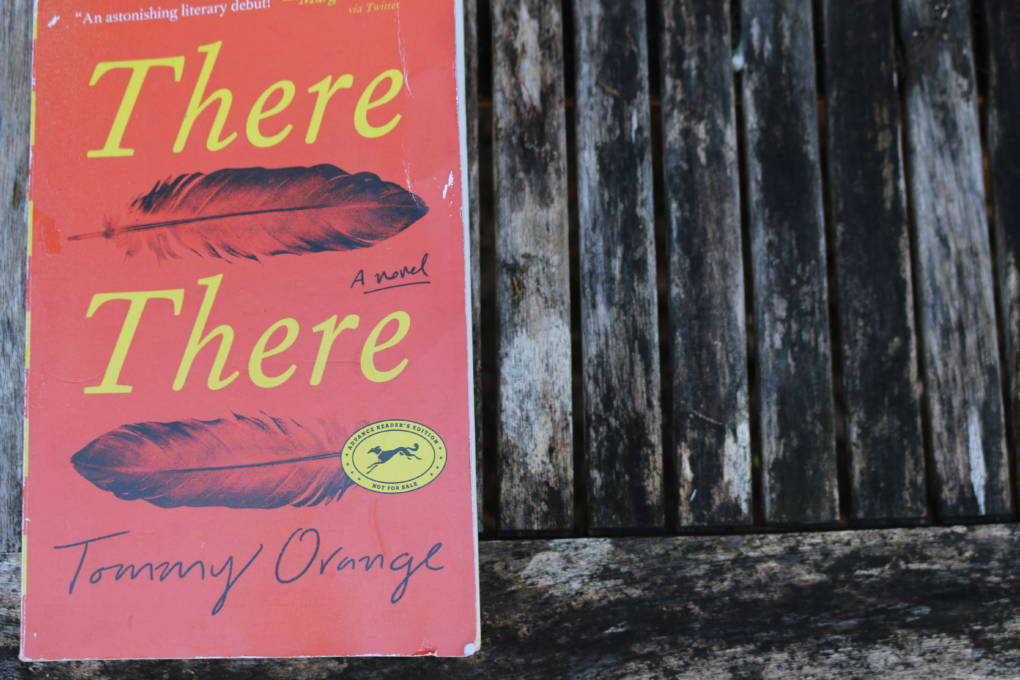
"caption": "A copy of Tommy Orange's \"There There,\" a first novel from the author, which has been on the New York Times Best Sellers list for the past month.",
"description": "A copy of Tommy Orange's \"There There,\" a first novel from the author, which has been on the New York Times Best Sellers list for the past month.",
"title": "therethere",
"credit": "Sandhya Dirks/KQED",
"status": "inherit",
"isLoading": false,
"fetchFailed": false
},
"news_11679416": {
"type": "attachments",
"id": "news_11679416",
"meta": {
"index": "attachments_1716263798",
"site": "news",
"id": "11679416",
"found": true
},
"parent": 11679413,
"imgSizes": {
"small": {
"file": "https://ww2.kqed.org/app/uploads/sites/10/2018/07/O7J-JS4Q-520x390.jpeg",
"width": 520,
"mimeType": "image/jpeg",
"height": 390
},
"twentyfourteen-full-width": {
"file": "https://ww2.kqed.org/app/uploads/sites/10/2018/07/O7J-JS4Q-1038x576.jpeg",
"width": 1038,
"mimeType": "image/jpeg",
"height": 576
},
"thumbnail": {
"file": "https://ww2.kqed.org/app/uploads/sites/10/2018/07/O7J-JS4Q-160x120.jpeg",
"width": 160,
"mimeType": "image/jpeg",
"height": 120
},
"fd-sm": {
"file": "https://ww2.kqed.org/app/uploads/sites/10/2018/07/O7J-JS4Q-960x720.jpeg",
"width": 960,
"mimeType": "image/jpeg",
"height": 720
},
"post-thumbnail": {
"file": "https://ww2.kqed.org/app/uploads/sites/10/2018/07/O7J-JS4Q-672x372.jpeg",
"width": 672,
"mimeType": "image/jpeg",
"height": 372
},
"xsmall": {
"file": "https://ww2.kqed.org/app/uploads/sites/10/2018/07/O7J-JS4Q-375x281.jpeg",
"width": 375,
"mimeType": "image/jpeg",
"height": 281
},
"kqedFullSize": {
"file": "https://ww2.kqed.org/app/uploads/sites/10/2018/07/O7J-JS4Q.jpeg",
"width": 1600,
"height": 1200
},
"large": {
"file": "https://ww2.kqed.org/app/uploads/sites/10/2018/07/O7J-JS4Q-1020x765.jpeg",
"width": 1020,
"mimeType": "image/jpeg",
"height": 765
},
"xlarge": {
"file": "https://ww2.kqed.org/app/uploads/sites/10/2018/07/O7J-JS4Q-1180x885.jpeg",
"width": 1180,
"mimeType": "image/jpeg",
"height": 885
},
"complete_open_graph": {
"file": "https://ww2.kqed.org/app/uploads/sites/10/2018/07/O7J-JS4Q-1200x900.jpeg",
"width": 1200,
"mimeType": "image/jpeg",
"height": 900
},
"guest-author-50": {
"file": "https://ww2.kqed.org/app/uploads/sites/10/2018/07/O7J-JS4Q-50x50.jpeg",
"width": 50,
"mimeType": "image/jpeg",
"height": 50
},
"guest-author-96": {
"file": "https://ww2.kqed.org/app/uploads/sites/10/2018/07/O7J-JS4Q-96x96.jpeg",
"width": 96,
"mimeType": "image/jpeg",
"height": 96
},
"medium": {
"file": "https://ww2.kqed.org/app/uploads/sites/10/2018/07/O7J-JS4Q-800x600.jpeg",
"width": 800,
"mimeType": "image/jpeg",
"height": 600
},
"guest-author-64": {
"file": "https://ww2.kqed.org/app/uploads/sites/10/2018/07/O7J-JS4Q-64x64.jpeg",
"width": 64,
"mimeType": "image/jpeg",
"height": 64
},
"guest-author-32": {
"file": "https://ww2.kqed.org/app/uploads/sites/10/2018/07/O7J-JS4Q-32x32.jpeg",
"width": 32,
"mimeType": "image/jpeg",
"height": 32
},
"fd-med": {
"file": "https://ww2.kqed.org/app/uploads/sites/10/2018/07/O7J-JS4Q-1180x885.jpeg",
"width": 1180,
"mimeType": "image/jpeg",
"height": 885
},
"detail": {
"file": "https://ww2.kqed.org/app/uploads/sites/10/2018/07/O7J-JS4Q-150x150.jpeg",
"width": 150,
"mimeType": "image/jpeg",
"height": 150
},
"guest-author-128": {
"file": "https://ww2.kqed.org/app/uploads/sites/10/2018/07/O7J-JS4Q-128x128.jpeg",
"width": 128,
"mimeType": "image/jpeg",
"height": 128
},
"xxsmall": {
"file": "https://ww2.kqed.org/app/uploads/sites/10/2018/07/O7J-JS4Q-240x180.jpeg",
"width": 240,
"mimeType": "image/jpeg",
"height": 180
}
},
"publishDate": 1530982587,
"modified": 1530982638,
"caption": "A guest plays a piano in the rhododendron garden.",
"description": "A guest plays a piano in the rhododendron garden.",
"title": "O7J-JS4Q",
"credit": "Michelle Wiley/KQED",
"status": "inherit",
"isLoading": false,
"fetchFailed": false
},
"news_11678798": {
"type": "attachments",
"id": "news_11678798",
"meta": {
"index": "attachments_1716263798",
"site": "news",
"id": "11678798",
"found": true
},
"parent": 11678788,
"imgSizes": {
"small": {
"file": "https://ww2.kqed.org/app/uploads/sites/10/2018/07/NR536_Art-Marquee-520x293.jpg",
"width": 520,
"mimeType": "image/jpeg",
"height": 293
},
"twentyfourteen-full-width": {
"file": "https://ww2.kqed.org/app/uploads/sites/10/2018/07/NR536_Art-Marquee-1038x576.jpg",
"width": 1038,
"mimeType": "image/jpeg",
"height": 576
},
"thumbnail": {
"file": "https://ww2.kqed.org/app/uploads/sites/10/2018/07/NR536_Art-Marquee-160x90.jpg",
"width": 160,
"mimeType": "image/jpeg",
"height": 90
},
"fd-sm": {
"file": "https://ww2.kqed.org/app/uploads/sites/10/2018/07/NR536_Art-Marquee-960x540.jpg",
"width": 960,
"mimeType": "image/jpeg",
"height": 540
},
"post-thumbnail": {
"file": "https://ww2.kqed.org/app/uploads/sites/10/2018/07/NR536_Art-Marquee-672x372.jpg",
"width": 672,
"mimeType": "image/jpeg",
"height": 372
},
"xsmall": {
"file": "https://ww2.kqed.org/app/uploads/sites/10/2018/07/NR536_Art-Marquee-375x211.jpg",
"width": 375,
"mimeType": "image/jpeg",
"height": 211
},
"kqedFullSize": {
"file": "https://ww2.kqed.org/app/uploads/sites/10/2018/07/NR536_Art-Marquee.jpg",
"width": 1280,
"height": 720
},
"large": {
"file": "https://ww2.kqed.org/app/uploads/sites/10/2018/07/NR536_Art-Marquee-1020x574.jpg",
"width": 1020,
"mimeType": "image/jpeg",
"height": 574
},
"xlarge": {
"file": "https://ww2.kqed.org/app/uploads/sites/10/2018/07/NR536_Art-Marquee-1180x664.jpg",
"width": 1180,
"mimeType": "image/jpeg",
"height": 664
},
"complete_open_graph": {
"file": "https://ww2.kqed.org/app/uploads/sites/10/2018/07/NR536_Art-Marquee-1200x675.jpg",
"width": 1200,
"mimeType": "image/jpeg",
"height": 675
},
"guest-author-50": {
"file": "https://ww2.kqed.org/app/uploads/sites/10/2018/07/NR536_Art-Marquee-50x50.jpg",
"width": 50,
"mimeType": "image/jpeg",
"height": 50
},
"guest-author-96": {
"file": "https://ww2.kqed.org/app/uploads/sites/10/2018/07/NR536_Art-Marquee-96x96.jpg",
"width": 96,
"mimeType": "image/jpeg",
"height": 96
},
"medium": {
"file": "https://ww2.kqed.org/app/uploads/sites/10/2018/07/NR536_Art-Marquee-800x450.jpg",
"width": 800,
"mimeType": "image/jpeg",
"height": 450
},
"guest-author-64": {
"file": "https://ww2.kqed.org/app/uploads/sites/10/2018/07/NR536_Art-Marquee-64x64.jpg",
"width": 64,
"mimeType": "image/jpeg",
"height": 64
},
"guest-author-32": {
"file": "https://ww2.kqed.org/app/uploads/sites/10/2018/07/NR536_Art-Marquee-32x32.jpg",
"width": 32,
"mimeType": "image/jpeg",
"height": 32
},
"fd-med": {
"file": "https://ww2.kqed.org/app/uploads/sites/10/2018/07/NR536_Art-Marquee-1180x664.jpg",
"width": 1180,
"mimeType": "image/jpeg",
"height": 664
},
"detail": {
"file": "https://ww2.kqed.org/app/uploads/sites/10/2018/07/NR536_Art-Marquee-150x150.jpg",
"width": 150,
"mimeType": "image/jpeg",
"height": 150
},
"guest-author-128": {
"file": "https://ww2.kqed.org/app/uploads/sites/10/2018/07/NR536_Art-Marquee-128x128.jpg",
"width": 128,
"mimeType": "image/jpeg",
"height": 128
},
"xxsmall": {
"file": "https://ww2.kqed.org/app/uploads/sites/10/2018/07/NR536_Art-Marquee-240x135.jpg",
"width": 240,
"mimeType": "image/jpeg",
"height": 135
}
},
"publishDate": 1530576382,
"modified": 1530576382,
"caption": null,
"description": null,
"title": "NR536_Art Marquee",
"credit": null,
"status": "inherit",
"isLoading": false,
"fetchFailed": false
},
"news_11653569": {
"type": "attachments",
"id": "news_11653569",
"meta": {
"index": "attachments_1716263798",
"site": "news",
"id": "11653569",
"found": true
},
"parent": 11652543,
"imgSizes": {
"small": {
"file": "https://ww2.kqed.org/app/uploads/sites/10/2018/03/Image-uploaded-from-iOS-9-copy-e1520040302806-520x293.jpg",
"width": 520,
"mimeType": "image/jpeg",
"height": 293
},
"twentyfourteen-full-width": {
"file": "https://ww2.kqed.org/app/uploads/sites/10/2018/03/Image-uploaded-from-iOS-9-copy-e1520040302806-1038x576.jpg",
"width": 1038,
"mimeType": "image/jpeg",
"height": 576
},
"thumbnail": {
"file": "https://ww2.kqed.org/app/uploads/sites/10/2018/03/Image-uploaded-from-iOS-9-copy-e1520040302806-160x90.jpg",
"width": 160,
"mimeType": "image/jpeg",
"height": 90
},
"fd-sm": {
"file": "https://ww2.kqed.org/app/uploads/sites/10/2018/03/Image-uploaded-from-iOS-9-copy-e1520040302806-960x541.jpg",
"width": 960,
"mimeType": "image/jpeg",
"height": 541
},
"post-thumbnail": {
"file": "https://ww2.kqed.org/app/uploads/sites/10/2018/03/Image-uploaded-from-iOS-9-copy-e1520040302806-672x372.jpg",
"width": 672,
"mimeType": "image/jpeg",
"height": 372
},
"xsmall": {
"file": "https://ww2.kqed.org/app/uploads/sites/10/2018/03/Image-uploaded-from-iOS-9-copy-e1520040302806-375x211.jpg",
"width": 375,
"mimeType": "image/jpeg",
"height": 211
},
"kqedFullSize": {
"file": "https://ww2.kqed.org/app/uploads/sites/10/2018/03/Image-uploaded-from-iOS-9-copy-e1520040302806.jpg",
"width": 3157,
"height": 1778
},
"large": {
"file": "https://ww2.kqed.org/app/uploads/sites/10/2018/03/Image-uploaded-from-iOS-9-copy-e1520040302806-1020x574.jpg",
"width": 1020,
"mimeType": "image/jpeg",
"height": 574
},
"xlarge": {
"file": "https://ww2.kqed.org/app/uploads/sites/10/2018/03/Image-uploaded-from-iOS-9-copy-e1520040302806-1180x665.jpg",
"width": 1180,
"mimeType": "image/jpeg",
"height": 665
},
"guest-author-50": {
"file": "https://ww2.kqed.org/app/uploads/sites/10/2018/03/Image-uploaded-from-iOS-9-copy-e1520040302806-50x50.jpg",
"width": 50,
"mimeType": "image/jpeg",
"height": 50
},
"guest-author-96": {
"file": "https://ww2.kqed.org/app/uploads/sites/10/2018/03/Image-uploaded-from-iOS-9-copy-e1520040302806-96x96.jpg",
"width": 96,
"mimeType": "image/jpeg",
"height": 96
},
"medium": {
"file": "https://ww2.kqed.org/app/uploads/sites/10/2018/03/Image-uploaded-from-iOS-9-copy-e1520040302806-800x451.jpg",
"width": 800,
"mimeType": "image/jpeg",
"height": 451
},
"guest-author-64": {
"file": "https://ww2.kqed.org/app/uploads/sites/10/2018/03/Image-uploaded-from-iOS-9-copy-e1520040302806-64x64.jpg",
"width": 64,
"mimeType": "image/jpeg",
"height": 64
},
"guest-author-32": {
"file": "https://ww2.kqed.org/app/uploads/sites/10/2018/03/Image-uploaded-from-iOS-9-copy-e1520040302806-32x32.jpg",
"width": 32,
"mimeType": "image/jpeg",
"height": 32
},
"fd-lrg": {
"file": "https://ww2.kqed.org/app/uploads/sites/10/2018/03/Image-uploaded-from-iOS-9-copy-e1520040302806-1920x1081.jpg",
"width": 1920,
"mimeType": "image/jpeg",
"height": 1081
},
"fd-med": {
"file": "https://ww2.kqed.org/app/uploads/sites/10/2018/03/Image-uploaded-from-iOS-9-copy-e1520040302806-1180x665.jpg",
"width": 1180,
"mimeType": "image/jpeg",
"height": 665
},
"full-width": {
"file": "https://ww2.kqed.org/app/uploads/sites/10/2018/03/Image-uploaded-from-iOS-9-copy-e1520040302806-1920x1081.jpg",
"width": 1920,
"mimeType": "image/jpeg",
"height": 1081
},
"detail": {
"file": "https://ww2.kqed.org/app/uploads/sites/10/2018/03/Image-uploaded-from-iOS-9-copy-e1520040302806-150x150.jpg",
"width": 150,
"mimeType": "image/jpeg",
"height": 150
},
"guest-author-128": {
"file": "https://ww2.kqed.org/app/uploads/sites/10/2018/03/Image-uploaded-from-iOS-9-copy-e1520040302806-128x128.jpg",
"width": 128,
"mimeType": "image/jpeg",
"height": 128
},
"xxsmall": {
"file": "https://ww2.kqed.org/app/uploads/sites/10/2018/03/Image-uploaded-from-iOS-9-copy-e1520040302806-240x135.jpg",
"width": 240,
"mimeType": "image/jpeg",
"height": 135
}
},
"publishDate": 1520040244,
"modified": 1523059624,
"caption": "A home on Tregloan Court in Alameda. Bay Curious looked into whether this house and similar small-scale residences on the street were built for little people who worked in the Alameda shipbuilding industry during the Second World War.",
"description": null,
"title": "Tregloan",
"credit": "Cy Musiker/KQED",
"status": "inherit",
"isLoading": false,
"fetchFailed": false
},
"news_11678588": {
"type": "attachments",
"id": "news_11678588",
"meta": {
"index": "attachments_1716263798",
"site": "news",
"id": "11678588",
"found": true
},
"parent": 11678574,
"imgSizes": {
"small": {
"file": "https://ww2.kqed.org/app/uploads/sites/10/2018/07/IMG_20180701_123300-1-520x390.jpg",
"width": 520,
"mimeType": "image/jpeg",
"height": 390
},
"twentyfourteen-full-width": {
"file": "https://ww2.kqed.org/app/uploads/sites/10/2018/07/IMG_20180701_123300-1-1038x576.jpg",
"width": 1038,
"mimeType": "image/jpeg",
"height": 576
},
"thumbnail": {
"file": "https://ww2.kqed.org/app/uploads/sites/10/2018/07/IMG_20180701_123300-1-160x120.jpg",
"width": 160,
"mimeType": "image/jpeg",
"height": 120
},
"fd-sm": {
"file": "https://ww2.kqed.org/app/uploads/sites/10/2018/07/IMG_20180701_123300-1-960x720.jpg",
"width": 960,
"mimeType": "image/jpeg",
"height": 720
},
"post-thumbnail": {
"file": "https://ww2.kqed.org/app/uploads/sites/10/2018/07/IMG_20180701_123300-1-672x372.jpg",
"width": 672,
"mimeType": "image/jpeg",
"height": 372
},
"xsmall": {
"file": "https://ww2.kqed.org/app/uploads/sites/10/2018/07/IMG_20180701_123300-1-375x281.jpg",
"width": 375,
"mimeType": "image/jpeg",
"height": 281
},
"kqedFullSize": {
"file": "https://ww2.kqed.org/app/uploads/sites/10/2018/07/IMG_20180701_123300-1.jpg",
"width": 4032,
"height": 3024
},
"large": {
"file": "https://ww2.kqed.org/app/uploads/sites/10/2018/07/IMG_20180701_123300-1-1020x765.jpg",
"width": 1020,
"mimeType": "image/jpeg",
"height": 765
},
"xlarge": {
"file": "https://ww2.kqed.org/app/uploads/sites/10/2018/07/IMG_20180701_123300-1-1180x885.jpg",
"width": 1180,
"mimeType": "image/jpeg",
"height": 885
},
"complete_open_graph": {
"file": "https://ww2.kqed.org/app/uploads/sites/10/2018/07/IMG_20180701_123300-1-1200x900.jpg",
"width": 1200,
"mimeType": "image/jpeg",
"height": 900
},
"guest-author-50": {
"file": "https://ww2.kqed.org/app/uploads/sites/10/2018/07/IMG_20180701_123300-1-50x50.jpg",
"width": 50,
"mimeType": "image/jpeg",
"height": 50
},
"guest-author-96": {
"file": "https://ww2.kqed.org/app/uploads/sites/10/2018/07/IMG_20180701_123300-1-96x96.jpg",
"width": 96,
"mimeType": "image/jpeg",
"height": 96
},
"medium": {
"file": "https://ww2.kqed.org/app/uploads/sites/10/2018/07/IMG_20180701_123300-1-800x600.jpg",
"width": 800,
"mimeType": "image/jpeg",
"height": 600
},
"guest-author-64": {
"file": "https://ww2.kqed.org/app/uploads/sites/10/2018/07/IMG_20180701_123300-1-64x64.jpg",
"width": 64,
"mimeType": "image/jpeg",
"height": 64
},
"guest-author-32": {
"file": "https://ww2.kqed.org/app/uploads/sites/10/2018/07/IMG_20180701_123300-1-32x32.jpg",
"width": 32,
"mimeType": "image/jpeg",
"height": 32
},
"fd-lrg": {
"file": "https://ww2.kqed.org/app/uploads/sites/10/2018/07/IMG_20180701_123300-1-1920x1440.jpg",
"width": 1920,
"mimeType": "image/jpeg",
"height": 1440
},
"fd-med": {
"file": "https://ww2.kqed.org/app/uploads/sites/10/2018/07/IMG_20180701_123300-1-1180x885.jpg",
"width": 1180,
"mimeType": "image/jpeg",
"height": 885
},
"full-width": {
"file": "https://ww2.kqed.org/app/uploads/sites/10/2018/07/IMG_20180701_123300-1-1920x1440.jpg",
"width": 1920,
"mimeType": "image/jpeg",
"height": 1440
},
"detail": {
"file": "https://ww2.kqed.org/app/uploads/sites/10/2018/07/IMG_20180701_123300-1-150x150.jpg",
"width": 150,
"mimeType": "image/jpeg",
"height": 150
},
"guest-author-128": {
"file": "https://ww2.kqed.org/app/uploads/sites/10/2018/07/IMG_20180701_123300-1-128x128.jpg",
"width": 128,
"mimeType": "image/jpeg",
"height": 128
},
"xxsmall": {
"file": "https://ww2.kqed.org/app/uploads/sites/10/2018/07/IMG_20180701_123300-1-240x180.jpg",
"width": 240,
"mimeType": "image/jpeg",
"height": 180
}
},
"publishDate": 1530491335,
"modified": 1530492939,
"caption": "Logan Cortez was born and raised in Oakland. She says she helped organize the first 'BBQing While Black' event to bring a message of joy and unity to the lake. 'We are not people to be feared. We are not people to be discriminated against or to call the police on. I think everybody wanted to come out and say that in such a positive and loving way and eat ribs at the same time. I mean who doesn’t wanna come out and eat ribs?'",
"description": "Logan Cortez was born and raised in Oakland. She says she helped organize the first 'BBQing While Black' event to bring a message of joy and unity to the lake. 'We are not people to be feared. We are not people to be discriminated against or to call the police on. I think everybody wanted to come out and say that in such a positive and loving way and eat ribs at the same time. I mean who doesn’t wanna come out and eat ribs?'",
"title": "IMG_20180701_123300 (1)",
"credit": "Muna Danish/KQED",
"status": "inherit",
"isLoading": false,
"fetchFailed": false
},
"news_11678446": {
"type": "attachments",
"id": "news_11678446",
"meta": {
"index": "attachments_1716263798",
"site": "news",
"id": "11678446",
"found": true
},
"parent": 11678414,
"imgSizes": {
"small": {
"file": "https://ww2.kqed.org/app/uploads/sites/10/2018/06/Image-from-iOS-16-520x390.jpg",
"width": 520,
"mimeType": "image/jpeg",
"height": 390
},
"twentyfourteen-full-width": {
"file": "https://ww2.kqed.org/app/uploads/sites/10/2018/06/Image-from-iOS-16-1038x576.jpg",
"width": 1038,
"mimeType": "image/jpeg",
"height": 576
},
"thumbnail": {
"file": "https://ww2.kqed.org/app/uploads/sites/10/2018/06/Image-from-iOS-16-160x120.jpg",
"width": 160,
"mimeType": "image/jpeg",
"height": 120
},
"fd-sm": {
"file": "https://ww2.kqed.org/app/uploads/sites/10/2018/06/Image-from-iOS-16-960x720.jpg",
"width": 960,
"mimeType": "image/jpeg",
"height": 720
},
"post-thumbnail": {
"file": "https://ww2.kqed.org/app/uploads/sites/10/2018/06/Image-from-iOS-16-672x372.jpg",
"width": 672,
"mimeType": "image/jpeg",
"height": 372
},
"xsmall": {
"file": "https://ww2.kqed.org/app/uploads/sites/10/2018/06/Image-from-iOS-16-375x281.jpg",
"width": 375,
"mimeType": "image/jpeg",
"height": 281
},
"kqedFullSize": {
"file": "https://ww2.kqed.org/app/uploads/sites/10/2018/06/Image-from-iOS-16.jpg",
"width": 4032,
"height": 3024
},
"large": {
"file": "https://ww2.kqed.org/app/uploads/sites/10/2018/06/Image-from-iOS-16-1020x765.jpg",
"width": 1020,
"mimeType": "image/jpeg",
"height": 765
},
"xlarge": {
"file": "https://ww2.kqed.org/app/uploads/sites/10/2018/06/Image-from-iOS-16-1180x885.jpg",
"width": 1180,
"mimeType": "image/jpeg",
"height": 885
},
"complete_open_graph": {
"file": "https://ww2.kqed.org/app/uploads/sites/10/2018/06/Image-from-iOS-16-1200x900.jpg",
"width": 1200,
"mimeType": "image/jpeg",
"height": 900
},
"guest-author-50": {
"file": "https://ww2.kqed.org/app/uploads/sites/10/2018/06/Image-from-iOS-16-50x50.jpg",
"width": 50,
"mimeType": "image/jpeg",
"height": 50
},
"guest-author-96": {
"file": "https://ww2.kqed.org/app/uploads/sites/10/2018/06/Image-from-iOS-16-96x96.jpg",
"width": 96,
"mimeType": "image/jpeg",
"height": 96
},
"medium": {
"file": "https://ww2.kqed.org/app/uploads/sites/10/2018/06/Image-from-iOS-16-800x600.jpg",
"width": 800,
"mimeType": "image/jpeg",
"height": 600
},
"guest-author-64": {
"file": "https://ww2.kqed.org/app/uploads/sites/10/2018/06/Image-from-iOS-16-64x64.jpg",
"width": 64,
"mimeType": "image/jpeg",
"height": 64
},
"guest-author-32": {
"file": "https://ww2.kqed.org/app/uploads/sites/10/2018/06/Image-from-iOS-16-32x32.jpg",
"width": 32,
"mimeType": "image/jpeg",
"height": 32
},
"fd-lrg": {
"file": "https://ww2.kqed.org/app/uploads/sites/10/2018/06/Image-from-iOS-16-1920x1440.jpg",
"width": 1920,
"mimeType": "image/jpeg",
"height": 1440
},
"fd-med": {
"file": "https://ww2.kqed.org/app/uploads/sites/10/2018/06/Image-from-iOS-16-1180x885.jpg",
"width": 1180,
"mimeType": "image/jpeg",
"height": 885
},
"full-width": {
"file": "https://ww2.kqed.org/app/uploads/sites/10/2018/06/Image-from-iOS-16-1920x1440.jpg",
"width": 1920,
"mimeType": "image/jpeg",
"height": 1440
},
"detail": {
"file": "https://ww2.kqed.org/app/uploads/sites/10/2018/06/Image-from-iOS-16-150x150.jpg",
"width": 150,
"mimeType": "image/jpeg",
"height": 150
},
"guest-author-128": {
"file": "https://ww2.kqed.org/app/uploads/sites/10/2018/06/Image-from-iOS-16-128x128.jpg",
"width": 128,
"mimeType": "image/jpeg",
"height": 128
},
"xxsmall": {
"file": "https://ww2.kqed.org/app/uploads/sites/10/2018/06/Image-from-iOS-16-240x180.jpg",
"width": 240,
"mimeType": "image/jpeg",
"height": 180
}
},
"publishDate": 1530388867,
"modified": 1530390464,
"caption": "Tiana Romero came to Berkeley's rally with her parents Nora and Noe.",
"description": "Tiana Romero came to Berkeley's rally with her parents Nora and Noe.",
"title": "Image from iOS (16)",
"credit": "Carly Severn/KQED",
"status": "inherit",
"isLoading": false,
"fetchFailed": false
},
"news_11676888": {
"type": "attachments",
"id": "news_11676888",
"meta": {
"index": "attachments_1716263798",
"site": "news",
"id": "11676888",
"found": true
},
"parent": 11676866,
"imgSizes": {
"small": {
"file": "https://ww2.kqed.org/app/uploads/sites/10/2018/06/permit-520x370.jpg",
"width": 520,
"mimeType": "image/jpeg",
"height": 370
},
"twentyfourteen-full-width": {
"file": "https://ww2.kqed.org/app/uploads/sites/10/2018/06/permit-1038x576.jpg",
"width": 1038,
"mimeType": "image/jpeg",
"height": 576
},
"thumbnail": {
"file": "https://ww2.kqed.org/app/uploads/sites/10/2018/06/permit-160x114.jpg",
"width": 160,
"mimeType": "image/jpeg",
"height": 114
},
"fd-sm": {
"file": "https://ww2.kqed.org/app/uploads/sites/10/2018/06/permit-960x683.jpg",
"width": 960,
"mimeType": "image/jpeg",
"height": 683
},
"post-thumbnail": {
"file": "https://ww2.kqed.org/app/uploads/sites/10/2018/06/permit-672x372.jpg",
"width": 672,
"mimeType": "image/jpeg",
"height": 372
},
"xsmall": {
"file": "https://ww2.kqed.org/app/uploads/sites/10/2018/06/permit-375x267.jpg",
"width": 375,
"mimeType": "image/jpeg",
"height": 267
},
"kqedFullSize": {
"file": "https://ww2.kqed.org/app/uploads/sites/10/2018/06/permit.jpg",
"width": 1920,
"height": 1365
},
"large": {
"file": "https://ww2.kqed.org/app/uploads/sites/10/2018/06/permit-1020x725.jpg",
"width": 1020,
"mimeType": "image/jpeg",
"height": 725
},
"xlarge": {
"file": "https://ww2.kqed.org/app/uploads/sites/10/2018/06/permit-1180x839.jpg",
"width": 1180,
"mimeType": "image/jpeg",
"height": 839
},
"complete_open_graph": {
"file": "https://ww2.kqed.org/app/uploads/sites/10/2018/06/permit-1200x853.jpg",
"width": 1200,
"mimeType": "image/jpeg",
"height": 853
},
"guest-author-50": {
"file": "https://ww2.kqed.org/app/uploads/sites/10/2018/06/permit-50x50.jpg",
"width": 50,
"mimeType": "image/jpeg",
"height": 50
},
"guest-author-96": {
"file": "https://ww2.kqed.org/app/uploads/sites/10/2018/06/permit-96x96.jpg",
"width": 96,
"mimeType": "image/jpeg",
"height": 96
},
"medium": {
"file": "https://ww2.kqed.org/app/uploads/sites/10/2018/06/permit-800x569.jpg",
"width": 800,
"mimeType": "image/jpeg",
"height": 569
},
"guest-author-64": {
"file": "https://ww2.kqed.org/app/uploads/sites/10/2018/06/permit-64x64.jpg",
"width": 64,
"mimeType": "image/jpeg",
"height": 64
},
"guest-author-32": {
"file": "https://ww2.kqed.org/app/uploads/sites/10/2018/06/permit-32x32.jpg",
"width": 32,
"mimeType": "image/jpeg",
"height": 32
},
"fd-lrg": {
"file": "https://ww2.kqed.org/app/uploads/sites/10/2018/06/permit-1920x1365.jpg",
"width": 1920,
"mimeType": "image/jpeg",
"height": 1365
},
"fd-med": {
"file": "https://ww2.kqed.org/app/uploads/sites/10/2018/06/permit-1180x839.jpg",
"width": 1180,
"mimeType": "image/jpeg",
"height": 839
},
"full-width": {
"file": "https://ww2.kqed.org/app/uploads/sites/10/2018/06/permit-1920x1365.jpg",
"width": 1920,
"mimeType": "image/jpeg",
"height": 1365
},
"detail": {
"file": "https://ww2.kqed.org/app/uploads/sites/10/2018/06/permit-150x150.jpg",
"width": 150,
"mimeType": "image/jpeg",
"height": 150
},
"guest-author-128": {
"file": "https://ww2.kqed.org/app/uploads/sites/10/2018/06/permit-128x128.jpg",
"width": 128,
"mimeType": "image/jpeg",
"height": 128
},
"xxsmall": {
"file": "https://ww2.kqed.org/app/uploads/sites/10/2018/06/permit-240x171.jpg",
"width": 240,
"mimeType": "image/jpeg",
"height": 171
}
},
"publishDate": 1529873725,
"modified": 1529873798,
"caption": "Video of incident involving a woman claiming to call the police about an 8-year-old selling bottle water. ",
"description": "Video of incident involving a woman claiming to call the police about an 8-year-old selling bottle water. ",
"title": "permit",
"credit": "Via @ladyesowavy on Instagram",
"status": "inherit",
"isLoading": false,
"fetchFailed": false
},
"news_11676850": {
"type": "attachments",
"id": "news_11676850",
"meta": {
"index": "attachments_1716263798",
"site": "news",
"id": "11676850",
"found": true
},
"parent": 11676842,
"imgSizes": {
"small": {
"file": "https://ww2.kqed.org/app/uploads/sites/10/2018/06/62418_AW_Pride_03-1-520x347.jpg",
"width": 520,
"mimeType": "image/jpeg",
"height": 347
},
"twentyfourteen-full-width": {
"file": "https://ww2.kqed.org/app/uploads/sites/10/2018/06/62418_AW_Pride_03-1-1038x576.jpg",
"width": 1038,
"mimeType": "image/jpeg",
"height": 576
},
"thumbnail": {
"file": "https://ww2.kqed.org/app/uploads/sites/10/2018/06/62418_AW_Pride_03-1-160x107.jpg",
"width": 160,
"mimeType": "image/jpeg",
"height": 107
},
"fd-sm": {
"file": "https://ww2.kqed.org/app/uploads/sites/10/2018/06/62418_AW_Pride_03-1-960x640.jpg",
"width": 960,
"mimeType": "image/jpeg",
"height": 640
},
"post-thumbnail": {
"file": "https://ww2.kqed.org/app/uploads/sites/10/2018/06/62418_AW_Pride_03-1-672x372.jpg",
"width": 672,
"mimeType": "image/jpeg",
"height": 372
},
"xsmall": {
"file": "https://ww2.kqed.org/app/uploads/sites/10/2018/06/62418_AW_Pride_03-1-375x250.jpg",
"width": 375,
"mimeType": "image/jpeg",
"height": 250
},
"kqedFullSize": {
"file": "https://ww2.kqed.org/app/uploads/sites/10/2018/06/62418_AW_Pride_03-1-e1529869222824.jpg",
"width": 1920,
"height": 1280
},
"large": {
"file": "https://ww2.kqed.org/app/uploads/sites/10/2018/06/62418_AW_Pride_03-1-1020x680.jpg",
"width": 1020,
"mimeType": "image/jpeg",
"height": 680
},
"xlarge": {
"file": "https://ww2.kqed.org/app/uploads/sites/10/2018/06/62418_AW_Pride_03-1-1180x787.jpg",
"width": 1180,
"mimeType": "image/jpeg",
"height": 787
},
"complete_open_graph": {
"file": "https://ww2.kqed.org/app/uploads/sites/10/2018/06/62418_AW_Pride_03-1-1200x800.jpg",
"width": 1200,
"mimeType": "image/jpeg",
"height": 800
},
"guest-author-50": {
"file": "https://ww2.kqed.org/app/uploads/sites/10/2018/06/62418_AW_Pride_03-1-50x50.jpg",
"width": 50,
"mimeType": "image/jpeg",
"height": 50
},
"guest-author-96": {
"file": "https://ww2.kqed.org/app/uploads/sites/10/2018/06/62418_AW_Pride_03-1-96x96.jpg",
"width": 96,
"mimeType": "image/jpeg",
"height": 96
},
"medium": {
"file": "https://ww2.kqed.org/app/uploads/sites/10/2018/06/62418_AW_Pride_03-1-800x533.jpg",
"width": 800,
"mimeType": "image/jpeg",
"height": 533
},
"guest-author-64": {
"file": "https://ww2.kqed.org/app/uploads/sites/10/2018/06/62418_AW_Pride_03-1-64x64.jpg",
"width": 64,
"mimeType": "image/jpeg",
"height": 64
},
"guest-author-32": {
"file": "https://ww2.kqed.org/app/uploads/sites/10/2018/06/62418_AW_Pride_03-1-32x32.jpg",
"width": 32,
"mimeType": "image/jpeg",
"height": 32
},
"fd-lrg": {
"file": "https://ww2.kqed.org/app/uploads/sites/10/2018/06/62418_AW_Pride_03-1-1920x1280.jpg",
"width": 1920,
"mimeType": "image/jpeg",
"height": 1280
},
"fd-med": {
"file": "https://ww2.kqed.org/app/uploads/sites/10/2018/06/62418_AW_Pride_03-1-1180x787.jpg",
"width": 1180,
"mimeType": "image/jpeg",
"height": 787
},
"full-width": {
"file": "https://ww2.kqed.org/app/uploads/sites/10/2018/06/62418_AW_Pride_03-1-1920x1280.jpg",
"width": 1920,
"mimeType": "image/jpeg",
"height": 1280
},
"detail": {
"file": "https://ww2.kqed.org/app/uploads/sites/10/2018/06/62418_AW_Pride_03-1-150x150.jpg",
"width": 150,
"mimeType": "image/jpeg",
"height": 150
},
"guest-author-128": {
"file": "https://ww2.kqed.org/app/uploads/sites/10/2018/06/62418_AW_Pride_03-1-128x128.jpg",
"width": 128,
"mimeType": "image/jpeg",
"height": 128
},
"xxsmall": {
"file": "https://ww2.kqed.org/app/uploads/sites/10/2018/06/62418_AW_Pride_03-1-240x160.jpg",
"width": 240,
"mimeType": "image/jpeg",
"height": 160
}
},
"publishDate": 1529865277,
"modified": 1529865304,
"caption": "Keila Cisneros takes a photo of her sister, Marina, in front of a mural on Market street that says \"Pride 2018.\" \"I'm here to support my sister who just came out as bisexual and my best friend who is totally gay,\" said Cisneros with a giggle. ",
"description": "Keila Cisneros takes a photo of her sister, Marina, in front of a mural on Market street that says \"Pride 2018.\" \"I'm here to support my sister who just came out as bisexual and my best friend who is totally gay,\" said Cisneros with a giggle. ",
"title": "62418_AW_Pride_03 (1)",
"credit": "Anne Wernikoff/KQED",
"status": "inherit",
"isLoading": false,
"fetchFailed": false
},
"news_11676715": {
"type": "attachments",
"id": "news_11676715",
"meta": {
"index": "attachments_1716263798",
"site": "news",
"id": "11676715",
"found": true
},
"parent": 11676561,
"imgSizes": {
"small": {
"file": "https://ww2.kqed.org/app/uploads/sites/10/2018/06/RS31535_Photo-Jun-21-11-31-19-AM-qut-520x390.jpg",
"width": 520,
"mimeType": "image/jpeg",
"height": 390
},
"twentyfourteen-full-width": {
"file": "https://ww2.kqed.org/app/uploads/sites/10/2018/06/RS31535_Photo-Jun-21-11-31-19-AM-qut-1038x576.jpg",
"width": 1038,
"mimeType": "image/jpeg",
"height": 576
},
"thumbnail": {
"file": "https://ww2.kqed.org/app/uploads/sites/10/2018/06/RS31535_Photo-Jun-21-11-31-19-AM-qut-160x120.jpg",
"width": 160,
"mimeType": "image/jpeg",
"height": 120
},
"fd-sm": {
"file": "https://ww2.kqed.org/app/uploads/sites/10/2018/06/RS31535_Photo-Jun-21-11-31-19-AM-qut-960x720.jpg",
"width": 960,
"mimeType": "image/jpeg",
"height": 720
},
"post-thumbnail": {
"file": "https://ww2.kqed.org/app/uploads/sites/10/2018/06/RS31535_Photo-Jun-21-11-31-19-AM-qut-672x372.jpg",
"width": 672,
"mimeType": "image/jpeg",
"height": 372
},
"xsmall": {
"file": "https://ww2.kqed.org/app/uploads/sites/10/2018/06/RS31535_Photo-Jun-21-11-31-19-AM-qut-375x281.jpg",
"width": 375,
"mimeType": "image/jpeg",
"height": 281
},
"kqedFullSize": {
"file": "https://ww2.kqed.org/app/uploads/sites/10/2018/06/RS31535_Photo-Jun-21-11-31-19-AM-qut.jpg",
"width": 1920,
"height": 1440
},
"large": {
"file": "https://ww2.kqed.org/app/uploads/sites/10/2018/06/RS31535_Photo-Jun-21-11-31-19-AM-qut-1020x765.jpg",
"width": 1020,
"mimeType": "image/jpeg",
"height": 765
},
"xlarge": {
"file": "https://ww2.kqed.org/app/uploads/sites/10/2018/06/RS31535_Photo-Jun-21-11-31-19-AM-qut-1180x885.jpg",
"width": 1180,
"mimeType": "image/jpeg",
"height": 885
},
"complete_open_graph": {
"file": "https://ww2.kqed.org/app/uploads/sites/10/2018/06/RS31535_Photo-Jun-21-11-31-19-AM-qut-1200x900.jpg",
"width": 1200,
"mimeType": "image/jpeg",
"height": 900
},
"guest-author-50": {
"file": "https://ww2.kqed.org/app/uploads/sites/10/2018/06/RS31535_Photo-Jun-21-11-31-19-AM-qut-50x50.jpg",
"width": 50,
"mimeType": "image/jpeg",
"height": 50
},
"guest-author-96": {
"file": "https://ww2.kqed.org/app/uploads/sites/10/2018/06/RS31535_Photo-Jun-21-11-31-19-AM-qut-96x96.jpg",
"width": 96,
"mimeType": "image/jpeg",
"height": 96
},
"medium": {
"file": "https://ww2.kqed.org/app/uploads/sites/10/2018/06/RS31535_Photo-Jun-21-11-31-19-AM-qut-800x600.jpg",
"width": 800,
"mimeType": "image/jpeg",
"height": 600
},
"guest-author-64": {
"file": "https://ww2.kqed.org/app/uploads/sites/10/2018/06/RS31535_Photo-Jun-21-11-31-19-AM-qut-64x64.jpg",
"width": 64,
"mimeType": "image/jpeg",
"height": 64
},
"guest-author-32": {
"file": "https://ww2.kqed.org/app/uploads/sites/10/2018/06/RS31535_Photo-Jun-21-11-31-19-AM-qut-32x32.jpg",
"width": 32,
"mimeType": "image/jpeg",
"height": 32
},
"fd-lrg": {
"file": "https://ww2.kqed.org/app/uploads/sites/10/2018/06/RS31535_Photo-Jun-21-11-31-19-AM-qut-1920x1440.jpg",
"width": 1920,
"mimeType": "image/jpeg",
"height": 1440
},
"fd-med": {
"file": "https://ww2.kqed.org/app/uploads/sites/10/2018/06/RS31535_Photo-Jun-21-11-31-19-AM-qut-1180x885.jpg",
"width": 1180,
"mimeType": "image/jpeg",
"height": 885
},
"full-width": {
"file": "https://ww2.kqed.org/app/uploads/sites/10/2018/06/RS31535_Photo-Jun-21-11-31-19-AM-qut-1920x1440.jpg",
"width": 1920,
"mimeType": "image/jpeg",
"height": 1440
},
"detail": {
"file": "https://ww2.kqed.org/app/uploads/sites/10/2018/06/RS31535_Photo-Jun-21-11-31-19-AM-qut-150x150.jpg",
"width": 150,
"mimeType": "image/jpeg",
"height": 150
},
"guest-author-128": {
"file": "https://ww2.kqed.org/app/uploads/sites/10/2018/06/RS31535_Photo-Jun-21-11-31-19-AM-qut-128x128.jpg",
"width": 128,
"mimeType": "image/jpeg",
"height": 128
},
"xxsmall": {
"file": "https://ww2.kqed.org/app/uploads/sites/10/2018/06/RS31535_Photo-Jun-21-11-31-19-AM-qut-240x180.jpg",
"width": 240,
"mimeType": "image/jpeg",
"height": 180
}
},
"publishDate": 1529712561,
"modified": 1529712583,
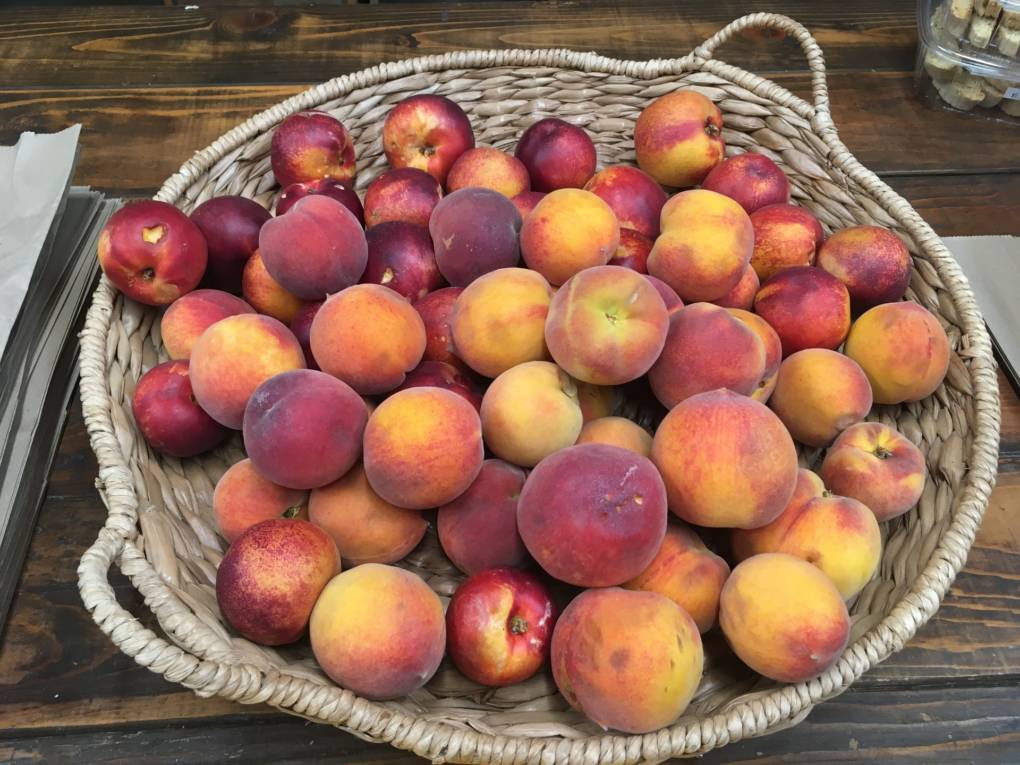
"caption": "Ostensibly \"ugly\" fruit, meaning peaches and nectarines with bruises and scars from Andy's Orchard in Morgan Hill. This reporter can attest they taste delicious.",
"description": "Ostensibly \"ugly\" fruit, meaning peaches and nectarines with bruises and scars from Andy's Orchard in Morgan Hill. This reporter can attest they taste delicious.",
"title": "RS31535_Photo Jun 21, 11 31 19 AM-qut",
"credit": "Rachael Myrow/KQED",
"status": "inherit",
"isLoading": false,
"fetchFailed": false
},
"news_11676822": {
"type": "attachments",
"id": "news_11676822",
"meta": {
"index": "attachments_1716263798",
"site": "news",
"id": "11676822",
"found": true
},
"parent": 11676810,
"imgSizes": {
"small": {
"file": "https://ww2.kqed.org/app/uploads/sites/10/2018/06/RS31186_IMG_3351-qut-520x390.jpg",
"width": 520,
"mimeType": "image/jpeg",
"height": 390
},
"twentyfourteen-full-width": {
"file": "https://ww2.kqed.org/app/uploads/sites/10/2018/06/RS31186_IMG_3351-qut-1038x576.jpg",
"width": 1038,
"mimeType": "image/jpeg",
"height": 576
},
"thumbnail": {
"file": "https://ww2.kqed.org/app/uploads/sites/10/2018/06/RS31186_IMG_3351-qut-160x120.jpg",
"width": 160,
"mimeType": "image/jpeg",
"height": 120
},
"fd-sm": {
"file": "https://ww2.kqed.org/app/uploads/sites/10/2018/06/RS31186_IMG_3351-qut-960x720.jpg",
"width": 960,
"mimeType": "image/jpeg",
"height": 720
},
"post-thumbnail": {
"file": "https://ww2.kqed.org/app/uploads/sites/10/2018/06/RS31186_IMG_3351-qut-672x372.jpg",
"width": 672,
"mimeType": "image/jpeg",
"height": 372
},
"xsmall": {
"file": "https://ww2.kqed.org/app/uploads/sites/10/2018/06/RS31186_IMG_3351-qut-375x281.jpg",
"width": 375,
"mimeType": "image/jpeg",
"height": 281
},
"kqedFullSize": {
"file": "https://ww2.kqed.org/app/uploads/sites/10/2018/06/RS31186_IMG_3351-qut.jpg",
"width": 1920,
"height": 1440
},
"large": {
"file": "https://ww2.kqed.org/app/uploads/sites/10/2018/06/RS31186_IMG_3351-qut-1020x765.jpg",
"width": 1020,
"mimeType": "image/jpeg",
"height": 765
},
"xlarge": {
"file": "https://ww2.kqed.org/app/uploads/sites/10/2018/06/RS31186_IMG_3351-qut-1180x885.jpg",
"width": 1180,
"mimeType": "image/jpeg",
"height": 885
},
"complete_open_graph": {
"file": "https://ww2.kqed.org/app/uploads/sites/10/2018/06/RS31186_IMG_3351-qut-1200x900.jpg",
"width": 1200,
"mimeType": "image/jpeg",
"height": 900
},
"guest-author-50": {
"file": "https://ww2.kqed.org/app/uploads/sites/10/2018/06/RS31186_IMG_3351-qut-50x50.jpg",
"width": 50,
"mimeType": "image/jpeg",
"height": 50
},
"guest-author-96": {
"file": "https://ww2.kqed.org/app/uploads/sites/10/2018/06/RS31186_IMG_3351-qut-96x96.jpg",
"width": 96,
"mimeType": "image/jpeg",
"height": 96
},
"medium": {
"file": "https://ww2.kqed.org/app/uploads/sites/10/2018/06/RS31186_IMG_3351-qut-800x600.jpg",
"width": 800,
"mimeType": "image/jpeg",
"height": 600
},
"guest-author-64": {
"file": "https://ww2.kqed.org/app/uploads/sites/10/2018/06/RS31186_IMG_3351-qut-64x64.jpg",
"width": 64,
"mimeType": "image/jpeg",
"height": 64
},
"guest-author-32": {
"file": "https://ww2.kqed.org/app/uploads/sites/10/2018/06/RS31186_IMG_3351-qut-32x32.jpg",
"width": 32,
"mimeType": "image/jpeg",
"height": 32
},
"fd-lrg": {
"file": "https://ww2.kqed.org/app/uploads/sites/10/2018/06/RS31186_IMG_3351-qut-1920x1440.jpg",
"width": 1920,
"mimeType": "image/jpeg",
"height": 1440
},
"fd-med": {
"file": "https://ww2.kqed.org/app/uploads/sites/10/2018/06/RS31186_IMG_3351-qut-1180x885.jpg",
"width": 1180,
"mimeType": "image/jpeg",
"height": 885
},
"full-width": {
"file": "https://ww2.kqed.org/app/uploads/sites/10/2018/06/RS31186_IMG_3351-qut-1920x1440.jpg",
"width": 1920,
"mimeType": "image/jpeg",
"height": 1440
},
"detail": {
"file": "https://ww2.kqed.org/app/uploads/sites/10/2018/06/RS31186_IMG_3351-qut-150x150.jpg",
"width": 150,
"mimeType": "image/jpeg",
"height": 150
},
"guest-author-128": {
"file": "https://ww2.kqed.org/app/uploads/sites/10/2018/06/RS31186_IMG_3351-qut-128x128.jpg",
"width": 128,
"mimeType": "image/jpeg",
"height": 128
},
"xxsmall": {
"file": "https://ww2.kqed.org/app/uploads/sites/10/2018/06/RS31186_IMG_3351-qut-240x180.jpg",
"width": 240,
"mimeType": "image/jpeg",
"height": 180
}
},
"publishDate": 1529833267,
"modified": 1529833370,
"caption": "Inside the Black Chasm Cavern, a 165 feet deep cave in Amador County.",
"description": "Inside the Black Chasm Cavern, a 165 feet deep cave in Amador County.",
"title": "RS31186_IMG_3351-qut",
"credit": "Bianca Taylor/KQED",
"status": "inherit",
"isLoading": false,
"fetchFailed": false
},
"news_11673462": {
"type": "attachments",
"id": "news_11673462",
"meta": {
"index": "attachments_1716263798",
"site": "news",
"id": "11673462",
"found": true
},
"parent": 11673103,
"imgSizes": {
"small": {
"file": "https://ww2.kqed.org/app/uploads/sites/10/2018/06/6084572264_679a533429_o-520x347.jpg",
"width": 520,
"mimeType": "image/jpeg",
"height": 347
},
"twentyfourteen-full-width": {
"file": "https://ww2.kqed.org/app/uploads/sites/10/2018/06/6084572264_679a533429_o-1038x576.jpg",
"width": 1038,
"mimeType": "image/jpeg",
"height": 576
},
"thumbnail": {
"file": "https://ww2.kqed.org/app/uploads/sites/10/2018/06/6084572264_679a533429_o-160x107.jpg",
"width": 160,
"mimeType": "image/jpeg",
"height": 107
},
"fd-sm": {
"file": "https://ww2.kqed.org/app/uploads/sites/10/2018/06/6084572264_679a533429_o-960x640.jpg",
"width": 960,
"mimeType": "image/jpeg",
"height": 640
},
"post-thumbnail": {
"file": "https://ww2.kqed.org/app/uploads/sites/10/2018/06/6084572264_679a533429_o-672x372.jpg",
"width": 672,
"mimeType": "image/jpeg",
"height": 372
},
"xsmall": {
"file": "https://ww2.kqed.org/app/uploads/sites/10/2018/06/6084572264_679a533429_o-375x250.jpg",
"width": 375,
"mimeType": "image/jpeg",
"height": 250
},
"kqedFullSize": {
"file": "https://ww2.kqed.org/app/uploads/sites/10/2018/06/6084572264_679a533429_o-e1528414332452.jpg",
"width": 1920,
"height": 1280
},
"large": {
"file": "https://ww2.kqed.org/app/uploads/sites/10/2018/06/6084572264_679a533429_o-1020x680.jpg",
"width": 1020,
"mimeType": "image/jpeg",
"height": 680
},
"xlarge": {
"file": "https://ww2.kqed.org/app/uploads/sites/10/2018/06/6084572264_679a533429_o-1180x787.jpg",
"width": 1180,
"mimeType": "image/jpeg",
"height": 787
},
"complete_open_graph": {
"file": "https://ww2.kqed.org/app/uploads/sites/10/2018/06/6084572264_679a533429_o-1200x800.jpg",
"width": 1200,
"mimeType": "image/jpeg",
"height": 800
},
"guest-author-50": {
"file": "https://ww2.kqed.org/app/uploads/sites/10/2018/06/6084572264_679a533429_o-50x50.jpg",
"width": 50,
"mimeType": "image/jpeg",
"height": 50
},
"guest-author-96": {
"file": "https://ww2.kqed.org/app/uploads/sites/10/2018/06/6084572264_679a533429_o-96x96.jpg",
"width": 96,
"mimeType": "image/jpeg",
"height": 96
},
"medium": {
"file": "https://ww2.kqed.org/app/uploads/sites/10/2018/06/6084572264_679a533429_o-800x533.jpg",
"width": 800,
"mimeType": "image/jpeg",
"height": 533
},
"guest-author-64": {
"file": "https://ww2.kqed.org/app/uploads/sites/10/2018/06/6084572264_679a533429_o-64x64.jpg",
"width": 64,
"mimeType": "image/jpeg",
"height": 64
},
"guest-author-32": {
"file": "https://ww2.kqed.org/app/uploads/sites/10/2018/06/6084572264_679a533429_o-32x32.jpg",
"width": 32,
"mimeType": "image/jpeg",
"height": 32
},
"fd-lrg": {
"file": "https://ww2.kqed.org/app/uploads/sites/10/2018/06/6084572264_679a533429_o-1920x1280.jpg",
"width": 1920,
"mimeType": "image/jpeg",
"height": 1280
},
"fd-med": {
"file": "https://ww2.kqed.org/app/uploads/sites/10/2018/06/6084572264_679a533429_o-1180x787.jpg",
"width": 1180,
"mimeType": "image/jpeg",
"height": 787
},
"full-width": {
"file": "https://ww2.kqed.org/app/uploads/sites/10/2018/06/6084572264_679a533429_o-1920x1280.jpg",
"width": 1920,
"mimeType": "image/jpeg",
"height": 1280
},
"detail": {
"file": "https://ww2.kqed.org/app/uploads/sites/10/2018/06/6084572264_679a533429_o-150x150.jpg",
"width": 150,
"mimeType": "image/jpeg",
"height": 150
},
"guest-author-128": {
"file": "https://ww2.kqed.org/app/uploads/sites/10/2018/06/6084572264_679a533429_o-128x128.jpg",
"width": 128,
"mimeType": "image/jpeg",
"height": 128
},
"xxsmall": {
"file": "https://ww2.kqed.org/app/uploads/sites/10/2018/06/6084572264_679a533429_o-240x160.jpg",
"width": 240,
"mimeType": "image/jpeg",
"height": 160
}
},
"publishDate": 1528414277,
"modified": 1528414316,
"caption": "Forestiere Underground Gardens",
"description": "Forestiere Underground Gardens",
"title": "Forestiere Underground Gardens",
"credit": "Yale Quan/Flickr",
"status": "inherit",
"isLoading": false,
"fetchFailed": false
}
},
"audioPlayerReducer": {
"postId": "stream_live",
"isPaused": true,
"isPlaying": false,
"pfsActive": false,
"pledgeModalIsOpen": true,
"playerDrawerIsOpen": false,
"liveAudioPlayStartedAt": 0,
"liveAudioPlayContext": ""
},
"authorsReducer": {
"byline_news_11673103": {
"type": "authors",
"id": "byline_news_11673103",
"meta": {
"override": true
},
"slug": "byline_news_11673103",
"name": "\u003cb>Jessica Placzek \u003c/b> and \u003cb> Maddie Gobbo \u003c/b>",
"isLoading": false
},
"kqed": {
"type": "authors",
"id": "236",
"meta": {
"index": "authors_1716337520",
"id": "236",
"found": true
},
"name": "KQED News Staff",
"firstName": "KQED News Staff",
"lastName": null,
"slug": "kqed",
"email": "faq@kqed.org",
"display_author_email": false,
"staff_mastheads": [],
"title": null,
"bio": null,
"avatar": "https://secure.gravatar.com/avatar/ef0e801a68c4c54afa9180db14084167?s=600&d=blank&r=g",
"twitter": null,
"facebook": null,
"instagram": null,
"linkedin": null,
"sites": [
{
"site": "arts",
"roles": [
"contributor"
]
},
{
"site": "news",
"roles": [
"editor"
]
},
{
"site": "futureofyou",
"roles": [
"author"
]
}
],
"headData": {
"title": "KQED News Staff | KQED",
"description": null,
"ogImgSrc": "https://secure.gravatar.com/avatar/ef0e801a68c4c54afa9180db14084167?s=600&d=blank&r=g",
"twImgSrc": "https://secure.gravatar.com/avatar/ef0e801a68c4c54afa9180db14084167?s=600&d=blank&r=g"
},
"isLoading": false,
"link": "/author/kqed"
},
"rachael-myrow": {
"type": "authors",
"id": "251",
"meta": {
"index": "authors_1716337520",
"id": "251",
"found": true
},
"name": "Rachael Myrow",
"firstName": "Rachael",
"lastName": "Myrow",
"slug": "rachael-myrow",
"email": "rmyrow@kqed.org",
"display_author_email": true,
"staff_mastheads": [
"news"
],
"title": "Senior Editor of KQED's Silicon Valley News Desk",
"bio": "• I write and edit stories about how Silicon Valley power and policies shape everyday life in California. I’m also passionate about making Bay Area history and culture more accessible to a broad public. • I’ve been a journalist for most of my life, starting in high school with The Franklin Press in Los Angeles, where I grew up. While earning my first degree in English at UC Berkeley, I got my start in public radio at KALX-FM. After completing a second degree in journalism at Cal, I landed my first professional job at Marketplace, then moved on to KPCC (now LAist), and then KQED, where I hosted The California Report for more than seven years. • My reporting has appeared on NPR, The World, WBUR’s \u003ci>Here & Now\u003c/i>, and the BBC. I also guest host for KQED’s \u003ci>Forum\u003c/i>, as well as the Commonwealth Club in San Francisco. • I speak periodically on media, democracy and technology issues, and do voiceover work for documentaries and educational video projects. • Outside of the studio, you'll find me hiking Bay Area trails and whipping up Insta-ready meals in my kitchen. • I do not accept gifts, money, or favors from anyone connected to my reporting, I don't pay people for information, and I do not support or donate to political causes. • I strive to treat the people I report on with fairness, honesty, and respect. I also recognize there are often multiple sides to a story and work to verify information through multiple sources and documentation. If I get something wrong, I correct it.",
"avatar": "https://secure.gravatar.com/avatar/3ed8a3c5f26025e4a805ba634cda8cd764906b97438a6d9ce216b044e340da4e?s=600&d=blank&r=g",
"twitter": "rachaelmyrow",
"bluesky": null,
"facebook": null,
"instagram": null,
"linkedin": "https://www.linkedin.com/in/rachaelmyrow/",
"sites": [
{
"site": "arts",
"roles": [
"administrator"
]
},
{
"site": "news",
"roles": [
"edit_others_posts",
"editor"
]
},
{
"site": "futureofyou",
"roles": [
"editor"
]
},
{
"site": "bayareabites",
"roles": [
"editor"
]
},
{
"site": "stateofhealth",
"roles": [
"editor"
]
},
{
"site": "science",
"roles": [
"editor"
]
},
{
"site": "food",
"roles": [
"editor"
]
},
{
"site": "forum",
"roles": [
"editor"
]
},
{
"site": "liveblog",
"roles": [
"author"
]
}
],
"headData": {
"title": "Rachael Myrow | KQED",
"description": "Senior Editor of KQED's Silicon Valley News Desk",
"ogImgSrc": "https://secure.gravatar.com/avatar/3ed8a3c5f26025e4a805ba634cda8cd764906b97438a6d9ce216b044e340da4e?s=600&d=blank&r=g",
"twImgSrc": "https://secure.gravatar.com/avatar/3ed8a3c5f26025e4a805ba634cda8cd764906b97438a6d9ce216b044e340da4e?s=600&d=blank&r=g"
},
"isLoading": false,
"link": "/author/rachael-myrow"
},
"sdirks": {
"type": "authors",
"id": "7239",
"meta": {
"index": "authors_1716337520",
"id": "7239",
"found": true
},
"name": "Sandhya Dirks",
"firstName": "Sandhya",
"lastName": "Dirks",
"slug": "sdirks",
"email": "sdirks@kqed.org",
"display_author_email": true,
"staff_mastheads": [],
"title": null,
"bio": "Sandhya Dirks was the race and equity reporter at KQED. She approaches race and equity not as a beat, but as a fundamental lens for all investigative and explanatory reporting.\r\n\r\nSandhya covered policing, housing, social justice movements, and the shifting demographics of cities and suburbs.\r\n\r\nShe was the creator and co-host of the podcast American Suburb, about the transformation of suburbia into the most diverse space in American life. She was the editor for Truth Be Told, an advice show for and by people of color. \r\n\r\nHer stories about race, space, and belonging were part of KQED's So Well Spoken project, which won RNDTA's Kaleidoscope award, honoring outstanding achievements in the coverage of diversity.\r\n\r\nPrior to joining KQED in 2015, Sandhya covered the 2012 presidential election from the swing state of Iowa for Iowa Public Radio. At KPBS in San Diego, she broke the story of a sexual harassment scandal that led to the mayor's resignation.\r\n\r\nShe got her start in radio working on documentaries about Oakland that investigated the high drop-out rate in public schools and mistrust between the police and the community.\r\n\r\nSandhya lives in Oakland and believes all stories are stories about power.",
"avatar": "https://secure.gravatar.com/avatar/c0247cb15929cd4c197672fd73d45300?s=600&d=blank&r=g",
"twitter": "audiosand",
"facebook": null,
"instagram": null,
"linkedin": null,
"sites": [
{
"site": "news",
"roles": [
"subscriber"
]
},
{
"site": "stateofhealth",
"roles": [
"author"
]
}
],
"headData": {
"title": "Sandhya Dirks | KQED",
"description": null,
"ogImgSrc": "https://secure.gravatar.com/avatar/c0247cb15929cd4c197672fd73d45300?s=600&d=blank&r=g",
"twImgSrc": "https://secure.gravatar.com/avatar/c0247cb15929cd4c197672fd73d45300?s=600&d=blank&r=g"
},
"isLoading": false,
"link": "/author/sdirks"
},
"cveltman": {
"type": "authors",
"id": "8608",
"meta": {
"index": "authors_1716337520",
"id": "8608",
"found": true
},
"name": "Chloe Veltman",
"firstName": "Chloe",
"lastName": "Veltman",
"slug": "cveltman",
"email": "cveltman@kqed.org",
"display_author_email": true,
"staff_mastheads": [],
"title": "Arts and Culture Reporter",
"bio": "Chloe Veltman is a former arts and culture reporter for KQED. Prior to joining the organization, she launched and led the arts bureau at Colorado Public Radio, served as the Bay Area's culture columnist for the New York Times, and was the founder, host and executive producer of VoiceBox, a national award-winning weekly podcast/radio show and live events series all about the human voice. Chloe is the recipient of numerous prizes, grants and fellowships including a Webby Award for her work on interactive storytelling, both the John S Knight Journalism Fellowship and Humanities Center Fellowship at Stanford University, the Sundance Arts Writing Fellowship and a Library of Congress Research Fellowship. She is the author of the book \"On Acting\" and has appeared as a guest lecturer at Yale University and the San Francisco Conservatory of Music among other institutions. She holds a BA in english literature from King's College, Cambridge, and a Masters in Dramaturgy from the Central School of Speech and Drama/Harvard Institute for Advanced Theater Training.\r\n\u003ca href=\"https://www.chloeveltman.com\">www.chloeveltman.com\u003c/a>",
"avatar": "https://secure.gravatar.com/avatar/55403394b00a1ddab683952c2eb2cf85?s=600&d=blank&r=g",
"twitter": "chloeveltman",
"facebook": null,
"instagram": null,
"linkedin": null,
"sites": [
{
"site": "arts",
"roles": []
},
{
"site": "news",
"roles": [
"author"
]
},
{
"site": "pop",
"roles": [
"editor"
]
},
{
"site": "science",
"roles": []
}
],
"headData": {
"title": "Chloe Veltman | KQED",
"description": "Arts and Culture Reporter",
"ogImgSrc": "https://secure.gravatar.com/avatar/55403394b00a1ddab683952c2eb2cf85?s=600&d=blank&r=g",
"twImgSrc": "https://secure.gravatar.com/avatar/55403394b00a1ddab683952c2eb2cf85?s=600&d=blank&r=g"
},
"isLoading": false,
"link": "/author/cveltman"
},
"rlevi": {
"type": "authors",
"id": "11260",
"meta": {
"index": "authors_1716337520",
"id": "11260",
"found": true
},
"name": "Ryan Levi",
"firstName": "Ryan",
"lastName": "Levi",
"slug": "rlevi",
"email": "rlevi@KQED.org",
"display_author_email": false,
"staff_mastheads": [],
"title": "KQED Contributor",
"bio": "Ryan Levi was a reporter and podcast producer at KQED News from 2016-2019. He worked on \u003ca href=\"https://www.kqed.org/news/series/baycurious\">Bay Curious\u003c/a>, \u003ca href=\"https://www.kqed.org/news/tag/the-bay/\">The Bay, \u003c/a>and \u003ca href=\"https://podcasts.apple.com/us/podcast/the-california-report-magazine/id1314750545\">The California Report Magazine\u003c/a>, as well as hosting and producing the weekly \u003ca href=\"https://www.kqed.org/news/program/qedup/\">Q'ed Up podcast. \u003c/a>He also helped inaugurate KQED's weekend news coverage in 2017 as one of two original digital producers. Ryan holds degrees in multimedia journalism and Spanish from the University of Missouri.",
"avatar": "https://secure.gravatar.com/avatar/4cb2ddd028ac8807d1adf09609c5555d?s=600&d=blank&r=g",
"twitter": "ryan_levi",
"facebook": null,
"instagram": null,
"linkedin": null,
"sites": [
{
"site": "arts",
"roles": [
"editor"
]
},
{
"site": "news",
"roles": [
"subscriber"
]
},
{
"site": "stateofhealth",
"roles": [
"editor"
]
},
{
"site": "science",
"roles": [
"editor"
]
},
{
"site": "forum",
"roles": [
"administrator"
]
},
{
"site": "perspectives",
"roles": [
"administrator"
]
}
],
"headData": {
"title": "Ryan Levi | KQED",
"description": "KQED Contributor",
"ogImgSrc": "https://secure.gravatar.com/avatar/4cb2ddd028ac8807d1adf09609c5555d?s=600&d=blank&r=g",
"twImgSrc": "https://secure.gravatar.com/avatar/4cb2ddd028ac8807d1adf09609c5555d?s=600&d=blank&r=g"
},
"isLoading": false,
"link": "/author/rlevi"
},
"bhernandez": {
"type": "authors",
"id": "11359",
"meta": {
"index": "authors_1716337520",
"id": "11359",
"found": true
},
"name": "Bianca Hernandez",
"firstName": "Bianca",
"lastName": "Hernandez",
"slug": "bhernandez",
"email": "bhernandez@kqed.org",
"display_author_email": false,
"staff_mastheads": [],
"title": "KQED Contributor",
"bio": "Bianca Hernandez is a former Interactive Producer for KQED. She has produced at KGPE, KSEE24 and Sierra Magazine. In 2011 she received an undergraduate degree in Journalism and Anthropology from CSU, Chico . She earned a Master's from the University of Southern California in 2013, where she completed a documentary on teenage farmworkers. She is an avid Jane Austen fan and takes lightsaber combat class for fun.",
"avatar": "https://secure.gravatar.com/avatar/75b3424851e2f9fa131f2cb6a051aeac?s=600&d=blank&r=g",
"twitter": "bookhoarding",
"facebook": null,
"instagram": null,
"linkedin": null,
"sites": [
{
"site": "arts",
"roles": []
},
{
"site": "news",
"roles": []
},
{
"site": "science",
"roles": []
},
{
"site": "forum",
"roles": []
}
],
"headData": {
"title": "Bianca Hernandez | KQED",
"description": "KQED Contributor",
"ogImgSrc": "https://secure.gravatar.com/avatar/75b3424851e2f9fa131f2cb6a051aeac?s=600&d=blank&r=g",
"twImgSrc": "https://secure.gravatar.com/avatar/75b3424851e2f9fa131f2cb6a051aeac?s=600&d=blank&r=g"
},
"isLoading": false,
"link": "/author/bhernandez"
},
"mdanish": {
"type": "authors",
"id": "11504",
"meta": {
"index": "authors_1716337520",
"id": "11504",
"found": true
},
"name": "Muna Danish",
"firstName": "Muna",
"lastName": "Danish",
"slug": "mdanish",
"email": "mdanish@KQED.org",
"display_author_email": false,
"staff_mastheads": [],
"title": null,
"bio": null,
"avatar": "https://secure.gravatar.com/avatar/0f9eb78572eb14a36d9324eae714d52e?s=600&d=blank&r=g",
"twitter": null,
"facebook": null,
"instagram": null,
"linkedin": null,
"sites": [
{
"site": "news",
"roles": [
"author"
]
}
],
"headData": {
"title": "Muna Danish | KQED",
"description": null,
"ogImgSrc": "https://secure.gravatar.com/avatar/0f9eb78572eb14a36d9324eae714d52e?s=600&d=blank&r=g",
"twImgSrc": "https://secure.gravatar.com/avatar/0f9eb78572eb14a36d9324eae714d52e?s=600&d=blank&r=g"
},
"isLoading": false,
"link": "/author/mdanish"
},
"mwiley": {
"type": "authors",
"id": "11526",
"meta": {
"index": "authors_1716337520",
"id": "11526",
"found": true
},
"name": "Michelle Wiley",
"firstName": "Michelle",
"lastName": "Wiley",
"slug": "mwiley",
"email": "mwiley@KQED.org",
"display_author_email": true,
"staff_mastheads": [],
"title": null,
"bio": "Michelle Wiley was the senior editor of weekends.",
"avatar": "https://secure.gravatar.com/avatar/3b897d82a09e8587e8e73fa69fbcc635?s=600&d=blank&r=g",
"twitter": "michelleewiley",
"facebook": null,
"instagram": null,
"linkedin": null,
"sites": [
{
"site": "",
"roles": [
"editor"
]
},
{
"site": "arts",
"roles": [
"editor"
]
},
{
"site": "news",
"roles": [
"subscriber"
]
},
{
"site": "lowdown",
"roles": [
"editor"
]
},
{
"site": "science",
"roles": [
"editor"
]
},
{
"site": "podcasts",
"roles": [
"editor"
]
}
],
"headData": {
"title": "Michelle Wiley | KQED",
"description": null,
"ogImgSrc": "https://secure.gravatar.com/avatar/3b897d82a09e8587e8e73fa69fbcc635?s=600&d=blank&r=g",
"twImgSrc": "https://secure.gravatar.com/avatar/3b897d82a09e8587e8e73fa69fbcc635?s=600&d=blank&r=g"
},
"isLoading": false,
"link": "/author/mwiley"
}
},
"pagesReducer": {
"news_category_arts-and-culture": {
"type": "terms",
"id": "news_223",
"meta": {
"index": "terms_1716263798",
"site": "news",
"id": "223",
"score": 11.24217
},
"featImg": null,
"name": "Arts and Culture",
"description": null,
"taxonomy": "category",
"headData": {
"twImgId": null,
"twTitle": null,
"ogTitle": null,
"ogImgId": null,
"twDescription": null,
"description": null,
"title": "Arts and Culture Archives | KQED News",
"ogDescription": null
},
"ttid": 231,
"slug": "arts-and-culture",
"isLoading": false,
"title": "Arts and Culture",
"pageMeta": {
"site": "news",
"WpPageTemplate": "page-topic-editorial",
"currentPage": 74
},
"blocks": [
{
"blockName": "kqed/post-list",
"attrs": {
"layout": "cardArticle2",
"query": "posts/news?category=arts-and-culture",
"seeMore": false,
"paginated": true,
"page": 74
}
},
{
"blockName": "kqed/ad"
}
]
}
},
"pfsSessionReducer": {},
"postsReducer": {
"stream_live": {
"type": "live",
"id": "stream_live",
"audioUrl": "https://streams.kqed.org/kqedradio",
"title": "Live Stream",
"excerpt": "Live Stream information currently unavailable.",
"link": "/radio",
"featImg": "",
"label": {
"name": "KQED Live",
"link": "/"
}
},
"stream_kqedNewscast": {
"type": "posts",
"id": "stream_kqedNewscast",
"audioUrl": "https://www.kqed.org/.stream/anon/radio/RDnews/newscast.mp3?_=1",
"title": "KQED Newscast",
"featImg": "",
"label": {
"name": "88.5 FM",
"link": "/"
}
},
"news_11679320": {
"type": "posts",
"id": "news_11679320",
"meta": {
"index": "posts_1716263798",
"site": "news",
"id": "11679320",
"score": null,
"sort": [
1531044008000
]
},
"parent": 0,
"labelTerm": {},
"blocks": [],
"publishDate": 1531044008,
"format": "audio",
"disqusTitle": "Oakland is Ready for its Close-up",
"title": "Oakland is Ready for its Close-up",
"headTitle": "The California Report | KQED News",
"content": "\u003cp>\u003cem>Stay caught up with the best of KQED's reporting each week by subscribing to the \u003ca href=\"https://itunes.apple.com/us/podcast/qed-up/id1197721799?mt=2\" target=\"_blank\" rel=\"noopener\">Q'ed Up podcast\u003c/a>.\u003c/em>\u003c/p>\n\u003cp>Here's what's happening in our neck of the woods.\u003c/p>\n\u003ch2>1. \u003ca href=\"https://www.kqed.org/news/11679230/boots-riley-tommy-orange-and-the-summer-of-the-oakland-artist\" rel=\"noopener\" target=\"_blank\">Boots Riley, Tommy Orange and the Summer of Oakland\u003c/a>\u003c/h2>\n\u003cp>https://vimeo.com/278727750\u003c/p>\n\u003cp>A few days ago, I was driving through Oakland and talking to a couple of friends who live on the other side of the country. We’re in a long distance book club together, and we were talking about what we should read next. \u003c/p>\n\u003cp>One of my friends lives in Arkansas, and she suggested this new book called “There There.” It’s about Native Americans living in Oakland, and it’s written by Tommy Orange — a Native American who grew up on Oakland. It also happens to be a New York Times bestseller, and Vox called it the “novel of the summer.” \u003c/p>\n\u003cp>[ad fullwidth]\u003c/p>\n\u003cp>Add in \"Sorry to Bother You\" and \"Blindspotting\" — two movies coming out this summer set in Oakland and produced by Oakland natives — and it becomes clear: Oakland artists — especially artists of color — are \u003ca href=\"https://www.kqed.org/news/11679230/boots-riley-tommy-orange-and-the-summer-of-the-oakland-artist\" rel=\"noopener\" target=\"_blank\">having a moment\u003c/a>, and the whole country is taking note.\u003c/p>\n\u003ch2>2. \u003ca href=\"https://www.kqed.org/arts/13836666/provocative-textile-art-in-san-jose-targets-americas-tolerance-for-mass-shootings\" rel=\"noopener\" target=\"_blank\">Quilting against gun violence\u003c/a>\u003c/h2>\n\u003cfigure id=\"attachment_11679411\" class=\"wp-caption aligncenter\" style=\"max-width: 800px\">\u003cimg src=\"https://ww2.kqed.org/news/wp-content/uploads/sites/10/2018/07/ww2.kqed_.orgRS31736_Photo-Jul-06-11-3-01cae30cd278e9f04d447bd8b2661dfde8ad05a6-800x450.jpg\" alt=\"'Quilted Reimagined American Flag Series III: Don't Live Matter?' 2016 by Kelly Burke. The orange and yellow stripes signify caution. The 50 shades of red stars represent pain and suffering. Look closely and you can see the names of specific incidents written on the cloth.\" width=\"800\" height=\"450\" class=\"size-medium wp-image-11679411\">\u003cfigcaption class=\"wp-caption-text\">'Quilted Reimagined American Flag Series III: Don't Live Matter?' 2016 by Kelly Burke. The orange and yellow stripes signify caution. The 50 shades of red stars represent pain and suffering. Look closely and you can see the names of specific incidents written on the cloth.\u003c/figcaption>\u003c/figure>\n\u003cp>When we think of political art, I don't think many of us think of quilts. But maybe we should. \u003c/p>\n\u003cp>From Betsy Ross to Cleve Jones and the AIDS Memorial Quilt, political quilts are nothing new. And now you can add anti-gun violence quilts to the list. \u003c/p>\n\u003cp>\"\u003ca href=\"https://www.kqed.org/arts/13836666/provocative-textile-art-in-san-jose-targets-americas-tolerance-for-mass-shootings\" rel=\"noopener\" target=\"_blank\">Guns: Loaded Conversations\u003c/a>,\" now on display at the San Jose Museum of Quilts and Textiles, was inspired by the shooting at the Pulse nightclub in Orlando in 2016, but the pieces in the exhibit go far beyond one shooting. \u003c/p>\n\u003ch2>3. \u003ca href=\"https://www.kqed.org/science/1926434/the-giants-of-california-how-redwoods-and-whales-got-so-big\" rel=\"noopener\" target=\"_blank\">Everything is bigger in California\u003c/a>\u003c/h2>\n\u003cfigure id=\"attachment_11677027\" class=\"wp-caption aligncenter\" style=\"max-width: 800px\">\u003cimg src=\"https://ww2.kqed.org/news/wp-content/uploads/sites/10/2018/06/RedwoodForest2-800x533.jpg\" alt=\"\" width=\"800\" height=\"533\" class=\"size-medium wp-image-11677027\" srcset=\"https://ww2.kqed.org/app/uploads/sites/10/2018/06/RedwoodForest2-800x533.jpg 800w, https://ww2.kqed.org/app/uploads/sites/10/2018/06/RedwoodForest2-160x107.jpg 160w, https://ww2.kqed.org/app/uploads/sites/10/2018/06/RedwoodForest2-1020x680.jpg 1020w, https://ww2.kqed.org/app/uploads/sites/10/2018/06/RedwoodForest2-1200x800.jpg 1200w, https://ww2.kqed.org/app/uploads/sites/10/2018/06/RedwoodForest2-1180x786.jpg 1180w, https://ww2.kqed.org/app/uploads/sites/10/2018/06/RedwoodForest2-960x640.jpg 960w, https://ww2.kqed.org/app/uploads/sites/10/2018/06/RedwoodForest2-240x160.jpg 240w, https://ww2.kqed.org/app/uploads/sites/10/2018/06/RedwoodForest2-375x250.jpg 375w, https://ww2.kqed.org/app/uploads/sites/10/2018/06/RedwoodForest2-520x347.jpg 520w, https://ww2.kqed.org/app/uploads/sites/10/2018/06/RedwoodForest2.jpg 1280w\" sizes=\"(max-width: 800px) 100vw, 800px\">\u003cfigcaption class=\"wp-caption-text\">Even if you look up in a redwood forest, you can never really see the top. \u003ccite>(Kathryn Whitney/California Academy of Sciences)\u003c/cite>\u003c/figcaption>\u003c/figure>\n\u003cp>I love hiking among the massive redwoods in Big Basin Redwoods State Park and seeing huge whales swim in the bay. But I had no idea that it was no accident that these \u003ca href=\"https://www.kqed.org/science/1926434/the-giants-of-california-how-redwoods-and-whales-got-so-big\" rel=\"noopener\" target=\"_blank\">natural giants\u003c/a> took root in California.\u003c/p>\n\u003cp>Turns out, the state's ocean currents and famous fog create more food for blue whales and more water for our redwoods. Take that, Texas.\u003c/p>\n\u003ch2>4. \u003ca href=\"https://www.kqed.org/news/11678180/mid-century-style-hidden-away-in-state-capitol\" rel=\"noopener\" target=\"_blank\">These journalists are sitting on a gold mine\u003c/a>\u003c/h2>\n\u003cfigure id=\"attachment_11678249\" class=\"wp-caption aligncenter\" style=\"max-width: 800px\">\u003cimg src=\"https://ww2.kqed.org/news/wp-content/uploads/sites/10/2018/06/RS31654_20180618_111527-qut-800x450.jpg\" alt=\"Midcentury modern chairs sit behind rows of skinny tables in the Capitol press conference room, 1190.\" width=\"800\" height=\"450\" class=\"size-medium wp-image-11678249\" srcset=\"https://ww2.kqed.org/app/uploads/sites/10/2018/06/RS31654_20180618_111527-qut-800x450.jpg 800w, https://ww2.kqed.org/app/uploads/sites/10/2018/06/RS31654_20180618_111527-qut-160x90.jpg 160w, https://ww2.kqed.org/app/uploads/sites/10/2018/06/RS31654_20180618_111527-qut-1020x574.jpg 1020w, https://ww2.kqed.org/app/uploads/sites/10/2018/06/RS31654_20180618_111527-qut-1200x675.jpg 1200w, https://ww2.kqed.org/app/uploads/sites/10/2018/06/RS31654_20180618_111527-qut.jpg 1920w, https://ww2.kqed.org/app/uploads/sites/10/2018/06/RS31654_20180618_111527-qut-1180x664.jpg 1180w, https://ww2.kqed.org/app/uploads/sites/10/2018/06/RS31654_20180618_111527-qut-960x540.jpg 960w, https://ww2.kqed.org/app/uploads/sites/10/2018/06/RS31654_20180618_111527-qut-240x135.jpg 240w, https://ww2.kqed.org/app/uploads/sites/10/2018/06/RS31654_20180618_111527-qut-375x211.jpg 375w, https://ww2.kqed.org/app/uploads/sites/10/2018/06/RS31654_20180618_111527-qut-520x293.jpg 520w\" sizes=\"(max-width: 800px) 100vw, 800px\">\u003cfigcaption class=\"wp-caption-text\">Midcentury modern chairs sit behind rows of skinny tables in the Capitol press conference room, 1190. \u003ccite>(Katie Orr/KQED)\u003c/cite>\u003c/figcaption>\u003c/figure>\n\u003cp>At first glance, the bulky yellow, brown and tan chairs that fill the room at the state Capitol where governors make their big announcements just seem impractical. They're heavy and hard to move, and apparently they really hurt when they smash against your fingers. \u003c/p>\n\u003cp>But they’re also a classic midcentury design and could be worth \u003ca href=\"https://www.kqed.org/news/11678180/mid-century-style-hidden-away-in-state-capitol\" rel=\"noopener\" target=\"_blank\">some serious money\u003c/a>. They were created by renowned designers Charles and Ray Eames, and they could fetch hundreds of dollars each, according to one appraiser. \u003c/p>\n\u003cp>With 45 chairs in the room, that could add up to more than $20,000. Not bad for government chairs.\u003c/p>\n\u003ch2>5. \u003ca href=\"https://www.kqed.org/news/11678750/mexicos-loss-against-brazil-in-the-world-cup-doesnt-dampen-celebrations\" rel=\"noopener\" target=\"_blank\">Gooooooooaaaaaallllll\u003c/a>\u003c/h2>\n\u003cfigure id=\"attachment_11678767\" class=\"wp-caption aligncenter\" style=\"max-width: 800px\">\u003cimg src=\"https://ww2.kqed.org/news/wp-content/uploads/sites/10/2018/07/RS31705_70218_MexicovBrazil_AW_18-qut-800x530.jpg\" alt=\"Sunnyvale resident Nancy C. Silva expresses shock at the second goal by Brazil. "I'm heartbroken," she said. "We're still proud of our team, we're always here to support."\" width=\"800\" height=\"530\" class=\"size-medium wp-image-11678767\" srcset=\"https://ww2.kqed.org/app/uploads/sites/10/2018/07/RS31705_70218_MexicovBrazil_AW_18-qut-800x530.jpg 800w, https://ww2.kqed.org/app/uploads/sites/10/2018/07/RS31705_70218_MexicovBrazil_AW_18-qut-160x106.jpg 160w, https://ww2.kqed.org/app/uploads/sites/10/2018/07/RS31705_70218_MexicovBrazil_AW_18-qut-1020x676.jpg 1020w, https://ww2.kqed.org/app/uploads/sites/10/2018/07/RS31705_70218_MexicovBrazil_AW_18-qut-1200x796.jpg 1200w, https://ww2.kqed.org/app/uploads/sites/10/2018/07/RS31705_70218_MexicovBrazil_AW_18-qut.jpg 1920w, https://ww2.kqed.org/app/uploads/sites/10/2018/07/RS31705_70218_MexicovBrazil_AW_18-qut-1180x782.jpg 1180w, https://ww2.kqed.org/app/uploads/sites/10/2018/07/RS31705_70218_MexicovBrazil_AW_18-qut-960x637.jpg 960w, https://ww2.kqed.org/app/uploads/sites/10/2018/07/RS31705_70218_MexicovBrazil_AW_18-qut-240x159.jpg 240w, https://ww2.kqed.org/app/uploads/sites/10/2018/07/RS31705_70218_MexicovBrazil_AW_18-qut-375x249.jpg 375w, https://ww2.kqed.org/app/uploads/sites/10/2018/07/RS31705_70218_MexicovBrazil_AW_18-qut-520x345.jpg 520w\" sizes=\"(max-width: 800px) 100vw, 800px\">\u003cfigcaption class=\"wp-caption-text\">Sunnyvale resident Nancy C. Silva expresses shock at the second goal by Brazil. \"I'm heartbroken,\" she said. \"We're still proud of our team, we're always here to support.\" \u003ccite>(Anne Wernikoff/KQED)\u003c/cite>\u003c/figcaption>\u003c/figure>\n\u003cp>I'm not a huge soccer fan, but I can understand the excitement of watching the World Cup – seeing the best in the world compete at the highest level. And if you're going to watch a soccer match, it makes sense to watch it at a soccer stadium, even if you're in California.\u003c/p>\n\u003cp>\u003c/p>\n\u003cp>So when Mexico took on Brazil this week, more than 7,500 people came from across the state to \u003ca href=\"https://www.kqed.org/news/11678750/mexicos-loss-against-brazil-in-the-world-cup-doesnt-dampen-celebrations\" rel=\"noopener\" target=\"_blank\">watch the match at Avaya Stadium\u003c/a> in San Jose before dawn. How cool is that?\u003c/p>\n\n",
"disqusIdentifier": "11679320 https://ww2.kqed.org/news/?p=11679320",
"disqusUrl": "https://ww2.kqed.org/news/2018/07/08/oakland-is-ready-for-its-close-up/",
"stats": {
"hasVideo": false,
"hasChartOrMap": false,
"hasAudio": false,
"hasPolis": false,
"wordCount": 691,
"hasGoogleForm": false,
"hasGallery": false,
"hasHearkenModule": false,
"iframeSrcs": [],
"paragraphCount": 17
},
"modified": 1531513199,
"excerpt": "From the silver screen to the New York Times Best Sellers list, this is the summer of Oakland.",
"headData": {
"twImgId": "",
"twTitle": "",
"ogTitle": "",
"ogImgId": "",
"twDescription": "",
"description": "From the silver screen to the New York Times Best Sellers list, this is the summer of Oakland.",
"title": "Oakland is Ready for its Close-up | KQED",
"ogDescription": "",
"schema": {
"@context": "https://schema.org",
"@type": "NewsArticle",
"headline": "Oakland is Ready for its Close-up",
"datePublished": "2018-07-08T03:00:08-07:00",
"dateModified": "2018-07-13T13:19:59-07:00",
"image": "https://cdn.kqed.org/wp-content/uploads/2020/02/KQED-OG-Image@1x.png",
"isAccessibleForFree": "True",
"publisher": {
"@type": "NewsMediaOrganization",
"@id": "https://www.kqed.org/#organization",
"name": "KQED",
"logo": "https://cdn.kqed.org/wp-content/uploads/2020/02/KQED-OG-Image@1x.png",
"url": "https://www.kqed.org",
"sameAs": [
"https://www.facebook.com/KQED",
"https://twitter.com/KQED",
"https://www.instagram.com/kqed/",
"https://www.tiktok.com/@kqedofficial",
"https://www.linkedin.com/company/kqed",
"https://www.youtube.com/channel/UCeC0IOo7i1P_61zVUWbJ4nw"
]
}
}
},
"guestAuthors": [],
"slug": "oakland-is-ready-for-its-close-up",
"status": "publish",
"sourceUrl": "http://kqed.org/qedup",
"audioUrl": "https://www.kqed.org/.stream/anon/radio/qed-up/2018/07/QEDUP180708FINAL.mp3",
"source": "Q'ed Up",
"path": "/news/11679320/oakland-is-ready-for-its-close-up",
"audioDuration": 517000,
"audioTrackLength": null,
"parsedContent": [
{
"type": "contentString",
"content": "\u003cdiv class=\"post-body\">\u003cp>\u003cp>\u003cem>Stay caught up with the best of KQED's reporting each week by subscribing to the \u003ca href=\"https://itunes.apple.com/us/podcast/qed-up/id1197721799?mt=2\" target=\"_blank\" rel=\"noopener\">Q'ed Up podcast\u003c/a>.\u003c/em>\u003c/p>\n\u003cp>Here's what's happening in our neck of the woods.\u003c/p>\n\u003ch2>1. \u003ca href=\"https://www.kqed.org/news/11679230/boots-riley-tommy-orange-and-the-summer-of-the-oakland-artist\" rel=\"noopener\" target=\"_blank\">Boots Riley, Tommy Orange and the Summer of Oakland\u003c/a>\u003c/h2>\u003c/p>\u003c/div>",
"attributes": {
"named": {},
"numeric": []
}
},
{
"type": "component",
"content": "",
"name": "vimeoLink",
"attributes": {
"named": {
"vimeoId": "278727750"
},
"numeric": []
}
},
{
"type": "contentString",
"content": "\u003cdiv class=\"post-body\">\u003cp>\u003cp>A few days ago, I was driving through Oakland and talking to a couple of friends who live on the other side of the country. We’re in a long distance book club together, and we were talking about what we should read next. \u003c/p>\n\u003cp>One of my friends lives in Arkansas, and she suggested this new book called “There There.” It’s about Native Americans living in Oakland, and it’s written by Tommy Orange — a Native American who grew up on Oakland. It also happens to be a New York Times bestseller, and Vox called it the “novel of the summer.” \u003c/p>\n\u003cp>\u003c/p>\u003c/div>",
"attributes": {
"named": {},
"numeric": []
}
},
{
"type": "component",
"content": "",
"name": "ad",
"attributes": {
"named": {
"label": "fullwidth"
},
"numeric": [
"fullwidth"
]
}
},
{
"type": "contentString",
"content": "\u003cdiv class=\"post-body\">\u003cp>\u003c/p>\n\u003cp>Add in \"Sorry to Bother You\" and \"Blindspotting\" — two movies coming out this summer set in Oakland and produced by Oakland natives — and it becomes clear: Oakland artists — especially artists of color — are \u003ca href=\"https://www.kqed.org/news/11679230/boots-riley-tommy-orange-and-the-summer-of-the-oakland-artist\" rel=\"noopener\" target=\"_blank\">having a moment\u003c/a>, and the whole country is taking note.\u003c/p>\n\u003ch2>2. \u003ca href=\"https://www.kqed.org/arts/13836666/provocative-textile-art-in-san-jose-targets-americas-tolerance-for-mass-shootings\" rel=\"noopener\" target=\"_blank\">Quilting against gun violence\u003c/a>\u003c/h2>\n\u003cfigure id=\"attachment_11679411\" class=\"wp-caption aligncenter\" style=\"max-width: 800px\">\u003cimg src=\"https://ww2.kqed.org/news/wp-content/uploads/sites/10/2018/07/ww2.kqed_.orgRS31736_Photo-Jul-06-11-3-01cae30cd278e9f04d447bd8b2661dfde8ad05a6-800x450.jpg\" alt=\"'Quilted Reimagined American Flag Series III: Don't Live Matter?' 2016 by Kelly Burke. The orange and yellow stripes signify caution. The 50 shades of red stars represent pain and suffering. Look closely and you can see the names of specific incidents written on the cloth.\" width=\"800\" height=\"450\" class=\"size-medium wp-image-11679411\">\u003cfigcaption class=\"wp-caption-text\">'Quilted Reimagined American Flag Series III: Don't Live Matter?' 2016 by Kelly Burke. The orange and yellow stripes signify caution. The 50 shades of red stars represent pain and suffering. Look closely and you can see the names of specific incidents written on the cloth.\u003c/figcaption>\u003c/figure>\n\u003cp>When we think of political art, I don't think many of us think of quilts. But maybe we should. \u003c/p>\n\u003cp>From Betsy Ross to Cleve Jones and the AIDS Memorial Quilt, political quilts are nothing new. And now you can add anti-gun violence quilts to the list. \u003c/p>\n\u003cp>\"\u003ca href=\"https://www.kqed.org/arts/13836666/provocative-textile-art-in-san-jose-targets-americas-tolerance-for-mass-shootings\" rel=\"noopener\" target=\"_blank\">Guns: Loaded Conversations\u003c/a>,\" now on display at the San Jose Museum of Quilts and Textiles, was inspired by the shooting at the Pulse nightclub in Orlando in 2016, but the pieces in the exhibit go far beyond one shooting. \u003c/p>\n\u003ch2>3. \u003ca href=\"https://www.kqed.org/science/1926434/the-giants-of-california-how-redwoods-and-whales-got-so-big\" rel=\"noopener\" target=\"_blank\">Everything is bigger in California\u003c/a>\u003c/h2>\n\u003cfigure id=\"attachment_11677027\" class=\"wp-caption aligncenter\" style=\"max-width: 800px\">\u003cimg src=\"https://ww2.kqed.org/news/wp-content/uploads/sites/10/2018/06/RedwoodForest2-800x533.jpg\" alt=\"\" width=\"800\" height=\"533\" class=\"size-medium wp-image-11677027\" srcset=\"https://ww2.kqed.org/app/uploads/sites/10/2018/06/RedwoodForest2-800x533.jpg 800w, https://ww2.kqed.org/app/uploads/sites/10/2018/06/RedwoodForest2-160x107.jpg 160w, https://ww2.kqed.org/app/uploads/sites/10/2018/06/RedwoodForest2-1020x680.jpg 1020w, https://ww2.kqed.org/app/uploads/sites/10/2018/06/RedwoodForest2-1200x800.jpg 1200w, https://ww2.kqed.org/app/uploads/sites/10/2018/06/RedwoodForest2-1180x786.jpg 1180w, https://ww2.kqed.org/app/uploads/sites/10/2018/06/RedwoodForest2-960x640.jpg 960w, https://ww2.kqed.org/app/uploads/sites/10/2018/06/RedwoodForest2-240x160.jpg 240w, https://ww2.kqed.org/app/uploads/sites/10/2018/06/RedwoodForest2-375x250.jpg 375w, https://ww2.kqed.org/app/uploads/sites/10/2018/06/RedwoodForest2-520x347.jpg 520w, https://ww2.kqed.org/app/uploads/sites/10/2018/06/RedwoodForest2.jpg 1280w\" sizes=\"(max-width: 800px) 100vw, 800px\">\u003cfigcaption class=\"wp-caption-text\">Even if you look up in a redwood forest, you can never really see the top. \u003ccite>(Kathryn Whitney/California Academy of Sciences)\u003c/cite>\u003c/figcaption>\u003c/figure>\n\u003cp>I love hiking among the massive redwoods in Big Basin Redwoods State Park and seeing huge whales swim in the bay. But I had no idea that it was no accident that these \u003ca href=\"https://www.kqed.org/science/1926434/the-giants-of-california-how-redwoods-and-whales-got-so-big\" rel=\"noopener\" target=\"_blank\">natural giants\u003c/a> took root in California.\u003c/p>\n\u003cp>Turns out, the state's ocean currents and famous fog create more food for blue whales and more water for our redwoods. Take that, Texas.\u003c/p>\n\u003ch2>4. \u003ca href=\"https://www.kqed.org/news/11678180/mid-century-style-hidden-away-in-state-capitol\" rel=\"noopener\" target=\"_blank\">These journalists are sitting on a gold mine\u003c/a>\u003c/h2>\n\u003cfigure id=\"attachment_11678249\" class=\"wp-caption aligncenter\" style=\"max-width: 800px\">\u003cimg src=\"https://ww2.kqed.org/news/wp-content/uploads/sites/10/2018/06/RS31654_20180618_111527-qut-800x450.jpg\" alt=\"Midcentury modern chairs sit behind rows of skinny tables in the Capitol press conference room, 1190.\" width=\"800\" height=\"450\" class=\"size-medium wp-image-11678249\" srcset=\"https://ww2.kqed.org/app/uploads/sites/10/2018/06/RS31654_20180618_111527-qut-800x450.jpg 800w, https://ww2.kqed.org/app/uploads/sites/10/2018/06/RS31654_20180618_111527-qut-160x90.jpg 160w, https://ww2.kqed.org/app/uploads/sites/10/2018/06/RS31654_20180618_111527-qut-1020x574.jpg 1020w, https://ww2.kqed.org/app/uploads/sites/10/2018/06/RS31654_20180618_111527-qut-1200x675.jpg 1200w, https://ww2.kqed.org/app/uploads/sites/10/2018/06/RS31654_20180618_111527-qut.jpg 1920w, https://ww2.kqed.org/app/uploads/sites/10/2018/06/RS31654_20180618_111527-qut-1180x664.jpg 1180w, https://ww2.kqed.org/app/uploads/sites/10/2018/06/RS31654_20180618_111527-qut-960x540.jpg 960w, https://ww2.kqed.org/app/uploads/sites/10/2018/06/RS31654_20180618_111527-qut-240x135.jpg 240w, https://ww2.kqed.org/app/uploads/sites/10/2018/06/RS31654_20180618_111527-qut-375x211.jpg 375w, https://ww2.kqed.org/app/uploads/sites/10/2018/06/RS31654_20180618_111527-qut-520x293.jpg 520w\" sizes=\"(max-width: 800px) 100vw, 800px\">\u003cfigcaption class=\"wp-caption-text\">Midcentury modern chairs sit behind rows of skinny tables in the Capitol press conference room, 1190. \u003ccite>(Katie Orr/KQED)\u003c/cite>\u003c/figcaption>\u003c/figure>\n\u003cp>At first glance, the bulky yellow, brown and tan chairs that fill the room at the state Capitol where governors make their big announcements just seem impractical. They're heavy and hard to move, and apparently they really hurt when they smash against your fingers. \u003c/p>\n\u003cp>But they’re also a classic midcentury design and could be worth \u003ca href=\"https://www.kqed.org/news/11678180/mid-century-style-hidden-away-in-state-capitol\" rel=\"noopener\" target=\"_blank\">some serious money\u003c/a>. They were created by renowned designers Charles and Ray Eames, and they could fetch hundreds of dollars each, according to one appraiser. \u003c/p>\n\u003cp>With 45 chairs in the room, that could add up to more than $20,000. Not bad for government chairs.\u003c/p>\n\u003ch2>5. \u003ca href=\"https://www.kqed.org/news/11678750/mexicos-loss-against-brazil-in-the-world-cup-doesnt-dampen-celebrations\" rel=\"noopener\" target=\"_blank\">Gooooooooaaaaaallllll\u003c/a>\u003c/h2>\n\u003cfigure id=\"attachment_11678767\" class=\"wp-caption aligncenter\" style=\"max-width: 800px\">\u003cimg src=\"https://ww2.kqed.org/news/wp-content/uploads/sites/10/2018/07/RS31705_70218_MexicovBrazil_AW_18-qut-800x530.jpg\" alt=\"Sunnyvale resident Nancy C. Silva expresses shock at the second goal by Brazil. "I'm heartbroken," she said. "We're still proud of our team, we're always here to support."\" width=\"800\" height=\"530\" class=\"size-medium wp-image-11678767\" srcset=\"https://ww2.kqed.org/app/uploads/sites/10/2018/07/RS31705_70218_MexicovBrazil_AW_18-qut-800x530.jpg 800w, https://ww2.kqed.org/app/uploads/sites/10/2018/07/RS31705_70218_MexicovBrazil_AW_18-qut-160x106.jpg 160w, https://ww2.kqed.org/app/uploads/sites/10/2018/07/RS31705_70218_MexicovBrazil_AW_18-qut-1020x676.jpg 1020w, https://ww2.kqed.org/app/uploads/sites/10/2018/07/RS31705_70218_MexicovBrazil_AW_18-qut-1200x796.jpg 1200w, https://ww2.kqed.org/app/uploads/sites/10/2018/07/RS31705_70218_MexicovBrazil_AW_18-qut.jpg 1920w, https://ww2.kqed.org/app/uploads/sites/10/2018/07/RS31705_70218_MexicovBrazil_AW_18-qut-1180x782.jpg 1180w, https://ww2.kqed.org/app/uploads/sites/10/2018/07/RS31705_70218_MexicovBrazil_AW_18-qut-960x637.jpg 960w, https://ww2.kqed.org/app/uploads/sites/10/2018/07/RS31705_70218_MexicovBrazil_AW_18-qut-240x159.jpg 240w, https://ww2.kqed.org/app/uploads/sites/10/2018/07/RS31705_70218_MexicovBrazil_AW_18-qut-375x249.jpg 375w, https://ww2.kqed.org/app/uploads/sites/10/2018/07/RS31705_70218_MexicovBrazil_AW_18-qut-520x345.jpg 520w\" sizes=\"(max-width: 800px) 100vw, 800px\">\u003cfigcaption class=\"wp-caption-text\">Sunnyvale resident Nancy C. Silva expresses shock at the second goal by Brazil. \"I'm heartbroken,\" she said. \"We're still proud of our team, we're always here to support.\" \u003ccite>(Anne Wernikoff/KQED)\u003c/cite>\u003c/figcaption>\u003c/figure>\n\u003cp>I'm not a huge soccer fan, but I can understand the excitement of watching the World Cup – seeing the best in the world compete at the highest level. And if you're going to watch a soccer match, it makes sense to watch it at a soccer stadium, even if you're in California.\u003c/p>\n\u003cp>\u003c/p>\n\u003cp>So when Mexico took on Brazil this week, more than 7,500 people came from across the state to \u003ca href=\"https://www.kqed.org/news/11678750/mexicos-loss-against-brazil-in-the-world-cup-doesnt-dampen-celebrations\" rel=\"noopener\" target=\"_blank\">watch the match at Avaya Stadium\u003c/a> in San Jose before dawn. How cool is that?\u003c/p>\n\n\u003c/div>\u003c/p>",
"attributes": {
"named": {},
"numeric": []
}
}
],
"link": "/news/11679320/oakland-is-ready-for-its-close-up",
"authors": [
"11260"
],
"programs": [
"news_20407",
"news_72"
],
"categories": [
"news_223",
"news_8"
],
"tags": [
"news_19542",
"news_18",
"news_20564",
"news_17041"
],
"featImg": "news_11679334",
"label": "source_news_11679320"
},
"news_11679230": {
"type": "posts",
"id": "news_11679230",
"meta": {
"index": "posts_1716263798",
"site": "news",
"id": "11679230",
"score": null,
"sort": [
1531000011000
]
},
"guestAuthors": [],
"slug": "boots-riley-tommy-orange-and-the-summer-of-the-oakland-artist",
"title": "Boots Riley, Tommy Orange and the Summer of the Oakland Artist",
"publishDate": 1531000011,
"format": "video",
"headTitle": "Boots Riley, Tommy Orange and the Summer of the Oakland Artist | KQED",
"labelTerm": {
"term": 72,
"site": "news"
},
"content": "\u003cp>\u003cem>“What was the use of my having come from Oakland it was not natural to have come from there yes write about it if I like or any-thing if I like but not there, there is no there there.”\u003c/em>\u003c/p>\n\u003cp>— Gertrude Stein, 1937, “Everybody’s Autobiography”\u003c/p>\n\u003cp>That quote, much abused and shortened, taken out of context and misunderstood, has long been misapplied to Oakland. You’ve probably heard it, maybe even said it yourself, “there is no there there.” But Stein wasn’t talking about some lacunae at the heart of the town. She was talking about her own childhood home, her own neighborhood, that feeling we have when we return to the place where we were young only to find it no longer there.\u003c/p>\n\u003cp>“She was talking nostalgically, that the Oakland she knew no longer existed,” Ishmael Reed, the prolific \u003ca href=\"http://ishmaelreed.org/\" target=\"_blank\" rel=\"noopener\">Oakland-based novelist\u003c/a>, said, “a lot of people have taken that as a put down.”\u003c/p>\n\u003cp>Other writers have been clearly insulting in their takes on Oakland. “Bret Harte, when the earthquake hit, he said it didn’t do much damage in Oakland, because there are some places even the earth won’t swallow,” Reed said. “I mean that’s the kind of hit you get on Oakland.”\u003c/p>\n\u003cp>[ad fullwidth]\u003c/p>\n\u003cp>Reed has written around a dozen novels, and that does not include his \u003ca href=\"https://www.poetryfoundation.org/poets/ishmael-reed\" target=\"_blank\" rel=\"noopener\">countless books\u003c/a> of history, poems, criticism and plays. His latest, \u003ca href=\"https://africasacountry.com/2018/06/soul-brother-krishna\" target=\"_blank\" rel=\"noopener\">“Conjugating Hindi”\u003c/a>, set in part in California and Oakland, was published this year.\u003c/p>\n\u003cp>Writer Tommy Orange has also just published a book, his first novel, “There There.” It’s been heaped with praise by reviewers and has been on the \u003ca href=\"https://www.nytimes.com/2018/05/31/books/tommy-orange-there-there-native-american.html\" target=\"_blank\" rel=\"noopener\">New York Times\u003c/a> Best Sellers list for the past month.\u003c/p>\n\u003cp>https://twitter.com/AAKnopf/status/1007274371923234816\u003c/p>\n\u003cp>Orange said he set out to write an Oakland novel, a novel that contained the city he grew up in, which is why he picked the Stein quote. “’There, there’ has been used to say it doesn’t have culture. Or it doesn’t have place, or it doesn’t have a feel to it,” Orange said.\u003c/p>\n\u003cp>“It’s a very convenient quote if you’re gentrifying some place, to be like ‘there’s no place there anyway,’ or ‘nobodys from Oakland’,” Orange said. “All the new people here, all the new white people gentrifying, it’s very convenient to have that feeling.”\u003c/p>\n\u003cp>That feeling, Orange said, is just wrong.\u003c/p>\n\u003cp>This summer, Oakland artists are pushing back against the narrative of an invisible city, for all the world to see. They are portraying the place and the people from here with spectacular and sweeping visions, from a film that uses satirical science fiction to take on capitalism, racism and gentrification, to a story spanning the intertwining lives of urban Native Americans and their deep history in Oakland.\u003c/p>\n\u003cp>\u003cstrong>Sorry To Bother You\u003c/strong>\u003c/p>\n\u003cp>Boots Riley, musician with The Coup, \u003ca href=\"https://www.nytimes.com/2018/05/22/magazine/how-boots-riley-infiltrated-hollywood.html\" target=\"_blank\" rel=\"noopener\">activist, local intellectual and man-about-The-Town\u003c/a>, filmed his movie “Sorry To Bother You” over 28 days last summer in Oakland. Now, after getting attention on the festival circuit, it’s opening nationally.\u003c/p>\n\u003cp>https://www.youtube.com/watch?v=XeISaoQDh2g\u003c/p>\n\u003cp>Riley said growing up in Oakland, he would endlessly \u003ca href=\"https://www.vanityfair.com/hollywood/2018/07/sorry-to-bother-you-boots-riley-oakland\" target=\"_blank\" rel=\"noopener\">ride the bus back and forth through the flatlands of the city\u003c/a>. From San Leandro, through East Oakland, all the way down Telegraph Avenue and into Berkeley.\u003c/p>\n\u003cp>“The Oakland that I grew up in was one in which we were constantly wanting to be engaged with something bigger than us,” Riley said. “We felt like there was nothing to do, we felt like there weren’t things available to us.”\u003c/p>\n\u003cp>Later, when they got older, they would drive in cars, “we didn’t get on the freeway because that trip was what it was all about, looking for signs of life.”\u003c/p>\n\u003cp>On those long car rides, they would pass boarded up buildings, neighborhoods abandoned by infrastructure, places and people in which the city did not invest. They would also find others like them, say hello while stopped at red lights, whole streams of young people driving in cars, looking for life and each other. It sounds like a scene out of “American Graffiti,” or any of our childhoods, before social media. But Riley said because these were black teenagers, Oakland passed anti-cruising laws, making what for so many was a rite of passage into an illegal activity.\u003c/p>\n\u003cp>That didn’t stop culture and creativity from creeping up through cracks in the concrete. The young people of Oakland made music, \u003ca href=\"https://www.kqed.org/news/11668394/spinning-rims-spinning-cars-the-history-of-the-oakland-sideshow\" target=\"_blank\" rel=\"noopener\">staged sideshows\u003c/a>, invented \u003ca href=\"https://www.youtube.com/watch?v=JQRRnAhmB58\" target=\"_blank\" rel=\"noopener\">turfing\u003c/a>, a specific style of street dancing known for its fluid and hypnotic movements, and created a new genre of hip-hop that came to be called hyphy.\u003c/p>\n\u003cp>Riley said the city and local businesses continually put up bars to access and inclusion. Even when they had the artists and wanted to set up shows, the city wouldn’t approve permits for them, or would make them prohibitively expensive to put on. There was a fear of black people gathering en masse, he said. It wasn’t just the anti-cruising laws, it was also clamp downs on events like Festival at The Lake.\u003c/p>\n\u003cp>“Refusing access to places, has been a big part of my growing up,” Riley said. He said that was especially true when it came to music.\u003c/p>\n\u003cp>The most glaring example for Riley is \u003ca href=\"https://www.sfgate.com/news/article/Oakland-Pulls-Plug-on-Rap-Concert-City-rejects-2983526.php\" target=\"_blank\" rel=\"noopener\">Tupac Shakur\u003c/a>, who many claim as Oakland’s own. “Tupac couldn’t perform in Oakland,” Riley said. “They wouldn’t let it happen. The venues that existed in Oakland, wouldn’t do hip-hop.”\u003c/p>\n\u003cp>It was not that there was “no there there” for Riley, it was that systems of power and economic forces were working very hard against people being anywhere. If they were black.\u003c/p>\n\u003cp>https://youtu.be/X3mUlxpeLUg\u003c/p>\n\u003cp>\u003cstrong>Fighting Cliched Representation \u003c/strong>\u003c/p>\n\u003cp>Boots Riley’s film is now available to audiences across the country, representing Oakland to the world at large.\u003c/p>\n\u003cp>Feeling represented, feeling seen, is important, Riley said. He remembers when Sheila E. came back to her high school, Oakland High, where Riley was a student, to pass out tickets to her new movie, \u003ca href=\"https://www.youtube.com/watch?v=yjEJ5UqH0pY\" target=\"_blank\" rel=\"noopener\">Krush Groove\u003c/a>.\u003c/p>\n\u003cp>“She came to the school in her full Prince-style regalia,” he said. “It seemed like there was a light around her as she walked through the hall, like of your high school!”\u003c/p>\n\u003cp>“That meant that we meant something,” he said. “We were told so much that we are insignificant. Through life, and what we see on television or in the movies.”\u003c/p>\n\u003cp>Representation is important, but for Riley making this movie is about more than reflecting Oakland back to the people who live here. Representation is also about how Oakland appears to the outside world. Not just with images of the city and its residents, but the radical politics that thrive here, from the Black Panthers to Occupy Oakland to Black Lives Matter.\u003c/p>\n\u003cp>“I’m fighting cliche,” Riley said. “Usually when we make something, we tend to fall into the conventions of the people that have done it before.”\u003c/p>\n\u003cp>Representation on the left has problems of its own, Riley said. For him, diversifying representation is not enough. “Even on the left, we’ve moved away from class struggle in the last 50 years and started talking about things in terms of people’s personalities,” he said. “As an effect of the McCarthy era, even in places like public radio, people won’t put out an idea that makes them look like they might be a communist. So they water down their philosophy so much, that we lie to people, we tell each other that the way to change things is by letting our voice be heard.” This perpetuates a myth that representation — that ‘\u003ca href=\"http://www.pulitzer.org/article/not-giving-voice-voiceless\">giving voice to the voiceless\u003c/a>‘ as the cliche has it — is enough. For Riley, representation without rigorous class analysis, without tools for reshaping the power dynamics that cage the working class from the ruling class, can never be enough.\u003c/p>\n\u003cp>Art, Riley said, has the power to reshape our conceptions, even to spread the message that power structures can be dismantled by the withholding of labor. “Much of what we believe about the world, like what we envision of the world, is formed by works of art: Movies, TV.”\u003c/p>\n\u003cp>And yes, sometimes that does start with the way we see places. “Like I’ve never been to Delhi,” Riley said. “I’ve a picture in my head of what it looks like and that picture is not even from the news, it’s probably from James Bond movies, with really racist ideas about it.”\u003c/p>\n\u003cp>Oakland has not been immune from these kinds of racist, outsider representations. When President Donald Trump was a candidate, he was asked by the \u003ca href=\"https://www.nytimes.com/2016/05/22/magazine/donald-trump-primary-win.html?_r=1\" target=\"_blank\" rel=\"noopener\">New York Times where the most dangerous place he had ever been to was\u003c/a>:\u003c/p>\n\u003cblockquote>\u003cp>“There are places in America that are among the most dangerous in the world,” Trump responded. “You go to places like Oakland. Or Ferguson. The crime numbers are worse. Seriously.”\u003c/p>\u003c/blockquote>\n\u003cp>Oakland did have a high crime rate in the 1990’s and in the 2000’s, but the crime, and murder rate, has dropped significantly in recent years. It is not, by these statistics, one of the most dangerous cities in the United States, let alone the entire world.\u003c/p>\n\u003cp>But those broad brush strokes have shaped Oakland’s image for a long time, often erasing the culture, political and artistic, of people here.\u003c/p>\n\u003cp>Writer Tommy Orange is all too familiar with that myth of Oakland. “People know of Oakland, but it was like the murder capital in the 90’s and sort of has that representation,” he said.\u003c/p>\n\u003cp>Orange wanted to find different representations of his hometown. He searched for Oakland novels while writing his book, and was surprised to find so few.\u003c/p>\n\u003cp>“A lot of writing this,” Orange said, “came from the native invisibility, and then the Oakland invisibility thing.”\u003c/p>\n\u003cp>\u003cstrong>There There\u003c/strong>\u003c/p>\n\u003cp>For Orange, the Gertrude Stein quote speaks not just to the invisibility of Oakland, but the invisibility of native people, especially in cities. “For native people, similarly, we live on land that has been changed from what it was,” Orange said. “The novel is about identity and native identity, and figuring out how we make sense of living in the city.”\u003c/p>\n\u003cp>Orange came into an understanding of his identity, as what he calls an urban Indian, over time. Urban Indian is a term that has come to refer to native people who have moved and relocated, whether by force or choice, to cities and metropolitan areas.\u003c/p>\n\u003cp>“I would always say I’m native, but I’d probably say I’m half,” he said. “Because as a native person you’re constantly have to qualify yourself, or how much, or you’re actually being directly asked how much you are.”\u003c/p>\n\u003cp>“I knew my mom was white and my dad was Indian,” he said. “It was a conflict in the house to some extent, and I knew it was a deep conflict based on history, and that was just something that I always knew.”\u003c/p>\n\u003cp>But what he didn’t always know was where he fit. “There’s a difference identity-wise, if you were born on the rez, and you’re part of…” he pauses. “If you’re from a reservation you’re surrounded by people of your same tribe. People from the city, who grew up in the city, not only are you not around your tribe, you’re around a lot of non-Indian people.”\u003c/p>\n\u003cp>Orange’s parents divorced when he was 13-years-old, and he said his teenage years were hard. But in 2005, he got a job at the \u003ca href=\"http://www.nativehealth.org/\" target=\"_blank\" rel=\"noopener\">Native American Health Center\u003c/a> in Oakland, and found the urban Indian community here, “I felt that sense of belonging again, and belonging to a community of people that were like me,” he said. “I didn’t even know that community existed.”\u003c/p>\n\u003cp>“It definitely changed me in a big way to feel like, oh there’s other people like me here, and there’s a long history of us being here,” he said.\u003c/p>\n\u003cfigure id=\"attachment_11679459\" class=\"wp-caption aligncenter\" style=\"max-width: 800px\">\u003cimg loading=\"lazy\" decoding=\"async\" class=\"size-medium wp-image-11679459\" src=\"https://ww2.kqed.org/news/wp-content/uploads/sites/10/2018/07/therethere-800x533.jpg\" alt=\"A copy of Tommy Orange's "There There," a first novel from the author, which has been on the New York Times Best Sellers list for the past month.\" width=\"800\" height=\"533\">\u003cfigcaption class=\"wp-caption-text\">A copy of Tommy Orange’s “There There,” a first novel from the author, which has been on the New York Times Best Sellers list for the past month. \u003ccite>(Sandhya Dirks/KQED)\u003c/cite>\u003c/figcaption>\u003c/figure>\n\u003cp>He writes of that community in “There There”:\u003c/p>\n\u003cp>“We bought and rented homes, slept on the streets, under freeways, we went to school, joined the armed forces, populated Indian bars in the Fruitvale in Oakland, and in the Mission in San Francisco. We lived in boxcar villages in Richmond. We made art and we made babies and we made way for our people to go back and forth between reservation and city. We did not move to cities to die. The sidewalks and streets, the concrete absorbed our heaviness. The glass, metal, rubber and wires, the speed, the hurtling masses—the city took us in.”\u003c/p>\n\u003cp>Giving representation to the urban Indian, Orange said, is a big part of why he wrote this book. “It’s a totally different experience being an urban Indian than it is being a rez Indian, and so much of representation is based on reservation Indians or historical Indians,” he said.\u003c/p>\n\u003cp>“It risks being erased, if all you can refer to as self is historical — then you’re basically already gone.”\u003c/p>\n\u003cp>Gone, as in not there at all.\u003c/p>\n\u003cp>\u003cstrong>Here, Here\u003c/strong>\u003c/p>\n\u003cp>There are these subtle parallels between the experiences of exclusion and the search for significance and belonging in both Riley’s and Orange’s childhoods, and in their paths to storytelling.\u003c/p>\n\u003cp>But of course, the biggest parallel, is that they are both telling stories grounded in their Oaklands, which both are, and are not, the same place. Maybe it is a coincidence, that in the same summer, their work is finding acclaim before a national audience. Oakland seems to be having a moment in the zeitgeist.\u003c/p>\n\u003cp>Riley said that isn’t just happening in books and movies. His socialist and communist ideologies, of dismantling capitalism through withholding labor, are finding a foothold in national politics. Which is why Riley said despite everything that is happening in American politics right now, he is hopeful. “The population is much more radical than the democratic party,” Riley said. “There was a right wing think tank that did this study of millennials and they were \u003ca href=\"http://www.foxnews.com/us/2017/11/03/millennials-think-socialism-would-create-great-safe-space-study-finds.html\">up in arms\u003c/a> at the results,” Riley said. “The results were that \u003ca href=\"https://www.theguardian.com/us-news/2017/sep/02/socialism-young-americans-bernie-sanders\">one in two millennials think this should be a socialist society\u003c/a>, and that gives me hope.”\u003c/p>\n\u003cfigure id=\"attachment_11679334\" class=\"wp-caption aligncenter\" style=\"max-width: 800px\">\u003cimg loading=\"lazy\" decoding=\"async\" class=\"size-medium wp-image-11679334\" src=\"https://ww2.kqed.org/news/wp-content/uploads/sites/10/2018/07/GettyImages-986802002-800x533.jpg\" alt=\"Director Boots Riley attends the Film Independent At LACMA Presents Screening And Q&A Of 'Sorry To Bother You' at Bing Theater At LACMA on June 28, 2018 in Los Angeles, California.\" width=\"800\" height=\"533\">\u003cfigcaption class=\"wp-caption-text\">Director Boots Riley attends the Film Independent At LACMA Presents Screening And Q&A Of ‘Sorry To Bother You’ at Bing Theater At LACMA on June 28, 2018 in Los Angeles, California. \u003ccite>(Tommaso Boddi/Getty Images)\u003c/cite>\u003c/figcaption>\u003c/figure>\n\u003cp>Riley sees artists like himself being embraced as part of a deeper change in radical representation. Tommy Orange also sees his success as part of a larger phenomenon, both of Native writers, and of the city he is from.\u003c/p>\n\u003cp>“Oakland’s having a great year,” Orange said. He’s referring not only to Riley and himself, but also a certain hometown basketball team. “And hopefully that will not be a wave that comes and goes and recedes.”\u003c/p>\n\u003cp>Recently Orange had his own Gertrude Stein moment, going back to the street he grew up on. But unlike with Stein, his house was still there. He took his wife and son, and they had a picnic near his childhood home.\u003c/p>\n\u003cp>“It looked totally small, because when you go back to things from your childhood you just feel big, because you are bigger,” he said. “But there’s also something about memory and the way size and scope changes.”\u003c/p>\n\u003cp>There was another change he noticed too, “the money that has come into Oakland, has changed the street. It was a lot nicer than I remember it,” he laughed.\u003c/p>\n\u003cp>Orange said the people still felt very much the same. But that isn’t true for everyone.\u003c/p>\n\u003cp>Oakland writer Ishmael Reed said he doesn’t recognize his neighborhood anymore. “This used to be a black neighborhood,” he said. “It’s now, no longer that. Everybody knew everybody, it was like more of a family neighborhood. But now, people seem to be alienated.”\u003c/p>\n\u003cp>Here comes the classic moment in any Oakland story, that always turns the knife. The city in which both Riley and Orange were raised is changing. And for many Native and black people, it is no longer affordable. At the same moment that these storytellers are gaining national attention for their work about diverse and complicated Oakland, it has become less and less possible for black and Native people to afford to live here. In the glow of all this representation, of them showing the \u003cem>there\u003c/em> that is \u003cem>here\u003c/em>, the people that have been here all along, can’t always stay.\u003c/p>\n\u003cp>Tommy Orange and his family do not live in Oakland, because he has not been able to afford the steadily rising rents.\u003c/p>\n\u003cp>“We’re currently live out in Angels Camp,” he said. “Were thinking of moving back in the fall, because now we can afford it. And we haven’t been able to move back, because we haven’t been able to afford it.”\u003c/p>\n\u003cp>Now, with the success of his new book, he may just be able to come back. Writing a book about his beloved Oakland, may have provided him the resources to return home.\u003c/p>\n\u003cp>[ad floatright]\u003c/p>\n\u003cp>“If we make it back in the fall,” Orange said, “I’ll think of it like that. Like Oakland allowed me to come back.”\u003c/p>\n\n",
"blocks": [],
"excerpt": "Oakland is ready for its closeup. We take a little tour through Oakland's cinematic and literary history to see how the summer of 2018 is different.",
"status": "publish",
"parent": 0,
"modified": 1721115139,
"stats": {
"hasAudio": false,
"hasVideo": true,
"hasChartOrMap": false,
"iframeSrcs": [],
"hasGoogleForm": false,
"hasGallery": false,
"hasHearkenModule": false,
"hasPolis": false,
"paragraphCount": 70,
"wordCount": 3138
},
"headData": {
"title": "Boots Riley, Tommy Orange and the Summer of the Oakland Artist | KQED",
"description": "Oakland is ready for its closeup. We take a little tour through Oakland's cinematic and literary history to see how the summer of 2018 is different.",
"ogTitle": "",
"ogDescription": "",
"ogImgId": "",
"twTitle": "",
"twDescription": "",
"twImgId": "",
"schema": {
"@context": "https://schema.org",
"@type": "NewsArticle",
"headline": "Boots Riley, Tommy Orange and the Summer of the Oakland Artist",
"datePublished": "2018-07-07T14:46:51-07:00",
"dateModified": "2024-07-16T00:32:19-07:00",
"image": "https://cdn.kqed.org/wp-content/uploads/2020/02/KQED-OG-Image@1x.png",
"isAccessibleForFree": "True",
"publisher": {
"@type": "NewsMediaOrganization",
"@id": "https://www.kqed.org/#organization",
"name": "KQED",
"logo": "https://cdn.kqed.org/wp-content/uploads/2020/02/KQED-OG-Image@1x.png",
"url": "https://www.kqed.org",
"sameAs": [
"https://www.facebook.com/KQED",
"https://twitter.com/KQED",
"https://www.instagram.com/kqed/",
"https://www.tiktok.com/@kqedofficial",
"https://www.linkedin.com/company/kqed",
"https://www.youtube.com/channel/UCeC0IOo7i1P_61zVUWbJ4nw"
]
}
}
},
"videoEmbed": "https://vimeo.com/278727750",
"sticky": false,
"audioTrackLength": 447,
"path": "/news/11679230/boots-riley-tommy-orange-and-the-summer-of-the-oakland-artist",
"audioUrl": "https://www.kqed.org/.stream/anon/radio/RDnews/2018/07/DirksOaklandCreative.mp3",
"audioDuration": 448000,
"parsedContent": [
{
"type": "contentString",
"content": "\u003cdiv class=\"post-body\">\u003cp>\u003cp>\u003cem>“What was the use of my having come from Oakland it was not natural to have come from there yes write about it if I like or any-thing if I like but not there, there is no there there.”\u003c/em>\u003c/p>\n\u003cp>— Gertrude Stein, 1937, “Everybody’s Autobiography”\u003c/p>\n\u003cp>That quote, much abused and shortened, taken out of context and misunderstood, has long been misapplied to Oakland. You’ve probably heard it, maybe even said it yourself, “there is no there there.” But Stein wasn’t talking about some lacunae at the heart of the town. She was talking about her own childhood home, her own neighborhood, that feeling we have when we return to the place where we were young only to find it no longer there.\u003c/p>\n\u003cp>“She was talking nostalgically, that the Oakland she knew no longer existed,” Ishmael Reed, the prolific \u003ca href=\"http://ishmaelreed.org/\" target=\"_blank\" rel=\"noopener\">Oakland-based novelist\u003c/a>, said, “a lot of people have taken that as a put down.”\u003c/p>\n\u003cp>Other writers have been clearly insulting in their takes on Oakland. “Bret Harte, when the earthquake hit, he said it didn’t do much damage in Oakland, because there are some places even the earth won’t swallow,” Reed said. “I mean that’s the kind of hit you get on Oakland.”\u003c/p>\n\u003cp>\u003c/p>\u003c/div>",
"attributes": {
"named": {},
"numeric": []
}
},
{
"type": "component",
"content": "",
"name": "ad",
"attributes": {
"named": {
"label": "fullwidth"
},
"numeric": [
"fullwidth"
]
}
},
{
"type": "contentString",
"content": "\u003cdiv class=\"post-body\">\u003cp>\u003c/p>\n\u003cp>Reed has written around a dozen novels, and that does not include his \u003ca href=\"https://www.poetryfoundation.org/poets/ishmael-reed\" target=\"_blank\" rel=\"noopener\">countless books\u003c/a> of history, poems, criticism and plays. His latest, \u003ca href=\"https://africasacountry.com/2018/06/soul-brother-krishna\" target=\"_blank\" rel=\"noopener\">“Conjugating Hindi”\u003c/a>, set in part in California and Oakland, was published this year.\u003c/p>\n\u003cp>Writer Tommy Orange has also just published a book, his first novel, “There There.” It’s been heaped with praise by reviewers and has been on the \u003ca href=\"https://www.nytimes.com/2018/05/31/books/tommy-orange-there-there-native-american.html\" target=\"_blank\" rel=\"noopener\">New York Times\u003c/a> Best Sellers list for the past month.\u003c/p>\u003c/p>\u003c/div>",
"attributes": {
"named": {},
"numeric": []
}
},
{
"type": "component",
"content": "",
"name": "singleTwitterStatus",
"attributes": {
"named": {
"id": "1007274371923234816"
},
"numeric": []
}
},
{
"type": "contentString",
"content": "\u003cdiv class=\"post-body\">\u003cp>\n\u003cp>Orange said he set out to write an Oakland novel, a novel that contained the city he grew up in, which is why he picked the Stein quote. “’There, there’ has been used to say it doesn’t have culture. Or it doesn’t have place, or it doesn’t have a feel to it,” Orange said.\u003c/p>\n\u003cp>“It’s a very convenient quote if you’re gentrifying some place, to be like ‘there’s no place there anyway,’ or ‘nobodys from Oakland’,” Orange said. “All the new people here, all the new white people gentrifying, it’s very convenient to have that feeling.”\u003c/p>\n\u003cp>That feeling, Orange said, is just wrong.\u003c/p>\n\u003cp>This summer, Oakland artists are pushing back against the narrative of an invisible city, for all the world to see. They are portraying the place and the people from here with spectacular and sweeping visions, from a film that uses satirical science fiction to take on capitalism, racism and gentrification, to a story spanning the intertwining lives of urban Native Americans and their deep history in Oakland.\u003c/p>\n\u003cp>\u003cstrong>Sorry To Bother You\u003c/strong>\u003c/p>\n\u003cp>Boots Riley, musician with The Coup, \u003ca href=\"https://www.nytimes.com/2018/05/22/magazine/how-boots-riley-infiltrated-hollywood.html\" target=\"_blank\" rel=\"noopener\">activist, local intellectual and man-about-The-Town\u003c/a>, filmed his movie “Sorry To Bother You” over 28 days last summer in Oakland. Now, after getting attention on the festival circuit, it’s opening nationally.\u003c/p>\u003c/p>\u003cp>\u003cspan class='utils-parseShortcode-shortcodes-__youtubeShortcode__embedYoutube'>\n \u003cspan class='utils-parseShortcode-shortcodes-__youtubeShortcode__embedYoutubeInside'>\n \u003ciframe\n loading='lazy'\n class='utils-parseShortcode-shortcodes-__youtubeShortcode__youtubePlayer'\n type='text/html'\n src='//www.youtube.com/embed/XeISaoQDh2g'\n title='//www.youtube.com/embed/XeISaoQDh2g'\n allowfullscreen='true'\n style='border:0;'>\u003c/iframe>\n \u003c/span>\n \u003c/span>\u003c/p>\u003cp>\u003cp>Riley said growing up in Oakland, he would endlessly \u003ca href=\"https://www.vanityfair.com/hollywood/2018/07/sorry-to-bother-you-boots-riley-oakland\" target=\"_blank\" rel=\"noopener\">ride the bus back and forth through the flatlands of the city\u003c/a>. From San Leandro, through East Oakland, all the way down Telegraph Avenue and into Berkeley.\u003c/p>\n\u003cp>“The Oakland that I grew up in was one in which we were constantly wanting to be engaged with something bigger than us,” Riley said. “We felt like there was nothing to do, we felt like there weren’t things available to us.”\u003c/p>\n\u003cp>Later, when they got older, they would drive in cars, “we didn’t get on the freeway because that trip was what it was all about, looking for signs of life.”\u003c/p>\n\u003cp>On those long car rides, they would pass boarded up buildings, neighborhoods abandoned by infrastructure, places and people in which the city did not invest. They would also find others like them, say hello while stopped at red lights, whole streams of young people driving in cars, looking for life and each other. It sounds like a scene out of “American Graffiti,” or any of our childhoods, before social media. But Riley said because these were black teenagers, Oakland passed anti-cruising laws, making what for so many was a rite of passage into an illegal activity.\u003c/p>\n\u003cp>That didn’t stop culture and creativity from creeping up through cracks in the concrete. The young people of Oakland made music, \u003ca href=\"https://www.kqed.org/news/11668394/spinning-rims-spinning-cars-the-history-of-the-oakland-sideshow\" target=\"_blank\" rel=\"noopener\">staged sideshows\u003c/a>, invented \u003ca href=\"https://www.youtube.com/watch?v=JQRRnAhmB58\" target=\"_blank\" rel=\"noopener\">turfing\u003c/a>, a specific style of street dancing known for its fluid and hypnotic movements, and created a new genre of hip-hop that came to be called hyphy.\u003c/p>\n\u003cp>Riley said the city and local businesses continually put up bars to access and inclusion. Even when they had the artists and wanted to set up shows, the city wouldn’t approve permits for them, or would make them prohibitively expensive to put on. There was a fear of black people gathering en masse, he said. It wasn’t just the anti-cruising laws, it was also clamp downs on events like Festival at The Lake.\u003c/p>\n\u003cp>“Refusing access to places, has been a big part of my growing up,” Riley said. He said that was especially true when it came to music.\u003c/p>\n\u003cp>The most glaring example for Riley is \u003ca href=\"https://www.sfgate.com/news/article/Oakland-Pulls-Plug-on-Rap-Concert-City-rejects-2983526.php\" target=\"_blank\" rel=\"noopener\">Tupac Shakur\u003c/a>, who many claim as Oakland’s own. “Tupac couldn’t perform in Oakland,” Riley said. “They wouldn’t let it happen. The venues that existed in Oakland, wouldn’t do hip-hop.”\u003c/p>\n\u003cp>It was not that there was “no there there” for Riley, it was that systems of power and economic forces were working very hard against people being anywhere. If they were black.\u003c/p>\u003c/p>\u003cp>\u003cspan class='utils-parseShortcode-shortcodes-__youtubeShortcode__embedYoutube'>\n \u003cspan class='utils-parseShortcode-shortcodes-__youtubeShortcode__embedYoutubeInside'>\n \u003ciframe\n loading='lazy'\n class='utils-parseShortcode-shortcodes-__youtubeShortcode__youtubePlayer'\n type='text/html'\n src='//www.youtube.com/embed/X3mUlxpeLUg'\n title='//www.youtube.com/embed/X3mUlxpeLUg'\n allowfullscreen='true'\n style='border:0;'>\u003c/iframe>\n \u003c/span>\n \u003c/span>\u003c/p>\u003cp>\u003cp>\u003cstrong>Fighting Cliched Representation \u003c/strong>\u003c/p>\n\u003cp>Boots Riley’s film is now available to audiences across the country, representing Oakland to the world at large.\u003c/p>\n\u003cp>Feeling represented, feeling seen, is important, Riley said. He remembers when Sheila E. came back to her high school, Oakland High, where Riley was a student, to pass out tickets to her new movie, \u003ca href=\"https://www.youtube.com/watch?v=yjEJ5UqH0pY\" target=\"_blank\" rel=\"noopener\">Krush Groove\u003c/a>.\u003c/p>\n\u003cp>“She came to the school in her full Prince-style regalia,” he said. “It seemed like there was a light around her as she walked through the hall, like of your high school!”\u003c/p>\n\u003cp>“That meant that we meant something,” he said. “We were told so much that we are insignificant. Through life, and what we see on television or in the movies.”\u003c/p>\n\u003cp>Representation is important, but for Riley making this movie is about more than reflecting Oakland back to the people who live here. Representation is also about how Oakland appears to the outside world. Not just with images of the city and its residents, but the radical politics that thrive here, from the Black Panthers to Occupy Oakland to Black Lives Matter.\u003c/p>\n\u003cp>“I’m fighting cliche,” Riley said. “Usually when we make something, we tend to fall into the conventions of the people that have done it before.”\u003c/p>\n\u003cp>Representation on the left has problems of its own, Riley said. For him, diversifying representation is not enough. “Even on the left, we’ve moved away from class struggle in the last 50 years and started talking about things in terms of people’s personalities,” he said. “As an effect of the McCarthy era, even in places like public radio, people won’t put out an idea that makes them look like they might be a communist. So they water down their philosophy so much, that we lie to people, we tell each other that the way to change things is by letting our voice be heard.” This perpetuates a myth that representation — that ‘\u003ca href=\"http://www.pulitzer.org/article/not-giving-voice-voiceless\">giving voice to the voiceless\u003c/a>‘ as the cliche has it — is enough. For Riley, representation without rigorous class analysis, without tools for reshaping the power dynamics that cage the working class from the ruling class, can never be enough.\u003c/p>\n\u003cp>Art, Riley said, has the power to reshape our conceptions, even to spread the message that power structures can be dismantled by the withholding of labor. “Much of what we believe about the world, like what we envision of the world, is formed by works of art: Movies, TV.”\u003c/p>\n\u003cp>And yes, sometimes that does start with the way we see places. “Like I’ve never been to Delhi,” Riley said. “I’ve a picture in my head of what it looks like and that picture is not even from the news, it’s probably from James Bond movies, with really racist ideas about it.”\u003c/p>\n\u003cp>Oakland has not been immune from these kinds of racist, outsider representations. When President Donald Trump was a candidate, he was asked by the \u003ca href=\"https://www.nytimes.com/2016/05/22/magazine/donald-trump-primary-win.html?_r=1\" target=\"_blank\" rel=\"noopener\">New York Times where the most dangerous place he had ever been to was\u003c/a>:\u003c/p>\n\u003cblockquote>\u003cp>“There are places in America that are among the most dangerous in the world,” Trump responded. “You go to places like Oakland. Or Ferguson. The crime numbers are worse. Seriously.”\u003c/p>\u003c/blockquote>\n\u003cp>Oakland did have a high crime rate in the 1990’s and in the 2000’s, but the crime, and murder rate, has dropped significantly in recent years. It is not, by these statistics, one of the most dangerous cities in the United States, let alone the entire world.\u003c/p>\n\u003cp>But those broad brush strokes have shaped Oakland’s image for a long time, often erasing the culture, political and artistic, of people here.\u003c/p>\n\u003cp>Writer Tommy Orange is all too familiar with that myth of Oakland. “People know of Oakland, but it was like the murder capital in the 90’s and sort of has that representation,” he said.\u003c/p>\n\u003cp>Orange wanted to find different representations of his hometown. He searched for Oakland novels while writing his book, and was surprised to find so few.\u003c/p>\n\u003cp>“A lot of writing this,” Orange said, “came from the native invisibility, and then the Oakland invisibility thing.”\u003c/p>\n\u003cp>\u003cstrong>There There\u003c/strong>\u003c/p>\n\u003cp>For Orange, the Gertrude Stein quote speaks not just to the invisibility of Oakland, but the invisibility of native people, especially in cities. “For native people, similarly, we live on land that has been changed from what it was,” Orange said. “The novel is about identity and native identity, and figuring out how we make sense of living in the city.”\u003c/p>\n\u003cp>Orange came into an understanding of his identity, as what he calls an urban Indian, over time. Urban Indian is a term that has come to refer to native people who have moved and relocated, whether by force or choice, to cities and metropolitan areas.\u003c/p>\n\u003cp>“I would always say I’m native, but I’d probably say I’m half,” he said. “Because as a native person you’re constantly have to qualify yourself, or how much, or you’re actually being directly asked how much you are.”\u003c/p>\n\u003cp>“I knew my mom was white and my dad was Indian,” he said. “It was a conflict in the house to some extent, and I knew it was a deep conflict based on history, and that was just something that I always knew.”\u003c/p>\n\u003cp>But what he didn’t always know was where he fit. “There’s a difference identity-wise, if you were born on the rez, and you’re part of…” he pauses. “If you’re from a reservation you’re surrounded by people of your same tribe. People from the city, who grew up in the city, not only are you not around your tribe, you’re around a lot of non-Indian people.”\u003c/p>\n\u003cp>Orange’s parents divorced when he was 13-years-old, and he said his teenage years were hard. But in 2005, he got a job at the \u003ca href=\"http://www.nativehealth.org/\" target=\"_blank\" rel=\"noopener\">Native American Health Center\u003c/a> in Oakland, and found the urban Indian community here, “I felt that sense of belonging again, and belonging to a community of people that were like me,” he said. “I didn’t even know that community existed.”\u003c/p>\n\u003cp>“It definitely changed me in a big way to feel like, oh there’s other people like me here, and there’s a long history of us being here,” he said.\u003c/p>\n\u003cfigure id=\"attachment_11679459\" class=\"wp-caption aligncenter\" style=\"max-width: 800px\">\u003cimg loading=\"lazy\" decoding=\"async\" class=\"size-medium wp-image-11679459\" src=\"https://ww2.kqed.org/news/wp-content/uploads/sites/10/2018/07/therethere-800x533.jpg\" alt=\"A copy of Tommy Orange's "There There," a first novel from the author, which has been on the New York Times Best Sellers list for the past month.\" width=\"800\" height=\"533\">\u003cfigcaption class=\"wp-caption-text\">A copy of Tommy Orange’s “There There,” a first novel from the author, which has been on the New York Times Best Sellers list for the past month. \u003ccite>(Sandhya Dirks/KQED)\u003c/cite>\u003c/figcaption>\u003c/figure>\n\u003cp>He writes of that community in “There There”:\u003c/p>\n\u003cp>“We bought and rented homes, slept on the streets, under freeways, we went to school, joined the armed forces, populated Indian bars in the Fruitvale in Oakland, and in the Mission in San Francisco. We lived in boxcar villages in Richmond. We made art and we made babies and we made way for our people to go back and forth between reservation and city. We did not move to cities to die. The sidewalks and streets, the concrete absorbed our heaviness. The glass, metal, rubber and wires, the speed, the hurtling masses—the city took us in.”\u003c/p>\n\u003cp>Giving representation to the urban Indian, Orange said, is a big part of why he wrote this book. “It’s a totally different experience being an urban Indian than it is being a rez Indian, and so much of representation is based on reservation Indians or historical Indians,” he said.\u003c/p>\n\u003cp>“It risks being erased, if all you can refer to as self is historical — then you’re basically already gone.”\u003c/p>\n\u003cp>Gone, as in not there at all.\u003c/p>\n\u003cp>\u003cstrong>Here, Here\u003c/strong>\u003c/p>\n\u003cp>There are these subtle parallels between the experiences of exclusion and the search for significance and belonging in both Riley’s and Orange’s childhoods, and in their paths to storytelling.\u003c/p>\n\u003cp>But of course, the biggest parallel, is that they are both telling stories grounded in their Oaklands, which both are, and are not, the same place. Maybe it is a coincidence, that in the same summer, their work is finding acclaim before a national audience. Oakland seems to be having a moment in the zeitgeist.\u003c/p>\n\u003cp>Riley said that isn’t just happening in books and movies. His socialist and communist ideologies, of dismantling capitalism through withholding labor, are finding a foothold in national politics. Which is why Riley said despite everything that is happening in American politics right now, he is hopeful. “The population is much more radical than the democratic party,” Riley said. “There was a right wing think tank that did this study of millennials and they were \u003ca href=\"http://www.foxnews.com/us/2017/11/03/millennials-think-socialism-would-create-great-safe-space-study-finds.html\">up in arms\u003c/a> at the results,” Riley said. “The results were that \u003ca href=\"https://www.theguardian.com/us-news/2017/sep/02/socialism-young-americans-bernie-sanders\">one in two millennials think this should be a socialist society\u003c/a>, and that gives me hope.”\u003c/p>\n\u003cfigure id=\"attachment_11679334\" class=\"wp-caption aligncenter\" style=\"max-width: 800px\">\u003cimg loading=\"lazy\" decoding=\"async\" class=\"size-medium wp-image-11679334\" src=\"https://ww2.kqed.org/news/wp-content/uploads/sites/10/2018/07/GettyImages-986802002-800x533.jpg\" alt=\"Director Boots Riley attends the Film Independent At LACMA Presents Screening And Q&A Of 'Sorry To Bother You' at Bing Theater At LACMA on June 28, 2018 in Los Angeles, California.\" width=\"800\" height=\"533\">\u003cfigcaption class=\"wp-caption-text\">Director Boots Riley attends the Film Independent At LACMA Presents Screening And Q&A Of ‘Sorry To Bother You’ at Bing Theater At LACMA on June 28, 2018 in Los Angeles, California. \u003ccite>(Tommaso Boddi/Getty Images)\u003c/cite>\u003c/figcaption>\u003c/figure>\n\u003cp>Riley sees artists like himself being embraced as part of a deeper change in radical representation. Tommy Orange also sees his success as part of a larger phenomenon, both of Native writers, and of the city he is from.\u003c/p>\n\u003cp>“Oakland’s having a great year,” Orange said. He’s referring not only to Riley and himself, but also a certain hometown basketball team. “And hopefully that will not be a wave that comes and goes and recedes.”\u003c/p>\n\u003cp>Recently Orange had his own Gertrude Stein moment, going back to the street he grew up on. But unlike with Stein, his house was still there. He took his wife and son, and they had a picnic near his childhood home.\u003c/p>\n\u003cp>“It looked totally small, because when you go back to things from your childhood you just feel big, because you are bigger,” he said. “But there’s also something about memory and the way size and scope changes.”\u003c/p>\n\u003cp>There was another change he noticed too, “the money that has come into Oakland, has changed the street. It was a lot nicer than I remember it,” he laughed.\u003c/p>\n\u003cp>Orange said the people still felt very much the same. But that isn’t true for everyone.\u003c/p>\n\u003cp>Oakland writer Ishmael Reed said he doesn’t recognize his neighborhood anymore. “This used to be a black neighborhood,” he said. “It’s now, no longer that. Everybody knew everybody, it was like more of a family neighborhood. But now, people seem to be alienated.”\u003c/p>\n\u003cp>Here comes the classic moment in any Oakland story, that always turns the knife. The city in which both Riley and Orange were raised is changing. And for many Native and black people, it is no longer affordable. At the same moment that these storytellers are gaining national attention for their work about diverse and complicated Oakland, it has become less and less possible for black and Native people to afford to live here. In the glow of all this representation, of them showing the \u003cem>there\u003c/em> that is \u003cem>here\u003c/em>, the people that have been here all along, can’t always stay.\u003c/p>\n\u003cp>Tommy Orange and his family do not live in Oakland, because he has not been able to afford the steadily rising rents.\u003c/p>\n\u003cp>“We’re currently live out in Angels Camp,” he said. “Were thinking of moving back in the fall, because now we can afford it. And we haven’t been able to move back, because we haven’t been able to afford it.”\u003c/p>\n\u003cp>Now, with the success of his new book, he may just be able to come back. Writing a book about his beloved Oakland, may have provided him the resources to return home.\u003c/p>\n\u003cp>\u003c/p>\u003c/div>",
"attributes": {
"named": {},
"numeric": []
}
},
{
"type": "component",
"content": "",
"name": "ad",
"attributes": {
"named": {
"label": "floatright"
},
"numeric": [
"floatright"
]
}
},
{
"type": "contentString",
"content": "\u003cdiv class=\"post-body\">\u003cp>\u003c/p>\n\u003cp>“If we make it back in the fall,” Orange said, “I’ll think of it like that. Like Oakland allowed me to come back.”\u003c/p>\n\n\u003c/div>\u003c/p>",
"attributes": {
"named": {},
"numeric": []
}
}
],
"link": "/news/11679230/boots-riley-tommy-orange-and-the-summer-of-the-oakland-artist",
"authors": [
"7239"
],
"programs": [
"news_72"
],
"categories": [
"news_223",
"news_8"
],
"tags": [
"news_21334",
"news_19133",
"news_22872",
"news_20013",
"news_19542",
"news_17041",
"news_150"
],
"featImg": "news_11679459",
"label": "news_72"
},
"news_11679413": {
"type": "posts",
"id": "news_11679413",
"meta": {
"index": "posts_1716263798",
"site": "news",
"id": "11679413",
"score": null,
"sort": [
1530989008000
]
},
"parent": 0,
"labelTerm": {
"site": "news",
"term": 72
},
"blocks": [],
"publishDate": 1530989008,
"format": "image",
"disqusTitle": "Flower Piano at the San Francisco Botanical Garden Goes Into Full Bloom",
"title": "Flower Piano at the San Francisco Botanical Garden Goes Into Full Bloom",
"headTitle": "The California Report | KQED News",
"content": "\u003cp>This weekend marks the fourth annual \u003ca href=\"https://www.sfbotanicalgarden.org/flowerpiano/\" rel=\"noopener\" target=\"_blank\">Flower Piano\u003c/a> festival in San Francisco. The Flower Piano festival is a partnership between the \u003ca href=\"https://sfbotanicalgarden.org/\" rel=\"noopener\" target=\"_blank\">San Francisco Botanical Gardens\u003c/a> and Sunset Piano. \u003c/p>\n\u003cp>For 12 days, a dozen pianos are scattered around the park. There are baby grand pianos tucked underneath willow trees, stand-up pianos out in the meadow. And throughout the garden, tendrils of music seem to waft through the air.\u003c/p>\n\u003cfigure id=\"attachment_11679418\" class=\"wp-caption aligncenter\" style=\"max-width: 800px\">\u003cimg src=\"https://ww2.kqed.org/news/wp-content/uploads/sites/10/2018/07/hpWjMdkA-800x600.jpeg\" alt=\"A baby grand piano sits in the Zellerbach garden.\" width=\"800\" height=\"600\" class=\"size-medium wp-image-11679418\" srcset=\"https://ww2.kqed.org/app/uploads/sites/10/2018/07/hpWjMdkA-800x600.jpeg 800w, https://ww2.kqed.org/app/uploads/sites/10/2018/07/hpWjMdkA-160x120.jpeg 160w, https://ww2.kqed.org/app/uploads/sites/10/2018/07/hpWjMdkA-1020x765.jpeg 1020w, https://ww2.kqed.org/app/uploads/sites/10/2018/07/hpWjMdkA-1200x900.jpeg 1200w, https://ww2.kqed.org/app/uploads/sites/10/2018/07/hpWjMdkA-1180x885.jpeg 1180w, https://ww2.kqed.org/app/uploads/sites/10/2018/07/hpWjMdkA-960x720.jpeg 960w, https://ww2.kqed.org/app/uploads/sites/10/2018/07/hpWjMdkA-240x180.jpeg 240w, https://ww2.kqed.org/app/uploads/sites/10/2018/07/hpWjMdkA-375x281.jpeg 375w, https://ww2.kqed.org/app/uploads/sites/10/2018/07/hpWjMdkA-520x390.jpeg 520w, https://ww2.kqed.org/app/uploads/sites/10/2018/07/hpWjMdkA.jpeg 1600w\" sizes=\"(max-width: 800px) 100vw, 800px\">\u003cfigcaption class=\"wp-caption-text\">A baby grand piano sits in the Zellerbach garden. \u003ccite>(Michelle Wiley/KQED)\u003c/cite>\u003c/figcaption>\u003c/figure>\n\u003cp>Brendan Lange is the Director of Visitor Experience and Marketing at the San Francisco Botanical Gardens. He says that Flower Piano can be a kind of “side door” into the garden. \u003c/p>\n\u003cp>“Maybe not everyone is so into plants,” says Lange, “but when you add a different element, you add music, it adds a different way for people to visit the garden. \u003c/p>\n\u003cp>https://twitter.com/michelleewiley/status/1015665658158186496\u003c/p>\n\u003cp>[ad fullwidth]\u003c/p>\n\u003cp>Guests are encouraged to play the pianos as they enjoy the scenery of the gardens. \u003c/p>\n\u003cp>One of those guests is Dale Hadley. He’s sitting under a large tree in a wooded area and playing ragtime. \u003c/p>\n\u003cfigure id=\"attachment_11679419\" class=\"wp-caption aligncenter\" style=\"max-width: 800px\">\u003cimg src=\"https://ww2.kqed.org/news/wp-content/uploads/sites/10/2018/07/P3lY-l2Q-800x600.jpeg\" alt=\"Don Hadley plays one of the pianos underneath a totara tree.\" width=\"800\" height=\"600\" class=\"size-medium wp-image-11679419\" srcset=\"https://ww2.kqed.org/app/uploads/sites/10/2018/07/P3lY-l2Q-800x600.jpeg 800w, https://ww2.kqed.org/app/uploads/sites/10/2018/07/P3lY-l2Q-160x120.jpeg 160w, https://ww2.kqed.org/app/uploads/sites/10/2018/07/P3lY-l2Q-1020x765.jpeg 1020w, https://ww2.kqed.org/app/uploads/sites/10/2018/07/P3lY-l2Q-1200x900.jpeg 1200w, https://ww2.kqed.org/app/uploads/sites/10/2018/07/P3lY-l2Q-1180x885.jpeg 1180w, https://ww2.kqed.org/app/uploads/sites/10/2018/07/P3lY-l2Q-960x720.jpeg 960w, https://ww2.kqed.org/app/uploads/sites/10/2018/07/P3lY-l2Q-240x180.jpeg 240w, https://ww2.kqed.org/app/uploads/sites/10/2018/07/P3lY-l2Q-375x281.jpeg 375w, https://ww2.kqed.org/app/uploads/sites/10/2018/07/P3lY-l2Q-520x390.jpeg 520w, https://ww2.kqed.org/app/uploads/sites/10/2018/07/P3lY-l2Q.jpeg 1600w\" sizes=\"(max-width: 800px) 100vw, 800px\">\u003cfigcaption class=\"wp-caption-text\">Don Hadley plays one of the pianos underneath a totara tree. \u003ccite>(Michelle Wiley/KQED)\u003c/cite>\u003c/figcaption>\u003c/figure>\n\u003cp>He’s been playing the piano since he was five-years-old. He says if it weren’t for Flower Piano, he wouldn’t have the same opportunity to play instruments like these. \u003c/p>\n\u003cp>“Some cities have street pianos, but they’re limited and pianos aren’t very good,” says Hadley. “The pianos here this year are excellent, and they’re even better than last year’s pianos.”\u003c/p>\n\u003cp>https://twitter.com/michelleewiley/status/1015666059750268929\u003c/p>\n\u003cp>Pianos in the garden are tuned at least twice a week to ensure the instruments are in top shape, especially with the Bay Area’s temperamental climate.\u003c/p>\n\u003cfigure id=\"attachment_11679420\" class=\"wp-caption aligncenter\" style=\"max-width: 800px\">\u003cimg src=\"https://ww2.kqed.org/news/wp-content/uploads/sites/10/2018/07/cQXqd_SQ-800x600.jpeg\" alt=\"Guests at the Great Meadow Flower Piano patiently wait their turn to play.\" width=\"800\" height=\"600\" class=\"size-medium wp-image-11679420\" srcset=\"https://ww2.kqed.org/app/uploads/sites/10/2018/07/cQXqd_SQ-800x600.jpeg 800w, https://ww2.kqed.org/app/uploads/sites/10/2018/07/cQXqd_SQ-160x120.jpeg 160w, https://ww2.kqed.org/app/uploads/sites/10/2018/07/cQXqd_SQ-1020x765.jpeg 1020w, https://ww2.kqed.org/app/uploads/sites/10/2018/07/cQXqd_SQ-1200x900.jpeg 1200w, https://ww2.kqed.org/app/uploads/sites/10/2018/07/cQXqd_SQ-1180x885.jpeg 1180w, https://ww2.kqed.org/app/uploads/sites/10/2018/07/cQXqd_SQ-960x720.jpeg 960w, https://ww2.kqed.org/app/uploads/sites/10/2018/07/cQXqd_SQ-240x180.jpeg 240w, https://ww2.kqed.org/app/uploads/sites/10/2018/07/cQXqd_SQ-375x281.jpeg 375w, https://ww2.kqed.org/app/uploads/sites/10/2018/07/cQXqd_SQ-520x390.jpeg 520w, https://ww2.kqed.org/app/uploads/sites/10/2018/07/cQXqd_SQ.jpeg 1600w\" sizes=\"(max-width: 800px) 100vw, 800px\">\u003cfigcaption class=\"wp-caption-text\">Guests at the Great Meadow Flower Piano patiently wait their turn to play. \u003ccite>(Michelle Wiley/KQED)\u003c/cite>\u003c/figcaption>\u003c/figure>\n\u003cp>After playing in the garden last year, Hadley was invited to perform in the Piano Extravaganza. That’s when musicians from all over the Bay Area, including those from the San Francisco Symphony, will come to play for a few hours. \u003c/p>\n\u003cp>Hadley will be there Sunday afternoon, playing “the softer side of ragtime.”\u003c/p>\n\u003cp>\u003c/p>\n\u003cp>https://twitter.com/michelleewiley/status/1015666563511250946\u003c/p>\n\n",
"disqusIdentifier": "11679413 https://ww2.kqed.org/news/?p=11679413",
"disqusUrl": "https://ww2.kqed.org/news/2018/07/07/flower-piano-at-the-san-francisco-botanical-garden-goes-into-full-bloom/",
"stats": {
"hasVideo": false,
"hasChartOrMap": false,
"hasAudio": false,
"hasPolis": false,
"wordCount": 395,
"hasGoogleForm": false,
"hasGallery": false,
"hasHearkenModule": false,
"iframeSrcs": [],
"paragraphCount": 13
},
"modified": 1530989008,
"excerpt": "This weekend marks the fourth annual Flower Piano festival in San Francisco.",
"headData": {
"twImgId": "",
"twTitle": "",
"ogTitle": "",
"ogImgId": "",
"twDescription": "",
"description": "This weekend marks the fourth annual Flower Piano festival in San Francisco.",
"title": "Flower Piano at the San Francisco Botanical Garden Goes Into Full Bloom | KQED",
"ogDescription": "",
"schema": {
"@context": "https://schema.org",
"@type": "NewsArticle",
"headline": "Flower Piano at the San Francisco Botanical Garden Goes Into Full Bloom",
"datePublished": "2018-07-07T11:43:28-07:00",
"dateModified": "2018-07-07T11:43:28-07:00",
"image": "https://cdn.kqed.org/wp-content/uploads/2020/02/KQED-OG-Image@1x.png",
"isAccessibleForFree": "True",
"publisher": {
"@type": "NewsMediaOrganization",
"@id": "https://www.kqed.org/#organization",
"name": "KQED",
"logo": "https://cdn.kqed.org/wp-content/uploads/2020/02/KQED-OG-Image@1x.png",
"url": "https://www.kqed.org",
"sameAs": [
"https://www.facebook.com/KQED",
"https://twitter.com/KQED",
"https://www.instagram.com/kqed/",
"https://www.tiktok.com/@kqedofficial",
"https://www.linkedin.com/company/kqed",
"https://www.youtube.com/channel/UCeC0IOo7i1P_61zVUWbJ4nw"
]
}
}
},
"guestAuthors": [],
"slug": "flower-piano-at-the-san-francisco-botanical-garden-goes-into-full-bloom",
"status": "publish",
"path": "/news/11679413/flower-piano-at-the-san-francisco-botanical-garden-goes-into-full-bloom",
"audioUrl": "https://www.kqed.org/.stream/anon/radio/RDnews/2018/07/WileyPianos.mp3",
"audioDuration": 121000,
"audioTrackLength": null,
"parsedContent": [
{
"type": "contentString",
"content": "\u003cdiv class=\"post-body\">\u003cp>\u003cp>This weekend marks the fourth annual \u003ca href=\"https://www.sfbotanicalgarden.org/flowerpiano/\" rel=\"noopener\" target=\"_blank\">Flower Piano\u003c/a> festival in San Francisco. The Flower Piano festival is a partnership between the \u003ca href=\"https://sfbotanicalgarden.org/\" rel=\"noopener\" target=\"_blank\">San Francisco Botanical Gardens\u003c/a> and Sunset Piano. \u003c/p>\n\u003cp>For 12 days, a dozen pianos are scattered around the park. There are baby grand pianos tucked underneath willow trees, stand-up pianos out in the meadow. And throughout the garden, tendrils of music seem to waft through the air.\u003c/p>\n\u003cfigure id=\"attachment_11679418\" class=\"wp-caption aligncenter\" style=\"max-width: 800px\">\u003cimg src=\"https://ww2.kqed.org/news/wp-content/uploads/sites/10/2018/07/hpWjMdkA-800x600.jpeg\" alt=\"A baby grand piano sits in the Zellerbach garden.\" width=\"800\" height=\"600\" class=\"size-medium wp-image-11679418\" srcset=\"https://ww2.kqed.org/app/uploads/sites/10/2018/07/hpWjMdkA-800x600.jpeg 800w, https://ww2.kqed.org/app/uploads/sites/10/2018/07/hpWjMdkA-160x120.jpeg 160w, https://ww2.kqed.org/app/uploads/sites/10/2018/07/hpWjMdkA-1020x765.jpeg 1020w, https://ww2.kqed.org/app/uploads/sites/10/2018/07/hpWjMdkA-1200x900.jpeg 1200w, https://ww2.kqed.org/app/uploads/sites/10/2018/07/hpWjMdkA-1180x885.jpeg 1180w, https://ww2.kqed.org/app/uploads/sites/10/2018/07/hpWjMdkA-960x720.jpeg 960w, https://ww2.kqed.org/app/uploads/sites/10/2018/07/hpWjMdkA-240x180.jpeg 240w, https://ww2.kqed.org/app/uploads/sites/10/2018/07/hpWjMdkA-375x281.jpeg 375w, https://ww2.kqed.org/app/uploads/sites/10/2018/07/hpWjMdkA-520x390.jpeg 520w, https://ww2.kqed.org/app/uploads/sites/10/2018/07/hpWjMdkA.jpeg 1600w\" sizes=\"(max-width: 800px) 100vw, 800px\">\u003cfigcaption class=\"wp-caption-text\">A baby grand piano sits in the Zellerbach garden. \u003ccite>(Michelle Wiley/KQED)\u003c/cite>\u003c/figcaption>\u003c/figure>\n\u003cp>Brendan Lange is the Director of Visitor Experience and Marketing at the San Francisco Botanical Gardens. He says that Flower Piano can be a kind of “side door” into the garden. \u003c/p>\n\u003cp>“Maybe not everyone is so into plants,” says Lange, “but when you add a different element, you add music, it adds a different way for people to visit the garden. \u003c/p>\u003c/p>\u003c/div>",
"attributes": {
"named": {},
"numeric": []
}
},
{
"type": "component",
"content": "",
"name": "singleTwitterStatus",
"attributes": {
"named": {
"id": "1015665658158186496"
},
"numeric": []
}
},
{
"type": "contentString",
"content": "\u003cdiv class=\"post-body\">\u003cp>\n\u003cp>\u003c/p>\u003c/div>",
"attributes": {
"named": {},
"numeric": []
}
},
{
"type": "component",
"content": "",
"name": "ad",
"attributes": {
"named": {
"label": "fullwidth"
},
"numeric": [
"fullwidth"
]
}
},
{
"type": "contentString",
"content": "\u003cdiv class=\"post-body\">\u003cp>\u003c/p>\n\u003cp>Guests are encouraged to play the pianos as they enjoy the scenery of the gardens. \u003c/p>\n\u003cp>One of those guests is Dale Hadley. He’s sitting under a large tree in a wooded area and playing ragtime. \u003c/p>\n\u003cfigure id=\"attachment_11679419\" class=\"wp-caption aligncenter\" style=\"max-width: 800px\">\u003cimg src=\"https://ww2.kqed.org/news/wp-content/uploads/sites/10/2018/07/P3lY-l2Q-800x600.jpeg\" alt=\"Don Hadley plays one of the pianos underneath a totara tree.\" width=\"800\" height=\"600\" class=\"size-medium wp-image-11679419\" srcset=\"https://ww2.kqed.org/app/uploads/sites/10/2018/07/P3lY-l2Q-800x600.jpeg 800w, https://ww2.kqed.org/app/uploads/sites/10/2018/07/P3lY-l2Q-160x120.jpeg 160w, https://ww2.kqed.org/app/uploads/sites/10/2018/07/P3lY-l2Q-1020x765.jpeg 1020w, https://ww2.kqed.org/app/uploads/sites/10/2018/07/P3lY-l2Q-1200x900.jpeg 1200w, https://ww2.kqed.org/app/uploads/sites/10/2018/07/P3lY-l2Q-1180x885.jpeg 1180w, https://ww2.kqed.org/app/uploads/sites/10/2018/07/P3lY-l2Q-960x720.jpeg 960w, https://ww2.kqed.org/app/uploads/sites/10/2018/07/P3lY-l2Q-240x180.jpeg 240w, https://ww2.kqed.org/app/uploads/sites/10/2018/07/P3lY-l2Q-375x281.jpeg 375w, https://ww2.kqed.org/app/uploads/sites/10/2018/07/P3lY-l2Q-520x390.jpeg 520w, https://ww2.kqed.org/app/uploads/sites/10/2018/07/P3lY-l2Q.jpeg 1600w\" sizes=\"(max-width: 800px) 100vw, 800px\">\u003cfigcaption class=\"wp-caption-text\">Don Hadley plays one of the pianos underneath a totara tree. \u003ccite>(Michelle Wiley/KQED)\u003c/cite>\u003c/figcaption>\u003c/figure>\n\u003cp>He’s been playing the piano since he was five-years-old. He says if it weren’t for Flower Piano, he wouldn’t have the same opportunity to play instruments like these. \u003c/p>\n\u003cp>“Some cities have street pianos, but they’re limited and pianos aren’t very good,” says Hadley. “The pianos here this year are excellent, and they’re even better than last year’s pianos.”\u003c/p>\u003c/p>\u003c/div>",
"attributes": {
"named": {},
"numeric": []
}
},
{
"type": "component",
"content": "",
"name": "singleTwitterStatus",
"attributes": {
"named": {
"id": "1015666059750268929"
},
"numeric": []
}
},
{
"type": "contentString",
"content": "\u003cdiv class=\"post-body\">\u003cp>\n\u003cp>Pianos in the garden are tuned at least twice a week to ensure the instruments are in top shape, especially with the Bay Area’s temperamental climate.\u003c/p>\n\u003cfigure id=\"attachment_11679420\" class=\"wp-caption aligncenter\" style=\"max-width: 800px\">\u003cimg src=\"https://ww2.kqed.org/news/wp-content/uploads/sites/10/2018/07/cQXqd_SQ-800x600.jpeg\" alt=\"Guests at the Great Meadow Flower Piano patiently wait their turn to play.\" width=\"800\" height=\"600\" class=\"size-medium wp-image-11679420\" srcset=\"https://ww2.kqed.org/app/uploads/sites/10/2018/07/cQXqd_SQ-800x600.jpeg 800w, https://ww2.kqed.org/app/uploads/sites/10/2018/07/cQXqd_SQ-160x120.jpeg 160w, https://ww2.kqed.org/app/uploads/sites/10/2018/07/cQXqd_SQ-1020x765.jpeg 1020w, https://ww2.kqed.org/app/uploads/sites/10/2018/07/cQXqd_SQ-1200x900.jpeg 1200w, https://ww2.kqed.org/app/uploads/sites/10/2018/07/cQXqd_SQ-1180x885.jpeg 1180w, https://ww2.kqed.org/app/uploads/sites/10/2018/07/cQXqd_SQ-960x720.jpeg 960w, https://ww2.kqed.org/app/uploads/sites/10/2018/07/cQXqd_SQ-240x180.jpeg 240w, https://ww2.kqed.org/app/uploads/sites/10/2018/07/cQXqd_SQ-375x281.jpeg 375w, https://ww2.kqed.org/app/uploads/sites/10/2018/07/cQXqd_SQ-520x390.jpeg 520w, https://ww2.kqed.org/app/uploads/sites/10/2018/07/cQXqd_SQ.jpeg 1600w\" sizes=\"(max-width: 800px) 100vw, 800px\">\u003cfigcaption class=\"wp-caption-text\">Guests at the Great Meadow Flower Piano patiently wait their turn to play. \u003ccite>(Michelle Wiley/KQED)\u003c/cite>\u003c/figcaption>\u003c/figure>\n\u003cp>After playing in the garden last year, Hadley was invited to perform in the Piano Extravaganza. That’s when musicians from all over the Bay Area, including those from the San Francisco Symphony, will come to play for a few hours. \u003c/p>\n\u003cp>Hadley will be there Sunday afternoon, playing “the softer side of ragtime.”\u003c/p>\n\u003cp>\u003c/p>\u003c/p>\u003c/div>",
"attributes": {
"named": {},
"numeric": []
}
},
{
"type": "component",
"content": "",
"name": "singleTwitterStatus",
"attributes": {
"named": {
"id": "1015666563511250946"
},
"numeric": []
}
},
{
"type": "contentString",
"content": "\u003cdiv class=\"post-body\">\u003cp>\n\n\u003c/div>\u003c/p>",
"attributes": {
"named": {},
"numeric": []
}
}
],
"link": "/news/11679413/flower-piano-at-the-san-francisco-botanical-garden-goes-into-full-bloom",
"authors": [
"11526"
],
"programs": [
"news_72"
],
"categories": [
"news_223",
"news_8"
],
"featImg": "news_11679416",
"label": "news_72"
},
"news_11678788": {
"type": "posts",
"id": "news_11678788",
"meta": {
"index": "posts_1716263798",
"site": "news",
"id": "11678788",
"score": null,
"sort": [
1530925255000
]
},
"guestAuthors": [],
"slug": "kqed-newsroom-special-arts-interviews",
"title": "KQED Newsroom Special: Arts & Culture",
"publishDate": 1530925255,
"format": "video",
"headTitle": "KQED Newsroom Special: Arts & Culture | KQED",
"labelTerm": {
"term": 7052,
"site": "news"
},
"content": "\u003cp>\u003cb>Roy Wood Jr. on Presidential Tweets, Racism and Guns\u003cbr>\n\u003c/b>\u003cspan style=\"font-weight: 400\">Comedian Roy Wood Jr., a correspondent for\u003c/span>\u003ci>\u003cspan style=\"font-weight: 400\"> The Daily Show with Trevor Noah\u003c/span>\u003c/i>\u003cspan style=\"font-weight: 400\">, grew up in Birmingham, Alabama, and got his start performing in comedy clubs in the South. Some of his most popular standup tackles racism and gun control. Wood also hosts a series on Comedy Central, \u003c/span>\u003ci>\u003cspan style=\"font-weight: 400\">This Is Not Happening,\u003c/span>\u003c/i>\u003cspan style=\"font-weight: 400\"> and had a starring role in the 2017 special \u003c/span>\u003ci>\u003cspan style=\"font-weight: 400\">Father Figure. \u003c/span>\u003c/i>\u003cspan style=\"font-weight: 400\">We caught up with him at the Donald J. Trump Presidential Twitter Library, one of five interactive attractions at Colossal Clusterfest, a three-day comedy festival held in San Francisco. \u003c/span>\u003c/p>\n\u003cp>\u003cb>Taylor Mac Interprets U.S. History Through Hit Songs\u003cbr>\n\u003c/b>\u003ci>A 24-Decade History of Popular Music\u003c/i> tackles American history through flamboyant performances and elaborate costumes. Created and performed by drag artist and Stockton native Taylor Mac, with costumes designed by Machine Dazzle, the production shines a light on everything from slavery to gay activism.\u003c/p>\n\u003cp>\u003cb>Ai Weiwei Tackles Global Refugee Crisis in ‘Human Flow’\u003cbr>\n\u003c/b>\u003cspan style=\"font-weight: 400\">Chinese dissident and artist Ai Weiwei’s work includes vocal criticism of his home country’s government. After an exhibit that highlighted how corruption led to the unnecessary deaths of schoolchildren in the Chengdu earthquake, Ai was arrested, beaten and had his passport confiscated. Ai’s latest film, \u003c/span>\u003ci>\u003cspan style=\"font-weight: 400\">Human Flow,\u003c/span>\u003c/i>\u003cspan style=\"font-weight: 400\"> tackles the global refugee crisis. \u003c/span>\u003c/p>\n\u003cp>\u003cb>Hari Kondabolu and ‘The Problem with Apu’ Takes Aim at Racial Stereotypes\u003cbr>\n\u003c/b>\u003cspan style=\"font-weight: 400\">Comedian and writer Hari Kondabolu takes on the long-running cartoon series \u003c/span>\u003ci>\u003cspan style=\"font-weight: 400\">The Simpsons\u003c/span>\u003c/i>\u003cspan style=\"font-weight: 400\"> in a documentary called \u003c/span>\u003ci>\u003cspan style=\"font-weight: 400\">The Problem with Apu\u003c/span>\u003c/i>\u003cspan style=\"font-weight: 400\">. The film explores how an Indian convenience store owner named Apu plays on ethnic stereotypes to generate laughs.\u003c/span>\u003c/p>\n\u003cp>\u003cspan style=\"font-weight: 400\">\u003cstrong>Museum of Ice Cream Serves Up Scoops of Fun\u003c/strong>\u003cbr>\n\u003c/span>\u003cspan style=\"font-weight: 400\">After stops in New York and L.A., the very pink, very popular Museum of Ice Cream opened its doors in San Francisco. But this isn’t your typical plain-vanilla museum — think Willy Wonka, not the Smithsonian. From a gold-horned unicorn to a swimming pool filled with rainbow-colored\u003c/span> \u003cspan style=\"font-weight: 400\">plastic sprinkles, the exhibits are designed to be touched, consumed and shared — especially on social media. The museum’s head of content and social media, Madison Utendahl, gave us a personal tour of the sights, sounds and surprises that have made it such a delicious hit.\u003c/span>\u003c/p>\n\u003cp>[ad fullwidth]\u003c/p>\u003cp>\u003c/p>\n",
"blocks": [],
"excerpt": "We're revisiting stories from our archives with innovative and influential figures in film, the performing arts and visual culture.",
"status": "publish",
"parent": 0,
"modified": 1721153317,
"stats": {
"hasAudio": false,
"hasVideo": false,
"hasChartOrMap": false,
"iframeSrcs": [],
"hasGoogleForm": false,
"hasGallery": false,
"hasHearkenModule": false,
"hasPolis": false,
"paragraphCount": 7,
"wordCount": 394
},
"headData": {
"title": "KQED Newsroom Special: Arts & Culture | KQED",
"description": "We're revisiting stories from our archives with innovative and influential figures in film, the performing arts and visual culture.",
"ogTitle": "",
"ogDescription": "",
"ogImgId": "",
"twTitle": "",
"twDescription": "",
"twImgId": "",
"schema": {
"@context": "https://schema.org",
"@type": "NewsArticle",
"headline": "KQED Newsroom Special: Arts & Culture",
"datePublished": "2018-07-06T18:00:55-07:00",
"dateModified": "2024-07-16T11:08:37-07:00",
"image": "https://cdn.kqed.org/wp-content/uploads/2020/02/KQED-OG-Image@1x.png",
"isAccessibleForFree": "True",
"publisher": {
"@type": "NewsMediaOrganization",
"@id": "https://www.kqed.org/#organization",
"name": "KQED",
"logo": "https://cdn.kqed.org/wp-content/uploads/2020/02/KQED-OG-Image@1x.png",
"url": "https://www.kqed.org",
"sameAs": [
"https://www.facebook.com/KQED",
"https://twitter.com/KQED",
"https://www.instagram.com/kqed/",
"https://www.tiktok.com/@kqedofficial",
"https://www.linkedin.com/company/kqed",
"https://www.youtube.com/channel/UCeC0IOo7i1P_61zVUWbJ4nw"
]
}
}
},
"videoEmbed": "https://youtu.be/rhJEq-G53yM",
"sticky": false,
"path": "/news/11678788/kqed-newsroom-special-arts-interviews",
"audioTrackLength": null,
"parsedContent": [
{
"type": "contentString",
"content": "\u003cdiv class=\"post-body\">\u003cp>\u003cp>\u003cb>Roy Wood Jr. on Presidential Tweets, Racism and Guns\u003cbr>\n\u003c/b>\u003cspan style=\"font-weight: 400\">Comedian Roy Wood Jr., a correspondent for\u003c/span>\u003ci>\u003cspan style=\"font-weight: 400\"> The Daily Show with Trevor Noah\u003c/span>\u003c/i>\u003cspan style=\"font-weight: 400\">, grew up in Birmingham, Alabama, and got his start performing in comedy clubs in the South. Some of his most popular standup tackles racism and gun control. Wood also hosts a series on Comedy Central, \u003c/span>\u003ci>\u003cspan style=\"font-weight: 400\">This Is Not Happening,\u003c/span>\u003c/i>\u003cspan style=\"font-weight: 400\"> and had a starring role in the 2017 special \u003c/span>\u003ci>\u003cspan style=\"font-weight: 400\">Father Figure. \u003c/span>\u003c/i>\u003cspan style=\"font-weight: 400\">We caught up with him at the Donald J. Trump Presidential Twitter Library, one of five interactive attractions at Colossal Clusterfest, a three-day comedy festival held in San Francisco. \u003c/span>\u003c/p>\n\u003cp>\u003cb>Taylor Mac Interprets U.S. History Through Hit Songs\u003cbr>\n\u003c/b>\u003ci>A 24-Decade History of Popular Music\u003c/i> tackles American history through flamboyant performances and elaborate costumes. Created and performed by drag artist and Stockton native Taylor Mac, with costumes designed by Machine Dazzle, the production shines a light on everything from slavery to gay activism.\u003c/p>\n\u003cp>\u003cb>Ai Weiwei Tackles Global Refugee Crisis in ‘Human Flow’\u003cbr>\n\u003c/b>\u003cspan style=\"font-weight: 400\">Chinese dissident and artist Ai Weiwei’s work includes vocal criticism of his home country’s government. After an exhibit that highlighted how corruption led to the unnecessary deaths of schoolchildren in the Chengdu earthquake, Ai was arrested, beaten and had his passport confiscated. Ai’s latest film, \u003c/span>\u003ci>\u003cspan style=\"font-weight: 400\">Human Flow,\u003c/span>\u003c/i>\u003cspan style=\"font-weight: 400\"> tackles the global refugee crisis. \u003c/span>\u003c/p>\n\u003cp>\u003cb>Hari Kondabolu and ‘The Problem with Apu’ Takes Aim at Racial Stereotypes\u003cbr>\n\u003c/b>\u003cspan style=\"font-weight: 400\">Comedian and writer Hari Kondabolu takes on the long-running cartoon series \u003c/span>\u003ci>\u003cspan style=\"font-weight: 400\">The Simpsons\u003c/span>\u003c/i>\u003cspan style=\"font-weight: 400\"> in a documentary called \u003c/span>\u003ci>\u003cspan style=\"font-weight: 400\">The Problem with Apu\u003c/span>\u003c/i>\u003cspan style=\"font-weight: 400\">. The film explores how an Indian convenience store owner named Apu plays on ethnic stereotypes to generate laughs.\u003c/span>\u003c/p>\n\u003cp>\u003cspan style=\"font-weight: 400\">\u003cstrong>Museum of Ice Cream Serves Up Scoops of Fun\u003c/strong>\u003cbr>\n\u003c/span>\u003cspan style=\"font-weight: 400\">After stops in New York and L.A., the very pink, very popular Museum of Ice Cream opened its doors in San Francisco. But this isn’t your typical plain-vanilla museum — think Willy Wonka, not the Smithsonian. From a gold-horned unicorn to a swimming pool filled with rainbow-colored\u003c/span> \u003cspan style=\"font-weight: 400\">plastic sprinkles, the exhibits are designed to be touched, consumed and shared — especially on social media. The museum’s head of content and social media, Madison Utendahl, gave us a personal tour of the sights, sounds and surprises that have made it such a delicious hit.\u003c/span>\u003c/p>\n\u003cp>\u003c/p>\u003c/div>",
"attributes": {
"named": {},
"numeric": []
}
},
{
"type": "component",
"content": "",
"name": "ad",
"attributes": {
"named": {
"label": "fullwidth"
},
"numeric": [
"fullwidth"
]
}
},
{
"type": "contentString",
"content": "\u003cdiv class=\"post-body\">\u003cp>\u003c/p>\u003cp>\u003c/p>\n\u003c/div>\u003c/p>",
"attributes": {
"named": {},
"numeric": []
}
}
],
"link": "/news/11678788/kqed-newsroom-special-arts-interviews",
"authors": [
"236"
],
"programs": [
"news_7052"
],
"categories": [
"news_223"
],
"tags": [
"news_19133",
"news_333",
"news_20297",
"news_19177",
"news_17968"
],
"featImg": "news_11678798",
"label": "news_7052"
},
"news_11652543": {
"type": "posts",
"id": "news_11652543",
"meta": {
"index": "posts_1716263798",
"site": "news",
"id": "11652543",
"score": null,
"sort": [
1530784815000
]
},
"parent": 0,
"labelTerm": {},
"blocks": [],
"publishDate": 1530784815,
"format": "audio",
"title": "Cracking the Bizarre Urban Legend of Alameda's Little People Houses",
"headTitle": "Cracking the Bizarre Urban Legend of Alameda’s Little People Houses | KQED",
"content": "\u003cp>During World War II, shipbuilding was big business along the West Coast. Hundreds of thousands of workers throughout the Bay Area held down jobs at places like the Alameda Works Shipyard.\u003c/p>\n\u003cp>[baycuriouspodcastinfo]\u003c/p>\n\u003cp>This week’s question asker, Kim Kay, lives in Alameda — not far from that old shipyard.\u003c/p>\n\u003cp>A while back, she heard a story from a friend about a handful of small homes tucked away on a little street called Tregloan Court.\u003c/p>\n\u003cp>“I had heard that the houses on that street were built for small people during World War II for shipbuilding,” Kay says.\u003c/p>\n\u003cp>[ad fullwidth]\u003c/p>\n\u003cp>Rumor has it the shipyard employed little people — and these small houses were where they lived. Kay and her friend went to check them out.\u003c/p>\n\u003cp>“You know, when you first look at them you wouldn’t really notice that they were small,” Kay says. “But if you were to walk up to the front door, you would really realize that they are quite small.”\u003c/p>\n\u003cp>She was intrigued, though she had her doubts about the story.\u003c/p>\n\u003cp>“It seemed interesting,” she says. “But then my thought was, Kaiser was building ships in Richmond. Is there a street like this in Richmond? Are there small houses in San Francisco? I mean, if that’s true, there must be little houses up and down the coast of California.”\u003c/p>\n\u003cfigure id=\"attachment_11653547\" class=\"wp-caption alignright\" style=\"max-width: 800px\">\u003cimg decoding=\"async\" loading=\"lazy\" class=\"size-medium wp-image-11653547\" src=\"https://ww2.kqed.org/news/wp-content/uploads/sites/10/2018/03/Facebook-screen-shot-800x768.png\" alt=\"Screenshot from a Facebook page discussion about the little houses on Tregloan Street.\" width=\"800\" height=\"768\" srcset=\"https://ww2.kqed.org/app/uploads/sites/10/2018/03/Facebook-screen-shot-800x768.png 800w, https://ww2.kqed.org/app/uploads/sites/10/2018/03/Facebook-screen-shot-160x154.png 160w, https://ww2.kqed.org/app/uploads/sites/10/2018/03/Facebook-screen-shot-1020x979.png 1020w, https://ww2.kqed.org/app/uploads/sites/10/2018/03/Facebook-screen-shot-960x922.png 960w, https://ww2.kqed.org/app/uploads/sites/10/2018/03/Facebook-screen-shot-240x230.png 240w, https://ww2.kqed.org/app/uploads/sites/10/2018/03/Facebook-screen-shot-375x360.png 375w, https://ww2.kqed.org/app/uploads/sites/10/2018/03/Facebook-screen-shot-520x499.png 520w, https://ww2.kqed.org/app/uploads/sites/10/2018/03/Facebook-screen-shot-32x32.png 32w, https://ww2.kqed.org/app/uploads/sites/10/2018/03/Facebook-screen-shot.png 1054w\" sizes=\"(max-width: 800px) 100vw, 800px\">\u003cfigcaption class=\"wp-caption-text\">Screen shot from a Facebook page discussion about the little houses on Tregloan Street. \u003ccite>(Photo: Facebook)\u003c/cite>\u003c/figcaption>\u003c/figure>\n\u003cp>It turns out Kay and her friend aren’t the only people to have heard the rumor about the little people houses on Tregloan Court. There are mentions about it on Facebook, and quite a few Alameda locals nod in recognition when you ask them about it.\u003c/p>\n\u003cp>“It’s like if you walked into fairyland and you see a home that was designed small,” says Allen Tai, who works for the Alameda Planning Department.\u003c/p>\n\u003cp>The houses in question aren’t exactly miniature homes, though it’s possible that some people might see them that way because of the bucolic setting.\u003c/p>\n\u003cp>Tregloan Court is lined with fruit trees and babbling water fountains. The houses themselves are very cute. They’re made of wood and are smaller in scale than the grand Victorian homes that you also find on the street. They have period details and neat, well-groomed little yards.\u003c/p>\n\u003caside class=\"alignleft\">\n\u003cdiv style=\"text-align: left\">\n\u003ch3>More Bay Area Myths\u003c/h3>\n\u003cfigure id=\"attachment_11678021\" class=\"wp-caption aligncenter\" style=\"max-width: 800px\">\u003cimg decoding=\"async\" loading=\"lazy\" class=\"size-medium wp-image-11678021\" src=\"https://ww2.kqed.org/news/wp-content/uploads/sites/10/2018/06/RS31650_Black_squirrel-Grendelkhan-wikicommons-qut-800x533.jpg\" alt=\"\" width=\"800\" height=\"533\" srcset=\"https://ww2.kqed.org/app/uploads/sites/10/2018/06/RS31650_Black_squirrel-Grendelkhan-wikicommons-qut-800x533.jpg 800w, https://ww2.kqed.org/app/uploads/sites/10/2018/06/RS31650_Black_squirrel-Grendelkhan-wikicommons-qut-160x107.jpg 160w, https://ww2.kqed.org/app/uploads/sites/10/2018/06/RS31650_Black_squirrel-Grendelkhan-wikicommons-qut-1020x680.jpg 1020w, https://ww2.kqed.org/app/uploads/sites/10/2018/06/RS31650_Black_squirrel-Grendelkhan-wikicommons-qut-1200x800.jpg 1200w, https://ww2.kqed.org/app/uploads/sites/10/2018/06/RS31650_Black_squirrel-Grendelkhan-wikicommons-qut.jpg 1920w, https://ww2.kqed.org/app/uploads/sites/10/2018/06/RS31650_Black_squirrel-Grendelkhan-wikicommons-qut-1180x787.jpg 1180w, https://ww2.kqed.org/app/uploads/sites/10/2018/06/RS31650_Black_squirrel-Grendelkhan-wikicommons-qut-960x640.jpg 960w, https://ww2.kqed.org/app/uploads/sites/10/2018/06/RS31650_Black_squirrel-Grendelkhan-wikicommons-qut-240x160.jpg 240w, https://ww2.kqed.org/app/uploads/sites/10/2018/06/RS31650_Black_squirrel-Grendelkhan-wikicommons-qut-375x250.jpg 375w, https://ww2.kqed.org/app/uploads/sites/10/2018/06/RS31650_Black_squirrel-Grendelkhan-wikicommons-qut-520x347.jpg 520w\" sizes=\"(max-width: 800px) 100vw, 800px\">\u003cfigcaption class=\"wp-caption-text\">Grendelkhan/Wikicommons\u003c/figcaption>\u003c/figure>\n\u003cp>\u003cstrong>Myth:\u003c/strong> Palo Alto’s black squirrels are the result of a Stanford experiment gone wrong.\u003cbr>\n\u003cstrong>Busted:\u003c/strong> Those black squirrels are actually eastern gray squirrels whose parents both had a normal gene mutation for fur color. They’re basically the redheads of the squirrel world.\u003cbr>\n\u003cstrong>Question Asker:\u003c/strong> Eyal Cidon\u003c/p>\n\u003c/div>\n\u003c/aside>\n\u003cp>But while the “Middle Earth” quality to these buildings may explain why they’re associated with little people and the like, KQED’s research suggests there’s absolutely no validity to the story about the homes serving as dwellings for little shipyard workers during wartime.\u003c/p>\n\u003cp>Experts we spoke with included people in the Alameda Planning Department, neighbors and a number of local historians. They were unanimous in their debunking of the myth.\u003c/p>\n\u003cp>“I’ve never come across a shred of hard evidence supporting the story,” says Alameda historian Woody Minor.\u003c/p>\n\u003cp>“I don’t believe they were really built for little people,” says Barbara Stuber, who has lived in one of the larger Victorian homes on Tregloan Court since 1975. “I mean we don’t have little leprechauns living in our street, even though you have a little fairy door down there on the telephone pole.”\u003c/p>\n\u003cfigure id=\"attachment_11653560\" class=\"wp-caption aligncenter\" style=\"max-width: 800px\">\u003cimg decoding=\"async\" loading=\"lazy\" class=\"size-medium wp-image-11653560\" src=\"https://ww2.kqed.org/news/wp-content/uploads/sites/10/2018/03/IMG-7647-800x600.jpg\" alt=\"Tregloan Court resident Barbara Stuber has been living on the street since 1975.\" width=\"800\" height=\"600\" srcset=\"https://ww2.kqed.org/app/uploads/sites/10/2018/03/IMG-7647-800x600.jpg 800w, https://ww2.kqed.org/app/uploads/sites/10/2018/03/IMG-7647-160x120.jpg 160w, https://ww2.kqed.org/app/uploads/sites/10/2018/03/IMG-7647-1020x765.jpg 1020w, https://ww2.kqed.org/app/uploads/sites/10/2018/03/IMG-7647-1920x1440.jpg 1920w, https://ww2.kqed.org/app/uploads/sites/10/2018/03/IMG-7647-1180x885.jpg 1180w, https://ww2.kqed.org/app/uploads/sites/10/2018/03/IMG-7647-960x720.jpg 960w, https://ww2.kqed.org/app/uploads/sites/10/2018/03/IMG-7647-240x180.jpg 240w, https://ww2.kqed.org/app/uploads/sites/10/2018/03/IMG-7647-375x281.jpg 375w, https://ww2.kqed.org/app/uploads/sites/10/2018/03/IMG-7647-520x390.jpg 520w\" sizes=\"(max-width: 800px) 100vw, 800px\">\u003cfigcaption class=\"wp-caption-text\">Tregloan Court resident Barbara Stuber has been living on the street since 1975. \u003ccite>(Photo: Chloe Veltman/KQED)\u003c/cite>\u003c/figcaption>\u003c/figure>\n\u003cp>Old building permit records at Alameda City Hall show the homes in question were built some years before the Second World War, in the mid-1930s. And while they’re modest in size, at around 1,000 square feet with two or three bedrooms, the homes are nothing near the scale of the tiny houses that are all the rage these days.\u003c/p>\n\u003cp>That being said, the lots are pretty small. City records show Tregloan Court originally had larger lots that were divided up to get more bang for the buck. Historian Minor puts this in the context of the real estate boom that started in the late 1800s.\u003c/p>\n\u003cfigure id=\"attachment_11653561\" class=\"wp-caption alignright\" style=\"max-width: 800px\">\u003cimg decoding=\"async\" loading=\"lazy\" class=\"size-medium wp-image-11653561\" src=\"https://ww2.kqed.org/news/wp-content/uploads/sites/10/2018/03/IMG_7748-e1520039699868-800x600.jpg\" alt=\"Old city fire insurance records show how the lots on Tregloan Court used to look, prior to being divided up.\" width=\"800\" height=\"600\" srcset=\"https://ww2.kqed.org/app/uploads/sites/10/2018/03/IMG_7748-e1520039699868-800x600.jpg 800w, https://ww2.kqed.org/app/uploads/sites/10/2018/03/IMG_7748-e1520039699868-160x120.jpg 160w, https://ww2.kqed.org/app/uploads/sites/10/2018/03/IMG_7748-e1520039699868-1020x765.jpg 1020w, https://ww2.kqed.org/app/uploads/sites/10/2018/03/IMG_7748-e1520039699868-1920x1440.jpg 1920w, https://ww2.kqed.org/app/uploads/sites/10/2018/03/IMG_7748-e1520039699868-1180x885.jpg 1180w, https://ww2.kqed.org/app/uploads/sites/10/2018/03/IMG_7748-e1520039699868-960x720.jpg 960w, https://ww2.kqed.org/app/uploads/sites/10/2018/03/IMG_7748-e1520039699868-240x180.jpg 240w, https://ww2.kqed.org/app/uploads/sites/10/2018/03/IMG_7748-e1520039699868-375x281.jpg 375w, https://ww2.kqed.org/app/uploads/sites/10/2018/03/IMG_7748-e1520039699868-520x390.jpg 520w\" sizes=\"(max-width: 800px) 100vw, 800px\">\u003cfigcaption class=\"wp-caption-text\">Old city fire insurance records show how the lots on Tregloan Court used to look, prior to being divided up. \u003ccite>(Photo: Courtesy Alameda Planning Department)\u003c/cite>\u003c/figcaption>\u003c/figure>\n\u003cp>“A lot of the old historic Gold Rush-era farms in the east end of Alameda, which is where the town began, began to be subdivided and developed with housing at this time,” Minor says. “Tregloan Court represents sort of a cameo miniature example of this.”\u003c/p>\n\u003cp>The diminutive cottages on Tregloan Court aren’t even all that unique. There are the Stonehenge bungalows on Alameda’s Santa Clara Avenue, built around 1930. There’s also a series of small dwellings at Marion Court on Alameda’s west side. And there are similar developments in other parts of the Bay Area, too.\u003c/p>\n\u003cp>And no historian KQED spoke with had ever heard of shipyards in the area expressly employing little people as part of the workforce. (Though, of course, their employees probably came in all shapes and sizes.)\u003c/p>\n\u003caside class=\"alignleft\">\n\u003cdiv style=\"text-align: left\">\n\u003ch3>More Bay Area Myths\u003c/h3>\n\u003cfigure id=\"attachment_11678019\" class=\"wp-caption aligncenter\" style=\"max-width: 800px\">\u003cimg decoding=\"async\" loading=\"lazy\" class=\"size-medium wp-image-11678019\" src=\"https://ww2.kqed.org/news/wp-content/uploads/sites/10/2018/06/RS31646_3090391989_ce1cf49434_o-qut-800x608.jpg\" alt=\"\" width=\"800\" height=\"608\" srcset=\"https://ww2.kqed.org/app/uploads/sites/10/2018/06/RS31646_3090391989_ce1cf49434_o-qut-800x608.jpg 800w, https://ww2.kqed.org/app/uploads/sites/10/2018/06/RS31646_3090391989_ce1cf49434_o-qut-160x122.jpg 160w, https://ww2.kqed.org/app/uploads/sites/10/2018/06/RS31646_3090391989_ce1cf49434_o-qut-1020x775.jpg 1020w, https://ww2.kqed.org/app/uploads/sites/10/2018/06/RS31646_3090391989_ce1cf49434_o-qut-1200x912.jpg 1200w, https://ww2.kqed.org/app/uploads/sites/10/2018/06/RS31646_3090391989_ce1cf49434_o-qut-1180x897.jpg 1180w, https://ww2.kqed.org/app/uploads/sites/10/2018/06/RS31646_3090391989_ce1cf49434_o-qut-960x729.jpg 960w, https://ww2.kqed.org/app/uploads/sites/10/2018/06/RS31646_3090391989_ce1cf49434_o-qut-240x182.jpg 240w, https://ww2.kqed.org/app/uploads/sites/10/2018/06/RS31646_3090391989_ce1cf49434_o-qut-375x285.jpg 375w, https://ww2.kqed.org/app/uploads/sites/10/2018/06/RS31646_3090391989_ce1cf49434_o-qut-520x395.jpg 520w, https://ww2.kqed.org/app/uploads/sites/10/2018/06/RS31646_3090391989_ce1cf49434_o-qut.jpg 1824w\" sizes=\"(max-width: 800px) 100vw, 800px\">\u003cfigcaption class=\"wp-caption-text\">PhyreWorX/Flickr\u003c/figcaption>\u003c/figure>\n\u003c/div>\n\u003cdiv style=\"text-align: left\">\u003cstrong>Myth:\u003c/strong> It’s illegal to eat an orange in the bathtub in California.\u003cbr>\n\u003cstrong>Busted:\u003c/strong> The word “orange” appears in state law 372 times, but not once does it have anything to do with a bathtub.\u003cbr>\n\u003cstrong>Question Asker:\u003c/strong> Zachary Nemirovsky\u003c/div>\n\u003c/aside>\n\u003cp>No one really has a clue about how the myth got started and spread, though. It was most likely some combination of the houses being cute and on the smaller side, Alameda’s shipbuilding past, and the rumor-spreading power of the internet.\u003c/p>\n\u003cp>Minor says there are a bunch of weird myths relating to Alameda that seem to rise to the surface with the help of the web, like the one he shared about the lunatic asylum located on the shore of the marsh across from Oakland.\u003c/p>\n\u003cp>“We do know from research that there is no such asylum,” Minor says.\u003c/p>\n\u003cp>Still, it’s strange that the little people urban legend about Tregloan Street persists when the houses themselves aren’t even all that small.\u003c/p>\n\u003cp>Yet the tenacity of the myth is what made it hard for KQED to track down any residents of the small homes on Tregloan Court, even after we put hand-delivered letters in mailboxes on headed notepaper. After hearing nothing for weeks, one resident sent us a long email asking if we’d consider dropping the story.\u003c/p>\n\u003cp>The resident, who did not want to be named for privacy reasons but ultimately gave permission to mention his email in this story, says he’s sick of being harassed by what he and his family call “Hobbit Hunters.”\u003c/p>\n\u003cp>“A couple of times, we have actually been sitting eating dinner when people will come right up in our yard to our dining room window and take pictures of us, and the inside of the house,” the resident writes in his email. “Sometimes, whole families will get out of their car just to take their picture on our doorstep.”\u003c/p>\n\u003cfigure id=\"attachment_11653570\" class=\"wp-caption aligncenter\" style=\"max-width: 800px\">\u003cimg decoding=\"async\" loading=\"lazy\" class=\"size-medium wp-image-11653570\" src=\"https://ww2.kqed.org/news/wp-content/uploads/sites/10/2018/03/Image-uploaded-from-iOS-9-800x600.jpg\" alt=\"Another adorable but definitely not undersized house on Tregloan Court.\" width=\"800\" height=\"600\" srcset=\"https://ww2.kqed.org/app/uploads/sites/10/2018/03/Image-uploaded-from-iOS-9-800x600.jpg 800w, https://ww2.kqed.org/app/uploads/sites/10/2018/03/Image-uploaded-from-iOS-9-160x120.jpg 160w, https://ww2.kqed.org/app/uploads/sites/10/2018/03/Image-uploaded-from-iOS-9-1020x765.jpg 1020w, https://ww2.kqed.org/app/uploads/sites/10/2018/03/Image-uploaded-from-iOS-9-1920x1440.jpg 1920w, https://ww2.kqed.org/app/uploads/sites/10/2018/03/Image-uploaded-from-iOS-9-1180x885.jpg 1180w, https://ww2.kqed.org/app/uploads/sites/10/2018/03/Image-uploaded-from-iOS-9-960x720.jpg 960w, https://ww2.kqed.org/app/uploads/sites/10/2018/03/Image-uploaded-from-iOS-9-240x180.jpg 240w, https://ww2.kqed.org/app/uploads/sites/10/2018/03/Image-uploaded-from-iOS-9-375x281.jpg 375w, https://ww2.kqed.org/app/uploads/sites/10/2018/03/Image-uploaded-from-iOS-9-520x390.jpg 520w\" sizes=\"(max-width: 800px) 100vw, 800px\">\u003cfigcaption class=\"wp-caption-text\">Another adorable but definitely not undersized house on Tregloan Court. \u003ccite>(Photo: Cy Musiker/KQED)\u003c/cite>\u003c/figcaption>\u003c/figure>\n\u003cp>He also says he’s 6-foot-3 — and the home he lives in suits him just fine.\u003c/p>\n\u003cp>“None of the houses are ‘two-thirds-sized’ homes,” he writes. “That would infer that doorways, countertops, etc. are built to a smaller scale, less than standard height. Some of the homes, including mine are smaller homes, yes, but are not scaled down, and there are many homes around different parts of Alameda that are very similar. I think you will find that really the only thing that differs is the street itself is smaller than almost all of the other streets.”\u003c/p>\n\u003cfigure id=\"attachment_11653573\" class=\"wp-caption aligncenter\" style=\"max-width: 800px\">\u003cimg decoding=\"async\" loading=\"lazy\" class=\"size-medium wp-image-11653573\" src=\"https://ww2.kqed.org/news/wp-content/uploads/sites/10/2018/03/Image-uploaded-from-iOS-9-1-800x600.jpg\" alt=\"And yet another lovely smallish Tregloan Court home.\" width=\"800\" height=\"600\" srcset=\"https://ww2.kqed.org/app/uploads/sites/10/2018/03/Image-uploaded-from-iOS-9-1-800x600.jpg 800w, https://ww2.kqed.org/app/uploads/sites/10/2018/03/Image-uploaded-from-iOS-9-1-160x120.jpg 160w, https://ww2.kqed.org/app/uploads/sites/10/2018/03/Image-uploaded-from-iOS-9-1-1020x765.jpg 1020w, https://ww2.kqed.org/app/uploads/sites/10/2018/03/Image-uploaded-from-iOS-9-1-1920x1440.jpg 1920w, https://ww2.kqed.org/app/uploads/sites/10/2018/03/Image-uploaded-from-iOS-9-1-1180x885.jpg 1180w, https://ww2.kqed.org/app/uploads/sites/10/2018/03/Image-uploaded-from-iOS-9-1-960x720.jpg 960w, https://ww2.kqed.org/app/uploads/sites/10/2018/03/Image-uploaded-from-iOS-9-1-240x180.jpg 240w, https://ww2.kqed.org/app/uploads/sites/10/2018/03/Image-uploaded-from-iOS-9-1-375x281.jpg 375w, https://ww2.kqed.org/app/uploads/sites/10/2018/03/Image-uploaded-from-iOS-9-1-520x390.jpg 520w\" sizes=\"(max-width: 800px) 100vw, 800px\">\u003cfigcaption class=\"wp-caption-text\">And yet another lovely smallish Tregloan Court home. \u003ccite>(Photo: Cy Musiker/KQED)\u003c/cite>\u003c/figcaption>\u003c/figure>\n\u003cp>[ad floatright]\u003c/p>\n\u003cp>[baycuriousquestion]\u003c/p>\n\n",
"stats": {
"hasVideo": false,
"hasChartOrMap": false,
"hasAudio": false,
"hasPolis": false,
"wordCount": 1400,
"hasGoogleForm": false,
"hasGallery": false,
"hasHearkenModule": true,
"iframeSrcs": [],
"paragraphCount": 35
},
"modified": 1700596784,
"excerpt": "A small street inadvertently becomes ground zero for so-called \"Hobbit Hunters,\" but is there truth in the legends?",
"headData": {
"twImgId": "",
"twTitle": "",
"ogTitle": "",
"ogImgId": "",
"twDescription": "",
"description": "A small street inadvertently becomes ground zero for so-called "Hobbit Hunters," but is there truth in the legends?",
"title": "Cracking the Bizarre Urban Legend of Alameda's Little People Houses | KQED",
"ogDescription": "",
"schema": {
"@context": "https://schema.org",
"@type": "NewsArticle",
"headline": "Cracking the Bizarre Urban Legend of Alameda's Little People Houses",
"datePublished": "2018-07-05T03:00:15-07:00",
"dateModified": "2023-11-21T11:59:44-08:00",
"image": "https://cdn.kqed.org/wp-content/uploads/2020/02/KQED-OG-Image@1x.png",
"isAccessibleForFree": "True",
"publisher": {
"@type": "NewsMediaOrganization",
"@id": "https://www.kqed.org/#organization",
"name": "KQED",
"logo": "https://cdn.kqed.org/wp-content/uploads/2020/02/KQED-OG-Image@1x.png",
"url": "https://www.kqed.org",
"sameAs": [
"https://www.facebook.com/KQED",
"https://twitter.com/KQED",
"https://www.instagram.com/kqed/",
"https://www.tiktok.com/@kqedofficial",
"https://www.linkedin.com/company/kqed",
"https://www.youtube.com/channel/UCeC0IOo7i1P_61zVUWbJ4nw"
]
}
}
},
"guestAuthors": [],
"slug": "cracking-the-bizarre-urban-legend-of-alamedas-little-people-houses",
"status": "publish",
"sourceUrl": "https://www.kqed.org/news/series/baycurious",
"audioUrl": "https://www.kqed.org/.stream/anon/radio/new-bay-curious/2018/07/Myths.mp3",
"source": "Bay Curious",
"path": "/news/11652543/cracking-the-bizarre-urban-legend-of-alamedas-little-people-houses",
"audioDuration": 588000,
"audioTrackLength": null,
"parsedContent": [
{
"type": "contentString",
"content": "\u003cdiv class=\"post-body\">\u003cp>\u003cp>During World War II, shipbuilding was big business along the West Coast. Hundreds of thousands of workers throughout the Bay Area held down jobs at places like the Alameda Works Shipyard.\u003c/p>\n\u003cp>\u003c/p>\u003cp>\u003caside class=\"alignleft utils-parseShortcode-shortcodes-__bayCuriousPodcastShortcode__bayCurious\">\u003cimg src=https://cdn.kqed.org/wp-content/uploads/2023/02/bayCuriousLogo.png alt=\"Bay Curious Podcast\" loading=\"lazy\" />\n \u003ca href=\"/news/series/baycurious\">Bay Curious\u003c/a> is a podcast that answers your questions about the Bay Area.\n Subscribe on \u003ca href=\"https://itunes.apple.com/us/podcast/bay-curious/id1172473406\" target=\"_blank\" rel=\"noopener noreferrer\">Apple Podcasts\u003c/a>,\n \u003ca href=\"http://www.npr.org/podcasts/500557090/bay-curious\" target=\"_blank\" rel=\"noopener noreferrer\">NPR One\u003c/a> or your favorite podcast platform.\u003c/aside>\u003c/p>\u003cp>\u003c/p>\n\u003cp>This week’s question asker, Kim Kay, lives in Alameda — not far from that old shipyard.\u003c/p>\n\u003cp>A while back, she heard a story from a friend about a handful of small homes tucked away on a little street called Tregloan Court.\u003c/p>\n\u003cp>“I had heard that the houses on that street were built for small people during World War II for shipbuilding,” Kay says.\u003c/p>\n\u003cp>\u003c/p>\u003c/div>",
"attributes": {
"named": {},
"numeric": []
}
},
{
"type": "component",
"content": "",
"name": "ad",
"attributes": {
"named": {
"label": "fullwidth"
},
"numeric": [
"fullwidth"
]
}
},
{
"type": "contentString",
"content": "\u003cdiv class=\"post-body\">\u003cp>\u003c/p>\n\u003cp>Rumor has it the shipyard employed little people — and these small houses were where they lived. Kay and her friend went to check them out.\u003c/p>\n\u003cp>“You know, when you first look at them you wouldn’t really notice that they were small,” Kay says. “But if you were to walk up to the front door, you would really realize that they are quite small.”\u003c/p>\n\u003cp>She was intrigued, though she had her doubts about the story.\u003c/p>\n\u003cp>“It seemed interesting,” she says. “But then my thought was, Kaiser was building ships in Richmond. Is there a street like this in Richmond? Are there small houses in San Francisco? I mean, if that’s true, there must be little houses up and down the coast of California.”\u003c/p>\n\u003cfigure id=\"attachment_11653547\" class=\"wp-caption alignright\" style=\"max-width: 800px\">\u003cimg decoding=\"async\" loading=\"lazy\" class=\"size-medium wp-image-11653547\" src=\"https://ww2.kqed.org/news/wp-content/uploads/sites/10/2018/03/Facebook-screen-shot-800x768.png\" alt=\"Screenshot from a Facebook page discussion about the little houses on Tregloan Street.\" width=\"800\" height=\"768\" srcset=\"https://ww2.kqed.org/app/uploads/sites/10/2018/03/Facebook-screen-shot-800x768.png 800w, https://ww2.kqed.org/app/uploads/sites/10/2018/03/Facebook-screen-shot-160x154.png 160w, https://ww2.kqed.org/app/uploads/sites/10/2018/03/Facebook-screen-shot-1020x979.png 1020w, https://ww2.kqed.org/app/uploads/sites/10/2018/03/Facebook-screen-shot-960x922.png 960w, https://ww2.kqed.org/app/uploads/sites/10/2018/03/Facebook-screen-shot-240x230.png 240w, https://ww2.kqed.org/app/uploads/sites/10/2018/03/Facebook-screen-shot-375x360.png 375w, https://ww2.kqed.org/app/uploads/sites/10/2018/03/Facebook-screen-shot-520x499.png 520w, https://ww2.kqed.org/app/uploads/sites/10/2018/03/Facebook-screen-shot-32x32.png 32w, https://ww2.kqed.org/app/uploads/sites/10/2018/03/Facebook-screen-shot.png 1054w\" sizes=\"(max-width: 800px) 100vw, 800px\">\u003cfigcaption class=\"wp-caption-text\">Screen shot from a Facebook page discussion about the little houses on Tregloan Street. \u003ccite>(Photo: Facebook)\u003c/cite>\u003c/figcaption>\u003c/figure>\n\u003cp>It turns out Kay and her friend aren’t the only people to have heard the rumor about the little people houses on Tregloan Court. There are mentions about it on Facebook, and quite a few Alameda locals nod in recognition when you ask them about it.\u003c/p>\n\u003cp>“It’s like if you walked into fairyland and you see a home that was designed small,” says Allen Tai, who works for the Alameda Planning Department.\u003c/p>\n\u003cp>The houses in question aren’t exactly miniature homes, though it’s possible that some people might see them that way because of the bucolic setting.\u003c/p>\n\u003cp>Tregloan Court is lined with fruit trees and babbling water fountains. The houses themselves are very cute. They’re made of wood and are smaller in scale than the grand Victorian homes that you also find on the street. They have period details and neat, well-groomed little yards.\u003c/p>\n\u003caside class=\"alignleft\">\n\u003cdiv style=\"text-align: left\">\n\u003ch3>More Bay Area Myths\u003c/h3>\n\u003cfigure id=\"attachment_11678021\" class=\"wp-caption aligncenter\" style=\"max-width: 800px\">\u003cimg decoding=\"async\" loading=\"lazy\" class=\"size-medium wp-image-11678021\" src=\"https://ww2.kqed.org/news/wp-content/uploads/sites/10/2018/06/RS31650_Black_squirrel-Grendelkhan-wikicommons-qut-800x533.jpg\" alt=\"\" width=\"800\" height=\"533\" srcset=\"https://ww2.kqed.org/app/uploads/sites/10/2018/06/RS31650_Black_squirrel-Grendelkhan-wikicommons-qut-800x533.jpg 800w, https://ww2.kqed.org/app/uploads/sites/10/2018/06/RS31650_Black_squirrel-Grendelkhan-wikicommons-qut-160x107.jpg 160w, https://ww2.kqed.org/app/uploads/sites/10/2018/06/RS31650_Black_squirrel-Grendelkhan-wikicommons-qut-1020x680.jpg 1020w, https://ww2.kqed.org/app/uploads/sites/10/2018/06/RS31650_Black_squirrel-Grendelkhan-wikicommons-qut-1200x800.jpg 1200w, https://ww2.kqed.org/app/uploads/sites/10/2018/06/RS31650_Black_squirrel-Grendelkhan-wikicommons-qut.jpg 1920w, https://ww2.kqed.org/app/uploads/sites/10/2018/06/RS31650_Black_squirrel-Grendelkhan-wikicommons-qut-1180x787.jpg 1180w, https://ww2.kqed.org/app/uploads/sites/10/2018/06/RS31650_Black_squirrel-Grendelkhan-wikicommons-qut-960x640.jpg 960w, https://ww2.kqed.org/app/uploads/sites/10/2018/06/RS31650_Black_squirrel-Grendelkhan-wikicommons-qut-240x160.jpg 240w, https://ww2.kqed.org/app/uploads/sites/10/2018/06/RS31650_Black_squirrel-Grendelkhan-wikicommons-qut-375x250.jpg 375w, https://ww2.kqed.org/app/uploads/sites/10/2018/06/RS31650_Black_squirrel-Grendelkhan-wikicommons-qut-520x347.jpg 520w\" sizes=\"(max-width: 800px) 100vw, 800px\">\u003cfigcaption class=\"wp-caption-text\">Grendelkhan/Wikicommons\u003c/figcaption>\u003c/figure>\n\u003cp>\u003cstrong>Myth:\u003c/strong> Palo Alto’s black squirrels are the result of a Stanford experiment gone wrong.\u003cbr>\n\u003cstrong>Busted:\u003c/strong> Those black squirrels are actually eastern gray squirrels whose parents both had a normal gene mutation for fur color. They’re basically the redheads of the squirrel world.\u003cbr>\n\u003cstrong>Question Asker:\u003c/strong> Eyal Cidon\u003c/p>\n\u003c/div>\n\u003c/aside>\n\u003cp>But while the “Middle Earth” quality to these buildings may explain why they’re associated with little people and the like, KQED’s research suggests there’s absolutely no validity to the story about the homes serving as dwellings for little shipyard workers during wartime.\u003c/p>\n\u003cp>Experts we spoke with included people in the Alameda Planning Department, neighbors and a number of local historians. They were unanimous in their debunking of the myth.\u003c/p>\n\u003cp>“I’ve never come across a shred of hard evidence supporting the story,” says Alameda historian Woody Minor.\u003c/p>\n\u003cp>“I don’t believe they were really built for little people,” says Barbara Stuber, who has lived in one of the larger Victorian homes on Tregloan Court since 1975. “I mean we don’t have little leprechauns living in our street, even though you have a little fairy door down there on the telephone pole.”\u003c/p>\n\u003cfigure id=\"attachment_11653560\" class=\"wp-caption aligncenter\" style=\"max-width: 800px\">\u003cimg decoding=\"async\" loading=\"lazy\" class=\"size-medium wp-image-11653560\" src=\"https://ww2.kqed.org/news/wp-content/uploads/sites/10/2018/03/IMG-7647-800x600.jpg\" alt=\"Tregloan Court resident Barbara Stuber has been living on the street since 1975.\" width=\"800\" height=\"600\" srcset=\"https://ww2.kqed.org/app/uploads/sites/10/2018/03/IMG-7647-800x600.jpg 800w, https://ww2.kqed.org/app/uploads/sites/10/2018/03/IMG-7647-160x120.jpg 160w, https://ww2.kqed.org/app/uploads/sites/10/2018/03/IMG-7647-1020x765.jpg 1020w, https://ww2.kqed.org/app/uploads/sites/10/2018/03/IMG-7647-1920x1440.jpg 1920w, https://ww2.kqed.org/app/uploads/sites/10/2018/03/IMG-7647-1180x885.jpg 1180w, https://ww2.kqed.org/app/uploads/sites/10/2018/03/IMG-7647-960x720.jpg 960w, https://ww2.kqed.org/app/uploads/sites/10/2018/03/IMG-7647-240x180.jpg 240w, https://ww2.kqed.org/app/uploads/sites/10/2018/03/IMG-7647-375x281.jpg 375w, https://ww2.kqed.org/app/uploads/sites/10/2018/03/IMG-7647-520x390.jpg 520w\" sizes=\"(max-width: 800px) 100vw, 800px\">\u003cfigcaption class=\"wp-caption-text\">Tregloan Court resident Barbara Stuber has been living on the street since 1975. \u003ccite>(Photo: Chloe Veltman/KQED)\u003c/cite>\u003c/figcaption>\u003c/figure>\n\u003cp>Old building permit records at Alameda City Hall show the homes in question were built some years before the Second World War, in the mid-1930s. And while they’re modest in size, at around 1,000 square feet with two or three bedrooms, the homes are nothing near the scale of the tiny houses that are all the rage these days.\u003c/p>\n\u003cp>That being said, the lots are pretty small. City records show Tregloan Court originally had larger lots that were divided up to get more bang for the buck. Historian Minor puts this in the context of the real estate boom that started in the late 1800s.\u003c/p>\n\u003cfigure id=\"attachment_11653561\" class=\"wp-caption alignright\" style=\"max-width: 800px\">\u003cimg decoding=\"async\" loading=\"lazy\" class=\"size-medium wp-image-11653561\" src=\"https://ww2.kqed.org/news/wp-content/uploads/sites/10/2018/03/IMG_7748-e1520039699868-800x600.jpg\" alt=\"Old city fire insurance records show how the lots on Tregloan Court used to look, prior to being divided up.\" width=\"800\" height=\"600\" srcset=\"https://ww2.kqed.org/app/uploads/sites/10/2018/03/IMG_7748-e1520039699868-800x600.jpg 800w, https://ww2.kqed.org/app/uploads/sites/10/2018/03/IMG_7748-e1520039699868-160x120.jpg 160w, https://ww2.kqed.org/app/uploads/sites/10/2018/03/IMG_7748-e1520039699868-1020x765.jpg 1020w, https://ww2.kqed.org/app/uploads/sites/10/2018/03/IMG_7748-e1520039699868-1920x1440.jpg 1920w, https://ww2.kqed.org/app/uploads/sites/10/2018/03/IMG_7748-e1520039699868-1180x885.jpg 1180w, https://ww2.kqed.org/app/uploads/sites/10/2018/03/IMG_7748-e1520039699868-960x720.jpg 960w, https://ww2.kqed.org/app/uploads/sites/10/2018/03/IMG_7748-e1520039699868-240x180.jpg 240w, https://ww2.kqed.org/app/uploads/sites/10/2018/03/IMG_7748-e1520039699868-375x281.jpg 375w, https://ww2.kqed.org/app/uploads/sites/10/2018/03/IMG_7748-e1520039699868-520x390.jpg 520w\" sizes=\"(max-width: 800px) 100vw, 800px\">\u003cfigcaption class=\"wp-caption-text\">Old city fire insurance records show how the lots on Tregloan Court used to look, prior to being divided up. \u003ccite>(Photo: Courtesy Alameda Planning Department)\u003c/cite>\u003c/figcaption>\u003c/figure>\n\u003cp>“A lot of the old historic Gold Rush-era farms in the east end of Alameda, which is where the town began, began to be subdivided and developed with housing at this time,” Minor says. “Tregloan Court represents sort of a cameo miniature example of this.”\u003c/p>\n\u003cp>The diminutive cottages on Tregloan Court aren’t even all that unique. There are the Stonehenge bungalows on Alameda’s Santa Clara Avenue, built around 1930. There’s also a series of small dwellings at Marion Court on Alameda’s west side. And there are similar developments in other parts of the Bay Area, too.\u003c/p>\n\u003cp>And no historian KQED spoke with had ever heard of shipyards in the area expressly employing little people as part of the workforce. (Though, of course, their employees probably came in all shapes and sizes.)\u003c/p>\n\u003caside class=\"alignleft\">\n\u003cdiv style=\"text-align: left\">\n\u003ch3>More Bay Area Myths\u003c/h3>\n\u003cfigure id=\"attachment_11678019\" class=\"wp-caption aligncenter\" style=\"max-width: 800px\">\u003cimg decoding=\"async\" loading=\"lazy\" class=\"size-medium wp-image-11678019\" src=\"https://ww2.kqed.org/news/wp-content/uploads/sites/10/2018/06/RS31646_3090391989_ce1cf49434_o-qut-800x608.jpg\" alt=\"\" width=\"800\" height=\"608\" srcset=\"https://ww2.kqed.org/app/uploads/sites/10/2018/06/RS31646_3090391989_ce1cf49434_o-qut-800x608.jpg 800w, https://ww2.kqed.org/app/uploads/sites/10/2018/06/RS31646_3090391989_ce1cf49434_o-qut-160x122.jpg 160w, https://ww2.kqed.org/app/uploads/sites/10/2018/06/RS31646_3090391989_ce1cf49434_o-qut-1020x775.jpg 1020w, https://ww2.kqed.org/app/uploads/sites/10/2018/06/RS31646_3090391989_ce1cf49434_o-qut-1200x912.jpg 1200w, https://ww2.kqed.org/app/uploads/sites/10/2018/06/RS31646_3090391989_ce1cf49434_o-qut-1180x897.jpg 1180w, https://ww2.kqed.org/app/uploads/sites/10/2018/06/RS31646_3090391989_ce1cf49434_o-qut-960x729.jpg 960w, https://ww2.kqed.org/app/uploads/sites/10/2018/06/RS31646_3090391989_ce1cf49434_o-qut-240x182.jpg 240w, https://ww2.kqed.org/app/uploads/sites/10/2018/06/RS31646_3090391989_ce1cf49434_o-qut-375x285.jpg 375w, https://ww2.kqed.org/app/uploads/sites/10/2018/06/RS31646_3090391989_ce1cf49434_o-qut-520x395.jpg 520w, https://ww2.kqed.org/app/uploads/sites/10/2018/06/RS31646_3090391989_ce1cf49434_o-qut.jpg 1824w\" sizes=\"(max-width: 800px) 100vw, 800px\">\u003cfigcaption class=\"wp-caption-text\">PhyreWorX/Flickr\u003c/figcaption>\u003c/figure>\n\u003c/div>\n\u003cdiv style=\"text-align: left\">\u003cstrong>Myth:\u003c/strong> It’s illegal to eat an orange in the bathtub in California.\u003cbr>\n\u003cstrong>Busted:\u003c/strong> The word “orange” appears in state law 372 times, but not once does it have anything to do with a bathtub.\u003cbr>\n\u003cstrong>Question Asker:\u003c/strong> Zachary Nemirovsky\u003c/div>\n\u003c/aside>\n\u003cp>No one really has a clue about how the myth got started and spread, though. It was most likely some combination of the houses being cute and on the smaller side, Alameda’s shipbuilding past, and the rumor-spreading power of the internet.\u003c/p>\n\u003cp>Minor says there are a bunch of weird myths relating to Alameda that seem to rise to the surface with the help of the web, like the one he shared about the lunatic asylum located on the shore of the marsh across from Oakland.\u003c/p>\n\u003cp>“We do know from research that there is no such asylum,” Minor says.\u003c/p>\n\u003cp>Still, it’s strange that the little people urban legend about Tregloan Street persists when the houses themselves aren’t even all that small.\u003c/p>\n\u003cp>Yet the tenacity of the myth is what made it hard for KQED to track down any residents of the small homes on Tregloan Court, even after we put hand-delivered letters in mailboxes on headed notepaper. After hearing nothing for weeks, one resident sent us a long email asking if we’d consider dropping the story.\u003c/p>\n\u003cp>The resident, who did not want to be named for privacy reasons but ultimately gave permission to mention his email in this story, says he’s sick of being harassed by what he and his family call “Hobbit Hunters.”\u003c/p>\n\u003cp>“A couple of times, we have actually been sitting eating dinner when people will come right up in our yard to our dining room window and take pictures of us, and the inside of the house,” the resident writes in his email. “Sometimes, whole families will get out of their car just to take their picture on our doorstep.”\u003c/p>\n\u003cfigure id=\"attachment_11653570\" class=\"wp-caption aligncenter\" style=\"max-width: 800px\">\u003cimg decoding=\"async\" loading=\"lazy\" class=\"size-medium wp-image-11653570\" src=\"https://ww2.kqed.org/news/wp-content/uploads/sites/10/2018/03/Image-uploaded-from-iOS-9-800x600.jpg\" alt=\"Another adorable but definitely not undersized house on Tregloan Court.\" width=\"800\" height=\"600\" srcset=\"https://ww2.kqed.org/app/uploads/sites/10/2018/03/Image-uploaded-from-iOS-9-800x600.jpg 800w, https://ww2.kqed.org/app/uploads/sites/10/2018/03/Image-uploaded-from-iOS-9-160x120.jpg 160w, https://ww2.kqed.org/app/uploads/sites/10/2018/03/Image-uploaded-from-iOS-9-1020x765.jpg 1020w, https://ww2.kqed.org/app/uploads/sites/10/2018/03/Image-uploaded-from-iOS-9-1920x1440.jpg 1920w, https://ww2.kqed.org/app/uploads/sites/10/2018/03/Image-uploaded-from-iOS-9-1180x885.jpg 1180w, https://ww2.kqed.org/app/uploads/sites/10/2018/03/Image-uploaded-from-iOS-9-960x720.jpg 960w, https://ww2.kqed.org/app/uploads/sites/10/2018/03/Image-uploaded-from-iOS-9-240x180.jpg 240w, https://ww2.kqed.org/app/uploads/sites/10/2018/03/Image-uploaded-from-iOS-9-375x281.jpg 375w, https://ww2.kqed.org/app/uploads/sites/10/2018/03/Image-uploaded-from-iOS-9-520x390.jpg 520w\" sizes=\"(max-width: 800px) 100vw, 800px\">\u003cfigcaption class=\"wp-caption-text\">Another adorable but definitely not undersized house on Tregloan Court. \u003ccite>(Photo: Cy Musiker/KQED)\u003c/cite>\u003c/figcaption>\u003c/figure>\n\u003cp>He also says he’s 6-foot-3 — and the home he lives in suits him just fine.\u003c/p>\n\u003cp>“None of the houses are ‘two-thirds-sized’ homes,” he writes. “That would infer that doorways, countertops, etc. are built to a smaller scale, less than standard height. Some of the homes, including mine are smaller homes, yes, but are not scaled down, and there are many homes around different parts of Alameda that are very similar. I think you will find that really the only thing that differs is the street itself is smaller than almost all of the other streets.”\u003c/p>\n\u003cfigure id=\"attachment_11653573\" class=\"wp-caption aligncenter\" style=\"max-width: 800px\">\u003cimg decoding=\"async\" loading=\"lazy\" class=\"size-medium wp-image-11653573\" src=\"https://ww2.kqed.org/news/wp-content/uploads/sites/10/2018/03/Image-uploaded-from-iOS-9-1-800x600.jpg\" alt=\"And yet another lovely smallish Tregloan Court home.\" width=\"800\" height=\"600\" srcset=\"https://ww2.kqed.org/app/uploads/sites/10/2018/03/Image-uploaded-from-iOS-9-1-800x600.jpg 800w, https://ww2.kqed.org/app/uploads/sites/10/2018/03/Image-uploaded-from-iOS-9-1-160x120.jpg 160w, https://ww2.kqed.org/app/uploads/sites/10/2018/03/Image-uploaded-from-iOS-9-1-1020x765.jpg 1020w, https://ww2.kqed.org/app/uploads/sites/10/2018/03/Image-uploaded-from-iOS-9-1-1920x1440.jpg 1920w, https://ww2.kqed.org/app/uploads/sites/10/2018/03/Image-uploaded-from-iOS-9-1-1180x885.jpg 1180w, https://ww2.kqed.org/app/uploads/sites/10/2018/03/Image-uploaded-from-iOS-9-1-960x720.jpg 960w, https://ww2.kqed.org/app/uploads/sites/10/2018/03/Image-uploaded-from-iOS-9-1-240x180.jpg 240w, https://ww2.kqed.org/app/uploads/sites/10/2018/03/Image-uploaded-from-iOS-9-1-375x281.jpg 375w, https://ww2.kqed.org/app/uploads/sites/10/2018/03/Image-uploaded-from-iOS-9-1-520x390.jpg 520w\" sizes=\"(max-width: 800px) 100vw, 800px\">\u003cfigcaption class=\"wp-caption-text\">And yet another lovely smallish Tregloan Court home. \u003ccite>(Photo: Cy Musiker/KQED)\u003c/cite>\u003c/figcaption>\u003c/figure>\n\u003cp>\u003c/p>\u003c/div>",
"attributes": {
"named": {},
"numeric": []
}
},
{
"type": "component",
"content": "",
"name": "ad",
"attributes": {
"named": {
"label": "floatright"
},
"numeric": [
"floatright"
]
}
},
{
"type": "contentString",
"content": "\u003cdiv class=\"post-body\">\u003cp>\u003c/p>\n\u003cp>\u003c/p>\u003c/div>",
"attributes": {
"named": {},
"numeric": []
}
},
{
"type": "component",
"content": "",
"name": "baycuriousquestion",
"attributes": {
"named": {
"label": ""
},
"numeric": []
}
},
{
"type": "contentString",
"content": "\u003cdiv class=\"post-body\">\u003cp>\u003c/p>\n\n\u003c/div>\u003c/p>",
"attributes": {
"named": {},
"numeric": []
}
}
],
"link": "/news/11652543/cracking-the-bizarre-urban-legend-of-alamedas-little-people-houses",
"authors": [
"8608"
],
"programs": [
"news_33523"
],
"series": [
"news_17986"
],
"categories": [
"news_223",
"news_8",
"news_33520"
],
"tags": [
"news_17657",
"news_18426",
"news_22864"
],
"featImg": "news_11653569",
"label": "source_news_11652543"
},
"news_11678574": {
"type": "posts",
"id": "news_11678574",
"meta": {
"index": "posts_1716263798",
"site": "news",
"id": "11678574",
"score": null,
"sort": [
1530493155000
]
},
"guestAuthors": [],
"slug": "photos-bbqing-while-black-comes-back-as-monthly-event-at-lake-merritt",
"title": "PHOTOS: 'BBQ’n While Black' Comes Back as Monthly Event at Lake Merritt",
"publishDate": 1530493155,
"format": "standard",
"headTitle": "PHOTOS: ‘BBQ’n While Black’ Comes Back as Monthly Event at Lake Merritt | KQED",
"labelTerm": {
"term": 72,
"site": "news"
},
"content": "\u003cp>A large group of people gathered at Lake Merritt in Oakland on Sunday for what organizers say will be a monthly event throughout the summer: “BBQ’n While Black.”\u003c/p>\n\u003cp>The \u003ca href=\"https://www.kqed.org/arts/13832886/were-still-here-bbqn-while-black-draws-out-oaklanders-in-force\">first “BBQ’n While Black” event\u003c/a> happened in May after an incident in which a white woman called the police on a black Oakland resident who was barbecuing at the lake.\u003c/p>\n\u003cp>While that first event was a kind of protest, organizers say the goal has evolved. Now, they want to remind people that Oakland’s identity is rooted strongly in black community and culture.\u003c/p>\n\u003cp>“People have been barbecuing at the lake since the beginning of the lake’s creation,” says organizer Logan Cortez, who was born and raised in Oakland. “So it’s just really a celebration of what we’ve always been doing.”\u003c/p>\n\u003cp>Throughout the cloudy afternoon, families grilled burgers and hot dogs; DJs played music; and local vendors sold clothes, food and artwork.\u003c/p>\n\u003cfigure id=\"attachment_11678578\" class=\"wp-caption aligncenter\" style=\"max-width: 800px\">\u003cimg loading=\"lazy\" decoding=\"async\" class=\"wp-image-11678578 size-medium\" src=\"https://ww2.kqed.org/news/wp-content/uploads/sites/10/2018/07/1-800x600.jpg\" alt=\"Imani Baylor runs a vintage clothing business called Eccentric Vibes. She says the event feels like a family reunion. 'It's magnetic. People are walking down the street and you hear, "Hey queen! What up, cousin! Hey, nephew!" It’s like we are all family here.'\" width=\"800\" height=\"600\" srcset=\"https://cdn.kqed.org/wp-content/uploads/sites/10/2018/07/1-800x600.jpg 800w, https://cdn.kqed.org/wp-content/uploads/sites/10/2018/07/1-160x120.jpg 160w, https://cdn.kqed.org/wp-content/uploads/sites/10/2018/07/1-1020x765.jpg 1020w, https://cdn.kqed.org/wp-content/uploads/sites/10/2018/07/1-1200x900.jpg 1200w, https://cdn.kqed.org/wp-content/uploads/sites/10/2018/07/1-1920x1440.jpg 1920w, https://cdn.kqed.org/wp-content/uploads/sites/10/2018/07/1-1180x885.jpg 1180w, https://cdn.kqed.org/wp-content/uploads/sites/10/2018/07/1-960x720.jpg 960w, https://cdn.kqed.org/wp-content/uploads/sites/10/2018/07/1-240x180.jpg 240w, https://cdn.kqed.org/wp-content/uploads/sites/10/2018/07/1-375x281.jpg 375w, https://cdn.kqed.org/wp-content/uploads/sites/10/2018/07/1-520x390.jpg 520w\" sizes=\"(max-width: 800px) 100vw, 800px\">\u003cfigcaption class=\"wp-caption-text\">Imani Baylor runs a vintage clothing business called Eccentric Vibes. She says the event feels like a family reunion. ‘It’s magnetic. People are walking down the street and you hear, “Hey queen! What up, cousin! Hey, nephew!” It’s like we are all family here.’ \u003ccite>(Muna Danish/KQED)\u003c/cite>\u003c/figcaption>\u003c/figure>\n\u003cfigure id=\"attachment_11678579\" class=\"wp-caption aligncenter\" style=\"max-width: 800px\">\u003cimg loading=\"lazy\" decoding=\"async\" class=\"wp-image-11678579 size-medium\" src=\"https://ww2.kqed.org/news/wp-content/uploads/sites/10/2018/07/2-800x600.jpg\" alt=\"(L-R) Terrance Smith, Brandon Dawkins and Will Morrison grill some burgers at Lake Merritt on Sunday. Smith moved here from Louisiana 20 years ago. 'No matter where we’re from, we are all Oakland, and we’re not going anywhere, and there’s nothing they can do to change that.'\" width=\"800\" height=\"600\" srcset=\"https://cdn.kqed.org/wp-content/uploads/sites/10/2018/07/2-800x600.jpg 800w, https://cdn.kqed.org/wp-content/uploads/sites/10/2018/07/2-160x120.jpg 160w, https://cdn.kqed.org/wp-content/uploads/sites/10/2018/07/2-1020x765.jpg 1020w, https://cdn.kqed.org/wp-content/uploads/sites/10/2018/07/2-1200x900.jpg 1200w, https://cdn.kqed.org/wp-content/uploads/sites/10/2018/07/2-1920x1440.jpg 1920w, https://cdn.kqed.org/wp-content/uploads/sites/10/2018/07/2-1180x885.jpg 1180w, https://cdn.kqed.org/wp-content/uploads/sites/10/2018/07/2-960x720.jpg 960w, https://cdn.kqed.org/wp-content/uploads/sites/10/2018/07/2-240x180.jpg 240w, https://cdn.kqed.org/wp-content/uploads/sites/10/2018/07/2-375x281.jpg 375w, https://cdn.kqed.org/wp-content/uploads/sites/10/2018/07/2-520x390.jpg 520w\" sizes=\"(max-width: 800px) 100vw, 800px\">\u003cfigcaption class=\"wp-caption-text\">(L-R) Terrance Smith, Brandon Dawkins and Will Morrison grill some burgers at Lake Merritt on Sunday. Smith moved here from Louisiana 20 years ago. ‘No matter where we’re from, we are all Oakland, and we’re not going anywhere, and there’s nothing they can do to change that.’ \u003ccite>(Muna Danish/KQED)\u003c/cite>\u003c/figcaption>\u003c/figure>\n\u003cfigure id=\"attachment_11678580\" class=\"wp-caption aligncenter\" style=\"max-width: 800px\">\u003cimg loading=\"lazy\" decoding=\"async\" class=\"wp-image-11678580 size-medium\" src=\"https://ww2.kqed.org/news/wp-content/uploads/sites/10/2018/07/3-800x600.jpg\" alt=\"Sharon Myatt is 56 years old and moved to San Ramon from Oakland six years ago. She says she grew up skating around the lake. After leaving Oakland she says the incident in April has helped reunite black people at the lake. 'I’m from San Ramon, and you can see I came back ... This is where I was born.'\" width=\"800\" height=\"600\" srcset=\"https://cdn.kqed.org/wp-content/uploads/sites/10/2018/07/3-800x600.jpg 800w, https://cdn.kqed.org/wp-content/uploads/sites/10/2018/07/3-160x120.jpg 160w, https://cdn.kqed.org/wp-content/uploads/sites/10/2018/07/3-1020x765.jpg 1020w, https://cdn.kqed.org/wp-content/uploads/sites/10/2018/07/3-1200x900.jpg 1200w, https://cdn.kqed.org/wp-content/uploads/sites/10/2018/07/3-1920x1440.jpg 1920w, https://cdn.kqed.org/wp-content/uploads/sites/10/2018/07/3-1180x885.jpg 1180w, https://cdn.kqed.org/wp-content/uploads/sites/10/2018/07/3-960x720.jpg 960w, https://cdn.kqed.org/wp-content/uploads/sites/10/2018/07/3-240x180.jpg 240w, https://cdn.kqed.org/wp-content/uploads/sites/10/2018/07/3-375x281.jpg 375w, https://cdn.kqed.org/wp-content/uploads/sites/10/2018/07/3-520x390.jpg 520w\" sizes=\"(max-width: 800px) 100vw, 800px\">\u003cfigcaption class=\"wp-caption-text\">Sharon Myatt is 56 years old and moved to San Ramon from Oakland six years ago. She says she grew up skating around the lake. After leaving Oakland she says the incident in April has helped reunite black people at the lake. ‘I’m from San Ramon, and you can see I came back … This is where I was born.’ \u003ccite>(Muna Danish/KQED)\u003c/cite>\u003c/figcaption>\u003c/figure>\n\u003cfigure id=\"attachment_11678581\" class=\"wp-caption aligncenter\" style=\"max-width: 800px\">\u003cimg loading=\"lazy\" decoding=\"async\" class=\"wp-image-11678581 size-medium\" src=\"https://ww2.kqed.org/news/wp-content/uploads/sites/10/2018/07/4-800x600.jpg\" alt=\"(L-R) Organizer Jhamel Morrison and DJ Gas Ken. Morrison: 'We didn't want to just make it about an issue, but you can just come and hang out and now people look forward to something. It's an opportunity for us to mingle.' He says people from all over the Bay Area came to the event on Sunday. \" width=\"800\" height=\"600\" srcset=\"https://cdn.kqed.org/wp-content/uploads/sites/10/2018/07/4-800x600.jpg 800w, https://cdn.kqed.org/wp-content/uploads/sites/10/2018/07/4-160x120.jpg 160w, https://cdn.kqed.org/wp-content/uploads/sites/10/2018/07/4-1020x765.jpg 1020w, https://cdn.kqed.org/wp-content/uploads/sites/10/2018/07/4-1200x900.jpg 1200w, https://cdn.kqed.org/wp-content/uploads/sites/10/2018/07/4-1920x1440.jpg 1920w, https://cdn.kqed.org/wp-content/uploads/sites/10/2018/07/4-1180x885.jpg 1180w, https://cdn.kqed.org/wp-content/uploads/sites/10/2018/07/4-960x720.jpg 960w, https://cdn.kqed.org/wp-content/uploads/sites/10/2018/07/4-240x180.jpg 240w, https://cdn.kqed.org/wp-content/uploads/sites/10/2018/07/4-375x281.jpg 375w, https://cdn.kqed.org/wp-content/uploads/sites/10/2018/07/4-520x390.jpg 520w\" sizes=\"(max-width: 800px) 100vw, 800px\">\u003cfigcaption class=\"wp-caption-text\">(L-R) Organizer Jhamel Morrison and DJ Gas Ken. Morrison: ‘We didn’t want to just make it about an issue, but you can just come and hang out and now people look forward to something. It’s an opportunity for us to mingle.’ He says people from all over the Bay Area came to the event on Sunday. \u003ccite>(Muna Danish/KQED)\u003c/cite>\u003c/figcaption>\u003c/figure>\n\u003cfigure id=\"attachment_11678583\" class=\"wp-caption aligncenter\" style=\"max-width: 800px\">\u003cimg loading=\"lazy\" decoding=\"async\" class=\"wp-image-11678583 size-medium\" src=\"https://ww2.kqed.org/news/wp-content/uploads/sites/10/2018/07/6-800x600.jpg\" alt=\"(L-R) Aljernon Olden and Martha Olden are both from Oakland and celebrated getting married last week. They came to the event for the 'good energy, good positive vibes and a lot of black people.' \" width=\"800\" height=\"600\" srcset=\"https://cdn.kqed.org/wp-content/uploads/sites/10/2018/07/6-800x600.jpg 800w, https://cdn.kqed.org/wp-content/uploads/sites/10/2018/07/6-160x120.jpg 160w, https://cdn.kqed.org/wp-content/uploads/sites/10/2018/07/6-1020x765.jpg 1020w, https://cdn.kqed.org/wp-content/uploads/sites/10/2018/07/6-1200x900.jpg 1200w, https://cdn.kqed.org/wp-content/uploads/sites/10/2018/07/6-1920x1440.jpg 1920w, https://cdn.kqed.org/wp-content/uploads/sites/10/2018/07/6-1180x885.jpg 1180w, https://cdn.kqed.org/wp-content/uploads/sites/10/2018/07/6-960x720.jpg 960w, https://cdn.kqed.org/wp-content/uploads/sites/10/2018/07/6-240x180.jpg 240w, https://cdn.kqed.org/wp-content/uploads/sites/10/2018/07/6-375x281.jpg 375w, https://cdn.kqed.org/wp-content/uploads/sites/10/2018/07/6-520x390.jpg 520w\" sizes=\"(max-width: 800px) 100vw, 800px\">\u003cfigcaption class=\"wp-caption-text\">(L-R) Aljernon Olden and Martha Olden are both from Oakland and celebrated getting married last week. They came to the event for the ‘good energy, good positive vibes and a lot of black people.’ \u003ccite>(Muna Danish/KQED)\u003c/cite>\u003c/figcaption>\u003c/figure>\n\u003cfigure id=\"attachment_11678584\" class=\"wp-caption aligncenter\" style=\"max-width: 800px\">\u003cimg loading=\"lazy\" decoding=\"async\" class=\"wp-image-11678584 size-medium\" src=\"https://ww2.kqed.org/news/wp-content/uploads/sites/10/2018/07/7-800x600.jpg\" alt=\"Kumi Rauf is selling t-shirts with his business 'I Love Being Black' that he started in the '90s. 'We can’t complain about not enough positivity out there if we are not creating it ourselves.'\" width=\"800\" height=\"600\" srcset=\"https://cdn.kqed.org/wp-content/uploads/sites/10/2018/07/7-800x600.jpg 800w, https://cdn.kqed.org/wp-content/uploads/sites/10/2018/07/7-160x120.jpg 160w, https://cdn.kqed.org/wp-content/uploads/sites/10/2018/07/7-1020x765.jpg 1020w, https://cdn.kqed.org/wp-content/uploads/sites/10/2018/07/7-1200x900.jpg 1200w, https://cdn.kqed.org/wp-content/uploads/sites/10/2018/07/7-1920x1440.jpg 1920w, https://cdn.kqed.org/wp-content/uploads/sites/10/2018/07/7-1180x885.jpg 1180w, https://cdn.kqed.org/wp-content/uploads/sites/10/2018/07/7-960x720.jpg 960w, https://cdn.kqed.org/wp-content/uploads/sites/10/2018/07/7-240x180.jpg 240w, https://cdn.kqed.org/wp-content/uploads/sites/10/2018/07/7-375x281.jpg 375w, https://cdn.kqed.org/wp-content/uploads/sites/10/2018/07/7-520x390.jpg 520w\" sizes=\"(max-width: 800px) 100vw, 800px\">\u003cfigcaption class=\"wp-caption-text\">Kumi Rauf is selling t-shirts with his business ‘I Love Being Black’ that he started in the ’90s. ‘We can’t complain about not enough positivity out there if we are not creating it ourselves.’ \u003ccite>(Muna Danish/KQED)\u003c/cite>\u003c/figcaption>\u003c/figure>\n\u003cfigure id=\"attachment_11678585\" class=\"wp-caption aligncenter\" style=\"max-width: 800px\">\u003cimg loading=\"lazy\" decoding=\"async\" class=\"wp-image-11678585 size-medium\" src=\"https://ww2.kqed.org/news/wp-content/uploads/sites/10/2018/07/8-800x600.jpg\" alt=\"People gathered at Lake Merritt on Sunday to celebrate black community and culture.\" width=\"800\" height=\"600\" srcset=\"https://cdn.kqed.org/wp-content/uploads/sites/10/2018/07/8-800x600.jpg 800w, https://cdn.kqed.org/wp-content/uploads/sites/10/2018/07/8-160x120.jpg 160w, https://cdn.kqed.org/wp-content/uploads/sites/10/2018/07/8-1020x765.jpg 1020w, https://cdn.kqed.org/wp-content/uploads/sites/10/2018/07/8-1200x900.jpg 1200w, https://cdn.kqed.org/wp-content/uploads/sites/10/2018/07/8-1920x1440.jpg 1920w, https://cdn.kqed.org/wp-content/uploads/sites/10/2018/07/8-1180x885.jpg 1180w, https://cdn.kqed.org/wp-content/uploads/sites/10/2018/07/8-960x720.jpg 960w, https://cdn.kqed.org/wp-content/uploads/sites/10/2018/07/8-240x180.jpg 240w, https://cdn.kqed.org/wp-content/uploads/sites/10/2018/07/8-375x281.jpg 375w, https://cdn.kqed.org/wp-content/uploads/sites/10/2018/07/8-520x390.jpg 520w\" sizes=\"(max-width: 800px) 100vw, 800px\">\u003cfigcaption class=\"wp-caption-text\">People gathered at Lake Merritt on Sunday to celebrate black community and culture. \u003ccite>(Muna Danish/KQED)\u003c/cite>\u003c/figcaption>\u003c/figure>\n\u003cp>[ad fullwidth]\u003c/p>\u003cp>\u003c/p>\n",
"blocks": [],
"excerpt": "Organizers say they had an overwhelmingly positive response to their first event at the lake in May.",
"status": "publish",
"parent": 0,
"modified": 1721117076,
"stats": {
"hasAudio": false,
"hasVideo": false,
"hasChartOrMap": false,
"iframeSrcs": [],
"hasGoogleForm": false,
"hasGallery": false,
"hasHearkenModule": false,
"hasPolis": false,
"paragraphCount": 7,
"wordCount": 519
},
"headData": {
"title": "PHOTOS: 'BBQ’n While Black' Comes Back as Monthly Event at Lake Merritt | KQED",
"description": "Organizers say they had an overwhelmingly positive response to their first event at the lake in May.",
"ogTitle": "",
"ogDescription": "",
"ogImgId": "",
"twTitle": "",
"twDescription": "",
"twImgId": "",
"schema": {
"@context": "https://schema.org",
"@type": "NewsArticle",
"headline": "PHOTOS: 'BBQ’n While Black' Comes Back as Monthly Event at Lake Merritt",
"datePublished": "2018-07-01T17:59:15-07:00",
"dateModified": "2024-07-16T01:04:36-07:00",
"image": "https://cdn.kqed.org/wp-content/uploads/2020/02/KQED-OG-Image@1x.png",
"isAccessibleForFree": "True",
"publisher": {
"@type": "NewsMediaOrganization",
"@id": "https://www.kqed.org/#organization",
"name": "KQED",
"logo": "https://cdn.kqed.org/wp-content/uploads/2020/02/KQED-OG-Image@1x.png",
"url": "https://www.kqed.org",
"sameAs": [
"https://www.facebook.com/KQED",
"https://twitter.com/KQED",
"https://www.instagram.com/kqed/",
"https://www.tiktok.com/@kqedofficial",
"https://www.linkedin.com/company/kqed",
"https://www.youtube.com/channel/UCeC0IOo7i1P_61zVUWbJ4nw"
]
}
}
},
"sticky": false,
"path": "/news/11678574/photos-bbqing-while-black-comes-back-as-monthly-event-at-lake-merritt",
"audioTrackLength": null,
"parsedContent": [
{
"type": "contentString",
"content": "\u003cdiv class=\"post-body\">\u003cp>\u003cp>A large group of people gathered at Lake Merritt in Oakland on Sunday for what organizers say will be a monthly event throughout the summer: “BBQ’n While Black.”\u003c/p>\n\u003cp>The \u003ca href=\"https://www.kqed.org/arts/13832886/were-still-here-bbqn-while-black-draws-out-oaklanders-in-force\">first “BBQ’n While Black” event\u003c/a> happened in May after an incident in which a white woman called the police on a black Oakland resident who was barbecuing at the lake.\u003c/p>\n\u003cp>While that first event was a kind of protest, organizers say the goal has evolved. Now, they want to remind people that Oakland’s identity is rooted strongly in black community and culture.\u003c/p>\n\u003cp>“People have been barbecuing at the lake since the beginning of the lake’s creation,” says organizer Logan Cortez, who was born and raised in Oakland. “So it’s just really a celebration of what we’ve always been doing.”\u003c/p>\n\u003cp>Throughout the cloudy afternoon, families grilled burgers and hot dogs; DJs played music; and local vendors sold clothes, food and artwork.\u003c/p>\n\u003cfigure id=\"attachment_11678578\" class=\"wp-caption aligncenter\" style=\"max-width: 800px\">\u003cimg loading=\"lazy\" decoding=\"async\" class=\"wp-image-11678578 size-medium\" src=\"https://ww2.kqed.org/news/wp-content/uploads/sites/10/2018/07/1-800x600.jpg\" alt=\"Imani Baylor runs a vintage clothing business called Eccentric Vibes. She says the event feels like a family reunion. 'It's magnetic. People are walking down the street and you hear, "Hey queen! What up, cousin! Hey, nephew!" It’s like we are all family here.'\" width=\"800\" height=\"600\" srcset=\"https://cdn.kqed.org/wp-content/uploads/sites/10/2018/07/1-800x600.jpg 800w, https://cdn.kqed.org/wp-content/uploads/sites/10/2018/07/1-160x120.jpg 160w, https://cdn.kqed.org/wp-content/uploads/sites/10/2018/07/1-1020x765.jpg 1020w, https://cdn.kqed.org/wp-content/uploads/sites/10/2018/07/1-1200x900.jpg 1200w, https://cdn.kqed.org/wp-content/uploads/sites/10/2018/07/1-1920x1440.jpg 1920w, https://cdn.kqed.org/wp-content/uploads/sites/10/2018/07/1-1180x885.jpg 1180w, https://cdn.kqed.org/wp-content/uploads/sites/10/2018/07/1-960x720.jpg 960w, https://cdn.kqed.org/wp-content/uploads/sites/10/2018/07/1-240x180.jpg 240w, https://cdn.kqed.org/wp-content/uploads/sites/10/2018/07/1-375x281.jpg 375w, https://cdn.kqed.org/wp-content/uploads/sites/10/2018/07/1-520x390.jpg 520w\" sizes=\"(max-width: 800px) 100vw, 800px\">\u003cfigcaption class=\"wp-caption-text\">Imani Baylor runs a vintage clothing business called Eccentric Vibes. She says the event feels like a family reunion. ‘It’s magnetic. People are walking down the street and you hear, “Hey queen! What up, cousin! Hey, nephew!” It’s like we are all family here.’ \u003ccite>(Muna Danish/KQED)\u003c/cite>\u003c/figcaption>\u003c/figure>\n\u003cfigure id=\"attachment_11678579\" class=\"wp-caption aligncenter\" style=\"max-width: 800px\">\u003cimg loading=\"lazy\" decoding=\"async\" class=\"wp-image-11678579 size-medium\" src=\"https://ww2.kqed.org/news/wp-content/uploads/sites/10/2018/07/2-800x600.jpg\" alt=\"(L-R) Terrance Smith, Brandon Dawkins and Will Morrison grill some burgers at Lake Merritt on Sunday. Smith moved here from Louisiana 20 years ago. 'No matter where we’re from, we are all Oakland, and we’re not going anywhere, and there’s nothing they can do to change that.'\" width=\"800\" height=\"600\" srcset=\"https://cdn.kqed.org/wp-content/uploads/sites/10/2018/07/2-800x600.jpg 800w, https://cdn.kqed.org/wp-content/uploads/sites/10/2018/07/2-160x120.jpg 160w, https://cdn.kqed.org/wp-content/uploads/sites/10/2018/07/2-1020x765.jpg 1020w, https://cdn.kqed.org/wp-content/uploads/sites/10/2018/07/2-1200x900.jpg 1200w, https://cdn.kqed.org/wp-content/uploads/sites/10/2018/07/2-1920x1440.jpg 1920w, https://cdn.kqed.org/wp-content/uploads/sites/10/2018/07/2-1180x885.jpg 1180w, https://cdn.kqed.org/wp-content/uploads/sites/10/2018/07/2-960x720.jpg 960w, https://cdn.kqed.org/wp-content/uploads/sites/10/2018/07/2-240x180.jpg 240w, https://cdn.kqed.org/wp-content/uploads/sites/10/2018/07/2-375x281.jpg 375w, https://cdn.kqed.org/wp-content/uploads/sites/10/2018/07/2-520x390.jpg 520w\" sizes=\"(max-width: 800px) 100vw, 800px\">\u003cfigcaption class=\"wp-caption-text\">(L-R) Terrance Smith, Brandon Dawkins and Will Morrison grill some burgers at Lake Merritt on Sunday. Smith moved here from Louisiana 20 years ago. ‘No matter where we’re from, we are all Oakland, and we’re not going anywhere, and there’s nothing they can do to change that.’ \u003ccite>(Muna Danish/KQED)\u003c/cite>\u003c/figcaption>\u003c/figure>\n\u003cfigure id=\"attachment_11678580\" class=\"wp-caption aligncenter\" style=\"max-width: 800px\">\u003cimg loading=\"lazy\" decoding=\"async\" class=\"wp-image-11678580 size-medium\" src=\"https://ww2.kqed.org/news/wp-content/uploads/sites/10/2018/07/3-800x600.jpg\" alt=\"Sharon Myatt is 56 years old and moved to San Ramon from Oakland six years ago. She says she grew up skating around the lake. After leaving Oakland she says the incident in April has helped reunite black people at the lake. 'I’m from San Ramon, and you can see I came back ... This is where I was born.'\" width=\"800\" height=\"600\" srcset=\"https://cdn.kqed.org/wp-content/uploads/sites/10/2018/07/3-800x600.jpg 800w, https://cdn.kqed.org/wp-content/uploads/sites/10/2018/07/3-160x120.jpg 160w, https://cdn.kqed.org/wp-content/uploads/sites/10/2018/07/3-1020x765.jpg 1020w, https://cdn.kqed.org/wp-content/uploads/sites/10/2018/07/3-1200x900.jpg 1200w, https://cdn.kqed.org/wp-content/uploads/sites/10/2018/07/3-1920x1440.jpg 1920w, https://cdn.kqed.org/wp-content/uploads/sites/10/2018/07/3-1180x885.jpg 1180w, https://cdn.kqed.org/wp-content/uploads/sites/10/2018/07/3-960x720.jpg 960w, https://cdn.kqed.org/wp-content/uploads/sites/10/2018/07/3-240x180.jpg 240w, https://cdn.kqed.org/wp-content/uploads/sites/10/2018/07/3-375x281.jpg 375w, https://cdn.kqed.org/wp-content/uploads/sites/10/2018/07/3-520x390.jpg 520w\" sizes=\"(max-width: 800px) 100vw, 800px\">\u003cfigcaption class=\"wp-caption-text\">Sharon Myatt is 56 years old and moved to San Ramon from Oakland six years ago. She says she grew up skating around the lake. After leaving Oakland she says the incident in April has helped reunite black people at the lake. ‘I’m from San Ramon, and you can see I came back … This is where I was born.’ \u003ccite>(Muna Danish/KQED)\u003c/cite>\u003c/figcaption>\u003c/figure>\n\u003cfigure id=\"attachment_11678581\" class=\"wp-caption aligncenter\" style=\"max-width: 800px\">\u003cimg loading=\"lazy\" decoding=\"async\" class=\"wp-image-11678581 size-medium\" src=\"https://ww2.kqed.org/news/wp-content/uploads/sites/10/2018/07/4-800x600.jpg\" alt=\"(L-R) Organizer Jhamel Morrison and DJ Gas Ken. Morrison: 'We didn't want to just make it about an issue, but you can just come and hang out and now people look forward to something. It's an opportunity for us to mingle.' He says people from all over the Bay Area came to the event on Sunday. \" width=\"800\" height=\"600\" srcset=\"https://cdn.kqed.org/wp-content/uploads/sites/10/2018/07/4-800x600.jpg 800w, https://cdn.kqed.org/wp-content/uploads/sites/10/2018/07/4-160x120.jpg 160w, https://cdn.kqed.org/wp-content/uploads/sites/10/2018/07/4-1020x765.jpg 1020w, https://cdn.kqed.org/wp-content/uploads/sites/10/2018/07/4-1200x900.jpg 1200w, https://cdn.kqed.org/wp-content/uploads/sites/10/2018/07/4-1920x1440.jpg 1920w, https://cdn.kqed.org/wp-content/uploads/sites/10/2018/07/4-1180x885.jpg 1180w, https://cdn.kqed.org/wp-content/uploads/sites/10/2018/07/4-960x720.jpg 960w, https://cdn.kqed.org/wp-content/uploads/sites/10/2018/07/4-240x180.jpg 240w, https://cdn.kqed.org/wp-content/uploads/sites/10/2018/07/4-375x281.jpg 375w, https://cdn.kqed.org/wp-content/uploads/sites/10/2018/07/4-520x390.jpg 520w\" sizes=\"(max-width: 800px) 100vw, 800px\">\u003cfigcaption class=\"wp-caption-text\">(L-R) Organizer Jhamel Morrison and DJ Gas Ken. Morrison: ‘We didn’t want to just make it about an issue, but you can just come and hang out and now people look forward to something. It’s an opportunity for us to mingle.’ He says people from all over the Bay Area came to the event on Sunday. \u003ccite>(Muna Danish/KQED)\u003c/cite>\u003c/figcaption>\u003c/figure>\n\u003cfigure id=\"attachment_11678583\" class=\"wp-caption aligncenter\" style=\"max-width: 800px\">\u003cimg loading=\"lazy\" decoding=\"async\" class=\"wp-image-11678583 size-medium\" src=\"https://ww2.kqed.org/news/wp-content/uploads/sites/10/2018/07/6-800x600.jpg\" alt=\"(L-R) Aljernon Olden and Martha Olden are both from Oakland and celebrated getting married last week. They came to the event for the 'good energy, good positive vibes and a lot of black people.' \" width=\"800\" height=\"600\" srcset=\"https://cdn.kqed.org/wp-content/uploads/sites/10/2018/07/6-800x600.jpg 800w, https://cdn.kqed.org/wp-content/uploads/sites/10/2018/07/6-160x120.jpg 160w, https://cdn.kqed.org/wp-content/uploads/sites/10/2018/07/6-1020x765.jpg 1020w, https://cdn.kqed.org/wp-content/uploads/sites/10/2018/07/6-1200x900.jpg 1200w, https://cdn.kqed.org/wp-content/uploads/sites/10/2018/07/6-1920x1440.jpg 1920w, https://cdn.kqed.org/wp-content/uploads/sites/10/2018/07/6-1180x885.jpg 1180w, https://cdn.kqed.org/wp-content/uploads/sites/10/2018/07/6-960x720.jpg 960w, https://cdn.kqed.org/wp-content/uploads/sites/10/2018/07/6-240x180.jpg 240w, https://cdn.kqed.org/wp-content/uploads/sites/10/2018/07/6-375x281.jpg 375w, https://cdn.kqed.org/wp-content/uploads/sites/10/2018/07/6-520x390.jpg 520w\" sizes=\"(max-width: 800px) 100vw, 800px\">\u003cfigcaption class=\"wp-caption-text\">(L-R) Aljernon Olden and Martha Olden are both from Oakland and celebrated getting married last week. They came to the event for the ‘good energy, good positive vibes and a lot of black people.’ \u003ccite>(Muna Danish/KQED)\u003c/cite>\u003c/figcaption>\u003c/figure>\n\u003cfigure id=\"attachment_11678584\" class=\"wp-caption aligncenter\" style=\"max-width: 800px\">\u003cimg loading=\"lazy\" decoding=\"async\" class=\"wp-image-11678584 size-medium\" src=\"https://ww2.kqed.org/news/wp-content/uploads/sites/10/2018/07/7-800x600.jpg\" alt=\"Kumi Rauf is selling t-shirts with his business 'I Love Being Black' that he started in the '90s. 'We can’t complain about not enough positivity out there if we are not creating it ourselves.'\" width=\"800\" height=\"600\" srcset=\"https://cdn.kqed.org/wp-content/uploads/sites/10/2018/07/7-800x600.jpg 800w, https://cdn.kqed.org/wp-content/uploads/sites/10/2018/07/7-160x120.jpg 160w, https://cdn.kqed.org/wp-content/uploads/sites/10/2018/07/7-1020x765.jpg 1020w, https://cdn.kqed.org/wp-content/uploads/sites/10/2018/07/7-1200x900.jpg 1200w, https://cdn.kqed.org/wp-content/uploads/sites/10/2018/07/7-1920x1440.jpg 1920w, https://cdn.kqed.org/wp-content/uploads/sites/10/2018/07/7-1180x885.jpg 1180w, https://cdn.kqed.org/wp-content/uploads/sites/10/2018/07/7-960x720.jpg 960w, https://cdn.kqed.org/wp-content/uploads/sites/10/2018/07/7-240x180.jpg 240w, https://cdn.kqed.org/wp-content/uploads/sites/10/2018/07/7-375x281.jpg 375w, https://cdn.kqed.org/wp-content/uploads/sites/10/2018/07/7-520x390.jpg 520w\" sizes=\"(max-width: 800px) 100vw, 800px\">\u003cfigcaption class=\"wp-caption-text\">Kumi Rauf is selling t-shirts with his business ‘I Love Being Black’ that he started in the ’90s. ‘We can’t complain about not enough positivity out there if we are not creating it ourselves.’ \u003ccite>(Muna Danish/KQED)\u003c/cite>\u003c/figcaption>\u003c/figure>\n\u003cfigure id=\"attachment_11678585\" class=\"wp-caption aligncenter\" style=\"max-width: 800px\">\u003cimg loading=\"lazy\" decoding=\"async\" class=\"wp-image-11678585 size-medium\" src=\"https://ww2.kqed.org/news/wp-content/uploads/sites/10/2018/07/8-800x600.jpg\" alt=\"People gathered at Lake Merritt on Sunday to celebrate black community and culture.\" width=\"800\" height=\"600\" srcset=\"https://cdn.kqed.org/wp-content/uploads/sites/10/2018/07/8-800x600.jpg 800w, https://cdn.kqed.org/wp-content/uploads/sites/10/2018/07/8-160x120.jpg 160w, https://cdn.kqed.org/wp-content/uploads/sites/10/2018/07/8-1020x765.jpg 1020w, https://cdn.kqed.org/wp-content/uploads/sites/10/2018/07/8-1200x900.jpg 1200w, https://cdn.kqed.org/wp-content/uploads/sites/10/2018/07/8-1920x1440.jpg 1920w, https://cdn.kqed.org/wp-content/uploads/sites/10/2018/07/8-1180x885.jpg 1180w, https://cdn.kqed.org/wp-content/uploads/sites/10/2018/07/8-960x720.jpg 960w, https://cdn.kqed.org/wp-content/uploads/sites/10/2018/07/8-240x180.jpg 240w, https://cdn.kqed.org/wp-content/uploads/sites/10/2018/07/8-375x281.jpg 375w, https://cdn.kqed.org/wp-content/uploads/sites/10/2018/07/8-520x390.jpg 520w\" sizes=\"(max-width: 800px) 100vw, 800px\">\u003cfigcaption class=\"wp-caption-text\">People gathered at Lake Merritt on Sunday to celebrate black community and culture. \u003ccite>(Muna Danish/KQED)\u003c/cite>\u003c/figcaption>\u003c/figure>\n\u003cp>\u003c/p>\u003c/div>",
"attributes": {
"named": {},
"numeric": []
}
},
{
"type": "component",
"content": "",
"name": "ad",
"attributes": {
"named": {
"label": "fullwidth"
},
"numeric": [
"fullwidth"
]
}
},
{
"type": "contentString",
"content": "\u003cdiv class=\"post-body\">\u003cp>\u003c/p>\u003cp>\u003c/p>\n\u003c/div>\u003c/p>",
"attributes": {
"named": {},
"numeric": []
}
}
],
"link": "/news/11678574/photos-bbqing-while-black-comes-back-as-monthly-event-at-lake-merritt",
"authors": [
"11504"
],
"programs": [
"news_72"
],
"categories": [
"news_223",
"news_8"
],
"tags": [
"news_20013",
"news_19542",
"news_1604",
"news_19216"
],
"featImg": "news_11678588",
"label": "news_72"
},
"news_11678414": {
"type": "posts",
"id": "news_11678414",
"meta": {
"index": "posts_1716263798",
"site": "news",
"id": "11678414",
"score": null,
"sort": [
1530384063000
]
},
"guestAuthors": [],
"slug": "photos-bay-area-cities-join-nationwide-families-belong-together-marches",
"title": "PHOTOS: Bay Area Cities Join Nationwide ‘Families Belong Together’ Marches",
"publishDate": 1530384063,
"format": "standard",
"headTitle": "PHOTOS: Bay Area Cities Join Nationwide ‘Families Belong Together’ Marches | KQED",
"labelTerm": {
"term": 72,
"site": "news"
},
"content": "\u003cp>Nearly 30 demonstrations against the Trump administration’s “zero tolerance” immigration policy that has resulted in the \u003ca href=\"https://www.kqed.org/news/tag/family-separation\" target=\"_blank\" rel=\"noopener\">separation and detention\u003c/a> of thousands of families and children along the U.S.-Mexico border took place across the Bay Area on Saturday.\u003c/p>\n\u003cp>The marches were part of a national “\u003ca href=\"https://www.familiesbelongtogether.org/\" target=\"_blank\" rel=\"noopener\">Families Belong Together\u003c/a>” day of action organized by the progressive advocacy group MoveOn.org. According to the organization’s website, more than 700 rallies were scheduled to place nationwide on Saturday, including \u003ca href=\"https://act.moveon.org/event/families-belong-together/?source=FBTsite622\" target=\"_blank\" rel=\"noopener\">nearly 100 in California\u003c/a> alone.\u003c/p>\n\u003cp>Tens of thousands of people turned out for rallies in San Francisco, Oakland, San Jose, Palo Alto, Half Moon Bay, Santa Rosa, Vallejo and dozens of other Bay Area cities.\u003c/p>\n\u003cfigure id=\"attachment_11678425\" class=\"wp-caption aligncenter\" style=\"max-width: 800px\">\u003cimg loading=\"lazy\" decoding=\"async\" class=\"wp-image-11678425 size-medium\" src=\"https://ww2.kqed.org/news/wp-content/uploads/sites/10/2018/06/SF-March-1-800x600.jpg\" alt=\"Dustin Ross (L) and Emily Claytor (R) both San Francisco residents, wait at Dolores Park to march in San Francisco's 'Families Belong Together' protest of family separation. Claytor says he doesn't have any concrete solutions for immigration reform, but he wants family separation to stop and the federal government to have more empathy.\" width=\"800\" height=\"600\" srcset=\"https://cdn.kqed.org/wp-content/uploads/sites/10/2018/06/SF-March-1-800x600.jpg 800w, https://cdn.kqed.org/wp-content/uploads/sites/10/2018/06/SF-March-1-160x120.jpg 160w, https://cdn.kqed.org/wp-content/uploads/sites/10/2018/06/SF-March-1-1020x765.jpg 1020w, https://cdn.kqed.org/wp-content/uploads/sites/10/2018/06/SF-March-1-1200x900.jpg 1200w, https://cdn.kqed.org/wp-content/uploads/sites/10/2018/06/SF-March-1-1920x1440.jpg 1920w, https://cdn.kqed.org/wp-content/uploads/sites/10/2018/06/SF-March-1-1180x885.jpg 1180w, https://cdn.kqed.org/wp-content/uploads/sites/10/2018/06/SF-March-1-960x720.jpg 960w, https://cdn.kqed.org/wp-content/uploads/sites/10/2018/06/SF-March-1-240x180.jpg 240w, https://cdn.kqed.org/wp-content/uploads/sites/10/2018/06/SF-March-1-375x281.jpg 375w, https://cdn.kqed.org/wp-content/uploads/sites/10/2018/06/SF-March-1-520x390.jpg 520w, https://cdn.kqed.org/wp-content/uploads/sites/10/2018/06/SF-March-1.jpg 2048w\" sizes=\"(max-width: 800px) 100vw, 800px\">\u003cfigcaption class=\"wp-caption-text\">Dustin Ross (L) and Emily Claytor (R) both San Francisco residents, wait at Dolores Park to march in San Francisco’s ‘Families Belong Together’ protest of family separation. Claytor says he doesn’t have any concrete solutions for immigration reform, but he wants family separation to stop and the federal government to have more empathy. \u003ccite>(Sonja Hutson/KQED)\u003c/cite>\u003c/figcaption>\u003c/figure>\n\u003cp>https://twitter.com/SonjaHutson/status/1013110029682032640\u003c/p>\n\u003cfigure id=\"attachment_11678426\" class=\"wp-caption aligncenter\" style=\"max-width: 800px\">\u003cimg loading=\"lazy\" decoding=\"async\" class=\"wp-image-11678426 size-medium\" src=\"https://ww2.kqed.org/news/wp-content/uploads/sites/10/2018/06/SF-March-2-800x600.jpg\" alt=\"Demonstrators prepare to march from Dolores Park to San Francisco's Civic Center Plaza for the city's 'Families Belong Together' march.\" width=\"800\" height=\"600\" srcset=\"https://cdn.kqed.org/wp-content/uploads/sites/10/2018/06/SF-March-2-800x600.jpg 800w, https://cdn.kqed.org/wp-content/uploads/sites/10/2018/06/SF-March-2-160x120.jpg 160w, https://cdn.kqed.org/wp-content/uploads/sites/10/2018/06/SF-March-2-1020x765.jpg 1020w, https://cdn.kqed.org/wp-content/uploads/sites/10/2018/06/SF-March-2.jpg 1200w, https://cdn.kqed.org/wp-content/uploads/sites/10/2018/06/SF-March-2-1180x885.jpg 1180w, https://cdn.kqed.org/wp-content/uploads/sites/10/2018/06/SF-March-2-960x720.jpg 960w, https://cdn.kqed.org/wp-content/uploads/sites/10/2018/06/SF-March-2-240x180.jpg 240w, https://cdn.kqed.org/wp-content/uploads/sites/10/2018/06/SF-March-2-375x281.jpg 375w, https://cdn.kqed.org/wp-content/uploads/sites/10/2018/06/SF-March-2-520x390.jpg 520w\" sizes=\"(max-width: 800px) 100vw, 800px\">\u003cfigcaption class=\"wp-caption-text\">Demonstrators prepare to march from Dolores Park to San Francisco’s Civic Center Plaza for the city’s ‘Families Belong Together’ march. \u003ccite>(Sonja Hutson/KQED)\u003c/cite>\u003c/figcaption>\u003c/figure>\n\u003cfigure id=\"attachment_11678429\" class=\"wp-caption aligncenter\" style=\"max-width: 800px\">\u003cimg loading=\"lazy\" decoding=\"async\" class=\"wp-image-11678429 size-medium\" src=\"https://ww2.kqed.org/news/wp-content/uploads/sites/10/2018/06/IMG_2395-1-800x600.jpg\" alt=\"A contingent from the Yemeni Organization of Oakland marches in San Francisco's 'Families Belong Together' march. Spokesman Ameer Alkrizy says they're there to protest the Trump administration's travel ban, which targets five Muslim-majority countries, including Yemen. 'What's happening at the southern border basically is the same thing happening to Yemenis. Children are being taken from their parents when they try to come in,' he says.\" width=\"800\" height=\"600\" srcset=\"https://cdn.kqed.org/wp-content/uploads/sites/10/2018/06/IMG_2395-1-800x600.jpg 800w, https://cdn.kqed.org/wp-content/uploads/sites/10/2018/06/IMG_2395-1-160x120.jpg 160w, https://cdn.kqed.org/wp-content/uploads/sites/10/2018/06/IMG_2395-1-1020x765.jpg 1020w, https://cdn.kqed.org/wp-content/uploads/sites/10/2018/06/IMG_2395-1-1200x900.jpg 1200w, https://cdn.kqed.org/wp-content/uploads/sites/10/2018/06/IMG_2395-1-1920x1440.jpg 1920w, https://cdn.kqed.org/wp-content/uploads/sites/10/2018/06/IMG_2395-1-1180x885.jpg 1180w, https://cdn.kqed.org/wp-content/uploads/sites/10/2018/06/IMG_2395-1-960x720.jpg 960w, https://cdn.kqed.org/wp-content/uploads/sites/10/2018/06/IMG_2395-1-240x180.jpg 240w, https://cdn.kqed.org/wp-content/uploads/sites/10/2018/06/IMG_2395-1-375x281.jpg 375w, https://cdn.kqed.org/wp-content/uploads/sites/10/2018/06/IMG_2395-1-520x390.jpg 520w\" sizes=\"(max-width: 800px) 100vw, 800px\">\u003cfigcaption class=\"wp-caption-text\">A contingent from the Yemeni Organization of Oakland marches in San Francisco’s ‘Families Belong Together’ march. Spokesman Ameer Alkrizy says they’re there to protest the Trump administration’s travel ban, which targets five Muslim-majority countries, including Yemen. ‘What’s happening at the southern border basically is the same thing happening to Yemenis. Children are being taken from their parents when they try to come in,’ he says. \u003ccite>(David Markus/KQED)\u003c/cite>\u003c/figcaption>\u003c/figure>\n\u003cfigure id=\"attachment_11678455\" class=\"wp-caption aligncenter\" style=\"max-width: 800px\">\u003cimg loading=\"lazy\" decoding=\"async\" class=\"size-medium wp-image-11678455\" src=\"https://ww2.kqed.org/news/wp-content/uploads/sites/10/2018/06/IMG_3913-800x600.jpg\" alt=\"Sisters Zenab, Zahra and Warda Ali (L-R) at the 'Families Belong Together' rally in San Jose. "Legality isn’t always a matter of justice. It’s a matter of power. Apartheid was legal. The Holocaust was legal," Warda says.\" width=\"800\" height=\"600\" srcset=\"https://cdn.kqed.org/wp-content/uploads/sites/10/2018/06/IMG_3913-800x600.jpg 800w, https://cdn.kqed.org/wp-content/uploads/sites/10/2018/06/IMG_3913-160x120.jpg 160w, https://cdn.kqed.org/wp-content/uploads/sites/10/2018/06/IMG_3913-1020x765.jpg 1020w, https://cdn.kqed.org/wp-content/uploads/sites/10/2018/06/IMG_3913-1200x900.jpg 1200w, https://cdn.kqed.org/wp-content/uploads/sites/10/2018/06/IMG_3913-1920x1440.jpg 1920w, https://cdn.kqed.org/wp-content/uploads/sites/10/2018/06/IMG_3913-1180x885.jpg 1180w, https://cdn.kqed.org/wp-content/uploads/sites/10/2018/06/IMG_3913-960x720.jpg 960w, https://cdn.kqed.org/wp-content/uploads/sites/10/2018/06/IMG_3913-240x180.jpg 240w, https://cdn.kqed.org/wp-content/uploads/sites/10/2018/06/IMG_3913-375x281.jpg 375w, https://cdn.kqed.org/wp-content/uploads/sites/10/2018/06/IMG_3913-520x390.jpg 520w\" sizes=\"(max-width: 800px) 100vw, 800px\">\u003cfigcaption class=\"wp-caption-text\">Sisters Zenab, Zahra and Warda Ali (L-R) at the ‘Families Belong Together’ rally in San Jose. “Legality isn’t always a matter of justice. It’s a matter of power. Apartheid was legal. The Holocaust was legal,” Warda says. \u003ccite>(Rachael Myrow/KQED)\u003c/cite>\u003c/figcaption>\u003c/figure>\n\u003cfigure id=\"attachment_11678456\" class=\"wp-caption aligncenter\" style=\"max-width: 800px\">\u003cimg loading=\"lazy\" decoding=\"async\" class=\"size-medium wp-image-11678456\" src=\"https://ww2.kqed.org/news/wp-content/uploads/sites/10/2018/06/Image-from-iOS-19-800x600.jpg\" alt=\"Lidia Doniz (R) and Erendira Ortega (L) at the San Jose 'Families Belong Together' rally. Doniz is originally from Guatemala, and she founded Movimiento Cosmico Indigenous Dance and Culture. 'Racist rhetoric should not inform policy,' she says. 'Politics aside, parties aside, when we start creating policies that are racist, we are back to the 1940s, when we took our Japanese brothers and sisters away and put them in camps.' Ortega adds, 'This is not the first time that families are separated, and we should learn from our history.'\" width=\"800\" height=\"600\" srcset=\"https://cdn.kqed.org/wp-content/uploads/sites/10/2018/06/Image-from-iOS-19-800x600.jpg 800w, https://cdn.kqed.org/wp-content/uploads/sites/10/2018/06/Image-from-iOS-19-160x120.jpg 160w, https://cdn.kqed.org/wp-content/uploads/sites/10/2018/06/Image-from-iOS-19-1020x765.jpg 1020w, https://cdn.kqed.org/wp-content/uploads/sites/10/2018/06/Image-from-iOS-19-1200x900.jpg 1200w, https://cdn.kqed.org/wp-content/uploads/sites/10/2018/06/Image-from-iOS-19-1920x1440.jpg 1920w, https://cdn.kqed.org/wp-content/uploads/sites/10/2018/06/Image-from-iOS-19-1180x885.jpg 1180w, https://cdn.kqed.org/wp-content/uploads/sites/10/2018/06/Image-from-iOS-19-960x720.jpg 960w, https://cdn.kqed.org/wp-content/uploads/sites/10/2018/06/Image-from-iOS-19-240x180.jpg 240w, https://cdn.kqed.org/wp-content/uploads/sites/10/2018/06/Image-from-iOS-19-375x281.jpg 375w, https://cdn.kqed.org/wp-content/uploads/sites/10/2018/06/Image-from-iOS-19-520x390.jpg 520w\" sizes=\"(max-width: 800px) 100vw, 800px\">\u003cfigcaption class=\"wp-caption-text\">Lidia Doniz (R) and Erendira Ortega (L) at the San Jose ‘Families Belong Together’ rally. Doniz is originally from Guatemala, and she founded Movimiento Cosmico Indigenous Dance and Culture. ‘Racist rhetoric should not inform policy,’ she says. ‘Politics aside, parties aside, when we start creating policies that are racist, we are back to the 1940s, when we took our Japanese brothers and sisters away and put them in camps.’ Ortega adds, ‘This is not the first time that families are separated, and we should learn from our history.’ \u003ccite>(Rachael Myrow/KQED)\u003c/cite>\u003c/figcaption>\u003c/figure>\n\u003cfigure id=\"attachment_11678434\" class=\"wp-caption aligncenter\" style=\"max-width: 800px\">\u003cimg loading=\"lazy\" decoding=\"async\" class=\"size-medium wp-image-11678434\" src=\"https://ww2.kqed.org/news/wp-content/uploads/sites/10/2018/06/Lakeside-Park-1-800x600.jpg\" alt=\"Elodie, age 7, and Jude, age 5, paint signs at the 'Families Belong Together' rally in Oakland.\" width=\"800\" height=\"600\" srcset=\"https://cdn.kqed.org/wp-content/uploads/sites/10/2018/06/Lakeside-Park-1-800x600.jpg 800w, https://cdn.kqed.org/wp-content/uploads/sites/10/2018/06/Lakeside-Park-1-160x120.jpg 160w, https://cdn.kqed.org/wp-content/uploads/sites/10/2018/06/Lakeside-Park-1-1020x765.jpg 1020w, https://cdn.kqed.org/wp-content/uploads/sites/10/2018/06/Lakeside-Park-1.jpg 1200w, https://cdn.kqed.org/wp-content/uploads/sites/10/2018/06/Lakeside-Park-1-1180x885.jpg 1180w, https://cdn.kqed.org/wp-content/uploads/sites/10/2018/06/Lakeside-Park-1-960x720.jpg 960w, https://cdn.kqed.org/wp-content/uploads/sites/10/2018/06/Lakeside-Park-1-240x180.jpg 240w, https://cdn.kqed.org/wp-content/uploads/sites/10/2018/06/Lakeside-Park-1-375x281.jpg 375w, https://cdn.kqed.org/wp-content/uploads/sites/10/2018/06/Lakeside-Park-1-520x390.jpg 520w\" sizes=\"(max-width: 800px) 100vw, 800px\">\u003cfigcaption class=\"wp-caption-text\">Elodie, age 7, and Jude, age 5, paint signs at the ‘Families Belong Together’ rally in Oakland. \u003ccite>(Nadine Sebai/KQED)\u003c/cite>\u003c/figcaption>\u003c/figure>\n\u003cfigure id=\"attachment_11678428\" class=\"wp-caption aligncenter\" style=\"max-width: 800px\">\u003cimg loading=\"lazy\" decoding=\"async\" class=\"size-medium wp-image-11678428\" src=\"https://ww2.kqed.org/news/wp-content/uploads/sites/10/2018/06/IMG_2396-800x1067.jpg\" alt=\"One marcher in San Francisco's 'Families Belong Together' march wears their sign.\" width=\"800\" height=\"1067\" srcset=\"https://cdn.kqed.org/wp-content/uploads/sites/10/2018/06/IMG_2396-800x1067.jpg 800w, https://cdn.kqed.org/wp-content/uploads/sites/10/2018/06/IMG_2396-160x213.jpg 160w, https://cdn.kqed.org/wp-content/uploads/sites/10/2018/06/IMG_2396-1020x1360.jpg 1020w, https://cdn.kqed.org/wp-content/uploads/sites/10/2018/06/IMG_2396-900x1200.jpg 900w, https://cdn.kqed.org/wp-content/uploads/sites/10/2018/06/IMG_2396-1920x2560.jpg 1920w, https://cdn.kqed.org/wp-content/uploads/sites/10/2018/06/IMG_2396-1180x1573.jpg 1180w, https://cdn.kqed.org/wp-content/uploads/sites/10/2018/06/IMG_2396-960x1280.jpg 960w, https://cdn.kqed.org/wp-content/uploads/sites/10/2018/06/IMG_2396-240x320.jpg 240w, https://cdn.kqed.org/wp-content/uploads/sites/10/2018/06/IMG_2396-375x500.jpg 375w, https://cdn.kqed.org/wp-content/uploads/sites/10/2018/06/IMG_2396-520x693.jpg 520w\" sizes=\"(max-width: 800px) 100vw, 800px\">\u003cfigcaption class=\"wp-caption-text\">One marcher in San Francisco’s ‘Families Belong Together’ march wears their sign. \u003ccite>(David Markus/KQED)\u003c/cite>\u003c/figcaption>\u003c/figure>\n\u003cp>https://twitter.com/SonjaHutson/status/1013122964181561344\u003c/p>\n\u003cp>[ad fullwidth]\u003c/p>\n\u003cp>https://twitter.com/SonjaHutson/status/1013131116943831040\u003c/p>\n\u003cfigure id=\"attachment_11678435\" class=\"wp-caption aligncenter\" style=\"max-width: 800px\">\u003cimg loading=\"lazy\" decoding=\"async\" class=\"size-medium wp-image-11678435\" src=\"https://ww2.kqed.org/news/wp-content/uploads/sites/10/2018/06/Lakeside-Park-2-e1530383049580-800x616.jpg\" alt=\"A large crowd fills Lakeside Park in Oakland for a 'Families Belong Together' rally.\" width=\"800\" height=\"616\" srcset=\"https://cdn.kqed.org/wp-content/uploads/sites/10/2018/06/Lakeside-Park-2-e1530383049580-800x616.jpg 800w, https://cdn.kqed.org/wp-content/uploads/sites/10/2018/06/Lakeside-Park-2-e1530383049580-160x123.jpg 160w, https://cdn.kqed.org/wp-content/uploads/sites/10/2018/06/Lakeside-Park-2-e1530383049580-1020x785.jpg 1020w, https://cdn.kqed.org/wp-content/uploads/sites/10/2018/06/Lakeside-Park-2-e1530383049580-1200x923.jpg 1200w, https://cdn.kqed.org/wp-content/uploads/sites/10/2018/06/Lakeside-Park-2-e1530383049580-1180x908.jpg 1180w, https://cdn.kqed.org/wp-content/uploads/sites/10/2018/06/Lakeside-Park-2-e1530383049580-960x739.jpg 960w, https://cdn.kqed.org/wp-content/uploads/sites/10/2018/06/Lakeside-Park-2-e1530383049580-240x185.jpg 240w, https://cdn.kqed.org/wp-content/uploads/sites/10/2018/06/Lakeside-Park-2-e1530383049580-375x289.jpg 375w, https://cdn.kqed.org/wp-content/uploads/sites/10/2018/06/Lakeside-Park-2-e1530383049580-520x400.jpg 520w, https://cdn.kqed.org/wp-content/uploads/sites/10/2018/06/Lakeside-Park-2-e1530383049580.jpg 1536w\" sizes=\"(max-width: 800px) 100vw, 800px\">\u003cfigcaption class=\"wp-caption-text\">A large crowd fills Lakeside Park in Oakland for a ‘Families Belong Together’ rally. \u003ccite>(Nadine Sebai/KQED)\u003c/cite>\u003c/figcaption>\u003c/figure>\n\u003cfigure id=\"attachment_11678432\" class=\"wp-caption aligncenter\" style=\"max-width: 800px\">\u003cimg loading=\"lazy\" decoding=\"async\" class=\"size-medium wp-image-11678432\" src=\"https://ww2.kqed.org/news/wp-content/uploads/sites/10/2018/06/SF-March-3-800x600.jpg\" alt=\"Julee Sarmiento from San Bruno says without marches like this one in San Francisco and continued media attention, politicians don't have the momentum they need to change immigration laws. She hopes some reform will get passed soon.\" width=\"800\" height=\"600\" srcset=\"https://cdn.kqed.org/wp-content/uploads/sites/10/2018/06/SF-March-3-800x600.jpg 800w, https://cdn.kqed.org/wp-content/uploads/sites/10/2018/06/SF-March-3-160x120.jpg 160w, https://cdn.kqed.org/wp-content/uploads/sites/10/2018/06/SF-March-3-1020x765.jpg 1020w, https://cdn.kqed.org/wp-content/uploads/sites/10/2018/06/SF-March-3-1200x900.jpg 1200w, https://cdn.kqed.org/wp-content/uploads/sites/10/2018/06/SF-March-3-1920x1440.jpg 1920w, https://cdn.kqed.org/wp-content/uploads/sites/10/2018/06/SF-March-3-1180x885.jpg 1180w, https://cdn.kqed.org/wp-content/uploads/sites/10/2018/06/SF-March-3-960x720.jpg 960w, https://cdn.kqed.org/wp-content/uploads/sites/10/2018/06/SF-March-3-240x180.jpg 240w, https://cdn.kqed.org/wp-content/uploads/sites/10/2018/06/SF-March-3-375x281.jpg 375w, https://cdn.kqed.org/wp-content/uploads/sites/10/2018/06/SF-March-3-520x390.jpg 520w, https://cdn.kqed.org/wp-content/uploads/sites/10/2018/06/SF-March-3.jpg 2048w\" sizes=\"(max-width: 800px) 100vw, 800px\">\u003cfigcaption class=\"wp-caption-text\">Julee Sarmiento from San Bruno says without marches like this one in San Francisco and continued media attention, politicians don’t have the momentum they need to change immigration laws. She hopes some reform will get passed soon. \u003ccite>(Sonja Hutson/KQED)\u003c/cite>\u003c/figcaption>\u003c/figure>\n\u003cfigure id=\"attachment_11678447\" class=\"wp-caption aligncenter\" style=\"max-width: 800px\">\u003cimg loading=\"lazy\" decoding=\"async\" class=\"size-medium wp-image-11678447\" src=\"https://ww2.kqed.org/news/wp-content/uploads/sites/10/2018/06/Image-from-iOS-14-800x600.jpg\" alt=\"Carolyn Weil and Michael McDowell at the 'Families Belong Together' rally in Berkeley.\" width=\"800\" height=\"600\" srcset=\"https://cdn.kqed.org/wp-content/uploads/sites/10/2018/06/Image-from-iOS-14-800x600.jpg 800w, https://cdn.kqed.org/wp-content/uploads/sites/10/2018/06/Image-from-iOS-14-160x120.jpg 160w, https://cdn.kqed.org/wp-content/uploads/sites/10/2018/06/Image-from-iOS-14-1020x765.jpg 1020w, https://cdn.kqed.org/wp-content/uploads/sites/10/2018/06/Image-from-iOS-14-1200x900.jpg 1200w, https://cdn.kqed.org/wp-content/uploads/sites/10/2018/06/Image-from-iOS-14-1920x1440.jpg 1920w, https://cdn.kqed.org/wp-content/uploads/sites/10/2018/06/Image-from-iOS-14-1180x885.jpg 1180w, https://cdn.kqed.org/wp-content/uploads/sites/10/2018/06/Image-from-iOS-14-960x720.jpg 960w, https://cdn.kqed.org/wp-content/uploads/sites/10/2018/06/Image-from-iOS-14-240x180.jpg 240w, https://cdn.kqed.org/wp-content/uploads/sites/10/2018/06/Image-from-iOS-14-375x281.jpg 375w, https://cdn.kqed.org/wp-content/uploads/sites/10/2018/06/Image-from-iOS-14-520x390.jpg 520w\" sizes=\"(max-width: 800px) 100vw, 800px\">\u003cfigcaption class=\"wp-caption-text\">Carolyn Weil and Michael McDowell at the ‘Families Belong Together’ rally in Berkeley. \u003ccite>(Carly Severn/KQED)\u003c/cite>\u003c/figcaption>\u003c/figure>\n\u003cfigure id=\"attachment_11678448\" class=\"wp-caption aligncenter\" style=\"max-width: 800px\">\u003cimg loading=\"lazy\" decoding=\"async\" class=\"size-medium wp-image-11678448\" src=\"https://ww2.kqed.org/news/wp-content/uploads/sites/10/2018/06/Image-from-iOS-13-800x600.jpg\" alt=\"Just two of the many signs being carried at the 'Families Belong Together' rally in Berkeley.\" width=\"800\" height=\"600\" srcset=\"https://cdn.kqed.org/wp-content/uploads/sites/10/2018/06/Image-from-iOS-13-800x600.jpg 800w, https://cdn.kqed.org/wp-content/uploads/sites/10/2018/06/Image-from-iOS-13-160x120.jpg 160w, https://cdn.kqed.org/wp-content/uploads/sites/10/2018/06/Image-from-iOS-13-1020x765.jpg 1020w, https://cdn.kqed.org/wp-content/uploads/sites/10/2018/06/Image-from-iOS-13-1200x900.jpg 1200w, https://cdn.kqed.org/wp-content/uploads/sites/10/2018/06/Image-from-iOS-13-1920x1440.jpg 1920w, https://cdn.kqed.org/wp-content/uploads/sites/10/2018/06/Image-from-iOS-13-1180x885.jpg 1180w, https://cdn.kqed.org/wp-content/uploads/sites/10/2018/06/Image-from-iOS-13-960x720.jpg 960w, https://cdn.kqed.org/wp-content/uploads/sites/10/2018/06/Image-from-iOS-13-240x180.jpg 240w, https://cdn.kqed.org/wp-content/uploads/sites/10/2018/06/Image-from-iOS-13-375x281.jpg 375w, https://cdn.kqed.org/wp-content/uploads/sites/10/2018/06/Image-from-iOS-13-520x390.jpg 520w\" sizes=\"(max-width: 800px) 100vw, 800px\">\u003cfigcaption class=\"wp-caption-text\">Just two of the many signs being carried at the ‘Families Belong Together’ rally in Berkeley. \u003ccite>(Carly Severn/KQED)\u003c/cite>\u003c/figcaption>\u003c/figure>\n\u003cfigure id=\"attachment_11678450\" class=\"wp-caption aligncenter\" style=\"max-width: 800px\">\u003cimg loading=\"lazy\" decoding=\"async\" class=\"size-medium wp-image-11678450\" src=\"https://ww2.kqed.org/news/wp-content/uploads/sites/10/2018/06/Image-from-iOS-11-800x600.jpg\" alt=\"“I think it just sucks the way they’re separating families, especially children. I can’t even imagine if that happened to us and our daughter, it’d be the most devastating thing ever,' says Chino Scott-Chung (L) with his wife Maya Scott-Chung (C) and daughter Luna (R) at the rally in Oakland. 'My grandfather was Chinese and came to San Francisco and went to Mexico because of the Chinese Exclusion Act. My dad came to Angel Island in a boat as a young boy trying to escape war-torn China. His parents had to buy documents so he could come here, and our family lost our ancestral history. We lost that part of our names, our identity. And our Mexican part of the family can visit, but can never immigrate here.'\" width=\"800\" height=\"600\" srcset=\"https://cdn.kqed.org/wp-content/uploads/sites/10/2018/06/Image-from-iOS-11-800x600.jpg 800w, https://cdn.kqed.org/wp-content/uploads/sites/10/2018/06/Image-from-iOS-11-160x120.jpg 160w, https://cdn.kqed.org/wp-content/uploads/sites/10/2018/06/Image-from-iOS-11-1020x765.jpg 1020w, https://cdn.kqed.org/wp-content/uploads/sites/10/2018/06/Image-from-iOS-11-1200x900.jpg 1200w, https://cdn.kqed.org/wp-content/uploads/sites/10/2018/06/Image-from-iOS-11-1920x1440.jpg 1920w, https://cdn.kqed.org/wp-content/uploads/sites/10/2018/06/Image-from-iOS-11-1180x885.jpg 1180w, https://cdn.kqed.org/wp-content/uploads/sites/10/2018/06/Image-from-iOS-11-960x720.jpg 960w, https://cdn.kqed.org/wp-content/uploads/sites/10/2018/06/Image-from-iOS-11-240x180.jpg 240w, https://cdn.kqed.org/wp-content/uploads/sites/10/2018/06/Image-from-iOS-11-375x281.jpg 375w, https://cdn.kqed.org/wp-content/uploads/sites/10/2018/06/Image-from-iOS-11-520x390.jpg 520w\" sizes=\"(max-width: 800px) 100vw, 800px\">\u003cfigcaption class=\"wp-caption-text\">“I think it just sucks the way they’re separating families, especially children. I can’t even imagine if that happened to us and our daughter, it’d be the most devastating thing ever,’ says Chino Scott-Chung (L) with his wife Maya Scott-Chung (C) and daughter Luna (R) at the rally in Oakland. ‘My grandfather was Chinese and came to San Francisco and went to Mexico because of the Chinese Exclusion Act. My dad came to Angel Island in a boat as a young boy trying to escape war-torn China. His parents had to buy documents so he could come here, and our family lost our ancestral history. We lost that part of our names, our identity. And our Mexican part of the family can visit, but can never immigrate here.’ \u003ccite>(Nastia Voynovskaya/KQED)\u003c/cite>\u003c/figcaption>\u003c/figure>\n\u003cfigure id=\"attachment_11678451\" class=\"wp-caption aligncenter\" style=\"max-width: 800px\">\u003cimg loading=\"lazy\" decoding=\"async\" class=\"size-medium wp-image-11678451\" src=\"https://ww2.kqed.org/news/wp-content/uploads/sites/10/2018/06/Image-from-iOS-10-800x600.jpg\" alt=\"'My church, Saint Agnes in the Haight, was one of the first churches in the city to declare themselves a sanctuary church,' says Stacey Shaffer at the San Francisco rally. 'We’re sponsoring a family seeking asylum from domestic violence, so it touches people I know personally. That’s why I’m here.'\" width=\"800\" height=\"600\" srcset=\"https://cdn.kqed.org/wp-content/uploads/sites/10/2018/06/Image-from-iOS-10-800x600.jpg 800w, https://cdn.kqed.org/wp-content/uploads/sites/10/2018/06/Image-from-iOS-10-160x120.jpg 160w, https://cdn.kqed.org/wp-content/uploads/sites/10/2018/06/Image-from-iOS-10-1020x765.jpg 1020w, https://cdn.kqed.org/wp-content/uploads/sites/10/2018/06/Image-from-iOS-10-1200x900.jpg 1200w, https://cdn.kqed.org/wp-content/uploads/sites/10/2018/06/Image-from-iOS-10-1920x1440.jpg 1920w, https://cdn.kqed.org/wp-content/uploads/sites/10/2018/06/Image-from-iOS-10-1180x885.jpg 1180w, https://cdn.kqed.org/wp-content/uploads/sites/10/2018/06/Image-from-iOS-10-960x720.jpg 960w, https://cdn.kqed.org/wp-content/uploads/sites/10/2018/06/Image-from-iOS-10-240x180.jpg 240w, https://cdn.kqed.org/wp-content/uploads/sites/10/2018/06/Image-from-iOS-10-375x281.jpg 375w, https://cdn.kqed.org/wp-content/uploads/sites/10/2018/06/Image-from-iOS-10-520x390.jpg 520w\" sizes=\"(max-width: 800px) 100vw, 800px\">\u003cfigcaption class=\"wp-caption-text\">‘My church, Saint Agnes in the Haight, was one of the first churches in the city to declare themselves a sanctuary church,’ says Stacey Shaffer at the San Francisco rally. ‘We’re sponsoring a family seeking asylum from domestic violence, so it touches people I know personally. That’s why I’m here.’ \u003ccite>(Gabe Meline/KQED)\u003c/cite>\u003c/figcaption>\u003c/figure>\n\u003cfigure id=\"attachment_11678452\" class=\"wp-caption aligncenter\" style=\"max-width: 800px\">\u003cimg loading=\"lazy\" decoding=\"async\" class=\"size-medium wp-image-11678452\" src=\"https://ww2.kqed.org/news/wp-content/uploads/sites/10/2018/06/Image-from-iOS-7-800x600.jpg\" alt=\"Eileen Prendiville (L) and Annie Song-Hill (R) at the San Francisco Families Belong Together march in foil blankets reminiscent of those used by children in detention camps. 'These people are seeking asylum and we need to be humane in the way they’re treated,' Song-Hill says.\" width=\"800\" height=\"600\" srcset=\"https://cdn.kqed.org/wp-content/uploads/sites/10/2018/06/Image-from-iOS-7-800x600.jpg 800w, https://cdn.kqed.org/wp-content/uploads/sites/10/2018/06/Image-from-iOS-7-160x120.jpg 160w, https://cdn.kqed.org/wp-content/uploads/sites/10/2018/06/Image-from-iOS-7-1020x765.jpg 1020w, https://cdn.kqed.org/wp-content/uploads/sites/10/2018/06/Image-from-iOS-7-1200x900.jpg 1200w, https://cdn.kqed.org/wp-content/uploads/sites/10/2018/06/Image-from-iOS-7-1920x1440.jpg 1920w, https://cdn.kqed.org/wp-content/uploads/sites/10/2018/06/Image-from-iOS-7-1180x885.jpg 1180w, https://cdn.kqed.org/wp-content/uploads/sites/10/2018/06/Image-from-iOS-7-960x720.jpg 960w, https://cdn.kqed.org/wp-content/uploads/sites/10/2018/06/Image-from-iOS-7-240x180.jpg 240w, https://cdn.kqed.org/wp-content/uploads/sites/10/2018/06/Image-from-iOS-7-375x281.jpg 375w, https://cdn.kqed.org/wp-content/uploads/sites/10/2018/06/Image-from-iOS-7-520x390.jpg 520w\" sizes=\"(max-width: 800px) 100vw, 800px\">\u003cfigcaption class=\"wp-caption-text\">Eileen Prendiville (L) and Annie Song-Hill (R) at the San Francisco Families Belong Together march in foil blankets reminiscent of those used by children in detention camps. ‘These people are seeking asylum and we need to be humane in the way they’re treated,’ Song-Hill says. \u003ccite>(Gabe Meline/KQED)\u003c/cite>\u003c/figcaption>\u003c/figure>\n\u003cfigure id=\"attachment_11678453\" class=\"wp-caption aligncenter\" style=\"max-width: 800px\">\u003cimg loading=\"lazy\" decoding=\"async\" class=\"size-medium wp-image-11678453\" src=\"https://ww2.kqed.org/news/wp-content/uploads/sites/10/2018/06/Image-from-iOS-6-800x600.jpg\" alt=\"Barbara Baker (L) is in from Portland visiting her son in Oakland. I have friends at the ICE detention center in Portland. 'In a word: wrong,' she says.\" width=\"800\" height=\"600\" srcset=\"https://cdn.kqed.org/wp-content/uploads/sites/10/2018/06/Image-from-iOS-6-800x600.jpg 800w, https://cdn.kqed.org/wp-content/uploads/sites/10/2018/06/Image-from-iOS-6-160x120.jpg 160w, https://cdn.kqed.org/wp-content/uploads/sites/10/2018/06/Image-from-iOS-6-1020x765.jpg 1020w, https://cdn.kqed.org/wp-content/uploads/sites/10/2018/06/Image-from-iOS-6-1200x900.jpg 1200w, https://cdn.kqed.org/wp-content/uploads/sites/10/2018/06/Image-from-iOS-6-1920x1440.jpg 1920w, https://cdn.kqed.org/wp-content/uploads/sites/10/2018/06/Image-from-iOS-6-1180x885.jpg 1180w, https://cdn.kqed.org/wp-content/uploads/sites/10/2018/06/Image-from-iOS-6-960x720.jpg 960w, https://cdn.kqed.org/wp-content/uploads/sites/10/2018/06/Image-from-iOS-6-240x180.jpg 240w, https://cdn.kqed.org/wp-content/uploads/sites/10/2018/06/Image-from-iOS-6-375x281.jpg 375w, https://cdn.kqed.org/wp-content/uploads/sites/10/2018/06/Image-from-iOS-6-520x390.jpg 520w\" sizes=\"(max-width: 800px) 100vw, 800px\">\u003cfigcaption class=\"wp-caption-text\">Barbara Baker (L) is in from Portland visiting her son in Oakland. I have friends at the ICE detention center in Portland. ‘In a word: wrong,’ she says. \u003ccite>(Nastia Voynovskaya/KQED)\u003c/cite>\u003c/figcaption>\u003c/figure>\n\u003cfigure id=\"attachment_11678454\" class=\"wp-caption aligncenter\" style=\"max-width: 800px\">\u003cimg loading=\"lazy\" decoding=\"async\" class=\"size-medium wp-image-11678454\" src=\"https://ww2.kqed.org/news/wp-content/uploads/sites/10/2018/06/Image-from-iOS-5-800x600.jpg\" alt=\"Kids have a dance party at the 'Families Belong Together' rally in Oakland near Lake Merritt.\" width=\"800\" height=\"600\" srcset=\"https://cdn.kqed.org/wp-content/uploads/sites/10/2018/06/Image-from-iOS-5-800x600.jpg 800w, https://cdn.kqed.org/wp-content/uploads/sites/10/2018/06/Image-from-iOS-5-160x120.jpg 160w, https://cdn.kqed.org/wp-content/uploads/sites/10/2018/06/Image-from-iOS-5-1020x765.jpg 1020w, https://cdn.kqed.org/wp-content/uploads/sites/10/2018/06/Image-from-iOS-5-1200x900.jpg 1200w, https://cdn.kqed.org/wp-content/uploads/sites/10/2018/06/Image-from-iOS-5-1920x1440.jpg 1920w, https://cdn.kqed.org/wp-content/uploads/sites/10/2018/06/Image-from-iOS-5-1180x885.jpg 1180w, https://cdn.kqed.org/wp-content/uploads/sites/10/2018/06/Image-from-iOS-5-960x720.jpg 960w, https://cdn.kqed.org/wp-content/uploads/sites/10/2018/06/Image-from-iOS-5-240x180.jpg 240w, https://cdn.kqed.org/wp-content/uploads/sites/10/2018/06/Image-from-iOS-5-375x281.jpg 375w, https://cdn.kqed.org/wp-content/uploads/sites/10/2018/06/Image-from-iOS-5-520x390.jpg 520w\" sizes=\"(max-width: 800px) 100vw, 800px\">\u003cfigcaption class=\"wp-caption-text\">Kids have a dance party at the ‘Families Belong Together’ rally in Oakland near Lake Merritt. \u003ccite>(Nastia Voynovskaya/KQED)\u003c/cite>\u003c/figcaption>\u003c/figure>\n\u003cfigure id=\"attachment_11678458\" class=\"wp-caption aligncenter\" style=\"max-width: 800px\">\u003cimg loading=\"lazy\" decoding=\"async\" src=\"https://ww2.kqed.org/news/wp-content/uploads/sites/10/2018/06/Tonyt-Sweet-Oakland-800x600.jpg\" alt=\"Tony Sweet at the rally in Oakland. Sweet says he crossed the border from Mexico with his family in the 1960s. He says border agents at the time told his mother, 'Welcome to America. We are here to help.'\" width=\"800\" height=\"600\" class=\"size-medium wp-image-11678458\" srcset=\"https://cdn.kqed.org/wp-content/uploads/sites/10/2018/06/Tonyt-Sweet-Oakland-800x600.jpg 800w, https://cdn.kqed.org/wp-content/uploads/sites/10/2018/06/Tonyt-Sweet-Oakland-160x120.jpg 160w, https://cdn.kqed.org/wp-content/uploads/sites/10/2018/06/Tonyt-Sweet-Oakland-1020x765.jpg 1020w, https://cdn.kqed.org/wp-content/uploads/sites/10/2018/06/Tonyt-Sweet-Oakland-1200x900.jpg 1200w, https://cdn.kqed.org/wp-content/uploads/sites/10/2018/06/Tonyt-Sweet-Oakland-1920x1440.jpg 1920w, https://cdn.kqed.org/wp-content/uploads/sites/10/2018/06/Tonyt-Sweet-Oakland-1180x885.jpg 1180w, https://cdn.kqed.org/wp-content/uploads/sites/10/2018/06/Tonyt-Sweet-Oakland-960x720.jpg 960w, https://cdn.kqed.org/wp-content/uploads/sites/10/2018/06/Tonyt-Sweet-Oakland-240x180.jpg 240w, https://cdn.kqed.org/wp-content/uploads/sites/10/2018/06/Tonyt-Sweet-Oakland-375x281.jpg 375w, https://cdn.kqed.org/wp-content/uploads/sites/10/2018/06/Tonyt-Sweet-Oakland-520x390.jpg 520w, https://cdn.kqed.org/wp-content/uploads/sites/10/2018/06/Tonyt-Sweet-Oakland.jpg 2048w\" sizes=\"(max-width: 800px) 100vw, 800px\">\u003cfigcaption class=\"wp-caption-text\">Tony Sweet at the rally in Oakland. Sweet says he crossed the border from Mexico with his family in the 1960s. He says border agents at the time told his mother, ‘Welcome to America. We are here to help.’ \u003ccite>(Nadine Sebai/KQED)\u003c/cite>\u003c/figcaption>\u003c/figure>\n\u003cfigure id=\"attachment_11678459\" class=\"wp-caption aligncenter\" style=\"max-width: 800px\">\u003cimg loading=\"lazy\" decoding=\"async\" src=\"https://ww2.kqed.org/news/wp-content/uploads/sites/10/2018/06/Image-from-iOS-25-800x600.jpg\" alt=\"Manette Rene Bradford at the rally in San Francisco. “When I was working on my sign, I was thinking about the Mylar blankets I was using, and the contradiction between how cold the blankets were, and uncomfortable, in contrast with the idea of a blanket, which is supposed to be comforting and nurturing. And the experience of children in detention centers, and the trauma they must be experiencing that they’re going to carry with them their entire lives,' she says.\" width=\"800\" height=\"600\" class=\"size-medium wp-image-11678459\" srcset=\"https://cdn.kqed.org/wp-content/uploads/sites/10/2018/06/Image-from-iOS-25-800x600.jpg 800w, https://cdn.kqed.org/wp-content/uploads/sites/10/2018/06/Image-from-iOS-25-160x120.jpg 160w, https://cdn.kqed.org/wp-content/uploads/sites/10/2018/06/Image-from-iOS-25-1020x765.jpg 1020w, https://cdn.kqed.org/wp-content/uploads/sites/10/2018/06/Image-from-iOS-25-1200x900.jpg 1200w, https://cdn.kqed.org/wp-content/uploads/sites/10/2018/06/Image-from-iOS-25-1920x1440.jpg 1920w, https://cdn.kqed.org/wp-content/uploads/sites/10/2018/06/Image-from-iOS-25-1180x885.jpg 1180w, https://cdn.kqed.org/wp-content/uploads/sites/10/2018/06/Image-from-iOS-25-960x720.jpg 960w, https://cdn.kqed.org/wp-content/uploads/sites/10/2018/06/Image-from-iOS-25-240x180.jpg 240w, https://cdn.kqed.org/wp-content/uploads/sites/10/2018/06/Image-from-iOS-25-375x281.jpg 375w, https://cdn.kqed.org/wp-content/uploads/sites/10/2018/06/Image-from-iOS-25-520x390.jpg 520w\" sizes=\"(max-width: 800px) 100vw, 800px\">\u003cfigcaption class=\"wp-caption-text\">Manette Rene Bradford at the rally in San Francisco. “When I was working on my sign, I was thinking about the Mylar blankets I was using, and the contradiction between how cold the blankets were, and uncomfortable, in contrast with the idea of a blanket, which is supposed to be comforting and nurturing. And the experience of children in detention centers, and the trauma they must be experiencing that they’re going to carry with them their entire lives,’ she says. \u003ccite>(Gabe Meline/KQED)\u003c/cite>\u003c/figcaption>\u003c/figure>\n\u003cfigure id=\"attachment_11678460\" class=\"wp-caption aligncenter\" style=\"max-width: 800px\">\u003cimg loading=\"lazy\" decoding=\"async\" src=\"https://ww2.kqed.org/news/wp-content/uploads/sites/10/2018/06/Image-from-iOS-24-800x1067.jpg\" alt=\"'I’m sad because the kids have to leave their families and be taken away,' says 11-year-old Ava (L) at the rally in Oakland.\" width=\"800\" height=\"1067\" class=\"size-medium wp-image-11678460\" srcset=\"https://cdn.kqed.org/wp-content/uploads/sites/10/2018/06/Image-from-iOS-24-800x1067.jpg 800w, https://cdn.kqed.org/wp-content/uploads/sites/10/2018/06/Image-from-iOS-24-160x213.jpg 160w, https://cdn.kqed.org/wp-content/uploads/sites/10/2018/06/Image-from-iOS-24-1020x1360.jpg 1020w, https://cdn.kqed.org/wp-content/uploads/sites/10/2018/06/Image-from-iOS-24-900x1200.jpg 900w, https://cdn.kqed.org/wp-content/uploads/sites/10/2018/06/Image-from-iOS-24-1920x2560.jpg 1920w, https://cdn.kqed.org/wp-content/uploads/sites/10/2018/06/Image-from-iOS-24-1180x1573.jpg 1180w, https://cdn.kqed.org/wp-content/uploads/sites/10/2018/06/Image-from-iOS-24-960x1280.jpg 960w, https://cdn.kqed.org/wp-content/uploads/sites/10/2018/06/Image-from-iOS-24-240x320.jpg 240w, https://cdn.kqed.org/wp-content/uploads/sites/10/2018/06/Image-from-iOS-24-375x500.jpg 375w, https://cdn.kqed.org/wp-content/uploads/sites/10/2018/06/Image-from-iOS-24-520x693.jpg 520w\" sizes=\"(max-width: 800px) 100vw, 800px\">\u003cfigcaption class=\"wp-caption-text\">‘I’m sad because the kids have to leave their families and be taken away,’ says 11-year-old Ava (L) at the rally in Oakland. \u003ccite>(Nastia Voynovskaya/KQED)\u003c/cite>\u003c/figcaption>\u003c/figure>\n\u003cfigure id=\"attachment_11678462\" class=\"wp-caption aligncenter\" style=\"max-width: 800px\">\u003cimg loading=\"lazy\" decoding=\"async\" src=\"https://ww2.kqed.org/news/wp-content/uploads/sites/10/2018/06/Image-from-iOS-22-800x600.jpg\" alt=\"'We are larger than the people that believe that children should be separated from their parents,' says Jen Morrow at the San Jose rally. 'We are more numerous. We include people on the right, the left and the center. This is a basic human right that we’re standing for today.'\" width=\"800\" height=\"600\" class=\"size-medium wp-image-11678462\" srcset=\"https://cdn.kqed.org/wp-content/uploads/sites/10/2018/06/Image-from-iOS-22-800x600.jpg 800w, https://cdn.kqed.org/wp-content/uploads/sites/10/2018/06/Image-from-iOS-22-160x120.jpg 160w, https://cdn.kqed.org/wp-content/uploads/sites/10/2018/06/Image-from-iOS-22-1020x765.jpg 1020w, https://cdn.kqed.org/wp-content/uploads/sites/10/2018/06/Image-from-iOS-22-1200x900.jpg 1200w, https://cdn.kqed.org/wp-content/uploads/sites/10/2018/06/Image-from-iOS-22-1920x1440.jpg 1920w, https://cdn.kqed.org/wp-content/uploads/sites/10/2018/06/Image-from-iOS-22-1180x885.jpg 1180w, https://cdn.kqed.org/wp-content/uploads/sites/10/2018/06/Image-from-iOS-22-960x720.jpg 960w, https://cdn.kqed.org/wp-content/uploads/sites/10/2018/06/Image-from-iOS-22-240x180.jpg 240w, https://cdn.kqed.org/wp-content/uploads/sites/10/2018/06/Image-from-iOS-22-375x281.jpg 375w, https://cdn.kqed.org/wp-content/uploads/sites/10/2018/06/Image-from-iOS-22-520x390.jpg 520w\" sizes=\"(max-width: 800px) 100vw, 800px\">\u003cfigcaption class=\"wp-caption-text\">‘We are larger than the people that believe that children should be separated from their parents,’ says Jen Morrow at the San Jose rally. ‘We are more numerous. We include people on the right, the left and the center. This is a basic human right that we’re standing for today.’ \u003ccite>(Rachael Myrow/KQED)\u003c/cite>\u003c/figcaption>\u003c/figure>\n\u003cp>\u003cem>KQED’s Sonja Hutson, David Markus, Gabe Meline, Rachael Myrow, Nadine Sebai, Carly Severn and Nastia Voynovskaya contributed to this report.\u003c/em>\u003c/p>\n\u003cp>[ad floatright]\u003c/p>\n\u003cp>This post has been updated.\u003c/p>\n\n",
"blocks": [],
"excerpt": "Nearly 100 protests against the Trump administration's immigration policies are taking place in California on Saturday, including nearly 30 in the Bay Area. ",
"status": "publish",
"parent": 0,
"modified": 1721117221,
"stats": {
"hasAudio": false,
"hasVideo": false,
"hasChartOrMap": false,
"iframeSrcs": [],
"hasGoogleForm": false,
"hasGallery": false,
"hasHearkenModule": false,
"hasPolis": false,
"paragraphCount": 7,
"wordCount": 1167
},
"headData": {
"title": "PHOTOS: Bay Area Cities Join Nationwide ‘Families Belong Together’ Marches | KQED",
"description": "Nearly 100 protests against the Trump administration's immigration policies are taking place in California on Saturday, including nearly 30 in the Bay Area. ",
"ogTitle": "",
"ogDescription": "",
"ogImgId": "",
"twTitle": "",
"twDescription": "",
"twImgId": "",
"schema": {
"@context": "https://schema.org",
"@type": "NewsArticle",
"headline": "PHOTOS: Bay Area Cities Join Nationwide ‘Families Belong Together’ Marches",
"datePublished": "2018-06-30T11:41:03-07:00",
"dateModified": "2024-07-16T01:07:01-07:00",
"image": "https://cdn.kqed.org/wp-content/uploads/2020/02/KQED-OG-Image@1x.png",
"isAccessibleForFree": "True",
"publisher": {
"@type": "NewsMediaOrganization",
"@id": "https://www.kqed.org/#organization",
"name": "KQED",
"logo": "https://cdn.kqed.org/wp-content/uploads/2020/02/KQED-OG-Image@1x.png",
"url": "https://www.kqed.org",
"sameAs": [
"https://www.facebook.com/KQED",
"https://twitter.com/KQED",
"https://www.instagram.com/kqed/",
"https://www.tiktok.com/@kqedofficial",
"https://www.linkedin.com/company/kqed",
"https://www.youtube.com/channel/UCeC0IOo7i1P_61zVUWbJ4nw"
]
}
}
},
"sticky": false,
"path": "/news/11678414/photos-bay-area-cities-join-nationwide-families-belong-together-marches",
"audioTrackLength": null,
"parsedContent": [
{
"type": "contentString",
"content": "\u003cdiv class=\"post-body\">\u003cp>\u003cp>Nearly 30 demonstrations against the Trump administration’s “zero tolerance” immigration policy that has resulted in the \u003ca href=\"https://www.kqed.org/news/tag/family-separation\" target=\"_blank\" rel=\"noopener\">separation and detention\u003c/a> of thousands of families and children along the U.S.-Mexico border took place across the Bay Area on Saturday.\u003c/p>\n\u003cp>The marches were part of a national “\u003ca href=\"https://www.familiesbelongtogether.org/\" target=\"_blank\" rel=\"noopener\">Families Belong Together\u003c/a>” day of action organized by the progressive advocacy group MoveOn.org. According to the organization’s website, more than 700 rallies were scheduled to place nationwide on Saturday, including \u003ca href=\"https://act.moveon.org/event/families-belong-together/?source=FBTsite622\" target=\"_blank\" rel=\"noopener\">nearly 100 in California\u003c/a> alone.\u003c/p>\n\u003cp>Tens of thousands of people turned out for rallies in San Francisco, Oakland, San Jose, Palo Alto, Half Moon Bay, Santa Rosa, Vallejo and dozens of other Bay Area cities.\u003c/p>\n\u003cfigure id=\"attachment_11678425\" class=\"wp-caption aligncenter\" style=\"max-width: 800px\">\u003cimg loading=\"lazy\" decoding=\"async\" class=\"wp-image-11678425 size-medium\" src=\"https://ww2.kqed.org/news/wp-content/uploads/sites/10/2018/06/SF-March-1-800x600.jpg\" alt=\"Dustin Ross (L) and Emily Claytor (R) both San Francisco residents, wait at Dolores Park to march in San Francisco's 'Families Belong Together' protest of family separation. Claytor says he doesn't have any concrete solutions for immigration reform, but he wants family separation to stop and the federal government to have more empathy.\" width=\"800\" height=\"600\" srcset=\"https://cdn.kqed.org/wp-content/uploads/sites/10/2018/06/SF-March-1-800x600.jpg 800w, https://cdn.kqed.org/wp-content/uploads/sites/10/2018/06/SF-March-1-160x120.jpg 160w, https://cdn.kqed.org/wp-content/uploads/sites/10/2018/06/SF-March-1-1020x765.jpg 1020w, https://cdn.kqed.org/wp-content/uploads/sites/10/2018/06/SF-March-1-1200x900.jpg 1200w, https://cdn.kqed.org/wp-content/uploads/sites/10/2018/06/SF-March-1-1920x1440.jpg 1920w, https://cdn.kqed.org/wp-content/uploads/sites/10/2018/06/SF-March-1-1180x885.jpg 1180w, https://cdn.kqed.org/wp-content/uploads/sites/10/2018/06/SF-March-1-960x720.jpg 960w, https://cdn.kqed.org/wp-content/uploads/sites/10/2018/06/SF-March-1-240x180.jpg 240w, https://cdn.kqed.org/wp-content/uploads/sites/10/2018/06/SF-March-1-375x281.jpg 375w, https://cdn.kqed.org/wp-content/uploads/sites/10/2018/06/SF-March-1-520x390.jpg 520w, https://cdn.kqed.org/wp-content/uploads/sites/10/2018/06/SF-March-1.jpg 2048w\" sizes=\"(max-width: 800px) 100vw, 800px\">\u003cfigcaption class=\"wp-caption-text\">Dustin Ross (L) and Emily Claytor (R) both San Francisco residents, wait at Dolores Park to march in San Francisco’s ‘Families Belong Together’ protest of family separation. Claytor says he doesn’t have any concrete solutions for immigration reform, but he wants family separation to stop and the federal government to have more empathy. \u003ccite>(Sonja Hutson/KQED)\u003c/cite>\u003c/figcaption>\u003c/figure>\u003c/p>\u003c/div>",
"attributes": {
"named": {},
"numeric": []
}
},
{
"type": "component",
"content": "",
"name": "singleTwitterStatus",
"attributes": {
"named": {
"id": "1013110029682032640"
},
"numeric": []
}
},
{
"type": "contentString",
"content": "\u003cdiv class=\"post-body\">\u003cp>\n\u003cfigure id=\"attachment_11678426\" class=\"wp-caption aligncenter\" style=\"max-width: 800px\">\u003cimg loading=\"lazy\" decoding=\"async\" class=\"wp-image-11678426 size-medium\" src=\"https://ww2.kqed.org/news/wp-content/uploads/sites/10/2018/06/SF-March-2-800x600.jpg\" alt=\"Demonstrators prepare to march from Dolores Park to San Francisco's Civic Center Plaza for the city's 'Families Belong Together' march.\" width=\"800\" height=\"600\" srcset=\"https://cdn.kqed.org/wp-content/uploads/sites/10/2018/06/SF-March-2-800x600.jpg 800w, https://cdn.kqed.org/wp-content/uploads/sites/10/2018/06/SF-March-2-160x120.jpg 160w, https://cdn.kqed.org/wp-content/uploads/sites/10/2018/06/SF-March-2-1020x765.jpg 1020w, https://cdn.kqed.org/wp-content/uploads/sites/10/2018/06/SF-March-2.jpg 1200w, https://cdn.kqed.org/wp-content/uploads/sites/10/2018/06/SF-March-2-1180x885.jpg 1180w, https://cdn.kqed.org/wp-content/uploads/sites/10/2018/06/SF-March-2-960x720.jpg 960w, https://cdn.kqed.org/wp-content/uploads/sites/10/2018/06/SF-March-2-240x180.jpg 240w, https://cdn.kqed.org/wp-content/uploads/sites/10/2018/06/SF-March-2-375x281.jpg 375w, https://cdn.kqed.org/wp-content/uploads/sites/10/2018/06/SF-March-2-520x390.jpg 520w\" sizes=\"(max-width: 800px) 100vw, 800px\">\u003cfigcaption class=\"wp-caption-text\">Demonstrators prepare to march from Dolores Park to San Francisco’s Civic Center Plaza for the city’s ‘Families Belong Together’ march. \u003ccite>(Sonja Hutson/KQED)\u003c/cite>\u003c/figcaption>\u003c/figure>\n\u003cfigure id=\"attachment_11678429\" class=\"wp-caption aligncenter\" style=\"max-width: 800px\">\u003cimg loading=\"lazy\" decoding=\"async\" class=\"wp-image-11678429 size-medium\" src=\"https://ww2.kqed.org/news/wp-content/uploads/sites/10/2018/06/IMG_2395-1-800x600.jpg\" alt=\"A contingent from the Yemeni Organization of Oakland marches in San Francisco's 'Families Belong Together' march. Spokesman Ameer Alkrizy says they're there to protest the Trump administration's travel ban, which targets five Muslim-majority countries, including Yemen. 'What's happening at the southern border basically is the same thing happening to Yemenis. Children are being taken from their parents when they try to come in,' he says.\" width=\"800\" height=\"600\" srcset=\"https://cdn.kqed.org/wp-content/uploads/sites/10/2018/06/IMG_2395-1-800x600.jpg 800w, https://cdn.kqed.org/wp-content/uploads/sites/10/2018/06/IMG_2395-1-160x120.jpg 160w, https://cdn.kqed.org/wp-content/uploads/sites/10/2018/06/IMG_2395-1-1020x765.jpg 1020w, https://cdn.kqed.org/wp-content/uploads/sites/10/2018/06/IMG_2395-1-1200x900.jpg 1200w, https://cdn.kqed.org/wp-content/uploads/sites/10/2018/06/IMG_2395-1-1920x1440.jpg 1920w, https://cdn.kqed.org/wp-content/uploads/sites/10/2018/06/IMG_2395-1-1180x885.jpg 1180w, https://cdn.kqed.org/wp-content/uploads/sites/10/2018/06/IMG_2395-1-960x720.jpg 960w, https://cdn.kqed.org/wp-content/uploads/sites/10/2018/06/IMG_2395-1-240x180.jpg 240w, https://cdn.kqed.org/wp-content/uploads/sites/10/2018/06/IMG_2395-1-375x281.jpg 375w, https://cdn.kqed.org/wp-content/uploads/sites/10/2018/06/IMG_2395-1-520x390.jpg 520w\" sizes=\"(max-width: 800px) 100vw, 800px\">\u003cfigcaption class=\"wp-caption-text\">A contingent from the Yemeni Organization of Oakland marches in San Francisco’s ‘Families Belong Together’ march. Spokesman Ameer Alkrizy says they’re there to protest the Trump administration’s travel ban, which targets five Muslim-majority countries, including Yemen. ‘What’s happening at the southern border basically is the same thing happening to Yemenis. Children are being taken from their parents when they try to come in,’ he says. \u003ccite>(David Markus/KQED)\u003c/cite>\u003c/figcaption>\u003c/figure>\n\u003cfigure id=\"attachment_11678455\" class=\"wp-caption aligncenter\" style=\"max-width: 800px\">\u003cimg loading=\"lazy\" decoding=\"async\" class=\"size-medium wp-image-11678455\" src=\"https://ww2.kqed.org/news/wp-content/uploads/sites/10/2018/06/IMG_3913-800x600.jpg\" alt=\"Sisters Zenab, Zahra and Warda Ali (L-R) at the 'Families Belong Together' rally in San Jose. "Legality isn’t always a matter of justice. It’s a matter of power. Apartheid was legal. The Holocaust was legal," Warda says.\" width=\"800\" height=\"600\" srcset=\"https://cdn.kqed.org/wp-content/uploads/sites/10/2018/06/IMG_3913-800x600.jpg 800w, https://cdn.kqed.org/wp-content/uploads/sites/10/2018/06/IMG_3913-160x120.jpg 160w, https://cdn.kqed.org/wp-content/uploads/sites/10/2018/06/IMG_3913-1020x765.jpg 1020w, https://cdn.kqed.org/wp-content/uploads/sites/10/2018/06/IMG_3913-1200x900.jpg 1200w, https://cdn.kqed.org/wp-content/uploads/sites/10/2018/06/IMG_3913-1920x1440.jpg 1920w, https://cdn.kqed.org/wp-content/uploads/sites/10/2018/06/IMG_3913-1180x885.jpg 1180w, https://cdn.kqed.org/wp-content/uploads/sites/10/2018/06/IMG_3913-960x720.jpg 960w, https://cdn.kqed.org/wp-content/uploads/sites/10/2018/06/IMG_3913-240x180.jpg 240w, https://cdn.kqed.org/wp-content/uploads/sites/10/2018/06/IMG_3913-375x281.jpg 375w, https://cdn.kqed.org/wp-content/uploads/sites/10/2018/06/IMG_3913-520x390.jpg 520w\" sizes=\"(max-width: 800px) 100vw, 800px\">\u003cfigcaption class=\"wp-caption-text\">Sisters Zenab, Zahra and Warda Ali (L-R) at the ‘Families Belong Together’ rally in San Jose. “Legality isn’t always a matter of justice. It’s a matter of power. Apartheid was legal. The Holocaust was legal,” Warda says. \u003ccite>(Rachael Myrow/KQED)\u003c/cite>\u003c/figcaption>\u003c/figure>\n\u003cfigure id=\"attachment_11678456\" class=\"wp-caption aligncenter\" style=\"max-width: 800px\">\u003cimg loading=\"lazy\" decoding=\"async\" class=\"size-medium wp-image-11678456\" src=\"https://ww2.kqed.org/news/wp-content/uploads/sites/10/2018/06/Image-from-iOS-19-800x600.jpg\" alt=\"Lidia Doniz (R) and Erendira Ortega (L) at the San Jose 'Families Belong Together' rally. Doniz is originally from Guatemala, and she founded Movimiento Cosmico Indigenous Dance and Culture. 'Racist rhetoric should not inform policy,' she says. 'Politics aside, parties aside, when we start creating policies that are racist, we are back to the 1940s, when we took our Japanese brothers and sisters away and put them in camps.' Ortega adds, 'This is not the first time that families are separated, and we should learn from our history.'\" width=\"800\" height=\"600\" srcset=\"https://cdn.kqed.org/wp-content/uploads/sites/10/2018/06/Image-from-iOS-19-800x600.jpg 800w, https://cdn.kqed.org/wp-content/uploads/sites/10/2018/06/Image-from-iOS-19-160x120.jpg 160w, https://cdn.kqed.org/wp-content/uploads/sites/10/2018/06/Image-from-iOS-19-1020x765.jpg 1020w, https://cdn.kqed.org/wp-content/uploads/sites/10/2018/06/Image-from-iOS-19-1200x900.jpg 1200w, https://cdn.kqed.org/wp-content/uploads/sites/10/2018/06/Image-from-iOS-19-1920x1440.jpg 1920w, https://cdn.kqed.org/wp-content/uploads/sites/10/2018/06/Image-from-iOS-19-1180x885.jpg 1180w, https://cdn.kqed.org/wp-content/uploads/sites/10/2018/06/Image-from-iOS-19-960x720.jpg 960w, https://cdn.kqed.org/wp-content/uploads/sites/10/2018/06/Image-from-iOS-19-240x180.jpg 240w, https://cdn.kqed.org/wp-content/uploads/sites/10/2018/06/Image-from-iOS-19-375x281.jpg 375w, https://cdn.kqed.org/wp-content/uploads/sites/10/2018/06/Image-from-iOS-19-520x390.jpg 520w\" sizes=\"(max-width: 800px) 100vw, 800px\">\u003cfigcaption class=\"wp-caption-text\">Lidia Doniz (R) and Erendira Ortega (L) at the San Jose ‘Families Belong Together’ rally. Doniz is originally from Guatemala, and she founded Movimiento Cosmico Indigenous Dance and Culture. ‘Racist rhetoric should not inform policy,’ she says. ‘Politics aside, parties aside, when we start creating policies that are racist, we are back to the 1940s, when we took our Japanese brothers and sisters away and put them in camps.’ Ortega adds, ‘This is not the first time that families are separated, and we should learn from our history.’ \u003ccite>(Rachael Myrow/KQED)\u003c/cite>\u003c/figcaption>\u003c/figure>\n\u003cfigure id=\"attachment_11678434\" class=\"wp-caption aligncenter\" style=\"max-width: 800px\">\u003cimg loading=\"lazy\" decoding=\"async\" class=\"size-medium wp-image-11678434\" src=\"https://ww2.kqed.org/news/wp-content/uploads/sites/10/2018/06/Lakeside-Park-1-800x600.jpg\" alt=\"Elodie, age 7, and Jude, age 5, paint signs at the 'Families Belong Together' rally in Oakland.\" width=\"800\" height=\"600\" srcset=\"https://cdn.kqed.org/wp-content/uploads/sites/10/2018/06/Lakeside-Park-1-800x600.jpg 800w, https://cdn.kqed.org/wp-content/uploads/sites/10/2018/06/Lakeside-Park-1-160x120.jpg 160w, https://cdn.kqed.org/wp-content/uploads/sites/10/2018/06/Lakeside-Park-1-1020x765.jpg 1020w, https://cdn.kqed.org/wp-content/uploads/sites/10/2018/06/Lakeside-Park-1.jpg 1200w, https://cdn.kqed.org/wp-content/uploads/sites/10/2018/06/Lakeside-Park-1-1180x885.jpg 1180w, https://cdn.kqed.org/wp-content/uploads/sites/10/2018/06/Lakeside-Park-1-960x720.jpg 960w, https://cdn.kqed.org/wp-content/uploads/sites/10/2018/06/Lakeside-Park-1-240x180.jpg 240w, https://cdn.kqed.org/wp-content/uploads/sites/10/2018/06/Lakeside-Park-1-375x281.jpg 375w, https://cdn.kqed.org/wp-content/uploads/sites/10/2018/06/Lakeside-Park-1-520x390.jpg 520w\" sizes=\"(max-width: 800px) 100vw, 800px\">\u003cfigcaption class=\"wp-caption-text\">Elodie, age 7, and Jude, age 5, paint signs at the ‘Families Belong Together’ rally in Oakland. \u003ccite>(Nadine Sebai/KQED)\u003c/cite>\u003c/figcaption>\u003c/figure>\n\u003cfigure id=\"attachment_11678428\" class=\"wp-caption aligncenter\" style=\"max-width: 800px\">\u003cimg loading=\"lazy\" decoding=\"async\" class=\"size-medium wp-image-11678428\" src=\"https://ww2.kqed.org/news/wp-content/uploads/sites/10/2018/06/IMG_2396-800x1067.jpg\" alt=\"One marcher in San Francisco's 'Families Belong Together' march wears their sign.\" width=\"800\" height=\"1067\" srcset=\"https://cdn.kqed.org/wp-content/uploads/sites/10/2018/06/IMG_2396-800x1067.jpg 800w, https://cdn.kqed.org/wp-content/uploads/sites/10/2018/06/IMG_2396-160x213.jpg 160w, https://cdn.kqed.org/wp-content/uploads/sites/10/2018/06/IMG_2396-1020x1360.jpg 1020w, https://cdn.kqed.org/wp-content/uploads/sites/10/2018/06/IMG_2396-900x1200.jpg 900w, https://cdn.kqed.org/wp-content/uploads/sites/10/2018/06/IMG_2396-1920x2560.jpg 1920w, https://cdn.kqed.org/wp-content/uploads/sites/10/2018/06/IMG_2396-1180x1573.jpg 1180w, https://cdn.kqed.org/wp-content/uploads/sites/10/2018/06/IMG_2396-960x1280.jpg 960w, https://cdn.kqed.org/wp-content/uploads/sites/10/2018/06/IMG_2396-240x320.jpg 240w, https://cdn.kqed.org/wp-content/uploads/sites/10/2018/06/IMG_2396-375x500.jpg 375w, https://cdn.kqed.org/wp-content/uploads/sites/10/2018/06/IMG_2396-520x693.jpg 520w\" sizes=\"(max-width: 800px) 100vw, 800px\">\u003cfigcaption class=\"wp-caption-text\">One marcher in San Francisco’s ‘Families Belong Together’ march wears their sign. \u003ccite>(David Markus/KQED)\u003c/cite>\u003c/figcaption>\u003c/figure>\u003c/p>\u003c/div>",
"attributes": {
"named": {},
"numeric": []
}
},
{
"type": "component",
"content": "",
"name": "singleTwitterStatus",
"attributes": {
"named": {
"id": "1013122964181561344"
},
"numeric": []
}
},
{
"type": "contentString",
"content": "\u003cdiv class=\"post-body\">\u003cp>\n\u003cp>\u003c/p>\u003c/div>",
"attributes": {
"named": {},
"numeric": []
}
},
{
"type": "component",
"content": "",
"name": "ad",
"attributes": {
"named": {
"label": "fullwidth"
},
"numeric": [
"fullwidth"
]
}
},
{
"type": "contentString",
"content": "\u003cdiv class=\"post-body\">\u003cp>\u003c/p>\u003c/p>\u003c/div>",
"attributes": {
"named": {},
"numeric": []
}
},
{
"type": "component",
"content": "",
"name": "singleTwitterStatus",
"attributes": {
"named": {
"id": "1013131116943831040"
},
"numeric": []
}
},
{
"type": "contentString",
"content": "\u003cdiv class=\"post-body\">\u003cp>\n\u003cfigure id=\"attachment_11678435\" class=\"wp-caption aligncenter\" style=\"max-width: 800px\">\u003cimg loading=\"lazy\" decoding=\"async\" class=\"size-medium wp-image-11678435\" src=\"https://ww2.kqed.org/news/wp-content/uploads/sites/10/2018/06/Lakeside-Park-2-e1530383049580-800x616.jpg\" alt=\"A large crowd fills Lakeside Park in Oakland for a 'Families Belong Together' rally.\" width=\"800\" height=\"616\" srcset=\"https://cdn.kqed.org/wp-content/uploads/sites/10/2018/06/Lakeside-Park-2-e1530383049580-800x616.jpg 800w, https://cdn.kqed.org/wp-content/uploads/sites/10/2018/06/Lakeside-Park-2-e1530383049580-160x123.jpg 160w, https://cdn.kqed.org/wp-content/uploads/sites/10/2018/06/Lakeside-Park-2-e1530383049580-1020x785.jpg 1020w, https://cdn.kqed.org/wp-content/uploads/sites/10/2018/06/Lakeside-Park-2-e1530383049580-1200x923.jpg 1200w, https://cdn.kqed.org/wp-content/uploads/sites/10/2018/06/Lakeside-Park-2-e1530383049580-1180x908.jpg 1180w, https://cdn.kqed.org/wp-content/uploads/sites/10/2018/06/Lakeside-Park-2-e1530383049580-960x739.jpg 960w, https://cdn.kqed.org/wp-content/uploads/sites/10/2018/06/Lakeside-Park-2-e1530383049580-240x185.jpg 240w, https://cdn.kqed.org/wp-content/uploads/sites/10/2018/06/Lakeside-Park-2-e1530383049580-375x289.jpg 375w, https://cdn.kqed.org/wp-content/uploads/sites/10/2018/06/Lakeside-Park-2-e1530383049580-520x400.jpg 520w, https://cdn.kqed.org/wp-content/uploads/sites/10/2018/06/Lakeside-Park-2-e1530383049580.jpg 1536w\" sizes=\"(max-width: 800px) 100vw, 800px\">\u003cfigcaption class=\"wp-caption-text\">A large crowd fills Lakeside Park in Oakland for a ‘Families Belong Together’ rally. \u003ccite>(Nadine Sebai/KQED)\u003c/cite>\u003c/figcaption>\u003c/figure>\n\u003cfigure id=\"attachment_11678432\" class=\"wp-caption aligncenter\" style=\"max-width: 800px\">\u003cimg loading=\"lazy\" decoding=\"async\" class=\"size-medium wp-image-11678432\" src=\"https://ww2.kqed.org/news/wp-content/uploads/sites/10/2018/06/SF-March-3-800x600.jpg\" alt=\"Julee Sarmiento from San Bruno says without marches like this one in San Francisco and continued media attention, politicians don't have the momentum they need to change immigration laws. She hopes some reform will get passed soon.\" width=\"800\" height=\"600\" srcset=\"https://cdn.kqed.org/wp-content/uploads/sites/10/2018/06/SF-March-3-800x600.jpg 800w, https://cdn.kqed.org/wp-content/uploads/sites/10/2018/06/SF-March-3-160x120.jpg 160w, https://cdn.kqed.org/wp-content/uploads/sites/10/2018/06/SF-March-3-1020x765.jpg 1020w, https://cdn.kqed.org/wp-content/uploads/sites/10/2018/06/SF-March-3-1200x900.jpg 1200w, https://cdn.kqed.org/wp-content/uploads/sites/10/2018/06/SF-March-3-1920x1440.jpg 1920w, https://cdn.kqed.org/wp-content/uploads/sites/10/2018/06/SF-March-3-1180x885.jpg 1180w, https://cdn.kqed.org/wp-content/uploads/sites/10/2018/06/SF-March-3-960x720.jpg 960w, https://cdn.kqed.org/wp-content/uploads/sites/10/2018/06/SF-March-3-240x180.jpg 240w, https://cdn.kqed.org/wp-content/uploads/sites/10/2018/06/SF-March-3-375x281.jpg 375w, https://cdn.kqed.org/wp-content/uploads/sites/10/2018/06/SF-March-3-520x390.jpg 520w, https://cdn.kqed.org/wp-content/uploads/sites/10/2018/06/SF-March-3.jpg 2048w\" sizes=\"(max-width: 800px) 100vw, 800px\">\u003cfigcaption class=\"wp-caption-text\">Julee Sarmiento from San Bruno says without marches like this one in San Francisco and continued media attention, politicians don’t have the momentum they need to change immigration laws. She hopes some reform will get passed soon. \u003ccite>(Sonja Hutson/KQED)\u003c/cite>\u003c/figcaption>\u003c/figure>\n\u003cfigure id=\"attachment_11678447\" class=\"wp-caption aligncenter\" style=\"max-width: 800px\">\u003cimg loading=\"lazy\" decoding=\"async\" class=\"size-medium wp-image-11678447\" src=\"https://ww2.kqed.org/news/wp-content/uploads/sites/10/2018/06/Image-from-iOS-14-800x600.jpg\" alt=\"Carolyn Weil and Michael McDowell at the 'Families Belong Together' rally in Berkeley.\" width=\"800\" height=\"600\" srcset=\"https://cdn.kqed.org/wp-content/uploads/sites/10/2018/06/Image-from-iOS-14-800x600.jpg 800w, https://cdn.kqed.org/wp-content/uploads/sites/10/2018/06/Image-from-iOS-14-160x120.jpg 160w, https://cdn.kqed.org/wp-content/uploads/sites/10/2018/06/Image-from-iOS-14-1020x765.jpg 1020w, https://cdn.kqed.org/wp-content/uploads/sites/10/2018/06/Image-from-iOS-14-1200x900.jpg 1200w, https://cdn.kqed.org/wp-content/uploads/sites/10/2018/06/Image-from-iOS-14-1920x1440.jpg 1920w, https://cdn.kqed.org/wp-content/uploads/sites/10/2018/06/Image-from-iOS-14-1180x885.jpg 1180w, https://cdn.kqed.org/wp-content/uploads/sites/10/2018/06/Image-from-iOS-14-960x720.jpg 960w, https://cdn.kqed.org/wp-content/uploads/sites/10/2018/06/Image-from-iOS-14-240x180.jpg 240w, https://cdn.kqed.org/wp-content/uploads/sites/10/2018/06/Image-from-iOS-14-375x281.jpg 375w, https://cdn.kqed.org/wp-content/uploads/sites/10/2018/06/Image-from-iOS-14-520x390.jpg 520w\" sizes=\"(max-width: 800px) 100vw, 800px\">\u003cfigcaption class=\"wp-caption-text\">Carolyn Weil and Michael McDowell at the ‘Families Belong Together’ rally in Berkeley. \u003ccite>(Carly Severn/KQED)\u003c/cite>\u003c/figcaption>\u003c/figure>\n\u003cfigure id=\"attachment_11678448\" class=\"wp-caption aligncenter\" style=\"max-width: 800px\">\u003cimg loading=\"lazy\" decoding=\"async\" class=\"size-medium wp-image-11678448\" src=\"https://ww2.kqed.org/news/wp-content/uploads/sites/10/2018/06/Image-from-iOS-13-800x600.jpg\" alt=\"Just two of the many signs being carried at the 'Families Belong Together' rally in Berkeley.\" width=\"800\" height=\"600\" srcset=\"https://cdn.kqed.org/wp-content/uploads/sites/10/2018/06/Image-from-iOS-13-800x600.jpg 800w, https://cdn.kqed.org/wp-content/uploads/sites/10/2018/06/Image-from-iOS-13-160x120.jpg 160w, https://cdn.kqed.org/wp-content/uploads/sites/10/2018/06/Image-from-iOS-13-1020x765.jpg 1020w, https://cdn.kqed.org/wp-content/uploads/sites/10/2018/06/Image-from-iOS-13-1200x900.jpg 1200w, https://cdn.kqed.org/wp-content/uploads/sites/10/2018/06/Image-from-iOS-13-1920x1440.jpg 1920w, https://cdn.kqed.org/wp-content/uploads/sites/10/2018/06/Image-from-iOS-13-1180x885.jpg 1180w, https://cdn.kqed.org/wp-content/uploads/sites/10/2018/06/Image-from-iOS-13-960x720.jpg 960w, https://cdn.kqed.org/wp-content/uploads/sites/10/2018/06/Image-from-iOS-13-240x180.jpg 240w, https://cdn.kqed.org/wp-content/uploads/sites/10/2018/06/Image-from-iOS-13-375x281.jpg 375w, https://cdn.kqed.org/wp-content/uploads/sites/10/2018/06/Image-from-iOS-13-520x390.jpg 520w\" sizes=\"(max-width: 800px) 100vw, 800px\">\u003cfigcaption class=\"wp-caption-text\">Just two of the many signs being carried at the ‘Families Belong Together’ rally in Berkeley. \u003ccite>(Carly Severn/KQED)\u003c/cite>\u003c/figcaption>\u003c/figure>\n\u003cfigure id=\"attachment_11678450\" class=\"wp-caption aligncenter\" style=\"max-width: 800px\">\u003cimg loading=\"lazy\" decoding=\"async\" class=\"size-medium wp-image-11678450\" src=\"https://ww2.kqed.org/news/wp-content/uploads/sites/10/2018/06/Image-from-iOS-11-800x600.jpg\" alt=\"“I think it just sucks the way they’re separating families, especially children. I can’t even imagine if that happened to us and our daughter, it’d be the most devastating thing ever,' says Chino Scott-Chung (L) with his wife Maya Scott-Chung (C) and daughter Luna (R) at the rally in Oakland. 'My grandfather was Chinese and came to San Francisco and went to Mexico because of the Chinese Exclusion Act. My dad came to Angel Island in a boat as a young boy trying to escape war-torn China. His parents had to buy documents so he could come here, and our family lost our ancestral history. We lost that part of our names, our identity. And our Mexican part of the family can visit, but can never immigrate here.'\" width=\"800\" height=\"600\" srcset=\"https://cdn.kqed.org/wp-content/uploads/sites/10/2018/06/Image-from-iOS-11-800x600.jpg 800w, https://cdn.kqed.org/wp-content/uploads/sites/10/2018/06/Image-from-iOS-11-160x120.jpg 160w, https://cdn.kqed.org/wp-content/uploads/sites/10/2018/06/Image-from-iOS-11-1020x765.jpg 1020w, https://cdn.kqed.org/wp-content/uploads/sites/10/2018/06/Image-from-iOS-11-1200x900.jpg 1200w, https://cdn.kqed.org/wp-content/uploads/sites/10/2018/06/Image-from-iOS-11-1920x1440.jpg 1920w, https://cdn.kqed.org/wp-content/uploads/sites/10/2018/06/Image-from-iOS-11-1180x885.jpg 1180w, https://cdn.kqed.org/wp-content/uploads/sites/10/2018/06/Image-from-iOS-11-960x720.jpg 960w, https://cdn.kqed.org/wp-content/uploads/sites/10/2018/06/Image-from-iOS-11-240x180.jpg 240w, https://cdn.kqed.org/wp-content/uploads/sites/10/2018/06/Image-from-iOS-11-375x281.jpg 375w, https://cdn.kqed.org/wp-content/uploads/sites/10/2018/06/Image-from-iOS-11-520x390.jpg 520w\" sizes=\"(max-width: 800px) 100vw, 800px\">\u003cfigcaption class=\"wp-caption-text\">“I think it just sucks the way they’re separating families, especially children. I can’t even imagine if that happened to us and our daughter, it’d be the most devastating thing ever,’ says Chino Scott-Chung (L) with his wife Maya Scott-Chung (C) and daughter Luna (R) at the rally in Oakland. ‘My grandfather was Chinese and came to San Francisco and went to Mexico because of the Chinese Exclusion Act. My dad came to Angel Island in a boat as a young boy trying to escape war-torn China. His parents had to buy documents so he could come here, and our family lost our ancestral history. We lost that part of our names, our identity. And our Mexican part of the family can visit, but can never immigrate here.’ \u003ccite>(Nastia Voynovskaya/KQED)\u003c/cite>\u003c/figcaption>\u003c/figure>\n\u003cfigure id=\"attachment_11678451\" class=\"wp-caption aligncenter\" style=\"max-width: 800px\">\u003cimg loading=\"lazy\" decoding=\"async\" class=\"size-medium wp-image-11678451\" src=\"https://ww2.kqed.org/news/wp-content/uploads/sites/10/2018/06/Image-from-iOS-10-800x600.jpg\" alt=\"'My church, Saint Agnes in the Haight, was one of the first churches in the city to declare themselves a sanctuary church,' says Stacey Shaffer at the San Francisco rally. 'We’re sponsoring a family seeking asylum from domestic violence, so it touches people I know personally. That’s why I’m here.'\" width=\"800\" height=\"600\" srcset=\"https://cdn.kqed.org/wp-content/uploads/sites/10/2018/06/Image-from-iOS-10-800x600.jpg 800w, https://cdn.kqed.org/wp-content/uploads/sites/10/2018/06/Image-from-iOS-10-160x120.jpg 160w, https://cdn.kqed.org/wp-content/uploads/sites/10/2018/06/Image-from-iOS-10-1020x765.jpg 1020w, https://cdn.kqed.org/wp-content/uploads/sites/10/2018/06/Image-from-iOS-10-1200x900.jpg 1200w, https://cdn.kqed.org/wp-content/uploads/sites/10/2018/06/Image-from-iOS-10-1920x1440.jpg 1920w, https://cdn.kqed.org/wp-content/uploads/sites/10/2018/06/Image-from-iOS-10-1180x885.jpg 1180w, https://cdn.kqed.org/wp-content/uploads/sites/10/2018/06/Image-from-iOS-10-960x720.jpg 960w, https://cdn.kqed.org/wp-content/uploads/sites/10/2018/06/Image-from-iOS-10-240x180.jpg 240w, https://cdn.kqed.org/wp-content/uploads/sites/10/2018/06/Image-from-iOS-10-375x281.jpg 375w, https://cdn.kqed.org/wp-content/uploads/sites/10/2018/06/Image-from-iOS-10-520x390.jpg 520w\" sizes=\"(max-width: 800px) 100vw, 800px\">\u003cfigcaption class=\"wp-caption-text\">‘My church, Saint Agnes in the Haight, was one of the first churches in the city to declare themselves a sanctuary church,’ says Stacey Shaffer at the San Francisco rally. ‘We’re sponsoring a family seeking asylum from domestic violence, so it touches people I know personally. That’s why I’m here.’ \u003ccite>(Gabe Meline/KQED)\u003c/cite>\u003c/figcaption>\u003c/figure>\n\u003cfigure id=\"attachment_11678452\" class=\"wp-caption aligncenter\" style=\"max-width: 800px\">\u003cimg loading=\"lazy\" decoding=\"async\" class=\"size-medium wp-image-11678452\" src=\"https://ww2.kqed.org/news/wp-content/uploads/sites/10/2018/06/Image-from-iOS-7-800x600.jpg\" alt=\"Eileen Prendiville (L) and Annie Song-Hill (R) at the San Francisco Families Belong Together march in foil blankets reminiscent of those used by children in detention camps. 'These people are seeking asylum and we need to be humane in the way they’re treated,' Song-Hill says.\" width=\"800\" height=\"600\" srcset=\"https://cdn.kqed.org/wp-content/uploads/sites/10/2018/06/Image-from-iOS-7-800x600.jpg 800w, https://cdn.kqed.org/wp-content/uploads/sites/10/2018/06/Image-from-iOS-7-160x120.jpg 160w, https://cdn.kqed.org/wp-content/uploads/sites/10/2018/06/Image-from-iOS-7-1020x765.jpg 1020w, https://cdn.kqed.org/wp-content/uploads/sites/10/2018/06/Image-from-iOS-7-1200x900.jpg 1200w, https://cdn.kqed.org/wp-content/uploads/sites/10/2018/06/Image-from-iOS-7-1920x1440.jpg 1920w, https://cdn.kqed.org/wp-content/uploads/sites/10/2018/06/Image-from-iOS-7-1180x885.jpg 1180w, https://cdn.kqed.org/wp-content/uploads/sites/10/2018/06/Image-from-iOS-7-960x720.jpg 960w, https://cdn.kqed.org/wp-content/uploads/sites/10/2018/06/Image-from-iOS-7-240x180.jpg 240w, https://cdn.kqed.org/wp-content/uploads/sites/10/2018/06/Image-from-iOS-7-375x281.jpg 375w, https://cdn.kqed.org/wp-content/uploads/sites/10/2018/06/Image-from-iOS-7-520x390.jpg 520w\" sizes=\"(max-width: 800px) 100vw, 800px\">\u003cfigcaption class=\"wp-caption-text\">Eileen Prendiville (L) and Annie Song-Hill (R) at the San Francisco Families Belong Together march in foil blankets reminiscent of those used by children in detention camps. ‘These people are seeking asylum and we need to be humane in the way they’re treated,’ Song-Hill says. \u003ccite>(Gabe Meline/KQED)\u003c/cite>\u003c/figcaption>\u003c/figure>\n\u003cfigure id=\"attachment_11678453\" class=\"wp-caption aligncenter\" style=\"max-width: 800px\">\u003cimg loading=\"lazy\" decoding=\"async\" class=\"size-medium wp-image-11678453\" src=\"https://ww2.kqed.org/news/wp-content/uploads/sites/10/2018/06/Image-from-iOS-6-800x600.jpg\" alt=\"Barbara Baker (L) is in from Portland visiting her son in Oakland. I have friends at the ICE detention center in Portland. 'In a word: wrong,' she says.\" width=\"800\" height=\"600\" srcset=\"https://cdn.kqed.org/wp-content/uploads/sites/10/2018/06/Image-from-iOS-6-800x600.jpg 800w, https://cdn.kqed.org/wp-content/uploads/sites/10/2018/06/Image-from-iOS-6-160x120.jpg 160w, https://cdn.kqed.org/wp-content/uploads/sites/10/2018/06/Image-from-iOS-6-1020x765.jpg 1020w, https://cdn.kqed.org/wp-content/uploads/sites/10/2018/06/Image-from-iOS-6-1200x900.jpg 1200w, https://cdn.kqed.org/wp-content/uploads/sites/10/2018/06/Image-from-iOS-6-1920x1440.jpg 1920w, https://cdn.kqed.org/wp-content/uploads/sites/10/2018/06/Image-from-iOS-6-1180x885.jpg 1180w, https://cdn.kqed.org/wp-content/uploads/sites/10/2018/06/Image-from-iOS-6-960x720.jpg 960w, https://cdn.kqed.org/wp-content/uploads/sites/10/2018/06/Image-from-iOS-6-240x180.jpg 240w, https://cdn.kqed.org/wp-content/uploads/sites/10/2018/06/Image-from-iOS-6-375x281.jpg 375w, https://cdn.kqed.org/wp-content/uploads/sites/10/2018/06/Image-from-iOS-6-520x390.jpg 520w\" sizes=\"(max-width: 800px) 100vw, 800px\">\u003cfigcaption class=\"wp-caption-text\">Barbara Baker (L) is in from Portland visiting her son in Oakland. I have friends at the ICE detention center in Portland. ‘In a word: wrong,’ she says. \u003ccite>(Nastia Voynovskaya/KQED)\u003c/cite>\u003c/figcaption>\u003c/figure>\n\u003cfigure id=\"attachment_11678454\" class=\"wp-caption aligncenter\" style=\"max-width: 800px\">\u003cimg loading=\"lazy\" decoding=\"async\" class=\"size-medium wp-image-11678454\" src=\"https://ww2.kqed.org/news/wp-content/uploads/sites/10/2018/06/Image-from-iOS-5-800x600.jpg\" alt=\"Kids have a dance party at the 'Families Belong Together' rally in Oakland near Lake Merritt.\" width=\"800\" height=\"600\" srcset=\"https://cdn.kqed.org/wp-content/uploads/sites/10/2018/06/Image-from-iOS-5-800x600.jpg 800w, https://cdn.kqed.org/wp-content/uploads/sites/10/2018/06/Image-from-iOS-5-160x120.jpg 160w, https://cdn.kqed.org/wp-content/uploads/sites/10/2018/06/Image-from-iOS-5-1020x765.jpg 1020w, https://cdn.kqed.org/wp-content/uploads/sites/10/2018/06/Image-from-iOS-5-1200x900.jpg 1200w, https://cdn.kqed.org/wp-content/uploads/sites/10/2018/06/Image-from-iOS-5-1920x1440.jpg 1920w, https://cdn.kqed.org/wp-content/uploads/sites/10/2018/06/Image-from-iOS-5-1180x885.jpg 1180w, https://cdn.kqed.org/wp-content/uploads/sites/10/2018/06/Image-from-iOS-5-960x720.jpg 960w, https://cdn.kqed.org/wp-content/uploads/sites/10/2018/06/Image-from-iOS-5-240x180.jpg 240w, https://cdn.kqed.org/wp-content/uploads/sites/10/2018/06/Image-from-iOS-5-375x281.jpg 375w, https://cdn.kqed.org/wp-content/uploads/sites/10/2018/06/Image-from-iOS-5-520x390.jpg 520w\" sizes=\"(max-width: 800px) 100vw, 800px\">\u003cfigcaption class=\"wp-caption-text\">Kids have a dance party at the ‘Families Belong Together’ rally in Oakland near Lake Merritt. \u003ccite>(Nastia Voynovskaya/KQED)\u003c/cite>\u003c/figcaption>\u003c/figure>\n\u003cfigure id=\"attachment_11678458\" class=\"wp-caption aligncenter\" style=\"max-width: 800px\">\u003cimg loading=\"lazy\" decoding=\"async\" src=\"https://ww2.kqed.org/news/wp-content/uploads/sites/10/2018/06/Tonyt-Sweet-Oakland-800x600.jpg\" alt=\"Tony Sweet at the rally in Oakland. Sweet says he crossed the border from Mexico with his family in the 1960s. He says border agents at the time told his mother, 'Welcome to America. We are here to help.'\" width=\"800\" height=\"600\" class=\"size-medium wp-image-11678458\" srcset=\"https://cdn.kqed.org/wp-content/uploads/sites/10/2018/06/Tonyt-Sweet-Oakland-800x600.jpg 800w, https://cdn.kqed.org/wp-content/uploads/sites/10/2018/06/Tonyt-Sweet-Oakland-160x120.jpg 160w, https://cdn.kqed.org/wp-content/uploads/sites/10/2018/06/Tonyt-Sweet-Oakland-1020x765.jpg 1020w, https://cdn.kqed.org/wp-content/uploads/sites/10/2018/06/Tonyt-Sweet-Oakland-1200x900.jpg 1200w, https://cdn.kqed.org/wp-content/uploads/sites/10/2018/06/Tonyt-Sweet-Oakland-1920x1440.jpg 1920w, https://cdn.kqed.org/wp-content/uploads/sites/10/2018/06/Tonyt-Sweet-Oakland-1180x885.jpg 1180w, https://cdn.kqed.org/wp-content/uploads/sites/10/2018/06/Tonyt-Sweet-Oakland-960x720.jpg 960w, https://cdn.kqed.org/wp-content/uploads/sites/10/2018/06/Tonyt-Sweet-Oakland-240x180.jpg 240w, https://cdn.kqed.org/wp-content/uploads/sites/10/2018/06/Tonyt-Sweet-Oakland-375x281.jpg 375w, https://cdn.kqed.org/wp-content/uploads/sites/10/2018/06/Tonyt-Sweet-Oakland-520x390.jpg 520w, https://cdn.kqed.org/wp-content/uploads/sites/10/2018/06/Tonyt-Sweet-Oakland.jpg 2048w\" sizes=\"(max-width: 800px) 100vw, 800px\">\u003cfigcaption class=\"wp-caption-text\">Tony Sweet at the rally in Oakland. Sweet says he crossed the border from Mexico with his family in the 1960s. He says border agents at the time told his mother, ‘Welcome to America. We are here to help.’ \u003ccite>(Nadine Sebai/KQED)\u003c/cite>\u003c/figcaption>\u003c/figure>\n\u003cfigure id=\"attachment_11678459\" class=\"wp-caption aligncenter\" style=\"max-width: 800px\">\u003cimg loading=\"lazy\" decoding=\"async\" src=\"https://ww2.kqed.org/news/wp-content/uploads/sites/10/2018/06/Image-from-iOS-25-800x600.jpg\" alt=\"Manette Rene Bradford at the rally in San Francisco. “When I was working on my sign, I was thinking about the Mylar blankets I was using, and the contradiction between how cold the blankets were, and uncomfortable, in contrast with the idea of a blanket, which is supposed to be comforting and nurturing. And the experience of children in detention centers, and the trauma they must be experiencing that they’re going to carry with them their entire lives,' she says.\" width=\"800\" height=\"600\" class=\"size-medium wp-image-11678459\" srcset=\"https://cdn.kqed.org/wp-content/uploads/sites/10/2018/06/Image-from-iOS-25-800x600.jpg 800w, https://cdn.kqed.org/wp-content/uploads/sites/10/2018/06/Image-from-iOS-25-160x120.jpg 160w, https://cdn.kqed.org/wp-content/uploads/sites/10/2018/06/Image-from-iOS-25-1020x765.jpg 1020w, https://cdn.kqed.org/wp-content/uploads/sites/10/2018/06/Image-from-iOS-25-1200x900.jpg 1200w, https://cdn.kqed.org/wp-content/uploads/sites/10/2018/06/Image-from-iOS-25-1920x1440.jpg 1920w, https://cdn.kqed.org/wp-content/uploads/sites/10/2018/06/Image-from-iOS-25-1180x885.jpg 1180w, https://cdn.kqed.org/wp-content/uploads/sites/10/2018/06/Image-from-iOS-25-960x720.jpg 960w, https://cdn.kqed.org/wp-content/uploads/sites/10/2018/06/Image-from-iOS-25-240x180.jpg 240w, https://cdn.kqed.org/wp-content/uploads/sites/10/2018/06/Image-from-iOS-25-375x281.jpg 375w, https://cdn.kqed.org/wp-content/uploads/sites/10/2018/06/Image-from-iOS-25-520x390.jpg 520w\" sizes=\"(max-width: 800px) 100vw, 800px\">\u003cfigcaption class=\"wp-caption-text\">Manette Rene Bradford at the rally in San Francisco. “When I was working on my sign, I was thinking about the Mylar blankets I was using, and the contradiction between how cold the blankets were, and uncomfortable, in contrast with the idea of a blanket, which is supposed to be comforting and nurturing. And the experience of children in detention centers, and the trauma they must be experiencing that they’re going to carry with them their entire lives,’ she says. \u003ccite>(Gabe Meline/KQED)\u003c/cite>\u003c/figcaption>\u003c/figure>\n\u003cfigure id=\"attachment_11678460\" class=\"wp-caption aligncenter\" style=\"max-width: 800px\">\u003cimg loading=\"lazy\" decoding=\"async\" src=\"https://ww2.kqed.org/news/wp-content/uploads/sites/10/2018/06/Image-from-iOS-24-800x1067.jpg\" alt=\"'I’m sad because the kids have to leave their families and be taken away,' says 11-year-old Ava (L) at the rally in Oakland.\" width=\"800\" height=\"1067\" class=\"size-medium wp-image-11678460\" srcset=\"https://cdn.kqed.org/wp-content/uploads/sites/10/2018/06/Image-from-iOS-24-800x1067.jpg 800w, https://cdn.kqed.org/wp-content/uploads/sites/10/2018/06/Image-from-iOS-24-160x213.jpg 160w, https://cdn.kqed.org/wp-content/uploads/sites/10/2018/06/Image-from-iOS-24-1020x1360.jpg 1020w, https://cdn.kqed.org/wp-content/uploads/sites/10/2018/06/Image-from-iOS-24-900x1200.jpg 900w, https://cdn.kqed.org/wp-content/uploads/sites/10/2018/06/Image-from-iOS-24-1920x2560.jpg 1920w, https://cdn.kqed.org/wp-content/uploads/sites/10/2018/06/Image-from-iOS-24-1180x1573.jpg 1180w, https://cdn.kqed.org/wp-content/uploads/sites/10/2018/06/Image-from-iOS-24-960x1280.jpg 960w, https://cdn.kqed.org/wp-content/uploads/sites/10/2018/06/Image-from-iOS-24-240x320.jpg 240w, https://cdn.kqed.org/wp-content/uploads/sites/10/2018/06/Image-from-iOS-24-375x500.jpg 375w, https://cdn.kqed.org/wp-content/uploads/sites/10/2018/06/Image-from-iOS-24-520x693.jpg 520w\" sizes=\"(max-width: 800px) 100vw, 800px\">\u003cfigcaption class=\"wp-caption-text\">‘I’m sad because the kids have to leave their families and be taken away,’ says 11-year-old Ava (L) at the rally in Oakland. \u003ccite>(Nastia Voynovskaya/KQED)\u003c/cite>\u003c/figcaption>\u003c/figure>\n\u003cfigure id=\"attachment_11678462\" class=\"wp-caption aligncenter\" style=\"max-width: 800px\">\u003cimg loading=\"lazy\" decoding=\"async\" src=\"https://ww2.kqed.org/news/wp-content/uploads/sites/10/2018/06/Image-from-iOS-22-800x600.jpg\" alt=\"'We are larger than the people that believe that children should be separated from their parents,' says Jen Morrow at the San Jose rally. 'We are more numerous. We include people on the right, the left and the center. This is a basic human right that we’re standing for today.'\" width=\"800\" height=\"600\" class=\"size-medium wp-image-11678462\" srcset=\"https://cdn.kqed.org/wp-content/uploads/sites/10/2018/06/Image-from-iOS-22-800x600.jpg 800w, https://cdn.kqed.org/wp-content/uploads/sites/10/2018/06/Image-from-iOS-22-160x120.jpg 160w, https://cdn.kqed.org/wp-content/uploads/sites/10/2018/06/Image-from-iOS-22-1020x765.jpg 1020w, https://cdn.kqed.org/wp-content/uploads/sites/10/2018/06/Image-from-iOS-22-1200x900.jpg 1200w, https://cdn.kqed.org/wp-content/uploads/sites/10/2018/06/Image-from-iOS-22-1920x1440.jpg 1920w, https://cdn.kqed.org/wp-content/uploads/sites/10/2018/06/Image-from-iOS-22-1180x885.jpg 1180w, https://cdn.kqed.org/wp-content/uploads/sites/10/2018/06/Image-from-iOS-22-960x720.jpg 960w, https://cdn.kqed.org/wp-content/uploads/sites/10/2018/06/Image-from-iOS-22-240x180.jpg 240w, https://cdn.kqed.org/wp-content/uploads/sites/10/2018/06/Image-from-iOS-22-375x281.jpg 375w, https://cdn.kqed.org/wp-content/uploads/sites/10/2018/06/Image-from-iOS-22-520x390.jpg 520w\" sizes=\"(max-width: 800px) 100vw, 800px\">\u003cfigcaption class=\"wp-caption-text\">‘We are larger than the people that believe that children should be separated from their parents,’ says Jen Morrow at the San Jose rally. ‘We are more numerous. We include people on the right, the left and the center. This is a basic human right that we’re standing for today.’ \u003ccite>(Rachael Myrow/KQED)\u003c/cite>\u003c/figcaption>\u003c/figure>\n\u003cp>\u003cem>KQED’s Sonja Hutson, David Markus, Gabe Meline, Rachael Myrow, Nadine Sebai, Carly Severn and Nastia Voynovskaya contributed to this report.\u003c/em>\u003c/p>\n\u003cp>\u003c/p>\u003c/div>",
"attributes": {
"named": {},
"numeric": []
}
},
{
"type": "component",
"content": "",
"name": "ad",
"attributes": {
"named": {
"label": "floatright"
},
"numeric": [
"floatright"
]
}
},
{
"type": "contentString",
"content": "\u003cdiv class=\"post-body\">\u003cp>\u003c/p>\n\u003cp>This post has been updated.\u003c/p>\n\n\u003c/div>\u003c/p>",
"attributes": {
"named": {},
"numeric": []
}
}
],
"link": "/news/11678414/photos-bay-area-cities-join-nationwide-families-belong-together-marches",
"authors": [
"236"
],
"programs": [
"news_72"
],
"categories": [
"news_223",
"news_1169",
"news_8",
"news_13"
],
"tags": [
"news_23456",
"news_19542",
"news_20202",
"news_745",
"news_17041"
],
"featImg": "news_11678446",
"label": "news_72"
},
"news_11676866": {
"type": "posts",
"id": "news_11676866",
"meta": {
"index": "posts_1716263798",
"site": "news",
"id": "11676866",
"score": null,
"sort": [
1529877675000
]
},
"parent": 0,
"labelTerm": {
"site": "news"
},
"blocks": [],
"publishDate": 1529877675,
"format": "standard",
"disqusTitle": "'Permit Patty' Goes Viral After Threatening to Call Cops on Girl Selling Water in San Francisco",
"title": "'Permit Patty' Goes Viral After Threatening to Call Cops on Girl Selling Water in San Francisco",
"headTitle": "KQED News",
"content": "\u003cp>For the second time in just more than a month, the video of a white person calling the police on a person of color in the Bay Area has gone viral.\u003c/p>\n\u003cp>This latest incident involves a woman appearing to call the police on an 8-year-old girl selling water in San Francisco on Saturday. The video, which was \u003ca href=\"https://twitter.com/_ethiopiangold/status/1010577140595560448\" rel=\"noopener\" target=\"_blank\">posted to Twitter\u003c/a> on Saturday morning, had more than 6 million views by Sunday afternoon. \u003c/p>\n\u003cp>https://twitter.com/_ethiopiangold/status/1010577140595560448\u003c/p>\n\u003cp>In the video, the woman on the phone attempts to hide as the person behind the camera approaches her while saying, \"This woman don't want to let a little girl sell some water. She calling the police on an 8-year-old little girl.\" The woman responds by saying the girl is, \"illegally selling water without a permit.\"\u003c/p>\n\u003cp>The woman on the phone was immediately dubbed \"#PermitPatty.\" This comes just more than a month after another white woman was dubbed \"#BBQBecky\" when \u003ca href=\"https://www.kqed.org/arts/13832886/were-still-here-bbqn-while-black-draws-out-oaklanders-in-force\" rel=\"noopener\" target=\"_blank\">she called the police\u003c/a> on a group of people of color barbecuing at Lake Merritt in Oakland.\u003c/p>\n\u003cp>[ad fullwidth]\u003c/p>\n\u003cp>Hours after the #PermitPatty video was posted, the woman on the phone was identified as Alison Ettel, the CEO of Treatwell Tinctures, a company that sells cannabis pet products. In the hours since the video was posted, several \u003ca href=\"https://www.instagram.com/p/BkYe_s2jbsh/?utm_source=ig_embed\" rel=\"noopener\" target=\"_blank\">business partners \u003c/a>and \u003ca href=\"https://www.facebook.com/WomenGrow/photos/a.413036905376253.104252.307081395971805/1968041003209161/?type=3&theater\" rel=\"noopener\" target=\"_blank\">affiliates\u003c/a> have publicly severed ties or distanced themselves from Ettel and her company.\u003c/p>\n\u003cp>Ettel \u003ca href=\"https://www.huffingtonpost.com/entry/white-woman-sees-black-girl-selling-water-allegedly-calls-police_us_5b2e94a5e4b00295f15cf35f\" rel=\"noopener\" target=\"_blank\">told the Huffington Post\u003c/a> she was only pretending to call the police and was actually talking to building security about the mother and daughter \"screaming.\"\u003c/p>\n\u003cblockquote>\u003cp>“I had been putting up with this for hours, and I just snapped,” Ettel said.\u003c/p>\n\u003cp>She vehemently denies the issue had to do with race.\u003c/p>\n\u003cp>“I have no problem with enterprising young women. I want to support that little girl. It was all the mother and just about being quiet,” she said. \u003c/p>\u003c/blockquote>\n\u003cp>But Ettel, a white woman, calling the police on a black girl, did have many wondering if race did factor in. \u003c/p>\n\u003cp>https://twitter.com/EliseMuoio/status/1010936125630926848\u003c/p>\n\u003cp>https://twitter.com/alfieejeean/status/1010902843094597633\u003c/p>\n\u003cp>https://twitter.com/_ethiopiangold/status/1010622157603287040\u003c/p>\n\u003cp>\u003ca href=\"http://www.ktvu.com/news/woman-dubbed-permit-patty-calls-cops-on-girl-selling-water-in-san-francisco-video-\" rel=\"noopener\" target=\"_blank\">KTVU identified\u003c/a> the mother of the 8-year-old as Erin Austin, who said the incident happened outside their apartment, near AT&T Park. \u003c/p>\n\u003cp>Austin's cousin posted the video to \u003ca href=\"https://twitter.com/_ethiopiangold/status/1010577140595560448\" rel=\"noopener\" target=\"_blank\">Twitter\u003c/a>, where it initially got traction. Later on Saturday, Austin posted to Instagram — where she had also posted the original video — that someone bought her daughter tickets to Disneyland, which, according to her post, was what the water bottle money was going toward. \u003c/p>\n\u003cp>https://www.instagram.com/p/BkZBV5bgWzV/\u003c/p>\n\u003cp>You can see the girl celebrating her gift below:\u003c/p>\n\u003cp>https://twitter.com/tyrone345345/status/1010857406488825857\u003c/p>\n\u003cp>\u003c/p>\n\u003cp>Ettel, Austin, her cousin and the San Francisco Police Department did not respond to requests for comment.\u003c/p>\n\n",
"disqusIdentifier": "11676866 https://ww2.kqed.org/news/?p=11676866",
"disqusUrl": "https://ww2.kqed.org/news/2018/06/24/permit-patty-goes-viral-after-threatening-to-call-cops-on-girl-selling-water-in-san-francisco/",
"stats": {
"hasVideo": false,
"hasChartOrMap": false,
"hasAudio": false,
"hasPolis": false,
"wordCount": 472,
"hasGoogleForm": false,
"hasGallery": false,
"hasHearkenModule": false,
"iframeSrcs": [],
"paragraphCount": 16
},
"modified": 1529878095,
"excerpt": "For the second time in just more than a month, the video of a white person appearing to call the police on a person of color in the Bay Area has gone viral.",
"headData": {
"twImgId": "",
"twTitle": "",
"ogTitle": "",
"ogImgId": "",
"twDescription": "",
"description": "For the second time in just more than a month, the video of a white person appearing to call the police on a person of color in the Bay Area has gone viral.",
"title": "'Permit Patty' Goes Viral After Threatening to Call Cops on Girl Selling Water in San Francisco | KQED",
"ogDescription": "",
"schema": {
"@context": "https://schema.org",
"@type": "NewsArticle",
"headline": "'Permit Patty' Goes Viral After Threatening to Call Cops on Girl Selling Water in San Francisco",
"datePublished": "2018-06-24T15:01:15-07:00",
"dateModified": "2018-06-24T15:08:15-07:00",
"image": "https://cdn.kqed.org/wp-content/uploads/2020/02/KQED-OG-Image@1x.png",
"isAccessibleForFree": "True",
"publisher": {
"@type": "NewsMediaOrganization",
"@id": "https://www.kqed.org/#organization",
"name": "KQED",
"logo": "https://cdn.kqed.org/wp-content/uploads/2020/02/KQED-OG-Image@1x.png",
"url": "https://www.kqed.org",
"sameAs": [
"https://www.facebook.com/KQED",
"https://twitter.com/KQED",
"https://www.instagram.com/kqed/",
"https://www.tiktok.com/@kqedofficial",
"https://www.linkedin.com/company/kqed",
"https://www.youtube.com/channel/UCeC0IOo7i1P_61zVUWbJ4nw"
]
}
}
},
"guestAuthors": [],
"slug": "permit-patty-goes-viral-after-threatening-to-call-cops-on-girl-selling-water-in-san-francisco",
"status": "publish",
"path": "/news/11676866/permit-patty-goes-viral-after-threatening-to-call-cops-on-girl-selling-water-in-san-francisco",
"audioTrackLength": null,
"parsedContent": [
{
"type": "contentString",
"content": "\u003cdiv class=\"post-body\">\u003cp>\u003cp>For the second time in just more than a month, the video of a white person calling the police on a person of color in the Bay Area has gone viral.\u003c/p>\n\u003cp>This latest incident involves a woman appearing to call the police on an 8-year-old girl selling water in San Francisco on Saturday. The video, which was \u003ca href=\"https://twitter.com/_ethiopiangold/status/1010577140595560448\" rel=\"noopener\" target=\"_blank\">posted to Twitter\u003c/a> on Saturday morning, had more than 6 million views by Sunday afternoon. \u003c/p>\u003c/p>\u003c/div>",
"attributes": {
"named": {},
"numeric": []
}
},
{
"type": "component",
"content": "",
"name": "singleTwitterStatus",
"attributes": {
"named": {
"id": "1010577140595560448"
},
"numeric": []
}
},
{
"type": "contentString",
"content": "\u003cdiv class=\"post-body\">\u003cp>\n\u003cp>In the video, the woman on the phone attempts to hide as the person behind the camera approaches her while saying, \"This woman don't want to let a little girl sell some water. She calling the police on an 8-year-old little girl.\" The woman responds by saying the girl is, \"illegally selling water without a permit.\"\u003c/p>\n\u003cp>The woman on the phone was immediately dubbed \"#PermitPatty.\" This comes just more than a month after another white woman was dubbed \"#BBQBecky\" when \u003ca href=\"https://www.kqed.org/arts/13832886/were-still-here-bbqn-while-black-draws-out-oaklanders-in-force\" rel=\"noopener\" target=\"_blank\">she called the police\u003c/a> on a group of people of color barbecuing at Lake Merritt in Oakland.\u003c/p>\n\u003cp>\u003c/p>\u003c/div>",
"attributes": {
"named": {},
"numeric": []
}
},
{
"type": "component",
"content": "",
"name": "ad",
"attributes": {
"named": {
"label": "fullwidth"
},
"numeric": [
"fullwidth"
]
}
},
{
"type": "contentString",
"content": "\u003cdiv class=\"post-body\">\u003cp>\u003c/p>\n\u003cp>Hours after the #PermitPatty video was posted, the woman on the phone was identified as Alison Ettel, the CEO of Treatwell Tinctures, a company that sells cannabis pet products. In the hours since the video was posted, several \u003ca href=\"https://www.instagram.com/p/BkYe_s2jbsh/?utm_source=ig_embed\" rel=\"noopener\" target=\"_blank\">business partners \u003c/a>and \u003ca href=\"https://www.facebook.com/WomenGrow/photos/a.413036905376253.104252.307081395971805/1968041003209161/?type=3&theater\" rel=\"noopener\" target=\"_blank\">affiliates\u003c/a> have publicly severed ties or distanced themselves from Ettel and her company.\u003c/p>\n\u003cp>Ettel \u003ca href=\"https://www.huffingtonpost.com/entry/white-woman-sees-black-girl-selling-water-allegedly-calls-police_us_5b2e94a5e4b00295f15cf35f\" rel=\"noopener\" target=\"_blank\">told the Huffington Post\u003c/a> she was only pretending to call the police and was actually talking to building security about the mother and daughter \"screaming.\"\u003c/p>\n\u003cblockquote>\u003cp>“I had been putting up with this for hours, and I just snapped,” Ettel said.\u003c/p>\n\u003cp>She vehemently denies the issue had to do with race.\u003c/p>\n\u003cp>“I have no problem with enterprising young women. I want to support that little girl. It was all the mother and just about being quiet,” she said. \u003c/p>\u003c/blockquote>\n\u003cp>But Ettel, a white woman, calling the police on a black girl, did have many wondering if race did factor in. \u003c/p>\u003c/p>\u003c/div>",
"attributes": {
"named": {},
"numeric": []
}
},
{
"type": "component",
"content": "",
"name": "singleTwitterStatus",
"attributes": {
"named": {
"id": "1010936125630926848"
},
"numeric": []
}
},
{
"type": "contentString",
"content": "\u003cdiv class=\"post-body\">\u003cp>\u003c/p>\u003c/div>",
"attributes": {
"named": {},
"numeric": []
}
},
{
"type": "component",
"content": "",
"name": "singleTwitterStatus",
"attributes": {
"named": {
"id": "1010902843094597633"
},
"numeric": []
}
},
{
"type": "contentString",
"content": "\u003cdiv class=\"post-body\">\u003cp>\u003c/p>\u003c/div>",
"attributes": {
"named": {},
"numeric": []
}
},
{
"type": "component",
"content": "",
"name": "singleTwitterStatus",
"attributes": {
"named": {
"id": "1010622157603287040"
},
"numeric": []
}
},
{
"type": "contentString",
"content": "\u003cdiv class=\"post-body\">\u003cp>\n\u003cp>\u003ca href=\"http://www.ktvu.com/news/woman-dubbed-permit-patty-calls-cops-on-girl-selling-water-in-san-francisco-video-\" rel=\"noopener\" target=\"_blank\">KTVU identified\u003c/a> the mother of the 8-year-old as Erin Austin, who said the incident happened outside their apartment, near AT&T Park. \u003c/p>\n\u003cp>Austin's cousin posted the video to \u003ca href=\"https://twitter.com/_ethiopiangold/status/1010577140595560448\" rel=\"noopener\" target=\"_blank\">Twitter\u003c/a>, where it initially got traction. Later on Saturday, Austin posted to Instagram — where she had also posted the original video — that someone bought her daughter tickets to Disneyland, which, according to her post, was what the water bottle money was going toward. \u003c/p>\u003c/p>\u003c/div>",
"attributes": {
"named": {},
"numeric": []
}
},
{
"type": "component",
"content": "",
"name": "instagramLink",
"attributes": {
"named": {
"instagramUrl": "https://www.instagram.com/p/BkZBV5bgWzV/"
},
"numeric": []
}
},
{
"type": "contentString",
"content": "\u003cdiv class=\"post-body\">\u003cp>\u003cp>You can see the girl celebrating her gift below:\u003c/p>\u003c/p>\u003c/div>",
"attributes": {
"named": {},
"numeric": []
}
},
{
"type": "component",
"content": "",
"name": "singleTwitterStatus",
"attributes": {
"named": {
"id": "1010857406488825857"
},
"numeric": []
}
},
{
"type": "contentString",
"content": "\u003cdiv class=\"post-body\">\u003cp>\n\u003cp>\u003c/p>\n\u003cp>Ettel, Austin, her cousin and the San Francisco Police Department did not respond to requests for comment.\u003c/p>\n\n\u003c/div>\u003c/p>",
"attributes": {
"named": {},
"numeric": []
}
}
],
"link": "/news/11676866/permit-patty-goes-viral-after-threatening-to-call-cops-on-girl-selling-water-in-san-francisco",
"authors": [
"11359"
],
"categories": [
"news_223",
"news_8"
],
"tags": [
"news_20219",
"news_38"
],
"featImg": "news_11676888",
"label": "news"
},
"news_11676842": {
"type": "posts",
"id": "news_11676842",
"meta": {
"index": "posts_1716263798",
"site": "news",
"id": "11676842",
"score": null,
"sort": [
1529871136000
]
},
"parent": 0,
"labelTerm": {
"site": "news",
"term": 72
},
"blocks": [],
"publishDate": 1529871136,
"format": "image",
"disqusTitle": "PHOTOS: Pride Parade Takes Over San Francisco Streets",
"title": "PHOTOS: Pride Parade Takes Over San Francisco Streets",
"headTitle": "The California Report | KQED News",
"content": "\u003cp>\u003ca href=\"http://www.sfpride.org\" target=\"_blank\" rel=\"noopener\">San Francisco Pride\u003c/a> kicked off its final day Sunday with the annual parade that takes over Market Street in downtown San Francisco.\u003c/p>\n\u003cp>From floats full of people bedecked in colorful costumes to contingents from various organizations, the parade stretching from Embarcadero to Civic Center is always one of the marquee events for San Francisco Pride weekend. Organizers estimated 100,000 people attended and an additional 50,000 participated in the parade itself.\u003c/p>\n\u003cp>This year's theme was \"Generations of Strength,\" with Dykes on Bikes once again leading the pack. This year's ride was a particularly meaningful one as the group honored one of its co-founders, Soni Wolf, \u003ca href=\"https://www.kqed.org/news/11665875/dykes-on-bikes-co-founder-soni-wolf-dies\" target=\"_blank\" rel=\"noopener\">who died earlier this year\u003c/a>.\u003c/p>\n\u003cfigure id=\"attachment_11676848\" class=\"wp-caption aligncenter\" style=\"max-width: 800px\">\u003cimg class=\"size-medium wp-image-11676848\" src=\"https://ww2.kqed.org/news/wp-content/uploads/sites/10/2018/06/62418_AW_Pride_01-1-800x533.jpg\" alt='From left: KC Arad, Malia Still, Connie Atad, DJ Atad and Christine Still, from Sacramento arrived at 8 a.m. to stake out a spot for the parade. \"We have a lot of friends and family that are gay,\" said Christine. ' width=\"800\" height=\"533\">\u003cfigcaption class=\"wp-caption-text\">From left: KC Arad, Malia Still, Connie Atad, DJ Atad and Christine Still, from Sacramento arrived at 8 a.m. to stake out a spot for the parade. \"We have a lot of friends and family that are gay,\" said Christine. \u003ccite>(Anne Wernikoff/KQED)\u003c/cite>\u003c/figcaption>\u003c/figure>\n\u003cfigure id=\"attachment_11676849\" class=\"wp-caption aligncenter\" style=\"max-width: 800px\">\u003cimg class=\"size-medium wp-image-11676849\" src=\"https://ww2.kqed.org/news/wp-content/uploads/sites/10/2018/06/62418_AW_Pride_02-1-800x533.jpg\" alt=\"Mixima Lopez sets up her stall before the parade begins. Lopez traveled from Los Angeles for the event. \" width=\"800\" height=\"533\">\u003cfigcaption class=\"wp-caption-text\">Mixima Lopez sets up her stall before the parade begins. Lopez traveled from Los Angeles for the event. \u003ccite>(Anne Wernikoff/KQED)\u003c/cite>\u003c/figcaption>\u003c/figure>\n\u003cfigure id=\"attachment_11676851\" class=\"wp-caption aligncenter\" style=\"max-width: 800px\">\u003cimg class=\"size-medium wp-image-11676851\" src=\"https://ww2.kqed.org/news/wp-content/uploads/sites/10/2018/06/62418_AW_Pride_05-1-800x533.jpg\" alt=\"Khuong Lam, dressed as drag persona Glamda the Fabulous, poses for photos in front of the Westfield Mall before the start of the parade. Lam traveled to San Francisco from Los Angeles for the event and will be walking in the parade.\" width=\"800\" height=\"533\">\u003cfigcaption class=\"wp-caption-text\">Khuong Lam, dressed as drag persona Glamda the Fabulous, poses for photos in front of the Westfield Mall before the start of the parade. Lam traveled to San Francisco from Los Angeles for the event and will be walking in the parade. \u003ccite>(Anne Wernikoff/KQED)\u003c/cite>\u003c/figcaption>\u003c/figure>\n\u003cfigure id=\"attachment_11676955\" class=\"wp-caption aligncenter\" style=\"max-width: 800px\">\u003cimg class=\"size-medium wp-image-11676955\" src=\"https://ww2.kqed.org/news/wp-content/uploads/sites/10/2018/06/RS31558_62418_AW_Pride_06-qut-800x533.jpg\" alt=\"Dykes on Bikes members open up the 2018 San Francisco Pride Parade while carrying a sign commemorating Soni Wolf. Wolf, a co-founder for the group, was selected to be a community grand marshal but passed away two months before the event.\" width=\"800\" height=\"533\" srcset=\"https://ww2.kqed.org/app/uploads/sites/10/2018/06/RS31558_62418_AW_Pride_06-qut-800x533.jpg 800w, https://ww2.kqed.org/app/uploads/sites/10/2018/06/RS31558_62418_AW_Pride_06-qut-160x107.jpg 160w, https://ww2.kqed.org/app/uploads/sites/10/2018/06/RS31558_62418_AW_Pride_06-qut-1020x680.jpg 1020w, https://ww2.kqed.org/app/uploads/sites/10/2018/06/RS31558_62418_AW_Pride_06-qut-1200x800.jpg 1200w, https://ww2.kqed.org/app/uploads/sites/10/2018/06/RS31558_62418_AW_Pride_06-qut.jpg 1920w, https://ww2.kqed.org/app/uploads/sites/10/2018/06/RS31558_62418_AW_Pride_06-qut-1180x787.jpg 1180w, https://ww2.kqed.org/app/uploads/sites/10/2018/06/RS31558_62418_AW_Pride_06-qut-960x640.jpg 960w, https://ww2.kqed.org/app/uploads/sites/10/2018/06/RS31558_62418_AW_Pride_06-qut-240x160.jpg 240w, https://ww2.kqed.org/app/uploads/sites/10/2018/06/RS31558_62418_AW_Pride_06-qut-375x250.jpg 375w, https://ww2.kqed.org/app/uploads/sites/10/2018/06/RS31558_62418_AW_Pride_06-qut-520x347.jpg 520w\" sizes=\"(max-width: 800px) 100vw, 800px\">\u003cfigcaption class=\"wp-caption-text\">Dykes on Bikes members open up the 2018 San Francisco Pride Parade while carrying a sign commemorating Soni Wolf. Wolf, a co-founder for the group, was selected to be a community grand marshal but passed away two months before the event. \u003ccite>(Anne Wernikoff/KQED)\u003c/cite>\u003c/figcaption>\u003c/figure>\n\u003cp>https://twitter.com/SonjaHutson/status/1010940209792339968\u003c/p>\n\u003cp>https://twitter.com/SonjaHutson/status/1010940820864679936\u003c/p>\n\u003cfigure id=\"attachment_11676945\" class=\"wp-caption aligncenter\" style=\"max-width: 800px\">\u003cimg class=\"size-medium wp-image-11676945\" src=\"https://ww2.kqed.org/news/wp-content/uploads/sites/10/2018/06/RS31572_62418_AW_Pride_20-qut-800x523.jpg\" alt=\"Desaree Curtis, left, and Tei'Anne Miller cheer on the parade. Miller says they are "just having fun and being proud of who we are."\" width=\"800\" height=\"523\" srcset=\"https://ww2.kqed.org/app/uploads/sites/10/2018/06/RS31572_62418_AW_Pride_20-qut-800x523.jpg 800w, https://ww2.kqed.org/app/uploads/sites/10/2018/06/RS31572_62418_AW_Pride_20-qut-160x105.jpg 160w, https://ww2.kqed.org/app/uploads/sites/10/2018/06/RS31572_62418_AW_Pride_20-qut-1020x667.jpg 1020w, https://ww2.kqed.org/app/uploads/sites/10/2018/06/RS31572_62418_AW_Pride_20-qut-1200x785.jpg 1200w, https://ww2.kqed.org/app/uploads/sites/10/2018/06/RS31572_62418_AW_Pride_20-qut.jpg 1920w, https://ww2.kqed.org/app/uploads/sites/10/2018/06/RS31572_62418_AW_Pride_20-qut-1180x772.jpg 1180w, https://ww2.kqed.org/app/uploads/sites/10/2018/06/RS31572_62418_AW_Pride_20-qut-960x628.jpg 960w, https://ww2.kqed.org/app/uploads/sites/10/2018/06/RS31572_62418_AW_Pride_20-qut-240x157.jpg 240w, https://ww2.kqed.org/app/uploads/sites/10/2018/06/RS31572_62418_AW_Pride_20-qut-375x245.jpg 375w, https://ww2.kqed.org/app/uploads/sites/10/2018/06/RS31572_62418_AW_Pride_20-qut-520x340.jpg 520w\" sizes=\"(max-width: 800px) 100vw, 800px\">\u003cfigcaption class=\"wp-caption-text\">Desaree Curtis, left, and Tei'Anne Miller cheer on the parade. Miller says they are \"just having fun and being proud of who we are.\" \u003ccite>(Anne Wernikoff/KQED)\u003c/cite>\u003c/figcaption>\u003c/figure>\n\u003cfigure id=\"attachment_11676844\" class=\"wp-caption aligncenter\" style=\"max-width: 800px\">\u003cimg class=\"wp-image-11676844 size-medium\" src=\"https://ww2.kqed.org/news/wp-content/uploads/sites/10/2018/06/pat3-800x600.jpg\" alt=\"The San Francisco Pride Board of Directors contingent carrying an #SFPrideRESIST banner. Other marchers held signs Some marchers held signs for issues including family separation, the border wall, gun reform and more.\" width=\"800\" height=\"600\">\u003cfigcaption class=\"wp-caption-text\">The San Francisco Pride Board of Directors contingent carrying an #SFPrideRESIST banner. Other marchers held signs Some marchers held signs for issues including family separation, the border wall, gun reform and more. \u003ccite>(Patricia Yollin/KQED)\u003c/cite>\u003c/figcaption>\u003c/figure>\n\u003cfigure id=\"attachment_11676871\" class=\"wp-caption aligncenter\" style=\"max-width: 800px\">\u003cimg class=\"size-medium wp-image-11676871\" src=\"https://ww2.kqed.org/news/wp-content/uploads/sites/10/2018/06/RS31551_Pride-2018-qut-800x600.jpg\" alt=\"A parade participant dances in front of community grand Marshall Brian “Chickpea” Busta.\" width=\"800\" height=\"600\" srcset=\"https://ww2.kqed.org/app/uploads/sites/10/2018/06/RS31551_Pride-2018-qut-800x600.jpg 800w, https://ww2.kqed.org/app/uploads/sites/10/2018/06/RS31551_Pride-2018-qut-160x120.jpg 160w, https://ww2.kqed.org/app/uploads/sites/10/2018/06/RS31551_Pride-2018-qut-1020x765.jpg 1020w, https://ww2.kqed.org/app/uploads/sites/10/2018/06/RS31551_Pride-2018-qut-1200x900.jpg 1200w, https://ww2.kqed.org/app/uploads/sites/10/2018/06/RS31551_Pride-2018-qut.jpg 1920w, https://ww2.kqed.org/app/uploads/sites/10/2018/06/RS31551_Pride-2018-qut-1180x885.jpg 1180w, https://ww2.kqed.org/app/uploads/sites/10/2018/06/RS31551_Pride-2018-qut-960x720.jpg 960w, https://ww2.kqed.org/app/uploads/sites/10/2018/06/RS31551_Pride-2018-qut-240x180.jpg 240w, https://ww2.kqed.org/app/uploads/sites/10/2018/06/RS31551_Pride-2018-qut-375x281.jpg 375w, https://ww2.kqed.org/app/uploads/sites/10/2018/06/RS31551_Pride-2018-qut-520x390.jpg 520w\" sizes=\"(max-width: 800px) 100vw, 800px\">\u003cfigcaption class=\"wp-caption-text\">A parade participant dances in front of community grand Marshall Brian “Chickpea” Busta. \u003ccite>(Anne Wernikoff/KQED)\u003c/cite>\u003c/figcaption>\u003c/figure>\n\u003cfigure id=\"attachment_11676846\" class=\"wp-caption aligncenter\" style=\"max-width: 800px\">\u003cimg class=\"wp-image-11676846 size-medium\" src=\"https://ww2.kqed.org/news/wp-content/uploads/sites/10/2018/06/pat2-1-e1529864675282-800x1067.jpg\" alt=\"Ken Prag and Steve Collins (in wheelchair) with Open House, one of several senior LGBT contingents.\" width=\"800\" height=\"1067\">\u003cfigcaption class=\"wp-caption-text\">Ken Prag and Steve Collins (in wheelchair) with Open House, one of several senior LGBT contingents. \u003ccite>(Patricia Yollin/KQED)\u003c/cite>\u003c/figcaption>\u003c/figure>\n\u003cfigure id=\"attachment_11676946\" class=\"wp-caption aligncenter\" style=\"max-width: 800px\">\u003cimg class=\"size-medium wp-image-11676946\" src=\"https://ww2.kqed.org/news/wp-content/uploads/sites/10/2018/06/RS31570_62418_AW_Pride_18-qut-800x533.jpg\" alt=\"Sister Nova Aggra of the Sisters of Perpetual Indulgence blows kisses to parade participants from the judges' tables.\" width=\"800\" height=\"533\" srcset=\"https://ww2.kqed.org/app/uploads/sites/10/2018/06/RS31570_62418_AW_Pride_18-qut-800x533.jpg 800w, https://ww2.kqed.org/app/uploads/sites/10/2018/06/RS31570_62418_AW_Pride_18-qut-160x107.jpg 160w, https://ww2.kqed.org/app/uploads/sites/10/2018/06/RS31570_62418_AW_Pride_18-qut-1020x680.jpg 1020w, https://ww2.kqed.org/app/uploads/sites/10/2018/06/RS31570_62418_AW_Pride_18-qut-1200x800.jpg 1200w, https://ww2.kqed.org/app/uploads/sites/10/2018/06/RS31570_62418_AW_Pride_18-qut.jpg 1920w, https://ww2.kqed.org/app/uploads/sites/10/2018/06/RS31570_62418_AW_Pride_18-qut-1180x787.jpg 1180w, https://ww2.kqed.org/app/uploads/sites/10/2018/06/RS31570_62418_AW_Pride_18-qut-960x640.jpg 960w, https://ww2.kqed.org/app/uploads/sites/10/2018/06/RS31570_62418_AW_Pride_18-qut-240x160.jpg 240w, https://ww2.kqed.org/app/uploads/sites/10/2018/06/RS31570_62418_AW_Pride_18-qut-375x250.jpg 375w, https://ww2.kqed.org/app/uploads/sites/10/2018/06/RS31570_62418_AW_Pride_18-qut-520x347.jpg 520w\" sizes=\"(max-width: 800px) 100vw, 800px\">\u003cfigcaption class=\"wp-caption-text\">Sister Nova Aggra of the Sisters of Perpetual Indulgence blows kisses to parade participants from the judges' tables. \u003ccite>(Anne Wernikoff/KQED)\u003c/cite>\u003c/figcaption>\u003c/figure>\n\u003cfigure id=\"attachment_11676853\" class=\"wp-caption aligncenter\" style=\"max-width: 800px\">\u003cimg class=\"wp-image-11676853 size-medium\" src=\"https://ww2.kqed.org/news/wp-content/uploads/sites/10/2018/06/sonja1-e1529889223907-800x510.jpg\" alt=\"The Bay Area American Indian Two Spirits float at the San Francisco Pride parade.\" width=\"800\" height=\"510\" srcset=\"https://ww2.kqed.org/app/uploads/sites/10/2018/06/sonja1-e1529889223907-800x510.jpg 800w, https://ww2.kqed.org/app/uploads/sites/10/2018/06/sonja1-e1529889223907-160x102.jpg 160w, https://ww2.kqed.org/app/uploads/sites/10/2018/06/sonja1-e1529889223907-1020x650.jpg 1020w, https://ww2.kqed.org/app/uploads/sites/10/2018/06/sonja1-e1529889223907.jpg 1200w, https://ww2.kqed.org/app/uploads/sites/10/2018/06/sonja1-e1529889223907-1180x752.jpg 1180w, https://ww2.kqed.org/app/uploads/sites/10/2018/06/sonja1-e1529889223907-960x612.jpg 960w, https://ww2.kqed.org/app/uploads/sites/10/2018/06/sonja1-e1529889223907-240x153.jpg 240w, https://ww2.kqed.org/app/uploads/sites/10/2018/06/sonja1-e1529889223907-375x239.jpg 375w, https://ww2.kqed.org/app/uploads/sites/10/2018/06/sonja1-e1529889223907-520x332.jpg 520w\" sizes=\"(max-width: 800px) 100vw, 800px\">\u003cfigcaption class=\"wp-caption-text\">The Bay Area American Indian Two Spirits float at the San Francisco Pride parade. \u003ccite>(Sonja Hutson/KQED)\u003c/cite>\u003c/figcaption>\u003c/figure>\n\u003cfigure id=\"attachment_11676872\" class=\"wp-caption aligncenter\" style=\"max-width: 800px\">\u003cimg class=\"size-medium wp-image-11676872\" src=\"https://ww2.kqed.org/news/wp-content/uploads/sites/10/2018/06/RS31552_Pride-qut-800x600.jpg\" alt=\"One half of the drag duo Bubble and Squeak smiles for the crowd.\" width=\"800\" height=\"600\" srcset=\"https://ww2.kqed.org/app/uploads/sites/10/2018/06/RS31552_Pride-qut-800x600.jpg 800w, https://ww2.kqed.org/app/uploads/sites/10/2018/06/RS31552_Pride-qut-160x120.jpg 160w, https://ww2.kqed.org/app/uploads/sites/10/2018/06/RS31552_Pride-qut-1020x765.jpg 1020w, https://ww2.kqed.org/app/uploads/sites/10/2018/06/RS31552_Pride-qut-1200x900.jpg 1200w, https://ww2.kqed.org/app/uploads/sites/10/2018/06/RS31552_Pride-qut.jpg 1920w, https://ww2.kqed.org/app/uploads/sites/10/2018/06/RS31552_Pride-qut-1180x885.jpg 1180w, https://ww2.kqed.org/app/uploads/sites/10/2018/06/RS31552_Pride-qut-960x720.jpg 960w, https://ww2.kqed.org/app/uploads/sites/10/2018/06/RS31552_Pride-qut-240x180.jpg 240w, https://ww2.kqed.org/app/uploads/sites/10/2018/06/RS31552_Pride-qut-375x281.jpg 375w, https://ww2.kqed.org/app/uploads/sites/10/2018/06/RS31552_Pride-qut-520x390.jpg 520w\" sizes=\"(max-width: 800px) 100vw, 800px\">\u003cfigcaption class=\"wp-caption-text\">One half of the drag duo Bubble and Squeak smiles for the crowd. \u003ccite>(Anne Wernikoff/KQED)\u003c/cite>\u003c/figcaption>\u003c/figure>\n\u003cfigure id=\"attachment_11676843\" class=\"wp-caption aligncenter\" style=\"max-width: 800px\">\u003cimg class=\"wp-image-11676843 size-medium\" src=\"https://ww2.kqed.org/news/wp-content/uploads/sites/10/2018/06/pat4-e1529864217380-800x1067.jpg\" alt=\"One of many costumes spotted on the 500 block of Market Street.\" width=\"800\" height=\"1067\">\u003cfigcaption class=\"wp-caption-text\">One of many costumes spotted on the 500 block of Market Street. \u003ccite>(Patricia Yollin/KQED)\u003c/cite>\u003c/figcaption>\u003c/figure>\n\u003cfigure id=\"attachment_11676947\" class=\"wp-caption aligncenter\" style=\"max-width: 800px\">\u003cimg class=\"size-medium wp-image-11676947\" src=\"https://ww2.kqed.org/news/wp-content/uploads/sites/10/2018/06/RS31569_62418_AW_Pride_17-qut-800x533.jpg\" alt=\"A member of the leather pride contingent makes his way down Market street while cracking two whips.\" width=\"800\" height=\"533\" srcset=\"https://ww2.kqed.org/app/uploads/sites/10/2018/06/RS31569_62418_AW_Pride_17-qut-800x533.jpg 800w, https://ww2.kqed.org/app/uploads/sites/10/2018/06/RS31569_62418_AW_Pride_17-qut-160x107.jpg 160w, https://ww2.kqed.org/app/uploads/sites/10/2018/06/RS31569_62418_AW_Pride_17-qut-1020x680.jpg 1020w, https://ww2.kqed.org/app/uploads/sites/10/2018/06/RS31569_62418_AW_Pride_17-qut-1200x800.jpg 1200w, https://ww2.kqed.org/app/uploads/sites/10/2018/06/RS31569_62418_AW_Pride_17-qut.jpg 1920w, https://ww2.kqed.org/app/uploads/sites/10/2018/06/RS31569_62418_AW_Pride_17-qut-1180x787.jpg 1180w, https://ww2.kqed.org/app/uploads/sites/10/2018/06/RS31569_62418_AW_Pride_17-qut-960x640.jpg 960w, https://ww2.kqed.org/app/uploads/sites/10/2018/06/RS31569_62418_AW_Pride_17-qut-240x160.jpg 240w, https://ww2.kqed.org/app/uploads/sites/10/2018/06/RS31569_62418_AW_Pride_17-qut-375x250.jpg 375w, https://ww2.kqed.org/app/uploads/sites/10/2018/06/RS31569_62418_AW_Pride_17-qut-520x347.jpg 520w\" sizes=\"(max-width: 800px) 100vw, 800px\">\u003cfigcaption class=\"wp-caption-text\">A member of the leather pride contingent makes his way down Market street while cracking two whips. \u003ccite>(Anne Wernikoff/KQED)\u003c/cite>\u003c/figcaption>\u003c/figure>\n\u003cfigure id=\"attachment_11676948\" class=\"wp-caption aligncenter\" style=\"max-width: 800px\">\u003cimg class=\"size-medium wp-image-11676948\" src=\"https://ww2.kqed.org/news/wp-content/uploads/sites/10/2018/06/RS31568_62418_AW_Pride_16-qut-800x533.jpg\" alt=\"San Francisco Mayor-elect London Breed waves to the roaring crowd from a float.\" width=\"800\" height=\"533\" srcset=\"https://ww2.kqed.org/app/uploads/sites/10/2018/06/RS31568_62418_AW_Pride_16-qut-800x533.jpg 800w, https://ww2.kqed.org/app/uploads/sites/10/2018/06/RS31568_62418_AW_Pride_16-qut-160x107.jpg 160w, https://ww2.kqed.org/app/uploads/sites/10/2018/06/RS31568_62418_AW_Pride_16-qut-1020x680.jpg 1020w, https://ww2.kqed.org/app/uploads/sites/10/2018/06/RS31568_62418_AW_Pride_16-qut-1200x800.jpg 1200w, https://ww2.kqed.org/app/uploads/sites/10/2018/06/RS31568_62418_AW_Pride_16-qut.jpg 1920w, https://ww2.kqed.org/app/uploads/sites/10/2018/06/RS31568_62418_AW_Pride_16-qut-1180x787.jpg 1180w, https://ww2.kqed.org/app/uploads/sites/10/2018/06/RS31568_62418_AW_Pride_16-qut-960x640.jpg 960w, https://ww2.kqed.org/app/uploads/sites/10/2018/06/RS31568_62418_AW_Pride_16-qut-240x160.jpg 240w, https://ww2.kqed.org/app/uploads/sites/10/2018/06/RS31568_62418_AW_Pride_16-qut-375x250.jpg 375w, https://ww2.kqed.org/app/uploads/sites/10/2018/06/RS31568_62418_AW_Pride_16-qut-520x347.jpg 520w\" sizes=\"(max-width: 800px) 100vw, 800px\">\u003cfigcaption class=\"wp-caption-text\">San Francisco Mayor-elect London Breed waves to the roaring crowd from a float. \u003ccite>(Anne Wernikoff/KQED)\u003c/cite>\u003c/figcaption>\u003c/figure>\n\u003cfigure id=\"attachment_11676949\" class=\"wp-caption aligncenter\" style=\"max-width: 800px\">\u003cimg class=\"size-medium wp-image-11676949\" src=\"https://ww2.kqed.org/news/wp-content/uploads/sites/10/2018/06/RS31567_62418_AW_Pride_15-qut-800x533.jpg\" alt=\"A firefighter waves to the crowd from the rear steering wheel of a firetruck.\" width=\"800\" height=\"533\" srcset=\"https://ww2.kqed.org/app/uploads/sites/10/2018/06/RS31567_62418_AW_Pride_15-qut-800x533.jpg 800w, https://ww2.kqed.org/app/uploads/sites/10/2018/06/RS31567_62418_AW_Pride_15-qut-160x107.jpg 160w, https://ww2.kqed.org/app/uploads/sites/10/2018/06/RS31567_62418_AW_Pride_15-qut-1020x680.jpg 1020w, https://ww2.kqed.org/app/uploads/sites/10/2018/06/RS31567_62418_AW_Pride_15-qut-1200x800.jpg 1200w, https://ww2.kqed.org/app/uploads/sites/10/2018/06/RS31567_62418_AW_Pride_15-qut.jpg 1920w, https://ww2.kqed.org/app/uploads/sites/10/2018/06/RS31567_62418_AW_Pride_15-qut-1180x787.jpg 1180w, https://ww2.kqed.org/app/uploads/sites/10/2018/06/RS31567_62418_AW_Pride_15-qut-960x640.jpg 960w, https://ww2.kqed.org/app/uploads/sites/10/2018/06/RS31567_62418_AW_Pride_15-qut-240x160.jpg 240w, https://ww2.kqed.org/app/uploads/sites/10/2018/06/RS31567_62418_AW_Pride_15-qut-375x250.jpg 375w, https://ww2.kqed.org/app/uploads/sites/10/2018/06/RS31567_62418_AW_Pride_15-qut-520x347.jpg 520w\" sizes=\"(max-width: 800px) 100vw, 800px\">\u003cfigcaption class=\"wp-caption-text\">A firefighter waves to the crowd from the rear steering wheel of a firetruck. \u003ccite>(Anne Wernikoff/KQED)\u003c/cite>\u003c/figcaption>\u003c/figure>\n\u003cfigure id=\"attachment_11676857\" class=\"wp-caption aligncenter\" style=\"max-width: 800px\">\u003cimg class=\"size-medium wp-image-11676857\" src=\"https://ww2.kqed.org/news/wp-content/uploads/sites/10/2018/06/DgeI3vwVMAAkEjK-800x600.jpg\" alt=\"\" width=\"800\" height=\"600\" srcset=\"https://ww2.kqed.org/app/uploads/sites/10/2018/06/DgeI3vwVMAAkEjK-800x600.jpg 800w, https://ww2.kqed.org/app/uploads/sites/10/2018/06/DgeI3vwVMAAkEjK-160x120.jpg 160w, https://ww2.kqed.org/app/uploads/sites/10/2018/06/DgeI3vwVMAAkEjK-1020x765.jpg 1020w, https://ww2.kqed.org/app/uploads/sites/10/2018/06/DgeI3vwVMAAkEjK.jpg 1200w, https://ww2.kqed.org/app/uploads/sites/10/2018/06/DgeI3vwVMAAkEjK-1180x885.jpg 1180w, https://ww2.kqed.org/app/uploads/sites/10/2018/06/DgeI3vwVMAAkEjK-960x720.jpg 960w, https://ww2.kqed.org/app/uploads/sites/10/2018/06/DgeI3vwVMAAkEjK-240x180.jpg 240w, https://ww2.kqed.org/app/uploads/sites/10/2018/06/DgeI3vwVMAAkEjK-375x281.jpg 375w, https://ww2.kqed.org/app/uploads/sites/10/2018/06/DgeI3vwVMAAkEjK-520x390.jpg 520w\" sizes=\"(max-width: 800px) 100vw, 800px\">\u003cfigcaption class=\"wp-caption-text\">Bart Bartholomew and Steven Chappell are on their fourth date at San Francisco Pride. Their outfits represent Livermore's 100 years of Rodeo. Pictured with friends Destiny Bogosian and Sarah St. Hilaire. \u003ccite>(Sonya Hutson/KQED)\u003c/cite>\u003c/figcaption>\u003c/figure>\n\u003cfigure id=\"attachment_11676950\" class=\"wp-caption aligncenter\" style=\"max-width: 800px\">\u003cimg class=\"size-medium wp-image-11676950\" src=\"https://ww2.kqed.org/news/wp-content/uploads/sites/10/2018/06/RS31566_62418_AW_Pride_14-qut-800x533.jpg\" alt=\"he crowd eagerly tries to catch beads thrown by a member of the San Francisco Fire Department.\" width=\"800\" height=\"533\" srcset=\"https://ww2.kqed.org/app/uploads/sites/10/2018/06/RS31566_62418_AW_Pride_14-qut-800x533.jpg 800w, https://ww2.kqed.org/app/uploads/sites/10/2018/06/RS31566_62418_AW_Pride_14-qut-160x107.jpg 160w, https://ww2.kqed.org/app/uploads/sites/10/2018/06/RS31566_62418_AW_Pride_14-qut-1020x680.jpg 1020w, https://ww2.kqed.org/app/uploads/sites/10/2018/06/RS31566_62418_AW_Pride_14-qut-1200x800.jpg 1200w, https://ww2.kqed.org/app/uploads/sites/10/2018/06/RS31566_62418_AW_Pride_14-qut.jpg 1920w, https://ww2.kqed.org/app/uploads/sites/10/2018/06/RS31566_62418_AW_Pride_14-qut-1180x787.jpg 1180w, https://ww2.kqed.org/app/uploads/sites/10/2018/06/RS31566_62418_AW_Pride_14-qut-960x640.jpg 960w, https://ww2.kqed.org/app/uploads/sites/10/2018/06/RS31566_62418_AW_Pride_14-qut-240x160.jpg 240w, https://ww2.kqed.org/app/uploads/sites/10/2018/06/RS31566_62418_AW_Pride_14-qut-375x250.jpg 375w, https://ww2.kqed.org/app/uploads/sites/10/2018/06/RS31566_62418_AW_Pride_14-qut-520x347.jpg 520w\" sizes=\"(max-width: 800px) 100vw, 800px\">\u003cfigcaption class=\"wp-caption-text\">he crowd eagerly tries to catch beads thrown by a member of the San Francisco Fire Department. \u003ccite>(Anne Wernikoff/KQED)\u003c/cite>\u003c/figcaption>\u003c/figure>\n\u003cfigure id=\"attachment_11676951\" class=\"wp-caption aligncenter\" style=\"max-width: 800px\">\u003cimg class=\"size-medium wp-image-11676951\" src=\"https://ww2.kqed.org/news/wp-content/uploads/sites/10/2018/06/RS31565_62418_AW_Pride_13-qut-800x533.jpg\" alt=\"Bits of rainbow-colored paper spray into the air as the Salesforce float passes along Market Street. There were more than 280 contingents in the parade, according to organizers.\" width=\"800\" height=\"533\" srcset=\"https://ww2.kqed.org/app/uploads/sites/10/2018/06/RS31565_62418_AW_Pride_13-qut-800x533.jpg 800w, https://ww2.kqed.org/app/uploads/sites/10/2018/06/RS31565_62418_AW_Pride_13-qut-160x107.jpg 160w, https://ww2.kqed.org/app/uploads/sites/10/2018/06/RS31565_62418_AW_Pride_13-qut-1020x680.jpg 1020w, https://ww2.kqed.org/app/uploads/sites/10/2018/06/RS31565_62418_AW_Pride_13-qut-1200x800.jpg 1200w, https://ww2.kqed.org/app/uploads/sites/10/2018/06/RS31565_62418_AW_Pride_13-qut.jpg 1920w, https://ww2.kqed.org/app/uploads/sites/10/2018/06/RS31565_62418_AW_Pride_13-qut-1180x787.jpg 1180w, https://ww2.kqed.org/app/uploads/sites/10/2018/06/RS31565_62418_AW_Pride_13-qut-960x640.jpg 960w, https://ww2.kqed.org/app/uploads/sites/10/2018/06/RS31565_62418_AW_Pride_13-qut-240x160.jpg 240w, https://ww2.kqed.org/app/uploads/sites/10/2018/06/RS31565_62418_AW_Pride_13-qut-375x250.jpg 375w, https://ww2.kqed.org/app/uploads/sites/10/2018/06/RS31565_62418_AW_Pride_13-qut-520x347.jpg 520w\" sizes=\"(max-width: 800px) 100vw, 800px\">\u003cfigcaption class=\"wp-caption-text\">Bits of rainbow-colored paper spray into the air as the Salesforce float passes along Market Street. There were more than 280 contingents in the parade, according to organizers. \u003ccite>(Anne Wernikoff/KQED)\u003c/cite>\u003c/figcaption>\u003c/figure>\n\u003cfigure id=\"attachment_11676952\" class=\"wp-caption aligncenter\" style=\"max-width: 800px\">\u003cimg class=\"size-medium wp-image-11676952\" src=\"https://ww2.kqed.org/news/wp-content/uploads/sites/10/2018/06/RS31563_62418_AW_Pride_11-qut-800x1200.jpg\" alt='Brian E. Smith of Wichita, Kansas celebrates pride in San Francisco for the first time. Smith says he has experienced pride in many cities around the world, but \"wanted to come to the motherland.\"' width=\"800\" height=\"1200\" srcset=\"https://ww2.kqed.org/app/uploads/sites/10/2018/06/RS31563_62418_AW_Pride_11-qut-800x1200.jpg 800w, https://ww2.kqed.org/app/uploads/sites/10/2018/06/RS31563_62418_AW_Pride_11-qut-160x240.jpg 160w, https://ww2.kqed.org/app/uploads/sites/10/2018/06/RS31563_62418_AW_Pride_11-qut-1020x1530.jpg 1020w, https://ww2.kqed.org/app/uploads/sites/10/2018/06/RS31563_62418_AW_Pride_11-qut.jpg 1920w, https://ww2.kqed.org/app/uploads/sites/10/2018/06/RS31563_62418_AW_Pride_11-qut-1180x1770.jpg 1180w, https://ww2.kqed.org/app/uploads/sites/10/2018/06/RS31563_62418_AW_Pride_11-qut-960x1440.jpg 960w, https://ww2.kqed.org/app/uploads/sites/10/2018/06/RS31563_62418_AW_Pride_11-qut-240x360.jpg 240w, https://ww2.kqed.org/app/uploads/sites/10/2018/06/RS31563_62418_AW_Pride_11-qut-375x563.jpg 375w, https://ww2.kqed.org/app/uploads/sites/10/2018/06/RS31563_62418_AW_Pride_11-qut-520x780.jpg 520w\" sizes=\"(max-width: 800px) 100vw, 800px\">\u003cfigcaption class=\"wp-caption-text\">Brian E. Smith of Wichita, Kansas celebrates pride in San Francisco for the first time. Smith says he has experienced pride in many cities around the world, but \"wanted to come to the motherland.\" \u003ccite>(Anne Wernikoff/KQED)\u003c/cite>\u003c/figcaption>\u003c/figure>\n\u003cfigure id=\"attachment_11676953\" class=\"wp-caption aligncenter\" style=\"max-width: 800px\">\u003cimg class=\"size-medium wp-image-11676953\" src=\"https://ww2.kqed.org/news/wp-content/uploads/sites/10/2018/06/RS31561_62418_AW_Pride_09-qut-800x533.jpg\" alt=\"Organizers estimate 50,000 people participated in Sunday's San Francisco Pride Parade, in addition to 100,000 who watched from the sidelines.\" width=\"800\" height=\"533\" srcset=\"https://ww2.kqed.org/app/uploads/sites/10/2018/06/RS31561_62418_AW_Pride_09-qut-800x533.jpg 800w, https://ww2.kqed.org/app/uploads/sites/10/2018/06/RS31561_62418_AW_Pride_09-qut-160x107.jpg 160w, https://ww2.kqed.org/app/uploads/sites/10/2018/06/RS31561_62418_AW_Pride_09-qut-1020x680.jpg 1020w, https://ww2.kqed.org/app/uploads/sites/10/2018/06/RS31561_62418_AW_Pride_09-qut-1200x800.jpg 1200w, https://ww2.kqed.org/app/uploads/sites/10/2018/06/RS31561_62418_AW_Pride_09-qut.jpg 1920w, https://ww2.kqed.org/app/uploads/sites/10/2018/06/RS31561_62418_AW_Pride_09-qut-1180x787.jpg 1180w, https://ww2.kqed.org/app/uploads/sites/10/2018/06/RS31561_62418_AW_Pride_09-qut-960x640.jpg 960w, https://ww2.kqed.org/app/uploads/sites/10/2018/06/RS31561_62418_AW_Pride_09-qut-240x160.jpg 240w, https://ww2.kqed.org/app/uploads/sites/10/2018/06/RS31561_62418_AW_Pride_09-qut-375x250.jpg 375w, https://ww2.kqed.org/app/uploads/sites/10/2018/06/RS31561_62418_AW_Pride_09-qut-520x347.jpg 520w\" sizes=\"(max-width: 800px) 100vw, 800px\">\u003cfigcaption class=\"wp-caption-text\">Organizers estimate 50,000 people participated in Sunday's San Francisco Pride Parade, in addition to 100,000 who watched from the sidelines. \u003ccite>(Anne Wernikoff/KQED)\u003c/cite>\u003c/figcaption>\u003c/figure>\n\u003cfigure id=\"attachment_11676954\" class=\"wp-caption aligncenter\" style=\"max-width: 800px\">\u003cimg class=\"size-medium wp-image-11676954\" src=\"https://ww2.kqed.org/news/wp-content/uploads/sites/10/2018/06/RS31559_62418_AW_Pride_07-qut-800x533.jpg\" alt=\"Sen. Kamala Harris reacts to the crowd while riding in a convertible with her husband, Douglas Emhoff.\" width=\"800\" height=\"533\" srcset=\"https://ww2.kqed.org/app/uploads/sites/10/2018/06/RS31559_62418_AW_Pride_07-qut-800x533.jpg 800w, https://ww2.kqed.org/app/uploads/sites/10/2018/06/RS31559_62418_AW_Pride_07-qut-160x107.jpg 160w, https://ww2.kqed.org/app/uploads/sites/10/2018/06/RS31559_62418_AW_Pride_07-qut-1020x680.jpg 1020w, https://ww2.kqed.org/app/uploads/sites/10/2018/06/RS31559_62418_AW_Pride_07-qut-1200x800.jpg 1200w, https://ww2.kqed.org/app/uploads/sites/10/2018/06/RS31559_62418_AW_Pride_07-qut.jpg 1920w, https://ww2.kqed.org/app/uploads/sites/10/2018/06/RS31559_62418_AW_Pride_07-qut-1180x787.jpg 1180w, https://ww2.kqed.org/app/uploads/sites/10/2018/06/RS31559_62418_AW_Pride_07-qut-960x640.jpg 960w, https://ww2.kqed.org/app/uploads/sites/10/2018/06/RS31559_62418_AW_Pride_07-qut-240x160.jpg 240w, https://ww2.kqed.org/app/uploads/sites/10/2018/06/RS31559_62418_AW_Pride_07-qut-375x250.jpg 375w, https://ww2.kqed.org/app/uploads/sites/10/2018/06/RS31559_62418_AW_Pride_07-qut-520x347.jpg 520w\" sizes=\"(max-width: 800px) 100vw, 800px\">\u003cfigcaption class=\"wp-caption-text\">Sen. Kamala Harris reacts to the crowd while riding in a convertible with her husband, Douglas Emhoff. \u003ccite>(Anne Wernikoff/KQED)\u003c/cite>\u003c/figcaption>\u003c/figure>\n\u003cfigure id=\"attachment_11676956\" class=\"wp-caption aligncenter\" style=\"max-width: 800px\">\u003cimg class=\"size-medium wp-image-11676956\" src=\"https://ww2.kqed.org/news/wp-content/uploads/sites/10/2018/06/RS31560_62418_AW_Pride_08-qut-800x533.jpg\" alt=\"Allie Souza, center back, fist-bumps her mothers, sister and sister's girlfriend. "This is our first pride all together," she says.\" width=\"800\" height=\"533\" srcset=\"https://ww2.kqed.org/app/uploads/sites/10/2018/06/RS31560_62418_AW_Pride_08-qut-800x533.jpg 800w, https://ww2.kqed.org/app/uploads/sites/10/2018/06/RS31560_62418_AW_Pride_08-qut-160x107.jpg 160w, https://ww2.kqed.org/app/uploads/sites/10/2018/06/RS31560_62418_AW_Pride_08-qut-1020x680.jpg 1020w, https://ww2.kqed.org/app/uploads/sites/10/2018/06/RS31560_62418_AW_Pride_08-qut-1200x800.jpg 1200w, https://ww2.kqed.org/app/uploads/sites/10/2018/06/RS31560_62418_AW_Pride_08-qut.jpg 1920w, https://ww2.kqed.org/app/uploads/sites/10/2018/06/RS31560_62418_AW_Pride_08-qut-1180x787.jpg 1180w, https://ww2.kqed.org/app/uploads/sites/10/2018/06/RS31560_62418_AW_Pride_08-qut-960x640.jpg 960w, https://ww2.kqed.org/app/uploads/sites/10/2018/06/RS31560_62418_AW_Pride_08-qut-240x160.jpg 240w, https://ww2.kqed.org/app/uploads/sites/10/2018/06/RS31560_62418_AW_Pride_08-qut-375x250.jpg 375w, https://ww2.kqed.org/app/uploads/sites/10/2018/06/RS31560_62418_AW_Pride_08-qut-520x347.jpg 520w\" sizes=\"(max-width: 800px) 100vw, 800px\">\u003cfigcaption class=\"wp-caption-text\">Allie Souza, center back, fist-bumps her mothers, sister and sister's girlfriend. \"This is our first pride all together,\" she says. \u003ccite>(Anne Wernikoff/KQED)\u003c/cite>\u003c/figcaption>\u003c/figure>\n\u003cfigure id=\"attachment_11676957\" class=\"wp-caption aligncenter\" style=\"max-width: 800px\">\u003cimg class=\"size-medium wp-image-11676957\" src=\"https://ww2.kqed.org/news/wp-content/uploads/sites/10/2018/06/RS31564_62418_AW_Pride_12-qut-800x533.jpg\" alt=\"The crowd high-fives a member of the UC Berkeley contingent.\" width=\"800\" height=\"533\" srcset=\"https://ww2.kqed.org/app/uploads/sites/10/2018/06/RS31564_62418_AW_Pride_12-qut-800x533.jpg 800w, https://ww2.kqed.org/app/uploads/sites/10/2018/06/RS31564_62418_AW_Pride_12-qut-160x107.jpg 160w, https://ww2.kqed.org/app/uploads/sites/10/2018/06/RS31564_62418_AW_Pride_12-qut-1020x680.jpg 1020w, https://ww2.kqed.org/app/uploads/sites/10/2018/06/RS31564_62418_AW_Pride_12-qut-1200x800.jpg 1200w, https://ww2.kqed.org/app/uploads/sites/10/2018/06/RS31564_62418_AW_Pride_12-qut.jpg 1920w, https://ww2.kqed.org/app/uploads/sites/10/2018/06/RS31564_62418_AW_Pride_12-qut-1180x787.jpg 1180w, https://ww2.kqed.org/app/uploads/sites/10/2018/06/RS31564_62418_AW_Pride_12-qut-960x640.jpg 960w, https://ww2.kqed.org/app/uploads/sites/10/2018/06/RS31564_62418_AW_Pride_12-qut-240x160.jpg 240w, https://ww2.kqed.org/app/uploads/sites/10/2018/06/RS31564_62418_AW_Pride_12-qut-375x250.jpg 375w, https://ww2.kqed.org/app/uploads/sites/10/2018/06/RS31564_62418_AW_Pride_12-qut-520x347.jpg 520w\" sizes=\"(max-width: 800px) 100vw, 800px\">\u003cfigcaption class=\"wp-caption-text\">The crowd high-fives a member of the UC Berkeley contingent. \u003ccite>(Anne Wernikoff/KQED)\u003c/cite>\u003c/figcaption>\u003c/figure>\n\u003cp>[ad fullwidth]\u003c/p>\u003cp>\u003c/p>\n",
"disqusIdentifier": "11676842 https://ww2.kqed.org/news/?p=11676842",
"disqusUrl": "https://ww2.kqed.org/news/2018/06/24/photos-pride-parade-takes-over-san-francisco-streets/",
"stats": {
"hasVideo": false,
"hasChartOrMap": false,
"hasAudio": false,
"hasPolis": false,
"wordCount": 715,
"hasGoogleForm": false,
"hasGallery": false,
"hasHearkenModule": false,
"iframeSrcs": [],
"paragraphCount": 5
},
"modified": 1529940724,
"excerpt": "The last day of San Francisco Pride kicked off with the annual parade that takes over Market Street each June. ",
"headData": {
"twImgId": "",
"twTitle": "",
"ogTitle": "",
"ogImgId": "",
"twDescription": "",
"description": "The last day of San Francisco Pride kicked off with the annual parade that takes over Market Street each June. ",
"title": "PHOTOS: Pride Parade Takes Over San Francisco Streets | KQED",
"ogDescription": "",
"schema": {
"@context": "https://schema.org",
"@type": "NewsArticle",
"headline": "PHOTOS: Pride Parade Takes Over San Francisco Streets",
"datePublished": "2018-06-24T13:12:16-07:00",
"dateModified": "2018-06-25T08:32:04-07:00",
"image": "https://cdn.kqed.org/wp-content/uploads/2020/02/KQED-OG-Image@1x.png",
"isAccessibleForFree": "True",
"publisher": {
"@type": "NewsMediaOrganization",
"@id": "https://www.kqed.org/#organization",
"name": "KQED",
"logo": "https://cdn.kqed.org/wp-content/uploads/2020/02/KQED-OG-Image@1x.png",
"url": "https://www.kqed.org",
"sameAs": [
"https://www.facebook.com/KQED",
"https://twitter.com/KQED",
"https://www.instagram.com/kqed/",
"https://www.tiktok.com/@kqedofficial",
"https://www.linkedin.com/company/kqed",
"https://www.youtube.com/channel/UCeC0IOo7i1P_61zVUWbJ4nw"
]
}
}
},
"guestAuthors": [],
"slug": "photos-pride-parade-takes-over-san-francisco-streets",
"status": "publish",
"path": "/news/11676842/photos-pride-parade-takes-over-san-francisco-streets",
"audioTrackLength": null,
"parsedContent": [
{
"type": "contentString",
"content": "\u003cdiv class=\"post-body\">\u003cp>\u003cp>\u003ca href=\"http://www.sfpride.org\" target=\"_blank\" rel=\"noopener\">San Francisco Pride\u003c/a> kicked off its final day Sunday with the annual parade that takes over Market Street in downtown San Francisco.\u003c/p>\n\u003cp>From floats full of people bedecked in colorful costumes to contingents from various organizations, the parade stretching from Embarcadero to Civic Center is always one of the marquee events for San Francisco Pride weekend. Organizers estimated 100,000 people attended and an additional 50,000 participated in the parade itself.\u003c/p>\n\u003cp>This year's theme was \"Generations of Strength,\" with Dykes on Bikes once again leading the pack. This year's ride was a particularly meaningful one as the group honored one of its co-founders, Soni Wolf, \u003ca href=\"https://www.kqed.org/news/11665875/dykes-on-bikes-co-founder-soni-wolf-dies\" target=\"_blank\" rel=\"noopener\">who died earlier this year\u003c/a>.\u003c/p>\n\u003cfigure id=\"attachment_11676848\" class=\"wp-caption aligncenter\" style=\"max-width: 800px\">\u003cimg class=\"size-medium wp-image-11676848\" src=\"https://ww2.kqed.org/news/wp-content/uploads/sites/10/2018/06/62418_AW_Pride_01-1-800x533.jpg\" alt='From left: KC Arad, Malia Still, Connie Atad, DJ Atad and Christine Still, from Sacramento arrived at 8 a.m. to stake out a spot for the parade. \"We have a lot of friends and family that are gay,\" said Christine. ' width=\"800\" height=\"533\">\u003cfigcaption class=\"wp-caption-text\">From left: KC Arad, Malia Still, Connie Atad, DJ Atad and Christine Still, from Sacramento arrived at 8 a.m. to stake out a spot for the parade. \"We have a lot of friends and family that are gay,\" said Christine. \u003ccite>(Anne Wernikoff/KQED)\u003c/cite>\u003c/figcaption>\u003c/figure>\n\u003cfigure id=\"attachment_11676849\" class=\"wp-caption aligncenter\" style=\"max-width: 800px\">\u003cimg class=\"size-medium wp-image-11676849\" src=\"https://ww2.kqed.org/news/wp-content/uploads/sites/10/2018/06/62418_AW_Pride_02-1-800x533.jpg\" alt=\"Mixima Lopez sets up her stall before the parade begins. Lopez traveled from Los Angeles for the event. \" width=\"800\" height=\"533\">\u003cfigcaption class=\"wp-caption-text\">Mixima Lopez sets up her stall before the parade begins. Lopez traveled from Los Angeles for the event. \u003ccite>(Anne Wernikoff/KQED)\u003c/cite>\u003c/figcaption>\u003c/figure>\n\u003cfigure id=\"attachment_11676851\" class=\"wp-caption aligncenter\" style=\"max-width: 800px\">\u003cimg class=\"size-medium wp-image-11676851\" src=\"https://ww2.kqed.org/news/wp-content/uploads/sites/10/2018/06/62418_AW_Pride_05-1-800x533.jpg\" alt=\"Khuong Lam, dressed as drag persona Glamda the Fabulous, poses for photos in front of the Westfield Mall before the start of the parade. Lam traveled to San Francisco from Los Angeles for the event and will be walking in the parade.\" width=\"800\" height=\"533\">\u003cfigcaption class=\"wp-caption-text\">Khuong Lam, dressed as drag persona Glamda the Fabulous, poses for photos in front of the Westfield Mall before the start of the parade. Lam traveled to San Francisco from Los Angeles for the event and will be walking in the parade. \u003ccite>(Anne Wernikoff/KQED)\u003c/cite>\u003c/figcaption>\u003c/figure>\n\u003cfigure id=\"attachment_11676955\" class=\"wp-caption aligncenter\" style=\"max-width: 800px\">\u003cimg class=\"size-medium wp-image-11676955\" src=\"https://ww2.kqed.org/news/wp-content/uploads/sites/10/2018/06/RS31558_62418_AW_Pride_06-qut-800x533.jpg\" alt=\"Dykes on Bikes members open up the 2018 San Francisco Pride Parade while carrying a sign commemorating Soni Wolf. Wolf, a co-founder for the group, was selected to be a community grand marshal but passed away two months before the event.\" width=\"800\" height=\"533\" srcset=\"https://ww2.kqed.org/app/uploads/sites/10/2018/06/RS31558_62418_AW_Pride_06-qut-800x533.jpg 800w, https://ww2.kqed.org/app/uploads/sites/10/2018/06/RS31558_62418_AW_Pride_06-qut-160x107.jpg 160w, https://ww2.kqed.org/app/uploads/sites/10/2018/06/RS31558_62418_AW_Pride_06-qut-1020x680.jpg 1020w, https://ww2.kqed.org/app/uploads/sites/10/2018/06/RS31558_62418_AW_Pride_06-qut-1200x800.jpg 1200w, https://ww2.kqed.org/app/uploads/sites/10/2018/06/RS31558_62418_AW_Pride_06-qut.jpg 1920w, https://ww2.kqed.org/app/uploads/sites/10/2018/06/RS31558_62418_AW_Pride_06-qut-1180x787.jpg 1180w, https://ww2.kqed.org/app/uploads/sites/10/2018/06/RS31558_62418_AW_Pride_06-qut-960x640.jpg 960w, https://ww2.kqed.org/app/uploads/sites/10/2018/06/RS31558_62418_AW_Pride_06-qut-240x160.jpg 240w, https://ww2.kqed.org/app/uploads/sites/10/2018/06/RS31558_62418_AW_Pride_06-qut-375x250.jpg 375w, https://ww2.kqed.org/app/uploads/sites/10/2018/06/RS31558_62418_AW_Pride_06-qut-520x347.jpg 520w\" sizes=\"(max-width: 800px) 100vw, 800px\">\u003cfigcaption class=\"wp-caption-text\">Dykes on Bikes members open up the 2018 San Francisco Pride Parade while carrying a sign commemorating Soni Wolf. Wolf, a co-founder for the group, was selected to be a community grand marshal but passed away two months before the event. \u003ccite>(Anne Wernikoff/KQED)\u003c/cite>\u003c/figcaption>\u003c/figure>\u003c/p>\u003c/div>",
"attributes": {
"named": {},
"numeric": []
}
},
{
"type": "component",
"content": "",
"name": "singleTwitterStatus",
"attributes": {
"named": {
"id": "1010940209792339968"
},
"numeric": []
}
},
{
"type": "contentString",
"content": "\u003cdiv class=\"post-body\">\u003cp>\u003c/p>\u003c/div>",
"attributes": {
"named": {},
"numeric": []
}
},
{
"type": "component",
"content": "",
"name": "singleTwitterStatus",
"attributes": {
"named": {
"id": "1010940820864679936"
},
"numeric": []
}
},
{
"type": "contentString",
"content": "\u003cdiv class=\"post-body\">\u003cp>\n\u003cfigure id=\"attachment_11676945\" class=\"wp-caption aligncenter\" style=\"max-width: 800px\">\u003cimg class=\"size-medium wp-image-11676945\" src=\"https://ww2.kqed.org/news/wp-content/uploads/sites/10/2018/06/RS31572_62418_AW_Pride_20-qut-800x523.jpg\" alt=\"Desaree Curtis, left, and Tei'Anne Miller cheer on the parade. Miller says they are "just having fun and being proud of who we are."\" width=\"800\" height=\"523\" srcset=\"https://ww2.kqed.org/app/uploads/sites/10/2018/06/RS31572_62418_AW_Pride_20-qut-800x523.jpg 800w, https://ww2.kqed.org/app/uploads/sites/10/2018/06/RS31572_62418_AW_Pride_20-qut-160x105.jpg 160w, https://ww2.kqed.org/app/uploads/sites/10/2018/06/RS31572_62418_AW_Pride_20-qut-1020x667.jpg 1020w, https://ww2.kqed.org/app/uploads/sites/10/2018/06/RS31572_62418_AW_Pride_20-qut-1200x785.jpg 1200w, https://ww2.kqed.org/app/uploads/sites/10/2018/06/RS31572_62418_AW_Pride_20-qut.jpg 1920w, https://ww2.kqed.org/app/uploads/sites/10/2018/06/RS31572_62418_AW_Pride_20-qut-1180x772.jpg 1180w, https://ww2.kqed.org/app/uploads/sites/10/2018/06/RS31572_62418_AW_Pride_20-qut-960x628.jpg 960w, https://ww2.kqed.org/app/uploads/sites/10/2018/06/RS31572_62418_AW_Pride_20-qut-240x157.jpg 240w, https://ww2.kqed.org/app/uploads/sites/10/2018/06/RS31572_62418_AW_Pride_20-qut-375x245.jpg 375w, https://ww2.kqed.org/app/uploads/sites/10/2018/06/RS31572_62418_AW_Pride_20-qut-520x340.jpg 520w\" sizes=\"(max-width: 800px) 100vw, 800px\">\u003cfigcaption class=\"wp-caption-text\">Desaree Curtis, left, and Tei'Anne Miller cheer on the parade. Miller says they are \"just having fun and being proud of who we are.\" \u003ccite>(Anne Wernikoff/KQED)\u003c/cite>\u003c/figcaption>\u003c/figure>\n\u003cfigure id=\"attachment_11676844\" class=\"wp-caption aligncenter\" style=\"max-width: 800px\">\u003cimg class=\"wp-image-11676844 size-medium\" src=\"https://ww2.kqed.org/news/wp-content/uploads/sites/10/2018/06/pat3-800x600.jpg\" alt=\"The San Francisco Pride Board of Directors contingent carrying an #SFPrideRESIST banner. Other marchers held signs Some marchers held signs for issues including family separation, the border wall, gun reform and more.\" width=\"800\" height=\"600\">\u003cfigcaption class=\"wp-caption-text\">The San Francisco Pride Board of Directors contingent carrying an #SFPrideRESIST banner. Other marchers held signs Some marchers held signs for issues including family separation, the border wall, gun reform and more. \u003ccite>(Patricia Yollin/KQED)\u003c/cite>\u003c/figcaption>\u003c/figure>\n\u003cfigure id=\"attachment_11676871\" class=\"wp-caption aligncenter\" style=\"max-width: 800px\">\u003cimg class=\"size-medium wp-image-11676871\" src=\"https://ww2.kqed.org/news/wp-content/uploads/sites/10/2018/06/RS31551_Pride-2018-qut-800x600.jpg\" alt=\"A parade participant dances in front of community grand Marshall Brian “Chickpea” Busta.\" width=\"800\" height=\"600\" srcset=\"https://ww2.kqed.org/app/uploads/sites/10/2018/06/RS31551_Pride-2018-qut-800x600.jpg 800w, https://ww2.kqed.org/app/uploads/sites/10/2018/06/RS31551_Pride-2018-qut-160x120.jpg 160w, https://ww2.kqed.org/app/uploads/sites/10/2018/06/RS31551_Pride-2018-qut-1020x765.jpg 1020w, https://ww2.kqed.org/app/uploads/sites/10/2018/06/RS31551_Pride-2018-qut-1200x900.jpg 1200w, https://ww2.kqed.org/app/uploads/sites/10/2018/06/RS31551_Pride-2018-qut.jpg 1920w, https://ww2.kqed.org/app/uploads/sites/10/2018/06/RS31551_Pride-2018-qut-1180x885.jpg 1180w, https://ww2.kqed.org/app/uploads/sites/10/2018/06/RS31551_Pride-2018-qut-960x720.jpg 960w, https://ww2.kqed.org/app/uploads/sites/10/2018/06/RS31551_Pride-2018-qut-240x180.jpg 240w, https://ww2.kqed.org/app/uploads/sites/10/2018/06/RS31551_Pride-2018-qut-375x281.jpg 375w, https://ww2.kqed.org/app/uploads/sites/10/2018/06/RS31551_Pride-2018-qut-520x390.jpg 520w\" sizes=\"(max-width: 800px) 100vw, 800px\">\u003cfigcaption class=\"wp-caption-text\">A parade participant dances in front of community grand Marshall Brian “Chickpea” Busta. \u003ccite>(Anne Wernikoff/KQED)\u003c/cite>\u003c/figcaption>\u003c/figure>\n\u003cfigure id=\"attachment_11676846\" class=\"wp-caption aligncenter\" style=\"max-width: 800px\">\u003cimg class=\"wp-image-11676846 size-medium\" src=\"https://ww2.kqed.org/news/wp-content/uploads/sites/10/2018/06/pat2-1-e1529864675282-800x1067.jpg\" alt=\"Ken Prag and Steve Collins (in wheelchair) with Open House, one of several senior LGBT contingents.\" width=\"800\" height=\"1067\">\u003cfigcaption class=\"wp-caption-text\">Ken Prag and Steve Collins (in wheelchair) with Open House, one of several senior LGBT contingents. \u003ccite>(Patricia Yollin/KQED)\u003c/cite>\u003c/figcaption>\u003c/figure>\n\u003cfigure id=\"attachment_11676946\" class=\"wp-caption aligncenter\" style=\"max-width: 800px\">\u003cimg class=\"size-medium wp-image-11676946\" src=\"https://ww2.kqed.org/news/wp-content/uploads/sites/10/2018/06/RS31570_62418_AW_Pride_18-qut-800x533.jpg\" alt=\"Sister Nova Aggra of the Sisters of Perpetual Indulgence blows kisses to parade participants from the judges' tables.\" width=\"800\" height=\"533\" srcset=\"https://ww2.kqed.org/app/uploads/sites/10/2018/06/RS31570_62418_AW_Pride_18-qut-800x533.jpg 800w, https://ww2.kqed.org/app/uploads/sites/10/2018/06/RS31570_62418_AW_Pride_18-qut-160x107.jpg 160w, https://ww2.kqed.org/app/uploads/sites/10/2018/06/RS31570_62418_AW_Pride_18-qut-1020x680.jpg 1020w, https://ww2.kqed.org/app/uploads/sites/10/2018/06/RS31570_62418_AW_Pride_18-qut-1200x800.jpg 1200w, https://ww2.kqed.org/app/uploads/sites/10/2018/06/RS31570_62418_AW_Pride_18-qut.jpg 1920w, https://ww2.kqed.org/app/uploads/sites/10/2018/06/RS31570_62418_AW_Pride_18-qut-1180x787.jpg 1180w, https://ww2.kqed.org/app/uploads/sites/10/2018/06/RS31570_62418_AW_Pride_18-qut-960x640.jpg 960w, https://ww2.kqed.org/app/uploads/sites/10/2018/06/RS31570_62418_AW_Pride_18-qut-240x160.jpg 240w, https://ww2.kqed.org/app/uploads/sites/10/2018/06/RS31570_62418_AW_Pride_18-qut-375x250.jpg 375w, https://ww2.kqed.org/app/uploads/sites/10/2018/06/RS31570_62418_AW_Pride_18-qut-520x347.jpg 520w\" sizes=\"(max-width: 800px) 100vw, 800px\">\u003cfigcaption class=\"wp-caption-text\">Sister Nova Aggra of the Sisters of Perpetual Indulgence blows kisses to parade participants from the judges' tables. \u003ccite>(Anne Wernikoff/KQED)\u003c/cite>\u003c/figcaption>\u003c/figure>\n\u003cfigure id=\"attachment_11676853\" class=\"wp-caption aligncenter\" style=\"max-width: 800px\">\u003cimg class=\"wp-image-11676853 size-medium\" src=\"https://ww2.kqed.org/news/wp-content/uploads/sites/10/2018/06/sonja1-e1529889223907-800x510.jpg\" alt=\"The Bay Area American Indian Two Spirits float at the San Francisco Pride parade.\" width=\"800\" height=\"510\" srcset=\"https://ww2.kqed.org/app/uploads/sites/10/2018/06/sonja1-e1529889223907-800x510.jpg 800w, https://ww2.kqed.org/app/uploads/sites/10/2018/06/sonja1-e1529889223907-160x102.jpg 160w, https://ww2.kqed.org/app/uploads/sites/10/2018/06/sonja1-e1529889223907-1020x650.jpg 1020w, https://ww2.kqed.org/app/uploads/sites/10/2018/06/sonja1-e1529889223907.jpg 1200w, https://ww2.kqed.org/app/uploads/sites/10/2018/06/sonja1-e1529889223907-1180x752.jpg 1180w, https://ww2.kqed.org/app/uploads/sites/10/2018/06/sonja1-e1529889223907-960x612.jpg 960w, https://ww2.kqed.org/app/uploads/sites/10/2018/06/sonja1-e1529889223907-240x153.jpg 240w, https://ww2.kqed.org/app/uploads/sites/10/2018/06/sonja1-e1529889223907-375x239.jpg 375w, https://ww2.kqed.org/app/uploads/sites/10/2018/06/sonja1-e1529889223907-520x332.jpg 520w\" sizes=\"(max-width: 800px) 100vw, 800px\">\u003cfigcaption class=\"wp-caption-text\">The Bay Area American Indian Two Spirits float at the San Francisco Pride parade. \u003ccite>(Sonja Hutson/KQED)\u003c/cite>\u003c/figcaption>\u003c/figure>\n\u003cfigure id=\"attachment_11676872\" class=\"wp-caption aligncenter\" style=\"max-width: 800px\">\u003cimg class=\"size-medium wp-image-11676872\" src=\"https://ww2.kqed.org/news/wp-content/uploads/sites/10/2018/06/RS31552_Pride-qut-800x600.jpg\" alt=\"One half of the drag duo Bubble and Squeak smiles for the crowd.\" width=\"800\" height=\"600\" srcset=\"https://ww2.kqed.org/app/uploads/sites/10/2018/06/RS31552_Pride-qut-800x600.jpg 800w, https://ww2.kqed.org/app/uploads/sites/10/2018/06/RS31552_Pride-qut-160x120.jpg 160w, https://ww2.kqed.org/app/uploads/sites/10/2018/06/RS31552_Pride-qut-1020x765.jpg 1020w, https://ww2.kqed.org/app/uploads/sites/10/2018/06/RS31552_Pride-qut-1200x900.jpg 1200w, https://ww2.kqed.org/app/uploads/sites/10/2018/06/RS31552_Pride-qut.jpg 1920w, https://ww2.kqed.org/app/uploads/sites/10/2018/06/RS31552_Pride-qut-1180x885.jpg 1180w, https://ww2.kqed.org/app/uploads/sites/10/2018/06/RS31552_Pride-qut-960x720.jpg 960w, https://ww2.kqed.org/app/uploads/sites/10/2018/06/RS31552_Pride-qut-240x180.jpg 240w, https://ww2.kqed.org/app/uploads/sites/10/2018/06/RS31552_Pride-qut-375x281.jpg 375w, https://ww2.kqed.org/app/uploads/sites/10/2018/06/RS31552_Pride-qut-520x390.jpg 520w\" sizes=\"(max-width: 800px) 100vw, 800px\">\u003cfigcaption class=\"wp-caption-text\">One half of the drag duo Bubble and Squeak smiles for the crowd. \u003ccite>(Anne Wernikoff/KQED)\u003c/cite>\u003c/figcaption>\u003c/figure>\n\u003cfigure id=\"attachment_11676843\" class=\"wp-caption aligncenter\" style=\"max-width: 800px\">\u003cimg class=\"wp-image-11676843 size-medium\" src=\"https://ww2.kqed.org/news/wp-content/uploads/sites/10/2018/06/pat4-e1529864217380-800x1067.jpg\" alt=\"One of many costumes spotted on the 500 block of Market Street.\" width=\"800\" height=\"1067\">\u003cfigcaption class=\"wp-caption-text\">One of many costumes spotted on the 500 block of Market Street. \u003ccite>(Patricia Yollin/KQED)\u003c/cite>\u003c/figcaption>\u003c/figure>\n\u003cfigure id=\"attachment_11676947\" class=\"wp-caption aligncenter\" style=\"max-width: 800px\">\u003cimg class=\"size-medium wp-image-11676947\" src=\"https://ww2.kqed.org/news/wp-content/uploads/sites/10/2018/06/RS31569_62418_AW_Pride_17-qut-800x533.jpg\" alt=\"A member of the leather pride contingent makes his way down Market street while cracking two whips.\" width=\"800\" height=\"533\" srcset=\"https://ww2.kqed.org/app/uploads/sites/10/2018/06/RS31569_62418_AW_Pride_17-qut-800x533.jpg 800w, https://ww2.kqed.org/app/uploads/sites/10/2018/06/RS31569_62418_AW_Pride_17-qut-160x107.jpg 160w, https://ww2.kqed.org/app/uploads/sites/10/2018/06/RS31569_62418_AW_Pride_17-qut-1020x680.jpg 1020w, https://ww2.kqed.org/app/uploads/sites/10/2018/06/RS31569_62418_AW_Pride_17-qut-1200x800.jpg 1200w, https://ww2.kqed.org/app/uploads/sites/10/2018/06/RS31569_62418_AW_Pride_17-qut.jpg 1920w, https://ww2.kqed.org/app/uploads/sites/10/2018/06/RS31569_62418_AW_Pride_17-qut-1180x787.jpg 1180w, https://ww2.kqed.org/app/uploads/sites/10/2018/06/RS31569_62418_AW_Pride_17-qut-960x640.jpg 960w, https://ww2.kqed.org/app/uploads/sites/10/2018/06/RS31569_62418_AW_Pride_17-qut-240x160.jpg 240w, https://ww2.kqed.org/app/uploads/sites/10/2018/06/RS31569_62418_AW_Pride_17-qut-375x250.jpg 375w, https://ww2.kqed.org/app/uploads/sites/10/2018/06/RS31569_62418_AW_Pride_17-qut-520x347.jpg 520w\" sizes=\"(max-width: 800px) 100vw, 800px\">\u003cfigcaption class=\"wp-caption-text\">A member of the leather pride contingent makes his way down Market street while cracking two whips. \u003ccite>(Anne Wernikoff/KQED)\u003c/cite>\u003c/figcaption>\u003c/figure>\n\u003cfigure id=\"attachment_11676948\" class=\"wp-caption aligncenter\" style=\"max-width: 800px\">\u003cimg class=\"size-medium wp-image-11676948\" src=\"https://ww2.kqed.org/news/wp-content/uploads/sites/10/2018/06/RS31568_62418_AW_Pride_16-qut-800x533.jpg\" alt=\"San Francisco Mayor-elect London Breed waves to the roaring crowd from a float.\" width=\"800\" height=\"533\" srcset=\"https://ww2.kqed.org/app/uploads/sites/10/2018/06/RS31568_62418_AW_Pride_16-qut-800x533.jpg 800w, https://ww2.kqed.org/app/uploads/sites/10/2018/06/RS31568_62418_AW_Pride_16-qut-160x107.jpg 160w, https://ww2.kqed.org/app/uploads/sites/10/2018/06/RS31568_62418_AW_Pride_16-qut-1020x680.jpg 1020w, https://ww2.kqed.org/app/uploads/sites/10/2018/06/RS31568_62418_AW_Pride_16-qut-1200x800.jpg 1200w, https://ww2.kqed.org/app/uploads/sites/10/2018/06/RS31568_62418_AW_Pride_16-qut.jpg 1920w, https://ww2.kqed.org/app/uploads/sites/10/2018/06/RS31568_62418_AW_Pride_16-qut-1180x787.jpg 1180w, https://ww2.kqed.org/app/uploads/sites/10/2018/06/RS31568_62418_AW_Pride_16-qut-960x640.jpg 960w, https://ww2.kqed.org/app/uploads/sites/10/2018/06/RS31568_62418_AW_Pride_16-qut-240x160.jpg 240w, https://ww2.kqed.org/app/uploads/sites/10/2018/06/RS31568_62418_AW_Pride_16-qut-375x250.jpg 375w, https://ww2.kqed.org/app/uploads/sites/10/2018/06/RS31568_62418_AW_Pride_16-qut-520x347.jpg 520w\" sizes=\"(max-width: 800px) 100vw, 800px\">\u003cfigcaption class=\"wp-caption-text\">San Francisco Mayor-elect London Breed waves to the roaring crowd from a float. \u003ccite>(Anne Wernikoff/KQED)\u003c/cite>\u003c/figcaption>\u003c/figure>\n\u003cfigure id=\"attachment_11676949\" class=\"wp-caption aligncenter\" style=\"max-width: 800px\">\u003cimg class=\"size-medium wp-image-11676949\" src=\"https://ww2.kqed.org/news/wp-content/uploads/sites/10/2018/06/RS31567_62418_AW_Pride_15-qut-800x533.jpg\" alt=\"A firefighter waves to the crowd from the rear steering wheel of a firetruck.\" width=\"800\" height=\"533\" srcset=\"https://ww2.kqed.org/app/uploads/sites/10/2018/06/RS31567_62418_AW_Pride_15-qut-800x533.jpg 800w, https://ww2.kqed.org/app/uploads/sites/10/2018/06/RS31567_62418_AW_Pride_15-qut-160x107.jpg 160w, https://ww2.kqed.org/app/uploads/sites/10/2018/06/RS31567_62418_AW_Pride_15-qut-1020x680.jpg 1020w, https://ww2.kqed.org/app/uploads/sites/10/2018/06/RS31567_62418_AW_Pride_15-qut-1200x800.jpg 1200w, https://ww2.kqed.org/app/uploads/sites/10/2018/06/RS31567_62418_AW_Pride_15-qut.jpg 1920w, https://ww2.kqed.org/app/uploads/sites/10/2018/06/RS31567_62418_AW_Pride_15-qut-1180x787.jpg 1180w, https://ww2.kqed.org/app/uploads/sites/10/2018/06/RS31567_62418_AW_Pride_15-qut-960x640.jpg 960w, https://ww2.kqed.org/app/uploads/sites/10/2018/06/RS31567_62418_AW_Pride_15-qut-240x160.jpg 240w, https://ww2.kqed.org/app/uploads/sites/10/2018/06/RS31567_62418_AW_Pride_15-qut-375x250.jpg 375w, https://ww2.kqed.org/app/uploads/sites/10/2018/06/RS31567_62418_AW_Pride_15-qut-520x347.jpg 520w\" sizes=\"(max-width: 800px) 100vw, 800px\">\u003cfigcaption class=\"wp-caption-text\">A firefighter waves to the crowd from the rear steering wheel of a firetruck. \u003ccite>(Anne Wernikoff/KQED)\u003c/cite>\u003c/figcaption>\u003c/figure>\n\u003cfigure id=\"attachment_11676857\" class=\"wp-caption aligncenter\" style=\"max-width: 800px\">\u003cimg class=\"size-medium wp-image-11676857\" src=\"https://ww2.kqed.org/news/wp-content/uploads/sites/10/2018/06/DgeI3vwVMAAkEjK-800x600.jpg\" alt=\"\" width=\"800\" height=\"600\" srcset=\"https://ww2.kqed.org/app/uploads/sites/10/2018/06/DgeI3vwVMAAkEjK-800x600.jpg 800w, https://ww2.kqed.org/app/uploads/sites/10/2018/06/DgeI3vwVMAAkEjK-160x120.jpg 160w, https://ww2.kqed.org/app/uploads/sites/10/2018/06/DgeI3vwVMAAkEjK-1020x765.jpg 1020w, https://ww2.kqed.org/app/uploads/sites/10/2018/06/DgeI3vwVMAAkEjK.jpg 1200w, https://ww2.kqed.org/app/uploads/sites/10/2018/06/DgeI3vwVMAAkEjK-1180x885.jpg 1180w, https://ww2.kqed.org/app/uploads/sites/10/2018/06/DgeI3vwVMAAkEjK-960x720.jpg 960w, https://ww2.kqed.org/app/uploads/sites/10/2018/06/DgeI3vwVMAAkEjK-240x180.jpg 240w, https://ww2.kqed.org/app/uploads/sites/10/2018/06/DgeI3vwVMAAkEjK-375x281.jpg 375w, https://ww2.kqed.org/app/uploads/sites/10/2018/06/DgeI3vwVMAAkEjK-520x390.jpg 520w\" sizes=\"(max-width: 800px) 100vw, 800px\">\u003cfigcaption class=\"wp-caption-text\">Bart Bartholomew and Steven Chappell are on their fourth date at San Francisco Pride. Their outfits represent Livermore's 100 years of Rodeo. Pictured with friends Destiny Bogosian and Sarah St. Hilaire. \u003ccite>(Sonya Hutson/KQED)\u003c/cite>\u003c/figcaption>\u003c/figure>\n\u003cfigure id=\"attachment_11676950\" class=\"wp-caption aligncenter\" style=\"max-width: 800px\">\u003cimg class=\"size-medium wp-image-11676950\" src=\"https://ww2.kqed.org/news/wp-content/uploads/sites/10/2018/06/RS31566_62418_AW_Pride_14-qut-800x533.jpg\" alt=\"he crowd eagerly tries to catch beads thrown by a member of the San Francisco Fire Department.\" width=\"800\" height=\"533\" srcset=\"https://ww2.kqed.org/app/uploads/sites/10/2018/06/RS31566_62418_AW_Pride_14-qut-800x533.jpg 800w, https://ww2.kqed.org/app/uploads/sites/10/2018/06/RS31566_62418_AW_Pride_14-qut-160x107.jpg 160w, https://ww2.kqed.org/app/uploads/sites/10/2018/06/RS31566_62418_AW_Pride_14-qut-1020x680.jpg 1020w, https://ww2.kqed.org/app/uploads/sites/10/2018/06/RS31566_62418_AW_Pride_14-qut-1200x800.jpg 1200w, https://ww2.kqed.org/app/uploads/sites/10/2018/06/RS31566_62418_AW_Pride_14-qut.jpg 1920w, https://ww2.kqed.org/app/uploads/sites/10/2018/06/RS31566_62418_AW_Pride_14-qut-1180x787.jpg 1180w, https://ww2.kqed.org/app/uploads/sites/10/2018/06/RS31566_62418_AW_Pride_14-qut-960x640.jpg 960w, https://ww2.kqed.org/app/uploads/sites/10/2018/06/RS31566_62418_AW_Pride_14-qut-240x160.jpg 240w, https://ww2.kqed.org/app/uploads/sites/10/2018/06/RS31566_62418_AW_Pride_14-qut-375x250.jpg 375w, https://ww2.kqed.org/app/uploads/sites/10/2018/06/RS31566_62418_AW_Pride_14-qut-520x347.jpg 520w\" sizes=\"(max-width: 800px) 100vw, 800px\">\u003cfigcaption class=\"wp-caption-text\">he crowd eagerly tries to catch beads thrown by a member of the San Francisco Fire Department. \u003ccite>(Anne Wernikoff/KQED)\u003c/cite>\u003c/figcaption>\u003c/figure>\n\u003cfigure id=\"attachment_11676951\" class=\"wp-caption aligncenter\" style=\"max-width: 800px\">\u003cimg class=\"size-medium wp-image-11676951\" src=\"https://ww2.kqed.org/news/wp-content/uploads/sites/10/2018/06/RS31565_62418_AW_Pride_13-qut-800x533.jpg\" alt=\"Bits of rainbow-colored paper spray into the air as the Salesforce float passes along Market Street. There were more than 280 contingents in the parade, according to organizers.\" width=\"800\" height=\"533\" srcset=\"https://ww2.kqed.org/app/uploads/sites/10/2018/06/RS31565_62418_AW_Pride_13-qut-800x533.jpg 800w, https://ww2.kqed.org/app/uploads/sites/10/2018/06/RS31565_62418_AW_Pride_13-qut-160x107.jpg 160w, https://ww2.kqed.org/app/uploads/sites/10/2018/06/RS31565_62418_AW_Pride_13-qut-1020x680.jpg 1020w, https://ww2.kqed.org/app/uploads/sites/10/2018/06/RS31565_62418_AW_Pride_13-qut-1200x800.jpg 1200w, https://ww2.kqed.org/app/uploads/sites/10/2018/06/RS31565_62418_AW_Pride_13-qut.jpg 1920w, https://ww2.kqed.org/app/uploads/sites/10/2018/06/RS31565_62418_AW_Pride_13-qut-1180x787.jpg 1180w, https://ww2.kqed.org/app/uploads/sites/10/2018/06/RS31565_62418_AW_Pride_13-qut-960x640.jpg 960w, https://ww2.kqed.org/app/uploads/sites/10/2018/06/RS31565_62418_AW_Pride_13-qut-240x160.jpg 240w, https://ww2.kqed.org/app/uploads/sites/10/2018/06/RS31565_62418_AW_Pride_13-qut-375x250.jpg 375w, https://ww2.kqed.org/app/uploads/sites/10/2018/06/RS31565_62418_AW_Pride_13-qut-520x347.jpg 520w\" sizes=\"(max-width: 800px) 100vw, 800px\">\u003cfigcaption class=\"wp-caption-text\">Bits of rainbow-colored paper spray into the air as the Salesforce float passes along Market Street. There were more than 280 contingents in the parade, according to organizers. \u003ccite>(Anne Wernikoff/KQED)\u003c/cite>\u003c/figcaption>\u003c/figure>\n\u003cfigure id=\"attachment_11676952\" class=\"wp-caption aligncenter\" style=\"max-width: 800px\">\u003cimg class=\"size-medium wp-image-11676952\" src=\"https://ww2.kqed.org/news/wp-content/uploads/sites/10/2018/06/RS31563_62418_AW_Pride_11-qut-800x1200.jpg\" alt='Brian E. Smith of Wichita, Kansas celebrates pride in San Francisco for the first time. Smith says he has experienced pride in many cities around the world, but \"wanted to come to the motherland.\"' width=\"800\" height=\"1200\" srcset=\"https://ww2.kqed.org/app/uploads/sites/10/2018/06/RS31563_62418_AW_Pride_11-qut-800x1200.jpg 800w, https://ww2.kqed.org/app/uploads/sites/10/2018/06/RS31563_62418_AW_Pride_11-qut-160x240.jpg 160w, https://ww2.kqed.org/app/uploads/sites/10/2018/06/RS31563_62418_AW_Pride_11-qut-1020x1530.jpg 1020w, https://ww2.kqed.org/app/uploads/sites/10/2018/06/RS31563_62418_AW_Pride_11-qut.jpg 1920w, https://ww2.kqed.org/app/uploads/sites/10/2018/06/RS31563_62418_AW_Pride_11-qut-1180x1770.jpg 1180w, https://ww2.kqed.org/app/uploads/sites/10/2018/06/RS31563_62418_AW_Pride_11-qut-960x1440.jpg 960w, https://ww2.kqed.org/app/uploads/sites/10/2018/06/RS31563_62418_AW_Pride_11-qut-240x360.jpg 240w, https://ww2.kqed.org/app/uploads/sites/10/2018/06/RS31563_62418_AW_Pride_11-qut-375x563.jpg 375w, https://ww2.kqed.org/app/uploads/sites/10/2018/06/RS31563_62418_AW_Pride_11-qut-520x780.jpg 520w\" sizes=\"(max-width: 800px) 100vw, 800px\">\u003cfigcaption class=\"wp-caption-text\">Brian E. Smith of Wichita, Kansas celebrates pride in San Francisco for the first time. Smith says he has experienced pride in many cities around the world, but \"wanted to come to the motherland.\" \u003ccite>(Anne Wernikoff/KQED)\u003c/cite>\u003c/figcaption>\u003c/figure>\n\u003cfigure id=\"attachment_11676953\" class=\"wp-caption aligncenter\" style=\"max-width: 800px\">\u003cimg class=\"size-medium wp-image-11676953\" src=\"https://ww2.kqed.org/news/wp-content/uploads/sites/10/2018/06/RS31561_62418_AW_Pride_09-qut-800x533.jpg\" alt=\"Organizers estimate 50,000 people participated in Sunday's San Francisco Pride Parade, in addition to 100,000 who watched from the sidelines.\" width=\"800\" height=\"533\" srcset=\"https://ww2.kqed.org/app/uploads/sites/10/2018/06/RS31561_62418_AW_Pride_09-qut-800x533.jpg 800w, https://ww2.kqed.org/app/uploads/sites/10/2018/06/RS31561_62418_AW_Pride_09-qut-160x107.jpg 160w, https://ww2.kqed.org/app/uploads/sites/10/2018/06/RS31561_62418_AW_Pride_09-qut-1020x680.jpg 1020w, https://ww2.kqed.org/app/uploads/sites/10/2018/06/RS31561_62418_AW_Pride_09-qut-1200x800.jpg 1200w, https://ww2.kqed.org/app/uploads/sites/10/2018/06/RS31561_62418_AW_Pride_09-qut.jpg 1920w, https://ww2.kqed.org/app/uploads/sites/10/2018/06/RS31561_62418_AW_Pride_09-qut-1180x787.jpg 1180w, https://ww2.kqed.org/app/uploads/sites/10/2018/06/RS31561_62418_AW_Pride_09-qut-960x640.jpg 960w, https://ww2.kqed.org/app/uploads/sites/10/2018/06/RS31561_62418_AW_Pride_09-qut-240x160.jpg 240w, https://ww2.kqed.org/app/uploads/sites/10/2018/06/RS31561_62418_AW_Pride_09-qut-375x250.jpg 375w, https://ww2.kqed.org/app/uploads/sites/10/2018/06/RS31561_62418_AW_Pride_09-qut-520x347.jpg 520w\" sizes=\"(max-width: 800px) 100vw, 800px\">\u003cfigcaption class=\"wp-caption-text\">Organizers estimate 50,000 people participated in Sunday's San Francisco Pride Parade, in addition to 100,000 who watched from the sidelines. \u003ccite>(Anne Wernikoff/KQED)\u003c/cite>\u003c/figcaption>\u003c/figure>\n\u003cfigure id=\"attachment_11676954\" class=\"wp-caption aligncenter\" style=\"max-width: 800px\">\u003cimg class=\"size-medium wp-image-11676954\" src=\"https://ww2.kqed.org/news/wp-content/uploads/sites/10/2018/06/RS31559_62418_AW_Pride_07-qut-800x533.jpg\" alt=\"Sen. Kamala Harris reacts to the crowd while riding in a convertible with her husband, Douglas Emhoff.\" width=\"800\" height=\"533\" srcset=\"https://ww2.kqed.org/app/uploads/sites/10/2018/06/RS31559_62418_AW_Pride_07-qut-800x533.jpg 800w, https://ww2.kqed.org/app/uploads/sites/10/2018/06/RS31559_62418_AW_Pride_07-qut-160x107.jpg 160w, https://ww2.kqed.org/app/uploads/sites/10/2018/06/RS31559_62418_AW_Pride_07-qut-1020x680.jpg 1020w, https://ww2.kqed.org/app/uploads/sites/10/2018/06/RS31559_62418_AW_Pride_07-qut-1200x800.jpg 1200w, https://ww2.kqed.org/app/uploads/sites/10/2018/06/RS31559_62418_AW_Pride_07-qut.jpg 1920w, https://ww2.kqed.org/app/uploads/sites/10/2018/06/RS31559_62418_AW_Pride_07-qut-1180x787.jpg 1180w, https://ww2.kqed.org/app/uploads/sites/10/2018/06/RS31559_62418_AW_Pride_07-qut-960x640.jpg 960w, https://ww2.kqed.org/app/uploads/sites/10/2018/06/RS31559_62418_AW_Pride_07-qut-240x160.jpg 240w, https://ww2.kqed.org/app/uploads/sites/10/2018/06/RS31559_62418_AW_Pride_07-qut-375x250.jpg 375w, https://ww2.kqed.org/app/uploads/sites/10/2018/06/RS31559_62418_AW_Pride_07-qut-520x347.jpg 520w\" sizes=\"(max-width: 800px) 100vw, 800px\">\u003cfigcaption class=\"wp-caption-text\">Sen. Kamala Harris reacts to the crowd while riding in a convertible with her husband, Douglas Emhoff. \u003ccite>(Anne Wernikoff/KQED)\u003c/cite>\u003c/figcaption>\u003c/figure>\n\u003cfigure id=\"attachment_11676956\" class=\"wp-caption aligncenter\" style=\"max-width: 800px\">\u003cimg class=\"size-medium wp-image-11676956\" src=\"https://ww2.kqed.org/news/wp-content/uploads/sites/10/2018/06/RS31560_62418_AW_Pride_08-qut-800x533.jpg\" alt=\"Allie Souza, center back, fist-bumps her mothers, sister and sister's girlfriend. "This is our first pride all together," she says.\" width=\"800\" height=\"533\" srcset=\"https://ww2.kqed.org/app/uploads/sites/10/2018/06/RS31560_62418_AW_Pride_08-qut-800x533.jpg 800w, https://ww2.kqed.org/app/uploads/sites/10/2018/06/RS31560_62418_AW_Pride_08-qut-160x107.jpg 160w, https://ww2.kqed.org/app/uploads/sites/10/2018/06/RS31560_62418_AW_Pride_08-qut-1020x680.jpg 1020w, https://ww2.kqed.org/app/uploads/sites/10/2018/06/RS31560_62418_AW_Pride_08-qut-1200x800.jpg 1200w, https://ww2.kqed.org/app/uploads/sites/10/2018/06/RS31560_62418_AW_Pride_08-qut.jpg 1920w, https://ww2.kqed.org/app/uploads/sites/10/2018/06/RS31560_62418_AW_Pride_08-qut-1180x787.jpg 1180w, https://ww2.kqed.org/app/uploads/sites/10/2018/06/RS31560_62418_AW_Pride_08-qut-960x640.jpg 960w, https://ww2.kqed.org/app/uploads/sites/10/2018/06/RS31560_62418_AW_Pride_08-qut-240x160.jpg 240w, https://ww2.kqed.org/app/uploads/sites/10/2018/06/RS31560_62418_AW_Pride_08-qut-375x250.jpg 375w, https://ww2.kqed.org/app/uploads/sites/10/2018/06/RS31560_62418_AW_Pride_08-qut-520x347.jpg 520w\" sizes=\"(max-width: 800px) 100vw, 800px\">\u003cfigcaption class=\"wp-caption-text\">Allie Souza, center back, fist-bumps her mothers, sister and sister's girlfriend. \"This is our first pride all together,\" she says. \u003ccite>(Anne Wernikoff/KQED)\u003c/cite>\u003c/figcaption>\u003c/figure>\n\u003cfigure id=\"attachment_11676957\" class=\"wp-caption aligncenter\" style=\"max-width: 800px\">\u003cimg class=\"size-medium wp-image-11676957\" src=\"https://ww2.kqed.org/news/wp-content/uploads/sites/10/2018/06/RS31564_62418_AW_Pride_12-qut-800x533.jpg\" alt=\"The crowd high-fives a member of the UC Berkeley contingent.\" width=\"800\" height=\"533\" srcset=\"https://ww2.kqed.org/app/uploads/sites/10/2018/06/RS31564_62418_AW_Pride_12-qut-800x533.jpg 800w, https://ww2.kqed.org/app/uploads/sites/10/2018/06/RS31564_62418_AW_Pride_12-qut-160x107.jpg 160w, https://ww2.kqed.org/app/uploads/sites/10/2018/06/RS31564_62418_AW_Pride_12-qut-1020x680.jpg 1020w, https://ww2.kqed.org/app/uploads/sites/10/2018/06/RS31564_62418_AW_Pride_12-qut-1200x800.jpg 1200w, https://ww2.kqed.org/app/uploads/sites/10/2018/06/RS31564_62418_AW_Pride_12-qut.jpg 1920w, https://ww2.kqed.org/app/uploads/sites/10/2018/06/RS31564_62418_AW_Pride_12-qut-1180x787.jpg 1180w, https://ww2.kqed.org/app/uploads/sites/10/2018/06/RS31564_62418_AW_Pride_12-qut-960x640.jpg 960w, https://ww2.kqed.org/app/uploads/sites/10/2018/06/RS31564_62418_AW_Pride_12-qut-240x160.jpg 240w, https://ww2.kqed.org/app/uploads/sites/10/2018/06/RS31564_62418_AW_Pride_12-qut-375x250.jpg 375w, https://ww2.kqed.org/app/uploads/sites/10/2018/06/RS31564_62418_AW_Pride_12-qut-520x347.jpg 520w\" sizes=\"(max-width: 800px) 100vw, 800px\">\u003cfigcaption class=\"wp-caption-text\">The crowd high-fives a member of the UC Berkeley contingent. \u003ccite>(Anne Wernikoff/KQED)\u003c/cite>\u003c/figcaption>\u003c/figure>\n\u003cp>\u003c/p>\u003c/div>",
"attributes": {
"named": {},
"numeric": []
}
},
{
"type": "component",
"content": "",
"name": "ad",
"attributes": {
"named": {
"label": "fullwidth"
},
"numeric": [
"fullwidth"
]
}
},
{
"type": "contentString",
"content": "\u003cdiv class=\"post-body\">\u003cp>\u003c/p>\u003cp>\u003c/p>\n\u003c/div>\u003c/p>",
"attributes": {
"named": {},
"numeric": []
}
}
],
"link": "/news/11676842/photos-pride-parade-takes-over-san-francisco-streets",
"authors": [
"236"
],
"programs": [
"news_72"
],
"categories": [
"news_223",
"news_8"
],
"tags": [
"news_19542",
"news_3123",
"news_38"
],
"featImg": "news_11676850",
"label": "news_72"
},
"news_11676561": {
"type": "posts",
"id": "news_11676561",
"meta": {
"index": "posts_1716263798",
"site": "news",
"id": "11676561",
"score": null,
"sort": [
1529851837000
]
},
"guestAuthors": [],
"slug": "to-survive-as-a-fruit-farmer-in-silicon-valley-you-need-to-grow-tastier-fruit",
"title": "To Survive as a Fruit Farmer in Silicon Valley, You Need to Grow Tastier Fruit",
"publishDate": 1529851837,
"format": "audio",
"headTitle": "To Survive as a Fruit Farmer in Silicon Valley, You Need to Grow Tastier Fruit | KQED",
"labelTerm": {
"term": 72,
"site": "news"
},
"content": "\u003cp>Are you sure you’re eating the most delicious peaches you could be eating? I thought I was — until Andy Mariani of \u003ca href=\"https://andysorchard.com\" target=\"_blank\" rel=\"noopener noreferrer\">Andy’s Orchard\u003c/a> in Morgan Hill put two peaches in my hand.\u003cspan class=\"Apple-converted-space\"> \u003c/span>\u003c/p>\n\u003cp>First, I try the kind of peach I typically buy in the market: the size of a softball, with a rosy blush. Mariani tells me that blush hides the fact that peach was picked green. That’s so it’s easy to ship long distances, store for weeks on end, and display in big, attractive piles.\u003c/p>\n\u003cp>It’s crunchy, and a little bit tart. It’s not bad at all, this June Time peach, but it’s a fruit I would bake in a pie rather than eat raw.\u003c/p>\n\u003cp>Then Mariani hands me a little, yellow peach the size of a baseball. It’s an heirloom variety called “Gold Dust.” This peach is so juicy, I’m an immediate mess. And wow, is it delicious: sweet, but with a bright acidity that sets my taste buds alight.\u003c/p>\n\u003cp>These days, just a handful of lush, green orchards like Mariani’s recall the era long gone when Silicon Valley was called the Valley of Heart’s Delight \u003ci>for its stone fruit\u003c/i>: apricots, cherries, plums, and peaches.\u003c/p>\n\u003cfigure id=\"attachment_11676716\" class=\"wp-caption aligncenter\" style=\"max-width: 800px\">\u003cimg loading=\"lazy\" decoding=\"async\" class=\"size-medium wp-image-11676716\" src=\"https://ww2.kqed.org/news/wp-content/uploads/sites/10/2018/06/RS31536_Photo-Jun-21-11-45-41-AM-qut-800x527.jpg\" alt=\""Our store does fairly well for being out in middle of nowhere," says Andy Mariani of Andy's Orchard in Morgan Hill. People come from all over the Bay Area (and the US) to attend orchard tastings and stock up on heirloom fruit, especially in the summer months.\" width=\"800\" height=\"527\" srcset=\"https://cdn.kqed.org/wp-content/uploads/sites/10/2018/06/RS31536_Photo-Jun-21-11-45-41-AM-qut-800x527.jpg 800w, https://cdn.kqed.org/wp-content/uploads/sites/10/2018/06/RS31536_Photo-Jun-21-11-45-41-AM-qut-160x105.jpg 160w, https://cdn.kqed.org/wp-content/uploads/sites/10/2018/06/RS31536_Photo-Jun-21-11-45-41-AM-qut-1020x672.jpg 1020w, https://cdn.kqed.org/wp-content/uploads/sites/10/2018/06/RS31536_Photo-Jun-21-11-45-41-AM-qut-1200x791.jpg 1200w, https://cdn.kqed.org/wp-content/uploads/sites/10/2018/06/RS31536_Photo-Jun-21-11-45-41-AM-qut.jpg 1920w, https://cdn.kqed.org/wp-content/uploads/sites/10/2018/06/RS31536_Photo-Jun-21-11-45-41-AM-qut-1180x777.jpg 1180w, https://cdn.kqed.org/wp-content/uploads/sites/10/2018/06/RS31536_Photo-Jun-21-11-45-41-AM-qut-960x633.jpg 960w, https://cdn.kqed.org/wp-content/uploads/sites/10/2018/06/RS31536_Photo-Jun-21-11-45-41-AM-qut-240x158.jpg 240w, https://cdn.kqed.org/wp-content/uploads/sites/10/2018/06/RS31536_Photo-Jun-21-11-45-41-AM-qut-375x247.jpg 375w, https://cdn.kqed.org/wp-content/uploads/sites/10/2018/06/RS31536_Photo-Jun-21-11-45-41-AM-qut-520x343.jpg 520w\" sizes=\"(max-width: 800px) 100vw, 800px\">\u003cfigcaption class=\"wp-caption-text\">“Our store does fairly well for being out in middle of nowhere,” says Andy Mariani of Andy’s Orchard in Morgan Hill. People come from all over the Bay Area (and the US) to attend orchard tastings and stock up on heirloom fruit, especially in the summer months. \u003ccite>(Rachael Myrow/KQED)\u003c/cite>\u003c/figcaption>\u003c/figure>\n\u003cp>The fruit farmers left survive by serving the people who run high end restaurants and specialty markets; the kind of people who treasure heirloom varieties like the Gold Dust — and thrill to new varieties that share the same qualities.\u003c/p>\n\u003cp>[ad fullwidth]\u003c/p>\n\u003cp>“The tastiness, the juiciness, the old-fashioned kind of flavors. There’s never been a problem with demand for this kind of fruit, because it’s really, really tasty,” says Mariani, who’s a second generation farmer. His parents moved to Morgan Hill in the late 1950s from an orchard in Cupertino that sat across the street from what is now Apple’s headquarters.\u003c/p>\n\u003cp>But back before this region was called Silicon Valley, it was most famous for \u003cem>dried\u003c/em> fruit. “There wasn’t a national system of highways. You couldn’t you couldn’t truck fresh fruit to the New York markets. We had no airplanes to speak of. You had to dry your fruit to make it a more durable product,” Mariani says.\u003c/p>\n\u003cp>Only locals knew how delicious the fresh fruit was.\u003c/p>\n\u003ch4>An open secret for locals\u003c/h4>\n\u003cp>Santa Clara Valley has an advantage over other fruit-growing regions because of its geography, tucked away from the coast, but not too far from it.\u003c/p>\n\u003cfigure id=\"attachment_11676717\" class=\"wp-caption aligncenter\" style=\"max-width: 800px\">\u003cimg loading=\"lazy\" decoding=\"async\" class=\"size-medium wp-image-11676717\" src=\"https://ww2.kqed.org/news/wp-content/uploads/sites/10/2018/06/RS31533_Photo-Jun-21-10-50-59-AM-qut-800x562.jpg\" alt=\"Andy Mariani of Andy's Orchard in Morgan Hill has recently begun growing white apricots, a common sight in Central Asia. Mariani says the flesh tastes almost of melon and the kernels are sweet and edible, not unlike an almond.\" width=\"800\" height=\"562\" srcset=\"https://cdn.kqed.org/wp-content/uploads/sites/10/2018/06/RS31533_Photo-Jun-21-10-50-59-AM-qut-800x562.jpg 800w, https://cdn.kqed.org/wp-content/uploads/sites/10/2018/06/RS31533_Photo-Jun-21-10-50-59-AM-qut-160x112.jpg 160w, https://cdn.kqed.org/wp-content/uploads/sites/10/2018/06/RS31533_Photo-Jun-21-10-50-59-AM-qut-1020x716.jpg 1020w, https://cdn.kqed.org/wp-content/uploads/sites/10/2018/06/RS31533_Photo-Jun-21-10-50-59-AM-qut-1200x843.jpg 1200w, https://cdn.kqed.org/wp-content/uploads/sites/10/2018/06/RS31533_Photo-Jun-21-10-50-59-AM-qut.jpg 1920w, https://cdn.kqed.org/wp-content/uploads/sites/10/2018/06/RS31533_Photo-Jun-21-10-50-59-AM-qut-1180x828.jpg 1180w, https://cdn.kqed.org/wp-content/uploads/sites/10/2018/06/RS31533_Photo-Jun-21-10-50-59-AM-qut-960x674.jpg 960w, https://cdn.kqed.org/wp-content/uploads/sites/10/2018/06/RS31533_Photo-Jun-21-10-50-59-AM-qut-240x169.jpg 240w, https://cdn.kqed.org/wp-content/uploads/sites/10/2018/06/RS31533_Photo-Jun-21-10-50-59-AM-qut-375x263.jpg 375w, https://cdn.kqed.org/wp-content/uploads/sites/10/2018/06/RS31533_Photo-Jun-21-10-50-59-AM-qut-520x365.jpg 520w\" sizes=\"(max-width: 800px) 100vw, 800px\">\u003cfigcaption class=\"wp-caption-text\">Andy Mariani of Andy’s Orchard in Morgan Hill has recently begun growing white apricots, a common sight in Central Asia. Mariani says the flesh tastes almost of melon and the kernels are sweet and edible, not unlike an almond. \u003ccite>(Rachael Myrow/KQED)\u003c/cite>\u003c/figcaption>\u003c/figure>\n\u003cp>“It has warmth, but it also has mildness, especially at night,” Mariani explains. “After a hot day, fruit trees need to rest. A lot of times in the Central Valley, it’ll go up to 100 degrees during the day and go down to about 85 at night.”\u003c/p>\n\u003cp>In the Santa Clara Valley, the day temperatures are cooler and the night temperatures are cooler, too. That means the fruit can stay on the tree longer, and the longer the fruit stays on the trees, the more sugar it develops. The flesh is firmer, and juicier. “Tree-ripened,” it turns out, is not just an advertising slogan.\u003c/p>\n\u003cp>Tasty though they are, though, these fruits are expensive. They bruise easily, and need to be sold and consumed right away. From an economic perspective, the Central Valley wins on every score, not just because the land is cheaper.\u003c/p>\n\u003cp>That means most of the varieties you see in the markets will be ones that do well in the Central Valley’s heat. So the Blenheim apricot, a delicate creature that thrived for decades in the temperate Santa Clara Valley, has given way to the heartier, blander Patterson.\u003c/p>\n\u003cp>“They taste like cardboard,” Mariani says. “But they’re durable, you know, and very productive. You get 20 tons to the acre whereas with the Blenheim, you get you get ten.”\u003c/p>\n\u003cfigure id=\"attachment_11676718\" class=\"wp-caption aligncenter\" style=\"max-width: 800px\">\u003cimg loading=\"lazy\" decoding=\"async\" class=\"wp-image-11676718 size-medium\" src=\"https://ww2.kqed.org/news/wp-content/uploads/sites/10/2018/06/RS31532_Photo-Jun-21-10-06-24-AM-qut-800x568.jpg\" alt=\"The Gold Dust looks diminutive next to the June Time, but it tastes so much better. \" width=\"800\" height=\"568\" srcset=\"https://cdn.kqed.org/wp-content/uploads/sites/10/2018/06/RS31532_Photo-Jun-21-10-06-24-AM-qut-800x568.jpg 800w, https://cdn.kqed.org/wp-content/uploads/sites/10/2018/06/RS31532_Photo-Jun-21-10-06-24-AM-qut-160x114.jpg 160w, https://cdn.kqed.org/wp-content/uploads/sites/10/2018/06/RS31532_Photo-Jun-21-10-06-24-AM-qut-1020x725.jpg 1020w, https://cdn.kqed.org/wp-content/uploads/sites/10/2018/06/RS31532_Photo-Jun-21-10-06-24-AM-qut-1200x853.jpg 1200w, https://cdn.kqed.org/wp-content/uploads/sites/10/2018/06/RS31532_Photo-Jun-21-10-06-24-AM-qut.jpg 1920w, https://cdn.kqed.org/wp-content/uploads/sites/10/2018/06/RS31532_Photo-Jun-21-10-06-24-AM-qut-1180x838.jpg 1180w, https://cdn.kqed.org/wp-content/uploads/sites/10/2018/06/RS31532_Photo-Jun-21-10-06-24-AM-qut-960x682.jpg 960w, https://cdn.kqed.org/wp-content/uploads/sites/10/2018/06/RS31532_Photo-Jun-21-10-06-24-AM-qut-240x171.jpg 240w, https://cdn.kqed.org/wp-content/uploads/sites/10/2018/06/RS31532_Photo-Jun-21-10-06-24-AM-qut-375x266.jpg 375w, https://cdn.kqed.org/wp-content/uploads/sites/10/2018/06/RS31532_Photo-Jun-21-10-06-24-AM-qut-520x369.jpg 520w\" sizes=\"(max-width: 800px) 100vw, 800px\">\u003cfigcaption class=\"wp-caption-text\">The Gold Dust looks diminutive next to the June Time, but it tastes so much better. \u003ccite>(Rachael Myrow/KQED)\u003c/cite>\u003c/figcaption>\u003c/figure>\n\u003cp>Mariani laments the way the Patterson’s mediocre taste has deflated the market for California apricots in general, but he’s not weeping for days gone by in general. The market dominance of heartier, blander fruit provides him with a market opening to deliver the Blenheims and other varieties that make foodies swoon.\u003c/p>\n\u003ch4>Looking for a taste of home or childhood\u003c/h4>\n\u003cp>Many of the pilgrims who drive out to Andy’s Orchard in Morgan Hill come for varieties he picked up in Central Asia. Or France. Mariani won over LA-based food writer and “fruit detective” David Karp with a \u003ca href=\"https://www.nytimes.com/2004/09/01/dining/a-finicky-fruit-is-sweet-when-coddled.html\" target=\"_blank\" rel=\"noopener noreferrer\">greengage plum\u003c/a> Karp deemed better than any he tasted in the region near Toulouse.\u003c/p>\n\u003cp>“I met Andy when writing an article about apricots for Saveur 25 years ago,” Karp tells me. “I asked the Apricot Advisory Board who was a real apricot connoisseur, and they said, ‘That’s Andy Mariani.’” Over the years, Karp was so impressed, he became a business partner with Marianni, investing in the orchards and helping to stoke demand.\u003c/p>\n\u003cp>For Karp, “The Santa Clara Valley … is to certain fruits what Napa Valley is to wine.” As for Mariani’s commitment to flavor, Karp adds, “He loves certain heirloom varieties because he grew up with them and expects fruit to taste like that.”\u003c/p>\n\u003cp>Every Wednesday, Andy’s Orchard sends a van to the \u003ca href=\"https://www.smgov.net/portals/farmersmarket/\" target=\"_blank\" rel=\"noopener noreferrer\">Santa Monica Farmers Market\u003c/a>, mainly to fulfill pre-orders inspired by Karp’s glowing descriptions of what’s in season in Morgan Hill. Karp says three quarters of the fruit in the van is already sold upon arrival to Southern California chefs. Whatever’s left sells out by noon.\u003c/p>\n\u003cp>What doesn’t head to Santa Monica ends up at local Michelin-starred restaurants like \u003ca href=\"https://www.manresarestaurant.com\" target=\"_blank\" rel=\"noopener noreferrer\">Manresa\u003c/a> in Los Gatos and \u003ca href=\"http://www.maisonbaume.com\" target=\"_blank\" rel=\"noopener noreferrer\">Baumé\u003c/a> in Palo Alto, or local specialty stories like \u003ca href=\"https://www.cjolsoncherries.com\" target=\"_blank\" rel=\"noopener noreferrer\">CJ Olson’s\u003c/a> in Sunnyvale. \u003ca href=\"https://www.baldorfood.com\" target=\"_blank\" rel=\"noopener noreferrer\">Baldor\u003c/a> in New York and \u003ca href=\"http://www.orchardfruit.com\" target=\"_blank\" rel=\"noopener noreferrer\">The Orchard\u003c/a> in Brooklyn pay Mariani to fly fruit all the way to the East Coast.\u003cspan class=\"Apple-converted-space\"> The quality of Mariani’s fruit is no secret.\u003c/span>\u003c/p>\n\u003cfigure id=\"attachment_11676723\" class=\"wp-caption aligncenter\" style=\"max-width: 800px\">\u003cimg loading=\"lazy\" decoding=\"async\" class=\"size-medium wp-image-11676723\" src=\"https://ww2.kqed.org/news/wp-content/uploads/sites/10/2018/06/RS31537_Photo-Jun-22-8-57-37-AM-qut-800x781.jpg\" alt=\"Hway-ling Hsu of Sweetdragon Baking Company in San Jose says Andy is "very fussy" about his fruit. "He doesn't pick it until it's right. The first time I tried to get fruit from Andy's, I called him up to see if he had any tart cherries. He said, 'Oh yeah, I'll call you when it's ready.' So he called me a couple of weeks later and he said, 'I got those cherries you wanted. Pick them up Friday,' and I said, 'Can I pick them up Thursday?' and he said, 'What? No. They need another day on the tree.'" \" width=\"800\" height=\"781\" srcset=\"https://cdn.kqed.org/wp-content/uploads/sites/10/2018/06/RS31537_Photo-Jun-22-8-57-37-AM-qut-800x781.jpg 800w, https://cdn.kqed.org/wp-content/uploads/sites/10/2018/06/RS31537_Photo-Jun-22-8-57-37-AM-qut-160x156.jpg 160w, https://cdn.kqed.org/wp-content/uploads/sites/10/2018/06/RS31537_Photo-Jun-22-8-57-37-AM-qut-1020x996.jpg 1020w, https://cdn.kqed.org/wp-content/uploads/sites/10/2018/06/RS31537_Photo-Jun-22-8-57-37-AM-qut-1200x1172.jpg 1200w, https://cdn.kqed.org/wp-content/uploads/sites/10/2018/06/RS31537_Photo-Jun-22-8-57-37-AM-qut.jpg 1920w, https://cdn.kqed.org/wp-content/uploads/sites/10/2018/06/RS31537_Photo-Jun-22-8-57-37-AM-qut-1180x1152.jpg 1180w, https://cdn.kqed.org/wp-content/uploads/sites/10/2018/06/RS31537_Photo-Jun-22-8-57-37-AM-qut-960x938.jpg 960w, https://cdn.kqed.org/wp-content/uploads/sites/10/2018/06/RS31537_Photo-Jun-22-8-57-37-AM-qut-240x234.jpg 240w, https://cdn.kqed.org/wp-content/uploads/sites/10/2018/06/RS31537_Photo-Jun-22-8-57-37-AM-qut-375x366.jpg 375w, https://cdn.kqed.org/wp-content/uploads/sites/10/2018/06/RS31537_Photo-Jun-22-8-57-37-AM-qut-520x508.jpg 520w, https://cdn.kqed.org/wp-content/uploads/sites/10/2018/06/RS31537_Photo-Jun-22-8-57-37-AM-qut-32x32.jpg 32w, https://cdn.kqed.org/wp-content/uploads/sites/10/2018/06/RS31537_Photo-Jun-22-8-57-37-AM-qut-50x50.jpg 50w\" sizes=\"(max-width: 800px) 100vw, 800px\">\u003cfigcaption class=\"wp-caption-text\">Hway-ling Hsu of \u003ca href=\"https://sweetdragonbaking.com/pages/about-us\" target=\"_blank\" rel=\"noopener noreferrer\">Sweetdragon Baking Company\u003c/a> in San Jose says Andy is “very fussy” about his fruit. “He doesn’t pick it until it’s right. The first time I tried to get fruit from Andy’s, I called him up to see if he had any tart cherries. He said, ‘Oh yeah, I’ll call you when it’s ready.’ So he called me a couple of weeks later and he said, ‘I got those cherries you wanted. Pick them up Friday,’ and I said, ‘Can I pick them up Thursday?’ and he said, ‘What? No. They need another day on the tree.'” \u003ccite>(Rachael Myrow/KQED)\u003c/cite>\u003c/figcaption>\u003c/figure>\n\u003cp>I ask Mariani if he wishes the post World War II tech boom happened in the Central Valley — if he thinks it’s a shame a region with the perfect climate for growing fruit is paved over now with office buildings and condo complexes.\u003c/p>\n\u003cp>“It is what it is,” he says. “I can’t say, ‘I wish.’ It happened, this inexorable march through the countryside.” He adds that being one of very few fruit farmers left in the Santa Clara Valley means he can specialize in the kinds of fruit that command higher prices, the kinds of fruit that gets him excited. “You want to get up every day because something else is ripening,” he says.\u003c/p>\n\u003ch4>Developing fruit for the future\u003c/h4>\n\u003cp>Mariani can also play a part in the development of new varieties with the \u003ca href=\"https://crfg.org/welcome-to-the-website-of-the-california-rare-fruit-growers/\" target=\"_blank\" rel=\"noopener noreferrer\">California Rare Fruit Growers\u003c/a>, an amateur society of people passionate about fruit. \u003cspan class=\"Apple-converted-space\">“We started doing some hybridizations. They’re all developed for taste.”\u003c/span>\u003c/p>\n\u003cp>Unlike, say, the folks at the \u003ca href=\"https://www.ars.usda.gov/pacific-west-area/davis-ca/natl-clonal-germplasm-rep-tree-fruit-nut-crops-grapes/\" target=\"_blank\" rel=\"noopener noreferrer\">National Clonal Germplasm Repository\u003c/a> near Davis, Mariani and his friends can put flavor ahead of a myriad of other priorities: appearance, size, firmness, color, shelf life, and disease resistance.\u003cspan class=\"Apple-converted-space\"> \u003c/span>\u003c/p>\n\u003cp>“We developed a red-fleshed nectarine. The red flesh gives it kind of a tart raspberry flavor. Coupled with the fact that it has high sugar content — it’s an outstanding variety,” he says, adding that the chefs in Santa Monica love to play with his experiments in the kitchen.\u003c/p>\n\u003cfigure id=\"attachment_11676724\" class=\"wp-caption aligncenter\" style=\"max-width: 800px\">\u003cimg loading=\"lazy\" decoding=\"async\" class=\"size-medium wp-image-11676724\" src=\"https://ww2.kqed.org/news/wp-content/uploads/sites/10/2018/06/RS31534_Photo-Jun-21-11-30-14-AM-qut-800x510.jpg\" alt=\"Andy Mariani is 72 years old, but he has no plans to retire from fruit farming. "This is my retirement. It's something I like to do. I've got some passion for it," he says. \" width=\"800\" height=\"510\" srcset=\"https://cdn.kqed.org/wp-content/uploads/sites/10/2018/06/RS31534_Photo-Jun-21-11-30-14-AM-qut-800x510.jpg 800w, https://cdn.kqed.org/wp-content/uploads/sites/10/2018/06/RS31534_Photo-Jun-21-11-30-14-AM-qut-160x102.jpg 160w, https://cdn.kqed.org/wp-content/uploads/sites/10/2018/06/RS31534_Photo-Jun-21-11-30-14-AM-qut-1020x651.jpg 1020w, https://cdn.kqed.org/wp-content/uploads/sites/10/2018/06/RS31534_Photo-Jun-21-11-30-14-AM-qut-1200x766.jpg 1200w, https://cdn.kqed.org/wp-content/uploads/sites/10/2018/06/RS31534_Photo-Jun-21-11-30-14-AM-qut.jpg 1920w, https://cdn.kqed.org/wp-content/uploads/sites/10/2018/06/RS31534_Photo-Jun-21-11-30-14-AM-qut-1180x753.jpg 1180w, https://cdn.kqed.org/wp-content/uploads/sites/10/2018/06/RS31534_Photo-Jun-21-11-30-14-AM-qut-960x613.jpg 960w, https://cdn.kqed.org/wp-content/uploads/sites/10/2018/06/RS31534_Photo-Jun-21-11-30-14-AM-qut-240x153.jpg 240w, https://cdn.kqed.org/wp-content/uploads/sites/10/2018/06/RS31534_Photo-Jun-21-11-30-14-AM-qut-375x239.jpg 375w, https://cdn.kqed.org/wp-content/uploads/sites/10/2018/06/RS31534_Photo-Jun-21-11-30-14-AM-qut-520x332.jpg 520w\" sizes=\"(max-width: 800px) 100vw, 800px\">\u003cfigcaption class=\"wp-caption-text\">Andy Mariani is 72 years old, but he has no plans to retire from fruit farming. “This is my retirement. It’s something I like to do. I’ve got some passion for it,” he says. \u003ccite>(Rachael Myrow/KQED)\u003c/cite>\u003c/figcaption>\u003c/figure>\n\u003cp>On an initial foray south, the red nectarines sold out. “We had none left except for a little box of seconds — deformed and and pockmarked and all that.” A chef desperate to have them offered $50. “For that little box!”\u003c/p>\n\u003cp>While Mariani insists he doesn’t want his operation to grow too big, it is expanding — ironically, onto land owned by the urban sprawlers who’ve surrounded his orchard in what used to be farm country in Morgan Hill.\u003c/p>\n\u003cp>[ad floatright]\u003c/p>\n\u003cp>Mariani leases from them, plants orchards, and gives them a cut of the fruit. Some get curious about what it takes to become farmers themselves, but when they learn it can cost tens of thousands of dollars per acre to do what he does, they decide they’re satisfied with eating the fruit he grows on their land.\u003c/p>\n\u003ch4>Go Taste Some Silicon Valley-Grown Fruit\u003c/h4>\n\u003cul>\n\u003cli>\u003ca href=\"https://andysorchard.com\" target=\"_blank\" rel=\"noopener noreferrer\">Andy’s Orchard\u003c/a> in Morgan Hill\u003c/li>\n\u003cli>\u003ca href=\"https://www.cjolsoncherries.com\" target=\"_blank\" rel=\"noopener noreferrer\">CJ Olson’s\u003c/a> in Sunnyvale\u003c/li>\n\u003cli>\u003ca href=\"http://www.gizdich-ranch.com\" target=\"_blank\" rel=\"noopener noreferrer\">Gzidich Ranch\u003c/a> in Watsonville\u003c/li>\n\u003cli>\u003ca href=\"http://novakovichorchards.blogspm/\" target=\"_blank\" rel=\"noopener noreferrer\">Novakovich Orchards\u003c/a> in Saratoga\u003c/li>\n\u003cli>\n\u003cdiv>\u003ca href=\"http://www.swantonberryfarm.com\" target=\"_blank\" rel=\"noopener noreferrer\">Swanton Berry Farm\u003c/a> in Davenport\u003c/div>\n\u003c/li>\n\u003cli>\u003ca href=\"http://www.webbranchinc.com/farmers_upick_straw.htm\">Webb Ranch\u003c/a> in Portola Valley\u003c/li>\n\u003c/ul>\n\n",
"blocks": [],
"excerpt": "One of the last farmers in the Valley of Heart's Delight thrives providing chefs and other foodies with fabulous heirloom fruit.",
"status": "publish",
"parent": 0,
"modified": 1729029197,
"stats": {
"hasAudio": false,
"hasVideo": false,
"hasChartOrMap": false,
"iframeSrcs": [],
"hasGoogleForm": false,
"hasGallery": false,
"hasHearkenModule": false,
"hasPolis": false,
"paragraphCount": 31,
"wordCount": 1786
},
"headData": {
"title": "To Survive as a Fruit Farmer in Silicon Valley, You Need to Grow Tastier Fruit | KQED",
"description": "One of the last farmers in the Valley of Heart's Delight thrives providing chefs and other foodies with fabulous heirloom fruit.",
"ogTitle": "",
"ogDescription": "",
"ogImgId": "",
"twTitle": "",
"twDescription": "",
"twImgId": "",
"schema": {
"@context": "https://schema.org",
"@type": "NewsArticle",
"headline": "To Survive as a Fruit Farmer in Silicon Valley, You Need to Grow Tastier Fruit",
"datePublished": "2018-06-24T07:50:37-07:00",
"dateModified": "2024-10-15T14:53:17-07:00",
"image": "https://cdn.kqed.org/wp-content/uploads/2020/02/KQED-OG-Image@1x.png",
"isAccessibleForFree": "True",
"publisher": {
"@type": "NewsMediaOrganization",
"@id": "https://www.kqed.org/#organization",
"name": "KQED",
"logo": "https://cdn.kqed.org/wp-content/uploads/2020/02/KQED-OG-Image@1x.png",
"url": "https://www.kqed.org",
"sameAs": [
"https://www.facebook.com/KQED",
"https://twitter.com/KQED",
"https://www.instagram.com/kqed/",
"https://www.tiktok.com/@kqedofficial",
"https://www.linkedin.com/company/kqed",
"https://www.youtube.com/channel/UCeC0IOo7i1P_61zVUWbJ4nw"
]
}
}
},
"audioUrl": "https://www.kqed.org/.stream/anon/radio/2018/06/siliconvalleystonefruit.mp3",
"sticky": false,
"path": "/news/11676561/to-survive-as-a-fruit-farmer-in-silicon-valley-you-need-to-grow-tastier-fruit",
"audioTrackLength": null,
"parsedContent": [
{
"type": "contentString",
"content": "\u003cdiv class=\"post-body\">\u003cp>\u003cp>Are you sure you’re eating the most delicious peaches you could be eating? I thought I was — until Andy Mariani of \u003ca href=\"https://andysorchard.com\" target=\"_blank\" rel=\"noopener noreferrer\">Andy’s Orchard\u003c/a> in Morgan Hill put two peaches in my hand.\u003cspan class=\"Apple-converted-space\"> \u003c/span>\u003c/p>\n\u003cp>First, I try the kind of peach I typically buy in the market: the size of a softball, with a rosy blush. Mariani tells me that blush hides the fact that peach was picked green. That’s so it’s easy to ship long distances, store for weeks on end, and display in big, attractive piles.\u003c/p>\n\u003cp>It’s crunchy, and a little bit tart. It’s not bad at all, this June Time peach, but it’s a fruit I would bake in a pie rather than eat raw.\u003c/p>\n\u003cp>Then Mariani hands me a little, yellow peach the size of a baseball. It’s an heirloom variety called “Gold Dust.” This peach is so juicy, I’m an immediate mess. And wow, is it delicious: sweet, but with a bright acidity that sets my taste buds alight.\u003c/p>\n\u003cp>These days, just a handful of lush, green orchards like Mariani’s recall the era long gone when Silicon Valley was called the Valley of Heart’s Delight \u003ci>for its stone fruit\u003c/i>: apricots, cherries, plums, and peaches.\u003c/p>\n\u003cfigure id=\"attachment_11676716\" class=\"wp-caption aligncenter\" style=\"max-width: 800px\">\u003cimg loading=\"lazy\" decoding=\"async\" class=\"size-medium wp-image-11676716\" src=\"https://ww2.kqed.org/news/wp-content/uploads/sites/10/2018/06/RS31536_Photo-Jun-21-11-45-41-AM-qut-800x527.jpg\" alt=\""Our store does fairly well for being out in middle of nowhere," says Andy Mariani of Andy's Orchard in Morgan Hill. People come from all over the Bay Area (and the US) to attend orchard tastings and stock up on heirloom fruit, especially in the summer months.\" width=\"800\" height=\"527\" srcset=\"https://cdn.kqed.org/wp-content/uploads/sites/10/2018/06/RS31536_Photo-Jun-21-11-45-41-AM-qut-800x527.jpg 800w, https://cdn.kqed.org/wp-content/uploads/sites/10/2018/06/RS31536_Photo-Jun-21-11-45-41-AM-qut-160x105.jpg 160w, https://cdn.kqed.org/wp-content/uploads/sites/10/2018/06/RS31536_Photo-Jun-21-11-45-41-AM-qut-1020x672.jpg 1020w, https://cdn.kqed.org/wp-content/uploads/sites/10/2018/06/RS31536_Photo-Jun-21-11-45-41-AM-qut-1200x791.jpg 1200w, https://cdn.kqed.org/wp-content/uploads/sites/10/2018/06/RS31536_Photo-Jun-21-11-45-41-AM-qut.jpg 1920w, https://cdn.kqed.org/wp-content/uploads/sites/10/2018/06/RS31536_Photo-Jun-21-11-45-41-AM-qut-1180x777.jpg 1180w, https://cdn.kqed.org/wp-content/uploads/sites/10/2018/06/RS31536_Photo-Jun-21-11-45-41-AM-qut-960x633.jpg 960w, https://cdn.kqed.org/wp-content/uploads/sites/10/2018/06/RS31536_Photo-Jun-21-11-45-41-AM-qut-240x158.jpg 240w, https://cdn.kqed.org/wp-content/uploads/sites/10/2018/06/RS31536_Photo-Jun-21-11-45-41-AM-qut-375x247.jpg 375w, https://cdn.kqed.org/wp-content/uploads/sites/10/2018/06/RS31536_Photo-Jun-21-11-45-41-AM-qut-520x343.jpg 520w\" sizes=\"(max-width: 800px) 100vw, 800px\">\u003cfigcaption class=\"wp-caption-text\">“Our store does fairly well for being out in middle of nowhere,” says Andy Mariani of Andy’s Orchard in Morgan Hill. People come from all over the Bay Area (and the US) to attend orchard tastings and stock up on heirloom fruit, especially in the summer months. \u003ccite>(Rachael Myrow/KQED)\u003c/cite>\u003c/figcaption>\u003c/figure>\n\u003cp>The fruit farmers left survive by serving the people who run high end restaurants and specialty markets; the kind of people who treasure heirloom varieties like the Gold Dust — and thrill to new varieties that share the same qualities.\u003c/p>\n\u003cp>\u003c/p>\u003c/div>",
"attributes": {
"named": {},
"numeric": []
}
},
{
"type": "component",
"content": "",
"name": "ad",
"attributes": {
"named": {
"label": "fullwidth"
},
"numeric": [
"fullwidth"
]
}
},
{
"type": "contentString",
"content": "\u003cdiv class=\"post-body\">\u003cp>\u003c/p>\n\u003cp>“The tastiness, the juiciness, the old-fashioned kind of flavors. There’s never been a problem with demand for this kind of fruit, because it’s really, really tasty,” says Mariani, who’s a second generation farmer. His parents moved to Morgan Hill in the late 1950s from an orchard in Cupertino that sat across the street from what is now Apple’s headquarters.\u003c/p>\n\u003cp>But back before this region was called Silicon Valley, it was most famous for \u003cem>dried\u003c/em> fruit. “There wasn’t a national system of highways. You couldn’t you couldn’t truck fresh fruit to the New York markets. We had no airplanes to speak of. You had to dry your fruit to make it a more durable product,” Mariani says.\u003c/p>\n\u003cp>Only locals knew how delicious the fresh fruit was.\u003c/p>\n\u003ch4>An open secret for locals\u003c/h4>\n\u003cp>Santa Clara Valley has an advantage over other fruit-growing regions because of its geography, tucked away from the coast, but not too far from it.\u003c/p>\n\u003cfigure id=\"attachment_11676717\" class=\"wp-caption aligncenter\" style=\"max-width: 800px\">\u003cimg loading=\"lazy\" decoding=\"async\" class=\"size-medium wp-image-11676717\" src=\"https://ww2.kqed.org/news/wp-content/uploads/sites/10/2018/06/RS31533_Photo-Jun-21-10-50-59-AM-qut-800x562.jpg\" alt=\"Andy Mariani of Andy's Orchard in Morgan Hill has recently begun growing white apricots, a common sight in Central Asia. Mariani says the flesh tastes almost of melon and the kernels are sweet and edible, not unlike an almond.\" width=\"800\" height=\"562\" srcset=\"https://cdn.kqed.org/wp-content/uploads/sites/10/2018/06/RS31533_Photo-Jun-21-10-50-59-AM-qut-800x562.jpg 800w, https://cdn.kqed.org/wp-content/uploads/sites/10/2018/06/RS31533_Photo-Jun-21-10-50-59-AM-qut-160x112.jpg 160w, https://cdn.kqed.org/wp-content/uploads/sites/10/2018/06/RS31533_Photo-Jun-21-10-50-59-AM-qut-1020x716.jpg 1020w, https://cdn.kqed.org/wp-content/uploads/sites/10/2018/06/RS31533_Photo-Jun-21-10-50-59-AM-qut-1200x843.jpg 1200w, https://cdn.kqed.org/wp-content/uploads/sites/10/2018/06/RS31533_Photo-Jun-21-10-50-59-AM-qut.jpg 1920w, https://cdn.kqed.org/wp-content/uploads/sites/10/2018/06/RS31533_Photo-Jun-21-10-50-59-AM-qut-1180x828.jpg 1180w, https://cdn.kqed.org/wp-content/uploads/sites/10/2018/06/RS31533_Photo-Jun-21-10-50-59-AM-qut-960x674.jpg 960w, https://cdn.kqed.org/wp-content/uploads/sites/10/2018/06/RS31533_Photo-Jun-21-10-50-59-AM-qut-240x169.jpg 240w, https://cdn.kqed.org/wp-content/uploads/sites/10/2018/06/RS31533_Photo-Jun-21-10-50-59-AM-qut-375x263.jpg 375w, https://cdn.kqed.org/wp-content/uploads/sites/10/2018/06/RS31533_Photo-Jun-21-10-50-59-AM-qut-520x365.jpg 520w\" sizes=\"(max-width: 800px) 100vw, 800px\">\u003cfigcaption class=\"wp-caption-text\">Andy Mariani of Andy’s Orchard in Morgan Hill has recently begun growing white apricots, a common sight in Central Asia. Mariani says the flesh tastes almost of melon and the kernels are sweet and edible, not unlike an almond. \u003ccite>(Rachael Myrow/KQED)\u003c/cite>\u003c/figcaption>\u003c/figure>\n\u003cp>“It has warmth, but it also has mildness, especially at night,” Mariani explains. “After a hot day, fruit trees need to rest. A lot of times in the Central Valley, it’ll go up to 100 degrees during the day and go down to about 85 at night.”\u003c/p>\n\u003cp>In the Santa Clara Valley, the day temperatures are cooler and the night temperatures are cooler, too. That means the fruit can stay on the tree longer, and the longer the fruit stays on the trees, the more sugar it develops. The flesh is firmer, and juicier. “Tree-ripened,” it turns out, is not just an advertising slogan.\u003c/p>\n\u003cp>Tasty though they are, though, these fruits are expensive. They bruise easily, and need to be sold and consumed right away. From an economic perspective, the Central Valley wins on every score, not just because the land is cheaper.\u003c/p>\n\u003cp>That means most of the varieties you see in the markets will be ones that do well in the Central Valley’s heat. So the Blenheim apricot, a delicate creature that thrived for decades in the temperate Santa Clara Valley, has given way to the heartier, blander Patterson.\u003c/p>\n\u003cp>“They taste like cardboard,” Mariani says. “But they’re durable, you know, and very productive. You get 20 tons to the acre whereas with the Blenheim, you get you get ten.”\u003c/p>\n\u003cfigure id=\"attachment_11676718\" class=\"wp-caption aligncenter\" style=\"max-width: 800px\">\u003cimg loading=\"lazy\" decoding=\"async\" class=\"wp-image-11676718 size-medium\" src=\"https://ww2.kqed.org/news/wp-content/uploads/sites/10/2018/06/RS31532_Photo-Jun-21-10-06-24-AM-qut-800x568.jpg\" alt=\"The Gold Dust looks diminutive next to the June Time, but it tastes so much better. \" width=\"800\" height=\"568\" srcset=\"https://cdn.kqed.org/wp-content/uploads/sites/10/2018/06/RS31532_Photo-Jun-21-10-06-24-AM-qut-800x568.jpg 800w, https://cdn.kqed.org/wp-content/uploads/sites/10/2018/06/RS31532_Photo-Jun-21-10-06-24-AM-qut-160x114.jpg 160w, https://cdn.kqed.org/wp-content/uploads/sites/10/2018/06/RS31532_Photo-Jun-21-10-06-24-AM-qut-1020x725.jpg 1020w, https://cdn.kqed.org/wp-content/uploads/sites/10/2018/06/RS31532_Photo-Jun-21-10-06-24-AM-qut-1200x853.jpg 1200w, https://cdn.kqed.org/wp-content/uploads/sites/10/2018/06/RS31532_Photo-Jun-21-10-06-24-AM-qut.jpg 1920w, https://cdn.kqed.org/wp-content/uploads/sites/10/2018/06/RS31532_Photo-Jun-21-10-06-24-AM-qut-1180x838.jpg 1180w, https://cdn.kqed.org/wp-content/uploads/sites/10/2018/06/RS31532_Photo-Jun-21-10-06-24-AM-qut-960x682.jpg 960w, https://cdn.kqed.org/wp-content/uploads/sites/10/2018/06/RS31532_Photo-Jun-21-10-06-24-AM-qut-240x171.jpg 240w, https://cdn.kqed.org/wp-content/uploads/sites/10/2018/06/RS31532_Photo-Jun-21-10-06-24-AM-qut-375x266.jpg 375w, https://cdn.kqed.org/wp-content/uploads/sites/10/2018/06/RS31532_Photo-Jun-21-10-06-24-AM-qut-520x369.jpg 520w\" sizes=\"(max-width: 800px) 100vw, 800px\">\u003cfigcaption class=\"wp-caption-text\">The Gold Dust looks diminutive next to the June Time, but it tastes so much better. \u003ccite>(Rachael Myrow/KQED)\u003c/cite>\u003c/figcaption>\u003c/figure>\n\u003cp>Mariani laments the way the Patterson’s mediocre taste has deflated the market for California apricots in general, but he’s not weeping for days gone by in general. The market dominance of heartier, blander fruit provides him with a market opening to deliver the Blenheims and other varieties that make foodies swoon.\u003c/p>\n\u003ch4>Looking for a taste of home or childhood\u003c/h4>\n\u003cp>Many of the pilgrims who drive out to Andy’s Orchard in Morgan Hill come for varieties he picked up in Central Asia. Or France. Mariani won over LA-based food writer and “fruit detective” David Karp with a \u003ca href=\"https://www.nytimes.com/2004/09/01/dining/a-finicky-fruit-is-sweet-when-coddled.html\" target=\"_blank\" rel=\"noopener noreferrer\">greengage plum\u003c/a> Karp deemed better than any he tasted in the region near Toulouse.\u003c/p>\n\u003cp>“I met Andy when writing an article about apricots for Saveur 25 years ago,” Karp tells me. “I asked the Apricot Advisory Board who was a real apricot connoisseur, and they said, ‘That’s Andy Mariani.’” Over the years, Karp was so impressed, he became a business partner with Marianni, investing in the orchards and helping to stoke demand.\u003c/p>\n\u003cp>For Karp, “The Santa Clara Valley … is to certain fruits what Napa Valley is to wine.” As for Mariani’s commitment to flavor, Karp adds, “He loves certain heirloom varieties because he grew up with them and expects fruit to taste like that.”\u003c/p>\n\u003cp>Every Wednesday, Andy’s Orchard sends a van to the \u003ca href=\"https://www.smgov.net/portals/farmersmarket/\" target=\"_blank\" rel=\"noopener noreferrer\">Santa Monica Farmers Market\u003c/a>, mainly to fulfill pre-orders inspired by Karp’s glowing descriptions of what’s in season in Morgan Hill. Karp says three quarters of the fruit in the van is already sold upon arrival to Southern California chefs. Whatever’s left sells out by noon.\u003c/p>\n\u003cp>What doesn’t head to Santa Monica ends up at local Michelin-starred restaurants like \u003ca href=\"https://www.manresarestaurant.com\" target=\"_blank\" rel=\"noopener noreferrer\">Manresa\u003c/a> in Los Gatos and \u003ca href=\"http://www.maisonbaume.com\" target=\"_blank\" rel=\"noopener noreferrer\">Baumé\u003c/a> in Palo Alto, or local specialty stories like \u003ca href=\"https://www.cjolsoncherries.com\" target=\"_blank\" rel=\"noopener noreferrer\">CJ Olson’s\u003c/a> in Sunnyvale. \u003ca href=\"https://www.baldorfood.com\" target=\"_blank\" rel=\"noopener noreferrer\">Baldor\u003c/a> in New York and \u003ca href=\"http://www.orchardfruit.com\" target=\"_blank\" rel=\"noopener noreferrer\">The Orchard\u003c/a> in Brooklyn pay Mariani to fly fruit all the way to the East Coast.\u003cspan class=\"Apple-converted-space\"> The quality of Mariani’s fruit is no secret.\u003c/span>\u003c/p>\n\u003cfigure id=\"attachment_11676723\" class=\"wp-caption aligncenter\" style=\"max-width: 800px\">\u003cimg loading=\"lazy\" decoding=\"async\" class=\"size-medium wp-image-11676723\" src=\"https://ww2.kqed.org/news/wp-content/uploads/sites/10/2018/06/RS31537_Photo-Jun-22-8-57-37-AM-qut-800x781.jpg\" alt=\"Hway-ling Hsu of Sweetdragon Baking Company in San Jose says Andy is "very fussy" about his fruit. "He doesn't pick it until it's right. The first time I tried to get fruit from Andy's, I called him up to see if he had any tart cherries. He said, 'Oh yeah, I'll call you when it's ready.' So he called me a couple of weeks later and he said, 'I got those cherries you wanted. Pick them up Friday,' and I said, 'Can I pick them up Thursday?' and he said, 'What? No. They need another day on the tree.'" \" width=\"800\" height=\"781\" srcset=\"https://cdn.kqed.org/wp-content/uploads/sites/10/2018/06/RS31537_Photo-Jun-22-8-57-37-AM-qut-800x781.jpg 800w, https://cdn.kqed.org/wp-content/uploads/sites/10/2018/06/RS31537_Photo-Jun-22-8-57-37-AM-qut-160x156.jpg 160w, https://cdn.kqed.org/wp-content/uploads/sites/10/2018/06/RS31537_Photo-Jun-22-8-57-37-AM-qut-1020x996.jpg 1020w, https://cdn.kqed.org/wp-content/uploads/sites/10/2018/06/RS31537_Photo-Jun-22-8-57-37-AM-qut-1200x1172.jpg 1200w, https://cdn.kqed.org/wp-content/uploads/sites/10/2018/06/RS31537_Photo-Jun-22-8-57-37-AM-qut.jpg 1920w, https://cdn.kqed.org/wp-content/uploads/sites/10/2018/06/RS31537_Photo-Jun-22-8-57-37-AM-qut-1180x1152.jpg 1180w, https://cdn.kqed.org/wp-content/uploads/sites/10/2018/06/RS31537_Photo-Jun-22-8-57-37-AM-qut-960x938.jpg 960w, https://cdn.kqed.org/wp-content/uploads/sites/10/2018/06/RS31537_Photo-Jun-22-8-57-37-AM-qut-240x234.jpg 240w, https://cdn.kqed.org/wp-content/uploads/sites/10/2018/06/RS31537_Photo-Jun-22-8-57-37-AM-qut-375x366.jpg 375w, https://cdn.kqed.org/wp-content/uploads/sites/10/2018/06/RS31537_Photo-Jun-22-8-57-37-AM-qut-520x508.jpg 520w, https://cdn.kqed.org/wp-content/uploads/sites/10/2018/06/RS31537_Photo-Jun-22-8-57-37-AM-qut-32x32.jpg 32w, https://cdn.kqed.org/wp-content/uploads/sites/10/2018/06/RS31537_Photo-Jun-22-8-57-37-AM-qut-50x50.jpg 50w\" sizes=\"(max-width: 800px) 100vw, 800px\">\u003cfigcaption class=\"wp-caption-text\">Hway-ling Hsu of \u003ca href=\"https://sweetdragonbaking.com/pages/about-us\" target=\"_blank\" rel=\"noopener noreferrer\">Sweetdragon Baking Company\u003c/a> in San Jose says Andy is “very fussy” about his fruit. “He doesn’t pick it until it’s right. The first time I tried to get fruit from Andy’s, I called him up to see if he had any tart cherries. He said, ‘Oh yeah, I’ll call you when it’s ready.’ So he called me a couple of weeks later and he said, ‘I got those cherries you wanted. Pick them up Friday,’ and I said, ‘Can I pick them up Thursday?’ and he said, ‘What? No. They need another day on the tree.'” \u003ccite>(Rachael Myrow/KQED)\u003c/cite>\u003c/figcaption>\u003c/figure>\n\u003cp>I ask Mariani if he wishes the post World War II tech boom happened in the Central Valley — if he thinks it’s a shame a region with the perfect climate for growing fruit is paved over now with office buildings and condo complexes.\u003c/p>\n\u003cp>“It is what it is,” he says. “I can’t say, ‘I wish.’ It happened, this inexorable march through the countryside.” He adds that being one of very few fruit farmers left in the Santa Clara Valley means he can specialize in the kinds of fruit that command higher prices, the kinds of fruit that gets him excited. “You want to get up every day because something else is ripening,” he says.\u003c/p>\n\u003ch4>Developing fruit for the future\u003c/h4>\n\u003cp>Mariani can also play a part in the development of new varieties with the \u003ca href=\"https://crfg.org/welcome-to-the-website-of-the-california-rare-fruit-growers/\" target=\"_blank\" rel=\"noopener noreferrer\">California Rare Fruit Growers\u003c/a>, an amateur society of people passionate about fruit. \u003cspan class=\"Apple-converted-space\">“We started doing some hybridizations. They’re all developed for taste.”\u003c/span>\u003c/p>\n\u003cp>Unlike, say, the folks at the \u003ca href=\"https://www.ars.usda.gov/pacific-west-area/davis-ca/natl-clonal-germplasm-rep-tree-fruit-nut-crops-grapes/\" target=\"_blank\" rel=\"noopener noreferrer\">National Clonal Germplasm Repository\u003c/a> near Davis, Mariani and his friends can put flavor ahead of a myriad of other priorities: appearance, size, firmness, color, shelf life, and disease resistance.\u003cspan class=\"Apple-converted-space\"> \u003c/span>\u003c/p>\n\u003cp>“We developed a red-fleshed nectarine. The red flesh gives it kind of a tart raspberry flavor. Coupled with the fact that it has high sugar content — it’s an outstanding variety,” he says, adding that the chefs in Santa Monica love to play with his experiments in the kitchen.\u003c/p>\n\u003cfigure id=\"attachment_11676724\" class=\"wp-caption aligncenter\" style=\"max-width: 800px\">\u003cimg loading=\"lazy\" decoding=\"async\" class=\"size-medium wp-image-11676724\" src=\"https://ww2.kqed.org/news/wp-content/uploads/sites/10/2018/06/RS31534_Photo-Jun-21-11-30-14-AM-qut-800x510.jpg\" alt=\"Andy Mariani is 72 years old, but he has no plans to retire from fruit farming. "This is my retirement. It's something I like to do. I've got some passion for it," he says. \" width=\"800\" height=\"510\" srcset=\"https://cdn.kqed.org/wp-content/uploads/sites/10/2018/06/RS31534_Photo-Jun-21-11-30-14-AM-qut-800x510.jpg 800w, https://cdn.kqed.org/wp-content/uploads/sites/10/2018/06/RS31534_Photo-Jun-21-11-30-14-AM-qut-160x102.jpg 160w, https://cdn.kqed.org/wp-content/uploads/sites/10/2018/06/RS31534_Photo-Jun-21-11-30-14-AM-qut-1020x651.jpg 1020w, https://cdn.kqed.org/wp-content/uploads/sites/10/2018/06/RS31534_Photo-Jun-21-11-30-14-AM-qut-1200x766.jpg 1200w, https://cdn.kqed.org/wp-content/uploads/sites/10/2018/06/RS31534_Photo-Jun-21-11-30-14-AM-qut.jpg 1920w, https://cdn.kqed.org/wp-content/uploads/sites/10/2018/06/RS31534_Photo-Jun-21-11-30-14-AM-qut-1180x753.jpg 1180w, https://cdn.kqed.org/wp-content/uploads/sites/10/2018/06/RS31534_Photo-Jun-21-11-30-14-AM-qut-960x613.jpg 960w, https://cdn.kqed.org/wp-content/uploads/sites/10/2018/06/RS31534_Photo-Jun-21-11-30-14-AM-qut-240x153.jpg 240w, https://cdn.kqed.org/wp-content/uploads/sites/10/2018/06/RS31534_Photo-Jun-21-11-30-14-AM-qut-375x239.jpg 375w, https://cdn.kqed.org/wp-content/uploads/sites/10/2018/06/RS31534_Photo-Jun-21-11-30-14-AM-qut-520x332.jpg 520w\" sizes=\"(max-width: 800px) 100vw, 800px\">\u003cfigcaption class=\"wp-caption-text\">Andy Mariani is 72 years old, but he has no plans to retire from fruit farming. “This is my retirement. It’s something I like to do. I’ve got some passion for it,” he says. \u003ccite>(Rachael Myrow/KQED)\u003c/cite>\u003c/figcaption>\u003c/figure>\n\u003cp>On an initial foray south, the red nectarines sold out. “We had none left except for a little box of seconds — deformed and and pockmarked and all that.” A chef desperate to have them offered $50. “For that little box!”\u003c/p>\n\u003cp>While Mariani insists he doesn’t want his operation to grow too big, it is expanding — ironically, onto land owned by the urban sprawlers who’ve surrounded his orchard in what used to be farm country in Morgan Hill.\u003c/p>\n\u003cp>\u003c/p>\u003c/div>",
"attributes": {
"named": {},
"numeric": []
}
},
{
"type": "component",
"content": "",
"name": "ad",
"attributes": {
"named": {
"label": "floatright"
},
"numeric": [
"floatright"
]
}
},
{
"type": "contentString",
"content": "\u003cdiv class=\"post-body\">\u003cp>\u003c/p>\n\u003cp>Mariani leases from them, plants orchards, and gives them a cut of the fruit. Some get curious about what it takes to become farmers themselves, but when they learn it can cost tens of thousands of dollars per acre to do what he does, they decide they’re satisfied with eating the fruit he grows on their land.\u003c/p>\n\u003ch4>Go Taste Some Silicon Valley-Grown Fruit\u003c/h4>\n\u003cul>\n\u003cli>\u003ca href=\"https://andysorchard.com\" target=\"_blank\" rel=\"noopener noreferrer\">Andy’s Orchard\u003c/a> in Morgan Hill\u003c/li>\n\u003cli>\u003ca href=\"https://www.cjolsoncherries.com\" target=\"_blank\" rel=\"noopener noreferrer\">CJ Olson’s\u003c/a> in Sunnyvale\u003c/li>\n\u003cli>\u003ca href=\"http://www.gizdich-ranch.com\" target=\"_blank\" rel=\"noopener noreferrer\">Gzidich Ranch\u003c/a> in Watsonville\u003c/li>\n\u003cli>\u003ca href=\"http://novakovichorchards.blogspm/\" target=\"_blank\" rel=\"noopener noreferrer\">Novakovich Orchards\u003c/a> in Saratoga\u003c/li>\n\u003cli>\n\u003cdiv>\u003ca href=\"http://www.swantonberryfarm.com\" target=\"_blank\" rel=\"noopener noreferrer\">Swanton Berry Farm\u003c/a> in Davenport\u003c/div>\n\u003c/li>\n\u003cli>\u003ca href=\"http://www.webbranchinc.com/farmers_upick_straw.htm\">Webb Ranch\u003c/a> in Portola Valley\u003c/li>\n\u003c/ul>\n\n\u003c/div>\u003c/p>",
"attributes": {
"named": {},
"numeric": []
}
}
],
"link": "/news/11676561/to-survive-as-a-fruit-farmer-in-silicon-valley-you-need-to-grow-tastier-fruit",
"authors": [
"251"
],
"programs": [
"news_72"
],
"series": [
"news_18549"
],
"categories": [
"news_223",
"news_1758",
"news_8",
"news_33520",
"news_248"
],
"tags": [
"news_4092",
"news_333",
"news_2538",
"news_2011",
"news_5719",
"news_1631",
"news_1167"
],
"featImg": "news_11676715",
"label": "news_72"
},
"news_11676810": {
"type": "posts",
"id": "news_11676810",
"meta": {
"index": "posts_1716263798",
"site": "news",
"id": "11676810",
"score": null,
"sort": [
1529834244000
]
},
"parent": 0,
"labelTerm": {},
"blocks": [],
"publishDate": 1529834244,
"format": "audio",
"disqusTitle": "Finding California's Natural Beauty 100 Feet Underground",
"title": "Finding California's Natural Beauty 100 Feet Underground",
"headTitle": "The California Report | KQED News",
"content": "\u003cp>\u003cem>Stay caught up with the best of KQED's reporting each week by subscribing to the \u003ca href=\"https://itunes.apple.com/us/podcast/qed-up/id1197721799?mt=2\" target=\"_blank\" rel=\"noopener\">Q'ed Up podcast\u003c/a>.\u003c/em>\u003c/p>\n\u003cp>It's been a long week. Here are some of the stories you might've missed.\u003c/p>\n\u003ch2>1. \u003ca href=\"https://www.kqed.org/news/11672369/hidden-gems-the-national-landmark-100-feet-beneath-your-feet\" rel=\"noopener\" target=\"_blank\">Have you ever been inside a 2-million-year-old cave?\u003c/a>\u003c/h2>\n\u003cfigure id=\"attachment_11672379\" class=\"wp-caption aligncenter\" style=\"max-width: 800px\">\u003cimg src=\"https://ww2.kqed.org/news/wp-content/uploads/sites/10/2018/06/RS31194_IMG_3371-qut-800x600.jpg\" alt=\"Black Chasm Cavern is a 2-million-year-old cave in Volcano, California.\" width=\"800\" height=\"600\" class=\"size-medium wp-image-11672379\" srcset=\"https://ww2.kqed.org/app/uploads/sites/10/2018/06/RS31194_IMG_3371-qut-800x600.jpg 800w, https://ww2.kqed.org/app/uploads/sites/10/2018/06/RS31194_IMG_3371-qut-160x120.jpg 160w, https://ww2.kqed.org/app/uploads/sites/10/2018/06/RS31194_IMG_3371-qut-1020x765.jpg 1020w, https://ww2.kqed.org/app/uploads/sites/10/2018/06/RS31194_IMG_3371-qut-1200x900.jpg 1200w, https://ww2.kqed.org/app/uploads/sites/10/2018/06/RS31194_IMG_3371-qut.jpg 1920w, https://ww2.kqed.org/app/uploads/sites/10/2018/06/RS31194_IMG_3371-qut-1180x885.jpg 1180w, https://ww2.kqed.org/app/uploads/sites/10/2018/06/RS31194_IMG_3371-qut-960x720.jpg 960w, https://ww2.kqed.org/app/uploads/sites/10/2018/06/RS31194_IMG_3371-qut-240x180.jpg 240w, https://ww2.kqed.org/app/uploads/sites/10/2018/06/RS31194_IMG_3371-qut-375x281.jpg 375w, https://ww2.kqed.org/app/uploads/sites/10/2018/06/RS31194_IMG_3371-qut-520x390.jpg 520w\" sizes=\"(max-width: 800px) 100vw, 800px\">\u003cfigcaption class=\"wp-caption-text\">Black Chasm Cavern is a 2-million-year-old cave in Volcano, California. \u003ccite>(Bianca Taylor/KQED)\u003c/cite>\u003c/figcaption>\u003c/figure>\n\u003cp>There are so many of California's natural wonders that I still haven't visited, and now there's another I have to add to my list: \u003ca href=\"https://www.kqed.org/news/11672369/hidden-gems-the-national-landmark-100-feet-beneath-your-feet\" rel=\"noopener\" target=\"_blank\">Black Chasm Cavern\u003c/a> in Volcano.\u003c/p>\n\u003cp>This 2-million-year-old cave dives 165 feet underground, and cave enthusiasts come from around the world to see it. It's a mile long and includes five lakes and 18 different chambers, including one that hosts weddings and concerts, and inspired a scene in \"The Matrix Reloaded.\"\u003c/p>\n\u003cp>This was just one of the places featured on the California Report Magazine's annual \u003ca href=\"https://www.kqed.org/news/11675549/exploring-californias-best-kept-secret-spots-and-hidden-gems\" rel=\"noopener\" target=\"_blank\">Hidden Gems special\u003c/a>, which highlights off-the-beaten-path sites and spots across the state. This year, they visited a restaurant where you can \u003ca href=\"https://www.kqed.org/news/11674191/hidden-gems-a-place-where-you-can-eat-bison-and-admire-them-too\" rel=\"noopener\" target=\"_blank\">kiss a dead moose\u003c/a>, an \u003ca href=\"https://www.kqed.org/news/11673103/hidden-gems-a-garden-oasis-buried-deep-underground-in-fresno\" rel=\"noopener\" target=\"_blank\">underground labyrinth\u003c/a> beneath Fresno, a top-notch jazz venue in Half Moon Bay that \u003ca href=\"https://www.kqed.org/news/11674177/hidden-gems-half-moon-bays-legendary-jazz-spot-that-started-in-a-living-room\" rel=\"noopener\" target=\"_blank\">started in a guy's living room\u003c/a> and a \u003ca href=\"https://www.kqed.org/news/11672800/hidden-gems-the-valley-relics-museum-is-a-love-letter-to-pop-culture\" rel=\"noopener\" target=\"_blank\">museum in Chatsworth\u003c/a> dedicated to 20th century pop culture. \u003c/p>\n\u003ch2>2. \u003ca href=\"https://www.kqed.org/news/11676315/state-lawmakers-consider-limiting-drinks-for-kids-meals\" rel=\"noopener\" target=\"_blank\">No soft drinks on kid's menu? It could happen\u003c/a>\u003c/h2>\n\u003cfigure id=\"attachment_11676320\" class=\"wp-caption aligncenter\" style=\"max-width: 800px\">\u003cimg src=\"https://ww2.kqed.org/news/wp-content/uploads/sites/10/2018/06/IMG_7464-1-800x533.jpg\" alt=\"Thea Wickelgren, left eats lunch with her mom, Emily Wickelgren, at the Arden Fair Mall in Sacramento.\" width=\"800\" height=\"533\" class=\"size-medium wp-image-11676320\" srcset=\"https://ww2.kqed.org/app/uploads/sites/10/2018/06/IMG_7464-1-800x533.jpg 800w, https://ww2.kqed.org/app/uploads/sites/10/2018/06/IMG_7464-1-160x107.jpg 160w, https://ww2.kqed.org/app/uploads/sites/10/2018/06/IMG_7464-1-1020x680.jpg 1020w, https://ww2.kqed.org/app/uploads/sites/10/2018/06/IMG_7464-1-1200x800.jpg 1200w, https://ww2.kqed.org/app/uploads/sites/10/2018/06/IMG_7464-1-1180x786.jpg 1180w, https://ww2.kqed.org/app/uploads/sites/10/2018/06/IMG_7464-1-960x640.jpg 960w, https://ww2.kqed.org/app/uploads/sites/10/2018/06/IMG_7464-1-240x160.jpg 240w, https://ww2.kqed.org/app/uploads/sites/10/2018/06/IMG_7464-1-375x250.jpg 375w, https://ww2.kqed.org/app/uploads/sites/10/2018/06/IMG_7464-1-520x347.jpg 520w, https://ww2.kqed.org/app/uploads/sites/10/2018/06/IMG_7464-1.jpg 1280w\" sizes=\"(max-width: 800px) 100vw, 800px\">\u003cfigcaption class=\"wp-caption-text\">Thea Wickelgren, left eats lunch with her mom, Emily Wickelgren, at the Arden Fair Mall in Sacramento. \u003ccite>(Elizabeth Castillo/CALmatters)\u003c/cite>\u003c/figcaption>\u003c/figure>\n\u003cp>A new bill making its way through the state legislature would \u003ca href=\"https://www.kqed.org/news/11676315/state-lawmakers-consider-limiting-drinks-for-kids-meals\" rel=\"noopener\" target=\"_blank\">prohibit restaurants\u003c/a> from serving anything other than water or milk with meals marketed for children. That means no pop, no juice, no chocolate milk.\u003c/p>\n\u003cp>[ad fullwidth]\u003c/p>\n\u003cp>Kids could still get a sugary drink with their meal; they'd just have to ask for it. California would be the first state in the country with such a law. I never drank pop as a kid, so that might be why this doesn't seem like that bad of an idea to me.\u003c/p>\n\u003ch2>3. \u003ca href=\"https://www.kqed.org/stateofhealth/363838/bartenders-learn-how-to-spot-and-reverse-opioid-overdoses\" rel=\"noopener\" target=\"_blank\">The last line of defense against an opioid overdose could be the bartender\u003c/a>\u003c/h2>\n\u003cfigure id=\"attachment_11676252\" class=\"wp-caption aligncenter\" style=\"max-width: 800px\">\u003cimg src=\"https://ww2.kqed.org/news/wp-content/uploads/sites/10/2018/06/ww2.kqed_.orgIMG_8660-800x600-0c6934aa87c24d58058f46ced7019dd475029f66-800x600.jpg\" alt=\"Amy Rothbauer, a bartender at St. Mary's Pub, poses with the box of Narcan that she keeps behind the bar, next to the first aid kit. \" width=\"800\" height=\"600\" class=\"size-medium wp-image-11676252\" srcset=\"https://ww2.kqed.org/app/uploads/sites/10/2018/06/ww2.kqed_.orgIMG_8660-800x600-0c6934aa87c24d58058f46ced7019dd475029f66.jpg 800w, https://ww2.kqed.org/app/uploads/sites/10/2018/06/ww2.kqed_.orgIMG_8660-800x600-0c6934aa87c24d58058f46ced7019dd475029f66-160x120.jpg 160w, https://ww2.kqed.org/app/uploads/sites/10/2018/06/ww2.kqed_.orgIMG_8660-800x600-0c6934aa87c24d58058f46ced7019dd475029f66-240x180.jpg 240w, https://ww2.kqed.org/app/uploads/sites/10/2018/06/ww2.kqed_.orgIMG_8660-800x600-0c6934aa87c24d58058f46ced7019dd475029f66-375x281.jpg 375w, https://ww2.kqed.org/app/uploads/sites/10/2018/06/ww2.kqed_.orgIMG_8660-800x600-0c6934aa87c24d58058f46ced7019dd475029f66-520x390.jpg 520w\" sizes=\"(max-width: 800px) 100vw, 800px\">\u003cfigcaption class=\"wp-caption-text\">Amy Rothbauer, a bartender at St. Mary's Pub, poses with the box of Narcan that she keeps behind the bar, next to the first aid kit. \u003ccite>(Laura Klivans/KQED)\u003c/cite>\u003c/figcaption>\u003c/figure>\n\u003cp>As the opioid crisis continues to devastate communities, some Bay Area health educators are getting more creative in their approach to saving lives. One group has started training bartenders and club and festival workers \u003ca href=\"https://www.kqed.org/stateofhealth/363838/bartenders-learn-how-to-spot-and-reverse-opioid-overdoses\" rel=\"noopener\" target=\"_blank\">to use Narcan\u003c/a> — the brand name for naloxone, a drug that reverses opioid overdoses.\u003c/p>\n\u003cp>\"We, who are of the after-hours community, who live this beautiful life that's very undersung, can actually make a difference for people,\" said one San Francisco music production company executive, whose entire staff has been trained. \u003c/p>\n\u003ch2>4. \u003ca href=\"https://www.kqed.org/news/11674280/map-how-75-bay-area-places-got-their-names\" rel=\"noopener\" target=\"_blank\">Do you know the story behind your town's name?\u003c/a>\u003c/h2>\n\u003cfigure id=\"attachment_11675856\" class=\"wp-caption aligncenter\" style=\"max-width: 667px\">\u003cimg src=\"https://ww2.kqed.org/news/wp-content/uploads/sites/10/2018/06/Calafia2.jpg\" alt=\"Queen Calafia as portrayed by Disney outside the discontinued cinematic ride, Golden Dreams in 2007.\" width=\"667\" height=\"455\" class=\"size-full wp-image-11675856\" srcset=\"https://ww2.kqed.org/app/uploads/sites/10/2018/06/Calafia2.jpg 667w, https://ww2.kqed.org/app/uploads/sites/10/2018/06/Calafia2-160x109.jpg 160w, https://ww2.kqed.org/app/uploads/sites/10/2018/06/Calafia2-240x164.jpg 240w, https://ww2.kqed.org/app/uploads/sites/10/2018/06/Calafia2-375x256.jpg 375w, https://ww2.kqed.org/app/uploads/sites/10/2018/06/Calafia2-520x355.jpg 520w\" sizes=\"(max-width: 667px) 100vw, 667px\">\u003cfigcaption class=\"wp-caption-text\">Queen Calafia as portrayed by Disney outside the discontinued cinematic ride, Golden Dreams in 2007. \u003ccite>(Yesterland.com/Werner Weiss)\u003c/cite>\u003c/figcaption>\u003c/figure>\n\u003cp>I had never, until this week, stopped to consider where the name \"California\" came from. Turns out it's from a sixteenth century best-selling romance novel about an island, called California, protected by beautiful black woman warriors and ruled by Queen Calafia.\u003c/p>\n\u003cp>I know that thanks to the latest Bay Curious, which dives deep on the story behind more than 70 place names in the Bay Area. A couple of my favorites:\u003c/p>\n\u003cul>\n\u003cli>San Ramon isn't named after a saint. It's named after a sheepherder called Ramón. The town added the \"San\" later on to fit in.\u003c/li>\n\u003cli>Hercules is named after \"Hercules powder,\" a type of dynamite manufactured there starting in 1881.\u003c/li>\n\u003cli>Pacifica is named Pacifica because it's by the Pacific Ocean.\u003c/li>\n\u003c/ul>\n\u003cp>There's a great \u003ca href=\"https://www.kqed.org/news/11674280/map-how-75-bay-area-places-got-their-names\" rel=\"noopener\" target=\"_blank\">interactive map\u003c/a> where you can find the story behind your town's name. It's a lot of fun.\u003c/p>\n\u003ch2>5. \u003ca href=\"https://www.kqed.org/news/11676465/artist-who-helped-make-iconic-flag-to-appear-in-pride-parade\" rel=\"noopener\" target=\"_blank\">The story behind the rainbow flag just got a little more inclusive\u003c/a>\u003c/h2>\n\u003cfigure id=\"attachment_11676480\" class=\"wp-caption aligncenter\" style=\"max-width: 800px\">\u003cimg src=\"https://ww2.kqed.org/news/wp-content/uploads/sites/10/2018/06/Waving-Raised-Flag72dpi-800x544.jpg\" alt=\"Lynn Segerblom's stars and stripes flag flying on one of the two tall flagpoles at the entrance to UN Plaza in San Francisco.\" width=\"800\" height=\"544\" class=\"size-medium wp-image-11676480\" srcset=\"https://ww2.kqed.org/app/uploads/sites/10/2018/06/Waving-Raised-Flag72dpi-800x544.jpg 800w, https://ww2.kqed.org/app/uploads/sites/10/2018/06/Waving-Raised-Flag72dpi-160x109.jpg 160w, https://ww2.kqed.org/app/uploads/sites/10/2018/06/Waving-Raised-Flag72dpi.jpg 847w, https://ww2.kqed.org/app/uploads/sites/10/2018/06/Waving-Raised-Flag72dpi-240x163.jpg 240w, https://ww2.kqed.org/app/uploads/sites/10/2018/06/Waving-Raised-Flag72dpi-375x255.jpg 375w, https://ww2.kqed.org/app/uploads/sites/10/2018/06/Waving-Raised-Flag72dpi-520x354.jpg 520w\" sizes=\"(max-width: 800px) 100vw, 800px\">\u003cfigcaption class=\"wp-caption-text\">Lynn Segerblom's stars and stripes flag flying on one of the two tall flagpoles at the entrance to UN Plaza in San Francisco. \u003ccite>(James McNamara)\u003c/cite>\u003c/figcaption>\u003c/figure>\n\u003cp>There is almost always more to story when it comes to big moments in history, and the same is true for the \u003ca href=\"https://www.kqed.org/news/11676465/artist-who-helped-make-iconic-flag-to-appear-in-pride-parade\" rel=\"noopener\" target=\"_blank\">creation of the rainbow flag\u003c/a>, now synonymous with gay pride.\u003c/p>\n\u003cp>Gilbert Baker is often credited with designing and creating the rainbow flag, but this year – the flag's 40th anniversary – two other people are getting their due. \u003c/p>\n\u003cp>Lynn Segerblom and James McNamara worked with Baker to create the original rainbow flag, and Segerblom will be marching in this year's San Francisco Pride Parade. \u003c/p>\n\u003ch1>\u003ca href=\"https://www.kqed.org/arts/series/changing-face-of-drag\" rel=\"noopener\" target=\"_blank\">Before you go...\u003c/a>\u003c/h1>\n\u003cp>KQED recently unearthed this footage of a 1968 gay costume ball in San Francisco. \u003c/p>\n\u003cp>https://www.youtube.com/watch?v=OAlDxd_xrM4&t\u003c/p>\n\u003cp>\u003c/p>\n\u003cp>If this is your kind of thing, you should also check out the KQED Arts series, \"\u003ca href=\"https://www.kqed.org/arts/series/changing-face-of-drag\" rel=\"noopener\" target=\"_blank\">Changing Face of Drag\u003c/a>,\" which profiles five different drag performers who are pushing things far beyond \"RuPaul's Drag Race.\"\u003c/p>\n\n",
"disqusIdentifier": "11676810 https://ww2.kqed.org/news/?p=11676810",
"disqusUrl": "https://ww2.kqed.org/news/2018/06/24/finding-californias-natural-beauty-100-feet-underground/",
"stats": {
"hasVideo": true,
"hasChartOrMap": false,
"hasAudio": false,
"hasPolis": false,
"wordCount": 844,
"hasGoogleForm": false,
"hasGallery": false,
"hasHearkenModule": false,
"iframeSrcs": [],
"paragraphCount": 19
},
"modified": 1530053527,
"excerpt": "California is full of natural wonders – both aboveground and below.",
"headData": {
"twImgId": "",
"twTitle": "",
"ogTitle": "",
"ogImgId": "",
"twDescription": "",
"description": "California is full of natural wonders – both aboveground and below.",
"title": "Finding California's Natural Beauty 100 Feet Underground | KQED",
"ogDescription": "",
"schema": {
"@context": "https://schema.org",
"@type": "NewsArticle",
"headline": "Finding California's Natural Beauty 100 Feet Underground",
"datePublished": "2018-06-24T02:57:24-07:00",
"dateModified": "2018-06-26T15:52:07-07:00",
"image": "https://cdn.kqed.org/wp-content/uploads/2020/02/KQED-OG-Image@1x.png",
"isAccessibleForFree": "True",
"publisher": {
"@type": "NewsMediaOrganization",
"@id": "https://www.kqed.org/#organization",
"name": "KQED",
"logo": "https://cdn.kqed.org/wp-content/uploads/2020/02/KQED-OG-Image@1x.png",
"url": "https://www.kqed.org",
"sameAs": [
"https://www.facebook.com/KQED",
"https://twitter.com/KQED",
"https://www.instagram.com/kqed/",
"https://www.tiktok.com/@kqedofficial",
"https://www.linkedin.com/company/kqed",
"https://www.youtube.com/channel/UCeC0IOo7i1P_61zVUWbJ4nw"
]
}
}
},
"guestAuthors": [],
"slug": "finding-californias-natural-beauty-100-feet-underground",
"status": "publish",
"sourceUrl": "https://www.kqed.org/news/program/qedup/",
"audioUrl": "https://www.kqed.org/.stream/anon/radio/qed-up/2018/06/QEDUP180624FINAL.mp3",
"source": "Q'ed Up",
"path": "/news/11676810/finding-californias-natural-beauty-100-feet-underground",
"audioDuration": 372000,
"audioTrackLength": null,
"parsedContent": [
{
"type": "contentString",
"content": "\u003cdiv class=\"post-body\">\u003cp>\u003cp>\u003cem>Stay caught up with the best of KQED's reporting each week by subscribing to the \u003ca href=\"https://itunes.apple.com/us/podcast/qed-up/id1197721799?mt=2\" target=\"_blank\" rel=\"noopener\">Q'ed Up podcast\u003c/a>.\u003c/em>\u003c/p>\n\u003cp>It's been a long week. Here are some of the stories you might've missed.\u003c/p>\n\u003ch2>1. \u003ca href=\"https://www.kqed.org/news/11672369/hidden-gems-the-national-landmark-100-feet-beneath-your-feet\" rel=\"noopener\" target=\"_blank\">Have you ever been inside a 2-million-year-old cave?\u003c/a>\u003c/h2>\n\u003cfigure id=\"attachment_11672379\" class=\"wp-caption aligncenter\" style=\"max-width: 800px\">\u003cimg src=\"https://ww2.kqed.org/news/wp-content/uploads/sites/10/2018/06/RS31194_IMG_3371-qut-800x600.jpg\" alt=\"Black Chasm Cavern is a 2-million-year-old cave in Volcano, California.\" width=\"800\" height=\"600\" class=\"size-medium wp-image-11672379\" srcset=\"https://ww2.kqed.org/app/uploads/sites/10/2018/06/RS31194_IMG_3371-qut-800x600.jpg 800w, https://ww2.kqed.org/app/uploads/sites/10/2018/06/RS31194_IMG_3371-qut-160x120.jpg 160w, https://ww2.kqed.org/app/uploads/sites/10/2018/06/RS31194_IMG_3371-qut-1020x765.jpg 1020w, https://ww2.kqed.org/app/uploads/sites/10/2018/06/RS31194_IMG_3371-qut-1200x900.jpg 1200w, https://ww2.kqed.org/app/uploads/sites/10/2018/06/RS31194_IMG_3371-qut.jpg 1920w, https://ww2.kqed.org/app/uploads/sites/10/2018/06/RS31194_IMG_3371-qut-1180x885.jpg 1180w, https://ww2.kqed.org/app/uploads/sites/10/2018/06/RS31194_IMG_3371-qut-960x720.jpg 960w, https://ww2.kqed.org/app/uploads/sites/10/2018/06/RS31194_IMG_3371-qut-240x180.jpg 240w, https://ww2.kqed.org/app/uploads/sites/10/2018/06/RS31194_IMG_3371-qut-375x281.jpg 375w, https://ww2.kqed.org/app/uploads/sites/10/2018/06/RS31194_IMG_3371-qut-520x390.jpg 520w\" sizes=\"(max-width: 800px) 100vw, 800px\">\u003cfigcaption class=\"wp-caption-text\">Black Chasm Cavern is a 2-million-year-old cave in Volcano, California. \u003ccite>(Bianca Taylor/KQED)\u003c/cite>\u003c/figcaption>\u003c/figure>\n\u003cp>There are so many of California's natural wonders that I still haven't visited, and now there's another I have to add to my list: \u003ca href=\"https://www.kqed.org/news/11672369/hidden-gems-the-national-landmark-100-feet-beneath-your-feet\" rel=\"noopener\" target=\"_blank\">Black Chasm Cavern\u003c/a> in Volcano.\u003c/p>\n\u003cp>This 2-million-year-old cave dives 165 feet underground, and cave enthusiasts come from around the world to see it. It's a mile long and includes five lakes and 18 different chambers, including one that hosts weddings and concerts, and inspired a scene in \"The Matrix Reloaded.\"\u003c/p>\n\u003cp>This was just one of the places featured on the California Report Magazine's annual \u003ca href=\"https://www.kqed.org/news/11675549/exploring-californias-best-kept-secret-spots-and-hidden-gems\" rel=\"noopener\" target=\"_blank\">Hidden Gems special\u003c/a>, which highlights off-the-beaten-path sites and spots across the state. This year, they visited a restaurant where you can \u003ca href=\"https://www.kqed.org/news/11674191/hidden-gems-a-place-where-you-can-eat-bison-and-admire-them-too\" rel=\"noopener\" target=\"_blank\">kiss a dead moose\u003c/a>, an \u003ca href=\"https://www.kqed.org/news/11673103/hidden-gems-a-garden-oasis-buried-deep-underground-in-fresno\" rel=\"noopener\" target=\"_blank\">underground labyrinth\u003c/a> beneath Fresno, a top-notch jazz venue in Half Moon Bay that \u003ca href=\"https://www.kqed.org/news/11674177/hidden-gems-half-moon-bays-legendary-jazz-spot-that-started-in-a-living-room\" rel=\"noopener\" target=\"_blank\">started in a guy's living room\u003c/a> and a \u003ca href=\"https://www.kqed.org/news/11672800/hidden-gems-the-valley-relics-museum-is-a-love-letter-to-pop-culture\" rel=\"noopener\" target=\"_blank\">museum in Chatsworth\u003c/a> dedicated to 20th century pop culture. \u003c/p>\n\u003ch2>2. \u003ca href=\"https://www.kqed.org/news/11676315/state-lawmakers-consider-limiting-drinks-for-kids-meals\" rel=\"noopener\" target=\"_blank\">No soft drinks on kid's menu? It could happen\u003c/a>\u003c/h2>\n\u003cfigure id=\"attachment_11676320\" class=\"wp-caption aligncenter\" style=\"max-width: 800px\">\u003cimg src=\"https://ww2.kqed.org/news/wp-content/uploads/sites/10/2018/06/IMG_7464-1-800x533.jpg\" alt=\"Thea Wickelgren, left eats lunch with her mom, Emily Wickelgren, at the Arden Fair Mall in Sacramento.\" width=\"800\" height=\"533\" class=\"size-medium wp-image-11676320\" srcset=\"https://ww2.kqed.org/app/uploads/sites/10/2018/06/IMG_7464-1-800x533.jpg 800w, https://ww2.kqed.org/app/uploads/sites/10/2018/06/IMG_7464-1-160x107.jpg 160w, https://ww2.kqed.org/app/uploads/sites/10/2018/06/IMG_7464-1-1020x680.jpg 1020w, https://ww2.kqed.org/app/uploads/sites/10/2018/06/IMG_7464-1-1200x800.jpg 1200w, https://ww2.kqed.org/app/uploads/sites/10/2018/06/IMG_7464-1-1180x786.jpg 1180w, https://ww2.kqed.org/app/uploads/sites/10/2018/06/IMG_7464-1-960x640.jpg 960w, https://ww2.kqed.org/app/uploads/sites/10/2018/06/IMG_7464-1-240x160.jpg 240w, https://ww2.kqed.org/app/uploads/sites/10/2018/06/IMG_7464-1-375x250.jpg 375w, https://ww2.kqed.org/app/uploads/sites/10/2018/06/IMG_7464-1-520x347.jpg 520w, https://ww2.kqed.org/app/uploads/sites/10/2018/06/IMG_7464-1.jpg 1280w\" sizes=\"(max-width: 800px) 100vw, 800px\">\u003cfigcaption class=\"wp-caption-text\">Thea Wickelgren, left eats lunch with her mom, Emily Wickelgren, at the Arden Fair Mall in Sacramento. \u003ccite>(Elizabeth Castillo/CALmatters)\u003c/cite>\u003c/figcaption>\u003c/figure>\n\u003cp>A new bill making its way through the state legislature would \u003ca href=\"https://www.kqed.org/news/11676315/state-lawmakers-consider-limiting-drinks-for-kids-meals\" rel=\"noopener\" target=\"_blank\">prohibit restaurants\u003c/a> from serving anything other than water or milk with meals marketed for children. That means no pop, no juice, no chocolate milk.\u003c/p>\n\u003cp>\u003c/p>\u003c/div>",
"attributes": {
"named": {},
"numeric": []
}
},
{
"type": "component",
"content": "",
"name": "ad",
"attributes": {
"named": {
"label": "fullwidth"
},
"numeric": [
"fullwidth"
]
}
},
{
"type": "contentString",
"content": "\u003cdiv class=\"post-body\">\u003cp>\u003c/p>\n\u003cp>Kids could still get a sugary drink with their meal; they'd just have to ask for it. California would be the first state in the country with such a law. I never drank pop as a kid, so that might be why this doesn't seem like that bad of an idea to me.\u003c/p>\n\u003ch2>3. \u003ca href=\"https://www.kqed.org/stateofhealth/363838/bartenders-learn-how-to-spot-and-reverse-opioid-overdoses\" rel=\"noopener\" target=\"_blank\">The last line of defense against an opioid overdose could be the bartender\u003c/a>\u003c/h2>\n\u003cfigure id=\"attachment_11676252\" class=\"wp-caption aligncenter\" style=\"max-width: 800px\">\u003cimg src=\"https://ww2.kqed.org/news/wp-content/uploads/sites/10/2018/06/ww2.kqed_.orgIMG_8660-800x600-0c6934aa87c24d58058f46ced7019dd475029f66-800x600.jpg\" alt=\"Amy Rothbauer, a bartender at St. Mary's Pub, poses with the box of Narcan that she keeps behind the bar, next to the first aid kit. \" width=\"800\" height=\"600\" class=\"size-medium wp-image-11676252\" srcset=\"https://ww2.kqed.org/app/uploads/sites/10/2018/06/ww2.kqed_.orgIMG_8660-800x600-0c6934aa87c24d58058f46ced7019dd475029f66.jpg 800w, https://ww2.kqed.org/app/uploads/sites/10/2018/06/ww2.kqed_.orgIMG_8660-800x600-0c6934aa87c24d58058f46ced7019dd475029f66-160x120.jpg 160w, https://ww2.kqed.org/app/uploads/sites/10/2018/06/ww2.kqed_.orgIMG_8660-800x600-0c6934aa87c24d58058f46ced7019dd475029f66-240x180.jpg 240w, https://ww2.kqed.org/app/uploads/sites/10/2018/06/ww2.kqed_.orgIMG_8660-800x600-0c6934aa87c24d58058f46ced7019dd475029f66-375x281.jpg 375w, https://ww2.kqed.org/app/uploads/sites/10/2018/06/ww2.kqed_.orgIMG_8660-800x600-0c6934aa87c24d58058f46ced7019dd475029f66-520x390.jpg 520w\" sizes=\"(max-width: 800px) 100vw, 800px\">\u003cfigcaption class=\"wp-caption-text\">Amy Rothbauer, a bartender at St. Mary's Pub, poses with the box of Narcan that she keeps behind the bar, next to the first aid kit. \u003ccite>(Laura Klivans/KQED)\u003c/cite>\u003c/figcaption>\u003c/figure>\n\u003cp>As the opioid crisis continues to devastate communities, some Bay Area health educators are getting more creative in their approach to saving lives. One group has started training bartenders and club and festival workers \u003ca href=\"https://www.kqed.org/stateofhealth/363838/bartenders-learn-how-to-spot-and-reverse-opioid-overdoses\" rel=\"noopener\" target=\"_blank\">to use Narcan\u003c/a> — the brand name for naloxone, a drug that reverses opioid overdoses.\u003c/p>\n\u003cp>\"We, who are of the after-hours community, who live this beautiful life that's very undersung, can actually make a difference for people,\" said one San Francisco music production company executive, whose entire staff has been trained. \u003c/p>\n\u003ch2>4. \u003ca href=\"https://www.kqed.org/news/11674280/map-how-75-bay-area-places-got-their-names\" rel=\"noopener\" target=\"_blank\">Do you know the story behind your town's name?\u003c/a>\u003c/h2>\n\u003cfigure id=\"attachment_11675856\" class=\"wp-caption aligncenter\" style=\"max-width: 667px\">\u003cimg src=\"https://ww2.kqed.org/news/wp-content/uploads/sites/10/2018/06/Calafia2.jpg\" alt=\"Queen Calafia as portrayed by Disney outside the discontinued cinematic ride, Golden Dreams in 2007.\" width=\"667\" height=\"455\" class=\"size-full wp-image-11675856\" srcset=\"https://ww2.kqed.org/app/uploads/sites/10/2018/06/Calafia2.jpg 667w, https://ww2.kqed.org/app/uploads/sites/10/2018/06/Calafia2-160x109.jpg 160w, https://ww2.kqed.org/app/uploads/sites/10/2018/06/Calafia2-240x164.jpg 240w, https://ww2.kqed.org/app/uploads/sites/10/2018/06/Calafia2-375x256.jpg 375w, https://ww2.kqed.org/app/uploads/sites/10/2018/06/Calafia2-520x355.jpg 520w\" sizes=\"(max-width: 667px) 100vw, 667px\">\u003cfigcaption class=\"wp-caption-text\">Queen Calafia as portrayed by Disney outside the discontinued cinematic ride, Golden Dreams in 2007. \u003ccite>(Yesterland.com/Werner Weiss)\u003c/cite>\u003c/figcaption>\u003c/figure>\n\u003cp>I had never, until this week, stopped to consider where the name \"California\" came from. Turns out it's from a sixteenth century best-selling romance novel about an island, called California, protected by beautiful black woman warriors and ruled by Queen Calafia.\u003c/p>\n\u003cp>I know that thanks to the latest Bay Curious, which dives deep on the story behind more than 70 place names in the Bay Area. A couple of my favorites:\u003c/p>\n\u003cul>\n\u003cli>San Ramon isn't named after a saint. It's named after a sheepherder called Ramón. The town added the \"San\" later on to fit in.\u003c/li>\n\u003cli>Hercules is named after \"Hercules powder,\" a type of dynamite manufactured there starting in 1881.\u003c/li>\n\u003cli>Pacifica is named Pacifica because it's by the Pacific Ocean.\u003c/li>\n\u003c/ul>\n\u003cp>There's a great \u003ca href=\"https://www.kqed.org/news/11674280/map-how-75-bay-area-places-got-their-names\" rel=\"noopener\" target=\"_blank\">interactive map\u003c/a> where you can find the story behind your town's name. It's a lot of fun.\u003c/p>\n\u003ch2>5. \u003ca href=\"https://www.kqed.org/news/11676465/artist-who-helped-make-iconic-flag-to-appear-in-pride-parade\" rel=\"noopener\" target=\"_blank\">The story behind the rainbow flag just got a little more inclusive\u003c/a>\u003c/h2>\n\u003cfigure id=\"attachment_11676480\" class=\"wp-caption aligncenter\" style=\"max-width: 800px\">\u003cimg src=\"https://ww2.kqed.org/news/wp-content/uploads/sites/10/2018/06/Waving-Raised-Flag72dpi-800x544.jpg\" alt=\"Lynn Segerblom's stars and stripes flag flying on one of the two tall flagpoles at the entrance to UN Plaza in San Francisco.\" width=\"800\" height=\"544\" class=\"size-medium wp-image-11676480\" srcset=\"https://ww2.kqed.org/app/uploads/sites/10/2018/06/Waving-Raised-Flag72dpi-800x544.jpg 800w, https://ww2.kqed.org/app/uploads/sites/10/2018/06/Waving-Raised-Flag72dpi-160x109.jpg 160w, https://ww2.kqed.org/app/uploads/sites/10/2018/06/Waving-Raised-Flag72dpi.jpg 847w, https://ww2.kqed.org/app/uploads/sites/10/2018/06/Waving-Raised-Flag72dpi-240x163.jpg 240w, https://ww2.kqed.org/app/uploads/sites/10/2018/06/Waving-Raised-Flag72dpi-375x255.jpg 375w, https://ww2.kqed.org/app/uploads/sites/10/2018/06/Waving-Raised-Flag72dpi-520x354.jpg 520w\" sizes=\"(max-width: 800px) 100vw, 800px\">\u003cfigcaption class=\"wp-caption-text\">Lynn Segerblom's stars and stripes flag flying on one of the two tall flagpoles at the entrance to UN Plaza in San Francisco. \u003ccite>(James McNamara)\u003c/cite>\u003c/figcaption>\u003c/figure>\n\u003cp>There is almost always more to story when it comes to big moments in history, and the same is true for the \u003ca href=\"https://www.kqed.org/news/11676465/artist-who-helped-make-iconic-flag-to-appear-in-pride-parade\" rel=\"noopener\" target=\"_blank\">creation of the rainbow flag\u003c/a>, now synonymous with gay pride.\u003c/p>\n\u003cp>Gilbert Baker is often credited with designing and creating the rainbow flag, but this year – the flag's 40th anniversary – two other people are getting their due. \u003c/p>\n\u003cp>Lynn Segerblom and James McNamara worked with Baker to create the original rainbow flag, and Segerblom will be marching in this year's San Francisco Pride Parade. \u003c/p>\n\u003ch1>\u003ca href=\"https://www.kqed.org/arts/series/changing-face-of-drag\" rel=\"noopener\" target=\"_blank\">Before you go...\u003c/a>\u003c/h1>\n\u003cp>KQED recently unearthed this footage of a 1968 gay costume ball in San Francisco. \u003c/p>\u003c/p>\u003cp>\u003cspan class='utils-parseShortcode-shortcodes-__youtubeShortcode__embedYoutube'>\n \u003cspan class='utils-parseShortcode-shortcodes-__youtubeShortcode__embedYoutubeInside'>\n \u003ciframe\n loading='lazy'\n class='utils-parseShortcode-shortcodes-__youtubeShortcode__youtubePlayer'\n type='text/html'\n src='//www.youtube.com/embed/OAlDxd_xrM4'\n title='//www.youtube.com/embed/OAlDxd_xrM4'\n allowfullscreen='true'\n style='border:0;'>\u003c/iframe>\n \u003c/span>\n \u003c/span>\u003c/p>\u003cp>\u003cp>\u003c/p>\n\u003cp>If this is your kind of thing, you should also check out the KQED Arts series, \"\u003ca href=\"https://www.kqed.org/arts/series/changing-face-of-drag\" rel=\"noopener\" target=\"_blank\">Changing Face of Drag\u003c/a>,\" which profiles five different drag performers who are pushing things far beyond \"RuPaul's Drag Race.\"\u003c/p>\n\n\u003c/div>\u003c/p>",
"attributes": {
"named": {},
"numeric": []
}
}
],
"link": "/news/11676810/finding-californias-natural-beauty-100-feet-underground",
"authors": [
"11260"
],
"programs": [
"news_20407",
"news_72"
],
"categories": [
"news_223",
"news_8",
"news_356"
],
"tags": [
"news_22586",
"news_19542",
"news_20564"
],
"featImg": "news_11676822",
"label": "source_news_11676810"
},
"news_11673103": {
"type": "posts",
"id": "news_11673103",
"meta": {
"index": "posts_1716263798",
"site": "news",
"id": "11673103",
"score": null,
"sort": [
1529710842000
]
},
"guestAuthors": [],
"slug": "hidden-gems-a-garden-oasis-buried-deep-underground-in-fresno",
"title": "Hidden Gems: A Garden Oasis, Buried Deep Underground in Fresno",
"publishDate": 1529710842,
"format": "audio",
"headTitle": "Hidden Gems: A Garden Oasis, Buried Deep Underground in Fresno | KQED",
"labelTerm": {
"term": 72,
"site": "news"
},
"content": "\u003cp>Cars shimmer in the heat of California’s San Joaquin Valley. We’ve come to a place known as “highway city” — an area crisscrossed with expressways and thoroughfares. It might be the last place you’d expect to find the \u003ca href=\"http://www.undergroundgardens.com/\">Forestiere Underground Gardens\u003c/a>. It’s an underground complex of earthen tunnels containing bedrooms, fishponds, a chapel, a ballroom and endless rooms where citrus trees grow beneath big round skylights.\u003c/p>\n\u003cp>These tunnels are the creation of one man: Baldassare Forestiere.\u003c/p>\n\u003cp>“Forestiere was a Sicilian immigrant, born in 1879. And he came to [the] United States with the dream of growing citrus,” says Shera Rodrick, a manager at the Gardens.\u003c/p>\n\u003cp>Rodrick says after coming to the U.S., Forestiere worked digging subway tunnels in Boston before setting off for California, a paradise for food growers.\u003c/p>\n\u003cp>“He was going around California, and he had heard about the San Joaquin Valley, and of course we grow all types of fruit here,” Rodrick says.\u003c/p>\n\u003cp>[ad fullwidth]\u003c/p>\n\u003cp>Even today almost half of California’s total agriculture is produced in the San Joaquin Valley.\u003c/p>\n\u003cfigure id=\"attachment_11673164\" class=\"wp-caption aligncenter\" style=\"max-width: 960px\">\u003cimg loading=\"lazy\" decoding=\"async\" class=\"size-full wp-image-11673164\" src=\"https://ww2.kqed.org/news/wp-content/uploads/sites/10/2018/06/19894619_1424402140981275_2724277099836094352_n.jpg\" alt=\"Baldassare Forestiere\" width=\"960\" height=\"960\" srcset=\"https://cdn.kqed.org/wp-content/uploads/sites/10/2018/06/19894619_1424402140981275_2724277099836094352_n.jpg 960w, https://cdn.kqed.org/wp-content/uploads/sites/10/2018/06/19894619_1424402140981275_2724277099836094352_n-160x160.jpg 160w, https://cdn.kqed.org/wp-content/uploads/sites/10/2018/06/19894619_1424402140981275_2724277099836094352_n-800x800.jpg 800w, https://cdn.kqed.org/wp-content/uploads/sites/10/2018/06/19894619_1424402140981275_2724277099836094352_n-240x240.jpg 240w, https://cdn.kqed.org/wp-content/uploads/sites/10/2018/06/19894619_1424402140981275_2724277099836094352_n-375x375.jpg 375w, https://cdn.kqed.org/wp-content/uploads/sites/10/2018/06/19894619_1424402140981275_2724277099836094352_n-520x520.jpg 520w, https://cdn.kqed.org/wp-content/uploads/sites/10/2018/06/19894619_1424402140981275_2724277099836094352_n-32x32.jpg 32w, https://cdn.kqed.org/wp-content/uploads/sites/10/2018/06/19894619_1424402140981275_2724277099836094352_n-50x50.jpg 50w, https://cdn.kqed.org/wp-content/uploads/sites/10/2018/06/19894619_1424402140981275_2724277099836094352_n-64x64.jpg 64w, https://cdn.kqed.org/wp-content/uploads/sites/10/2018/06/19894619_1424402140981275_2724277099836094352_n-96x96.jpg 96w, https://cdn.kqed.org/wp-content/uploads/sites/10/2018/06/19894619_1424402140981275_2724277099836094352_n-128x128.jpg 128w, https://cdn.kqed.org/wp-content/uploads/sites/10/2018/06/19894619_1424402140981275_2724277099836094352_n-150x150.jpg 150w\" sizes=\"(max-width: 960px) 100vw, 960px\">\u003cfigcaption class=\"wp-caption-text\">Baldassare Forestiere \u003ccite>(Courtesy of the Forestiere Underground Gardens)\u003c/cite>\u003c/figcaption>\u003c/figure>\n\u003cp>In 1905, Forestiere bought 70 acres of land. But when he dug into it he found a thick layer of hardpan, a mixture of clay and sand that’s difficult to grow plants in. At first he let it be, and then he hired himself out as a laborer just to make ends meet.\u003c/p>\n\u003cp>Then came his first summer in Fresno.\u003c/p>\n\u003cp>“It was over 100 degrees almost every single day, sometimes getting to 115 degrees,” Rodrick explains. “He was miserable.”\u003c/p>\n\u003cfigure id=\"attachment_11673456\" class=\"wp-caption alignright\" style=\"max-width: 640px\">\u003cimg loading=\"lazy\" decoding=\"async\" class=\"size-large wp-image-11673456\" src=\"https://ww2.kqed.org/news/wp-content/uploads/sites/10/2018/06/IMG_4708-e1528413720868-1020x1360.jpg\" alt=\"Forestiere's bathtub is underground and beneath huge skylights\" width=\"640\" height=\"853\" srcset=\"https://cdn.kqed.org/wp-content/uploads/sites/10/2018/06/IMG_4708-e1528413720868-1020x1360.jpg 1020w, https://cdn.kqed.org/wp-content/uploads/sites/10/2018/06/IMG_4708-e1528413720868-160x213.jpg 160w, https://cdn.kqed.org/wp-content/uploads/sites/10/2018/06/IMG_4708-e1528413720868-800x1067.jpg 800w, https://cdn.kqed.org/wp-content/uploads/sites/10/2018/06/IMG_4708-e1528413720868-900x1200.jpg 900w, https://cdn.kqed.org/wp-content/uploads/sites/10/2018/06/IMG_4708-e1528413720868-1920x2560.jpg 1920w, https://cdn.kqed.org/wp-content/uploads/sites/10/2018/06/IMG_4708-e1528413720868-1180x1573.jpg 1180w, https://cdn.kqed.org/wp-content/uploads/sites/10/2018/06/IMG_4708-e1528413720868-960x1280.jpg 960w, https://cdn.kqed.org/wp-content/uploads/sites/10/2018/06/IMG_4708-e1528413720868-240x320.jpg 240w, https://cdn.kqed.org/wp-content/uploads/sites/10/2018/06/IMG_4708-e1528413720868-375x500.jpg 375w, https://cdn.kqed.org/wp-content/uploads/sites/10/2018/06/IMG_4708-e1528413720868-520x693.jpg 520w\" sizes=\"(max-width: 640px) 100vw, 640px\">\u003cfigcaption class=\"wp-caption-text\">Forestiere’s underground bathtub sits beneath huge skylights \u003ccite>(Maddie Gobbo/KQED)\u003c/cite>\u003c/figcaption>\u003c/figure>\n\u003cp>Baking in the heat, his thoughts turned to his homeland, and to the cool temperatures underground in the wine cellars and catacombs.\u003c/p>\n\u003cp>“So he thought, ‘I’ll make myself a room underground,’ ” Rodrick says.\u003c/p>\n\u003cp>Forestiere began digging. He hollowed out a little room and moved his bed downstairs. He dug out a well. He moved his stove underground, then the rest of his house and then everything else.\u003c/p>\n\u003cp>Underground tunnels and rooms branched out in all directions. In the first 17 years he’d hollowed out 50 rooms. Eventually he dug out a ballroom, a chapel, fishponds, bedrooms and gardens.\u003c/p>\n\u003cp>He painted frescoes on a few of the walls, but many remain bare and a few are bursting with his ingenuity. To reinforce the walls, he used recycled materials that were easily available to him like recycled rebar, wagon wheels, chicken wire and even springs from a mattress.\u003c/p>\n\u003cp>He worked on the tunnels for about 40 years. Because he never made a map we don’t know how big the underground gardens became.\u003c/p>\n\u003cfigure id=\"attachment_11673463\" class=\"wp-caption aligncenter\" style=\"max-width: 640px\">\u003cimg loading=\"lazy\" decoding=\"async\" class=\"size-large wp-image-11673463\" src=\"https://ww2.kqed.org/news/wp-content/uploads/sites/10/2018/06/17143161579_d0df0fa8d4_h-1020x680.jpg\" alt=\"Forestieres underground bedroom.\" width=\"640\" height=\"427\" srcset=\"https://cdn.kqed.org/wp-content/uploads/sites/10/2018/06/17143161579_d0df0fa8d4_h-1020x680.jpg 1020w, https://cdn.kqed.org/wp-content/uploads/sites/10/2018/06/17143161579_d0df0fa8d4_h-160x107.jpg 160w, https://cdn.kqed.org/wp-content/uploads/sites/10/2018/06/17143161579_d0df0fa8d4_h-800x533.jpg 800w, https://cdn.kqed.org/wp-content/uploads/sites/10/2018/06/17143161579_d0df0fa8d4_h-1200x800.jpg 1200w, https://cdn.kqed.org/wp-content/uploads/sites/10/2018/06/17143161579_d0df0fa8d4_h-1180x786.jpg 1180w, https://cdn.kqed.org/wp-content/uploads/sites/10/2018/06/17143161579_d0df0fa8d4_h-960x640.jpg 960w, https://cdn.kqed.org/wp-content/uploads/sites/10/2018/06/17143161579_d0df0fa8d4_h-240x160.jpg 240w, https://cdn.kqed.org/wp-content/uploads/sites/10/2018/06/17143161579_d0df0fa8d4_h-375x250.jpg 375w, https://cdn.kqed.org/wp-content/uploads/sites/10/2018/06/17143161579_d0df0fa8d4_h-520x346.jpg 520w, https://cdn.kqed.org/wp-content/uploads/sites/10/2018/06/17143161579_d0df0fa8d4_h.jpg 1600w\" sizes=\"(max-width: 640px) 100vw, 640px\">\u003cfigcaption class=\"wp-caption-text\">Forestiere’s underground bedroom. \u003ccite>(Scott Harrison/Flickr)\u003c/cite>\u003c/figcaption>\u003c/figure>\n\u003cp>“We still to this day get contacted by people,” Rodrick says. “I had a gentleman down the street came over here and said he just bought a piece of land not too far from us and there’s a cellar in it that looks just like Baldassare’s.”\u003c/p>\n\u003cp>One way you can tell it’s Baldassare Forestiere’s work? The tunnels are often carved to exactly his height: 5-foot-6. So if you’re tall, you’ll need to duck when you visit.\u003c/p>\n\u003cp>He also infused the architecture with spirituality. As a Roman Catholic, he did more than just create a chapel. Many doorways and windows are grouped in threes and sevens to represent the Holy Trinity and the seven sacraments.\u003c/p>\n\u003cfigure id=\"attachment_11673149\" class=\"wp-caption alignright\" style=\"max-width: 500px\">\u003cimg loading=\"lazy\" decoding=\"async\" class=\"size-full wp-image-11673149\" src=\"https://ww2.kqed.org/news/wp-content/uploads/sites/10/2018/06/BaldassareForestiereatEntrancecirca1920s-1.jpg\" alt=\"Baldassare Forestiere at Entrance circa 1920s\" width=\"500\" height=\"333\" srcset=\"https://cdn.kqed.org/wp-content/uploads/sites/10/2018/06/BaldassareForestiereatEntrancecirca1920s-1.jpg 500w, https://cdn.kqed.org/wp-content/uploads/sites/10/2018/06/BaldassareForestiereatEntrancecirca1920s-1-160x107.jpg 160w, https://cdn.kqed.org/wp-content/uploads/sites/10/2018/06/BaldassareForestiereatEntrancecirca1920s-1-240x160.jpg 240w, https://cdn.kqed.org/wp-content/uploads/sites/10/2018/06/BaldassareForestiereatEntrancecirca1920s-1-375x250.jpg 375w\" sizes=\"(max-width: 500px) 100vw, 500px\">\u003cfigcaption class=\"wp-caption-text\">Baldassare Forestiere at the entrance, circa 1920s \u003ccite>(Courtesy of the Forestiere Underground Gardens)\u003c/cite>\u003c/figcaption>\u003c/figure>\n\u003cp>Forestiere wasn’t a lonely moleman, as outsiders might suspect. He had many friends and built rooms for entertaining, like the ballroom, guest room and gardens. When he had visitors, the easiest way to find Forestiere would be to ring the big bell above the chapel and he would appear out of the tunnels.\u003c/p>\n\u003cp>Though a lifelong bachelor, his nephew says that Forestiere did have lady visitors.\u003c/p>\n\u003cp>“All we know is that Rick, his nephew, he would hear high-heeled shoes echo down the halls when he would knock on the door.”\u003c/p>\n\u003cp>The gardens are not dark, scary or dank. In fact, they are light, airy and cool. Part of what makes it lovely is the number of citrus trees throughout the tunnels.\u003c/p>\n\u003cp>After breaking through the hardpan, Forestiere’s trees grew so well they extended through skylights sometimes two or three floors up. He would walk around on the surface, bending down here and there to pluck an orange off the ground.\u003c/p>\n\u003cfigure id=\"attachment_11673442\" class=\"wp-caption alignleft\" style=\"max-width: 348px\">\u003cimg loading=\"lazy\" decoding=\"async\" class=\"size-full wp-image-11673442\" src=\"https://ww2.kqed.org/news/wp-content/uploads/sites/10/2018/06/100_3394-348x467.jpg\" alt=\"One of Forestiere's underground trees.\" width=\"348\" height=\"467\" srcset=\"https://cdn.kqed.org/wp-content/uploads/sites/10/2018/06/100_3394-348x467.jpg 348w, https://cdn.kqed.org/wp-content/uploads/sites/10/2018/06/100_3394-348x467-160x215.jpg 160w, https://cdn.kqed.org/wp-content/uploads/sites/10/2018/06/100_3394-348x467-240x322.jpg 240w\" sizes=\"(max-width: 348px) 100vw, 348px\">\u003cfigcaption class=\"wp-caption-text\">One of Forestiere’s underground trees. \u003ccite>(Courtesy of the Forestiere Underground Gardens)\u003c/cite>\u003c/figcaption>\u003c/figure>\n\u003cp>“Citrus trees typically have a lifespan of 40-50 years of producing good fruit, and we have trees here that are over 100 years old and still producing delicious fruit,” Rodrick says.\u003c/p>\n\u003cp>This might be because the fruit are more protected from the scorching Fresno sun.\u003c/p>\n\u003cp>Forestiere worked on his underground complex until his death in 1946. With no children of his own, the land was left to Forestiere’s brother, who opened it to the public. And it’s been an oasis for visitors ever since.\u003c/p>\n\u003cp>\u003c/p>\n\u003cp>\u003cem>This story was originally produced for SFMOMA’s \u003ca href=\"https://www.sfmoma.org/raw-material/\">Raw Material podcast\u003c/a>.\u003c/em>\u003c/p>\n\n",
"blocks": [],
"excerpt": "Baldassare Forestiere's 50-room subterranean villa features gardens, a chapel and a ballroom. ",
"status": "publish",
"parent": 0,
"modified": 1721116795,
"stats": {
"hasAudio": false,
"hasVideo": false,
"hasChartOrMap": false,
"iframeSrcs": [],
"hasGoogleForm": false,
"hasGallery": false,
"hasHearkenModule": false,
"hasPolis": false,
"paragraphCount": 29,
"wordCount": 913
},
"headData": {
"title": "Hidden Gems: A Garden Oasis, Buried Deep Underground in Fresno | KQED",
"description": "Baldassare Forestiere's 50-room subterranean villa features gardens, a chapel and a ballroom. ",
"ogTitle": "",
"ogDescription": "",
"ogImgId": "",
"twTitle": "",
"twDescription": "",
"twImgId": "",
"schema": {
"@context": "https://schema.org",
"@type": "NewsArticle",
"headline": "Hidden Gems: A Garden Oasis, Buried Deep Underground in Fresno",
"datePublished": "2018-06-22T16:40:42-07:00",
"dateModified": "2024-07-16T00:59:55-07:00",
"image": "https://cdn.kqed.org/wp-content/uploads/2020/02/KQED-OG-Image@1x.png",
"isAccessibleForFree": "True",
"publisher": {
"@type": "NewsMediaOrganization",
"@id": "https://www.kqed.org/#organization",
"name": "KQED",
"logo": "https://cdn.kqed.org/wp-content/uploads/2020/02/KQED-OG-Image@1x.png",
"url": "https://www.kqed.org",
"sameAs": [
"https://www.facebook.com/KQED",
"https://twitter.com/KQED",
"https://www.instagram.com/kqed/",
"https://www.tiktok.com/@kqedofficial",
"https://www.linkedin.com/company/kqed",
"https://www.youtube.com/channel/UCeC0IOo7i1P_61zVUWbJ4nw"
]
}
}
},
"audioUrl": "https://www.kqed.org/.stream/anon/radio/tcrmag/2018/06/TCRMag20180622e.mp3",
"sticky": false,
"nprByline": "\u003cb>Jessica Placzek \u003c/b> and \u003cb> Maddie Gobbo \u003c/b>",
"path": "/news/11673103/hidden-gems-a-garden-oasis-buried-deep-underground-in-fresno",
"audioDuration": 266000,
"audioTrackLength": null,
"parsedContent": [
{
"type": "contentString",
"content": "\u003cdiv class=\"post-body\">\u003cp>\u003cp>Cars shimmer in the heat of California’s San Joaquin Valley. We’ve come to a place known as “highway city” — an area crisscrossed with expressways and thoroughfares. It might be the last place you’d expect to find the \u003ca href=\"http://www.undergroundgardens.com/\">Forestiere Underground Gardens\u003c/a>. It’s an underground complex of earthen tunnels containing bedrooms, fishponds, a chapel, a ballroom and endless rooms where citrus trees grow beneath big round skylights.\u003c/p>\n\u003cp>These tunnels are the creation of one man: Baldassare Forestiere.\u003c/p>\n\u003cp>“Forestiere was a Sicilian immigrant, born in 1879. And he came to [the] United States with the dream of growing citrus,” says Shera Rodrick, a manager at the Gardens.\u003c/p>\n\u003cp>Rodrick says after coming to the U.S., Forestiere worked digging subway tunnels in Boston before setting off for California, a paradise for food growers.\u003c/p>\n\u003cp>“He was going around California, and he had heard about the San Joaquin Valley, and of course we grow all types of fruit here,” Rodrick says.\u003c/p>\n\u003cp>\u003c/p>\u003c/div>",
"attributes": {
"named": {},
"numeric": []
}
},
{
"type": "component",
"content": "",
"name": "ad",
"attributes": {
"named": {
"label": "fullwidth"
},
"numeric": [
"fullwidth"
]
}
},
{
"type": "contentString",
"content": "\u003cdiv class=\"post-body\">\u003cp>\u003c/p>\n\u003cp>Even today almost half of California’s total agriculture is produced in the San Joaquin Valley.\u003c/p>\n\u003cfigure id=\"attachment_11673164\" class=\"wp-caption aligncenter\" style=\"max-width: 960px\">\u003cimg loading=\"lazy\" decoding=\"async\" class=\"size-full wp-image-11673164\" src=\"https://ww2.kqed.org/news/wp-content/uploads/sites/10/2018/06/19894619_1424402140981275_2724277099836094352_n.jpg\" alt=\"Baldassare Forestiere\" width=\"960\" height=\"960\" srcset=\"https://cdn.kqed.org/wp-content/uploads/sites/10/2018/06/19894619_1424402140981275_2724277099836094352_n.jpg 960w, https://cdn.kqed.org/wp-content/uploads/sites/10/2018/06/19894619_1424402140981275_2724277099836094352_n-160x160.jpg 160w, https://cdn.kqed.org/wp-content/uploads/sites/10/2018/06/19894619_1424402140981275_2724277099836094352_n-800x800.jpg 800w, https://cdn.kqed.org/wp-content/uploads/sites/10/2018/06/19894619_1424402140981275_2724277099836094352_n-240x240.jpg 240w, https://cdn.kqed.org/wp-content/uploads/sites/10/2018/06/19894619_1424402140981275_2724277099836094352_n-375x375.jpg 375w, https://cdn.kqed.org/wp-content/uploads/sites/10/2018/06/19894619_1424402140981275_2724277099836094352_n-520x520.jpg 520w, https://cdn.kqed.org/wp-content/uploads/sites/10/2018/06/19894619_1424402140981275_2724277099836094352_n-32x32.jpg 32w, https://cdn.kqed.org/wp-content/uploads/sites/10/2018/06/19894619_1424402140981275_2724277099836094352_n-50x50.jpg 50w, https://cdn.kqed.org/wp-content/uploads/sites/10/2018/06/19894619_1424402140981275_2724277099836094352_n-64x64.jpg 64w, https://cdn.kqed.org/wp-content/uploads/sites/10/2018/06/19894619_1424402140981275_2724277099836094352_n-96x96.jpg 96w, https://cdn.kqed.org/wp-content/uploads/sites/10/2018/06/19894619_1424402140981275_2724277099836094352_n-128x128.jpg 128w, https://cdn.kqed.org/wp-content/uploads/sites/10/2018/06/19894619_1424402140981275_2724277099836094352_n-150x150.jpg 150w\" sizes=\"(max-width: 960px) 100vw, 960px\">\u003cfigcaption class=\"wp-caption-text\">Baldassare Forestiere \u003ccite>(Courtesy of the Forestiere Underground Gardens)\u003c/cite>\u003c/figcaption>\u003c/figure>\n\u003cp>In 1905, Forestiere bought 70 acres of land. But when he dug into it he found a thick layer of hardpan, a mixture of clay and sand that’s difficult to grow plants in. At first he let it be, and then he hired himself out as a laborer just to make ends meet.\u003c/p>\n\u003cp>Then came his first summer in Fresno.\u003c/p>\n\u003cp>“It was over 100 degrees almost every single day, sometimes getting to 115 degrees,” Rodrick explains. “He was miserable.”\u003c/p>\n\u003cfigure id=\"attachment_11673456\" class=\"wp-caption alignright\" style=\"max-width: 640px\">\u003cimg loading=\"lazy\" decoding=\"async\" class=\"size-large wp-image-11673456\" src=\"https://ww2.kqed.org/news/wp-content/uploads/sites/10/2018/06/IMG_4708-e1528413720868-1020x1360.jpg\" alt=\"Forestiere's bathtub is underground and beneath huge skylights\" width=\"640\" height=\"853\" srcset=\"https://cdn.kqed.org/wp-content/uploads/sites/10/2018/06/IMG_4708-e1528413720868-1020x1360.jpg 1020w, https://cdn.kqed.org/wp-content/uploads/sites/10/2018/06/IMG_4708-e1528413720868-160x213.jpg 160w, https://cdn.kqed.org/wp-content/uploads/sites/10/2018/06/IMG_4708-e1528413720868-800x1067.jpg 800w, https://cdn.kqed.org/wp-content/uploads/sites/10/2018/06/IMG_4708-e1528413720868-900x1200.jpg 900w, https://cdn.kqed.org/wp-content/uploads/sites/10/2018/06/IMG_4708-e1528413720868-1920x2560.jpg 1920w, https://cdn.kqed.org/wp-content/uploads/sites/10/2018/06/IMG_4708-e1528413720868-1180x1573.jpg 1180w, https://cdn.kqed.org/wp-content/uploads/sites/10/2018/06/IMG_4708-e1528413720868-960x1280.jpg 960w, https://cdn.kqed.org/wp-content/uploads/sites/10/2018/06/IMG_4708-e1528413720868-240x320.jpg 240w, https://cdn.kqed.org/wp-content/uploads/sites/10/2018/06/IMG_4708-e1528413720868-375x500.jpg 375w, https://cdn.kqed.org/wp-content/uploads/sites/10/2018/06/IMG_4708-e1528413720868-520x693.jpg 520w\" sizes=\"(max-width: 640px) 100vw, 640px\">\u003cfigcaption class=\"wp-caption-text\">Forestiere’s underground bathtub sits beneath huge skylights \u003ccite>(Maddie Gobbo/KQED)\u003c/cite>\u003c/figcaption>\u003c/figure>\n\u003cp>Baking in the heat, his thoughts turned to his homeland, and to the cool temperatures underground in the wine cellars and catacombs.\u003c/p>\n\u003cp>“So he thought, ‘I’ll make myself a room underground,’ ” Rodrick says.\u003c/p>\n\u003cp>Forestiere began digging. He hollowed out a little room and moved his bed downstairs. He dug out a well. He moved his stove underground, then the rest of his house and then everything else.\u003c/p>\n\u003cp>Underground tunnels and rooms branched out in all directions. In the first 17 years he’d hollowed out 50 rooms. Eventually he dug out a ballroom, a chapel, fishponds, bedrooms and gardens.\u003c/p>\n\u003cp>He painted frescoes on a few of the walls, but many remain bare and a few are bursting with his ingenuity. To reinforce the walls, he used recycled materials that were easily available to him like recycled rebar, wagon wheels, chicken wire and even springs from a mattress.\u003c/p>\n\u003cp>He worked on the tunnels for about 40 years. Because he never made a map we don’t know how big the underground gardens became.\u003c/p>\n\u003cfigure id=\"attachment_11673463\" class=\"wp-caption aligncenter\" style=\"max-width: 640px\">\u003cimg loading=\"lazy\" decoding=\"async\" class=\"size-large wp-image-11673463\" src=\"https://ww2.kqed.org/news/wp-content/uploads/sites/10/2018/06/17143161579_d0df0fa8d4_h-1020x680.jpg\" alt=\"Forestieres underground bedroom.\" width=\"640\" height=\"427\" srcset=\"https://cdn.kqed.org/wp-content/uploads/sites/10/2018/06/17143161579_d0df0fa8d4_h-1020x680.jpg 1020w, https://cdn.kqed.org/wp-content/uploads/sites/10/2018/06/17143161579_d0df0fa8d4_h-160x107.jpg 160w, https://cdn.kqed.org/wp-content/uploads/sites/10/2018/06/17143161579_d0df0fa8d4_h-800x533.jpg 800w, https://cdn.kqed.org/wp-content/uploads/sites/10/2018/06/17143161579_d0df0fa8d4_h-1200x800.jpg 1200w, https://cdn.kqed.org/wp-content/uploads/sites/10/2018/06/17143161579_d0df0fa8d4_h-1180x786.jpg 1180w, https://cdn.kqed.org/wp-content/uploads/sites/10/2018/06/17143161579_d0df0fa8d4_h-960x640.jpg 960w, https://cdn.kqed.org/wp-content/uploads/sites/10/2018/06/17143161579_d0df0fa8d4_h-240x160.jpg 240w, https://cdn.kqed.org/wp-content/uploads/sites/10/2018/06/17143161579_d0df0fa8d4_h-375x250.jpg 375w, https://cdn.kqed.org/wp-content/uploads/sites/10/2018/06/17143161579_d0df0fa8d4_h-520x346.jpg 520w, https://cdn.kqed.org/wp-content/uploads/sites/10/2018/06/17143161579_d0df0fa8d4_h.jpg 1600w\" sizes=\"(max-width: 640px) 100vw, 640px\">\u003cfigcaption class=\"wp-caption-text\">Forestiere’s underground bedroom. \u003ccite>(Scott Harrison/Flickr)\u003c/cite>\u003c/figcaption>\u003c/figure>\n\u003cp>“We still to this day get contacted by people,” Rodrick says. “I had a gentleman down the street came over here and said he just bought a piece of land not too far from us and there’s a cellar in it that looks just like Baldassare’s.”\u003c/p>\n\u003cp>One way you can tell it’s Baldassare Forestiere’s work? The tunnels are often carved to exactly his height: 5-foot-6. So if you’re tall, you’ll need to duck when you visit.\u003c/p>\n\u003cp>He also infused the architecture with spirituality. As a Roman Catholic, he did more than just create a chapel. Many doorways and windows are grouped in threes and sevens to represent the Holy Trinity and the seven sacraments.\u003c/p>\n\u003cfigure id=\"attachment_11673149\" class=\"wp-caption alignright\" style=\"max-width: 500px\">\u003cimg loading=\"lazy\" decoding=\"async\" class=\"size-full wp-image-11673149\" src=\"https://ww2.kqed.org/news/wp-content/uploads/sites/10/2018/06/BaldassareForestiereatEntrancecirca1920s-1.jpg\" alt=\"Baldassare Forestiere at Entrance circa 1920s\" width=\"500\" height=\"333\" srcset=\"https://cdn.kqed.org/wp-content/uploads/sites/10/2018/06/BaldassareForestiereatEntrancecirca1920s-1.jpg 500w, https://cdn.kqed.org/wp-content/uploads/sites/10/2018/06/BaldassareForestiereatEntrancecirca1920s-1-160x107.jpg 160w, https://cdn.kqed.org/wp-content/uploads/sites/10/2018/06/BaldassareForestiereatEntrancecirca1920s-1-240x160.jpg 240w, https://cdn.kqed.org/wp-content/uploads/sites/10/2018/06/BaldassareForestiereatEntrancecirca1920s-1-375x250.jpg 375w\" sizes=\"(max-width: 500px) 100vw, 500px\">\u003cfigcaption class=\"wp-caption-text\">Baldassare Forestiere at the entrance, circa 1920s \u003ccite>(Courtesy of the Forestiere Underground Gardens)\u003c/cite>\u003c/figcaption>\u003c/figure>\n\u003cp>Forestiere wasn’t a lonely moleman, as outsiders might suspect. He had many friends and built rooms for entertaining, like the ballroom, guest room and gardens. When he had visitors, the easiest way to find Forestiere would be to ring the big bell above the chapel and he would appear out of the tunnels.\u003c/p>\n\u003cp>Though a lifelong bachelor, his nephew says that Forestiere did have lady visitors.\u003c/p>\n\u003cp>“All we know is that Rick, his nephew, he would hear high-heeled shoes echo down the halls when he would knock on the door.”\u003c/p>\n\u003cp>The gardens are not dark, scary or dank. In fact, they are light, airy and cool. Part of what makes it lovely is the number of citrus trees throughout the tunnels.\u003c/p>\n\u003cp>After breaking through the hardpan, Forestiere’s trees grew so well they extended through skylights sometimes two or three floors up. He would walk around on the surface, bending down here and there to pluck an orange off the ground.\u003c/p>\n\u003cfigure id=\"attachment_11673442\" class=\"wp-caption alignleft\" style=\"max-width: 348px\">\u003cimg loading=\"lazy\" decoding=\"async\" class=\"size-full wp-image-11673442\" src=\"https://ww2.kqed.org/news/wp-content/uploads/sites/10/2018/06/100_3394-348x467.jpg\" alt=\"One of Forestiere's underground trees.\" width=\"348\" height=\"467\" srcset=\"https://cdn.kqed.org/wp-content/uploads/sites/10/2018/06/100_3394-348x467.jpg 348w, https://cdn.kqed.org/wp-content/uploads/sites/10/2018/06/100_3394-348x467-160x215.jpg 160w, https://cdn.kqed.org/wp-content/uploads/sites/10/2018/06/100_3394-348x467-240x322.jpg 240w\" sizes=\"(max-width: 348px) 100vw, 348px\">\u003cfigcaption class=\"wp-caption-text\">One of Forestiere’s underground trees. \u003ccite>(Courtesy of the Forestiere Underground Gardens)\u003c/cite>\u003c/figcaption>\u003c/figure>\n\u003cp>“Citrus trees typically have a lifespan of 40-50 years of producing good fruit, and we have trees here that are over 100 years old and still producing delicious fruit,” Rodrick says.\u003c/p>\n\u003cp>This might be because the fruit are more protected from the scorching Fresno sun.\u003c/p>\n\u003cp>Forestiere worked on his underground complex until his death in 1946. With no children of his own, the land was left to Forestiere’s brother, who opened it to the public. And it’s been an oasis for visitors ever since.\u003c/p>\n\u003cp>\u003c/p>\n\u003cp>\u003cem>This story was originally produced for SFMOMA’s \u003ca href=\"https://www.sfmoma.org/raw-material/\">Raw Material podcast\u003c/a>.\u003c/em>\u003c/p>\n\n\u003c/div>\u003c/p>",
"attributes": {
"named": {},
"numeric": []
}
}
],
"link": "/news/11673103/hidden-gems-a-garden-oasis-buried-deep-underground-in-fresno",
"authors": [
"byline_news_11673103"
],
"programs": [
"news_72"
],
"categories": [
"news_223",
"news_8"
],
"tags": [
"news_23441",
"news_37",
"news_19623",
"news_312"
],
"featImg": "news_11673462",
"label": "news_72"
}
},
"podcastsReducer": {
"isFetching": false,
"fetchFailed": false,
"hasFetched": false,
"podcasts": {}
},
"radioProgramsReducer": {
"isFetching": false,
"fetchFailed": false,
"hasFetched": false,
"radioPrograms": {}
},
"radioSearchSegmentsReducer": {},
"programsReducer": {
"all-things-considered": {
"id": "all-things-considered",
"title": "All Things Considered",
"info": "Every weekday, \u003cem>All Things Considered\u003c/em> hosts Robert Siegel, Audie Cornish, Ari Shapiro, and Kelly McEvers present the program's trademark mix of news, interviews, commentaries, reviews, and offbeat features. Michel Martin hosts on the weekends.",
"airtime": "MON-FRI 1pm-2pm, 4:30pm-6:30pm\u003cbr />SAT-SUN 5pm-6pm",
"imageSrc": "https://cdn.kqed.org/wp-content/uploads/2024/04/All-Things-Considered-Podcast-Tile-360x360-1.jpg",
"officialWebsiteLink": "https://www.npr.org/programs/all-things-considered/",
"meta": {
"site": "news",
"source": "npr"
},
"link": "/radio/program/all-things-considered"
},
"american-suburb-podcast": {
"id": "american-suburb-podcast",
"title": "American Suburb: The Podcast",
"tagline": "The flip side of gentrification, told through one town",
"info": "Gentrification is changing cities across America, forcing people from neighborhoods they have long called home. Call them the displaced. Now those priced out of the Bay Area are looking for a better life in an unlikely place. American Suburb follows this migration to one California town along the Delta, 45 miles from San Francisco. But is this once sleepy suburb ready for them?",
"imageSrc": "https://cdn.kqed.org/wp-content/uploads/2024/04/American-Suburb-Podcast-Tile-703x703-1.jpg",
"officialWebsiteLink": "/news/series/american-suburb-podcast",
"meta": {
"site": "news",
"source": "kqed",
"order": 19
},
"link": "/news/series/american-suburb-podcast/",
"subscribe": {
"npr": "https://rpb3r.app.goo.gl/RBrW",
"apple": "https://itunes.apple.com/WebObjects/MZStore.woa/wa/viewPodcast?mt=2&id=1287748328",
"tuneIn": "https://tunein.com/radio/American-Suburb-p1086805/",
"rss": "https://ww2.kqed.org/news/series/american-suburb-podcast/feed/podcast",
"google": "https://podcasts.google.com/feed/aHR0cHM6Ly9mZWVkcy5tZWdhcGhvbmUuZm0vS1FJTkMzMDExODgxNjA5"
}
},
"baycurious": {
"id": "baycurious",
"title": "Bay Curious",
"tagline": "Exploring the Bay Area, one question at a time",
"info": "KQED’s new podcast, Bay Curious, gets to the bottom of the mysteries — both profound and peculiar — that give the Bay Area its unique identity. And we’ll do it with your help! You ask the questions. You decide what Bay Curious investigates. And you join us on the journey to find the answers.",
"imageSrc": "https://cdn.kqed.org/wp-content/uploads/2024/04/Bay-Curious-Podcast-Tile-703x703-1.jpg",
"imageAlt": "KQED Bay Curious",
"officialWebsiteLink": "/news/series/baycurious",
"meta": {
"site": "news",
"source": "kqed",
"order": 3
},
"link": "/podcasts/baycurious",
"subscribe": {
"apple": "https://podcasts.apple.com/us/podcast/bay-curious/id1172473406",
"npr": "https://www.npr.org/podcasts/500557090/bay-curious",
"rss": "https://ww2.kqed.org/news/category/bay-curious-podcast/feed/podcast",
"amazon": "https://music.amazon.com/podcasts/9a90d476-aa04-455d-9a4c-0871ed6216d4/bay-curious",
"stitcher": "https://www.stitcher.com/podcast/kqed/bay-curious",
"spotify": "https://open.spotify.com/show/6O76IdmhixfijmhTZLIJ8k"
}
},
"bbc-world-service": {
"id": "bbc-world-service",
"title": "BBC World Service",
"info": "The day's top stories from BBC News compiled twice daily in the week, once at weekends.",
"airtime": "MON-FRI 9pm-10pm, TUE-FRI 1am-2am",
"imageSrc": "https://cdn.kqed.org/wp-content/uploads/2024/04/BBC-World-Service-Podcast-Tile-360x360-1.jpg",
"officialWebsiteLink": "https://www.bbc.co.uk/sounds/play/live:bbc_world_service",
"meta": {
"site": "news",
"source": "BBC World Service"
},
"link": "/radio/program/bbc-world-service",
"subscribe": {
"apple": "https://itunes.apple.com/us/podcast/global-news-podcast/id135067274?mt=2",
"tuneIn": "https://tunein.com/radio/BBC-World-Service-p455581/",
"rss": "https://podcasts.files.bbci.co.uk/p02nq0gn.rss"
}
},
"californiareport": {
"id": "californiareport",
"title": "The California Report",
"tagline": "California, day by day",
"info": "KQED’s statewide radio news program providing daily coverage of issues, trends and public policy decisions.",
"imageSrc": "https://cdn.kqed.org/wp-content/uploads/2024/04/The-California-Report-Podcast-Tile-703x703-1.jpg",
"imageAlt": "KQED The California Report",
"officialWebsiteLink": "/californiareport",
"meta": {
"site": "news",
"source": "kqed",
"order": 8
},
"link": "/californiareport",
"subscribe": {
"apple": "https://podcasts.apple.com/us/podcast/kqeds-the-california-report/id79681292",
"amazon": "https://music.amazon.com/podcasts/26099305-72af-4542-9dde-ac1807fe36d5/kqed-s-the-california-report",
"npr": "https://www.npr.org/podcasts/432285393/the-california-report",
"stitcher": "https://www.stitcher.com/podcast/kqedfm-kqeds-the-california-report-podcast-8838",
"rss": "https://ww2.kqed.org/news/tag/tcram/feed/podcast"
}
},
"californiareportmagazine": {
"id": "californiareportmagazine",
"title": "The California Report Magazine",
"tagline": "Your state, your stories",
"info": "Every week, The California Report Magazine takes you on a road trip for the ears: to visit the places and meet the people who make California unique. The in-depth storytelling podcast from the California Report.",
"airtime": "FRI 4:30pm-5pm, 6:30pm-7pm, 11pm-11:30pm",
"imageSrc": "https://cdn.kqed.org/wp-content/uploads/2024/04/The-California-Report-Magazine-Podcast-Tile-703x703-1.jpg",
"imageAlt": "KQED The California Report Magazine",
"officialWebsiteLink": "/californiareportmagazine",
"meta": {
"site": "news",
"source": "kqed",
"order": 10
},
"link": "/californiareportmagazine",
"subscribe": {
"apple": "https://podcasts.apple.com/us/podcast/the-california-report-magazine/id1314750545",
"google": "https://podcasts.google.com/feed/aHR0cHM6Ly9mZWVkcy5tZWdhcGhvbmUuZm0vS1FJTkM3NjkwNjk1OTAz",
"npr": "https://www.npr.org/podcasts/564733126/the-california-report-magazine",
"stitcher": "https://www.stitcher.com/podcast/kqed/the-california-report-magazine",
"rss": "https://ww2.kqed.org/news/tag/tcrmag/feed/podcast"
}
},
"city-arts": {
"id": "city-arts",
"title": "City Arts & Lectures",
"info": "A one-hour radio program to hear celebrated writers, artists and thinkers address contemporary ideas and values, often discussing the creative process. Please note: tapes or transcripts are not available",
"imageSrc": "https://ww2.kqed.org/radio/wp-content/uploads/sites/50/2018/05/cityartsandlecture-300x300.jpg",
"officialWebsiteLink": "https://www.cityarts.net/",
"airtime": "SUN 1pm-2pm, TUE 10pm, WED 1am",
"meta": {
"site": "news",
"source": "City Arts & Lectures"
},
"link": "https://www.cityarts.net",
"subscribe": {
"tuneIn": "https://tunein.com/radio/City-Arts-and-Lectures-p692/",
"rss": "https://www.cityarts.net/feed/"
}
},
"closealltabs": {
"id": "closealltabs",
"title": "Close All Tabs",
"tagline": "Your irreverent guide to the trends redefining our world",
"info": "Close All Tabs breaks down how digital culture shapes our world through thoughtful insights and irreverent humor.",
"imageSrc": "https://cdn.kqed.org/wp-content/uploads/2025/02/CAT_2_Tile-scaled.jpg",
"imageAlt": "KQED Close All Tabs",
"officialWebsiteLink": "/podcasts/closealltabs",
"meta": {
"site": "news",
"source": "kqed",
"order": 1
},
"link": "/podcasts/closealltabs",
"subscribe": {
"apple": "https://podcasts.apple.com/us/podcast/close-all-tabs/id214663465",
"rss": "https://feeds.megaphone.fm/KQINC6993880386",
"amazon": "https://music.amazon.com/podcasts/92d9d4ac-67a3-4eed-b10a-fb45d45b1ef2/close-all-tabs",
"spotify": "https://open.spotify.com/show/6LAJFHnGK1pYXYzv6SIol6?si=deb0cae19813417c"
}
},
"code-switch-life-kit": {
"id": "code-switch-life-kit",
"title": "Code Switch / Life Kit",
"info": "\u003cem>Code Switch\u003c/em>, which listeners will hear in the first part of the hour, has fearless and much-needed conversations about race. Hosted by journalists of color, the show tackles the subject of race head-on, exploring how it impacts every part of society — from politics and pop culture to history, sports and more.\u003cbr />\u003cbr />\u003cem>Life Kit\u003c/em>, which will be in the second part of the hour, guides you through spaces and feelings no one prepares you for — from finances to mental health, from workplace microaggressions to imposter syndrome, from relationships to parenting. The show features experts with real world experience and shares their knowledge. Because everyone needs a little help being human.\u003cbr />\u003cbr />\u003ca href=\"https://www.npr.org/podcasts/510312/codeswitch\">\u003cem>Code Switch\u003c/em> offical site and podcast\u003c/a>\u003cbr />\u003ca href=\"https://www.npr.org/lifekit\">\u003cem>Life Kit\u003c/em> offical site and podcast\u003c/a>\u003cbr />",
"airtime": "SUN 9pm-10pm",
"imageSrc": "https://cdn.kqed.org/wp-content/uploads/2024/04/Code-Switch-Life-Kit-Podcast-Tile-360x360-1.jpg",
"meta": {
"site": "radio",
"source": "npr"
},
"link": "/radio/program/code-switch-life-kit",
"subscribe": {
"apple": "https://podcasts.apple.com/podcast/1112190608?mt=2&at=11l79Y&ct=nprdirectory",
"google": "https://podcasts.google.com/feed/aHR0cHM6Ly93d3cubnByLm9yZy9yc3MvcG9kY2FzdC5waHA_aWQ9NTEwMzEy",
"spotify": "https://open.spotify.com/show/3bExJ9JQpkwNhoHvaIIuyV",
"rss": "https://feeds.npr.org/510312/podcast.xml"
}
},
"commonwealth-club": {
"id": "commonwealth-club",
"title": "Commonwealth Club of California Podcast",
"info": "The Commonwealth Club of California is the nation's oldest and largest public affairs forum. As a non-partisan forum, The Club brings to the public airwaves diverse viewpoints on important topics. The Club's weekly radio broadcast - the oldest in the U.S., dating back to 1924 - is carried across the nation on public radio stations and is now podcasting. Our website archive features audio of our recent programs, as well as selected speeches from our long and distinguished history. This podcast feed is usually updated twice a week and is always un-edited.",
"airtime": "THU 10pm, FRI 1am",
"imageSrc": "https://cdn.kqed.org/wp-content/uploads/2024/04/Commonwealth-Club-Podcast-Tile-360x360-1.jpg",
"officialWebsiteLink": "https://www.commonwealthclub.org/podcasts",
"meta": {
"site": "news",
"source": "Commonwealth Club of California"
},
"link": "/radio/program/commonwealth-club",
"subscribe": {
"apple": "https://itunes.apple.com/us/podcast/commonwealth-club-of-california-podcast/id976334034?mt=2",
"google": "https://podcasts.google.com/feed/aHR0cDovL3d3dy5jb21tb253ZWFsdGhjbHViLm9yZy9hdWRpby9wb2RjYXN0L3dlZWtseS54bWw",
"tuneIn": "https://tunein.com/radio/Commonwealth-Club-of-California-p1060/"
}
},
"forum": {
"id": "forum",
"title": "Forum",
"tagline": "The conversation starts here",
"info": "KQED’s live call-in program discussing local, state, national and international issues, as well as in-depth interviews.",
"airtime": "MON-FRI 9am-11am, 10pm-11pm",
"imageSrc": "https://cdn.kqed.org/wp-content/uploads/2024/04/Forum-Podcast-Tile-703x703-1.jpg",
"imageAlt": "KQED Forum with Mina Kim and Alexis Madrigal",
"officialWebsiteLink": "/forum",
"meta": {
"site": "news",
"source": "kqed",
"order": 9
},
"link": "/forum",
"subscribe": {
"apple": "https://podcasts.apple.com/us/podcast/kqeds-forum/id73329719",
"google": "https://podcasts.google.com/feed/aHR0cHM6Ly9mZWVkcy5tZWdhcGhvbmUuZm0vS1FJTkM5NTU3MzgxNjMz",
"npr": "https://www.npr.org/podcasts/432307980/forum",
"stitcher": "https://www.stitcher.com/podcast/kqedfm-kqeds-forum-podcast",
"rss": "https://feeds.megaphone.fm/KQINC9557381633"
}
},
"freakonomics-radio": {
"id": "freakonomics-radio",
"title": "Freakonomics Radio",
"info": "Freakonomics Radio is a one-hour award-winning podcast and public-radio project hosted by Stephen Dubner, with co-author Steve Levitt as a regular guest. It is produced in partnership with WNYC.",
"imageSrc": "https://ww2.kqed.org/news/wp-content/uploads/sites/10/2018/05/freakonomicsRadio.png",
"officialWebsiteLink": "http://freakonomics.com/",
"airtime": "SUN 1am-2am, SAT 3pm-4pm",
"meta": {
"site": "radio",
"source": "WNYC"
},
"link": "/radio/program/freakonomics-radio",
"subscribe": {
"npr": "https://rpb3r.app.goo.gl/4s8b",
"apple": "https://itunes.apple.com/us/podcast/freakonomics-radio/id354668519",
"tuneIn": "https://tunein.com/podcasts/WNYC-Podcasts/Freakonomics-Radio-p272293/",
"rss": "https://feeds.feedburner.com/freakonomicsradio"
}
},
"fresh-air": {
"id": "fresh-air",
"title": "Fresh Air",
"info": "Hosted by Terry Gross, \u003cem>Fresh Air from WHYY\u003c/em> is the Peabody Award-winning weekday magazine of contemporary arts and issues. One of public radio's most popular programs, Fresh Air features intimate conversations with today's biggest luminaries.",
"airtime": "MON-FRI 7pm-8pm",
"imageSrc": "https://cdn.kqed.org/wp-content/uploads/2024/04/Fresh-Air-Podcast-Tile-360x360-1.jpg",
"officialWebsiteLink": "https://www.npr.org/programs/fresh-air/",
"meta": {
"site": "radio",
"source": "npr"
},
"link": "/radio/program/fresh-air",
"subscribe": {
"npr": "https://rpb3r.app.goo.gl/4s8b",
"apple": "https://itunes.apple.com/WebObjects/MZStore.woa/wa/viewPodcast?s=143441&mt=2&id=214089682&at=11l79Y&ct=nprdirectory",
"tuneIn": "https://tunein.com/radio/Fresh-Air-p17/",
"rss": "https://feeds.npr.org/381444908/podcast.xml"
}
},
"here-and-now": {
"id": "here-and-now",
"title": "Here & Now",
"info": "A live production of NPR and WBUR Boston, in collaboration with stations across the country, Here & Now reflects the fluid world of news as it's happening in the middle of the day, with timely, in-depth news, interviews and conversation. Hosted by Robin Young, Jeremy Hobson and Tonya Mosley.",
"airtime": "MON-THU 11am-12pm",
"imageSrc": "https://cdn.kqed.org/wp-content/uploads/2024/04/Here-And-Now-Podcast-Tile-360x360-1.jpg",
"officialWebsiteLink": "http://www.wbur.org/hereandnow",
"meta": {
"site": "news",
"source": "npr"
},
"link": "/radio/program/here-and-now",
"subsdcribe": {
"apple": "https://itunes.apple.com/WebObjects/MZStore.woa/wa/viewPodcast?mt=2&id=426698661",
"tuneIn": "https://tunein.com/radio/Here--Now-p211/",
"rss": "https://feeds.npr.org/510051/podcast.xml"
}
},
"hidden-brain": {
"id": "hidden-brain",
"title": "Hidden Brain",
"info": "Shankar Vedantam uses science and storytelling to reveal the unconscious patterns that drive human behavior, shape our choices and direct our relationships.",
"imageSrc": "https://ww2.kqed.org/radio/wp-content/uploads/sites/50/2018/05/hiddenbrain.jpg",
"officialWebsiteLink": "https://www.npr.org/series/423302056/hidden-brain",
"airtime": "SUN 7pm-8pm",
"meta": {
"site": "news",
"source": "NPR"
},
"link": "/radio/program/hidden-brain",
"subscribe": {
"apple": "https://itunes.apple.com/us/podcast/hidden-brain/id1028908750?mt=2",
"tuneIn": "https://tunein.com/podcasts/Science-Podcasts/Hidden-Brain-p787503/",
"rss": "https://feeds.npr.org/510308/podcast.xml"
}
},
"how-i-built-this": {
"id": "how-i-built-this",
"title": "How I Built This with Guy Raz",
"info": "Guy Raz dives into the stories behind some of the world's best known companies. How I Built This weaves a narrative journey about innovators, entrepreneurs and idealists—and the movements they built.",
"imageSrc": "https://ww2.kqed.org/news/wp-content/uploads/sites/10/2018/05/howIBuiltThis.png",
"officialWebsiteLink": "https://www.npr.org/podcasts/510313/how-i-built-this",
"airtime": "SUN 7:30pm-8pm",
"meta": {
"site": "news",
"source": "npr"
},
"link": "/radio/program/how-i-built-this",
"subscribe": {
"npr": "https://rpb3r.app.goo.gl/3zxy",
"apple": "https://itunes.apple.com/us/podcast/how-i-built-this-with-guy-raz/id1150510297?mt=2",
"tuneIn": "https://tunein.com/podcasts/Arts--Culture-Podcasts/How-I-Built-This-p910896/",
"rss": "https://feeds.npr.org/510313/podcast.xml"
}
},
"hyphenacion": {
"id": "hyphenacion",
"title": "Hyphenación",
"tagline": "Where conversation and cultura meet",
"info": "What kind of no sabo word is Hyphenación? For us, it’s about living within a hyphenation. Like being a third-gen Mexican-American from the Texas border now living that Bay Area Chicano life. Like Xorje! Each week we bring together a couple of hyphenated Latinos to talk all about personal life choices: family, careers, relationships, belonging … everything is on the table. ",
"imageSrc": "https://cdn.kqed.org/wp-content/uploads/2025/03/Hyphenacion_FinalAssets_PodcastTile.png",
"imageAlt": "KQED Hyphenación",
"officialWebsiteLink": "/podcasts/hyphenacion",
"meta": {
"site": "news",
"source": "kqed",
"order": 15
},
"link": "/podcasts/hyphenacion",
"subscribe": {
"apple": "https://podcasts.apple.com/us/podcast/hyphenaci%C3%B3n/id1191591838",
"spotify": "https://open.spotify.com/show/2p3Fifq96nw9BPcmFdIq0o?si=39209f7b25774f38",
"youtube": "https://www.youtube.com/c/kqedarts",
"amazon": "https://music.amazon.com/podcasts/6c3dd23c-93fb-4aab-97ba-1725fa6315f1/hyphenaci%C3%B3n",
"rss": "https://feeds.megaphone.fm/KQINC2275451163"
}
},
"jerrybrown": {
"id": "jerrybrown",
"title": "The Political Mind of Jerry Brown",
"tagline": "Lessons from a lifetime in politics",
"info": "The Political Mind of Jerry Brown brings listeners the wisdom of the former Governor, Mayor, and presidential candidate. Scott Shafer interviewed Brown for more than 40 hours, covering the former governor's life and half-century in the political game – and Brown has some lessons he'd like to share. ",
"imageSrc": "https://cdn.kqed.org/wp-content/uploads/2024/04/The-Political-Mind-of-Jerry-Brown-Podcast-Tile-703x703-1.jpg",
"imageAlt": "KQED The Political Mind of Jerry Brown",
"officialWebsiteLink": "/podcasts/jerrybrown",
"meta": {
"site": "news",
"source": "kqed",
"order": 18
},
"link": "/podcasts/jerrybrown",
"subscribe": {
"npr": "https://www.npr.org/podcasts/790253322/the-political-mind-of-jerry-brown",
"apple": "https://itunes.apple.com/us/podcast/id1492194549",
"rss": "https://ww2.kqed.org/news/series/jerrybrown/feed/podcast/",
"tuneIn": "http://tun.in/pjGcK",
"stitcher": "https://www.stitcher.com/podcast/kqed/the-political-mind-of-jerry-brown",
"spotify": "https://open.spotify.com/show/54C1dmuyFyKMFttY6X2j6r?si=K8SgRCoISNK6ZbjpXrX5-w",
"amazon": "https://music.amazon.com/podcasts/44420f75-3b0e-4301-ab3b-16da6b09e543/the-political-mind-of-jerry-brown"
}
},
"latino-usa": {
"id": "latino-usa",
"title": "Latino USA",
"airtime": "MON 1am-2am, SUN 6pm-7pm",
"info": "Latino USA, the radio journal of news and culture, is the only national, English-language radio program produced from a Latino perspective.",
"imageSrc": "https://ww2.kqed.org/radio/wp-content/uploads/sites/50/2018/04/latinoUsa.jpg",
"officialWebsiteLink": "http://latinousa.org/",
"meta": {
"site": "news",
"source": "npr"
},
"link": "/radio/program/latino-usa",
"subscribe": {
"npr": "https://rpb3r.app.goo.gl/xtTd",
"apple": "https://itunes.apple.com/WebObjects/MZStore.woa/wa/viewPodcast?s=143441&mt=2&id=79681317&at=11l79Y&ct=nprdirectory",
"tuneIn": "https://tunein.com/radio/Latino-USA-p621/",
"rss": "https://feeds.npr.org/510016/podcast.xml"
}
},
"marketplace": {
"id": "marketplace",
"title": "Marketplace",
"info": "Our flagship program, helmed by Kai Ryssdal, examines what the day in money delivered, through stories, conversations, newsworthy numbers and more. Updated Monday through Friday at about 3:30 p.m. PT.",
"airtime": "MON-FRI 4pm-4:30pm, MON-WED 6:30pm-7pm",
"imageSrc": "https://cdn.kqed.org/wp-content/uploads/2024/04/Marketplace-Podcast-Tile-360x360-1.jpg",
"officialWebsiteLink": "https://www.marketplace.org/",
"meta": {
"site": "news",
"source": "American Public Media"
},
"link": "/radio/program/marketplace",
"subscribe": {
"apple": "https://itunes.apple.com/WebObjects/MZStore.woa/wa/viewPodcast?s=143441&mt=2&id=201853034&at=11l79Y&ct=nprdirectory",
"tuneIn": "https://tunein.com/radio/APM-Marketplace-p88/",
"rss": "https://feeds.publicradio.org/public_feeds/marketplace-pm/rss/rss"
}
},
"masters-of-scale": {
"id": "masters-of-scale",
"title": "Masters of Scale",
"info": "Masters of Scale is an original podcast in which LinkedIn co-founder and Greylock Partner Reid Hoffman sets out to describe and prove theories that explain how great entrepreneurs take their companies from zero to a gazillion in ingenious fashion.",
"airtime": "Every other Wednesday June 12 through October 16 at 8pm (repeats Thursdays at 2am)",
"imageSrc": "https://cdn.kqed.org/wp-content/uploads/2024/04/Masters-of-Scale-Podcast-Tile-360x360-1.jpg",
"officialWebsiteLink": "https://mastersofscale.com/",
"meta": {
"site": "radio",
"source": "WaitWhat"
},
"link": "/radio/program/masters-of-scale",
"subscribe": {
"apple": "http://mastersofscale.app.link/",
"rss": "https://rss.art19.com/masters-of-scale"
}
},
"mindshift": {
"id": "mindshift",
"title": "MindShift",
"tagline": "A podcast about the future of learning and how we raise our kids",
"info": "The MindShift podcast explores the innovations in education that are shaping how kids learn. Hosts Ki Sung and Katrina Schwartz introduce listeners to educators, researchers, parents and students who are developing effective ways to improve how kids learn. We cover topics like how fed-up administrators are developing surprising tactics to deal with classroom disruptions; how listening to podcasts are helping kids develop reading skills; the consequences of overparenting; and why interdisciplinary learning can engage students on all ends of the traditional achievement spectrum. This podcast is part of the MindShift education site, a division of KQED News. KQED is an NPR/PBS member station based in San Francisco. You can also visit the MindShift website for episodes and supplemental blog posts or tweet us \u003ca href=\"https://twitter.com/MindShiftKQED\">@MindShiftKQED\u003c/a> or visit us at \u003ca href=\"/mindshift\">MindShift.KQED.org\u003c/a>",
"imageSrc": "https://cdn.kqed.org/wp-content/uploads/2024/04/Mindshift-Podcast-Tile-703x703-1.jpg",
"imageAlt": "KQED MindShift: How We Will Learn",
"officialWebsiteLink": "/mindshift/",
"meta": {
"site": "news",
"source": "kqed",
"order": 12
},
"link": "/podcasts/mindshift",
"subscribe": {
"apple": "https://podcasts.apple.com/us/podcast/mindshift-podcast/id1078765985",
"google": "https://podcasts.google.com/feed/aHR0cHM6Ly9mZWVkcy5tZWdhcGhvbmUuZm0vS1FJTkM1NzY0NjAwNDI5",
"npr": "https://www.npr.org/podcasts/464615685/mind-shift-podcast",
"stitcher": "https://www.stitcher.com/podcast/kqed/stories-teachers-share",
"spotify": "https://open.spotify.com/show/0MxSpNYZKNprFLCl7eEtyx"
}
},
"morning-edition": {
"id": "morning-edition",
"title": "Morning Edition",
"info": "\u003cem>Morning Edition\u003c/em> takes listeners around the country and the world with multi-faceted stories and commentaries every weekday. Hosts Steve Inskeep, David Greene and Rachel Martin bring you the latest breaking news and features to prepare you for the day.",
"airtime": "MON-FRI 3am-9am",
"imageSrc": "https://cdn.kqed.org/wp-content/uploads/2024/04/Morning-Edition-Podcast-Tile-360x360-1.jpg",
"officialWebsiteLink": "https://www.npr.org/programs/morning-edition/",
"meta": {
"site": "news",
"source": "npr"
},
"link": "/radio/program/morning-edition"
},
"onourwatch": {
"id": "onourwatch",
"title": "On Our Watch",
"tagline": "Deeply-reported investigative journalism",
"info": "For decades, the process for how police police themselves has been inconsistent – if not opaque. In some states, like California, these proceedings were completely hidden. After a new police transparency law unsealed scores of internal affairs files, our reporters set out to examine these cases and the shadow world of police discipline. On Our Watch brings listeners into the rooms where officers are questioned and witnesses are interrogated to find out who this system is really protecting. Is it the officers, or the public they've sworn to serve?",
"imageSrc": "https://cdn.kqed.org/wp-content/uploads/2024/04/On-Our-Watch-Podcast-Tile-703x703-1.jpg",
"imageAlt": "On Our Watch from NPR and KQED",
"officialWebsiteLink": "/podcasts/onourwatch",
"meta": {
"site": "news",
"source": "kqed",
"order": 11
},
"link": "/podcasts/onourwatch",
"subscribe": {
"apple": "https://podcasts.apple.com/podcast/id1567098962",
"google": "https://podcasts.google.com/feed/aHR0cHM6Ly9mZWVkcy5ucHIub3JnLzUxMDM2MC9wb2RjYXN0LnhtbD9zYz1nb29nbGVwb2RjYXN0cw",
"npr": "https://rpb3r.app.goo.gl/onourwatch",
"spotify": "https://open.spotify.com/show/0OLWoyizopu6tY1XiuX70x",
"tuneIn": "https://tunein.com/radio/On-Our-Watch-p1436229/",
"stitcher": "https://www.stitcher.com/show/on-our-watch",
"rss": "https://feeds.npr.org/510360/podcast.xml"
}
},
"on-the-media": {
"id": "on-the-media",
"title": "On The Media",
"info": "Our weekly podcast explores how the media 'sausage' is made, casts an incisive eye on fluctuations in the marketplace of ideas, and examines threats to the freedom of information and expression in America and abroad. For one hour a week, the show tries to lift the veil from the process of \"making media,\" especially news media, because it's through that lens that we see the world and the world sees us",
"airtime": "SUN 2pm-3pm, MON 12am-1am",
"imageSrc": "https://ww2.kqed.org/radio/wp-content/uploads/sites/50/2018/04/onTheMedia.png",
"officialWebsiteLink": "https://www.wnycstudios.org/shows/otm",
"meta": {
"site": "news",
"source": "wnyc"
},
"link": "/radio/program/on-the-media",
"subscribe": {
"apple": "https://itunes.apple.com/us/podcast/on-the-media/id73330715?mt=2",
"tuneIn": "https://tunein.com/radio/On-the-Media-p69/",
"rss": "http://feeds.wnyc.org/onthemedia"
}
},
"pbs-newshour": {
"id": "pbs-newshour",
"title": "PBS NewsHour",
"info": "Analysis, background reports and updates from the PBS NewsHour putting today's news in context.",
"airtime": "MON-FRI 3pm-4pm",
"imageSrc": "https://cdn.kqed.org/wp-content/uploads/2024/04/PBS-News-Hour-Podcast-Tile-360x360-1.jpg",
"officialWebsiteLink": "https://www.pbs.org/newshour/",
"meta": {
"site": "news",
"source": "pbs"
},
"link": "/radio/program/pbs-newshour",
"subscribe": {
"apple": "https://itunes.apple.com/us/podcast/pbs-newshour-full-show/id394432287?mt=2",
"tuneIn": "https://tunein.com/radio/PBS-NewsHour---Full-Show-p425698/",
"rss": "https://www.pbs.org/newshour/feeds/rss/podcasts/show"
}
},
"perspectives": {
"id": "perspectives",
"title": "Perspectives",
"tagline": "KQED's series of daily listener commentaries since 1991",
"info": "KQED's series of daily listener commentaries since 1991.",
"imageSrc": "https://cdn.kqed.org/wp-content/uploads/2025/01/Perspectives_Tile_Final.jpg",
"imageAlt": "KQED Perspectives",
"officialWebsiteLink": "/perspectives/",
"meta": {
"site": "radio",
"source": "kqed",
"order": 14
},
"link": "/perspectives",
"subscribe": {
"apple": "https://podcasts.apple.com/us/podcast/id73801135",
"npr": "https://www.npr.org/podcasts/432309616/perspectives",
"rss": "https://ww2.kqed.org/perspectives/category/perspectives/feed/",
"google": "https://podcasts.google.com/feed/aHR0cHM6Ly93dzIua3FlZC5vcmcvcGVyc3BlY3RpdmVzL2NhdGVnb3J5L3BlcnNwZWN0aXZlcy9mZWVkLw"
}
},
"planet-money": {
"id": "planet-money",
"title": "Planet Money",
"info": "The economy explained. Imagine you could call up a friend and say, Meet me at the bar and tell me what's going on with the economy. Now imagine that's actually a fun evening.",
"airtime": "SUN 3pm-4pm",
"imageSrc": "https://ww2.kqed.org/radio/wp-content/uploads/sites/50/2018/04/planetmoney.jpg",
"officialWebsiteLink": "https://www.npr.org/sections/money/",
"meta": {
"site": "news",
"source": "npr"
},
"link": "/radio/program/planet-money",
"subscribe": {
"npr": "https://rpb3r.app.goo.gl/M4f5",
"apple": "https://itunes.apple.com/us/podcast/planet-money/id290783428?mt=2",
"tuneIn": "https://tunein.com/podcasts/Business--Economics-Podcasts/Planet-Money-p164680/",
"rss": "https://feeds.npr.org/510289/podcast.xml"
}
},
"politicalbreakdown": {
"id": "politicalbreakdown",
"title": "Political Breakdown",
"tagline": "Politics from a personal perspective",
"info": "Political Breakdown is a new series that explores the political intersection of California and the nation. Each week hosts Scott Shafer and Marisa Lagos are joined with a new special guest to unpack politics -- with personality — and offer an insider’s glimpse at how politics happens.",
"airtime": "THU 6:30pm-7pm",
"imageSrc": "https://cdn.kqed.org/wp-content/uploads/2024/04/Political-Breakdown-2024-Podcast-Tile-703x703-1.jpg",
"imageAlt": "KQED Political Breakdown",
"officialWebsiteLink": "/podcasts/politicalbreakdown",
"meta": {
"site": "radio",
"source": "kqed",
"order": 5
},
"link": "/podcasts/politicalbreakdown",
"subscribe": {
"apple": "https://podcasts.apple.com/us/podcast/political-breakdown/id1327641087",
"amazon": "https://music.amazon.com/podcasts/e0c2d153-ad36-4c8d-901d-f1da6a724824/political-breakdown",
"npr": "https://www.npr.org/podcasts/572155894/political-breakdown",
"stitcher": "https://www.stitcher.com/podcast/kqed/political-breakdown",
"spotify": "https://open.spotify.com/show/07RVyIjIdk2WDuVehvBMoN",
"rss": "https://ww2.kqed.org/news/tag/political-breakdown/feed/podcast"
}
},
"possible": {
"id": "possible",
"title": "Possible",
"info": "Possible is hosted by entrepreneur Reid Hoffman and writer Aria Finger. Together in Possible, Hoffman and Finger lead enlightening discussions about building a brighter collective future. The show features interviews with visionary guests like Trevor Noah, Sam Altman and Janette Sadik-Khan. Possible paints an optimistic portrait of the world we can create through science, policy, business, art and our shared humanity. It asks: What if everything goes right for once? How can we get there? Each episode also includes a short fiction story generated by advanced AI GPT-4, serving as a thought-provoking springboard to speculate how humanity could leverage technology for good.",
"airtime": "SUN 2pm",
"imageSrc": "https://cdn.kqed.org/wp-content/uploads/2024/04/Possible-Podcast-Tile-360x360-1.jpg",
"officialWebsiteLink": "https://www.possible.fm/",
"meta": {
"site": "news",
"source": "Possible"
},
"link": "/radio/program/possible",
"subscribe": {
"apple": "https://podcasts.apple.com/us/podcast/possible/id1677184070",
"spotify": "https://open.spotify.com/show/730YpdUSNlMyPQwNnyjp4k"
}
},
"pri-the-world": {
"id": "pri-the-world",
"title": "PRI's The World: Latest Edition",
"info": "Each weekday, host Marco Werman and his team of producers bring you the world's most interesting stories in an hour of radio that reminds us just how small our planet really is.",
"airtime": "MON-FRI 2pm-3pm",
"imageSrc": "https://cdn.kqed.org/wp-content/uploads/2024/04/The-World-Podcast-Tile-360x360-1.jpg",
"officialWebsiteLink": "https://www.pri.org/programs/the-world",
"meta": {
"site": "news",
"source": "PRI"
},
"link": "/radio/program/pri-the-world",
"subscribe": {
"apple": "https://itunes.apple.com/us/podcast/pris-the-world-latest-edition/id278196007?mt=2",
"tuneIn": "https://tunein.com/podcasts/News--Politics-Podcasts/PRIs-The-World-p24/",
"rss": "http://feeds.feedburner.com/pri/theworld"
}
},
"radiolab": {
"id": "radiolab",
"title": "Radiolab",
"info": "A two-time Peabody Award-winner, Radiolab is an investigation told through sounds and stories, and centered around one big idea. In the Radiolab world, information sounds like music and science and culture collide. Hosted by Jad Abumrad and Robert Krulwich, the show is designed for listeners who demand skepticism, but appreciate wonder. WNYC Studios is the producer of other leading podcasts including Freakonomics Radio, Death, Sex & Money, On the Media and many more.",
"airtime": "SUN 12am-1am, SAT 2pm-3pm",
"imageSrc": "https://ww2.kqed.org/radio/wp-content/uploads/sites/50/2018/04/radiolab1400.png",
"officialWebsiteLink": "https://www.wnycstudios.org/shows/radiolab/",
"meta": {
"site": "science",
"source": "WNYC"
},
"link": "/radio/program/radiolab",
"subscribe": {
"apple": "https://itunes.apple.com/us/podcast/radiolab/id152249110?mt=2",
"tuneIn": "https://tunein.com/radio/RadioLab-p68032/",
"rss": "https://feeds.wnyc.org/radiolab"
}
},
"reveal": {
"id": "reveal",
"title": "Reveal",
"info": "Created by The Center for Investigative Reporting and PRX, Reveal is public radios first one-hour weekly radio show and podcast dedicated to investigative reporting. Credible, fact based and without a partisan agenda, Reveal combines the power and artistry of driveway moment storytelling with data-rich reporting on critically important issues. The result is stories that inform and inspire, arming our listeners with information to right injustices, hold the powerful accountable and improve lives.Reveal is hosted by Al Letson and showcases the award-winning work of CIR and newsrooms large and small across the nation. In a radio and podcast market crowded with choices, Reveal focuses on important and often surprising stories that illuminate the world for our listeners.",
"airtime": "SAT 4pm-5pm",
"imageSrc": "https://ww2.kqed.org/radio/wp-content/uploads/sites/50/2018/04/reveal300px.png",
"officialWebsiteLink": "https://www.revealnews.org/episodes/",
"meta": {
"site": "news",
"source": "npr"
},
"link": "/radio/program/reveal",
"subscribe": {
"apple": "https://itunes.apple.com/us/podcast/reveal/id886009669",
"tuneIn": "https://tunein.com/radio/Reveal-p679597/",
"rss": "http://feeds.revealradio.org/revealpodcast"
}
},
"rightnowish": {
"id": "rightnowish",
"title": "Rightnowish",
"tagline": "Art is where you find it",
"info": "Rightnowish digs into life in the Bay Area right now… ish. Journalist Pendarvis Harshaw takes us to galleries painted on the sides of liquor stores in West Oakland. We'll dance in warehouses in the Bayview, make smoothies with kids in South Berkeley, and listen to classical music in a 1984 Cutlass Supreme in Richmond. Every week, Pen talks to movers and shakers about how the Bay Area shapes what they create, and how they shape the place we call home.",
"imageSrc": "https://cdn.kqed.org/wp-content/uploads/2024/04/Rightnowish-Podcast-Tile-500x500-1.jpg",
"imageAlt": "KQED Rightnowish with Pendarvis Harshaw",
"officialWebsiteLink": "/podcasts/rightnowish",
"meta": {
"site": "arts",
"source": "kqed",
"order": 16
},
"link": "/podcasts/rightnowish",
"subscribe": {
"npr": "https://www.npr.org/podcasts/721590300/rightnowish",
"rss": "https://ww2.kqed.org/arts/programs/rightnowish/feed/podcast",
"apple": "https://podcasts.apple.com/us/podcast/rightnowish/id1482187648",
"stitcher": "https://www.stitcher.com/podcast/kqed/rightnowish",
"google": "https://podcasts.google.com/feed/aHR0cHM6Ly9mZWVkcy5tZWdhcGhvbmUuZm0vS1FJTkMxMjU5MTY3NDc4",
"spotify": "https://open.spotify.com/show/7kEJuafTzTVan7B78ttz1I"
}
},
"science-friday": {
"id": "science-friday",
"title": "Science Friday",
"info": "Science Friday is a weekly science talk show, broadcast live over public radio stations nationwide. Each week, the show focuses on science topics that are in the news and tries to bring an educated, balanced discussion to bear on the scientific issues at hand. Panels of expert guests join host Ira Flatow, a veteran science journalist, to discuss science and to take questions from listeners during the call-in portion of the program.",
"airtime": "FRI 11am-1pm",
"imageSrc": "https://cdn.kqed.org/wp-content/uploads/2024/04/Science-Friday-Podcast-Tile-360x360-1.jpg",
"officialWebsiteLink": "https://www.wnycstudios.org/shows/science-friday",
"meta": {
"site": "news",
"source": "npr"
},
"link": "/radio/program/science-friday",
"subscribe": {
"apple": "https://itunes.apple.com/WebObjects/MZStore.woa/wa/viewPodcast?s=143441&mt=2&id=73329284&at=11l79Y&ct=nprdirectory",
"tuneIn": "https://tunein.com/radio/Science-Friday-p394/",
"rss": "http://feeds.wnyc.org/science-friday"
}
},
"snap-judgment": {
"id": "snap-judgment",
"title": "Snap Judgment",
"tagline": "Real stories with killer beats",
"info": "The Snap Judgment radio show and podcast mixes real stories with killer beats to produce cinematic, dramatic radio. Snap's musical brand of storytelling dares listeners to see the world through the eyes of another. This is storytelling... with a BEAT!! Snap first aired on public radio stations nationwide in July 2010. Today, Snap Judgment airs on over 450 public radio stations and is brought to the airwaves by KQED & PRX.",
"airtime": "SAT 1pm-2pm, 9pm-10pm",
"imageSrc": "https://cdn.kqed.org/wp-content/uploads/2024/05/Snap-Judgment-Podcast-Tile-703x703-1.jpg",
"imageAlt": "KQED Snap Judgment",
"officialWebsiteLink": "https://snapjudgment.org",
"meta": {
"site": "arts",
"source": "kqed",
"order": 4
},
"link": "https://snapjudgment.org",
"subscribe": {
"apple": "https://podcasts.apple.com/us/podcast/snap-judgment/id283657561",
"npr": "https://www.npr.org/podcasts/449018144/snap-judgment",
"stitcher": "https://www.pandora.com/podcast/snap-judgment/PC:241?source=stitcher-sunset",
"spotify": "https://open.spotify.com/show/3Cct7ZWmxHNAtLgBTqjC5v",
"rss": "https://snap.feed.snapjudgment.org/"
}
},
"soldout": {
"id": "soldout",
"title": "SOLD OUT: Rethinking Housing in America",
"tagline": "A new future for housing",
"info": "Sold Out: Rethinking Housing in America",
"imageSrc": "https://cdn.kqed.org/wp-content/uploads/2024/04/Sold-Out-Podcast-Tile-703x703-1.jpg",
"imageAlt": "KQED Sold Out: Rethinking Housing in America",
"officialWebsiteLink": "/podcasts/soldout",
"meta": {
"site": "news",
"source": "kqed",
"order": 13
},
"link": "/podcasts/soldout",
"subscribe": {
"npr": "https://www.npr.org/podcasts/911586047/s-o-l-d-o-u-t-a-new-future-for-housing",
"apple": "https://podcasts.apple.com/us/podcast/introducing-sold-out-rethinking-housing-in-america/id1531354937",
"rss": "https://feeds.megaphone.fm/soldout",
"spotify": "https://open.spotify.com/show/38dTBSk2ISFoPiyYNoKn1X",
"stitcher": "https://www.stitcher.com/podcast/kqed/sold-out-rethinking-housing-in-america",
"tunein": "https://tunein.com/radio/SOLD-OUT-Rethinking-Housing-in-America-p1365871/"
}
},
"spooked": {
"id": "spooked",
"title": "Spooked",
"tagline": "True-life supernatural stories",
"info": "",
"imageSrc": "https://cdn.kqed.org/wp-content/uploads/2024/10/Spooked-Podcast-Tile-703x703-1.jpg",
"imageAlt": "KQED Spooked",
"officialWebsiteLink": "https://spookedpodcast.org/",
"meta": {
"site": "news",
"source": "kqed",
"order": 7
},
"link": "https://spookedpodcast.org/",
"subscribe": {
"apple": "https://podcasts.apple.com/us/podcast/spooked/id1279361017",
"npr": "https://www.npr.org/podcasts/549547848/snap-judgment-presents-spooked",
"spotify": "https://open.spotify.com/show/76571Rfl3m7PLJQZKQIGCT",
"rss": "https://feeds.simplecast.com/TBotaapn"
}
},
"tech-nation": {
"id": "tech-nation",
"title": "Tech Nation Radio Podcast",
"info": "Tech Nation is a weekly public radio program, hosted by Dr. Moira Gunn. Founded in 1993, it has grown from a simple interview show to a multi-faceted production, featuring conversations with noted technology and science leaders, and a weekly science and technology-related commentary.",
"airtime": "FRI 10pm",
"imageSrc": "https://cdn.kqed.org/wp-content/uploads/2024/04/Tech-Nation-Radio-Podcast-Tile-360x360-1.jpg",
"officialWebsiteLink": "http://technation.podomatic.com/",
"meta": {
"site": "science",
"source": "Tech Nation Media"
},
"link": "/radio/program/tech-nation",
"subscribe": {
"rss": "https://technation.podomatic.com/rss2.xml"
}
},
"ted-radio-hour": {
"id": "ted-radio-hour",
"title": "TED Radio Hour",
"info": "The TED Radio Hour is a journey through fascinating ideas, astonishing inventions, fresh approaches to old problems, and new ways to think and create.",
"airtime": "SUN 3pm-4pm, SAT 10pm-11pm",
"imageSrc": "https://ww2.kqed.org/radio/wp-content/uploads/sites/50/2018/04/tedRadioHour.jpg",
"officialWebsiteLink": "https://www.npr.org/programs/ted-radio-hour/?showDate=2018-06-22",
"meta": {
"site": "news",
"source": "npr"
},
"link": "/radio/program/ted-radio-hour",
"subscribe": {
"npr": "https://rpb3r.app.goo.gl/8vsS",
"apple": "https://itunes.apple.com/WebObjects/MZStore.woa/wa/viewPodcast?s=143441&mt=2&id=523121474&at=11l79Y&ct=nprdirectory",
"tuneIn": "https://tunein.com/radio/TED-Radio-Hour-p418021/",
"rss": "https://feeds.npr.org/510298/podcast.xml"
}
},
"thebay": {
"id": "thebay",
"title": "The Bay",
"tagline": "Local news to keep you rooted",
"info": "Host Devin Katayama walks you through the biggest story of the day with reporters and newsmakers.",
"imageSrc": "https://cdn.kqed.org/wp-content/uploads/2024/04/The-Bay-Podcast-Tile-703x703-1.jpg",
"imageAlt": "KQED The Bay",
"officialWebsiteLink": "/podcasts/thebay",
"meta": {
"site": "radio",
"source": "kqed",
"order": 2
},
"link": "/podcasts/thebay",
"subscribe": {
"apple": "https://podcasts.apple.com/us/podcast/the-bay/id1350043452",
"amazon": "https://music.amazon.com/podcasts/d800ea4c-7a2c-42f2-b861-edaf78a5db0b/the-bay",
"npr": "https://www.npr.org/podcasts/586725995/the-bay",
"stitcher": "https://www.stitcher.com/podcast/kqed/the-bay",
"spotify": "https://open.spotify.com/show/4BIKBKIujizLHlIlBNaAqQ",
"rss": "https://feeds.megaphone.fm/KQINC8259786327"
}
},
"thelatest": {
"id": "thelatest",
"title": "The Latest",
"tagline": "Trusted local news in real time",
"info": "",
"imageSrc": "https://cdn.kqed.org/wp-content/uploads/2025/05/The-Latest-2025-Podcast-Tile-703x703-1.jpg",
"imageAlt": "KQED The Latest",
"officialWebsiteLink": "/thelatest",
"meta": {
"site": "news",
"source": "kqed",
"order": 6
},
"link": "/thelatest",
"subscribe": {
"apple": "https://podcasts.apple.com/us/podcast/the-latest-from-kqed/id1197721799",
"npr": "https://www.npr.org/podcasts/1257949365/the-latest-from-k-q-e-d",
"spotify": "https://open.spotify.com/show/5KIIXMgM9GTi5AepwOYvIZ?si=bd3053fec7244dba",
"rss": "https://feeds.megaphone.fm/KQINC9137121918"
}
},
"theleap": {
"id": "theleap",
"title": "The Leap",
"tagline": "What if you closed your eyes, and jumped?",
"info": "Stories about people making dramatic, risky changes, told by award-winning public radio reporter Judy Campbell.",
"imageSrc": "https://cdn.kqed.org/wp-content/uploads/2024/04/The-Leap-Podcast-Tile-703x703-1.jpg",
"imageAlt": "KQED The Leap",
"officialWebsiteLink": "/podcasts/theleap",
"meta": {
"site": "news",
"source": "kqed",
"order": 17
},
"link": "/podcasts/theleap",
"subscribe": {
"apple": "https://podcasts.apple.com/us/podcast/the-leap/id1046668171",
"npr": "https://www.npr.org/podcasts/447248267/the-leap",
"stitcher": "https://www.stitcher.com/podcast/kqed/the-leap",
"spotify": "https://open.spotify.com/show/3sSlVHHzU0ytLwuGs1SD1U",
"rss": "https://ww2.kqed.org/news/programs/the-leap/feed/podcast"
}
},
"the-moth-radio-hour": {
"id": "the-moth-radio-hour",
"title": "The Moth Radio Hour",
"info": "Since its launch in 1997, The Moth has presented thousands of true stories, told live and without notes, to standing-room-only crowds worldwide. Moth storytellers stand alone, under a spotlight, with only a microphone and a roomful of strangers. The storyteller and the audience embark on a high-wire act of shared experience which is both terrifying and exhilarating. Since 2008, The Moth podcast has featured many of our favorite stories told live on Moth stages around the country. For information on all of our programs and live events, visit themoth.org.",
"airtime": "SAT 8pm-9pm and SUN 11am-12pm",
"imageSrc": "https://ww2.kqed.org/radio/wp-content/uploads/sites/50/2018/04/theMoth.jpg",
"officialWebsiteLink": "https://themoth.org/",
"meta": {
"site": "arts",
"source": "prx"
},
"link": "/radio/program/the-moth-radio-hour",
"subscribe": {
"apple": "https://itunes.apple.com/us/podcast/the-moth-podcast/id275699983?mt=2",
"tuneIn": "https://tunein.com/radio/The-Moth-p273888/",
"rss": "http://feeds.themoth.org/themothpodcast"
}
},
"the-new-yorker-radio-hour": {
"id": "the-new-yorker-radio-hour",
"title": "The New Yorker Radio Hour",
"info": "The New Yorker Radio Hour is a weekly program presented by the magazine's editor, David Remnick, and produced by WNYC Studios and The New Yorker. Each episode features a diverse mix of interviews, profiles, storytelling, and an occasional burst of humor inspired by the magazine, and shaped by its writers, artists, and editors. This isn't a radio version of a magazine, but something all its own, reflecting the rich possibilities of audio storytelling and conversation. Theme music for the show was composed and performed by Merrill Garbus of tUnE-YArDs.",
"airtime": "SAT 10am-11am",
"imageSrc": "https://cdn.kqed.org/wp-content/uploads/2024/04/The-New-Yorker-Podcast-Tile-360x360-1.jpg",
"officialWebsiteLink": "https://www.wnycstudios.org/shows/tnyradiohour",
"meta": {
"site": "arts",
"source": "WNYC"
},
"link": "/radio/program/the-new-yorker-radio-hour",
"subscribe": {
"apple": "https://itunes.apple.com/us/podcast/id1050430296",
"tuneIn": "https://tunein.com/podcasts/WNYC-Podcasts/New-Yorker-Radio-Hour-p803804/",
"rss": "https://feeds.feedburner.com/newyorkerradiohour"
}
},
"the-sam-sanders-show": {
"id": "the-sam-sanders-show",
"title": "The Sam Sanders Show",
"info": "One of public radio's most dynamic voices, Sam Sanders helped launch The NPR Politics Podcast and hosted NPR's hit show It's Been A Minute. Now, the award-winning host returns with something brand new, The Sam Sanders Show. Every week, Sam Sanders and friends dig into the culture that shapes our lives: what's driving the biggest trends, how artists really think, and even the memes you can't stop scrolling past. Sam is beloved for his way of unpacking the world and bringing you up close to fresh currents and engaging conversations. The Sam Sanders Show is smart, funny and always a good time.",
"airtime": "FRI 12-1pm AND SAT 11am-12pm",
"imageSrc": "https://cdn.kqed.org/wp-content/uploads/2025/11/The-Sam-Sanders-Show-Podcast-Tile-400x400-1.jpg",
"officialWebsiteLink": "https://www.kcrw.com/shows/the-sam-sanders-show/latest",
"meta": {
"site": "arts",
"source": "KCRW"
},
"link": "https://www.kcrw.com/shows/the-sam-sanders-show/latest",
"subscribe": {
"rss": "https://feed.cdnstream1.com/zjb/feed/download/ac/28/59/ac28594c-e1d0-4231-8728-61865cdc80e8.xml"
}
},
"the-splendid-table": {
"id": "the-splendid-table",
"title": "The Splendid Table",
"info": "\u003cem>The Splendid Table\u003c/em> hosts our nation's conversations about cooking, sustainability and food culture.",
"imageSrc": "https://cdn.kqed.org/wp-content/uploads/2024/04/The-Splendid-Table-Podcast-Tile-360x360-1.jpg",
"officialWebsiteLink": "https://www.splendidtable.org/",
"airtime": "SUN 10-11 pm",
"meta": {
"site": "radio",
"source": "npr"
},
"link": "/radio/program/the-splendid-table"
},
"this-american-life": {
"id": "this-american-life",
"title": "This American Life",
"info": "This American Life is a weekly public radio show, heard by 2.2 million people on more than 500 stations. Another 2.5 million people download the weekly podcast. It is hosted by Ira Glass, produced in collaboration with Chicago Public Media, delivered to stations by PRX The Public Radio Exchange, and has won all of the major broadcasting awards.",
"airtime": "SAT 12pm-1pm, 7pm-8pm",
"imageSrc": "https://ww2.kqed.org/radio/wp-content/uploads/sites/50/2018/04/thisAmericanLife.png",
"officialWebsiteLink": "https://www.thisamericanlife.org/",
"meta": {
"site": "news",
"source": "wbez"
},
"link": "/radio/program/this-american-life",
"subscribe": {
"apple": "https://itunes.apple.com/WebObjects/MZStore.woa/wa/viewPodcast?s=143441&mt=2&id=201671138&at=11l79Y&ct=nprdirectory",
"rss": "https://www.thisamericanlife.org/podcast/rss.xml"
}
},
"tinydeskradio": {
"id": "tinydeskradio",
"title": "Tiny Desk Radio",
"info": "We're bringing the best of Tiny Desk to the airwaves, only on public radio.",
"airtime": "SUN 8pm and SAT 9pm",
"imageSrc": "https://cdn.kqed.org/wp-content/uploads/2025/04/300x300-For-Member-Station-Logo-Tiny-Desk-Radio-@2x.png",
"officialWebsiteLink": "https://www.npr.org/series/g-s1-52030/tiny-desk-radio",
"meta": {
"site": "news",
"source": "npr"
},
"link": "/radio/program/tinydeskradio",
"subscribe": {
"rss": "https://feeds.npr.org/g-s1-52030/rss.xml"
}
},
"wait-wait-dont-tell-me": {
"id": "wait-wait-dont-tell-me",
"title": "Wait Wait... Don't Tell Me!",
"info": "Peter Sagal and Bill Kurtis host the weekly NPR News quiz show alongside some of the best and brightest news and entertainment personalities.",
"airtime": "SUN 10am-11am, SAT 11am-12pm, SAT 6pm-7pm",
"imageSrc": "https://cdn.kqed.org/wp-content/uploads/2024/04/Wait-Wait-Podcast-Tile-300x300-1.jpg",
"officialWebsiteLink": "https://www.npr.org/programs/wait-wait-dont-tell-me/",
"meta": {
"site": "news",
"source": "npr"
},
"link": "/radio/program/wait-wait-dont-tell-me",
"subscribe": {
"npr": "https://rpb3r.app.goo.gl/Xogv",
"apple": "https://itunes.apple.com/WebObjects/MZStore.woa/wa/viewPodcast?s=143441&mt=2&id=121493804&at=11l79Y&ct=nprdirectory",
"tuneIn": "https://tunein.com/radio/Wait-Wait-Dont-Tell-Me-p46/",
"rss": "https://feeds.npr.org/344098539/podcast.xml"
}
},
"weekend-edition-saturday": {
"id": "weekend-edition-saturday",
"title": "Weekend Edition Saturday",
"info": "Weekend Edition Saturday wraps up the week's news and offers a mix of analysis and features on a wide range of topics, including arts, sports, entertainment, and human interest stories. The two-hour program is hosted by NPR's Peabody Award-winning Scott Simon.",
"airtime": "SAT 5am-10am",
"imageSrc": "https://cdn.kqed.org/wp-content/uploads/2024/04/Weekend-Edition-Podcast-Tile-360x360-1.jpg",
"officialWebsiteLink": "https://www.npr.org/programs/weekend-edition-saturday/",
"meta": {
"site": "news",
"source": "npr"
},
"link": "/radio/program/weekend-edition-saturday"
},
"weekend-edition-sunday": {
"id": "weekend-edition-sunday",
"title": "Weekend Edition Sunday",
"info": "Weekend Edition Sunday features interviews with newsmakers, artists, scientists, politicians, musicians, writers, theologians and historians. The program has covered news events from Nelson Mandela's 1990 release from a South African prison to the capture of Saddam Hussein.",
"airtime": "SUN 5am-10am",
"imageSrc": "https://cdn.kqed.org/wp-content/uploads/2024/04/Weekend-Edition-Podcast-Tile-360x360-1.jpg",
"officialWebsiteLink": "https://www.npr.org/programs/weekend-edition-sunday/",
"meta": {
"site": "news",
"source": "npr"
},
"link": "/radio/program/weekend-edition-sunday"
}
},
"racesReducer": {},
"racesGenElectionReducer": {},
"racesGenElection2026Reducer": {},
"racesGenElection2026PresidentialReducer": {},
"radioSchedulesReducer": {},
"listsReducer": {
"posts/news?category=arts-and-culture": {
"isFetching": false,
"latestQuery": {
"from": 876,
"size": 12
},
"vitalsOnly": false,
"totalRequested": 12,
"isLoading": false,
"isLoadingMore": true,
"total": {
"value": 2196,
"relation": "eq"
},
"items": [
"news_11679320",
"news_11679230",
"news_11679413",
"news_11678788",
"news_11652543",
"news_11678574",
"news_11678414",
"news_11676866",
"news_11676842",
"news_11676561",
"news_11676810",
"news_11673103"
],
"complete": true
}
},
"recallGuideReducer": {
"intros": {},
"policy": {},
"candidates": {}
},
"savedArticleReducer": {
"articles": [],
"status": {}
},
"newslettersReducer": {
"isFetching": false,
"fetchFailed": false,
"hasFetched": false,
"newsletters": {},
"isSubscribing": false,
"isUnsubscribing": false,
"subscribedNewsletters": {}
},
"termsReducer": {
"about": {
"name": "About",
"type": "terms",
"id": "about",
"slug": "about",
"link": "/about",
"taxonomy": "site"
},
"arts": {
"name": "Arts & Culture",
"grouping": [
"arts",
"pop",
"trulyca"
],
"description": "KQED Arts provides daily in-depth coverage of the Bay Area's music, art, film, performing arts, literature and arts news, as well as cultural commentary and criticism.",
"type": "terms",
"id": "arts",
"slug": "arts",
"link": "/arts",
"taxonomy": "site"
},
"artschool": {
"name": "Art School",
"parent": "arts",
"type": "terms",
"id": "artschool",
"slug": "artschool",
"link": "/artschool",
"taxonomy": "site"
},
"bayareabites": {
"name": "KQED food",
"grouping": [
"food",
"bayareabites",
"checkplease"
],
"parent": "food",
"type": "terms",
"id": "bayareabites",
"slug": "bayareabites",
"link": "/food",
"taxonomy": "site"
},
"bayareahiphop": {
"name": "Bay Area Hiphop",
"type": "terms",
"id": "bayareahiphop",
"slug": "bayareahiphop",
"link": "/bayareahiphop",
"taxonomy": "site"
},
"campaign21": {
"name": "Campaign 21",
"type": "terms",
"id": "campaign21",
"slug": "campaign21",
"link": "/campaign21",
"taxonomy": "site"
},
"careers": {
"name": "Careers",
"type": "terms",
"id": "careers",
"slug": "careers",
"link": "/careers",
"taxonomy": "site"
},
"checkplease": {
"name": "KQED food",
"grouping": [
"food",
"bayareabites",
"checkplease"
],
"parent": "food",
"type": "terms",
"id": "checkplease",
"slug": "checkplease",
"link": "/food",
"taxonomy": "site"
},
"education": {
"name": "Education",
"grouping": [
"education"
],
"type": "terms",
"id": "education",
"slug": "education",
"link": "/education",
"taxonomy": "site"
},
"elections": {
"name": "Elections",
"type": "terms",
"id": "elections",
"slug": "elections",
"link": "/elections",
"taxonomy": "site"
},
"events": {
"name": "Events",
"type": "terms",
"id": "events",
"slug": "events",
"link": "/events",
"taxonomy": "site"
},
"event": {
"name": "Event",
"alias": "events",
"type": "terms",
"id": "event",
"slug": "event",
"link": "/event",
"taxonomy": "site"
},
"filmschoolshorts": {
"name": "Film School Shorts",
"type": "terms",
"id": "filmschoolshorts",
"slug": "filmschoolshorts",
"link": "/filmschoolshorts",
"taxonomy": "site"
},
"food": {
"name": "KQED food",
"grouping": [
"food",
"bayareabites",
"checkplease"
],
"type": "terms",
"id": "food",
"slug": "food",
"link": "/food",
"taxonomy": "site"
},
"forum": {
"name": "Forum",
"relatedContentQuery": "posts/forum?",
"parent": "news",
"type": "terms",
"id": "forum",
"slug": "forum",
"link": "/forum",
"taxonomy": "site"
},
"futureofyou": {
"name": "Future of You",
"grouping": [
"science",
"futureofyou"
],
"parent": "science",
"type": "terms",
"id": "futureofyou",
"slug": "futureofyou",
"link": "/futureofyou",
"taxonomy": "site"
},
"jpepinheart": {
"name": "KQED food",
"relatedContentQuery": "posts/food,bayareabites,checkplease",
"parent": "food",
"type": "terms",
"id": "jpepinheart",
"slug": "jpepinheart",
"link": "/food",
"taxonomy": "site"
},
"liveblog": {
"name": "Live Blog",
"type": "terms",
"id": "liveblog",
"slug": "liveblog",
"link": "/liveblog",
"taxonomy": "site"
},
"livetv": {
"name": "Live TV",
"parent": "tv",
"type": "terms",
"id": "livetv",
"slug": "livetv",
"link": "/livetv",
"taxonomy": "site"
},
"lowdown": {
"name": "The Lowdown",
"relatedContentQuery": "posts/lowdown?",
"parent": "news",
"type": "terms",
"id": "lowdown",
"slug": "lowdown",
"link": "/lowdown",
"taxonomy": "site"
},
"mindshift": {
"name": "Mindshift",
"parent": "news",
"description": "MindShift explores the future of education by highlighting the innovative – and sometimes counterintuitive – ways educators and parents are helping all children succeed.",
"type": "terms",
"id": "mindshift",
"slug": "mindshift",
"link": "/mindshift",
"taxonomy": "site"
},
"news": {
"name": "News",
"grouping": [
"news",
"forum"
],
"type": "terms",
"id": "news",
"slug": "news",
"link": "/news",
"taxonomy": "site"
},
"newsletters": {
"name": "newsletters",
"type": "terms",
"id": "newsletters",
"slug": "newsletters",
"link": "/newsletters",
"taxonomy": "site"
},
"perspectives": {
"name": "Perspectives",
"parent": "radio",
"type": "terms",
"id": "perspectives",
"slug": "perspectives",
"link": "/perspectives",
"taxonomy": "site"
},
"podcasts": {
"name": "Podcasts",
"type": "terms",
"id": "podcasts",
"slug": "podcasts",
"link": "/podcasts",
"taxonomy": "site"
},
"pop": {
"name": "Pop",
"parent": "arts",
"type": "terms",
"id": "pop",
"slug": "pop",
"link": "/pop",
"taxonomy": "site"
},
"pressroom": {
"name": "Pressroom",
"type": "terms",
"id": "pressroom",
"slug": "pressroom",
"link": "/pressroom",
"taxonomy": "site"
},
"quest": {
"name": "Quest",
"parent": "science",
"type": "terms",
"id": "quest",
"slug": "quest",
"link": "/quest",
"taxonomy": "site"
},
"radio": {
"name": "Radio",
"grouping": [
"forum",
"perspectives"
],
"description": "Listen to KQED Public Radio – home of Forum and The California Report – on 88.5 FM in San Francisco, 89.3 FM in Sacramento, 88.3 FM in Santa Rosa and 88.1 FM in Martinez.",
"type": "terms",
"id": "radio",
"slug": "radio",
"link": "/radio",
"taxonomy": "site"
},
"root": {
"name": "KQED",
"image": "https://ww2.kqed.org/app/uploads/2020/02/KQED-OG-Image@1x.png",
"imageWidth": 1200,
"imageHeight": 630,
"headData": {
"title": "KQED | News, Radio, Podcasts, TV | Public Media for Northern California",
"description": "KQED provides public radio, television, and independent reporting on issues that matter to the Bay Area. We’re the NPR and PBS member station for Northern California."
},
"type": "terms",
"id": "root",
"slug": "root",
"link": "/root",
"taxonomy": "site"
},
"science": {
"name": "Science",
"grouping": [
"science",
"futureofyou"
],
"description": "KQED Science brings you award-winning science and environment coverage from the Bay Area and beyond.",
"type": "terms",
"id": "science",
"slug": "science",
"link": "/science",
"taxonomy": "site"
},
"stateofhealth": {
"name": "State of Health",
"parent": "science",
"type": "terms",
"id": "stateofhealth",
"slug": "stateofhealth",
"link": "/stateofhealth",
"taxonomy": "site"
},
"support": {
"name": "Support",
"type": "terms",
"id": "support",
"slug": "support",
"link": "/support",
"taxonomy": "site"
},
"thedolist": {
"name": "The Do List",
"parent": "arts",
"type": "terms",
"id": "thedolist",
"slug": "thedolist",
"link": "/thedolist",
"taxonomy": "site"
},
"trulyca": {
"name": "Truly CA",
"grouping": [
"arts",
"pop",
"trulyca"
],
"parent": "arts",
"type": "terms",
"id": "trulyca",
"slug": "trulyca",
"link": "/trulyca",
"taxonomy": "site"
},
"tv": {
"name": "TV",
"type": "terms",
"id": "tv",
"slug": "tv",
"link": "/tv",
"taxonomy": "site"
},
"voterguide": {
"name": "Voter Guide",
"parent": "elections",
"alias": "elections",
"type": "terms",
"id": "voterguide",
"slug": "voterguide",
"link": "/voterguide",
"taxonomy": "site"
},
"guiaelectoral": {
"name": "Guia Electoral",
"parent": "elections",
"alias": "elections",
"type": "terms",
"id": "guiaelectoral",
"slug": "guiaelectoral",
"link": "/guiaelectoral",
"taxonomy": "site"
},
"news_category_arts-and-culture": {
"isLoading": true
},
"news_223": {
"type": "terms",
"id": "news_223",
"meta": {
"index": "terms_1716263798",
"site": "news",
"id": "223",
"found": true
},
"relationships": {},
"featImg": null,
"name": "Arts and Culture",
"description": null,
"taxonomy": "category",
"headData": {
"twImgId": null,
"twTitle": null,
"ogTitle": null,
"ogImgId": null,
"twDescription": null,
"description": null,
"title": "Arts and Culture Archives | KQED News",
"ogDescription": null
},
"ttid": 231,
"slug": "arts-and-culture",
"isLoading": false,
"link": "/news/category/arts-and-culture"
},
"source_news_11679320": {
"type": "terms",
"id": "source_news_11679320",
"meta": {
"override": true
},
"name": "Q'ed Up",
"link": "http://kqed.org/qedup",
"isLoading": false
},
"source_news_11652543": {
"type": "terms",
"id": "source_news_11652543",
"meta": {
"override": true
},
"name": "Bay Curious",
"link": "https://www.kqed.org/news/series/baycurious",
"isLoading": false
},
"source_news_11676810": {
"type": "terms",
"id": "source_news_11676810",
"meta": {
"override": true
},
"name": "Q'ed Up",
"link": "https://www.kqed.org/news/program/qedup/",
"isLoading": false
},
"news_20407": {
"type": "terms",
"id": "news_20407",
"meta": {
"index": "terms_1716263798",
"site": "news",
"id": "20407",
"found": true
},
"relationships": {},
"featImg": "https://ww2.kqed.org/app/uploads/sites/10/2017/01/QedUp_HorizontalEdit_014.png",
"name": "Q'ed Up",
"description": "\u003caside>\r\n\u003cdiv style=\"width: 100%;padding-right: 20px\">\r\n\r\nQ’ed Up is a weekly podcast that delivers the best local news stories from KQED News directly to your ears. There’s a lot of news happening, and it can be easy to tune out or miss what’s going on outside of Washington D.C. Make sure you don’t miss the voices and stories that are important to your community by listening to Q’ed Up every week.\r\n\r\n\u003cspan class=\"alignleft\">\u003ca href=\"https://itunes.apple.com/us/podcast/id1197721799\">\u003cimg src=\"https://ww2.kqed.org/news/wp-content/uploads/sites/10/2016/11/DownloadOniTunes_100x100.png\" width=\"75px\" />\u003c/a> \u003ca href=\"https://play.google.com/music/m/Izrkn6uu75zcpstnzechu2pnqzu?t=Qed_Up\">\u003cimg src=\"https://ww2.kqed.org/news/wp-content/uploads/sites/10/2016/11/Google_Play_100x100.png\" width=\"75px\" />\u003c/a>\u003c/span>\r\n\r\n\u003c/div>\r\n\u003c/aside>",
"taxonomy": "program",
"headData": {
"twImgId": null,
"twTitle": null,
"ogTitle": null,
"ogImgId": null,
"twDescription": null,
"description": "Q'ed Up is a weekly podcast that delivers a comprehensive look at the week's local news and provides insights to break down what's happening in your community.",
"title": "Q'ed Up - Bay Area's Most Important Issues | KQED",
"ogDescription": null
},
"ttid": 20424,
"slug": "qedup",
"isLoading": false,
"link": "/news/program/qedup"
},
"news_72": {
"type": "terms",
"id": "news_72",
"meta": {
"index": "terms_1716263798",
"site": "news",
"id": "72",
"found": true
},
"relationships": {},
"featImg": "https://ww2.kqed.org/app/uploads/sites/10/2014/10/TCR-2-Logo-Web-Banners-03.png",
"name": "The California Report",
"description": null,
"taxonomy": "program",
"headData": {
"twImgId": null,
"twTitle": null,
"ogTitle": null,
"ogImgId": null,
"twDescription": null,
"description": null,
"title": "The California Report Archives | KQED News",
"ogDescription": null
},
"ttid": 6969,
"slug": "the-california-report",
"isLoading": false,
"link": "/news/program/the-california-report"
},
"news_8": {
"type": "terms",
"id": "news_8",
"meta": {
"index": "terms_1716263798",
"site": "news",
"id": "8",
"found": true
},
"relationships": {},
"featImg": null,
"name": "News",
"description": null,
"taxonomy": "category",
"headData": {
"twImgId": null,
"twTitle": null,
"ogTitle": null,
"ogImgId": null,
"twDescription": null,
"description": null,
"title": "News Archives | KQED News",
"ogDescription": null
},
"ttid": 8,
"slug": "news",
"isLoading": false,
"link": "/news/category/news"
},
"news_19542": {
"type": "terms",
"id": "news_19542",
"meta": {
"index": "terms_1716263798",
"site": "news",
"id": "19542",
"found": true
},
"relationships": {},
"featImg": null,
"name": "featured",
"description": null,
"taxonomy": "tag",
"headData": {
"twImgId": null,
"twTitle": null,
"ogTitle": null,
"ogImgId": null,
"twDescription": null,
"description": null,
"title": "featured Archives | KQED News",
"ogDescription": null
},
"ttid": 19559,
"slug": "featured",
"isLoading": false,
"link": "/news/tag/featured"
},
"news_20564": {
"type": "terms",
"id": "news_20564",
"meta": {
"index": "terms_1716263798",
"site": "news",
"id": "20564",
"found": true
},
"relationships": {},
"featImg": null,
"name": "Q'ed Up",
"description": null,
"taxonomy": "tag",
"headData": {
"twImgId": null,
"twTitle": null,
"ogTitle": null,
"ogImgId": null,
"twDescription": null,
"description": null,
"title": "Q'ed Up Archives | KQED News",
"ogDescription": null
},
"ttid": 20581,
"slug": "qed-up",
"isLoading": false,
"link": "/news/tag/qed-up"
},
"news_17041": {
"type": "terms",
"id": "news_17041",
"meta": {
"index": "terms_1716263798",
"site": "news",
"id": "17041",
"found": true
},
"relationships": {},
"featImg": null,
"name": "the-california-report-featured",
"description": null,
"taxonomy": "tag",
"headData": {
"twImgId": null,
"twTitle": null,
"ogTitle": null,
"ogImgId": null,
"twDescription": null,
"description": null,
"title": "the-california-report-featured Archives | KQED News",
"ogDescription": null
},
"ttid": 17067,
"slug": "the-california-report-featured",
"isLoading": false,
"link": "/news/tag/the-california-report-featured"
},
"news_21334": {
"type": "terms",
"id": "news_21334",
"meta": {
"index": "terms_1716263798",
"site": "news",
"id": "21334",
"found": true
},
"relationships": {},
"featImg": null,
"name": "artists",
"description": null,
"taxonomy": "tag",
"headData": {
"twImgId": null,
"twTitle": null,
"ogTitle": null,
"ogImgId": null,
"twDescription": null,
"description": null,
"title": "artists Archives | KQED News",
"ogDescription": null
},
"ttid": 21351,
"slug": "artists",
"isLoading": false,
"link": "/news/tag/artists"
},
"news_19133": {
"type": "terms",
"id": "news_19133",
"meta": {
"index": "terms_1716263798",
"site": "news",
"id": "19133",
"found": true
},
"relationships": {},
"featImg": null,
"name": "Arts",
"description": null,
"taxonomy": "tag",
"headData": {
"twImgId": null,
"twTitle": null,
"ogTitle": null,
"ogImgId": null,
"twDescription": null,
"description": null,
"title": "Arts Archives | KQED News",
"ogDescription": null
},
"ttid": 19150,
"slug": "arts",
"isLoading": false,
"link": "/news/tag/arts"
},
"news_22872": {
"type": "terms",
"id": "news_22872",
"meta": {
"index": "terms_1716263798",
"site": "news",
"id": "22872",
"found": true
},
"relationships": {},
"name": "boots riley",
"slug": "boots-riley",
"taxonomy": "tag",
"description": null,
"featImg": null,
"headData": {
"title": "boots riley | KQED News",
"description": null,
"ogTitle": null,
"ogDescription": null,
"ogImgId": null,
"twTitle": null,
"twDescription": null,
"twImgId": null,
"metaRobotsNoIndex": "noindex"
},
"ttid": 22889,
"isLoading": false,
"link": "/news/tag/boots-riley"
},
"news_20013": {
"type": "terms",
"id": "news_20013",
"meta": {
"index": "terms_1716263798",
"site": "news",
"id": "20013",
"found": true
},
"relationships": {},
"featImg": null,
"name": "education",
"description": null,
"taxonomy": "tag",
"headData": {
"twImgId": null,
"twTitle": null,
"ogTitle": null,
"ogImgId": null,
"twDescription": null,
"description": null,
"title": "education Archives | KQED News",
"ogDescription": null
},
"ttid": 20030,
"slug": "education",
"isLoading": false,
"link": "/news/tag/education"
},
"news_150": {
"type": "terms",
"id": "news_150",
"meta": {
"index": "terms_1716263798",
"site": "news",
"id": "150",
"found": true
},
"relationships": {},
"featImg": null,
"name": "video",
"description": null,
"taxonomy": "tag",
"headData": {
"twImgId": null,
"twTitle": null,
"ogTitle": null,
"ogImgId": null,
"twDescription": null,
"description": null,
"title": "video Archives | KQED News",
"ogDescription": null
},
"ttid": 157,
"slug": "video",
"isLoading": false,
"link": "/news/tag/video"
},
"news_7052": {
"type": "terms",
"id": "news_7052",
"meta": {
"index": "terms_1716263798",
"site": "news",
"id": "7052",
"found": true
},
"relationships": {
"ogImgId": {
"data": {
"type": "attachments",
"id": "news_117396"
}
}
},
"featImg": "https://ww2.kqed.org/app/uploads/sites/10/2014/10/KQED-Newsroom-Logo-Web-Banners-051.png",
"name": "KQED Newsroom",
"description": null,
"taxonomy": "program",
"headData": {
"twImgId": null,
"twTitle": null,
"ogTitle": "KQED Newsroom",
"ogImgId": "news_117396",
"twDescription": null,
"description": "KQED Newsroom airs every Friday on KQED-9",
"title": "KQED Newsroom | KQED Arts",
"ogDescription": "KQED Newsroom is our weekly show highlighting the issues that matter most to the people of Northern California."
},
"ttid": 7078,
"slug": "kqed-newsroom",
"isLoading": false,
"link": "/news/program/kqed-newsroom"
},
"news_333": {
"type": "terms",
"id": "news_333",
"meta": {
"index": "terms_1716263798",
"site": "news",
"id": "333",
"found": true
},
"relationships": {},
"featImg": null,
"name": "Food",
"description": null,
"taxonomy": "tag",
"headData": {
"twImgId": null,
"twTitle": null,
"ogTitle": null,
"ogImgId": null,
"twDescription": null,
"description": null,
"title": "Food Archives | KQED News",
"ogDescription": null
},
"ttid": 341,
"slug": "food",
"isLoading": false,
"link": "/news/tag/food"
},
"news_20297": {
"type": "terms",
"id": "news_20297",
"meta": {
"index": "terms_1716263798",
"site": "news",
"id": "20297",
"found": true
},
"relationships": {},
"featImg": "https://ww2.kqed.org/app/uploads/sites/10/2014/10/KQED-Newsroom-Logo-Web-Banners-051.png",
"name": "KQED Newsroom Full Episodes",
"description": null,
"taxonomy": "tag",
"headData": {
"twImgId": null,
"twTitle": null,
"ogTitle": null,
"ogImgId": null,
"twDescription": null,
"description": null,
"title": "KQED Newsroom Full Episodes Archives | KQED News",
"ogDescription": null
},
"ttid": 20314,
"slug": "kqed-newsroom-episode",
"isLoading": false,
"link": "/news/tag/kqed-newsroom-episode"
},
"news_19177": {
"type": "terms",
"id": "news_19177",
"meta": {
"index": "terms_1716263798",
"site": "news",
"id": "19177",
"found": true
},
"relationships": {},
"featImg": null,
"name": "kqed-newsroom-featured",
"description": null,
"taxonomy": "tag",
"headData": {
"twImgId": null,
"twTitle": null,
"ogTitle": null,
"ogImgId": null,
"twDescription": null,
"description": null,
"title": "kqed-newsroom-featured Archives | KQED News",
"ogDescription": null
},
"ttid": 19194,
"slug": "kqed-newsroom-featured",
"isLoading": false,
"link": "/news/tag/kqed-newsroom-featured"
},
"news_17968": {
"type": "terms",
"id": "news_17968",
"meta": {
"index": "terms_1716263798",
"site": "news",
"id": "17968",
"found": true
},
"relationships": {},
"name": "Politics",
"slug": "politics",
"taxonomy": "tag",
"description": null,
"featImg": null,
"headData": {
"title": "Politics | KQED News",
"description": null,
"ogTitle": null,
"ogDescription": null,
"ogImgId": null,
"twTitle": null,
"twDescription": null,
"twImgId": null
},
"ttid": 18002,
"isLoading": false,
"link": "/news/tag/politics"
},
"news_33523": {
"type": "terms",
"id": "news_33523",
"meta": {
"index": "terms_1716263798",
"site": "news",
"id": "33523",
"found": true
},
"relationships": {},
"featImg": null,
"name": "Bay Curious",
"description": null,
"taxonomy": "program",
"headData": {
"twImgId": null,
"twTitle": null,
"ogTitle": null,
"ogImgId": null,
"twDescription": null,
"description": null,
"title": "Bay Curious Archives | KQED News",
"ogDescription": null
},
"ttid": 33540,
"slug": "bay-curious",
"isLoading": false,
"link": "/news/program/bay-curious"
},
"news_17986": {
"type": "terms",
"id": "news_17986",
"meta": {
"index": "terms_1716263798",
"site": "news",
"id": "17986",
"found": true
},
"relationships": {},
"featImg": "https://ww2.kqed.org/app/uploads/sites/10/2016/11/BayCuriousLogoFinal01-e1493662037229.png",
"name": "Bay Curious",
"description": "\u003ch2>A podcast exploring the Bay Area one question at a time\u003c/h2>\r\n\r\n\u003caside>\r\n\u003cdiv style=\"width: 100%; padding-right: 20px;\">\r\n\r\nKQED’s \u003cstrong>Bay Curious\u003c/strong> gets to the bottom of the mysteries — both profound and peculiar — that give the Bay Area its unique identity. And we’ll do it with your help! You ask the questions. You decide what Bay Curious investigates. And you join us on the journey to find the answers.\r\n\u003cbr />\r\n\u003cspan class=\"alignleft\">\u003ca href=\"https://itunes.apple.com/us/podcast/id1172473406\">\u003cimg width=\"75px\" src=\"https://ww2.kqed.org/news/wp-content/uploads/sites/10/2016/11/DownloadOniTunes_100x100.png\">\u003c/a> \u003ca href=\"https://goo.gl/app/playmusic?ibi=com.google.PlayMusic&isi=691797987&ius=googleplaymusic&link=https://play.google.com/music/m/Ipi2mc5aqfen4nr2daayiziiyuy?t%3DBay_Curious\">\u003cimg width=\"75px\" src=\"https://ww2.kqed.org/news/wp-content/uploads/sites/10/2016/11/Google_Play_100x100.png\">\u003c/a>\u003c/span>\u003c/div>\r\n\u003c/aside> \r\n\u003ch2>What's your question?\u003c/h2>\r\n\u003cdiv id=\"huxq6\" class=\"curiosity-module\" data-pym-src=\"//modules.wearehearken.com/kqed/curiosity_modules/133\">\u003c/div>\r\n\u003cscript src=\"//assets.wearehearken.com/production/thirdparty/p.m.js\">\u003c/script>\r\n\u003ch2>Bay Curious monthly newsletter\u003c/h2>\r\nWe're launching it soon! \u003ca href=\"https://docs.google.com/forms/d/e/1FAIpQLSdEtzbyNbSQkRHCCAkKhoGiAl3Bd0zWxhk0ZseJ1KH_o_ZDjQ/viewform\" target=\"_blank\">Sign up\u003c/a> so you don't miss it when it drops.\r\n",
"taxonomy": "series",
"headData": {
"twImgId": null,
"twTitle": null,
"ogTitle": null,
"ogImgId": null,
"twDescription": null,
"description": "A podcast exploring the Bay Area one question at a time KQED’s Bay Curious gets to the bottom of the mysteries — both profound and peculiar — that give the Bay Area its unique identity. And we’ll do it with your help! You ask the questions. You decide what Bay Curious investigates. And you join us on the journey to find the answers. What's your question? Bay Curious monthly newsletter We're launching it soon! Sign up so you don't miss it when it drops.",
"title": "Bay Curious Archives | KQED News",
"ogDescription": null
},
"ttid": 18020,
"slug": "baycurious",
"isLoading": false,
"link": "/news/series/baycurious"
},
"news_33520": {
"type": "terms",
"id": "news_33520",
"meta": {
"index": "terms_1716263798",
"site": "news",
"id": "33520",
"found": true
},
"relationships": {},
"featImg": null,
"name": "Podcast",
"description": null,
"taxonomy": "category",
"headData": {
"twImgId": null,
"twTitle": null,
"ogTitle": null,
"ogImgId": null,
"twDescription": null,
"description": null,
"title": "Podcast Archives | KQED News",
"ogDescription": null
},
"ttid": 33537,
"slug": "podcast",
"isLoading": false,
"link": "/news/category/podcast"
},
"news_17657": {
"type": "terms",
"id": "news_17657",
"meta": {
"index": "terms_1716263798",
"site": "news",
"id": "17657",
"found": true
},
"relationships": {},
"featImg": null,
"name": "architecture",
"description": null,
"taxonomy": "tag",
"headData": {
"twImgId": null,
"twTitle": null,
"ogTitle": null,
"ogImgId": null,
"twDescription": null,
"description": null,
"title": "architecture Archives | KQED News",
"ogDescription": null
},
"ttid": 17691,
"slug": "architecture",
"isLoading": false,
"link": "/news/tag/architecture"
},
"news_18426": {
"type": "terms",
"id": "news_18426",
"meta": {
"index": "terms_1716263798",
"site": "news",
"id": "18426",
"found": true
},
"relationships": {},
"featImg": null,
"name": "Bay Curious",
"description": null,
"taxonomy": "tag",
"headData": {
"twImgId": null,
"twTitle": null,
"ogTitle": null,
"ogImgId": null,
"twDescription": null,
"description": null,
"title": "Bay Curious Archives | KQED News",
"ogDescription": null
},
"ttid": 18460,
"slug": "bay-curious",
"isLoading": false,
"link": "/news/tag/bay-curious"
},
"news_22864": {
"type": "terms",
"id": "news_22864",
"meta": {
"index": "terms_1716263798",
"site": "news",
"id": "22864",
"found": true
},
"relationships": {},
"featImg": null,
"name": "Tiny Homes",
"description": null,
"taxonomy": "tag",
"headData": {
"twImgId": null,
"twTitle": null,
"ogTitle": null,
"ogImgId": null,
"twDescription": null,
"description": null,
"title": "Tiny Homes Archives | KQED News",
"ogDescription": null
},
"ttid": 22881,
"slug": "tiny-homes",
"isLoading": false,
"link": "/news/tag/tiny-homes"
},
"news_1604": {
"type": "terms",
"id": "news_1604",
"meta": {
"index": "terms_1716263798",
"site": "news",
"id": "1604",
"found": true
},
"relationships": {},
"featImg": null,
"name": "Lake Merritt",
"description": null,
"taxonomy": "tag",
"headData": {
"twImgId": null,
"twTitle": null,
"ogTitle": null,
"ogImgId": null,
"twDescription": null,
"description": null,
"title": "Lake Merritt Archives | KQED News",
"ogDescription": null
},
"ttid": 1616,
"slug": "lake-merritt",
"isLoading": false,
"link": "/news/tag/lake-merritt"
},
"news_19216": {
"type": "terms",
"id": "news_19216",
"meta": {
"index": "terms_1716263798",
"site": "news",
"id": "19216",
"found": true
},
"relationships": {},
"featImg": null,
"name": "racism",
"description": null,
"taxonomy": "tag",
"headData": {
"twImgId": null,
"twTitle": null,
"ogTitle": null,
"ogImgId": null,
"twDescription": null,
"description": null,
"title": "racism Archives | KQED News",
"ogDescription": null
},
"ttid": 19233,
"slug": "racism",
"isLoading": false,
"link": "/news/tag/racism"
},
"news_1169": {
"type": "terms",
"id": "news_1169",
"meta": {
"index": "terms_1716263798",
"site": "news",
"id": "1169",
"found": true
},
"relationships": {},
"featImg": null,
"name": "Immigration",
"description": null,
"taxonomy": "category",
"headData": {
"twImgId": null,
"twTitle": null,
"ogTitle": null,
"ogImgId": null,
"twDescription": null,
"description": null,
"title": "Immigration Archives | KQED News",
"ogDescription": null
},
"ttid": 1180,
"slug": "immigration",
"isLoading": false,
"link": "/news/category/immigration"
},
"news_13": {
"type": "terms",
"id": "news_13",
"meta": {
"index": "terms_1716263798",
"site": "news",
"id": "13",
"found": true
},
"relationships": {},
"name": "Politics",
"slug": "politics",
"taxonomy": "category",
"description": null,
"featImg": null,
"headData": {
"title": "Politics | KQED News",
"description": null,
"ogTitle": null,
"ogDescription": null,
"ogImgId": null,
"twTitle": null,
"twDescription": null,
"twImgId": null
},
"ttid": 13,
"isLoading": false,
"link": "/news/category/politics"
},
"news_23456": {
"type": "terms",
"id": "news_23456",
"meta": {
"index": "terms_1716263798",
"site": "news",
"id": "23456",
"found": true
},
"relationships": {},
"featImg": null,
"name": "family separation",
"description": null,
"taxonomy": "tag",
"headData": {
"twImgId": null,
"twTitle": null,
"ogTitle": null,
"ogImgId": null,
"twDescription": null,
"description": null,
"title": "family separation Archives | KQED News",
"ogDescription": null
},
"ttid": 23473,
"slug": "family-separation",
"isLoading": false,
"link": "/news/tag/family-separation"
},
"news_20202": {
"type": "terms",
"id": "news_20202",
"meta": {
"index": "terms_1716263798",
"site": "news",
"id": "20202",
"found": true
},
"relationships": {},
"featImg": null,
"name": "immigration",
"description": null,
"taxonomy": "tag",
"headData": {
"twImgId": null,
"twTitle": null,
"ogTitle": null,
"ogImgId": null,
"twDescription": null,
"description": null,
"title": "immigration Archives | KQED News",
"ogDescription": null
},
"ttid": 20219,
"slug": "immigration",
"isLoading": false,
"link": "/news/tag/immigration"
},
"news_745": {
"type": "terms",
"id": "news_745",
"meta": {
"index": "terms_1716263798",
"site": "news",
"id": "745",
"found": true
},
"relationships": {},
"featImg": null,
"name": "protests",
"description": null,
"taxonomy": "tag",
"headData": {
"twImgId": null,
"twTitle": null,
"ogTitle": null,
"ogImgId": null,
"twDescription": null,
"description": null,
"title": "protests Archives | KQED News",
"ogDescription": null
},
"ttid": 754,
"slug": "protests",
"isLoading": false,
"link": "/news/tag/protests"
},
"news_20219": {
"type": "terms",
"id": "news_20219",
"meta": {
"index": "terms_1716263798",
"site": "news",
"id": "20219",
"found": true
},
"relationships": {},
"featImg": null,
"name": "race",
"description": null,
"taxonomy": "tag",
"headData": {
"twImgId": null,
"twTitle": null,
"ogTitle": null,
"ogImgId": null,
"twDescription": null,
"description": null,
"title": "race Archives | KQED News",
"ogDescription": null
},
"ttid": 20236,
"slug": "race",
"isLoading": false,
"link": "/news/tag/race"
},
"news_38": {
"type": "terms",
"id": "news_38",
"meta": {
"index": "terms_1716263798",
"site": "news",
"id": "38",
"found": true
},
"relationships": {},
"featImg": null,
"name": "San Francisco",
"description": null,
"taxonomy": "tag",
"headData": {
"twImgId": null,
"twTitle": null,
"ogTitle": null,
"ogImgId": null,
"twDescription": null,
"description": null,
"title": "San Francisco Archives | KQED News",
"ogDescription": null
},
"ttid": 58,
"slug": "san-francisco",
"isLoading": false,
"link": "/news/tag/san-francisco"
},
"news_3123": {
"type": "terms",
"id": "news_3123",
"meta": {
"index": "terms_1716263798",
"site": "news",
"id": "3123",
"found": true
},
"relationships": {},
"featImg": null,
"name": "pride",
"description": null,
"taxonomy": "tag",
"headData": {
"twImgId": null,
"twTitle": null,
"ogTitle": null,
"ogImgId": null,
"twDescription": null,
"description": null,
"title": "pride Archives | KQED News",
"ogDescription": null
},
"ttid": 3141,
"slug": "pride",
"isLoading": false,
"link": "/news/tag/pride"
},
"news_18549": {
"type": "terms",
"id": "news_18549",
"meta": {
"index": "terms_1716263798",
"site": "news",
"id": "18549",
"found": true
},
"relationships": {},
"featImg": null,
"name": "Priced Out",
"description": "It seems that almost everyone in the Bay Area has a housing horror story to tell. Anecdotes abound of renters spending months looking for a new place, and the pound of flesh extracted when they do find one. Equally scary are the stories from aspiring, seemingly qualified homeowners who are turned away by banks. \r\n \r\nThroughout 2014, KQED brought out the facts and stories behind the Bay Area housing crisis as part of our series called ‘Priced Out.’ We told the stories of people struggling and surviving amidst the increasing cost of living. We examined the changing neighborhoods and cities in the Bay Area, looked at who is getting evicted and why, as well as the potential solutions that have emerged.",
"taxonomy": "series",
"headData": {
"twImgId": null,
"twTitle": null,
"ogTitle": null,
"ogImgId": null,
"twDescription": null,
"description": "It seems that almost everyone in the Bay Area has a housing horror story to tell. Anecdotes abound of renters spending months looking for a new place, and the pound of flesh extracted when they do find one. Equally scary are the stories from aspiring, seemingly qualified homeowners who are turned away by banks. Throughout 2014, KQED brought out the facts and stories behind the Bay Area housing crisis as part of our series called ‘Priced Out.’ We told the stories of people struggling and surviving amidst the increasing cost of living. We examined the changing neighborhoods and cities in the Bay Area, looked at who is getting evicted and why, as well as the potential solutions that have emerged.",
"title": "Priced Out Archives | KQED News",
"ogDescription": null
},
"ttid": 5066,
"slug": "priced-out",
"isLoading": false,
"link": "/news/series/priced-out"
},
"news_1758": {
"type": "terms",
"id": "news_1758",
"meta": {
"index": "terms_1716263798",
"site": "news",
"id": "1758",
"found": true
},
"relationships": {},
"featImg": null,
"name": "Economy",
"description": null,
"taxonomy": "category",
"headData": {
"twImgId": null,
"twTitle": null,
"ogTitle": null,
"ogImgId": null,
"twDescription": null,
"description": "Full coverage of the economy",
"title": "Economy Archives | KQED News",
"ogDescription": null
},
"ttid": 2648,
"slug": "economy",
"isLoading": false,
"link": "/news/category/economy"
},
"news_248": {
"type": "terms",
"id": "news_248",
"meta": {
"index": "terms_1716263798",
"site": "news",
"id": "248",
"found": true
},
"relationships": {},
"featImg": null,
"name": "Technology",
"description": null,
"taxonomy": "category",
"headData": {
"twImgId": null,
"twTitle": null,
"ogTitle": null,
"ogImgId": null,
"twDescription": null,
"description": null,
"title": "Technology Archives | KQED News",
"ogDescription": null
},
"ttid": 256,
"slug": "technology",
"isLoading": false,
"link": "/news/category/technology"
},
"news_4092": {
"type": "terms",
"id": "news_4092",
"meta": {
"index": "terms_1716263798",
"site": "news",
"id": "4092",
"found": true
},
"relationships": {},
"featImg": null,
"name": "agriculture",
"description": null,
"taxonomy": "tag",
"headData": {
"twImgId": null,
"twTitle": null,
"ogTitle": null,
"ogImgId": null,
"twDescription": null,
"description": null,
"title": "agriculture Archives | KQED News",
"ogDescription": null
},
"ttid": 4111,
"slug": "agriculture-2",
"isLoading": false,
"link": "/news/tag/agriculture-2"
},
"news_2538": {
"type": "terms",
"id": "news_2538",
"meta": {
"index": "terms_1716263798",
"site": "news",
"id": "2538",
"found": true
},
"relationships": {},
"featImg": null,
"name": "morgan hill",
"description": null,
"taxonomy": "tag",
"headData": {
"twImgId": null,
"twTitle": null,
"ogTitle": null,
"ogImgId": null,
"twDescription": null,
"description": null,
"title": "morgan hill Archives | KQED News",
"ogDescription": null
},
"ttid": 2553,
"slug": "morgan-hill",
"isLoading": false,
"link": "/news/tag/morgan-hill"
},
"news_2011": {
"type": "terms",
"id": "news_2011",
"meta": {
"index": "terms_1716263798",
"site": "news",
"id": "2011",
"found": true
},
"relationships": {},
"featImg": null,
"name": "Rachael Myrow",
"description": null,
"taxonomy": "tag",
"headData": {
"twImgId": null,
"twTitle": null,
"ogTitle": null,
"ogImgId": null,
"twDescription": null,
"description": null,
"title": "Rachael Myrow Archives | KQED News",
"ogDescription": null
},
"ttid": 2026,
"slug": "rachael-myrow-2",
"isLoading": false,
"link": "/news/tag/rachael-myrow-2"
},
"news_5719": {
"type": "terms",
"id": "news_5719",
"meta": {
"index": "terms_1716263798",
"site": "news",
"id": "5719",
"found": true
},
"relationships": {},
"name": "Santa Clara Valley",
"slug": "santa-clara-valley",
"taxonomy": "tag",
"description": null,
"featImg": null,
"headData": {
"title": "Santa Clara Valley | KQED News",
"description": null,
"ogTitle": null,
"ogDescription": null,
"ogImgId": null,
"twTitle": null,
"twDescription": null,
"twImgId": null,
"metaRobotsNoIndex": "noindex"
},
"ttid": 5743,
"isLoading": false,
"link": "/news/tag/santa-clara-valley"
},
"news_1631": {
"type": "terms",
"id": "news_1631",
"meta": {
"index": "terms_1716263798",
"site": "news",
"id": "1631",
"found": true
},
"relationships": {},
"name": "Technology",
"slug": "technology",
"taxonomy": "tag",
"description": null,
"featImg": null,
"headData": {
"title": "Technology | KQED News",
"description": null,
"ogTitle": null,
"ogDescription": null,
"ogImgId": null,
"twTitle": null,
"twDescription": null,
"twImgId": null
},
"ttid": 1643,
"isLoading": false,
"link": "/news/tag/technology"
},
"news_1167": {
"type": "terms",
"id": "news_1167",
"meta": {
"index": "terms_1716263798",
"site": "news",
"id": "1167",
"found": true
},
"relationships": {},
"featImg": null,
"name": "urban agriculture",
"description": null,
"taxonomy": "tag",
"headData": {
"twImgId": null,
"twTitle": null,
"ogTitle": null,
"ogImgId": null,
"twDescription": null,
"description": null,
"title": "urban agriculture Archives | KQED News",
"ogDescription": null
},
"ttid": 1178,
"slug": "urban-agriculture",
"isLoading": false,
"link": "/news/tag/urban-agriculture"
},
"news_356": {
"type": "terms",
"id": "news_356",
"meta": {
"index": "terms_1716263798",
"site": "news",
"id": "356",
"found": true
},
"relationships": {},
"featImg": null,
"name": "Science",
"description": null,
"taxonomy": "category",
"headData": {
"twImgId": null,
"twTitle": null,
"ogTitle": null,
"ogImgId": null,
"twDescription": null,
"description": null,
"title": "Science Archives | KQED News",
"ogDescription": null
},
"ttid": 364,
"slug": "science",
"isLoading": false,
"link": "/news/category/science"
},
"news_22586": {
"type": "terms",
"id": "news_22586",
"meta": {
"index": "terms_1716263798",
"site": "news",
"id": "22586",
"found": true
},
"relationships": {},
"name": "_2018_lp",
"slug": "_2018_lp",
"taxonomy": "tag",
"description": null,
"featImg": null,
"headData": {
"title": "_2018_lp | KQED News",
"description": null,
"ogTitle": null,
"ogDescription": null,
"ogImgId": null,
"twTitle": null,
"twDescription": null,
"twImgId": null,
"metaRobotsNoIndex": "noindex"
},
"ttid": 22603,
"isLoading": false,
"link": "/news/tag/_2018_lp"
},
"news_23441": {
"type": "terms",
"id": "news_23441",
"meta": {
"index": "terms_1716263798",
"site": "news",
"id": "23441",
"found": true
},
"relationships": {},
"name": "Forestiere Underground Gardens",
"slug": "forestiere-underground-gardens",
"taxonomy": "tag",
"description": null,
"featImg": null,
"headData": {
"title": "Forestiere Underground Gardens | KQED News",
"description": null,
"ogTitle": null,
"ogDescription": null,
"ogImgId": null,
"twTitle": null,
"twDescription": null,
"twImgId": null,
"metaRobotsNoIndex": "noindex"
},
"ttid": 23458,
"isLoading": false,
"link": "/news/tag/forestiere-underground-gardens"
},
"news_37": {
"type": "terms",
"id": "news_37",
"meta": {
"index": "terms_1716263798",
"site": "news",
"id": "37",
"found": true
},
"relationships": {},
"featImg": null,
"name": "Fresno",
"description": null,
"taxonomy": "tag",
"headData": {
"twImgId": null,
"twTitle": null,
"ogTitle": null,
"ogImgId": null,
"twDescription": null,
"description": null,
"title": "Fresno Archives | KQED News",
"ogDescription": null
},
"ttid": 37,
"slug": "fresno",
"isLoading": false,
"link": "/news/tag/fresno"
},
"news_19623": {
"type": "terms",
"id": "news_19623",
"meta": {
"index": "terms_1716263798",
"site": "news",
"id": "19623",
"found": true
},
"relationships": {},
"featImg": "https://ww2.kqed.org/app/uploads/sites/10/2016/07/Ten-Commandments.jpg",
"name": "Hidden Gems",
"description": "A roller skating rink in a church, a Prohibition-era bowling alley, and a movie set tucked into dunes along the Central Coast. We’ve put together a list of hidden gems in California. ",
"taxonomy": "tag",
"headData": {
"twImgId": null,
"twTitle": null,
"ogTitle": null,
"ogImgId": null,
"twDescription": null,
"description": "A roller skating rink in a church, a Prohibition-era bowling alley, and a movie set tucked into dunes along the Central Coast. We’ve put together a list of hidden gems in California.",
"title": "Hidden Gems Archives | KQED News",
"ogDescription": null
},
"ttid": 19640,
"slug": "hidden-gems",
"isLoading": false,
"link": "/news/tag/hidden-gems"
},
"news_312": {
"type": "terms",
"id": "news_312",
"meta": {
"index": "terms_1716263798",
"site": "news",
"id": "312",
"found": true
},
"relationships": {},
"featImg": null,
"name": "San Joaquin Valley",
"description": null,
"taxonomy": "tag",
"headData": {
"twImgId": null,
"twTitle": null,
"ogTitle": null,
"ogImgId": null,
"twDescription": null,
"description": null,
"title": "San Joaquin Valley Archives | KQED News",
"ogDescription": null
},
"ttid": 320,
"slug": "san-joaquin-valley",
"isLoading": false,
"link": "/news/tag/san-joaquin-valley"
}
},
"userPermissionsReducer": {
"wpLoggedIn": false
},
"eventsReducer": {},
"fssReducer": {},
"tvDailyScheduleReducer": {},
"tvWeeklyScheduleReducer": {},
"tvPrimetimeScheduleReducer": {},
"tvMonthlyScheduleReducer": {},
"userAccountReducer": {
"user": {
"email": null,
"emailStatus": "EMAIL_UNVALIDATED",
"loggedStatus": "LOGGED_OUT",
"loggingChecked": false,
"articles": [],
"firstName": null,
"lastName": null,
"phoneNumber": null,
"fetchingMembership": false,
"membershipError": false,
"memberships": [
{
"id": null,
"startDate": null,
"firstName": null,
"lastName": null,
"familyNumber": null,
"memberNumber": null,
"memberSince": null,
"expirationDate": null,
"pfsEligible": false,
"isSustaining": false,
"membershipLevel": "Prospect",
"membershipStatus": "Non Member",
"lastGiftDate": null,
"renewalDate": null,
"lastDonationAmount": null
}
]
},
"authModal": {
"isOpen": false,
"view": "LANDING_VIEW"
},
"error": null
},
"youthMediaReducer": {},
"checkPleaseReducer": {
"filterData": {
"region": {
"key": "Restaurant Region",
"filters": [
"Any Region"
]
},
"cuisine": {
"key": "Restaurant Cuisine",
"filters": [
"Any Cuisine"
]
}
},
"restaurantDataById": {},
"restaurantIdsSorted": [],
"error": null
},
"userAgentReducer": {
"userAgent": "Mozilla/5.0 AppleWebKit/537.36 (KHTML, like Gecko; compatible; ClaudeBot/1.0; +claudebot@anthropic.com)",
"isBot": true
},
"requestOutcomesReducer": {
"notFound": []
}
}