window.__IS_SSR__=true
window.__INITIAL_STATE__={
"attachmentsReducer": {
"audio_0": {
"type": "attachments",
"id": "audio_0",
"imgSizes": {
"kqedFullSize": {
"file": "https://ww2.kqed.org/news/wp-content/themes/KQED-unified/img/audio_bgs/background0.jpg"
}
}
},
"audio_1": {
"type": "attachments",
"id": "audio_1",
"imgSizes": {
"kqedFullSize": {
"file": "https://ww2.kqed.org/news/wp-content/themes/KQED-unified/img/audio_bgs/background1.jpg"
}
}
},
"audio_2": {
"type": "attachments",
"id": "audio_2",
"imgSizes": {
"kqedFullSize": {
"file": "https://ww2.kqed.org/news/wp-content/themes/KQED-unified/img/audio_bgs/background2.jpg"
}
}
},
"audio_3": {
"type": "attachments",
"id": "audio_3",
"imgSizes": {
"kqedFullSize": {
"file": "https://ww2.kqed.org/news/wp-content/themes/KQED-unified/img/audio_bgs/background3.jpg"
}
}
},
"audio_4": {
"type": "attachments",
"id": "audio_4",
"imgSizes": {
"kqedFullSize": {
"file": "https://ww2.kqed.org/news/wp-content/themes/KQED-unified/img/audio_bgs/background4.jpg"
}
}
},
"placeholder": {
"type": "attachments",
"id": "placeholder",
"imgSizes": {
"thumbnail": {
"file": "https://cdn.kqed.org/wp-content/uploads/2024/12/KQED-Default-Image-816638274-2000x1333-1-160x107.jpg",
"width": 160,
"height": 107,
"mimeType": "image/jpeg"
},
"medium": {
"file": "https://cdn.kqed.org/wp-content/uploads/2024/12/KQED-Default-Image-816638274-2000x1333-1-800x533.jpg",
"width": 800,
"height": 533,
"mimeType": "image/jpeg"
},
"medium_large": {
"file": "https://cdn.kqed.org/wp-content/uploads/2024/12/KQED-Default-Image-816638274-2000x1333-1-768x512.jpg",
"width": 768,
"height": 512,
"mimeType": "image/jpeg"
},
"large": {
"file": "https://cdn.kqed.org/wp-content/uploads/2024/12/KQED-Default-Image-816638274-2000x1333-1-1020x680.jpg",
"width": 1020,
"height": 680,
"mimeType": "image/jpeg"
},
"1536x1536": {
"file": "https://cdn.kqed.org/wp-content/uploads/2024/12/KQED-Default-Image-816638274-2000x1333-1-1536x1024.jpg",
"width": 1536,
"height": 1024,
"mimeType": "image/jpeg"
},
"fd-lrg": {
"file": "https://cdn.kqed.org/wp-content/uploads/2024/12/KQED-Default-Image-816638274-2000x1333-1-1536x1024.jpg",
"width": 1536,
"height": 1024,
"mimeType": "image/jpeg"
},
"fd-med": {
"file": "https://cdn.kqed.org/wp-content/uploads/2024/12/KQED-Default-Image-816638274-2000x1333-1-1020x680.jpg",
"width": 1020,
"height": 680,
"mimeType": "image/jpeg"
},
"fd-sm": {
"file": "https://cdn.kqed.org/wp-content/uploads/2024/12/KQED-Default-Image-816638274-2000x1333-1-800x533.jpg",
"width": 800,
"height": 533,
"mimeType": "image/jpeg"
},
"post-thumbnail": {
"file": "https://cdn.kqed.org/wp-content/uploads/2024/12/KQED-Default-Image-816638274-2000x1333-1-672x372.jpg",
"width": 672,
"height": 372,
"mimeType": "image/jpeg"
},
"twentyfourteen-full-width": {
"file": "https://cdn.kqed.org/wp-content/uploads/2024/12/KQED-Default-Image-816638274-2000x1333-1-1038x576.jpg",
"width": 1038,
"height": 576,
"mimeType": "image/jpeg"
},
"xxsmall": {
"file": "https://cdn.kqed.org/wp-content/uploads/2024/12/KQED-Default-Image-816638274-2000x1333-1-160x107.jpg",
"width": 160,
"height": 107,
"mimeType": "image/jpeg"
},
"xsmall": {
"file": "https://cdn.kqed.org/wp-content/uploads/2024/12/KQED-Default-Image-816638274-2000x1333-1-672x372.jpg",
"width": 672,
"height": 372,
"mimeType": "image/jpeg"
},
"small": {
"file": "https://cdn.kqed.org/wp-content/uploads/2024/12/KQED-Default-Image-816638274-2000x1333-1-672x372.jpg",
"width": 672,
"height": 372,
"mimeType": "image/jpeg"
},
"xlarge": {
"file": "https://cdn.kqed.org/wp-content/uploads/2024/12/KQED-Default-Image-816638274-2000x1333-1-1020x680.jpg",
"width": 1020,
"height": 680,
"mimeType": "image/jpeg"
},
"full-width": {
"file": "https://cdn.kqed.org/wp-content/uploads/2024/12/KQED-Default-Image-816638274-2000x1333-1-1920x1280.jpg",
"width": 1920,
"height": 1280,
"mimeType": "image/jpeg"
},
"guest-author-32": {
"file": "https://cdn.kqed.org/wp-content/uploads/2025/01/KQED-Default-Image-816638274-1333x1333-1-160x160.jpg",
"width": 32,
"height": 32,
"mimeType": "image/jpeg"
},
"guest-author-50": {
"file": "https://cdn.kqed.org/wp-content/uploads/2025/01/KQED-Default-Image-816638274-1333x1333-1-160x160.jpg",
"width": 50,
"height": 50,
"mimeType": "image/jpeg"
},
"guest-author-64": {
"file": "https://cdn.kqed.org/wp-content/uploads/2025/01/KQED-Default-Image-816638274-1333x1333-1-160x160.jpg",
"width": 64,
"height": 64,
"mimeType": "image/jpeg"
},
"guest-author-96": {
"file": "https://cdn.kqed.org/wp-content/uploads/2025/01/KQED-Default-Image-816638274-1333x1333-1-160x160.jpg",
"width": 96,
"height": 96,
"mimeType": "image/jpeg"
},
"guest-author-128": {
"file": "https://cdn.kqed.org/wp-content/uploads/2025/01/KQED-Default-Image-816638274-1333x1333-1-160x160.jpg",
"width": 128,
"height": 128,
"mimeType": "image/jpeg"
},
"detail": {
"file": "https://cdn.kqed.org/wp-content/uploads/2025/01/KQED-Default-Image-816638274-1333x1333-1-160x160.jpg",
"width": 160,
"height": 160,
"mimeType": "image/jpeg"
},
"kqedFullSize": {
"file": "https://cdn.kqed.org/wp-content/uploads/2024/12/KQED-Default-Image-816638274-2000x1333-1.jpg",
"width": 2000,
"height": 1333
}
}
},
"news_11728684": {
"type": "attachments",
"id": "news_11728684",
"meta": {
"index": "attachments_1716263798",
"site": "news",
"id": "11728684",
"found": true
},
"parent": 11728649,
"imgSizes": {
"twentyfourteen-full-width": {
"file": "https://ww2.kqed.org/app/uploads/sites/10/2019/02/RS35446_Joelle-Gunter-qut-1024x576.jpg",
"width": 1024,
"mimeType": "image/jpeg",
"height": 576
},
"thumbnail": {
"file": "https://ww2.kqed.org/app/uploads/sites/10/2019/02/RS35446_Joelle-Gunter-qut-160x107.jpg",
"width": 160,
"mimeType": "image/jpeg",
"height": 107
},
"post-thumbnail": {
"file": "https://ww2.kqed.org/app/uploads/sites/10/2019/02/RS35446_Joelle-Gunter-qut-672x372.jpg",
"width": 672,
"mimeType": "image/jpeg",
"height": 372
},
"kqedFullSize": {
"file": "https://ww2.kqed.org/app/uploads/sites/10/2019/02/RS35446_Joelle-Gunter-qut.jpg",
"width": 1024,
"height": 684
},
"large": {
"file": "https://ww2.kqed.org/app/uploads/sites/10/2019/02/RS35446_Joelle-Gunter-qut-1020x681.jpg",
"width": 1020,
"mimeType": "image/jpeg",
"height": 681
},
"guest-author-50": {
"file": "https://ww2.kqed.org/app/uploads/sites/10/2019/02/RS35446_Joelle-Gunter-qut-50x50.jpg",
"width": 50,
"mimeType": "image/jpeg",
"height": 50
},
"guest-author-96": {
"file": "https://ww2.kqed.org/app/uploads/sites/10/2019/02/RS35446_Joelle-Gunter-qut-96x96.jpg",
"width": 96,
"mimeType": "image/jpeg",
"height": 96
},
"medium": {
"file": "https://ww2.kqed.org/app/uploads/sites/10/2019/02/RS35446_Joelle-Gunter-qut-800x534.jpg",
"width": 800,
"mimeType": "image/jpeg",
"height": 534
},
"guest-author-64": {
"file": "https://ww2.kqed.org/app/uploads/sites/10/2019/02/RS35446_Joelle-Gunter-qut-64x64.jpg",
"width": 64,
"mimeType": "image/jpeg",
"height": 64
},
"detail": {
"file": "https://ww2.kqed.org/app/uploads/sites/10/2019/02/RS35446_Joelle-Gunter-qut-150x150.jpg",
"width": 150,
"mimeType": "image/jpeg",
"height": 150
},
"guest-author-32": {
"file": "https://ww2.kqed.org/app/uploads/sites/10/2019/02/RS35446_Joelle-Gunter-qut-32x32.jpg",
"width": 32,
"mimeType": "image/jpeg",
"height": 32
},
"guest-author-128": {
"file": "https://ww2.kqed.org/app/uploads/sites/10/2019/02/RS35446_Joelle-Gunter-qut-128x128.jpg",
"width": 128,
"mimeType": "image/jpeg",
"height": 128
}
},
"publishDate": 1551059872,
"modified": 1551059941,
"caption": "Joelle Gunter was one of thousands who filled downtown Oakland for the Black Joy Parade.",
"description": "Joelle Gunter was one of thousands who filled downtown Oakland for the Black Joy Parade.",
"title": "RS35446_Joelle Gunter-qut",
"credit": "Pendarvis Harshaw/KQED",
"status": "inherit",
"isLoading": false,
"fetchFailed": false
},
"news_11728209": {
"type": "attachments",
"id": "news_11728209",
"meta": {
"index": "attachments_1716263798",
"site": "news",
"id": "11728209",
"found": true
},
"parent": 0,
"imgSizes": {
"twentyfourteen-full-width": {
"file": "https://ww2.kqed.org/app/uploads/sites/10/2019/02/RS35396_48Strangers-qut-1038x576.jpg",
"width": 1038,
"mimeType": "image/jpeg",
"height": 576
},
"thumbnail": {
"file": "https://ww2.kqed.org/app/uploads/sites/10/2019/02/RS35396_48Strangers-qut-160x188.jpg",
"width": 160,
"mimeType": "image/jpeg",
"height": 188
},
"post-thumbnail": {
"file": "https://ww2.kqed.org/app/uploads/sites/10/2019/02/RS35396_48Strangers-qut-672x372.jpg",
"width": 672,
"mimeType": "image/jpeg",
"height": 372
},
"kqedFullSize": {
"file": "https://ww2.kqed.org/app/uploads/sites/10/2019/02/RS35396_48Strangers-qut.jpg",
"width": 1744,
"height": 2048
},
"large": {
"file": "https://ww2.kqed.org/app/uploads/sites/10/2019/02/RS35396_48Strangers-qut-1020x1198.jpg",
"width": 1020,
"mimeType": "image/jpeg",
"height": 1198
},
"complete_open_graph": {
"file": "https://ww2.kqed.org/app/uploads/sites/10/2019/02/RS35396_48Strangers-qut-1022x1200.jpg",
"width": 1022,
"mimeType": "image/jpeg",
"height": 1200
},
"guest-author-50": {
"file": "https://ww2.kqed.org/app/uploads/sites/10/2019/02/RS35396_48Strangers-qut-50x50.jpg",
"width": 50,
"mimeType": "image/jpeg",
"height": 50
},
"guest-author-96": {
"file": "https://ww2.kqed.org/app/uploads/sites/10/2019/02/RS35396_48Strangers-qut-96x96.jpg",
"width": 96,
"mimeType": "image/jpeg",
"height": 96
},
"medium": {
"file": "https://ww2.kqed.org/app/uploads/sites/10/2019/02/RS35396_48Strangers-qut-800x940.jpg",
"width": 800,
"mimeType": "image/jpeg",
"height": 940
},
"guest-author-64": {
"file": "https://ww2.kqed.org/app/uploads/sites/10/2019/02/RS35396_48Strangers-qut-64x64.jpg",
"width": 64,
"mimeType": "image/jpeg",
"height": 64
},
"guest-author-32": {
"file": "https://ww2.kqed.org/app/uploads/sites/10/2019/02/RS35396_48Strangers-qut-32x32.jpg",
"width": 32,
"mimeType": "image/jpeg",
"height": 32
},
"full-width": {
"file": "https://ww2.kqed.org/app/uploads/sites/10/2019/02/RS35396_48Strangers-qut-1920x2255.jpg",
"width": 1920,
"mimeType": "image/jpeg",
"height": 2255
},
"detail": {
"file": "https://ww2.kqed.org/app/uploads/sites/10/2019/02/RS35396_48Strangers-qut-150x150.jpg",
"width": 150,
"mimeType": "image/jpeg",
"height": 150
},
"guest-author-128": {
"file": "https://ww2.kqed.org/app/uploads/sites/10/2019/02/RS35396_48Strangers-qut-128x128.jpg",
"width": 128,
"mimeType": "image/jpeg",
"height": 128
}
},
"publishDate": 1550872929,
"modified": 1551028543,
"caption": "Merle Haggard and The Strangers, with Bonnie Owens.",
"description": null,
"title": "Country music star, wife of local legends dies",
"credit": "Courtesy of Capitol Records / Kern County Museum",
"status": "inherit",
"isLoading": false,
"fetchFailed": false
},
"news_11728474": {
"type": "attachments",
"id": "news_11728474",
"meta": {
"index": "attachments_1716263798",
"site": "news",
"id": "11728474",
"found": true
},
"parent": 11728472,
"imgSizes": {
"twentyfourteen-full-width": {
"file": "https://ww2.kqed.org/app/uploads/sites/10/2019/02/GettyImages-1126651935-1038x576.jpg",
"width": 1038,
"mimeType": "image/jpeg",
"height": 576
},
"thumbnail": {
"file": "https://ww2.kqed.org/app/uploads/sites/10/2019/02/GettyImages-1126651935-160x106.jpg",
"width": 160,
"mimeType": "image/jpeg",
"height": 106
},
"post-thumbnail": {
"file": "https://ww2.kqed.org/app/uploads/sites/10/2019/02/GettyImages-1126651935-672x372.jpg",
"width": 672,
"mimeType": "image/jpeg",
"height": 372
},
"kqedFullSize": {
"file": "https://ww2.kqed.org/app/uploads/sites/10/2019/02/GettyImages-1126651935-e1550955404146.jpg",
"width": 1920,
"height": 1277
},
"large": {
"file": "https://ww2.kqed.org/app/uploads/sites/10/2019/02/GettyImages-1126651935-1020x679.jpg",
"width": 1020,
"mimeType": "image/jpeg",
"height": 679
},
"complete_open_graph": {
"file": "https://ww2.kqed.org/app/uploads/sites/10/2019/02/GettyImages-1126651935-1200x798.jpg",
"width": 1200,
"mimeType": "image/jpeg",
"height": 798
},
"guest-author-50": {
"file": "https://ww2.kqed.org/app/uploads/sites/10/2019/02/GettyImages-1126651935-50x50.jpg",
"width": 50,
"mimeType": "image/jpeg",
"height": 50
},
"guest-author-96": {
"file": "https://ww2.kqed.org/app/uploads/sites/10/2019/02/GettyImages-1126651935-96x96.jpg",
"width": 96,
"mimeType": "image/jpeg",
"height": 96
},
"medium": {
"file": "https://ww2.kqed.org/app/uploads/sites/10/2019/02/GettyImages-1126651935-800x532.jpg",
"width": 800,
"mimeType": "image/jpeg",
"height": 532
},
"guest-author-64": {
"file": "https://ww2.kqed.org/app/uploads/sites/10/2019/02/GettyImages-1126651935-64x64.jpg",
"width": 64,
"mimeType": "image/jpeg",
"height": 64
},
"guest-author-32": {
"file": "https://ww2.kqed.org/app/uploads/sites/10/2019/02/GettyImages-1126651935-32x32.jpg",
"width": 32,
"mimeType": "image/jpeg",
"height": 32
},
"full-width": {
"file": "https://ww2.kqed.org/app/uploads/sites/10/2019/02/GettyImages-1126651935-1920x1277.jpg",
"width": 1920,
"mimeType": "image/jpeg",
"height": 1277
},
"detail": {
"file": "https://ww2.kqed.org/app/uploads/sites/10/2019/02/GettyImages-1126651935-150x150.jpg",
"width": 150,
"mimeType": "image/jpeg",
"height": 150
},
"guest-author-128": {
"file": "https://ww2.kqed.org/app/uploads/sites/10/2019/02/GettyImages-1126651935-128x128.jpg",
"width": 128,
"mimeType": "image/jpeg",
"height": 128
}
},
"publishDate": 1550955387,
"modified": 1550955591,
"caption": "The annual Academy Awards ceremony will take place on February 24, 2019. ",
"description": "The annual Academy Awards ceremony will take place on February 24, 2019. ",
"title": "us-entertainment-film-oscars-US-ENTERTAINMENT-FILM-OSCARS-prepar",
"credit": "ROBYN BECK/AFP/Getty Images",
"status": "inherit",
"isLoading": false,
"fetchFailed": false
},
"news_11728516": {
"type": "attachments",
"id": "news_11728516",
"meta": {
"index": "attachments_1716263798",
"site": "news",
"id": "11728516",
"found": true
},
"parent": 11728513,
"imgSizes": {
"thumbnail": {
"file": "https://ww2.kqed.org/app/uploads/sites/10/2019/02/Formula-E-160x107.jpg",
"width": 160,
"mimeType": "image/jpeg",
"height": 107
},
"post-thumbnail": {
"file": "https://ww2.kqed.org/app/uploads/sites/10/2019/02/Formula-E-672x372.jpg",
"width": 672,
"mimeType": "image/jpeg",
"height": 372
},
"kqedFullSize": {
"file": "https://ww2.kqed.org/app/uploads/sites/10/2019/02/Formula-E.jpg",
"width": 770,
"height": 513
},
"guest-author-50": {
"file": "https://ww2.kqed.org/app/uploads/sites/10/2019/02/Formula-E-50x50.jpg",
"width": 50,
"mimeType": "image/jpeg",
"height": 50
},
"guest-author-96": {
"file": "https://ww2.kqed.org/app/uploads/sites/10/2019/02/Formula-E-96x96.jpg",
"width": 96,
"mimeType": "image/jpeg",
"height": 96
},
"guest-author-64": {
"file": "https://ww2.kqed.org/app/uploads/sites/10/2019/02/Formula-E-64x64.jpg",
"width": 64,
"mimeType": "image/jpeg",
"height": 64
},
"detail": {
"file": "https://ww2.kqed.org/app/uploads/sites/10/2019/02/Formula-E-150x150.jpg",
"width": 150,
"mimeType": "image/jpeg",
"height": 150
},
"guest-author-32": {
"file": "https://ww2.kqed.org/app/uploads/sites/10/2019/02/Formula-E-32x32.jpg",
"width": 32,
"mimeType": "image/jpeg",
"height": 32
},
"guest-author-128": {
"file": "https://ww2.kqed.org/app/uploads/sites/10/2019/02/Formula-E-128x128.jpg",
"width": 128,
"mimeType": "image/jpeg",
"height": 128
}
},
"publishDate": 1550977071,
"modified": 1550977131,
"caption": "Not quite as fast on the straightaway, Formula E electric cars rival the conventionally powered Formula One racers in acceleration.",
"description": "Not quite as fast on the straightaway, Formula E electric cars rival the conventionally powered Formula One racers in acceleration.",
"title": "Formula E",
"credit": "FIA",
"status": "inherit",
"isLoading": false,
"fetchFailed": false
},
"news_11727487": {
"type": "attachments",
"id": "news_11727487",
"meta": {
"index": "attachments_1716263798",
"site": "news",
"id": "11727487",
"found": true
},
"parent": 11727455,
"imgSizes": {
"twentyfourteen-full-width": {
"file": "https://ww2.kqed.org/app/uploads/sites/10/2019/02/Beavers-photo-cropped-1038x576.jpg",
"width": 1038,
"mimeType": "image/jpeg",
"height": 576
},
"thumbnail": {
"file": "https://ww2.kqed.org/app/uploads/sites/10/2019/02/Beavers-photo-cropped-160x91.jpg",
"width": 160,
"mimeType": "image/jpeg",
"height": 91
},
"post-thumbnail": {
"file": "https://ww2.kqed.org/app/uploads/sites/10/2019/02/Beavers-photo-cropped-672x372.jpg",
"width": 672,
"mimeType": "image/jpeg",
"height": 372
},
"kqedFullSize": {
"file": "https://ww2.kqed.org/app/uploads/sites/10/2019/02/Beavers-photo-cropped-e1550869574598.jpg",
"width": 1920,
"height": 1092
},
"large": {
"file": "https://ww2.kqed.org/app/uploads/sites/10/2019/02/Beavers-photo-cropped-1020x580.jpg",
"width": 1020,
"mimeType": "image/jpeg",
"height": 580
},
"complete_open_graph": {
"file": "https://ww2.kqed.org/app/uploads/sites/10/2019/02/Beavers-photo-cropped-1200x683.jpg",
"width": 1200,
"mimeType": "image/jpeg",
"height": 683
},
"guest-author-50": {
"file": "https://ww2.kqed.org/app/uploads/sites/10/2019/02/Beavers-photo-cropped-50x50.jpg",
"width": 50,
"mimeType": "image/jpeg",
"height": 50
},
"guest-author-96": {
"file": "https://ww2.kqed.org/app/uploads/sites/10/2019/02/Beavers-photo-cropped-96x96.jpg",
"width": 96,
"mimeType": "image/jpeg",
"height": 96
},
"medium": {
"file": "https://ww2.kqed.org/app/uploads/sites/10/2019/02/Beavers-photo-cropped-800x455.jpg",
"width": 800,
"mimeType": "image/jpeg",
"height": 455
},
"guest-author-64": {
"file": "https://ww2.kqed.org/app/uploads/sites/10/2019/02/Beavers-photo-cropped-64x64.jpg",
"width": 64,
"mimeType": "image/jpeg",
"height": 64
},
"guest-author-32": {
"file": "https://ww2.kqed.org/app/uploads/sites/10/2019/02/Beavers-photo-cropped-32x32.jpg",
"width": 32,
"mimeType": "image/jpeg",
"height": 32
},
"full-width": {
"file": "https://ww2.kqed.org/app/uploads/sites/10/2019/02/Beavers-photo-cropped-1920x1092.jpg",
"width": 1920,
"mimeType": "image/jpeg",
"height": 1092
},
"detail": {
"file": "https://ww2.kqed.org/app/uploads/sites/10/2019/02/Beavers-photo-cropped-150x150.jpg",
"width": 150,
"mimeType": "image/jpeg",
"height": 150
},
"guest-author-128": {
"file": "https://ww2.kqed.org/app/uploads/sites/10/2019/02/Beavers-photo-cropped-128x128.jpg",
"width": 128,
"mimeType": "image/jpeg",
"height": 128
}
},
"publishDate": 1550690852,
"modified": 1550879793,
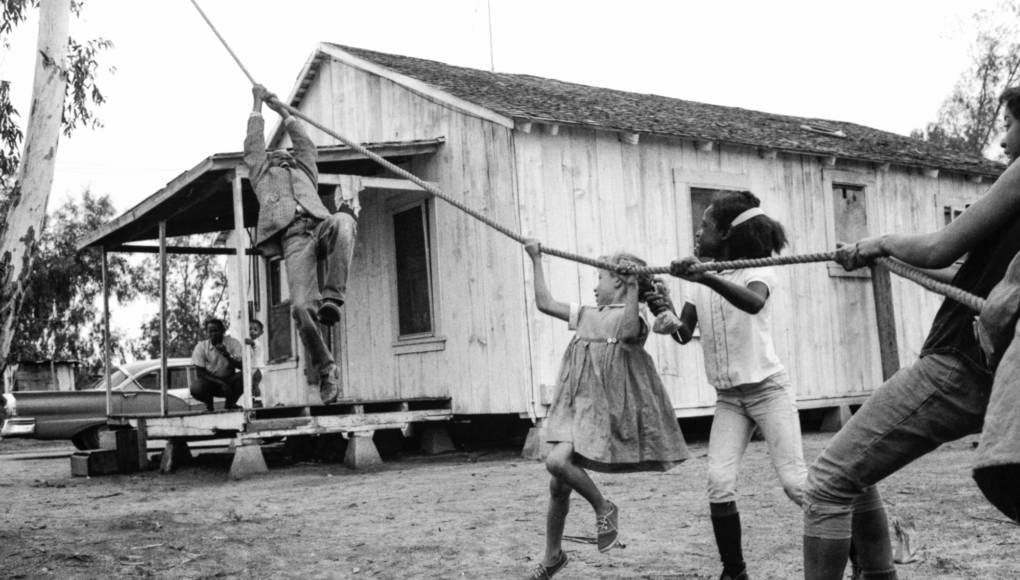
"caption": "Members of the Beavers family play on a homemade rope swing in front of their house in the unincorporated town of Teviston in the San Joaquin Valley. Their father, Benjamin Beavers, watched the children play from the porch. ",
"description": "Members of the Beavers family play on a homemade rope swing in front of their house in the unincorporated town of Teviston in the San Joaquin Valley. Their father, Benjamin Beavers, watched the children play from the porch. ",
"title": "\"We had to make our own playground.\"",
"credit": "\u003ca href=\"http://ernestlowe.com/\">Courtesy Ernest Lowe\u003c/a>",
"status": "inherit",
"isLoading": false,
"fetchFailed": false
},
"news_11726877": {
"type": "attachments",
"id": "news_11726877",
"meta": {
"index": "attachments_1716263798",
"site": "news",
"id": "11726877",
"found": true
},
"parent": 0,
"imgSizes": {
"twentyfourteen-full-width": {
"file": "https://ww2.kqed.org/app/uploads/sites/10/2019/02/Hamilton.MAIN_-1038x576.jpg",
"width": 1038,
"mimeType": "image/jpeg",
"height": 576
},
"thumbnail": {
"file": "https://ww2.kqed.org/app/uploads/sites/10/2019/02/Hamilton.MAIN_-160x90.jpg",
"width": 160,
"mimeType": "image/jpeg",
"height": 90
},
"post-thumbnail": {
"file": "https://ww2.kqed.org/app/uploads/sites/10/2019/02/Hamilton.MAIN_-672x372.jpg",
"width": 672,
"mimeType": "image/jpeg",
"height": 372
},
"kqedFullSize": {
"file": "https://ww2.kqed.org/app/uploads/sites/10/2019/02/Hamilton.MAIN_.jpg",
"width": 1920,
"height": 1080
},
"large": {
"file": "https://ww2.kqed.org/app/uploads/sites/10/2019/02/Hamilton.MAIN_-1020x574.jpg",
"width": 1020,
"mimeType": "image/jpeg",
"height": 574
},
"complete_open_graph": {
"file": "https://ww2.kqed.org/app/uploads/sites/10/2019/02/Hamilton.MAIN_-1200x675.jpg",
"width": 1200,
"mimeType": "image/jpeg",
"height": 675
},
"guest-author-50": {
"file": "https://ww2.kqed.org/app/uploads/sites/10/2019/02/Hamilton.MAIN_-50x50.jpg",
"width": 50,
"mimeType": "image/jpeg",
"height": 50
},
"guest-author-96": {
"file": "https://ww2.kqed.org/app/uploads/sites/10/2019/02/Hamilton.MAIN_-96x96.jpg",
"width": 96,
"mimeType": "image/jpeg",
"height": 96
},
"medium": {
"file": "https://ww2.kqed.org/app/uploads/sites/10/2019/02/Hamilton.MAIN_-800x450.jpg",
"width": 800,
"mimeType": "image/jpeg",
"height": 450
},
"guest-author-64": {
"file": "https://ww2.kqed.org/app/uploads/sites/10/2019/02/Hamilton.MAIN_-64x64.jpg",
"width": 64,
"mimeType": "image/jpeg",
"height": 64
},
"guest-author-32": {
"file": "https://ww2.kqed.org/app/uploads/sites/10/2019/02/Hamilton.MAIN_-32x32.jpg",
"width": 32,
"mimeType": "image/jpeg",
"height": 32
},
"full-width": {
"file": "https://ww2.kqed.org/app/uploads/sites/10/2019/02/Hamilton.MAIN_-1920x1080.jpg",
"width": 1920,
"mimeType": "image/jpeg",
"height": 1080
},
"detail": {
"file": "https://ww2.kqed.org/app/uploads/sites/10/2019/02/Hamilton.MAIN_-150x150.jpg",
"width": 150,
"mimeType": "image/jpeg",
"height": 150
},
"guest-author-128": {
"file": "https://ww2.kqed.org/app/uploads/sites/10/2019/02/Hamilton.MAIN_-128x128.jpg",
"width": 128,
"mimeType": "image/jpeg",
"height": 128
}
},
"publishDate": 1550348038,
"modified": 1550348272,
"caption": "The set of 'Hamilton' at the Orpheum Theatre in San Francisco, during the show's 2017 run. On Feb. 15, 2019, mass panic ensued and the theater was evacuated after false reports of a gunman.",
"description": "The set of 'Hamilton' at the Orpheum Theatre in San Francisco, during the show's 2017 run. On Feb. 15, 2019, mass panic ensued and the theater was evacuated after false reports of a gunman.",
"title": "Hamilton.MAIN",
"credit": "Gabe Meline/KQED",
"status": "inherit",
"isLoading": false,
"fetchFailed": false
},
"news_11725940": {
"type": "attachments",
"id": "news_11725940",
"meta": {
"index": "attachments_1716263798",
"site": "news",
"id": "11725940",
"found": true
},
"parent": 11725695,
"imgSizes": {
"twentyfourteen-full-width": {
"file": "https://ww2.kqed.org/app/uploads/sites/10/2019/02/last-kiss-1038x576.jpg",
"width": 1038,
"mimeType": "image/jpeg",
"height": 576
},
"thumbnail": {
"file": "https://ww2.kqed.org/app/uploads/sites/10/2019/02/last-kiss-160x116.jpg",
"width": 160,
"mimeType": "image/jpeg",
"height": 116
},
"post-thumbnail": {
"file": "https://ww2.kqed.org/app/uploads/sites/10/2019/02/last-kiss-672x372.jpg",
"width": 672,
"mimeType": "image/jpeg",
"height": 372
},
"kqedFullSize": {
"file": "https://ww2.kqed.org/app/uploads/sites/10/2019/02/last-kiss-e1550259707738.jpg",
"width": 1920,
"height": 1395
},
"large": {
"file": "https://ww2.kqed.org/app/uploads/sites/10/2019/02/last-kiss-1020x741.jpg",
"width": 1020,
"mimeType": "image/jpeg",
"height": 741
},
"complete_open_graph": {
"file": "https://ww2.kqed.org/app/uploads/sites/10/2019/02/last-kiss-1200x872.jpg",
"width": 1200,
"mimeType": "image/jpeg",
"height": 872
},
"guest-author-50": {
"file": "https://ww2.kqed.org/app/uploads/sites/10/2019/02/last-kiss-50x50.jpg",
"width": 50,
"mimeType": "image/jpeg",
"height": 50
},
"guest-author-96": {
"file": "https://ww2.kqed.org/app/uploads/sites/10/2019/02/last-kiss-96x96.jpg",
"width": 96,
"mimeType": "image/jpeg",
"height": 96
},
"medium": {
"file": "https://ww2.kqed.org/app/uploads/sites/10/2019/02/last-kiss-800x581.jpg",
"width": 800,
"mimeType": "image/jpeg",
"height": 581
},
"guest-author-64": {
"file": "https://ww2.kqed.org/app/uploads/sites/10/2019/02/last-kiss-64x64.jpg",
"width": 64,
"mimeType": "image/jpeg",
"height": 64
},
"guest-author-32": {
"file": "https://ww2.kqed.org/app/uploads/sites/10/2019/02/last-kiss-32x32.jpg",
"width": 32,
"mimeType": "image/jpeg",
"height": 32
},
"full-width": {
"file": "https://ww2.kqed.org/app/uploads/sites/10/2019/02/last-kiss-1920x1395.jpg",
"width": 1920,
"mimeType": "image/jpeg",
"height": 1395
},
"detail": {
"file": "https://ww2.kqed.org/app/uploads/sites/10/2019/02/last-kiss-150x150.jpg",
"width": 150,
"mimeType": "image/jpeg",
"height": 150
},
"guest-author-128": {
"file": "https://ww2.kqed.org/app/uploads/sites/10/2019/02/last-kiss-128x128.jpg",
"width": 128,
"mimeType": "image/jpeg",
"height": 128
}
},
"publishDate": 1550093076,
"modified": 1550093133,
"caption": "Last kisses might be painful, awkward or sad. but they're worth remembering.",
"description": "Last kisses might be painful, awkward or sad. but they're worth remembering.",
"title": "last kiss",
"credit": "Getty Images",
"status": "inherit",
"isLoading": false,
"fetchFailed": false
},
"news_11726696": {
"type": "attachments",
"id": "news_11726696",
"meta": {
"index": "attachments_1716263798",
"site": "news",
"id": "11726696",
"found": true
},
"parent": 11726608,
"imgSizes": {
"twentyfourteen-full-width": {
"file": "https://ww2.kqed.org/app/uploads/sites/10/2019/02/RS35272_SadEarbuds-1-qut-1038x576.jpg",
"width": 1038,
"mimeType": "image/jpeg",
"height": 576
},
"thumbnail": {
"file": "https://ww2.kqed.org/app/uploads/sites/10/2019/02/RS35272_SadEarbuds-1-qut-160x107.jpg",
"width": 160,
"mimeType": "image/jpeg",
"height": 107
},
"post-thumbnail": {
"file": "https://ww2.kqed.org/app/uploads/sites/10/2019/02/RS35272_SadEarbuds-1-qut-672x372.jpg",
"width": 672,
"mimeType": "image/jpeg",
"height": 372
},
"kqedFullSize": {
"file": "https://ww2.kqed.org/app/uploads/sites/10/2019/02/RS35272_SadEarbuds-1-qut.jpg",
"width": 1920,
"height": 1280
},
"large": {
"file": "https://ww2.kqed.org/app/uploads/sites/10/2019/02/RS35272_SadEarbuds-1-qut-1020x680.jpg",
"width": 1020,
"mimeType": "image/jpeg",
"height": 680
},
"complete_open_graph": {
"file": "https://ww2.kqed.org/app/uploads/sites/10/2019/02/RS35272_SadEarbuds-1-qut-1200x800.jpg",
"width": 1200,
"mimeType": "image/jpeg",
"height": 800
},
"guest-author-50": {
"file": "https://ww2.kqed.org/app/uploads/sites/10/2019/02/RS35272_SadEarbuds-1-qut-50x50.jpg",
"width": 50,
"mimeType": "image/jpeg",
"height": 50
},
"guest-author-96": {
"file": "https://ww2.kqed.org/app/uploads/sites/10/2019/02/RS35272_SadEarbuds-1-qut-96x96.jpg",
"width": 96,
"mimeType": "image/jpeg",
"height": 96
},
"medium": {
"file": "https://ww2.kqed.org/app/uploads/sites/10/2019/02/RS35272_SadEarbuds-1-qut-800x533.jpg",
"width": 800,
"mimeType": "image/jpeg",
"height": 533
},
"guest-author-64": {
"file": "https://ww2.kqed.org/app/uploads/sites/10/2019/02/RS35272_SadEarbuds-1-qut-64x64.jpg",
"width": 64,
"mimeType": "image/jpeg",
"height": 64
},
"guest-author-32": {
"file": "https://ww2.kqed.org/app/uploads/sites/10/2019/02/RS35272_SadEarbuds-1-qut-32x32.jpg",
"width": 32,
"mimeType": "image/jpeg",
"height": 32
},
"full-width": {
"file": "https://ww2.kqed.org/app/uploads/sites/10/2019/02/RS35272_SadEarbuds-1-qut-1920x1280.jpg",
"width": 1920,
"mimeType": "image/jpeg",
"height": 1280
},
"detail": {
"file": "https://ww2.kqed.org/app/uploads/sites/10/2019/02/RS35272_SadEarbuds-1-qut-150x150.jpg",
"width": 150,
"mimeType": "image/jpeg",
"height": 150
},
"guest-author-128": {
"file": "https://ww2.kqed.org/app/uploads/sites/10/2019/02/RS35272_SadEarbuds-1-qut-128x128.jpg",
"width": 128,
"mimeType": "image/jpeg",
"height": 128
}
},
"publishDate": 1550267976,
"modified": 1550268400,
"caption": null,
"description": null,
"title": "RS35272_SadEarbuds (1)-qut",
"credit": "Getty Images",
"status": "inherit",
"isLoading": false,
"fetchFailed": false
},
"news_11726036": {
"type": "attachments",
"id": "news_11726036",
"meta": {
"index": "attachments_1716263798",
"site": "news",
"id": "11726036",
"found": true
},
"parent": 11721192,
"imgSizes": {
"twentyfourteen-full-width": {
"file": "https://ww2.kqed.org/app/uploads/sites/10/2019/02/bay-curious-illo-elena-lacey-3-1038x576.jpg",
"width": 1038,
"mimeType": "image/jpeg",
"height": 576
},
"thumbnail": {
"file": "https://ww2.kqed.org/app/uploads/sites/10/2019/02/bay-curious-illo-elena-lacey-3-160x79.jpg",
"width": 160,
"mimeType": "image/jpeg",
"height": 79
},
"post-thumbnail": {
"file": "https://ww2.kqed.org/app/uploads/sites/10/2019/02/bay-curious-illo-elena-lacey-3-672x372.jpg",
"width": 672,
"mimeType": "image/jpeg",
"height": 372
},
"kqedFullSize": {
"file": "https://ww2.kqed.org/app/uploads/sites/10/2019/02/bay-curious-illo-elena-lacey-3.jpg",
"width": 1920,
"height": 952
},
"large": {
"file": "https://ww2.kqed.org/app/uploads/sites/10/2019/02/bay-curious-illo-elena-lacey-3-1020x506.jpg",
"width": 1020,
"mimeType": "image/jpeg",
"height": 506
},
"complete_open_graph": {
"file": "https://ww2.kqed.org/app/uploads/sites/10/2019/02/bay-curious-illo-elena-lacey-3-1200x595.jpg",
"width": 1200,
"mimeType": "image/jpeg",
"height": 595
},
"guest-author-50": {
"file": "https://ww2.kqed.org/app/uploads/sites/10/2019/02/bay-curious-illo-elena-lacey-3-50x50.jpg",
"width": 50,
"mimeType": "image/jpeg",
"height": 50
},
"guest-author-96": {
"file": "https://ww2.kqed.org/app/uploads/sites/10/2019/02/bay-curious-illo-elena-lacey-3-96x96.jpg",
"width": 96,
"mimeType": "image/jpeg",
"height": 96
},
"medium": {
"file": "https://ww2.kqed.org/app/uploads/sites/10/2019/02/bay-curious-illo-elena-lacey-3-800x397.jpg",
"width": 800,
"mimeType": "image/jpeg",
"height": 397
},
"guest-author-64": {
"file": "https://ww2.kqed.org/app/uploads/sites/10/2019/02/bay-curious-illo-elena-lacey-3-64x64.jpg",
"width": 64,
"mimeType": "image/jpeg",
"height": 64
},
"guest-author-32": {
"file": "https://ww2.kqed.org/app/uploads/sites/10/2019/02/bay-curious-illo-elena-lacey-3-32x32.jpg",
"width": 32,
"mimeType": "image/jpeg",
"height": 32
},
"full-width": {
"file": "https://ww2.kqed.org/app/uploads/sites/10/2019/02/bay-curious-illo-elena-lacey-3-1920x952.jpg",
"width": 1920,
"mimeType": "image/jpeg",
"height": 952
},
"detail": {
"file": "https://ww2.kqed.org/app/uploads/sites/10/2019/02/bay-curious-illo-elena-lacey-3-150x150.jpg",
"width": 150,
"mimeType": "image/jpeg",
"height": 150
},
"guest-author-128": {
"file": "https://ww2.kqed.org/app/uploads/sites/10/2019/02/bay-curious-illo-elena-lacey-3-128x128.jpg",
"width": 128,
"mimeType": "image/jpeg",
"height": 128
}
},
"publishDate": 1550101050,
"modified": 1550106604,
"caption": "Owners of historic buildings might be able to sell the air above their structures so that developers elsewhere can build higher. ",
"description": "Owners of historic buildings might be able to sell the air above their building, so developers elsewhere can build higher. ",
"title": "bay-curious-illo-elena-lacey-3",
"credit": "Elena Lacey/KQED",
"status": "inherit",
"isLoading": false,
"fetchFailed": false
},
"news_11723439": {
"type": "attachments",
"id": "news_11723439",
"meta": {
"index": "attachments_1716263798",
"site": "news",
"id": "11723439",
"found": true
},
"parent": 11723406,
"imgSizes": {
"twentyfourteen-full-width": {
"file": "https://ww2.kqed.org/app/uploads/sites/10/2019/02/bay-swimmers-featured-1038x576.jpg",
"width": 1038,
"mimeType": "image/jpeg",
"height": 576
},
"thumbnail": {
"file": "https://ww2.kqed.org/app/uploads/sites/10/2019/02/bay-swimmers-featured-160x107.jpg",
"width": 160,
"mimeType": "image/jpeg",
"height": 107
},
"post-thumbnail": {
"file": "https://ww2.kqed.org/app/uploads/sites/10/2019/02/bay-swimmers-featured-672x372.jpg",
"width": 672,
"mimeType": "image/jpeg",
"height": 372
},
"kqedFullSize": {
"file": "https://ww2.kqed.org/app/uploads/sites/10/2019/02/bay-swimmers-featured-e1549498609288.jpg",
"width": 1920,
"height": 1280
},
"large": {
"file": "https://ww2.kqed.org/app/uploads/sites/10/2019/02/bay-swimmers-featured-1020x680.jpg",
"width": 1020,
"mimeType": "image/jpeg",
"height": 680
},
"complete_open_graph": {
"file": "https://ww2.kqed.org/app/uploads/sites/10/2019/02/bay-swimmers-featured-1200x800.jpg",
"width": 1200,
"mimeType": "image/jpeg",
"height": 800
},
"guest-author-50": {
"file": "https://ww2.kqed.org/app/uploads/sites/10/2019/02/bay-swimmers-featured-50x50.jpg",
"width": 50,
"mimeType": "image/jpeg",
"height": 50
},
"guest-author-96": {
"file": "https://ww2.kqed.org/app/uploads/sites/10/2019/02/bay-swimmers-featured-96x96.jpg",
"width": 96,
"mimeType": "image/jpeg",
"height": 96
},
"medium": {
"file": "https://ww2.kqed.org/app/uploads/sites/10/2019/02/bay-swimmers-featured-800x533.jpg",
"width": 800,
"mimeType": "image/jpeg",
"height": 533
},
"guest-author-64": {
"file": "https://ww2.kqed.org/app/uploads/sites/10/2019/02/bay-swimmers-featured-64x64.jpg",
"width": 64,
"mimeType": "image/jpeg",
"height": 64
},
"guest-author-32": {
"file": "https://ww2.kqed.org/app/uploads/sites/10/2019/02/bay-swimmers-featured-32x32.jpg",
"width": 32,
"mimeType": "image/jpeg",
"height": 32
},
"full-width": {
"file": "https://ww2.kqed.org/app/uploads/sites/10/2019/02/bay-swimmers-featured-1920x1280.jpg",
"width": 1920,
"mimeType": "image/jpeg",
"height": 1280
},
"detail": {
"file": "https://ww2.kqed.org/app/uploads/sites/10/2019/02/bay-swimmers-featured-150x150.jpg",
"width": 150,
"mimeType": "image/jpeg",
"height": 150
},
"guest-author-128": {
"file": "https://ww2.kqed.org/app/uploads/sites/10/2019/02/bay-swimmers-featured-128x128.jpg",
"width": 128,
"mimeType": "image/jpeg",
"height": 128
}
},
"publishDate": 1549330054,
"modified": 1549330119,
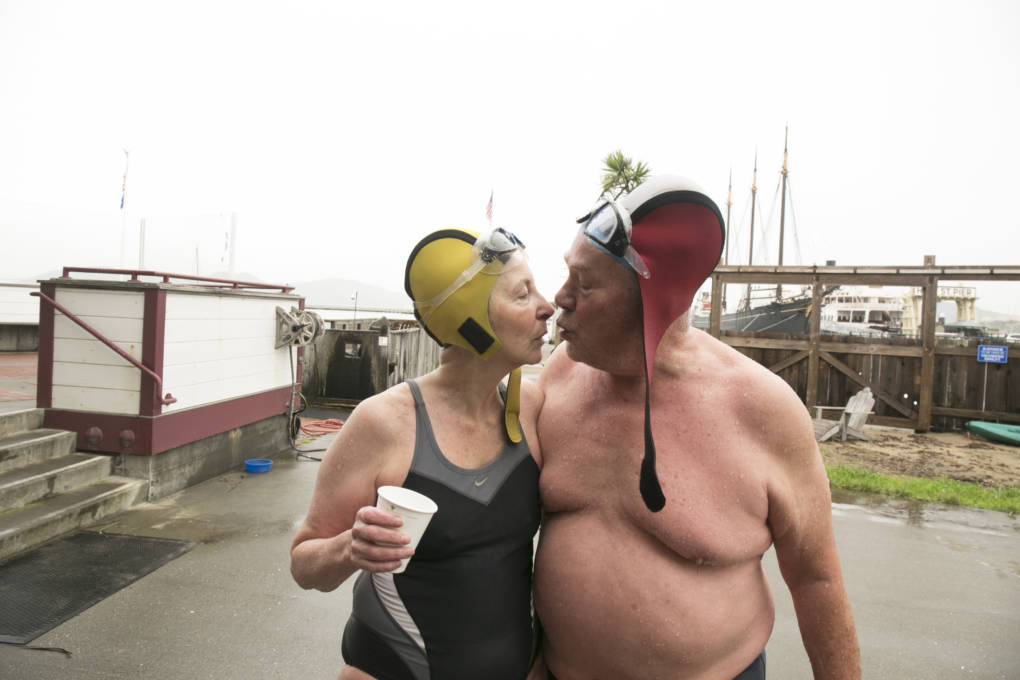
"caption": "Roberta Guise and John Rohosky share a smooch at San Francisco's Southend Rowing Club, where they are longtime members and frequent swimmers.",
"description": "Roberta Guise and John Rohosky share a smooch at San Francisco's Southend Rowing Club, where they are longtime members and frequent swimmers.",
"title": "bay swimmers featured",
"credit": "Stephanie Lister/KQED",
"status": "inherit",
"isLoading": false,
"fetchFailed": false
},
"news_11724952": {
"type": "attachments",
"id": "news_11724952",
"meta": {
"index": "attachments_1716263798",
"site": "news",
"id": "11724952",
"found": true
},
"parent": 11724763,
"imgSizes": {
"twentyfourteen-full-width": {
"file": "https://ww2.kqed.org/app/uploads/sites/10/2019/02/616_MARQUEE-1038x576.jpg",
"width": 1038,
"mimeType": "image/jpeg",
"height": 576
},
"thumbnail": {
"file": "https://ww2.kqed.org/app/uploads/sites/10/2019/02/616_MARQUEE-160x90.jpg",
"width": 160,
"mimeType": "image/jpeg",
"height": 90
},
"post-thumbnail": {
"file": "https://ww2.kqed.org/app/uploads/sites/10/2019/02/616_MARQUEE-672x372.jpg",
"width": 672,
"mimeType": "image/jpeg",
"height": 372
},
"kqedFullSize": {
"file": "https://ww2.kqed.org/app/uploads/sites/10/2019/02/616_MARQUEE.jpg",
"width": 1280,
"height": 720
},
"large": {
"file": "https://ww2.kqed.org/app/uploads/sites/10/2019/02/616_MARQUEE-1020x574.jpg",
"width": 1020,
"mimeType": "image/jpeg",
"height": 574
},
"complete_open_graph": {
"file": "https://ww2.kqed.org/app/uploads/sites/10/2019/02/616_MARQUEE-1200x675.jpg",
"width": 1200,
"mimeType": "image/jpeg",
"height": 675
},
"guest-author-50": {
"file": "https://ww2.kqed.org/app/uploads/sites/10/2019/02/616_MARQUEE-50x50.jpg",
"width": 50,
"mimeType": "image/jpeg",
"height": 50
},
"guest-author-96": {
"file": "https://ww2.kqed.org/app/uploads/sites/10/2019/02/616_MARQUEE-96x96.jpg",
"width": 96,
"mimeType": "image/jpeg",
"height": 96
},
"medium": {
"file": "https://ww2.kqed.org/app/uploads/sites/10/2019/02/616_MARQUEE-800x450.jpg",
"width": 800,
"mimeType": "image/jpeg",
"height": 450
},
"guest-author-64": {
"file": "https://ww2.kqed.org/app/uploads/sites/10/2019/02/616_MARQUEE-64x64.jpg",
"width": 64,
"mimeType": "image/jpeg",
"height": 64
},
"guest-author-32": {
"file": "https://ww2.kqed.org/app/uploads/sites/10/2019/02/616_MARQUEE-32x32.jpg",
"width": 32,
"mimeType": "image/jpeg",
"height": 32
},
"detail": {
"file": "https://ww2.kqed.org/app/uploads/sites/10/2019/02/616_MARQUEE-150x150.jpg",
"width": 150,
"mimeType": "image/jpeg",
"height": 150
},
"guest-author-128": {
"file": "https://ww2.kqed.org/app/uploads/sites/10/2019/02/616_MARQUEE-128x128.jpg",
"width": 128,
"mimeType": "image/jpeg",
"height": 128
}
},
"publishDate": 1549674056,
"modified": 1549674056,
"caption": null,
"description": null,
"title": "616_MARQUEE",
"credit": null,
"status": "inherit",
"isLoading": false,
"fetchFailed": false
},
"news_11723011": {
"type": "attachments",
"id": "news_11723011",
"meta": {
"index": "attachments_1716263798",
"site": "news",
"id": "11723011",
"found": true
},
"parent": 11720206,
"imgSizes": {
"twentyfourteen-full-width": {
"file": "https://ww2.kqed.org/app/uploads/sites/10/2019/02/letter-1000x576.jpg",
"width": 1000,
"mimeType": "image/jpeg",
"height": 576
},
"thumbnail": {
"file": "https://ww2.kqed.org/app/uploads/sites/10/2019/02/letter-160x146.jpg",
"width": 160,
"mimeType": "image/jpeg",
"height": 146
},
"post-thumbnail": {
"file": "https://ww2.kqed.org/app/uploads/sites/10/2019/02/letter-672x372.jpg",
"width": 672,
"mimeType": "image/jpeg",
"height": 372
},
"kqedFullSize": {
"file": "https://ww2.kqed.org/app/uploads/sites/10/2019/02/letter.jpg",
"width": 1000,
"height": 913
},
"guest-author-50": {
"file": "https://ww2.kqed.org/app/uploads/sites/10/2019/02/letter-50x50.jpg",
"width": 50,
"mimeType": "image/jpeg",
"height": 50
},
"guest-author-96": {
"file": "https://ww2.kqed.org/app/uploads/sites/10/2019/02/letter-96x96.jpg",
"width": 96,
"mimeType": "image/jpeg",
"height": 96
},
"medium": {
"file": "https://ww2.kqed.org/app/uploads/sites/10/2019/02/letter-800x730.jpg",
"width": 800,
"mimeType": "image/jpeg",
"height": 730
},
"guest-author-64": {
"file": "https://ww2.kqed.org/app/uploads/sites/10/2019/02/letter-64x64.jpg",
"width": 64,
"mimeType": "image/jpeg",
"height": 64
},
"detail": {
"file": "https://ww2.kqed.org/app/uploads/sites/10/2019/02/letter-150x150.jpg",
"width": 150,
"mimeType": "image/jpeg",
"height": 150
},
"guest-author-32": {
"file": "https://ww2.kqed.org/app/uploads/sites/10/2019/02/letter-32x32.jpg",
"width": 32,
"mimeType": "image/jpeg",
"height": 32
},
"guest-author-128": {
"file": "https://ww2.kqed.org/app/uploads/sites/10/2019/02/letter-128x128.jpg",
"width": 128,
"mimeType": "image/jpeg",
"height": 128
}
},
"publishDate": 1549147743,
"modified": 1549147826,
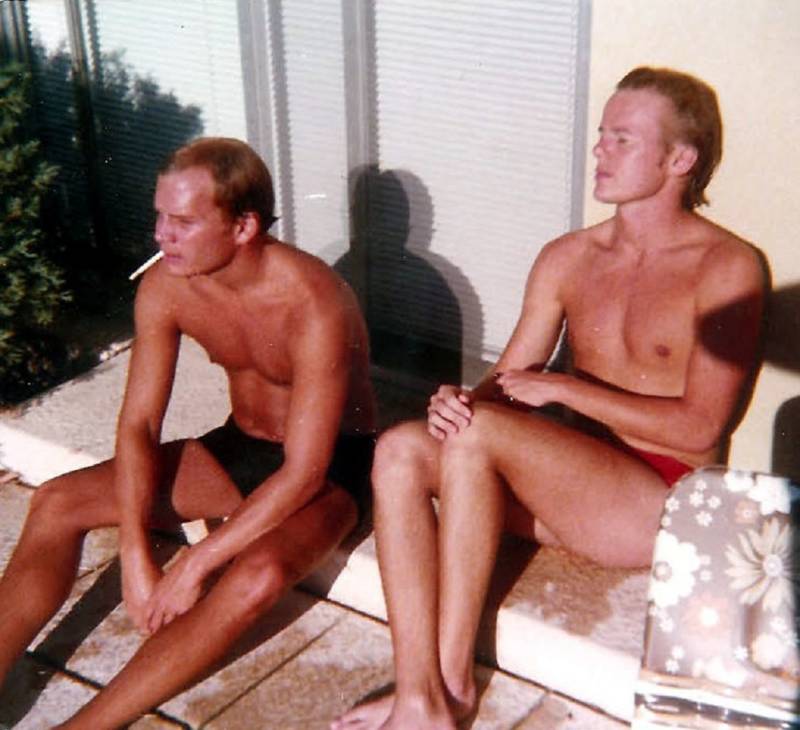
"caption": "Gregory Hinton (R) with his brother, Scott (L), in Palm Springs, CA.",
"description": null,
"title": "letter",
"credit": "Courtesy of Gregory Hinton",
"status": "inherit",
"isLoading": false,
"fetchFailed": false
}
},
"audioPlayerReducer": {
"postId": "stream_live",
"isPaused": true,
"isPlaying": false,
"pfsActive": false,
"pledgeModalIsOpen": true,
"playerDrawerIsOpen": false,
"liveAudioPlayStartedAt": 0,
"liveAudioPlayContext": ""
},
"authorsReducer": {
"byline_news_11728060": {
"type": "authors",
"id": "byline_news_11728060",
"meta": {
"override": true
},
"slug": "byline_news_11728060",
"name": "Sasha Khokha",
"isLoading": false
},
"byline_news_11720206": {
"type": "authors",
"id": "byline_news_11720206",
"meta": {
"override": true
},
"slug": "byline_news_11720206",
"name": "Gregory Hinton",
"isLoading": false
},
"cmiller": {
"type": "authors",
"id": "221",
"meta": {
"index": "authors_1716337520",
"id": "221",
"found": true
},
"name": "Craig Miller",
"firstName": "Craig",
"lastName": "Miller",
"slug": "cmiller",
"email": "craig@voxterra.net",
"display_author_email": false,
"staff_mastheads": [
"science"
],
"title": "Editor Emeritus, Science",
"bio": "Craig is a former KQED Science editor, specializing in weather, climate, water & energy issues, with a little seismology thrown in just to shake things up. Prior to that, he launched and led the station's award-winning multimedia project, Climate Watch. Craig is also an accomplished writer/producer of television documentaries, with a focus on natural resource issues.",
"avatar": "https://secure.gravatar.com/avatar/b91661df645e001a9cafe0861fa685f9?s=600&d=blank&r=g",
"twitter": "voxterra",
"facebook": null,
"instagram": null,
"linkedin": null,
"sites": [
{
"site": "news",
"roles": [
"author"
]
},
{
"site": "futureofyou",
"roles": [
"editor"
]
},
{
"site": "stateofhealth",
"roles": [
"author"
]
},
{
"site": "science",
"roles": [
"editor"
]
},
{
"site": "quest",
"roles": [
"editor"
]
}
],
"headData": {
"title": "Craig Miller | KQED",
"description": "Editor Emeritus, Science",
"ogImgSrc": "https://secure.gravatar.com/avatar/b91661df645e001a9cafe0861fa685f9?s=600&d=blank&r=g",
"twImgSrc": "https://secure.gravatar.com/avatar/b91661df645e001a9cafe0861fa685f9?s=600&d=blank&r=g"
},
"isLoading": false,
"link": "/author/cmiller"
},
"kqed": {
"type": "authors",
"id": "236",
"meta": {
"index": "authors_1716337520",
"id": "236",
"found": true
},
"name": "KQED News Staff",
"firstName": "KQED News Staff",
"lastName": null,
"slug": "kqed",
"email": "faq@kqed.org",
"display_author_email": false,
"staff_mastheads": [],
"title": null,
"bio": null,
"avatar": "https://secure.gravatar.com/avatar/ef0e801a68c4c54afa9180db14084167?s=600&d=blank&r=g",
"twitter": null,
"facebook": null,
"instagram": null,
"linkedin": null,
"sites": [
{
"site": "arts",
"roles": [
"contributor"
]
},
{
"site": "news",
"roles": [
"editor"
]
},
{
"site": "futureofyou",
"roles": [
"author"
]
}
],
"headData": {
"title": "KQED News Staff | KQED",
"description": null,
"ogImgSrc": "https://secure.gravatar.com/avatar/ef0e801a68c4c54afa9180db14084167?s=600&d=blank&r=g",
"twImgSrc": "https://secure.gravatar.com/avatar/ef0e801a68c4c54afa9180db14084167?s=600&d=blank&r=g"
},
"isLoading": false,
"link": "/author/kqed"
},
"shossaini": {
"type": "authors",
"id": "3214",
"meta": {
"index": "authors_1716337520",
"id": "3214",
"found": true
},
"name": "Sara Hossaini",
"firstName": "Sara",
"lastName": "Hossaini",
"slug": "shossaini",
"email": "shossaini@kqed.org",
"display_author_email": true,
"staff_mastheads": [
"news"
],
"title": "KQED Reporter",
"bio": "Sara Hossaini came to general assignment reporting at KQED in 2013 after two winters reporting at Wyoming Public Radio. She holds a bachelor's degree in broadcast journalism from the University of Nebraska-Lincoln. Her radio romance began after a bitter breakup with documentary film (Ok, maybe it's still complicated). Her first simultaneous jobs in San Francisco were as Associate Producer on a PBS film series through the Center for Asian American Media and as a butler. She likes to trot, plot and make things with her hands.",
"avatar": "https://secure.gravatar.com/avatar/060e9f56b9554e17942e89f413242774?s=600&d=blank&r=g",
"twitter": "mshossaini",
"facebook": null,
"instagram": null,
"linkedin": null,
"sites": [
{
"site": "news",
"roles": [
"author"
]
},
{
"site": "stateofhealth",
"roles": [
"author"
]
}
],
"headData": {
"title": "Sara Hossaini | KQED",
"description": "KQED Reporter",
"ogImgSrc": "https://secure.gravatar.com/avatar/060e9f56b9554e17942e89f413242774?s=600&d=blank&r=g",
"twImgSrc": "https://secure.gravatar.com/avatar/060e9f56b9554e17942e89f413242774?s=600&d=blank&r=g"
},
"isLoading": false,
"link": "/author/shossaini"
},
"cveltman": {
"type": "authors",
"id": "8608",
"meta": {
"index": "authors_1716337520",
"id": "8608",
"found": true
},
"name": "Chloe Veltman",
"firstName": "Chloe",
"lastName": "Veltman",
"slug": "cveltman",
"email": "cveltman@kqed.org",
"display_author_email": true,
"staff_mastheads": [],
"title": "Arts and Culture Reporter",
"bio": "Chloe Veltman is a former arts and culture reporter for KQED. Prior to joining the organization, she launched and led the arts bureau at Colorado Public Radio, served as the Bay Area's culture columnist for the New York Times, and was the founder, host and executive producer of VoiceBox, a national award-winning weekly podcast/radio show and live events series all about the human voice. Chloe is the recipient of numerous prizes, grants and fellowships including a Webby Award for her work on interactive storytelling, both the John S Knight Journalism Fellowship and Humanities Center Fellowship at Stanford University, the Sundance Arts Writing Fellowship and a Library of Congress Research Fellowship. She is the author of the book \"On Acting\" and has appeared as a guest lecturer at Yale University and the San Francisco Conservatory of Music among other institutions. She holds a BA in english literature from King's College, Cambridge, and a Masters in Dramaturgy from the Central School of Speech and Drama/Harvard Institute for Advanced Theater Training.\r\n\u003ca href=\"https://www.chloeveltman.com\">www.chloeveltman.com\u003c/a>",
"avatar": "https://secure.gravatar.com/avatar/55403394b00a1ddab683952c2eb2cf85?s=600&d=blank&r=g",
"twitter": "chloeveltman",
"facebook": null,
"instagram": null,
"linkedin": null,
"sites": [
{
"site": "arts",
"roles": []
},
{
"site": "news",
"roles": [
"author"
]
},
{
"site": "pop",
"roles": [
"editor"
]
},
{
"site": "science",
"roles": []
}
],
"headData": {
"title": "Chloe Veltman | KQED",
"description": "Arts and Culture Reporter",
"ogImgSrc": "https://secure.gravatar.com/avatar/55403394b00a1ddab683952c2eb2cf85?s=600&d=blank&r=g",
"twImgSrc": "https://secure.gravatar.com/avatar/55403394b00a1ddab683952c2eb2cf85?s=600&d=blank&r=g"
},
"isLoading": false,
"link": "/author/cveltman"
},
"rlevi": {
"type": "authors",
"id": "11260",
"meta": {
"index": "authors_1716337520",
"id": "11260",
"found": true
},
"name": "Ryan Levi",
"firstName": "Ryan",
"lastName": "Levi",
"slug": "rlevi",
"email": "rlevi@KQED.org",
"display_author_email": false,
"staff_mastheads": [],
"title": "KQED Contributor",
"bio": "Ryan Levi was a reporter and podcast producer at KQED News from 2016-2019. He worked on \u003ca href=\"https://www.kqed.org/news/series/baycurious\">Bay Curious\u003c/a>, \u003ca href=\"https://www.kqed.org/news/tag/the-bay/\">The Bay, \u003c/a>and \u003ca href=\"https://podcasts.apple.com/us/podcast/the-california-report-magazine/id1314750545\">The California Report Magazine\u003c/a>, as well as hosting and producing the weekly \u003ca href=\"https://www.kqed.org/news/program/qedup/\">Q'ed Up podcast. \u003c/a>He also helped inaugurate KQED's weekend news coverage in 2017 as one of two original digital producers. Ryan holds degrees in multimedia journalism and Spanish from the University of Missouri.",
"avatar": "https://secure.gravatar.com/avatar/4cb2ddd028ac8807d1adf09609c5555d?s=600&d=blank&r=g",
"twitter": "ryan_levi",
"facebook": null,
"instagram": null,
"linkedin": null,
"sites": [
{
"site": "arts",
"roles": [
"editor"
]
},
{
"site": "news",
"roles": [
"subscriber"
]
},
{
"site": "stateofhealth",
"roles": [
"editor"
]
},
{
"site": "science",
"roles": [
"editor"
]
},
{
"site": "forum",
"roles": [
"administrator"
]
},
{
"site": "perspectives",
"roles": [
"administrator"
]
}
],
"headData": {
"title": "Ryan Levi | KQED",
"description": "KQED Contributor",
"ogImgSrc": "https://secure.gravatar.com/avatar/4cb2ddd028ac8807d1adf09609c5555d?s=600&d=blank&r=g",
"twImgSrc": "https://secure.gravatar.com/avatar/4cb2ddd028ac8807d1adf09609c5555d?s=600&d=blank&r=g"
},
"isLoading": false,
"link": "/author/rlevi"
},
"scraig": {
"type": "authors",
"id": "11327",
"meta": {
"index": "authors_1716337520",
"id": "11327",
"found": true
},
"name": "Sarah Craig",
"firstName": "Sarah",
"lastName": "Craig",
"slug": "scraig",
"email": "scraig@KQED.org",
"display_author_email": false,
"staff_mastheads": [],
"title": "KQED Contributor",
"bio": "Sarah Craig is a freelance radio reporter and documentary photographer. She is currently working on \u003cem>Dreams of Dust\u003c/em>, @dreamsofdust, a multimedia project that documents stories of climate migration in California’s Central Valley, previously funded by the California Humanities. Her completed projects include \u003cem>\u003ca href=\"http://www.facesoffracking.org/\" target=\"_blank\" rel=\"nofollow noopener noreferrer\">Faces of Fracking\u003c/a>,\u003c/em> an investigation into the impact of fracking on the people and places of California, and \u003cem>\u003ca href=\"http://sarahcraig.visura.co/gulf-disaster-2\" target=\"_blank\" rel=\"nofollow noopener noreferrer\">The Gulf Disaster\u003c/a>,\u003c/em> stories on the lives of fishermen in the aftermath of the BP spill. Her work has been published by Marketplace, KQED's Bay Curious and Q'ed Up podcasts, KQED's California Report Magazine, KALW's Crosscurrents, Grist.org, High Country News, Earth Island Journal, and others. Sarah received a B.A. in Geography at Vassar College and attended the \u003ca href=\"http://www.salt.edu/\" target=\"_blank\" rel=\"nofollow noopener noreferrer\">Salt Institute of Documentary Studies\u003c/a> in Portland, ME. She recently received an Excellence in Journalism Award from the NorCal Society of Professional Journalists for her documentary radio piece, \u003ca href=\"http://kalw.org/post/215-will-water-come#stream/0\">\"Will the Water Come.\"\u003c/a> Email: scraig@kqed.org Twitter: @sarahcraigmedia Website: sarahcraigmedia.com",
"avatar": "https://secure.gravatar.com/avatar/97f17950c828429d3df9f2907412a50b?s=600&d=blank&r=g",
"twitter": null,
"facebook": null,
"instagram": null,
"linkedin": null,
"sites": [
{
"site": "news",
"roles": [
"subscriber"
]
},
{
"site": "science",
"roles": [
"editor"
]
}
],
"headData": {
"title": "Sarah Craig | KQED",
"description": "KQED Contributor",
"ogImgSrc": "https://secure.gravatar.com/avatar/97f17950c828429d3df9f2907412a50b?s=600&d=blank&r=g",
"twImgSrc": "https://secure.gravatar.com/avatar/97f17950c828429d3df9f2907412a50b?s=600&d=blank&r=g"
},
"isLoading": false,
"link": "/author/scraig"
},
"bhernandez": {
"type": "authors",
"id": "11359",
"meta": {
"index": "authors_1716337520",
"id": "11359",
"found": true
},
"name": "Bianca Hernandez",
"firstName": "Bianca",
"lastName": "Hernandez",
"slug": "bhernandez",
"email": "bhernandez@kqed.org",
"display_author_email": false,
"staff_mastheads": [],
"title": "KQED Contributor",
"bio": "Bianca Hernandez is a former Interactive Producer for KQED. She has produced at KGPE, KSEE24 and Sierra Magazine. In 2011 she received an undergraduate degree in Journalism and Anthropology from CSU, Chico . She earned a Master's from the University of Southern California in 2013, where she completed a documentary on teenage farmworkers. She is an avid Jane Austen fan and takes lightsaber combat class for fun.",
"avatar": "https://secure.gravatar.com/avatar/75b3424851e2f9fa131f2cb6a051aeac?s=600&d=blank&r=g",
"twitter": "bookhoarding",
"facebook": null,
"instagram": null,
"linkedin": null,
"sites": [
{
"site": "arts",
"roles": []
},
{
"site": "news",
"roles": []
},
{
"site": "science",
"roles": []
},
{
"site": "forum",
"roles": []
}
],
"headData": {
"title": "Bianca Hernandez | KQED",
"description": "KQED Contributor",
"ogImgSrc": "https://secure.gravatar.com/avatar/75b3424851e2f9fa131f2cb6a051aeac?s=600&d=blank&r=g",
"twImgSrc": "https://secure.gravatar.com/avatar/75b3424851e2f9fa131f2cb6a051aeac?s=600&d=blank&r=g"
},
"isLoading": false,
"link": "/author/bhernandez"
},
"agarces": {
"type": "authors",
"id": "11367",
"meta": {
"index": "authors_1716337520",
"id": "11367",
"found": true
},
"name": "Audrey Garces",
"firstName": "Audrey",
"lastName": "Garces",
"slug": "agarces",
"email": "agarces@kqed.org",
"display_author_email": false,
"staff_mastheads": [
"news"
],
"title": "Digital Producer",
"bio": "Audrey is a former digital producer at KQED News. Previously, she was a KQED Raul Ramirez Diversity Fund intern where she developed stories that focused on highlighting diverse voices in journalism. Prior to her work at KQED, she worked as a news intern at the San Francisco Examiner. Audrey graduated from San Francisco State University with a B.A. in journalism and a minor in political science.",
"avatar": "https://secure.gravatar.com/avatar/5211bc2e6a809b9956da169e35ce63d5?s=600&d=blank&r=g",
"twitter": "audgar",
"facebook": null,
"instagram": null,
"linkedin": null,
"sites": [
{
"site": "arts",
"roles": []
},
{
"site": "news",
"roles": [
"subscriber"
]
},
{
"site": "science",
"roles": [
"editor"
]
},
{
"site": "forum",
"roles": [
"editor"
]
},
{
"site": "perspectives",
"roles": [
"administrator"
]
}
],
"headData": {
"title": "Audrey Garces | KQED",
"description": "Digital Producer",
"ogImgSrc": "https://secure.gravatar.com/avatar/5211bc2e6a809b9956da169e35ce63d5?s=600&d=blank&r=g",
"twImgSrc": "https://secure.gravatar.com/avatar/5211bc2e6a809b9956da169e35ce63d5?s=600&d=blank&r=g"
},
"isLoading": false,
"link": "/author/agarces"
},
"ahall": {
"type": "authors",
"id": "11490",
"meta": {
"index": "authors_1716337520",
"id": "11490",
"found": true
},
"name": "Alex Hall",
"firstName": "Alex",
"lastName": "Hall",
"slug": "ahall",
"email": "ahall@kqed.org",
"display_author_email": false,
"staff_mastheads": [
"news"
],
"title": "KQED Enterprise & Accountability Reporter",
"bio": "Alex Hall is KQED's Enterprise and Accountability Reporter. She previously covered the Central Valley for five years from KQED's bureau in Fresno. Before joining KQED, Alex was an investigative reporting fellow at Wisconsin Public Radio and the Wisconsin Center for Investigative Journalism. She has also worked as a bilingual producer for NPR's investigative unit and freelance video producer for Reuters TV on the Latin America desk. She got her start in journalism in South America, where she worked as a radio producer and Spanish-English translator for CNN Chile. Her documentary and investigation into the series of deadly COVID-19 outbreaks at Foster Farms won a national Edward R. Murrow award and was named an Investigative Reporters & Editors award finalist. Alex's reporting for Reveal on the Wisconsin dairy industry's reliance on undocumented immigrant labor was made into a film, Los Lecheros, which won a regional Edward R. Murrow award for best news documentary.",
"avatar": "https://secure.gravatar.com/avatar/defcbeb88b0bf591ff9af41f22644051?s=600&d=blank&r=g",
"twitter": "@chalexhall",
"facebook": null,
"instagram": null,
"linkedin": null,
"sites": [
{
"site": "news",
"roles": [
"editor"
]
},
{
"site": "liveblog",
"roles": [
"author"
]
}
],
"headData": {
"title": "Alex Hall | KQED",
"description": "KQED Enterprise & Accountability Reporter",
"ogImgSrc": "https://secure.gravatar.com/avatar/defcbeb88b0bf591ff9af41f22644051?s=600&d=blank&r=g",
"twImgSrc": "https://secure.gravatar.com/avatar/defcbeb88b0bf591ff9af41f22644051?s=600&d=blank&r=g"
},
"isLoading": false,
"link": "/author/ahall"
},
"aehsanipour": {
"type": "authors",
"id": "11580",
"meta": {
"index": "authors_1716337520",
"id": "11580",
"found": true
},
"name": "Asal Ehsanipour",
"firstName": "Asal",
"lastName": "Ehsanipour",
"slug": "aehsanipour",
"email": "aehsanipour@kqed.org",
"display_author_email": false,
"staff_mastheads": [],
"title": "Reporter and Producer",
"bio": "Asal Ehsanipour is a producer and reporter for Rightnowish, Bay Curious and The California Report Magazine. She is also a producer for \u003ca href=\"https://www.thedoubleshift.com/\">The Double Shift\u003c/a>, a podcast about a new generation of working mothers. In 2018, Asal was named an Emerging Journalist Fellow by the Journalism and Women’s Symposium. Her work has appeared on KQED, KALW, PRI’s The World, and in several food and travel publications.",
"avatar": "https://secure.gravatar.com/avatar/c0e210438f5dca1b76921ff9f0eada52?s=600&d=blank&r=g",
"twitter": null,
"facebook": null,
"instagram": null,
"linkedin": null,
"sites": [
{
"site": "arts",
"roles": []
},
{
"site": "news",
"roles": [
"author",
"edit_others_posts"
]
}
],
"headData": {
"title": "Asal Ehsanipour | KQED",
"description": "Reporter and Producer",
"ogImgSrc": "https://secure.gravatar.com/avatar/c0e210438f5dca1b76921ff9f0eada52?s=600&d=blank&r=g",
"twImgSrc": "https://secure.gravatar.com/avatar/c0e210438f5dca1b76921ff9f0eada52?s=600&d=blank&r=g"
},
"isLoading": false,
"link": "/author/aehsanipour"
}
},
"pagesReducer": {
"news_category_arts-and-culture": {
"type": "terms",
"id": "news_223",
"meta": {
"index": "terms_1716263798",
"site": "news",
"id": "223",
"score": 11.242002
},
"featImg": null,
"name": "Arts and Culture",
"description": null,
"taxonomy": "category",
"headData": {
"twImgId": null,
"twTitle": null,
"ogTitle": null,
"ogImgId": null,
"twDescription": null,
"description": null,
"title": "Arts and Culture Archives | KQED News",
"ogDescription": null
},
"ttid": 231,
"slug": "arts-and-culture",
"isLoading": false,
"title": "Arts and Culture",
"pageMeta": {
"site": "news",
"WpPageTemplate": "page-topic-editorial",
"currentPage": 64
},
"blocks": [
{
"blockName": "kqed/post-list",
"attrs": {
"layout": "cardArticle2",
"query": "posts/news?category=arts-and-culture",
"seeMore": false,
"paginated": true,
"page": 64
}
},
{
"blockName": "kqed/ad"
}
]
}
},
"pfsSessionReducer": {},
"postsReducer": {
"stream_live": {
"type": "live",
"id": "stream_live",
"audioUrl": "https://streams.kqed.org/kqedradio",
"title": "Live Stream",
"excerpt": "Live Stream information currently unavailable.",
"link": "/radio",
"featImg": "",
"label": {
"name": "KQED Live",
"link": "/"
}
},
"stream_kqedNewscast": {
"type": "posts",
"id": "stream_kqedNewscast",
"audioUrl": "https://www.kqed.org/.stream/anon/radio/RDnews/newscast.mp3?_=1",
"title": "KQED Newscast",
"featImg": "",
"label": {
"name": "88.5 FM",
"link": "/"
}
},
"news_11728649": {
"type": "posts",
"id": "news_11728649",
"meta": {
"index": "posts_1716263798",
"site": "news",
"id": "11728649",
"score": null,
"sort": [
1551058500000
]
},
"guestAuthors": [],
"slug": "photos-black-joy-parade-returns-to-oakland-for-2nd-year-of-music-dance-and-pride",
"title": "PHOTOS: Black Joy Parade Returns to Oakland for 2nd Year of Music, Dance and Pride",
"publishDate": 1551058500,
"format": "standard",
"headTitle": "PHOTOS: Black Joy Parade Returns to Oakland for 2nd Year of Music, Dance and Pride | KQED",
"labelTerm": {
"site": "news"
},
"content": "\u003cp>Thousands filled the streets of downtown Oakland on Sunday for the second annual Black Joy Parade.\u003c/p>\n\u003cp>\u003ca href=\"https://www.blackjoyparade.org/\" target=\"_blank\" rel=\"noopener\">Billed\u003c/a> as a “hyper-positive, family-friendly turn up that celebrates the Black experience and our community’s contribution to cultures past, present and future,” the event kicked off with a parade down Broadway and continued with an all-day celebration featuring vendors and musical acts.\u003c/p>\n\u003cp>“I just wanted people to be happy, to celebrate themselves and know what they’re worth, know that they’re great, just the way they are,” said organizer Elisha Greenwell.\u003c/p>\n\u003cp>“It’s important to see black joy as opposed to black sorrow,” said Jamese Conteh, who traveled from Las Vegas with her husband and two kids to attend the event.\u003c/p>\n\u003cfigure id=\"attachment_11728656\" class=\"wp-caption aligncenter\" style=\"max-width: 800px\">\u003cimg loading=\"lazy\" decoding=\"async\" class=\"size-medium wp-image-11728656\" src=\"https://ww2.kqed.org/news/wp-content/uploads/sites/10/2019/02/RS35442_IMG_7416-qut-800x533.jpg\" alt=\"A drum group performs during the Black Joy Parade in downtown Oakland.\" width=\"800\" height=\"533\" srcset=\"https://cdn.kqed.org/wp-content/uploads/sites/10/2019/02/RS35442_IMG_7416-qut-800x533.jpg 800w, https://cdn.kqed.org/wp-content/uploads/sites/10/2019/02/RS35442_IMG_7416-qut-160x107.jpg 160w, https://cdn.kqed.org/wp-content/uploads/sites/10/2019/02/RS35442_IMG_7416-qut-1020x680.jpg 1020w, https://cdn.kqed.org/wp-content/uploads/sites/10/2019/02/RS35442_IMG_7416-qut-1200x800.jpg 1200w, https://cdn.kqed.org/wp-content/uploads/sites/10/2019/02/RS35442_IMG_7416-qut.jpg 1920w\" sizes=\"(max-width: 800px) 100vw, 800px\">\u003cfigcaption class=\"wp-caption-text\">A drum group performs during the Black Joy Parade in downtown Oakland. \u003ccite>(Sara Hossaini/KQED)\u003c/cite>\u003c/figcaption>\u003c/figure>\n\u003cp>https://twitter.com/gmeline/status/1099776512922812416\u003c/p>\n\u003cfigure id=\"attachment_11728653\" class=\"wp-caption aligncenter\" style=\"max-width: 800px\">\u003cimg loading=\"lazy\" decoding=\"async\" class=\"size-medium wp-image-11728653\" src=\"https://ww2.kqed.org/news/wp-content/uploads/sites/10/2019/02/RS35436_IMG_7399-qut-800x533.jpg\" alt='Grandma Vickie Goins of Oakland brought her granddaughters to the parade: Constance Capers, Kaliyah Capers, Lamariah Hayes, and Emerald Capers. \"I grew up in an atmosphere of black empowerment,\" Goins said. \"My aunt was a Black Panther.\"' width=\"800\" height=\"533\" srcset=\"https://cdn.kqed.org/wp-content/uploads/sites/10/2019/02/RS35436_IMG_7399-qut-800x533.jpg 800w, https://cdn.kqed.org/wp-content/uploads/sites/10/2019/02/RS35436_IMG_7399-qut-160x107.jpg 160w, https://cdn.kqed.org/wp-content/uploads/sites/10/2019/02/RS35436_IMG_7399-qut-1020x680.jpg 1020w, https://cdn.kqed.org/wp-content/uploads/sites/10/2019/02/RS35436_IMG_7399-qut-1200x800.jpg 1200w, https://cdn.kqed.org/wp-content/uploads/sites/10/2019/02/RS35436_IMG_7399-qut.jpg 1920w\" sizes=\"(max-width: 800px) 100vw, 800px\">\u003cfigcaption class=\"wp-caption-text\">Grandma Vickie Goins of Oakland brought her granddaughters to the parade: Constance Capers, Kaliyah Capers, Lamariah Hayes, and Emerald Capers. “I grew up in an atmosphere of black empowerment,” Goins said. “My aunt was a Black Panther.” \u003ccite>(Sara Hossaini/KQED)\u003c/cite>\u003c/figcaption>\u003c/figure>\n\u003cp>https://twitter.com/gmeline/status/1099782124050079745\u003c/p>\n\u003cfigure id=\"attachment_11728662\" class=\"wp-caption aligncenter\" style=\"max-width: 800px\">\u003cimg loading=\"lazy\" decoding=\"async\" class=\"size-medium wp-image-11728662\" src=\"https://ww2.kqed.org/news/wp-content/uploads/sites/10/2019/02/RS35445_Black-Joy-Pen-1-qut-800x534.jpg\" alt=\"Members of the Prescott Circus School walk in the Black Joy Parade.\" width=\"800\" height=\"534\" srcset=\"https://cdn.kqed.org/wp-content/uploads/sites/10/2019/02/RS35445_Black-Joy-Pen-1-qut-800x534.jpg 800w, https://cdn.kqed.org/wp-content/uploads/sites/10/2019/02/RS35445_Black-Joy-Pen-1-qut-160x107.jpg 160w, https://cdn.kqed.org/wp-content/uploads/sites/10/2019/02/RS35445_Black-Joy-Pen-1-qut-1020x681.jpg 1020w, https://cdn.kqed.org/wp-content/uploads/sites/10/2019/02/RS35445_Black-Joy-Pen-1-qut.jpg 1024w\" sizes=\"(max-width: 800px) 100vw, 800px\">\u003cfigcaption class=\"wp-caption-text\">Members of the Prescott Circus School walk in the Black Joy Parade. \u003ccite>(Pendarvis Harshaw/KQED)\u003c/cite>\u003c/figcaption>\u003c/figure>\n\u003cfigure id=\"attachment_11728654\" class=\"wp-caption aligncenter\" style=\"max-width: 800px\">\u003cimg loading=\"lazy\" decoding=\"async\" class=\"size-medium wp-image-11728654\" src=\"https://ww2.kqed.org/news/wp-content/uploads/sites/10/2019/02/RS35433_IMG_7395-qut-800x533.jpg\" alt='Miyishia Shay, Tiffany Andrews and Jamala Massenburg have a book club called \"Booktini,\" which focuses on black female authors. Andrews says the parade is a fun time and reminds African-Americans that \"we still exist! It would be nice if it were more than just once a year.\"' width=\"800\" height=\"533\" srcset=\"https://cdn.kqed.org/wp-content/uploads/sites/10/2019/02/RS35433_IMG_7395-qut-800x533.jpg 800w, https://cdn.kqed.org/wp-content/uploads/sites/10/2019/02/RS35433_IMG_7395-qut-160x107.jpg 160w, https://cdn.kqed.org/wp-content/uploads/sites/10/2019/02/RS35433_IMG_7395-qut-1020x680.jpg 1020w, https://cdn.kqed.org/wp-content/uploads/sites/10/2019/02/RS35433_IMG_7395-qut-1200x800.jpg 1200w, https://cdn.kqed.org/wp-content/uploads/sites/10/2019/02/RS35433_IMG_7395-qut.jpg 1920w\" sizes=\"(max-width: 800px) 100vw, 800px\">\u003cfigcaption class=\"wp-caption-text\">Miyishia Shay, Tiffany Andrews and Jamala Massenburg have a book club called “Booktini,” which focuses on black female authors. Andrews says the parade is a fun time and reminds African-Americans that “we still exist! It would be nice if it were more than just once a year.” \u003ccite>(Sara Hossaini/KQED)\u003c/cite>\u003c/figcaption>\u003c/figure>\n\u003cfigure id=\"attachment_11728661\" class=\"wp-caption aligncenter\" style=\"max-width: 800px\">\u003cimg loading=\"lazy\" decoding=\"async\" class=\"size-medium wp-image-11728661\" src=\"https://ww2.kqed.org/news/wp-content/uploads/sites/10/2019/02/RS35444_Black-Joy-Pen-2-qut-800x534.jpg\" alt=\"Oakland A's mascot Stomper gets into the swing of the Black Joy Parade.\" width=\"800\" height=\"534\" srcset=\"https://cdn.kqed.org/wp-content/uploads/sites/10/2019/02/RS35444_Black-Joy-Pen-2-qut-800x534.jpg 800w, https://cdn.kqed.org/wp-content/uploads/sites/10/2019/02/RS35444_Black-Joy-Pen-2-qut-160x107.jpg 160w, https://cdn.kqed.org/wp-content/uploads/sites/10/2019/02/RS35444_Black-Joy-Pen-2-qut-1020x681.jpg 1020w, https://cdn.kqed.org/wp-content/uploads/sites/10/2019/02/RS35444_Black-Joy-Pen-2-qut.jpg 1024w\" sizes=\"(max-width: 800px) 100vw, 800px\">\u003cfigcaption class=\"wp-caption-text\">Oakland A’s mascot Stomper gets into the swing of the Black Joy Parade. \u003ccite>(Pendarvis Harshaw/KQED)\u003c/cite>\u003c/figcaption>\u003c/figure>\n\u003cfigure id=\"attachment_11728655\" class=\"wp-caption aligncenter\" style=\"max-width: 800px\">\u003cimg loading=\"lazy\" decoding=\"async\" class=\"size-medium wp-image-11728655\" src=\"https://ww2.kqed.org/news/wp-content/uploads/sites/10/2019/02/RS35437_IMG_7400-qut-800x533.jpg\" alt='\"RB\" on bike he designed and Scraper Bike team leader Chuck Davis pose at the Black Joy Parade in downtown Oakland.' width=\"800\" height=\"533\" srcset=\"https://cdn.kqed.org/wp-content/uploads/sites/10/2019/02/RS35437_IMG_7400-qut-800x533.jpg 800w, https://cdn.kqed.org/wp-content/uploads/sites/10/2019/02/RS35437_IMG_7400-qut-160x107.jpg 160w, https://cdn.kqed.org/wp-content/uploads/sites/10/2019/02/RS35437_IMG_7400-qut-1020x680.jpg 1020w, https://cdn.kqed.org/wp-content/uploads/sites/10/2019/02/RS35437_IMG_7400-qut-1200x800.jpg 1200w, https://cdn.kqed.org/wp-content/uploads/sites/10/2019/02/RS35437_IMG_7400-qut.jpg 1920w\" sizes=\"(max-width: 800px) 100vw, 800px\">\u003cfigcaption class=\"wp-caption-text\">“RB” on bike he designed and Scraper Bike team leader Chuck Davis pose at the Black Joy Parade in downtown Oakland. \u003ccite>(Sara Hossaini/KQED)\u003c/cite>\u003c/figcaption>\u003c/figure>\n\u003cp>https://twitter.com/gmeline/status/1099771458828390402\u003c/p>\n\u003cfigure id=\"attachment_11728657\" class=\"wp-caption aligncenter\" style=\"max-width: 800px\">\u003cimg loading=\"lazy\" decoding=\"async\" class=\"size-medium wp-image-11728657\" src=\"https://ww2.kqed.org/news/wp-content/uploads/sites/10/2019/02/RS35435_IMG_7398-qut-800x533.jpg\" alt=\"The Conteh family came all the way from Las Vegas for the event. Mom Jamese says she wanted to present black culture to her kids in a positive light. "It's important to see black joy as opposed to black sorrow." Son Khamri says being immersed in a see of black people is "awesome. It's amazing!" (L-R: Ibrahim, Jameela,, Jamese and Khamri)\" width=\"800\" height=\"533\" srcset=\"https://cdn.kqed.org/wp-content/uploads/sites/10/2019/02/RS35435_IMG_7398-qut-800x533.jpg 800w, https://cdn.kqed.org/wp-content/uploads/sites/10/2019/02/RS35435_IMG_7398-qut-160x107.jpg 160w, https://cdn.kqed.org/wp-content/uploads/sites/10/2019/02/RS35435_IMG_7398-qut-1020x680.jpg 1020w, https://cdn.kqed.org/wp-content/uploads/sites/10/2019/02/RS35435_IMG_7398-qut-1200x800.jpg 1200w, https://cdn.kqed.org/wp-content/uploads/sites/10/2019/02/RS35435_IMG_7398-qut.jpg 1920w\" sizes=\"(max-width: 800px) 100vw, 800px\">\u003cfigcaption class=\"wp-caption-text\">The Conteh family came all the way from Las Vegas for the event. Mom Jamese says she wanted to present black culture to her kids in a positive light. “It’s important to see black joy as opposed to black sorrow.” Son Khamri says being immersed in a see of black people is “awesome. It’s amazing!” (L-R: Ibrahim, Jameela,, Jamese and Khamri) \u003ccite>(Sara Hossaini/KQED)\u003c/cite>\u003c/figcaption>\u003c/figure>\n\u003cp>https://twitter.com/gmeline/status/1099802162668855296\u003c/p>\n\u003cp>[ad fullwidth]\u003c/p>\n\u003cp>\u003c/p>\n\u003cp>\u003cem>KQED’s Pendarvis Harshaw contributed reporting to this post.\u003c/em>\u003c/p>\n\n",
"blocks": [],
"excerpt": "'It's important to see black joy as opposed to black sorrow,' said Jamese Conteh, who traveled from Las Vegas with her husband and two kids to attend the event.",
"status": "publish",
"parent": 0,
"modified": 1718391092,
"stats": {
"hasAudio": false,
"hasVideo": false,
"hasChartOrMap": false,
"iframeSrcs": [],
"hasGoogleForm": false,
"hasGallery": false,
"hasHearkenModule": false,
"hasPolis": false,
"paragraphCount": 7,
"wordCount": 414
},
"headData": {
"title": "PHOTOS: Black Joy Parade Returns to Oakland for 2nd Year of Music, Dance and Pride | KQED",
"description": "'It's important to see black joy as opposed to black sorrow,' said Jamese Conteh, who traveled from Las Vegas with her husband and two kids to attend the event.",
"ogTitle": "",
"ogDescription": "",
"ogImgId": "",
"twTitle": "",
"twDescription": "",
"twImgId": "",
"schema": {
"@context": "https://schema.org",
"@type": "NewsArticle",
"headline": "PHOTOS: Black Joy Parade Returns to Oakland for 2nd Year of Music, Dance and Pride",
"datePublished": "2019-02-24T17:35:00-08:00",
"dateModified": "2024-06-14T11:51:32-07:00",
"image": "https://cdn.kqed.org/wp-content/uploads/2020/02/KQED-OG-Image@1x.png",
"isAccessibleForFree": "True",
"publisher": {
"@type": "NewsMediaOrganization",
"@id": "https://www.kqed.org/#organization",
"name": "KQED",
"logo": "https://cdn.kqed.org/wp-content/uploads/2020/02/KQED-OG-Image@1x.png",
"url": "https://www.kqed.org",
"sameAs": [
"https://www.facebook.com/KQED",
"https://twitter.com/KQED",
"https://www.instagram.com/kqed/",
"https://www.tiktok.com/@kqedofficial",
"https://www.linkedin.com/company/kqed",
"https://www.youtube.com/channel/UCeC0IOo7i1P_61zVUWbJ4nw"
]
}
}
},
"sticky": false,
"nprStoryId": "kqed-11728649",
"excludeFromSiteSearch": "Include",
"articleAge": "0",
"path": "/news/11728649/photos-black-joy-parade-returns-to-oakland-for-2nd-year-of-music-dance-and-pride",
"audioTrackLength": null,
"parsedContent": [
{
"type": "contentString",
"content": "\u003cdiv class=\"post-body\">\u003cp>\u003cp>Thousands filled the streets of downtown Oakland on Sunday for the second annual Black Joy Parade.\u003c/p>\n\u003cp>\u003ca href=\"https://www.blackjoyparade.org/\" target=\"_blank\" rel=\"noopener\">Billed\u003c/a> as a “hyper-positive, family-friendly turn up that celebrates the Black experience and our community’s contribution to cultures past, present and future,” the event kicked off with a parade down Broadway and continued with an all-day celebration featuring vendors and musical acts.\u003c/p>\n\u003cp>“I just wanted people to be happy, to celebrate themselves and know what they’re worth, know that they’re great, just the way they are,” said organizer Elisha Greenwell.\u003c/p>\n\u003cp>“It’s important to see black joy as opposed to black sorrow,” said Jamese Conteh, who traveled from Las Vegas with her husband and two kids to attend the event.\u003c/p>\n\u003cfigure id=\"attachment_11728656\" class=\"wp-caption aligncenter\" style=\"max-width: 800px\">\u003cimg loading=\"lazy\" decoding=\"async\" class=\"size-medium wp-image-11728656\" src=\"https://ww2.kqed.org/news/wp-content/uploads/sites/10/2019/02/RS35442_IMG_7416-qut-800x533.jpg\" alt=\"A drum group performs during the Black Joy Parade in downtown Oakland.\" width=\"800\" height=\"533\" srcset=\"https://cdn.kqed.org/wp-content/uploads/sites/10/2019/02/RS35442_IMG_7416-qut-800x533.jpg 800w, https://cdn.kqed.org/wp-content/uploads/sites/10/2019/02/RS35442_IMG_7416-qut-160x107.jpg 160w, https://cdn.kqed.org/wp-content/uploads/sites/10/2019/02/RS35442_IMG_7416-qut-1020x680.jpg 1020w, https://cdn.kqed.org/wp-content/uploads/sites/10/2019/02/RS35442_IMG_7416-qut-1200x800.jpg 1200w, https://cdn.kqed.org/wp-content/uploads/sites/10/2019/02/RS35442_IMG_7416-qut.jpg 1920w\" sizes=\"(max-width: 800px) 100vw, 800px\">\u003cfigcaption class=\"wp-caption-text\">A drum group performs during the Black Joy Parade in downtown Oakland. \u003ccite>(Sara Hossaini/KQED)\u003c/cite>\u003c/figcaption>\u003c/figure>\u003c/p>\u003c/div>",
"attributes": {
"named": {},
"numeric": []
}
},
{
"type": "component",
"content": "",
"name": "singleTwitterStatus",
"attributes": {
"named": {
"id": "1099776512922812416"
},
"numeric": []
}
},
{
"type": "contentString",
"content": "\u003cdiv class=\"post-body\">\u003cp>\n\u003cfigure id=\"attachment_11728653\" class=\"wp-caption aligncenter\" style=\"max-width: 800px\">\u003cimg loading=\"lazy\" decoding=\"async\" class=\"size-medium wp-image-11728653\" src=\"https://ww2.kqed.org/news/wp-content/uploads/sites/10/2019/02/RS35436_IMG_7399-qut-800x533.jpg\" alt='Grandma Vickie Goins of Oakland brought her granddaughters to the parade: Constance Capers, Kaliyah Capers, Lamariah Hayes, and Emerald Capers. \"I grew up in an atmosphere of black empowerment,\" Goins said. \"My aunt was a Black Panther.\"' width=\"800\" height=\"533\" srcset=\"https://cdn.kqed.org/wp-content/uploads/sites/10/2019/02/RS35436_IMG_7399-qut-800x533.jpg 800w, https://cdn.kqed.org/wp-content/uploads/sites/10/2019/02/RS35436_IMG_7399-qut-160x107.jpg 160w, https://cdn.kqed.org/wp-content/uploads/sites/10/2019/02/RS35436_IMG_7399-qut-1020x680.jpg 1020w, https://cdn.kqed.org/wp-content/uploads/sites/10/2019/02/RS35436_IMG_7399-qut-1200x800.jpg 1200w, https://cdn.kqed.org/wp-content/uploads/sites/10/2019/02/RS35436_IMG_7399-qut.jpg 1920w\" sizes=\"(max-width: 800px) 100vw, 800px\">\u003cfigcaption class=\"wp-caption-text\">Grandma Vickie Goins of Oakland brought her granddaughters to the parade: Constance Capers, Kaliyah Capers, Lamariah Hayes, and Emerald Capers. “I grew up in an atmosphere of black empowerment,” Goins said. “My aunt was a Black Panther.” \u003ccite>(Sara Hossaini/KQED)\u003c/cite>\u003c/figcaption>\u003c/figure>\u003c/p>\u003c/div>",
"attributes": {
"named": {},
"numeric": []
}
},
{
"type": "component",
"content": "",
"name": "singleTwitterStatus",
"attributes": {
"named": {
"id": "1099782124050079745"
},
"numeric": []
}
},
{
"type": "contentString",
"content": "\u003cdiv class=\"post-body\">\u003cp>\n\u003cfigure id=\"attachment_11728662\" class=\"wp-caption aligncenter\" style=\"max-width: 800px\">\u003cimg loading=\"lazy\" decoding=\"async\" class=\"size-medium wp-image-11728662\" src=\"https://ww2.kqed.org/news/wp-content/uploads/sites/10/2019/02/RS35445_Black-Joy-Pen-1-qut-800x534.jpg\" alt=\"Members of the Prescott Circus School walk in the Black Joy Parade.\" width=\"800\" height=\"534\" srcset=\"https://cdn.kqed.org/wp-content/uploads/sites/10/2019/02/RS35445_Black-Joy-Pen-1-qut-800x534.jpg 800w, https://cdn.kqed.org/wp-content/uploads/sites/10/2019/02/RS35445_Black-Joy-Pen-1-qut-160x107.jpg 160w, https://cdn.kqed.org/wp-content/uploads/sites/10/2019/02/RS35445_Black-Joy-Pen-1-qut-1020x681.jpg 1020w, https://cdn.kqed.org/wp-content/uploads/sites/10/2019/02/RS35445_Black-Joy-Pen-1-qut.jpg 1024w\" sizes=\"(max-width: 800px) 100vw, 800px\">\u003cfigcaption class=\"wp-caption-text\">Members of the Prescott Circus School walk in the Black Joy Parade. \u003ccite>(Pendarvis Harshaw/KQED)\u003c/cite>\u003c/figcaption>\u003c/figure>\n\u003cfigure id=\"attachment_11728654\" class=\"wp-caption aligncenter\" style=\"max-width: 800px\">\u003cimg loading=\"lazy\" decoding=\"async\" class=\"size-medium wp-image-11728654\" src=\"https://ww2.kqed.org/news/wp-content/uploads/sites/10/2019/02/RS35433_IMG_7395-qut-800x533.jpg\" alt='Miyishia Shay, Tiffany Andrews and Jamala Massenburg have a book club called \"Booktini,\" which focuses on black female authors. Andrews says the parade is a fun time and reminds African-Americans that \"we still exist! It would be nice if it were more than just once a year.\"' width=\"800\" height=\"533\" srcset=\"https://cdn.kqed.org/wp-content/uploads/sites/10/2019/02/RS35433_IMG_7395-qut-800x533.jpg 800w, https://cdn.kqed.org/wp-content/uploads/sites/10/2019/02/RS35433_IMG_7395-qut-160x107.jpg 160w, https://cdn.kqed.org/wp-content/uploads/sites/10/2019/02/RS35433_IMG_7395-qut-1020x680.jpg 1020w, https://cdn.kqed.org/wp-content/uploads/sites/10/2019/02/RS35433_IMG_7395-qut-1200x800.jpg 1200w, https://cdn.kqed.org/wp-content/uploads/sites/10/2019/02/RS35433_IMG_7395-qut.jpg 1920w\" sizes=\"(max-width: 800px) 100vw, 800px\">\u003cfigcaption class=\"wp-caption-text\">Miyishia Shay, Tiffany Andrews and Jamala Massenburg have a book club called “Booktini,” which focuses on black female authors. Andrews says the parade is a fun time and reminds African-Americans that “we still exist! It would be nice if it were more than just once a year.” \u003ccite>(Sara Hossaini/KQED)\u003c/cite>\u003c/figcaption>\u003c/figure>\n\u003cfigure id=\"attachment_11728661\" class=\"wp-caption aligncenter\" style=\"max-width: 800px\">\u003cimg loading=\"lazy\" decoding=\"async\" class=\"size-medium wp-image-11728661\" src=\"https://ww2.kqed.org/news/wp-content/uploads/sites/10/2019/02/RS35444_Black-Joy-Pen-2-qut-800x534.jpg\" alt=\"Oakland A's mascot Stomper gets into the swing of the Black Joy Parade.\" width=\"800\" height=\"534\" srcset=\"https://cdn.kqed.org/wp-content/uploads/sites/10/2019/02/RS35444_Black-Joy-Pen-2-qut-800x534.jpg 800w, https://cdn.kqed.org/wp-content/uploads/sites/10/2019/02/RS35444_Black-Joy-Pen-2-qut-160x107.jpg 160w, https://cdn.kqed.org/wp-content/uploads/sites/10/2019/02/RS35444_Black-Joy-Pen-2-qut-1020x681.jpg 1020w, https://cdn.kqed.org/wp-content/uploads/sites/10/2019/02/RS35444_Black-Joy-Pen-2-qut.jpg 1024w\" sizes=\"(max-width: 800px) 100vw, 800px\">\u003cfigcaption class=\"wp-caption-text\">Oakland A’s mascot Stomper gets into the swing of the Black Joy Parade. \u003ccite>(Pendarvis Harshaw/KQED)\u003c/cite>\u003c/figcaption>\u003c/figure>\n\u003cfigure id=\"attachment_11728655\" class=\"wp-caption aligncenter\" style=\"max-width: 800px\">\u003cimg loading=\"lazy\" decoding=\"async\" class=\"size-medium wp-image-11728655\" src=\"https://ww2.kqed.org/news/wp-content/uploads/sites/10/2019/02/RS35437_IMG_7400-qut-800x533.jpg\" alt='\"RB\" on bike he designed and Scraper Bike team leader Chuck Davis pose at the Black Joy Parade in downtown Oakland.' width=\"800\" height=\"533\" srcset=\"https://cdn.kqed.org/wp-content/uploads/sites/10/2019/02/RS35437_IMG_7400-qut-800x533.jpg 800w, https://cdn.kqed.org/wp-content/uploads/sites/10/2019/02/RS35437_IMG_7400-qut-160x107.jpg 160w, https://cdn.kqed.org/wp-content/uploads/sites/10/2019/02/RS35437_IMG_7400-qut-1020x680.jpg 1020w, https://cdn.kqed.org/wp-content/uploads/sites/10/2019/02/RS35437_IMG_7400-qut-1200x800.jpg 1200w, https://cdn.kqed.org/wp-content/uploads/sites/10/2019/02/RS35437_IMG_7400-qut.jpg 1920w\" sizes=\"(max-width: 800px) 100vw, 800px\">\u003cfigcaption class=\"wp-caption-text\">“RB” on bike he designed and Scraper Bike team leader Chuck Davis pose at the Black Joy Parade in downtown Oakland. \u003ccite>(Sara Hossaini/KQED)\u003c/cite>\u003c/figcaption>\u003c/figure>\u003c/p>\u003c/div>",
"attributes": {
"named": {},
"numeric": []
}
},
{
"type": "component",
"content": "",
"name": "singleTwitterStatus",
"attributes": {
"named": {
"id": "1099771458828390402"
},
"numeric": []
}
},
{
"type": "contentString",
"content": "\u003cdiv class=\"post-body\">\u003cp>\n\u003cfigure id=\"attachment_11728657\" class=\"wp-caption aligncenter\" style=\"max-width: 800px\">\u003cimg loading=\"lazy\" decoding=\"async\" class=\"size-medium wp-image-11728657\" src=\"https://ww2.kqed.org/news/wp-content/uploads/sites/10/2019/02/RS35435_IMG_7398-qut-800x533.jpg\" alt=\"The Conteh family came all the way from Las Vegas for the event. Mom Jamese says she wanted to present black culture to her kids in a positive light. "It's important to see black joy as opposed to black sorrow." Son Khamri says being immersed in a see of black people is "awesome. It's amazing!" (L-R: Ibrahim, Jameela,, Jamese and Khamri)\" width=\"800\" height=\"533\" srcset=\"https://cdn.kqed.org/wp-content/uploads/sites/10/2019/02/RS35435_IMG_7398-qut-800x533.jpg 800w, https://cdn.kqed.org/wp-content/uploads/sites/10/2019/02/RS35435_IMG_7398-qut-160x107.jpg 160w, https://cdn.kqed.org/wp-content/uploads/sites/10/2019/02/RS35435_IMG_7398-qut-1020x680.jpg 1020w, https://cdn.kqed.org/wp-content/uploads/sites/10/2019/02/RS35435_IMG_7398-qut-1200x800.jpg 1200w, https://cdn.kqed.org/wp-content/uploads/sites/10/2019/02/RS35435_IMG_7398-qut.jpg 1920w\" sizes=\"(max-width: 800px) 100vw, 800px\">\u003cfigcaption class=\"wp-caption-text\">The Conteh family came all the way from Las Vegas for the event. Mom Jamese says she wanted to present black culture to her kids in a positive light. “It’s important to see black joy as opposed to black sorrow.” Son Khamri says being immersed in a see of black people is “awesome. It’s amazing!” (L-R: Ibrahim, Jameela,, Jamese and Khamri) \u003ccite>(Sara Hossaini/KQED)\u003c/cite>\u003c/figcaption>\u003c/figure>\u003c/p>\u003c/div>",
"attributes": {
"named": {},
"numeric": []
}
},
{
"type": "component",
"content": "",
"name": "singleTwitterStatus",
"attributes": {
"named": {
"id": "1099802162668855296"
},
"numeric": []
}
},
{
"type": "contentString",
"content": "\u003cdiv class=\"post-body\">\u003cp>\n\u003cp>\u003c/p>\u003c/div>",
"attributes": {
"named": {},
"numeric": []
}
},
{
"type": "component",
"content": "",
"name": "ad",
"attributes": {
"named": {
"label": "fullwidth"
},
"numeric": [
"fullwidth"
]
}
},
{
"type": "contentString",
"content": "\u003cdiv class=\"post-body\">\u003cp>\u003c/p>\n\u003cp>\u003c/p>\n\u003cp>\u003cem>KQED’s Pendarvis Harshaw contributed reporting to this post.\u003c/em>\u003c/p>\n\n\u003c/div>\u003c/p>",
"attributes": {
"named": {},
"numeric": []
}
}
],
"link": "/news/11728649/photos-black-joy-parade-returns-to-oakland-for-2nd-year-of-music-dance-and-pride",
"authors": [
"3214"
],
"categories": [
"news_223",
"news_8"
],
"tags": [
"news_22973",
"news_20013",
"news_2672"
],
"featImg": "news_11728684",
"label": "news"
},
"news_11728060": {
"type": "posts",
"id": "news_11728060",
"meta": {
"index": "posts_1716263798",
"site": "news",
"id": "11728060",
"score": null,
"sort": [
1551030911000
]
},
"guestAuthors": [],
"slug": "how-okie-music-changed-californias-and-americas-musical-dna",
"title": "How ‘Okie’ Music Changed California's — and America’s — Musical DNA",
"publishDate": 1551030911,
"format": "audio",
"headTitle": "How ‘Okie’ Music Changed California’s — and America’s — Musical DNA | KQED",
"labelTerm": {
"term": 72,
"site": "news"
},
"content": "\u003cp>\u003cem>As part of the California Report Magazine’s look at how migration from Oklahoma changed California, host Sasha Khokha spoke with Robert Price, author of \u003ca href=\"https://heydaybooks.com/book/the-bakersfield-sound/\" rel=\"noopener\" target=\"_blank\">“The Bakersfield Sound: How a Generation of Displaced Okies Revolutionized American Music.”\u003c/a> He’s also a longtime columnist and the former executive editor at The Bakersfield Californian. Excerpts from the interview have been edited for brevity and clarity.\u003c/em>\u003c/p>\n\u003cp>\u003cstrong>On whether the word “Okie” is a derogatory term:\u003c/strong>\u003c/p>\n\u003cp>At one point in time it was. But over time it became kind of a point of pride [a symbol of their attitude of survival] . Okies called themselves ‘Okies’ and they let everybody else call them Okies as well. Every once in a while you’ll still hear an old-timers say, “Hey that’s not the term we like to hear,” but it’s pretty well accepted now.\u003c/p>\n\u003cp>https://www.youtube.com/watch?v=jBeOddejiGw\u003c/p>\n\u003cp>\u003cstrong>On what defines the Bakersfield sound:\u003c/strong>\u003c/p>\n\u003cp>[ad fullwidth]\u003c/p>\n\u003cp>It’s not so much a sound as it is a time and place. It was just a unique period of time between about 1949 and 1970 when Bakersfield was the hot spot, the center of the country music universe. The two main practitioners are Buck Owens and Merle Haggard, and their sounds are not really very much alike. Buck has a rockabilly thing going on, will a little bit of norteño thrown in there. Merle Haggard had more of a western swing and a jazz sensibility. The one thing they all had in common besides that locale was the instrument of choice, the Fender Telecaster. It cut through the bass line, cut through the drums and reverberated off the aluminum siding.\u003c/p>\n\u003cp>https://www.youtube.com/watch?v=fbEstJ98TcM\u003c/p>\n\u003cdiv class=\"mceTemp\">\u003c/div>\n\u003cp>\u003cstrong>On Merle Haggard’s lyrics about working people:\u003c/strong>\u003c/p>\n\u003cp>He was a blue collar guy. His dad worked for the railroad, and he himself had a lot of manual labor jobs. His audiences were people that worked in the fields picking cotton and picking fruit. He grew up in a converted boxcar in Oildale, adjacent to the Kern River Oil Field, which is one of the biggest oil fields in the lower 48 states. Between oil and agriculture, these were working class people.\u003c/p>\n\u003cfigure id=\"attachment_11728205\" class=\"wp-caption aligncenter\" style=\"max-width: 1920px\">\u003cimg loading=\"lazy\" decoding=\"async\" class=\"size-full wp-image-11728205\" src=\"https://ww2.kqed.org/news/wp-content/uploads/sites/10/2019/02/RS35392_18MerlePostcard-qut.jpg\" alt=\"\" width=\"1920\" height=\"1261\" srcset=\"https://cdn.kqed.org/wp-content/uploads/sites/10/2019/02/RS35392_18MerlePostcard-qut.jpg 1920w, https://cdn.kqed.org/wp-content/uploads/sites/10/2019/02/RS35392_18MerlePostcard-qut-160x105.jpg 160w, https://cdn.kqed.org/wp-content/uploads/sites/10/2019/02/RS35392_18MerlePostcard-qut-800x525.jpg 800w, https://cdn.kqed.org/wp-content/uploads/sites/10/2019/02/RS35392_18MerlePostcard-qut-1020x670.jpg 1020w, https://cdn.kqed.org/wp-content/uploads/sites/10/2019/02/RS35392_18MerlePostcard-qut-1200x788.jpg 1200w\" sizes=\"(max-width: 1920px) 100vw, 1920px\">\u003cfigcaption class=\"wp-caption-text\">Some early Capitol Records marketing for Merle Haggard \u003ccite>(Courtesy of Robert Price Collection)\u003c/cite>\u003c/figcaption>\u003c/figure>\n\u003cp>\u003cstrong>On the ways “Okies” changed California culture:\u003c/strong>\u003c/p>\n\u003cp>The Okies that came west in the mid ’30s through the early ’50s brought with them not just music, but they brought a distinct way of talking. They brought a religious sensibility that hadn’t been on the West Coast before, more of a “praise the Lord out loud” kind of religion. They brought some conservative politics with them. It completely changed California, certainly Central California.\u003c/p>\n\u003cp>https://www.youtube.com/watch?v=68cbjlLFl4U&start_radio=1&list=RD68cbjlLFl4U&t=8\u003c/p>\n\u003cp>[Merle Haggard’s] “Okie from Muskogee” really encapsulates those differences. The references to the shaggy long hair in San Francisco, the marijuana smoking. The message was “we’re not like those people.”\u003c/p>\n\u003cdiv class=\"mceTemp\">\u003c/div>\n\u003cp>\u003cstrong>On Buck Owens’ “Rags to Rhinestone” story – and how he rebelled against Nashville:\u003c/strong>\u003c/p>\n\u003cp>Buck Owens early on told himself “I am never going to be poor.” And he lived his life trying to be as unlike his childhood as he possibly could be in terms of his financial circumstances.\u003c/p>\n\u003cfigure id=\"attachment_11728206\" class=\"wp-caption alignnone\" style=\"max-width: 800px\">\u003cimg loading=\"lazy\" decoding=\"async\" class=\"size-medium wp-image-11728206\" src=\"https://ww2.kqed.org/news/wp-content/uploads/sites/10/2019/02/RS35393_32MinnieBuck-qut-800x1008.jpg\" alt=\"\" width=\"800\" height=\"1008\" srcset=\"https://cdn.kqed.org/wp-content/uploads/sites/10/2019/02/RS35393_32MinnieBuck-qut-800x1008.jpg 800w, https://cdn.kqed.org/wp-content/uploads/sites/10/2019/02/RS35393_32MinnieBuck-qut-160x202.jpg 160w, https://cdn.kqed.org/wp-content/uploads/sites/10/2019/02/RS35393_32MinnieBuck-qut-1020x1286.jpg 1020w, https://cdn.kqed.org/wp-content/uploads/sites/10/2019/02/RS35393_32MinnieBuck-qut-952x1200.jpg 952w, https://cdn.kqed.org/wp-content/uploads/sites/10/2019/02/RS35393_32MinnieBuck-qut.jpg 1206w\" sizes=\"(max-width: 800px) 100vw, 800px\">\u003cfigcaption class=\"wp-caption-text\">Visiting performers Tommy Collins and Buck Owens are shown with Minnie Pearl in this photograph taken in May 1954. These photos are part of a 60-photo exhibition coming to the Kern County Museum at the end of February. \u003ccite>(Courtesy of Buck Owens Productions)\u003c/cite>\u003c/figcaption>\u003c/figure>\n\u003cp>Country music out of Nashville became a lot more orchestrated, with strings and beautiful backing harmonies. In Bakersfield, Buck Owens led a sort of rebellion. Rockabilly and rock ‘n’ roll became more of an influence. And as it turned out the American listening public really liked his sound. And that’s kind of how Bakersfield stole that momentum away from Nashville and kind of became the center of the country music universe for a half a generation or so.\u003c/p>\n\u003cfigure id=\"attachment_11728207\" class=\"wp-caption alignnone\" style=\"max-width: 800px\">\u003cimg loading=\"lazy\" decoding=\"async\" class=\"size-medium wp-image-11728207\" src=\"https://ww2.kqed.org/news/wp-content/uploads/sites/10/2019/02/RS35394_36BuckDwiFair-qut-800x634.jpg\" alt=\"\" width=\"800\" height=\"634\" srcset=\"https://cdn.kqed.org/wp-content/uploads/sites/10/2019/02/RS35394_36BuckDwiFair-qut-800x634.jpg 800w, https://cdn.kqed.org/wp-content/uploads/sites/10/2019/02/RS35394_36BuckDwiFair-qut-160x127.jpg 160w, https://cdn.kqed.org/wp-content/uploads/sites/10/2019/02/RS35394_36BuckDwiFair-qut-1020x809.jpg 1020w, https://cdn.kqed.org/wp-content/uploads/sites/10/2019/02/RS35394_36BuckDwiFair-qut-1200x951.jpg 1200w, https://cdn.kqed.org/wp-content/uploads/sites/10/2019/02/RS35394_36BuckDwiFair-qut.jpg 1920w\" sizes=\"(max-width: 800px) 100vw, 800px\">\u003cfigcaption class=\"wp-caption-text\">Dwight Yoakam and Buck Owens sing “Streets of Bakersfield” in 1988. \u003ccite>(Courtesy of Buck Owens Productions)\u003c/cite>\u003c/figcaption>\u003c/figure>\n\u003cp>\u003cstrong>On women in the “Bakersfield Sound” scene:\u003c/strong>\u003c/p>\n\u003cp>Jean Shepherd recorded the first hit associated with the Bakersfield sound: a duet with Frank Husky called “Dear John.”\u003c/p>\n\u003cp>https://www.youtube.com/watch?v=Qx2LK8lx7Zo\u003c/p>\n\u003cp>Jean Shepherd was from Visalia, but she kind of gravitated down to Bakersfield, and then went to Nashville. She lived out a very successful career in Nashville as a member of the Grand Ole Opry.\u003c/p>\n\u003cfigure id=\"attachment_11728204\" class=\"wp-caption alignnone\" style=\"max-width: 800px\">\u003cimg loading=\"lazy\" decoding=\"async\" class=\"size-medium wp-image-11728204\" src=\"https://ww2.kqed.org/news/wp-content/uploads/sites/10/2019/02/RS35391_05WillsShepard-qut-800x607.jpg\" alt=\"\" width=\"800\" height=\"607\" srcset=\"https://cdn.kqed.org/wp-content/uploads/sites/10/2019/02/RS35391_05WillsShepard-qut-800x607.jpg 800w, https://cdn.kqed.org/wp-content/uploads/sites/10/2019/02/RS35391_05WillsShepard-qut-160x121.jpg 160w, https://cdn.kqed.org/wp-content/uploads/sites/10/2019/02/RS35391_05WillsShepard-qut-1020x774.jpg 1020w, https://cdn.kqed.org/wp-content/uploads/sites/10/2019/02/RS35391_05WillsShepard-qut-1200x911.jpg 1200w, https://cdn.kqed.org/wp-content/uploads/sites/10/2019/02/RS35391_05WillsShepard-qut.jpg 1920w\" sizes=\"(max-width: 800px) 100vw, 800px\">\u003cfigcaption class=\"wp-caption-text\">Bob Wills, Billy Mize, Jean Shepard, Johnny Caviello (drummer for Bob Wills), and Bill Woods. \u003ccite>(Courtesy of Kern County Museum)\u003c/cite>\u003c/figcaption>\u003c/figure>\n\u003cp>\u003cstrong>On how the Bakersfield Sound changed American music:\u003c/strong>\u003c/p>\n\u003cp>You know you hear so many artists today, country music artists, and rock ‘n’ roll artists, who point to people like Buck Owens and Merle Haggard and the music of the Bakersfield sound as being so influential in their careers. They were both great songwriters in very different sorts of ways, and I think that songwriting sensibility kind of seeped into the minds of a lot of songwriters who came later. It kind of got into the national DNA.\u003c/p>\n\u003cp>\u003cstrong>On what we can learn from the “Okie” experience in California:\u003c/strong>\u003c/p>\n\u003cp>\u003c/p>\n\u003cp>The story of America is a story of migration. The migration of the Okies is a huge part of American history. People move and they bring their influences to the places they go, and they change those places. The Okies changed California tremendously. Migration is an ongoing thing. The movement of people changes our history.\u003c/p>\n\n",
"blocks": [],
"excerpt": "The 'Okie' migration to California changed religion, politics, and music in the Golden State. ",
"status": "publish",
"parent": 0,
"modified": 1721153745,
"stats": {
"hasAudio": false,
"hasVideo": true,
"hasChartOrMap": false,
"iframeSrcs": [],
"hasGoogleForm": false,
"hasGallery": false,
"hasHearkenModule": false,
"hasPolis": false,
"paragraphCount": 22,
"wordCount": 979
},
"headData": {
"title": "How ‘Okie’ Music Changed California's — and America’s — Musical DNA | KQED",
"description": "The 'Okie' migration to California changed religion, politics, and music in the Golden State. ",
"ogTitle": "",
"ogDescription": "",
"ogImgId": "",
"twTitle": "",
"twDescription": "",
"twImgId": "",
"schema": {
"@context": "https://schema.org",
"@type": "NewsArticle",
"headline": "How ‘Okie’ Music Changed California's — and America’s — Musical DNA",
"datePublished": "2019-02-24T09:55:11-08:00",
"dateModified": "2024-07-16T11:15:45-07:00",
"image": "https://cdn.kqed.org/wp-content/uploads/2020/02/KQED-OG-Image@1x.png",
"isAccessibleForFree": "True",
"publisher": {
"@type": "NewsMediaOrganization",
"@id": "https://www.kqed.org/#organization",
"name": "KQED",
"logo": "https://cdn.kqed.org/wp-content/uploads/2020/02/KQED-OG-Image@1x.png",
"url": "https://www.kqed.org",
"sameAs": [
"https://www.facebook.com/KQED",
"https://twitter.com/KQED",
"https://www.instagram.com/kqed/",
"https://www.tiktok.com/@kqedofficial",
"https://www.linkedin.com/company/kqed",
"https://www.youtube.com/channel/UCeC0IOo7i1P_61zVUWbJ4nw"
]
}
}
},
"audioUrl": "https://www.kqed.org/.stream/anon/radio/tcrmag/2019/02/BakersfieldSound.mp3",
"sticky": false,
"nprByline": "Sasha Khokha",
"audioTrackLength": 366,
"templateType": "standard",
"featuredImageType": "standard",
"path": "/news/11728060/how-okie-music-changed-californias-and-americas-musical-dna",
"parsedContent": [
{
"type": "contentString",
"content": "\u003cdiv class=\"post-body\">\u003cp>\u003cp>\u003cem>As part of the California Report Magazine’s look at how migration from Oklahoma changed California, host Sasha Khokha spoke with Robert Price, author of \u003ca href=\"https://heydaybooks.com/book/the-bakersfield-sound/\" rel=\"noopener\" target=\"_blank\">“The Bakersfield Sound: How a Generation of Displaced Okies Revolutionized American Music.”\u003c/a> He’s also a longtime columnist and the former executive editor at The Bakersfield Californian. Excerpts from the interview have been edited for brevity and clarity.\u003c/em>\u003c/p>\n\u003cp>\u003cstrong>On whether the word “Okie” is a derogatory term:\u003c/strong>\u003c/p>\n\u003cp>At one point in time it was. But over time it became kind of a point of pride [a symbol of their attitude of survival] . Okies called themselves ‘Okies’ and they let everybody else call them Okies as well. Every once in a while you’ll still hear an old-timers say, “Hey that’s not the term we like to hear,” but it’s pretty well accepted now.\u003c/p>\u003c/p>\u003cp>\u003cspan class='utils-parseShortcode-shortcodes-__youtubeShortcode__embedYoutube'>\n \u003cspan class='utils-parseShortcode-shortcodes-__youtubeShortcode__embedYoutubeInside'>\n \u003ciframe\n loading='lazy'\n class='utils-parseShortcode-shortcodes-__youtubeShortcode__youtubePlayer'\n type='text/html'\n src='//www.youtube.com/embed/jBeOddejiGw'\n title='//www.youtube.com/embed/jBeOddejiGw'\n allowfullscreen='true'\n style='border:0;'>\u003c/iframe>\n \u003c/span>\n \u003c/span>\u003c/p>\u003cp>\u003cp>\u003cstrong>On what defines the Bakersfield sound:\u003c/strong>\u003c/p>\n\u003cp>\u003c/p>\u003c/div>",
"attributes": {
"named": {},
"numeric": []
}
},
{
"type": "component",
"content": "",
"name": "ad",
"attributes": {
"named": {
"label": "fullwidth"
},
"numeric": [
"fullwidth"
]
}
},
{
"type": "contentString",
"content": "\u003cdiv class=\"post-body\">\u003cp>\u003c/p>\n\u003cp>It’s not so much a sound as it is a time and place. It was just a unique period of time between about 1949 and 1970 when Bakersfield was the hot spot, the center of the country music universe. The two main practitioners are Buck Owens and Merle Haggard, and their sounds are not really very much alike. Buck has a rockabilly thing going on, will a little bit of norteño thrown in there. Merle Haggard had more of a western swing and a jazz sensibility. The one thing they all had in common besides that locale was the instrument of choice, the Fender Telecaster. It cut through the bass line, cut through the drums and reverberated off the aluminum siding.\u003c/p>\u003c/p>\u003cp>\u003cspan class='utils-parseShortcode-shortcodes-__youtubeShortcode__embedYoutube'>\n \u003cspan class='utils-parseShortcode-shortcodes-__youtubeShortcode__embedYoutubeInside'>\n \u003ciframe\n loading='lazy'\n class='utils-parseShortcode-shortcodes-__youtubeShortcode__youtubePlayer'\n type='text/html'\n src='//www.youtube.com/embed/fbEstJ98TcM'\n title='//www.youtube.com/embed/fbEstJ98TcM'\n allowfullscreen='true'\n style='border:0;'>\u003c/iframe>\n \u003c/span>\n \u003c/span>\u003c/p>\u003cp>\u003cdiv class=\"mceTemp\">\u003c/div>\n\u003cp>\u003cstrong>On Merle Haggard’s lyrics about working people:\u003c/strong>\u003c/p>\n\u003cp>He was a blue collar guy. His dad worked for the railroad, and he himself had a lot of manual labor jobs. His audiences were people that worked in the fields picking cotton and picking fruit. He grew up in a converted boxcar in Oildale, adjacent to the Kern River Oil Field, which is one of the biggest oil fields in the lower 48 states. Between oil and agriculture, these were working class people.\u003c/p>\n\u003cfigure id=\"attachment_11728205\" class=\"wp-caption aligncenter\" style=\"max-width: 1920px\">\u003cimg loading=\"lazy\" decoding=\"async\" class=\"size-full wp-image-11728205\" src=\"https://ww2.kqed.org/news/wp-content/uploads/sites/10/2019/02/RS35392_18MerlePostcard-qut.jpg\" alt=\"\" width=\"1920\" height=\"1261\" srcset=\"https://cdn.kqed.org/wp-content/uploads/sites/10/2019/02/RS35392_18MerlePostcard-qut.jpg 1920w, https://cdn.kqed.org/wp-content/uploads/sites/10/2019/02/RS35392_18MerlePostcard-qut-160x105.jpg 160w, https://cdn.kqed.org/wp-content/uploads/sites/10/2019/02/RS35392_18MerlePostcard-qut-800x525.jpg 800w, https://cdn.kqed.org/wp-content/uploads/sites/10/2019/02/RS35392_18MerlePostcard-qut-1020x670.jpg 1020w, https://cdn.kqed.org/wp-content/uploads/sites/10/2019/02/RS35392_18MerlePostcard-qut-1200x788.jpg 1200w\" sizes=\"(max-width: 1920px) 100vw, 1920px\">\u003cfigcaption class=\"wp-caption-text\">Some early Capitol Records marketing for Merle Haggard \u003ccite>(Courtesy of Robert Price Collection)\u003c/cite>\u003c/figcaption>\u003c/figure>\n\u003cp>\u003cstrong>On the ways “Okies” changed California culture:\u003c/strong>\u003c/p>\n\u003cp>The Okies that came west in the mid ’30s through the early ’50s brought with them not just music, but they brought a distinct way of talking. They brought a religious sensibility that hadn’t been on the West Coast before, more of a “praise the Lord out loud” kind of religion. They brought some conservative politics with them. It completely changed California, certainly Central California.\u003c/p>\u003c/p>\u003cp>\u003cspan class='utils-parseShortcode-shortcodes-__youtubeShortcode__embedYoutube'>\n \u003cspan class='utils-parseShortcode-shortcodes-__youtubeShortcode__embedYoutubeInside'>\n \u003ciframe\n loading='lazy'\n class='utils-parseShortcode-shortcodes-__youtubeShortcode__youtubePlayer'\n type='text/html'\n src='//www.youtube.com/embed/68cbjlLFl4U'\n title='//www.youtube.com/embed/68cbjlLFl4U'\n allowfullscreen='true'\n style='border:0;'>\u003c/iframe>\n \u003c/span>\n \u003c/span>\u003c/p>\u003cp>\u003cp>[Merle Haggard’s] “Okie from Muskogee” really encapsulates those differences. The references to the shaggy long hair in San Francisco, the marijuana smoking. The message was “we’re not like those people.”\u003c/p>\n\u003cdiv class=\"mceTemp\">\u003c/div>\n\u003cp>\u003cstrong>On Buck Owens’ “Rags to Rhinestone” story – and how he rebelled against Nashville:\u003c/strong>\u003c/p>\n\u003cp>Buck Owens early on told himself “I am never going to be poor.” And he lived his life trying to be as unlike his childhood as he possibly could be in terms of his financial circumstances.\u003c/p>\n\u003cfigure id=\"attachment_11728206\" class=\"wp-caption alignnone\" style=\"max-width: 800px\">\u003cimg loading=\"lazy\" decoding=\"async\" class=\"size-medium wp-image-11728206\" src=\"https://ww2.kqed.org/news/wp-content/uploads/sites/10/2019/02/RS35393_32MinnieBuck-qut-800x1008.jpg\" alt=\"\" width=\"800\" height=\"1008\" srcset=\"https://cdn.kqed.org/wp-content/uploads/sites/10/2019/02/RS35393_32MinnieBuck-qut-800x1008.jpg 800w, https://cdn.kqed.org/wp-content/uploads/sites/10/2019/02/RS35393_32MinnieBuck-qut-160x202.jpg 160w, https://cdn.kqed.org/wp-content/uploads/sites/10/2019/02/RS35393_32MinnieBuck-qut-1020x1286.jpg 1020w, https://cdn.kqed.org/wp-content/uploads/sites/10/2019/02/RS35393_32MinnieBuck-qut-952x1200.jpg 952w, https://cdn.kqed.org/wp-content/uploads/sites/10/2019/02/RS35393_32MinnieBuck-qut.jpg 1206w\" sizes=\"(max-width: 800px) 100vw, 800px\">\u003cfigcaption class=\"wp-caption-text\">Visiting performers Tommy Collins and Buck Owens are shown with Minnie Pearl in this photograph taken in May 1954. These photos are part of a 60-photo exhibition coming to the Kern County Museum at the end of February. \u003ccite>(Courtesy of Buck Owens Productions)\u003c/cite>\u003c/figcaption>\u003c/figure>\n\u003cp>Country music out of Nashville became a lot more orchestrated, with strings and beautiful backing harmonies. In Bakersfield, Buck Owens led a sort of rebellion. Rockabilly and rock ‘n’ roll became more of an influence. And as it turned out the American listening public really liked his sound. And that’s kind of how Bakersfield stole that momentum away from Nashville and kind of became the center of the country music universe for a half a generation or so.\u003c/p>\n\u003cfigure id=\"attachment_11728207\" class=\"wp-caption alignnone\" style=\"max-width: 800px\">\u003cimg loading=\"lazy\" decoding=\"async\" class=\"size-medium wp-image-11728207\" src=\"https://ww2.kqed.org/news/wp-content/uploads/sites/10/2019/02/RS35394_36BuckDwiFair-qut-800x634.jpg\" alt=\"\" width=\"800\" height=\"634\" srcset=\"https://cdn.kqed.org/wp-content/uploads/sites/10/2019/02/RS35394_36BuckDwiFair-qut-800x634.jpg 800w, https://cdn.kqed.org/wp-content/uploads/sites/10/2019/02/RS35394_36BuckDwiFair-qut-160x127.jpg 160w, https://cdn.kqed.org/wp-content/uploads/sites/10/2019/02/RS35394_36BuckDwiFair-qut-1020x809.jpg 1020w, https://cdn.kqed.org/wp-content/uploads/sites/10/2019/02/RS35394_36BuckDwiFair-qut-1200x951.jpg 1200w, https://cdn.kqed.org/wp-content/uploads/sites/10/2019/02/RS35394_36BuckDwiFair-qut.jpg 1920w\" sizes=\"(max-width: 800px) 100vw, 800px\">\u003cfigcaption class=\"wp-caption-text\">Dwight Yoakam and Buck Owens sing “Streets of Bakersfield” in 1988. \u003ccite>(Courtesy of Buck Owens Productions)\u003c/cite>\u003c/figcaption>\u003c/figure>\n\u003cp>\u003cstrong>On women in the “Bakersfield Sound” scene:\u003c/strong>\u003c/p>\n\u003cp>Jean Shepherd recorded the first hit associated with the Bakersfield sound: a duet with Frank Husky called “Dear John.”\u003c/p>\u003c/p>\u003cp>\u003cspan class='utils-parseShortcode-shortcodes-__youtubeShortcode__embedYoutube'>\n \u003cspan class='utils-parseShortcode-shortcodes-__youtubeShortcode__embedYoutubeInside'>\n \u003ciframe\n loading='lazy'\n class='utils-parseShortcode-shortcodes-__youtubeShortcode__youtubePlayer'\n type='text/html'\n src='//www.youtube.com/embed/Qx2LK8lx7Zo'\n title='//www.youtube.com/embed/Qx2LK8lx7Zo'\n allowfullscreen='true'\n style='border:0;'>\u003c/iframe>\n \u003c/span>\n \u003c/span>\u003c/p>\u003cp>\u003cp>Jean Shepherd was from Visalia, but she kind of gravitated down to Bakersfield, and then went to Nashville. She lived out a very successful career in Nashville as a member of the Grand Ole Opry.\u003c/p>\n\u003cfigure id=\"attachment_11728204\" class=\"wp-caption alignnone\" style=\"max-width: 800px\">\u003cimg loading=\"lazy\" decoding=\"async\" class=\"size-medium wp-image-11728204\" src=\"https://ww2.kqed.org/news/wp-content/uploads/sites/10/2019/02/RS35391_05WillsShepard-qut-800x607.jpg\" alt=\"\" width=\"800\" height=\"607\" srcset=\"https://cdn.kqed.org/wp-content/uploads/sites/10/2019/02/RS35391_05WillsShepard-qut-800x607.jpg 800w, https://cdn.kqed.org/wp-content/uploads/sites/10/2019/02/RS35391_05WillsShepard-qut-160x121.jpg 160w, https://cdn.kqed.org/wp-content/uploads/sites/10/2019/02/RS35391_05WillsShepard-qut-1020x774.jpg 1020w, https://cdn.kqed.org/wp-content/uploads/sites/10/2019/02/RS35391_05WillsShepard-qut-1200x911.jpg 1200w, https://cdn.kqed.org/wp-content/uploads/sites/10/2019/02/RS35391_05WillsShepard-qut.jpg 1920w\" sizes=\"(max-width: 800px) 100vw, 800px\">\u003cfigcaption class=\"wp-caption-text\">Bob Wills, Billy Mize, Jean Shepard, Johnny Caviello (drummer for Bob Wills), and Bill Woods. \u003ccite>(Courtesy of Kern County Museum)\u003c/cite>\u003c/figcaption>\u003c/figure>\n\u003cp>\u003cstrong>On how the Bakersfield Sound changed American music:\u003c/strong>\u003c/p>\n\u003cp>You know you hear so many artists today, country music artists, and rock ‘n’ roll artists, who point to people like Buck Owens and Merle Haggard and the music of the Bakersfield sound as being so influential in their careers. They were both great songwriters in very different sorts of ways, and I think that songwriting sensibility kind of seeped into the minds of a lot of songwriters who came later. It kind of got into the national DNA.\u003c/p>\n\u003cp>\u003cstrong>On what we can learn from the “Okie” experience in California:\u003c/strong>\u003c/p>\n\u003cp>\u003c/p>\n\u003cp>The story of America is a story of migration. The migration of the Okies is a huge part of American history. People move and they bring their influences to the places they go, and they change those places. The Okies changed California tremendously. Migration is an ongoing thing. The movement of people changes our history.\u003c/p>\n\n\u003c/div>\u003c/p>",
"attributes": {
"named": {},
"numeric": []
}
}
],
"link": "/news/11728060/how-okie-music-changed-californias-and-americas-musical-dna",
"authors": [
"byline_news_11728060"
],
"programs": [
"news_72"
],
"categories": [
"news_223",
"news_8"
],
"tags": [
"news_5563",
"news_1425",
"news_17041"
],
"featImg": "news_11728209",
"label": "news_72"
},
"news_11728472": {
"type": "posts",
"id": "news_11728472",
"meta": {
"index": "posts_1716263798",
"site": "news",
"id": "11728472",
"score": null,
"sort": [
1551024709000
]
},
"guestAuthors": [],
"slug": "will-black-panther-mahershala-ali-and-others-bring-oscar-wins-to-the-bay-area",
"title": "Will 'Black Panther,' Mahershala Ali and Others Bring Oscar Wins to the Bay Area?",
"publishDate": 1551024709,
"format": "image",
"headTitle": "Will ‘Black Panther,’ Mahershala Ali and Others Bring Oscar Wins to the Bay Area? | KQED",
"labelTerm": {
"site": "news"
},
"content": "\u003cp>The Academy Awards are known as Hollywood’s biggest night, but there are some nominees from the northern part of the state who are hoping to win big at Sunday’s Oscars ceremony.\u003c/p>\n\u003cp>\u003cstrong>Mahershala Ali:\u003c/strong> Ali was born in Oakland, grew up in Hayward and went to school at \u003ca href=\"https://www.stmarys-ca.edu/mahershala-ali-96\" rel=\"noopener\" target=\"_blank\">St. Mary’s College\u003c/a> in Moraga. He’s nominated for Best Actor in a Supporting Role for his role in “Green Book.” Ali plays Don Shirley, a world-class pianist who goes on a tour of the South with a white driver in the 1960s.\u003c/p>\n\u003cp>Ali’s performance has been widely praised, while the film itself has received criticism for \u003ca href=\"https://www.vanityfair.com/hollywood/2018/12/truth-about-green-book-viggo-mortensen-mahershala-ali\" rel=\"noopener\" target=\"_blank\">historical inaccuracies\u003c/a> and \u003ca href=\"https://www.salon.com/2018/12/30/hollywood-still-loves-a-white-savior-green-book-and-the-lazy-feel-good-take-on-race/\" rel=\"noopener\" target=\"_blank\">“white savior”\u003c/a> tendencies. But it’s also been racking up awards, including Best Musical or Comedy at the Golden Globes, where Ali took home the prize for Best Actor in a Supporting Role.\u003c/p>\n\u003cp>In 2017, Ali became the first Muslim actor to win an Oscar when he won for his supporting role in that year’s Best Picture winner, “Moonlight.”\u003c/p>\n\u003cp>\u003cstrong>Sam Rockwell:\u003c/strong> Best Actor in a Supporting Role is full of Bay Area representation, with the Daly City-born and San Francisco-raised Rockwell joining Ali. Rockwell is nominated for his take on former President George W. Bush in the Dick Cheney biopic, “Vice.” He’s the reigning winner in the category, taking home the prize last year for his role as a racist cop in “Three Billboards Outside Ebbing, Missouri.”\u003c/p>\n\u003cp>[ad fullwidth]\u003c/p>\n\u003cp>\u003cstrong>Sam Elliott:\u003c/strong> Thought we were done with Best Actor in a Supporting Role? Think again.\u003c/p>\n\u003cp>Sacramento’s Sam Elliott is nominated for his role in “A Star is Born.” He plays Bobby Maine, the older brother and manager of the film’s male lead, played by Bradley Cooper. This is the 74-year-old film and TV veteran’s first Oscar nomination.\u003c/p>\n\u003cp>\u003cstrong>Pixar:\u003c/strong> Emeryville-based Pixar is looking to score a second straight win for Best Animated Feature with “Incredibles 2,” the sequel to the beloved animated superhero film. It took home last year’s award with “Coco.”\u003c/p>\n\u003cp>It’s also nominated in the Best Animated Short category for \u003ca href=\"https://abc7news.com/entertainment/bao-a-story-about-a-dumpling-is-up-for-an-oscar/5148091/\" rel=\"noopener\" target=\"_blank\">“Bao,”\u003c/a> the story of a mother, son and a dumpling that comes to life, which aired before “Incredibles 2” in theaters.\u003c/p>\n\u003cp>\u003cstrong>Lucasfilm:\u003c/strong> Not since the original 1977 “Star Wars” (also known as “Episode IV: A New Hope”) has a Star Wars movie been nominated for Best Picture or received an acting nomination at the Oscars. But the franchise is a \u003ca href=\"https://www.sporcle.com/blog/2017/12/has-a-star-wars-film-ever-won-an-oscar/\" rel=\"noopener\" target=\"_blank\">regular\u003c/a> in the music, visual effects and editing categories, and the latest film in the intergalactic series, “Solo,” is nominated for Visual Effects at this year’s Oscars.\u003c/p>\n\u003cp>\u003cstrong>Industrial Light & Magic\u003c/strong>, a visual effects division within Lucasfilm, did the visual effects for “Solo,” along with fellow nominees “Avengers: Infinity War” and “Ready Player One.”\u003c/p>\n\u003cp>\u003cstrong>“Black Panther”:\u003c/strong> Though the majority of the superhero movie takes place in the fictional African country of Wakanda, “Black Panther” includes a few scenes in \u003ca href=\"https://www.kqed.org/news/11650235/oaklands-two-black-panthers-the-movie-and-the-movement\" rel=\"noopener\" target=\"_blank\">Oakland\u003c/a>, director Ryan Coogler’s hometown. (The film also led to some \u003ca href=\"https://www.kqed.org/arts/13825748/black-panther-success-leads-to-1m-donation-to-oakland-stem-center\" rel=\"noopener\" target=\"_blank\">real-life impacts\u003c/a> in The Town.) The film is up for nominations in seven categories: \u003c/p>\n\u003cul>\n\u003cli>Best Picture: Keven Feige, producer\u003c/li>\n\u003cli>\u003ca href=\"https://www.npr.org/2019/02/22/696687965/she-designed-wakanda-and-might-win-an-oscar-for-it\" rel=\"noopener\" target=\"_blank\">Production Design\u003c/a>: Hannah Beachler and Jay Hart\u003c/li>\n\u003cli>\u003ca href=\"https://abc7news.com/entertainment/3-bay-area-men-up-for-sound-mixing-editing-oscars/5149485/\" rel=\"noopener\" target=\"_blank\">Sound Editing\u003c/a>: Benjamin A. Burtt and Steve Boeddeker\u003c/li>\n\u003cli>\u003ca href=\"https://abc7news.com/entertainment/3-bay-area-men-up-for-sound-mixing-editing-oscars/5149485/\" rel=\"noopener\" target=\"_blank\">Sound Mixing\u003c/a>: Steve Boeddeker, Brandon Proctor and Peter Devlin\u003c/li>\n\u003cli>\u003ca href=\"https://www.npr.org/2018/02/16/586513016/black-panther-costume-designer-draws-on-the-sacred-geometry-of-africa\" rel=\"noopener\" target=\"_blank\">Costume Design\u003c/a>: Ruth Carter\u003c/li>\n\u003cli>\u003ca href=\"https://www.npr.org/2019/02/23/697124438/how-ludwig-g-ransson-helped-orchestrate-americas-conversation-on-race-in-2018\" rel=\"noopener\" target=\"_blank\">Original Score\u003c/a>: Ludwig Goransson\u003c/li>\n\u003cli>Original Song: “All the Stars,” Music by Kendrick Lamar, Mark “Sounwave” Spears and Anthony “Top Dawg” Tiffith; Lyrics by Kendrick Lamar, SZA and Anthony “Top Dawg” Tiffith\u003c/li>\n\u003c/ul>\n\u003cp>Overall, 2018 was a good year for Bay Area films and filmmakers, even the ones not nominated for Academy Awards. “\u003ca href=\"https://www.kqed.org/arts/13836455/in-sorry-to-bother-you-an-alternate-universe-oakland-is-still-true-and-familiar\" rel=\"noopener\" target=\"_blank\">Sorry to Bother You\u003c/a>” and “\u003ca href=\"https://www.kqed.org/arts/13837184/blindspotting-is-a-spot-on-portrait-of-an-oakland-in-flux\" rel=\"noopener\" target=\"_blank\">Blindspotting\u003c/a>” are both set in Oakland and received critical acclaim, along with lots of local and \u003ca href=\"https://www.kqed.org/news/11679230/boots-riley-tommy-orange-and-the-summer-of-the-oakland-artist\" rel=\"noopener\" target=\"_blank\">national attention\u003c/a>. But no Oscar or \u003ca href=\"https://www.kqed.org/arts/13846501/sorry-to-bother-you-blindspotting-shut-out-of-golden-globe-nominations\" rel=\"noopener\" target=\"_blank\">Golden Globe\u003c/a> nominations.\u003c/p>\n\u003cp>\u003c/p>\n\u003cp>And here’s the \u003ca href=\"https://www.oscars.org/oscars/ceremonies/2019\" rel=\"noopener\" target=\"_blank\">full list of nominees\u003c/a> you can check out before the show tonight.\u003c/p>\n\n",
"blocks": [],
"excerpt": "Three of the five nominees for Best Actor in a Supporting Role are from Northern California.",
"status": "publish",
"parent": 0,
"modified": 1721119946,
"stats": {
"hasAudio": false,
"hasVideo": false,
"hasChartOrMap": false,
"iframeSrcs": [],
"hasGoogleForm": false,
"hasGallery": false,
"hasHearkenModule": false,
"hasPolis": false,
"paragraphCount": 16,
"wordCount": 715
},
"headData": {
"title": "Will 'Black Panther,' Mahershala Ali and Others Bring Oscar Wins to the Bay Area? | KQED",
"description": "Three of the five nominees for Best Actor in a Supporting Role are from Northern California.",
"ogTitle": "",
"ogDescription": "",
"ogImgId": "",
"twTitle": "",
"twDescription": "",
"twImgId": "",
"schema": {
"@context": "https://schema.org",
"@type": "NewsArticle",
"headline": "Will 'Black Panther,' Mahershala Ali and Others Bring Oscar Wins to the Bay Area?",
"datePublished": "2019-02-24T08:11:49-08:00",
"dateModified": "2024-07-16T01:52:26-07:00",
"image": "https://cdn.kqed.org/wp-content/uploads/2020/02/KQED-OG-Image@1x.png",
"isAccessibleForFree": "True",
"publisher": {
"@type": "NewsMediaOrganization",
"@id": "https://www.kqed.org/#organization",
"name": "KQED",
"logo": "https://cdn.kqed.org/wp-content/uploads/2020/02/KQED-OG-Image@1x.png",
"url": "https://www.kqed.org",
"sameAs": [
"https://www.facebook.com/KQED",
"https://twitter.com/KQED",
"https://www.instagram.com/kqed/",
"https://www.tiktok.com/@kqedofficial",
"https://www.linkedin.com/company/kqed",
"https://www.youtube.com/channel/UCeC0IOo7i1P_61zVUWbJ4nw"
]
}
}
},
"sticky": false,
"path": "/news/11728472/will-black-panther-mahershala-ali-and-others-bring-oscar-wins-to-the-bay-area",
"audioTrackLength": null,
"parsedContent": [
{
"type": "contentString",
"content": "\u003cdiv class=\"post-body\">\u003cp>\u003cp>The Academy Awards are known as Hollywood’s biggest night, but there are some nominees from the northern part of the state who are hoping to win big at Sunday’s Oscars ceremony.\u003c/p>\n\u003cp>\u003cstrong>Mahershala Ali:\u003c/strong> Ali was born in Oakland, grew up in Hayward and went to school at \u003ca href=\"https://www.stmarys-ca.edu/mahershala-ali-96\" rel=\"noopener\" target=\"_blank\">St. Mary’s College\u003c/a> in Moraga. He’s nominated for Best Actor in a Supporting Role for his role in “Green Book.” Ali plays Don Shirley, a world-class pianist who goes on a tour of the South with a white driver in the 1960s.\u003c/p>\n\u003cp>Ali’s performance has been widely praised, while the film itself has received criticism for \u003ca href=\"https://www.vanityfair.com/hollywood/2018/12/truth-about-green-book-viggo-mortensen-mahershala-ali\" rel=\"noopener\" target=\"_blank\">historical inaccuracies\u003c/a> and \u003ca href=\"https://www.salon.com/2018/12/30/hollywood-still-loves-a-white-savior-green-book-and-the-lazy-feel-good-take-on-race/\" rel=\"noopener\" target=\"_blank\">“white savior”\u003c/a> tendencies. But it’s also been racking up awards, including Best Musical or Comedy at the Golden Globes, where Ali took home the prize for Best Actor in a Supporting Role.\u003c/p>\n\u003cp>In 2017, Ali became the first Muslim actor to win an Oscar when he won for his supporting role in that year’s Best Picture winner, “Moonlight.”\u003c/p>\n\u003cp>\u003cstrong>Sam Rockwell:\u003c/strong> Best Actor in a Supporting Role is full of Bay Area representation, with the Daly City-born and San Francisco-raised Rockwell joining Ali. Rockwell is nominated for his take on former President George W. Bush in the Dick Cheney biopic, “Vice.” He’s the reigning winner in the category, taking home the prize last year for his role as a racist cop in “Three Billboards Outside Ebbing, Missouri.”\u003c/p>\n\u003cp>\u003c/p>\u003c/div>",
"attributes": {
"named": {},
"numeric": []
}
},
{
"type": "component",
"content": "",
"name": "ad",
"attributes": {
"named": {
"label": "fullwidth"
},
"numeric": [
"fullwidth"
]
}
},
{
"type": "contentString",
"content": "\u003cdiv class=\"post-body\">\u003cp>\u003c/p>\n\u003cp>\u003cstrong>Sam Elliott:\u003c/strong> Thought we were done with Best Actor in a Supporting Role? Think again.\u003c/p>\n\u003cp>Sacramento’s Sam Elliott is nominated for his role in “A Star is Born.” He plays Bobby Maine, the older brother and manager of the film’s male lead, played by Bradley Cooper. This is the 74-year-old film and TV veteran’s first Oscar nomination.\u003c/p>\n\u003cp>\u003cstrong>Pixar:\u003c/strong> Emeryville-based Pixar is looking to score a second straight win for Best Animated Feature with “Incredibles 2,” the sequel to the beloved animated superhero film. It took home last year’s award with “Coco.”\u003c/p>\n\u003cp>It’s also nominated in the Best Animated Short category for \u003ca href=\"https://abc7news.com/entertainment/bao-a-story-about-a-dumpling-is-up-for-an-oscar/5148091/\" rel=\"noopener\" target=\"_blank\">“Bao,”\u003c/a> the story of a mother, son and a dumpling that comes to life, which aired before “Incredibles 2” in theaters.\u003c/p>\n\u003cp>\u003cstrong>Lucasfilm:\u003c/strong> Not since the original 1977 “Star Wars” (also known as “Episode IV: A New Hope”) has a Star Wars movie been nominated for Best Picture or received an acting nomination at the Oscars. But the franchise is a \u003ca href=\"https://www.sporcle.com/blog/2017/12/has-a-star-wars-film-ever-won-an-oscar/\" rel=\"noopener\" target=\"_blank\">regular\u003c/a> in the music, visual effects and editing categories, and the latest film in the intergalactic series, “Solo,” is nominated for Visual Effects at this year’s Oscars.\u003c/p>\n\u003cp>\u003cstrong>Industrial Light & Magic\u003c/strong>, a visual effects division within Lucasfilm, did the visual effects for “Solo,” along with fellow nominees “Avengers: Infinity War” and “Ready Player One.”\u003c/p>\n\u003cp>\u003cstrong>“Black Panther”:\u003c/strong> Though the majority of the superhero movie takes place in the fictional African country of Wakanda, “Black Panther” includes a few scenes in \u003ca href=\"https://www.kqed.org/news/11650235/oaklands-two-black-panthers-the-movie-and-the-movement\" rel=\"noopener\" target=\"_blank\">Oakland\u003c/a>, director Ryan Coogler’s hometown. (The film also led to some \u003ca href=\"https://www.kqed.org/arts/13825748/black-panther-success-leads-to-1m-donation-to-oakland-stem-center\" rel=\"noopener\" target=\"_blank\">real-life impacts\u003c/a> in The Town.) The film is up for nominations in seven categories: \u003c/p>\n\u003cul>\n\u003cli>Best Picture: Keven Feige, producer\u003c/li>\n\u003cli>\u003ca href=\"https://www.npr.org/2019/02/22/696687965/she-designed-wakanda-and-might-win-an-oscar-for-it\" rel=\"noopener\" target=\"_blank\">Production Design\u003c/a>: Hannah Beachler and Jay Hart\u003c/li>\n\u003cli>\u003ca href=\"https://abc7news.com/entertainment/3-bay-area-men-up-for-sound-mixing-editing-oscars/5149485/\" rel=\"noopener\" target=\"_blank\">Sound Editing\u003c/a>: Benjamin A. Burtt and Steve Boeddeker\u003c/li>\n\u003cli>\u003ca href=\"https://abc7news.com/entertainment/3-bay-area-men-up-for-sound-mixing-editing-oscars/5149485/\" rel=\"noopener\" target=\"_blank\">Sound Mixing\u003c/a>: Steve Boeddeker, Brandon Proctor and Peter Devlin\u003c/li>\n\u003cli>\u003ca href=\"https://www.npr.org/2018/02/16/586513016/black-panther-costume-designer-draws-on-the-sacred-geometry-of-africa\" rel=\"noopener\" target=\"_blank\">Costume Design\u003c/a>: Ruth Carter\u003c/li>\n\u003cli>\u003ca href=\"https://www.npr.org/2019/02/23/697124438/how-ludwig-g-ransson-helped-orchestrate-americas-conversation-on-race-in-2018\" rel=\"noopener\" target=\"_blank\">Original Score\u003c/a>: Ludwig Goransson\u003c/li>\n\u003cli>Original Song: “All the Stars,” Music by Kendrick Lamar, Mark “Sounwave” Spears and Anthony “Top Dawg” Tiffith; Lyrics by Kendrick Lamar, SZA and Anthony “Top Dawg” Tiffith\u003c/li>\n\u003c/ul>\n\u003cp>Overall, 2018 was a good year for Bay Area films and filmmakers, even the ones not nominated for Academy Awards. “\u003ca href=\"https://www.kqed.org/arts/13836455/in-sorry-to-bother-you-an-alternate-universe-oakland-is-still-true-and-familiar\" rel=\"noopener\" target=\"_blank\">Sorry to Bother You\u003c/a>” and “\u003ca href=\"https://www.kqed.org/arts/13837184/blindspotting-is-a-spot-on-portrait-of-an-oakland-in-flux\" rel=\"noopener\" target=\"_blank\">Blindspotting\u003c/a>” are both set in Oakland and received critical acclaim, along with lots of local and \u003ca href=\"https://www.kqed.org/news/11679230/boots-riley-tommy-orange-and-the-summer-of-the-oakland-artist\" rel=\"noopener\" target=\"_blank\">national attention\u003c/a>. But no Oscar or \u003ca href=\"https://www.kqed.org/arts/13846501/sorry-to-bother-you-blindspotting-shut-out-of-golden-globe-nominations\" rel=\"noopener\" target=\"_blank\">Golden Globe\u003c/a> nominations.\u003c/p>\n\u003cp>\u003c/p>\n\u003cp>And here’s the \u003ca href=\"https://www.oscars.org/oscars/ceremonies/2019\" rel=\"noopener\" target=\"_blank\">full list of nominees\u003c/a> you can check out before the show tonight.\u003c/p>\n\n\u003c/div>\u003c/p>",
"attributes": {
"named": {},
"numeric": []
}
}
],
"link": "/news/11728472/will-black-panther-mahershala-ali-and-others-bring-oscar-wins-to-the-bay-area",
"authors": [
"11260",
"11359"
],
"categories": [
"news_223",
"news_8"
],
"tags": [
"news_917",
"news_22591",
"news_19542",
"news_17719",
"news_2336"
],
"featImg": "news_11728474",
"label": "news"
},
"news_11728513": {
"type": "posts",
"id": "news_11728513",
"meta": {
"index": "posts_1716263798",
"site": "news",
"id": "11728513",
"score": null,
"sort": [
1551006010000
]
},
"guestAuthors": [],
"slug": "boogity-boogity-boogity-are-electric-cars-the-future-of-auto-racing",
"title": "Boogity Boogity Boogity! Are Electric Cars the Future of Auto Racing?",
"publishDate": 1551006010,
"format": "audio",
"headTitle": "Boogity Boogity Boogity! Are Electric Cars the Future of Auto Racing? | KQED",
"labelTerm": {},
"content": "\u003cp>Formula E is a new racing circuit, like NASCAR or Formula One, that’s trying to make it big. It can match the old-school circuits in speed, but its electric cars don’t have that same soothing rumble race fans love. Can this sustainability-focused league build and sustain a fan base?\u003c/p>\n\u003cp>Read Craig Miller’s full article on Formula E \u003ca href=\"https://www.kqed.org/science/1937982/from-0-to-60-in-just-seconds-formula-e-electric-car-racing-comes-of-age\" rel=\"noopener\" target=\"_blank\">here\u003c/a>.\u003c/p>\n\u003cp>Q’ed Up is hosted and produced by Ryan Levi. This episode was edited by Jeremy Siegel. Follow Ryan on Twitter at @ryan_levi. Send us a note at qedup@kqed.org. Find more Q’ed Up at kqed.org/qedup.\u003c/p>\n\u003cp>[ad fullwidth]\u003c/p>\u003cp>\u003c/p>\n",
"blocks": [],
"excerpt": "Electric cars are already all over Bay Area roads. Could Bay Area race tracks be next?",
"status": "publish",
"parent": 0,
"modified": 1721115109,
"stats": {
"hasAudio": false,
"hasVideo": false,
"hasChartOrMap": false,
"iframeSrcs": [],
"hasGoogleForm": false,
"hasGallery": false,
"hasHearkenModule": false,
"hasPolis": false,
"paragraphCount": 5,
"wordCount": 110
},
"headData": {
"title": "Boogity Boogity Boogity! Are Electric Cars the Future of Auto Racing? | KQED",
"description": "Electric cars are already all over Bay Area roads. Could Bay Area race tracks be next?",
"ogTitle": "",
"ogDescription": "",
"ogImgId": "",
"twTitle": "",
"twDescription": "",
"twImgId": "",
"schema": {
"@context": "https://schema.org",
"@type": "NewsArticle",
"headline": "Boogity Boogity Boogity! Are Electric Cars the Future of Auto Racing?",
"datePublished": "2019-02-24T03:00:10-08:00",
"dateModified": "2024-07-16T00:31:49-07:00",
"image": "https://cdn.kqed.org/wp-content/uploads/2020/02/KQED-OG-Image@1x.png",
"isAccessibleForFree": "True",
"publisher": {
"@type": "NewsMediaOrganization",
"@id": "https://www.kqed.org/#organization",
"name": "KQED",
"logo": "https://cdn.kqed.org/wp-content/uploads/2020/02/KQED-OG-Image@1x.png",
"url": "https://www.kqed.org",
"sameAs": [
"https://www.facebook.com/KQED",
"https://twitter.com/KQED",
"https://www.instagram.com/kqed/",
"https://www.tiktok.com/@kqedofficial",
"https://www.linkedin.com/company/kqed",
"https://www.youtube.com/channel/UCeC0IOo7i1P_61zVUWbJ4nw"
]
}
}
},
"source": "Q'ed Up",
"sourceUrl": "https://www.kqed.org/news/program/qedup/",
"audioUrl": "https://www.kqed.org/.stream/anon/radio/qed-up/2019/02/QEDUP190224FINAL.mp3",
"sticky": false,
"audioTrackLength": 323,
"path": "/news/11728513/boogity-boogity-boogity-are-electric-cars-the-future-of-auto-racing",
"audioDuration": 319000,
"parsedContent": [
{
"type": "contentString",
"content": "\u003cdiv class=\"post-body\">\u003cp>\u003cp>Formula E is a new racing circuit, like NASCAR or Formula One, that’s trying to make it big. It can match the old-school circuits in speed, but its electric cars don’t have that same soothing rumble race fans love. Can this sustainability-focused league build and sustain a fan base?\u003c/p>\n\u003cp>Read Craig Miller’s full article on Formula E \u003ca href=\"https://www.kqed.org/science/1937982/from-0-to-60-in-just-seconds-formula-e-electric-car-racing-comes-of-age\" rel=\"noopener\" target=\"_blank\">here\u003c/a>.\u003c/p>\n\u003cp>Q’ed Up is hosted and produced by Ryan Levi. This episode was edited by Jeremy Siegel. Follow Ryan on Twitter at @ryan_levi. Send us a note at qedup@kqed.org. Find more Q’ed Up at kqed.org/qedup.\u003c/p>\n\u003cp>\u003c/p>\u003c/div>",
"attributes": {
"named": {},
"numeric": []
}
},
{
"type": "component",
"content": "",
"name": "ad",
"attributes": {
"named": {
"label": "fullwidth"
},
"numeric": [
"fullwidth"
]
}
},
{
"type": "contentString",
"content": "\u003cdiv class=\"post-body\">\u003cp>\u003c/p>\u003cp>\u003c/p>\n\u003c/div>\u003c/p>",
"attributes": {
"named": {},
"numeric": []
}
}
],
"link": "/news/11728513/boogity-boogity-boogity-are-electric-cars-the-future-of-auto-racing",
"authors": [
"11260",
"221"
],
"programs": [
"news_20407"
],
"categories": [
"news_223",
"news_8",
"news_356",
"news_10"
],
"tags": [
"news_20564",
"news_34078"
],
"featImg": "news_11728516",
"label": "source_news_11728513"
},
"news_11727455": {
"type": "posts",
"id": "news_11727455",
"meta": {
"index": "posts_1716263798",
"site": "news",
"id": "11727455",
"score": null,
"sort": [
1550882756000
]
},
"parent": 0,
"labelTerm": {
"site": "news",
"term": 72
},
"blocks": [],
"publishDate": 1550882756,
"format": "image",
"disqusTitle": "Black Farmworkers in the Central Valley: Escaping Jim Crow for a Subtler Kind of Racism",
"title": "Black Farmworkers in the Central Valley: Escaping Jim Crow for a Subtler Kind of Racism",
"headTitle": "The California Report | KQED News",
"content": "\u003cp>\u003cem>\u003ca href=\"http://itunes.apple.com/us/podcast/the-california-report-magazine/id1314750545?mt=2\" target=\"_blank\" rel=\"noopener noreferrer\">Listen to this and more in-depth storytelling by subscribing to The California Report Magazine podcast.\u003c/a>\u003c/em>\u003c/p>\n\u003cp>\u003cem>A special thanks to photographer Ernest Lowe, whose photos taken in the 1960s of African-American farmworkers in the San Joaquin Valley provided inspiration for this story. \u003ca href=\"http://ernestlowe.com/black-migrants/\">Those photos are now on display at UC Merced\u003c/a>. Find more photos of the Marshalls, Beaverses and other families at \u003ca href=\"http://ernestlowe.com/\">ErnestLowe.com\u003c/a>.\u003c/em>\u003c/p>\n\u003cp>[dropcap]D[/dropcap]rops of rain collect in pools around potted plants outside the Marshall home in South Dos Palos, as a storm rolls into the small farming community about 100 miles southeast of San Jose. A wind chime hanging on the front porch provides background music to a family gathering inside in the living room.\u003c/p>\n\u003cp>Joe, Lee, Zella, David and Marilyn Marshall are five of 13 siblings who grew up on this plot of land. Today, they're all in their 60s and 70s.\u003c/p>\n\u003caside class=\"pullquote alignright\">'The difference between here and the South is just that — it's hidden.'\u003ccite>Joe Marshall\u003c/cite>\u003c/aside>\n\u003cp>When the Marshall siblings’ father moved to the Central Valley from Mississippi in 1944 to work for the railroad, his goal was twofold: make enough money to provide for his wife and children, and put distance between his family and the racist laws of the South.\u003c/p>\n\u003cp>But the brothers say they found California had its own racism.\u003c/p>\n\u003cp>\"The people in the South, they let you know right off the top, you not welcome, you not wanted,” Lee Marshall said. “And, 'Hey, don’t get out of place. You say mister to me.' And they demand that you say 'yes sir' and all this kind of stuff to 'em. It was just straight out, they didn’t hide it. That was better for me 'cause I know where you stand.\"\u003c/p>\n\u003cp>\"These down here, there’s a hidden thing that they use on you,\" Lee Marshall said.\u003c/p>\n\u003cfigure id=\"attachment_11728216\" class=\"wp-caption aligncenter\" style=\"max-width: 800px\">\u003cimg class=\"size-medium wp-image-11728216\" src=\"https://ww2.kqed.org/news/wp-content/uploads/sites/10/2019/02/MarshallsBarrow-800x800.jpg\" alt=\"The Marshall brothers, including Joe and Lee, in South Dos Palos, 1960s.\" width=\"800\" height=\"800\" srcset=\"https://ww2.kqed.org/app/uploads/sites/10/2019/02/MarshallsBarrow-800x800.jpg 800w, https://ww2.kqed.org/app/uploads/sites/10/2019/02/MarshallsBarrow-160x160.jpg 160w, https://ww2.kqed.org/app/uploads/sites/10/2019/02/MarshallsBarrow-1020x1020.jpg 1020w, https://ww2.kqed.org/app/uploads/sites/10/2019/02/MarshallsBarrow-32x32.jpg 32w, https://ww2.kqed.org/app/uploads/sites/10/2019/02/MarshallsBarrow-50x50.jpg 50w, https://ww2.kqed.org/app/uploads/sites/10/2019/02/MarshallsBarrow-64x64.jpg 64w, https://ww2.kqed.org/app/uploads/sites/10/2019/02/MarshallsBarrow-96x96.jpg 96w, https://ww2.kqed.org/app/uploads/sites/10/2019/02/MarshallsBarrow-128x128.jpg 128w, https://ww2.kqed.org/app/uploads/sites/10/2019/02/MarshallsBarrow-150x150.jpg 150w, https://ww2.kqed.org/app/uploads/sites/10/2019/02/MarshallsBarrow.jpg 1148w\" sizes=\"(max-width: 800px) 100vw, 800px\">\u003cfigcaption class=\"wp-caption-text\">The Marshall brothers, including Joe and Lee, in South Dos Palos, 1960s. \u003ccite>(\u003ca href=\"http://ernestlowe.com/\">Courtesy Ernest Lowe\u003c/a>)\u003c/cite>\u003c/figcaption>\u003c/figure>\n\u003cp>Lee's brother, Joe Marshall, said it was a more subtle form of racism the brothers faced growing up here.\u003c/p>\n\u003cp>“You know we could go anywhere and eat, it wasn’t a place where you had to go to the back door,” said Joe. “It was nothing like being in the South.”\u003c/p>\n\u003cp>“The difference between here and the South is just that — it’s hidden,” Joe said.\u003c/p>\n\u003cp>And that racism shaped how the Marshalls lived and worked. It also shaped the destiny of their town.\u003c/p>\n\u003cfigure id=\"attachment_11728218\" class=\"wp-caption aligncenter\" style=\"max-width: 800px\">\u003cimg class=\"size-medium wp-image-11728218\" src=\"https://ww2.kqed.org/news/wp-content/uploads/sites/10/2019/02/Marshalls1-800x725.jpg\" alt=\"The Marshall brothers, including Joe and Lee, in South Dos Palos, 1960s.\" width=\"800\" height=\"725\" srcset=\"https://ww2.kqed.org/app/uploads/sites/10/2019/02/Marshalls1-800x725.jpg 800w, https://ww2.kqed.org/app/uploads/sites/10/2019/02/Marshalls1-160x145.jpg 160w, https://ww2.kqed.org/app/uploads/sites/10/2019/02/Marshalls1-1020x924.jpg 1020w, https://ww2.kqed.org/app/uploads/sites/10/2019/02/Marshalls1-1200x1087.jpg 1200w, https://ww2.kqed.org/app/uploads/sites/10/2019/02/Marshalls1.jpg 1920w\" sizes=\"(max-width: 800px) 100vw, 800px\">\u003cfigcaption class=\"wp-caption-text\">The Marshall brothers, including Joe and Lee, in South Dos Palos, 1960s. \u003ccite>(\u003ca href=\"http://ernestlowe.com/\">Courtesy Ernest Lowe\u003c/a>)\u003c/cite>\u003c/figcaption>\u003c/figure>\n\u003cp>In the 1940s and 1950s, the Marshall brothers say South Dos Palos was thriving. The community was a hub of agricultural business and black-owned cafes, stores and service stations.\u003c/p>\n\u003cp>“Everything in South Dos Palos, except for a few places like behind us, was owned by black people,” Joe Marshall said.\u003c/p>\n\u003cp>Mexican and Central American workers make up the \u003ca href=\"https://www.kqed.org/news/11654965/ice-is-auditing-this-central-valley-grower-again-and-he-blames-california-lawmakers\">bulk of farm labor\u003c/a> in California today, but throughout the 1940s, ‘50s and ‘60s, African-Americans and poor white families — many of them migrants who moved to the state during and after the Dust Bowl storms of the 1930s— also worked in the fields.\u003c/p>\n\u003cfigure id=\"attachment_11728225\" class=\"wp-caption aligncenter\" style=\"max-width: 800px\">\u003cimg class=\"size-medium wp-image-11728225\" src=\"https://ww2.kqed.org/news/wp-content/uploads/sites/10/2019/02/MarshallsToday-800x540.jpg\" alt=\"Four of 13 of the Marshall siblings stand in the living room of their family home in South Dos Palos. From left to right: Lee, Zella, Joe and Marilyn Marshall.\" width=\"800\" height=\"540\" srcset=\"https://ww2.kqed.org/app/uploads/sites/10/2019/02/MarshallsToday-800x540.jpg 800w, https://ww2.kqed.org/app/uploads/sites/10/2019/02/MarshallsToday-160x108.jpg 160w, https://ww2.kqed.org/app/uploads/sites/10/2019/02/MarshallsToday-1020x688.jpg 1020w, https://ww2.kqed.org/app/uploads/sites/10/2019/02/MarshallsToday-1200x809.jpg 1200w, https://ww2.kqed.org/app/uploads/sites/10/2019/02/MarshallsToday.jpg 1920w\" sizes=\"(max-width: 800px) 100vw, 800px\">\u003cfigcaption class=\"wp-caption-text\">Four of 13 of the Marshall siblings stand in the living room of their family home in South Dos Palos. From left to right: Lee, Zella, Joe and Marilyn Marshall. \u003ccite>(Alexandra Hall/KQED)\u003c/cite>\u003c/figcaption>\u003c/figure>\n\u003cp>To earn money, the Marshall brothers pruned and harvested crops like almonds, lettuce, grapes and cotton, one of California’s top producing crops at the time. They went to work and came back to a home that didn’t have running water or indoor plumbing. They used to be embarrassed to have to tell their girlfriends to use an outdoor toilet when they would come visit.\u003c/p>\n\u003cp>“I’ll never forget, as long as I live, when the city put in the sewer line,” Joe recalls. “And they say 'but, it’s up to each house to dig to hook up to it.' Man, we were digging out there with a smile on! We were thinkin', man we gonna get indoor bathroom! That was the happiest day of my life!”\u003c/p>\n\u003ch3>A Tale of Two Farm Towns\u003c/h3>\n\u003cp>Just a few miles from South Dos Palos is another community called Dos Palos. During the Marshall siblings’ childhood, Dos Palos was a mostly white community. Many of the homes there had the infrastructure that houses in South Dos Palos lacked.\u003c/p>\n\u003cp>“You go down that way further down,” Lee said, “they had all of this and we didn't have it.”\u003c/p>\n\u003cp>When Joe and Lee grew older and wanted a job outside of working in the fields, Dos Palos is where they went to look for one.\u003c/p>\n\u003cp>“You out there waitin’ for a job interview, and behind closed doors they just cuttin’ you down, you’re not wanted,” Lee said.\u003c/p>\n\u003cp>\"I would take that more so than ever, this hidden prejudice which still goes on today in these little towns like this. It’s a hidden thing that can just tear you down. Because you get your confidence up, thinkin’ that you’re on your way. And you got somebody behind closed doors trying to block your way or stop you from doing certain things.\"\u003c/p>\n\u003cfigure id=\"attachment_11728240\" class=\"wp-caption aligncenter\" style=\"max-width: 800px\">\u003cimg class=\"size-medium wp-image-11728240\" src=\"https://ww2.kqed.org/news/wp-content/uploads/sites/10/2019/02/SouthDosToday-800x514.jpg\" alt=\"South Dos Palos today.\" width=\"800\" height=\"514\" srcset=\"https://ww2.kqed.org/app/uploads/sites/10/2019/02/SouthDosToday-800x514.jpg 800w, https://ww2.kqed.org/app/uploads/sites/10/2019/02/SouthDosToday-160x103.jpg 160w, https://ww2.kqed.org/app/uploads/sites/10/2019/02/SouthDosToday-1020x655.jpg 1020w, https://ww2.kqed.org/app/uploads/sites/10/2019/02/SouthDosToday-1200x771.jpg 1200w, https://ww2.kqed.org/app/uploads/sites/10/2019/02/SouthDosToday.jpg 1920w\" sizes=\"(max-width: 800px) 100vw, 800px\">\u003cfigcaption class=\"wp-caption-text\">South Dos Palos today. \u003ccite>(Alexandra Hall/KQED)\u003c/cite>\u003c/figcaption>\u003c/figure>\n\u003cp>\u003ca href=\"http://www.meissinger.com/index.html\">Michael Eissinger\u003c/a>, an anthropology professor at Fresno State University who studies historically rural African-American settlements in the San Joaquin Valley, said there were many communities in California like South Dos Palos and Dos Palos — a black community and an all-white community just a few miles apart — existing side by side, separate but interdependent.\u003c/p>\n\u003cp>“Racism is not 'I don't like you because of your color.' That's bigotry, prejudice,” Eissinger said. \"Racism is when it is done by the system, by society as a whole, and society is done on the \u003cem>landscape\u003c/em>.”\u003c/p>\n\u003cp>For decades, \u003ca href=\"https://www.kvpr.org/post/diversity-fresno-how-racial-covenants-once-ruled-prestigious-neighborhoods\">racially restrictive covenants\u003c/a>, clauses in deeds to properties that specified who could and could not live there, blocked African-American families, and individuals and families of other races, from buying or renting certain homes, including in California. \u003ca href=\"https://www.kqed.org/lowdown/18486/redlining\">Redlining\u003c/a> created barriers to black families obtaining loans to buy houses in certain neighborhoods.\u003c/p>\n\u003cp>There were also \u003ca href=\"https://www.npr.org/templates/story/story.php?storyId=5633328\">sundown towns\u003c/a>, places that people of color could visit during the day, but had to leave by the time it got dark. You can still \u003ca href=\"https://sundown.tougaloo.edu/sundowntownsshow.php?state=CA\">see the legacy\u003c/a> of this in the Central Valley today, in towns like Clovis, the nearly all-white, affluent suburb of Fresno, and then again in Stockton and Lodi. These are kindred cities walled off by a brief but mandatory drive through farmed landscape.\u003c/p>\n\u003cp>[ad fullwidth]\u003c/p>\n\u003cp>Two hours south on Highway 99 is another unincorporated town called Teviston. Once occupied by black families living and working on the outskirts of the mostly white community of Pixley, today Latino families populate most of the houses.\u003c/p>\n\u003cp>In 1946, Bertha Mae Beavers moved to Teviston from Oklahoma at the age of 15.\u003c/p>\n\u003cp>“I thought they was, you could just come out here and pick money off trees the way they told it. But shoot, I should have stayed in Oklahoma,” the 89-year-old Beavers recalled. “I did the same thing: chopped cotton, picked cotton. I did it all. And it was rough out here, just like in Oklahoma. You had to work hard for your money.”\u003c/p>\n\u003cfigure id=\"attachment_11728250\" class=\"wp-caption aligncenter\" style=\"max-width: 800px\">\u003cimg class=\"size-medium wp-image-11728250\" src=\"https://ww2.kqed.org/news/wp-content/uploads/sites/10/2019/02/BerthaMaeAndBen-800x735.jpg\" alt=\"Bertha Mae and Benjamin Beavers in Oklahoma around 1945.\" width=\"800\" height=\"735\" srcset=\"https://ww2.kqed.org/app/uploads/sites/10/2019/02/BerthaMaeAndBen-800x735.jpg 800w, https://ww2.kqed.org/app/uploads/sites/10/2019/02/BerthaMaeAndBen-160x147.jpg 160w, https://ww2.kqed.org/app/uploads/sites/10/2019/02/BerthaMaeAndBen-1020x937.jpg 1020w, https://ww2.kqed.org/app/uploads/sites/10/2019/02/BerthaMaeAndBen-1200x1102.jpg 1200w, https://ww2.kqed.org/app/uploads/sites/10/2019/02/BerthaMaeAndBen.jpg 1680w\" sizes=\"(max-width: 800px) 100vw, 800px\">\u003cfigcaption class=\"wp-caption-text\">Bertha Mae and Benjamin Beavers in Oklahoma around 1945. \u003ccite>(\u003ca href=\"http://ernestlowe.com/\">Courtesy Ernest Lowe\u003c/a>)\u003c/cite>\u003c/figcaption>\u003c/figure>\n\u003cp>Shortly after she arrived, a white woman was beat up on the railroad tracks near Teviston and Pixley. A rumor circulated that a black man from Teviston had beat the woman. For a while, no black people were allowed in Pixley, Beavers said.\u003c/p>\n\u003cp>“We would go to work, and get off early,” she said. “And come home and the mens would get they guns and set up all night. I was afraid. And it finally, they finally found out who beat the white lady up.”\u003c/p>\n\u003cp>It was the white woman’s husband.\u003c/p>\n\u003cp>“He beat her up and they tried to say the black man down here in Teviston beat 'em,” she said.\u003c/p>\n\u003cp>Beavers was afraid, but she stayed.\u003c/p>\n\u003cp>She eventually married her husband in Teviston, and they had 12 children. The family lived on the outskirts of Pixley and worked in the fields to get by. Like South Dos Palos, homes in Teviston didn’t have running water, gas or indoor plumbing.\u003c/p>\n\u003cfigure id=\"attachment_11728257\" class=\"wp-caption aligncenter\" style=\"max-width: 800px\">\u003cimg class=\"size-medium wp-image-11728257\" src=\"https://ww2.kqed.org/news/wp-content/uploads/sites/10/2019/02/RuthBeavers-800x815.jpg\" alt=\"Ruth Beavers in Teviston, 1960s.\" width=\"800\" height=\"815\" srcset=\"https://ww2.kqed.org/app/uploads/sites/10/2019/02/RuthBeavers-800x815.jpg 800w, https://ww2.kqed.org/app/uploads/sites/10/2019/02/RuthBeavers-160x163.jpg 160w, https://ww2.kqed.org/app/uploads/sites/10/2019/02/RuthBeavers-1020x1039.jpg 1020w, https://ww2.kqed.org/app/uploads/sites/10/2019/02/RuthBeavers-1179x1200.jpg 1179w, https://ww2.kqed.org/app/uploads/sites/10/2019/02/RuthBeavers.jpg 1920w, https://ww2.kqed.org/app/uploads/sites/10/2019/02/RuthBeavers-32x32.jpg 32w, https://ww2.kqed.org/app/uploads/sites/10/2019/02/RuthBeavers-50x50.jpg 50w, https://ww2.kqed.org/app/uploads/sites/10/2019/02/RuthBeavers-64x64.jpg 64w\" sizes=\"(max-width: 800px) 100vw, 800px\">\u003cfigcaption class=\"wp-caption-text\">Ruth Beavers in Teviston, 1960s. \u003ccite>(\u003ca href=\"http://ernestlowe.com/\">Courtesy Ernest Lowe\u003c/a>)\u003c/cite>\u003c/figcaption>\u003c/figure>\n\u003cp>“Just in the house we lived in, we didn’t have a two bedroom, so with all of us 12 kids we slept in one bedroom. And we could lay in the bed at night ... and see the stars. [Through the] cracks,” recalled Bertha Mae's daughter, Ruth Ann Jones, age 70.\u003c/p>\n\u003cp>The ‘60s transformed California.\u003c/p>\n\u003cp>In 1963, a state law — the \u003ca href=\"https://oac.cdlib.org/findaid/ark:/13030/kt0b69q1bw/\">Rumford Act, or California Fair Housing Act\u003c/a> — was passed to end discrimination by property owners who refused to sell or rent to African-Americans. In 1964, the same year the Civil Rights Act was passed, the state ballot initiative Proposition 14 nullified the Rumford Act. The California Supreme Court later ruled Proposition 14 was unconstitutional, and the U.S. Supreme Court \u003ca href=\"https://oac.cdlib.org/view?docId=kt5h4nb0wd;NAAN=13030&doc.view=frames&chunk.id=d0e5393&toc.id=d0e831&brand=oac4\">upheld\u003c/a> that decision. The federal Fair Housing Act of 1968 would eventually outlaw housing discrimination nationwide.\u003c/p>\n\u003cp>Around this time, labor organizer Cesar Chavez and a growing movement of farmworkers fighting for better pay and working conditions was \u003ca href=\"https://ufw.org/research/history/ufw-history/\">gaining momentum in the Central Valley\u003c/a>. While some black workers were involved, the movement was largely Chicano and Filipino.\u003c/p>\n\u003cp>“Where it really started at was in the grapes,” said Ruth Jones’ husband, CL Jones. “They wanted to change things. And they did, you know, make things a lot better for some.”\u003c/p>\n\u003cp>When Latino farmworkers began staying in the San Joaquin Valley in greater numbers, instead of going back and forth to Mexico, it began changing the black-white dynamic of Teviston and Pixley.\u003c/p>\n\u003cfigure id=\"attachment_11728260\" class=\"wp-caption aligncenter\" style=\"max-width: 800px\">\u003cimg class=\"size-medium wp-image-11728260\" src=\"https://ww2.kqed.org/news/wp-content/uploads/sites/10/2019/02/StoveLighting-800x787.jpg\" alt=\"Benny Beavers lights the family's Box King stove.\" width=\"800\" height=\"787\" srcset=\"https://ww2.kqed.org/app/uploads/sites/10/2019/02/StoveLighting-800x787.jpg 800w, https://ww2.kqed.org/app/uploads/sites/10/2019/02/StoveLighting-160x157.jpg 160w, https://ww2.kqed.org/app/uploads/sites/10/2019/02/StoveLighting-1020x1003.jpg 1020w, https://ww2.kqed.org/app/uploads/sites/10/2019/02/StoveLighting-1200x1180.jpg 1200w, https://ww2.kqed.org/app/uploads/sites/10/2019/02/StoveLighting.jpg 1920w, https://ww2.kqed.org/app/uploads/sites/10/2019/02/StoveLighting-32x32.jpg 32w, https://ww2.kqed.org/app/uploads/sites/10/2019/02/StoveLighting-50x50.jpg 50w, https://ww2.kqed.org/app/uploads/sites/10/2019/02/StoveLighting-64x64.jpg 64w\" sizes=\"(max-width: 800px) 100vw, 800px\">\u003cfigcaption class=\"wp-caption-text\">Benny Beavers lights the family's Box King stove. \u003ccite>(\u003ca href=\"http://ernestlowe.com/\">Courtesy Ernest Lowe\u003c/a>)\u003c/cite>\u003c/figcaption>\u003c/figure>\n\u003cp>The Beavers family noticed something in the Latino families moving into the area. Something that was completely unfamiliar: a certain boldness and lack of fear that black families coming from the South felt they couldn’t afford to have.\u003c/p>\n\u003cp>When Teviston’s residents pushed to get a community well and gas in their homes, some African-American families distanced themselves from upgrades.\u003c/p>\n\u003cfigure id=\"attachment_11728263\" class=\"wp-caption aligncenter\" style=\"max-width: 800px\">\u003cimg class=\"size-medium wp-image-11728263\" src=\"https://ww2.kqed.org/news/wp-content/uploads/sites/10/2019/02/BeaversTruck-800x556.jpg\" alt=\"Lula Jenkins, Annie and Goldie Beavers, and Deloris and Joyce Perry ride in the back of a pickup hauling water in Teviston.\" width=\"800\" height=\"556\" srcset=\"https://ww2.kqed.org/app/uploads/sites/10/2019/02/BeaversTruck-800x556.jpg 800w, https://ww2.kqed.org/app/uploads/sites/10/2019/02/BeaversTruck-160x111.jpg 160w, https://ww2.kqed.org/app/uploads/sites/10/2019/02/BeaversTruck-1020x709.jpg 1020w, https://ww2.kqed.org/app/uploads/sites/10/2019/02/BeaversTruck-1200x834.jpg 1200w, https://ww2.kqed.org/app/uploads/sites/10/2019/02/BeaversTruck.jpg 1920w\" sizes=\"(max-width: 800px) 100vw, 800px\">\u003cfigcaption class=\"wp-caption-text\">Lula Jenkins, Annie and Goldie Beavers, and Deloris and Joyce Perry ride in the back of a pickup hauling water in Teviston. \u003ccite>(\u003ca href=\"http://ernestlowe.com/\">Courtesy Ernest Lowe\u003c/a>)\u003c/cite>\u003c/figcaption>\u003c/figure>\n\u003cp>“They were scared the white people could come take their property or take their house so they didn’t really want no gas,” another Beavers daughter, Annie Jo Ellis, age 65, said. “[Because] this is what you grew up with: fear.”\u003c/p>\n\u003cp>Around the 1970s and ‘80s, Bertha Mae’s children were able to get out of farm labor, and find new jobs. A few worked at nearby schools as lunch ladies and at the post office.\u003c/p>\n\u003cp>“We as black people, I don’t think fought as hard as we should have... for what we wanted,” Ruth said.\u003c/p>\n\u003cp>“You know when you come from Oklahoma, you didn’t really have nothin’,” Annie said. “So now you got a little something and they was raised that the white man takes everything. So they just get out here and they still scared of the white man. Let’s tell the truth about it, they were scared ... of white people.”\u003c/p>\n\u003cfigure id=\"attachment_11728265\" class=\"wp-caption aligncenter\" style=\"max-width: 800px\">\u003cimg class=\"size-medium wp-image-11728265\" src=\"https://ww2.kqed.org/news/wp-content/uploads/sites/10/2019/02/BeaversToday-800x532.jpg\" alt=\"The Beavers family stands outside Friendship Baptist Church in Teviston. The church is one of two still standing in the unincorporated community just south of Pixley.\" width=\"800\" height=\"532\" srcset=\"https://ww2.kqed.org/app/uploads/sites/10/2019/02/BeaversToday-800x532.jpg 800w, https://ww2.kqed.org/app/uploads/sites/10/2019/02/BeaversToday-160x106.jpg 160w, https://ww2.kqed.org/app/uploads/sites/10/2019/02/BeaversToday-1020x678.jpg 1020w, https://ww2.kqed.org/app/uploads/sites/10/2019/02/BeaversToday-1200x798.jpg 1200w, https://ww2.kqed.org/app/uploads/sites/10/2019/02/BeaversToday.jpg 1920w\" sizes=\"(max-width: 800px) 100vw, 800px\">\u003cfigcaption class=\"wp-caption-text\">The Beavers family stands outside Friendship Baptist Church in Teviston. The church is one of two still standing in the unincorporated community just south of Pixley. \u003ccite>(Alexandra Hall/KQED)\u003c/cite>\u003c/figcaption>\u003c/figure>\n\u003cp>If you go to Teviston now, you can see homes scattered throughout the town, but it's not much of a town. There are no businesses, just a boarded-up gas station and two churches. The Beavers still have mixed feelings about how their community has evolved.\u003c/p>\n\u003cp>“I’ll tell you what we used to say when we was growin’ up,\" said CL Jones. \"The white people are watchin’ the wrong people. They was keepin us down, and the Hispanics was steady gettin’ ahead.\"\u003c/p>\n\u003cp>In South Dos Palos, as the Marshall siblings grew older and started their own families, they encouraged their children to go to school or work other jobs, anything to stay out of the fields.\u003c/p>\n\u003cp>“There were no jobs that the young blacks wanted to do,” Joe Marshall said. “And then I saw this town kinda dryin’ up. To where, when you come over, you could stop on any corner and holler at somebody and talk for a few minutes. I can come over here now, I might not see nobody! It’s a ghost town. The Mexicans were still working in the fields. And all of a sudden, you started lookin’ up, Mexicans bought this land, build a nice house. Better than some of the houses that’s been here.”\u003c/p>\n\u003cp>But it was OK with Joe, because his kids were getting out and getting ahead.\u003c/p>\n\u003cp>“It was just an opportunity for [Latinos],” he said. “Our misfortune and their fortune, to be able to come in and buy something and build. To this day, there’s still no jobs here. So you can’t expect this town to grow.”\u003c/p>\n\u003cp>Nowadays, South Dos Palos is still a gathering place for the Marshall family.\u003c/p>\n\u003cp>They return here for small gatherings and large family reunions. Every April, hundreds of extended relatives fill the street to celebrate their mother’s birthday. She passed away several years ago.\u003c/p>\n\u003cp>Joe looks at his Latino neighbors and can relate to what they’re going through. He knows no one would work in the fields if they didn't have to.\u003c/p>\n\u003cp>“You don’t see any blacks out there (in the fields) now, you don’t see any whites out there now. It’s all Latinos now. And you want to cry about 'they’re doing our jobs'? No. They didn’t take a job from me. I gave it to them.”\u003c/p>\n\u003cp>\"We paid our dues far as laborin’ hard in the fields,” Lee Marshall said. “And believe me, I don’t wanna do it. Whoever wanna do it, I just pray for 'em.\"\u003c/p>\n\u003cp>[ad floatright]\u003c/p>\n",
"disqusIdentifier": "11727455 https://ww2.kqed.org/news/?p=11727455",
"disqusUrl": "https://ww2.kqed.org/news/2019/02/22/black-farmworkers-in-the-central-valley-escaping-jim-crow-for-a-subtler-kind-of-racism/",
"stats": {
"hasVideo": false,
"hasChartOrMap": false,
"hasAudio": false,
"hasPolis": false,
"wordCount": 2482,
"hasGoogleForm": false,
"hasGallery": false,
"hasHearkenModule": false,
"iframeSrcs": [],
"paragraphCount": 60
},
"modified": 1575488884,
"excerpt": "The Marshall and Beavers families moved to California in the 1940s for better jobs, and to escape the Jim Crow policies of the South. Instead, they found California had its own racism and segregation.",
"headData": {
"twImgId": "",
"twTitle": "",
"ogTitle": "",
"ogImgId": "",
"twDescription": "",
"description": "The Marshall and Beavers families moved to California in the 1940s for better jobs, and to escape the Jim Crow policies of the South. Instead, they found California had its own racism and segregation.",
"title": "Black Farmworkers in the Central Valley: Escaping Jim Crow for a Subtler Kind of Racism | KQED",
"ogDescription": "",
"schema": {
"@context": "https://schema.org",
"@type": "NewsArticle",
"headline": "Black Farmworkers in the Central Valley: Escaping Jim Crow for a Subtler Kind of Racism",
"datePublished": "2019-02-22T16:45:56-08:00",
"dateModified": "2019-12-04T11:48:04-08:00",
"image": "https://cdn.kqed.org/wp-content/uploads/2020/02/KQED-OG-Image@1x.png",
"isAccessibleForFree": "True",
"publisher": {
"@type": "NewsMediaOrganization",
"@id": "https://www.kqed.org/#organization",
"name": "KQED",
"logo": "https://cdn.kqed.org/wp-content/uploads/2020/02/KQED-OG-Image@1x.png",
"url": "https://www.kqed.org",
"sameAs": [
"https://www.facebook.com/KQED",
"https://twitter.com/KQED",
"https://www.instagram.com/kqed/",
"https://www.tiktok.com/@kqedofficial",
"https://www.linkedin.com/company/kqed",
"https://www.youtube.com/channel/UCeC0IOo7i1P_61zVUWbJ4nw"
]
}
}
},
"guestAuthors": [],
"slug": "black-farmworkers-in-the-central-valley-escaping-jim-crow-for-a-subtler-kind-of-racism",
"status": "publish",
"audioUrl": "https://www.kqed.org/.stream/anon/radio/tcrmag/2019/02/HallBlackFarmworkers.mp3",
"audioTrackLength": 1025,
"path": "/news/11727455/black-farmworkers-in-the-central-valley-escaping-jim-crow-for-a-subtler-kind-of-racism",
"audioDuration": 1033000,
"parsedContent": [
{
"type": "contentString",
"content": "\u003cdiv class=\"post-body\">\u003cp>\u003cp>\u003cem>\u003ca href=\"http://itunes.apple.com/us/podcast/the-california-report-magazine/id1314750545?mt=2\" target=\"_blank\" rel=\"noopener noreferrer\">Listen to this and more in-depth storytelling by subscribing to The California Report Magazine podcast.\u003c/a>\u003c/em>\u003c/p>\n\u003cp>\u003cem>A special thanks to photographer Ernest Lowe, whose photos taken in the 1960s of African-American farmworkers in the San Joaquin Valley provided inspiration for this story. \u003ca href=\"http://ernestlowe.com/black-migrants/\">Those photos are now on display at UC Merced\u003c/a>. Find more photos of the Marshalls, Beaverses and other families at \u003ca href=\"http://ernestlowe.com/\">ErnestLowe.com\u003c/a>.\u003c/em>\u003c/p>\n\u003cp>\u003c/p>\u003cp>\u003cspan class=\"utils-parseShortcode-shortcodes-__dropcapShortcode__dropcap\">D\u003c/span>\u003c/p>\u003cp>rops of rain collect in pools around potted plants outside the Marshall home in South Dos Palos, as a storm rolls into the small farming community about 100 miles southeast of San Jose. A wind chime hanging on the front porch provides background music to a family gathering inside in the living room.\u003c/p>\n\u003cp>Joe, Lee, Zella, David and Marilyn Marshall are five of 13 siblings who grew up on this plot of land. Today, they're all in their 60s and 70s.\u003c/p>\n\u003caside class=\"pullquote alignright\">'The difference between here and the South is just that — it's hidden.'\u003ccite>Joe Marshall\u003c/cite>\u003c/aside>\n\u003cp>When the Marshall siblings’ father moved to the Central Valley from Mississippi in 1944 to work for the railroad, his goal was twofold: make enough money to provide for his wife and children, and put distance between his family and the racist laws of the South.\u003c/p>\n\u003cp>But the brothers say they found California had its own racism.\u003c/p>\n\u003cp>\"The people in the South, they let you know right off the top, you not welcome, you not wanted,” Lee Marshall said. “And, 'Hey, don’t get out of place. You say mister to me.' And they demand that you say 'yes sir' and all this kind of stuff to 'em. It was just straight out, they didn’t hide it. That was better for me 'cause I know where you stand.\"\u003c/p>\n\u003cp>\"These down here, there’s a hidden thing that they use on you,\" Lee Marshall said.\u003c/p>\n\u003cfigure id=\"attachment_11728216\" class=\"wp-caption aligncenter\" style=\"max-width: 800px\">\u003cimg class=\"size-medium wp-image-11728216\" src=\"https://ww2.kqed.org/news/wp-content/uploads/sites/10/2019/02/MarshallsBarrow-800x800.jpg\" alt=\"The Marshall brothers, including Joe and Lee, in South Dos Palos, 1960s.\" width=\"800\" height=\"800\" srcset=\"https://ww2.kqed.org/app/uploads/sites/10/2019/02/MarshallsBarrow-800x800.jpg 800w, https://ww2.kqed.org/app/uploads/sites/10/2019/02/MarshallsBarrow-160x160.jpg 160w, https://ww2.kqed.org/app/uploads/sites/10/2019/02/MarshallsBarrow-1020x1020.jpg 1020w, https://ww2.kqed.org/app/uploads/sites/10/2019/02/MarshallsBarrow-32x32.jpg 32w, https://ww2.kqed.org/app/uploads/sites/10/2019/02/MarshallsBarrow-50x50.jpg 50w, https://ww2.kqed.org/app/uploads/sites/10/2019/02/MarshallsBarrow-64x64.jpg 64w, https://ww2.kqed.org/app/uploads/sites/10/2019/02/MarshallsBarrow-96x96.jpg 96w, https://ww2.kqed.org/app/uploads/sites/10/2019/02/MarshallsBarrow-128x128.jpg 128w, https://ww2.kqed.org/app/uploads/sites/10/2019/02/MarshallsBarrow-150x150.jpg 150w, https://ww2.kqed.org/app/uploads/sites/10/2019/02/MarshallsBarrow.jpg 1148w\" sizes=\"(max-width: 800px) 100vw, 800px\">\u003cfigcaption class=\"wp-caption-text\">The Marshall brothers, including Joe and Lee, in South Dos Palos, 1960s. \u003ccite>(\u003ca href=\"http://ernestlowe.com/\">Courtesy Ernest Lowe\u003c/a>)\u003c/cite>\u003c/figcaption>\u003c/figure>\n\u003cp>Lee's brother, Joe Marshall, said it was a more subtle form of racism the brothers faced growing up here.\u003c/p>\n\u003cp>“You know we could go anywhere and eat, it wasn’t a place where you had to go to the back door,” said Joe. “It was nothing like being in the South.”\u003c/p>\n\u003cp>“The difference between here and the South is just that — it’s hidden,” Joe said.\u003c/p>\n\u003cp>And that racism shaped how the Marshalls lived and worked. It also shaped the destiny of their town.\u003c/p>\n\u003cfigure id=\"attachment_11728218\" class=\"wp-caption aligncenter\" style=\"max-width: 800px\">\u003cimg class=\"size-medium wp-image-11728218\" src=\"https://ww2.kqed.org/news/wp-content/uploads/sites/10/2019/02/Marshalls1-800x725.jpg\" alt=\"The Marshall brothers, including Joe and Lee, in South Dos Palos, 1960s.\" width=\"800\" height=\"725\" srcset=\"https://ww2.kqed.org/app/uploads/sites/10/2019/02/Marshalls1-800x725.jpg 800w, https://ww2.kqed.org/app/uploads/sites/10/2019/02/Marshalls1-160x145.jpg 160w, https://ww2.kqed.org/app/uploads/sites/10/2019/02/Marshalls1-1020x924.jpg 1020w, https://ww2.kqed.org/app/uploads/sites/10/2019/02/Marshalls1-1200x1087.jpg 1200w, https://ww2.kqed.org/app/uploads/sites/10/2019/02/Marshalls1.jpg 1920w\" sizes=\"(max-width: 800px) 100vw, 800px\">\u003cfigcaption class=\"wp-caption-text\">The Marshall brothers, including Joe and Lee, in South Dos Palos, 1960s. \u003ccite>(\u003ca href=\"http://ernestlowe.com/\">Courtesy Ernest Lowe\u003c/a>)\u003c/cite>\u003c/figcaption>\u003c/figure>\n\u003cp>In the 1940s and 1950s, the Marshall brothers say South Dos Palos was thriving. The community was a hub of agricultural business and black-owned cafes, stores and service stations.\u003c/p>\n\u003cp>“Everything in South Dos Palos, except for a few places like behind us, was owned by black people,” Joe Marshall said.\u003c/p>\n\u003cp>Mexican and Central American workers make up the \u003ca href=\"https://www.kqed.org/news/11654965/ice-is-auditing-this-central-valley-grower-again-and-he-blames-california-lawmakers\">bulk of farm labor\u003c/a> in California today, but throughout the 1940s, ‘50s and ‘60s, African-Americans and poor white families — many of them migrants who moved to the state during and after the Dust Bowl storms of the 1930s— also worked in the fields.\u003c/p>\n\u003cfigure id=\"attachment_11728225\" class=\"wp-caption aligncenter\" style=\"max-width: 800px\">\u003cimg class=\"size-medium wp-image-11728225\" src=\"https://ww2.kqed.org/news/wp-content/uploads/sites/10/2019/02/MarshallsToday-800x540.jpg\" alt=\"Four of 13 of the Marshall siblings stand in the living room of their family home in South Dos Palos. From left to right: Lee, Zella, Joe and Marilyn Marshall.\" width=\"800\" height=\"540\" srcset=\"https://ww2.kqed.org/app/uploads/sites/10/2019/02/MarshallsToday-800x540.jpg 800w, https://ww2.kqed.org/app/uploads/sites/10/2019/02/MarshallsToday-160x108.jpg 160w, https://ww2.kqed.org/app/uploads/sites/10/2019/02/MarshallsToday-1020x688.jpg 1020w, https://ww2.kqed.org/app/uploads/sites/10/2019/02/MarshallsToday-1200x809.jpg 1200w, https://ww2.kqed.org/app/uploads/sites/10/2019/02/MarshallsToday.jpg 1920w\" sizes=\"(max-width: 800px) 100vw, 800px\">\u003cfigcaption class=\"wp-caption-text\">Four of 13 of the Marshall siblings stand in the living room of their family home in South Dos Palos. From left to right: Lee, Zella, Joe and Marilyn Marshall. \u003ccite>(Alexandra Hall/KQED)\u003c/cite>\u003c/figcaption>\u003c/figure>\n\u003cp>To earn money, the Marshall brothers pruned and harvested crops like almonds, lettuce, grapes and cotton, one of California’s top producing crops at the time. They went to work and came back to a home that didn’t have running water or indoor plumbing. They used to be embarrassed to have to tell their girlfriends to use an outdoor toilet when they would come visit.\u003c/p>\n\u003cp>“I’ll never forget, as long as I live, when the city put in the sewer line,” Joe recalls. “And they say 'but, it’s up to each house to dig to hook up to it.' Man, we were digging out there with a smile on! We were thinkin', man we gonna get indoor bathroom! That was the happiest day of my life!”\u003c/p>\n\u003ch3>A Tale of Two Farm Towns\u003c/h3>\n\u003cp>Just a few miles from South Dos Palos is another community called Dos Palos. During the Marshall siblings’ childhood, Dos Palos was a mostly white community. Many of the homes there had the infrastructure that houses in South Dos Palos lacked.\u003c/p>\n\u003cp>“You go down that way further down,” Lee said, “they had all of this and we didn't have it.”\u003c/p>\n\u003cp>When Joe and Lee grew older and wanted a job outside of working in the fields, Dos Palos is where they went to look for one.\u003c/p>\n\u003cp>“You out there waitin’ for a job interview, and behind closed doors they just cuttin’ you down, you’re not wanted,” Lee said.\u003c/p>\n\u003cp>\"I would take that more so than ever, this hidden prejudice which still goes on today in these little towns like this. It’s a hidden thing that can just tear you down. Because you get your confidence up, thinkin’ that you’re on your way. And you got somebody behind closed doors trying to block your way or stop you from doing certain things.\"\u003c/p>\n\u003cfigure id=\"attachment_11728240\" class=\"wp-caption aligncenter\" style=\"max-width: 800px\">\u003cimg class=\"size-medium wp-image-11728240\" src=\"https://ww2.kqed.org/news/wp-content/uploads/sites/10/2019/02/SouthDosToday-800x514.jpg\" alt=\"South Dos Palos today.\" width=\"800\" height=\"514\" srcset=\"https://ww2.kqed.org/app/uploads/sites/10/2019/02/SouthDosToday-800x514.jpg 800w, https://ww2.kqed.org/app/uploads/sites/10/2019/02/SouthDosToday-160x103.jpg 160w, https://ww2.kqed.org/app/uploads/sites/10/2019/02/SouthDosToday-1020x655.jpg 1020w, https://ww2.kqed.org/app/uploads/sites/10/2019/02/SouthDosToday-1200x771.jpg 1200w, https://ww2.kqed.org/app/uploads/sites/10/2019/02/SouthDosToday.jpg 1920w\" sizes=\"(max-width: 800px) 100vw, 800px\">\u003cfigcaption class=\"wp-caption-text\">South Dos Palos today. \u003ccite>(Alexandra Hall/KQED)\u003c/cite>\u003c/figcaption>\u003c/figure>\n\u003cp>\u003ca href=\"http://www.meissinger.com/index.html\">Michael Eissinger\u003c/a>, an anthropology professor at Fresno State University who studies historically rural African-American settlements in the San Joaquin Valley, said there were many communities in California like South Dos Palos and Dos Palos — a black community and an all-white community just a few miles apart — existing side by side, separate but interdependent.\u003c/p>\n\u003cp>“Racism is not 'I don't like you because of your color.' That's bigotry, prejudice,” Eissinger said. \"Racism is when it is done by the system, by society as a whole, and society is done on the \u003cem>landscape\u003c/em>.”\u003c/p>\n\u003cp>For decades, \u003ca href=\"https://www.kvpr.org/post/diversity-fresno-how-racial-covenants-once-ruled-prestigious-neighborhoods\">racially restrictive covenants\u003c/a>, clauses in deeds to properties that specified who could and could not live there, blocked African-American families, and individuals and families of other races, from buying or renting certain homes, including in California. \u003ca href=\"https://www.kqed.org/lowdown/18486/redlining\">Redlining\u003c/a> created barriers to black families obtaining loans to buy houses in certain neighborhoods.\u003c/p>\n\u003cp>There were also \u003ca href=\"https://www.npr.org/templates/story/story.php?storyId=5633328\">sundown towns\u003c/a>, places that people of color could visit during the day, but had to leave by the time it got dark. You can still \u003ca href=\"https://sundown.tougaloo.edu/sundowntownsshow.php?state=CA\">see the legacy\u003c/a> of this in the Central Valley today, in towns like Clovis, the nearly all-white, affluent suburb of Fresno, and then again in Stockton and Lodi. These are kindred cities walled off by a brief but mandatory drive through farmed landscape.\u003c/p>\n\u003cp>\u003c/p>\u003c/div>",
"attributes": {
"named": {},
"numeric": []
}
},
{
"type": "component",
"content": "",
"name": "ad",
"attributes": {
"named": {
"label": "fullwidth"
},
"numeric": [
"fullwidth"
]
}
},
{
"type": "contentString",
"content": "\u003cdiv class=\"post-body\">\u003cp>\u003c/p>\n\u003cp>Two hours south on Highway 99 is another unincorporated town called Teviston. Once occupied by black families living and working on the outskirts of the mostly white community of Pixley, today Latino families populate most of the houses.\u003c/p>\n\u003cp>In 1946, Bertha Mae Beavers moved to Teviston from Oklahoma at the age of 15.\u003c/p>\n\u003cp>“I thought they was, you could just come out here and pick money off trees the way they told it. But shoot, I should have stayed in Oklahoma,” the 89-year-old Beavers recalled. “I did the same thing: chopped cotton, picked cotton. I did it all. And it was rough out here, just like in Oklahoma. You had to work hard for your money.”\u003c/p>\n\u003cfigure id=\"attachment_11728250\" class=\"wp-caption aligncenter\" style=\"max-width: 800px\">\u003cimg class=\"size-medium wp-image-11728250\" src=\"https://ww2.kqed.org/news/wp-content/uploads/sites/10/2019/02/BerthaMaeAndBen-800x735.jpg\" alt=\"Bertha Mae and Benjamin Beavers in Oklahoma around 1945.\" width=\"800\" height=\"735\" srcset=\"https://ww2.kqed.org/app/uploads/sites/10/2019/02/BerthaMaeAndBen-800x735.jpg 800w, https://ww2.kqed.org/app/uploads/sites/10/2019/02/BerthaMaeAndBen-160x147.jpg 160w, https://ww2.kqed.org/app/uploads/sites/10/2019/02/BerthaMaeAndBen-1020x937.jpg 1020w, https://ww2.kqed.org/app/uploads/sites/10/2019/02/BerthaMaeAndBen-1200x1102.jpg 1200w, https://ww2.kqed.org/app/uploads/sites/10/2019/02/BerthaMaeAndBen.jpg 1680w\" sizes=\"(max-width: 800px) 100vw, 800px\">\u003cfigcaption class=\"wp-caption-text\">Bertha Mae and Benjamin Beavers in Oklahoma around 1945. \u003ccite>(\u003ca href=\"http://ernestlowe.com/\">Courtesy Ernest Lowe\u003c/a>)\u003c/cite>\u003c/figcaption>\u003c/figure>\n\u003cp>Shortly after she arrived, a white woman was beat up on the railroad tracks near Teviston and Pixley. A rumor circulated that a black man from Teviston had beat the woman. For a while, no black people were allowed in Pixley, Beavers said.\u003c/p>\n\u003cp>“We would go to work, and get off early,” she said. “And come home and the mens would get they guns and set up all night. I was afraid. And it finally, they finally found out who beat the white lady up.”\u003c/p>\n\u003cp>It was the white woman’s husband.\u003c/p>\n\u003cp>“He beat her up and they tried to say the black man down here in Teviston beat 'em,” she said.\u003c/p>\n\u003cp>Beavers was afraid, but she stayed.\u003c/p>\n\u003cp>She eventually married her husband in Teviston, and they had 12 children. The family lived on the outskirts of Pixley and worked in the fields to get by. Like South Dos Palos, homes in Teviston didn’t have running water, gas or indoor plumbing.\u003c/p>\n\u003cfigure id=\"attachment_11728257\" class=\"wp-caption aligncenter\" style=\"max-width: 800px\">\u003cimg class=\"size-medium wp-image-11728257\" src=\"https://ww2.kqed.org/news/wp-content/uploads/sites/10/2019/02/RuthBeavers-800x815.jpg\" alt=\"Ruth Beavers in Teviston, 1960s.\" width=\"800\" height=\"815\" srcset=\"https://ww2.kqed.org/app/uploads/sites/10/2019/02/RuthBeavers-800x815.jpg 800w, https://ww2.kqed.org/app/uploads/sites/10/2019/02/RuthBeavers-160x163.jpg 160w, https://ww2.kqed.org/app/uploads/sites/10/2019/02/RuthBeavers-1020x1039.jpg 1020w, https://ww2.kqed.org/app/uploads/sites/10/2019/02/RuthBeavers-1179x1200.jpg 1179w, https://ww2.kqed.org/app/uploads/sites/10/2019/02/RuthBeavers.jpg 1920w, https://ww2.kqed.org/app/uploads/sites/10/2019/02/RuthBeavers-32x32.jpg 32w, https://ww2.kqed.org/app/uploads/sites/10/2019/02/RuthBeavers-50x50.jpg 50w, https://ww2.kqed.org/app/uploads/sites/10/2019/02/RuthBeavers-64x64.jpg 64w\" sizes=\"(max-width: 800px) 100vw, 800px\">\u003cfigcaption class=\"wp-caption-text\">Ruth Beavers in Teviston, 1960s. \u003ccite>(\u003ca href=\"http://ernestlowe.com/\">Courtesy Ernest Lowe\u003c/a>)\u003c/cite>\u003c/figcaption>\u003c/figure>\n\u003cp>“Just in the house we lived in, we didn’t have a two bedroom, so with all of us 12 kids we slept in one bedroom. And we could lay in the bed at night ... and see the stars. [Through the] cracks,” recalled Bertha Mae's daughter, Ruth Ann Jones, age 70.\u003c/p>\n\u003cp>The ‘60s transformed California.\u003c/p>\n\u003cp>In 1963, a state law — the \u003ca href=\"https://oac.cdlib.org/findaid/ark:/13030/kt0b69q1bw/\">Rumford Act, or California Fair Housing Act\u003c/a> — was passed to end discrimination by property owners who refused to sell or rent to African-Americans. In 1964, the same year the Civil Rights Act was passed, the state ballot initiative Proposition 14 nullified the Rumford Act. The California Supreme Court later ruled Proposition 14 was unconstitutional, and the U.S. Supreme Court \u003ca href=\"https://oac.cdlib.org/view?docId=kt5h4nb0wd;NAAN=13030&doc.view=frames&chunk.id=d0e5393&toc.id=d0e831&brand=oac4\">upheld\u003c/a> that decision. The federal Fair Housing Act of 1968 would eventually outlaw housing discrimination nationwide.\u003c/p>\n\u003cp>Around this time, labor organizer Cesar Chavez and a growing movement of farmworkers fighting for better pay and working conditions was \u003ca href=\"https://ufw.org/research/history/ufw-history/\">gaining momentum in the Central Valley\u003c/a>. While some black workers were involved, the movement was largely Chicano and Filipino.\u003c/p>\n\u003cp>“Where it really started at was in the grapes,” said Ruth Jones’ husband, CL Jones. “They wanted to change things. And they did, you know, make things a lot better for some.”\u003c/p>\n\u003cp>When Latino farmworkers began staying in the San Joaquin Valley in greater numbers, instead of going back and forth to Mexico, it began changing the black-white dynamic of Teviston and Pixley.\u003c/p>\n\u003cfigure id=\"attachment_11728260\" class=\"wp-caption aligncenter\" style=\"max-width: 800px\">\u003cimg class=\"size-medium wp-image-11728260\" src=\"https://ww2.kqed.org/news/wp-content/uploads/sites/10/2019/02/StoveLighting-800x787.jpg\" alt=\"Benny Beavers lights the family's Box King stove.\" width=\"800\" height=\"787\" srcset=\"https://ww2.kqed.org/app/uploads/sites/10/2019/02/StoveLighting-800x787.jpg 800w, https://ww2.kqed.org/app/uploads/sites/10/2019/02/StoveLighting-160x157.jpg 160w, https://ww2.kqed.org/app/uploads/sites/10/2019/02/StoveLighting-1020x1003.jpg 1020w, https://ww2.kqed.org/app/uploads/sites/10/2019/02/StoveLighting-1200x1180.jpg 1200w, https://ww2.kqed.org/app/uploads/sites/10/2019/02/StoveLighting.jpg 1920w, https://ww2.kqed.org/app/uploads/sites/10/2019/02/StoveLighting-32x32.jpg 32w, https://ww2.kqed.org/app/uploads/sites/10/2019/02/StoveLighting-50x50.jpg 50w, https://ww2.kqed.org/app/uploads/sites/10/2019/02/StoveLighting-64x64.jpg 64w\" sizes=\"(max-width: 800px) 100vw, 800px\">\u003cfigcaption class=\"wp-caption-text\">Benny Beavers lights the family's Box King stove. \u003ccite>(\u003ca href=\"http://ernestlowe.com/\">Courtesy Ernest Lowe\u003c/a>)\u003c/cite>\u003c/figcaption>\u003c/figure>\n\u003cp>The Beavers family noticed something in the Latino families moving into the area. Something that was completely unfamiliar: a certain boldness and lack of fear that black families coming from the South felt they couldn’t afford to have.\u003c/p>\n\u003cp>When Teviston’s residents pushed to get a community well and gas in their homes, some African-American families distanced themselves from upgrades.\u003c/p>\n\u003cfigure id=\"attachment_11728263\" class=\"wp-caption aligncenter\" style=\"max-width: 800px\">\u003cimg class=\"size-medium wp-image-11728263\" src=\"https://ww2.kqed.org/news/wp-content/uploads/sites/10/2019/02/BeaversTruck-800x556.jpg\" alt=\"Lula Jenkins, Annie and Goldie Beavers, and Deloris and Joyce Perry ride in the back of a pickup hauling water in Teviston.\" width=\"800\" height=\"556\" srcset=\"https://ww2.kqed.org/app/uploads/sites/10/2019/02/BeaversTruck-800x556.jpg 800w, https://ww2.kqed.org/app/uploads/sites/10/2019/02/BeaversTruck-160x111.jpg 160w, https://ww2.kqed.org/app/uploads/sites/10/2019/02/BeaversTruck-1020x709.jpg 1020w, https://ww2.kqed.org/app/uploads/sites/10/2019/02/BeaversTruck-1200x834.jpg 1200w, https://ww2.kqed.org/app/uploads/sites/10/2019/02/BeaversTruck.jpg 1920w\" sizes=\"(max-width: 800px) 100vw, 800px\">\u003cfigcaption class=\"wp-caption-text\">Lula Jenkins, Annie and Goldie Beavers, and Deloris and Joyce Perry ride in the back of a pickup hauling water in Teviston. \u003ccite>(\u003ca href=\"http://ernestlowe.com/\">Courtesy Ernest Lowe\u003c/a>)\u003c/cite>\u003c/figcaption>\u003c/figure>\n\u003cp>“They were scared the white people could come take their property or take their house so they didn’t really want no gas,” another Beavers daughter, Annie Jo Ellis, age 65, said. “[Because] this is what you grew up with: fear.”\u003c/p>\n\u003cp>Around the 1970s and ‘80s, Bertha Mae’s children were able to get out of farm labor, and find new jobs. A few worked at nearby schools as lunch ladies and at the post office.\u003c/p>\n\u003cp>“We as black people, I don’t think fought as hard as we should have... for what we wanted,” Ruth said.\u003c/p>\n\u003cp>“You know when you come from Oklahoma, you didn’t really have nothin’,” Annie said. “So now you got a little something and they was raised that the white man takes everything. So they just get out here and they still scared of the white man. Let’s tell the truth about it, they were scared ... of white people.”\u003c/p>\n\u003cfigure id=\"attachment_11728265\" class=\"wp-caption aligncenter\" style=\"max-width: 800px\">\u003cimg class=\"size-medium wp-image-11728265\" src=\"https://ww2.kqed.org/news/wp-content/uploads/sites/10/2019/02/BeaversToday-800x532.jpg\" alt=\"The Beavers family stands outside Friendship Baptist Church in Teviston. The church is one of two still standing in the unincorporated community just south of Pixley.\" width=\"800\" height=\"532\" srcset=\"https://ww2.kqed.org/app/uploads/sites/10/2019/02/BeaversToday-800x532.jpg 800w, https://ww2.kqed.org/app/uploads/sites/10/2019/02/BeaversToday-160x106.jpg 160w, https://ww2.kqed.org/app/uploads/sites/10/2019/02/BeaversToday-1020x678.jpg 1020w, https://ww2.kqed.org/app/uploads/sites/10/2019/02/BeaversToday-1200x798.jpg 1200w, https://ww2.kqed.org/app/uploads/sites/10/2019/02/BeaversToday.jpg 1920w\" sizes=\"(max-width: 800px) 100vw, 800px\">\u003cfigcaption class=\"wp-caption-text\">The Beavers family stands outside Friendship Baptist Church in Teviston. The church is one of two still standing in the unincorporated community just south of Pixley. \u003ccite>(Alexandra Hall/KQED)\u003c/cite>\u003c/figcaption>\u003c/figure>\n\u003cp>If you go to Teviston now, you can see homes scattered throughout the town, but it's not much of a town. There are no businesses, just a boarded-up gas station and two churches. The Beavers still have mixed feelings about how their community has evolved.\u003c/p>\n\u003cp>“I’ll tell you what we used to say when we was growin’ up,\" said CL Jones. \"The white people are watchin’ the wrong people. They was keepin us down, and the Hispanics was steady gettin’ ahead.\"\u003c/p>\n\u003cp>In South Dos Palos, as the Marshall siblings grew older and started their own families, they encouraged their children to go to school or work other jobs, anything to stay out of the fields.\u003c/p>\n\u003cp>“There were no jobs that the young blacks wanted to do,” Joe Marshall said. “And then I saw this town kinda dryin’ up. To where, when you come over, you could stop on any corner and holler at somebody and talk for a few minutes. I can come over here now, I might not see nobody! It’s a ghost town. The Mexicans were still working in the fields. And all of a sudden, you started lookin’ up, Mexicans bought this land, build a nice house. Better than some of the houses that’s been here.”\u003c/p>\n\u003cp>But it was OK with Joe, because his kids were getting out and getting ahead.\u003c/p>\n\u003cp>“It was just an opportunity for [Latinos],” he said. “Our misfortune and their fortune, to be able to come in and buy something and build. To this day, there’s still no jobs here. So you can’t expect this town to grow.”\u003c/p>\n\u003cp>Nowadays, South Dos Palos is still a gathering place for the Marshall family.\u003c/p>\n\u003cp>They return here for small gatherings and large family reunions. Every April, hundreds of extended relatives fill the street to celebrate their mother’s birthday. She passed away several years ago.\u003c/p>\n\u003cp>Joe looks at his Latino neighbors and can relate to what they’re going through. He knows no one would work in the fields if they didn't have to.\u003c/p>\n\u003cp>“You don’t see any blacks out there (in the fields) now, you don’t see any whites out there now. It’s all Latinos now. And you want to cry about 'they’re doing our jobs'? No. They didn’t take a job from me. I gave it to them.”\u003c/p>\n\u003cp>\"We paid our dues far as laborin’ hard in the fields,” Lee Marshall said. “And believe me, I don’t wanna do it. Whoever wanna do it, I just pray for 'em.\"\u003c/p>\n\u003cp>\u003c/p>\u003c/div>",
"attributes": {
"named": {},
"numeric": []
}
},
{
"type": "component",
"content": "",
"name": "ad",
"attributes": {
"named": {
"label": "floatright"
},
"numeric": [
"floatright"
]
}
},
{
"type": "contentString",
"content": "\u003cdiv class=\"post-body\">\u003cp>\u003c/p>\n\u003c/div>\u003c/p>",
"attributes": {
"named": {},
"numeric": []
}
}
],
"link": "/news/11727455/black-farmworkers-in-the-central-valley-escaping-jim-crow-for-a-subtler-kind-of-racism",
"authors": [
"11490"
],
"programs": [
"news_72"
],
"categories": [
"news_223",
"news_1758",
"news_24114",
"news_6266",
"news_8"
],
"tags": [
"news_6385",
"news_20397",
"news_311",
"news_18269",
"news_19904",
"news_19216",
"news_17041"
],
"featImg": "news_11727487",
"label": "news_72"
},
"news_11726847": {
"type": "posts",
"id": "news_11726847",
"meta": {
"index": "posts_1716263798",
"site": "news",
"id": "11726847",
"score": null,
"sort": [
1550337406000
]
},
"guestAuthors": [],
"slug": "panicked-audience-evacuates-hamilton-leaving-4-injured",
"title": "Panicked Audience Evacuates 'Hamilton,' Leaving 4 Injured",
"publishDate": 1550337406,
"format": "standard",
"headTitle": "Panicked Audience Evacuates ‘Hamilton,’ Leaving 4 Injured | KQED",
"labelTerm": {
"term": 72,
"site": "news"
},
"content": "\u003cp>False reports of an active shooter prompted a panicked audience to flee San Francisco’s SHN Orpheum Theatre Friday night during a performance of the musical “Hamilton.” Four people were injured and taken to the hospital.\u003c/p>\n\u003cp>At 9:51 p.m., during the performance, a woman in the audience had a medical emergency. A bystander treated the victim with an automated external defibrillator, which triggered an alarm.\u003c/p>\n\u003cp>To add to the confusion, the medical incident coincided with a gun shot in the play and an audience member shouted, “gun,” according to an account on Twitter.\u003c/p>\n\u003cp>https://twitter.com/JoeKhalilTV/status/1096651355484114944\u003c/p>\n\u003cp>In the panic to exit the theater, three adults suffered injuries with one person breaking a leg and two people suffering moderate injuries.\u003c/p>\n\u003cp>[ad fullwidth]\u003c/p>\n\u003cp>The San Francisco Fire and Police Departments responded to the incident and confirmed it was not due to an intentional act.\u003c/p>\n\u003cp>https://twitter.com/travislodolce/status/1096650254085046273\u003c/p>\n\u003cp>The three people injured were transported to a local hospital, along with the original patient who suffered the medical emergency, who was eventually revived. She was in critical condition Friday night, according to the fire department.\u003c/p>\n\u003cp>The Hamilton cast evacuated as well, and a video posted to Twitter shows them returning after the chaos subsided. Theater-goers went back into the theater to retrieve items they left behind.\u003c/p>\n\u003cp>“The producers of “Hamilton” and SHN are reviewing the events that brought an abrupt end to the performance in San Francisco last night and resulted in alarm and confusion for the audience at the SHN Orpheum Theatre,” Scott Walton, a spokesperson for SHN, told KQED in an email. “Along with SHN, the owners of the Orpheum, we remain dedicated to protecting the safety of our audiences and our own company members in every city where Hamilton plays.”\u003c/p>\n\u003cp>Walton said SHN is in the process of contacting attendees to invite them back for another performance of the hit-musical at the Orpheum.\u003c/p>\n\u003cp>https://twitter.com/sam1sf/status/1096662385937473536\u003c/p>\n\u003cp>\u003c/p>\n\u003cp>https://twitter.com/JoeKhalilTV/status/1096653330032472064\u003c/p>\n\n",
"blocks": [],
"excerpt": "Chaos ensued Friday night when a woman's medical emergency triggered false reports of an active shooter at the Orpheum Theatre.",
"status": "publish",
"parent": 0,
"modified": 1721111019,
"stats": {
"hasAudio": false,
"hasVideo": false,
"hasChartOrMap": false,
"iframeSrcs": [],
"hasGoogleForm": false,
"hasGallery": false,
"hasHearkenModule": false,
"hasPolis": false,
"paragraphCount": 11,
"wordCount": 346
},
"headData": {
"title": "Panicked Audience Evacuates 'Hamilton,' Leaving 4 Injured | KQED",
"description": "Chaos ensued Friday night when a woman's medical emergency triggered false reports of an active shooter at the Orpheum Theatre.",
"ogTitle": "",
"ogDescription": "",
"ogImgId": "",
"twTitle": "",
"twDescription": "",
"twImgId": "",
"schema": {
"@context": "https://schema.org",
"@type": "NewsArticle",
"headline": "Panicked Audience Evacuates 'Hamilton,' Leaving 4 Injured",
"datePublished": "2019-02-16T09:16:46-08:00",
"dateModified": "2024-07-15T23:23:39-07:00",
"image": "https://cdn.kqed.org/wp-content/uploads/2020/02/KQED-OG-Image@1x.png",
"isAccessibleForFree": "True",
"publisher": {
"@type": "NewsMediaOrganization",
"@id": "https://www.kqed.org/#organization",
"name": "KQED",
"logo": "https://cdn.kqed.org/wp-content/uploads/2020/02/KQED-OG-Image@1x.png",
"url": "https://www.kqed.org",
"sameAs": [
"https://www.facebook.com/KQED",
"https://twitter.com/KQED",
"https://www.instagram.com/kqed/",
"https://www.tiktok.com/@kqedofficial",
"https://www.linkedin.com/company/kqed",
"https://www.youtube.com/channel/UCeC0IOo7i1P_61zVUWbJ4nw"
]
}
}
},
"sticky": false,
"path": "/news/11726847/panicked-audience-evacuates-hamilton-leaving-4-injured",
"audioTrackLength": null,
"parsedContent": [
{
"type": "contentString",
"content": "\u003cdiv class=\"post-body\">\u003cp>\u003cp>False reports of an active shooter prompted a panicked audience to flee San Francisco’s SHN Orpheum Theatre Friday night during a performance of the musical “Hamilton.” Four people were injured and taken to the hospital.\u003c/p>\n\u003cp>At 9:51 p.m., during the performance, a woman in the audience had a medical emergency. A bystander treated the victim with an automated external defibrillator, which triggered an alarm.\u003c/p>\n\u003cp>To add to the confusion, the medical incident coincided with a gun shot in the play and an audience member shouted, “gun,” according to an account on Twitter.\u003c/p>\u003c/p>\u003c/div>",
"attributes": {
"named": {},
"numeric": []
}
},
{
"type": "component",
"content": "",
"name": "singleTwitterStatus",
"attributes": {
"named": {
"id": "1096651355484114944"
},
"numeric": []
}
},
{
"type": "contentString",
"content": "\u003cdiv class=\"post-body\">\u003cp>\n\u003cp>In the panic to exit the theater, three adults suffered injuries with one person breaking a leg and two people suffering moderate injuries.\u003c/p>\n\u003cp>\u003c/p>\u003c/div>",
"attributes": {
"named": {},
"numeric": []
}
},
{
"type": "component",
"content": "",
"name": "ad",
"attributes": {
"named": {
"label": "fullwidth"
},
"numeric": [
"fullwidth"
]
}
},
{
"type": "contentString",
"content": "\u003cdiv class=\"post-body\">\u003cp>\u003c/p>\n\u003cp>The San Francisco Fire and Police Departments responded to the incident and confirmed it was not due to an intentional act.\u003c/p>\u003c/p>\u003c/div>",
"attributes": {
"named": {},
"numeric": []
}
},
{
"type": "component",
"content": "",
"name": "singleTwitterStatus",
"attributes": {
"named": {
"id": "1096650254085046273"
},
"numeric": []
}
},
{
"type": "contentString",
"content": "\u003cdiv class=\"post-body\">\u003cp>\n\u003cp>The three people injured were transported to a local hospital, along with the original patient who suffered the medical emergency, who was eventually revived. She was in critical condition Friday night, according to the fire department.\u003c/p>\n\u003cp>The Hamilton cast evacuated as well, and a video posted to Twitter shows them returning after the chaos subsided. Theater-goers went back into the theater to retrieve items they left behind.\u003c/p>\n\u003cp>“The producers of “Hamilton” and SHN are reviewing the events that brought an abrupt end to the performance in San Francisco last night and resulted in alarm and confusion for the audience at the SHN Orpheum Theatre,” Scott Walton, a spokesperson for SHN, told KQED in an email. “Along with SHN, the owners of the Orpheum, we remain dedicated to protecting the safety of our audiences and our own company members in every city where Hamilton plays.”\u003c/p>\n\u003cp>Walton said SHN is in the process of contacting attendees to invite them back for another performance of the hit-musical at the Orpheum.\u003c/p>\u003c/p>\u003c/div>",
"attributes": {
"named": {},
"numeric": []
}
},
{
"type": "component",
"content": "",
"name": "singleTwitterStatus",
"attributes": {
"named": {
"id": "1096662385937473536"
},
"numeric": []
}
},
{
"type": "contentString",
"content": "\u003cdiv class=\"post-body\">\u003cp>\n\u003cp>\u003c/p>\u003c/p>\u003c/div>",
"attributes": {
"named": {},
"numeric": []
}
},
{
"type": "component",
"content": "",
"name": "singleTwitterStatus",
"attributes": {
"named": {
"id": "1096653330032472064"
},
"numeric": []
}
},
{
"type": "contentString",
"content": "\u003cdiv class=\"post-body\">\u003cp>\n\n\u003c/div>\u003c/p>",
"attributes": {
"named": {},
"numeric": []
}
}
],
"link": "/news/11726847/panicked-audience-evacuates-hamilton-leaving-4-injured",
"authors": [
"11367"
],
"programs": [
"news_72"
],
"categories": [
"news_223",
"news_8"
],
"tags": [
"news_19133",
"news_1513"
],
"featImg": "news_11726877",
"label": "news_72"
},
"news_11725695": {
"type": "posts",
"id": "news_11725695",
"meta": {
"index": "posts_1716263798",
"site": "news",
"id": "11725695",
"score": null,
"sort": [
1550279610000
]
},
"guestAuthors": [],
"slug": "why-remembering-a-last-kiss-is-as-important-as-remembering-a-first",
"title": "Why Remembering a Last Kiss Is as Important as Remembering a First",
"publishDate": 1550279610,
"format": "audio",
"headTitle": "Why Remembering a Last Kiss Is as Important as Remembering a First | KQED",
"labelTerm": {
"term": 72,
"site": "news"
},
"content": "\u003cp>Close your eyes, and think about the first time you kissed someone special. Even little details stand out, like how you were dressed that day and what the weather was like.\u003c/p>\n\u003cp>Now try to remember a last kiss. That’s much harder, right? This sort of memory doesn’t come so easily. It can be painful, awkward or sad. More often than not, it’s something you’d rather forget.\u003c/p>\n\u003cp>Lately, I’ve been asking Californians to share their last kiss stories. I wanted to know what it was about these experiences that stays with people, as well as what they might all have in common. I was surprised by how many people were willing to share their last kiss stories, and how the memories, though often difficult, were positive, rather than filled with regret.\u003c/p>\n\u003cfigure id=\"attachment_11725941\" class=\"wp-caption alignright\" style=\"max-width: 800px\">\u003cimg loading=\"lazy\" decoding=\"async\" class=\"wp-image-11725941 size-medium\" src=\"https://ww2.kqed.org/news/wp-content/uploads/sites/10/2019/02/Nara-1-e1550093227871-800x1067.jpg\" alt=\"Nara with her friend, fellow theater aficionado and UC Santa Barbara roommate Greg.\" width=\"800\" height=\"1067\">\u003cfigcaption class=\"wp-caption-text\">Nara with her friend, fellow theater aficionado and UC Santa Barbara roommate, Greg. \u003ccite>(Courtesy of Nara D)\u003c/cite>\u003c/figcaption>\u003c/figure>\n\u003cp>\u003cstrong>Nara, 38\u003c/strong>\u003cbr>\nMy junior year in college, I helped my roommate and friend Greg re-dye his hair pink, to piss off the director of a play he was in. The director was very conservative and seemingly didn’t approve of Greg’s gay lifestyle. We sat on the stoop of our house in the sun chatting and waiting for the dye to dry. Eventually, I had to go to class and Greg needed to go prep for his preview performance. When we said goodbye, we kissed each other and said “I love you.”\u003c/p>\n\u003cp>He died onstage that night of an undiagnosed heart condition. He was 20 years old. It was one of the biggest shocks I’ve ever had. Greg left a big hole in my life, but I don’t think I would trade that pain for not having lived with him, and not having gotten to know him.\u003c/p>\n\u003cfigure id=\"attachment_11725942\" class=\"wp-caption alignright\" style=\"max-width: 720px\">\u003cimg loading=\"lazy\" decoding=\"async\" class=\"size-full wp-image-11725942\" src=\"https://ww2.kqed.org/news/wp-content/uploads/sites/10/2019/02/Joe-and-KC.jpg\" alt=\"Joe and his girlfriend K.C. in Sonoma.\" width=\"720\" height=\"960\" srcset=\"https://cdn.kqed.org/wp-content/uploads/sites/10/2019/02/Joe-and-KC.jpg 720w, https://cdn.kqed.org/wp-content/uploads/sites/10/2019/02/Joe-and-KC-160x213.jpg 160w\" sizes=\"(max-width: 720px) 100vw, 720px\">\u003cfigcaption class=\"wp-caption-text\">Joe and his girlfriend K.C. in Sonoma. \u003ccite>(Courtesy Joe H.)\u003c/cite>\u003c/figcaption>\u003c/figure>\n\u003cp>\u003cstrong>Joe, 63\u003c/strong>\u003cbr>\nI met my girlfriend K.C. through a friend. We started emailing each other and decided to meet in person after about a month. We went to a little restaurant for our first date. About three minutes into our conversation, she got right to telling me what was important: that she had two incurable diseases she caught while being a nurse 30 years ago; that she was in so much pain all the time, she couldn’t have sex; and that she was still legally married. I admired the way she didn’t play games.\u003c/p>\n\u003cp>Strangely enough, K.C. didn’t end up dying because of those diseases. She was part of a drug trial and was cured. But six months later, she was diagnosed with cancer. So I knew the last kiss was coming. One day, when I visited her, I kissed her on the couch at her home in Sonoma. That was the last time I saw her. She called me the night she passed away. K.C. went to sleep and never woke up. The world got a little darker after she left.\u003c/p>\n\u003cfigure id=\"attachment_11725943\" class=\"wp-caption alignright\" style=\"max-width: 800px\">\u003cimg loading=\"lazy\" decoding=\"async\" class=\"wp-image-11725943 size-medium\" src=\"https://ww2.kqed.org/news/wp-content/uploads/sites/10/2019/02/Keli-Dailey-2-e1550093466753-800x1067.jpg\" alt=\"Keli in San Francisco.\" width=\"800\" height=\"1067\">\u003cfigcaption class=\"wp-caption-text\">Keli in San Francisco. \u003ccite>(Courtesy Keli D.)\u003c/cite>\u003c/figcaption>\u003c/figure>\n\u003cp>\u003cstrong>Keli, 44\u003cbr>\n\u003c/strong>I met this guy in a San Francisco record store and we ended up going out on a date. We went for oysters. We were having a fun, casual time. Then, at the end of the evening, he lunged at me. It felt like he was coming from every direction. It was like an “omni kiss,” where there’s tongue and hands and this and that. It was so passionate and unusual.\u003c/p>\n\u003cp>Then I went out of town for a week for Thanksgiving [and came down with a cold]. By the time I got off the plane, I was in full-blown sick mode. But of course this guy still wanted to see me. It was a strange reunion because we couldn’t kiss. I was sick, so I couldn’t breathe. Also, my nose was leaking. I couldn’t wait to get my health back so I could kiss him again.\u003c/p>\n\u003cp>[ad fullwidth]\u003c/p>\n\u003cp>When I was feeling well enough, we spoke on the phone. I said, “Oh my gosh, I can’t wait to see you! When will I see you next?” “Yeah, about that,” he said. “I think I’d like to take a step back.” And my first response was, “Oh no. I just beat my cold! What are you talking about?” Just when I was well enough to kiss again, no more kisses would be had. It’s taught me to be more explicit with dudes about what I’m looking for. Because one of those “good time kisses” is a waste of time.\u003c/p>\n\u003cfigure id=\"attachment_11725944\" class=\"wp-caption alignright\" style=\"max-width: 800px\">\u003cimg loading=\"lazy\" decoding=\"async\" class=\"wp-image-11725944 size-medium\" src=\"https://ww2.kqed.org/news/wp-content/uploads/sites/10/2019/02/Karen-and-Loren-in-1977-800x533.jpg\" alt=\"Karen and Loren in 1977\" width=\"800\" height=\"533\" srcset=\"https://cdn.kqed.org/wp-content/uploads/sites/10/2019/02/Karen-and-Loren-in-1977-800x533.jpg 800w, https://cdn.kqed.org/wp-content/uploads/sites/10/2019/02/Karen-and-Loren-in-1977-160x107.jpg 160w, https://cdn.kqed.org/wp-content/uploads/sites/10/2019/02/Karen-and-Loren-in-1977-1020x679.jpg 1020w, https://cdn.kqed.org/wp-content/uploads/sites/10/2019/02/Karen-and-Loren-in-1977-1200x799.jpg 1200w, https://cdn.kqed.org/wp-content/uploads/sites/10/2019/02/Karen-and-Loren-in-1977-1920x1278.jpg 1920w\" sizes=\"(max-width: 800px) 100vw, 800px\">\u003cfigcaption class=\"wp-caption-text\">Karen and Loren in 1977. \u003ccite>(Courtesy Karen Z.)\u003c/cite>\u003c/figcaption>\u003c/figure>\n\u003cp>\u003cstrong>Karen, 50\u003c/strong>\u003cbr>\nWhen I said goodbye to my oldest friend, Loren, just before she died of a brain tumor at 45, she was medicated into what seemed like unconsciousness. So I sat at her bedside and held her hand and talked to her. When it was time to leave I said, “I’m going to kiss you now.” And as I leaned in to kiss her, Loren puckered her lips. I’ll never forget it. She had not fluttered her eyes or moved in any way the whole time I’d been talking to her, until I told her I was going to kiss her. And I have to say, it looked like it took effort to pucker her lips, like she really wanted to make it clear that she was listening to me, that she had heard what I said, that she was there with me.\u003c/p>\n\u003cfigure id=\"attachment_11725954\" class=\"wp-caption alignright\" style=\"max-width: 800px\">\u003cimg loading=\"lazy\" decoding=\"async\" class=\"wp-image-11725954 size-medium\" src=\"https://ww2.kqed.org/news/wp-content/uploads/sites/10/2019/02/erin-tattoo-3-800x1067.jpg\" alt=\"The tattoo on Erin's back which inspired her teacher's love poem\" width=\"800\" height=\"1067\">\u003cfigcaption class=\"wp-caption-text\">The tattoo on Erin’s back which inspired her teacher’s love poem. \u003ccite>(Courtesy Erin S.)\u003c/cite>\u003c/figcaption>\u003c/figure>\n\u003cp>\u003cstrong>Erin, 35\u003c/strong>\u003cbr>\nI’m a single mom of a toddler, and was coming out of a long relationship when I ended up in an intense emotional affair with a teacher at a summer program I was attending. He had a daughter the same age as mine, and was in a supposedly monogamous relationship with her mom. The first time we met, in the open, we talked for over an hour. Later, we met in secret three times. It was never more than kissing, but I’d never been kissed like that in my entire life.\u003c/p>\n\u003cp>On the last day of the program, he wrote a poem about his summer, his heart, and the experience with me, and read it out loud to the entire class. No one understood except me. The last night of the program we shared a goodbye kiss in my car. It was distracted and sad. I didn’t show up on campus for my exit interview the next day. The whole thing was tragic, beautiful, and totally against who I am. I don’t regret any of it.\u003c/p>\n\u003cfigure id=\"attachment_11725971\" class=\"wp-caption alignright\" style=\"max-width: 1687px\">\u003cimg loading=\"lazy\" decoding=\"async\" class=\"size-full wp-image-11725971\" src=\"https://ww2.kqed.org/news/wp-content/uploads/sites/10/2019/02/CJ-and-Ripper.jpeg\" alt=\"Ripper and a young CJ\" width=\"1687\" height=\"1265\" srcset=\"https://cdn.kqed.org/wp-content/uploads/sites/10/2019/02/CJ-and-Ripper.jpeg 1687w, https://cdn.kqed.org/wp-content/uploads/sites/10/2019/02/CJ-and-Ripper-160x120.jpeg 160w, https://cdn.kqed.org/wp-content/uploads/sites/10/2019/02/CJ-and-Ripper-800x600.jpeg 800w, https://cdn.kqed.org/wp-content/uploads/sites/10/2019/02/CJ-and-Ripper-1020x765.jpeg 1020w, https://cdn.kqed.org/wp-content/uploads/sites/10/2019/02/CJ-and-Ripper-1200x900.jpeg 1200w\" sizes=\"(max-width: 1687px) 100vw, 1687px\">\u003cfigcaption class=\"wp-caption-text\">Ripper and a young CJ. \u003ccite>(Courtesy Coulton B.)\u003c/cite>\u003c/figcaption>\u003c/figure>\n\u003cp>\u003cstrong>CJ, 23\u003c/strong>\u003cbr>\nRipper was my first dog, a black lab. He was playful, sweet and smelly. I was around nine when we had to put him down because he was old and sick. I remember my parents telling me today was the day. I was sad all day. I hung out with Ripper and cuddled with him and he didn’t really want to move much. He was just laying there the whole time. I fell asleep for a while with Ripper, and I remember my parents waking me up and saying, “It’s time for him to go.” I remember looking him in the eyes and I gave him a little kiss on the forehead. He looked at me. It seemed like he knew that this was his time, like he was ready to go. He kind of smiled. And then he just rested his head. He passed and that was pretty much it. I wasn’t ready for it.I still miss him. He was the first stepping stone into my love of all animals. I hope to work with animals someday, perhaps in a shelter.\u003c/p>\n\u003cfigure id=\"attachment_11725972\" class=\"wp-caption alignright\" style=\"max-width: 240px\">\u003cimg loading=\"lazy\" decoding=\"async\" class=\"size-full wp-image-11725972\" src=\"https://ww2.kqed.org/news/wp-content/uploads/sites/10/2019/02/Olivia-Sally-copy.jpg\" alt=\"Olivia and her brother on an early family trip to Disneyland\" width=\"240\" height=\"320\" srcset=\"https://cdn.kqed.org/wp-content/uploads/sites/10/2019/02/Olivia-Sally-copy.jpg 240w, https://cdn.kqed.org/wp-content/uploads/sites/10/2019/02/Olivia-Sally-copy-160x213.jpg 160w\" sizes=\"(max-width: 240px) 100vw, 240px\">\u003cfigcaption class=\"wp-caption-text\">Olivia and her brother on an early family trip to Disneyland. \u003ccite>(Courtesy Olivia S)\u003c/cite>\u003c/figcaption>\u003c/figure>\n\u003cp>\u003cstrong>Olivia, 16\u003cbr>\n\u003c/strong>When I was 14, I went to Disneyland with my family. I had a crush on this guy, Kyle. I found out he was also going to Disneyland with his family. So I texted him and we ended up meeting up at the park. We went on the Winnie the Pooh ride. We’d flirted before, so it wasn’t completely a surprise when we started holding hands. While we were on the ride, he moved his head around to the front of my face, leaned in and his lips touched mine. And in a second, my first kiss was gone. I was devastated. I pulled away. \u003c/p>\n\u003cp>We didn’t even talk about it. We got off the ride. We weren’t holding hands anymore. I said, “I’ll see you around.” And we went back to our families. That was the end of the day for us, and the last time I kissed Kyle. I hoped my first kiss was going to be with someone whom I was in love with, maybe on a mountain, maybe watching the sunset. That was the ideal. So having strayed from that was something I really had difficulty processing. Nothing’s going to be perfect, is what I’ve learned.\u003c/p>\n\u003cfigure id=\"attachment_11725973\" class=\"wp-caption alignright\" style=\"max-width: 1350px\">\u003cimg loading=\"lazy\" decoding=\"async\" class=\"size-full wp-image-11725973\" src=\"https://ww2.kqed.org/news/wp-content/uploads/sites/10/2019/02/TWH-teeth.jpg\" alt=\"Tom in San Francisco.\" width=\"1350\" height=\"1800\" srcset=\"https://cdn.kqed.org/wp-content/uploads/sites/10/2019/02/TWH-teeth.jpg 1350w, https://cdn.kqed.org/wp-content/uploads/sites/10/2019/02/TWH-teeth-160x213.jpg 160w, https://cdn.kqed.org/wp-content/uploads/sites/10/2019/02/TWH-teeth-800x1067.jpg 800w, https://cdn.kqed.org/wp-content/uploads/sites/10/2019/02/TWH-teeth-1020x1360.jpg 1020w, https://cdn.kqed.org/wp-content/uploads/sites/10/2019/02/TWH-teeth-900x1200.jpg 900w\" sizes=\"(max-width: 1350px) 100vw, 1350px\">\u003cfigcaption class=\"wp-caption-text\">Tom in San Francisco. \u003ccite>(Courtesy Tom H.)\u003c/cite>\u003c/figcaption>\u003c/figure>\n\u003cp>\u003cstrong>Tom, 47\u003cbr>\n\u003c/strong>I’ve been a gay man my whole adult life. But my last kiss story is about the last time I kissed a girl. It was New Year’s Eve in Ipswich —the town where I grew up, in the U.K. — and I was with one of my best friends, Sarah. \u003c/p>\n\u003cp>We were teenagers at the time. It was kind of custom that everyone on New Year’s Eve would go out, drink as much alcohol as humanly possible, and then throw empty bottles at the police. I wasn’t out to everyone, but Sarah knew I was gay. And then suddenly we were snogging and had this really passionate kiss. Eventually, we both blinked and finished. I think we probably had strong feelings for each other. Maybe it was just sort of sealing a friendship or something, in a crazy, teenage, hormonal way.\u003c/p>\n\u003cp>[ad floatright]\u003c/p>\n",
"blocks": [],
"excerpt": "Unlike first kisses, last kisses are often painful, awkward or sad. But they're worth remembering. ",
"status": "publish",
"parent": 0,
"modified": 1721154463,
"stats": {
"hasAudio": false,
"hasVideo": false,
"hasChartOrMap": false,
"iframeSrcs": [],
"hasGoogleForm": false,
"hasGallery": false,
"hasHearkenModule": false,
"hasPolis": false,
"paragraphCount": 20,
"wordCount": 1775
},
"headData": {
"title": "Why Remembering a Last Kiss Is as Important as Remembering a First | KQED",
"description": "Unlike first kisses, last kisses are often painful, awkward or sad. But they're worth remembering. ",
"ogTitle": "",
"ogDescription": "",
"ogImgId": "",
"twTitle": "",
"twDescription": "",
"twImgId": "",
"schema": {
"@context": "https://schema.org",
"@type": "NewsArticle",
"headline": "Why Remembering a Last Kiss Is as Important as Remembering a First",
"datePublished": "2019-02-15T17:13:30-08:00",
"dateModified": "2024-07-16T11:27:43-07:00",
"image": "https://cdn.kqed.org/wp-content/uploads/2020/02/KQED-OG-Image@1x.png",
"isAccessibleForFree": "True",
"publisher": {
"@type": "NewsMediaOrganization",
"@id": "https://www.kqed.org/#organization",
"name": "KQED",
"logo": "https://cdn.kqed.org/wp-content/uploads/2020/02/KQED-OG-Image@1x.png",
"url": "https://www.kqed.org",
"sameAs": [
"https://www.facebook.com/KQED",
"https://twitter.com/KQED",
"https://www.instagram.com/kqed/",
"https://www.tiktok.com/@kqedofficial",
"https://www.linkedin.com/company/kqed",
"https://www.youtube.com/channel/UCeC0IOo7i1P_61zVUWbJ4nw"
]
}
}
},
"audioUrl": "https://www.kqed.org/.stream/anon/radio/tcrmag/2019/02/VeltmanLastKiss.mp3",
"sticky": false,
"audioTrackLength": 441,
"path": "/news/11725695/why-remembering-a-last-kiss-is-as-important-as-remembering-a-first",
"audioDuration": 451000,
"parsedContent": [
{
"type": "contentString",
"content": "\u003cdiv class=\"post-body\">\u003cp>\u003cp>Close your eyes, and think about the first time you kissed someone special. Even little details stand out, like how you were dressed that day and what the weather was like.\u003c/p>\n\u003cp>Now try to remember a last kiss. That’s much harder, right? This sort of memory doesn’t come so easily. It can be painful, awkward or sad. More often than not, it’s something you’d rather forget.\u003c/p>\n\u003cp>Lately, I’ve been asking Californians to share their last kiss stories. I wanted to know what it was about these experiences that stays with people, as well as what they might all have in common. I was surprised by how many people were willing to share their last kiss stories, and how the memories, though often difficult, were positive, rather than filled with regret.\u003c/p>\n\u003cfigure id=\"attachment_11725941\" class=\"wp-caption alignright\" style=\"max-width: 800px\">\u003cimg loading=\"lazy\" decoding=\"async\" class=\"wp-image-11725941 size-medium\" src=\"https://ww2.kqed.org/news/wp-content/uploads/sites/10/2019/02/Nara-1-e1550093227871-800x1067.jpg\" alt=\"Nara with her friend, fellow theater aficionado and UC Santa Barbara roommate Greg.\" width=\"800\" height=\"1067\">\u003cfigcaption class=\"wp-caption-text\">Nara with her friend, fellow theater aficionado and UC Santa Barbara roommate, Greg. \u003ccite>(Courtesy of Nara D)\u003c/cite>\u003c/figcaption>\u003c/figure>\n\u003cp>\u003cstrong>Nara, 38\u003c/strong>\u003cbr>\nMy junior year in college, I helped my roommate and friend Greg re-dye his hair pink, to piss off the director of a play he was in. The director was very conservative and seemingly didn’t approve of Greg’s gay lifestyle. We sat on the stoop of our house in the sun chatting and waiting for the dye to dry. Eventually, I had to go to class and Greg needed to go prep for his preview performance. When we said goodbye, we kissed each other and said “I love you.”\u003c/p>\n\u003cp>He died onstage that night of an undiagnosed heart condition. He was 20 years old. It was one of the biggest shocks I’ve ever had. Greg left a big hole in my life, but I don’t think I would trade that pain for not having lived with him, and not having gotten to know him.\u003c/p>\n\u003cfigure id=\"attachment_11725942\" class=\"wp-caption alignright\" style=\"max-width: 720px\">\u003cimg loading=\"lazy\" decoding=\"async\" class=\"size-full wp-image-11725942\" src=\"https://ww2.kqed.org/news/wp-content/uploads/sites/10/2019/02/Joe-and-KC.jpg\" alt=\"Joe and his girlfriend K.C. in Sonoma.\" width=\"720\" height=\"960\" srcset=\"https://cdn.kqed.org/wp-content/uploads/sites/10/2019/02/Joe-and-KC.jpg 720w, https://cdn.kqed.org/wp-content/uploads/sites/10/2019/02/Joe-and-KC-160x213.jpg 160w\" sizes=\"(max-width: 720px) 100vw, 720px\">\u003cfigcaption class=\"wp-caption-text\">Joe and his girlfriend K.C. in Sonoma. \u003ccite>(Courtesy Joe H.)\u003c/cite>\u003c/figcaption>\u003c/figure>\n\u003cp>\u003cstrong>Joe, 63\u003c/strong>\u003cbr>\nI met my girlfriend K.C. through a friend. We started emailing each other and decided to meet in person after about a month. We went to a little restaurant for our first date. About three minutes into our conversation, she got right to telling me what was important: that she had two incurable diseases she caught while being a nurse 30 years ago; that she was in so much pain all the time, she couldn’t have sex; and that she was still legally married. I admired the way she didn’t play games.\u003c/p>\n\u003cp>Strangely enough, K.C. didn’t end up dying because of those diseases. She was part of a drug trial and was cured. But six months later, she was diagnosed with cancer. So I knew the last kiss was coming. One day, when I visited her, I kissed her on the couch at her home in Sonoma. That was the last time I saw her. She called me the night she passed away. K.C. went to sleep and never woke up. The world got a little darker after she left.\u003c/p>\n\u003cfigure id=\"attachment_11725943\" class=\"wp-caption alignright\" style=\"max-width: 800px\">\u003cimg loading=\"lazy\" decoding=\"async\" class=\"wp-image-11725943 size-medium\" src=\"https://ww2.kqed.org/news/wp-content/uploads/sites/10/2019/02/Keli-Dailey-2-e1550093466753-800x1067.jpg\" alt=\"Keli in San Francisco.\" width=\"800\" height=\"1067\">\u003cfigcaption class=\"wp-caption-text\">Keli in San Francisco. \u003ccite>(Courtesy Keli D.)\u003c/cite>\u003c/figcaption>\u003c/figure>\n\u003cp>\u003cstrong>Keli, 44\u003cbr>\n\u003c/strong>I met this guy in a San Francisco record store and we ended up going out on a date. We went for oysters. We were having a fun, casual time. Then, at the end of the evening, he lunged at me. It felt like he was coming from every direction. It was like an “omni kiss,” where there’s tongue and hands and this and that. It was so passionate and unusual.\u003c/p>\n\u003cp>Then I went out of town for a week for Thanksgiving [and came down with a cold]. By the time I got off the plane, I was in full-blown sick mode. But of course this guy still wanted to see me. It was a strange reunion because we couldn’t kiss. I was sick, so I couldn’t breathe. Also, my nose was leaking. I couldn’t wait to get my health back so I could kiss him again.\u003c/p>\n\u003cp>\u003c/p>\u003c/div>",
"attributes": {
"named": {},
"numeric": []
}
},
{
"type": "component",
"content": "",
"name": "ad",
"attributes": {
"named": {
"label": "fullwidth"
},
"numeric": [
"fullwidth"
]
}
},
{
"type": "contentString",
"content": "\u003cdiv class=\"post-body\">\u003cp>\u003c/p>\n\u003cp>When I was feeling well enough, we spoke on the phone. I said, “Oh my gosh, I can’t wait to see you! When will I see you next?” “Yeah, about that,” he said. “I think I’d like to take a step back.” And my first response was, “Oh no. I just beat my cold! What are you talking about?” Just when I was well enough to kiss again, no more kisses would be had. It’s taught me to be more explicit with dudes about what I’m looking for. Because one of those “good time kisses” is a waste of time.\u003c/p>\n\u003cfigure id=\"attachment_11725944\" class=\"wp-caption alignright\" style=\"max-width: 800px\">\u003cimg loading=\"lazy\" decoding=\"async\" class=\"wp-image-11725944 size-medium\" src=\"https://ww2.kqed.org/news/wp-content/uploads/sites/10/2019/02/Karen-and-Loren-in-1977-800x533.jpg\" alt=\"Karen and Loren in 1977\" width=\"800\" height=\"533\" srcset=\"https://cdn.kqed.org/wp-content/uploads/sites/10/2019/02/Karen-and-Loren-in-1977-800x533.jpg 800w, https://cdn.kqed.org/wp-content/uploads/sites/10/2019/02/Karen-and-Loren-in-1977-160x107.jpg 160w, https://cdn.kqed.org/wp-content/uploads/sites/10/2019/02/Karen-and-Loren-in-1977-1020x679.jpg 1020w, https://cdn.kqed.org/wp-content/uploads/sites/10/2019/02/Karen-and-Loren-in-1977-1200x799.jpg 1200w, https://cdn.kqed.org/wp-content/uploads/sites/10/2019/02/Karen-and-Loren-in-1977-1920x1278.jpg 1920w\" sizes=\"(max-width: 800px) 100vw, 800px\">\u003cfigcaption class=\"wp-caption-text\">Karen and Loren in 1977. \u003ccite>(Courtesy Karen Z.)\u003c/cite>\u003c/figcaption>\u003c/figure>\n\u003cp>\u003cstrong>Karen, 50\u003c/strong>\u003cbr>\nWhen I said goodbye to my oldest friend, Loren, just before she died of a brain tumor at 45, she was medicated into what seemed like unconsciousness. So I sat at her bedside and held her hand and talked to her. When it was time to leave I said, “I’m going to kiss you now.” And as I leaned in to kiss her, Loren puckered her lips. I’ll never forget it. She had not fluttered her eyes or moved in any way the whole time I’d been talking to her, until I told her I was going to kiss her. And I have to say, it looked like it took effort to pucker her lips, like she really wanted to make it clear that she was listening to me, that she had heard what I said, that she was there with me.\u003c/p>\n\u003cfigure id=\"attachment_11725954\" class=\"wp-caption alignright\" style=\"max-width: 800px\">\u003cimg loading=\"lazy\" decoding=\"async\" class=\"wp-image-11725954 size-medium\" src=\"https://ww2.kqed.org/news/wp-content/uploads/sites/10/2019/02/erin-tattoo-3-800x1067.jpg\" alt=\"The tattoo on Erin's back which inspired her teacher's love poem\" width=\"800\" height=\"1067\">\u003cfigcaption class=\"wp-caption-text\">The tattoo on Erin’s back which inspired her teacher’s love poem. \u003ccite>(Courtesy Erin S.)\u003c/cite>\u003c/figcaption>\u003c/figure>\n\u003cp>\u003cstrong>Erin, 35\u003c/strong>\u003cbr>\nI’m a single mom of a toddler, and was coming out of a long relationship when I ended up in an intense emotional affair with a teacher at a summer program I was attending. He had a daughter the same age as mine, and was in a supposedly monogamous relationship with her mom. The first time we met, in the open, we talked for over an hour. Later, we met in secret three times. It was never more than kissing, but I’d never been kissed like that in my entire life.\u003c/p>\n\u003cp>On the last day of the program, he wrote a poem about his summer, his heart, and the experience with me, and read it out loud to the entire class. No one understood except me. The last night of the program we shared a goodbye kiss in my car. It was distracted and sad. I didn’t show up on campus for my exit interview the next day. The whole thing was tragic, beautiful, and totally against who I am. I don’t regret any of it.\u003c/p>\n\u003cfigure id=\"attachment_11725971\" class=\"wp-caption alignright\" style=\"max-width: 1687px\">\u003cimg loading=\"lazy\" decoding=\"async\" class=\"size-full wp-image-11725971\" src=\"https://ww2.kqed.org/news/wp-content/uploads/sites/10/2019/02/CJ-and-Ripper.jpeg\" alt=\"Ripper and a young CJ\" width=\"1687\" height=\"1265\" srcset=\"https://cdn.kqed.org/wp-content/uploads/sites/10/2019/02/CJ-and-Ripper.jpeg 1687w, https://cdn.kqed.org/wp-content/uploads/sites/10/2019/02/CJ-and-Ripper-160x120.jpeg 160w, https://cdn.kqed.org/wp-content/uploads/sites/10/2019/02/CJ-and-Ripper-800x600.jpeg 800w, https://cdn.kqed.org/wp-content/uploads/sites/10/2019/02/CJ-and-Ripper-1020x765.jpeg 1020w, https://cdn.kqed.org/wp-content/uploads/sites/10/2019/02/CJ-and-Ripper-1200x900.jpeg 1200w\" sizes=\"(max-width: 1687px) 100vw, 1687px\">\u003cfigcaption class=\"wp-caption-text\">Ripper and a young CJ. \u003ccite>(Courtesy Coulton B.)\u003c/cite>\u003c/figcaption>\u003c/figure>\n\u003cp>\u003cstrong>CJ, 23\u003c/strong>\u003cbr>\nRipper was my first dog, a black lab. He was playful, sweet and smelly. I was around nine when we had to put him down because he was old and sick. I remember my parents telling me today was the day. I was sad all day. I hung out with Ripper and cuddled with him and he didn’t really want to move much. He was just laying there the whole time. I fell asleep for a while with Ripper, and I remember my parents waking me up and saying, “It’s time for him to go.” I remember looking him in the eyes and I gave him a little kiss on the forehead. He looked at me. It seemed like he knew that this was his time, like he was ready to go. He kind of smiled. And then he just rested his head. He passed and that was pretty much it. I wasn’t ready for it.I still miss him. He was the first stepping stone into my love of all animals. I hope to work with animals someday, perhaps in a shelter.\u003c/p>\n\u003cfigure id=\"attachment_11725972\" class=\"wp-caption alignright\" style=\"max-width: 240px\">\u003cimg loading=\"lazy\" decoding=\"async\" class=\"size-full wp-image-11725972\" src=\"https://ww2.kqed.org/news/wp-content/uploads/sites/10/2019/02/Olivia-Sally-copy.jpg\" alt=\"Olivia and her brother on an early family trip to Disneyland\" width=\"240\" height=\"320\" srcset=\"https://cdn.kqed.org/wp-content/uploads/sites/10/2019/02/Olivia-Sally-copy.jpg 240w, https://cdn.kqed.org/wp-content/uploads/sites/10/2019/02/Olivia-Sally-copy-160x213.jpg 160w\" sizes=\"(max-width: 240px) 100vw, 240px\">\u003cfigcaption class=\"wp-caption-text\">Olivia and her brother on an early family trip to Disneyland. \u003ccite>(Courtesy Olivia S)\u003c/cite>\u003c/figcaption>\u003c/figure>\n\u003cp>\u003cstrong>Olivia, 16\u003cbr>\n\u003c/strong>When I was 14, I went to Disneyland with my family. I had a crush on this guy, Kyle. I found out he was also going to Disneyland with his family. So I texted him and we ended up meeting up at the park. We went on the Winnie the Pooh ride. We’d flirted before, so it wasn’t completely a surprise when we started holding hands. While we were on the ride, he moved his head around to the front of my face, leaned in and his lips touched mine. And in a second, my first kiss was gone. I was devastated. I pulled away. \u003c/p>\n\u003cp>We didn’t even talk about it. We got off the ride. We weren’t holding hands anymore. I said, “I’ll see you around.” And we went back to our families. That was the end of the day for us, and the last time I kissed Kyle. I hoped my first kiss was going to be with someone whom I was in love with, maybe on a mountain, maybe watching the sunset. That was the ideal. So having strayed from that was something I really had difficulty processing. Nothing’s going to be perfect, is what I’ve learned.\u003c/p>\n\u003cfigure id=\"attachment_11725973\" class=\"wp-caption alignright\" style=\"max-width: 1350px\">\u003cimg loading=\"lazy\" decoding=\"async\" class=\"size-full wp-image-11725973\" src=\"https://ww2.kqed.org/news/wp-content/uploads/sites/10/2019/02/TWH-teeth.jpg\" alt=\"Tom in San Francisco.\" width=\"1350\" height=\"1800\" srcset=\"https://cdn.kqed.org/wp-content/uploads/sites/10/2019/02/TWH-teeth.jpg 1350w, https://cdn.kqed.org/wp-content/uploads/sites/10/2019/02/TWH-teeth-160x213.jpg 160w, https://cdn.kqed.org/wp-content/uploads/sites/10/2019/02/TWH-teeth-800x1067.jpg 800w, https://cdn.kqed.org/wp-content/uploads/sites/10/2019/02/TWH-teeth-1020x1360.jpg 1020w, https://cdn.kqed.org/wp-content/uploads/sites/10/2019/02/TWH-teeth-900x1200.jpg 900w\" sizes=\"(max-width: 1350px) 100vw, 1350px\">\u003cfigcaption class=\"wp-caption-text\">Tom in San Francisco. \u003ccite>(Courtesy Tom H.)\u003c/cite>\u003c/figcaption>\u003c/figure>\n\u003cp>\u003cstrong>Tom, 47\u003cbr>\n\u003c/strong>I’ve been a gay man my whole adult life. But my last kiss story is about the last time I kissed a girl. It was New Year’s Eve in Ipswich —the town where I grew up, in the U.K. — and I was with one of my best friends, Sarah. \u003c/p>\n\u003cp>We were teenagers at the time. It was kind of custom that everyone on New Year’s Eve would go out, drink as much alcohol as humanly possible, and then throw empty bottles at the police. I wasn’t out to everyone, but Sarah knew I was gay. And then suddenly we were snogging and had this really passionate kiss. Eventually, we both blinked and finished. I think we probably had strong feelings for each other. Maybe it was just sort of sealing a friendship or something, in a crazy, teenage, hormonal way.\u003c/p>\n\u003cp>\u003c/p>\u003c/div>",
"attributes": {
"named": {},
"numeric": []
}
},
{
"type": "component",
"content": "",
"name": "ad",
"attributes": {
"named": {
"label": "floatright"
},
"numeric": [
"floatright"
]
}
},
{
"type": "contentString",
"content": "\u003cdiv class=\"post-body\">\u003cp>\u003c/p>\n\u003c/div>\u003c/p>",
"attributes": {
"named": {},
"numeric": []
}
}
],
"link": "/news/11725695/why-remembering-a-last-kiss-is-as-important-as-remembering-a-first",
"authors": [
"8608"
],
"programs": [
"news_72"
],
"categories": [
"news_223"
],
"tags": [
"news_22434",
"news_20856",
"news_2301"
],
"featImg": "news_11725940",
"label": "news_72"
},
"news_11726608": {
"type": "posts",
"id": "news_11726608",
"meta": {
"index": "posts_1716263798",
"site": "news",
"id": "11726608",
"score": null,
"sort": [
1550279444000
]
},
"parent": 0,
"labelTerm": {
"site": "news",
"term": 72
},
"blocks": [],
"publishDate": 1550279444,
"format": "audio",
"disqusTitle": "Your California Breakup Playlist, From 'Remember Me' to 'Black Coffee In Bed'",
"title": "Your California Breakup Playlist, From 'Remember Me' to 'Black Coffee In Bed'",
"headTitle": "The California Report | KQED News",
"content": "\u003cp>Sometimes, music can help mend a broken heart. Over the last few weeks, we've been asking you to leave us a voicemail with your favorite breakup song, and tell us how it got you through a split. \u003c/p>\n\u003cp>People responded with so many touching stories and wildly different songs, which we've compiled into a \u003ca href=\"https://open.spotify.com/playlist/5u2JjqGXYqbjHFlFzQWaNm\" rel=\"noopener\" target=\"_blank\">California breakup playlist\u003c/a> for your post-Valentine's Day pleasure.\u003c/p>\n\u003cp>\u003c!-- iframe plugin v.4.3 wordpress.org/plugins/iframe/ -->\u003cbr>\n\u003ciframe src=\"https://open.spotify.com/embed/user/ga2ldjo713dvtkdfxiik0wai6/playlist/5u2JjqGXYqbjHFlFzQWaNm\" width=\"800\" height=\"880\" frameborder=\"0\" allowtransparency=\"true\" allow=\"encrypted-media\" scrolling=\"yes\" class=\"iframe-class\">\u003c/iframe>\u003c/p>\n\u003cp>[ad fullwidth]\u003c/p>\u003cp>\u003c/p>\n",
"disqusIdentifier": "11726608 https://ww2.kqed.org/news/?p=11726608",
"disqusUrl": "https://ww2.kqed.org/news/2019/02/15/your-california-breakup-playlist-from-remember-me-to-black-coffee-in-bed/",
"stats": {
"hasVideo": false,
"hasChartOrMap": false,
"hasAudio": false,
"hasPolis": false,
"wordCount": 68,
"hasGoogleForm": false,
"hasGallery": false,
"hasHearkenModule": false,
"iframeSrcs": [],
"paragraphCount": 5
},
"modified": 1550279444,
"excerpt": "For Valentine's Day, The California Report Magazine asked you for the songs that got you through your breakup — and you told us.",
"headData": {
"twImgId": "",
"twTitle": "",
"ogTitle": "",
"ogImgId": "",
"twDescription": "",
"description": "For Valentine's Day, The California Report Magazine asked you for the songs that got you through your breakup — and you told us.",
"title": "Your California Breakup Playlist, From 'Remember Me' to 'Black Coffee In Bed' | KQED",
"ogDescription": "",
"schema": {
"@context": "https://schema.org",
"@type": "NewsArticle",
"headline": "Your California Breakup Playlist, From 'Remember Me' to 'Black Coffee In Bed'",
"datePublished": "2019-02-15T17:10:44-08:00",
"dateModified": "2019-02-15T17:10:44-08:00",
"image": "https://cdn.kqed.org/wp-content/uploads/2020/02/KQED-OG-Image@1x.png",
"isAccessibleForFree": "True",
"publisher": {
"@type": "NewsMediaOrganization",
"@id": "https://www.kqed.org/#organization",
"name": "KQED",
"logo": "https://cdn.kqed.org/wp-content/uploads/2020/02/KQED-OG-Image@1x.png",
"url": "https://www.kqed.org",
"sameAs": [
"https://www.facebook.com/KQED",
"https://twitter.com/KQED",
"https://www.instagram.com/kqed/",
"https://www.tiktok.com/@kqedofficial",
"https://www.linkedin.com/company/kqed",
"https://www.youtube.com/channel/UCeC0IOo7i1P_61zVUWbJ4nw"
]
}
}
},
"guestAuthors": [],
"slug": "your-california-breakup-playlist-from-remember-me-to-black-coffee-in-bed",
"status": "publish",
"audioUrl": "https://www.kqed.org/.stream/anon/radio/tcrmag/2019/02/BreakupPlaylistFinal2.mp3",
"audioTrackLength": 614,
"path": "/news/11726608/your-california-breakup-playlist-from-remember-me-to-black-coffee-in-bed",
"audioDuration": 623000,
"parsedContent": [
{
"type": "contentString",
"content": "\u003cdiv class=\"post-body\">\u003cp>\u003cp>Sometimes, music can help mend a broken heart. Over the last few weeks, we've been asking you to leave us a voicemail with your favorite breakup song, and tell us how it got you through a split. \u003c/p>\n\u003cp>People responded with so many touching stories and wildly different songs, which we've compiled into a \u003ca href=\"https://open.spotify.com/playlist/5u2JjqGXYqbjHFlFzQWaNm\" rel=\"noopener\" target=\"_blank\">California breakup playlist\u003c/a> for your post-Valentine's Day pleasure.\u003c/p>\n\u003cp>\u003c!-- iframe plugin v.4.3 wordpress.org/plugins/iframe/ -->\u003cbr>\n\u003ciframe src=\"https://open.spotify.com/embed/user/ga2ldjo713dvtkdfxiik0wai6/playlist/5u2JjqGXYqbjHFlFzQWaNm\" width=\"800\" height=\"880\" frameborder=\"0\" allowtransparency=\"true\" allow=\"encrypted-media\" scrolling=\"yes\" class=\"iframe-class\">\u003c/iframe>\u003c/p>\n\u003cp>\u003c/p>\u003c/div>",
"attributes": {
"named": {},
"numeric": []
}
},
{
"type": "component",
"content": "",
"name": "ad",
"attributes": {
"named": {
"label": "fullwidth"
},
"numeric": [
"fullwidth"
]
}
},
{
"type": "contentString",
"content": "\u003cdiv class=\"post-body\">\u003cp>\u003c/p>\u003cp>\u003c/p>\n\u003c/div>\u003c/p>",
"attributes": {
"named": {},
"numeric": []
}
}
],
"link": "/news/11726608/your-california-breakup-playlist-from-remember-me-to-black-coffee-in-bed",
"authors": [
"11580"
],
"programs": [
"news_72"
],
"categories": [
"news_223",
"news_8"
],
"tags": [
"news_1425"
],
"featImg": "news_11726696",
"label": "news_72"
},
"news_11721192": {
"type": "posts",
"id": "news_11721192",
"meta": {
"index": "posts_1716263798",
"site": "news",
"id": "11721192",
"score": null,
"sort": [
1550142003000
]
},
"guestAuthors": [],
"slug": "one-way-to-make-money-fast-in-san-francisco-sell-air",
"title": "One Way To Save San Francisco's Historic Buildings — Sell Air",
"publishDate": 1550142003,
"format": "image",
"headTitle": "One Way To Save San Francisco’s Historic Buildings — Sell Air | KQED",
"labelTerm": {},
"content": "\u003cp>Last summer, Oakland artist Katie Chin was listening to podcasts while painting in her art studio, when a story\u003ca href=\"https://www.npr.org/sections/money/2018/07/20/630949390/the-market-for-air\"> on The Indicator from Planet Money caught her attention.\u003c/a>\u003c/p>\n\u003cp>It was about a famous 130-year-old deli in New York City called Katz’s Delicatessen. The Lower East Side neighborhood around the deli had gotten fancier — and property taxes and overhead had gotten expensive. The deli was on the brink of shutting its doors, but the owner learned he was sitting \u003ci>under \u003c/i>a whole lot of money.\u003c/p>\n\u003caside class=\"alignleft\">\n\u003ch3>Podcast Trivia Answer\u003c/h3>\n\u003cp>In our this episode, we asked the trivia question: \u003cstrong>The song “Little Boxes” by Malvina Reynolds was written about what Bay Area city?\u003c/strong>\u003c/p>\n\u003cp>Answer: Daly City\u003c/p>\n\u003cp>Click \u003ca href=\"https://www.eventbrite.com/e/kqeds-bay-curious-trivia-night-hosted-by-mannys-tickets-55662802942\" target=\"_blank\" rel=\"noopener\">here\u003c/a> for tickets and details for Bay Curious Trivia Night on March 14.\u003c/p>\n\u003c/aside>\n\u003cp>In New York City, you can buy and sell the air above or around your building so that a real estate developer somewhere else can build taller. The deli was able to stay open after the windfall the owner made selling the air rights. That got Katie in Oakland wondering if air could save some of the places she cares about.\u003c/p>\n\u003cp>Chin asked Bay Curious: “As we see more and more gentrification, are there any similar mechanisms that different nonprofits or arts organizations could take advantage of, like selling the air space above where they operate?”\u003c/p>\n\u003ch2>Building Sky High\u003c/h2>\n\u003cp>Salesforce Tower is San Francisco’s largest skyscraper and the \u003ca href=\"https://www.cnbc.com/2017/11/06/salesforce-tower-dreamforce-tour-tallest-building-west-coast.html\">tallest office building \u003c/a>on the West Coast. But the tower would be 100 feet shorter — 51 stories instead of 61 — if it didn’t take advantage of a program called the transfer of development rights, or TDR for short.\u003c/p>\n\u003cp>The \u003ca href=\"http://commissions.sfplanning.org/hpcpackets/HPC_TDR_Packet_2013_07_11.pdf\">TDR program\u003c/a> is San Francisco’s version of New York City’s air market.\u003c/p>\n\u003cp>[ad fullwidth]\u003c/p>\n\u003cp>In San Francisco, how high you can build is limited by two things.\u003c/p>\n\u003cp>The first is the location of your building. In some neighborhoods, like the Sunset, buildings can be only about \u003ca href=\"http://library.amlegal.com/nxt/gateway.dll/California/zoningmaps/zoningmaps?f=templates%24fn=default.htm%243.0%24vid=amlegal:sanfrancisco_ca%24anc=JD_ZoningMaps\">40 feet high\u003c/a> — about four stories. But downtown, the city allows buildings as tall as \u003ca href=\"http://library.amlegal.com/nxt/gateway.dll/California/zoningmaps/zoningmaps?f=templates%24fn=default.htm%243.0%24vid=amlegal:sanfrancisco_ca%24anc=JD_ZoningMaps\">1,000 feet high.\u003c/a>\u003c/p>\n\u003cp>The second thing that determines how high you can build is the amount of land you build on. Larger lots usually mean taller buildings.\u003c/p>\n\u003cp>But if you use TDR, you can go beyond those two limiting factors and build higher.\u003c/p>\n\u003cfigure id=\"attachment_11721245\" class=\"wp-caption aligncenter\" style=\"max-width: 800px\">\u003cimg loading=\"lazy\" decoding=\"async\" class=\"size-medium wp-image-11721245\" src=\"https://ww2.kqed.org/news/wp-content/uploads/sites/10/2019/01/Salesforce-1-800x533.jpg\" alt=\"A view of the Salesforce Tower from below.\" width=\"800\" height=\"533\">\u003cfigcaption class=\"wp-caption-text\">A view of Salesforce Tower from below. \u003ccite>(Sarah Craig/KQED)\u003c/cite>\u003c/figcaption>\u003c/figure>\n\u003cp>To understand how it works, picture an imaginary cube.\u003c/p>\n\u003cp>“On paper, for every property, we have this theoretical cube where development can occur,” says Corey Teague, zoning administrator of San Francisco’s Planning Department.\u003c/p>\n\u003cp>But the theoretical cube of space that the developer of the Salesforce Tower, Boston Properties, had to build on wasn’t as big as they wanted.\u003c/p>\n\u003cp>Through the TDR program, they found a building by the waterfront — \u003ca href=\"http://sfplanninggis.org/docs/landmarks_and_districts/LM107.pdf\">the Rincon Annex Post Office\u003c/a> — that had a cube of air for sale exactly the size they were looking for.\u003c/p>\n\u003cfigure id=\"attachment_11721243\" class=\"wp-caption aligncenter\" style=\"max-width: 800px\">\u003cimg loading=\"lazy\" decoding=\"async\" class=\"size-medium wp-image-11721243\" src=\"https://ww2.kqed.org/news/wp-content/uploads/sites/10/2019/01/Salesforce-2-800x533.jpg\" alt=\"\" width=\"800\" height=\"533\">\u003cfigcaption class=\"wp-caption-text\">Salesforce Tower is the largest office building on the West Coast. \u003ccite>(Sarah Craig/KQED)\u003c/cite>\u003c/figcaption>\u003c/figure>\n\u003cp>“And so in the easiest sense,” says Teague, “it’s literally transferring that cube of space and adding it on top of their cube, to give them an even bigger cube to build within.”\u003c/p>\n\u003cp>Although lots of cities have air markets, San Francisco’s is fairly unusual. The city designed the program with an important limitation for an important purpose: You can buy extra cube space only from \u003cem>historical\u003c/em> buildings.\u003c/p>\n\u003cp>(The cities of San Jose and Oakland don’t have their own version of an air market, but in Oakland, many in the historic preservation community are calling for the city to create one similar to San Francisco’s as part of the Downtown Oakland Specific Plan.)\u003c/p>\n\u003cp>San Francisco’s program provides an incentive to preserve historical buildings because many \u003ca href=\"https://sf-planning.org/historic-preservation-faqs#raise\" target=\"_blank\" rel=\"noopener\">can’t actually use\u003c/a> their cube space because, well, they are historical, and there are limits to the renovations they can make.\u003c/p>\n\u003cp>So, the TDR program makes their unused air rights valuable.\u003c/p>\n\u003cp>After the air rights are sold, the owner of that building is required to use some of those funds to maintain the actual structure — such as making it earthquake-proof or repairing the facade.\u003c/p>\n\u003cp>San Francisco’s TDR program was created in 1985, just after the city saw a huge development boom where a lot of high-rise office buildings were built. People worried that historical buildings would be demolished and lost forever.\u003c/p>\n\u003cp>“There was a term that was thrown around by some folks called Manhattanization,” says Teague.\u003c/p>\n\u003cp>To date, the program has saved \u003ca href=\"http://commissions.sfplanning.org/hpcpackets/HPC_TDR_Packet_2013_07_11.pdf\"> over 100\u003c/a> historical buildings downtown.\u003c/p>\n\u003cp>“The development rights that were there aren’t just going unused. They’re going for additional development somewhere else in the city that can accommodate it and where we do need that development,” he says. “And so it’s really a win-win.”\u003c/p>\n\u003cfigure id=\"attachment_11721240\" class=\"wp-caption aligncenter\" style=\"max-width: 800px\">\u003cimg loading=\"lazy\" decoding=\"async\" class=\"size-medium wp-image-11721240\" src=\"https://ww2.kqed.org/news/wp-content/uploads/sites/10/2019/01/LuggageStoreGallery-1-800x533.jpg\" alt=\"\" width=\"800\" height=\"533\" srcset=\"https://cdn.kqed.org/wp-content/uploads/sites/10/2019/01/LuggageStoreGallery-1-800x533.jpg 800w, https://cdn.kqed.org/wp-content/uploads/sites/10/2019/01/LuggageStoreGallery-1-160x107.jpg 160w, https://cdn.kqed.org/wp-content/uploads/sites/10/2019/01/LuggageStoreGallery-1-1020x680.jpg 1020w, https://cdn.kqed.org/wp-content/uploads/sites/10/2019/01/LuggageStoreGallery-1-1200x800.jpg 1200w, https://cdn.kqed.org/wp-content/uploads/sites/10/2019/01/LuggageStoreGallery-1-1920x1280.jpg 1920w\" sizes=\"(max-width: 800px) 100vw, 800px\">\u003cfigcaption class=\"wp-caption-text\">Laurie Lazer, co-founder of the Luggage Store Gallery, shows off one of the masks that was made during a children’s art workshop. \u003ccite>(Sarah Craig/KQED)\u003c/cite>\u003c/figcaption>\u003c/figure>\n\u003ch2>The TDR Program and the Arts\u003c/h2>\n\u003cp>When it comes to helping out struggling arts organizations in the Bay Area, like our question asker Katie Chin asked about, this program doesn’t do much.\u003c/p>\n\u003cp>I talked to the planning department, the mayor’s office, arts organizations and a TDR broker, but in all of San Francisco, I managed to find only one arts space that has used the program: \u003ca href=\"http://www.luggagestoregallery.org/\">the Luggage Store Gallery.\u003c/a>\u003c/p>\n\u003cp>Co-founder Laurie Lazer says the gallery serves between 20,000 and 25,000 people every year through events such as art workshops, exhibitions and an experimental music series.\u003c/p>\n\u003cfigure id=\"attachment_11721242\" class=\"wp-caption alignright\" style=\"max-width: 400px\">\u003cimg loading=\"lazy\" decoding=\"async\" class=\"wp-image-11721242\" src=\"https://ww2.kqed.org/news/wp-content/uploads/sites/10/2019/01/LuggageStoreGallery-5-800x1166.jpg\" alt=\"\" width=\"400\" height=\"583\">\u003cfigcaption class=\"wp-caption-text\">The Luggage Store Gallery showed the work of Ferris Plock and Kelly Tunstall in a show titled “Preservation.” The theme of the show was loss, based on the artists’ experiences moving from home to home three or four times because of high housing costs. \u003ccite>(Sarah Craig/KQED)\u003c/cite>\u003c/figcaption>\u003c/figure>\n\u003cp>“A lot of artists left the city and a lot of spaces just went ‘kaput,’ ” Lazer says. “They blossomed and then they fell.”\u003c/p>\n\u003cp>But the story of the Luggage Store is a bit different. It starts in the late 80’s when Lazer first saw the \u003ca href=\"http://propertymap.sfplanning.org/\">building.\u003c/a>\u003c/p>\n\u003cp>“One day I was riding my bike down Market Street,” says Lazer, “and I’m always looking and I saw these windows. And at that time there were these light fixtures, and it just looked like really glorious.”\u003c/p>\n\u003cp>The building had a large “For Rent” sign out front, and before long Lazer was renting the space. When the owner died a few years later, the building went up for sale.\u003c/p>\n\u003cp>Lazer and her co-founder didn’t want to leave, so they managed to find enough wealthy investors to buy the property and lease it back to them.\u003c/p>\n\u003cp>But in 2013, when the real estate market was doing very well, those investors came back to Lazer with bad news.\u003c/p>\n\u003cp>“So basically a couple of partners said, ‘You know what? We want to sell,’ ” she says.\u003c/p>\n\u003cfigure id=\"attachment_11721239\" class=\"wp-caption aligncenter\" style=\"max-width: 800px\">\u003cimg loading=\"lazy\" decoding=\"async\" class=\"wp-image-11721239 size-medium\" src=\"https://ww2.kqed.org/news/wp-content/uploads/sites/10/2019/01/LuggageStoreGallery-2-800x533.jpg\" alt=\"\" width=\"800\" height=\"533\">\u003cfigcaption class=\"wp-caption-text\">Laurie Lazer (right) with her assistant, Hana Sun Lee (left), and Moy Eng (center), director of the Community Arts Stabilization Trust (CAST), a nonprofit that helps art organizations stay afloat in the Bay Area. \u003ccite>(Sarah Craig/KQED)\u003c/cite>\u003c/figcaption>\u003c/figure>\n\u003cp>In order to stay in the building, Lazer and Smith had to buy it from the investors. That’s when they teamed up with a local nonprofit, the Northern California Community Loan Fund, and figured out they could use a combination of low-interest financing, grants from arts foundations and the TDR program.\u003c/p>\n\u003cp>Lazer and Smith sold their air rights for more than $200,000.\u003c/p>\n\u003cp>“It helped us significantly because raising $200,000 for us is a lot of work,” she says.\u003c/p>\n\u003cp>Lazer and her co-founder are still slowly paying off their investors. They have until 2022 to raise $1.7 million.\u003c/p>\n\u003cp>“We need culture and we need art,” she says. “Come on, we need it! I mean the city \u003cem>needs\u003c/em> it.”\u003c/p>\n\u003cp>And at least in \u003ci>this\u003c/i> case … a little bit of air kept one arts organization alive.\u003c/p>\n\u003cfigure id=\"attachment_11721238\" class=\"wp-caption aligncenter\" style=\"max-width: 800px\">\u003cimg loading=\"lazy\" decoding=\"async\" class=\"size-medium wp-image-11721238\" src=\"https://ww2.kqed.org/news/wp-content/uploads/sites/10/2019/01/LuggageStoreGallery-3-800x533.jpg\" alt=\"\" width=\"800\" height=\"533\">\u003cfigcaption class=\"wp-caption-text\">Laurie Lazer (left), Moy Eng and Hana Sun Lee look at a painting in a recent exhibition titled “Preservation.” \u003ccite>(Sarah Craig/KQED)\u003c/cite>\u003c/figcaption>\u003c/figure>\n\u003ch2>Keeping Arts in the Bay\u003c/h2>\n\u003cp>We’ve compiled a list of resources for arts organizations that need sustainable solutions for staying in the Bay Area:\u003c/p>\n\u003cp>\u003ca href=\"https://www.ncclf.org/sfsustainability/\">San Francisco Mayor’s Office’s Non-Profit Sustainability Initiative\u003c/a>\u003cbr>\n\u003ca href=\"https://cast-sf.org/\">Community Arts Stabilization Trust\u003c/a>\u003cbr>\n\u003ca href=\"https://www.ncclf.org/\">Northern California Community Loan Fund\u003c/a>\u003cbr>\n\u003ca href=\"https://www.facebook.com/OaktownWarehouseCoalition/\" target=\"_blank\" rel=\"noopener\">Oakland Warehouse Coalition\u003c/a>\u003cbr>\n\u003ca href=\"https://saferdiyspaces.org/about/\" target=\"_blank\" rel=\"noopener\">Safer DIY Spaces\u003c/a>\u003cbr>\n\u003ca href=\"https://oakclt.org/\" target=\"_blank\" rel=\"noopener\">Oakland Community Land Trust\u003c/a>\u003cbr>\n\u003ca href=\"https://www.m0xy.com/\" target=\"_blank\" rel=\"noopener\">m0xy\u003c/a>\u003c/p>\n\u003cp>[baycuriousquestion]\u003c/p>\n\u003cp>[ad floatright]\u003c/p>\n",
"blocks": [],
"excerpt": "In San Francisco, owners of historic buildings can sell undeveloped air space, allowing developers to build higher. ",
"status": "publish",
"parent": 0,
"modified": 1721117540,
"stats": {
"hasAudio": false,
"hasVideo": false,
"hasChartOrMap": false,
"iframeSrcs": [],
"hasGoogleForm": false,
"hasGallery": false,
"hasHearkenModule": true,
"hasPolis": false,
"paragraphCount": 48,
"wordCount": 1510
},
"headData": {
"title": "One Way To Save San Francisco's Historic Buildings — Sell Air | KQED",
"description": "In San Francisco, owners of historic buildings can sell undeveloped air space, allowing developers to build higher. ",
"ogTitle": "",
"ogDescription": "",
"ogImgId": "",
"twTitle": "",
"twDescription": "",
"twImgId": "",
"schema": {
"@context": "https://schema.org",
"@type": "NewsArticle",
"headline": "One Way To Save San Francisco's Historic Buildings — Sell Air",
"datePublished": "2019-02-14T03:00:03-08:00",
"dateModified": "2024-07-16T01:12:20-07:00",
"image": "https://cdn.kqed.org/wp-content/uploads/2020/02/KQED-OG-Image@1x.png",
"isAccessibleForFree": "True",
"publisher": {
"@type": "NewsMediaOrganization",
"@id": "https://www.kqed.org/#organization",
"name": "KQED",
"logo": "https://cdn.kqed.org/wp-content/uploads/2020/02/KQED-OG-Image@1x.png",
"url": "https://www.kqed.org",
"sameAs": [
"https://www.facebook.com/KQED",
"https://twitter.com/KQED",
"https://www.instagram.com/kqed/",
"https://www.tiktok.com/@kqedofficial",
"https://www.linkedin.com/company/kqed",
"https://www.youtube.com/channel/UCeC0IOo7i1P_61zVUWbJ4nw"
]
}
}
},
"source": "Bay Curious",
"sourceUrl": "https://www.kqed.org/news/series/baycurious",
"sticky": false,
"audioTrackLength": 664,
"path": "/news/11721192/one-way-to-make-money-fast-in-san-francisco-sell-air",
"audioUrl": "https://www.kqed.org/.stream/anon/radio/new-bay-curious/2019/02/AirMarket.mp3",
"audioDuration": 676000,
"parsedContent": [
{
"type": "contentString",
"content": "\u003cdiv class=\"post-body\">\u003cp>\u003cp>Last summer, Oakland artist Katie Chin was listening to podcasts while painting in her art studio, when a story\u003ca href=\"https://www.npr.org/sections/money/2018/07/20/630949390/the-market-for-air\"> on The Indicator from Planet Money caught her attention.\u003c/a>\u003c/p>\n\u003cp>It was about a famous 130-year-old deli in New York City called Katz’s Delicatessen. The Lower East Side neighborhood around the deli had gotten fancier — and property taxes and overhead had gotten expensive. The deli was on the brink of shutting its doors, but the owner learned he was sitting \u003ci>under \u003c/i>a whole lot of money.\u003c/p>\n\u003caside class=\"alignleft\">\n\u003ch3>Podcast Trivia Answer\u003c/h3>\n\u003cp>In our this episode, we asked the trivia question: \u003cstrong>The song “Little Boxes” by Malvina Reynolds was written about what Bay Area city?\u003c/strong>\u003c/p>\n\u003cp>Answer: Daly City\u003c/p>\n\u003cp>Click \u003ca href=\"https://www.eventbrite.com/e/kqeds-bay-curious-trivia-night-hosted-by-mannys-tickets-55662802942\" target=\"_blank\" rel=\"noopener\">here\u003c/a> for tickets and details for Bay Curious Trivia Night on March 14.\u003c/p>\n\u003c/aside>\n\u003cp>In New York City, you can buy and sell the air above or around your building so that a real estate developer somewhere else can build taller. The deli was able to stay open after the windfall the owner made selling the air rights. That got Katie in Oakland wondering if air could save some of the places she cares about.\u003c/p>\n\u003cp>Chin asked Bay Curious: “As we see more and more gentrification, are there any similar mechanisms that different nonprofits or arts organizations could take advantage of, like selling the air space above where they operate?”\u003c/p>\n\u003ch2>Building Sky High\u003c/h2>\n\u003cp>Salesforce Tower is San Francisco’s largest skyscraper and the \u003ca href=\"https://www.cnbc.com/2017/11/06/salesforce-tower-dreamforce-tour-tallest-building-west-coast.html\">tallest office building \u003c/a>on the West Coast. But the tower would be 100 feet shorter — 51 stories instead of 61 — if it didn’t take advantage of a program called the transfer of development rights, or TDR for short.\u003c/p>\n\u003cp>The \u003ca href=\"http://commissions.sfplanning.org/hpcpackets/HPC_TDR_Packet_2013_07_11.pdf\">TDR program\u003c/a> is San Francisco’s version of New York City’s air market.\u003c/p>\n\u003cp>\u003c/p>\u003c/div>",
"attributes": {
"named": {},
"numeric": []
}
},
{
"type": "component",
"content": "",
"name": "ad",
"attributes": {
"named": {
"label": "fullwidth"
},
"numeric": [
"fullwidth"
]
}
},
{
"type": "contentString",
"content": "\u003cdiv class=\"post-body\">\u003cp>\u003c/p>\n\u003cp>In San Francisco, how high you can build is limited by two things.\u003c/p>\n\u003cp>The first is the location of your building. In some neighborhoods, like the Sunset, buildings can be only about \u003ca href=\"http://library.amlegal.com/nxt/gateway.dll/California/zoningmaps/zoningmaps?f=templates%24fn=default.htm%243.0%24vid=amlegal:sanfrancisco_ca%24anc=JD_ZoningMaps\">40 feet high\u003c/a> — about four stories. But downtown, the city allows buildings as tall as \u003ca href=\"http://library.amlegal.com/nxt/gateway.dll/California/zoningmaps/zoningmaps?f=templates%24fn=default.htm%243.0%24vid=amlegal:sanfrancisco_ca%24anc=JD_ZoningMaps\">1,000 feet high.\u003c/a>\u003c/p>\n\u003cp>The second thing that determines how high you can build is the amount of land you build on. Larger lots usually mean taller buildings.\u003c/p>\n\u003cp>But if you use TDR, you can go beyond those two limiting factors and build higher.\u003c/p>\n\u003cfigure id=\"attachment_11721245\" class=\"wp-caption aligncenter\" style=\"max-width: 800px\">\u003cimg loading=\"lazy\" decoding=\"async\" class=\"size-medium wp-image-11721245\" src=\"https://ww2.kqed.org/news/wp-content/uploads/sites/10/2019/01/Salesforce-1-800x533.jpg\" alt=\"A view of the Salesforce Tower from below.\" width=\"800\" height=\"533\">\u003cfigcaption class=\"wp-caption-text\">A view of Salesforce Tower from below. \u003ccite>(Sarah Craig/KQED)\u003c/cite>\u003c/figcaption>\u003c/figure>\n\u003cp>To understand how it works, picture an imaginary cube.\u003c/p>\n\u003cp>“On paper, for every property, we have this theoretical cube where development can occur,” says Corey Teague, zoning administrator of San Francisco’s Planning Department.\u003c/p>\n\u003cp>But the theoretical cube of space that the developer of the Salesforce Tower, Boston Properties, had to build on wasn’t as big as they wanted.\u003c/p>\n\u003cp>Through the TDR program, they found a building by the waterfront — \u003ca href=\"http://sfplanninggis.org/docs/landmarks_and_districts/LM107.pdf\">the Rincon Annex Post Office\u003c/a> — that had a cube of air for sale exactly the size they were looking for.\u003c/p>\n\u003cfigure id=\"attachment_11721243\" class=\"wp-caption aligncenter\" style=\"max-width: 800px\">\u003cimg loading=\"lazy\" decoding=\"async\" class=\"size-medium wp-image-11721243\" src=\"https://ww2.kqed.org/news/wp-content/uploads/sites/10/2019/01/Salesforce-2-800x533.jpg\" alt=\"\" width=\"800\" height=\"533\">\u003cfigcaption class=\"wp-caption-text\">Salesforce Tower is the largest office building on the West Coast. \u003ccite>(Sarah Craig/KQED)\u003c/cite>\u003c/figcaption>\u003c/figure>\n\u003cp>“And so in the easiest sense,” says Teague, “it’s literally transferring that cube of space and adding it on top of their cube, to give them an even bigger cube to build within.”\u003c/p>\n\u003cp>Although lots of cities have air markets, San Francisco’s is fairly unusual. The city designed the program with an important limitation for an important purpose: You can buy extra cube space only from \u003cem>historical\u003c/em> buildings.\u003c/p>\n\u003cp>(The cities of San Jose and Oakland don’t have their own version of an air market, but in Oakland, many in the historic preservation community are calling for the city to create one similar to San Francisco’s as part of the Downtown Oakland Specific Plan.)\u003c/p>\n\u003cp>San Francisco’s program provides an incentive to preserve historical buildings because many \u003ca href=\"https://sf-planning.org/historic-preservation-faqs#raise\" target=\"_blank\" rel=\"noopener\">can’t actually use\u003c/a> their cube space because, well, they are historical, and there are limits to the renovations they can make.\u003c/p>\n\u003cp>So, the TDR program makes their unused air rights valuable.\u003c/p>\n\u003cp>After the air rights are sold, the owner of that building is required to use some of those funds to maintain the actual structure — such as making it earthquake-proof or repairing the facade.\u003c/p>\n\u003cp>San Francisco’s TDR program was created in 1985, just after the city saw a huge development boom where a lot of high-rise office buildings were built. People worried that historical buildings would be demolished and lost forever.\u003c/p>\n\u003cp>“There was a term that was thrown around by some folks called Manhattanization,” says Teague.\u003c/p>\n\u003cp>To date, the program has saved \u003ca href=\"http://commissions.sfplanning.org/hpcpackets/HPC_TDR_Packet_2013_07_11.pdf\"> over 100\u003c/a> historical buildings downtown.\u003c/p>\n\u003cp>“The development rights that were there aren’t just going unused. They’re going for additional development somewhere else in the city that can accommodate it and where we do need that development,” he says. “And so it’s really a win-win.”\u003c/p>\n\u003cfigure id=\"attachment_11721240\" class=\"wp-caption aligncenter\" style=\"max-width: 800px\">\u003cimg loading=\"lazy\" decoding=\"async\" class=\"size-medium wp-image-11721240\" src=\"https://ww2.kqed.org/news/wp-content/uploads/sites/10/2019/01/LuggageStoreGallery-1-800x533.jpg\" alt=\"\" width=\"800\" height=\"533\" srcset=\"https://cdn.kqed.org/wp-content/uploads/sites/10/2019/01/LuggageStoreGallery-1-800x533.jpg 800w, https://cdn.kqed.org/wp-content/uploads/sites/10/2019/01/LuggageStoreGallery-1-160x107.jpg 160w, https://cdn.kqed.org/wp-content/uploads/sites/10/2019/01/LuggageStoreGallery-1-1020x680.jpg 1020w, https://cdn.kqed.org/wp-content/uploads/sites/10/2019/01/LuggageStoreGallery-1-1200x800.jpg 1200w, https://cdn.kqed.org/wp-content/uploads/sites/10/2019/01/LuggageStoreGallery-1-1920x1280.jpg 1920w\" sizes=\"(max-width: 800px) 100vw, 800px\">\u003cfigcaption class=\"wp-caption-text\">Laurie Lazer, co-founder of the Luggage Store Gallery, shows off one of the masks that was made during a children’s art workshop. \u003ccite>(Sarah Craig/KQED)\u003c/cite>\u003c/figcaption>\u003c/figure>\n\u003ch2>The TDR Program and the Arts\u003c/h2>\n\u003cp>When it comes to helping out struggling arts organizations in the Bay Area, like our question asker Katie Chin asked about, this program doesn’t do much.\u003c/p>\n\u003cp>I talked to the planning department, the mayor’s office, arts organizations and a TDR broker, but in all of San Francisco, I managed to find only one arts space that has used the program: \u003ca href=\"http://www.luggagestoregallery.org/\">the Luggage Store Gallery.\u003c/a>\u003c/p>\n\u003cp>Co-founder Laurie Lazer says the gallery serves between 20,000 and 25,000 people every year through events such as art workshops, exhibitions and an experimental music series.\u003c/p>\n\u003cfigure id=\"attachment_11721242\" class=\"wp-caption alignright\" style=\"max-width: 400px\">\u003cimg loading=\"lazy\" decoding=\"async\" class=\"wp-image-11721242\" src=\"https://ww2.kqed.org/news/wp-content/uploads/sites/10/2019/01/LuggageStoreGallery-5-800x1166.jpg\" alt=\"\" width=\"400\" height=\"583\">\u003cfigcaption class=\"wp-caption-text\">The Luggage Store Gallery showed the work of Ferris Plock and Kelly Tunstall in a show titled “Preservation.” The theme of the show was loss, based on the artists’ experiences moving from home to home three or four times because of high housing costs. \u003ccite>(Sarah Craig/KQED)\u003c/cite>\u003c/figcaption>\u003c/figure>\n\u003cp>“A lot of artists left the city and a lot of spaces just went ‘kaput,’ ” Lazer says. “They blossomed and then they fell.”\u003c/p>\n\u003cp>But the story of the Luggage Store is a bit different. It starts in the late 80’s when Lazer first saw the \u003ca href=\"http://propertymap.sfplanning.org/\">building.\u003c/a>\u003c/p>\n\u003cp>“One day I was riding my bike down Market Street,” says Lazer, “and I’m always looking and I saw these windows. And at that time there were these light fixtures, and it just looked like really glorious.”\u003c/p>\n\u003cp>The building had a large “For Rent” sign out front, and before long Lazer was renting the space. When the owner died a few years later, the building went up for sale.\u003c/p>\n\u003cp>Lazer and her co-founder didn’t want to leave, so they managed to find enough wealthy investors to buy the property and lease it back to them.\u003c/p>\n\u003cp>But in 2013, when the real estate market was doing very well, those investors came back to Lazer with bad news.\u003c/p>\n\u003cp>“So basically a couple of partners said, ‘You know what? We want to sell,’ ” she says.\u003c/p>\n\u003cfigure id=\"attachment_11721239\" class=\"wp-caption aligncenter\" style=\"max-width: 800px\">\u003cimg loading=\"lazy\" decoding=\"async\" class=\"wp-image-11721239 size-medium\" src=\"https://ww2.kqed.org/news/wp-content/uploads/sites/10/2019/01/LuggageStoreGallery-2-800x533.jpg\" alt=\"\" width=\"800\" height=\"533\">\u003cfigcaption class=\"wp-caption-text\">Laurie Lazer (right) with her assistant, Hana Sun Lee (left), and Moy Eng (center), director of the Community Arts Stabilization Trust (CAST), a nonprofit that helps art organizations stay afloat in the Bay Area. \u003ccite>(Sarah Craig/KQED)\u003c/cite>\u003c/figcaption>\u003c/figure>\n\u003cp>In order to stay in the building, Lazer and Smith had to buy it from the investors. That’s when they teamed up with a local nonprofit, the Northern California Community Loan Fund, and figured out they could use a combination of low-interest financing, grants from arts foundations and the TDR program.\u003c/p>\n\u003cp>Lazer and Smith sold their air rights for more than $200,000.\u003c/p>\n\u003cp>“It helped us significantly because raising $200,000 for us is a lot of work,” she says.\u003c/p>\n\u003cp>Lazer and her co-founder are still slowly paying off their investors. They have until 2022 to raise $1.7 million.\u003c/p>\n\u003cp>“We need culture and we need art,” she says. “Come on, we need it! I mean the city \u003cem>needs\u003c/em> it.”\u003c/p>\n\u003cp>And at least in \u003ci>this\u003c/i> case … a little bit of air kept one arts organization alive.\u003c/p>\n\u003cfigure id=\"attachment_11721238\" class=\"wp-caption aligncenter\" style=\"max-width: 800px\">\u003cimg loading=\"lazy\" decoding=\"async\" class=\"size-medium wp-image-11721238\" src=\"https://ww2.kqed.org/news/wp-content/uploads/sites/10/2019/01/LuggageStoreGallery-3-800x533.jpg\" alt=\"\" width=\"800\" height=\"533\">\u003cfigcaption class=\"wp-caption-text\">Laurie Lazer (left), Moy Eng and Hana Sun Lee look at a painting in a recent exhibition titled “Preservation.” \u003ccite>(Sarah Craig/KQED)\u003c/cite>\u003c/figcaption>\u003c/figure>\n\u003ch2>Keeping Arts in the Bay\u003c/h2>\n\u003cp>We’ve compiled a list of resources for arts organizations that need sustainable solutions for staying in the Bay Area:\u003c/p>\n\u003cp>\u003ca href=\"https://www.ncclf.org/sfsustainability/\">San Francisco Mayor’s Office’s Non-Profit Sustainability Initiative\u003c/a>\u003cbr>\n\u003ca href=\"https://cast-sf.org/\">Community Arts Stabilization Trust\u003c/a>\u003cbr>\n\u003ca href=\"https://www.ncclf.org/\">Northern California Community Loan Fund\u003c/a>\u003cbr>\n\u003ca href=\"https://www.facebook.com/OaktownWarehouseCoalition/\" target=\"_blank\" rel=\"noopener\">Oakland Warehouse Coalition\u003c/a>\u003cbr>\n\u003ca href=\"https://saferdiyspaces.org/about/\" target=\"_blank\" rel=\"noopener\">Safer DIY Spaces\u003c/a>\u003cbr>\n\u003ca href=\"https://oakclt.org/\" target=\"_blank\" rel=\"noopener\">Oakland Community Land Trust\u003c/a>\u003cbr>\n\u003ca href=\"https://www.m0xy.com/\" target=\"_blank\" rel=\"noopener\">m0xy\u003c/a>\u003c/p>\n\u003cp>\u003c/p>\u003c/div>",
"attributes": {
"named": {},
"numeric": []
}
},
{
"type": "component",
"content": "",
"name": "baycuriousquestion",
"attributes": {
"named": {
"label": ""
},
"numeric": []
}
},
{
"type": "contentString",
"content": "\u003cdiv class=\"post-body\">\u003cp>\u003c/p>\n\u003cp>\u003c/p>\u003c/div>",
"attributes": {
"named": {},
"numeric": []
}
},
{
"type": "component",
"content": "",
"name": "ad",
"attributes": {
"named": {
"label": "floatright"
},
"numeric": [
"floatright"
]
}
},
{
"type": "contentString",
"content": "\u003cdiv class=\"post-body\">\u003cp>\u003c/p>\n\u003c/div>\u003c/p>",
"attributes": {
"named": {},
"numeric": []
}
}
],
"link": "/news/11721192/one-way-to-make-money-fast-in-san-francisco-sell-air",
"authors": [
"11327"
],
"programs": [
"news_33523"
],
"series": [
"news_17986"
],
"categories": [
"news_223",
"news_8",
"news_33520"
],
"tags": [
"news_19133",
"news_18426",
"news_24374",
"news_137"
],
"featImg": "news_11726036",
"label": "source_news_11721192"
},
"news_11723406": {
"type": "posts",
"id": "news_11723406",
"meta": {
"index": "posts_1716263798",
"site": "news",
"id": "11723406",
"score": null,
"sort": [
1549726220000
]
},
"parent": 0,
"labelTerm": {
"site": "news",
"term": 72
},
"blocks": [],
"publishDate": 1549726220,
"format": "video",
"disqusTitle": "This Couple’s Wild Calls Display Passion for Swimming, Safety — and Each Other",
"title": "This Couple’s Wild Calls Display Passion for Swimming, Safety — and Each Other",
"headTitle": "The California Report | KQED News",
"content": "\u003cp>On a cold, grey winter morning, Roberta Guise and John Rohosky greet each other on the dock outside their swim club.\u003c/p>\n\u003cp>\"Heya bruiser,\" Roberta says.\u003c/p>\n\u003cp>\"How ya doin', doll?\" her husband responds.\u003c/p>\n\u003cp>Cold water isn’t a well-known aphrodisiac. But for this California couple, the soggy depths of San Francisco Bay have long helped to stoke the flames of romance.\u003c/p>\n\u003cfigure id=\"attachment_11723442\" class=\"wp-caption aligncenter\" style=\"max-width: 800px\">\u003cimg class=\"size-medium wp-image-11723442\" src=\"https://ww2.kqed.org/news/wp-content/uploads/sites/10/2019/02/bay-swimmers-4-800x573.jpg\" alt=\"Roberta and John head out for their swim.\" width=\"800\" height=\"573\" srcset=\"https://ww2.kqed.org/app/uploads/sites/10/2019/02/bay-swimmers-4-800x573.jpg 800w, https://ww2.kqed.org/app/uploads/sites/10/2019/02/bay-swimmers-4-160x115.jpg 160w, https://ww2.kqed.org/app/uploads/sites/10/2019/02/bay-swimmers-4.jpg 850w\" sizes=\"(max-width: 800px) 100vw, 800px\">\u003cfigcaption class=\"wp-caption-text\">Roberta and John head out for their swim. \u003ccite>(Stephanie Lister/KQED)\u003c/cite>\u003c/figcaption>\u003c/figure>\n\u003cp>Roberta and John, who are both in their 70s, swim in the Bay several times a week. It's an activity that has played a central role in their relationship for more than 30 years.\u003c/p>\n\u003cp>[ad fullwidth]\u003c/p>\n\u003cp>\"You could say our lives are designed around the swimming schedule,\" says John with a chuckle.\u003c/p>\n\u003cp>John and Roberta are longtime members of the \u003ca href=\"https://serc.com/\" target=\"_blank\" rel=\"noopener\">South End Rowing Club\u003c/a>, a San Francisco institution dating back to the 1870s.\u003c/p>\n\u003cfigure id=\"attachment_11723447\" class=\"wp-caption aligncenter\" style=\"max-width: 800px\">\u003cimg class=\"wp-image-11723447 size-medium\" src=\"https://ww2.kqed.org/news/wp-content/uploads/sites/10/2019/02/bay-swimmers-5-800x533.jpg\" alt=\"Out on the Bay.\" width=\"800\" height=\"533\">\u003cfigcaption class=\"wp-caption-text\">Out on the Bay. \u003ccite>(Stephanie Lister/KQED)\u003c/cite>\u003c/figcaption>\u003c/figure>\n\u003cp>On this particular morning, he’s sporting a black speedo, a red swim-cap and bright green fins. She’s in a black one piece and canary yellow cap.\u003c/p>\n\u003cp>The conditions aren't ideal. A big storm has just blown through, leaving debris, including floating logs, all over the shore and shallows.\u003c/p>\n\u003cp>With the fast-moving current, John decides to go in backwards. Roberta is doubtful about how easy it'll be to swim back in.\u003c/p>\n\u003cp>And the water’s chilly, even by these veteran swimmers’ standards, at around 50 degrees.\u003c/p>\n\u003cp>So for safety, Roberta and John have developed this highly distinctive call and response system.\u003c/p>\n\u003cp>Listen to John's call here:\u003c/p>\n\u003cp>\u003caudio controls=\"controls\">\u003csource src=\"https://www.kqed.org/.stream/anon/radio/tcrmag/2019/02/JohnRebelYellCall.mp3\">\u003c/source>\u003c/audio> \u003c/p>\n\u003cp>Listen to Roberta's call here:\u003c/p>\n\u003cp>\u003caudio controls=\"controls\">\u003csource src=\"https://www.kqed.org/.stream/anon/radio/tcrmag/2019/02/RobertaDyingSealCall.mp3\">\u003c/source>\u003c/audio> \u003c/p>\n\u003cp>\"I call it 'dying seal,'\" says John of his wife's call. \"But I don’t think Roberta likes that name.\"\u003c/p>\n\u003cp>John says his call — which he calls the 'Rebel Yell' — puts him in the fighting spirit.\u003c/p>\n\u003cp>\"It's what the Confederate soldiers used to do before they charged the Union lines,\" John says. \"It's supposed to scare everybody.\"\u003c/p>\n\u003cp>Roberta’s call is also wild. But in a different way.\u003c/p>\n\u003cp>\"I didn't pick the seal sound; it picked me,\" she says. \"That's just what came out. And it stuck.\"\u003c/p>\n\u003cfigure id=\"attachment_11723443\" class=\"wp-caption aligncenter\" style=\"max-width: 800px\">\u003cimg class=\"wp-image-11723443 size-medium\" src=\"https://ww2.kqed.org/news/wp-content/uploads/sites/10/2019/02/bay-swimmers-3-800x533.jpg\" alt=\"Roberta and John outside the South End Rowing Club.\" width=\"800\" height=\"533\">\u003cfigcaption class=\"wp-caption-text\">Roberta and John outside the South End Rowing Club. \u003ccite>(Stephanie Lister/KQED)\u003c/cite>\u003c/figcaption>\u003c/figure>\n\u003cp>Roberta and John met at the club in the 1980s, and started using their calls soon after they became involved in a clandestine romance.\u003c/p>\n\u003cp>\"Originally, we didn't want people to know that we had made it official,\" Roberta says of those early days. \"So that, I believe, is how we started those calls. They were like a secret code.\"\u003c/p>\n\u003cp>They’d use the calls to find out if the other one was around at the club. Roberta would call to see if John was there. And vice versa.\u003c/p>\n\u003cp>After Roberta and John went public about their relationship, they also started to put their calls to a different use.\u003c/p>\n\u003cp>\"When Roberta and I started swimming together more regularly, it was a good way to signal to each other,\" he says.\u003c/p>\n\u003cp>\"He'll know by how far away the call is where I am in the water, and know to locate me in the water,\" Roberta says. \"Ditto with John.\"\u003c/p>\n\u003cfigure id=\"attachment_11723446\" class=\"wp-caption aligncenter\" style=\"max-width: 800px\">\u003cimg class=\"wp-image-11723446 size-medium\" src=\"https://ww2.kqed.org/news/wp-content/uploads/sites/10/2019/02/bay-swimmers-6-800x533.jpg\" alt=\"The kiss on the Bay.\" width=\"800\" height=\"533\">\u003cfigcaption class=\"wp-caption-text\">The kiss on the Bay. \u003ccite>(Stephanie Lister/KQED)\u003c/cite>\u003c/figcaption>\u003c/figure>\n\u003cp>Roberta recently had a hip replacement and John has dealt with heart arrhythmia. So their piercing vocalizations can be especially useful in rough conditions.\u003c/p>\n\u003cp>Like on the morning I meet up with them, about 15 minutes into their swim.\u003c/p>\n\u003cp>They’ve been keeping up a steady stroke, side by side. But because John’s wearing fins, in no time, he’s pulled far ahead.\u003c/p>\n\u003cp>Roberta yells “Hey John!” to try to attract his attention. But he doesn't hear her.\u003c/p>\n\u003cp>She's treading water, trying to figure out which of the several heads bobbing about in the distance belongs to her husband.\u003c/p>\n\u003cp>\"I can't tell which is you!\" she says.\u003c/p>\n\u003cp>It's time to bring out the dying seal. She yells out to John with her signature call. At first, no luck. So she tries again. Then suddenly, bouncing across the waves, comes the Rebel Yell.\u003c/p>\n\u003cp>John swims towards his wife. They embrace, belt out one last call, and then make their way back to shore.\u003c/p>\n\u003cp>\u003c/p>\n\u003cp>\u003cem>Thanks to the South End Rowing Club, and special thanks to club rowers Eli Rubel and Virginia Waik, and club swimmer Kristin Scheel, for their help with this story. \u003c/em>\u003c/p>\n\n",
"disqusIdentifier": "11723406 https://ww2.kqed.org/news/?p=11723406",
"disqusUrl": "https://ww2.kqed.org/news/2019/02/09/this-couples-wild-calls-display-passion-for-swimming-safety-and-each-other/",
"stats": {
"hasVideo": false,
"hasChartOrMap": false,
"hasAudio": true,
"hasPolis": false,
"wordCount": 755,
"hasGoogleForm": false,
"hasGallery": false,
"hasHearkenModule": false,
"iframeSrcs": [],
"paragraphCount": 38
},
"modified": 1549677361,
"excerpt": "Cold water isn’t a well-known aphrodisiac. But for one California couple, the soggy depths of San Francisco Bay have long helped to stoke the flames of romance. ",
"headData": {
"twImgId": "",
"twTitle": "",
"ogTitle": "",
"ogImgId": "",
"twDescription": "",
"description": "Cold water isn’t a well-known aphrodisiac. But for one California couple, the soggy depths of San Francisco Bay have long helped to stoke the flames of romance. ",
"title": "This Couple’s Wild Calls Display Passion for Swimming, Safety — and Each Other | KQED",
"ogDescription": "",
"schema": {
"@context": "https://schema.org",
"@type": "NewsArticle",
"headline": "This Couple’s Wild Calls Display Passion for Swimming, Safety — and Each Other",
"datePublished": "2019-02-09T07:30:20-08:00",
"dateModified": "2019-02-08T17:56:01-08:00",
"image": "https://cdn.kqed.org/wp-content/uploads/2020/02/KQED-OG-Image@1x.png",
"isAccessibleForFree": "True",
"publisher": {
"@type": "NewsMediaOrganization",
"@id": "https://www.kqed.org/#organization",
"name": "KQED",
"logo": "https://cdn.kqed.org/wp-content/uploads/2020/02/KQED-OG-Image@1x.png",
"url": "https://www.kqed.org",
"sameAs": [
"https://www.facebook.com/KQED",
"https://twitter.com/KQED",
"https://www.instagram.com/kqed/",
"https://www.tiktok.com/@kqedofficial",
"https://www.linkedin.com/company/kqed",
"https://www.youtube.com/channel/UCeC0IOo7i1P_61zVUWbJ4nw"
]
}
}
},
"guestAuthors": [],
"slug": "this-couples-wild-calls-display-passion-for-swimming-safety-and-each-other",
"status": "publish",
"videoEmbed": "https://www.youtube.com/watch?v=OMzyXixOP3c",
"audioUrl": "https://www.kqed.org/.stream/anon/radio/tcrmag/2019/02/VeltmanBellowingLoveCalls.mp3",
"audioTrackLength": 312,
"path": "/news/11723406/this-couples-wild-calls-display-passion-for-swimming-safety-and-each-other",
"audioDuration": 322000,
"parsedContent": [
{
"type": "contentString",
"content": "\u003cdiv class=\"post-body\">\u003cp>\u003cp>On a cold, grey winter morning, Roberta Guise and John Rohosky greet each other on the dock outside their swim club.\u003c/p>\n\u003cp>\"Heya bruiser,\" Roberta says.\u003c/p>\n\u003cp>\"How ya doin', doll?\" her husband responds.\u003c/p>\n\u003cp>Cold water isn’t a well-known aphrodisiac. But for this California couple, the soggy depths of San Francisco Bay have long helped to stoke the flames of romance.\u003c/p>\n\u003cfigure id=\"attachment_11723442\" class=\"wp-caption aligncenter\" style=\"max-width: 800px\">\u003cimg class=\"size-medium wp-image-11723442\" src=\"https://ww2.kqed.org/news/wp-content/uploads/sites/10/2019/02/bay-swimmers-4-800x573.jpg\" alt=\"Roberta and John head out for their swim.\" width=\"800\" height=\"573\" srcset=\"https://ww2.kqed.org/app/uploads/sites/10/2019/02/bay-swimmers-4-800x573.jpg 800w, https://ww2.kqed.org/app/uploads/sites/10/2019/02/bay-swimmers-4-160x115.jpg 160w, https://ww2.kqed.org/app/uploads/sites/10/2019/02/bay-swimmers-4.jpg 850w\" sizes=\"(max-width: 800px) 100vw, 800px\">\u003cfigcaption class=\"wp-caption-text\">Roberta and John head out for their swim. \u003ccite>(Stephanie Lister/KQED)\u003c/cite>\u003c/figcaption>\u003c/figure>\n\u003cp>Roberta and John, who are both in their 70s, swim in the Bay several times a week. It's an activity that has played a central role in their relationship for more than 30 years.\u003c/p>\n\u003cp>\u003c/p>\u003c/div>",
"attributes": {
"named": {},
"numeric": []
}
},
{
"type": "component",
"content": "",
"name": "ad",
"attributes": {
"named": {
"label": "fullwidth"
},
"numeric": [
"fullwidth"
]
}
},
{
"type": "contentString",
"content": "\u003cdiv class=\"post-body\">\u003cp>\u003c/p>\n\u003cp>\"You could say our lives are designed around the swimming schedule,\" says John with a chuckle.\u003c/p>\n\u003cp>John and Roberta are longtime members of the \u003ca href=\"https://serc.com/\" target=\"_blank\" rel=\"noopener\">South End Rowing Club\u003c/a>, a San Francisco institution dating back to the 1870s.\u003c/p>\n\u003cfigure id=\"attachment_11723447\" class=\"wp-caption aligncenter\" style=\"max-width: 800px\">\u003cimg class=\"wp-image-11723447 size-medium\" src=\"https://ww2.kqed.org/news/wp-content/uploads/sites/10/2019/02/bay-swimmers-5-800x533.jpg\" alt=\"Out on the Bay.\" width=\"800\" height=\"533\">\u003cfigcaption class=\"wp-caption-text\">Out on the Bay. \u003ccite>(Stephanie Lister/KQED)\u003c/cite>\u003c/figcaption>\u003c/figure>\n\u003cp>On this particular morning, he’s sporting a black speedo, a red swim-cap and bright green fins. She’s in a black one piece and canary yellow cap.\u003c/p>\n\u003cp>The conditions aren't ideal. A big storm has just blown through, leaving debris, including floating logs, all over the shore and shallows.\u003c/p>\n\u003cp>With the fast-moving current, John decides to go in backwards. Roberta is doubtful about how easy it'll be to swim back in.\u003c/p>\n\u003cp>And the water’s chilly, even by these veteran swimmers’ standards, at around 50 degrees.\u003c/p>\n\u003cp>So for safety, Roberta and John have developed this highly distinctive call and response system.\u003c/p>\n\u003cp>Listen to John's call here:\u003c/p>\n\u003cp>\u003caudio controls=\"controls\">\u003csource src=\"https://www.kqed.org/.stream/anon/radio/tcrmag/2019/02/JohnRebelYellCall.mp3\">\u003c/source>\u003c/audio> \u003c/p>\n\u003cp>Listen to Roberta's call here:\u003c/p>\n\u003cp>\u003caudio controls=\"controls\">\u003csource src=\"https://www.kqed.org/.stream/anon/radio/tcrmag/2019/02/RobertaDyingSealCall.mp3\">\u003c/source>\u003c/audio> \u003c/p>\n\u003cp>\"I call it 'dying seal,'\" says John of his wife's call. \"But I don’t think Roberta likes that name.\"\u003c/p>\n\u003cp>John says his call — which he calls the 'Rebel Yell' — puts him in the fighting spirit.\u003c/p>\n\u003cp>\"It's what the Confederate soldiers used to do before they charged the Union lines,\" John says. \"It's supposed to scare everybody.\"\u003c/p>\n\u003cp>Roberta’s call is also wild. But in a different way.\u003c/p>\n\u003cp>\"I didn't pick the seal sound; it picked me,\" she says. \"That's just what came out. And it stuck.\"\u003c/p>\n\u003cfigure id=\"attachment_11723443\" class=\"wp-caption aligncenter\" style=\"max-width: 800px\">\u003cimg class=\"wp-image-11723443 size-medium\" src=\"https://ww2.kqed.org/news/wp-content/uploads/sites/10/2019/02/bay-swimmers-3-800x533.jpg\" alt=\"Roberta and John outside the South End Rowing Club.\" width=\"800\" height=\"533\">\u003cfigcaption class=\"wp-caption-text\">Roberta and John outside the South End Rowing Club. \u003ccite>(Stephanie Lister/KQED)\u003c/cite>\u003c/figcaption>\u003c/figure>\n\u003cp>Roberta and John met at the club in the 1980s, and started using their calls soon after they became involved in a clandestine romance.\u003c/p>\n\u003cp>\"Originally, we didn't want people to know that we had made it official,\" Roberta says of those early days. \"So that, I believe, is how we started those calls. They were like a secret code.\"\u003c/p>\n\u003cp>They’d use the calls to find out if the other one was around at the club. Roberta would call to see if John was there. And vice versa.\u003c/p>\n\u003cp>After Roberta and John went public about their relationship, they also started to put their calls to a different use.\u003c/p>\n\u003cp>\"When Roberta and I started swimming together more regularly, it was a good way to signal to each other,\" he says.\u003c/p>\n\u003cp>\"He'll know by how far away the call is where I am in the water, and know to locate me in the water,\" Roberta says. \"Ditto with John.\"\u003c/p>\n\u003cfigure id=\"attachment_11723446\" class=\"wp-caption aligncenter\" style=\"max-width: 800px\">\u003cimg class=\"wp-image-11723446 size-medium\" src=\"https://ww2.kqed.org/news/wp-content/uploads/sites/10/2019/02/bay-swimmers-6-800x533.jpg\" alt=\"The kiss on the Bay.\" width=\"800\" height=\"533\">\u003cfigcaption class=\"wp-caption-text\">The kiss on the Bay. \u003ccite>(Stephanie Lister/KQED)\u003c/cite>\u003c/figcaption>\u003c/figure>\n\u003cp>Roberta recently had a hip replacement and John has dealt with heart arrhythmia. So their piercing vocalizations can be especially useful in rough conditions.\u003c/p>\n\u003cp>Like on the morning I meet up with them, about 15 minutes into their swim.\u003c/p>\n\u003cp>They’ve been keeping up a steady stroke, side by side. But because John’s wearing fins, in no time, he’s pulled far ahead.\u003c/p>\n\u003cp>Roberta yells “Hey John!” to try to attract his attention. But he doesn't hear her.\u003c/p>\n\u003cp>She's treading water, trying to figure out which of the several heads bobbing about in the distance belongs to her husband.\u003c/p>\n\u003cp>\"I can't tell which is you!\" she says.\u003c/p>\n\u003cp>It's time to bring out the dying seal. She yells out to John with her signature call. At first, no luck. So she tries again. Then suddenly, bouncing across the waves, comes the Rebel Yell.\u003c/p>\n\u003cp>John swims towards his wife. They embrace, belt out one last call, and then make their way back to shore.\u003c/p>\n\u003cp>\u003c/p>\n\u003cp>\u003cem>Thanks to the South End Rowing Club, and special thanks to club rowers Eli Rubel and Virginia Waik, and club swimmer Kristin Scheel, for their help with this story. \u003c/em>\u003c/p>\n\n\u003c/div>\u003c/p>",
"attributes": {
"named": {},
"numeric": []
}
}
],
"link": "/news/11723406/this-couples-wild-calls-display-passion-for-swimming-safety-and-each-other",
"authors": [
"8608"
],
"programs": [
"news_72"
],
"categories": [
"news_223",
"news_19906",
"news_8"
],
"tags": [
"news_20856",
"news_1861",
"news_18383",
"news_2301"
],
"featImg": "news_11723439",
"label": "news_72"
},
"news_11724763": {
"type": "posts",
"id": "news_11724763",
"meta": {
"index": "posts_1716263798",
"site": "news",
"id": "11724763",
"score": null,
"sort": [
1549676967000
]
},
"guestAuthors": [],
"slug": "congressman-adam-schiff-oakland-teachers-remembering-port-chicago",
"title": "Congressman Adam Schiff, Oakland Teachers, Remembering Port Chicago",
"publishDate": 1549676967,
"format": "video",
"headTitle": "Congressman Adam Schiff, Oakland Teachers, Remembering Port Chicago | KQED",
"labelTerm": {
"term": 7052,
"site": "news"
},
"content": "\u003cp>\u003cb>Congressman Adam Schiff\u003cbr>\n\u003c/b>\u003cspan style=\"font-weight: 400\">On Thursday, President Trump lashed out at House Intelligence Committee Chairman Adam Schiff, who had announced he would launch a broad investigation that goes beyond Russia to probe the president’s finances. The exchange came just days after the State of the Union address where Trump warned Congress against “ridiculous partisan investigations.”\u003c/span>\u003c/p>\n\u003cp>\u003cspan style=\"font-weight: 400\">We hear from U.S. Rep. Adam Schiff (D-CA) about the new investigations and other developments from Capitol Hill, including the “Green New Deal” legislation unveiled this week to tackle climate change. \u003c/span>\u003c/p>\n\u003cp>\u003cb>Oakland Teachers\u003cbr>\n\u003c/b>\u003cspan style=\"font-weight: 400\">This week, Oakland teachers voted overwhelmingly to authorize a strike that could take place later this month. They want a 12 percent pay raise over three years and reduced class sizes. The Oakland Unified School District, which faces a projected $30 million budget deficit this year, is offering a much smaller raise – 5 percent over three years. Meanwhile, Gov. Gavin Newsom has directed the state’s superintendent of education to look into how charter schools affect finances of school districts. \u003c/span>\u003c/p>\n\u003cp>\u003cb>Guests:\u003c/b>\u003c/p>\n\u003cul>\n\u003cli style=\"font-weight: 400\">\u003cspan style=\"font-weight: 400\">Janelle Scott, associate professor, UC Berkeley Graduate School of Education\u003c/span>\u003c/li>\n\u003cli style=\"font-weight: 400\">\u003cspan style=\"font-weight: 400\">Vanessa\u003c/span>\u003cspan style=\"font-weight: 400\"> Rancaño,\u003c/span>\u003cspan style=\"font-weight: 400\"> education reporter, KQED News\u003c/span>\u003c/li>\n\u003c/ul>\n\u003cp>\u003cb>Remembering Port Chicago\u003cbr>\n\u003c/b>In 1944, a huge explosion ripped through the pier at the Port Chicago Naval Magazine in Concord, killing 202 African-American soldiers who had been ordered to load live munitions onto a cargo ship. Weeks later, a group of African-American soldiers refused to load munitions at another nearby naval station, fearing for their safety. The 50 sailors were tried for mutiny and found guilty. Seventy-five years later, the Treasure Island Museum is displaying an exhibit about the Port Chicago disaster and how it laid bare racial injustice in the military and sparked a drive to desegregate it.\u003c/p>\n\u003cp>[ad fullwidth]\u003c/p>\n\u003cp>\u003c/p>\n\u003cp>\u003cb>Guests: \u003c/b>\u003c/p>\n\u003cul>\n\u003cli style=\"font-weight: 400\">\u003cspan style=\"font-weight: 400\">Walt Bilofsky, president, Treasure Island Museum\u003c/span>\u003c/li>\n\u003cli style=\"font-weight: 400\">\u003cspan style=\"font-weight: 400\">Mary Wardell-Ghirarduzzi, chief diversity officer, University of San Francisco\u003c/span>\u003c/li>\n\u003c/ul>\n\n",
"blocks": [],
"excerpt": "75 years later, the Treasure Island Museum is displaying an exhibit about the Port Chicago disaster and how it laid bare racial injustice in the military and sparked a drive to desegregate it.",
"status": "publish",
"parent": 0,
"modified": 1727475785,
"stats": {
"hasAudio": false,
"hasVideo": false,
"hasChartOrMap": false,
"iframeSrcs": [],
"hasGoogleForm": false,
"hasGallery": false,
"hasHearkenModule": false,
"hasPolis": false,
"paragraphCount": 8,
"wordCount": 318
},
"headData": {
"title": "Congressman Adam Schiff, Oakland Teachers, Remembering Port Chicago | KQED",
"description": "75 years later, the Treasure Island Museum is displaying an exhibit about the Port Chicago disaster and how it laid bare racial injustice in the military and sparked a drive to desegregate it.",
"ogTitle": "",
"ogDescription": "",
"ogImgId": "",
"twTitle": "",
"twDescription": "",
"twImgId": "",
"schema": {
"@context": "https://schema.org",
"@type": "NewsArticle",
"headline": "Congressman Adam Schiff, Oakland Teachers, Remembering Port Chicago",
"datePublished": "2019-02-08T17:49:27-08:00",
"dateModified": "2024-09-27T15:23:05-07:00",
"image": "https://cdn.kqed.org/wp-content/uploads/2020/02/KQED-OG-Image@1x.png",
"isAccessibleForFree": "True",
"publisher": {
"@type": "NewsMediaOrganization",
"@id": "https://www.kqed.org/#organization",
"name": "KQED",
"logo": "https://cdn.kqed.org/wp-content/uploads/2020/02/KQED-OG-Image@1x.png",
"url": "https://www.kqed.org",
"sameAs": [
"https://www.facebook.com/KQED",
"https://twitter.com/KQED",
"https://www.instagram.com/kqed/",
"https://www.tiktok.com/@kqedofficial",
"https://www.linkedin.com/company/kqed",
"https://www.youtube.com/channel/UCeC0IOo7i1P_61zVUWbJ4nw"
]
}
}
},
"videoEmbed": "https://youtu.be/rHHiGu_S_v0",
"sticky": false,
"path": "/news/11724763/congressman-adam-schiff-oakland-teachers-remembering-port-chicago",
"audioTrackLength": null,
"parsedContent": [
{
"type": "contentString",
"content": "\u003cdiv class=\"post-body\">\u003cp>\u003cp>\u003cb>Congressman Adam Schiff\u003cbr>\n\u003c/b>\u003cspan style=\"font-weight: 400\">On Thursday, President Trump lashed out at House Intelligence Committee Chairman Adam Schiff, who had announced he would launch a broad investigation that goes beyond Russia to probe the president’s finances. The exchange came just days after the State of the Union address where Trump warned Congress against “ridiculous partisan investigations.”\u003c/span>\u003c/p>\n\u003cp>\u003cspan style=\"font-weight: 400\">We hear from U.S. Rep. Adam Schiff (D-CA) about the new investigations and other developments from Capitol Hill, including the “Green New Deal” legislation unveiled this week to tackle climate change. \u003c/span>\u003c/p>\n\u003cp>\u003cb>Oakland Teachers\u003cbr>\n\u003c/b>\u003cspan style=\"font-weight: 400\">This week, Oakland teachers voted overwhelmingly to authorize a strike that could take place later this month. They want a 12 percent pay raise over three years and reduced class sizes. The Oakland Unified School District, which faces a projected $30 million budget deficit this year, is offering a much smaller raise – 5 percent over three years. Meanwhile, Gov. Gavin Newsom has directed the state’s superintendent of education to look into how charter schools affect finances of school districts. \u003c/span>\u003c/p>\n\u003cp>\u003cb>Guests:\u003c/b>\u003c/p>\n\u003cul>\n\u003cli style=\"font-weight: 400\">\u003cspan style=\"font-weight: 400\">Janelle Scott, associate professor, UC Berkeley Graduate School of Education\u003c/span>\u003c/li>\n\u003cli style=\"font-weight: 400\">\u003cspan style=\"font-weight: 400\">Vanessa\u003c/span>\u003cspan style=\"font-weight: 400\"> Rancaño,\u003c/span>\u003cspan style=\"font-weight: 400\"> education reporter, KQED News\u003c/span>\u003c/li>\n\u003c/ul>\n\u003cp>\u003cb>Remembering Port Chicago\u003cbr>\n\u003c/b>In 1944, a huge explosion ripped through the pier at the Port Chicago Naval Magazine in Concord, killing 202 African-American soldiers who had been ordered to load live munitions onto a cargo ship. Weeks later, a group of African-American soldiers refused to load munitions at another nearby naval station, fearing for their safety. The 50 sailors were tried for mutiny and found guilty. Seventy-five years later, the Treasure Island Museum is displaying an exhibit about the Port Chicago disaster and how it laid bare racial injustice in the military and sparked a drive to desegregate it.\u003c/p>\n\u003cp>\u003c/p>\u003c/div>",
"attributes": {
"named": {},
"numeric": []
}
},
{
"type": "component",
"content": "",
"name": "ad",
"attributes": {
"named": {
"label": "fullwidth"
},
"numeric": [
"fullwidth"
]
}
},
{
"type": "contentString",
"content": "\u003cdiv class=\"post-body\">\u003cp>\u003c/p>\n\u003cp>\u003c/p>\n\u003cp>\u003cb>Guests: \u003c/b>\u003c/p>\n\u003cul>\n\u003cli style=\"font-weight: 400\">\u003cspan style=\"font-weight: 400\">Walt Bilofsky, president, Treasure Island Museum\u003c/span>\u003c/li>\n\u003cli style=\"font-weight: 400\">\u003cspan style=\"font-weight: 400\">Mary Wardell-Ghirarduzzi, chief diversity officer, University of San Francisco\u003c/span>\u003c/li>\n\u003c/ul>\n\n\u003c/div>\u003c/p>",
"attributes": {
"named": {},
"numeric": []
}
}
],
"link": "/news/11724763/congressman-adam-schiff-oakland-teachers-remembering-port-chicago",
"authors": [
"236"
],
"programs": [
"news_7052"
],
"categories": [
"news_223",
"news_18540",
"news_1169",
"news_6188",
"news_8",
"news_13"
],
"tags": [
"news_20716",
"news_19655",
"news_1323",
"news_20013",
"news_16",
"news_20297",
"news_19177",
"news_3202",
"news_1826",
"news_3366",
"news_6624",
"news_21120",
"news_24949"
],
"featImg": "news_11724952",
"label": "news_7052"
},
"news_11720206": {
"type": "posts",
"id": "news_11720206",
"meta": {
"index": "posts_1716263798",
"site": "news",
"id": "11720206",
"score": null,
"sort": [
1549290894000
]
},
"guestAuthors": [],
"slug": "letter-to-my-california-dreamer-the-hinton-sisters-from-colorado-find-paradise-in-southern-california",
"title": "Letter to My California Dreamer: The Hinton 'Sisters' From Colorado Find Paradise in Southern California",
"publishDate": 1549290894,
"format": "audio",
"headTitle": "Letter to My California Dreamer: The Hinton ‘Sisters’ From Colorado Find Paradise in Southern California | KQED",
"labelTerm": {
"term": 72,
"site": "news"
},
"content": "\u003cp>\u003cem>\u003ca href=\"http://itunes.apple.com/us/podcast/the-california-report-magazine/id1314750545?mt=2\" target=\"_blank\" rel=\"noopener\">Listen to this and more in-depth storytelling by subscribing to The California Report Magazine podcast.\u003c/a>\u003c/em>\u003c/p>\n\u003cp>For our series “\u003ca href=\"https://www.kqed.org/news/tag/letters-to-my-california-dreamer\" target=\"_blank\" rel=\"noopener\">Letter To My California Dreamer\u003c/a>,” we’re asking Californians from all walks of life \u003ca href=\"https://docs.google.com/forms/d/e/1FAIpQLScVZ3sM0H_4keRP1D28mX4gSSd3IAYjzRgpMZ5xyQhF-5mxvA/viewform\" target=\"_blank\" rel=\"noopener\">to write a short letter\u003c/a> to one of the first people in their family who came to the Golden State. The letter should explain:\u003c/p>\n\u003cp>\u003cstrong>What was their California Dream?\u003cbr>\nWhat happened to it?\u003cbr>\nIs that California Dream still alive for you?\u003c/strong>\u003c/p>\n\u003cp>Here’s a letter from Gregory Hinton to his brother, Scotty Hinton:\u003c/p>\n\u003cp style=\"font-family: courier\">To my brother Scotty,\u003c/p>\n\u003cp style=\"font-family: courier\">In 1977, I evacuated the “red-state” Rockies to follow you to Southern California. You were living with Ron—a camp, handsome and cash-strapped Laguna Beach hairdresser. When I arrived, Ron welcomed me into his Laguna paradise too.\u003c/p>\n\u003cp style=\"font-family: courier\">Each weekend, a caftan-clad cavalcade of characters coalesced on your deck for cocktails, manicures and makeovers. The crooning of Sarah Vaughn’s “Misty” floated over the canyon. Ron’s friends dubbed us “The Hinton Sisters from Colorado.” We all started anew.\u003c/p>\n\u003cp style=\"font-family: courier\">That summer I painted houses. Even with a business degree, no way would I closet myself off in a straight career. I found a place to live only two blocks away from the \u003ca href=\"https://ocweekly.com/lagunas-legendary-boom-boom-room-returns-for-one-night-only-on-new-years-eve-8671803/\" target=\"_blank\" rel=\"noopener\">Boom Boom Room\u003c/a>, Laguna’s legendary beachfront gay bar. As waves lapped below, the jukebox boomed Leon Russell’s “Back to the Island.” I was a long way from Colorado.\u003c/p>\n\u003cfigure id=\"attachment_11720213\" class=\"wp-caption alignnone\" style=\"max-width: 688px\">\u003cimg loading=\"lazy\" decoding=\"async\" class=\"size-full wp-image-11720213\" src=\"https://ww2.kqed.org/news/wp-content/uploads/sites/10/2019/01/RS34772_Scott-and-Ron-Laguna-1981-Gregory-Hinton-qut.jpg\" alt=\"\" width=\"688\" height=\"800\" srcset=\"https://cdn.kqed.org/wp-content/uploads/sites/10/2019/01/RS34772_Scott-and-Ron-Laguna-1981-Gregory-Hinton-qut.jpg 688w, https://cdn.kqed.org/wp-content/uploads/sites/10/2019/01/RS34772_Scott-and-Ron-Laguna-1981-Gregory-Hinton-qut-160x186.jpg 160w\" sizes=\"(max-width: 688px) 100vw, 688px\">\u003cfigcaption class=\"wp-caption-text\">Scott Hinton (L) and his partner, Ron (R), in Laguna, 1981. \u003ccite>(Courtesy of Gregory Hinton)\u003c/cite>\u003c/figcaption>\u003c/figure>\n\u003cp style=\"font-family: courier\">“Laguna is the Riviera of Southern California!” Ron observed. And things were looking promising. He got his real estate license on the third try. You guys settled in a condo overlooking Diver’s Cove. I started writing in earnest. My first short story got published. I relocated to Hollywood. Ron was my biggest fan.\u003c/p>\n\u003cp style=\"font-family: courier\">Together you opened a restaurant named Ron’s in Laguna. You ran the kitchen. Ron covered the bar. You both worked hard. And in the 80’s we all drank too much.\u003c/p>\n\u003cp style=\"font-family: courier\">When the restaurant folded (after seven good years), you both fled the Golden State for mom’s Denver basement. Midlife sobriety gave you a fresh start, but a fast-moving brain lesion felled you at 51. Five years later, Ron died a heartbreaking \u003ca href=\"https://www.imdb.com/title/tt0113627/\" target=\"_blank\" rel=\"noopener\">\u003cem>“Leaving Las Vegas”\u003c/em>\u003c/a> death. To honor your last wishes and give you the last laugh, I scattered both of your ashes in Wyoming’s \u003ca href=\"https://goo.gl/maps/igA67V6EbBm\" target=\"_blank\" rel=\"noopener\">Crazy Woman Creek\u003c/a>. I miss my two ‘brothers.’\u003c/p>\n\u003cp>[ad fullwidth]\u003c/p>\n\u003cp style=\"font-family: courier\">As a gay man, California welcomed me as I am. I made films. I wrote novels. I found long love with my partner Tom. I am so proud to be a Californian. I owe that to you. And you inspired \u003ca href=\"http://sandiegohistory.org/event/gregory-hinton-out-west-with-buffalo-bill/\" target=\"_blank\" rel=\"noopener\">\u003cem>Out West with Buffalo Bill\u003c/em>\u003c/a>, my national museum program series dedicated to shining a light on the history and culture of the LGBTQ community in the American West.\u003c/p>\n\u003cp style=\"font-family: courier\">Last year, with bittersweet emotion, I celebrated four decades in California — truly my Golden State and my community’s sanctuary, especially in these times. As Ron first told me, “Anything is possible here, dear.”\u003c/p>\n\u003cp style=\"font-family: courier\">Love,\u003cbr>\nGregory\u003c/p>\n\u003cp>\u003cem>We’d love to see your letter to your family’s California Dreamer. Maybe it was a parent, a great-great grandparent or maybe even you were the first in your family to come to California with a dream. \u003ca href=\"http://bit.ly/californiadreamletter\" target=\"_blank\" rel=\"noopener\">Fill out the form here\u003c/a> and share your story with us!\u003c/em>\u003c/p>\n\u003cp>\u003c/p>\n",
"blocks": [],
"excerpt": "As a gay man, California welcomed me. I made films. I wrote novels. I found long love with my partner Tom.",
"status": "publish",
"parent": 0,
"modified": 1721103599,
"stats": {
"hasAudio": false,
"hasVideo": false,
"hasChartOrMap": false,
"iframeSrcs": [],
"hasGoogleForm": false,
"hasGallery": false,
"hasHearkenModule": false,
"hasPolis": false,
"paragraphCount": 7,
"wordCount": 604
},
"headData": {
"title": "Letter to My California Dreamer: The Hinton 'Sisters' From Colorado Find Paradise in Southern California | KQED",
"description": "As a gay man, California welcomed me. I made films. I wrote novels. I found long love with my partner Tom.",
"ogTitle": "",
"ogDescription": "",
"ogImgId": "",
"twTitle": "",
"twDescription": "",
"twImgId": "",
"schema": {
"@context": "https://schema.org",
"@type": "NewsArticle",
"headline": "Letter to My California Dreamer: The Hinton 'Sisters' From Colorado Find Paradise in Southern California",
"datePublished": "2019-02-04T06:34:54-08:00",
"dateModified": "2024-07-15T21:19:59-07:00",
"image": "https://cdn.kqed.org/wp-content/uploads/2020/02/KQED-OG-Image@1x.png",
"isAccessibleForFree": "True",
"publisher": {
"@type": "NewsMediaOrganization",
"@id": "https://www.kqed.org/#organization",
"name": "KQED",
"logo": "https://cdn.kqed.org/wp-content/uploads/2020/02/KQED-OG-Image@1x.png",
"url": "https://www.kqed.org",
"sameAs": [
"https://www.facebook.com/KQED",
"https://twitter.com/KQED",
"https://www.instagram.com/kqed/",
"https://www.tiktok.com/@kqedofficial",
"https://www.linkedin.com/company/kqed",
"https://www.youtube.com/channel/UCeC0IOo7i1P_61zVUWbJ4nw"
]
}
}
},
"audioUrl": "https://www.kqed.org/.stream/anon/radio/tcrmag/2019/02/CaliforniaDreamerHinton.mp3",
"sticky": false,
"nprByline": "Gregory Hinton",
"audioTrackLength": 229,
"path": "/news/11720206/letter-to-my-california-dreamer-the-hinton-sisters-from-colorado-find-paradise-in-southern-california",
"audioDuration": 245000,
"parsedContent": [
{
"type": "contentString",
"content": "\u003cdiv class=\"post-body\">\u003cp>\u003cp>\u003cem>\u003ca href=\"http://itunes.apple.com/us/podcast/the-california-report-magazine/id1314750545?mt=2\" target=\"_blank\" rel=\"noopener\">Listen to this and more in-depth storytelling by subscribing to The California Report Magazine podcast.\u003c/a>\u003c/em>\u003c/p>\n\u003cp>For our series “\u003ca href=\"https://www.kqed.org/news/tag/letters-to-my-california-dreamer\" target=\"_blank\" rel=\"noopener\">Letter To My California Dreamer\u003c/a>,” we’re asking Californians from all walks of life \u003ca href=\"https://docs.google.com/forms/d/e/1FAIpQLScVZ3sM0H_4keRP1D28mX4gSSd3IAYjzRgpMZ5xyQhF-5mxvA/viewform\" target=\"_blank\" rel=\"noopener\">to write a short letter\u003c/a> to one of the first people in their family who came to the Golden State. The letter should explain:\u003c/p>\n\u003cp>\u003cstrong>What was their California Dream?\u003cbr>\nWhat happened to it?\u003cbr>\nIs that California Dream still alive for you?\u003c/strong>\u003c/p>\n\u003cp>Here’s a letter from Gregory Hinton to his brother, Scotty Hinton:\u003c/p>\n\u003cp style=\"font-family: courier\">To my brother Scotty,\u003c/p>\n\u003cp style=\"font-family: courier\">In 1977, I evacuated the “red-state” Rockies to follow you to Southern California. You were living with Ron—a camp, handsome and cash-strapped Laguna Beach hairdresser. When I arrived, Ron welcomed me into his Laguna paradise too.\u003c/p>\n\u003cp style=\"font-family: courier\">Each weekend, a caftan-clad cavalcade of characters coalesced on your deck for cocktails, manicures and makeovers. The crooning of Sarah Vaughn’s “Misty” floated over the canyon. Ron’s friends dubbed us “The Hinton Sisters from Colorado.” We all started anew.\u003c/p>\n\u003cp style=\"font-family: courier\">That summer I painted houses. Even with a business degree, no way would I closet myself off in a straight career. I found a place to live only two blocks away from the \u003ca href=\"https://ocweekly.com/lagunas-legendary-boom-boom-room-returns-for-one-night-only-on-new-years-eve-8671803/\" target=\"_blank\" rel=\"noopener\">Boom Boom Room\u003c/a>, Laguna’s legendary beachfront gay bar. As waves lapped below, the jukebox boomed Leon Russell’s “Back to the Island.” I was a long way from Colorado.\u003c/p>\n\u003cfigure id=\"attachment_11720213\" class=\"wp-caption alignnone\" style=\"max-width: 688px\">\u003cimg loading=\"lazy\" decoding=\"async\" class=\"size-full wp-image-11720213\" src=\"https://ww2.kqed.org/news/wp-content/uploads/sites/10/2019/01/RS34772_Scott-and-Ron-Laguna-1981-Gregory-Hinton-qut.jpg\" alt=\"\" width=\"688\" height=\"800\" srcset=\"https://cdn.kqed.org/wp-content/uploads/sites/10/2019/01/RS34772_Scott-and-Ron-Laguna-1981-Gregory-Hinton-qut.jpg 688w, https://cdn.kqed.org/wp-content/uploads/sites/10/2019/01/RS34772_Scott-and-Ron-Laguna-1981-Gregory-Hinton-qut-160x186.jpg 160w\" sizes=\"(max-width: 688px) 100vw, 688px\">\u003cfigcaption class=\"wp-caption-text\">Scott Hinton (L) and his partner, Ron (R), in Laguna, 1981. \u003ccite>(Courtesy of Gregory Hinton)\u003c/cite>\u003c/figcaption>\u003c/figure>\n\u003cp style=\"font-family: courier\">“Laguna is the Riviera of Southern California!” Ron observed. And things were looking promising. He got his real estate license on the third try. You guys settled in a condo overlooking Diver’s Cove. I started writing in earnest. My first short story got published. I relocated to Hollywood. Ron was my biggest fan.\u003c/p>\n\u003cp style=\"font-family: courier\">Together you opened a restaurant named Ron’s in Laguna. You ran the kitchen. Ron covered the bar. You both worked hard. And in the 80’s we all drank too much.\u003c/p>\n\u003cp style=\"font-family: courier\">When the restaurant folded (after seven good years), you both fled the Golden State for mom’s Denver basement. Midlife sobriety gave you a fresh start, but a fast-moving brain lesion felled you at 51. Five years later, Ron died a heartbreaking \u003ca href=\"https://www.imdb.com/title/tt0113627/\" target=\"_blank\" rel=\"noopener\">\u003cem>“Leaving Las Vegas”\u003c/em>\u003c/a> death. To honor your last wishes and give you the last laugh, I scattered both of your ashes in Wyoming’s \u003ca href=\"https://goo.gl/maps/igA67V6EbBm\" target=\"_blank\" rel=\"noopener\">Crazy Woman Creek\u003c/a>. I miss my two ‘brothers.’\u003c/p>\n\u003cp>\u003c/p>\u003c/div>",
"attributes": {
"named": {},
"numeric": []
}
},
{
"type": "component",
"content": "",
"name": "ad",
"attributes": {
"named": {
"label": "fullwidth"
},
"numeric": [
"fullwidth"
]
}
},
{
"type": "contentString",
"content": "\u003cdiv class=\"post-body\">\u003cp>\u003c/p>\n\u003cp style=\"font-family: courier\">As a gay man, California welcomed me as I am. I made films. I wrote novels. I found long love with my partner Tom. I am so proud to be a Californian. I owe that to you. And you inspired \u003ca href=\"http://sandiegohistory.org/event/gregory-hinton-out-west-with-buffalo-bill/\" target=\"_blank\" rel=\"noopener\">\u003cem>Out West with Buffalo Bill\u003c/em>\u003c/a>, my national museum program series dedicated to shining a light on the history and culture of the LGBTQ community in the American West.\u003c/p>\n\u003cp style=\"font-family: courier\">Last year, with bittersweet emotion, I celebrated four decades in California — truly my Golden State and my community’s sanctuary, especially in these times. As Ron first told me, “Anything is possible here, dear.”\u003c/p>\n\u003cp style=\"font-family: courier\">Love,\u003cbr>\nGregory\u003c/p>\n\u003cp>\u003cem>We’d love to see your letter to your family’s California Dreamer. Maybe it was a parent, a great-great grandparent or maybe even you were the first in your family to come to California with a dream. \u003ca href=\"http://bit.ly/californiadreamletter\" target=\"_blank\" rel=\"noopener\">Fill out the form here\u003c/a> and share your story with us!\u003c/em>\u003c/p>\n\u003cp>\u003c/p>\n\u003c/div>\u003c/p>",
"attributes": {
"named": {},
"numeric": []
}
}
],
"link": "/news/11720206/letter-to-my-california-dreamer-the-hinton-sisters-from-colorado-find-paradise-in-southern-california",
"authors": [
"byline_news_11720206"
],
"programs": [
"news_72"
],
"series": [
"news_24148",
"news_21879"
],
"categories": [
"news_223"
],
"tags": [
"news_2650",
"news_23351",
"news_20004",
"news_18355"
],
"featImg": "news_11723011",
"label": "news_72"
}
},
"podcastsReducer": {
"isFetching": false,
"fetchFailed": false,
"hasFetched": false,
"podcasts": {}
},
"radioProgramsReducer": {
"isFetching": false,
"fetchFailed": false,
"hasFetched": false,
"radioPrograms": {}
},
"radioSearchSegmentsReducer": {},
"programsReducer": {
"all-things-considered": {
"id": "all-things-considered",
"title": "All Things Considered",
"info": "Every weekday, \u003cem>All Things Considered\u003c/em> hosts Robert Siegel, Audie Cornish, Ari Shapiro, and Kelly McEvers present the program's trademark mix of news, interviews, commentaries, reviews, and offbeat features. Michel Martin hosts on the weekends.",
"airtime": "MON-FRI 1pm-2pm, 4:30pm-6:30pm\u003cbr />SAT-SUN 5pm-6pm",
"imageSrc": "https://cdn.kqed.org/wp-content/uploads/2024/04/All-Things-Considered-Podcast-Tile-360x360-1.jpg",
"officialWebsiteLink": "https://www.npr.org/programs/all-things-considered/",
"meta": {
"site": "news",
"source": "npr"
},
"link": "/radio/program/all-things-considered"
},
"american-suburb-podcast": {
"id": "american-suburb-podcast",
"title": "American Suburb: The Podcast",
"tagline": "The flip side of gentrification, told through one town",
"info": "Gentrification is changing cities across America, forcing people from neighborhoods they have long called home. Call them the displaced. Now those priced out of the Bay Area are looking for a better life in an unlikely place. American Suburb follows this migration to one California town along the Delta, 45 miles from San Francisco. But is this once sleepy suburb ready for them?",
"imageSrc": "https://cdn.kqed.org/wp-content/uploads/2024/04/American-Suburb-Podcast-Tile-703x703-1.jpg",
"officialWebsiteLink": "/news/series/american-suburb-podcast",
"meta": {
"site": "news",
"source": "kqed",
"order": 19
},
"link": "/news/series/american-suburb-podcast/",
"subscribe": {
"npr": "https://rpb3r.app.goo.gl/RBrW",
"apple": "https://itunes.apple.com/WebObjects/MZStore.woa/wa/viewPodcast?mt=2&id=1287748328",
"tuneIn": "https://tunein.com/radio/American-Suburb-p1086805/",
"rss": "https://ww2.kqed.org/news/series/american-suburb-podcast/feed/podcast",
"google": "https://podcasts.google.com/feed/aHR0cHM6Ly9mZWVkcy5tZWdhcGhvbmUuZm0vS1FJTkMzMDExODgxNjA5"
}
},
"baycurious": {
"id": "baycurious",
"title": "Bay Curious",
"tagline": "Exploring the Bay Area, one question at a time",
"info": "KQED’s new podcast, Bay Curious, gets to the bottom of the mysteries — both profound and peculiar — that give the Bay Area its unique identity. And we’ll do it with your help! You ask the questions. You decide what Bay Curious investigates. And you join us on the journey to find the answers.",
"imageSrc": "https://cdn.kqed.org/wp-content/uploads/2024/04/Bay-Curious-Podcast-Tile-703x703-1.jpg",
"imageAlt": "KQED Bay Curious",
"officialWebsiteLink": "/news/series/baycurious",
"meta": {
"site": "news",
"source": "kqed",
"order": 3
},
"link": "/podcasts/baycurious",
"subscribe": {
"apple": "https://podcasts.apple.com/us/podcast/bay-curious/id1172473406",
"npr": "https://www.npr.org/podcasts/500557090/bay-curious",
"rss": "https://ww2.kqed.org/news/category/bay-curious-podcast/feed/podcast",
"amazon": "https://music.amazon.com/podcasts/9a90d476-aa04-455d-9a4c-0871ed6216d4/bay-curious",
"stitcher": "https://www.stitcher.com/podcast/kqed/bay-curious",
"spotify": "https://open.spotify.com/show/6O76IdmhixfijmhTZLIJ8k"
}
},
"bbc-world-service": {
"id": "bbc-world-service",
"title": "BBC World Service",
"info": "The day's top stories from BBC News compiled twice daily in the week, once at weekends.",
"airtime": "MON-FRI 9pm-10pm, TUE-FRI 1am-2am",
"imageSrc": "https://cdn.kqed.org/wp-content/uploads/2024/04/BBC-World-Service-Podcast-Tile-360x360-1.jpg",
"officialWebsiteLink": "https://www.bbc.co.uk/sounds/play/live:bbc_world_service",
"meta": {
"site": "news",
"source": "BBC World Service"
},
"link": "/radio/program/bbc-world-service",
"subscribe": {
"apple": "https://itunes.apple.com/us/podcast/global-news-podcast/id135067274?mt=2",
"tuneIn": "https://tunein.com/radio/BBC-World-Service-p455581/",
"rss": "https://podcasts.files.bbci.co.uk/p02nq0gn.rss"
}
},
"californiareport": {
"id": "californiareport",
"title": "The California Report",
"tagline": "California, day by day",
"info": "KQED’s statewide radio news program providing daily coverage of issues, trends and public policy decisions.",
"imageSrc": "https://cdn.kqed.org/wp-content/uploads/2024/04/The-California-Report-Podcast-Tile-703x703-1.jpg",
"imageAlt": "KQED The California Report",
"officialWebsiteLink": "/californiareport",
"meta": {
"site": "news",
"source": "kqed",
"order": 8
},
"link": "/californiareport",
"subscribe": {
"apple": "https://podcasts.apple.com/us/podcast/kqeds-the-california-report/id79681292",
"amazon": "https://music.amazon.com/podcasts/26099305-72af-4542-9dde-ac1807fe36d5/kqed-s-the-california-report",
"npr": "https://www.npr.org/podcasts/432285393/the-california-report",
"stitcher": "https://www.stitcher.com/podcast/kqedfm-kqeds-the-california-report-podcast-8838",
"rss": "https://ww2.kqed.org/news/tag/tcram/feed/podcast"
}
},
"californiareportmagazine": {
"id": "californiareportmagazine",
"title": "The California Report Magazine",
"tagline": "Your state, your stories",
"info": "Every week, The California Report Magazine takes you on a road trip for the ears: to visit the places and meet the people who make California unique. The in-depth storytelling podcast from the California Report.",
"airtime": "FRI 4:30pm-5pm, 6:30pm-7pm, 11pm-11:30pm",
"imageSrc": "https://cdn.kqed.org/wp-content/uploads/2024/04/The-California-Report-Magazine-Podcast-Tile-703x703-1.jpg",
"imageAlt": "KQED The California Report Magazine",
"officialWebsiteLink": "/californiareportmagazine",
"meta": {
"site": "news",
"source": "kqed",
"order": 10
},
"link": "/californiareportmagazine",
"subscribe": {
"apple": "https://podcasts.apple.com/us/podcast/the-california-report-magazine/id1314750545",
"google": "https://podcasts.google.com/feed/aHR0cHM6Ly9mZWVkcy5tZWdhcGhvbmUuZm0vS1FJTkM3NjkwNjk1OTAz",
"npr": "https://www.npr.org/podcasts/564733126/the-california-report-magazine",
"stitcher": "https://www.stitcher.com/podcast/kqed/the-california-report-magazine",
"rss": "https://ww2.kqed.org/news/tag/tcrmag/feed/podcast"
}
},
"city-arts": {
"id": "city-arts",
"title": "City Arts & Lectures",
"info": "A one-hour radio program to hear celebrated writers, artists and thinkers address contemporary ideas and values, often discussing the creative process. Please note: tapes or transcripts are not available",
"imageSrc": "https://ww2.kqed.org/radio/wp-content/uploads/sites/50/2018/05/cityartsandlecture-300x300.jpg",
"officialWebsiteLink": "https://www.cityarts.net/",
"airtime": "SUN 1pm-2pm, TUE 10pm, WED 1am",
"meta": {
"site": "news",
"source": "City Arts & Lectures"
},
"link": "https://www.cityarts.net",
"subscribe": {
"tuneIn": "https://tunein.com/radio/City-Arts-and-Lectures-p692/",
"rss": "https://www.cityarts.net/feed/"
}
},
"closealltabs": {
"id": "closealltabs",
"title": "Close All Tabs",
"tagline": "Your irreverent guide to the trends redefining our world",
"info": "Close All Tabs breaks down how digital culture shapes our world through thoughtful insights and irreverent humor.",
"imageSrc": "https://cdn.kqed.org/wp-content/uploads/2025/02/CAT_2_Tile-scaled.jpg",
"imageAlt": "KQED Close All Tabs",
"officialWebsiteLink": "/podcasts/closealltabs",
"meta": {
"site": "news",
"source": "kqed",
"order": 1
},
"link": "/podcasts/closealltabs",
"subscribe": {
"apple": "https://podcasts.apple.com/us/podcast/close-all-tabs/id214663465",
"rss": "https://feeds.megaphone.fm/KQINC6993880386",
"amazon": "https://music.amazon.com/podcasts/92d9d4ac-67a3-4eed-b10a-fb45d45b1ef2/close-all-tabs",
"spotify": "https://open.spotify.com/show/6LAJFHnGK1pYXYzv6SIol6?si=deb0cae19813417c"
}
},
"code-switch-life-kit": {
"id": "code-switch-life-kit",
"title": "Code Switch / Life Kit",
"info": "\u003cem>Code Switch\u003c/em>, which listeners will hear in the first part of the hour, has fearless and much-needed conversations about race. Hosted by journalists of color, the show tackles the subject of race head-on, exploring how it impacts every part of society — from politics and pop culture to history, sports and more.\u003cbr />\u003cbr />\u003cem>Life Kit\u003c/em>, which will be in the second part of the hour, guides you through spaces and feelings no one prepares you for — from finances to mental health, from workplace microaggressions to imposter syndrome, from relationships to parenting. The show features experts with real world experience and shares their knowledge. Because everyone needs a little help being human.\u003cbr />\u003cbr />\u003ca href=\"https://www.npr.org/podcasts/510312/codeswitch\">\u003cem>Code Switch\u003c/em> offical site and podcast\u003c/a>\u003cbr />\u003ca href=\"https://www.npr.org/lifekit\">\u003cem>Life Kit\u003c/em> offical site and podcast\u003c/a>\u003cbr />",
"airtime": "SUN 9pm-10pm",
"imageSrc": "https://cdn.kqed.org/wp-content/uploads/2024/04/Code-Switch-Life-Kit-Podcast-Tile-360x360-1.jpg",
"meta": {
"site": "radio",
"source": "npr"
},
"link": "/radio/program/code-switch-life-kit",
"subscribe": {
"apple": "https://podcasts.apple.com/podcast/1112190608?mt=2&at=11l79Y&ct=nprdirectory",
"google": "https://podcasts.google.com/feed/aHR0cHM6Ly93d3cubnByLm9yZy9yc3MvcG9kY2FzdC5waHA_aWQ9NTEwMzEy",
"spotify": "https://open.spotify.com/show/3bExJ9JQpkwNhoHvaIIuyV",
"rss": "https://feeds.npr.org/510312/podcast.xml"
}
},
"commonwealth-club": {
"id": "commonwealth-club",
"title": "Commonwealth Club of California Podcast",
"info": "The Commonwealth Club of California is the nation's oldest and largest public affairs forum. As a non-partisan forum, The Club brings to the public airwaves diverse viewpoints on important topics. The Club's weekly radio broadcast - the oldest in the U.S., dating back to 1924 - is carried across the nation on public radio stations and is now podcasting. Our website archive features audio of our recent programs, as well as selected speeches from our long and distinguished history. This podcast feed is usually updated twice a week and is always un-edited.",
"airtime": "THU 10pm, FRI 1am",
"imageSrc": "https://cdn.kqed.org/wp-content/uploads/2024/04/Commonwealth-Club-Podcast-Tile-360x360-1.jpg",
"officialWebsiteLink": "https://www.commonwealthclub.org/podcasts",
"meta": {
"site": "news",
"source": "Commonwealth Club of California"
},
"link": "/radio/program/commonwealth-club",
"subscribe": {
"apple": "https://itunes.apple.com/us/podcast/commonwealth-club-of-california-podcast/id976334034?mt=2",
"google": "https://podcasts.google.com/feed/aHR0cDovL3d3dy5jb21tb253ZWFsdGhjbHViLm9yZy9hdWRpby9wb2RjYXN0L3dlZWtseS54bWw",
"tuneIn": "https://tunein.com/radio/Commonwealth-Club-of-California-p1060/"
}
},
"forum": {
"id": "forum",
"title": "Forum",
"tagline": "The conversation starts here",
"info": "KQED’s live call-in program discussing local, state, national and international issues, as well as in-depth interviews.",
"airtime": "MON-FRI 9am-11am, 10pm-11pm",
"imageSrc": "https://cdn.kqed.org/wp-content/uploads/2024/04/Forum-Podcast-Tile-703x703-1.jpg",
"imageAlt": "KQED Forum with Mina Kim and Alexis Madrigal",
"officialWebsiteLink": "/forum",
"meta": {
"site": "news",
"source": "kqed",
"order": 9
},
"link": "/forum",
"subscribe": {
"apple": "https://podcasts.apple.com/us/podcast/kqeds-forum/id73329719",
"google": "https://podcasts.google.com/feed/aHR0cHM6Ly9mZWVkcy5tZWdhcGhvbmUuZm0vS1FJTkM5NTU3MzgxNjMz",
"npr": "https://www.npr.org/podcasts/432307980/forum",
"stitcher": "https://www.stitcher.com/podcast/kqedfm-kqeds-forum-podcast",
"rss": "https://feeds.megaphone.fm/KQINC9557381633"
}
},
"freakonomics-radio": {
"id": "freakonomics-radio",
"title": "Freakonomics Radio",
"info": "Freakonomics Radio is a one-hour award-winning podcast and public-radio project hosted by Stephen Dubner, with co-author Steve Levitt as a regular guest. It is produced in partnership with WNYC.",
"imageSrc": "https://ww2.kqed.org/news/wp-content/uploads/sites/10/2018/05/freakonomicsRadio.png",
"officialWebsiteLink": "http://freakonomics.com/",
"airtime": "SUN 1am-2am, SAT 3pm-4pm",
"meta": {
"site": "radio",
"source": "WNYC"
},
"link": "/radio/program/freakonomics-radio",
"subscribe": {
"npr": "https://rpb3r.app.goo.gl/4s8b",
"apple": "https://itunes.apple.com/us/podcast/freakonomics-radio/id354668519",
"tuneIn": "https://tunein.com/podcasts/WNYC-Podcasts/Freakonomics-Radio-p272293/",
"rss": "https://feeds.feedburner.com/freakonomicsradio"
}
},
"fresh-air": {
"id": "fresh-air",
"title": "Fresh Air",
"info": "Hosted by Terry Gross, \u003cem>Fresh Air from WHYY\u003c/em> is the Peabody Award-winning weekday magazine of contemporary arts and issues. One of public radio's most popular programs, Fresh Air features intimate conversations with today's biggest luminaries.",
"airtime": "MON-FRI 7pm-8pm",
"imageSrc": "https://cdn.kqed.org/wp-content/uploads/2024/04/Fresh-Air-Podcast-Tile-360x360-1.jpg",
"officialWebsiteLink": "https://www.npr.org/programs/fresh-air/",
"meta": {
"site": "radio",
"source": "npr"
},
"link": "/radio/program/fresh-air",
"subscribe": {
"npr": "https://rpb3r.app.goo.gl/4s8b",
"apple": "https://itunes.apple.com/WebObjects/MZStore.woa/wa/viewPodcast?s=143441&mt=2&id=214089682&at=11l79Y&ct=nprdirectory",
"tuneIn": "https://tunein.com/radio/Fresh-Air-p17/",
"rss": "https://feeds.npr.org/381444908/podcast.xml"
}
},
"here-and-now": {
"id": "here-and-now",
"title": "Here & Now",
"info": "A live production of NPR and WBUR Boston, in collaboration with stations across the country, Here & Now reflects the fluid world of news as it's happening in the middle of the day, with timely, in-depth news, interviews and conversation. Hosted by Robin Young, Jeremy Hobson and Tonya Mosley.",
"airtime": "MON-THU 11am-12pm",
"imageSrc": "https://cdn.kqed.org/wp-content/uploads/2024/04/Here-And-Now-Podcast-Tile-360x360-1.jpg",
"officialWebsiteLink": "http://www.wbur.org/hereandnow",
"meta": {
"site": "news",
"source": "npr"
},
"link": "/radio/program/here-and-now",
"subsdcribe": {
"apple": "https://itunes.apple.com/WebObjects/MZStore.woa/wa/viewPodcast?mt=2&id=426698661",
"tuneIn": "https://tunein.com/radio/Here--Now-p211/",
"rss": "https://feeds.npr.org/510051/podcast.xml"
}
},
"hidden-brain": {
"id": "hidden-brain",
"title": "Hidden Brain",
"info": "Shankar Vedantam uses science and storytelling to reveal the unconscious patterns that drive human behavior, shape our choices and direct our relationships.",
"imageSrc": "https://ww2.kqed.org/radio/wp-content/uploads/sites/50/2018/05/hiddenbrain.jpg",
"officialWebsiteLink": "https://www.npr.org/series/423302056/hidden-brain",
"airtime": "SUN 7pm-8pm",
"meta": {
"site": "news",
"source": "NPR"
},
"link": "/radio/program/hidden-brain",
"subscribe": {
"apple": "https://itunes.apple.com/us/podcast/hidden-brain/id1028908750?mt=2",
"tuneIn": "https://tunein.com/podcasts/Science-Podcasts/Hidden-Brain-p787503/",
"rss": "https://feeds.npr.org/510308/podcast.xml"
}
},
"how-i-built-this": {
"id": "how-i-built-this",
"title": "How I Built This with Guy Raz",
"info": "Guy Raz dives into the stories behind some of the world's best known companies. How I Built This weaves a narrative journey about innovators, entrepreneurs and idealists—and the movements they built.",
"imageSrc": "https://ww2.kqed.org/news/wp-content/uploads/sites/10/2018/05/howIBuiltThis.png",
"officialWebsiteLink": "https://www.npr.org/podcasts/510313/how-i-built-this",
"airtime": "SUN 7:30pm-8pm",
"meta": {
"site": "news",
"source": "npr"
},
"link": "/radio/program/how-i-built-this",
"subscribe": {
"npr": "https://rpb3r.app.goo.gl/3zxy",
"apple": "https://itunes.apple.com/us/podcast/how-i-built-this-with-guy-raz/id1150510297?mt=2",
"tuneIn": "https://tunein.com/podcasts/Arts--Culture-Podcasts/How-I-Built-This-p910896/",
"rss": "https://feeds.npr.org/510313/podcast.xml"
}
},
"hyphenacion": {
"id": "hyphenacion",
"title": "Hyphenación",
"tagline": "Where conversation and cultura meet",
"info": "What kind of no sabo word is Hyphenación? For us, it’s about living within a hyphenation. Like being a third-gen Mexican-American from the Texas border now living that Bay Area Chicano life. Like Xorje! Each week we bring together a couple of hyphenated Latinos to talk all about personal life choices: family, careers, relationships, belonging … everything is on the table. ",
"imageSrc": "https://cdn.kqed.org/wp-content/uploads/2025/03/Hyphenacion_FinalAssets_PodcastTile.png",
"imageAlt": "KQED Hyphenación",
"officialWebsiteLink": "/podcasts/hyphenacion",
"meta": {
"site": "news",
"source": "kqed",
"order": 15
},
"link": "/podcasts/hyphenacion",
"subscribe": {
"apple": "https://podcasts.apple.com/us/podcast/hyphenaci%C3%B3n/id1191591838",
"spotify": "https://open.spotify.com/show/2p3Fifq96nw9BPcmFdIq0o?si=39209f7b25774f38",
"youtube": "https://www.youtube.com/c/kqedarts",
"amazon": "https://music.amazon.com/podcasts/6c3dd23c-93fb-4aab-97ba-1725fa6315f1/hyphenaci%C3%B3n",
"rss": "https://feeds.megaphone.fm/KQINC2275451163"
}
},
"jerrybrown": {
"id": "jerrybrown",
"title": "The Political Mind of Jerry Brown",
"tagline": "Lessons from a lifetime in politics",
"info": "The Political Mind of Jerry Brown brings listeners the wisdom of the former Governor, Mayor, and presidential candidate. Scott Shafer interviewed Brown for more than 40 hours, covering the former governor's life and half-century in the political game – and Brown has some lessons he'd like to share. ",
"imageSrc": "https://cdn.kqed.org/wp-content/uploads/2024/04/The-Political-Mind-of-Jerry-Brown-Podcast-Tile-703x703-1.jpg",
"imageAlt": "KQED The Political Mind of Jerry Brown",
"officialWebsiteLink": "/podcasts/jerrybrown",
"meta": {
"site": "news",
"source": "kqed",
"order": 18
},
"link": "/podcasts/jerrybrown",
"subscribe": {
"npr": "https://www.npr.org/podcasts/790253322/the-political-mind-of-jerry-brown",
"apple": "https://itunes.apple.com/us/podcast/id1492194549",
"rss": "https://ww2.kqed.org/news/series/jerrybrown/feed/podcast/",
"tuneIn": "http://tun.in/pjGcK",
"stitcher": "https://www.stitcher.com/podcast/kqed/the-political-mind-of-jerry-brown",
"spotify": "https://open.spotify.com/show/54C1dmuyFyKMFttY6X2j6r?si=K8SgRCoISNK6ZbjpXrX5-w",
"amazon": "https://music.amazon.com/podcasts/44420f75-3b0e-4301-ab3b-16da6b09e543/the-political-mind-of-jerry-brown"
}
},
"latino-usa": {
"id": "latino-usa",
"title": "Latino USA",
"airtime": "MON 1am-2am, SUN 6pm-7pm",
"info": "Latino USA, the radio journal of news and culture, is the only national, English-language radio program produced from a Latino perspective.",
"imageSrc": "https://ww2.kqed.org/radio/wp-content/uploads/sites/50/2018/04/latinoUsa.jpg",
"officialWebsiteLink": "http://latinousa.org/",
"meta": {
"site": "news",
"source": "npr"
},
"link": "/radio/program/latino-usa",
"subscribe": {
"npr": "https://rpb3r.app.goo.gl/xtTd",
"apple": "https://itunes.apple.com/WebObjects/MZStore.woa/wa/viewPodcast?s=143441&mt=2&id=79681317&at=11l79Y&ct=nprdirectory",
"tuneIn": "https://tunein.com/radio/Latino-USA-p621/",
"rss": "https://feeds.npr.org/510016/podcast.xml"
}
},
"marketplace": {
"id": "marketplace",
"title": "Marketplace",
"info": "Our flagship program, helmed by Kai Ryssdal, examines what the day in money delivered, through stories, conversations, newsworthy numbers and more. Updated Monday through Friday at about 3:30 p.m. PT.",
"airtime": "MON-FRI 4pm-4:30pm, MON-WED 6:30pm-7pm",
"imageSrc": "https://cdn.kqed.org/wp-content/uploads/2024/04/Marketplace-Podcast-Tile-360x360-1.jpg",
"officialWebsiteLink": "https://www.marketplace.org/",
"meta": {
"site": "news",
"source": "American Public Media"
},
"link": "/radio/program/marketplace",
"subscribe": {
"apple": "https://itunes.apple.com/WebObjects/MZStore.woa/wa/viewPodcast?s=143441&mt=2&id=201853034&at=11l79Y&ct=nprdirectory",
"tuneIn": "https://tunein.com/radio/APM-Marketplace-p88/",
"rss": "https://feeds.publicradio.org/public_feeds/marketplace-pm/rss/rss"
}
},
"masters-of-scale": {
"id": "masters-of-scale",
"title": "Masters of Scale",
"info": "Masters of Scale is an original podcast in which LinkedIn co-founder and Greylock Partner Reid Hoffman sets out to describe and prove theories that explain how great entrepreneurs take their companies from zero to a gazillion in ingenious fashion.",
"airtime": "Every other Wednesday June 12 through October 16 at 8pm (repeats Thursdays at 2am)",
"imageSrc": "https://cdn.kqed.org/wp-content/uploads/2024/04/Masters-of-Scale-Podcast-Tile-360x360-1.jpg",
"officialWebsiteLink": "https://mastersofscale.com/",
"meta": {
"site": "radio",
"source": "WaitWhat"
},
"link": "/radio/program/masters-of-scale",
"subscribe": {
"apple": "http://mastersofscale.app.link/",
"rss": "https://rss.art19.com/masters-of-scale"
}
},
"mindshift": {
"id": "mindshift",
"title": "MindShift",
"tagline": "A podcast about the future of learning and how we raise our kids",
"info": "The MindShift podcast explores the innovations in education that are shaping how kids learn. Hosts Ki Sung and Katrina Schwartz introduce listeners to educators, researchers, parents and students who are developing effective ways to improve how kids learn. We cover topics like how fed-up administrators are developing surprising tactics to deal with classroom disruptions; how listening to podcasts are helping kids develop reading skills; the consequences of overparenting; and why interdisciplinary learning can engage students on all ends of the traditional achievement spectrum. This podcast is part of the MindShift education site, a division of KQED News. KQED is an NPR/PBS member station based in San Francisco. You can also visit the MindShift website for episodes and supplemental blog posts or tweet us \u003ca href=\"https://twitter.com/MindShiftKQED\">@MindShiftKQED\u003c/a> or visit us at \u003ca href=\"/mindshift\">MindShift.KQED.org\u003c/a>",
"imageSrc": "https://cdn.kqed.org/wp-content/uploads/2024/04/Mindshift-Podcast-Tile-703x703-1.jpg",
"imageAlt": "KQED MindShift: How We Will Learn",
"officialWebsiteLink": "/mindshift/",
"meta": {
"site": "news",
"source": "kqed",
"order": 12
},
"link": "/podcasts/mindshift",
"subscribe": {
"apple": "https://podcasts.apple.com/us/podcast/mindshift-podcast/id1078765985",
"google": "https://podcasts.google.com/feed/aHR0cHM6Ly9mZWVkcy5tZWdhcGhvbmUuZm0vS1FJTkM1NzY0NjAwNDI5",
"npr": "https://www.npr.org/podcasts/464615685/mind-shift-podcast",
"stitcher": "https://www.stitcher.com/podcast/kqed/stories-teachers-share",
"spotify": "https://open.spotify.com/show/0MxSpNYZKNprFLCl7eEtyx"
}
},
"morning-edition": {
"id": "morning-edition",
"title": "Morning Edition",
"info": "\u003cem>Morning Edition\u003c/em> takes listeners around the country and the world with multi-faceted stories and commentaries every weekday. Hosts Steve Inskeep, David Greene and Rachel Martin bring you the latest breaking news and features to prepare you for the day.",
"airtime": "MON-FRI 3am-9am",
"imageSrc": "https://cdn.kqed.org/wp-content/uploads/2024/04/Morning-Edition-Podcast-Tile-360x360-1.jpg",
"officialWebsiteLink": "https://www.npr.org/programs/morning-edition/",
"meta": {
"site": "news",
"source": "npr"
},
"link": "/radio/program/morning-edition"
},
"onourwatch": {
"id": "onourwatch",
"title": "On Our Watch",
"tagline": "Deeply-reported investigative journalism",
"info": "For decades, the process for how police police themselves has been inconsistent – if not opaque. In some states, like California, these proceedings were completely hidden. After a new police transparency law unsealed scores of internal affairs files, our reporters set out to examine these cases and the shadow world of police discipline. On Our Watch brings listeners into the rooms where officers are questioned and witnesses are interrogated to find out who this system is really protecting. Is it the officers, or the public they've sworn to serve?",
"imageSrc": "https://cdn.kqed.org/wp-content/uploads/2024/04/On-Our-Watch-Podcast-Tile-703x703-1.jpg",
"imageAlt": "On Our Watch from NPR and KQED",
"officialWebsiteLink": "/podcasts/onourwatch",
"meta": {
"site": "news",
"source": "kqed",
"order": 11
},
"link": "/podcasts/onourwatch",
"subscribe": {
"apple": "https://podcasts.apple.com/podcast/id1567098962",
"google": "https://podcasts.google.com/feed/aHR0cHM6Ly9mZWVkcy5ucHIub3JnLzUxMDM2MC9wb2RjYXN0LnhtbD9zYz1nb29nbGVwb2RjYXN0cw",
"npr": "https://rpb3r.app.goo.gl/onourwatch",
"spotify": "https://open.spotify.com/show/0OLWoyizopu6tY1XiuX70x",
"tuneIn": "https://tunein.com/radio/On-Our-Watch-p1436229/",
"stitcher": "https://www.stitcher.com/show/on-our-watch",
"rss": "https://feeds.npr.org/510360/podcast.xml"
}
},
"on-the-media": {
"id": "on-the-media",
"title": "On The Media",
"info": "Our weekly podcast explores how the media 'sausage' is made, casts an incisive eye on fluctuations in the marketplace of ideas, and examines threats to the freedom of information and expression in America and abroad. For one hour a week, the show tries to lift the veil from the process of \"making media,\" especially news media, because it's through that lens that we see the world and the world sees us",
"airtime": "SUN 2pm-3pm, MON 12am-1am",
"imageSrc": "https://ww2.kqed.org/radio/wp-content/uploads/sites/50/2018/04/onTheMedia.png",
"officialWebsiteLink": "https://www.wnycstudios.org/shows/otm",
"meta": {
"site": "news",
"source": "wnyc"
},
"link": "/radio/program/on-the-media",
"subscribe": {
"apple": "https://itunes.apple.com/us/podcast/on-the-media/id73330715?mt=2",
"tuneIn": "https://tunein.com/radio/On-the-Media-p69/",
"rss": "http://feeds.wnyc.org/onthemedia"
}
},
"pbs-newshour": {
"id": "pbs-newshour",
"title": "PBS NewsHour",
"info": "Analysis, background reports and updates from the PBS NewsHour putting today's news in context.",
"airtime": "MON-FRI 3pm-4pm",
"imageSrc": "https://cdn.kqed.org/wp-content/uploads/2024/04/PBS-News-Hour-Podcast-Tile-360x360-1.jpg",
"officialWebsiteLink": "https://www.pbs.org/newshour/",
"meta": {
"site": "news",
"source": "pbs"
},
"link": "/radio/program/pbs-newshour",
"subscribe": {
"apple": "https://itunes.apple.com/us/podcast/pbs-newshour-full-show/id394432287?mt=2",
"tuneIn": "https://tunein.com/radio/PBS-NewsHour---Full-Show-p425698/",
"rss": "https://www.pbs.org/newshour/feeds/rss/podcasts/show"
}
},
"perspectives": {
"id": "perspectives",
"title": "Perspectives",
"tagline": "KQED's series of daily listener commentaries since 1991",
"info": "KQED's series of daily listener commentaries since 1991.",
"imageSrc": "https://cdn.kqed.org/wp-content/uploads/2025/01/Perspectives_Tile_Final.jpg",
"imageAlt": "KQED Perspectives",
"officialWebsiteLink": "/perspectives/",
"meta": {
"site": "radio",
"source": "kqed",
"order": 14
},
"link": "/perspectives",
"subscribe": {
"apple": "https://podcasts.apple.com/us/podcast/id73801135",
"npr": "https://www.npr.org/podcasts/432309616/perspectives",
"rss": "https://ww2.kqed.org/perspectives/category/perspectives/feed/",
"google": "https://podcasts.google.com/feed/aHR0cHM6Ly93dzIua3FlZC5vcmcvcGVyc3BlY3RpdmVzL2NhdGVnb3J5L3BlcnNwZWN0aXZlcy9mZWVkLw"
}
},
"planet-money": {
"id": "planet-money",
"title": "Planet Money",
"info": "The economy explained. Imagine you could call up a friend and say, Meet me at the bar and tell me what's going on with the economy. Now imagine that's actually a fun evening.",
"airtime": "SUN 3pm-4pm",
"imageSrc": "https://ww2.kqed.org/radio/wp-content/uploads/sites/50/2018/04/planetmoney.jpg",
"officialWebsiteLink": "https://www.npr.org/sections/money/",
"meta": {
"site": "news",
"source": "npr"
},
"link": "/radio/program/planet-money",
"subscribe": {
"npr": "https://rpb3r.app.goo.gl/M4f5",
"apple": "https://itunes.apple.com/us/podcast/planet-money/id290783428?mt=2",
"tuneIn": "https://tunein.com/podcasts/Business--Economics-Podcasts/Planet-Money-p164680/",
"rss": "https://feeds.npr.org/510289/podcast.xml"
}
},
"politicalbreakdown": {
"id": "politicalbreakdown",
"title": "Political Breakdown",
"tagline": "Politics from a personal perspective",
"info": "Political Breakdown is a new series that explores the political intersection of California and the nation. Each week hosts Scott Shafer and Marisa Lagos are joined with a new special guest to unpack politics -- with personality — and offer an insider’s glimpse at how politics happens.",
"airtime": "THU 6:30pm-7pm",
"imageSrc": "https://cdn.kqed.org/wp-content/uploads/2024/04/Political-Breakdown-2024-Podcast-Tile-703x703-1.jpg",
"imageAlt": "KQED Political Breakdown",
"officialWebsiteLink": "/podcasts/politicalbreakdown",
"meta": {
"site": "radio",
"source": "kqed",
"order": 5
},
"link": "/podcasts/politicalbreakdown",
"subscribe": {
"apple": "https://podcasts.apple.com/us/podcast/political-breakdown/id1327641087",
"amazon": "https://music.amazon.com/podcasts/e0c2d153-ad36-4c8d-901d-f1da6a724824/political-breakdown",
"npr": "https://www.npr.org/podcasts/572155894/political-breakdown",
"stitcher": "https://www.stitcher.com/podcast/kqed/political-breakdown",
"spotify": "https://open.spotify.com/show/07RVyIjIdk2WDuVehvBMoN",
"rss": "https://ww2.kqed.org/news/tag/political-breakdown/feed/podcast"
}
},
"possible": {
"id": "possible",
"title": "Possible",
"info": "Possible is hosted by entrepreneur Reid Hoffman and writer Aria Finger. Together in Possible, Hoffman and Finger lead enlightening discussions about building a brighter collective future. The show features interviews with visionary guests like Trevor Noah, Sam Altman and Janette Sadik-Khan. Possible paints an optimistic portrait of the world we can create through science, policy, business, art and our shared humanity. It asks: What if everything goes right for once? How can we get there? Each episode also includes a short fiction story generated by advanced AI GPT-4, serving as a thought-provoking springboard to speculate how humanity could leverage technology for good.",
"airtime": "SUN 2pm",
"imageSrc": "https://cdn.kqed.org/wp-content/uploads/2024/04/Possible-Podcast-Tile-360x360-1.jpg",
"officialWebsiteLink": "https://www.possible.fm/",
"meta": {
"site": "news",
"source": "Possible"
},
"link": "/radio/program/possible",
"subscribe": {
"apple": "https://podcasts.apple.com/us/podcast/possible/id1677184070",
"spotify": "https://open.spotify.com/show/730YpdUSNlMyPQwNnyjp4k"
}
},
"pri-the-world": {
"id": "pri-the-world",
"title": "PRI's The World: Latest Edition",
"info": "Each weekday, host Marco Werman and his team of producers bring you the world's most interesting stories in an hour of radio that reminds us just how small our planet really is.",
"airtime": "MON-FRI 2pm-3pm",
"imageSrc": "https://cdn.kqed.org/wp-content/uploads/2024/04/The-World-Podcast-Tile-360x360-1.jpg",
"officialWebsiteLink": "https://www.pri.org/programs/the-world",
"meta": {
"site": "news",
"source": "PRI"
},
"link": "/radio/program/pri-the-world",
"subscribe": {
"apple": "https://itunes.apple.com/us/podcast/pris-the-world-latest-edition/id278196007?mt=2",
"tuneIn": "https://tunein.com/podcasts/News--Politics-Podcasts/PRIs-The-World-p24/",
"rss": "http://feeds.feedburner.com/pri/theworld"
}
},
"radiolab": {
"id": "radiolab",
"title": "Radiolab",
"info": "A two-time Peabody Award-winner, Radiolab is an investigation told through sounds and stories, and centered around one big idea. In the Radiolab world, information sounds like music and science and culture collide. Hosted by Jad Abumrad and Robert Krulwich, the show is designed for listeners who demand skepticism, but appreciate wonder. WNYC Studios is the producer of other leading podcasts including Freakonomics Radio, Death, Sex & Money, On the Media and many more.",
"airtime": "SUN 12am-1am, SAT 2pm-3pm",
"imageSrc": "https://ww2.kqed.org/radio/wp-content/uploads/sites/50/2018/04/radiolab1400.png",
"officialWebsiteLink": "https://www.wnycstudios.org/shows/radiolab/",
"meta": {
"site": "science",
"source": "WNYC"
},
"link": "/radio/program/radiolab",
"subscribe": {
"apple": "https://itunes.apple.com/us/podcast/radiolab/id152249110?mt=2",
"tuneIn": "https://tunein.com/radio/RadioLab-p68032/",
"rss": "https://feeds.wnyc.org/radiolab"
}
},
"reveal": {
"id": "reveal",
"title": "Reveal",
"info": "Created by The Center for Investigative Reporting and PRX, Reveal is public radios first one-hour weekly radio show and podcast dedicated to investigative reporting. Credible, fact based and without a partisan agenda, Reveal combines the power and artistry of driveway moment storytelling with data-rich reporting on critically important issues. The result is stories that inform and inspire, arming our listeners with information to right injustices, hold the powerful accountable and improve lives.Reveal is hosted by Al Letson and showcases the award-winning work of CIR and newsrooms large and small across the nation. In a radio and podcast market crowded with choices, Reveal focuses on important and often surprising stories that illuminate the world for our listeners.",
"airtime": "SAT 4pm-5pm",
"imageSrc": "https://ww2.kqed.org/radio/wp-content/uploads/sites/50/2018/04/reveal300px.png",
"officialWebsiteLink": "https://www.revealnews.org/episodes/",
"meta": {
"site": "news",
"source": "npr"
},
"link": "/radio/program/reveal",
"subscribe": {
"apple": "https://itunes.apple.com/us/podcast/reveal/id886009669",
"tuneIn": "https://tunein.com/radio/Reveal-p679597/",
"rss": "http://feeds.revealradio.org/revealpodcast"
}
},
"rightnowish": {
"id": "rightnowish",
"title": "Rightnowish",
"tagline": "Art is where you find it",
"info": "Rightnowish digs into life in the Bay Area right now… ish. Journalist Pendarvis Harshaw takes us to galleries painted on the sides of liquor stores in West Oakland. We'll dance in warehouses in the Bayview, make smoothies with kids in South Berkeley, and listen to classical music in a 1984 Cutlass Supreme in Richmond. Every week, Pen talks to movers and shakers about how the Bay Area shapes what they create, and how they shape the place we call home.",
"imageSrc": "https://cdn.kqed.org/wp-content/uploads/2024/04/Rightnowish-Podcast-Tile-500x500-1.jpg",
"imageAlt": "KQED Rightnowish with Pendarvis Harshaw",
"officialWebsiteLink": "/podcasts/rightnowish",
"meta": {
"site": "arts",
"source": "kqed",
"order": 16
},
"link": "/podcasts/rightnowish",
"subscribe": {
"npr": "https://www.npr.org/podcasts/721590300/rightnowish",
"rss": "https://ww2.kqed.org/arts/programs/rightnowish/feed/podcast",
"apple": "https://podcasts.apple.com/us/podcast/rightnowish/id1482187648",
"stitcher": "https://www.stitcher.com/podcast/kqed/rightnowish",
"google": "https://podcasts.google.com/feed/aHR0cHM6Ly9mZWVkcy5tZWdhcGhvbmUuZm0vS1FJTkMxMjU5MTY3NDc4",
"spotify": "https://open.spotify.com/show/7kEJuafTzTVan7B78ttz1I"
}
},
"science-friday": {
"id": "science-friday",
"title": "Science Friday",
"info": "Science Friday is a weekly science talk show, broadcast live over public radio stations nationwide. Each week, the show focuses on science topics that are in the news and tries to bring an educated, balanced discussion to bear on the scientific issues at hand. Panels of expert guests join host Ira Flatow, a veteran science journalist, to discuss science and to take questions from listeners during the call-in portion of the program.",
"airtime": "FRI 11am-1pm",
"imageSrc": "https://cdn.kqed.org/wp-content/uploads/2024/04/Science-Friday-Podcast-Tile-360x360-1.jpg",
"officialWebsiteLink": "https://www.wnycstudios.org/shows/science-friday",
"meta": {
"site": "news",
"source": "npr"
},
"link": "/radio/program/science-friday",
"subscribe": {
"apple": "https://itunes.apple.com/WebObjects/MZStore.woa/wa/viewPodcast?s=143441&mt=2&id=73329284&at=11l79Y&ct=nprdirectory",
"tuneIn": "https://tunein.com/radio/Science-Friday-p394/",
"rss": "http://feeds.wnyc.org/science-friday"
}
},
"snap-judgment": {
"id": "snap-judgment",
"title": "Snap Judgment",
"tagline": "Real stories with killer beats",
"info": "The Snap Judgment radio show and podcast mixes real stories with killer beats to produce cinematic, dramatic radio. Snap's musical brand of storytelling dares listeners to see the world through the eyes of another. This is storytelling... with a BEAT!! Snap first aired on public radio stations nationwide in July 2010. Today, Snap Judgment airs on over 450 public radio stations and is brought to the airwaves by KQED & PRX.",
"airtime": "SAT 1pm-2pm, 9pm-10pm",
"imageSrc": "https://cdn.kqed.org/wp-content/uploads/2024/05/Snap-Judgment-Podcast-Tile-703x703-1.jpg",
"imageAlt": "KQED Snap Judgment",
"officialWebsiteLink": "https://snapjudgment.org",
"meta": {
"site": "arts",
"source": "kqed",
"order": 4
},
"link": "https://snapjudgment.org",
"subscribe": {
"apple": "https://podcasts.apple.com/us/podcast/snap-judgment/id283657561",
"npr": "https://www.npr.org/podcasts/449018144/snap-judgment",
"stitcher": "https://www.pandora.com/podcast/snap-judgment/PC:241?source=stitcher-sunset",
"spotify": "https://open.spotify.com/show/3Cct7ZWmxHNAtLgBTqjC5v",
"rss": "https://snap.feed.snapjudgment.org/"
}
},
"soldout": {
"id": "soldout",
"title": "SOLD OUT: Rethinking Housing in America",
"tagline": "A new future for housing",
"info": "Sold Out: Rethinking Housing in America",
"imageSrc": "https://cdn.kqed.org/wp-content/uploads/2024/04/Sold-Out-Podcast-Tile-703x703-1.jpg",
"imageAlt": "KQED Sold Out: Rethinking Housing in America",
"officialWebsiteLink": "/podcasts/soldout",
"meta": {
"site": "news",
"source": "kqed",
"order": 13
},
"link": "/podcasts/soldout",
"subscribe": {
"npr": "https://www.npr.org/podcasts/911586047/s-o-l-d-o-u-t-a-new-future-for-housing",
"apple": "https://podcasts.apple.com/us/podcast/introducing-sold-out-rethinking-housing-in-america/id1531354937",
"rss": "https://feeds.megaphone.fm/soldout",
"spotify": "https://open.spotify.com/show/38dTBSk2ISFoPiyYNoKn1X",
"stitcher": "https://www.stitcher.com/podcast/kqed/sold-out-rethinking-housing-in-america",
"tunein": "https://tunein.com/radio/SOLD-OUT-Rethinking-Housing-in-America-p1365871/"
}
},
"spooked": {
"id": "spooked",
"title": "Spooked",
"tagline": "True-life supernatural stories",
"info": "",
"imageSrc": "https://cdn.kqed.org/wp-content/uploads/2024/10/Spooked-Podcast-Tile-703x703-1.jpg",
"imageAlt": "KQED Spooked",
"officialWebsiteLink": "https://spookedpodcast.org/",
"meta": {
"site": "news",
"source": "kqed",
"order": 7
},
"link": "https://spookedpodcast.org/",
"subscribe": {
"apple": "https://podcasts.apple.com/us/podcast/spooked/id1279361017",
"npr": "https://www.npr.org/podcasts/549547848/snap-judgment-presents-spooked",
"spotify": "https://open.spotify.com/show/76571Rfl3m7PLJQZKQIGCT",
"rss": "https://feeds.simplecast.com/TBotaapn"
}
},
"tech-nation": {
"id": "tech-nation",
"title": "Tech Nation Radio Podcast",
"info": "Tech Nation is a weekly public radio program, hosted by Dr. Moira Gunn. Founded in 1993, it has grown from a simple interview show to a multi-faceted production, featuring conversations with noted technology and science leaders, and a weekly science and technology-related commentary.",
"airtime": "FRI 10pm",
"imageSrc": "https://cdn.kqed.org/wp-content/uploads/2024/04/Tech-Nation-Radio-Podcast-Tile-360x360-1.jpg",
"officialWebsiteLink": "http://technation.podomatic.com/",
"meta": {
"site": "science",
"source": "Tech Nation Media"
},
"link": "/radio/program/tech-nation",
"subscribe": {
"rss": "https://technation.podomatic.com/rss2.xml"
}
},
"ted-radio-hour": {
"id": "ted-radio-hour",
"title": "TED Radio Hour",
"info": "The TED Radio Hour is a journey through fascinating ideas, astonishing inventions, fresh approaches to old problems, and new ways to think and create.",
"airtime": "SUN 3pm-4pm, SAT 10pm-11pm",
"imageSrc": "https://ww2.kqed.org/radio/wp-content/uploads/sites/50/2018/04/tedRadioHour.jpg",
"officialWebsiteLink": "https://www.npr.org/programs/ted-radio-hour/?showDate=2018-06-22",
"meta": {
"site": "news",
"source": "npr"
},
"link": "/radio/program/ted-radio-hour",
"subscribe": {
"npr": "https://rpb3r.app.goo.gl/8vsS",
"apple": "https://itunes.apple.com/WebObjects/MZStore.woa/wa/viewPodcast?s=143441&mt=2&id=523121474&at=11l79Y&ct=nprdirectory",
"tuneIn": "https://tunein.com/radio/TED-Radio-Hour-p418021/",
"rss": "https://feeds.npr.org/510298/podcast.xml"
}
},
"thebay": {
"id": "thebay",
"title": "The Bay",
"tagline": "Local news to keep you rooted",
"info": "Host Devin Katayama walks you through the biggest story of the day with reporters and newsmakers.",
"imageSrc": "https://cdn.kqed.org/wp-content/uploads/2024/04/The-Bay-Podcast-Tile-703x703-1.jpg",
"imageAlt": "KQED The Bay",
"officialWebsiteLink": "/podcasts/thebay",
"meta": {
"site": "radio",
"source": "kqed",
"order": 2
},
"link": "/podcasts/thebay",
"subscribe": {
"apple": "https://podcasts.apple.com/us/podcast/the-bay/id1350043452",
"amazon": "https://music.amazon.com/podcasts/d800ea4c-7a2c-42f2-b861-edaf78a5db0b/the-bay",
"npr": "https://www.npr.org/podcasts/586725995/the-bay",
"stitcher": "https://www.stitcher.com/podcast/kqed/the-bay",
"spotify": "https://open.spotify.com/show/4BIKBKIujizLHlIlBNaAqQ",
"rss": "https://feeds.megaphone.fm/KQINC8259786327"
}
},
"thelatest": {
"id": "thelatest",
"title": "The Latest",
"tagline": "Trusted local news in real time",
"info": "",
"imageSrc": "https://cdn.kqed.org/wp-content/uploads/2025/05/The-Latest-2025-Podcast-Tile-703x703-1.jpg",
"imageAlt": "KQED The Latest",
"officialWebsiteLink": "/thelatest",
"meta": {
"site": "news",
"source": "kqed",
"order": 6
},
"link": "/thelatest",
"subscribe": {
"apple": "https://podcasts.apple.com/us/podcast/the-latest-from-kqed/id1197721799",
"npr": "https://www.npr.org/podcasts/1257949365/the-latest-from-k-q-e-d",
"spotify": "https://open.spotify.com/show/5KIIXMgM9GTi5AepwOYvIZ?si=bd3053fec7244dba",
"rss": "https://feeds.megaphone.fm/KQINC9137121918"
}
},
"theleap": {
"id": "theleap",
"title": "The Leap",
"tagline": "What if you closed your eyes, and jumped?",
"info": "Stories about people making dramatic, risky changes, told by award-winning public radio reporter Judy Campbell.",
"imageSrc": "https://cdn.kqed.org/wp-content/uploads/2024/04/The-Leap-Podcast-Tile-703x703-1.jpg",
"imageAlt": "KQED The Leap",
"officialWebsiteLink": "/podcasts/theleap",
"meta": {
"site": "news",
"source": "kqed",
"order": 17
},
"link": "/podcasts/theleap",
"subscribe": {
"apple": "https://podcasts.apple.com/us/podcast/the-leap/id1046668171",
"npr": "https://www.npr.org/podcasts/447248267/the-leap",
"stitcher": "https://www.stitcher.com/podcast/kqed/the-leap",
"spotify": "https://open.spotify.com/show/3sSlVHHzU0ytLwuGs1SD1U",
"rss": "https://ww2.kqed.org/news/programs/the-leap/feed/podcast"
}
},
"the-moth-radio-hour": {
"id": "the-moth-radio-hour",
"title": "The Moth Radio Hour",
"info": "Since its launch in 1997, The Moth has presented thousands of true stories, told live and without notes, to standing-room-only crowds worldwide. Moth storytellers stand alone, under a spotlight, with only a microphone and a roomful of strangers. The storyteller and the audience embark on a high-wire act of shared experience which is both terrifying and exhilarating. Since 2008, The Moth podcast has featured many of our favorite stories told live on Moth stages around the country. For information on all of our programs and live events, visit themoth.org.",
"airtime": "SAT 8pm-9pm and SUN 11am-12pm",
"imageSrc": "https://ww2.kqed.org/radio/wp-content/uploads/sites/50/2018/04/theMoth.jpg",
"officialWebsiteLink": "https://themoth.org/",
"meta": {
"site": "arts",
"source": "prx"
},
"link": "/radio/program/the-moth-radio-hour",
"subscribe": {
"apple": "https://itunes.apple.com/us/podcast/the-moth-podcast/id275699983?mt=2",
"tuneIn": "https://tunein.com/radio/The-Moth-p273888/",
"rss": "http://feeds.themoth.org/themothpodcast"
}
},
"the-new-yorker-radio-hour": {
"id": "the-new-yorker-radio-hour",
"title": "The New Yorker Radio Hour",
"info": "The New Yorker Radio Hour is a weekly program presented by the magazine's editor, David Remnick, and produced by WNYC Studios and The New Yorker. Each episode features a diverse mix of interviews, profiles, storytelling, and an occasional burst of humor inspired by the magazine, and shaped by its writers, artists, and editors. This isn't a radio version of a magazine, but something all its own, reflecting the rich possibilities of audio storytelling and conversation. Theme music for the show was composed and performed by Merrill Garbus of tUnE-YArDs.",
"airtime": "SAT 10am-11am",
"imageSrc": "https://cdn.kqed.org/wp-content/uploads/2024/04/The-New-Yorker-Podcast-Tile-360x360-1.jpg",
"officialWebsiteLink": "https://www.wnycstudios.org/shows/tnyradiohour",
"meta": {
"site": "arts",
"source": "WNYC"
},
"link": "/radio/program/the-new-yorker-radio-hour",
"subscribe": {
"apple": "https://itunes.apple.com/us/podcast/id1050430296",
"tuneIn": "https://tunein.com/podcasts/WNYC-Podcasts/New-Yorker-Radio-Hour-p803804/",
"rss": "https://feeds.feedburner.com/newyorkerradiohour"
}
},
"the-sam-sanders-show": {
"id": "the-sam-sanders-show",
"title": "The Sam Sanders Show",
"info": "One of public radio's most dynamic voices, Sam Sanders helped launch The NPR Politics Podcast and hosted NPR's hit show It's Been A Minute. Now, the award-winning host returns with something brand new, The Sam Sanders Show. Every week, Sam Sanders and friends dig into the culture that shapes our lives: what's driving the biggest trends, how artists really think, and even the memes you can't stop scrolling past. Sam is beloved for his way of unpacking the world and bringing you up close to fresh currents and engaging conversations. The Sam Sanders Show is smart, funny and always a good time.",
"airtime": "FRI 12-1pm AND SAT 11am-12pm",
"imageSrc": "https://cdn.kqed.org/wp-content/uploads/2025/11/The-Sam-Sanders-Show-Podcast-Tile-400x400-1.jpg",
"officialWebsiteLink": "https://www.kcrw.com/shows/the-sam-sanders-show/latest",
"meta": {
"site": "arts",
"source": "KCRW"
},
"link": "https://www.kcrw.com/shows/the-sam-sanders-show/latest",
"subscribe": {
"rss": "https://feed.cdnstream1.com/zjb/feed/download/ac/28/59/ac28594c-e1d0-4231-8728-61865cdc80e8.xml"
}
},
"the-splendid-table": {
"id": "the-splendid-table",
"title": "The Splendid Table",
"info": "\u003cem>The Splendid Table\u003c/em> hosts our nation's conversations about cooking, sustainability and food culture.",
"imageSrc": "https://cdn.kqed.org/wp-content/uploads/2024/04/The-Splendid-Table-Podcast-Tile-360x360-1.jpg",
"officialWebsiteLink": "https://www.splendidtable.org/",
"airtime": "SUN 10-11 pm",
"meta": {
"site": "radio",
"source": "npr"
},
"link": "/radio/program/the-splendid-table"
},
"this-american-life": {
"id": "this-american-life",
"title": "This American Life",
"info": "This American Life is a weekly public radio show, heard by 2.2 million people on more than 500 stations. Another 2.5 million people download the weekly podcast. It is hosted by Ira Glass, produced in collaboration with Chicago Public Media, delivered to stations by PRX The Public Radio Exchange, and has won all of the major broadcasting awards.",
"airtime": "SAT 12pm-1pm, 7pm-8pm",
"imageSrc": "https://ww2.kqed.org/radio/wp-content/uploads/sites/50/2018/04/thisAmericanLife.png",
"officialWebsiteLink": "https://www.thisamericanlife.org/",
"meta": {
"site": "news",
"source": "wbez"
},
"link": "/radio/program/this-american-life",
"subscribe": {
"apple": "https://itunes.apple.com/WebObjects/MZStore.woa/wa/viewPodcast?s=143441&mt=2&id=201671138&at=11l79Y&ct=nprdirectory",
"rss": "https://www.thisamericanlife.org/podcast/rss.xml"
}
},
"tinydeskradio": {
"id": "tinydeskradio",
"title": "Tiny Desk Radio",
"info": "We're bringing the best of Tiny Desk to the airwaves, only on public radio.",
"airtime": "SUN 8pm and SAT 9pm",
"imageSrc": "https://cdn.kqed.org/wp-content/uploads/2025/04/300x300-For-Member-Station-Logo-Tiny-Desk-Radio-@2x.png",
"officialWebsiteLink": "https://www.npr.org/series/g-s1-52030/tiny-desk-radio",
"meta": {
"site": "news",
"source": "npr"
},
"link": "/radio/program/tinydeskradio",
"subscribe": {
"rss": "https://feeds.npr.org/g-s1-52030/rss.xml"
}
},
"wait-wait-dont-tell-me": {
"id": "wait-wait-dont-tell-me",
"title": "Wait Wait... Don't Tell Me!",
"info": "Peter Sagal and Bill Kurtis host the weekly NPR News quiz show alongside some of the best and brightest news and entertainment personalities.",
"airtime": "SUN 10am-11am, SAT 11am-12pm, SAT 6pm-7pm",
"imageSrc": "https://cdn.kqed.org/wp-content/uploads/2024/04/Wait-Wait-Podcast-Tile-300x300-1.jpg",
"officialWebsiteLink": "https://www.npr.org/programs/wait-wait-dont-tell-me/",
"meta": {
"site": "news",
"source": "npr"
},
"link": "/radio/program/wait-wait-dont-tell-me",
"subscribe": {
"npr": "https://rpb3r.app.goo.gl/Xogv",
"apple": "https://itunes.apple.com/WebObjects/MZStore.woa/wa/viewPodcast?s=143441&mt=2&id=121493804&at=11l79Y&ct=nprdirectory",
"tuneIn": "https://tunein.com/radio/Wait-Wait-Dont-Tell-Me-p46/",
"rss": "https://feeds.npr.org/344098539/podcast.xml"
}
},
"weekend-edition-saturday": {
"id": "weekend-edition-saturday",
"title": "Weekend Edition Saturday",
"info": "Weekend Edition Saturday wraps up the week's news and offers a mix of analysis and features on a wide range of topics, including arts, sports, entertainment, and human interest stories. The two-hour program is hosted by NPR's Peabody Award-winning Scott Simon.",
"airtime": "SAT 5am-10am",
"imageSrc": "https://cdn.kqed.org/wp-content/uploads/2024/04/Weekend-Edition-Podcast-Tile-360x360-1.jpg",
"officialWebsiteLink": "https://www.npr.org/programs/weekend-edition-saturday/",
"meta": {
"site": "news",
"source": "npr"
},
"link": "/radio/program/weekend-edition-saturday"
},
"weekend-edition-sunday": {
"id": "weekend-edition-sunday",
"title": "Weekend Edition Sunday",
"info": "Weekend Edition Sunday features interviews with newsmakers, artists, scientists, politicians, musicians, writers, theologians and historians. The program has covered news events from Nelson Mandela's 1990 release from a South African prison to the capture of Saddam Hussein.",
"airtime": "SUN 5am-10am",
"imageSrc": "https://cdn.kqed.org/wp-content/uploads/2024/04/Weekend-Edition-Podcast-Tile-360x360-1.jpg",
"officialWebsiteLink": "https://www.npr.org/programs/weekend-edition-sunday/",
"meta": {
"site": "news",
"source": "npr"
},
"link": "/radio/program/weekend-edition-sunday"
}
},
"racesReducer": {},
"racesGenElectionReducer": {},
"racesGenElection2026Reducer": {},
"radioSchedulesReducer": {},
"listsReducer": {
"posts/news?category=arts-and-culture": {
"isFetching": false,
"latestQuery": {
"from": 756,
"size": 12
},
"vitalsOnly": false,
"totalRequested": 12,
"isLoading": false,
"isLoadingMore": true,
"total": {
"value": 2196,
"relation": "eq"
},
"items": [
"news_11728649",
"news_11728060",
"news_11728472",
"news_11728513",
"news_11727455",
"news_11726847",
"news_11725695",
"news_11726608",
"news_11721192",
"news_11723406",
"news_11724763",
"news_11720206"
],
"complete": true
}
},
"recallGuideReducer": {
"intros": {},
"policy": {},
"candidates": {}
},
"savedArticleReducer": {
"articles": [],
"status": {}
},
"newslettersReducer": {
"isFetching": false,
"fetchFailed": false,
"hasFetched": false,
"newsletters": {},
"isSubscribing": false,
"isUnsubscribing": false,
"subscribedNewsletters": {}
},
"termsReducer": {
"about": {
"name": "About",
"type": "terms",
"id": "about",
"slug": "about",
"link": "/about",
"taxonomy": "site"
},
"arts": {
"name": "Arts & Culture",
"grouping": [
"arts",
"pop",
"trulyca"
],
"description": "KQED Arts provides daily in-depth coverage of the Bay Area's music, art, film, performing arts, literature and arts news, as well as cultural commentary and criticism.",
"type": "terms",
"id": "arts",
"slug": "arts",
"link": "/arts",
"taxonomy": "site"
},
"artschool": {
"name": "Art School",
"parent": "arts",
"type": "terms",
"id": "artschool",
"slug": "artschool",
"link": "/artschool",
"taxonomy": "site"
},
"bayareabites": {
"name": "KQED food",
"grouping": [
"food",
"bayareabites",
"checkplease"
],
"parent": "food",
"type": "terms",
"id": "bayareabites",
"slug": "bayareabites",
"link": "/food",
"taxonomy": "site"
},
"bayareahiphop": {
"name": "Bay Area Hiphop",
"type": "terms",
"id": "bayareahiphop",
"slug": "bayareahiphop",
"link": "/bayareahiphop",
"taxonomy": "site"
},
"campaign21": {
"name": "Campaign 21",
"type": "terms",
"id": "campaign21",
"slug": "campaign21",
"link": "/campaign21",
"taxonomy": "site"
},
"careers": {
"name": "Careers",
"type": "terms",
"id": "careers",
"slug": "careers",
"link": "/careers",
"taxonomy": "site"
},
"checkplease": {
"name": "KQED food",
"grouping": [
"food",
"bayareabites",
"checkplease"
],
"parent": "food",
"type": "terms",
"id": "checkplease",
"slug": "checkplease",
"link": "/food",
"taxonomy": "site"
},
"education": {
"name": "Education",
"grouping": [
"education"
],
"type": "terms",
"id": "education",
"slug": "education",
"link": "/education",
"taxonomy": "site"
},
"elections": {
"name": "Elections",
"type": "terms",
"id": "elections",
"slug": "elections",
"link": "/elections",
"taxonomy": "site"
},
"events": {
"name": "Events",
"type": "terms",
"id": "events",
"slug": "events",
"link": "/events",
"taxonomy": "site"
},
"event": {
"name": "Event",
"alias": "events",
"type": "terms",
"id": "event",
"slug": "event",
"link": "/event",
"taxonomy": "site"
},
"filmschoolshorts": {
"name": "Film School Shorts",
"type": "terms",
"id": "filmschoolshorts",
"slug": "filmschoolshorts",
"link": "/filmschoolshorts",
"taxonomy": "site"
},
"food": {
"name": "KQED food",
"grouping": [
"food",
"bayareabites",
"checkplease"
],
"type": "terms",
"id": "food",
"slug": "food",
"link": "/food",
"taxonomy": "site"
},
"forum": {
"name": "Forum",
"relatedContentQuery": "posts/forum?",
"parent": "news",
"type": "terms",
"id": "forum",
"slug": "forum",
"link": "/forum",
"taxonomy": "site"
},
"futureofyou": {
"name": "Future of You",
"grouping": [
"science",
"futureofyou"
],
"parent": "science",
"type": "terms",
"id": "futureofyou",
"slug": "futureofyou",
"link": "/futureofyou",
"taxonomy": "site"
},
"jpepinheart": {
"name": "KQED food",
"relatedContentQuery": "posts/food,bayareabites,checkplease",
"parent": "food",
"type": "terms",
"id": "jpepinheart",
"slug": "jpepinheart",
"link": "/food",
"taxonomy": "site"
},
"liveblog": {
"name": "Live Blog",
"type": "terms",
"id": "liveblog",
"slug": "liveblog",
"link": "/liveblog",
"taxonomy": "site"
},
"livetv": {
"name": "Live TV",
"parent": "tv",
"type": "terms",
"id": "livetv",
"slug": "livetv",
"link": "/livetv",
"taxonomy": "site"
},
"lowdown": {
"name": "The Lowdown",
"relatedContentQuery": "posts/lowdown?",
"parent": "news",
"type": "terms",
"id": "lowdown",
"slug": "lowdown",
"link": "/lowdown",
"taxonomy": "site"
},
"mindshift": {
"name": "Mindshift",
"parent": "news",
"description": "MindShift explores the future of education by highlighting the innovative – and sometimes counterintuitive – ways educators and parents are helping all children succeed.",
"type": "terms",
"id": "mindshift",
"slug": "mindshift",
"link": "/mindshift",
"taxonomy": "site"
},
"news": {
"name": "News",
"grouping": [
"news",
"forum"
],
"type": "terms",
"id": "news",
"slug": "news",
"link": "/news",
"taxonomy": "site"
},
"newsletters": {
"name": "newsletters",
"type": "terms",
"id": "newsletters",
"slug": "newsletters",
"link": "/newsletters",
"taxonomy": "site"
},
"perspectives": {
"name": "Perspectives",
"parent": "radio",
"type": "terms",
"id": "perspectives",
"slug": "perspectives",
"link": "/perspectives",
"taxonomy": "site"
},
"podcasts": {
"name": "Podcasts",
"type": "terms",
"id": "podcasts",
"slug": "podcasts",
"link": "/podcasts",
"taxonomy": "site"
},
"pop": {
"name": "Pop",
"parent": "arts",
"type": "terms",
"id": "pop",
"slug": "pop",
"link": "/pop",
"taxonomy": "site"
},
"pressroom": {
"name": "Pressroom",
"type": "terms",
"id": "pressroom",
"slug": "pressroom",
"link": "/pressroom",
"taxonomy": "site"
},
"quest": {
"name": "Quest",
"parent": "science",
"type": "terms",
"id": "quest",
"slug": "quest",
"link": "/quest",
"taxonomy": "site"
},
"radio": {
"name": "Radio",
"grouping": [
"forum",
"perspectives"
],
"description": "Listen to KQED Public Radio – home of Forum and The California Report – on 88.5 FM in San Francisco, 89.3 FM in Sacramento, 88.3 FM in Santa Rosa and 88.1 FM in Martinez.",
"type": "terms",
"id": "radio",
"slug": "radio",
"link": "/radio",
"taxonomy": "site"
},
"root": {
"name": "KQED",
"image": "https://ww2.kqed.org/app/uploads/2020/02/KQED-OG-Image@1x.png",
"imageWidth": 1200,
"imageHeight": 630,
"headData": {
"title": "KQED | News, Radio, Podcasts, TV | Public Media for Northern California",
"description": "KQED provides public radio, television, and independent reporting on issues that matter to the Bay Area. We’re the NPR and PBS member station for Northern California."
},
"type": "terms",
"id": "root",
"slug": "root",
"link": "/root",
"taxonomy": "site"
},
"science": {
"name": "Science",
"grouping": [
"science",
"futureofyou"
],
"description": "KQED Science brings you award-winning science and environment coverage from the Bay Area and beyond.",
"type": "terms",
"id": "science",
"slug": "science",
"link": "/science",
"taxonomy": "site"
},
"stateofhealth": {
"name": "State of Health",
"parent": "science",
"type": "terms",
"id": "stateofhealth",
"slug": "stateofhealth",
"link": "/stateofhealth",
"taxonomy": "site"
},
"support": {
"name": "Support",
"type": "terms",
"id": "support",
"slug": "support",
"link": "/support",
"taxonomy": "site"
},
"thedolist": {
"name": "The Do List",
"parent": "arts",
"type": "terms",
"id": "thedolist",
"slug": "thedolist",
"link": "/thedolist",
"taxonomy": "site"
},
"trulyca": {
"name": "Truly CA",
"grouping": [
"arts",
"pop",
"trulyca"
],
"parent": "arts",
"type": "terms",
"id": "trulyca",
"slug": "trulyca",
"link": "/trulyca",
"taxonomy": "site"
},
"tv": {
"name": "TV",
"type": "terms",
"id": "tv",
"slug": "tv",
"link": "/tv",
"taxonomy": "site"
},
"voterguide": {
"name": "Voter Guide",
"parent": "elections",
"alias": "elections",
"type": "terms",
"id": "voterguide",
"slug": "voterguide",
"link": "/voterguide",
"taxonomy": "site"
},
"guiaelectoral": {
"name": "Guia Electoral",
"parent": "elections",
"alias": "elections",
"type": "terms",
"id": "guiaelectoral",
"slug": "guiaelectoral",
"link": "/guiaelectoral",
"taxonomy": "site"
},
"news_category_arts-and-culture": {
"isLoading": true
},
"news_223": {
"type": "terms",
"id": "news_223",
"meta": {
"index": "terms_1716263798",
"site": "news",
"id": "223",
"found": true
},
"relationships": {},
"featImg": null,
"name": "Arts and Culture",
"description": null,
"taxonomy": "category",
"headData": {
"twImgId": null,
"twTitle": null,
"ogTitle": null,
"ogImgId": null,
"twDescription": null,
"description": null,
"title": "Arts and Culture Archives | KQED News",
"ogDescription": null
},
"ttid": 231,
"slug": "arts-and-culture",
"isLoading": false,
"link": "/news/category/arts-and-culture"
},
"source_news_11728513": {
"type": "terms",
"id": "source_news_11728513",
"meta": {
"override": true
},
"name": "Q'ed Up",
"link": "https://www.kqed.org/news/program/qedup/",
"isLoading": false
},
"source_news_11721192": {
"type": "terms",
"id": "source_news_11721192",
"meta": {
"override": true
},
"name": "Bay Curious",
"link": "https://www.kqed.org/news/series/baycurious",
"isLoading": false
},
"news_8": {
"type": "terms",
"id": "news_8",
"meta": {
"index": "terms_1716263798",
"site": "news",
"id": "8",
"found": true
},
"relationships": {},
"featImg": null,
"name": "News",
"description": null,
"taxonomy": "category",
"headData": {
"twImgId": null,
"twTitle": null,
"ogTitle": null,
"ogImgId": null,
"twDescription": null,
"description": null,
"title": "News Archives | KQED News",
"ogDescription": null
},
"ttid": 8,
"slug": "news",
"isLoading": false,
"link": "/news/category/news"
},
"news_22973": {
"type": "terms",
"id": "news_22973",
"meta": {
"index": "terms_1716263798",
"site": "news",
"id": "22973",
"found": true
},
"relationships": {},
"featImg": null,
"name": "culture",
"description": null,
"taxonomy": "tag",
"headData": {
"twImgId": null,
"twTitle": null,
"ogTitle": null,
"ogImgId": null,
"twDescription": null,
"description": null,
"title": "culture Archives | KQED News",
"ogDescription": null
},
"ttid": 22990,
"slug": "culture",
"isLoading": false,
"link": "/news/tag/culture"
},
"news_20013": {
"type": "terms",
"id": "news_20013",
"meta": {
"index": "terms_1716263798",
"site": "news",
"id": "20013",
"found": true
},
"relationships": {},
"featImg": null,
"name": "education",
"description": null,
"taxonomy": "tag",
"headData": {
"twImgId": null,
"twTitle": null,
"ogTitle": null,
"ogImgId": null,
"twDescription": null,
"description": null,
"title": "education Archives | KQED News",
"ogDescription": null
},
"ttid": 20030,
"slug": "education",
"isLoading": false,
"link": "/news/tag/education"
},
"news_2672": {
"type": "terms",
"id": "news_2672",
"meta": {
"index": "terms_1716263798",
"site": "news",
"id": "2672",
"found": true
},
"relationships": {},
"featImg": null,
"name": "Photography",
"description": "Witness the Bay Area through captivating images and compelling narratives. Explore the latest visually-driven storytelling by KQED and immerse yourself in the heart of our community.",
"taxonomy": "tag",
"headData": {
"twImgId": null,
"twTitle": null,
"ogTitle": null,
"ogImgId": null,
"twDescription": null,
"description": "Witness the Bay Area through captivating images and compelling narratives. Explore the latest visually-driven storytelling by KQED and immerse yourself in the heart of our community.",
"title": "Photography Archives | KQED News",
"ogDescription": null
},
"ttid": 2689,
"slug": "photography",
"isLoading": false,
"link": "/news/tag/photography"
},
"news_72": {
"type": "terms",
"id": "news_72",
"meta": {
"index": "terms_1716263798",
"site": "news",
"id": "72",
"found": true
},
"relationships": {},
"featImg": "https://ww2.kqed.org/app/uploads/sites/10/2014/10/TCR-2-Logo-Web-Banners-03.png",
"name": "The California Report",
"description": null,
"taxonomy": "program",
"headData": {
"twImgId": null,
"twTitle": null,
"ogTitle": null,
"ogImgId": null,
"twDescription": null,
"description": null,
"title": "The California Report Archives | KQED News",
"ogDescription": null
},
"ttid": 6969,
"slug": "the-california-report",
"isLoading": false,
"link": "/news/program/the-california-report"
},
"news_5563": {
"type": "terms",
"id": "news_5563",
"meta": {
"index": "terms_1716263798",
"site": "news",
"id": "5563",
"found": true
},
"relationships": {},
"featImg": null,
"name": "Bakersfield",
"description": null,
"taxonomy": "tag",
"headData": {
"twImgId": null,
"twTitle": null,
"ogTitle": null,
"ogImgId": null,
"twDescription": null,
"description": null,
"title": "Bakersfield Archives | KQED News",
"ogDescription": null
},
"ttid": 5587,
"slug": "bakersfield",
"isLoading": false,
"link": "/news/tag/bakersfield"
},
"news_1425": {
"type": "terms",
"id": "news_1425",
"meta": {
"index": "terms_1716263798",
"site": "news",
"id": "1425",
"found": true
},
"relationships": {},
"featImg": null,
"name": "music",
"description": null,
"taxonomy": "tag",
"headData": {
"twImgId": null,
"twTitle": null,
"ogTitle": null,
"ogImgId": null,
"twDescription": null,
"description": null,
"title": "music Archives | KQED News",
"ogDescription": null
},
"ttid": 1437,
"slug": "music",
"isLoading": false,
"link": "/news/tag/music"
},
"news_17041": {
"type": "terms",
"id": "news_17041",
"meta": {
"index": "terms_1716263798",
"site": "news",
"id": "17041",
"found": true
},
"relationships": {},
"featImg": null,
"name": "the-california-report-featured",
"description": null,
"taxonomy": "tag",
"headData": {
"twImgId": null,
"twTitle": null,
"ogTitle": null,
"ogImgId": null,
"twDescription": null,
"description": null,
"title": "the-california-report-featured Archives | KQED News",
"ogDescription": null
},
"ttid": 17067,
"slug": "the-california-report-featured",
"isLoading": false,
"link": "/news/tag/the-california-report-featured"
},
"news_917": {
"type": "terms",
"id": "news_917",
"meta": {
"index": "terms_1716263798",
"site": "news",
"id": "917",
"found": true
},
"relationships": {},
"name": "Academy Awards",
"slug": "academy-awards",
"taxonomy": "tag",
"description": null,
"featImg": null,
"headData": {
"title": "Academy Awards | KQED News",
"description": null,
"ogTitle": null,
"ogDescription": null,
"ogImgId": null,
"twTitle": null,
"twDescription": null,
"twImgId": null,
"metaRobotsNoIndex": "noindex"
},
"ttid": 927,
"isLoading": false,
"link": "/news/tag/academy-awards"
},
"news_22591": {
"type": "terms",
"id": "news_22591",
"meta": {
"index": "terms_1716263798",
"site": "news",
"id": "22591",
"found": true
},
"relationships": {},
"featImg": null,
"name": "Black Panther",
"description": null,
"taxonomy": "tag",
"headData": {
"twImgId": null,
"twTitle": null,
"ogTitle": null,
"ogImgId": null,
"twDescription": null,
"description": null,
"title": "Black Panther Archives | KQED News",
"ogDescription": null
},
"ttid": 22608,
"slug": "black-panther",
"isLoading": false,
"link": "/news/tag/black-panther"
},
"news_19542": {
"type": "terms",
"id": "news_19542",
"meta": {
"index": "terms_1716263798",
"site": "news",
"id": "19542",
"found": true
},
"relationships": {},
"featImg": null,
"name": "featured",
"description": null,
"taxonomy": "tag",
"headData": {
"twImgId": null,
"twTitle": null,
"ogTitle": null,
"ogImgId": null,
"twDescription": null,
"description": null,
"title": "featured Archives | KQED News",
"ogDescription": null
},
"ttid": 19559,
"slug": "featured",
"isLoading": false,
"link": "/news/tag/featured"
},
"news_17719": {
"type": "terms",
"id": "news_17719",
"meta": {
"index": "terms_1716263798",
"site": "news",
"id": "17719",
"found": true
},
"relationships": {},
"featImg": null,
"name": "film",
"description": null,
"taxonomy": "tag",
"headData": {
"twImgId": null,
"twTitle": null,
"ogTitle": null,
"ogImgId": null,
"twDescription": null,
"description": null,
"title": "film Archives | KQED News",
"ogDescription": null
},
"ttid": 17753,
"slug": "film",
"isLoading": false,
"link": "/news/tag/film"
},
"news_2336": {
"type": "terms",
"id": "news_2336",
"meta": {
"index": "terms_1716263798",
"site": "news",
"id": "2336",
"found": true
},
"relationships": {},
"featImg": null,
"name": "Oscars",
"description": null,
"taxonomy": "tag",
"headData": {
"twImgId": null,
"twTitle": null,
"ogTitle": null,
"ogImgId": null,
"twDescription": null,
"description": null,
"title": "Oscars Archives | KQED News",
"ogDescription": null
},
"ttid": 2351,
"slug": "oscars",
"isLoading": false,
"link": "/news/tag/oscars"
},
"news_20407": {
"type": "terms",
"id": "news_20407",
"meta": {
"index": "terms_1716263798",
"site": "news",
"id": "20407",
"found": true
},
"relationships": {},
"featImg": "https://ww2.kqed.org/app/uploads/sites/10/2017/01/QedUp_HorizontalEdit_014.png",
"name": "Q'ed Up",
"description": "\u003caside>\r\n\u003cdiv style=\"width: 100%;padding-right: 20px\">\r\n\r\nQ’ed Up is a weekly podcast that delivers the best local news stories from KQED News directly to your ears. There’s a lot of news happening, and it can be easy to tune out or miss what’s going on outside of Washington D.C. Make sure you don’t miss the voices and stories that are important to your community by listening to Q’ed Up every week.\r\n\r\n\u003cspan class=\"alignleft\">\u003ca href=\"https://itunes.apple.com/us/podcast/id1197721799\">\u003cimg src=\"https://ww2.kqed.org/news/wp-content/uploads/sites/10/2016/11/DownloadOniTunes_100x100.png\" width=\"75px\" />\u003c/a> \u003ca href=\"https://play.google.com/music/m/Izrkn6uu75zcpstnzechu2pnqzu?t=Qed_Up\">\u003cimg src=\"https://ww2.kqed.org/news/wp-content/uploads/sites/10/2016/11/Google_Play_100x100.png\" width=\"75px\" />\u003c/a>\u003c/span>\r\n\r\n\u003c/div>\r\n\u003c/aside>",
"taxonomy": "program",
"headData": {
"twImgId": null,
"twTitle": null,
"ogTitle": null,
"ogImgId": null,
"twDescription": null,
"description": "Q'ed Up is a weekly podcast that delivers a comprehensive look at the week's local news and provides insights to break down what's happening in your community.",
"title": "Q'ed Up - Bay Area's Most Important Issues | KQED",
"ogDescription": null
},
"ttid": 20424,
"slug": "qedup",
"isLoading": false,
"link": "/news/program/qedup"
},
"news_356": {
"type": "terms",
"id": "news_356",
"meta": {
"index": "terms_1716263798",
"site": "news",
"id": "356",
"found": true
},
"relationships": {},
"featImg": null,
"name": "Science",
"description": null,
"taxonomy": "category",
"headData": {
"twImgId": null,
"twTitle": null,
"ogTitle": null,
"ogImgId": null,
"twDescription": null,
"description": null,
"title": "Science Archives | KQED News",
"ogDescription": null
},
"ttid": 364,
"slug": "science",
"isLoading": false,
"link": "/news/category/science"
},
"news_10": {
"type": "terms",
"id": "news_10",
"meta": {
"index": "terms_1716263798",
"site": "news",
"id": "10",
"found": true
},
"relationships": {},
"featImg": null,
"name": "Sports",
"description": null,
"taxonomy": "category",
"headData": {
"twImgId": null,
"twTitle": null,
"ogTitle": null,
"ogImgId": null,
"twDescription": null,
"description": null,
"title": "Sports Archives | KQED News",
"ogDescription": null
},
"ttid": 10,
"slug": "sports",
"isLoading": false,
"link": "/news/category/sports"
},
"news_20564": {
"type": "terms",
"id": "news_20564",
"meta": {
"index": "terms_1716263798",
"site": "news",
"id": "20564",
"found": true
},
"relationships": {},
"featImg": null,
"name": "Q'ed Up",
"description": null,
"taxonomy": "tag",
"headData": {
"twImgId": null,
"twTitle": null,
"ogTitle": null,
"ogImgId": null,
"twDescription": null,
"description": null,
"title": "Q'ed Up Archives | KQED News",
"ogDescription": null
},
"ttid": 20581,
"slug": "qed-up",
"isLoading": false,
"link": "/news/tag/qed-up"
},
"news_34078": {
"type": "terms",
"id": "news_34078",
"meta": {
"index": "terms_1716263798",
"site": "news",
"id": "34078",
"found": true
},
"relationships": {},
"featImg": null,
"name": "sports",
"description": null,
"taxonomy": "tag",
"headData": {
"twImgId": null,
"twTitle": null,
"ogTitle": null,
"ogImgId": null,
"twDescription": null,
"description": null,
"title": "sports Archives | KQED News",
"ogDescription": null
},
"ttid": 34095,
"slug": "sports",
"isLoading": false,
"link": "/news/tag/sports"
},
"news_1758": {
"type": "terms",
"id": "news_1758",
"meta": {
"index": "terms_1716263798",
"site": "news",
"id": "1758",
"found": true
},
"relationships": {},
"featImg": null,
"name": "Economy",
"description": null,
"taxonomy": "category",
"headData": {
"twImgId": null,
"twTitle": null,
"ogTitle": null,
"ogImgId": null,
"twDescription": null,
"description": "Full coverage of the economy",
"title": "Economy Archives | KQED News",
"ogDescription": null
},
"ttid": 2648,
"slug": "economy",
"isLoading": false,
"link": "/news/category/economy"
},
"news_24114": {
"type": "terms",
"id": "news_24114",
"meta": {
"index": "terms_1716263798",
"site": "news",
"id": "24114",
"found": true
},
"relationships": {},
"featImg": null,
"name": "Food",
"description": null,
"taxonomy": "category",
"headData": {
"twImgId": null,
"twTitle": null,
"ogTitle": null,
"ogImgId": null,
"twDescription": null,
"description": null,
"title": "Food Archives | KQED News",
"ogDescription": null
},
"ttid": 24131,
"slug": "food",
"isLoading": false,
"link": "/news/category/food"
},
"news_6266": {
"type": "terms",
"id": "news_6266",
"meta": {
"index": "terms_1716263798",
"site": "news",
"id": "6266",
"found": true
},
"relationships": {},
"featImg": null,
"name": "Housing",
"description": null,
"taxonomy": "category",
"headData": {
"twImgId": null,
"twTitle": null,
"ogTitle": null,
"ogImgId": null,
"twDescription": null,
"description": null,
"title": "Housing Archives | KQED News",
"ogDescription": null
},
"ttid": 6290,
"slug": "housing",
"isLoading": false,
"link": "/news/category/housing"
},
"news_6385": {
"type": "terms",
"id": "news_6385",
"meta": {
"index": "terms_1716263798",
"site": "news",
"id": "6385",
"found": true
},
"relationships": {},
"featImg": null,
"name": "African Americans",
"description": null,
"taxonomy": "tag",
"headData": {
"twImgId": null,
"twTitle": null,
"ogTitle": null,
"ogImgId": null,
"twDescription": null,
"description": null,
"title": "African Americans Archives | KQED News",
"ogDescription": null
},
"ttid": 6409,
"slug": "african-americans",
"isLoading": false,
"link": "/news/tag/african-americans"
},
"news_20397": {
"type": "terms",
"id": "news_20397",
"meta": {
"index": "terms_1716263798",
"site": "news",
"id": "20397",
"found": true
},
"relationships": {},
"featImg": null,
"name": "California history",
"description": null,
"taxonomy": "tag",
"headData": {
"twImgId": null,
"twTitle": null,
"ogTitle": null,
"ogImgId": null,
"twDescription": null,
"description": null,
"title": "California history Archives | KQED News",
"ogDescription": null
},
"ttid": 20414,
"slug": "california-history",
"isLoading": false,
"link": "/news/tag/california-history"
},
"news_311": {
"type": "terms",
"id": "news_311",
"meta": {
"index": "terms_1716263798",
"site": "news",
"id": "311",
"found": true
},
"relationships": {},
"featImg": null,
"name": "Central Valley",
"description": null,
"taxonomy": "tag",
"headData": {
"twImgId": null,
"twTitle": null,
"ogTitle": null,
"ogImgId": null,
"twDescription": null,
"description": null,
"title": "Central Valley Archives | KQED News",
"ogDescription": null
},
"ttid": 319,
"slug": "central-valley",
"isLoading": false,
"link": "/news/tag/central-valley"
},
"news_18269": {
"type": "terms",
"id": "news_18269",
"meta": {
"index": "terms_1716263798",
"site": "news",
"id": "18269",
"found": true
},
"relationships": {},
"featImg": null,
"name": "farmworkers",
"description": null,
"taxonomy": "tag",
"headData": {
"twImgId": null,
"twTitle": null,
"ogTitle": null,
"ogImgId": null,
"twDescription": null,
"description": null,
"title": "farmworkers Archives | KQED News",
"ogDescription": null
},
"ttid": 18303,
"slug": "farmworkers",
"isLoading": false,
"link": "/news/tag/farmworkers"
},
"news_19904": {
"type": "terms",
"id": "news_19904",
"meta": {
"index": "terms_1716263798",
"site": "news",
"id": "19904",
"found": true
},
"relationships": {},
"name": "Labor",
"slug": "labor",
"taxonomy": "tag",
"description": null,
"featImg": null,
"headData": {
"title": "Labor | KQED News",
"description": null,
"ogTitle": null,
"ogDescription": null,
"ogImgId": null,
"twTitle": null,
"twDescription": null,
"twImgId": null
},
"ttid": 19921,
"isLoading": false,
"link": "/news/tag/labor"
},
"news_19216": {
"type": "terms",
"id": "news_19216",
"meta": {
"index": "terms_1716263798",
"site": "news",
"id": "19216",
"found": true
},
"relationships": {},
"featImg": null,
"name": "racism",
"description": null,
"taxonomy": "tag",
"headData": {
"twImgId": null,
"twTitle": null,
"ogTitle": null,
"ogImgId": null,
"twDescription": null,
"description": null,
"title": "racism Archives | KQED News",
"ogDescription": null
},
"ttid": 19233,
"slug": "racism",
"isLoading": false,
"link": "/news/tag/racism"
},
"news_19133": {
"type": "terms",
"id": "news_19133",
"meta": {
"index": "terms_1716263798",
"site": "news",
"id": "19133",
"found": true
},
"relationships": {},
"featImg": null,
"name": "Arts",
"description": null,
"taxonomy": "tag",
"headData": {
"twImgId": null,
"twTitle": null,
"ogTitle": null,
"ogImgId": null,
"twDescription": null,
"description": null,
"title": "Arts Archives | KQED News",
"ogDescription": null
},
"ttid": 19150,
"slug": "arts",
"isLoading": false,
"link": "/news/tag/arts"
},
"news_1513": {
"type": "terms",
"id": "news_1513",
"meta": {
"index": "terms_1716263798",
"site": "news",
"id": "1513",
"found": true
},
"relationships": {},
"featImg": null,
"name": "San Francisco Fire Department",
"description": null,
"taxonomy": "tag",
"headData": {
"twImgId": null,
"twTitle": null,
"ogTitle": null,
"ogImgId": null,
"twDescription": null,
"description": null,
"title": "San Francisco Fire Department Archives | KQED News",
"ogDescription": null
},
"ttid": 1525,
"slug": "san-francisco-fire-department",
"isLoading": false,
"link": "/news/tag/san-francisco-fire-department"
},
"news_22434": {
"type": "terms",
"id": "news_22434",
"meta": {
"index": "terms_1716263798",
"site": "news",
"id": "22434",
"found": true
},
"relationships": {},
"featImg": null,
"name": "death",
"description": null,
"taxonomy": "tag",
"headData": {
"twImgId": null,
"twTitle": null,
"ogTitle": null,
"ogImgId": null,
"twDescription": null,
"description": null,
"title": "death Archives | KQED News",
"ogDescription": null
},
"ttid": 22451,
"slug": "death",
"isLoading": false,
"link": "/news/tag/death"
},
"news_20856": {
"type": "terms",
"id": "news_20856",
"meta": {
"index": "terms_1716263798",
"site": "news",
"id": "20856",
"found": true
},
"relationships": {},
"featImg": null,
"name": "Love",
"description": null,
"taxonomy": "tag",
"headData": {
"twImgId": null,
"twTitle": null,
"ogTitle": null,
"ogImgId": null,
"twDescription": null,
"description": null,
"title": "Love Archives | KQED News",
"ogDescription": null
},
"ttid": 20873,
"slug": "love",
"isLoading": false,
"link": "/news/tag/love"
},
"news_2301": {
"type": "terms",
"id": "news_2301",
"meta": {
"index": "terms_1716263798",
"site": "news",
"id": "2301",
"found": true
},
"relationships": {},
"featImg": null,
"name": "Valentine's Day",
"description": null,
"taxonomy": "tag",
"headData": {
"twImgId": null,
"twTitle": null,
"ogTitle": null,
"ogImgId": null,
"twDescription": null,
"description": null,
"title": "Valentine's Day Archives | KQED News",
"ogDescription": null
},
"ttid": 2316,
"slug": "valentines-day",
"isLoading": false,
"link": "/news/tag/valentines-day"
},
"news_33523": {
"type": "terms",
"id": "news_33523",
"meta": {
"index": "terms_1716263798",
"site": "news",
"id": "33523",
"found": true
},
"relationships": {},
"featImg": null,
"name": "Bay Curious",
"description": null,
"taxonomy": "program",
"headData": {
"twImgId": null,
"twTitle": null,
"ogTitle": null,
"ogImgId": null,
"twDescription": null,
"description": null,
"title": "Bay Curious Archives | KQED News",
"ogDescription": null
},
"ttid": 33540,
"slug": "bay-curious",
"isLoading": false,
"link": "/news/program/bay-curious"
},
"news_17986": {
"type": "terms",
"id": "news_17986",
"meta": {
"index": "terms_1716263798",
"site": "news",
"id": "17986",
"found": true
},
"relationships": {},
"featImg": "https://ww2.kqed.org/app/uploads/sites/10/2016/11/BayCuriousLogoFinal01-e1493662037229.png",
"name": "Bay Curious",
"description": "\u003ch2>A podcast exploring the Bay Area one question at a time\u003c/h2>\r\n\r\n\u003caside>\r\n\u003cdiv style=\"width: 100%; padding-right: 20px;\">\r\n\r\nKQED’s \u003cstrong>Bay Curious\u003c/strong> gets to the bottom of the mysteries — both profound and peculiar — that give the Bay Area its unique identity. And we’ll do it with your help! You ask the questions. You decide what Bay Curious investigates. And you join us on the journey to find the answers.\r\n\u003cbr />\r\n\u003cspan class=\"alignleft\">\u003ca href=\"https://itunes.apple.com/us/podcast/id1172473406\">\u003cimg width=\"75px\" src=\"https://ww2.kqed.org/news/wp-content/uploads/sites/10/2016/11/DownloadOniTunes_100x100.png\">\u003c/a> \u003ca href=\"https://goo.gl/app/playmusic?ibi=com.google.PlayMusic&isi=691797987&ius=googleplaymusic&link=https://play.google.com/music/m/Ipi2mc5aqfen4nr2daayiziiyuy?t%3DBay_Curious\">\u003cimg width=\"75px\" src=\"https://ww2.kqed.org/news/wp-content/uploads/sites/10/2016/11/Google_Play_100x100.png\">\u003c/a>\u003c/span>\u003c/div>\r\n\u003c/aside> \r\n\u003ch2>What's your question?\u003c/h2>\r\n\u003cdiv id=\"huxq6\" class=\"curiosity-module\" data-pym-src=\"//modules.wearehearken.com/kqed/curiosity_modules/133\">\u003c/div>\r\n\u003cscript src=\"//assets.wearehearken.com/production/thirdparty/p.m.js\">\u003c/script>\r\n\u003ch2>Bay Curious monthly newsletter\u003c/h2>\r\nWe're launching it soon! \u003ca href=\"https://docs.google.com/forms/d/e/1FAIpQLSdEtzbyNbSQkRHCCAkKhoGiAl3Bd0zWxhk0ZseJ1KH_o_ZDjQ/viewform\" target=\"_blank\">Sign up\u003c/a> so you don't miss it when it drops.\r\n",
"taxonomy": "series",
"headData": {
"twImgId": null,
"twTitle": null,
"ogTitle": null,
"ogImgId": null,
"twDescription": null,
"description": "A podcast exploring the Bay Area one question at a time KQED’s Bay Curious gets to the bottom of the mysteries — both profound and peculiar — that give the Bay Area its unique identity. And we’ll do it with your help! You ask the questions. You decide what Bay Curious investigates. And you join us on the journey to find the answers. What's your question? Bay Curious monthly newsletter We're launching it soon! Sign up so you don't miss it when it drops.",
"title": "Bay Curious Archives | KQED News",
"ogDescription": null
},
"ttid": 18020,
"slug": "baycurious",
"isLoading": false,
"link": "/news/series/baycurious"
},
"news_33520": {
"type": "terms",
"id": "news_33520",
"meta": {
"index": "terms_1716263798",
"site": "news",
"id": "33520",
"found": true
},
"relationships": {},
"featImg": null,
"name": "Podcast",
"description": null,
"taxonomy": "category",
"headData": {
"twImgId": null,
"twTitle": null,
"ogTitle": null,
"ogImgId": null,
"twDescription": null,
"description": null,
"title": "Podcast Archives | KQED News",
"ogDescription": null
},
"ttid": 33537,
"slug": "podcast",
"isLoading": false,
"link": "/news/category/podcast"
},
"news_18426": {
"type": "terms",
"id": "news_18426",
"meta": {
"index": "terms_1716263798",
"site": "news",
"id": "18426",
"found": true
},
"relationships": {},
"featImg": null,
"name": "Bay Curious",
"description": null,
"taxonomy": "tag",
"headData": {
"twImgId": null,
"twTitle": null,
"ogTitle": null,
"ogImgId": null,
"twDescription": null,
"description": null,
"title": "Bay Curious Archives | KQED News",
"ogDescription": null
},
"ttid": 18460,
"slug": "bay-curious",
"isLoading": false,
"link": "/news/tag/bay-curious"
},
"news_24374": {
"type": "terms",
"id": "news_24374",
"meta": {
"index": "terms_1716263798",
"site": "news",
"id": "24374",
"found": true
},
"relationships": {},
"featImg": null,
"name": "Bay Curious featured",
"description": null,
"taxonomy": "tag",
"headData": {
"twImgId": null,
"twTitle": null,
"ogTitle": null,
"ogImgId": null,
"twDescription": null,
"description": null,
"title": "Bay Curious featured Archives | KQED News",
"ogDescription": null
},
"ttid": 24391,
"slug": "bay-curious-featured",
"isLoading": false,
"link": "/news/tag/bay-curious-featured"
},
"news_137": {
"type": "terms",
"id": "news_137",
"meta": {
"index": "terms_1716263798",
"site": "news",
"id": "137",
"found": true
},
"relationships": {},
"featImg": null,
"name": "real estate",
"description": null,
"taxonomy": "tag",
"headData": {
"twImgId": null,
"twTitle": null,
"ogTitle": null,
"ogImgId": null,
"twDescription": null,
"description": null,
"title": "real estate Archives | KQED News",
"ogDescription": null
},
"ttid": 141,
"slug": "real-estate",
"isLoading": false,
"link": "/news/tag/real-estate"
},
"news_19906": {
"type": "terms",
"id": "news_19906",
"meta": {
"index": "terms_1716263798",
"site": "news",
"id": "19906",
"found": true
},
"relationships": {},
"featImg": null,
"name": "Environment",
"description": null,
"taxonomy": "category",
"headData": {
"twImgId": null,
"twTitle": null,
"ogTitle": null,
"ogImgId": null,
"twDescription": null,
"description": null,
"title": "Environment Archives | KQED News",
"ogDescription": null
},
"ttid": 19923,
"slug": "environment",
"isLoading": false,
"link": "/news/category/environment"
},
"news_1861": {
"type": "terms",
"id": "news_1861",
"meta": {
"index": "terms_1716263798",
"site": "news",
"id": "1861",
"found": true
},
"relationships": {},
"featImg": null,
"name": "San Francisco Bay",
"description": null,
"taxonomy": "tag",
"headData": {
"twImgId": null,
"twTitle": null,
"ogTitle": null,
"ogImgId": null,
"twDescription": null,
"description": null,
"title": "San Francisco Bay Archives | KQED News",
"ogDescription": null
},
"ttid": 1876,
"slug": "san-francisco-bay",
"isLoading": false,
"link": "/news/tag/san-francisco-bay"
},
"news_18383": {
"type": "terms",
"id": "news_18383",
"meta": {
"index": "terms_1716263798",
"site": "news",
"id": "18383",
"found": true
},
"relationships": {},
"featImg": null,
"name": "swimming",
"description": null,
"taxonomy": "tag",
"headData": {
"twImgId": null,
"twTitle": null,
"ogTitle": null,
"ogImgId": null,
"twDescription": null,
"description": null,
"title": "swimming Archives | KQED News",
"ogDescription": null
},
"ttid": 18417,
"slug": "swimming",
"isLoading": false,
"link": "/news/tag/swimming"
},
"news_7052": {
"type": "terms",
"id": "news_7052",
"meta": {
"index": "terms_1716263798",
"site": "news",
"id": "7052",
"found": true
},
"relationships": {
"ogImgId": {
"data": {
"type": "attachments",
"id": "news_117396"
}
}
},
"featImg": "https://ww2.kqed.org/app/uploads/sites/10/2014/10/KQED-Newsroom-Logo-Web-Banners-051.png",
"name": "KQED Newsroom",
"description": null,
"taxonomy": "program",
"headData": {
"twImgId": null,
"twTitle": null,
"ogTitle": "KQED Newsroom",
"ogImgId": "news_117396",
"twDescription": null,
"description": "KQED Newsroom airs every Friday on KQED-9",
"title": "KQED Newsroom | KQED Arts",
"ogDescription": "KQED Newsroom is our weekly show highlighting the issues that matter most to the people of Northern California."
},
"ttid": 7078,
"slug": "kqed-newsroom",
"isLoading": false,
"link": "/news/program/kqed-newsroom"
},
"news_18540": {
"type": "terms",
"id": "news_18540",
"meta": {
"index": "terms_1716263798",
"site": "news",
"id": "18540",
"found": true
},
"relationships": {},
"featImg": null,
"name": "Education",
"description": null,
"taxonomy": "category",
"headData": {
"twImgId": null,
"twTitle": null,
"ogTitle": null,
"ogImgId": null,
"twDescription": null,
"description": null,
"title": "Education Archives | KQED News",
"ogDescription": null
},
"ttid": 2595,
"slug": "education",
"isLoading": false,
"link": "/news/category/education"
},
"news_1169": {
"type": "terms",
"id": "news_1169",
"meta": {
"index": "terms_1716263798",
"site": "news",
"id": "1169",
"found": true
},
"relationships": {},
"featImg": null,
"name": "Immigration",
"description": null,
"taxonomy": "category",
"headData": {
"twImgId": null,
"twTitle": null,
"ogTitle": null,
"ogImgId": null,
"twDescription": null,
"description": null,
"title": "Immigration Archives | KQED News",
"ogDescription": null
},
"ttid": 1180,
"slug": "immigration",
"isLoading": false,
"link": "/news/category/immigration"
},
"news_6188": {
"type": "terms",
"id": "news_6188",
"meta": {
"index": "terms_1716263798",
"site": "news",
"id": "6188",
"found": true
},
"relationships": {},
"featImg": null,
"name": "Law and Justice",
"description": null,
"taxonomy": "category",
"headData": {
"twImgId": null,
"twTitle": null,
"ogTitle": null,
"ogImgId": null,
"twDescription": null,
"description": null,
"title": "Law and Justice Archives | KQED News",
"ogDescription": null
},
"ttid": 6212,
"slug": "law-and-justice",
"isLoading": false,
"link": "/news/category/law-and-justice"
},
"news_13": {
"type": "terms",
"id": "news_13",
"meta": {
"index": "terms_1716263798",
"site": "news",
"id": "13",
"found": true
},
"relationships": {},
"name": "Politics",
"slug": "politics",
"taxonomy": "category",
"description": null,
"featImg": null,
"headData": {
"title": "Politics | KQED News",
"description": null,
"ogTitle": null,
"ogDescription": null,
"ogImgId": null,
"twTitle": null,
"twDescription": null,
"twImgId": null
},
"ttid": 13,
"isLoading": false,
"link": "/news/category/politics"
},
"news_20716": {
"type": "terms",
"id": "news_20716",
"meta": {
"index": "terms_1716263798",
"site": "news",
"id": "20716",
"found": true
},
"relationships": {},
"featImg": null,
"name": "Adam Schiff",
"description": null,
"taxonomy": "tag",
"headData": {
"twImgId": null,
"twTitle": null,
"ogTitle": null,
"ogImgId": null,
"twDescription": null,
"description": null,
"title": "Adam Schiff Archives | KQED News",
"ogDescription": null
},
"ttid": 20733,
"slug": "adam-schiff",
"isLoading": false,
"link": "/news/tag/adam-schiff"
},
"news_19655": {
"type": "terms",
"id": "news_19655",
"meta": {
"index": "terms_1716263798",
"site": "news",
"id": "19655",
"found": true
},
"relationships": {},
"featImg": null,
"name": "charter schools",
"description": null,
"taxonomy": "tag",
"headData": {
"twImgId": null,
"twTitle": null,
"ogTitle": null,
"ogImgId": null,
"twDescription": null,
"description": null,
"title": "charter schools Archives | KQED News",
"ogDescription": null
},
"ttid": 19672,
"slug": "charter-schools",
"isLoading": false,
"link": "/news/tag/charter-schools"
},
"news_1323": {
"type": "terms",
"id": "news_1323",
"meta": {
"index": "terms_1716263798",
"site": "news",
"id": "1323",
"found": true
},
"relationships": {},
"featImg": null,
"name": "Donald Trump",
"description": null,
"taxonomy": "tag",
"headData": {
"twImgId": null,
"twTitle": null,
"ogTitle": null,
"ogImgId": null,
"twDescription": null,
"description": null,
"title": "Donald Trump Archives | KQED News",
"ogDescription": null
},
"ttid": 1335,
"slug": "donald-trump",
"isLoading": false,
"link": "/news/tag/donald-trump"
},
"news_16": {
"type": "terms",
"id": "news_16",
"meta": {
"index": "terms_1716263798",
"site": "news",
"id": "16",
"found": true
},
"relationships": {},
"featImg": null,
"name": "Gavin Newsom",
"description": null,
"taxonomy": "tag",
"headData": {
"twImgId": null,
"twTitle": null,
"ogTitle": null,
"ogImgId": null,
"twDescription": null,
"description": null,
"title": "Gavin Newsom Archives | KQED News",
"ogDescription": null
},
"ttid": 16,
"slug": "gavin-newsom",
"isLoading": false,
"link": "/news/tag/gavin-newsom"
},
"news_20297": {
"type": "terms",
"id": "news_20297",
"meta": {
"index": "terms_1716263798",
"site": "news",
"id": "20297",
"found": true
},
"relationships": {},
"featImg": "https://ww2.kqed.org/app/uploads/sites/10/2014/10/KQED-Newsroom-Logo-Web-Banners-051.png",
"name": "KQED Newsroom Full Episodes",
"description": null,
"taxonomy": "tag",
"headData": {
"twImgId": null,
"twTitle": null,
"ogTitle": null,
"ogImgId": null,
"twDescription": null,
"description": null,
"title": "KQED Newsroom Full Episodes Archives | KQED News",
"ogDescription": null
},
"ttid": 20314,
"slug": "kqed-newsroom-episode",
"isLoading": false,
"link": "/news/tag/kqed-newsroom-episode"
},
"news_19177": {
"type": "terms",
"id": "news_19177",
"meta": {
"index": "terms_1716263798",
"site": "news",
"id": "19177",
"found": true
},
"relationships": {},
"featImg": null,
"name": "kqed-newsroom-featured",
"description": null,
"taxonomy": "tag",
"headData": {
"twImgId": null,
"twTitle": null,
"ogTitle": null,
"ogImgId": null,
"twDescription": null,
"description": null,
"title": "kqed-newsroom-featured Archives | KQED News",
"ogDescription": null
},
"ttid": 19194,
"slug": "kqed-newsroom-featured",
"isLoading": false,
"link": "/news/tag/kqed-newsroom-featured"
},
"news_3202": {
"type": "terms",
"id": "news_3202",
"meta": {
"index": "terms_1716263798",
"site": "news",
"id": "3202",
"found": true
},
"relationships": {},
"featImg": null,
"name": "Oakland schools",
"description": null,
"taxonomy": "tag",
"headData": {
"twImgId": null,
"twTitle": null,
"ogTitle": null,
"ogImgId": null,
"twDescription": null,
"description": null,
"title": "Oakland schools Archives | KQED News",
"ogDescription": null
},
"ttid": 3220,
"slug": "oakland-schools",
"isLoading": false,
"link": "/news/tag/oakland-schools"
},
"news_1826": {
"type": "terms",
"id": "news_1826",
"meta": {
"index": "terms_1716263798",
"site": "news",
"id": "1826",
"found": true
},
"relationships": {},
"featImg": null,
"name": "Oakland Unified School District",
"description": null,
"taxonomy": "tag",
"headData": {
"twImgId": null,
"twTitle": null,
"ogTitle": null,
"ogImgId": null,
"twDescription": null,
"description": null,
"title": "Oakland Unified School District Archives | KQED News",
"ogDescription": null
},
"ttid": 1841,
"slug": "oakland-unified-school-district",
"isLoading": false,
"link": "/news/tag/oakland-unified-school-district"
},
"news_3366": {
"type": "terms",
"id": "news_3366",
"meta": {
"index": "terms_1716263798",
"site": "news",
"id": "3366",
"found": true
},
"relationships": {},
"featImg": null,
"name": "OUSD",
"description": null,
"taxonomy": "tag",
"headData": {
"twImgId": null,
"twTitle": null,
"ogTitle": null,
"ogImgId": null,
"twDescription": null,
"description": null,
"title": "OUSD Archives | KQED News",
"ogDescription": null
},
"ttid": 3384,
"slug": "ousd",
"isLoading": false,
"link": "/news/tag/ousd"
},
"news_6624": {
"type": "terms",
"id": "news_6624",
"meta": {
"index": "terms_1716263798",
"site": "news",
"id": "6624",
"found": true
},
"relationships": {},
"name": "Port Chicago",
"slug": "port-chicago",
"taxonomy": "tag",
"description": null,
"featImg": null,
"headData": {
"title": "Port Chicago | KQED News",
"description": null,
"ogTitle": null,
"ogDescription": null,
"ogImgId": null,
"twTitle": null,
"twDescription": null,
"twImgId": null,
"metaRobotsNoIndex": "noindex"
},
"ttid": 6648,
"isLoading": false,
"link": "/news/tag/port-chicago"
},
"news_21120": {
"type": "terms",
"id": "news_21120",
"meta": {
"index": "terms_1716263798",
"site": "news",
"id": "21120",
"found": true
},
"relationships": {},
"featImg": null,
"name": "Russia investigation",
"description": null,
"taxonomy": "tag",
"headData": {
"twImgId": null,
"twTitle": null,
"ogTitle": null,
"ogImgId": null,
"twDescription": null,
"description": null,
"title": "Russia investigation Archives | KQED News",
"ogDescription": null
},
"ttid": 21137,
"slug": "russia-investigation",
"isLoading": false,
"link": "/news/tag/russia-investigation"
},
"news_24949": {
"type": "terms",
"id": "news_24949",
"meta": {
"index": "terms_1716263798",
"site": "news",
"id": "24949",
"found": true
},
"relationships": {},
"featImg": null,
"name": "teacher strike",
"description": null,
"taxonomy": "tag",
"headData": {
"twImgId": null,
"twTitle": null,
"ogTitle": null,
"ogImgId": null,
"twDescription": null,
"description": null,
"title": "teacher strike Archives | KQED News",
"ogDescription": null
},
"ttid": 24966,
"slug": "teacher-strike",
"isLoading": false,
"link": "/news/tag/teacher-strike"
},
"news_24148": {
"type": "terms",
"id": "news_24148",
"meta": {
"index": "terms_1716263798",
"site": "news",
"id": "24148",
"found": true
},
"relationships": {},
"featImg": null,
"name": "Letter to My CA Dreamer",
"description": null,
"taxonomy": "series",
"headData": {
"twImgId": null,
"twTitle": null,
"ogTitle": null,
"ogImgId": null,
"twDescription": null,
"description": null,
"title": "Letter to My CA Dreamer Archives | KQED News",
"ogDescription": null
},
"ttid": 24165,
"slug": "letter-to-my-ca-dreamer",
"isLoading": false,
"link": "/news/series/letter-to-my-ca-dreamer"
},
"news_21879": {
"type": "terms",
"id": "news_21879",
"meta": {
"index": "terms_1716263798",
"site": "news",
"id": "21879",
"found": true
},
"relationships": {},
"featImg": "https://ww2.kqed.org/app/uploads/sites/10/2017/10/interstate-1920x1080-tight-crop.jpg",
"name": "The California Dream",
"description": "\u003ch1>The California Dream\u003c/h1>\r\nYou became a Californian because someone in your family believed in a dream. A strong public education. The promise of a job. The weather. (Ahhh, the weather.) In its long history, the California Dream has meant different things to different people. Today, the state’s identity is in marked contrast to the rest of the country. The dream may still be alive, but it’s challenged at every corner.\r\n\r\nWhat does it mean today?\r\n\r\nKQED and mission-driven media organizations around the state will explore the California Dream starting this year. Reporters and producers will tell the personal stories and discuss the ideas that make up the history, future and current state of the California Dream.\r\n\r\nIs the dream still attainable for most people who live here? \u003ca href=\"https://www.kqed.org/news/11671006/what-was-your-familys-california-dream\">\u003cstrong>Tell us your California Dream story\u003c/strong>\u003c/a>.\r\n\r\n\u003ca href=\"https://www.kqed.org/news/11671006/what-was-your-familys-california-dream\">\u003cimg class=\"aligncenter size-medium wp-image-11660152\" src=\"https://ww2.kqed.org/news/wp-content/uploads/sites/10/2018/04/CADreamBanner-1-800x219.jpg\" alt=\"\" width=\"800\" height=\"219\" />\u003c/a>",
"taxonomy": "series",
"headData": {
"twImgId": null,
"twTitle": null,
"ogTitle": null,
"ogImgId": null,
"twDescription": null,
"description": "The California Dream You became a Californian because someone in your family believed in a dream. A strong public education. The promise of a job. The weather. (Ahhh, the weather.) In its long history, the California Dream has meant different things to different people. Today, the state’s identity is in marked contrast to the rest of the country. The dream may still be alive, but it’s challenged at every corner. What does it mean today? KQED and mission-driven media organizations around the state will explore the California Dream starting this year. Reporters and producers will tell the personal stories and discuss the ideas that make up the history, future and current state of the California Dream. Is the dream still attainable for most people who live here? Tell us your California Dream story.",
"title": "The California Dream Archives | KQED News",
"ogDescription": null
},
"ttid": 21896,
"slug": "californiadream",
"isLoading": false,
"link": "/news/series/californiadream"
},
"news_2650": {
"type": "terms",
"id": "news_2650",
"meta": {
"index": "terms_1716263798",
"site": "news",
"id": "2650",
"found": true
},
"relationships": {},
"featImg": null,
"name": "Gay",
"description": null,
"taxonomy": "tag",
"headData": {
"twImgId": null,
"twTitle": null,
"ogTitle": null,
"ogImgId": null,
"twDescription": null,
"description": null,
"title": "Gay Archives | KQED News",
"ogDescription": null
},
"ttid": 2667,
"slug": "gay",
"isLoading": false,
"link": "/news/tag/gay"
},
"news_23351": {
"type": "terms",
"id": "news_23351",
"meta": {
"index": "terms_1716263798",
"site": "news",
"id": "23351",
"found": true
},
"relationships": {},
"featImg": null,
"name": "Letters to My California Dreamer",
"description": null,
"taxonomy": "tag",
"headData": {
"twImgId": null,
"twTitle": null,
"ogTitle": null,
"ogImgId": null,
"twDescription": null,
"description": null,
"title": "Letters to My California Dreamer Archives | KQED News",
"ogDescription": null
},
"ttid": 23368,
"slug": "letters-to-my-california-dreamer",
"isLoading": false,
"link": "/news/tag/letters-to-my-california-dreamer"
},
"news_20004": {
"type": "terms",
"id": "news_20004",
"meta": {
"index": "terms_1716263798",
"site": "news",
"id": "20004",
"found": true
},
"relationships": {},
"featImg": null,
"name": "LGBTQ",
"description": null,
"taxonomy": "tag",
"headData": {
"twImgId": null,
"twTitle": null,
"ogTitle": null,
"ogImgId": null,
"twDescription": null,
"description": null,
"title": "LGBTQ Archives | KQED News",
"ogDescription": null
},
"ttid": 20021,
"slug": "lgbtq",
"isLoading": false,
"link": "/news/tag/lgbtq"
},
"news_18355": {
"type": "terms",
"id": "news_18355",
"meta": {
"index": "terms_1716263798",
"site": "news",
"id": "18355",
"found": true
},
"relationships": {},
"featImg": null,
"name": "Southern California",
"description": null,
"taxonomy": "tag",
"headData": {
"twImgId": null,
"twTitle": null,
"ogTitle": null,
"ogImgId": null,
"twDescription": null,
"description": null,
"title": "Southern California Archives | KQED News",
"ogDescription": null
},
"ttid": 18389,
"slug": "southern-california",
"isLoading": false,
"link": "/news/tag/southern-california"
}
},
"userPermissionsReducer": {
"wpLoggedIn": false
},
"eventsReducer": {},
"fssReducer": {},
"tvDailyScheduleReducer": {},
"tvWeeklyScheduleReducer": {},
"tvPrimetimeScheduleReducer": {},
"tvMonthlyScheduleReducer": {},
"userAccountReducer": {
"user": {
"email": null,
"emailStatus": "EMAIL_UNVALIDATED",
"loggedStatus": "LOGGED_OUT",
"loggingChecked": false,
"articles": [],
"firstName": null,
"lastName": null,
"phoneNumber": null,
"fetchingMembership": false,
"membershipError": false,
"memberships": [
{
"id": null,
"startDate": null,
"firstName": null,
"lastName": null,
"familyNumber": null,
"memberNumber": null,
"memberSince": null,
"expirationDate": null,
"pfsEligible": false,
"isSustaining": false,
"membershipLevel": "Prospect",
"membershipStatus": "Non Member",
"lastGiftDate": null,
"renewalDate": null,
"lastDonationAmount": null
}
]
},
"authModal": {
"isOpen": false,
"view": "LANDING_VIEW"
},
"error": null
},
"youthMediaReducer": {},
"checkPleaseReducer": {
"filterData": {
"region": {
"key": "Restaurant Region",
"filters": [
"Any Region"
]
},
"cuisine": {
"key": "Restaurant Cuisine",
"filters": [
"Any Cuisine"
]
}
},
"restaurantDataById": {},
"restaurantIdsSorted": [],
"error": null
},
"userAgentReducer": {
"userAgent": "Mozilla/5.0 AppleWebKit/537.36 (KHTML, like Gecko; compatible; ClaudeBot/1.0; +claudebot@anthropic.com)",
"isBot": true
},
"requestOutcomesReducer": {
"notFound": []
}
}