window.__IS_SSR__=true
window.__INITIAL_STATE__={
"attachmentsReducer": {
"audio_0": {
"type": "attachments",
"id": "audio_0",
"imgSizes": {
"kqedFullSize": {
"file": "https://ww2.kqed.org/news/wp-content/themes/KQED-unified/img/audio_bgs/background0.jpg"
}
}
},
"audio_1": {
"type": "attachments",
"id": "audio_1",
"imgSizes": {
"kqedFullSize": {
"file": "https://ww2.kqed.org/news/wp-content/themes/KQED-unified/img/audio_bgs/background1.jpg"
}
}
},
"audio_2": {
"type": "attachments",
"id": "audio_2",
"imgSizes": {
"kqedFullSize": {
"file": "https://ww2.kqed.org/news/wp-content/themes/KQED-unified/img/audio_bgs/background2.jpg"
}
}
},
"audio_3": {
"type": "attachments",
"id": "audio_3",
"imgSizes": {
"kqedFullSize": {
"file": "https://ww2.kqed.org/news/wp-content/themes/KQED-unified/img/audio_bgs/background3.jpg"
}
}
},
"audio_4": {
"type": "attachments",
"id": "audio_4",
"imgSizes": {
"kqedFullSize": {
"file": "https://ww2.kqed.org/news/wp-content/themes/KQED-unified/img/audio_bgs/background4.jpg"
}
}
},
"placeholder": {
"type": "attachments",
"id": "placeholder",
"imgSizes": {
"thumbnail": {
"file": "https://cdn.kqed.org/wp-content/uploads/2024/12/KQED-Default-Image-816638274-2000x1333-1-160x107.jpg",
"width": 160,
"height": 107,
"mimeType": "image/jpeg"
},
"medium": {
"file": "https://cdn.kqed.org/wp-content/uploads/2024/12/KQED-Default-Image-816638274-2000x1333-1-800x533.jpg",
"width": 800,
"height": 533,
"mimeType": "image/jpeg"
},
"medium_large": {
"file": "https://cdn.kqed.org/wp-content/uploads/2024/12/KQED-Default-Image-816638274-2000x1333-1-768x512.jpg",
"width": 768,
"height": 512,
"mimeType": "image/jpeg"
},
"large": {
"file": "https://cdn.kqed.org/wp-content/uploads/2024/12/KQED-Default-Image-816638274-2000x1333-1-1020x680.jpg",
"width": 1020,
"height": 680,
"mimeType": "image/jpeg"
},
"1536x1536": {
"file": "https://cdn.kqed.org/wp-content/uploads/2024/12/KQED-Default-Image-816638274-2000x1333-1-1536x1024.jpg",
"width": 1536,
"height": 1024,
"mimeType": "image/jpeg"
},
"fd-lrg": {
"file": "https://cdn.kqed.org/wp-content/uploads/2024/12/KQED-Default-Image-816638274-2000x1333-1-1536x1024.jpg",
"width": 1536,
"height": 1024,
"mimeType": "image/jpeg"
},
"fd-med": {
"file": "https://cdn.kqed.org/wp-content/uploads/2024/12/KQED-Default-Image-816638274-2000x1333-1-1020x680.jpg",
"width": 1020,
"height": 680,
"mimeType": "image/jpeg"
},
"fd-sm": {
"file": "https://cdn.kqed.org/wp-content/uploads/2024/12/KQED-Default-Image-816638274-2000x1333-1-800x533.jpg",
"width": 800,
"height": 533,
"mimeType": "image/jpeg"
},
"post-thumbnail": {
"file": "https://cdn.kqed.org/wp-content/uploads/2024/12/KQED-Default-Image-816638274-2000x1333-1-672x372.jpg",
"width": 672,
"height": 372,
"mimeType": "image/jpeg"
},
"twentyfourteen-full-width": {
"file": "https://cdn.kqed.org/wp-content/uploads/2024/12/KQED-Default-Image-816638274-2000x1333-1-1038x576.jpg",
"width": 1038,
"height": 576,
"mimeType": "image/jpeg"
},
"xxsmall": {
"file": "https://cdn.kqed.org/wp-content/uploads/2024/12/KQED-Default-Image-816638274-2000x1333-1-160x107.jpg",
"width": 160,
"height": 107,
"mimeType": "image/jpeg"
},
"xsmall": {
"file": "https://cdn.kqed.org/wp-content/uploads/2024/12/KQED-Default-Image-816638274-2000x1333-1-672x372.jpg",
"width": 672,
"height": 372,
"mimeType": "image/jpeg"
},
"small": {
"file": "https://cdn.kqed.org/wp-content/uploads/2024/12/KQED-Default-Image-816638274-2000x1333-1-672x372.jpg",
"width": 672,
"height": 372,
"mimeType": "image/jpeg"
},
"xlarge": {
"file": "https://cdn.kqed.org/wp-content/uploads/2024/12/KQED-Default-Image-816638274-2000x1333-1-1020x680.jpg",
"width": 1020,
"height": 680,
"mimeType": "image/jpeg"
},
"full-width": {
"file": "https://cdn.kqed.org/wp-content/uploads/2024/12/KQED-Default-Image-816638274-2000x1333-1-1920x1280.jpg",
"width": 1920,
"height": 1280,
"mimeType": "image/jpeg"
},
"guest-author-32": {
"file": "https://cdn.kqed.org/wp-content/uploads/2025/01/KQED-Default-Image-816638274-1333x1333-1-160x160.jpg",
"width": 32,
"height": 32,
"mimeType": "image/jpeg"
},
"guest-author-50": {
"file": "https://cdn.kqed.org/wp-content/uploads/2025/01/KQED-Default-Image-816638274-1333x1333-1-160x160.jpg",
"width": 50,
"height": 50,
"mimeType": "image/jpeg"
},
"guest-author-64": {
"file": "https://cdn.kqed.org/wp-content/uploads/2025/01/KQED-Default-Image-816638274-1333x1333-1-160x160.jpg",
"width": 64,
"height": 64,
"mimeType": "image/jpeg"
},
"guest-author-96": {
"file": "https://cdn.kqed.org/wp-content/uploads/2025/01/KQED-Default-Image-816638274-1333x1333-1-160x160.jpg",
"width": 96,
"height": 96,
"mimeType": "image/jpeg"
},
"guest-author-128": {
"file": "https://cdn.kqed.org/wp-content/uploads/2025/01/KQED-Default-Image-816638274-1333x1333-1-160x160.jpg",
"width": 128,
"height": 128,
"mimeType": "image/jpeg"
},
"detail": {
"file": "https://cdn.kqed.org/wp-content/uploads/2025/01/KQED-Default-Image-816638274-1333x1333-1-160x160.jpg",
"width": 160,
"height": 160,
"mimeType": "image/jpeg"
},
"kqedFullSize": {
"file": "https://cdn.kqed.org/wp-content/uploads/2024/12/KQED-Default-Image-816638274-2000x1333-1.jpg",
"width": 2000,
"height": 1333
}
}
},
"news_12063214": {
"type": "attachments",
"id": "news_12063214",
"meta": {
"index": "attachments_1716263798",
"site": "news",
"id": "12063214",
"found": true
},
"title": "20240802_OliviaRodrigo_GC-22_qed",
"publishDate": 1762452903,
"status": "inherit",
"parent": 11999092,
"modified": 1762452919,
"caption": "Olivia Rodrigo performs during her “Guts” World Tour at the Chase Center in San Francisco on August 2, 2024.",
"credit": "Gina Castro/KQED",
"altTag": null,
"description": null,
"imgSizes": {
"thumbnail": {
"file": "https://cdn.kqed.org/wp-content/uploads/sites/10/2024/08/20240802_OliviaRodrigo_GC-22_qed-160x107.jpg",
"width": 160,
"height": 107,
"mimeType": "image/jpeg"
},
"1536x1536": {
"file": "https://cdn.kqed.org/wp-content/uploads/sites/10/2024/08/20240802_OliviaRodrigo_GC-22_qed-1536x1024.jpg",
"width": 1536,
"height": 1024,
"mimeType": "image/jpeg"
},
"post-thumbnail": {
"file": "https://cdn.kqed.org/wp-content/uploads/sites/10/2024/08/20240802_OliviaRodrigo_GC-22_qed-672x372.jpg",
"width": 672,
"height": 372,
"mimeType": "image/jpeg"
},
"twentyfourteen-full-width": {
"file": "https://cdn.kqed.org/wp-content/uploads/sites/10/2024/08/20240802_OliviaRodrigo_GC-22_qed-1038x576.jpg",
"width": 1038,
"height": 576,
"mimeType": "image/jpeg"
},
"npr-cds-wide": {
"file": "https://cdn.kqed.org/wp-content/uploads/sites/10/2024/08/20240802_OliviaRodrigo_GC-22_qed-1200x675.jpg",
"width": 1200,
"height": 675,
"mimeType": "image/jpeg"
},
"kqedFullSize": {
"file": "https://cdn.kqed.org/wp-content/uploads/sites/10/2024/08/20240802_OliviaRodrigo_GC-22_qed.jpg",
"width": 2000,
"height": 1333
}
},
"isLoading": false,
"fetchFailed": false
},
"news_11998152": {
"type": "attachments",
"id": "news_11998152",
"meta": {
"index": "attachments_1716263798",
"site": "news",
"id": "11998152",
"found": true
},
"title": "olivia-rodrigo-san-francisco-guts",
"publishDate": 1722443959,
"status": "inherit",
"parent": 11998109,
"modified": 1722624621,
"caption": "Singer Olivia Rodrigo during a performance at the Wizink Center on June 20, 2024, in Madrid, Spain. Olivia Rodrigo is a 3-time Grammy Award-winning American actress, singer and songwriter. She gained recognition in the late 2010s with her leading roles in the television shows 'Bizaardvark' and 'High School Musical: The Musical: The Series'. Produced by Live Nation, The SOUR Tour world tour includes 57 dates. ",
"credit": "Ricardo Rubio/Europa Press via Getty Images",
"altTag": null,
"description": null,
"imgSizes": {
"medium": {
"file": "https://cdn.kqed.org/wp-content/uploads/sites/10/2024/07/Rodrigo1-800x534.jpg",
"width": 800,
"height": 534,
"mimeType": "image/jpeg"
},
"large": {
"file": "https://cdn.kqed.org/wp-content/uploads/sites/10/2024/07/Rodrigo1-1020x680.jpg",
"width": 1020,
"height": 680,
"mimeType": "image/jpeg"
},
"thumbnail": {
"file": "https://cdn.kqed.org/wp-content/uploads/sites/10/2024/07/Rodrigo1-160x107.jpg",
"width": 160,
"height": 107,
"mimeType": "image/jpeg"
},
"1536x1536": {
"file": "https://cdn.kqed.org/wp-content/uploads/sites/10/2024/07/Rodrigo1-1536x1024.jpg",
"width": 1536,
"height": 1024,
"mimeType": "image/jpeg"
},
"2048x2048": {
"file": "https://cdn.kqed.org/wp-content/uploads/sites/10/2024/07/Rodrigo1-2048x1366.jpg",
"width": 2048,
"height": 1366,
"mimeType": "image/jpeg"
},
"post-thumbnail": {
"file": "https://cdn.kqed.org/wp-content/uploads/sites/10/2024/07/Rodrigo1-672x372.jpg",
"width": 672,
"height": 372,
"mimeType": "image/jpeg"
},
"twentyfourteen-full-width": {
"file": "https://cdn.kqed.org/wp-content/uploads/sites/10/2024/07/Rodrigo1-1038x576.jpg",
"width": 1038,
"height": 576,
"mimeType": "image/jpeg"
},
"full-width": {
"file": "https://cdn.kqed.org/wp-content/uploads/sites/10/2024/07/Rodrigo1-1920x1281.jpg",
"width": 1920,
"height": 1281,
"mimeType": "image/jpeg"
},
"kqedFullSize": {
"file": "https://cdn.kqed.org/wp-content/uploads/sites/10/2024/07/Rodrigo1-scaled.jpg",
"width": 2560,
"height": 1707
}
},
"isLoading": false,
"fetchFailed": false
},
"news_11998269": {
"type": "attachments",
"id": "news_11998269",
"meta": {
"index": "attachments_1716263798",
"site": "news",
"id": "11998269",
"found": true
},
"title": "EG -orchestra-night2-7553 - Crediting Nicole Mago",
"publishDate": 1722461492,
"status": "inherit",
"parent": 11998255,
"modified": 1722556326,
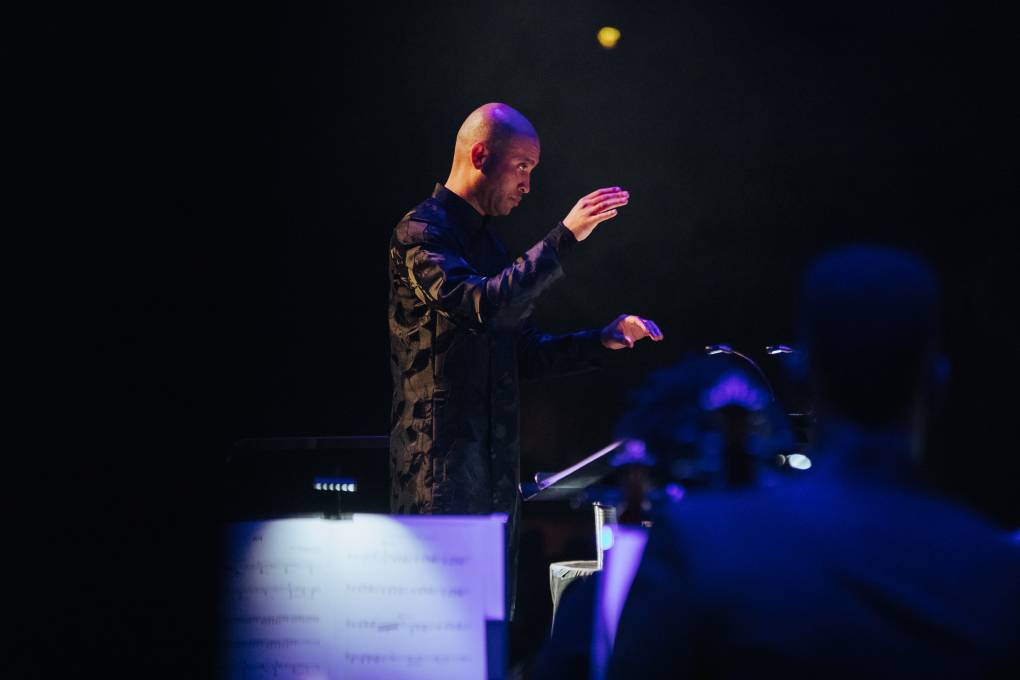
"caption": "Composer Derrick Skye conducting the Wordless Music Orchestra during a performance in Brooklyn, November 2023. ",
"credit": "Courtesy of Nicole Mago",
"altTag": null,
"description": null,
"imgSizes": {
"medium": {
"file": "https://cdn.kqed.org/wp-content/uploads/sites/10/2024/08/EG-orchestra-night2-7553-Crediting-Nicole-Mago-800x533.jpg",
"width": 800,
"height": 533,
"mimeType": "image/jpeg"
},
"large": {
"file": "https://cdn.kqed.org/wp-content/uploads/sites/10/2024/08/EG-orchestra-night2-7553-Crediting-Nicole-Mago-1020x680.jpg",
"width": 1020,
"height": 680,
"mimeType": "image/jpeg"
},
"thumbnail": {
"file": "https://cdn.kqed.org/wp-content/uploads/sites/10/2024/08/EG-orchestra-night2-7553-Crediting-Nicole-Mago-160x107.jpg",
"width": 160,
"height": 107,
"mimeType": "image/jpeg"
},
"1536x1536": {
"file": "https://cdn.kqed.org/wp-content/uploads/sites/10/2024/08/EG-orchestra-night2-7553-Crediting-Nicole-Mago-1536x1024.jpg",
"width": 1536,
"height": 1024,
"mimeType": "image/jpeg"
},
"2048x2048": {
"file": "https://cdn.kqed.org/wp-content/uploads/sites/10/2024/08/EG-orchestra-night2-7553-Crediting-Nicole-Mago-2048x1365.jpg",
"width": 2048,
"height": 1365,
"mimeType": "image/jpeg"
},
"post-thumbnail": {
"file": "https://cdn.kqed.org/wp-content/uploads/sites/10/2024/08/EG-orchestra-night2-7553-Crediting-Nicole-Mago-672x372.jpg",
"width": 672,
"height": 372,
"mimeType": "image/jpeg"
},
"twentyfourteen-full-width": {
"file": "https://cdn.kqed.org/wp-content/uploads/sites/10/2024/08/EG-orchestra-night2-7553-Crediting-Nicole-Mago-1038x576.jpg",
"width": 1038,
"height": 576,
"mimeType": "image/jpeg"
},
"full-width": {
"file": "https://cdn.kqed.org/wp-content/uploads/sites/10/2024/08/EG-orchestra-night2-7553-Crediting-Nicole-Mago-1920x1280.jpg",
"width": 1920,
"height": 1280,
"mimeType": "image/jpeg"
},
"kqedFullSize": {
"file": "https://cdn.kqed.org/wp-content/uploads/sites/10/2024/08/EG-orchestra-night2-7553-Crediting-Nicole-Mago-scaled.jpg",
"width": 2560,
"height": 1707
}
},
"isLoading": false,
"fetchFailed": false
},
"news_11997685": {
"type": "attachments",
"id": "news_11997685",
"meta": {
"index": "attachments_1716263798",
"site": "news",
"id": "11997685",
"found": true
},
"title": "kamala-harris-brat-charli-xcx",
"publishDate": 1722037863,
"status": "inherit",
"parent": 11997647,
"modified": 1722038245,
"caption": null,
"credit": "Illustration by Darren Tu/KQED",
"altTag": null,
"description": null,
"imgSizes": {
"medium": {
"file": "https://cdn.kqed.org/wp-content/uploads/sites/10/2024/07/Kamala-Harris-meme_2-800x517.jpg",
"width": 800,
"height": 517,
"mimeType": "image/jpeg"
},
"large": {
"file": "https://cdn.kqed.org/wp-content/uploads/sites/10/2024/07/Kamala-Harris-meme_2-1020x659.jpg",
"width": 1020,
"height": 659,
"mimeType": "image/jpeg"
},
"thumbnail": {
"file": "https://cdn.kqed.org/wp-content/uploads/sites/10/2024/07/Kamala-Harris-meme_2-160x103.jpg",
"width": 160,
"height": 103,
"mimeType": "image/jpeg"
},
"1536x1536": {
"file": "https://cdn.kqed.org/wp-content/uploads/sites/10/2024/07/Kamala-Harris-meme_2-1536x992.jpg",
"width": 1536,
"height": 992,
"mimeType": "image/jpeg"
},
"post-thumbnail": {
"file": "https://cdn.kqed.org/wp-content/uploads/sites/10/2024/07/Kamala-Harris-meme_2-672x372.jpg",
"width": 672,
"height": 372,
"mimeType": "image/jpeg"
},
"twentyfourteen-full-width": {
"file": "https://cdn.kqed.org/wp-content/uploads/sites/10/2024/07/Kamala-Harris-meme_2-1038x576.jpg",
"width": 1038,
"height": 576,
"mimeType": "image/jpeg"
},
"kqedFullSize": {
"file": "https://cdn.kqed.org/wp-content/uploads/sites/10/2024/07/Kamala-Harris-meme_2.jpg",
"width": 1920,
"height": 1240
}
},
"isLoading": false,
"fetchFailed": false
},
"news_11997486": {
"type": "attachments",
"id": "news_11997486",
"meta": {
"index": "attachments_1716263798",
"site": "news",
"id": "11997486",
"found": true
},
"title": "Kamalatile_01-1_1920x1080",
"publishDate": 1721951882,
"status": "inherit",
"parent": 11894632,
"modified": 1721952212,
"caption": null,
"credit": "Zaldy Serrano/KQED",
"altTag": null,
"description": null,
"imgSizes": {
"medium": {
"file": "https://cdn.kqed.org/wp-content/uploads/sites/10/2023/03/Kamalatile_01-1_1920x1080-800x450.jpg",
"width": 800,
"height": 450,
"mimeType": "image/jpeg"
},
"large": {
"file": "https://cdn.kqed.org/wp-content/uploads/sites/10/2023/03/Kamalatile_01-1_1920x1080-1020x574.jpg",
"width": 1020,
"height": 574,
"mimeType": "image/jpeg"
},
"thumbnail": {
"file": "https://cdn.kqed.org/wp-content/uploads/sites/10/2023/03/Kamalatile_01-1_1920x1080-160x90.jpg",
"width": 160,
"height": 90,
"mimeType": "image/jpeg"
},
"1536x1536": {
"file": "https://cdn.kqed.org/wp-content/uploads/sites/10/2023/03/Kamalatile_01-1_1920x1080-1536x864.jpg",
"width": 1536,
"height": 864,
"mimeType": "image/jpeg"
},
"post-thumbnail": {
"file": "https://cdn.kqed.org/wp-content/uploads/sites/10/2023/03/Kamalatile_01-1_1920x1080-672x372.jpg",
"width": 672,
"height": 372,
"mimeType": "image/jpeg"
},
"twentyfourteen-full-width": {
"file": "https://cdn.kqed.org/wp-content/uploads/sites/10/2023/03/Kamalatile_01-1_1920x1080-1038x576.jpg",
"width": 1038,
"height": 576,
"mimeType": "image/jpeg"
},
"kqedFullSize": {
"file": "https://cdn.kqed.org/wp-content/uploads/sites/10/2023/03/Kamalatile_01-1_1920x1080.jpg",
"width": 1920,
"height": 1080
}
},
"isLoading": false,
"fetchFailed": false
},
"news_11993905": {
"type": "attachments",
"id": "news_11993905",
"meta": {
"index": "attachments_1716263798",
"site": "news",
"id": "11993905",
"found": true
},
"title": "GettyImages-2159950810",
"publishDate": 1720828217,
"status": "inherit",
"parent": 11993783,
"modified": 1720828614,
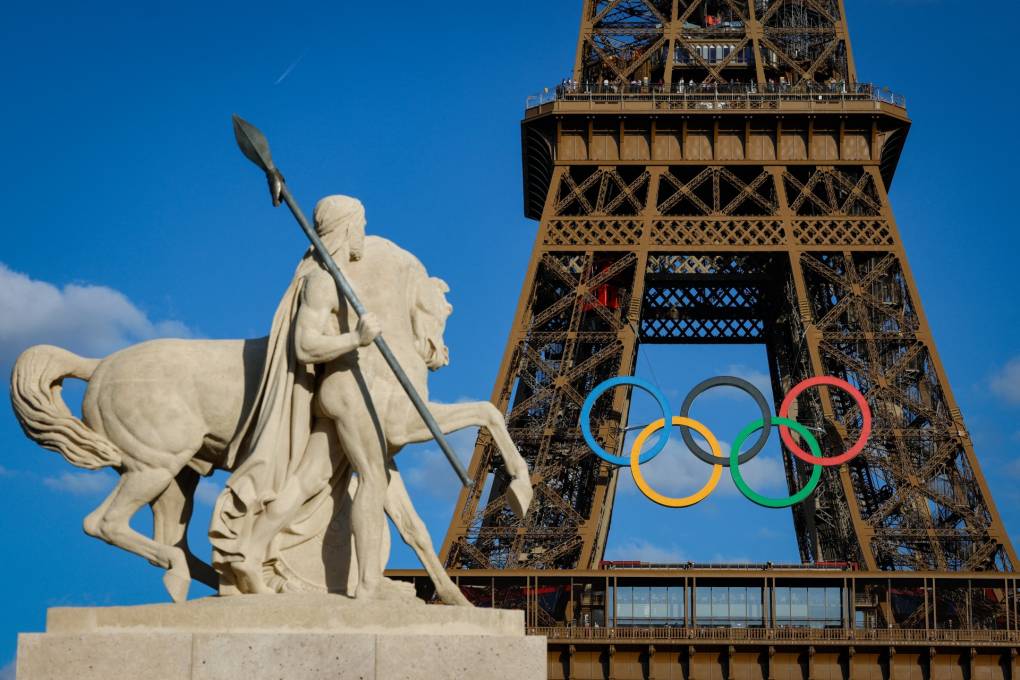
"caption": "Olympic rings are seen on the Eiffel Tower near the restored statue of 'Cavalier Arabe' (Arab rider) on the Pont d'Iena bridge in Paris on July 4, 2024, ahead of the upcoming Paris 2024 Olympic Games.",
"credit": "Geoffroy Van Der Hasselt/AFP/Getty Images",
"altTag": null,
"description": null,
"imgSizes": {
"medium": {
"file": "https://cdn.kqed.org/wp-content/uploads/sites/10/2024/07/GettyImages-2159950810-800x533.jpg",
"width": 800,
"height": 533,
"mimeType": "image/jpeg"
},
"large": {
"file": "https://cdn.kqed.org/wp-content/uploads/sites/10/2024/07/GettyImages-2159950810-1020x680.jpg",
"width": 1020,
"height": 680,
"mimeType": "image/jpeg"
},
"thumbnail": {
"file": "https://cdn.kqed.org/wp-content/uploads/sites/10/2024/07/GettyImages-2159950810-160x107.jpg",
"width": 160,
"height": 107,
"mimeType": "image/jpeg"
},
"1536x1536": {
"file": "https://cdn.kqed.org/wp-content/uploads/sites/10/2024/07/GettyImages-2159950810-1536x1024.jpg",
"width": 1536,
"height": 1024,
"mimeType": "image/jpeg"
},
"post-thumbnail": {
"file": "https://cdn.kqed.org/wp-content/uploads/sites/10/2024/07/GettyImages-2159950810-672x372.jpg",
"width": 672,
"height": 372,
"mimeType": "image/jpeg"
},
"twentyfourteen-full-width": {
"file": "https://cdn.kqed.org/wp-content/uploads/sites/10/2024/07/GettyImages-2159950810-1038x576.jpg",
"width": 1038,
"height": 576,
"mimeType": "image/jpeg"
},
"kqedFullSize": {
"file": "https://cdn.kqed.org/wp-content/uploads/sites/10/2024/07/GettyImages-2159950810.jpg",
"width": 1920,
"height": 1280
}
},
"isLoading": false,
"fetchFailed": false
},
"news_11993198": {
"type": "attachments",
"id": "news_11993198",
"meta": {
"index": "attachments_1716263798",
"site": "news",
"id": "11993198",
"found": true
},
"title": "28726-1",
"publishDate": 1720461333,
"status": "inherit",
"parent": 11993183,
"modified": 1720477752,
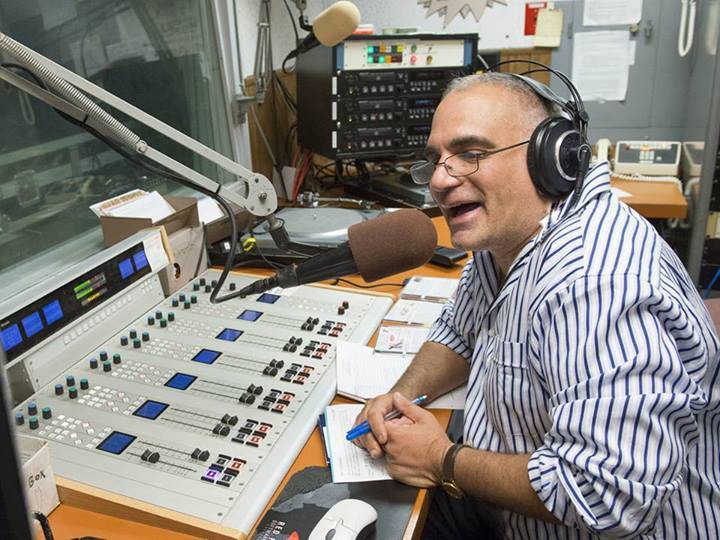
"caption": "Stanford lecturer Ramzi Salti, aka DJ Ramzi, in the early days of his show “Arabology” at Stanford University’s KZSU radio station in Palo Alto in 2013.",
"credit": "L.A. Cicero / Stanford News Service",
"altTag": "A man wearing a striped button down shirt with glasses and headphones speaks into a microphone with an audio control panel in front of him.",
"description": null,
"imgSizes": {
"thumbnail": {
"file": "https://cdn.kqed.org/wp-content/uploads/sites/10/2024/07/28726-1-160x120.jpg",
"width": 160,
"height": 120,
"mimeType": "image/jpeg"
},
"post-thumbnail": {
"file": "https://cdn.kqed.org/wp-content/uploads/sites/10/2024/07/28726-1-672x372.jpg",
"width": 672,
"height": 372,
"mimeType": "image/jpeg"
},
"kqedFullSize": {
"file": "https://cdn.kqed.org/wp-content/uploads/sites/10/2024/07/28726-1.jpg",
"width": 720,
"height": 540
}
},
"isLoading": false,
"fetchFailed": false
},
"news_11829149": {
"type": "attachments",
"id": "news_11829149",
"meta": {
"index": "attachments_1716263798",
"site": "news",
"id": "11829149",
"found": true
},
"parent": 11828932,
"imgSizes": {
"apple_news_ca_landscape_5_5": {
"file": "https://ww2.kqed.org/app/uploads/sites/10/2020/07/GettyImages-1142032802-1044x783.jpg",
"width": 1044,
"mimeType": "image/jpeg",
"height": 783
},
"apple_news_ca_square_4_0": {
"file": "https://ww2.kqed.org/app/uploads/sites/10/2020/07/GettyImages-1142032802-470x470.jpg",
"width": 470,
"mimeType": "image/jpeg",
"height": 470
},
"twentyfourteen-full-width": {
"file": "https://ww2.kqed.org/app/uploads/sites/10/2020/07/GettyImages-1142032802-1038x576.jpg",
"width": 1038,
"mimeType": "image/jpeg",
"height": 576
},
"thumbnail": {
"file": "https://ww2.kqed.org/app/uploads/sites/10/2020/07/GettyImages-1142032802-160x107.jpg",
"width": 160,
"mimeType": "image/jpeg",
"height": 107
},
"post-thumbnail": {
"file": "https://ww2.kqed.org/app/uploads/sites/10/2020/07/GettyImages-1142032802-672x372.jpg",
"width": 672,
"mimeType": "image/jpeg",
"height": 372
},
"kqedFullSize": {
"file": "https://ww2.kqed.org/app/uploads/sites/10/2020/07/GettyImages-1142032802.jpg",
"width": 1920,
"height": 1280
},
"apple_news_ca_landscape_4_7": {
"file": "https://ww2.kqed.org/app/uploads/sites/10/2020/07/GettyImages-1142032802-632x474.jpg",
"width": 632,
"mimeType": "image/jpeg",
"height": 474
},
"large": {
"file": "https://ww2.kqed.org/app/uploads/sites/10/2020/07/GettyImages-1142032802-1020x680.jpg",
"width": 1020,
"mimeType": "image/jpeg",
"height": 680
},
"apple_news_ca_landscape_4_0": {
"file": "https://ww2.kqed.org/app/uploads/sites/10/2020/07/GettyImages-1142032802-536x402.jpg",
"width": 536,
"mimeType": "image/jpeg",
"height": 402
},
"apple_news_ca_portrait_12_9": {
"file": "https://ww2.kqed.org/app/uploads/sites/10/2020/07/GettyImages-1142032802-1122x1280.jpg",
"width": 1122,
"mimeType": "image/jpeg",
"height": 1280
},
"medium": {
"file": "https://ww2.kqed.org/app/uploads/sites/10/2020/07/GettyImages-1142032802-800x533.jpg",
"width": 800,
"mimeType": "image/jpeg",
"height": 533
},
"apple_news_ca_portrait_4_0": {
"file": "https://ww2.kqed.org/app/uploads/sites/10/2020/07/GettyImages-1142032802-354x472.jpg",
"width": 354,
"mimeType": "image/jpeg",
"height": 472
},
"apple_news_ca_portrait_9_7": {
"file": "https://ww2.kqed.org/app/uploads/sites/10/2020/07/GettyImages-1142032802-840x1120.jpg",
"width": 840,
"mimeType": "image/jpeg",
"height": 1120
},
"apple_news_ca_landscape_12_9": {
"file": "https://ww2.kqed.org/app/uploads/sites/10/2020/07/GettyImages-1142032802-1832x1280.jpg",
"width": 1832,
"mimeType": "image/jpeg",
"height": 1280
},
"apple_news_ca_square_9_7": {
"file": "https://ww2.kqed.org/app/uploads/sites/10/2020/07/GettyImages-1142032802-1104x1104.jpg",
"width": 1104,
"mimeType": "image/jpeg",
"height": 1104
},
"1536x1536": {
"file": "https://ww2.kqed.org/app/uploads/sites/10/2020/07/GettyImages-1142032802-1536x1024.jpg",
"width": 1536,
"mimeType": "image/jpeg",
"height": 1024
},
"apple_news_ca_portrait_4_7": {
"file": "https://ww2.kqed.org/app/uploads/sites/10/2020/07/GettyImages-1142032802-414x552.jpg",
"width": 414,
"mimeType": "image/jpeg",
"height": 552
},
"apple_news_ca_square_12_9": {
"file": "https://ww2.kqed.org/app/uploads/sites/10/2020/07/GettyImages-1142032802-1472x1280.jpg",
"width": 1472,
"mimeType": "image/jpeg",
"height": 1280
},
"apple_news_ca_portrait_5_5": {
"file": "https://ww2.kqed.org/app/uploads/sites/10/2020/07/GettyImages-1142032802-687x916.jpg",
"width": 687,
"mimeType": "image/jpeg",
"height": 916
},
"apple_news_ca_square_4_7": {
"file": "https://ww2.kqed.org/app/uploads/sites/10/2020/07/GettyImages-1142032802-550x550.jpg",
"width": 550,
"mimeType": "image/jpeg",
"height": 550
},
"apple_news_ca_landscape_9_7": {
"file": "https://ww2.kqed.org/app/uploads/sites/10/2020/07/GettyImages-1142032802-1376x1032.jpg",
"width": 1376,
"mimeType": "image/jpeg",
"height": 1032
},
"apple_news_ca_square_5_5": {
"file": "https://ww2.kqed.org/app/uploads/sites/10/2020/07/GettyImages-1142032802-912x912.jpg",
"width": 912,
"mimeType": "image/jpeg",
"height": 912
}
},
"publishDate": 1594848496,
"modified": 1594848561,
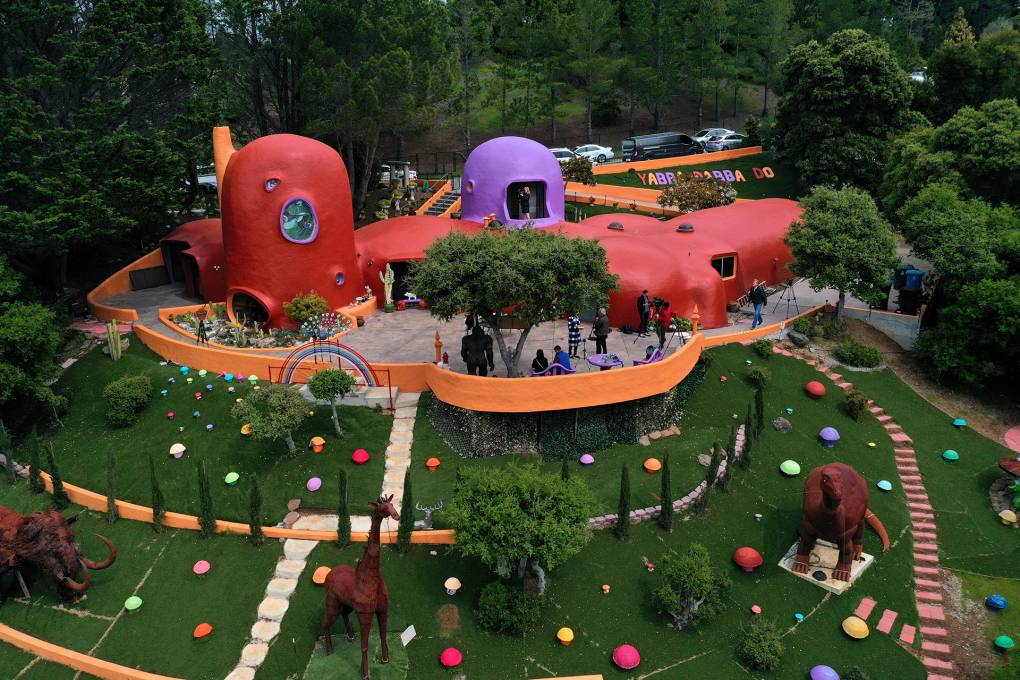
"caption": "The Flintstone House was born from a young architect's dreams of revolutionizing how we built homes. ",
"description": "The Flintstone House was born from a young architect's dreams of revolutionizing how we built homes. ",
"title": "Owners Of \"Flintstones\" Themed House In California In Legal Fight With Town Over Construction Permits",
"credit": "Justin Sullivan/Getty Images",
"status": "inherit",
"isLoading": false,
"fetchFailed": false
},
"news_11992619": {
"type": "attachments",
"id": "news_11992619",
"meta": {
"index": "attachments_1716263798",
"site": "news",
"id": "11992619",
"found": true
},
"title": "Sunday Music Drop Photo Collages-2",
"publishDate": 1719781557,
"status": "inherit",
"parent": 11992613,
"modified": 1719781638,
"caption": null,
"credit": "Photo courtesy of Zachary deCastro/ Collage by Spencer Whitney of KQED",
"altTag": "A collage of five images of a headshot of a man wearing a green patterned sweater.",
"description": null,
"imgSizes": {
"medium": {
"file": "https://cdn.kqed.org/wp-content/uploads/sites/10/2024/06/Sunday-Music-Drop-Photo-Collages-2-800x640.png",
"width": 800,
"height": 640,
"mimeType": "image/png"
},
"large": {
"file": "https://cdn.kqed.org/wp-content/uploads/sites/10/2024/06/Sunday-Music-Drop-Photo-Collages-2-1020x816.png",
"width": 1020,
"height": 816,
"mimeType": "image/png"
},
"thumbnail": {
"file": "https://cdn.kqed.org/wp-content/uploads/sites/10/2024/06/Sunday-Music-Drop-Photo-Collages-2-160x128.png",
"width": 160,
"height": 128,
"mimeType": "image/png"
},
"1536x1536": {
"file": "https://cdn.kqed.org/wp-content/uploads/sites/10/2024/06/Sunday-Music-Drop-Photo-Collages-2-1536x1229.png",
"width": 1536,
"height": 1229,
"mimeType": "image/png"
},
"post-thumbnail": {
"file": "https://cdn.kqed.org/wp-content/uploads/sites/10/2024/06/Sunday-Music-Drop-Photo-Collages-2-672x372.png",
"width": 672,
"height": 372,
"mimeType": "image/png"
},
"twentyfourteen-full-width": {
"file": "https://cdn.kqed.org/wp-content/uploads/sites/10/2024/06/Sunday-Music-Drop-Photo-Collages-2-1038x576.png",
"width": 1038,
"height": 576,
"mimeType": "image/png"
},
"full-width": {
"file": "https://cdn.kqed.org/wp-content/uploads/sites/10/2024/06/Sunday-Music-Drop-Photo-Collages-2-1920x1536.png",
"width": 1920,
"height": 1536,
"mimeType": "image/png"
},
"kqedFullSize": {
"file": "https://cdn.kqed.org/wp-content/uploads/sites/10/2024/06/Sunday-Music-Drop-Photo-Collages-2.png",
"width": 2000,
"height": 1600
}
},
"isLoading": false,
"fetchFailed": false
},
"news_11992151": {
"type": "attachments",
"id": "news_11992151",
"meta": {
"index": "attachments_1716263798",
"site": "news",
"id": "11992151",
"found": true
},
"title": "010_KQED_SFPrideParade_06262022-scaled",
"publishDate": 1719441747,
"status": "inherit",
"parent": 11992129,
"modified": 1719441785,
"caption": "Spectators line Market Street while cheering on participants at the San Francisco Pride Parade on June 26, 2022.",
"credit": "Beth LaBerge/KQED",
"altTag": null,
"description": null,
"imgSizes": {
"medium": {
"file": "https://cdn.kqed.org/wp-content/uploads/sites/10/2024/06/010_KQED_SFPrideParade_06262022-scaled-1-800x533.jpg",
"width": 800,
"height": 533,
"mimeType": "image/jpeg"
},
"large": {
"file": "https://cdn.kqed.org/wp-content/uploads/sites/10/2024/06/010_KQED_SFPrideParade_06262022-scaled-1-1020x680.jpg",
"width": 1020,
"height": 680,
"mimeType": "image/jpeg"
},
"thumbnail": {
"file": "https://cdn.kqed.org/wp-content/uploads/sites/10/2024/06/010_KQED_SFPrideParade_06262022-scaled-1-160x107.jpg",
"width": 160,
"height": 107,
"mimeType": "image/jpeg"
},
"1536x1536": {
"file": "https://cdn.kqed.org/wp-content/uploads/sites/10/2024/06/010_KQED_SFPrideParade_06262022-scaled-1-1536x1024.jpg",
"width": 1536,
"height": 1024,
"mimeType": "image/jpeg"
},
"2048x2048": {
"file": "https://cdn.kqed.org/wp-content/uploads/sites/10/2024/06/010_KQED_SFPrideParade_06262022-scaled-1-2048x1366.jpg",
"width": 2048,
"height": 1366,
"mimeType": "image/jpeg"
},
"post-thumbnail": {
"file": "https://cdn.kqed.org/wp-content/uploads/sites/10/2024/06/010_KQED_SFPrideParade_06262022-scaled-1-672x372.jpg",
"width": 672,
"height": 372,
"mimeType": "image/jpeg"
},
"twentyfourteen-full-width": {
"file": "https://cdn.kqed.org/wp-content/uploads/sites/10/2024/06/010_KQED_SFPrideParade_06262022-scaled-1-1038x576.jpg",
"width": 1038,
"height": 576,
"mimeType": "image/jpeg"
},
"full-width": {
"file": "https://cdn.kqed.org/wp-content/uploads/sites/10/2024/06/010_KQED_SFPrideParade_06262022-scaled-1-1920x1280.jpg",
"width": 1920,
"height": 1280,
"mimeType": "image/jpeg"
},
"kqedFullSize": {
"file": "https://cdn.kqed.org/wp-content/uploads/sites/10/2024/06/010_KQED_SFPrideParade_06262022-scaled-1.jpg",
"width": 2560,
"height": 1707
}
},
"isLoading": false,
"fetchFailed": false
},
"news_11992081": {
"type": "attachments",
"id": "news_11992081",
"meta": {
"index": "attachments_1716263798",
"site": "news",
"id": "11992081",
"found": true
},
"title": "M6A1666-KQED",
"publishDate": 1719430225,
"status": "inherit",
"parent": 11992072,
"modified": 1719594757,
"caption": "Crowds gather on the sidelines to cheer on motorcyclists on 18th Street at the 2019 Dyke March in San Francisco.",
"credit": "Sruti Mamidanna/KQED",
"altTag": null,
"description": null,
"imgSizes": {
"medium": {
"file": "https://cdn.kqed.org/wp-content/uploads/sites/10/2024/06/M6A1666-KQED-1-800x540.jpg",
"width": 800,
"height": 540,
"mimeType": "image/jpeg"
},
"large": {
"file": "https://cdn.kqed.org/wp-content/uploads/sites/10/2024/06/M6A1666-KQED-1-1020x688.jpg",
"width": 1020,
"height": 688,
"mimeType": "image/jpeg"
},
"thumbnail": {
"file": "https://cdn.kqed.org/wp-content/uploads/sites/10/2024/06/M6A1666-KQED-1-160x108.jpg",
"width": 160,
"height": 108,
"mimeType": "image/jpeg"
},
"1536x1536": {
"file": "https://cdn.kqed.org/wp-content/uploads/sites/10/2024/06/M6A1666-KQED-1-1536x1036.jpg",
"width": 1536,
"height": 1036,
"mimeType": "image/jpeg"
},
"post-thumbnail": {
"file": "https://cdn.kqed.org/wp-content/uploads/sites/10/2024/06/M6A1666-KQED-1-672x372.jpg",
"width": 672,
"height": 372,
"mimeType": "image/jpeg"
},
"twentyfourteen-full-width": {
"file": "https://cdn.kqed.org/wp-content/uploads/sites/10/2024/06/M6A1666-KQED-1-1038x576.jpg",
"width": 1038,
"height": 576,
"mimeType": "image/jpeg"
},
"full-width": {
"file": "https://cdn.kqed.org/wp-content/uploads/sites/10/2024/06/M6A1666-KQED-1-1920x1295.jpg",
"width": 1920,
"height": 1295,
"mimeType": "image/jpeg"
},
"kqedFullSize": {
"file": "https://cdn.kqed.org/wp-content/uploads/sites/10/2024/06/M6A1666-KQED-1.jpg",
"width": 2000,
"height": 1349
}
},
"isLoading": false,
"fetchFailed": false
},
"news_11991660": {
"type": "attachments",
"id": "news_11991660",
"meta": {
"index": "attachments_1716263798",
"site": "news",
"id": "11991660",
"found": true
},
"title": "Sunday Music Drop Photo Collages-39",
"publishDate": 1719249565,
"status": "inherit",
"parent": 11991629,
"modified": 1719249832,
"caption": "Howan",
"credit": "Photo courtesy of Notus/Collage by Spencer Whitney of KQED",
"altTag": "A collage of four images of three people sitting and standing outside.",
"description": null,
"imgSizes": {
"medium": {
"file": "https://cdn.kqed.org/wp-content/uploads/sites/10/2024/06/Sunday-Music-Drop-Photo-Collages-39-800x640.png",
"width": 800,
"height": 640,
"mimeType": "image/png"
},
"large": {
"file": "https://cdn.kqed.org/wp-content/uploads/sites/10/2024/06/Sunday-Music-Drop-Photo-Collages-39-1020x816.png",
"width": 1020,
"height": 816,
"mimeType": "image/png"
},
"thumbnail": {
"file": "https://cdn.kqed.org/wp-content/uploads/sites/10/2024/06/Sunday-Music-Drop-Photo-Collages-39-160x128.png",
"width": 160,
"height": 128,
"mimeType": "image/png"
},
"1536x1536": {
"file": "https://cdn.kqed.org/wp-content/uploads/sites/10/2024/06/Sunday-Music-Drop-Photo-Collages-39-1536x1229.png",
"width": 1536,
"height": 1229,
"mimeType": "image/png"
},
"post-thumbnail": {
"file": "https://cdn.kqed.org/wp-content/uploads/sites/10/2024/06/Sunday-Music-Drop-Photo-Collages-39-672x372.png",
"width": 672,
"height": 372,
"mimeType": "image/png"
},
"twentyfourteen-full-width": {
"file": "https://cdn.kqed.org/wp-content/uploads/sites/10/2024/06/Sunday-Music-Drop-Photo-Collages-39-1038x576.png",
"width": 1038,
"height": 576,
"mimeType": "image/png"
},
"kqedFullSize": {
"file": "https://cdn.kqed.org/wp-content/uploads/sites/10/2024/06/Sunday-Music-Drop-Photo-Collages-39.png",
"width": 1750,
"height": 1400
}
},
"isLoading": false,
"fetchFailed": false
}
},
"audioPlayerReducer": {
"postId": "stream_live",
"isPaused": true,
"isPlaying": false,
"pfsActive": false,
"pledgeModalIsOpen": true,
"playerDrawerIsOpen": false,
"liveAudioPlayStartedAt": 0,
"liveAudioPlayContext": ""
},
"authorsReducer": {
"byline_news_11997928": {
"type": "authors",
"id": "byline_news_11997928",
"meta": {
"override": true
},
"slug": "byline_news_11997928",
"name": "Clare Wiley",
"isLoading": false
},
"sasha-khokha": {
"type": "authors",
"id": "254",
"meta": {
"index": "authors_1716337520",
"id": "254",
"found": true
},
"name": "Sasha Khokha",
"firstName": "Sasha",
"lastName": "Khokha",
"slug": "sasha-khokha",
"email": "skhokha@kqed.org",
"display_author_email": true,
"staff_mastheads": [
"news"
],
"title": "Host, The California Report Magazine",
"bio": "Sasha Khokha is the host of \u003cem>The California Report's \u003c/em> weekly magazine program, which takes listeners on sound-rich excursions to meet the people that make the Golden State unique -- through audio documentaries and long-form stories. As \u003cem>The California Report's\u003c/em> Central Valley Bureau Chief based in Fresno for nearly a dozen years, Sasha brought the lives and concerns of rural Californians to listeners around the state. Her reporting helped expose the hidden price immigrant women janitors and farmworkers may pay to keep their jobs: sexual assault at work. It inspired two new California laws to protect them from sexual harassment. She was a key member of the reporting team for the Frontline film \u003cem>Rape on the Night Shift, \u003c/em>which was nominated for two national Emmys. Sasha has also won a national Edward R. Murrow and a national PRNDI award for investigative reporting, as well as multiple prizes from the Society for Professional Journalists. Sasha is a proud alum of the UC Berkeley Graduate School of Journalism and Brown University and a member of the South Asian Journalists Association.",
"avatar": "https://secure.gravatar.com/avatar/e4b5e1541aaeea2aa356aa1fb2a68950?s=600&d=blank&r=g",
"twitter": "KQEDSashaKhokha",
"facebook": null,
"instagram": null,
"linkedin": null,
"sites": [
{
"site": "news",
"roles": [
"editor"
]
},
{
"site": "stateofhealth",
"roles": [
"author"
]
},
{
"site": "science",
"roles": [
"author"
]
},
{
"site": "quest",
"roles": [
"subscriber"
]
}
],
"headData": {
"title": "Sasha Khokha | KQED",
"description": "Host, The California Report Magazine",
"ogImgSrc": "https://secure.gravatar.com/avatar/e4b5e1541aaeea2aa356aa1fb2a68950?s=600&d=blank&r=g",
"twImgSrc": "https://secure.gravatar.com/avatar/e4b5e1541aaeea2aa356aa1fb2a68950?s=600&d=blank&r=g"
},
"isLoading": false,
"link": "/author/sasha-khokha"
},
"mlagos": {
"type": "authors",
"id": "3239",
"meta": {
"index": "authors_1716337520",
"id": "3239",
"found": true
},
"name": "Marisa Lagos",
"firstName": "Marisa",
"lastName": "Lagos",
"slug": "mlagos",
"email": "mlagos@kqed.org",
"display_author_email": false,
"staff_mastheads": [
"news"
],
"title": "KQED Contributor",
"bio": "Marisa Lagos is a correspondent for KQED’s California Politics and Government Desk and co-hosts the award-winning show and podcast, Political Breakdown. At KQED, Lagos also conducts reporting, analysis and investigations into state, local and national politics for radio, TV, online and onstage. In 2022, she and co-host, Scott Shafer, moderated the only gubernatorial debate in California. In 2020, the \u003ci>Washington Post\u003c/i> named her one of the top political journalists in California; she was nominated for a Peabody and won several other awards for her work investigating the 2017 California wildfires. She has worked at the \u003ci>San Francisco Chronicle\u003c/i>, \u003ci>San Francisco Examiner\u003c/i> and \u003ci>Los Angeles Times\u003c/i>. A UC Santa Barbara graduate, she lives in San Francisco with her two sons and husband.",
"avatar": "https://secure.gravatar.com/avatar/a261a0d3696fc066871ef96b85b5e7d2?s=600&d=blank&r=g",
"twitter": "@mlagos",
"facebook": null,
"instagram": null,
"linkedin": null,
"sites": [
{
"site": "arts",
"roles": [
"author"
]
},
{
"site": "news",
"roles": [
"editor"
]
},
{
"site": "science",
"roles": [
"editor"
]
},
{
"site": "forum",
"roles": [
"author"
]
},
{
"site": "liveblog",
"roles": [
"author"
]
}
],
"headData": {
"title": "Marisa Lagos | KQED",
"description": "KQED Contributor",
"ogImgSrc": "https://secure.gravatar.com/avatar/a261a0d3696fc066871ef96b85b5e7d2?s=600&d=blank&r=g",
"twImgSrc": "https://secure.gravatar.com/avatar/a261a0d3696fc066871ef96b85b5e7d2?s=600&d=blank&r=g"
},
"isLoading": false,
"link": "/author/mlagos"
},
"ralexandra": {
"type": "authors",
"id": "11242",
"meta": {
"index": "authors_1716337520",
"id": "11242",
"found": true
},
"name": "Rae Alexandra",
"firstName": "Rae",
"lastName": "Alexandra",
"slug": "ralexandra",
"email": "ralexandra@kqed.org",
"display_author_email": true,
"staff_mastheads": [],
"title": "Reporter/Producer",
"bio": "Rae Alexandra is a Reporter/Producer for KQED Arts & Culture, and the creator/author of the \u003ca href=\"https://www.kqed.org/arts/program/rebel-girls-from-bay-area-history\">Rebel Girls From Bay Area History\u003c/a> and \u003ca href=\"https://www.kqed.org/bizarrebayarea\">Bizarre Bay Area\u003c/a> series. Her debut book, \u003ca href=\"https://citylights.com/politics-current-events-history/unsung-heroines35-women-who-changed/\">Unsung Heroines: 35 Women Who Changed the Bay Area\u003c/a> was published by City Lights in March 2026. In 2023, Rae was awarded an SPJ Excellence in Journalism Award for Arts & Culture. Rae was born and raised in Wales and subsequently — even after two decades in Northern California — still uses phrases that regularly baffle her coworkers.",
"avatar": "https://secure.gravatar.com/avatar/edfee8176c80cc0a382b051190f5341997df378a934a5774dcb0977732dfd401?s=600&d=blank&r=g",
"twitter": null,
"bluesky": null,
"facebook": null,
"instagram": null,
"linkedin": null,
"sites": [
{
"site": "arts",
"roles": [
"subscriber"
]
},
{
"site": "news",
"roles": [
"subscriber"
]
},
{
"site": "pop",
"roles": [
"subscriber"
]
},
{
"site": "bayareabites",
"roles": [
"subscriber"
]
},
{
"site": "science",
"roles": [
"subscriber"
]
}
],
"headData": {
"title": "Rae Alexandra | KQED",
"description": "Reporter/Producer",
"ogImgSrc": "https://secure.gravatar.com/avatar/edfee8176c80cc0a382b051190f5341997df378a934a5774dcb0977732dfd401?s=600&d=blank&r=g",
"twImgSrc": "https://secure.gravatar.com/avatar/edfee8176c80cc0a382b051190f5341997df378a934a5774dcb0977732dfd401?s=600&d=blank&r=g"
},
"isLoading": false,
"link": "/author/ralexandra"
},
"aproehl": {
"type": "authors",
"id": "11296",
"meta": {
"index": "authors_1716337520",
"id": "11296",
"found": true
},
"name": "Ariana Proehl",
"firstName": "Ariana",
"lastName": "Proehl",
"slug": "aproehl",
"email": "aproehl@KQED.org",
"display_author_email": true,
"staff_mastheads": [
"news"
],
"title": "Culture Reporter, KQED",
"bio": "Ariana Proehl is a Culture Reporter and Host.",
"avatar": "https://secure.gravatar.com/avatar/c96b24567eb5bb3a4f8bb295ed53e232?s=600&d=blank&r=g",
"twitter": "ArianaProehl",
"facebook": null,
"instagram": null,
"linkedin": null,
"sites": [
{
"site": "arts",
"roles": []
},
{
"site": "news",
"roles": []
},
{
"site": "education",
"roles": []
},
{
"site": "forum",
"roles": []
}
],
"headData": {
"title": "Ariana Proehl | KQED",
"description": "Culture Reporter, KQED",
"ogImgSrc": "https://secure.gravatar.com/avatar/c96b24567eb5bb3a4f8bb295ed53e232?s=600&d=blank&r=g",
"twImgSrc": "https://secure.gravatar.com/avatar/c96b24567eb5bb3a4f8bb295ed53e232?s=600&d=blank&r=g"
},
"isLoading": false,
"link": "/author/aproehl"
},
"cmorizono": {
"type": "authors",
"id": "11503",
"meta": {
"index": "authors_1716337520",
"id": "11503",
"found": true
},
"name": "Chloe Morizono",
"firstName": "Chloe",
"lastName": "Morizono",
"slug": "cmorizono",
"email": "cmorizono@kqed.org",
"display_author_email": false,
"staff_mastheads": [],
"title": "KQED Contributor",
"bio": null,
"avatar": "https://secure.gravatar.com/avatar/589de970d4696c868de7f4dc180e0289?s=600&d=blank&r=g",
"twitter": null,
"facebook": null,
"instagram": null,
"linkedin": null,
"sites": [
{
"site": "news",
"roles": []
},
{
"site": "perspectives",
"roles": [
"editor"
]
}
],
"headData": {
"title": "Chloe Morizono | KQED",
"description": "KQED Contributor",
"ogImgSrc": "https://secure.gravatar.com/avatar/589de970d4696c868de7f4dc180e0289?s=600&d=blank&r=g",
"twImgSrc": "https://secure.gravatar.com/avatar/589de970d4696c868de7f4dc180e0289?s=600&d=blank&r=g"
},
"isLoading": false,
"link": "/author/cmorizono"
},
"ccabreralomeli": {
"type": "authors",
"id": "11708",
"meta": {
"index": "authors_1716337520",
"id": "11708",
"found": true
},
"name": "Carlos Cabrera-Lomelí",
"firstName": "Carlos",
"lastName": "Cabrera-Lomelí",
"slug": "ccabreralomeli",
"email": "ccabreralomeli@KQED.org",
"display_author_email": true,
"staff_mastheads": [
"news"
],
"title": "Community Reporter",
"bio": "Carlos Cabrera-Lomelí is a community reporter with KQED's digital engagement team. He also reports and co-produces for KQED's bilingual news hub KQED en Español. He grew up in San Francisco's Mission District and has previously worked with Univision, 48 Hills and REFORMA in Mexico City.",
"avatar": "https://secure.gravatar.com/avatar/c309be9665e484f887b818c89e273ecc673004f426f36b24d00a4d813a2e0518?s=600&d=blank&r=g",
"twitter": "@LomeliCabrera",
"bluesky": null,
"facebook": null,
"instagram": null,
"linkedin": null,
"sites": [
{
"site": "arts",
"roles": [
"editor"
]
},
{
"site": "news",
"roles": [
"editor"
]
},
{
"site": "about",
"roles": [
"editor"
]
},
{
"site": "science",
"roles": [
"editor"
]
},
{
"site": "perspectives",
"roles": [
"editor"
]
},
{
"site": "elections",
"roles": [
"editor"
]
},
{
"site": "liveblog",
"roles": [
"contributor"
]
}
],
"headData": {
"title": "Carlos Cabrera-Lomelí | KQED",
"description": "Community Reporter",
"ogImgSrc": "https://secure.gravatar.com/avatar/c309be9665e484f887b818c89e273ecc673004f426f36b24d00a4d813a2e0518?s=600&d=blank&r=g",
"twImgSrc": "https://secure.gravatar.com/avatar/c309be9665e484f887b818c89e273ecc673004f426f36b24d00a4d813a2e0518?s=600&d=blank&r=g"
},
"isLoading": false,
"link": "/author/ccabreralomeli"
},
"nnavarro": {
"type": "authors",
"id": "11756",
"meta": {
"index": "authors_1716337520",
"id": "11756",
"found": true
},
"name": "Natalia Navarro",
"firstName": "Natalia",
"lastName": "Navarro",
"slug": "nnavarro",
"email": "nnavarro@kqed.org",
"display_author_email": true,
"staff_mastheads": [
"news"
],
"title": "Afternoon News Anchor",
"bio": "Natalia Navarro is KQED's afternoon radio news anchor. She came to KQED in 2021 from Colorado Public Radio, where she was a reporter and host. She has received several awards for her work covering daily and breaking news from professional organizations such as the San Francisco Press Club, Society of Professional Journalists and the Colorado Broadcasters Association. Natalia is originally from Tucson, Arizona, where she got her start in journalism writing for the Arizona Daily Star, Arizona Public Media and the Tucson Weekly. Natalia earned her bachelor's degree in journalism and economics, and her master's degree in journalism from the University of Arizona.",
"avatar": "https://secure.gravatar.com/avatar/a2bdb19fd9520bdea295a2d5f9b2ad65ec51cf0bf559fb1cc041d3a0a04d62ad?s=600&d=blank&r=g",
"twitter": "@NataliaVNavarro",
"bluesky": null,
"facebook": null,
"instagram": null,
"linkedin": null,
"sites": [
{
"site": "news",
"roles": [
"editor"
]
}
],
"headData": {
"title": "Natalia Navarro | KQED",
"description": "Afternoon News Anchor",
"ogImgSrc": "https://secure.gravatar.com/avatar/a2bdb19fd9520bdea295a2d5f9b2ad65ec51cf0bf559fb1cc041d3a0a04d62ad?s=600&d=blank&r=g",
"twImgSrc": "https://secure.gravatar.com/avatar/a2bdb19fd9520bdea295a2d5f9b2ad65ec51cf0bf559fb1cc041d3a0a04d62ad?s=600&d=blank&r=g"
},
"isLoading": false,
"link": "/author/nnavarro"
},
"afinney": {
"type": "authors",
"id": "11772",
"meta": {
"index": "authors_1716337520",
"id": "11772",
"found": true
},
"name": "Annelise Finney",
"firstName": "Annelise",
"lastName": "Finney",
"slug": "afinney",
"email": "afinney@kqed.org",
"display_author_email": true,
"staff_mastheads": [
"news"
],
"title": "Reporter",
"bio": "Annelise reports on reparations in California and East Bay politics. She co-produced the Sunday Music Drop, a limited-term radio series featuring Bay Area musicians that aired between Sept 2022 and Oct 2024. She joined KQED in 2021 as a general assignment reporter and is an alumna of KALW's Audio Academy. She was born and raised in the East Bay. She is currently away from KQED completing a year-long reporting project in Berlin, Germany as a Alexander Von Humboldt German Chancellor Fellow.",
"avatar": "https://secure.gravatar.com/avatar/5fded66cae47704cdfc5021cde0f3aa4?s=600&d=blank&r=g",
"twitter": null,
"facebook": null,
"instagram": null,
"linkedin": null,
"sites": [
{
"site": "news",
"roles": [
"editor"
]
},
{
"site": "liveblog",
"roles": [
"author"
]
}
],
"headData": {
"title": "Annelise Finney | KQED",
"description": "Reporter",
"ogImgSrc": "https://secure.gravatar.com/avatar/5fded66cae47704cdfc5021cde0f3aa4?s=600&d=blank&r=g",
"twImgSrc": "https://secure.gravatar.com/avatar/5fded66cae47704cdfc5021cde0f3aa4?s=600&d=blank&r=g"
},
"isLoading": false,
"link": "/author/afinney"
},
"swhitney": {
"type": "authors",
"id": "11784",
"meta": {
"index": "authors_1716337520",
"id": "11784",
"found": true
},
"name": "Spencer Whitney",
"firstName": "Spencer",
"lastName": "Whitney",
"slug": "swhitney",
"email": "swhitney@kqed.org",
"display_author_email": false,
"staff_mastheads": [],
"title": "KQED Digital Editor",
"bio": "Spencer Whitney is currently a Digital Editor for KQED News. Prior to joining KQED News, Spencer worked as the Multimedia Editor at the Oakland Post and an Assistant Editor in the Editorial department at the San Francisco Chronicle. He attended Howard University as an undergraduate and interned with SiriusXM. He also attended UC Berkeley's Graduate School of Journalism and had the opportunity to write for the hyperlocal news sites Richmond Confidential and Oakland North.",
"avatar": "https://secure.gravatar.com/avatar/e33ff4fd8b8f0d2796f36472fb32607ca8fc46ef5e537dcfdbdee688d8ea5b80?s=600&d=mm&r=g",
"twitter": null,
"bluesky": null,
"facebook": null,
"instagram": null,
"linkedin": null,
"sites": [
{
"site": "arts",
"roles": [
"editor"
]
},
{
"site": "news",
"roles": [
"editor"
]
},
{
"site": "science",
"roles": [
"editor"
]
},
{
"site": "perspectives",
"roles": [
"editor"
]
}
],
"headData": {
"title": "Spencer Whitney | KQED",
"description": "KQED Digital Editor",
"ogImgSrc": "https://secure.gravatar.com/avatar/e33ff4fd8b8f0d2796f36472fb32607ca8fc46ef5e537dcfdbdee688d8ea5b80?s=600&d=mm&r=g",
"twImgSrc": "https://secure.gravatar.com/avatar/e33ff4fd8b8f0d2796f36472fb32607ca8fc46ef5e537dcfdbdee688d8ea5b80?s=600&d=mm&r=g"
},
"isLoading": false,
"link": "/author/swhitney"
},
"nkhan": {
"type": "authors",
"id": "11867",
"meta": {
"index": "authors_1716337520",
"id": "11867",
"found": true
},
"name": "Nisa Khan",
"firstName": "Nisa",
"lastName": "Khan",
"slug": "nkhan",
"email": "nkhan@kqed.org",
"display_author_email": false,
"staff_mastheads": [],
"title": "KQED Contributor",
"bio": "Nisa Khan is a reporter for KQED's Audience News Desk. She was formerly a data reporter at Michigan Radio. She earned a Bachelor of Science in Information from the University of Michigan and a Master of Arts in Communication from Stanford University.",
"avatar": "https://secure.gravatar.com/avatar/8720459eef081ff64582b3506b124d58523e80e120704a0cbd9892533c914991?s=600&d=blank&r=g",
"twitter": "mnisakhan",
"bluesky": null,
"facebook": null,
"instagram": null,
"linkedin": null,
"sites": [
{
"site": "arts",
"roles": [
"editor"
]
},
{
"site": "news",
"roles": [
"editor"
]
},
{
"site": "science",
"roles": [
"editor",
"author"
]
},
{
"site": "forum",
"roles": [
"editor"
]
},
{
"site": "liveblog",
"roles": [
"contributor"
]
}
],
"headData": {
"title": "Nisa Khan | KQED",
"description": "KQED Contributor",
"ogImgSrc": "https://secure.gravatar.com/avatar/8720459eef081ff64582b3506b124d58523e80e120704a0cbd9892533c914991?s=600&d=blank&r=g",
"twImgSrc": "https://secure.gravatar.com/avatar/8720459eef081ff64582b3506b124d58523e80e120704a0cbd9892533c914991?s=600&d=blank&r=g"
},
"isLoading": false,
"link": "/author/nkhan"
},
"udursun": {
"type": "authors",
"id": "11883",
"meta": {
"index": "authors_1716337520",
"id": "11883",
"found": true
},
"name": "Ugur Dursun",
"firstName": "Ugur",
"lastName": "Dursun",
"slug": "udursun",
"email": "udursun@kqed.org",
"display_author_email": true,
"staff_mastheads": [
"arts"
],
"title": "Engagement Producer, KQED Arts & Culture",
"bio": "Ugur Dursun is a reporter and audience engagement producer for KQED Arts. Previously, her reporting has appeared on SFGate, East Bay Times, The Mercury News, KTVU, NBC Bay Area, The Stanford Daily, and other Bay Area local news outlets. In 2023, she was a recipient of Online News Association's \u003ca href=\"https://journalists.org/programs/mj-bear-fellowship/\">MJ Bear Fellowship\u003c/a>, which honors six standout journalists under the age of 30 who are pushing innovation in digital news.",
"avatar": "https://secure.gravatar.com/avatar/9c5fe6a93389635670fe02d7fa44666938055adfbfc2cfd7fffc1de9e29072a2?s=600&d=blank&r=g",
"twitter": null,
"bluesky": null,
"facebook": null,
"instagram": null,
"linkedin": null,
"sites": [
{
"site": "arts",
"roles": [
"administrator"
]
},
{
"site": "news",
"roles": [
"editor"
]
}
],
"headData": {
"title": "Ugur Dursun | KQED",
"description": "Engagement Producer, KQED Arts & Culture",
"ogImgSrc": "https://secure.gravatar.com/avatar/9c5fe6a93389635670fe02d7fa44666938055adfbfc2cfd7fffc1de9e29072a2?s=600&d=blank&r=g",
"twImgSrc": "https://secure.gravatar.com/avatar/9c5fe6a93389635670fe02d7fa44666938055adfbfc2cfd7fffc1de9e29072a2?s=600&d=blank&r=g"
},
"isLoading": false,
"link": "/author/udursun"
},
"kdebenedetti": {
"type": "authors",
"id": "11913",
"meta": {
"index": "authors_1716337520",
"id": "11913",
"found": true
},
"name": "Katie DeBenedetti",
"firstName": "Katie",
"lastName": "DeBenedetti",
"slug": "kdebenedetti",
"email": "kdebenedetti@kqed.org",
"display_author_email": false,
"staff_mastheads": [
"news",
"science"
],
"title": "KQED Contributor",
"bio": "Katie DeBenedetti is a digital reporter covering daily news for the Express Desk. Prior to joining KQED as a culture reporting intern in January 2024, she covered education and city government for the Napa Valley Register.",
"avatar": "https://secure.gravatar.com/avatar/6e31073cb8f7e4214ab03f42771d0f45?s=600&d=blank&r=g",
"twitter": null,
"facebook": null,
"instagram": null,
"linkedin": null,
"sites": [
{
"site": "news",
"roles": [
"author"
]
},
{
"site": "science",
"roles": [
"author"
]
},
{
"site": "liveblog",
"roles": [
"author"
]
}
],
"headData": {
"title": "Katie DeBenedetti | KQED",
"description": "KQED Contributor",
"ogImgSrc": "https://secure.gravatar.com/avatar/6e31073cb8f7e4214ab03f42771d0f45?s=600&d=blank&r=g",
"twImgSrc": "https://secure.gravatar.com/avatar/6e31073cb8f7e4214ab03f42771d0f45?s=600&d=blank&r=g"
},
"isLoading": false,
"link": "/author/kdebenedetti"
}
},
"pagesReducer": {
"news_category_arts-and-culture": {
"type": "terms",
"id": "news_223",
"meta": {
"index": "terms_1716263798",
"site": "news",
"id": "223",
"score": 11.241959
},
"featImg": null,
"name": "Arts and Culture",
"description": null,
"taxonomy": "category",
"headData": {
"twImgId": null,
"twTitle": null,
"ogTitle": null,
"ogImgId": null,
"twDescription": null,
"description": null,
"title": "Arts and Culture Archives | KQED News",
"ogDescription": null
},
"ttid": 231,
"slug": "arts-and-culture",
"isLoading": false,
"title": "Arts and Culture",
"pageMeta": {
"site": "news",
"WpPageTemplate": "page-topic-editorial",
"currentPage": 18
},
"blocks": [
{
"blockName": "kqed/post-list",
"attrs": {
"layout": "cardArticle2",
"query": "posts/news?category=arts-and-culture",
"seeMore": false,
"paginated": true,
"page": 18
}
},
{
"blockName": "kqed/ad"
}
]
}
},
"pfsSessionReducer": {},
"postsReducer": {
"stream_live": {
"type": "live",
"id": "stream_live",
"audioUrl": "https://streams.kqed.org/kqedradio",
"title": "Live Stream",
"excerpt": "Live Stream information currently unavailable.",
"link": "/radio",
"featImg": "",
"label": {
"name": "KQED Live",
"link": "/"
}
},
"stream_kqedNewscast": {
"type": "posts",
"id": "stream_kqedNewscast",
"audioUrl": "https://www.kqed.org/.stream/anon/radio/RDnews/newscast.mp3?_=1",
"title": "KQED Newscast",
"featImg": "",
"label": {
"name": "88.5 FM",
"link": "/"
}
},
"news_11999092": {
"type": "posts",
"id": "news_11999092",
"meta": {
"index": "posts_1716263798",
"site": "news",
"id": "11999092",
"score": null,
"sort": [
1722984647000
]
},
"guestAuthors": [],
"slug": "olivia-rodrigo-fans-abortion-kamala-harris-election-2024",
"title": "For Olivia Rodrigo Fans, Abortion Rights Are Nonnegotiable in 2024",
"publishDate": 1722984647,
"format": "standard",
"headTitle": "For Olivia Rodrigo Fans, Abortion Rights Are Nonnegotiable in 2024 | KQED",
"labelTerm": {},
"content": "\u003cp>\u003cem>This story is part of the KQED series \u003ca href=\"https://www.kqed.org/fandomvote\">The Fandom Vote\u003c/a>, exploring the election-year concerns and voting preferences of significant pop culture fanbases.\u003c/em>\u003c/p>\n\u003cp>[dropcap]T[/dropcap]wo years ago, \u003ca href=\"https://www.kqed.org/news/11998109/olivia-rodrigo-guts-san-francisco-chase-center-bag-policy-pinkpantheress\">pop star Olivia Rodrigo\u003c/a> had a direct message for the five Supreme Court justices that ruled in favor of overturning \u003ci>Roe v. Wade\u003c/i>:\u003ca href=\"https://www.youtube.com/watch?v=V-madmajyuc\"> “We hate you.”\u003c/a>\u003c/p>\n\u003cp>“I’m devastated and terrified that so many women and so many girls are going to die because of this,” \u003ca href=\"https://www.youtube.com/watch?v=V-madmajyuc\">Rodrigo said onstage at England’s Glastonbury Festival\u003c/a> before dedicating the Lily Allen song “Fuck You” to the justices, calling each out by name. “[They] have shown us that, at the end of the day, they truly don’t give a shit about freedom,” Rodrigo said to the massive crowd.\u003c/p>\n\u003cfigure id=\"attachment_11999077\" class=\"wp-caption aligncenter\" style=\"max-width: 2560px\">\u003cimg loading=\"lazy\" decoding=\"async\" class=\"size-full wp-image-11999077\" src=\"https://cdn.kqed.org/wp-content/uploads/sites/10/2024/08/Olivia.diptych2-scaled.jpg\" alt=\"\" width=\"2560\" height=\"1264\" srcset=\"https://cdn.kqed.org/wp-content/uploads/sites/10/2024/08/Olivia.diptych2-scaled.jpg 2560w, https://cdn.kqed.org/wp-content/uploads/sites/10/2024/08/Olivia.diptych2-800x395.jpg 800w, https://cdn.kqed.org/wp-content/uploads/sites/10/2024/08/Olivia.diptych2-1020x504.jpg 1020w, https://cdn.kqed.org/wp-content/uploads/sites/10/2024/08/Olivia.diptych2-160x79.jpg 160w, https://cdn.kqed.org/wp-content/uploads/sites/10/2024/08/Olivia.diptych2-1536x758.jpg 1536w, https://cdn.kqed.org/wp-content/uploads/sites/10/2024/08/Olivia.diptych2-2048x1011.jpg 2048w, https://cdn.kqed.org/wp-content/uploads/sites/10/2024/08/Olivia.diptych2-1920x948.jpg 1920w\" sizes=\"auto, (max-width: 2560px) 100vw, 2560px\">\u003cfigcaption class=\"wp-caption-text\">Isabella Nuñez wears sunglasses reading ‘Olivia Rodrigo World Tour’ at the Chase Center in San Francisco on Aug. 2, 2024. \u003ccite>(Gina Castro/KQED)\u003c/cite>\u003c/figcaption>\u003c/figure>\n\u003cp>The 21-year-old singer has been no less vocal on her wildly popular — and \u003ca href=\"https://www.kqed.org/arts/13962051/review-olivia-rodrigo-san-francisco-chase-center-guts-tour\">critically acclaimed\u003c/a> — \u003ci>Guts\u003c/i> world tour, which came to San Francisco for two shows in early August. Rodrigo has \u003ca href=\"https://www.eifoundation.org/partners/olivia-rodrigos-fund-4-good/\">partnered\u003c/a> with the National Network of Abortion Funds, an organization dedicated to increasing access to abortion care across the United States, and has donated a portion of ticket sales to local and statewide abortion care groups.\u003c/p>\n\u003cp>Rodrigo’s sharp, bold songs are also steeped in stylistic references to \u003ca href=\"https://www.thecrimson.com/article/2024/4/9/riot-grrrl-movement-retrospective-thinkpiece-punk-rock/#:~:text=Riot%20Grrrl%20has%20historically%20been,identity%2C%20politics%2C%20and%20abortion.\">riot-grrrl\u003c/a>, the 1990s punk feminist movement that championed reproductive rights and abortion access.\u003c/p>\n\u003cp>[ad fullwidth]\u003c/p>\n\u003cp>[aside postID='arts_13960424']Reproductive rights are a cause that resonates strongly with fans, like 20-year-old Elizabeth Feliciano, who traveled from Reno to the Bay Area to see Rodrigo.\u003c/p>\n\u003cp>“I’m Christian myself, and I don’t think I’d ever get an abortion. But I think it’s up to everyone to have a choice in their own body,” Feliciano said. “I also think our country’s made on the premises of free religion. So we can’t force religion on anyone.”\u003c/p>\n\u003cfigure id=\"attachment_11999076\" class=\"wp-caption aligncenter\" style=\"max-width: 2560px\">\u003cimg loading=\"lazy\" decoding=\"async\" class=\"size-full wp-image-11999076\" src=\"https://cdn.kqed.org/wp-content/uploads/sites/10/2024/08/Olivia.diptych1-scaled.jpg\" alt=\"\" width=\"2560\" height=\"1269\" srcset=\"https://cdn.kqed.org/wp-content/uploads/sites/10/2024/08/Olivia.diptych1-scaled.jpg 2560w, https://cdn.kqed.org/wp-content/uploads/sites/10/2024/08/Olivia.diptych1-800x396.jpg 800w, https://cdn.kqed.org/wp-content/uploads/sites/10/2024/08/Olivia.diptych1-1020x505.jpg 1020w, https://cdn.kqed.org/wp-content/uploads/sites/10/2024/08/Olivia.diptych1-160x79.jpg 160w, https://cdn.kqed.org/wp-content/uploads/sites/10/2024/08/Olivia.diptych1-1536x761.jpg 1536w, https://cdn.kqed.org/wp-content/uploads/sites/10/2024/08/Olivia.diptych1-2048x1015.jpg 2048w, https://cdn.kqed.org/wp-content/uploads/sites/10/2024/08/Olivia.diptych1-1920x951.jpg 1920w\" sizes=\"auto, (max-width: 2560px) 100vw, 2560px\">\u003cfigcaption class=\"wp-caption-text\">Elizabeth Feliciano, 20, poses for a photo for the Olivia Rodrigo concert at the Chase Center in San Francisco on Aug. 2, 2024. \u003ccite>(Gina Castro/KQED)\u003c/cite>\u003c/figcaption>\u003c/figure>\n\u003cp>Feliciano was one of nearly 20,000 attendees at Chase Center in San Francisco for Rodrigo’s Friday show. Excitement buzzed in the air as fans — clad in Rodrigo’s instantly recognizable black-purple-surly protagonist-of-a-teen-movie \u003ca href=\"https://www.teenvogue.com/story/olivia-rodrigo-complete-style-evolution\">Y2K-meets-’90s\u003c/a> aesthetic — took pictures, bought merch and lounged in the sun as they waited for the gates to open.\u003c/p>\n\u003cfigure id=\"attachment_11998800\" class=\"wp-caption aligncenter\" style=\"max-width: 2000px\">\u003cimg loading=\"lazy\" decoding=\"async\" class=\"size-full wp-image-11998800\" src=\"https://cdn.kqed.org/wp-content/uploads/sites/10/2024/08/20240802_OLIVIAPOLITICS_GC-11-KQED.jpg\" alt=\"\" width=\"2000\" height=\"1333\" srcset=\"https://cdn.kqed.org/wp-content/uploads/sites/10/2024/08/20240802_OLIVIAPOLITICS_GC-11-KQED.jpg 2000w, https://cdn.kqed.org/wp-content/uploads/sites/10/2024/08/20240802_OLIVIAPOLITICS_GC-11-KQED-800x533.jpg 800w, https://cdn.kqed.org/wp-content/uploads/sites/10/2024/08/20240802_OLIVIAPOLITICS_GC-11-KQED-1020x680.jpg 1020w, https://cdn.kqed.org/wp-content/uploads/sites/10/2024/08/20240802_OLIVIAPOLITICS_GC-11-KQED-160x107.jpg 160w, https://cdn.kqed.org/wp-content/uploads/sites/10/2024/08/20240802_OLIVIAPOLITICS_GC-11-KQED-1536x1024.jpg 1536w, https://cdn.kqed.org/wp-content/uploads/sites/10/2024/08/20240802_OLIVIAPOLITICS_GC-11-KQED-1920x1280.jpg 1920w\" sizes=\"auto, (max-width: 2000px) 100vw, 2000px\">\u003cfigcaption class=\"wp-caption-text\">Nick Monsour, with “pink” written on his head for the Olivia Rodrigo concert at the Chase Center in San Francisco on Aug. 2, 2024. \u003ccite>(Gina Castro/KQED)\u003c/cite>\u003c/figcaption>\u003c/figure>\n\u003cp>With a pivotal presidential election just months away, many fans also spoke candidly of their anxiety about the future of the country. Along with reproductive rights, fans raised concerns about the cost of living, immigration justice, and \u003ca href=\"https://www.kqed.org/news/11997961/an-opportunity-how-do-pro-palestinian-advocates-feel-about-a-kamala-harris-candidacy\">the ongoing siege of Gaza\u003c/a>.\u003c/p>\n\u003cp>The recent change at the top of the Democratic ticket, meanwhile, brought new enthusiasm.\u003c/p>\n\u003cp>“[The election] makes me very nervous, but I’m glad that Kamala Harris is running,” said 21-year-old Lauryn Ige of Wailuku, Hawaii. “It’d be really cool to have a woman for president. I like what she stands for. I very much care about the topic of women’s bodies and them choosing.”\u003c/p>\n\u003cfigure id=\"attachment_11998799\" class=\"wp-caption aligncenter\" style=\"max-width: 2000px\">\u003cimg loading=\"lazy\" decoding=\"async\" class=\"size-full wp-image-11998799\" src=\"https://cdn.kqed.org/wp-content/uploads/sites/10/2024/08/20240802_OLIVIAPOLITICS_GC-10-KQED.jpg\" alt=\"\" width=\"2000\" height=\"1333\" srcset=\"https://cdn.kqed.org/wp-content/uploads/sites/10/2024/08/20240802_OLIVIAPOLITICS_GC-10-KQED.jpg 2000w, https://cdn.kqed.org/wp-content/uploads/sites/10/2024/08/20240802_OLIVIAPOLITICS_GC-10-KQED-800x533.jpg 800w, https://cdn.kqed.org/wp-content/uploads/sites/10/2024/08/20240802_OLIVIAPOLITICS_GC-10-KQED-1020x680.jpg 1020w, https://cdn.kqed.org/wp-content/uploads/sites/10/2024/08/20240802_OLIVIAPOLITICS_GC-10-KQED-160x107.jpg 160w, https://cdn.kqed.org/wp-content/uploads/sites/10/2024/08/20240802_OLIVIAPOLITICS_GC-10-KQED-1536x1024.jpg 1536w, https://cdn.kqed.org/wp-content/uploads/sites/10/2024/08/20240802_OLIVIAPOLITICS_GC-10-KQED-1920x1280.jpg 1920w\" sizes=\"auto, (max-width: 2000px) 100vw, 2000px\">\u003cfigcaption class=\"wp-caption-text\">Lauryn Ige, 21, wears purple flower earrings for the Olivia Rodrigo concert at the Chase Center in San Francisco on Aug. 2, 2024. \u003ccite>(Gina Castro/KQED)\u003c/cite>\u003c/figcaption>\u003c/figure>\n\u003cp>Rodrigo has already shown support for Democratic presidential candidate Vice President \u003ca href=\"https://www.kqed.org/news/tag/kamala-harris\">Kamala Harris\u003c/a>, \u003ca href=\"https://datebook.sfchronicle.com/music/olivia-rodrigo-kamala-harris-19597411\">reposting an Instagram video\u003c/a> of Harris vowing to restore abortion access in the country. \u003cspan style=\"margin: 0px;padding: 0px\">Harris has made abortion a major pillar of her campaign and has been \u003ca href=\"https://www.kqed.org/news/11996803/where-do-kamala-harris-and-joe-biden-diverge-on-policy\" target=\"_blank\" rel=\"noopener\">more vocal about it\u003c/a> than her predecessor, Biden.\u003c/span> Abortion care is also a cause that has greatly \u003ca href=\"https://www.npr.org/2022/11/09/1134834724/michigan-abortion-amendment-midterm-results\">mobilized voters\u003c/a> — especially women — in states where it was at risk of being further restricted or even banned.\u003c/p>\n\u003cp>Harris’ nomination has also \u003ca href=\"https://www.bloomberg.com/news/features/2024-07-31/kamala-harris-uses-tiktok-to-pull-in-gen-z-voters-after-biden-s-exit\">energized\u003c/a> a \u003ca href=\"https://iop.harvard.edu/youth-poll/47th-edition-spring-2024\">Gen Z and millennial voting bloc,\u003c/a> many of whom had been open about \u003ca href=\"https://www.kqed.org/arts/13960424/megan-thee-stallion-stans-hotties-election-biden-trump-san-francisco\">the despondency they previously felt about Biden as the Democratic candidate\u003c/a>. But much of the ensuing media coverage has now speculated on \u003ca href=\"https://www.vox.com/2024-elections/363560/gen-z-brat-coconut-kamala-harris-vote-young-voter?utm_source=twitter&utm_medium=social&utm_content=voxdotcom&utm_campaign=vox.social\">whether or not Harris can actually bring more young people to the polls. \u003c/a>\u003c/p>\n\u003cfigure id=\"attachment_11998793\" class=\"wp-caption aligncenter\" style=\"max-width: 1270px\">\u003cimg loading=\"lazy\" decoding=\"async\" class=\"size-full wp-image-11998793\" src=\"https://cdn.kqed.org/wp-content/uploads/sites/10/2024/08/20240802_OLIVIAPOLITICS_GC-3-KQED.jpg\" alt=\"\" width=\"1270\" height=\"2000\" srcset=\"https://cdn.kqed.org/wp-content/uploads/sites/10/2024/08/20240802_OLIVIAPOLITICS_GC-3-KQED.jpg 1270w, https://cdn.kqed.org/wp-content/uploads/sites/10/2024/08/20240802_OLIVIAPOLITICS_GC-3-KQED-800x1260.jpg 800w, https://cdn.kqed.org/wp-content/uploads/sites/10/2024/08/20240802_OLIVIAPOLITICS_GC-3-KQED-1020x1606.jpg 1020w, https://cdn.kqed.org/wp-content/uploads/sites/10/2024/08/20240802_OLIVIAPOLITICS_GC-3-KQED-160x252.jpg 160w, https://cdn.kqed.org/wp-content/uploads/sites/10/2024/08/20240802_OLIVIAPOLITICS_GC-3-KQED-975x1536.jpg 975w\" sizes=\"auto, (max-width: 1270px) 100vw, 1270px\">\u003cfigcaption class=\"wp-caption-text\">Seth Angeles, 24, holds up a flag of Olivia Rodrigo at the Chase Center in San Francisco on Aug. 2, 2024. \u003ccite>(Gina Castro/KQED)\u003c/cite>\u003c/figcaption>\u003c/figure>\n\u003ch2>‘Strong in what we believe in’\u003c/h2>\n\u003cp>In California, just 37% of youth voters — ages 18 to 29, as defined by \u003ca href=\"https://circle.tufts.edu/\">Tufts University’s data\u003c/a> — turned out for the 2016 presidential election between Donald Trump and Hillary Clinton. In the 2020 presidential election between Trump and Biden, youth voter turnout rose to 54%.\u003c/p>\n\u003cp>For some at Rodrigo’s San Francisco concert, November’s general election will be their first time voting.\u003c/p>\n\u003cp>“I’m hoping that all the young voters come out to vote, especially because we’re one of the percentage of people that don’t vote,” said 20-year-old Heather Esguerra from Santa Clara. “So hopefully, because she’s in the running now, we all come out to vote.”\u003c/p>\n\u003cfigure id=\"attachment_11998791\" class=\"wp-caption aligncenter\" style=\"max-width: 2000px\">\u003cimg loading=\"lazy\" decoding=\"async\" class=\"size-full wp-image-11998791\" src=\"https://cdn.kqed.org/wp-content/uploads/sites/10/2024/08/20240802_OLIVIAPOLITICS_GC-1-KQED.jpg\" alt=\"\" width=\"2000\" height=\"1294\" srcset=\"https://cdn.kqed.org/wp-content/uploads/sites/10/2024/08/20240802_OLIVIAPOLITICS_GC-1-KQED.jpg 2000w, https://cdn.kqed.org/wp-content/uploads/sites/10/2024/08/20240802_OLIVIAPOLITICS_GC-1-KQED-800x518.jpg 800w, https://cdn.kqed.org/wp-content/uploads/sites/10/2024/08/20240802_OLIVIAPOLITICS_GC-1-KQED-1020x660.jpg 1020w, https://cdn.kqed.org/wp-content/uploads/sites/10/2024/08/20240802_OLIVIAPOLITICS_GC-1-KQED-160x104.jpg 160w, https://cdn.kqed.org/wp-content/uploads/sites/10/2024/08/20240802_OLIVIAPOLITICS_GC-1-KQED-1536x994.jpg 1536w, https://cdn.kqed.org/wp-content/uploads/sites/10/2024/08/20240802_OLIVIAPOLITICS_GC-1-KQED-1920x1242.jpg 1920w\" sizes=\"auto, (max-width: 2000px) 100vw, 2000px\">\u003cfigcaption class=\"wp-caption-text\">From left, Aarty Sharma, Natally Martin, Heather Esguerra and Khyati Mahajan hang out at the Chase Center before Olivia Rodrigo’s concert in San Francisco on Aug. 2, 2024. \u003ccite>(Gina Castro/KQED)\u003c/cite>\u003c/figcaption>\u003c/figure>\n\u003cp>Esguerra was attending the concert with San Jose’s Aarty Sharma, 20, who said she hoped Harris would reinstate abortion rights nationally.\u003c/p>\n\u003cp>“At the end of the day, it’s the woman’s choice. It’s our body,” Sharma said. “I think we should have an opinion about it at the very minimum, and we should be able to make that choice for ourselves.”\u003c/p>\n\u003cp>[aside postID='arts_13959370']Sharma gave a nervous laugh as she added: “I’m really, really hoping that it will change for the better. Because right now it’s not looking too good, I’m not gonna lie.”\u003c/p>\n\u003cp>Esguerra said that no matter who was inaugurated in January 2025, she believed in the power of Gen Z to steer the direction of the country in the coming years.\u003c/p>\n\u003cp>“We are very strong in what we believe in,” Esguerra said. “Especially us being so young and fighting for what we want. I think it’s very good for us to already start doing that, despite what’s going to happen with our government.”\u003c/p>\n\u003cfigure id=\"attachment_11998792\" class=\"wp-caption aligncenter\" style=\"max-width: 2000px\">\u003cimg loading=\"lazy\" decoding=\"async\" class=\"size-full wp-image-11998792\" src=\"https://cdn.kqed.org/wp-content/uploads/sites/10/2024/08/20240802_OLIVIAPOLITICS_GC-2-KQED.jpg\" alt=\"\" width=\"2000\" height=\"1333\" srcset=\"https://cdn.kqed.org/wp-content/uploads/sites/10/2024/08/20240802_OLIVIAPOLITICS_GC-2-KQED.jpg 2000w, https://cdn.kqed.org/wp-content/uploads/sites/10/2024/08/20240802_OLIVIAPOLITICS_GC-2-KQED-800x533.jpg 800w, https://cdn.kqed.org/wp-content/uploads/sites/10/2024/08/20240802_OLIVIAPOLITICS_GC-2-KQED-1020x680.jpg 1020w, https://cdn.kqed.org/wp-content/uploads/sites/10/2024/08/20240802_OLIVIAPOLITICS_GC-2-KQED-160x107.jpg 160w, https://cdn.kqed.org/wp-content/uploads/sites/10/2024/08/20240802_OLIVIAPOLITICS_GC-2-KQED-1536x1024.jpg 1536w, https://cdn.kqed.org/wp-content/uploads/sites/10/2024/08/20240802_OLIVIAPOLITICS_GC-2-KQED-1920x1280.jpg 1920w\" sizes=\"auto, (max-width: 2000px) 100vw, 2000px\">\u003cfigcaption class=\"wp-caption-text\">Heather Esguerra’s glittery eyeshadow makeup for Olivia Rodrigo’s concert at the Chase Center in San Francisco on Aug. 2, 2024. \u003ccite>(Gina Castro/KQED)\u003c/cite>\u003c/figcaption>\u003c/figure>\n\u003cp>As Esguerra talked, another one of their friends — 19-year-old Khyati Mahajan from Santa Clara — brightened up.\u003c/p>\n\u003cp>“Because of [Esguerra’s] answer, I feel hopeful,” Mahajan said. “I felt very sad before because global warming, and everything is really bad right now. People are not taking action.”\u003c/p>\n\u003cp>For Mahajan, Harris is “more of a moderate candidate than I would have liked. I definitely want someone more liberal, who’s going to make more change.”\u003c/p>\n\u003cfigure id=\"attachment_11998797\" class=\"wp-caption aligncenter\" style=\"max-width: 2000px\">\u003cimg loading=\"lazy\" decoding=\"async\" class=\"size-full wp-image-11998797\" src=\"https://cdn.kqed.org/wp-content/uploads/sites/10/2024/08/20240802_OLIVIAPOLITICS_GC-8-KQED.jpg\" alt=\"\" width=\"2000\" height=\"1388\" srcset=\"https://cdn.kqed.org/wp-content/uploads/sites/10/2024/08/20240802_OLIVIAPOLITICS_GC-8-KQED.jpg 2000w, https://cdn.kqed.org/wp-content/uploads/sites/10/2024/08/20240802_OLIVIAPOLITICS_GC-8-KQED-800x555.jpg 800w, https://cdn.kqed.org/wp-content/uploads/sites/10/2024/08/20240802_OLIVIAPOLITICS_GC-8-KQED-1020x708.jpg 1020w, https://cdn.kqed.org/wp-content/uploads/sites/10/2024/08/20240802_OLIVIAPOLITICS_GC-8-KQED-160x111.jpg 160w, https://cdn.kqed.org/wp-content/uploads/sites/10/2024/08/20240802_OLIVIAPOLITICS_GC-8-KQED-1536x1066.jpg 1536w, https://cdn.kqed.org/wp-content/uploads/sites/10/2024/08/20240802_OLIVIAPOLITICS_GC-8-KQED-1920x1332.jpg 1920w\" sizes=\"auto, (max-width: 2000px) 100vw, 2000px\">\u003cfigcaption class=\"wp-caption-text\">Betsy Romero, 23, wears a purple cowboy hat for the Olivia Rodrigo concert at the Chase Center in San Francisco on Aug. 2, 2024. \u003ccite>(Gina Castro/KQED)\u003c/cite>\u003c/figcaption>\u003c/figure>\n\u003ch2>‘It’s kind of scary thinking we could lose our rights’\u003c/h2>\n\u003cp>Richmond residents Linda Scruggs, 24, and Betsy Romero, 23, also hope Harris will pull through in November. “I am concerned that we’re going down a really bad path, like going back to the past instead of progressing as a country,” Scruggs said.\u003c/p>\n\u003cp>“I just think our country’s going really towards a racist, sexist environment,” she added. “So many people have already fought to change that.”\u003c/p>\n\u003cp>As a Mexican American, Romero said the Republican party’s stance on abortion and immigration particularly worried her.\u003c/p>\n\u003cp>[aside postID='arts_13955679']“It’s kind of scary thinking we could lose our rights as not only women but immigrants,” Romero said.\u003c/p>\n\u003cp>Romero said she recognized the importance of influencers and celebrities like Rodrigo in politics. In fact, Romero became more interested in politics by following New York Rep. \u003ca href=\"https://www.twitch.tv/aoc\">Alexandria Ocasio-Cortez’s Twitch channel\u003c/a>, where the politician plays games with other popular streamers. Now, she’s planning to help with voter registration on her college campus.\u003c/p>\n\u003cp>“Celebrities are a great way to get their audiences to contribute [to causes],” Romero said.\u003c/p>\n\u003cfigure id=\"attachment_11999079\" class=\"wp-caption aligncenter\" style=\"max-width: 2560px\">\u003cimg loading=\"lazy\" decoding=\"async\" class=\"size-full wp-image-11999079\" src=\"https://cdn.kqed.org/wp-content/uploads/sites/10/2024/08/Olivia.diptych3-scaled.jpg\" alt=\"\" width=\"2560\" height=\"1264\" srcset=\"https://cdn.kqed.org/wp-content/uploads/sites/10/2024/08/Olivia.diptych3-scaled.jpg 2560w, https://cdn.kqed.org/wp-content/uploads/sites/10/2024/08/Olivia.diptych3-800x395.jpg 800w, https://cdn.kqed.org/wp-content/uploads/sites/10/2024/08/Olivia.diptych3-1020x504.jpg 1020w, https://cdn.kqed.org/wp-content/uploads/sites/10/2024/08/Olivia.diptych3-160x79.jpg 160w, https://cdn.kqed.org/wp-content/uploads/sites/10/2024/08/Olivia.diptych3-1536x758.jpg 1536w, https://cdn.kqed.org/wp-content/uploads/sites/10/2024/08/Olivia.diptych3-2048x1011.jpg 2048w, https://cdn.kqed.org/wp-content/uploads/sites/10/2024/08/Olivia.diptych3-1920x948.jpg 1920w\" sizes=\"auto, (max-width: 2560px) 100vw, 2560px\">\u003cfigcaption class=\"wp-caption-text\">Ananya Bahugudumbi, 20, wears a purple butterfly on her hair for the Olivia Rodrigo concert at the Chase Center in San Francisco on Aug. 2, 2024. \u003ccite>(Gina Castro/KQED)\u003c/cite>\u003c/figcaption>\u003c/figure>\n\u003cp>Twenty-year-old San Jose resident Ananya Bahugudumbi will also be voting for the first time this November. She feels that stars like Rodrigo have a definite responsibility to their younger fans who look up to them. “Personally, if I had that kind of influence, I would be using it to talk about the things that are important to me and that are important to the world as a whole,” she said.\u003c/p>\n\u003cp>But Bahugudumbi also wanted elected representatives to keep the average American in mind when making decisions. “There’s a lot of issues in the world going on right now, and I think that a lot of it is influenced by money. People who have power,” Bahugudumbi said.\u003c/p>\n\u003cp>[ad floatright]\u003c/p>\n\u003cp>Elected representatives, she said, “should remember that the people who are voting for them are like the people here at this concert.”\u003c/p>\n\n",
"blocks": [],
"excerpt": "Kamala Harris has also reenergized the singer's San Francisco fanbase.",
"status": "publish",
"parent": 0,
"modified": 1762452979,
"stats": {
"hasAudio": false,
"hasVideo": false,
"hasChartOrMap": false,
"iframeSrcs": [],
"hasGoogleForm": false,
"hasGallery": false,
"hasHearkenModule": false,
"hasPolis": false,
"paragraphCount": 35,
"wordCount": 1670
},
"headData": {
"title": "For Olivia Rodrigo Fans, Abortion Rights Are Nonnegotiable in 2024 | KQED",
"description": "Kamala Harris has also reenergized the singer's San Francisco fanbase.",
"ogTitle": "",
"ogDescription": "",
"ogImgId": "",
"twTitle": "",
"twDescription": "",
"twImgId": "",
"schema": {
"@context": "https://schema.org",
"@type": "NewsArticle",
"headline": "For Olivia Rodrigo Fans, Abortion Rights Are Nonnegotiable in 2024",
"datePublished": "2024-08-06T15:50:47-07:00",
"dateModified": "2025-11-06T10:16:19-08:00",
"image": "https://cdn.kqed.org/wp-content/uploads/2020/02/KQED-OG-Image@1x.png",
"isAccessibleForFree": "True",
"publisher": {
"@type": "NewsMediaOrganization",
"@id": "https://www.kqed.org/#organization",
"name": "KQED",
"logo": "https://cdn.kqed.org/wp-content/uploads/2020/02/KQED-OG-Image@1x.png",
"url": "https://www.kqed.org",
"sameAs": [
"https://www.facebook.com/KQED",
"https://twitter.com/KQED",
"https://www.instagram.com/kqed/",
"https://www.tiktok.com/@kqedofficial",
"https://www.linkedin.com/company/kqed",
"https://www.youtube.com/channel/UCeC0IOo7i1P_61zVUWbJ4nw"
]
}
}
},
"primaryCategory": {
"termId": 29992,
"slug": "arts",
"name": "Arts"
},
"source": "The Fandom Vote ",
"sourceUrl": "https://www.kqed.org/fandomvote",
"audioUrl": "https://traffic.omny.fm/d/clips/0af137ef-751e-4b19-a055-aaef00d2d578/ffca7e9f-6831-41c5-bcaf-aaef00f5a073/71cabac8-b946-47ed-835b-b1c1017d0ea6/audio.mp3",
"sticky": false,
"nprStoryId": "kqed-11999092",
"templateType": "standard",
"featuredImageType": "standard",
"excludeFromSiteSearch": "Include",
"articleAge": "0",
"path": "/news/11999092/olivia-rodrigo-fans-abortion-kamala-harris-election-2024",
"audioTrackLength": null,
"parsedContent": [
{
"type": "contentString",
"content": "\u003cdiv class=\"post-body\">\u003cp>\u003cp>\u003cem>This story is part of the KQED series \u003ca href=\"https://www.kqed.org/fandomvote\">The Fandom Vote\u003c/a>, exploring the election-year concerns and voting preferences of significant pop culture fanbases.\u003c/em>\u003c/p>\n\u003cp>\u003c/p>\u003cp>\u003cspan class=\"utils-parseShortcode-shortcodes-__dropcapShortcode__dropcap\">T\u003c/span>\u003c/p>\u003cp>wo years ago, \u003ca href=\"https://www.kqed.org/news/11998109/olivia-rodrigo-guts-san-francisco-chase-center-bag-policy-pinkpantheress\">pop star Olivia Rodrigo\u003c/a> had a direct message for the five Supreme Court justices that ruled in favor of overturning \u003ci>Roe v. Wade\u003c/i>:\u003ca href=\"https://www.youtube.com/watch?v=V-madmajyuc\"> “We hate you.”\u003c/a>\u003c/p>\n\u003cp>“I’m devastated and terrified that so many women and so many girls are going to die because of this,” \u003ca href=\"https://www.youtube.com/watch?v=V-madmajyuc\">Rodrigo said onstage at England’s Glastonbury Festival\u003c/a> before dedicating the Lily Allen song “Fuck You” to the justices, calling each out by name. “[They] have shown us that, at the end of the day, they truly don’t give a shit about freedom,” Rodrigo said to the massive crowd.\u003c/p>\n\u003cfigure id=\"attachment_11999077\" class=\"wp-caption aligncenter\" style=\"max-width: 2560px\">\u003cimg loading=\"lazy\" decoding=\"async\" class=\"size-full wp-image-11999077\" src=\"https://cdn.kqed.org/wp-content/uploads/sites/10/2024/08/Olivia.diptych2-scaled.jpg\" alt=\"\" width=\"2560\" height=\"1264\" srcset=\"https://cdn.kqed.org/wp-content/uploads/sites/10/2024/08/Olivia.diptych2-scaled.jpg 2560w, https://cdn.kqed.org/wp-content/uploads/sites/10/2024/08/Olivia.diptych2-800x395.jpg 800w, https://cdn.kqed.org/wp-content/uploads/sites/10/2024/08/Olivia.diptych2-1020x504.jpg 1020w, https://cdn.kqed.org/wp-content/uploads/sites/10/2024/08/Olivia.diptych2-160x79.jpg 160w, https://cdn.kqed.org/wp-content/uploads/sites/10/2024/08/Olivia.diptych2-1536x758.jpg 1536w, https://cdn.kqed.org/wp-content/uploads/sites/10/2024/08/Olivia.diptych2-2048x1011.jpg 2048w, https://cdn.kqed.org/wp-content/uploads/sites/10/2024/08/Olivia.diptych2-1920x948.jpg 1920w\" sizes=\"auto, (max-width: 2560px) 100vw, 2560px\">\u003cfigcaption class=\"wp-caption-text\">Isabella Nuñez wears sunglasses reading ‘Olivia Rodrigo World Tour’ at the Chase Center in San Francisco on Aug. 2, 2024. \u003ccite>(Gina Castro/KQED)\u003c/cite>\u003c/figcaption>\u003c/figure>\n\u003cp>The 21-year-old singer has been no less vocal on her wildly popular — and \u003ca href=\"https://www.kqed.org/arts/13962051/review-olivia-rodrigo-san-francisco-chase-center-guts-tour\">critically acclaimed\u003c/a> — \u003ci>Guts\u003c/i> world tour, which came to San Francisco for two shows in early August. Rodrigo has \u003ca href=\"https://www.eifoundation.org/partners/olivia-rodrigos-fund-4-good/\">partnered\u003c/a> with the National Network of Abortion Funds, an organization dedicated to increasing access to abortion care across the United States, and has donated a portion of ticket sales to local and statewide abortion care groups.\u003c/p>\n\u003cp>Rodrigo’s sharp, bold songs are also steeped in stylistic references to \u003ca href=\"https://www.thecrimson.com/article/2024/4/9/riot-grrrl-movement-retrospective-thinkpiece-punk-rock/#:~:text=Riot%20Grrrl%20has%20historically%20been,identity%2C%20politics%2C%20and%20abortion.\">riot-grrrl\u003c/a>, the 1990s punk feminist movement that championed reproductive rights and abortion access.\u003c/p>\n\u003cp>\u003c/p>\u003c/div>",
"attributes": {
"named": {},
"numeric": []
}
},
{
"type": "component",
"content": "",
"name": "ad",
"attributes": {
"named": {
"label": "fullwidth"
},
"numeric": [
"fullwidth"
]
}
},
{
"type": "contentString",
"content": "\u003cdiv class=\"post-body\">\u003cp>\u003c/p>\n\u003cp>\u003c/p>\u003c/div>",
"attributes": {
"named": {},
"numeric": []
}
},
{
"type": "component",
"content": "",
"name": "aside",
"attributes": {
"named": {
"postid": "arts_13960424",
"label": ""
},
"numeric": []
}
},
{
"type": "contentString",
"content": "\u003cdiv class=\"post-body\">\u003cp>Reproductive rights are a cause that resonates strongly with fans, like 20-year-old Elizabeth Feliciano, who traveled from Reno to the Bay Area to see Rodrigo.\u003c/p>\n\u003cp>“I’m Christian myself, and I don’t think I’d ever get an abortion. But I think it’s up to everyone to have a choice in their own body,” Feliciano said. “I also think our country’s made on the premises of free religion. So we can’t force religion on anyone.”\u003c/p>\n\u003cfigure id=\"attachment_11999076\" class=\"wp-caption aligncenter\" style=\"max-width: 2560px\">\u003cimg loading=\"lazy\" decoding=\"async\" class=\"size-full wp-image-11999076\" src=\"https://cdn.kqed.org/wp-content/uploads/sites/10/2024/08/Olivia.diptych1-scaled.jpg\" alt=\"\" width=\"2560\" height=\"1269\" srcset=\"https://cdn.kqed.org/wp-content/uploads/sites/10/2024/08/Olivia.diptych1-scaled.jpg 2560w, https://cdn.kqed.org/wp-content/uploads/sites/10/2024/08/Olivia.diptych1-800x396.jpg 800w, https://cdn.kqed.org/wp-content/uploads/sites/10/2024/08/Olivia.diptych1-1020x505.jpg 1020w, https://cdn.kqed.org/wp-content/uploads/sites/10/2024/08/Olivia.diptych1-160x79.jpg 160w, https://cdn.kqed.org/wp-content/uploads/sites/10/2024/08/Olivia.diptych1-1536x761.jpg 1536w, https://cdn.kqed.org/wp-content/uploads/sites/10/2024/08/Olivia.diptych1-2048x1015.jpg 2048w, https://cdn.kqed.org/wp-content/uploads/sites/10/2024/08/Olivia.diptych1-1920x951.jpg 1920w\" sizes=\"auto, (max-width: 2560px) 100vw, 2560px\">\u003cfigcaption class=\"wp-caption-text\">Elizabeth Feliciano, 20, poses for a photo for the Olivia Rodrigo concert at the Chase Center in San Francisco on Aug. 2, 2024. \u003ccite>(Gina Castro/KQED)\u003c/cite>\u003c/figcaption>\u003c/figure>\n\u003cp>Feliciano was one of nearly 20,000 attendees at Chase Center in San Francisco for Rodrigo’s Friday show. Excitement buzzed in the air as fans — clad in Rodrigo’s instantly recognizable black-purple-surly protagonist-of-a-teen-movie \u003ca href=\"https://www.teenvogue.com/story/olivia-rodrigo-complete-style-evolution\">Y2K-meets-’90s\u003c/a> aesthetic — took pictures, bought merch and lounged in the sun as they waited for the gates to open.\u003c/p>\n\u003cfigure id=\"attachment_11998800\" class=\"wp-caption aligncenter\" style=\"max-width: 2000px\">\u003cimg loading=\"lazy\" decoding=\"async\" class=\"size-full wp-image-11998800\" src=\"https://cdn.kqed.org/wp-content/uploads/sites/10/2024/08/20240802_OLIVIAPOLITICS_GC-11-KQED.jpg\" alt=\"\" width=\"2000\" height=\"1333\" srcset=\"https://cdn.kqed.org/wp-content/uploads/sites/10/2024/08/20240802_OLIVIAPOLITICS_GC-11-KQED.jpg 2000w, https://cdn.kqed.org/wp-content/uploads/sites/10/2024/08/20240802_OLIVIAPOLITICS_GC-11-KQED-800x533.jpg 800w, https://cdn.kqed.org/wp-content/uploads/sites/10/2024/08/20240802_OLIVIAPOLITICS_GC-11-KQED-1020x680.jpg 1020w, https://cdn.kqed.org/wp-content/uploads/sites/10/2024/08/20240802_OLIVIAPOLITICS_GC-11-KQED-160x107.jpg 160w, https://cdn.kqed.org/wp-content/uploads/sites/10/2024/08/20240802_OLIVIAPOLITICS_GC-11-KQED-1536x1024.jpg 1536w, https://cdn.kqed.org/wp-content/uploads/sites/10/2024/08/20240802_OLIVIAPOLITICS_GC-11-KQED-1920x1280.jpg 1920w\" sizes=\"auto, (max-width: 2000px) 100vw, 2000px\">\u003cfigcaption class=\"wp-caption-text\">Nick Monsour, with “pink” written on his head for the Olivia Rodrigo concert at the Chase Center in San Francisco on Aug. 2, 2024. \u003ccite>(Gina Castro/KQED)\u003c/cite>\u003c/figcaption>\u003c/figure>\n\u003cp>With a pivotal presidential election just months away, many fans also spoke candidly of their anxiety about the future of the country. Along with reproductive rights, fans raised concerns about the cost of living, immigration justice, and \u003ca href=\"https://www.kqed.org/news/11997961/an-opportunity-how-do-pro-palestinian-advocates-feel-about-a-kamala-harris-candidacy\">the ongoing siege of Gaza\u003c/a>.\u003c/p>\n\u003cp>The recent change at the top of the Democratic ticket, meanwhile, brought new enthusiasm.\u003c/p>\n\u003cp>“[The election] makes me very nervous, but I’m glad that Kamala Harris is running,” said 21-year-old Lauryn Ige of Wailuku, Hawaii. “It’d be really cool to have a woman for president. I like what she stands for. I very much care about the topic of women’s bodies and them choosing.”\u003c/p>\n\u003cfigure id=\"attachment_11998799\" class=\"wp-caption aligncenter\" style=\"max-width: 2000px\">\u003cimg loading=\"lazy\" decoding=\"async\" class=\"size-full wp-image-11998799\" src=\"https://cdn.kqed.org/wp-content/uploads/sites/10/2024/08/20240802_OLIVIAPOLITICS_GC-10-KQED.jpg\" alt=\"\" width=\"2000\" height=\"1333\" srcset=\"https://cdn.kqed.org/wp-content/uploads/sites/10/2024/08/20240802_OLIVIAPOLITICS_GC-10-KQED.jpg 2000w, https://cdn.kqed.org/wp-content/uploads/sites/10/2024/08/20240802_OLIVIAPOLITICS_GC-10-KQED-800x533.jpg 800w, https://cdn.kqed.org/wp-content/uploads/sites/10/2024/08/20240802_OLIVIAPOLITICS_GC-10-KQED-1020x680.jpg 1020w, https://cdn.kqed.org/wp-content/uploads/sites/10/2024/08/20240802_OLIVIAPOLITICS_GC-10-KQED-160x107.jpg 160w, https://cdn.kqed.org/wp-content/uploads/sites/10/2024/08/20240802_OLIVIAPOLITICS_GC-10-KQED-1536x1024.jpg 1536w, https://cdn.kqed.org/wp-content/uploads/sites/10/2024/08/20240802_OLIVIAPOLITICS_GC-10-KQED-1920x1280.jpg 1920w\" sizes=\"auto, (max-width: 2000px) 100vw, 2000px\">\u003cfigcaption class=\"wp-caption-text\">Lauryn Ige, 21, wears purple flower earrings for the Olivia Rodrigo concert at the Chase Center in San Francisco on Aug. 2, 2024. \u003ccite>(Gina Castro/KQED)\u003c/cite>\u003c/figcaption>\u003c/figure>\n\u003cp>Rodrigo has already shown support for Democratic presidential candidate Vice President \u003ca href=\"https://www.kqed.org/news/tag/kamala-harris\">Kamala Harris\u003c/a>, \u003ca href=\"https://datebook.sfchronicle.com/music/olivia-rodrigo-kamala-harris-19597411\">reposting an Instagram video\u003c/a> of Harris vowing to restore abortion access in the country. \u003cspan style=\"margin: 0px;padding: 0px\">Harris has made abortion a major pillar of her campaign and has been \u003ca href=\"https://www.kqed.org/news/11996803/where-do-kamala-harris-and-joe-biden-diverge-on-policy\" target=\"_blank\" rel=\"noopener\">more vocal about it\u003c/a> than her predecessor, Biden.\u003c/span> Abortion care is also a cause that has greatly \u003ca href=\"https://www.npr.org/2022/11/09/1134834724/michigan-abortion-amendment-midterm-results\">mobilized voters\u003c/a> — especially women — in states where it was at risk of being further restricted or even banned.\u003c/p>\n\u003cp>Harris’ nomination has also \u003ca href=\"https://www.bloomberg.com/news/features/2024-07-31/kamala-harris-uses-tiktok-to-pull-in-gen-z-voters-after-biden-s-exit\">energized\u003c/a> a \u003ca href=\"https://iop.harvard.edu/youth-poll/47th-edition-spring-2024\">Gen Z and millennial voting bloc,\u003c/a> many of whom had been open about \u003ca href=\"https://www.kqed.org/arts/13960424/megan-thee-stallion-stans-hotties-election-biden-trump-san-francisco\">the despondency they previously felt about Biden as the Democratic candidate\u003c/a>. But much of the ensuing media coverage has now speculated on \u003ca href=\"https://www.vox.com/2024-elections/363560/gen-z-brat-coconut-kamala-harris-vote-young-voter?utm_source=twitter&utm_medium=social&utm_content=voxdotcom&utm_campaign=vox.social\">whether or not Harris can actually bring more young people to the polls. \u003c/a>\u003c/p>\n\u003cfigure id=\"attachment_11998793\" class=\"wp-caption aligncenter\" style=\"max-width: 1270px\">\u003cimg loading=\"lazy\" decoding=\"async\" class=\"size-full wp-image-11998793\" src=\"https://cdn.kqed.org/wp-content/uploads/sites/10/2024/08/20240802_OLIVIAPOLITICS_GC-3-KQED.jpg\" alt=\"\" width=\"1270\" height=\"2000\" srcset=\"https://cdn.kqed.org/wp-content/uploads/sites/10/2024/08/20240802_OLIVIAPOLITICS_GC-3-KQED.jpg 1270w, https://cdn.kqed.org/wp-content/uploads/sites/10/2024/08/20240802_OLIVIAPOLITICS_GC-3-KQED-800x1260.jpg 800w, https://cdn.kqed.org/wp-content/uploads/sites/10/2024/08/20240802_OLIVIAPOLITICS_GC-3-KQED-1020x1606.jpg 1020w, https://cdn.kqed.org/wp-content/uploads/sites/10/2024/08/20240802_OLIVIAPOLITICS_GC-3-KQED-160x252.jpg 160w, https://cdn.kqed.org/wp-content/uploads/sites/10/2024/08/20240802_OLIVIAPOLITICS_GC-3-KQED-975x1536.jpg 975w\" sizes=\"auto, (max-width: 1270px) 100vw, 1270px\">\u003cfigcaption class=\"wp-caption-text\">Seth Angeles, 24, holds up a flag of Olivia Rodrigo at the Chase Center in San Francisco on Aug. 2, 2024. \u003ccite>(Gina Castro/KQED)\u003c/cite>\u003c/figcaption>\u003c/figure>\n\u003ch2>‘Strong in what we believe in’\u003c/h2>\n\u003cp>In California, just 37% of youth voters — ages 18 to 29, as defined by \u003ca href=\"https://circle.tufts.edu/\">Tufts University’s data\u003c/a> — turned out for the 2016 presidential election between Donald Trump and Hillary Clinton. In the 2020 presidential election between Trump and Biden, youth voter turnout rose to 54%.\u003c/p>\n\u003cp>For some at Rodrigo’s San Francisco concert, November’s general election will be their first time voting.\u003c/p>\n\u003cp>“I’m hoping that all the young voters come out to vote, especially because we’re one of the percentage of people that don’t vote,” said 20-year-old Heather Esguerra from Santa Clara. “So hopefully, because she’s in the running now, we all come out to vote.”\u003c/p>\n\u003cfigure id=\"attachment_11998791\" class=\"wp-caption aligncenter\" style=\"max-width: 2000px\">\u003cimg loading=\"lazy\" decoding=\"async\" class=\"size-full wp-image-11998791\" src=\"https://cdn.kqed.org/wp-content/uploads/sites/10/2024/08/20240802_OLIVIAPOLITICS_GC-1-KQED.jpg\" alt=\"\" width=\"2000\" height=\"1294\" srcset=\"https://cdn.kqed.org/wp-content/uploads/sites/10/2024/08/20240802_OLIVIAPOLITICS_GC-1-KQED.jpg 2000w, https://cdn.kqed.org/wp-content/uploads/sites/10/2024/08/20240802_OLIVIAPOLITICS_GC-1-KQED-800x518.jpg 800w, https://cdn.kqed.org/wp-content/uploads/sites/10/2024/08/20240802_OLIVIAPOLITICS_GC-1-KQED-1020x660.jpg 1020w, https://cdn.kqed.org/wp-content/uploads/sites/10/2024/08/20240802_OLIVIAPOLITICS_GC-1-KQED-160x104.jpg 160w, https://cdn.kqed.org/wp-content/uploads/sites/10/2024/08/20240802_OLIVIAPOLITICS_GC-1-KQED-1536x994.jpg 1536w, https://cdn.kqed.org/wp-content/uploads/sites/10/2024/08/20240802_OLIVIAPOLITICS_GC-1-KQED-1920x1242.jpg 1920w\" sizes=\"auto, (max-width: 2000px) 100vw, 2000px\">\u003cfigcaption class=\"wp-caption-text\">From left, Aarty Sharma, Natally Martin, Heather Esguerra and Khyati Mahajan hang out at the Chase Center before Olivia Rodrigo’s concert in San Francisco on Aug. 2, 2024. \u003ccite>(Gina Castro/KQED)\u003c/cite>\u003c/figcaption>\u003c/figure>\n\u003cp>Esguerra was attending the concert with San Jose’s Aarty Sharma, 20, who said she hoped Harris would reinstate abortion rights nationally.\u003c/p>\n\u003cp>“At the end of the day, it’s the woman’s choice. It’s our body,” Sharma said. “I think we should have an opinion about it at the very minimum, and we should be able to make that choice for ourselves.”\u003c/p>\n\u003cp>\u003c/p>\u003c/div>",
"attributes": {
"named": {},
"numeric": []
}
},
{
"type": "component",
"content": "",
"name": "aside",
"attributes": {
"named": {
"postid": "arts_13959370",
"label": ""
},
"numeric": []
}
},
{
"type": "contentString",
"content": "\u003cdiv class=\"post-body\">\u003cp>Sharma gave a nervous laugh as she added: “I’m really, really hoping that it will change for the better. Because right now it’s not looking too good, I’m not gonna lie.”\u003c/p>\n\u003cp>Esguerra said that no matter who was inaugurated in January 2025, she believed in the power of Gen Z to steer the direction of the country in the coming years.\u003c/p>\n\u003cp>“We are very strong in what we believe in,” Esguerra said. “Especially us being so young and fighting for what we want. I think it’s very good for us to already start doing that, despite what’s going to happen with our government.”\u003c/p>\n\u003cfigure id=\"attachment_11998792\" class=\"wp-caption aligncenter\" style=\"max-width: 2000px\">\u003cimg loading=\"lazy\" decoding=\"async\" class=\"size-full wp-image-11998792\" src=\"https://cdn.kqed.org/wp-content/uploads/sites/10/2024/08/20240802_OLIVIAPOLITICS_GC-2-KQED.jpg\" alt=\"\" width=\"2000\" height=\"1333\" srcset=\"https://cdn.kqed.org/wp-content/uploads/sites/10/2024/08/20240802_OLIVIAPOLITICS_GC-2-KQED.jpg 2000w, https://cdn.kqed.org/wp-content/uploads/sites/10/2024/08/20240802_OLIVIAPOLITICS_GC-2-KQED-800x533.jpg 800w, https://cdn.kqed.org/wp-content/uploads/sites/10/2024/08/20240802_OLIVIAPOLITICS_GC-2-KQED-1020x680.jpg 1020w, https://cdn.kqed.org/wp-content/uploads/sites/10/2024/08/20240802_OLIVIAPOLITICS_GC-2-KQED-160x107.jpg 160w, https://cdn.kqed.org/wp-content/uploads/sites/10/2024/08/20240802_OLIVIAPOLITICS_GC-2-KQED-1536x1024.jpg 1536w, https://cdn.kqed.org/wp-content/uploads/sites/10/2024/08/20240802_OLIVIAPOLITICS_GC-2-KQED-1920x1280.jpg 1920w\" sizes=\"auto, (max-width: 2000px) 100vw, 2000px\">\u003cfigcaption class=\"wp-caption-text\">Heather Esguerra’s glittery eyeshadow makeup for Olivia Rodrigo’s concert at the Chase Center in San Francisco on Aug. 2, 2024. \u003ccite>(Gina Castro/KQED)\u003c/cite>\u003c/figcaption>\u003c/figure>\n\u003cp>As Esguerra talked, another one of their friends — 19-year-old Khyati Mahajan from Santa Clara — brightened up.\u003c/p>\n\u003cp>“Because of [Esguerra’s] answer, I feel hopeful,” Mahajan said. “I felt very sad before because global warming, and everything is really bad right now. People are not taking action.”\u003c/p>\n\u003cp>For Mahajan, Harris is “more of a moderate candidate than I would have liked. I definitely want someone more liberal, who’s going to make more change.”\u003c/p>\n\u003cfigure id=\"attachment_11998797\" class=\"wp-caption aligncenter\" style=\"max-width: 2000px\">\u003cimg loading=\"lazy\" decoding=\"async\" class=\"size-full wp-image-11998797\" src=\"https://cdn.kqed.org/wp-content/uploads/sites/10/2024/08/20240802_OLIVIAPOLITICS_GC-8-KQED.jpg\" alt=\"\" width=\"2000\" height=\"1388\" srcset=\"https://cdn.kqed.org/wp-content/uploads/sites/10/2024/08/20240802_OLIVIAPOLITICS_GC-8-KQED.jpg 2000w, https://cdn.kqed.org/wp-content/uploads/sites/10/2024/08/20240802_OLIVIAPOLITICS_GC-8-KQED-800x555.jpg 800w, https://cdn.kqed.org/wp-content/uploads/sites/10/2024/08/20240802_OLIVIAPOLITICS_GC-8-KQED-1020x708.jpg 1020w, https://cdn.kqed.org/wp-content/uploads/sites/10/2024/08/20240802_OLIVIAPOLITICS_GC-8-KQED-160x111.jpg 160w, https://cdn.kqed.org/wp-content/uploads/sites/10/2024/08/20240802_OLIVIAPOLITICS_GC-8-KQED-1536x1066.jpg 1536w, https://cdn.kqed.org/wp-content/uploads/sites/10/2024/08/20240802_OLIVIAPOLITICS_GC-8-KQED-1920x1332.jpg 1920w\" sizes=\"auto, (max-width: 2000px) 100vw, 2000px\">\u003cfigcaption class=\"wp-caption-text\">Betsy Romero, 23, wears a purple cowboy hat for the Olivia Rodrigo concert at the Chase Center in San Francisco on Aug. 2, 2024. \u003ccite>(Gina Castro/KQED)\u003c/cite>\u003c/figcaption>\u003c/figure>\n\u003ch2>‘It’s kind of scary thinking we could lose our rights’\u003c/h2>\n\u003cp>Richmond residents Linda Scruggs, 24, and Betsy Romero, 23, also hope Harris will pull through in November. “I am concerned that we’re going down a really bad path, like going back to the past instead of progressing as a country,” Scruggs said.\u003c/p>\n\u003cp>“I just think our country’s going really towards a racist, sexist environment,” she added. “So many people have already fought to change that.”\u003c/p>\n\u003cp>As a Mexican American, Romero said the Republican party’s stance on abortion and immigration particularly worried her.\u003c/p>\n\u003cp>\u003c/p>\u003c/div>",
"attributes": {
"named": {},
"numeric": []
}
},
{
"type": "component",
"content": "",
"name": "aside",
"attributes": {
"named": {
"postid": "arts_13955679",
"label": ""
},
"numeric": []
}
},
{
"type": "contentString",
"content": "\u003cdiv class=\"post-body\">\u003cp>“It’s kind of scary thinking we could lose our rights as not only women but immigrants,” Romero said.\u003c/p>\n\u003cp>Romero said she recognized the importance of influencers and celebrities like Rodrigo in politics. In fact, Romero became more interested in politics by following New York Rep. \u003ca href=\"https://www.twitch.tv/aoc\">Alexandria Ocasio-Cortez’s Twitch channel\u003c/a>, where the politician plays games with other popular streamers. Now, she’s planning to help with voter registration on her college campus.\u003c/p>\n\u003cp>“Celebrities are a great way to get their audiences to contribute [to causes],” Romero said.\u003c/p>\n\u003cfigure id=\"attachment_11999079\" class=\"wp-caption aligncenter\" style=\"max-width: 2560px\">\u003cimg loading=\"lazy\" decoding=\"async\" class=\"size-full wp-image-11999079\" src=\"https://cdn.kqed.org/wp-content/uploads/sites/10/2024/08/Olivia.diptych3-scaled.jpg\" alt=\"\" width=\"2560\" height=\"1264\" srcset=\"https://cdn.kqed.org/wp-content/uploads/sites/10/2024/08/Olivia.diptych3-scaled.jpg 2560w, https://cdn.kqed.org/wp-content/uploads/sites/10/2024/08/Olivia.diptych3-800x395.jpg 800w, https://cdn.kqed.org/wp-content/uploads/sites/10/2024/08/Olivia.diptych3-1020x504.jpg 1020w, https://cdn.kqed.org/wp-content/uploads/sites/10/2024/08/Olivia.diptych3-160x79.jpg 160w, https://cdn.kqed.org/wp-content/uploads/sites/10/2024/08/Olivia.diptych3-1536x758.jpg 1536w, https://cdn.kqed.org/wp-content/uploads/sites/10/2024/08/Olivia.diptych3-2048x1011.jpg 2048w, https://cdn.kqed.org/wp-content/uploads/sites/10/2024/08/Olivia.diptych3-1920x948.jpg 1920w\" sizes=\"auto, (max-width: 2560px) 100vw, 2560px\">\u003cfigcaption class=\"wp-caption-text\">Ananya Bahugudumbi, 20, wears a purple butterfly on her hair for the Olivia Rodrigo concert at the Chase Center in San Francisco on Aug. 2, 2024. \u003ccite>(Gina Castro/KQED)\u003c/cite>\u003c/figcaption>\u003c/figure>\n\u003cp>Twenty-year-old San Jose resident Ananya Bahugudumbi will also be voting for the first time this November. She feels that stars like Rodrigo have a definite responsibility to their younger fans who look up to them. “Personally, if I had that kind of influence, I would be using it to talk about the things that are important to me and that are important to the world as a whole,” she said.\u003c/p>\n\u003cp>But Bahugudumbi also wanted elected representatives to keep the average American in mind when making decisions. “There’s a lot of issues in the world going on right now, and I think that a lot of it is influenced by money. People who have power,” Bahugudumbi said.\u003c/p>\n\u003cp>\u003c/p>\u003c/div>",
"attributes": {
"named": {},
"numeric": []
}
},
{
"type": "component",
"content": "",
"name": "ad",
"attributes": {
"named": {
"label": "floatright"
},
"numeric": [
"floatright"
]
}
},
{
"type": "contentString",
"content": "\u003cdiv class=\"post-body\">\u003cp>\u003c/p>\n\u003cp>Elected representatives, she said, “should remember that the people who are voting for them are like the people here at this concert.”\u003c/p>\n\n\u003c/div>\u003c/p>",
"attributes": {
"named": {},
"numeric": []
}
}
],
"link": "/news/11999092/olivia-rodrigo-fans-abortion-kamala-harris-election-2024",
"authors": [
"11867"
],
"categories": [
"news_29992",
"news_223",
"news_34168",
"news_8"
],
"tags": [
"news_32707",
"news_32839",
"news_34327",
"news_30924",
"news_2672",
"news_38"
],
"featImg": "news_12063214",
"label": "source_news_11999092"
},
"news_11998109": {
"type": "posts",
"id": "news_11998109",
"meta": {
"index": "posts_1716263798",
"site": "news",
"id": "11998109",
"score": null,
"sort": [
1722624498000
]
},
"guestAuthors": [],
"slug": "olivia-rodrigo-guts-san-francisco-chase-center-bag-policy-pinkpantheress",
"title": "Seeing Olivia Rodrigo at San Francisco's Chase Center This Weekend? From Bag Policy to Parking, What to Know",
"publishDate": 1722624498,
"format": "image",
"headTitle": "Seeing Olivia Rodrigo at San Francisco’s Chase Center This Weekend? From Bag Policy to Parking, What to Know | KQED",
"labelTerm": {
"site": "news"
},
"content": "\u003cp>Texting your ex may be a \u003ca href=\"https://www.youtube.com/watch?v=Dj9qJsJTsjQ&pp=ygUdYmFkIGlkZWEgcmlnaHQgb2xpdmlhIHJvZHJpZ28%3D\">bad idea — \u003cem>right?\u003c/em>\u003c/a> — but seeing Olivia Rodrigo live in San Francisco for her \u003ca href=\"https://store.oliviarodrigo.com/pages/gutsworldtour\">world \u003cem>Guts\u003c/em> tour\u003c/a> will probably be anything but.\u003c/p>\n\u003cp>The unbearably cool singer, who captures the angst and embarrassment of your early 20s like few other artists, will be playing two nights at Chase Center on Friday and Saturday night.\u003c/p>\n\u003cp>So, if you’ve got tickets for one of Rodrigo’s SF shows on Aug. 2 or 3 and want to quit worrying about logistics, keep reading our guide to everything from Chase Center bag policy, parking, tickets and more.\u003c/p>\n\u003cp>And be aware: \u003ca href=\"https://variety.com/2024/music/news/pinkpantheress-cancels-all-2024-tour-dates-1236093345/\">Rodrigo no longer has her opening act PinkPantheress for these shows\u003c/a>, which means she’ll be most likely starting her performances earlier. Be sure to \u003ca href=\"https://twitter.com/ChaseCenter\">follow Chase Center on social media\u003c/a> for any more last-minute updates.\u003c/p>\n\u003cp>\u003cstrong>Jump straight to:\u003c/strong>\u003c/p>\n\u003cul>\n\u003cli>\u003cstrong>\u003ca href=\"#chase-center-bag-policy\">What’s the Chase Center bag policy?\u003c/a>\u003c/strong>\u003c/li>\n\u003cli>\u003cstrong>\u003ca href=\"#olivia-rodrigo-tickets\">Can I still get Olivia Rodrigo tickets?\u003c/a>\u003c/strong>\u003c/li>\n\u003cli>\u003cstrong>\u003ca href=\"#chase-center-parking\">Where is parking for Chase Center?\u003c/a>\u003c/strong>\u003c/li>\n\u003c/ul>\n\u003cp>[ad fullwidth]\u003c/p>\n\u003ch2>\u003cstrong>What time does the show at Chase Center start?\u003c/strong>\u003c/h2>\n\u003cp>Doors are \u003ca href=\"https://www.chasecenter.com/events/olivia-rodrigo-20240802\">slated to open at 6:45 p.m.\u003c/a>\u003c/p>\n\u003cp>One big update for those with tickets: On Thursday, Rodrigo’s original opener for the shows, bedroom pop singer \u003ca href=\"https://www.youtube.com/watch?v=oftolPu9qp4\">PinkPantheress\u003c/a>, canceled all her tours this year saying she wanted \u003ca href=\"https://variety.com/2024/music/news/pinkpantheress-cancels-all-2024-tour-dates-1236093345/\">“to focus on my physical health and overall wellbeing.”\u003c/a>\u003c/p>\n\u003cp>That means that Rodrigo will now be performing in San Francisco earlier — likely around 8 p.m. Previously, she was scheduled to start performing after PinkPantheress between 8:30 p.m. and 9 p.m., so if you were planning on skipping her opener, you may wish to adjust your plans slightly.\u003c/p>\n\u003cp>As with many concerts, be prepared for a long night. If you don’t mind spoilers, you can view \u003ca href=\"https://open.spotify.com/playlist/2WxbQjSs5xcKRRcgIH5xQW?go=1&sp_cid=5058e06b8fff0221638077912ec7938f&utm_source=embed_player_p&utm_medium=desktop\">Rodrigo’s likely setlist for San Francisco on her official Spotify playlist\u003c/a>.\u003c/p>\n\u003cp>If you are an American Express cardholder, you may get to see \u003ca href=\"https://store.oliviarodrigo.com/pages/guts-bus-amex\">the Guts tour bus\u003c/a> outside the venue. When you enter, you can take pictures in a purple-tinged flashback to the ’90s, a bedroom decorated like the surly protagonist of a coming-of-age movie. If you buy some merch, you may get a complimentary gift.\u003c/p>\n\u003cblockquote class=\"tiktok-embed\" style=\"max-width: 605px; min-width: 325px;\" cite=\"https://www.tiktok.com/@bestofoliviarodrigo/video/7345864876662721835\" data-video-id=\"7345864876662721835\">\n\u003csection>\u003ca title=\"@bestofoliviarodrigo\" href=\"https://www.tiktok.com/@bestofoliviarodrigo?refer=embed\" target=\"_blank\" rel=\"noopener\">@bestofoliviarodrigo\u003c/a> Olivia’s tour bus 💜 Video: @livies hq ❤️ \u003ca title=\"badfeelingjt\" href=\"https://www.tiktok.com/tag/badfeelingjt?refer=embed\" target=\"_blank\" rel=\"noopener\">#badfeelingjt\u003c/a> \u003ca title=\"popstar\" href=\"https://www.tiktok.com/tag/popstar?refer=embed\" target=\"_blank\" rel=\"noopener\">#popstar\u003c/a> \u003ca title=\"singer\" href=\"https://www.tiktok.com/tag/singer?refer=embed\" target=\"_blank\" rel=\"noopener\">#singer\u003c/a> \u003ca title=\"oliviarodrigo\" href=\"https://www.tiktok.com/tag/oliviarodrigo?refer=embed\" target=\"_blank\" rel=\"noopener\">#oliviarodrigo\u003c/a> \u003ca title=\"concert\" href=\"https://www.tiktok.com/tag/concert?refer=embed\" target=\"_blank\" rel=\"noopener\">#concert\u003c/a> \u003ca title=\"trendy\" href=\"https://www.tiktok.com/tag/trendy?refer=embed\" target=\"_blank\" rel=\"noopener\">#trendy\u003c/a> \u003ca title=\"songwriter\" href=\"https://www.tiktok.com/tag/songwriter?refer=embed\" target=\"_blank\" rel=\"noopener\">#songwriter\u003c/a> \u003ca title=\"talent\" href=\"https://www.tiktok.com/tag/talent?refer=embed\" target=\"_blank\" rel=\"noopener\">#talent\u003c/a> \u003ca title=\"guts\" href=\"https://www.tiktok.com/tag/guts?refer=embed\" target=\"_blank\" rel=\"noopener\">#GUTS\u003c/a> \u003ca title=\"fyp\" href=\"https://www.tiktok.com/tag/fyp?refer=embed\" target=\"_blank\" rel=\"noopener\">#fyp\u003c/a> \u003ca title=\"music\" href=\"https://www.tiktok.com/tag/music?refer=embed\" target=\"_blank\" rel=\"noopener\">#music\u003c/a> \u003ca title=\"♬ Bad Feeling (Oompa Loompa) - Jagwar Twin\" href=\"https://www.tiktok.com/music/Bad-Feeling-Oompa-Loompa-7308817011554912257?refer=embed\" target=\"_blank\" rel=\"noopener\">♬ Bad Feeling (Oompa Loompa) – Jagwar Twin\u003c/a>\u003c/section>\n\u003c/blockquote>\n\u003cp>[tiktok]\u003c/p>\n\u003cp>The bus visit is first-come, first-served, and the time it opens has varied from city to city. Familiarize yourself with the other \u003ca href=\"https://store.oliviarodrigo.com/pages/guts-bus-amex\">caveats on Rodrigo’s website around tour bus access\u003c/a>, and consider monitoring fan page \u003ca href=\"https://x.com/LiviesHQ\">Livies HQ on social media\u003c/a> to get updates.\u003c/p>\n\u003ch2>\u003cstrong>\u003ca id=\"chase-center-bag-policy\">\u003c/a>What’s the Chase Center bag policy?\u003c/strong>\u003c/h2>\n\u003cp>Backpacks (except for single-compartment drawstring bags) and hard-sided bags of any kind are prohibited from entering Chase Center. Any other bag you bring must be smaller than 14 x 14 x 6 inches in size.\u003c/p>\n\u003cp>Bags that do not meet the requirements can be checked at one of two bag check locations for a fee of $10. Bag check is at the corner of 16th Street and Terry Francois Boulevard.\u003c/p>\n\u003cp>Here are some more \u003ca href=\"https://www.chasecenter.com/a-to-z-guide\">things you cannot bring into the Olivia Rodrigo shows at Chase Center\u003c/a>:\u003c/p>\n\u003cul>\n\u003cli>Bottles and cans.\u003c/li>\n\u003cli>Refillable water bottles.\u003c/li>\n\u003cli>Signs over 11 x 17 inches or attached to any pole or stick.\u003c/li>\n\u003cli>Masks that cover the whole face. (Face coverings to lower your risks of catching — or spreading — COVID-19, like N95 masks, are allowed, which is just as well given \u003ca href=\"https://www.kqed.org/news/11987343/covid-bay-area-wastewater-variant-symptoms-isolation-guidance\">the current COVID-19 surge in the Bay Area\u003c/a>.)\u003c/li>\n\u003cli>Lights, tripods and professional recording equipment. Flash photography is not allowed.\u003c/li>\n\u003cli>Noise-making devices, such as air horns, whistles or cow bells.\u003c/li>\n\u003cli>Weapons and self-defense items of any kind, including mace, knives and tasers.\u003c/li>\n\u003cli>Selfie sticks.\u003c/li>\n\u003c/ul>\n\u003cp>What else can you bring to Chase Center? These items include:\u003c/p>\n\u003cul>\n\u003cli>Baby bags, plastic bottles and formula.\u003c/li>\n\u003cli>Diaper bags (with a child).\u003c/li>\n\u003cli>Bags accepted as medical bags.\u003c/li>\n\u003cli>Umbrellas.\u003c/li>\n\u003cli>Binoculars.\u003c/li>\n\u003c/ul>\n\u003cp>While portable phone chargers are not prohibited, Chase Center also offers charging stations compatible with most cellphone devices. Guests may rent a portable charger to take back to their seats for $2 per 30 minutes.\u003c/p>\n\u003ch2>\u003cstrong>How do I know if I’ve got a good seat at the Olivia Rodrigo Chase Center show?\u003c/strong>\u003c/h2>\n\u003cp>If you are anxious about anything obscuring your sight of the stage or how you want to get to your seat fast, you can check out the view from your seat using \u003ca href=\"https://warriors.io-media.com/web/index.html\">Chase Center’s Virtual Venue map\u003c/a>.\u003c/p>\n\u003ch2>\u003cstrong>What should I know about accessibility at Chase Center?\u003c/strong>\u003c/h2>\n\u003cp>Chase Center addresses questions about accessibility in its online \u003ca href=\"https://www.chasecenter.com/a-to-z-guide\">A to Z Guide\u003c/a>, which includes information about accessible parking, hearing assistance, ADA-compliant restrooms and service animals.\u003c/p>\n\u003cp>The venue says guests can request complimentary wheelchair escorts by visiting the kiosks located at \u003ca href=\"https://cdn.nba.com/teams/uploads/sites/1610612744/2024/02/CC_Portals_Map_Update_3202x2550_2024-.jpg\">Portal 13 and Portal 52\u003c/a> or texting 833-CC4-FANS.\u003c/p>\n\u003cp>To schedule an American Sign Language interpreter, guests should contact guestexperiences@warriors.com ahead of time.\u003c/p>\n\u003cfigure id=\"attachment_11998153\" class=\"wp-caption alignnone\" style=\"max-width: 2560px\">\u003cimg loading=\"lazy\" decoding=\"async\" class=\"size-full wp-image-11998153\" src=\"https://cdn.kqed.org/wp-content/uploads/sites/10/2024/07/Rodrigo2-scaled.jpg\" alt=\"\" width=\"2560\" height=\"1705\" srcset=\"https://cdn.kqed.org/wp-content/uploads/sites/10/2024/07/Rodrigo2-scaled.jpg 2560w, https://cdn.kqed.org/wp-content/uploads/sites/10/2024/07/Rodrigo2-800x533.jpg 800w, https://cdn.kqed.org/wp-content/uploads/sites/10/2024/07/Rodrigo2-1020x679.jpg 1020w, https://cdn.kqed.org/wp-content/uploads/sites/10/2024/07/Rodrigo2-160x107.jpg 160w, https://cdn.kqed.org/wp-content/uploads/sites/10/2024/07/Rodrigo2-1536x1023.jpg 1536w, https://cdn.kqed.org/wp-content/uploads/sites/10/2024/07/Rodrigo2-2048x1364.jpg 2048w, https://cdn.kqed.org/wp-content/uploads/sites/10/2024/07/Rodrigo2-1920x1279.jpg 1920w\" sizes=\"(max-width: 2560px) 100vw, 2560px\">\u003cfigcaption class=\"wp-caption-text\">Olivia Rodrigo performs at Capital One Arena in Washington, D.C., as part of her GUTS world tour. \u003ccite>(Kyle Gustafson/For The Washington Post via Getty Images)\u003c/cite>\u003c/figcaption>\u003c/figure>\n\u003ch2>\u003cstrong>\u003ca id=\"chase-center-parking\">\u003c/a>What should I know about parking at and near Chase Center?\u003c/strong>\u003c/h2>\n\u003cp>There are \u003ca href=\"https://www.ticketmaster.com/chase-center-parking-olivia-rodrigo-san-francisco-california-08-02-2024/event/1C005F2D8AAF19AE\">some tickets left\u003c/a> for official parking at Chase Center, at around $50.\u003c/p>\n\u003cp>The venue’s website also refers fans to the \u003ca href=\"https://www.parkwhiz.com/chase-center-parking/\">third-party parking website ParkWhiz\u003c/a> for other non-Chase Center parking options nearby. It costs $56 to reserve a spot at the nearest garage, which is about a 10-minute walk from the venue.\u003c/p>\n\u003cp>Cheaper options starting at $12 are available for those willing and able to trek over a mile on foot — or take public transit for the last mile or two. So, if you’re driving to the show but haven’t secured your parking yet, consider wearing comfier shoes.\u003c/p>\n\u003ch2>\u003cstrong>What about using rideshare services like Lyft and Uber at Chase Center?\u003c/strong>\u003c/h2>\n\u003cp>While getting to the venue using a rideshare service might be fairly smooth, trying to find a car after the show is almost certainly going to be a challenge — speaking from personal experience. Due to surge pricing, it will also be far more expensive to get an Uber or Lyft as you exit the venue.\u003c/p>\n\u003cp>There are\u003ca href=\"https://images.ctfassets.net/0lzgl3qjkmm1/6k8OJ6yu4tTfjV4wHsmKTG/0b4cc696d2b3f2360ad34bbc16ffbffd/uber-map.png\"> multiple designated pickup and drop-off zones\u003c/a> located within one block of Chase Center. Upon arrival, use one of the designated passenger loading zones (white curbs) along Terry A Francois Boulevard for a safe curbside drop-off. The website also notes, under “\u003ca href=\"https://www.chasecenter.com/a-to-z-guide\">Drop-off Locations,\u003c/a>” that “if you prefer to walk/take the train to a location where it’s easier to ride-hail, we encourage taking the train/walking along Forth Street towards the Forth and King Caltrain Station.”\u003c/p>\n\u003cp>As you leave the show, the rideshare apps will automatically show you the best places to get picked up within a five-minute walk radius.\u003c/p>\n\u003cp>Accessible drop-offs and pickups are along the curb of 16th Street and Terry Francois Boulevard, with accessible entry and exit from the East Entrance. For folks with mobility considerations, the venue can provide a wheelchair to transport guests from Thrive City Plaza or the main lobby to their seats.\u003c/p>\n\u003ch2>\u003cstrong>What’s the best way to take public transit to the Olivia Rodrigo concert?\u003c/strong>\u003c/h2>\n\u003cp>Public transit schedules can always be subject to change. Check the timings for your route on the day of the show itself, and be sure of your very last service home. Chase Center has a \u003ca href=\"https://chasecenter.com/transportation-guide\">comprehensive guide to public transportation\u003c/a> on its website.\u003c/p>\n\u003cp>\u003cimg loading=\"lazy\" decoding=\"async\" class=\"alignnone size-full\" src=\"https://cdn.kqed.org/wp-content/uploads/sites/10/2024/02/CC_BM_20231005_CC_Transportation_MapCC_BM_20231005_CC_Transportation_Map_1080x1080.jpg\" width=\"1080\" height=\"1080\">\u003c/p>\n\u003cp>\u003cstrong>SF Muni\u003c/strong>\u003c/p>\n\u003cp>Any Chase Center patron who shows their event ticket at Muni turnstiles and boarding platforms can \u003ca href=\"https://www.chasecenter.com/transportation-guide\">ride Muni \u003cem>without \u003c/em>charge\u003c/a>.\u003c/p>\n\u003cp>There is a Muni Metro rail stop serving the venue on the T Third Street line, which connects Chinatown and Sunnydale. See \u003ca href=\"https://www.sfmta.com/routes/t-third-street\">the Muni Metro schedule\u003c/a>.\u003c/p>\n\u003cp>\u003cstrong>BART\u003c/strong>\u003c/p>\n\u003cp>Several BART stations have convenient connections to get to the venue.\u003c/p>\n\u003cp>Muni Route 22 connects to the 16th Street and Mission BART station. This stop is located on Third Street and Gene Friend Way.\u003c/p>\n\u003cp>Muni Route 15 serves as a connection to Montgomery Street BART station. This stop is located on Third Street and Warriors Way.\u003c/p>\n\u003cp>You can transfer to the new Union Square Muni Metro rail station from Powell BART station via the underground corridor to take the T Third Street line or S Shuttle Mission Bay line to the UCSF/Chase Center stop.\u003c/p>\n\u003cp>You can find more information and schedules \u003ca href=\"https://www.bart.gov/\">on the BART website\u003c/a>.\u003c/p>\n\u003cp>\u003cstrong>Caltrain\u003c/strong>\u003c/p>\n\u003cp>If you take Caltrain to San Francisco, you can walk 15–20 minutes along Fourth Street and turn left on Gene Friend Way to Chase Center.\u003c/p>\n\u003cp>You can also transfer from the Caltrain station to the Muni Metro T Third Street platform, which is located across the street, and take Muni to the UCSF/Chase Center stop.\u003c/p>\n\u003cp>On weekdays, the last Caltrain from San Francisco departs at 12:03 a.m. \u003ca href=\"https://www.caltrain.com/\">See the Caltrain schedule here\u003c/a>.\u003c/p>\n\u003cp>\u003cstrong>Biking\u003c/strong>\u003c/p>\n\u003cp>Chase Center offers guests free bike valet for the first 300 bikes an hour before start time. The valet is available along 16th Street. Public bike parking is available along 16th Street and Terry Francois Boulevard.\u003c/p>\n\u003cp>There is also a \u003ca href=\"https://www.lyft.com/bikes/bay-wheels\">Lyft/Bay Wheels bike share station\u003c/a> at the intersection of Warriors Way and Terry Francois Boulevard. While they’re convenient and easy to use, the limited availability of these bikes means you should have a backup plan — or you might get stranded.\u003c/p>\n\u003ch2>\u003cstrong>\u003ca id=\"olivia-rodrigo-tickets\">\u003c/a>Can I still get a ticket for the Olivia Rodrigo shows?\u003c/strong>\u003c/h2>\n\u003cp>According to Ticketmaster, tickets to \u003ca href=\"https://www.ticketmaster.com/olivia-rodrigo-tickets/artist/2836194\">both shows are sold out\u003c/a>.\u003c/p>\n\u003cp>You can find resale tickets on sites like \u003ca href=\"https://www.stubhub.com/olivia-rodrigo-tickets/performer/101864867\">StubHub\u003c/a> — with some ranging around $350 — but make sure you’re not purchasing fake tickets. Read more tips about \u003ca href=\"https://www.kqed.org/news/11956083/taylor-swift-levis-stadium-eras-santa-clara-tickets#taylorswifttickets\">avoiding ticket resale scams\u003c/a>.\u003c/p>\n\u003cp>\u003cem>This story has been updated.\u003c/em>\u003c/p>\n\u003cp>[ad floatright]\u003c/p>\n",
"blocks": [],
"excerpt": "What to know about seeing Olivia Rodrigo's two San Francisco dates at Chase Center on her Guts tour, including why her opener PinkPantheress has canceled and what that means for start times.",
"status": "publish",
"parent": 0,
"modified": 1726011773,
"stats": {
"hasAudio": false,
"hasVideo": false,
"hasChartOrMap": false,
"iframeSrcs": [],
"hasGoogleForm": false,
"hasGallery": false,
"hasHearkenModule": false,
"hasPolis": false,
"paragraphCount": 51,
"wordCount": 1659
},
"headData": {
"title": "Seeing Olivia Rodrigo at San Francisco's Chase Center This Weekend? From Bag Policy to Parking, What to Know | KQED",
"description": "What to know about seeing Olivia Rodrigo's two San Francisco dates at Chase Center on her Guts tour, including why her opener PinkPantheress has canceled and what that means for start times.",
"ogTitle": "",
"ogDescription": "",
"ogImgId": "",
"twTitle": "",
"twDescription": "",
"twImgId": "",
"schema": {
"@context": "https://schema.org",
"@type": "NewsArticle",
"headline": "Seeing Olivia Rodrigo at San Francisco's Chase Center This Weekend? From Bag Policy to Parking, What to Know",
"datePublished": "2024-08-02T11:48:18-07:00",
"dateModified": "2024-09-10T16:42:53-07:00",
"image": "https://cdn.kqed.org/wp-content/uploads/2020/02/KQED-OG-Image@1x.png",
"isAccessibleForFree": "True",
"publisher": {
"@type": "NewsMediaOrganization",
"@id": "https://www.kqed.org/#organization",
"name": "KQED",
"logo": "https://cdn.kqed.org/wp-content/uploads/2020/02/KQED-OG-Image@1x.png",
"url": "https://www.kqed.org",
"sameAs": [
"https://www.facebook.com/KQED",
"https://twitter.com/KQED",
"https://www.instagram.com/kqed/",
"https://www.tiktok.com/@kqedofficial",
"https://www.linkedin.com/company/kqed",
"https://www.youtube.com/channel/UCeC0IOo7i1P_61zVUWbJ4nw"
]
}
}
},
"sticky": false,
"WpOldSlug": "olivia-rodrigo-guts-san-francisco-chase-center-parking-tickets-bag-policy",
"nprStoryId": "kqed-11998109",
"excludeFromSiteSearch": "Include",
"articleAge": "0",
"path": "/news/11998109/olivia-rodrigo-guts-san-francisco-chase-center-bag-policy-pinkpantheress",
"audioTrackLength": null,
"parsedContent": [
{
"type": "contentString",
"content": "\u003cdiv class=\"post-body\">\u003cp>\u003cp>Texting your ex may be a \u003ca href=\"https://www.youtube.com/watch?v=Dj9qJsJTsjQ&pp=ygUdYmFkIGlkZWEgcmlnaHQgb2xpdmlhIHJvZHJpZ28%3D\">bad idea — \u003cem>right?\u003c/em>\u003c/a> — but seeing Olivia Rodrigo live in San Francisco for her \u003ca href=\"https://store.oliviarodrigo.com/pages/gutsworldtour\">world \u003cem>Guts\u003c/em> tour\u003c/a> will probably be anything but.\u003c/p>\n\u003cp>The unbearably cool singer, who captures the angst and embarrassment of your early 20s like few other artists, will be playing two nights at Chase Center on Friday and Saturday night.\u003c/p>\n\u003cp>So, if you’ve got tickets for one of Rodrigo’s SF shows on Aug. 2 or 3 and want to quit worrying about logistics, keep reading our guide to everything from Chase Center bag policy, parking, tickets and more.\u003c/p>\n\u003cp>And be aware: \u003ca href=\"https://variety.com/2024/music/news/pinkpantheress-cancels-all-2024-tour-dates-1236093345/\">Rodrigo no longer has her opening act PinkPantheress for these shows\u003c/a>, which means she’ll be most likely starting her performances earlier. Be sure to \u003ca href=\"https://twitter.com/ChaseCenter\">follow Chase Center on social media\u003c/a> for any more last-minute updates.\u003c/p>\n\u003cp>\u003cstrong>Jump straight to:\u003c/strong>\u003c/p>\n\u003cul>\n\u003cli>\u003cstrong>\u003ca href=\"#chase-center-bag-policy\">What’s the Chase Center bag policy?\u003c/a>\u003c/strong>\u003c/li>\n\u003cli>\u003cstrong>\u003ca href=\"#olivia-rodrigo-tickets\">Can I still get Olivia Rodrigo tickets?\u003c/a>\u003c/strong>\u003c/li>\n\u003cli>\u003cstrong>\u003ca href=\"#chase-center-parking\">Where is parking for Chase Center?\u003c/a>\u003c/strong>\u003c/li>\n\u003c/ul>\n\u003cp>\u003c/p>\u003c/div>",
"attributes": {
"named": {},
"numeric": []
}
},
{
"type": "component",
"content": "",
"name": "ad",
"attributes": {
"named": {
"label": "fullwidth"
},
"numeric": [
"fullwidth"
]
}
},
{
"type": "contentString",
"content": "\u003cdiv class=\"post-body\">\u003cp>\u003c/p>\n\u003ch2>\u003cstrong>What time does the show at Chase Center start?\u003c/strong>\u003c/h2>\n\u003cp>Doors are \u003ca href=\"https://www.chasecenter.com/events/olivia-rodrigo-20240802\">slated to open at 6:45 p.m.\u003c/a>\u003c/p>\n\u003cp>One big update for those with tickets: On Thursday, Rodrigo’s original opener for the shows, bedroom pop singer \u003ca href=\"https://www.youtube.com/watch?v=oftolPu9qp4\">PinkPantheress\u003c/a>, canceled all her tours this year saying she wanted \u003ca href=\"https://variety.com/2024/music/news/pinkpantheress-cancels-all-2024-tour-dates-1236093345/\">“to focus on my physical health and overall wellbeing.”\u003c/a>\u003c/p>\n\u003cp>That means that Rodrigo will now be performing in San Francisco earlier — likely around 8 p.m. Previously, she was scheduled to start performing after PinkPantheress between 8:30 p.m. and 9 p.m., so if you were planning on skipping her opener, you may wish to adjust your plans slightly.\u003c/p>\n\u003cp>As with many concerts, be prepared for a long night. If you don’t mind spoilers, you can view \u003ca href=\"https://open.spotify.com/playlist/2WxbQjSs5xcKRRcgIH5xQW?go=1&sp_cid=5058e06b8fff0221638077912ec7938f&utm_source=embed_player_p&utm_medium=desktop\">Rodrigo’s likely setlist for San Francisco on her official Spotify playlist\u003c/a>.\u003c/p>\n\u003cp>If you are an American Express cardholder, you may get to see \u003ca href=\"https://store.oliviarodrigo.com/pages/guts-bus-amex\">the Guts tour bus\u003c/a> outside the venue. When you enter, you can take pictures in a purple-tinged flashback to the ’90s, a bedroom decorated like the surly protagonist of a coming-of-age movie. If you buy some merch, you may get a complimentary gift.\u003c/p>\n\u003cblockquote class=\"tiktok-embed\" style=\"max-width: 605px; min-width: 325px;\" cite=\"https://www.tiktok.com/@bestofoliviarodrigo/video/7345864876662721835\" data-video-id=\"7345864876662721835\">\n\u003csection>\u003ca title=\"@bestofoliviarodrigo\" href=\"https://www.tiktok.com/@bestofoliviarodrigo?refer=embed\" target=\"_blank\" rel=\"noopener\">@bestofoliviarodrigo\u003c/a> Olivia’s tour bus 💜 Video: @livies hq ❤️ \u003ca title=\"badfeelingjt\" href=\"https://www.tiktok.com/tag/badfeelingjt?refer=embed\" target=\"_blank\" rel=\"noopener\">#badfeelingjt\u003c/a> \u003ca title=\"popstar\" href=\"https://www.tiktok.com/tag/popstar?refer=embed\" target=\"_blank\" rel=\"noopener\">#popstar\u003c/a> \u003ca title=\"singer\" href=\"https://www.tiktok.com/tag/singer?refer=embed\" target=\"_blank\" rel=\"noopener\">#singer\u003c/a> \u003ca title=\"oliviarodrigo\" href=\"https://www.tiktok.com/tag/oliviarodrigo?refer=embed\" target=\"_blank\" rel=\"noopener\">#oliviarodrigo\u003c/a> \u003ca title=\"concert\" href=\"https://www.tiktok.com/tag/concert?refer=embed\" target=\"_blank\" rel=\"noopener\">#concert\u003c/a> \u003ca title=\"trendy\" href=\"https://www.tiktok.com/tag/trendy?refer=embed\" target=\"_blank\" rel=\"noopener\">#trendy\u003c/a> \u003ca title=\"songwriter\" href=\"https://www.tiktok.com/tag/songwriter?refer=embed\" target=\"_blank\" rel=\"noopener\">#songwriter\u003c/a> \u003ca title=\"talent\" href=\"https://www.tiktok.com/tag/talent?refer=embed\" target=\"_blank\" rel=\"noopener\">#talent\u003c/a> \u003ca title=\"guts\" href=\"https://www.tiktok.com/tag/guts?refer=embed\" target=\"_blank\" rel=\"noopener\">#GUTS\u003c/a> \u003ca title=\"fyp\" href=\"https://www.tiktok.com/tag/fyp?refer=embed\" target=\"_blank\" rel=\"noopener\">#fyp\u003c/a> \u003ca title=\"music\" href=\"https://www.tiktok.com/tag/music?refer=embed\" target=\"_blank\" rel=\"noopener\">#music\u003c/a> \u003ca title=\"♬ Bad Feeling (Oompa Loompa) - Jagwar Twin\" href=\"https://www.tiktok.com/music/Bad-Feeling-Oompa-Loompa-7308817011554912257?refer=embed\" target=\"_blank\" rel=\"noopener\">♬ Bad Feeling (Oompa Loompa) – Jagwar Twin\u003c/a>\u003c/section>\n\u003c/blockquote>\n\u003cp>\u003c/p>\u003c/div>",
"attributes": {
"named": {},
"numeric": []
}
},
{
"type": "component",
"content": "",
"name": "tiktok",
"attributes": {
"named": {
"label": ""
},
"numeric": []
}
},
{
"type": "contentString",
"content": "\u003cdiv class=\"post-body\">\u003cp>\u003c/p>\n\u003cp>The bus visit is first-come, first-served, and the time it opens has varied from city to city. Familiarize yourself with the other \u003ca href=\"https://store.oliviarodrigo.com/pages/guts-bus-amex\">caveats on Rodrigo’s website around tour bus access\u003c/a>, and consider monitoring fan page \u003ca href=\"https://x.com/LiviesHQ\">Livies HQ on social media\u003c/a> to get updates.\u003c/p>\n\u003ch2>\u003cstrong>\u003ca id=\"chase-center-bag-policy\">\u003c/a>What’s the Chase Center bag policy?\u003c/strong>\u003c/h2>\n\u003cp>Backpacks (except for single-compartment drawstring bags) and hard-sided bags of any kind are prohibited from entering Chase Center. Any other bag you bring must be smaller than 14 x 14 x 6 inches in size.\u003c/p>\n\u003cp>Bags that do not meet the requirements can be checked at one of two bag check locations for a fee of $10. Bag check is at the corner of 16th Street and Terry Francois Boulevard.\u003c/p>\n\u003cp>Here are some more \u003ca href=\"https://www.chasecenter.com/a-to-z-guide\">things you cannot bring into the Olivia Rodrigo shows at Chase Center\u003c/a>:\u003c/p>\n\u003cul>\n\u003cli>Bottles and cans.\u003c/li>\n\u003cli>Refillable water bottles.\u003c/li>\n\u003cli>Signs over 11 x 17 inches or attached to any pole or stick.\u003c/li>\n\u003cli>Masks that cover the whole face. (Face coverings to lower your risks of catching — or spreading — COVID-19, like N95 masks, are allowed, which is just as well given \u003ca href=\"https://www.kqed.org/news/11987343/covid-bay-area-wastewater-variant-symptoms-isolation-guidance\">the current COVID-19 surge in the Bay Area\u003c/a>.)\u003c/li>\n\u003cli>Lights, tripods and professional recording equipment. Flash photography is not allowed.\u003c/li>\n\u003cli>Noise-making devices, such as air horns, whistles or cow bells.\u003c/li>\n\u003cli>Weapons and self-defense items of any kind, including mace, knives and tasers.\u003c/li>\n\u003cli>Selfie sticks.\u003c/li>\n\u003c/ul>\n\u003cp>What else can you bring to Chase Center? These items include:\u003c/p>\n\u003cul>\n\u003cli>Baby bags, plastic bottles and formula.\u003c/li>\n\u003cli>Diaper bags (with a child).\u003c/li>\n\u003cli>Bags accepted as medical bags.\u003c/li>\n\u003cli>Umbrellas.\u003c/li>\n\u003cli>Binoculars.\u003c/li>\n\u003c/ul>\n\u003cp>While portable phone chargers are not prohibited, Chase Center also offers charging stations compatible with most cellphone devices. Guests may rent a portable charger to take back to their seats for $2 per 30 minutes.\u003c/p>\n\u003ch2>\u003cstrong>How do I know if I’ve got a good seat at the Olivia Rodrigo Chase Center show?\u003c/strong>\u003c/h2>\n\u003cp>If you are anxious about anything obscuring your sight of the stage or how you want to get to your seat fast, you can check out the view from your seat using \u003ca href=\"https://warriors.io-media.com/web/index.html\">Chase Center’s Virtual Venue map\u003c/a>.\u003c/p>\n\u003ch2>\u003cstrong>What should I know about accessibility at Chase Center?\u003c/strong>\u003c/h2>\n\u003cp>Chase Center addresses questions about accessibility in its online \u003ca href=\"https://www.chasecenter.com/a-to-z-guide\">A to Z Guide\u003c/a>, which includes information about accessible parking, hearing assistance, ADA-compliant restrooms and service animals.\u003c/p>\n\u003cp>The venue says guests can request complimentary wheelchair escorts by visiting the kiosks located at \u003ca href=\"https://cdn.nba.com/teams/uploads/sites/1610612744/2024/02/CC_Portals_Map_Update_3202x2550_2024-.jpg\">Portal 13 and Portal 52\u003c/a> or texting 833-CC4-FANS.\u003c/p>\n\u003cp>To schedule an American Sign Language interpreter, guests should contact guestexperiences@warriors.com ahead of time.\u003c/p>\n\u003cfigure id=\"attachment_11998153\" class=\"wp-caption alignnone\" style=\"max-width: 2560px\">\u003cimg loading=\"lazy\" decoding=\"async\" class=\"size-full wp-image-11998153\" src=\"https://cdn.kqed.org/wp-content/uploads/sites/10/2024/07/Rodrigo2-scaled.jpg\" alt=\"\" width=\"2560\" height=\"1705\" srcset=\"https://cdn.kqed.org/wp-content/uploads/sites/10/2024/07/Rodrigo2-scaled.jpg 2560w, https://cdn.kqed.org/wp-content/uploads/sites/10/2024/07/Rodrigo2-800x533.jpg 800w, https://cdn.kqed.org/wp-content/uploads/sites/10/2024/07/Rodrigo2-1020x679.jpg 1020w, https://cdn.kqed.org/wp-content/uploads/sites/10/2024/07/Rodrigo2-160x107.jpg 160w, https://cdn.kqed.org/wp-content/uploads/sites/10/2024/07/Rodrigo2-1536x1023.jpg 1536w, https://cdn.kqed.org/wp-content/uploads/sites/10/2024/07/Rodrigo2-2048x1364.jpg 2048w, https://cdn.kqed.org/wp-content/uploads/sites/10/2024/07/Rodrigo2-1920x1279.jpg 1920w\" sizes=\"(max-width: 2560px) 100vw, 2560px\">\u003cfigcaption class=\"wp-caption-text\">Olivia Rodrigo performs at Capital One Arena in Washington, D.C., as part of her GUTS world tour. \u003ccite>(Kyle Gustafson/For The Washington Post via Getty Images)\u003c/cite>\u003c/figcaption>\u003c/figure>\n\u003ch2>\u003cstrong>\u003ca id=\"chase-center-parking\">\u003c/a>What should I know about parking at and near Chase Center?\u003c/strong>\u003c/h2>\n\u003cp>There are \u003ca href=\"https://www.ticketmaster.com/chase-center-parking-olivia-rodrigo-san-francisco-california-08-02-2024/event/1C005F2D8AAF19AE\">some tickets left\u003c/a> for official parking at Chase Center, at around $50.\u003c/p>\n\u003cp>The venue’s website also refers fans to the \u003ca href=\"https://www.parkwhiz.com/chase-center-parking/\">third-party parking website ParkWhiz\u003c/a> for other non-Chase Center parking options nearby. It costs $56 to reserve a spot at the nearest garage, which is about a 10-minute walk from the venue.\u003c/p>\n\u003cp>Cheaper options starting at $12 are available for those willing and able to trek over a mile on foot — or take public transit for the last mile or two. So, if you’re driving to the show but haven’t secured your parking yet, consider wearing comfier shoes.\u003c/p>\n\u003ch2>\u003cstrong>What about using rideshare services like Lyft and Uber at Chase Center?\u003c/strong>\u003c/h2>\n\u003cp>While getting to the venue using a rideshare service might be fairly smooth, trying to find a car after the show is almost certainly going to be a challenge — speaking from personal experience. Due to surge pricing, it will also be far more expensive to get an Uber or Lyft as you exit the venue.\u003c/p>\n\u003cp>There are\u003ca href=\"https://images.ctfassets.net/0lzgl3qjkmm1/6k8OJ6yu4tTfjV4wHsmKTG/0b4cc696d2b3f2360ad34bbc16ffbffd/uber-map.png\"> multiple designated pickup and drop-off zones\u003c/a> located within one block of Chase Center. Upon arrival, use one of the designated passenger loading zones (white curbs) along Terry A Francois Boulevard for a safe curbside drop-off. The website also notes, under “\u003ca href=\"https://www.chasecenter.com/a-to-z-guide\">Drop-off Locations,\u003c/a>” that “if you prefer to walk/take the train to a location where it’s easier to ride-hail, we encourage taking the train/walking along Forth Street towards the Forth and King Caltrain Station.”\u003c/p>\n\u003cp>As you leave the show, the rideshare apps will automatically show you the best places to get picked up within a five-minute walk radius.\u003c/p>\n\u003cp>Accessible drop-offs and pickups are along the curb of 16th Street and Terry Francois Boulevard, with accessible entry and exit from the East Entrance. For folks with mobility considerations, the venue can provide a wheelchair to transport guests from Thrive City Plaza or the main lobby to their seats.\u003c/p>\n\u003ch2>\u003cstrong>What’s the best way to take public transit to the Olivia Rodrigo concert?\u003c/strong>\u003c/h2>\n\u003cp>Public transit schedules can always be subject to change. Check the timings for your route on the day of the show itself, and be sure of your very last service home. Chase Center has a \u003ca href=\"https://chasecenter.com/transportation-guide\">comprehensive guide to public transportation\u003c/a> on its website.\u003c/p>\n\u003cp>\u003cimg loading=\"lazy\" decoding=\"async\" class=\"alignnone size-full\" src=\"https://cdn.kqed.org/wp-content/uploads/sites/10/2024/02/CC_BM_20231005_CC_Transportation_MapCC_BM_20231005_CC_Transportation_Map_1080x1080.jpg\" width=\"1080\" height=\"1080\">\u003c/p>\n\u003cp>\u003cstrong>SF Muni\u003c/strong>\u003c/p>\n\u003cp>Any Chase Center patron who shows their event ticket at Muni turnstiles and boarding platforms can \u003ca href=\"https://www.chasecenter.com/transportation-guide\">ride Muni \u003cem>without \u003c/em>charge\u003c/a>.\u003c/p>\n\u003cp>There is a Muni Metro rail stop serving the venue on the T Third Street line, which connects Chinatown and Sunnydale. See \u003ca href=\"https://www.sfmta.com/routes/t-third-street\">the Muni Metro schedule\u003c/a>.\u003c/p>\n\u003cp>\u003cstrong>BART\u003c/strong>\u003c/p>\n\u003cp>Several BART stations have convenient connections to get to the venue.\u003c/p>\n\u003cp>Muni Route 22 connects to the 16th Street and Mission BART station. This stop is located on Third Street and Gene Friend Way.\u003c/p>\n\u003cp>Muni Route 15 serves as a connection to Montgomery Street BART station. This stop is located on Third Street and Warriors Way.\u003c/p>\n\u003cp>You can transfer to the new Union Square Muni Metro rail station from Powell BART station via the underground corridor to take the T Third Street line or S Shuttle Mission Bay line to the UCSF/Chase Center stop.\u003c/p>\n\u003cp>You can find more information and schedules \u003ca href=\"https://www.bart.gov/\">on the BART website\u003c/a>.\u003c/p>\n\u003cp>\u003cstrong>Caltrain\u003c/strong>\u003c/p>\n\u003cp>If you take Caltrain to San Francisco, you can walk 15–20 minutes along Fourth Street and turn left on Gene Friend Way to Chase Center.\u003c/p>\n\u003cp>You can also transfer from the Caltrain station to the Muni Metro T Third Street platform, which is located across the street, and take Muni to the UCSF/Chase Center stop.\u003c/p>\n\u003cp>On weekdays, the last Caltrain from San Francisco departs at 12:03 a.m. \u003ca href=\"https://www.caltrain.com/\">See the Caltrain schedule here\u003c/a>.\u003c/p>\n\u003cp>\u003cstrong>Biking\u003c/strong>\u003c/p>\n\u003cp>Chase Center offers guests free bike valet for the first 300 bikes an hour before start time. The valet is available along 16th Street. Public bike parking is available along 16th Street and Terry Francois Boulevard.\u003c/p>\n\u003cp>There is also a \u003ca href=\"https://www.lyft.com/bikes/bay-wheels\">Lyft/Bay Wheels bike share station\u003c/a> at the intersection of Warriors Way and Terry Francois Boulevard. While they’re convenient and easy to use, the limited availability of these bikes means you should have a backup plan — or you might get stranded.\u003c/p>\n\u003ch2>\u003cstrong>\u003ca id=\"olivia-rodrigo-tickets\">\u003c/a>Can I still get a ticket for the Olivia Rodrigo shows?\u003c/strong>\u003c/h2>\n\u003cp>According to Ticketmaster, tickets to \u003ca href=\"https://www.ticketmaster.com/olivia-rodrigo-tickets/artist/2836194\">both shows are sold out\u003c/a>.\u003c/p>\n\u003cp>You can find resale tickets on sites like \u003ca href=\"https://www.stubhub.com/olivia-rodrigo-tickets/performer/101864867\">StubHub\u003c/a> — with some ranging around $350 — but make sure you’re not purchasing fake tickets. Read more tips about \u003ca href=\"https://www.kqed.org/news/11956083/taylor-swift-levis-stadium-eras-santa-clara-tickets#taylorswifttickets\">avoiding ticket resale scams\u003c/a>.\u003c/p>\n\u003cp>\u003cem>This story has been updated.\u003c/em>\u003c/p>\n\u003cp>\u003c/p>\u003c/div>",
"attributes": {
"named": {},
"numeric": []
}
},
{
"type": "component",
"content": "",
"name": "ad",
"attributes": {
"named": {
"label": "floatright"
},
"numeric": [
"floatright"
]
}
},
{
"type": "contentString",
"content": "\u003cdiv class=\"post-body\">\u003cp>\u003c/p>\n\u003c/div>\u003c/p>",
"attributes": {
"named": {},
"numeric": []
}
}
],
"link": "/news/11998109/olivia-rodrigo-guts-san-francisco-chase-center-bag-policy-pinkpantheress",
"authors": [
"11867",
"11883"
],
"categories": [
"news_29992",
"news_223",
"news_34168",
"news_8"
],
"tags": [
"news_32707",
"news_26589",
"news_34081",
"news_1425"
],
"featImg": "news_11998152",
"label": "news"
},
"news_11997928": {
"type": "posts",
"id": "news_11997928",
"meta": {
"index": "posts_1716263798",
"site": "news",
"id": "11997928",
"score": null,
"sort": [
1722596426000
]
},
"guestAuthors": [],
"slug": "always-looking-up-and-looking-out-this-young-la-composers-music-is-guided-by-the-cosmos",
"title": "'Always Looking Up and Looking Out': This Young LA Composer's Music Is Guided by the Cosmos",
"publishDate": 1722596426,
"format": "standard",
"headTitle": "‘Always Looking Up and Looking Out’: This Young LA Composer’s Music Is Guided by the Cosmos | KQED",
"labelTerm": {
"term": 26731,
"site": "news"
},
"content": "\u003cp>When Derrick Skye began the process of composing his piece “Prisms, Cycles, Leaps,” he was watching YouTube videos about Jupiter. He was captivated by the way the planet’s stripes and swirls move at different speeds.\u003c/p>\n\u003cp>“It’s almost like there’s a river going at one speed, and something is floating over the top of the river at a different rate,” said the Los Angeles-based composer. He wanted to somehow capture this idea in the new piece, so he created a flute solo melody that sounds like it’s detached from the rhythm underneath.\u003c/p>\n\u003cp>That rhythm is based on a bell pattern from traditional Ewe music; the Ewe people are an ethnic group living in Ghana and Togo. But instead of being played on a bell or a drum, Skye decided that the strings would play the challenging pattern. “That particular rhythm is a little bit tricky to get into the body,” said Skye. “But that’s fine with me: I think we all have to want to go on an adventure.”\u003c/p>\n\u003cp>[ad fullwidth]\u003c/p>\n\u003cp>Once he had the rhythm and the melody down, Skye used those as a framework to improvise and find the other parts of the piece. “I like to set up parameters, and then discover on top of those,” he said. The basses and cellos perform a rhythm that’s based on a traditional Ewe piece called Adzogbo, which is usually played on a lead drum called atsimevu.\u003c/p>\n\u003cp>“Prisms, Cycles, Leaps” is a work in three parts. The Los Angeles Chamber Orchestra performed the first part back in 2015, and the second in 2018. The third part premiered in April this year.\u003c/p>\n\u003cp>https://www.youtube.com/watch?v=FCVLScWOdsY\u003c/p>\n\u003cp>“The meaning behind ‘Prisms, Cycles, Leaps’ actually goes back to the meaning of all my work,” Skye explained. “[Which is that] I love struggling to create holistic music … where you can have a total embrace of every style of music equally, and [explore] what kind of music can come out when you value every genre and every approach.”\u003c/p>\n\u003cp>As a Southern California native, Skye aims to create a musical language that reflects the way the state embraces people. “This place really feels a lot like what I go through when I’m writing my music,” he said. “There are people from all over the world in this state. Everybody’s here, trying to figure out how to work together, grow together, and excel together. There’s frustrations. But somehow, we manage to press on.”\u003c/p>\n\u003cp>Skye has always been drawn to music, even as a child. “I remember being at church and seeing the drum set,” he said. “I just thought that was super cool, and it felt good when I heard it. So I was like, I wonder how I can make those sounds.”\u003c/p>\n\u003cfigure id=\"attachment_11998279\" class=\"wp-caption alignnone\" style=\"max-width: 2560px\">\u003cimg loading=\"lazy\" decoding=\"async\" class=\"size-full wp-image-11998279\" src=\"https://cdn.kqed.org/wp-content/uploads/sites/10/2024/08/L1054055-Crediting-Madison-Phipps-scaled.jpg\" alt=\"\" width=\"2560\" height=\"1708\" srcset=\"https://cdn.kqed.org/wp-content/uploads/sites/10/2024/08/L1054055-Crediting-Madison-Phipps-scaled.jpg 2560w, https://cdn.kqed.org/wp-content/uploads/sites/10/2024/08/L1054055-Crediting-Madison-Phipps-800x534.jpg 800w, https://cdn.kqed.org/wp-content/uploads/sites/10/2024/08/L1054055-Crediting-Madison-Phipps-1020x681.jpg 1020w, https://cdn.kqed.org/wp-content/uploads/sites/10/2024/08/L1054055-Crediting-Madison-Phipps-160x107.jpg 160w, https://cdn.kqed.org/wp-content/uploads/sites/10/2024/08/L1054055-Crediting-Madison-Phipps-1536x1025.jpg 1536w, https://cdn.kqed.org/wp-content/uploads/sites/10/2024/08/L1054055-Crediting-Madison-Phipps-2048x1367.jpg 2048w, https://cdn.kqed.org/wp-content/uploads/sites/10/2024/08/L1054055-Crediting-Madison-Phipps-1920x1281.jpg 1920w\" sizes=\"(max-width: 2560px) 100vw, 2560px\">\u003cfigcaption class=\"wp-caption-text\">Derrick Skye conducting the Royal Philharmonic Orchestra in London, April 2024. \u003ccite>(Courtesy of Madison Phipps)\u003c/cite>\u003c/figcaption>\u003c/figure>\n\u003cp>His other passion was space: Skye has always been fascinated by the cosmos. “For the majority of my younger years, I wanted to be an astronaut.” But this lofty dream went on the back burner, and Skye pursued music: he played the trombone in music class at school. “I practiced really, really hard. I always want to be the best I can be at something when I put my mind to it.”\u003c/p>\n\u003cp>Skye continued playing the trombone when he went to study at UCLA. He was heading home after practice one night, when he heard West African music drifting from a concert hall. He went inside to check it out, and was hooked. This fascination led him to explore Indian classical music too, and then music from the Balkans. Those three cultures form the building blocks of Skye’s work today.\u003c/p>\n\u003cp>“I always wanted to hear an orchestra play these types of things, and I just could never hear it. So I started writing it,” Skye said. “The most interesting stuff to me comes out of when things merge together.”\u003c/p>\n\u003cp>Part of the reason Derrick resonates with so many different musical traditions is because he has a really diverse ancestry: He has Nigerian, Ghanaian, Congolese British, Irish and Indigenous American heritage.\u003c/p>\n\u003cp>After graduating, Derrick worked as a teaching artist for the LA Philharmonic, and assistant conductor for the Santa Clarita Valley Youth Orchestra — alongside composing his music. He decided to submit “Prisms, Cycles, Leaps” to the LA Chamber Orchestra through a new music program. “I assumed that it was highly likely that I could end up just being a one hit wonder in classical music, and I just refused to go out like that,” he said.\u003c/p>\n\u003cfigure id=\"attachment_11998283\" class=\"wp-caption alignnone\" style=\"max-width: 1920px\">\u003cimg loading=\"lazy\" decoding=\"async\" class=\"size-full wp-image-11998283\" src=\"https://cdn.kqed.org/wp-content/uploads/sites/10/2024/08/YASI6727-Crediting-Yasi-aka-Jasmine-Safaeian.jpg\" alt=\"\" width=\"1920\" height=\"1280\" srcset=\"https://cdn.kqed.org/wp-content/uploads/sites/10/2024/08/YASI6727-Crediting-Yasi-aka-Jasmine-Safaeian.jpg 1920w, https://cdn.kqed.org/wp-content/uploads/sites/10/2024/08/YASI6727-Crediting-Yasi-aka-Jasmine-Safaeian-800x533.jpg 800w, https://cdn.kqed.org/wp-content/uploads/sites/10/2024/08/YASI6727-Crediting-Yasi-aka-Jasmine-Safaeian-1020x680.jpg 1020w, https://cdn.kqed.org/wp-content/uploads/sites/10/2024/08/YASI6727-Crediting-Yasi-aka-Jasmine-Safaeian-160x107.jpg 160w, https://cdn.kqed.org/wp-content/uploads/sites/10/2024/08/YASI6727-Crediting-Yasi-aka-Jasmine-Safaeian-1536x1024.jpg 1536w\" sizes=\"(max-width: 1920px) 100vw, 1920px\">\u003cfigcaption class=\"wp-caption-text\">Derrick Skye conducting the Hollywood Bowl Orchestra at Walt Disney Concert Hall. \u003ccite>(Courtesy of Jasmine Sefaeian)\u003c/cite>\u003c/figcaption>\u003c/figure>\n\u003cp>Skye decided to take matters into his own hands. He gathered a group of musician friends together to record a CD of the piece, which is unusual in classical music. He then released it at the same time as the orchestra premiered the piece.\u003c/p>\n\u003cp>“I was selling the CD there in person. People walked out of the hall and they were like, ‘wow, I wish I could hear that again.’ I was like, ‘Oh, guess what, you can!’”\u003c/p>\n\u003cp>Word spread, and Skye’s career began to take off. “Prisms, Cycles, Leaps” was played by orchestras in Canada, the UK and the Netherlands. Then new commissions started rolling in.\u003c/p>\n\u003cp>“I was over the moon,” he said. “I thought, I just might make this work. I might be able to have this highly sought after job in the classical world where someone says, ‘well what do you do?’, and you say, ‘I write orchestra music for concerts.’”\u003c/p>\n\u003cp>Skye has collaborated with the LA Chamber Orchestra for almost 10 years, and serves as one of its artistic advisors. Executive director Ben Cadwallader said Skye is “one of those artists where if you give him a boundary or a genre, he doesn’t just push outside it, he redefines it.”\u003c/p>\n\u003cfigure id=\"attachment_11998285\" class=\"wp-caption alignnone\" style=\"max-width: 2400px\">\u003cimg loading=\"lazy\" decoding=\"async\" class=\"size-full wp-image-11998285\" src=\"https://cdn.kqed.org/wp-content/uploads/sites/10/2024/08/EG-SF-11-Crediting-Nicole-Mago.jpg\" alt=\"\" width=\"2400\" height=\"1597\" srcset=\"https://cdn.kqed.org/wp-content/uploads/sites/10/2024/08/EG-SF-11-Crediting-Nicole-Mago.jpg 2400w, https://cdn.kqed.org/wp-content/uploads/sites/10/2024/08/EG-SF-11-Crediting-Nicole-Mago-800x532.jpg 800w, https://cdn.kqed.org/wp-content/uploads/sites/10/2024/08/EG-SF-11-Crediting-Nicole-Mago-1020x679.jpg 1020w, https://cdn.kqed.org/wp-content/uploads/sites/10/2024/08/EG-SF-11-Crediting-Nicole-Mago-160x106.jpg 160w, https://cdn.kqed.org/wp-content/uploads/sites/10/2024/08/EG-SF-11-Crediting-Nicole-Mago-1536x1022.jpg 1536w, https://cdn.kqed.org/wp-content/uploads/sites/10/2024/08/EG-SF-11-Crediting-Nicole-Mago-2048x1363.jpg 2048w, https://cdn.kqed.org/wp-content/uploads/sites/10/2024/08/EG-SF-11-Crediting-Nicole-Mago-1920x1278.jpg 1920w\" sizes=\"(max-width: 2400px) 100vw, 2400px\">\u003cfigcaption class=\"wp-caption-text\">Skye with the San Francisco Symphony and vocalist Ellie Goulding in November 2023. \u003ccite>(Courtesy of Nicole Mago)\u003c/cite>\u003c/figcaption>\u003c/figure>\n\u003cp>“He has this obsession with creating new forms of expression. I don’t know of a composer, I don’t know of an artist, who accomplishes this with more elegance and artistry, and authenticity.”\u003c/p>\n\u003cp>Part of the way Skye achieves this authenticity is through learning. He considers himself a lifelong student, and regularly takes classes with expert teachers. Skye is aware that there can be questions over who is entitled to make music from different traditions.\u003c/p>\n\u003cp>“People have this idea of cultural appropriation,” he said. “What I always do is tell the truth. I don’t know absolutely everything there is to know about West African music. But I don’t need to know everything there is to know about West African music for it to be a part of my life.\u003c/p>\n\u003cp>“[It’s about saying] ‘I was inspired by this legacy of music and these people in that legacy.’ And that has to be enough. Because if that’s not enough, then we’re going to go back to segregation, where only the people from West Africa can play West African music. And I’m not doing that. I don’t think anybody wants that.\u003c/p>\n\u003cp>“You just need to be honest with where your knowledge ends, and how you’ve incorporated these things in your art. Because ultimately, everybody borrows from everyone, forever.”\u003c/p>\n\u003cp>Skye doesn’t only draw from different cultures; he blends genres and forms too. In a new piece released last year, called “God of the Gaps,” he brought Persian classical music together with electronic music. His starting point was a sample of tar, a Persian stringed instrument, played by his teacher Pirayeh Pourafar.\u003c/p>\n\u003cp>https://www.youtube.com/watch?v=QAug5xuOY2Y\u003c/p>\n\u003cp>Skye is a musician who refuses to conform to convention; it’s an approach he takes to his own identity too. In the summer of 2021, he changed his last name from Spiva — which was the name given to his enslaved ancestors — to Skye. “I just don’t like accepting things for the way they are because that’s the way it is,” he said.\u003cbr>\nHe chose the name Skye as a nod to his love of astronomy. “I felt like that best described the essence of my being, is always looking up and looking out.”\u003c/p>\n\u003cp>Initially Skye was apprehensive, primarily about his family’s reaction, but they’ve been supportive. “I just felt empowered,” he said. “I got to change my name. And I got to make sure that the state called me what I wanted to be called. And this is the same state with the history of erasing people’s names and culture. I was able to get them [to acknowledge] … ‘this is what I’m going to be called’ and have them say it. And they did that. And I was happy.”\u003c/p>\n\u003cp>This idea of being recognized and feeling valued is actually what Skye wants his audience to feel. So if you’re sitting in a concert hall listening to a Derrick Skye piece, you might hear something of yourself — no matter where you come from.\u003c/p>\n\u003cfigure id=\"attachment_11998286\" class=\"wp-caption alignnone\" style=\"max-width: 2400px\">\u003cimg loading=\"lazy\" decoding=\"async\" class=\"size-full wp-image-11998286\" src=\"https://cdn.kqed.org/wp-content/uploads/sites/10/2024/08/EG-SF-16-Crediting-Nicole-Mago-1.jpg\" alt=\"\" width=\"2400\" height=\"1597\" srcset=\"https://cdn.kqed.org/wp-content/uploads/sites/10/2024/08/EG-SF-16-Crediting-Nicole-Mago-1.jpg 2400w, https://cdn.kqed.org/wp-content/uploads/sites/10/2024/08/EG-SF-16-Crediting-Nicole-Mago-1-800x532.jpg 800w, https://cdn.kqed.org/wp-content/uploads/sites/10/2024/08/EG-SF-16-Crediting-Nicole-Mago-1-1020x679.jpg 1020w, https://cdn.kqed.org/wp-content/uploads/sites/10/2024/08/EG-SF-16-Crediting-Nicole-Mago-1-160x106.jpg 160w, https://cdn.kqed.org/wp-content/uploads/sites/10/2024/08/EG-SF-16-Crediting-Nicole-Mago-1-1536x1022.jpg 1536w, https://cdn.kqed.org/wp-content/uploads/sites/10/2024/08/EG-SF-16-Crediting-Nicole-Mago-1-2048x1363.jpg 2048w, https://cdn.kqed.org/wp-content/uploads/sites/10/2024/08/EG-SF-16-Crediting-Nicole-Mago-1-1920x1278.jpg 1920w\" sizes=\"(max-width: 2400px) 100vw, 2400px\">\u003cfigcaption class=\"wp-caption-text\">Skye with the San Francisco Symphony at Davis Symphony Hall in November 2023. \u003ccite>(Courtesy of Nicole Mago)\u003c/cite>\u003c/figcaption>\u003c/figure>\n\u003cp>[ad floatright]\u003c/p>\n",
"blocks": [],
"excerpt": "Derrick Skye's fascination with the cosmos is threaded into all his music — including his latest composition 'Prisms, Cycles, Leaps,' which premiered this spring. The LA-based composer explains how he brings his otherworldly ideas to life.",
"status": "publish",
"parent": 0,
"modified": 1722556606,
"stats": {
"hasAudio": false,
"hasVideo": true,
"hasChartOrMap": false,
"iframeSrcs": [],
"hasGoogleForm": false,
"hasGallery": false,
"hasHearkenModule": false,
"hasPolis": false,
"paragraphCount": 29,
"wordCount": 1656
},
"headData": {
"title": "'Always Looking Up and Looking Out': This Young LA Composer's Music Is Guided by the Cosmos | KQED",
"description": "Derrick Skye's fascination with the cosmos is threaded into all his music — including his latest composition 'Prisms, Cycles, Leaps,' which premiered this spring. The LA-based composer explains how he brings his otherworldly ideas to life.",
"ogTitle": "",
"ogDescription": "",
"ogImgId": "",
"twTitle": "",
"twDescription": "",
"twImgId": "",
"schema": {
"@context": "https://schema.org",
"@type": "NewsArticle",
"headline": "'Always Looking Up and Looking Out': This Young LA Composer's Music Is Guided by the Cosmos",
"datePublished": "2024-08-02T04:00:26-07:00",
"dateModified": "2024-08-01T16:56:46-07:00",
"image": "https://cdn.kqed.org/wp-content/uploads/2020/02/KQED-OG-Image@1x.png",
"isAccessibleForFree": "True",
"publisher": {
"@type": "NewsMediaOrganization",
"@id": "https://www.kqed.org/#organization",
"name": "KQED",
"logo": "https://cdn.kqed.org/wp-content/uploads/2020/02/KQED-OG-Image@1x.png",
"url": "https://www.kqed.org",
"sameAs": [
"https://www.facebook.com/KQED",
"https://twitter.com/KQED",
"https://www.instagram.com/kqed/",
"https://www.tiktok.com/@kqedofficial",
"https://www.linkedin.com/company/kqed",
"https://www.youtube.com/channel/UCeC0IOo7i1P_61zVUWbJ4nw"
]
}
}
},
"audioUrl": "https://traffic.omny.fm/d/clips/0af137ef-751e-4b19-a055-aaef00d2d578/ffca7e9f-6831-41c5-bcaf-aaef00f5a073/1a7f3887-ba2e-4d0a-8097-b1bc016cde8e/audio.mp3",
"sticky": false,
"nprByline": "Clare Wiley",
"excludeFromSiteSearch": "Include",
"showOnAuthorArchivePages": "No",
"articleAge": "0",
"path": "/news/11997928/always-looking-up-and-looking-out-this-young-la-composers-music-is-guided-by-the-cosmos",
"audioTrackLength": null,
"parsedContent": [
{
"type": "contentString",
"content": "\u003cdiv class=\"post-body\">\u003cp>\u003cp>When Derrick Skye began the process of composing his piece “Prisms, Cycles, Leaps,” he was watching YouTube videos about Jupiter. He was captivated by the way the planet’s stripes and swirls move at different speeds.\u003c/p>\n\u003cp>“It’s almost like there’s a river going at one speed, and something is floating over the top of the river at a different rate,” said the Los Angeles-based composer. He wanted to somehow capture this idea in the new piece, so he created a flute solo melody that sounds like it’s detached from the rhythm underneath.\u003c/p>\n\u003cp>That rhythm is based on a bell pattern from traditional Ewe music; the Ewe people are an ethnic group living in Ghana and Togo. But instead of being played on a bell or a drum, Skye decided that the strings would play the challenging pattern. “That particular rhythm is a little bit tricky to get into the body,” said Skye. “But that’s fine with me: I think we all have to want to go on an adventure.”\u003c/p>\n\u003cp>\u003c/p>\u003c/div>",
"attributes": {
"named": {},
"numeric": []
}
},
{
"type": "component",
"content": "",
"name": "ad",
"attributes": {
"named": {
"label": "fullwidth"
},
"numeric": [
"fullwidth"
]
}
},
{
"type": "contentString",
"content": "\u003cdiv class=\"post-body\">\u003cp>\u003c/p>\n\u003cp>Once he had the rhythm and the melody down, Skye used those as a framework to improvise and find the other parts of the piece. “I like to set up parameters, and then discover on top of those,” he said. The basses and cellos perform a rhythm that’s based on a traditional Ewe piece called Adzogbo, which is usually played on a lead drum called atsimevu.\u003c/p>\n\u003cp>“Prisms, Cycles, Leaps” is a work in three parts. The Los Angeles Chamber Orchestra performed the first part back in 2015, and the second in 2018. The third part premiered in April this year.\u003c/p>\u003c/p>\u003cp>\u003cspan class='utils-parseShortcode-shortcodes-__youtubeShortcode__embedYoutube'>\n \u003cspan class='utils-parseShortcode-shortcodes-__youtubeShortcode__embedYoutubeInside'>\n \u003ciframe\n loading='lazy'\n class='utils-parseShortcode-shortcodes-__youtubeShortcode__youtubePlayer'\n type='text/html'\n src='//www.youtube.com/embed/FCVLScWOdsY'\n title='//www.youtube.com/embed/FCVLScWOdsY'\n allowfullscreen='true'\n style='border:0;'>\u003c/iframe>\n \u003c/span>\n \u003c/span>\u003c/p>\u003cp>\u003cp>“The meaning behind ‘Prisms, Cycles, Leaps’ actually goes back to the meaning of all my work,” Skye explained. “[Which is that] I love struggling to create holistic music … where you can have a total embrace of every style of music equally, and [explore] what kind of music can come out when you value every genre and every approach.”\u003c/p>\n\u003cp>As a Southern California native, Skye aims to create a musical language that reflects the way the state embraces people. “This place really feels a lot like what I go through when I’m writing my music,” he said. “There are people from all over the world in this state. Everybody’s here, trying to figure out how to work together, grow together, and excel together. There’s frustrations. But somehow, we manage to press on.”\u003c/p>\n\u003cp>Skye has always been drawn to music, even as a child. “I remember being at church and seeing the drum set,” he said. “I just thought that was super cool, and it felt good when I heard it. So I was like, I wonder how I can make those sounds.”\u003c/p>\n\u003cfigure id=\"attachment_11998279\" class=\"wp-caption alignnone\" style=\"max-width: 2560px\">\u003cimg loading=\"lazy\" decoding=\"async\" class=\"size-full wp-image-11998279\" src=\"https://cdn.kqed.org/wp-content/uploads/sites/10/2024/08/L1054055-Crediting-Madison-Phipps-scaled.jpg\" alt=\"\" width=\"2560\" height=\"1708\" srcset=\"https://cdn.kqed.org/wp-content/uploads/sites/10/2024/08/L1054055-Crediting-Madison-Phipps-scaled.jpg 2560w, https://cdn.kqed.org/wp-content/uploads/sites/10/2024/08/L1054055-Crediting-Madison-Phipps-800x534.jpg 800w, https://cdn.kqed.org/wp-content/uploads/sites/10/2024/08/L1054055-Crediting-Madison-Phipps-1020x681.jpg 1020w, https://cdn.kqed.org/wp-content/uploads/sites/10/2024/08/L1054055-Crediting-Madison-Phipps-160x107.jpg 160w, https://cdn.kqed.org/wp-content/uploads/sites/10/2024/08/L1054055-Crediting-Madison-Phipps-1536x1025.jpg 1536w, https://cdn.kqed.org/wp-content/uploads/sites/10/2024/08/L1054055-Crediting-Madison-Phipps-2048x1367.jpg 2048w, https://cdn.kqed.org/wp-content/uploads/sites/10/2024/08/L1054055-Crediting-Madison-Phipps-1920x1281.jpg 1920w\" sizes=\"(max-width: 2560px) 100vw, 2560px\">\u003cfigcaption class=\"wp-caption-text\">Derrick Skye conducting the Royal Philharmonic Orchestra in London, April 2024. \u003ccite>(Courtesy of Madison Phipps)\u003c/cite>\u003c/figcaption>\u003c/figure>\n\u003cp>His other passion was space: Skye has always been fascinated by the cosmos. “For the majority of my younger years, I wanted to be an astronaut.” But this lofty dream went on the back burner, and Skye pursued music: he played the trombone in music class at school. “I practiced really, really hard. I always want to be the best I can be at something when I put my mind to it.”\u003c/p>\n\u003cp>Skye continued playing the trombone when he went to study at UCLA. He was heading home after practice one night, when he heard West African music drifting from a concert hall. He went inside to check it out, and was hooked. This fascination led him to explore Indian classical music too, and then music from the Balkans. Those three cultures form the building blocks of Skye’s work today.\u003c/p>\n\u003cp>“I always wanted to hear an orchestra play these types of things, and I just could never hear it. So I started writing it,” Skye said. “The most interesting stuff to me comes out of when things merge together.”\u003c/p>\n\u003cp>Part of the reason Derrick resonates with so many different musical traditions is because he has a really diverse ancestry: He has Nigerian, Ghanaian, Congolese British, Irish and Indigenous American heritage.\u003c/p>\n\u003cp>After graduating, Derrick worked as a teaching artist for the LA Philharmonic, and assistant conductor for the Santa Clarita Valley Youth Orchestra — alongside composing his music. He decided to submit “Prisms, Cycles, Leaps” to the LA Chamber Orchestra through a new music program. “I assumed that it was highly likely that I could end up just being a one hit wonder in classical music, and I just refused to go out like that,” he said.\u003c/p>\n\u003cfigure id=\"attachment_11998283\" class=\"wp-caption alignnone\" style=\"max-width: 1920px\">\u003cimg loading=\"lazy\" decoding=\"async\" class=\"size-full wp-image-11998283\" src=\"https://cdn.kqed.org/wp-content/uploads/sites/10/2024/08/YASI6727-Crediting-Yasi-aka-Jasmine-Safaeian.jpg\" alt=\"\" width=\"1920\" height=\"1280\" srcset=\"https://cdn.kqed.org/wp-content/uploads/sites/10/2024/08/YASI6727-Crediting-Yasi-aka-Jasmine-Safaeian.jpg 1920w, https://cdn.kqed.org/wp-content/uploads/sites/10/2024/08/YASI6727-Crediting-Yasi-aka-Jasmine-Safaeian-800x533.jpg 800w, https://cdn.kqed.org/wp-content/uploads/sites/10/2024/08/YASI6727-Crediting-Yasi-aka-Jasmine-Safaeian-1020x680.jpg 1020w, https://cdn.kqed.org/wp-content/uploads/sites/10/2024/08/YASI6727-Crediting-Yasi-aka-Jasmine-Safaeian-160x107.jpg 160w, https://cdn.kqed.org/wp-content/uploads/sites/10/2024/08/YASI6727-Crediting-Yasi-aka-Jasmine-Safaeian-1536x1024.jpg 1536w\" sizes=\"(max-width: 1920px) 100vw, 1920px\">\u003cfigcaption class=\"wp-caption-text\">Derrick Skye conducting the Hollywood Bowl Orchestra at Walt Disney Concert Hall. \u003ccite>(Courtesy of Jasmine Sefaeian)\u003c/cite>\u003c/figcaption>\u003c/figure>\n\u003cp>Skye decided to take matters into his own hands. He gathered a group of musician friends together to record a CD of the piece, which is unusual in classical music. He then released it at the same time as the orchestra premiered the piece.\u003c/p>\n\u003cp>“I was selling the CD there in person. People walked out of the hall and they were like, ‘wow, I wish I could hear that again.’ I was like, ‘Oh, guess what, you can!’”\u003c/p>\n\u003cp>Word spread, and Skye’s career began to take off. “Prisms, Cycles, Leaps” was played by orchestras in Canada, the UK and the Netherlands. Then new commissions started rolling in.\u003c/p>\n\u003cp>“I was over the moon,” he said. “I thought, I just might make this work. I might be able to have this highly sought after job in the classical world where someone says, ‘well what do you do?’, and you say, ‘I write orchestra music for concerts.’”\u003c/p>\n\u003cp>Skye has collaborated with the LA Chamber Orchestra for almost 10 years, and serves as one of its artistic advisors. Executive director Ben Cadwallader said Skye is “one of those artists where if you give him a boundary or a genre, he doesn’t just push outside it, he redefines it.”\u003c/p>\n\u003cfigure id=\"attachment_11998285\" class=\"wp-caption alignnone\" style=\"max-width: 2400px\">\u003cimg loading=\"lazy\" decoding=\"async\" class=\"size-full wp-image-11998285\" src=\"https://cdn.kqed.org/wp-content/uploads/sites/10/2024/08/EG-SF-11-Crediting-Nicole-Mago.jpg\" alt=\"\" width=\"2400\" height=\"1597\" srcset=\"https://cdn.kqed.org/wp-content/uploads/sites/10/2024/08/EG-SF-11-Crediting-Nicole-Mago.jpg 2400w, https://cdn.kqed.org/wp-content/uploads/sites/10/2024/08/EG-SF-11-Crediting-Nicole-Mago-800x532.jpg 800w, https://cdn.kqed.org/wp-content/uploads/sites/10/2024/08/EG-SF-11-Crediting-Nicole-Mago-1020x679.jpg 1020w, https://cdn.kqed.org/wp-content/uploads/sites/10/2024/08/EG-SF-11-Crediting-Nicole-Mago-160x106.jpg 160w, https://cdn.kqed.org/wp-content/uploads/sites/10/2024/08/EG-SF-11-Crediting-Nicole-Mago-1536x1022.jpg 1536w, https://cdn.kqed.org/wp-content/uploads/sites/10/2024/08/EG-SF-11-Crediting-Nicole-Mago-2048x1363.jpg 2048w, https://cdn.kqed.org/wp-content/uploads/sites/10/2024/08/EG-SF-11-Crediting-Nicole-Mago-1920x1278.jpg 1920w\" sizes=\"(max-width: 2400px) 100vw, 2400px\">\u003cfigcaption class=\"wp-caption-text\">Skye with the San Francisco Symphony and vocalist Ellie Goulding in November 2023. \u003ccite>(Courtesy of Nicole Mago)\u003c/cite>\u003c/figcaption>\u003c/figure>\n\u003cp>“He has this obsession with creating new forms of expression. I don’t know of a composer, I don’t know of an artist, who accomplishes this with more elegance and artistry, and authenticity.”\u003c/p>\n\u003cp>Part of the way Skye achieves this authenticity is through learning. He considers himself a lifelong student, and regularly takes classes with expert teachers. Skye is aware that there can be questions over who is entitled to make music from different traditions.\u003c/p>\n\u003cp>“People have this idea of cultural appropriation,” he said. “What I always do is tell the truth. I don’t know absolutely everything there is to know about West African music. But I don’t need to know everything there is to know about West African music for it to be a part of my life.\u003c/p>\n\u003cp>“[It’s about saying] ‘I was inspired by this legacy of music and these people in that legacy.’ And that has to be enough. Because if that’s not enough, then we’re going to go back to segregation, where only the people from West Africa can play West African music. And I’m not doing that. I don’t think anybody wants that.\u003c/p>\n\u003cp>“You just need to be honest with where your knowledge ends, and how you’ve incorporated these things in your art. Because ultimately, everybody borrows from everyone, forever.”\u003c/p>\n\u003cp>Skye doesn’t only draw from different cultures; he blends genres and forms too. In a new piece released last year, called “God of the Gaps,” he brought Persian classical music together with electronic music. His starting point was a sample of tar, a Persian stringed instrument, played by his teacher Pirayeh Pourafar.\u003c/p>\u003c/p>\u003cp>\u003cspan class='utils-parseShortcode-shortcodes-__youtubeShortcode__embedYoutube'>\n \u003cspan class='utils-parseShortcode-shortcodes-__youtubeShortcode__embedYoutubeInside'>\n \u003ciframe\n loading='lazy'\n class='utils-parseShortcode-shortcodes-__youtubeShortcode__youtubePlayer'\n type='text/html'\n src='//www.youtube.com/embed/QAug5xuOY2Y'\n title='//www.youtube.com/embed/QAug5xuOY2Y'\n allowfullscreen='true'\n style='border:0;'>\u003c/iframe>\n \u003c/span>\n \u003c/span>\u003c/p>\u003cp>\u003cp>Skye is a musician who refuses to conform to convention; it’s an approach he takes to his own identity too. In the summer of 2021, he changed his last name from Spiva — which was the name given to his enslaved ancestors — to Skye. “I just don’t like accepting things for the way they are because that’s the way it is,” he said.\u003cbr>\nHe chose the name Skye as a nod to his love of astronomy. “I felt like that best described the essence of my being, is always looking up and looking out.”\u003c/p>\n\u003cp>Initially Skye was apprehensive, primarily about his family’s reaction, but they’ve been supportive. “I just felt empowered,” he said. “I got to change my name. And I got to make sure that the state called me what I wanted to be called. And this is the same state with the history of erasing people’s names and culture. I was able to get them [to acknowledge] … ‘this is what I’m going to be called’ and have them say it. And they did that. And I was happy.”\u003c/p>\n\u003cp>This idea of being recognized and feeling valued is actually what Skye wants his audience to feel. So if you’re sitting in a concert hall listening to a Derrick Skye piece, you might hear something of yourself — no matter where you come from.\u003c/p>\n\u003cfigure id=\"attachment_11998286\" class=\"wp-caption alignnone\" style=\"max-width: 2400px\">\u003cimg loading=\"lazy\" decoding=\"async\" class=\"size-full wp-image-11998286\" src=\"https://cdn.kqed.org/wp-content/uploads/sites/10/2024/08/EG-SF-16-Crediting-Nicole-Mago-1.jpg\" alt=\"\" width=\"2400\" height=\"1597\" srcset=\"https://cdn.kqed.org/wp-content/uploads/sites/10/2024/08/EG-SF-16-Crediting-Nicole-Mago-1.jpg 2400w, https://cdn.kqed.org/wp-content/uploads/sites/10/2024/08/EG-SF-16-Crediting-Nicole-Mago-1-800x532.jpg 800w, https://cdn.kqed.org/wp-content/uploads/sites/10/2024/08/EG-SF-16-Crediting-Nicole-Mago-1-1020x679.jpg 1020w, https://cdn.kqed.org/wp-content/uploads/sites/10/2024/08/EG-SF-16-Crediting-Nicole-Mago-1-160x106.jpg 160w, https://cdn.kqed.org/wp-content/uploads/sites/10/2024/08/EG-SF-16-Crediting-Nicole-Mago-1-1536x1022.jpg 1536w, https://cdn.kqed.org/wp-content/uploads/sites/10/2024/08/EG-SF-16-Crediting-Nicole-Mago-1-2048x1363.jpg 2048w, https://cdn.kqed.org/wp-content/uploads/sites/10/2024/08/EG-SF-16-Crediting-Nicole-Mago-1-1920x1278.jpg 1920w\" sizes=\"(max-width: 2400px) 100vw, 2400px\">\u003cfigcaption class=\"wp-caption-text\">Skye with the San Francisco Symphony at Davis Symphony Hall in November 2023. \u003ccite>(Courtesy of Nicole Mago)\u003c/cite>\u003c/figcaption>\u003c/figure>\n\u003cp>\u003c/p>\u003c/div>",
"attributes": {
"named": {},
"numeric": []
}
},
{
"type": "component",
"content": "",
"name": "ad",
"attributes": {
"named": {
"label": "floatright"
},
"numeric": [
"floatright"
]
}
},
{
"type": "contentString",
"content": "\u003cdiv class=\"post-body\">\u003cp>\u003c/p>\n\u003c/div>\u003c/p>",
"attributes": {
"named": {},
"numeric": []
}
}
],
"link": "/news/11997928/always-looking-up-and-looking-out-this-young-la-composers-music-is-guided-by-the-cosmos",
"authors": [
"byline_news_11997928"
],
"programs": [
"news_72",
"news_26731"
],
"categories": [
"news_29992",
"news_223",
"news_8"
],
"tags": [
"news_34341",
"news_27626",
"news_1425",
"news_30162"
],
"featImg": "news_11998269",
"label": "news_26731"
},
"news_11997647": {
"type": "posts",
"id": "news_11997647",
"meta": {
"index": "posts_1716263798",
"site": "news",
"id": "11997647",
"score": null,
"sort": [
1722078006000
]
},
"guestAuthors": [],
"slug": "brat-kamala-harris-charli-xcx-coconut-tree-donald-trump",
"title": "Beyond 'Brat': Kamala Harris and the New Memes of the 2024 Race",
"publishDate": 1722078006,
"format": "standard",
"headTitle": "Beyond ‘Brat’: Kamala Harris and the New Memes of the 2024 Race | KQED",
"labelTerm": {
"site": "news"
},
"content": "\u003cp>In the spring of 2023, Vice President Kamala Harris gave a speech at a Washington, D.C. event celebrating \u003ca href=\"https://www.whitehouse.gov/briefing-room/speeches-remarks/2023/05/10/remarks-by-vice-president-harris-at-swearing-in-ceremony-of-commissioners-for-the-white-house-initiative-on-advancing-educational-equity-excellence-and-economic-opportunity-for-hispanics/\">efforts to advance opportunities for Hispanic Americans\u003c/a>. While her actual remarks were pretty short, one moment from the speech \u003ca href=\"https://www.npr.org/2024/07/25/g-s1-13327/kamala-harris-coconut-tree-meme-context-unburdened-in-the-context\">has taken over the internet in the past few days\u003c/a>.\u003c/p>\n\u003cp>As she explained the importance of providing opportunities not just to young people but to everyone around them, Harris shared something that her mother used to tell her:\u003c/p>\n\u003cp>“She would say to us, ‘I don’t know what’s wrong with you young people. You think you just fell out of a coconut tree?’”\u003c/p>\n\u003cp>https://twitter.com/evil_female/status/1755948453228683675\u003c/p>\n\u003cp>Harris took a moment to laugh and then went on to explain what her mother meant: “You exist in the context of all in which you live and what came before you.”\u003c/p>\n\u003cp>This moment soon made its way to X (formerly Twitter) where it circulated for months in different meme pages — \u003ca href=\"https://x.com/TimesNewJohann/status/1790462287083409561\">usually without the original context\u003c/a> — where users resonated with Harris’ humor and the quirkiness of the “coconut tree” expression.\u003c/p>\n\u003cp>But the clip — now a meme — gained wider recognition this week when Harris became the likely Democratic nominee on Monday \u003ca href=\"https://www.npr.org/2024/07/22/g-s1-12804/kamala-harris-delegates-nominee-dnc-vote\">after receiving the support of enough party delegates to secure the nomination\u003c/a>.\u003c/p>\n\u003cp>[ad fullwidth]\u003c/p>\n\u003cp>Unsurprisingly, right-leaning pages have used the clip, along with \u003ca href=\"https://twitter.com/libsoftiktok/status/1815112666924699853\">other videos that show Harris laughing\u003c/a>, to argue that she shouldn’t be president. But many Democrats \u003ca href=\"https://www.npr.org/2024/07/25/g-s1-13327/kamala-harris-coconut-tree-meme-context-unburdened-in-the-context\">have embraced the coconut tree imagery\u003c/a> and on TikTok and Instagram, young people are making viral videos that \u003ca href=\"https://www.instagram.com/p/C93K1pVBMUh/\">remix the coconut tree clip with songs from Charli XCX’s latest album, \u003cem>brat\u003c/em>\u003c/a>.\u003c/p>\n\u003cp>There’s already \u003ca href=\"https://www.latimes.com/politics/story/2024-07-24/kamala-harris-memes-coconut-brat-summer\">a plethora of explainers out there\u003c/a> that \u003ca href=\"https://amp.cnn.com/cnn/2024/07/24/entertainment/memes-kamala-harris\">try to explain the meaning behind the different coconut tree memes\u003c/a>, along with \u003ca href=\"https://www.nbcnews.com/tech/internet/kamala-harris-brat-meaning-mean-slang-charli-xcx-what-does-hq-rcna163026\">what links Harris with Charli XCX\u003c/a> in the first place. But in the spirit of the original speech that started it all, we wanted to understand the context of all in which these memes live in and what came before them.\u003c/p>\n\u003cp>I spoke with two other KQED journalists with deep experience in covering both politics and Gen Z culture — politics correspondent \u003ca href=\"https://www.kqed.org/author/mlagos\">Marisa Lagos\u003c/a> and host of The California Report \u003ca href=\"https://www.kqed.org/author/mbolanos\">Madi Bolaños\u003c/a> — to talk about how the state of the 2024 race, Harris’ political trajectory and questions of both gender and race brought us some of these viral Harris memes.\u003c/p>\n\u003cp>\u003cem>This conversation has been edited for length and clarity.\u003c/em>\u003c/p>\n\u003cp>\u003cstrong>Marisa, \u003c/strong>\u003ca href=\"https://www.kqed.org/news/11996837/who-is-kamala-harris-a-look-back-at-kqeds-coverage\">\u003cstrong>you’ve covered Kamala Harris for a long time\u003c/strong>\u003c/a>\u003cstrong>. Does this image of Harris laughing at herself, being genuine in these moments, square up with what you’ve seen of her over the years?\u003c/strong>\u003c/p>\n\u003cp>\u003cstrong>Lagos:\u003c/strong> Totally. She, in my experience as a reporter, was at her best, off the record when she wasn’t having to think about what she was saying because she is legitimately funny and warm. And I think that’s a hard thing sometimes, especially as a woman of color.\u003c/p>\n\u003cp>Let’s put a very fine point on it: The reason that Republicans have used her laughing and her persona to attack her [comes with the] subtext that she’s not serious enough to be a leader. It’s very clearly pointed as a dog whistle at some of her identity.\u003c/p>\n\u003cp>On the flip side, that is what makes her a good politician. I have seen her in a room with people, and she’s really good at connecting, it’s retail politics.\u003c/p>\n\u003cp>But even for people like me who have covered her for two decades, this seems way more authentic than the “serious Kamala Harris buttoned-down” politician trope. And let’s be real, she has to push [that forward] in certain situations. It is a serious job.\u003c/p>\n\u003cp>\u003cstrong>Bolaños:\u003c/strong> Marisa, to your point that Republicans have used her laughter to argue that she’s not serious. That’s what Gen Z loves about her. The word right now for Gen Z is ‘unserious.’ … Gen Z is eating that up for breakfast, lunch and dinner.\u003c/p>\n\u003cp>They really are big fans of how carefree she is. It’s interesting that what they try to use against her is what’s working in her favor right now.\u003c/p>\n\u003cp>https://twitter.com/Annie_Wu_22/status/1815470696719593909\u003c/p>\n\u003cp>\u003cstrong>Let’s talk about “seriousness” more. Part of Donald Trump’s appeal to his supporters is that he does not behave like other politicians. He can say anything he wants and that makes him a man of the people. On the other hand, female politicians who have sought the presidency, like Hillary Clinton and Elizabeth Warren, worked a lot on presenting themselves as very serious politicians to appeal to voters.\u003c/strong>\u003c/p>\n\u003cp>\u003cstrong>And now, we’re seeing certain voters respond positively to a female politician who embraces her humor and her more authentic self. Could we be seeing a shift in what’s expected of women in politics?\u003c/strong>\u003c/p>\n\u003cp>\u003cstrong>Lagos:\u003c/strong> I hope so. God, I hope so. I do think it’s too early to know because she’d have to win for that shift to really be realized.\u003c/p>\n\u003cp>If she can win, I do think that this opens new doors and avenues for female leaders to be themselves and not have to just fit in a box. What we’ve seen historically, I feel, is women being expected to act like men.\u003c/p>\n\u003cp>There’s women like Nancy Pelosi that have turned some of that on their head, especially just in the way she presents herself. She’s a very feminine person. And I think that in itself is unique because Kamala does not dress the way that Pelosi does. She’s been a prosecutor. She wore dark suits. That’s been her vibe.\u003c/p>\n\u003cp>She loosened it up on the campaign trail four years ago. She’s got that look with the blazer, jeans and Converse tennis shoes going on, which, I will say, is one of my looks when I’m out reporting. I tell people, “This is my Kamala look,” and they know what I mean.\u003c/p>\n\u003cp>\u003cstrong>Bolaños:\u003c/strong> Regardless if she wins or not, she is changing the culture of how you can present yourself in these spaces and also engaging a lot of people … who otherwise wouldn’t have cared very much.\u003c/p>\n\u003cp>My cousin who’s 18 and has \u003cem>never \u003c/em>talked to me about politics randomly, no context, sent me \u003ca href=\"https://www.tiktok.com/t/ZTNunEq6o/\">a TikTok, featuring the Charli XCX song ‘Girl, so confusing version with lorde’\u003c/a> and it has different clips of Kamala and Hillary Clinton. And again, we do not talk about anything political, ever.\u003c/p>\n\u003cblockquote class=\"tiktok-embed\" style=\"max-width: 605px;min-width: 325px\" cite=\"https://www.tiktok.com/@flextillerson/video/7389827831796157739\" data-video-id=\"7389827831796157739\">\n\u003csection>\u003ca title=\"@flextillerson\" href=\"https://www.tiktok.com/@flextillerson?refer=embed\" target=\"_blank\" rel=\"noopener\">@flextillerson\u003c/a> i hope they work it out on the remix \u003ca title=\"kamalaharris\" href=\"https://www.tiktok.com/tag/kamalaharris?refer=embed\" target=\"_blank\" rel=\"noopener\">#kamalaharris\u003c/a> \u003ca title=\"kamala\" href=\"https://www.tiktok.com/tag/kamala?refer=embed\" target=\"_blank\" rel=\"noopener\">#kamala\u003c/a> \u003ca title=\"brat\" href=\"https://www.tiktok.com/tag/brat?refer=embed\" target=\"_blank\" rel=\"noopener\">#brat\u003c/a> \u003ca title=\"bratsummer\" href=\"https://www.tiktok.com/tag/bratsummer?refer=embed\" target=\"_blank\" rel=\"noopener\">#bratsummer\u003c/a> \u003ca title=\"coconuttree\" href=\"https://www.tiktok.com/tag/coconuttree?refer=embed\" target=\"_blank\" rel=\"noopener\">#coconuttree\u003c/a> \u003ca title=\"girlsoconfusing\" href=\"https://www.tiktok.com/tag/girlsoconfusing?refer=embed\" target=\"_blank\" rel=\"noopener\">#girlsoconfusing\u003c/a> \u003ca title=\"lorde\" href=\"https://www.tiktok.com/tag/lorde?refer=embed\" target=\"_blank\" rel=\"noopener\">#lorde\u003c/a> \u003ca title=\"hillaryclinton\" href=\"https://www.tiktok.com/tag/hillaryclinton?refer=embed\" target=\"_blank\" rel=\"noopener\">#hillaryclinton\u003c/a> \u003ca title=\"♬ original sound - aly\" href=\"https://www.tiktok.com/music/original-sound-7389827861015202602?refer=embed\" target=\"_blank\" rel=\"noopener\">♬ original sound – aly\u003c/a>\u003c/section>\n\u003c/blockquote>\n\u003cp>[tiktok]\u003c/p>\n\u003cp>\u003cstrong>Let’s talk about Charli XCX. There’s so many \u003c/strong>\u003ca href=\"https://www.thecut.com/article/kamala-harris-charli-xcx-brat-memes.html\">\u003cstrong>stories out there that try to explain why young people are making these TikToks\u003c/strong>\u003c/a>\u003cstrong> remixing Harris clips with songs from \u003cem>brat\u003c/em>. Madi, when journalists try to explain Gen Z humor, what do you think is missing?\u003c/strong>\u003c/p>\n\u003cp>\u003cstrong>Bolaños:\u003c/strong> I think that it’s hilarious to see older people try to understand something that is also kind of hard to explain. It’s one of those things that “if you know, you know.” It’s a vibe. You can’t explain a vibe online.\u003c/p>\n\u003cp>\u003cstrong>You have to be online all the time.\u003c/strong>\u003c/p>\n\u003cp>\u003cstrong>Bolaños:\u003c/strong> Exactly. When it’s coming from someone who just exists in that vibe, you’re already there. You don’t have to explain anything. You can just talk about it.\u003c/p>\n\u003cp>Whereas these older people are like 20, 50 chapters behind — they’re still trying to wrap their minds around what this can be — when the conversation could be so much more forward if everyone was just on the same page.\u003c/p>\n\u003cp>With that being said, even those conversations are being turned into memes and audio sounds. One conversation with a Fox News reporter, \u003ca href=\"https://www.tiktok.com/@megagahubert/video/7394997370238323998\">people are putting that on TikTok\u003c/a> and saying, ‘this is kind of brat.’\u003c/p>\n\u003cblockquote class=\"tiktok-embed\" style=\"max-width: 605px;min-width: 325px\" cite=\"https://www.tiktok.com/@megagahubert/video/7394997370238323998\" data-video-id=\"7394997370238323998\">\n\u003csection>\u003ca title=\"@megagahubert\" href=\"https://www.tiktok.com/@megagahubert?refer=embed\" target=\"_blank\" rel=\"noopener\">@megagahubert\u003c/a> the brats are so assembling. Lfg project coconut!!! 💚 \u003ca title=\"brat\" href=\"https://www.tiktok.com/tag/brat?refer=embed\" target=\"_blank\" rel=\"noopener\">#brat\u003c/a> \u003ca title=\"kamala\" href=\"https://www.tiktok.com/tag/kamala?refer=embed\" target=\"_blank\" rel=\"noopener\">#kamala\u003c/a> \u003ca title=\"harris2024\" href=\"https://www.tiktok.com/tag/harris2024?refer=embed\" target=\"_blank\" rel=\"noopener\">#harris2024\u003c/a> \u003ca title=\"kamalaharris\" href=\"https://www.tiktok.com/tag/kamalaharris?refer=embed\" target=\"_blank\" rel=\"noopener\">#kamalaharris\u003c/a> \u003ca title=\"election\" href=\"https://www.tiktok.com/tag/election?refer=embed\" target=\"_blank\" rel=\"noopener\">#election\u003c/a> \u003ca title=\"kamalahq\" href=\"https://www.tiktok.com/tag/kamalahq?refer=embed\" target=\"_blank\" rel=\"noopener\">#kamalahq\u003c/a> \u003ca title=\"♬ brats run the world - megaga\" href=\"https://www.tiktok.com/music/brats-run-the-world-7394997349795351327?refer=embed\" target=\"_blank\" rel=\"noopener\">♬ brats run the world – megaga\u003c/a>\u003c/section>\n\u003c/blockquote>\n\u003cp>[tiktok]\u003c/p>\n\u003cp>\u003cstrong>This is also humor that takes the same thing and applies it to a different context, over and over again — which is very much a product of internet culture. And young people now have been online since elementary school.\u003c/strong>\u003c/p>\n\u003cblockquote class=\"tiktok-embed\" style=\"max-width: 605px;min-width: 325px\" cite=\"https://www.tiktok.com/@anatomyofafall/video/7390902639271169310\" data-video-id=\"7390902639271169310\">\n\u003csection>\u003ca title=\"@anatomyofafall\" href=\"https://www.tiktok.com/@anatomyofafall?refer=embed\" target=\"_blank\" rel=\"noopener\">@anatomyofafall\u003c/a> this is what will flash before your eyes the moment right before you die \u003ca title=\"foryou\" href=\"https://www.tiktok.com/tag/foryou?refer=embed\" target=\"_blank\" rel=\"noopener\">#foryou\u003c/a> \u003ca title=\"brat\" href=\"https://www.tiktok.com/tag/brat?refer=embed\" target=\"_blank\" rel=\"noopener\">#brat\u003c/a> \u003ca title=\"trending\" href=\"https://www.tiktok.com/tag/trending?refer=embed\" target=\"_blank\" rel=\"noopener\">#trending\u003c/a> \u003ca title=\"popculture\" href=\"https://www.tiktok.com/tag/popculture?refer=embed\" target=\"_blank\" rel=\"noopener\">#popculture\u003c/a> \u003ca title=\"kamalaharris\" href=\"https://www.tiktok.com/tag/kamalaharris?refer=embed\" target=\"_blank\" rel=\"noopener\">#kamalaharris\u003c/a> \u003ca title=\"biden\" href=\"https://www.tiktok.com/tag/biden?refer=embed\" target=\"_blank\" rel=\"noopener\">#biden\u003c/a> \u003ca title=\"2024election\" href=\"https://www.tiktok.com/tag/2024election?refer=embed\" target=\"_blank\" rel=\"noopener\">#2024election\u003c/a> \u003ca title=\"♬ coconut tree core - m🕺🎞️\" href=\"https://www.tiktok.com/music/coconut-tree-core-7390902669105253150?refer=embed\" target=\"_blank\" rel=\"noopener\">♬ coconut tree core – m🕺🎞️\u003c/a>\u003c/section>\n\u003c/blockquote>\n\u003cp>[tiktok]\u003c/p>\n\u003cp>\u003cstrong>Let’s stay on the topic of Charli XCX’s support for Harris. It’s been a while since celebrity endorsements made \u003cem>such \u003c/em>a splash — the only other recent example is \u003c/strong>\u003ca href=\"https://www.nbcnews.com/politics/2020-election/taylor-swift-endorses-joe-biden-president-n1242483\">\u003cstrong>Taylor Swift endorsing Joe Biden in 2020\u003c/strong>\u003c/a>\u003cstrong>. Celebrity endorsements were such a bigger deal in the 2000s and 2010s as we saw with both Obama campaigns. Marisa, how do celebrity endorsements usually play out for candidates?\u003c/strong>\u003c/p>\n\u003cp>\u003cstrong>Lagos:\u003c/strong> I think like anything in politics, the hope is: It can get you attention.\u003c/p>\n\u003cp>But it’s not enough to win, right? These things are far more complicated than that. And this isn’t going to be enough for Kamala Harris to win.\u003c/p>\n\u003cp>I think that there’s ways that you can take these pop culture references — endorsements, things like that — and play them out to engage people or to excite people. Maybe you were going to go vote for her anyway, but now you’re going to volunteer.\u003c/p>\n\u003cp>But it’s not ever going to be the silver bullet to winning the presidency. We have to remember that this is still going to be a race decided in a handful of states by a handful of people.\u003c/p>\n\u003cp>\u003cstrong>After \u003c/strong>\u003ca href=\"https://twitter.com/charli_xcx/status/1815182384066707861\">\u003cstrong>Charli XCX sent out that tweet for Harris\u003c/strong>\u003c/a>\u003cstrong>, we also had some folks react to this with some cringe:\u003c/strong>\u003c/p>\n\u003cp>https://twitter.com/lllliatttt/status/1815455947814584545\u003c/p>\n\u003cp>\u003cstrong>We’re having fun right now with this politics-pop culture crossover — at the moment, it feels like a slay — but when does a slay become cringe?\u003c/strong>\u003c/p>\n\u003cp>\u003cstrong>Bolaños:\u003c/strong> I think that it becomes a cringe when they lean into it too hard. I think Hillary [Clinton] leaned into it way too hard. There’s a way to be a part of the joke without being \u003cem>in \u003c/em>the group chat.\u003c/p>\n\u003cp>Kamala doing her thing and then having her campaign take these natural moments and make it into more memes, that’s what’s really working right now.\u003c/p>\n\u003cp>If she were to go online and say, “Hey, I’m brat,” that would get a little cringe. I don’t think she can acknowledge it too directly. She has to just keep doing what she’s doing, because that creates the memes itself.\u003c/p>\n\u003cblockquote class=\"tiktok-embed\" style=\"max-width: 605px;min-width: 325px\" cite=\"https://www.tiktok.com/@kqednews/video/7395672242350214442\" data-video-id=\"7395672242350214442\">\n\u003csection>\u003ca title=\"@kqednews\" href=\"https://www.tiktok.com/@kqednews?refer=embed\" target=\"_blank\" rel=\"noopener\">@kqednews\u003c/a>You’ve seen the memes, the fan edits, the internet discourse – Here’s a rundown of how the Internet rallied around Kamala Harris by getting to work making edits of Harris’s memorable moments set to songs from Charli XCX’s sixth album, Brat.\u003ca title=\"♬ original sound - KQED News\" href=\"https://www.tiktok.com/music/original-sound-7395672230607113003?refer=embed\" target=\"_blank\" rel=\"noopener\">♬ original sound – KQED News\u003c/a>\u003c/section>\n\u003c/blockquote>\n\u003cp>[tiktok]\u003c/p>\n\u003cp>[ad floatright]\u003c/p>\n",
"blocks": [],
"excerpt": "Talking to KQED’s Marisa Lagos and Madi Bolaños about 'unseriousness' and what happens when online culture meets the presidential race.",
"status": "publish",
"parent": 0,
"modified": 1729027086,
"stats": {
"hasAudio": false,
"hasVideo": false,
"hasChartOrMap": false,
"iframeSrcs": [],
"hasGoogleForm": false,
"hasGallery": false,
"hasHearkenModule": false,
"hasPolis": false,
"paragraphCount": 48,
"wordCount": 1938
},
"headData": {
"title": "Beyond 'Brat': Kamala Harris and the New Memes of the 2024 Race | KQED",
"description": "Talking to KQED’s Marisa Lagos and Madi Bolaños about 'unseriousness' and what happens when online culture meets the presidential race.",
"ogTitle": "",
"ogDescription": "",
"ogImgId": "",
"twTitle": "",
"twDescription": "",
"twImgId": "",
"schema": {
"@context": "https://schema.org",
"@type": "NewsArticle",
"headline": "Beyond 'Brat': Kamala Harris and the New Memes of the 2024 Race",
"datePublished": "2024-07-27T04:00:06-07:00",
"dateModified": "2024-10-15T14:18:06-07:00",
"image": "https://cdn.kqed.org/wp-content/uploads/2020/02/KQED-OG-Image@1x.png",
"isAccessibleForFree": "True",
"publisher": {
"@type": "NewsMediaOrganization",
"@id": "https://www.kqed.org/#organization",
"name": "KQED",
"logo": "https://cdn.kqed.org/wp-content/uploads/2020/02/KQED-OG-Image@1x.png",
"url": "https://www.kqed.org",
"sameAs": [
"https://www.facebook.com/KQED",
"https://twitter.com/KQED",
"https://www.instagram.com/kqed/",
"https://www.tiktok.com/@kqedofficial",
"https://www.linkedin.com/company/kqed",
"https://www.youtube.com/channel/UCeC0IOo7i1P_61zVUWbJ4nw"
]
}
}
},
"sticky": false,
"nprStoryId": "kqed-11997647",
"excludeFromSiteSearch": "Include",
"articleAge": "0",
"path": "/news/11997647/brat-kamala-harris-charli-xcx-coconut-tree-donald-trump",
"audioTrackLength": null,
"parsedContent": [
{
"type": "contentString",
"content": "\u003cdiv class=\"post-body\">\u003cp>\u003cp>In the spring of 2023, Vice President Kamala Harris gave a speech at a Washington, D.C. event celebrating \u003ca href=\"https://www.whitehouse.gov/briefing-room/speeches-remarks/2023/05/10/remarks-by-vice-president-harris-at-swearing-in-ceremony-of-commissioners-for-the-white-house-initiative-on-advancing-educational-equity-excellence-and-economic-opportunity-for-hispanics/\">efforts to advance opportunities for Hispanic Americans\u003c/a>. While her actual remarks were pretty short, one moment from the speech \u003ca href=\"https://www.npr.org/2024/07/25/g-s1-13327/kamala-harris-coconut-tree-meme-context-unburdened-in-the-context\">has taken over the internet in the past few days\u003c/a>.\u003c/p>\n\u003cp>As she explained the importance of providing opportunities not just to young people but to everyone around them, Harris shared something that her mother used to tell her:\u003c/p>\n\u003cp>“She would say to us, ‘I don’t know what’s wrong with you young people. You think you just fell out of a coconut tree?’”\u003c/p>\u003c/p>\u003c/div>",
"attributes": {
"named": {},
"numeric": []
}
},
{
"type": "component",
"content": "",
"name": "singleTwitterStatus",
"attributes": {
"named": {
"id": "1755948453228683675"
},
"numeric": []
}
},
{
"type": "contentString",
"content": "\u003cdiv class=\"post-body\">\u003cp>\n\u003cp>Harris took a moment to laugh and then went on to explain what her mother meant: “You exist in the context of all in which you live and what came before you.”\u003c/p>\n\u003cp>This moment soon made its way to X (formerly Twitter) where it circulated for months in different meme pages — \u003ca href=\"https://x.com/TimesNewJohann/status/1790462287083409561\">usually without the original context\u003c/a> — where users resonated with Harris’ humor and the quirkiness of the “coconut tree” expression.\u003c/p>\n\u003cp>But the clip — now a meme — gained wider recognition this week when Harris became the likely Democratic nominee on Monday \u003ca href=\"https://www.npr.org/2024/07/22/g-s1-12804/kamala-harris-delegates-nominee-dnc-vote\">after receiving the support of enough party delegates to secure the nomination\u003c/a>.\u003c/p>\n\u003cp>\u003c/p>\u003c/div>",
"attributes": {
"named": {},
"numeric": []
}
},
{
"type": "component",
"content": "",
"name": "ad",
"attributes": {
"named": {
"label": "fullwidth"
},
"numeric": [
"fullwidth"
]
}
},
{
"type": "contentString",
"content": "\u003cdiv class=\"post-body\">\u003cp>\u003c/p>\n\u003cp>Unsurprisingly, right-leaning pages have used the clip, along with \u003ca href=\"https://twitter.com/libsoftiktok/status/1815112666924699853\">other videos that show Harris laughing\u003c/a>, to argue that she shouldn’t be president. But many Democrats \u003ca href=\"https://www.npr.org/2024/07/25/g-s1-13327/kamala-harris-coconut-tree-meme-context-unburdened-in-the-context\">have embraced the coconut tree imagery\u003c/a> and on TikTok and Instagram, young people are making viral videos that \u003ca href=\"https://www.instagram.com/p/C93K1pVBMUh/\">remix the coconut tree clip with songs from Charli XCX’s latest album, \u003cem>brat\u003c/em>\u003c/a>.\u003c/p>\n\u003cp>There’s already \u003ca href=\"https://www.latimes.com/politics/story/2024-07-24/kamala-harris-memes-coconut-brat-summer\">a plethora of explainers out there\u003c/a> that \u003ca href=\"https://amp.cnn.com/cnn/2024/07/24/entertainment/memes-kamala-harris\">try to explain the meaning behind the different coconut tree memes\u003c/a>, along with \u003ca href=\"https://www.nbcnews.com/tech/internet/kamala-harris-brat-meaning-mean-slang-charli-xcx-what-does-hq-rcna163026\">what links Harris with Charli XCX\u003c/a> in the first place. But in the spirit of the original speech that started it all, we wanted to understand the context of all in which these memes live in and what came before them.\u003c/p>\n\u003cp>I spoke with two other KQED journalists with deep experience in covering both politics and Gen Z culture — politics correspondent \u003ca href=\"https://www.kqed.org/author/mlagos\">Marisa Lagos\u003c/a> and host of The California Report \u003ca href=\"https://www.kqed.org/author/mbolanos\">Madi Bolaños\u003c/a> — to talk about how the state of the 2024 race, Harris’ political trajectory and questions of both gender and race brought us some of these viral Harris memes.\u003c/p>\n\u003cp>\u003cem>This conversation has been edited for length and clarity.\u003c/em>\u003c/p>\n\u003cp>\u003cstrong>Marisa, \u003c/strong>\u003ca href=\"https://www.kqed.org/news/11996837/who-is-kamala-harris-a-look-back-at-kqeds-coverage\">\u003cstrong>you’ve covered Kamala Harris for a long time\u003c/strong>\u003c/a>\u003cstrong>. Does this image of Harris laughing at herself, being genuine in these moments, square up with what you’ve seen of her over the years?\u003c/strong>\u003c/p>\n\u003cp>\u003cstrong>Lagos:\u003c/strong> Totally. She, in my experience as a reporter, was at her best, off the record when she wasn’t having to think about what she was saying because she is legitimately funny and warm. And I think that’s a hard thing sometimes, especially as a woman of color.\u003c/p>\n\u003cp>Let’s put a very fine point on it: The reason that Republicans have used her laughing and her persona to attack her [comes with the] subtext that she’s not serious enough to be a leader. It’s very clearly pointed as a dog whistle at some of her identity.\u003c/p>\n\u003cp>On the flip side, that is what makes her a good politician. I have seen her in a room with people, and she’s really good at connecting, it’s retail politics.\u003c/p>\n\u003cp>But even for people like me who have covered her for two decades, this seems way more authentic than the “serious Kamala Harris buttoned-down” politician trope. And let’s be real, she has to push [that forward] in certain situations. It is a serious job.\u003c/p>\n\u003cp>\u003cstrong>Bolaños:\u003c/strong> Marisa, to your point that Republicans have used her laughter to argue that she’s not serious. That’s what Gen Z loves about her. The word right now for Gen Z is ‘unserious.’ … Gen Z is eating that up for breakfast, lunch and dinner.\u003c/p>\n\u003cp>They really are big fans of how carefree she is. It’s interesting that what they try to use against her is what’s working in her favor right now.\u003c/p>\u003c/p>\u003c/div>",
"attributes": {
"named": {},
"numeric": []
}
},
{
"type": "component",
"content": "",
"name": "singleTwitterStatus",
"attributes": {
"named": {
"id": "1815470696719593909"
},
"numeric": []
}
},
{
"type": "contentString",
"content": "\u003cdiv class=\"post-body\">\u003cp>\n\u003cp>\u003cstrong>Let’s talk about “seriousness” more. Part of Donald Trump’s appeal to his supporters is that he does not behave like other politicians. He can say anything he wants and that makes him a man of the people. On the other hand, female politicians who have sought the presidency, like Hillary Clinton and Elizabeth Warren, worked a lot on presenting themselves as very serious politicians to appeal to voters.\u003c/strong>\u003c/p>\n\u003cp>\u003cstrong>And now, we’re seeing certain voters respond positively to a female politician who embraces her humor and her more authentic self. Could we be seeing a shift in what’s expected of women in politics?\u003c/strong>\u003c/p>\n\u003cp>\u003cstrong>Lagos:\u003c/strong> I hope so. God, I hope so. I do think it’s too early to know because she’d have to win for that shift to really be realized.\u003c/p>\n\u003cp>If she can win, I do think that this opens new doors and avenues for female leaders to be themselves and not have to just fit in a box. What we’ve seen historically, I feel, is women being expected to act like men.\u003c/p>\n\u003cp>There’s women like Nancy Pelosi that have turned some of that on their head, especially just in the way she presents herself. She’s a very feminine person. And I think that in itself is unique because Kamala does not dress the way that Pelosi does. She’s been a prosecutor. She wore dark suits. That’s been her vibe.\u003c/p>\n\u003cp>She loosened it up on the campaign trail four years ago. She’s got that look with the blazer, jeans and Converse tennis shoes going on, which, I will say, is one of my looks when I’m out reporting. I tell people, “This is my Kamala look,” and they know what I mean.\u003c/p>\n\u003cp>\u003cstrong>Bolaños:\u003c/strong> Regardless if she wins or not, she is changing the culture of how you can present yourself in these spaces and also engaging a lot of people … who otherwise wouldn’t have cared very much.\u003c/p>\n\u003cp>My cousin who’s 18 and has \u003cem>never \u003c/em>talked to me about politics randomly, no context, sent me \u003ca href=\"https://www.tiktok.com/t/ZTNunEq6o/\">a TikTok, featuring the Charli XCX song ‘Girl, so confusing version with lorde’\u003c/a> and it has different clips of Kamala and Hillary Clinton. And again, we do not talk about anything political, ever.\u003c/p>\n\u003cblockquote class=\"tiktok-embed\" style=\"max-width: 605px;min-width: 325px\" cite=\"https://www.tiktok.com/@flextillerson/video/7389827831796157739\" data-video-id=\"7389827831796157739\">\n\u003csection>\u003ca title=\"@flextillerson\" href=\"https://www.tiktok.com/@flextillerson?refer=embed\" target=\"_blank\" rel=\"noopener\">@flextillerson\u003c/a> i hope they work it out on the remix \u003ca title=\"kamalaharris\" href=\"https://www.tiktok.com/tag/kamalaharris?refer=embed\" target=\"_blank\" rel=\"noopener\">#kamalaharris\u003c/a> \u003ca title=\"kamala\" href=\"https://www.tiktok.com/tag/kamala?refer=embed\" target=\"_blank\" rel=\"noopener\">#kamala\u003c/a> \u003ca title=\"brat\" href=\"https://www.tiktok.com/tag/brat?refer=embed\" target=\"_blank\" rel=\"noopener\">#brat\u003c/a> \u003ca title=\"bratsummer\" href=\"https://www.tiktok.com/tag/bratsummer?refer=embed\" target=\"_blank\" rel=\"noopener\">#bratsummer\u003c/a> \u003ca title=\"coconuttree\" href=\"https://www.tiktok.com/tag/coconuttree?refer=embed\" target=\"_blank\" rel=\"noopener\">#coconuttree\u003c/a> \u003ca title=\"girlsoconfusing\" href=\"https://www.tiktok.com/tag/girlsoconfusing?refer=embed\" target=\"_blank\" rel=\"noopener\">#girlsoconfusing\u003c/a> \u003ca title=\"lorde\" href=\"https://www.tiktok.com/tag/lorde?refer=embed\" target=\"_blank\" rel=\"noopener\">#lorde\u003c/a> \u003ca title=\"hillaryclinton\" href=\"https://www.tiktok.com/tag/hillaryclinton?refer=embed\" target=\"_blank\" rel=\"noopener\">#hillaryclinton\u003c/a> \u003ca title=\"♬ original sound - aly\" href=\"https://www.tiktok.com/music/original-sound-7389827861015202602?refer=embed\" target=\"_blank\" rel=\"noopener\">♬ original sound – aly\u003c/a>\u003c/section>\n\u003c/blockquote>\n\u003cp>\u003c/p>\u003c/div>",
"attributes": {
"named": {},
"numeric": []
}
},
{
"type": "component",
"content": "",
"name": "tiktok",
"attributes": {
"named": {
"label": ""
},
"numeric": []
}
},
{
"type": "contentString",
"content": "\u003cdiv class=\"post-body\">\u003cp>\u003c/p>\n\u003cp>\u003cstrong>Let’s talk about Charli XCX. There’s so many \u003c/strong>\u003ca href=\"https://www.thecut.com/article/kamala-harris-charli-xcx-brat-memes.html\">\u003cstrong>stories out there that try to explain why young people are making these TikToks\u003c/strong>\u003c/a>\u003cstrong> remixing Harris clips with songs from \u003cem>brat\u003c/em>. Madi, when journalists try to explain Gen Z humor, what do you think is missing?\u003c/strong>\u003c/p>\n\u003cp>\u003cstrong>Bolaños:\u003c/strong> I think that it’s hilarious to see older people try to understand something that is also kind of hard to explain. It’s one of those things that “if you know, you know.” It’s a vibe. You can’t explain a vibe online.\u003c/p>\n\u003cp>\u003cstrong>You have to be online all the time.\u003c/strong>\u003c/p>\n\u003cp>\u003cstrong>Bolaños:\u003c/strong> Exactly. When it’s coming from someone who just exists in that vibe, you’re already there. You don’t have to explain anything. You can just talk about it.\u003c/p>\n\u003cp>Whereas these older people are like 20, 50 chapters behind — they’re still trying to wrap their minds around what this can be — when the conversation could be so much more forward if everyone was just on the same page.\u003c/p>\n\u003cp>With that being said, even those conversations are being turned into memes and audio sounds. One conversation with a Fox News reporter, \u003ca href=\"https://www.tiktok.com/@megagahubert/video/7394997370238323998\">people are putting that on TikTok\u003c/a> and saying, ‘this is kind of brat.’\u003c/p>\n\u003cblockquote class=\"tiktok-embed\" style=\"max-width: 605px;min-width: 325px\" cite=\"https://www.tiktok.com/@megagahubert/video/7394997370238323998\" data-video-id=\"7394997370238323998\">\n\u003csection>\u003ca title=\"@megagahubert\" href=\"https://www.tiktok.com/@megagahubert?refer=embed\" target=\"_blank\" rel=\"noopener\">@megagahubert\u003c/a> the brats are so assembling. Lfg project coconut!!! 💚 \u003ca title=\"brat\" href=\"https://www.tiktok.com/tag/brat?refer=embed\" target=\"_blank\" rel=\"noopener\">#brat\u003c/a> \u003ca title=\"kamala\" href=\"https://www.tiktok.com/tag/kamala?refer=embed\" target=\"_blank\" rel=\"noopener\">#kamala\u003c/a> \u003ca title=\"harris2024\" href=\"https://www.tiktok.com/tag/harris2024?refer=embed\" target=\"_blank\" rel=\"noopener\">#harris2024\u003c/a> \u003ca title=\"kamalaharris\" href=\"https://www.tiktok.com/tag/kamalaharris?refer=embed\" target=\"_blank\" rel=\"noopener\">#kamalaharris\u003c/a> \u003ca title=\"election\" href=\"https://www.tiktok.com/tag/election?refer=embed\" target=\"_blank\" rel=\"noopener\">#election\u003c/a> \u003ca title=\"kamalahq\" href=\"https://www.tiktok.com/tag/kamalahq?refer=embed\" target=\"_blank\" rel=\"noopener\">#kamalahq\u003c/a> \u003ca title=\"♬ brats run the world - megaga\" href=\"https://www.tiktok.com/music/brats-run-the-world-7394997349795351327?refer=embed\" target=\"_blank\" rel=\"noopener\">♬ brats run the world – megaga\u003c/a>\u003c/section>\n\u003c/blockquote>\n\u003cp>\u003c/p>\u003c/div>",
"attributes": {
"named": {},
"numeric": []
}
},
{
"type": "component",
"content": "",
"name": "tiktok",
"attributes": {
"named": {
"label": ""
},
"numeric": []
}
},
{
"type": "contentString",
"content": "\u003cdiv class=\"post-body\">\u003cp>\u003c/p>\n\u003cp>\u003cstrong>This is also humor that takes the same thing and applies it to a different context, over and over again — which is very much a product of internet culture. And young people now have been online since elementary school.\u003c/strong>\u003c/p>\n\u003cblockquote class=\"tiktok-embed\" style=\"max-width: 605px;min-width: 325px\" cite=\"https://www.tiktok.com/@anatomyofafall/video/7390902639271169310\" data-video-id=\"7390902639271169310\">\n\u003csection>\u003ca title=\"@anatomyofafall\" href=\"https://www.tiktok.com/@anatomyofafall?refer=embed\" target=\"_blank\" rel=\"noopener\">@anatomyofafall\u003c/a> this is what will flash before your eyes the moment right before you die \u003ca title=\"foryou\" href=\"https://www.tiktok.com/tag/foryou?refer=embed\" target=\"_blank\" rel=\"noopener\">#foryou\u003c/a> \u003ca title=\"brat\" href=\"https://www.tiktok.com/tag/brat?refer=embed\" target=\"_blank\" rel=\"noopener\">#brat\u003c/a> \u003ca title=\"trending\" href=\"https://www.tiktok.com/tag/trending?refer=embed\" target=\"_blank\" rel=\"noopener\">#trending\u003c/a> \u003ca title=\"popculture\" href=\"https://www.tiktok.com/tag/popculture?refer=embed\" target=\"_blank\" rel=\"noopener\">#popculture\u003c/a> \u003ca title=\"kamalaharris\" href=\"https://www.tiktok.com/tag/kamalaharris?refer=embed\" target=\"_blank\" rel=\"noopener\">#kamalaharris\u003c/a> \u003ca title=\"biden\" href=\"https://www.tiktok.com/tag/biden?refer=embed\" target=\"_blank\" rel=\"noopener\">#biden\u003c/a> \u003ca title=\"2024election\" href=\"https://www.tiktok.com/tag/2024election?refer=embed\" target=\"_blank\" rel=\"noopener\">#2024election\u003c/a> \u003ca title=\"♬ coconut tree core - m🕺🎞️\" href=\"https://www.tiktok.com/music/coconut-tree-core-7390902669105253150?refer=embed\" target=\"_blank\" rel=\"noopener\">♬ coconut tree core – m🕺🎞️\u003c/a>\u003c/section>\n\u003c/blockquote>\n\u003cp>\u003c/p>\u003c/div>",
"attributes": {
"named": {},
"numeric": []
}
},
{
"type": "component",
"content": "",
"name": "tiktok",
"attributes": {
"named": {
"label": ""
},
"numeric": []
}
},
{
"type": "contentString",
"content": "\u003cdiv class=\"post-body\">\u003cp>\u003c/p>\n\u003cp>\u003cstrong>Let’s stay on the topic of Charli XCX’s support for Harris. It’s been a while since celebrity endorsements made \u003cem>such \u003c/em>a splash — the only other recent example is \u003c/strong>\u003ca href=\"https://www.nbcnews.com/politics/2020-election/taylor-swift-endorses-joe-biden-president-n1242483\">\u003cstrong>Taylor Swift endorsing Joe Biden in 2020\u003c/strong>\u003c/a>\u003cstrong>. Celebrity endorsements were such a bigger deal in the 2000s and 2010s as we saw with both Obama campaigns. Marisa, how do celebrity endorsements usually play out for candidates?\u003c/strong>\u003c/p>\n\u003cp>\u003cstrong>Lagos:\u003c/strong> I think like anything in politics, the hope is: It can get you attention.\u003c/p>\n\u003cp>But it’s not enough to win, right? These things are far more complicated than that. And this isn’t going to be enough for Kamala Harris to win.\u003c/p>\n\u003cp>I think that there’s ways that you can take these pop culture references — endorsements, things like that — and play them out to engage people or to excite people. Maybe you were going to go vote for her anyway, but now you’re going to volunteer.\u003c/p>\n\u003cp>But it’s not ever going to be the silver bullet to winning the presidency. We have to remember that this is still going to be a race decided in a handful of states by a handful of people.\u003c/p>\n\u003cp>\u003cstrong>After \u003c/strong>\u003ca href=\"https://twitter.com/charli_xcx/status/1815182384066707861\">\u003cstrong>Charli XCX sent out that tweet for Harris\u003c/strong>\u003c/a>\u003cstrong>, we also had some folks react to this with some cringe:\u003c/strong>\u003c/p>\u003c/p>\u003c/div>",
"attributes": {
"named": {},
"numeric": []
}
},
{
"type": "component",
"content": "",
"name": "singleTwitterStatus",
"attributes": {
"named": {
"id": "1815455947814584545"
},
"numeric": []
}
},
{
"type": "contentString",
"content": "\u003cdiv class=\"post-body\">\u003cp>\n\u003cp>\u003cstrong>We’re having fun right now with this politics-pop culture crossover — at the moment, it feels like a slay — but when does a slay become cringe?\u003c/strong>\u003c/p>\n\u003cp>\u003cstrong>Bolaños:\u003c/strong> I think that it becomes a cringe when they lean into it too hard. I think Hillary [Clinton] leaned into it way too hard. There’s a way to be a part of the joke without being \u003cem>in \u003c/em>the group chat.\u003c/p>\n\u003cp>Kamala doing her thing and then having her campaign take these natural moments and make it into more memes, that’s what’s really working right now.\u003c/p>\n\u003cp>If she were to go online and say, “Hey, I’m brat,” that would get a little cringe. I don’t think she can acknowledge it too directly. She has to just keep doing what she’s doing, because that creates the memes itself.\u003c/p>\n\u003cblockquote class=\"tiktok-embed\" style=\"max-width: 605px;min-width: 325px\" cite=\"https://www.tiktok.com/@kqednews/video/7395672242350214442\" data-video-id=\"7395672242350214442\">\n\u003csection>\u003ca title=\"@kqednews\" href=\"https://www.tiktok.com/@kqednews?refer=embed\" target=\"_blank\" rel=\"noopener\">@kqednews\u003c/a>You’ve seen the memes, the fan edits, the internet discourse – Here’s a rundown of how the Internet rallied around Kamala Harris by getting to work making edits of Harris’s memorable moments set to songs from Charli XCX’s sixth album, Brat.\u003ca title=\"♬ original sound - KQED News\" href=\"https://www.tiktok.com/music/original-sound-7395672230607113003?refer=embed\" target=\"_blank\" rel=\"noopener\">♬ original sound – KQED News\u003c/a>\u003c/section>\n\u003c/blockquote>\n\u003cp>\u003c/p>\u003c/div>",
"attributes": {
"named": {},
"numeric": []
}
},
{
"type": "component",
"content": "",
"name": "tiktok",
"attributes": {
"named": {
"label": ""
},
"numeric": []
}
},
{
"type": "contentString",
"content": "\u003cdiv class=\"post-body\">\u003cp>\u003c/p>\n\u003cp>\u003c/p>\u003c/div>",
"attributes": {
"named": {},
"numeric": []
}
},
{
"type": "component",
"content": "",
"name": "ad",
"attributes": {
"named": {
"label": "floatright"
},
"numeric": [
"floatright"
]
}
},
{
"type": "contentString",
"content": "\u003cdiv class=\"post-body\">\u003cp>\u003c/p>\n\u003c/div>\u003c/p>",
"attributes": {
"named": {},
"numeric": []
}
}
],
"link": "/news/11997647/brat-kamala-harris-charli-xcx-coconut-tree-donald-trump",
"authors": [
"11708"
],
"categories": [
"news_223",
"news_8",
"news_13",
"news_248"
],
"tags": [
"news_27626",
"news_2451",
"news_61",
"news_1089",
"news_1631",
"news_346"
],
"featImg": "news_11997685",
"label": "news"
},
"news_11894632": {
"type": "posts",
"id": "news_11894632",
"meta": {
"index": "posts_1716263798",
"site": "news",
"id": "11894632",
"score": null,
"sort": [
1722006052000
]
},
"guestAuthors": [],
"slug": "growing-up-mixed-and-grappling-with-the-question-what-are-you-listeners-weigh-in",
"title": "Growing Up Mixed and Grappling With the Question 'What Are You?': Listeners Weigh In",
"publishDate": 1722006052,
"format": "standard",
"headTitle": "Growing Up Mixed and Grappling With the Question ‘What Are You?’: Listeners Weigh In | KQED",
"labelTerm": {},
"content": "\u003cp>\u003ca href=\"https://www.kqed.org/news/tag/mixed-race\">\u003ci data-stringify-type=\"italic\">This post is part of a \u003c/i>\u003ci data-stringify-type=\"italic\">series of stories\u003c/i>\u003ci data-stringify-type=\"italic\"> featured on The California Report Magazine about the experience of being mixed race.\u003c/i>\u003c/a>\u003c/p>\n\u003chr>\n\u003cp>\u003cem>Updated July 31, 2024\u003c/em>\u003c/p>\n\u003cp>\u003cem>Kamala Harris’ candidacy for president is putting her under a microscope — not just her political career but everything about her background, including her mixed-race heritage as a Black and South Asian woman. \u003ci data-stringify-type=\"italic\">Her opponent, former President Donald Trump, only threw more of a spotlight on her racial identity on Wednesday, \u003ca href=\"https://www.cnn.com/2024/07/31/politics/donald-trump-kamala-harris-black-nabj/index.html\">when he falsely claimed\u003c/a> that she used to identify as an Indian woman but \u003c/i>\u003cb data-stringify-type=\"bold\">\u003ci data-stringify-type=\"italic\">“\u003c/i>\u003c/b>happened to turn Black.”\u003c/em>\u003c/p>\n\u003cp>\u003cem>\u003cspan style=\"font-weight: 400;\">But Harris has always embraced her multiracial heritage. “I was raised with a deep sense of pride in my cultural background,” she told the podcast \u003ca href=\"https://podcasts.apple.com/us/podcast/asian-enough-kamala-harris/id1501446978?i=1000479213707\">Asian Enough\u003c/a>, in 2020. “\u003c/span>I’ve never had an identity crisis. I’m really comfortable in who I am.”\u003c/em>\u003c/p>\n\u003cp>\u003ci data-stringify-type=\"italic\">Although Harris grew up mostly with her South Asian mother, she also strongly identified with her Black roots. “There were never any false choices,” Harris told Asian Enough. “We learned…that you can cook okra with mustard seeds or with dried shrimp and and spicy sausages.”\u003c/i>\u003c/p>\n\u003cp>\u003cem>Harris’ visibility as one of California’s most famous multiracial people inspired a \u003ca href=\"http://kqed.org/mixedrace\">series\u003c/a> on The California Report Magazine called Mixed!, originally published in the Spring of 2023.\u003c/em>\u003c/p>\n\u003cp>Identity is always complicated, and for multiracial folks who straddle many identities, it can be isolating. It can also be invigorating and rich to belong to multiple communities and celebrate that complexity.\u003c/p>\n\u003cp>[aside label=\"More From the California Report's 'Mixed' Series\" postID=\"news_11894797,news_11894597\"]The latest census shows we mixed-race people are a demographic to pay attention to: 2020 data reflects a 276% increase in people who identify as multiracial compared to 2010. Yet mixed-race folks are only beginning to find space for our stories.\u003c/p>\n\u003cp>The California Report Magazine’s host, Sasha Khokha and guest host, Marisa Lagos, delve into the mixed-race experience grounded in their own backgrounds. They talk with trailblazing artist \u003ca href=\"https://www.kqed.org/news/11894597/what-are-you-artist-kip-fulbeck-gives-mixed-race-people-a-chance-to-answer-in-their-own-words\">Kip Fulbeck\u003c/a>, whose photo projects are a platform for mixed-race folks to answer the question “What Are You?” in their own voices. We also listen in on a \u003ca href=\"https://www.kqed.org/news/11894797/what-does-it-mean-to-be-mixed-a-conversation-between-generations\">conversation between two listeners\u003c/a> who share a similar background (Black/Filipina) but straddle different generations, which informs how they understand their identities.\u003c/p>\n\u003cp>To bring you, our audience, into this series, The California Report and KQED have been reaching out to listeners to ask, \u003ca href=\"https://www.kqed.org/news/11894632/growing-up-mixed-and-grappling-with-the-question-what-are-you-listeners-weigh-in#anchor\">“What’s something only fellow mixed folks understand about growing up mixed?”\u003c/a>\u003c/p>\n\u003cp>Here are some of those responses, \u003ca href=\"https://www.kqed.org/news/11947732/kqed-asked-about-your-experiences-growing-up-mixed-race-heres-what-you-told-us\">with more here\u003c/a>:\u003c/p>\n\u003ch3>\u003cb>Dianna K. Bautista, Berkeley\u003c/b>\u003c/h3>\n\u003cfigure id=\"attachment_11894645\" class=\"wp-caption alignnone\" style=\"max-width: 800px\">\u003ca href=\"https://ww2.kqed.org/app/uploads/sites/10/2021/11/Dianna-Bautista.jpg\">\u003cimg loading=\"lazy\" decoding=\"async\" class=\"wp-image-11894645 size-medium\" src=\"https://ww2.kqed.org/app/uploads/sites/10/2021/11/Dianna-Bautista-800x449.jpg\" alt=\"A multiracial family stands together outside, with a copper-colored guardrail, trees and a forest in the background. The father is tall in a light blue hoodie, with an arm around the mother who is in a black jacket and smiling, with their daughter on the far left in a red hoodie and glasses, also smiling. They appear to be on a tourist trip. \" width=\"800\" height=\"449\" srcset=\"https://cdn.kqed.org/wp-content/uploads/sites/10/2021/11/Dianna-Bautista-800x449.jpg 800w, https://cdn.kqed.org/wp-content/uploads/sites/10/2021/11/Dianna-Bautista-1020x572.jpg 1020w, https://cdn.kqed.org/wp-content/uploads/sites/10/2021/11/Dianna-Bautista-160x90.jpg 160w, https://cdn.kqed.org/wp-content/uploads/sites/10/2021/11/Dianna-Bautista-1536x862.jpg 1536w, https://cdn.kqed.org/wp-content/uploads/sites/10/2021/11/Dianna-Bautista.jpg 1600w\" sizes=\"(max-width: 800px) 100vw, 800px\">\u003c/a>\u003cfigcaption class=\"wp-caption-text\">Dianna K. Bautista, left, with her parents. \u003ccite>(Courtesy of Dianna K. Bautista)\u003c/cite>\u003c/figcaption>\u003c/figure>\n\u003cp>I’m Filipino on my mom’s side, and my dad is mixed like me. He is Filipino, African American, Native American, French and Spanish. My dad would tell me what it was like for my grandmother as a Black woman of color growing up in Arkansas. We would dive back [into our family history] and see how my Native American ancestors were sold in slavery.\u003c/p>\n\u003cp>If I just check one box, I feel like it doesn’t fully represent who I am. But when I check multiple boxes, I’m always questioning if I have enough of that heritage, enough of that ethnicity to check that box. And you’re in the middle of having a mini-identity crisis because you’re not sure which box to check.\u003c/p>\n\u003cp>I was reading about this mixed Iranian journalist who is saying how her mixed experience was like floating. It’s kind of cool because, yeah, ambiguous skin means that you’re accepted in different groups and different ethnicities and you get to experience that diversity. But there are also negatives to that because you’re ambiguous. People are going to assign stereotypes based on what they think you are and you don’t have control over that.\u003c/p>\n\u003ch3>Dylan Morimoto, San Francisco\u003c/h3>\n\u003cfigure id=\"attachment_11894644\" class=\"wp-caption alignnone\" style=\"max-width: 448px\">\u003ca href=\"https://ww2.kqed.org/app/uploads/sites/10/2021/11/Dylan-Morimoto.jpg\">\u003cimg loading=\"lazy\" decoding=\"async\" class=\"wp-image-11894644 size-full\" src=\"https://ww2.kqed.org/app/uploads/sites/10/2021/11/Dylan-Morimoto.jpg\" alt=\"A family of three stands well-dressed in front of a few trees, outside on the grass. On the left, the mother is Jewish in a violet jacket and short gray hair, to the right is the father who is Japanese, sporting a brush-like mustache and in a suit and trenchcoat, with a slight smile that may be characterized as a smirk, and their son is in the center, well dressed in a suit with a close cropped haircut of his black hair, himself smirking.\" width=\"448\" height=\"298\" srcset=\"https://cdn.kqed.org/wp-content/uploads/sites/10/2021/11/Dylan-Morimoto.jpg 448w, https://cdn.kqed.org/wp-content/uploads/sites/10/2021/11/Dylan-Morimoto-160x106.jpg 160w\" sizes=\"(max-width: 448px) 100vw, 448px\">\u003c/a>\u003cfigcaption class=\"wp-caption-text\">Dylan Morimoto, center, with his parents. \u003ccite>(Courtesy of Dylan Morimoto)\u003c/cite>\u003c/figcaption>\u003c/figure>\n\u003cp>My father is from Auburn, California, and he’s Japanese, and my mom was born in Germany. She’s Jewish. My father was incarcerated during World War II. My [dad’s whole] family was incarcerated or interned during World War II. And then my mom, you know, left Nazi Germany. You know, I don’t look Jewish. I don’t really think I look kind of Asian-ish.\u003c/p>\n\u003cp>Under the Trump administration, [it was] really upsetting, given my family’s history. It’s nice to see, for me personally, I was happy to see Kamala Harris get elected, and seeing her, you know an African American and Asian woman, was really, really cool. And a Jewish husband and a mixed family. I am in the same situation. I have two stepkids, so it’s nice to see that diversity.\u003c/p>\n\u003ch3>\u003cb>Sharon Ng, San Francisco\u003c/b>\u003c/h3>\n\u003cfigure id=\"attachment_11894642\" class=\"wp-caption alignnone\" style=\"max-width: 800px\">\u003ca href=\"https://ww2.kqed.org/app/uploads/sites/10/2021/11/Sharon-Ng.jpg\">\u003cimg loading=\"lazy\" decoding=\"async\" class=\"wp-image-11894642 size-medium\" src=\"https://ww2.kqed.org/app/uploads/sites/10/2021/11/Sharon-Ng-800x533.jpg\" alt=\"A multiracial family, all decked out in mulitcolored Hawaiian style shirts. They're standing on a street with a similarly multi-colored mural behind them. The Argentinian father is bald, standing in the back on the left, with a bit of a serious look, the mother on the right, also in the back, is of multiracial Chinese and Latina descent, smiling with long earrings and shoulder-length black hair. Their two daughters stand in front of them, each sporting smiles and shoulder-length dark hair. \" width=\"800\" height=\"533\" srcset=\"https://cdn.kqed.org/wp-content/uploads/sites/10/2021/11/Sharon-Ng-800x533.jpg 800w, https://cdn.kqed.org/wp-content/uploads/sites/10/2021/11/Sharon-Ng-1020x680.jpg 1020w, https://cdn.kqed.org/wp-content/uploads/sites/10/2021/11/Sharon-Ng-160x107.jpg 160w, https://cdn.kqed.org/wp-content/uploads/sites/10/2021/11/Sharon-Ng-1536x1023.jpg 1536w, https://cdn.kqed.org/wp-content/uploads/sites/10/2021/11/Sharon-Ng.jpg 1600w\" sizes=\"(max-width: 800px) 100vw, 800px\">\u003c/a>\u003cfigcaption class=\"wp-caption-text\">Sharon Ng, right, with her husband and daughters. \u003ccite>(Courtesy of Sharon Ng)\u003c/cite>\u003c/figcaption>\u003c/figure>\n\u003cp>Our family is kind of China-Latina mashed up. I am Chinese Malaysian and grew up in Vancouver, Canada. My American husband’s family is Argentinian but he grew up in France. We met in New York. When people ask my daughter what her heritage is, she says, “I am half Chinese and half Brooklyn!”\u003c/p>\n\u003cp>While I am Chinese by blood, culturally I struggled as a child to understand my “Chineseness” because I did not grow up speaking Mandarin at home, nor did I have the benefit of an extended family of aunties and grandparents to provide context about how to be Chinese. With limited Chinese affirmation and sense of place, it was quite confusing because Vancouver was really white in the ’70s.\u003c/p>\n\u003cp>[My husband] Ian’s story is similar. He didn’t grow up speaking Spanish because the U.S. was all about assimilation back then. We feel that learning Spanish will help anchor our kids in part of their roots, which we don’t feel we really had (we know our parents tried their very best). Together we are creating new traditions of what is beautiful and delicious: turkey stuffed with sticky rice, with empanadas and chimichurri on the side.\u003c/p>\n\u003cp>[ad fullwidth]\u003c/p>\n\u003cp>That said, we dream that our girls have a sense of belonging and experience affirmation of their multifaceted identities and cultural ways of being a “hyphenated” American. We feel really blessed to live in San Francisco, where we have lots of other friends who are raising mixed-race families. It really normalizes things for them.\u003c/p>\n\u003ch3>Adrien Colón, Oakland\u003c/h3>\n\u003cfigure id=\"attachment_11894641\" class=\"wp-caption alignnone\" style=\"max-width: 604px\">\u003ca href=\"https://ww2.kqed.org/app/uploads/sites/10/2021/11/Adrien-Colon.jpg\">\u003cimg loading=\"lazy\" decoding=\"async\" class=\"wp-image-11894641 size-full\" src=\"https://ww2.kqed.org/app/uploads/sites/10/2021/11/Adrien-Colon.jpg\" alt=\"A photo with an older, vintage camera look, inside a room with a Christmas tree on the left, white ceiling and wood paneling behind a family of three. The mother is White with brown straight hair, holding her son who is in what look like white and red trim pajamas with a Pac Man logo. The father on the right is Puerto Rican, sporting a bit of a serious face, with a dark brown beard and what the child in the middle, now grown up, described as an Afro. The father is in a striped beige polo, and the boy, who is looking down, has his arm around his neck \" width=\"604\" height=\"482\" srcset=\"https://cdn.kqed.org/wp-content/uploads/sites/10/2021/11/Adrien-Colon.jpg 604w, https://cdn.kqed.org/wp-content/uploads/sites/10/2021/11/Adrien-Colon-160x128.jpg 160w\" sizes=\"(max-width: 604px) 100vw, 604px\">\u003c/a>\u003cfigcaption class=\"wp-caption-text\">Adrien Colón as a toddler, with his parents. \u003ccite>(Courtesy of Adrien Colón)\u003c/cite>\u003c/figcaption>\u003c/figure>\n\u003cp>So my mom is white and my dad is Puerto Rican. And I think growing up as a kid, I never really questioned it. And it was not until I got a little older that I heard this story about my dad not being allowed in my great-grandparents’ home. They were very much against my mom marrying my dad, and they wouldn’t allow him in their home because of the way that he looked, because of the color of his skin, the Afro that he wore.\u003c/p>\n\u003cp>I continue to piece together my family tree, and seeing these people who come from all of these different places, and knowing that … if something had happened to any one of them, that I wouldn’t be here, which is a wild thought.\u003c/p>\n\u003ch3>Stephen Zendejas, Tracy\u003c/h3>\n\u003cfigure id=\"attachment_11894640\" class=\"wp-caption alignnone\" style=\"max-width: 720px\">\u003ca href=\"https://ww2.kqed.org/app/uploads/sites/10/2021/11/Stephen-Zendajas.jpg\">\u003cimg loading=\"lazy\" decoding=\"async\" class=\"wp-image-11894640 size-full\" src=\"https://ww2.kqed.org/app/uploads/sites/10/2021/11/Stephen-Zendajas.jpg\" alt=\"A family of five stand, well-dressed, against an ornate door. They're all smiling. From left to right: a woman in a black and white patterned top with her arms behind her back, an older woman (the mom) in a dark blue blouse with a black undershirt and white necklace, a taller man (the dad) in a light blue dress shirt and navy blue patterned tie (his hair has specks of gray), a shorter woman in a simple black dress and a necklace with a pendant, a young man in a suit and tie similar to the older man's. \" width=\"720\" height=\"480\" srcset=\"https://cdn.kqed.org/wp-content/uploads/sites/10/2021/11/Stephen-Zendajas.jpg 720w, https://cdn.kqed.org/wp-content/uploads/sites/10/2021/11/Stephen-Zendajas-160x107.jpg 160w\" sizes=\"(max-width: 720px) 100vw, 720px\">\u003c/a>\u003cfigcaption class=\"wp-caption-text\">Stephen Zendejas, right, with his parents and siblings. \u003ccite>(Courtesy of Stephen Zendajas)\u003c/cite>\u003c/figcaption>\u003c/figure>\n\u003cp>My dad is a third-generation Mexican American and my mom is an immigrant from the Philippines who is half Chinese. I would describe growing up as mixed race [as] kind of confusing and complex.\u003c/p>\n\u003cp>I think the concept of racial identity is sometimes still foreign and confusing to me because it’s more social than it is scientific. But it’s also not something that we can just completely ignore either.\u003c/p>\n\u003ch3>David Risher, San Francisco\u003c/h3>\n\u003cfigure id=\"attachment_11894639\" class=\"wp-caption alignnone\" style=\"max-width: 640px\">\u003ca href=\"https://ww2.kqed.org/app/uploads/sites/10/2021/11/David-Risher.jpg\">\u003cimg loading=\"lazy\" decoding=\"async\" class=\"wp-image-11894639 size-full\" src=\"https://ww2.kqed.org/app/uploads/sites/10/2021/11/David-Risher.jpg\" alt=\"A bald man smiling, squinting a bit in the sun. He is multiracial, Black and white, standing in a paisley-patterned blue and white shirt against a background of trees that is slightly out of focus. \" width=\"640\" height=\"480\" srcset=\"https://cdn.kqed.org/wp-content/uploads/sites/10/2021/11/David-Risher.jpg 640w, https://cdn.kqed.org/wp-content/uploads/sites/10/2021/11/David-Risher-160x120.jpg 160w\" sizes=\"(max-width: 640px) 100vw, 640px\">\u003c/a>\u003cfigcaption class=\"wp-caption-text\">David Risher. \u003ccite>(Courtesy fo David Risher)\u003c/cite>\u003c/figcaption>\u003c/figure>\n\u003cp>[There are ] so many stories from my childhood in the ’70s. I can’t count the number of times someone cocked his or her head at me, paused, and asked, “I’ve got a question for you. What are you?” It was so uncomfortable. My answer at the time: “My mother is white, my father is Black. So I’m both.” Today, I just say I’m biracial.\u003c/p>\n\u003cp>Here’s a story that sticks with me from my time attending summer camp as a kid. One day, just before parents’ weekend, I overheard a fellow camper say, “I don’t know about you, but I’d be ashamed if I were you about having a Black dad and a white mom.” In fact, I wasn’t the least ashamed. But hearing that made me wonder, “Should I be?”\u003c/p>\n\u003cp>And [there’s] another story from my undergraduate years at Princeton. One evening, my well-meaning Black dorm mate brings me into her room and says, “David, at some point, you’re going to have to choose. If you don’t, others will for you, and they’ll make their decision based on who your girlfriend is.” I was shocked, but I got it. People are detectives looking for clues.\u003c/p>\n\u003cp>Today, after years working at Microsoft and then as an executive at Amazon, I run a Bay Area nonprofit called Worldreader. We use technology and local books from all around the world to help children discover the joy of reading. We’ve helped 19 million children so far, and we’re just getting started. One thing that sets us apart: No matter where we operate — in Africa, India, South America, or the U.S. — we lead with books from local publishers, full of stories of doctors, astronauts, scientists and writers who look like our readers. I bet you see the connection: If you can’t see it, you can’t be it!\u003c/p>\n\u003ch3>Ruben Villareal Halprin, San Francisco\u003c/h3>\n\u003cfigure id=\"attachment_11894638\" class=\"wp-caption alignnone\" style=\"max-width: 600px\">\u003ca href=\"https://ww2.kqed.org/app/uploads/sites/10/2021/11/Ruben-Villareal-Halprin.jpg\">\u003cimg loading=\"lazy\" decoding=\"async\" class=\"wp-image-11894638 size-full\" src=\"https://ww2.kqed.org/app/uploads/sites/10/2021/11/Ruben-Villareal-Halprin.jpg\" alt='A father who \"Black Cuban\" sports close cropped hair and a mustache and a gray T-shirt, profiled from the side and looking at the camera. On his back is a smiling baby with lighter skin in a baby backpack, wearing a blue T-shirt. ' width=\"600\" height=\"450\" srcset=\"https://cdn.kqed.org/wp-content/uploads/sites/10/2021/11/Ruben-Villareal-Halprin.jpg 600w, https://cdn.kqed.org/wp-content/uploads/sites/10/2021/11/Ruben-Villareal-Halprin-160x120.jpg 160w\" sizes=\"(max-width: 600px) 100vw, 600px\">\u003c/a>\u003cfigcaption class=\"wp-caption-text\">Ruben Villareal Halprin as a baby, with his father. \u003ccite>(Courtesy of Ruben Villareal Halprin)\u003c/cite>\u003c/figcaption>\u003c/figure>\n\u003cp>My mom, a Jewish girl from Boston, met my father, a Black Cuban, while at medical school in Cuba in the late ’80s. They got married a couple of years later and I showed up shortly after that. I was the “white boy.” I was “Ruben the Cuban.” I was “blanquito.” It just depends on where I was.\u003c/p>\n\u003cp>I wonder, sometimes, if I looked a little more like my mom or a little more like my dad, how different my life would be. Mind you, that’s not if my life would be different, but just how different. I love being mixed. I love dancing between the lines of the binaries that this society has built up. … In a way, I represent the breaking of cultural and institutional barriers that exist or existed. But breaking down barriers may just be a poetic way of saying you’re being slammed into a wall. And that’s certainly what it sometimes felt like growing up mixed.\u003cbr>\n\u003ca id=\"anchor\">\u003c/a>\u003cbr>\n[hearken id=\"7528\" src=\"https://modules.wearehearken.com/kqed/embed/7528.js\"]\u003c/p>\n\u003cp>[ad floatright]\u003c/p>\n",
"blocks": [],
"excerpt": "Census data shows that mixed-race people are a demographic to pay attention to, yet our stories still aren't very visible.",
"status": "publish",
"parent": 0,
"modified": 1729712870,
"stats": {
"hasAudio": false,
"hasVideo": false,
"hasChartOrMap": false,
"iframeSrcs": [],
"hasGoogleForm": false,
"hasGallery": false,
"hasHearkenModule": true,
"hasPolis": false,
"paragraphCount": 32,
"wordCount": 1939
},
"headData": {
"title": "Growing Up Mixed and Grappling With the Question 'What Are You?': Listeners Weigh In | KQED",
"description": "Census data shows that mixed-race people are a demographic to pay attention to, yet our stories still aren't very visible.",
"ogTitle": "",
"ogDescription": "",
"ogImgId": "",
"twTitle": "",
"twDescription": "",
"twImgId": "",
"schema": {
"@context": "https://schema.org",
"@type": "NewsArticle",
"headline": "Growing Up Mixed and Grappling With the Question 'What Are You?': Listeners Weigh In",
"datePublished": "2024-07-26T08:00:52-07:00",
"dateModified": "2024-10-23T12:47:50-07:00",
"image": "https://cdn.kqed.org/wp-content/uploads/2020/02/KQED-OG-Image@1x.png",
"isAccessibleForFree": "True",
"publisher": {
"@type": "NewsMediaOrganization",
"@id": "https://www.kqed.org/#organization",
"name": "KQED",
"logo": "https://cdn.kqed.org/wp-content/uploads/2020/02/KQED-OG-Image@1x.png",
"url": "https://www.kqed.org",
"sameAs": [
"https://www.facebook.com/KQED",
"https://twitter.com/KQED",
"https://www.instagram.com/kqed/",
"https://www.tiktok.com/@kqedofficial",
"https://www.linkedin.com/company/kqed",
"https://www.youtube.com/channel/UCeC0IOo7i1P_61zVUWbJ4nw"
]
}
}
},
"source": "The California Report Magazine ",
"audioUrl": "https://www.podtrac.com/pts/redirect.mp3/chrt.fm/track/G6C7C3/traffic.megaphone.fm/KQINC9417845901.mp3?updated=1721844930",
"sticky": false,
"excludeFromSiteSearch": "Include",
"articleAge": "0",
"path": "/news/11894632/growing-up-mixed-and-grappling-with-the-question-what-are-you-listeners-weigh-in",
"audioTrackLength": null,
"parsedContent": [
{
"type": "contentString",
"content": "\u003cdiv class=\"post-body\">\u003cp>\u003cp>\u003ca href=\"https://www.kqed.org/news/tag/mixed-race\">\u003ci data-stringify-type=\"italic\">This post is part of a \u003c/i>\u003ci data-stringify-type=\"italic\">series of stories\u003c/i>\u003ci data-stringify-type=\"italic\"> featured on The California Report Magazine about the experience of being mixed race.\u003c/i>\u003c/a>\u003c/p>\n\u003chr>\n\u003cp>\u003cem>Updated July 31, 2024\u003c/em>\u003c/p>\n\u003cp>\u003cem>Kamala Harris’ candidacy for president is putting her under a microscope — not just her political career but everything about her background, including her mixed-race heritage as a Black and South Asian woman. \u003ci data-stringify-type=\"italic\">Her opponent, former President Donald Trump, only threw more of a spotlight on her racial identity on Wednesday, \u003ca href=\"https://www.cnn.com/2024/07/31/politics/donald-trump-kamala-harris-black-nabj/index.html\">when he falsely claimed\u003c/a> that she used to identify as an Indian woman but \u003c/i>\u003cb data-stringify-type=\"bold\">\u003ci data-stringify-type=\"italic\">“\u003c/i>\u003c/b>happened to turn Black.”\u003c/em>\u003c/p>\n\u003cp>\u003cem>\u003cspan style=\"font-weight: 400;\">But Harris has always embraced her multiracial heritage. “I was raised with a deep sense of pride in my cultural background,” she told the podcast \u003ca href=\"https://podcasts.apple.com/us/podcast/asian-enough-kamala-harris/id1501446978?i=1000479213707\">Asian Enough\u003c/a>, in 2020. “\u003c/span>I’ve never had an identity crisis. I’m really comfortable in who I am.”\u003c/em>\u003c/p>\n\u003cp>\u003ci data-stringify-type=\"italic\">Although Harris grew up mostly with her South Asian mother, she also strongly identified with her Black roots. “There were never any false choices,” Harris told Asian Enough. “We learned…that you can cook okra with mustard seeds or with dried shrimp and and spicy sausages.”\u003c/i>\u003c/p>\n\u003cp>\u003cem>Harris’ visibility as one of California’s most famous multiracial people inspired a \u003ca href=\"http://kqed.org/mixedrace\">series\u003c/a> on The California Report Magazine called Mixed!, originally published in the Spring of 2023.\u003c/em>\u003c/p>\n\u003cp>Identity is always complicated, and for multiracial folks who straddle many identities, it can be isolating. It can also be invigorating and rich to belong to multiple communities and celebrate that complexity.\u003c/p>\n\u003cp>\u003c/p>\u003c/div>",
"attributes": {
"named": {},
"numeric": []
}
},
{
"type": "component",
"content": "",
"name": "aside",
"attributes": {
"named": {
"label": "More From the California Report's 'Mixed' Series ",
"postid": "news_11894797,news_11894597"
},
"numeric": []
}
},
{
"type": "contentString",
"content": "\u003cdiv class=\"post-body\">\u003cp>The latest census shows we mixed-race people are a demographic to pay attention to: 2020 data reflects a 276% increase in people who identify as multiracial compared to 2010. Yet mixed-race folks are only beginning to find space for our stories.\u003c/p>\n\u003cp>The California Report Magazine’s host, Sasha Khokha and guest host, Marisa Lagos, delve into the mixed-race experience grounded in their own backgrounds. They talk with trailblazing artist \u003ca href=\"https://www.kqed.org/news/11894597/what-are-you-artist-kip-fulbeck-gives-mixed-race-people-a-chance-to-answer-in-their-own-words\">Kip Fulbeck\u003c/a>, whose photo projects are a platform for mixed-race folks to answer the question “What Are You?” in their own voices. We also listen in on a \u003ca href=\"https://www.kqed.org/news/11894797/what-does-it-mean-to-be-mixed-a-conversation-between-generations\">conversation between two listeners\u003c/a> who share a similar background (Black/Filipina) but straddle different generations, which informs how they understand their identities.\u003c/p>\n\u003cp>To bring you, our audience, into this series, The California Report and KQED have been reaching out to listeners to ask, \u003ca href=\"https://www.kqed.org/news/11894632/growing-up-mixed-and-grappling-with-the-question-what-are-you-listeners-weigh-in#anchor\">“What’s something only fellow mixed folks understand about growing up mixed?”\u003c/a>\u003c/p>\n\u003cp>Here are some of those responses, \u003ca href=\"https://www.kqed.org/news/11947732/kqed-asked-about-your-experiences-growing-up-mixed-race-heres-what-you-told-us\">with more here\u003c/a>:\u003c/p>\n\u003ch3>\u003cb>Dianna K. Bautista, Berkeley\u003c/b>\u003c/h3>\n\u003cfigure id=\"attachment_11894645\" class=\"wp-caption alignnone\" style=\"max-width: 800px\">\u003ca href=\"https://ww2.kqed.org/app/uploads/sites/10/2021/11/Dianna-Bautista.jpg\">\u003cimg loading=\"lazy\" decoding=\"async\" class=\"wp-image-11894645 size-medium\" src=\"https://ww2.kqed.org/app/uploads/sites/10/2021/11/Dianna-Bautista-800x449.jpg\" alt=\"A multiracial family stands together outside, with a copper-colored guardrail, trees and a forest in the background. The father is tall in a light blue hoodie, with an arm around the mother who is in a black jacket and smiling, with their daughter on the far left in a red hoodie and glasses, also smiling. They appear to be on a tourist trip. \" width=\"800\" height=\"449\" srcset=\"https://cdn.kqed.org/wp-content/uploads/sites/10/2021/11/Dianna-Bautista-800x449.jpg 800w, https://cdn.kqed.org/wp-content/uploads/sites/10/2021/11/Dianna-Bautista-1020x572.jpg 1020w, https://cdn.kqed.org/wp-content/uploads/sites/10/2021/11/Dianna-Bautista-160x90.jpg 160w, https://cdn.kqed.org/wp-content/uploads/sites/10/2021/11/Dianna-Bautista-1536x862.jpg 1536w, https://cdn.kqed.org/wp-content/uploads/sites/10/2021/11/Dianna-Bautista.jpg 1600w\" sizes=\"(max-width: 800px) 100vw, 800px\">\u003c/a>\u003cfigcaption class=\"wp-caption-text\">Dianna K. Bautista, left, with her parents. \u003ccite>(Courtesy of Dianna K. Bautista)\u003c/cite>\u003c/figcaption>\u003c/figure>\n\u003cp>I’m Filipino on my mom’s side, and my dad is mixed like me. He is Filipino, African American, Native American, French and Spanish. My dad would tell me what it was like for my grandmother as a Black woman of color growing up in Arkansas. We would dive back [into our family history] and see how my Native American ancestors were sold in slavery.\u003c/p>\n\u003cp>If I just check one box, I feel like it doesn’t fully represent who I am. But when I check multiple boxes, I’m always questioning if I have enough of that heritage, enough of that ethnicity to check that box. And you’re in the middle of having a mini-identity crisis because you’re not sure which box to check.\u003c/p>\n\u003cp>I was reading about this mixed Iranian journalist who is saying how her mixed experience was like floating. It’s kind of cool because, yeah, ambiguous skin means that you’re accepted in different groups and different ethnicities and you get to experience that diversity. But there are also negatives to that because you’re ambiguous. People are going to assign stereotypes based on what they think you are and you don’t have control over that.\u003c/p>\n\u003ch3>Dylan Morimoto, San Francisco\u003c/h3>\n\u003cfigure id=\"attachment_11894644\" class=\"wp-caption alignnone\" style=\"max-width: 448px\">\u003ca href=\"https://ww2.kqed.org/app/uploads/sites/10/2021/11/Dylan-Morimoto.jpg\">\u003cimg loading=\"lazy\" decoding=\"async\" class=\"wp-image-11894644 size-full\" src=\"https://ww2.kqed.org/app/uploads/sites/10/2021/11/Dylan-Morimoto.jpg\" alt=\"A family of three stands well-dressed in front of a few trees, outside on the grass. On the left, the mother is Jewish in a violet jacket and short gray hair, to the right is the father who is Japanese, sporting a brush-like mustache and in a suit and trenchcoat, with a slight smile that may be characterized as a smirk, and their son is in the center, well dressed in a suit with a close cropped haircut of his black hair, himself smirking.\" width=\"448\" height=\"298\" srcset=\"https://cdn.kqed.org/wp-content/uploads/sites/10/2021/11/Dylan-Morimoto.jpg 448w, https://cdn.kqed.org/wp-content/uploads/sites/10/2021/11/Dylan-Morimoto-160x106.jpg 160w\" sizes=\"(max-width: 448px) 100vw, 448px\">\u003c/a>\u003cfigcaption class=\"wp-caption-text\">Dylan Morimoto, center, with his parents. \u003ccite>(Courtesy of Dylan Morimoto)\u003c/cite>\u003c/figcaption>\u003c/figure>\n\u003cp>My father is from Auburn, California, and he’s Japanese, and my mom was born in Germany. She’s Jewish. My father was incarcerated during World War II. My [dad’s whole] family was incarcerated or interned during World War II. And then my mom, you know, left Nazi Germany. You know, I don’t look Jewish. I don’t really think I look kind of Asian-ish.\u003c/p>\n\u003cp>Under the Trump administration, [it was] really upsetting, given my family’s history. It’s nice to see, for me personally, I was happy to see Kamala Harris get elected, and seeing her, you know an African American and Asian woman, was really, really cool. And a Jewish husband and a mixed family. I am in the same situation. I have two stepkids, so it’s nice to see that diversity.\u003c/p>\n\u003ch3>\u003cb>Sharon Ng, San Francisco\u003c/b>\u003c/h3>\n\u003cfigure id=\"attachment_11894642\" class=\"wp-caption alignnone\" style=\"max-width: 800px\">\u003ca href=\"https://ww2.kqed.org/app/uploads/sites/10/2021/11/Sharon-Ng.jpg\">\u003cimg loading=\"lazy\" decoding=\"async\" class=\"wp-image-11894642 size-medium\" src=\"https://ww2.kqed.org/app/uploads/sites/10/2021/11/Sharon-Ng-800x533.jpg\" alt=\"A multiracial family, all decked out in mulitcolored Hawaiian style shirts. They're standing on a street with a similarly multi-colored mural behind them. The Argentinian father is bald, standing in the back on the left, with a bit of a serious look, the mother on the right, also in the back, is of multiracial Chinese and Latina descent, smiling with long earrings and shoulder-length black hair. Their two daughters stand in front of them, each sporting smiles and shoulder-length dark hair. \" width=\"800\" height=\"533\" srcset=\"https://cdn.kqed.org/wp-content/uploads/sites/10/2021/11/Sharon-Ng-800x533.jpg 800w, https://cdn.kqed.org/wp-content/uploads/sites/10/2021/11/Sharon-Ng-1020x680.jpg 1020w, https://cdn.kqed.org/wp-content/uploads/sites/10/2021/11/Sharon-Ng-160x107.jpg 160w, https://cdn.kqed.org/wp-content/uploads/sites/10/2021/11/Sharon-Ng-1536x1023.jpg 1536w, https://cdn.kqed.org/wp-content/uploads/sites/10/2021/11/Sharon-Ng.jpg 1600w\" sizes=\"(max-width: 800px) 100vw, 800px\">\u003c/a>\u003cfigcaption class=\"wp-caption-text\">Sharon Ng, right, with her husband and daughters. \u003ccite>(Courtesy of Sharon Ng)\u003c/cite>\u003c/figcaption>\u003c/figure>\n\u003cp>Our family is kind of China-Latina mashed up. I am Chinese Malaysian and grew up in Vancouver, Canada. My American husband’s family is Argentinian but he grew up in France. We met in New York. When people ask my daughter what her heritage is, she says, “I am half Chinese and half Brooklyn!”\u003c/p>\n\u003cp>While I am Chinese by blood, culturally I struggled as a child to understand my “Chineseness” because I did not grow up speaking Mandarin at home, nor did I have the benefit of an extended family of aunties and grandparents to provide context about how to be Chinese. With limited Chinese affirmation and sense of place, it was quite confusing because Vancouver was really white in the ’70s.\u003c/p>\n\u003cp>[My husband] Ian’s story is similar. He didn’t grow up speaking Spanish because the U.S. was all about assimilation back then. We feel that learning Spanish will help anchor our kids in part of their roots, which we don’t feel we really had (we know our parents tried their very best). Together we are creating new traditions of what is beautiful and delicious: turkey stuffed with sticky rice, with empanadas and chimichurri on the side.\u003c/p>\n\u003cp>\u003c/p>\u003c/div>",
"attributes": {
"named": {},
"numeric": []
}
},
{
"type": "component",
"content": "",
"name": "ad",
"attributes": {
"named": {
"label": "fullwidth"
},
"numeric": [
"fullwidth"
]
}
},
{
"type": "contentString",
"content": "\u003cdiv class=\"post-body\">\u003cp>\u003c/p>\n\u003cp>That said, we dream that our girls have a sense of belonging and experience affirmation of their multifaceted identities and cultural ways of being a “hyphenated” American. We feel really blessed to live in San Francisco, where we have lots of other friends who are raising mixed-race families. It really normalizes things for them.\u003c/p>\n\u003ch3>Adrien Colón, Oakland\u003c/h3>\n\u003cfigure id=\"attachment_11894641\" class=\"wp-caption alignnone\" style=\"max-width: 604px\">\u003ca href=\"https://ww2.kqed.org/app/uploads/sites/10/2021/11/Adrien-Colon.jpg\">\u003cimg loading=\"lazy\" decoding=\"async\" class=\"wp-image-11894641 size-full\" src=\"https://ww2.kqed.org/app/uploads/sites/10/2021/11/Adrien-Colon.jpg\" alt=\"A photo with an older, vintage camera look, inside a room with a Christmas tree on the left, white ceiling and wood paneling behind a family of three. The mother is White with brown straight hair, holding her son who is in what look like white and red trim pajamas with a Pac Man logo. The father on the right is Puerto Rican, sporting a bit of a serious face, with a dark brown beard and what the child in the middle, now grown up, described as an Afro. The father is in a striped beige polo, and the boy, who is looking down, has his arm around his neck \" width=\"604\" height=\"482\" srcset=\"https://cdn.kqed.org/wp-content/uploads/sites/10/2021/11/Adrien-Colon.jpg 604w, https://cdn.kqed.org/wp-content/uploads/sites/10/2021/11/Adrien-Colon-160x128.jpg 160w\" sizes=\"(max-width: 604px) 100vw, 604px\">\u003c/a>\u003cfigcaption class=\"wp-caption-text\">Adrien Colón as a toddler, with his parents. \u003ccite>(Courtesy of Adrien Colón)\u003c/cite>\u003c/figcaption>\u003c/figure>\n\u003cp>So my mom is white and my dad is Puerto Rican. And I think growing up as a kid, I never really questioned it. And it was not until I got a little older that I heard this story about my dad not being allowed in my great-grandparents’ home. They were very much against my mom marrying my dad, and they wouldn’t allow him in their home because of the way that he looked, because of the color of his skin, the Afro that he wore.\u003c/p>\n\u003cp>I continue to piece together my family tree, and seeing these people who come from all of these different places, and knowing that … if something had happened to any one of them, that I wouldn’t be here, which is a wild thought.\u003c/p>\n\u003ch3>Stephen Zendejas, Tracy\u003c/h3>\n\u003cfigure id=\"attachment_11894640\" class=\"wp-caption alignnone\" style=\"max-width: 720px\">\u003ca href=\"https://ww2.kqed.org/app/uploads/sites/10/2021/11/Stephen-Zendajas.jpg\">\u003cimg loading=\"lazy\" decoding=\"async\" class=\"wp-image-11894640 size-full\" src=\"https://ww2.kqed.org/app/uploads/sites/10/2021/11/Stephen-Zendajas.jpg\" alt=\"A family of five stand, well-dressed, against an ornate door. They're all smiling. From left to right: a woman in a black and white patterned top with her arms behind her back, an older woman (the mom) in a dark blue blouse with a black undershirt and white necklace, a taller man (the dad) in a light blue dress shirt and navy blue patterned tie (his hair has specks of gray), a shorter woman in a simple black dress and a necklace with a pendant, a young man in a suit and tie similar to the older man's. \" width=\"720\" height=\"480\" srcset=\"https://cdn.kqed.org/wp-content/uploads/sites/10/2021/11/Stephen-Zendajas.jpg 720w, https://cdn.kqed.org/wp-content/uploads/sites/10/2021/11/Stephen-Zendajas-160x107.jpg 160w\" sizes=\"(max-width: 720px) 100vw, 720px\">\u003c/a>\u003cfigcaption class=\"wp-caption-text\">Stephen Zendejas, right, with his parents and siblings. \u003ccite>(Courtesy of Stephen Zendajas)\u003c/cite>\u003c/figcaption>\u003c/figure>\n\u003cp>My dad is a third-generation Mexican American and my mom is an immigrant from the Philippines who is half Chinese. I would describe growing up as mixed race [as] kind of confusing and complex.\u003c/p>\n\u003cp>I think the concept of racial identity is sometimes still foreign and confusing to me because it’s more social than it is scientific. But it’s also not something that we can just completely ignore either.\u003c/p>\n\u003ch3>David Risher, San Francisco\u003c/h3>\n\u003cfigure id=\"attachment_11894639\" class=\"wp-caption alignnone\" style=\"max-width: 640px\">\u003ca href=\"https://ww2.kqed.org/app/uploads/sites/10/2021/11/David-Risher.jpg\">\u003cimg loading=\"lazy\" decoding=\"async\" class=\"wp-image-11894639 size-full\" src=\"https://ww2.kqed.org/app/uploads/sites/10/2021/11/David-Risher.jpg\" alt=\"A bald man smiling, squinting a bit in the sun. He is multiracial, Black and white, standing in a paisley-patterned blue and white shirt against a background of trees that is slightly out of focus. \" width=\"640\" height=\"480\" srcset=\"https://cdn.kqed.org/wp-content/uploads/sites/10/2021/11/David-Risher.jpg 640w, https://cdn.kqed.org/wp-content/uploads/sites/10/2021/11/David-Risher-160x120.jpg 160w\" sizes=\"(max-width: 640px) 100vw, 640px\">\u003c/a>\u003cfigcaption class=\"wp-caption-text\">David Risher. \u003ccite>(Courtesy fo David Risher)\u003c/cite>\u003c/figcaption>\u003c/figure>\n\u003cp>[There are ] so many stories from my childhood in the ’70s. I can’t count the number of times someone cocked his or her head at me, paused, and asked, “I’ve got a question for you. What are you?” It was so uncomfortable. My answer at the time: “My mother is white, my father is Black. So I’m both.” Today, I just say I’m biracial.\u003c/p>\n\u003cp>Here’s a story that sticks with me from my time attending summer camp as a kid. One day, just before parents’ weekend, I overheard a fellow camper say, “I don’t know about you, but I’d be ashamed if I were you about having a Black dad and a white mom.” In fact, I wasn’t the least ashamed. But hearing that made me wonder, “Should I be?”\u003c/p>\n\u003cp>And [there’s] another story from my undergraduate years at Princeton. One evening, my well-meaning Black dorm mate brings me into her room and says, “David, at some point, you’re going to have to choose. If you don’t, others will for you, and they’ll make their decision based on who your girlfriend is.” I was shocked, but I got it. People are detectives looking for clues.\u003c/p>\n\u003cp>Today, after years working at Microsoft and then as an executive at Amazon, I run a Bay Area nonprofit called Worldreader. We use technology and local books from all around the world to help children discover the joy of reading. We’ve helped 19 million children so far, and we’re just getting started. One thing that sets us apart: No matter where we operate — in Africa, India, South America, or the U.S. — we lead with books from local publishers, full of stories of doctors, astronauts, scientists and writers who look like our readers. I bet you see the connection: If you can’t see it, you can’t be it!\u003c/p>\n\u003ch3>Ruben Villareal Halprin, San Francisco\u003c/h3>\n\u003cfigure id=\"attachment_11894638\" class=\"wp-caption alignnone\" style=\"max-width: 600px\">\u003ca href=\"https://ww2.kqed.org/app/uploads/sites/10/2021/11/Ruben-Villareal-Halprin.jpg\">\u003cimg loading=\"lazy\" decoding=\"async\" class=\"wp-image-11894638 size-full\" src=\"https://ww2.kqed.org/app/uploads/sites/10/2021/11/Ruben-Villareal-Halprin.jpg\" alt='A father who \"Black Cuban\" sports close cropped hair and a mustache and a gray T-shirt, profiled from the side and looking at the camera. On his back is a smiling baby with lighter skin in a baby backpack, wearing a blue T-shirt. ' width=\"600\" height=\"450\" srcset=\"https://cdn.kqed.org/wp-content/uploads/sites/10/2021/11/Ruben-Villareal-Halprin.jpg 600w, https://cdn.kqed.org/wp-content/uploads/sites/10/2021/11/Ruben-Villareal-Halprin-160x120.jpg 160w\" sizes=\"(max-width: 600px) 100vw, 600px\">\u003c/a>\u003cfigcaption class=\"wp-caption-text\">Ruben Villareal Halprin as a baby, with his father. \u003ccite>(Courtesy of Ruben Villareal Halprin)\u003c/cite>\u003c/figcaption>\u003c/figure>\n\u003cp>My mom, a Jewish girl from Boston, met my father, a Black Cuban, while at medical school in Cuba in the late ’80s. They got married a couple of years later and I showed up shortly after that. I was the “white boy.” I was “Ruben the Cuban.” I was “blanquito.” It just depends on where I was.\u003c/p>\n\u003cp>I wonder, sometimes, if I looked a little more like my mom or a little more like my dad, how different my life would be. Mind you, that’s not if my life would be different, but just how different. I love being mixed. I love dancing between the lines of the binaries that this society has built up. … In a way, I represent the breaking of cultural and institutional barriers that exist or existed. But breaking down barriers may just be a poetic way of saying you’re being slammed into a wall. And that’s certainly what it sometimes felt like growing up mixed.\u003cbr>\n\u003ca id=\"anchor\">\u003c/a>\u003cbr>\n\u003c/p>\u003c/div>",
"attributes": {
"named": {},
"numeric": []
}
},
{
"type": "component",
"content": "",
"name": "hearken",
"attributes": {
"named": {
"id": "7528",
"src": "https://modules.wearehearken.com/kqed/embed/7528.js",
"label": ""
},
"numeric": []
}
},
{
"type": "contentString",
"content": "\u003cdiv class=\"post-body\">\u003cp>\u003c/p>\n\u003cp>\u003c/p>\u003c/div>",
"attributes": {
"named": {},
"numeric": []
}
},
{
"type": "component",
"content": "",
"name": "ad",
"attributes": {
"named": {
"label": "floatright"
},
"numeric": [
"floatright"
]
}
},
{
"type": "contentString",
"content": "\u003cdiv class=\"post-body\">\u003cp>\u003c/p>\n\u003c/div>\u003c/p>",
"attributes": {
"named": {},
"numeric": []
}
}
],
"link": "/news/11894632/growing-up-mixed-and-grappling-with-the-question-what-are-you-listeners-weigh-in",
"authors": [
"254",
"3239"
],
"programs": [
"news_72",
"news_26731"
],
"categories": [
"news_223",
"news_8",
"news_33520"
],
"tags": [
"news_482",
"news_27626",
"news_32533",
"news_28093",
"news_20219",
"news_29068"
],
"featImg": "news_11997486",
"label": "source_news_11894632"
},
"news_11993783": {
"type": "posts",
"id": "news_11993783",
"meta": {
"index": "posts_1716263798",
"site": "news",
"id": "11993783",
"score": null,
"sort": [
1721053854000
]
},
"guestAuthors": [],
"slug": "paris-2024-olympic-games-san-francisco-bay-area-athletes-competing",
"title": "Bay Area Athletes to Watch at the Paris 2024 Olympic Games",
"publishDate": 1721053854,
"format": "standard",
"headTitle": "Bay Area Athletes to Watch at the Paris 2024 Olympic Games | KQED",
"labelTerm": {
"site": "news"
},
"content": "\u003cp>The Paris Olympics is almost upon us and with over 10,000 athletes competing in 32 sports, it can be tough to know what to watch and who to root for. In the interest of narrowing down your viewing options, here then are the incredible Bay Area athletes who’ll be competing in Paris.\u003c/p>\n\u003ch2>Artistic Swimming\u003c/h2>\n\u003cp>\u003cstrong>Jacklyn Luu\u003c/strong> hails from Milpitas, is a graduate student at Stanford University and a proud, second-generation Vietnamese American. She can also — like the rest of her artistic swimming team — hold her breath underwater for a frighteningly long time. This is one of the most captivating sports of the Summer Olympics, and this is the first year the U.S. women’s team has made it to the team event since 2008. Go, Jacklyn!\u003c/p>\n\u003cfigure id=\"attachment_11993805\" class=\"wp-caption aligncenter\" style=\"max-width: 1920px\">\u003cimg loading=\"lazy\" decoding=\"async\" class=\"size-full wp-image-11993805\" src=\"https://cdn.kqed.org/wp-content/uploads/sites/10/2024/07/twins-badminton-scaled-e1720808610530.jpg\" alt=\"Two young women of Asian descent stand smiling together, holding up medals and commemorative toys.\" width=\"1920\" height=\"1278\">\u003cfigcaption class=\"wp-caption-text\">Twins and badminton partners Annie Xu (left) and Kerry Xu pose with their silver medals after the women’s doubles final event of the 2023 Pan American Games in Santiago. \u003ccite>(PABLO VERA/AFP via Getty Images)\u003c/cite>\u003c/figcaption>\u003c/figure>\n\u003ch2>Badminton\u003c/h2>\n\u003cp>Imagine being the parent of an Olympian. The pride! The awe! The near-constant desire to smugly point at your perfectly formed offspring and say, “Look what I made!” Now imagine being the parents of 24-year-old twin sisters \u003cstrong>Kerry and Annie Xu\u003c/strong>. These San José-born, UC Berkeley graduates will be playing as a doubles team, having taken up badminton at the age of 8. Their friends at Milpitas’ Bay Badminton Club, where they’ve been training for the last 14 years, will be cheering them on every step of the way — just probably not as loudly as their parents.\u003c/p>\n\u003cp>The twins aren’t the Bay’s only badminton talent heading to Paris. Fremont’s \u003cstrong>Jennie Gai\u003c/strong> and Foster City’s \u003cstrong>Joshua Yuan\u003c/strong> will also be hitting the courts. Yuan has openly admitted that when he first started playing at South San Francisco’s Bay Badminton Center, he “didn’t like it, [but] my parents forced me to continue.” Gai also once said that her folks gave her the choice of tennis or badminton, and she landed on the latter because “tennis is too much sun.” Proof positive that wonderful things \u003cem>can\u003c/em> come from forcing your reluctant children to exercise.\u003c/p>\n\u003cfigure id=\"attachment_11948154\" class=\"wp-caption aligncenter\" style=\"max-width: 1024px\">\u003cimg loading=\"lazy\" decoding=\"async\" class=\"size-full wp-image-11948154\" src=\"https://cdn.kqed.org/wp-content/uploads/sites/10/2023/04/GettyImages-1486638855.jpg\" alt=\"Basketball player pumps fist and shouts in victory with crowd behind him.\" width=\"1024\" height=\"703\" srcset=\"https://cdn.kqed.org/wp-content/uploads/sites/10/2023/04/GettyImages-1486638855.jpg 1024w, https://cdn.kqed.org/wp-content/uploads/sites/10/2023/04/GettyImages-1486638855-800x549.jpg 800w, https://cdn.kqed.org/wp-content/uploads/sites/10/2023/04/GettyImages-1486638855-1020x700.jpg 1020w, https://cdn.kqed.org/wp-content/uploads/sites/10/2023/04/GettyImages-1486638855-160x110.jpg 160w\" sizes=\"(max-width: 1024px) 100vw, 1024px\">\u003cfigcaption class=\"wp-caption-text\">Stephen Curry of the Golden State Warriors celebrates during the third quarter in Game 7 of the Western Conference first-round playoffs against the Sacramento Kings at Golden 1 Center on April 30, 2023, in Sacramento. \u003ccite>(Ezra Shaw/Getty Images)\u003c/cite>\u003c/figcaption>\u003c/figure>\n\u003ch2>Basketball\u003c/h2>\n\u003cp>Warriors head coach \u003cstrong>Steve Kerr\u003c/strong> and \u003cstrong>Steph Curry\u003c/strong> are off to Paris. It’ll be Kerr’s second Olympics, having coached at the 2021 Tokyo Games, but Curry’s first time. Grant Hill, managing director of USA Basketball, said Curry was “almost giddy” when he found out he’d make the cut. Show ’em how it’s done, Chef Curry.\u003c/p>\n\u003cp>Hayward’s \u003cstrong>Chelsea Gray\u003c/strong> and Walnut Creek’s \u003cstrong>Sabrina Ionescu\u003c/strong> will be holding things down on the women’s team. Gray already has a gold medal from Tokyo and is probably about to get another — the USA women’s basketball team has won for the last seven consecutive Olympics. Ionescu is a perfect addition to keep that roll going. Last year, she set an NBA record at the annual 3-point competition, scoring 37 out of a potential 40 points.\u003c/p>\n\u003cp>[ad fullwidth]\u003c/p>\n\u003ch2>Decathlon\u003c/h2>\n\u003cp>It takes a special kind of (masochistic?) competitor to choose the decathlon as their sport of choice. After an entire day of sprinting, running, long jump, shot put and high jump competitions, athletes have to roll right on back the next day to run hurdles, throw discus, do pole vault, throw javelins and, oh yes, partake in more running.\u003c/p>\n\u003cp>Keep an eye on \u003cstrong>Harrison Williams\u003c/strong>, a 6-foot-5-inch Stanford graduate who’s competing in his first Olympics. He spent his entire time at Stanford breaking the university’s decathlon records, so fingers crossed he can perform similar feats in Paris.\u003c/p>\n\u003ch2>Discus\u003c/h2>\n\u003cp>Technically, he’s on Team Lithuania, but \u003cstrong>Mykolas Alekna\u003c/strong> will be repping UC Berkeley at the 2024 Games, too. The psychology student is already a well-known athlete in his home country, but his profile is rising across the U.S. because of the low-key manner in which he keeps performing extraordinary feats.\u003c/p>\n\u003cp>In April, Alekna broke the oldest world record in track and field when he threw the discus nearly 244 feet. Needless to say, Alekna’s gold prospects are pretty solid — especially when you consider that his dad, Virgilijus Alekna, won gold medals for discus throwing at both the Sydney 2000 and Athens 2004 Olympics.\u003c/p>\n\u003cfigure id=\"attachment_11993809\" class=\"wp-caption aligncenter\" style=\"max-width: 1920px\">\u003cimg loading=\"lazy\" decoding=\"async\" class=\"size-full wp-image-11993809\" src=\"https://cdn.kqed.org/wp-content/uploads/sites/10/2024/07/fencing-scaled-e1720808587710.jpg\" alt=\"A man wearing fencing gear sits on a log in a wooded area. He is smiling and casually holding a foil.\" width=\"1920\" height=\"1280\">\u003cfigcaption class=\"wp-caption-text\">Alexander Massialas in San Francisco, May 2020. \u003ccite>(Ezra Shaw/Getty Images)\u003c/cite>\u003c/figcaption>\u003c/figure>\n\u003ch2>Fencing\u003c/h2>\n\u003cp>Like Mykolas Alekna, \u003cstrong>Alexander Massialas\u003c/strong> had some sizable shoes to fill — his father, Greg, was on the American fencing teams that competed in the 1984 and 1988 Olympic Games. Also like Alekna, Massialas — born and raised in San Francisco — is not struggling to keep up with his talented pop. The Stanford University graduate is already in possession of three Olympic medals — a silver he won in 2016 and two bronzes he earned as part of the men’s fencing team in 2016 and 2021.\u003c/p>\n\u003cp>One of Massialas’ most notable teammates from those last two games is \u003cstrong>Gerek Meinhardt\u003c/strong>, who, in 2008, became the youngest athlete to ever compete on a U.S. Olympic fencing team. Raised in San Francisco, Meinhardt found his love of fencing early in life and via a family friend who coached the sport. That coach? None other than Greg Massialas.\u003c/p>\n\u003cp>\u003cb>Maia Chamberlain\u003c/b>, born in Menlo Park, is headed to her first Olympics as the women’s saber replacement athlete. Though she studied architecture at Princeton and now lives in New York, Chamberlain still considers the Bay Area “home turf”; she started out her Olympic year with a national gold medal at the January North American Cup in San José.\u003c/p>\n\u003ch2>Gymnastics\u003c/h2>\n\u003cp>Stanford University sophomore \u003cstrong>Asher Hong \u003c/strong>is heading to Paris in search of gold this month, having placed first on rings in the Olympic trials. And it’s no wonder — head to \u003ca href=\"https://www.instagram.com/p/C9L6DYZumnV/?hl=en\">Hong’s Instagram page\u003c/a> to see some of his truly astonishing physical feats. The 20-year-old will be accompanied by fellow Stanford gymnast \u003cstrong>Khoi Young\u003c/strong> who’ll be acting as an alternate for the U.S. team.\u003c/p>\n\u003ch2>Hammer Throwing\u003c/h2>\n\u003cp>UC Berkeley graduate \u003cstrong>Camryn Rogers\u003c/strong> will be spinning at high speeds and hurling hammers with her trademark strength and precision for Team Canada. You’ll want to root for her anyway — Rogers is the reigning world champion, has a day job working as a special education advocate, and considers her fellow Cal athletes as a second family. The \u003cem>San Francisco Chronicle\u003c/em> once called her “the Stephen Curry of her sport — dominant and engaging and likable.” Rogers is someone you can’t help but cheer for.\u003c/p>\n\u003cfigure id=\"attachment_11993810\" class=\"wp-caption aligncenter\" style=\"max-width: 1920px\">\u003cimg loading=\"lazy\" decoding=\"async\" class=\"size-full wp-image-11993810\" src=\"https://cdn.kqed.org/wp-content/uploads/sites/10/2024/07/Daniela-M-scaled-e1720808561524.jpg\" alt=\"A tanned woman kite boarding in open water.\" width=\"1920\" height=\"1187\">\u003cfigcaption class=\"wp-caption-text\">Daniela Moroz during day 4 of the Paris 2024 sailing test event in Marseille. \u003ccite>(Clive Mason/Getty Images)\u003c/cite>\u003c/figcaption>\u003c/figure>\n\u003ch2>Kiteboarding\u003c/h2>\n\u003cp>For those wondering if there’s a more peculiar Olympic activity than hammer throwing, the answer to that might be kiteboarding. After all, this sport involves humans strapping small boards to their feet, large sails to their bodies, and then throwing themselves at bodies of water. One of those humans is \u003cstrong>Daniela Moroz\u003c/strong> from Lafayette, a six-time Formula Kite World Champion who won her first at the age of 15. This is the first year that kiteboarding has been included in the Olympics, and Moroz is thrilled to face the new level of competition. “I am ready for the challenge,” she recently stated on \u003ca href=\"https://www.danielamoroz.com/about\">her website\u003c/a>, “and I can’t wait to experience everything that will happen along the way.”\u003c/p>\n\u003ch2>Long Jump\u003c/h2>\n\u003cp>Born and raised in the East Bay, \u003cstrong>Malcolm Clemons\u003c/strong> — a current student at the University of Florida in Gainesville — can’t believe how far he’s come. In a recent \u003ca href=\"https://www.instagram.com/p/C9P7piJujMT/?img_index=1\">Instagram post\u003c/a>, the long jumper wrote: “From a kid with big dreams in East Oakland, California to an Olympian — what a journey. I thank God for everything. Thank you to my family for all the love and support and to everyone in my village who believed in me.”\u003c/p>\n\u003cfigure id=\"attachment_11993814\" class=\"wp-caption aligncenter\" style=\"max-width: 1920px\">\u003cimg loading=\"lazy\" decoding=\"async\" class=\"size-full wp-image-11993814\" src=\"https://cdn.kqed.org/wp-content/uploads/sites/10/2024/07/Okeefe-scaled-e1720808653971.jpg\" alt=\"A female marathon runner smiles broadly with her arms outstretched, partially wrapped in an American flag. She has a patch of blood on the front of her shirt.\" width=\"1920\" height=\"1280\">\u003cfigcaption class=\"wp-caption-text\">Fiona O’Keeffe smiles after placing first during the 2024 US Olympic Team Trials in Florida last February. \u003ccite>(Mike Ehrmann/Getty Images)\u003c/cite>\u003c/figcaption>\u003c/figure>\n\u003ch2>Marathon\u003c/h2>\n\u003cp>Long-distance runner \u003cstrong>Fiona O’Keeffe\u003c/strong> hails from Davis, graduated from Stanford, and qualified for this year’s Olympics in record time. The fact that the Olympic trial was her first ever professionally run marathon? No biggie, apparently. “There was some level of fear of the unknown,” O’Keeffe told NBC. “But I was really excited to just go run the marathon and see what I could do.”\u003c/p>\n\u003cp>When O’Keefe crossed the finish line \u003ca href=\"https://twitter.com/CitiusMag/status/1754617970481885495\">bleeding through her track top\u003c/a>, she took it with characteristic stoicism. “Yes, the red stuff on my bib was blood,” \u003ca href=\"https://www.instagram.com/fiona_okeeffe/p/C2-7w6-LeGf/?img_index=2\">she later explained on Instagram\u003c/a>. “[I] made the rookie move of stashing a gel in my sports bra and proceeding to drench myself with water on the course, resulting in a little chafing situation.”\u003c/p>\n\u003ch2>Rowing\u003c/h2>\n\u003cp>\u003cstrong>Ben Davison\u003c/strong> has been based in Oakland since 2019 and trains with the \u003ca href=\"https://www.californiarowingclub.com/about\">California Rowing Club\u003c/a>. This will be his second Olympic competition, having competed in the U.S. Men’s 8+ in Tokyo in 2021. He’ll be cheered on by the many rowers he trains as an assistant coach at the Oakland Strokes rowing club.\u003c/p>\n\u003cp>Another Oakland-based rower heading to Paris is \u003cstrong>Sorin Koszyk \u003c/strong>who last year won the men’s championship singles race in record time. \u003ca href=\"https://usrowing.org/rosters/2023-senior-national-team/sorin-koszyk\">Koszyk’s U.S. Rowing profile\u003c/a> says, “Sorin enjoys spending time with friends and Jenga.” Someone had better have a tower lined up for him at the end of this.\u003c/p>\n\u003ch2>Skiff\u003c/h2>\n\u003cp>If you’re not a boaty person, you might not yet know what a skiff is. Technically, skiffs are any small, open, flat-bottomed sailboats. In the Olympics, the Men’s and Women’s Skiff category describes humans operating in pairs, hanging off the side of skiffs, going at ludicrously high speeds while operating a series of wires and pulleys. Skiff looks extremely challenging, but try telling that to San Francisco’s \u003cstrong>Hans Henken\u003c/strong>, who’s competing in the Olympics for the very first time. He and teammate Ian Barrows are currently ranked second in the world and are clearly not to be trifled with — especially when you consider Henken has a master’s degree from Stanford in aeronautical and astronautical engineering. That should help move things along quite nicely.\u003c/p>\n\u003cfigure id=\"attachment_11993816\" class=\"wp-caption aligncenter\" style=\"max-width: 1920px\">\u003cimg loading=\"lazy\" decoding=\"async\" class=\"size-full wp-image-11993816\" src=\"https://cdn.kqed.org/wp-content/uploads/sites/10/2024/07/minna-scaled-e1720808755545.jpg\" alt=\"A teenage girl skateboards the end of a ramp she's about to drop back into.\" width=\"1920\" height=\"1280\">\u003cfigcaption class=\"wp-caption-text\">Minna Stess skates on day 3 of the Olympic Qualifier Series in Shanghai on May 18, 2024. \u003ccite>(Fred Lee/Getty Images)\u003c/cite>\u003c/figcaption>\u003c/figure>\n\u003ch2>Skateboarding\u003c/h2>\n\u003cp>Hailing from Petaluma, 18-year-old daredevil \u003cstrong>Minna Stess\u003c/strong> has been throwing herself down unfeasibly giant ramps her whole life. (Literally — she started skating as a toddler.) Egged on by a supportive family who built a mini skatepark in their backyard for her to practice on, Stess has been sponsored by the likes of Vans, Independent Trucks and Santa Cruz Skateboards since she was a pre-teen. “I’ve always been competitive,” she told \u003cem>Teen Vogue\u003c/em> earlier this year. “But I never thought the Olympics would be something that I could be doing. It’s kind of crazy that this is all happening now.”\u003c/p>\n\u003cp>Also repping the Bay from his skateboard is \u003cstrong>Nyjah Huston\u003c/strong>, originally from Davis. Like Stess, Huston was a skateboarding child prodigy, on the X Games circuit by age 11, and now in possession of 13 gold medals from competing in them. He’s also earned six world championship trophies. Huston has long tried to use his platform for good. In 2010, he started a nonprofit called \u003ca href=\"https://letitflow.org/\">Let It Flow\u003c/a> with the hopes of getting clean water to communities in need all over the world.\u003c/p>\n\u003ch2>Soccer\u003c/h2>\n\u003cp>Menlo Park’s \u003cstrong>Tierna Davidson\u003c/strong> and San José’s \u003cstrong>Naomi Girma\u003c/strong> will both be showing off their fancy footwork on the Parisian pitch this summer. Davidson has played for Stanford, won a bronze medal in Tokyo in 2021, and is the youngest on the women’s Olympic soccer team. (She should be used to that by now — she was also the youngest person on the 2019 World Cup women’s team.)\u003c/p>\n\u003cp>Girma, another Stanford graduate, is known as a team player in every sense of the word. She credits her Ethiopian parents — who moved to the U.S. in the early 1980s — with instilling in her strong values and a generous spirit. “Their sacrifices are the only reason I am where I am today,” she recently told NBC Sports. Girma was declared player of the year by the U.S. Women’s National Soccer Team last year because, yes, she’s just that good.\u003c/p>\n\u003ch2>Swimming\u003c/h2>\n\u003cp>The Bay has a healthy number of swimmers at the Paris Olympics this year, but Stanford graduate \u003cstrong>Katie Ledecky\u003c/strong> is undoubtedly the most intimidating. Ledecky has already earned seven Olympic gold medals and another 21 world championship golds. Can anyone beat that? We’re about to find out.\u003c/p>\n\u003cp>UC Berkeley graduates \u003cstrong>Abbey Weitzel\u003c/strong> and \u003cstrong>Ryan Murphy\u003c/strong> will also be swimming in Paris. Weitzel earned two medals (one gold, one silver) at the Rio Olympics in 2016 and another two in Tokyo in 2021 (one silver, one bronze). Murphy has four Olympic golds to his name and, back in 2009, broke a backstroke world record. None of it has gone to his head, though. After marrying his college sweetheart in 2023, Murphy credited his new wife with much of his success. “I think she’s someone who definitely gets me just motivated about life,” Murphy told \u003cem>People\u003c/em> magazine. “She’s super optimistic, and I think that’s just been really helpful for me in terms of my approach to the sport.”\u003c/p>\n\u003cp>\u003cstrong>Evgenii Somov\u003c/strong>, who was born in St. Petersburg, Russia, and moved to Oakland in 2022 after swimming for the University of Louisville, will compete in Paris as an “Individual Neutral Athlete” in the 100-meter breaststroke. Since Russian (and Belarussian) athletes were banned from this year’s Olympics due to the war in Ukraine, Somov has improbably qualified and will race without any state support. Parents of swimmers he’s coached in the Bay Area launched a GoFundMe to help pay for Somov’s expenses, which include his flights and high-tech swimwear. “It comes down to, I either want to go, or I don’t want to go,” he told the \u003ci>San Francisco Chronicle\u003c/i> about his drive to compete. “And I want to go.”\u003c/p>\n\u003ch2>Table Tennis\u003c/h2>\n\u003cp>Redwood City’s \u003cstrong>Lily Zhang\u003c/strong> started her table tennis career as the youngest female on the U.S. women’s team. She was just 12 years old at the time. Zhang, a former UC Berkeley student, was the youngest member of the U.S. team to compete in 2012’s London Olympics and also took part in the 2021 Tokyo Games. She can undoubtedly provide some inspiration to San José’s \u003cstrong>Rachel Sung\u003c/strong>, who is heading to the Olympics for the very first time.\u003c/p>\n\u003cp>\u003cstrong>Kanak Jha\u003c/strong> from Milpitas — who was the U.S. national champion four years in a row (2016–2019) — is also heading to the Olympics, followed by a small cloud of controversy. Jha got hit with a one-year suspension in 2023 for failing three drug tests within 12 months. 2024 will not be Jha’s first Olympics, though. He also competed in 2016 and 2021.\u003c/p>\n\u003cfigure id=\"attachment_11993818\" class=\"wp-caption aligncenter\" style=\"max-width: 1920px\">\u003cimg loading=\"lazy\" decoding=\"async\" class=\"size-full wp-image-11993818\" src=\"https://cdn.kqed.org/wp-content/uploads/sites/10/2024/07/CJ-tae-scaled-e1720808823434.jpg\" alt=\"Two men engaged in martial arts. \" width=\"1920\" height=\"1280\">\u003cfigcaption class=\"wp-caption-text\">CJ Nickolas (left) competes against Miguel Angel Trejos at the Pan American Games in 2022. \u003ccite>(JAVIER TORRES/AFP via Getty Images)\u003c/cite>\u003c/figcaption>\u003c/figure>\n\u003ch2>Taekwondo\u003c/h2>\n\u003cp>The tale of\u003cstrong> Carl “CJ” Nickolas\u003c/strong>’ athletic career is a heartwarming one of family togetherness. Born in Oakland, Nickolas started taekwondo at the age of 3 at the same time his mom Denise took up the sport. Denise’s achievements were impressive — at 43 years old, the fourth-degree black belt won a national championship. That, and her work ethic in general, has provided Nickolas with nonstop inspiration since he was a kid.\u003c/p>\n\u003cp>“That’s where I learned about hard work,” \u003ca href=\"https://www.marinij.com/2024/07/08/how-east-bay-taekwondo-fighter-cj-nickolas-became-a-gold-medal-contender-at-the-paris-olympics/\">he told the \u003cem>Marin Independent Journal\u003c/em>\u003c/a> earlier this year. “I wanted to work harder than her.”\u003c/p>\n\u003cp>Nickolas’ prospects at the Olympics are pretty good. He’s currently ranked number two in his weight class and entering the games focused and confident — just like his mom.\u003c/p>\n\u003ch2>Water Polo\u003c/h2>\n\u003cp>The Bay Area has a ridiculous amount of female talent in the water polo category this year. There’s \u003cstrong>Jewel Roemer\u003c/strong>, who hails from Martinez and competes for Stanford. There are former Stanford students \u003cstrong>Jordan Raney,\u003c/strong> \u003cstrong>Ryann Neushul \u003c/strong>and \u003cstrong>Ella Woodhead \u003c/strong>(who was born and raised in San Anselmo) — all impressive competitors. There’s also San José’s \u003cstrong>Jenna Flynn\u003c/strong>, who earned first place in the 2024 World Aquatics Championships \u003cem>and\u003c/em> the 2023 Pan American Games.\u003c/p>\n\u003cp>Best of all, \u003cstrong>Maggie Steffens\u003c/strong> — yet another Stanford graduate — is heading back to the Olympics with the goal of winning her fourth gold medal. Originally from San Ramon and now living in Danville, Steffens has been a top goal scorer in each of the last three Olympics. What’s more, the team captain has long been a beacon for women’s water polo. One so bright, in fact, she inspired Flavor Flav to step up as the official hype man of U.S. women’s water polo. Back in May, Flav publicly pledged to sponsor Steffens and the whole team, \u003ca href=\"https://x.com/FlavorFlav/status/1786906613971865696\">stating on X\u003c/a>: “The US Women’s Waterpolo team has won the GOLD MEDAL THREE OLYMPICS IN A ROW,,, these women should not have to be working 2-3 side jobs to be able to compete.”\u003c/p>\n\u003cp>Amen to that, Flav.\u003c/p>\n\u003cp>If you’re wondering where the men are, adorable San Anselmo brothers \u003cstrong>Quinn and Dylan Woodhead\u003c/strong> are both heading to Paris, too. “When you can compete with someone out of a place of love and trust,” Dylan recently told NBC Bay Area, “it’s really easy.” Awww.\u003c/p>\n\u003ch2>Wrestling\u003c/h2>\n\u003cp>The Bay is represented by a major contender in women’s wrestling this summer. Born in Walnut Creek, \u003cstrong>Amit Elor\u003c/strong> has been wrestling since the age of 9 and wins gold medals seemingly everywhere she goes. In 2023 alone, Elor took gold at the World Championships, the Pan American Championships, the U23 World Championships and the Junior World Championships. Oh, and she won gold in three out of four of those competitions the year before as well. No reason why she won’t do the same in Paris.\u003c/p>\n\u003chr>\n\u003cp>\u003cem>The Paris Olympics will be broadcast by NBC and Peacock between July 26 and Aug. 11. Check \u003ca href=\"https://www.nbcolympics.com/schedule\">NBC’s schedule\u003c/a> for details.\u003c/em>\u003c/p>\n\u003cp>[ad floatright]\u003c/p>\n",
"blocks": [],
"excerpt": "Skateboarding, hammer throwing and kiteboarding, oh my! Bay athletes are competing across Paris. Here's where to find them.",
"status": "publish",
"parent": 0,
"modified": 1721333113,
"stats": {
"hasAudio": false,
"hasVideo": false,
"hasChartOrMap": false,
"iframeSrcs": [],
"hasGoogleForm": false,
"hasGallery": false,
"hasHearkenModule": false,
"hasPolis": false,
"paragraphCount": 42,
"wordCount": 3270
},
"headData": {
"title": "Paris 2024 Olympic Games: Bay Area Athletes to Watch | KQED",
"description": "Skateboarding, hammer throwing and kiteboarding, oh my! Bay athletes are competing across Paris. Here's where to find them.",
"ogTitle": "Bay Area Athletes to Watch at the Paris 2024 Olympic Games",
"ogDescription": "",
"ogImgId": "",
"twTitle": "Bay Area Athletes to Watch at the Paris 2024 Olympic Games",
"twDescription": "",
"twImgId": "",
"socialTitle": "Paris 2024 Olympic Games: Bay Area Athletes to Watch %%page%% %%sep%% KQED",
"schema": {
"@context": "https://schema.org",
"@type": "NewsArticle",
"headline": "Bay Area Athletes to Watch at the Paris 2024 Olympic Games",
"datePublished": "2024-07-15T07:30:54-07:00",
"dateModified": "2024-07-18T13:05:13-07:00",
"image": "https://cdn.kqed.org/wp-content/uploads/2020/02/KQED-OG-Image@1x.png",
"isAccessibleForFree": "True",
"publisher": {
"@type": "NewsMediaOrganization",
"@id": "https://www.kqed.org/#organization",
"name": "KQED",
"logo": "https://cdn.kqed.org/wp-content/uploads/2020/02/KQED-OG-Image@1x.png",
"url": "https://www.kqed.org",
"sameAs": [
"https://www.facebook.com/KQED",
"https://twitter.com/KQED",
"https://www.instagram.com/kqed/",
"https://www.tiktok.com/@kqedofficial",
"https://www.linkedin.com/company/kqed",
"https://www.youtube.com/channel/UCeC0IOo7i1P_61zVUWbJ4nw"
]
}
}
},
"sticky": false,
"nprStoryId": "kqed-11993783",
"templateType": "standard",
"featuredImageType": "standard",
"excludeFromSiteSearch": "Include",
"articleAge": "0",
"path": "/news/11993783/paris-2024-olympic-games-san-francisco-bay-area-athletes-competing",
"audioTrackLength": null,
"parsedContent": [
{
"type": "contentString",
"content": "\u003cdiv class=\"post-body\">\u003cp>\u003cp>The Paris Olympics is almost upon us and with over 10,000 athletes competing in 32 sports, it can be tough to know what to watch and who to root for. In the interest of narrowing down your viewing options, here then are the incredible Bay Area athletes who’ll be competing in Paris.\u003c/p>\n\u003ch2>Artistic Swimming\u003c/h2>\n\u003cp>\u003cstrong>Jacklyn Luu\u003c/strong> hails from Milpitas, is a graduate student at Stanford University and a proud, second-generation Vietnamese American. She can also — like the rest of her artistic swimming team — hold her breath underwater for a frighteningly long time. This is one of the most captivating sports of the Summer Olympics, and this is the first year the U.S. women’s team has made it to the team event since 2008. Go, Jacklyn!\u003c/p>\n\u003cfigure id=\"attachment_11993805\" class=\"wp-caption aligncenter\" style=\"max-width: 1920px\">\u003cimg loading=\"lazy\" decoding=\"async\" class=\"size-full wp-image-11993805\" src=\"https://cdn.kqed.org/wp-content/uploads/sites/10/2024/07/twins-badminton-scaled-e1720808610530.jpg\" alt=\"Two young women of Asian descent stand smiling together, holding up medals and commemorative toys.\" width=\"1920\" height=\"1278\">\u003cfigcaption class=\"wp-caption-text\">Twins and badminton partners Annie Xu (left) and Kerry Xu pose with their silver medals after the women’s doubles final event of the 2023 Pan American Games in Santiago. \u003ccite>(PABLO VERA/AFP via Getty Images)\u003c/cite>\u003c/figcaption>\u003c/figure>\n\u003ch2>Badminton\u003c/h2>\n\u003cp>Imagine being the parent of an Olympian. The pride! The awe! The near-constant desire to smugly point at your perfectly formed offspring and say, “Look what I made!” Now imagine being the parents of 24-year-old twin sisters \u003cstrong>Kerry and Annie Xu\u003c/strong>. These San José-born, UC Berkeley graduates will be playing as a doubles team, having taken up badminton at the age of 8. Their friends at Milpitas’ Bay Badminton Club, where they’ve been training for the last 14 years, will be cheering them on every step of the way — just probably not as loudly as their parents.\u003c/p>\n\u003cp>The twins aren’t the Bay’s only badminton talent heading to Paris. Fremont’s \u003cstrong>Jennie Gai\u003c/strong> and Foster City’s \u003cstrong>Joshua Yuan\u003c/strong> will also be hitting the courts. Yuan has openly admitted that when he first started playing at South San Francisco’s Bay Badminton Center, he “didn’t like it, [but] my parents forced me to continue.” Gai also once said that her folks gave her the choice of tennis or badminton, and she landed on the latter because “tennis is too much sun.” Proof positive that wonderful things \u003cem>can\u003c/em> come from forcing your reluctant children to exercise.\u003c/p>\n\u003cfigure id=\"attachment_11948154\" class=\"wp-caption aligncenter\" style=\"max-width: 1024px\">\u003cimg loading=\"lazy\" decoding=\"async\" class=\"size-full wp-image-11948154\" src=\"https://cdn.kqed.org/wp-content/uploads/sites/10/2023/04/GettyImages-1486638855.jpg\" alt=\"Basketball player pumps fist and shouts in victory with crowd behind him.\" width=\"1024\" height=\"703\" srcset=\"https://cdn.kqed.org/wp-content/uploads/sites/10/2023/04/GettyImages-1486638855.jpg 1024w, https://cdn.kqed.org/wp-content/uploads/sites/10/2023/04/GettyImages-1486638855-800x549.jpg 800w, https://cdn.kqed.org/wp-content/uploads/sites/10/2023/04/GettyImages-1486638855-1020x700.jpg 1020w, https://cdn.kqed.org/wp-content/uploads/sites/10/2023/04/GettyImages-1486638855-160x110.jpg 160w\" sizes=\"(max-width: 1024px) 100vw, 1024px\">\u003cfigcaption class=\"wp-caption-text\">Stephen Curry of the Golden State Warriors celebrates during the third quarter in Game 7 of the Western Conference first-round playoffs against the Sacramento Kings at Golden 1 Center on April 30, 2023, in Sacramento. \u003ccite>(Ezra Shaw/Getty Images)\u003c/cite>\u003c/figcaption>\u003c/figure>\n\u003ch2>Basketball\u003c/h2>\n\u003cp>Warriors head coach \u003cstrong>Steve Kerr\u003c/strong> and \u003cstrong>Steph Curry\u003c/strong> are off to Paris. It’ll be Kerr’s second Olympics, having coached at the 2021 Tokyo Games, but Curry’s first time. Grant Hill, managing director of USA Basketball, said Curry was “almost giddy” when he found out he’d make the cut. Show ’em how it’s done, Chef Curry.\u003c/p>\n\u003cp>Hayward’s \u003cstrong>Chelsea Gray\u003c/strong> and Walnut Creek’s \u003cstrong>Sabrina Ionescu\u003c/strong> will be holding things down on the women’s team. Gray already has a gold medal from Tokyo and is probably about to get another — the USA women’s basketball team has won for the last seven consecutive Olympics. Ionescu is a perfect addition to keep that roll going. Last year, she set an NBA record at the annual 3-point competition, scoring 37 out of a potential 40 points.\u003c/p>\n\u003cp>\u003c/p>\u003c/div>",
"attributes": {
"named": {},
"numeric": []
}
},
{
"type": "component",
"content": "",
"name": "ad",
"attributes": {
"named": {
"label": "fullwidth"
},
"numeric": [
"fullwidth"
]
}
},
{
"type": "contentString",
"content": "\u003cdiv class=\"post-body\">\u003cp>\u003c/p>\n\u003ch2>Decathlon\u003c/h2>\n\u003cp>It takes a special kind of (masochistic?) competitor to choose the decathlon as their sport of choice. After an entire day of sprinting, running, long jump, shot put and high jump competitions, athletes have to roll right on back the next day to run hurdles, throw discus, do pole vault, throw javelins and, oh yes, partake in more running.\u003c/p>\n\u003cp>Keep an eye on \u003cstrong>Harrison Williams\u003c/strong>, a 6-foot-5-inch Stanford graduate who’s competing in his first Olympics. He spent his entire time at Stanford breaking the university’s decathlon records, so fingers crossed he can perform similar feats in Paris.\u003c/p>\n\u003ch2>Discus\u003c/h2>\n\u003cp>Technically, he’s on Team Lithuania, but \u003cstrong>Mykolas Alekna\u003c/strong> will be repping UC Berkeley at the 2024 Games, too. The psychology student is already a well-known athlete in his home country, but his profile is rising across the U.S. because of the low-key manner in which he keeps performing extraordinary feats.\u003c/p>\n\u003cp>In April, Alekna broke the oldest world record in track and field when he threw the discus nearly 244 feet. Needless to say, Alekna’s gold prospects are pretty solid — especially when you consider that his dad, Virgilijus Alekna, won gold medals for discus throwing at both the Sydney 2000 and Athens 2004 Olympics.\u003c/p>\n\u003cfigure id=\"attachment_11993809\" class=\"wp-caption aligncenter\" style=\"max-width: 1920px\">\u003cimg loading=\"lazy\" decoding=\"async\" class=\"size-full wp-image-11993809\" src=\"https://cdn.kqed.org/wp-content/uploads/sites/10/2024/07/fencing-scaled-e1720808587710.jpg\" alt=\"A man wearing fencing gear sits on a log in a wooded area. He is smiling and casually holding a foil.\" width=\"1920\" height=\"1280\">\u003cfigcaption class=\"wp-caption-text\">Alexander Massialas in San Francisco, May 2020. \u003ccite>(Ezra Shaw/Getty Images)\u003c/cite>\u003c/figcaption>\u003c/figure>\n\u003ch2>Fencing\u003c/h2>\n\u003cp>Like Mykolas Alekna, \u003cstrong>Alexander Massialas\u003c/strong> had some sizable shoes to fill — his father, Greg, was on the American fencing teams that competed in the 1984 and 1988 Olympic Games. Also like Alekna, Massialas — born and raised in San Francisco — is not struggling to keep up with his talented pop. The Stanford University graduate is already in possession of three Olympic medals — a silver he won in 2016 and two bronzes he earned as part of the men’s fencing team in 2016 and 2021.\u003c/p>\n\u003cp>One of Massialas’ most notable teammates from those last two games is \u003cstrong>Gerek Meinhardt\u003c/strong>, who, in 2008, became the youngest athlete to ever compete on a U.S. Olympic fencing team. Raised in San Francisco, Meinhardt found his love of fencing early in life and via a family friend who coached the sport. That coach? None other than Greg Massialas.\u003c/p>\n\u003cp>\u003cb>Maia Chamberlain\u003c/b>, born in Menlo Park, is headed to her first Olympics as the women’s saber replacement athlete. Though she studied architecture at Princeton and now lives in New York, Chamberlain still considers the Bay Area “home turf”; she started out her Olympic year with a national gold medal at the January North American Cup in San José.\u003c/p>\n\u003ch2>Gymnastics\u003c/h2>\n\u003cp>Stanford University sophomore \u003cstrong>Asher Hong \u003c/strong>is heading to Paris in search of gold this month, having placed first on rings in the Olympic trials. And it’s no wonder — head to \u003ca href=\"https://www.instagram.com/p/C9L6DYZumnV/?hl=en\">Hong’s Instagram page\u003c/a> to see some of his truly astonishing physical feats. The 20-year-old will be accompanied by fellow Stanford gymnast \u003cstrong>Khoi Young\u003c/strong> who’ll be acting as an alternate for the U.S. team.\u003c/p>\n\u003ch2>Hammer Throwing\u003c/h2>\n\u003cp>UC Berkeley graduate \u003cstrong>Camryn Rogers\u003c/strong> will be spinning at high speeds and hurling hammers with her trademark strength and precision for Team Canada. You’ll want to root for her anyway — Rogers is the reigning world champion, has a day job working as a special education advocate, and considers her fellow Cal athletes as a second family. The \u003cem>San Francisco Chronicle\u003c/em> once called her “the Stephen Curry of her sport — dominant and engaging and likable.” Rogers is someone you can’t help but cheer for.\u003c/p>\n\u003cfigure id=\"attachment_11993810\" class=\"wp-caption aligncenter\" style=\"max-width: 1920px\">\u003cimg loading=\"lazy\" decoding=\"async\" class=\"size-full wp-image-11993810\" src=\"https://cdn.kqed.org/wp-content/uploads/sites/10/2024/07/Daniela-M-scaled-e1720808561524.jpg\" alt=\"A tanned woman kite boarding in open water.\" width=\"1920\" height=\"1187\">\u003cfigcaption class=\"wp-caption-text\">Daniela Moroz during day 4 of the Paris 2024 sailing test event in Marseille. \u003ccite>(Clive Mason/Getty Images)\u003c/cite>\u003c/figcaption>\u003c/figure>\n\u003ch2>Kiteboarding\u003c/h2>\n\u003cp>For those wondering if there’s a more peculiar Olympic activity than hammer throwing, the answer to that might be kiteboarding. After all, this sport involves humans strapping small boards to their feet, large sails to their bodies, and then throwing themselves at bodies of water. One of those humans is \u003cstrong>Daniela Moroz\u003c/strong> from Lafayette, a six-time Formula Kite World Champion who won her first at the age of 15. This is the first year that kiteboarding has been included in the Olympics, and Moroz is thrilled to face the new level of competition. “I am ready for the challenge,” she recently stated on \u003ca href=\"https://www.danielamoroz.com/about\">her website\u003c/a>, “and I can’t wait to experience everything that will happen along the way.”\u003c/p>\n\u003ch2>Long Jump\u003c/h2>\n\u003cp>Born and raised in the East Bay, \u003cstrong>Malcolm Clemons\u003c/strong> — a current student at the University of Florida in Gainesville — can’t believe how far he’s come. In a recent \u003ca href=\"https://www.instagram.com/p/C9P7piJujMT/?img_index=1\">Instagram post\u003c/a>, the long jumper wrote: “From a kid with big dreams in East Oakland, California to an Olympian — what a journey. I thank God for everything. Thank you to my family for all the love and support and to everyone in my village who believed in me.”\u003c/p>\n\u003cfigure id=\"attachment_11993814\" class=\"wp-caption aligncenter\" style=\"max-width: 1920px\">\u003cimg loading=\"lazy\" decoding=\"async\" class=\"size-full wp-image-11993814\" src=\"https://cdn.kqed.org/wp-content/uploads/sites/10/2024/07/Okeefe-scaled-e1720808653971.jpg\" alt=\"A female marathon runner smiles broadly with her arms outstretched, partially wrapped in an American flag. She has a patch of blood on the front of her shirt.\" width=\"1920\" height=\"1280\">\u003cfigcaption class=\"wp-caption-text\">Fiona O’Keeffe smiles after placing first during the 2024 US Olympic Team Trials in Florida last February. \u003ccite>(Mike Ehrmann/Getty Images)\u003c/cite>\u003c/figcaption>\u003c/figure>\n\u003ch2>Marathon\u003c/h2>\n\u003cp>Long-distance runner \u003cstrong>Fiona O’Keeffe\u003c/strong> hails from Davis, graduated from Stanford, and qualified for this year’s Olympics in record time. The fact that the Olympic trial was her first ever professionally run marathon? No biggie, apparently. “There was some level of fear of the unknown,” O’Keeffe told NBC. “But I was really excited to just go run the marathon and see what I could do.”\u003c/p>\n\u003cp>When O’Keefe crossed the finish line \u003ca href=\"https://twitter.com/CitiusMag/status/1754617970481885495\">bleeding through her track top\u003c/a>, she took it with characteristic stoicism. “Yes, the red stuff on my bib was blood,” \u003ca href=\"https://www.instagram.com/fiona_okeeffe/p/C2-7w6-LeGf/?img_index=2\">she later explained on Instagram\u003c/a>. “[I] made the rookie move of stashing a gel in my sports bra and proceeding to drench myself with water on the course, resulting in a little chafing situation.”\u003c/p>\n\u003ch2>Rowing\u003c/h2>\n\u003cp>\u003cstrong>Ben Davison\u003c/strong> has been based in Oakland since 2019 and trains with the \u003ca href=\"https://www.californiarowingclub.com/about\">California Rowing Club\u003c/a>. This will be his second Olympic competition, having competed in the U.S. Men’s 8+ in Tokyo in 2021. He’ll be cheered on by the many rowers he trains as an assistant coach at the Oakland Strokes rowing club.\u003c/p>\n\u003cp>Another Oakland-based rower heading to Paris is \u003cstrong>Sorin Koszyk \u003c/strong>who last year won the men’s championship singles race in record time. \u003ca href=\"https://usrowing.org/rosters/2023-senior-national-team/sorin-koszyk\">Koszyk’s U.S. Rowing profile\u003c/a> says, “Sorin enjoys spending time with friends and Jenga.” Someone had better have a tower lined up for him at the end of this.\u003c/p>\n\u003ch2>Skiff\u003c/h2>\n\u003cp>If you’re not a boaty person, you might not yet know what a skiff is. Technically, skiffs are any small, open, flat-bottomed sailboats. In the Olympics, the Men’s and Women’s Skiff category describes humans operating in pairs, hanging off the side of skiffs, going at ludicrously high speeds while operating a series of wires and pulleys. Skiff looks extremely challenging, but try telling that to San Francisco’s \u003cstrong>Hans Henken\u003c/strong>, who’s competing in the Olympics for the very first time. He and teammate Ian Barrows are currently ranked second in the world and are clearly not to be trifled with — especially when you consider Henken has a master’s degree from Stanford in aeronautical and astronautical engineering. That should help move things along quite nicely.\u003c/p>\n\u003cfigure id=\"attachment_11993816\" class=\"wp-caption aligncenter\" style=\"max-width: 1920px\">\u003cimg loading=\"lazy\" decoding=\"async\" class=\"size-full wp-image-11993816\" src=\"https://cdn.kqed.org/wp-content/uploads/sites/10/2024/07/minna-scaled-e1720808755545.jpg\" alt=\"A teenage girl skateboards the end of a ramp she's about to drop back into.\" width=\"1920\" height=\"1280\">\u003cfigcaption class=\"wp-caption-text\">Minna Stess skates on day 3 of the Olympic Qualifier Series in Shanghai on May 18, 2024. \u003ccite>(Fred Lee/Getty Images)\u003c/cite>\u003c/figcaption>\u003c/figure>\n\u003ch2>Skateboarding\u003c/h2>\n\u003cp>Hailing from Petaluma, 18-year-old daredevil \u003cstrong>Minna Stess\u003c/strong> has been throwing herself down unfeasibly giant ramps her whole life. (Literally — she started skating as a toddler.) Egged on by a supportive family who built a mini skatepark in their backyard for her to practice on, Stess has been sponsored by the likes of Vans, Independent Trucks and Santa Cruz Skateboards since she was a pre-teen. “I’ve always been competitive,” she told \u003cem>Teen Vogue\u003c/em> earlier this year. “But I never thought the Olympics would be something that I could be doing. It’s kind of crazy that this is all happening now.”\u003c/p>\n\u003cp>Also repping the Bay from his skateboard is \u003cstrong>Nyjah Huston\u003c/strong>, originally from Davis. Like Stess, Huston was a skateboarding child prodigy, on the X Games circuit by age 11, and now in possession of 13 gold medals from competing in them. He’s also earned six world championship trophies. Huston has long tried to use his platform for good. In 2010, he started a nonprofit called \u003ca href=\"https://letitflow.org/\">Let It Flow\u003c/a> with the hopes of getting clean water to communities in need all over the world.\u003c/p>\n\u003ch2>Soccer\u003c/h2>\n\u003cp>Menlo Park’s \u003cstrong>Tierna Davidson\u003c/strong> and San José’s \u003cstrong>Naomi Girma\u003c/strong> will both be showing off their fancy footwork on the Parisian pitch this summer. Davidson has played for Stanford, won a bronze medal in Tokyo in 2021, and is the youngest on the women’s Olympic soccer team. (She should be used to that by now — she was also the youngest person on the 2019 World Cup women’s team.)\u003c/p>\n\u003cp>Girma, another Stanford graduate, is known as a team player in every sense of the word. She credits her Ethiopian parents — who moved to the U.S. in the early 1980s — with instilling in her strong values and a generous spirit. “Their sacrifices are the only reason I am where I am today,” she recently told NBC Sports. Girma was declared player of the year by the U.S. Women’s National Soccer Team last year because, yes, she’s just that good.\u003c/p>\n\u003ch2>Swimming\u003c/h2>\n\u003cp>The Bay has a healthy number of swimmers at the Paris Olympics this year, but Stanford graduate \u003cstrong>Katie Ledecky\u003c/strong> is undoubtedly the most intimidating. Ledecky has already earned seven Olympic gold medals and another 21 world championship golds. Can anyone beat that? We’re about to find out.\u003c/p>\n\u003cp>UC Berkeley graduates \u003cstrong>Abbey Weitzel\u003c/strong> and \u003cstrong>Ryan Murphy\u003c/strong> will also be swimming in Paris. Weitzel earned two medals (one gold, one silver) at the Rio Olympics in 2016 and another two in Tokyo in 2021 (one silver, one bronze). Murphy has four Olympic golds to his name and, back in 2009, broke a backstroke world record. None of it has gone to his head, though. After marrying his college sweetheart in 2023, Murphy credited his new wife with much of his success. “I think she’s someone who definitely gets me just motivated about life,” Murphy told \u003cem>People\u003c/em> magazine. “She’s super optimistic, and I think that’s just been really helpful for me in terms of my approach to the sport.”\u003c/p>\n\u003cp>\u003cstrong>Evgenii Somov\u003c/strong>, who was born in St. Petersburg, Russia, and moved to Oakland in 2022 after swimming for the University of Louisville, will compete in Paris as an “Individual Neutral Athlete” in the 100-meter breaststroke. Since Russian (and Belarussian) athletes were banned from this year’s Olympics due to the war in Ukraine, Somov has improbably qualified and will race without any state support. Parents of swimmers he’s coached in the Bay Area launched a GoFundMe to help pay for Somov’s expenses, which include his flights and high-tech swimwear. “It comes down to, I either want to go, or I don’t want to go,” he told the \u003ci>San Francisco Chronicle\u003c/i> about his drive to compete. “And I want to go.”\u003c/p>\n\u003ch2>Table Tennis\u003c/h2>\n\u003cp>Redwood City’s \u003cstrong>Lily Zhang\u003c/strong> started her table tennis career as the youngest female on the U.S. women’s team. She was just 12 years old at the time. Zhang, a former UC Berkeley student, was the youngest member of the U.S. team to compete in 2012’s London Olympics and also took part in the 2021 Tokyo Games. She can undoubtedly provide some inspiration to San José’s \u003cstrong>Rachel Sung\u003c/strong>, who is heading to the Olympics for the very first time.\u003c/p>\n\u003cp>\u003cstrong>Kanak Jha\u003c/strong> from Milpitas — who was the U.S. national champion four years in a row (2016–2019) — is also heading to the Olympics, followed by a small cloud of controversy. Jha got hit with a one-year suspension in 2023 for failing three drug tests within 12 months. 2024 will not be Jha’s first Olympics, though. He also competed in 2016 and 2021.\u003c/p>\n\u003cfigure id=\"attachment_11993818\" class=\"wp-caption aligncenter\" style=\"max-width: 1920px\">\u003cimg loading=\"lazy\" decoding=\"async\" class=\"size-full wp-image-11993818\" src=\"https://cdn.kqed.org/wp-content/uploads/sites/10/2024/07/CJ-tae-scaled-e1720808823434.jpg\" alt=\"Two men engaged in martial arts. \" width=\"1920\" height=\"1280\">\u003cfigcaption class=\"wp-caption-text\">CJ Nickolas (left) competes against Miguel Angel Trejos at the Pan American Games in 2022. \u003ccite>(JAVIER TORRES/AFP via Getty Images)\u003c/cite>\u003c/figcaption>\u003c/figure>\n\u003ch2>Taekwondo\u003c/h2>\n\u003cp>The tale of\u003cstrong> Carl “CJ” Nickolas\u003c/strong>’ athletic career is a heartwarming one of family togetherness. Born in Oakland, Nickolas started taekwondo at the age of 3 at the same time his mom Denise took up the sport. Denise’s achievements were impressive — at 43 years old, the fourth-degree black belt won a national championship. That, and her work ethic in general, has provided Nickolas with nonstop inspiration since he was a kid.\u003c/p>\n\u003cp>“That’s where I learned about hard work,” \u003ca href=\"https://www.marinij.com/2024/07/08/how-east-bay-taekwondo-fighter-cj-nickolas-became-a-gold-medal-contender-at-the-paris-olympics/\">he told the \u003cem>Marin Independent Journal\u003c/em>\u003c/a> earlier this year. “I wanted to work harder than her.”\u003c/p>\n\u003cp>Nickolas’ prospects at the Olympics are pretty good. He’s currently ranked number two in his weight class and entering the games focused and confident — just like his mom.\u003c/p>\n\u003ch2>Water Polo\u003c/h2>\n\u003cp>The Bay Area has a ridiculous amount of female talent in the water polo category this year. There’s \u003cstrong>Jewel Roemer\u003c/strong>, who hails from Martinez and competes for Stanford. There are former Stanford students \u003cstrong>Jordan Raney,\u003c/strong> \u003cstrong>Ryann Neushul \u003c/strong>and \u003cstrong>Ella Woodhead \u003c/strong>(who was born and raised in San Anselmo) — all impressive competitors. There’s also San José’s \u003cstrong>Jenna Flynn\u003c/strong>, who earned first place in the 2024 World Aquatics Championships \u003cem>and\u003c/em> the 2023 Pan American Games.\u003c/p>\n\u003cp>Best of all, \u003cstrong>Maggie Steffens\u003c/strong> — yet another Stanford graduate — is heading back to the Olympics with the goal of winning her fourth gold medal. Originally from San Ramon and now living in Danville, Steffens has been a top goal scorer in each of the last three Olympics. What’s more, the team captain has long been a beacon for women’s water polo. One so bright, in fact, she inspired Flavor Flav to step up as the official hype man of U.S. women’s water polo. Back in May, Flav publicly pledged to sponsor Steffens and the whole team, \u003ca href=\"https://x.com/FlavorFlav/status/1786906613971865696\">stating on X\u003c/a>: “The US Women’s Waterpolo team has won the GOLD MEDAL THREE OLYMPICS IN A ROW,,, these women should not have to be working 2-3 side jobs to be able to compete.”\u003c/p>\n\u003cp>Amen to that, Flav.\u003c/p>\n\u003cp>If you’re wondering where the men are, adorable San Anselmo brothers \u003cstrong>Quinn and Dylan Woodhead\u003c/strong> are both heading to Paris, too. “When you can compete with someone out of a place of love and trust,” Dylan recently told NBC Bay Area, “it’s really easy.” Awww.\u003c/p>\n\u003ch2>Wrestling\u003c/h2>\n\u003cp>The Bay is represented by a major contender in women’s wrestling this summer. Born in Walnut Creek, \u003cstrong>Amit Elor\u003c/strong> has been wrestling since the age of 9 and wins gold medals seemingly everywhere she goes. In 2023 alone, Elor took gold at the World Championships, the Pan American Championships, the U23 World Championships and the Junior World Championships. Oh, and she won gold in three out of four of those competitions the year before as well. No reason why she won’t do the same in Paris.\u003c/p>\n\u003chr>\n\u003cp>\u003cem>The Paris Olympics will be broadcast by NBC and Peacock between July 26 and Aug. 11. Check \u003ca href=\"https://www.nbcolympics.com/schedule\">NBC’s schedule\u003c/a> for details.\u003c/em>\u003c/p>\n\u003cp>\u003c/p>\u003c/div>",
"attributes": {
"named": {},
"numeric": []
}
},
{
"type": "component",
"content": "",
"name": "ad",
"attributes": {
"named": {
"label": "floatright"
},
"numeric": [
"floatright"
]
}
},
{
"type": "contentString",
"content": "\u003cdiv class=\"post-body\">\u003cp>\u003c/p>\n\u003c/div>\u003c/p>",
"attributes": {
"named": {},
"numeric": []
}
}
],
"link": "/news/11993783/paris-2024-olympic-games-san-francisco-bay-area-athletes-competing",
"authors": [
"11242"
],
"categories": [
"news_29992",
"news_223",
"news_31795",
"news_28250",
"news_8",
"news_10"
],
"tags": [
"news_6454",
"news_30924",
"news_34272"
],
"featImg": "news_11993905",
"label": "news"
},
"news_11993183": {
"type": "posts",
"id": "news_11993183",
"meta": {
"index": "posts_1716263798",
"site": "news",
"id": "11993183",
"score": null,
"sort": [
1720782007000
]
},
"guestAuthors": [],
"slug": "ramzi-salti-champions-indie-arab-musicians-with-arabology-podcast",
"title": "Ramzi Salti Champions Indie Arab Musicians With 'Arabology' Podcast",
"publishDate": 1720782007,
"format": "standard",
"headTitle": "Ramzi Salti Champions Indie Arab Musicians With ‘Arabology’ Podcast | KQED",
"labelTerm": {
"term": 26731,
"site": "news"
},
"content": "\u003cp>For over a decade, \u003ca href=\"https://dlcl.stanford.edu/people/ramzi-salti\">Ramzi Salti\u003c/a> — aka DJ Ramzi — has been sharing his deep passion for Arabic music with listeners all over the world through his radio show and podcast, \u003cem>\u003ca href=\"https://www.arabology.org/\">Arabology\u003c/a>\u003c/em>.\u003c/p>\n\u003cp>Between his encyclopedic-level musical knowledge and his voice — a deep rasp elevated by a warm, enthusiastic on-air demeanor — “radio deejay” is a fitting role for him. But Salti, an advanced lecturer in the Arabic program at Stanford University since 1999, didn’t expect to add the title to his résumé.\u003c/p>\n\u003cp>Then, the pro-democracy movements of the \u003ca href=\"https://www.history.com/topics/middle-east/arab-spring\">Arab Spring\u003c/a> sprouted in 2011.\u003c/p>\n\u003cp>“It was a very optimistic time. And the music that fueled the revolution was everywhere,” Salti said. “And people were asking me since I speak Arabic, ‘What are they saying?’”\u003c/p>\n\u003cp>Salti started translating songs as a resource for people on campus — like Egyptian band Cairokee’s popular anthem \u003ca href=\"https://www.youtube.com/watch?v=Fgw_zfLLvh8\">“Sout al Horeya,”\u003c/a> which means “Voice of Freedom,” and Tunisian singer Emel Mathlouthi’s iconic song \u003ca href=\"https://www.youtube.com/watch?v=wJ79iEfus8E\">“Kelmti Horra,”\u003c/a> which means “My Word Is Free.”\u003c/p>\n\u003cp>[ad fullwidth]\u003c/p>\n\u003cp>He was also invited to talk about the music of the Arab Spring on Stanford’s radio station, \u003ca href=\"https://kzsu.stanford.edu/\">KZSU\u003c/a>. The reaction was so positive that he was asked back a few more times. By the fourth guest spot, he was offered to train as a deejay and get a show of his own. And \u003cem>Arabology\u003c/em> was born.\u003c/p>\n\u003cfigure id=\"attachment_11993197\" class=\"wp-caption aligncenter\" style=\"max-width: 900px\">\u003ca href=\"https://cdn.kqed.org/wp-content/uploads/sites/10/2024/07/12659-arabology_news.jpg\">\u003cimg loading=\"lazy\" decoding=\"async\" class=\"size-full wp-image-11993197\" src=\"https://cdn.kqed.org/wp-content/uploads/sites/10/2024/07/12659-arabology_news.jpg\" alt=\"A man wearing a striped button down shirt sits in front of an audio board and points while another man behind him looks at the controls.\" width=\"900\" height=\"600\" srcset=\"https://cdn.kqed.org/wp-content/uploads/sites/10/2024/07/12659-arabology_news.jpg 900w, https://cdn.kqed.org/wp-content/uploads/sites/10/2024/07/12659-arabology_news-800x533.jpg 800w, https://cdn.kqed.org/wp-content/uploads/sites/10/2024/07/12659-arabology_news-160x107.jpg 160w\" sizes=\"(max-width: 900px) 100vw, 900px\">\u003c/a>\u003cfigcaption class=\"wp-caption-text\">Ahmad Qousi (left) assists Ramzi Salti in the early days of his show ‘Arabology’ at Stanford University’s KZSU radio station in Palo Alto in 2013. \u003ccite>(L.A. Cicero / Stanford News Service)\u003c/cite>\u003c/figcaption>\u003c/figure>\n\u003cp>“Before I was a deejay and before I had a radio show, I’ve always been an educator,” Salti said. “When I talk about \u003cem>Arabology\u003c/em>, I say it’s an educational show … it’s entertainment with a goal.”\u003c/p>\n\u003cp>His goal is to introduce people to the wide variety of Arabic music that exists, hoping they’ll enjoy it and be curious to hear more. Each \u003ca href=\"https://soundcloud.com/arabology/sets/podcasts\">two-hour episode\u003c/a> is filled with fun facts about Arabic music and artists, sprinkled across an array of indie Arabic tracks and remixes — everything from Arabic rock, electronica, jazz, pop, hip-hop and more. He also features \u003ca href=\"https://soundcloud.com/arabology/sets/arabology-interviews\">interviews\u003c/a> with musicians, actors, poets and other culture makers on the show, which began as a weekly live program on KZSU.\u003c/p>\n\u003cp>“When you hear about Arabic music, it just sounds foreign to so many people,” Salti said. “And it gets mixed in with religious chants and religion and Islam — all of which are beautiful — but there’s a whole other genre of Arabic music that is very secular.”\u003c/p>\n\u003cp>https://www.youtube.com/watch?v=9UFCqtbKv_k\u003c/p>\n\u003cp>He also hopes that by exposing audiences to the diversity of sounds and stories of various Arab artists, the show will help push back against the stereotypes and demonization of Arabs and Arab Americans in society.\u003c/p>\n\u003cp>“If somebody walks away with the idea that, ‘wow, Arabic music isn’t as weird as I would have thought,’ or change their mind about the systematic demonization we see of Muslims, that would be what I want,” Salti said.\u003c/p>\n\u003ch2>A lifelong love of music\u003c/h2>\n\u003cp>Salti’s love for Arabic music started early. “Music has been my best friend since childhood,” Salti said. He grew up in Lebanon, and then in Jordan when his parents moved the family there after the Lebanese Civil War broke out in 1975.\u003c/p>\n\u003cp>“When I got to Jordan, I was so lonely, and I missed Lebanon so much,” he said. “So I would turn to music and Arabic music — especially the music of \u003ca href=\"https://www.youtube.com/channel/UCKXmVTvVMQz_fggy66HlgQQ\">Fairuz\u003c/a>, who is the number one Lebanese diva.”\u003c/p>\n\u003cp>In 1983, Salti moved to the U.S. to study at Santa Clara University. Just 17 years old and navigating the culture shock on his own, he again turned to music to help him cope. He credits the couple of cassettes of Arabic music he brought to California with getting him through college.\u003c/p>\n\u003cp>Among his peers, Salti’s ear for music stood out. At graduation, he and his friends made and exchanged cassette mixtapes as gifts. For his mixtape, he included songs with lyrics in English and French, plus some songs in Arabic.\u003c/p>\n\u003cp>“And I would wait to see the reaction,” Salti said. “And sure enough, I would always get positive feedback. And they would tell me … ‘the way you choose music is so great. You should have a radio show one day.’”\u003c/p>\n\u003ch2>A show where indie Arab artists shine\u003c/h2>\n\u003cp>Salti is especially known for featuring indie artists, women artists and LGBTQ artists on \u003cem>Arabology\u003c/em> — the singers and musicians often ignored by mainstream Arabic radio stations, particularly in more conservative areas.\u003c/p>\n\u003cp>“I can play that kind of music right here at KZSU in Arabic and not have to censor it,” Salti said. “In fact, I can praise it and disseminate it because it is beautiful, powerful music that unfortunately doesn’t get heard enough in the Arab world.”\u003c/p>\n\u003cfigure id=\"attachment_11993199\" class=\"wp-caption aligncenter\" style=\"max-width: 2048px\">\u003ca href=\"https://cdn.kqed.org/wp-content/uploads/sites/10/2024/07/IMG_7805.jpg\">\u003cimg loading=\"lazy\" decoding=\"async\" class=\"size-full wp-image-11993199\" src=\"https://cdn.kqed.org/wp-content/uploads/sites/10/2024/07/IMG_7805.jpg\" alt=\"A man wearing black clothing points at a piece of paper and stands with a woman who is holding the paper with a picture board and festive lights behind them.\" width=\"2048\" height=\"1366\" srcset=\"https://cdn.kqed.org/wp-content/uploads/sites/10/2024/07/IMG_7805.jpg 2048w, https://cdn.kqed.org/wp-content/uploads/sites/10/2024/07/IMG_7805-800x534.jpg 800w, https://cdn.kqed.org/wp-content/uploads/sites/10/2024/07/IMG_7805-1020x680.jpg 1020w, https://cdn.kqed.org/wp-content/uploads/sites/10/2024/07/IMG_7805-160x107.jpg 160w, https://cdn.kqed.org/wp-content/uploads/sites/10/2024/07/IMG_7805-1536x1025.jpg 1536w, https://cdn.kqed.org/wp-content/uploads/sites/10/2024/07/IMG_7805-1920x1281.jpg 1920w\" sizes=\"(max-width: 2048px) 100vw, 2048px\">\u003c/a>\u003cfigcaption class=\"wp-caption-text\">‘Arabology’ host Ramzi Salti with Lebanese singer Yasmine Hamdan at the KZSU radio station at Stanford University in November 2017. \u003ccite>(Photo courtesy of Ramzi Salti)\u003c/cite>\u003c/figcaption>\u003c/figure>\n\u003cp>He’s hosted shows that have focused solely on Arab women’s voices. The music of Lebanese singer \u003ca href=\"https://yasminehamdan.com/en/#/#home\">Yasmine Hamdan\u003c/a> — who Salti refers to as “the queen of underground Lebanese music” — is featured often, and Hamdan herself has been a \u003ca href=\"https://soundcloud.com/arabology/yasminehamdan2017\">guest on the show\u003c/a>. Her 2009 electronic synthpop album \u003ca href=\"https://www.youtube.com/playlist?list=OLAK5uy_mNDTYjeKL3sOh2tk9DHu5izNioGedkb9Y\">\u003ci>Arabology\u003c/i>\u003c/a>, as part of the duo Y.A.S., inspired the name of Salti’s podcast.\u003c/p>\n\u003cp>Another artist he’s interviewed and played often on the show is \u003ca href=\"https://www.instagram.com/hamed.sinno/?hl=en\">Hamed Sinno\u003c/a>, who is openly gay. Sinno was the lead singer of the Lebanese band \u003ca href=\"https://www.youtube.com/watch?v=pfPvgAtgTNM\">Mashrou’ Leila\u003c/a> until the group disbanded in 2022 due to harassment and hate campaigns.\u003c/p>\n\u003cp>In 2009, they released a song titled \u003ca href=\"https://www.youtube.com/watch?v=f1GOmPx-Ba8\">“Shim El Yasmine,”\u003c/a> which translates to “Smell the Jasmine.” It’s a tender ballad about Sinno’s break-up with a man.\u003c/p>\n\u003cp>“It was such a moment because I think it was the first time we had an openly gay Muslim singer sing in Arabic about what [they are] going through,” Salti said.\u003c/p>\n\u003cp>https://www.youtube.com/watch?v=-a2sOF_hhKw\u003c/p>\n\u003cp>Salti said the common theme in all the music he plays is coexistence, whether it’s from artists living on the margins of Arab society or songs with more explicit messages of unity.\u003c/p>\n\u003cp>One of his go-to artists in the latter vein is Lebanese singer \u003ca href=\"https://www.taniasaleh.com/\">Tania Saleh\u003c/a> and her song \u003ca href=\"https://www.youtube.com/watch?v=5_PbJg9v0CM\">“Omar and Ali.”\u003c/a> In it, she encourages Sunni and Shia Muslims to end their fighting and make peace.\u003c/p>\n\u003cp>“She says, ‘Get up Omar, get up Ali, shake hands and become brothers again,’” Salti explained.\u003c/p>\n\u003cp>“On a more personal level, I myself happen to be a Christian Arab, but I’m always assumed to be Muslim,” he added. “A lot of people think the whole Arab world is Muslim.”\u003c/p>\n\u003cp>He said he doesn’t typically correct people because he doesn’t want to feed an idea that there’s anything wrong with being Muslim. But it’s a reminder of the stereotypes he and other Arabs and Arab Americans face — and an added motivation for him to continue showcasing different Arab communities and perspectives through his show.\u003c/p>\n\u003ch2>‘We need to build bridges’\u003c/h2>\n\u003cp>Ramzi’s dedication to amplifying indie Arab musicians has built him a solid reputation in that scene. Today, the show is a go-to platform for emerging Arab and Arab American musicians.\u003c/p>\n\u003cp>“I’m at a stage where every morning when I look at my email, and I look at my messages, there are people telling me about other people, [or] that I need to discover this band. Some bands send me their demos,” Salti said.\u003c/p>\n\u003cp>Since the pandemic, Salti has been pre-recording his shows on a more sporadic schedule and releasing them as a \u003ca href=\"https://www.arabology.org/p/all-my-podcasts.html\">podcast\u003c/a> on streaming platforms, including a \u003ca href=\"https://www.youtube.com/channel/UCyf1lyybLSdVr6N4eOuLe0w\">video podcast\u003c/a> on YouTube. This summer, he’s spending time in Jordan, where he plans to interview artists for new episodes of \u003cem>Arabology\u003c/em>. He otherwise hasn’t released a new show in a while, which he said is intentional.\u003c/p>\n\u003cp>“It feels weird and inhuman, maybe, to be playing dance music from that region at a time where people in that region are living a nightmare,” Salti said, referring to the ongoing Israel-Hamas war in Gaza.\u003c/p>\n\u003cp>Salti said that instead, he’s been discovering poetry by poets in Gaza, set to music. He cites one such production by \u003ca href=\"http://www.checkpoint303.com/\">Checkpoint 303\u003c/a>, a nonprofit, experimental music collective founded by Tunisian artist SC Mocha and Palestinian artist SC Yosh. They \u003ca href=\"https://www.youtube.com/watch?v=v4QbAMK41XY\">remixed\u003c/a> the viral poem by Palestinian poet and professor Refaat Alareer titled \u003ca href=\"https://x.com/itranslate123/status/1719701312990830934\">“If I Must Die.”\u003c/a> Alareer published the poem on social media just weeks before he was killed in Gaza by an Israeli airstrike.\u003c/p>\n\u003cp>“The song itself is powerful,” Salti said. “It will make you really, really think about the violence that’s going on and how many potential artists, singers, poets are disappearing before they’ve even seen the world or been given a chance.”\u003c/p>\n\u003cp>At the same time, Salti acknowledges the power of music as a means of expression and hope.\u003c/p>\n\u003cp>“I think a lot of Arab artists and even artists in Gaza itself are finding that music and poetry [are] one of the few outlets they have left,” he said.\u003c/p>\n\u003cp>Salti also likes to share songs that combine Hebrew and Arabic when he comes across them. “I’m so proud of these artists who come together, you know, Jewish artists with Muslim artists recording a duet. That, to me, is beautiful.”\u003c/p>\n\u003cp>Because while Salti may switch up songs for his music mixes, one tune remains constant — his commitment to opening hearts and minds through music.\u003c/p>\n\u003cp>[ad floatright]\u003c/p>\n\u003cp>“What I want listeners to take away when they listen to one of my episodes has never changed, and that is to have a different view of the Arab world and to understand that the difference between East and West is not so vast; that we need to build bridges; that we can both learn from each other,” he said. “And for me, if music gets you to discover tolerance and coexistence, then I’ve done my job.”\u003c/p>\n\n",
"blocks": [],
"excerpt": "For the past 13 years, Ramzi Salti — aka DJ Ramzi — has been sharing his deep knowledge and passion for Arabic music with listeners all over the world through his podcast Arabology.",
"status": "publish",
"parent": 0,
"modified": 1720803106,
"stats": {
"hasAudio": false,
"hasVideo": true,
"hasChartOrMap": false,
"iframeSrcs": [],
"hasGoogleForm": false,
"hasGallery": false,
"hasHearkenModule": false,
"hasPolis": false,
"paragraphCount": 40,
"wordCount": 1825
},
"headData": {
"title": "Ramzi Salti Champions Indie Arab Musicians With 'Arabology' Podcast | KQED",
"description": "For the past 13 years, Ramzi Salti — aka DJ Ramzi — has been sharing his deep knowledge and passion for Arabic music with listeners all over the world through his podcast Arabology.",
"ogTitle": "",
"ogDescription": "",
"ogImgId": "",
"twTitle": "",
"twDescription": "",
"twImgId": "",
"schema": {
"@context": "https://schema.org",
"@type": "NewsArticle",
"headline": "Ramzi Salti Champions Indie Arab Musicians With 'Arabology' Podcast",
"datePublished": "2024-07-12T04:00:07-07:00",
"dateModified": "2024-07-12T09:51:46-07:00",
"image": "https://cdn.kqed.org/wp-content/uploads/2020/02/KQED-OG-Image@1x.png",
"isAccessibleForFree": "True",
"publisher": {
"@type": "NewsMediaOrganization",
"@id": "https://www.kqed.org/#organization",
"name": "KQED",
"logo": "https://cdn.kqed.org/wp-content/uploads/2020/02/KQED-OG-Image@1x.png",
"url": "https://www.kqed.org",
"sameAs": [
"https://www.facebook.com/KQED",
"https://twitter.com/KQED",
"https://www.instagram.com/kqed/",
"https://www.tiktok.com/@kqedofficial",
"https://www.linkedin.com/company/kqed",
"https://www.youtube.com/channel/UCeC0IOo7i1P_61zVUWbJ4nw"
]
}
}
},
"audioUrl": "https://traffic.omny.fm/d/clips/0af137ef-751e-4b19-a055-aaef00d2d578/ffca7e9f-6831-41c5-bcaf-aaef00f5a073/988442cd-d413-4b73-a040-b1a7011f0ceb/audio.mp3",
"sticky": false,
"nprStoryId": "kqed-11993183",
"excludeFromSiteSearch": "Include",
"articleAge": "0",
"path": "/news/11993183/ramzi-salti-champions-indie-arab-musicians-with-arabology-podcast",
"audioTrackLength": null,
"parsedContent": [
{
"type": "contentString",
"content": "\u003cdiv class=\"post-body\">\u003cp>\u003cp>For over a decade, \u003ca href=\"https://dlcl.stanford.edu/people/ramzi-salti\">Ramzi Salti\u003c/a> — aka DJ Ramzi — has been sharing his deep passion for Arabic music with listeners all over the world through his radio show and podcast, \u003cem>\u003ca href=\"https://www.arabology.org/\">Arabology\u003c/a>\u003c/em>.\u003c/p>\n\u003cp>Between his encyclopedic-level musical knowledge and his voice — a deep rasp elevated by a warm, enthusiastic on-air demeanor — “radio deejay” is a fitting role for him. But Salti, an advanced lecturer in the Arabic program at Stanford University since 1999, didn’t expect to add the title to his résumé.\u003c/p>\n\u003cp>Then, the pro-democracy movements of the \u003ca href=\"https://www.history.com/topics/middle-east/arab-spring\">Arab Spring\u003c/a> sprouted in 2011.\u003c/p>\n\u003cp>“It was a very optimistic time. And the music that fueled the revolution was everywhere,” Salti said. “And people were asking me since I speak Arabic, ‘What are they saying?’”\u003c/p>\n\u003cp>Salti started translating songs as a resource for people on campus — like Egyptian band Cairokee’s popular anthem \u003ca href=\"https://www.youtube.com/watch?v=Fgw_zfLLvh8\">“Sout al Horeya,”\u003c/a> which means “Voice of Freedom,” and Tunisian singer Emel Mathlouthi’s iconic song \u003ca href=\"https://www.youtube.com/watch?v=wJ79iEfus8E\">“Kelmti Horra,”\u003c/a> which means “My Word Is Free.”\u003c/p>\n\u003cp>\u003c/p>\u003c/div>",
"attributes": {
"named": {},
"numeric": []
}
},
{
"type": "component",
"content": "",
"name": "ad",
"attributes": {
"named": {
"label": "fullwidth"
},
"numeric": [
"fullwidth"
]
}
},
{
"type": "contentString",
"content": "\u003cdiv class=\"post-body\">\u003cp>\u003c/p>\n\u003cp>He was also invited to talk about the music of the Arab Spring on Stanford’s radio station, \u003ca href=\"https://kzsu.stanford.edu/\">KZSU\u003c/a>. The reaction was so positive that he was asked back a few more times. By the fourth guest spot, he was offered to train as a deejay and get a show of his own. And \u003cem>Arabology\u003c/em> was born.\u003c/p>\n\u003cfigure id=\"attachment_11993197\" class=\"wp-caption aligncenter\" style=\"max-width: 900px\">\u003ca href=\"https://cdn.kqed.org/wp-content/uploads/sites/10/2024/07/12659-arabology_news.jpg\">\u003cimg loading=\"lazy\" decoding=\"async\" class=\"size-full wp-image-11993197\" src=\"https://cdn.kqed.org/wp-content/uploads/sites/10/2024/07/12659-arabology_news.jpg\" alt=\"A man wearing a striped button down shirt sits in front of an audio board and points while another man behind him looks at the controls.\" width=\"900\" height=\"600\" srcset=\"https://cdn.kqed.org/wp-content/uploads/sites/10/2024/07/12659-arabology_news.jpg 900w, https://cdn.kqed.org/wp-content/uploads/sites/10/2024/07/12659-arabology_news-800x533.jpg 800w, https://cdn.kqed.org/wp-content/uploads/sites/10/2024/07/12659-arabology_news-160x107.jpg 160w\" sizes=\"(max-width: 900px) 100vw, 900px\">\u003c/a>\u003cfigcaption class=\"wp-caption-text\">Ahmad Qousi (left) assists Ramzi Salti in the early days of his show ‘Arabology’ at Stanford University’s KZSU radio station in Palo Alto in 2013. \u003ccite>(L.A. Cicero / Stanford News Service)\u003c/cite>\u003c/figcaption>\u003c/figure>\n\u003cp>“Before I was a deejay and before I had a radio show, I’ve always been an educator,” Salti said. “When I talk about \u003cem>Arabology\u003c/em>, I say it’s an educational show … it’s entertainment with a goal.”\u003c/p>\n\u003cp>His goal is to introduce people to the wide variety of Arabic music that exists, hoping they’ll enjoy it and be curious to hear more. Each \u003ca href=\"https://soundcloud.com/arabology/sets/podcasts\">two-hour episode\u003c/a> is filled with fun facts about Arabic music and artists, sprinkled across an array of indie Arabic tracks and remixes — everything from Arabic rock, electronica, jazz, pop, hip-hop and more. He also features \u003ca href=\"https://soundcloud.com/arabology/sets/arabology-interviews\">interviews\u003c/a> with musicians, actors, poets and other culture makers on the show, which began as a weekly live program on KZSU.\u003c/p>\n\u003cp>“When you hear about Arabic music, it just sounds foreign to so many people,” Salti said. “And it gets mixed in with religious chants and religion and Islam — all of which are beautiful — but there’s a whole other genre of Arabic music that is very secular.”\u003c/p>\u003c/p>\u003cp>\u003cspan class='utils-parseShortcode-shortcodes-__youtubeShortcode__embedYoutube'>\n \u003cspan class='utils-parseShortcode-shortcodes-__youtubeShortcode__embedYoutubeInside'>\n \u003ciframe\n loading='lazy'\n class='utils-parseShortcode-shortcodes-__youtubeShortcode__youtubePlayer'\n type='text/html'\n src='//www.youtube.com/embed/9UFCqtbKv_k'\n title='//www.youtube.com/embed/9UFCqtbKv_k'\n allowfullscreen='true'\n style='border:0;'>\u003c/iframe>\n \u003c/span>\n \u003c/span>\u003c/p>\u003cp>\u003cp>He also hopes that by exposing audiences to the diversity of sounds and stories of various Arab artists, the show will help push back against the stereotypes and demonization of Arabs and Arab Americans in society.\u003c/p>\n\u003cp>“If somebody walks away with the idea that, ‘wow, Arabic music isn’t as weird as I would have thought,’ or change their mind about the systematic demonization we see of Muslims, that would be what I want,” Salti said.\u003c/p>\n\u003ch2>A lifelong love of music\u003c/h2>\n\u003cp>Salti’s love for Arabic music started early. “Music has been my best friend since childhood,” Salti said. He grew up in Lebanon, and then in Jordan when his parents moved the family there after the Lebanese Civil War broke out in 1975.\u003c/p>\n\u003cp>“When I got to Jordan, I was so lonely, and I missed Lebanon so much,” he said. “So I would turn to music and Arabic music — especially the music of \u003ca href=\"https://www.youtube.com/channel/UCKXmVTvVMQz_fggy66HlgQQ\">Fairuz\u003c/a>, who is the number one Lebanese diva.”\u003c/p>\n\u003cp>In 1983, Salti moved to the U.S. to study at Santa Clara University. Just 17 years old and navigating the culture shock on his own, he again turned to music to help him cope. He credits the couple of cassettes of Arabic music he brought to California with getting him through college.\u003c/p>\n\u003cp>Among his peers, Salti’s ear for music stood out. At graduation, he and his friends made and exchanged cassette mixtapes as gifts. For his mixtape, he included songs with lyrics in English and French, plus some songs in Arabic.\u003c/p>\n\u003cp>“And I would wait to see the reaction,” Salti said. “And sure enough, I would always get positive feedback. And they would tell me … ‘the way you choose music is so great. You should have a radio show one day.’”\u003c/p>\n\u003ch2>A show where indie Arab artists shine\u003c/h2>\n\u003cp>Salti is especially known for featuring indie artists, women artists and LGBTQ artists on \u003cem>Arabology\u003c/em> — the singers and musicians often ignored by mainstream Arabic radio stations, particularly in more conservative areas.\u003c/p>\n\u003cp>“I can play that kind of music right here at KZSU in Arabic and not have to censor it,” Salti said. “In fact, I can praise it and disseminate it because it is beautiful, powerful music that unfortunately doesn’t get heard enough in the Arab world.”\u003c/p>\n\u003cfigure id=\"attachment_11993199\" class=\"wp-caption aligncenter\" style=\"max-width: 2048px\">\u003ca href=\"https://cdn.kqed.org/wp-content/uploads/sites/10/2024/07/IMG_7805.jpg\">\u003cimg loading=\"lazy\" decoding=\"async\" class=\"size-full wp-image-11993199\" src=\"https://cdn.kqed.org/wp-content/uploads/sites/10/2024/07/IMG_7805.jpg\" alt=\"A man wearing black clothing points at a piece of paper and stands with a woman who is holding the paper with a picture board and festive lights behind them.\" width=\"2048\" height=\"1366\" srcset=\"https://cdn.kqed.org/wp-content/uploads/sites/10/2024/07/IMG_7805.jpg 2048w, https://cdn.kqed.org/wp-content/uploads/sites/10/2024/07/IMG_7805-800x534.jpg 800w, https://cdn.kqed.org/wp-content/uploads/sites/10/2024/07/IMG_7805-1020x680.jpg 1020w, https://cdn.kqed.org/wp-content/uploads/sites/10/2024/07/IMG_7805-160x107.jpg 160w, https://cdn.kqed.org/wp-content/uploads/sites/10/2024/07/IMG_7805-1536x1025.jpg 1536w, https://cdn.kqed.org/wp-content/uploads/sites/10/2024/07/IMG_7805-1920x1281.jpg 1920w\" sizes=\"(max-width: 2048px) 100vw, 2048px\">\u003c/a>\u003cfigcaption class=\"wp-caption-text\">‘Arabology’ host Ramzi Salti with Lebanese singer Yasmine Hamdan at the KZSU radio station at Stanford University in November 2017. \u003ccite>(Photo courtesy of Ramzi Salti)\u003c/cite>\u003c/figcaption>\u003c/figure>\n\u003cp>He’s hosted shows that have focused solely on Arab women’s voices. The music of Lebanese singer \u003ca href=\"https://yasminehamdan.com/en/#/#home\">Yasmine Hamdan\u003c/a> — who Salti refers to as “the queen of underground Lebanese music” — is featured often, and Hamdan herself has been a \u003ca href=\"https://soundcloud.com/arabology/yasminehamdan2017\">guest on the show\u003c/a>. Her 2009 electronic synthpop album \u003ca href=\"https://www.youtube.com/playlist?list=OLAK5uy_mNDTYjeKL3sOh2tk9DHu5izNioGedkb9Y\">\u003ci>Arabology\u003c/i>\u003c/a>, as part of the duo Y.A.S., inspired the name of Salti’s podcast.\u003c/p>\n\u003cp>Another artist he’s interviewed and played often on the show is \u003ca href=\"https://www.instagram.com/hamed.sinno/?hl=en\">Hamed Sinno\u003c/a>, who is openly gay. Sinno was the lead singer of the Lebanese band \u003ca href=\"https://www.youtube.com/watch?v=pfPvgAtgTNM\">Mashrou’ Leila\u003c/a> until the group disbanded in 2022 due to harassment and hate campaigns.\u003c/p>\n\u003cp>In 2009, they released a song titled \u003ca href=\"https://www.youtube.com/watch?v=f1GOmPx-Ba8\">“Shim El Yasmine,”\u003c/a> which translates to “Smell the Jasmine.” It’s a tender ballad about Sinno’s break-up with a man.\u003c/p>\n\u003cp>“It was such a moment because I think it was the first time we had an openly gay Muslim singer sing in Arabic about what [they are] going through,” Salti said.\u003c/p>\u003c/p>\u003cp>\u003cspan class='utils-parseShortcode-shortcodes-__youtubeShortcode__embedYoutube'>\n \u003cspan class='utils-parseShortcode-shortcodes-__youtubeShortcode__embedYoutubeInside'>\n \u003ciframe\n loading='lazy'\n class='utils-parseShortcode-shortcodes-__youtubeShortcode__youtubePlayer'\n type='text/html'\n src='//www.youtube.com/embed/-a2sOF_hhKw'\n title='//www.youtube.com/embed/-a2sOF_hhKw'\n allowfullscreen='true'\n style='border:0;'>\u003c/iframe>\n \u003c/span>\n \u003c/span>\u003c/p>\u003cp>\u003cp>Salti said the common theme in all the music he plays is coexistence, whether it’s from artists living on the margins of Arab society or songs with more explicit messages of unity.\u003c/p>\n\u003cp>One of his go-to artists in the latter vein is Lebanese singer \u003ca href=\"https://www.taniasaleh.com/\">Tania Saleh\u003c/a> and her song \u003ca href=\"https://www.youtube.com/watch?v=5_PbJg9v0CM\">“Omar and Ali.”\u003c/a> In it, she encourages Sunni and Shia Muslims to end their fighting and make peace.\u003c/p>\n\u003cp>“She says, ‘Get up Omar, get up Ali, shake hands and become brothers again,’” Salti explained.\u003c/p>\n\u003cp>“On a more personal level, I myself happen to be a Christian Arab, but I’m always assumed to be Muslim,” he added. “A lot of people think the whole Arab world is Muslim.”\u003c/p>\n\u003cp>He said he doesn’t typically correct people because he doesn’t want to feed an idea that there’s anything wrong with being Muslim. But it’s a reminder of the stereotypes he and other Arabs and Arab Americans face — and an added motivation for him to continue showcasing different Arab communities and perspectives through his show.\u003c/p>\n\u003ch2>‘We need to build bridges’\u003c/h2>\n\u003cp>Ramzi’s dedication to amplifying indie Arab musicians has built him a solid reputation in that scene. Today, the show is a go-to platform for emerging Arab and Arab American musicians.\u003c/p>\n\u003cp>“I’m at a stage where every morning when I look at my email, and I look at my messages, there are people telling me about other people, [or] that I need to discover this band. Some bands send me their demos,” Salti said.\u003c/p>\n\u003cp>Since the pandemic, Salti has been pre-recording his shows on a more sporadic schedule and releasing them as a \u003ca href=\"https://www.arabology.org/p/all-my-podcasts.html\">podcast\u003c/a> on streaming platforms, including a \u003ca href=\"https://www.youtube.com/channel/UCyf1lyybLSdVr6N4eOuLe0w\">video podcast\u003c/a> on YouTube. This summer, he’s spending time in Jordan, where he plans to interview artists for new episodes of \u003cem>Arabology\u003c/em>. He otherwise hasn’t released a new show in a while, which he said is intentional.\u003c/p>\n\u003cp>“It feels weird and inhuman, maybe, to be playing dance music from that region at a time where people in that region are living a nightmare,” Salti said, referring to the ongoing Israel-Hamas war in Gaza.\u003c/p>\n\u003cp>Salti said that instead, he’s been discovering poetry by poets in Gaza, set to music. He cites one such production by \u003ca href=\"http://www.checkpoint303.com/\">Checkpoint 303\u003c/a>, a nonprofit, experimental music collective founded by Tunisian artist SC Mocha and Palestinian artist SC Yosh. They \u003ca href=\"https://www.youtube.com/watch?v=v4QbAMK41XY\">remixed\u003c/a> the viral poem by Palestinian poet and professor Refaat Alareer titled \u003ca href=\"https://x.com/itranslate123/status/1719701312990830934\">“If I Must Die.”\u003c/a> Alareer published the poem on social media just weeks before he was killed in Gaza by an Israeli airstrike.\u003c/p>\n\u003cp>“The song itself is powerful,” Salti said. “It will make you really, really think about the violence that’s going on and how many potential artists, singers, poets are disappearing before they’ve even seen the world or been given a chance.”\u003c/p>\n\u003cp>At the same time, Salti acknowledges the power of music as a means of expression and hope.\u003c/p>\n\u003cp>“I think a lot of Arab artists and even artists in Gaza itself are finding that music and poetry [are] one of the few outlets they have left,” he said.\u003c/p>\n\u003cp>Salti also likes to share songs that combine Hebrew and Arabic when he comes across them. “I’m so proud of these artists who come together, you know, Jewish artists with Muslim artists recording a duet. That, to me, is beautiful.”\u003c/p>\n\u003cp>Because while Salti may switch up songs for his music mixes, one tune remains constant — his commitment to opening hearts and minds through music.\u003c/p>\n\u003cp>\u003c/p>\u003c/div>",
"attributes": {
"named": {},
"numeric": []
}
},
{
"type": "component",
"content": "",
"name": "ad",
"attributes": {
"named": {
"label": "floatright"
},
"numeric": [
"floatright"
]
}
},
{
"type": "contentString",
"content": "\u003cdiv class=\"post-body\">\u003cp>\u003c/p>\n\u003cp>“What I want listeners to take away when they listen to one of my episodes has never changed, and that is to have a different view of the Arab world and to understand that the difference between East and West is not so vast; that we need to build bridges; that we can both learn from each other,” he said. “And for me, if music gets you to discover tolerance and coexistence, then I’ve done my job.”\u003c/p>\n\n\u003c/div>\u003c/p>",
"attributes": {
"named": {},
"numeric": []
}
}
],
"link": "/news/11993183/ramzi-salti-champions-indie-arab-musicians-with-arabology-podcast",
"authors": [
"11296"
],
"programs": [
"news_72",
"news_26731"
],
"categories": [
"news_29992",
"news_223",
"news_8"
],
"tags": [
"news_143",
"news_27626",
"news_6631",
"news_1425",
"news_4272",
"news_28426",
"news_21795",
"news_1928"
],
"featImg": "news_11993198",
"label": "news_26731"
},
"news_11993407": {
"type": "posts",
"id": "news_11993407",
"meta": {
"index": "posts_1716263798",
"site": "news",
"id": "11993407",
"score": null,
"sort": [
1720560265000
]
},
"guestAuthors": [],
"slug": "no-sushi-dinners-at-bay-areas-famed-flintstone-house-code-officers-say",
"title": "No Sushi Dinners at Bay Area's Famed Flintstone House, Code Officers Say",
"publishDate": 1720560265,
"format": "standard",
"headTitle": "No Sushi Dinners at Bay Area’s Famed Flintstone House, Code Officers Say | KQED",
"labelTerm": {},
"content": "\u003cp>The Bay Area’s \u003ca href=\"https://www.kqed.org/news/11733850/yabba-dabba-dont-a-trip-inside-the-now-controversial-flintstone-house\">notorious Flintstone House\u003c/a>, no stranger to controversy in the wealthy enclave of Hillsborough, has put plans for a ritzy sushi pop-up on pause after the town raised concerns.\u003c/p>\n\u003cp>Stoneage Omakase announced last week that it planned to welcome guests to the \u003ca href=\"https://www.kqed.org/news/11828932/the-architect-who-built-the-flintstone-house-explains-its-origin-story\">cartoonish dome-shaped house\u003c/a> — a local landmark between the South Bay and San Francisco that’s visible from northbound Interstate 280 — for private omakase dinners. The operators planned a series of intimate meals and began taking reservations starting July 12, according to a letter from the Hillsborough code enforcement department. Tickets reportedly went for $230 a piece and sold out in minutes.\u003c/p>\n\u003cp>On Monday, though, the catering company \u003ca href=\"https://www.instagram.com/p/C9LuP5QvfB9/?igsh=MzRlODBiNWFlZA==\">announced via Instagram\u003c/a> that plans to welcome dinner guests to the private residence were on hold due to concerns raised by the city.\u003c/p>\n\u003cp>Because the residence is in a single-family residential zone, it would be illegal to use it as a “restaurant,” the code enforcement department said in its letter to the homeowner, Florence Fang.\u003c/p>\n\u003cp>“Restaurants and other commercial uses are not permitted in a residential zone, even on a temporary basis,” the letter from Linda Stevens, Hillsborough Police’s code enforcement officer, says. It goes on to request that Fang inform the operators that they cannot open for business.\u003c/p>\n\u003cp>[ad fullwidth]\u003c/p>\n\u003cp>Stoneage Omakase’s cofounders Sean Fang and Tim Cheung said via email that they chose to pause operations to “work collaboratively with Hillsborough.” They also said they feel that their company — which specializes in in-home “homakase” meals cooked by “Michelin-starred chefs” — has been misrepresented.\u003c/p>\n\u003cp>“We have been incorrectly classified as a restaurant, which has led to this misunderstanding. We look forward to working with the city to resolve this issue and resume offering our unique culinary experiences to our clients,” the cofounders said.\u003c/p>\n\u003cp>A now-deleted blurb on Stoneage Omakase’s site said that Sean Fang, the grandson of the Flintstone House’s owner, Florence Fang, was “committed to continuing the Flintstone House legacy,” the \u003cem>San Francisco Chronicle\u003c/em> reported.\u003c/p>\n\u003cp>This isn’t the first time the brightly colored, strangely shaped home has come under scrutiny from Hillsborough, where the average home costs more than $5 million. In 2019, the city \u003ca href=\"https://www.kqed.org/arts/13854843/flintstone-house-owner-hires-lawyers-to-fight-hillsborough-lawsuit\">sued\u003c/a> Florence Fang, the previous publisher of the \u003cem>San Francisco Examiner\u003c/em>, declaring the Flintstone House a “public nuisance.” The lawsuit came after Fang renovated the property, which included adding 15-foot-tall statues of three dinosaurs, along with a giraffe and a mammoth, to the backyard.\u003c/p>\n\u003cp>The case was dismissed in April 2021, and Florence Fang was awarded a $125,000 settlement from Hillsborough in June 2021.\u003c/p>\n\u003cp>Stoneage Omakase’s site now makes no mention of the house, though photos still on the website and social media show chefs serving sushi in a domed, cave-like room.\u003c/p>\n\u003cp>\u003c/p>\n\u003cp>The company’s Instagram announcement said that all reservations would be refunded.\u003c/p>\n\n",
"blocks": [],
"excerpt": "Plans to host intimate omakase dinners at the Flintstone House would be illegal because of the home’s zoning, Hillsborough officials said in a letter to the homeowner.",
"status": "publish",
"parent": 0,
"modified": 1720561380,
"stats": {
"hasAudio": false,
"hasVideo": false,
"hasChartOrMap": false,
"iframeSrcs": [],
"hasGoogleForm": false,
"hasGallery": false,
"hasHearkenModule": false,
"hasPolis": false,
"paragraphCount": 14,
"wordCount": 507
},
"headData": {
"title": "No Sushi Dinners at Bay Area's Famed Flintstone House, Code Officers Say | KQED",
"description": "Plans to host intimate omakase dinners at the Flintstone House would be illegal because of the home’s zoning, Hillsborough officials said in a letter to the homeowner.",
"ogTitle": "",
"ogDescription": "",
"ogImgId": "",
"twTitle": "",
"twDescription": "",
"twImgId": "",
"schema": {
"@context": "https://schema.org",
"@type": "NewsArticle",
"headline": "No Sushi Dinners at Bay Area's Famed Flintstone House, Code Officers Say",
"datePublished": "2024-07-09T14:24:25-07:00",
"dateModified": "2024-07-09T14:43:00-07:00",
"image": "https://cdn.kqed.org/wp-content/uploads/2020/02/KQED-OG-Image@1x.png",
"isAccessibleForFree": "True",
"publisher": {
"@type": "NewsMediaOrganization",
"@id": "https://www.kqed.org/#organization",
"name": "KQED",
"logo": "https://cdn.kqed.org/wp-content/uploads/2020/02/KQED-OG-Image@1x.png",
"url": "https://www.kqed.org",
"sameAs": [
"https://www.facebook.com/KQED",
"https://twitter.com/KQED",
"https://www.instagram.com/kqed/",
"https://www.tiktok.com/@kqedofficial",
"https://www.linkedin.com/company/kqed",
"https://www.youtube.com/channel/UCeC0IOo7i1P_61zVUWbJ4nw"
]
}
}
},
"source": "Food",
"sourceUrl": "https://www.kqed.org/food",
"sticky": false,
"nprStoryId": "kqed-11993407",
"excludeFromSiteSearch": "Include",
"articleAge": "0",
"path": "/news/11993407/no-sushi-dinners-at-bay-areas-famed-flintstone-house-code-officers-say",
"audioTrackLength": null,
"parsedContent": [
{
"type": "contentString",
"content": "\u003cdiv class=\"post-body\">\u003cp>\u003cp>The Bay Area’s \u003ca href=\"https://www.kqed.org/news/11733850/yabba-dabba-dont-a-trip-inside-the-now-controversial-flintstone-house\">notorious Flintstone House\u003c/a>, no stranger to controversy in the wealthy enclave of Hillsborough, has put plans for a ritzy sushi pop-up on pause after the town raised concerns.\u003c/p>\n\u003cp>Stoneage Omakase announced last week that it planned to welcome guests to the \u003ca href=\"https://www.kqed.org/news/11828932/the-architect-who-built-the-flintstone-house-explains-its-origin-story\">cartoonish dome-shaped house\u003c/a> — a local landmark between the South Bay and San Francisco that’s visible from northbound Interstate 280 — for private omakase dinners. The operators planned a series of intimate meals and began taking reservations starting July 12, according to a letter from the Hillsborough code enforcement department. Tickets reportedly went for $230 a piece and sold out in minutes.\u003c/p>\n\u003cp>On Monday, though, the catering company \u003ca href=\"https://www.instagram.com/p/C9LuP5QvfB9/?igsh=MzRlODBiNWFlZA==\">announced via Instagram\u003c/a> that plans to welcome dinner guests to the private residence were on hold due to concerns raised by the city.\u003c/p>\n\u003cp>Because the residence is in a single-family residential zone, it would be illegal to use it as a “restaurant,” the code enforcement department said in its letter to the homeowner, Florence Fang.\u003c/p>\n\u003cp>“Restaurants and other commercial uses are not permitted in a residential zone, even on a temporary basis,” the letter from Linda Stevens, Hillsborough Police’s code enforcement officer, says. It goes on to request that Fang inform the operators that they cannot open for business.\u003c/p>\n\u003cp>\u003c/p>\u003c/div>",
"attributes": {
"named": {},
"numeric": []
}
},
{
"type": "component",
"content": "",
"name": "ad",
"attributes": {
"named": {
"label": "fullwidth"
},
"numeric": [
"fullwidth"
]
}
},
{
"type": "contentString",
"content": "\u003cdiv class=\"post-body\">\u003cp>\u003c/p>\n\u003cp>Stoneage Omakase’s cofounders Sean Fang and Tim Cheung said via email that they chose to pause operations to “work collaboratively with Hillsborough.” They also said they feel that their company — which specializes in in-home “homakase” meals cooked by “Michelin-starred chefs” — has been misrepresented.\u003c/p>\n\u003cp>“We have been incorrectly classified as a restaurant, which has led to this misunderstanding. We look forward to working with the city to resolve this issue and resume offering our unique culinary experiences to our clients,” the cofounders said.\u003c/p>\n\u003cp>A now-deleted blurb on Stoneage Omakase’s site said that Sean Fang, the grandson of the Flintstone House’s owner, Florence Fang, was “committed to continuing the Flintstone House legacy,” the \u003cem>San Francisco Chronicle\u003c/em> reported.\u003c/p>\n\u003cp>This isn’t the first time the brightly colored, strangely shaped home has come under scrutiny from Hillsborough, where the average home costs more than $5 million. In 2019, the city \u003ca href=\"https://www.kqed.org/arts/13854843/flintstone-house-owner-hires-lawyers-to-fight-hillsborough-lawsuit\">sued\u003c/a> Florence Fang, the previous publisher of the \u003cem>San Francisco Examiner\u003c/em>, declaring the Flintstone House a “public nuisance.” The lawsuit came after Fang renovated the property, which included adding 15-foot-tall statues of three dinosaurs, along with a giraffe and a mammoth, to the backyard.\u003c/p>\n\u003cp>The case was dismissed in April 2021, and Florence Fang was awarded a $125,000 settlement from Hillsborough in June 2021.\u003c/p>\n\u003cp>Stoneage Omakase’s site now makes no mention of the house, though photos still on the website and social media show chefs serving sushi in a domed, cave-like room.\u003c/p>\n\u003cp>\u003c/p>\n\u003cp>The company’s Instagram announcement said that all reservations would be refunded.\u003c/p>\n\n\u003c/div>\u003c/p>",
"attributes": {
"named": {},
"numeric": []
}
}
],
"link": "/news/11993407/no-sushi-dinners-at-bay-areas-famed-flintstone-house-code-officers-say",
"authors": [
"11913"
],
"categories": [
"news_29992",
"news_223",
"news_24114",
"news_8"
],
"tags": [
"news_19133",
"news_333",
"news_551"
],
"featImg": "news_11829149",
"label": "source_news_11993407"
},
"news_11992613": {
"type": "posts",
"id": "news_11992613",
"meta": {
"index": "posts_1716263798",
"site": "news",
"id": "11992613",
"score": null,
"sort": [
1719790242000
]
},
"guestAuthors": [],
"slug": "ian-santillano-explanations",
"title": "Ian Santillano: 'Explanations'",
"publishDate": 1719790242,
"format": "standard",
"headTitle": "Ian Santillano: ‘Explanations’ | KQED",
"labelTerm": {},
"content": "\u003cp>\u003cem>\u003ca href=\"https://www.kqed.org/sundaymusicdrop\">The Sunday Music Drop is a weekly radio series hosted by the KQED weekend news team.\u003c/a> In each segment, we feature a song from a local musician or band with an upcoming show and hear about what inspires their music.\u003cbr>\n\u003c/em>\u003c/p>\n\u003cp>Hayward’s \u003ca href=\"https://iansantillano.bandcamp.com/\">Ian Santillano\u003c/a> is a Filipino-American alternative singer and songwriter who mixes R&B, Americana, and soaring and soulful guitar lines into his music. He enjoys neo-soul, folk and country music and was influenced by his parents, who frequently sang karaoke throughout his life.\u003c/p>\n\u003cp>His song “Explanations” was written and recorded in the house he shares with his mother. Though he plays in bands, Santillano sings all the parts and plays all the instruments in this song. The song idea started from Stevie Wonder’s “I Just Called to Say I Love You.” Santillano says his constant feeling of introspection inspired his song.\u003c/p>\n\u003cp>“I really love this track because most of the song is just the lead vocal,” he says. “The second verse has this crazy harmony [with] crunchy tracking. It’s tracked in this way that it’s almost like there are all four individual voices instead of a barbershop quartet where it’s a bunch of voices trying to be one voice together.”\u003c/p>\n\u003cp>While Santillano grew up in the Bay Area, he says his upbringing and private school made him feel disconnected from the region.\u003c/p>\n\u003cp>[ad fullwidth]\u003c/p>\n\u003cp>“I think [when I was writing this song] I was trying to find structure or trying to find like a box, but I realized how much of the Bay Area symbolizes that idea that there is no box, that there is no rule,” he says. “We do what we do unapologetically.”\u003c/p>\n\u003cp>\u003c/p>\n\u003cp>If you’d like to hear Ian Santillano live, he’ll be performing at \u003ca href=\"https://dice.fm/partner/dice/event/6dd382-always-hallways-jacob-sigman-ian-santillano-27th-jul-kilowatt-san-francisco-tickets?dice_id=3382763&dice_channel=web&dice_tags=organic&dice_campaign=DICE&dice_feature=mio_marketing&_branch_match_id=1331748265249498994&_branch_referrer=H4sIAAAAAAAAA8soKSkottLXz8nMy9ZLyUxO1UvL1U8yMks0sDAwNk62SAYAJYtdRiEAAAA%3D\">Kilowatt Bar in San Francisco\u003c/a> on Saturday, July 27, at 8:00 p.m.\u003c/p>\n\n",
"blocks": [],
"excerpt": "In this episode of the Sunday Music Drop, Hayward's singer and songwriter Ian Santillano shares his song \"Explanations,\" inspired by his feelings of introspection.",
"status": "publish",
"parent": 0,
"modified": 1727136955,
"stats": {
"hasAudio": false,
"hasVideo": false,
"hasChartOrMap": false,
"iframeSrcs": [],
"hasGoogleForm": false,
"hasGallery": false,
"hasHearkenModule": false,
"hasPolis": false,
"paragraphCount": 9,
"wordCount": 331
},
"headData": {
"title": "Ian Santillano: 'Explanations' | KQED",
"description": "In this episode of the Sunday Music Drop, Hayward's singer and songwriter Ian Santillano shares his song "Explanations," inspired by his feelings of introspection.",
"ogTitle": "",
"ogDescription": "",
"ogImgId": "",
"twTitle": "",
"twDescription": "",
"twImgId": "",
"schema": {
"@context": "https://schema.org",
"@type": "NewsArticle",
"headline": "Ian Santillano: 'Explanations'",
"datePublished": "2024-06-30T16:30:42-07:00",
"dateModified": "2024-09-23T17:15:55-07:00",
"image": "https://cdn.kqed.org/wp-content/uploads/2020/02/KQED-OG-Image@1x.png",
"isAccessibleForFree": "True",
"publisher": {
"@type": "NewsMediaOrganization",
"@id": "https://www.kqed.org/#organization",
"name": "KQED",
"logo": "https://cdn.kqed.org/wp-content/uploads/2020/02/KQED-OG-Image@1x.png",
"url": "https://www.kqed.org",
"sameAs": [
"https://www.facebook.com/KQED",
"https://twitter.com/KQED",
"https://www.instagram.com/kqed/",
"https://www.tiktok.com/@kqedofficial",
"https://www.linkedin.com/company/kqed",
"https://www.youtube.com/channel/UCeC0IOo7i1P_61zVUWbJ4nw"
]
}
}
},
"source": "Sunday Music Drop",
"sourceUrl": "https://www.kqed.org/sundaymusicdrop",
"audioUrl": "https://cdn.kqed.org/wp-content/uploads/sites/10/2024/06/SMD-Ian-Santillano.mp3",
"sticky": false,
"nprStoryId": "kqed-11992613",
"excludeFromSiteSearch": "Include",
"showOnAuthorArchivePages": "No",
"articleAge": "0",
"path": "/news/11992613/ian-santillano-explanations",
"audioTrackLength": null,
"parsedContent": [
{
"type": "contentString",
"content": "\u003cdiv class=\"post-body\">\u003cp>\u003cp>\u003cem>\u003ca href=\"https://www.kqed.org/sundaymusicdrop\">The Sunday Music Drop is a weekly radio series hosted by the KQED weekend news team.\u003c/a> In each segment, we feature a song from a local musician or band with an upcoming show and hear about what inspires their music.\u003cbr>\n\u003c/em>\u003c/p>\n\u003cp>Hayward’s \u003ca href=\"https://iansantillano.bandcamp.com/\">Ian Santillano\u003c/a> is a Filipino-American alternative singer and songwriter who mixes R&B, Americana, and soaring and soulful guitar lines into his music. He enjoys neo-soul, folk and country music and was influenced by his parents, who frequently sang karaoke throughout his life.\u003c/p>\n\u003cp>His song “Explanations” was written and recorded in the house he shares with his mother. Though he plays in bands, Santillano sings all the parts and plays all the instruments in this song. The song idea started from Stevie Wonder’s “I Just Called to Say I Love You.” Santillano says his constant feeling of introspection inspired his song.\u003c/p>\n\u003cp>“I really love this track because most of the song is just the lead vocal,” he says. “The second verse has this crazy harmony [with] crunchy tracking. It’s tracked in this way that it’s almost like there are all four individual voices instead of a barbershop quartet where it’s a bunch of voices trying to be one voice together.”\u003c/p>\n\u003cp>While Santillano grew up in the Bay Area, he says his upbringing and private school made him feel disconnected from the region.\u003c/p>\n\u003cp>\u003c/p>\u003c/div>",
"attributes": {
"named": {},
"numeric": []
}
},
{
"type": "component",
"content": "",
"name": "ad",
"attributes": {
"named": {
"label": "fullwidth"
},
"numeric": [
"fullwidth"
]
}
},
{
"type": "contentString",
"content": "\u003cdiv class=\"post-body\">\u003cp>\u003c/p>\n\u003cp>“I think [when I was writing this song] I was trying to find structure or trying to find like a box, but I realized how much of the Bay Area symbolizes that idea that there is no box, that there is no rule,” he says. “We do what we do unapologetically.”\u003c/p>\n\u003cp>\u003c/p>\n\u003cp>If you’d like to hear Ian Santillano live, he’ll be performing at \u003ca href=\"https://dice.fm/partner/dice/event/6dd382-always-hallways-jacob-sigman-ian-santillano-27th-jul-kilowatt-san-francisco-tickets?dice_id=3382763&dice_channel=web&dice_tags=organic&dice_campaign=DICE&dice_feature=mio_marketing&_branch_match_id=1331748265249498994&_branch_referrer=H4sIAAAAAAAAA8soKSkottLXz8nMy9ZLyUxO1UvL1U8yMks0sDAwNk62SAYAJYtdRiEAAAA%3D\">Kilowatt Bar in San Francisco\u003c/a> on Saturday, July 27, at 8:00 p.m.\u003c/p>\n\n\u003c/div>\u003c/p>",
"attributes": {
"named": {},
"numeric": []
}
}
],
"link": "/news/11992613/ian-santillano-explanations",
"authors": [
"11772",
"11784"
],
"programs": [
"news_34370"
],
"categories": [
"news_29992",
"news_223",
"news_8",
"news_33520"
],
"tags": [
"news_31662",
"news_31663"
],
"featImg": "news_11992619",
"label": "source_news_11992613"
},
"news_11992129": {
"type": "posts",
"id": "news_11992129",
"meta": {
"index": "posts_1716263798",
"site": "news",
"id": "11992129",
"score": null,
"sort": [
1719498613000
]
},
"guestAuthors": [],
"slug": "first-time-at-pride-has-you-feeling-a-lot-be-yourself-and-make-community",
"title": "1st Time at Pride Has You Feeling a Lot? Be Yourself and Make Community",
"publishDate": 1719498613,
"format": "standard",
"headTitle": "1st Time at Pride Has You Feeling a Lot? Be Yourself and Make Community | KQED",
"labelTerm": {
"site": "news"
},
"content": "\u003cp>Pride Weekend in San Francisco is kicking off in just a few hours — and if this will be your first time at this iconic celebration, you are in for a weekend full of music, drag, marches and \u003ca href=\"https://www.kqed.org/arts/program/pride-as-protest\">a deep dive into Bay Area queer history\u003c/a>.\u003c/p>\n\u003cp>KQED has a thorough guide \u003ca href=\"https://www.kqed.org/news/11991990/san-francisco-pride-2024-parade-logistics-transportation-and-partying-safely\">with all of the logistics for 2024 Pride weekend in San Francisco\u003c/a>, including transit details, how to get Narcan in the case of an overdose, and ways to reduce the risks of STI exposure. Other guides to keep in mind during Pride Weekend include:\u003c/p>\n\u003cul>\n\u003cli>\u003ca href=\"https://www.kqed.org/news/11878134/bay-area-heat-wave-how-to-stay-safe-during-dangerously-hot-weather\">Bay Area Weather: How to Stay Cool and Safe in the Next California Heat Wave\u003c/a>\u003c/li>\n\u003cli>\u003ca href=\"https://www.kqed.org/news/11988079/2024-mpox-vaccine-formerly-monkeypox-symptoms-rash\">Get Your Free 2024 Mpox Vaccine, Say San Francisco Health Officials\u003c/a>\u003c/li>\n\u003cli>\u003ca href=\"https://www.kqed.org/news/11987343/covid-bay-area-wastewater-variant-symptoms-isolation-guidance\">COVID Keeps Rising in Bay Area Wastewater. What to Know, From New Variants to Symptoms\u003c/a>\u003c/li>\n\u003c/ul>\n\u003cp>As you get ready for your first Pride, you may feel a lot of happiness and excitement — but you may also be a bit anxious. Oliver EliasTinoco, youth co-facilitator with LYRIC, a center for LGBTQ+ young people based in San Francisco, recalled their hectic first Pride weekend at 17. Between stages, after-parties, performances, crowds, music and more, it’s easy for one to feel the need to do it all.\u003c/p>\n\u003cp>[ad fullwidth]\u003c/p>\n\u003cp>“It can be a whole day thing if you choose it to be,” they said. “I was running on fumes by the end of my first time.”\u003c/p>\n\u003cp>But it is a moment they hold dear. EliasTinoco graduated this year from San Francisco State University, a college experience that also included the COVID-19 pandemic.\u003c/p>\n\u003cp>“Because I spent two years of my college experience online, one of the biggest things that being able to be at Pride again now means to me is that creation of community,” they said. “I am someone who gets my energy from other people, from seeing my friends, from just being in a community space with other folks who look like me, talk like me, act like me.\u003c/p>\n\u003cp>Read on for advice on navigating all the feelings that come with celebrating Pride for the first time.\u003c/p>\n\u003cfigure id=\"attachment_11954009\" class=\"wp-caption alignnone\" style=\"max-width: 2000px\">\u003cimg loading=\"lazy\" decoding=\"async\" class=\"size-full wp-image-11954009\" src=\"https://cdn.kqed.org/wp-content/uploads/sites/10/2023/06/RS66575_230625-sf-pride-07-ks-KQED.jpg\" alt=\"A marcher holds a sign reading “It should not be a crime to be queer” as the Pride parade gets underway in downtown San Francisco on June 25, 2023.\" width=\"2000\" height=\"1335\" srcset=\"https://cdn.kqed.org/wp-content/uploads/sites/10/2023/06/RS66575_230625-sf-pride-07-ks-KQED.jpg 2000w, https://cdn.kqed.org/wp-content/uploads/sites/10/2023/06/RS66575_230625-sf-pride-07-ks-KQED-800x534.jpg 800w, https://cdn.kqed.org/wp-content/uploads/sites/10/2023/06/RS66575_230625-sf-pride-07-ks-KQED-1020x681.jpg 1020w, https://cdn.kqed.org/wp-content/uploads/sites/10/2023/06/RS66575_230625-sf-pride-07-ks-KQED-160x107.jpg 160w, https://cdn.kqed.org/wp-content/uploads/sites/10/2023/06/RS66575_230625-sf-pride-07-ks-KQED-1536x1025.jpg 1536w, https://cdn.kqed.org/wp-content/uploads/sites/10/2023/06/RS66575_230625-sf-pride-07-ks-KQED-1920x1282.jpg 1920w\" sizes=\"(max-width: 2000px) 100vw, 2000px\">\u003cfigcaption class=\"wp-caption-text\">A marcher holds a sign reading ‘It should not be a crime to be queer’ as the Pride parade gets underway in downtown San Francisco. \u003ccite>(Kori Suzuki/KQED)\u003c/cite>\u003c/figcaption>\u003c/figure>\n\u003ch2>\u003cstrong>First things first: Remember the essentials\u003c/strong>\u003c/h2>\n\u003cp>Some mom-like advice to get out of the way. (It’s important, sorry.)\u003c/p>\n\u003cp>If you don’t live in the city, do not drive to San Francisco, said Madisen Ellis, who is also part of LYRIC. “It’s really not going to be a fun time for you. Parking is going to be a nightmare. Just take public transport,” she said.\u003c/p>\n\u003cp>[aside label=\"Related Stories\" postID=\"arts_13960283,news_11991990,news_11990430\"]If you do end up driving in, KQED has a guide on how to reduce \u003ca href=\"https://www.kqed.org/news/11959799/how-to-avoid-a-car-break-in-bay-area\">the risk of your car being broken\u003c/a> into (yes, it happens) and if the unfortunate strikes, KQED has a guide on \u003ca href=\"https://www.kqed.org/news/11959477/car-break-ins-bay-area-glass-repair-what-to-do\">what to do at that moment\u003c/a>. And for cyclists, \u003ca href=\"https://www.kqed.org/news/11985510/what-to-do-when-your-bike-is-stolen-in-the-bay-area\">what to do if your bike is stolen in the Bay Area\u003c/a>.\u003c/p>\n\u003cul>\n\u003cli>Wear sunscreen and drink water — \u003ca href=\"https://forecast.weather.gov/MapClick.php?lat=37.777120000000025&lon=-122.41965999999996\">the weather forecast predicts\u003c/a> a sunny weekend in San Francisco.\u003c/li>\n\u003cli>Charge your phone in the morning and try bringing a portable battery to charge it on the go.\u003c/li>\n\u003cli>Wear comfortable shoes — you’ll likely do a lot of walking.\u003c/li>\n\u003c/ul>\n\u003cp>EliasTinoco’s biggest advice is for young people not to skip breakfast in the morning.\u003c/p>\n\u003cp>“I know we run up the house because we’re spending the entire morning getting ready … but take 10 minutes to eat some cereal, eat a sandwich, do something because you’re going to be feeling it,” they said.\u003c/p>\n\u003cp>They pointed out vendor food at Pride can be pricey too, so budgeting can help a lot.\u003c/p>\n\u003cfigure id=\"attachment_11918052\" class=\"wp-caption alignnone\" style=\"max-width: 1920px\">\u003cimg loading=\"lazy\" decoding=\"async\" class=\"size-full wp-image-11918052\" src=\"https://cdn.kqed.org/wp-content/uploads/sites/10/2022/06/RS56869_005_KQED_SFPrideParade_06262022-qut.jpg\" alt=\"Several people are seen walking down the middle of the street holding up a large rainbow flag.\" width=\"1920\" height=\"1280\" srcset=\"https://cdn.kqed.org/wp-content/uploads/sites/10/2022/06/RS56869_005_KQED_SFPrideParade_06262022-qut.jpg 1920w, https://cdn.kqed.org/wp-content/uploads/sites/10/2022/06/RS56869_005_KQED_SFPrideParade_06262022-qut-800x533.jpg 800w, https://cdn.kqed.org/wp-content/uploads/sites/10/2022/06/RS56869_005_KQED_SFPrideParade_06262022-qut-1020x680.jpg 1020w, https://cdn.kqed.org/wp-content/uploads/sites/10/2022/06/RS56869_005_KQED_SFPrideParade_06262022-qut-160x107.jpg 160w, https://cdn.kqed.org/wp-content/uploads/sites/10/2022/06/RS56869_005_KQED_SFPrideParade_06262022-qut-1536x1024.jpg 1536w\" sizes=\"(max-width: 1920px) 100vw, 1920px\">\u003cfigcaption class=\"wp-caption-text\">Participants carry an oversized rainbow flag during the San Francisco Pride Parade on June 26, 2022. \u003ccite>(Beth LaBerge/KQED)\u003c/cite>\u003c/figcaption>\u003c/figure>\n\u003ch2>\u003cstrong>There is a \u003cem>lot \u003c/em>to tackle\u003c/strong>\u003c/h2>\n\u003cp>Pride can be three days of back-to-back events — and it will feel \u003cem>packed. \u003c/em>(And there will be a lot of free merchandise you can nab during your time there.)\u003c/p>\n\u003cp>This year will also have the \u003ca href=\"https://www.instagram.com/sfpride_youthstage/\">San Francisco Pride’s Youth Stage\u003c/a>, which is dedicated for LGBTQ+ people ages 18 to 24, on Saturday at Polk and Grove. The stage will feature young performers in that age range, with a special highlight for the ballroom scene in San Francisco. Ellis said a family-friendly area will also be nearby, including balloon artists and face painters for children.\u003c/p>\n\u003cp>“What we’re trying to do is create a space at Pride where youth feel like this is just as much their celebration as it is anyone else’s,” said EliasTinoco, who is also helping to run the stage. “It’s the youth that’s ultimately going to be who takes over this city like a couple years down. So we want them to know that this is a space that’s nurturing to them — that San Francisco is a safe space for them.”\u003c/p>\n\u003cp>EliasTinoco also recommended \u003ca href=\"https://sfpride.org/soul\">checking out other stages\u003c/a> with highlight performers — like the \u003ca href=\"https://sfpride.org/latin\">Latin Stage\u003c/a>, which will feature RuPaul Drag Race’s Vanessa Vanjie Mateo.\u003c/p>\n\u003cp>There will also be after-parties as well — and KQED Arts has \u003ca href=\"https://www.kqed.org/arts/13960283/2024-san-francisco-pride-party-guide\">a lengthy roundup of Pride parties\u003c/a> in the Bay Area.\u003c/p>\n\u003cfigure id=\"attachment_11992016\" class=\"wp-caption alignnone\" style=\"max-width: 2560px\">\u003cimg loading=\"lazy\" decoding=\"async\" class=\"size-full wp-image-11992016\" src=\"https://cdn.kqed.org/wp-content/uploads/sites/10/2024/06/017_KQED_SFPrideParade_06262022-scaled.jpg\" alt=\"Drag dancer dance on an outdoor stage.\" width=\"2560\" height=\"1707\" srcset=\"https://cdn.kqed.org/wp-content/uploads/sites/10/2024/06/017_KQED_SFPrideParade_06262022-scaled.jpg 2560w, https://cdn.kqed.org/wp-content/uploads/sites/10/2024/06/017_KQED_SFPrideParade_06262022-800x533.jpg 800w, https://cdn.kqed.org/wp-content/uploads/sites/10/2024/06/017_KQED_SFPrideParade_06262022-1020x680.jpg 1020w, https://cdn.kqed.org/wp-content/uploads/sites/10/2024/06/017_KQED_SFPrideParade_06262022-160x107.jpg 160w, https://cdn.kqed.org/wp-content/uploads/sites/10/2024/06/017_KQED_SFPrideParade_06262022-1536x1024.jpg 1536w, https://cdn.kqed.org/wp-content/uploads/sites/10/2024/06/017_KQED_SFPrideParade_06262022-2048x1365.jpg 2048w, https://cdn.kqed.org/wp-content/uploads/sites/10/2024/06/017_KQED_SFPrideParade_06262022-1920x1280.jpg 1920w\" sizes=\"(max-width: 2560px) 100vw, 2560px\">\u003cfigcaption class=\"wp-caption-text\">Drag queens Nicki Jizz, Heaven on Earth and Snaxx dance on the Oasis SF float during the San Francisco Pride Parade on June 26, 2022. \u003ccite>(Beth LaBerge/KQED)\u003c/cite>\u003c/figcaption>\u003c/figure>\n\u003ch2>\u003cstrong>So don’t feel like you need to do it all\u003c/strong>\u003c/h2>\n\u003cp>Something that EliasTinoco remembers from their first Pride weekend is feeling like they needed to be a more “extroverted” version of themselves for their first weekend — and it ended up draining them and taking away some of the fun of the experience.\u003c/p>\n\u003cp>Their biggest advice to other young people is not to pressure yourself to act a certain way or “be anything other than yourself.”\u003c/p>\n\u003cp>EliasTinoco also said that with all of the programming during the weekend, first-time attendees should not feel like they need to see every single thing there.\u003c/p>\n\u003cp>“‘I need to make sure that people know I saw everything, I need to get all my pictures,’” they described the feelings. “And it’s honestly: Don’t feel like you have to be a part of every single thing there because you’re going to learn that some of the things being represented there and some of the groups there maybe don’t really resonate with, or maybe they’re just not as fun for you.”\u003c/p>\n\u003cp>They explained that Pride is what you make of it — something you would want to return next year and do all over again.\u003c/p>\n\u003cfigure id=\"attachment_11954005\" class=\"wp-caption alignnone\" style=\"max-width: 2000px\">\u003cimg loading=\"lazy\" decoding=\"async\" class=\"size-full wp-image-11954005\" src=\"https://cdn.kqed.org/wp-content/uploads/sites/10/2023/06/RS66569_230625-sf-pride-03-ks-KQED.jpg\" alt=\"Wayne Shi, 23, of San Francisco waits for the Pride parade to begin in downtown San Francisco on June 25, 2023.\" width=\"2000\" height=\"1335\" srcset=\"https://cdn.kqed.org/wp-content/uploads/sites/10/2023/06/RS66569_230625-sf-pride-03-ks-KQED.jpg 2000w, https://cdn.kqed.org/wp-content/uploads/sites/10/2023/06/RS66569_230625-sf-pride-03-ks-KQED-800x534.jpg 800w, https://cdn.kqed.org/wp-content/uploads/sites/10/2023/06/RS66569_230625-sf-pride-03-ks-KQED-1020x681.jpg 1020w, https://cdn.kqed.org/wp-content/uploads/sites/10/2023/06/RS66569_230625-sf-pride-03-ks-KQED-160x107.jpg 160w, https://cdn.kqed.org/wp-content/uploads/sites/10/2023/06/RS66569_230625-sf-pride-03-ks-KQED-1536x1025.jpg 1536w, https://cdn.kqed.org/wp-content/uploads/sites/10/2023/06/RS66569_230625-sf-pride-03-ks-KQED-1920x1282.jpg 1920w\" sizes=\"(max-width: 2000px) 100vw, 2000px\">\u003cfigcaption class=\"wp-caption-text\">Wayne Shi, 23, of San Francisco waits for the Pride parade to begin in downtown San Francisco on June 25, 2023. \u003ccite>(Kori Suzuki/KQED)\u003c/cite>\u003c/figcaption>\u003c/figure>\n\u003ch2>\u003cstrong>Understand others celebrate Pride in their own way\u003c/strong>\u003c/h2>\n\u003cp>EliasTinoco said new attendees are going “to be seeing a lot of things, maybe for the first time, that you haven’t seen before.”\u003c/p>\n\u003cp>“Understand that Pride is a very open space. Pride covers the range of ages, the range of identities, the range of interests and \u003ca href=\"https://www.vox.com/the-goods/22463879/kink-at-pride-discourse-lgbtq\">different subcommunities within the LGBTQ+ community\u003c/a>,” they said.\u003c/p>\n\u003cp>For example, you may see someone naked at Pride — which is also a regular occurrence in the Castro District.\u003c/p>\n\u003cp>If you do not want to be around this, EliasTinoco said you do not have to engage with everything and instead should head to another part of Pride “where you feel a little more comfortable or safer and also just keep an open mind, know that nobody really is there to harm you or to cause you any kind of discomfort or make you feel uneasy.”\u003c/p>\n\u003cp>“It’s simply that this is a chance for everyone to express their own interests and their own identity within the queer community, meaning that just as much as we have a right to express ourselves, other people do too.”\u003c/p>\n\u003cp>[ad floatright]\u003c/p>\n",
"blocks": [],
"excerpt": "We've got practical tips for your first time at Pride – as well as advice on navigating all the feelings that come with it.",
"status": "publish",
"parent": 0,
"modified": 1726011856,
"stats": {
"hasAudio": false,
"hasVideo": false,
"hasChartOrMap": false,
"iframeSrcs": [],
"hasGoogleForm": false,
"hasGallery": false,
"hasHearkenModule": false,
"hasPolis": false,
"paragraphCount": 30,
"wordCount": 1393
},
"headData": {
"title": "1st Time at Pride Has You Feeling a Lot? Be Yourself and Make Community | KQED",
"description": "We've got practical tips for your first time at Pride – as well as advice on navigating all the feelings that come with it.",
"ogTitle": "",
"ogDescription": "",
"ogImgId": "",
"twTitle": "",
"twDescription": "",
"twImgId": "",
"schema": {
"@context": "https://schema.org",
"@type": "NewsArticle",
"headline": "1st Time at Pride Has You Feeling a Lot? Be Yourself and Make Community",
"datePublished": "2024-06-27T07:30:13-07:00",
"dateModified": "2024-09-10T16:44:16-07:00",
"image": "https://cdn.kqed.org/wp-content/uploads/2020/02/KQED-OG-Image@1x.png",
"isAccessibleForFree": "True",
"publisher": {
"@type": "NewsMediaOrganization",
"@id": "https://www.kqed.org/#organization",
"name": "KQED",
"logo": "https://cdn.kqed.org/wp-content/uploads/2020/02/KQED-OG-Image@1x.png",
"url": "https://www.kqed.org",
"sameAs": [
"https://www.facebook.com/KQED",
"https://twitter.com/KQED",
"https://www.instagram.com/kqed/",
"https://www.tiktok.com/@kqedofficial",
"https://www.linkedin.com/company/kqed",
"https://www.youtube.com/channel/UCeC0IOo7i1P_61zVUWbJ4nw"
]
}
}
},
"sticky": false,
"nprStoryId": "kqed-11992129",
"excludeFromSiteSearch": "Include",
"articleAge": "0",
"path": "/news/11992129/first-time-at-pride-has-you-feeling-a-lot-be-yourself-and-make-community",
"audioTrackLength": null,
"parsedContent": [
{
"type": "contentString",
"content": "\u003cdiv class=\"post-body\">\u003cp>\u003cp>Pride Weekend in San Francisco is kicking off in just a few hours — and if this will be your first time at this iconic celebration, you are in for a weekend full of music, drag, marches and \u003ca href=\"https://www.kqed.org/arts/program/pride-as-protest\">a deep dive into Bay Area queer history\u003c/a>.\u003c/p>\n\u003cp>KQED has a thorough guide \u003ca href=\"https://www.kqed.org/news/11991990/san-francisco-pride-2024-parade-logistics-transportation-and-partying-safely\">with all of the logistics for 2024 Pride weekend in San Francisco\u003c/a>, including transit details, how to get Narcan in the case of an overdose, and ways to reduce the risks of STI exposure. Other guides to keep in mind during Pride Weekend include:\u003c/p>\n\u003cul>\n\u003cli>\u003ca href=\"https://www.kqed.org/news/11878134/bay-area-heat-wave-how-to-stay-safe-during-dangerously-hot-weather\">Bay Area Weather: How to Stay Cool and Safe in the Next California Heat Wave\u003c/a>\u003c/li>\n\u003cli>\u003ca href=\"https://www.kqed.org/news/11988079/2024-mpox-vaccine-formerly-monkeypox-symptoms-rash\">Get Your Free 2024 Mpox Vaccine, Say San Francisco Health Officials\u003c/a>\u003c/li>\n\u003cli>\u003ca href=\"https://www.kqed.org/news/11987343/covid-bay-area-wastewater-variant-symptoms-isolation-guidance\">COVID Keeps Rising in Bay Area Wastewater. What to Know, From New Variants to Symptoms\u003c/a>\u003c/li>\n\u003c/ul>\n\u003cp>As you get ready for your first Pride, you may feel a lot of happiness and excitement — but you may also be a bit anxious. Oliver EliasTinoco, youth co-facilitator with LYRIC, a center for LGBTQ+ young people based in San Francisco, recalled their hectic first Pride weekend at 17. Between stages, after-parties, performances, crowds, music and more, it’s easy for one to feel the need to do it all.\u003c/p>\n\u003cp>\u003c/p>\u003c/div>",
"attributes": {
"named": {},
"numeric": []
}
},
{
"type": "component",
"content": "",
"name": "ad",
"attributes": {
"named": {
"label": "fullwidth"
},
"numeric": [
"fullwidth"
]
}
},
{
"type": "contentString",
"content": "\u003cdiv class=\"post-body\">\u003cp>\u003c/p>\n\u003cp>“It can be a whole day thing if you choose it to be,” they said. “I was running on fumes by the end of my first time.”\u003c/p>\n\u003cp>But it is a moment they hold dear. EliasTinoco graduated this year from San Francisco State University, a college experience that also included the COVID-19 pandemic.\u003c/p>\n\u003cp>“Because I spent two years of my college experience online, one of the biggest things that being able to be at Pride again now means to me is that creation of community,” they said. “I am someone who gets my energy from other people, from seeing my friends, from just being in a community space with other folks who look like me, talk like me, act like me.\u003c/p>\n\u003cp>Read on for advice on navigating all the feelings that come with celebrating Pride for the first time.\u003c/p>\n\u003cfigure id=\"attachment_11954009\" class=\"wp-caption alignnone\" style=\"max-width: 2000px\">\u003cimg loading=\"lazy\" decoding=\"async\" class=\"size-full wp-image-11954009\" src=\"https://cdn.kqed.org/wp-content/uploads/sites/10/2023/06/RS66575_230625-sf-pride-07-ks-KQED.jpg\" alt=\"A marcher holds a sign reading “It should not be a crime to be queer” as the Pride parade gets underway in downtown San Francisco on June 25, 2023.\" width=\"2000\" height=\"1335\" srcset=\"https://cdn.kqed.org/wp-content/uploads/sites/10/2023/06/RS66575_230625-sf-pride-07-ks-KQED.jpg 2000w, https://cdn.kqed.org/wp-content/uploads/sites/10/2023/06/RS66575_230625-sf-pride-07-ks-KQED-800x534.jpg 800w, https://cdn.kqed.org/wp-content/uploads/sites/10/2023/06/RS66575_230625-sf-pride-07-ks-KQED-1020x681.jpg 1020w, https://cdn.kqed.org/wp-content/uploads/sites/10/2023/06/RS66575_230625-sf-pride-07-ks-KQED-160x107.jpg 160w, https://cdn.kqed.org/wp-content/uploads/sites/10/2023/06/RS66575_230625-sf-pride-07-ks-KQED-1536x1025.jpg 1536w, https://cdn.kqed.org/wp-content/uploads/sites/10/2023/06/RS66575_230625-sf-pride-07-ks-KQED-1920x1282.jpg 1920w\" sizes=\"(max-width: 2000px) 100vw, 2000px\">\u003cfigcaption class=\"wp-caption-text\">A marcher holds a sign reading ‘It should not be a crime to be queer’ as the Pride parade gets underway in downtown San Francisco. \u003ccite>(Kori Suzuki/KQED)\u003c/cite>\u003c/figcaption>\u003c/figure>\n\u003ch2>\u003cstrong>First things first: Remember the essentials\u003c/strong>\u003c/h2>\n\u003cp>Some mom-like advice to get out of the way. (It’s important, sorry.)\u003c/p>\n\u003cp>If you don’t live in the city, do not drive to San Francisco, said Madisen Ellis, who is also part of LYRIC. “It’s really not going to be a fun time for you. Parking is going to be a nightmare. Just take public transport,” she said.\u003c/p>\n\u003cp>\u003c/p>\u003c/div>",
"attributes": {
"named": {},
"numeric": []
}
},
{
"type": "component",
"content": "",
"name": "aside",
"attributes": {
"named": {
"label": "Related Stories ",
"postid": "arts_13960283,news_11991990,news_11990430"
},
"numeric": []
}
},
{
"type": "contentString",
"content": "\u003cdiv class=\"post-body\">\u003cp>If you do end up driving in, KQED has a guide on how to reduce \u003ca href=\"https://www.kqed.org/news/11959799/how-to-avoid-a-car-break-in-bay-area\">the risk of your car being broken\u003c/a> into (yes, it happens) and if the unfortunate strikes, KQED has a guide on \u003ca href=\"https://www.kqed.org/news/11959477/car-break-ins-bay-area-glass-repair-what-to-do\">what to do at that moment\u003c/a>. And for cyclists, \u003ca href=\"https://www.kqed.org/news/11985510/what-to-do-when-your-bike-is-stolen-in-the-bay-area\">what to do if your bike is stolen in the Bay Area\u003c/a>.\u003c/p>\n\u003cul>\n\u003cli>Wear sunscreen and drink water — \u003ca href=\"https://forecast.weather.gov/MapClick.php?lat=37.777120000000025&lon=-122.41965999999996\">the weather forecast predicts\u003c/a> a sunny weekend in San Francisco.\u003c/li>\n\u003cli>Charge your phone in the morning and try bringing a portable battery to charge it on the go.\u003c/li>\n\u003cli>Wear comfortable shoes — you’ll likely do a lot of walking.\u003c/li>\n\u003c/ul>\n\u003cp>EliasTinoco’s biggest advice is for young people not to skip breakfast in the morning.\u003c/p>\n\u003cp>“I know we run up the house because we’re spending the entire morning getting ready … but take 10 minutes to eat some cereal, eat a sandwich, do something because you’re going to be feeling it,” they said.\u003c/p>\n\u003cp>They pointed out vendor food at Pride can be pricey too, so budgeting can help a lot.\u003c/p>\n\u003cfigure id=\"attachment_11918052\" class=\"wp-caption alignnone\" style=\"max-width: 1920px\">\u003cimg loading=\"lazy\" decoding=\"async\" class=\"size-full wp-image-11918052\" src=\"https://cdn.kqed.org/wp-content/uploads/sites/10/2022/06/RS56869_005_KQED_SFPrideParade_06262022-qut.jpg\" alt=\"Several people are seen walking down the middle of the street holding up a large rainbow flag.\" width=\"1920\" height=\"1280\" srcset=\"https://cdn.kqed.org/wp-content/uploads/sites/10/2022/06/RS56869_005_KQED_SFPrideParade_06262022-qut.jpg 1920w, https://cdn.kqed.org/wp-content/uploads/sites/10/2022/06/RS56869_005_KQED_SFPrideParade_06262022-qut-800x533.jpg 800w, https://cdn.kqed.org/wp-content/uploads/sites/10/2022/06/RS56869_005_KQED_SFPrideParade_06262022-qut-1020x680.jpg 1020w, https://cdn.kqed.org/wp-content/uploads/sites/10/2022/06/RS56869_005_KQED_SFPrideParade_06262022-qut-160x107.jpg 160w, https://cdn.kqed.org/wp-content/uploads/sites/10/2022/06/RS56869_005_KQED_SFPrideParade_06262022-qut-1536x1024.jpg 1536w\" sizes=\"(max-width: 1920px) 100vw, 1920px\">\u003cfigcaption class=\"wp-caption-text\">Participants carry an oversized rainbow flag during the San Francisco Pride Parade on June 26, 2022. \u003ccite>(Beth LaBerge/KQED)\u003c/cite>\u003c/figcaption>\u003c/figure>\n\u003ch2>\u003cstrong>There is a \u003cem>lot \u003c/em>to tackle\u003c/strong>\u003c/h2>\n\u003cp>Pride can be three days of back-to-back events — and it will feel \u003cem>packed. \u003c/em>(And there will be a lot of free merchandise you can nab during your time there.)\u003c/p>\n\u003cp>This year will also have the \u003ca href=\"https://www.instagram.com/sfpride_youthstage/\">San Francisco Pride’s Youth Stage\u003c/a>, which is dedicated for LGBTQ+ people ages 18 to 24, on Saturday at Polk and Grove. The stage will feature young performers in that age range, with a special highlight for the ballroom scene in San Francisco. Ellis said a family-friendly area will also be nearby, including balloon artists and face painters for children.\u003c/p>\n\u003cp>“What we’re trying to do is create a space at Pride where youth feel like this is just as much their celebration as it is anyone else’s,” said EliasTinoco, who is also helping to run the stage. “It’s the youth that’s ultimately going to be who takes over this city like a couple years down. So we want them to know that this is a space that’s nurturing to them — that San Francisco is a safe space for them.”\u003c/p>\n\u003cp>EliasTinoco also recommended \u003ca href=\"https://sfpride.org/soul\">checking out other stages\u003c/a> with highlight performers — like the \u003ca href=\"https://sfpride.org/latin\">Latin Stage\u003c/a>, which will feature RuPaul Drag Race’s Vanessa Vanjie Mateo.\u003c/p>\n\u003cp>There will also be after-parties as well — and KQED Arts has \u003ca href=\"https://www.kqed.org/arts/13960283/2024-san-francisco-pride-party-guide\">a lengthy roundup of Pride parties\u003c/a> in the Bay Area.\u003c/p>\n\u003cfigure id=\"attachment_11992016\" class=\"wp-caption alignnone\" style=\"max-width: 2560px\">\u003cimg loading=\"lazy\" decoding=\"async\" class=\"size-full wp-image-11992016\" src=\"https://cdn.kqed.org/wp-content/uploads/sites/10/2024/06/017_KQED_SFPrideParade_06262022-scaled.jpg\" alt=\"Drag dancer dance on an outdoor stage.\" width=\"2560\" height=\"1707\" srcset=\"https://cdn.kqed.org/wp-content/uploads/sites/10/2024/06/017_KQED_SFPrideParade_06262022-scaled.jpg 2560w, https://cdn.kqed.org/wp-content/uploads/sites/10/2024/06/017_KQED_SFPrideParade_06262022-800x533.jpg 800w, https://cdn.kqed.org/wp-content/uploads/sites/10/2024/06/017_KQED_SFPrideParade_06262022-1020x680.jpg 1020w, https://cdn.kqed.org/wp-content/uploads/sites/10/2024/06/017_KQED_SFPrideParade_06262022-160x107.jpg 160w, https://cdn.kqed.org/wp-content/uploads/sites/10/2024/06/017_KQED_SFPrideParade_06262022-1536x1024.jpg 1536w, https://cdn.kqed.org/wp-content/uploads/sites/10/2024/06/017_KQED_SFPrideParade_06262022-2048x1365.jpg 2048w, https://cdn.kqed.org/wp-content/uploads/sites/10/2024/06/017_KQED_SFPrideParade_06262022-1920x1280.jpg 1920w\" sizes=\"(max-width: 2560px) 100vw, 2560px\">\u003cfigcaption class=\"wp-caption-text\">Drag queens Nicki Jizz, Heaven on Earth and Snaxx dance on the Oasis SF float during the San Francisco Pride Parade on June 26, 2022. \u003ccite>(Beth LaBerge/KQED)\u003c/cite>\u003c/figcaption>\u003c/figure>\n\u003ch2>\u003cstrong>So don’t feel like you need to do it all\u003c/strong>\u003c/h2>\n\u003cp>Something that EliasTinoco remembers from their first Pride weekend is feeling like they needed to be a more “extroverted” version of themselves for their first weekend — and it ended up draining them and taking away some of the fun of the experience.\u003c/p>\n\u003cp>Their biggest advice to other young people is not to pressure yourself to act a certain way or “be anything other than yourself.”\u003c/p>\n\u003cp>EliasTinoco also said that with all of the programming during the weekend, first-time attendees should not feel like they need to see every single thing there.\u003c/p>\n\u003cp>“‘I need to make sure that people know I saw everything, I need to get all my pictures,’” they described the feelings. “And it’s honestly: Don’t feel like you have to be a part of every single thing there because you’re going to learn that some of the things being represented there and some of the groups there maybe don’t really resonate with, or maybe they’re just not as fun for you.”\u003c/p>\n\u003cp>They explained that Pride is what you make of it — something you would want to return next year and do all over again.\u003c/p>\n\u003cfigure id=\"attachment_11954005\" class=\"wp-caption alignnone\" style=\"max-width: 2000px\">\u003cimg loading=\"lazy\" decoding=\"async\" class=\"size-full wp-image-11954005\" src=\"https://cdn.kqed.org/wp-content/uploads/sites/10/2023/06/RS66569_230625-sf-pride-03-ks-KQED.jpg\" alt=\"Wayne Shi, 23, of San Francisco waits for the Pride parade to begin in downtown San Francisco on June 25, 2023.\" width=\"2000\" height=\"1335\" srcset=\"https://cdn.kqed.org/wp-content/uploads/sites/10/2023/06/RS66569_230625-sf-pride-03-ks-KQED.jpg 2000w, https://cdn.kqed.org/wp-content/uploads/sites/10/2023/06/RS66569_230625-sf-pride-03-ks-KQED-800x534.jpg 800w, https://cdn.kqed.org/wp-content/uploads/sites/10/2023/06/RS66569_230625-sf-pride-03-ks-KQED-1020x681.jpg 1020w, https://cdn.kqed.org/wp-content/uploads/sites/10/2023/06/RS66569_230625-sf-pride-03-ks-KQED-160x107.jpg 160w, https://cdn.kqed.org/wp-content/uploads/sites/10/2023/06/RS66569_230625-sf-pride-03-ks-KQED-1536x1025.jpg 1536w, https://cdn.kqed.org/wp-content/uploads/sites/10/2023/06/RS66569_230625-sf-pride-03-ks-KQED-1920x1282.jpg 1920w\" sizes=\"(max-width: 2000px) 100vw, 2000px\">\u003cfigcaption class=\"wp-caption-text\">Wayne Shi, 23, of San Francisco waits for the Pride parade to begin in downtown San Francisco on June 25, 2023. \u003ccite>(Kori Suzuki/KQED)\u003c/cite>\u003c/figcaption>\u003c/figure>\n\u003ch2>\u003cstrong>Understand others celebrate Pride in their own way\u003c/strong>\u003c/h2>\n\u003cp>EliasTinoco said new attendees are going “to be seeing a lot of things, maybe for the first time, that you haven’t seen before.”\u003c/p>\n\u003cp>“Understand that Pride is a very open space. Pride covers the range of ages, the range of identities, the range of interests and \u003ca href=\"https://www.vox.com/the-goods/22463879/kink-at-pride-discourse-lgbtq\">different subcommunities within the LGBTQ+ community\u003c/a>,” they said.\u003c/p>\n\u003cp>For example, you may see someone naked at Pride — which is also a regular occurrence in the Castro District.\u003c/p>\n\u003cp>If you do not want to be around this, EliasTinoco said you do not have to engage with everything and instead should head to another part of Pride “where you feel a little more comfortable or safer and also just keep an open mind, know that nobody really is there to harm you or to cause you any kind of discomfort or make you feel uneasy.”\u003c/p>\n\u003cp>“It’s simply that this is a chance for everyone to express their own interests and their own identity within the queer community, meaning that just as much as we have a right to express ourselves, other people do too.”\u003c/p>\n\u003cp>\u003c/p>\u003c/div>",
"attributes": {
"named": {},
"numeric": []
}
},
{
"type": "component",
"content": "",
"name": "ad",
"attributes": {
"named": {
"label": "floatright"
},
"numeric": [
"floatright"
]
}
},
{
"type": "contentString",
"content": "\u003cdiv class=\"post-body\">\u003cp>\u003c/p>\n\u003c/div>\u003c/p>",
"attributes": {
"named": {},
"numeric": []
}
}
],
"link": "/news/11992129/first-time-at-pride-has-you-feeling-a-lot-be-yourself-and-make-community",
"authors": [
"11867"
],
"categories": [
"news_223",
"news_34168",
"news_8"
],
"tags": [
"news_32707",
"news_20004",
"news_1579"
],
"featImg": "news_11992151",
"label": "news"
},
"news_11992072": {
"type": "posts",
"id": "news_11992072",
"meta": {
"index": "posts_1716263798",
"site": "news",
"id": "11992072",
"score": null,
"sort": [
1719432010000
]
},
"guestAuthors": [],
"slug": "dyke-march-canceled-for-san-francisco-pride-organizers-say",
"title": "Dyke March Canceled for San Francisco Pride, Organizers Say",
"publishDate": 1719432010,
"format": "standard",
"headTitle": "Dyke March Canceled for San Francisco Pride, Organizers Say | KQED",
"labelTerm": {
"site": "news"
},
"content": "\u003cp>\u003cem>Updated 6 p.m. Wednesday\u003c/em>\u003c/p>\n\u003cp>There will not be an official San Francisco Dyke March this Pride weekend, according to organizers.\u003c/p>\n\u003cp>The long-running Pride institution has been taking place at Dolores Park since the 1990s, but a recent change in leadership has prompted organizers to put it on hold. They plan to use Saturday — the day the march would normally take place — to recruit community members and plan ahead for Pride 2025.\u003c/p>\n\u003cp>[ad fullwidth]\u003c/p>\n\u003cp>“It’s going to take a lot of community healing,” said one member of the new group, M. Rocket. “There’s been so much unrest over the years and then so much disconnection during the pandemic.”\u003c/p>\n\u003cp>Since the start of the COVID-19 pandemic, the Dyke March organizing committee has dwindled due to a combination of factors, including inter-community conflicts around racism and trans-inclusion, the deaths of several leaders, and burnout. The remaining members of the group resigned earlier this month.\u003c/p>\n\u003cp>“Marginalized groups [and] communities don’t always have the time and resources available to get through difficult times, such as reviving after a global pandemic,” said Rocket in an emailed statement. “Many of us are working class, holding down multiple jobs to stay afloat in one of the most expensive cities in the country.”\u003c/p>\n\u003cp>[aside label=\"Related Stories\" postID=\"arts_13960283,news_11991990,news_11990430\"]A new five-person steering committee met for the first time Wednesday afternoon. They plan to hold several town hall meetings and work out details with a sponsor for the start of the new fiscal year, Rocket said.\u003c/p>\n\u003cp>But a march may still happen on Saturday afternoon. Dolores Park is a hub for lesbians, queer women, and gender nonconforming people at SF Pride, so an unofficial celebration could form organically, said a member of the new group, Koja Ray.\u003c/p>\n\u003cp>“A few people have come together who are willing to do this initial work,” Rocket said. “A really large piece of this effort is to ensure that BIPOC are in leadership roles.”\u003c/p>\n\u003cp>Pride weekend kicks off Friday, June 28, with the 20th annual Trans March in Dolores Park. Saturday, June 29, is also the official Pride festival at Civic Center Plaza and Sunday, June 30, is the Pride Parade down Market Street.\u003c/p>\n\u003cp>“As one of the many marginalized communities in the LGBTQ+ world, dykes are underrepresented and do not have many of the spaces that other groups have,” Rocket said. “So dykes taking to the streets is a matter of taking space, of being visible, to be able to stand up and be proud and celebrate our art and our culture.”\u003c/p>\n\u003cp>\u003c/p>\n",
"blocks": [],
"excerpt": "A long-running Pride institution, the Dyke March has seen its organizing committee dwindle for various reasons since the pandemic, but an unofficial march could still take place at Dolores Park Saturday.",
"status": "publish",
"parent": 0,
"modified": 1719594760,
"stats": {
"hasAudio": false,
"hasVideo": false,
"hasChartOrMap": false,
"iframeSrcs": [],
"hasGoogleForm": false,
"hasGallery": false,
"hasHearkenModule": false,
"hasPolis": false,
"paragraphCount": 13,
"wordCount": 451
},
"headData": {
"title": "Dyke March Canceled for San Francisco Pride, Organizers Say | KQED",
"description": "A long-running Pride institution, the Dyke March has seen its organizing committee dwindle for various reasons since the pandemic, but an unofficial march could still take place at Dolores Park Saturday.",
"ogTitle": "",
"ogDescription": "",
"ogImgId": "",
"twTitle": "",
"twDescription": "",
"twImgId": "",
"schema": {
"@context": "https://schema.org",
"@type": "NewsArticle",
"headline": "Dyke March Canceled for San Francisco Pride, Organizers Say",
"datePublished": "2024-06-26T13:00:10-07:00",
"dateModified": "2024-06-28T10:12:40-07:00",
"image": "https://cdn.kqed.org/wp-content/uploads/2020/02/KQED-OG-Image@1x.png",
"isAccessibleForFree": "True",
"publisher": {
"@type": "NewsMediaOrganization",
"@id": "https://www.kqed.org/#organization",
"name": "KQED",
"logo": "https://cdn.kqed.org/wp-content/uploads/2020/02/KQED-OG-Image@1x.png",
"url": "https://www.kqed.org",
"sameAs": [
"https://www.facebook.com/KQED",
"https://twitter.com/KQED",
"https://www.instagram.com/kqed/",
"https://www.tiktok.com/@kqedofficial",
"https://www.linkedin.com/company/kqed",
"https://www.youtube.com/channel/UCeC0IOo7i1P_61zVUWbJ4nw"
]
}
}
},
"sticky": false,
"nprStoryId": "kqed-11992072",
"excludeFromSiteSearch": "Include",
"articleAge": "0",
"path": "/news/11992072/dyke-march-canceled-for-san-francisco-pride-organizers-say",
"audioTrackLength": null,
"parsedContent": [
{
"type": "contentString",
"content": "\u003cdiv class=\"post-body\">\u003cp>\u003cp>\u003cem>Updated 6 p.m. Wednesday\u003c/em>\u003c/p>\n\u003cp>There will not be an official San Francisco Dyke March this Pride weekend, according to organizers.\u003c/p>\n\u003cp>The long-running Pride institution has been taking place at Dolores Park since the 1990s, but a recent change in leadership has prompted organizers to put it on hold. They plan to use Saturday — the day the march would normally take place — to recruit community members and plan ahead for Pride 2025.\u003c/p>\n\u003cp>\u003c/p>\u003c/div>",
"attributes": {
"named": {},
"numeric": []
}
},
{
"type": "component",
"content": "",
"name": "ad",
"attributes": {
"named": {
"label": "fullwidth"
},
"numeric": [
"fullwidth"
]
}
},
{
"type": "contentString",
"content": "\u003cdiv class=\"post-body\">\u003cp>\u003c/p>\n\u003cp>“It’s going to take a lot of community healing,” said one member of the new group, M. Rocket. “There’s been so much unrest over the years and then so much disconnection during the pandemic.”\u003c/p>\n\u003cp>Since the start of the COVID-19 pandemic, the Dyke March organizing committee has dwindled due to a combination of factors, including inter-community conflicts around racism and trans-inclusion, the deaths of several leaders, and burnout. The remaining members of the group resigned earlier this month.\u003c/p>\n\u003cp>“Marginalized groups [and] communities don’t always have the time and resources available to get through difficult times, such as reviving after a global pandemic,” said Rocket in an emailed statement. “Many of us are working class, holding down multiple jobs to stay afloat in one of the most expensive cities in the country.”\u003c/p>\n\u003cp>\u003c/p>\u003c/div>",
"attributes": {
"named": {},
"numeric": []
}
},
{
"type": "component",
"content": "",
"name": "aside",
"attributes": {
"named": {
"label": "Related Stories ",
"postid": "arts_13960283,news_11991990,news_11990430"
},
"numeric": []
}
},
{
"type": "contentString",
"content": "\u003cdiv class=\"post-body\">\u003cp>A new five-person steering committee met for the first time Wednesday afternoon. They plan to hold several town hall meetings and work out details with a sponsor for the start of the new fiscal year, Rocket said.\u003c/p>\n\u003cp>But a march may still happen on Saturday afternoon. Dolores Park is a hub for lesbians, queer women, and gender nonconforming people at SF Pride, so an unofficial celebration could form organically, said a member of the new group, Koja Ray.\u003c/p>\n\u003cp>“A few people have come together who are willing to do this initial work,” Rocket said. “A really large piece of this effort is to ensure that BIPOC are in leadership roles.”\u003c/p>\n\u003cp>Pride weekend kicks off Friday, June 28, with the 20th annual Trans March in Dolores Park. Saturday, June 29, is also the official Pride festival at Civic Center Plaza and Sunday, June 30, is the Pride Parade down Market Street.\u003c/p>\n\u003cp>“As one of the many marginalized communities in the LGBTQ+ world, dykes are underrepresented and do not have many of the spaces that other groups have,” Rocket said. “So dykes taking to the streets is a matter of taking space, of being visible, to be able to stand up and be proud and celebrate our art and our culture.”\u003c/p>\n\u003cp>\u003c/p>\n\u003c/div>\u003c/p>",
"attributes": {
"named": {},
"numeric": []
}
}
],
"link": "/news/11992072/dyke-march-canceled-for-san-francisco-pride-organizers-say",
"authors": [
"11756"
],
"categories": [
"news_223",
"news_8"
],
"tags": [
"news_27626",
"news_138",
"news_20004",
"news_1579"
],
"featImg": "news_11992081",
"label": "news"
},
"news_11991629": {
"type": "posts",
"id": "news_11991629",
"meta": {
"index": "posts_1716263798",
"site": "news",
"id": "11991629",
"score": null,
"sort": [
1719190322000
]
},
"guestAuthors": [],
"slug": "howan-old-head",
"title": "Howan: 'Old Head'",
"publishDate": 1719190322,
"format": "standard",
"headTitle": "Howan: ‘Old Head’ | KQED",
"labelTerm": {},
"content": "\u003cp>\u003cem>\u003ca href=\"https://www.kqed.org/sundaymusicdrop\">The Sunday Music Drop is a weekly radio series hosted by the KQED weekend news team.\u003c/a> In each segment, we feature a song from a local musician or band with an upcoming show and hear about what inspires their music.\u003cbr>\n\u003c/em>\u003c/p>\n\u003cp>Howan is a San Jose-based indie rock band whose songs are all in Mandarin. The band members were all born in China and later came to the United States to study and work. The music reflects their lives and feelings in both China and the U.S. They met while jamming in practice spaces around the South Bay.\u003c/p>\n\u003cp>“It has a feeling of both nostalgia, but also with the hope and happiness of living here,” says Wenhui, who plays the keys and sings. “In our first album [Howan], a lot of songs are about the sea, and our lead vocalist’s hometown is also a city by the sea in Xiamen, China. In the sound, you can feel a geographical connection between the [west] coast of the United States and the south coast of China.”\u003c/p>\n\u003cp>Howan’s influences are funk and math rock while their melodies sound closer to Chinese indie music. Wenhui says that it’s been difficult to meet friends who are willing to make Mandarin music in the U.S., where most people don’t really speak the language.\u003c/p>\n\u003cp>“I feel [when] writing in Mandarin, I can describe things more accurately, and it’s my mother language,” says Fei, the band’s lead vocalist and guitar player. “We do find after our show that there’s always people coming to me saying that they are enjoying our music, while they don’t speak Chinese at all.”\u003c/p>\n\u003cp>[ad fullwidth]\u003c/p>\n\u003cp>Regarding “Old Head,” Wenhui says it’s the most representative song of how they make a fusion of Western and Chinese music. While the lyrics and the melody have a very Chinese style, the guitar riffs are from funk music. The song is about an Asian grandfather who moved to the U.S. at an early age.\u003c/p>\n\u003cp>“He spent a kind of special life here, and he had his own secrets. But at the end of his elderly life, he can still have fun and play mahjong in the mahjong house in Chinatown,” Wenhui says. “He’s living in a completely different cultural environment, but he can still enjoy his life.”\u003c/p>\n\u003cp>Wenhui says life on the West Coast moves at a slower pace than in China, which gives the band more time and energy to focus on music.\u003c/p>\n\u003cp>“Like most of the indie music in China now, [especially] the most popular ones, they are extremely emotional and intensively expressing a lot of things, or at least trying to express a lot of things,” she says. “But I feel like here, music is more like just music, where you feel the rhythm, you feel the melody, and you feel happy.”\u003c/p>\n\u003cp>\u003c/p>\n\u003cp>The band’s members also include Fei on the guitar and lead vocals, Jing Guo on the drums, and Rann on the bass guitar. Howan will be performing at \u003ca href=\"http://www.bottomofthehill.com/20240630.html\">Bottom of the Hill\u003c/a> in San Francisco on June 30th at 8:00 p.m., so you can go hear them live.\u003c/p>\n\n",
"blocks": [],
"excerpt": "In this episode of the Sunday Music Drop, San Jose-based indie rock band Howan shares their song \"Old Head\" and talk about writing and performing all of their songs in Mandarin.",
"status": "publish",
"parent": 0,
"modified": 1727136960,
"stats": {
"hasAudio": false,
"hasVideo": false,
"hasChartOrMap": false,
"iframeSrcs": [],
"hasGoogleForm": false,
"hasGallery": false,
"hasHearkenModule": false,
"hasPolis": false,
"paragraphCount": 12,
"wordCount": 561
},
"headData": {
"title": "Howan: 'Old Head' | KQED",
"description": "In this episode of the Sunday Music Drop, San Jose-based indie rock band Howan shares their song "Old Head" and talk about writing and performing all of their songs in Mandarin.",
"ogTitle": "",
"ogDescription": "",
"ogImgId": "",
"twTitle": "",
"twDescription": "",
"twImgId": "",
"schema": {
"@context": "https://schema.org",
"@type": "NewsArticle",
"headline": "Howan: 'Old Head'",
"datePublished": "2024-06-23T17:52:02-07:00",
"dateModified": "2024-09-23T17:16:00-07:00",
"image": "https://cdn.kqed.org/wp-content/uploads/2020/02/KQED-OG-Image@1x.png",
"isAccessibleForFree": "True",
"publisher": {
"@type": "NewsMediaOrganization",
"@id": "https://www.kqed.org/#organization",
"name": "KQED",
"logo": "https://cdn.kqed.org/wp-content/uploads/2020/02/KQED-OG-Image@1x.png",
"url": "https://www.kqed.org",
"sameAs": [
"https://www.facebook.com/KQED",
"https://twitter.com/KQED",
"https://www.instagram.com/kqed/",
"https://www.tiktok.com/@kqedofficial",
"https://www.linkedin.com/company/kqed",
"https://www.youtube.com/channel/UCeC0IOo7i1P_61zVUWbJ4nw"
]
}
}
},
"source": "Sunday Music Drop",
"sourceUrl": "https://www.kqed.org/sundaymusicdrop",
"audioUrl": "https://cdn.kqed.org/wp-content/uploads/sites/10/2024/06/SMD-Howan_240623.mp3",
"sticky": false,
"nprStoryId": "kqed-11991629",
"excludeFromSiteSearch": "Include",
"articleAge": "0",
"path": "/news/11991629/howan-old-head",
"audioTrackLength": null,
"parsedContent": [
{
"type": "contentString",
"content": "\u003cdiv class=\"post-body\">\u003cp>\u003cp>\u003cem>\u003ca href=\"https://www.kqed.org/sundaymusicdrop\">The Sunday Music Drop is a weekly radio series hosted by the KQED weekend news team.\u003c/a> In each segment, we feature a song from a local musician or band with an upcoming show and hear about what inspires their music.\u003cbr>\n\u003c/em>\u003c/p>\n\u003cp>Howan is a San Jose-based indie rock band whose songs are all in Mandarin. The band members were all born in China and later came to the United States to study and work. The music reflects their lives and feelings in both China and the U.S. They met while jamming in practice spaces around the South Bay.\u003c/p>\n\u003cp>“It has a feeling of both nostalgia, but also with the hope and happiness of living here,” says Wenhui, who plays the keys and sings. “In our first album [Howan], a lot of songs are about the sea, and our lead vocalist’s hometown is also a city by the sea in Xiamen, China. In the sound, you can feel a geographical connection between the [west] coast of the United States and the south coast of China.”\u003c/p>\n\u003cp>Howan’s influences are funk and math rock while their melodies sound closer to Chinese indie music. Wenhui says that it’s been difficult to meet friends who are willing to make Mandarin music in the U.S., where most people don’t really speak the language.\u003c/p>\n\u003cp>“I feel [when] writing in Mandarin, I can describe things more accurately, and it’s my mother language,” says Fei, the band’s lead vocalist and guitar player. “We do find after our show that there’s always people coming to me saying that they are enjoying our music, while they don’t speak Chinese at all.”\u003c/p>\n\u003cp>\u003c/p>\u003c/div>",
"attributes": {
"named": {},
"numeric": []
}
},
{
"type": "component",
"content": "",
"name": "ad",
"attributes": {
"named": {
"label": "fullwidth"
},
"numeric": [
"fullwidth"
]
}
},
{
"type": "contentString",
"content": "\u003cdiv class=\"post-body\">\u003cp>\u003c/p>\n\u003cp>Regarding “Old Head,” Wenhui says it’s the most representative song of how they make a fusion of Western and Chinese music. While the lyrics and the melody have a very Chinese style, the guitar riffs are from funk music. The song is about an Asian grandfather who moved to the U.S. at an early age.\u003c/p>\n\u003cp>“He spent a kind of special life here, and he had his own secrets. But at the end of his elderly life, he can still have fun and play mahjong in the mahjong house in Chinatown,” Wenhui says. “He’s living in a completely different cultural environment, but he can still enjoy his life.”\u003c/p>\n\u003cp>Wenhui says life on the West Coast moves at a slower pace than in China, which gives the band more time and energy to focus on music.\u003c/p>\n\u003cp>“Like most of the indie music in China now, [especially] the most popular ones, they are extremely emotional and intensively expressing a lot of things, or at least trying to express a lot of things,” she says. “But I feel like here, music is more like just music, where you feel the rhythm, you feel the melody, and you feel happy.”\u003c/p>\n\u003cp>\u003c/p>\n\u003cp>The band’s members also include Fei on the guitar and lead vocals, Jing Guo on the drums, and Rann on the bass guitar. Howan will be performing at \u003ca href=\"http://www.bottomofthehill.com/20240630.html\">Bottom of the Hill\u003c/a> in San Francisco on June 30th at 8:00 p.m., so you can go hear them live.\u003c/p>\n\n\u003c/div>\u003c/p>",
"attributes": {
"named": {},
"numeric": []
}
}
],
"link": "/news/11991629/howan-old-head",
"authors": [
"11503",
"11784"
],
"programs": [
"news_34370"
],
"categories": [
"news_29992",
"news_223",
"news_8",
"news_33520"
],
"tags": [
"news_31662",
"news_31663"
],
"featImg": "news_11991660",
"label": "source_news_11991629"
}
},
"podcastsReducer": {
"isFetching": false,
"fetchFailed": false,
"hasFetched": false,
"podcasts": {}
},
"radioProgramsReducer": {
"isFetching": false,
"fetchFailed": false,
"hasFetched": false,
"radioPrograms": {}
},
"radioSearchSegmentsReducer": {},
"programsReducer": {
"all-things-considered": {
"id": "all-things-considered",
"title": "All Things Considered",
"info": "Every weekday, \u003cem>All Things Considered\u003c/em> hosts Robert Siegel, Audie Cornish, Ari Shapiro, and Kelly McEvers present the program's trademark mix of news, interviews, commentaries, reviews, and offbeat features. Michel Martin hosts on the weekends.",
"airtime": "MON-FRI 1pm-2pm, 4:30pm-6:30pm\u003cbr />SAT-SUN 5pm-6pm",
"imageSrc": "https://cdn.kqed.org/wp-content/uploads/2024/04/All-Things-Considered-Podcast-Tile-360x360-1.jpg",
"officialWebsiteLink": "https://www.npr.org/programs/all-things-considered/",
"meta": {
"site": "news",
"source": "npr"
},
"link": "/radio/program/all-things-considered"
},
"american-suburb-podcast": {
"id": "american-suburb-podcast",
"title": "American Suburb: The Podcast",
"tagline": "The flip side of gentrification, told through one town",
"info": "Gentrification is changing cities across America, forcing people from neighborhoods they have long called home. Call them the displaced. Now those priced out of the Bay Area are looking for a better life in an unlikely place. American Suburb follows this migration to one California town along the Delta, 45 miles from San Francisco. But is this once sleepy suburb ready for them?",
"imageSrc": "https://cdn.kqed.org/wp-content/uploads/2024/04/American-Suburb-Podcast-Tile-703x703-1.jpg",
"officialWebsiteLink": "/news/series/american-suburb-podcast",
"meta": {
"site": "news",
"source": "kqed",
"order": 19
},
"link": "/news/series/american-suburb-podcast/",
"subscribe": {
"npr": "https://rpb3r.app.goo.gl/RBrW",
"apple": "https://itunes.apple.com/WebObjects/MZStore.woa/wa/viewPodcast?mt=2&id=1287748328",
"tuneIn": "https://tunein.com/radio/American-Suburb-p1086805/",
"rss": "https://ww2.kqed.org/news/series/american-suburb-podcast/feed/podcast",
"google": "https://podcasts.google.com/feed/aHR0cHM6Ly9mZWVkcy5tZWdhcGhvbmUuZm0vS1FJTkMzMDExODgxNjA5"
}
},
"baycurious": {
"id": "baycurious",
"title": "Bay Curious",
"tagline": "Exploring the Bay Area, one question at a time",
"info": "KQED’s new podcast, Bay Curious, gets to the bottom of the mysteries — both profound and peculiar — that give the Bay Area its unique identity. And we’ll do it with your help! You ask the questions. You decide what Bay Curious investigates. And you join us on the journey to find the answers.",
"imageSrc": "https://cdn.kqed.org/wp-content/uploads/2024/04/Bay-Curious-Podcast-Tile-703x703-1.jpg",
"imageAlt": "KQED Bay Curious",
"officialWebsiteLink": "/news/series/baycurious",
"meta": {
"site": "news",
"source": "kqed",
"order": 3
},
"link": "/podcasts/baycurious",
"subscribe": {
"apple": "https://podcasts.apple.com/us/podcast/bay-curious/id1172473406",
"npr": "https://www.npr.org/podcasts/500557090/bay-curious",
"rss": "https://ww2.kqed.org/news/category/bay-curious-podcast/feed/podcast",
"amazon": "https://music.amazon.com/podcasts/9a90d476-aa04-455d-9a4c-0871ed6216d4/bay-curious",
"stitcher": "https://www.stitcher.com/podcast/kqed/bay-curious",
"spotify": "https://open.spotify.com/show/6O76IdmhixfijmhTZLIJ8k"
}
},
"bbc-world-service": {
"id": "bbc-world-service",
"title": "BBC World Service",
"info": "The day's top stories from BBC News compiled twice daily in the week, once at weekends.",
"airtime": "MON-FRI 9pm-10pm, TUE-FRI 1am-2am",
"imageSrc": "https://cdn.kqed.org/wp-content/uploads/2024/04/BBC-World-Service-Podcast-Tile-360x360-1.jpg",
"officialWebsiteLink": "https://www.bbc.co.uk/sounds/play/live:bbc_world_service",
"meta": {
"site": "news",
"source": "BBC World Service"
},
"link": "/radio/program/bbc-world-service",
"subscribe": {
"apple": "https://itunes.apple.com/us/podcast/global-news-podcast/id135067274?mt=2",
"tuneIn": "https://tunein.com/radio/BBC-World-Service-p455581/",
"rss": "https://podcasts.files.bbci.co.uk/p02nq0gn.rss"
}
},
"californiareport": {
"id": "californiareport",
"title": "The California Report",
"tagline": "California, day by day",
"info": "KQED’s statewide radio news program providing daily coverage of issues, trends and public policy decisions.",
"imageSrc": "https://cdn.kqed.org/wp-content/uploads/2024/04/The-California-Report-Podcast-Tile-703x703-1.jpg",
"imageAlt": "KQED The California Report",
"officialWebsiteLink": "/californiareport",
"meta": {
"site": "news",
"source": "kqed",
"order": 8
},
"link": "/californiareport",
"subscribe": {
"apple": "https://podcasts.apple.com/us/podcast/kqeds-the-california-report/id79681292",
"amazon": "https://music.amazon.com/podcasts/26099305-72af-4542-9dde-ac1807fe36d5/kqed-s-the-california-report",
"npr": "https://www.npr.org/podcasts/432285393/the-california-report",
"stitcher": "https://www.stitcher.com/podcast/kqedfm-kqeds-the-california-report-podcast-8838",
"rss": "https://ww2.kqed.org/news/tag/tcram/feed/podcast"
}
},
"californiareportmagazine": {
"id": "californiareportmagazine",
"title": "The California Report Magazine",
"tagline": "Your state, your stories",
"info": "Every week, The California Report Magazine takes you on a road trip for the ears: to visit the places and meet the people who make California unique. The in-depth storytelling podcast from the California Report.",
"airtime": "FRI 4:30pm-5pm, 6:30pm-7pm, 11pm-11:30pm",
"imageSrc": "https://cdn.kqed.org/wp-content/uploads/2024/04/The-California-Report-Magazine-Podcast-Tile-703x703-1.jpg",
"imageAlt": "KQED The California Report Magazine",
"officialWebsiteLink": "/californiareportmagazine",
"meta": {
"site": "news",
"source": "kqed",
"order": 10
},
"link": "/californiareportmagazine",
"subscribe": {
"apple": "https://podcasts.apple.com/us/podcast/the-california-report-magazine/id1314750545",
"google": "https://podcasts.google.com/feed/aHR0cHM6Ly9mZWVkcy5tZWdhcGhvbmUuZm0vS1FJTkM3NjkwNjk1OTAz",
"npr": "https://www.npr.org/podcasts/564733126/the-california-report-magazine",
"stitcher": "https://www.stitcher.com/podcast/kqed/the-california-report-magazine",
"rss": "https://ww2.kqed.org/news/tag/tcrmag/feed/podcast"
}
},
"city-arts": {
"id": "city-arts",
"title": "City Arts & Lectures",
"info": "A one-hour radio program to hear celebrated writers, artists and thinkers address contemporary ideas and values, often discussing the creative process. Please note: tapes or transcripts are not available",
"imageSrc": "https://ww2.kqed.org/radio/wp-content/uploads/sites/50/2018/05/cityartsandlecture-300x300.jpg",
"officialWebsiteLink": "https://www.cityarts.net/",
"airtime": "SUN 1pm-2pm, TUE 10pm, WED 1am",
"meta": {
"site": "news",
"source": "City Arts & Lectures"
},
"link": "https://www.cityarts.net",
"subscribe": {
"tuneIn": "https://tunein.com/radio/City-Arts-and-Lectures-p692/",
"rss": "https://www.cityarts.net/feed/"
}
},
"closealltabs": {
"id": "closealltabs",
"title": "Close All Tabs",
"tagline": "Your irreverent guide to the trends redefining our world",
"info": "Close All Tabs breaks down how digital culture shapes our world through thoughtful insights and irreverent humor.",
"imageSrc": "https://cdn.kqed.org/wp-content/uploads/2025/02/CAT_2_Tile-scaled.jpg",
"imageAlt": "KQED Close All Tabs",
"officialWebsiteLink": "/podcasts/closealltabs",
"meta": {
"site": "news",
"source": "kqed",
"order": 1
},
"link": "/podcasts/closealltabs",
"subscribe": {
"apple": "https://podcasts.apple.com/us/podcast/close-all-tabs/id214663465",
"rss": "https://feeds.megaphone.fm/KQINC6993880386",
"amazon": "https://music.amazon.com/podcasts/92d9d4ac-67a3-4eed-b10a-fb45d45b1ef2/close-all-tabs",
"spotify": "https://open.spotify.com/show/6LAJFHnGK1pYXYzv6SIol6?si=deb0cae19813417c"
}
},
"code-switch-life-kit": {
"id": "code-switch-life-kit",
"title": "Code Switch / Life Kit",
"info": "\u003cem>Code Switch\u003c/em>, which listeners will hear in the first part of the hour, has fearless and much-needed conversations about race. Hosted by journalists of color, the show tackles the subject of race head-on, exploring how it impacts every part of society — from politics and pop culture to history, sports and more.\u003cbr />\u003cbr />\u003cem>Life Kit\u003c/em>, which will be in the second part of the hour, guides you through spaces and feelings no one prepares you for — from finances to mental health, from workplace microaggressions to imposter syndrome, from relationships to parenting. The show features experts with real world experience and shares their knowledge. Because everyone needs a little help being human.\u003cbr />\u003cbr />\u003ca href=\"https://www.npr.org/podcasts/510312/codeswitch\">\u003cem>Code Switch\u003c/em> offical site and podcast\u003c/a>\u003cbr />\u003ca href=\"https://www.npr.org/lifekit\">\u003cem>Life Kit\u003c/em> offical site and podcast\u003c/a>\u003cbr />",
"airtime": "SUN 9pm-10pm",
"imageSrc": "https://cdn.kqed.org/wp-content/uploads/2024/04/Code-Switch-Life-Kit-Podcast-Tile-360x360-1.jpg",
"meta": {
"site": "radio",
"source": "npr"
},
"link": "/radio/program/code-switch-life-kit",
"subscribe": {
"apple": "https://podcasts.apple.com/podcast/1112190608?mt=2&at=11l79Y&ct=nprdirectory",
"google": "https://podcasts.google.com/feed/aHR0cHM6Ly93d3cubnByLm9yZy9yc3MvcG9kY2FzdC5waHA_aWQ9NTEwMzEy",
"spotify": "https://open.spotify.com/show/3bExJ9JQpkwNhoHvaIIuyV",
"rss": "https://feeds.npr.org/510312/podcast.xml"
}
},
"commonwealth-club": {
"id": "commonwealth-club",
"title": "Commonwealth Club of California Podcast",
"info": "The Commonwealth Club of California is the nation's oldest and largest public affairs forum. As a non-partisan forum, The Club brings to the public airwaves diverse viewpoints on important topics. The Club's weekly radio broadcast - the oldest in the U.S., dating back to 1924 - is carried across the nation on public radio stations and is now podcasting. Our website archive features audio of our recent programs, as well as selected speeches from our long and distinguished history. This podcast feed is usually updated twice a week and is always un-edited.",
"airtime": "THU 10pm, FRI 1am",
"imageSrc": "https://cdn.kqed.org/wp-content/uploads/2024/04/Commonwealth-Club-Podcast-Tile-360x360-1.jpg",
"officialWebsiteLink": "https://www.commonwealthclub.org/podcasts",
"meta": {
"site": "news",
"source": "Commonwealth Club of California"
},
"link": "/radio/program/commonwealth-club",
"subscribe": {
"apple": "https://itunes.apple.com/us/podcast/commonwealth-club-of-california-podcast/id976334034?mt=2",
"google": "https://podcasts.google.com/feed/aHR0cDovL3d3dy5jb21tb253ZWFsdGhjbHViLm9yZy9hdWRpby9wb2RjYXN0L3dlZWtseS54bWw",
"tuneIn": "https://tunein.com/radio/Commonwealth-Club-of-California-p1060/"
}
},
"forum": {
"id": "forum",
"title": "Forum",
"tagline": "The conversation starts here",
"info": "KQED’s live call-in program discussing local, state, national and international issues, as well as in-depth interviews.",
"airtime": "MON-FRI 9am-11am, 10pm-11pm",
"imageSrc": "https://cdn.kqed.org/wp-content/uploads/2024/04/Forum-Podcast-Tile-703x703-1.jpg",
"imageAlt": "KQED Forum with Mina Kim and Alexis Madrigal",
"officialWebsiteLink": "/forum",
"meta": {
"site": "news",
"source": "kqed",
"order": 9
},
"link": "/forum",
"subscribe": {
"apple": "https://podcasts.apple.com/us/podcast/kqeds-forum/id73329719",
"google": "https://podcasts.google.com/feed/aHR0cHM6Ly9mZWVkcy5tZWdhcGhvbmUuZm0vS1FJTkM5NTU3MzgxNjMz",
"npr": "https://www.npr.org/podcasts/432307980/forum",
"stitcher": "https://www.stitcher.com/podcast/kqedfm-kqeds-forum-podcast",
"rss": "https://feeds.megaphone.fm/KQINC9557381633"
}
},
"freakonomics-radio": {
"id": "freakonomics-radio",
"title": "Freakonomics Radio",
"info": "Freakonomics Radio is a one-hour award-winning podcast and public-radio project hosted by Stephen Dubner, with co-author Steve Levitt as a regular guest. It is produced in partnership with WNYC.",
"imageSrc": "https://ww2.kqed.org/news/wp-content/uploads/sites/10/2018/05/freakonomicsRadio.png",
"officialWebsiteLink": "http://freakonomics.com/",
"airtime": "SUN 1am-2am, SAT 3pm-4pm",
"meta": {
"site": "radio",
"source": "WNYC"
},
"link": "/radio/program/freakonomics-radio",
"subscribe": {
"npr": "https://rpb3r.app.goo.gl/4s8b",
"apple": "https://itunes.apple.com/us/podcast/freakonomics-radio/id354668519",
"tuneIn": "https://tunein.com/podcasts/WNYC-Podcasts/Freakonomics-Radio-p272293/",
"rss": "https://feeds.feedburner.com/freakonomicsradio"
}
},
"fresh-air": {
"id": "fresh-air",
"title": "Fresh Air",
"info": "Hosted by Terry Gross, \u003cem>Fresh Air from WHYY\u003c/em> is the Peabody Award-winning weekday magazine of contemporary arts and issues. One of public radio's most popular programs, Fresh Air features intimate conversations with today's biggest luminaries.",
"airtime": "MON-FRI 7pm-8pm",
"imageSrc": "https://cdn.kqed.org/wp-content/uploads/2024/04/Fresh-Air-Podcast-Tile-360x360-1.jpg",
"officialWebsiteLink": "https://www.npr.org/programs/fresh-air/",
"meta": {
"site": "radio",
"source": "npr"
},
"link": "/radio/program/fresh-air",
"subscribe": {
"npr": "https://rpb3r.app.goo.gl/4s8b",
"apple": "https://itunes.apple.com/WebObjects/MZStore.woa/wa/viewPodcast?s=143441&mt=2&id=214089682&at=11l79Y&ct=nprdirectory",
"tuneIn": "https://tunein.com/radio/Fresh-Air-p17/",
"rss": "https://feeds.npr.org/381444908/podcast.xml"
}
},
"here-and-now": {
"id": "here-and-now",
"title": "Here & Now",
"info": "A live production of NPR and WBUR Boston, in collaboration with stations across the country, Here & Now reflects the fluid world of news as it's happening in the middle of the day, with timely, in-depth news, interviews and conversation. Hosted by Robin Young, Jeremy Hobson and Tonya Mosley.",
"airtime": "MON-THU 11am-12pm",
"imageSrc": "https://cdn.kqed.org/wp-content/uploads/2024/04/Here-And-Now-Podcast-Tile-360x360-1.jpg",
"officialWebsiteLink": "http://www.wbur.org/hereandnow",
"meta": {
"site": "news",
"source": "npr"
},
"link": "/radio/program/here-and-now",
"subsdcribe": {
"apple": "https://itunes.apple.com/WebObjects/MZStore.woa/wa/viewPodcast?mt=2&id=426698661",
"tuneIn": "https://tunein.com/radio/Here--Now-p211/",
"rss": "https://feeds.npr.org/510051/podcast.xml"
}
},
"hidden-brain": {
"id": "hidden-brain",
"title": "Hidden Brain",
"info": "Shankar Vedantam uses science and storytelling to reveal the unconscious patterns that drive human behavior, shape our choices and direct our relationships.",
"imageSrc": "https://ww2.kqed.org/radio/wp-content/uploads/sites/50/2018/05/hiddenbrain.jpg",
"officialWebsiteLink": "https://www.npr.org/series/423302056/hidden-brain",
"airtime": "SUN 7pm-8pm",
"meta": {
"site": "news",
"source": "NPR"
},
"link": "/radio/program/hidden-brain",
"subscribe": {
"apple": "https://itunes.apple.com/us/podcast/hidden-brain/id1028908750?mt=2",
"tuneIn": "https://tunein.com/podcasts/Science-Podcasts/Hidden-Brain-p787503/",
"rss": "https://feeds.npr.org/510308/podcast.xml"
}
},
"how-i-built-this": {
"id": "how-i-built-this",
"title": "How I Built This with Guy Raz",
"info": "Guy Raz dives into the stories behind some of the world's best known companies. How I Built This weaves a narrative journey about innovators, entrepreneurs and idealists—and the movements they built.",
"imageSrc": "https://ww2.kqed.org/news/wp-content/uploads/sites/10/2018/05/howIBuiltThis.png",
"officialWebsiteLink": "https://www.npr.org/podcasts/510313/how-i-built-this",
"airtime": "SUN 7:30pm-8pm",
"meta": {
"site": "news",
"source": "npr"
},
"link": "/radio/program/how-i-built-this",
"subscribe": {
"npr": "https://rpb3r.app.goo.gl/3zxy",
"apple": "https://itunes.apple.com/us/podcast/how-i-built-this-with-guy-raz/id1150510297?mt=2",
"tuneIn": "https://tunein.com/podcasts/Arts--Culture-Podcasts/How-I-Built-This-p910896/",
"rss": "https://feeds.npr.org/510313/podcast.xml"
}
},
"hyphenacion": {
"id": "hyphenacion",
"title": "Hyphenación",
"tagline": "Where conversation and cultura meet",
"info": "What kind of no sabo word is Hyphenación? For us, it’s about living within a hyphenation. Like being a third-gen Mexican-American from the Texas border now living that Bay Area Chicano life. Like Xorje! Each week we bring together a couple of hyphenated Latinos to talk all about personal life choices: family, careers, relationships, belonging … everything is on the table. ",
"imageSrc": "https://cdn.kqed.org/wp-content/uploads/2025/03/Hyphenacion_FinalAssets_PodcastTile.png",
"imageAlt": "KQED Hyphenación",
"officialWebsiteLink": "/podcasts/hyphenacion",
"meta": {
"site": "news",
"source": "kqed",
"order": 15
},
"link": "/podcasts/hyphenacion",
"subscribe": {
"apple": "https://podcasts.apple.com/us/podcast/hyphenaci%C3%B3n/id1191591838",
"spotify": "https://open.spotify.com/show/2p3Fifq96nw9BPcmFdIq0o?si=39209f7b25774f38",
"youtube": "https://www.youtube.com/c/kqedarts",
"amazon": "https://music.amazon.com/podcasts/6c3dd23c-93fb-4aab-97ba-1725fa6315f1/hyphenaci%C3%B3n",
"rss": "https://feeds.megaphone.fm/KQINC2275451163"
}
},
"jerrybrown": {
"id": "jerrybrown",
"title": "The Political Mind of Jerry Brown",
"tagline": "Lessons from a lifetime in politics",
"info": "The Political Mind of Jerry Brown brings listeners the wisdom of the former Governor, Mayor, and presidential candidate. Scott Shafer interviewed Brown for more than 40 hours, covering the former governor's life and half-century in the political game – and Brown has some lessons he'd like to share. ",
"imageSrc": "https://cdn.kqed.org/wp-content/uploads/2024/04/The-Political-Mind-of-Jerry-Brown-Podcast-Tile-703x703-1.jpg",
"imageAlt": "KQED The Political Mind of Jerry Brown",
"officialWebsiteLink": "/podcasts/jerrybrown",
"meta": {
"site": "news",
"source": "kqed",
"order": 18
},
"link": "/podcasts/jerrybrown",
"subscribe": {
"npr": "https://www.npr.org/podcasts/790253322/the-political-mind-of-jerry-brown",
"apple": "https://itunes.apple.com/us/podcast/id1492194549",
"rss": "https://ww2.kqed.org/news/series/jerrybrown/feed/podcast/",
"tuneIn": "http://tun.in/pjGcK",
"stitcher": "https://www.stitcher.com/podcast/kqed/the-political-mind-of-jerry-brown",
"spotify": "https://open.spotify.com/show/54C1dmuyFyKMFttY6X2j6r?si=K8SgRCoISNK6ZbjpXrX5-w",
"amazon": "https://music.amazon.com/podcasts/44420f75-3b0e-4301-ab3b-16da6b09e543/the-political-mind-of-jerry-brown"
}
},
"latino-usa": {
"id": "latino-usa",
"title": "Latino USA",
"airtime": "MON 1am-2am, SUN 6pm-7pm",
"info": "Latino USA, the radio journal of news and culture, is the only national, English-language radio program produced from a Latino perspective.",
"imageSrc": "https://ww2.kqed.org/radio/wp-content/uploads/sites/50/2018/04/latinoUsa.jpg",
"officialWebsiteLink": "http://latinousa.org/",
"meta": {
"site": "news",
"source": "npr"
},
"link": "/radio/program/latino-usa",
"subscribe": {
"npr": "https://rpb3r.app.goo.gl/xtTd",
"apple": "https://itunes.apple.com/WebObjects/MZStore.woa/wa/viewPodcast?s=143441&mt=2&id=79681317&at=11l79Y&ct=nprdirectory",
"tuneIn": "https://tunein.com/radio/Latino-USA-p621/",
"rss": "https://feeds.npr.org/510016/podcast.xml"
}
},
"marketplace": {
"id": "marketplace",
"title": "Marketplace",
"info": "Our flagship program, helmed by Kai Ryssdal, examines what the day in money delivered, through stories, conversations, newsworthy numbers and more. Updated Monday through Friday at about 3:30 p.m. PT.",
"airtime": "MON-FRI 4pm-4:30pm, MON-WED 6:30pm-7pm",
"imageSrc": "https://cdn.kqed.org/wp-content/uploads/2024/04/Marketplace-Podcast-Tile-360x360-1.jpg",
"officialWebsiteLink": "https://www.marketplace.org/",
"meta": {
"site": "news",
"source": "American Public Media"
},
"link": "/radio/program/marketplace",
"subscribe": {
"apple": "https://itunes.apple.com/WebObjects/MZStore.woa/wa/viewPodcast?s=143441&mt=2&id=201853034&at=11l79Y&ct=nprdirectory",
"tuneIn": "https://tunein.com/radio/APM-Marketplace-p88/",
"rss": "https://feeds.publicradio.org/public_feeds/marketplace-pm/rss/rss"
}
},
"masters-of-scale": {
"id": "masters-of-scale",
"title": "Masters of Scale",
"info": "Masters of Scale is an original podcast in which LinkedIn co-founder and Greylock Partner Reid Hoffman sets out to describe and prove theories that explain how great entrepreneurs take their companies from zero to a gazillion in ingenious fashion.",
"airtime": "Every other Wednesday June 12 through October 16 at 8pm (repeats Thursdays at 2am)",
"imageSrc": "https://cdn.kqed.org/wp-content/uploads/2024/04/Masters-of-Scale-Podcast-Tile-360x360-1.jpg",
"officialWebsiteLink": "https://mastersofscale.com/",
"meta": {
"site": "radio",
"source": "WaitWhat"
},
"link": "/radio/program/masters-of-scale",
"subscribe": {
"apple": "http://mastersofscale.app.link/",
"rss": "https://rss.art19.com/masters-of-scale"
}
},
"mindshift": {
"id": "mindshift",
"title": "MindShift",
"tagline": "A podcast about the future of learning and how we raise our kids",
"info": "The MindShift podcast explores the innovations in education that are shaping how kids learn. Hosts Ki Sung and Katrina Schwartz introduce listeners to educators, researchers, parents and students who are developing effective ways to improve how kids learn. We cover topics like how fed-up administrators are developing surprising tactics to deal with classroom disruptions; how listening to podcasts are helping kids develop reading skills; the consequences of overparenting; and why interdisciplinary learning can engage students on all ends of the traditional achievement spectrum. This podcast is part of the MindShift education site, a division of KQED News. KQED is an NPR/PBS member station based in San Francisco. You can also visit the MindShift website for episodes and supplemental blog posts or tweet us \u003ca href=\"https://twitter.com/MindShiftKQED\">@MindShiftKQED\u003c/a> or visit us at \u003ca href=\"/mindshift\">MindShift.KQED.org\u003c/a>",
"imageSrc": "https://cdn.kqed.org/wp-content/uploads/2024/04/Mindshift-Podcast-Tile-703x703-1.jpg",
"imageAlt": "KQED MindShift: How We Will Learn",
"officialWebsiteLink": "/mindshift/",
"meta": {
"site": "news",
"source": "kqed",
"order": 12
},
"link": "/podcasts/mindshift",
"subscribe": {
"apple": "https://podcasts.apple.com/us/podcast/mindshift-podcast/id1078765985",
"google": "https://podcasts.google.com/feed/aHR0cHM6Ly9mZWVkcy5tZWdhcGhvbmUuZm0vS1FJTkM1NzY0NjAwNDI5",
"npr": "https://www.npr.org/podcasts/464615685/mind-shift-podcast",
"stitcher": "https://www.stitcher.com/podcast/kqed/stories-teachers-share",
"spotify": "https://open.spotify.com/show/0MxSpNYZKNprFLCl7eEtyx"
}
},
"morning-edition": {
"id": "morning-edition",
"title": "Morning Edition",
"info": "\u003cem>Morning Edition\u003c/em> takes listeners around the country and the world with multi-faceted stories and commentaries every weekday. Hosts Steve Inskeep, David Greene and Rachel Martin bring you the latest breaking news and features to prepare you for the day.",
"airtime": "MON-FRI 3am-9am",
"imageSrc": "https://cdn.kqed.org/wp-content/uploads/2024/04/Morning-Edition-Podcast-Tile-360x360-1.jpg",
"officialWebsiteLink": "https://www.npr.org/programs/morning-edition/",
"meta": {
"site": "news",
"source": "npr"
},
"link": "/radio/program/morning-edition"
},
"onourwatch": {
"id": "onourwatch",
"title": "On Our Watch",
"tagline": "Deeply-reported investigative journalism",
"info": "For decades, the process for how police police themselves has been inconsistent – if not opaque. In some states, like California, these proceedings were completely hidden. After a new police transparency law unsealed scores of internal affairs files, our reporters set out to examine these cases and the shadow world of police discipline. On Our Watch brings listeners into the rooms where officers are questioned and witnesses are interrogated to find out who this system is really protecting. Is it the officers, or the public they've sworn to serve?",
"imageSrc": "https://cdn.kqed.org/wp-content/uploads/2024/04/On-Our-Watch-Podcast-Tile-703x703-1.jpg",
"imageAlt": "On Our Watch from NPR and KQED",
"officialWebsiteLink": "/podcasts/onourwatch",
"meta": {
"site": "news",
"source": "kqed",
"order": 11
},
"link": "/podcasts/onourwatch",
"subscribe": {
"apple": "https://podcasts.apple.com/podcast/id1567098962",
"google": "https://podcasts.google.com/feed/aHR0cHM6Ly9mZWVkcy5ucHIub3JnLzUxMDM2MC9wb2RjYXN0LnhtbD9zYz1nb29nbGVwb2RjYXN0cw",
"npr": "https://rpb3r.app.goo.gl/onourwatch",
"spotify": "https://open.spotify.com/show/0OLWoyizopu6tY1XiuX70x",
"tuneIn": "https://tunein.com/radio/On-Our-Watch-p1436229/",
"stitcher": "https://www.stitcher.com/show/on-our-watch",
"rss": "https://feeds.npr.org/510360/podcast.xml"
}
},
"on-the-media": {
"id": "on-the-media",
"title": "On The Media",
"info": "Our weekly podcast explores how the media 'sausage' is made, casts an incisive eye on fluctuations in the marketplace of ideas, and examines threats to the freedom of information and expression in America and abroad. For one hour a week, the show tries to lift the veil from the process of \"making media,\" especially news media, because it's through that lens that we see the world and the world sees us",
"airtime": "SUN 2pm-3pm, MON 12am-1am",
"imageSrc": "https://ww2.kqed.org/radio/wp-content/uploads/sites/50/2018/04/onTheMedia.png",
"officialWebsiteLink": "https://www.wnycstudios.org/shows/otm",
"meta": {
"site": "news",
"source": "wnyc"
},
"link": "/radio/program/on-the-media",
"subscribe": {
"apple": "https://itunes.apple.com/us/podcast/on-the-media/id73330715?mt=2",
"tuneIn": "https://tunein.com/radio/On-the-Media-p69/",
"rss": "http://feeds.wnyc.org/onthemedia"
}
},
"pbs-newshour": {
"id": "pbs-newshour",
"title": "PBS NewsHour",
"info": "Analysis, background reports and updates from the PBS NewsHour putting today's news in context.",
"airtime": "MON-FRI 3pm-4pm",
"imageSrc": "https://cdn.kqed.org/wp-content/uploads/2024/04/PBS-News-Hour-Podcast-Tile-360x360-1.jpg",
"officialWebsiteLink": "https://www.pbs.org/newshour/",
"meta": {
"site": "news",
"source": "pbs"
},
"link": "/radio/program/pbs-newshour",
"subscribe": {
"apple": "https://itunes.apple.com/us/podcast/pbs-newshour-full-show/id394432287?mt=2",
"tuneIn": "https://tunein.com/radio/PBS-NewsHour---Full-Show-p425698/",
"rss": "https://www.pbs.org/newshour/feeds/rss/podcasts/show"
}
},
"perspectives": {
"id": "perspectives",
"title": "Perspectives",
"tagline": "KQED's series of daily listener commentaries since 1991",
"info": "KQED's series of daily listener commentaries since 1991.",
"imageSrc": "https://cdn.kqed.org/wp-content/uploads/2025/01/Perspectives_Tile_Final.jpg",
"imageAlt": "KQED Perspectives",
"officialWebsiteLink": "/perspectives/",
"meta": {
"site": "radio",
"source": "kqed",
"order": 14
},
"link": "/perspectives",
"subscribe": {
"apple": "https://podcasts.apple.com/us/podcast/id73801135",
"npr": "https://www.npr.org/podcasts/432309616/perspectives",
"rss": "https://ww2.kqed.org/perspectives/category/perspectives/feed/",
"google": "https://podcasts.google.com/feed/aHR0cHM6Ly93dzIua3FlZC5vcmcvcGVyc3BlY3RpdmVzL2NhdGVnb3J5L3BlcnNwZWN0aXZlcy9mZWVkLw"
}
},
"planet-money": {
"id": "planet-money",
"title": "Planet Money",
"info": "The economy explained. Imagine you could call up a friend and say, Meet me at the bar and tell me what's going on with the economy. Now imagine that's actually a fun evening.",
"airtime": "SUN 3pm-4pm",
"imageSrc": "https://ww2.kqed.org/radio/wp-content/uploads/sites/50/2018/04/planetmoney.jpg",
"officialWebsiteLink": "https://www.npr.org/sections/money/",
"meta": {
"site": "news",
"source": "npr"
},
"link": "/radio/program/planet-money",
"subscribe": {
"npr": "https://rpb3r.app.goo.gl/M4f5",
"apple": "https://itunes.apple.com/us/podcast/planet-money/id290783428?mt=2",
"tuneIn": "https://tunein.com/podcasts/Business--Economics-Podcasts/Planet-Money-p164680/",
"rss": "https://feeds.npr.org/510289/podcast.xml"
}
},
"politicalbreakdown": {
"id": "politicalbreakdown",
"title": "Political Breakdown",
"tagline": "Politics from a personal perspective",
"info": "Political Breakdown is a new series that explores the political intersection of California and the nation. Each week hosts Scott Shafer and Marisa Lagos are joined with a new special guest to unpack politics -- with personality — and offer an insider’s glimpse at how politics happens.",
"airtime": "THU 6:30pm-7pm",
"imageSrc": "https://cdn.kqed.org/wp-content/uploads/2024/04/Political-Breakdown-2024-Podcast-Tile-703x703-1.jpg",
"imageAlt": "KQED Political Breakdown",
"officialWebsiteLink": "/podcasts/politicalbreakdown",
"meta": {
"site": "radio",
"source": "kqed",
"order": 5
},
"link": "/podcasts/politicalbreakdown",
"subscribe": {
"apple": "https://podcasts.apple.com/us/podcast/political-breakdown/id1327641087",
"amazon": "https://music.amazon.com/podcasts/e0c2d153-ad36-4c8d-901d-f1da6a724824/political-breakdown",
"npr": "https://www.npr.org/podcasts/572155894/political-breakdown",
"stitcher": "https://www.stitcher.com/podcast/kqed/political-breakdown",
"spotify": "https://open.spotify.com/show/07RVyIjIdk2WDuVehvBMoN",
"rss": "https://ww2.kqed.org/news/tag/political-breakdown/feed/podcast"
}
},
"possible": {
"id": "possible",
"title": "Possible",
"info": "Possible is hosted by entrepreneur Reid Hoffman and writer Aria Finger. Together in Possible, Hoffman and Finger lead enlightening discussions about building a brighter collective future. The show features interviews with visionary guests like Trevor Noah, Sam Altman and Janette Sadik-Khan. Possible paints an optimistic portrait of the world we can create through science, policy, business, art and our shared humanity. It asks: What if everything goes right for once? How can we get there? Each episode also includes a short fiction story generated by advanced AI GPT-4, serving as a thought-provoking springboard to speculate how humanity could leverage technology for good.",
"airtime": "SUN 2pm",
"imageSrc": "https://cdn.kqed.org/wp-content/uploads/2024/04/Possible-Podcast-Tile-360x360-1.jpg",
"officialWebsiteLink": "https://www.possible.fm/",
"meta": {
"site": "news",
"source": "Possible"
},
"link": "/radio/program/possible",
"subscribe": {
"apple": "https://podcasts.apple.com/us/podcast/possible/id1677184070",
"spotify": "https://open.spotify.com/show/730YpdUSNlMyPQwNnyjp4k"
}
},
"pri-the-world": {
"id": "pri-the-world",
"title": "PRI's The World: Latest Edition",
"info": "Each weekday, host Marco Werman and his team of producers bring you the world's most interesting stories in an hour of radio that reminds us just how small our planet really is.",
"airtime": "MON-FRI 2pm-3pm",
"imageSrc": "https://cdn.kqed.org/wp-content/uploads/2024/04/The-World-Podcast-Tile-360x360-1.jpg",
"officialWebsiteLink": "https://www.pri.org/programs/the-world",
"meta": {
"site": "news",
"source": "PRI"
},
"link": "/radio/program/pri-the-world",
"subscribe": {
"apple": "https://itunes.apple.com/us/podcast/pris-the-world-latest-edition/id278196007?mt=2",
"tuneIn": "https://tunein.com/podcasts/News--Politics-Podcasts/PRIs-The-World-p24/",
"rss": "http://feeds.feedburner.com/pri/theworld"
}
},
"radiolab": {
"id": "radiolab",
"title": "Radiolab",
"info": "A two-time Peabody Award-winner, Radiolab is an investigation told through sounds and stories, and centered around one big idea. In the Radiolab world, information sounds like music and science and culture collide. Hosted by Jad Abumrad and Robert Krulwich, the show is designed for listeners who demand skepticism, but appreciate wonder. WNYC Studios is the producer of other leading podcasts including Freakonomics Radio, Death, Sex & Money, On the Media and many more.",
"airtime": "SUN 12am-1am, SAT 2pm-3pm",
"imageSrc": "https://ww2.kqed.org/radio/wp-content/uploads/sites/50/2018/04/radiolab1400.png",
"officialWebsiteLink": "https://www.wnycstudios.org/shows/radiolab/",
"meta": {
"site": "science",
"source": "WNYC"
},
"link": "/radio/program/radiolab",
"subscribe": {
"apple": "https://itunes.apple.com/us/podcast/radiolab/id152249110?mt=2",
"tuneIn": "https://tunein.com/radio/RadioLab-p68032/",
"rss": "https://feeds.wnyc.org/radiolab"
}
},
"reveal": {
"id": "reveal",
"title": "Reveal",
"info": "Created by The Center for Investigative Reporting and PRX, Reveal is public radios first one-hour weekly radio show and podcast dedicated to investigative reporting. Credible, fact based and without a partisan agenda, Reveal combines the power and artistry of driveway moment storytelling with data-rich reporting on critically important issues. The result is stories that inform and inspire, arming our listeners with information to right injustices, hold the powerful accountable and improve lives.Reveal is hosted by Al Letson and showcases the award-winning work of CIR and newsrooms large and small across the nation. In a radio and podcast market crowded with choices, Reveal focuses on important and often surprising stories that illuminate the world for our listeners.",
"airtime": "SAT 4pm-5pm",
"imageSrc": "https://ww2.kqed.org/radio/wp-content/uploads/sites/50/2018/04/reveal300px.png",
"officialWebsiteLink": "https://www.revealnews.org/episodes/",
"meta": {
"site": "news",
"source": "npr"
},
"link": "/radio/program/reveal",
"subscribe": {
"apple": "https://itunes.apple.com/us/podcast/reveal/id886009669",
"tuneIn": "https://tunein.com/radio/Reveal-p679597/",
"rss": "http://feeds.revealradio.org/revealpodcast"
}
},
"rightnowish": {
"id": "rightnowish",
"title": "Rightnowish",
"tagline": "Art is where you find it",
"info": "Rightnowish digs into life in the Bay Area right now… ish. Journalist Pendarvis Harshaw takes us to galleries painted on the sides of liquor stores in West Oakland. We'll dance in warehouses in the Bayview, make smoothies with kids in South Berkeley, and listen to classical music in a 1984 Cutlass Supreme in Richmond. Every week, Pen talks to movers and shakers about how the Bay Area shapes what they create, and how they shape the place we call home.",
"imageSrc": "https://cdn.kqed.org/wp-content/uploads/2024/04/Rightnowish-Podcast-Tile-500x500-1.jpg",
"imageAlt": "KQED Rightnowish with Pendarvis Harshaw",
"officialWebsiteLink": "/podcasts/rightnowish",
"meta": {
"site": "arts",
"source": "kqed",
"order": 16
},
"link": "/podcasts/rightnowish",
"subscribe": {
"npr": "https://www.npr.org/podcasts/721590300/rightnowish",
"rss": "https://ww2.kqed.org/arts/programs/rightnowish/feed/podcast",
"apple": "https://podcasts.apple.com/us/podcast/rightnowish/id1482187648",
"stitcher": "https://www.stitcher.com/podcast/kqed/rightnowish",
"google": "https://podcasts.google.com/feed/aHR0cHM6Ly9mZWVkcy5tZWdhcGhvbmUuZm0vS1FJTkMxMjU5MTY3NDc4",
"spotify": "https://open.spotify.com/show/7kEJuafTzTVan7B78ttz1I"
}
},
"science-friday": {
"id": "science-friday",
"title": "Science Friday",
"info": "Science Friday is a weekly science talk show, broadcast live over public radio stations nationwide. Each week, the show focuses on science topics that are in the news and tries to bring an educated, balanced discussion to bear on the scientific issues at hand. Panels of expert guests join host Ira Flatow, a veteran science journalist, to discuss science and to take questions from listeners during the call-in portion of the program.",
"airtime": "FRI 11am-1pm",
"imageSrc": "https://cdn.kqed.org/wp-content/uploads/2024/04/Science-Friday-Podcast-Tile-360x360-1.jpg",
"officialWebsiteLink": "https://www.wnycstudios.org/shows/science-friday",
"meta": {
"site": "news",
"source": "npr"
},
"link": "/radio/program/science-friday",
"subscribe": {
"apple": "https://itunes.apple.com/WebObjects/MZStore.woa/wa/viewPodcast?s=143441&mt=2&id=73329284&at=11l79Y&ct=nprdirectory",
"tuneIn": "https://tunein.com/radio/Science-Friday-p394/",
"rss": "http://feeds.wnyc.org/science-friday"
}
},
"snap-judgment": {
"id": "snap-judgment",
"title": "Snap Judgment",
"tagline": "Real stories with killer beats",
"info": "The Snap Judgment radio show and podcast mixes real stories with killer beats to produce cinematic, dramatic radio. Snap's musical brand of storytelling dares listeners to see the world through the eyes of another. This is storytelling... with a BEAT!! Snap first aired on public radio stations nationwide in July 2010. Today, Snap Judgment airs on over 450 public radio stations and is brought to the airwaves by KQED & PRX.",
"airtime": "SAT 1pm-2pm, 9pm-10pm",
"imageSrc": "https://cdn.kqed.org/wp-content/uploads/2024/05/Snap-Judgment-Podcast-Tile-703x703-1.jpg",
"imageAlt": "KQED Snap Judgment",
"officialWebsiteLink": "https://snapjudgment.org",
"meta": {
"site": "arts",
"source": "kqed",
"order": 4
},
"link": "https://snapjudgment.org",
"subscribe": {
"apple": "https://podcasts.apple.com/us/podcast/snap-judgment/id283657561",
"npr": "https://www.npr.org/podcasts/449018144/snap-judgment",
"stitcher": "https://www.pandora.com/podcast/snap-judgment/PC:241?source=stitcher-sunset",
"spotify": "https://open.spotify.com/show/3Cct7ZWmxHNAtLgBTqjC5v",
"rss": "https://snap.feed.snapjudgment.org/"
}
},
"soldout": {
"id": "soldout",
"title": "SOLD OUT: Rethinking Housing in America",
"tagline": "A new future for housing",
"info": "Sold Out: Rethinking Housing in America",
"imageSrc": "https://cdn.kqed.org/wp-content/uploads/2024/04/Sold-Out-Podcast-Tile-703x703-1.jpg",
"imageAlt": "KQED Sold Out: Rethinking Housing in America",
"officialWebsiteLink": "/podcasts/soldout",
"meta": {
"site": "news",
"source": "kqed",
"order": 13
},
"link": "/podcasts/soldout",
"subscribe": {
"npr": "https://www.npr.org/podcasts/911586047/s-o-l-d-o-u-t-a-new-future-for-housing",
"apple": "https://podcasts.apple.com/us/podcast/introducing-sold-out-rethinking-housing-in-america/id1531354937",
"rss": "https://feeds.megaphone.fm/soldout",
"spotify": "https://open.spotify.com/show/38dTBSk2ISFoPiyYNoKn1X",
"stitcher": "https://www.stitcher.com/podcast/kqed/sold-out-rethinking-housing-in-america",
"tunein": "https://tunein.com/radio/SOLD-OUT-Rethinking-Housing-in-America-p1365871/"
}
},
"spooked": {
"id": "spooked",
"title": "Spooked",
"tagline": "True-life supernatural stories",
"info": "",
"imageSrc": "https://cdn.kqed.org/wp-content/uploads/2024/10/Spooked-Podcast-Tile-703x703-1.jpg",
"imageAlt": "KQED Spooked",
"officialWebsiteLink": "https://spookedpodcast.org/",
"meta": {
"site": "news",
"source": "kqed",
"order": 7
},
"link": "https://spookedpodcast.org/",
"subscribe": {
"apple": "https://podcasts.apple.com/us/podcast/spooked/id1279361017",
"npr": "https://www.npr.org/podcasts/549547848/snap-judgment-presents-spooked",
"spotify": "https://open.spotify.com/show/76571Rfl3m7PLJQZKQIGCT",
"rss": "https://feeds.simplecast.com/TBotaapn"
}
},
"tech-nation": {
"id": "tech-nation",
"title": "Tech Nation Radio Podcast",
"info": "Tech Nation is a weekly public radio program, hosted by Dr. Moira Gunn. Founded in 1993, it has grown from a simple interview show to a multi-faceted production, featuring conversations with noted technology and science leaders, and a weekly science and technology-related commentary.",
"airtime": "FRI 10pm",
"imageSrc": "https://cdn.kqed.org/wp-content/uploads/2024/04/Tech-Nation-Radio-Podcast-Tile-360x360-1.jpg",
"officialWebsiteLink": "http://technation.podomatic.com/",
"meta": {
"site": "science",
"source": "Tech Nation Media"
},
"link": "/radio/program/tech-nation",
"subscribe": {
"rss": "https://technation.podomatic.com/rss2.xml"
}
},
"ted-radio-hour": {
"id": "ted-radio-hour",
"title": "TED Radio Hour",
"info": "The TED Radio Hour is a journey through fascinating ideas, astonishing inventions, fresh approaches to old problems, and new ways to think and create.",
"airtime": "SUN 3pm-4pm, SAT 10pm-11pm",
"imageSrc": "https://ww2.kqed.org/radio/wp-content/uploads/sites/50/2018/04/tedRadioHour.jpg",
"officialWebsiteLink": "https://www.npr.org/programs/ted-radio-hour/?showDate=2018-06-22",
"meta": {
"site": "news",
"source": "npr"
},
"link": "/radio/program/ted-radio-hour",
"subscribe": {
"npr": "https://rpb3r.app.goo.gl/8vsS",
"apple": "https://itunes.apple.com/WebObjects/MZStore.woa/wa/viewPodcast?s=143441&mt=2&id=523121474&at=11l79Y&ct=nprdirectory",
"tuneIn": "https://tunein.com/radio/TED-Radio-Hour-p418021/",
"rss": "https://feeds.npr.org/510298/podcast.xml"
}
},
"thebay": {
"id": "thebay",
"title": "The Bay",
"tagline": "Local news to keep you rooted",
"info": "Host Devin Katayama walks you through the biggest story of the day with reporters and newsmakers.",
"imageSrc": "https://cdn.kqed.org/wp-content/uploads/2024/04/The-Bay-Podcast-Tile-703x703-1.jpg",
"imageAlt": "KQED The Bay",
"officialWebsiteLink": "/podcasts/thebay",
"meta": {
"site": "radio",
"source": "kqed",
"order": 2
},
"link": "/podcasts/thebay",
"subscribe": {
"apple": "https://podcasts.apple.com/us/podcast/the-bay/id1350043452",
"amazon": "https://music.amazon.com/podcasts/d800ea4c-7a2c-42f2-b861-edaf78a5db0b/the-bay",
"npr": "https://www.npr.org/podcasts/586725995/the-bay",
"stitcher": "https://www.stitcher.com/podcast/kqed/the-bay",
"spotify": "https://open.spotify.com/show/4BIKBKIujizLHlIlBNaAqQ",
"rss": "https://feeds.megaphone.fm/KQINC8259786327"
}
},
"thelatest": {
"id": "thelatest",
"title": "The Latest",
"tagline": "Trusted local news in real time",
"info": "",
"imageSrc": "https://cdn.kqed.org/wp-content/uploads/2025/05/The-Latest-2025-Podcast-Tile-703x703-1.jpg",
"imageAlt": "KQED The Latest",
"officialWebsiteLink": "/thelatest",
"meta": {
"site": "news",
"source": "kqed",
"order": 6
},
"link": "/thelatest",
"subscribe": {
"apple": "https://podcasts.apple.com/us/podcast/the-latest-from-kqed/id1197721799",
"npr": "https://www.npr.org/podcasts/1257949365/the-latest-from-k-q-e-d",
"spotify": "https://open.spotify.com/show/5KIIXMgM9GTi5AepwOYvIZ?si=bd3053fec7244dba",
"rss": "https://feeds.megaphone.fm/KQINC9137121918"
}
},
"theleap": {
"id": "theleap",
"title": "The Leap",
"tagline": "What if you closed your eyes, and jumped?",
"info": "Stories about people making dramatic, risky changes, told by award-winning public radio reporter Judy Campbell.",
"imageSrc": "https://cdn.kqed.org/wp-content/uploads/2024/04/The-Leap-Podcast-Tile-703x703-1.jpg",
"imageAlt": "KQED The Leap",
"officialWebsiteLink": "/podcasts/theleap",
"meta": {
"site": "news",
"source": "kqed",
"order": 17
},
"link": "/podcasts/theleap",
"subscribe": {
"apple": "https://podcasts.apple.com/us/podcast/the-leap/id1046668171",
"npr": "https://www.npr.org/podcasts/447248267/the-leap",
"stitcher": "https://www.stitcher.com/podcast/kqed/the-leap",
"spotify": "https://open.spotify.com/show/3sSlVHHzU0ytLwuGs1SD1U",
"rss": "https://ww2.kqed.org/news/programs/the-leap/feed/podcast"
}
},
"the-moth-radio-hour": {
"id": "the-moth-radio-hour",
"title": "The Moth Radio Hour",
"info": "Since its launch in 1997, The Moth has presented thousands of true stories, told live and without notes, to standing-room-only crowds worldwide. Moth storytellers stand alone, under a spotlight, with only a microphone and a roomful of strangers. The storyteller and the audience embark on a high-wire act of shared experience which is both terrifying and exhilarating. Since 2008, The Moth podcast has featured many of our favorite stories told live on Moth stages around the country. For information on all of our programs and live events, visit themoth.org.",
"airtime": "SAT 8pm-9pm and SUN 11am-12pm",
"imageSrc": "https://ww2.kqed.org/radio/wp-content/uploads/sites/50/2018/04/theMoth.jpg",
"officialWebsiteLink": "https://themoth.org/",
"meta": {
"site": "arts",
"source": "prx"
},
"link": "/radio/program/the-moth-radio-hour",
"subscribe": {
"apple": "https://itunes.apple.com/us/podcast/the-moth-podcast/id275699983?mt=2",
"tuneIn": "https://tunein.com/radio/The-Moth-p273888/",
"rss": "http://feeds.themoth.org/themothpodcast"
}
},
"the-new-yorker-radio-hour": {
"id": "the-new-yorker-radio-hour",
"title": "The New Yorker Radio Hour",
"info": "The New Yorker Radio Hour is a weekly program presented by the magazine's editor, David Remnick, and produced by WNYC Studios and The New Yorker. Each episode features a diverse mix of interviews, profiles, storytelling, and an occasional burst of humor inspired by the magazine, and shaped by its writers, artists, and editors. This isn't a radio version of a magazine, but something all its own, reflecting the rich possibilities of audio storytelling and conversation. Theme music for the show was composed and performed by Merrill Garbus of tUnE-YArDs.",
"airtime": "SAT 10am-11am",
"imageSrc": "https://cdn.kqed.org/wp-content/uploads/2024/04/The-New-Yorker-Podcast-Tile-360x360-1.jpg",
"officialWebsiteLink": "https://www.wnycstudios.org/shows/tnyradiohour",
"meta": {
"site": "arts",
"source": "WNYC"
},
"link": "/radio/program/the-new-yorker-radio-hour",
"subscribe": {
"apple": "https://itunes.apple.com/us/podcast/id1050430296",
"tuneIn": "https://tunein.com/podcasts/WNYC-Podcasts/New-Yorker-Radio-Hour-p803804/",
"rss": "https://feeds.feedburner.com/newyorkerradiohour"
}
},
"the-sam-sanders-show": {
"id": "the-sam-sanders-show",
"title": "The Sam Sanders Show",
"info": "One of public radio's most dynamic voices, Sam Sanders helped launch The NPR Politics Podcast and hosted NPR's hit show It's Been A Minute. Now, the award-winning host returns with something brand new, The Sam Sanders Show. Every week, Sam Sanders and friends dig into the culture that shapes our lives: what's driving the biggest trends, how artists really think, and even the memes you can't stop scrolling past. Sam is beloved for his way of unpacking the world and bringing you up close to fresh currents and engaging conversations. The Sam Sanders Show is smart, funny and always a good time.",
"airtime": "FRI 12-1pm AND SAT 11am-12pm",
"imageSrc": "https://cdn.kqed.org/wp-content/uploads/2025/11/The-Sam-Sanders-Show-Podcast-Tile-400x400-1.jpg",
"officialWebsiteLink": "https://www.kcrw.com/shows/the-sam-sanders-show/latest",
"meta": {
"site": "arts",
"source": "KCRW"
},
"link": "https://www.kcrw.com/shows/the-sam-sanders-show/latest",
"subscribe": {
"rss": "https://feed.cdnstream1.com/zjb/feed/download/ac/28/59/ac28594c-e1d0-4231-8728-61865cdc80e8.xml"
}
},
"the-splendid-table": {
"id": "the-splendid-table",
"title": "The Splendid Table",
"info": "\u003cem>The Splendid Table\u003c/em> hosts our nation's conversations about cooking, sustainability and food culture.",
"imageSrc": "https://cdn.kqed.org/wp-content/uploads/2024/04/The-Splendid-Table-Podcast-Tile-360x360-1.jpg",
"officialWebsiteLink": "https://www.splendidtable.org/",
"airtime": "SUN 10-11 pm",
"meta": {
"site": "radio",
"source": "npr"
},
"link": "/radio/program/the-splendid-table"
},
"this-american-life": {
"id": "this-american-life",
"title": "This American Life",
"info": "This American Life is a weekly public radio show, heard by 2.2 million people on more than 500 stations. Another 2.5 million people download the weekly podcast. It is hosted by Ira Glass, produced in collaboration with Chicago Public Media, delivered to stations by PRX The Public Radio Exchange, and has won all of the major broadcasting awards.",
"airtime": "SAT 12pm-1pm, 7pm-8pm",
"imageSrc": "https://ww2.kqed.org/radio/wp-content/uploads/sites/50/2018/04/thisAmericanLife.png",
"officialWebsiteLink": "https://www.thisamericanlife.org/",
"meta": {
"site": "news",
"source": "wbez"
},
"link": "/radio/program/this-american-life",
"subscribe": {
"apple": "https://itunes.apple.com/WebObjects/MZStore.woa/wa/viewPodcast?s=143441&mt=2&id=201671138&at=11l79Y&ct=nprdirectory",
"rss": "https://www.thisamericanlife.org/podcast/rss.xml"
}
},
"tinydeskradio": {
"id": "tinydeskradio",
"title": "Tiny Desk Radio",
"info": "We're bringing the best of Tiny Desk to the airwaves, only on public radio.",
"airtime": "SUN 8pm and SAT 9pm",
"imageSrc": "https://cdn.kqed.org/wp-content/uploads/2025/04/300x300-For-Member-Station-Logo-Tiny-Desk-Radio-@2x.png",
"officialWebsiteLink": "https://www.npr.org/series/g-s1-52030/tiny-desk-radio",
"meta": {
"site": "news",
"source": "npr"
},
"link": "/radio/program/tinydeskradio",
"subscribe": {
"rss": "https://feeds.npr.org/g-s1-52030/rss.xml"
}
},
"wait-wait-dont-tell-me": {
"id": "wait-wait-dont-tell-me",
"title": "Wait Wait... Don't Tell Me!",
"info": "Peter Sagal and Bill Kurtis host the weekly NPR News quiz show alongside some of the best and brightest news and entertainment personalities.",
"airtime": "SUN 10am-11am, SAT 11am-12pm, SAT 6pm-7pm",
"imageSrc": "https://cdn.kqed.org/wp-content/uploads/2024/04/Wait-Wait-Podcast-Tile-300x300-1.jpg",
"officialWebsiteLink": "https://www.npr.org/programs/wait-wait-dont-tell-me/",
"meta": {
"site": "news",
"source": "npr"
},
"link": "/radio/program/wait-wait-dont-tell-me",
"subscribe": {
"npr": "https://rpb3r.app.goo.gl/Xogv",
"apple": "https://itunes.apple.com/WebObjects/MZStore.woa/wa/viewPodcast?s=143441&mt=2&id=121493804&at=11l79Y&ct=nprdirectory",
"tuneIn": "https://tunein.com/radio/Wait-Wait-Dont-Tell-Me-p46/",
"rss": "https://feeds.npr.org/344098539/podcast.xml"
}
},
"weekend-edition-saturday": {
"id": "weekend-edition-saturday",
"title": "Weekend Edition Saturday",
"info": "Weekend Edition Saturday wraps up the week's news and offers a mix of analysis and features on a wide range of topics, including arts, sports, entertainment, and human interest stories. The two-hour program is hosted by NPR's Peabody Award-winning Scott Simon.",
"airtime": "SAT 5am-10am",
"imageSrc": "https://cdn.kqed.org/wp-content/uploads/2024/04/Weekend-Edition-Podcast-Tile-360x360-1.jpg",
"officialWebsiteLink": "https://www.npr.org/programs/weekend-edition-saturday/",
"meta": {
"site": "news",
"source": "npr"
},
"link": "/radio/program/weekend-edition-saturday"
},
"weekend-edition-sunday": {
"id": "weekend-edition-sunday",
"title": "Weekend Edition Sunday",
"info": "Weekend Edition Sunday features interviews with newsmakers, artists, scientists, politicians, musicians, writers, theologians and historians. The program has covered news events from Nelson Mandela's 1990 release from a South African prison to the capture of Saddam Hussein.",
"airtime": "SUN 5am-10am",
"imageSrc": "https://cdn.kqed.org/wp-content/uploads/2024/04/Weekend-Edition-Podcast-Tile-360x360-1.jpg",
"officialWebsiteLink": "https://www.npr.org/programs/weekend-edition-sunday/",
"meta": {
"site": "news",
"source": "npr"
},
"link": "/radio/program/weekend-edition-sunday"
}
},
"racesReducer": {},
"racesGenElectionReducer": {},
"racesGenElection2026Reducer": {},
"radioSchedulesReducer": {},
"listsReducer": {
"posts/news?category=arts-and-culture": {
"isFetching": false,
"latestQuery": {
"from": 204,
"size": 12
},
"vitalsOnly": false,
"totalRequested": 12,
"isLoading": false,
"isLoadingMore": true,
"total": {
"value": 2196,
"relation": "eq"
},
"items": [
"news_11999092",
"news_11998109",
"news_11997928",
"news_11997647",
"news_11894632",
"news_11993783",
"news_11993183",
"news_11993407",
"news_11992613",
"news_11992129",
"news_11992072",
"news_11991629"
],
"complete": true
}
},
"recallGuideReducer": {
"intros": {},
"policy": {},
"candidates": {}
},
"savedArticleReducer": {
"articles": [],
"status": {}
},
"newslettersReducer": {
"isFetching": false,
"fetchFailed": false,
"hasFetched": false,
"newsletters": {},
"isSubscribing": false,
"isUnsubscribing": false,
"subscribedNewsletters": {}
},
"termsReducer": {
"about": {
"name": "About",
"type": "terms",
"id": "about",
"slug": "about",
"link": "/about",
"taxonomy": "site"
},
"arts": {
"name": "Arts & Culture",
"grouping": [
"arts",
"pop",
"trulyca"
],
"description": "KQED Arts provides daily in-depth coverage of the Bay Area's music, art, film, performing arts, literature and arts news, as well as cultural commentary and criticism.",
"type": "terms",
"id": "arts",
"slug": "arts",
"link": "/arts",
"taxonomy": "site"
},
"artschool": {
"name": "Art School",
"parent": "arts",
"type": "terms",
"id": "artschool",
"slug": "artschool",
"link": "/artschool",
"taxonomy": "site"
},
"bayareabites": {
"name": "KQED food",
"grouping": [
"food",
"bayareabites",
"checkplease"
],
"parent": "food",
"type": "terms",
"id": "bayareabites",
"slug": "bayareabites",
"link": "/food",
"taxonomy": "site"
},
"bayareahiphop": {
"name": "Bay Area Hiphop",
"type": "terms",
"id": "bayareahiphop",
"slug": "bayareahiphop",
"link": "/bayareahiphop",
"taxonomy": "site"
},
"campaign21": {
"name": "Campaign 21",
"type": "terms",
"id": "campaign21",
"slug": "campaign21",
"link": "/campaign21",
"taxonomy": "site"
},
"careers": {
"name": "Careers",
"type": "terms",
"id": "careers",
"slug": "careers",
"link": "/careers",
"taxonomy": "site"
},
"checkplease": {
"name": "KQED food",
"grouping": [
"food",
"bayareabites",
"checkplease"
],
"parent": "food",
"type": "terms",
"id": "checkplease",
"slug": "checkplease",
"link": "/food",
"taxonomy": "site"
},
"education": {
"name": "Education",
"grouping": [
"education"
],
"type": "terms",
"id": "education",
"slug": "education",
"link": "/education",
"taxonomy": "site"
},
"elections": {
"name": "Elections",
"type": "terms",
"id": "elections",
"slug": "elections",
"link": "/elections",
"taxonomy": "site"
},
"events": {
"name": "Events",
"type": "terms",
"id": "events",
"slug": "events",
"link": "/events",
"taxonomy": "site"
},
"event": {
"name": "Event",
"alias": "events",
"type": "terms",
"id": "event",
"slug": "event",
"link": "/event",
"taxonomy": "site"
},
"filmschoolshorts": {
"name": "Film School Shorts",
"type": "terms",
"id": "filmschoolshorts",
"slug": "filmschoolshorts",
"link": "/filmschoolshorts",
"taxonomy": "site"
},
"food": {
"name": "KQED food",
"grouping": [
"food",
"bayareabites",
"checkplease"
],
"type": "terms",
"id": "food",
"slug": "food",
"link": "/food",
"taxonomy": "site"
},
"forum": {
"name": "Forum",
"relatedContentQuery": "posts/forum?",
"parent": "news",
"type": "terms",
"id": "forum",
"slug": "forum",
"link": "/forum",
"taxonomy": "site"
},
"futureofyou": {
"name": "Future of You",
"grouping": [
"science",
"futureofyou"
],
"parent": "science",
"type": "terms",
"id": "futureofyou",
"slug": "futureofyou",
"link": "/futureofyou",
"taxonomy": "site"
},
"jpepinheart": {
"name": "KQED food",
"relatedContentQuery": "posts/food,bayareabites,checkplease",
"parent": "food",
"type": "terms",
"id": "jpepinheart",
"slug": "jpepinheart",
"link": "/food",
"taxonomy": "site"
},
"liveblog": {
"name": "Live Blog",
"type": "terms",
"id": "liveblog",
"slug": "liveblog",
"link": "/liveblog",
"taxonomy": "site"
},
"livetv": {
"name": "Live TV",
"parent": "tv",
"type": "terms",
"id": "livetv",
"slug": "livetv",
"link": "/livetv",
"taxonomy": "site"
},
"lowdown": {
"name": "The Lowdown",
"relatedContentQuery": "posts/lowdown?",
"parent": "news",
"type": "terms",
"id": "lowdown",
"slug": "lowdown",
"link": "/lowdown",
"taxonomy": "site"
},
"mindshift": {
"name": "Mindshift",
"parent": "news",
"description": "MindShift explores the future of education by highlighting the innovative – and sometimes counterintuitive – ways educators and parents are helping all children succeed.",
"type": "terms",
"id": "mindshift",
"slug": "mindshift",
"link": "/mindshift",
"taxonomy": "site"
},
"news": {
"name": "News",
"grouping": [
"news",
"forum"
],
"type": "terms",
"id": "news",
"slug": "news",
"link": "/news",
"taxonomy": "site"
},
"newsletters": {
"name": "newsletters",
"type": "terms",
"id": "newsletters",
"slug": "newsletters",
"link": "/newsletters",
"taxonomy": "site"
},
"perspectives": {
"name": "Perspectives",
"parent": "radio",
"type": "terms",
"id": "perspectives",
"slug": "perspectives",
"link": "/perspectives",
"taxonomy": "site"
},
"podcasts": {
"name": "Podcasts",
"type": "terms",
"id": "podcasts",
"slug": "podcasts",
"link": "/podcasts",
"taxonomy": "site"
},
"pop": {
"name": "Pop",
"parent": "arts",
"type": "terms",
"id": "pop",
"slug": "pop",
"link": "/pop",
"taxonomy": "site"
},
"pressroom": {
"name": "Pressroom",
"type": "terms",
"id": "pressroom",
"slug": "pressroom",
"link": "/pressroom",
"taxonomy": "site"
},
"quest": {
"name": "Quest",
"parent": "science",
"type": "terms",
"id": "quest",
"slug": "quest",
"link": "/quest",
"taxonomy": "site"
},
"radio": {
"name": "Radio",
"grouping": [
"forum",
"perspectives"
],
"description": "Listen to KQED Public Radio – home of Forum and The California Report – on 88.5 FM in San Francisco, 89.3 FM in Sacramento, 88.3 FM in Santa Rosa and 88.1 FM in Martinez.",
"type": "terms",
"id": "radio",
"slug": "radio",
"link": "/radio",
"taxonomy": "site"
},
"root": {
"name": "KQED",
"image": "https://ww2.kqed.org/app/uploads/2020/02/KQED-OG-Image@1x.png",
"imageWidth": 1200,
"imageHeight": 630,
"headData": {
"title": "KQED | News, Radio, Podcasts, TV | Public Media for Northern California",
"description": "KQED provides public radio, television, and independent reporting on issues that matter to the Bay Area. We’re the NPR and PBS member station for Northern California."
},
"type": "terms",
"id": "root",
"slug": "root",
"link": "/root",
"taxonomy": "site"
},
"science": {
"name": "Science",
"grouping": [
"science",
"futureofyou"
],
"description": "KQED Science brings you award-winning science and environment coverage from the Bay Area and beyond.",
"type": "terms",
"id": "science",
"slug": "science",
"link": "/science",
"taxonomy": "site"
},
"stateofhealth": {
"name": "State of Health",
"parent": "science",
"type": "terms",
"id": "stateofhealth",
"slug": "stateofhealth",
"link": "/stateofhealth",
"taxonomy": "site"
},
"support": {
"name": "Support",
"type": "terms",
"id": "support",
"slug": "support",
"link": "/support",
"taxonomy": "site"
},
"thedolist": {
"name": "The Do List",
"parent": "arts",
"type": "terms",
"id": "thedolist",
"slug": "thedolist",
"link": "/thedolist",
"taxonomy": "site"
},
"trulyca": {
"name": "Truly CA",
"grouping": [
"arts",
"pop",
"trulyca"
],
"parent": "arts",
"type": "terms",
"id": "trulyca",
"slug": "trulyca",
"link": "/trulyca",
"taxonomy": "site"
},
"tv": {
"name": "TV",
"type": "terms",
"id": "tv",
"slug": "tv",
"link": "/tv",
"taxonomy": "site"
},
"voterguide": {
"name": "Voter Guide",
"parent": "elections",
"alias": "elections",
"type": "terms",
"id": "voterguide",
"slug": "voterguide",
"link": "/voterguide",
"taxonomy": "site"
},
"guiaelectoral": {
"name": "Guia Electoral",
"parent": "elections",
"alias": "elections",
"type": "terms",
"id": "guiaelectoral",
"slug": "guiaelectoral",
"link": "/guiaelectoral",
"taxonomy": "site"
},
"news_category_arts-and-culture": {
"isLoading": true
},
"news_223": {
"type": "terms",
"id": "news_223",
"meta": {
"index": "terms_1716263798",
"site": "news",
"id": "223",
"found": true
},
"relationships": {},
"featImg": null,
"name": "Arts and Culture",
"description": null,
"taxonomy": "category",
"headData": {
"twImgId": null,
"twTitle": null,
"ogTitle": null,
"ogImgId": null,
"twDescription": null,
"description": null,
"title": "Arts and Culture Archives | KQED News",
"ogDescription": null
},
"ttid": 231,
"slug": "arts-and-culture",
"isLoading": false,
"link": "/news/category/arts-and-culture"
},
"source_news_11999092": {
"type": "terms",
"id": "source_news_11999092",
"meta": {
"override": true
},
"name": "The Fandom Vote ",
"link": "https://www.kqed.org/fandomvote",
"isLoading": false
},
"source_news_11894632": {
"type": "terms",
"id": "source_news_11894632",
"meta": {
"override": true
},
"name": "The California Report Magazine ",
"isLoading": false
},
"source_news_11993407": {
"type": "terms",
"id": "source_news_11993407",
"meta": {
"override": true
},
"name": "Food",
"link": "https://www.kqed.org/food",
"isLoading": false
},
"source_news_11992613": {
"type": "terms",
"id": "source_news_11992613",
"meta": {
"override": true
},
"name": "Sunday Music Drop",
"link": "https://www.kqed.org/sundaymusicdrop",
"isLoading": false
},
"source_news_11991629": {
"type": "terms",
"id": "source_news_11991629",
"meta": {
"override": true
},
"name": "Sunday Music Drop",
"link": "https://www.kqed.org/sundaymusicdrop",
"isLoading": false
},
"news_29992": {
"type": "terms",
"id": "news_29992",
"meta": {
"index": "terms_1716263798",
"site": "news",
"id": "29992",
"found": true
},
"relationships": {},
"featImg": null,
"name": "Arts",
"description": null,
"taxonomy": "category",
"headData": {
"twImgId": null,
"twTitle": null,
"ogTitle": null,
"ogImgId": null,
"twDescription": null,
"description": null,
"title": "Arts Archives | KQED News",
"ogDescription": null
},
"ttid": 30009,
"slug": "arts",
"isLoading": false,
"link": "/news/category/arts"
},
"news_34168": {
"type": "terms",
"id": "news_34168",
"meta": {
"index": "terms_1716263798",
"site": "news",
"id": "34168",
"found": true
},
"relationships": {},
"name": "Guides and Explainers",
"slug": "guides-and-explainers",
"taxonomy": "category",
"description": null,
"featImg": null,
"headData": {
"title": "Guides and Explainers Archives | KQED News",
"description": null,
"ogTitle": null,
"ogDescription": null,
"ogImgId": null,
"twTitle": null,
"twDescription": null,
"twImgId": null
},
"ttid": 34185,
"isLoading": false,
"link": "/news/category/guides-and-explainers"
},
"news_8": {
"type": "terms",
"id": "news_8",
"meta": {
"index": "terms_1716263798",
"site": "news",
"id": "8",
"found": true
},
"relationships": {},
"featImg": null,
"name": "News",
"description": null,
"taxonomy": "category",
"headData": {
"twImgId": null,
"twTitle": null,
"ogTitle": null,
"ogImgId": null,
"twDescription": null,
"description": null,
"title": "News Archives | KQED News",
"ogDescription": null
},
"ttid": 8,
"slug": "news",
"isLoading": false,
"link": "/news/category/news"
},
"news_32707": {
"type": "terms",
"id": "news_32707",
"meta": {
"index": "terms_1716263798",
"site": "news",
"id": "32707",
"found": true
},
"relationships": {},
"featImg": null,
"name": "audience-news",
"description": null,
"taxonomy": "tag",
"headData": {
"twImgId": null,
"twTitle": null,
"ogTitle": null,
"ogImgId": null,
"twDescription": null,
"description": null,
"title": "audience-news Archives | KQED News",
"ogDescription": null
},
"ttid": 32724,
"slug": "audience-news",
"isLoading": false,
"link": "/news/tag/audience-news"
},
"news_32839": {
"type": "terms",
"id": "news_32839",
"meta": {
"index": "terms_1716263798",
"site": "news",
"id": "32839",
"found": true
},
"relationships": {},
"featImg": null,
"name": "Election 2024",
"description": null,
"taxonomy": "tag",
"headData": {
"twImgId": null,
"twTitle": null,
"ogTitle": null,
"ogImgId": null,
"twDescription": null,
"description": null,
"title": "Election 2024 Archives | KQED News",
"ogDescription": null
},
"ttid": 32856,
"slug": "election-2024",
"isLoading": false,
"link": "/news/tag/election-2024"
},
"news_34327": {
"type": "terms",
"id": "news_34327",
"meta": {
"index": "terms_1716263798",
"site": "news",
"id": "34327",
"found": true
},
"relationships": {},
"name": "fandomvote",
"slug": "fandomvote",
"taxonomy": "tag",
"description": null,
"featImg": null,
"headData": {
"title": "fandomvote | KQED News",
"description": null,
"ogTitle": null,
"ogDescription": null,
"ogImgId": null,
"twTitle": null,
"twDescription": null,
"twImgId": null,
"metaRobotsNoIndex": "noindex"
},
"ttid": 34344,
"isLoading": false,
"link": "/news/tag/fandomvote"
},
"news_30924": {
"type": "terms",
"id": "news_30924",
"meta": {
"index": "terms_1716263798",
"site": "news",
"id": "30924",
"found": true
},
"relationships": {},
"featImg": null,
"name": "featured-arts",
"description": null,
"taxonomy": "tag",
"headData": {
"twImgId": null,
"twTitle": null,
"ogTitle": null,
"ogImgId": null,
"twDescription": null,
"description": null,
"title": "featured-arts Archives | KQED News",
"ogDescription": null
},
"ttid": 30941,
"slug": "featured-arts",
"isLoading": false,
"link": "/news/tag/featured-arts"
},
"news_2672": {
"type": "terms",
"id": "news_2672",
"meta": {
"index": "terms_1716263798",
"site": "news",
"id": "2672",
"found": true
},
"relationships": {},
"featImg": null,
"name": "Photography",
"description": "Witness the Bay Area through captivating images and compelling narratives. Explore the latest visually-driven storytelling by KQED and immerse yourself in the heart of our community.",
"taxonomy": "tag",
"headData": {
"twImgId": null,
"twTitle": null,
"ogTitle": null,
"ogImgId": null,
"twDescription": null,
"description": "Witness the Bay Area through captivating images and compelling narratives. Explore the latest visually-driven storytelling by KQED and immerse yourself in the heart of our community.",
"title": "Photography Archives | KQED News",
"ogDescription": null
},
"ttid": 2689,
"slug": "photography",
"isLoading": false,
"link": "/news/tag/photography"
},
"news_38": {
"type": "terms",
"id": "news_38",
"meta": {
"index": "terms_1716263798",
"site": "news",
"id": "38",
"found": true
},
"relationships": {},
"featImg": null,
"name": "San Francisco",
"description": null,
"taxonomy": "tag",
"headData": {
"twImgId": null,
"twTitle": null,
"ogTitle": null,
"ogImgId": null,
"twDescription": null,
"description": null,
"title": "San Francisco Archives | KQED News",
"ogDescription": null
},
"ttid": 58,
"slug": "san-francisco",
"isLoading": false,
"link": "/news/tag/san-francisco"
},
"news_33736": {
"type": "terms",
"id": "news_33736",
"meta": {
"index": "terms_1716263798",
"site": "news",
"id": "33736",
"found": true
},
"relationships": {},
"featImg": null,
"name": "Arts and Culture",
"description": null,
"taxonomy": "interest",
"headData": {
"twImgId": null,
"twTitle": null,
"ogTitle": null,
"ogImgId": null,
"twDescription": null,
"description": null,
"title": "Arts and Culture Archives | KQED News",
"ogDescription": null
},
"ttid": 33753,
"slug": "arts-and-culture",
"isLoading": false,
"link": "/news/interest/arts-and-culture"
},
"news_33749": {
"type": "terms",
"id": "news_33749",
"meta": {
"index": "terms_1716263798",
"site": "news",
"id": "33749",
"found": true
},
"relationships": {},
"featImg": null,
"name": "Entertainment",
"description": null,
"taxonomy": "interest",
"headData": {
"twImgId": null,
"twTitle": null,
"ogTitle": null,
"ogImgId": null,
"twDescription": null,
"description": null,
"title": "Entertainment Archives | KQED News",
"ogDescription": null
},
"ttid": 33766,
"slug": "entertainment",
"isLoading": false,
"link": "/news/interest/entertainment"
},
"news_33729": {
"type": "terms",
"id": "news_33729",
"meta": {
"index": "terms_1716263798",
"site": "news",
"id": "33729",
"found": true
},
"relationships": {},
"featImg": null,
"name": "San Francisco",
"description": null,
"taxonomy": "interest",
"headData": {
"twImgId": null,
"twTitle": null,
"ogTitle": null,
"ogImgId": null,
"twDescription": null,
"description": null,
"title": "San Francisco Archives | KQED News",
"ogDescription": null
},
"ttid": 33746,
"slug": "san-francisco",
"isLoading": false,
"link": "/news/interest/san-francisco"
},
"news_26589": {
"type": "terms",
"id": "news_26589",
"meta": {
"index": "terms_1716263798",
"site": "news",
"id": "26589",
"found": true
},
"relationships": {},
"featImg": null,
"name": "chase center",
"description": null,
"taxonomy": "tag",
"headData": {
"twImgId": null,
"twTitle": null,
"ogTitle": null,
"ogImgId": null,
"twDescription": null,
"description": null,
"title": "chase center Archives | KQED News",
"ogDescription": null
},
"ttid": 26606,
"slug": "chase-center",
"isLoading": false,
"link": "/news/tag/chase-center"
},
"news_34081": {
"type": "terms",
"id": "news_34081",
"meta": {
"index": "terms_1716263798",
"site": "news",
"id": "34081",
"found": true
},
"relationships": {},
"featImg": null,
"name": "events",
"description": null,
"taxonomy": "tag",
"headData": {
"twImgId": null,
"twTitle": null,
"ogTitle": null,
"ogImgId": null,
"twDescription": null,
"description": null,
"title": "events Archives | KQED News",
"ogDescription": null
},
"ttid": 34098,
"slug": "events",
"isLoading": false,
"link": "/news/tag/events"
},
"news_1425": {
"type": "terms",
"id": "news_1425",
"meta": {
"index": "terms_1716263798",
"site": "news",
"id": "1425",
"found": true
},
"relationships": {},
"featImg": null,
"name": "music",
"description": null,
"taxonomy": "tag",
"headData": {
"twImgId": null,
"twTitle": null,
"ogTitle": null,
"ogImgId": null,
"twDescription": null,
"description": null,
"title": "music Archives | KQED News",
"ogDescription": null
},
"ttid": 1437,
"slug": "music",
"isLoading": false,
"link": "/news/tag/music"
},
"news_33740": {
"type": "terms",
"id": "news_33740",
"meta": {
"index": "terms_1716263798",
"site": "news",
"id": "33740",
"found": true
},
"relationships": {},
"featImg": null,
"name": "Events",
"description": null,
"taxonomy": "interest",
"headData": {
"twImgId": null,
"twTitle": null,
"ogTitle": null,
"ogImgId": null,
"twDescription": null,
"description": null,
"title": "Events Archives | KQED News",
"ogDescription": null
},
"ttid": 33757,
"slug": "events",
"isLoading": false,
"link": "/news/interest/events"
},
"news_33733": {
"type": "terms",
"id": "news_33733",
"meta": {
"index": "terms_1716263798",
"site": "news",
"id": "33733",
"found": true
},
"relationships": {},
"featImg": null,
"name": "News",
"description": null,
"taxonomy": "interest",
"headData": {
"twImgId": null,
"twTitle": null,
"ogTitle": null,
"ogImgId": null,
"twDescription": null,
"description": null,
"title": "News Archives | KQED News",
"ogDescription": null
},
"ttid": 33750,
"slug": "news",
"isLoading": false,
"link": "/news/interest/news"
},
"news_72": {
"type": "terms",
"id": "news_72",
"meta": {
"index": "terms_1716263798",
"site": "news",
"id": "72",
"found": true
},
"relationships": {},
"featImg": "https://ww2.kqed.org/app/uploads/sites/10/2014/10/TCR-2-Logo-Web-Banners-03.png",
"name": "The California Report",
"description": null,
"taxonomy": "program",
"headData": {
"twImgId": null,
"twTitle": null,
"ogTitle": null,
"ogImgId": null,
"twDescription": null,
"description": null,
"title": "The California Report Archives | KQED News",
"ogDescription": null
},
"ttid": 6969,
"slug": "the-california-report",
"isLoading": false,
"link": "/news/program/the-california-report"
},
"news_26731": {
"type": "terms",
"id": "news_26731",
"meta": {
"index": "terms_1716263798",
"site": "news",
"id": "26731",
"found": true
},
"relationships": {},
"featImg": null,
"name": "The California Report Magazine",
"description": null,
"taxonomy": "program",
"headData": {
"twImgId": null,
"twTitle": null,
"ogTitle": null,
"ogImgId": null,
"twDescription": null,
"description": null,
"title": "The California Report Magazine Archives | KQED News",
"ogDescription": null
},
"ttid": 26748,
"slug": "the-california-report-magazine",
"isLoading": false,
"link": "/news/program/the-california-report-magazine"
},
"news_34341": {
"type": "terms",
"id": "news_34341",
"meta": {
"index": "terms_1716263798",
"site": "news",
"id": "34341",
"found": true
},
"relationships": {},
"name": "California composers",
"slug": "california-composers",
"taxonomy": "tag",
"description": null,
"featImg": null,
"headData": {
"title": "California composers Archives | KQED News",
"description": null,
"ogTitle": null,
"ogDescription": null,
"ogImgId": null,
"twTitle": null,
"twDescription": null,
"twImgId": null
},
"ttid": 34358,
"isLoading": false,
"link": "/news/tag/california-composers"
},
"news_27626": {
"type": "terms",
"id": "news_27626",
"meta": {
"index": "terms_1716263798",
"site": "news",
"id": "27626",
"found": true
},
"relationships": {},
"featImg": null,
"name": "featured-news",
"description": null,
"taxonomy": "tag",
"headData": {
"twImgId": null,
"twTitle": null,
"ogTitle": null,
"ogImgId": null,
"twDescription": null,
"description": null,
"title": "featured-news Archives | KQED News",
"ogDescription": null
},
"ttid": 27643,
"slug": "featured-news",
"isLoading": false,
"link": "/news/tag/featured-news"
},
"news_30162": {
"type": "terms",
"id": "news_30162",
"meta": {
"index": "terms_1716263798",
"site": "news",
"id": "30162",
"found": true
},
"relationships": {},
"featImg": null,
"name": "The California Report Magazine",
"description": null,
"taxonomy": "tag",
"headData": {
"twImgId": null,
"twTitle": null,
"ogTitle": null,
"ogImgId": null,
"twDescription": null,
"description": null,
"title": "The California Report Magazine Archives | KQED News",
"ogDescription": null
},
"ttid": 30179,
"slug": "the-california-report-magazine",
"isLoading": false,
"link": "/news/tag/the-california-report-magazine"
},
"news_33738": {
"type": "terms",
"id": "news_33738",
"meta": {
"index": "terms_1716263798",
"site": "news",
"id": "33738",
"found": true
},
"relationships": {},
"featImg": null,
"name": "California",
"description": null,
"taxonomy": "interest",
"headData": {
"twImgId": null,
"twTitle": null,
"ogTitle": null,
"ogImgId": null,
"twDescription": null,
"description": null,
"title": "California Archives | KQED News",
"ogDescription": null
},
"ttid": 33755,
"slug": "california",
"isLoading": false,
"link": "/news/interest/california"
},
"news_13": {
"type": "terms",
"id": "news_13",
"meta": {
"index": "terms_1716263798",
"site": "news",
"id": "13",
"found": true
},
"relationships": {},
"name": "Politics",
"slug": "politics",
"taxonomy": "category",
"description": null,
"featImg": null,
"headData": {
"title": "Politics | KQED News",
"description": null,
"ogTitle": null,
"ogDescription": null,
"ogImgId": null,
"twTitle": null,
"twDescription": null,
"twImgId": null
},
"ttid": 13,
"isLoading": false,
"link": "/news/category/politics"
},
"news_248": {
"type": "terms",
"id": "news_248",
"meta": {
"index": "terms_1716263798",
"site": "news",
"id": "248",
"found": true
},
"relationships": {},
"featImg": null,
"name": "Technology",
"description": null,
"taxonomy": "category",
"headData": {
"twImgId": null,
"twTitle": null,
"ogTitle": null,
"ogImgId": null,
"twDescription": null,
"description": null,
"title": "Technology Archives | KQED News",
"ogDescription": null
},
"ttid": 256,
"slug": "technology",
"isLoading": false,
"link": "/news/category/technology"
},
"news_2451": {
"type": "terms",
"id": "news_2451",
"meta": {
"index": "terms_1716263798",
"site": "news",
"id": "2451",
"found": true
},
"relationships": {},
"featImg": null,
"name": "Instagram",
"description": null,
"taxonomy": "tag",
"headData": {
"twImgId": null,
"twTitle": null,
"ogTitle": null,
"ogImgId": null,
"twDescription": null,
"description": null,
"title": "Instagram Archives | KQED News",
"ogDescription": null
},
"ttid": 2466,
"slug": "instagram",
"isLoading": false,
"link": "/news/tag/instagram"
},
"news_61": {
"type": "terms",
"id": "news_61",
"meta": {
"index": "terms_1716263798",
"site": "news",
"id": "61",
"found": true
},
"relationships": {},
"name": "Kamala Harris",
"slug": "kamala-harris",
"taxonomy": "tag",
"description": "Browse all our stories on Vice President Kamala Harris, including archive coverage of her accomplishments — and controversies — during her time in Bay Area and California politics before 2020.\r\n\r\nThe Oakland-born, Berkeley-raised Harris was San Francisco district attorney from 2004–10, California attorney general from 2011–17 and United States senator for California from 2017–21. In 2020, she became the first woman, the first Black woman and the first South Asian woman to be elected to vice president.",
"featImg": null,
"headData": {
"title": "Kamala Harris Archives | KQED News",
"description": "Browse all our stories on Vice President Kamala Harris, including archive coverage of her accomplishments — and controversies — during her time in Bay Area and California politics before 2020. The Oakland-born, Berkeley-raised Harris was San Francisco district attorney from 2004–10, California attorney general from 2011–17 and United States senator for California from 2017–21. In 2020, she became the first woman, the first Black woman and the first South Asian woman to be elected to vice president.",
"ogTitle": null,
"ogDescription": null,
"ogImgId": null,
"twTitle": null,
"twDescription": null,
"twImgId": null
},
"ttid": 62,
"isLoading": false,
"link": "/news/tag/kamala-harris"
},
"news_1089": {
"type": "terms",
"id": "news_1089",
"meta": {
"index": "terms_1716263798",
"site": "news",
"id": "1089",
"found": true
},
"relationships": {},
"featImg": null,
"name": "social media",
"description": null,
"taxonomy": "tag",
"headData": {
"twImgId": null,
"twTitle": null,
"ogTitle": null,
"ogImgId": null,
"twDescription": null,
"description": null,
"title": "social media Archives | KQED News",
"ogDescription": null
},
"ttid": 1100,
"slug": "social-media",
"isLoading": false,
"link": "/news/tag/social-media"
},
"news_1631": {
"type": "terms",
"id": "news_1631",
"meta": {
"index": "terms_1716263798",
"site": "news",
"id": "1631",
"found": true
},
"relationships": {},
"name": "Technology",
"slug": "technology",
"taxonomy": "tag",
"description": null,
"featImg": null,
"headData": {
"title": "Technology | KQED News",
"description": null,
"ogTitle": null,
"ogDescription": null,
"ogImgId": null,
"twTitle": null,
"twDescription": null,
"twImgId": null
},
"ttid": 1643,
"isLoading": false,
"link": "/news/tag/technology"
},
"news_346": {
"type": "terms",
"id": "news_346",
"meta": {
"index": "terms_1716263798",
"site": "news",
"id": "346",
"found": true
},
"relationships": {},
"featImg": null,
"name": "Twitter",
"description": null,
"taxonomy": "tag",
"headData": {
"twImgId": null,
"twTitle": null,
"ogTitle": null,
"ogImgId": null,
"twDescription": null,
"description": null,
"title": "Twitter Archives | KQED News",
"ogDescription": null
},
"ttid": 354,
"slug": "twitter",
"isLoading": false,
"link": "/news/tag/twitter"
},
"news_33732": {
"type": "terms",
"id": "news_33732",
"meta": {
"index": "terms_1716263798",
"site": "news",
"id": "33732",
"found": true
},
"relationships": {},
"featImg": null,
"name": "Technology",
"description": null,
"taxonomy": "interest",
"headData": {
"twImgId": null,
"twTitle": null,
"ogTitle": null,
"ogImgId": null,
"twDescription": null,
"description": null,
"title": "Technology Archives | KQED News",
"ogDescription": null
},
"ttid": 33749,
"slug": "technology",
"isLoading": false,
"link": "/news/interest/technology"
},
"news_33520": {
"type": "terms",
"id": "news_33520",
"meta": {
"index": "terms_1716263798",
"site": "news",
"id": "33520",
"found": true
},
"relationships": {},
"featImg": null,
"name": "Podcast",
"description": null,
"taxonomy": "category",
"headData": {
"twImgId": null,
"twTitle": null,
"ogTitle": null,
"ogImgId": null,
"twDescription": null,
"description": null,
"title": "Podcast Archives | KQED News",
"ogDescription": null
},
"ttid": 33537,
"slug": "podcast",
"isLoading": false,
"link": "/news/category/podcast"
},
"news_482": {
"type": "terms",
"id": "news_482",
"meta": {
"index": "terms_1716263798",
"site": "news",
"id": "482",
"found": true
},
"relationships": {},
"featImg": null,
"name": "census",
"description": null,
"taxonomy": "tag",
"headData": {
"twImgId": null,
"twTitle": null,
"ogTitle": null,
"ogImgId": null,
"twDescription": null,
"description": null,
"title": "census Archives | KQED News",
"ogDescription": null
},
"ttid": 491,
"slug": "census",
"isLoading": false,
"link": "/news/tag/census"
},
"news_32533": {
"type": "terms",
"id": "news_32533",
"meta": {
"index": "terms_1716263798",
"site": "news",
"id": "32533",
"found": true
},
"relationships": {},
"featImg": null,
"name": "Mixed",
"description": null,
"taxonomy": "tag",
"headData": {
"twImgId": null,
"twTitle": null,
"ogTitle": null,
"ogImgId": null,
"twDescription": null,
"description": null,
"title": "Mixed Archives | KQED News",
"ogDescription": null
},
"ttid": 32550,
"slug": "mixed",
"isLoading": false,
"link": "/news/tag/mixed"
},
"news_28093": {
"type": "terms",
"id": "news_28093",
"meta": {
"index": "terms_1716263798",
"site": "news",
"id": "28093",
"found": true
},
"relationships": {},
"featImg": null,
"name": "mixed race",
"description": null,
"taxonomy": "tag",
"headData": {
"twImgId": null,
"twTitle": null,
"ogTitle": null,
"ogImgId": null,
"twDescription": null,
"description": null,
"title": "mixed race Archives | KQED News",
"ogDescription": null
},
"ttid": 28110,
"slug": "mixed-race",
"isLoading": false,
"link": "/news/tag/mixed-race"
},
"news_20219": {
"type": "terms",
"id": "news_20219",
"meta": {
"index": "terms_1716263798",
"site": "news",
"id": "20219",
"found": true
},
"relationships": {},
"featImg": null,
"name": "race",
"description": null,
"taxonomy": "tag",
"headData": {
"twImgId": null,
"twTitle": null,
"ogTitle": null,
"ogImgId": null,
"twDescription": null,
"description": null,
"title": "race Archives | KQED News",
"ogDescription": null
},
"ttid": 20236,
"slug": "race",
"isLoading": false,
"link": "/news/tag/race"
},
"news_29068": {
"type": "terms",
"id": "news_29068",
"meta": {
"index": "terms_1716263798",
"site": "news",
"id": "29068",
"found": true
},
"relationships": {},
"featImg": null,
"name": "racial identity",
"description": null,
"taxonomy": "tag",
"headData": {
"twImgId": null,
"twTitle": null,
"ogTitle": null,
"ogImgId": null,
"twDescription": null,
"description": null,
"title": "racial identity Archives | KQED News",
"ogDescription": null
},
"ttid": 29085,
"slug": "racial-identity",
"isLoading": false,
"link": "/news/tag/racial-identity"
},
"news_31795": {
"type": "terms",
"id": "news_31795",
"meta": {
"index": "terms_1716263798",
"site": "news",
"id": "31795",
"found": true
},
"relationships": {},
"featImg": null,
"name": "California",
"description": null,
"taxonomy": "category",
"headData": {
"twImgId": null,
"twTitle": null,
"ogTitle": null,
"ogImgId": null,
"twDescription": null,
"description": null,
"title": "California Archives | KQED News",
"ogDescription": null
},
"ttid": 31812,
"slug": "california",
"isLoading": false,
"link": "/news/category/california"
},
"news_28250": {
"type": "terms",
"id": "news_28250",
"meta": {
"index": "terms_1716263798",
"site": "news",
"id": "28250",
"found": true
},
"relationships": {},
"featImg": null,
"name": "Local",
"description": null,
"taxonomy": "category",
"headData": {
"twImgId": null,
"twTitle": null,
"ogTitle": null,
"ogImgId": null,
"twDescription": null,
"description": null,
"title": "Local Archives | KQED News",
"ogDescription": null
},
"ttid": 28267,
"slug": "local",
"isLoading": false,
"link": "/news/category/local"
},
"news_10": {
"type": "terms",
"id": "news_10",
"meta": {
"index": "terms_1716263798",
"site": "news",
"id": "10",
"found": true
},
"relationships": {},
"featImg": null,
"name": "Sports",
"description": null,
"taxonomy": "category",
"headData": {
"twImgId": null,
"twTitle": null,
"ogTitle": null,
"ogImgId": null,
"twDescription": null,
"description": null,
"title": "Sports Archives | KQED News",
"ogDescription": null
},
"ttid": 10,
"slug": "sports",
"isLoading": false,
"link": "/news/category/sports"
},
"news_6454": {
"type": "terms",
"id": "news_6454",
"meta": {
"index": "terms_1716263798",
"site": "news",
"id": "6454",
"found": true
},
"relationships": {},
"name": "2024 Olympics",
"slug": "2024-olympics",
"taxonomy": "tag",
"description": null,
"featImg": null,
"headData": {
"title": "2024 Olympics | KQED News",
"description": null,
"ogTitle": null,
"ogDescription": null,
"ogImgId": null,
"twTitle": null,
"twDescription": null,
"twImgId": null,
"metaRobotsNoIndex": "noindex"
},
"ttid": 6478,
"isLoading": false,
"link": "/news/tag/2024-olympics"
},
"news_34272": {
"type": "terms",
"id": "news_34272",
"meta": {
"index": "terms_1716263798",
"site": "news",
"id": "34272",
"found": true
},
"relationships": {},
"name": "Paris",
"slug": "paris",
"taxonomy": "tag",
"description": null,
"featImg": null,
"headData": {
"title": "Paris | KQED News",
"description": null,
"ogTitle": null,
"ogDescription": null,
"ogImgId": null,
"twTitle": null,
"twDescription": null,
"twImgId": null,
"metaRobotsNoIndex": "noindex"
},
"ttid": 34289,
"isLoading": false,
"link": "/news/tag/paris"
},
"news_33741": {
"type": "terms",
"id": "news_33741",
"meta": {
"index": "terms_1716263798",
"site": "news",
"id": "33741",
"found": true
},
"relationships": {},
"featImg": null,
"name": "East Bay",
"description": null,
"taxonomy": "interest",
"headData": {
"twImgId": null,
"twTitle": null,
"ogTitle": null,
"ogImgId": null,
"twDescription": null,
"description": null,
"title": "East Bay Archives | KQED News",
"ogDescription": null
},
"ttid": 33758,
"slug": "east-bay",
"isLoading": false,
"link": "/news/interest/east-bay"
},
"news_33744": {
"type": "terms",
"id": "news_33744",
"meta": {
"index": "terms_1716263798",
"site": "news",
"id": "33744",
"found": true
},
"relationships": {},
"featImg": null,
"name": "Peninsula",
"description": null,
"taxonomy": "interest",
"headData": {
"twImgId": null,
"twTitle": null,
"ogTitle": null,
"ogImgId": null,
"twDescription": null,
"description": null,
"title": "Peninsula Archives | KQED News",
"ogDescription": null
},
"ttid": 33761,
"slug": "peninsula",
"isLoading": false,
"link": "/news/interest/peninsula"
},
"news_143": {
"type": "terms",
"id": "news_143",
"meta": {
"index": "terms_1716263798",
"site": "news",
"id": "143",
"found": true
},
"relationships": {},
"featImg": null,
"name": "Arab Americans",
"description": null,
"taxonomy": "tag",
"headData": {
"twImgId": null,
"twTitle": null,
"ogTitle": null,
"ogImgId": null,
"twDescription": null,
"description": null,
"title": "Arab Americans Archives | KQED News",
"ogDescription": null
},
"ttid": 147,
"slug": "arab-americans",
"isLoading": false,
"link": "/news/tag/arab-americans"
},
"news_6631": {
"type": "terms",
"id": "news_6631",
"meta": {
"index": "terms_1716263798",
"site": "news",
"id": "6631",
"found": true
},
"relationships": {},
"featImg": null,
"name": "Gaza",
"description": null,
"taxonomy": "tag",
"headData": {
"twImgId": null,
"twTitle": null,
"ogTitle": null,
"ogImgId": null,
"twDescription": null,
"description": null,
"title": "Gaza Archives | KQED News",
"ogDescription": null
},
"ttid": 6655,
"slug": "gaza",
"isLoading": false,
"link": "/news/tag/gaza"
},
"news_4272": {
"type": "terms",
"id": "news_4272",
"meta": {
"index": "terms_1716263798",
"site": "news",
"id": "4272",
"found": true
},
"relationships": {},
"featImg": null,
"name": "Muslims",
"description": null,
"taxonomy": "tag",
"headData": {
"twImgId": null,
"twTitle": null,
"ogTitle": null,
"ogImgId": null,
"twDescription": null,
"description": null,
"title": "Muslims Archives | KQED News",
"ogDescription": null
},
"ttid": 4291,
"slug": "muslims",
"isLoading": false,
"link": "/news/tag/muslims"
},
"news_28426": {
"type": "terms",
"id": "news_28426",
"meta": {
"index": "terms_1716263798",
"site": "news",
"id": "28426",
"found": true
},
"relationships": {},
"featImg": null,
"name": "podcast",
"description": null,
"taxonomy": "tag",
"headData": {
"twImgId": null,
"twTitle": null,
"ogTitle": null,
"ogImgId": null,
"twDescription": null,
"description": null,
"title": "podcast Archives | KQED News",
"ogDescription": null
},
"ttid": 28443,
"slug": "podcast",
"isLoading": false,
"link": "/news/tag/podcast"
},
"news_21795": {
"type": "terms",
"id": "news_21795",
"meta": {
"index": "terms_1716263798",
"site": "news",
"id": "21795",
"found": true
},
"relationships": {},
"featImg": null,
"name": "Radio",
"description": null,
"taxonomy": "tag",
"headData": {
"twImgId": null,
"twTitle": null,
"ogTitle": null,
"ogImgId": null,
"twDescription": null,
"description": null,
"title": "Radio Archives | KQED News",
"ogDescription": null
},
"ttid": 21812,
"slug": "radio",
"isLoading": false,
"link": "/news/tag/radio"
},
"news_1928": {
"type": "terms",
"id": "news_1928",
"meta": {
"index": "terms_1716263798",
"site": "news",
"id": "1928",
"found": true
},
"relationships": {},
"featImg": null,
"name": "Stanford University",
"description": null,
"taxonomy": "tag",
"headData": {
"twImgId": null,
"twTitle": null,
"ogTitle": null,
"ogImgId": null,
"twDescription": null,
"description": null,
"title": "Stanford University Archives | KQED News",
"ogDescription": null
},
"ttid": 1943,
"slug": "stanford-university",
"isLoading": false,
"link": "/news/tag/stanford-university"
},
"news_24114": {
"type": "terms",
"id": "news_24114",
"meta": {
"index": "terms_1716263798",
"site": "news",
"id": "24114",
"found": true
},
"relationships": {},
"featImg": null,
"name": "Food",
"description": null,
"taxonomy": "category",
"headData": {
"twImgId": null,
"twTitle": null,
"ogTitle": null,
"ogImgId": null,
"twDescription": null,
"description": null,
"title": "Food Archives | KQED News",
"ogDescription": null
},
"ttid": 24131,
"slug": "food",
"isLoading": false,
"link": "/news/category/food"
},
"news_19133": {
"type": "terms",
"id": "news_19133",
"meta": {
"index": "terms_1716263798",
"site": "news",
"id": "19133",
"found": true
},
"relationships": {},
"featImg": null,
"name": "Arts",
"description": null,
"taxonomy": "tag",
"headData": {
"twImgId": null,
"twTitle": null,
"ogTitle": null,
"ogImgId": null,
"twDescription": null,
"description": null,
"title": "Arts Archives | KQED News",
"ogDescription": null
},
"ttid": 19150,
"slug": "arts",
"isLoading": false,
"link": "/news/tag/arts"
},
"news_333": {
"type": "terms",
"id": "news_333",
"meta": {
"index": "terms_1716263798",
"site": "news",
"id": "333",
"found": true
},
"relationships": {},
"featImg": null,
"name": "Food",
"description": null,
"taxonomy": "tag",
"headData": {
"twImgId": null,
"twTitle": null,
"ogTitle": null,
"ogImgId": null,
"twDescription": null,
"description": null,
"title": "Food Archives | KQED News",
"ogDescription": null
},
"ttid": 341,
"slug": "food",
"isLoading": false,
"link": "/news/tag/food"
},
"news_551": {
"type": "terms",
"id": "news_551",
"meta": {
"index": "terms_1716263798",
"site": "news",
"id": "551",
"found": true
},
"relationships": {},
"featImg": null,
"name": "San Mateo County",
"description": null,
"taxonomy": "tag",
"headData": {
"twImgId": null,
"twTitle": null,
"ogTitle": null,
"ogImgId": null,
"twDescription": null,
"description": null,
"title": "San Mateo County Archives | KQED News",
"ogDescription": null
},
"ttid": 560,
"slug": "san-mateo-county",
"isLoading": false,
"link": "/news/tag/san-mateo-county"
},
"news_33735": {
"type": "terms",
"id": "news_33735",
"meta": {
"index": "terms_1716263798",
"site": "news",
"id": "33735",
"found": true
},
"relationships": {},
"featImg": null,
"name": "Food and Drink",
"description": null,
"taxonomy": "interest",
"headData": {
"twImgId": null,
"twTitle": null,
"ogTitle": null,
"ogImgId": null,
"twDescription": null,
"description": null,
"title": "Food and Drink Archives | KQED News",
"ogDescription": null
},
"ttid": 33752,
"slug": "food-and-drink",
"isLoading": false,
"link": "/news/interest/food-and-drink"
},
"news_34370": {
"type": "terms",
"id": "news_34370",
"meta": {
"index": "terms_1716263798",
"site": "news",
"id": "34370",
"found": true
},
"relationships": {},
"name": "Sunday Music Drop",
"slug": "sunday-music-drop",
"taxonomy": "program",
"description": "\u003cdiv id=\"message-list_1746471329.235059\" class=\"c-virtual_list__item\" role=\"listitem\" data-qa=\"virtual-list-item\" data-item-key=\"1746471329.235059\">\r\n\u003cdiv class=\"c-message_kit__background c-message_kit__background--hovered p-message_pane_message__message c-message_kit__message\" role=\"presentation\" data-qa=\"message_container\" data-qa-unprocessed=\"false\" data-qa-placeholder=\"false\">\r\n\u003cdiv class=\"c-message_kit__hover c-message_kit__hover--hovered\" role=\"document\" data-qa-hover=\"true\">\r\n\u003cdiv class=\"c-message_kit__actions c-message_kit__actions--default\">\r\n\u003cdiv class=\"c-message_kit__gutter\">\r\n\u003cdiv class=\"c-message_kit__gutter__right\" role=\"presentation\" data-qa=\"message_content\">\r\n\u003cdiv class=\"c-message_kit__blocks c-message_kit__blocks--rich_text\">\r\n\u003cdiv class=\"c-message__message_blocks c-message__message_blocks--rich_text\" data-qa=\"message-text\">\r\n\u003cdiv class=\"p-block_kit_renderer\" data-qa=\"block-kit-renderer\">\r\n\u003cdiv class=\"p-block_kit_renderer__block_wrapper p-block_kit_renderer__block_wrapper--first\">\r\n\u003cdiv class=\"p-rich_text_block\" dir=\"auto\">\r\n\u003cdiv class=\"p-rich_text_section\">The Sunday Music Drop is a weekly radio series hosted by the KQED News team that airs on Sunday evenings. In each segment, we feature a song from a local musician with an upcoming show or new song and hear about what inspires their music. Do you or somebody you know want to be featured? Fill out \u003ca class=\"c-link\" href=\"https://docs.google.com/forms/d/e/1FAIpQLSeaF8UqQVzcPqHf1yTwFoWwdHjn59CJErrGf9KHQ_W3acjMfQ/viewform?usp=header\" target=\"_blank\" rel=\"noopener noreferrer\" data-stringify-link=\"https://docs.google.com/forms/d/e/1FAIpQLSeaF8UqQVzcPqHf1yTwFoWwdHjn59CJErrGf9KHQ_W3acjMfQ/viewform?usp=header\" data-sk=\"tooltip_parent\">this form\u003c/a> and our team will contact you if it’s a good fit!\u003c/div>\r\n\u003c/div>\r\n\u003c/div>\r\n\u003c/div>\r\n\u003c/div>\r\n\u003c/div>\r\n\u003c/div>\r\n\u003c/div>\r\n\u003c/div>\r\n\u003c/div>\r\n\u003c/div>\r\n\u003c/div>",
"featImg": null,
"headData": {
"title": "Sunday Music Drop | KQED News",
"description": "The Sunday Music Drop is a weekly radio series hosted by the KQED News team that airs on Sunday evenings. In each segment, we feature a song from a local musician with an upcoming show or new song and hear about what inspires their music. Do you or somebody you know want to be featured? Fill out this form and our team will contact you if it’s a good fit!",
"ogTitle": null,
"ogDescription": null,
"ogImgId": null,
"twTitle": null,
"twDescription": null,
"twImgId": null
},
"ttid": 34387,
"isLoading": false,
"link": "/news/program/sunday-music-drop"
},
"news_31662": {
"type": "terms",
"id": "news_31662",
"meta": {
"index": "terms_1716263798",
"site": "news",
"id": "31662",
"found": true
},
"relationships": {},
"featImg": null,
"name": "Sunday Music Drop",
"description": null,
"taxonomy": "tag",
"headData": {
"twImgId": null,
"twTitle": null,
"ogTitle": null,
"ogImgId": null,
"twDescription": null,
"description": null,
"title": "Sunday Music Drop Archives | KQED News",
"ogDescription": null
},
"ttid": 31679,
"slug": "sunday-music-drop",
"isLoading": false,
"link": "/news/tag/sunday-music-drop"
},
"news_31663": {
"type": "terms",
"id": "news_31663",
"meta": {
"index": "terms_1716263798",
"site": "news",
"id": "31663",
"found": true
},
"relationships": {},
"featImg": null,
"name": "sundaymusicdrop",
"description": null,
"taxonomy": "tag",
"headData": {
"twImgId": null,
"twTitle": null,
"ogTitle": null,
"ogImgId": null,
"twDescription": null,
"description": null,
"title": "sundaymusicdrop Archives | KQED News",
"ogDescription": null
},
"ttid": 31680,
"slug": "sundaymusicdrop",
"isLoading": false,
"link": "/news/tag/sundaymusicdrop"
},
"news_20004": {
"type": "terms",
"id": "news_20004",
"meta": {
"index": "terms_1716263798",
"site": "news",
"id": "20004",
"found": true
},
"relationships": {},
"featImg": null,
"name": "LGBTQ",
"description": null,
"taxonomy": "tag",
"headData": {
"twImgId": null,
"twTitle": null,
"ogTitle": null,
"ogImgId": null,
"twDescription": null,
"description": null,
"title": "LGBTQ Archives | KQED News",
"ogDescription": null
},
"ttid": 20021,
"slug": "lgbtq",
"isLoading": false,
"link": "/news/tag/lgbtq"
},
"news_1579": {
"type": "terms",
"id": "news_1579",
"meta": {
"index": "terms_1716263798",
"site": "news",
"id": "1579",
"found": true
},
"relationships": {},
"featImg": null,
"name": "San Francisco Pride",
"description": null,
"taxonomy": "tag",
"headData": {
"twImgId": null,
"twTitle": null,
"ogTitle": null,
"ogImgId": null,
"twDescription": null,
"description": null,
"title": "San Francisco Pride Archives | KQED News",
"ogDescription": null
},
"ttid": 1591,
"slug": "san-francisco-pride",
"isLoading": false,
"link": "/news/tag/san-francisco-pride"
},
"news_138": {
"type": "terms",
"id": "news_138",
"meta": {
"index": "terms_1716263798",
"site": "news",
"id": "138",
"found": true
},
"relationships": {},
"featImg": null,
"name": "Gay Pride",
"description": null,
"taxonomy": "tag",
"headData": {
"twImgId": null,
"twTitle": null,
"ogTitle": null,
"ogImgId": null,
"twDescription": null,
"description": null,
"title": "Gay Pride Archives | KQED News",
"ogDescription": null
},
"ttid": 142,
"slug": "gay-pride",
"isLoading": false,
"link": "/news/tag/gay-pride"
}
},
"userPermissionsReducer": {
"wpLoggedIn": false
},
"eventsReducer": {},
"fssReducer": {},
"tvDailyScheduleReducer": {},
"tvWeeklyScheduleReducer": {},
"tvPrimetimeScheduleReducer": {},
"tvMonthlyScheduleReducer": {},
"userAccountReducer": {
"user": {
"email": null,
"emailStatus": "EMAIL_UNVALIDATED",
"loggedStatus": "LOGGED_OUT",
"loggingChecked": false,
"articles": [],
"firstName": null,
"lastName": null,
"phoneNumber": null,
"fetchingMembership": false,
"membershipError": false,
"memberships": [
{
"id": null,
"startDate": null,
"firstName": null,
"lastName": null,
"familyNumber": null,
"memberNumber": null,
"memberSince": null,
"expirationDate": null,
"pfsEligible": false,
"isSustaining": false,
"membershipLevel": "Prospect",
"membershipStatus": "Non Member",
"lastGiftDate": null,
"renewalDate": null,
"lastDonationAmount": null
}
]
},
"authModal": {
"isOpen": false,
"view": "LANDING_VIEW"
},
"error": null
},
"youthMediaReducer": {},
"checkPleaseReducer": {
"filterData": {
"region": {
"key": "Restaurant Region",
"filters": [
"Any Region"
]
},
"cuisine": {
"key": "Restaurant Cuisine",
"filters": [
"Any Cuisine"
]
}
},
"restaurantDataById": {},
"restaurantIdsSorted": [],
"error": null
},
"userAgentReducer": {
"userAgent": "Mozilla/5.0 AppleWebKit/537.36 (KHTML, like Gecko; compatible; ClaudeBot/1.0; +claudebot@anthropic.com)",
"isBot": true
},
"requestOutcomesReducer": {
"notFound": []
}
}