window.__IS_SSR__=true
window.__INITIAL_STATE__={
"attachmentsReducer": {
"audio_0": {
"type": "attachments",
"id": "audio_0",
"imgSizes": {
"kqedFullSize": {
"file": "https://ww2.kqed.org/news/wp-content/themes/KQED-unified/img/audio_bgs/background0.jpg"
}
}
},
"audio_1": {
"type": "attachments",
"id": "audio_1",
"imgSizes": {
"kqedFullSize": {
"file": "https://ww2.kqed.org/news/wp-content/themes/KQED-unified/img/audio_bgs/background1.jpg"
}
}
},
"audio_2": {
"type": "attachments",
"id": "audio_2",
"imgSizes": {
"kqedFullSize": {
"file": "https://ww2.kqed.org/news/wp-content/themes/KQED-unified/img/audio_bgs/background2.jpg"
}
}
},
"audio_3": {
"type": "attachments",
"id": "audio_3",
"imgSizes": {
"kqedFullSize": {
"file": "https://ww2.kqed.org/news/wp-content/themes/KQED-unified/img/audio_bgs/background3.jpg"
}
}
},
"audio_4": {
"type": "attachments",
"id": "audio_4",
"imgSizes": {
"kqedFullSize": {
"file": "https://ww2.kqed.org/news/wp-content/themes/KQED-unified/img/audio_bgs/background4.jpg"
}
}
},
"placeholder": {
"type": "attachments",
"id": "placeholder",
"imgSizes": {
"thumbnail": {
"file": "https://cdn.kqed.org/wp-content/uploads/2024/12/KQED-Default-Image-816638274-2000x1333-1-160x107.jpg",
"width": 160,
"height": 107,
"mimeType": "image/jpeg"
},
"medium": {
"file": "https://cdn.kqed.org/wp-content/uploads/2024/12/KQED-Default-Image-816638274-2000x1333-1-800x533.jpg",
"width": 800,
"height": 533,
"mimeType": "image/jpeg"
},
"medium_large": {
"file": "https://cdn.kqed.org/wp-content/uploads/2024/12/KQED-Default-Image-816638274-2000x1333-1-768x512.jpg",
"width": 768,
"height": 512,
"mimeType": "image/jpeg"
},
"large": {
"file": "https://cdn.kqed.org/wp-content/uploads/2024/12/KQED-Default-Image-816638274-2000x1333-1-1020x680.jpg",
"width": 1020,
"height": 680,
"mimeType": "image/jpeg"
},
"1536x1536": {
"file": "https://cdn.kqed.org/wp-content/uploads/2024/12/KQED-Default-Image-816638274-2000x1333-1-1536x1024.jpg",
"width": 1536,
"height": 1024,
"mimeType": "image/jpeg"
},
"fd-lrg": {
"file": "https://cdn.kqed.org/wp-content/uploads/2024/12/KQED-Default-Image-816638274-2000x1333-1-1536x1024.jpg",
"width": 1536,
"height": 1024,
"mimeType": "image/jpeg"
},
"fd-med": {
"file": "https://cdn.kqed.org/wp-content/uploads/2024/12/KQED-Default-Image-816638274-2000x1333-1-1020x680.jpg",
"width": 1020,
"height": 680,
"mimeType": "image/jpeg"
},
"fd-sm": {
"file": "https://cdn.kqed.org/wp-content/uploads/2024/12/KQED-Default-Image-816638274-2000x1333-1-800x533.jpg",
"width": 800,
"height": 533,
"mimeType": "image/jpeg"
},
"post-thumbnail": {
"file": "https://cdn.kqed.org/wp-content/uploads/2024/12/KQED-Default-Image-816638274-2000x1333-1-672x372.jpg",
"width": 672,
"height": 372,
"mimeType": "image/jpeg"
},
"twentyfourteen-full-width": {
"file": "https://cdn.kqed.org/wp-content/uploads/2024/12/KQED-Default-Image-816638274-2000x1333-1-1038x576.jpg",
"width": 1038,
"height": 576,
"mimeType": "image/jpeg"
},
"xxsmall": {
"file": "https://cdn.kqed.org/wp-content/uploads/2024/12/KQED-Default-Image-816638274-2000x1333-1-160x107.jpg",
"width": 160,
"height": 107,
"mimeType": "image/jpeg"
},
"xsmall": {
"file": "https://cdn.kqed.org/wp-content/uploads/2024/12/KQED-Default-Image-816638274-2000x1333-1-672x372.jpg",
"width": 672,
"height": 372,
"mimeType": "image/jpeg"
},
"small": {
"file": "https://cdn.kqed.org/wp-content/uploads/2024/12/KQED-Default-Image-816638274-2000x1333-1-672x372.jpg",
"width": 672,
"height": 372,
"mimeType": "image/jpeg"
},
"xlarge": {
"file": "https://cdn.kqed.org/wp-content/uploads/2024/12/KQED-Default-Image-816638274-2000x1333-1-1020x680.jpg",
"width": 1020,
"height": 680,
"mimeType": "image/jpeg"
},
"full-width": {
"file": "https://cdn.kqed.org/wp-content/uploads/2024/12/KQED-Default-Image-816638274-2000x1333-1-1920x1280.jpg",
"width": 1920,
"height": 1280,
"mimeType": "image/jpeg"
},
"guest-author-32": {
"file": "https://cdn.kqed.org/wp-content/uploads/2025/01/KQED-Default-Image-816638274-1333x1333-1-160x160.jpg",
"width": 32,
"height": 32,
"mimeType": "image/jpeg"
},
"guest-author-50": {
"file": "https://cdn.kqed.org/wp-content/uploads/2025/01/KQED-Default-Image-816638274-1333x1333-1-160x160.jpg",
"width": 50,
"height": 50,
"mimeType": "image/jpeg"
},
"guest-author-64": {
"file": "https://cdn.kqed.org/wp-content/uploads/2025/01/KQED-Default-Image-816638274-1333x1333-1-160x160.jpg",
"width": 64,
"height": 64,
"mimeType": "image/jpeg"
},
"guest-author-96": {
"file": "https://cdn.kqed.org/wp-content/uploads/2025/01/KQED-Default-Image-816638274-1333x1333-1-160x160.jpg",
"width": 96,
"height": 96,
"mimeType": "image/jpeg"
},
"guest-author-128": {
"file": "https://cdn.kqed.org/wp-content/uploads/2025/01/KQED-Default-Image-816638274-1333x1333-1-160x160.jpg",
"width": 128,
"height": 128,
"mimeType": "image/jpeg"
},
"detail": {
"file": "https://cdn.kqed.org/wp-content/uploads/2025/01/KQED-Default-Image-816638274-1333x1333-1-160x160.jpg",
"width": 160,
"height": 160,
"mimeType": "image/jpeg"
},
"kqedFullSize": {
"file": "https://cdn.kqed.org/wp-content/uploads/2024/12/KQED-Default-Image-816638274-2000x1333-1.jpg",
"width": 2000,
"height": 1333
}
}
},
"news_11990606": {
"type": "attachments",
"id": "news_11990606",
"meta": {
"index": "attachments_1716263798",
"site": "news",
"id": "11990606",
"found": true
},
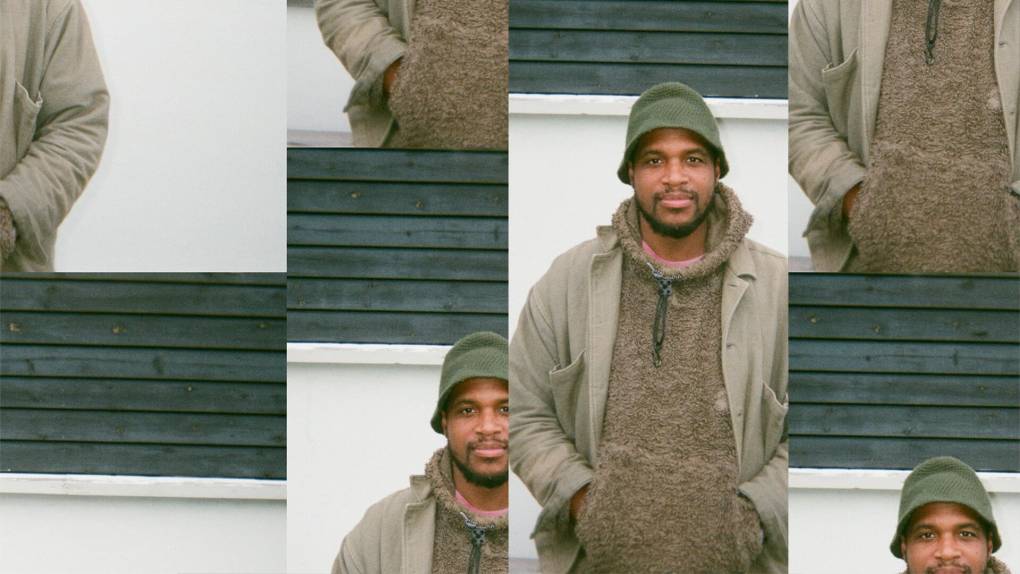
"title": "Zekarias Thompson",
"publishDate": 1718573045,
"status": "inherit",
"parent": 11990594,
"modified": 1718647013,
"caption": "Zekarias Musele Thompson.",
"credit": "Courtesy of Helena Aðalsteinsdóttir/Collage by Attila Pelit of KQED",
"altTag": null,
"description": null,
"imgSizes": {
"medium": {
"file": "https://cdn.kqed.org/wp-content/uploads/sites/10/2024/06/Zekarias-Thompson-800x450.jpg",
"width": 800,
"height": 450,
"mimeType": "image/jpeg"
},
"large": {
"file": "https://cdn.kqed.org/wp-content/uploads/sites/10/2024/06/Zekarias-Thompson-1020x574.jpg",
"width": 1020,
"height": 574,
"mimeType": "image/jpeg"
},
"thumbnail": {
"file": "https://cdn.kqed.org/wp-content/uploads/sites/10/2024/06/Zekarias-Thompson-160x90.jpg",
"width": 160,
"height": 90,
"mimeType": "image/jpeg"
},
"1536x1536": {
"file": "https://cdn.kqed.org/wp-content/uploads/sites/10/2024/06/Zekarias-Thompson-1536x864.jpg",
"width": 1536,
"height": 864,
"mimeType": "image/jpeg"
},
"post-thumbnail": {
"file": "https://cdn.kqed.org/wp-content/uploads/sites/10/2024/06/Zekarias-Thompson-672x372.jpg",
"width": 672,
"height": 372,
"mimeType": "image/jpeg"
},
"twentyfourteen-full-width": {
"file": "https://cdn.kqed.org/wp-content/uploads/sites/10/2024/06/Zekarias-Thompson-1038x576.jpg",
"width": 1038,
"height": 576,
"mimeType": "image/jpeg"
},
"kqedFullSize": {
"file": "https://cdn.kqed.org/wp-content/uploads/sites/10/2024/06/Zekarias-Thompson.jpg",
"width": 1920,
"height": 1080
}
},
"isLoading": false,
"fetchFailed": false
},
"news_11989937": {
"type": "attachments",
"id": "news_11989937",
"meta": {
"index": "attachments_1716263798",
"site": "news",
"id": "11989937",
"found": true
},
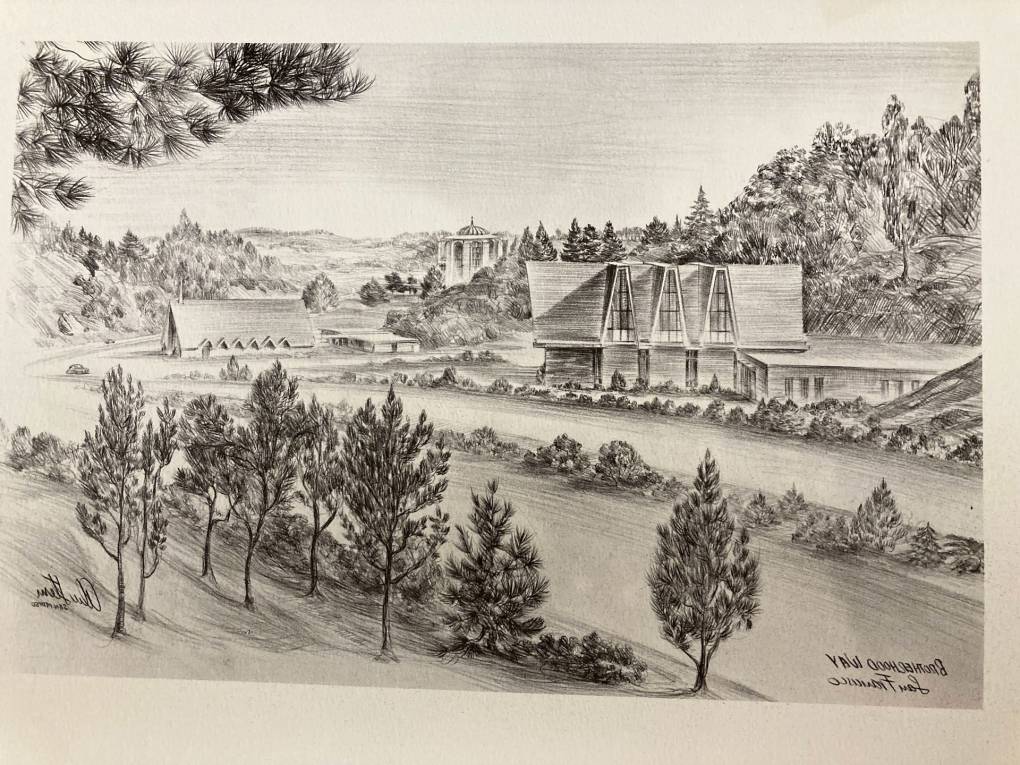
"title": "BrotherhoodWay-drawing",
"publishDate": 1718215694,
"status": "inherit",
"parent": 11989925,
"modified": 1718218150,
"caption": "Brotherhood Way as it looked in the 1960s from an informational leaflet from Temple Judea (now called Congregation Am Tikvah). The temple is in the foreground with the Presbyterian and Greek Orthodox Churches in the background.",
"credit": "Courtesy San Francisco History Center/San Francisco Public Library",
"altTag": "Line drawing of tree lined street with large church buildings on the horizon.",
"description": null,
"imgSizes": {
"medium": {
"file": "https://cdn.kqed.org/wp-content/uploads/sites/10/2024/06/BrotherhoodWay-drawing-800x600.jpg",
"width": 800,
"height": 600,
"mimeType": "image/jpeg"
},
"large": {
"file": "https://cdn.kqed.org/wp-content/uploads/sites/10/2024/06/BrotherhoodWay-drawing-1020x765.jpg",
"width": 1020,
"height": 765,
"mimeType": "image/jpeg"
},
"thumbnail": {
"file": "https://cdn.kqed.org/wp-content/uploads/sites/10/2024/06/BrotherhoodWay-drawing-160x120.jpg",
"width": 160,
"height": 120,
"mimeType": "image/jpeg"
},
"1536x1536": {
"file": "https://cdn.kqed.org/wp-content/uploads/sites/10/2024/06/BrotherhoodWay-drawing-1536x1152.jpg",
"width": 1536,
"height": 1152,
"mimeType": "image/jpeg"
},
"post-thumbnail": {
"file": "https://cdn.kqed.org/wp-content/uploads/sites/10/2024/06/BrotherhoodWay-drawing-672x372.jpg",
"width": 672,
"height": 372,
"mimeType": "image/jpeg"
},
"twentyfourteen-full-width": {
"file": "https://cdn.kqed.org/wp-content/uploads/sites/10/2024/06/BrotherhoodWay-drawing-1038x576.jpg",
"width": 1038,
"height": 576,
"mimeType": "image/jpeg"
},
"kqedFullSize": {
"file": "https://cdn.kqed.org/wp-content/uploads/sites/10/2024/06/BrotherhoodWay-drawing.jpg",
"width": 1920,
"height": 1440
}
},
"isLoading": false,
"fetchFailed": false
},
"news_11989578": {
"type": "attachments",
"id": "news_11989578",
"meta": {
"index": "attachments_1716263798",
"site": "news",
"id": "11989578",
"found": true
},
"title": "Screenshot 2024-06-09 at 12.52.04 PM",
"publishDate": 1717966877,
"status": "inherit",
"parent": 11989574,
"modified": 1717967098,
"caption": "Mare (Jess Konye)",
"credit": "Photo courtesy of Josiah Bowles/Collage by Spencer Whitney of KQED",
"altTag": "A five-image collage of a Black woman wearing a Pokémon hat and white shirt, while holding a white guitar with a piano keyboard and music speakers in the background.",
"description": null,
"imgSizes": {
"medium": {
"file": "https://cdn.kqed.org/wp-content/uploads/sites/10/2024/06/Screenshot-2024-06-09-at-12.52.04 PM-800x638.png",
"width": 800,
"height": 638,
"mimeType": "image/png"
},
"large": {
"file": "https://cdn.kqed.org/wp-content/uploads/sites/10/2024/06/Screenshot-2024-06-09-at-12.52.04 PM-1020x813.png",
"width": 1020,
"height": 813,
"mimeType": "image/png"
},
"thumbnail": {
"file": "https://cdn.kqed.org/wp-content/uploads/sites/10/2024/06/Screenshot-2024-06-09-at-12.52.04 PM-160x128.png",
"width": 160,
"height": 128,
"mimeType": "image/png"
},
"post-thumbnail": {
"file": "https://cdn.kqed.org/wp-content/uploads/sites/10/2024/06/Screenshot-2024-06-09-at-12.52.04 PM-672x372.png",
"width": 672,
"height": 372,
"mimeType": "image/png"
},
"twentyfourteen-full-width": {
"file": "https://cdn.kqed.org/wp-content/uploads/sites/10/2024/06/Screenshot-2024-06-09-at-12.52.04 PM-1038x576.png",
"width": 1038,
"height": 576,
"mimeType": "image/png"
},
"kqedFullSize": {
"file": "https://cdn.kqed.org/wp-content/uploads/sites/10/2024/06/Screenshot-2024-06-09-at-12.52.04 PM.png",
"width": 1292,
"height": 1030
}
},
"isLoading": false,
"fetchFailed": false
},
"news_11988663": {
"type": "attachments",
"id": "news_11988663",
"meta": {
"index": "attachments_1716263798",
"site": "news",
"id": "11988663",
"found": true
},
"title": "Sunday Music Drop Photo Collages-38",
"publishDate": 1717369303,
"status": "inherit",
"parent": 11988661,
"modified": 1717369410,
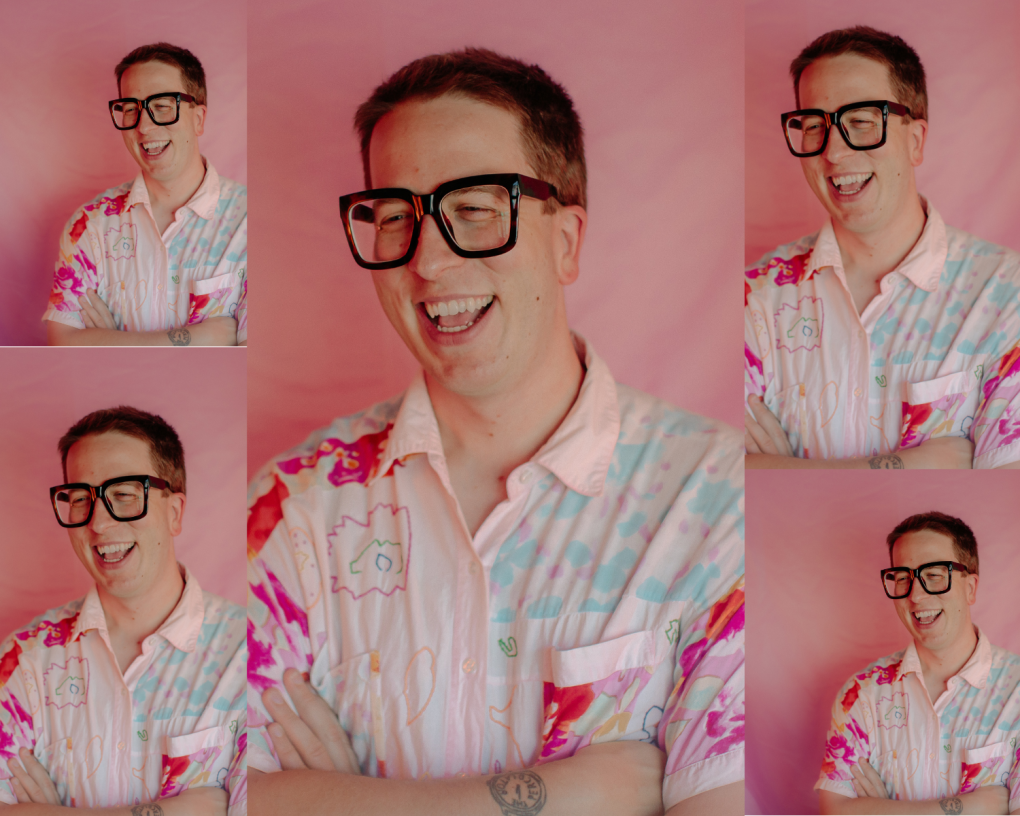
"caption": "Chrissy",
"credit": "Photo courtesy of Mariah Tiffany/Collage by Spencer Whitney of KQED",
"altTag": "A collage of five images of a white man with glasses wearing a pink shirt with his arms folded.",
"description": null,
"imgSizes": {
"medium": {
"file": "https://cdn.kqed.org/wp-content/uploads/sites/10/2024/06/Sunday-Music-Drop-Photo-Collages-38-800x640.png",
"width": 800,
"height": 640,
"mimeType": "image/png"
},
"large": {
"file": "https://cdn.kqed.org/wp-content/uploads/sites/10/2024/06/Sunday-Music-Drop-Photo-Collages-38-1020x816.png",
"width": 1020,
"height": 816,
"mimeType": "image/png"
},
"thumbnail": {
"file": "https://cdn.kqed.org/wp-content/uploads/sites/10/2024/06/Sunday-Music-Drop-Photo-Collages-38-160x128.png",
"width": 160,
"height": 128,
"mimeType": "image/png"
},
"post-thumbnail": {
"file": "https://cdn.kqed.org/wp-content/uploads/sites/10/2024/06/Sunday-Music-Drop-Photo-Collages-38-672x372.png",
"width": 672,
"height": 372,
"mimeType": "image/png"
},
"twentyfourteen-full-width": {
"file": "https://cdn.kqed.org/wp-content/uploads/sites/10/2024/06/Sunday-Music-Drop-Photo-Collages-38-1038x576.png",
"width": 1038,
"height": 576,
"mimeType": "image/png"
},
"kqedFullSize": {
"file": "https://cdn.kqed.org/wp-content/uploads/sites/10/2024/06/Sunday-Music-Drop-Photo-Collages-38.png",
"width": 1500,
"height": 1200
}
},
"isLoading": false,
"fetchFailed": false
},
"news_11988183": {
"type": "attachments",
"id": "news_11988183",
"meta": {
"index": "attachments_1716263798",
"site": "news",
"id": "11988183",
"found": true
},
"title": "240529-AACULTURALCENTER-JG-2_qut",
"publishDate": 1717027089,
"status": "inherit",
"parent": 0,
"modified": 1717027828,
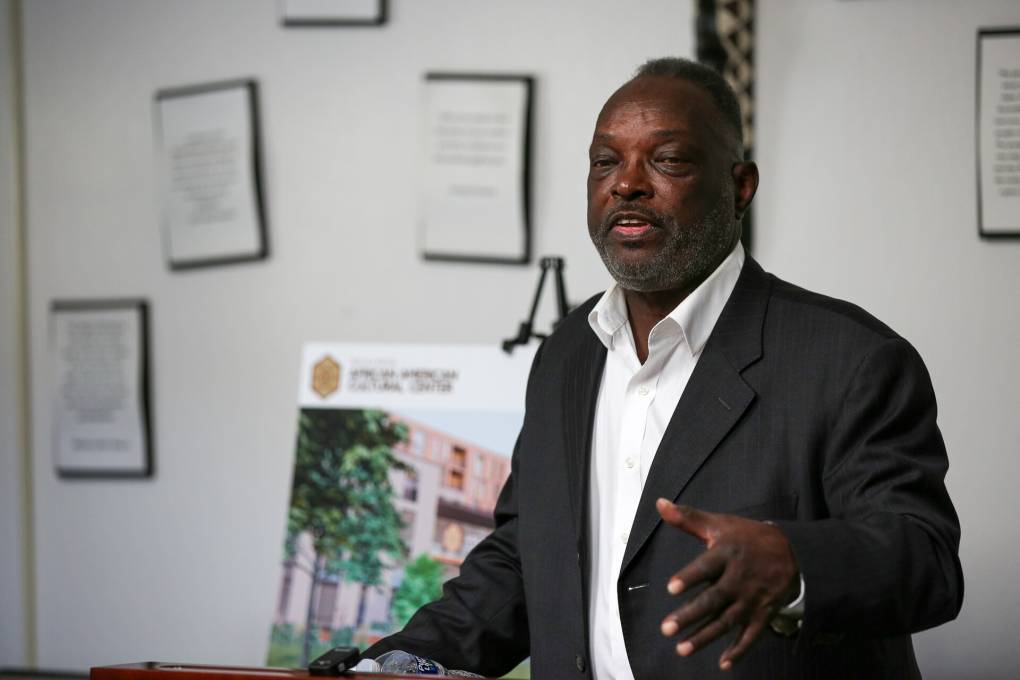
"caption": "Walter Wilson, project manager for the planned African American Cultural Center of Silicon Valley, speaks during an event celebrating a federal grant for the center in San José on Wednesday, May 29, 2024.",
"credit": "Joseph Geha/KQED",
"altTag": null,
"description": null,
"imgSizes": {
"medium": {
"file": "https://cdn.kqed.org/wp-content/uploads/sites/10/2024/05/240529-AACULTURALCENTER-JG-2_qut-800x533.jpg",
"width": 800,
"height": 533,
"mimeType": "image/jpeg"
},
"large": {
"file": "https://cdn.kqed.org/wp-content/uploads/sites/10/2024/05/240529-AACULTURALCENTER-JG-2_qut-1020x680.jpg",
"width": 1020,
"height": 680,
"mimeType": "image/jpeg"
},
"thumbnail": {
"file": "https://cdn.kqed.org/wp-content/uploads/sites/10/2024/05/240529-AACULTURALCENTER-JG-2_qut-160x107.jpg",
"width": 160,
"height": 107,
"mimeType": "image/jpeg"
},
"1536x1536": {
"file": "https://cdn.kqed.org/wp-content/uploads/sites/10/2024/05/240529-AACULTURALCENTER-JG-2_qut-1536x1024.jpg",
"width": 1536,
"height": 1024,
"mimeType": "image/jpeg"
},
"post-thumbnail": {
"file": "https://cdn.kqed.org/wp-content/uploads/sites/10/2024/05/240529-AACULTURALCENTER-JG-2_qut-672x372.jpg",
"width": 672,
"height": 372,
"mimeType": "image/jpeg"
},
"twentyfourteen-full-width": {
"file": "https://cdn.kqed.org/wp-content/uploads/sites/10/2024/05/240529-AACULTURALCENTER-JG-2_qut-1038x576.jpg",
"width": 1038,
"height": 576,
"mimeType": "image/jpeg"
},
"kqedFullSize": {
"file": "https://cdn.kqed.org/wp-content/uploads/sites/10/2024/05/240529-AACULTURALCENTER-JG-2_qut.jpg",
"width": 1920,
"height": 1280
}
},
"isLoading": false,
"fetchFailed": false
},
"news_11987839": {
"type": "attachments",
"id": "news_11987839",
"meta": {
"index": "attachments_1716263798",
"site": "news",
"id": "11987839",
"found": true
},
"title": "240526-CarnavalParade-33-BL",
"publishDate": 1716767600,
"status": "inherit",
"parent": 12083056,
"modified": 1778611986,
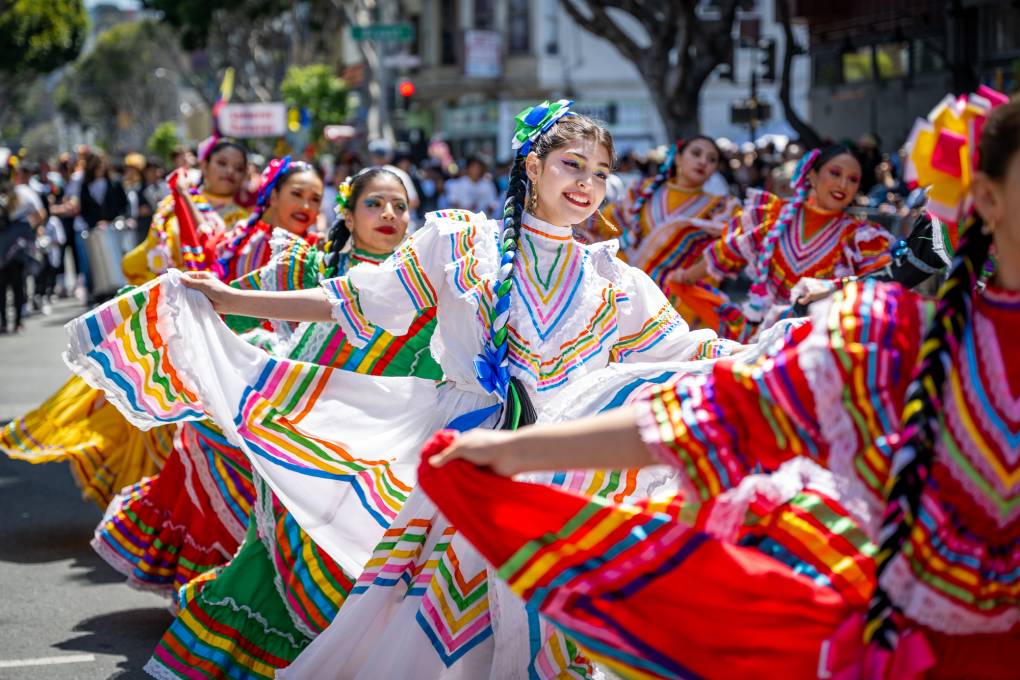
"caption": "Cathedral City High School Ballet Folklórico performs during the Carnaval Grand Parade in San Francisco's Mission District on May 26, 2024.",
"credit": "Beth LaBerge/KQED",
"altTag": "Several women dressed in colorful clothing dance and walk down the street during a parade.",
"description": null,
"imgSizes": {
"medium": {
"file": "https://cdn.kqed.org/wp-content/uploads/sites/10/2024/05/240526-CarnavalParade-33-BL-800x533.jpg",
"width": 800,
"height": 533,
"mimeType": "image/jpeg"
},
"large": {
"file": "https://cdn.kqed.org/wp-content/uploads/sites/10/2024/05/240526-CarnavalParade-33-BL-1020x680.jpg",
"width": 1020,
"height": 680,
"mimeType": "image/jpeg"
},
"thumbnail": {
"file": "https://cdn.kqed.org/wp-content/uploads/sites/10/2024/05/240526-CarnavalParade-33-BL-160x107.jpg",
"width": 160,
"height": 107,
"mimeType": "image/jpeg"
},
"1536x1536": {
"file": "https://cdn.kqed.org/wp-content/uploads/sites/10/2024/05/240526-CarnavalParade-33-BL-1536x1024.jpg",
"width": 1536,
"height": 1024,
"mimeType": "image/jpeg"
},
"post-thumbnail": {
"file": "https://cdn.kqed.org/wp-content/uploads/sites/10/2024/05/240526-CarnavalParade-33-BL-672x372.jpg",
"width": 672,
"height": 372,
"mimeType": "image/jpeg"
},
"twentyfourteen-full-width": {
"file": "https://cdn.kqed.org/wp-content/uploads/sites/10/2024/05/240526-CarnavalParade-33-BL-1038x576.jpg",
"width": 1038,
"height": 576,
"mimeType": "image/jpeg"
},
"full-width": {
"file": "https://cdn.kqed.org/wp-content/uploads/sites/10/2024/05/240526-CarnavalParade-33-BL-1920x1280.jpg",
"width": 1920,
"height": 1280,
"mimeType": "image/jpeg"
},
"kqedFullSize": {
"file": "https://cdn.kqed.org/wp-content/uploads/sites/10/2024/05/240526-CarnavalParade-33-BL.jpg",
"width": 2000,
"height": 1333
}
},
"isLoading": false,
"fetchFailed": false
},
"news_11987814": {
"type": "attachments",
"id": "news_11987814",
"meta": {
"index": "attachments_1716263798",
"site": "news",
"id": "11987814",
"found": true
},
"title": "51",
"publishDate": 1716762329,
"status": "inherit",
"parent": 11987812,
"modified": 1716762411,
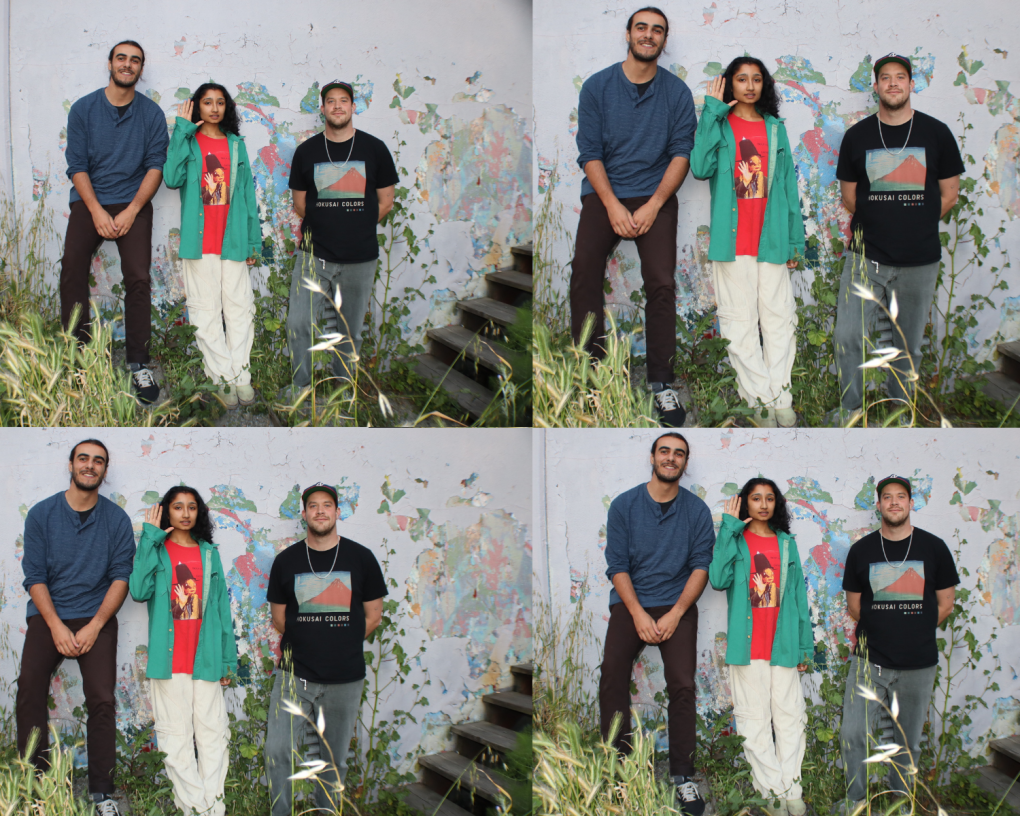
"caption": "From left to right: Noam Teyssier, Nadia Aquil and Jeff Klein.",
"credit": null,
"altTag": "A collage of four images of two men and one woman standing against a wall outside.",
"description": null,
"imgSizes": {
"medium": {
"file": "https://cdn.kqed.org/wp-content/uploads/sites/10/2024/05/51-800x640.png",
"width": 800,
"height": 640,
"mimeType": "image/png"
},
"large": {
"file": "https://cdn.kqed.org/wp-content/uploads/sites/10/2024/05/51-1020x816.png",
"width": 1020,
"height": 816,
"mimeType": "image/png"
},
"thumbnail": {
"file": "https://cdn.kqed.org/wp-content/uploads/sites/10/2024/05/51-160x128.png",
"width": 160,
"height": 128,
"mimeType": "image/png"
},
"post-thumbnail": {
"file": "https://cdn.kqed.org/wp-content/uploads/sites/10/2024/05/51-672x372.png",
"width": 672,
"height": 372,
"mimeType": "image/png"
},
"twentyfourteen-full-width": {
"file": "https://cdn.kqed.org/wp-content/uploads/sites/10/2024/05/51-1038x576.png",
"width": 1038,
"height": 576,
"mimeType": "image/png"
},
"kqedFullSize": {
"file": "https://cdn.kqed.org/wp-content/uploads/sites/10/2024/05/51.png",
"width": 1500,
"height": 1200
}
},
"isLoading": false,
"fetchFailed": false
},
"news_11987635": {
"type": "attachments",
"id": "news_11987635",
"meta": {
"index": "attachments_1716263798",
"site": "news",
"id": "11987635",
"found": true
},
"title": "240523-CarnavalPutleco-BethLaBerge-01",
"publishDate": 1716539933,
"status": "inherit",
"parent": 0,
"modified": 1716588747,
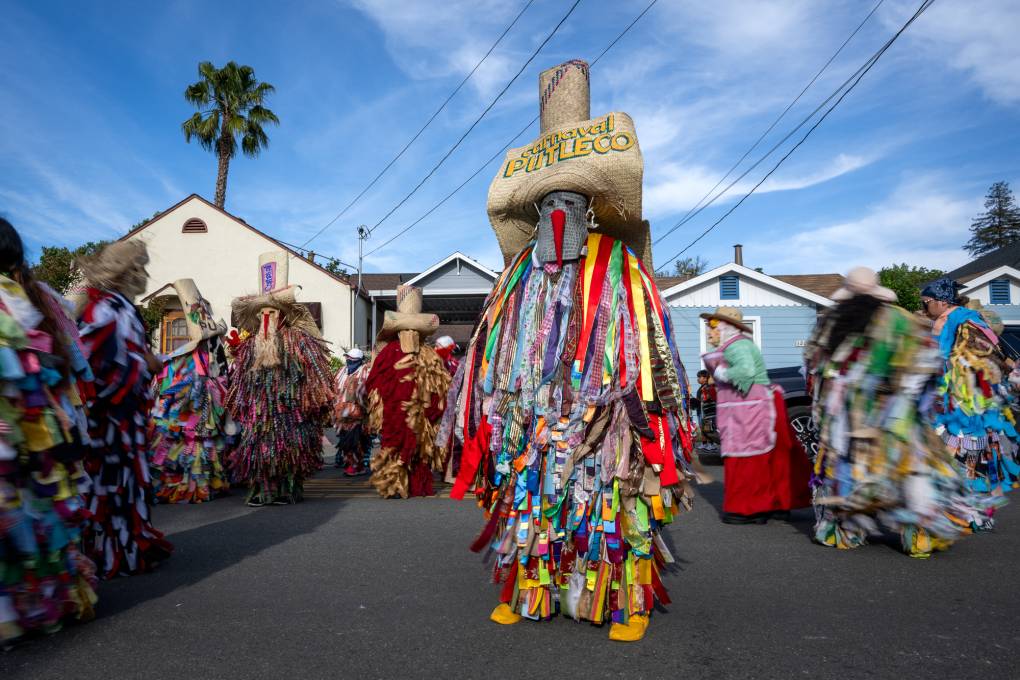
"caption": "Iván Olivera wears a tiliche alongside the group Carnaval Putleco during the Twilight Parade in Healdsburg on May 23, 2024.",
"credit": "Beth LaBerge/KQED",
"altTag": null,
"description": null,
"imgSizes": {
"medium": {
"file": "https://cdn.kqed.org/wp-content/uploads/sites/10/2024/05/240523-CarnavalPutleco-01-BL-800x533.jpg",
"width": 800,
"height": 533,
"mimeType": "image/jpeg"
},
"large": {
"file": "https://cdn.kqed.org/wp-content/uploads/sites/10/2024/05/240523-CarnavalPutleco-01-BL-1020x680.jpg",
"width": 1020,
"height": 680,
"mimeType": "image/jpeg"
},
"thumbnail": {
"file": "https://cdn.kqed.org/wp-content/uploads/sites/10/2024/05/240523-CarnavalPutleco-01-BL-160x107.jpg",
"width": 160,
"height": 107,
"mimeType": "image/jpeg"
},
"1536x1536": {
"file": "https://cdn.kqed.org/wp-content/uploads/sites/10/2024/05/240523-CarnavalPutleco-01-BL-1536x1024.jpg",
"width": 1536,
"height": 1024,
"mimeType": "image/jpeg"
},
"post-thumbnail": {
"file": "https://cdn.kqed.org/wp-content/uploads/sites/10/2024/05/240523-CarnavalPutleco-01-BL-672x372.jpg",
"width": 672,
"height": 372,
"mimeType": "image/jpeg"
},
"twentyfourteen-full-width": {
"file": "https://cdn.kqed.org/wp-content/uploads/sites/10/2024/05/240523-CarnavalPutleco-01-BL-1038x576.jpg",
"width": 1038,
"height": 576,
"mimeType": "image/jpeg"
},
"full-width": {
"file": "https://cdn.kqed.org/wp-content/uploads/sites/10/2024/05/240523-CarnavalPutleco-01-BL-1920x1280.jpg",
"width": 1920,
"height": 1280,
"mimeType": "image/jpeg"
},
"kqedFullSize": {
"file": "https://cdn.kqed.org/wp-content/uploads/sites/10/2024/05/240523-CarnavalPutleco-01-BL.jpg",
"width": 2000,
"height": 1333
}
},
"isLoading": false,
"fetchFailed": false
},
"news_11987354": {
"type": "attachments",
"id": "news_11987354",
"meta": {
"index": "attachments_1716263798",
"site": "news",
"id": "11987354",
"found": true
},
"title": "Koi street art",
"publishDate": 1716409504,
"status": "inherit",
"parent": 11987286,
"modified": 1716409635,
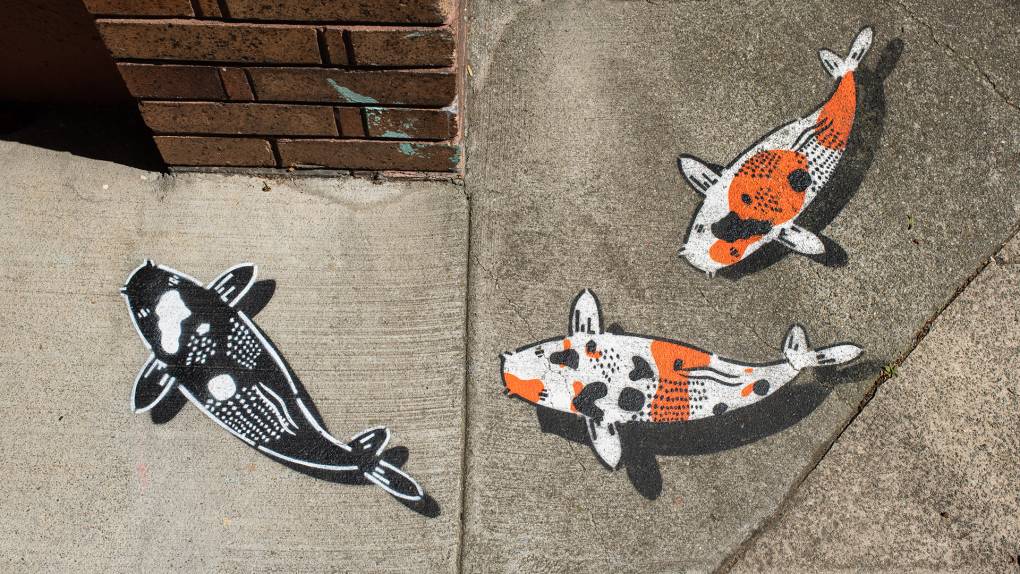
"caption": "Three koi represent the stages of life, from birth to death, and Novy frequently paints his koi in sets of three.",
"credit": "Tamuna Chkareuli/KQED",
"altTag": "Three koi fish stenciled on a sidewalk in San Francisco. Two are orange, white and black. One is black and white. They swim around a corner of a building.",
"description": null,
"imgSizes": {
"medium": {
"file": "https://cdn.kqed.org/wp-content/uploads/sites/10/2024/05/Koi-1-2-800x450.jpg",
"width": 800,
"height": 450,
"mimeType": "image/jpeg"
},
"large": {
"file": "https://cdn.kqed.org/wp-content/uploads/sites/10/2024/05/Koi-1-2-1020x574.jpg",
"width": 1020,
"height": 574,
"mimeType": "image/jpeg"
},
"thumbnail": {
"file": "https://cdn.kqed.org/wp-content/uploads/sites/10/2024/05/Koi-1-2-160x90.jpg",
"width": 160,
"height": 90,
"mimeType": "image/jpeg"
},
"1536x1536": {
"file": "https://cdn.kqed.org/wp-content/uploads/sites/10/2024/05/Koi-1-2-1536x864.jpg",
"width": 1536,
"height": 864,
"mimeType": "image/jpeg"
},
"post-thumbnail": {
"file": "https://cdn.kqed.org/wp-content/uploads/sites/10/2024/05/Koi-1-2-672x372.jpg",
"width": 672,
"height": 372,
"mimeType": "image/jpeg"
},
"twentyfourteen-full-width": {
"file": "https://cdn.kqed.org/wp-content/uploads/sites/10/2024/05/Koi-1-2-1038x576.jpg",
"width": 1038,
"height": 576,
"mimeType": "image/jpeg"
},
"kqedFullSize": {
"file": "https://cdn.kqed.org/wp-content/uploads/sites/10/2024/05/Koi-1-2.jpg",
"width": 1920,
"height": 1080
}
},
"isLoading": false,
"fetchFailed": false
},
"news_11986924": {
"type": "attachments",
"id": "news_11986924",
"meta": {
"index": "attachments_1716263798",
"site": "news",
"id": "11986924",
"found": true
},
"parent": 0,
"imgSizes": {
"twentyfourteen-full-width": {
"file": "https://cdn.kqed.org/wp-content/uploads/sites/10/2024/05/240517-CCSFProfileMadelineMueller-26-BL-1038x576.jpg",
"width": 1038,
"mimeType": "image/jpeg",
"height": 576
},
"thumbnail": {
"file": "https://cdn.kqed.org/wp-content/uploads/sites/10/2024/05/240517-CCSFProfileMadelineMueller-26-BL-160x107.jpg",
"width": 160,
"mimeType": "image/jpeg",
"height": 107
},
"post-thumbnail": {
"file": "https://cdn.kqed.org/wp-content/uploads/sites/10/2024/05/240517-CCSFProfileMadelineMueller-26-BL-672x372.jpg",
"width": 672,
"mimeType": "image/jpeg",
"height": 372
},
"kqedFullSize": {
"file": "https://cdn.kqed.org/wp-content/uploads/sites/10/2024/05/240517-CCSFProfileMadelineMueller-26-BL.jpg",
"width": 2000,
"height": 1333
},
"large": {
"file": "https://cdn.kqed.org/wp-content/uploads/sites/10/2024/05/240517-CCSFProfileMadelineMueller-26-BL-1020x680.jpg",
"width": 1020,
"mimeType": "image/jpeg",
"height": 680
},
"1536x1536": {
"file": "https://cdn.kqed.org/wp-content/uploads/sites/10/2024/05/240517-CCSFProfileMadelineMueller-26-BL-1536x1024.jpg",
"width": 1536,
"mimeType": "image/jpeg",
"height": 1024
},
"full-width": {
"file": "https://cdn.kqed.org/wp-content/uploads/sites/10/2024/05/240517-CCSFProfileMadelineMueller-26-BL-1920x1280.jpg",
"width": 1920,
"mimeType": "image/jpeg",
"height": 1280
},
"medium": {
"file": "https://cdn.kqed.org/wp-content/uploads/sites/10/2024/05/240517-CCSFProfileMadelineMueller-26-BL-800x533.jpg",
"width": 800,
"mimeType": "image/jpeg",
"height": 533
}
},
"publishDate": 1716227052,
"modified": 1716233292,
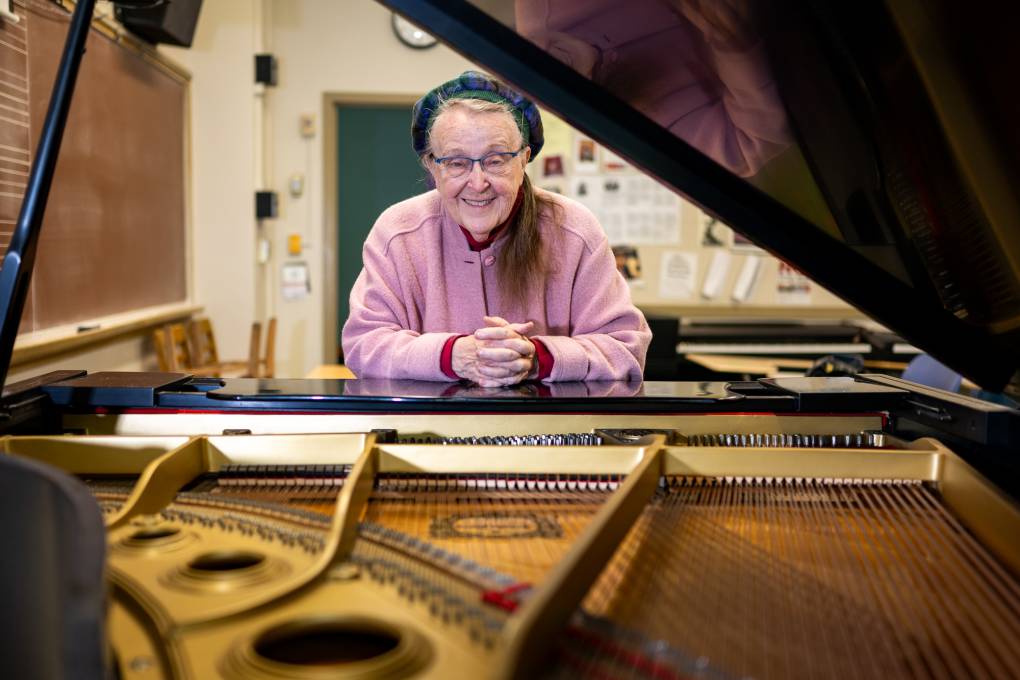
"caption": "Music department chair Madeline Mueller poses for a portrait at City College of San Francisco on May 17, 2024. Mueller has taught at the college for 58 years and is the college’s longest-tenured employee.",
"description": null,
"title": "240517-CCSFProfileMadelineMueller-26-BL",
"credit": "Beth LaBerge/KQED",
"status": "inherit",
"altTag": "An older woman wearing glasses and a pink coat smiles as she leans on a grand piano",
"isLoading": false,
"fetchFailed": false
},
"news_11986884": {
"type": "attachments",
"id": "news_11986884",
"meta": {
"index": "attachments_1716263798",
"site": "news",
"id": "11986884",
"found": true
},
"parent": 11986878,
"imgSizes": {
"twentyfourteen-full-width": {
"file": "https://cdn.kqed.org/wp-content/uploads/sites/10/2024/05/Sunday-Music-Drop-Photo-Collages-37-1038x576.png",
"width": 1038,
"mimeType": "image/png",
"height": 576
},
"thumbnail": {
"file": "https://cdn.kqed.org/wp-content/uploads/sites/10/2024/05/Sunday-Music-Drop-Photo-Collages-37-160x128.png",
"width": 160,
"mimeType": "image/png",
"height": 128
},
"post-thumbnail": {
"file": "https://cdn.kqed.org/wp-content/uploads/sites/10/2024/05/Sunday-Music-Drop-Photo-Collages-37-672x372.png",
"width": 672,
"mimeType": "image/png",
"height": 372
},
"kqedFullSize": {
"file": "https://cdn.kqed.org/wp-content/uploads/sites/10/2024/05/Sunday-Music-Drop-Photo-Collages-37.png",
"width": 1500,
"height": 1200
},
"large": {
"file": "https://cdn.kqed.org/wp-content/uploads/sites/10/2024/05/Sunday-Music-Drop-Photo-Collages-37-1020x816.png",
"width": 1020,
"mimeType": "image/png",
"height": 816
},
"medium": {
"file": "https://cdn.kqed.org/wp-content/uploads/sites/10/2024/05/Sunday-Music-Drop-Photo-Collages-37-800x640.png",
"width": 800,
"mimeType": "image/png",
"height": 640
}
},
"publishDate": 1716151471,
"modified": 1716151541,
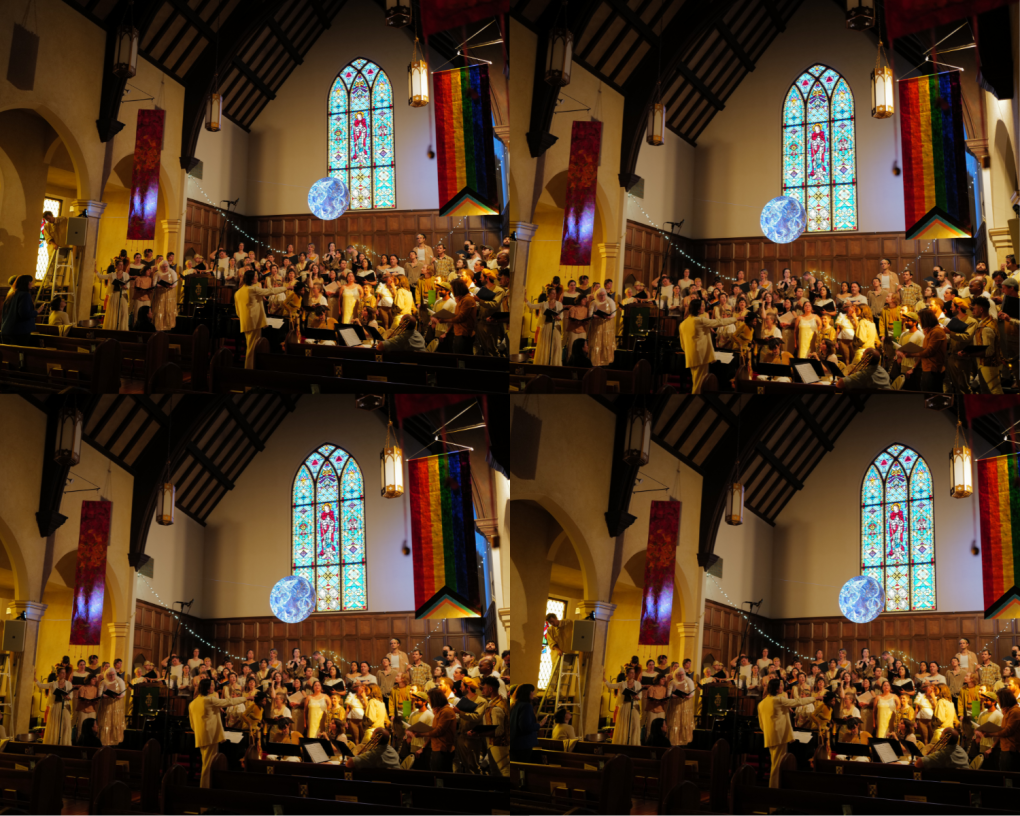
"caption": "Free Key Choir",
"description": null,
"title": "Sunday Music Drop Photo Collages-37",
"credit": "Photo courtesy of Qinghui Kong/Collage by Spencer Whitney of KQED",
"status": "inherit",
"altTag": "A collage of four images of a choir singing inside a church.",
"isLoading": false,
"fetchFailed": false
},
"news_11985886": {
"type": "attachments",
"id": "news_11985886",
"meta": {
"index": "attachments_1716263798",
"site": "news",
"id": "11985886",
"found": true
},
"parent": 11985883,
"imgSizes": {
"twentyfourteen-full-width": {
"file": "https://cdn.kqed.org/wp-content/uploads/sites/10/2024/05/UncleChris_Band-1038x576.jpg",
"width": 1038,
"mimeType": "image/jpeg",
"height": 576
},
"thumbnail": {
"file": "https://cdn.kqed.org/wp-content/uploads/sites/10/2024/05/UncleChris_Band-160x90.jpg",
"width": 160,
"mimeType": "image/jpeg",
"height": 90
},
"post-thumbnail": {
"file": "https://cdn.kqed.org/wp-content/uploads/sites/10/2024/05/UncleChris_Band-672x372.jpg",
"width": 672,
"mimeType": "image/jpeg",
"height": 372
},
"kqedFullSize": {
"file": "https://cdn.kqed.org/wp-content/uploads/sites/10/2024/05/UncleChris_Band.jpg",
"width": 1920,
"height": 1080
},
"large": {
"file": "https://cdn.kqed.org/wp-content/uploads/sites/10/2024/05/UncleChris_Band-1020x574.jpg",
"width": 1020,
"mimeType": "image/jpeg",
"height": 574
},
"1536x1536": {
"file": "https://cdn.kqed.org/wp-content/uploads/sites/10/2024/05/UncleChris_Band-1536x864.jpg",
"width": 1536,
"mimeType": "image/jpeg",
"height": 864
},
"medium": {
"file": "https://cdn.kqed.org/wp-content/uploads/sites/10/2024/05/UncleChris_Band-800x450.jpg",
"width": 800,
"mimeType": "image/jpeg",
"height": 450
}
},
"publishDate": 1715550377,
"modified": 1715550775,
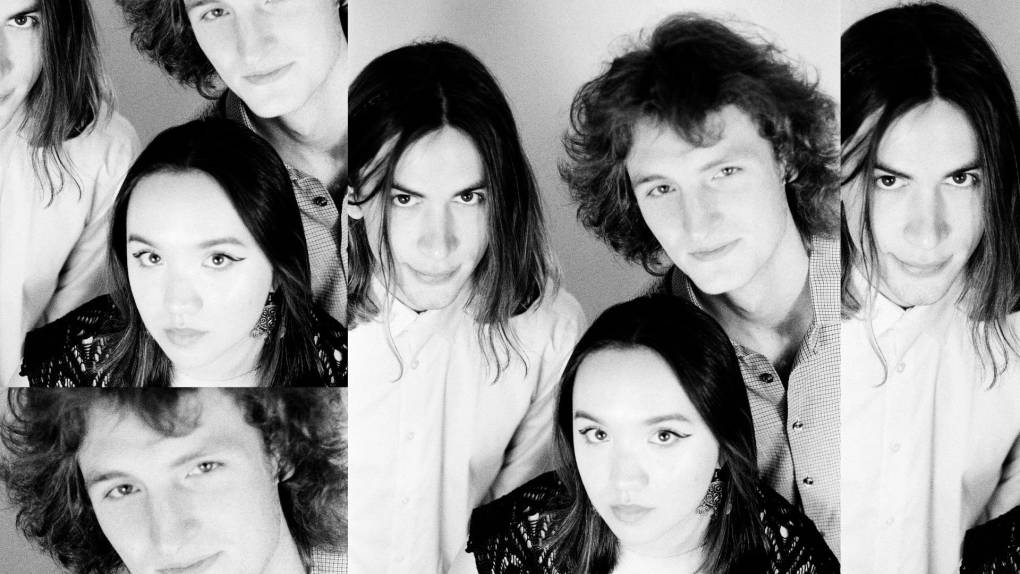
"caption": "(Left to right) Alex Wolfert, Sue-Ling Kaiser, and Patrick Madden.",
"description": null,
"title": "UncleChris_Band",
"credit": "Courtesy of Uncle Chris/Collage by Lakshmi Sarah of KQED",
"status": "inherit",
"altTag": "A black and white collage of three people looking into the camera.",
"isLoading": false,
"fetchFailed": false
}
},
"audioPlayerReducer": {
"postId": "stream_live",
"isPaused": true,
"isPlaying": false,
"pfsActive": false,
"pledgeModalIsOpen": true,
"playerDrawerIsOpen": false,
"liveAudioPlayStartedAt": 0,
"liveAudioPlayContext": ""
},
"authorsReducer": {
"byline_news_11987286": {
"type": "authors",
"id": "byline_news_11987286",
"meta": {
"override": true
},
"slug": "byline_news_11987286",
"name": "Tamuna Chkareuli",
"isLoading": false
},
"byline_news_11986950": {
"type": "authors",
"id": "byline_news_11986950",
"meta": {
"override": true
},
"slug": "byline_news_11986950",
"name": "Jakob Hofso",
"isLoading": false
},
"cmorizono": {
"type": "authors",
"id": "11503",
"meta": {
"index": "authors_1716337520",
"id": "11503",
"found": true
},
"name": "Chloe Morizono",
"firstName": "Chloe",
"lastName": "Morizono",
"slug": "cmorizono",
"email": "cmorizono@kqed.org",
"display_author_email": false,
"staff_mastheads": [],
"title": "KQED Contributor",
"bio": null,
"avatar": "https://secure.gravatar.com/avatar/589de970d4696c868de7f4dc180e0289?s=600&d=blank&r=g",
"twitter": null,
"facebook": null,
"instagram": null,
"linkedin": null,
"sites": [
{
"site": "news",
"roles": []
},
{
"site": "perspectives",
"roles": [
"editor"
]
}
],
"headData": {
"title": "Chloe Morizono | KQED",
"description": "KQED Contributor",
"ogImgSrc": "https://secure.gravatar.com/avatar/589de970d4696c868de7f4dc180e0289?s=600&d=blank&r=g",
"twImgSrc": "https://secure.gravatar.com/avatar/589de970d4696c868de7f4dc180e0289?s=600&d=blank&r=g"
},
"isLoading": false,
"link": "/author/cmorizono"
},
"blaberge": {
"type": "authors",
"id": "11667",
"meta": {
"index": "authors_1716337520",
"id": "11667",
"found": true
},
"name": "Beth LaBerge",
"firstName": "Beth",
"lastName": "LaBerge",
"slug": "blaberge",
"email": "blaberge@KQED.org",
"display_author_email": true,
"staff_mastheads": [
"news"
],
"title": "Photographer, News",
"bio": "Beth LaBerge is a visual journalist for \u003ca href=\"https://www.kqed.org/news\">KQED News\u003c/a>.",
"avatar": "https://secure.gravatar.com/avatar/ce49ecd7a1306685637b45a1f6f5dedfc4ae9481966eb596fea5160466dd6319?s=600&d=blank&r=g",
"twitter": null,
"bluesky": null,
"facebook": null,
"instagram": "https://www.instagram.com/bethlaberge/",
"linkedin": null,
"sites": [
{
"site": "arts",
"roles": [
"editor",
"manage_categories"
]
},
{
"site": "news",
"roles": [
"editor",
"edit_plugins",
"manage_categories"
]
},
{
"site": "science",
"roles": [
"editor",
"contributor",
"author",
"manage_categories"
]
},
{
"site": "perspectives",
"roles": [
"editor"
]
},
{
"site": "liveblog",
"roles": [
"editor"
]
}
],
"headData": {
"title": "Beth LaBerge | KQED",
"description": "Photographer, News",
"ogImgSrc": "https://secure.gravatar.com/avatar/ce49ecd7a1306685637b45a1f6f5dedfc4ae9481966eb596fea5160466dd6319?s=600&d=blank&r=g",
"twImgSrc": "https://secure.gravatar.com/avatar/ce49ecd7a1306685637b45a1f6f5dedfc4ae9481966eb596fea5160466dd6319?s=600&d=blank&r=g"
},
"isLoading": false,
"link": "/author/blaberge"
},
"ccabreralomeli": {
"type": "authors",
"id": "11708",
"meta": {
"index": "authors_1716337520",
"id": "11708",
"found": true
},
"name": "Carlos Cabrera-Lomelí",
"firstName": "Carlos",
"lastName": "Cabrera-Lomelí",
"slug": "ccabreralomeli",
"email": "ccabreralomeli@KQED.org",
"display_author_email": true,
"staff_mastheads": [
"news"
],
"title": "Community Reporter",
"bio": "Carlos Cabrera-Lomelí is a community reporter with KQED's digital engagement team. He also reports and co-produces for KQED's bilingual news hub KQED en Español. He grew up in San Francisco's Mission District and has previously worked with Univision, 48 Hills and REFORMA in Mexico City.",
"avatar": "https://secure.gravatar.com/avatar/c309be9665e484f887b818c89e273ecc673004f426f36b24d00a4d813a2e0518?s=600&d=blank&r=g",
"twitter": "@LomeliCabrera",
"bluesky": null,
"facebook": null,
"instagram": null,
"linkedin": null,
"sites": [
{
"site": "arts",
"roles": [
"editor"
]
},
{
"site": "news",
"roles": [
"editor"
]
},
{
"site": "about",
"roles": [
"editor"
]
},
{
"site": "science",
"roles": [
"editor"
]
},
{
"site": "perspectives",
"roles": [
"editor"
]
},
{
"site": "elections",
"roles": [
"editor"
]
},
{
"site": "liveblog",
"roles": [
"contributor"
]
}
],
"headData": {
"title": "Carlos Cabrera-Lomelí | KQED",
"description": "Community Reporter",
"ogImgSrc": "https://secure.gravatar.com/avatar/c309be9665e484f887b818c89e273ecc673004f426f36b24d00a4d813a2e0518?s=600&d=blank&r=g",
"twImgSrc": "https://secure.gravatar.com/avatar/c309be9665e484f887b818c89e273ecc673004f426f36b24d00a4d813a2e0518?s=600&d=blank&r=g"
},
"isLoading": false,
"link": "/author/ccabreralomeli"
},
"afinney": {
"type": "authors",
"id": "11772",
"meta": {
"index": "authors_1716337520",
"id": "11772",
"found": true
},
"name": "Annelise Finney",
"firstName": "Annelise",
"lastName": "Finney",
"slug": "afinney",
"email": "afinney@kqed.org",
"display_author_email": true,
"staff_mastheads": [
"news"
],
"title": "Reporter",
"bio": "Annelise reports on reparations in California and East Bay politics. She co-produced the Sunday Music Drop, a limited-term radio series featuring Bay Area musicians that aired between Sept 2022 and Oct 2024. She joined KQED in 2021 as a general assignment reporter and is an alumna of KALW's Audio Academy. She was born and raised in the East Bay. She is currently away from KQED completing a year-long reporting project in Berlin, Germany as a Alexander Von Humboldt German Chancellor Fellow.",
"avatar": "https://secure.gravatar.com/avatar/5fded66cae47704cdfc5021cde0f3aa4?s=600&d=blank&r=g",
"twitter": null,
"facebook": null,
"instagram": null,
"linkedin": null,
"sites": [
{
"site": "news",
"roles": [
"editor"
]
},
{
"site": "liveblog",
"roles": [
"author"
]
}
],
"headData": {
"title": "Annelise Finney | KQED",
"description": "Reporter",
"ogImgSrc": "https://secure.gravatar.com/avatar/5fded66cae47704cdfc5021cde0f3aa4?s=600&d=blank&r=g",
"twImgSrc": "https://secure.gravatar.com/avatar/5fded66cae47704cdfc5021cde0f3aa4?s=600&d=blank&r=g"
},
"isLoading": false,
"link": "/author/afinney"
},
"swhitney": {
"type": "authors",
"id": "11784",
"meta": {
"index": "authors_1716337520",
"id": "11784",
"found": true
},
"name": "Spencer Whitney",
"firstName": "Spencer",
"lastName": "Whitney",
"slug": "swhitney",
"email": "swhitney@kqed.org",
"display_author_email": false,
"staff_mastheads": [],
"title": "KQED Digital Editor",
"bio": "Spencer Whitney is currently a Digital Editor for KQED News. Prior to joining KQED News, Spencer worked as the Multimedia Editor at the Oakland Post and an Assistant Editor in the Editorial department at the San Francisco Chronicle. He attended Howard University as an undergraduate and interned with SiriusXM. He also attended UC Berkeley's Graduate School of Journalism and had the opportunity to write for the hyperlocal news sites Richmond Confidential and Oakland North.",
"avatar": "https://secure.gravatar.com/avatar/e33ff4fd8b8f0d2796f36472fb32607ca8fc46ef5e537dcfdbdee688d8ea5b80?s=600&d=mm&r=g",
"twitter": null,
"bluesky": null,
"facebook": null,
"instagram": null,
"linkedin": null,
"sites": [
{
"site": "arts",
"roles": [
"editor"
]
},
{
"site": "news",
"roles": [
"editor"
]
},
{
"site": "science",
"roles": [
"editor"
]
},
{
"site": "perspectives",
"roles": [
"editor"
]
}
],
"headData": {
"title": "Spencer Whitney | KQED",
"description": "KQED Digital Editor",
"ogImgSrc": "https://secure.gravatar.com/avatar/e33ff4fd8b8f0d2796f36472fb32607ca8fc46ef5e537dcfdbdee688d8ea5b80?s=600&d=mm&r=g",
"twImgSrc": "https://secure.gravatar.com/avatar/e33ff4fd8b8f0d2796f36472fb32607ca8fc46ef5e537dcfdbdee688d8ea5b80?s=600&d=mm&r=g"
},
"isLoading": false,
"link": "/author/swhitney"
},
"apelit": {
"type": "authors",
"id": "11812",
"meta": {
"index": "authors_1716337520",
"id": "11812",
"found": true
},
"name": "Attila Pelit",
"firstName": "Attila",
"lastName": "Pelit",
"slug": "apelit",
"email": "apelit@kqed.org",
"display_author_email": false,
"staff_mastheads": [],
"title": "KQED Contributor",
"bio": null,
"avatar": "https://secure.gravatar.com/avatar/9b7b8a9e595d58a1f4d853f8608ae584?s=600&d=mm&r=g",
"twitter": null,
"facebook": null,
"instagram": null,
"linkedin": null,
"sites": [
{
"site": "news",
"roles": [
"editor"
]
},
{
"site": "science",
"roles": [
"editor"
]
},
{
"site": "elections",
"roles": [
"editor"
]
},
{
"site": "liveblog",
"roles": [
"editor"
]
}
],
"headData": {
"title": "Attila Pelit | KQED",
"description": "KQED Contributor",
"ogImgSrc": "https://secure.gravatar.com/avatar/9b7b8a9e595d58a1f4d853f8608ae584?s=600&d=mm&r=g",
"twImgSrc": "https://secure.gravatar.com/avatar/9b7b8a9e595d58a1f4d853f8608ae584?s=600&d=mm&r=g"
},
"isLoading": false,
"link": "/author/apelit"
},
"kmonahan": {
"type": "authors",
"id": "11842",
"meta": {
"index": "authors_1716337520",
"id": "11842",
"found": true
},
"name": "Katherine Monahan",
"firstName": "Katherine",
"lastName": "Monahan",
"slug": "kmonahan",
"email": "kmonahan@kqed.org",
"display_author_email": true,
"staff_mastheads": [],
"title": "Reporter / Sound Engineer",
"bio": "I cover state and local news. I’m also a sound engineer at the station, mixing stories and running live broadcasts. I link to source materials so that readers can draw their own conclusions, and seek comment from a range of perspectives, including from people directly affected by events. Awards received include from the Society of Professional Journalists, Northern California chapter and the Alaska Press Club. I speak multiple languages and have reported and engineered in the Bay Area, Alaska, West Africa and Latin America.",
"avatar": "https://secure.gravatar.com/avatar/ff257b3a5da88893781a3d3266904b2d2f91c7f0e1bbf728f61f5fb81b74a669?s=600&d=blank&r=g",
"twitter": null,
"bluesky": null,
"facebook": null,
"instagram": null,
"linkedin": null,
"sites": [
{
"site": "news",
"roles": [
"editor"
]
},
{
"site": "science",
"roles": [
"contributor"
]
}
],
"headData": {
"title": "Katherine Monahan | KQED",
"description": "Reporter / Sound Engineer",
"ogImgSrc": "https://secure.gravatar.com/avatar/ff257b3a5da88893781a3d3266904b2d2f91c7f0e1bbf728f61f5fb81b74a669?s=600&d=blank&r=g",
"twImgSrc": "https://secure.gravatar.com/avatar/ff257b3a5da88893781a3d3266904b2d2f91c7f0e1bbf728f61f5fb81b74a669?s=600&d=blank&r=g"
},
"isLoading": false,
"link": "/author/kmonahan"
},
"jgeha": {
"type": "authors",
"id": "11906",
"meta": {
"index": "authors_1716337520",
"id": "11906",
"found": true
},
"name": "Joseph Geha",
"firstName": "Joseph",
"lastName": "Geha",
"slug": "jgeha",
"email": "jgeha@kqed.org",
"display_author_email": false,
"staff_mastheads": [
"news",
"science"
],
"title": "KQED Contributor",
"bio": null,
"avatar": "https://secure.gravatar.com/avatar/ea84d2b6dd93d6369d453edf19dd583f117cd1759d2d9c9c92f9de77017354fe?s=600&d=blank&r=g",
"twitter": null,
"bluesky": null,
"facebook": null,
"instagram": null,
"linkedin": null,
"sites": [
{
"site": "news",
"roles": [
"editor"
]
},
{
"site": "liveblog",
"roles": [
"author"
]
}
],
"headData": {
"title": "Joseph Geha | KQED",
"description": "KQED Contributor",
"ogImgSrc": "https://secure.gravatar.com/avatar/ea84d2b6dd93d6369d453edf19dd583f117cd1759d2d9c9c92f9de77017354fe?s=600&d=blank&r=g",
"twImgSrc": "https://secure.gravatar.com/avatar/ea84d2b6dd93d6369d453edf19dd583f117cd1759d2d9c9c92f9de77017354fe?s=600&d=blank&r=g"
},
"isLoading": false,
"link": "/author/jgeha"
}
},
"pagesReducer": {
"news_category_arts-and-culture": {
"type": "terms",
"id": "news_223",
"meta": {
"index": "terms_1716263798",
"site": "news",
"id": "223",
"score": 11.241959
},
"featImg": null,
"name": "Arts and Culture",
"description": null,
"taxonomy": "category",
"headData": {
"twImgId": null,
"twTitle": null,
"ogTitle": null,
"ogImgId": null,
"twDescription": null,
"description": null,
"title": "Arts and Culture Archives | KQED News",
"ogDescription": null
},
"ttid": 231,
"slug": "arts-and-culture",
"isLoading": false,
"title": "Arts and Culture",
"pageMeta": {
"site": "news",
"WpPageTemplate": "page-topic-editorial",
"currentPage": 19
},
"blocks": [
{
"blockName": "kqed/post-list",
"attrs": {
"layout": "cardArticle2",
"query": "posts/news?category=arts-and-culture",
"seeMore": false,
"paginated": true,
"page": 19
}
},
{
"blockName": "kqed/ad"
}
]
}
},
"pfsSessionReducer": {},
"postsReducer": {
"stream_live": {
"type": "live",
"id": "stream_live",
"audioUrl": "https://streams.kqed.org/kqedradio",
"title": "Live Stream",
"excerpt": "Live Stream information currently unavailable.",
"link": "/radio",
"featImg": "",
"label": {
"name": "KQED Live",
"link": "/"
}
},
"stream_kqedNewscast": {
"type": "posts",
"id": "stream_kqedNewscast",
"audioUrl": "https://www.kqed.org/.stream/anon/radio/RDnews/newscast.mp3?_=1",
"title": "KQED Newscast",
"featImg": "",
"label": {
"name": "88.5 FM",
"link": "/"
}
},
"news_11990594": {
"type": "posts",
"id": "news_11990594",
"meta": {
"index": "posts_1716263798",
"site": "news",
"id": "11990594",
"score": null,
"sort": [
1718575201000
]
},
"guestAuthors": [],
"slug": "zekarias-musele-thompson-a-new-bootymix-redux-v4",
"title": "Zekarias Musele Thompson: 'A New Bootymix Redux'",
"publishDate": 1718575201,
"format": "standard",
"headTitle": "Zekarias Musele Thompson: ‘A New Bootymix Redux’ | KQED",
"labelTerm": {},
"content": "\u003cp>\u003cem>\u003ca href=\"https://www.kqed.org/sundaymusicdrop\">The Sunday Music Drop is a weekly radio series hosted by the KQED weekend news team.\u003c/a> In each segment, we feature a song from a local musician or band with an upcoming show and hear about what inspires their music.\u003c/em>\u003c/p>\n\u003cp>West Oakland-based multidisciplinary artist, student and experimental saxophonist Zekarias Musele Thompson is, in their own words, “concerned with humanity’s conceptual and emotional organizational structures and how we bring them into material form.” This, almost by definition, demands a multifaceted approach, one that spans sound, image, performance and facilitation, involving photography, writing, sonic composition and collaborative performances. Thompson covers it all and seeks to bring about a sense of “deep, empathic listening.”\u003c/p>\n\u003cp>Thompson has presented their work in exhibitions and concerts across the Bay Area and in Iceland, having collaborated with dozens of artists. They are a cofounder of Working Name Studios, “a collectively owned and organized arts institution with the mission of building institutional stability and equity for underrepresented creative practices, ideas, and people.”\u003c/p>\n\u003cp>[ad fullwidth]\u003c/p>\n\u003cp>This week, we bring you Thompson’s “A New Bootymix Redux,” which inspired their upcoming \u003ca href=\"https://www.moadsf.org/programs-residencies-awards/emerging-artists-2024-2025\">solo exhibition and group of compositions \u003c/a>titled \u003cem>The Meeting Place\u003c/em>: photographic landscapes embellished with oil paint, accompanied by eight musical compositions playing continuously as group participation is enhanced through sculptures that double as seating, creating an experience that intervenes with “entrenched ideas about the nature and interpretation of the art object, its authorship, and its viewership.”\u003c/p>\n\u003cp>Of “A New Bootymix Redux,” Thompson says, “I was thinking about the ways that the sounds of the breath that is going through the saxophone can interact with these analog synth electrical signals that are also doing something in ways that are similar but very different …”\u003c/p>\n\u003cp>You can experience Thompson’s work from July 24 to Sept. 1 at MoAD — Museum of the African Diaspora, located at 685 Mission St. and Third Street in San Francisco, on the ground floor of the St. Regis.\u003c/p>\n\u003cp>\u003c/p>\n",
"blocks": [],
"excerpt": "In this episode of the Sunday Music Drop, West Oakland-based artist, student and experimental saxophonist Zekarias Musele Thompson performs 'A New Bootymix Redux' and of their upcoming exhibition at MoAB.",
"status": "publish",
"parent": 0,
"modified": 1727136965,
"stats": {
"hasAudio": false,
"hasVideo": false,
"hasChartOrMap": false,
"iframeSrcs": [],
"hasGoogleForm": false,
"hasGallery": false,
"hasHearkenModule": false,
"hasPolis": false,
"paragraphCount": 8,
"wordCount": 342
},
"headData": {
"title": "Zekarias Musele Thompson: 'A New Bootymix Redux' | KQED",
"description": "In this episode of the Sunday Music Drop, West Oakland-based artist, student and experimental saxophonist Zekarias Musele Thompson performs 'A New Bootymix Redux' and of their upcoming exhibition at MoAB.",
"ogTitle": "",
"ogDescription": "",
"ogImgId": "",
"twTitle": "",
"twDescription": "",
"twImgId": "",
"schema": {
"@context": "https://schema.org",
"@type": "NewsArticle",
"headline": "Zekarias Musele Thompson: 'A New Bootymix Redux'",
"datePublished": "2024-06-16T15:00:01-07:00",
"dateModified": "2024-09-23T17:16:05-07:00",
"image": "https://cdn.kqed.org/wp-content/uploads/2020/02/KQED-OG-Image@1x.png",
"isAccessibleForFree": "True",
"publisher": {
"@type": "NewsMediaOrganization",
"@id": "https://www.kqed.org/#organization",
"name": "KQED",
"logo": "https://cdn.kqed.org/wp-content/uploads/2020/02/KQED-OG-Image@1x.png",
"url": "https://www.kqed.org",
"sameAs": [
"https://www.facebook.com/KQED",
"https://twitter.com/KQED",
"https://www.instagram.com/kqed/",
"https://www.tiktok.com/@kqedofficial",
"https://www.linkedin.com/company/kqed",
"https://www.youtube.com/channel/UCeC0IOo7i1P_61zVUWbJ4nw"
]
}
}
},
"source": "Sunday Music Drop",
"sourceUrl": "https://www.kqed.org/sundaymusicdrop",
"audioUrl": "https://cdn.kqed.org/wp-content/uploads/sites/10/2024/06/SMD_Zekarias-Thompson_240616.mp3",
"sticky": false,
"nprStoryId": "kqed-11990594",
"templateType": "standard",
"featuredImageType": "standard",
"excludeFromSiteSearch": "Include",
"articleAge": "0",
"path": "/news/11990594/zekarias-musele-thompson-a-new-bootymix-redux-v4",
"audioTrackLength": null,
"parsedContent": [
{
"type": "contentString",
"content": "\u003cdiv class=\"post-body\">\u003cp>\u003cp>\u003cem>\u003ca href=\"https://www.kqed.org/sundaymusicdrop\">The Sunday Music Drop is a weekly radio series hosted by the KQED weekend news team.\u003c/a> In each segment, we feature a song from a local musician or band with an upcoming show and hear about what inspires their music.\u003c/em>\u003c/p>\n\u003cp>West Oakland-based multidisciplinary artist, student and experimental saxophonist Zekarias Musele Thompson is, in their own words, “concerned with humanity’s conceptual and emotional organizational structures and how we bring them into material form.” This, almost by definition, demands a multifaceted approach, one that spans sound, image, performance and facilitation, involving photography, writing, sonic composition and collaborative performances. Thompson covers it all and seeks to bring about a sense of “deep, empathic listening.”\u003c/p>\n\u003cp>Thompson has presented their work in exhibitions and concerts across the Bay Area and in Iceland, having collaborated with dozens of artists. They are a cofounder of Working Name Studios, “a collectively owned and organized arts institution with the mission of building institutional stability and equity for underrepresented creative practices, ideas, and people.”\u003c/p>\n\u003cp>\u003c/p>\u003c/div>",
"attributes": {
"named": {},
"numeric": []
}
},
{
"type": "component",
"content": "",
"name": "ad",
"attributes": {
"named": {
"label": "fullwidth"
},
"numeric": [
"fullwidth"
]
}
},
{
"type": "contentString",
"content": "\u003cdiv class=\"post-body\">\u003cp>\u003c/p>\n\u003cp>This week, we bring you Thompson’s “A New Bootymix Redux,” which inspired their upcoming \u003ca href=\"https://www.moadsf.org/programs-residencies-awards/emerging-artists-2024-2025\">solo exhibition and group of compositions \u003c/a>titled \u003cem>The Meeting Place\u003c/em>: photographic landscapes embellished with oil paint, accompanied by eight musical compositions playing continuously as group participation is enhanced through sculptures that double as seating, creating an experience that intervenes with “entrenched ideas about the nature and interpretation of the art object, its authorship, and its viewership.”\u003c/p>\n\u003cp>Of “A New Bootymix Redux,” Thompson says, “I was thinking about the ways that the sounds of the breath that is going through the saxophone can interact with these analog synth electrical signals that are also doing something in ways that are similar but very different …”\u003c/p>\n\u003cp>You can experience Thompson’s work from July 24 to Sept. 1 at MoAD — Museum of the African Diaspora, located at 685 Mission St. and Third Street in San Francisco, on the ground floor of the St. Regis.\u003c/p>\n\u003cp>\u003c/p>\n\u003c/div>\u003c/p>",
"attributes": {
"named": {},
"numeric": []
}
}
],
"link": "/news/11990594/zekarias-musele-thompson-a-new-bootymix-redux-v4",
"authors": [
"11812",
"11772"
],
"programs": [
"news_34370"
],
"categories": [
"news_29992",
"news_223",
"news_8",
"news_33520"
],
"tags": [
"news_31662",
"news_31663"
],
"featImg": "news_11990606",
"label": "source_news_11990594"
},
"news_11989925": {
"type": "posts",
"id": "news_11989925",
"meta": {
"index": "posts_1716263798",
"site": "news",
"id": "11989925",
"score": null,
"sort": [
1718272826000
]
},
"guestAuthors": [],
"slug": "which-came-first-the-name-brotherhood-way-or-the-churches-on-it",
"title": "Which Came First, The Name Brotherhood Way Or The Churches On It?",
"publishDate": 1718272826,
"format": "standard",
"headTitle": "Which Came First, The Name Brotherhood Way Or The Churches On It? | KQED",
"labelTerm": {},
"content": "\u003cp>\u003ca href=\"#episode-transcript\">View the full episode transcript.\u003c/a>\u003c/p>\n\u003cp>Ethel Davies answers her door, looking downright spunky in a navy blue suit, pearls and red lipstick. She’s 102 years old and has lived in San Francisco all her life. She’s heading out for dinner with friends soon but invites me in for a chat about her older brother, George Christopher, who was a former mayor of San Francisco.\u003c/p>\n\u003cp>[baycuriouspodcastinfo]\u003c/p>\n\u003cp>I found my way to Davies in search of answers to a question asked by Noor Moughamian, an 11-year-old student at the \u003ca href=\"https://www.kzv.org/\">KZV Armenian School\u003c/a> on Brotherhood Way. The street, on the southwest side of San Francisco, near Lake Merced and Stonestown Galleria, is a wide boulevard with many houses of worship side by side, including Jewish, Greek Orthodox, Catholic, Armenian and Presbyterian. There are also several schools and community centers.\u003c/p>\n\u003cp>Noor thinks it’s unusual to see so many churches and schools clumped together. She wants to know which came first, the name Brotherhood Way or the institutions on it.\u003c/p>\n\u003ch2>\u003cb>Going back to Greektown\u003c/b>\u003c/h2>\n\u003cp>To answer Noor’s question about how Brotherhood Way got its name, it’s helpful to learn a little more about Davies’ family history and her older brother, George Christopher.\u003c/p>\n\u003cp>[ad fullwidth]\u003c/p>\n\u003cp>The family came from Greece in the early 1900s and settled south of Market Street. There were so many Greek businesses and residences in that area that it was often called Greektown back then. It had traditional coffeehouses, restaurants, a Greek language school and the Holy Trinity Greek Orthodox Church.\u003c/p>\n\u003cp>“That’s where I was christened when I was an infant,” said Davies. “So that’s been a continuation for me for 102 years.”\u003c/p>\n\u003cfigure id=\"attachment_11989939\" class=\"wp-caption aligncenter\" style=\"max-width: 1920px\">\u003cimg loading=\"lazy\" decoding=\"async\" class=\"size-full wp-image-11989939\" src=\"https://cdn.kqed.org/wp-content/uploads/sites/10/2024/06/EthelDavies.jpg\" alt=\"Older woman in a navy blue pants suit poses by a fireplace.\" width=\"1920\" height=\"2089\" srcset=\"https://cdn.kqed.org/wp-content/uploads/sites/10/2024/06/EthelDavies.jpg 1920w, https://cdn.kqed.org/wp-content/uploads/sites/10/2024/06/EthelDavies-800x870.jpg 800w, https://cdn.kqed.org/wp-content/uploads/sites/10/2024/06/EthelDavies-1020x1110.jpg 1020w, https://cdn.kqed.org/wp-content/uploads/sites/10/2024/06/EthelDavies-160x174.jpg 160w, https://cdn.kqed.org/wp-content/uploads/sites/10/2024/06/EthelDavies-1412x1536.jpg 1412w, https://cdn.kqed.org/wp-content/uploads/sites/10/2024/06/EthelDavies-1882x2048.jpg 1882w\" sizes=\"(max-width: 1920px) 100vw, 1920px\">\u003cfigcaption class=\"wp-caption-text\">At 102, Ethel Davies is still going strong. The younger sister of former San Francisco mayor George Christopher, here she poses before heading out to a dinner date with friends. \u003ccite>(Katherine Monahan/KQED)\u003c/cite>\u003c/figcaption>\u003c/figure>\n\u003cp>While Davies was born in the U.S., her eldest brother, George, was born back in Greece. Originally called George Christopheles, he later changed the name to George Christopher. When he was 14, their father became sick. So George dropped out of school and went to work.\u003c/p>\n\u003cp>“He took over when my father died, and he made a good life for us,” said Davies.\u003c/p>\n\u003cp>Christopher went into the milk business and worked his way into the middle class. In the 1930s, many Greek families and businesses moved away from Greektown to other neighborhoods. The Christopher family moved out to the southwest side of San Francisco, near Lake Merced.\u003c/p>\n\u003cp>At the time, the area was still pretty undeveloped. What would later become Brotherhood Way was a forested canyon with a creek running into Lake Merced. During the Depression, men employed by the government as part of the New Deal built a road along it called \u003ca href=\"https://www.foundsf.org/index.php?title=Brotherhood_Way\">Stanley Drive\u003c/a>. It was straight and long and pretty isolated, so for a while, it was a popular drag racing spot for teenagers. At least one car ended up in the lake.\u003c/p>\n\u003cp>Davies remembers when her brother had the idea to turn that road into a community space.\u003c/p>\n\u003cp>“He wanted it to be a church area where all the different churches could meet and be friendly,” she said.\u003c/p>\n\u003cp>After George Christopher became the mayor of San Francisco in 1956, he arranged an auction of the city-owned lands along Stanley Drive. The biggest parcel went to his church — the Holy Trinity Greek Orthodox Church — whose congregation was outgrowing its building south of Market. The rest of the properties went to other religious and community institutions.\u003c/p>\n\u003cp>The faith institutions petitioned the city to change the name of their new address. And in 1958, Stanley Drive became Brotherhood Way.\u003c/p>\n\u003ch2>\u003cb>An evolving sense of community\u003c/b>\u003c/h2>\n\u003cp>Over the years, Brotherhood Way has evolved to reflect people’s changing beliefs and affiliations. The original properties have been subdivided, and new institutions have appeared.\u003c/p>\n\u003cp>The Freemasons bought one of the original parcels and built a lodge on the street. However, as membership has waned over the years, the group now rents its space to a Christian church and two bridge clubs. Several community centers have also opened along Brotherhood Way.\u003c/p>\n\u003cfigure id=\"attachment_11989951\" class=\"wp-caption aligncenter\" style=\"max-width: 1920px\">\u003cimg loading=\"lazy\" decoding=\"async\" class=\"size-full wp-image-11989951\" src=\"https://cdn.kqed.org/wp-content/uploads/sites/10/2024/06/Peace-statue.jpg\" alt=\"30 foot cylindrical statue sits on a patch of dirt with housing behind.\" width=\"1920\" height=\"2466\" srcset=\"https://cdn.kqed.org/wp-content/uploads/sites/10/2024/06/Peace-statue.jpg 1920w, https://cdn.kqed.org/wp-content/uploads/sites/10/2024/06/Peace-statue-800x1028.jpg 800w, https://cdn.kqed.org/wp-content/uploads/sites/10/2024/06/Peace-statue-1020x1310.jpg 1020w, https://cdn.kqed.org/wp-content/uploads/sites/10/2024/06/Peace-statue-160x206.jpg 160w, https://cdn.kqed.org/wp-content/uploads/sites/10/2024/06/Peace-statue-1196x1536.jpg 1196w, https://cdn.kqed.org/wp-content/uploads/sites/10/2024/06/Peace-statue-1595x2048.jpg 1595w\" sizes=\"(max-width: 1920px) 100vw, 1920px\">\u003cfigcaption class=\"wp-caption-text\">The \u003ca href=\"https://www.foundsf.org/index.php?title=Beniamino_Bufano_on_Public_Art\">Italian sculptor Benny Bufano created this peace statue\u003c/a>. It originally sat at SFO but now resides on Brotherhood Way. \u003ccite>(Katherine Monahan/KQED)\u003c/cite>\u003c/figcaption>\u003c/figure>\n\u003cp>One of the most recent additions to the street is a non-denominational Christian congregation called New North Church.\u003c/p>\n\u003cp>“We may believe different doctrines and have different beliefs and core tenets, but my experience has been that we help each other,” said Pastor Rob Hall of the other faith institutions on the street.\u003c/p>\n\u003cp>Hall said that in his experience, people in San Francisco don’t go to church as much as they used to — a lot of his parishioners now come from the peninsula — but they’re still a vibrant faith community.\u003c/p>\n\u003cp>“We have a lot of different ethnicities represented here and then we’re also multi-generational,” he said. Beyond the growing number of churches, schools and community organizations on Brotherhood Way, there have been other changes to George Christopher’s original vision as well. A few years ago, \u003ca href=\"https://www.sfgate.com/bayarea/article/development-alters-s-f-s-road-of-churches-5243030.php\">a controversial new housing development went \u003c/a>up. Like other parts of San Francisco, this boulevard is bound to evolve with the ever-changing needs of the city.\u003c/p>\n\u003cp>[baycuriousquestion]\u003c/p>\n\u003ch2 id=\"episode-transcript\">Episode Transcript\u003c/h2>\n\u003cp>\u003ci>This is a computer-generated transcript. While our team has reviewed it, there may be errors.\u003c/i>\u003c/p>\n\u003cp>\u003cb>Olivia Allen-Price: \u003c/b>On the western edge of San Francisco, just south of San Francisco State and Parkmerced, you’ll find a street with the curious name … Brotherhood Way.\u003c/p>\n\u003cp>The wide boulevard has a grassy median with mature trees, but what really makes Brotherhood Way stand out is its residents. Large buildings featuring the Star of David, an Eastern Orthodox cross and a crucifix — all in a row.\u003c/p>\n\u003cp>\u003cb>Noor Moughamian\u003c/b>\u003cb>: \u003c/b>[speaking in Armenian] It means my name is Noor; what’s your name?\u003c/p>\n\u003cp>\u003cb>Olivia Allen-Price: \u003c/b>Noor Moughamian is a 5th grader at the KZV Armenian School, also on Brotherhood Way. They learn in both Armenian and English at her school, and just up the road is a Jewish school and a Catholic school, as well as several houses of worship from different faiths.\u003c/p>\n\u003cp>\u003cb>Noor Moughamian\u003c/b>\u003cb>: \u003c/b>I feel like it’s like kind of family, like, community, I feel like?\u003c/p>\n\u003cp>\u003cb>Olivia Allen-Price: \u003c/b>The schools plan activities together sometimes, and Noor says there’s a feeling of … brotherhood … just like the name. Across the street from the Armenian school, there’s even a little statue.\u003c/p>\n\u003cp>\u003cb>Noor Moughamian\u003c/b>\u003cb>: \u003c/b>\u003ci>[Reading]\u003c/i> Dedicated to the brotherhood of man and the ideal and the ideal of peace among all the peoples of the world.\u003c/p>\n\u003cp>\u003cb>Olivia Allen-Price: \u003c/b>\u003ci>Brotherhood\u003c/i> seems to be everywhere, and Noor wants to know if that was always the plan.\u003c/p>\n\u003cp>\u003cb>Noor Moughamian\u003c/b>\u003cb>: \u003c/b>I was just wondering if like, were the churches built onto the name of the street? Or was it? Or did they come up with the name and then decide to build churches and schools?\u003c/p>\n\u003cp>\u003ci>Bay Curious theme music starts\u003c/i>\u003ci>\u003cbr>\n\u003c/i>\u003cbr>\n\u003cb>Olivia Allen-Price: \u003c/b>How did this quiet corner of San Francisco come to be home to so many religious communities? And which came first — Brotherhood Way or the institutions on it? Today’s question was selected by you, our podcast listeners in our monthly public voting round. It comes from Noor, who is 11 years old, but to answer it, we get to chat with one source who is 102! That’s all just ahead on Bay Curious, the show that answers your questions about the San Francisco Bay Area.\u003c/p>\n\u003cp>I’m Olivia Allen-Price. Stay with us.\u003c/p>\n\u003cp>\u003cb>Olivia Allen-Price:\u003c/b> KQED Reporter Katherine Monahan set out to Brotherhood Way to check out the houses of worship and find the answer to Noor’s question.\u003c/p>\n\u003cp>\u003ci>Sounds of chanting\u003c/i>\u003c/p>\n\u003cp>\u003cb>Katherine Monahan:\u003c/b> In the Holy Trinity Greek Orthodox Church, blue light shines from the stained glass windows and glitters on the gold-painted walls. The parishioners, in suits and dresses, are lining up to receive communion wine from a long, slim spoon.\u003c/p>\n\u003cp>It all feels suffused with a solemn glory.\u003c/p>\n\u003cp>\u003ci>More chanting\u003c/i>\u003c/p>\n\u003cp>\u003cb>Katherine Monahan: \u003c/b>This church has been around for over a century. And so has one of its members.\u003c/p>\n\u003cp>\u003cb>Ethel Davies: \u003c/b>I’m Ethel Davies, and I’m 102.\u003c/p>\n\u003cp>\u003cb>Katherine Monahan: \u003c/b>Davies lives nearby. She answers the door in a navy blue suit, pearls and red lipstick. She doesn’t plan on slowing down anytime soon, so I had to ask: what’s the secret?\u003c/p>\n\u003cp>\u003cb>Ethel Davies: \u003c/b>So many people, even my doctor ask me that one. I was a walker. I walked every street in San Francisco.\u003c/p>\n\u003cp>\u003cb>Katherine Monahan: \u003c/b>Davies says her family came from Greece in the early 1900s and settled south of Market.\u003c/p>\n\u003cp>\u003cb>Katherine Monahan (in tape): \u003c/b>And were there a lot of Greek Orthodox people in San Francisco at that time?\u003c/p>\n\u003cp>\u003cb>Ethel Davies:\u003c/b> There were, there were. Yes. South of Market had Irish and Greek people. It was their neighborhood.\u003c/p>\n\u003cp>\u003cb>Katherine Monahan: \u003c/b>Greektown, as it was called, had traditional coffeehouses and restaurants and a Greek language school. And that was where the Holy Trinity Greek Orthodox Church church used to be.\u003c/p>\n\u003cp>\u003cb>Ethel Davies: \u003c/b>In fact, it was on 7th Street in San Francisco at one time. And today, that is a Ukrainian Orthodox church. And that’s where I was christened when I was an infant.\u003c/p>\n\u003cp>\u003cb>Katherine Monahan: \u003c/b>Davies isn’t just a super impressive centenarian. She had a front-row seat to the development of Brotherhood Way because her brother, George Christopher, was the mayor largely responsible for it.\u003c/p>\n\u003cp>\u003cb>Ethel Davies: \u003c/b>I had a total of two brothers and two sisters, and I was the youngest in the family.\u003c/p>\n\u003cp>\u003cb>Katherine Monahan (in tape): \u003c/b>And where was George in there?\u003c/p>\n\u003cp>\u003cb>Ethel Davies: \u003c/b>Number one.\u003c/p>\n\u003cp>\u003cb>Katherine Monahan: \u003c/b>He was born back in Greece as George Christopheles but later changed the name to Christopher. When he was 14, their father became sick. So George dropped out of school and went to work.\u003c/p>\n\u003cp>\u003cb>Ethel Davies: \u003c/b>My brother? He took over when my father died, and he made a good life for us. Yes, yes.\u003c/p>\n\u003cp>\u003cb>Katherine Monahan: \u003c/b>George Christopher went into the milk business and worked his way into the middle class, like many of his fellow Greek immigrants. In the 30s, many Greek families and businesses moved away from Greektown to other neighborhoods. The Christopher family moved out to the southwest side of San Francisco near Lake Merced.\u003c/p>\n\u003cp>\u003ci>Music starts\u003c/i>\u003c/p>\n\u003cp>At the time, the area was still pretty undeveloped. What would later become Brotherhood Way was a forested canyon with a creek running into Lake Merced. Then, men employed by the New Deal built a road along it called Stanley Drive. It was straight and long and pretty isolated, so for a while, it was a popular drag racing spot for teenagers. At least one car ended up in the lake.\u003c/p>\n\u003cp>\u003ci>Music stops\u003c/i>\u003c/p>\n\u003cp>Davies remembers when her brother had the idea to turn that road into a community space.\u003c/p>\n\u003cp>\u003cb>Ethel Davies: \u003c/b>He wanted it to be a church area where all the different churches could meet and be friendly.\u003c/p>\n\u003cp>\u003cb>Katherine Monahan (in tape): \u003c/b>I assume that he had a relationship with the pastor of the Greek church especially?\u003c/p>\n\u003cp>\u003cb>Ethel Davies: \u003c/b>Father Anthony. Yes, yes. He was a wonderful man.\u003c/p>\n\u003cp>\u003cb>Katherine Monahan: \u003c/b>So after George Christopher became the mayor of San Francisco in 1956, he arranged an auction of the city-owned lands along Stanley Drive. The biggest parcel went to the Holy Trinity Greek Orthodox Church — \u003ci>his church\u003c/i> — which was outgrowing its building south of Market. The rest of the properties went to other religious and community institutions.\u003c/p>\n\u003cp>\u003cb>Ethel Davies: \u003c/b>It really makes friends of the various religions, which they’re all the same. We all believe in one thing, you know.\u003c/p>\n\u003cp>\u003cb>Katherine Monahan: \u003c/b>The faith institutions petitioned the city to change the name of their new address. And in 1958, Stanley Drive became Brotherhood Way.\u003c/p>\n\u003cp>\u003cb>Ethel Davies: \u003c/b>And I think that Brotherhood Way is a wonderful name anyway, don’t you? Brotherhood Way, yeah. I remember when Father Anthony and my brother celebrated when they came across that name. They were so happy.\u003c/p>\n\u003cp>\u003cb>Katherine Monahan: \u003c/b>So the places of worship did come first, and the name followed.\u003c/p>\n\u003cp>\u003ci>Music starts\u003c/i>\u003c/p>\n\u003cp>And now, Davies is stepping out for the evening.\u003c/p>\n\u003cp>\u003cb>Ethel Davies: \u003c/b>Oh, I’m going to the yacht club with friends for dinner.\u003c/p>\n\u003cp>\u003cb>Katherine Monahan: \u003c/b>As Davies heads off to her busy social life, I head back to Brotherhood Way to meet another elder, Judge Quentin Kopp.\u003c/p>\n\u003cp>\u003ci>Music stops\u003c/i>\u003c/p>\n\u003cp>\u003cb>Quentin Kopp:\u003c/b> I’m a retired San Mateo County Superior Court judge. And before that, I was a California state senator.\u003c/p>\n\u003cp>\u003cb>Katherine Monahan: \u003c/b>Kopp was also on the San Francisco Board of Supervisors, and he knew George Christopher through politics. He meets me in front of the Jewish synagogue.\u003c/p>\n\u003cp>\u003cb>Quentin Kopp: \u003c/b>The building has been here since about 1963.\u003ci> \u003c/i>\u003c/p>\n\u003cp>\u003cb>Katherine Monahan: \u003c/b>It’s tall and angular, with peaked red and blue stained glass windows. Kopp and his family have been coming here for six decades.\u003c/p>\n\u003cp>\u003cb>Quentin Kopp: \u003c/b>In 1964, the first of three children was born. A boy.\u003c/p>\n\u003cp>\u003cb>Katherine Monahan: \u003c/b>Of the original five buildings constructed on Brotherhood Way, four of them were houses of worship.\u003c/p>\n\u003cp>\u003cb>Katherine Monahan (in tape):\u003c/b> It seemed like religious institution, religious institution, religious institution and then the masonic temple, which, in my understanding, is not specifically religious. How does that fit in?\u003c/p>\n\u003cp>\u003cb>Quentin Kopp: \u003c/b>Masonry was popular. There was more than one lodge in San Francisco.\u003ci> \u003c/i>\u003c/p>\n\u003cp>\u003cb>Katherine Monahan: \u003c/b>Masonry \u003ci>is\u003c/i> certainly a brotherhood — no women are allowed. It’s a worldwide secretive society that, while not religious, promotes fellowship and community service.\u003c/p>\n\u003cp>\u003cb>Quentin Kopp: \u003c/b>Masonry was strong. And, I think that is the origin of giving that property to the Masons.\u003c/p>\n\u003cp>\u003cb>Katherine Monahan: \u003c/b>Over the years, Brotherhood Way has evolved to reflect people’s changing beliefs and affiliations. The original properties have been subdivided and new institutions have appeared.\u003c/p>\n\u003cp>The Masonic lodge now rents space to two bridge clubs and a Christian church. Several community centers have opened on the street and an Armenian church,\u003c/p>\n\u003cp>\u003ci>Babbling sounds of people talking and kids playing\u003c/i>\u003c/p>\n\u003cp>One of the most recent additions is a non-denominational Christian congregation called New North Church, where the Sunday service has just gotten out. Kids are running around out front, dodging between tables of coffee and pastries.\u003c/p>\n\u003cp>\u003cb>Rob Hall: \u003c/b>We’re like the new kid on the block. So we’re getting to know our neighbors more.\u003c/p>\n\u003cp>\u003cb>Katherine Monahan:\u003c/b> Pastor Rob Hall invites me inside the church, which is shaped like a giant triangle.\u003c/p>\n\u003cp>\u003cb>Rob Hall: \u003c/b>We know the Armenian Church. We know the the Jewish synagogue. And then we’re also getting to know all the RVs down on Lake Merced. And we, we, we do kind of an outreach where we bring coffee.\u003cb> \u003c/b>\u003c/p>\n\u003cp>\u003cb>Katherine Monahan: \u003c/b>Hall says it’s all about being neighborly and that he likes being near the other faith institutions on the street.\u003c/p>\n\u003cp>\u003cb>Rob Hall:\u003c/b> We may believe different doctrines and have different beliefs and core tenets, but my experience has been that we help each other because, you know, San Francisco is not an easy place to be a person of faith, no matter what your faith background is.\u003c/p>\n\u003cp>\u003cb>Katherine Monahan: \u003c/b>Hall says people in San Francisco don’t go to church as much as they used to. A lot of his parishioners come from the peninsula.\u003c/p>\n\u003cp>\u003cb>Rob Hall: \u003c/b>We have a lot of different ethnicities represented here and then we’re also multi-generational. So we have a lot of young families with kids.\u003c/p>\n\u003cp>\u003ci>Music starts\u003c/i>\u003c/p>\n\u003cp>\u003cb>Katherine Monahan: \u003c/b>I called Noor, our question-asker, to see what she thinks about what I found.\u003c/p>\n\u003cp>\u003cb>Noor Moughamian:\u003c/b> I mean, I guess I kind of thought that the street came after everything.\u003c/p>\n\u003cp>\u003cb>Katherine Monahan (in tape): \u003c/b>Yeah. I remember you saying at the beginning. So you were right. You were right.\u003c/p>\n\u003cp>\u003cb>Katherine Monahan: \u003c/b>So, she wasn’t very surprised that the churches came first and then the name Brotherhood Way. But she liked learning about the Christopher family.\u003c/p>\n\u003cp>\u003cb>Noor Moughamian: \u003c/b>When the brother stepped in when the father died, I thought that was pretty cool.\u003ci> \u003c/i>\u003c/p>\n\u003cp>\u003cb>Katherine Monahan: \u003c/b>And she said the story made her think about her school a little differently.\u003c/p>\n\u003cp>\u003cb>Noor Moughamian: \u003c/b>It kind of shows that like all the other churches and like school, I guess it kind of shows that everyone on Brotherhood Way is more like a community.\u003c/p>\n\u003cp>\u003cb>Olivia Allen-Price:\u003c/b> That story was brought to us by KQED’s Katherine Monahan.\u003c/p>\n\u003cp>The June voting round is up at BayCurious.org. If you haven’t cast your vote yet, mosey on over to check out the options.\u003c/p>\n\u003cp>\u003cb>Voice 1: \u003c/b>I want to know more about earthquake cottages in SF. Are there any still around?\u003c/p>\n\u003cp>\u003cb>Voice 2: \u003c/b>What you tell me about Brooks Island, the little sister to Angel Island in the San Francisco Bay? Are hikers allowed? Is there any way to get out there?\u003c/p>\n\u003cp>\u003cb>Voice 3: \u003c/b>What is the San Francisco Columbarium? I read that once, maybe while it was being restored, people’s remains were stored in the basement of the Coliseum theater on Clement.\u003c/p>\n\u003cp>\u003cb>Noor Moughamian:\u003c/b> Bay Curious is made in San Francisco at member-supported KQED.\u003c/p>\n\u003cp>\u003cb>Katrina Schwartz:\u003c/b> This episode was edited by Katrina Schwartz.\u003c/p>\n\u003cp>\u003cb>Christopher Beale: \u003c/b>Produced by me, Christopher Beale.\u003c/p>\n\u003cp>\u003cb>Olivia Allen-Price: \u003c/b>And me, Olivia Allen-Price.\u003c/p>\n\u003cp>\u003cstrong>Xorje Olivares:\u003c/strong> Additional support from Xorje Olivares…\u003c/p>\n\u003cp>\u003cb>Everyone saying their own names: … \u003c/b>Tamuna Chkareuli, Bianca Taylor, Jen Chien, Katie Sprenger, Cesar Saldana, Maha Sanad, Xorje Olivares, Holly Kernan …\u003c/p>\n\u003cp>\u003cb>Olivia Allen-Price: \u003c/b>And the whole KQED family. If you’ve been enjoying Bay Curious, please leave us a rating or a review. They help other people find our show, and honestly, they make our reporters feel super good about the work they’re doing. Thanks so much.\u003c/p>\n\u003cp>[ad floatright]\u003c/p>\n\u003cp>I’m Olivia Allen-Price. Have a great week!\u003c/p>\n\n",
"blocks": [],
"excerpt": "San Francisco's Brotherhood Way may seem like an odd name for a street. But it's lined with churches and schools and was always intended to be a community gathering space.",
"status": "publish",
"parent": 0,
"modified": 1718302943,
"stats": {
"hasAudio": false,
"hasVideo": false,
"hasChartOrMap": false,
"iframeSrcs": [],
"hasGoogleForm": false,
"hasGallery": false,
"hasHearkenModule": true,
"hasPolis": false,
"paragraphCount": 117,
"wordCount": 3065
},
"headData": {
"title": "Which Came First, The Name Brotherhood Way Or The Churches On It? | KQED",
"description": "San Francisco's Brotherhood Way may seem like an odd name for a street. But it's lined with churches and schools and was always intended to be a community gathering space.",
"ogTitle": "",
"ogDescription": "",
"ogImgId": "",
"twTitle": "",
"twDescription": "",
"twImgId": "",
"schema": {
"@context": "https://schema.org",
"@type": "NewsArticle",
"headline": "Which Came First, The Name Brotherhood Way Or The Churches On It?",
"datePublished": "2024-06-13T03:00:26-07:00",
"dateModified": "2024-06-13T11:22:23-07:00",
"image": "https://cdn.kqed.org/wp-content/uploads/2020/02/KQED-OG-Image@1x.png",
"isAccessibleForFree": "True",
"publisher": {
"@type": "NewsMediaOrganization",
"@id": "https://www.kqed.org/#organization",
"name": "KQED",
"logo": "https://cdn.kqed.org/wp-content/uploads/2020/02/KQED-OG-Image@1x.png",
"url": "https://www.kqed.org",
"sameAs": [
"https://www.facebook.com/KQED",
"https://twitter.com/KQED",
"https://www.instagram.com/kqed/",
"https://www.tiktok.com/@kqedofficial",
"https://www.linkedin.com/company/kqed",
"https://www.youtube.com/channel/UCeC0IOo7i1P_61zVUWbJ4nw"
]
}
}
},
"source": "Bay Curious",
"sourceUrl": "https://www.kqed.org/podcasts/baycurious/",
"audioUrl": "https://dcs.megaphone.fm/KQINC4480709648.mp3?key=1fddf7322c6db80da6c7083b65ee8fd0&request_event_id=a0c7a2b5-4d1f-41f2-a317-fca95e6e8523",
"sticky": false,
"nprStoryId": "kqed-11989925",
"excludeFromSiteSearch": "Include",
"articleAge": "0",
"path": "/news/11989925/which-came-first-the-name-brotherhood-way-or-the-churches-on-it",
"audioTrackLength": null,
"parsedContent": [
{
"type": "contentString",
"content": "\u003cdiv class=\"post-body\">\u003cp>\u003cp>\u003ca href=\"#episode-transcript\">View the full episode transcript.\u003c/a>\u003c/p>\n\u003cp>Ethel Davies answers her door, looking downright spunky in a navy blue suit, pearls and red lipstick. She’s 102 years old and has lived in San Francisco all her life. She’s heading out for dinner with friends soon but invites me in for a chat about her older brother, George Christopher, who was a former mayor of San Francisco.\u003c/p>\n\u003cp>\u003c/p>\u003cp>\u003caside class=\"alignleft utils-parseShortcode-shortcodes-__bayCuriousPodcastShortcode__bayCurious\">\u003cimg src=https://cdn.kqed.org/wp-content/uploads/2023/02/bayCuriousLogo.png alt=\"Bay Curious Podcast\" loading=\"lazy\" />\n \u003ca href=\"/news/series/baycurious\">Bay Curious\u003c/a> is a podcast that answers your questions about the Bay Area.\n Subscribe on \u003ca href=\"https://itunes.apple.com/us/podcast/bay-curious/id1172473406\" target=\"_blank\" rel=\"noopener noreferrer\">Apple Podcasts\u003c/a>,\n \u003ca href=\"http://www.npr.org/podcasts/500557090/bay-curious\" target=\"_blank\" rel=\"noopener noreferrer\">NPR One\u003c/a> or your favorite podcast platform.\u003c/aside>\u003c/p>\u003cp>\u003c/p>\n\u003cp>I found my way to Davies in search of answers to a question asked by Noor Moughamian, an 11-year-old student at the \u003ca href=\"https://www.kzv.org/\">KZV Armenian School\u003c/a> on Brotherhood Way. The street, on the southwest side of San Francisco, near Lake Merced and Stonestown Galleria, is a wide boulevard with many houses of worship side by side, including Jewish, Greek Orthodox, Catholic, Armenian and Presbyterian. There are also several schools and community centers.\u003c/p>\n\u003cp>Noor thinks it’s unusual to see so many churches and schools clumped together. She wants to know which came first, the name Brotherhood Way or the institutions on it.\u003c/p>\n\u003ch2>\u003cb>Going back to Greektown\u003c/b>\u003c/h2>\n\u003cp>To answer Noor’s question about how Brotherhood Way got its name, it’s helpful to learn a little more about Davies’ family history and her older brother, George Christopher.\u003c/p>\n\u003cp>\u003c/p>\u003c/div>",
"attributes": {
"named": {},
"numeric": []
}
},
{
"type": "component",
"content": "",
"name": "ad",
"attributes": {
"named": {
"label": "fullwidth"
},
"numeric": [
"fullwidth"
]
}
},
{
"type": "contentString",
"content": "\u003cdiv class=\"post-body\">\u003cp>\u003c/p>\n\u003cp>The family came from Greece in the early 1900s and settled south of Market Street. There were so many Greek businesses and residences in that area that it was often called Greektown back then. It had traditional coffeehouses, restaurants, a Greek language school and the Holy Trinity Greek Orthodox Church.\u003c/p>\n\u003cp>“That’s where I was christened when I was an infant,” said Davies. “So that’s been a continuation for me for 102 years.”\u003c/p>\n\u003cfigure id=\"attachment_11989939\" class=\"wp-caption aligncenter\" style=\"max-width: 1920px\">\u003cimg loading=\"lazy\" decoding=\"async\" class=\"size-full wp-image-11989939\" src=\"https://cdn.kqed.org/wp-content/uploads/sites/10/2024/06/EthelDavies.jpg\" alt=\"Older woman in a navy blue pants suit poses by a fireplace.\" width=\"1920\" height=\"2089\" srcset=\"https://cdn.kqed.org/wp-content/uploads/sites/10/2024/06/EthelDavies.jpg 1920w, https://cdn.kqed.org/wp-content/uploads/sites/10/2024/06/EthelDavies-800x870.jpg 800w, https://cdn.kqed.org/wp-content/uploads/sites/10/2024/06/EthelDavies-1020x1110.jpg 1020w, https://cdn.kqed.org/wp-content/uploads/sites/10/2024/06/EthelDavies-160x174.jpg 160w, https://cdn.kqed.org/wp-content/uploads/sites/10/2024/06/EthelDavies-1412x1536.jpg 1412w, https://cdn.kqed.org/wp-content/uploads/sites/10/2024/06/EthelDavies-1882x2048.jpg 1882w\" sizes=\"(max-width: 1920px) 100vw, 1920px\">\u003cfigcaption class=\"wp-caption-text\">At 102, Ethel Davies is still going strong. The younger sister of former San Francisco mayor George Christopher, here she poses before heading out to a dinner date with friends. \u003ccite>(Katherine Monahan/KQED)\u003c/cite>\u003c/figcaption>\u003c/figure>\n\u003cp>While Davies was born in the U.S., her eldest brother, George, was born back in Greece. Originally called George Christopheles, he later changed the name to George Christopher. When he was 14, their father became sick. So George dropped out of school and went to work.\u003c/p>\n\u003cp>“He took over when my father died, and he made a good life for us,” said Davies.\u003c/p>\n\u003cp>Christopher went into the milk business and worked his way into the middle class. In the 1930s, many Greek families and businesses moved away from Greektown to other neighborhoods. The Christopher family moved out to the southwest side of San Francisco, near Lake Merced.\u003c/p>\n\u003cp>At the time, the area was still pretty undeveloped. What would later become Brotherhood Way was a forested canyon with a creek running into Lake Merced. During the Depression, men employed by the government as part of the New Deal built a road along it called \u003ca href=\"https://www.foundsf.org/index.php?title=Brotherhood_Way\">Stanley Drive\u003c/a>. It was straight and long and pretty isolated, so for a while, it was a popular drag racing spot for teenagers. At least one car ended up in the lake.\u003c/p>\n\u003cp>Davies remembers when her brother had the idea to turn that road into a community space.\u003c/p>\n\u003cp>“He wanted it to be a church area where all the different churches could meet and be friendly,” she said.\u003c/p>\n\u003cp>After George Christopher became the mayor of San Francisco in 1956, he arranged an auction of the city-owned lands along Stanley Drive. The biggest parcel went to his church — the Holy Trinity Greek Orthodox Church — whose congregation was outgrowing its building south of Market. The rest of the properties went to other religious and community institutions.\u003c/p>\n\u003cp>The faith institutions petitioned the city to change the name of their new address. And in 1958, Stanley Drive became Brotherhood Way.\u003c/p>\n\u003ch2>\u003cb>An evolving sense of community\u003c/b>\u003c/h2>\n\u003cp>Over the years, Brotherhood Way has evolved to reflect people’s changing beliefs and affiliations. The original properties have been subdivided, and new institutions have appeared.\u003c/p>\n\u003cp>The Freemasons bought one of the original parcels and built a lodge on the street. However, as membership has waned over the years, the group now rents its space to a Christian church and two bridge clubs. Several community centers have also opened along Brotherhood Way.\u003c/p>\n\u003cfigure id=\"attachment_11989951\" class=\"wp-caption aligncenter\" style=\"max-width: 1920px\">\u003cimg loading=\"lazy\" decoding=\"async\" class=\"size-full wp-image-11989951\" src=\"https://cdn.kqed.org/wp-content/uploads/sites/10/2024/06/Peace-statue.jpg\" alt=\"30 foot cylindrical statue sits on a patch of dirt with housing behind.\" width=\"1920\" height=\"2466\" srcset=\"https://cdn.kqed.org/wp-content/uploads/sites/10/2024/06/Peace-statue.jpg 1920w, https://cdn.kqed.org/wp-content/uploads/sites/10/2024/06/Peace-statue-800x1028.jpg 800w, https://cdn.kqed.org/wp-content/uploads/sites/10/2024/06/Peace-statue-1020x1310.jpg 1020w, https://cdn.kqed.org/wp-content/uploads/sites/10/2024/06/Peace-statue-160x206.jpg 160w, https://cdn.kqed.org/wp-content/uploads/sites/10/2024/06/Peace-statue-1196x1536.jpg 1196w, https://cdn.kqed.org/wp-content/uploads/sites/10/2024/06/Peace-statue-1595x2048.jpg 1595w\" sizes=\"(max-width: 1920px) 100vw, 1920px\">\u003cfigcaption class=\"wp-caption-text\">The \u003ca href=\"https://www.foundsf.org/index.php?title=Beniamino_Bufano_on_Public_Art\">Italian sculptor Benny Bufano created this peace statue\u003c/a>. It originally sat at SFO but now resides on Brotherhood Way. \u003ccite>(Katherine Monahan/KQED)\u003c/cite>\u003c/figcaption>\u003c/figure>\n\u003cp>One of the most recent additions to the street is a non-denominational Christian congregation called New North Church.\u003c/p>\n\u003cp>“We may believe different doctrines and have different beliefs and core tenets, but my experience has been that we help each other,” said Pastor Rob Hall of the other faith institutions on the street.\u003c/p>\n\u003cp>Hall said that in his experience, people in San Francisco don’t go to church as much as they used to — a lot of his parishioners now come from the peninsula — but they’re still a vibrant faith community.\u003c/p>\n\u003cp>“We have a lot of different ethnicities represented here and then we’re also multi-generational,” he said. Beyond the growing number of churches, schools and community organizations on Brotherhood Way, there have been other changes to George Christopher’s original vision as well. A few years ago, \u003ca href=\"https://www.sfgate.com/bayarea/article/development-alters-s-f-s-road-of-churches-5243030.php\">a controversial new housing development went \u003c/a>up. Like other parts of San Francisco, this boulevard is bound to evolve with the ever-changing needs of the city.\u003c/p>\n\u003cp>\u003c/p>\u003c/div>",
"attributes": {
"named": {},
"numeric": []
}
},
{
"type": "component",
"content": "",
"name": "baycuriousquestion",
"attributes": {
"named": {
"label": ""
},
"numeric": []
}
},
{
"type": "contentString",
"content": "\u003cdiv class=\"post-body\">\u003c/div>",
"attributes": {
"named": {},
"numeric": []
}
},
{
"type": "contentString",
"content": "\u003cdiv class=\"post-content post-body\">\u003ch2 id=\"episode-transcript\">Episode Transcript\u003c/h2>\n\u003cp>\u003ci>This is a computer-generated transcript. While our team has reviewed it, there may be errors.\u003c/i>\u003c/p>\n\u003cp>\u003cb>Olivia Allen-Price: \u003c/b>On the western edge of San Francisco, just south of San Francisco State and Parkmerced, you’ll find a street with the curious name … Brotherhood Way.\u003c/p>\n\u003cp>The wide boulevard has a grassy median with mature trees, but what really makes Brotherhood Way stand out is its residents. Large buildings featuring the Star of David, an Eastern Orthodox cross and a crucifix — all in a row.\u003c/p>\n\u003cp>\u003cb>Noor Moughamian\u003c/b>\u003cb>: \u003c/b>[speaking in Armenian] It means my name is Noor; what’s your name?\u003c/p>\n\u003cp>\u003cb>Olivia Allen-Price: \u003c/b>Noor Moughamian is a 5th grader at the KZV Armenian School, also on Brotherhood Way. They learn in both Armenian and English at her school, and just up the road is a Jewish school and a Catholic school, as well as several houses of worship from different faiths.\u003c/p>\n\u003cp>\u003cb>Noor Moughamian\u003c/b>\u003cb>: \u003c/b>I feel like it’s like kind of family, like, community, I feel like?\u003c/p>\n\u003cp>\u003cb>Olivia Allen-Price: \u003c/b>The schools plan activities together sometimes, and Noor says there’s a feeling of … brotherhood … just like the name. Across the street from the Armenian school, there’s even a little statue.\u003c/p>\n\u003cp>\u003cb>Noor Moughamian\u003c/b>\u003cb>: \u003c/b>\u003ci>[Reading]\u003c/i> Dedicated to the brotherhood of man and the ideal and the ideal of peace among all the peoples of the world.\u003c/p>\n\u003cp>\u003cb>Olivia Allen-Price: \u003c/b>\u003ci>Brotherhood\u003c/i> seems to be everywhere, and Noor wants to know if that was always the plan.\u003c/p>\n\u003cp>\u003cb>Noor Moughamian\u003c/b>\u003cb>: \u003c/b>I was just wondering if like, were the churches built onto the name of the street? Or was it? Or did they come up with the name and then decide to build churches and schools?\u003c/p>\n\u003cp>\u003ci>Bay Curious theme music starts\u003c/i>\u003ci>\u003cbr>\n\u003c/i>\u003cbr>\n\u003cb>Olivia Allen-Price: \u003c/b>How did this quiet corner of San Francisco come to be home to so many religious communities? And which came first — Brotherhood Way or the institutions on it? Today’s question was selected by you, our podcast listeners in our monthly public voting round. It comes from Noor, who is 11 years old, but to answer it, we get to chat with one source who is 102! That’s all just ahead on Bay Curious, the show that answers your questions about the San Francisco Bay Area.\u003c/p>\n\u003cp>I’m Olivia Allen-Price. Stay with us.\u003c/p>\n\u003cp>\u003cb>Olivia Allen-Price:\u003c/b> KQED Reporter Katherine Monahan set out to Brotherhood Way to check out the houses of worship and find the answer to Noor’s question.\u003c/p>\n\u003cp>\u003ci>Sounds of chanting\u003c/i>\u003c/p>\n\u003cp>\u003cb>Katherine Monahan:\u003c/b> In the Holy Trinity Greek Orthodox Church, blue light shines from the stained glass windows and glitters on the gold-painted walls. The parishioners, in suits and dresses, are lining up to receive communion wine from a long, slim spoon.\u003c/p>\n\u003cp>It all feels suffused with a solemn glory.\u003c/p>\n\u003cp>\u003ci>More chanting\u003c/i>\u003c/p>\n\u003cp>\u003cb>Katherine Monahan: \u003c/b>This church has been around for over a century. And so has one of its members.\u003c/p>\n\u003cp>\u003cb>Ethel Davies: \u003c/b>I’m Ethel Davies, and I’m 102.\u003c/p>\n\u003cp>\u003cb>Katherine Monahan: \u003c/b>Davies lives nearby. She answers the door in a navy blue suit, pearls and red lipstick. She doesn’t plan on slowing down anytime soon, so I had to ask: what’s the secret?\u003c/p>\n\u003cp>\u003cb>Ethel Davies: \u003c/b>So many people, even my doctor ask me that one. I was a walker. I walked every street in San Francisco.\u003c/p>\n\u003cp>\u003cb>Katherine Monahan: \u003c/b>Davies says her family came from Greece in the early 1900s and settled south of Market.\u003c/p>\n\u003cp>\u003cb>Katherine Monahan (in tape): \u003c/b>And were there a lot of Greek Orthodox people in San Francisco at that time?\u003c/p>\n\u003cp>\u003cb>Ethel Davies:\u003c/b> There were, there were. Yes. South of Market had Irish and Greek people. It was their neighborhood.\u003c/p>\n\u003cp>\u003cb>Katherine Monahan: \u003c/b>Greektown, as it was called, had traditional coffeehouses and restaurants and a Greek language school. And that was where the Holy Trinity Greek Orthodox Church church used to be.\u003c/p>\n\u003cp>\u003cb>Ethel Davies: \u003c/b>In fact, it was on 7th Street in San Francisco at one time. And today, that is a Ukrainian Orthodox church. And that’s where I was christened when I was an infant.\u003c/p>\n\u003cp>\u003cb>Katherine Monahan: \u003c/b>Davies isn’t just a super impressive centenarian. She had a front-row seat to the development of Brotherhood Way because her brother, George Christopher, was the mayor largely responsible for it.\u003c/p>\n\u003cp>\u003cb>Ethel Davies: \u003c/b>I had a total of two brothers and two sisters, and I was the youngest in the family.\u003c/p>\n\u003cp>\u003cb>Katherine Monahan (in tape): \u003c/b>And where was George in there?\u003c/p>\n\u003cp>\u003cb>Ethel Davies: \u003c/b>Number one.\u003c/p>\n\u003cp>\u003cb>Katherine Monahan: \u003c/b>He was born back in Greece as George Christopheles but later changed the name to Christopher. When he was 14, their father became sick. So George dropped out of school and went to work.\u003c/p>\n\u003cp>\u003cb>Ethel Davies: \u003c/b>My brother? He took over when my father died, and he made a good life for us. Yes, yes.\u003c/p>\n\u003cp>\u003cb>Katherine Monahan: \u003c/b>George Christopher went into the milk business and worked his way into the middle class, like many of his fellow Greek immigrants. In the 30s, many Greek families and businesses moved away from Greektown to other neighborhoods. The Christopher family moved out to the southwest side of San Francisco near Lake Merced.\u003c/p>\n\u003cp>\u003ci>Music starts\u003c/i>\u003c/p>\n\u003cp>At the time, the area was still pretty undeveloped. What would later become Brotherhood Way was a forested canyon with a creek running into Lake Merced. Then, men employed by the New Deal built a road along it called Stanley Drive. It was straight and long and pretty isolated, so for a while, it was a popular drag racing spot for teenagers. At least one car ended up in the lake.\u003c/p>\n\u003cp>\u003ci>Music stops\u003c/i>\u003c/p>\n\u003cp>Davies remembers when her brother had the idea to turn that road into a community space.\u003c/p>\n\u003cp>\u003cb>Ethel Davies: \u003c/b>He wanted it to be a church area where all the different churches could meet and be friendly.\u003c/p>\n\u003cp>\u003cb>Katherine Monahan (in tape): \u003c/b>I assume that he had a relationship with the pastor of the Greek church especially?\u003c/p>\n\u003cp>\u003cb>Ethel Davies: \u003c/b>Father Anthony. Yes, yes. He was a wonderful man.\u003c/p>\n\u003cp>\u003cb>Katherine Monahan: \u003c/b>So after George Christopher became the mayor of San Francisco in 1956, he arranged an auction of the city-owned lands along Stanley Drive. The biggest parcel went to the Holy Trinity Greek Orthodox Church — \u003ci>his church\u003c/i> — which was outgrowing its building south of Market. The rest of the properties went to other religious and community institutions.\u003c/p>\n\u003cp>\u003cb>Ethel Davies: \u003c/b>It really makes friends of the various religions, which they’re all the same. We all believe in one thing, you know.\u003c/p>\n\u003cp>\u003cb>Katherine Monahan: \u003c/b>The faith institutions petitioned the city to change the name of their new address. And in 1958, Stanley Drive became Brotherhood Way.\u003c/p>\n\u003cp>\u003cb>Ethel Davies: \u003c/b>And I think that Brotherhood Way is a wonderful name anyway, don’t you? Brotherhood Way, yeah. I remember when Father Anthony and my brother celebrated when they came across that name. They were so happy.\u003c/p>\n\u003cp>\u003cb>Katherine Monahan: \u003c/b>So the places of worship did come first, and the name followed.\u003c/p>\n\u003cp>\u003ci>Music starts\u003c/i>\u003c/p>\n\u003cp>And now, Davies is stepping out for the evening.\u003c/p>\n\u003cp>\u003cb>Ethel Davies: \u003c/b>Oh, I’m going to the yacht club with friends for dinner.\u003c/p>\n\u003cp>\u003cb>Katherine Monahan: \u003c/b>As Davies heads off to her busy social life, I head back to Brotherhood Way to meet another elder, Judge Quentin Kopp.\u003c/p>\n\u003cp>\u003ci>Music stops\u003c/i>\u003c/p>\n\u003cp>\u003cb>Quentin Kopp:\u003c/b> I’m a retired San Mateo County Superior Court judge. And before that, I was a California state senator.\u003c/p>\n\u003cp>\u003cb>Katherine Monahan: \u003c/b>Kopp was also on the San Francisco Board of Supervisors, and he knew George Christopher through politics. He meets me in front of the Jewish synagogue.\u003c/p>\n\u003cp>\u003cb>Quentin Kopp: \u003c/b>The building has been here since about 1963.\u003ci> \u003c/i>\u003c/p>\n\u003cp>\u003cb>Katherine Monahan: \u003c/b>It’s tall and angular, with peaked red and blue stained glass windows. Kopp and his family have been coming here for six decades.\u003c/p>\n\u003cp>\u003cb>Quentin Kopp: \u003c/b>In 1964, the first of three children was born. A boy.\u003c/p>\n\u003cp>\u003cb>Katherine Monahan: \u003c/b>Of the original five buildings constructed on Brotherhood Way, four of them were houses of worship.\u003c/p>\n\u003cp>\u003cb>Katherine Monahan (in tape):\u003c/b> It seemed like religious institution, religious institution, religious institution and then the masonic temple, which, in my understanding, is not specifically religious. How does that fit in?\u003c/p>\n\u003cp>\u003cb>Quentin Kopp: \u003c/b>Masonry was popular. There was more than one lodge in San Francisco.\u003ci> \u003c/i>\u003c/p>\n\u003cp>\u003cb>Katherine Monahan: \u003c/b>Masonry \u003ci>is\u003c/i> certainly a brotherhood — no women are allowed. It’s a worldwide secretive society that, while not religious, promotes fellowship and community service.\u003c/p>\n\u003cp>\u003cb>Quentin Kopp: \u003c/b>Masonry was strong. And, I think that is the origin of giving that property to the Masons.\u003c/p>\n\u003cp>\u003cb>Katherine Monahan: \u003c/b>Over the years, Brotherhood Way has evolved to reflect people’s changing beliefs and affiliations. The original properties have been subdivided and new institutions have appeared.\u003c/p>\n\u003cp>The Masonic lodge now rents space to two bridge clubs and a Christian church. Several community centers have opened on the street and an Armenian church,\u003c/p>\n\u003cp>\u003ci>Babbling sounds of people talking and kids playing\u003c/i>\u003c/p>\n\u003cp>One of the most recent additions is a non-denominational Christian congregation called New North Church, where the Sunday service has just gotten out. Kids are running around out front, dodging between tables of coffee and pastries.\u003c/p>\n\u003cp>\u003cb>Rob Hall: \u003c/b>We’re like the new kid on the block. So we’re getting to know our neighbors more.\u003c/p>\n\u003cp>\u003cb>Katherine Monahan:\u003c/b> Pastor Rob Hall invites me inside the church, which is shaped like a giant triangle.\u003c/p>\n\u003cp>\u003cb>Rob Hall: \u003c/b>We know the Armenian Church. We know the the Jewish synagogue. And then we’re also getting to know all the RVs down on Lake Merced. And we, we, we do kind of an outreach where we bring coffee.\u003cb> \u003c/b>\u003c/p>\n\u003cp>\u003cb>Katherine Monahan: \u003c/b>Hall says it’s all about being neighborly and that he likes being near the other faith institutions on the street.\u003c/p>\n\u003cp>\u003cb>Rob Hall:\u003c/b> We may believe different doctrines and have different beliefs and core tenets, but my experience has been that we help each other because, you know, San Francisco is not an easy place to be a person of faith, no matter what your faith background is.\u003c/p>\n\u003cp>\u003cb>Katherine Monahan: \u003c/b>Hall says people in San Francisco don’t go to church as much as they used to. A lot of his parishioners come from the peninsula.\u003c/p>\n\u003cp>\u003cb>Rob Hall: \u003c/b>We have a lot of different ethnicities represented here and then we’re also multi-generational. So we have a lot of young families with kids.\u003c/p>\n\u003cp>\u003ci>Music starts\u003c/i>\u003c/p>\n\u003cp>\u003cb>Katherine Monahan: \u003c/b>I called Noor, our question-asker, to see what she thinks about what I found.\u003c/p>\n\u003cp>\u003cb>Noor Moughamian:\u003c/b> I mean, I guess I kind of thought that the street came after everything.\u003c/p>\n\u003cp>\u003cb>Katherine Monahan (in tape): \u003c/b>Yeah. I remember you saying at the beginning. So you were right. You were right.\u003c/p>\n\u003cp>\u003cb>Katherine Monahan: \u003c/b>So, she wasn’t very surprised that the churches came first and then the name Brotherhood Way. But she liked learning about the Christopher family.\u003c/p>\n\u003cp>\u003cb>Noor Moughamian: \u003c/b>When the brother stepped in when the father died, I thought that was pretty cool.\u003ci> \u003c/i>\u003c/p>\n\u003cp>\u003cb>Katherine Monahan: \u003c/b>And she said the story made her think about her school a little differently.\u003c/p>\n\u003cp>\u003cb>Noor Moughamian: \u003c/b>It kind of shows that like all the other churches and like school, I guess it kind of shows that everyone on Brotherhood Way is more like a community.\u003c/p>\n\u003cp>\u003cb>Olivia Allen-Price:\u003c/b> That story was brought to us by KQED’s Katherine Monahan.\u003c/p>\n\u003cp>The June voting round is up at BayCurious.org. If you haven’t cast your vote yet, mosey on over to check out the options.\u003c/p>\n\u003cp>\u003cb>Voice 1: \u003c/b>I want to know more about earthquake cottages in SF. Are there any still around?\u003c/p>\n\u003cp>\u003cb>Voice 2: \u003c/b>What you tell me about Brooks Island, the little sister to Angel Island in the San Francisco Bay? Are hikers allowed? Is there any way to get out there?\u003c/p>\n\u003cp>\u003cb>Voice 3: \u003c/b>What is the San Francisco Columbarium? I read that once, maybe while it was being restored, people’s remains were stored in the basement of the Coliseum theater on Clement.\u003c/p>\n\u003cp>\u003cb>Noor Moughamian:\u003c/b> Bay Curious is made in San Francisco at member-supported KQED.\u003c/p>\n\u003cp>\u003cb>Katrina Schwartz:\u003c/b> This episode was edited by Katrina Schwartz.\u003c/p>\n\u003cp>\u003cb>Christopher Beale: \u003c/b>Produced by me, Christopher Beale.\u003c/p>\n\u003cp>\u003cb>Olivia Allen-Price: \u003c/b>And me, Olivia Allen-Price.\u003c/p>\n\u003cp>\u003cstrong>Xorje Olivares:\u003c/strong> Additional support from Xorje Olivares…\u003c/p>\n\u003cp>\u003cb>Everyone saying their own names: … \u003c/b>Tamuna Chkareuli, Bianca Taylor, Jen Chien, Katie Sprenger, Cesar Saldana, Maha Sanad, Xorje Olivares, Holly Kernan …\u003c/p>\n\u003cp>\u003cb>Olivia Allen-Price: \u003c/b>And the whole KQED family. If you’ve been enjoying Bay Curious, please leave us a rating or a review. They help other people find our show, and honestly, they make our reporters feel super good about the work they’re doing. Thanks so much.\u003c/p>\n\u003cp>\u003c/p>\n\u003cp>I’m Olivia Allen-Price. Have a great week!\u003c/p>\n\n\u003c/div>"
}
],
"link": "/news/11989925/which-came-first-the-name-brotherhood-way-or-the-churches-on-it",
"authors": [
"11842"
],
"programs": [
"news_33523"
],
"series": [
"news_17986"
],
"categories": [
"news_223",
"news_28250",
"news_33520"
],
"tags": [
"news_28313",
"news_856",
"news_6627"
],
"featImg": "news_11989937",
"label": "source_news_11989925"
},
"news_11989574": {
"type": "posts",
"id": "news_11989574",
"meta": {
"index": "posts_1716263798",
"site": "news",
"id": "11989574",
"score": null,
"sort": [
1717975824000
]
},
"guestAuthors": [],
"slug": "mare-dolly-dahlia",
"title": "Mare: 'Dolly Dahlia'",
"publishDate": 1717975824,
"format": "standard",
"headTitle": "Mare: ‘Dolly Dahlia’ | KQED",
"labelTerm": {},
"content": "\u003cp>\u003cem>\u003ca href=\"https://www.kqed.org/sundaymusicdrop\">The Sunday Music Drop is a weekly radio series hosted by the KQED weekend news team.\u003c/a> In each segment, we feature a song from a local musician or band with an upcoming show and hear about what inspires their music.\u003cbr>\n\u003c/em>\u003c/p>\n\u003cp>San Francisco’s Mare (Jess Konye) is a multi-genre artist who makes songs that are experimental, pop, and electronic adjacent. While originally from upstate New York, Konye moved to the city a few years ago.\u003c/p>\n\u003cp>She’ll be releasing eight more singles in the coming weeks and playing shows with her six-person band to prep for the production of her first LP. She hopes to have a full-length record ready for the fall of next year.\u003c/p>\n\u003cp>Mare’s name comes from “lunar mare,” which refers to the large, basaltic plains on Earth’s Moon.\u003c/p>\n\u003cp>“I’ve always been in love with the moon since I was like a little kid,” said Mare. “My music that I want to create is textural, vibey, ambient, and spacey. So, I chose the name Mare.”\u003c/p>\n\u003cp>[ad fullwidth]\u003c/p>\n\u003cp>Mare’s musical influences include Debussy and Ravel, as well as Japanese composers Joe Hisaishi and Ryuichi Sakamoto. Mare says she focuses on the texture of her music, referring to the ambient soundscapes that exist in the background of her songs.\u003c/p>\n\u003cp>“In any given Mare song, there might be like a foreground sound, but there’s also like a lot of ambient [that] just drones in the background,” she said.\u003c/p>\n\u003cp>When it comes to songwriting, Mare will start by humming a melody to play on the guitar. After that, she uploads it to Ableton Live, the audio production software she uses to create music, and loops the sound.\u003c/p>\n\u003cp>“From there, I inform myself on like what to do next, and then as it evolves, it turns less into what would ‘x’ artist do and more of like ‘oh this feels right’ to play that note, this feels right to add this texture, or to say this thing,” she said.\u003c/p>\n\u003cp>Mare says her song “Dolly Dahlia” is representative of her artistry both up to this point and where she’s headed in the future. The song is named after Dolly, a friend she made over the internet, who also shares her love of the moon. The lyrics are paraphrases of the way Dolly speaks.\u003c/p>\n\u003cp>“We were like talking about the concept of like a friendship garden, where I’ll go to your house and give you seeds to plant a plant to remind you of me, and you can do the same, and she was like, ‘well, I’m Dolly, so I’m gonna give you a Dahlia and also, alliteration,’ and so I was like, ‘that’s so cool,'” said Mare. “I named the song after that sentiment.”\u003c/p>\n\u003cp>\u003c/p>\n\u003cp>Mare’s band members include Jason Romero, Chloe Donovan, Stephanie Olinger, Finn Roy, and JC Grady. Mare and her band will be performing at Neck of the Woods in San Francisco on June 26th, so you can go hear her live.\u003c/p>\n\n",
"blocks": [],
"excerpt": "In this episode of the Sunday Music Drop, San Francisco's Mare shares her song \"Dolly Dahlia.\" Her music blends elements of electronic, pop, and experimental sounds.",
"status": "publish",
"parent": 0,
"modified": 1727136970,
"stats": {
"hasAudio": false,
"hasVideo": false,
"hasChartOrMap": false,
"iframeSrcs": [],
"hasGoogleForm": false,
"hasGallery": false,
"hasHearkenModule": false,
"hasPolis": false,
"paragraphCount": 14,
"wordCount": 541
},
"headData": {
"title": "Mare: 'Dolly Dahlia' | KQED",
"description": "In this episode of the Sunday Music Drop, San Francisco's Mare shares her song "Dolly Dahlia." Her music blends elements of electronic, pop, and experimental sounds.",
"ogTitle": "",
"ogDescription": "",
"ogImgId": "",
"twTitle": "",
"twDescription": "",
"twImgId": "",
"schema": {
"@context": "https://schema.org",
"@type": "NewsArticle",
"headline": "Mare: 'Dolly Dahlia'",
"datePublished": "2024-06-09T16:30:24-07:00",
"dateModified": "2024-09-23T17:16:10-07:00",
"image": "https://cdn.kqed.org/wp-content/uploads/2020/02/KQED-OG-Image@1x.png",
"isAccessibleForFree": "True",
"publisher": {
"@type": "NewsMediaOrganization",
"@id": "https://www.kqed.org/#organization",
"name": "KQED",
"logo": "https://cdn.kqed.org/wp-content/uploads/2020/02/KQED-OG-Image@1x.png",
"url": "https://www.kqed.org",
"sameAs": [
"https://www.facebook.com/KQED",
"https://twitter.com/KQED",
"https://www.instagram.com/kqed/",
"https://www.tiktok.com/@kqedofficial",
"https://www.linkedin.com/company/kqed",
"https://www.youtube.com/channel/UCeC0IOo7i1P_61zVUWbJ4nw"
]
}
}
},
"source": "Sunday Music Drop",
"sourceUrl": "https://www.kqed.org/sundaymusicdrop",
"audioUrl": "https://cdn.kqed.org/wp-content/uploads/sites/10/2024/06/SMD-Mare_240609.mp3",
"sticky": false,
"nprStoryId": "kqed-11989574",
"excludeFromSiteSearch": "Include",
"articleAge": "0",
"path": "/news/11989574/mare-dolly-dahlia",
"audioTrackLength": null,
"parsedContent": [
{
"type": "contentString",
"content": "\u003cdiv class=\"post-body\">\u003cp>\u003cp>\u003cem>\u003ca href=\"https://www.kqed.org/sundaymusicdrop\">The Sunday Music Drop is a weekly radio series hosted by the KQED weekend news team.\u003c/a> In each segment, we feature a song from a local musician or band with an upcoming show and hear about what inspires their music.\u003cbr>\n\u003c/em>\u003c/p>\n\u003cp>San Francisco’s Mare (Jess Konye) is a multi-genre artist who makes songs that are experimental, pop, and electronic adjacent. While originally from upstate New York, Konye moved to the city a few years ago.\u003c/p>\n\u003cp>She’ll be releasing eight more singles in the coming weeks and playing shows with her six-person band to prep for the production of her first LP. She hopes to have a full-length record ready for the fall of next year.\u003c/p>\n\u003cp>Mare’s name comes from “lunar mare,” which refers to the large, basaltic plains on Earth’s Moon.\u003c/p>\n\u003cp>“I’ve always been in love with the moon since I was like a little kid,” said Mare. “My music that I want to create is textural, vibey, ambient, and spacey. So, I chose the name Mare.”\u003c/p>\n\u003cp>\u003c/p>\u003c/div>",
"attributes": {
"named": {},
"numeric": []
}
},
{
"type": "component",
"content": "",
"name": "ad",
"attributes": {
"named": {
"label": "fullwidth"
},
"numeric": [
"fullwidth"
]
}
},
{
"type": "contentString",
"content": "\u003cdiv class=\"post-body\">\u003cp>\u003c/p>\n\u003cp>Mare’s musical influences include Debussy and Ravel, as well as Japanese composers Joe Hisaishi and Ryuichi Sakamoto. Mare says she focuses on the texture of her music, referring to the ambient soundscapes that exist in the background of her songs.\u003c/p>\n\u003cp>“In any given Mare song, there might be like a foreground sound, but there’s also like a lot of ambient [that] just drones in the background,” she said.\u003c/p>\n\u003cp>When it comes to songwriting, Mare will start by humming a melody to play on the guitar. After that, she uploads it to Ableton Live, the audio production software she uses to create music, and loops the sound.\u003c/p>\n\u003cp>“From there, I inform myself on like what to do next, and then as it evolves, it turns less into what would ‘x’ artist do and more of like ‘oh this feels right’ to play that note, this feels right to add this texture, or to say this thing,” she said.\u003c/p>\n\u003cp>Mare says her song “Dolly Dahlia” is representative of her artistry both up to this point and where she’s headed in the future. The song is named after Dolly, a friend she made over the internet, who also shares her love of the moon. The lyrics are paraphrases of the way Dolly speaks.\u003c/p>\n\u003cp>“We were like talking about the concept of like a friendship garden, where I’ll go to your house and give you seeds to plant a plant to remind you of me, and you can do the same, and she was like, ‘well, I’m Dolly, so I’m gonna give you a Dahlia and also, alliteration,’ and so I was like, ‘that’s so cool,'” said Mare. “I named the song after that sentiment.”\u003c/p>\n\u003cp>\u003c/p>\n\u003cp>Mare’s band members include Jason Romero, Chloe Donovan, Stephanie Olinger, Finn Roy, and JC Grady. Mare and her band will be performing at Neck of the Woods in San Francisco on June 26th, so you can go hear her live.\u003c/p>\n\n\u003c/div>\u003c/p>",
"attributes": {
"named": {},
"numeric": []
}
}
],
"link": "/news/11989574/mare-dolly-dahlia",
"authors": [
"11503",
"11784"
],
"programs": [
"news_34370"
],
"categories": [
"news_29992",
"news_223",
"news_8",
"news_33520"
],
"tags": [
"news_31662",
"news_31663"
],
"featImg": "news_11989578",
"label": "source_news_11989574"
},
"news_11988661": {
"type": "posts",
"id": "news_11988661",
"meta": {
"index": "posts_1716263798",
"site": "news",
"id": "11988661",
"score": null,
"sort": [
1717372811000
]
},
"guestAuthors": [],
"slug": "chrissy-things-cant-go-on-like-this-forever",
"title": "Chrissy: 'Things Can't Go On Like This Forever'",
"publishDate": 1717372811,
"format": "standard",
"headTitle": "Chrissy: ‘Things Can’t Go On Like This Forever’ | KQED",
"labelTerm": {},
"content": "\u003cp>\u003cem>\u003ca href=\"https://www.kqed.org/sundaymusicdrop\">The Sunday Music Drop is a weekly radio series hosted by the KQED weekend news team.\u003c/a> In each segment, we feature a song from a local musician or band with an upcoming show and hear about what inspires their music.\u003cbr>\n\u003c/em>\u003c/p>\n\u003cp>San Francisco’s Chrissy is a musician, DJ, and producer who makes dance music in the realm of house, rave, and techno. Chrissy grew up in a fairly rough neighborhood in Kansas City, where he didn’t feel accepted as someone who didn’t consider themselves as a “super heteronormative, gender conforming, person out in the world.” \u003c/p>\n\u003cp>Chrissy’s older sister was involved in the rave scene and introduced him to the music through mixtapes when he was a child. He later began attending diverse events and nightclubs while learning more about the dance music scene on his own. The song “Things Can’t Go On Like This Forever” was written and produced by Chrissy and sang by his friend Carrie Wilds.\u003c/p>\n\u003cp>Regarding the origins of queer dance music, Chrissy says it’s historically tied to many of the struggles from the Civil Rights Movement.\u003c/p>\n\u003cp>“It used to be that when you went out for a night of dancing, you and your partner would dance face to face,” said Chrissy. “Music performances evolved out of the era when men dancing with other men or women dancing with other women at underground gay bars was illegal. The scene kind of originated out of a place of refuge and acceptance.”\u003c/p>\n\u003cp>[ad fullwidth]\u003c/p>\n\u003cp>Chrissy says he thinks about DJing when writing music as well as how the music will be received. \u003c/p>\n\u003cp>“I definitely write things with the idea of how they’re going to work functionally in a nightclub or at a party,” said Chrissy. “I’m thinking about how it would sound to a crowd in a big room with people dancing to it, but also kind of thinking of how another DJ would be able to use it in one of their sets.”\u003c/p>\n\u003cp>Prior to moving to the Bay Area eight years ago, he spent time in Chicago immersed in the city’s dance music culture. While he enjoyed it, he feels that the Bay Area’s music culture is friendlier and warmer, particularly the East Bay queer party scene.\u003c/p>\n\u003cp>“There’s so much amazing stuff happening right now,” he said. “I’ve been really impressed by the diversity of where in the region events are happening.”\u003c/p>\n\u003cp>\u003c/p>\n\u003cp>If you’d like to hear Chrissy live, he’ll be performing at \u003ca href=\"https://ra.co/events/1932399\">Mothership Bar\u003c/a> in San Francisco on June 22 at 9 p.m. as part of a showcase organized by local music organization \u003ca href=\"https://www.instagram.com/p/C7Se9-WvRDK/?img_index=1\">White Crate\u003c/a>.\u003c/p>\n\n",
"blocks": [],
"excerpt": "In this episode of the Sunday Music Drop, San Francisco's Chrissy shares his song \"Things Can't Go On Like This Forever\" and talks about the queer dance music scene in the Bay Area.",
"status": "publish",
"parent": 0,
"modified": 1727136976,
"stats": {
"hasAudio": false,
"hasVideo": false,
"hasChartOrMap": false,
"iframeSrcs": [],
"hasGoogleForm": false,
"hasGallery": false,
"hasHearkenModule": false,
"hasPolis": false,
"paragraphCount": 12,
"wordCount": 473
},
"headData": {
"title": "Chrissy: 'Things Can't Go On Like This Forever' | KQED",
"description": "In this episode of the Sunday Music Drop, San Francisco's Chrissy shares his song "Things Can't Go On Like This Forever" and talks about the queer dance music scene in the Bay Area.",
"ogTitle": "",
"ogDescription": "",
"ogImgId": "",
"twTitle": "",
"twDescription": "",
"twImgId": "",
"schema": {
"@context": "https://schema.org",
"@type": "NewsArticle",
"headline": "Chrissy: 'Things Can't Go On Like This Forever'",
"datePublished": "2024-06-02T17:00:11-07:00",
"dateModified": "2024-09-23T17:16:16-07:00",
"image": "https://cdn.kqed.org/wp-content/uploads/2020/02/KQED-OG-Image@1x.png",
"isAccessibleForFree": "True",
"publisher": {
"@type": "NewsMediaOrganization",
"@id": "https://www.kqed.org/#organization",
"name": "KQED",
"logo": "https://cdn.kqed.org/wp-content/uploads/2020/02/KQED-OG-Image@1x.png",
"url": "https://www.kqed.org",
"sameAs": [
"https://www.facebook.com/KQED",
"https://twitter.com/KQED",
"https://www.instagram.com/kqed/",
"https://www.tiktok.com/@kqedofficial",
"https://www.linkedin.com/company/kqed",
"https://www.youtube.com/channel/UCeC0IOo7i1P_61zVUWbJ4nw"
]
}
}
},
"source": "Sunday Music Drop",
"sourceUrl": "https://www.kqed.org/sundaymusicdrop",
"audioUrl": "https://cdn.kqed.org/wp-content/uploads/sites/10/2024/06/SMD_CHRISSY-SELECTS_240602.mp3",
"sticky": false,
"nprStoryId": "kqed-11988661",
"excludeFromSiteSearch": "Include",
"articleAge": "0",
"path": "/news/11988661/chrissy-things-cant-go-on-like-this-forever",
"audioTrackLength": null,
"parsedContent": [
{
"type": "contentString",
"content": "\u003cdiv class=\"post-body\">\u003cp>\u003cp>\u003cem>\u003ca href=\"https://www.kqed.org/sundaymusicdrop\">The Sunday Music Drop is a weekly radio series hosted by the KQED weekend news team.\u003c/a> In each segment, we feature a song from a local musician or band with an upcoming show and hear about what inspires their music.\u003cbr>\n\u003c/em>\u003c/p>\n\u003cp>San Francisco’s Chrissy is a musician, DJ, and producer who makes dance music in the realm of house, rave, and techno. Chrissy grew up in a fairly rough neighborhood in Kansas City, where he didn’t feel accepted as someone who didn’t consider themselves as a “super heteronormative, gender conforming, person out in the world.” \u003c/p>\n\u003cp>Chrissy’s older sister was involved in the rave scene and introduced him to the music through mixtapes when he was a child. He later began attending diverse events and nightclubs while learning more about the dance music scene on his own. The song “Things Can’t Go On Like This Forever” was written and produced by Chrissy and sang by his friend Carrie Wilds.\u003c/p>\n\u003cp>Regarding the origins of queer dance music, Chrissy says it’s historically tied to many of the struggles from the Civil Rights Movement.\u003c/p>\n\u003cp>“It used to be that when you went out for a night of dancing, you and your partner would dance face to face,” said Chrissy. “Music performances evolved out of the era when men dancing with other men or women dancing with other women at underground gay bars was illegal. The scene kind of originated out of a place of refuge and acceptance.”\u003c/p>\n\u003cp>\u003c/p>\u003c/div>",
"attributes": {
"named": {},
"numeric": []
}
},
{
"type": "component",
"content": "",
"name": "ad",
"attributes": {
"named": {
"label": "fullwidth"
},
"numeric": [
"fullwidth"
]
}
},
{
"type": "contentString",
"content": "\u003cdiv class=\"post-body\">\u003cp>\u003c/p>\n\u003cp>Chrissy says he thinks about DJing when writing music as well as how the music will be received. \u003c/p>\n\u003cp>“I definitely write things with the idea of how they’re going to work functionally in a nightclub or at a party,” said Chrissy. “I’m thinking about how it would sound to a crowd in a big room with people dancing to it, but also kind of thinking of how another DJ would be able to use it in one of their sets.”\u003c/p>\n\u003cp>Prior to moving to the Bay Area eight years ago, he spent time in Chicago immersed in the city’s dance music culture. While he enjoyed it, he feels that the Bay Area’s music culture is friendlier and warmer, particularly the East Bay queer party scene.\u003c/p>\n\u003cp>“There’s so much amazing stuff happening right now,” he said. “I’ve been really impressed by the diversity of where in the region events are happening.”\u003c/p>\n\u003cp>\u003c/p>\n\u003cp>If you’d like to hear Chrissy live, he’ll be performing at \u003ca href=\"https://ra.co/events/1932399\">Mothership Bar\u003c/a> in San Francisco on June 22 at 9 p.m. as part of a showcase organized by local music organization \u003ca href=\"https://www.instagram.com/p/C7Se9-WvRDK/?img_index=1\">White Crate\u003c/a>.\u003c/p>\n\n\u003c/div>\u003c/p>",
"attributes": {
"named": {},
"numeric": []
}
}
],
"link": "/news/11988661/chrissy-things-cant-go-on-like-this-forever",
"authors": [
"11772",
"11784"
],
"programs": [
"news_34370"
],
"categories": [
"news_29992",
"news_223",
"news_8",
"news_33520"
],
"tags": [
"news_31662",
"news_31663"
],
"featImg": "news_11988663",
"label": "source_news_11988661"
},
"news_11988184": {
"type": "posts",
"id": "news_11988184",
"meta": {
"index": "posts_1716263798",
"site": "news",
"id": "11988184",
"score": null,
"sort": [
1717074046000
]
},
"guestAuthors": [],
"slug": "african-american-cultural-center-planned-for-south-bay-gets-federal-grant",
"title": "Long-Awaited Silicon Valley African American Cultural Center Gets $4.8 Million Federal Grant",
"publishDate": 1717074046,
"format": "standard",
"headTitle": "Long-Awaited Silicon Valley African American Cultural Center Gets $4.8 Million Federal Grant | KQED",
"labelTerm": {
"site": "news"
},
"content": "\u003cp>A major effort more than 30 years in the making to create a community hub for African Americans in the South Bay is getting a big boost of federal funding.\u003c/p>\n\u003cp>During a time when African American residents are exiting Santa Clara County in droves, as massive racial disparities persist, the long-envisioned African American Cultural Center of Silicon Valley is receiving a $4.8 million federal grant.\u003c/p>\n\u003cp>The money was secured from federal coffers with the help of U.S. Rep. Ro Khanna, whose congressional district includes Silicon Valley. It is the largest single grant the project has received to date, said Walter Wilson, the center’s project manager and the co-founder of the Minority Business Consortium.\u003c/p>\n\u003cp>[ad fullwidth]\u003c/p>\n\u003cp>“There’s a sense of feeling amongst African and African Ancestry people here that there is no here in Santa Clara County for Black people. There is no sense of being, no sense of place,” Wilson said. “The center will address that issue because we believe we need to be here. We have to be here.”\u003c/p>\n\u003cp>The cultural center is envisioned to feature a new location, such as the African American Community Service Agency, the Roots Community Health Clinic, and Ujima Adult and Family Services, officials said.\u003c/p>\n\u003cp>Also planned for the space are about 150 homes, all of which will be rented or sold below market rate, reserved for people earning from extremely low to moderate incomes annually. The center will have a performing arts theater, a museum, athletic facilities and retail and commercial spaces.\u003c/p>\n\u003cp>Wilson said the center has seen years of fits and starts over the decades but feels confident it’s on a track to completion in roughly five years. In all, the project has raised about $30 million so far, of an estimated $200 million.\u003c/p>\n\u003cp>Over the next year and a half, Wilson said his team would aim to raise their total to $50 million, allowing development to begin, while roughly $140 million from state low-income housing tax credit funding is pursued.\u003c/p>\n\u003cp>The project has received funding contributions from a bevy of sources, including local, state and federal governments, nonprofits like the Silicon Valley Community Foundation and corporations such as Google. Crucially, Santa Clara County purchased a nearly 3-acre parcel at 2001 The Alameda that is being held for the project.\u003c/p>\n\u003cp>Khanna said the funding is the largest grant that he has secured for a community project in his seven years in Congress.\u003c/p>\n\u003cp>During an event on Wednesday to celebrate the grant, Khanna noted how other cultures, including the Indian American diaspora, have benefited from the work of African Americans to push for civil rights legislation in America in the 1960s.\u003c/p>\n\u003cfigure id=\"attachment_11988182\" class=\"wp-caption alignnone\" style=\"max-width: 1920px\">\u003cimg loading=\"lazy\" decoding=\"async\" class=\"size-full wp-image-11988182\" src=\"https://cdn.kqed.org/wp-content/uploads/sites/10/2024/05/240529-AACULTURALCENTER-JG-1_qut.jpg\" alt=\"\" width=\"1920\" height=\"1280\" srcset=\"https://cdn.kqed.org/wp-content/uploads/sites/10/2024/05/240529-AACULTURALCENTER-JG-1_qut.jpg 1920w, https://cdn.kqed.org/wp-content/uploads/sites/10/2024/05/240529-AACULTURALCENTER-JG-1_qut-800x533.jpg 800w, https://cdn.kqed.org/wp-content/uploads/sites/10/2024/05/240529-AACULTURALCENTER-JG-1_qut-1020x680.jpg 1020w, https://cdn.kqed.org/wp-content/uploads/sites/10/2024/05/240529-AACULTURALCENTER-JG-1_qut-160x107.jpg 160w, https://cdn.kqed.org/wp-content/uploads/sites/10/2024/05/240529-AACULTURALCENTER-JG-1_qut-1536x1024.jpg 1536w\" sizes=\"(max-width: 1920px) 100vw, 1920px\">\u003cfigcaption class=\"wp-caption-text\">Congressman Ro Khanna speaks during an event in San José celebrating a nearly $5 million federal grant for the planned African American Cultural Center of Silicon Valley on Wednesday, May 29, 2024. \u003ccite>(Joseph Geha/KQED)\u003c/cite>\u003c/figcaption>\u003c/figure>\n\u003cp>“The Indian American community has had an Indian community center for the past 15 years, right? The Vietnamese-American Community Center. We can’t have an African American community center, given the history of 250 years of slavery, 100 years of Jim Crow? We need to speak honestly about the economic disparities in this country,” Khanna said.\u003c/p>\n\u003cp>He said he hopes the center, once completed, will attract talent from historically Black colleges and universities to the region and graduates from other top universities.\u003c/p>\n\u003cp>“And that’s what’s going to help revitalize the African American community in Silicon Valley, which is critical for us, not just to bridge the economic divides, but also to lead in the 21st century,” he said.\u003c/p>\n\u003cp>Chike C. Nwoffiah, a Nigerian filmmaker and the founder of the Silicon Valley African Film Festival, said he believes the center is bigger than just the South Bay and will help bring waves of young, passionate people from all over the African continent to the region. He lauded the community leaders and organizations who helped bring this project together.\u003c/p>\n\u003cp>“You are creating a home for people that look like me, and you are saying yes to the fact that we belong and we ought to be here. Because for far too long, our stories have been told by people that don’t look like us,” Nwoffiah said.\u003c/p>\n\u003cp>“But this now becomes the home where our stories are preserved and honored and affirmed, and so that we can come out of these doors being our true selves.”\u003c/p>\n\u003cp>\u003c/p>\n",
"blocks": [],
"excerpt": "The African American Cultural Center of Silicon Valley, which is expected to include housing, a community center and a museum, is moving a big step closer to reality thanks to money secured from federal coffers with the help of U.S. Rep. Ro Khanna, who represents the district.",
"status": "publish",
"parent": 0,
"modified": 1729027180,
"stats": {
"hasAudio": false,
"hasVideo": false,
"hasChartOrMap": false,
"iframeSrcs": [],
"hasGoogleForm": false,
"hasGallery": false,
"hasHearkenModule": false,
"hasPolis": false,
"paragraphCount": 19,
"wordCount": 759
},
"headData": {
"title": "Long-Awaited Silicon Valley African American Cultural Center Gets $4.8 Million Federal Grant | KQED",
"description": "The African American Cultural Center of Silicon Valley, which is expected to include housing, a community center and a museum, is moving a big step closer to reality thanks to money secured from federal coffers with the help of U.S. Rep. Ro Khanna, who represents the district.",
"ogTitle": "",
"ogDescription": "",
"ogImgId": "",
"twTitle": "",
"twDescription": "",
"twImgId": "",
"schema": {
"@context": "https://schema.org",
"@type": "NewsArticle",
"headline": "Long-Awaited Silicon Valley African American Cultural Center Gets $4.8 Million Federal Grant",
"datePublished": "2024-05-30T06:00:46-07:00",
"dateModified": "2024-10-15T14:19:40-07:00",
"image": "https://cdn.kqed.org/wp-content/uploads/2020/02/KQED-OG-Image@1x.png",
"isAccessibleForFree": "True",
"publisher": {
"@type": "NewsMediaOrganization",
"@id": "https://www.kqed.org/#organization",
"name": "KQED",
"logo": "https://cdn.kqed.org/wp-content/uploads/2020/02/KQED-OG-Image@1x.png",
"url": "https://www.kqed.org",
"sameAs": [
"https://www.facebook.com/KQED",
"https://twitter.com/KQED",
"https://www.instagram.com/kqed/",
"https://www.tiktok.com/@kqedofficial",
"https://www.linkedin.com/company/kqed",
"https://www.youtube.com/channel/UCeC0IOo7i1P_61zVUWbJ4nw"
]
}
}
},
"sticky": false,
"nprStoryId": "kqed-11988184",
"excludeFromSiteSearch": "Include",
"articleAge": "0",
"path": "/news/11988184/african-american-cultural-center-planned-for-south-bay-gets-federal-grant",
"audioTrackLength": null,
"parsedContent": [
{
"type": "contentString",
"content": "\u003cdiv class=\"post-body\">\u003cp>\u003cp>A major effort more than 30 years in the making to create a community hub for African Americans in the South Bay is getting a big boost of federal funding.\u003c/p>\n\u003cp>During a time when African American residents are exiting Santa Clara County in droves, as massive racial disparities persist, the long-envisioned African American Cultural Center of Silicon Valley is receiving a $4.8 million federal grant.\u003c/p>\n\u003cp>The money was secured from federal coffers with the help of U.S. Rep. Ro Khanna, whose congressional district includes Silicon Valley. It is the largest single grant the project has received to date, said Walter Wilson, the center’s project manager and the co-founder of the Minority Business Consortium.\u003c/p>\n\u003cp>\u003c/p>\u003c/div>",
"attributes": {
"named": {},
"numeric": []
}
},
{
"type": "component",
"content": "",
"name": "ad",
"attributes": {
"named": {
"label": "fullwidth"
},
"numeric": [
"fullwidth"
]
}
},
{
"type": "contentString",
"content": "\u003cdiv class=\"post-body\">\u003cp>\u003c/p>\n\u003cp>“There’s a sense of feeling amongst African and African Ancestry people here that there is no here in Santa Clara County for Black people. There is no sense of being, no sense of place,” Wilson said. “The center will address that issue because we believe we need to be here. We have to be here.”\u003c/p>\n\u003cp>The cultural center is envisioned to feature a new location, such as the African American Community Service Agency, the Roots Community Health Clinic, and Ujima Adult and Family Services, officials said.\u003c/p>\n\u003cp>Also planned for the space are about 150 homes, all of which will be rented or sold below market rate, reserved for people earning from extremely low to moderate incomes annually. The center will have a performing arts theater, a museum, athletic facilities and retail and commercial spaces.\u003c/p>\n\u003cp>Wilson said the center has seen years of fits and starts over the decades but feels confident it’s on a track to completion in roughly five years. In all, the project has raised about $30 million so far, of an estimated $200 million.\u003c/p>\n\u003cp>Over the next year and a half, Wilson said his team would aim to raise their total to $50 million, allowing development to begin, while roughly $140 million from state low-income housing tax credit funding is pursued.\u003c/p>\n\u003cp>The project has received funding contributions from a bevy of sources, including local, state and federal governments, nonprofits like the Silicon Valley Community Foundation and corporations such as Google. Crucially, Santa Clara County purchased a nearly 3-acre parcel at 2001 The Alameda that is being held for the project.\u003c/p>\n\u003cp>Khanna said the funding is the largest grant that he has secured for a community project in his seven years in Congress.\u003c/p>\n\u003cp>During an event on Wednesday to celebrate the grant, Khanna noted how other cultures, including the Indian American diaspora, have benefited from the work of African Americans to push for civil rights legislation in America in the 1960s.\u003c/p>\n\u003cfigure id=\"attachment_11988182\" class=\"wp-caption alignnone\" style=\"max-width: 1920px\">\u003cimg loading=\"lazy\" decoding=\"async\" class=\"size-full wp-image-11988182\" src=\"https://cdn.kqed.org/wp-content/uploads/sites/10/2024/05/240529-AACULTURALCENTER-JG-1_qut.jpg\" alt=\"\" width=\"1920\" height=\"1280\" srcset=\"https://cdn.kqed.org/wp-content/uploads/sites/10/2024/05/240529-AACULTURALCENTER-JG-1_qut.jpg 1920w, https://cdn.kqed.org/wp-content/uploads/sites/10/2024/05/240529-AACULTURALCENTER-JG-1_qut-800x533.jpg 800w, https://cdn.kqed.org/wp-content/uploads/sites/10/2024/05/240529-AACULTURALCENTER-JG-1_qut-1020x680.jpg 1020w, https://cdn.kqed.org/wp-content/uploads/sites/10/2024/05/240529-AACULTURALCENTER-JG-1_qut-160x107.jpg 160w, https://cdn.kqed.org/wp-content/uploads/sites/10/2024/05/240529-AACULTURALCENTER-JG-1_qut-1536x1024.jpg 1536w\" sizes=\"(max-width: 1920px) 100vw, 1920px\">\u003cfigcaption class=\"wp-caption-text\">Congressman Ro Khanna speaks during an event in San José celebrating a nearly $5 million federal grant for the planned African American Cultural Center of Silicon Valley on Wednesday, May 29, 2024. \u003ccite>(Joseph Geha/KQED)\u003c/cite>\u003c/figcaption>\u003c/figure>\n\u003cp>“The Indian American community has had an Indian community center for the past 15 years, right? The Vietnamese-American Community Center. We can’t have an African American community center, given the history of 250 years of slavery, 100 years of Jim Crow? We need to speak honestly about the economic disparities in this country,” Khanna said.\u003c/p>\n\u003cp>He said he hopes the center, once completed, will attract talent from historically Black colleges and universities to the region and graduates from other top universities.\u003c/p>\n\u003cp>“And that’s what’s going to help revitalize the African American community in Silicon Valley, which is critical for us, not just to bridge the economic divides, but also to lead in the 21st century,” he said.\u003c/p>\n\u003cp>Chike C. Nwoffiah, a Nigerian filmmaker and the founder of the Silicon Valley African Film Festival, said he believes the center is bigger than just the South Bay and will help bring waves of young, passionate people from all over the African continent to the region. He lauded the community leaders and organizations who helped bring this project together.\u003c/p>\n\u003cp>“You are creating a home for people that look like me, and you are saying yes to the fact that we belong and we ought to be here. Because for far too long, our stories have been told by people that don’t look like us,” Nwoffiah said.\u003c/p>\n\u003cp>“But this now becomes the home where our stories are preserved and honored and affirmed, and so that we can come out of these doors being our true selves.”\u003c/p>\n\u003cp>\u003c/p>\n\u003c/div>\u003c/p>",
"attributes": {
"named": {},
"numeric": []
}
}
],
"link": "/news/11988184/african-american-cultural-center-planned-for-south-bay-gets-federal-grant",
"authors": [
"11906"
],
"categories": [
"news_223",
"news_8",
"news_248"
],
"tags": [
"news_6385",
"news_6238",
"news_18188",
"news_21285",
"news_1631"
],
"featImg": "news_11988183",
"label": "news"
},
"news_11987764": {
"type": "posts",
"id": "news_11987764",
"meta": {
"index": "posts_1716263798",
"site": "news",
"id": "11987764",
"score": null,
"sort": [
1716769852000
]
},
"guestAuthors": [],
"slug": "carnaval-san-francisco-celebrates-46-years-with-spectacular-mission-street-parade",
"title": "Carnaval San Francisco Celebrates 46 Years With Spectacular Mission Street Parade",
"publishDate": 1716769852,
"format": "standard",
"headTitle": "Carnaval San Francisco Celebrates 46 Years With Spectacular Mission Street Parade | KQED",
"labelTerm": {
"site": "news"
},
"content": "\u003cp>On Sunday, San Francisco’s Mission Street resonated with a very specific sound: a blend of samba, cumbia, dancehall and reggaetón — a deep pulsing rhythm only heard when it’s Carnaval San Francisco.\u003c/p>\n\u003cp>The community celebration — now in its 46th year — brought together thousands of musicians and dancers from all over California as part of its Grand Parade, which moved through 20 blocks in the Mission District. Over 60 contingents participated this year, each representing a different culture from Latin America and the Caribbean.\u003c/p>\n\u003cp>KQED’s Beth LaBerge was there to capture the festivities. See some of the most colorful and lively moments from the parade.\u003c/p>\n\u003cfigure id=\"attachment_11987817\" class=\"wp-caption aligncenter\" style=\"max-width: 2000px\">\u003ca href=\"https://cdn.kqed.org/wp-content/uploads/sites/10/2024/05/240526-CarnavalParade-04-BL.jpg\">\u003cimg loading=\"lazy\" decoding=\"async\" class=\"size-full wp-image-11987817\" src=\"https://cdn.kqed.org/wp-content/uploads/sites/10/2024/05/240526-CarnavalParade-04-BL.jpg\" alt=\"A woman wearing colorful clothing adjusts the hat of another woman.\" width=\"2000\" height=\"1333\" srcset=\"https://cdn.kqed.org/wp-content/uploads/sites/10/2024/05/240526-CarnavalParade-04-BL.jpg 2000w, https://cdn.kqed.org/wp-content/uploads/sites/10/2024/05/240526-CarnavalParade-04-BL-800x533.jpg 800w, https://cdn.kqed.org/wp-content/uploads/sites/10/2024/05/240526-CarnavalParade-04-BL-1020x680.jpg 1020w, https://cdn.kqed.org/wp-content/uploads/sites/10/2024/05/240526-CarnavalParade-04-BL-160x107.jpg 160w, https://cdn.kqed.org/wp-content/uploads/sites/10/2024/05/240526-CarnavalParade-04-BL-1536x1024.jpg 1536w, https://cdn.kqed.org/wp-content/uploads/sites/10/2024/05/240526-CarnavalParade-04-BL-1920x1280.jpg 1920w\" sizes=\"(max-width: 2000px) 100vw, 2000px\">\u003c/a>\u003cfigcaption class=\"wp-caption-text\">San Simón Cochabamba Filial California member Stephanie Nonalaya (right) helps Kasandra Barrientos with her hat before dancing in the Carnaval Grand Parade in San Francisco’s Mission District on May 26, 2024. \u003ccite>(Beth LaBerge/KQED)\u003c/cite>\u003c/figcaption>\u003c/figure>\n\u003cp>The crowds filled the sidewalks of the Mission by the thousands, cheering for every performance. After all, each contingent made it to Carnaval this year after thousands of hours of dance practice, costume preparation and float design. The result of all that effort is apparent: the perfect coordination \u003ca href=\"https://www.kqed.org/arts/13956554/loco-bloco-mission-district-carnaval-jediah-pratt\">between percussion and choreography of Loco Bloco\u003c/a>, the elaborate details \u003ca href=\"https://www.kqed.org/news/11987673/carnaval-putleco-brings-a-oaxacan-festival-of-colors-to-the-bay-area\">on each tiliche suit of Carnaval Putleco\u003c/a>, the sea of colorful feathers in the costumes of Flavaz of D’ Caribbean.\u003c/p>\n\u003cfigure id=\"attachment_11987831\" class=\"wp-caption aligncenter\" style=\"max-width: 2000px\">\u003cimg loading=\"lazy\" decoding=\"async\" class=\"wp-image-11987831 size-full\" src=\"https://cdn.kqed.org/wp-content/uploads/sites/10/2024/05/CarnavalDiptych2.jpg\" alt=\"Side-by-side images of women dressed in elaborate attire for a parade.\" width=\"2000\" height=\"1334\" srcset=\"https://cdn.kqed.org/wp-content/uploads/sites/10/2024/05/CarnavalDiptych2.jpg 2000w, https://cdn.kqed.org/wp-content/uploads/sites/10/2024/05/CarnavalDiptych2-800x534.jpg 800w, https://cdn.kqed.org/wp-content/uploads/sites/10/2024/05/CarnavalDiptych2-1020x680.jpg 1020w, https://cdn.kqed.org/wp-content/uploads/sites/10/2024/05/CarnavalDiptych2-160x107.jpg 160w, https://cdn.kqed.org/wp-content/uploads/sites/10/2024/05/CarnavalDiptych2-1536x1025.jpg 1536w, https://cdn.kqed.org/wp-content/uploads/sites/10/2024/05/CarnavalDiptych2-1920x1281.jpg 1920w\" sizes=\"(max-width: 2000px) 100vw, 2000px\">\u003cfigcaption class=\"wp-caption-text\">Left: Jediah Pratt, 15, dances with Loco Bloco in the Carnaval Grand Parade. Right: Loco Bloco dancers perform. \u003ccite>(Beth LaBerge/KQED)\u003c/cite>\u003c/figcaption>\u003c/figure>\n\u003cp>And, of course, the warmth exuded from \u003ca href=\"https://www.kqed.org/event/3963\">this year’s Carnaval King and Queen\u003c/a>: Yeison Andrés Jiménez and Mónica Mendoza, who did not stop dancing for any of the 20 blocks that made up the parade route.\u003c/p>\n\u003cp>[ad fullwidth]\u003c/p>\n\u003cp>This year’s theme was “Honor Indigenous Roots,” chosen by the event’s organizers, who point out that Carnaval — both in San Francisco and in all its different iterations throughout Latin America — has continued to thrive thanks to the contributions of Indigenous communities throughout the continent. Rigoberta Menchú, a 1992 Nobel Peace Prize laureate, led the parade as Grand Marshall.\u003c/p>\n\u003cfigure id=\"attachment_11987826\" class=\"wp-caption aligncenter\" style=\"max-width: 2000px\">\u003cimg loading=\"lazy\" decoding=\"async\" class=\"wp-image-11987826 size-full\" src=\"https://cdn.kqed.org/wp-content/uploads/sites/10/2024/05/240526-CarnavalParade-02-BL.jpg\" alt=\"Two women dressed in decorative attire for a parade look at each other outside.\" width=\"2000\" height=\"1333\" srcset=\"https://cdn.kqed.org/wp-content/uploads/sites/10/2024/05/240526-CarnavalParade-02-BL.jpg 2000w, https://cdn.kqed.org/wp-content/uploads/sites/10/2024/05/240526-CarnavalParade-02-BL-800x533.jpg 800w, https://cdn.kqed.org/wp-content/uploads/sites/10/2024/05/240526-CarnavalParade-02-BL-1020x680.jpg 1020w, https://cdn.kqed.org/wp-content/uploads/sites/10/2024/05/240526-CarnavalParade-02-BL-160x107.jpg 160w, https://cdn.kqed.org/wp-content/uploads/sites/10/2024/05/240526-CarnavalParade-02-BL-1536x1024.jpg 1536w, https://cdn.kqed.org/wp-content/uploads/sites/10/2024/05/240526-CarnavalParade-02-BL-1920x1280.jpg 1920w\" sizes=\"(max-width: 2000px) 100vw, 2000px\">\u003cfigcaption class=\"wp-caption-text\">Alma Mejia (left) and Sandra Sandoval, from the group Xiuhcoatl Danza Azteca, talk before the Carnaval Grand Parade in San Francisco’s Mission District. \u003ccite>(Beth LaBerge/KQED)\u003c/cite>\u003c/figcaption>\u003c/figure>\n\u003cfigure id=\"attachment_11987819\" class=\"wp-caption aligncenter\" style=\"max-width: 2000px\">\u003cimg loading=\"lazy\" decoding=\"async\" class=\"wp-image-11987819 size-full\" src=\"https://cdn.kqed.org/wp-content/uploads/sites/10/2024/05/240526-CarnavalParade-19-BL.jpg\" alt=\"A woman looks at herself in a gold mirror.\" width=\"2000\" height=\"1333\" srcset=\"https://cdn.kqed.org/wp-content/uploads/sites/10/2024/05/240526-CarnavalParade-19-BL.jpg 2000w, https://cdn.kqed.org/wp-content/uploads/sites/10/2024/05/240526-CarnavalParade-19-BL-800x533.jpg 800w, https://cdn.kqed.org/wp-content/uploads/sites/10/2024/05/240526-CarnavalParade-19-BL-1020x680.jpg 1020w, https://cdn.kqed.org/wp-content/uploads/sites/10/2024/05/240526-CarnavalParade-19-BL-160x107.jpg 160w, https://cdn.kqed.org/wp-content/uploads/sites/10/2024/05/240526-CarnavalParade-19-BL-1536x1024.jpg 1536w, https://cdn.kqed.org/wp-content/uploads/sites/10/2024/05/240526-CarnavalParade-19-BL-1920x1280.jpg 1920w\" sizes=\"(max-width: 2000px) 100vw, 2000px\">\u003cfigcaption class=\"wp-caption-text\">A member of the Brazilian group Sambaxé looks at herself in a mirror during the Carnaval Grand Parade in San Francisco’s Mission District on May 26, 2024. \u003ccite>(Beth LaBerge/KQED)\u003c/cite>\u003c/figcaption>\u003c/figure>\n\u003cp>Menchú has worked for decades to protect the rights of Indigenous people in her home country of Guatemala and the rest of Latin America. She was easily recognizable by many in the crowd, who proudly flew Guatemalan flags in the air.\u003c/p>\n\u003cfigure id=\"attachment_11987835\" class=\"wp-caption aligncenter\" style=\"max-width: 2000px\">\u003ca href=\"https://cdn.kqed.org/wp-content/uploads/sites/10/2024/05/240526-CarnavalParade-10-BL.jpg\">\u003cimg loading=\"lazy\" decoding=\"async\" class=\"size-full wp-image-11987835\" src=\"https://cdn.kqed.org/wp-content/uploads/sites/10/2024/05/240526-CarnavalParade-10-BL.jpg\" alt=\"Several people dressed in green hold up decorations and costumes as they walk down the street during a parade.\" width=\"2000\" height=\"1333\" srcset=\"https://cdn.kqed.org/wp-content/uploads/sites/10/2024/05/240526-CarnavalParade-10-BL.jpg 2000w, https://cdn.kqed.org/wp-content/uploads/sites/10/2024/05/240526-CarnavalParade-10-BL-800x533.jpg 800w, https://cdn.kqed.org/wp-content/uploads/sites/10/2024/05/240526-CarnavalParade-10-BL-1020x680.jpg 1020w, https://cdn.kqed.org/wp-content/uploads/sites/10/2024/05/240526-CarnavalParade-10-BL-160x107.jpg 160w, https://cdn.kqed.org/wp-content/uploads/sites/10/2024/05/240526-CarnavalParade-10-BL-1536x1024.jpg 1536w, https://cdn.kqed.org/wp-content/uploads/sites/10/2024/05/240526-CarnavalParade-10-BL-1920x1280.jpg 1920w\" sizes=\"(max-width: 2000px) 100vw, 2000px\">\u003c/a>\u003cfigcaption class=\"wp-caption-text\">Beautiful Beginnings Arts Collective march in the parade. \u003ccite>(Beth LaBerge/KQED)\u003c/cite>\u003c/figcaption>\u003c/figure>\n\u003cfigure id=\"attachment_11987820\" class=\"wp-caption aligncenter\" style=\"max-width: 2000px\">\u003ca href=\"https://cdn.kqed.org/wp-content/uploads/sites/10/2024/05/240526-CarnavalParade-22-BL.jpg\">\u003cimg loading=\"lazy\" decoding=\"async\" class=\"size-full wp-image-11987820\" src=\"https://cdn.kqed.org/wp-content/uploads/sites/10/2024/05/240526-CarnavalParade-22-BL.jpg\" alt=\"Several people dressed in decorative attire walk down the street during a parade.\" width=\"2000\" height=\"1333\" srcset=\"https://cdn.kqed.org/wp-content/uploads/sites/10/2024/05/240526-CarnavalParade-22-BL.jpg 2000w, https://cdn.kqed.org/wp-content/uploads/sites/10/2024/05/240526-CarnavalParade-22-BL-800x533.jpg 800w, https://cdn.kqed.org/wp-content/uploads/sites/10/2024/05/240526-CarnavalParade-22-BL-1020x680.jpg 1020w, https://cdn.kqed.org/wp-content/uploads/sites/10/2024/05/240526-CarnavalParade-22-BL-160x107.jpg 160w, https://cdn.kqed.org/wp-content/uploads/sites/10/2024/05/240526-CarnavalParade-22-BL-1536x1024.jpg 1536w, https://cdn.kqed.org/wp-content/uploads/sites/10/2024/05/240526-CarnavalParade-22-BL-1920x1280.jpg 1920w\" sizes=\"(max-width: 2000px) 100vw, 2000px\">\u003c/a>\u003cfigcaption class=\"wp-caption-text\">Amando Herrera Villa (center) wears a tiliche handmade by his wife, Martha Cortés Rojas, with beads and ayoyote shells, during the Carnaval Grand Parade. Herrera Villa is part of the Oaxacan group Carnaval Putleco. \u003ccite>(Beth LaBerge/KQED)\u003c/cite>\u003c/figcaption>\u003c/figure>\n\u003cfigure id=\"attachment_11987825\" class=\"wp-caption aligncenter\" style=\"max-width: 2000px\">\u003ca href=\"https://cdn.kqed.org/wp-content/uploads/sites/10/2024/05/240526-CarnavalParade-18-BL.jpg\">\u003cimg loading=\"lazy\" decoding=\"async\" class=\"size-full wp-image-11987825\" src=\"https://cdn.kqed.org/wp-content/uploads/sites/10/2024/05/240526-CarnavalParade-18-BL.jpg\" alt=\"A man and woman dance in white clothing and colorful dresses in the street.\" width=\"2000\" height=\"1333\" srcset=\"https://cdn.kqed.org/wp-content/uploads/sites/10/2024/05/240526-CarnavalParade-18-BL.jpg 2000w, https://cdn.kqed.org/wp-content/uploads/sites/10/2024/05/240526-CarnavalParade-18-BL-800x533.jpg 800w, https://cdn.kqed.org/wp-content/uploads/sites/10/2024/05/240526-CarnavalParade-18-BL-1020x680.jpg 1020w, https://cdn.kqed.org/wp-content/uploads/sites/10/2024/05/240526-CarnavalParade-18-BL-160x107.jpg 160w, https://cdn.kqed.org/wp-content/uploads/sites/10/2024/05/240526-CarnavalParade-18-BL-1536x1024.jpg 1536w, https://cdn.kqed.org/wp-content/uploads/sites/10/2024/05/240526-CarnavalParade-18-BL-1920x1280.jpg 1920w\" sizes=\"(max-width: 2000px) 100vw, 2000px\">\u003c/a>\u003cfigcaption class=\"wp-caption-text\">Members of the group Mi Tierra Colombiana practice before the parade. \u003ccite>(Beth LaBerge/KQED)\u003c/cite>\u003c/figcaption>\u003c/figure>\n\u003cfigure id=\"attachment_11987836\" class=\"wp-caption aligncenter\" style=\"max-width: 2560px\">\u003ca href=\"https://cdn.kqed.org/wp-content/uploads/sites/10/2024/05/CarnavalDiptych3-scaled.jpg\">\u003cimg loading=\"lazy\" decoding=\"async\" class=\"size-full wp-image-11987836\" src=\"https://cdn.kqed.org/wp-content/uploads/sites/10/2024/05/CarnavalDiptych3-scaled.jpg\" alt=\"A side-by-side image of a person dressed in a colorful costume next to a man looking to the right on scaffolding behind a mural.\" width=\"2560\" height=\"1707\" srcset=\"https://cdn.kqed.org/wp-content/uploads/sites/10/2024/05/CarnavalDiptych3-scaled.jpg 2560w, https://cdn.kqed.org/wp-content/uploads/sites/10/2024/05/CarnavalDiptych3-800x533.jpg 800w, https://cdn.kqed.org/wp-content/uploads/sites/10/2024/05/CarnavalDiptych3-1020x680.jpg 1020w, https://cdn.kqed.org/wp-content/uploads/sites/10/2024/05/CarnavalDiptych3-160x107.jpg 160w, https://cdn.kqed.org/wp-content/uploads/sites/10/2024/05/CarnavalDiptych3-1536x1024.jpg 1536w, https://cdn.kqed.org/wp-content/uploads/sites/10/2024/05/CarnavalDiptych3-2048x1365.jpg 2048w, https://cdn.kqed.org/wp-content/uploads/sites/10/2024/05/CarnavalDiptych3-1920x1280.jpg 1920w\" sizes=\"(max-width: 2560px) 100vw, 2560px\">\u003c/a>\u003cfigcaption class=\"wp-caption-text\">Left: A member of Grupo Folklórico Guatemalteco Xelaju dances during the Carnaval parade. Right: A spectator watches the parade with ‘Carnaval Mural’ in the background. The mural was originally painted In 1983 by Daniel Galvez and is based on photographs by Lou Dematteis from the 1979 Carnaval. \u003ccite>(Beth LaBerge/KQED)\u003c/cite>\u003c/figcaption>\u003c/figure>\n\u003cp>Carnaval is in San Francisco, but it takes all of the Bay Area to make it happen. Our region has folks from every corner of Latin America and the Caribbean. It makes sense for Carnaval to reflect that diversity. Carnaval is also a testament to the resilience of our communities in the face of recent challenges like COVID-19, the high cost of living and deportations.\u003c/p>\n\u003cfigure id=\"attachment_11987823\" class=\"wp-caption aligncenter\" style=\"max-width: 2000px\">\u003ca href=\"https://cdn.kqed.org/wp-content/uploads/sites/10/2024/05/240526-CarnavalParade-11-BL-1.jpg\">\u003cimg loading=\"lazy\" decoding=\"async\" class=\"size-full wp-image-11987823\" src=\"https://cdn.kqed.org/wp-content/uploads/sites/10/2024/05/240526-CarnavalParade-11-BL-1.jpg\" alt=\"Several people dressed in red walk down the street during a parade.\" width=\"2000\" height=\"1333\" srcset=\"https://cdn.kqed.org/wp-content/uploads/sites/10/2024/05/240526-CarnavalParade-11-BL-1.jpg 2000w, https://cdn.kqed.org/wp-content/uploads/sites/10/2024/05/240526-CarnavalParade-11-BL-1-800x533.jpg 800w, https://cdn.kqed.org/wp-content/uploads/sites/10/2024/05/240526-CarnavalParade-11-BL-1-1020x680.jpg 1020w, https://cdn.kqed.org/wp-content/uploads/sites/10/2024/05/240526-CarnavalParade-11-BL-1-160x107.jpg 160w, https://cdn.kqed.org/wp-content/uploads/sites/10/2024/05/240526-CarnavalParade-11-BL-1-1536x1024.jpg 1536w, https://cdn.kqed.org/wp-content/uploads/sites/10/2024/05/240526-CarnavalParade-11-BL-1-1920x1280.jpg 1920w\" sizes=\"(max-width: 2000px) 100vw, 2000px\">\u003c/a>\u003cfigcaption class=\"wp-caption-text\">Danza Mestiza celebrates Selena during the parade. \u003ccite>(Beth LaBerge/KQED)\u003c/cite>\u003c/figcaption>\u003c/figure>\n\u003cp>\u003c/p>\n\u003cp>“Carnaval is a space where you come to feel good. To feel accepted. To feel at home,” Carnaval Executive Director Rodrigo Durán told KQED before the celebrations.\u003c/p>\n\u003cfigure id=\"attachment_11987822\" class=\"wp-caption aligncenter\" style=\"max-width: 2000px\">\u003ca href=\"https://cdn.kqed.org/wp-content/uploads/sites/10/2024/05/240526-CarnavalParade-26-BL.jpg\">\u003cimg loading=\"lazy\" decoding=\"async\" class=\"size-full wp-image-11987822\" src=\"https://cdn.kqed.org/wp-content/uploads/sites/10/2024/05/240526-CarnavalParade-26-BL.jpg\" alt=\"Several people dance on the sidewalk during a parade.\" width=\"2000\" height=\"1333\" srcset=\"https://cdn.kqed.org/wp-content/uploads/sites/10/2024/05/240526-CarnavalParade-26-BL.jpg 2000w, https://cdn.kqed.org/wp-content/uploads/sites/10/2024/05/240526-CarnavalParade-26-BL-800x533.jpg 800w, https://cdn.kqed.org/wp-content/uploads/sites/10/2024/05/240526-CarnavalParade-26-BL-1020x680.jpg 1020w, https://cdn.kqed.org/wp-content/uploads/sites/10/2024/05/240526-CarnavalParade-26-BL-160x107.jpg 160w, https://cdn.kqed.org/wp-content/uploads/sites/10/2024/05/240526-CarnavalParade-26-BL-1536x1024.jpg 1536w, https://cdn.kqed.org/wp-content/uploads/sites/10/2024/05/240526-CarnavalParade-26-BL-1920x1280.jpg 1920w\" sizes=\"(max-width: 2000px) 100vw, 2000px\">\u003c/a>\u003cfigcaption class=\"wp-caption-text\">Spectators dance during the Carnaval Grand Parade in San Francisco’s Mission District. \u003ccite>(Beth LaBerge/KQED)\u003c/cite>\u003c/figcaption>\u003c/figure>\n\u003cfigure id=\"attachment_11987821\" class=\"wp-caption aligncenter\" style=\"max-width: 2000px\">\u003ca href=\"https://cdn.kqed.org/wp-content/uploads/sites/10/2024/05/240526-CarnavalParade-23-BL.jpg\">\u003cimg loading=\"lazy\" decoding=\"async\" class=\"size-full wp-image-11987821\" src=\"https://cdn.kqed.org/wp-content/uploads/sites/10/2024/05/240526-CarnavalParade-23-BL.jpg\" alt=\"Several people dressed in decorative attire walk down the street during a parade.\" width=\"2000\" height=\"1333\" srcset=\"https://cdn.kqed.org/wp-content/uploads/sites/10/2024/05/240526-CarnavalParade-23-BL.jpg 2000w, https://cdn.kqed.org/wp-content/uploads/sites/10/2024/05/240526-CarnavalParade-23-BL-800x533.jpg 800w, https://cdn.kqed.org/wp-content/uploads/sites/10/2024/05/240526-CarnavalParade-23-BL-1020x680.jpg 1020w, https://cdn.kqed.org/wp-content/uploads/sites/10/2024/05/240526-CarnavalParade-23-BL-160x107.jpg 160w, https://cdn.kqed.org/wp-content/uploads/sites/10/2024/05/240526-CarnavalParade-23-BL-1536x1024.jpg 1536w, https://cdn.kqed.org/wp-content/uploads/sites/10/2024/05/240526-CarnavalParade-23-BL-1920x1280.jpg 1920w\" sizes=\"(max-width: 2000px) 100vw, 2000px\">\u003c/a>\u003cfigcaption class=\"wp-caption-text\">Groups from Oaxaca dance on Mission Street during the parade.\u003c/figcaption>\u003c/figure>\n\n",
"blocks": [],
"excerpt": "The Latino community from around the Bay Area came together for another unforgettable Carnaval with floats, parties, parades and pride as thousands descended on Mission Street for a day of celebration. ",
"status": "publish",
"parent": 0,
"modified": 1721158919,
"stats": {
"hasAudio": false,
"hasVideo": false,
"hasChartOrMap": false,
"iframeSrcs": [],
"hasGoogleForm": false,
"hasGallery": false,
"hasHearkenModule": false,
"hasPolis": false,
"paragraphCount": 11,
"wordCount": 720
},
"headData": {
"title": "Carnaval San Francisco Celebrates 46 Years With Spectacular Mission Street Parade | KQED",
"description": "The Latino community from around the Bay Area came together for another unforgettable Carnaval with floats, parties, parades and pride as thousands descended on Mission Street for a day of celebration. ",
"ogTitle": "",
"ogDescription": "",
"ogImgId": "",
"twTitle": "",
"twDescription": "",
"twImgId": "",
"schema": {
"@context": "https://schema.org",
"@type": "NewsArticle",
"headline": "Carnaval San Francisco Celebrates 46 Years With Spectacular Mission Street Parade",
"datePublished": "2024-05-26T17:30:52-07:00",
"dateModified": "2024-07-16T12:41:59-07:00",
"image": "https://cdn.kqed.org/wp-content/uploads/2020/02/KQED-OG-Image@1x.png",
"isAccessibleForFree": "True",
"publisher": {
"@type": "NewsMediaOrganization",
"@id": "https://www.kqed.org/#organization",
"name": "KQED",
"logo": "https://cdn.kqed.org/wp-content/uploads/2020/02/KQED-OG-Image@1x.png",
"url": "https://www.kqed.org",
"sameAs": [
"https://www.facebook.com/KQED",
"https://twitter.com/KQED",
"https://www.instagram.com/kqed/",
"https://www.tiktok.com/@kqedofficial",
"https://www.linkedin.com/company/kqed",
"https://www.youtube.com/channel/UCeC0IOo7i1P_61zVUWbJ4nw"
]
}
}
},
"sticky": false,
"nprStoryId": "kqed-11987764",
"excludeFromSiteSearch": "Include",
"articleAge": "0",
"path": "/news/11987764/carnaval-san-francisco-celebrates-46-years-with-spectacular-mission-street-parade",
"audioTrackLength": null,
"parsedContent": [
{
"type": "contentString",
"content": "\u003cdiv class=\"post-body\">\u003cp>\u003cp>On Sunday, San Francisco’s Mission Street resonated with a very specific sound: a blend of samba, cumbia, dancehall and reggaetón — a deep pulsing rhythm only heard when it’s Carnaval San Francisco.\u003c/p>\n\u003cp>The community celebration — now in its 46th year — brought together thousands of musicians and dancers from all over California as part of its Grand Parade, which moved through 20 blocks in the Mission District. Over 60 contingents participated this year, each representing a different culture from Latin America and the Caribbean.\u003c/p>\n\u003cp>KQED’s Beth LaBerge was there to capture the festivities. See some of the most colorful and lively moments from the parade.\u003c/p>\n\u003cfigure id=\"attachment_11987817\" class=\"wp-caption aligncenter\" style=\"max-width: 2000px\">\u003ca href=\"https://cdn.kqed.org/wp-content/uploads/sites/10/2024/05/240526-CarnavalParade-04-BL.jpg\">\u003cimg loading=\"lazy\" decoding=\"async\" class=\"size-full wp-image-11987817\" src=\"https://cdn.kqed.org/wp-content/uploads/sites/10/2024/05/240526-CarnavalParade-04-BL.jpg\" alt=\"A woman wearing colorful clothing adjusts the hat of another woman.\" width=\"2000\" height=\"1333\" srcset=\"https://cdn.kqed.org/wp-content/uploads/sites/10/2024/05/240526-CarnavalParade-04-BL.jpg 2000w, https://cdn.kqed.org/wp-content/uploads/sites/10/2024/05/240526-CarnavalParade-04-BL-800x533.jpg 800w, https://cdn.kqed.org/wp-content/uploads/sites/10/2024/05/240526-CarnavalParade-04-BL-1020x680.jpg 1020w, https://cdn.kqed.org/wp-content/uploads/sites/10/2024/05/240526-CarnavalParade-04-BL-160x107.jpg 160w, https://cdn.kqed.org/wp-content/uploads/sites/10/2024/05/240526-CarnavalParade-04-BL-1536x1024.jpg 1536w, https://cdn.kqed.org/wp-content/uploads/sites/10/2024/05/240526-CarnavalParade-04-BL-1920x1280.jpg 1920w\" sizes=\"(max-width: 2000px) 100vw, 2000px\">\u003c/a>\u003cfigcaption class=\"wp-caption-text\">San Simón Cochabamba Filial California member Stephanie Nonalaya (right) helps Kasandra Barrientos with her hat before dancing in the Carnaval Grand Parade in San Francisco’s Mission District on May 26, 2024. \u003ccite>(Beth LaBerge/KQED)\u003c/cite>\u003c/figcaption>\u003c/figure>\n\u003cp>The crowds filled the sidewalks of the Mission by the thousands, cheering for every performance. After all, each contingent made it to Carnaval this year after thousands of hours of dance practice, costume preparation and float design. The result of all that effort is apparent: the perfect coordination \u003ca href=\"https://www.kqed.org/arts/13956554/loco-bloco-mission-district-carnaval-jediah-pratt\">between percussion and choreography of Loco Bloco\u003c/a>, the elaborate details \u003ca href=\"https://www.kqed.org/news/11987673/carnaval-putleco-brings-a-oaxacan-festival-of-colors-to-the-bay-area\">on each tiliche suit of Carnaval Putleco\u003c/a>, the sea of colorful feathers in the costumes of Flavaz of D’ Caribbean.\u003c/p>\n\u003cfigure id=\"attachment_11987831\" class=\"wp-caption aligncenter\" style=\"max-width: 2000px\">\u003cimg loading=\"lazy\" decoding=\"async\" class=\"wp-image-11987831 size-full\" src=\"https://cdn.kqed.org/wp-content/uploads/sites/10/2024/05/CarnavalDiptych2.jpg\" alt=\"Side-by-side images of women dressed in elaborate attire for a parade.\" width=\"2000\" height=\"1334\" srcset=\"https://cdn.kqed.org/wp-content/uploads/sites/10/2024/05/CarnavalDiptych2.jpg 2000w, https://cdn.kqed.org/wp-content/uploads/sites/10/2024/05/CarnavalDiptych2-800x534.jpg 800w, https://cdn.kqed.org/wp-content/uploads/sites/10/2024/05/CarnavalDiptych2-1020x680.jpg 1020w, https://cdn.kqed.org/wp-content/uploads/sites/10/2024/05/CarnavalDiptych2-160x107.jpg 160w, https://cdn.kqed.org/wp-content/uploads/sites/10/2024/05/CarnavalDiptych2-1536x1025.jpg 1536w, https://cdn.kqed.org/wp-content/uploads/sites/10/2024/05/CarnavalDiptych2-1920x1281.jpg 1920w\" sizes=\"(max-width: 2000px) 100vw, 2000px\">\u003cfigcaption class=\"wp-caption-text\">Left: Jediah Pratt, 15, dances with Loco Bloco in the Carnaval Grand Parade. Right: Loco Bloco dancers perform. \u003ccite>(Beth LaBerge/KQED)\u003c/cite>\u003c/figcaption>\u003c/figure>\n\u003cp>And, of course, the warmth exuded from \u003ca href=\"https://www.kqed.org/event/3963\">this year’s Carnaval King and Queen\u003c/a>: Yeison Andrés Jiménez and Mónica Mendoza, who did not stop dancing for any of the 20 blocks that made up the parade route.\u003c/p>\n\u003cp>\u003c/p>\u003c/div>",
"attributes": {
"named": {},
"numeric": []
}
},
{
"type": "component",
"content": "",
"name": "ad",
"attributes": {
"named": {
"label": "fullwidth"
},
"numeric": [
"fullwidth"
]
}
},
{
"type": "contentString",
"content": "\u003cdiv class=\"post-body\">\u003cp>\u003c/p>\n\u003cp>This year’s theme was “Honor Indigenous Roots,” chosen by the event’s organizers, who point out that Carnaval — both in San Francisco and in all its different iterations throughout Latin America — has continued to thrive thanks to the contributions of Indigenous communities throughout the continent. Rigoberta Menchú, a 1992 Nobel Peace Prize laureate, led the parade as Grand Marshall.\u003c/p>\n\u003cfigure id=\"attachment_11987826\" class=\"wp-caption aligncenter\" style=\"max-width: 2000px\">\u003cimg loading=\"lazy\" decoding=\"async\" class=\"wp-image-11987826 size-full\" src=\"https://cdn.kqed.org/wp-content/uploads/sites/10/2024/05/240526-CarnavalParade-02-BL.jpg\" alt=\"Two women dressed in decorative attire for a parade look at each other outside.\" width=\"2000\" height=\"1333\" srcset=\"https://cdn.kqed.org/wp-content/uploads/sites/10/2024/05/240526-CarnavalParade-02-BL.jpg 2000w, https://cdn.kqed.org/wp-content/uploads/sites/10/2024/05/240526-CarnavalParade-02-BL-800x533.jpg 800w, https://cdn.kqed.org/wp-content/uploads/sites/10/2024/05/240526-CarnavalParade-02-BL-1020x680.jpg 1020w, https://cdn.kqed.org/wp-content/uploads/sites/10/2024/05/240526-CarnavalParade-02-BL-160x107.jpg 160w, https://cdn.kqed.org/wp-content/uploads/sites/10/2024/05/240526-CarnavalParade-02-BL-1536x1024.jpg 1536w, https://cdn.kqed.org/wp-content/uploads/sites/10/2024/05/240526-CarnavalParade-02-BL-1920x1280.jpg 1920w\" sizes=\"(max-width: 2000px) 100vw, 2000px\">\u003cfigcaption class=\"wp-caption-text\">Alma Mejia (left) and Sandra Sandoval, from the group Xiuhcoatl Danza Azteca, talk before the Carnaval Grand Parade in San Francisco’s Mission District. \u003ccite>(Beth LaBerge/KQED)\u003c/cite>\u003c/figcaption>\u003c/figure>\n\u003cfigure id=\"attachment_11987819\" class=\"wp-caption aligncenter\" style=\"max-width: 2000px\">\u003cimg loading=\"lazy\" decoding=\"async\" class=\"wp-image-11987819 size-full\" src=\"https://cdn.kqed.org/wp-content/uploads/sites/10/2024/05/240526-CarnavalParade-19-BL.jpg\" alt=\"A woman looks at herself in a gold mirror.\" width=\"2000\" height=\"1333\" srcset=\"https://cdn.kqed.org/wp-content/uploads/sites/10/2024/05/240526-CarnavalParade-19-BL.jpg 2000w, https://cdn.kqed.org/wp-content/uploads/sites/10/2024/05/240526-CarnavalParade-19-BL-800x533.jpg 800w, https://cdn.kqed.org/wp-content/uploads/sites/10/2024/05/240526-CarnavalParade-19-BL-1020x680.jpg 1020w, https://cdn.kqed.org/wp-content/uploads/sites/10/2024/05/240526-CarnavalParade-19-BL-160x107.jpg 160w, https://cdn.kqed.org/wp-content/uploads/sites/10/2024/05/240526-CarnavalParade-19-BL-1536x1024.jpg 1536w, https://cdn.kqed.org/wp-content/uploads/sites/10/2024/05/240526-CarnavalParade-19-BL-1920x1280.jpg 1920w\" sizes=\"(max-width: 2000px) 100vw, 2000px\">\u003cfigcaption class=\"wp-caption-text\">A member of the Brazilian group Sambaxé looks at herself in a mirror during the Carnaval Grand Parade in San Francisco’s Mission District on May 26, 2024. \u003ccite>(Beth LaBerge/KQED)\u003c/cite>\u003c/figcaption>\u003c/figure>\n\u003cp>Menchú has worked for decades to protect the rights of Indigenous people in her home country of Guatemala and the rest of Latin America. She was easily recognizable by many in the crowd, who proudly flew Guatemalan flags in the air.\u003c/p>\n\u003cfigure id=\"attachment_11987835\" class=\"wp-caption aligncenter\" style=\"max-width: 2000px\">\u003ca href=\"https://cdn.kqed.org/wp-content/uploads/sites/10/2024/05/240526-CarnavalParade-10-BL.jpg\">\u003cimg loading=\"lazy\" decoding=\"async\" class=\"size-full wp-image-11987835\" src=\"https://cdn.kqed.org/wp-content/uploads/sites/10/2024/05/240526-CarnavalParade-10-BL.jpg\" alt=\"Several people dressed in green hold up decorations and costumes as they walk down the street during a parade.\" width=\"2000\" height=\"1333\" srcset=\"https://cdn.kqed.org/wp-content/uploads/sites/10/2024/05/240526-CarnavalParade-10-BL.jpg 2000w, https://cdn.kqed.org/wp-content/uploads/sites/10/2024/05/240526-CarnavalParade-10-BL-800x533.jpg 800w, https://cdn.kqed.org/wp-content/uploads/sites/10/2024/05/240526-CarnavalParade-10-BL-1020x680.jpg 1020w, https://cdn.kqed.org/wp-content/uploads/sites/10/2024/05/240526-CarnavalParade-10-BL-160x107.jpg 160w, https://cdn.kqed.org/wp-content/uploads/sites/10/2024/05/240526-CarnavalParade-10-BL-1536x1024.jpg 1536w, https://cdn.kqed.org/wp-content/uploads/sites/10/2024/05/240526-CarnavalParade-10-BL-1920x1280.jpg 1920w\" sizes=\"(max-width: 2000px) 100vw, 2000px\">\u003c/a>\u003cfigcaption class=\"wp-caption-text\">Beautiful Beginnings Arts Collective march in the parade. \u003ccite>(Beth LaBerge/KQED)\u003c/cite>\u003c/figcaption>\u003c/figure>\n\u003cfigure id=\"attachment_11987820\" class=\"wp-caption aligncenter\" style=\"max-width: 2000px\">\u003ca href=\"https://cdn.kqed.org/wp-content/uploads/sites/10/2024/05/240526-CarnavalParade-22-BL.jpg\">\u003cimg loading=\"lazy\" decoding=\"async\" class=\"size-full wp-image-11987820\" src=\"https://cdn.kqed.org/wp-content/uploads/sites/10/2024/05/240526-CarnavalParade-22-BL.jpg\" alt=\"Several people dressed in decorative attire walk down the street during a parade.\" width=\"2000\" height=\"1333\" srcset=\"https://cdn.kqed.org/wp-content/uploads/sites/10/2024/05/240526-CarnavalParade-22-BL.jpg 2000w, https://cdn.kqed.org/wp-content/uploads/sites/10/2024/05/240526-CarnavalParade-22-BL-800x533.jpg 800w, https://cdn.kqed.org/wp-content/uploads/sites/10/2024/05/240526-CarnavalParade-22-BL-1020x680.jpg 1020w, https://cdn.kqed.org/wp-content/uploads/sites/10/2024/05/240526-CarnavalParade-22-BL-160x107.jpg 160w, https://cdn.kqed.org/wp-content/uploads/sites/10/2024/05/240526-CarnavalParade-22-BL-1536x1024.jpg 1536w, https://cdn.kqed.org/wp-content/uploads/sites/10/2024/05/240526-CarnavalParade-22-BL-1920x1280.jpg 1920w\" sizes=\"(max-width: 2000px) 100vw, 2000px\">\u003c/a>\u003cfigcaption class=\"wp-caption-text\">Amando Herrera Villa (center) wears a tiliche handmade by his wife, Martha Cortés Rojas, with beads and ayoyote shells, during the Carnaval Grand Parade. Herrera Villa is part of the Oaxacan group Carnaval Putleco. \u003ccite>(Beth LaBerge/KQED)\u003c/cite>\u003c/figcaption>\u003c/figure>\n\u003cfigure id=\"attachment_11987825\" class=\"wp-caption aligncenter\" style=\"max-width: 2000px\">\u003ca href=\"https://cdn.kqed.org/wp-content/uploads/sites/10/2024/05/240526-CarnavalParade-18-BL.jpg\">\u003cimg loading=\"lazy\" decoding=\"async\" class=\"size-full wp-image-11987825\" src=\"https://cdn.kqed.org/wp-content/uploads/sites/10/2024/05/240526-CarnavalParade-18-BL.jpg\" alt=\"A man and woman dance in white clothing and colorful dresses in the street.\" width=\"2000\" height=\"1333\" srcset=\"https://cdn.kqed.org/wp-content/uploads/sites/10/2024/05/240526-CarnavalParade-18-BL.jpg 2000w, https://cdn.kqed.org/wp-content/uploads/sites/10/2024/05/240526-CarnavalParade-18-BL-800x533.jpg 800w, https://cdn.kqed.org/wp-content/uploads/sites/10/2024/05/240526-CarnavalParade-18-BL-1020x680.jpg 1020w, https://cdn.kqed.org/wp-content/uploads/sites/10/2024/05/240526-CarnavalParade-18-BL-160x107.jpg 160w, https://cdn.kqed.org/wp-content/uploads/sites/10/2024/05/240526-CarnavalParade-18-BL-1536x1024.jpg 1536w, https://cdn.kqed.org/wp-content/uploads/sites/10/2024/05/240526-CarnavalParade-18-BL-1920x1280.jpg 1920w\" sizes=\"(max-width: 2000px) 100vw, 2000px\">\u003c/a>\u003cfigcaption class=\"wp-caption-text\">Members of the group Mi Tierra Colombiana practice before the parade. \u003ccite>(Beth LaBerge/KQED)\u003c/cite>\u003c/figcaption>\u003c/figure>\n\u003cfigure id=\"attachment_11987836\" class=\"wp-caption aligncenter\" style=\"max-width: 2560px\">\u003ca href=\"https://cdn.kqed.org/wp-content/uploads/sites/10/2024/05/CarnavalDiptych3-scaled.jpg\">\u003cimg loading=\"lazy\" decoding=\"async\" class=\"size-full wp-image-11987836\" src=\"https://cdn.kqed.org/wp-content/uploads/sites/10/2024/05/CarnavalDiptych3-scaled.jpg\" alt=\"A side-by-side image of a person dressed in a colorful costume next to a man looking to the right on scaffolding behind a mural.\" width=\"2560\" height=\"1707\" srcset=\"https://cdn.kqed.org/wp-content/uploads/sites/10/2024/05/CarnavalDiptych3-scaled.jpg 2560w, https://cdn.kqed.org/wp-content/uploads/sites/10/2024/05/CarnavalDiptych3-800x533.jpg 800w, https://cdn.kqed.org/wp-content/uploads/sites/10/2024/05/CarnavalDiptych3-1020x680.jpg 1020w, https://cdn.kqed.org/wp-content/uploads/sites/10/2024/05/CarnavalDiptych3-160x107.jpg 160w, https://cdn.kqed.org/wp-content/uploads/sites/10/2024/05/CarnavalDiptych3-1536x1024.jpg 1536w, https://cdn.kqed.org/wp-content/uploads/sites/10/2024/05/CarnavalDiptych3-2048x1365.jpg 2048w, https://cdn.kqed.org/wp-content/uploads/sites/10/2024/05/CarnavalDiptych3-1920x1280.jpg 1920w\" sizes=\"(max-width: 2560px) 100vw, 2560px\">\u003c/a>\u003cfigcaption class=\"wp-caption-text\">Left: A member of Grupo Folklórico Guatemalteco Xelaju dances during the Carnaval parade. Right: A spectator watches the parade with ‘Carnaval Mural’ in the background. The mural was originally painted In 1983 by Daniel Galvez and is based on photographs by Lou Dematteis from the 1979 Carnaval. \u003ccite>(Beth LaBerge/KQED)\u003c/cite>\u003c/figcaption>\u003c/figure>\n\u003cp>Carnaval is in San Francisco, but it takes all of the Bay Area to make it happen. Our region has folks from every corner of Latin America and the Caribbean. It makes sense for Carnaval to reflect that diversity. Carnaval is also a testament to the resilience of our communities in the face of recent challenges like COVID-19, the high cost of living and deportations.\u003c/p>\n\u003cfigure id=\"attachment_11987823\" class=\"wp-caption aligncenter\" style=\"max-width: 2000px\">\u003ca href=\"https://cdn.kqed.org/wp-content/uploads/sites/10/2024/05/240526-CarnavalParade-11-BL-1.jpg\">\u003cimg loading=\"lazy\" decoding=\"async\" class=\"size-full wp-image-11987823\" src=\"https://cdn.kqed.org/wp-content/uploads/sites/10/2024/05/240526-CarnavalParade-11-BL-1.jpg\" alt=\"Several people dressed in red walk down the street during a parade.\" width=\"2000\" height=\"1333\" srcset=\"https://cdn.kqed.org/wp-content/uploads/sites/10/2024/05/240526-CarnavalParade-11-BL-1.jpg 2000w, https://cdn.kqed.org/wp-content/uploads/sites/10/2024/05/240526-CarnavalParade-11-BL-1-800x533.jpg 800w, https://cdn.kqed.org/wp-content/uploads/sites/10/2024/05/240526-CarnavalParade-11-BL-1-1020x680.jpg 1020w, https://cdn.kqed.org/wp-content/uploads/sites/10/2024/05/240526-CarnavalParade-11-BL-1-160x107.jpg 160w, https://cdn.kqed.org/wp-content/uploads/sites/10/2024/05/240526-CarnavalParade-11-BL-1-1536x1024.jpg 1536w, https://cdn.kqed.org/wp-content/uploads/sites/10/2024/05/240526-CarnavalParade-11-BL-1-1920x1280.jpg 1920w\" sizes=\"(max-width: 2000px) 100vw, 2000px\">\u003c/a>\u003cfigcaption class=\"wp-caption-text\">Danza Mestiza celebrates Selena during the parade. \u003ccite>(Beth LaBerge/KQED)\u003c/cite>\u003c/figcaption>\u003c/figure>\n\u003cp>\u003c/p>\n\u003cp>“Carnaval is a space where you come to feel good. To feel accepted. To feel at home,” Carnaval Executive Director Rodrigo Durán told KQED before the celebrations.\u003c/p>\n\u003cfigure id=\"attachment_11987822\" class=\"wp-caption aligncenter\" style=\"max-width: 2000px\">\u003ca href=\"https://cdn.kqed.org/wp-content/uploads/sites/10/2024/05/240526-CarnavalParade-26-BL.jpg\">\u003cimg loading=\"lazy\" decoding=\"async\" class=\"size-full wp-image-11987822\" src=\"https://cdn.kqed.org/wp-content/uploads/sites/10/2024/05/240526-CarnavalParade-26-BL.jpg\" alt=\"Several people dance on the sidewalk during a parade.\" width=\"2000\" height=\"1333\" srcset=\"https://cdn.kqed.org/wp-content/uploads/sites/10/2024/05/240526-CarnavalParade-26-BL.jpg 2000w, https://cdn.kqed.org/wp-content/uploads/sites/10/2024/05/240526-CarnavalParade-26-BL-800x533.jpg 800w, https://cdn.kqed.org/wp-content/uploads/sites/10/2024/05/240526-CarnavalParade-26-BL-1020x680.jpg 1020w, https://cdn.kqed.org/wp-content/uploads/sites/10/2024/05/240526-CarnavalParade-26-BL-160x107.jpg 160w, https://cdn.kqed.org/wp-content/uploads/sites/10/2024/05/240526-CarnavalParade-26-BL-1536x1024.jpg 1536w, https://cdn.kqed.org/wp-content/uploads/sites/10/2024/05/240526-CarnavalParade-26-BL-1920x1280.jpg 1920w\" sizes=\"(max-width: 2000px) 100vw, 2000px\">\u003c/a>\u003cfigcaption class=\"wp-caption-text\">Spectators dance during the Carnaval Grand Parade in San Francisco’s Mission District. \u003ccite>(Beth LaBerge/KQED)\u003c/cite>\u003c/figcaption>\u003c/figure>\n\u003cfigure id=\"attachment_11987821\" class=\"wp-caption aligncenter\" style=\"max-width: 2000px\">\u003ca href=\"https://cdn.kqed.org/wp-content/uploads/sites/10/2024/05/240526-CarnavalParade-23-BL.jpg\">\u003cimg loading=\"lazy\" decoding=\"async\" class=\"size-full wp-image-11987821\" src=\"https://cdn.kqed.org/wp-content/uploads/sites/10/2024/05/240526-CarnavalParade-23-BL.jpg\" alt=\"Several people dressed in decorative attire walk down the street during a parade.\" width=\"2000\" height=\"1333\" srcset=\"https://cdn.kqed.org/wp-content/uploads/sites/10/2024/05/240526-CarnavalParade-23-BL.jpg 2000w, https://cdn.kqed.org/wp-content/uploads/sites/10/2024/05/240526-CarnavalParade-23-BL-800x533.jpg 800w, https://cdn.kqed.org/wp-content/uploads/sites/10/2024/05/240526-CarnavalParade-23-BL-1020x680.jpg 1020w, https://cdn.kqed.org/wp-content/uploads/sites/10/2024/05/240526-CarnavalParade-23-BL-160x107.jpg 160w, https://cdn.kqed.org/wp-content/uploads/sites/10/2024/05/240526-CarnavalParade-23-BL-1536x1024.jpg 1536w, https://cdn.kqed.org/wp-content/uploads/sites/10/2024/05/240526-CarnavalParade-23-BL-1920x1280.jpg 1920w\" sizes=\"(max-width: 2000px) 100vw, 2000px\">\u003c/a>\u003cfigcaption class=\"wp-caption-text\">Groups from Oaxaca dance on Mission Street during the parade.\u003c/figcaption>\u003c/figure>\n\n\u003c/div>\u003c/p>",
"attributes": {
"named": {},
"numeric": []
}
}
],
"link": "/news/11987764/carnaval-san-francisco-celebrates-46-years-with-spectacular-mission-street-parade",
"authors": [
"11708",
"11667"
],
"categories": [
"news_223",
"news_8"
],
"tags": [
"news_1500",
"news_27626",
"news_31420",
"news_2672",
"news_38"
],
"featImg": "news_11987839",
"label": "news"
},
"news_11987812": {
"type": "posts",
"id": "news_11987812",
"meta": {
"index": "posts_1716263798",
"site": "news",
"id": "11987812",
"score": null,
"sort": [
1716766202000
]
},
"guestAuthors": [],
"slug": "arts-and-crafts-koko-et-kiki",
"title": "Arts and Crafts: 'Koko et Kiki'",
"publishDate": 1716766202,
"format": "standard",
"headTitle": "Arts and Crafts: ‘Koko et Kiki’ | KQED",
"labelTerm": {},
"content": "\u003cp>\u003cem>\u003ca href=\"https://www.kqed.org/sundaymusicdrop\">The Sunday Music Drop is a weekly radio series hosted by the KQED weekend news team.\u003c/a> In each segment, we feature a song from a local musician or band with an upcoming show and hear about what inspires their music.\u003c/em>\u003c/p>\n\u003cp>San Francisco’s Arts and Crafts is a three-piece rock band with influences from jazz, psychedelic rock, world music, Arabic music, Latin music, and math rock. The band likes to play around with odd time signatures and musical modes.\u003c/p>\n\u003cp>The band members (guitarist Noam Teyssier, bassist Nadia Aquil, and drummer Jeff Klein) originally met through the internet on Craigslist and Tinder and were part of a four-piece project with a vocalist. Soon, they realized they enjoyed writing and recording music as a three-piece group more and started making their first EP.\u003c/p>\n\u003cp>“Koko et Kiki” is the first song from the album \u003cem>Petrolia\u003c/em> and was recorded in a haunted house they rented in Petrolia, California. The song title is the names of their hosts, Koko and Kiki, two women who greeted them when they arrived at the house. It has a fun vibe and features sounds from their first show and the woods outside of the house.\u003c/p>\n\u003cp>“When I listen to the song, I’m definitely transported back to that recording process and having a week to really indulge creatively,” Klein said. “When you have songs with no words, there’s no obvious choice typically for what to call the song unless it’s some direct reference to like the music. But we can’t call it like, ‘the fast one,’ or you could, but it almost becomes like a blank canvas for a fun little creative exercise [to] just put some words together that sort of prime the mind for what they’re going to hear.”\u003c/p>\n\u003cp>[ad fullwidth]\u003c/p>\n\u003cp>Klein says the band’s name is a reference to the arts and crafts term that came from a political movement in the 1890s in the UK. William Morris was an English textile designer, artist, writer and socialist activist associated with the British Arts and Crafts movement.\u003c/p>\n\u003cp>“This was sort of a response to the industrial revolution at the time, which really disrupted a lot of craftspeople’s business who had spent centuries developing crafts and all these things that began becoming mass produced,” he said. “People felt that the mass production element cheapened the craft and that, this type of thing was dying and it’s not good and that we should appreciate it for the sake of aesthetics and uniqueness and prioritize accordingly, which [Morris] felt could be achieved by socializing elements of society.”\u003c/p>\n\u003cp>\u003c/p>\n\u003cp>Arts and Crafts can be found on Instagram: @artsandcrafts_band. They’re working on an album that will be releasing later this year, but you can see them perform at \u003ca href=\"https://www.santorecording.com\">Santo Recording\u003c/a> studio in Oakland on June 7. They’ll also be performing as part of the \u003ca href=\"https://baybeats.sfpl.org\">Bay Beats\u003c/a> series for the San Francisco Public Library in August.\u003c/p>\n\n",
"blocks": [],
"excerpt": "In this episode of the Sunday Music Drop, Oakland and San Francisco-based psychedelic world music band Arts and Crafts shares their song \"Koko et Kiki,\" which was recorded in a haunted house in Petrolia.",
"status": "publish",
"parent": 0,
"modified": 1727136982,
"stats": {
"hasAudio": false,
"hasVideo": false,
"hasChartOrMap": false,
"iframeSrcs": [],
"hasGoogleForm": false,
"hasGallery": false,
"hasHearkenModule": false,
"hasPolis": false,
"paragraphCount": 10,
"wordCount": 517
},
"headData": {
"title": "Arts and Crafts: 'Koko et Kiki' | KQED",
"description": "In this episode of the Sunday Music Drop, Oakland and San Francisco-based psychedelic world music band Arts and Crafts shares their song "Koko et Kiki," which was recorded in a haunted house in Petrolia.",
"ogTitle": "",
"ogDescription": "",
"ogImgId": "",
"twTitle": "",
"twDescription": "",
"twImgId": "",
"schema": {
"@context": "https://schema.org",
"@type": "NewsArticle",
"headline": "Arts and Crafts: 'Koko et Kiki'",
"datePublished": "2024-05-26T16:30:02-07:00",
"dateModified": "2024-09-23T17:16:22-07:00",
"image": "https://cdn.kqed.org/wp-content/uploads/2020/02/KQED-OG-Image@1x.png",
"isAccessibleForFree": "True",
"publisher": {
"@type": "NewsMediaOrganization",
"@id": "https://www.kqed.org/#organization",
"name": "KQED",
"logo": "https://cdn.kqed.org/wp-content/uploads/2020/02/KQED-OG-Image@1x.png",
"url": "https://www.kqed.org",
"sameAs": [
"https://www.facebook.com/KQED",
"https://twitter.com/KQED",
"https://www.instagram.com/kqed/",
"https://www.tiktok.com/@kqedofficial",
"https://www.linkedin.com/company/kqed",
"https://www.youtube.com/channel/UCeC0IOo7i1P_61zVUWbJ4nw"
]
}
}
},
"source": "Sunday Music Drop",
"sourceUrl": "https://www.kqed.org/sundaymusicdrop",
"audioUrl": "https://cdn.kqed.org/wp-content/uploads/sites/10/2024/05/SMD-Arts-and-Crafts_mixdown.mp3",
"sticky": false,
"nprStoryId": "kqed-11987812",
"excludeFromSiteSearch": "Include",
"articleAge": "0",
"path": "/news/11987812/arts-and-crafts-koko-et-kiki",
"audioTrackLength": null,
"parsedContent": [
{
"type": "contentString",
"content": "\u003cdiv class=\"post-body\">\u003cp>\u003cp>\u003cem>\u003ca href=\"https://www.kqed.org/sundaymusicdrop\">The Sunday Music Drop is a weekly radio series hosted by the KQED weekend news team.\u003c/a> In each segment, we feature a song from a local musician or band with an upcoming show and hear about what inspires their music.\u003c/em>\u003c/p>\n\u003cp>San Francisco’s Arts and Crafts is a three-piece rock band with influences from jazz, psychedelic rock, world music, Arabic music, Latin music, and math rock. The band likes to play around with odd time signatures and musical modes.\u003c/p>\n\u003cp>The band members (guitarist Noam Teyssier, bassist Nadia Aquil, and drummer Jeff Klein) originally met through the internet on Craigslist and Tinder and were part of a four-piece project with a vocalist. Soon, they realized they enjoyed writing and recording music as a three-piece group more and started making their first EP.\u003c/p>\n\u003cp>“Koko et Kiki” is the first song from the album \u003cem>Petrolia\u003c/em> and was recorded in a haunted house they rented in Petrolia, California. The song title is the names of their hosts, Koko and Kiki, two women who greeted them when they arrived at the house. It has a fun vibe and features sounds from their first show and the woods outside of the house.\u003c/p>\n\u003cp>“When I listen to the song, I’m definitely transported back to that recording process and having a week to really indulge creatively,” Klein said. “When you have songs with no words, there’s no obvious choice typically for what to call the song unless it’s some direct reference to like the music. But we can’t call it like, ‘the fast one,’ or you could, but it almost becomes like a blank canvas for a fun little creative exercise [to] just put some words together that sort of prime the mind for what they’re going to hear.”\u003c/p>\n\u003cp>\u003c/p>\u003c/div>",
"attributes": {
"named": {},
"numeric": []
}
},
{
"type": "component",
"content": "",
"name": "ad",
"attributes": {
"named": {
"label": "fullwidth"
},
"numeric": [
"fullwidth"
]
}
},
{
"type": "contentString",
"content": "\u003cdiv class=\"post-body\">\u003cp>\u003c/p>\n\u003cp>Klein says the band’s name is a reference to the arts and crafts term that came from a political movement in the 1890s in the UK. William Morris was an English textile designer, artist, writer and socialist activist associated with the British Arts and Crafts movement.\u003c/p>\n\u003cp>“This was sort of a response to the industrial revolution at the time, which really disrupted a lot of craftspeople’s business who had spent centuries developing crafts and all these things that began becoming mass produced,” he said. “People felt that the mass production element cheapened the craft and that, this type of thing was dying and it’s not good and that we should appreciate it for the sake of aesthetics and uniqueness and prioritize accordingly, which [Morris] felt could be achieved by socializing elements of society.”\u003c/p>\n\u003cp>\u003c/p>\n\u003cp>Arts and Crafts can be found on Instagram: @artsandcrafts_band. They’re working on an album that will be releasing later this year, but you can see them perform at \u003ca href=\"https://www.santorecording.com\">Santo Recording\u003c/a> studio in Oakland on June 7. They’ll also be performing as part of the \u003ca href=\"https://baybeats.sfpl.org\">Bay Beats\u003c/a> series for the San Francisco Public Library in August.\u003c/p>\n\n\u003c/div>\u003c/p>",
"attributes": {
"named": {},
"numeric": []
}
}
],
"link": "/news/11987812/arts-and-crafts-koko-et-kiki",
"authors": [
"11503",
"11784"
],
"programs": [
"news_34370"
],
"categories": [
"news_29992",
"news_223",
"news_8",
"news_33520"
],
"tags": [
"news_31662",
"news_31663"
],
"featImg": "news_11987814",
"label": "source_news_11987812"
},
"news_11987673": {
"type": "posts",
"id": "news_11987673",
"meta": {
"index": "posts_1716263798",
"site": "news",
"id": "11987673",
"score": null,
"sort": [
1716584423000
]
},
"guestAuthors": [],
"slug": "carnaval-putleco-brings-a-oaxacan-festival-of-colors-to-the-bay-area",
"title": "Carnaval Putleco Brings a Oaxacan Festival of Colors to the Bay Area",
"publishDate": 1716584423,
"format": "standard",
"headTitle": "Carnaval Putleco Brings a Oaxacan Festival of Colors to the Bay Area | KQED",
"labelTerm": {
"site": "news"
},
"content": "\u003cp>Iris Alejandra Arcos Cisneros, 18, was nervous. And excited, too.\u003c/p>\n\u003cp>The teen from Daly City was about to climb on top of a white pickup truck that would take her through the streets of Healdsburg. On Thursday, the small town in the heart of Sonoma County held its Twilight Parade, \u003ca href=\"https://www.pressdemocrat.com/article/news/healdsburg-twilight-parade-ffa-fair/\">marking the start of summer festivities that have existed in Wine Country for 75 years\u003c/a>.\u003c/p>\n\u003cp>But Arcos Cisneros was also there to represent her own tradition, bestowed upon her by her family and community.\u003c/p>\n\u003cp>In her right hand, she had a golden staff. On her head, she wore a sparkling crown. She is this year’s Queen of Carnaval Putleco, a title that pays homage to a celebration that has existed for almost two centuries in Putla, a town in the western mountains of Oaxaca, Mexico.\u003c/p>\n\u003cp>“It’s been my dream to be queen since I was a little girl,” she says. “I love to see the reactions of people who have never seen something like Carnaval Putleco before.”\u003c/p>\n\u003cfigure id=\"attachment_11987641\" class=\"wp-caption alignnone\" style=\"max-width: 2000px\">\u003cimg loading=\"lazy\" decoding=\"async\" class=\"size-full wp-image-11987641\" src=\"https://cdn.kqed.org/wp-content/uploads/sites/10/2024/05/240523-CarnavalPutleco-10-BL.jpg\" alt=\"\" width=\"2000\" height=\"1333\" srcset=\"https://cdn.kqed.org/wp-content/uploads/sites/10/2024/05/240523-CarnavalPutleco-10-BL.jpg 2000w, https://cdn.kqed.org/wp-content/uploads/sites/10/2024/05/240523-CarnavalPutleco-10-BL-800x533.jpg 800w, https://cdn.kqed.org/wp-content/uploads/sites/10/2024/05/240523-CarnavalPutleco-10-BL-1020x680.jpg 1020w, https://cdn.kqed.org/wp-content/uploads/sites/10/2024/05/240523-CarnavalPutleco-10-BL-160x107.jpg 160w, https://cdn.kqed.org/wp-content/uploads/sites/10/2024/05/240523-CarnavalPutleco-10-BL-1536x1024.jpg 1536w, https://cdn.kqed.org/wp-content/uploads/sites/10/2024/05/240523-CarnavalPutleco-10-BL-1920x1280.jpg 1920w\" sizes=\"(max-width: 2000px) 100vw, 2000px\">\u003cfigcaption class=\"wp-caption-text\">Iris Alejandra Arcos Cisneros, 18, this year’s Carnaval Putleco queen, poses for a photo alongside the group. \u003ccite>(Beth LaBerge/KQED)\u003c/cite>\u003c/figcaption>\u003c/figure>\n\u003cfigure id=\"attachment_11987637\" class=\"wp-caption alignnone\" style=\"max-width: 2000px\">\u003cimg loading=\"lazy\" decoding=\"async\" class=\"size-full wp-image-11987637\" src=\"https://cdn.kqed.org/wp-content/uploads/sites/10/2024/05/240523-CarnavalPutleco-03-BL.jpg\" alt=\"\" width=\"2000\" height=\"1333\" srcset=\"https://cdn.kqed.org/wp-content/uploads/sites/10/2024/05/240523-CarnavalPutleco-03-BL.jpg 2000w, https://cdn.kqed.org/wp-content/uploads/sites/10/2024/05/240523-CarnavalPutleco-03-BL-800x533.jpg 800w, https://cdn.kqed.org/wp-content/uploads/sites/10/2024/05/240523-CarnavalPutleco-03-BL-1020x680.jpg 1020w, https://cdn.kqed.org/wp-content/uploads/sites/10/2024/05/240523-CarnavalPutleco-03-BL-160x107.jpg 160w, https://cdn.kqed.org/wp-content/uploads/sites/10/2024/05/240523-CarnavalPutleco-03-BL-1536x1024.jpg 1536w, https://cdn.kqed.org/wp-content/uploads/sites/10/2024/05/240523-CarnavalPutleco-03-BL-1920x1280.jpg 1920w\" sizes=\"(max-width: 2000px) 100vw, 2000px\">\u003cfigcaption class=\"wp-caption-text\">Arcos Cisneros debuts as Carnaval Putleco queen atop a float that Amanda Herrera drives during the Twilight Parade. \u003ccite>(Beth LaBerge/KQED)\u003c/cite>\u003c/figcaption>\u003c/figure>\n\u003cp>Someone from Putla is called “putleco” or “putleca,” and in the past two decades, more and more putleco families have migrated to Bay Area cities. Despite Oaxaca and California being thousands of miles apart, putlecos have found each other in the Bay and pooled resources to continue the traditions of Carnaval Putleco — or the Carnaval of Putla — in their new home.\u003c/p>\n\u003cp>One of those traditions is to crown a queen each year who will lead Carnaval Putleco at different events throughout the region, like Healdsburg’s Twilight Festival and \u003ca href=\"https://www.kqed.org/news/11987214/11987214-revision-v1#wheretoseecarnavalsfparade\">the upcoming Grand Parade of San Francisco Carnaval, scheduled for Sunday, May 26\u003c/a>.\u003c/p>\n\u003cp>[ad fullwidth]\u003c/p>\n\u003cp>As the truck carrying Arcos Cisneros moves through the streets of Healdsburg, dozens of dancers follow closely behind. Each dancer is wearing a tiliche — an incredibly colorful and elaborate full-body suit made out of hundreds of ribbons that move in all directions as the dancer deftly skips and jumps to the rhythm of the music. When one person dances with a tiliche on, you start noticing more details: a mask made of animal fur and an oversized hat made of palm straw.\u003c/p>\n\u003cp>But seeing many tiliches together at once becomes an experience. Color seamlessly combines with rhythm. The space around them fills with energy as dynamic and graceful as their movements.\u003c/p>\n\u003cfigure id=\"attachment_11987640\" class=\"wp-caption alignnone\" style=\"max-width: 2000px\">\u003cimg loading=\"lazy\" decoding=\"async\" class=\"size-full wp-image-11987640\" src=\"https://cdn.kqed.org/wp-content/uploads/sites/10/2024/05/240523-CarnavalPutleco-07-BL.jpg\" alt=\"\" width=\"2000\" height=\"1333\" srcset=\"https://cdn.kqed.org/wp-content/uploads/sites/10/2024/05/240523-CarnavalPutleco-07-BL.jpg 2000w, https://cdn.kqed.org/wp-content/uploads/sites/10/2024/05/240523-CarnavalPutleco-07-BL-800x533.jpg 800w, https://cdn.kqed.org/wp-content/uploads/sites/10/2024/05/240523-CarnavalPutleco-07-BL-1020x680.jpg 1020w, https://cdn.kqed.org/wp-content/uploads/sites/10/2024/05/240523-CarnavalPutleco-07-BL-160x107.jpg 160w, https://cdn.kqed.org/wp-content/uploads/sites/10/2024/05/240523-CarnavalPutleco-07-BL-1536x1024.jpg 1536w, https://cdn.kqed.org/wp-content/uploads/sites/10/2024/05/240523-CarnavalPutleco-07-BL-1920x1280.jpg 1920w\" sizes=\"(max-width: 2000px) 100vw, 2000px\">\u003cfigcaption class=\"wp-caption-text\">Crowds line the streets as Carnaval Putleco dances in the Twilight Parade. \u003ccite>(Beth LaBerge/KQED)\u003c/cite>\u003c/figcaption>\u003c/figure>\n\u003cp>And at every block, they’re greeted by loud cheers.\u003c/p>\n\u003cp>“They’re definitely the highlight of the parade,” says Kate Howell, who lives in Sonoma County and has come to the Twilight Festival her whole life. Her young daughter, Maizey, jumped up as soon as she saw the tiliches and danced along with them. Carnaval Putleco adds something that Healdsburg needs now, Howell says, “the music, the color, the enthusiasm, the costumes, the joy of it all.”\u003c/p>\n\u003cp>Dozens of blocks of nonstop dancing later, Carnaval Putleco finally made it to the end of the parade. They gathered at the house of one of the member families in Healdsburg. As the dancers streamed into the backyard to relax, they removed their masks.\u003c/p>\n\u003cp>Everyone is soaked in sweat. Each tiliche weighs at least 20 pounds, and the more elaborate ones can weigh up to 40 pounds. It’s a serious workout under the hot Sonoma sun.\u003c/p>\n\u003cp>Thankfully, a giant pot of delicious pozole is ready — perfect to replenish body and soul.\u003c/p>\n\u003cfigure id=\"attachment_11987636\" class=\"wp-caption alignnone\" style=\"max-width: 2000px\">\u003cimg loading=\"lazy\" decoding=\"async\" class=\"size-full wp-image-11987636\" src=\"https://cdn.kqed.org/wp-content/uploads/sites/10/2024/05/CarnavalPutleco-Diptych2.jpg\" alt=\"\" width=\"2000\" height=\"1333\" srcset=\"https://cdn.kqed.org/wp-content/uploads/sites/10/2024/05/CarnavalPutleco-Diptych2.jpg 2000w, https://cdn.kqed.org/wp-content/uploads/sites/10/2024/05/CarnavalPutleco-Diptych2-800x533.jpg 800w, https://cdn.kqed.org/wp-content/uploads/sites/10/2024/05/CarnavalPutleco-Diptych2-1020x680.jpg 1020w, https://cdn.kqed.org/wp-content/uploads/sites/10/2024/05/CarnavalPutleco-Diptych2-160x107.jpg 160w, https://cdn.kqed.org/wp-content/uploads/sites/10/2024/05/CarnavalPutleco-Diptych2-1536x1024.jpg 1536w, https://cdn.kqed.org/wp-content/uploads/sites/10/2024/05/CarnavalPutleco-Diptych2-1920x1280.jpg 1920w\" sizes=\"(max-width: 2000px) 100vw, 2000px\">\u003cfigcaption class=\"wp-caption-text\">Left: Grismel Alonso Soto holds ‘el torito’ or little bull as she dances in the Twilight Parade. Right: The group Carnaval Putleco dances through Healdsburg. \u003ccite>(Beth LaBerge/KQED)\u003c/cite>\u003c/figcaption>\u003c/figure>\n\u003cfigure id=\"attachment_11987638\" class=\"wp-caption alignnone\" style=\"max-width: 2000px\">\u003cimg loading=\"lazy\" decoding=\"async\" class=\"size-full wp-image-11987638\" src=\"https://cdn.kqed.org/wp-content/uploads/sites/10/2024/05/240523-CarnavalPutleco-05-BL.jpg\" alt=\"\" width=\"2000\" height=\"1333\" srcset=\"https://cdn.kqed.org/wp-content/uploads/sites/10/2024/05/240523-CarnavalPutleco-05-BL.jpg 2000w, https://cdn.kqed.org/wp-content/uploads/sites/10/2024/05/240523-CarnavalPutleco-05-BL-800x533.jpg 800w, https://cdn.kqed.org/wp-content/uploads/sites/10/2024/05/240523-CarnavalPutleco-05-BL-1020x680.jpg 1020w, https://cdn.kqed.org/wp-content/uploads/sites/10/2024/05/240523-CarnavalPutleco-05-BL-160x107.jpg 160w, https://cdn.kqed.org/wp-content/uploads/sites/10/2024/05/240523-CarnavalPutleco-05-BL-1536x1024.jpg 1536w, https://cdn.kqed.org/wp-content/uploads/sites/10/2024/05/240523-CarnavalPutleco-05-BL-1920x1280.jpg 1920w\" sizes=\"(max-width: 2000px) 100vw, 2000px\">\u003cfigcaption class=\"wp-caption-text\">Iván Olivera wears a tiliche made with multicolor ribbons created by Martha Cortés Rojas as he dances with Carnaval Putleco. \u003ccite>(Beth LaBerge/KQED)\u003c/cite>\u003c/figcaption>\u003c/figure>\n\u003cp>\u003cspan style=\"font-weight: 400\">“Today wasn’t just any parade,” says Grismel Alonso Soto, who came all the way from Cloverdale with her 3-year-old son, Francisco, to dance. “All of this has such a deeper meaning.”\u003c/span>\u003c/p>\n\u003cp>\u003cspan style=\"font-weight: 400\">She shares that her grandmother, who taught her so much about Putla’s traditions, couldn’t make it to the celebrations because her health had been worsening. “I danced for her today,” she says. “When you dance, you connect with all those things you don’t want to forget.”\u003c/span>\u003c/p>\n\u003ch2>\u003cb data-stringify-type=\"bold\">Tiliches: An art, a tradition, a vision\u003c/b>\u003c/h2>\n\u003cfigure id=\"attachment_11987642\" class=\"wp-caption alignnone\" style=\"max-width: 2000px\">\u003cimg loading=\"lazy\" decoding=\"async\" class=\"size-full wp-image-11987642\" src=\"https://cdn.kqed.org/wp-content/uploads/sites/10/2024/05/240515-CarnavalPutleco-05-BL.jpg\" alt=\"\" width=\"2000\" height=\"1333\" srcset=\"https://cdn.kqed.org/wp-content/uploads/sites/10/2024/05/240515-CarnavalPutleco-05-BL.jpg 2000w, https://cdn.kqed.org/wp-content/uploads/sites/10/2024/05/240515-CarnavalPutleco-05-BL-800x533.jpg 800w, https://cdn.kqed.org/wp-content/uploads/sites/10/2024/05/240515-CarnavalPutleco-05-BL-1020x680.jpg 1020w, https://cdn.kqed.org/wp-content/uploads/sites/10/2024/05/240515-CarnavalPutleco-05-BL-160x107.jpg 160w, https://cdn.kqed.org/wp-content/uploads/sites/10/2024/05/240515-CarnavalPutleco-05-BL-1536x1024.jpg 1536w, https://cdn.kqed.org/wp-content/uploads/sites/10/2024/05/240515-CarnavalPutleco-05-BL-1920x1280.jpg 1920w\" sizes=\"(max-width: 2000px) 100vw, 2000px\">\u003cfigcaption class=\"wp-caption-text\">Martha Cortés Rojas works alongside her daughter Heather, 15, at their home in Healdsburg on May 15, 2024, to create garments for this year’s Carnaval Putleco parades in Healdsburg and San Francisco. \u003ccite>(Beth LaBerge/KQED)\u003c/cite>\u003c/figcaption>\u003c/figure>\n\u003cp>\u003cspan style=\"font-weight: 400\">Carnaval Putleco started 17 years ago when a group of families from Putla and the communities surrounding it formed Comité Pochtlán, a collective with the goal of promoting putleco culture in the Bay Area. \u003c/span>\u003c/p>\n\u003cp>\u003cspan style=\"font-weight: 400\">One of the members of Comité Pochtlán, Martha Cortés Rojas, who lives in Healdsburg, remembers how she and her husband, Amando Herrera Villa, went to that city’s Twilight Parade in 2007. As they both watched different floats pass by, Herrera Villa turned to her and told her they should join the following year wearing the tiliches they missed seeing so much in Putla.\u003c/span>\u003c/p>\n\u003cp>\u003cspan style=\"font-weight: 400\">“I agreed,” she says in Spanish, “but I told him we would need to find a way to make our own tiliches.”\u003c/span>\u003c/p>\n\u003cfigure id=\"attachment_11987643\" class=\"wp-caption alignnone\" style=\"max-width: 2000px\">\u003cimg loading=\"lazy\" decoding=\"async\" class=\"size-full wp-image-11987643\" src=\"https://cdn.kqed.org/wp-content/uploads/sites/10/2024/05/240515-CarnavalPutleco-Diptych.jpg\" alt=\"\" width=\"2000\" height=\"1333\" srcset=\"https://cdn.kqed.org/wp-content/uploads/sites/10/2024/05/240515-CarnavalPutleco-Diptych.jpg 2000w, https://cdn.kqed.org/wp-content/uploads/sites/10/2024/05/240515-CarnavalPutleco-Diptych-800x533.jpg 800w, https://cdn.kqed.org/wp-content/uploads/sites/10/2024/05/240515-CarnavalPutleco-Diptych-1020x680.jpg 1020w, https://cdn.kqed.org/wp-content/uploads/sites/10/2024/05/240515-CarnavalPutleco-Diptych-160x107.jpg 160w, https://cdn.kqed.org/wp-content/uploads/sites/10/2024/05/240515-CarnavalPutleco-Diptych-1536x1024.jpg 1536w, https://cdn.kqed.org/wp-content/uploads/sites/10/2024/05/240515-CarnavalPutleco-Diptych-1920x1280.jpg 1920w\" sizes=\"(max-width: 2000px) 100vw, 2000px\">\u003cfigcaption class=\"wp-caption-text\">Left: Martha Cortés Rojas strings beads and ayoyote shells onto a wire to create a tiliche. Right: Rojas shows a stitch she created for a tiliche made of woven palm leaves. \u003ccite>(Beth LaBerge/KQED)\u003c/cite>\u003c/figcaption>\u003c/figure>\n\u003cp>They started calling friends and family members they knew were now living in California. While many were in Sonoma County, others had settled in Daly City, Sunnyvale, San José and as far as Los Angeles.\u003c/p>\n\u003cp>Folks quickly got on board. Despite time and distance, Carnaval is something deeply entrenched in the memories of so many putlecos. In Putla, like other Carnaval celebrations held across Latin America, Carnaval happens right before the start of Lent, when Catholics must focus on prayer and self-control for 40 days.\u003c/p>\n\u003cp>But before Lent, one big party usually takes place — Carnaval, \u003ca href=\"https://www.mexicodesconocido.com.mx/carnaval-putleco.html\">the biggest celebration in Oaxaca after the Guelaguetza\u003c/a>. For three straight days, the streets of Putla fill up with parties, where you’ll see three different types of dances: la danza de los machos, la comparsa de copalas and la danza de los viejos. The last one, danza de los viejos, is where you see the tiliches appear.\u003c/p>\n\u003cp>The name, danza de los viejos, translates to “the dance of the old men,” and traditionally, the tiliches were meant to represent older men and women. The suits would be made up completely of old fabric and ribbons, but in contemporary celebrations, most tiliches are now made up of newer material and represent various characters, including animals, demons and mythical characters.\u003c/p>\n\u003cfigure id=\"attachment_11987645\" class=\"wp-caption alignnone\" style=\"max-width: 2000px\">\u003cimg loading=\"lazy\" decoding=\"async\" class=\"size-full wp-image-11987645\" src=\"https://cdn.kqed.org/wp-content/uploads/sites/10/2024/05/240515-CarnavalPutleco-07-BL.jpg\" alt=\"\" width=\"2000\" height=\"1333\" srcset=\"https://cdn.kqed.org/wp-content/uploads/sites/10/2024/05/240515-CarnavalPutleco-07-BL.jpg 2000w, https://cdn.kqed.org/wp-content/uploads/sites/10/2024/05/240515-CarnavalPutleco-07-BL-800x533.jpg 800w, https://cdn.kqed.org/wp-content/uploads/sites/10/2024/05/240515-CarnavalPutleco-07-BL-1020x680.jpg 1020w, https://cdn.kqed.org/wp-content/uploads/sites/10/2024/05/240515-CarnavalPutleco-07-BL-160x107.jpg 160w, https://cdn.kqed.org/wp-content/uploads/sites/10/2024/05/240515-CarnavalPutleco-07-BL-1536x1024.jpg 1536w, https://cdn.kqed.org/wp-content/uploads/sites/10/2024/05/240515-CarnavalPutleco-07-BL-1920x1280.jpg 1920w\" sizes=\"(max-width: 2000px) 100vw, 2000px\">\u003cfigcaption class=\"wp-caption-text\">Heather Herrera Cortés, 15, works with her mother, Martha, to paint a mask for this year’s Carnaval Putleco celebrations. \u003ccite>(Beth LaBerge/KQED)\u003c/cite>\u003c/figcaption>\u003c/figure>\n\u003cp>But when Cortés Rojas went about creating a tiliche back in 2007, she stuck close to tradition and designed her suit to look like an old man. It was the first tiliche she had ever made in her life, after all. As a young girl in Putla, she would watch the Carnaval each year but never got involved in the production. Now, as an adult living in Sonoma, she had to figure out the process by herself, using completely different materials. But that challenge proved to be an opportunity for her creativity to take over.\u003c/p>\n\u003cp>“I’m making tiliches in my own way now,” she says. In her backyard, she’s set up several of the tiliches she’s made over the years. She points at a tiliche made completely out of white chiffon ribbons. “This one varies from the traditional style,” she says, “back in Putla, each piece of cloth in the suit has to be of a completely different color from different pieces of clothing.”\u003c/p>\n\u003cp>But a tiliche made of only white ribbons will stand out wherever she says, adding, “White represents purity, and when someone dances with this, it almost looks like they are floating.”\u003c/p>\n\u003cp>With every tiliche she makes, her vision as an artist becomes bolder, and her skill as an artisan has only grown stronger.\u003c/p>\n\u003cp>Instead of pieces of cloth, she covered one tiliche with thousands of braided palm leaves. She didn’t braid the palm leaves herself — she bought them from Mexico readymade — but she sowed each of them one by one on the suit. The final result is a tiliche as vibrant as a traditional one but that responds to the dancer’s movement in a completely distinct way: The braids spring against each other as the dancer moves, giving a lighter and more ecstatic sensation.\u003c/p>\n\u003cp>“All of this represents a lot of time and money we have invested,” she says, adding that it takes her about a year to make one tiliche, “but this makes us happy. … my mind is always full of ideas for new tiliches, new ways to make each one more elaborate, more beautiful, more original.”\u003c/p>\n\u003cp>With only a few days left before Carnaval San Francisco, she’s rushing to finish the tiliche her husband will wear in that parade. This suit could be her most ambitious design yet: a tiliche covered entirely in colorful beads and ayoyotes.\u003c/p>\n\u003cfigure id=\"attachment_11987644\" class=\"wp-caption alignnone\" style=\"max-width: 2000px\">\u003cimg loading=\"lazy\" decoding=\"async\" class=\"size-full wp-image-11987644\" src=\"https://cdn.kqed.org/wp-content/uploads/sites/10/2024/05/240515-CarnavalPutleco-06-BL.jpg\" alt=\"\" width=\"2000\" height=\"1333\" srcset=\"https://cdn.kqed.org/wp-content/uploads/sites/10/2024/05/240515-CarnavalPutleco-06-BL.jpg 2000w, https://cdn.kqed.org/wp-content/uploads/sites/10/2024/05/240515-CarnavalPutleco-06-BL-800x533.jpg 800w, https://cdn.kqed.org/wp-content/uploads/sites/10/2024/05/240515-CarnavalPutleco-06-BL-1020x680.jpg 1020w, https://cdn.kqed.org/wp-content/uploads/sites/10/2024/05/240515-CarnavalPutleco-06-BL-160x107.jpg 160w, https://cdn.kqed.org/wp-content/uploads/sites/10/2024/05/240515-CarnavalPutleco-06-BL-1536x1024.jpg 1536w, https://cdn.kqed.org/wp-content/uploads/sites/10/2024/05/240515-CarnavalPutleco-06-BL-1920x1280.jpg 1920w\" sizes=\"(max-width: 2000px) 100vw, 2000px\">\u003cfigcaption class=\"wp-caption-text\">Martha Cortés Rojas hollows out an ayoyote shell to adorn a tiliche. Rojas makes all of her Carnaval Putleco attire by hand. \u003ccite>(Beth LaBerge/KQED)\u003c/cite>\u003c/figcaption>\u003c/figure>\n\u003cp>Ayoyotes are the shells of a nut that come from an ayoyote tree. Many dancers throughout Mexico and Central America use ayoyotes to make rattles that they can wear or carry during their performances (Aztec dancers, for example, cover their ankles with them so they make that familiar rattle as they move). Cortés Rojas has to crack open each ayoyote nut, carefully remove the toxic seeds, and drill a hole where she can run the string that will attach it to the suit.\u003c/p>\n\u003cp>“Each suit takes up a couple drops of blood, too,” she jokes but points to her fingertips, where she has poked herself countless times, drilling through ayoyotes. It’s taken almost two years to finish this tiliche. But the wait is absolutely worth it, she says. Nothing like this has ever been attempted before — not even in Oaxaca.\u003c/p>\n\u003cp>“The greatest reward is that someone sees one of my suits and is left in awe by its beauty and the effort that it requires. Everything is handmade,” she says. “When someone sees a tiliche, they know us putlecos are here.”\u003c/p>\n\u003ch2>\u003cstrong>‘¡Que viva Putla!’\u003c/strong>\u003c/h2>\n\u003cp>Perhaps those who have the deepest love for the traditions of Carnaval Putleco are young putlecos who grew up here in California, far away from Putla.\u003c/p>\n\u003cp>Iván Olivera, 33, came to the U.S. when he was 1, brought to Sonoma by his parents. He’s never had the chance to visit Putla, but he grew up hearing family always talk about its traditions. When he turned 17, he joined Carnaval Putleco and donned a tiliche. He hasn’t stopped since.\u003c/p>\n\u003cfigure id=\"attachment_11987652\" class=\"wp-caption alignnone\" style=\"max-width: 1999px\">\u003cimg loading=\"lazy\" decoding=\"async\" class=\"size-full wp-image-11987652\" src=\"https://cdn.kqed.org/wp-content/uploads/sites/10/2024/05/240420-CarnavalPutleco-19-BL-Recovered.jpg\" alt=\"\" width=\"1999\" height=\"1333\" srcset=\"https://cdn.kqed.org/wp-content/uploads/sites/10/2024/05/240420-CarnavalPutleco-19-BL-Recovered.jpg 1999w, https://cdn.kqed.org/wp-content/uploads/sites/10/2024/05/240420-CarnavalPutleco-19-BL-Recovered-800x533.jpg 800w, https://cdn.kqed.org/wp-content/uploads/sites/10/2024/05/240420-CarnavalPutleco-19-BL-Recovered-1020x680.jpg 1020w, https://cdn.kqed.org/wp-content/uploads/sites/10/2024/05/240420-CarnavalPutleco-19-BL-Recovered-160x107.jpg 160w, https://cdn.kqed.org/wp-content/uploads/sites/10/2024/05/240420-CarnavalPutleco-19-BL-Recovered-1536x1024.jpg 1536w, https://cdn.kqed.org/wp-content/uploads/sites/10/2024/05/240420-CarnavalPutleco-19-BL-Recovered-1920x1280.jpg 1920w\" sizes=\"(max-width: 1999px) 100vw, 1999px\">\u003cfigcaption class=\"wp-caption-text\">Left: Iván Olivera shows the stitches inside his tiliche, which Martha Cortés Rojas created. Right: Olivera puts on a tiliche over a backpack to create the traditional shape. \u003ccite>(Beth LaBerge/KQED)\u003c/cite>\u003c/figcaption>\u003c/figure>\n\u003cfigure id=\"attachment_11987653\" class=\"wp-caption alignnone\" style=\"max-width: 2000px\">\u003cimg loading=\"lazy\" decoding=\"async\" class=\"size-full wp-image-11987653\" src=\"https://cdn.kqed.org/wp-content/uploads/sites/10/2024/05/240420-CarnavalPutleco-26-BL-1.jpg\" alt=\"\" width=\"2000\" height=\"1333\" srcset=\"https://cdn.kqed.org/wp-content/uploads/sites/10/2024/05/240420-CarnavalPutleco-26-BL-1.jpg 2000w, https://cdn.kqed.org/wp-content/uploads/sites/10/2024/05/240420-CarnavalPutleco-26-BL-1-800x533.jpg 800w, https://cdn.kqed.org/wp-content/uploads/sites/10/2024/05/240420-CarnavalPutleco-26-BL-1-1020x680.jpg 1020w, https://cdn.kqed.org/wp-content/uploads/sites/10/2024/05/240420-CarnavalPutleco-26-BL-1-160x107.jpg 160w, https://cdn.kqed.org/wp-content/uploads/sites/10/2024/05/240420-CarnavalPutleco-26-BL-1-1536x1024.jpg 1536w, https://cdn.kqed.org/wp-content/uploads/sites/10/2024/05/240420-CarnavalPutleco-26-BL-1-1920x1280.jpg 1920w\" sizes=\"(max-width: 2000px) 100vw, 2000px\">\u003cfigcaption class=\"wp-caption-text\">Misael Olivera (left) and his brother Iván put on their tiliches at a coronation event for this year’s Carnaval Putleco queen hosted by Comité Pochtlán, a group promoting Oaxacan culture, at the Healdsburg Community Center. \u003ccite>(Beth LaBerge/KQED)\u003c/cite>\u003c/figcaption>\u003c/figure>\n\u003cp>“It’s something from our roots; we love doing it,” he says. His tiliche is perhaps one of the biggest — and heaviest — ones. He’s joined a crossfit class and regularly runs to stay in tiliche-ready shape throughout the year. After dancing for a couple of hours, it can get extremely hot inside the suit, but he says he doesn’t mind the heat.\u003c/p>\n\u003cp>“It’s the crowd — the rhythm of the music, that gets me going,” he says. Dancing with a tiliche, surrounded by other putlecos, with traditional Oaxacan music playing, it gives him a feeling of home and family that he can’t get anywhere else.\u003c/p>\n\u003cp>As he’s gotten older, he’s invited friends who grew up with him in Sonoma to dance with him. His brother, Misael, also dances with the group. The two brothers got to catch up and perform together on April 20 at the Healdsburg Community Center when Carnaval Putleco crowned Arcos Cisneros as the new queen.\u003c/p>\n\u003cfigure id=\"attachment_11987649\" class=\"wp-caption alignnone\" style=\"max-width: 1959px\">\u003cimg loading=\"lazy\" decoding=\"async\" class=\"size-full wp-image-11987649\" src=\"https://cdn.kqed.org/wp-content/uploads/sites/10/2024/05/CarnavalPutleco-Diptych4.jpg\" alt=\"\" width=\"1959\" height=\"1306\" srcset=\"https://cdn.kqed.org/wp-content/uploads/sites/10/2024/05/CarnavalPutleco-Diptych4.jpg 1959w, https://cdn.kqed.org/wp-content/uploads/sites/10/2024/05/CarnavalPutleco-Diptych4-800x533.jpg 800w, https://cdn.kqed.org/wp-content/uploads/sites/10/2024/05/CarnavalPutleco-Diptych4-1020x680.jpg 1020w, https://cdn.kqed.org/wp-content/uploads/sites/10/2024/05/CarnavalPutleco-Diptych4-160x107.jpg 160w, https://cdn.kqed.org/wp-content/uploads/sites/10/2024/05/CarnavalPutleco-Diptych4-1536x1024.jpg 1536w, https://cdn.kqed.org/wp-content/uploads/sites/10/2024/05/CarnavalPutleco-Diptych4-1920x1280.jpg 1920w\" sizes=\"(max-width: 1959px) 100vw, 1959px\">\u003cfigcaption class=\"wp-caption-text\">Left: Cecilia Carlos Montesinos, the 2023 queen, poses for a photo before she passes the crown to Iris Alejandra Arcos Cisneros. Right: Cecilia Carlos Montesinos (left) pins a crown on Arcos Cisneros, this year’s Carnaval Putleco queen, during a coronation ceremony. \u003ccite>(Beth LaBerge/KQED)\u003c/cite>\u003c/figcaption>\u003c/figure>\n\u003cp>Arcos Cisneros also grew up in the Bay, but she’s been lucky enough to visit Putla many times. “Growing up, this felt like a big party until I realized the cultural significance of it all,” she says.\u003c/p>\n\u003cp>“Over there, it’s a different \u003cem>ambiente —\u003c/em> everyone knows each other and the traditions,” she says. “Over here, it feels like we’re sharing something new with people.”\u003c/p>\n\u003cp>On Sunday, she will lead Carnaval Putleco through the streets of San Francisco’s Mission District as tens of thousands of people from all over California cheer them on. But this time around, she won’t be on top of the group’s float — instead, she’ll be dancing right along with all the other tiliches.\u003c/p>\n\u003cp>After all, she takes her role as queen seriously. At the end of her coronation ceremony, she told her fellow putlecos, “\u003cem>Es un orgullo para mi representar la comunidad putleca en estas tierras californianas.\u003c/em>” — “It is a great pride for me to represent the putleco community here in California.”\u003c/p>\n\u003cp>“\u003cem>¡Que viva Oaxaca! ¡Que viva Putla y sus comunidades! ¡Y que viva el Carnaval!\u003c/em>” — “Long live Oaxaca! Long live Putla and its surrounding communities! And long live Carnaval!”\u003c/p>\n\u003cfigure id=\"attachment_11987650\" class=\"wp-caption alignnone\" style=\"max-width: 2000px\">\u003cimg loading=\"lazy\" decoding=\"async\" class=\"size-full wp-image-11987650\" src=\"https://cdn.kqed.org/wp-content/uploads/sites/10/2024/05/240420-CarnavalPutleco-01-BL.jpg\" alt=\"\" width=\"2000\" height=\"1333\" srcset=\"https://cdn.kqed.org/wp-content/uploads/sites/10/2024/05/240420-CarnavalPutleco-01-BL.jpg 2000w, https://cdn.kqed.org/wp-content/uploads/sites/10/2024/05/240420-CarnavalPutleco-01-BL-800x533.jpg 800w, https://cdn.kqed.org/wp-content/uploads/sites/10/2024/05/240420-CarnavalPutleco-01-BL-1020x680.jpg 1020w, https://cdn.kqed.org/wp-content/uploads/sites/10/2024/05/240420-CarnavalPutleco-01-BL-160x107.jpg 160w, https://cdn.kqed.org/wp-content/uploads/sites/10/2024/05/240420-CarnavalPutleco-01-BL-1536x1024.jpg 1536w, https://cdn.kqed.org/wp-content/uploads/sites/10/2024/05/240420-CarnavalPutleco-01-BL-1920x1280.jpg 1920w\" sizes=\"(max-width: 2000px) 100vw, 2000px\">\u003cfigcaption class=\"wp-caption-text\">Iris Alejandra Arcos Cisneros, 18, this year’s Carnaval Putleco queen, holds ‘el torito’ as she dances during her coronation ceremony at an event hosted by Comité Pochtlán, a group promoting Oaxacan culture at the Healdsburg Community Center. \u003ccite>(Beth LaBerge/KQED)\u003c/cite>\u003c/figcaption>\u003c/figure>\n\u003cp>[ad floatright]\u003c/p>\n",
"blocks": [],
"excerpt": "Families from all over the Bay Area celebrated the tradition of the Putla Carnaval from their hometown of Putla Villa de Guerrero in Oaxaca, Mexico, with music, dance and elaborate costumes.",
"status": "publish",
"parent": 0,
"modified": 1717449583,
"stats": {
"hasAudio": false,
"hasVideo": false,
"hasChartOrMap": false,
"iframeSrcs": [],
"hasGoogleForm": false,
"hasGallery": false,
"hasHearkenModule": false,
"hasPolis": false,
"paragraphCount": 45,
"wordCount": 2561
},
"headData": {
"title": "Carnaval Putleco Brings a Oaxacan Festival of Colors to the Bay Area | KQED",
"description": "Families from all over the Bay Area celebrated the tradition of the Putla Carnaval from their hometown of Putla Villa de Guerrero in Oaxaca, Mexico, with music, dance and elaborate costumes.",
"ogTitle": "",
"ogDescription": "",
"ogImgId": "",
"twTitle": "",
"twDescription": "",
"twImgId": "",
"schema": {
"@context": "https://schema.org",
"@type": "NewsArticle",
"headline": "Carnaval Putleco Brings a Oaxacan Festival of Colors to the Bay Area",
"datePublished": "2024-05-24T14:00:23-07:00",
"dateModified": "2024-06-03T14:19:43-07:00",
"image": "https://cdn.kqed.org/wp-content/uploads/2020/02/KQED-OG-Image@1x.png",
"isAccessibleForFree": "True",
"publisher": {
"@type": "NewsMediaOrganization",
"@id": "https://www.kqed.org/#organization",
"name": "KQED",
"logo": "https://cdn.kqed.org/wp-content/uploads/2020/02/KQED-OG-Image@1x.png",
"url": "https://www.kqed.org",
"sameAs": [
"https://www.facebook.com/KQED",
"https://twitter.com/KQED",
"https://www.instagram.com/kqed/",
"https://www.tiktok.com/@kqedofficial",
"https://www.linkedin.com/company/kqed",
"https://www.youtube.com/channel/UCeC0IOo7i1P_61zVUWbJ4nw"
]
}
}
},
"sticky": false,
"nprStoryId": "kqed-11987673",
"excludeFromSiteSearch": "Include",
"articleAge": "0",
"path": "/news/11987673/carnaval-putleco-brings-a-oaxacan-festival-of-colors-to-the-bay-area",
"audioTrackLength": null,
"parsedContent": [
{
"type": "contentString",
"content": "\u003cdiv class=\"post-body\">\u003cp>\u003cp>Iris Alejandra Arcos Cisneros, 18, was nervous. And excited, too.\u003c/p>\n\u003cp>The teen from Daly City was about to climb on top of a white pickup truck that would take her through the streets of Healdsburg. On Thursday, the small town in the heart of Sonoma County held its Twilight Parade, \u003ca href=\"https://www.pressdemocrat.com/article/news/healdsburg-twilight-parade-ffa-fair/\">marking the start of summer festivities that have existed in Wine Country for 75 years\u003c/a>.\u003c/p>\n\u003cp>But Arcos Cisneros was also there to represent her own tradition, bestowed upon her by her family and community.\u003c/p>\n\u003cp>In her right hand, she had a golden staff. On her head, she wore a sparkling crown. She is this year’s Queen of Carnaval Putleco, a title that pays homage to a celebration that has existed for almost two centuries in Putla, a town in the western mountains of Oaxaca, Mexico.\u003c/p>\n\u003cp>“It’s been my dream to be queen since I was a little girl,” she says. “I love to see the reactions of people who have never seen something like Carnaval Putleco before.”\u003c/p>\n\u003cfigure id=\"attachment_11987641\" class=\"wp-caption alignnone\" style=\"max-width: 2000px\">\u003cimg loading=\"lazy\" decoding=\"async\" class=\"size-full wp-image-11987641\" src=\"https://cdn.kqed.org/wp-content/uploads/sites/10/2024/05/240523-CarnavalPutleco-10-BL.jpg\" alt=\"\" width=\"2000\" height=\"1333\" srcset=\"https://cdn.kqed.org/wp-content/uploads/sites/10/2024/05/240523-CarnavalPutleco-10-BL.jpg 2000w, https://cdn.kqed.org/wp-content/uploads/sites/10/2024/05/240523-CarnavalPutleco-10-BL-800x533.jpg 800w, https://cdn.kqed.org/wp-content/uploads/sites/10/2024/05/240523-CarnavalPutleco-10-BL-1020x680.jpg 1020w, https://cdn.kqed.org/wp-content/uploads/sites/10/2024/05/240523-CarnavalPutleco-10-BL-160x107.jpg 160w, https://cdn.kqed.org/wp-content/uploads/sites/10/2024/05/240523-CarnavalPutleco-10-BL-1536x1024.jpg 1536w, https://cdn.kqed.org/wp-content/uploads/sites/10/2024/05/240523-CarnavalPutleco-10-BL-1920x1280.jpg 1920w\" sizes=\"(max-width: 2000px) 100vw, 2000px\">\u003cfigcaption class=\"wp-caption-text\">Iris Alejandra Arcos Cisneros, 18, this year’s Carnaval Putleco queen, poses for a photo alongside the group. \u003ccite>(Beth LaBerge/KQED)\u003c/cite>\u003c/figcaption>\u003c/figure>\n\u003cfigure id=\"attachment_11987637\" class=\"wp-caption alignnone\" style=\"max-width: 2000px\">\u003cimg loading=\"lazy\" decoding=\"async\" class=\"size-full wp-image-11987637\" src=\"https://cdn.kqed.org/wp-content/uploads/sites/10/2024/05/240523-CarnavalPutleco-03-BL.jpg\" alt=\"\" width=\"2000\" height=\"1333\" srcset=\"https://cdn.kqed.org/wp-content/uploads/sites/10/2024/05/240523-CarnavalPutleco-03-BL.jpg 2000w, https://cdn.kqed.org/wp-content/uploads/sites/10/2024/05/240523-CarnavalPutleco-03-BL-800x533.jpg 800w, https://cdn.kqed.org/wp-content/uploads/sites/10/2024/05/240523-CarnavalPutleco-03-BL-1020x680.jpg 1020w, https://cdn.kqed.org/wp-content/uploads/sites/10/2024/05/240523-CarnavalPutleco-03-BL-160x107.jpg 160w, https://cdn.kqed.org/wp-content/uploads/sites/10/2024/05/240523-CarnavalPutleco-03-BL-1536x1024.jpg 1536w, https://cdn.kqed.org/wp-content/uploads/sites/10/2024/05/240523-CarnavalPutleco-03-BL-1920x1280.jpg 1920w\" sizes=\"(max-width: 2000px) 100vw, 2000px\">\u003cfigcaption class=\"wp-caption-text\">Arcos Cisneros debuts as Carnaval Putleco queen atop a float that Amanda Herrera drives during the Twilight Parade. \u003ccite>(Beth LaBerge/KQED)\u003c/cite>\u003c/figcaption>\u003c/figure>\n\u003cp>Someone from Putla is called “putleco” or “putleca,” and in the past two decades, more and more putleco families have migrated to Bay Area cities. Despite Oaxaca and California being thousands of miles apart, putlecos have found each other in the Bay and pooled resources to continue the traditions of Carnaval Putleco — or the Carnaval of Putla — in their new home.\u003c/p>\n\u003cp>One of those traditions is to crown a queen each year who will lead Carnaval Putleco at different events throughout the region, like Healdsburg’s Twilight Festival and \u003ca href=\"https://www.kqed.org/news/11987214/11987214-revision-v1#wheretoseecarnavalsfparade\">the upcoming Grand Parade of San Francisco Carnaval, scheduled for Sunday, May 26\u003c/a>.\u003c/p>\n\u003cp>\u003c/p>\u003c/div>",
"attributes": {
"named": {},
"numeric": []
}
},
{
"type": "component",
"content": "",
"name": "ad",
"attributes": {
"named": {
"label": "fullwidth"
},
"numeric": [
"fullwidth"
]
}
},
{
"type": "contentString",
"content": "\u003cdiv class=\"post-body\">\u003cp>\u003c/p>\n\u003cp>As the truck carrying Arcos Cisneros moves through the streets of Healdsburg, dozens of dancers follow closely behind. Each dancer is wearing a tiliche — an incredibly colorful and elaborate full-body suit made out of hundreds of ribbons that move in all directions as the dancer deftly skips and jumps to the rhythm of the music. When one person dances with a tiliche on, you start noticing more details: a mask made of animal fur and an oversized hat made of palm straw.\u003c/p>\n\u003cp>But seeing many tiliches together at once becomes an experience. Color seamlessly combines with rhythm. The space around them fills with energy as dynamic and graceful as their movements.\u003c/p>\n\u003cfigure id=\"attachment_11987640\" class=\"wp-caption alignnone\" style=\"max-width: 2000px\">\u003cimg loading=\"lazy\" decoding=\"async\" class=\"size-full wp-image-11987640\" src=\"https://cdn.kqed.org/wp-content/uploads/sites/10/2024/05/240523-CarnavalPutleco-07-BL.jpg\" alt=\"\" width=\"2000\" height=\"1333\" srcset=\"https://cdn.kqed.org/wp-content/uploads/sites/10/2024/05/240523-CarnavalPutleco-07-BL.jpg 2000w, https://cdn.kqed.org/wp-content/uploads/sites/10/2024/05/240523-CarnavalPutleco-07-BL-800x533.jpg 800w, https://cdn.kqed.org/wp-content/uploads/sites/10/2024/05/240523-CarnavalPutleco-07-BL-1020x680.jpg 1020w, https://cdn.kqed.org/wp-content/uploads/sites/10/2024/05/240523-CarnavalPutleco-07-BL-160x107.jpg 160w, https://cdn.kqed.org/wp-content/uploads/sites/10/2024/05/240523-CarnavalPutleco-07-BL-1536x1024.jpg 1536w, https://cdn.kqed.org/wp-content/uploads/sites/10/2024/05/240523-CarnavalPutleco-07-BL-1920x1280.jpg 1920w\" sizes=\"(max-width: 2000px) 100vw, 2000px\">\u003cfigcaption class=\"wp-caption-text\">Crowds line the streets as Carnaval Putleco dances in the Twilight Parade. \u003ccite>(Beth LaBerge/KQED)\u003c/cite>\u003c/figcaption>\u003c/figure>\n\u003cp>And at every block, they’re greeted by loud cheers.\u003c/p>\n\u003cp>“They’re definitely the highlight of the parade,” says Kate Howell, who lives in Sonoma County and has come to the Twilight Festival her whole life. Her young daughter, Maizey, jumped up as soon as she saw the tiliches and danced along with them. Carnaval Putleco adds something that Healdsburg needs now, Howell says, “the music, the color, the enthusiasm, the costumes, the joy of it all.”\u003c/p>\n\u003cp>Dozens of blocks of nonstop dancing later, Carnaval Putleco finally made it to the end of the parade. They gathered at the house of one of the member families in Healdsburg. As the dancers streamed into the backyard to relax, they removed their masks.\u003c/p>\n\u003cp>Everyone is soaked in sweat. Each tiliche weighs at least 20 pounds, and the more elaborate ones can weigh up to 40 pounds. It’s a serious workout under the hot Sonoma sun.\u003c/p>\n\u003cp>Thankfully, a giant pot of delicious pozole is ready — perfect to replenish body and soul.\u003c/p>\n\u003cfigure id=\"attachment_11987636\" class=\"wp-caption alignnone\" style=\"max-width: 2000px\">\u003cimg loading=\"lazy\" decoding=\"async\" class=\"size-full wp-image-11987636\" src=\"https://cdn.kqed.org/wp-content/uploads/sites/10/2024/05/CarnavalPutleco-Diptych2.jpg\" alt=\"\" width=\"2000\" height=\"1333\" srcset=\"https://cdn.kqed.org/wp-content/uploads/sites/10/2024/05/CarnavalPutleco-Diptych2.jpg 2000w, https://cdn.kqed.org/wp-content/uploads/sites/10/2024/05/CarnavalPutleco-Diptych2-800x533.jpg 800w, https://cdn.kqed.org/wp-content/uploads/sites/10/2024/05/CarnavalPutleco-Diptych2-1020x680.jpg 1020w, https://cdn.kqed.org/wp-content/uploads/sites/10/2024/05/CarnavalPutleco-Diptych2-160x107.jpg 160w, https://cdn.kqed.org/wp-content/uploads/sites/10/2024/05/CarnavalPutleco-Diptych2-1536x1024.jpg 1536w, https://cdn.kqed.org/wp-content/uploads/sites/10/2024/05/CarnavalPutleco-Diptych2-1920x1280.jpg 1920w\" sizes=\"(max-width: 2000px) 100vw, 2000px\">\u003cfigcaption class=\"wp-caption-text\">Left: Grismel Alonso Soto holds ‘el torito’ or little bull as she dances in the Twilight Parade. Right: The group Carnaval Putleco dances through Healdsburg. \u003ccite>(Beth LaBerge/KQED)\u003c/cite>\u003c/figcaption>\u003c/figure>\n\u003cfigure id=\"attachment_11987638\" class=\"wp-caption alignnone\" style=\"max-width: 2000px\">\u003cimg loading=\"lazy\" decoding=\"async\" class=\"size-full wp-image-11987638\" src=\"https://cdn.kqed.org/wp-content/uploads/sites/10/2024/05/240523-CarnavalPutleco-05-BL.jpg\" alt=\"\" width=\"2000\" height=\"1333\" srcset=\"https://cdn.kqed.org/wp-content/uploads/sites/10/2024/05/240523-CarnavalPutleco-05-BL.jpg 2000w, https://cdn.kqed.org/wp-content/uploads/sites/10/2024/05/240523-CarnavalPutleco-05-BL-800x533.jpg 800w, https://cdn.kqed.org/wp-content/uploads/sites/10/2024/05/240523-CarnavalPutleco-05-BL-1020x680.jpg 1020w, https://cdn.kqed.org/wp-content/uploads/sites/10/2024/05/240523-CarnavalPutleco-05-BL-160x107.jpg 160w, https://cdn.kqed.org/wp-content/uploads/sites/10/2024/05/240523-CarnavalPutleco-05-BL-1536x1024.jpg 1536w, https://cdn.kqed.org/wp-content/uploads/sites/10/2024/05/240523-CarnavalPutleco-05-BL-1920x1280.jpg 1920w\" sizes=\"(max-width: 2000px) 100vw, 2000px\">\u003cfigcaption class=\"wp-caption-text\">Iván Olivera wears a tiliche made with multicolor ribbons created by Martha Cortés Rojas as he dances with Carnaval Putleco. \u003ccite>(Beth LaBerge/KQED)\u003c/cite>\u003c/figcaption>\u003c/figure>\n\u003cp>\u003cspan style=\"font-weight: 400\">“Today wasn’t just any parade,” says Grismel Alonso Soto, who came all the way from Cloverdale with her 3-year-old son, Francisco, to dance. “All of this has such a deeper meaning.”\u003c/span>\u003c/p>\n\u003cp>\u003cspan style=\"font-weight: 400\">She shares that her grandmother, who taught her so much about Putla’s traditions, couldn’t make it to the celebrations because her health had been worsening. “I danced for her today,” she says. “When you dance, you connect with all those things you don’t want to forget.”\u003c/span>\u003c/p>\n\u003ch2>\u003cb data-stringify-type=\"bold\">Tiliches: An art, a tradition, a vision\u003c/b>\u003c/h2>\n\u003cfigure id=\"attachment_11987642\" class=\"wp-caption alignnone\" style=\"max-width: 2000px\">\u003cimg loading=\"lazy\" decoding=\"async\" class=\"size-full wp-image-11987642\" src=\"https://cdn.kqed.org/wp-content/uploads/sites/10/2024/05/240515-CarnavalPutleco-05-BL.jpg\" alt=\"\" width=\"2000\" height=\"1333\" srcset=\"https://cdn.kqed.org/wp-content/uploads/sites/10/2024/05/240515-CarnavalPutleco-05-BL.jpg 2000w, https://cdn.kqed.org/wp-content/uploads/sites/10/2024/05/240515-CarnavalPutleco-05-BL-800x533.jpg 800w, https://cdn.kqed.org/wp-content/uploads/sites/10/2024/05/240515-CarnavalPutleco-05-BL-1020x680.jpg 1020w, https://cdn.kqed.org/wp-content/uploads/sites/10/2024/05/240515-CarnavalPutleco-05-BL-160x107.jpg 160w, https://cdn.kqed.org/wp-content/uploads/sites/10/2024/05/240515-CarnavalPutleco-05-BL-1536x1024.jpg 1536w, https://cdn.kqed.org/wp-content/uploads/sites/10/2024/05/240515-CarnavalPutleco-05-BL-1920x1280.jpg 1920w\" sizes=\"(max-width: 2000px) 100vw, 2000px\">\u003cfigcaption class=\"wp-caption-text\">Martha Cortés Rojas works alongside her daughter Heather, 15, at their home in Healdsburg on May 15, 2024, to create garments for this year’s Carnaval Putleco parades in Healdsburg and San Francisco. \u003ccite>(Beth LaBerge/KQED)\u003c/cite>\u003c/figcaption>\u003c/figure>\n\u003cp>\u003cspan style=\"font-weight: 400\">Carnaval Putleco started 17 years ago when a group of families from Putla and the communities surrounding it formed Comité Pochtlán, a collective with the goal of promoting putleco culture in the Bay Area. \u003c/span>\u003c/p>\n\u003cp>\u003cspan style=\"font-weight: 400\">One of the members of Comité Pochtlán, Martha Cortés Rojas, who lives in Healdsburg, remembers how she and her husband, Amando Herrera Villa, went to that city’s Twilight Parade in 2007. As they both watched different floats pass by, Herrera Villa turned to her and told her they should join the following year wearing the tiliches they missed seeing so much in Putla.\u003c/span>\u003c/p>\n\u003cp>\u003cspan style=\"font-weight: 400\">“I agreed,” she says in Spanish, “but I told him we would need to find a way to make our own tiliches.”\u003c/span>\u003c/p>\n\u003cfigure id=\"attachment_11987643\" class=\"wp-caption alignnone\" style=\"max-width: 2000px\">\u003cimg loading=\"lazy\" decoding=\"async\" class=\"size-full wp-image-11987643\" src=\"https://cdn.kqed.org/wp-content/uploads/sites/10/2024/05/240515-CarnavalPutleco-Diptych.jpg\" alt=\"\" width=\"2000\" height=\"1333\" srcset=\"https://cdn.kqed.org/wp-content/uploads/sites/10/2024/05/240515-CarnavalPutleco-Diptych.jpg 2000w, https://cdn.kqed.org/wp-content/uploads/sites/10/2024/05/240515-CarnavalPutleco-Diptych-800x533.jpg 800w, https://cdn.kqed.org/wp-content/uploads/sites/10/2024/05/240515-CarnavalPutleco-Diptych-1020x680.jpg 1020w, https://cdn.kqed.org/wp-content/uploads/sites/10/2024/05/240515-CarnavalPutleco-Diptych-160x107.jpg 160w, https://cdn.kqed.org/wp-content/uploads/sites/10/2024/05/240515-CarnavalPutleco-Diptych-1536x1024.jpg 1536w, https://cdn.kqed.org/wp-content/uploads/sites/10/2024/05/240515-CarnavalPutleco-Diptych-1920x1280.jpg 1920w\" sizes=\"(max-width: 2000px) 100vw, 2000px\">\u003cfigcaption class=\"wp-caption-text\">Left: Martha Cortés Rojas strings beads and ayoyote shells onto a wire to create a tiliche. Right: Rojas shows a stitch she created for a tiliche made of woven palm leaves. \u003ccite>(Beth LaBerge/KQED)\u003c/cite>\u003c/figcaption>\u003c/figure>\n\u003cp>They started calling friends and family members they knew were now living in California. While many were in Sonoma County, others had settled in Daly City, Sunnyvale, San José and as far as Los Angeles.\u003c/p>\n\u003cp>Folks quickly got on board. Despite time and distance, Carnaval is something deeply entrenched in the memories of so many putlecos. In Putla, like other Carnaval celebrations held across Latin America, Carnaval happens right before the start of Lent, when Catholics must focus on prayer and self-control for 40 days.\u003c/p>\n\u003cp>But before Lent, one big party usually takes place — Carnaval, \u003ca href=\"https://www.mexicodesconocido.com.mx/carnaval-putleco.html\">the biggest celebration in Oaxaca after the Guelaguetza\u003c/a>. For three straight days, the streets of Putla fill up with parties, where you’ll see three different types of dances: la danza de los machos, la comparsa de copalas and la danza de los viejos. The last one, danza de los viejos, is where you see the tiliches appear.\u003c/p>\n\u003cp>The name, danza de los viejos, translates to “the dance of the old men,” and traditionally, the tiliches were meant to represent older men and women. The suits would be made up completely of old fabric and ribbons, but in contemporary celebrations, most tiliches are now made up of newer material and represent various characters, including animals, demons and mythical characters.\u003c/p>\n\u003cfigure id=\"attachment_11987645\" class=\"wp-caption alignnone\" style=\"max-width: 2000px\">\u003cimg loading=\"lazy\" decoding=\"async\" class=\"size-full wp-image-11987645\" src=\"https://cdn.kqed.org/wp-content/uploads/sites/10/2024/05/240515-CarnavalPutleco-07-BL.jpg\" alt=\"\" width=\"2000\" height=\"1333\" srcset=\"https://cdn.kqed.org/wp-content/uploads/sites/10/2024/05/240515-CarnavalPutleco-07-BL.jpg 2000w, https://cdn.kqed.org/wp-content/uploads/sites/10/2024/05/240515-CarnavalPutleco-07-BL-800x533.jpg 800w, https://cdn.kqed.org/wp-content/uploads/sites/10/2024/05/240515-CarnavalPutleco-07-BL-1020x680.jpg 1020w, https://cdn.kqed.org/wp-content/uploads/sites/10/2024/05/240515-CarnavalPutleco-07-BL-160x107.jpg 160w, https://cdn.kqed.org/wp-content/uploads/sites/10/2024/05/240515-CarnavalPutleco-07-BL-1536x1024.jpg 1536w, https://cdn.kqed.org/wp-content/uploads/sites/10/2024/05/240515-CarnavalPutleco-07-BL-1920x1280.jpg 1920w\" sizes=\"(max-width: 2000px) 100vw, 2000px\">\u003cfigcaption class=\"wp-caption-text\">Heather Herrera Cortés, 15, works with her mother, Martha, to paint a mask for this year’s Carnaval Putleco celebrations. \u003ccite>(Beth LaBerge/KQED)\u003c/cite>\u003c/figcaption>\u003c/figure>\n\u003cp>But when Cortés Rojas went about creating a tiliche back in 2007, she stuck close to tradition and designed her suit to look like an old man. It was the first tiliche she had ever made in her life, after all. As a young girl in Putla, she would watch the Carnaval each year but never got involved in the production. Now, as an adult living in Sonoma, she had to figure out the process by herself, using completely different materials. But that challenge proved to be an opportunity for her creativity to take over.\u003c/p>\n\u003cp>“I’m making tiliches in my own way now,” she says. In her backyard, she’s set up several of the tiliches she’s made over the years. She points at a tiliche made completely out of white chiffon ribbons. “This one varies from the traditional style,” she says, “back in Putla, each piece of cloth in the suit has to be of a completely different color from different pieces of clothing.”\u003c/p>\n\u003cp>But a tiliche made of only white ribbons will stand out wherever she says, adding, “White represents purity, and when someone dances with this, it almost looks like they are floating.”\u003c/p>\n\u003cp>With every tiliche she makes, her vision as an artist becomes bolder, and her skill as an artisan has only grown stronger.\u003c/p>\n\u003cp>Instead of pieces of cloth, she covered one tiliche with thousands of braided palm leaves. She didn’t braid the palm leaves herself — she bought them from Mexico readymade — but she sowed each of them one by one on the suit. The final result is a tiliche as vibrant as a traditional one but that responds to the dancer’s movement in a completely distinct way: The braids spring against each other as the dancer moves, giving a lighter and more ecstatic sensation.\u003c/p>\n\u003cp>“All of this represents a lot of time and money we have invested,” she says, adding that it takes her about a year to make one tiliche, “but this makes us happy. … my mind is always full of ideas for new tiliches, new ways to make each one more elaborate, more beautiful, more original.”\u003c/p>\n\u003cp>With only a few days left before Carnaval San Francisco, she’s rushing to finish the tiliche her husband will wear in that parade. This suit could be her most ambitious design yet: a tiliche covered entirely in colorful beads and ayoyotes.\u003c/p>\n\u003cfigure id=\"attachment_11987644\" class=\"wp-caption alignnone\" style=\"max-width: 2000px\">\u003cimg loading=\"lazy\" decoding=\"async\" class=\"size-full wp-image-11987644\" src=\"https://cdn.kqed.org/wp-content/uploads/sites/10/2024/05/240515-CarnavalPutleco-06-BL.jpg\" alt=\"\" width=\"2000\" height=\"1333\" srcset=\"https://cdn.kqed.org/wp-content/uploads/sites/10/2024/05/240515-CarnavalPutleco-06-BL.jpg 2000w, https://cdn.kqed.org/wp-content/uploads/sites/10/2024/05/240515-CarnavalPutleco-06-BL-800x533.jpg 800w, https://cdn.kqed.org/wp-content/uploads/sites/10/2024/05/240515-CarnavalPutleco-06-BL-1020x680.jpg 1020w, https://cdn.kqed.org/wp-content/uploads/sites/10/2024/05/240515-CarnavalPutleco-06-BL-160x107.jpg 160w, https://cdn.kqed.org/wp-content/uploads/sites/10/2024/05/240515-CarnavalPutleco-06-BL-1536x1024.jpg 1536w, https://cdn.kqed.org/wp-content/uploads/sites/10/2024/05/240515-CarnavalPutleco-06-BL-1920x1280.jpg 1920w\" sizes=\"(max-width: 2000px) 100vw, 2000px\">\u003cfigcaption class=\"wp-caption-text\">Martha Cortés Rojas hollows out an ayoyote shell to adorn a tiliche. Rojas makes all of her Carnaval Putleco attire by hand. \u003ccite>(Beth LaBerge/KQED)\u003c/cite>\u003c/figcaption>\u003c/figure>\n\u003cp>Ayoyotes are the shells of a nut that come from an ayoyote tree. Many dancers throughout Mexico and Central America use ayoyotes to make rattles that they can wear or carry during their performances (Aztec dancers, for example, cover their ankles with them so they make that familiar rattle as they move). Cortés Rojas has to crack open each ayoyote nut, carefully remove the toxic seeds, and drill a hole where she can run the string that will attach it to the suit.\u003c/p>\n\u003cp>“Each suit takes up a couple drops of blood, too,” she jokes but points to her fingertips, where she has poked herself countless times, drilling through ayoyotes. It’s taken almost two years to finish this tiliche. But the wait is absolutely worth it, she says. Nothing like this has ever been attempted before — not even in Oaxaca.\u003c/p>\n\u003cp>“The greatest reward is that someone sees one of my suits and is left in awe by its beauty and the effort that it requires. Everything is handmade,” she says. “When someone sees a tiliche, they know us putlecos are here.”\u003c/p>\n\u003ch2>\u003cstrong>‘¡Que viva Putla!’\u003c/strong>\u003c/h2>\n\u003cp>Perhaps those who have the deepest love for the traditions of Carnaval Putleco are young putlecos who grew up here in California, far away from Putla.\u003c/p>\n\u003cp>Iván Olivera, 33, came to the U.S. when he was 1, brought to Sonoma by his parents. He’s never had the chance to visit Putla, but he grew up hearing family always talk about its traditions. When he turned 17, he joined Carnaval Putleco and donned a tiliche. He hasn’t stopped since.\u003c/p>\n\u003cfigure id=\"attachment_11987652\" class=\"wp-caption alignnone\" style=\"max-width: 1999px\">\u003cimg loading=\"lazy\" decoding=\"async\" class=\"size-full wp-image-11987652\" src=\"https://cdn.kqed.org/wp-content/uploads/sites/10/2024/05/240420-CarnavalPutleco-19-BL-Recovered.jpg\" alt=\"\" width=\"1999\" height=\"1333\" srcset=\"https://cdn.kqed.org/wp-content/uploads/sites/10/2024/05/240420-CarnavalPutleco-19-BL-Recovered.jpg 1999w, https://cdn.kqed.org/wp-content/uploads/sites/10/2024/05/240420-CarnavalPutleco-19-BL-Recovered-800x533.jpg 800w, https://cdn.kqed.org/wp-content/uploads/sites/10/2024/05/240420-CarnavalPutleco-19-BL-Recovered-1020x680.jpg 1020w, https://cdn.kqed.org/wp-content/uploads/sites/10/2024/05/240420-CarnavalPutleco-19-BL-Recovered-160x107.jpg 160w, https://cdn.kqed.org/wp-content/uploads/sites/10/2024/05/240420-CarnavalPutleco-19-BL-Recovered-1536x1024.jpg 1536w, https://cdn.kqed.org/wp-content/uploads/sites/10/2024/05/240420-CarnavalPutleco-19-BL-Recovered-1920x1280.jpg 1920w\" sizes=\"(max-width: 1999px) 100vw, 1999px\">\u003cfigcaption class=\"wp-caption-text\">Left: Iván Olivera shows the stitches inside his tiliche, which Martha Cortés Rojas created. Right: Olivera puts on a tiliche over a backpack to create the traditional shape. \u003ccite>(Beth LaBerge/KQED)\u003c/cite>\u003c/figcaption>\u003c/figure>\n\u003cfigure id=\"attachment_11987653\" class=\"wp-caption alignnone\" style=\"max-width: 2000px\">\u003cimg loading=\"lazy\" decoding=\"async\" class=\"size-full wp-image-11987653\" src=\"https://cdn.kqed.org/wp-content/uploads/sites/10/2024/05/240420-CarnavalPutleco-26-BL-1.jpg\" alt=\"\" width=\"2000\" height=\"1333\" srcset=\"https://cdn.kqed.org/wp-content/uploads/sites/10/2024/05/240420-CarnavalPutleco-26-BL-1.jpg 2000w, https://cdn.kqed.org/wp-content/uploads/sites/10/2024/05/240420-CarnavalPutleco-26-BL-1-800x533.jpg 800w, https://cdn.kqed.org/wp-content/uploads/sites/10/2024/05/240420-CarnavalPutleco-26-BL-1-1020x680.jpg 1020w, https://cdn.kqed.org/wp-content/uploads/sites/10/2024/05/240420-CarnavalPutleco-26-BL-1-160x107.jpg 160w, https://cdn.kqed.org/wp-content/uploads/sites/10/2024/05/240420-CarnavalPutleco-26-BL-1-1536x1024.jpg 1536w, https://cdn.kqed.org/wp-content/uploads/sites/10/2024/05/240420-CarnavalPutleco-26-BL-1-1920x1280.jpg 1920w\" sizes=\"(max-width: 2000px) 100vw, 2000px\">\u003cfigcaption class=\"wp-caption-text\">Misael Olivera (left) and his brother Iván put on their tiliches at a coronation event for this year’s Carnaval Putleco queen hosted by Comité Pochtlán, a group promoting Oaxacan culture, at the Healdsburg Community Center. \u003ccite>(Beth LaBerge/KQED)\u003c/cite>\u003c/figcaption>\u003c/figure>\n\u003cp>“It’s something from our roots; we love doing it,” he says. His tiliche is perhaps one of the biggest — and heaviest — ones. He’s joined a crossfit class and regularly runs to stay in tiliche-ready shape throughout the year. After dancing for a couple of hours, it can get extremely hot inside the suit, but he says he doesn’t mind the heat.\u003c/p>\n\u003cp>“It’s the crowd — the rhythm of the music, that gets me going,” he says. Dancing with a tiliche, surrounded by other putlecos, with traditional Oaxacan music playing, it gives him a feeling of home and family that he can’t get anywhere else.\u003c/p>\n\u003cp>As he’s gotten older, he’s invited friends who grew up with him in Sonoma to dance with him. His brother, Misael, also dances with the group. The two brothers got to catch up and perform together on April 20 at the Healdsburg Community Center when Carnaval Putleco crowned Arcos Cisneros as the new queen.\u003c/p>\n\u003cfigure id=\"attachment_11987649\" class=\"wp-caption alignnone\" style=\"max-width: 1959px\">\u003cimg loading=\"lazy\" decoding=\"async\" class=\"size-full wp-image-11987649\" src=\"https://cdn.kqed.org/wp-content/uploads/sites/10/2024/05/CarnavalPutleco-Diptych4.jpg\" alt=\"\" width=\"1959\" height=\"1306\" srcset=\"https://cdn.kqed.org/wp-content/uploads/sites/10/2024/05/CarnavalPutleco-Diptych4.jpg 1959w, https://cdn.kqed.org/wp-content/uploads/sites/10/2024/05/CarnavalPutleco-Diptych4-800x533.jpg 800w, https://cdn.kqed.org/wp-content/uploads/sites/10/2024/05/CarnavalPutleco-Diptych4-1020x680.jpg 1020w, https://cdn.kqed.org/wp-content/uploads/sites/10/2024/05/CarnavalPutleco-Diptych4-160x107.jpg 160w, https://cdn.kqed.org/wp-content/uploads/sites/10/2024/05/CarnavalPutleco-Diptych4-1536x1024.jpg 1536w, https://cdn.kqed.org/wp-content/uploads/sites/10/2024/05/CarnavalPutleco-Diptych4-1920x1280.jpg 1920w\" sizes=\"(max-width: 1959px) 100vw, 1959px\">\u003cfigcaption class=\"wp-caption-text\">Left: Cecilia Carlos Montesinos, the 2023 queen, poses for a photo before she passes the crown to Iris Alejandra Arcos Cisneros. Right: Cecilia Carlos Montesinos (left) pins a crown on Arcos Cisneros, this year’s Carnaval Putleco queen, during a coronation ceremony. \u003ccite>(Beth LaBerge/KQED)\u003c/cite>\u003c/figcaption>\u003c/figure>\n\u003cp>Arcos Cisneros also grew up in the Bay, but she’s been lucky enough to visit Putla many times. “Growing up, this felt like a big party until I realized the cultural significance of it all,” she says.\u003c/p>\n\u003cp>“Over there, it’s a different \u003cem>ambiente —\u003c/em> everyone knows each other and the traditions,” she says. “Over here, it feels like we’re sharing something new with people.”\u003c/p>\n\u003cp>On Sunday, she will lead Carnaval Putleco through the streets of San Francisco’s Mission District as tens of thousands of people from all over California cheer them on. But this time around, she won’t be on top of the group’s float — instead, she’ll be dancing right along with all the other tiliches.\u003c/p>\n\u003cp>After all, she takes her role as queen seriously. At the end of her coronation ceremony, she told her fellow putlecos, “\u003cem>Es un orgullo para mi representar la comunidad putleca en estas tierras californianas.\u003c/em>” — “It is a great pride for me to represent the putleco community here in California.”\u003c/p>\n\u003cp>“\u003cem>¡Que viva Oaxaca! ¡Que viva Putla y sus comunidades! ¡Y que viva el Carnaval!\u003c/em>” — “Long live Oaxaca! Long live Putla and its surrounding communities! And long live Carnaval!”\u003c/p>\n\u003cfigure id=\"attachment_11987650\" class=\"wp-caption alignnone\" style=\"max-width: 2000px\">\u003cimg loading=\"lazy\" decoding=\"async\" class=\"size-full wp-image-11987650\" src=\"https://cdn.kqed.org/wp-content/uploads/sites/10/2024/05/240420-CarnavalPutleco-01-BL.jpg\" alt=\"\" width=\"2000\" height=\"1333\" srcset=\"https://cdn.kqed.org/wp-content/uploads/sites/10/2024/05/240420-CarnavalPutleco-01-BL.jpg 2000w, https://cdn.kqed.org/wp-content/uploads/sites/10/2024/05/240420-CarnavalPutleco-01-BL-800x533.jpg 800w, https://cdn.kqed.org/wp-content/uploads/sites/10/2024/05/240420-CarnavalPutleco-01-BL-1020x680.jpg 1020w, https://cdn.kqed.org/wp-content/uploads/sites/10/2024/05/240420-CarnavalPutleco-01-BL-160x107.jpg 160w, https://cdn.kqed.org/wp-content/uploads/sites/10/2024/05/240420-CarnavalPutleco-01-BL-1536x1024.jpg 1536w, https://cdn.kqed.org/wp-content/uploads/sites/10/2024/05/240420-CarnavalPutleco-01-BL-1920x1280.jpg 1920w\" sizes=\"(max-width: 2000px) 100vw, 2000px\">\u003cfigcaption class=\"wp-caption-text\">Iris Alejandra Arcos Cisneros, 18, this year’s Carnaval Putleco queen, holds ‘el torito’ as she dances during her coronation ceremony at an event hosted by Comité Pochtlán, a group promoting Oaxacan culture at the Healdsburg Community Center. \u003ccite>(Beth LaBerge/KQED)\u003c/cite>\u003c/figcaption>\u003c/figure>\n\u003cp>\u003c/p>\u003c/div>",
"attributes": {
"named": {},
"numeric": []
}
},
{
"type": "component",
"content": "",
"name": "ad",
"attributes": {
"named": {
"label": "floatright"
},
"numeric": [
"floatright"
]
}
},
{
"type": "contentString",
"content": "\u003cdiv class=\"post-body\">\u003cp>\u003c/p>\n\u003c/div>\u003c/p>",
"attributes": {
"named": {},
"numeric": []
}
}
],
"link": "/news/11987673/carnaval-putleco-brings-a-oaxacan-festival-of-colors-to-the-bay-area",
"authors": [
"11708",
"11667"
],
"categories": [
"news_223",
"news_8"
],
"tags": [
"news_1500",
"news_27626",
"news_4338",
"news_25409",
"news_23121",
"news_23478",
"news_2672",
"news_4981"
],
"featImg": "news_11987635",
"label": "news"
},
"news_11987286": {
"type": "posts",
"id": "news_11987286",
"meta": {
"index": "posts_1716263798",
"site": "news",
"id": "11987286",
"score": null,
"sort": [
1716458448000
]
},
"guestAuthors": [],
"slug": "ever-seen-a-koi-fish-on-the-sidewalk-artist-explains-hidden-meaning",
"title": "Ever Seen A Koi Fish on the Sidewalk? Artist Explains Hidden Meaning",
"publishDate": 1716458448,
"format": "standard",
"headTitle": "Ever Seen A Koi Fish on the Sidewalk? Artist Explains Hidden Meaning | KQED",
"labelTerm": {
"term": 33523,
"site": "news"
},
"content": "\u003cp>\u003ca href=\"#episode-transcript\">\u003ci>View the full episode transcript.\u003c/i>\u003c/a>\u003c/p>\n\u003cp>If you take a walk around San Francisco, it won’t take long before you see a koi fish. Not a real one, of course, although the bright orange-and-white graffiti art has the fluidity of a real fish hovering in the water. The stenciled koi on our city streets range in size from a foot long to the length of a whale. They float along city sidewalks and up walls as if this urban landscape were their native pond.\u003c/p>\n\u003cp>“They are all over the Bay Area, concentrated in San Francisco,” says \u003ca href=\"https://jeremynovystencils.com/\">Jeremy Novy\u003c/a>, the artist behind the bright carp fish.\u003c/p>\n\u003cp>[baycuriouspodcastinfo]\u003c/p>\n\u003cp>Novy says he’s painted more than 8,000 koi in the Bay Area since he started stenciling them in 2008. Koi imagery inspired him when he traveled to China as a college student in 2006. There, the fish symbolizes prosperity, good fortune and perseverance.\u003c/p>\n\u003cp>[ad fullwidth]\u003c/p>\n\u003cp>While in China, Novy studied the Chinese Cultural Revolution (1966–76), when the communist government tried to purge the culture of the traditional elements. Novy says that to preserve their heritage, people turned to the symbolism in art. They would hide Chinese lucky numbers in koi paintings. He decided to bring the concept back to the United States and marry it with contemporary material — the concrete of the streets.\u003c/p>\n\u003cp>“I stencil koi to create a kind of nature, zen moment in our urban landscape, instead of real water and real fish,” Novy says.\u003c/p>\n\u003cp>When he first started painting koi, he lived in his home state of Wisconsin. After moving to San Francisco, the first koi he painted was in the Mission District, in front of the Women’s Building on 18th Street. He says the power of the mural on the community center inspired him. Next, he took his project to the hidden alleyways of the Tenderloin and, later, began painting koi in front of the businesses he frequented.\u003c/p>\n\u003cfigure id=\"attachment_11987356\" class=\"wp-caption aligncenter\" style=\"max-width: 1920px\">\u003cimg loading=\"lazy\" decoding=\"async\" class=\"size-full wp-image-11987356\" src=\"https://cdn.kqed.org/wp-content/uploads/sites/10/2024/05/Koi-1.jpg\" alt=\"Three koi fish swirl in a circle along the corner of a blue residential building.\" width=\"1920\" height=\"1280\" srcset=\"https://cdn.kqed.org/wp-content/uploads/sites/10/2024/05/Koi-1.jpg 1920w, https://cdn.kqed.org/wp-content/uploads/sites/10/2024/05/Koi-1-800x533.jpg 800w, https://cdn.kqed.org/wp-content/uploads/sites/10/2024/05/Koi-1-1020x680.jpg 1020w, https://cdn.kqed.org/wp-content/uploads/sites/10/2024/05/Koi-1-160x107.jpg 160w, https://cdn.kqed.org/wp-content/uploads/sites/10/2024/05/Koi-1-1536x1024.jpg 1536w\" sizes=\"(max-width: 1920px) 100vw, 1920px\">\u003cfigcaption class=\"wp-caption-text\">During the pandemic, Novy took commissions from homeowners to paint koi on or near their homes. \u003ccite>(Tamuna Chkareuli /KQED)\u003c/cite>\u003c/figcaption>\u003c/figure>\n\u003cp>Slowly, koi have become somewhat commonplace on the streets of the Bay Area. During the pandemic, Novy took commissions from San Francisco homeowners as a way to cheer people up during the quarantine.\u003c/p>\n\u003cp>“We weren’t able to go to museums and galleries, but we were able to go to the grocery store and do these small activities,” Novy says. “So having art in different neighborhoods and small areas was very important.”\u003c/p>\n\u003cp>His biggest creations, two 75-foot koi, are now swimming on the square between the Asian Art Museum and the San Francisco Library in Fulton Plaza. It took him two months to get permission, but in the end, Novy and his team of volunteers completed the work. It was funded through \u003ca href=\"https://illuminate.org/\">Illuminate\u003c/a>, a donor-funded effort to revitalize San Francisco using large-scale art.\u003c/p>\n\u003cfigure id=\"attachment_11987357\" class=\"wp-caption aligncenter\" style=\"max-width: 793px\">\u003cimg loading=\"lazy\" decoding=\"async\" class=\"size-full wp-image-11987357\" src=\"https://cdn.kqed.org/wp-content/uploads/sites/10/2024/05/DJI_20240.jpg\" alt=\"An aerial image of a pedestrian plaza, where two large koi fish "swim" around a statue. It's night time and the city lights are on display in surrounding buildings. A block away, San Francisco City Hall is illuminated with red white and blue. \" width=\"793\" height=\"1024\" srcset=\"https://cdn.kqed.org/wp-content/uploads/sites/10/2024/05/DJI_20240.jpg 793w, https://cdn.kqed.org/wp-content/uploads/sites/10/2024/05/DJI_20240-160x207.jpg 160w\" sizes=\"(max-width: 793px) 100vw, 793px\">\u003cfigcaption class=\"wp-caption-text\">It took Novy and his team three days to paint the whale-sized koi fish in Fulton Plaza. \u003ccite>(Courtesy of Jeremy Novy)\u003c/cite>\u003c/figcaption>\u003c/figure>\n\u003cp>Novy brings Chinese feng shui and numerology ideas to his paintings. There is a hidden meaning within each work, based on the number of koi in the group. For instance, a koi that appears by itself symbolizes overcoming obstacles. According to legend, one stubborn koi spent ninety years trying to jump a waterfall, and when it did, it was gifted a new life as a water dragon.\u003c/p>\n\u003cp>Two koi appearing together symbolize double happiness, and three stand for stages of life, from birth to death. Novy usually skips the number four because it’s an unlucky number and a symbol of death.\u003c/p>\n\u003cp>The number that Novy identifies with most is five, for the transformation that it symbolizes.\u003c/p>\n\u003cp>“If it wasn’t for street art, I think that I would be a little lost in life,” he says. “It’s been a place for me to put my depression, my anxiety and my stress, and also to communicate with people in a beautiful way.”\u003c/p>\n\u003cp>The color of the koi has meaning in Chinese mythology, too. Black koi absorb negativity, according to Novy. Yellow fish are about money and prosperity. The orange and white fish, which are the most numerous here in San Francisco, are a nod to the Giants and our state flower, the California poppy.\u003c/p>\n\u003cp>Rainbow-coloured koi are Novy’s latest creations, which he has stenciled around New Orleans in recent months during an artist-in-residence. He hopes to bring them home to the Bay soon.\u003c/p>\n\u003cp>“It feels very nice that people have recognized what I’m doing as being an important part of the art community and art history,” Novy says.\u003c/p>\n\u003cp>Novy believes art is therapeutic not just for people who make it, but to the viewer. So, he says it’s important to make it accessible to everyone.\u003c/p>\n\u003cp>He hopes the fish make people happy and inspires them to “overcome anything that they may be dealing with.”\u003c/p>\n\u003cp>[baycuriousquestion]\u003c/p>\n\u003ch2 id=\"episode-transcript\">Episode Transcript\u003c/h2>\n\u003cp>\u003cb>Olivia Allen-Price:\u003c/b>\u003cspan style=\"font-weight: 400\"> Wander around the Bay Area long enough, and you are certain to stumble upon one of our most ubiquitous pieces of street art. Schools of playful, graphic koi fish swimming through our urban landscape.\u003c/span>\u003cspan style=\"font-weight: 400\">\u003cbr>\n\u003c/span>\u003cspan style=\"font-weight: 400\">\u003cbr>\n\u003c/span>\u003ci>\u003cspan style=\"font-weight: 400\">Music begins\u003c/span>\u003c/i>\u003c/p>\n\u003cp>\u003cb>Layf Kutschera: \u003c/b>\u003cspan style=\"font-weight: 400\">Maybe the first one I saw was near my house. I’ve lived in two places in San Francisco, and both of them have a koi-like right outside the door. My name is Layf Kutschera. And I am an interior designer and watercolor artist here in San Francisco.\u003c/span>\u003c/p>\n\u003cp>\u003cb>Olivia Allen-Price:\u003c/b>\u003cspan style=\"font-weight: 400\"> Soon after Layf noticed the koi for the first time, he started seeing them everywhere — usually on sidewalks but sometimes on buildings. They’re anywhere for a few inches to a few feet long. And their colors? High contrast…\u003c/span>\u003c/p>\n\u003cp>\u003cb>Layf Kutschera:\u003c/b>\u003cspan style=\"font-weight: 400\"> Vibrant orange, white, black\u003c/span>\u003c/p>\n\u003cp>\u003cb>Olivia Allen-Price:\u003c/b>\u003cspan style=\"font-weight: 400\"> Layf wrote into Bay Curious, wanting to know the backstory behind these fish, which seem to be spawning all over the place. So today on the show, we’ll meet the person behind them, learn what inspired the koi and decode the hidden message within each design. I’m Olivia Allen-Price. We’ll be right back.\u003c/span>\u003c/p>\n\u003cp>\u003ci>\u003cspan style=\"font-weight: 400\">SPONSOR MESSAGE\u003cbr>\n\u003c/span>\u003c/i>\u003cspan style=\"font-weight: 400\">\u003cbr>\n\u003c/span>\u003cb>Olivia Allen-Price:\u003c/b>\u003cspan style=\"font-weight: 400\"> For our question asker Layf Kutschera, the koi stencils often spotted in our region have become a delight\u003c/span>\u003c/p>\n\u003cp>\u003cb>Layf Kutschera:\u003c/b>\u003cspan style=\"font-weight: 400\"> I think it’s just great to see color in our gray cityscape. Once you see one, you kind of keep an eye out for other ones, and then they become a little treat!\u003c/span>\u003c/p>\n\u003cp>\u003cb>Olivia Allen-Price:\u003c/b>\u003cspan style=\"font-weight: 400\"> They’re also a treat for Tamuna Chkareuli, a journalism fellow from the Republic of Georgia. She’s been embedded with the Bay Curious team for the last three weeks. She’ll take the story from here…\u003c/span>\u003cspan style=\"font-weight: 400\">\u003cbr>\n\u003c/span>\u003cspan style=\"font-weight: 400\">\u003cbr>\n\u003c/span>\u003ci>\u003cspan style=\"font-weight: 400\">Sound from a street in San Francisco\u003c/span>\u003c/i>\u003c/p>\n\u003cp>\u003cb>Tamuna Chkareuli: \u003c/b>\u003cspan style=\"font-weight: 400\">I couldn’t relate more to our question-asker. It was my first week in San Francisco when I saw 2-foot-long bright orange koi fish stenciled on my street. Then, I saw three more on my morning run. Suddenly, the city was full of hidden ponds! I started to see them everywhere. To me, they felt like a warm welcome in a new place. And these koi swam a really long way to be here — all the way from China.\u003c/span>\u003cspan style=\"font-weight: 400\">\u003cbr>\n\u003c/span>\u003cspan style=\"font-weight: 400\">\u003cbr>\n\u003c/span>\u003ci>\u003cspan style=\"font-weight: 400\">Music begins\u003c/span>\u003c/i>\u003c/p>\n\u003cp>\u003cb>Jeremy Novy: \u003c/b>\u003cspan style=\"font-weight: 400\">I got to travel around a lot of China, see a lot of really interesting things that definitely had an influence and an impact on my life. My name is Jeremy Novy. I’m a stencil street artist. \u003c/span>\u003c/p>\n\u003cp>\u003cb>Tamuna Chkareuli:\u003c/b>\u003cspan style=\"font-weight: 400\"> Jeremy has been working in the Bay Area for sixteen years, but the inspiration behind his art goes back decades to the Cultural Revolution in China, which started in 1966.\u003c/span>\u003cspan style=\"font-weight: 400\">\u003cbr>\n\u003c/span>\u003cspan style=\"font-weight: 400\">\u003cbr>\n\u003c/span>\u003ci>\u003cspan style=\"font-weight: 400\">Music ends\u003c/span>\u003c/i>\u003c/p>\n\u003cp>\u003cb>Jeremy Novy: \u003c/b>\u003cspan style=\"font-weight: 400\">China was told to destroy the old to make way for the new, which meant getting rid of, like, feng shui ideas. And so they became, kind of kind of scared that their history would be lost forever. So they devised a plan that they were going to hide Chinese lucky numbers in koi paintings. \u003c/span>\u003c/p>\n\u003cp>\u003cb>Tamuna Chkareuli: \u003c/b>\u003cspan style=\"font-weight: 400\">Jeremy releases his koi to the ponds of concrete in groups. He’ll paint anywhere from one koi fish to as many as nine. And just like in China, there’s a hidden meaning behind the number of koi Jeremy paints.\u003c/span>\u003cspan style=\"font-weight: 400\">\u003cbr>\n\u003c/span>\u003cspan style=\"font-weight: 400\">\u003cbr>\n\u003c/span>\u003ci>\u003cspan style=\"font-weight: 400\">Sound of flowing water begins.\u003c/span>\u003c/i>\u003c/p>\n\u003cp>\u003cb>Jeremy Novy: \u003c/b>\u003cspan style=\"font-weight: 400\">One symbolizes perseverance, overcoming obstacles and strength. There’s a story of a koi that spent 90 years trying to jump up a waterfall, and it finally jumped up the waterfall, and the gods appeased it by turning it into the Asian water dragon. \u003c/span>\u003cspan style=\"font-weight: 400\">\u003cbr>\n\u003c/span>\u003cspan style=\"font-weight: 400\">\u003cbr>\n\u003c/span>\u003ci>\u003cspan style=\"font-weight: 400\">Sparkley sound effect. Water sound fades. \u003c/span>\u003c/i>\u003c/p>\n\u003cp>\u003cb>Jeremy Novy:\u003c/b>\u003cspan style=\"font-weight: 400\"> Two symbolizes double happiness or good things come in pairs. And who doesn’t want to be happy? Not once, but over and over again. Three represents the three stages of life: birth, marriage and death. \u003c/span>\u003c/p>\n\u003cp>\u003cb>Tamuna Chkareuli: \u003c/b>\u003cspan style=\"font-weight: 400\">You’re unlikely to see four koi fish painted together. Four is a forbidden number in Chinese, a symbol of death, so he usually skips it.\u003c/span>\u003c/p>\n\u003cp>\u003cb>Jeremy Novy: \u003c/b>\u003cspan style=\"font-weight: 400\">Five symbolizes transformation, the story of an emperor coming from peasantry and walking through five gates before becoming emperor. The last one being that of the Forbidden City. \u003c/span>\u003cspan style=\"font-weight: 400\">\u003cbr>\n\u003c/span>\u003ci>\u003cspan style=\"font-weight: 400\">\u003cbr>\n\u003c/span>\u003c/i>\u003ci>\u003cspan style=\"font-weight: 400\">Music begins\u003c/span>\u003c/i>\u003c/p>\n\u003cp>\u003cb>Tamuna Chkareuli:\u003c/b>\u003cspan style=\"font-weight: 400\"> And for that reason, a group of five koi is special for Jeremy. It is the transformation he identifies with.\u003c/span>\u003c/p>\n\u003cp>\u003cb>Jeremy Novy: \u003c/b>\u003cspan style=\"font-weight: 400\">If it wasn’t for street art, I think that I would be a little bit lost in life. It’s been a place for me to put my depression, my anxiety and my stress. And it’s been a way for me to communicate with people in a very beautiful way.\u003c/span>\u003c/p>\n\u003cp>\u003cb>Tamuna Chkareuli: \u003c/b>\u003cspan style=\"font-weight: 400\">Six koi is about entrepreneurship and business. Seven — about the community. If you ever see eight koi swirling around on the sidewalk, it’s your lucky day.\u003c/span>\u003cspan style=\"font-weight: 400\">\u003cbr>\n\u003c/span>\u003cspan style=\"font-weight: 400\">\u003cbr>\n\u003c/span>\u003ci>\u003cspan style=\"font-weight: 400\">Music fades\u003c/span>\u003c/i>\u003c/p>\n\u003cp>\u003cb>Jeremy Novy: \u003c/b>\u003cspan style=\"font-weight: 400\">And nine represents the universe and everything in it, including all of the other eight lucky numbers.\u003c/span>\u003cspan style=\"font-weight: 400\">\u003cbr>\n\u003c/span>\u003cspan style=\"font-weight: 400\">\u003cbr>\n\u003c/span>\u003ci>\u003cspan style=\"font-weight: 400\">Music begins\u003c/span>\u003c/i>\u003c/p>\n\u003cp>\u003cb>Tamuna Chkareuli: \u003c/b>\u003cspan style=\"font-weight: 400\">The colors Jeremy uses have meaning too. Black absorbs all the negativity, so if you had a bad day and see a black koi — go stand on it! Golden koi are the money fish that bring prosperity into your life. And orange is a nod to the state flower, the California poppy, and the San Francisco Giants. \u003c/span>\u003cspan style=\"font-weight: 400\">\u003cbr>\n\u003c/span>\u003cspan style=\"font-weight: 400\">\u003cbr>\n\u003c/span>\u003ci>\u003cspan style=\"font-weight: 400\">Music ends\u003c/span>\u003c/i>\u003c/p>\n\u003cp>\u003cb>Tamuna Chkareuli: \u003c/b>\u003cspan style=\"font-weight: 400\">Jeremy started painting koi in 2008, and he has lost count of how many are out there, but he says there must be at least 8,000 of them all over the Bay Area. He still remembers the first one he made. \u003c/span>\u003c/p>\n\u003cp>\u003cb>Jeremy Novy: \u003c/b>\u003cspan style=\"font-weight: 400\">It was exactly across the street from the Women’s Center on 18th Street. I stenciled them there because I really thought that the mural at the Women’s Center was a very beautiful thing. I was very fascinated with some of the symbolism and the empowerment of women that is found in that mural. \u003c/span>\u003cspan style=\"font-weight: 400\">\u003cbr>\n\u003c/span>\u003cspan style=\"font-weight: 400\">\u003cbr>\n\u003c/span>\u003ci>\u003cspan style=\"font-weight: 400\">Music begins\u003c/span>\u003c/i>\u003c/p>\n\u003cp>\u003cb>Tamuna Chkareuli: \u003c/b>\u003cspan style=\"font-weight: 400\">From hidden alleyways, the koi swam to more open waters. This year, Jeremy and a team of volunteers painted two whale-sized koi in Fulton Plaza, right near City Hall. It was a lot of work. They made a grid of 5-foot squares, and Jeremy painted koi in those sections, using primer, exterior paint and a sealant. Those koi also carry tiny reflective glass beads in them, like what’s used in lane markings on the highway, so the fish can glow when the light hits them. \u003c/span>\u003c/p>\n\u003cp>\u003cb>Jeremy Novy: \u003c/b>\u003cspan style=\"font-weight: 400\">It’s kind of amazing. It somehow feels that, like, what I’m doing is right. And I’ve, before, had to deal with concern about the police arresting me for doing my art without permission. So it feels very nice that people have recognized what I’m doing as being an important part of the art community and art history.\u003c/span>\u003cspan style=\"font-weight: 400\">\u003cbr>\n\u003c/span>\u003cspan style=\"font-weight: 400\">\u003cbr>\n\u003c/span>\u003cb>Tamuna Chkareuli: \u003c/b>\u003cspan style=\"font-weight: 400\">Once a secretive project, Jeremy’s koi are now a common sight in public spaces. He says that his art is not there to take over the area or make a statement.\u003c/span>\u003c/p>\n\u003cp>\u003cb>Jeremy Novy: \u003c/b>\u003cspan style=\"font-weight: 400\">Art is a therapeutic experience for those who make it, but it’s also a hugely therapeutic experience for people that see it. And not everybody has money and galleries to experience art. Whenever I put them out there, it’s just about trying to bring peace to people’s daily life and a little bit of comfort.\u003c/span>\u003c/p>\n\u003cp>\u003cb>Tamuna Chkareuli: \u003c/b>\u003cspan style=\"font-weight: 400\">Just like the real koi in a pond would do. \u003c/span>\u003c/p>\n\u003cp>\u003ci>\u003cspan style=\"font-weight: 400\">Music ends, signaling the end of the story.\u003c/span>\u003c/i>\u003c/p>\n\u003cp>\u003cb>Olivia Allen-Price:\u003c/b>\u003cspan style=\"font-weight: 400\"> What I love about this story, Tamuna, is that I’ve been seeing these koi all over the Bay Area for years and never knew the meaning behind them. And now I’m going to see them in a whole new light. I cannot wait until the next time I stumble upon them on the street. \u003c/span>\u003c/p>\n\u003cp>\u003cb>Tamuna Chkareuli: \u003c/b>\u003cspan style=\"font-weight: 400\">So Jeremy did commissions during the pandemic when people could just call him and commission to have koi painted in front of their house. So now, when I see koi in front of somebody’s porch, I’m wondering why they picked this number.\u003c/span>\u003c/p>\n\u003cp>\u003cb>Olivia Allen-Price:\u003c/b>\u003cspan style=\"font-weight: 400\"> Ooo! Now, if you were to get a commissioned piece, which number would you pick? \u003c/span>\u003c/p>\n\u003cp>\u003cb>Tamuna Chkareuli: \u003c/b>\u003cspan style=\"font-weight: 400\">I would go with one. About perseverance. \u003c/span>\u003c/p>\n\u003cp>\u003cb>Olivia Allen-Price:\u003c/b>\u003cspan style=\"font-weight: 400\"> Mmm! Why?\u003c/span>\u003cspan style=\"font-weight: 400\">\u003cbr>\n\u003c/span>\u003cspan style=\"font-weight: 400\">\u003cbr>\n\u003c/span>\u003cb>Tamuna Chkareuli: \u003c/b>\u003cspan style=\"font-weight: 400\">I think there’s a water dragon inside me.\u003c/span>\u003cspan style=\"font-weight: 400\">\u003cbr>\n\u003c/span>\u003cspan style=\"font-weight: 400\">\u003cbr>\n\u003c/span>\u003cb>Olivia Allen-Price:\u003c/b>\u003cspan style=\"font-weight: 400\"> (laughing) I love that. Tamuna Chkareuli, thank you so much for this story and for part of the Bay Curious team these past three weeks!\u003c/span>\u003cspan style=\"font-weight: 400\">\u003cbr>\n\u003c/span>\u003cspan style=\"font-weight: 400\">\u003cbr>\n\u003c/span>\u003cb>Tamuna Chkareuli:\u003c/b>\u003cspan style=\"font-weight: 400\"> I had a blast. Thanks for having me! \u003c/span>\u003cspan style=\"font-weight: 400\">\u003cbr>\n\u003c/span>\u003cspan style=\"font-weight: 400\">\u003cbr>\n\u003c/span>\u003ci>\u003cspan style=\"font-weight: 400\">Music \u003c/span>\u003c/i>\u003c/p>\n\u003cp>\u003cb>Olivia Allen-Price:\u003c/b>\u003cspan style=\"font-weight: 400\"> Big thanks to Leif Kutschera for asking this week’s question. If you’ve got a question you’d like to hear answered on Bay Curious, head to BayCurious.org and ask! While you’re there, sign up for our monthly newsletter, where we often answer even more listener questions than we can get to on the podcast. Again, it’s all at BayCurious.org.\u003c/span>\u003c/p>\n\u003cp>\u003cb>Olivia Allen-Price:\u003c/b>\u003cspan style=\"font-weight: 400\"> This week, we’d like to offer a special shout-out to our listener, Cassie. Hope you have a magical birthday! From your friend, Ashley.\u003c/span>\u003c/p>\n\u003cp>\u003cb>Olivia Allen-Price:\u003c/b>\u003cspan style=\"font-weight: 400\"> The Bay Curious team is taking a breather next week for Memorial Day, so we will not be releasing an episode. But I hope you will listen to our back catalog. There are so many hidden gems in there. So go check it out. We’ll be back the first week of June. \u003c/span>\u003cspan style=\"font-weight: 400\">\u003cbr>\n\u003c/span>\u003cspan style=\"font-weight: 400\">\u003cbr>\n\u003c/span>\u003cb>Olivia Allen-Price:\u003c/b>\u003cspan style=\"font-weight: 400\"> Bay Curious is made in San Francisco at member-supported KQED. This show was edited by me, Olivia Allen-Price.\u003c/span>\u003c/p>\n\u003cp>\u003cb>Pauline Bartolone: \u003c/b>\u003cspan style=\"font-weight: 400\">Produced by me, Pauline Bartolone…\u003c/span>\u003cspan style=\"font-weight: 400\">\u003cbr>\n\u003c/span>\u003cspan style=\"font-weight: 400\">\u003cbr>\n\u003c/span>\u003cb>Everyone saying their own names: …\u003c/b>\u003cspan style=\"font-weight: 400\">Tamuna Chkareuli, Katrina Schwartz and Christopher Beale. \u003c/span>\u003c/p>\n\u003cp>\u003cb>Paul Lancour: \u003c/b>\u003cspan style=\"font-weight: 400\">Additional support from Paul Lancour….\u003c/span>\u003c/p>\n\u003cp>\u003cb>Everyone saying their own names: \u003c/b>\u003cspan style=\"font-weight: 400\">Lusen Mendel, Jen Chien, Katie Sprenger, Cesar Saldana, Maha Sanad, Xorje Olivares, Holly Kernan …\u003c/span>\u003c/p>\n\u003cp>[ad floatright]\u003c/p>\n\u003cp>\u003cb>Olivia Allen-Price:\u003c/b>\u003cspan style=\"font-weight: 400\"> And the whole KQED family. I’m Olivia Allen-Price. And if I can, I will grant you eight koi today. It’s your lucky day!\u003c/span>\u003c/p>\n\n",
"blocks": [],
"excerpt": "There's a hidden meaning behind the koi fish stencils, which can be found all over the Bay Area and in some other cities, too.",
"status": "publish",
"parent": 0,
"modified": 1721150620,
"stats": {
"hasAudio": false,
"hasVideo": false,
"hasChartOrMap": false,
"iframeSrcs": [],
"hasGoogleForm": false,
"hasGallery": false,
"hasHearkenModule": true,
"hasPolis": false,
"paragraphCount": 64,
"wordCount": 2639
},
"headData": {
"title": "Ever Seen A Koi Fish on the Sidewalk? Artist Explains Hidden Meaning | KQED",
"description": "There's a hidden meaning behind the koi fish stencils, which can be found all over the Bay Area and in some other cities, too.",
"ogTitle": "",
"ogDescription": "",
"ogImgId": "",
"twTitle": "",
"twDescription": "",
"twImgId": "",
"schema": {
"@context": "https://schema.org",
"@type": "NewsArticle",
"headline": "Ever Seen A Koi Fish on the Sidewalk? Artist Explains Hidden Meaning",
"datePublished": "2024-05-23T03:00:48-07:00",
"dateModified": "2024-07-16T10:23:40-07:00",
"image": "https://cdn.kqed.org/wp-content/uploads/2020/02/KQED-OG-Image@1x.png",
"isAccessibleForFree": "True",
"publisher": {
"@type": "NewsMediaOrganization",
"@id": "https://www.kqed.org/#organization",
"name": "KQED",
"logo": "https://cdn.kqed.org/wp-content/uploads/2020/02/KQED-OG-Image@1x.png",
"url": "https://www.kqed.org",
"sameAs": [
"https://www.facebook.com/KQED",
"https://twitter.com/KQED",
"https://www.instagram.com/kqed/",
"https://www.tiktok.com/@kqedofficial",
"https://www.linkedin.com/company/kqed",
"https://www.youtube.com/channel/UCeC0IOo7i1P_61zVUWbJ4nw"
]
}
}
},
"audioUrl": "https://www.podtrac.com/pts/redirect.mp3/pdst.fm/e/chrt.fm/track/G6C7C3/traffic.megaphone.fm/KQINC3303793111.mp3?updated=1716411713",
"sticky": false,
"nprByline": "Tamuna Chkareuli",
"nprStoryId": "kqed-11987286",
"excludeFromSiteSearch": "Include",
"showOnAuthorArchivePages": "No",
"articleAge": "0",
"path": "/news/11987286/ever-seen-a-koi-fish-on-the-sidewalk-artist-explains-hidden-meaning",
"audioTrackLength": null,
"parsedContent": [
{
"type": "contentString",
"content": "\u003cdiv class=\"post-body\">\u003cp>\u003cp>\u003ca href=\"#episode-transcript\">\u003ci>View the full episode transcript.\u003c/i>\u003c/a>\u003c/p>\n\u003cp>If you take a walk around San Francisco, it won’t take long before you see a koi fish. Not a real one, of course, although the bright orange-and-white graffiti art has the fluidity of a real fish hovering in the water. The stenciled koi on our city streets range in size from a foot long to the length of a whale. They float along city sidewalks and up walls as if this urban landscape were their native pond.\u003c/p>\n\u003cp>“They are all over the Bay Area, concentrated in San Francisco,” says \u003ca href=\"https://jeremynovystencils.com/\">Jeremy Novy\u003c/a>, the artist behind the bright carp fish.\u003c/p>\n\u003cp>\u003c/p>\u003cp>\u003caside class=\"alignleft utils-parseShortcode-shortcodes-__bayCuriousPodcastShortcode__bayCurious\">\u003cimg src=https://cdn.kqed.org/wp-content/uploads/2023/02/bayCuriousLogo.png alt=\"Bay Curious Podcast\" loading=\"lazy\" />\n \u003ca href=\"/news/series/baycurious\">Bay Curious\u003c/a> is a podcast that answers your questions about the Bay Area.\n Subscribe on \u003ca href=\"https://itunes.apple.com/us/podcast/bay-curious/id1172473406\" target=\"_blank\" rel=\"noopener noreferrer\">Apple Podcasts\u003c/a>,\n \u003ca href=\"http://www.npr.org/podcasts/500557090/bay-curious\" target=\"_blank\" rel=\"noopener noreferrer\">NPR One\u003c/a> or your favorite podcast platform.\u003c/aside>\u003c/p>\u003cp>\u003c/p>\n\u003cp>Novy says he’s painted more than 8,000 koi in the Bay Area since he started stenciling them in 2008. Koi imagery inspired him when he traveled to China as a college student in 2006. There, the fish symbolizes prosperity, good fortune and perseverance.\u003c/p>\n\u003cp>\u003c/p>\u003c/div>",
"attributes": {
"named": {},
"numeric": []
}
},
{
"type": "component",
"content": "",
"name": "ad",
"attributes": {
"named": {
"label": "fullwidth"
},
"numeric": [
"fullwidth"
]
}
},
{
"type": "contentString",
"content": "\u003cdiv class=\"post-body\">\u003cp>\u003c/p>\n\u003cp>While in China, Novy studied the Chinese Cultural Revolution (1966–76), when the communist government tried to purge the culture of the traditional elements. Novy says that to preserve their heritage, people turned to the symbolism in art. They would hide Chinese lucky numbers in koi paintings. He decided to bring the concept back to the United States and marry it with contemporary material — the concrete of the streets.\u003c/p>\n\u003cp>“I stencil koi to create a kind of nature, zen moment in our urban landscape, instead of real water and real fish,” Novy says.\u003c/p>\n\u003cp>When he first started painting koi, he lived in his home state of Wisconsin. After moving to San Francisco, the first koi he painted was in the Mission District, in front of the Women’s Building on 18th Street. He says the power of the mural on the community center inspired him. Next, he took his project to the hidden alleyways of the Tenderloin and, later, began painting koi in front of the businesses he frequented.\u003c/p>\n\u003cfigure id=\"attachment_11987356\" class=\"wp-caption aligncenter\" style=\"max-width: 1920px\">\u003cimg loading=\"lazy\" decoding=\"async\" class=\"size-full wp-image-11987356\" src=\"https://cdn.kqed.org/wp-content/uploads/sites/10/2024/05/Koi-1.jpg\" alt=\"Three koi fish swirl in a circle along the corner of a blue residential building.\" width=\"1920\" height=\"1280\" srcset=\"https://cdn.kqed.org/wp-content/uploads/sites/10/2024/05/Koi-1.jpg 1920w, https://cdn.kqed.org/wp-content/uploads/sites/10/2024/05/Koi-1-800x533.jpg 800w, https://cdn.kqed.org/wp-content/uploads/sites/10/2024/05/Koi-1-1020x680.jpg 1020w, https://cdn.kqed.org/wp-content/uploads/sites/10/2024/05/Koi-1-160x107.jpg 160w, https://cdn.kqed.org/wp-content/uploads/sites/10/2024/05/Koi-1-1536x1024.jpg 1536w\" sizes=\"(max-width: 1920px) 100vw, 1920px\">\u003cfigcaption class=\"wp-caption-text\">During the pandemic, Novy took commissions from homeowners to paint koi on or near their homes. \u003ccite>(Tamuna Chkareuli /KQED)\u003c/cite>\u003c/figcaption>\u003c/figure>\n\u003cp>Slowly, koi have become somewhat commonplace on the streets of the Bay Area. During the pandemic, Novy took commissions from San Francisco homeowners as a way to cheer people up during the quarantine.\u003c/p>\n\u003cp>“We weren’t able to go to museums and galleries, but we were able to go to the grocery store and do these small activities,” Novy says. “So having art in different neighborhoods and small areas was very important.”\u003c/p>\n\u003cp>His biggest creations, two 75-foot koi, are now swimming on the square between the Asian Art Museum and the San Francisco Library in Fulton Plaza. It took him two months to get permission, but in the end, Novy and his team of volunteers completed the work. It was funded through \u003ca href=\"https://illuminate.org/\">Illuminate\u003c/a>, a donor-funded effort to revitalize San Francisco using large-scale art.\u003c/p>\n\u003cfigure id=\"attachment_11987357\" class=\"wp-caption aligncenter\" style=\"max-width: 793px\">\u003cimg loading=\"lazy\" decoding=\"async\" class=\"size-full wp-image-11987357\" src=\"https://cdn.kqed.org/wp-content/uploads/sites/10/2024/05/DJI_20240.jpg\" alt=\"An aerial image of a pedestrian plaza, where two large koi fish "swim" around a statue. It's night time and the city lights are on display in surrounding buildings. A block away, San Francisco City Hall is illuminated with red white and blue. \" width=\"793\" height=\"1024\" srcset=\"https://cdn.kqed.org/wp-content/uploads/sites/10/2024/05/DJI_20240.jpg 793w, https://cdn.kqed.org/wp-content/uploads/sites/10/2024/05/DJI_20240-160x207.jpg 160w\" sizes=\"(max-width: 793px) 100vw, 793px\">\u003cfigcaption class=\"wp-caption-text\">It took Novy and his team three days to paint the whale-sized koi fish in Fulton Plaza. \u003ccite>(Courtesy of Jeremy Novy)\u003c/cite>\u003c/figcaption>\u003c/figure>\n\u003cp>Novy brings Chinese feng shui and numerology ideas to his paintings. There is a hidden meaning within each work, based on the number of koi in the group. For instance, a koi that appears by itself symbolizes overcoming obstacles. According to legend, one stubborn koi spent ninety years trying to jump a waterfall, and when it did, it was gifted a new life as a water dragon.\u003c/p>\n\u003cp>Two koi appearing together symbolize double happiness, and three stand for stages of life, from birth to death. Novy usually skips the number four because it’s an unlucky number and a symbol of death.\u003c/p>\n\u003cp>The number that Novy identifies with most is five, for the transformation that it symbolizes.\u003c/p>\n\u003cp>“If it wasn’t for street art, I think that I would be a little lost in life,” he says. “It’s been a place for me to put my depression, my anxiety and my stress, and also to communicate with people in a beautiful way.”\u003c/p>\n\u003cp>The color of the koi has meaning in Chinese mythology, too. Black koi absorb negativity, according to Novy. Yellow fish are about money and prosperity. The orange and white fish, which are the most numerous here in San Francisco, are a nod to the Giants and our state flower, the California poppy.\u003c/p>\n\u003cp>Rainbow-coloured koi are Novy’s latest creations, which he has stenciled around New Orleans in recent months during an artist-in-residence. He hopes to bring them home to the Bay soon.\u003c/p>\n\u003cp>“It feels very nice that people have recognized what I’m doing as being an important part of the art community and art history,” Novy says.\u003c/p>\n\u003cp>Novy believes art is therapeutic not just for people who make it, but to the viewer. So, he says it’s important to make it accessible to everyone.\u003c/p>\n\u003cp>He hopes the fish make people happy and inspires them to “overcome anything that they may be dealing with.”\u003c/p>\n\u003cp>\u003c/p>\u003c/div>",
"attributes": {
"named": {},
"numeric": []
}
},
{
"type": "component",
"content": "",
"name": "baycuriousquestion",
"attributes": {
"named": {
"label": ""
},
"numeric": []
}
},
{
"type": "contentString",
"content": "\u003cdiv class=\"post-body\">\u003c/div>",
"attributes": {
"named": {},
"numeric": []
}
},
{
"type": "contentString",
"content": "\u003cdiv class=\"post-content post-body\">\u003ch2 id=\"episode-transcript\">Episode Transcript\u003c/h2>\n\u003cp>\u003cb>Olivia Allen-Price:\u003c/b>\u003cspan style=\"font-weight: 400\"> Wander around the Bay Area long enough, and you are certain to stumble upon one of our most ubiquitous pieces of street art. Schools of playful, graphic koi fish swimming through our urban landscape.\u003c/span>\u003cspan style=\"font-weight: 400\">\u003cbr>\n\u003c/span>\u003cspan style=\"font-weight: 400\">\u003cbr>\n\u003c/span>\u003ci>\u003cspan style=\"font-weight: 400\">Music begins\u003c/span>\u003c/i>\u003c/p>\n\u003cp>\u003cb>Layf Kutschera: \u003c/b>\u003cspan style=\"font-weight: 400\">Maybe the first one I saw was near my house. I’ve lived in two places in San Francisco, and both of them have a koi-like right outside the door. My name is Layf Kutschera. And I am an interior designer and watercolor artist here in San Francisco.\u003c/span>\u003c/p>\n\u003cp>\u003cb>Olivia Allen-Price:\u003c/b>\u003cspan style=\"font-weight: 400\"> Soon after Layf noticed the koi for the first time, he started seeing them everywhere — usually on sidewalks but sometimes on buildings. They’re anywhere for a few inches to a few feet long. And their colors? High contrast…\u003c/span>\u003c/p>\n\u003cp>\u003cb>Layf Kutschera:\u003c/b>\u003cspan style=\"font-weight: 400\"> Vibrant orange, white, black\u003c/span>\u003c/p>\n\u003cp>\u003cb>Olivia Allen-Price:\u003c/b>\u003cspan style=\"font-weight: 400\"> Layf wrote into Bay Curious, wanting to know the backstory behind these fish, which seem to be spawning all over the place. So today on the show, we’ll meet the person behind them, learn what inspired the koi and decode the hidden message within each design. I’m Olivia Allen-Price. We’ll be right back.\u003c/span>\u003c/p>\n\u003cp>\u003ci>\u003cspan style=\"font-weight: 400\">SPONSOR MESSAGE\u003cbr>\n\u003c/span>\u003c/i>\u003cspan style=\"font-weight: 400\">\u003cbr>\n\u003c/span>\u003cb>Olivia Allen-Price:\u003c/b>\u003cspan style=\"font-weight: 400\"> For our question asker Layf Kutschera, the koi stencils often spotted in our region have become a delight\u003c/span>\u003c/p>\n\u003cp>\u003cb>Layf Kutschera:\u003c/b>\u003cspan style=\"font-weight: 400\"> I think it’s just great to see color in our gray cityscape. Once you see one, you kind of keep an eye out for other ones, and then they become a little treat!\u003c/span>\u003c/p>\n\u003cp>\u003cb>Olivia Allen-Price:\u003c/b>\u003cspan style=\"font-weight: 400\"> They’re also a treat for Tamuna Chkareuli, a journalism fellow from the Republic of Georgia. She’s been embedded with the Bay Curious team for the last three weeks. She’ll take the story from here…\u003c/span>\u003cspan style=\"font-weight: 400\">\u003cbr>\n\u003c/span>\u003cspan style=\"font-weight: 400\">\u003cbr>\n\u003c/span>\u003ci>\u003cspan style=\"font-weight: 400\">Sound from a street in San Francisco\u003c/span>\u003c/i>\u003c/p>\n\u003cp>\u003cb>Tamuna Chkareuli: \u003c/b>\u003cspan style=\"font-weight: 400\">I couldn’t relate more to our question-asker. It was my first week in San Francisco when I saw 2-foot-long bright orange koi fish stenciled on my street. Then, I saw three more on my morning run. Suddenly, the city was full of hidden ponds! I started to see them everywhere. To me, they felt like a warm welcome in a new place. And these koi swam a really long way to be here — all the way from China.\u003c/span>\u003cspan style=\"font-weight: 400\">\u003cbr>\n\u003c/span>\u003cspan style=\"font-weight: 400\">\u003cbr>\n\u003c/span>\u003ci>\u003cspan style=\"font-weight: 400\">Music begins\u003c/span>\u003c/i>\u003c/p>\n\u003cp>\u003cb>Jeremy Novy: \u003c/b>\u003cspan style=\"font-weight: 400\">I got to travel around a lot of China, see a lot of really interesting things that definitely had an influence and an impact on my life. My name is Jeremy Novy. I’m a stencil street artist. \u003c/span>\u003c/p>\n\u003cp>\u003cb>Tamuna Chkareuli:\u003c/b>\u003cspan style=\"font-weight: 400\"> Jeremy has been working in the Bay Area for sixteen years, but the inspiration behind his art goes back decades to the Cultural Revolution in China, which started in 1966.\u003c/span>\u003cspan style=\"font-weight: 400\">\u003cbr>\n\u003c/span>\u003cspan style=\"font-weight: 400\">\u003cbr>\n\u003c/span>\u003ci>\u003cspan style=\"font-weight: 400\">Music ends\u003c/span>\u003c/i>\u003c/p>\n\u003cp>\u003cb>Jeremy Novy: \u003c/b>\u003cspan style=\"font-weight: 400\">China was told to destroy the old to make way for the new, which meant getting rid of, like, feng shui ideas. And so they became, kind of kind of scared that their history would be lost forever. So they devised a plan that they were going to hide Chinese lucky numbers in koi paintings. \u003c/span>\u003c/p>\n\u003cp>\u003cb>Tamuna Chkareuli: \u003c/b>\u003cspan style=\"font-weight: 400\">Jeremy releases his koi to the ponds of concrete in groups. He’ll paint anywhere from one koi fish to as many as nine. And just like in China, there’s a hidden meaning behind the number of koi Jeremy paints.\u003c/span>\u003cspan style=\"font-weight: 400\">\u003cbr>\n\u003c/span>\u003cspan style=\"font-weight: 400\">\u003cbr>\n\u003c/span>\u003ci>\u003cspan style=\"font-weight: 400\">Sound of flowing water begins.\u003c/span>\u003c/i>\u003c/p>\n\u003cp>\u003cb>Jeremy Novy: \u003c/b>\u003cspan style=\"font-weight: 400\">One symbolizes perseverance, overcoming obstacles and strength. There’s a story of a koi that spent 90 years trying to jump up a waterfall, and it finally jumped up the waterfall, and the gods appeased it by turning it into the Asian water dragon. \u003c/span>\u003cspan style=\"font-weight: 400\">\u003cbr>\n\u003c/span>\u003cspan style=\"font-weight: 400\">\u003cbr>\n\u003c/span>\u003ci>\u003cspan style=\"font-weight: 400\">Sparkley sound effect. Water sound fades. \u003c/span>\u003c/i>\u003c/p>\n\u003cp>\u003cb>Jeremy Novy:\u003c/b>\u003cspan style=\"font-weight: 400\"> Two symbolizes double happiness or good things come in pairs. And who doesn’t want to be happy? Not once, but over and over again. Three represents the three stages of life: birth, marriage and death. \u003c/span>\u003c/p>\n\u003cp>\u003cb>Tamuna Chkareuli: \u003c/b>\u003cspan style=\"font-weight: 400\">You’re unlikely to see four koi fish painted together. Four is a forbidden number in Chinese, a symbol of death, so he usually skips it.\u003c/span>\u003c/p>\n\u003cp>\u003cb>Jeremy Novy: \u003c/b>\u003cspan style=\"font-weight: 400\">Five symbolizes transformation, the story of an emperor coming from peasantry and walking through five gates before becoming emperor. The last one being that of the Forbidden City. \u003c/span>\u003cspan style=\"font-weight: 400\">\u003cbr>\n\u003c/span>\u003ci>\u003cspan style=\"font-weight: 400\">\u003cbr>\n\u003c/span>\u003c/i>\u003ci>\u003cspan style=\"font-weight: 400\">Music begins\u003c/span>\u003c/i>\u003c/p>\n\u003cp>\u003cb>Tamuna Chkareuli:\u003c/b>\u003cspan style=\"font-weight: 400\"> And for that reason, a group of five koi is special for Jeremy. It is the transformation he identifies with.\u003c/span>\u003c/p>\n\u003cp>\u003cb>Jeremy Novy: \u003c/b>\u003cspan style=\"font-weight: 400\">If it wasn’t for street art, I think that I would be a little bit lost in life. It’s been a place for me to put my depression, my anxiety and my stress. And it’s been a way for me to communicate with people in a very beautiful way.\u003c/span>\u003c/p>\n\u003cp>\u003cb>Tamuna Chkareuli: \u003c/b>\u003cspan style=\"font-weight: 400\">Six koi is about entrepreneurship and business. Seven — about the community. If you ever see eight koi swirling around on the sidewalk, it’s your lucky day.\u003c/span>\u003cspan style=\"font-weight: 400\">\u003cbr>\n\u003c/span>\u003cspan style=\"font-weight: 400\">\u003cbr>\n\u003c/span>\u003ci>\u003cspan style=\"font-weight: 400\">Music fades\u003c/span>\u003c/i>\u003c/p>\n\u003cp>\u003cb>Jeremy Novy: \u003c/b>\u003cspan style=\"font-weight: 400\">And nine represents the universe and everything in it, including all of the other eight lucky numbers.\u003c/span>\u003cspan style=\"font-weight: 400\">\u003cbr>\n\u003c/span>\u003cspan style=\"font-weight: 400\">\u003cbr>\n\u003c/span>\u003ci>\u003cspan style=\"font-weight: 400\">Music begins\u003c/span>\u003c/i>\u003c/p>\n\u003cp>\u003cb>Tamuna Chkareuli: \u003c/b>\u003cspan style=\"font-weight: 400\">The colors Jeremy uses have meaning too. Black absorbs all the negativity, so if you had a bad day and see a black koi — go stand on it! Golden koi are the money fish that bring prosperity into your life. And orange is a nod to the state flower, the California poppy, and the San Francisco Giants. \u003c/span>\u003cspan style=\"font-weight: 400\">\u003cbr>\n\u003c/span>\u003cspan style=\"font-weight: 400\">\u003cbr>\n\u003c/span>\u003ci>\u003cspan style=\"font-weight: 400\">Music ends\u003c/span>\u003c/i>\u003c/p>\n\u003cp>\u003cb>Tamuna Chkareuli: \u003c/b>\u003cspan style=\"font-weight: 400\">Jeremy started painting koi in 2008, and he has lost count of how many are out there, but he says there must be at least 8,000 of them all over the Bay Area. He still remembers the first one he made. \u003c/span>\u003c/p>\n\u003cp>\u003cb>Jeremy Novy: \u003c/b>\u003cspan style=\"font-weight: 400\">It was exactly across the street from the Women’s Center on 18th Street. I stenciled them there because I really thought that the mural at the Women’s Center was a very beautiful thing. I was very fascinated with some of the symbolism and the empowerment of women that is found in that mural. \u003c/span>\u003cspan style=\"font-weight: 400\">\u003cbr>\n\u003c/span>\u003cspan style=\"font-weight: 400\">\u003cbr>\n\u003c/span>\u003ci>\u003cspan style=\"font-weight: 400\">Music begins\u003c/span>\u003c/i>\u003c/p>\n\u003cp>\u003cb>Tamuna Chkareuli: \u003c/b>\u003cspan style=\"font-weight: 400\">From hidden alleyways, the koi swam to more open waters. This year, Jeremy and a team of volunteers painted two whale-sized koi in Fulton Plaza, right near City Hall. It was a lot of work. They made a grid of 5-foot squares, and Jeremy painted koi in those sections, using primer, exterior paint and a sealant. Those koi also carry tiny reflective glass beads in them, like what’s used in lane markings on the highway, so the fish can glow when the light hits them. \u003c/span>\u003c/p>\n\u003cp>\u003cb>Jeremy Novy: \u003c/b>\u003cspan style=\"font-weight: 400\">It’s kind of amazing. It somehow feels that, like, what I’m doing is right. And I’ve, before, had to deal with concern about the police arresting me for doing my art without permission. So it feels very nice that people have recognized what I’m doing as being an important part of the art community and art history.\u003c/span>\u003cspan style=\"font-weight: 400\">\u003cbr>\n\u003c/span>\u003cspan style=\"font-weight: 400\">\u003cbr>\n\u003c/span>\u003cb>Tamuna Chkareuli: \u003c/b>\u003cspan style=\"font-weight: 400\">Once a secretive project, Jeremy’s koi are now a common sight in public spaces. He says that his art is not there to take over the area or make a statement.\u003c/span>\u003c/p>\n\u003cp>\u003cb>Jeremy Novy: \u003c/b>\u003cspan style=\"font-weight: 400\">Art is a therapeutic experience for those who make it, but it’s also a hugely therapeutic experience for people that see it. And not everybody has money and galleries to experience art. Whenever I put them out there, it’s just about trying to bring peace to people’s daily life and a little bit of comfort.\u003c/span>\u003c/p>\n\u003cp>\u003cb>Tamuna Chkareuli: \u003c/b>\u003cspan style=\"font-weight: 400\">Just like the real koi in a pond would do. \u003c/span>\u003c/p>\n\u003cp>\u003ci>\u003cspan style=\"font-weight: 400\">Music ends, signaling the end of the story.\u003c/span>\u003c/i>\u003c/p>\n\u003cp>\u003cb>Olivia Allen-Price:\u003c/b>\u003cspan style=\"font-weight: 400\"> What I love about this story, Tamuna, is that I’ve been seeing these koi all over the Bay Area for years and never knew the meaning behind them. And now I’m going to see them in a whole new light. I cannot wait until the next time I stumble upon them on the street. \u003c/span>\u003c/p>\n\u003cp>\u003cb>Tamuna Chkareuli: \u003c/b>\u003cspan style=\"font-weight: 400\">So Jeremy did commissions during the pandemic when people could just call him and commission to have koi painted in front of their house. So now, when I see koi in front of somebody’s porch, I’m wondering why they picked this number.\u003c/span>\u003c/p>\n\u003cp>\u003cb>Olivia Allen-Price:\u003c/b>\u003cspan style=\"font-weight: 400\"> Ooo! Now, if you were to get a commissioned piece, which number would you pick? \u003c/span>\u003c/p>\n\u003cp>\u003cb>Tamuna Chkareuli: \u003c/b>\u003cspan style=\"font-weight: 400\">I would go with one. About perseverance. \u003c/span>\u003c/p>\n\u003cp>\u003cb>Olivia Allen-Price:\u003c/b>\u003cspan style=\"font-weight: 400\"> Mmm! Why?\u003c/span>\u003cspan style=\"font-weight: 400\">\u003cbr>\n\u003c/span>\u003cspan style=\"font-weight: 400\">\u003cbr>\n\u003c/span>\u003cb>Tamuna Chkareuli: \u003c/b>\u003cspan style=\"font-weight: 400\">I think there’s a water dragon inside me.\u003c/span>\u003cspan style=\"font-weight: 400\">\u003cbr>\n\u003c/span>\u003cspan style=\"font-weight: 400\">\u003cbr>\n\u003c/span>\u003cb>Olivia Allen-Price:\u003c/b>\u003cspan style=\"font-weight: 400\"> (laughing) I love that. Tamuna Chkareuli, thank you so much for this story and for part of the Bay Curious team these past three weeks!\u003c/span>\u003cspan style=\"font-weight: 400\">\u003cbr>\n\u003c/span>\u003cspan style=\"font-weight: 400\">\u003cbr>\n\u003c/span>\u003cb>Tamuna Chkareuli:\u003c/b>\u003cspan style=\"font-weight: 400\"> I had a blast. Thanks for having me! \u003c/span>\u003cspan style=\"font-weight: 400\">\u003cbr>\n\u003c/span>\u003cspan style=\"font-weight: 400\">\u003cbr>\n\u003c/span>\u003ci>\u003cspan style=\"font-weight: 400\">Music \u003c/span>\u003c/i>\u003c/p>\n\u003cp>\u003cb>Olivia Allen-Price:\u003c/b>\u003cspan style=\"font-weight: 400\"> Big thanks to Leif Kutschera for asking this week’s question. If you’ve got a question you’d like to hear answered on Bay Curious, head to BayCurious.org and ask! While you’re there, sign up for our monthly newsletter, where we often answer even more listener questions than we can get to on the podcast. Again, it’s all at BayCurious.org.\u003c/span>\u003c/p>\n\u003cp>\u003cb>Olivia Allen-Price:\u003c/b>\u003cspan style=\"font-weight: 400\"> This week, we’d like to offer a special shout-out to our listener, Cassie. Hope you have a magical birthday! From your friend, Ashley.\u003c/span>\u003c/p>\n\u003cp>\u003cb>Olivia Allen-Price:\u003c/b>\u003cspan style=\"font-weight: 400\"> The Bay Curious team is taking a breather next week for Memorial Day, so we will not be releasing an episode. But I hope you will listen to our back catalog. There are so many hidden gems in there. So go check it out. We’ll be back the first week of June. \u003c/span>\u003cspan style=\"font-weight: 400\">\u003cbr>\n\u003c/span>\u003cspan style=\"font-weight: 400\">\u003cbr>\n\u003c/span>\u003cb>Olivia Allen-Price:\u003c/b>\u003cspan style=\"font-weight: 400\"> Bay Curious is made in San Francisco at member-supported KQED. This show was edited by me, Olivia Allen-Price.\u003c/span>\u003c/p>\n\u003cp>\u003cb>Pauline Bartolone: \u003c/b>\u003cspan style=\"font-weight: 400\">Produced by me, Pauline Bartolone…\u003c/span>\u003cspan style=\"font-weight: 400\">\u003cbr>\n\u003c/span>\u003cspan style=\"font-weight: 400\">\u003cbr>\n\u003c/span>\u003cb>Everyone saying their own names: …\u003c/b>\u003cspan style=\"font-weight: 400\">Tamuna Chkareuli, Katrina Schwartz and Christopher Beale. \u003c/span>\u003c/p>\n\u003cp>\u003cb>Paul Lancour: \u003c/b>\u003cspan style=\"font-weight: 400\">Additional support from Paul Lancour….\u003c/span>\u003c/p>\n\u003cp>\u003cb>Everyone saying their own names: \u003c/b>\u003cspan style=\"font-weight: 400\">Lusen Mendel, Jen Chien, Katie Sprenger, Cesar Saldana, Maha Sanad, Xorje Olivares, Holly Kernan …\u003c/span>\u003c/p>\n\u003cp>\u003c/p>\n\u003cp>\u003cb>Olivia Allen-Price:\u003c/b>\u003cspan style=\"font-weight: 400\"> And the whole KQED family. I’m Olivia Allen-Price. And if I can, I will grant you eight koi today. It’s your lucky day!\u003c/span>\u003c/p>\n\n\u003c/div>"
}
],
"link": "/news/11987286/ever-seen-a-koi-fish-on-the-sidewalk-artist-explains-hidden-meaning",
"authors": [
"byline_news_11987286"
],
"programs": [
"news_33523"
],
"series": [
"news_17986"
],
"categories": [
"news_29992",
"news_223",
"news_8"
],
"tags": [
"news_18294",
"news_34097",
"news_3012",
"news_19029"
],
"featImg": "news_11987354",
"label": "news_33523"
},
"news_11986950": {
"type": "posts",
"id": "news_11986950",
"meta": {
"index": "posts_1716263798",
"site": "news",
"id": "11986950",
"score": null,
"sort": [
1716289224000
]
},
"guestAuthors": [],
"slug": "after-58-years-ccsfs-longest-tenured-professor-nears-landmark-achievement",
"title": "After 58 Years, CCSF Music Chair Closer Than Ever to Realizing Her Dream",
"publishDate": 1716289224,
"format": "standard",
"headTitle": "After 58 Years, CCSF Music Chair Closer Than Ever to Realizing Her Dream | KQED",
"labelTerm": {},
"content": "\u003cp>After 58 years of sharing her passion for music and the arts with City College of San Francisco students, music department chair Madeline Mueller may finally get what she’s always wanted.\u003c/p>\n\u003cp>As the college’s longest-tenured employee, Mueller is just as committed to advocating for a much overdue performing arts auditorium as she is to using her vast musical knowledge, sharp eye for detail and willingness to do any job to keep the music department running.\u003c/p>\n\u003cp>Only then, Mueller said, will she consider retirement.\u003c/p>\n\u003cp>“I could have retired years ago,” Mueller said. “But I made a promise to myself and to the administration that I wouldn’t retire — I used to say until they built the auditorium.”\u003c/p>\n\u003cp>[ad fullwidth]\u003c/p>\n\u003cp>For Mueller, the issue is simple: City College is an incomplete campus without a proper auditorium to support its performing arts majors, including music and theater.\u003c/p>\n\u003cp>The college has been discussing the project for years and even came close to breaking ground in 2012. However, after budget cuts and state roadblocks, Mueller said she was left feeling more like Charlie Brown from the \u003cem>Peanuts\u003c/em> comic strips.\u003c/p>\n\u003cp>“It’s like Lucy and the football,” Mueller said.\u003c/p>\n\u003cp>Lucy is the state, the administration and budget cuts — everything that has stopped the theater from being built. Mueller is Charlie Brown.\u003c/p>\n\u003cp>However, with renewed plans for the theater to go to the state for approval, City College seems closer than ever to building the performing arts auditorium of Mueller’s dreams. The project has an architect, design plans and a contractor.\u003c/p>\n\u003cfigure id=\"attachment_11986926\" class=\"wp-caption aligncenter\" style=\"max-width: 2000px\">\u003cimg loading=\"lazy\" decoding=\"async\" class=\"size-full wp-image-11986926\" src=\"https://cdn.kqed.org/wp-content/uploads/sites/10/2024/05/240517-CCSFProfileMadelineMueller-28-BL.jpg\" alt=\"What appear to be detailed architectural renderings, including mock-up illustrations of an interior space, are displayed in a glass case\" width=\"2000\" height=\"1333\" srcset=\"https://cdn.kqed.org/wp-content/uploads/sites/10/2024/05/240517-CCSFProfileMadelineMueller-28-BL.jpg 2000w, https://cdn.kqed.org/wp-content/uploads/sites/10/2024/05/240517-CCSFProfileMadelineMueller-28-BL-800x533.jpg 800w, https://cdn.kqed.org/wp-content/uploads/sites/10/2024/05/240517-CCSFProfileMadelineMueller-28-BL-1020x680.jpg 1020w, https://cdn.kqed.org/wp-content/uploads/sites/10/2024/05/240517-CCSFProfileMadelineMueller-28-BL-160x107.jpg 160w, https://cdn.kqed.org/wp-content/uploads/sites/10/2024/05/240517-CCSFProfileMadelineMueller-28-BL-1536x1024.jpg 1536w, https://cdn.kqed.org/wp-content/uploads/sites/10/2024/05/240517-CCSFProfileMadelineMueller-28-BL-1920x1280.jpg 1920w\" sizes=\"(max-width: 2000px) 100vw, 2000px\">\u003cfigcaption class=\"wp-caption-text\">Plans for a new performing arts center hang in the City College of San Francisco music department on May 17, 2024. \u003ccite>(Beth LaBerge/KQED)\u003c/cite>\u003c/figcaption>\u003c/figure>\n\u003cp>City College is hopeful the state will approve the plans before the end of 2024, and media reports have the auditorium tentatively \u003ca href=\"https://www.theartnewspaper.com/2023/06/21/new-theatre-building-will-house-famous-diego-rivera-mural-in-san-francisco\">scheduled to open in 2027\u003c/a>.\u003c/p>\n\u003cp>“She’s been working for over 40 years to get our performing arts center designed,” said Steven Brown, horticulture department chair, who sits on the facilities committee with Mueller.\u003c/p>\n\u003cp>But before Mueller started her quest for a major auditorium at City College, she was an aspiring concert pianist, following in Beethoven’s footsteps.\u003c/p>\n\u003ch2>‘She’s a brilliant pianist’\u003c/h2>\n\u003cp>As a girl in Bakersfield, Mueller studied under Ethel McManus Shaver, her link to an illustrious chain of five pianists that stretches back to Beethoven. But like many aspiring performers, Mueller needed a backup plan, and hers was a community college teaching credential.\u003c/p>\n\u003cp>In 1965, two weeks into its fall semester, City College’s band director departed for a new position at San Francisco State, leaving his old post vacant. The music department suddenly needed a full-time substitute teacher.\u003c/p>\n\u003cfigure id=\"attachment_11986922\" class=\"wp-caption aligncenter\" style=\"max-width: 2000px\">\u003cimg loading=\"lazy\" decoding=\"async\" class=\"size-full wp-image-11986922\" src=\"https://cdn.kqed.org/wp-content/uploads/sites/10/2024/05/240517-CCSFProfileMadelineMueller-23-BL.jpg\" alt=\"A detailed close-up photograph of hands playing a piano\" width=\"2000\" height=\"1333\" srcset=\"https://cdn.kqed.org/wp-content/uploads/sites/10/2024/05/240517-CCSFProfileMadelineMueller-23-BL.jpg 2000w, https://cdn.kqed.org/wp-content/uploads/sites/10/2024/05/240517-CCSFProfileMadelineMueller-23-BL-800x533.jpg 800w, https://cdn.kqed.org/wp-content/uploads/sites/10/2024/05/240517-CCSFProfileMadelineMueller-23-BL-1020x680.jpg 1020w, https://cdn.kqed.org/wp-content/uploads/sites/10/2024/05/240517-CCSFProfileMadelineMueller-23-BL-160x107.jpg 160w, https://cdn.kqed.org/wp-content/uploads/sites/10/2024/05/240517-CCSFProfileMadelineMueller-23-BL-1536x1024.jpg 1536w, https://cdn.kqed.org/wp-content/uploads/sites/10/2024/05/240517-CCSFProfileMadelineMueller-23-BL-1920x1280.jpg 1920w\" sizes=\"(max-width: 2000px) 100vw, 2000px\">\u003cfigcaption class=\"wp-caption-text\">Music department chair Madeline Mueller plays piano at the City College of San Francisco on May 17, 2024. \u003ccite>(Beth LaBerge/KQED)\u003c/cite>\u003c/figcaption>\u003c/figure>\n\u003cp>Mueller stepped into her new teaching role that year. She fell in love with the college immediately.\u003c/p>\n\u003cp>“I was enchanted,” she said. “The school had such diversity. And the students were so smart and appreciative.”\u003c/p>\n\u003cp>Even after she began teaching, Mueller continued to perform — and not just at faculty recitals — at concerts throughout the Bay Area.\u003c/p>\n\u003cp>“She could have gone on to a career as an accompanist,” said Lenny Carlson, a retired City College music professor and jazz musician. “She’s a brilliant pianist.”\u003c/p>\n\u003cp>Carlson often chose Mueller, who’s premiered a lot of modern music as a soloist and as a part of an ensemble, to debut his compositions.\u003c/p>\n\u003cp>“I really enjoy writing music that has humor in it because I know that she will get it, however subtle it is,” Carlson said, who’s an accomplished jazz guitarist and composer.\u003c/p>\n\u003cp>Many of Mueller’s colleagues agree she has been the primary force in shaping the college’s music department over the decades. Her influence, whether teaching music or championing the department’s auditorium, is significant.\u003c/p>\n\u003cp>“This department wouldn’t exist without Madeline,” said Lynette Warfield, the former music department secretary. “And if it did, it would be an empty shell.”\u003c/p>\n\u003cfigure id=\"attachment_11986920\" class=\"wp-caption aligncenter\" style=\"max-width: 2000px\">\u003cimg loading=\"lazy\" decoding=\"async\" class=\"size-full wp-image-11986920\" src=\"https://cdn.kqed.org/wp-content/uploads/sites/10/2024/05/240517-CCSFProfileMadelineMueller-10-BL.jpg\" alt=\"An older woman wearing glasses and a pink coat speaks to a younger student as he plays a grand piano\" width=\"2000\" height=\"1333\" srcset=\"https://cdn.kqed.org/wp-content/uploads/sites/10/2024/05/240517-CCSFProfileMadelineMueller-10-BL.jpg 2000w, https://cdn.kqed.org/wp-content/uploads/sites/10/2024/05/240517-CCSFProfileMadelineMueller-10-BL-800x533.jpg 800w, https://cdn.kqed.org/wp-content/uploads/sites/10/2024/05/240517-CCSFProfileMadelineMueller-10-BL-1020x680.jpg 1020w, https://cdn.kqed.org/wp-content/uploads/sites/10/2024/05/240517-CCSFProfileMadelineMueller-10-BL-160x107.jpg 160w, https://cdn.kqed.org/wp-content/uploads/sites/10/2024/05/240517-CCSFProfileMadelineMueller-10-BL-1536x1024.jpg 1536w, https://cdn.kqed.org/wp-content/uploads/sites/10/2024/05/240517-CCSFProfileMadelineMueller-10-BL-1920x1280.jpg 1920w\" sizes=\"(max-width: 2000px) 100vw, 2000px\">\u003cfigcaption class=\"wp-caption-text\">Music department chair Madeline Mueller works with piano student Francisco Guijarro at the City College of San Francisco on May 17, 2024. \u003ccite>(Beth LaBerge/KQED)\u003c/cite>\u003c/figcaption>\u003c/figure>\n\u003cp>Once, Warfield said she witnessed an intradepartmental argument reach what she described as the point of no return — one person accused the other of having a terrible voice.\u003c/p>\n\u003cp>“After they talked to Madeline, the two were singing together,” Warfield said. “When Madeline is in the office, there’s harmony.”\u003c/p>\n\u003cp>For nearly 60 years, Mueller’s advocacy for the performing arts department at City College was witnessed at local gatherings with City College’s Board of Trustees, the Academic Senate and the Facilities Committee. Without fail, Mueller always made it a point to be present, often remaining until she was the sole occupant in the room.\u003c/p>\n\u003cp>“She’s always been an advocate,” Carlson said. “She was one of the founders of the Academic Senate and the Department Chairs’ Council.”\u003c/p>\n\u003cp>Mueller also serves on the Facilities Committee, which has overseen the planning of the new performing arts theater. Now, the project is the top priority on the Facilities Committee’s latest five-year plan and has a $185 million budget. Plans for the new theater are currently in front of the Division of the State Architect — and the committee hopes to have approval by December 2024.\u003c/p>\n\u003ch2>‘We’re clawing back’\u003c/h2>\n\u003cp>As plans slowly inch forward, City College’s lack of an auditorium to support its performing arts majors continues to be a goal Mueller and other faculty members rally around.\u003c/p>\n\u003cp>“We’re the only school in the whole system that doesn’t have an auditorium,” Mueller said. “It’s embarrassing.”\u003c/p>\n\u003cfigure id=\"attachment_11986925\" class=\"wp-caption aligncenter\" style=\"max-width: 2000px\">\u003cimg loading=\"lazy\" decoding=\"async\" class=\"size-full wp-image-11986925\" src=\"https://cdn.kqed.org/wp-content/uploads/sites/10/2024/05/240517-CCSFProfileMadelineMueller-33-BL.jpg\" alt=\"\" width=\"2000\" height=\"1333\" srcset=\"https://cdn.kqed.org/wp-content/uploads/sites/10/2024/05/240517-CCSFProfileMadelineMueller-33-BL.jpg 2000w, https://cdn.kqed.org/wp-content/uploads/sites/10/2024/05/240517-CCSFProfileMadelineMueller-33-BL-800x533.jpg 800w, https://cdn.kqed.org/wp-content/uploads/sites/10/2024/05/240517-CCSFProfileMadelineMueller-33-BL-1020x680.jpg 1020w, https://cdn.kqed.org/wp-content/uploads/sites/10/2024/05/240517-CCSFProfileMadelineMueller-33-BL-160x107.jpg 160w, https://cdn.kqed.org/wp-content/uploads/sites/10/2024/05/240517-CCSFProfileMadelineMueller-33-BL-1536x1024.jpg 1536w, https://cdn.kqed.org/wp-content/uploads/sites/10/2024/05/240517-CCSFProfileMadelineMueller-33-BL-1920x1280.jpg 1920w\" sizes=\"(max-width: 2000px) 100vw, 2000px\">\u003cfigcaption class=\"wp-caption-text\">Students walk down steps leading to the planned site for a new performing arts center at the City College of San Francisco on May 17, 2024. \u003ccite>(Beth LaBerge/KQED)\u003c/cite>\u003c/figcaption>\u003c/figure>\n\u003cp>The music department is not alone.\u003c/p>\n\u003cp>Brown, of the City College horticulture department, recalled a faculty meeting from early in his tenure with such a large number of participants that it couldn’t be hosted at the school’s Diego Rivera Theater.\u003c/p>\n\u003cp>“We had to rent the Riordan auditorium,” Brown said. “The private Catholic high school across the street has a bigger auditorium than City College, even though City College’s student body is 10 times bigger.”\u003c/p>\n\u003cp>During her tenure, Mueller said she’s watched CCSF prioritize other department buildings over the proposed performing arts center.\u003c/p>\n\u003cp>In 2000, Mueller said planning for a new auditorium began in earnest. Yet, after the performing arts and PE departments expressed a need for new facilities in 2001, an internal agreement stipulated that the PE department would prioritize the first portion of the construction.\u003c/p>\n\u003cp>The Wellness Center, which contains new gym facilities, was completed in 2008.\u003c/p>\n\u003cfigure id=\"attachment_11986919\" class=\"wp-caption aligncenter\" style=\"max-width: 2000px\">\u003cimg loading=\"lazy\" decoding=\"async\" class=\"size-full wp-image-11986919\" src=\"https://cdn.kqed.org/wp-content/uploads/sites/10/2024/05/240517-CCSFProfileMadelineMueller-02-BL.jpg\" alt=\"\" width=\"2000\" height=\"1333\" srcset=\"https://cdn.kqed.org/wp-content/uploads/sites/10/2024/05/240517-CCSFProfileMadelineMueller-02-BL.jpg 2000w, https://cdn.kqed.org/wp-content/uploads/sites/10/2024/05/240517-CCSFProfileMadelineMueller-02-BL-800x533.jpg 800w, https://cdn.kqed.org/wp-content/uploads/sites/10/2024/05/240517-CCSFProfileMadelineMueller-02-BL-1020x680.jpg 1020w, https://cdn.kqed.org/wp-content/uploads/sites/10/2024/05/240517-CCSFProfileMadelineMueller-02-BL-160x107.jpg 160w, https://cdn.kqed.org/wp-content/uploads/sites/10/2024/05/240517-CCSFProfileMadelineMueller-02-BL-1536x1024.jpg 1536w, https://cdn.kqed.org/wp-content/uploads/sites/10/2024/05/240517-CCSFProfileMadelineMueller-02-BL-1920x1280.jpg 1920w\" sizes=\"(max-width: 2000px) 100vw, 2000px\">\u003cfigcaption class=\"wp-caption-text\">Music department chair Madeline Mueller looks through a 2016 issue of Etc Magazine, which features photos of herself at the City College of San Francisco on May 17, 2024. \u003ccite>(Beth LaBerge/KQED)\u003c/cite>\u003c/figcaption>\u003c/figure>\n\u003cp>In the following years, the college hired an architecture firm, TEF Design, to draw up plans for the new performing arts center, but it was unable to obtain state-matching funds for several years. Instead, City College prioritized the construction of the new Multi-Use Building (MUB).\u003c/p>\n\u003cp>The MUB was finished in 2012 and cost $77 million.\u003c/p>\n\u003cp>Since 2000, when the initial planning for the performing arts center began, San Francisco voters have passed three propositions to fund new CCSF construction. These propositions in 2000, 2005 and 2020, all called Proposition A, authorized nearly $1.3 billion combined in bond funds for City College.[aside postID=news_11966741 hero='https://ww2.kqed.org/app/uploads/sites/10/2023/11/231101-MusicTherapyHMBFarmworkers-24-BL-KQED-1020x680.jpg']Still, Mueller points to the delays her department has endured over the last 20 years as tantamount to ignoring the will of the voters.\u003c/p>\n\u003cp>“Three times the voters of San Francisco have put up major funding for this project,” Mueller said. “They said: Do it.”\u003c/p>\n\u003cp>But City College hindered its progress, Mueller claims.\u003c/p>\n\u003cp>In 2012, the Accrediting Commission for Community and Junior College (ACCJC) produced a “show-cause” order against CCSF, accusing the college of poor financial management. A show-cause order is a warning that a college is in danger of losing its accreditation unless it changes its practices. City College had to make immediate budget cuts.\u003c/p>\n\u003cp>In a February 2013 interview with \u003cem>The Guardsman\u003c/em>, interim chancellor Thelma Scott-Skillman announced that she asked the board not to move forward with constructing the new performing arts center.\u003c/p>\n\u003cp>Then, in September 2013, special trustee Robert Agrella officially announced that the project would not break ground.\u003c/p>\n\u003cp>“The college has no means to fund this excess cost,” Agrella said in an open letter to the college.\u003c/p>\n\u003cfigure id=\"attachment_11986923\" class=\"wp-caption aligncenter\" style=\"max-width: 2000px\">\u003cimg loading=\"lazy\" decoding=\"async\" class=\"size-full wp-image-11986923\" src=\"https://cdn.kqed.org/wp-content/uploads/sites/10/2024/05/240517-CCSFProfileMadelineMueller-24-BL.jpg\" alt=\"An older woman wearing glasses and a pink coat smiles as she leans on a grand piano\" width=\"2000\" height=\"1333\" srcset=\"https://cdn.kqed.org/wp-content/uploads/sites/10/2024/05/240517-CCSFProfileMadelineMueller-24-BL.jpg 2000w, https://cdn.kqed.org/wp-content/uploads/sites/10/2024/05/240517-CCSFProfileMadelineMueller-24-BL-800x533.jpg 800w, https://cdn.kqed.org/wp-content/uploads/sites/10/2024/05/240517-CCSFProfileMadelineMueller-24-BL-1020x680.jpg 1020w, https://cdn.kqed.org/wp-content/uploads/sites/10/2024/05/240517-CCSFProfileMadelineMueller-24-BL-160x107.jpg 160w, https://cdn.kqed.org/wp-content/uploads/sites/10/2024/05/240517-CCSFProfileMadelineMueller-24-BL-1536x1024.jpg 1536w, https://cdn.kqed.org/wp-content/uploads/sites/10/2024/05/240517-CCSFProfileMadelineMueller-24-BL-1920x1280.jpg 1920w\" sizes=\"(max-width: 2000px) 100vw, 2000px\">\u003cfigcaption class=\"wp-caption-text\">Music department chair Madeline Mueller poses for a portrait at the City College of San Francisco on May 17, 2024. \u003ccite>(Beth LaBerge/KQED)\u003c/cite>\u003c/figcaption>\u003c/figure>\n\u003cp>Mueller felt like Charlie Brown once again.\u003c/p>\n\u003cp>“Madeline wasn’t happy about it, but there was nothing she could do,” said Brown, who is also the co-chair of the Facilities Committee.\u003c/p>\n\u003cp>Adding to the frustration, Folsom Lake College, another California community college campus, received what Carlson deemed as “an exact replica of the design” that was meant for CCSF. Folsom’s performing arts theater was completed in 2011 before Agrella announced that CCSF’s project would be delayed.\u003c/p>\n\u003cp>“This was personal,” Carlson said. “This was a thumb in Madeline’s eye by administrators at the state level.”\u003c/p>\n\u003cp>The delay had a financial cost, too.\u003c/p>\n\u003cp>City College had to forfeit $22 million in matching funds from the state that it had planned to use in the construction of the performing arts theater.[aside postID=news_11966749 hero='https://ww2.kqed.org/app/uploads/sites/10/2023/11/230928-ArleneOwseichik-024-BL-qut-1020x680.jpg']In 2017, the ACCJC reaffirmed City College’s accreditation status, restoring some stability to the struggling school. Mueller, who had spent the last four years fighting against budget cuts in the music department, once again started to think about a new performing arts theater.\u003c/p>\n\u003cp>“We’re clawing back,” she said. “We’ve got our band back, we’ve got our choir back, and we’re desperately nagging them to get my orchestra back.”\u003c/p>\n\u003cp>For the first time in years, she’s cautiously optimistic about the future of the performing arts center. In late December, plans for it went before California’s Division of the State Architect, a key part of the approval process.\u003c/p>\n\u003cp>“It’s the first time we’ve had all our ducks in a row,” Mueller said.\u003c/p>\n\u003cp>Talks to build the new theater were restarted in 2020, according to Mueller, the same year San Francisco voters approved \u003ca href=\"https://www.spur.org/voter-guide/2020-03/sf-prop-a-city-college-facilities-bond#:~:text=What%20the%20Measure%20Would%20Do,major%20renovations%20since%20the%201970s.\">Proposition A, an $845 million bond measure for City College\u003c/a>. In 2021, the City College board approved a new design for the Performing Arts Center. Two years later, the architects for the new building, LMN Architects and TEF Design, were officially announced.\u003c/p>\n\u003cp>There was one change to the design: a large glass lobby to hold Diego Rivera’s \u003cem>Pan American Unity\u003c/em> mural, one of City College’s crown jewels.\u003c/p>\n\u003cp>“That was the component we never thought of,” Mueller said. “It did raise the cost, but it will preserve the iconic mural.”\u003c/p>\n\u003cp>With so many projects on her plate, it’s hard to imagine Mueller retiring any time soon.\u003c/p>\n\u003cp>For most of her career, her promise to bow out once the performing arts center was complete was an empty threat. Now, that time may come, after all.\u003c/p>\n\u003cp>“I’ll play it by ear,” she said.\u003c/p>\n\u003cp>[ad floatright]\u003c/p>\n",
"blocks": [],
"excerpt": "After nearly six decades of teaching at City College of San Francisco, music department chair Madeline Mueller may finally get what she's always wanted: a performing arts auditorium on campus.",
"status": "publish",
"parent": 0,
"modified": 1716309990,
"stats": {
"hasAudio": false,
"hasVideo": false,
"hasChartOrMap": false,
"iframeSrcs": [],
"hasGoogleForm": false,
"hasGallery": false,
"hasHearkenModule": false,
"hasPolis": false,
"paragraphCount": 61,
"wordCount": 2050
},
"headData": {
"title": "After 58 Years, CCSF Music Chair Closer Than Ever to Realizing Her Dream | KQED",
"description": "After nearly six decades of teaching at City College of San Francisco, music department chair Madeline Mueller may finally get what she's always wanted: a performing arts auditorium on campus.",
"ogTitle": "",
"ogDescription": "",
"ogImgId": "",
"twTitle": "",
"twDescription": "",
"twImgId": "",
"schema": {
"@context": "https://schema.org",
"@type": "NewsArticle",
"headline": "After 58 Years, CCSF Music Chair Closer Than Ever to Realizing Her Dream",
"datePublished": "2024-05-21T04:00:24-07:00",
"dateModified": "2024-05-21T09:46:30-07:00",
"image": "https://cdn.kqed.org/wp-content/uploads/2020/02/KQED-OG-Image@1x.png",
"isAccessibleForFree": "True",
"publisher": {
"@type": "NewsMediaOrganization",
"@id": "https://www.kqed.org/#organization",
"name": "KQED",
"logo": "https://cdn.kqed.org/wp-content/uploads/2020/02/KQED-OG-Image@1x.png",
"url": "https://www.kqed.org",
"sameAs": [
"https://www.facebook.com/KQED",
"https://twitter.com/KQED",
"https://www.instagram.com/kqed/",
"https://www.tiktok.com/@kqedofficial",
"https://www.linkedin.com/company/kqed",
"https://www.youtube.com/channel/UCeC0IOo7i1P_61zVUWbJ4nw"
]
}
}
},
"source": "City College of San Francisco Journalism Department",
"sourceUrl": "https://www.ccsf.edu/degrees-certificates/journalism",
"sticky": false,
"nprByline": "Jakob Hofso",
"nprStoryId": "kqed-11986950",
"excludeFromSiteSearch": "Include",
"showOnAuthorArchivePages": "No",
"articleAge": "0",
"path": "/news/11986950/after-58-years-ccsfs-longest-tenured-professor-nears-landmark-achievement",
"audioTrackLength": null,
"parsedContent": [
{
"type": "contentString",
"content": "\u003cdiv class=\"post-body\">\u003cp>\u003cp>After 58 years of sharing her passion for music and the arts with City College of San Francisco students, music department chair Madeline Mueller may finally get what she’s always wanted.\u003c/p>\n\u003cp>As the college’s longest-tenured employee, Mueller is just as committed to advocating for a much overdue performing arts auditorium as she is to using her vast musical knowledge, sharp eye for detail and willingness to do any job to keep the music department running.\u003c/p>\n\u003cp>Only then, Mueller said, will she consider retirement.\u003c/p>\n\u003cp>“I could have retired years ago,” Mueller said. “But I made a promise to myself and to the administration that I wouldn’t retire — I used to say until they built the auditorium.”\u003c/p>\n\u003cp>\u003c/p>\u003c/div>",
"attributes": {
"named": {},
"numeric": []
}
},
{
"type": "component",
"content": "",
"name": "ad",
"attributes": {
"named": {
"label": "fullwidth"
},
"numeric": [
"fullwidth"
]
}
},
{
"type": "contentString",
"content": "\u003cdiv class=\"post-body\">\u003cp>\u003c/p>\n\u003cp>For Mueller, the issue is simple: City College is an incomplete campus without a proper auditorium to support its performing arts majors, including music and theater.\u003c/p>\n\u003cp>The college has been discussing the project for years and even came close to breaking ground in 2012. However, after budget cuts and state roadblocks, Mueller said she was left feeling more like Charlie Brown from the \u003cem>Peanuts\u003c/em> comic strips.\u003c/p>\n\u003cp>“It’s like Lucy and the football,” Mueller said.\u003c/p>\n\u003cp>Lucy is the state, the administration and budget cuts — everything that has stopped the theater from being built. Mueller is Charlie Brown.\u003c/p>\n\u003cp>However, with renewed plans for the theater to go to the state for approval, City College seems closer than ever to building the performing arts auditorium of Mueller’s dreams. The project has an architect, design plans and a contractor.\u003c/p>\n\u003cfigure id=\"attachment_11986926\" class=\"wp-caption aligncenter\" style=\"max-width: 2000px\">\u003cimg loading=\"lazy\" decoding=\"async\" class=\"size-full wp-image-11986926\" src=\"https://cdn.kqed.org/wp-content/uploads/sites/10/2024/05/240517-CCSFProfileMadelineMueller-28-BL.jpg\" alt=\"What appear to be detailed architectural renderings, including mock-up illustrations of an interior space, are displayed in a glass case\" width=\"2000\" height=\"1333\" srcset=\"https://cdn.kqed.org/wp-content/uploads/sites/10/2024/05/240517-CCSFProfileMadelineMueller-28-BL.jpg 2000w, https://cdn.kqed.org/wp-content/uploads/sites/10/2024/05/240517-CCSFProfileMadelineMueller-28-BL-800x533.jpg 800w, https://cdn.kqed.org/wp-content/uploads/sites/10/2024/05/240517-CCSFProfileMadelineMueller-28-BL-1020x680.jpg 1020w, https://cdn.kqed.org/wp-content/uploads/sites/10/2024/05/240517-CCSFProfileMadelineMueller-28-BL-160x107.jpg 160w, https://cdn.kqed.org/wp-content/uploads/sites/10/2024/05/240517-CCSFProfileMadelineMueller-28-BL-1536x1024.jpg 1536w, https://cdn.kqed.org/wp-content/uploads/sites/10/2024/05/240517-CCSFProfileMadelineMueller-28-BL-1920x1280.jpg 1920w\" sizes=\"(max-width: 2000px) 100vw, 2000px\">\u003cfigcaption class=\"wp-caption-text\">Plans for a new performing arts center hang in the City College of San Francisco music department on May 17, 2024. \u003ccite>(Beth LaBerge/KQED)\u003c/cite>\u003c/figcaption>\u003c/figure>\n\u003cp>City College is hopeful the state will approve the plans before the end of 2024, and media reports have the auditorium tentatively \u003ca href=\"https://www.theartnewspaper.com/2023/06/21/new-theatre-building-will-house-famous-diego-rivera-mural-in-san-francisco\">scheduled to open in 2027\u003c/a>.\u003c/p>\n\u003cp>“She’s been working for over 40 years to get our performing arts center designed,” said Steven Brown, horticulture department chair, who sits on the facilities committee with Mueller.\u003c/p>\n\u003cp>But before Mueller started her quest for a major auditorium at City College, she was an aspiring concert pianist, following in Beethoven’s footsteps.\u003c/p>\n\u003ch2>‘She’s a brilliant pianist’\u003c/h2>\n\u003cp>As a girl in Bakersfield, Mueller studied under Ethel McManus Shaver, her link to an illustrious chain of five pianists that stretches back to Beethoven. But like many aspiring performers, Mueller needed a backup plan, and hers was a community college teaching credential.\u003c/p>\n\u003cp>In 1965, two weeks into its fall semester, City College’s band director departed for a new position at San Francisco State, leaving his old post vacant. The music department suddenly needed a full-time substitute teacher.\u003c/p>\n\u003cfigure id=\"attachment_11986922\" class=\"wp-caption aligncenter\" style=\"max-width: 2000px\">\u003cimg loading=\"lazy\" decoding=\"async\" class=\"size-full wp-image-11986922\" src=\"https://cdn.kqed.org/wp-content/uploads/sites/10/2024/05/240517-CCSFProfileMadelineMueller-23-BL.jpg\" alt=\"A detailed close-up photograph of hands playing a piano\" width=\"2000\" height=\"1333\" srcset=\"https://cdn.kqed.org/wp-content/uploads/sites/10/2024/05/240517-CCSFProfileMadelineMueller-23-BL.jpg 2000w, https://cdn.kqed.org/wp-content/uploads/sites/10/2024/05/240517-CCSFProfileMadelineMueller-23-BL-800x533.jpg 800w, https://cdn.kqed.org/wp-content/uploads/sites/10/2024/05/240517-CCSFProfileMadelineMueller-23-BL-1020x680.jpg 1020w, https://cdn.kqed.org/wp-content/uploads/sites/10/2024/05/240517-CCSFProfileMadelineMueller-23-BL-160x107.jpg 160w, https://cdn.kqed.org/wp-content/uploads/sites/10/2024/05/240517-CCSFProfileMadelineMueller-23-BL-1536x1024.jpg 1536w, https://cdn.kqed.org/wp-content/uploads/sites/10/2024/05/240517-CCSFProfileMadelineMueller-23-BL-1920x1280.jpg 1920w\" sizes=\"(max-width: 2000px) 100vw, 2000px\">\u003cfigcaption class=\"wp-caption-text\">Music department chair Madeline Mueller plays piano at the City College of San Francisco on May 17, 2024. \u003ccite>(Beth LaBerge/KQED)\u003c/cite>\u003c/figcaption>\u003c/figure>\n\u003cp>Mueller stepped into her new teaching role that year. She fell in love with the college immediately.\u003c/p>\n\u003cp>“I was enchanted,” she said. “The school had such diversity. And the students were so smart and appreciative.”\u003c/p>\n\u003cp>Even after she began teaching, Mueller continued to perform — and not just at faculty recitals — at concerts throughout the Bay Area.\u003c/p>\n\u003cp>“She could have gone on to a career as an accompanist,” said Lenny Carlson, a retired City College music professor and jazz musician. “She’s a brilliant pianist.”\u003c/p>\n\u003cp>Carlson often chose Mueller, who’s premiered a lot of modern music as a soloist and as a part of an ensemble, to debut his compositions.\u003c/p>\n\u003cp>“I really enjoy writing music that has humor in it because I know that she will get it, however subtle it is,” Carlson said, who’s an accomplished jazz guitarist and composer.\u003c/p>\n\u003cp>Many of Mueller’s colleagues agree she has been the primary force in shaping the college’s music department over the decades. Her influence, whether teaching music or championing the department’s auditorium, is significant.\u003c/p>\n\u003cp>“This department wouldn’t exist without Madeline,” said Lynette Warfield, the former music department secretary. “And if it did, it would be an empty shell.”\u003c/p>\n\u003cfigure id=\"attachment_11986920\" class=\"wp-caption aligncenter\" style=\"max-width: 2000px\">\u003cimg loading=\"lazy\" decoding=\"async\" class=\"size-full wp-image-11986920\" src=\"https://cdn.kqed.org/wp-content/uploads/sites/10/2024/05/240517-CCSFProfileMadelineMueller-10-BL.jpg\" alt=\"An older woman wearing glasses and a pink coat speaks to a younger student as he plays a grand piano\" width=\"2000\" height=\"1333\" srcset=\"https://cdn.kqed.org/wp-content/uploads/sites/10/2024/05/240517-CCSFProfileMadelineMueller-10-BL.jpg 2000w, https://cdn.kqed.org/wp-content/uploads/sites/10/2024/05/240517-CCSFProfileMadelineMueller-10-BL-800x533.jpg 800w, https://cdn.kqed.org/wp-content/uploads/sites/10/2024/05/240517-CCSFProfileMadelineMueller-10-BL-1020x680.jpg 1020w, https://cdn.kqed.org/wp-content/uploads/sites/10/2024/05/240517-CCSFProfileMadelineMueller-10-BL-160x107.jpg 160w, https://cdn.kqed.org/wp-content/uploads/sites/10/2024/05/240517-CCSFProfileMadelineMueller-10-BL-1536x1024.jpg 1536w, https://cdn.kqed.org/wp-content/uploads/sites/10/2024/05/240517-CCSFProfileMadelineMueller-10-BL-1920x1280.jpg 1920w\" sizes=\"(max-width: 2000px) 100vw, 2000px\">\u003cfigcaption class=\"wp-caption-text\">Music department chair Madeline Mueller works with piano student Francisco Guijarro at the City College of San Francisco on May 17, 2024. \u003ccite>(Beth LaBerge/KQED)\u003c/cite>\u003c/figcaption>\u003c/figure>\n\u003cp>Once, Warfield said she witnessed an intradepartmental argument reach what she described as the point of no return — one person accused the other of having a terrible voice.\u003c/p>\n\u003cp>“After they talked to Madeline, the two were singing together,” Warfield said. “When Madeline is in the office, there’s harmony.”\u003c/p>\n\u003cp>For nearly 60 years, Mueller’s advocacy for the performing arts department at City College was witnessed at local gatherings with City College’s Board of Trustees, the Academic Senate and the Facilities Committee. Without fail, Mueller always made it a point to be present, often remaining until she was the sole occupant in the room.\u003c/p>\n\u003cp>“She’s always been an advocate,” Carlson said. “She was one of the founders of the Academic Senate and the Department Chairs’ Council.”\u003c/p>\n\u003cp>Mueller also serves on the Facilities Committee, which has overseen the planning of the new performing arts theater. Now, the project is the top priority on the Facilities Committee’s latest five-year plan and has a $185 million budget. Plans for the new theater are currently in front of the Division of the State Architect — and the committee hopes to have approval by December 2024.\u003c/p>\n\u003ch2>‘We’re clawing back’\u003c/h2>\n\u003cp>As plans slowly inch forward, City College’s lack of an auditorium to support its performing arts majors continues to be a goal Mueller and other faculty members rally around.\u003c/p>\n\u003cp>“We’re the only school in the whole system that doesn’t have an auditorium,” Mueller said. “It’s embarrassing.”\u003c/p>\n\u003cfigure id=\"attachment_11986925\" class=\"wp-caption aligncenter\" style=\"max-width: 2000px\">\u003cimg loading=\"lazy\" decoding=\"async\" class=\"size-full wp-image-11986925\" src=\"https://cdn.kqed.org/wp-content/uploads/sites/10/2024/05/240517-CCSFProfileMadelineMueller-33-BL.jpg\" alt=\"\" width=\"2000\" height=\"1333\" srcset=\"https://cdn.kqed.org/wp-content/uploads/sites/10/2024/05/240517-CCSFProfileMadelineMueller-33-BL.jpg 2000w, https://cdn.kqed.org/wp-content/uploads/sites/10/2024/05/240517-CCSFProfileMadelineMueller-33-BL-800x533.jpg 800w, https://cdn.kqed.org/wp-content/uploads/sites/10/2024/05/240517-CCSFProfileMadelineMueller-33-BL-1020x680.jpg 1020w, https://cdn.kqed.org/wp-content/uploads/sites/10/2024/05/240517-CCSFProfileMadelineMueller-33-BL-160x107.jpg 160w, https://cdn.kqed.org/wp-content/uploads/sites/10/2024/05/240517-CCSFProfileMadelineMueller-33-BL-1536x1024.jpg 1536w, https://cdn.kqed.org/wp-content/uploads/sites/10/2024/05/240517-CCSFProfileMadelineMueller-33-BL-1920x1280.jpg 1920w\" sizes=\"(max-width: 2000px) 100vw, 2000px\">\u003cfigcaption class=\"wp-caption-text\">Students walk down steps leading to the planned site for a new performing arts center at the City College of San Francisco on May 17, 2024. \u003ccite>(Beth LaBerge/KQED)\u003c/cite>\u003c/figcaption>\u003c/figure>\n\u003cp>The music department is not alone.\u003c/p>\n\u003cp>Brown, of the City College horticulture department, recalled a faculty meeting from early in his tenure with such a large number of participants that it couldn’t be hosted at the school’s Diego Rivera Theater.\u003c/p>\n\u003cp>“We had to rent the Riordan auditorium,” Brown said. “The private Catholic high school across the street has a bigger auditorium than City College, even though City College’s student body is 10 times bigger.”\u003c/p>\n\u003cp>During her tenure, Mueller said she’s watched CCSF prioritize other department buildings over the proposed performing arts center.\u003c/p>\n\u003cp>In 2000, Mueller said planning for a new auditorium began in earnest. Yet, after the performing arts and PE departments expressed a need for new facilities in 2001, an internal agreement stipulated that the PE department would prioritize the first portion of the construction.\u003c/p>\n\u003cp>The Wellness Center, which contains new gym facilities, was completed in 2008.\u003c/p>\n\u003cfigure id=\"attachment_11986919\" class=\"wp-caption aligncenter\" style=\"max-width: 2000px\">\u003cimg loading=\"lazy\" decoding=\"async\" class=\"size-full wp-image-11986919\" src=\"https://cdn.kqed.org/wp-content/uploads/sites/10/2024/05/240517-CCSFProfileMadelineMueller-02-BL.jpg\" alt=\"\" width=\"2000\" height=\"1333\" srcset=\"https://cdn.kqed.org/wp-content/uploads/sites/10/2024/05/240517-CCSFProfileMadelineMueller-02-BL.jpg 2000w, https://cdn.kqed.org/wp-content/uploads/sites/10/2024/05/240517-CCSFProfileMadelineMueller-02-BL-800x533.jpg 800w, https://cdn.kqed.org/wp-content/uploads/sites/10/2024/05/240517-CCSFProfileMadelineMueller-02-BL-1020x680.jpg 1020w, https://cdn.kqed.org/wp-content/uploads/sites/10/2024/05/240517-CCSFProfileMadelineMueller-02-BL-160x107.jpg 160w, https://cdn.kqed.org/wp-content/uploads/sites/10/2024/05/240517-CCSFProfileMadelineMueller-02-BL-1536x1024.jpg 1536w, https://cdn.kqed.org/wp-content/uploads/sites/10/2024/05/240517-CCSFProfileMadelineMueller-02-BL-1920x1280.jpg 1920w\" sizes=\"(max-width: 2000px) 100vw, 2000px\">\u003cfigcaption class=\"wp-caption-text\">Music department chair Madeline Mueller looks through a 2016 issue of Etc Magazine, which features photos of herself at the City College of San Francisco on May 17, 2024. \u003ccite>(Beth LaBerge/KQED)\u003c/cite>\u003c/figcaption>\u003c/figure>\n\u003cp>In the following years, the college hired an architecture firm, TEF Design, to draw up plans for the new performing arts center, but it was unable to obtain state-matching funds for several years. Instead, City College prioritized the construction of the new Multi-Use Building (MUB).\u003c/p>\n\u003cp>The MUB was finished in 2012 and cost $77 million.\u003c/p>\n\u003cp>Since 2000, when the initial planning for the performing arts center began, San Francisco voters have passed three propositions to fund new CCSF construction. These propositions in 2000, 2005 and 2020, all called Proposition A, authorized nearly $1.3 billion combined in bond funds for City College.\u003c/p>\u003c/div>",
"attributes": {
"named": {},
"numeric": []
}
},
{
"type": "component",
"content": "",
"name": "aside",
"attributes": {
"named": {
"postid": "news_11966741",
"hero": "https://ww2.kqed.org/app/uploads/sites/10/2023/11/231101-MusicTherapyHMBFarmworkers-24-BL-KQED-1020x680.jpg",
"label": ""
},
"numeric": []
}
},
{
"type": "contentString",
"content": "\u003cdiv class=\"post-body\">\u003cp>Still, Mueller points to the delays her department has endured over the last 20 years as tantamount to ignoring the will of the voters.\u003c/p>\n\u003cp>“Three times the voters of San Francisco have put up major funding for this project,” Mueller said. “They said: Do it.”\u003c/p>\n\u003cp>But City College hindered its progress, Mueller claims.\u003c/p>\n\u003cp>In 2012, the Accrediting Commission for Community and Junior College (ACCJC) produced a “show-cause” order against CCSF, accusing the college of poor financial management. A show-cause order is a warning that a college is in danger of losing its accreditation unless it changes its practices. City College had to make immediate budget cuts.\u003c/p>\n\u003cp>In a February 2013 interview with \u003cem>The Guardsman\u003c/em>, interim chancellor Thelma Scott-Skillman announced that she asked the board not to move forward with constructing the new performing arts center.\u003c/p>\n\u003cp>Then, in September 2013, special trustee Robert Agrella officially announced that the project would not break ground.\u003c/p>\n\u003cp>“The college has no means to fund this excess cost,” Agrella said in an open letter to the college.\u003c/p>\n\u003cfigure id=\"attachment_11986923\" class=\"wp-caption aligncenter\" style=\"max-width: 2000px\">\u003cimg loading=\"lazy\" decoding=\"async\" class=\"size-full wp-image-11986923\" src=\"https://cdn.kqed.org/wp-content/uploads/sites/10/2024/05/240517-CCSFProfileMadelineMueller-24-BL.jpg\" alt=\"An older woman wearing glasses and a pink coat smiles as she leans on a grand piano\" width=\"2000\" height=\"1333\" srcset=\"https://cdn.kqed.org/wp-content/uploads/sites/10/2024/05/240517-CCSFProfileMadelineMueller-24-BL.jpg 2000w, https://cdn.kqed.org/wp-content/uploads/sites/10/2024/05/240517-CCSFProfileMadelineMueller-24-BL-800x533.jpg 800w, https://cdn.kqed.org/wp-content/uploads/sites/10/2024/05/240517-CCSFProfileMadelineMueller-24-BL-1020x680.jpg 1020w, https://cdn.kqed.org/wp-content/uploads/sites/10/2024/05/240517-CCSFProfileMadelineMueller-24-BL-160x107.jpg 160w, https://cdn.kqed.org/wp-content/uploads/sites/10/2024/05/240517-CCSFProfileMadelineMueller-24-BL-1536x1024.jpg 1536w, https://cdn.kqed.org/wp-content/uploads/sites/10/2024/05/240517-CCSFProfileMadelineMueller-24-BL-1920x1280.jpg 1920w\" sizes=\"(max-width: 2000px) 100vw, 2000px\">\u003cfigcaption class=\"wp-caption-text\">Music department chair Madeline Mueller poses for a portrait at the City College of San Francisco on May 17, 2024. \u003ccite>(Beth LaBerge/KQED)\u003c/cite>\u003c/figcaption>\u003c/figure>\n\u003cp>Mueller felt like Charlie Brown once again.\u003c/p>\n\u003cp>“Madeline wasn’t happy about it, but there was nothing she could do,” said Brown, who is also the co-chair of the Facilities Committee.\u003c/p>\n\u003cp>Adding to the frustration, Folsom Lake College, another California community college campus, received what Carlson deemed as “an exact replica of the design” that was meant for CCSF. Folsom’s performing arts theater was completed in 2011 before Agrella announced that CCSF’s project would be delayed.\u003c/p>\n\u003cp>“This was personal,” Carlson said. “This was a thumb in Madeline’s eye by administrators at the state level.”\u003c/p>\n\u003cp>The delay had a financial cost, too.\u003c/p>\n\u003cp>City College had to forfeit $22 million in matching funds from the state that it had planned to use in the construction of the performing arts theater.\u003c/p>\u003c/div>",
"attributes": {
"named": {},
"numeric": []
}
},
{
"type": "component",
"content": "",
"name": "aside",
"attributes": {
"named": {
"postid": "news_11966749",
"hero": "https://ww2.kqed.org/app/uploads/sites/10/2023/11/230928-ArleneOwseichik-024-BL-qut-1020x680.jpg",
"label": ""
},
"numeric": []
}
},
{
"type": "contentString",
"content": "\u003cdiv class=\"post-body\">\u003cp>In 2017, the ACCJC reaffirmed City College’s accreditation status, restoring some stability to the struggling school. Mueller, who had spent the last four years fighting against budget cuts in the music department, once again started to think about a new performing arts theater.\u003c/p>\n\u003cp>“We’re clawing back,” she said. “We’ve got our band back, we’ve got our choir back, and we’re desperately nagging them to get my orchestra back.”\u003c/p>\n\u003cp>For the first time in years, she’s cautiously optimistic about the future of the performing arts center. In late December, plans for it went before California’s Division of the State Architect, a key part of the approval process.\u003c/p>\n\u003cp>“It’s the first time we’ve had all our ducks in a row,” Mueller said.\u003c/p>\n\u003cp>Talks to build the new theater were restarted in 2020, according to Mueller, the same year San Francisco voters approved \u003ca href=\"https://www.spur.org/voter-guide/2020-03/sf-prop-a-city-college-facilities-bond#:~:text=What%20the%20Measure%20Would%20Do,major%20renovations%20since%20the%201970s.\">Proposition A, an $845 million bond measure for City College\u003c/a>. In 2021, the City College board approved a new design for the Performing Arts Center. Two years later, the architects for the new building, LMN Architects and TEF Design, were officially announced.\u003c/p>\n\u003cp>There was one change to the design: a large glass lobby to hold Diego Rivera’s \u003cem>Pan American Unity\u003c/em> mural, one of City College’s crown jewels.\u003c/p>\n\u003cp>“That was the component we never thought of,” Mueller said. “It did raise the cost, but it will preserve the iconic mural.”\u003c/p>\n\u003cp>With so many projects on her plate, it’s hard to imagine Mueller retiring any time soon.\u003c/p>\n\u003cp>For most of her career, her promise to bow out once the performing arts center was complete was an empty threat. Now, that time may come, after all.\u003c/p>\n\u003cp>“I’ll play it by ear,” she said.\u003c/p>\n\u003cp>\u003c/p>\u003c/div>",
"attributes": {
"named": {},
"numeric": []
}
},
{
"type": "component",
"content": "",
"name": "ad",
"attributes": {
"named": {
"label": "floatright"
},
"numeric": [
"floatright"
]
}
},
{
"type": "contentString",
"content": "\u003cdiv class=\"post-body\">\u003cp>\u003c/p>\n\u003c/div>\u003c/p>",
"attributes": {
"named": {},
"numeric": []
}
}
],
"link": "/news/11986950/after-58-years-ccsfs-longest-tenured-professor-nears-landmark-achievement",
"authors": [
"byline_news_11986950"
],
"categories": [
"news_223",
"news_18540",
"news_8"
],
"tags": [
"news_19133",
"news_32662",
"news_18538",
"news_20652",
"news_20013",
"news_27626",
"news_1425",
"news_38"
],
"featImg": "news_11986924",
"label": "source_news_11986950"
},
"news_11986878": {
"type": "posts",
"id": "news_11986878",
"meta": {
"index": "posts_1716263798",
"site": "news",
"id": "11986878",
"score": null,
"sort": [
1716161421000
]
},
"guestAuthors": [],
"slug": "free-key-choir-whats-in-a-name",
"title": "Free Key Choir: 'What's in a Name'",
"publishDate": 1716161421,
"format": "standard",
"headTitle": "Free Key Choir: ‘What’s in a Name’ | KQED",
"labelTerm": {},
"content": "\u003cp>\u003cem>\u003ca href=\"https://www.kqed.org/sundaymusicdrop\">The Sunday Music Drop is a weekly radio series hosted by the KQED weekend news team.\u003c/a> In each segment, we feature a song from a local musician or band with an upcoming show and hear about what inspires their music.\u003cbr>\n\u003c/em>\u003cbr>\nFree Key Choir rehearses at St. Paul’s Lutheran Church in Oakland, where\u003ca href=\"https://dereksup.com/\"> Derek Sup\u003c/a> is the musical director. Sup began playing piano at the age of six and has been directing music at the church for the last 10 years.\u003c/p>\n\u003cp>He majored in composition and decided after the pandemic that he wanted to start a choir in October 2022. He was surprised by how quickly the choir grew after they had concerts months later.\u003c/p>\n\u003cp>“It was still like kind of sketchy COVID time, so we were rehearsing outside in the backyard of the church in the dark — because it was October — it was really cold,” he says. “And we would do that every week until the concerts in November. The next day after the concerts, I got like a thousand emails of like, ‘How do I join this group?’ And so, the choir doubled effectively the next day. ”\u003c/p>\n\u003cp>The group has more than 100 members who write all the music performed by the choir.\u003c/p>\n\u003cp>“I think the choir world and the classical world in general has a tendency to be very buttoned up and take itself very seriously,” Sup says. “And in doing so kind of like writes off pop music and music written by amateur musicians for lack of a better word. There’s no reason to discount that music.”\u003c/p>\n\u003cp>[ad fullwidth]\u003c/p>\n\u003cp>Regarding “What’s in a Name,” Sup says musician \u003ca href=\"https://www.instagram.com/judith_horn/?hl=en\">Judith Horn\u003c/a> (his bandmate in a group called \u003ca href=\"https://www.instagram.com/katsyplinebigtime/\">Katsy Pline\u003c/a>) sent him the song that she wrote, sang and played on the acoustic guitar. He thought the melodies were beautiful and could work with a choir. So, he adapted the melodic lines for a five-part harmony and her guitar for a piano.\u003c/p>\n\u003cp>When asked what attracts people to the choir, Sup says when it’s good, choral singing feels like “you are dancing in perfect time — in synchronicity — with another person or a bunch of other people through sound.”\u003c/p>\n\u003cp>“It’s like you can enter your voices in, because of how sound works, if you have the same sound wave, and you lock into that exactly with perfect blending through tuning vowels, basically becoming one voice, then you can feel the universe align around you,” he says.\u003c/p>\n\u003cp>\u003c/p>\n\u003cp>If you’d like to hear them live, Free Key Choir will be performing at First Presbyterian Church of Oakland on June 7, 8 and 9.\u003c/p>\n\n",
"blocks": [],
"excerpt": "In this episode of the Sunday Music Drop, Oakland's Free Key Choir shares the song 'What's in a Name,' written by musician Judith Horn.",
"status": "publish",
"parent": 0,
"modified": 1727136987,
"stats": {
"hasAudio": false,
"hasVideo": false,
"hasChartOrMap": false,
"iframeSrcs": [],
"hasGoogleForm": false,
"hasGallery": false,
"hasHearkenModule": false,
"hasPolis": false,
"paragraphCount": 11,
"wordCount": 463
},
"headData": {
"title": "Free Key Choir: 'What's in a Name' | KQED",
"description": "In this episode of the Sunday Music Drop, Oakland's Free Key Choir shares the song 'What's in a Name,' written by musician Judith Horn.",
"ogTitle": "",
"ogDescription": "",
"ogImgId": "",
"twTitle": "",
"twDescription": "",
"twImgId": "",
"schema": {
"@context": "https://schema.org",
"@type": "NewsArticle",
"headline": "Free Key Choir: 'What's in a Name'",
"datePublished": "2024-05-19T16:30:21-07:00",
"dateModified": "2024-09-23T17:16:27-07:00",
"image": "https://cdn.kqed.org/wp-content/uploads/2020/02/KQED-OG-Image@1x.png",
"isAccessibleForFree": "True",
"publisher": {
"@type": "NewsMediaOrganization",
"@id": "https://www.kqed.org/#organization",
"name": "KQED",
"logo": "https://cdn.kqed.org/wp-content/uploads/2020/02/KQED-OG-Image@1x.png",
"url": "https://www.kqed.org",
"sameAs": [
"https://www.facebook.com/KQED",
"https://twitter.com/KQED",
"https://www.instagram.com/kqed/",
"https://www.tiktok.com/@kqedofficial",
"https://www.linkedin.com/company/kqed",
"https://www.youtube.com/channel/UCeC0IOo7i1P_61zVUWbJ4nw"
]
}
}
},
"source": "Sunday Music Drop",
"sourceUrl": "https://www.kqed.org/sundaymusicdrop",
"audioUrl": "https://cdn.kqed.org/wp-content/uploads/sites/10/2024/05/SMD_Free-Key-Choir_240519.mp3",
"sticky": false,
"nprStoryId": "kqed-11986878",
"excludeFromSiteSearch": "Include",
"articleAge": "0",
"path": "/news/11986878/free-key-choir-whats-in-a-name",
"audioTrackLength": null,
"parsedContent": [
{
"type": "contentString",
"content": "\u003cdiv class=\"post-body\">\u003cp>\u003cp>\u003cem>\u003ca href=\"https://www.kqed.org/sundaymusicdrop\">The Sunday Music Drop is a weekly radio series hosted by the KQED weekend news team.\u003c/a> In each segment, we feature a song from a local musician or band with an upcoming show and hear about what inspires their music.\u003cbr>\n\u003c/em>\u003cbr>\nFree Key Choir rehearses at St. Paul’s Lutheran Church in Oakland, where\u003ca href=\"https://dereksup.com/\"> Derek Sup\u003c/a> is the musical director. Sup began playing piano at the age of six and has been directing music at the church for the last 10 years.\u003c/p>\n\u003cp>He majored in composition and decided after the pandemic that he wanted to start a choir in October 2022. He was surprised by how quickly the choir grew after they had concerts months later.\u003c/p>\n\u003cp>“It was still like kind of sketchy COVID time, so we were rehearsing outside in the backyard of the church in the dark — because it was October — it was really cold,” he says. “And we would do that every week until the concerts in November. The next day after the concerts, I got like a thousand emails of like, ‘How do I join this group?’ And so, the choir doubled effectively the next day. ”\u003c/p>\n\u003cp>The group has more than 100 members who write all the music performed by the choir.\u003c/p>\n\u003cp>“I think the choir world and the classical world in general has a tendency to be very buttoned up and take itself very seriously,” Sup says. “And in doing so kind of like writes off pop music and music written by amateur musicians for lack of a better word. There’s no reason to discount that music.”\u003c/p>\n\u003cp>\u003c/p>\u003c/div>",
"attributes": {
"named": {},
"numeric": []
}
},
{
"type": "component",
"content": "",
"name": "ad",
"attributes": {
"named": {
"label": "fullwidth"
},
"numeric": [
"fullwidth"
]
}
},
{
"type": "contentString",
"content": "\u003cdiv class=\"post-body\">\u003cp>\u003c/p>\n\u003cp>Regarding “What’s in a Name,” Sup says musician \u003ca href=\"https://www.instagram.com/judith_horn/?hl=en\">Judith Horn\u003c/a> (his bandmate in a group called \u003ca href=\"https://www.instagram.com/katsyplinebigtime/\">Katsy Pline\u003c/a>) sent him the song that she wrote, sang and played on the acoustic guitar. He thought the melodies were beautiful and could work with a choir. So, he adapted the melodic lines for a five-part harmony and her guitar for a piano.\u003c/p>\n\u003cp>When asked what attracts people to the choir, Sup says when it’s good, choral singing feels like “you are dancing in perfect time — in synchronicity — with another person or a bunch of other people through sound.”\u003c/p>\n\u003cp>“It’s like you can enter your voices in, because of how sound works, if you have the same sound wave, and you lock into that exactly with perfect blending through tuning vowels, basically becoming one voice, then you can feel the universe align around you,” he says.\u003c/p>\n\u003cp>\u003c/p>\n\u003cp>If you’d like to hear them live, Free Key Choir will be performing at First Presbyterian Church of Oakland on June 7, 8 and 9.\u003c/p>\n\n\u003c/div>\u003c/p>",
"attributes": {
"named": {},
"numeric": []
}
}
],
"link": "/news/11986878/free-key-choir-whats-in-a-name",
"authors": [
"11772",
"11784"
],
"programs": [
"news_34370"
],
"categories": [
"news_29992",
"news_223",
"news_8",
"news_33520"
],
"tags": [
"news_31662",
"news_31663"
],
"featImg": "news_11986884",
"label": "source_news_11986878"
},
"news_11985883": {
"type": "posts",
"id": "news_11985883",
"meta": {
"index": "posts_1716263798",
"site": "news",
"id": "11985883",
"score": null,
"sort": [
1715554853000
]
},
"guestAuthors": [],
"slug": "uncle-chris-dove-on-the-ocean",
"title": "Uncle Chris: 'Dove on the Ocean'",
"publishDate": 1715554853,
"format": "audio",
"headTitle": "Uncle Chris: ‘Dove on the Ocean’ | KQED",
"labelTerm": {},
"content": "\u003cp>\u003cem>\u003ca href=\"https://www.kqed.org/sundaymusicdrop\">The Sunday Music Drop is a weekly radio series hosted by the KQED weekend news team.\u003c/a> In each segment, we feature a song from a local musician or band with an upcoming show and hear about what inspires their music.\u003c/em>\u003c/p>\n\u003cp>The band, Uncle Chris, started in 2018 when three members met on their first day at the University of San Francisco.\u003c/p>\n\u003cp>“We realized that we all played instruments, so we decided to have a little jam session,” said Sue-Ling Kaiser, who plays keys and does vocals. “We’ve been going ever since.”\u003c/p>\n\u003cp>Alex Wolfert, who plays bass, said they started as an instrumental, jazz-inspired band. Now they’re more on the indie side, and Kaiser added they also pull from acid jazz, indie pop, and alternative. Each band member has their own musical influences, but Kaiser said their first project was very jazz-influenced.\u003c/p>\n\u003cp>Their song, “Dove on the Ocean,” was a true collaboration. It’s about accepting the feeling, after a breakup, that you’re going to see that person “everywhere and in everything and just riding that wave,” Kaiser said. She wanted people to interpret it for themselves, but it can also be understood as “getting over anything.”\u003c/p>\n\u003cp>[ad fullwidth]\u003c/p>\n\u003cp>As for starting their band in San Francisco, “There is just no other place like this city,” Wolfert said. “In terms of the music that’s happening here … and how one lives their life in this city, I feel like we’re just surrounded by constant beauty.”\u003c/p>\n\u003cp>He said there’s a “different kind of energy within the people here that feels much more open and inspiring.” This openness has impacted the band’s sound.\u003c/p>\n\u003cp>The band members include Sue-Ling Kaiser, Alex Wolfert, Patrick Madden, Seref Ha’Qol, Liam Craddock, and Ely Klem. “Dove on the Ocean” also features Gabriel True on the drums.\u003c/p>\n\u003cp>Follow \u003ca href=\"https://www.instagram.com/uncle.twist/\">Uncle Chris on Instagram\u003c/a>. They’re working on a four-song EP that will be released later this year and are planning a California tour at the end of September.\u003c/p>\n\u003cp>\u003c/p>\n\u003cp>Uncle Chris will be performing at \u003ca href=\"https://rickshawstop.com/\">Rickshaw Stop\u003c/a> in San Francisco on May 17.\u003c/p>\n\n",
"blocks": [],
"excerpt": "It's about accepting the feeling, after a breakup, that you’re going to see that person 'everywhere and in everything and just riding that wave,' said Sue-Ling Kaiser from the band Uncle Chris.",
"status": "publish",
"parent": 0,
"modified": 1727136991,
"stats": {
"hasAudio": false,
"hasVideo": false,
"hasChartOrMap": false,
"iframeSrcs": [],
"hasGoogleForm": false,
"hasGallery": false,
"hasHearkenModule": false,
"hasPolis": false,
"paragraphCount": 12,
"wordCount": 383
},
"headData": {
"title": "Uncle Chris: 'Dove on the Ocean' | KQED",
"description": "It's about accepting the feeling, after a breakup, that you’re going to see that person 'everywhere and in everything and just riding that wave,' said Sue-Ling Kaiser from the band Uncle Chris.",
"ogTitle": "",
"ogDescription": "",
"ogImgId": "",
"twTitle": "",
"twDescription": "",
"twImgId": "",
"schema": {
"@context": "https://schema.org",
"@type": "NewsArticle",
"headline": "Uncle Chris: 'Dove on the Ocean'",
"datePublished": "2024-05-12T16:00:53-07:00",
"dateModified": "2024-09-23T17:16:31-07:00",
"image": "https://cdn.kqed.org/wp-content/uploads/2020/02/KQED-OG-Image@1x.png",
"isAccessibleForFree": "True",
"publisher": {
"@type": "NewsMediaOrganization",
"@id": "https://www.kqed.org/#organization",
"name": "KQED",
"logo": "https://cdn.kqed.org/wp-content/uploads/2020/02/KQED-OG-Image@1x.png",
"url": "https://www.kqed.org",
"sameAs": [
"https://www.facebook.com/KQED",
"https://twitter.com/KQED",
"https://www.instagram.com/kqed/",
"https://www.tiktok.com/@kqedofficial",
"https://www.linkedin.com/company/kqed",
"https://www.youtube.com/channel/UCeC0IOo7i1P_61zVUWbJ4nw"
]
}
}
},
"source": "Sunday Music Drop",
"sourceUrl": "https://www.kqed.org/sundaymusicdrop",
"audioUrl": "https://cdn.kqed.org/wp-content/uploads/sites/10/2024/05/SMD_Uncle-Chris_240512.mp3",
"sticky": false,
"nprStoryId": "kqed-11985883",
"excludeFromSiteSearch": "Include",
"articleAge": "0",
"path": "/news/11985883/uncle-chris-dove-on-the-ocean",
"audioTrackLength": null,
"parsedContent": [
{
"type": "contentString",
"content": "\u003cdiv class=\"post-body\">\u003cp>\u003cp>\u003cem>\u003ca href=\"https://www.kqed.org/sundaymusicdrop\">The Sunday Music Drop is a weekly radio series hosted by the KQED weekend news team.\u003c/a> In each segment, we feature a song from a local musician or band with an upcoming show and hear about what inspires their music.\u003c/em>\u003c/p>\n\u003cp>The band, Uncle Chris, started in 2018 when three members met on their first day at the University of San Francisco.\u003c/p>\n\u003cp>“We realized that we all played instruments, so we decided to have a little jam session,” said Sue-Ling Kaiser, who plays keys and does vocals. “We’ve been going ever since.”\u003c/p>\n\u003cp>Alex Wolfert, who plays bass, said they started as an instrumental, jazz-inspired band. Now they’re more on the indie side, and Kaiser added they also pull from acid jazz, indie pop, and alternative. Each band member has their own musical influences, but Kaiser said their first project was very jazz-influenced.\u003c/p>\n\u003cp>Their song, “Dove on the Ocean,” was a true collaboration. It’s about accepting the feeling, after a breakup, that you’re going to see that person “everywhere and in everything and just riding that wave,” Kaiser said. She wanted people to interpret it for themselves, but it can also be understood as “getting over anything.”\u003c/p>\n\u003cp>\u003c/p>\u003c/div>",
"attributes": {
"named": {},
"numeric": []
}
},
{
"type": "component",
"content": "",
"name": "ad",
"attributes": {
"named": {
"label": "fullwidth"
},
"numeric": [
"fullwidth"
]
}
},
{
"type": "contentString",
"content": "\u003cdiv class=\"post-body\">\u003cp>\u003c/p>\n\u003cp>As for starting their band in San Francisco, “There is just no other place like this city,” Wolfert said. “In terms of the music that’s happening here … and how one lives their life in this city, I feel like we’re just surrounded by constant beauty.”\u003c/p>\n\u003cp>He said there’s a “different kind of energy within the people here that feels much more open and inspiring.” This openness has impacted the band’s sound.\u003c/p>\n\u003cp>The band members include Sue-Ling Kaiser, Alex Wolfert, Patrick Madden, Seref Ha’Qol, Liam Craddock, and Ely Klem. “Dove on the Ocean” also features Gabriel True on the drums.\u003c/p>\n\u003cp>Follow \u003ca href=\"https://www.instagram.com/uncle.twist/\">Uncle Chris on Instagram\u003c/a>. They’re working on a four-song EP that will be released later this year and are planning a California tour at the end of September.\u003c/p>\n\u003cp>\u003c/p>\n\u003cp>Uncle Chris will be performing at \u003ca href=\"https://rickshawstop.com/\">Rickshaw Stop\u003c/a> in San Francisco on May 17.\u003c/p>\n\n\u003c/div>\u003c/p>",
"attributes": {
"named": {},
"numeric": []
}
}
],
"link": "/news/11985883/uncle-chris-dove-on-the-ocean",
"authors": [
"11503"
],
"programs": [
"news_34370"
],
"categories": [
"news_29992",
"news_223",
"news_8",
"news_33520"
],
"tags": [
"news_31662",
"news_31663"
],
"featImg": "news_11985886",
"label": "source_news_11985883"
}
},
"podcastsReducer": {
"isFetching": false,
"fetchFailed": false,
"hasFetched": false,
"podcasts": {}
},
"radioProgramsReducer": {
"isFetching": false,
"fetchFailed": false,
"hasFetched": false,
"radioPrograms": {}
},
"radioSearchSegmentsReducer": {},
"programsReducer": {
"all-things-considered": {
"id": "all-things-considered",
"title": "All Things Considered",
"info": "Every weekday, \u003cem>All Things Considered\u003c/em> hosts Robert Siegel, Audie Cornish, Ari Shapiro, and Kelly McEvers present the program's trademark mix of news, interviews, commentaries, reviews, and offbeat features. Michel Martin hosts on the weekends.",
"airtime": "MON-FRI 1pm-2pm, 4:30pm-6:30pm\u003cbr />SAT-SUN 5pm-6pm",
"imageSrc": "https://cdn.kqed.org/wp-content/uploads/2024/04/All-Things-Considered-Podcast-Tile-360x360-1.jpg",
"officialWebsiteLink": "https://www.npr.org/programs/all-things-considered/",
"meta": {
"site": "news",
"source": "npr"
},
"link": "/radio/program/all-things-considered"
},
"american-suburb-podcast": {
"id": "american-suburb-podcast",
"title": "American Suburb: The Podcast",
"tagline": "The flip side of gentrification, told through one town",
"info": "Gentrification is changing cities across America, forcing people from neighborhoods they have long called home. Call them the displaced. Now those priced out of the Bay Area are looking for a better life in an unlikely place. American Suburb follows this migration to one California town along the Delta, 45 miles from San Francisco. But is this once sleepy suburb ready for them?",
"imageSrc": "https://cdn.kqed.org/wp-content/uploads/2024/04/American-Suburb-Podcast-Tile-703x703-1.jpg",
"officialWebsiteLink": "/news/series/american-suburb-podcast",
"meta": {
"site": "news",
"source": "kqed",
"order": 19
},
"link": "/news/series/american-suburb-podcast/",
"subscribe": {
"npr": "https://rpb3r.app.goo.gl/RBrW",
"apple": "https://itunes.apple.com/WebObjects/MZStore.woa/wa/viewPodcast?mt=2&id=1287748328",
"tuneIn": "https://tunein.com/radio/American-Suburb-p1086805/",
"rss": "https://ww2.kqed.org/news/series/american-suburb-podcast/feed/podcast",
"google": "https://podcasts.google.com/feed/aHR0cHM6Ly9mZWVkcy5tZWdhcGhvbmUuZm0vS1FJTkMzMDExODgxNjA5"
}
},
"baycurious": {
"id": "baycurious",
"title": "Bay Curious",
"tagline": "Exploring the Bay Area, one question at a time",
"info": "KQED’s new podcast, Bay Curious, gets to the bottom of the mysteries — both profound and peculiar — that give the Bay Area its unique identity. And we’ll do it with your help! You ask the questions. You decide what Bay Curious investigates. And you join us on the journey to find the answers.",
"imageSrc": "https://cdn.kqed.org/wp-content/uploads/2024/04/Bay-Curious-Podcast-Tile-703x703-1.jpg",
"imageAlt": "KQED Bay Curious",
"officialWebsiteLink": "/news/series/baycurious",
"meta": {
"site": "news",
"source": "kqed",
"order": 3
},
"link": "/podcasts/baycurious",
"subscribe": {
"apple": "https://podcasts.apple.com/us/podcast/bay-curious/id1172473406",
"npr": "https://www.npr.org/podcasts/500557090/bay-curious",
"rss": "https://ww2.kqed.org/news/category/bay-curious-podcast/feed/podcast",
"amazon": "https://music.amazon.com/podcasts/9a90d476-aa04-455d-9a4c-0871ed6216d4/bay-curious",
"stitcher": "https://www.stitcher.com/podcast/kqed/bay-curious",
"spotify": "https://open.spotify.com/show/6O76IdmhixfijmhTZLIJ8k"
}
},
"bbc-world-service": {
"id": "bbc-world-service",
"title": "BBC World Service",
"info": "The day's top stories from BBC News compiled twice daily in the week, once at weekends.",
"airtime": "MON-FRI 9pm-10pm, TUE-FRI 1am-2am",
"imageSrc": "https://cdn.kqed.org/wp-content/uploads/2024/04/BBC-World-Service-Podcast-Tile-360x360-1.jpg",
"officialWebsiteLink": "https://www.bbc.co.uk/sounds/play/live:bbc_world_service",
"meta": {
"site": "news",
"source": "BBC World Service"
},
"link": "/radio/program/bbc-world-service",
"subscribe": {
"apple": "https://itunes.apple.com/us/podcast/global-news-podcast/id135067274?mt=2",
"tuneIn": "https://tunein.com/radio/BBC-World-Service-p455581/",
"rss": "https://podcasts.files.bbci.co.uk/p02nq0gn.rss"
}
},
"californiareport": {
"id": "californiareport",
"title": "The California Report",
"tagline": "California, day by day",
"info": "KQED’s statewide radio news program providing daily coverage of issues, trends and public policy decisions.",
"imageSrc": "https://cdn.kqed.org/wp-content/uploads/2024/04/The-California-Report-Podcast-Tile-703x703-1.jpg",
"imageAlt": "KQED The California Report",
"officialWebsiteLink": "/californiareport",
"meta": {
"site": "news",
"source": "kqed",
"order": 8
},
"link": "/californiareport",
"subscribe": {
"apple": "https://podcasts.apple.com/us/podcast/kqeds-the-california-report/id79681292",
"amazon": "https://music.amazon.com/podcasts/26099305-72af-4542-9dde-ac1807fe36d5/kqed-s-the-california-report",
"npr": "https://www.npr.org/podcasts/432285393/the-california-report",
"stitcher": "https://www.stitcher.com/podcast/kqedfm-kqeds-the-california-report-podcast-8838",
"rss": "https://ww2.kqed.org/news/tag/tcram/feed/podcast"
}
},
"californiareportmagazine": {
"id": "californiareportmagazine",
"title": "The California Report Magazine",
"tagline": "Your state, your stories",
"info": "Every week, The California Report Magazine takes you on a road trip for the ears: to visit the places and meet the people who make California unique. The in-depth storytelling podcast from the California Report.",
"airtime": "FRI 4:30pm-5pm, 6:30pm-7pm, 11pm-11:30pm",
"imageSrc": "https://cdn.kqed.org/wp-content/uploads/2024/04/The-California-Report-Magazine-Podcast-Tile-703x703-1.jpg",
"imageAlt": "KQED The California Report Magazine",
"officialWebsiteLink": "/californiareportmagazine",
"meta": {
"site": "news",
"source": "kqed",
"order": 10
},
"link": "/californiareportmagazine",
"subscribe": {
"apple": "https://podcasts.apple.com/us/podcast/the-california-report-magazine/id1314750545",
"google": "https://podcasts.google.com/feed/aHR0cHM6Ly9mZWVkcy5tZWdhcGhvbmUuZm0vS1FJTkM3NjkwNjk1OTAz",
"npr": "https://www.npr.org/podcasts/564733126/the-california-report-magazine",
"stitcher": "https://www.stitcher.com/podcast/kqed/the-california-report-magazine",
"rss": "https://ww2.kqed.org/news/tag/tcrmag/feed/podcast"
}
},
"city-arts": {
"id": "city-arts",
"title": "City Arts & Lectures",
"info": "A one-hour radio program to hear celebrated writers, artists and thinkers address contemporary ideas and values, often discussing the creative process. Please note: tapes or transcripts are not available",
"imageSrc": "https://ww2.kqed.org/radio/wp-content/uploads/sites/50/2018/05/cityartsandlecture-300x300.jpg",
"officialWebsiteLink": "https://www.cityarts.net/",
"airtime": "SUN 1pm-2pm, TUE 10pm, WED 1am",
"meta": {
"site": "news",
"source": "City Arts & Lectures"
},
"link": "https://www.cityarts.net",
"subscribe": {
"tuneIn": "https://tunein.com/radio/City-Arts-and-Lectures-p692/",
"rss": "https://www.cityarts.net/feed/"
}
},
"closealltabs": {
"id": "closealltabs",
"title": "Close All Tabs",
"tagline": "Your irreverent guide to the trends redefining our world",
"info": "Close All Tabs breaks down how digital culture shapes our world through thoughtful insights and irreverent humor.",
"imageSrc": "https://cdn.kqed.org/wp-content/uploads/2025/02/CAT_2_Tile-scaled.jpg",
"imageAlt": "KQED Close All Tabs",
"officialWebsiteLink": "/podcasts/closealltabs",
"meta": {
"site": "news",
"source": "kqed",
"order": 1
},
"link": "/podcasts/closealltabs",
"subscribe": {
"apple": "https://podcasts.apple.com/us/podcast/close-all-tabs/id214663465",
"rss": "https://feeds.megaphone.fm/KQINC6993880386",
"amazon": "https://music.amazon.com/podcasts/92d9d4ac-67a3-4eed-b10a-fb45d45b1ef2/close-all-tabs",
"spotify": "https://open.spotify.com/show/6LAJFHnGK1pYXYzv6SIol6?si=deb0cae19813417c"
}
},
"code-switch-life-kit": {
"id": "code-switch-life-kit",
"title": "Code Switch / Life Kit",
"info": "\u003cem>Code Switch\u003c/em>, which listeners will hear in the first part of the hour, has fearless and much-needed conversations about race. Hosted by journalists of color, the show tackles the subject of race head-on, exploring how it impacts every part of society — from politics and pop culture to history, sports and more.\u003cbr />\u003cbr />\u003cem>Life Kit\u003c/em>, which will be in the second part of the hour, guides you through spaces and feelings no one prepares you for — from finances to mental health, from workplace microaggressions to imposter syndrome, from relationships to parenting. The show features experts with real world experience and shares their knowledge. Because everyone needs a little help being human.\u003cbr />\u003cbr />\u003ca href=\"https://www.npr.org/podcasts/510312/codeswitch\">\u003cem>Code Switch\u003c/em> offical site and podcast\u003c/a>\u003cbr />\u003ca href=\"https://www.npr.org/lifekit\">\u003cem>Life Kit\u003c/em> offical site and podcast\u003c/a>\u003cbr />",
"airtime": "SUN 9pm-10pm",
"imageSrc": "https://cdn.kqed.org/wp-content/uploads/2024/04/Code-Switch-Life-Kit-Podcast-Tile-360x360-1.jpg",
"meta": {
"site": "radio",
"source": "npr"
},
"link": "/radio/program/code-switch-life-kit",
"subscribe": {
"apple": "https://podcasts.apple.com/podcast/1112190608?mt=2&at=11l79Y&ct=nprdirectory",
"google": "https://podcasts.google.com/feed/aHR0cHM6Ly93d3cubnByLm9yZy9yc3MvcG9kY2FzdC5waHA_aWQ9NTEwMzEy",
"spotify": "https://open.spotify.com/show/3bExJ9JQpkwNhoHvaIIuyV",
"rss": "https://feeds.npr.org/510312/podcast.xml"
}
},
"commonwealth-club": {
"id": "commonwealth-club",
"title": "Commonwealth Club of California Podcast",
"info": "The Commonwealth Club of California is the nation's oldest and largest public affairs forum. As a non-partisan forum, The Club brings to the public airwaves diverse viewpoints on important topics. The Club's weekly radio broadcast - the oldest in the U.S., dating back to 1924 - is carried across the nation on public radio stations and is now podcasting. Our website archive features audio of our recent programs, as well as selected speeches from our long and distinguished history. This podcast feed is usually updated twice a week and is always un-edited.",
"airtime": "THU 10pm, FRI 1am",
"imageSrc": "https://cdn.kqed.org/wp-content/uploads/2024/04/Commonwealth-Club-Podcast-Tile-360x360-1.jpg",
"officialWebsiteLink": "https://www.commonwealthclub.org/podcasts",
"meta": {
"site": "news",
"source": "Commonwealth Club of California"
},
"link": "/radio/program/commonwealth-club",
"subscribe": {
"apple": "https://itunes.apple.com/us/podcast/commonwealth-club-of-california-podcast/id976334034?mt=2",
"google": "https://podcasts.google.com/feed/aHR0cDovL3d3dy5jb21tb253ZWFsdGhjbHViLm9yZy9hdWRpby9wb2RjYXN0L3dlZWtseS54bWw",
"tuneIn": "https://tunein.com/radio/Commonwealth-Club-of-California-p1060/"
}
},
"forum": {
"id": "forum",
"title": "Forum",
"tagline": "The conversation starts here",
"info": "KQED’s live call-in program discussing local, state, national and international issues, as well as in-depth interviews.",
"airtime": "MON-FRI 9am-11am, 10pm-11pm",
"imageSrc": "https://cdn.kqed.org/wp-content/uploads/2024/04/Forum-Podcast-Tile-703x703-1.jpg",
"imageAlt": "KQED Forum with Mina Kim and Alexis Madrigal",
"officialWebsiteLink": "/forum",
"meta": {
"site": "news",
"source": "kqed",
"order": 9
},
"link": "/forum",
"subscribe": {
"apple": "https://podcasts.apple.com/us/podcast/kqeds-forum/id73329719",
"google": "https://podcasts.google.com/feed/aHR0cHM6Ly9mZWVkcy5tZWdhcGhvbmUuZm0vS1FJTkM5NTU3MzgxNjMz",
"npr": "https://www.npr.org/podcasts/432307980/forum",
"stitcher": "https://www.stitcher.com/podcast/kqedfm-kqeds-forum-podcast",
"rss": "https://feeds.megaphone.fm/KQINC9557381633"
}
},
"freakonomics-radio": {
"id": "freakonomics-radio",
"title": "Freakonomics Radio",
"info": "Freakonomics Radio is a one-hour award-winning podcast and public-radio project hosted by Stephen Dubner, with co-author Steve Levitt as a regular guest. It is produced in partnership with WNYC.",
"imageSrc": "https://ww2.kqed.org/news/wp-content/uploads/sites/10/2018/05/freakonomicsRadio.png",
"officialWebsiteLink": "http://freakonomics.com/",
"airtime": "SUN 1am-2am, SAT 3pm-4pm",
"meta": {
"site": "radio",
"source": "WNYC"
},
"link": "/radio/program/freakonomics-radio",
"subscribe": {
"npr": "https://rpb3r.app.goo.gl/4s8b",
"apple": "https://itunes.apple.com/us/podcast/freakonomics-radio/id354668519",
"tuneIn": "https://tunein.com/podcasts/WNYC-Podcasts/Freakonomics-Radio-p272293/",
"rss": "https://feeds.feedburner.com/freakonomicsradio"
}
},
"fresh-air": {
"id": "fresh-air",
"title": "Fresh Air",
"info": "Hosted by Terry Gross, \u003cem>Fresh Air from WHYY\u003c/em> is the Peabody Award-winning weekday magazine of contemporary arts and issues. One of public radio's most popular programs, Fresh Air features intimate conversations with today's biggest luminaries.",
"airtime": "MON-FRI 7pm-8pm",
"imageSrc": "https://cdn.kqed.org/wp-content/uploads/2024/04/Fresh-Air-Podcast-Tile-360x360-1.jpg",
"officialWebsiteLink": "https://www.npr.org/programs/fresh-air/",
"meta": {
"site": "radio",
"source": "npr"
},
"link": "/radio/program/fresh-air",
"subscribe": {
"npr": "https://rpb3r.app.goo.gl/4s8b",
"apple": "https://itunes.apple.com/WebObjects/MZStore.woa/wa/viewPodcast?s=143441&mt=2&id=214089682&at=11l79Y&ct=nprdirectory",
"tuneIn": "https://tunein.com/radio/Fresh-Air-p17/",
"rss": "https://feeds.npr.org/381444908/podcast.xml"
}
},
"here-and-now": {
"id": "here-and-now",
"title": "Here & Now",
"info": "A live production of NPR and WBUR Boston, in collaboration with stations across the country, Here & Now reflects the fluid world of news as it's happening in the middle of the day, with timely, in-depth news, interviews and conversation. Hosted by Robin Young, Jeremy Hobson and Tonya Mosley.",
"airtime": "MON-THU 11am-12pm",
"imageSrc": "https://cdn.kqed.org/wp-content/uploads/2024/04/Here-And-Now-Podcast-Tile-360x360-1.jpg",
"officialWebsiteLink": "http://www.wbur.org/hereandnow",
"meta": {
"site": "news",
"source": "npr"
},
"link": "/radio/program/here-and-now",
"subsdcribe": {
"apple": "https://itunes.apple.com/WebObjects/MZStore.woa/wa/viewPodcast?mt=2&id=426698661",
"tuneIn": "https://tunein.com/radio/Here--Now-p211/",
"rss": "https://feeds.npr.org/510051/podcast.xml"
}
},
"hidden-brain": {
"id": "hidden-brain",
"title": "Hidden Brain",
"info": "Shankar Vedantam uses science and storytelling to reveal the unconscious patterns that drive human behavior, shape our choices and direct our relationships.",
"imageSrc": "https://ww2.kqed.org/radio/wp-content/uploads/sites/50/2018/05/hiddenbrain.jpg",
"officialWebsiteLink": "https://www.npr.org/series/423302056/hidden-brain",
"airtime": "SUN 7pm-8pm",
"meta": {
"site": "news",
"source": "NPR"
},
"link": "/radio/program/hidden-brain",
"subscribe": {
"apple": "https://itunes.apple.com/us/podcast/hidden-brain/id1028908750?mt=2",
"tuneIn": "https://tunein.com/podcasts/Science-Podcasts/Hidden-Brain-p787503/",
"rss": "https://feeds.npr.org/510308/podcast.xml"
}
},
"how-i-built-this": {
"id": "how-i-built-this",
"title": "How I Built This with Guy Raz",
"info": "Guy Raz dives into the stories behind some of the world's best known companies. How I Built This weaves a narrative journey about innovators, entrepreneurs and idealists—and the movements they built.",
"imageSrc": "https://ww2.kqed.org/news/wp-content/uploads/sites/10/2018/05/howIBuiltThis.png",
"officialWebsiteLink": "https://www.npr.org/podcasts/510313/how-i-built-this",
"airtime": "SUN 7:30pm-8pm",
"meta": {
"site": "news",
"source": "npr"
},
"link": "/radio/program/how-i-built-this",
"subscribe": {
"npr": "https://rpb3r.app.goo.gl/3zxy",
"apple": "https://itunes.apple.com/us/podcast/how-i-built-this-with-guy-raz/id1150510297?mt=2",
"tuneIn": "https://tunein.com/podcasts/Arts--Culture-Podcasts/How-I-Built-This-p910896/",
"rss": "https://feeds.npr.org/510313/podcast.xml"
}
},
"hyphenacion": {
"id": "hyphenacion",
"title": "Hyphenación",
"tagline": "Where conversation and cultura meet",
"info": "What kind of no sabo word is Hyphenación? For us, it’s about living within a hyphenation. Like being a third-gen Mexican-American from the Texas border now living that Bay Area Chicano life. Like Xorje! Each week we bring together a couple of hyphenated Latinos to talk all about personal life choices: family, careers, relationships, belonging … everything is on the table. ",
"imageSrc": "https://cdn.kqed.org/wp-content/uploads/2025/03/Hyphenacion_FinalAssets_PodcastTile.png",
"imageAlt": "KQED Hyphenación",
"officialWebsiteLink": "/podcasts/hyphenacion",
"meta": {
"site": "news",
"source": "kqed",
"order": 15
},
"link": "/podcasts/hyphenacion",
"subscribe": {
"apple": "https://podcasts.apple.com/us/podcast/hyphenaci%C3%B3n/id1191591838",
"spotify": "https://open.spotify.com/show/2p3Fifq96nw9BPcmFdIq0o?si=39209f7b25774f38",
"youtube": "https://www.youtube.com/c/kqedarts",
"amazon": "https://music.amazon.com/podcasts/6c3dd23c-93fb-4aab-97ba-1725fa6315f1/hyphenaci%C3%B3n",
"rss": "https://feeds.megaphone.fm/KQINC2275451163"
}
},
"jerrybrown": {
"id": "jerrybrown",
"title": "The Political Mind of Jerry Brown",
"tagline": "Lessons from a lifetime in politics",
"info": "The Political Mind of Jerry Brown brings listeners the wisdom of the former Governor, Mayor, and presidential candidate. Scott Shafer interviewed Brown for more than 40 hours, covering the former governor's life and half-century in the political game – and Brown has some lessons he'd like to share. ",
"imageSrc": "https://cdn.kqed.org/wp-content/uploads/2024/04/The-Political-Mind-of-Jerry-Brown-Podcast-Tile-703x703-1.jpg",
"imageAlt": "KQED The Political Mind of Jerry Brown",
"officialWebsiteLink": "/podcasts/jerrybrown",
"meta": {
"site": "news",
"source": "kqed",
"order": 18
},
"link": "/podcasts/jerrybrown",
"subscribe": {
"npr": "https://www.npr.org/podcasts/790253322/the-political-mind-of-jerry-brown",
"apple": "https://itunes.apple.com/us/podcast/id1492194549",
"rss": "https://ww2.kqed.org/news/series/jerrybrown/feed/podcast/",
"tuneIn": "http://tun.in/pjGcK",
"stitcher": "https://www.stitcher.com/podcast/kqed/the-political-mind-of-jerry-brown",
"spotify": "https://open.spotify.com/show/54C1dmuyFyKMFttY6X2j6r?si=K8SgRCoISNK6ZbjpXrX5-w",
"amazon": "https://music.amazon.com/podcasts/44420f75-3b0e-4301-ab3b-16da6b09e543/the-political-mind-of-jerry-brown"
}
},
"latino-usa": {
"id": "latino-usa",
"title": "Latino USA",
"airtime": "MON 1am-2am, SUN 6pm-7pm",
"info": "Latino USA, the radio journal of news and culture, is the only national, English-language radio program produced from a Latino perspective.",
"imageSrc": "https://ww2.kqed.org/radio/wp-content/uploads/sites/50/2018/04/latinoUsa.jpg",
"officialWebsiteLink": "http://latinousa.org/",
"meta": {
"site": "news",
"source": "npr"
},
"link": "/radio/program/latino-usa",
"subscribe": {
"npr": "https://rpb3r.app.goo.gl/xtTd",
"apple": "https://itunes.apple.com/WebObjects/MZStore.woa/wa/viewPodcast?s=143441&mt=2&id=79681317&at=11l79Y&ct=nprdirectory",
"tuneIn": "https://tunein.com/radio/Latino-USA-p621/",
"rss": "https://feeds.npr.org/510016/podcast.xml"
}
},
"marketplace": {
"id": "marketplace",
"title": "Marketplace",
"info": "Our flagship program, helmed by Kai Ryssdal, examines what the day in money delivered, through stories, conversations, newsworthy numbers and more. Updated Monday through Friday at about 3:30 p.m. PT.",
"airtime": "MON-FRI 4pm-4:30pm, MON-WED 6:30pm-7pm",
"imageSrc": "https://cdn.kqed.org/wp-content/uploads/2024/04/Marketplace-Podcast-Tile-360x360-1.jpg",
"officialWebsiteLink": "https://www.marketplace.org/",
"meta": {
"site": "news",
"source": "American Public Media"
},
"link": "/radio/program/marketplace",
"subscribe": {
"apple": "https://itunes.apple.com/WebObjects/MZStore.woa/wa/viewPodcast?s=143441&mt=2&id=201853034&at=11l79Y&ct=nprdirectory",
"tuneIn": "https://tunein.com/radio/APM-Marketplace-p88/",
"rss": "https://feeds.publicradio.org/public_feeds/marketplace-pm/rss/rss"
}
},
"masters-of-scale": {
"id": "masters-of-scale",
"title": "Masters of Scale",
"info": "Masters of Scale is an original podcast in which LinkedIn co-founder and Greylock Partner Reid Hoffman sets out to describe and prove theories that explain how great entrepreneurs take their companies from zero to a gazillion in ingenious fashion.",
"airtime": "Every other Wednesday June 12 through October 16 at 8pm (repeats Thursdays at 2am)",
"imageSrc": "https://cdn.kqed.org/wp-content/uploads/2024/04/Masters-of-Scale-Podcast-Tile-360x360-1.jpg",
"officialWebsiteLink": "https://mastersofscale.com/",
"meta": {
"site": "radio",
"source": "WaitWhat"
},
"link": "/radio/program/masters-of-scale",
"subscribe": {
"apple": "http://mastersofscale.app.link/",
"rss": "https://rss.art19.com/masters-of-scale"
}
},
"mindshift": {
"id": "mindshift",
"title": "MindShift",
"tagline": "A podcast about the future of learning and how we raise our kids",
"info": "The MindShift podcast explores the innovations in education that are shaping how kids learn. Hosts Ki Sung and Katrina Schwartz introduce listeners to educators, researchers, parents and students who are developing effective ways to improve how kids learn. We cover topics like how fed-up administrators are developing surprising tactics to deal with classroom disruptions; how listening to podcasts are helping kids develop reading skills; the consequences of overparenting; and why interdisciplinary learning can engage students on all ends of the traditional achievement spectrum. This podcast is part of the MindShift education site, a division of KQED News. KQED is an NPR/PBS member station based in San Francisco. You can also visit the MindShift website for episodes and supplemental blog posts or tweet us \u003ca href=\"https://twitter.com/MindShiftKQED\">@MindShiftKQED\u003c/a> or visit us at \u003ca href=\"/mindshift\">MindShift.KQED.org\u003c/a>",
"imageSrc": "https://cdn.kqed.org/wp-content/uploads/2024/04/Mindshift-Podcast-Tile-703x703-1.jpg",
"imageAlt": "KQED MindShift: How We Will Learn",
"officialWebsiteLink": "/mindshift/",
"meta": {
"site": "news",
"source": "kqed",
"order": 12
},
"link": "/podcasts/mindshift",
"subscribe": {
"apple": "https://podcasts.apple.com/us/podcast/mindshift-podcast/id1078765985",
"google": "https://podcasts.google.com/feed/aHR0cHM6Ly9mZWVkcy5tZWdhcGhvbmUuZm0vS1FJTkM1NzY0NjAwNDI5",
"npr": "https://www.npr.org/podcasts/464615685/mind-shift-podcast",
"stitcher": "https://www.stitcher.com/podcast/kqed/stories-teachers-share",
"spotify": "https://open.spotify.com/show/0MxSpNYZKNprFLCl7eEtyx"
}
},
"morning-edition": {
"id": "morning-edition",
"title": "Morning Edition",
"info": "\u003cem>Morning Edition\u003c/em> takes listeners around the country and the world with multi-faceted stories and commentaries every weekday. Hosts Steve Inskeep, David Greene and Rachel Martin bring you the latest breaking news and features to prepare you for the day.",
"airtime": "MON-FRI 3am-9am",
"imageSrc": "https://cdn.kqed.org/wp-content/uploads/2024/04/Morning-Edition-Podcast-Tile-360x360-1.jpg",
"officialWebsiteLink": "https://www.npr.org/programs/morning-edition/",
"meta": {
"site": "news",
"source": "npr"
},
"link": "/radio/program/morning-edition"
},
"onourwatch": {
"id": "onourwatch",
"title": "On Our Watch",
"tagline": "Deeply-reported investigative journalism",
"info": "For decades, the process for how police police themselves has been inconsistent – if not opaque. In some states, like California, these proceedings were completely hidden. After a new police transparency law unsealed scores of internal affairs files, our reporters set out to examine these cases and the shadow world of police discipline. On Our Watch brings listeners into the rooms where officers are questioned and witnesses are interrogated to find out who this system is really protecting. Is it the officers, or the public they've sworn to serve?",
"imageSrc": "https://cdn.kqed.org/wp-content/uploads/2024/04/On-Our-Watch-Podcast-Tile-703x703-1.jpg",
"imageAlt": "On Our Watch from NPR and KQED",
"officialWebsiteLink": "/podcasts/onourwatch",
"meta": {
"site": "news",
"source": "kqed",
"order": 11
},
"link": "/podcasts/onourwatch",
"subscribe": {
"apple": "https://podcasts.apple.com/podcast/id1567098962",
"google": "https://podcasts.google.com/feed/aHR0cHM6Ly9mZWVkcy5ucHIub3JnLzUxMDM2MC9wb2RjYXN0LnhtbD9zYz1nb29nbGVwb2RjYXN0cw",
"npr": "https://rpb3r.app.goo.gl/onourwatch",
"spotify": "https://open.spotify.com/show/0OLWoyizopu6tY1XiuX70x",
"tuneIn": "https://tunein.com/radio/On-Our-Watch-p1436229/",
"stitcher": "https://www.stitcher.com/show/on-our-watch",
"rss": "https://feeds.npr.org/510360/podcast.xml"
}
},
"on-the-media": {
"id": "on-the-media",
"title": "On The Media",
"info": "Our weekly podcast explores how the media 'sausage' is made, casts an incisive eye on fluctuations in the marketplace of ideas, and examines threats to the freedom of information and expression in America and abroad. For one hour a week, the show tries to lift the veil from the process of \"making media,\" especially news media, because it's through that lens that we see the world and the world sees us",
"airtime": "SUN 2pm-3pm, MON 12am-1am",
"imageSrc": "https://ww2.kqed.org/radio/wp-content/uploads/sites/50/2018/04/onTheMedia.png",
"officialWebsiteLink": "https://www.wnycstudios.org/shows/otm",
"meta": {
"site": "news",
"source": "wnyc"
},
"link": "/radio/program/on-the-media",
"subscribe": {
"apple": "https://itunes.apple.com/us/podcast/on-the-media/id73330715?mt=2",
"tuneIn": "https://tunein.com/radio/On-the-Media-p69/",
"rss": "http://feeds.wnyc.org/onthemedia"
}
},
"pbs-newshour": {
"id": "pbs-newshour",
"title": "PBS NewsHour",
"info": "Analysis, background reports and updates from the PBS NewsHour putting today's news in context.",
"airtime": "MON-FRI 3pm-4pm",
"imageSrc": "https://cdn.kqed.org/wp-content/uploads/2024/04/PBS-News-Hour-Podcast-Tile-360x360-1.jpg",
"officialWebsiteLink": "https://www.pbs.org/newshour/",
"meta": {
"site": "news",
"source": "pbs"
},
"link": "/radio/program/pbs-newshour",
"subscribe": {
"apple": "https://itunes.apple.com/us/podcast/pbs-newshour-full-show/id394432287?mt=2",
"tuneIn": "https://tunein.com/radio/PBS-NewsHour---Full-Show-p425698/",
"rss": "https://www.pbs.org/newshour/feeds/rss/podcasts/show"
}
},
"perspectives": {
"id": "perspectives",
"title": "Perspectives",
"tagline": "KQED's series of daily listener commentaries since 1991",
"info": "KQED's series of daily listener commentaries since 1991.",
"imageSrc": "https://cdn.kqed.org/wp-content/uploads/2025/01/Perspectives_Tile_Final.jpg",
"imageAlt": "KQED Perspectives",
"officialWebsiteLink": "/perspectives/",
"meta": {
"site": "radio",
"source": "kqed",
"order": 14
},
"link": "/perspectives",
"subscribe": {
"apple": "https://podcasts.apple.com/us/podcast/id73801135",
"npr": "https://www.npr.org/podcasts/432309616/perspectives",
"rss": "https://ww2.kqed.org/perspectives/category/perspectives/feed/",
"google": "https://podcasts.google.com/feed/aHR0cHM6Ly93dzIua3FlZC5vcmcvcGVyc3BlY3RpdmVzL2NhdGVnb3J5L3BlcnNwZWN0aXZlcy9mZWVkLw"
}
},
"planet-money": {
"id": "planet-money",
"title": "Planet Money",
"info": "The economy explained. Imagine you could call up a friend and say, Meet me at the bar and tell me what's going on with the economy. Now imagine that's actually a fun evening.",
"airtime": "SUN 3pm-4pm",
"imageSrc": "https://ww2.kqed.org/radio/wp-content/uploads/sites/50/2018/04/planetmoney.jpg",
"officialWebsiteLink": "https://www.npr.org/sections/money/",
"meta": {
"site": "news",
"source": "npr"
},
"link": "/radio/program/planet-money",
"subscribe": {
"npr": "https://rpb3r.app.goo.gl/M4f5",
"apple": "https://itunes.apple.com/us/podcast/planet-money/id290783428?mt=2",
"tuneIn": "https://tunein.com/podcasts/Business--Economics-Podcasts/Planet-Money-p164680/",
"rss": "https://feeds.npr.org/510289/podcast.xml"
}
},
"politicalbreakdown": {
"id": "politicalbreakdown",
"title": "Political Breakdown",
"tagline": "Politics from a personal perspective",
"info": "Political Breakdown is a new series that explores the political intersection of California and the nation. Each week hosts Scott Shafer and Marisa Lagos are joined with a new special guest to unpack politics -- with personality — and offer an insider’s glimpse at how politics happens.",
"airtime": "THU 6:30pm-7pm",
"imageSrc": "https://cdn.kqed.org/wp-content/uploads/2024/04/Political-Breakdown-2024-Podcast-Tile-703x703-1.jpg",
"imageAlt": "KQED Political Breakdown",
"officialWebsiteLink": "/podcasts/politicalbreakdown",
"meta": {
"site": "radio",
"source": "kqed",
"order": 5
},
"link": "/podcasts/politicalbreakdown",
"subscribe": {
"apple": "https://podcasts.apple.com/us/podcast/political-breakdown/id1327641087",
"amazon": "https://music.amazon.com/podcasts/e0c2d153-ad36-4c8d-901d-f1da6a724824/political-breakdown",
"npr": "https://www.npr.org/podcasts/572155894/political-breakdown",
"stitcher": "https://www.stitcher.com/podcast/kqed/political-breakdown",
"spotify": "https://open.spotify.com/show/07RVyIjIdk2WDuVehvBMoN",
"rss": "https://ww2.kqed.org/news/tag/political-breakdown/feed/podcast"
}
},
"possible": {
"id": "possible",
"title": "Possible",
"info": "Possible is hosted by entrepreneur Reid Hoffman and writer Aria Finger. Together in Possible, Hoffman and Finger lead enlightening discussions about building a brighter collective future. The show features interviews with visionary guests like Trevor Noah, Sam Altman and Janette Sadik-Khan. Possible paints an optimistic portrait of the world we can create through science, policy, business, art and our shared humanity. It asks: What if everything goes right for once? How can we get there? Each episode also includes a short fiction story generated by advanced AI GPT-4, serving as a thought-provoking springboard to speculate how humanity could leverage technology for good.",
"airtime": "SUN 2pm",
"imageSrc": "https://cdn.kqed.org/wp-content/uploads/2024/04/Possible-Podcast-Tile-360x360-1.jpg",
"officialWebsiteLink": "https://www.possible.fm/",
"meta": {
"site": "news",
"source": "Possible"
},
"link": "/radio/program/possible",
"subscribe": {
"apple": "https://podcasts.apple.com/us/podcast/possible/id1677184070",
"spotify": "https://open.spotify.com/show/730YpdUSNlMyPQwNnyjp4k"
}
},
"pri-the-world": {
"id": "pri-the-world",
"title": "PRI's The World: Latest Edition",
"info": "Each weekday, host Marco Werman and his team of producers bring you the world's most interesting stories in an hour of radio that reminds us just how small our planet really is.",
"airtime": "MON-FRI 2pm-3pm",
"imageSrc": "https://cdn.kqed.org/wp-content/uploads/2024/04/The-World-Podcast-Tile-360x360-1.jpg",
"officialWebsiteLink": "https://www.pri.org/programs/the-world",
"meta": {
"site": "news",
"source": "PRI"
},
"link": "/radio/program/pri-the-world",
"subscribe": {
"apple": "https://itunes.apple.com/us/podcast/pris-the-world-latest-edition/id278196007?mt=2",
"tuneIn": "https://tunein.com/podcasts/News--Politics-Podcasts/PRIs-The-World-p24/",
"rss": "http://feeds.feedburner.com/pri/theworld"
}
},
"radiolab": {
"id": "radiolab",
"title": "Radiolab",
"info": "A two-time Peabody Award-winner, Radiolab is an investigation told through sounds and stories, and centered around one big idea. In the Radiolab world, information sounds like music and science and culture collide. Hosted by Jad Abumrad and Robert Krulwich, the show is designed for listeners who demand skepticism, but appreciate wonder. WNYC Studios is the producer of other leading podcasts including Freakonomics Radio, Death, Sex & Money, On the Media and many more.",
"airtime": "SUN 12am-1am, SAT 2pm-3pm",
"imageSrc": "https://ww2.kqed.org/radio/wp-content/uploads/sites/50/2018/04/radiolab1400.png",
"officialWebsiteLink": "https://www.wnycstudios.org/shows/radiolab/",
"meta": {
"site": "science",
"source": "WNYC"
},
"link": "/radio/program/radiolab",
"subscribe": {
"apple": "https://itunes.apple.com/us/podcast/radiolab/id152249110?mt=2",
"tuneIn": "https://tunein.com/radio/RadioLab-p68032/",
"rss": "https://feeds.wnyc.org/radiolab"
}
},
"reveal": {
"id": "reveal",
"title": "Reveal",
"info": "Created by The Center for Investigative Reporting and PRX, Reveal is public radios first one-hour weekly radio show and podcast dedicated to investigative reporting. Credible, fact based and without a partisan agenda, Reveal combines the power and artistry of driveway moment storytelling with data-rich reporting on critically important issues. The result is stories that inform and inspire, arming our listeners with information to right injustices, hold the powerful accountable and improve lives.Reveal is hosted by Al Letson and showcases the award-winning work of CIR and newsrooms large and small across the nation. In a radio and podcast market crowded with choices, Reveal focuses on important and often surprising stories that illuminate the world for our listeners.",
"airtime": "SAT 4pm-5pm",
"imageSrc": "https://ww2.kqed.org/radio/wp-content/uploads/sites/50/2018/04/reveal300px.png",
"officialWebsiteLink": "https://www.revealnews.org/episodes/",
"meta": {
"site": "news",
"source": "npr"
},
"link": "/radio/program/reveal",
"subscribe": {
"apple": "https://itunes.apple.com/us/podcast/reveal/id886009669",
"tuneIn": "https://tunein.com/radio/Reveal-p679597/",
"rss": "http://feeds.revealradio.org/revealpodcast"
}
},
"rightnowish": {
"id": "rightnowish",
"title": "Rightnowish",
"tagline": "Art is where you find it",
"info": "Rightnowish digs into life in the Bay Area right now… ish. Journalist Pendarvis Harshaw takes us to galleries painted on the sides of liquor stores in West Oakland. We'll dance in warehouses in the Bayview, make smoothies with kids in South Berkeley, and listen to classical music in a 1984 Cutlass Supreme in Richmond. Every week, Pen talks to movers and shakers about how the Bay Area shapes what they create, and how they shape the place we call home.",
"imageSrc": "https://cdn.kqed.org/wp-content/uploads/2024/04/Rightnowish-Podcast-Tile-500x500-1.jpg",
"imageAlt": "KQED Rightnowish with Pendarvis Harshaw",
"officialWebsiteLink": "/podcasts/rightnowish",
"meta": {
"site": "arts",
"source": "kqed",
"order": 16
},
"link": "/podcasts/rightnowish",
"subscribe": {
"npr": "https://www.npr.org/podcasts/721590300/rightnowish",
"rss": "https://ww2.kqed.org/arts/programs/rightnowish/feed/podcast",
"apple": "https://podcasts.apple.com/us/podcast/rightnowish/id1482187648",
"stitcher": "https://www.stitcher.com/podcast/kqed/rightnowish",
"google": "https://podcasts.google.com/feed/aHR0cHM6Ly9mZWVkcy5tZWdhcGhvbmUuZm0vS1FJTkMxMjU5MTY3NDc4",
"spotify": "https://open.spotify.com/show/7kEJuafTzTVan7B78ttz1I"
}
},
"science-friday": {
"id": "science-friday",
"title": "Science Friday",
"info": "Science Friday is a weekly science talk show, broadcast live over public radio stations nationwide. Each week, the show focuses on science topics that are in the news and tries to bring an educated, balanced discussion to bear on the scientific issues at hand. Panels of expert guests join host Ira Flatow, a veteran science journalist, to discuss science and to take questions from listeners during the call-in portion of the program.",
"airtime": "FRI 11am-1pm",
"imageSrc": "https://cdn.kqed.org/wp-content/uploads/2024/04/Science-Friday-Podcast-Tile-360x360-1.jpg",
"officialWebsiteLink": "https://www.wnycstudios.org/shows/science-friday",
"meta": {
"site": "news",
"source": "npr"
},
"link": "/radio/program/science-friday",
"subscribe": {
"apple": "https://itunes.apple.com/WebObjects/MZStore.woa/wa/viewPodcast?s=143441&mt=2&id=73329284&at=11l79Y&ct=nprdirectory",
"tuneIn": "https://tunein.com/radio/Science-Friday-p394/",
"rss": "http://feeds.wnyc.org/science-friday"
}
},
"snap-judgment": {
"id": "snap-judgment",
"title": "Snap Judgment",
"tagline": "Real stories with killer beats",
"info": "The Snap Judgment radio show and podcast mixes real stories with killer beats to produce cinematic, dramatic radio. Snap's musical brand of storytelling dares listeners to see the world through the eyes of another. This is storytelling... with a BEAT!! Snap first aired on public radio stations nationwide in July 2010. Today, Snap Judgment airs on over 450 public radio stations and is brought to the airwaves by KQED & PRX.",
"airtime": "SAT 1pm-2pm, 9pm-10pm",
"imageSrc": "https://cdn.kqed.org/wp-content/uploads/2024/05/Snap-Judgment-Podcast-Tile-703x703-1.jpg",
"imageAlt": "KQED Snap Judgment",
"officialWebsiteLink": "https://snapjudgment.org",
"meta": {
"site": "arts",
"source": "kqed",
"order": 4
},
"link": "https://snapjudgment.org",
"subscribe": {
"apple": "https://podcasts.apple.com/us/podcast/snap-judgment/id283657561",
"npr": "https://www.npr.org/podcasts/449018144/snap-judgment",
"stitcher": "https://www.pandora.com/podcast/snap-judgment/PC:241?source=stitcher-sunset",
"spotify": "https://open.spotify.com/show/3Cct7ZWmxHNAtLgBTqjC5v",
"rss": "https://snap.feed.snapjudgment.org/"
}
},
"soldout": {
"id": "soldout",
"title": "SOLD OUT: Rethinking Housing in America",
"tagline": "A new future for housing",
"info": "Sold Out: Rethinking Housing in America",
"imageSrc": "https://cdn.kqed.org/wp-content/uploads/2024/04/Sold-Out-Podcast-Tile-703x703-1.jpg",
"imageAlt": "KQED Sold Out: Rethinking Housing in America",
"officialWebsiteLink": "/podcasts/soldout",
"meta": {
"site": "news",
"source": "kqed",
"order": 13
},
"link": "/podcasts/soldout",
"subscribe": {
"npr": "https://www.npr.org/podcasts/911586047/s-o-l-d-o-u-t-a-new-future-for-housing",
"apple": "https://podcasts.apple.com/us/podcast/introducing-sold-out-rethinking-housing-in-america/id1531354937",
"rss": "https://feeds.megaphone.fm/soldout",
"spotify": "https://open.spotify.com/show/38dTBSk2ISFoPiyYNoKn1X",
"stitcher": "https://www.stitcher.com/podcast/kqed/sold-out-rethinking-housing-in-america",
"tunein": "https://tunein.com/radio/SOLD-OUT-Rethinking-Housing-in-America-p1365871/"
}
},
"spooked": {
"id": "spooked",
"title": "Spooked",
"tagline": "True-life supernatural stories",
"info": "",
"imageSrc": "https://cdn.kqed.org/wp-content/uploads/2024/10/Spooked-Podcast-Tile-703x703-1.jpg",
"imageAlt": "KQED Spooked",
"officialWebsiteLink": "https://spookedpodcast.org/",
"meta": {
"site": "news",
"source": "kqed",
"order": 7
},
"link": "https://spookedpodcast.org/",
"subscribe": {
"apple": "https://podcasts.apple.com/us/podcast/spooked/id1279361017",
"npr": "https://www.npr.org/podcasts/549547848/snap-judgment-presents-spooked",
"spotify": "https://open.spotify.com/show/76571Rfl3m7PLJQZKQIGCT",
"rss": "https://feeds.simplecast.com/TBotaapn"
}
},
"tech-nation": {
"id": "tech-nation",
"title": "Tech Nation Radio Podcast",
"info": "Tech Nation is a weekly public radio program, hosted by Dr. Moira Gunn. Founded in 1993, it has grown from a simple interview show to a multi-faceted production, featuring conversations with noted technology and science leaders, and a weekly science and technology-related commentary.",
"airtime": "FRI 10pm",
"imageSrc": "https://cdn.kqed.org/wp-content/uploads/2024/04/Tech-Nation-Radio-Podcast-Tile-360x360-1.jpg",
"officialWebsiteLink": "http://technation.podomatic.com/",
"meta": {
"site": "science",
"source": "Tech Nation Media"
},
"link": "/radio/program/tech-nation",
"subscribe": {
"rss": "https://technation.podomatic.com/rss2.xml"
}
},
"ted-radio-hour": {
"id": "ted-radio-hour",
"title": "TED Radio Hour",
"info": "The TED Radio Hour is a journey through fascinating ideas, astonishing inventions, fresh approaches to old problems, and new ways to think and create.",
"airtime": "SUN 3pm-4pm, SAT 10pm-11pm",
"imageSrc": "https://ww2.kqed.org/radio/wp-content/uploads/sites/50/2018/04/tedRadioHour.jpg",
"officialWebsiteLink": "https://www.npr.org/programs/ted-radio-hour/?showDate=2018-06-22",
"meta": {
"site": "news",
"source": "npr"
},
"link": "/radio/program/ted-radio-hour",
"subscribe": {
"npr": "https://rpb3r.app.goo.gl/8vsS",
"apple": "https://itunes.apple.com/WebObjects/MZStore.woa/wa/viewPodcast?s=143441&mt=2&id=523121474&at=11l79Y&ct=nprdirectory",
"tuneIn": "https://tunein.com/radio/TED-Radio-Hour-p418021/",
"rss": "https://feeds.npr.org/510298/podcast.xml"
}
},
"thebay": {
"id": "thebay",
"title": "The Bay",
"tagline": "Local news to keep you rooted",
"info": "Host Devin Katayama walks you through the biggest story of the day with reporters and newsmakers.",
"imageSrc": "https://cdn.kqed.org/wp-content/uploads/2024/04/The-Bay-Podcast-Tile-703x703-1.jpg",
"imageAlt": "KQED The Bay",
"officialWebsiteLink": "/podcasts/thebay",
"meta": {
"site": "radio",
"source": "kqed",
"order": 2
},
"link": "/podcasts/thebay",
"subscribe": {
"apple": "https://podcasts.apple.com/us/podcast/the-bay/id1350043452",
"amazon": "https://music.amazon.com/podcasts/d800ea4c-7a2c-42f2-b861-edaf78a5db0b/the-bay",
"npr": "https://www.npr.org/podcasts/586725995/the-bay",
"stitcher": "https://www.stitcher.com/podcast/kqed/the-bay",
"spotify": "https://open.spotify.com/show/4BIKBKIujizLHlIlBNaAqQ",
"rss": "https://feeds.megaphone.fm/KQINC8259786327"
}
},
"thelatest": {
"id": "thelatest",
"title": "The Latest",
"tagline": "Trusted local news in real time",
"info": "",
"imageSrc": "https://cdn.kqed.org/wp-content/uploads/2025/05/The-Latest-2025-Podcast-Tile-703x703-1.jpg",
"imageAlt": "KQED The Latest",
"officialWebsiteLink": "/thelatest",
"meta": {
"site": "news",
"source": "kqed",
"order": 6
},
"link": "/thelatest",
"subscribe": {
"apple": "https://podcasts.apple.com/us/podcast/the-latest-from-kqed/id1197721799",
"npr": "https://www.npr.org/podcasts/1257949365/the-latest-from-k-q-e-d",
"spotify": "https://open.spotify.com/show/5KIIXMgM9GTi5AepwOYvIZ?si=bd3053fec7244dba",
"rss": "https://feeds.megaphone.fm/KQINC9137121918"
}
},
"theleap": {
"id": "theleap",
"title": "The Leap",
"tagline": "What if you closed your eyes, and jumped?",
"info": "Stories about people making dramatic, risky changes, told by award-winning public radio reporter Judy Campbell.",
"imageSrc": "https://cdn.kqed.org/wp-content/uploads/2024/04/The-Leap-Podcast-Tile-703x703-1.jpg",
"imageAlt": "KQED The Leap",
"officialWebsiteLink": "/podcasts/theleap",
"meta": {
"site": "news",
"source": "kqed",
"order": 17
},
"link": "/podcasts/theleap",
"subscribe": {
"apple": "https://podcasts.apple.com/us/podcast/the-leap/id1046668171",
"npr": "https://www.npr.org/podcasts/447248267/the-leap",
"stitcher": "https://www.stitcher.com/podcast/kqed/the-leap",
"spotify": "https://open.spotify.com/show/3sSlVHHzU0ytLwuGs1SD1U",
"rss": "https://ww2.kqed.org/news/programs/the-leap/feed/podcast"
}
},
"the-moth-radio-hour": {
"id": "the-moth-radio-hour",
"title": "The Moth Radio Hour",
"info": "Since its launch in 1997, The Moth has presented thousands of true stories, told live and without notes, to standing-room-only crowds worldwide. Moth storytellers stand alone, under a spotlight, with only a microphone and a roomful of strangers. The storyteller and the audience embark on a high-wire act of shared experience which is both terrifying and exhilarating. Since 2008, The Moth podcast has featured many of our favorite stories told live on Moth stages around the country. For information on all of our programs and live events, visit themoth.org.",
"airtime": "SAT 8pm-9pm and SUN 11am-12pm",
"imageSrc": "https://ww2.kqed.org/radio/wp-content/uploads/sites/50/2018/04/theMoth.jpg",
"officialWebsiteLink": "https://themoth.org/",
"meta": {
"site": "arts",
"source": "prx"
},
"link": "/radio/program/the-moth-radio-hour",
"subscribe": {
"apple": "https://itunes.apple.com/us/podcast/the-moth-podcast/id275699983?mt=2",
"tuneIn": "https://tunein.com/radio/The-Moth-p273888/",
"rss": "http://feeds.themoth.org/themothpodcast"
}
},
"the-new-yorker-radio-hour": {
"id": "the-new-yorker-radio-hour",
"title": "The New Yorker Radio Hour",
"info": "The New Yorker Radio Hour is a weekly program presented by the magazine's editor, David Remnick, and produced by WNYC Studios and The New Yorker. Each episode features a diverse mix of interviews, profiles, storytelling, and an occasional burst of humor inspired by the magazine, and shaped by its writers, artists, and editors. This isn't a radio version of a magazine, but something all its own, reflecting the rich possibilities of audio storytelling and conversation. Theme music for the show was composed and performed by Merrill Garbus of tUnE-YArDs.",
"airtime": "SAT 10am-11am",
"imageSrc": "https://cdn.kqed.org/wp-content/uploads/2024/04/The-New-Yorker-Podcast-Tile-360x360-1.jpg",
"officialWebsiteLink": "https://www.wnycstudios.org/shows/tnyradiohour",
"meta": {
"site": "arts",
"source": "WNYC"
},
"link": "/radio/program/the-new-yorker-radio-hour",
"subscribe": {
"apple": "https://itunes.apple.com/us/podcast/id1050430296",
"tuneIn": "https://tunein.com/podcasts/WNYC-Podcasts/New-Yorker-Radio-Hour-p803804/",
"rss": "https://feeds.feedburner.com/newyorkerradiohour"
}
},
"the-sam-sanders-show": {
"id": "the-sam-sanders-show",
"title": "The Sam Sanders Show",
"info": "One of public radio's most dynamic voices, Sam Sanders helped launch The NPR Politics Podcast and hosted NPR's hit show It's Been A Minute. Now, the award-winning host returns with something brand new, The Sam Sanders Show. Every week, Sam Sanders and friends dig into the culture that shapes our lives: what's driving the biggest trends, how artists really think, and even the memes you can't stop scrolling past. Sam is beloved for his way of unpacking the world and bringing you up close to fresh currents and engaging conversations. The Sam Sanders Show is smart, funny and always a good time.",
"airtime": "FRI 12-1pm AND SAT 11am-12pm",
"imageSrc": "https://cdn.kqed.org/wp-content/uploads/2025/11/The-Sam-Sanders-Show-Podcast-Tile-400x400-1.jpg",
"officialWebsiteLink": "https://www.kcrw.com/shows/the-sam-sanders-show/latest",
"meta": {
"site": "arts",
"source": "KCRW"
},
"link": "https://www.kcrw.com/shows/the-sam-sanders-show/latest",
"subscribe": {
"rss": "https://feed.cdnstream1.com/zjb/feed/download/ac/28/59/ac28594c-e1d0-4231-8728-61865cdc80e8.xml"
}
},
"the-splendid-table": {
"id": "the-splendid-table",
"title": "The Splendid Table",
"info": "\u003cem>The Splendid Table\u003c/em> hosts our nation's conversations about cooking, sustainability and food culture.",
"imageSrc": "https://cdn.kqed.org/wp-content/uploads/2024/04/The-Splendid-Table-Podcast-Tile-360x360-1.jpg",
"officialWebsiteLink": "https://www.splendidtable.org/",
"airtime": "SUN 10-11 pm",
"meta": {
"site": "radio",
"source": "npr"
},
"link": "/radio/program/the-splendid-table"
},
"this-american-life": {
"id": "this-american-life",
"title": "This American Life",
"info": "This American Life is a weekly public radio show, heard by 2.2 million people on more than 500 stations. Another 2.5 million people download the weekly podcast. It is hosted by Ira Glass, produced in collaboration with Chicago Public Media, delivered to stations by PRX The Public Radio Exchange, and has won all of the major broadcasting awards.",
"airtime": "SAT 12pm-1pm, 7pm-8pm",
"imageSrc": "https://ww2.kqed.org/radio/wp-content/uploads/sites/50/2018/04/thisAmericanLife.png",
"officialWebsiteLink": "https://www.thisamericanlife.org/",
"meta": {
"site": "news",
"source": "wbez"
},
"link": "/radio/program/this-american-life",
"subscribe": {
"apple": "https://itunes.apple.com/WebObjects/MZStore.woa/wa/viewPodcast?s=143441&mt=2&id=201671138&at=11l79Y&ct=nprdirectory",
"rss": "https://www.thisamericanlife.org/podcast/rss.xml"
}
},
"tinydeskradio": {
"id": "tinydeskradio",
"title": "Tiny Desk Radio",
"info": "We're bringing the best of Tiny Desk to the airwaves, only on public radio.",
"airtime": "SUN 8pm and SAT 9pm",
"imageSrc": "https://cdn.kqed.org/wp-content/uploads/2025/04/300x300-For-Member-Station-Logo-Tiny-Desk-Radio-@2x.png",
"officialWebsiteLink": "https://www.npr.org/series/g-s1-52030/tiny-desk-radio",
"meta": {
"site": "news",
"source": "npr"
},
"link": "/radio/program/tinydeskradio",
"subscribe": {
"rss": "https://feeds.npr.org/g-s1-52030/rss.xml"
}
},
"wait-wait-dont-tell-me": {
"id": "wait-wait-dont-tell-me",
"title": "Wait Wait... Don't Tell Me!",
"info": "Peter Sagal and Bill Kurtis host the weekly NPR News quiz show alongside some of the best and brightest news and entertainment personalities.",
"airtime": "SUN 10am-11am, SAT 11am-12pm, SAT 6pm-7pm",
"imageSrc": "https://cdn.kqed.org/wp-content/uploads/2024/04/Wait-Wait-Podcast-Tile-300x300-1.jpg",
"officialWebsiteLink": "https://www.npr.org/programs/wait-wait-dont-tell-me/",
"meta": {
"site": "news",
"source": "npr"
},
"link": "/radio/program/wait-wait-dont-tell-me",
"subscribe": {
"npr": "https://rpb3r.app.goo.gl/Xogv",
"apple": "https://itunes.apple.com/WebObjects/MZStore.woa/wa/viewPodcast?s=143441&mt=2&id=121493804&at=11l79Y&ct=nprdirectory",
"tuneIn": "https://tunein.com/radio/Wait-Wait-Dont-Tell-Me-p46/",
"rss": "https://feeds.npr.org/344098539/podcast.xml"
}
},
"weekend-edition-saturday": {
"id": "weekend-edition-saturday",
"title": "Weekend Edition Saturday",
"info": "Weekend Edition Saturday wraps up the week's news and offers a mix of analysis and features on a wide range of topics, including arts, sports, entertainment, and human interest stories. The two-hour program is hosted by NPR's Peabody Award-winning Scott Simon.",
"airtime": "SAT 5am-10am",
"imageSrc": "https://cdn.kqed.org/wp-content/uploads/2024/04/Weekend-Edition-Podcast-Tile-360x360-1.jpg",
"officialWebsiteLink": "https://www.npr.org/programs/weekend-edition-saturday/",
"meta": {
"site": "news",
"source": "npr"
},
"link": "/radio/program/weekend-edition-saturday"
},
"weekend-edition-sunday": {
"id": "weekend-edition-sunday",
"title": "Weekend Edition Sunday",
"info": "Weekend Edition Sunday features interviews with newsmakers, artists, scientists, politicians, musicians, writers, theologians and historians. The program has covered news events from Nelson Mandela's 1990 release from a South African prison to the capture of Saddam Hussein.",
"airtime": "SUN 5am-10am",
"imageSrc": "https://cdn.kqed.org/wp-content/uploads/2024/04/Weekend-Edition-Podcast-Tile-360x360-1.jpg",
"officialWebsiteLink": "https://www.npr.org/programs/weekend-edition-sunday/",
"meta": {
"site": "news",
"source": "npr"
},
"link": "/radio/program/weekend-edition-sunday"
}
},
"racesReducer": {},
"racesGenElectionReducer": {},
"racesGenElection2026Reducer": {},
"radioSchedulesReducer": {},
"listsReducer": {
"posts/news?category=arts-and-culture": {
"isFetching": false,
"latestQuery": {
"from": 216,
"size": 12
},
"vitalsOnly": false,
"totalRequested": 12,
"isLoading": false,
"isLoadingMore": true,
"total": {
"value": 2196,
"relation": "eq"
},
"items": [
"news_11990594",
"news_11989925",
"news_11989574",
"news_11988661",
"news_11988184",
"news_11987764",
"news_11987812",
"news_11987673",
"news_11987286",
"news_11986950",
"news_11986878",
"news_11985883"
],
"complete": true
}
},
"recallGuideReducer": {
"intros": {},
"policy": {},
"candidates": {}
},
"savedArticleReducer": {
"articles": [],
"status": {}
},
"newslettersReducer": {
"isFetching": false,
"fetchFailed": false,
"hasFetched": false,
"newsletters": {},
"isSubscribing": false,
"isUnsubscribing": false,
"subscribedNewsletters": {}
},
"termsReducer": {
"about": {
"name": "About",
"type": "terms",
"id": "about",
"slug": "about",
"link": "/about",
"taxonomy": "site"
},
"arts": {
"name": "Arts & Culture",
"grouping": [
"arts",
"pop",
"trulyca"
],
"description": "KQED Arts provides daily in-depth coverage of the Bay Area's music, art, film, performing arts, literature and arts news, as well as cultural commentary and criticism.",
"type": "terms",
"id": "arts",
"slug": "arts",
"link": "/arts",
"taxonomy": "site"
},
"artschool": {
"name": "Art School",
"parent": "arts",
"type": "terms",
"id": "artschool",
"slug": "artschool",
"link": "/artschool",
"taxonomy": "site"
},
"bayareabites": {
"name": "KQED food",
"grouping": [
"food",
"bayareabites",
"checkplease"
],
"parent": "food",
"type": "terms",
"id": "bayareabites",
"slug": "bayareabites",
"link": "/food",
"taxonomy": "site"
},
"bayareahiphop": {
"name": "Bay Area Hiphop",
"type": "terms",
"id": "bayareahiphop",
"slug": "bayareahiphop",
"link": "/bayareahiphop",
"taxonomy": "site"
},
"campaign21": {
"name": "Campaign 21",
"type": "terms",
"id": "campaign21",
"slug": "campaign21",
"link": "/campaign21",
"taxonomy": "site"
},
"careers": {
"name": "Careers",
"type": "terms",
"id": "careers",
"slug": "careers",
"link": "/careers",
"taxonomy": "site"
},
"checkplease": {
"name": "KQED food",
"grouping": [
"food",
"bayareabites",
"checkplease"
],
"parent": "food",
"type": "terms",
"id": "checkplease",
"slug": "checkplease",
"link": "/food",
"taxonomy": "site"
},
"education": {
"name": "Education",
"grouping": [
"education"
],
"type": "terms",
"id": "education",
"slug": "education",
"link": "/education",
"taxonomy": "site"
},
"elections": {
"name": "Elections",
"type": "terms",
"id": "elections",
"slug": "elections",
"link": "/elections",
"taxonomy": "site"
},
"events": {
"name": "Events",
"type": "terms",
"id": "events",
"slug": "events",
"link": "/events",
"taxonomy": "site"
},
"event": {
"name": "Event",
"alias": "events",
"type": "terms",
"id": "event",
"slug": "event",
"link": "/event",
"taxonomy": "site"
},
"filmschoolshorts": {
"name": "Film School Shorts",
"type": "terms",
"id": "filmschoolshorts",
"slug": "filmschoolshorts",
"link": "/filmschoolshorts",
"taxonomy": "site"
},
"food": {
"name": "KQED food",
"grouping": [
"food",
"bayareabites",
"checkplease"
],
"type": "terms",
"id": "food",
"slug": "food",
"link": "/food",
"taxonomy": "site"
},
"forum": {
"name": "Forum",
"relatedContentQuery": "posts/forum?",
"parent": "news",
"type": "terms",
"id": "forum",
"slug": "forum",
"link": "/forum",
"taxonomy": "site"
},
"futureofyou": {
"name": "Future of You",
"grouping": [
"science",
"futureofyou"
],
"parent": "science",
"type": "terms",
"id": "futureofyou",
"slug": "futureofyou",
"link": "/futureofyou",
"taxonomy": "site"
},
"jpepinheart": {
"name": "KQED food",
"relatedContentQuery": "posts/food,bayareabites,checkplease",
"parent": "food",
"type": "terms",
"id": "jpepinheart",
"slug": "jpepinheart",
"link": "/food",
"taxonomy": "site"
},
"liveblog": {
"name": "Live Blog",
"type": "terms",
"id": "liveblog",
"slug": "liveblog",
"link": "/liveblog",
"taxonomy": "site"
},
"livetv": {
"name": "Live TV",
"parent": "tv",
"type": "terms",
"id": "livetv",
"slug": "livetv",
"link": "/livetv",
"taxonomy": "site"
},
"lowdown": {
"name": "The Lowdown",
"relatedContentQuery": "posts/lowdown?",
"parent": "news",
"type": "terms",
"id": "lowdown",
"slug": "lowdown",
"link": "/lowdown",
"taxonomy": "site"
},
"mindshift": {
"name": "Mindshift",
"parent": "news",
"description": "MindShift explores the future of education by highlighting the innovative – and sometimes counterintuitive – ways educators and parents are helping all children succeed.",
"type": "terms",
"id": "mindshift",
"slug": "mindshift",
"link": "/mindshift",
"taxonomy": "site"
},
"news": {
"name": "News",
"grouping": [
"news",
"forum"
],
"type": "terms",
"id": "news",
"slug": "news",
"link": "/news",
"taxonomy": "site"
},
"newsletters": {
"name": "newsletters",
"type": "terms",
"id": "newsletters",
"slug": "newsletters",
"link": "/newsletters",
"taxonomy": "site"
},
"perspectives": {
"name": "Perspectives",
"parent": "radio",
"type": "terms",
"id": "perspectives",
"slug": "perspectives",
"link": "/perspectives",
"taxonomy": "site"
},
"podcasts": {
"name": "Podcasts",
"type": "terms",
"id": "podcasts",
"slug": "podcasts",
"link": "/podcasts",
"taxonomy": "site"
},
"pop": {
"name": "Pop",
"parent": "arts",
"type": "terms",
"id": "pop",
"slug": "pop",
"link": "/pop",
"taxonomy": "site"
},
"pressroom": {
"name": "Pressroom",
"type": "terms",
"id": "pressroom",
"slug": "pressroom",
"link": "/pressroom",
"taxonomy": "site"
},
"quest": {
"name": "Quest",
"parent": "science",
"type": "terms",
"id": "quest",
"slug": "quest",
"link": "/quest",
"taxonomy": "site"
},
"radio": {
"name": "Radio",
"grouping": [
"forum",
"perspectives"
],
"description": "Listen to KQED Public Radio – home of Forum and The California Report – on 88.5 FM in San Francisco, 89.3 FM in Sacramento, 88.3 FM in Santa Rosa and 88.1 FM in Martinez.",
"type": "terms",
"id": "radio",
"slug": "radio",
"link": "/radio",
"taxonomy": "site"
},
"root": {
"name": "KQED",
"image": "https://ww2.kqed.org/app/uploads/2020/02/KQED-OG-Image@1x.png",
"imageWidth": 1200,
"imageHeight": 630,
"headData": {
"title": "KQED | News, Radio, Podcasts, TV | Public Media for Northern California",
"description": "KQED provides public radio, television, and independent reporting on issues that matter to the Bay Area. We’re the NPR and PBS member station for Northern California."
},
"type": "terms",
"id": "root",
"slug": "root",
"link": "/root",
"taxonomy": "site"
},
"science": {
"name": "Science",
"grouping": [
"science",
"futureofyou"
],
"description": "KQED Science brings you award-winning science and environment coverage from the Bay Area and beyond.",
"type": "terms",
"id": "science",
"slug": "science",
"link": "/science",
"taxonomy": "site"
},
"stateofhealth": {
"name": "State of Health",
"parent": "science",
"type": "terms",
"id": "stateofhealth",
"slug": "stateofhealth",
"link": "/stateofhealth",
"taxonomy": "site"
},
"support": {
"name": "Support",
"type": "terms",
"id": "support",
"slug": "support",
"link": "/support",
"taxonomy": "site"
},
"thedolist": {
"name": "The Do List",
"parent": "arts",
"type": "terms",
"id": "thedolist",
"slug": "thedolist",
"link": "/thedolist",
"taxonomy": "site"
},
"trulyca": {
"name": "Truly CA",
"grouping": [
"arts",
"pop",
"trulyca"
],
"parent": "arts",
"type": "terms",
"id": "trulyca",
"slug": "trulyca",
"link": "/trulyca",
"taxonomy": "site"
},
"tv": {
"name": "TV",
"type": "terms",
"id": "tv",
"slug": "tv",
"link": "/tv",
"taxonomy": "site"
},
"voterguide": {
"name": "Voter Guide",
"parent": "elections",
"alias": "elections",
"type": "terms",
"id": "voterguide",
"slug": "voterguide",
"link": "/voterguide",
"taxonomy": "site"
},
"guiaelectoral": {
"name": "Guia Electoral",
"parent": "elections",
"alias": "elections",
"type": "terms",
"id": "guiaelectoral",
"slug": "guiaelectoral",
"link": "/guiaelectoral",
"taxonomy": "site"
},
"news_category_arts-and-culture": {
"isLoading": true
},
"news_223": {
"type": "terms",
"id": "news_223",
"meta": {
"index": "terms_1716263798",
"site": "news",
"id": "223",
"found": true
},
"relationships": {},
"featImg": null,
"name": "Arts and Culture",
"description": null,
"taxonomy": "category",
"headData": {
"twImgId": null,
"twTitle": null,
"ogTitle": null,
"ogImgId": null,
"twDescription": null,
"description": null,
"title": "Arts and Culture Archives | KQED News",
"ogDescription": null
},
"ttid": 231,
"slug": "arts-and-culture",
"isLoading": false,
"link": "/news/category/arts-and-culture"
},
"source_news_11990594": {
"type": "terms",
"id": "source_news_11990594",
"meta": {
"override": true
},
"name": "Sunday Music Drop",
"link": "https://www.kqed.org/sundaymusicdrop",
"isLoading": false
},
"source_news_11989925": {
"type": "terms",
"id": "source_news_11989925",
"meta": {
"override": true
},
"name": "Bay Curious",
"link": "https://www.kqed.org/podcasts/baycurious/",
"isLoading": false
},
"source_news_11989574": {
"type": "terms",
"id": "source_news_11989574",
"meta": {
"override": true
},
"name": "Sunday Music Drop",
"link": "https://www.kqed.org/sundaymusicdrop",
"isLoading": false
},
"source_news_11988661": {
"type": "terms",
"id": "source_news_11988661",
"meta": {
"override": true
},
"name": "Sunday Music Drop",
"link": "https://www.kqed.org/sundaymusicdrop",
"isLoading": false
},
"source_news_11987812": {
"type": "terms",
"id": "source_news_11987812",
"meta": {
"override": true
},
"name": "Sunday Music Drop",
"link": "https://www.kqed.org/sundaymusicdrop",
"isLoading": false
},
"source_news_11986950": {
"type": "terms",
"id": "source_news_11986950",
"meta": {
"override": true
},
"name": "City College of San Francisco Journalism Department",
"link": "https://www.ccsf.edu/degrees-certificates/journalism",
"isLoading": false
},
"source_news_11986878": {
"type": "terms",
"id": "source_news_11986878",
"meta": {
"override": true
},
"name": "Sunday Music Drop",
"link": "https://www.kqed.org/sundaymusicdrop",
"isLoading": false
},
"source_news_11985883": {
"type": "terms",
"id": "source_news_11985883",
"meta": {
"override": true
},
"name": "Sunday Music Drop",
"link": "https://www.kqed.org/sundaymusicdrop",
"isLoading": false
},
"news_34370": {
"type": "terms",
"id": "news_34370",
"meta": {
"index": "terms_1716263798",
"site": "news",
"id": "34370",
"found": true
},
"relationships": {},
"name": "Sunday Music Drop",
"slug": "sunday-music-drop",
"taxonomy": "program",
"description": "\u003cdiv id=\"message-list_1746471329.235059\" class=\"c-virtual_list__item\" role=\"listitem\" data-qa=\"virtual-list-item\" data-item-key=\"1746471329.235059\">\r\n\u003cdiv class=\"c-message_kit__background c-message_kit__background--hovered p-message_pane_message__message c-message_kit__message\" role=\"presentation\" data-qa=\"message_container\" data-qa-unprocessed=\"false\" data-qa-placeholder=\"false\">\r\n\u003cdiv class=\"c-message_kit__hover c-message_kit__hover--hovered\" role=\"document\" data-qa-hover=\"true\">\r\n\u003cdiv class=\"c-message_kit__actions c-message_kit__actions--default\">\r\n\u003cdiv class=\"c-message_kit__gutter\">\r\n\u003cdiv class=\"c-message_kit__gutter__right\" role=\"presentation\" data-qa=\"message_content\">\r\n\u003cdiv class=\"c-message_kit__blocks c-message_kit__blocks--rich_text\">\r\n\u003cdiv class=\"c-message__message_blocks c-message__message_blocks--rich_text\" data-qa=\"message-text\">\r\n\u003cdiv class=\"p-block_kit_renderer\" data-qa=\"block-kit-renderer\">\r\n\u003cdiv class=\"p-block_kit_renderer__block_wrapper p-block_kit_renderer__block_wrapper--first\">\r\n\u003cdiv class=\"p-rich_text_block\" dir=\"auto\">\r\n\u003cdiv class=\"p-rich_text_section\">The Sunday Music Drop is a weekly radio series hosted by the KQED News team that airs on Sunday evenings. In each segment, we feature a song from a local musician with an upcoming show or new song and hear about what inspires their music. Do you or somebody you know want to be featured? Fill out \u003ca class=\"c-link\" href=\"https://docs.google.com/forms/d/e/1FAIpQLSeaF8UqQVzcPqHf1yTwFoWwdHjn59CJErrGf9KHQ_W3acjMfQ/viewform?usp=header\" target=\"_blank\" rel=\"noopener noreferrer\" data-stringify-link=\"https://docs.google.com/forms/d/e/1FAIpQLSeaF8UqQVzcPqHf1yTwFoWwdHjn59CJErrGf9KHQ_W3acjMfQ/viewform?usp=header\" data-sk=\"tooltip_parent\">this form\u003c/a> and our team will contact you if it’s a good fit!\u003c/div>\r\n\u003c/div>\r\n\u003c/div>\r\n\u003c/div>\r\n\u003c/div>\r\n\u003c/div>\r\n\u003c/div>\r\n\u003c/div>\r\n\u003c/div>\r\n\u003c/div>\r\n\u003c/div>\r\n\u003c/div>",
"featImg": null,
"headData": {
"title": "Sunday Music Drop | KQED News",
"description": "The Sunday Music Drop is a weekly radio series hosted by the KQED News team that airs on Sunday evenings. In each segment, we feature a song from a local musician with an upcoming show or new song and hear about what inspires their music. Do you or somebody you know want to be featured? Fill out this form and our team will contact you if it’s a good fit!",
"ogTitle": null,
"ogDescription": null,
"ogImgId": null,
"twTitle": null,
"twDescription": null,
"twImgId": null
},
"ttid": 34387,
"isLoading": false,
"link": "/news/program/sunday-music-drop"
},
"news_29992": {
"type": "terms",
"id": "news_29992",
"meta": {
"index": "terms_1716263798",
"site": "news",
"id": "29992",
"found": true
},
"relationships": {},
"featImg": null,
"name": "Arts",
"description": null,
"taxonomy": "category",
"headData": {
"twImgId": null,
"twTitle": null,
"ogTitle": null,
"ogImgId": null,
"twDescription": null,
"description": null,
"title": "Arts Archives | KQED News",
"ogDescription": null
},
"ttid": 30009,
"slug": "arts",
"isLoading": false,
"link": "/news/category/arts"
},
"news_8": {
"type": "terms",
"id": "news_8",
"meta": {
"index": "terms_1716263798",
"site": "news",
"id": "8",
"found": true
},
"relationships": {},
"featImg": null,
"name": "News",
"description": null,
"taxonomy": "category",
"headData": {
"twImgId": null,
"twTitle": null,
"ogTitle": null,
"ogImgId": null,
"twDescription": null,
"description": null,
"title": "News Archives | KQED News",
"ogDescription": null
},
"ttid": 8,
"slug": "news",
"isLoading": false,
"link": "/news/category/news"
},
"news_33520": {
"type": "terms",
"id": "news_33520",
"meta": {
"index": "terms_1716263798",
"site": "news",
"id": "33520",
"found": true
},
"relationships": {},
"featImg": null,
"name": "Podcast",
"description": null,
"taxonomy": "category",
"headData": {
"twImgId": null,
"twTitle": null,
"ogTitle": null,
"ogImgId": null,
"twDescription": null,
"description": null,
"title": "Podcast Archives | KQED News",
"ogDescription": null
},
"ttid": 33537,
"slug": "podcast",
"isLoading": false,
"link": "/news/category/podcast"
},
"news_31662": {
"type": "terms",
"id": "news_31662",
"meta": {
"index": "terms_1716263798",
"site": "news",
"id": "31662",
"found": true
},
"relationships": {},
"featImg": null,
"name": "Sunday Music Drop",
"description": null,
"taxonomy": "tag",
"headData": {
"twImgId": null,
"twTitle": null,
"ogTitle": null,
"ogImgId": null,
"twDescription": null,
"description": null,
"title": "Sunday Music Drop Archives | KQED News",
"ogDescription": null
},
"ttid": 31679,
"slug": "sunday-music-drop",
"isLoading": false,
"link": "/news/tag/sunday-music-drop"
},
"news_31663": {
"type": "terms",
"id": "news_31663",
"meta": {
"index": "terms_1716263798",
"site": "news",
"id": "31663",
"found": true
},
"relationships": {},
"featImg": null,
"name": "sundaymusicdrop",
"description": null,
"taxonomy": "tag",
"headData": {
"twImgId": null,
"twTitle": null,
"ogTitle": null,
"ogImgId": null,
"twDescription": null,
"description": null,
"title": "sundaymusicdrop Archives | KQED News",
"ogDescription": null
},
"ttid": 31680,
"slug": "sundaymusicdrop",
"isLoading": false,
"link": "/news/tag/sundaymusicdrop"
},
"news_33736": {
"type": "terms",
"id": "news_33736",
"meta": {
"index": "terms_1716263798",
"site": "news",
"id": "33736",
"found": true
},
"relationships": {},
"featImg": null,
"name": "Arts and Culture",
"description": null,
"taxonomy": "interest",
"headData": {
"twImgId": null,
"twTitle": null,
"ogTitle": null,
"ogImgId": null,
"twDescription": null,
"description": null,
"title": "Arts and Culture Archives | KQED News",
"ogDescription": null
},
"ttid": 33753,
"slug": "arts-and-culture",
"isLoading": false,
"link": "/news/interest/arts-and-culture"
},
"news_33733": {
"type": "terms",
"id": "news_33733",
"meta": {
"index": "terms_1716263798",
"site": "news",
"id": "33733",
"found": true
},
"relationships": {},
"featImg": null,
"name": "News",
"description": null,
"taxonomy": "interest",
"headData": {
"twImgId": null,
"twTitle": null,
"ogTitle": null,
"ogImgId": null,
"twDescription": null,
"description": null,
"title": "News Archives | KQED News",
"ogDescription": null
},
"ttid": 33750,
"slug": "news",
"isLoading": false,
"link": "/news/interest/news"
},
"news_33523": {
"type": "terms",
"id": "news_33523",
"meta": {
"index": "terms_1716263798",
"site": "news",
"id": "33523",
"found": true
},
"relationships": {},
"featImg": null,
"name": "Bay Curious",
"description": null,
"taxonomy": "program",
"headData": {
"twImgId": null,
"twTitle": null,
"ogTitle": null,
"ogImgId": null,
"twDescription": null,
"description": null,
"title": "Bay Curious Archives | KQED News",
"ogDescription": null
},
"ttid": 33540,
"slug": "bay-curious",
"isLoading": false,
"link": "/news/program/bay-curious"
},
"news_17986": {
"type": "terms",
"id": "news_17986",
"meta": {
"index": "terms_1716263798",
"site": "news",
"id": "17986",
"found": true
},
"relationships": {},
"featImg": "https://ww2.kqed.org/app/uploads/sites/10/2016/11/BayCuriousLogoFinal01-e1493662037229.png",
"name": "Bay Curious",
"description": "\u003ch2>A podcast exploring the Bay Area one question at a time\u003c/h2>\r\n\r\n\u003caside>\r\n\u003cdiv style=\"width: 100%; padding-right: 20px;\">\r\n\r\nKQED’s \u003cstrong>Bay Curious\u003c/strong> gets to the bottom of the mysteries — both profound and peculiar — that give the Bay Area its unique identity. And we’ll do it with your help! You ask the questions. You decide what Bay Curious investigates. And you join us on the journey to find the answers.\r\n\u003cbr />\r\n\u003cspan class=\"alignleft\">\u003ca href=\"https://itunes.apple.com/us/podcast/id1172473406\">\u003cimg width=\"75px\" src=\"https://ww2.kqed.org/news/wp-content/uploads/sites/10/2016/11/DownloadOniTunes_100x100.png\">\u003c/a> \u003ca href=\"https://goo.gl/app/playmusic?ibi=com.google.PlayMusic&isi=691797987&ius=googleplaymusic&link=https://play.google.com/music/m/Ipi2mc5aqfen4nr2daayiziiyuy?t%3DBay_Curious\">\u003cimg width=\"75px\" src=\"https://ww2.kqed.org/news/wp-content/uploads/sites/10/2016/11/Google_Play_100x100.png\">\u003c/a>\u003c/span>\u003c/div>\r\n\u003c/aside> \r\n\u003ch2>What's your question?\u003c/h2>\r\n\u003cdiv id=\"huxq6\" class=\"curiosity-module\" data-pym-src=\"//modules.wearehearken.com/kqed/curiosity_modules/133\">\u003c/div>\r\n\u003cscript src=\"//assets.wearehearken.com/production/thirdparty/p.m.js\">\u003c/script>\r\n\u003ch2>Bay Curious monthly newsletter\u003c/h2>\r\nWe're launching it soon! \u003ca href=\"https://docs.google.com/forms/d/e/1FAIpQLSdEtzbyNbSQkRHCCAkKhoGiAl3Bd0zWxhk0ZseJ1KH_o_ZDjQ/viewform\" target=\"_blank\">Sign up\u003c/a> so you don't miss it when it drops.\r\n",
"taxonomy": "series",
"headData": {
"twImgId": null,
"twTitle": null,
"ogTitle": null,
"ogImgId": null,
"twDescription": null,
"description": "A podcast exploring the Bay Area one question at a time KQED’s Bay Curious gets to the bottom of the mysteries — both profound and peculiar — that give the Bay Area its unique identity. And we’ll do it with your help! You ask the questions. You decide what Bay Curious investigates. And you join us on the journey to find the answers. What's your question? Bay Curious monthly newsletter We're launching it soon! Sign up so you don't miss it when it drops.",
"title": "Bay Curious Archives | KQED News",
"ogDescription": null
},
"ttid": 18020,
"slug": "baycurious",
"isLoading": false,
"link": "/news/series/baycurious"
},
"news_28250": {
"type": "terms",
"id": "news_28250",
"meta": {
"index": "terms_1716263798",
"site": "news",
"id": "28250",
"found": true
},
"relationships": {},
"featImg": null,
"name": "Local",
"description": null,
"taxonomy": "category",
"headData": {
"twImgId": null,
"twTitle": null,
"ogTitle": null,
"ogImgId": null,
"twDescription": null,
"description": null,
"title": "Local Archives | KQED News",
"ogDescription": null
},
"ttid": 28267,
"slug": "local",
"isLoading": false,
"link": "/news/category/local"
},
"news_28313": {
"type": "terms",
"id": "news_28313",
"meta": {
"index": "terms_1716263798",
"site": "news",
"id": "28313",
"found": true
},
"relationships": {},
"name": "Lake Merced",
"slug": "lake-merced",
"taxonomy": "tag",
"description": null,
"featImg": null,
"headData": {
"title": "Lake Merced | KQED News",
"description": null,
"ogTitle": null,
"ogDescription": null,
"ogImgId": null,
"twTitle": null,
"twDescription": null,
"twImgId": null,
"metaRobotsNoIndex": "noindex"
},
"ttid": 28330,
"isLoading": false,
"link": "/news/tag/lake-merced"
},
"news_856": {
"type": "terms",
"id": "news_856",
"meta": {
"index": "terms_1716263798",
"site": "news",
"id": "856",
"found": true
},
"relationships": {},
"featImg": null,
"name": "Religion",
"description": null,
"taxonomy": "tag",
"headData": {
"twImgId": null,
"twTitle": null,
"ogTitle": null,
"ogImgId": null,
"twDescription": null,
"description": null,
"title": "Religion Archives | KQED News",
"ogDescription": null
},
"ttid": 866,
"slug": "religion",
"isLoading": false,
"link": "/news/tag/religion"
},
"news_6627": {
"type": "terms",
"id": "news_6627",
"meta": {
"index": "terms_1716263798",
"site": "news",
"id": "6627",
"found": true
},
"relationships": {},
"featImg": null,
"name": "San Francisco history",
"description": null,
"taxonomy": "tag",
"headData": {
"twImgId": null,
"twTitle": null,
"ogTitle": null,
"ogImgId": null,
"twDescription": null,
"description": null,
"title": "San Francisco history Archives | KQED News",
"ogDescription": null
},
"ttid": 6651,
"slug": "san-francisco-history",
"isLoading": false,
"link": "/news/tag/san-francisco-history"
},
"news_33729": {
"type": "terms",
"id": "news_33729",
"meta": {
"index": "terms_1716263798",
"site": "news",
"id": "33729",
"found": true
},
"relationships": {},
"featImg": null,
"name": "San Francisco",
"description": null,
"taxonomy": "interest",
"headData": {
"twImgId": null,
"twTitle": null,
"ogTitle": null,
"ogImgId": null,
"twDescription": null,
"description": null,
"title": "San Francisco Archives | KQED News",
"ogDescription": null
},
"ttid": 33746,
"slug": "san-francisco",
"isLoading": false,
"link": "/news/interest/san-francisco"
},
"news_33749": {
"type": "terms",
"id": "news_33749",
"meta": {
"index": "terms_1716263798",
"site": "news",
"id": "33749",
"found": true
},
"relationships": {},
"featImg": null,
"name": "Entertainment",
"description": null,
"taxonomy": "interest",
"headData": {
"twImgId": null,
"twTitle": null,
"ogTitle": null,
"ogImgId": null,
"twDescription": null,
"description": null,
"title": "Entertainment Archives | KQED News",
"ogDescription": null
},
"ttid": 33766,
"slug": "entertainment",
"isLoading": false,
"link": "/news/interest/entertainment"
},
"news_248": {
"type": "terms",
"id": "news_248",
"meta": {
"index": "terms_1716263798",
"site": "news",
"id": "248",
"found": true
},
"relationships": {},
"featImg": null,
"name": "Technology",
"description": null,
"taxonomy": "category",
"headData": {
"twImgId": null,
"twTitle": null,
"ogTitle": null,
"ogImgId": null,
"twDescription": null,
"description": null,
"title": "Technology Archives | KQED News",
"ogDescription": null
},
"ttid": 256,
"slug": "technology",
"isLoading": false,
"link": "/news/category/technology"
},
"news_6385": {
"type": "terms",
"id": "news_6385",
"meta": {
"index": "terms_1716263798",
"site": "news",
"id": "6385",
"found": true
},
"relationships": {},
"featImg": null,
"name": "African Americans",
"description": null,
"taxonomy": "tag",
"headData": {
"twImgId": null,
"twTitle": null,
"ogTitle": null,
"ogImgId": null,
"twDescription": null,
"description": null,
"title": "African Americans Archives | KQED News",
"ogDescription": null
},
"ttid": 6409,
"slug": "african-americans",
"isLoading": false,
"link": "/news/tag/african-americans"
},
"news_6238": {
"type": "terms",
"id": "news_6238",
"meta": {
"index": "terms_1716263798",
"site": "news",
"id": "6238",
"found": true
},
"relationships": {},
"featImg": null,
"name": "Ro Khanna",
"description": null,
"taxonomy": "tag",
"headData": {
"twImgId": null,
"twTitle": null,
"ogTitle": null,
"ogImgId": null,
"twDescription": null,
"description": null,
"title": "Ro Khanna Archives | KQED News",
"ogDescription": null
},
"ttid": 6262,
"slug": "ro-khanna",
"isLoading": false,
"link": "/news/tag/ro-khanna"
},
"news_18188": {
"type": "terms",
"id": "news_18188",
"meta": {
"index": "terms_1716263798",
"site": "news",
"id": "18188",
"found": true
},
"relationships": {},
"featImg": null,
"name": "Santa Clara County",
"description": null,
"taxonomy": "tag",
"headData": {
"twImgId": null,
"twTitle": null,
"ogTitle": null,
"ogImgId": null,
"twDescription": null,
"description": null,
"title": "Santa Clara County Archives | KQED News",
"ogDescription": null
},
"ttid": 18222,
"slug": "santa-clara-county",
"isLoading": false,
"link": "/news/tag/santa-clara-county"
},
"news_21285": {
"type": "terms",
"id": "news_21285",
"meta": {
"index": "terms_1716263798",
"site": "news",
"id": "21285",
"found": true
},
"relationships": {},
"featImg": null,
"name": "South Bay",
"description": null,
"taxonomy": "tag",
"headData": {
"twImgId": null,
"twTitle": null,
"ogTitle": null,
"ogImgId": null,
"twDescription": null,
"description": null,
"title": "South Bay Archives | KQED News",
"ogDescription": null
},
"ttid": 21302,
"slug": "south-bay",
"isLoading": false,
"link": "/news/tag/south-bay"
},
"news_1631": {
"type": "terms",
"id": "news_1631",
"meta": {
"index": "terms_1716263798",
"site": "news",
"id": "1631",
"found": true
},
"relationships": {},
"name": "Technology",
"slug": "technology",
"taxonomy": "tag",
"description": null,
"featImg": null,
"headData": {
"title": "Technology | KQED News",
"description": null,
"ogTitle": null,
"ogDescription": null,
"ogImgId": null,
"twTitle": null,
"twDescription": null,
"twImgId": null
},
"ttid": 1643,
"isLoading": false,
"link": "/news/tag/technology"
},
"news_33731": {
"type": "terms",
"id": "news_33731",
"meta": {
"index": "terms_1716263798",
"site": "news",
"id": "33731",
"found": true
},
"relationships": {},
"featImg": null,
"name": "South Bay",
"description": null,
"taxonomy": "interest",
"headData": {
"twImgId": null,
"twTitle": null,
"ogTitle": null,
"ogImgId": null,
"twDescription": null,
"description": null,
"title": "South Bay Archives | KQED News",
"ogDescription": null
},
"ttid": 33748,
"slug": "south-bay",
"isLoading": false,
"link": "/news/interest/south-bay"
},
"news_1500": {
"type": "terms",
"id": "news_1500",
"meta": {
"index": "terms_1716263798",
"site": "news",
"id": "1500",
"found": true
},
"relationships": {},
"featImg": null,
"name": "Carnaval",
"description": null,
"taxonomy": "tag",
"headData": {
"twImgId": null,
"twTitle": null,
"ogTitle": null,
"ogImgId": null,
"twDescription": null,
"description": null,
"title": "Carnaval Archives | KQED News",
"ogDescription": null
},
"ttid": 1512,
"slug": "carnaval",
"isLoading": false,
"link": "/news/tag/carnaval"
},
"news_27626": {
"type": "terms",
"id": "news_27626",
"meta": {
"index": "terms_1716263798",
"site": "news",
"id": "27626",
"found": true
},
"relationships": {},
"featImg": null,
"name": "featured-news",
"description": null,
"taxonomy": "tag",
"headData": {
"twImgId": null,
"twTitle": null,
"ogTitle": null,
"ogImgId": null,
"twDescription": null,
"description": null,
"title": "featured-news Archives | KQED News",
"ogDescription": null
},
"ttid": 27643,
"slug": "featured-news",
"isLoading": false,
"link": "/news/tag/featured-news"
},
"news_31420": {
"type": "terms",
"id": "news_31420",
"meta": {
"index": "terms_1716263798",
"site": "news",
"id": "31420",
"found": true
},
"relationships": {},
"featImg": null,
"name": "latino community",
"description": null,
"taxonomy": "tag",
"headData": {
"twImgId": null,
"twTitle": null,
"ogTitle": null,
"ogImgId": null,
"twDescription": null,
"description": null,
"title": "latino community Archives | KQED News",
"ogDescription": null
},
"ttid": 31437,
"slug": "latino-community",
"isLoading": false,
"link": "/news/tag/latino-community"
},
"news_2672": {
"type": "terms",
"id": "news_2672",
"meta": {
"index": "terms_1716263798",
"site": "news",
"id": "2672",
"found": true
},
"relationships": {},
"featImg": null,
"name": "Photography",
"description": "Witness the Bay Area through captivating images and compelling narratives. Explore the latest visually-driven storytelling by KQED and immerse yourself in the heart of our community.",
"taxonomy": "tag",
"headData": {
"twImgId": null,
"twTitle": null,
"ogTitle": null,
"ogImgId": null,
"twDescription": null,
"description": "Witness the Bay Area through captivating images and compelling narratives. Explore the latest visually-driven storytelling by KQED and immerse yourself in the heart of our community.",
"title": "Photography Archives | KQED News",
"ogDescription": null
},
"ttid": 2689,
"slug": "photography",
"isLoading": false,
"link": "/news/tag/photography"
},
"news_38": {
"type": "terms",
"id": "news_38",
"meta": {
"index": "terms_1716263798",
"site": "news",
"id": "38",
"found": true
},
"relationships": {},
"featImg": null,
"name": "San Francisco",
"description": null,
"taxonomy": "tag",
"headData": {
"twImgId": null,
"twTitle": null,
"ogTitle": null,
"ogImgId": null,
"twDescription": null,
"description": null,
"title": "San Francisco Archives | KQED News",
"ogDescription": null
},
"ttid": 58,
"slug": "san-francisco",
"isLoading": false,
"link": "/news/tag/san-francisco"
},
"news_33740": {
"type": "terms",
"id": "news_33740",
"meta": {
"index": "terms_1716263798",
"site": "news",
"id": "33740",
"found": true
},
"relationships": {},
"featImg": null,
"name": "Events",
"description": null,
"taxonomy": "interest",
"headData": {
"twImgId": null,
"twTitle": null,
"ogTitle": null,
"ogImgId": null,
"twDescription": null,
"description": null,
"title": "Events Archives | KQED News",
"ogDescription": null
},
"ttid": 33757,
"slug": "events",
"isLoading": false,
"link": "/news/interest/events"
},
"news_4338": {
"type": "terms",
"id": "news_4338",
"meta": {
"index": "terms_1716263798",
"site": "news",
"id": "4338",
"found": true
},
"relationships": {},
"featImg": null,
"name": "Healdsburg",
"description": null,
"taxonomy": "tag",
"headData": {
"twImgId": null,
"twTitle": null,
"ogTitle": null,
"ogImgId": null,
"twDescription": null,
"description": null,
"title": "Healdsburg Archives | KQED News",
"ogDescription": null
},
"ttid": 4357,
"slug": "healdsburg",
"isLoading": false,
"link": "/news/tag/healdsburg"
},
"news_25409": {
"type": "terms",
"id": "news_25409",
"meta": {
"index": "terms_1716263798",
"site": "news",
"id": "25409",
"found": true
},
"relationships": {},
"featImg": null,
"name": "Latinx",
"description": null,
"taxonomy": "tag",
"headData": {
"twImgId": null,
"twTitle": null,
"ogTitle": null,
"ogImgId": null,
"twDescription": null,
"description": null,
"title": "Latinx Archives | KQED News",
"ogDescription": null
},
"ttid": 25426,
"slug": "latinx",
"isLoading": false,
"link": "/news/tag/latinx"
},
"news_23121": {
"type": "terms",
"id": "news_23121",
"meta": {
"index": "terms_1716263798",
"site": "news",
"id": "23121",
"found": true
},
"relationships": {},
"featImg": null,
"name": "Mexican Americans",
"description": null,
"taxonomy": "tag",
"headData": {
"twImgId": null,
"twTitle": null,
"ogTitle": null,
"ogImgId": null,
"twDescription": null,
"description": null,
"title": "Mexican Americans Archives | KQED News",
"ogDescription": null
},
"ttid": 23138,
"slug": "mexican-americans",
"isLoading": false,
"link": "/news/tag/mexican-americans"
},
"news_23478": {
"type": "terms",
"id": "news_23478",
"meta": {
"index": "terms_1716263798",
"site": "news",
"id": "23478",
"found": true
},
"relationships": {},
"name": "Oaxaca",
"slug": "oaxaca",
"taxonomy": "tag",
"description": null,
"featImg": null,
"headData": {
"title": "Oaxaca | KQED News",
"description": null,
"ogTitle": null,
"ogDescription": null,
"ogImgId": null,
"twTitle": null,
"twDescription": null,
"twImgId": null,
"metaRobotsNoIndex": "noindex"
},
"ttid": 23495,
"isLoading": false,
"link": "/news/tag/oaxaca"
},
"news_4981": {
"type": "terms",
"id": "news_4981",
"meta": {
"index": "terms_1716263798",
"site": "news",
"id": "4981",
"found": true
},
"relationships": {},
"featImg": null,
"name": "Sonoma County",
"description": null,
"taxonomy": "tag",
"headData": {
"twImgId": null,
"twTitle": null,
"ogTitle": null,
"ogImgId": null,
"twDescription": null,
"description": null,
"title": "Sonoma County Archives | KQED News",
"ogDescription": null
},
"ttid": 5000,
"slug": "sonoma-county",
"isLoading": false,
"link": "/news/tag/sonoma-county"
},
"news_18294": {
"type": "terms",
"id": "news_18294",
"meta": {
"index": "terms_1716263798",
"site": "news",
"id": "18294",
"found": true
},
"relationships": {},
"name": "graffiti",
"slug": "graffiti",
"taxonomy": "tag",
"description": null,
"featImg": null,
"headData": {
"title": "graffiti | KQED News",
"description": null,
"ogTitle": null,
"ogDescription": null,
"ogImgId": null,
"twTitle": null,
"twDescription": null,
"twImgId": null,
"metaRobotsNoIndex": "noindex"
},
"ttid": 18328,
"isLoading": false,
"link": "/news/tag/graffiti"
},
"news_34097": {
"type": "terms",
"id": "news_34097",
"meta": {
"index": "terms_1716263798",
"site": "news",
"id": "34097",
"found": true
},
"relationships": {},
"name": "koi fish",
"slug": "koi-fish",
"taxonomy": "tag",
"description": null,
"featImg": null,
"headData": {
"title": "koi fish | KQED News",
"description": null,
"ogTitle": null,
"ogDescription": null,
"ogImgId": null,
"twTitle": null,
"twDescription": null,
"twImgId": null,
"metaRobotsNoIndex": "noindex"
},
"ttid": 34114,
"isLoading": false,
"link": "/news/tag/koi-fish"
},
"news_3012": {
"type": "terms",
"id": "news_3012",
"meta": {
"index": "terms_1716263798",
"site": "news",
"id": "3012",
"found": true
},
"relationships": {},
"name": "San Francsico",
"slug": "san-francsico",
"taxonomy": "tag",
"description": null,
"featImg": null,
"headData": {
"title": "San Francsico | KQED News",
"description": null,
"ogTitle": null,
"ogDescription": null,
"ogImgId": null,
"twTitle": null,
"twDescription": null,
"twImgId": null,
"metaRobotsNoIndex": "noindex"
},
"ttid": 3030,
"isLoading": false,
"link": "/news/tag/san-francsico"
},
"news_19029": {
"type": "terms",
"id": "news_19029",
"meta": {
"index": "terms_1716263798",
"site": "news",
"id": "19029",
"found": true
},
"relationships": {},
"featImg": null,
"name": "street art",
"description": null,
"taxonomy": "tag",
"headData": {
"twImgId": null,
"twTitle": null,
"ogTitle": null,
"ogImgId": null,
"twDescription": null,
"description": null,
"title": "street art Archives | KQED News",
"ogDescription": null
},
"ttid": 19046,
"slug": "street-art",
"isLoading": false,
"link": "/news/tag/street-art"
},
"news_18540": {
"type": "terms",
"id": "news_18540",
"meta": {
"index": "terms_1716263798",
"site": "news",
"id": "18540",
"found": true
},
"relationships": {},
"featImg": null,
"name": "Education",
"description": null,
"taxonomy": "category",
"headData": {
"twImgId": null,
"twTitle": null,
"ogTitle": null,
"ogImgId": null,
"twDescription": null,
"description": null,
"title": "Education Archives | KQED News",
"ogDescription": null
},
"ttid": 2595,
"slug": "education",
"isLoading": false,
"link": "/news/category/education"
},
"news_19133": {
"type": "terms",
"id": "news_19133",
"meta": {
"index": "terms_1716263798",
"site": "news",
"id": "19133",
"found": true
},
"relationships": {},
"featImg": null,
"name": "Arts",
"description": null,
"taxonomy": "tag",
"headData": {
"twImgId": null,
"twTitle": null,
"ogTitle": null,
"ogImgId": null,
"twDescription": null,
"description": null,
"title": "Arts Archives | KQED News",
"ogDescription": null
},
"ttid": 19150,
"slug": "arts",
"isLoading": false,
"link": "/news/tag/arts"
},
"news_32662": {
"type": "terms",
"id": "news_32662",
"meta": {
"index": "terms_1716263798",
"site": "news",
"id": "32662",
"found": true
},
"relationships": {},
"featImg": null,
"name": "arts and culture",
"description": null,
"taxonomy": "tag",
"headData": {
"twImgId": null,
"twTitle": null,
"ogTitle": null,
"ogImgId": null,
"twDescription": null,
"description": null,
"title": "arts and culture Archives | KQED News",
"ogDescription": null
},
"ttid": 32679,
"slug": "arts-and-culture",
"isLoading": false,
"link": "/news/tag/arts-and-culture"
},
"news_18538": {
"type": "terms",
"id": "news_18538",
"meta": {
"index": "terms_1716263798",
"site": "news",
"id": "18538",
"found": true
},
"relationships": {},
"featImg": null,
"name": "California",
"description": null,
"taxonomy": "tag",
"headData": {
"twImgId": null,
"twTitle": null,
"ogTitle": null,
"ogImgId": null,
"twDescription": null,
"description": null,
"title": "California Archives | KQED News",
"ogDescription": null
},
"ttid": 31,
"slug": "california",
"isLoading": false,
"link": "/news/tag/california"
},
"news_20652": {
"type": "terms",
"id": "news_20652",
"meta": {
"index": "terms_1716263798",
"site": "news",
"id": "20652",
"found": true
},
"relationships": {},
"featImg": null,
"name": "community college",
"description": null,
"taxonomy": "tag",
"headData": {
"twImgId": null,
"twTitle": null,
"ogTitle": null,
"ogImgId": null,
"twDescription": null,
"description": null,
"title": "community college Archives | KQED News",
"ogDescription": null
},
"ttid": 20669,
"slug": "community-college",
"isLoading": false,
"link": "/news/tag/community-college"
},
"news_20013": {
"type": "terms",
"id": "news_20013",
"meta": {
"index": "terms_1716263798",
"site": "news",
"id": "20013",
"found": true
},
"relationships": {},
"featImg": null,
"name": "education",
"description": null,
"taxonomy": "tag",
"headData": {
"twImgId": null,
"twTitle": null,
"ogTitle": null,
"ogImgId": null,
"twDescription": null,
"description": null,
"title": "education Archives | KQED News",
"ogDescription": null
},
"ttid": 20030,
"slug": "education",
"isLoading": false,
"link": "/news/tag/education"
},
"news_1425": {
"type": "terms",
"id": "news_1425",
"meta": {
"index": "terms_1716263798",
"site": "news",
"id": "1425",
"found": true
},
"relationships": {},
"featImg": null,
"name": "music",
"description": null,
"taxonomy": "tag",
"headData": {
"twImgId": null,
"twTitle": null,
"ogTitle": null,
"ogImgId": null,
"twDescription": null,
"description": null,
"title": "music Archives | KQED News",
"ogDescription": null
},
"ttid": 1437,
"slug": "music",
"isLoading": false,
"link": "/news/tag/music"
},
"news_33746": {
"type": "terms",
"id": "news_33746",
"meta": {
"index": "terms_1716263798",
"site": "news",
"id": "33746",
"found": true
},
"relationships": {},
"featImg": null,
"name": "Education",
"description": null,
"taxonomy": "interest",
"headData": {
"twImgId": null,
"twTitle": null,
"ogTitle": null,
"ogImgId": null,
"twDescription": null,
"description": null,
"title": "Education Archives | KQED News",
"ogDescription": null
},
"ttid": 33763,
"slug": "education",
"isLoading": false,
"link": "/news/interest/education"
}
},
"userPermissionsReducer": {
"wpLoggedIn": false
},
"eventsReducer": {},
"fssReducer": {},
"tvDailyScheduleReducer": {},
"tvWeeklyScheduleReducer": {},
"tvPrimetimeScheduleReducer": {},
"tvMonthlyScheduleReducer": {},
"userAccountReducer": {
"user": {
"email": null,
"emailStatus": "EMAIL_UNVALIDATED",
"loggedStatus": "LOGGED_OUT",
"loggingChecked": false,
"articles": [],
"firstName": null,
"lastName": null,
"phoneNumber": null,
"fetchingMembership": false,
"membershipError": false,
"memberships": [
{
"id": null,
"startDate": null,
"firstName": null,
"lastName": null,
"familyNumber": null,
"memberNumber": null,
"memberSince": null,
"expirationDate": null,
"pfsEligible": false,
"isSustaining": false,
"membershipLevel": "Prospect",
"membershipStatus": "Non Member",
"lastGiftDate": null,
"renewalDate": null,
"lastDonationAmount": null
}
]
},
"authModal": {
"isOpen": false,
"view": "LANDING_VIEW"
},
"error": null
},
"youthMediaReducer": {},
"checkPleaseReducer": {
"filterData": {
"region": {
"key": "Restaurant Region",
"filters": [
"Any Region"
]
},
"cuisine": {
"key": "Restaurant Cuisine",
"filters": [
"Any Cuisine"
]
}
},
"restaurantDataById": {},
"restaurantIdsSorted": [],
"error": null
},
"userAgentReducer": {
"userAgent": "Mozilla/5.0 AppleWebKit/537.36 (KHTML, like Gecko; compatible; ClaudeBot/1.0; +claudebot@anthropic.com)",
"isBot": true
},
"requestOutcomesReducer": {
"notFound": []
}
}