window.__IS_SSR__=true
window.__INITIAL_STATE__={
"attachmentsReducer": {
"audio_0": {
"type": "attachments",
"id": "audio_0",
"imgSizes": {
"kqedFullSize": {
"file": "https://ww2.kqed.org/news/wp-content/themes/KQED-unified/img/audio_bgs/background0.jpg"
}
}
},
"audio_1": {
"type": "attachments",
"id": "audio_1",
"imgSizes": {
"kqedFullSize": {
"file": "https://ww2.kqed.org/news/wp-content/themes/KQED-unified/img/audio_bgs/background1.jpg"
}
}
},
"audio_2": {
"type": "attachments",
"id": "audio_2",
"imgSizes": {
"kqedFullSize": {
"file": "https://ww2.kqed.org/news/wp-content/themes/KQED-unified/img/audio_bgs/background2.jpg"
}
}
},
"audio_3": {
"type": "attachments",
"id": "audio_3",
"imgSizes": {
"kqedFullSize": {
"file": "https://ww2.kqed.org/news/wp-content/themes/KQED-unified/img/audio_bgs/background3.jpg"
}
}
},
"audio_4": {
"type": "attachments",
"id": "audio_4",
"imgSizes": {
"kqedFullSize": {
"file": "https://ww2.kqed.org/news/wp-content/themes/KQED-unified/img/audio_bgs/background4.jpg"
}
}
},
"placeholder": {
"type": "attachments",
"id": "placeholder",
"imgSizes": {
"thumbnail": {
"file": "https://cdn.kqed.org/wp-content/uploads/2024/12/KQED-Default-Image-816638274-2000x1333-1-160x107.jpg",
"width": 160,
"height": 107,
"mimeType": "image/jpeg"
},
"medium": {
"file": "https://cdn.kqed.org/wp-content/uploads/2024/12/KQED-Default-Image-816638274-2000x1333-1-800x533.jpg",
"width": 800,
"height": 533,
"mimeType": "image/jpeg"
},
"medium_large": {
"file": "https://cdn.kqed.org/wp-content/uploads/2024/12/KQED-Default-Image-816638274-2000x1333-1-768x512.jpg",
"width": 768,
"height": 512,
"mimeType": "image/jpeg"
},
"large": {
"file": "https://cdn.kqed.org/wp-content/uploads/2024/12/KQED-Default-Image-816638274-2000x1333-1-1020x680.jpg",
"width": 1020,
"height": 680,
"mimeType": "image/jpeg"
},
"1536x1536": {
"file": "https://cdn.kqed.org/wp-content/uploads/2024/12/KQED-Default-Image-816638274-2000x1333-1-1536x1024.jpg",
"width": 1536,
"height": 1024,
"mimeType": "image/jpeg"
},
"fd-lrg": {
"file": "https://cdn.kqed.org/wp-content/uploads/2024/12/KQED-Default-Image-816638274-2000x1333-1-1536x1024.jpg",
"width": 1536,
"height": 1024,
"mimeType": "image/jpeg"
},
"fd-med": {
"file": "https://cdn.kqed.org/wp-content/uploads/2024/12/KQED-Default-Image-816638274-2000x1333-1-1020x680.jpg",
"width": 1020,
"height": 680,
"mimeType": "image/jpeg"
},
"fd-sm": {
"file": "https://cdn.kqed.org/wp-content/uploads/2024/12/KQED-Default-Image-816638274-2000x1333-1-800x533.jpg",
"width": 800,
"height": 533,
"mimeType": "image/jpeg"
},
"post-thumbnail": {
"file": "https://cdn.kqed.org/wp-content/uploads/2024/12/KQED-Default-Image-816638274-2000x1333-1-672x372.jpg",
"width": 672,
"height": 372,
"mimeType": "image/jpeg"
},
"twentyfourteen-full-width": {
"file": "https://cdn.kqed.org/wp-content/uploads/2024/12/KQED-Default-Image-816638274-2000x1333-1-1038x576.jpg",
"width": 1038,
"height": 576,
"mimeType": "image/jpeg"
},
"xxsmall": {
"file": "https://cdn.kqed.org/wp-content/uploads/2024/12/KQED-Default-Image-816638274-2000x1333-1-160x107.jpg",
"width": 160,
"height": 107,
"mimeType": "image/jpeg"
},
"xsmall": {
"file": "https://cdn.kqed.org/wp-content/uploads/2024/12/KQED-Default-Image-816638274-2000x1333-1-672x372.jpg",
"width": 672,
"height": 372,
"mimeType": "image/jpeg"
},
"small": {
"file": "https://cdn.kqed.org/wp-content/uploads/2024/12/KQED-Default-Image-816638274-2000x1333-1-672x372.jpg",
"width": 672,
"height": 372,
"mimeType": "image/jpeg"
},
"xlarge": {
"file": "https://cdn.kqed.org/wp-content/uploads/2024/12/KQED-Default-Image-816638274-2000x1333-1-1020x680.jpg",
"width": 1020,
"height": 680,
"mimeType": "image/jpeg"
},
"full-width": {
"file": "https://cdn.kqed.org/wp-content/uploads/2024/12/KQED-Default-Image-816638274-2000x1333-1-1920x1280.jpg",
"width": 1920,
"height": 1280,
"mimeType": "image/jpeg"
},
"guest-author-32": {
"file": "https://cdn.kqed.org/wp-content/uploads/2025/01/KQED-Default-Image-816638274-1333x1333-1-160x160.jpg",
"width": 32,
"height": 32,
"mimeType": "image/jpeg"
},
"guest-author-50": {
"file": "https://cdn.kqed.org/wp-content/uploads/2025/01/KQED-Default-Image-816638274-1333x1333-1-160x160.jpg",
"width": 50,
"height": 50,
"mimeType": "image/jpeg"
},
"guest-author-64": {
"file": "https://cdn.kqed.org/wp-content/uploads/2025/01/KQED-Default-Image-816638274-1333x1333-1-160x160.jpg",
"width": 64,
"height": 64,
"mimeType": "image/jpeg"
},
"guest-author-96": {
"file": "https://cdn.kqed.org/wp-content/uploads/2025/01/KQED-Default-Image-816638274-1333x1333-1-160x160.jpg",
"width": 96,
"height": 96,
"mimeType": "image/jpeg"
},
"guest-author-128": {
"file": "https://cdn.kqed.org/wp-content/uploads/2025/01/KQED-Default-Image-816638274-1333x1333-1-160x160.jpg",
"width": 128,
"height": 128,
"mimeType": "image/jpeg"
},
"detail": {
"file": "https://cdn.kqed.org/wp-content/uploads/2025/01/KQED-Default-Image-816638274-1333x1333-1-160x160.jpg",
"width": 160,
"height": 160,
"mimeType": "image/jpeg"
},
"kqedFullSize": {
"file": "https://cdn.kqed.org/wp-content/uploads/2024/12/KQED-Default-Image-816638274-2000x1333-1.jpg",
"width": 2000,
"height": 1333
}
}
},
"news_10494065": {
"type": "attachments",
"id": "news_10494065",
"meta": {
"index": "attachments_1716263798",
"site": "news",
"id": "10494065",
"found": true
},
"parent": 10494063,
"imgSizes": {
"twentyfourteen-full-width": {
"file": "https://ww2.kqed.org/app/uploads/sites/10/2015/04/panam-1038x576.jpg",
"width": 1038,
"mimeType": "image/jpeg",
"height": 576
},
"thumbnail": {
"file": "https://ww2.kqed.org/app/uploads/sites/10/2015/04/panam-400x300.jpg",
"width": 400,
"mimeType": "image/jpeg",
"height": 300
},
"fd-sm": {
"file": "https://ww2.kqed.org/app/uploads/sites/10/2015/04/panam-320x240.jpg",
"width": 320,
"mimeType": "image/jpeg",
"height": 240
},
"post-thumbnail": {
"file": "https://ww2.kqed.org/app/uploads/sites/10/2015/04/panam-672x372.jpg",
"width": 672,
"mimeType": "image/jpeg",
"height": 372
},
"kqedFullSize": {
"file": "https://ww2.kqed.org/app/uploads/sites/10/2015/04/panam-e1429316031274.jpg",
"width": 1920,
"height": 1440
},
"large": {
"file": "https://ww2.kqed.org/app/uploads/sites/10/2015/04/panam-1440x1080.jpg",
"width": 1440,
"mimeType": "image/jpeg",
"height": 1080
},
"guest-author-96": {
"file": "https://ww2.kqed.org/app/uploads/sites/10/2015/04/panam-96x96.jpg",
"width": 96,
"mimeType": "image/jpeg",
"height": 96
},
"medium": {
"file": "https://ww2.kqed.org/app/uploads/sites/10/2015/04/panam-800x600.jpg",
"width": 800,
"mimeType": "image/jpeg",
"height": 600
},
"guest-author-64": {
"file": "https://ww2.kqed.org/app/uploads/sites/10/2015/04/panam-64x64.jpg",
"width": 64,
"mimeType": "image/jpeg",
"height": 64
},
"guest-author-32": {
"file": "https://ww2.kqed.org/app/uploads/sites/10/2015/04/panam-32x32.jpg",
"width": 32,
"mimeType": "image/jpeg",
"height": 32
},
"fd-lrg": {
"file": "https://ww2.kqed.org/app/uploads/sites/10/2015/04/panam-1180x885.jpg",
"width": 1180,
"mimeType": "image/jpeg",
"height": 885
},
"fd-med": {
"file": "https://ww2.kqed.org/app/uploads/sites/10/2015/04/panam-768x576.jpg",
"width": 768,
"mimeType": "image/jpeg",
"height": 576
},
"detail": {
"file": "https://ww2.kqed.org/app/uploads/sites/10/2015/04/panam-75x75.jpg",
"width": 75,
"mimeType": "image/jpeg",
"height": 75
},
"guest-author-128": {
"file": "https://ww2.kqed.org/app/uploads/sites/10/2015/04/panam-128x128.jpg",
"width": 128,
"mimeType": "image/jpeg",
"height": 128
}
},
"publishDate": 1429315995,
"modified": 1429318689,
"caption": "Uniformed attendants Roger Garcia and Holly Gray check passengers into this mock journey to the past. ",
"description": "Uniformed attendants Roger Garcia and Holly Gray check passengers into this mock journey to the past. ",
"title": "panam",
"credit": "Avishay Artsy/KCRW",
"status": "inherit",
"isLoading": false,
"fetchFailed": false
},
"news_10493829": {
"type": "attachments",
"id": "news_10493829",
"meta": {
"index": "attachments_1716263798",
"site": "news",
"id": "10493829",
"found": true
},
"parent": 10493594,
"imgSizes": {
"twentyfourteen-full-width": {
"file": "https://ww2.kqed.org/app/uploads/sites/10/2015/04/PlayerPiano-1038x576.jpg",
"width": 1038,
"mimeType": "image/jpeg",
"height": 576
},
"thumbnail": {
"file": "https://ww2.kqed.org/app/uploads/sites/10/2015/04/PlayerPiano-400x215.jpg",
"width": 400,
"mimeType": "image/jpeg",
"height": 215
},
"fd-sm": {
"file": "https://ww2.kqed.org/app/uploads/sites/10/2015/04/PlayerPiano-320x172.jpg",
"width": 320,
"mimeType": "image/jpeg",
"height": 172
},
"post-thumbnail": {
"file": "https://ww2.kqed.org/app/uploads/sites/10/2015/04/PlayerPiano-672x372.jpg",
"width": 672,
"mimeType": "image/jpeg",
"height": 372
},
"kqedFullSize": {
"file": "https://ww2.kqed.org/app/uploads/sites/10/2015/04/PlayerPiano.jpg",
"width": 1920,
"height": 1031
},
"large": {
"file": "https://ww2.kqed.org/app/uploads/sites/10/2015/04/PlayerPiano-1440x773.jpg",
"width": 1440,
"mimeType": "image/jpeg",
"height": 773
},
"guest-author-96": {
"file": "https://ww2.kqed.org/app/uploads/sites/10/2015/04/PlayerPiano-96x96.jpg",
"width": 96,
"mimeType": "image/jpeg",
"height": 96
},
"medium": {
"file": "https://ww2.kqed.org/app/uploads/sites/10/2015/04/PlayerPiano-800x430.jpg",
"width": 800,
"mimeType": "image/jpeg",
"height": 430
},
"guest-author-64": {
"file": "https://ww2.kqed.org/app/uploads/sites/10/2015/04/PlayerPiano-64x64.jpg",
"width": 64,
"mimeType": "image/jpeg",
"height": 64
},
"guest-author-32": {
"file": "https://ww2.kqed.org/app/uploads/sites/10/2015/04/PlayerPiano-32x32.jpg",
"width": 32,
"mimeType": "image/jpeg",
"height": 32
},
"fd-lrg": {
"file": "https://ww2.kqed.org/app/uploads/sites/10/2015/04/PlayerPiano-1180x634.jpg",
"width": 1180,
"mimeType": "image/jpeg",
"height": 634
},
"fd-med": {
"file": "https://ww2.kqed.org/app/uploads/sites/10/2015/04/PlayerPiano-768x412.jpg",
"width": 768,
"mimeType": "image/jpeg",
"height": 412
},
"detail": {
"file": "https://ww2.kqed.org/app/uploads/sites/10/2015/04/PlayerPiano-75x75.jpg",
"width": 75,
"mimeType": "image/jpeg",
"height": 75
},
"guest-author-128": {
"file": "https://ww2.kqed.org/app/uploads/sites/10/2015/04/PlayerPiano-128x128.jpg",
"width": 128,
"mimeType": "image/jpeg",
"height": 128
}
},
"publishDate": 1429303591,
"modified": 1429303651,
"caption": "Stanford's player piano collection opens a world of musical and cultural highlights from the early 20th century.",
"description": "Stanford's player piano collection opens a world of musical and cultural highlights from the early 20th century.",
"title": "PlayerPiano",
"credit": "Courtesy Stanford University",
"status": "inherit",
"isLoading": false,
"fetchFailed": false
},
"news_10492896": {
"type": "attachments",
"id": "news_10492896",
"meta": {
"index": "attachments_1716263798",
"site": "news",
"id": "10492896",
"found": true
},
"parent": 10492895,
"imgSizes": {
"twentyfourteen-full-width": {
"file": "https://ww2.kqed.org/app/uploads/sites/10/2015/04/Artist-Favianna-Rodriguez-1038x576.jpg",
"width": 1038,
"mimeType": "image/jpeg",
"height": 576
},
"thumbnail": {
"file": "https://ww2.kqed.org/app/uploads/sites/10/2015/04/Artist-Favianna-Rodriguez-400x300.jpg",
"width": 400,
"mimeType": "image/jpeg",
"height": 300
},
"fd-sm": {
"file": "https://ww2.kqed.org/app/uploads/sites/10/2015/04/Artist-Favianna-Rodriguez-320x240.jpg",
"width": 320,
"mimeType": "image/jpeg",
"height": 240
},
"post-thumbnail": {
"file": "https://ww2.kqed.org/app/uploads/sites/10/2015/04/Artist-Favianna-Rodriguez-672x372.jpg",
"width": 672,
"mimeType": "image/jpeg",
"height": 372
},
"kqedFullSize": {
"file": "https://ww2.kqed.org/app/uploads/sites/10/2015/04/Artist-Favianna-Rodriguez.jpg",
"width": 3264,
"height": 2448
},
"large": {
"file": "https://ww2.kqed.org/app/uploads/sites/10/2015/04/Artist-Favianna-Rodriguez-1440x1080.jpg",
"width": 1440,
"mimeType": "image/jpeg",
"height": 1080
},
"guest-author-96": {
"file": "https://ww2.kqed.org/app/uploads/sites/10/2015/04/Artist-Favianna-Rodriguez-96x96.jpg",
"width": 96,
"mimeType": "image/jpeg",
"height": 96
},
"medium": {
"file": "https://ww2.kqed.org/app/uploads/sites/10/2015/04/Artist-Favianna-Rodriguez-800x600.jpg",
"width": 800,
"mimeType": "image/jpeg",
"height": 600
},
"guest-author-64": {
"file": "https://ww2.kqed.org/app/uploads/sites/10/2015/04/Artist-Favianna-Rodriguez-64x64.jpg",
"width": 64,
"mimeType": "image/jpeg",
"height": 64
},
"guest-author-32": {
"file": "https://ww2.kqed.org/app/uploads/sites/10/2015/04/Artist-Favianna-Rodriguez-32x32.jpg",
"width": 32,
"mimeType": "image/jpeg",
"height": 32
},
"fd-lrg": {
"file": "https://ww2.kqed.org/app/uploads/sites/10/2015/04/Artist-Favianna-Rodriguez-1180x885.jpg",
"width": 1180,
"mimeType": "image/jpeg",
"height": 885
},
"fd-med": {
"file": "https://ww2.kqed.org/app/uploads/sites/10/2015/04/Artist-Favianna-Rodriguez-768x576.jpg",
"width": 768,
"mimeType": "image/jpeg",
"height": 576
},
"detail": {
"file": "https://ww2.kqed.org/app/uploads/sites/10/2015/04/Artist-Favianna-Rodriguez-75x75.jpg",
"width": 75,
"mimeType": "image/jpeg",
"height": 75
},
"guest-author-128": {
"file": "https://ww2.kqed.org/app/uploads/sites/10/2015/04/Artist-Favianna-Rodriguez-128x128.jpg",
"width": 128,
"mimeType": "image/jpeg",
"height": 128
}
},
"publishDate": 1429233950,
"modified": 1429233999,
"caption": "Artist Favianna Rodriguez",
"description": null,
"title": "Artist Favianna Rodriguez",
"credit": "Cy Musiker",
"status": "inherit",
"isLoading": false,
"fetchFailed": false
},
"news_10485572": {
"type": "attachments",
"id": "news_10485572",
"meta": {
"index": "attachments_1716263798",
"site": "news",
"id": "10485572",
"found": true
},
"parent": 10485563,
"imgSizes": {
"twentyfourteen-full-width": {
"file": "https://ww2.kqed.org/app/uploads/sites/10/2015/04/RS14818_labyrinth-qut-1038x576.jpg",
"width": 1038,
"mimeType": "image/jpeg",
"height": 576
},
"thumbnail": {
"file": "https://ww2.kqed.org/app/uploads/sites/10/2015/04/RS14818_labyrinth-qut-400x273.jpg",
"width": 400,
"mimeType": "image/jpeg",
"height": 273
},
"fd-sm": {
"file": "https://ww2.kqed.org/app/uploads/sites/10/2015/04/RS14818_labyrinth-qut-320x218.jpg",
"width": 320,
"mimeType": "image/jpeg",
"height": 218
},
"post-thumbnail": {
"file": "https://ww2.kqed.org/app/uploads/sites/10/2015/04/RS14818_labyrinth-qut-672x372.jpg",
"width": 672,
"mimeType": "image/jpeg",
"height": 372
},
"kqedFullSize": {
"file": "https://ww2.kqed.org/app/uploads/sites/10/2015/04/RS14818_labyrinth-qut.jpg",
"width": 1224,
"height": 835
},
"guest-author-96": {
"file": "https://ww2.kqed.org/app/uploads/sites/10/2015/04/RS14818_labyrinth-qut-96x96.jpg",
"width": 96,
"mimeType": "image/jpeg",
"height": 96
},
"medium": {
"file": "https://ww2.kqed.org/app/uploads/sites/10/2015/04/RS14818_labyrinth-qut-800x546.jpg",
"width": 800,
"mimeType": "image/jpeg",
"height": 546
},
"guest-author-64": {
"file": "https://ww2.kqed.org/app/uploads/sites/10/2015/04/RS14818_labyrinth-qut-64x64.jpg",
"width": 64,
"mimeType": "image/jpeg",
"height": 64
},
"guest-author-32": {
"file": "https://ww2.kqed.org/app/uploads/sites/10/2015/04/RS14818_labyrinth-qut-32x32.jpg",
"width": 32,
"mimeType": "image/jpeg",
"height": 32
},
"fd-lrg": {
"file": "https://ww2.kqed.org/app/uploads/sites/10/2015/04/RS14818_labyrinth-qut-1180x805.jpg",
"width": 1180,
"mimeType": "image/jpeg",
"height": 805
},
"fd-med": {
"file": "https://ww2.kqed.org/app/uploads/sites/10/2015/04/RS14818_labyrinth-qut-768x524.jpg",
"width": 768,
"mimeType": "image/jpeg",
"height": 524
},
"detail": {
"file": "https://ww2.kqed.org/app/uploads/sites/10/2015/04/RS14818_labyrinth-qut-75x75.jpg",
"width": 75,
"mimeType": "image/jpeg",
"height": 75
},
"guest-author-128": {
"file": "https://ww2.kqed.org/app/uploads/sites/10/2015/04/RS14818_labyrinth-qut-128x128.jpg",
"width": 128,
"mimeType": "image/jpeg",
"height": 128
}
},
"publishDate": 1428703749,
"modified": 1428704349,
"caption": "The labyrinth inlaid on the floor of Nob Hill’s Grace Cathedral. (Courtesy of Vanessa Kenoyer)",
"description": "The labyrinth inlaid on the floor of Nob Hill’s Grace Cathedral. (Courtesy of Vanessa Kenoyer)",
"title": "RS14818_labyrinth-qut",
"credit": null,
"status": "inherit",
"isLoading": false,
"fetchFailed": false
},
"news_10485835": {
"type": "attachments",
"id": "news_10485835",
"meta": {
"index": "attachments_1716263798",
"site": "news",
"id": "10485835",
"found": true
},
"parent": 10484229,
"imgSizes": {
"twentyfourteen-full-width": {
"file": "https://ww2.kqed.org/app/uploads/sites/10/2015/04/CalifSoundMap-1038x576.jpg",
"width": 1038,
"mimeType": "image/jpeg",
"height": 576
},
"thumbnail": {
"file": "https://ww2.kqed.org/app/uploads/sites/10/2015/04/CalifSoundMap-400x225.jpg",
"width": 400,
"mimeType": "image/jpeg",
"height": 225
},
"fd-sm": {
"file": "https://ww2.kqed.org/app/uploads/sites/10/2015/04/CalifSoundMap-320x180.jpg",
"width": 320,
"mimeType": "image/jpeg",
"height": 180
},
"post-thumbnail": {
"file": "https://ww2.kqed.org/app/uploads/sites/10/2015/04/CalifSoundMap-672x372.jpg",
"width": 672,
"mimeType": "image/jpeg",
"height": 372
},
"kqedFullSize": {
"file": "https://ww2.kqed.org/app/uploads/sites/10/2015/04/CalifSoundMap.jpg",
"width": 1920,
"height": 1080
},
"large": {
"file": "https://ww2.kqed.org/app/uploads/sites/10/2015/04/CalifSoundMap-1440x810.jpg",
"width": 1440,
"mimeType": "image/jpeg",
"height": 810
},
"guest-author-96": {
"file": "https://ww2.kqed.org/app/uploads/sites/10/2015/04/CalifSoundMap-96x96.jpg",
"width": 96,
"mimeType": "image/jpeg",
"height": 96
},
"medium": {
"file": "https://ww2.kqed.org/app/uploads/sites/10/2015/04/CalifSoundMap-800x450.jpg",
"width": 800,
"mimeType": "image/jpeg",
"height": 450
},
"guest-author-64": {
"file": "https://ww2.kqed.org/app/uploads/sites/10/2015/04/CalifSoundMap-64x64.jpg",
"width": 64,
"mimeType": "image/jpeg",
"height": 64
},
"guest-author-32": {
"file": "https://ww2.kqed.org/app/uploads/sites/10/2015/04/CalifSoundMap-32x32.jpg",
"width": 32,
"mimeType": "image/jpeg",
"height": 32
},
"fd-lrg": {
"file": "https://ww2.kqed.org/app/uploads/sites/10/2015/04/CalifSoundMap-1180x664.jpg",
"width": 1180,
"mimeType": "image/jpeg",
"height": 664
},
"fd-med": {
"file": "https://ww2.kqed.org/app/uploads/sites/10/2015/04/CalifSoundMap-768x432.jpg",
"width": 768,
"mimeType": "image/jpeg",
"height": 432
},
"detail": {
"file": "https://ww2.kqed.org/app/uploads/sites/10/2015/04/CalifSoundMap-75x75.jpg",
"width": 75,
"mimeType": "image/jpeg",
"height": 75
},
"guest-author-128": {
"file": "https://ww2.kqed.org/app/uploads/sites/10/2015/04/CalifSoundMap-128x128.jpg",
"width": 128,
"mimeType": "image/jpeg",
"height": 128
}
},
"publishDate": 1428715125,
"modified": 1428715207,
"caption": "Radio Aporee uses Google Maps to geo-locate field recordings from across the world.",
"description": "Radio Aporee uses Google Maps to geo-locate field recordings from across the world.",
"title": "CalifSoundMap",
"credit": "Google Maps",
"status": "inherit",
"isLoading": false,
"fetchFailed": false
},
"news_10483076": {
"type": "attachments",
"id": "news_10483076",
"meta": {
"index": "attachments_1716263798",
"site": "news",
"id": "10483076",
"found": true
},
"title": "BART",
"publishDate": 1428532834,
"status": "inherit",
"parent": 10483021,
"modified": 1760131353,
"caption": "The BART station at 16th and Mission streets in San Francisco.",
"credit": "Deborah Svoboda/KQED",
"altTag": "The BART station at 16th and Mission streets in San Francisco.",
"description": "The BART station at 16th and Mission streets in San Francisco.",
"imgSizes": {
"thumbnail": {
"file": "https://cdn.kqed.org/wp-content/uploads/sites/10/2015/04/BART-400x267.jpg",
"width": 400,
"height": 267,
"mimeType": "image/jpeg"
},
"medium": {
"file": "https://cdn.kqed.org/wp-content/uploads/sites/10/2015/04/BART-800x533.jpg",
"width": 800,
"height": 533,
"mimeType": "image/jpeg"
},
"large": {
"file": "https://cdn.kqed.org/wp-content/uploads/sites/10/2015/04/BART-1440x960.jpg",
"width": 1440,
"height": 960,
"mimeType": "image/jpeg"
},
"fd-lrg": {
"file": "https://cdn.kqed.org/wp-content/uploads/sites/10/2015/04/BART-1180x786.jpg",
"width": 1180,
"height": 786,
"mimeType": "image/jpeg"
},
"fd-med": {
"file": "https://cdn.kqed.org/wp-content/uploads/sites/10/2015/04/BART-768x512.jpg",
"width": 768,
"height": 512,
"mimeType": "image/jpeg"
},
"fd-sm": {
"file": "https://cdn.kqed.org/wp-content/uploads/sites/10/2015/04/BART-320x213.jpg",
"width": 320,
"height": 213,
"mimeType": "image/jpeg"
},
"post-thumbnail": {
"file": "https://cdn.kqed.org/wp-content/uploads/sites/10/2015/04/BART-672x372.jpg",
"width": 672,
"height": 372,
"mimeType": "image/jpeg"
},
"twentyfourteen-full-width": {
"file": "https://cdn.kqed.org/wp-content/uploads/sites/10/2015/04/BART-1038x576.jpg",
"width": 1038,
"height": 576,
"mimeType": "image/jpeg"
},
"guest-author-32": {
"file": "https://cdn.kqed.org/wp-content/uploads/sites/10/2015/04/BART-32x32.jpg",
"width": 32,
"height": 32,
"mimeType": "image/jpeg"
},
"guest-author-64": {
"file": "https://cdn.kqed.org/wp-content/uploads/sites/10/2015/04/BART-64x64.jpg",
"width": 64,
"height": 64,
"mimeType": "image/jpeg"
},
"guest-author-96": {
"file": "https://cdn.kqed.org/wp-content/uploads/sites/10/2015/04/BART-96x96.jpg",
"width": 96,
"height": 96,
"mimeType": "image/jpeg"
},
"guest-author-128": {
"file": "https://cdn.kqed.org/wp-content/uploads/sites/10/2015/04/BART-128x128.jpg",
"width": 128,
"height": 128,
"mimeType": "image/jpeg"
},
"detail": {
"file": "https://cdn.kqed.org/wp-content/uploads/sites/10/2015/04/BART-75x75.jpg",
"width": 75,
"height": 75,
"mimeType": "image/jpeg"
},
"kqedFullSize": {
"file": "https://cdn.kqed.org/wp-content/uploads/sites/10/2015/04/BART-e1428532843522.jpg",
"width": 1920,
"height": 1280
}
},
"isLoading": false,
"fetchFailed": false
},
"news_10483451": {
"type": "attachments",
"id": "news_10483451",
"meta": {
"index": "attachments_1716263798",
"site": "news",
"id": "10483451",
"found": true
},
"parent": 10483403,
"imgSizes": {
"twentyfourteen-full-width": {
"file": "https://ww2.kqed.org/app/uploads/sites/10/2015/04/RS14797_3-quizes-hanging-qut-1038x576.jpg",
"width": 1038,
"mimeType": "image/jpeg",
"height": 576
},
"thumbnail": {
"file": "https://ww2.kqed.org/app/uploads/sites/10/2015/04/RS14797_3-quizes-hanging-qut-400x225.jpg",
"width": 400,
"mimeType": "image/jpeg",
"height": 225
},
"fd-sm": {
"file": "https://ww2.kqed.org/app/uploads/sites/10/2015/04/RS14797_3-quizes-hanging-qut-320x180.jpg",
"width": 320,
"mimeType": "image/jpeg",
"height": 180
},
"post-thumbnail": {
"file": "https://ww2.kqed.org/app/uploads/sites/10/2015/04/RS14797_3-quizes-hanging-qut-672x372.jpg",
"width": 672,
"mimeType": "image/jpeg",
"height": 372
},
"kqedFullSize": {
"file": "https://ww2.kqed.org/app/uploads/sites/10/2015/04/RS14797_3-quizes-hanging-qut.jpg",
"width": 1920,
"height": 1080
},
"large": {
"file": "https://ww2.kqed.org/app/uploads/sites/10/2015/04/RS14797_3-quizes-hanging-qut-1440x810.jpg",
"width": 1440,
"mimeType": "image/jpeg",
"height": 810
},
"guest-author-96": {
"file": "https://ww2.kqed.org/app/uploads/sites/10/2015/04/RS14797_3-quizes-hanging-qut-96x96.jpg",
"width": 96,
"mimeType": "image/jpeg",
"height": 96
},
"medium": {
"file": "https://ww2.kqed.org/app/uploads/sites/10/2015/04/RS14797_3-quizes-hanging-qut-800x450.jpg",
"width": 800,
"mimeType": "image/jpeg",
"height": 450
},
"guest-author-64": {
"file": "https://ww2.kqed.org/app/uploads/sites/10/2015/04/RS14797_3-quizes-hanging-qut-64x64.jpg",
"width": 64,
"mimeType": "image/jpeg",
"height": 64
},
"guest-author-32": {
"file": "https://ww2.kqed.org/app/uploads/sites/10/2015/04/RS14797_3-quizes-hanging-qut-32x32.jpg",
"width": 32,
"mimeType": "image/jpeg",
"height": 32
},
"fd-lrg": {
"file": "https://ww2.kqed.org/app/uploads/sites/10/2015/04/RS14797_3-quizes-hanging-qut-1180x664.jpg",
"width": 1180,
"mimeType": "image/jpeg",
"height": 664
},
"fd-med": {
"file": "https://ww2.kqed.org/app/uploads/sites/10/2015/04/RS14797_3-quizes-hanging-qut-768x432.jpg",
"width": 768,
"mimeType": "image/jpeg",
"height": 432
},
"detail": {
"file": "https://ww2.kqed.org/app/uploads/sites/10/2015/04/RS14797_3-quizes-hanging-qut-75x75.jpg",
"width": 75,
"mimeType": "image/jpeg",
"height": 75
},
"guest-author-128": {
"file": "https://ww2.kqed.org/app/uploads/sites/10/2015/04/RS14797_3-quizes-hanging-qut-128x128.jpg",
"width": 128,
"mimeType": "image/jpeg",
"height": 128
}
},
"publishDate": 1428558076,
"modified": 1428619063,
"caption": "Freshly screen-printed quizzes about the state of surveillance in Oakland.",
"description": null,
"title": "RS14797_3 quizes hanging-qut",
"credit": "Andrew Stelzer/KQED",
"status": "inherit",
"isLoading": false,
"fetchFailed": false
},
"news_10482585": {
"type": "attachments",
"id": "news_10482585",
"meta": {
"index": "attachments_1716263798",
"site": "news",
"id": "10482585",
"found": true
},
"parent": 10482521,
"imgSizes": {
"twentyfourteen-full-width": {
"file": "https://ww2.kqed.org/app/uploads/sites/10/2015/04/lange-of-yahiro-1038x576.jpg",
"width": 1038,
"mimeType": "image/jpeg",
"height": 576
},
"thumbnail": {
"file": "https://ww2.kqed.org/app/uploads/sites/10/2015/04/lange-of-yahiro-400x323.jpg",
"width": 400,
"mimeType": "image/jpeg",
"height": 323
},
"fd-sm": {
"file": "https://ww2.kqed.org/app/uploads/sites/10/2015/04/lange-of-yahiro-320x258.jpg",
"width": 320,
"mimeType": "image/jpeg",
"height": 258
},
"post-thumbnail": {
"file": "https://ww2.kqed.org/app/uploads/sites/10/2015/04/lange-of-yahiro-672x372.jpg",
"width": 672,
"mimeType": "image/jpeg",
"height": 372
},
"kqedFullSize": {
"file": "https://ww2.kqed.org/app/uploads/sites/10/2015/04/lange-of-yahiro.jpg",
"width": 1500,
"height": 1210
},
"large": {
"file": "https://ww2.kqed.org/app/uploads/sites/10/2015/04/lange-of-yahiro-1440x1162.jpg",
"width": 1440,
"mimeType": "image/jpeg",
"height": 1162
},
"guest-author-96": {
"file": "https://ww2.kqed.org/app/uploads/sites/10/2015/04/lange-of-yahiro-96x96.jpg",
"width": 96,
"mimeType": "image/jpeg",
"height": 96
},
"medium": {
"file": "https://ww2.kqed.org/app/uploads/sites/10/2015/04/lange-of-yahiro-800x645.jpg",
"width": 800,
"mimeType": "image/jpeg",
"height": 645
},
"guest-author-64": {
"file": "https://ww2.kqed.org/app/uploads/sites/10/2015/04/lange-of-yahiro-64x64.jpg",
"width": 64,
"mimeType": "image/jpeg",
"height": 64
},
"guest-author-32": {
"file": "https://ww2.kqed.org/app/uploads/sites/10/2015/04/lange-of-yahiro-32x32.jpg",
"width": 32,
"mimeType": "image/jpeg",
"height": 32
},
"fd-lrg": {
"file": "https://ww2.kqed.org/app/uploads/sites/10/2015/04/lange-of-yahiro-1180x952.jpg",
"width": 1180,
"mimeType": "image/jpeg",
"height": 952
},
"fd-med": {
"file": "https://ww2.kqed.org/app/uploads/sites/10/2015/04/lange-of-yahiro-768x620.jpg",
"width": 768,
"mimeType": "image/jpeg",
"height": 620
},
"detail": {
"file": "https://ww2.kqed.org/app/uploads/sites/10/2015/04/lange-of-yahiro-75x75.jpg",
"width": 75,
"mimeType": "image/jpeg",
"height": 75
},
"guest-author-128": {
"file": "https://ww2.kqed.org/app/uploads/sites/10/2015/04/lange-of-yahiro-128x128.jpg",
"width": 128,
"mimeType": "image/jpeg",
"height": 128
}
},
"publishDate": 1428506011,
"modified": 1428506243,
"caption": "Mary Ann Yahiro, center, recites the Pledge of Allegiance at Raphael Weill School in San Francisco in 1942 before being sent to Topaz internment camp in Utah.",
"description": "Mary Ann Yahiro, center, recites the Pledge of Allegiance at Raphael Weill School in San Francisco in 1942 before being sent to Topaz internment camp in Utah.",
"title": "Mary Ann Yahiro",
"credit": "Dorothea Lange/National Archives and Records Administration",
"status": "inherit",
"isLoading": false,
"fetchFailed": false
},
"news_10481786": {
"type": "attachments",
"id": "news_10481786",
"meta": {
"index": "attachments_1716263798",
"site": "news",
"id": "10481786",
"found": true
},
"parent": 10481490,
"imgSizes": {
"twentyfourteen-full-width": {
"file": "https://ww2.kqed.org/app/uploads/sites/10/2015/04/RS14761_Hikers_reflect_on_Tubman-Teresa-Baker.JPG-qut-1038x576.jpg",
"width": 1038,
"mimeType": "image/jpeg",
"height": 576
},
"thumbnail": {
"file": "https://ww2.kqed.org/app/uploads/sites/10/2015/04/RS14761_Hikers_reflect_on_Tubman-Teresa-Baker.JPG-qut-400x267.jpg",
"width": 400,
"mimeType": "image/jpeg",
"height": 267
},
"fd-sm": {
"file": "https://ww2.kqed.org/app/uploads/sites/10/2015/04/RS14761_Hikers_reflect_on_Tubman-Teresa-Baker.JPG-qut-320x213.jpg",
"width": 320,
"mimeType": "image/jpeg",
"height": 213
},
"post-thumbnail": {
"file": "https://ww2.kqed.org/app/uploads/sites/10/2015/04/RS14761_Hikers_reflect_on_Tubman-Teresa-Baker.JPG-qut-672x372.jpg",
"width": 672,
"mimeType": "image/jpeg",
"height": 372
},
"kqedFullSize": {
"file": "https://ww2.kqed.org/app/uploads/sites/10/2015/04/RS14761_Hikers_reflect_on_Tubman-Teresa-Baker.JPG-qut.jpg",
"width": 1920,
"height": 1280
},
"large": {
"file": "https://ww2.kqed.org/app/uploads/sites/10/2015/04/RS14761_Hikers_reflect_on_Tubman-Teresa-Baker.JPG-qut-1440x960.jpg",
"width": 1440,
"mimeType": "image/jpeg",
"height": 960
},
"guest-author-96": {
"file": "https://ww2.kqed.org/app/uploads/sites/10/2015/04/RS14761_Hikers_reflect_on_Tubman-Teresa-Baker.JPG-qut-96x96.jpg",
"width": 96,
"mimeType": "image/jpeg",
"height": 96
},
"medium": {
"file": "https://ww2.kqed.org/app/uploads/sites/10/2015/04/RS14761_Hikers_reflect_on_Tubman-Teresa-Baker.JPG-qut-800x533.jpg",
"width": 800,
"mimeType": "image/jpeg",
"height": 533
},
"guest-author-64": {
"file": "https://ww2.kqed.org/app/uploads/sites/10/2015/04/RS14761_Hikers_reflect_on_Tubman-Teresa-Baker.JPG-qut-64x64.jpg",
"width": 64,
"mimeType": "image/jpeg",
"height": 64
},
"guest-author-32": {
"file": "https://ww2.kqed.org/app/uploads/sites/10/2015/04/RS14761_Hikers_reflect_on_Tubman-Teresa-Baker.JPG-qut-32x32.jpg",
"width": 32,
"mimeType": "image/jpeg",
"height": 32
},
"fd-lrg": {
"file": "https://ww2.kqed.org/app/uploads/sites/10/2015/04/RS14761_Hikers_reflect_on_Tubman-Teresa-Baker.JPG-qut-1180x787.jpg",
"width": 1180,
"mimeType": "image/jpeg",
"height": 787
},
"fd-med": {
"file": "https://ww2.kqed.org/app/uploads/sites/10/2015/04/RS14761_Hikers_reflect_on_Tubman-Teresa-Baker.JPG-qut-768x512.jpg",
"width": 768,
"mimeType": "image/jpeg",
"height": 512
},
"detail": {
"file": "https://ww2.kqed.org/app/uploads/sites/10/2015/04/RS14761_Hikers_reflect_on_Tubman-Teresa-Baker.JPG-qut-75x75.jpg",
"width": 75,
"mimeType": "image/jpeg",
"height": 75
},
"guest-author-128": {
"file": "https://ww2.kqed.org/app/uploads/sites/10/2015/04/RS14761_Hikers_reflect_on_Tubman-Teresa-Baker.JPG-qut-128x128.jpg",
"width": 128,
"mimeType": "image/jpeg",
"height": 128
}
},
"publishDate": 1428446592,
"modified": 1428508151,
"caption": "Hikers reflect on Harriet Tubman’s connection to nature.",
"description": "Hikers reflecting on Harriet Tubman’s connection to nature.",
"title": "RS14761_Hikers_reflect_on_Tubman-Teresa Baker.JPG-qut",
"credit": "Teresa Baker/KQED News",
"status": "inherit",
"isLoading": false,
"fetchFailed": false
},
"news_10480062": {
"type": "attachments",
"id": "news_10480062",
"meta": {
"index": "attachments_1716263798",
"site": "news",
"id": "10480062",
"found": true
},
"parent": 10479121,
"imgSizes": {
"twentyfourteen-full-width": {
"file": "https://ww2.kqed.org/app/uploads/sites/10/2015/04/RS14747_24th-street-1-qut-1038x576.jpg",
"width": 1038,
"mimeType": "image/jpeg",
"height": 576
},
"thumbnail": {
"file": "https://ww2.kqed.org/app/uploads/sites/10/2015/04/RS14747_24th-street-1-qut-400x300.jpg",
"width": 400,
"mimeType": "image/jpeg",
"height": 300
},
"fd-sm": {
"file": "https://ww2.kqed.org/app/uploads/sites/10/2015/04/RS14747_24th-street-1-qut-320x240.jpg",
"width": 320,
"mimeType": "image/jpeg",
"height": 240
},
"post-thumbnail": {
"file": "https://ww2.kqed.org/app/uploads/sites/10/2015/04/RS14747_24th-street-1-qut-672x372.jpg",
"width": 672,
"mimeType": "image/jpeg",
"height": 372
},
"kqedFullSize": {
"file": "https://ww2.kqed.org/app/uploads/sites/10/2015/04/RS14747_24th-street-1-qut.jpg",
"width": 1920,
"height": 1440
},
"large": {
"file": "https://ww2.kqed.org/app/uploads/sites/10/2015/04/RS14747_24th-street-1-qut-1440x1080.jpg",
"width": 1440,
"mimeType": "image/jpeg",
"height": 1080
},
"guest-author-96": {
"file": "https://ww2.kqed.org/app/uploads/sites/10/2015/04/RS14747_24th-street-1-qut-96x96.jpg",
"width": 96,
"mimeType": "image/jpeg",
"height": 96
},
"medium": {
"file": "https://ww2.kqed.org/app/uploads/sites/10/2015/04/RS14747_24th-street-1-qut-800x600.jpg",
"width": 800,
"mimeType": "image/jpeg",
"height": 600
},
"guest-author-64": {
"file": "https://ww2.kqed.org/app/uploads/sites/10/2015/04/RS14747_24th-street-1-qut-64x64.jpg",
"width": 64,
"mimeType": "image/jpeg",
"height": 64
},
"guest-author-32": {
"file": "https://ww2.kqed.org/app/uploads/sites/10/2015/04/RS14747_24th-street-1-qut-32x32.jpg",
"width": 32,
"mimeType": "image/jpeg",
"height": 32
},
"fd-lrg": {
"file": "https://ww2.kqed.org/app/uploads/sites/10/2015/04/RS14747_24th-street-1-qut-1180x885.jpg",
"width": 1180,
"mimeType": "image/jpeg",
"height": 885
},
"fd-med": {
"file": "https://ww2.kqed.org/app/uploads/sites/10/2015/04/RS14747_24th-street-1-qut-768x576.jpg",
"width": 768,
"mimeType": "image/jpeg",
"height": 576
},
"detail": {
"file": "https://ww2.kqed.org/app/uploads/sites/10/2015/04/RS14747_24th-street-1-qut-75x75.jpg",
"width": 75,
"mimeType": "image/jpeg",
"height": 75
},
"guest-author-128": {
"file": "https://ww2.kqed.org/app/uploads/sites/10/2015/04/RS14747_24th-street-1-qut-128x128.jpg",
"width": 128,
"mimeType": "image/jpeg",
"height": 128
}
},
"publishDate": 1428341440,
"modified": 1428360401,
"caption": "Inside the West Oakland building that was heavily damaged in the fire.",
"description": "Oakland building that was heavily damaged in the fire.",
"title": "RS14747_24th street - 1-qut",
"credit": "Courtesy of the Oakland Fire Department",
"status": "inherit",
"isLoading": false,
"fetchFailed": false
},
"news_10468455": {
"type": "attachments",
"id": "news_10468455",
"meta": {
"index": "attachments_1716263798",
"site": "news",
"id": "10468455",
"found": true
},
"parent": 10467313,
"imgSizes": {
"twentyfourteen-full-width": {
"file": "https://ww2.kqed.org/app/uploads/sites/10/2015/03/ArmenianCombo-1038x576.jpg",
"width": 1038,
"mimeType": "image/jpeg",
"height": 576
},
"thumbnail": {
"file": "https://ww2.kqed.org/app/uploads/sites/10/2015/03/ArmenianCombo-400x226.jpg",
"width": 400,
"mimeType": "image/jpeg",
"height": 226
},
"fd-sm": {
"file": "https://ww2.kqed.org/app/uploads/sites/10/2015/03/ArmenianCombo-320x181.jpg",
"width": 320,
"mimeType": "image/jpeg",
"height": 181
},
"post-thumbnail": {
"file": "https://ww2.kqed.org/app/uploads/sites/10/2015/03/ArmenianCombo-672x372.jpg",
"width": 672,
"mimeType": "image/jpeg",
"height": 372
},
"kqedFullSize": {
"file": "https://ww2.kqed.org/app/uploads/sites/10/2015/03/ArmenianCombo.jpg",
"width": 1920,
"height": 1087
},
"large": {
"file": "https://ww2.kqed.org/app/uploads/sites/10/2015/03/ArmenianCombo-1440x815.jpg",
"width": 1440,
"mimeType": "image/jpeg",
"height": 815
},
"guest-author-96": {
"file": "https://ww2.kqed.org/app/uploads/sites/10/2015/03/ArmenianCombo-96x96.jpg",
"width": 96,
"mimeType": "image/jpeg",
"height": 96
},
"medium": {
"file": "https://ww2.kqed.org/app/uploads/sites/10/2015/03/ArmenianCombo-800x453.jpg",
"width": 800,
"mimeType": "image/jpeg",
"height": 453
},
"guest-author-64": {
"file": "https://ww2.kqed.org/app/uploads/sites/10/2015/03/ArmenianCombo-64x64.jpg",
"width": 64,
"mimeType": "image/jpeg",
"height": 64
},
"guest-author-32": {
"file": "https://ww2.kqed.org/app/uploads/sites/10/2015/03/ArmenianCombo-32x32.jpg",
"width": 32,
"mimeType": "image/jpeg",
"height": 32
},
"fd-lrg": {
"file": "https://ww2.kqed.org/app/uploads/sites/10/2015/03/ArmenianCombo-1180x668.jpg",
"width": 1180,
"mimeType": "image/jpeg",
"height": 668
},
"fd-med": {
"file": "https://ww2.kqed.org/app/uploads/sites/10/2015/03/ArmenianCombo-768x435.jpg",
"width": 768,
"mimeType": "image/jpeg",
"height": 435
},
"detail": {
"file": "https://ww2.kqed.org/app/uploads/sites/10/2015/03/ArmenianCombo-75x75.jpg",
"width": 75,
"mimeType": "image/jpeg",
"height": 75
},
"guest-author-128": {
"file": "https://ww2.kqed.org/app/uploads/sites/10/2015/03/ArmenianCombo-128x128.jpg",
"width": 128,
"mimeType": "image/jpeg",
"height": 128
}
},
"publishDate": 1427507610,
"modified": 1427507633,
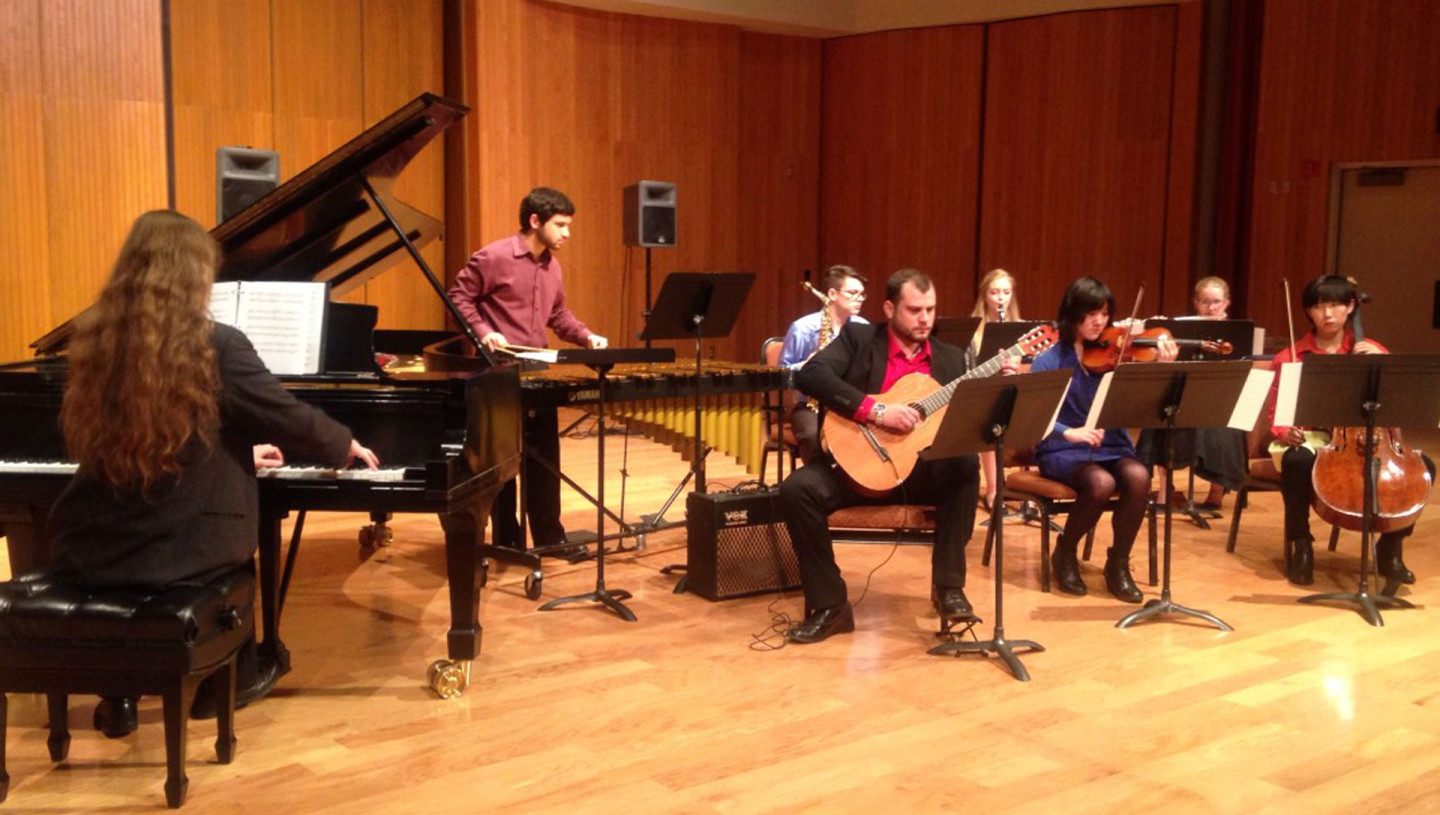
"caption": "Percussionist and composer Joseph Bohigian is a member of the Fresno State New Music Ensemble.",
"description": "Percussionist and composer Joseph Bohigian is a member of the Fresno State New Music Ensemble.",
"title": "ArmenianCombo",
"credit": "Alice Daniel/KQED",
"status": "inherit",
"isLoading": false,
"fetchFailed": false
},
"news_10467281": {
"type": "attachments",
"id": "news_10467281",
"meta": {
"index": "attachments_1716263798",
"site": "news",
"id": "10467281",
"found": true
},
"parent": 10467201,
"imgSizes": {
"twentyfourteen-full-width": {
"file": "https://ww2.kqed.org/app/uploads/sites/10/2015/03/Lost-Trio_copy_copy-1038x576.jpg",
"width": 1038,
"mimeType": "image/jpeg",
"height": 576
},
"thumbnail": {
"file": "https://ww2.kqed.org/app/uploads/sites/10/2015/03/Lost-Trio_copy_copy-400x300.jpg",
"width": 400,
"mimeType": "image/jpeg",
"height": 300
},
"fd-sm": {
"file": "https://ww2.kqed.org/app/uploads/sites/10/2015/03/Lost-Trio_copy_copy-320x240.jpg",
"width": 320,
"mimeType": "image/jpeg",
"height": 240
},
"post-thumbnail": {
"file": "https://ww2.kqed.org/app/uploads/sites/10/2015/03/Lost-Trio_copy_copy-672x372.jpg",
"width": 672,
"mimeType": "image/jpeg",
"height": 372
},
"kqedFullSize": {
"file": "https://ww2.kqed.org/app/uploads/sites/10/2015/03/Lost-Trio_copy_copy.jpg",
"width": 4000,
"height": 2996
},
"large": {
"file": "https://ww2.kqed.org/app/uploads/sites/10/2015/03/Lost-Trio_copy_copy-1440x1079.jpg",
"width": 1440,
"mimeType": "image/jpeg",
"height": 1079
},
"guest-author-96": {
"file": "https://ww2.kqed.org/app/uploads/sites/10/2015/03/Lost-Trio_copy_copy-96x96.jpg",
"width": 96,
"mimeType": "image/jpeg",
"height": 96
},
"medium": {
"file": "https://ww2.kqed.org/app/uploads/sites/10/2015/03/Lost-Trio_copy_copy-800x599.jpg",
"width": 800,
"mimeType": "image/jpeg",
"height": 599
},
"guest-author-64": {
"file": "https://ww2.kqed.org/app/uploads/sites/10/2015/03/Lost-Trio_copy_copy-64x64.jpg",
"width": 64,
"mimeType": "image/jpeg",
"height": 64
},
"guest-author-32": {
"file": "https://ww2.kqed.org/app/uploads/sites/10/2015/03/Lost-Trio_copy_copy-32x32.jpg",
"width": 32,
"mimeType": "image/jpeg",
"height": 32
},
"fd-lrg": {
"file": "https://ww2.kqed.org/app/uploads/sites/10/2015/03/Lost-Trio_copy_copy-1180x884.jpg",
"width": 1180,
"mimeType": "image/jpeg",
"height": 884
},
"fd-med": {
"file": "https://ww2.kqed.org/app/uploads/sites/10/2015/03/Lost-Trio_copy_copy-768x575.jpg",
"width": 768,
"mimeType": "image/jpeg",
"height": 575
},
"detail": {
"file": "https://ww2.kqed.org/app/uploads/sites/10/2015/03/Lost-Trio_copy_copy-75x75.jpg",
"width": 75,
"mimeType": "image/jpeg",
"height": 75
},
"guest-author-128": {
"file": "https://ww2.kqed.org/app/uploads/sites/10/2015/03/Lost-Trio_copy_copy-128x128.jpg",
"width": 128,
"mimeType": "image/jpeg",
"height": 128
}
},
"publishDate": 1427416102,
"modified": 1427493304,
"caption": "The Lost Trio is \nPhillip Greenlief, saxophones; Tom Hassett, drums; and Dan Seamans, bass. (Photo: Myles Boisen)",
"description": "The Lost Trio",
"title": "The Lost Trio",
"credit": null,
"status": "inherit",
"isLoading": false,
"fetchFailed": false
}
},
"audioPlayerReducer": {
"postId": "stream_live",
"isPaused": true,
"isPlaying": false,
"pfsActive": false,
"pledgeModalIsOpen": true,
"playerDrawerIsOpen": false,
"liveAudioPlayStartedAt": 0,
"liveAudioPlayContext": ""
},
"authorsReducer": {
"byline_news_10494063": {
"type": "authors",
"id": "byline_news_10494063",
"meta": {
"override": true
},
"slug": "byline_news_10494063",
"name": "\u003cstrong>Avishay Artsy,\u003c/strong>\u003cbr />KCRW",
"isLoading": false
},
"byline_news_10493594": {
"type": "authors",
"id": "byline_news_10493594",
"meta": {
"override": true
},
"slug": "byline_news_10493594",
"name": "Sindya Bhanoo",
"isLoading": false
},
"byline_news_10485563": {
"type": "authors",
"id": "byline_news_10485563",
"meta": {
"override": true
},
"slug": "byline_news_10485563",
"name": "Sukey Lewis",
"isLoading": false
},
"byline_news_10481490": {
"type": "authors",
"id": "byline_news_10481490",
"meta": {
"override": true
},
"slug": "byline_news_10481490",
"name": "Marissa Ortega-Welch",
"isLoading": false
},
"byline_news_10467201": {
"type": "authors",
"id": "byline_news_10467201",
"meta": {
"override": true
},
"slug": "byline_news_10467201",
"name": "Andrew Gilbert",
"isLoading": false
},
"cmusiker": {
"type": "authors",
"id": "32",
"meta": {
"index": "authors_1716337520",
"id": "32",
"found": true
},
"name": "Cy Musiker",
"firstName": "Cy",
"lastName": "Musiker",
"slug": "cmusiker",
"email": "cmusiker@kqed.org",
"display_author_email": false,
"staff_mastheads": [],
"title": "KQED Contributor",
"bio": "Cy Musiker is a former co-host of The Do List and a former reporter covering the arts for KQED News and The California Report. He loves live performance, especially great theater, jazz, roots music, anything by Mahler. Cy has an MJ from UC Berkeley's School of Journalism, and got his BA from Hampshire College. His work has been recognized by the Society for Professional Journalists with their Sigma Delta Chi Award for Public Service in Journalism. When he can, Cy likes to swim in Tomales Bay, run with his dog in the East Bay Hills, and hike the Sierra.",
"avatar": "https://secure.gravatar.com/avatar/05eaba5c5696ce8f062e4ea2df428a43?s=600&d=blank&r=g",
"twitter": null,
"facebook": null,
"instagram": null,
"linkedin": null,
"sites": [
{
"site": "arts",
"roles": [
"Contributor",
"subscriber"
]
},
{
"site": "news",
"roles": [
"author"
]
},
{
"site": "bayareabites",
"roles": [
"contributor"
]
}
],
"headData": {
"title": "Cy Musiker | KQED",
"description": "KQED Contributor",
"ogImgSrc": "https://secure.gravatar.com/avatar/05eaba5c5696ce8f062e4ea2df428a43?s=600&d=blank&r=g",
"twImgSrc": "https://secure.gravatar.com/avatar/05eaba5c5696ce8f062e4ea2df428a43?s=600&d=blank&r=g"
},
"isLoading": false,
"link": "/author/cmusiker"
},
"jbrooks": {
"type": "authors",
"id": "80",
"meta": {
"index": "authors_1716337520",
"id": "80",
"found": true
},
"name": "Jon Brooks",
"firstName": "Jon",
"lastName": "Brooks",
"slug": "jbrooks",
"email": "jbrooks@kqed.org",
"display_author_email": true,
"staff_mastheads": [
"science"
],
"title": "Digital Editor",
"bio": "Jon Brooks is a former Digital Editor for KQED Science. He is the former editor of KQED’s daily news blog, News Fix. In 2014, he won a California Journalism Award for his coverage of ride services like Uber and Lyft and the taxi industry. A veteran blogger, he previously worked for Yahoo! in various news writing and editing roles. Jon is also a playwright whose work has been produced in San Francisco, New York, Italy, and around the U.S. He has written about film for his own blog and studied film at Boston University.",
"avatar": "https://secure.gravatar.com/avatar/98887f7ed1c876ed414d4c915e969584?s=600&d=blank&r=g",
"twitter": "jbrooksfoy",
"facebook": null,
"instagram": null,
"linkedin": null,
"sites": [
{
"site": "arts",
"roles": [
"Contributor",
"editor"
]
},
{
"site": "news",
"roles": [
"author"
]
},
{
"site": "futureofyou",
"roles": [
"administrator"
]
},
{
"site": "mindshift",
"roles": [
"editor"
]
},
{
"site": "stateofhealth",
"roles": [
"editor"
]
},
{
"site": "science",
"roles": [
"administrator"
]
},
{
"site": "quest",
"roles": [
"editor"
]
}
],
"headData": {
"title": "Jon Brooks | KQED",
"description": "Digital Editor",
"ogImgSrc": "https://secure.gravatar.com/avatar/98887f7ed1c876ed414d4c915e969584?s=600&d=blank&r=g",
"twImgSrc": "https://secure.gravatar.com/avatar/98887f7ed1c876ed414d4c915e969584?s=600&d=blank&r=g"
},
"isLoading": false,
"link": "/author/jbrooks"
},
"aliceldaniel": {
"type": "authors",
"id": "208",
"meta": {
"index": "authors_1716337520",
"id": "208",
"found": true
},
"name": "Alice Daniel",
"firstName": "Alice",
"lastName": "Daniel",
"slug": "aliceldaniel",
"email": "adaniel@kqed.org",
"display_author_email": false,
"staff_mastheads": [],
"title": null,
"bio": "Alice Daniel loves the listening aspect of reporting because she gets to briefly walk in other people’s shoes. She has rappelled down into caves and gone up in helicopters for KQED’s The California Report but her favorite place to pursue a story is the High Sierra or any family-run bakery, of course. Alice has a masters in journalism from Columbia University and teaches at Fresno State. She is a California Healthline Regional Correspondent and a frequent contributor to Success magazine. In her free time, she skis and hikes, throws pottery, practices piano and looks out the window.",
"avatar": "https://secure.gravatar.com/avatar/e611aa06593b114a67f9f123a8e875ad?s=600&d=blank&r=g",
"twitter": null,
"facebook": null,
"instagram": null,
"linkedin": null,
"sites": [
{
"site": "news",
"roles": [
"author"
]
},
{
"site": "stateofhealth",
"roles": [
"author"
]
}
],
"headData": {
"title": "Alice Daniel | KQED",
"description": null,
"ogImgSrc": "https://secure.gravatar.com/avatar/e611aa06593b114a67f9f123a8e875ad?s=600&d=blank&r=g",
"twImgSrc": "https://secure.gravatar.com/avatar/e611aa06593b114a67f9f123a8e875ad?s=600&d=blank&r=g"
},
"isLoading": false,
"link": "/author/aliceldaniel"
},
"andrewstelzer": {
"type": "authors",
"id": "213",
"meta": {
"index": "authors_1716337520",
"id": "213",
"found": true
},
"name": "Andrew Stelzer",
"firstName": "Andrew",
"lastName": "Stelzer",
"slug": "andrewstelzer",
"email": "andrewstelzer@gmail.com",
"display_author_email": false,
"staff_mastheads": [],
"title": null,
"bio": "Andrew Stelzer has been reporting for KQED since 2010, and is a producer at \u003ca href=\"http://www.radioproject.org\" target=\"_blank\">Making Contact\u003c/a> in Oakland.. His work has been featured on programs including \u003ca href=\"http://www.npr.org/templates/story/story.php?storyId=5010\" target=\"_blank\">NPR’s Weekend Edition\u003c/a>, \u003ca href=\"http://www.theworld.org/\" target=\"_blank\">PRI’s The World\u003c/a>, \u003ca href=\"http://www.studio360.org/\" target=\"_blank\">Studio 360\u003c/a>, \u003ca href=\"http://marketplace.publicradio.org/\" target=\"_blank\">Marketplace\u003c/a>,\u003ca href=\"http://www.loe.org/\" target=\"_blank\">Living on Earth\u003c/a>, \u003ca href=\"http://www.onthemedia.org/\" target=\"_blank\">On the Media\u003c/a>, \u003ca href=\"http://www.latinousa.org/index.html\" target=\"_blank\">Latino USA,\u003c/a> \u003ca href=\"http://www.onlyagame.org/\" rel=\"tag\">Only a Game,\u003c/a> \u003ca href=\"http://www.tswi.org/\" target=\"_blank\">Radio Netherlands,\u003c/a> \u003ca href=\"http://worldradio.ch/index.shtml\" target=\"_blank\">World Radio Switzerland,\u003c/a> and \u003ca href=\"http://www.rfi.fr/langues/statiques/rfi_anglais.asp\" target=\"_blank\">Radio France International\u003c/a>. Andrew has written for publications including \u003ca href=\"http://www.inthesetimes.com/site/about/author/2369\" target=\"_blank\">In These Times\u003c/a>, \u003ca href=\"http://www.progressive.org/\" target=\"_blank\">The Progressive\u003c/a>, \u003ca href=\"http://ipsnews.net/\" target=\"_blank\">Interpress Service\u003c/a>, \u003ca href=\"http://www.tampabay.com/\" target=\"_blank\">The St. Petersburg Times\u003c/a>, and \u003ca href=\"http://www.eastbayexpress.com/ebx/Home\" target=\"_blank\">The East Bay Express\u003c/a>.\r\n\r\nAndrew’s work has received numerous awards from the Society of Professional Journalists, the National Lesbian and Gay Journalists Association, and the National Council on Crime and Delinquency.\r\n\r\nHe previously was a reporter at \u003ca href=\"http://www.wmnf.org/\" target=\"_blank\">WMNF\u003c/a> radio in Tampa, FL, and reporter and youth advocate st \u003ca href=\"http://www.kboo.org/\" target=\"_blank\">KBOO \u003c/a> in Portland, Oregon. Andrew has conducted radio production trainings around the world, from Algeria, to New Orleans, to the desert of Southern Jordan.",
"avatar": "https://secure.gravatar.com/avatar/14c7e75469395cb2468d45c9f6896ca9?s=600&d=blank&r=g",
"twitter": null,
"facebook": null,
"instagram": null,
"linkedin": null,
"sites": [
{
"site": "arts",
"roles": [
"contributor"
]
},
{
"site": "news",
"roles": [
"author"
]
},
{
"site": "stateofhealth",
"roles": [
"author"
]
}
],
"headData": {
"title": "Andrew Stelzer | KQED",
"description": null,
"ogImgSrc": "https://secure.gravatar.com/avatar/14c7e75469395cb2468d45c9f6896ca9?s=600&d=blank&r=g",
"twImgSrc": "https://secure.gravatar.com/avatar/14c7e75469395cb2468d45c9f6896ca9?s=600&d=blank&r=g"
},
"isLoading": false,
"link": "/author/andrewstelzer"
},
"patyollin": {
"type": "authors",
"id": "247",
"meta": {
"index": "authors_1716337520",
"id": "247",
"found": true
},
"name": "Patricia Yollin",
"firstName": "Patricia",
"lastName": "Yollin",
"slug": "patyollin",
"email": "pyollin@kqed.org",
"display_author_email": false,
"staff_mastheads": [],
"title": "KQED Contributor",
"bio": "Pat Yollin has written about lots of stuff, including organ transplants, wayward penguins at the San Francisco Zoo, the comeback of the cream puff, New York on the fifth anniversary of 9/11, a Slow Food gathering in Italy, and the microcredit movement in Northern California. Among her favorite stories: an interview with George Lucas at Skywalker Ranch that broke the story about his plan to build a cultural museum, and a pirate Trader Joe's operation in Vancouver that prompted the grocery chain to sue -- and lose. She joined KQED in 2013 and was previously a reporter and editor at the San Francisco Chronicle, the Hearst-owned San Francisco Examiner and the Hayward Daily Review.",
"avatar": "https://secure.gravatar.com/avatar/0a18ac41a263665c04b25b2c7d6b817c?s=600&d=blank&r=g",
"twitter": null,
"facebook": null,
"instagram": null,
"linkedin": null,
"sites": [
{
"site": "arts",
"roles": [
"subscriber"
]
},
{
"site": "news",
"roles": [
"subscriber"
]
},
{
"site": "futureofyou",
"roles": [
"editor"
]
},
{
"site": "lowdown",
"roles": [
"editor"
]
},
{
"site": "stateofhealth",
"roles": [
"editor"
]
}
],
"headData": {
"title": "Patricia Yollin | KQED",
"description": "KQED Contributor",
"ogImgSrc": "https://secure.gravatar.com/avatar/0a18ac41a263665c04b25b2c7d6b817c?s=600&d=blank&r=g",
"twImgSrc": "https://secure.gravatar.com/avatar/0a18ac41a263665c04b25b2c7d6b817c?s=600&d=blank&r=g"
},
"isLoading": false,
"link": "/author/patyollin"
},
"samharnett": {
"type": "authors",
"id": "253",
"meta": {
"index": "authors_1716337520",
"id": "253",
"found": true
},
"name": "Sam Harnett",
"firstName": "Sam",
"lastName": "Harnett",
"slug": "samharnett",
"email": "samharnett@gmail.com",
"display_author_email": false,
"staff_mastheads": [],
"title": "KQED Contributor",
"bio": "Sam Harnett covered tech and work at KQED. He is the co-creator of \u003cem>\u003ca href=\"http://www.theworldaccordingtosound.org\">The World According to Sound\u003c/a>,\u003c/em> a 90-second podcast that features different sounds and the stories behind them.\r\n\r\nBefore coming to KQED, Sam worked as an independent reporter who contributed regularly to \u003cem>The California Report, Marketplace,\u003c/em> \u003cem>The World \u003c/em>and NPR.",
"avatar": "https://secure.gravatar.com/avatar/2538b972ac02f2b9546c7a6c59a0f3d0?s=600&d=blank&r=g",
"twitter": "Samwharnett",
"facebook": null,
"instagram": null,
"linkedin": null,
"sites": [
{
"site": "news",
"roles": [
"edit_others_posts",
"subscriber"
]
},
{
"site": "stateofhealth",
"roles": [
"author"
]
},
{
"site": "science",
"roles": [
"editor"
]
},
{
"site": "quest",
"roles": [
"subscriber"
]
}
],
"headData": {
"title": "Sam Harnett | KQED",
"description": "KQED Contributor",
"ogImgSrc": "https://secure.gravatar.com/avatar/2538b972ac02f2b9546c7a6c59a0f3d0?s=600&d=blank&r=g",
"twImgSrc": "https://secure.gravatar.com/avatar/2538b972ac02f2b9546c7a6c59a0f3d0?s=600&d=blank&r=g"
},
"isLoading": false,
"link": "/author/samharnett"
},
"tgoldberg": {
"type": "authors",
"id": "258",
"meta": {
"index": "authors_1716337520",
"id": "258",
"found": true
},
"name": "Ted Goldberg",
"firstName": "Ted",
"lastName": "Goldberg",
"slug": "tgoldberg",
"email": "tgoldberg@kqed.org",
"display_author_email": true,
"staff_mastheads": [
"news"
],
"title": "KQED Managing Editor, News and Newscasts",
"bio": "Ted Goldberg is Managing Editor of News and Newscasts at KQED. His main reporting beat is the Bay Area's oil refining industry.\r\n\r\nPrior to joining KQED in 2014, Ted worked at CBS News and WCBS AM in New York and Bay City News and KCBS Radio in San Francisco. He graduated from Oberlin College in Ohio in 1998.",
"avatar": "https://secure.gravatar.com/avatar/30ce2e4fe89135e104f89be2394d16225b9d36c121b5b3cb7651ce642978b96f?s=600&d=blank&r=g",
"twitter": "TedrickG",
"bluesky": null,
"facebook": null,
"instagram": null,
"linkedin": null,
"sites": [
{
"site": "news",
"roles": [
"editor"
]
},
{
"site": "science",
"roles": [
"editor"
]
}
],
"headData": {
"title": "Ted Goldberg | KQED",
"description": "KQED Managing Editor, News and Newscasts",
"ogImgSrc": "https://secure.gravatar.com/avatar/30ce2e4fe89135e104f89be2394d16225b9d36c121b5b3cb7651ce642978b96f?s=600&d=blank&r=g",
"twImgSrc": "https://secure.gravatar.com/avatar/30ce2e4fe89135e104f89be2394d16225b9d36c121b5b3cb7651ce642978b96f?s=600&d=blank&r=g"
},
"isLoading": false,
"link": "/author/tgoldberg"
}
},
"pagesReducer": {
"news_category_arts-and-culture": {
"type": "terms",
"id": "news_223",
"meta": {
"index": "terms_1716263798",
"site": "news",
"id": "223",
"score": 11.242846
},
"featImg": null,
"name": "Arts and Culture",
"description": null,
"taxonomy": "category",
"headData": {
"twImgId": null,
"twTitle": null,
"ogTitle": null,
"ogImgId": null,
"twDescription": null,
"description": null,
"title": "Arts and Culture Archives | KQED News",
"ogDescription": null
},
"ttid": 231,
"slug": "arts-and-culture",
"isLoading": false,
"title": "Arts and Culture",
"pageMeta": {
"site": "news",
"WpPageTemplate": "page-topic-editorial",
"currentPage": 128
},
"blocks": [
{
"blockName": "kqed/post-list",
"attrs": {
"layout": "cardArticle2",
"query": "posts/news?category=arts-and-culture",
"seeMore": false,
"paginated": true,
"page": 128
}
},
{
"blockName": "kqed/ad"
}
]
}
},
"pfsSessionReducer": {},
"postsReducer": {
"stream_live": {
"type": "live",
"id": "stream_live",
"audioUrl": "https://streams.kqed.org/kqedradio",
"title": "Live Stream",
"excerpt": "Live Stream information currently unavailable.",
"link": "/radio",
"featImg": "",
"label": {
"name": "KQED Live",
"link": "/"
}
},
"stream_kqedNewscast": {
"type": "posts",
"id": "stream_kqedNewscast",
"audioUrl": "https://www.kqed.org/.stream/anon/radio/RDnews/newscast.mp3?_=1",
"title": "KQED Newscast",
"featImg": "",
"label": {
"name": "88.5 FM",
"link": "/"
}
},
"news_10494063": {
"type": "posts",
"id": "news_10494063",
"meta": {
"index": "posts_1716263798",
"site": "news",
"id": "10494063",
"score": null,
"sort": [
1429390803000
]
},
"parent": 0,
"labelTerm": {
"site": "news",
"term": 72
},
"blocks": [],
"publishDate": 1429390803,
"format": "standard",
"disqusTitle": "The Pan Am Mystique Lives on -- in Pacoima",
"title": "The Pan Am Mystique Lives on -- in Pacoima",
"headTitle": "The California Report | KQED News",
"content": "\u003cp>Want to relive the golden years of aviation? In a warehouse miles from Hollywood, you’ll find a high-class tribute to the beloved airline Pan Am.\u003c/p>\n\u003cp>Every other Saturday night, customers line up outside a warehouse in Pacoima to relive a nostalgic experience.\u003c/p>\n\u003cp>As a small boy, said Anthony Toth, “I started collecting airplane models, and small things like timetables and luggage tags. But as I got older, the desire to have more and more aircraft things became greater and greater.”\u003c/p>\n\u003caside class=\"pullquote alignright\">'Tears came to my eyes, because it was so real.'\u003c/aside>\n\u003cp>So much so that Toth visited so-called airport graveyards in the deserts that sold larger pieces of fuselage … “sidewall panels, and overhead bins, and galley modules and seats. And as I became a young adult, no matter where I lived, I always had a small aircraft mockup in my house. And fast forward about 20 years later, this is what happens.”\u003c/p>\n\u003cp>What happened was Pan Am Experience, Toth’s tribute to the beloved Pan American Airways, complete with original Boeing 747 parts, first-class and coach-section seating, staircase to a dining and cocktail area and a crew in full retro stewardess attire.\u003c/p>\n\u003cp>[ad fullwidth]\u003c/p>\n\u003cp>[soundcloud url=\"https://api.soundcloud.com/tracks/201327631\" params=\"color=ff5500&auto_play=false&hide_related=false&show_comments=true&show_user=true&show_reposts=false\" width=\"100%\" height=\"166\" iframe=\"true\" /]\u003c/p>\n\u003cp>Pan Am flew to destinations all around the world, at a time when the rest of the world hadn’t started flying. Only the affluent got to spin around the globe.\u003c/p>\n\u003cp>Flying was different then, and the Pan Am experience recreates it for paying customers -- many of whom have their own stowed memories.\u003c/p>\n\u003cp>Josh Defelice and Brent Kaspar are flight attendants who live in West Hollywood, and came to see what flying used to be like when it was “actually glamorous,” they say.\u003c/p>\n\u003cp>Barbara Norberg worked as an attendant on the real Pan Am, from 1970 until the company went out of business in 1991, handling Clipper service customers who meandered throughout the cabin, in and out of first class.\u003c/p>\n\u003cfigure id=\"attachment_10494067\" class=\"wp-caption alignright\" style=\"max-width: 800px\">\u003ca href=\"http://ww2.kqed.org/news/wp-content/uploads/sites/10/2015/04/panam2.jpg\">\u003cimg class=\"size-medium wp-image-10494067\" src=\"http://ww2.kqed.org/news/wp-content/uploads/sites/10/2015/04/panam2-800x600.jpg\" alt=\"History buffs Andrea and Anthony Welch came from Houston, Texas for the Pan Am Experience\" width=\"800\" height=\"600\" srcset=\"https://ww2.kqed.org/app/uploads/sites/10/2015/04/panam2-800x600.jpg 800w, https://ww2.kqed.org/app/uploads/sites/10/2015/04/panam2-400x300.jpg 400w, https://ww2.kqed.org/app/uploads/sites/10/2015/04/panam2-1440x1080.jpg 1440w, https://ww2.kqed.org/app/uploads/sites/10/2015/04/panam2-1180x885.jpg 1180w, https://ww2.kqed.org/app/uploads/sites/10/2015/04/panam2-768x576.jpg 768w, https://ww2.kqed.org/app/uploads/sites/10/2015/04/panam2-320x240.jpg 320w\" sizes=\"(max-width: 800px) 100vw, 800px\">\u003c/a>\u003cfigcaption class=\"wp-caption-text\">History buffs Andrea and Anthony Welch came from Houston, Texas, for the Pan Am Experience \u003ccite>(Avishay Artsy/KCRW)\u003c/cite>\u003c/figcaption>\u003c/figure>\n\u003cp>“Passengers were different,” Norberg, the Pan Am Experience hospitality director, said. “You see tonight, everyone’s here, dressed up, looking nice, looking like they’re going to travel around the world. Now you get on an airplane, people barely dress, let alone dress up, so, it’s a kind of a different atmosphere on airplanes. It’s a bus with wings.”\u003c/p>\n\u003cp>Norberg, like others who are here, reminisce in this experience. One that begins at the front of the sound stage, in Pacoima, before passengers are gently shooed onto the plane.\u003c/p>\n\u003cp>Uniformed attendants Holly Gray and Roger Garcia check passengers into this mock journey to the past. Both are actors, and they’re fully dressed in 1960s Pan Am blue and white.\u003c/p>\n\u003cp>“We’re flying all over the world, so every day is new,” Garcia said.\u003c/p>\n\u003cp>“Plus, it’s different every night. You meet new people with interesting jobs. People that have worked in the airline industry before, and you get to hear wonderful memories,” Grey said. “So, it’s a really cool experience to feel like you’re part of this big family that was Pan Am.”\u003c/p>\n\u003cp>Inside the plane, in first class, the velvet blue and red seats, the passenger information cards, even the glasses and silverware, it’s all vintage Pan Am.\u003c/p>\n\u003cp>And, of course, there’s the food.\u003c/p>\n\u003cp>“You have a plate with caprese or you can get shrimp. And then we serve either the pasta or we have the meat with the chateaubriand sauce, or we have the chicken. And then we have a plate of fruit and cheese, and then we serve the cake. Five-course meal, yes,” said our attendant, Melorine Adler.\u003c/p>\n\u003cp>The flight attendant actually carves a roast on a rolling cart. Similar to how it was done onboard a flight, decades ago.\u003c/p>\n\u003cp>The Pan Am Experience is actually part of a complex of old airplane cabins and cockpits. You see an inside airplane scene on TV or in a movie? Chances are it was filmed here, in Pacoima, at a place called Air Hollywood.\u003c/p>\n\u003cfigure id=\"attachment_10494069\" class=\"wp-caption alignleft\" style=\"max-width: 800px\">\u003ca href=\"http://ww2.kqed.org/news/wp-content/uploads/sites/10/2015/04/panam3.jpg\">\u003cimg class=\"size-medium wp-image-10494069\" src=\"http://ww2.kqed.org/news/wp-content/uploads/sites/10/2015/04/panam3-800x1067.jpg\" alt=\"Betsy Holt serves up shrimp salad and other appetizers aboard the Pan Am Experience.\" width=\"800\" height=\"1067\" srcset=\"https://ww2.kqed.org/app/uploads/sites/10/2015/04/panam3-800x1067.jpg 800w, https://ww2.kqed.org/app/uploads/sites/10/2015/04/panam3-400x533.jpg 400w, https://ww2.kqed.org/app/uploads/sites/10/2015/04/panam3-1440x1920.jpg 1440w, https://ww2.kqed.org/app/uploads/sites/10/2015/04/panam3-1180x1573.jpg 1180w, https://ww2.kqed.org/app/uploads/sites/10/2015/04/panam3-768x1024.jpg 768w, https://ww2.kqed.org/app/uploads/sites/10/2015/04/panam3-320x427.jpg 320w\" sizes=\"(max-width: 800px) 100vw, 800px\">\u003c/a>\u003cfigcaption class=\"wp-caption-text\">Betsy Holt serves up shrimp salad and other appetizers aboard the Pan Am Experience. \u003ccite>(Avishay Artsy/KCRW)\u003c/cite>\u003c/figcaption>\u003c/figure>\n\u003cp>“We did the pilot for LOST. We did the movie 'Bridesmaids',” said Air Hollywood general manager Rob Shalhoub. “We have a wide body jet, it’s a 767, we have two narrow-body jets, a 757 and a 737, we have a G3 private jet, we have a Lear jet, a bunch of cockpits, a lot of props, an airport terminal.”\u003c/p>\n\u003cp>There’s even the cockpit to the famous comedy \"Airplane,\" where a version of Otto, the automatic pilot, still sits.\u003c/p>\n\u003cp>But who cares about the big screen, when this experience feeds the memories of a grateful employee?\u003c/p>\n\u003cp>The real-life movie that plays in the mind of Barbara Norberg, who wore the outfit, served the drinks, made passengers and customers smile -- this experience keeps Pan Am alive.\u003c/p>\n\u003cp>“I walked into the first-class door there, and tears came to my eyes, because it was so real. It was so well done. It was really amazing,” said Norberg. “Now I’m over that, because I just enjoy watching people have a good time.”\u003c/p>\n\u003cp>\u003c/p>\n\u003cp>That good time is first class, in price and experience. A glimpse -- even if for an evening -- of what it was like up there … way back when.\u003c/p>\n\n",
"disqusIdentifier": "10494063 http://ww2.kqed.org/news/?p=10494063",
"disqusUrl": "https://ww2.kqed.org/news/2015/04/18/the-pan-am-mystique-lives-on-in-pacoima/",
"stats": {
"hasVideo": false,
"hasChartOrMap": false,
"hasAudio": false,
"hasPolis": false,
"wordCount": 973,
"hasGoogleForm": false,
"hasGallery": false,
"hasHearkenModule": false,
"iframeSrcs": [],
"paragraphCount": 28
},
"modified": 1429320053,
"excerpt": "In a warehouse miles from Hollywood, you can relive the golden years of aviation.",
"headData": {
"twImgId": "",
"twTitle": "",
"ogTitle": "",
"ogImgId": "",
"twDescription": "",
"description": "In a warehouse miles from Hollywood, you can relive the golden years of aviation.",
"title": "The Pan Am Mystique Lives on -- in Pacoima | KQED",
"ogDescription": "",
"schema": {
"@context": "https://schema.org",
"@type": "NewsArticle",
"headline": "The Pan Am Mystique Lives on -- in Pacoima",
"datePublished": "2015-04-18T14:00:03-07:00",
"dateModified": "2015-04-17T18:20:53-07:00",
"image": "https://cdn.kqed.org/wp-content/uploads/2020/02/KQED-OG-Image@1x.png",
"isAccessibleForFree": "True",
"publisher": {
"@type": "NewsMediaOrganization",
"@id": "https://www.kqed.org/#organization",
"name": "KQED",
"logo": "https://cdn.kqed.org/wp-content/uploads/2020/02/KQED-OG-Image@1x.png",
"url": "https://www.kqed.org",
"sameAs": [
"https://www.facebook.com/KQED",
"https://twitter.com/KQED",
"https://www.instagram.com/kqed/",
"https://www.tiktok.com/@kqedofficial",
"https://www.linkedin.com/company/kqed",
"https://www.youtube.com/channel/UCeC0IOo7i1P_61zVUWbJ4nw"
]
}
}
},
"guestAuthors": [],
"slug": "the-pan-am-mystique-lives-on-in-pacoima",
"status": "publish",
"nprByline": "\u003cstrong>Avishay Artsy,\u003c/strong>\u003cbr />KCRW",
"path": "/news/10494063/the-pan-am-mystique-lives-on-in-pacoima",
"audioTrackLength": null,
"parsedContent": [
{
"type": "contentString",
"content": "\u003cdiv class=\"post-body\">\u003cp>\u003cp>Want to relive the golden years of aviation? In a warehouse miles from Hollywood, you’ll find a high-class tribute to the beloved airline Pan Am.\u003c/p>\n\u003cp>Every other Saturday night, customers line up outside a warehouse in Pacoima to relive a nostalgic experience.\u003c/p>\n\u003cp>As a small boy, said Anthony Toth, “I started collecting airplane models, and small things like timetables and luggage tags. But as I got older, the desire to have more and more aircraft things became greater and greater.”\u003c/p>\n\u003caside class=\"pullquote alignright\">'Tears came to my eyes, because it was so real.'\u003c/aside>\n\u003cp>So much so that Toth visited so-called airport graveyards in the deserts that sold larger pieces of fuselage … “sidewall panels, and overhead bins, and galley modules and seats. And as I became a young adult, no matter where I lived, I always had a small aircraft mockup in my house. And fast forward about 20 years later, this is what happens.”\u003c/p>\n\u003cp>What happened was Pan Am Experience, Toth’s tribute to the beloved Pan American Airways, complete with original Boeing 747 parts, first-class and coach-section seating, staircase to a dining and cocktail area and a crew in full retro stewardess attire.\u003c/p>\n\u003cp>\u003c/p>\u003c/div>",
"attributes": {
"named": {},
"numeric": []
}
},
{
"type": "component",
"content": "",
"name": "ad",
"attributes": {
"named": {
"label": "fullwidth"
},
"numeric": [
"fullwidth"
]
}
},
{
"type": "contentString",
"content": "\u003cdiv class=\"post-body\">\u003cp>\u003c/p>\n\u003cp>\u003c/p>\u003cp>\u003cdiv class='utils-parseShortcode-shortcodes-__shortcodes__shortcodeWrapper'>\n \u003ciframe width='100%' height='166'\n scrolling='no' frameborder='no'\n src='https://w.soundcloud.com/player/?url=https://api.soundcloud.com/tracks/201327631&visual=true&color=ff5500&auto_play=false&hide_related=false&show_comments=true&show_user=true&show_reposts=false'\n title='https://api.soundcloud.com/tracks/201327631'>\n \u003c/iframe>\n \u003c/div>\u003c/p>\u003cp>\u003c/p>\n\u003cp>Pan Am flew to destinations all around the world, at a time when the rest of the world hadn’t started flying. Only the affluent got to spin around the globe.\u003c/p>\n\u003cp>Flying was different then, and the Pan Am experience recreates it for paying customers -- many of whom have their own stowed memories.\u003c/p>\n\u003cp>Josh Defelice and Brent Kaspar are flight attendants who live in West Hollywood, and came to see what flying used to be like when it was “actually glamorous,” they say.\u003c/p>\n\u003cp>Barbara Norberg worked as an attendant on the real Pan Am, from 1970 until the company went out of business in 1991, handling Clipper service customers who meandered throughout the cabin, in and out of first class.\u003c/p>\n\u003cfigure id=\"attachment_10494067\" class=\"wp-caption alignright\" style=\"max-width: 800px\">\u003ca href=\"http://ww2.kqed.org/news/wp-content/uploads/sites/10/2015/04/panam2.jpg\">\u003cimg class=\"size-medium wp-image-10494067\" src=\"http://ww2.kqed.org/news/wp-content/uploads/sites/10/2015/04/panam2-800x600.jpg\" alt=\"History buffs Andrea and Anthony Welch came from Houston, Texas for the Pan Am Experience\" width=\"800\" height=\"600\" srcset=\"https://ww2.kqed.org/app/uploads/sites/10/2015/04/panam2-800x600.jpg 800w, https://ww2.kqed.org/app/uploads/sites/10/2015/04/panam2-400x300.jpg 400w, https://ww2.kqed.org/app/uploads/sites/10/2015/04/panam2-1440x1080.jpg 1440w, https://ww2.kqed.org/app/uploads/sites/10/2015/04/panam2-1180x885.jpg 1180w, https://ww2.kqed.org/app/uploads/sites/10/2015/04/panam2-768x576.jpg 768w, https://ww2.kqed.org/app/uploads/sites/10/2015/04/panam2-320x240.jpg 320w\" sizes=\"(max-width: 800px) 100vw, 800px\">\u003c/a>\u003cfigcaption class=\"wp-caption-text\">History buffs Andrea and Anthony Welch came from Houston, Texas, for the Pan Am Experience \u003ccite>(Avishay Artsy/KCRW)\u003c/cite>\u003c/figcaption>\u003c/figure>\n\u003cp>“Passengers were different,” Norberg, the Pan Am Experience hospitality director, said. “You see tonight, everyone’s here, dressed up, looking nice, looking like they’re going to travel around the world. Now you get on an airplane, people barely dress, let alone dress up, so, it’s a kind of a different atmosphere on airplanes. It’s a bus with wings.”\u003c/p>\n\u003cp>Norberg, like others who are here, reminisce in this experience. One that begins at the front of the sound stage, in Pacoima, before passengers are gently shooed onto the plane.\u003c/p>\n\u003cp>Uniformed attendants Holly Gray and Roger Garcia check passengers into this mock journey to the past. Both are actors, and they’re fully dressed in 1960s Pan Am blue and white.\u003c/p>\n\u003cp>“We’re flying all over the world, so every day is new,” Garcia said.\u003c/p>\n\u003cp>“Plus, it’s different every night. You meet new people with interesting jobs. People that have worked in the airline industry before, and you get to hear wonderful memories,” Grey said. “So, it’s a really cool experience to feel like you’re part of this big family that was Pan Am.”\u003c/p>\n\u003cp>Inside the plane, in first class, the velvet blue and red seats, the passenger information cards, even the glasses and silverware, it’s all vintage Pan Am.\u003c/p>\n\u003cp>And, of course, there’s the food.\u003c/p>\n\u003cp>“You have a plate with caprese or you can get shrimp. And then we serve either the pasta or we have the meat with the chateaubriand sauce, or we have the chicken. And then we have a plate of fruit and cheese, and then we serve the cake. Five-course meal, yes,” said our attendant, Melorine Adler.\u003c/p>\n\u003cp>The flight attendant actually carves a roast on a rolling cart. Similar to how it was done onboard a flight, decades ago.\u003c/p>\n\u003cp>The Pan Am Experience is actually part of a complex of old airplane cabins and cockpits. You see an inside airplane scene on TV or in a movie? Chances are it was filmed here, in Pacoima, at a place called Air Hollywood.\u003c/p>\n\u003cfigure id=\"attachment_10494069\" class=\"wp-caption alignleft\" style=\"max-width: 800px\">\u003ca href=\"http://ww2.kqed.org/news/wp-content/uploads/sites/10/2015/04/panam3.jpg\">\u003cimg class=\"size-medium wp-image-10494069\" src=\"http://ww2.kqed.org/news/wp-content/uploads/sites/10/2015/04/panam3-800x1067.jpg\" alt=\"Betsy Holt serves up shrimp salad and other appetizers aboard the Pan Am Experience.\" width=\"800\" height=\"1067\" srcset=\"https://ww2.kqed.org/app/uploads/sites/10/2015/04/panam3-800x1067.jpg 800w, https://ww2.kqed.org/app/uploads/sites/10/2015/04/panam3-400x533.jpg 400w, https://ww2.kqed.org/app/uploads/sites/10/2015/04/panam3-1440x1920.jpg 1440w, https://ww2.kqed.org/app/uploads/sites/10/2015/04/panam3-1180x1573.jpg 1180w, https://ww2.kqed.org/app/uploads/sites/10/2015/04/panam3-768x1024.jpg 768w, https://ww2.kqed.org/app/uploads/sites/10/2015/04/panam3-320x427.jpg 320w\" sizes=\"(max-width: 800px) 100vw, 800px\">\u003c/a>\u003cfigcaption class=\"wp-caption-text\">Betsy Holt serves up shrimp salad and other appetizers aboard the Pan Am Experience. \u003ccite>(Avishay Artsy/KCRW)\u003c/cite>\u003c/figcaption>\u003c/figure>\n\u003cp>“We did the pilot for LOST. We did the movie 'Bridesmaids',” said Air Hollywood general manager Rob Shalhoub. “We have a wide body jet, it’s a 767, we have two narrow-body jets, a 757 and a 737, we have a G3 private jet, we have a Lear jet, a bunch of cockpits, a lot of props, an airport terminal.”\u003c/p>\n\u003cp>There’s even the cockpit to the famous comedy \"Airplane,\" where a version of Otto, the automatic pilot, still sits.\u003c/p>\n\u003cp>But who cares about the big screen, when this experience feeds the memories of a grateful employee?\u003c/p>\n\u003cp>The real-life movie that plays in the mind of Barbara Norberg, who wore the outfit, served the drinks, made passengers and customers smile -- this experience keeps Pan Am alive.\u003c/p>\n\u003cp>“I walked into the first-class door there, and tears came to my eyes, because it was so real. It was so well done. It was really amazing,” said Norberg. “Now I’m over that, because I just enjoy watching people have a good time.”\u003c/p>\n\u003cp>\u003c/p>\n\u003cp>That good time is first class, in price and experience. A glimpse -- even if for an evening -- of what it was like up there … way back when.\u003c/p>\n\n\u003c/div>\u003c/p>",
"attributes": {
"named": {},
"numeric": []
}
}
],
"link": "/news/10494063/the-pan-am-mystique-lives-on-in-pacoima",
"authors": [
"byline_news_10494063"
],
"programs": [
"news_72"
],
"categories": [
"news_223",
"news_8",
"news_1397"
],
"tags": [
"news_17286"
],
"featImg": "news_10494065",
"label": "news_72"
},
"news_10493594": {
"type": "posts",
"id": "news_10493594",
"meta": {
"index": "posts_1716263798",
"site": "news",
"id": "10493594",
"score": null,
"sort": [
1429369207000
]
},
"parent": 0,
"labelTerm": {
"site": "news",
"term": 72
},
"blocks": [],
"publishDate": 1429369207,
"format": "standard",
"disqusTitle": "Century-Old Player Pianos Come to Life at Stanford",
"title": "Century-Old Player Pianos Come to Life at Stanford",
"headTitle": "The California Report | KQED News",
"content": "\u003cp>Player pianos that are 100 years old will come to life this Saturday at Stanford University, reproducing historic performances by composers like George Gershwin and Igor Stravinksy. The \u003ca href=\"https://events.stanford.edu/events/495/49503/\">concert\u003c/a> is part of the university's new \u003ca href=\"http://library.stanford.edu/projects/player-piano-project\">Player Piano Project\u003c/a>.\u003c/p>\n\u003cp>Player pianos were “capable of reproducing the nuances of touch and timing of a pianist who recorded in real time,” explains Kumaran Arul, a music instructor at Stanford. The pianos play music recorded on perforated rolls.\u003c/p>\n\u003cp>[soundcloud url=\"https://api.soundcloud.com/tracks/201327486\" params=\"color=ff5500&auto_play=false&hide_related=false&show_comments=true&show_user=true&show_reposts=false\" width=\"100%\" height=\"166\" iframe=\"true\" /]\u003c/p>\n\u003cp>Arul led the effort to acquire and preserve the more than 7,500 rolls and 10 player pianos from a collector in Australia.\u003c/p>\n\u003cp>The pianos became very popular in the late 19\u003csup>th\u003c/sup> and early 20\u003csup>th\u003c/sup> centuries and then died out as phonographs improved.\u003c/p>\n\u003cp>[ad fullwidth]\u003c/p>\n\u003cp>In listening to the rolls, Arul and his colleagues are finding that old pianists were not as tied to sheet music as today’s musicians are. They were willing to take more risks, and be more flexible with rhythm and tempo changes.\u003c/p>\n\u003cp>[youtube http://www.youtube.com/watch?v=xsuPVBAwg4s&w=640&h=360]\u003c/p>\n\u003cp>Nayantara Jain, a senior piano student at Stanford, is using the rolls to inform her own playing.\u003c/p>\n\u003cp>“These actual composers playing their own pieces do things that teachers will tell you are not OK,” Jain says. “It just opens a whole world of expressive possibility and it’s really exciting.”\u003c/p>\n\u003cp>On Saturday, the Stanford Symphony Orchestra, composed of student players, will accompany Percy Grainger, a pianist who died in 1961, as his 1921 roll runs on a player piano. Rex Lawson, a player piano expert from London, will play a foot-operated version of a player piano, manipulating the roll as it plays.\u003c/p>\n\u003cfigure id=\"attachment_10494122\" class=\"wp-caption alignright\" style=\"max-width: 800px\">\u003ca href=\"http://ww2.kqed.org/news/wp-content/uploads/sites/10/2015/04/RubensteinRoll.jpg\">\u003cimg class=\"size-medium wp-image-10494122\" src=\"http://ww2.kqed.org/news/wp-content/uploads/sites/10/2015/04/RubensteinRoll-800x503.jpg\" alt=\"A player piano roll containing the touch and timing of a performance by Arthur Rubinstein.\" width=\"800\" height=\"503\" srcset=\"https://ww2.kqed.org/app/uploads/sites/10/2015/04/RubensteinRoll-800x503.jpg 800w, https://ww2.kqed.org/app/uploads/sites/10/2015/04/RubensteinRoll-400x252.jpg 400w, https://ww2.kqed.org/app/uploads/sites/10/2015/04/RubensteinRoll-1440x906.jpg 1440w, https://ww2.kqed.org/app/uploads/sites/10/2015/04/RubensteinRoll-1180x742.jpg 1180w, https://ww2.kqed.org/app/uploads/sites/10/2015/04/RubensteinRoll-768x483.jpg 768w, https://ww2.kqed.org/app/uploads/sites/10/2015/04/RubensteinRoll-320x201.jpg 320w, https://ww2.kqed.org/app/uploads/sites/10/2015/04/RubensteinRoll.jpg 1920w\" sizes=\"(max-width: 800px) 100vw, 800px\">\u003c/a>\u003cfigcaption class=\"wp-caption-text\">A player piano roll containing the touch and timing of a performance by Arthur Rubinstein. \u003ccite>(Courtesy Stanford University)\u003c/cite>\u003c/figcaption>\u003c/figure>\n\u003cp>Lawson is optimistic that the concert and the Player Piano Project will bring much-needed attention to the old pianos and rolls.\u003c/p>\n\u003cp>“These things are not toys,” Lawson says. “They’re serious musical instruments, and it’s jolly good, finally, that people are beginning to take them seriously.”\u003c/p>\n\u003cp>\u003c/p>\n\u003cp>Soon the rolls will also be available to musicians beyond the Stanford community. Kumaran Arul and his colleagues are in the process of building a custom scanner that will digitize the rolls and make them available online.\u003c/p>\n\n",
"disqusIdentifier": "10493594 http://ww2.kqed.org/news/?p=10493594",
"disqusUrl": "https://ww2.kqed.org/news/2015/04/18/player-pianos-come-to-life-at-stanford/",
"stats": {
"hasVideo": true,
"hasChartOrMap": false,
"hasAudio": false,
"hasPolis": false,
"wordCount": 428,
"hasGoogleForm": false,
"hasGallery": false,
"hasHearkenModule": false,
"iframeSrcs": [],
"paragraphCount": 15
},
"modified": 1429318213,
"excerpt": "Not only are the instruments historic, they can reproduce performances by legendary composers.",
"headData": {
"twImgId": "",
"twTitle": "",
"ogTitle": "",
"ogImgId": "",
"twDescription": "",
"description": "Not only are the instruments historic, they can reproduce performances by legendary composers.",
"title": "Century-Old Player Pianos Come to Life at Stanford | KQED",
"ogDescription": "",
"schema": {
"@context": "https://schema.org",
"@type": "NewsArticle",
"headline": "Century-Old Player Pianos Come to Life at Stanford",
"datePublished": "2015-04-18T08:00:07-07:00",
"dateModified": "2015-04-17T17:50:13-07:00",
"image": "https://cdn.kqed.org/wp-content/uploads/2020/02/KQED-OG-Image@1x.png",
"isAccessibleForFree": "True",
"publisher": {
"@type": "NewsMediaOrganization",
"@id": "https://www.kqed.org/#organization",
"name": "KQED",
"logo": "https://cdn.kqed.org/wp-content/uploads/2020/02/KQED-OG-Image@1x.png",
"url": "https://www.kqed.org",
"sameAs": [
"https://www.facebook.com/KQED",
"https://twitter.com/KQED",
"https://www.instagram.com/kqed/",
"https://www.tiktok.com/@kqedofficial",
"https://www.linkedin.com/company/kqed",
"https://www.youtube.com/channel/UCeC0IOo7i1P_61zVUWbJ4nw"
]
}
}
},
"guestAuthors": [],
"slug": "player-pianos-come-to-life-at-stanford",
"status": "publish",
"nprByline": "Sindya Bhanoo",
"path": "/news/10493594/player-pianos-come-to-life-at-stanford",
"audioTrackLength": null,
"parsedContent": [
{
"type": "contentString",
"content": "\u003cdiv class=\"post-body\">\u003cp>\u003cp>Player pianos that are 100 years old will come to life this Saturday at Stanford University, reproducing historic performances by composers like George Gershwin and Igor Stravinksy. The \u003ca href=\"https://events.stanford.edu/events/495/49503/\">concert\u003c/a> is part of the university's new \u003ca href=\"http://library.stanford.edu/projects/player-piano-project\">Player Piano Project\u003c/a>.\u003c/p>\n\u003cp>Player pianos were “capable of reproducing the nuances of touch and timing of a pianist who recorded in real time,” explains Kumaran Arul, a music instructor at Stanford. The pianos play music recorded on perforated rolls.\u003c/p>\n\u003cp>\u003c/p>\u003cp>\u003cdiv class='utils-parseShortcode-shortcodes-__shortcodes__shortcodeWrapper'>\n \u003ciframe width='100%' height='166'\n scrolling='no' frameborder='no'\n src='https://w.soundcloud.com/player/?url=https://api.soundcloud.com/tracks/201327486&visual=true&color=ff5500&auto_play=false&hide_related=false&show_comments=true&show_user=true&show_reposts=false'\n title='https://api.soundcloud.com/tracks/201327486'>\n \u003c/iframe>\n \u003c/div>\u003c/p>\u003cp>\u003c/p>\n\u003cp>Arul led the effort to acquire and preserve the more than 7,500 rolls and 10 player pianos from a collector in Australia.\u003c/p>\n\u003cp>The pianos became very popular in the late 19\u003csup>th\u003c/sup> and early 20\u003csup>th\u003c/sup> centuries and then died out as phonographs improved.\u003c/p>\n\u003cp>\u003c/p>\u003c/div>",
"attributes": {
"named": {},
"numeric": []
}
},
{
"type": "component",
"content": "",
"name": "ad",
"attributes": {
"named": {
"label": "fullwidth"
},
"numeric": [
"fullwidth"
]
}
},
{
"type": "contentString",
"content": "\u003cdiv class=\"post-body\">\u003cp>\u003c/p>\n\u003cp>In listening to the rolls, Arul and his colleagues are finding that old pianists were not as tied to sheet music as today’s musicians are. They were willing to take more risks, and be more flexible with rhythm and tempo changes.\u003c/p>\n\u003cp>\u003c/p>\u003cp>\u003cspan class='utils-parseShortcode-shortcodes-__youtubeShortcode__embedYoutube'>\n \u003cspan class='utils-parseShortcode-shortcodes-__youtubeShortcode__embedYoutubeInside'>\n \u003ciframe\n loading='lazy'\n class='utils-parseShortcode-shortcodes-__youtubeShortcode__youtubePlayer'\n type='text/html'\n src='//www.youtube.com/embed/xsuPVBAwg4s'\n title='//www.youtube.com/embed/xsuPVBAwg4s'\n allowfullscreen='true'\n style='border:0;'>\u003c/iframe>\n \u003c/span>\n \u003c/span>\u003c/p>\u003cp>\u003c/p>\n\u003cp>Nayantara Jain, a senior piano student at Stanford, is using the rolls to inform her own playing.\u003c/p>\n\u003cp>“These actual composers playing their own pieces do things that teachers will tell you are not OK,” Jain says. “It just opens a whole world of expressive possibility and it’s really exciting.”\u003c/p>\n\u003cp>On Saturday, the Stanford Symphony Orchestra, composed of student players, will accompany Percy Grainger, a pianist who died in 1961, as his 1921 roll runs on a player piano. Rex Lawson, a player piano expert from London, will play a foot-operated version of a player piano, manipulating the roll as it plays.\u003c/p>\n\u003cfigure id=\"attachment_10494122\" class=\"wp-caption alignright\" style=\"max-width: 800px\">\u003ca href=\"http://ww2.kqed.org/news/wp-content/uploads/sites/10/2015/04/RubensteinRoll.jpg\">\u003cimg class=\"size-medium wp-image-10494122\" src=\"http://ww2.kqed.org/news/wp-content/uploads/sites/10/2015/04/RubensteinRoll-800x503.jpg\" alt=\"A player piano roll containing the touch and timing of a performance by Arthur Rubinstein.\" width=\"800\" height=\"503\" srcset=\"https://ww2.kqed.org/app/uploads/sites/10/2015/04/RubensteinRoll-800x503.jpg 800w, https://ww2.kqed.org/app/uploads/sites/10/2015/04/RubensteinRoll-400x252.jpg 400w, https://ww2.kqed.org/app/uploads/sites/10/2015/04/RubensteinRoll-1440x906.jpg 1440w, https://ww2.kqed.org/app/uploads/sites/10/2015/04/RubensteinRoll-1180x742.jpg 1180w, https://ww2.kqed.org/app/uploads/sites/10/2015/04/RubensteinRoll-768x483.jpg 768w, https://ww2.kqed.org/app/uploads/sites/10/2015/04/RubensteinRoll-320x201.jpg 320w, https://ww2.kqed.org/app/uploads/sites/10/2015/04/RubensteinRoll.jpg 1920w\" sizes=\"(max-width: 800px) 100vw, 800px\">\u003c/a>\u003cfigcaption class=\"wp-caption-text\">A player piano roll containing the touch and timing of a performance by Arthur Rubinstein. \u003ccite>(Courtesy Stanford University)\u003c/cite>\u003c/figcaption>\u003c/figure>\n\u003cp>Lawson is optimistic that the concert and the Player Piano Project will bring much-needed attention to the old pianos and rolls.\u003c/p>\n\u003cp>“These things are not toys,” Lawson says. “They’re serious musical instruments, and it’s jolly good, finally, that people are beginning to take them seriously.”\u003c/p>\n\u003cp>\u003c/p>\n\u003cp>Soon the rolls will also be available to musicians beyond the Stanford community. Kumaran Arul and his colleagues are in the process of building a custom scanner that will digitize the rolls and make them available online.\u003c/p>\n\n\u003c/div>\u003c/p>",
"attributes": {
"named": {},
"numeric": []
}
}
],
"link": "/news/10493594/player-pianos-come-to-life-at-stanford",
"authors": [
"byline_news_10493594"
],
"programs": [
"news_72"
],
"categories": [
"news_223",
"news_8"
],
"tags": [
"news_178",
"news_17286",
"news_17041"
],
"featImg": "news_10493829",
"label": "news_72"
},
"news_10492895": {
"type": "posts",
"id": "news_10492895",
"meta": {
"index": "posts_1716263798",
"site": "news",
"id": "10492895",
"score": null,
"sort": [
1429292956000
]
},
"parent": 0,
"labelTerm": {
"site": "news",
"term": 6944
},
"blocks": [],
"publishDate": 1429292956,
"format": "standard",
"disqusTitle": "A Museum Show That Uncovers the Many Identities of Oakland",
"title": "A Museum Show That Uncovers the Many Identities of Oakland",
"headTitle": "Boomtown | News Fix | KQED News",
"content": "\u003cp>Who is Oakland?\u003c/p>\n\u003cp>That’s the question the \u003ca href=\"http://museumca.org/exhibit/who-is-oakland\" target=\"_blank\">Oakland Museum of California\u003c/a> put to 10 artists, all residents of the city.\u003c/p>\n\u003cp>And their answers, including portraits of residents and neighborhoods from the hills to the flatlands are the basis for a new show called \"Who is Oakland?\" that opened last weekend.\u003c/p>\n\u003cp>\u003ca href=\"http://www.chrisjohnsonphotographer.com/\" target=\"_blank\">Christopher Johnson\u003c/a> is the show's co-curator and lead artist. He says the museum came to him last fall with the idea for the exhibit and a short timetable.\u003c/p>\n\u003cp>“I thought it was a little crazy, because we know that a show of this magnitude would usually take a year,\" Johnson says. \"But they said they wanted it to be an experiment in how responsive the museum could be to the issues that are really on the street in Oakland.”\u003c/p>\n\u003cp>[ad fullwidth]\u003c/p>\n\u003cp>So Johnson, a long time Oakland resident and professor of photography at the \u003ca href=\"https://www.cca.edu/\" target=\"_blank\">California College of the Arts,\u003c/a> turned to his colleagues and former students to fill the gallery.\u003c/p>\n\u003cp>“It’s not so hard,” he says, “if you’re basing the project on the lived experiences of real people.”\u003c/p>\n\u003cp>[soundcloud url=\"https://api.soundcloud.com/tracks/201288315\" params=\"color=ff5500&auto_play=false&hide_related=false&show_comments=true&show_user=true&show_reposts=false\" width=\"100%\" height=\"166\" iframe=\"true\" /]\u003c/p>\n\u003cp>For instance \u003ca href=\"http://adiamillett.com/\" target=\"_blank\">Adia Millet\u003c/a> scattered a murder of crows around the gallery as a metaphor for gentrification.\u003c/p>\n\u003cp>Crows thrive in a disrupted and changing environment -- a situation that’s tough, Johnson says, on the artists themselves.\u003c/p>\n\u003cp>“My students really struggle to find a way to like continue living here,\" Johnson says. \"On the other hand it’s such a vibrant place, there’s so much going on.”\u003c/p>\n\u003cp>Gentrification is also on the mind of artist \u003ca href=\"http://www.favianna.com/\" target=\"_blank\">Favianna Rodriguez\u003c/a>, whose work often focuses on social justice and immigration.\u003c/p>\n\u003cp>“There’s a lot of pain,” Rodriguez says. “There’s a lot of anger because of the rising housing costs, because of how people are being displaced.”\u003c/p>\n\u003cp>Still Rodriguez' \"Who is Oakland?\" piece focuses not on the city’s problems but on the survival of what’s here.\u003c/p>\n\u003cp>“For example, people think that the \u003ca href=\"http://en.wikipedia.org/wiki/San_Antonio,_Oakland,_California\" target=\"_blank\">San Antonio\u003c/a> is an Asian community,” she says. “Well there’s Cambodians, there’s Filipinos, there’s Chinese. There’s now Jamaicans. There's newcomers every single year, and that’s a beautiful complexity.”\u003c/p>\n\u003cp>Rodriguez shopped corner groceries in San Antonio and its neighbor, the mostly Latino Fruitvale district, to assemble her own tiny international grocery, featuring items like a can of Café Bustelo, Hup Seng cream crackers and bags of rice.\u003c/p>\n\u003cp>“And the chicken bouillon there,” she says, pointing to the packets, “you see it in three different languages. It was not uncommon to go into the supermarket and see the same exact item marketed to three different constituents.”\u003c/p>\n\u003cp>Rodriguez also visited a piñata maker to see how cultures blend.\u003c/p>\n\u003cp>“Here we have a Japanese icon,” said Rodriguez, “Hello Kitty, created in a piñata and sold in East Oakland. Culture does not recognize borders.”\u003c/p>\n\u003cp>Immigration is also a theme for \u003ca href=\"http://susanfelterart.com/\" target=\"_blank\">Susan Felter\u003c/a>.\u003c/p>\n\u003cp>She’s created three huge photo collages depicting Oakland’s natural environment, an aspect of the city she says \"that we often maybe don’t think about too much. But we actually share this environment with a lot of creatures.\"\u003c/p>\n\u003cp>Felter’s depiction of \u003ca href=\"http://www.lakemerritt.org/\" target=\"_blank\">Lake Merritt\u003c/a> is populated by California gulls, pelicans, mallards, a dragon kite and Canada geese. Another collage pairs raccoons and taco trucks in her neighborhood near \u003ca href=\"http://www.mills.edu/\" target=\"_blank\">Mills College\u003c/a>.\u003c/p>\n\u003cp>Much of the work in the show is a counternarrative to the stereotypes so many people have about Oakland as a dangerous and gritty city.\u003c/p>\n\u003cp>That's true for Christopher Johnson's piece, “The Best Way to Find a Hero.”\u003c/p>\n\u003cp>Johnson cut up a map of the city and taped together what he calls “all the bad neighborhoods. All the places that are in the so-called kill zone.”\u003c/p>\n\u003cp>And then he threw darts at the map, visited the homes his darts chose for him, and videotaped interviews with the “heroes” who lived there.\u003c/p>\n\u003cp>“I live in the Eastmont hills, above East Oakland,\" Johnson says. \"So my wife and I hear gunshots just about every day and sirens. But when you drive through, you see properties that are beautifully maintained and when you knock on the doors, you see people who are raising their families, and proud to have lived and survived.”\u003c/p>\n\u003cp>With the touch of a button on a kiosk, you can watch Johnson’s interview with Michael Nelson and his wife Chestine.\u003c/p>\n\u003cp>“This block here is cool,\" Michael Nelson says of his East Oakland neighborood. \"I cut the neighbors grass, we go out and pick up trash. We all know one another and look out for each other and stuff.”\u003c/p>\n\u003cp>“That’s what we got to get back to,” Chestine Nelson interrupts. Michael picks up without a pause, “And you got to go from this block to that block to that block. That’s how we get our neighborhoods back.”\u003c/p>\n\u003cp>Don’t visit \"Who is Oakland?\" if you’re expecting a definitive answer to that question. But here’s Favianna Rodriguez's take.\u003c/p>\n\u003cp>“Oakland is the past and the present,\" she says. \"It’s the collision of cultures. It’s what emerges when migrants come together to form a new reality, to form a new community.\"\u003c/p>\n\u003cp>\"Who is Oakland?\" continues through July 12.\u003c/p>\n\u003cp>\u003c/p>\n\u003cp>\u003cem>\u003ca href=\"http://www.kqed.org/radio/programs/forum/\" target=\"_blank\">KQED's Forum\u003c/a> will do a remote broadcast next Wednesday, April 22, from the Oakland Museum of California and feature some of the artists in the \"Who is Oakland?\" show.\u003c/em>\u003c/p>\n\n",
"disqusIdentifier": "10492895 http://ww2.kqed.org/news/?p=10492895",
"disqusUrl": "https://ww2.kqed.org/news/2015/04/17/a-museum-show-that-uncovers-the-many-identities-of-oakland/",
"stats": {
"hasVideo": false,
"hasChartOrMap": false,
"hasAudio": false,
"hasPolis": false,
"wordCount": 996,
"hasGoogleForm": false,
"hasGallery": false,
"hasHearkenModule": false,
"iframeSrcs": [],
"paragraphCount": 36
},
"modified": 1429298699,
"excerpt": "Oakland Museum of California show features an artistic exploration of communities that make up the city.",
"headData": {
"twImgId": "",
"twTitle": "",
"ogTitle": "",
"ogImgId": "",
"twDescription": "",
"description": "Oakland Museum of California show features an artistic exploration of communities that make up the city.",
"title": "A Museum Show That Uncovers the Many Identities of Oakland | KQED",
"ogDescription": "",
"schema": {
"@context": "https://schema.org",
"@type": "NewsArticle",
"headline": "A Museum Show That Uncovers the Many Identities of Oakland",
"datePublished": "2015-04-17T10:49:16-07:00",
"dateModified": "2015-04-17T12:24:59-07:00",
"image": "https://cdn.kqed.org/wp-content/uploads/2020/02/KQED-OG-Image@1x.png",
"isAccessibleForFree": "True",
"publisher": {
"@type": "NewsMediaOrganization",
"@id": "https://www.kqed.org/#organization",
"name": "KQED",
"logo": "https://cdn.kqed.org/wp-content/uploads/2020/02/KQED-OG-Image@1x.png",
"url": "https://www.kqed.org",
"sameAs": [
"https://www.facebook.com/KQED",
"https://twitter.com/KQED",
"https://www.instagram.com/kqed/",
"https://www.tiktok.com/@kqedofficial",
"https://www.linkedin.com/company/kqed",
"https://www.youtube.com/channel/UCeC0IOo7i1P_61zVUWbJ4nw"
]
}
}
},
"guestAuthors": [],
"slug": "a-museum-show-that-uncovers-the-many-identities-of-oakland",
"status": "publish",
"path": "/news/10492895/a-museum-show-that-uncovers-the-many-identities-of-oakland",
"audioTrackLength": null,
"parsedContent": [
{
"type": "contentString",
"content": "\u003cdiv class=\"post-body\">\u003cp>\u003cp>Who is Oakland?\u003c/p>\n\u003cp>That’s the question the \u003ca href=\"http://museumca.org/exhibit/who-is-oakland\" target=\"_blank\">Oakland Museum of California\u003c/a> put to 10 artists, all residents of the city.\u003c/p>\n\u003cp>And their answers, including portraits of residents and neighborhoods from the hills to the flatlands are the basis for a new show called \"Who is Oakland?\" that opened last weekend.\u003c/p>\n\u003cp>\u003ca href=\"http://www.chrisjohnsonphotographer.com/\" target=\"_blank\">Christopher Johnson\u003c/a> is the show's co-curator and lead artist. He says the museum came to him last fall with the idea for the exhibit and a short timetable.\u003c/p>\n\u003cp>“I thought it was a little crazy, because we know that a show of this magnitude would usually take a year,\" Johnson says. \"But they said they wanted it to be an experiment in how responsive the museum could be to the issues that are really on the street in Oakland.”\u003c/p>\n\u003cp>\u003c/p>\u003c/div>",
"attributes": {
"named": {},
"numeric": []
}
},
{
"type": "component",
"content": "",
"name": "ad",
"attributes": {
"named": {
"label": "fullwidth"
},
"numeric": [
"fullwidth"
]
}
},
{
"type": "contentString",
"content": "\u003cdiv class=\"post-body\">\u003cp>\u003c/p>\n\u003cp>So Johnson, a long time Oakland resident and professor of photography at the \u003ca href=\"https://www.cca.edu/\" target=\"_blank\">California College of the Arts,\u003c/a> turned to his colleagues and former students to fill the gallery.\u003c/p>\n\u003cp>“It’s not so hard,” he says, “if you’re basing the project on the lived experiences of real people.”\u003c/p>\n\u003cp>\u003c/p>\u003cp>\u003cdiv class='utils-parseShortcode-shortcodes-__shortcodes__shortcodeWrapper'>\n \u003ciframe width='100%' height='166'\n scrolling='no' frameborder='no'\n src='https://w.soundcloud.com/player/?url=https://api.soundcloud.com/tracks/201288315&visual=true&color=ff5500&auto_play=false&hide_related=false&show_comments=true&show_user=true&show_reposts=false'\n title='https://api.soundcloud.com/tracks/201288315'>\n \u003c/iframe>\n \u003c/div>\u003c/p>\u003cp>\u003c/p>\n\u003cp>For instance \u003ca href=\"http://adiamillett.com/\" target=\"_blank\">Adia Millet\u003c/a> scattered a murder of crows around the gallery as a metaphor for gentrification.\u003c/p>\n\u003cp>Crows thrive in a disrupted and changing environment -- a situation that’s tough, Johnson says, on the artists themselves.\u003c/p>\n\u003cp>“My students really struggle to find a way to like continue living here,\" Johnson says. \"On the other hand it’s such a vibrant place, there’s so much going on.”\u003c/p>\n\u003cp>Gentrification is also on the mind of artist \u003ca href=\"http://www.favianna.com/\" target=\"_blank\">Favianna Rodriguez\u003c/a>, whose work often focuses on social justice and immigration.\u003c/p>\n\u003cp>“There’s a lot of pain,” Rodriguez says. “There’s a lot of anger because of the rising housing costs, because of how people are being displaced.”\u003c/p>\n\u003cp>Still Rodriguez' \"Who is Oakland?\" piece focuses not on the city’s problems but on the survival of what’s here.\u003c/p>\n\u003cp>“For example, people think that the \u003ca href=\"http://en.wikipedia.org/wiki/San_Antonio,_Oakland,_California\" target=\"_blank\">San Antonio\u003c/a> is an Asian community,” she says. “Well there’s Cambodians, there’s Filipinos, there’s Chinese. There’s now Jamaicans. There's newcomers every single year, and that’s a beautiful complexity.”\u003c/p>\n\u003cp>Rodriguez shopped corner groceries in San Antonio and its neighbor, the mostly Latino Fruitvale district, to assemble her own tiny international grocery, featuring items like a can of Café Bustelo, Hup Seng cream crackers and bags of rice.\u003c/p>\n\u003cp>“And the chicken bouillon there,” she says, pointing to the packets, “you see it in three different languages. It was not uncommon to go into the supermarket and see the same exact item marketed to three different constituents.”\u003c/p>\n\u003cp>Rodriguez also visited a piñata maker to see how cultures blend.\u003c/p>\n\u003cp>“Here we have a Japanese icon,” said Rodriguez, “Hello Kitty, created in a piñata and sold in East Oakland. Culture does not recognize borders.”\u003c/p>\n\u003cp>Immigration is also a theme for \u003ca href=\"http://susanfelterart.com/\" target=\"_blank\">Susan Felter\u003c/a>.\u003c/p>\n\u003cp>She’s created three huge photo collages depicting Oakland’s natural environment, an aspect of the city she says \"that we often maybe don’t think about too much. But we actually share this environment with a lot of creatures.\"\u003c/p>\n\u003cp>Felter’s depiction of \u003ca href=\"http://www.lakemerritt.org/\" target=\"_blank\">Lake Merritt\u003c/a> is populated by California gulls, pelicans, mallards, a dragon kite and Canada geese. Another collage pairs raccoons and taco trucks in her neighborhood near \u003ca href=\"http://www.mills.edu/\" target=\"_blank\">Mills College\u003c/a>.\u003c/p>\n\u003cp>Much of the work in the show is a counternarrative to the stereotypes so many people have about Oakland as a dangerous and gritty city.\u003c/p>\n\u003cp>That's true for Christopher Johnson's piece, “The Best Way to Find a Hero.”\u003c/p>\n\u003cp>Johnson cut up a map of the city and taped together what he calls “all the bad neighborhoods. All the places that are in the so-called kill zone.”\u003c/p>\n\u003cp>And then he threw darts at the map, visited the homes his darts chose for him, and videotaped interviews with the “heroes” who lived there.\u003c/p>\n\u003cp>“I live in the Eastmont hills, above East Oakland,\" Johnson says. \"So my wife and I hear gunshots just about every day and sirens. But when you drive through, you see properties that are beautifully maintained and when you knock on the doors, you see people who are raising their families, and proud to have lived and survived.”\u003c/p>\n\u003cp>With the touch of a button on a kiosk, you can watch Johnson’s interview with Michael Nelson and his wife Chestine.\u003c/p>\n\u003cp>“This block here is cool,\" Michael Nelson says of his East Oakland neighborood. \"I cut the neighbors grass, we go out and pick up trash. We all know one another and look out for each other and stuff.”\u003c/p>\n\u003cp>“That’s what we got to get back to,” Chestine Nelson interrupts. Michael picks up without a pause, “And you got to go from this block to that block to that block. That’s how we get our neighborhoods back.”\u003c/p>\n\u003cp>Don’t visit \"Who is Oakland?\" if you’re expecting a definitive answer to that question. But here’s Favianna Rodriguez's take.\u003c/p>\n\u003cp>“Oakland is the past and the present,\" she says. \"It’s the collision of cultures. It’s what emerges when migrants come together to form a new reality, to form a new community.\"\u003c/p>\n\u003cp>\"Who is Oakland?\" continues through July 12.\u003c/p>\n\u003cp>\u003c/p>\n\u003cp>\u003cem>\u003ca href=\"http://www.kqed.org/radio/programs/forum/\" target=\"_blank\">KQED's Forum\u003c/a> will do a remote broadcast next Wednesday, April 22, from the Oakland Museum of California and feature some of the artists in the \"Who is Oakland?\" show.\u003c/em>\u003c/p>\n\n\u003c/div>\u003c/p>",
"attributes": {
"named": {},
"numeric": []
}
}
],
"link": "/news/10492895/a-museum-show-that-uncovers-the-many-identities-of-oakland",
"authors": [
"32"
],
"programs": [
"news_6944"
],
"series": [
"news_17411"
],
"categories": [
"news_223"
],
"tags": [
"news_18"
],
"featImg": "news_10492896",
"label": "news_6944"
},
"news_10485563": {
"type": "posts",
"id": "news_10485563",
"meta": {
"index": "posts_1716263798",
"site": "news",
"id": "10485563",
"score": null,
"sort": [
1428868827000
]
},
"parent": 0,
"labelTerm": {
"site": "news",
"term": 72
},
"blocks": [],
"publishDate": 1428868827,
"format": "standard",
"disqusTitle": "My Spot: Walking Grace Cathedral's Labyrinth",
"title": "My Spot: Walking Grace Cathedral's Labyrinth",
"headTitle": "My Spot | The California Report | KQED News",
"content": "\u003cp>Vanessa Kenoyer stopped by San Francisco’s Grace Cathedral last summer, curious to check out an art exhibit she’d heard about. She lives three hours away, in Northern California’s mountainous Lake County, and on her occasional trips to the city, she likes to go to art galleries and soak up some of the city’s urban culture.\u003c/p>\n\u003cp>However, walking into Grace Cathedral, she found something even more profound -- a connection with the divine.\u003c/p>\n\u003cp>An intricate labyrinth is inlaid in the floor of the cathedral. “It instantly just caught my breath,” she says.\u003c/p>\n\u003cp>[soundcloud url=\"https://api.soundcloud.com/tracks/200246952\" params=\"color=ff5500&auto_play=false&hide_related=false&show_comments=true&show_user=true&show_reposts=false\" width=\"100%\" height=\"166\" iframe=\"true\" /]\u003c/p>\n\u003cp>Labyrinths have always been special to Kenoyer. To her, they represent a journey that all humans go through and can be found across cultures and continents. This symbol of the labyrinth is so special to Kenoyer that she had it tattooed on the back of her neck, like a subconscious guide to her path in life.\u003c/p>\n\u003cp>[ad fullwidth]\u003c/p>\n\u003cp>When she comes to San Francisco, Kenoyer makes a point to visit Grace Cathedral and walk the labyrinth, feeling this human pattern of interconnection.\u003c/p>\n\u003cp>[contextly_sidebar id=\"bkqBH49kD6jGGDNK0AXWiKl0uwP4sLrk\"]\u003c/p>\n\u003cp>“It’s just something you start to drop into and this magic starts to happen. Some people start at the beginning of the labyrinth, and it’s fun to watch them. Some people just jump right in,” she says.\u003c/p>\n\u003cp>For Kenoyer, even though she is not Christian, the cathedral is a special place full of light and spirit.\u003c/p>\n\u003cp>\u003c/p>\n\u003cp>“You can always feel when you walk into a place that is special, of people’s invocation of the divine, no matter what your faith is or what your path is,\" she says. \"When it’s set aside, you can just feel it when you walk inside. And this is one of those places.\"\u003c/p>\n\n",
"disqusIdentifier": "10485563 http://ww2.kqed.org/news/?p=10485563",
"disqusUrl": "https://ww2.kqed.org/news/2015/04/12/my-spot-walking-grace-cathedrals-labyrinth/",
"stats": {
"hasVideo": false,
"hasChartOrMap": false,
"hasAudio": false,
"hasPolis": false,
"wordCount": 336,
"hasGoogleForm": false,
"hasGallery": false,
"hasHearkenModule": false,
"iframeSrcs": [],
"paragraphCount": 12
},
"modified": 1428714018,
"excerpt": "Vanessa Kenoyer isn't Christian, but she found a divine connection in Grace Cathedral's labyrinth.",
"headData": {
"twImgId": "",
"twTitle": "",
"ogTitle": "",
"ogImgId": "",
"twDescription": "",
"description": "Vanessa Kenoyer isn't Christian, but she found a divine connection in Grace Cathedral's labyrinth.",
"title": "My Spot: Walking Grace Cathedral's Labyrinth | KQED",
"ogDescription": "",
"schema": {
"@context": "https://schema.org",
"@type": "NewsArticle",
"headline": "My Spot: Walking Grace Cathedral's Labyrinth",
"datePublished": "2015-04-12T13:00:27-07:00",
"dateModified": "2015-04-10T18:00:18-07:00",
"image": "https://cdn.kqed.org/wp-content/uploads/2020/02/KQED-OG-Image@1x.png",
"isAccessibleForFree": "True",
"publisher": {
"@type": "NewsMediaOrganization",
"@id": "https://www.kqed.org/#organization",
"name": "KQED",
"logo": "https://cdn.kqed.org/wp-content/uploads/2020/02/KQED-OG-Image@1x.png",
"url": "https://www.kqed.org",
"sameAs": [
"https://www.facebook.com/KQED",
"https://twitter.com/KQED",
"https://www.instagram.com/kqed/",
"https://www.tiktok.com/@kqedofficial",
"https://www.linkedin.com/company/kqed",
"https://www.youtube.com/channel/UCeC0IOo7i1P_61zVUWbJ4nw"
]
}
}
},
"guestAuthors": [],
"slug": "my-spot-walking-grace-cathedrals-labyrinth",
"status": "publish",
"nprByline": "Sukey Lewis",
"path": "/news/10485563/my-spot-walking-grace-cathedrals-labyrinth",
"audioTrackLength": null,
"parsedContent": [
{
"type": "contentString",
"content": "\u003cdiv class=\"post-body\">\u003cp>\u003cp>Vanessa Kenoyer stopped by San Francisco’s Grace Cathedral last summer, curious to check out an art exhibit she’d heard about. She lives three hours away, in Northern California’s mountainous Lake County, and on her occasional trips to the city, she likes to go to art galleries and soak up some of the city’s urban culture.\u003c/p>\n\u003cp>However, walking into Grace Cathedral, she found something even more profound -- a connection with the divine.\u003c/p>\n\u003cp>An intricate labyrinth is inlaid in the floor of the cathedral. “It instantly just caught my breath,” she says.\u003c/p>\n\u003cp>\u003c/p>\u003cp>\u003cdiv class='utils-parseShortcode-shortcodes-__shortcodes__shortcodeWrapper'>\n \u003ciframe width='100%' height='166'\n scrolling='no' frameborder='no'\n src='https://w.soundcloud.com/player/?url=https://api.soundcloud.com/tracks/200246952&visual=true&color=ff5500&auto_play=false&hide_related=false&show_comments=true&show_user=true&show_reposts=false'\n title='https://api.soundcloud.com/tracks/200246952'>\n \u003c/iframe>\n \u003c/div>\u003c/p>\u003cp>\u003c/p>\n\u003cp>Labyrinths have always been special to Kenoyer. To her, they represent a journey that all humans go through and can be found across cultures and continents. This symbol of the labyrinth is so special to Kenoyer that she had it tattooed on the back of her neck, like a subconscious guide to her path in life.\u003c/p>\n\u003cp>\u003c/p>\u003c/div>",
"attributes": {
"named": {},
"numeric": []
}
},
{
"type": "component",
"content": "",
"name": "ad",
"attributes": {
"named": {
"label": "fullwidth"
},
"numeric": [
"fullwidth"
]
}
},
{
"type": "contentString",
"content": "\u003cdiv class=\"post-body\">\u003cp>\u003c/p>\n\u003cp>When she comes to San Francisco, Kenoyer makes a point to visit Grace Cathedral and walk the labyrinth, feeling this human pattern of interconnection.\u003c/p>\n\u003cp>\u003c/p>\u003cp>\u003c/p>\u003cp>\u003c/p>\n\u003cp>“It’s just something you start to drop into and this magic starts to happen. Some people start at the beginning of the labyrinth, and it’s fun to watch them. Some people just jump right in,” she says.\u003c/p>\n\u003cp>For Kenoyer, even though she is not Christian, the cathedral is a special place full of light and spirit.\u003c/p>\n\u003cp>\u003c/p>\n\u003cp>“You can always feel when you walk into a place that is special, of people’s invocation of the divine, no matter what your faith is or what your path is,\" she says. \"When it’s set aside, you can just feel it when you walk inside. And this is one of those places.\"\u003c/p>\n\n\u003c/div>\u003c/p>",
"attributes": {
"named": {},
"numeric": []
}
}
],
"link": "/news/10485563/my-spot-walking-grace-cathedrals-labyrinth",
"authors": [
"byline_news_10485563"
],
"programs": [
"news_6944",
"news_72"
],
"series": [
"news_17120"
],
"categories": [
"news_223"
],
"tags": [
"news_38",
"news_17286",
"news_17041"
],
"featImg": "news_10485572",
"label": "news_72"
},
"news_10484229": {
"type": "posts",
"id": "news_10484229",
"meta": {
"index": "posts_1716263798",
"site": "news",
"id": "10484229",
"score": null,
"sort": [
1428850832000
]
},
"guestAuthors": [],
"slug": "a-map-of-what-california-sounds-like",
"title": "Mapping What California Sounds Like",
"publishDate": 1428850832,
"format": "standard",
"headTitle": "Mapping What California Sounds Like | KQED",
"labelTerm": {
"term": 72,
"site": "news"
},
"content": "\u003cp>OK, now listen to this.\u003c/p>\n\u003cp>Any idea what it might be? You may have driven or walked on it before. Sound artist \u003ca href=\"https://singingbridgesmusic.bandcamp.com/\">Jodi Rose\u003c/a> recorded it with contact microphones, and then she loaded up the audio to a website called Aporee.\u003c/p>\n\u003cp>[soundcloud url=”https://api.soundcloud.com/tracks/200246035″ params=”color=ff5500&auto_play=false&hide_related=false&show_comments=true&show_user=true&show_reposts=false” width=”100%” height=”166″ iframe=”true” /]\u003c/p>\n\u003cp>\u003ca href=\"http://aporee.org\" target=\"_blank\" rel=\"noopener\">Aporee\u003c/a> is a crowdsourced sound map with audio from all over the world. It’s as if Google Maps had audio. You can hear recordings made in different places by clicking on locations where sounds have been uploaded.\u003c/p>\n\u003cp>So, what’s on \u003ca href=\"http://aporee.org/maps/work/?clat=36.734250&clng=-121.988733&z=7&m=hybrid\">the map from California\u003c/a>?\u003c/p>\n\u003cp>[ad fullwidth]\u003c/p>\n\u003cp>Aporee has many recordings one might imagine when thinking of the state’s sound profile — nature audio like \u003ca href=\"http://aporee.org/maps/?loc=12666&m=satellite\" target=\"_blank\" rel=\"noopener\">waves crashing\u003c/a> in Santa Barbara, \u003ca href=\"http://aporee.org/maps/?loc=14321&m=satellite\" target=\"_blank\" rel=\"noopener\">sea lions\u003c/a> on the Sonoma Coast and \u003ca href=\"http://aporee.org/maps/?loc=22352&m=satellite\" target=\"_blank\" rel=\"noopener\">birds chirping\u003c/a> in Point Reyes. But there are also urban soundscapes — \u003ca href=\"http://aporee.org/maps/?loc=24642&m=satellite\" target=\"_blank\" rel=\"noopener\">downtown San Francisco\u003c/a> with street performers and cable cars, \u003ca href=\"http://aporee.org/maps/?loc=15708&m=satellite\" target=\"_blank\" rel=\"noopener\">a casino in San Diego\u003c/a>, the \u003ca href=\"http://aporee.org/maps/?loc=8476&m=satellite\" target=\"_blank\" rel=\"noopener\">101 freeway\u003c/a> in Los Angeles, a \u003ca href=\"http://aporee.org/maps/?loc=9038&m=satellite\" target=\"_blank\" rel=\"noopener\">mall Starbucks\u003c/a>.\u003c/p>\n\u003cp>Some contributors have focused on capturing sounds of particular things — \u003ca href=\"http://aporee.org/maps/?loc=20385&m=satellite\" target=\"_blank\" rel=\"noopener\">oil derricks\u003c/a>, \u003ca href=\"http://aporee.org/maps/?loc=8045&m=satellite\" target=\"_blank\" rel=\"noopener\">irrigation pumps\u003c/a> and \u003ca href=\"http://aporee.org/maps/?loc=14841&m=satellite\" target=\"_blank\" rel=\"noopener\">sprinkler systems\u003c/a>. Often the recordings are of the kind of background noises many of us ignore or tune out altogether.\u003c/p>\n\u003cp>\u003c!-- iframe plugin v.4.3 wordpress.org/plugins/iframe/ -->\u003cbr>\n\u003ciframe loading=\"lazy\" src=\"http://aporee.org/maps/work/?clat=37.107765&clng=-121.624146&z=7&m=hybrid\" width=\"100%\" height=\"500\" scrolling=\"yes\" class=\"iframe-class\" frameborder=\"0\">\u003c/iframe>\u003c/p>\n\u003cp>Aporee was created by Berlin-based sound artist Udo Noll. He wanted to make a site where people could share audio and preserve it for the future. The website is part archive, part art project, part community space. The sounds are free to listen to, download and remix under Creative Commons licenses.\u003c/p>\n\u003cp>All of the places on Aporee have been captured visually at the very least by Google’s cameras or satellite images. But most of these locations have never been documented sonically.\u003c/p>\n\u003caside class=\"alignleft\">\n\u003cp>[soundcloud url=”https://api.soundcloud.com/tracks/200246823″]\u003c/p>\n\u003c/aside>\n\u003cp>Sound is often overlooked, Noll says, which is a shame because audio can transport someone in different ways than images. “Sound puts you right at the place,” he says, and “you have a kind of landscape that opens up.”\u003c/p>\n\u003cp>Most of Aporee’s audio clips are several minutes long. A majority are soundscapes, kind of audio snapshots. When you listen to recordings like these, Noll says you are “sharing ears” with the person who gathered the audio.\u003c/p>\n\u003cp>Noll has always been fascinated with sound. When he was growing up in Berlin, his aunt had a big old radio that could pick up distant signals. There was a dial on the front, a magic eye Noll says. It would display where the frequencies were coming from — places around Germany, France, Eastern European countries still under Soviet control, and far-off cities like Daventry. It’s the place in Northern England where the BBC Empire Service built its first radio antenna.\u003c/p>\n\u003cp>Noll would tune in to these frequencies and listen. In a way, he says, those radios were the first sound maps.\u003c/p>\n\u003cfigure id=\"attachment_10485838\" class=\"wp-caption alignright\" style=\"max-width: 800px\">\u003ca href=\"http://ww2.kqed.org/news/wp-content/uploads/sites/10/2015/04/Karel.jpg\">\u003cimg loading=\"lazy\" decoding=\"async\" class=\"wp-image-10485838 size-medium\" src=\"http://ww2.kqed.org/news/wp-content/uploads/sites/10/2015/04/Karel-800x1067.jpg\" alt=\"Karel Sidorjak records sounds that grate on him, like the crash of bottles at a recycling center.\" width=\"800\" height=\"1067\" srcset=\"https://cdn.kqed.org/wp-content/uploads/sites/10/2015/04/Karel-800x1067.jpg 800w, https://cdn.kqed.org/wp-content/uploads/sites/10/2015/04/Karel-400x533.jpg 400w, https://cdn.kqed.org/wp-content/uploads/sites/10/2015/04/Karel-1440x1920.jpg 1440w, https://cdn.kqed.org/wp-content/uploads/sites/10/2015/04/Karel-1180x1573.jpg 1180w, https://cdn.kqed.org/wp-content/uploads/sites/10/2015/04/Karel-768x1024.jpg 768w, https://cdn.kqed.org/wp-content/uploads/sites/10/2015/04/Karel-320x427.jpg 320w, https://cdn.kqed.org/wp-content/uploads/sites/10/2015/04/Karel.jpg 1920w\" sizes=\"(max-width: 800px) 100vw, 800px\">\u003c/a>\u003cfigcaption class=\"wp-caption-text\">Karel Sidorjak records sounds that grate on him, like the crash of bottles at a recycling center. \u003ccite>(Sam Harnett/KQED)\u003c/cite>\u003c/figcaption>\u003c/figure>\n\u003cp>Anyone can upload audio to Aporee. There are musicians like Jodi Rose, who did the Golden Gate Bridge recording at the top of the story, and people like Dan Dugan. He invents audio equipment and makes nature recordings, such as a dawn chorus of birds in \u003ca href=\"http://aporee.org/maps/?loc=13252&m=satellite\" target=\"_blank\" rel=\"noopener\">San Francisco’s Presidio\u003c/a>.\u003c/p>\n\u003cp>Many contributors, though, are just hobbyists, recording sounds the way one might take a picture — amateur “phonographers,” like Karel Sidorjak.\u003c/p>\n\u003cp>Sidorjak is a carpenter by trade, but he carries around a small inexpensive recorder. At first he was gathering lots of nature audio—birds, creeks and ocean waves. Now he is more interested in urban sounds. He goes out to record \u003ca href=\"http://aporee.org/maps/?loc=8766&m=satellite\" target=\"_blank\" rel=\"noopener\">BART stations\u003c/a>, industrial noises and the \u003ca href=\"http://aporee.org/maps/?loc=8721&m=satellite\" target=\"_blank\" rel=\"noopener\">“horrible music” at Home Depot\u003c/a>.\u003c/p>\n\u003cp>I went with Sidorjak to see a phonographer in action. We planned to visit one of his favorite places to record in Berkeley. First, though, we had to gather up his recyclables.\u003c/p>\n\u003cp>Sidorjak had been saving bottles for months. They are mostly Pilsner Urquells. It’s his hometown beer. Sidorjak is originally from Pilsen, Czech Republic. As we poured the bottles into plastic bags, they made a deafening crash.\u003c/p>\n\u003cp>“That is a nice sound, right?” he asked and laughed.\u003c/p>\n\u003cp>We took Sidorjak’s bottles \u003ca href=\"http://aporee.org/maps/work/?loc=27533\">to a nearby recycling center\u003c/a>. He had his recorder on, and so did I.\u003c/p>\n\u003cp>Sidorjak wants to document the gritty sounds that fill our urban landscape. Over the din of crunching glass and plastic, he said, “The sound environment we spend a lot of time in is just plain bad.”\u003c/p>\n\u003cp>Sidorjak has made several recordings in the recycling center. He always notes how little money he makes returning the bottles. I like\u003ca href=\"http://aporee.org/maps/?loc=15359&m=satellite\"> this trip the best\u003c/a> –it’s something about the songs he captured playing on the radio in the background.\u003c/p>\n\u003cp>For Sidorjak, Aporee is a place to put the different sounds he gathers — ones that grate on him, like the crash of bottles or music at Home Depot, and ones he loves, like \u003ca href=\"http://aporee.org/maps/?loc=6300&m=satellite\" target=\"_blank\" rel=\"noopener\">the creeks behind his house\u003c/a>.\u003c/p>\n\u003cp>So far, Aporee has almost 30,000 recordings, about 63 days of sound. It’s actually not that much, says founder Udo Noll, especially compared with something like the number of tweets sent out every day into the ether.\u003c/p>\n\u003cp>\u003c/p>\n\u003cp>What sounds are we missing, Noll wonders. Which ones will vanish before we ever hear them?\u003c/p>\n\n",
"blocks": [],
"excerpt": "Aporee, a crowdsourced sound map, collects audio field recordings from across the world.",
"status": "publish",
"parent": 0,
"modified": 1721150504,
"stats": {
"hasAudio": false,
"hasVideo": false,
"hasChartOrMap": true,
"iframeSrcs": [
"http://aporee.org/maps/work/"
],
"hasGoogleForm": false,
"hasGallery": false,
"hasHearkenModule": false,
"hasPolis": false,
"paragraphCount": 29,
"wordCount": 963
},
"headData": {
"title": "Mapping What California Sounds Like | KQED",
"description": "Aporee, a crowdsourced sound map, collects audio field recordings from across the world.",
"ogTitle": "",
"ogDescription": "",
"ogImgId": "",
"twTitle": "",
"twDescription": "",
"twImgId": "",
"schema": {
"@context": "https://schema.org",
"@type": "NewsArticle",
"headline": "Mapping What California Sounds Like",
"datePublished": "2015-04-12T08:00:32-07:00",
"dateModified": "2024-07-16T10:21:44-07:00",
"image": "https://cdn.kqed.org/wp-content/uploads/2020/02/KQED-OG-Image@1x.png",
"isAccessibleForFree": "True",
"publisher": {
"@type": "NewsMediaOrganization",
"@id": "https://www.kqed.org/#organization",
"name": "KQED",
"logo": "https://cdn.kqed.org/wp-content/uploads/2020/02/KQED-OG-Image@1x.png",
"url": "https://www.kqed.org",
"sameAs": [
"https://www.facebook.com/KQED",
"https://twitter.com/KQED",
"https://www.instagram.com/kqed/",
"https://www.tiktok.com/@kqedofficial",
"https://www.linkedin.com/company/kqed",
"https://www.youtube.com/channel/UCeC0IOo7i1P_61zVUWbJ4nw"
]
}
}
},
"sticky": false,
"path": "/news/10484229/a-map-of-what-california-sounds-like",
"audioTrackLength": null,
"parsedContent": [
{
"type": "contentString",
"content": "\u003cdiv class=\"post-body\">\u003cp>\u003cp>OK, now listen to this.\u003c/p>\n\u003cp>Any idea what it might be? You may have driven or walked on it before. Sound artist \u003ca href=\"https://singingbridgesmusic.bandcamp.com/\">Jodi Rose\u003c/a> recorded it with contact microphones, and then she loaded up the audio to a website called Aporee.\u003c/p>\n\u003cp>\u003c/p>\u003cp>\u003cdiv class='utils-parseShortcode-shortcodes-__shortcodes__shortcodeWrapper'>\n \u003ciframe width='”100%”' height='”166″'\n scrolling='no' frameborder='no'\n src='https://w.soundcloud.com/player/?url=”https://api.soundcloud.com/tracks/200246035″&visual=true&”color=ff5500&auto_play=false&hide_related=false&show_comments=true&show_user=true&show_reposts=false”'\n title='”https://api.soundcloud.com/tracks/200246035″'>\n \u003c/iframe>\n \u003c/div>\u003c/p>\u003cp>\u003c/p>\n\u003cp>\u003ca href=\"http://aporee.org\" target=\"_blank\" rel=\"noopener\">Aporee\u003c/a> is a crowdsourced sound map with audio from all over the world. It’s as if Google Maps had audio. You can hear recordings made in different places by clicking on locations where sounds have been uploaded.\u003c/p>\n\u003cp>So, what’s on \u003ca href=\"http://aporee.org/maps/work/?clat=36.734250&clng=-121.988733&z=7&m=hybrid\">the map from California\u003c/a>?\u003c/p>\n\u003cp>\u003c/p>\u003c/div>",
"attributes": {
"named": {},
"numeric": []
}
},
{
"type": "component",
"content": "",
"name": "ad",
"attributes": {
"named": {
"label": "fullwidth"
},
"numeric": [
"fullwidth"
]
}
},
{
"type": "contentString",
"content": "\u003cdiv class=\"post-body\">\u003cp>\u003c/p>\n\u003cp>Aporee has many recordings one might imagine when thinking of the state’s sound profile — nature audio like \u003ca href=\"http://aporee.org/maps/?loc=12666&m=satellite\" target=\"_blank\" rel=\"noopener\">waves crashing\u003c/a> in Santa Barbara, \u003ca href=\"http://aporee.org/maps/?loc=14321&m=satellite\" target=\"_blank\" rel=\"noopener\">sea lions\u003c/a> on the Sonoma Coast and \u003ca href=\"http://aporee.org/maps/?loc=22352&m=satellite\" target=\"_blank\" rel=\"noopener\">birds chirping\u003c/a> in Point Reyes. But there are also urban soundscapes — \u003ca href=\"http://aporee.org/maps/?loc=24642&m=satellite\" target=\"_blank\" rel=\"noopener\">downtown San Francisco\u003c/a> with street performers and cable cars, \u003ca href=\"http://aporee.org/maps/?loc=15708&m=satellite\" target=\"_blank\" rel=\"noopener\">a casino in San Diego\u003c/a>, the \u003ca href=\"http://aporee.org/maps/?loc=8476&m=satellite\" target=\"_blank\" rel=\"noopener\">101 freeway\u003c/a> in Los Angeles, a \u003ca href=\"http://aporee.org/maps/?loc=9038&m=satellite\" target=\"_blank\" rel=\"noopener\">mall Starbucks\u003c/a>.\u003c/p>\n\u003cp>Some contributors have focused on capturing sounds of particular things — \u003ca href=\"http://aporee.org/maps/?loc=20385&m=satellite\" target=\"_blank\" rel=\"noopener\">oil derricks\u003c/a>, \u003ca href=\"http://aporee.org/maps/?loc=8045&m=satellite\" target=\"_blank\" rel=\"noopener\">irrigation pumps\u003c/a> and \u003ca href=\"http://aporee.org/maps/?loc=14841&m=satellite\" target=\"_blank\" rel=\"noopener\">sprinkler systems\u003c/a>. Often the recordings are of the kind of background noises many of us ignore or tune out altogether.\u003c/p>\n\u003cp>\u003c!-- iframe plugin v.4.3 wordpress.org/plugins/iframe/ -->\u003cbr>\n\u003ciframe loading=\"lazy\" src=\"http://aporee.org/maps/work/?clat=37.107765&clng=-121.624146&z=7&m=hybrid\" width=\"100%\" height=\"500\" scrolling=\"yes\" class=\"iframe-class\" frameborder=\"0\">\u003c/iframe>\u003c/p>\n\u003cp>Aporee was created by Berlin-based sound artist Udo Noll. He wanted to make a site where people could share audio and preserve it for the future. The website is part archive, part art project, part community space. The sounds are free to listen to, download and remix under Creative Commons licenses.\u003c/p>\n\u003cp>All of the places on Aporee have been captured visually at the very least by Google’s cameras or satellite images. But most of these locations have never been documented sonically.\u003c/p>\n\u003caside class=\"alignleft\">\n\u003cp>\u003c/p>\u003cp>\u003cdiv class='utils-parseShortcode-shortcodes-__shortcodes__shortcodeWrapper'>\n \u003ciframe width='undefined' height='undefined'\n scrolling='no' frameborder='no'\n src='https://w.soundcloud.com/player/?url=”https://api.soundcloud.com/tracks/200246823″&visual=true&undefined'\n title='”https://api.soundcloud.com/tracks/200246823″'>\n \u003c/iframe>\n \u003c/div>\u003c/p>\u003cp>\u003c/p>\n\u003c/aside>\n\u003cp>Sound is often overlooked, Noll says, which is a shame because audio can transport someone in different ways than images. “Sound puts you right at the place,” he says, and “you have a kind of landscape that opens up.”\u003c/p>\n\u003cp>Most of Aporee’s audio clips are several minutes long. A majority are soundscapes, kind of audio snapshots. When you listen to recordings like these, Noll says you are “sharing ears” with the person who gathered the audio.\u003c/p>\n\u003cp>Noll has always been fascinated with sound. When he was growing up in Berlin, his aunt had a big old radio that could pick up distant signals. There was a dial on the front, a magic eye Noll says. It would display where the frequencies were coming from — places around Germany, France, Eastern European countries still under Soviet control, and far-off cities like Daventry. It’s the place in Northern England where the BBC Empire Service built its first radio antenna.\u003c/p>\n\u003cp>Noll would tune in to these frequencies and listen. In a way, he says, those radios were the first sound maps.\u003c/p>\n\u003cfigure id=\"attachment_10485838\" class=\"wp-caption alignright\" style=\"max-width: 800px\">\u003ca href=\"http://ww2.kqed.org/news/wp-content/uploads/sites/10/2015/04/Karel.jpg\">\u003cimg loading=\"lazy\" decoding=\"async\" class=\"wp-image-10485838 size-medium\" src=\"http://ww2.kqed.org/news/wp-content/uploads/sites/10/2015/04/Karel-800x1067.jpg\" alt=\"Karel Sidorjak records sounds that grate on him, like the crash of bottles at a recycling center.\" width=\"800\" height=\"1067\" srcset=\"https://cdn.kqed.org/wp-content/uploads/sites/10/2015/04/Karel-800x1067.jpg 800w, https://cdn.kqed.org/wp-content/uploads/sites/10/2015/04/Karel-400x533.jpg 400w, https://cdn.kqed.org/wp-content/uploads/sites/10/2015/04/Karel-1440x1920.jpg 1440w, https://cdn.kqed.org/wp-content/uploads/sites/10/2015/04/Karel-1180x1573.jpg 1180w, https://cdn.kqed.org/wp-content/uploads/sites/10/2015/04/Karel-768x1024.jpg 768w, https://cdn.kqed.org/wp-content/uploads/sites/10/2015/04/Karel-320x427.jpg 320w, https://cdn.kqed.org/wp-content/uploads/sites/10/2015/04/Karel.jpg 1920w\" sizes=\"(max-width: 800px) 100vw, 800px\">\u003c/a>\u003cfigcaption class=\"wp-caption-text\">Karel Sidorjak records sounds that grate on him, like the crash of bottles at a recycling center. \u003ccite>(Sam Harnett/KQED)\u003c/cite>\u003c/figcaption>\u003c/figure>\n\u003cp>Anyone can upload audio to Aporee. There are musicians like Jodi Rose, who did the Golden Gate Bridge recording at the top of the story, and people like Dan Dugan. He invents audio equipment and makes nature recordings, such as a dawn chorus of birds in \u003ca href=\"http://aporee.org/maps/?loc=13252&m=satellite\" target=\"_blank\" rel=\"noopener\">San Francisco’s Presidio\u003c/a>.\u003c/p>\n\u003cp>Many contributors, though, are just hobbyists, recording sounds the way one might take a picture — amateur “phonographers,” like Karel Sidorjak.\u003c/p>\n\u003cp>Sidorjak is a carpenter by trade, but he carries around a small inexpensive recorder. At first he was gathering lots of nature audio—birds, creeks and ocean waves. Now he is more interested in urban sounds. He goes out to record \u003ca href=\"http://aporee.org/maps/?loc=8766&m=satellite\" target=\"_blank\" rel=\"noopener\">BART stations\u003c/a>, industrial noises and the \u003ca href=\"http://aporee.org/maps/?loc=8721&m=satellite\" target=\"_blank\" rel=\"noopener\">“horrible music” at Home Depot\u003c/a>.\u003c/p>\n\u003cp>I went with Sidorjak to see a phonographer in action. We planned to visit one of his favorite places to record in Berkeley. First, though, we had to gather up his recyclables.\u003c/p>\n\u003cp>Sidorjak had been saving bottles for months. They are mostly Pilsner Urquells. It’s his hometown beer. Sidorjak is originally from Pilsen, Czech Republic. As we poured the bottles into plastic bags, they made a deafening crash.\u003c/p>\n\u003cp>“That is a nice sound, right?” he asked and laughed.\u003c/p>\n\u003cp>We took Sidorjak’s bottles \u003ca href=\"http://aporee.org/maps/work/?loc=27533\">to a nearby recycling center\u003c/a>. He had his recorder on, and so did I.\u003c/p>\n\u003cp>Sidorjak wants to document the gritty sounds that fill our urban landscape. Over the din of crunching glass and plastic, he said, “The sound environment we spend a lot of time in is just plain bad.”\u003c/p>\n\u003cp>Sidorjak has made several recordings in the recycling center. He always notes how little money he makes returning the bottles. I like\u003ca href=\"http://aporee.org/maps/?loc=15359&m=satellite\"> this trip the best\u003c/a> –it’s something about the songs he captured playing on the radio in the background.\u003c/p>\n\u003cp>For Sidorjak, Aporee is a place to put the different sounds he gathers — ones that grate on him, like the crash of bottles or music at Home Depot, and ones he loves, like \u003ca href=\"http://aporee.org/maps/?loc=6300&m=satellite\" target=\"_blank\" rel=\"noopener\">the creeks behind his house\u003c/a>.\u003c/p>\n\u003cp>So far, Aporee has almost 30,000 recordings, about 63 days of sound. It’s actually not that much, says founder Udo Noll, especially compared with something like the number of tweets sent out every day into the ether.\u003c/p>\n\u003cp>\u003c/p>\n\u003cp>What sounds are we missing, Noll wonders. Which ones will vanish before we ever hear them?\u003c/p>\n\n\u003c/div>\u003c/p>",
"attributes": {
"named": {},
"numeric": []
}
}
],
"link": "/news/10484229/a-map-of-what-california-sounds-like",
"authors": [
"253"
],
"programs": [
"news_72"
],
"categories": [
"news_223"
],
"tags": [
"news_1423",
"news_17286",
"news_17041"
],
"featImg": "news_10485835",
"label": "news_72"
},
"news_10485621": {
"type": "posts",
"id": "news_10485621",
"meta": {
"index": "posts_1716263798",
"site": "news",
"id": "10485621",
"score": null,
"sort": [
1428708308000
]
},
"parent": 0,
"labelTerm": {
"site": "news",
"term": 6944
},
"blocks": [],
"publishDate": 1428708308,
"format": "standard",
"disqusTitle": "For the Schlep-Resistant, Site Lists Events Near BART Stations",
"title": "For the Schlep-Resistant, Site Lists Events Near BART Stations",
"headTitle": "News Fix | KQED News",
"content": "\u003cp>Ever want to go somewhere, but not somewhere \u003cem>too far\u003c/em> from a BART station?\u003c/p>\n\u003cp>OK, let's put it another way. Ever want to \u003cem>not\u003c/em> subject yourself to the vicissitudes of an additional transit agency for those last few miles or so, after already schlepping on BART?\u003c/p>\n\u003cp>Then have we got a site for you! It's BART's new \u003ca href=\"http://www.bart.gov/bartable\" target=\"_blank\">BARTable\u003c/a>, launched Wednesday.\u003c/p>\n\u003cp>According to Bay City News, the site ...\u003c/p>\n\u003cblockquote>\n\u003cp>...will serve as a one-stop shop for events and destinations close to a station, offering discounts and giveaways in a few clicks. The website will be updated daily to show destinations in San Francisco, the East Bay and northern Peninsula that can be reached by BART.\u003c/p>\n\u003cp>The site utilizes information from business review website Yelp to show places a half-mile away from a specified station once a user enters a search term for what they're looking for, such as \"picnic spots\" or \"museums.\"\u003c/p>\n\u003c/blockquote>\n\u003cp>[contextly_sidebar id=\"l1IuU6qgmxyBZ8kToz6DpZon8svQpHSM\"]\u003c/p>\n\u003cp>Partners include event websites FunCheapSF and Goldstar, which will offer event discounts.\u003c/p>\n\u003cp>[ad fullwidth]\u003c/p>\n\u003cp>You can check out the \u003ca href=\"http://bartable.bart.gov/events\" target=\"_blank\">calendar of upcoming BARTable events\u003c/a> here. A pulldown menu lets you specify which BART stops you'd like to stick close to, though come to think of it, that may not be the best way to plan an unforgettable evening.\u003c/p>\n\u003cp>\u003c/p>\n\u003cp>Still, check it out ...\u003c/p>\n\n",
"disqusIdentifier": "10485621 http://ww2.kqed.org/news/?p=10485621",
"disqusUrl": "https://ww2.kqed.org/news/2015/04/10/for-the-schlep-resistant-new-site-lists-events-near-bart-stations/",
"stats": {
"hasVideo": false,
"hasChartOrMap": false,
"hasAudio": false,
"hasPolis": false,
"wordCount": 223,
"hasGoogleForm": false,
"hasGallery": false,
"hasHearkenModule": false,
"iframeSrcs": [],
"paragraphCount": 12
},
"modified": 1428777563,
"excerpt": "Updated daily website shows destinations and happenings reachable by BART.",
"headData": {
"twImgId": "",
"twTitle": "",
"ogTitle": "",
"ogImgId": "",
"twDescription": "",
"description": "Updated daily website shows destinations and happenings reachable by BART.",
"title": "For the Schlep-Resistant, Site Lists Events Near BART Stations | KQED",
"ogDescription": "",
"schema": {
"@context": "https://schema.org",
"@type": "NewsArticle",
"headline": "For the Schlep-Resistant, Site Lists Events Near BART Stations",
"datePublished": "2015-04-10T16:25:08-07:00",
"dateModified": "2015-04-11T11:39:23-07:00",
"image": "https://cdn.kqed.org/wp-content/uploads/2020/02/KQED-OG-Image@1x.png",
"isAccessibleForFree": "True",
"publisher": {
"@type": "NewsMediaOrganization",
"@id": "https://www.kqed.org/#organization",
"name": "KQED",
"logo": "https://cdn.kqed.org/wp-content/uploads/2020/02/KQED-OG-Image@1x.png",
"url": "https://www.kqed.org",
"sameAs": [
"https://www.facebook.com/KQED",
"https://twitter.com/KQED",
"https://www.instagram.com/kqed/",
"https://www.tiktok.com/@kqedofficial",
"https://www.linkedin.com/company/kqed",
"https://www.youtube.com/channel/UCeC0IOo7i1P_61zVUWbJ4nw"
]
}
}
},
"guestAuthors": [],
"slug": "for-the-schlep-resistant-new-site-lists-events-near-bart-stations",
"status": "publish",
"path": "/news/10485621/for-the-schlep-resistant-new-site-lists-events-near-bart-stations",
"audioTrackLength": null,
"parsedContent": [
{
"type": "contentString",
"content": "\u003cdiv class=\"post-body\">\u003cp>\u003cp>Ever want to go somewhere, but not somewhere \u003cem>too far\u003c/em> from a BART station?\u003c/p>\n\u003cp>OK, let's put it another way. Ever want to \u003cem>not\u003c/em> subject yourself to the vicissitudes of an additional transit agency for those last few miles or so, after already schlepping on BART?\u003c/p>\n\u003cp>Then have we got a site for you! It's BART's new \u003ca href=\"http://www.bart.gov/bartable\" target=\"_blank\">BARTable\u003c/a>, launched Wednesday.\u003c/p>\n\u003cp>According to Bay City News, the site ...\u003c/p>\n\u003cblockquote>\n\u003cp>...will serve as a one-stop shop for events and destinations close to a station, offering discounts and giveaways in a few clicks. The website will be updated daily to show destinations in San Francisco, the East Bay and northern Peninsula that can be reached by BART.\u003c/p>\n\u003cp>The site utilizes information from business review website Yelp to show places a half-mile away from a specified station once a user enters a search term for what they're looking for, such as \"picnic spots\" or \"museums.\"\u003c/p>\n\u003c/blockquote>\n\u003cp>\u003c/p>\u003cp>\u003c/p>\u003cp>\u003c/p>\n\u003cp>Partners include event websites FunCheapSF and Goldstar, which will offer event discounts.\u003c/p>\n\u003cp>\u003c/p>\u003c/div>",
"attributes": {
"named": {},
"numeric": []
}
},
{
"type": "component",
"content": "",
"name": "ad",
"attributes": {
"named": {
"label": "fullwidth"
},
"numeric": [
"fullwidth"
]
}
},
{
"type": "contentString",
"content": "\u003cdiv class=\"post-body\">\u003cp>\u003c/p>\n\u003cp>You can check out the \u003ca href=\"http://bartable.bart.gov/events\" target=\"_blank\">calendar of upcoming BARTable events\u003c/a> here. A pulldown menu lets you specify which BART stops you'd like to stick close to, though come to think of it, that may not be the best way to plan an unforgettable evening.\u003c/p>\n\u003cp>\u003c/p>\n\u003cp>Still, check it out ...\u003c/p>\n\n\u003c/div>\u003c/p>",
"attributes": {
"named": {},
"numeric": []
}
}
],
"link": "/news/10485621/for-the-schlep-resistant-new-site-lists-events-near-bart-stations",
"authors": [
"80"
],
"programs": [
"news_6944"
],
"categories": [
"news_223",
"news_8"
],
"featImg": "news_10483076",
"label": "news_6944"
},
"news_10483403": {
"type": "posts",
"id": "news_10483403",
"meta": {
"index": "posts_1716263798",
"site": "news",
"id": "10483403",
"score": null,
"sort": [
1428601080000
]
},
"guestAuthors": [],
"slug": "new-project-confronts-citizens-on-surveillance-in-oakland",
"title": "New Project Confronts Citizens on Surveillance in Oakland",
"publishDate": 1428601080,
"format": "standard",
"headTitle": "New Project Confronts Citizens on Surveillance in Oakland | KQED",
"labelTerm": {
"term": 6944,
"site": "news"
},
"content": "\u003cp>At the First Friday gallery walk in Uptown Oakland, Peter Foucault is doing live screen-printing on the hood of a tricked-out Ford Falcon van. But before the prints can even dry, he’s waving them at passers-by.\u003c/p>\n\u003cp>What he’s got is a short quiz, testing people’s knowledge about surveillance in the city.\u003c/p>\n\u003cp>The quiz starts off asking about the \u003ca href=\"https://localwiki.org/oakland/Domain_Awareness_Center\" target=\"_blank\" rel=\"noopener\">Domain Awareness Center\u003c/a> — a controversial project to collect data across Oakland, \u003ca href=\"http://ww2.kqed.org/news/2014/03/04/oakland-mayor-jean-quan-suggests-scaling-back-domain-awareness-center\" target=\"_blank\" rel=\"noopener\">scaled back last year\u003c/a> in the face of community opposition. Then the test moves on to more general laws about surveillance.\u003c/p>\n\u003cfigure id=\"attachment_10483456\" class=\"wp-caption alignright\" style=\"max-width: 800px\">\u003ca href=\"http://ww2.kqed.org/news/wp-content/uploads/sites/10/2015/04/RS14798_fresh-screenprint-qut.jpg\">\u003cimg loading=\"lazy\" decoding=\"async\" class=\"wp-image-10483456 size-medium\" src=\"http://ww2.kqed.org/news/wp-content/uploads/sites/10/2015/04/RS14798_fresh-screenprint-qut-800x450.jpg\" alt=\"RS14798_fresh screenprint-qut\" width=\"800\" height=\"450\" srcset=\"https://cdn.kqed.org/wp-content/uploads/sites/10/2015/04/RS14798_fresh-screenprint-qut-800x450.jpg 800w, https://cdn.kqed.org/wp-content/uploads/sites/10/2015/04/RS14798_fresh-screenprint-qut-400x225.jpg 400w, https://cdn.kqed.org/wp-content/uploads/sites/10/2015/04/RS14798_fresh-screenprint-qut-1440x810.jpg 1440w, https://cdn.kqed.org/wp-content/uploads/sites/10/2015/04/RS14798_fresh-screenprint-qut-1180x664.jpg 1180w, https://cdn.kqed.org/wp-content/uploads/sites/10/2015/04/RS14798_fresh-screenprint-qut-768x432.jpg 768w, https://cdn.kqed.org/wp-content/uploads/sites/10/2015/04/RS14798_fresh-screenprint-qut-320x180.jpg 320w, https://cdn.kqed.org/wp-content/uploads/sites/10/2015/04/RS14798_fresh-screenprint-qut.jpg 1920w\" sizes=\"(max-width: 800px) 100vw, 800px\">\u003c/a>\u003cfigcaption class=\"wp-caption-text\">The project has elicited a wide range of answers. \u003ccite>(Andrew Stelzer/KQED)\u003c/cite>\u003c/figcaption>\u003c/figure>\n\u003cp>“True or false? Surveillance cameras purchased by private citizens and neighborhood associations can be linked up to the Oakland Police Department’s network.”\u003c/p>\n\u003cp>“True or false? Private citizens can purchase license plate readers and can send data about the plates they scan to the Oakland Police Department.”\u003c/p>\n\u003cp>[ad fullwidth]\u003c/p>\n\u003cp>The first is false, the second is true. But the point isn’t whether one’s answers are right or wrong.\u003c/p>\n\u003cp>“We give this to kind of prime people, get the conversation started,” Foucault tells a curious participant. “We just want to give you some education, get you some facts. Get you thinking in the mindset of surveillance and how it may or may not affect you.”\u003c/p>\n\u003cp>After answering the questions, participants can go to a makeshift recording booth inside the van to share their thoughts about surveillance.\u003c/p>\n\u003cfigure id=\"attachment_10483452\" class=\"wp-caption alignleft\" style=\"max-width: 800px\">\u003ca href=\"http://ww2.kqed.org/news/wp-content/uploads/sites/10/2015/04/RS14803_Nyguen-taking-survey-qut.jpg\">\u003cimg loading=\"lazy\" decoding=\"async\" class=\"wp-image-10483452 size-medium\" src=\"http://ww2.kqed.org/news/wp-content/uploads/sites/10/2015/04/RS14803_Nyguen-taking-survey-qut-800x450.jpg\" alt=\"Mobile Arts Projects's Chris Treggiari speaks with Darren Bom Nguyen.\" width=\"800\" height=\"450\" srcset=\"https://cdn.kqed.org/wp-content/uploads/sites/10/2015/04/RS14803_Nyguen-taking-survey-qut-800x450.jpg 800w, https://cdn.kqed.org/wp-content/uploads/sites/10/2015/04/RS14803_Nyguen-taking-survey-qut-400x225.jpg 400w, https://cdn.kqed.org/wp-content/uploads/sites/10/2015/04/RS14803_Nyguen-taking-survey-qut-1440x810.jpg 1440w, https://cdn.kqed.org/wp-content/uploads/sites/10/2015/04/RS14803_Nyguen-taking-survey-qut-1180x664.jpg 1180w, https://cdn.kqed.org/wp-content/uploads/sites/10/2015/04/RS14803_Nyguen-taking-survey-qut-768x432.jpg 768w, https://cdn.kqed.org/wp-content/uploads/sites/10/2015/04/RS14803_Nyguen-taking-survey-qut-320x180.jpg 320w, https://cdn.kqed.org/wp-content/uploads/sites/10/2015/04/RS14803_Nyguen-taking-survey-qut.jpg 1920w\" sizes=\"(max-width: 800px) 100vw, 800px\">\u003c/a>\u003cfigcaption class=\"wp-caption-text\">Mobile Arts Project’s Chris Treggiari speaks with Darren Bom Nguyen. \u003ccite>(Andrew Stelzer/KQED)\u003c/cite>\u003c/figcaption>\u003c/figure>\n\u003cp>“I have various opinions on surveillance,” says Greg Brenner, who’s visiting from Indianapolis. “When I need it, when I want to know what’s out in front of my business or shop, I think it’s a great thing. But I think its also an invasion of privacy. So I’m torn on the subject.”\u003c/p>\n\u003cp>Foucault says the project has elicited a wide range of answers, often based on where he has set up.\u003c/p>\n\u003cp>“People have a different take on how surveillance impacts their lives in a different way in Fruitvale than it’s happening downtown here,” he says. “We had people that say surveillance is protection, comfort, keeping people on their toes to just be aware of what’s happening in their neighborhoods. And then on the far end of the spectrum, there’s obviously the responses that are going to be surveillance is a little bit more invasive.”\u003c/p>\n\u003cfigure id=\"attachment_10483454\" class=\"wp-caption alignright\" style=\"max-width: 800px\">\u003cimg loading=\"lazy\" decoding=\"async\" class=\"wp-image-10483454 size-medium\" src=\"http://ww2.kqed.org/news/wp-content/uploads/sites/10/2015/04/RS14800_van-with-screen-from-side-qut-800x450.jpg\" alt=\"RS14800_van with screen from side-qut\" width=\"800\" height=\"450\" srcset=\"https://cdn.kqed.org/wp-content/uploads/sites/10/2015/04/RS14800_van-with-screen-from-side-qut-800x450.jpg 800w, https://cdn.kqed.org/wp-content/uploads/sites/10/2015/04/RS14800_van-with-screen-from-side-qut-400x225.jpg 400w, https://cdn.kqed.org/wp-content/uploads/sites/10/2015/04/RS14800_van-with-screen-from-side-qut-1440x810.jpg 1440w, https://cdn.kqed.org/wp-content/uploads/sites/10/2015/04/RS14800_van-with-screen-from-side-qut-1180x664.jpg 1180w, https://cdn.kqed.org/wp-content/uploads/sites/10/2015/04/RS14800_van-with-screen-from-side-qut-768x432.jpg 768w, https://cdn.kqed.org/wp-content/uploads/sites/10/2015/04/RS14800_van-with-screen-from-side-qut-320x180.jpg 320w, https://cdn.kqed.org/wp-content/uploads/sites/10/2015/04/RS14800_van-with-screen-from-side-qut.jpg 1920w\" sizes=\"(max-width: 800px) 100vw, 800px\">\u003cfigcaption class=\"wp-caption-text\">Oakland residents are tested on their knowledge of surveillance. \u003ccite>(Andrew Stelzer/KQED)\u003c/cite>\u003c/figcaption>\u003c/figure>\n\u003cp>The project is called “\u003ca href=\"https://twitter.com/eyesonoak\" target=\"_blank\" rel=\"noopener\">Eyes on Oakland\u003c/a>” — a collaboration between \u003ca href=\"https://mobileartsplatform.wordpress.com/\" target=\"_blank\" rel=\"noopener\">Mobile Arts Platform\u003c/a> and the \u003ca href=\"http://cironline.org/\" target=\"_blank\" rel=\"noopener\">Center for Investigative Reporting\u003c/a>. “They’re giving us the content that we’re looking for and we’re giving them an experience,” says Aaron McKenzie of Mobile Arts Platform.\u003c/p>\n\u003cp>“Investigative reporting happens in many ways, and part of how we see engagement and work in journalism is talking to people in advance of what we even know a story will be,” says Meghann Farnsworth, director of distribution and engagement at CIR.\u003c/p>\n\u003cp>“So one of the goals here is to find out how much people know about surveillance. What information would they want to know more about, what issues do they care about? So that way, as our reporters and editors are looking at stories, we have some baseline of understanding (of) what Oakland residents know … what they’re interested about, and that can help influence our looking at different topics and issues.”\u003c/p>\n\u003cp>Participants can also fill out a card that says “Surveillance is —” by finishing the phrase . They then have their photo taken, with the card blocking their face — a reference to the concept of privacy.\u003c/p>\n\u003cp>Stephen Nienu fills in the blank with the word “dangerous.”\u003c/p>\n\u003cp>“I’m a political science major. I’m a person that researches and is somewhat aware with the things that are going on, such as surveillance and current events regarding the NSA, Snowden, etc. Surveillance is dangerous.”\u003c/p>\n\u003cfigure id=\"attachment_10483453\" class=\"wp-caption aligncenter\" style=\"max-width: 1920px\">\u003ca href=\"http://ww2.kqed.org/news/wp-content/uploads/sites/10/2015/04/RS14801_Dangerous-qut.jpg\">\u003cimg loading=\"lazy\" decoding=\"async\" class=\"size-full wp-image-10483453\" src=\"http://ww2.kqed.org/news/wp-content/uploads/sites/10/2015/04/RS14801_Dangerous-qut.jpg\" alt=\"Stephen Nienu after taking the quiz.\" width=\"1920\" height=\"1080\" srcset=\"https://cdn.kqed.org/wp-content/uploads/sites/10/2015/04/RS14801_Dangerous-qut.jpg 1920w, https://cdn.kqed.org/wp-content/uploads/sites/10/2015/04/RS14801_Dangerous-qut-400x225.jpg 400w, https://cdn.kqed.org/wp-content/uploads/sites/10/2015/04/RS14801_Dangerous-qut-800x450.jpg 800w, https://cdn.kqed.org/wp-content/uploads/sites/10/2015/04/RS14801_Dangerous-qut-1440x810.jpg 1440w, https://cdn.kqed.org/wp-content/uploads/sites/10/2015/04/RS14801_Dangerous-qut-1180x664.jpg 1180w, https://cdn.kqed.org/wp-content/uploads/sites/10/2015/04/RS14801_Dangerous-qut-768x432.jpg 768w, https://cdn.kqed.org/wp-content/uploads/sites/10/2015/04/RS14801_Dangerous-qut-320x180.jpg 320w\" sizes=\"(max-width: 1920px) 100vw, 1920px\">\u003c/a>\u003cfigcaption class=\"wp-caption-text\">Stephen Nienu after taking the quiz. \u003ccite>(Andrew Stelzer/KQED)\u003c/cite>\u003c/figcaption>\u003c/figure>\n\u003cp>“Some people may argue that it’s a necessary evil, but the point that we’re at right now, I think it’s a huge violation of privacy,” says Pele Tapaatoutai, who recently moved back to the Bay Area from New York City. She wrote “surveillance is … a major violation of privacy.”\u003c/p>\n\u003cp>Jared Mitchell, who grew up in Oakland, did poorly on the quiz, which he says scares him.\u003c/p>\n\u003cp>“I’ve got a lot to learn and a lot to research going forward,” he said. “It’s important that the citizens being surveyed and being watched, they should be aware of the means in which they’re being watched and the technologies that are being used to conduct the police activities that we pay for. Unfortunately, there aren’t always those opportunities for that conversation to take place, so I think that them being on the streets and getting people engaged and even thinking in that direction is a beautiful thing.”\u003c/p>\n\u003cp>\u003c/p>\n\u003cp>The recordings and answers from the public will become part of the \u003ca href=\"http://museumca.org/exhibit/who-is-oakland\" target=\"_blank\" rel=\"noopener\">“Who is Oakland” exhibit at the Oakland Museum\u003c/a>, which opens Saturday, April 11.\u003c/p>\n\n",
"blocks": [],
"excerpt": "Collaboration between journalism and arts organization questions Oaklanders on the role of surveillance.",
"status": "publish",
"parent": 0,
"modified": 1721149491,
"stats": {
"hasAudio": false,
"hasVideo": false,
"hasChartOrMap": false,
"iframeSrcs": [],
"hasGoogleForm": false,
"hasGallery": false,
"hasHearkenModule": false,
"hasPolis": false,
"paragraphCount": 23,
"wordCount": 944
},
"headData": {
"title": "New Project Confronts Citizens on Surveillance in Oakland | KQED",
"description": "Collaboration between journalism and arts organization questions Oaklanders on the role of surveillance.",
"ogTitle": "",
"ogDescription": "",
"ogImgId": "",
"twTitle": "",
"twDescription": "",
"twImgId": "",
"schema": {
"@context": "https://schema.org",
"@type": "NewsArticle",
"headline": "New Project Confronts Citizens on Surveillance in Oakland",
"datePublished": "2015-04-09T10:38:00-07:00",
"dateModified": "2024-07-16T10:04:51-07:00",
"image": "https://cdn.kqed.org/wp-content/uploads/2020/02/KQED-OG-Image@1x.png",
"isAccessibleForFree": "True",
"publisher": {
"@type": "NewsMediaOrganization",
"@id": "https://www.kqed.org/#organization",
"name": "KQED",
"logo": "https://cdn.kqed.org/wp-content/uploads/2020/02/KQED-OG-Image@1x.png",
"url": "https://www.kqed.org",
"sameAs": [
"https://www.facebook.com/KQED",
"https://twitter.com/KQED",
"https://www.instagram.com/kqed/",
"https://www.tiktok.com/@kqedofficial",
"https://www.linkedin.com/company/kqed",
"https://www.youtube.com/channel/UCeC0IOo7i1P_61zVUWbJ4nw"
]
}
}
},
"sticky": false,
"path": "/news/10483403/new-project-confronts-citizens-on-surveillance-in-oakland",
"audioTrackLength": null,
"parsedContent": [
{
"type": "contentString",
"content": "\u003cdiv class=\"post-body\">\u003cp>\u003cp>At the First Friday gallery walk in Uptown Oakland, Peter Foucault is doing live screen-printing on the hood of a tricked-out Ford Falcon van. But before the prints can even dry, he’s waving them at passers-by.\u003c/p>\n\u003cp>What he’s got is a short quiz, testing people’s knowledge about surveillance in the city.\u003c/p>\n\u003cp>The quiz starts off asking about the \u003ca href=\"https://localwiki.org/oakland/Domain_Awareness_Center\" target=\"_blank\" rel=\"noopener\">Domain Awareness Center\u003c/a> — a controversial project to collect data across Oakland, \u003ca href=\"http://ww2.kqed.org/news/2014/03/04/oakland-mayor-jean-quan-suggests-scaling-back-domain-awareness-center\" target=\"_blank\" rel=\"noopener\">scaled back last year\u003c/a> in the face of community opposition. Then the test moves on to more general laws about surveillance.\u003c/p>\n\u003cfigure id=\"attachment_10483456\" class=\"wp-caption alignright\" style=\"max-width: 800px\">\u003ca href=\"http://ww2.kqed.org/news/wp-content/uploads/sites/10/2015/04/RS14798_fresh-screenprint-qut.jpg\">\u003cimg loading=\"lazy\" decoding=\"async\" class=\"wp-image-10483456 size-medium\" src=\"http://ww2.kqed.org/news/wp-content/uploads/sites/10/2015/04/RS14798_fresh-screenprint-qut-800x450.jpg\" alt=\"RS14798_fresh screenprint-qut\" width=\"800\" height=\"450\" srcset=\"https://cdn.kqed.org/wp-content/uploads/sites/10/2015/04/RS14798_fresh-screenprint-qut-800x450.jpg 800w, https://cdn.kqed.org/wp-content/uploads/sites/10/2015/04/RS14798_fresh-screenprint-qut-400x225.jpg 400w, https://cdn.kqed.org/wp-content/uploads/sites/10/2015/04/RS14798_fresh-screenprint-qut-1440x810.jpg 1440w, https://cdn.kqed.org/wp-content/uploads/sites/10/2015/04/RS14798_fresh-screenprint-qut-1180x664.jpg 1180w, https://cdn.kqed.org/wp-content/uploads/sites/10/2015/04/RS14798_fresh-screenprint-qut-768x432.jpg 768w, https://cdn.kqed.org/wp-content/uploads/sites/10/2015/04/RS14798_fresh-screenprint-qut-320x180.jpg 320w, https://cdn.kqed.org/wp-content/uploads/sites/10/2015/04/RS14798_fresh-screenprint-qut.jpg 1920w\" sizes=\"(max-width: 800px) 100vw, 800px\">\u003c/a>\u003cfigcaption class=\"wp-caption-text\">The project has elicited a wide range of answers. \u003ccite>(Andrew Stelzer/KQED)\u003c/cite>\u003c/figcaption>\u003c/figure>\n\u003cp>“True or false? Surveillance cameras purchased by private citizens and neighborhood associations can be linked up to the Oakland Police Department’s network.”\u003c/p>\n\u003cp>“True or false? Private citizens can purchase license plate readers and can send data about the plates they scan to the Oakland Police Department.”\u003c/p>\n\u003cp>\u003c/p>\u003c/div>",
"attributes": {
"named": {},
"numeric": []
}
},
{
"type": "component",
"content": "",
"name": "ad",
"attributes": {
"named": {
"label": "fullwidth"
},
"numeric": [
"fullwidth"
]
}
},
{
"type": "contentString",
"content": "\u003cdiv class=\"post-body\">\u003cp>\u003c/p>\n\u003cp>The first is false, the second is true. But the point isn’t whether one’s answers are right or wrong.\u003c/p>\n\u003cp>“We give this to kind of prime people, get the conversation started,” Foucault tells a curious participant. “We just want to give you some education, get you some facts. Get you thinking in the mindset of surveillance and how it may or may not affect you.”\u003c/p>\n\u003cp>After answering the questions, participants can go to a makeshift recording booth inside the van to share their thoughts about surveillance.\u003c/p>\n\u003cfigure id=\"attachment_10483452\" class=\"wp-caption alignleft\" style=\"max-width: 800px\">\u003ca href=\"http://ww2.kqed.org/news/wp-content/uploads/sites/10/2015/04/RS14803_Nyguen-taking-survey-qut.jpg\">\u003cimg loading=\"lazy\" decoding=\"async\" class=\"wp-image-10483452 size-medium\" src=\"http://ww2.kqed.org/news/wp-content/uploads/sites/10/2015/04/RS14803_Nyguen-taking-survey-qut-800x450.jpg\" alt=\"Mobile Arts Projects's Chris Treggiari speaks with Darren Bom Nguyen.\" width=\"800\" height=\"450\" srcset=\"https://cdn.kqed.org/wp-content/uploads/sites/10/2015/04/RS14803_Nyguen-taking-survey-qut-800x450.jpg 800w, https://cdn.kqed.org/wp-content/uploads/sites/10/2015/04/RS14803_Nyguen-taking-survey-qut-400x225.jpg 400w, https://cdn.kqed.org/wp-content/uploads/sites/10/2015/04/RS14803_Nyguen-taking-survey-qut-1440x810.jpg 1440w, https://cdn.kqed.org/wp-content/uploads/sites/10/2015/04/RS14803_Nyguen-taking-survey-qut-1180x664.jpg 1180w, https://cdn.kqed.org/wp-content/uploads/sites/10/2015/04/RS14803_Nyguen-taking-survey-qut-768x432.jpg 768w, https://cdn.kqed.org/wp-content/uploads/sites/10/2015/04/RS14803_Nyguen-taking-survey-qut-320x180.jpg 320w, https://cdn.kqed.org/wp-content/uploads/sites/10/2015/04/RS14803_Nyguen-taking-survey-qut.jpg 1920w\" sizes=\"(max-width: 800px) 100vw, 800px\">\u003c/a>\u003cfigcaption class=\"wp-caption-text\">Mobile Arts Project’s Chris Treggiari speaks with Darren Bom Nguyen. \u003ccite>(Andrew Stelzer/KQED)\u003c/cite>\u003c/figcaption>\u003c/figure>\n\u003cp>“I have various opinions on surveillance,” says Greg Brenner, who’s visiting from Indianapolis. “When I need it, when I want to know what’s out in front of my business or shop, I think it’s a great thing. But I think its also an invasion of privacy. So I’m torn on the subject.”\u003c/p>\n\u003cp>Foucault says the project has elicited a wide range of answers, often based on where he has set up.\u003c/p>\n\u003cp>“People have a different take on how surveillance impacts their lives in a different way in Fruitvale than it’s happening downtown here,” he says. “We had people that say surveillance is protection, comfort, keeping people on their toes to just be aware of what’s happening in their neighborhoods. And then on the far end of the spectrum, there’s obviously the responses that are going to be surveillance is a little bit more invasive.”\u003c/p>\n\u003cfigure id=\"attachment_10483454\" class=\"wp-caption alignright\" style=\"max-width: 800px\">\u003cimg loading=\"lazy\" decoding=\"async\" class=\"wp-image-10483454 size-medium\" src=\"http://ww2.kqed.org/news/wp-content/uploads/sites/10/2015/04/RS14800_van-with-screen-from-side-qut-800x450.jpg\" alt=\"RS14800_van with screen from side-qut\" width=\"800\" height=\"450\" srcset=\"https://cdn.kqed.org/wp-content/uploads/sites/10/2015/04/RS14800_van-with-screen-from-side-qut-800x450.jpg 800w, https://cdn.kqed.org/wp-content/uploads/sites/10/2015/04/RS14800_van-with-screen-from-side-qut-400x225.jpg 400w, https://cdn.kqed.org/wp-content/uploads/sites/10/2015/04/RS14800_van-with-screen-from-side-qut-1440x810.jpg 1440w, https://cdn.kqed.org/wp-content/uploads/sites/10/2015/04/RS14800_van-with-screen-from-side-qut-1180x664.jpg 1180w, https://cdn.kqed.org/wp-content/uploads/sites/10/2015/04/RS14800_van-with-screen-from-side-qut-768x432.jpg 768w, https://cdn.kqed.org/wp-content/uploads/sites/10/2015/04/RS14800_van-with-screen-from-side-qut-320x180.jpg 320w, https://cdn.kqed.org/wp-content/uploads/sites/10/2015/04/RS14800_van-with-screen-from-side-qut.jpg 1920w\" sizes=\"(max-width: 800px) 100vw, 800px\">\u003cfigcaption class=\"wp-caption-text\">Oakland residents are tested on their knowledge of surveillance. \u003ccite>(Andrew Stelzer/KQED)\u003c/cite>\u003c/figcaption>\u003c/figure>\n\u003cp>The project is called “\u003ca href=\"https://twitter.com/eyesonoak\" target=\"_blank\" rel=\"noopener\">Eyes on Oakland\u003c/a>” — a collaboration between \u003ca href=\"https://mobileartsplatform.wordpress.com/\" target=\"_blank\" rel=\"noopener\">Mobile Arts Platform\u003c/a> and the \u003ca href=\"http://cironline.org/\" target=\"_blank\" rel=\"noopener\">Center for Investigative Reporting\u003c/a>. “They’re giving us the content that we’re looking for and we’re giving them an experience,” says Aaron McKenzie of Mobile Arts Platform.\u003c/p>\n\u003cp>“Investigative reporting happens in many ways, and part of how we see engagement and work in journalism is talking to people in advance of what we even know a story will be,” says Meghann Farnsworth, director of distribution and engagement at CIR.\u003c/p>\n\u003cp>“So one of the goals here is to find out how much people know about surveillance. What information would they want to know more about, what issues do they care about? So that way, as our reporters and editors are looking at stories, we have some baseline of understanding (of) what Oakland residents know … what they’re interested about, and that can help influence our looking at different topics and issues.”\u003c/p>\n\u003cp>Participants can also fill out a card that says “Surveillance is —” by finishing the phrase . They then have their photo taken, with the card blocking their face — a reference to the concept of privacy.\u003c/p>\n\u003cp>Stephen Nienu fills in the blank with the word “dangerous.”\u003c/p>\n\u003cp>“I’m a political science major. I’m a person that researches and is somewhat aware with the things that are going on, such as surveillance and current events regarding the NSA, Snowden, etc. Surveillance is dangerous.”\u003c/p>\n\u003cfigure id=\"attachment_10483453\" class=\"wp-caption aligncenter\" style=\"max-width: 1920px\">\u003ca href=\"http://ww2.kqed.org/news/wp-content/uploads/sites/10/2015/04/RS14801_Dangerous-qut.jpg\">\u003cimg loading=\"lazy\" decoding=\"async\" class=\"size-full wp-image-10483453\" src=\"http://ww2.kqed.org/news/wp-content/uploads/sites/10/2015/04/RS14801_Dangerous-qut.jpg\" alt=\"Stephen Nienu after taking the quiz.\" width=\"1920\" height=\"1080\" srcset=\"https://cdn.kqed.org/wp-content/uploads/sites/10/2015/04/RS14801_Dangerous-qut.jpg 1920w, https://cdn.kqed.org/wp-content/uploads/sites/10/2015/04/RS14801_Dangerous-qut-400x225.jpg 400w, https://cdn.kqed.org/wp-content/uploads/sites/10/2015/04/RS14801_Dangerous-qut-800x450.jpg 800w, https://cdn.kqed.org/wp-content/uploads/sites/10/2015/04/RS14801_Dangerous-qut-1440x810.jpg 1440w, https://cdn.kqed.org/wp-content/uploads/sites/10/2015/04/RS14801_Dangerous-qut-1180x664.jpg 1180w, https://cdn.kqed.org/wp-content/uploads/sites/10/2015/04/RS14801_Dangerous-qut-768x432.jpg 768w, https://cdn.kqed.org/wp-content/uploads/sites/10/2015/04/RS14801_Dangerous-qut-320x180.jpg 320w\" sizes=\"(max-width: 1920px) 100vw, 1920px\">\u003c/a>\u003cfigcaption class=\"wp-caption-text\">Stephen Nienu after taking the quiz. \u003ccite>(Andrew Stelzer/KQED)\u003c/cite>\u003c/figcaption>\u003c/figure>\n\u003cp>“Some people may argue that it’s a necessary evil, but the point that we’re at right now, I think it’s a huge violation of privacy,” says Pele Tapaatoutai, who recently moved back to the Bay Area from New York City. She wrote “surveillance is … a major violation of privacy.”\u003c/p>\n\u003cp>Jared Mitchell, who grew up in Oakland, did poorly on the quiz, which he says scares him.\u003c/p>\n\u003cp>“I’ve got a lot to learn and a lot to research going forward,” he said. “It’s important that the citizens being surveyed and being watched, they should be aware of the means in which they’re being watched and the technologies that are being used to conduct the police activities that we pay for. Unfortunately, there aren’t always those opportunities for that conversation to take place, so I think that them being on the streets and getting people engaged and even thinking in that direction is a beautiful thing.”\u003c/p>\n\u003cp>\u003c/p>\n\u003cp>The recordings and answers from the public will become part of the \u003ca href=\"http://museumca.org/exhibit/who-is-oakland\" target=\"_blank\" rel=\"noopener\">“Who is Oakland” exhibit at the Oakland Museum\u003c/a>, which opens Saturday, April 11.\u003c/p>\n\n\u003c/div>\u003c/p>",
"attributes": {
"named": {},
"numeric": []
}
}
],
"link": "/news/10483403/new-project-confronts-citizens-on-surveillance-in-oakland",
"authors": [
"213"
],
"programs": [
"news_6944"
],
"categories": [
"news_223",
"news_8"
],
"tags": [
"news_4289"
],
"featImg": "news_10483451",
"label": "news_6944"
},
"news_10482521": {
"type": "posts",
"id": "news_10482521",
"meta": {
"index": "posts_1716263798",
"site": "news",
"id": "10482521",
"score": null,
"sort": [
1428534009000
]
},
"parent": 0,
"labelTerm": {
"site": "news",
"term": 72
},
"blocks": [],
"publishDate": 1428534009,
"format": "standard",
"disqusTitle": "A Photographer's Quest: Japanese-American Internment Then and Now",
"title": "A Photographer's Quest: Japanese-American Internment Then and Now",
"headTitle": "The California Report | KQED News",
"content": "\u003cp>Photojournalist Paul Kitagaki Jr. is trying to keep history alive.\u003c/p>\n\u003cp>It's been harder than he ever imagined.\u003c/p>\n\u003cp>His exhibition at the \u003ca href=\"http://www.californiamuseum.org\" target=\"_blank\">California Museum\u003c/a> in Sacramento reflects a decade of work. It explores the World War II \u003ca href=\"http://www.densho.org\" target=\"_blank\">internment\u003c/a> of 120,000 people of Japanese descent -- two-thirds of them U.S. citizens -- months after Japan bombed \u003ca href=\"http://www.history.com/topics/world-war-ii/pearl-harbor\" target=\"_blank\">Pearl Harbor\u003c/a> on Dec. 7, 1941. But it doesn't just look at the past: Historic photos by \u003ca href=\"http://www.pbs.org/wnet/americanmasters/episodes/dorothea-lange/dorothea-lange-biography-with-photo-gallery/3097/\" target=\"_blank\">Dorothea Lange, \u003c/a>\u003ca href=\"http://www.anseladams.com\" target=\"_blank\">Ansel Adams\u003c/a> and others are juxtaposed with contemporary images of the same people, taken by Kitagaki.\u003c/p>\n\u003cp>\"A lot of them right now are in their 80s and 90s,\" he says. \"And soon they’ll be gone, and the stories will be lost forever.\"\u003c/p>\n\u003cfigure id=\"attachment_10482641\" class=\"wp-caption alignnone\" style=\"max-width: 800px\">\u003ca href=\"http://ww2.kqed.org/news/wp-content/uploads/sites/10/2015/04/pk-and-daughter.jpg\">\u003cimg class=\"size-medium wp-image-10482641\" src=\"http://ww2.kqed.org/news/wp-content/uploads/sites/10/2015/04/pk-and-daughter-800x600.jpg\" alt=\"Paul Kitagaki Jr and his daughter, Naomi Kitagaki, at his exhibition at the California Museum in Sacramento.\" width=\"800\" height=\"600\" srcset=\"https://ww2.kqed.org/app/uploads/sites/10/2015/04/pk-and-daughter-800x600.jpg 800w, https://ww2.kqed.org/app/uploads/sites/10/2015/04/pk-and-daughter-400x300.jpg 400w, https://ww2.kqed.org/app/uploads/sites/10/2015/04/pk-and-daughter-1440x1080.jpg 1440w, https://ww2.kqed.org/app/uploads/sites/10/2015/04/pk-and-daughter-1180x885.jpg 1180w, https://ww2.kqed.org/app/uploads/sites/10/2015/04/pk-and-daughter-768x576.jpg 768w, https://ww2.kqed.org/app/uploads/sites/10/2015/04/pk-and-daughter-320x240.jpg 320w\" sizes=\"(max-width: 800px) 100vw, 800px\">\u003c/a>\u003cfigcaption class=\"wp-caption-text\">Paul Kitagaki Jr. and his daughter, Naomi Kitagaki, at his exhibition at the California Museum in Sacramento. \u003ccite>(Patricia Yollin/KQED)\u003c/cite>\u003c/figcaption>\u003c/figure>\n\u003cp>There are 30 sets of then-and-now photographs in the exhibition. At a reception in the museum, several of Kitagaki's subjects are taking it all in, looking at their past and present selves.\u003c/p>\n\u003cp>[ad fullwidth]\u003c/p>\n\u003cp>\u003cb>'It Was Just Bare Nothing'\u003c/b>\u003c/p>\n\u003cp>Mitsuo \"Mits\" Mori gazes at a photograph shot by \u003ca href=\"http://www.nytimes.com/2004/08/18/arts/carl-mydans-life-photographer-who-chronicled-wars-and-the-depression-dies-at-97.html\" target=\"_blank\">Carl Mydans\u003c/a> at the \u003ca href=\"http://www.janm.org/projects/clasc/tule.htm\" target=\"_blank\">Tule Lake Segregation Center\u003c/a>. It ran in the February 1944 issue of Life Magazine. It's next to one taken by Kitagaki in 2012.\u003c/p>\n\u003cp>\"There I'm in the barbershop getting a haircut,\" Mori says. \"But here I am with no hair anymore.\"\u003c/p>\n\u003cp>He was 9 -- a San Francisco kid whose parents were forced to sell their South of Market dry-cleaning business for $450 when they were hauled off to an internment camp. He's 80 now, a retired architect who lives near San Francisco State. He still remembers when he and his family arrived at Tule Lake.\u003c/p>\n\u003cfigure id=\"attachment_10482635\" class=\"wp-caption alignnone\" style=\"max-width: 800px\">\u003ca href=\"http://ww2.kqed.org/news/wp-content/uploads/sites/10/2015/04/mits.jpg\">\u003cimg class=\"size-medium wp-image-10482635\" src=\"http://ww2.kqed.org/news/wp-content/uploads/sites/10/2015/04/mits-800x600.jpg\" alt=\"Mitsuo 'Mits' Mori stands next to a 2012 portrait of him by Paul Kitagaki Jr. and one by Carl Mydans in 1944 in the Tule Lake barbershop.\" width=\"800\" height=\"600\" srcset=\"https://ww2.kqed.org/app/uploads/sites/10/2015/04/mits-800x600.jpg 800w, https://ww2.kqed.org/app/uploads/sites/10/2015/04/mits-400x300.jpg 400w, https://ww2.kqed.org/app/uploads/sites/10/2015/04/mits-1440x1080.jpg 1440w, https://ww2.kqed.org/app/uploads/sites/10/2015/04/mits-1180x885.jpg 1180w, https://ww2.kqed.org/app/uploads/sites/10/2015/04/mits-768x576.jpg 768w, https://ww2.kqed.org/app/uploads/sites/10/2015/04/mits-320x240.jpg 320w\" sizes=\"(max-width: 800px) 100vw, 800px\">\u003c/a>\u003cfigcaption class=\"wp-caption-text\">Mitsuo 'Mits' Mori stands next to a 2012 portrait of him by Paul Kitagaki Jr. and one by Carl Mydans in 1944 in the Tule Lake barbershop. \u003ccite>(Patricia Yollin/KQED)\u003c/cite>\u003c/figcaption>\u003c/figure>\n\u003cp>\"When they walked into that room, it was just bare nothing,\" Mori says. \"A mattress and a cot bed and a potbelly stove. And that was it -- that's all they had. My father, my mom, myself, my sister and my uncle lived in that space for two years.\"\u003c/p>\n\u003cp>The people in the photographs are the personification of \u003cem>gambatte,\u003c/em> a Japanese word that means \"don't give up, do your best.\" It inspired the name of the exhibition: \u003ca href=\"http://www.californiamuseum.org/gambatte\" target=\"_blank\">\"Gambatte! Legacy of an Enduring Spirit.\"\u003c/a>\u003c/p>\n\u003cp>\"It speaks to the spirit of (those) who were incarcerated during World War II,\" says Kitagaki, who is a photographer with the Sacramento Bee. \"And it’s how, from their inner spirit, they did not let anything hold them back, and they persevered and moved beyond the internment.\"\u003c/p>\n\u003cp>\u003cb>'So Many Nameless People'\u003c/b>\u003c/p>\n\u003cp>Kitagaki has persevered, too. Remarkably, he had never heard of the internment until he was a teenager.\u003c/p>\n\u003cp>\"My family didn’t talk about their experience being interned,\" says Kitagaki, a Bay Area native who is almost 61. \"I really didn’t find out until I learned in a high school class in 1970 when I was 16. And then I went home and basically asked my parents: What was going on? What happened? Why didn’t you talk about this?\"\u003c/p>\n\u003cp>Almost a decade later, he got another big surprise: His uncle mentioned that Lange -- a famed documentary photographer -- had taken a picture of Kitagaki's grandparents, father and aunt in Oakland, waiting for a bus that would bring them to an assembly center at \u003ca href=\"http://encyclopedia.densho.org/Tanforan_(detention_facility)/\" target=\"_blank\">Tanforan Racetrack\u003c/a>, where the San Bruno BART Station now stands.\u003c/p>\n\u003cp>In 1984, Kitagaki visited the \u003ca href=\"http://www.archives.gov/research/alic/reference/military/japanese-internment.html\" target=\"_blank\">National Archives\u003c/a> in Washington and went through boxes and boxes of photographs taken by Lange for the \u003ca href=\"http://www.sfmuseum.org/hist10/relocbook.html\" target=\"_blank\">War Relocation Authority.\u003c/a> Finally, he found the one she'd shot of his family.\u003c/p>\n\u003cp>\"There (were) so many faces ... looking up at me when I was flipping through the pictures,\" he says. \"And there were so many nameless people. And I really wanted to find out what happened to their lives.\"\u003c/p>\n\u003cp>In 2005, his quest began. He was determined to locate the people in the historic photos and photograph them again, often where the original image had been taken. He went to Japanese churches, summer bazaars and other gatherings where someone might recognize their pictures. His first subjects were his father and aunt, at the same building in Oakland where Lange had encountered them.\u003c/p>\n\u003cp>\"It's one of the most challenging projects of my career,\" Kitagaki says. \"I'm working with pictures that are more than 70 years old. There's barely any caption information, and almost no names. It's quite challenging to put a name with the person, and then try to track them down and see if they're alive. The other challenge is that they're Japanese, and they like to hold their emotions inside.\"\u003c/p>\n\u003cp>It wasn't easy to get people to agree to be photographed -- and also to be interviewed at length.\u003c/p>\n\u003cp>\"They thought I was going to come in and snap a picture and be out of their hair in a second,\" Kitagaki says. \"Instead, I was using a 4x5 camera and black-and-white film, and my setups were taking longer than they thought. It might be an hour to figure out a location and have them stand for a picture.\"\u003c/p>\n\u003cp>He says some of his subjects became very emotional.\u003c/p>\n\u003cp>\"It did bring back memories,\" says Gladys Matsumoto Katsuki, 88, of Sacramento. \"I still wonder why all of this happened to us.\"\u003c/p>\n\u003cp>Of course it happened to \u003ca href=\"http://www.gaic.info\" target=\"_blank\">German-Americans\u003c/a> and \u003ca href=\"http://www.sfgate.com/magazine/article/A-SECRET-HISTORY-The-harassment-of-Italians-2866287.php\" target=\"_blank\">Italian-Americans,\u003c/a> too, to a much lesser extent. And it could happen again to other groups, say some internees, who are acutely mindful of how civil rights \u003ca href=\"http://www.usccr.gov/pubs/ARAB_MUSLIM_9-30-14.pdf\" target=\"_blank\">have been violated\u003c/a> in the years since 9/11.\u003c/p>\n\u003cp>\u003cb>Leaving Everything Behind\u003c/b>\u003c/p>\n\u003cp>In 1943, Ansel Adams ran across the 15-year-old Katsuki in \u003ca href=\"http://www.nps.gov/manz/learn/historyculture/japanese-americans-at-manzanar.htm\" target=\"_blank\">Manzanar\u003c/a> as she was walking home from school with two other girls. Her parents were farmers in Elk Grove on Feb. 19, 1942, when President \u003ca href=\"http://www.fdrlibrary.marist.edu/education/resources/bio_fdr.html\" target=\"_blank\">Franklin D. Roosevelt\u003c/a> issued \u003ca href=\"http://www.loc.gov/teachers/classroommaterials/connections/manzanar/history2.html\" target=\"_blank\">Executive Order 9066,\u003c/a> which led to the internment.\u003c/p>\n\u003cp>\"When we left, the strawberries were red, ripe,\" she says. \"And we had to leave everything behind. ... It was devastating because they worked so hard to get this property – and then to have it taken away from you. When we came back, it was all gone.\"\u003c/p>\n\u003cp>She looks again at Adams' Manzanar photo. It was lunchtime, she says, and she was the one in the middle. There were often sudden winds and lots of sand, which would gust around and matte her hair.\u003c/p>\n\u003cp>\"I have two kids,\" she says. \"I've told them about what we went through, but they can't seem to visualize it. They just say, 'Why?' \"\u003c/p>\n\u003cfigure id=\"attachment_10482637\" class=\"wp-caption alignnone\" style=\"max-width: 800px\">\u003ca href=\"http://ww2.kqed.org/news/wp-content/uploads/sites/10/2015/04/gladys.jpg\">\u003cimg class=\"size-medium wp-image-10482637\" src=\"http://ww2.kqed.org/news/wp-content/uploads/sites/10/2015/04/gladys-800x600.jpg\" alt=\"Gladys Matsumoto Katsuki stands in front of a 1943 Manzanar photo by Ansel Adams, top left, where she's in the middle. To its right is her portrait by Paul Kitagaki Jr. in 2012.\" width=\"800\" height=\"600\" srcset=\"https://ww2.kqed.org/app/uploads/sites/10/2015/04/gladys-800x600.jpg 800w, https://ww2.kqed.org/app/uploads/sites/10/2015/04/gladys-400x300.jpg 400w, https://ww2.kqed.org/app/uploads/sites/10/2015/04/gladys-1440x1080.jpg 1440w, https://ww2.kqed.org/app/uploads/sites/10/2015/04/gladys-1180x885.jpg 1180w, https://ww2.kqed.org/app/uploads/sites/10/2015/04/gladys-768x576.jpg 768w, https://ww2.kqed.org/app/uploads/sites/10/2015/04/gladys-320x240.jpg 320w\" sizes=\"(max-width: 800px) 100vw, 800px\">\u003c/a>\u003cfigcaption class=\"wp-caption-text\">Gladys Matsumoto Katsuki stands in front of a 1943 Manzanar photo by Ansel Adams, top left, where she's in the middle. To its right is her portrait by Paul Kitagaki Jr. in 2012. \u003ccite>(Patricia Yollin/KQED)\u003c/cite>\u003c/figcaption>\u003c/figure>\n\u003cp>Willie Hayashida’s wartime portrait was also shot at Manzanar by Ansel Adams. He’s 3 years old in the picture, eating a meal in a mess hall with another young boy.\u003c/p>\n\u003cp>At the museum, he laughs at the sight of the full plates of food.\u003c/p>\n\u003cp>\"It's been propped up,\" he says. \"Normally, we won't get this much food for little kids.\"\u003c/p>\n\u003cp>\u003cb>'A Loss of Innocence'\u003c/b>\u003c/p>\n\u003cp>Hayashida grew up to be an engineer at Intel. Now he's 74. Like Kitagaki, he recalls how reluctant his family was to talk about what had happened.\u003c/p>\n\u003cp>When he bought his mother a computer to write her autobiography, her account of the internment took up just a few sentences. \"I said, 'Mom, there's more than that. We were there for 3½ years. There's more than that.' \"\u003c/p>\n\u003cp>For a long time, he tried to find Takashi Uchida, the other boy in the mess-hall photograph. It turned out that Uchida had suffered a stroke and was in a nursing home in Las Vegas. Hayashida paid a visit and presented him with a gift: a custom-made T-shirt with the Ansel Adams photo of the two of them at Manzanar.\u003c/p>\n\u003cp>Another retired engineer, 81-year-old Andrew Nozaka of Saratoga, was almost 9 when he and his family were incarcerated. He still remembers the route the bus took, going past his house on Ashby Avenue in Berkeley on its way to San Bruno. That's where Lange saw them, standing in front of the grandstand. His mother, in Lange's photograph, is asking for help finding their barracks. He's holding her purse and a metal mess kit.\u003c/p>\n\u003cp>\"That day was a loss of innocence,\" Nozaka says, as he stares at the photo.\u003c/p>\n\u003cfigure id=\"attachment_10482639\" class=\"wp-caption alignnone\" style=\"max-width: 800px\">\u003ca href=\"http://ww2.kqed.org/news/wp-content/uploads/sites/10/2015/04/nozaka.jpg\">\u003cimg class=\"size-medium wp-image-10482639\" src=\"http://ww2.kqed.org/news/wp-content/uploads/sites/10/2015/04/nozaka-800x600.jpg\" alt=\"Andrew Nozaka visits the California Museum in Sacramento. He's next to a photo of him and his mother taken by Dorothea Lange at Tanforan in 1942.\" width=\"800\" height=\"600\" srcset=\"https://ww2.kqed.org/app/uploads/sites/10/2015/04/nozaka-800x600.jpg 800w, https://ww2.kqed.org/app/uploads/sites/10/2015/04/nozaka-400x300.jpg 400w, https://ww2.kqed.org/app/uploads/sites/10/2015/04/nozaka-1440x1080.jpg 1440w, https://ww2.kqed.org/app/uploads/sites/10/2015/04/nozaka-1180x885.jpg 1180w, https://ww2.kqed.org/app/uploads/sites/10/2015/04/nozaka-768x576.jpg 768w, https://ww2.kqed.org/app/uploads/sites/10/2015/04/nozaka-320x240.jpg 320w\" sizes=\"(max-width: 800px) 100vw, 800px\">\u003c/a>\u003cfigcaption class=\"wp-caption-text\">Andrew Nozaka visits the California Museum in Sacramento. He's next to a photo of him and his mother taken by Dorothea Lange at Tanforan in 1942. \u003ccite>(Patricia Yollin/KQED)\u003c/cite>\u003c/figcaption>\u003c/figure>\n\u003cp>He remembers canned string beans, boiled potatoes, canned Vienna sausages and outbreaks of diarrhea at camp. Postwar life was also a struggle. He especially dreaded going to school on Dec. 7, the anniversary of the Pearl Harbor bombing.\u003c/p>\n\u003cp>\"Man, that was hard, especially during the '50s,\" says Nozaka.\u003c/p>\n\u003cp>His eyes scan other photographs on the wall. Topaz, Poston, Heart Mountain, Tule Lake -- some of the camp names that live in infamy for the people incarcerated during the war.\u003c/p>\n\u003cp>\"We were kind of the silent generation,\" Nozaka says. \"We were told to study hard and achieve. Looking back on it, maybe we should have protested a hell of a lot more.\"\u003c/p>\n\u003cp>Kitagaki's exhibition eventually will include audio and video, and he wants to produce a book. Meanwhile, he's looking for more people. He has interviewed and photographed 31 so far, with seven more lined up. He's hoping for 50 total.\u003c/p>\n\u003cp>Pictures of people he's searching for can be found on his \u003ca href=\"http://www.kitagakiphoto.com/#!/p/japanese-american-in\" target=\"_blank\">website, \u003c/a>along with some sets of then-and-now photos. If you know who they are, just email him at paul@kitagakiphoto.com.\u003c/p>\n\u003cp>The California Museum exhibition runs through May 3. Twenty-one of the photos will then be on display at the \u003ca href=\"https://www.viewpointgallery.org/exhibit/paul-kitagaki-jr.%E2%80%94japanese-american-internees-today\" target=\"_blank\">Viewpoint Photographic Art Center\u003c/a> in Sacramento from May 7 to June 7.\u003c/p>\n\u003cp>One of Lange's \u003ca href=\"http://www.getty.edu/art/collection/objects/128393/dorothea-lange-pledge-of-allegiance-raphael-weill-elementary-school-san-francisco-american-negative-april-20-1942-print-about-1960s/\" target=\"_blank\">best-known photographs\u003c/a> shows two little girls saying the Pledge of Allegiance at Raphael Weill School in San Francisco in 1942. One of those girls, Mary Ann Yahiro, is 80 now and lives in Illinois. Three years ago, I interviewed her by phone for a story I was doing on \u003ca href=\"http://www.sfgate.com/art/article/Photos-illustrate-effects-of-WWII-internment-camps-3552117.php\" target=\"_blank\">Kitagaki's earlier exhibition\u003c/a>, now permanent, at the San Bruno BART Station.\u003c/p>\n\u003cp>Yahiro was interned at \u003ca href=\"http://www.topazmuseum.org/topaz-camp\" target=\"_blank\">Topaz,\u003c/a> where she was separated from her mother and didn't see her again until she was lying in a casket, after dying in camp at age 51. In 2007, Yahiro and her classmate returned to their old school, now Rosa Parks Elementary, to be photographed by Kitagaki. Even then, he had a sense of urgency in finding more people.\u003c/p>\n\u003cp>[ad floatright]\u003c/p>\n\u003cp>\"He's got to hurry,\" said Yahiro. \"Everybody's getting old.\"\u003c/p>\n\u003cfigure id=\"attachment_10482643\" class=\"wp-caption alignnone\" style=\"max-width: 800px\">\u003ca href=\"http://ww2.kqed.org/news/wp-content/uploads/sites/10/2015/04/yahiro-by-pk.jpg\">\u003cimg class=\"size-medium wp-image-10482643\" src=\"http://ww2.kqed.org/news/wp-content/uploads/sites/10/2015/04/yahiro-by-pk-800x1038.jpg\" alt=\"Mary Ann Yahiro, right, and Helene Nakamoto return in 2007 to what used to be Raphael Weill School in San Francisco, 65 years after Dorothea Lange took their picture. \" width=\"800\" height=\"1038\" srcset=\"https://ww2.kqed.org/app/uploads/sites/10/2015/04/yahiro-by-pk-800x1038.jpg 800w, https://ww2.kqed.org/app/uploads/sites/10/2015/04/yahiro-by-pk-400x519.jpg 400w, https://ww2.kqed.org/app/uploads/sites/10/2015/04/yahiro-by-pk-1180x1532.jpg 1180w, https://ww2.kqed.org/app/uploads/sites/10/2015/04/yahiro-by-pk-768x997.jpg 768w, https://ww2.kqed.org/app/uploads/sites/10/2015/04/yahiro-by-pk-320x415.jpg 320w, https://ww2.kqed.org/app/uploads/sites/10/2015/04/yahiro-by-pk.jpg 1389w\" sizes=\"(max-width: 800px) 100vw, 800px\">\u003c/a>\u003cfigcaption class=\"wp-caption-text\">Mary Ann Yahiro, right, and Helene Nakamoto return in 2007 to what used to be Raphael Weill School in San Francisco, 65 years after Dorothea Lange took their picture. \u003ccite>(Photo by Paul Kitagaki Jr.)\u003c/cite>\u003c/figcaption>\u003c/figure>\n\n",
"disqusIdentifier": "10482521 http://ww2.kqed.org/news/?p=10482521",
"disqusUrl": "https://ww2.kqed.org/news/2015/04/08/a-photographers-quest-japanese-american-internment-then-and-now/",
"stats": {
"hasVideo": false,
"hasChartOrMap": false,
"hasAudio": false,
"hasPolis": false,
"wordCount": 1891,
"hasGoogleForm": false,
"hasGallery": false,
"hasHearkenModule": false,
"iframeSrcs": [],
"paragraphCount": 51
},
"modified": 1558304233,
"excerpt": "Show matches historic images by Dorothea Lange and Ansel Adams with the same subjects decades later.",
"headData": {
"twImgId": "",
"twTitle": "",
"ogTitle": "",
"ogImgId": "",
"twDescription": "",
"description": "Show matches historic images by Dorothea Lange and Ansel Adams with the same subjects decades later.",
"title": "A Photographer's Quest: Japanese-American Internment Then and Now | KQED",
"ogDescription": "",
"schema": {
"@context": "https://schema.org",
"@type": "NewsArticle",
"headline": "A Photographer's Quest: Japanese-American Internment Then and Now",
"datePublished": "2015-04-08T16:00:09-07:00",
"dateModified": "2019-05-19T15:17:13-07:00",
"image": "https://cdn.kqed.org/wp-content/uploads/2020/02/KQED-OG-Image@1x.png",
"isAccessibleForFree": "True",
"publisher": {
"@type": "NewsMediaOrganization",
"@id": "https://www.kqed.org/#organization",
"name": "KQED",
"logo": "https://cdn.kqed.org/wp-content/uploads/2020/02/KQED-OG-Image@1x.png",
"url": "https://www.kqed.org",
"sameAs": [
"https://www.facebook.com/KQED",
"https://twitter.com/KQED",
"https://www.instagram.com/kqed/",
"https://www.tiktok.com/@kqedofficial",
"https://www.linkedin.com/company/kqed",
"https://www.youtube.com/channel/UCeC0IOo7i1P_61zVUWbJ4nw"
]
}
}
},
"guestAuthors": [],
"slug": "a-photographers-quest-japanese-american-internment-then-and-now",
"status": "publish",
"customPermalink": "2015/04/08/a-photographers-quest-japanese-american-internment-then-and-now/",
"path": "/news/10482521/a-photographers-quest-japanese-american-internment-then-and-now",
"audioTrackLength": null,
"parsedContent": [
{
"type": "contentString",
"content": "\u003cdiv class=\"post-body\">\u003cp>\u003cp>Photojournalist Paul Kitagaki Jr. is trying to keep history alive.\u003c/p>\n\u003cp>It's been harder than he ever imagined.\u003c/p>\n\u003cp>His exhibition at the \u003ca href=\"http://www.californiamuseum.org\" target=\"_blank\">California Museum\u003c/a> in Sacramento reflects a decade of work. It explores the World War II \u003ca href=\"http://www.densho.org\" target=\"_blank\">internment\u003c/a> of 120,000 people of Japanese descent -- two-thirds of them U.S. citizens -- months after Japan bombed \u003ca href=\"http://www.history.com/topics/world-war-ii/pearl-harbor\" target=\"_blank\">Pearl Harbor\u003c/a> on Dec. 7, 1941. But it doesn't just look at the past: Historic photos by \u003ca href=\"http://www.pbs.org/wnet/americanmasters/episodes/dorothea-lange/dorothea-lange-biography-with-photo-gallery/3097/\" target=\"_blank\">Dorothea Lange, \u003c/a>\u003ca href=\"http://www.anseladams.com\" target=\"_blank\">Ansel Adams\u003c/a> and others are juxtaposed with contemporary images of the same people, taken by Kitagaki.\u003c/p>\n\u003cp>\"A lot of them right now are in their 80s and 90s,\" he says. \"And soon they’ll be gone, and the stories will be lost forever.\"\u003c/p>\n\u003cfigure id=\"attachment_10482641\" class=\"wp-caption alignnone\" style=\"max-width: 800px\">\u003ca href=\"http://ww2.kqed.org/news/wp-content/uploads/sites/10/2015/04/pk-and-daughter.jpg\">\u003cimg class=\"size-medium wp-image-10482641\" src=\"http://ww2.kqed.org/news/wp-content/uploads/sites/10/2015/04/pk-and-daughter-800x600.jpg\" alt=\"Paul Kitagaki Jr and his daughter, Naomi Kitagaki, at his exhibition at the California Museum in Sacramento.\" width=\"800\" height=\"600\" srcset=\"https://ww2.kqed.org/app/uploads/sites/10/2015/04/pk-and-daughter-800x600.jpg 800w, https://ww2.kqed.org/app/uploads/sites/10/2015/04/pk-and-daughter-400x300.jpg 400w, https://ww2.kqed.org/app/uploads/sites/10/2015/04/pk-and-daughter-1440x1080.jpg 1440w, https://ww2.kqed.org/app/uploads/sites/10/2015/04/pk-and-daughter-1180x885.jpg 1180w, https://ww2.kqed.org/app/uploads/sites/10/2015/04/pk-and-daughter-768x576.jpg 768w, https://ww2.kqed.org/app/uploads/sites/10/2015/04/pk-and-daughter-320x240.jpg 320w\" sizes=\"(max-width: 800px) 100vw, 800px\">\u003c/a>\u003cfigcaption class=\"wp-caption-text\">Paul Kitagaki Jr. and his daughter, Naomi Kitagaki, at his exhibition at the California Museum in Sacramento. \u003ccite>(Patricia Yollin/KQED)\u003c/cite>\u003c/figcaption>\u003c/figure>\n\u003cp>There are 30 sets of then-and-now photographs in the exhibition. At a reception in the museum, several of Kitagaki's subjects are taking it all in, looking at their past and present selves.\u003c/p>\n\u003cp>\u003c/p>\u003c/div>",
"attributes": {
"named": {},
"numeric": []
}
},
{
"type": "component",
"content": "",
"name": "ad",
"attributes": {
"named": {
"label": "fullwidth"
},
"numeric": [
"fullwidth"
]
}
},
{
"type": "contentString",
"content": "\u003cdiv class=\"post-body\">\u003cp>\u003c/p>\n\u003cp>\u003cb>'It Was Just Bare Nothing'\u003c/b>\u003c/p>\n\u003cp>Mitsuo \"Mits\" Mori gazes at a photograph shot by \u003ca href=\"http://www.nytimes.com/2004/08/18/arts/carl-mydans-life-photographer-who-chronicled-wars-and-the-depression-dies-at-97.html\" target=\"_blank\">Carl Mydans\u003c/a> at the \u003ca href=\"http://www.janm.org/projects/clasc/tule.htm\" target=\"_blank\">Tule Lake Segregation Center\u003c/a>. It ran in the February 1944 issue of Life Magazine. It's next to one taken by Kitagaki in 2012.\u003c/p>\n\u003cp>\"There I'm in the barbershop getting a haircut,\" Mori says. \"But here I am with no hair anymore.\"\u003c/p>\n\u003cp>He was 9 -- a San Francisco kid whose parents were forced to sell their South of Market dry-cleaning business for $450 when they were hauled off to an internment camp. He's 80 now, a retired architect who lives near San Francisco State. He still remembers when he and his family arrived at Tule Lake.\u003c/p>\n\u003cfigure id=\"attachment_10482635\" class=\"wp-caption alignnone\" style=\"max-width: 800px\">\u003ca href=\"http://ww2.kqed.org/news/wp-content/uploads/sites/10/2015/04/mits.jpg\">\u003cimg class=\"size-medium wp-image-10482635\" src=\"http://ww2.kqed.org/news/wp-content/uploads/sites/10/2015/04/mits-800x600.jpg\" alt=\"Mitsuo 'Mits' Mori stands next to a 2012 portrait of him by Paul Kitagaki Jr. and one by Carl Mydans in 1944 in the Tule Lake barbershop.\" width=\"800\" height=\"600\" srcset=\"https://ww2.kqed.org/app/uploads/sites/10/2015/04/mits-800x600.jpg 800w, https://ww2.kqed.org/app/uploads/sites/10/2015/04/mits-400x300.jpg 400w, https://ww2.kqed.org/app/uploads/sites/10/2015/04/mits-1440x1080.jpg 1440w, https://ww2.kqed.org/app/uploads/sites/10/2015/04/mits-1180x885.jpg 1180w, https://ww2.kqed.org/app/uploads/sites/10/2015/04/mits-768x576.jpg 768w, https://ww2.kqed.org/app/uploads/sites/10/2015/04/mits-320x240.jpg 320w\" sizes=\"(max-width: 800px) 100vw, 800px\">\u003c/a>\u003cfigcaption class=\"wp-caption-text\">Mitsuo 'Mits' Mori stands next to a 2012 portrait of him by Paul Kitagaki Jr. and one by Carl Mydans in 1944 in the Tule Lake barbershop. \u003ccite>(Patricia Yollin/KQED)\u003c/cite>\u003c/figcaption>\u003c/figure>\n\u003cp>\"When they walked into that room, it was just bare nothing,\" Mori says. \"A mattress and a cot bed and a potbelly stove. And that was it -- that's all they had. My father, my mom, myself, my sister and my uncle lived in that space for two years.\"\u003c/p>\n\u003cp>The people in the photographs are the personification of \u003cem>gambatte,\u003c/em> a Japanese word that means \"don't give up, do your best.\" It inspired the name of the exhibition: \u003ca href=\"http://www.californiamuseum.org/gambatte\" target=\"_blank\">\"Gambatte! Legacy of an Enduring Spirit.\"\u003c/a>\u003c/p>\n\u003cp>\"It speaks to the spirit of (those) who were incarcerated during World War II,\" says Kitagaki, who is a photographer with the Sacramento Bee. \"And it’s how, from their inner spirit, they did not let anything hold them back, and they persevered and moved beyond the internment.\"\u003c/p>\n\u003cp>\u003cb>'So Many Nameless People'\u003c/b>\u003c/p>\n\u003cp>Kitagaki has persevered, too. Remarkably, he had never heard of the internment until he was a teenager.\u003c/p>\n\u003cp>\"My family didn’t talk about their experience being interned,\" says Kitagaki, a Bay Area native who is almost 61. \"I really didn’t find out until I learned in a high school class in 1970 when I was 16. And then I went home and basically asked my parents: What was going on? What happened? Why didn’t you talk about this?\"\u003c/p>\n\u003cp>Almost a decade later, he got another big surprise: His uncle mentioned that Lange -- a famed documentary photographer -- had taken a picture of Kitagaki's grandparents, father and aunt in Oakland, waiting for a bus that would bring them to an assembly center at \u003ca href=\"http://encyclopedia.densho.org/Tanforan_(detention_facility)/\" target=\"_blank\">Tanforan Racetrack\u003c/a>, where the San Bruno BART Station now stands.\u003c/p>\n\u003cp>In 1984, Kitagaki visited the \u003ca href=\"http://www.archives.gov/research/alic/reference/military/japanese-internment.html\" target=\"_blank\">National Archives\u003c/a> in Washington and went through boxes and boxes of photographs taken by Lange for the \u003ca href=\"http://www.sfmuseum.org/hist10/relocbook.html\" target=\"_blank\">War Relocation Authority.\u003c/a> Finally, he found the one she'd shot of his family.\u003c/p>\n\u003cp>\"There (were) so many faces ... looking up at me when I was flipping through the pictures,\" he says. \"And there were so many nameless people. And I really wanted to find out what happened to their lives.\"\u003c/p>\n\u003cp>In 2005, his quest began. He was determined to locate the people in the historic photos and photograph them again, often where the original image had been taken. He went to Japanese churches, summer bazaars and other gatherings where someone might recognize their pictures. His first subjects were his father and aunt, at the same building in Oakland where Lange had encountered them.\u003c/p>\n\u003cp>\"It's one of the most challenging projects of my career,\" Kitagaki says. \"I'm working with pictures that are more than 70 years old. There's barely any caption information, and almost no names. It's quite challenging to put a name with the person, and then try to track them down and see if they're alive. The other challenge is that they're Japanese, and they like to hold their emotions inside.\"\u003c/p>\n\u003cp>It wasn't easy to get people to agree to be photographed -- and also to be interviewed at length.\u003c/p>\n\u003cp>\"They thought I was going to come in and snap a picture and be out of their hair in a second,\" Kitagaki says. \"Instead, I was using a 4x5 camera and black-and-white film, and my setups were taking longer than they thought. It might be an hour to figure out a location and have them stand for a picture.\"\u003c/p>\n\u003cp>He says some of his subjects became very emotional.\u003c/p>\n\u003cp>\"It did bring back memories,\" says Gladys Matsumoto Katsuki, 88, of Sacramento. \"I still wonder why all of this happened to us.\"\u003c/p>\n\u003cp>Of course it happened to \u003ca href=\"http://www.gaic.info\" target=\"_blank\">German-Americans\u003c/a> and \u003ca href=\"http://www.sfgate.com/magazine/article/A-SECRET-HISTORY-The-harassment-of-Italians-2866287.php\" target=\"_blank\">Italian-Americans,\u003c/a> too, to a much lesser extent. And it could happen again to other groups, say some internees, who are acutely mindful of how civil rights \u003ca href=\"http://www.usccr.gov/pubs/ARAB_MUSLIM_9-30-14.pdf\" target=\"_blank\">have been violated\u003c/a> in the years since 9/11.\u003c/p>\n\u003cp>\u003cb>Leaving Everything Behind\u003c/b>\u003c/p>\n\u003cp>In 1943, Ansel Adams ran across the 15-year-old Katsuki in \u003ca href=\"http://www.nps.gov/manz/learn/historyculture/japanese-americans-at-manzanar.htm\" target=\"_blank\">Manzanar\u003c/a> as she was walking home from school with two other girls. Her parents were farmers in Elk Grove on Feb. 19, 1942, when President \u003ca href=\"http://www.fdrlibrary.marist.edu/education/resources/bio_fdr.html\" target=\"_blank\">Franklin D. Roosevelt\u003c/a> issued \u003ca href=\"http://www.loc.gov/teachers/classroommaterials/connections/manzanar/history2.html\" target=\"_blank\">Executive Order 9066,\u003c/a> which led to the internment.\u003c/p>\n\u003cp>\"When we left, the strawberries were red, ripe,\" she says. \"And we had to leave everything behind. ... It was devastating because they worked so hard to get this property – and then to have it taken away from you. When we came back, it was all gone.\"\u003c/p>\n\u003cp>She looks again at Adams' Manzanar photo. It was lunchtime, she says, and she was the one in the middle. There were often sudden winds and lots of sand, which would gust around and matte her hair.\u003c/p>\n\u003cp>\"I have two kids,\" she says. \"I've told them about what we went through, but they can't seem to visualize it. They just say, 'Why?' \"\u003c/p>\n\u003cfigure id=\"attachment_10482637\" class=\"wp-caption alignnone\" style=\"max-width: 800px\">\u003ca href=\"http://ww2.kqed.org/news/wp-content/uploads/sites/10/2015/04/gladys.jpg\">\u003cimg class=\"size-medium wp-image-10482637\" src=\"http://ww2.kqed.org/news/wp-content/uploads/sites/10/2015/04/gladys-800x600.jpg\" alt=\"Gladys Matsumoto Katsuki stands in front of a 1943 Manzanar photo by Ansel Adams, top left, where she's in the middle. To its right is her portrait by Paul Kitagaki Jr. in 2012.\" width=\"800\" height=\"600\" srcset=\"https://ww2.kqed.org/app/uploads/sites/10/2015/04/gladys-800x600.jpg 800w, https://ww2.kqed.org/app/uploads/sites/10/2015/04/gladys-400x300.jpg 400w, https://ww2.kqed.org/app/uploads/sites/10/2015/04/gladys-1440x1080.jpg 1440w, https://ww2.kqed.org/app/uploads/sites/10/2015/04/gladys-1180x885.jpg 1180w, https://ww2.kqed.org/app/uploads/sites/10/2015/04/gladys-768x576.jpg 768w, https://ww2.kqed.org/app/uploads/sites/10/2015/04/gladys-320x240.jpg 320w\" sizes=\"(max-width: 800px) 100vw, 800px\">\u003c/a>\u003cfigcaption class=\"wp-caption-text\">Gladys Matsumoto Katsuki stands in front of a 1943 Manzanar photo by Ansel Adams, top left, where she's in the middle. To its right is her portrait by Paul Kitagaki Jr. in 2012. \u003ccite>(Patricia Yollin/KQED)\u003c/cite>\u003c/figcaption>\u003c/figure>\n\u003cp>Willie Hayashida’s wartime portrait was also shot at Manzanar by Ansel Adams. He’s 3 years old in the picture, eating a meal in a mess hall with another young boy.\u003c/p>\n\u003cp>At the museum, he laughs at the sight of the full plates of food.\u003c/p>\n\u003cp>\"It's been propped up,\" he says. \"Normally, we won't get this much food for little kids.\"\u003c/p>\n\u003cp>\u003cb>'A Loss of Innocence'\u003c/b>\u003c/p>\n\u003cp>Hayashida grew up to be an engineer at Intel. Now he's 74. Like Kitagaki, he recalls how reluctant his family was to talk about what had happened.\u003c/p>\n\u003cp>When he bought his mother a computer to write her autobiography, her account of the internment took up just a few sentences. \"I said, 'Mom, there's more than that. We were there for 3½ years. There's more than that.' \"\u003c/p>\n\u003cp>For a long time, he tried to find Takashi Uchida, the other boy in the mess-hall photograph. It turned out that Uchida had suffered a stroke and was in a nursing home in Las Vegas. Hayashida paid a visit and presented him with a gift: a custom-made T-shirt with the Ansel Adams photo of the two of them at Manzanar.\u003c/p>\n\u003cp>Another retired engineer, 81-year-old Andrew Nozaka of Saratoga, was almost 9 when he and his family were incarcerated. He still remembers the route the bus took, going past his house on Ashby Avenue in Berkeley on its way to San Bruno. That's where Lange saw them, standing in front of the grandstand. His mother, in Lange's photograph, is asking for help finding their barracks. He's holding her purse and a metal mess kit.\u003c/p>\n\u003cp>\"That day was a loss of innocence,\" Nozaka says, as he stares at the photo.\u003c/p>\n\u003cfigure id=\"attachment_10482639\" class=\"wp-caption alignnone\" style=\"max-width: 800px\">\u003ca href=\"http://ww2.kqed.org/news/wp-content/uploads/sites/10/2015/04/nozaka.jpg\">\u003cimg class=\"size-medium wp-image-10482639\" src=\"http://ww2.kqed.org/news/wp-content/uploads/sites/10/2015/04/nozaka-800x600.jpg\" alt=\"Andrew Nozaka visits the California Museum in Sacramento. He's next to a photo of him and his mother taken by Dorothea Lange at Tanforan in 1942.\" width=\"800\" height=\"600\" srcset=\"https://ww2.kqed.org/app/uploads/sites/10/2015/04/nozaka-800x600.jpg 800w, https://ww2.kqed.org/app/uploads/sites/10/2015/04/nozaka-400x300.jpg 400w, https://ww2.kqed.org/app/uploads/sites/10/2015/04/nozaka-1440x1080.jpg 1440w, https://ww2.kqed.org/app/uploads/sites/10/2015/04/nozaka-1180x885.jpg 1180w, https://ww2.kqed.org/app/uploads/sites/10/2015/04/nozaka-768x576.jpg 768w, https://ww2.kqed.org/app/uploads/sites/10/2015/04/nozaka-320x240.jpg 320w\" sizes=\"(max-width: 800px) 100vw, 800px\">\u003c/a>\u003cfigcaption class=\"wp-caption-text\">Andrew Nozaka visits the California Museum in Sacramento. He's next to a photo of him and his mother taken by Dorothea Lange at Tanforan in 1942. \u003ccite>(Patricia Yollin/KQED)\u003c/cite>\u003c/figcaption>\u003c/figure>\n\u003cp>He remembers canned string beans, boiled potatoes, canned Vienna sausages and outbreaks of diarrhea at camp. Postwar life was also a struggle. He especially dreaded going to school on Dec. 7, the anniversary of the Pearl Harbor bombing.\u003c/p>\n\u003cp>\"Man, that was hard, especially during the '50s,\" says Nozaka.\u003c/p>\n\u003cp>His eyes scan other photographs on the wall. Topaz, Poston, Heart Mountain, Tule Lake -- some of the camp names that live in infamy for the people incarcerated during the war.\u003c/p>\n\u003cp>\"We were kind of the silent generation,\" Nozaka says. \"We were told to study hard and achieve. Looking back on it, maybe we should have protested a hell of a lot more.\"\u003c/p>\n\u003cp>Kitagaki's exhibition eventually will include audio and video, and he wants to produce a book. Meanwhile, he's looking for more people. He has interviewed and photographed 31 so far, with seven more lined up. He's hoping for 50 total.\u003c/p>\n\u003cp>Pictures of people he's searching for can be found on his \u003ca href=\"http://www.kitagakiphoto.com/#!/p/japanese-american-in\" target=\"_blank\">website, \u003c/a>along with some sets of then-and-now photos. If you know who they are, just email him at paul@kitagakiphoto.com.\u003c/p>\n\u003cp>The California Museum exhibition runs through May 3. Twenty-one of the photos will then be on display at the \u003ca href=\"https://www.viewpointgallery.org/exhibit/paul-kitagaki-jr.%E2%80%94japanese-american-internees-today\" target=\"_blank\">Viewpoint Photographic Art Center\u003c/a> in Sacramento from May 7 to June 7.\u003c/p>\n\u003cp>One of Lange's \u003ca href=\"http://www.getty.edu/art/collection/objects/128393/dorothea-lange-pledge-of-allegiance-raphael-weill-elementary-school-san-francisco-american-negative-april-20-1942-print-about-1960s/\" target=\"_blank\">best-known photographs\u003c/a> shows two little girls saying the Pledge of Allegiance at Raphael Weill School in San Francisco in 1942. One of those girls, Mary Ann Yahiro, is 80 now and lives in Illinois. Three years ago, I interviewed her by phone for a story I was doing on \u003ca href=\"http://www.sfgate.com/art/article/Photos-illustrate-effects-of-WWII-internment-camps-3552117.php\" target=\"_blank\">Kitagaki's earlier exhibition\u003c/a>, now permanent, at the San Bruno BART Station.\u003c/p>\n\u003cp>Yahiro was interned at \u003ca href=\"http://www.topazmuseum.org/topaz-camp\" target=\"_blank\">Topaz,\u003c/a> where she was separated from her mother and didn't see her again until she was lying in a casket, after dying in camp at age 51. In 2007, Yahiro and her classmate returned to their old school, now Rosa Parks Elementary, to be photographed by Kitagaki. Even then, he had a sense of urgency in finding more people.\u003c/p>\n\u003cp>\u003c/p>\u003c/div>",
"attributes": {
"named": {},
"numeric": []
}
},
{
"type": "component",
"content": "",
"name": "ad",
"attributes": {
"named": {
"label": "floatright"
},
"numeric": [
"floatright"
]
}
},
{
"type": "contentString",
"content": "\u003cdiv class=\"post-body\">\u003cp>\u003c/p>\n\u003cp>\"He's got to hurry,\" said Yahiro. \"Everybody's getting old.\"\u003c/p>\n\u003cfigure id=\"attachment_10482643\" class=\"wp-caption alignnone\" style=\"max-width: 800px\">\u003ca href=\"http://ww2.kqed.org/news/wp-content/uploads/sites/10/2015/04/yahiro-by-pk.jpg\">\u003cimg class=\"size-medium wp-image-10482643\" src=\"http://ww2.kqed.org/news/wp-content/uploads/sites/10/2015/04/yahiro-by-pk-800x1038.jpg\" alt=\"Mary Ann Yahiro, right, and Helene Nakamoto return in 2007 to what used to be Raphael Weill School in San Francisco, 65 years after Dorothea Lange took their picture. \" width=\"800\" height=\"1038\" srcset=\"https://ww2.kqed.org/app/uploads/sites/10/2015/04/yahiro-by-pk-800x1038.jpg 800w, https://ww2.kqed.org/app/uploads/sites/10/2015/04/yahiro-by-pk-400x519.jpg 400w, https://ww2.kqed.org/app/uploads/sites/10/2015/04/yahiro-by-pk-1180x1532.jpg 1180w, https://ww2.kqed.org/app/uploads/sites/10/2015/04/yahiro-by-pk-768x997.jpg 768w, https://ww2.kqed.org/app/uploads/sites/10/2015/04/yahiro-by-pk-320x415.jpg 320w, https://ww2.kqed.org/app/uploads/sites/10/2015/04/yahiro-by-pk.jpg 1389w\" sizes=\"(max-width: 800px) 100vw, 800px\">\u003c/a>\u003cfigcaption class=\"wp-caption-text\">Mary Ann Yahiro, right, and Helene Nakamoto return in 2007 to what used to be Raphael Weill School in San Francisco, 65 years after Dorothea Lange took their picture. \u003ccite>(Photo by Paul Kitagaki Jr.)\u003c/cite>\u003c/figcaption>\u003c/figure>\n\n\u003c/div>\u003c/p>",
"attributes": {
"named": {},
"numeric": []
}
}
],
"link": "/news/10482521/a-photographers-quest-japanese-american-internment-then-and-now",
"authors": [
"247"
],
"programs": [
"news_6944",
"news_72"
],
"categories": [
"news_223",
"news_6188",
"news_8"
],
"tags": [
"news_6431"
],
"featImg": "news_10482585",
"label": "news_72"
},
"news_10481490": {
"type": "posts",
"id": "news_10481490",
"meta": {
"index": "posts_1716263798",
"site": "news",
"id": "10481490",
"score": null,
"sort": [
1428508187000
]
},
"parent": 0,
"labelTerm": {
"site": "news",
"term": 6944
},
"blocks": [],
"publishDate": 1428508187,
"format": "standard",
"disqusTitle": "African-American Hiking Group Turns to Nature For Beauty and Community",
"title": "African-American Hiking Group Turns to Nature For Beauty and Community",
"headTitle": "News Fix | KQED News",
"content": "\u003cp>Rue Mapp grew up spending her summers playing outside on her family’s ranch in Lake County. But as an adult, she kept finding herself the only African-American on organized hikes. Tired of being “the only one,\" she started \u003ca href=\"http://www.outdoorafro.com\">Outdoor Afro\u003c/a> and found out she wasn’t.\u003c/p>\n\u003cp>“I realized that when you identify all the only ones, and people did identify themselves as such, we were actually quite numerous,” she says.\u003c/p>\n\u003cp>Now there are Outdoor Afro chapters across the country. Volunteers like Zoe Polk lead hikes, camping trips and bird walks to help African-Americans reconnect with the outdoors and with each other. The group uses social media, too -- to post resources, tips and photos of black people enjoying the outdoors.\u003c/p>\n\u003cp>Mapp is challenging the myth that African-Americans don’t get out in nature. Sure, she says, if you're hiking through Yellowstone or even Yosemite, places far from cities, you don’t see a lot of black people. But if you take a place like Lake Merritt in the heart of downtown Oakland, she says, “It looks like the United Nations. So that’s a classic example of here’s a place that’s right in the middle of where people live, where people work, that they can access, and they’re using it.”\u003c/p>\n\u003cp>\u003cstrong>Heading to Oakland Hills\u003c/strong>\u003c/p>\n\u003cp>[ad fullwidth]\u003c/p>\n\u003cp>On a recent Friday evening, 30 people, most of them African- American, headed to the Oakland Hills for a hike.\u003c/p>\n\u003cp>Trip leader Zoe Polk tells them what to expect.\u003c/p>\n\u003cp>“If this is your first time with Outdoor Afro, a couple of things to know about us,” she says. “We are not a competitive hiking group. Our purpose is to have community in nature and share with each other. So we’re not going to be leaving anyone behind today!”\u003c/p>\n\u003cp>The group starts uphill through the woods, chatting and laughing along the way. The trail soon opens up into rolling grassy hills. There’s Mount Diablo to the east and the sun setting over the Golden Gate Bridge to the west. Polk stops the group by a lupine bush, its purple flowers in bloom. She asks if anyone has read Alice Walker’s \"The Color Purple.\"\u003c/p>\n\u003cp>“\u003ca href=\"http://www.goodreads.com/quotes/110038-i-think-it-pisses-god-off-if-you-walk-by\">Is there a famous line in that book that talks about nature\u003c/a>?” she asks.\u003c/p>\n\u003cp>“It’s like the color purple,” shouts one participant, paraphrasing the famous quote. “You just don’t walk past it and not notice it!” Everyone cheers in approval.\u003c/p>\n\u003cp>\"I think it pissed God off if you walked by the color purple in a field and didn't notice it,\" Polk paraphrases from the book. “We’re going to pass by the color purple. And I invite you to notice it.”\u003c/p>\n\u003cp>\u003cstrong>Harriet Tubman, Outdoorswoman\u003c/strong>\u003c/p>\n\u003cp>African-Americans have a long history of connecting to nature. Mapp tells her group to think about someone like Harriet Tubman. “She was a wilderness leader,” she says. “She’s someone who led people in the cover of night through the wild. Think about all the skill sets you have to have in order to do that.”\u003c/p>\n\u003cp>On this hike, Outdoor Afro is partnering with \u003ca href=\"http://www.girltrek.org\">GirlTrek\u003c/a>, a black women’s walking group, to honor Tubman, the leader of the Underground Railroad.\u003c/p>\n\u003cp>Zoe Polk stops the group at a view along the trail. She asks everyone to think of one word that represents Tubman. They go around in a circle and share: “Inspiration. Liberation. Courage…”\u003c/p>\n\u003cp>Polk adds a few words of her own that we don’t normally associate with Tubman: hiker, botanist, astronomer. She reminds everyone that Tubman collected wild plants to treat the underground passengers' illnesses and she used the stars to navigate her way to freedom. “I actually love it when I remember to think of Harriet Tubman when I’m looking up in the sky,” Polk says.\u003c/p>\n\u003cp>\u003cstrong>Hiking to Heal\u003c/strong>\u003c/p>\n\u003cp>Outdoor Afro has always turned to nature as a tool to connect African-Americans with history and community. So when the nation was shaken by the violent events in Ferguson and Staten Island, Rue Mapp again turned to nature.\u003c/p>\n\u003cp>“It was this moment where I wanted to do something, and I knew that going to the streets was not something that felt right for me,” Mapp says.\u003c/p>\n\u003cp>So she organized healing hikes here in the Bay Area and called on Outdoor Afro groups across the country to do the same. The hikes have given people a chance to come together, talk and grieve. “I wanted to get away from people with other agendas and just create a platform where people could share and be heard,” says Mapp.\u003c/p>\n\u003cp>For Zoe Polk, being out in nature is always healing. Getting out on a hike “just allows you to put some breath into your life and just be honored and inspired by the beauty in the world and be able to hold that as well as the ugliness in the world that we also have to endure.”\u003c/p>\n\u003cp>\u003c/p>\n\u003cp>Polk leads the group back to the parking lot just as it's getting dark. People say their goodbyes and drive off, taking a little bit of this peace and beauty with them.\u003c/p>\n\n",
"disqusIdentifier": "10481490 http://ww2.kqed.org/news/?p=10481490",
"disqusUrl": "https://ww2.kqed.org/news/2015/04/08/african-american-hiking-group-turns-to-nature-for-beauty-and-community/",
"stats": {
"hasVideo": false,
"hasChartOrMap": false,
"hasAudio": false,
"hasPolis": false,
"wordCount": 905,
"hasGoogleForm": false,
"hasGallery": false,
"hasHearkenModule": false,
"iframeSrcs": [],
"paragraphCount": 25
},
"modified": 1428537097,
"excerpt": "Outdoor Afro is challenging the myth that black people don't get out in nature.",
"headData": {
"twImgId": "",
"twTitle": "",
"ogTitle": "",
"ogImgId": "",
"twDescription": "",
"description": "Outdoor Afro is challenging the myth that black people don't get out in nature.",
"title": "African-American Hiking Group Turns to Nature For Beauty and Community | KQED",
"ogDescription": "",
"schema": {
"@context": "https://schema.org",
"@type": "NewsArticle",
"headline": "African-American Hiking Group Turns to Nature For Beauty and Community",
"datePublished": "2015-04-08T08:49:47-07:00",
"dateModified": "2015-04-08T16:51:37-07:00",
"image": "https://cdn.kqed.org/wp-content/uploads/2020/02/KQED-OG-Image@1x.png",
"isAccessibleForFree": "True",
"publisher": {
"@type": "NewsMediaOrganization",
"@id": "https://www.kqed.org/#organization",
"name": "KQED",
"logo": "https://cdn.kqed.org/wp-content/uploads/2020/02/KQED-OG-Image@1x.png",
"url": "https://www.kqed.org",
"sameAs": [
"https://www.facebook.com/KQED",
"https://twitter.com/KQED",
"https://www.instagram.com/kqed/",
"https://www.tiktok.com/@kqedofficial",
"https://www.linkedin.com/company/kqed",
"https://www.youtube.com/channel/UCeC0IOo7i1P_61zVUWbJ4nw"
]
}
}
},
"guestAuthors": [],
"slug": "african-american-hiking-group-turns-to-nature-for-beauty-and-community",
"status": "publish",
"nprByline": "Marissa Ortega-Welch",
"path": "/news/10481490/african-american-hiking-group-turns-to-nature-for-beauty-and-community",
"audioTrackLength": null,
"parsedContent": [
{
"type": "contentString",
"content": "\u003cdiv class=\"post-body\">\u003cp>\u003cp>Rue Mapp grew up spending her summers playing outside on her family’s ranch in Lake County. But as an adult, she kept finding herself the only African-American on organized hikes. Tired of being “the only one,\" she started \u003ca href=\"http://www.outdoorafro.com\">Outdoor Afro\u003c/a> and found out she wasn’t.\u003c/p>\n\u003cp>“I realized that when you identify all the only ones, and people did identify themselves as such, we were actually quite numerous,” she says.\u003c/p>\n\u003cp>Now there are Outdoor Afro chapters across the country. Volunteers like Zoe Polk lead hikes, camping trips and bird walks to help African-Americans reconnect with the outdoors and with each other. The group uses social media, too -- to post resources, tips and photos of black people enjoying the outdoors.\u003c/p>\n\u003cp>Mapp is challenging the myth that African-Americans don’t get out in nature. Sure, she says, if you're hiking through Yellowstone or even Yosemite, places far from cities, you don’t see a lot of black people. But if you take a place like Lake Merritt in the heart of downtown Oakland, she says, “It looks like the United Nations. So that’s a classic example of here’s a place that’s right in the middle of where people live, where people work, that they can access, and they’re using it.”\u003c/p>\n\u003cp>\u003cstrong>Heading to Oakland Hills\u003c/strong>\u003c/p>\n\u003cp>\u003c/p>\u003c/div>",
"attributes": {
"named": {},
"numeric": []
}
},
{
"type": "component",
"content": "",
"name": "ad",
"attributes": {
"named": {
"label": "fullwidth"
},
"numeric": [
"fullwidth"
]
}
},
{
"type": "contentString",
"content": "\u003cdiv class=\"post-body\">\u003cp>\u003c/p>\n\u003cp>On a recent Friday evening, 30 people, most of them African- American, headed to the Oakland Hills for a hike.\u003c/p>\n\u003cp>Trip leader Zoe Polk tells them what to expect.\u003c/p>\n\u003cp>“If this is your first time with Outdoor Afro, a couple of things to know about us,” she says. “We are not a competitive hiking group. Our purpose is to have community in nature and share with each other. So we’re not going to be leaving anyone behind today!”\u003c/p>\n\u003cp>The group starts uphill through the woods, chatting and laughing along the way. The trail soon opens up into rolling grassy hills. There’s Mount Diablo to the east and the sun setting over the Golden Gate Bridge to the west. Polk stops the group by a lupine bush, its purple flowers in bloom. She asks if anyone has read Alice Walker’s \"The Color Purple.\"\u003c/p>\n\u003cp>“\u003ca href=\"http://www.goodreads.com/quotes/110038-i-think-it-pisses-god-off-if-you-walk-by\">Is there a famous line in that book that talks about nature\u003c/a>?” she asks.\u003c/p>\n\u003cp>“It’s like the color purple,” shouts one participant, paraphrasing the famous quote. “You just don’t walk past it and not notice it!” Everyone cheers in approval.\u003c/p>\n\u003cp>\"I think it pissed God off if you walked by the color purple in a field and didn't notice it,\" Polk paraphrases from the book. “We’re going to pass by the color purple. And I invite you to notice it.”\u003c/p>\n\u003cp>\u003cstrong>Harriet Tubman, Outdoorswoman\u003c/strong>\u003c/p>\n\u003cp>African-Americans have a long history of connecting to nature. Mapp tells her group to think about someone like Harriet Tubman. “She was a wilderness leader,” she says. “She’s someone who led people in the cover of night through the wild. Think about all the skill sets you have to have in order to do that.”\u003c/p>\n\u003cp>On this hike, Outdoor Afro is partnering with \u003ca href=\"http://www.girltrek.org\">GirlTrek\u003c/a>, a black women’s walking group, to honor Tubman, the leader of the Underground Railroad.\u003c/p>\n\u003cp>Zoe Polk stops the group at a view along the trail. She asks everyone to think of one word that represents Tubman. They go around in a circle and share: “Inspiration. Liberation. Courage…”\u003c/p>\n\u003cp>Polk adds a few words of her own that we don’t normally associate with Tubman: hiker, botanist, astronomer. She reminds everyone that Tubman collected wild plants to treat the underground passengers' illnesses and she used the stars to navigate her way to freedom. “I actually love it when I remember to think of Harriet Tubman when I’m looking up in the sky,” Polk says.\u003c/p>\n\u003cp>\u003cstrong>Hiking to Heal\u003c/strong>\u003c/p>\n\u003cp>Outdoor Afro has always turned to nature as a tool to connect African-Americans with history and community. So when the nation was shaken by the violent events in Ferguson and Staten Island, Rue Mapp again turned to nature.\u003c/p>\n\u003cp>“It was this moment where I wanted to do something, and I knew that going to the streets was not something that felt right for me,” Mapp says.\u003c/p>\n\u003cp>So she organized healing hikes here in the Bay Area and called on Outdoor Afro groups across the country to do the same. The hikes have given people a chance to come together, talk and grieve. “I wanted to get away from people with other agendas and just create a platform where people could share and be heard,” says Mapp.\u003c/p>\n\u003cp>For Zoe Polk, being out in nature is always healing. Getting out on a hike “just allows you to put some breath into your life and just be honored and inspired by the beauty in the world and be able to hold that as well as the ugliness in the world that we also have to endure.”\u003c/p>\n\u003cp>\u003c/p>\n\u003cp>Polk leads the group back to the parking lot just as it's getting dark. People say their goodbyes and drive off, taking a little bit of this peace and beauty with them.\u003c/p>\n\n\u003c/div>\u003c/p>",
"attributes": {
"named": {},
"numeric": []
}
}
],
"link": "/news/10481490/african-american-hiking-group-turns-to-nature-for-beauty-and-community",
"authors": [
"byline_news_10481490"
],
"programs": [
"news_6944"
],
"categories": [
"news_223",
"news_19906",
"news_8"
],
"tags": [
"news_17925"
],
"featImg": "news_10481786",
"label": "news_6944"
},
"news_10479121": {
"type": "posts",
"id": "news_10479121",
"meta": {
"index": "posts_1716263798",
"site": "news",
"id": "10479121",
"score": null,
"sort": [
1428411648000
]
},
"parent": 0,
"labelTerm": {
"site": "news",
"term": 6944
},
"blocks": [],
"publishDate": 1428411648,
"format": "standard",
"disqusTitle": "Weeks Later, Fatal Fire in West Oakland Still Hurts",
"title": "Weeks Later, Fatal Fire in West Oakland Still Hurts",
"headTitle": "News Fix | KQED News",
"content": "\u003cp>Oakland's deadliest fire in nearly three years continues to have an impact on the friends of the two artists who died in the blaze, dozens of displaced residents, and several businesses that have been forced to shut down for weeks.\u003c/p>\n\u003cp>Investigators believe the March 21 three-alarm blaze at 669 24th St. in West Oakland was probably caused accidentally, after one of the men found dead in the unit where the fire started fell asleep while smoking, said Oakland Deputy Fire Chief Darin White.\u003c/p>\n\u003cp>Fire officials want to know if one of the men was intoxicated. \"We do believe it's possible that alcohol or other drugs could have played a part in the individuals' inability to find themselves able to remove themselves from the situation,\" White said in an interview.\u003c/p>\n\u003cp>The fire department got word of the blaze at around 3 a.m. but did not see smoke or fire when they arrived minutes later. However, as crews searched the two-story brick building, a smoke alarm began to sound and smoke started coming out the top of the door leading to Apartment D on the second floor, White said.\u003c/p>\n\u003cp>Firefighters broke into the unit and \"encountered an apartment charged with black smoke all the way to the floor,\" White said. \"Heavy flame was coming from the back of the apartment.\"\u003c/p>\n\u003cp>[ad fullwidth]\u003c/p>\n\u003cp>The building is connected to an adjacent structure at 674 23rd St. that houses two publishing firms and a printing company. They share a common wall, and the fire spread rapidly to the building next door. The two structures started out as one space -- a National Guard armory built in 1930 -- but they were eventually divided into live/work units.\u003c/p>\n\u003cp>The firefighters' aggressive fire attack helped save the second building, White said. But the blaze killed 27-year-old Davis Letona and 36-year-old Daniel \"Moe\" Thomas, roommates in Apartment D. It destroyed a large part of 669 24th St. and gutted several units on the second floor of 674 23rd St.\u003c/p>\n\u003cp>The fire marks the first time since June 2012 that Oakland experienced at least two fatalities in a fire, according to Cynthia Perkins, the Oakland Fire Department's chief of staff.\u003c/p>\n\u003cp>The cause of the blaze -- smoking -- is fairly common, and federal officials say it's the leading cause of fatal residential fires. According to the \u003ca href=\"http://www.usfa.fema.gov/downloads/pdf/statistics/res_bldg_fire_estimates.pdf\" target=\"_blank\">U.S. Fire Administration's latest report\u003c/a>, 330 people throughout the country died in residential blazes caused by smoking in 2012.\u003c/p>\n\u003cp>In general, one out of every four people who dies in smoking-related fires is not the smoker who started the fire, according to a \u003ca href=\"http://www.nfpa.org/research/reports-and-statistics/fire-causes/smoking-materials\" target=\"_blank\">report \u003c/a>by the National Fire Protection Association, a nonprofit fire prevention advocacy organization.\u003c/p>\n\u003cp>Fire officials have not said which man in the unit where the blaze began was smoking before it started.\u003c/p>\n\u003cp>Letona, who perished in the fire, had moved into the apartment in the weeks before the blaze, according to Jonah Strauss, a tenant and recording engineer who lived and worked below the two men, as well as Alex Ramos, one of Letona's close friends.\u003c/p>\n\u003cp>Letona was a digital videographer. \"His main passion was cinema,\" said Ramos, who organized an \u003ca href=\"http://www.gofundme.com/pjk2p0\" target=\"_blank\">online fundraising campaign\u003c/a> to pay for a recent memorial. Some of his work can be seen on his website, \u003ca href=\"https://davisletona.wordpress.com/\" target=\"_blank\">davislatona.wordpress.com\u003c/a>.\u003c/p>\n\u003cp>Thomas, the second victim, had \u003ca href=\"http://wesplittheatom.com/\" target=\"_blank\">artwork \u003c/a>featured in a number of exhibitions and collections in Oakland and San Francisco over the last six years, including the \u003ca href=\"http://www.mgart.com/index.php\" target=\"_blank\">McLoughlin Gallery\u003c/a> in Union Square.\u003c/p>\n\u003cp>According to the Alameda County Coroner's Office, Letona's cause of death was asphyxia and smoke inhalation. The cause of death for Thomas is under investigation pending toxicology tests.\u003c/p>\n\u003cp>In all, the fire displaced 34 residents. They are having a tough time finding housing, said Chuck Smuckler, a spokesman for the Red Cross in Alameda County, which has been coordinating aid for the displaced residents with officials at Oakland Mayor Libby Schaaf's office and the Salvation Army.\u003c/p>\n\u003cp>\"In the Bay Area we have such a problem with affordable housing,\" Smuckler said in an interview. \"When people suddenly get displaced, finding replacement housing that is affordable and accessible ... that's the key issue.\"\u003c/p>\n\u003cp>The Red Cross provided the residents who were turned out by the blaze with three nights free at local motels, but it is difficult for them to find long-term transitional housing or permanent places to live, Smuckler said.\u003c/p>\n\u003cp>The fire has also worsened what were already poor relations between the owner of the building and about a dozen of its residents, said Strauss in an interview.\u003c/p>\n\u003cp>Strauss said the landlord has done nothing to help him and the other tenants and has effectively asked the residents to give up returning to the building.\u003c/p>\n\u003cp>The owner/landlord is Kim Marienthal, a realtor at a Coldwell Banker residential brokerage firm in Berkeley. Marienthal said that he feels very sorry for the plight of his tenants. \"But the process to rebuild after a disaster like this is slow and arduous,\" he said in an email.\u003c/p>\n\u003cp>He did not respond to complaints brought up by tenants. \"I am advised by legal counsel not to discuss these matters,\" Marienthal said.\u003c/p>\n\u003cp>Strauss also said there were no sprinklers in the building, something fire and building officials as well as the landlord have yet to corroborate. There were reports that some of the smoke detectors were not working at the time of the fire, but several fire officials have said they have no evidence to suggest that an alarm was not operating properly.\u003c/p>\n\u003cp>Strauss' independent music recording business has been hit hard by the fire, and he has begun an online fundraising campaign at \u003ca href=\"http://www.gofundme.com/shipwreckoakland\" target=\"_blank\">www.gofundme.com/shipwreckoakland\u003c/a>.\u003c/p>\n\u003cp>Smoke and water used to battle the blaze damaged a well-known radical book publishing firm, AK Press, and two other businesses, 1984 Printing and Omnidawn, all in the adjacent structure on 23rd Street.\u003c/p>\n\u003cp>Thousands of AK Press's books are waterlogged, said Charles Weigl, one of the publisher's members, in a phone interview from the collective's office, which has been red-tagged.\u003c/p>\n\u003cp>\"The road ahead is unclear except that I'm sure that we will persevere,\" Weigl said.\u003c/p>\n\u003cp>AK Press has insurance, but it's not certain how much the policy will cover damages from the fire. The publisher will probably not make back the money it needs to have the books it had in stock before the blaze, Weigl said.\u003c/p>\n\u003cp>The collective is one of the oldest continuously running anarchist presses in the country. \"A lot of people first come to understand about anarchism and anti-state, communist literature through AK Press,\" Weigl said.\u003c/p>\n\u003cp>For years the worker-owned publisher has sent funds and free books to young radical bookstores to help them get started. Some of the people AK Press has helped over the years have been sending money to the collective. In the weeks after the fire, it has raised around $50,000 through an online campaign at \u003ca href=\"http://www.gofundme.com/akpressfire\" target=\"_blank\">gofundme.com/akpressfire\u003c/a>.\u003c/p>\n\u003cp>\"Some of that karma is coming back to us,\" Weigl said. The money AK Press has received is going to replenish its books, but also to help the building's residents as well as 1984 Printing and Omnidawn.\u003c/p>\n\u003cp>Both Weigl at AK Press and Amy Watson, who runs 1984, expressed frustration that the city red-tagged their businesses, forcing them to shut down until building officials deem their space safe.\u003c/p>\n\u003cp>They also emphasized that their building had above the normal level of fire safety systems in place. In fact, it had 180 smoke detectors, Watson and Weigl said.\u003c/p>\n\u003cp>1984 resumed printing just days ago, according to the online fundraising campaign for the independent shop, \u003ca href=\"http://www.gofundme.com/1984printing\" target=\"_blank\">gofundme.com/1984printing\u003c/a>, which has raised some $11,000.\u003c/p>\n\u003cp>\"We're certainly not business as usual,\" Watson said of 1984. \"But, we're moving forward.\"\u003c/p>\n\u003cp>[ad floatright]\u003c/p>\n\u003cp>Omnidawn, a poetry publisher, experienced very minor water damage, according to its manager, Ken Keegan. The business lost only about two dozen water-damaged books.\u003c/p>\n\n",
"disqusIdentifier": "10479121 http://ww2.kqed.org/news/?p=10479121",
"disqusUrl": "https://ww2.kqed.org/news/2015/04/07/weeks-later-fatal-fire-in-west-oakland-still-hurts/",
"stats": {
"hasVideo": false,
"hasChartOrMap": false,
"hasAudio": false,
"hasPolis": false,
"wordCount": 1338,
"hasGoogleForm": false,
"hasGallery": false,
"hasHearkenModule": false,
"iframeSrcs": [],
"paragraphCount": 38
},
"modified": 1428429414,
"excerpt": "March 21 blaze killed two, displaced 34 residents and has affected several small businesses.",
"headData": {
"twImgId": "",
"twTitle": "",
"ogTitle": "",
"ogImgId": "",
"twDescription": "",
"description": "March 21 blaze killed two, displaced 34 residents and has affected several small businesses.",
"title": "Weeks Later, Fatal Fire in West Oakland Still Hurts | KQED",
"ogDescription": "",
"schema": {
"@context": "https://schema.org",
"@type": "NewsArticle",
"headline": "Weeks Later, Fatal Fire in West Oakland Still Hurts",
"datePublished": "2015-04-07T06:00:48-07:00",
"dateModified": "2015-04-07T10:56:54-07:00",
"image": "https://cdn.kqed.org/wp-content/uploads/2020/02/KQED-OG-Image@1x.png",
"isAccessibleForFree": "True",
"publisher": {
"@type": "NewsMediaOrganization",
"@id": "https://www.kqed.org/#organization",
"name": "KQED",
"logo": "https://cdn.kqed.org/wp-content/uploads/2020/02/KQED-OG-Image@1x.png",
"url": "https://www.kqed.org",
"sameAs": [
"https://www.facebook.com/KQED",
"https://twitter.com/KQED",
"https://www.instagram.com/kqed/",
"https://www.tiktok.com/@kqedofficial",
"https://www.linkedin.com/company/kqed",
"https://www.youtube.com/channel/UCeC0IOo7i1P_61zVUWbJ4nw"
]
}
}
},
"guestAuthors": [],
"slug": "weeks-later-fatal-fire-in-west-oakland-still-hurts",
"status": "publish",
"customPermalink": "2015/04/07/weeks-later-fatal-fire-in-west-oakland-still-hurts/",
"path": "/news/10479121/weeks-later-fatal-fire-in-west-oakland-still-hurts",
"audioTrackLength": null,
"parsedContent": [
{
"type": "contentString",
"content": "\u003cdiv class=\"post-body\">\u003cp>\u003cp>Oakland's deadliest fire in nearly three years continues to have an impact on the friends of the two artists who died in the blaze, dozens of displaced residents, and several businesses that have been forced to shut down for weeks.\u003c/p>\n\u003cp>Investigators believe the March 21 three-alarm blaze at 669 24th St. in West Oakland was probably caused accidentally, after one of the men found dead in the unit where the fire started fell asleep while smoking, said Oakland Deputy Fire Chief Darin White.\u003c/p>\n\u003cp>Fire officials want to know if one of the men was intoxicated. \"We do believe it's possible that alcohol or other drugs could have played a part in the individuals' inability to find themselves able to remove themselves from the situation,\" White said in an interview.\u003c/p>\n\u003cp>The fire department got word of the blaze at around 3 a.m. but did not see smoke or fire when they arrived minutes later. However, as crews searched the two-story brick building, a smoke alarm began to sound and smoke started coming out the top of the door leading to Apartment D on the second floor, White said.\u003c/p>\n\u003cp>Firefighters broke into the unit and \"encountered an apartment charged with black smoke all the way to the floor,\" White said. \"Heavy flame was coming from the back of the apartment.\"\u003c/p>\n\u003cp>\u003c/p>\u003c/div>",
"attributes": {
"named": {},
"numeric": []
}
},
{
"type": "component",
"content": "",
"name": "ad",
"attributes": {
"named": {
"label": "fullwidth"
},
"numeric": [
"fullwidth"
]
}
},
{
"type": "contentString",
"content": "\u003cdiv class=\"post-body\">\u003cp>\u003c/p>\n\u003cp>The building is connected to an adjacent structure at 674 23rd St. that houses two publishing firms and a printing company. They share a common wall, and the fire spread rapidly to the building next door. The two structures started out as one space -- a National Guard armory built in 1930 -- but they were eventually divided into live/work units.\u003c/p>\n\u003cp>The firefighters' aggressive fire attack helped save the second building, White said. But the blaze killed 27-year-old Davis Letona and 36-year-old Daniel \"Moe\" Thomas, roommates in Apartment D. It destroyed a large part of 669 24th St. and gutted several units on the second floor of 674 23rd St.\u003c/p>\n\u003cp>The fire marks the first time since June 2012 that Oakland experienced at least two fatalities in a fire, according to Cynthia Perkins, the Oakland Fire Department's chief of staff.\u003c/p>\n\u003cp>The cause of the blaze -- smoking -- is fairly common, and federal officials say it's the leading cause of fatal residential fires. According to the \u003ca href=\"http://www.usfa.fema.gov/downloads/pdf/statistics/res_bldg_fire_estimates.pdf\" target=\"_blank\">U.S. Fire Administration's latest report\u003c/a>, 330 people throughout the country died in residential blazes caused by smoking in 2012.\u003c/p>\n\u003cp>In general, one out of every four people who dies in smoking-related fires is not the smoker who started the fire, according to a \u003ca href=\"http://www.nfpa.org/research/reports-and-statistics/fire-causes/smoking-materials\" target=\"_blank\">report \u003c/a>by the National Fire Protection Association, a nonprofit fire prevention advocacy organization.\u003c/p>\n\u003cp>Fire officials have not said which man in the unit where the blaze began was smoking before it started.\u003c/p>\n\u003cp>Letona, who perished in the fire, had moved into the apartment in the weeks before the blaze, according to Jonah Strauss, a tenant and recording engineer who lived and worked below the two men, as well as Alex Ramos, one of Letona's close friends.\u003c/p>\n\u003cp>Letona was a digital videographer. \"His main passion was cinema,\" said Ramos, who organized an \u003ca href=\"http://www.gofundme.com/pjk2p0\" target=\"_blank\">online fundraising campaign\u003c/a> to pay for a recent memorial. Some of his work can be seen on his website, \u003ca href=\"https://davisletona.wordpress.com/\" target=\"_blank\">davislatona.wordpress.com\u003c/a>.\u003c/p>\n\u003cp>Thomas, the second victim, had \u003ca href=\"http://wesplittheatom.com/\" target=\"_blank\">artwork \u003c/a>featured in a number of exhibitions and collections in Oakland and San Francisco over the last six years, including the \u003ca href=\"http://www.mgart.com/index.php\" target=\"_blank\">McLoughlin Gallery\u003c/a> in Union Square.\u003c/p>\n\u003cp>According to the Alameda County Coroner's Office, Letona's cause of death was asphyxia and smoke inhalation. The cause of death for Thomas is under investigation pending toxicology tests.\u003c/p>\n\u003cp>In all, the fire displaced 34 residents. They are having a tough time finding housing, said Chuck Smuckler, a spokesman for the Red Cross in Alameda County, which has been coordinating aid for the displaced residents with officials at Oakland Mayor Libby Schaaf's office and the Salvation Army.\u003c/p>\n\u003cp>\"In the Bay Area we have such a problem with affordable housing,\" Smuckler said in an interview. \"When people suddenly get displaced, finding replacement housing that is affordable and accessible ... that's the key issue.\"\u003c/p>\n\u003cp>The Red Cross provided the residents who were turned out by the blaze with three nights free at local motels, but it is difficult for them to find long-term transitional housing or permanent places to live, Smuckler said.\u003c/p>\n\u003cp>The fire has also worsened what were already poor relations between the owner of the building and about a dozen of its residents, said Strauss in an interview.\u003c/p>\n\u003cp>Strauss said the landlord has done nothing to help him and the other tenants and has effectively asked the residents to give up returning to the building.\u003c/p>\n\u003cp>The owner/landlord is Kim Marienthal, a realtor at a Coldwell Banker residential brokerage firm in Berkeley. Marienthal said that he feels very sorry for the plight of his tenants. \"But the process to rebuild after a disaster like this is slow and arduous,\" he said in an email.\u003c/p>\n\u003cp>He did not respond to complaints brought up by tenants. \"I am advised by legal counsel not to discuss these matters,\" Marienthal said.\u003c/p>\n\u003cp>Strauss also said there were no sprinklers in the building, something fire and building officials as well as the landlord have yet to corroborate. There were reports that some of the smoke detectors were not working at the time of the fire, but several fire officials have said they have no evidence to suggest that an alarm was not operating properly.\u003c/p>\n\u003cp>Strauss' independent music recording business has been hit hard by the fire, and he has begun an online fundraising campaign at \u003ca href=\"http://www.gofundme.com/shipwreckoakland\" target=\"_blank\">www.gofundme.com/shipwreckoakland\u003c/a>.\u003c/p>\n\u003cp>Smoke and water used to battle the blaze damaged a well-known radical book publishing firm, AK Press, and two other businesses, 1984 Printing and Omnidawn, all in the adjacent structure on 23rd Street.\u003c/p>\n\u003cp>Thousands of AK Press's books are waterlogged, said Charles Weigl, one of the publisher's members, in a phone interview from the collective's office, which has been red-tagged.\u003c/p>\n\u003cp>\"The road ahead is unclear except that I'm sure that we will persevere,\" Weigl said.\u003c/p>\n\u003cp>AK Press has insurance, but it's not certain how much the policy will cover damages from the fire. The publisher will probably not make back the money it needs to have the books it had in stock before the blaze, Weigl said.\u003c/p>\n\u003cp>The collective is one of the oldest continuously running anarchist presses in the country. \"A lot of people first come to understand about anarchism and anti-state, communist literature through AK Press,\" Weigl said.\u003c/p>\n\u003cp>For years the worker-owned publisher has sent funds and free books to young radical bookstores to help them get started. Some of the people AK Press has helped over the years have been sending money to the collective. In the weeks after the fire, it has raised around $50,000 through an online campaign at \u003ca href=\"http://www.gofundme.com/akpressfire\" target=\"_blank\">gofundme.com/akpressfire\u003c/a>.\u003c/p>\n\u003cp>\"Some of that karma is coming back to us,\" Weigl said. The money AK Press has received is going to replenish its books, but also to help the building's residents as well as 1984 Printing and Omnidawn.\u003c/p>\n\u003cp>Both Weigl at AK Press and Amy Watson, who runs 1984, expressed frustration that the city red-tagged their businesses, forcing them to shut down until building officials deem their space safe.\u003c/p>\n\u003cp>They also emphasized that their building had above the normal level of fire safety systems in place. In fact, it had 180 smoke detectors, Watson and Weigl said.\u003c/p>\n\u003cp>1984 resumed printing just days ago, according to the online fundraising campaign for the independent shop, \u003ca href=\"http://www.gofundme.com/1984printing\" target=\"_blank\">gofundme.com/1984printing\u003c/a>, which has raised some $11,000.\u003c/p>\n\u003cp>\"We're certainly not business as usual,\" Watson said of 1984. \"But, we're moving forward.\"\u003c/p>\n\u003cp>\u003c/p>\u003c/div>",
"attributes": {
"named": {},
"numeric": []
}
},
{
"type": "component",
"content": "",
"name": "ad",
"attributes": {
"named": {
"label": "floatright"
},
"numeric": [
"floatright"
]
}
},
{
"type": "contentString",
"content": "\u003cdiv class=\"post-body\">\u003cp>\u003c/p>\n\u003cp>Omnidawn, a poetry publisher, experienced very minor water damage, according to its manager, Ken Keegan. The business lost only about two dozen water-damaged books.\u003c/p>\n\n\u003c/div>\u003c/p>",
"attributes": {
"named": {},
"numeric": []
}
}
],
"link": "/news/10479121/weeks-later-fatal-fire-in-west-oakland-still-hurts",
"authors": [
"258"
],
"programs": [
"news_6944"
],
"categories": [
"news_223",
"news_6266",
"news_6188",
"news_8"
],
"tags": [
"news_212",
"news_1775",
"news_18"
],
"featImg": "news_10480062",
"label": "news_6944"
},
"news_10467313": {
"type": "posts",
"id": "news_10467313",
"meta": {
"index": "posts_1716263798",
"site": "news",
"id": "10467313",
"score": null,
"sort": [
1427727654000
]
},
"parent": 0,
"labelTerm": {
"site": "news",
"term": 72
},
"blocks": [],
"publishDate": 1427727654,
"format": "standard",
"disqusTitle": "Marking a Genocide's Anniversary by Celebrating Armenian Composers",
"title": "Marking a Genocide's Anniversary by Celebrating Armenian Composers",
"headTitle": "The California Report | KQED News",
"content": "\u003cp>Five minutes before the Fresno State New Music Ensemble concert is supposed to start, a speaker blows. And one of the pieces on the program is purely electronic, so it’s pretty vital the speaker gets replaced.\u003c/p>\n\u003cp>It’s the kind of thing that would rattle any program director, let alone a 21-year-old senior who has organized the concert for his honors project to observe the 100\u003csup>th\u003c/sup> anniversary of the Armenian genocide. But percussionist and composer \u003ca href=\"http://josephbohigian.wix.com/composer\" target=\"_blank\">Joseph Bohigian\u003c/a> doesn’t seem too worked up.\u003c/p>\n\u003cp>“It’s out of my hands,” he says. \u003c/p>\n\u003cp>And yet all around him, the sounds of stagehands trying to make sure the problem gets resolved -- even as someone on the piano knocks out some dissonant chords -- bring to mind a jarring, atonal composition. The perfect setup for a contemporary or new music concert.\u003c/p>\n\u003cp>[soundcloud url=\"https://api.soundcloud.com/tracks/198036549\" params=\"color=ff5500&auto_play=false&hide_related=false&show_comments=true&show_user=true&show_reposts=false\" width=\"100%\" height=\"166\" iframe=\"true\" /]\u003c/p>\n\u003cp>And then quickly, it all comes together. The doors open and concertgoers head for their seats.\u003c/p>\n\u003cp>[ad fullwidth]\u003c/p>\n\u003cp>The concert is a diverse menu of sound from seven Armenian composers, including Bohigian, whose piece debuts tonight. There’s New York composer \u003ca href=\"http://www.evbvd.com/billyfloyd/index.html\" target=\"_blank\">Eve Beglarian\u003c/a>. Her piece, \"Waiting for Billy Floyd,\" has an Americana feel with its many instruments, including a guitar, violin and vibraphone.\u003c/p>\n\u003cp>“She recorded sounds when she was going down the Mississippi River and used that sort of as the background for the piece,” Bohigian says.\u003c/p>\n\u003cp>And there’s \u003ca href=\"http://tigranmansurian.com/\" target=\"_blank\">Tigran Mansurian\u003c/a>, the most well-known living Armenian composer. “His piece is definitely influenced by very traditional Armenian music,” says Bohigian. “Much more so than all the other composers.”\u003c/p>\n\u003cp>Bohigian’s piece, \"In the Shadow of Ararat,\" is the only composition written specifically for this concert. Mount Ararat is an iconic symbol that looms over the Armenian capital, Yerevan. “I wrote it to commemorate the anniversary, but I wouldn’t say the piece is about the genocide,\" he says. The piece uses traits common to Armenian music, such as repetition of short motives and monophonic and heterophonic textures.\u003c/p>\n\u003caside class=\"pullquote alignright\">[soundcloud url=\"https://api.soundcloud.com/playlists/93272526\" params=\"color=ff5500&auto_play=false&hide_related=false&show_comments=true&show_user=true&show_reposts=false\" width=\"100%\" height=\"450\" iframe=\"true\" /]\u003c/aside>\n\u003cp>Bohigian grew up hearing stories firsthand about the \u003ca href=\"http://www.armenian-genocide.org/genocide.html\" target=\"_blank\">Armenian genocide\u003c/a>, which started in 1915. His great-grandmother was a little girl living in the village of Tokat when the Ottoman government began its campaign to deport and kill all Armenians.\u003c/p>\n\u003cp>“All of her family, except for her and her mother, were killed either in Tokat or when they were marched down to the Syrian Desert,” says Bohigian. “She had, I think, five or six siblings, and they all died.”\u003c/p>\n\u003cp>In the 1920s, she came to Fresno, where a large Armenian community still exists. And she wrote a memoir with her son-in-law, Bob Der Mugrdechian, called \"Siranoosh, My Child.\"\u003c/p>\n\u003cp>“I knew my great-grandmother when I was little. I used to go to her house to eat watermelon with her,” he says. But he feels disconnected in some ways from the genocide because it happened so long ago. He decided to reread her memoir for inspiration when he wrote his composition. And, he says, he wants this concert to focus on what Armenians are doing today.\u003c/p>\n\u003cp>“We survived and we’re creating all these great things still,” he says. “So, I mean the goal was to get rid of Armenians, but it didn’t work.”\u003c/p>\n\u003cp>Charles Amirkhanian’s piece, \"Dzarin Bess Ga Khorim,\" is completely different from Eve Beglarian’s. “It’s purely electronics and uses elementary Armenian phrases,” says Bohigian.\u003c/p>\n\u003cp>Amirkhanian is the executive director of the contemporary music organization \u003ca href=\"http://www.otherminds.org/shtml/Amirkhanian.shtml\" target=\"_blank\">Other Minds \u003c/a>in San Francisco. His piece is a collage of words. He says he wrote it after a friend told him he was taking Armenian language classes. “And I said, ‘Gee, I’d love to do a sound poem in Armenian because it has such interesting, guttural sounds.’ ”\u003c/p>\n\u003cfigure id=\"attachment_10467367\" class=\"wp-caption alignleft\" style=\"max-width: 800px\">\u003ca href=\"http://ww2.kqed.org/news/wp-content/uploads/sites/10/2015/03/Aznive-54-contrast.jpg\">\u003cimg class=\"size-medium wp-image-10467367\" src=\"http://ww2.kqed.org/news/wp-content/uploads/sites/10/2015/03/Aznive-54-contrast-800x1032.jpg\" alt=\"Charles Amirkhanian at age 9 with his sister and maternal grandparents. The photo is from 1954 \" width=\"800\" height=\"1032\" srcset=\"https://ww2.kqed.org/app/uploads/sites/10/2015/03/Aznive-54-contrast-800x1032.jpg 800w, https://ww2.kqed.org/app/uploads/sites/10/2015/03/Aznive-54-contrast-400x516.jpg 400w, https://ww2.kqed.org/app/uploads/sites/10/2015/03/Aznive-54-contrast-1440x1857.jpg 1440w, https://ww2.kqed.org/app/uploads/sites/10/2015/03/Aznive-54-contrast-1180x1522.jpg 1180w, https://ww2.kqed.org/app/uploads/sites/10/2015/03/Aznive-54-contrast-768x990.jpg 768w, https://ww2.kqed.org/app/uploads/sites/10/2015/03/Aznive-54-contrast-320x413.jpg 320w\" sizes=\"(max-width: 800px) 100vw, 800px\">\u003c/a>\u003cfigcaption class=\"wp-caption-text\">Charles Amirkhanian at age 9 with his sister and maternal grandparents. The photo is from 1954 \u003ccite>(Eleanor Amirkhanian)\u003c/cite>\u003c/figcaption>\u003c/figure>\n\u003cp>He recorded the piece in Sweden decades ago and says he went through the entire Stockholm phonebook trying to find an Armenian who could help with the pronunciation. But he couldn’t find one.\u003c/p>\n\u003cp>“So I just decided, ‘Well, I can pronounce these words. I’ll record them myself,’” he says. “But I had no idea that I was mispronouncing one of the key words in the piece.” The word is khndzor for apple. “And that word is repeated on and on and on for two minutes and, of course, Armenians when they hear it just think it’s ridiculous,” he says.\u003c/p>\n\u003cp>Amirkhanian grew up in Fresno singing with his grandparents in the Pilgrim Armenian Congregational Church. His maternal grandmother was shot in the eye before she fled the genocide. \"She had a glass eye when I was growing up,\" he says.\u003c/p>\n\u003cp>When Armenia became independent in 1991, there was very little electricity but lots of noise. Amirkhanian visited Yerevan a few years later. Groups of artists, including his relatives, would get together in the evenings and take turns performing by candlelight.\u003c/p>\n\u003cp>\u003c/p>\n\u003cp>“They’d sing and dance all night,” says Amirkhanian. “They simply were so accustomed to being on stage or to performing music as amateurs, if they weren’t professionals. So wherever you find Armenians, you’re going to find music.”\u003c/p>\n\n",
"disqusIdentifier": "10467313 http://ww2.kqed.org/news/?p=10467313",
"disqusUrl": "https://ww2.kqed.org/news/2015/03/30/marking-the-armenian-genocide-anniversary-by-featuring-living-armenian-composers/",
"stats": {
"hasVideo": false,
"hasChartOrMap": false,
"hasAudio": false,
"hasPolis": false,
"wordCount": 990,
"hasGoogleForm": false,
"hasGallery": false,
"hasHearkenModule": false,
"iframeSrcs": [],
"paragraphCount": 24
},
"modified": 1427739562,
"excerpt": "Senior Joseph Bohigian's composition is one of seven pieces played by Fresno State's New Music Ensemble.",
"headData": {
"twImgId": "",
"twTitle": "",
"ogTitle": "",
"ogImgId": "",
"twDescription": "",
"description": "Senior Joseph Bohigian's composition is one of seven pieces played by Fresno State's New Music Ensemble.",
"title": "Marking a Genocide's Anniversary by Celebrating Armenian Composers | KQED",
"ogDescription": "",
"schema": {
"@context": "https://schema.org",
"@type": "NewsArticle",
"headline": "Marking a Genocide's Anniversary by Celebrating Armenian Composers",
"datePublished": "2015-03-30T08:00:54-07:00",
"dateModified": "2015-03-30T11:19:22-07:00",
"image": "https://cdn.kqed.org/wp-content/uploads/2020/02/KQED-OG-Image@1x.png",
"isAccessibleForFree": "True",
"publisher": {
"@type": "NewsMediaOrganization",
"@id": "https://www.kqed.org/#organization",
"name": "KQED",
"logo": "https://cdn.kqed.org/wp-content/uploads/2020/02/KQED-OG-Image@1x.png",
"url": "https://www.kqed.org",
"sameAs": [
"https://www.facebook.com/KQED",
"https://twitter.com/KQED",
"https://www.instagram.com/kqed/",
"https://www.tiktok.com/@kqedofficial",
"https://www.linkedin.com/company/kqed",
"https://www.youtube.com/channel/UCeC0IOo7i1P_61zVUWbJ4nw"
]
}
}
},
"guestAuthors": [],
"slug": "marking-the-armenian-genocide-anniversary-by-featuring-living-armenian-composers",
"status": "publish",
"customPermalink": "2015/03/30/marking-the-armenian-genocide-anniversary/",
"path": "/news/10467313/marking-the-armenian-genocide-anniversary-by-featuring-living-armenian-composers",
"audioTrackLength": null,
"parsedContent": [
{
"type": "contentString",
"content": "\u003cdiv class=\"post-body\">\u003cp>\u003cp>Five minutes before the Fresno State New Music Ensemble concert is supposed to start, a speaker blows. And one of the pieces on the program is purely electronic, so it’s pretty vital the speaker gets replaced.\u003c/p>\n\u003cp>It’s the kind of thing that would rattle any program director, let alone a 21-year-old senior who has organized the concert for his honors project to observe the 100\u003csup>th\u003c/sup> anniversary of the Armenian genocide. But percussionist and composer \u003ca href=\"http://josephbohigian.wix.com/composer\" target=\"_blank\">Joseph Bohigian\u003c/a> doesn’t seem too worked up.\u003c/p>\n\u003cp>“It’s out of my hands,” he says. \u003c/p>\n\u003cp>And yet all around him, the sounds of stagehands trying to make sure the problem gets resolved -- even as someone on the piano knocks out some dissonant chords -- bring to mind a jarring, atonal composition. The perfect setup for a contemporary or new music concert.\u003c/p>\n\u003cp>\u003c/p>\u003cp>\u003cdiv class='utils-parseShortcode-shortcodes-__shortcodes__shortcodeWrapper'>\n \u003ciframe width='100%' height='166'\n scrolling='no' frameborder='no'\n src='https://w.soundcloud.com/player/?url=https://api.soundcloud.com/tracks/198036549&visual=true&color=ff5500&auto_play=false&hide_related=false&show_comments=true&show_user=true&show_reposts=false'\n title='https://api.soundcloud.com/tracks/198036549'>\n \u003c/iframe>\n \u003c/div>\u003c/p>\u003cp>\u003c/p>\n\u003cp>And then quickly, it all comes together. The doors open and concertgoers head for their seats.\u003c/p>\n\u003cp>\u003c/p>\u003c/div>",
"attributes": {
"named": {},
"numeric": []
}
},
{
"type": "component",
"content": "",
"name": "ad",
"attributes": {
"named": {
"label": "fullwidth"
},
"numeric": [
"fullwidth"
]
}
},
{
"type": "contentString",
"content": "\u003cdiv class=\"post-body\">\u003cp>\u003c/p>\n\u003cp>The concert is a diverse menu of sound from seven Armenian composers, including Bohigian, whose piece debuts tonight. There’s New York composer \u003ca href=\"http://www.evbvd.com/billyfloyd/index.html\" target=\"_blank\">Eve Beglarian\u003c/a>. Her piece, \"Waiting for Billy Floyd,\" has an Americana feel with its many instruments, including a guitar, violin and vibraphone.\u003c/p>\n\u003cp>“She recorded sounds when she was going down the Mississippi River and used that sort of as the background for the piece,” Bohigian says.\u003c/p>\n\u003cp>And there’s \u003ca href=\"http://tigranmansurian.com/\" target=\"_blank\">Tigran Mansurian\u003c/a>, the most well-known living Armenian composer. “His piece is definitely influenced by very traditional Armenian music,” says Bohigian. “Much more so than all the other composers.”\u003c/p>\n\u003cp>Bohigian’s piece, \"In the Shadow of Ararat,\" is the only composition written specifically for this concert. Mount Ararat is an iconic symbol that looms over the Armenian capital, Yerevan. “I wrote it to commemorate the anniversary, but I wouldn’t say the piece is about the genocide,\" he says. The piece uses traits common to Armenian music, such as repetition of short motives and monophonic and heterophonic textures.\u003c/p>\n\u003caside class=\"pullquote alignright\">\u003c/p>\u003cp>\u003cdiv class='utils-parseShortcode-shortcodes-__shortcodes__shortcodeWrapper'>\n \u003ciframe width='100%' height='450'\n scrolling='no' frameborder='no'\n src='https://w.soundcloud.com/player/?url=https://api.soundcloud.com/playlists/93272526&visual=true&color=ff5500&auto_play=false&hide_related=false&show_comments=true&show_user=true&show_reposts=false'\n title='https://api.soundcloud.com/playlists/93272526'>\n \u003c/iframe>\n \u003c/div>\u003c/p>\u003cp>\u003c/aside>\n\u003cp>Bohigian grew up hearing stories firsthand about the \u003ca href=\"http://www.armenian-genocide.org/genocide.html\" target=\"_blank\">Armenian genocide\u003c/a>, which started in 1915. His great-grandmother was a little girl living in the village of Tokat when the Ottoman government began its campaign to deport and kill all Armenians.\u003c/p>\n\u003cp>“All of her family, except for her and her mother, were killed either in Tokat or when they were marched down to the Syrian Desert,” says Bohigian. “She had, I think, five or six siblings, and they all died.”\u003c/p>\n\u003cp>In the 1920s, she came to Fresno, where a large Armenian community still exists. And she wrote a memoir with her son-in-law, Bob Der Mugrdechian, called \"Siranoosh, My Child.\"\u003c/p>\n\u003cp>“I knew my great-grandmother when I was little. I used to go to her house to eat watermelon with her,” he says. But he feels disconnected in some ways from the genocide because it happened so long ago. He decided to reread her memoir for inspiration when he wrote his composition. And, he says, he wants this concert to focus on what Armenians are doing today.\u003c/p>\n\u003cp>“We survived and we’re creating all these great things still,” he says. “So, I mean the goal was to get rid of Armenians, but it didn’t work.”\u003c/p>\n\u003cp>Charles Amirkhanian’s piece, \"Dzarin Bess Ga Khorim,\" is completely different from Eve Beglarian’s. “It’s purely electronics and uses elementary Armenian phrases,” says Bohigian.\u003c/p>\n\u003cp>Amirkhanian is the executive director of the contemporary music organization \u003ca href=\"http://www.otherminds.org/shtml/Amirkhanian.shtml\" target=\"_blank\">Other Minds \u003c/a>in San Francisco. His piece is a collage of words. He says he wrote it after a friend told him he was taking Armenian language classes. “And I said, ‘Gee, I’d love to do a sound poem in Armenian because it has such interesting, guttural sounds.’ ”\u003c/p>\n\u003cfigure id=\"attachment_10467367\" class=\"wp-caption alignleft\" style=\"max-width: 800px\">\u003ca href=\"http://ww2.kqed.org/news/wp-content/uploads/sites/10/2015/03/Aznive-54-contrast.jpg\">\u003cimg class=\"size-medium wp-image-10467367\" src=\"http://ww2.kqed.org/news/wp-content/uploads/sites/10/2015/03/Aznive-54-contrast-800x1032.jpg\" alt=\"Charles Amirkhanian at age 9 with his sister and maternal grandparents. The photo is from 1954 \" width=\"800\" height=\"1032\" srcset=\"https://ww2.kqed.org/app/uploads/sites/10/2015/03/Aznive-54-contrast-800x1032.jpg 800w, https://ww2.kqed.org/app/uploads/sites/10/2015/03/Aznive-54-contrast-400x516.jpg 400w, https://ww2.kqed.org/app/uploads/sites/10/2015/03/Aznive-54-contrast-1440x1857.jpg 1440w, https://ww2.kqed.org/app/uploads/sites/10/2015/03/Aznive-54-contrast-1180x1522.jpg 1180w, https://ww2.kqed.org/app/uploads/sites/10/2015/03/Aznive-54-contrast-768x990.jpg 768w, https://ww2.kqed.org/app/uploads/sites/10/2015/03/Aznive-54-contrast-320x413.jpg 320w\" sizes=\"(max-width: 800px) 100vw, 800px\">\u003c/a>\u003cfigcaption class=\"wp-caption-text\">Charles Amirkhanian at age 9 with his sister and maternal grandparents. The photo is from 1954 \u003ccite>(Eleanor Amirkhanian)\u003c/cite>\u003c/figcaption>\u003c/figure>\n\u003cp>He recorded the piece in Sweden decades ago and says he went through the entire Stockholm phonebook trying to find an Armenian who could help with the pronunciation. But he couldn’t find one.\u003c/p>\n\u003cp>“So I just decided, ‘Well, I can pronounce these words. I’ll record them myself,’” he says. “But I had no idea that I was mispronouncing one of the key words in the piece.” The word is khndzor for apple. “And that word is repeated on and on and on for two minutes and, of course, Armenians when they hear it just think it’s ridiculous,” he says.\u003c/p>\n\u003cp>Amirkhanian grew up in Fresno singing with his grandparents in the Pilgrim Armenian Congregational Church. His maternal grandmother was shot in the eye before she fled the genocide. \"She had a glass eye when I was growing up,\" he says.\u003c/p>\n\u003cp>When Armenia became independent in 1991, there was very little electricity but lots of noise. Amirkhanian visited Yerevan a few years later. Groups of artists, including his relatives, would get together in the evenings and take turns performing by candlelight.\u003c/p>\n\u003cp>\u003c/p>\n\u003cp>“They’d sing and dance all night,” says Amirkhanian. “They simply were so accustomed to being on stage or to performing music as amateurs, if they weren’t professionals. So wherever you find Armenians, you’re going to find music.”\u003c/p>\n\n\u003c/div>\u003c/p>",
"attributes": {
"named": {},
"numeric": []
}
}
],
"link": "/news/10467313/marking-the-armenian-genocide-anniversary-by-featuring-living-armenian-composers",
"authors": [
"208"
],
"programs": [
"news_72"
],
"categories": [
"news_223",
"news_8"
],
"tags": [
"news_17909",
"news_37",
"news_1425",
"news_17286",
"news_17041"
],
"featImg": "news_10468455",
"label": "news_72"
},
"news_10467201": {
"type": "posts",
"id": "news_10467201",
"meta": {
"index": "posts_1716263798",
"site": "news",
"id": "10467201",
"score": null,
"sort": [
1427641232000
]
},
"parent": 0,
"labelTerm": {
"site": "news",
"term": 72
},
"blocks": [],
"publishDate": 1427641232,
"format": "standard",
"disqusTitle": "Two Bay Area Jazz Groups Make Monk Their Muse on New Releases",
"title": "Two Bay Area Jazz Groups Make Monk Their Muse on New Releases",
"headTitle": "The California Report | KQED News",
"content": "\u003cp>\u003ca href=\"http://www.nytimes.com/2015/03/02/arts/music/orrin-keepnews-jazz-producer-and-record-executive-is-dead-at-91.html?_r=0\" target=\"_blank\">Orrin Keepnews\u003c/a>, the legendary jazz producer who died last month just shy of his 92\u003csup>nd\u003c/sup> birthday, often used to describe \u003ca href=\"http://monkinstitute.org/about-us/thelonious-monk/\" target=\"_blank\">Thelonious Monk\u003c/a> as a sort of guru. Keepnews, who spent the second half of his life in the Bay Area, didn’t mean this in any mystical sense.\u003c/p>\n\u003cp>As a studio novice in the mid-1950s, he jump-started Monk’s stalled career with a series of classic albums for his label \u003ca href=\"http://www.concordmusicgroup.com/labels/riverside/\" target=\"_blank\">Riverside\u003c/a>, and on those early recording sessions Keepnews said that contending with Monk’s trickster nature provided an invaluable education in the studio.\u003c/p>\n\u003cp>[soundcloud url=\"https://api.soundcloud.com/tracks/198036677\" params=\"color=ff5500&auto_play=false&hide_related=false&show_comments=true&show_user=true&show_reposts=false\" width=\"100%\" height=\"166\" iframe=\"true\" /]\u003c/p>\n\u003cp>Monk’s ingenious compositions have long served a similar function for musicians, like \u003ca href=\"http://www.evandermusic.com/artist_detail.asp?artist_id=236\" target=\"_blank\">The Lost Trio\u003c/a>, a collective ensemble featuring saxophonist Phillip Greenlief, bassist Dan Seamans, and drummer Tom Hassett. Over the past two decades, they’re turned songs from a vast array of artists into vehicles for gruff improvisation, from \u003ca href=\"http://www.beck.com/index.php/homepage\" target=\"_blank\">Beck\u003c/a> and \u003ca href=\"http://hankwilliams.com/\" target=\"_blank\">Hank Williams\u003c/a> to \u003ca href=\"http://www.pjharvey.net/\" target=\"_blank\">PJ Harvey\u003c/a> and \u003ca href=\"http://www.juanamolina.com/\" target=\"_blank\">Juana Molina\u003c/a>. Every Lost Trio album has included a tune by Monk, and the band’s latest release \"MonkWork\" (Evander Music) is dedicated exclusive to his knotty, off-balance tunes.\u003c/p>\n\u003cfigure id=\"attachment_10468446\" class=\"wp-caption alignright\" style=\"max-width: 800px\">\u003ca href=\"http://ww2.kqed.org/news/wp-content/uploads/sites/10/2015/03/MonkWork.jpg\">\u003cimg class=\"size-medium wp-image-10468446\" src=\"http://ww2.kqed.org/news/wp-content/uploads/sites/10/2015/03/MonkWork-800x728.jpg\" alt=\"The Lost Trio's "MonkWork" release.\" width=\"800\" height=\"728\" srcset=\"https://ww2.kqed.org/app/uploads/sites/10/2015/03/MonkWork-800x728.jpg 800w, https://ww2.kqed.org/app/uploads/sites/10/2015/03/MonkWork-400x364.jpg 400w, https://ww2.kqed.org/app/uploads/sites/10/2015/03/MonkWork-1440x1310.jpg 1440w, https://ww2.kqed.org/app/uploads/sites/10/2015/03/MonkWork-1180x1073.jpg 1180w, https://ww2.kqed.org/app/uploads/sites/10/2015/03/MonkWork-768x698.jpg 768w, https://ww2.kqed.org/app/uploads/sites/10/2015/03/MonkWork-320x291.jpg 320w, https://ww2.kqed.org/app/uploads/sites/10/2015/03/MonkWork.jpg 1920w\" sizes=\"(max-width: 800px) 100vw, 800px\">\u003c/a>\u003cfigcaption class=\"wp-caption-text\">The Lost Trio's \"MonkWork\" release.\u003c/figcaption>\u003c/figure>\n\u003cp>Sometimes The Lost Trio tackles Monk straight, like a loping midtempo jaunt through “Blues Five Spot” and a slalom over the rarely tackled “Work,” a coruscating melody that Monk recorded only once. But they’ve found a fresh approach by constructing a series of medleys, each linking three tunes together.\u003c/p>\n\u003cp>[ad fullwidth]\u003c/p>\n\u003cp>Their canny choices create a canny inter-Monk dialogue, like when the insistently repetitive blues “Misterioso” segues into the sublime ballad “Ask Me Now.”\u003c/p>\n\u003cp>The absence of a piano gives the music a transparent quality, offering a fascinating glimpse at the architecture of Monk’s rhythms and melodies. If The Lost Trio strips Monk down to the studs, Spanish-born pianist \u003ca href=\"http://www.alexconde.com/\" target=\"_blank\">Alex Conde\u003c/a> exposes his Gypsy soul on \"Descarga for Monk\" (ZOHO Music). A protege of the great Andalusian pianist \u003ca href=\"http://www.chanodominguez.info/\" target=\"_blank\">Chano Dominguez\u003c/a>, Conde is a rising star at 33, and he’s found an ideal cast of collaborators on this revelatory quartet session with bassist\u003ca href=\"http://www.jeffchambersjazz.com/\" target=\"_blank\"> Jeff Chambers\u003c/a>, drummer \u003ca href=\"http://www.jonarkin.net/bio.html\" target=\"_blank\">Jon Arkin\u003c/a> and percussion master \u003ca href=\"http://www.johnsantos.com/\" target=\"_blank\">John Santos\u003c/a>.\u003c/p>\n\u003cfigure id=\"attachment_10468054\" class=\"wp-caption alignleft\" style=\"max-width: 800px\">\u003ca href=\"http://ww2.kqed.org/news/wp-content/uploads/sites/10/2015/03/Alex-Conde-Descarga-for-Monk.jpg\">\u003cimg class=\"wp-image-10468054 size-medium\" src=\"http://ww2.kqed.org/news/wp-content/uploads/sites/10/2015/03/Alex-Conde-Descarga-for-Monk-800x800.jpg\" alt=\"Alex Conde, Descarga for Monk\" width=\"800\" height=\"800\" srcset=\"https://ww2.kqed.org/app/uploads/sites/10/2015/03/Alex-Conde-Descarga-for-Monk-800x800.jpg 800w, https://ww2.kqed.org/app/uploads/sites/10/2015/03/Alex-Conde-Descarga-for-Monk-400x400.jpg 400w, https://ww2.kqed.org/app/uploads/sites/10/2015/03/Alex-Conde-Descarga-for-Monk-768x768.jpg 768w, https://ww2.kqed.org/app/uploads/sites/10/2015/03/Alex-Conde-Descarga-for-Monk-320x320.jpg 320w, https://ww2.kqed.org/app/uploads/sites/10/2015/03/Alex-Conde-Descarga-for-Monk-32x32.jpg 32w, https://ww2.kqed.org/app/uploads/sites/10/2015/03/Alex-Conde-Descarga-for-Monk-64x64.jpg 64w, https://ww2.kqed.org/app/uploads/sites/10/2015/03/Alex-Conde-Descarga-for-Monk-96x96.jpg 96w, https://ww2.kqed.org/app/uploads/sites/10/2015/03/Alex-Conde-Descarga-for-Monk-128x128.jpg 128w, https://ww2.kqed.org/app/uploads/sites/10/2015/03/Alex-Conde-Descarga-for-Monk-75x75.jpg 75w, https://ww2.kqed.org/app/uploads/sites/10/2015/03/Alex-Conde-Descarga-for-Monk.jpg 960w\" sizes=\"(max-width: 800px) 100vw, 800px\">\u003c/a>\u003cfigcaption class=\"wp-caption-text\">Alex Conde's “Descarga for Monk\"\u003c/figcaption>\u003c/figure>\n\u003cp>The album opens with Monk’s “Played Twice,” interpreted as a flamenco tour de force complete with intricate hand and foot percussion supplied by Amparo Conde and Carman Carrasco. Monk was \u003cem>all\u003c/em> about rhythm, and musicians who take a wrong turn interpreting his tunes often steamroller the essential pauses and accents that energize his grooves. That’s not a problem here.\u003c/p>\n\u003cp>While the uptempo pieces provide the thrills on Conde’s album, I keep coming back to the ballads. Monk wrote some of the most striking melodies in American music. Conde, the son of a great flamenco singer, taps into Monk’s intense but dreamy lyricism, like on Monk’s rarely played waltz, “Ugly Beauty.”\u003c/p>\n\u003cp>I never got a chance to ask Orrin Keepnews for his thoughts about \"MonkWork\" (Evander Music) and Alex Conde's \"Descarga for Monk.\" But we did talk about \"Monk’s Mood\" (EMusic), the Grammy-nominated 2000 album by Oakland drummer \u003ca href=\"http://www.anthonybrown.org/aao.html\" target=\"_blank\">Anthony Brown’s Asian American Orchestra\u003c/a> that he co-produced. No composer has ever possessed a more identifiable voice, and Monk’s compositions shine through on the arrangements for traditional Asian instruments and jazz horns. I think you can hear a similar process playing out on \"MonkWork\" and \"Descarga For Monk.\"\u003c/p>\n\u003cp>\u003c/p>\n\u003cp>More than three decades after his death in 1982, Monk still provides new paths for musical self-discovery, inspiration that has led the Lost Trio and Alex Conde deeper into their own musical identities.\u003c/p>\n\n",
"disqusIdentifier": "10467201 http://ww2.kqed.org/news/?p=10467201",
"disqusUrl": "https://ww2.kqed.org/news/2015/03/29/two-bay-area-jazz-groups-make-monk-their-muse-on-new-releases/",
"stats": {
"hasVideo": false,
"hasChartOrMap": false,
"hasAudio": false,
"hasPolis": false,
"wordCount": 668,
"hasGoogleForm": false,
"hasGallery": false,
"hasHearkenModule": false,
"iframeSrcs": [],
"paragraphCount": 13
},
"modified": 1427507317,
"excerpt": "Thelonious Monk is the inspiration for two CDs from Bay Area players, The Lost Trio and Alex Conde.",
"headData": {
"twImgId": "",
"twTitle": "",
"ogTitle": "",
"ogImgId": "",
"twDescription": "",
"description": "Thelonious Monk is the inspiration for two CDs from Bay Area players, The Lost Trio and Alex Conde.",
"title": "Two Bay Area Jazz Groups Make Monk Their Muse on New Releases | KQED",
"ogDescription": "",
"schema": {
"@context": "https://schema.org",
"@type": "NewsArticle",
"headline": "Two Bay Area Jazz Groups Make Monk Their Muse on New Releases",
"datePublished": "2015-03-29T08:00:32-07:00",
"dateModified": "2015-03-27T18:48:37-07:00",
"image": "https://cdn.kqed.org/wp-content/uploads/2020/02/KQED-OG-Image@1x.png",
"isAccessibleForFree": "True",
"publisher": {
"@type": "NewsMediaOrganization",
"@id": "https://www.kqed.org/#organization",
"name": "KQED",
"logo": "https://cdn.kqed.org/wp-content/uploads/2020/02/KQED-OG-Image@1x.png",
"url": "https://www.kqed.org",
"sameAs": [
"https://www.facebook.com/KQED",
"https://twitter.com/KQED",
"https://www.instagram.com/kqed/",
"https://www.tiktok.com/@kqedofficial",
"https://www.linkedin.com/company/kqed",
"https://www.youtube.com/channel/UCeC0IOo7i1P_61zVUWbJ4nw"
]
}
}
},
"guestAuthors": [],
"slug": "two-bay-area-jazz-groups-make-monk-their-muse-on-new-releases",
"status": "publish",
"nprByline": "Andrew Gilbert",
"path": "/news/10467201/two-bay-area-jazz-groups-make-monk-their-muse-on-new-releases",
"audioTrackLength": null,
"parsedContent": [
{
"type": "contentString",
"content": "\u003cdiv class=\"post-body\">\u003cp>\u003cp>\u003ca href=\"http://www.nytimes.com/2015/03/02/arts/music/orrin-keepnews-jazz-producer-and-record-executive-is-dead-at-91.html?_r=0\" target=\"_blank\">Orrin Keepnews\u003c/a>, the legendary jazz producer who died last month just shy of his 92\u003csup>nd\u003c/sup> birthday, often used to describe \u003ca href=\"http://monkinstitute.org/about-us/thelonious-monk/\" target=\"_blank\">Thelonious Monk\u003c/a> as a sort of guru. Keepnews, who spent the second half of his life in the Bay Area, didn’t mean this in any mystical sense.\u003c/p>\n\u003cp>As a studio novice in the mid-1950s, he jump-started Monk’s stalled career with a series of classic albums for his label \u003ca href=\"http://www.concordmusicgroup.com/labels/riverside/\" target=\"_blank\">Riverside\u003c/a>, and on those early recording sessions Keepnews said that contending with Monk’s trickster nature provided an invaluable education in the studio.\u003c/p>\n\u003cp>\u003c/p>\u003cp>\u003cdiv class='utils-parseShortcode-shortcodes-__shortcodes__shortcodeWrapper'>\n \u003ciframe width='100%' height='166'\n scrolling='no' frameborder='no'\n src='https://w.soundcloud.com/player/?url=https://api.soundcloud.com/tracks/198036677&visual=true&color=ff5500&auto_play=false&hide_related=false&show_comments=true&show_user=true&show_reposts=false'\n title='https://api.soundcloud.com/tracks/198036677'>\n \u003c/iframe>\n \u003c/div>\u003c/p>\u003cp>\u003c/p>\n\u003cp>Monk’s ingenious compositions have long served a similar function for musicians, like \u003ca href=\"http://www.evandermusic.com/artist_detail.asp?artist_id=236\" target=\"_blank\">The Lost Trio\u003c/a>, a collective ensemble featuring saxophonist Phillip Greenlief, bassist Dan Seamans, and drummer Tom Hassett. Over the past two decades, they’re turned songs from a vast array of artists into vehicles for gruff improvisation, from \u003ca href=\"http://www.beck.com/index.php/homepage\" target=\"_blank\">Beck\u003c/a> and \u003ca href=\"http://hankwilliams.com/\" target=\"_blank\">Hank Williams\u003c/a> to \u003ca href=\"http://www.pjharvey.net/\" target=\"_blank\">PJ Harvey\u003c/a> and \u003ca href=\"http://www.juanamolina.com/\" target=\"_blank\">Juana Molina\u003c/a>. Every Lost Trio album has included a tune by Monk, and the band’s latest release \"MonkWork\" (Evander Music) is dedicated exclusive to his knotty, off-balance tunes.\u003c/p>\n\u003cfigure id=\"attachment_10468446\" class=\"wp-caption alignright\" style=\"max-width: 800px\">\u003ca href=\"http://ww2.kqed.org/news/wp-content/uploads/sites/10/2015/03/MonkWork.jpg\">\u003cimg class=\"size-medium wp-image-10468446\" src=\"http://ww2.kqed.org/news/wp-content/uploads/sites/10/2015/03/MonkWork-800x728.jpg\" alt=\"The Lost Trio's "MonkWork" release.\" width=\"800\" height=\"728\" srcset=\"https://ww2.kqed.org/app/uploads/sites/10/2015/03/MonkWork-800x728.jpg 800w, https://ww2.kqed.org/app/uploads/sites/10/2015/03/MonkWork-400x364.jpg 400w, https://ww2.kqed.org/app/uploads/sites/10/2015/03/MonkWork-1440x1310.jpg 1440w, https://ww2.kqed.org/app/uploads/sites/10/2015/03/MonkWork-1180x1073.jpg 1180w, https://ww2.kqed.org/app/uploads/sites/10/2015/03/MonkWork-768x698.jpg 768w, https://ww2.kqed.org/app/uploads/sites/10/2015/03/MonkWork-320x291.jpg 320w, https://ww2.kqed.org/app/uploads/sites/10/2015/03/MonkWork.jpg 1920w\" sizes=\"(max-width: 800px) 100vw, 800px\">\u003c/a>\u003cfigcaption class=\"wp-caption-text\">The Lost Trio's \"MonkWork\" release.\u003c/figcaption>\u003c/figure>\n\u003cp>Sometimes The Lost Trio tackles Monk straight, like a loping midtempo jaunt through “Blues Five Spot” and a slalom over the rarely tackled “Work,” a coruscating melody that Monk recorded only once. But they’ve found a fresh approach by constructing a series of medleys, each linking three tunes together.\u003c/p>\n\u003cp>\u003c/p>\u003c/div>",
"attributes": {
"named": {},
"numeric": []
}
},
{
"type": "component",
"content": "",
"name": "ad",
"attributes": {
"named": {
"label": "fullwidth"
},
"numeric": [
"fullwidth"
]
}
},
{
"type": "contentString",
"content": "\u003cdiv class=\"post-body\">\u003cp>\u003c/p>\n\u003cp>Their canny choices create a canny inter-Monk dialogue, like when the insistently repetitive blues “Misterioso” segues into the sublime ballad “Ask Me Now.”\u003c/p>\n\u003cp>The absence of a piano gives the music a transparent quality, offering a fascinating glimpse at the architecture of Monk’s rhythms and melodies. If The Lost Trio strips Monk down to the studs, Spanish-born pianist \u003ca href=\"http://www.alexconde.com/\" target=\"_blank\">Alex Conde\u003c/a> exposes his Gypsy soul on \"Descarga for Monk\" (ZOHO Music). A protege of the great Andalusian pianist \u003ca href=\"http://www.chanodominguez.info/\" target=\"_blank\">Chano Dominguez\u003c/a>, Conde is a rising star at 33, and he’s found an ideal cast of collaborators on this revelatory quartet session with bassist\u003ca href=\"http://www.jeffchambersjazz.com/\" target=\"_blank\"> Jeff Chambers\u003c/a>, drummer \u003ca href=\"http://www.jonarkin.net/bio.html\" target=\"_blank\">Jon Arkin\u003c/a> and percussion master \u003ca href=\"http://www.johnsantos.com/\" target=\"_blank\">John Santos\u003c/a>.\u003c/p>\n\u003cfigure id=\"attachment_10468054\" class=\"wp-caption alignleft\" style=\"max-width: 800px\">\u003ca href=\"http://ww2.kqed.org/news/wp-content/uploads/sites/10/2015/03/Alex-Conde-Descarga-for-Monk.jpg\">\u003cimg class=\"wp-image-10468054 size-medium\" src=\"http://ww2.kqed.org/news/wp-content/uploads/sites/10/2015/03/Alex-Conde-Descarga-for-Monk-800x800.jpg\" alt=\"Alex Conde, Descarga for Monk\" width=\"800\" height=\"800\" srcset=\"https://ww2.kqed.org/app/uploads/sites/10/2015/03/Alex-Conde-Descarga-for-Monk-800x800.jpg 800w, https://ww2.kqed.org/app/uploads/sites/10/2015/03/Alex-Conde-Descarga-for-Monk-400x400.jpg 400w, https://ww2.kqed.org/app/uploads/sites/10/2015/03/Alex-Conde-Descarga-for-Monk-768x768.jpg 768w, https://ww2.kqed.org/app/uploads/sites/10/2015/03/Alex-Conde-Descarga-for-Monk-320x320.jpg 320w, https://ww2.kqed.org/app/uploads/sites/10/2015/03/Alex-Conde-Descarga-for-Monk-32x32.jpg 32w, https://ww2.kqed.org/app/uploads/sites/10/2015/03/Alex-Conde-Descarga-for-Monk-64x64.jpg 64w, https://ww2.kqed.org/app/uploads/sites/10/2015/03/Alex-Conde-Descarga-for-Monk-96x96.jpg 96w, https://ww2.kqed.org/app/uploads/sites/10/2015/03/Alex-Conde-Descarga-for-Monk-128x128.jpg 128w, https://ww2.kqed.org/app/uploads/sites/10/2015/03/Alex-Conde-Descarga-for-Monk-75x75.jpg 75w, https://ww2.kqed.org/app/uploads/sites/10/2015/03/Alex-Conde-Descarga-for-Monk.jpg 960w\" sizes=\"(max-width: 800px) 100vw, 800px\">\u003c/a>\u003cfigcaption class=\"wp-caption-text\">Alex Conde's “Descarga for Monk\"\u003c/figcaption>\u003c/figure>\n\u003cp>The album opens with Monk’s “Played Twice,” interpreted as a flamenco tour de force complete with intricate hand and foot percussion supplied by Amparo Conde and Carman Carrasco. Monk was \u003cem>all\u003c/em> about rhythm, and musicians who take a wrong turn interpreting his tunes often steamroller the essential pauses and accents that energize his grooves. That’s not a problem here.\u003c/p>\n\u003cp>While the uptempo pieces provide the thrills on Conde’s album, I keep coming back to the ballads. Monk wrote some of the most striking melodies in American music. Conde, the son of a great flamenco singer, taps into Monk’s intense but dreamy lyricism, like on Monk’s rarely played waltz, “Ugly Beauty.”\u003c/p>\n\u003cp>I never got a chance to ask Orrin Keepnews for his thoughts about \"MonkWork\" (Evander Music) and Alex Conde's \"Descarga for Monk.\" But we did talk about \"Monk’s Mood\" (EMusic), the Grammy-nominated 2000 album by Oakland drummer \u003ca href=\"http://www.anthonybrown.org/aao.html\" target=\"_blank\">Anthony Brown’s Asian American Orchestra\u003c/a> that he co-produced. No composer has ever possessed a more identifiable voice, and Monk’s compositions shine through on the arrangements for traditional Asian instruments and jazz horns. I think you can hear a similar process playing out on \"MonkWork\" and \"Descarga For Monk.\"\u003c/p>\n\u003cp>\u003c/p>\n\u003cp>More than three decades after his death in 1982, Monk still provides new paths for musical self-discovery, inspiration that has led the Lost Trio and Alex Conde deeper into their own musical identities.\u003c/p>\n\n\u003c/div>\u003c/p>",
"attributes": {
"named": {},
"numeric": []
}
}
],
"link": "/news/10467201/two-bay-area-jazz-groups-make-monk-their-muse-on-new-releases",
"authors": [
"byline_news_10467201"
],
"programs": [
"news_72"
],
"categories": [
"news_223",
"news_8"
],
"tags": [
"news_3771",
"news_17051",
"news_17286"
],
"featImg": "news_10467281",
"label": "news_72"
}
},
"podcastsReducer": {
"isFetching": false,
"fetchFailed": false,
"hasFetched": false,
"podcasts": {}
},
"radioProgramsReducer": {
"isFetching": false,
"fetchFailed": false,
"hasFetched": false,
"radioPrograms": {}
},
"radioSearchSegmentsReducer": {},
"programsReducer": {
"all-things-considered": {
"id": "all-things-considered",
"title": "All Things Considered",
"info": "Every weekday, \u003cem>All Things Considered\u003c/em> hosts Robert Siegel, Audie Cornish, Ari Shapiro, and Kelly McEvers present the program's trademark mix of news, interviews, commentaries, reviews, and offbeat features. Michel Martin hosts on the weekends.",
"airtime": "MON-FRI 1pm-2pm, 4:30pm-6:30pm\u003cbr />SAT-SUN 5pm-6pm",
"imageSrc": "https://cdn.kqed.org/wp-content/uploads/2024/04/All-Things-Considered-Podcast-Tile-360x360-1.jpg",
"officialWebsiteLink": "https://www.npr.org/programs/all-things-considered/",
"meta": {
"site": "news",
"source": "npr"
},
"link": "/radio/program/all-things-considered"
},
"american-suburb-podcast": {
"id": "american-suburb-podcast",
"title": "American Suburb: The Podcast",
"tagline": "The flip side of gentrification, told through one town",
"info": "Gentrification is changing cities across America, forcing people from neighborhoods they have long called home. Call them the displaced. Now those priced out of the Bay Area are looking for a better life in an unlikely place. American Suburb follows this migration to one California town along the Delta, 45 miles from San Francisco. But is this once sleepy suburb ready for them?",
"imageSrc": "https://cdn.kqed.org/wp-content/uploads/2024/04/American-Suburb-Podcast-Tile-703x703-1.jpg",
"officialWebsiteLink": "/news/series/american-suburb-podcast",
"meta": {
"site": "news",
"source": "kqed",
"order": 19
},
"link": "/news/series/american-suburb-podcast/",
"subscribe": {
"npr": "https://rpb3r.app.goo.gl/RBrW",
"apple": "https://itunes.apple.com/WebObjects/MZStore.woa/wa/viewPodcast?mt=2&id=1287748328",
"tuneIn": "https://tunein.com/radio/American-Suburb-p1086805/",
"rss": "https://ww2.kqed.org/news/series/american-suburb-podcast/feed/podcast",
"google": "https://podcasts.google.com/feed/aHR0cHM6Ly9mZWVkcy5tZWdhcGhvbmUuZm0vS1FJTkMzMDExODgxNjA5"
}
},
"baycurious": {
"id": "baycurious",
"title": "Bay Curious",
"tagline": "Exploring the Bay Area, one question at a time",
"info": "KQED’s new podcast, Bay Curious, gets to the bottom of the mysteries — both profound and peculiar — that give the Bay Area its unique identity. And we’ll do it with your help! You ask the questions. You decide what Bay Curious investigates. And you join us on the journey to find the answers.",
"imageSrc": "https://cdn.kqed.org/wp-content/uploads/2024/04/Bay-Curious-Podcast-Tile-703x703-1.jpg",
"imageAlt": "KQED Bay Curious",
"officialWebsiteLink": "/news/series/baycurious",
"meta": {
"site": "news",
"source": "kqed",
"order": 3
},
"link": "/podcasts/baycurious",
"subscribe": {
"apple": "https://podcasts.apple.com/us/podcast/bay-curious/id1172473406",
"npr": "https://www.npr.org/podcasts/500557090/bay-curious",
"rss": "https://ww2.kqed.org/news/category/bay-curious-podcast/feed/podcast",
"amazon": "https://music.amazon.com/podcasts/9a90d476-aa04-455d-9a4c-0871ed6216d4/bay-curious",
"stitcher": "https://www.stitcher.com/podcast/kqed/bay-curious",
"spotify": "https://open.spotify.com/show/6O76IdmhixfijmhTZLIJ8k"
}
},
"bbc-world-service": {
"id": "bbc-world-service",
"title": "BBC World Service",
"info": "The day's top stories from BBC News compiled twice daily in the week, once at weekends.",
"airtime": "MON-FRI 9pm-10pm, TUE-FRI 1am-2am",
"imageSrc": "https://cdn.kqed.org/wp-content/uploads/2024/04/BBC-World-Service-Podcast-Tile-360x360-1.jpg",
"officialWebsiteLink": "https://www.bbc.co.uk/sounds/play/live:bbc_world_service",
"meta": {
"site": "news",
"source": "BBC World Service"
},
"link": "/radio/program/bbc-world-service",
"subscribe": {
"apple": "https://itunes.apple.com/us/podcast/global-news-podcast/id135067274?mt=2",
"tuneIn": "https://tunein.com/radio/BBC-World-Service-p455581/",
"rss": "https://podcasts.files.bbci.co.uk/p02nq0gn.rss"
}
},
"californiareport": {
"id": "californiareport",
"title": "The California Report",
"tagline": "California, day by day",
"info": "KQED’s statewide radio news program providing daily coverage of issues, trends and public policy decisions.",
"imageSrc": "https://cdn.kqed.org/wp-content/uploads/2024/04/The-California-Report-Podcast-Tile-703x703-1.jpg",
"imageAlt": "KQED The California Report",
"officialWebsiteLink": "/californiareport",
"meta": {
"site": "news",
"source": "kqed",
"order": 8
},
"link": "/californiareport",
"subscribe": {
"apple": "https://podcasts.apple.com/us/podcast/kqeds-the-california-report/id79681292",
"amazon": "https://music.amazon.com/podcasts/26099305-72af-4542-9dde-ac1807fe36d5/kqed-s-the-california-report",
"npr": "https://www.npr.org/podcasts/432285393/the-california-report",
"stitcher": "https://www.stitcher.com/podcast/kqedfm-kqeds-the-california-report-podcast-8838",
"rss": "https://ww2.kqed.org/news/tag/tcram/feed/podcast"
}
},
"californiareportmagazine": {
"id": "californiareportmagazine",
"title": "The California Report Magazine",
"tagline": "Your state, your stories",
"info": "Every week, The California Report Magazine takes you on a road trip for the ears: to visit the places and meet the people who make California unique. The in-depth storytelling podcast from the California Report.",
"airtime": "FRI 4:30pm-5pm, 6:30pm-7pm, 11pm-11:30pm",
"imageSrc": "https://cdn.kqed.org/wp-content/uploads/2024/04/The-California-Report-Magazine-Podcast-Tile-703x703-1.jpg",
"imageAlt": "KQED The California Report Magazine",
"officialWebsiteLink": "/californiareportmagazine",
"meta": {
"site": "news",
"source": "kqed",
"order": 10
},
"link": "/californiareportmagazine",
"subscribe": {
"apple": "https://podcasts.apple.com/us/podcast/the-california-report-magazine/id1314750545",
"google": "https://podcasts.google.com/feed/aHR0cHM6Ly9mZWVkcy5tZWdhcGhvbmUuZm0vS1FJTkM3NjkwNjk1OTAz",
"npr": "https://www.npr.org/podcasts/564733126/the-california-report-magazine",
"stitcher": "https://www.stitcher.com/podcast/kqed/the-california-report-magazine",
"rss": "https://ww2.kqed.org/news/tag/tcrmag/feed/podcast"
}
},
"city-arts": {
"id": "city-arts",
"title": "City Arts & Lectures",
"info": "A one-hour radio program to hear celebrated writers, artists and thinkers address contemporary ideas and values, often discussing the creative process. Please note: tapes or transcripts are not available",
"imageSrc": "https://ww2.kqed.org/radio/wp-content/uploads/sites/50/2018/05/cityartsandlecture-300x300.jpg",
"officialWebsiteLink": "https://www.cityarts.net/",
"airtime": "SUN 1pm-2pm, TUE 10pm, WED 1am",
"meta": {
"site": "news",
"source": "City Arts & Lectures"
},
"link": "https://www.cityarts.net",
"subscribe": {
"tuneIn": "https://tunein.com/radio/City-Arts-and-Lectures-p692/",
"rss": "https://www.cityarts.net/feed/"
}
},
"closealltabs": {
"id": "closealltabs",
"title": "Close All Tabs",
"tagline": "Your irreverent guide to the trends redefining our world",
"info": "Close All Tabs breaks down how digital culture shapes our world through thoughtful insights and irreverent humor.",
"imageSrc": "https://cdn.kqed.org/wp-content/uploads/2025/02/CAT_2_Tile-scaled.jpg",
"imageAlt": "KQED Close All Tabs",
"officialWebsiteLink": "/podcasts/closealltabs",
"meta": {
"site": "news",
"source": "kqed",
"order": 1
},
"link": "/podcasts/closealltabs",
"subscribe": {
"apple": "https://podcasts.apple.com/us/podcast/close-all-tabs/id214663465",
"rss": "https://feeds.megaphone.fm/KQINC6993880386",
"amazon": "https://music.amazon.com/podcasts/92d9d4ac-67a3-4eed-b10a-fb45d45b1ef2/close-all-tabs",
"spotify": "https://open.spotify.com/show/6LAJFHnGK1pYXYzv6SIol6?si=deb0cae19813417c"
}
},
"code-switch-life-kit": {
"id": "code-switch-life-kit",
"title": "Code Switch / Life Kit",
"info": "\u003cem>Code Switch\u003c/em>, which listeners will hear in the first part of the hour, has fearless and much-needed conversations about race. Hosted by journalists of color, the show tackles the subject of race head-on, exploring how it impacts every part of society — from politics and pop culture to history, sports and more.\u003cbr />\u003cbr />\u003cem>Life Kit\u003c/em>, which will be in the second part of the hour, guides you through spaces and feelings no one prepares you for — from finances to mental health, from workplace microaggressions to imposter syndrome, from relationships to parenting. The show features experts with real world experience and shares their knowledge. Because everyone needs a little help being human.\u003cbr />\u003cbr />\u003ca href=\"https://www.npr.org/podcasts/510312/codeswitch\">\u003cem>Code Switch\u003c/em> offical site and podcast\u003c/a>\u003cbr />\u003ca href=\"https://www.npr.org/lifekit\">\u003cem>Life Kit\u003c/em> offical site and podcast\u003c/a>\u003cbr />",
"airtime": "SUN 9pm-10pm",
"imageSrc": "https://cdn.kqed.org/wp-content/uploads/2024/04/Code-Switch-Life-Kit-Podcast-Tile-360x360-1.jpg",
"meta": {
"site": "radio",
"source": "npr"
},
"link": "/radio/program/code-switch-life-kit",
"subscribe": {
"apple": "https://podcasts.apple.com/podcast/1112190608?mt=2&at=11l79Y&ct=nprdirectory",
"google": "https://podcasts.google.com/feed/aHR0cHM6Ly93d3cubnByLm9yZy9yc3MvcG9kY2FzdC5waHA_aWQ9NTEwMzEy",
"spotify": "https://open.spotify.com/show/3bExJ9JQpkwNhoHvaIIuyV",
"rss": "https://feeds.npr.org/510312/podcast.xml"
}
},
"commonwealth-club": {
"id": "commonwealth-club",
"title": "Commonwealth Club of California Podcast",
"info": "The Commonwealth Club of California is the nation's oldest and largest public affairs forum. As a non-partisan forum, The Club brings to the public airwaves diverse viewpoints on important topics. The Club's weekly radio broadcast - the oldest in the U.S., dating back to 1924 - is carried across the nation on public radio stations and is now podcasting. Our website archive features audio of our recent programs, as well as selected speeches from our long and distinguished history. This podcast feed is usually updated twice a week and is always un-edited.",
"airtime": "THU 10pm, FRI 1am",
"imageSrc": "https://cdn.kqed.org/wp-content/uploads/2024/04/Commonwealth-Club-Podcast-Tile-360x360-1.jpg",
"officialWebsiteLink": "https://www.commonwealthclub.org/podcasts",
"meta": {
"site": "news",
"source": "Commonwealth Club of California"
},
"link": "/radio/program/commonwealth-club",
"subscribe": {
"apple": "https://itunes.apple.com/us/podcast/commonwealth-club-of-california-podcast/id976334034?mt=2",
"google": "https://podcasts.google.com/feed/aHR0cDovL3d3dy5jb21tb253ZWFsdGhjbHViLm9yZy9hdWRpby9wb2RjYXN0L3dlZWtseS54bWw",
"tuneIn": "https://tunein.com/radio/Commonwealth-Club-of-California-p1060/"
}
},
"forum": {
"id": "forum",
"title": "Forum",
"tagline": "The conversation starts here",
"info": "KQED’s live call-in program discussing local, state, national and international issues, as well as in-depth interviews.",
"airtime": "MON-FRI 9am-11am, 10pm-11pm",
"imageSrc": "https://cdn.kqed.org/wp-content/uploads/2024/04/Forum-Podcast-Tile-703x703-1.jpg",
"imageAlt": "KQED Forum with Mina Kim and Alexis Madrigal",
"officialWebsiteLink": "/forum",
"meta": {
"site": "news",
"source": "kqed",
"order": 9
},
"link": "/forum",
"subscribe": {
"apple": "https://podcasts.apple.com/us/podcast/kqeds-forum/id73329719",
"google": "https://podcasts.google.com/feed/aHR0cHM6Ly9mZWVkcy5tZWdhcGhvbmUuZm0vS1FJTkM5NTU3MzgxNjMz",
"npr": "https://www.npr.org/podcasts/432307980/forum",
"stitcher": "https://www.stitcher.com/podcast/kqedfm-kqeds-forum-podcast",
"rss": "https://feeds.megaphone.fm/KQINC9557381633"
}
},
"freakonomics-radio": {
"id": "freakonomics-radio",
"title": "Freakonomics Radio",
"info": "Freakonomics Radio is a one-hour award-winning podcast and public-radio project hosted by Stephen Dubner, with co-author Steve Levitt as a regular guest. It is produced in partnership with WNYC.",
"imageSrc": "https://ww2.kqed.org/news/wp-content/uploads/sites/10/2018/05/freakonomicsRadio.png",
"officialWebsiteLink": "http://freakonomics.com/",
"airtime": "SUN 1am-2am, SAT 3pm-4pm",
"meta": {
"site": "radio",
"source": "WNYC"
},
"link": "/radio/program/freakonomics-radio",
"subscribe": {
"npr": "https://rpb3r.app.goo.gl/4s8b",
"apple": "https://itunes.apple.com/us/podcast/freakonomics-radio/id354668519",
"tuneIn": "https://tunein.com/podcasts/WNYC-Podcasts/Freakonomics-Radio-p272293/",
"rss": "https://feeds.feedburner.com/freakonomicsradio"
}
},
"fresh-air": {
"id": "fresh-air",
"title": "Fresh Air",
"info": "Hosted by Terry Gross, \u003cem>Fresh Air from WHYY\u003c/em> is the Peabody Award-winning weekday magazine of contemporary arts and issues. One of public radio's most popular programs, Fresh Air features intimate conversations with today's biggest luminaries.",
"airtime": "MON-FRI 7pm-8pm",
"imageSrc": "https://cdn.kqed.org/wp-content/uploads/2024/04/Fresh-Air-Podcast-Tile-360x360-1.jpg",
"officialWebsiteLink": "https://www.npr.org/programs/fresh-air/",
"meta": {
"site": "radio",
"source": "npr"
},
"link": "/radio/program/fresh-air",
"subscribe": {
"npr": "https://rpb3r.app.goo.gl/4s8b",
"apple": "https://itunes.apple.com/WebObjects/MZStore.woa/wa/viewPodcast?s=143441&mt=2&id=214089682&at=11l79Y&ct=nprdirectory",
"tuneIn": "https://tunein.com/radio/Fresh-Air-p17/",
"rss": "https://feeds.npr.org/381444908/podcast.xml"
}
},
"here-and-now": {
"id": "here-and-now",
"title": "Here & Now",
"info": "A live production of NPR and WBUR Boston, in collaboration with stations across the country, Here & Now reflects the fluid world of news as it's happening in the middle of the day, with timely, in-depth news, interviews and conversation. Hosted by Robin Young, Jeremy Hobson and Tonya Mosley.",
"airtime": "MON-THU 11am-12pm",
"imageSrc": "https://cdn.kqed.org/wp-content/uploads/2024/04/Here-And-Now-Podcast-Tile-360x360-1.jpg",
"officialWebsiteLink": "http://www.wbur.org/hereandnow",
"meta": {
"site": "news",
"source": "npr"
},
"link": "/radio/program/here-and-now",
"subsdcribe": {
"apple": "https://itunes.apple.com/WebObjects/MZStore.woa/wa/viewPodcast?mt=2&id=426698661",
"tuneIn": "https://tunein.com/radio/Here--Now-p211/",
"rss": "https://feeds.npr.org/510051/podcast.xml"
}
},
"hidden-brain": {
"id": "hidden-brain",
"title": "Hidden Brain",
"info": "Shankar Vedantam uses science and storytelling to reveal the unconscious patterns that drive human behavior, shape our choices and direct our relationships.",
"imageSrc": "https://ww2.kqed.org/radio/wp-content/uploads/sites/50/2018/05/hiddenbrain.jpg",
"officialWebsiteLink": "https://www.npr.org/series/423302056/hidden-brain",
"airtime": "SUN 7pm-8pm",
"meta": {
"site": "news",
"source": "NPR"
},
"link": "/radio/program/hidden-brain",
"subscribe": {
"apple": "https://itunes.apple.com/us/podcast/hidden-brain/id1028908750?mt=2",
"tuneIn": "https://tunein.com/podcasts/Science-Podcasts/Hidden-Brain-p787503/",
"rss": "https://feeds.npr.org/510308/podcast.xml"
}
},
"how-i-built-this": {
"id": "how-i-built-this",
"title": "How I Built This with Guy Raz",
"info": "Guy Raz dives into the stories behind some of the world's best known companies. How I Built This weaves a narrative journey about innovators, entrepreneurs and idealists—and the movements they built.",
"imageSrc": "https://ww2.kqed.org/news/wp-content/uploads/sites/10/2018/05/howIBuiltThis.png",
"officialWebsiteLink": "https://www.npr.org/podcasts/510313/how-i-built-this",
"airtime": "SUN 7:30pm-8pm",
"meta": {
"site": "news",
"source": "npr"
},
"link": "/radio/program/how-i-built-this",
"subscribe": {
"npr": "https://rpb3r.app.goo.gl/3zxy",
"apple": "https://itunes.apple.com/us/podcast/how-i-built-this-with-guy-raz/id1150510297?mt=2",
"tuneIn": "https://tunein.com/podcasts/Arts--Culture-Podcasts/How-I-Built-This-p910896/",
"rss": "https://feeds.npr.org/510313/podcast.xml"
}
},
"hyphenacion": {
"id": "hyphenacion",
"title": "Hyphenación",
"tagline": "Where conversation and cultura meet",
"info": "What kind of no sabo word is Hyphenación? For us, it’s about living within a hyphenation. Like being a third-gen Mexican-American from the Texas border now living that Bay Area Chicano life. Like Xorje! Each week we bring together a couple of hyphenated Latinos to talk all about personal life choices: family, careers, relationships, belonging … everything is on the table. ",
"imageSrc": "https://cdn.kqed.org/wp-content/uploads/2025/03/Hyphenacion_FinalAssets_PodcastTile.png",
"imageAlt": "KQED Hyphenación",
"officialWebsiteLink": "/podcasts/hyphenacion",
"meta": {
"site": "news",
"source": "kqed",
"order": 15
},
"link": "/podcasts/hyphenacion",
"subscribe": {
"apple": "https://podcasts.apple.com/us/podcast/hyphenaci%C3%B3n/id1191591838",
"spotify": "https://open.spotify.com/show/2p3Fifq96nw9BPcmFdIq0o?si=39209f7b25774f38",
"youtube": "https://www.youtube.com/c/kqedarts",
"amazon": "https://music.amazon.com/podcasts/6c3dd23c-93fb-4aab-97ba-1725fa6315f1/hyphenaci%C3%B3n",
"rss": "https://feeds.megaphone.fm/KQINC2275451163"
}
},
"jerrybrown": {
"id": "jerrybrown",
"title": "The Political Mind of Jerry Brown",
"tagline": "Lessons from a lifetime in politics",
"info": "The Political Mind of Jerry Brown brings listeners the wisdom of the former Governor, Mayor, and presidential candidate. Scott Shafer interviewed Brown for more than 40 hours, covering the former governor's life and half-century in the political game – and Brown has some lessons he'd like to share. ",
"imageSrc": "https://cdn.kqed.org/wp-content/uploads/2024/04/The-Political-Mind-of-Jerry-Brown-Podcast-Tile-703x703-1.jpg",
"imageAlt": "KQED The Political Mind of Jerry Brown",
"officialWebsiteLink": "/podcasts/jerrybrown",
"meta": {
"site": "news",
"source": "kqed",
"order": 18
},
"link": "/podcasts/jerrybrown",
"subscribe": {
"npr": "https://www.npr.org/podcasts/790253322/the-political-mind-of-jerry-brown",
"apple": "https://itunes.apple.com/us/podcast/id1492194549",
"rss": "https://ww2.kqed.org/news/series/jerrybrown/feed/podcast/",
"tuneIn": "http://tun.in/pjGcK",
"stitcher": "https://www.stitcher.com/podcast/kqed/the-political-mind-of-jerry-brown",
"spotify": "https://open.spotify.com/show/54C1dmuyFyKMFttY6X2j6r?si=K8SgRCoISNK6ZbjpXrX5-w",
"amazon": "https://music.amazon.com/podcasts/44420f75-3b0e-4301-ab3b-16da6b09e543/the-political-mind-of-jerry-brown"
}
},
"latino-usa": {
"id": "latino-usa",
"title": "Latino USA",
"airtime": "MON 1am-2am, SUN 6pm-7pm",
"info": "Latino USA, the radio journal of news and culture, is the only national, English-language radio program produced from a Latino perspective.",
"imageSrc": "https://ww2.kqed.org/radio/wp-content/uploads/sites/50/2018/04/latinoUsa.jpg",
"officialWebsiteLink": "http://latinousa.org/",
"meta": {
"site": "news",
"source": "npr"
},
"link": "/radio/program/latino-usa",
"subscribe": {
"npr": "https://rpb3r.app.goo.gl/xtTd",
"apple": "https://itunes.apple.com/WebObjects/MZStore.woa/wa/viewPodcast?s=143441&mt=2&id=79681317&at=11l79Y&ct=nprdirectory",
"tuneIn": "https://tunein.com/radio/Latino-USA-p621/",
"rss": "https://feeds.npr.org/510016/podcast.xml"
}
},
"marketplace": {
"id": "marketplace",
"title": "Marketplace",
"info": "Our flagship program, helmed by Kai Ryssdal, examines what the day in money delivered, through stories, conversations, newsworthy numbers and more. Updated Monday through Friday at about 3:30 p.m. PT.",
"airtime": "MON-FRI 4pm-4:30pm, MON-WED 6:30pm-7pm",
"imageSrc": "https://cdn.kqed.org/wp-content/uploads/2024/04/Marketplace-Podcast-Tile-360x360-1.jpg",
"officialWebsiteLink": "https://www.marketplace.org/",
"meta": {
"site": "news",
"source": "American Public Media"
},
"link": "/radio/program/marketplace",
"subscribe": {
"apple": "https://itunes.apple.com/WebObjects/MZStore.woa/wa/viewPodcast?s=143441&mt=2&id=201853034&at=11l79Y&ct=nprdirectory",
"tuneIn": "https://tunein.com/radio/APM-Marketplace-p88/",
"rss": "https://feeds.publicradio.org/public_feeds/marketplace-pm/rss/rss"
}
},
"masters-of-scale": {
"id": "masters-of-scale",
"title": "Masters of Scale",
"info": "Masters of Scale is an original podcast in which LinkedIn co-founder and Greylock Partner Reid Hoffman sets out to describe and prove theories that explain how great entrepreneurs take their companies from zero to a gazillion in ingenious fashion.",
"airtime": "Every other Wednesday June 12 through October 16 at 8pm (repeats Thursdays at 2am)",
"imageSrc": "https://cdn.kqed.org/wp-content/uploads/2024/04/Masters-of-Scale-Podcast-Tile-360x360-1.jpg",
"officialWebsiteLink": "https://mastersofscale.com/",
"meta": {
"site": "radio",
"source": "WaitWhat"
},
"link": "/radio/program/masters-of-scale",
"subscribe": {
"apple": "http://mastersofscale.app.link/",
"rss": "https://rss.art19.com/masters-of-scale"
}
},
"mindshift": {
"id": "mindshift",
"title": "MindShift",
"tagline": "A podcast about the future of learning and how we raise our kids",
"info": "The MindShift podcast explores the innovations in education that are shaping how kids learn. Hosts Ki Sung and Katrina Schwartz introduce listeners to educators, researchers, parents and students who are developing effective ways to improve how kids learn. We cover topics like how fed-up administrators are developing surprising tactics to deal with classroom disruptions; how listening to podcasts are helping kids develop reading skills; the consequences of overparenting; and why interdisciplinary learning can engage students on all ends of the traditional achievement spectrum. This podcast is part of the MindShift education site, a division of KQED News. KQED is an NPR/PBS member station based in San Francisco. You can also visit the MindShift website for episodes and supplemental blog posts or tweet us \u003ca href=\"https://twitter.com/MindShiftKQED\">@MindShiftKQED\u003c/a> or visit us at \u003ca href=\"/mindshift\">MindShift.KQED.org\u003c/a>",
"imageSrc": "https://cdn.kqed.org/wp-content/uploads/2024/04/Mindshift-Podcast-Tile-703x703-1.jpg",
"imageAlt": "KQED MindShift: How We Will Learn",
"officialWebsiteLink": "/mindshift/",
"meta": {
"site": "news",
"source": "kqed",
"order": 12
},
"link": "/podcasts/mindshift",
"subscribe": {
"apple": "https://podcasts.apple.com/us/podcast/mindshift-podcast/id1078765985",
"google": "https://podcasts.google.com/feed/aHR0cHM6Ly9mZWVkcy5tZWdhcGhvbmUuZm0vS1FJTkM1NzY0NjAwNDI5",
"npr": "https://www.npr.org/podcasts/464615685/mind-shift-podcast",
"stitcher": "https://www.stitcher.com/podcast/kqed/stories-teachers-share",
"spotify": "https://open.spotify.com/show/0MxSpNYZKNprFLCl7eEtyx"
}
},
"morning-edition": {
"id": "morning-edition",
"title": "Morning Edition",
"info": "\u003cem>Morning Edition\u003c/em> takes listeners around the country and the world with multi-faceted stories and commentaries every weekday. Hosts Steve Inskeep, David Greene and Rachel Martin bring you the latest breaking news and features to prepare you for the day.",
"airtime": "MON-FRI 3am-9am",
"imageSrc": "https://cdn.kqed.org/wp-content/uploads/2024/04/Morning-Edition-Podcast-Tile-360x360-1.jpg",
"officialWebsiteLink": "https://www.npr.org/programs/morning-edition/",
"meta": {
"site": "news",
"source": "npr"
},
"link": "/radio/program/morning-edition"
},
"onourwatch": {
"id": "onourwatch",
"title": "On Our Watch",
"tagline": "Deeply-reported investigative journalism",
"info": "For decades, the process for how police police themselves has been inconsistent – if not opaque. In some states, like California, these proceedings were completely hidden. After a new police transparency law unsealed scores of internal affairs files, our reporters set out to examine these cases and the shadow world of police discipline. On Our Watch brings listeners into the rooms where officers are questioned and witnesses are interrogated to find out who this system is really protecting. Is it the officers, or the public they've sworn to serve?",
"imageSrc": "https://cdn.kqed.org/wp-content/uploads/2024/04/On-Our-Watch-Podcast-Tile-703x703-1.jpg",
"imageAlt": "On Our Watch from NPR and KQED",
"officialWebsiteLink": "/podcasts/onourwatch",
"meta": {
"site": "news",
"source": "kqed",
"order": 11
},
"link": "/podcasts/onourwatch",
"subscribe": {
"apple": "https://podcasts.apple.com/podcast/id1567098962",
"google": "https://podcasts.google.com/feed/aHR0cHM6Ly9mZWVkcy5ucHIub3JnLzUxMDM2MC9wb2RjYXN0LnhtbD9zYz1nb29nbGVwb2RjYXN0cw",
"npr": "https://rpb3r.app.goo.gl/onourwatch",
"spotify": "https://open.spotify.com/show/0OLWoyizopu6tY1XiuX70x",
"tuneIn": "https://tunein.com/radio/On-Our-Watch-p1436229/",
"stitcher": "https://www.stitcher.com/show/on-our-watch",
"rss": "https://feeds.npr.org/510360/podcast.xml"
}
},
"on-the-media": {
"id": "on-the-media",
"title": "On The Media",
"info": "Our weekly podcast explores how the media 'sausage' is made, casts an incisive eye on fluctuations in the marketplace of ideas, and examines threats to the freedom of information and expression in America and abroad. For one hour a week, the show tries to lift the veil from the process of \"making media,\" especially news media, because it's through that lens that we see the world and the world sees us",
"airtime": "SUN 2pm-3pm, MON 12am-1am",
"imageSrc": "https://ww2.kqed.org/radio/wp-content/uploads/sites/50/2018/04/onTheMedia.png",
"officialWebsiteLink": "https://www.wnycstudios.org/shows/otm",
"meta": {
"site": "news",
"source": "wnyc"
},
"link": "/radio/program/on-the-media",
"subscribe": {
"apple": "https://itunes.apple.com/us/podcast/on-the-media/id73330715?mt=2",
"tuneIn": "https://tunein.com/radio/On-the-Media-p69/",
"rss": "http://feeds.wnyc.org/onthemedia"
}
},
"pbs-newshour": {
"id": "pbs-newshour",
"title": "PBS NewsHour",
"info": "Analysis, background reports and updates from the PBS NewsHour putting today's news in context.",
"airtime": "MON-FRI 3pm-4pm",
"imageSrc": "https://cdn.kqed.org/wp-content/uploads/2024/04/PBS-News-Hour-Podcast-Tile-360x360-1.jpg",
"officialWebsiteLink": "https://www.pbs.org/newshour/",
"meta": {
"site": "news",
"source": "pbs"
},
"link": "/radio/program/pbs-newshour",
"subscribe": {
"apple": "https://itunes.apple.com/us/podcast/pbs-newshour-full-show/id394432287?mt=2",
"tuneIn": "https://tunein.com/radio/PBS-NewsHour---Full-Show-p425698/",
"rss": "https://www.pbs.org/newshour/feeds/rss/podcasts/show"
}
},
"perspectives": {
"id": "perspectives",
"title": "Perspectives",
"tagline": "KQED's series of daily listener commentaries since 1991",
"info": "KQED's series of daily listener commentaries since 1991.",
"imageSrc": "https://cdn.kqed.org/wp-content/uploads/2025/01/Perspectives_Tile_Final.jpg",
"imageAlt": "KQED Perspectives",
"officialWebsiteLink": "/perspectives/",
"meta": {
"site": "radio",
"source": "kqed",
"order": 14
},
"link": "/perspectives",
"subscribe": {
"apple": "https://podcasts.apple.com/us/podcast/id73801135",
"npr": "https://www.npr.org/podcasts/432309616/perspectives",
"rss": "https://ww2.kqed.org/perspectives/category/perspectives/feed/",
"google": "https://podcasts.google.com/feed/aHR0cHM6Ly93dzIua3FlZC5vcmcvcGVyc3BlY3RpdmVzL2NhdGVnb3J5L3BlcnNwZWN0aXZlcy9mZWVkLw"
}
},
"planet-money": {
"id": "planet-money",
"title": "Planet Money",
"info": "The economy explained. Imagine you could call up a friend and say, Meet me at the bar and tell me what's going on with the economy. Now imagine that's actually a fun evening.",
"airtime": "SUN 3pm-4pm",
"imageSrc": "https://ww2.kqed.org/radio/wp-content/uploads/sites/50/2018/04/planetmoney.jpg",
"officialWebsiteLink": "https://www.npr.org/sections/money/",
"meta": {
"site": "news",
"source": "npr"
},
"link": "/radio/program/planet-money",
"subscribe": {
"npr": "https://rpb3r.app.goo.gl/M4f5",
"apple": "https://itunes.apple.com/us/podcast/planet-money/id290783428?mt=2",
"tuneIn": "https://tunein.com/podcasts/Business--Economics-Podcasts/Planet-Money-p164680/",
"rss": "https://feeds.npr.org/510289/podcast.xml"
}
},
"politicalbreakdown": {
"id": "politicalbreakdown",
"title": "Political Breakdown",
"tagline": "Politics from a personal perspective",
"info": "Political Breakdown is a new series that explores the political intersection of California and the nation. Each week hosts Scott Shafer and Marisa Lagos are joined with a new special guest to unpack politics -- with personality — and offer an insider’s glimpse at how politics happens.",
"airtime": "THU 6:30pm-7pm",
"imageSrc": "https://cdn.kqed.org/wp-content/uploads/2024/04/Political-Breakdown-2024-Podcast-Tile-703x703-1.jpg",
"imageAlt": "KQED Political Breakdown",
"officialWebsiteLink": "/podcasts/politicalbreakdown",
"meta": {
"site": "radio",
"source": "kqed",
"order": 5
},
"link": "/podcasts/politicalbreakdown",
"subscribe": {
"apple": "https://podcasts.apple.com/us/podcast/political-breakdown/id1327641087",
"amazon": "https://music.amazon.com/podcasts/e0c2d153-ad36-4c8d-901d-f1da6a724824/political-breakdown",
"npr": "https://www.npr.org/podcasts/572155894/political-breakdown",
"stitcher": "https://www.stitcher.com/podcast/kqed/political-breakdown",
"spotify": "https://open.spotify.com/show/07RVyIjIdk2WDuVehvBMoN",
"rss": "https://ww2.kqed.org/news/tag/political-breakdown/feed/podcast"
}
},
"possible": {
"id": "possible",
"title": "Possible",
"info": "Possible is hosted by entrepreneur Reid Hoffman and writer Aria Finger. Together in Possible, Hoffman and Finger lead enlightening discussions about building a brighter collective future. The show features interviews with visionary guests like Trevor Noah, Sam Altman and Janette Sadik-Khan. Possible paints an optimistic portrait of the world we can create through science, policy, business, art and our shared humanity. It asks: What if everything goes right for once? How can we get there? Each episode also includes a short fiction story generated by advanced AI GPT-4, serving as a thought-provoking springboard to speculate how humanity could leverage technology for good.",
"airtime": "SUN 2pm",
"imageSrc": "https://cdn.kqed.org/wp-content/uploads/2024/04/Possible-Podcast-Tile-360x360-1.jpg",
"officialWebsiteLink": "https://www.possible.fm/",
"meta": {
"site": "news",
"source": "Possible"
},
"link": "/radio/program/possible",
"subscribe": {
"apple": "https://podcasts.apple.com/us/podcast/possible/id1677184070",
"spotify": "https://open.spotify.com/show/730YpdUSNlMyPQwNnyjp4k"
}
},
"pri-the-world": {
"id": "pri-the-world",
"title": "PRI's The World: Latest Edition",
"info": "Each weekday, host Marco Werman and his team of producers bring you the world's most interesting stories in an hour of radio that reminds us just how small our planet really is.",
"airtime": "MON-FRI 2pm-3pm",
"imageSrc": "https://cdn.kqed.org/wp-content/uploads/2024/04/The-World-Podcast-Tile-360x360-1.jpg",
"officialWebsiteLink": "https://www.pri.org/programs/the-world",
"meta": {
"site": "news",
"source": "PRI"
},
"link": "/radio/program/pri-the-world",
"subscribe": {
"apple": "https://itunes.apple.com/us/podcast/pris-the-world-latest-edition/id278196007?mt=2",
"tuneIn": "https://tunein.com/podcasts/News--Politics-Podcasts/PRIs-The-World-p24/",
"rss": "http://feeds.feedburner.com/pri/theworld"
}
},
"radiolab": {
"id": "radiolab",
"title": "Radiolab",
"info": "A two-time Peabody Award-winner, Radiolab is an investigation told through sounds and stories, and centered around one big idea. In the Radiolab world, information sounds like music and science and culture collide. Hosted by Jad Abumrad and Robert Krulwich, the show is designed for listeners who demand skepticism, but appreciate wonder. WNYC Studios is the producer of other leading podcasts including Freakonomics Radio, Death, Sex & Money, On the Media and many more.",
"airtime": "SUN 12am-1am, SAT 2pm-3pm",
"imageSrc": "https://ww2.kqed.org/radio/wp-content/uploads/sites/50/2018/04/radiolab1400.png",
"officialWebsiteLink": "https://www.wnycstudios.org/shows/radiolab/",
"meta": {
"site": "science",
"source": "WNYC"
},
"link": "/radio/program/radiolab",
"subscribe": {
"apple": "https://itunes.apple.com/us/podcast/radiolab/id152249110?mt=2",
"tuneIn": "https://tunein.com/radio/RadioLab-p68032/",
"rss": "https://feeds.wnyc.org/radiolab"
}
},
"reveal": {
"id": "reveal",
"title": "Reveal",
"info": "Created by The Center for Investigative Reporting and PRX, Reveal is public radios first one-hour weekly radio show and podcast dedicated to investigative reporting. Credible, fact based and without a partisan agenda, Reveal combines the power and artistry of driveway moment storytelling with data-rich reporting on critically important issues. The result is stories that inform and inspire, arming our listeners with information to right injustices, hold the powerful accountable and improve lives.Reveal is hosted by Al Letson and showcases the award-winning work of CIR and newsrooms large and small across the nation. In a radio and podcast market crowded with choices, Reveal focuses on important and often surprising stories that illuminate the world for our listeners.",
"airtime": "SAT 4pm-5pm",
"imageSrc": "https://ww2.kqed.org/radio/wp-content/uploads/sites/50/2018/04/reveal300px.png",
"officialWebsiteLink": "https://www.revealnews.org/episodes/",
"meta": {
"site": "news",
"source": "npr"
},
"link": "/radio/program/reveal",
"subscribe": {
"apple": "https://itunes.apple.com/us/podcast/reveal/id886009669",
"tuneIn": "https://tunein.com/radio/Reveal-p679597/",
"rss": "http://feeds.revealradio.org/revealpodcast"
}
},
"rightnowish": {
"id": "rightnowish",
"title": "Rightnowish",
"tagline": "Art is where you find it",
"info": "Rightnowish digs into life in the Bay Area right now… ish. Journalist Pendarvis Harshaw takes us to galleries painted on the sides of liquor stores in West Oakland. We'll dance in warehouses in the Bayview, make smoothies with kids in South Berkeley, and listen to classical music in a 1984 Cutlass Supreme in Richmond. Every week, Pen talks to movers and shakers about how the Bay Area shapes what they create, and how they shape the place we call home.",
"imageSrc": "https://cdn.kqed.org/wp-content/uploads/2024/04/Rightnowish-Podcast-Tile-500x500-1.jpg",
"imageAlt": "KQED Rightnowish with Pendarvis Harshaw",
"officialWebsiteLink": "/podcasts/rightnowish",
"meta": {
"site": "arts",
"source": "kqed",
"order": 16
},
"link": "/podcasts/rightnowish",
"subscribe": {
"npr": "https://www.npr.org/podcasts/721590300/rightnowish",
"rss": "https://ww2.kqed.org/arts/programs/rightnowish/feed/podcast",
"apple": "https://podcasts.apple.com/us/podcast/rightnowish/id1482187648",
"stitcher": "https://www.stitcher.com/podcast/kqed/rightnowish",
"google": "https://podcasts.google.com/feed/aHR0cHM6Ly9mZWVkcy5tZWdhcGhvbmUuZm0vS1FJTkMxMjU5MTY3NDc4",
"spotify": "https://open.spotify.com/show/7kEJuafTzTVan7B78ttz1I"
}
},
"science-friday": {
"id": "science-friday",
"title": "Science Friday",
"info": "Science Friday is a weekly science talk show, broadcast live over public radio stations nationwide. Each week, the show focuses on science topics that are in the news and tries to bring an educated, balanced discussion to bear on the scientific issues at hand. Panels of expert guests join host Ira Flatow, a veteran science journalist, to discuss science and to take questions from listeners during the call-in portion of the program.",
"airtime": "FRI 11am-1pm",
"imageSrc": "https://cdn.kqed.org/wp-content/uploads/2024/04/Science-Friday-Podcast-Tile-360x360-1.jpg",
"officialWebsiteLink": "https://www.wnycstudios.org/shows/science-friday",
"meta": {
"site": "news",
"source": "npr"
},
"link": "/radio/program/science-friday",
"subscribe": {
"apple": "https://itunes.apple.com/WebObjects/MZStore.woa/wa/viewPodcast?s=143441&mt=2&id=73329284&at=11l79Y&ct=nprdirectory",
"tuneIn": "https://tunein.com/radio/Science-Friday-p394/",
"rss": "http://feeds.wnyc.org/science-friday"
}
},
"snap-judgment": {
"id": "snap-judgment",
"title": "Snap Judgment",
"tagline": "Real stories with killer beats",
"info": "The Snap Judgment radio show and podcast mixes real stories with killer beats to produce cinematic, dramatic radio. Snap's musical brand of storytelling dares listeners to see the world through the eyes of another. This is storytelling... with a BEAT!! Snap first aired on public radio stations nationwide in July 2010. Today, Snap Judgment airs on over 450 public radio stations and is brought to the airwaves by KQED & PRX.",
"airtime": "SAT 1pm-2pm, 9pm-10pm",
"imageSrc": "https://cdn.kqed.org/wp-content/uploads/2024/05/Snap-Judgment-Podcast-Tile-703x703-1.jpg",
"imageAlt": "KQED Snap Judgment",
"officialWebsiteLink": "https://snapjudgment.org",
"meta": {
"site": "arts",
"source": "kqed",
"order": 4
},
"link": "https://snapjudgment.org",
"subscribe": {
"apple": "https://podcasts.apple.com/us/podcast/snap-judgment/id283657561",
"npr": "https://www.npr.org/podcasts/449018144/snap-judgment",
"stitcher": "https://www.pandora.com/podcast/snap-judgment/PC:241?source=stitcher-sunset",
"spotify": "https://open.spotify.com/show/3Cct7ZWmxHNAtLgBTqjC5v",
"rss": "https://snap.feed.snapjudgment.org/"
}
},
"soldout": {
"id": "soldout",
"title": "SOLD OUT: Rethinking Housing in America",
"tagline": "A new future for housing",
"info": "Sold Out: Rethinking Housing in America",
"imageSrc": "https://cdn.kqed.org/wp-content/uploads/2024/04/Sold-Out-Podcast-Tile-703x703-1.jpg",
"imageAlt": "KQED Sold Out: Rethinking Housing in America",
"officialWebsiteLink": "/podcasts/soldout",
"meta": {
"site": "news",
"source": "kqed",
"order": 13
},
"link": "/podcasts/soldout",
"subscribe": {
"npr": "https://www.npr.org/podcasts/911586047/s-o-l-d-o-u-t-a-new-future-for-housing",
"apple": "https://podcasts.apple.com/us/podcast/introducing-sold-out-rethinking-housing-in-america/id1531354937",
"rss": "https://feeds.megaphone.fm/soldout",
"spotify": "https://open.spotify.com/show/38dTBSk2ISFoPiyYNoKn1X",
"stitcher": "https://www.stitcher.com/podcast/kqed/sold-out-rethinking-housing-in-america",
"tunein": "https://tunein.com/radio/SOLD-OUT-Rethinking-Housing-in-America-p1365871/"
}
},
"spooked": {
"id": "spooked",
"title": "Spooked",
"tagline": "True-life supernatural stories",
"info": "",
"imageSrc": "https://cdn.kqed.org/wp-content/uploads/2024/10/Spooked-Podcast-Tile-703x703-1.jpg",
"imageAlt": "KQED Spooked",
"officialWebsiteLink": "https://spookedpodcast.org/",
"meta": {
"site": "news",
"source": "kqed",
"order": 7
},
"link": "https://spookedpodcast.org/",
"subscribe": {
"apple": "https://podcasts.apple.com/us/podcast/spooked/id1279361017",
"npr": "https://www.npr.org/podcasts/549547848/snap-judgment-presents-spooked",
"spotify": "https://open.spotify.com/show/76571Rfl3m7PLJQZKQIGCT",
"rss": "https://feeds.simplecast.com/TBotaapn"
}
},
"tech-nation": {
"id": "tech-nation",
"title": "Tech Nation Radio Podcast",
"info": "Tech Nation is a weekly public radio program, hosted by Dr. Moira Gunn. Founded in 1993, it has grown from a simple interview show to a multi-faceted production, featuring conversations with noted technology and science leaders, and a weekly science and technology-related commentary.",
"airtime": "FRI 10pm",
"imageSrc": "https://cdn.kqed.org/wp-content/uploads/2024/04/Tech-Nation-Radio-Podcast-Tile-360x360-1.jpg",
"officialWebsiteLink": "http://technation.podomatic.com/",
"meta": {
"site": "science",
"source": "Tech Nation Media"
},
"link": "/radio/program/tech-nation",
"subscribe": {
"rss": "https://technation.podomatic.com/rss2.xml"
}
},
"ted-radio-hour": {
"id": "ted-radio-hour",
"title": "TED Radio Hour",
"info": "The TED Radio Hour is a journey through fascinating ideas, astonishing inventions, fresh approaches to old problems, and new ways to think and create.",
"airtime": "SUN 3pm-4pm, SAT 10pm-11pm",
"imageSrc": "https://ww2.kqed.org/radio/wp-content/uploads/sites/50/2018/04/tedRadioHour.jpg",
"officialWebsiteLink": "https://www.npr.org/programs/ted-radio-hour/?showDate=2018-06-22",
"meta": {
"site": "news",
"source": "npr"
},
"link": "/radio/program/ted-radio-hour",
"subscribe": {
"npr": "https://rpb3r.app.goo.gl/8vsS",
"apple": "https://itunes.apple.com/WebObjects/MZStore.woa/wa/viewPodcast?s=143441&mt=2&id=523121474&at=11l79Y&ct=nprdirectory",
"tuneIn": "https://tunein.com/radio/TED-Radio-Hour-p418021/",
"rss": "https://feeds.npr.org/510298/podcast.xml"
}
},
"thebay": {
"id": "thebay",
"title": "The Bay",
"tagline": "Local news to keep you rooted",
"info": "Host Devin Katayama walks you through the biggest story of the day with reporters and newsmakers.",
"imageSrc": "https://cdn.kqed.org/wp-content/uploads/2024/04/The-Bay-Podcast-Tile-703x703-1.jpg",
"imageAlt": "KQED The Bay",
"officialWebsiteLink": "/podcasts/thebay",
"meta": {
"site": "radio",
"source": "kqed",
"order": 2
},
"link": "/podcasts/thebay",
"subscribe": {
"apple": "https://podcasts.apple.com/us/podcast/the-bay/id1350043452",
"amazon": "https://music.amazon.com/podcasts/d800ea4c-7a2c-42f2-b861-edaf78a5db0b/the-bay",
"npr": "https://www.npr.org/podcasts/586725995/the-bay",
"stitcher": "https://www.stitcher.com/podcast/kqed/the-bay",
"spotify": "https://open.spotify.com/show/4BIKBKIujizLHlIlBNaAqQ",
"rss": "https://feeds.megaphone.fm/KQINC8259786327"
}
},
"thelatest": {
"id": "thelatest",
"title": "The Latest",
"tagline": "Trusted local news in real time",
"info": "",
"imageSrc": "https://cdn.kqed.org/wp-content/uploads/2025/05/The-Latest-2025-Podcast-Tile-703x703-1.jpg",
"imageAlt": "KQED The Latest",
"officialWebsiteLink": "/thelatest",
"meta": {
"site": "news",
"source": "kqed",
"order": 6
},
"link": "/thelatest",
"subscribe": {
"apple": "https://podcasts.apple.com/us/podcast/the-latest-from-kqed/id1197721799",
"npr": "https://www.npr.org/podcasts/1257949365/the-latest-from-k-q-e-d",
"spotify": "https://open.spotify.com/show/5KIIXMgM9GTi5AepwOYvIZ?si=bd3053fec7244dba",
"rss": "https://feeds.megaphone.fm/KQINC9137121918"
}
},
"theleap": {
"id": "theleap",
"title": "The Leap",
"tagline": "What if you closed your eyes, and jumped?",
"info": "Stories about people making dramatic, risky changes, told by award-winning public radio reporter Judy Campbell.",
"imageSrc": "https://cdn.kqed.org/wp-content/uploads/2024/04/The-Leap-Podcast-Tile-703x703-1.jpg",
"imageAlt": "KQED The Leap",
"officialWebsiteLink": "/podcasts/theleap",
"meta": {
"site": "news",
"source": "kqed",
"order": 17
},
"link": "/podcasts/theleap",
"subscribe": {
"apple": "https://podcasts.apple.com/us/podcast/the-leap/id1046668171",
"npr": "https://www.npr.org/podcasts/447248267/the-leap",
"stitcher": "https://www.stitcher.com/podcast/kqed/the-leap",
"spotify": "https://open.spotify.com/show/3sSlVHHzU0ytLwuGs1SD1U",
"rss": "https://ww2.kqed.org/news/programs/the-leap/feed/podcast"
}
},
"the-moth-radio-hour": {
"id": "the-moth-radio-hour",
"title": "The Moth Radio Hour",
"info": "Since its launch in 1997, The Moth has presented thousands of true stories, told live and without notes, to standing-room-only crowds worldwide. Moth storytellers stand alone, under a spotlight, with only a microphone and a roomful of strangers. The storyteller and the audience embark on a high-wire act of shared experience which is both terrifying and exhilarating. Since 2008, The Moth podcast has featured many of our favorite stories told live on Moth stages around the country. For information on all of our programs and live events, visit themoth.org.",
"airtime": "SAT 8pm-9pm and SUN 11am-12pm",
"imageSrc": "https://ww2.kqed.org/radio/wp-content/uploads/sites/50/2018/04/theMoth.jpg",
"officialWebsiteLink": "https://themoth.org/",
"meta": {
"site": "arts",
"source": "prx"
},
"link": "/radio/program/the-moth-radio-hour",
"subscribe": {
"apple": "https://itunes.apple.com/us/podcast/the-moth-podcast/id275699983?mt=2",
"tuneIn": "https://tunein.com/radio/The-Moth-p273888/",
"rss": "http://feeds.themoth.org/themothpodcast"
}
},
"the-new-yorker-radio-hour": {
"id": "the-new-yorker-radio-hour",
"title": "The New Yorker Radio Hour",
"info": "The New Yorker Radio Hour is a weekly program presented by the magazine's editor, David Remnick, and produced by WNYC Studios and The New Yorker. Each episode features a diverse mix of interviews, profiles, storytelling, and an occasional burst of humor inspired by the magazine, and shaped by its writers, artists, and editors. This isn't a radio version of a magazine, but something all its own, reflecting the rich possibilities of audio storytelling and conversation. Theme music for the show was composed and performed by Merrill Garbus of tUnE-YArDs.",
"airtime": "SAT 10am-11am",
"imageSrc": "https://cdn.kqed.org/wp-content/uploads/2024/04/The-New-Yorker-Podcast-Tile-360x360-1.jpg",
"officialWebsiteLink": "https://www.wnycstudios.org/shows/tnyradiohour",
"meta": {
"site": "arts",
"source": "WNYC"
},
"link": "/radio/program/the-new-yorker-radio-hour",
"subscribe": {
"apple": "https://itunes.apple.com/us/podcast/id1050430296",
"tuneIn": "https://tunein.com/podcasts/WNYC-Podcasts/New-Yorker-Radio-Hour-p803804/",
"rss": "https://feeds.feedburner.com/newyorkerradiohour"
}
},
"the-sam-sanders-show": {
"id": "the-sam-sanders-show",
"title": "The Sam Sanders Show",
"info": "One of public radio's most dynamic voices, Sam Sanders helped launch The NPR Politics Podcast and hosted NPR's hit show It's Been A Minute. Now, the award-winning host returns with something brand new, The Sam Sanders Show. Every week, Sam Sanders and friends dig into the culture that shapes our lives: what's driving the biggest trends, how artists really think, and even the memes you can't stop scrolling past. Sam is beloved for his way of unpacking the world and bringing you up close to fresh currents and engaging conversations. The Sam Sanders Show is smart, funny and always a good time.",
"airtime": "FRI 12-1pm AND SAT 11am-12pm",
"imageSrc": "https://cdn.kqed.org/wp-content/uploads/2025/11/The-Sam-Sanders-Show-Podcast-Tile-400x400-1.jpg",
"officialWebsiteLink": "https://www.kcrw.com/shows/the-sam-sanders-show/latest",
"meta": {
"site": "arts",
"source": "KCRW"
},
"link": "https://www.kcrw.com/shows/the-sam-sanders-show/latest",
"subscribe": {
"rss": "https://feed.cdnstream1.com/zjb/feed/download/ac/28/59/ac28594c-e1d0-4231-8728-61865cdc80e8.xml"
}
},
"the-splendid-table": {
"id": "the-splendid-table",
"title": "The Splendid Table",
"info": "\u003cem>The Splendid Table\u003c/em> hosts our nation's conversations about cooking, sustainability and food culture.",
"imageSrc": "https://cdn.kqed.org/wp-content/uploads/2024/04/The-Splendid-Table-Podcast-Tile-360x360-1.jpg",
"officialWebsiteLink": "https://www.splendidtable.org/",
"airtime": "SUN 10-11 pm",
"meta": {
"site": "radio",
"source": "npr"
},
"link": "/radio/program/the-splendid-table"
},
"this-american-life": {
"id": "this-american-life",
"title": "This American Life",
"info": "This American Life is a weekly public radio show, heard by 2.2 million people on more than 500 stations. Another 2.5 million people download the weekly podcast. It is hosted by Ira Glass, produced in collaboration with Chicago Public Media, delivered to stations by PRX The Public Radio Exchange, and has won all of the major broadcasting awards.",
"airtime": "SAT 12pm-1pm, 7pm-8pm",
"imageSrc": "https://ww2.kqed.org/radio/wp-content/uploads/sites/50/2018/04/thisAmericanLife.png",
"officialWebsiteLink": "https://www.thisamericanlife.org/",
"meta": {
"site": "news",
"source": "wbez"
},
"link": "/radio/program/this-american-life",
"subscribe": {
"apple": "https://itunes.apple.com/WebObjects/MZStore.woa/wa/viewPodcast?s=143441&mt=2&id=201671138&at=11l79Y&ct=nprdirectory",
"rss": "https://www.thisamericanlife.org/podcast/rss.xml"
}
},
"tinydeskradio": {
"id": "tinydeskradio",
"title": "Tiny Desk Radio",
"info": "We're bringing the best of Tiny Desk to the airwaves, only on public radio.",
"airtime": "SUN 8pm and SAT 9pm",
"imageSrc": "https://cdn.kqed.org/wp-content/uploads/2025/04/300x300-For-Member-Station-Logo-Tiny-Desk-Radio-@2x.png",
"officialWebsiteLink": "https://www.npr.org/series/g-s1-52030/tiny-desk-radio",
"meta": {
"site": "news",
"source": "npr"
},
"link": "/radio/program/tinydeskradio",
"subscribe": {
"rss": "https://feeds.npr.org/g-s1-52030/rss.xml"
}
},
"wait-wait-dont-tell-me": {
"id": "wait-wait-dont-tell-me",
"title": "Wait Wait... Don't Tell Me!",
"info": "Peter Sagal and Bill Kurtis host the weekly NPR News quiz show alongside some of the best and brightest news and entertainment personalities.",
"airtime": "SUN 10am-11am, SAT 11am-12pm, SAT 6pm-7pm",
"imageSrc": "https://cdn.kqed.org/wp-content/uploads/2024/04/Wait-Wait-Podcast-Tile-300x300-1.jpg",
"officialWebsiteLink": "https://www.npr.org/programs/wait-wait-dont-tell-me/",
"meta": {
"site": "news",
"source": "npr"
},
"link": "/radio/program/wait-wait-dont-tell-me",
"subscribe": {
"npr": "https://rpb3r.app.goo.gl/Xogv",
"apple": "https://itunes.apple.com/WebObjects/MZStore.woa/wa/viewPodcast?s=143441&mt=2&id=121493804&at=11l79Y&ct=nprdirectory",
"tuneIn": "https://tunein.com/radio/Wait-Wait-Dont-Tell-Me-p46/",
"rss": "https://feeds.npr.org/344098539/podcast.xml"
}
},
"weekend-edition-saturday": {
"id": "weekend-edition-saturday",
"title": "Weekend Edition Saturday",
"info": "Weekend Edition Saturday wraps up the week's news and offers a mix of analysis and features on a wide range of topics, including arts, sports, entertainment, and human interest stories. The two-hour program is hosted by NPR's Peabody Award-winning Scott Simon.",
"airtime": "SAT 5am-10am",
"imageSrc": "https://cdn.kqed.org/wp-content/uploads/2024/04/Weekend-Edition-Podcast-Tile-360x360-1.jpg",
"officialWebsiteLink": "https://www.npr.org/programs/weekend-edition-saturday/",
"meta": {
"site": "news",
"source": "npr"
},
"link": "/radio/program/weekend-edition-saturday"
},
"weekend-edition-sunday": {
"id": "weekend-edition-sunday",
"title": "Weekend Edition Sunday",
"info": "Weekend Edition Sunday features interviews with newsmakers, artists, scientists, politicians, musicians, writers, theologians and historians. The program has covered news events from Nelson Mandela's 1990 release from a South African prison to the capture of Saddam Hussein.",
"airtime": "SUN 5am-10am",
"imageSrc": "https://cdn.kqed.org/wp-content/uploads/2024/04/Weekend-Edition-Podcast-Tile-360x360-1.jpg",
"officialWebsiteLink": "https://www.npr.org/programs/weekend-edition-sunday/",
"meta": {
"site": "news",
"source": "npr"
},
"link": "/radio/program/weekend-edition-sunday"
}
},
"racesReducer": {},
"racesGenElectionReducer": {},
"racesGenElection2026Reducer": {},
"racesGenElection2026PresidentialReducer": {},
"radioSchedulesReducer": {},
"listsReducer": {
"posts/news?category=arts-and-culture": {
"isFetching": false,
"latestQuery": {
"from": 1524,
"size": 12
},
"vitalsOnly": false,
"totalRequested": 12,
"isLoading": false,
"isLoadingMore": true,
"total": {
"value": 2197,
"relation": "eq"
},
"items": [
"news_10494063",
"news_10493594",
"news_10492895",
"news_10485563",
"news_10484229",
"news_10485621",
"news_10483403",
"news_10482521",
"news_10481490",
"news_10479121",
"news_10467313",
"news_10467201"
],
"complete": true
}
},
"recallGuideReducer": {
"intros": {},
"policy": {},
"candidates": {}
},
"savedArticleReducer": {
"articles": [],
"status": {}
},
"newslettersReducer": {
"isFetching": false,
"fetchFailed": false,
"hasFetched": false,
"newsletters": {},
"isSubscribing": false,
"isUnsubscribing": false,
"subscribedNewsletters": {}
},
"termsReducer": {
"about": {
"name": "About",
"type": "terms",
"id": "about",
"slug": "about",
"link": "/about",
"taxonomy": "site"
},
"arts": {
"name": "Arts & Culture",
"grouping": [
"arts",
"pop",
"trulyca"
],
"description": "KQED Arts provides daily in-depth coverage of the Bay Area's music, art, film, performing arts, literature and arts news, as well as cultural commentary and criticism.",
"type": "terms",
"id": "arts",
"slug": "arts",
"link": "/arts",
"taxonomy": "site"
},
"artschool": {
"name": "Art School",
"parent": "arts",
"type": "terms",
"id": "artschool",
"slug": "artschool",
"link": "/artschool",
"taxonomy": "site"
},
"bayareabites": {
"name": "KQED food",
"grouping": [
"food",
"bayareabites",
"checkplease"
],
"parent": "food",
"type": "terms",
"id": "bayareabites",
"slug": "bayareabites",
"link": "/food",
"taxonomy": "site"
},
"bayareahiphop": {
"name": "Bay Area Hiphop",
"type": "terms",
"id": "bayareahiphop",
"slug": "bayareahiphop",
"link": "/bayareahiphop",
"taxonomy": "site"
},
"campaign21": {
"name": "Campaign 21",
"type": "terms",
"id": "campaign21",
"slug": "campaign21",
"link": "/campaign21",
"taxonomy": "site"
},
"careers": {
"name": "Careers",
"type": "terms",
"id": "careers",
"slug": "careers",
"link": "/careers",
"taxonomy": "site"
},
"checkplease": {
"name": "KQED food",
"grouping": [
"food",
"bayareabites",
"checkplease"
],
"parent": "food",
"type": "terms",
"id": "checkplease",
"slug": "checkplease",
"link": "/food",
"taxonomy": "site"
},
"education": {
"name": "Education",
"grouping": [
"education"
],
"type": "terms",
"id": "education",
"slug": "education",
"link": "/education",
"taxonomy": "site"
},
"elections": {
"name": "Elections",
"type": "terms",
"id": "elections",
"slug": "elections",
"link": "/elections",
"taxonomy": "site"
},
"events": {
"name": "Events",
"type": "terms",
"id": "events",
"slug": "events",
"link": "/events",
"taxonomy": "site"
},
"event": {
"name": "Event",
"alias": "events",
"type": "terms",
"id": "event",
"slug": "event",
"link": "/event",
"taxonomy": "site"
},
"filmschoolshorts": {
"name": "Film School Shorts",
"type": "terms",
"id": "filmschoolshorts",
"slug": "filmschoolshorts",
"link": "/filmschoolshorts",
"taxonomy": "site"
},
"food": {
"name": "KQED food",
"grouping": [
"food",
"bayareabites",
"checkplease"
],
"type": "terms",
"id": "food",
"slug": "food",
"link": "/food",
"taxonomy": "site"
},
"forum": {
"name": "Forum",
"relatedContentQuery": "posts/forum?",
"parent": "news",
"type": "terms",
"id": "forum",
"slug": "forum",
"link": "/forum",
"taxonomy": "site"
},
"futureofyou": {
"name": "Future of You",
"grouping": [
"science",
"futureofyou"
],
"parent": "science",
"type": "terms",
"id": "futureofyou",
"slug": "futureofyou",
"link": "/futureofyou",
"taxonomy": "site"
},
"jpepinheart": {
"name": "KQED food",
"relatedContentQuery": "posts/food,bayareabites,checkplease",
"parent": "food",
"type": "terms",
"id": "jpepinheart",
"slug": "jpepinheart",
"link": "/food",
"taxonomy": "site"
},
"liveblog": {
"name": "Live Blog",
"type": "terms",
"id": "liveblog",
"slug": "liveblog",
"link": "/liveblog",
"taxonomy": "site"
},
"livetv": {
"name": "Live TV",
"parent": "tv",
"type": "terms",
"id": "livetv",
"slug": "livetv",
"link": "/livetv",
"taxonomy": "site"
},
"lowdown": {
"name": "The Lowdown",
"relatedContentQuery": "posts/lowdown?",
"parent": "news",
"type": "terms",
"id": "lowdown",
"slug": "lowdown",
"link": "/lowdown",
"taxonomy": "site"
},
"mindshift": {
"name": "Mindshift",
"parent": "news",
"description": "MindShift explores the future of education by highlighting the innovative – and sometimes counterintuitive – ways educators and parents are helping all children succeed.",
"type": "terms",
"id": "mindshift",
"slug": "mindshift",
"link": "/mindshift",
"taxonomy": "site"
},
"news": {
"name": "News",
"grouping": [
"news",
"forum"
],
"type": "terms",
"id": "news",
"slug": "news",
"link": "/news",
"taxonomy": "site"
},
"newsletters": {
"name": "newsletters",
"type": "terms",
"id": "newsletters",
"slug": "newsletters",
"link": "/newsletters",
"taxonomy": "site"
},
"perspectives": {
"name": "Perspectives",
"parent": "radio",
"type": "terms",
"id": "perspectives",
"slug": "perspectives",
"link": "/perspectives",
"taxonomy": "site"
},
"podcasts": {
"name": "Podcasts",
"type": "terms",
"id": "podcasts",
"slug": "podcasts",
"link": "/podcasts",
"taxonomy": "site"
},
"pop": {
"name": "Pop",
"parent": "arts",
"type": "terms",
"id": "pop",
"slug": "pop",
"link": "/pop",
"taxonomy": "site"
},
"pressroom": {
"name": "Pressroom",
"type": "terms",
"id": "pressroom",
"slug": "pressroom",
"link": "/pressroom",
"taxonomy": "site"
},
"quest": {
"name": "Quest",
"parent": "science",
"type": "terms",
"id": "quest",
"slug": "quest",
"link": "/quest",
"taxonomy": "site"
},
"radio": {
"name": "Radio",
"grouping": [
"forum",
"perspectives"
],
"description": "Listen to KQED Public Radio – home of Forum and The California Report – on 88.5 FM in San Francisco, 89.3 FM in Sacramento, 88.3 FM in Santa Rosa and 88.1 FM in Martinez.",
"type": "terms",
"id": "radio",
"slug": "radio",
"link": "/radio",
"taxonomy": "site"
},
"root": {
"name": "KQED",
"image": "https://ww2.kqed.org/app/uploads/2020/02/KQED-OG-Image@1x.png",
"imageWidth": 1200,
"imageHeight": 630,
"headData": {
"title": "KQED | News, Radio, Podcasts, TV | Public Media for Northern California",
"description": "KQED provides public radio, television, and independent reporting on issues that matter to the Bay Area. We’re the NPR and PBS member station for Northern California."
},
"type": "terms",
"id": "root",
"slug": "root",
"link": "/root",
"taxonomy": "site"
},
"science": {
"name": "Science",
"grouping": [
"science",
"futureofyou"
],
"description": "KQED Science brings you award-winning science and environment coverage from the Bay Area and beyond.",
"type": "terms",
"id": "science",
"slug": "science",
"link": "/science",
"taxonomy": "site"
},
"stateofhealth": {
"name": "State of Health",
"parent": "science",
"type": "terms",
"id": "stateofhealth",
"slug": "stateofhealth",
"link": "/stateofhealth",
"taxonomy": "site"
},
"support": {
"name": "Support",
"type": "terms",
"id": "support",
"slug": "support",
"link": "/support",
"taxonomy": "site"
},
"thedolist": {
"name": "The Do List",
"parent": "arts",
"type": "terms",
"id": "thedolist",
"slug": "thedolist",
"link": "/thedolist",
"taxonomy": "site"
},
"trulyca": {
"name": "Truly CA",
"grouping": [
"arts",
"pop",
"trulyca"
],
"parent": "arts",
"type": "terms",
"id": "trulyca",
"slug": "trulyca",
"link": "/trulyca",
"taxonomy": "site"
},
"tv": {
"name": "TV",
"type": "terms",
"id": "tv",
"slug": "tv",
"link": "/tv",
"taxonomy": "site"
},
"voterguide": {
"name": "Voter Guide",
"parent": "elections",
"alias": "elections",
"type": "terms",
"id": "voterguide",
"slug": "voterguide",
"link": "/voterguide",
"taxonomy": "site"
},
"guiaelectoral": {
"name": "Guia Electoral",
"parent": "elections",
"alias": "elections",
"type": "terms",
"id": "guiaelectoral",
"slug": "guiaelectoral",
"link": "/guiaelectoral",
"taxonomy": "site"
},
"news_category_arts-and-culture": {
"isLoading": true
},
"news_223": {
"type": "terms",
"id": "news_223",
"meta": {
"index": "terms_1716263798",
"site": "news",
"id": "223",
"found": true
},
"relationships": {},
"featImg": null,
"name": "Arts and Culture",
"description": null,
"taxonomy": "category",
"headData": {
"twImgId": null,
"twTitle": null,
"ogTitle": null,
"ogImgId": null,
"twDescription": null,
"description": null,
"title": "Arts and Culture Archives | KQED News",
"ogDescription": null
},
"ttid": 231,
"slug": "arts-and-culture",
"isLoading": false,
"link": "/news/category/arts-and-culture"
},
"news_72": {
"type": "terms",
"id": "news_72",
"meta": {
"index": "terms_1716263798",
"site": "news",
"id": "72",
"found": true
},
"relationships": {},
"featImg": "https://ww2.kqed.org/app/uploads/sites/10/2014/10/TCR-2-Logo-Web-Banners-03.png",
"name": "The California Report",
"description": null,
"taxonomy": "program",
"headData": {
"twImgId": null,
"twTitle": null,
"ogTitle": null,
"ogImgId": null,
"twDescription": null,
"description": null,
"title": "The California Report Archives | KQED News",
"ogDescription": null
},
"ttid": 6969,
"slug": "the-california-report",
"isLoading": false,
"link": "/news/program/the-california-report"
},
"news_8": {
"type": "terms",
"id": "news_8",
"meta": {
"index": "terms_1716263798",
"site": "news",
"id": "8",
"found": true
},
"relationships": {},
"featImg": null,
"name": "News",
"description": null,
"taxonomy": "category",
"headData": {
"twImgId": null,
"twTitle": null,
"ogTitle": null,
"ogImgId": null,
"twDescription": null,
"description": null,
"title": "News Archives | KQED News",
"ogDescription": null
},
"ttid": 8,
"slug": "news",
"isLoading": false,
"link": "/news/category/news"
},
"news_1397": {
"type": "terms",
"id": "news_1397",
"meta": {
"index": "terms_1716263798",
"site": "news",
"id": "1397",
"found": true
},
"relationships": {},
"featImg": null,
"name": "Transportation",
"description": null,
"taxonomy": "category",
"headData": {
"twImgId": null,
"twTitle": null,
"ogTitle": null,
"ogImgId": null,
"twDescription": null,
"description": null,
"title": "Transportation Archives | KQED News",
"ogDescription": null
},
"ttid": 1409,
"slug": "transportation",
"isLoading": false,
"link": "/news/category/transportation"
},
"news_17286": {
"type": "terms",
"id": "news_17286",
"meta": {
"index": "terms_1716263798",
"site": "news",
"id": "17286",
"found": true
},
"relationships": {},
"featImg": null,
"name": "tcr",
"description": null,
"taxonomy": "tag",
"headData": {
"twImgId": null,
"twTitle": null,
"ogTitle": null,
"ogImgId": null,
"twDescription": null,
"description": null,
"title": "tcr Archives | KQED News",
"ogDescription": null
},
"ttid": 17318,
"slug": "tcr",
"isLoading": false,
"link": "/news/tag/tcr"
},
"news_178": {
"type": "terms",
"id": "news_178",
"meta": {
"index": "terms_1716263798",
"site": "news",
"id": "178",
"found": true
},
"relationships": {},
"featImg": null,
"name": "Stanford",
"description": null,
"taxonomy": "tag",
"headData": {
"twImgId": null,
"twTitle": null,
"ogTitle": null,
"ogImgId": null,
"twDescription": null,
"description": null,
"title": "Stanford Archives | KQED News",
"ogDescription": null
},
"ttid": 185,
"slug": "stanford",
"isLoading": false,
"link": "/news/tag/stanford"
},
"news_17041": {
"type": "terms",
"id": "news_17041",
"meta": {
"index": "terms_1716263798",
"site": "news",
"id": "17041",
"found": true
},
"relationships": {},
"featImg": null,
"name": "the-california-report-featured",
"description": null,
"taxonomy": "tag",
"headData": {
"twImgId": null,
"twTitle": null,
"ogTitle": null,
"ogImgId": null,
"twDescription": null,
"description": null,
"title": "the-california-report-featured Archives | KQED News",
"ogDescription": null
},
"ttid": 17067,
"slug": "the-california-report-featured",
"isLoading": false,
"link": "/news/tag/the-california-report-featured"
},
"news_6944": {
"type": "terms",
"id": "news_6944",
"meta": {
"index": "terms_1716263798",
"site": "news",
"id": "6944",
"found": true
},
"relationships": {},
"featImg": "https://ww2.kqed.org/app/uploads/sites/10/2014/10/News-Fix-Logo-Web-Banners-04.png",
"name": "News Fix",
"description": null,
"taxonomy": "program",
"headData": {
"twImgId": null,
"twTitle": null,
"ogTitle": null,
"ogImgId": null,
"twDescription": null,
"description": "The News Fix is a daily news podcast from KQED that breaks down the latest headlines and provides in-depth analysis of the stories that matter to the Bay Area.",
"title": "News Fix - Daily Dose of Bay Area News | KQED",
"ogDescription": null
},
"ttid": 6968,
"slug": "news-fix",
"isLoading": false,
"link": "/news/program/news-fix"
},
"news_17411": {
"type": "terms",
"id": "news_17411",
"meta": {
"index": "terms_1716263798",
"site": "news",
"id": "17411",
"found": true
},
"relationships": {},
"featImg": "https://ww2.kqed.org/app/uploads/sites/10/2014/12/boomtown-logo-series.jpg",
"name": "Boomtown",
"description": "Boom-bust. Starting with the Gold Rush in 1849, the Bay Area has experienced dramatic up-and-down cycles that generate tremendous new wealth for some and trouble for others. Exhibit A is the current tech boom.\r\n\r\nKQED’s “Boomtown” series seeks to identify not only what is happening in real time in this boom but drawing out the causes and possible solutions to the conflicts and pressures between the old and the new.",
"taxonomy": "series",
"headData": {
"twImgId": null,
"twTitle": null,
"ogTitle": null,
"ogImgId": null,
"twDescription": null,
"description": "Boom-bust. Starting with the Gold Rush in 1849, the Bay Area has experienced dramatic up-and-down cycles that generate tremendous new wealth for some and trouble for others. Exhibit A is the current tech boom. KQED’s “Boomtown” series seeks to identify not only what is happening in real time in this boom but drawing out the causes and possible solutions to the conflicts and pressures between the old and the new.",
"title": "Boomtown Archives | KQED News",
"ogDescription": null
},
"ttid": 17444,
"slug": "boomtown",
"isLoading": false,
"link": "/news/series/boomtown"
},
"news_17120": {
"type": "terms",
"id": "news_17120",
"meta": {
"index": "terms_1716263798",
"site": "news",
"id": "17120",
"found": true
},
"relationships": {},
"featImg": null,
"name": "My Spot",
"description": "Do you have a place that's special to you in California?\r\n\r\n\"My Spot\" examines interesting and unique locations in the Golden State through personal experiences.\r\n\r\nIs there a California \"spot\" that's special to you? Send us an \u003ca href=\"mailto:calreport@kqed.org\">email\u003c/a>.",
"taxonomy": "series",
"headData": {
"twImgId": null,
"twTitle": null,
"ogTitle": null,
"ogImgId": null,
"twDescription": null,
"description": "Do you have a place that's special to you in California? \"My Spot\" examines interesting and unique locations in the Golden State through personal experiences. Is there a California \"spot\" that's special to you? Send us an email.",
"title": "My Spot Archives | KQED News",
"ogDescription": null
},
"ttid": 17150,
"slug": "my-spot",
"isLoading": false,
"link": "/news/series/my-spot"
},
"news_38": {
"type": "terms",
"id": "news_38",
"meta": {
"index": "terms_1716263798",
"site": "news",
"id": "38",
"found": true
},
"relationships": {},
"featImg": null,
"name": "San Francisco",
"description": null,
"taxonomy": "tag",
"headData": {
"twImgId": null,
"twTitle": null,
"ogTitle": null,
"ogImgId": null,
"twDescription": null,
"description": null,
"title": "San Francisco Archives | KQED News",
"ogDescription": null
},
"ttid": 58,
"slug": "san-francisco",
"isLoading": false,
"link": "/news/tag/san-francisco"
},
"news_1423": {
"type": "terms",
"id": "news_1423",
"meta": {
"index": "terms_1716263798",
"site": "news",
"id": "1423",
"found": true
},
"relationships": {},
"featImg": null,
"name": "map",
"description": null,
"taxonomy": "tag",
"headData": {
"twImgId": null,
"twTitle": null,
"ogTitle": null,
"ogImgId": null,
"twDescription": null,
"description": null,
"title": "map Archives | KQED News",
"ogDescription": null
},
"ttid": 1435,
"slug": "map",
"isLoading": false,
"link": "/news/tag/map"
},
"news_4289": {
"type": "terms",
"id": "news_4289",
"meta": {
"index": "terms_1716263798",
"site": "news",
"id": "4289",
"found": true
},
"relationships": {},
"featImg": null,
"name": "surveillance",
"description": null,
"taxonomy": "tag",
"headData": {
"twImgId": null,
"twTitle": null,
"ogTitle": null,
"ogImgId": null,
"twDescription": null,
"description": null,
"title": "surveillance Archives | KQED News",
"ogDescription": null
},
"ttid": 4308,
"slug": "surveillance",
"isLoading": false,
"link": "/news/tag/surveillance"
},
"news_6188": {
"type": "terms",
"id": "news_6188",
"meta": {
"index": "terms_1716263798",
"site": "news",
"id": "6188",
"found": true
},
"relationships": {},
"featImg": null,
"name": "Law and Justice",
"description": null,
"taxonomy": "category",
"headData": {
"twImgId": null,
"twTitle": null,
"ogTitle": null,
"ogImgId": null,
"twDescription": null,
"description": null,
"title": "Law and Justice Archives | KQED News",
"ogDescription": null
},
"ttid": 6212,
"slug": "law-and-justice",
"isLoading": false,
"link": "/news/category/law-and-justice"
},
"news_6431": {
"type": "terms",
"id": "news_6431",
"meta": {
"index": "terms_1716263798",
"site": "news",
"id": "6431",
"found": true
},
"relationships": {},
"featImg": null,
"name": "Japanese American internment",
"description": null,
"taxonomy": "tag",
"headData": {
"twImgId": null,
"twTitle": null,
"ogTitle": null,
"ogImgId": null,
"twDescription": null,
"description": null,
"title": "Japanese American internment Archives | KQED News",
"ogDescription": null
},
"ttid": 6455,
"slug": "japanese-american-internment",
"isLoading": false,
"link": "/news/tag/japanese-american-internment"
},
"news_19906": {
"type": "terms",
"id": "news_19906",
"meta": {
"index": "terms_1716263798",
"site": "news",
"id": "19906",
"found": true
},
"relationships": {},
"featImg": null,
"name": "Environment",
"description": null,
"taxonomy": "category",
"headData": {
"twImgId": null,
"twTitle": null,
"ogTitle": null,
"ogImgId": null,
"twDescription": null,
"description": null,
"title": "Environment Archives | KQED News",
"ogDescription": null
},
"ttid": 19923,
"slug": "environment",
"isLoading": false,
"link": "/news/category/environment"
},
"news_17925": {
"type": "terms",
"id": "news_17925",
"meta": {
"index": "terms_1716263798",
"site": "news",
"id": "17925",
"found": true
},
"relationships": {},
"featImg": null,
"name": "hiking",
"description": null,
"taxonomy": "tag",
"headData": {
"twImgId": null,
"twTitle": null,
"ogTitle": null,
"ogImgId": null,
"twDescription": null,
"description": null,
"title": "hiking Archives | KQED News",
"ogDescription": null
},
"ttid": 17959,
"slug": "hiking",
"isLoading": false,
"link": "/news/tag/hiking"
},
"news_6266": {
"type": "terms",
"id": "news_6266",
"meta": {
"index": "terms_1716263798",
"site": "news",
"id": "6266",
"found": true
},
"relationships": {},
"featImg": null,
"name": "Housing",
"description": null,
"taxonomy": "category",
"headData": {
"twImgId": null,
"twTitle": null,
"ogTitle": null,
"ogImgId": null,
"twDescription": null,
"description": null,
"title": "Housing Archives | KQED News",
"ogDescription": null
},
"ttid": 6290,
"slug": "housing",
"isLoading": false,
"link": "/news/category/housing"
},
"news_212": {
"type": "terms",
"id": "news_212",
"meta": {
"index": "terms_1716263798",
"site": "news",
"id": "212",
"found": true
},
"relationships": {},
"featImg": null,
"name": "Fire",
"description": null,
"taxonomy": "tag",
"headData": {
"twImgId": null,
"twTitle": null,
"ogTitle": null,
"ogImgId": null,
"twDescription": null,
"description": null,
"title": "Fire Archives | KQED News",
"ogDescription": null
},
"ttid": 220,
"slug": "fire",
"isLoading": false,
"link": "/news/tag/fire"
},
"news_1775": {
"type": "terms",
"id": "news_1775",
"meta": {
"index": "terms_1716263798",
"site": "news",
"id": "1775",
"found": true
},
"relationships": {},
"featImg": null,
"name": "housing",
"description": null,
"taxonomy": "tag",
"headData": {
"twImgId": null,
"twTitle": null,
"ogTitle": null,
"ogImgId": null,
"twDescription": null,
"description": null,
"title": "housing Archives | KQED News",
"ogDescription": null
},
"ttid": 1790,
"slug": "housing",
"isLoading": false,
"link": "/news/tag/housing"
},
"news_17909": {
"type": "terms",
"id": "news_17909",
"meta": {
"index": "terms_1716263798",
"site": "news",
"id": "17909",
"found": true
},
"relationships": {},
"featImg": null,
"name": "Armenian genocide",
"description": null,
"taxonomy": "tag",
"headData": {
"twImgId": null,
"twTitle": null,
"ogTitle": null,
"ogImgId": null,
"twDescription": null,
"description": null,
"title": "Armenian genocide Archives | KQED News",
"ogDescription": null
},
"ttid": 17943,
"slug": "armenian-genocide",
"isLoading": false,
"link": "/news/tag/armenian-genocide"
},
"news_37": {
"type": "terms",
"id": "news_37",
"meta": {
"index": "terms_1716263798",
"site": "news",
"id": "37",
"found": true
},
"relationships": {},
"featImg": null,
"name": "Fresno",
"description": null,
"taxonomy": "tag",
"headData": {
"twImgId": null,
"twTitle": null,
"ogTitle": null,
"ogImgId": null,
"twDescription": null,
"description": null,
"title": "Fresno Archives | KQED News",
"ogDescription": null
},
"ttid": 37,
"slug": "fresno",
"isLoading": false,
"link": "/news/tag/fresno"
},
"news_1425": {
"type": "terms",
"id": "news_1425",
"meta": {
"index": "terms_1716263798",
"site": "news",
"id": "1425",
"found": true
},
"relationships": {},
"featImg": null,
"name": "music",
"description": null,
"taxonomy": "tag",
"headData": {
"twImgId": null,
"twTitle": null,
"ogTitle": null,
"ogImgId": null,
"twDescription": null,
"description": null,
"title": "music Archives | KQED News",
"ogDescription": null
},
"ttid": 1437,
"slug": "music",
"isLoading": false,
"link": "/news/tag/music"
},
"news_3771": {
"type": "terms",
"id": "news_3771",
"meta": {
"index": "terms_1716263798",
"site": "news",
"id": "3771",
"found": true
},
"relationships": {},
"featImg": null,
"name": "jazz",
"description": null,
"taxonomy": "tag",
"headData": {
"twImgId": null,
"twTitle": null,
"ogTitle": null,
"ogImgId": null,
"twDescription": null,
"description": null,
"title": "jazz Archives | KQED News",
"ogDescription": null
},
"ttid": 3789,
"slug": "jazz",
"isLoading": false,
"link": "/news/tag/jazz"
},
"news_17051": {
"type": "terms",
"id": "news_17051",
"meta": {
"index": "terms_1716263798",
"site": "news",
"id": "17051",
"found": true
},
"relationships": {},
"featImg": null,
"name": "Music Review",
"description": null,
"taxonomy": "tag",
"headData": {
"twImgId": null,
"twTitle": null,
"ogTitle": null,
"ogImgId": null,
"twDescription": null,
"description": null,
"title": "Music Review Archives | KQED News",
"ogDescription": null
},
"ttid": 17079,
"slug": "music-review",
"isLoading": false,
"link": "/news/tag/music-review"
}
},
"userPermissionsReducer": {
"wpLoggedIn": false
},
"eventsReducer": {},
"fssReducer": {},
"tvDailyScheduleReducer": {},
"tvWeeklyScheduleReducer": {},
"tvPrimetimeScheduleReducer": {},
"tvMonthlyScheduleReducer": {},
"userAccountReducer": {
"user": {
"email": null,
"emailStatus": "EMAIL_UNVALIDATED",
"loggedStatus": "LOGGED_OUT",
"loggingChecked": false,
"articles": [],
"firstName": null,
"lastName": null,
"phoneNumber": null,
"fetchingMembership": false,
"membershipError": false,
"memberships": [
{
"id": null,
"startDate": null,
"firstName": null,
"lastName": null,
"familyNumber": null,
"memberNumber": null,
"memberSince": null,
"expirationDate": null,
"pfsEligible": false,
"isSustaining": false,
"membershipLevel": "Prospect",
"membershipStatus": "Non Member",
"lastGiftDate": null,
"renewalDate": null,
"lastDonationAmount": null
}
]
},
"authModal": {
"isOpen": false,
"view": "LANDING_VIEW"
},
"error": null
},
"youthMediaReducer": {},
"checkPleaseReducer": {
"filterData": {
"region": {
"key": "Restaurant Region",
"filters": [
"Any Region"
]
},
"cuisine": {
"key": "Restaurant Cuisine",
"filters": [
"Any Cuisine"
]
}
},
"restaurantDataById": {},
"restaurantIdsSorted": [],
"error": null
},
"userAgentReducer": {
"userAgent": "Mozilla/5.0 AppleWebKit/537.36 (KHTML, like Gecko; compatible; ClaudeBot/1.0; +claudebot@anthropic.com)",
"isBot": true
},
"requestOutcomesReducer": {
"notFound": []
}
}