window.__IS_SSR__=true
window.__INITIAL_STATE__={
"attachmentsReducer": {
"audio_0": {
"type": "attachments",
"id": "audio_0",
"imgSizes": {
"kqedFullSize": {
"file": "https://ww2.kqed.org/news/wp-content/themes/KQED-unified/img/audio_bgs/background0.jpg"
}
}
},
"audio_1": {
"type": "attachments",
"id": "audio_1",
"imgSizes": {
"kqedFullSize": {
"file": "https://ww2.kqed.org/news/wp-content/themes/KQED-unified/img/audio_bgs/background1.jpg"
}
}
},
"audio_2": {
"type": "attachments",
"id": "audio_2",
"imgSizes": {
"kqedFullSize": {
"file": "https://ww2.kqed.org/news/wp-content/themes/KQED-unified/img/audio_bgs/background2.jpg"
}
}
},
"audio_3": {
"type": "attachments",
"id": "audio_3",
"imgSizes": {
"kqedFullSize": {
"file": "https://ww2.kqed.org/news/wp-content/themes/KQED-unified/img/audio_bgs/background3.jpg"
}
}
},
"audio_4": {
"type": "attachments",
"id": "audio_4",
"imgSizes": {
"kqedFullSize": {
"file": "https://ww2.kqed.org/news/wp-content/themes/KQED-unified/img/audio_bgs/background4.jpg"
}
}
},
"placeholder": {
"type": "attachments",
"id": "placeholder",
"imgSizes": {
"thumbnail": {
"file": "https://cdn.kqed.org/wp-content/uploads/2024/12/KQED-Default-Image-816638274-2000x1333-1-160x107.jpg",
"width": 160,
"height": 107,
"mimeType": "image/jpeg"
},
"medium": {
"file": "https://cdn.kqed.org/wp-content/uploads/2024/12/KQED-Default-Image-816638274-2000x1333-1-800x533.jpg",
"width": 800,
"height": 533,
"mimeType": "image/jpeg"
},
"medium_large": {
"file": "https://cdn.kqed.org/wp-content/uploads/2024/12/KQED-Default-Image-816638274-2000x1333-1-768x512.jpg",
"width": 768,
"height": 512,
"mimeType": "image/jpeg"
},
"large": {
"file": "https://cdn.kqed.org/wp-content/uploads/2024/12/KQED-Default-Image-816638274-2000x1333-1-1020x680.jpg",
"width": 1020,
"height": 680,
"mimeType": "image/jpeg"
},
"1536x1536": {
"file": "https://cdn.kqed.org/wp-content/uploads/2024/12/KQED-Default-Image-816638274-2000x1333-1-1536x1024.jpg",
"width": 1536,
"height": 1024,
"mimeType": "image/jpeg"
},
"fd-lrg": {
"file": "https://cdn.kqed.org/wp-content/uploads/2024/12/KQED-Default-Image-816638274-2000x1333-1-1536x1024.jpg",
"width": 1536,
"height": 1024,
"mimeType": "image/jpeg"
},
"fd-med": {
"file": "https://cdn.kqed.org/wp-content/uploads/2024/12/KQED-Default-Image-816638274-2000x1333-1-1020x680.jpg",
"width": 1020,
"height": 680,
"mimeType": "image/jpeg"
},
"fd-sm": {
"file": "https://cdn.kqed.org/wp-content/uploads/2024/12/KQED-Default-Image-816638274-2000x1333-1-800x533.jpg",
"width": 800,
"height": 533,
"mimeType": "image/jpeg"
},
"post-thumbnail": {
"file": "https://cdn.kqed.org/wp-content/uploads/2024/12/KQED-Default-Image-816638274-2000x1333-1-672x372.jpg",
"width": 672,
"height": 372,
"mimeType": "image/jpeg"
},
"twentyfourteen-full-width": {
"file": "https://cdn.kqed.org/wp-content/uploads/2024/12/KQED-Default-Image-816638274-2000x1333-1-1038x576.jpg",
"width": 1038,
"height": 576,
"mimeType": "image/jpeg"
},
"xxsmall": {
"file": "https://cdn.kqed.org/wp-content/uploads/2024/12/KQED-Default-Image-816638274-2000x1333-1-160x107.jpg",
"width": 160,
"height": 107,
"mimeType": "image/jpeg"
},
"xsmall": {
"file": "https://cdn.kqed.org/wp-content/uploads/2024/12/KQED-Default-Image-816638274-2000x1333-1-672x372.jpg",
"width": 672,
"height": 372,
"mimeType": "image/jpeg"
},
"small": {
"file": "https://cdn.kqed.org/wp-content/uploads/2024/12/KQED-Default-Image-816638274-2000x1333-1-672x372.jpg",
"width": 672,
"height": 372,
"mimeType": "image/jpeg"
},
"xlarge": {
"file": "https://cdn.kqed.org/wp-content/uploads/2024/12/KQED-Default-Image-816638274-2000x1333-1-1020x680.jpg",
"width": 1020,
"height": 680,
"mimeType": "image/jpeg"
},
"full-width": {
"file": "https://cdn.kqed.org/wp-content/uploads/2024/12/KQED-Default-Image-816638274-2000x1333-1-1920x1280.jpg",
"width": 1920,
"height": 1280,
"mimeType": "image/jpeg"
},
"guest-author-32": {
"file": "https://cdn.kqed.org/wp-content/uploads/2025/01/KQED-Default-Image-816638274-1333x1333-1-160x160.jpg",
"width": 32,
"height": 32,
"mimeType": "image/jpeg"
},
"guest-author-50": {
"file": "https://cdn.kqed.org/wp-content/uploads/2025/01/KQED-Default-Image-816638274-1333x1333-1-160x160.jpg",
"width": 50,
"height": 50,
"mimeType": "image/jpeg"
},
"guest-author-64": {
"file": "https://cdn.kqed.org/wp-content/uploads/2025/01/KQED-Default-Image-816638274-1333x1333-1-160x160.jpg",
"width": 64,
"height": 64,
"mimeType": "image/jpeg"
},
"guest-author-96": {
"file": "https://cdn.kqed.org/wp-content/uploads/2025/01/KQED-Default-Image-816638274-1333x1333-1-160x160.jpg",
"width": 96,
"height": 96,
"mimeType": "image/jpeg"
},
"guest-author-128": {
"file": "https://cdn.kqed.org/wp-content/uploads/2025/01/KQED-Default-Image-816638274-1333x1333-1-160x160.jpg",
"width": 128,
"height": 128,
"mimeType": "image/jpeg"
},
"detail": {
"file": "https://cdn.kqed.org/wp-content/uploads/2025/01/KQED-Default-Image-816638274-1333x1333-1-160x160.jpg",
"width": 160,
"height": 160,
"mimeType": "image/jpeg"
},
"kqedFullSize": {
"file": "https://cdn.kqed.org/wp-content/uploads/2024/12/KQED-Default-Image-816638274-2000x1333-1.jpg",
"width": 2000,
"height": 1333
}
}
},
"news_10465748": {
"type": "attachments",
"id": "news_10465748",
"meta": {
"index": "attachments_1716263798",
"site": "news",
"id": "10465748",
"found": true
},
"parent": 10465747,
"imgSizes": {
"twentyfourteen-full-width": {
"file": "https://ww2.kqed.org/app/uploads/sites/10/2015/03/IMG_0573-1038x576.jpg",
"width": 1038,
"mimeType": "image/jpeg",
"height": 576
},
"thumbnail": {
"file": "https://ww2.kqed.org/app/uploads/sites/10/2015/03/IMG_0573-400x267.jpg",
"width": 400,
"mimeType": "image/jpeg",
"height": 267
},
"fd-sm": {
"file": "https://ww2.kqed.org/app/uploads/sites/10/2015/03/IMG_0573-320x213.jpg",
"width": 320,
"mimeType": "image/jpeg",
"height": 213
},
"post-thumbnail": {
"file": "https://ww2.kqed.org/app/uploads/sites/10/2015/03/IMG_0573-672x372.jpg",
"width": 672,
"mimeType": "image/jpeg",
"height": 372
},
"kqedFullSize": {
"file": "https://ww2.kqed.org/app/uploads/sites/10/2015/03/IMG_0573.jpg",
"width": 3456,
"height": 2304
},
"large": {
"file": "https://ww2.kqed.org/app/uploads/sites/10/2015/03/IMG_0573-1440x960.jpg",
"width": 1440,
"mimeType": "image/jpeg",
"height": 960
},
"guest-author-96": {
"file": "https://ww2.kqed.org/app/uploads/sites/10/2015/03/IMG_0573-96x96.jpg",
"width": 96,
"mimeType": "image/jpeg",
"height": 96
},
"medium": {
"file": "https://ww2.kqed.org/app/uploads/sites/10/2015/03/IMG_0573-800x533.jpg",
"width": 800,
"mimeType": "image/jpeg",
"height": 533
},
"guest-author-64": {
"file": "https://ww2.kqed.org/app/uploads/sites/10/2015/03/IMG_0573-64x64.jpg",
"width": 64,
"mimeType": "image/jpeg",
"height": 64
},
"guest-author-32": {
"file": "https://ww2.kqed.org/app/uploads/sites/10/2015/03/IMG_0573-32x32.jpg",
"width": 32,
"mimeType": "image/jpeg",
"height": 32
},
"fd-lrg": {
"file": "https://ww2.kqed.org/app/uploads/sites/10/2015/03/IMG_0573-1180x787.jpg",
"width": 1180,
"mimeType": "image/jpeg",
"height": 787
},
"fd-med": {
"file": "https://ww2.kqed.org/app/uploads/sites/10/2015/03/IMG_0573-768x512.jpg",
"width": 768,
"mimeType": "image/jpeg",
"height": 512
},
"detail": {
"file": "https://ww2.kqed.org/app/uploads/sites/10/2015/03/IMG_0573-75x75.jpg",
"width": 75,
"mimeType": "image/jpeg",
"height": 75
},
"guest-author-128": {
"file": "https://ww2.kqed.org/app/uploads/sites/10/2015/03/IMG_0573-128x128.jpg",
"width": 128,
"mimeType": "image/jpeg",
"height": 128
}
},
"publishDate": 1427306042,
"modified": 1427306135,
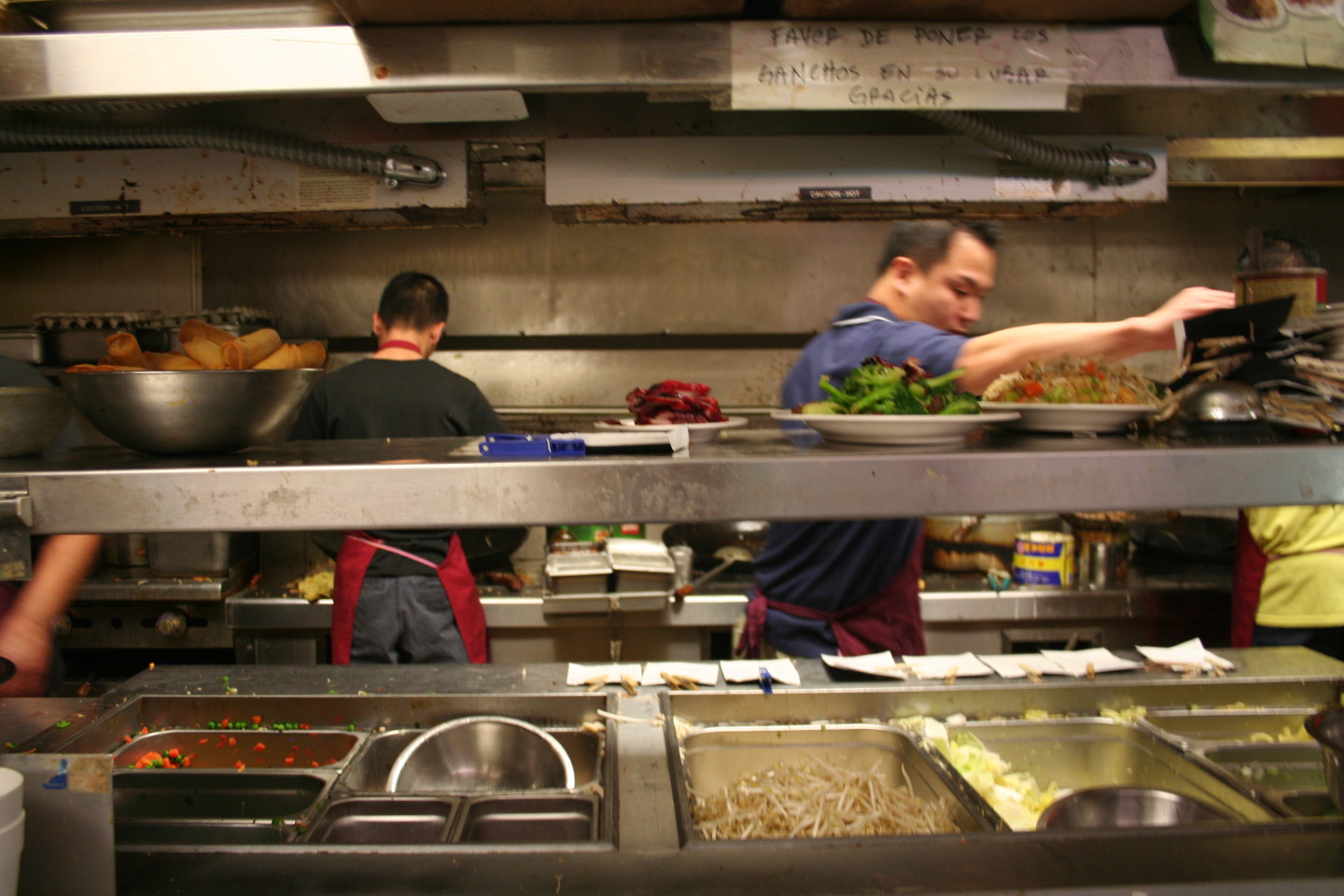
"caption": "In the Fortune Garden kitchen, chefs speak to each other in Cantonese, and waiters give orders in Spanish.",
"description": "In the Fortune Garden kitchen, chefs speak to each other in Cantonese, and waiters give orders in Spanish.",
"title": "Fortune Garden kitchen",
"credit": "Vickie Ly/KQED",
"status": "inherit",
"isLoading": false,
"fetchFailed": false
},
"news_10461655": {
"type": "attachments",
"id": "news_10461655",
"meta": {
"index": "attachments_1716263798",
"site": "news",
"id": "10461655",
"found": true
},
"parent": 10461652,
"imgSizes": {
"twentyfourteen-full-width": {
"file": "https://ww2.kqed.org/app/uploads/sites/10/2015/03/SandyRodriguez-1038x576.jpg",
"width": 1038,
"mimeType": "image/jpeg",
"height": 576
},
"thumbnail": {
"file": "https://ww2.kqed.org/app/uploads/sites/10/2015/03/SandyRodriguez-400x255.jpg",
"width": 400,
"mimeType": "image/jpeg",
"height": 255
},
"fd-sm": {
"file": "https://ww2.kqed.org/app/uploads/sites/10/2015/03/SandyRodriguez-320x204.jpg",
"width": 320,
"mimeType": "image/jpeg",
"height": 204
},
"post-thumbnail": {
"file": "https://ww2.kqed.org/app/uploads/sites/10/2015/03/SandyRodriguez-672x372.jpg",
"width": 672,
"mimeType": "image/jpeg",
"height": 372
},
"kqedFullSize": {
"file": "https://ww2.kqed.org/app/uploads/sites/10/2015/03/SandyRodriguez.jpg",
"width": 1920,
"height": 1225
},
"large": {
"file": "https://ww2.kqed.org/app/uploads/sites/10/2015/03/SandyRodriguez-1440x919.jpg",
"width": 1440,
"mimeType": "image/jpeg",
"height": 919
},
"guest-author-96": {
"file": "https://ww2.kqed.org/app/uploads/sites/10/2015/03/SandyRodriguez-96x96.jpg",
"width": 96,
"mimeType": "image/jpeg",
"height": 96
},
"medium": {
"file": "https://ww2.kqed.org/app/uploads/sites/10/2015/03/SandyRodriguez-800x510.jpg",
"width": 800,
"mimeType": "image/jpeg",
"height": 510
},
"guest-author-64": {
"file": "https://ww2.kqed.org/app/uploads/sites/10/2015/03/SandyRodriguez-64x64.jpg",
"width": 64,
"mimeType": "image/jpeg",
"height": 64
},
"guest-author-32": {
"file": "https://ww2.kqed.org/app/uploads/sites/10/2015/03/SandyRodriguez-32x32.jpg",
"width": 32,
"mimeType": "image/jpeg",
"height": 32
},
"fd-lrg": {
"file": "https://ww2.kqed.org/app/uploads/sites/10/2015/03/SandyRodriguez-1180x753.jpg",
"width": 1180,
"mimeType": "image/jpeg",
"height": 753
},
"fd-med": {
"file": "https://ww2.kqed.org/app/uploads/sites/10/2015/03/SandyRodriguez-768x490.jpg",
"width": 768,
"mimeType": "image/jpeg",
"height": 490
},
"detail": {
"file": "https://ww2.kqed.org/app/uploads/sites/10/2015/03/SandyRodriguez-75x75.jpg",
"width": 75,
"mimeType": "image/jpeg",
"height": 75
},
"guest-author-128": {
"file": "https://ww2.kqed.org/app/uploads/sites/10/2015/03/SandyRodriguez-128x128.jpg",
"width": 128,
"mimeType": "image/jpeg",
"height": 128
}
},
"publishDate": 1426899827,
"modified": 1427147541,
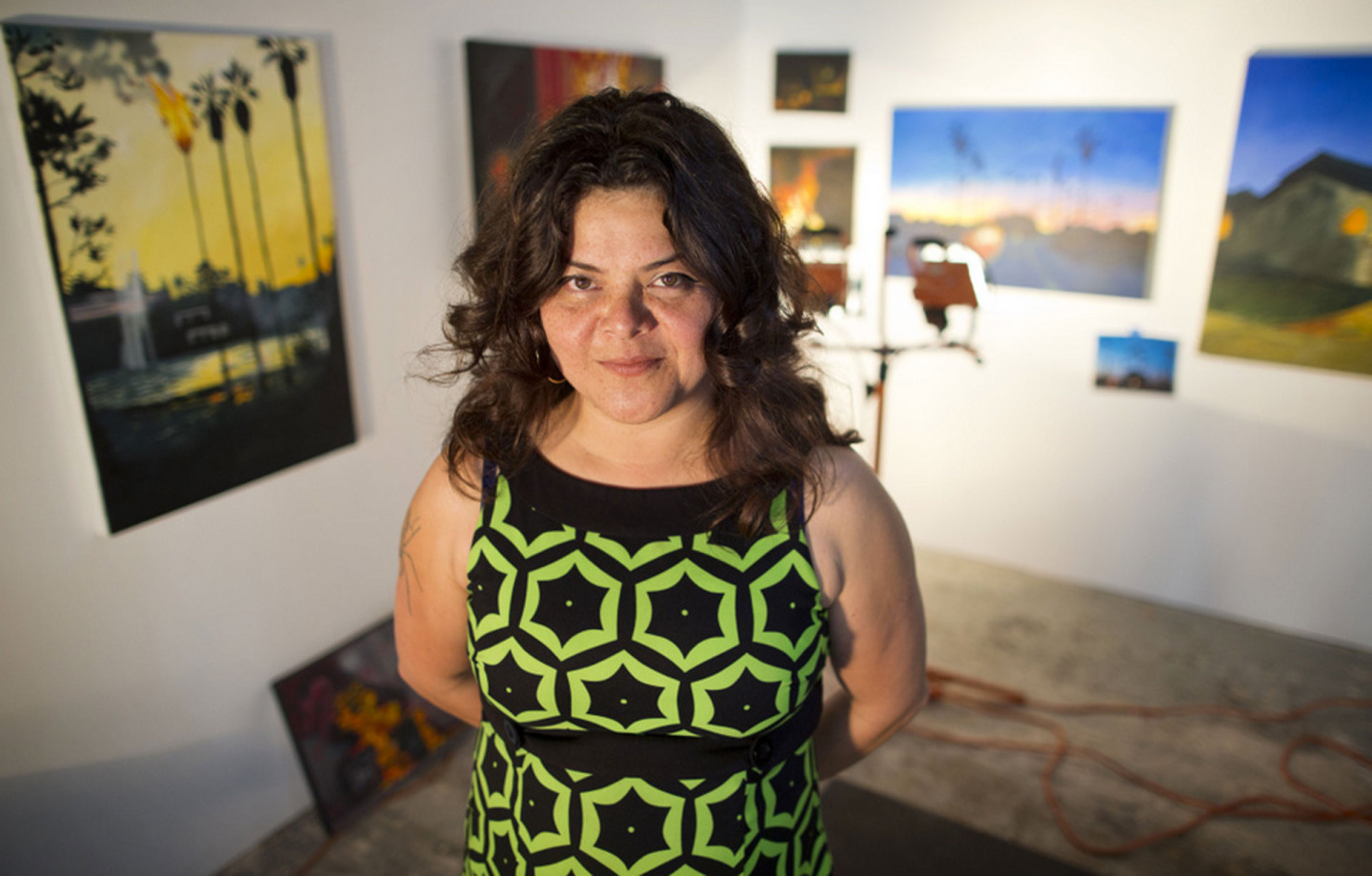
"caption": "Sandy Rodriguez is an artist in residence at Art + Practice in Leimert Park. Rodriguez is currently working on paintings inspired by social unrest in Ferguson, Mo., Mexico City, and Los Angeles.",
"description": "Sandy Rodriguez is an artist in residence at Art + Practice in Leimert Park. Rodriguez is currently working on paintings inspired by social unrest in Ferguson, Mo., Mexico City, and Los Angeles.",
"title": "SandyRodriguez",
"credit": "Maya Sugarman/KPCC",
"status": "inherit",
"isLoading": false,
"fetchFailed": false
},
"news_10460462": {
"type": "attachments",
"id": "news_10460462",
"meta": {
"index": "attachments_1716263798",
"site": "news",
"id": "10460462",
"found": true
},
"parent": 10459603,
"imgSizes": {
"twentyfourteen-full-width": {
"file": "https://ww2.kqed.org/app/uploads/sites/10/2015/03/RS14534_SBN_byColette-Levesque2-qut-1038x576.jpg",
"width": 1038,
"mimeType": "image/jpeg",
"height": 576
},
"thumbnail": {
"file": "https://ww2.kqed.org/app/uploads/sites/10/2015/03/RS14534_SBN_byColette-Levesque2-qut-400x267.jpg",
"width": 400,
"mimeType": "image/jpeg",
"height": 267
},
"fd-sm": {
"file": "https://ww2.kqed.org/app/uploads/sites/10/2015/03/RS14534_SBN_byColette-Levesque2-qut-320x213.jpg",
"width": 320,
"mimeType": "image/jpeg",
"height": 213
},
"post-thumbnail": {
"file": "https://ww2.kqed.org/app/uploads/sites/10/2015/03/RS14534_SBN_byColette-Levesque2-qut-672x372.jpg",
"width": 672,
"mimeType": "image/jpeg",
"height": 372
},
"kqedFullSize": {
"file": "https://ww2.kqed.org/app/uploads/sites/10/2015/03/RS14534_SBN_byColette-Levesque2-qut.jpg",
"width": 1920,
"height": 1280
},
"large": {
"file": "https://ww2.kqed.org/app/uploads/sites/10/2015/03/RS14534_SBN_byColette-Levesque2-qut-1440x960.jpg",
"width": 1440,
"mimeType": "image/jpeg",
"height": 960
},
"guest-author-96": {
"file": "https://ww2.kqed.org/app/uploads/sites/10/2015/03/RS14534_SBN_byColette-Levesque2-qut-96x96.jpg",
"width": 96,
"mimeType": "image/jpeg",
"height": 96
},
"medium": {
"file": "https://ww2.kqed.org/app/uploads/sites/10/2015/03/RS14534_SBN_byColette-Levesque2-qut-800x533.jpg",
"width": 800,
"mimeType": "image/jpeg",
"height": 533
},
"guest-author-64": {
"file": "https://ww2.kqed.org/app/uploads/sites/10/2015/03/RS14534_SBN_byColette-Levesque2-qut-64x64.jpg",
"width": 64,
"mimeType": "image/jpeg",
"height": 64
},
"guest-author-32": {
"file": "https://ww2.kqed.org/app/uploads/sites/10/2015/03/RS14534_SBN_byColette-Levesque2-qut-32x32.jpg",
"width": 32,
"mimeType": "image/jpeg",
"height": 32
},
"fd-lrg": {
"file": "https://ww2.kqed.org/app/uploads/sites/10/2015/03/RS14534_SBN_byColette-Levesque2-qut-1180x787.jpg",
"width": 1180,
"mimeType": "image/jpeg",
"height": 787
},
"fd-med": {
"file": "https://ww2.kqed.org/app/uploads/sites/10/2015/03/RS14534_SBN_byColette-Levesque2-qut-768x512.jpg",
"width": 768,
"mimeType": "image/jpeg",
"height": 512
},
"detail": {
"file": "https://ww2.kqed.org/app/uploads/sites/10/2015/03/RS14534_SBN_byColette-Levesque2-qut-75x75.jpg",
"width": 75,
"mimeType": "image/jpeg",
"height": 75
},
"guest-author-128": {
"file": "https://ww2.kqed.org/app/uploads/sites/10/2015/03/RS14534_SBN_byColette-Levesque2-qut-128x128.jpg",
"width": 128,
"mimeType": "image/jpeg",
"height": 128
}
},
"publishDate": 1426802507,
"modified": 1426802572,
"caption": "Sarah Bethe Nelson (Photo: Colette Levesque)",
"description": "Sarah Bethe Nelson (Photo: Colette Levesque)",
"title": "Sarah Bethe Nelson",
"credit": null,
"status": "inherit",
"isLoading": false,
"fetchFailed": false
},
"news_10461570": {
"type": "attachments",
"id": "news_10461570",
"meta": {
"index": "attachments_1716263798",
"site": "news",
"id": "10461570",
"found": true
},
"parent": 10460657,
"imgSizes": {
"twentyfourteen-full-width": {
"file": "https://ww2.kqed.org/app/uploads/sites/10/2015/03/SoundBox-1038x576.jpg",
"width": 1038,
"mimeType": "image/jpeg",
"height": 576
},
"thumbnail": {
"file": "https://ww2.kqed.org/app/uploads/sites/10/2015/03/SoundBox-400x217.jpg",
"width": 400,
"mimeType": "image/jpeg",
"height": 217
},
"fd-sm": {
"file": "https://ww2.kqed.org/app/uploads/sites/10/2015/03/SoundBox-320x174.jpg",
"width": 320,
"mimeType": "image/jpeg",
"height": 174
},
"post-thumbnail": {
"file": "https://ww2.kqed.org/app/uploads/sites/10/2015/03/SoundBox-672x372.jpg",
"width": 672,
"mimeType": "image/jpeg",
"height": 372
},
"kqedFullSize": {
"file": "https://ww2.kqed.org/app/uploads/sites/10/2015/03/SoundBox.jpg",
"width": 1920,
"height": 1043
},
"large": {
"file": "https://ww2.kqed.org/app/uploads/sites/10/2015/03/SoundBox-1440x782.jpg",
"width": 1440,
"mimeType": "image/jpeg",
"height": 782
},
"guest-author-96": {
"file": "https://ww2.kqed.org/app/uploads/sites/10/2015/03/SoundBox-96x96.jpg",
"width": 96,
"mimeType": "image/jpeg",
"height": 96
},
"medium": {
"file": "https://ww2.kqed.org/app/uploads/sites/10/2015/03/SoundBox-800x435.jpg",
"width": 800,
"mimeType": "image/jpeg",
"height": 435
},
"guest-author-64": {
"file": "https://ww2.kqed.org/app/uploads/sites/10/2015/03/SoundBox-64x64.jpg",
"width": 64,
"mimeType": "image/jpeg",
"height": 64
},
"guest-author-32": {
"file": "https://ww2.kqed.org/app/uploads/sites/10/2015/03/SoundBox-32x32.jpg",
"width": 32,
"mimeType": "image/jpeg",
"height": 32
},
"fd-lrg": {
"file": "https://ww2.kqed.org/app/uploads/sites/10/2015/03/SoundBox-1180x641.jpg",
"width": 1180,
"mimeType": "image/jpeg",
"height": 641
},
"fd-med": {
"file": "https://ww2.kqed.org/app/uploads/sites/10/2015/03/SoundBox-768x417.jpg",
"width": 768,
"mimeType": "image/jpeg",
"height": 417
},
"detail": {
"file": "https://ww2.kqed.org/app/uploads/sites/10/2015/03/SoundBox-75x75.jpg",
"width": 75,
"mimeType": "image/jpeg",
"height": 75
},
"guest-author-128": {
"file": "https://ww2.kqed.org/app/uploads/sites/10/2015/03/SoundBox-128x128.jpg",
"width": 128,
"mimeType": "image/jpeg",
"height": 128
}
},
"publishDate": 1426894755,
"modified": 1426980554,
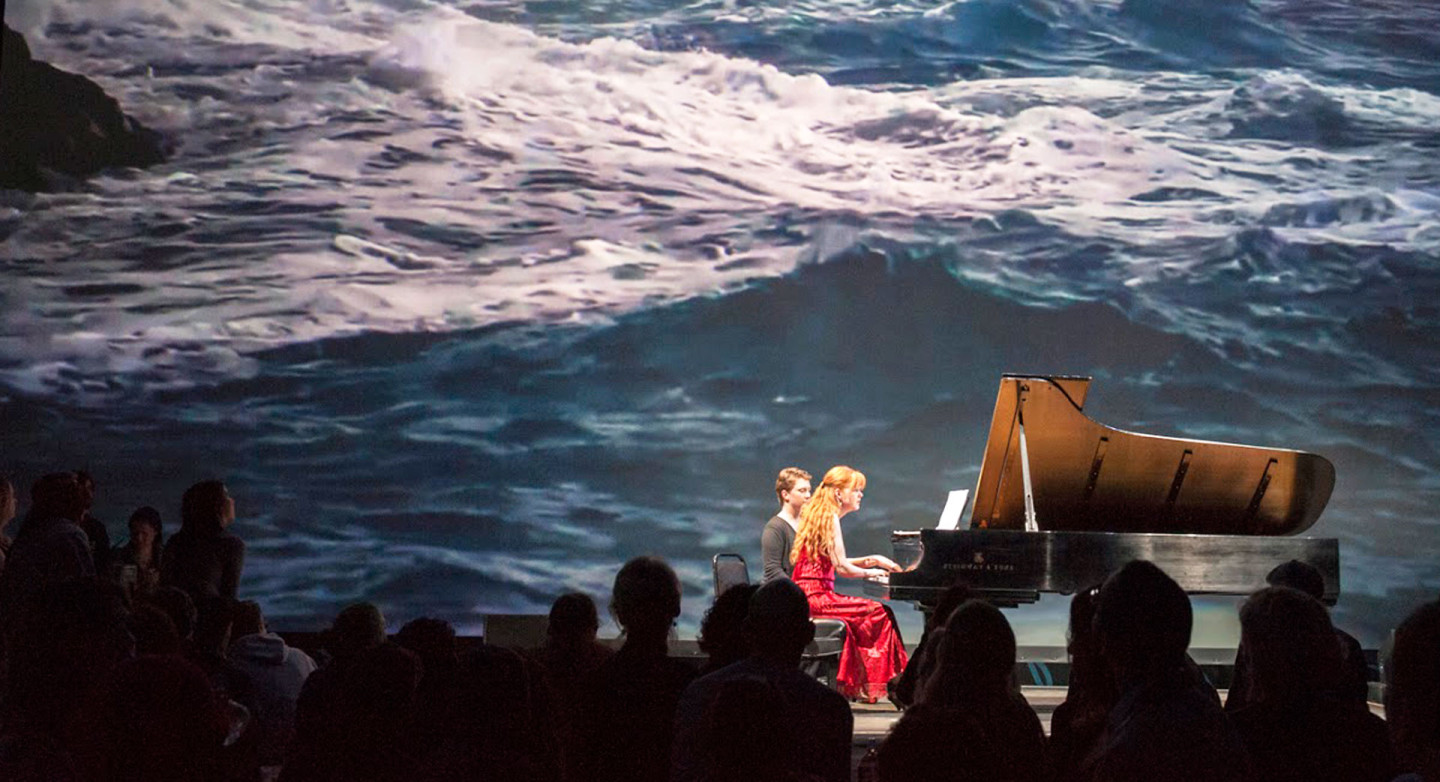
"caption": "Pianist Sarah Cahill performs solo piano works by Terry Riley at SoundBox, with video art by Adam Larsen.",
"description": "Pianist Sarah Cahill performs solo piano works by Terry Riley at SoundBox, with video art by Adam Larsen.",
"title": "SoundBox",
"credit": "Stefan Cohen/S.F. Symphony",
"status": "inherit",
"isLoading": false,
"fetchFailed": false
},
"news_10461331": {
"type": "attachments",
"id": "news_10461331",
"meta": {
"index": "attachments_1716263798",
"site": "news",
"id": "10461331",
"found": true
},
"parent": 10454622,
"imgSizes": {
"twentyfourteen-full-width": {
"file": "https://ww2.kqed.org/app/uploads/sites/10/2015/03/Saeed-1038x576.jpg",
"width": 1038,
"mimeType": "image/jpeg",
"height": 576
},
"thumbnail": {
"file": "https://ww2.kqed.org/app/uploads/sites/10/2015/03/Saeed-400x265.jpg",
"width": 400,
"mimeType": "image/jpeg",
"height": 265
},
"fd-sm": {
"file": "https://ww2.kqed.org/app/uploads/sites/10/2015/03/Saeed-320x212.jpg",
"width": 320,
"mimeType": "image/jpeg",
"height": 212
},
"post-thumbnail": {
"file": "https://ww2.kqed.org/app/uploads/sites/10/2015/03/Saeed-672x372.jpg",
"width": 672,
"mimeType": "image/jpeg",
"height": 372
},
"kqedFullSize": {
"file": "https://ww2.kqed.org/app/uploads/sites/10/2015/03/Saeed.jpg",
"width": 1920,
"height": 1271
},
"large": {
"file": "https://ww2.kqed.org/app/uploads/sites/10/2015/03/Saeed-1440x953.jpg",
"width": 1440,
"mimeType": "image/jpeg",
"height": 953
},
"guest-author-96": {
"file": "https://ww2.kqed.org/app/uploads/sites/10/2015/03/Saeed-96x96.jpg",
"width": 96,
"mimeType": "image/jpeg",
"height": 96
},
"medium": {
"file": "https://ww2.kqed.org/app/uploads/sites/10/2015/03/Saeed-800x530.jpg",
"width": 800,
"mimeType": "image/jpeg",
"height": 530
},
"guest-author-64": {
"file": "https://ww2.kqed.org/app/uploads/sites/10/2015/03/Saeed-64x64.jpg",
"width": 64,
"mimeType": "image/jpeg",
"height": 64
},
"guest-author-32": {
"file": "https://ww2.kqed.org/app/uploads/sites/10/2015/03/Saeed-32x32.jpg",
"width": 32,
"mimeType": "image/jpeg",
"height": 32
},
"fd-lrg": {
"file": "https://ww2.kqed.org/app/uploads/sites/10/2015/03/Saeed-1180x781.jpg",
"width": 1180,
"mimeType": "image/jpeg",
"height": 781
},
"fd-med": {
"file": "https://ww2.kqed.org/app/uploads/sites/10/2015/03/Saeed-768x508.jpg",
"width": 768,
"mimeType": "image/jpeg",
"height": 508
},
"detail": {
"file": "https://ww2.kqed.org/app/uploads/sites/10/2015/03/Saeed-75x75.jpg",
"width": 75,
"mimeType": "image/jpeg",
"height": 75
},
"guest-author-128": {
"file": "https://ww2.kqed.org/app/uploads/sites/10/2015/03/Saeed-128x128.jpg",
"width": 128,
"mimeType": "image/jpeg",
"height": 128
}
},
"publishDate": 1426879362,
"modified": 1426879392,
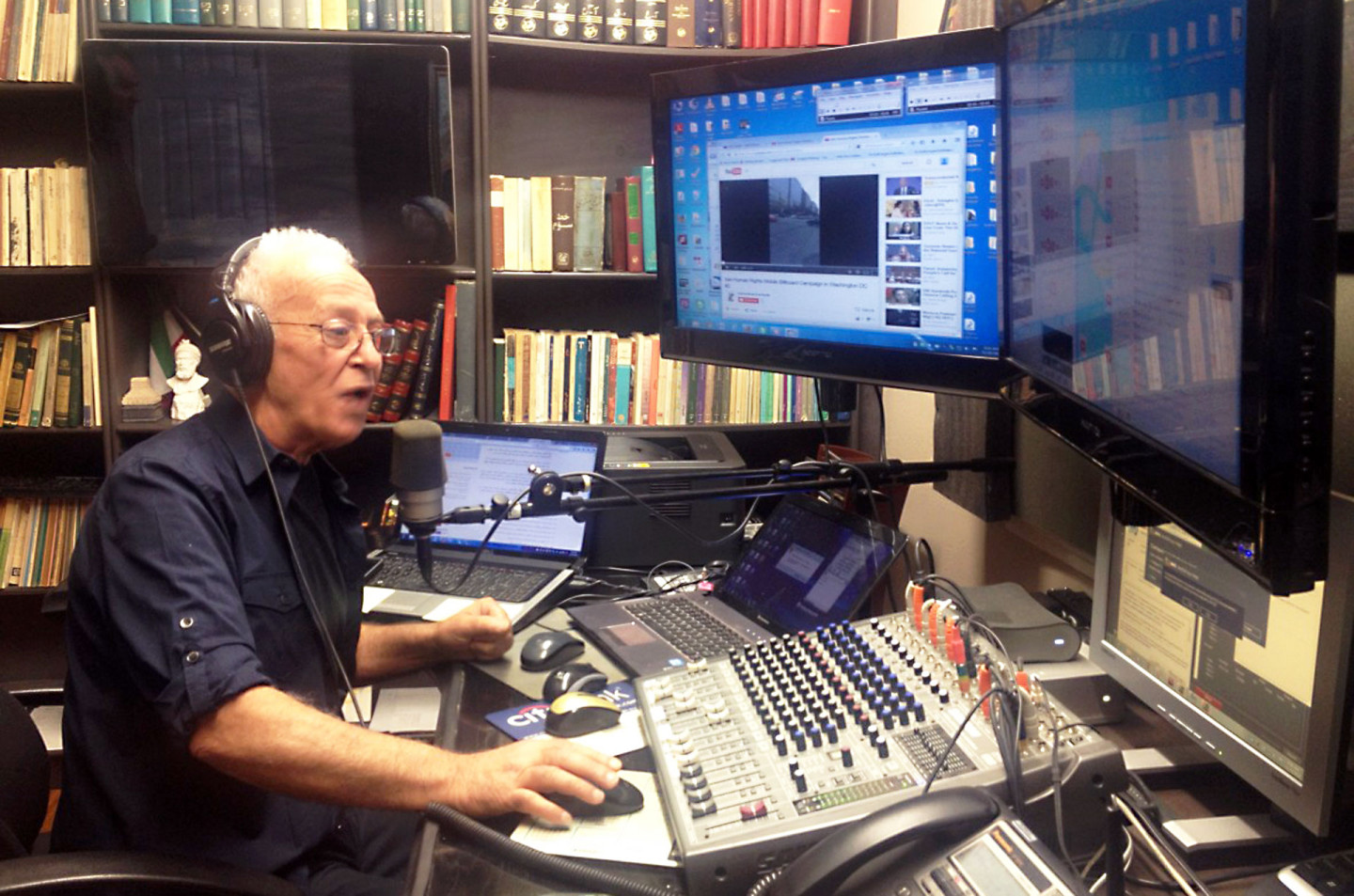
"caption": "Saeed Ghaemmaghami takes calls from listeners around the world during his Internet broadcast, Radio Sedaye Mardom, Farsi for \"The People’s Voice.\"",
"description": "Saeed Ghaemmaghami takes calls from listeners around the world during his Internet broadcast, Radio Sedaye Mardom, Farsi for \"The People’s Voice.\"",
"title": "Saeed",
"credit": "Diane Bock/KQED",
"status": "inherit",
"isLoading": false,
"fetchFailed": false
},
"news_10452219": {
"type": "attachments",
"id": "news_10452219",
"meta": {
"index": "attachments_1716263798",
"site": "news",
"id": "10452219",
"found": true
},
"parent": 10444766,
"imgSizes": {
"twentyfourteen-full-width": {
"file": "https://ww2.kqed.org/app/uploads/sites/10/2015/03/RS14433_IMG_20150211_131711-qut-1038x576.jpg",
"width": 1038,
"mimeType": "image/jpeg",
"height": 576
},
"thumbnail": {
"file": "https://ww2.kqed.org/app/uploads/sites/10/2015/03/RS14433_IMG_20150211_131711-qut-400x300.jpg",
"width": 400,
"mimeType": "image/jpeg",
"height": 300
},
"fd-sm": {
"file": "https://ww2.kqed.org/app/uploads/sites/10/2015/03/RS14433_IMG_20150211_131711-qut-320x240.jpg",
"width": 320,
"mimeType": "image/jpeg",
"height": 240
},
"post-thumbnail": {
"file": "https://ww2.kqed.org/app/uploads/sites/10/2015/03/RS14433_IMG_20150211_131711-qut-672x372.jpg",
"width": 672,
"mimeType": "image/jpeg",
"height": 372
},
"kqedFullSize": {
"file": "https://ww2.kqed.org/app/uploads/sites/10/2015/03/RS14433_IMG_20150211_131711-qut.jpg",
"width": 1920,
"height": 1440
},
"large": {
"file": "https://ww2.kqed.org/app/uploads/sites/10/2015/03/RS14433_IMG_20150211_131711-qut-1440x1080.jpg",
"width": 1440,
"mimeType": "image/jpeg",
"height": 1080
},
"guest-author-96": {
"file": "https://ww2.kqed.org/app/uploads/sites/10/2015/03/RS14433_IMG_20150211_131711-qut-96x96.jpg",
"width": 96,
"mimeType": "image/jpeg",
"height": 96
},
"medium": {
"file": "https://ww2.kqed.org/app/uploads/sites/10/2015/03/RS14433_IMG_20150211_131711-qut-800x600.jpg",
"width": 800,
"mimeType": "image/jpeg",
"height": 600
},
"guest-author-64": {
"file": "https://ww2.kqed.org/app/uploads/sites/10/2015/03/RS14433_IMG_20150211_131711-qut-64x64.jpg",
"width": 64,
"mimeType": "image/jpeg",
"height": 64
},
"guest-author-32": {
"file": "https://ww2.kqed.org/app/uploads/sites/10/2015/03/RS14433_IMG_20150211_131711-qut-32x32.jpg",
"width": 32,
"mimeType": "image/jpeg",
"height": 32
},
"fd-lrg": {
"file": "https://ww2.kqed.org/app/uploads/sites/10/2015/03/RS14433_IMG_20150211_131711-qut-1180x885.jpg",
"width": 1180,
"mimeType": "image/jpeg",
"height": 885
},
"fd-med": {
"file": "https://ww2.kqed.org/app/uploads/sites/10/2015/03/RS14433_IMG_20150211_131711-qut-768x576.jpg",
"width": 768,
"mimeType": "image/jpeg",
"height": 576
},
"detail": {
"file": "https://ww2.kqed.org/app/uploads/sites/10/2015/03/RS14433_IMG_20150211_131711-qut-75x75.jpg",
"width": 75,
"mimeType": "image/jpeg",
"height": 75
},
"guest-author-128": {
"file": "https://ww2.kqed.org/app/uploads/sites/10/2015/03/RS14433_IMG_20150211_131711-qut-128x128.jpg",
"width": 128,
"mimeType": "image/jpeg",
"height": 128
}
},
"publishDate": 1426024889,
"modified": 1426282895,
"caption": "Fourth-graders in Ana Thomas' class at Peralta Elementary paint marine animals on fabric for a quilt.",
"description": "Fourth-graders in Ana Thomas' class at Peralta Elementary paint marine animals on fabric for a quilt.",
"title": "RS14433_IMG_20150211_131711-qut",
"credit": "Zaidee Stavely/KQED",
"status": "inherit",
"isLoading": false,
"fetchFailed": false
},
"news_10454052": {
"type": "attachments",
"id": "news_10454052",
"meta": {
"index": "attachments_1716263798",
"site": "news",
"id": "10454052",
"found": true
},
"parent": 10452920,
"imgSizes": {
"twentyfourteen-full-width": {
"file": "https://ww2.kqed.org/app/uploads/sites/10/2015/03/WreckingCrew-1038x576.jpg",
"width": 1038,
"mimeType": "image/jpeg",
"height": 576
},
"thumbnail": {
"file": "https://ww2.kqed.org/app/uploads/sites/10/2015/03/WreckingCrew-400x235.jpg",
"width": 400,
"mimeType": "image/jpeg",
"height": 235
},
"fd-sm": {
"file": "https://ww2.kqed.org/app/uploads/sites/10/2015/03/WreckingCrew-320x188.jpg",
"width": 320,
"mimeType": "image/jpeg",
"height": 188
},
"post-thumbnail": {
"file": "https://ww2.kqed.org/app/uploads/sites/10/2015/03/WreckingCrew-672x372.jpg",
"width": 672,
"mimeType": "image/jpeg",
"height": 372
},
"kqedFullSize": {
"file": "https://ww2.kqed.org/app/uploads/sites/10/2015/03/WreckingCrew.jpg",
"width": 1920,
"height": 1128
},
"large": {
"file": "https://ww2.kqed.org/app/uploads/sites/10/2015/03/WreckingCrew-1440x846.jpg",
"width": 1440,
"mimeType": "image/jpeg",
"height": 846
},
"guest-author-96": {
"file": "https://ww2.kqed.org/app/uploads/sites/10/2015/03/WreckingCrew-96x96.jpg",
"width": 96,
"mimeType": "image/jpeg",
"height": 96
},
"medium": {
"file": "https://ww2.kqed.org/app/uploads/sites/10/2015/03/WreckingCrew-800x470.jpg",
"width": 800,
"mimeType": "image/jpeg",
"height": 470
},
"guest-author-64": {
"file": "https://ww2.kqed.org/app/uploads/sites/10/2015/03/WreckingCrew-64x64.jpg",
"width": 64,
"mimeType": "image/jpeg",
"height": 64
},
"guest-author-32": {
"file": "https://ww2.kqed.org/app/uploads/sites/10/2015/03/WreckingCrew-32x32.jpg",
"width": 32,
"mimeType": "image/jpeg",
"height": 32
},
"fd-lrg": {
"file": "https://ww2.kqed.org/app/uploads/sites/10/2015/03/WreckingCrew-1180x693.jpg",
"width": 1180,
"mimeType": "image/jpeg",
"height": 693
},
"fd-med": {
"file": "https://ww2.kqed.org/app/uploads/sites/10/2015/03/WreckingCrew-768x451.jpg",
"width": 768,
"mimeType": "image/jpeg",
"height": 451
},
"detail": {
"file": "https://ww2.kqed.org/app/uploads/sites/10/2015/03/WreckingCrew-75x75.jpg",
"width": 75,
"mimeType": "image/jpeg",
"height": 75
},
"guest-author-128": {
"file": "https://ww2.kqed.org/app/uploads/sites/10/2015/03/WreckingCrew-128x128.jpg",
"width": 128,
"mimeType": "image/jpeg",
"height": 128
}
},
"publishDate": 1426210673,
"modified": 1426210769,
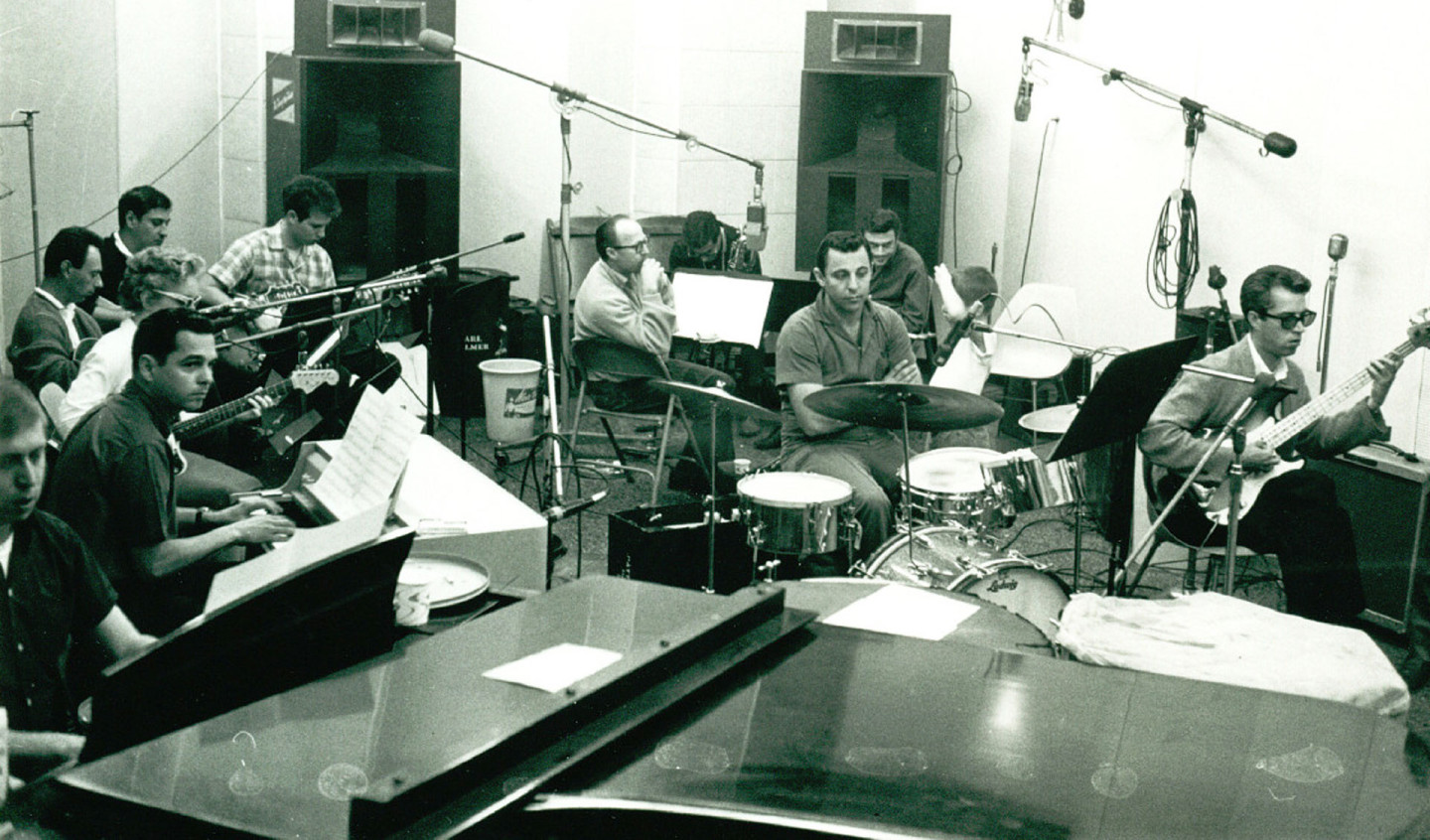
"caption": "The studio musicians known as The Wrecking Crew at a session for producer Phil Spector.",
"description": "The studio musicians known as The Wrecking Crew at a session for producer Phil Spector.",
"title": "WreckingCrew",
"credit": "Courtesy: The Wrecking Crew",
"status": "inherit",
"isLoading": false,
"fetchFailed": false
},
"news_10420132": {
"type": "attachments",
"id": "news_10420132",
"meta": {
"index": "attachments_1716263798",
"site": "news",
"id": "10420132",
"found": true
},
"parent": 10420130,
"imgSizes": {
"thumbnail": {
"file": "https://ww2.kqed.org/app/uploads/sites/10/2015/01/Elmwood-cafe-1-720x478-400x266.jpg",
"width": 400,
"mimeType": "image/jpeg",
"height": 266
},
"post-thumbnail": {
"file": "https://ww2.kqed.org/app/uploads/sites/10/2015/01/Elmwood-cafe-1-720x478-672x372.jpg",
"width": 672,
"mimeType": "image/jpeg",
"height": 372
},
"kqedFullSize": {
"file": "https://ww2.kqed.org/app/uploads/sites/10/2015/01/Elmwood-cafe-1-720x478.jpg",
"width": 720,
"height": 478
},
"guest-author-96": {
"file": "https://ww2.kqed.org/app/uploads/sites/10/2015/01/Elmwood-cafe-1-720x478-96x96.jpg",
"width": 96,
"mimeType": "image/jpeg",
"height": 96
},
"guest-author-64": {
"file": "https://ww2.kqed.org/app/uploads/sites/10/2015/01/Elmwood-cafe-1-720x478-64x64.jpg",
"width": 64,
"mimeType": "image/jpeg",
"height": 64
},
"detail": {
"file": "https://ww2.kqed.org/app/uploads/sites/10/2015/01/Elmwood-cafe-1-720x478-75x75.jpg",
"width": 75,
"mimeType": "image/jpeg",
"height": 75
},
"guest-author-32": {
"file": "https://ww2.kqed.org/app/uploads/sites/10/2015/01/Elmwood-cafe-1-720x478-32x32.jpg",
"width": 32,
"mimeType": "image/jpeg",
"height": 32
},
"guest-author-128": {
"file": "https://ww2.kqed.org/app/uploads/sites/10/2015/01/Elmwood-cafe-1-720x478-128x128.jpg",
"width": 128,
"mimeType": "image/jpeg",
"height": 128
}
},
"publishDate": 1422656854,
"modified": 1425937259,
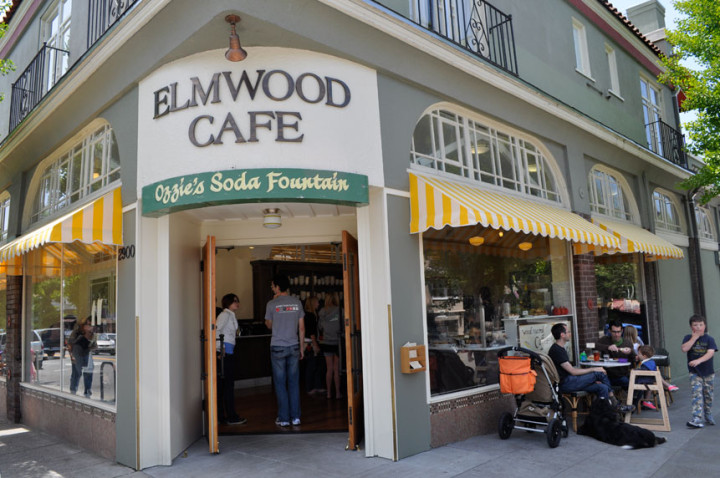
"caption": "The Elmwood Cafe at 2900 College Ave., where comedian W. Kamau Bell says he was the victim of racism.",
"description": null,
"title": "Elmwood Cafe-Kamau Bell",
"credit": "Tracey Taylor/Berkeleyside",
"status": "inherit",
"isLoading": false,
"fetchFailed": false
},
"news_10449919": {
"type": "attachments",
"id": "news_10449919",
"meta": {
"index": "attachments_1716263798",
"site": "news",
"id": "10449919",
"found": true
},
"parent": 10449914,
"imgSizes": {
"twentyfourteen-full-width": {
"file": "https://ww2.kqed.org/app/uploads/sites/10/2015/03/456961122-1038x576.jpg",
"width": 1038,
"mimeType": "image/jpeg",
"height": 576
},
"thumbnail": {
"file": "https://ww2.kqed.org/app/uploads/sites/10/2015/03/456961122-400x313.jpg",
"width": 400,
"mimeType": "image/jpeg",
"height": 313
},
"fd-sm": {
"file": "https://ww2.kqed.org/app/uploads/sites/10/2015/03/456961122-320x251.jpg",
"width": 320,
"mimeType": "image/jpeg",
"height": 251
},
"post-thumbnail": {
"file": "https://ww2.kqed.org/app/uploads/sites/10/2015/03/456961122-672x372.jpg",
"width": 672,
"mimeType": "image/jpeg",
"height": 372
},
"kqedFullSize": {
"file": "https://ww2.kqed.org/app/uploads/sites/10/2015/03/456961122-e1425678584490.jpg",
"width": 1920,
"height": 1503
},
"large": {
"file": "https://ww2.kqed.org/app/uploads/sites/10/2015/03/456961122-1440x1128.jpg",
"width": 1440,
"mimeType": "image/jpeg",
"height": 1128
},
"guest-author-96": {
"file": "https://ww2.kqed.org/app/uploads/sites/10/2015/03/456961122-96x96.jpg",
"width": 96,
"mimeType": "image/jpeg",
"height": 96
},
"medium": {
"file": "https://ww2.kqed.org/app/uploads/sites/10/2015/03/456961122-800x626.jpg",
"width": 800,
"mimeType": "image/jpeg",
"height": 626
},
"guest-author-64": {
"file": "https://ww2.kqed.org/app/uploads/sites/10/2015/03/456961122-64x64.jpg",
"width": 64,
"mimeType": "image/jpeg",
"height": 64
},
"guest-author-32": {
"file": "https://ww2.kqed.org/app/uploads/sites/10/2015/03/456961122-32x32.jpg",
"width": 32,
"mimeType": "image/jpeg",
"height": 32
},
"fd-lrg": {
"file": "https://ww2.kqed.org/app/uploads/sites/10/2015/03/456961122-1180x924.jpg",
"width": 1180,
"mimeType": "image/jpeg",
"height": 924
},
"fd-med": {
"file": "https://ww2.kqed.org/app/uploads/sites/10/2015/03/456961122-768x601.jpg",
"width": 768,
"mimeType": "image/jpeg",
"height": 601
},
"detail": {
"file": "https://ww2.kqed.org/app/uploads/sites/10/2015/03/456961122-75x75.jpg",
"width": 75,
"mimeType": "image/jpeg",
"height": 75
},
"guest-author-128": {
"file": "https://ww2.kqed.org/app/uploads/sites/10/2015/03/456961122-128x128.jpg",
"width": 128,
"mimeType": "image/jpeg",
"height": 128
}
},
"publishDate": 1425678527,
"modified": 1425678611,
"caption": "Filmmaker Albert Maysles at the New York Film Festival in October 2014. ",
"description": null,
"title": "Albert Maysles",
"credit": " Cindy Ord/Getty Images",
"status": "inherit",
"isLoading": false,
"fetchFailed": false
},
"news_10449406": {
"type": "attachments",
"id": "news_10449406",
"meta": {
"index": "attachments_1716263798",
"site": "news",
"id": "10449406",
"found": true
},
"parent": 10449405,
"imgSizes": {
"twentyfourteen-full-width": {
"file": "https://ww2.kqed.org/app/uploads/sites/10/2015/03/crockermansion-1038x576.jpg",
"width": 1038,
"mimeType": "image/jpeg",
"height": 576
},
"thumbnail": {
"file": "https://ww2.kqed.org/app/uploads/sites/10/2015/03/crockermansion-400x264.jpg",
"width": 400,
"mimeType": "image/jpeg",
"height": 264
},
"fd-sm": {
"file": "https://ww2.kqed.org/app/uploads/sites/10/2015/03/crockermansion-320x211.jpg",
"width": 320,
"mimeType": "image/jpeg",
"height": 211
},
"post-thumbnail": {
"file": "https://ww2.kqed.org/app/uploads/sites/10/2015/03/crockermansion-672x372.jpg",
"width": 672,
"mimeType": "image/jpeg",
"height": 372
},
"kqedFullSize": {
"file": "https://ww2.kqed.org/app/uploads/sites/10/2015/03/crockermansion.jpg",
"width": 1109,
"height": 731
},
"fd-med": {
"file": "https://ww2.kqed.org/app/uploads/sites/10/2015/03/crockermansion-768x506.jpg",
"width": 768,
"mimeType": "image/jpeg",
"height": 506
},
"guest-author-96": {
"file": "https://ww2.kqed.org/app/uploads/sites/10/2015/03/crockermansion-96x96.jpg",
"width": 96,
"mimeType": "image/jpeg",
"height": 96
},
"medium": {
"file": "https://ww2.kqed.org/app/uploads/sites/10/2015/03/crockermansion-800x527.jpg",
"width": 800,
"mimeType": "image/jpeg",
"height": 527
},
"guest-author-64": {
"file": "https://ww2.kqed.org/app/uploads/sites/10/2015/03/crockermansion-64x64.jpg",
"width": 64,
"mimeType": "image/jpeg",
"height": 64
},
"detail": {
"file": "https://ww2.kqed.org/app/uploads/sites/10/2015/03/crockermansion-75x75.jpg",
"width": 75,
"mimeType": "image/jpeg",
"height": 75
},
"guest-author-32": {
"file": "https://ww2.kqed.org/app/uploads/sites/10/2015/03/crockermansion-32x32.jpg",
"width": 32,
"mimeType": "image/jpeg",
"height": 32
},
"guest-author-128": {
"file": "https://ww2.kqed.org/app/uploads/sites/10/2015/03/crockermansion-128x128.jpg",
"width": 128,
"mimeType": "image/jpeg",
"height": 128
}
},
"publishDate": 1425605753,
"modified": 1425680515,
"caption": "A panorama of San Francisco taken in 1878 from the Mark Hopkins mansion on Nob Hill by photographer Eadward Muybridge. The large, dark-colored edifice at center was the home of railroad magnate Charles Crocker. The spite fence he built to retaliate against neighbor Nicholas Yung is the large rectangular structure to the right of the mansion in this image. This copy of the panorama is in the collection of the Society of California Pioneers and was restored in 2011 by Gawain Weaver Art Conservation.",
"description": "An 1878 panorama of the city of San Francisco taken from a vantage point on Nob Hill in 1878 by photographer Eadward Muybridge. The large, light-colored mansion just to the right of center was the home of railroad magnate Charles Crocker. The spite fence he built to retaliate against neighbor Nicholas Yung, is the large rectangular structure behind the mansion. This copy of the panorama is in the collection of the Society of California Pioneers and was restored in 2011 by Gawain Weaver Art Conservation.",
"title": "Boomtown-Crocker Fence",
"credit": "Eadward Muybridge/Gawain Weaver Art Conservation",
"status": "inherit",
"isLoading": false,
"fetchFailed": false
},
"news_10449407": {
"type": "attachments",
"id": "news_10449407",
"meta": {
"index": "attachments_1716263798",
"site": "news",
"id": "10449407",
"found": true
},
"parent": 10449373,
"imgSizes": {
"twentyfourteen-full-width": {
"file": "https://ww2.kqed.org/app/uploads/sites/10/2015/03/1374_6448-1038x576.jpg",
"width": 1038,
"mimeType": "image/jpeg",
"height": 576
},
"thumbnail": {
"file": "https://ww2.kqed.org/app/uploads/sites/10/2015/03/1374_6448-400x406.jpg",
"width": 400,
"mimeType": "image/jpeg",
"height": 406
},
"fd-sm": {
"file": "https://ww2.kqed.org/app/uploads/sites/10/2015/03/1374_6448-320x325.jpg",
"width": 320,
"mimeType": "image/jpeg",
"height": 325
},
"post-thumbnail": {
"file": "https://ww2.kqed.org/app/uploads/sites/10/2015/03/1374_6448-672x372.jpg",
"width": 672,
"mimeType": "image/jpeg",
"height": 372
},
"kqedFullSize": {
"file": "https://ww2.kqed.org/app/uploads/sites/10/2015/03/1374_6448.jpg",
"width": 2945,
"height": 2991
},
"large": {
"file": "https://ww2.kqed.org/app/uploads/sites/10/2015/03/1374_6448-1440x1462.jpg",
"width": 1440,
"mimeType": "image/jpeg",
"height": 1462
},
"guest-author-96": {
"file": "https://ww2.kqed.org/app/uploads/sites/10/2015/03/1374_6448-96x96.jpg",
"width": 96,
"mimeType": "image/jpeg",
"height": 96
},
"medium": {
"file": "https://ww2.kqed.org/app/uploads/sites/10/2015/03/1374_6448-800x812.jpg",
"width": 800,
"mimeType": "image/jpeg",
"height": 812
},
"guest-author-64": {
"file": "https://ww2.kqed.org/app/uploads/sites/10/2015/03/1374_6448-64x64.jpg",
"width": 64,
"mimeType": "image/jpeg",
"height": 64
},
"guest-author-32": {
"file": "https://ww2.kqed.org/app/uploads/sites/10/2015/03/1374_6448-32x32.jpg",
"width": 32,
"mimeType": "image/jpeg",
"height": 32
},
"fd-lrg": {
"file": "https://ww2.kqed.org/app/uploads/sites/10/2015/03/1374_6448-1180x1198.jpg",
"width": 1180,
"mimeType": "image/jpeg",
"height": 1198
},
"fd-med": {
"file": "https://ww2.kqed.org/app/uploads/sites/10/2015/03/1374_6448-768x780.jpg",
"width": 768,
"mimeType": "image/jpeg",
"height": 780
},
"detail": {
"file": "https://ww2.kqed.org/app/uploads/sites/10/2015/03/1374_6448-75x75.jpg",
"width": 75,
"mimeType": "image/jpeg",
"height": 75
},
"guest-author-128": {
"file": "https://ww2.kqed.org/app/uploads/sites/10/2015/03/1374_6448-128x128.jpg",
"width": 128,
"mimeType": "image/jpeg",
"height": 128
}
},
"publishDate": 1425606785,
"modified": 1425606908,
"caption": "Ballet San Jose dancers Annali Rose and Kendall Teague\n\n",
"description": "Ballet San Jose dancers\n",
"title": "Eighty One - Ballet San Jose",
"credit": "Robert Shomler",
"status": "inherit",
"isLoading": false,
"fetchFailed": false
},
"news_10449198": {
"type": "attachments",
"id": "news_10449198",
"meta": {
"index": "attachments_1716263798",
"site": "news",
"id": "10449198",
"found": true
},
"parent": 10449172,
"imgSizes": {
"twentyfourteen-full-width": {
"file": "https://ww2.kqed.org/app/uploads/sites/10/2015/03/elephants-1038x576.jpg",
"width": 1038,
"mimeType": "image/jpeg",
"height": 576
},
"thumbnail": {
"file": "https://ww2.kqed.org/app/uploads/sites/10/2015/03/elephants-400x225.jpg",
"width": 400,
"mimeType": "image/jpeg",
"height": 225
},
"fd-sm": {
"file": "https://ww2.kqed.org/app/uploads/sites/10/2015/03/elephants-320x180.jpg",
"width": 320,
"mimeType": "image/jpeg",
"height": 180
},
"post-thumbnail": {
"file": "https://ww2.kqed.org/app/uploads/sites/10/2015/03/elephants-672x372.jpg",
"width": 672,
"mimeType": "image/jpeg",
"height": 372
},
"kqedFullSize": {
"file": "https://ww2.kqed.org/app/uploads/sites/10/2015/03/elephants.jpg",
"width": 3724,
"height": 2095
},
"large": {
"file": "https://ww2.kqed.org/app/uploads/sites/10/2015/03/elephants-1440x810.jpg",
"width": 1440,
"mimeType": "image/jpeg",
"height": 810
},
"guest-author-96": {
"file": "https://ww2.kqed.org/app/uploads/sites/10/2015/03/elephants-96x96.jpg",
"width": 96,
"mimeType": "image/jpeg",
"height": 96
},
"medium": {
"file": "https://ww2.kqed.org/app/uploads/sites/10/2015/03/elephants-800x450.jpg",
"width": 800,
"mimeType": "image/jpeg",
"height": 450
},
"guest-author-64": {
"file": "https://ww2.kqed.org/app/uploads/sites/10/2015/03/elephants-64x64.jpg",
"width": 64,
"mimeType": "image/jpeg",
"height": 64
},
"guest-author-32": {
"file": "https://ww2.kqed.org/app/uploads/sites/10/2015/03/elephants-32x32.jpg",
"width": 32,
"mimeType": "image/jpeg",
"height": 32
},
"fd-lrg": {
"file": "https://ww2.kqed.org/app/uploads/sites/10/2015/03/elephants-1180x664.jpg",
"width": 1180,
"mimeType": "image/jpeg",
"height": 664
},
"fd-med": {
"file": "https://ww2.kqed.org/app/uploads/sites/10/2015/03/elephants-768x432.jpg",
"width": 768,
"mimeType": "image/jpeg",
"height": 432
},
"detail": {
"file": "https://ww2.kqed.org/app/uploads/sites/10/2015/03/elephants-75x75.jpg",
"width": 75,
"mimeType": "image/jpeg",
"height": 75
},
"guest-author-128": {
"file": "https://ww2.kqed.org/app/uploads/sites/10/2015/03/elephants-128x128.jpg",
"width": 128,
"mimeType": "image/jpeg",
"height": 128
}
},
"publishDate": 1425584904,
"modified": 1425584953,
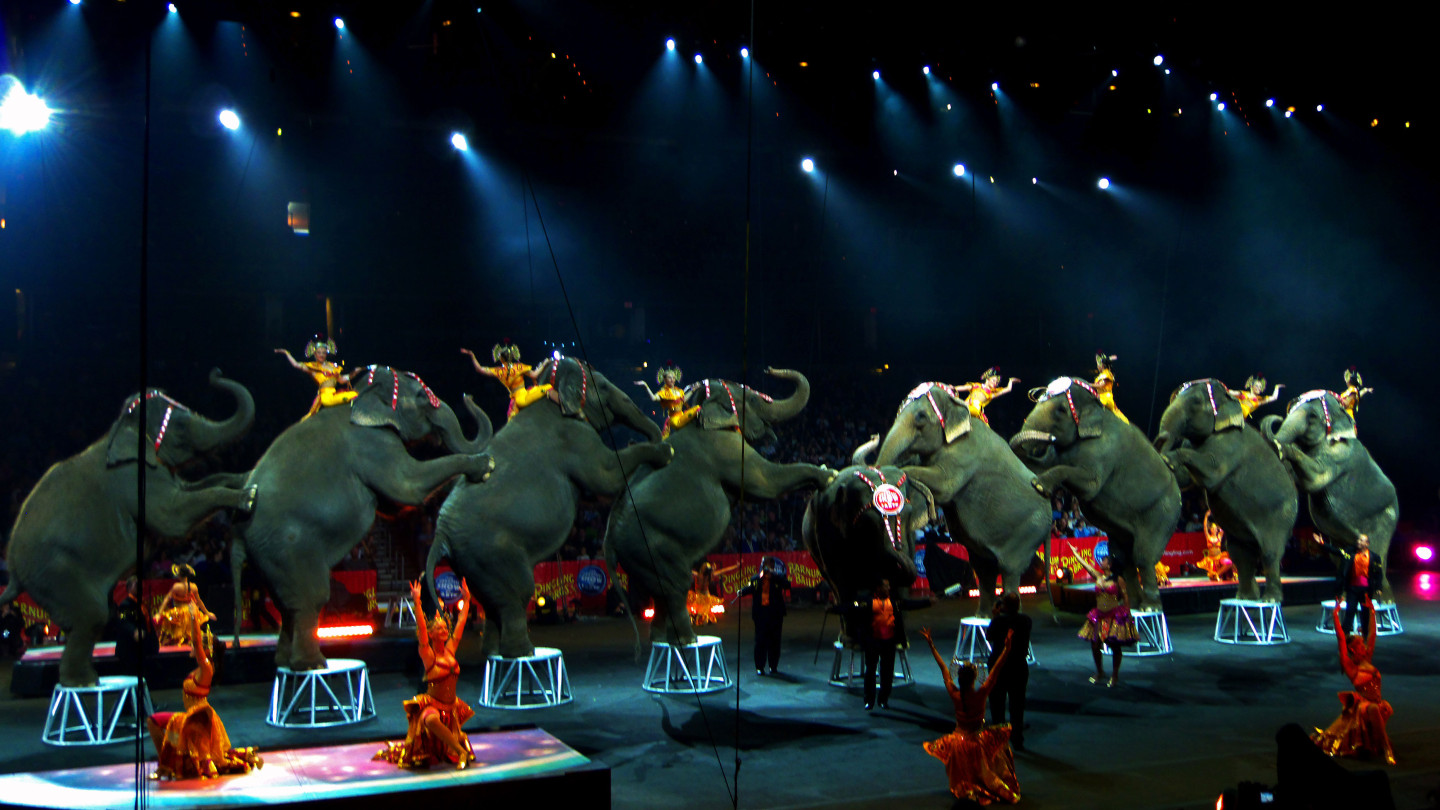
"caption": "Ringling Bros. Circus elephants perform.",
"description": null,
"title": "elephants",
"credit": "hbp_pix/Flickr",
"status": "inherit",
"isLoading": false,
"fetchFailed": false
}
},
"audioPlayerReducer": {
"postId": "stream_live",
"isPaused": true,
"isPlaying": false,
"pfsActive": false,
"pledgeModalIsOpen": true,
"playerDrawerIsOpen": false,
"liveAudioPlayStartedAt": 0,
"liveAudioPlayContext": ""
},
"authorsReducer": {
"byline_news_10461652": {
"type": "authors",
"id": "byline_news_10461652",
"meta": {
"override": true
},
"slug": "byline_news_10461652",
"name": "Adolfo Guzman-Lopez",
"isLoading": false
},
"byline_news_10459603": {
"type": "authors",
"id": "byline_news_10459603",
"meta": {
"override": true
},
"slug": "byline_news_10459603",
"name": "Steve Hochman",
"isLoading": false
},
"byline_news_10454622": {
"type": "authors",
"id": "byline_news_10454622",
"meta": {
"override": true
},
"slug": "byline_news_10454622",
"name": "Diane Bock",
"isLoading": false
},
"byline_news_10452920": {
"type": "authors",
"id": "byline_news_10452920",
"meta": {
"override": true
},
"slug": "byline_news_10452920",
"name": "Peter Gilstrap",
"isLoading": false
},
"byline_news_10451422": {
"type": "authors",
"id": "byline_news_10451422",
"meta": {
"override": true
},
"slug": "byline_news_10451422",
"name": "\u003cstrong>\u003ca href=\"http://www.berkeleyside.com/author/tracey/\" target=\"_blank\">Tracey Taylor\u003c/a>\u003cbr />Berkeleyside\u003c/strong>",
"isLoading": false
},
"byline_news_10449914": {
"type": "authors",
"id": "byline_news_10449914",
"meta": {
"override": true
},
"slug": "byline_news_10449914",
"name": "Krishnadev Calamur",
"isLoading": false
},
"cmusiker": {
"type": "authors",
"id": "32",
"meta": {
"index": "authors_1716337520",
"id": "32",
"found": true
},
"name": "Cy Musiker",
"firstName": "Cy",
"lastName": "Musiker",
"slug": "cmusiker",
"email": "cmusiker@kqed.org",
"display_author_email": false,
"staff_mastheads": [],
"title": "KQED Contributor",
"bio": "Cy Musiker is a former co-host of The Do List and a former reporter covering the arts for KQED News and The California Report. He loves live performance, especially great theater, jazz, roots music, anything by Mahler. Cy has an MJ from UC Berkeley's School of Journalism, and got his BA from Hampshire College. His work has been recognized by the Society for Professional Journalists with their Sigma Delta Chi Award for Public Service in Journalism. When he can, Cy likes to swim in Tomales Bay, run with his dog in the East Bay Hills, and hike the Sierra.",
"avatar": "https://secure.gravatar.com/avatar/05eaba5c5696ce8f062e4ea2df428a43?s=600&d=blank&r=g",
"twitter": null,
"facebook": null,
"instagram": null,
"linkedin": null,
"sites": [
{
"site": "arts",
"roles": [
"Contributor",
"subscriber"
]
},
{
"site": "news",
"roles": [
"author"
]
},
{
"site": "bayareabites",
"roles": [
"contributor"
]
}
],
"headData": {
"title": "Cy Musiker | KQED",
"description": "KQED Contributor",
"ogImgSrc": "https://secure.gravatar.com/avatar/05eaba5c5696ce8f062e4ea2df428a43?s=600&d=blank&r=g",
"twImgSrc": "https://secure.gravatar.com/avatar/05eaba5c5696ce8f062e4ea2df428a43?s=600&d=blank&r=g"
},
"isLoading": false,
"link": "/author/cmusiker"
},
"danbrekke": {
"type": "authors",
"id": "222",
"meta": {
"index": "authors_1716337520",
"id": "222",
"found": true
},
"name": "Dan Brekke",
"firstName": "Dan",
"lastName": "Brekke",
"slug": "danbrekke",
"email": "dbrekke@kqed.org",
"display_author_email": true,
"staff_mastheads": [
"news",
"science"
],
"title": "KQED Editor and Reporter",
"bio": "Dan Brekke is a reporter and editor for KQED News, responsible for coverage of topics ranging from California water issues to the Bay Area's transportation challenges. In a newsroom career that began in Chicago in 1972, Dan has worked for \u003cem>The San Francisco Examiner,\u003c/em> Wired and TechTV and has been published in The New York Times, The New York Times Magazine, Business 2.0, Salon and elsewhere.\r\n\r\nSince joining KQED in 2007, Dan has reported, edited and produced both radio and online features and breaking news pieces. He has shared as both editor and reporter in four Society of Professional Journalists Norcal Excellence in Journalism awards and one Edward R. Murrow regional award. He was chosen for a spring 2017 residency at the Mesa Refuge to advance his research on California salmon.\r\n\r\nEmail Dan at: \u003ca href=\"mailto:dbrekke@kqed.org\">dbrekke@kqed.org\u003c/a>\r\n\r\n\u003cstrong>Twitter:\u003c/strong> \u003ca href=\"https://twitter.com/danbrekke\" rel=\"noopener noreferrer\">twitter.com/danbrekke\u003c/a>\r\n\u003cstrong>Facebook:\u003c/strong> \u003ca href=\"https://www.facebook.com/danbrekke\" rel=\"noopener noreferrer\">www.facebook.com/danbrekke\u003c/a>\r\n\u003cstrong>LinkedIn:\u003c/strong> \u003ca href=\"https://www.linkedin.com/in/danbrekke\" rel=\"noopener noreferrer\">www.linkedin.com/in/danbrekke\u003c/a>",
"avatar": "https://secure.gravatar.com/avatar/8f1f0d2a978fb3b23426c922c7e2af558fa36905b49c4ce76a97dc3c72d27226?s=600&d=mm&r=g",
"twitter": "danbrekke",
"bluesky": null,
"facebook": null,
"instagram": "https://www.instagram.com/dan.brekke/",
"linkedin": "https://www.linkedin.com/in/danbrekke/",
"sites": [
{
"site": "news",
"roles": [
"administrator",
"create_posts"
]
},
{
"site": "stateofhealth",
"roles": [
"editor"
]
},
{
"site": "science",
"roles": [
"editor"
]
},
{
"site": "quest",
"roles": [
"contributor"
]
},
{
"site": "food",
"roles": [
"contributor"
]
},
{
"site": "forum",
"roles": [
"contributor"
]
},
{
"site": "elections",
"roles": [
"editor"
]
},
{
"site": "liveblog",
"roles": [
"editor"
]
}
],
"headData": {
"title": "Dan Brekke | KQED",
"description": "KQED Editor and Reporter",
"ogImgSrc": "https://secure.gravatar.com/avatar/8f1f0d2a978fb3b23426c922c7e2af558fa36905b49c4ce76a97dc3c72d27226?s=600&d=mm&r=g",
"twImgSrc": "https://secure.gravatar.com/avatar/8f1f0d2a978fb3b23426c922c7e2af558fa36905b49c4ce76a97dc3c72d27226?s=600&d=mm&r=g"
},
"isLoading": false,
"link": "/author/danbrekke"
},
"katrinaschwartz": {
"type": "authors",
"id": "234",
"meta": {
"index": "authors_1716337520",
"id": "234",
"found": true
},
"name": "Katrina Schwartz",
"firstName": "Katrina",
"lastName": "Schwartz",
"slug": "katrinaschwartz",
"email": "kschwartz@kqed.org",
"display_author_email": false,
"staff_mastheads": [
"news"
],
"title": "Producer",
"bio": "Katrina Schwartz is a journalist based in San Francisco. She's worked at KPCC public radio in LA and has reported on air and online for KQED since 2010. She covered how teaching and learning is changing for MindShift between 2012 and 2020. She is the co-host of the MindShift podcast and now produces KQED's Bay Curious podcast.",
"avatar": "https://secure.gravatar.com/avatar/edb4ee79070447a018538c9aae6eeecf28786515b8a0c30e43b6b7dce5aa44c8?s=600&d=blank&r=g",
"twitter": "kschwart",
"bluesky": null,
"facebook": null,
"instagram": null,
"linkedin": null,
"sites": [
{
"site": "",
"roles": [
"editor"
]
},
{
"site": "news",
"roles": [
"editor"
]
},
{
"site": "mindshift",
"roles": [
"administrator"
]
},
{
"site": "stateofhealth",
"roles": [
"author"
]
},
{
"site": "science",
"roles": [
"editor"
]
}
],
"headData": {
"title": "Katrina Schwartz | KQED",
"description": "Producer",
"ogImgSrc": "https://secure.gravatar.com/avatar/edb4ee79070447a018538c9aae6eeecf28786515b8a0c30e43b6b7dce5aa44c8?s=600&d=blank&r=g",
"twImgSrc": "https://secure.gravatar.com/avatar/edb4ee79070447a018538c9aae6eeecf28786515b8a0c30e43b6b7dce5aa44c8?s=600&d=blank&r=g"
},
"isLoading": false,
"link": "/author/katrinaschwartz"
},
"zstavely": {
"type": "authors",
"id": "3225",
"meta": {
"index": "authors_1716337520",
"id": "3225",
"found": true
},
"name": "Zaidee Stavely",
"firstName": "Zaidee",
"lastName": "Stavely",
"slug": "zstavely",
"email": "zstavely@gmail.com",
"display_author_email": false,
"staff_mastheads": [],
"title": "KQED Contributor",
"bio": "Zaidee Stavely is an award-winning reporter who writes about race, equity, immigration, and education.",
"avatar": "https://secure.gravatar.com/avatar/5154b3ee56a721c916ca429372ae629c?s=600&d=blank&r=g",
"twitter": null,
"facebook": null,
"instagram": null,
"linkedin": null,
"sites": [
{
"site": "news",
"roles": [
"subscriber"
]
},
{
"site": "mindshift",
"roles": [
"contributor"
]
}
],
"headData": {
"title": "Zaidee Stavely | KQED",
"description": "KQED Contributor",
"ogImgSrc": "https://secure.gravatar.com/avatar/5154b3ee56a721c916ca429372ae629c?s=600&d=blank&r=g",
"twImgSrc": "https://secure.gravatar.com/avatar/5154b3ee56a721c916ca429372ae629c?s=600&d=blank&r=g"
},
"isLoading": false,
"link": "/author/zstavely"
},
"lmorehouse": {
"type": "authors",
"id": "3229",
"meta": {
"index": "authors_1716337520",
"id": "3229",
"found": true
},
"name": "Lisa Morehouse",
"firstName": "Lisa",
"lastName": "Morehouse",
"slug": "lmorehouse",
"email": "morehouse.lisa@gmail.com",
"display_author_email": false,
"staff_mastheads": [],
"title": "KQED Contributor",
"bio": "Lisa Morehouse is an award-winning public radio and print journalist, who has filed for National Public Radio, American Public Media, KQED Public Radio, Edutopia, and McSweeney’s. Her reporting has taken her from Samoan traveling circuses to Mississippi Delta classrooms to the homes of Lao refugees in rural Iowa. In addition to reporting, she teaches radio production to at-risk youth in the Bay Area. Her series \u003ca href=\"http://afterthegoldrushradio.com/\">After the Gold Rush\u003c/a> featured the changing industries, populations and identities of rural towns throughout California. She’s now producing \u003ca href=\"http://www.californiafoodways.com/\">California Foodways\u003c/a>, a series exploring the intersections of food, culture, economics, history and labor. Follow along on the \u003ca href=\"https://www.facebook.com/californiafoodways?ref=hl\">Facebook page\u003c/a> or on Twitter @cafoodways.",
"avatar": "https://secure.gravatar.com/avatar/dae74b002a6e256f39abb19d6f5acaea?s=600&d=blank&r=g",
"twitter": null,
"facebook": null,
"instagram": null,
"linkedin": null,
"sites": [
{
"site": "",
"roles": [
"editor"
]
},
{
"site": "news",
"roles": [
"author"
]
}
],
"headData": {
"title": "Lisa Morehouse | KQED",
"description": "KQED Contributor",
"ogImgSrc": "https://secure.gravatar.com/avatar/dae74b002a6e256f39abb19d6f5acaea?s=600&d=blank&r=g",
"twImgSrc": "https://secure.gravatar.com/avatar/dae74b002a6e256f39abb19d6f5acaea?s=600&d=blank&r=g"
},
"isLoading": false,
"link": "/author/lmorehouse"
}
},
"pagesReducer": {
"news_category_arts-and-culture": {
"type": "terms",
"id": "news_223",
"meta": {
"index": "terms_1716263798",
"site": "news",
"id": "223",
"score": 11.2428875
},
"featImg": null,
"name": "Arts and Culture",
"description": null,
"taxonomy": "category",
"headData": {
"twImgId": null,
"twTitle": null,
"ogTitle": null,
"ogImgId": null,
"twDescription": null,
"description": null,
"title": "Arts and Culture Archives | KQED News",
"ogDescription": null
},
"ttid": 231,
"slug": "arts-and-culture",
"isLoading": false,
"title": "Arts and Culture",
"pageMeta": {
"site": "news",
"WpPageTemplate": "page-topic-editorial",
"currentPage": 129
},
"blocks": [
{
"blockName": "kqed/post-list",
"attrs": {
"layout": "cardArticle2",
"query": "posts/news?category=arts-and-culture",
"seeMore": false,
"paginated": true,
"page": 129
}
},
{
"blockName": "kqed/ad"
}
]
}
},
"pfsSessionReducer": {},
"postsReducer": {
"stream_live": {
"type": "live",
"id": "stream_live",
"audioUrl": "https://streams.kqed.org/kqedradio",
"title": "Live Stream",
"excerpt": "Live Stream information currently unavailable.",
"link": "/radio",
"featImg": "",
"label": {
"name": "KQED Live",
"link": "/"
}
},
"stream_kqedNewscast": {
"type": "posts",
"id": "stream_kqedNewscast",
"audioUrl": "https://www.kqed.org/.stream/anon/radio/RDnews/newscast.mp3?_=1",
"title": "KQED Newscast",
"featImg": "",
"label": {
"name": "88.5 FM",
"link": "/"
}
},
"news_10465747": {
"type": "posts",
"id": "news_10465747",
"meta": {
"index": "posts_1716263798",
"site": "news",
"id": "10465747",
"score": null,
"sort": [
1427554852000
]
},
"parent": 0,
"labelTerm": {
"site": "news",
"term": 72
},
"blocks": [],
"publishDate": 1427554852,
"format": "image",
"disqusTitle": "California Foodways: The Chinese-Mexican Cuisine You’ll Find Only Along the Border",
"title": "California Foodways: The Chinese-Mexican Cuisine You’ll Find Only Along the Border",
"headTitle": "California Foodways | The California Report | KQED News",
"content": "\u003cp>If you ask people in the city of Mexicali, Mexico, about their most notable regional cuisine, they won’t say street tacos or mole. They’ll say Chinese food. There are as many as 200 Chinese restaurants in the city. North of the border, in Imperial County, the population is mostly Latino, but Chinese restaurants are packed. There are dishes in this region you won’t find anywhere else, and a history behind them that goes back more than 130 years.\u003c/p>\n\u003cp>[soundcloud url=\"https://api.soundcloud.com/tracks/198036295\" params=\"color=ff5500&auto_play=false&hide_related=false&show_comments=true&show_user=true&show_reposts=false\" width=\"100%\" height=\"166\" iframe=\"true\" /]\u003c/p>\n\u003cp>The Salcedo family sits in a coveted booth at the Fortune Garden restaurant in the city of El Centro. The mother and three adult sisters are almost drooling, waiting for their food to show up. They come from Yuma, Arizona -- over an hour away -- twice a month just to eat here.\u003c/p>\n\u003cp>A huge side order arrives, light-yellow deep-fried chilies, a dish I’ve never seen. Then a salt-and-pepper fish, which the Salcedos describe as “Baja-style,” with lots of bell peppers, chilies and onions. But have you ever heard of “Baja-style” dishes in a Chinese restaurant?\u003c/p>\n\u003cfigure id=\"attachment_10468383\" class=\"wp-caption alignleft\" style=\"max-width: 800px\">\u003ca href=\"http://ww2.kqed.org/news/wp-content/uploads/sites/10/2015/03/SalcedosTable.jpg\">\u003cimg src=\"http://ww2.kqed.org/news/wp-content/uploads/sites/10/2015/03/SalcedosTable-800x632.jpg\" alt=\"The Salcedo family drives over an hour to Fortune Garden restaurant from Yuma, Arizona twice a month just to eat there.\" width=\"800\" height=\"632\" class=\"size-medium wp-image-10468383\" srcset=\"https://ww2.kqed.org/app/uploads/sites/10/2015/03/SalcedosTable-800x632.jpg 800w, https://ww2.kqed.org/app/uploads/sites/10/2015/03/SalcedosTable-400x316.jpg 400w, https://ww2.kqed.org/app/uploads/sites/10/2015/03/SalcedosTable-1440x1138.jpg 1440w, https://ww2.kqed.org/app/uploads/sites/10/2015/03/SalcedosTable-1180x932.jpg 1180w, https://ww2.kqed.org/app/uploads/sites/10/2015/03/SalcedosTable-768x607.jpg 768w, https://ww2.kqed.org/app/uploads/sites/10/2015/03/SalcedosTable-320x253.jpg 320w, https://ww2.kqed.org/app/uploads/sites/10/2015/03/SalcedosTable.jpg 1920w\" sizes=\"(max-width: 800px) 100vw, 800px\">\u003c/a>\u003cfigcaption class=\"wp-caption-text\">The Salcedo family drives over an hour to Fortune Garden restaurant from Yuma, Arizona twice a month just to eat there. \u003ccite>(Vickie Ly/KQED)\u003c/cite>\u003c/figcaption>\u003c/figure>\n\u003cp>Mayra Salcedo explains, “It’s like a fusion, Mexican ingredients with the Chinese. It’s very different than if you go to any other Chinese restaurant, Americanized Chinese restaurant.”\u003c/p>\n\u003cp>[ad fullwidth]\u003c/p>\n\u003cp>Her sister, Marta, carefully mixes Chinese mustard, a little spicy Sriracha and ketchup into a special only-in-Imperial-Valley dipping sauce for barbecue pork.\u003c/p>\n\u003cp>“When they order, they don’t say barbecue pork,” says Fortune Garden co-owner Jenissa Zhou. “They say carnitas, carnitas colorada.” That’s “red pork” in Spanish.\u003c/p>\n\u003cp>Zhou came to the U.S. from southern China, and her husband, Carlos, from Mexicali. From the time he was a teenager, he worked in Chinese restaurants there. She says they opened their first restaurant in Imperial County in 1990. It took her awhile to get used to her customers’ taste buds.\u003c/p>\n\u003caside class=\"pullquote alignright\">'The Chinese invented undocumented immigration from Mexico.'\u003ccite>Robert Chao Romero, UCLA professor\u003c/cite>\u003c/aside>\n\u003cp>“You can see, every table they have lemon and hot sauce. In Chinese food we don’t eat lemon.”\u003c/p>\n\u003cp>Those fried yellow chilies on almost every table, chile asado, are served in a lemon sauce with lots of salt, kind of a margarita flavor. If you believe the rumors, some chefs marinate pork in tequila. And they serve pato asado, roast duck, with lots of cilantro.\u003c/p>\n\u003cp>It’s not just on the plates where cultures combine. In the Fortune Garden kitchen, the cooks speak to each other in Cantonese. The waiters speak Spanish and English.\u003c/p>\n\u003cp>There’s a specific reason for all of this, according to Professor Robert Chao Romero.\u003c/p>\n\u003cp>“The restaurants you see now are remnants of the Chinese population that used to fill the U.S./Mexico borderlands in Mexicali and in Baja California,” he says.\u003c/p>\n\u003cfigure id=\"attachment_10468385\" class=\"wp-caption alignright\" style=\"max-width: 800px\">\u003ca href=\"http://ww2.kqed.org/news/wp-content/uploads/sites/10/2015/03/FriedChiles.jpg\">\u003cimg src=\"http://ww2.kqed.org/news/wp-content/uploads/sites/10/2015/03/FriedChiles-800x432.jpg\" alt=\"These fried yellow chilies are ubiquitous in restaurants on both sides of the border. They're served in a lemon sauce with lots of salt.\" width=\"800\" height=\"432\" class=\"size-medium wp-image-10468385\" srcset=\"https://ww2.kqed.org/app/uploads/sites/10/2015/03/FriedChiles-800x432.jpg 800w, https://ww2.kqed.org/app/uploads/sites/10/2015/03/FriedChiles-400x216.jpg 400w, https://ww2.kqed.org/app/uploads/sites/10/2015/03/FriedChiles-1440x777.jpg 1440w, https://ww2.kqed.org/app/uploads/sites/10/2015/03/FriedChiles-1180x637.jpg 1180w, https://ww2.kqed.org/app/uploads/sites/10/2015/03/FriedChiles-768x414.jpg 768w, https://ww2.kqed.org/app/uploads/sites/10/2015/03/FriedChiles-320x173.jpg 320w, https://ww2.kqed.org/app/uploads/sites/10/2015/03/FriedChiles.jpg 1920w\" sizes=\"(max-width: 800px) 100vw, 800px\">\u003c/a>\u003cfigcaption class=\"wp-caption-text\">These fried yellow chilies are ubiquitous in restaurants on both sides of the border. They're served in a lemon sauce with lots of salt. \u003ccite>(Vickie Ly/KQED)\u003c/cite>\u003c/figcaption>\u003c/figure>\n\u003cp>Romero teaches in both the Chicano Studies and Asian American Studies departments at UCLA, and wrote the book, \"The Chinese in Mexico.\"\u003c/p>\n\u003cp>“The Chinese started to go to Mexico after the Chinese Exclusion Act was passed in the United States,” he says.\u003c/p>\n\u003cp>That was in 1882. The Chinese were the first ethnic group specifically singled out and banned from entry into the U.S. So tens of thousands went to Cuba, South America and Mexico.\u003c/p>\n\u003cp>“The Chinese invented undocumented immigration from Mexico,” says Romero, smuggling in with coyotes or guides hired to lead people across the border, “and smuggling with false papers, on boats and trains. The infrastructure for that was all invented by the Chinese.”\u003c/p>\n\u003cp>In fact, today’s Border Patrol grew out of the Mounted Guard of Chinese Inspectors, created to keep Chinese immigrants from entering the U.S. At the same time, the Mexican government welcomed Chinese immigrants to go to the sparsely populated border region, to work on farms and in mines and canals. Many Chinese immigrants settled in Mexicali, becoming grocers, merchants and restaurant owners. Others managed to smuggle across and make lives in the U.S., including Imperial County.\u003c/p>\n\u003cfigure id=\"attachment_10468438\" class=\"wp-caption alignleft\" style=\"max-width: 800px\">\u003ca href=\"http://ww2.kqed.org/news/wp-content/uploads/sites/10/2015/03/Zhou.jpg\">\u003cimg src=\"http://ww2.kqed.org/news/wp-content/uploads/sites/10/2015/03/Zhou-800x559.jpg\" alt=\"Jenissa Zhou, co-owner of Fortune Garden restaurant in El Centro, California.\" width=\"800\" height=\"559\" class=\"size-medium wp-image-10468438\" srcset=\"https://ww2.kqed.org/app/uploads/sites/10/2015/03/Zhou-800x559.jpg 800w, https://ww2.kqed.org/app/uploads/sites/10/2015/03/Zhou-400x279.jpg 400w, https://ww2.kqed.org/app/uploads/sites/10/2015/03/Zhou-1440x1006.jpg 1440w, https://ww2.kqed.org/app/uploads/sites/10/2015/03/Zhou-1180x824.jpg 1180w, https://ww2.kqed.org/app/uploads/sites/10/2015/03/Zhou-768x536.jpg 768w, https://ww2.kqed.org/app/uploads/sites/10/2015/03/Zhou-320x224.jpg 320w, https://ww2.kqed.org/app/uploads/sites/10/2015/03/Zhou.jpg 1920w\" sizes=\"(max-width: 800px) 100vw, 800px\">\u003c/a>\u003cfigcaption class=\"wp-caption-text\">Jenissa Zhou, co-owner of Fortune Garden restaurant in El Centro, California. \u003ccite>(Vickie Ly/KQED)\u003c/cite>\u003c/figcaption>\u003c/figure>\n\u003cp>All that history plays out in the family of Edmund Gee, whom I meet at his house in the town of Brawley. He’s a leader in the Imperial County Chinese-American community. Gee tells me that his great-grandfather came over with a few others from his village in southern China, and tried to cross into Texas at the Rio Grande.\u003c/p>\n\u003cp>“Unfortunately, he got caught in El Paso and they sent him back,” says Gee.\u003c/p>\n\u003cp>Years later, in the 1930s, Gee’s father made it, probably using fake papers to come through San Francisco, and finding his way to Imperial County, where he started working at a restaurant. Edmund Gee ran a grocery store here for 43 years, and he’s co-owned a couple Chinese restaurants in the county.\u003c/p>\n\u003cp>Since Gee’s great-grandfather first tried to cross, the border has been closed off to some groups of people. For others it feels fluid. Above and below the border, Imperial is all one valley geographically, and in some ways culturally. People joke that Mexicali is the biggest city in Imperial County -- it just happens to be in Mexico. Edmund Gee says that the Chinese communities on both sides of the border have always been pretty tight, inviting each other to special events and holiday celebrations.\u003c/p>\n\u003cfigure id=\"attachment_10468387\" class=\"wp-caption alignleft\" style=\"max-width: 800px\">\u003ca href=\"http://ww2.kqed.org/news/wp-content/uploads/sites/10/2015/03/EggRoll.jpg\">\u003cimg src=\"http://ww2.kqed.org/news/wp-content/uploads/sites/10/2015/03/EggRoll-800x594.jpg\" alt=\"El Dragon Restaurante in Mexicali, Mexico serves an egg roll with shrimp, cilantro and cream cheese, a kind of Mexican-Chinese-American hybrid.\" width=\"800\" height=\"594\" class=\"size-medium wp-image-10468387\" srcset=\"https://ww2.kqed.org/app/uploads/sites/10/2015/03/EggRoll-800x594.jpg 800w, https://ww2.kqed.org/app/uploads/sites/10/2015/03/EggRoll-400x297.jpg 400w, https://ww2.kqed.org/app/uploads/sites/10/2015/03/EggRoll-1440x1069.jpg 1440w, https://ww2.kqed.org/app/uploads/sites/10/2015/03/EggRoll-1180x876.jpg 1180w, https://ww2.kqed.org/app/uploads/sites/10/2015/03/EggRoll-768x570.jpg 768w, https://ww2.kqed.org/app/uploads/sites/10/2015/03/EggRoll-320x238.jpg 320w, https://ww2.kqed.org/app/uploads/sites/10/2015/03/EggRoll.jpg 1920w\" sizes=\"(max-width: 800px) 100vw, 800px\">\u003c/a>\u003cfigcaption class=\"wp-caption-text\">El Dragon Restaurante in Mexicali, Mexico serves an egg roll with shrimp, cilantro and cream cheese, a kind of Mexican-Chinese-American hybrid. \u003ccite>(Vickie Ly/KQED)\u003c/cite>\u003c/figcaption>\u003c/figure>\n\u003cp>People in Imperial County told me that it’s common for groups to cross the border for office parties or family celebrations in big Mexicali Chinese restaurants. Every day, Mexican farmworkers with special passes cross the border to work in Imperial County fields. Some have the opposite commute.\u003c/p>\n\u003cp>A block from the border in Calexico, California, George Lim pulls up in a big truck and drives a few minutes, crossing the international border into Mexicali.\u003c/p>\n\u003cp>Lim lives in the U.S., but he helps run one of the oldest and most grand Chinese restaurants in Mexicali, called El Dragon. There, he goes by Jorge Lim. I ask him: Why not run a restaurant in the U.S., where he lives? He first cites the population: Mexicali has close to a million residents, while there are only 170,000 in all of Imperial County.\u003c/p>\n\u003cp>“Just doing the math going to have a lot more customers here in Mexico,” he explains, while negotiating the streets of Mexicali. “And I hate to say it, but people in Mexico are more sophisticated than in Imperial about Chinese food.”\u003c/p>\n\u003cp>That sophistication may come from the decades of people eating Chinese food here, with some Mexican flavors. Seventy years ago it was a necessity: Chinese cooks used Mexican ingredients like chilies, jicama and certain cuts of meat because that was what was available. Now it’s part of a culinary legacy. Like this new dish on the menu at El Dragon: arrachera beef served with asparagus and black bean sauce. Lim says that’s the best meat for tacos, a clear Mexican influence. “Asparagus could be both Chinese and Mexican, but the sauce, the black bean, that’s Chinese.”\u003c/p>\n\u003cfigure id=\"attachment_10468389\" class=\"wp-caption alignright\" style=\"max-width: 800px\">\u003ca href=\"http://ww2.kqed.org/news/wp-content/uploads/sites/10/2015/03/DragonWaitress.jpg\">\u003cimg src=\"http://ww2.kqed.org/news/wp-content/uploads/sites/10/2015/03/DragonWaitress-800x503.jpg\" alt=\"A waitress in the back of the house at El Dragon restaurant in Mexicali.\" width=\"800\" height=\"503\" class=\"size-medium wp-image-10468389\" srcset=\"https://ww2.kqed.org/app/uploads/sites/10/2015/03/DragonWaitress-800x503.jpg 800w, https://ww2.kqed.org/app/uploads/sites/10/2015/03/DragonWaitress-400x251.jpg 400w, https://ww2.kqed.org/app/uploads/sites/10/2015/03/DragonWaitress-1440x905.jpg 1440w, https://ww2.kqed.org/app/uploads/sites/10/2015/03/DragonWaitress-1180x742.jpg 1180w, https://ww2.kqed.org/app/uploads/sites/10/2015/03/DragonWaitress-768x483.jpg 768w, https://ww2.kqed.org/app/uploads/sites/10/2015/03/DragonWaitress-320x201.jpg 320w, https://ww2.kqed.org/app/uploads/sites/10/2015/03/DragonWaitress.jpg 1920w\" sizes=\"(max-width: 800px) 100vw, 800px\">\u003c/a>\u003cfigcaption class=\"wp-caption-text\">A waitress in the back of the house at El Dragon restaurant in Mexicali. \u003ccite>(Vickie Ly/KQED)\u003c/cite>\u003c/figcaption>\u003c/figure>\n\u003cp>I try out a kind of Mexican/Chinese/American hybrid: an egg roll with shrimp, cilantro and cream cheese that seems like it shouldn’t be good, but is. And at El Dragon, they put avocado in the fried rice.\u003c/p>\n\u003cp>George Lim’s father, Canuto, came to Mexicali in 1954, and he has developed many of El Dragon’s inventive dishes. He tells my reporting partner, Vickie Ly: “Most people who open or work in the restaurants came to Mexicali with previous experience cooking and serving Chinese food. When these experienced chefs come here and put their heads together to share their knowledge of the trade, the Chinese cuisine gets to be really good. There’s no better Chinese food than in Mexicali.”\u003c/p>\n\u003cp>George Lim says a few restaurant employees recently arrived here from China under a “special skills” category. That skill? Cooking Chinese cuisine. Lim says sometimes these Mexicali-trained chefs move up north, to work in Chinese restaurants in Imperial County.\u003c/p>\n\u003cp>“One of the goals is to go to the U.S., have a better life for you and for your kids, give ’em a better education, better opportunity, maybe earning dollars instead of pesos,” he says.\u003c/p>\n\u003cp>They are the same reasons that drew their ancestors here from southern China 130 years ago.\u003c/p>\n\u003cp>\u003cem>Vickie Ly helped report and translate for this story. Chris Hoff helped with sound design. The series \u003ca href=\"http://www.californiafoodways.com/\" target=\"_blank\">California Foodways\u003c/a> is supported in part by \u003ca href=\"http://www.calhum.org/\" target=\"_blank\">Cal Humanities\u003c/a>. Reporter Lisa Morehouse produced it during a fellowship at \u003ca href=\"http://www.hedgebrook.org/\" target=\"_blank\">Hedgebrook\u003c/a>, a residency for women writers. \u003c/em>\u003c/p>\n\u003cp>[ad floatright]\u003c/p>\n\u003cp class=\"p1\">\n\u003c/p>\n",
"disqusIdentifier": "10465747 http://ww2.kqed.org/news/?p=10465747",
"disqusUrl": "https://ww2.kqed.org/news/2015/03/28/california-foodways-the-chinese-mexican-cuisine-youll-find-only-along-the-border/",
"stats": {
"hasVideo": false,
"hasChartOrMap": false,
"hasAudio": false,
"hasPolis": false,
"wordCount": 1625,
"hasGoogleForm": false,
"hasGallery": false,
"hasHearkenModule": false,
"iframeSrcs": [],
"paragraphCount": 35
},
"modified": 1427511026,
"excerpt": "An 1882 law is the reason behind the surprising number of Chinese restaurants along Mexico-U.S. border.",
"headData": {
"twImgId": "",
"twTitle": "",
"ogTitle": "",
"ogImgId": "",
"twDescription": "",
"description": "An 1882 law is the reason behind the surprising number of Chinese restaurants along Mexico-U.S. border.",
"title": "California Foodways: The Chinese-Mexican Cuisine You’ll Find Only Along the Border | KQED",
"ogDescription": "",
"schema": {
"@context": "https://schema.org",
"@type": "NewsArticle",
"headline": "California Foodways: The Chinese-Mexican Cuisine You’ll Find Only Along the Border",
"datePublished": "2015-03-28T08:00:52-07:00",
"dateModified": "2015-03-27T19:50:26-07:00",
"image": "https://cdn.kqed.org/wp-content/uploads/2020/02/KQED-OG-Image@1x.png",
"isAccessibleForFree": "True",
"publisher": {
"@type": "NewsMediaOrganization",
"@id": "https://www.kqed.org/#organization",
"name": "KQED",
"logo": "https://cdn.kqed.org/wp-content/uploads/2020/02/KQED-OG-Image@1x.png",
"url": "https://www.kqed.org",
"sameAs": [
"https://www.facebook.com/KQED",
"https://twitter.com/KQED",
"https://www.instagram.com/kqed/",
"https://www.tiktok.com/@kqedofficial",
"https://www.linkedin.com/company/kqed",
"https://www.youtube.com/channel/UCeC0IOo7i1P_61zVUWbJ4nw"
]
}
}
},
"guestAuthors": [],
"slug": "california-foodways-the-chinese-mexican-cuisine-youll-find-only-along-the-border",
"status": "publish",
"path": "/news/10465747/california-foodways-the-chinese-mexican-cuisine-youll-find-only-along-the-border",
"audioTrackLength": null,
"parsedContent": [
{
"type": "contentString",
"content": "\u003cdiv class=\"post-body\">\u003cp>\u003cp>If you ask people in the city of Mexicali, Mexico, about their most notable regional cuisine, they won’t say street tacos or mole. They’ll say Chinese food. There are as many as 200 Chinese restaurants in the city. North of the border, in Imperial County, the population is mostly Latino, but Chinese restaurants are packed. There are dishes in this region you won’t find anywhere else, and a history behind them that goes back more than 130 years.\u003c/p>\n\u003cp>\u003c/p>\u003cp>\u003cdiv class='utils-parseShortcode-shortcodes-__shortcodes__shortcodeWrapper'>\n \u003ciframe width='100%' height='166'\n scrolling='no' frameborder='no'\n src='https://w.soundcloud.com/player/?url=https://api.soundcloud.com/tracks/198036295&visual=true&color=ff5500&auto_play=false&hide_related=false&show_comments=true&show_user=true&show_reposts=false'\n title='https://api.soundcloud.com/tracks/198036295'>\n \u003c/iframe>\n \u003c/div>\u003c/p>\u003cp>\u003c/p>\n\u003cp>The Salcedo family sits in a coveted booth at the Fortune Garden restaurant in the city of El Centro. The mother and three adult sisters are almost drooling, waiting for their food to show up. They come from Yuma, Arizona -- over an hour away -- twice a month just to eat here.\u003c/p>\n\u003cp>A huge side order arrives, light-yellow deep-fried chilies, a dish I’ve never seen. Then a salt-and-pepper fish, which the Salcedos describe as “Baja-style,” with lots of bell peppers, chilies and onions. But have you ever heard of “Baja-style” dishes in a Chinese restaurant?\u003c/p>\n\u003cfigure id=\"attachment_10468383\" class=\"wp-caption alignleft\" style=\"max-width: 800px\">\u003ca href=\"http://ww2.kqed.org/news/wp-content/uploads/sites/10/2015/03/SalcedosTable.jpg\">\u003cimg src=\"http://ww2.kqed.org/news/wp-content/uploads/sites/10/2015/03/SalcedosTable-800x632.jpg\" alt=\"The Salcedo family drives over an hour to Fortune Garden restaurant from Yuma, Arizona twice a month just to eat there.\" width=\"800\" height=\"632\" class=\"size-medium wp-image-10468383\" srcset=\"https://ww2.kqed.org/app/uploads/sites/10/2015/03/SalcedosTable-800x632.jpg 800w, https://ww2.kqed.org/app/uploads/sites/10/2015/03/SalcedosTable-400x316.jpg 400w, https://ww2.kqed.org/app/uploads/sites/10/2015/03/SalcedosTable-1440x1138.jpg 1440w, https://ww2.kqed.org/app/uploads/sites/10/2015/03/SalcedosTable-1180x932.jpg 1180w, https://ww2.kqed.org/app/uploads/sites/10/2015/03/SalcedosTable-768x607.jpg 768w, https://ww2.kqed.org/app/uploads/sites/10/2015/03/SalcedosTable-320x253.jpg 320w, https://ww2.kqed.org/app/uploads/sites/10/2015/03/SalcedosTable.jpg 1920w\" sizes=\"(max-width: 800px) 100vw, 800px\">\u003c/a>\u003cfigcaption class=\"wp-caption-text\">The Salcedo family drives over an hour to Fortune Garden restaurant from Yuma, Arizona twice a month just to eat there. \u003ccite>(Vickie Ly/KQED)\u003c/cite>\u003c/figcaption>\u003c/figure>\n\u003cp>Mayra Salcedo explains, “It’s like a fusion, Mexican ingredients with the Chinese. It’s very different than if you go to any other Chinese restaurant, Americanized Chinese restaurant.”\u003c/p>\n\u003cp>\u003c/p>\u003c/div>",
"attributes": {
"named": {},
"numeric": []
}
},
{
"type": "component",
"content": "",
"name": "ad",
"attributes": {
"named": {
"label": "fullwidth"
},
"numeric": [
"fullwidth"
]
}
},
{
"type": "contentString",
"content": "\u003cdiv class=\"post-body\">\u003cp>\u003c/p>\n\u003cp>Her sister, Marta, carefully mixes Chinese mustard, a little spicy Sriracha and ketchup into a special only-in-Imperial-Valley dipping sauce for barbecue pork.\u003c/p>\n\u003cp>“When they order, they don’t say barbecue pork,” says Fortune Garden co-owner Jenissa Zhou. “They say carnitas, carnitas colorada.” That’s “red pork” in Spanish.\u003c/p>\n\u003cp>Zhou came to the U.S. from southern China, and her husband, Carlos, from Mexicali. From the time he was a teenager, he worked in Chinese restaurants there. She says they opened their first restaurant in Imperial County in 1990. It took her awhile to get used to her customers’ taste buds.\u003c/p>\n\u003caside class=\"pullquote alignright\">'The Chinese invented undocumented immigration from Mexico.'\u003ccite>Robert Chao Romero, UCLA professor\u003c/cite>\u003c/aside>\n\u003cp>“You can see, every table they have lemon and hot sauce. In Chinese food we don’t eat lemon.”\u003c/p>\n\u003cp>Those fried yellow chilies on almost every table, chile asado, are served in a lemon sauce with lots of salt, kind of a margarita flavor. If you believe the rumors, some chefs marinate pork in tequila. And they serve pato asado, roast duck, with lots of cilantro.\u003c/p>\n\u003cp>It’s not just on the plates where cultures combine. In the Fortune Garden kitchen, the cooks speak to each other in Cantonese. The waiters speak Spanish and English.\u003c/p>\n\u003cp>There’s a specific reason for all of this, according to Professor Robert Chao Romero.\u003c/p>\n\u003cp>“The restaurants you see now are remnants of the Chinese population that used to fill the U.S./Mexico borderlands in Mexicali and in Baja California,” he says.\u003c/p>\n\u003cfigure id=\"attachment_10468385\" class=\"wp-caption alignright\" style=\"max-width: 800px\">\u003ca href=\"http://ww2.kqed.org/news/wp-content/uploads/sites/10/2015/03/FriedChiles.jpg\">\u003cimg src=\"http://ww2.kqed.org/news/wp-content/uploads/sites/10/2015/03/FriedChiles-800x432.jpg\" alt=\"These fried yellow chilies are ubiquitous in restaurants on both sides of the border. They're served in a lemon sauce with lots of salt.\" width=\"800\" height=\"432\" class=\"size-medium wp-image-10468385\" srcset=\"https://ww2.kqed.org/app/uploads/sites/10/2015/03/FriedChiles-800x432.jpg 800w, https://ww2.kqed.org/app/uploads/sites/10/2015/03/FriedChiles-400x216.jpg 400w, https://ww2.kqed.org/app/uploads/sites/10/2015/03/FriedChiles-1440x777.jpg 1440w, https://ww2.kqed.org/app/uploads/sites/10/2015/03/FriedChiles-1180x637.jpg 1180w, https://ww2.kqed.org/app/uploads/sites/10/2015/03/FriedChiles-768x414.jpg 768w, https://ww2.kqed.org/app/uploads/sites/10/2015/03/FriedChiles-320x173.jpg 320w, https://ww2.kqed.org/app/uploads/sites/10/2015/03/FriedChiles.jpg 1920w\" sizes=\"(max-width: 800px) 100vw, 800px\">\u003c/a>\u003cfigcaption class=\"wp-caption-text\">These fried yellow chilies are ubiquitous in restaurants on both sides of the border. They're served in a lemon sauce with lots of salt. \u003ccite>(Vickie Ly/KQED)\u003c/cite>\u003c/figcaption>\u003c/figure>\n\u003cp>Romero teaches in both the Chicano Studies and Asian American Studies departments at UCLA, and wrote the book, \"The Chinese in Mexico.\"\u003c/p>\n\u003cp>“The Chinese started to go to Mexico after the Chinese Exclusion Act was passed in the United States,” he says.\u003c/p>\n\u003cp>That was in 1882. The Chinese were the first ethnic group specifically singled out and banned from entry into the U.S. So tens of thousands went to Cuba, South America and Mexico.\u003c/p>\n\u003cp>“The Chinese invented undocumented immigration from Mexico,” says Romero, smuggling in with coyotes or guides hired to lead people across the border, “and smuggling with false papers, on boats and trains. The infrastructure for that was all invented by the Chinese.”\u003c/p>\n\u003cp>In fact, today’s Border Patrol grew out of the Mounted Guard of Chinese Inspectors, created to keep Chinese immigrants from entering the U.S. At the same time, the Mexican government welcomed Chinese immigrants to go to the sparsely populated border region, to work on farms and in mines and canals. Many Chinese immigrants settled in Mexicali, becoming grocers, merchants and restaurant owners. Others managed to smuggle across and make lives in the U.S., including Imperial County.\u003c/p>\n\u003cfigure id=\"attachment_10468438\" class=\"wp-caption alignleft\" style=\"max-width: 800px\">\u003ca href=\"http://ww2.kqed.org/news/wp-content/uploads/sites/10/2015/03/Zhou.jpg\">\u003cimg src=\"http://ww2.kqed.org/news/wp-content/uploads/sites/10/2015/03/Zhou-800x559.jpg\" alt=\"Jenissa Zhou, co-owner of Fortune Garden restaurant in El Centro, California.\" width=\"800\" height=\"559\" class=\"size-medium wp-image-10468438\" srcset=\"https://ww2.kqed.org/app/uploads/sites/10/2015/03/Zhou-800x559.jpg 800w, https://ww2.kqed.org/app/uploads/sites/10/2015/03/Zhou-400x279.jpg 400w, https://ww2.kqed.org/app/uploads/sites/10/2015/03/Zhou-1440x1006.jpg 1440w, https://ww2.kqed.org/app/uploads/sites/10/2015/03/Zhou-1180x824.jpg 1180w, https://ww2.kqed.org/app/uploads/sites/10/2015/03/Zhou-768x536.jpg 768w, https://ww2.kqed.org/app/uploads/sites/10/2015/03/Zhou-320x224.jpg 320w, https://ww2.kqed.org/app/uploads/sites/10/2015/03/Zhou.jpg 1920w\" sizes=\"(max-width: 800px) 100vw, 800px\">\u003c/a>\u003cfigcaption class=\"wp-caption-text\">Jenissa Zhou, co-owner of Fortune Garden restaurant in El Centro, California. \u003ccite>(Vickie Ly/KQED)\u003c/cite>\u003c/figcaption>\u003c/figure>\n\u003cp>All that history plays out in the family of Edmund Gee, whom I meet at his house in the town of Brawley. He’s a leader in the Imperial County Chinese-American community. Gee tells me that his great-grandfather came over with a few others from his village in southern China, and tried to cross into Texas at the Rio Grande.\u003c/p>\n\u003cp>“Unfortunately, he got caught in El Paso and they sent him back,” says Gee.\u003c/p>\n\u003cp>Years later, in the 1930s, Gee’s father made it, probably using fake papers to come through San Francisco, and finding his way to Imperial County, where he started working at a restaurant. Edmund Gee ran a grocery store here for 43 years, and he’s co-owned a couple Chinese restaurants in the county.\u003c/p>\n\u003cp>Since Gee’s great-grandfather first tried to cross, the border has been closed off to some groups of people. For others it feels fluid. Above and below the border, Imperial is all one valley geographically, and in some ways culturally. People joke that Mexicali is the biggest city in Imperial County -- it just happens to be in Mexico. Edmund Gee says that the Chinese communities on both sides of the border have always been pretty tight, inviting each other to special events and holiday celebrations.\u003c/p>\n\u003cfigure id=\"attachment_10468387\" class=\"wp-caption alignleft\" style=\"max-width: 800px\">\u003ca href=\"http://ww2.kqed.org/news/wp-content/uploads/sites/10/2015/03/EggRoll.jpg\">\u003cimg src=\"http://ww2.kqed.org/news/wp-content/uploads/sites/10/2015/03/EggRoll-800x594.jpg\" alt=\"El Dragon Restaurante in Mexicali, Mexico serves an egg roll with shrimp, cilantro and cream cheese, a kind of Mexican-Chinese-American hybrid.\" width=\"800\" height=\"594\" class=\"size-medium wp-image-10468387\" srcset=\"https://ww2.kqed.org/app/uploads/sites/10/2015/03/EggRoll-800x594.jpg 800w, https://ww2.kqed.org/app/uploads/sites/10/2015/03/EggRoll-400x297.jpg 400w, https://ww2.kqed.org/app/uploads/sites/10/2015/03/EggRoll-1440x1069.jpg 1440w, https://ww2.kqed.org/app/uploads/sites/10/2015/03/EggRoll-1180x876.jpg 1180w, https://ww2.kqed.org/app/uploads/sites/10/2015/03/EggRoll-768x570.jpg 768w, https://ww2.kqed.org/app/uploads/sites/10/2015/03/EggRoll-320x238.jpg 320w, https://ww2.kqed.org/app/uploads/sites/10/2015/03/EggRoll.jpg 1920w\" sizes=\"(max-width: 800px) 100vw, 800px\">\u003c/a>\u003cfigcaption class=\"wp-caption-text\">El Dragon Restaurante in Mexicali, Mexico serves an egg roll with shrimp, cilantro and cream cheese, a kind of Mexican-Chinese-American hybrid. \u003ccite>(Vickie Ly/KQED)\u003c/cite>\u003c/figcaption>\u003c/figure>\n\u003cp>People in Imperial County told me that it’s common for groups to cross the border for office parties or family celebrations in big Mexicali Chinese restaurants. Every day, Mexican farmworkers with special passes cross the border to work in Imperial County fields. Some have the opposite commute.\u003c/p>\n\u003cp>A block from the border in Calexico, California, George Lim pulls up in a big truck and drives a few minutes, crossing the international border into Mexicali.\u003c/p>\n\u003cp>Lim lives in the U.S., but he helps run one of the oldest and most grand Chinese restaurants in Mexicali, called El Dragon. There, he goes by Jorge Lim. I ask him: Why not run a restaurant in the U.S., where he lives? He first cites the population: Mexicali has close to a million residents, while there are only 170,000 in all of Imperial County.\u003c/p>\n\u003cp>“Just doing the math going to have a lot more customers here in Mexico,” he explains, while negotiating the streets of Mexicali. “And I hate to say it, but people in Mexico are more sophisticated than in Imperial about Chinese food.”\u003c/p>\n\u003cp>That sophistication may come from the decades of people eating Chinese food here, with some Mexican flavors. Seventy years ago it was a necessity: Chinese cooks used Mexican ingredients like chilies, jicama and certain cuts of meat because that was what was available. Now it’s part of a culinary legacy. Like this new dish on the menu at El Dragon: arrachera beef served with asparagus and black bean sauce. Lim says that’s the best meat for tacos, a clear Mexican influence. “Asparagus could be both Chinese and Mexican, but the sauce, the black bean, that’s Chinese.”\u003c/p>\n\u003cfigure id=\"attachment_10468389\" class=\"wp-caption alignright\" style=\"max-width: 800px\">\u003ca href=\"http://ww2.kqed.org/news/wp-content/uploads/sites/10/2015/03/DragonWaitress.jpg\">\u003cimg src=\"http://ww2.kqed.org/news/wp-content/uploads/sites/10/2015/03/DragonWaitress-800x503.jpg\" alt=\"A waitress in the back of the house at El Dragon restaurant in Mexicali.\" width=\"800\" height=\"503\" class=\"size-medium wp-image-10468389\" srcset=\"https://ww2.kqed.org/app/uploads/sites/10/2015/03/DragonWaitress-800x503.jpg 800w, https://ww2.kqed.org/app/uploads/sites/10/2015/03/DragonWaitress-400x251.jpg 400w, https://ww2.kqed.org/app/uploads/sites/10/2015/03/DragonWaitress-1440x905.jpg 1440w, https://ww2.kqed.org/app/uploads/sites/10/2015/03/DragonWaitress-1180x742.jpg 1180w, https://ww2.kqed.org/app/uploads/sites/10/2015/03/DragonWaitress-768x483.jpg 768w, https://ww2.kqed.org/app/uploads/sites/10/2015/03/DragonWaitress-320x201.jpg 320w, https://ww2.kqed.org/app/uploads/sites/10/2015/03/DragonWaitress.jpg 1920w\" sizes=\"(max-width: 800px) 100vw, 800px\">\u003c/a>\u003cfigcaption class=\"wp-caption-text\">A waitress in the back of the house at El Dragon restaurant in Mexicali. \u003ccite>(Vickie Ly/KQED)\u003c/cite>\u003c/figcaption>\u003c/figure>\n\u003cp>I try out a kind of Mexican/Chinese/American hybrid: an egg roll with shrimp, cilantro and cream cheese that seems like it shouldn’t be good, but is. And at El Dragon, they put avocado in the fried rice.\u003c/p>\n\u003cp>George Lim’s father, Canuto, came to Mexicali in 1954, and he has developed many of El Dragon’s inventive dishes. He tells my reporting partner, Vickie Ly: “Most people who open or work in the restaurants came to Mexicali with previous experience cooking and serving Chinese food. When these experienced chefs come here and put their heads together to share their knowledge of the trade, the Chinese cuisine gets to be really good. There’s no better Chinese food than in Mexicali.”\u003c/p>\n\u003cp>George Lim says a few restaurant employees recently arrived here from China under a “special skills” category. That skill? Cooking Chinese cuisine. Lim says sometimes these Mexicali-trained chefs move up north, to work in Chinese restaurants in Imperial County.\u003c/p>\n\u003cp>“One of the goals is to go to the U.S., have a better life for you and for your kids, give ’em a better education, better opportunity, maybe earning dollars instead of pesos,” he says.\u003c/p>\n\u003cp>They are the same reasons that drew their ancestors here from southern China 130 years ago.\u003c/p>\n\u003cp>\u003cem>Vickie Ly helped report and translate for this story. Chris Hoff helped with sound design. The series \u003ca href=\"http://www.californiafoodways.com/\" target=\"_blank\">California Foodways\u003c/a> is supported in part by \u003ca href=\"http://www.calhum.org/\" target=\"_blank\">Cal Humanities\u003c/a>. Reporter Lisa Morehouse produced it during a fellowship at \u003ca href=\"http://www.hedgebrook.org/\" target=\"_blank\">Hedgebrook\u003c/a>, a residency for women writers. \u003c/em>\u003c/p>\n\u003cp>\u003c/p>\u003c/div>",
"attributes": {
"named": {},
"numeric": []
}
},
{
"type": "component",
"content": "",
"name": "ad",
"attributes": {
"named": {
"label": "floatright"
},
"numeric": [
"floatright"
]
}
},
{
"type": "contentString",
"content": "\u003cdiv class=\"post-body\">\u003cp>\u003c/p>\n\u003cp class=\"p1\">\n\u003c/p>\n\u003c/div>\u003c/p>",
"attributes": {
"named": {},
"numeric": []
}
}
],
"link": "/news/10465747/california-foodways-the-chinese-mexican-cuisine-youll-find-only-along-the-border",
"authors": [
"3229"
],
"programs": [
"news_72"
],
"series": [
"news_17045"
],
"categories": [
"news_223",
"news_1169"
],
"tags": [
"news_17886",
"news_333",
"news_2403",
"news_17286",
"news_17041"
],
"featImg": "news_10465748",
"label": "news_72"
},
"news_10461652": {
"type": "posts",
"id": "news_10461652",
"meta": {
"index": "posts_1716263798",
"site": "news",
"id": "10461652",
"score": null,
"sort": [
1427122827000
]
},
"parent": 0,
"labelTerm": {},
"blocks": [],
"publishDate": 1427122827,
"format": "standard",
"disqusTitle": "L.A. Painter Finds Inspiration in Fire and Protest",
"title": "L.A. Painter Finds Inspiration in Fire and Protest",
"headTitle": "The California Report | KQED News",
"content": "\u003cp>Images of fire, protests and tear gas from Ferguson, Missouri, Mexico City and downtown Los Angeles have circled the globe through social media the last six months. They landed in the inbox of painter Sandy Rodriguez, who works out of a studio in South L.A.'s Leimert Park.\u003c/p>\n\u003cp>Sandy Rodriguez has a 9-to-5 job at the Getty’s education department. During her off hours, she paints at a former hair salon converted into an artist studio.\u003c/p>\n\u003cp>\"I'm one of three artists in residence with Art + Practice Foundation here in Leimert Park,\" Rodriguez says. \"This is the first year of the program. It is a 14-month residency, so I get to create and just work here for 14 months. Started in August of 2014.\"\u003c/p>\n\u003cp>[soundcloud url=\"https://api.soundcloud.com/tracks/196903776\" params=\"color=ff5500&auto_play=false&hide_related=false&show_comments=true&show_user=true&show_reposts=false\" width=\"100%\" height=\"166\" iframe=\"true\" /]\u003c/p>\n\u003cp>When she started the residency, she proposed a dozen paintings about Leimert Park’s revitalization. She painted a 1920s home, a street scene and the nighttime fog of nearby Mar Vista.\u003c/p>\n\u003cp>[ad fullwidth]\u003c/p>\n\u003cp>And then Ferguson, Missouri, happened.\u003c/p>\n\u003cp>One of her paintings includes an image of a McDonald's restaurant.\u003c/p>\n\u003cp>\"A number of reporters and people had been arrested inside a McDonald's in Ferguson during the first few days of the demonstrations, and they were being accused of trespassing in a public space. You hope that you include just a little bit of information, that it’ll jog recent memory and conversations and think about a lot of topics that come up, right?\" Rodriguez says.\u003c/p>\n\u003cp>\u003c/p>\n\u003cp>\u003ca href=\"http://www.scpr.org/programs/offramp/2015/03/05/41737/ferguson-fire-mexico-city-protests-ignite-la-artis/\">\u003cstrong>\u003cem>Read the full story and see photos of Rodriguez's work via KPCC\u003c/em>\u003c/strong>\u003c/a>\u003c/p>\n\n",
"disqusIdentifier": "10461652 http://ww2.kqed.org/news/?p=10461652",
"disqusUrl": "https://ww2.kqed.org/news/2015/03/23/l-a-painter-finds-inspiration-in-fire-and-protest/",
"stats": {
"hasVideo": false,
"hasChartOrMap": false,
"hasAudio": false,
"hasPolis": false,
"wordCount": 292,
"hasGoogleForm": false,
"hasGallery": false,
"hasHearkenModule": false,
"iframeSrcs": [],
"paragraphCount": 11
},
"modified": 1427147725,
"excerpt": "Sandy Rodriguez had proposed painting scenes of revitalization. And then Ferguson happened.",
"headData": {
"twImgId": "",
"twTitle": "",
"ogTitle": "",
"ogImgId": "",
"twDescription": "",
"description": "Sandy Rodriguez had proposed painting scenes of revitalization. And then Ferguson happened.",
"title": "L.A. Painter Finds Inspiration in Fire and Protest | KQED",
"ogDescription": "",
"schema": {
"@context": "https://schema.org",
"@type": "NewsArticle",
"headline": "L.A. Painter Finds Inspiration in Fire and Protest",
"datePublished": "2015-03-23T08:00:27-07:00",
"dateModified": "2015-03-23T14:55:25-07:00",
"image": "https://cdn.kqed.org/wp-content/uploads/2020/02/KQED-OG-Image@1x.png",
"isAccessibleForFree": "True",
"publisher": {
"@type": "NewsMediaOrganization",
"@id": "https://www.kqed.org/#organization",
"name": "KQED",
"logo": "https://cdn.kqed.org/wp-content/uploads/2020/02/KQED-OG-Image@1x.png",
"url": "https://www.kqed.org",
"sameAs": [
"https://www.facebook.com/KQED",
"https://twitter.com/KQED",
"https://www.instagram.com/kqed/",
"https://www.tiktok.com/@kqedofficial",
"https://www.linkedin.com/company/kqed",
"https://www.youtube.com/channel/UCeC0IOo7i1P_61zVUWbJ4nw"
]
}
}
},
"guestAuthors": [],
"slug": "l-a-painter-finds-inspiration-in-fire-and-protest",
"status": "publish",
"sourceUrl": "http://www.scpr.org/programs/offramp/2015/03/05/41737/ferguson-fire-mexico-city-protests-ignite-la-artis/",
"nprByline": "Adolfo Guzman-Lopez",
"source": "KPCC",
"path": "/news/10461652/l-a-painter-finds-inspiration-in-fire-and-protest",
"audioTrackLength": null,
"parsedContent": [
{
"type": "contentString",
"content": "\u003cdiv class=\"post-body\">\u003cp>\u003cp>Images of fire, protests and tear gas from Ferguson, Missouri, Mexico City and downtown Los Angeles have circled the globe through social media the last six months. They landed in the inbox of painter Sandy Rodriguez, who works out of a studio in South L.A.'s Leimert Park.\u003c/p>\n\u003cp>Sandy Rodriguez has a 9-to-5 job at the Getty’s education department. During her off hours, she paints at a former hair salon converted into an artist studio.\u003c/p>\n\u003cp>\"I'm one of three artists in residence with Art + Practice Foundation here in Leimert Park,\" Rodriguez says. \"This is the first year of the program. It is a 14-month residency, so I get to create and just work here for 14 months. Started in August of 2014.\"\u003c/p>\n\u003cp>\u003c/p>\u003cp>\u003cdiv class='utils-parseShortcode-shortcodes-__shortcodes__shortcodeWrapper'>\n \u003ciframe width='100%' height='166'\n scrolling='no' frameborder='no'\n src='https://w.soundcloud.com/player/?url=https://api.soundcloud.com/tracks/196903776&visual=true&color=ff5500&auto_play=false&hide_related=false&show_comments=true&show_user=true&show_reposts=false'\n title='https://api.soundcloud.com/tracks/196903776'>\n \u003c/iframe>\n \u003c/div>\u003c/p>\u003cp>\u003c/p>\n\u003cp>When she started the residency, she proposed a dozen paintings about Leimert Park’s revitalization. She painted a 1920s home, a street scene and the nighttime fog of nearby Mar Vista.\u003c/p>\n\u003cp>\u003c/p>\u003c/div>",
"attributes": {
"named": {},
"numeric": []
}
},
{
"type": "component",
"content": "",
"name": "ad",
"attributes": {
"named": {
"label": "fullwidth"
},
"numeric": [
"fullwidth"
]
}
},
{
"type": "contentString",
"content": "\u003cdiv class=\"post-body\">\u003cp>\u003c/p>\n\u003cp>And then Ferguson, Missouri, happened.\u003c/p>\n\u003cp>One of her paintings includes an image of a McDonald's restaurant.\u003c/p>\n\u003cp>\"A number of reporters and people had been arrested inside a McDonald's in Ferguson during the first few days of the demonstrations, and they were being accused of trespassing in a public space. You hope that you include just a little bit of information, that it’ll jog recent memory and conversations and think about a lot of topics that come up, right?\" Rodriguez says.\u003c/p>\n\u003cp>\u003c/p>\n\u003cp>\u003ca href=\"http://www.scpr.org/programs/offramp/2015/03/05/41737/ferguson-fire-mexico-city-protests-ignite-la-artis/\">\u003cstrong>\u003cem>Read the full story and see photos of Rodriguez's work via KPCC\u003c/em>\u003c/strong>\u003c/a>\u003c/p>\n\n\u003c/div>\u003c/p>",
"attributes": {
"named": {},
"numeric": []
}
}
],
"link": "/news/10461652/l-a-painter-finds-inspiration-in-fire-and-protest",
"authors": [
"byline_news_10461652"
],
"programs": [
"news_72"
],
"categories": [
"news_223"
],
"tags": [
"news_6879",
"news_212",
"news_4",
"news_745",
"news_17286"
],
"affiliates": [
"news_7055"
],
"featImg": "news_10461655",
"label": "source_news_10461652"
},
"news_10459603": {
"type": "posts",
"id": "news_10459603",
"meta": {
"index": "posts_1716263798",
"site": "news",
"id": "10459603",
"score": null,
"sort": [
1427061653000
]
},
"guestAuthors": [],
"slug": "sarah-bethe-nelson-brings-multi-hued-melancholy-to-first-album",
"title": "Sarah Bethe Nelson Brings Multi-Hued Melancholy To First Album",
"publishDate": 1427061653,
"format": "standard",
"headTitle": "Sarah Bethe Nelson Brings Multi-Hued Melancholy To First Album | KQED",
"labelTerm": {
"term": 72,
"site": "news"
},
"content": "\u003cp>“Maybe start somewhere,” sings Sarah Bethe Nelson on the frisky song, “Start Somewhere,” which starts her album, “Fast-Moving Clouds” (Burger Records). If there’s a hesitancy to the statement, it fits.\u003c/p>\n\u003cp>This is someone just now making her solo debut at age 38. This comes after years of slogging away in the Bay Area roots-rock band \u003ca title=\"last.fm Prairiedog\" href=\"http://www.last.fm/music/Prairiedog\" target=\"_blank\" rel=\"noopener\">Prairiedog \u003c/a>while tending bar at the \u003ca title=\"Make Out Room\" href=\"http://www.makeoutroom.com/\" target=\"_blank\" rel=\"noopener\">Make Out Room\u003c/a>, a Mission District dive. All of that provides background for this album’s vivid tableaux.\u003c/p>\n\u003cp>Toward the end of the title song she sings, “So you be \u003ca href=\"http://www.biography.com/people/sam-cooke-9256129#tragic-death-and-legacy\" target=\"_blank\" rel=\"noopener\">Sam Cooke\u003c/a> and I’ll be you.” Suggesting that her lover be the tragic soul singer who was \u003ca href=\"http://www.rollingstone.com/movies/news/sam-cookes-family-approves-biopic-focusing-on-singers-death-20150318\" target=\"_blank\" rel=\"noopener\">killed\u003c/a> under sordid circumstances? It’s part whimsical musing, part convoluted escape plan.\u003c/p>\n\u003cp>[soundcloud url=”https://api.soundcloud.com/tracks/196906315″ params=”color=ff5500&auto_play=false&hide_related=false&show_comments=true&show_user=true&show_reposts=false” width=”100%” height=”166″ iframe=”true” /]\u003c/p>\n\u003cp>The whole album is populated with people itching to get out of whatever situation they’re in, mostly relationships. But unable or unwilling to make those leaps, they say hurtful things, they kick and they scratch, they lie to each other, they lie to themselves.\u003c/p>\n\u003cp>[ad fullwidth]\u003c/p>\n\u003cp>And maybe — there’s that maybe again — they expect too much. One of the key songs here, after all, is called “Impossible Love.”\u003c/p>\n\u003cp>\u003ca href=\"http://ww2.kqed.org/news/wp-content/uploads/sites/10/2015/03/RS14535_SarahBetheNelson_CoverArt-qut.jpg\">\u003cimg loading=\"lazy\" decoding=\"async\" class=\" wp-image-10460461 alignleft\" src=\"http://ww2.kqed.org/news/wp-content/uploads/sites/10/2015/03/RS14535_SarahBetheNelson_CoverArt-qut-400x400.jpg\" alt=\" \" width=\"334\" height=\"334\" srcset=\"https://cdn.kqed.org/wp-content/uploads/sites/10/2015/03/RS14535_SarahBetheNelson_CoverArt-qut-400x400.jpg 400w, https://cdn.kqed.org/wp-content/uploads/sites/10/2015/03/RS14535_SarahBetheNelson_CoverArt-qut-800x800.jpg 800w, https://cdn.kqed.org/wp-content/uploads/sites/10/2015/03/RS14535_SarahBetheNelson_CoverArt-qut-1440x1440.jpg 1440w, https://cdn.kqed.org/wp-content/uploads/sites/10/2015/03/RS14535_SarahBetheNelson_CoverArt-qut-1180x1180.jpg 1180w, https://cdn.kqed.org/wp-content/uploads/sites/10/2015/03/RS14535_SarahBetheNelson_CoverArt-qut-768x768.jpg 768w, https://cdn.kqed.org/wp-content/uploads/sites/10/2015/03/RS14535_SarahBetheNelson_CoverArt-qut-320x320.jpg 320w, https://cdn.kqed.org/wp-content/uploads/sites/10/2015/03/RS14535_SarahBetheNelson_CoverArt-qut-32x32.jpg 32w, https://cdn.kqed.org/wp-content/uploads/sites/10/2015/03/RS14535_SarahBetheNelson_CoverArt-qut-64x64.jpg 64w, https://cdn.kqed.org/wp-content/uploads/sites/10/2015/03/RS14535_SarahBetheNelson_CoverArt-qut-96x96.jpg 96w, https://cdn.kqed.org/wp-content/uploads/sites/10/2015/03/RS14535_SarahBetheNelson_CoverArt-qut-128x128.jpg 128w, https://cdn.kqed.org/wp-content/uploads/sites/10/2015/03/RS14535_SarahBetheNelson_CoverArt-qut-75x75.jpg 75w, https://cdn.kqed.org/wp-content/uploads/sites/10/2015/03/RS14535_SarahBetheNelson_CoverArt-qut.jpg 1500w\" sizes=\"(max-width: 334px) 100vw, 334px\">\u003c/a>Whether Nelson is singing about herself or recounting things she’s witnessed, and it’s hard to say most of the time, she takes the role of dry observer. She’s got the voice for it — more bemused than bored, less distant than dispassionate. Which is not to say passion\u003cem>less\u003c/em>. She’s a sharp storyteller, a turner of phrases that can be at once glibly clever and deeply revealing.\u003c/p>\n\u003cp>In the relatively lush “Paying,” as with many of the songs nominally set in the bar, she tells — or at least \u003cem>thinks\u003c/em> of telling — a swaggering swain that his drinks won’t be on the house anymore. But, uh, we’re not really talking about drinks, are we?\u003c/p>\n\u003cp>Producer \u003ca title=\"Kelley Stoltz\" href=\"http://www.kelleystoltz.com/\">Kelley Stoltz\u003c/a>, who in his own albums deals in this kind of multi-hued melancholy, helps Nelson craft settings that enhance the scenes, like finely used lighting on a bare-bones theater stage. Nothing fancy, nothing excessive, but a rich variety of rock/Americana tones with little touches that make the tales pop — the almost harp or harpsichord-like plucked lines at the beginning of “Impossible Love,” for example, giving way to a jaunty tune. “Snake Shake” is as bare-bones as it gets, the music as spare as the words, just three brittle lines of Nelson saying she’d rather be a snake in the desert than to “keep living like this.”\u003c/p>\n\u003cp>Cheerful, huh? But for all that, “Fast-Moving Clouds” \u003cem>is\u003c/em> full of life, the work of an artist as engaged, and engaging, as her often-delightful tunes. It even ends on a note of optimism. Well, in context.\u003c/p>\n\u003cp>\u003c/p>\n\u003cp>With the final song, sounding somewhere between Morrissey and the Go-Go’s, she affirms that for whatever else might be going on, “We’re Not Dead.” And that’s a good place to start whatever comes next — no maybes about it.\u003c/p>\n\n",
"blocks": [],
"excerpt": " Making her solo debut at age 38, she proves to be a sharp storyteller and dry observer. ",
"status": "publish",
"parent": 0,
"modified": 1721150452,
"stats": {
"hasAudio": false,
"hasVideo": false,
"hasChartOrMap": false,
"iframeSrcs": [],
"hasGoogleForm": false,
"hasGallery": false,
"hasHearkenModule": false,
"hasPolis": false,
"paragraphCount": 13,
"wordCount": 594
},
"headData": {
"title": "Sarah Bethe Nelson Brings Multi-Hued Melancholy To First Album | KQED",
"description": " Making her solo debut at age 38, she proves to be a sharp storyteller and dry observer. ",
"ogTitle": "",
"ogDescription": "",
"ogImgId": "",
"twTitle": "",
"twDescription": "",
"twImgId": "",
"schema": {
"@context": "https://schema.org",
"@type": "NewsArticle",
"headline": "Sarah Bethe Nelson Brings Multi-Hued Melancholy To First Album",
"datePublished": "2015-03-22T15:00:53-07:00",
"dateModified": "2024-07-16T10:20:52-07:00",
"image": "https://cdn.kqed.org/wp-content/uploads/2020/02/KQED-OG-Image@1x.png",
"isAccessibleForFree": "True",
"publisher": {
"@type": "NewsMediaOrganization",
"@id": "https://www.kqed.org/#organization",
"name": "KQED",
"logo": "https://cdn.kqed.org/wp-content/uploads/2020/02/KQED-OG-Image@1x.png",
"url": "https://www.kqed.org",
"sameAs": [
"https://www.facebook.com/KQED",
"https://twitter.com/KQED",
"https://www.instagram.com/kqed/",
"https://www.tiktok.com/@kqedofficial",
"https://www.linkedin.com/company/kqed",
"https://www.youtube.com/channel/UCeC0IOo7i1P_61zVUWbJ4nw"
]
}
}
},
"sticky": false,
"nprByline": "Steve Hochman",
"path": "/news/10459603/sarah-bethe-nelson-brings-multi-hued-melancholy-to-first-album",
"audioTrackLength": null,
"parsedContent": [
{
"type": "contentString",
"content": "\u003cdiv class=\"post-body\">\u003cp>\u003cp>“Maybe start somewhere,” sings Sarah Bethe Nelson on the frisky song, “Start Somewhere,” which starts her album, “Fast-Moving Clouds” (Burger Records). If there’s a hesitancy to the statement, it fits.\u003c/p>\n\u003cp>This is someone just now making her solo debut at age 38. This comes after years of slogging away in the Bay Area roots-rock band \u003ca title=\"last.fm Prairiedog\" href=\"http://www.last.fm/music/Prairiedog\" target=\"_blank\" rel=\"noopener\">Prairiedog \u003c/a>while tending bar at the \u003ca title=\"Make Out Room\" href=\"http://www.makeoutroom.com/\" target=\"_blank\" rel=\"noopener\">Make Out Room\u003c/a>, a Mission District dive. All of that provides background for this album’s vivid tableaux.\u003c/p>\n\u003cp>Toward the end of the title song she sings, “So you be \u003ca href=\"http://www.biography.com/people/sam-cooke-9256129#tragic-death-and-legacy\" target=\"_blank\" rel=\"noopener\">Sam Cooke\u003c/a> and I’ll be you.” Suggesting that her lover be the tragic soul singer who was \u003ca href=\"http://www.rollingstone.com/movies/news/sam-cookes-family-approves-biopic-focusing-on-singers-death-20150318\" target=\"_blank\" rel=\"noopener\">killed\u003c/a> under sordid circumstances? It’s part whimsical musing, part convoluted escape plan.\u003c/p>\n\u003cp>\u003c/p>\u003cp>\u003cdiv class='utils-parseShortcode-shortcodes-__shortcodes__shortcodeWrapper'>\n \u003ciframe width='”100%”' height='”166″'\n scrolling='no' frameborder='no'\n src='https://w.soundcloud.com/player/?url=”https://api.soundcloud.com/tracks/196906315″&visual=true&”color=ff5500&auto_play=false&hide_related=false&show_comments=true&show_user=true&show_reposts=false”'\n title='”https://api.soundcloud.com/tracks/196906315″'>\n \u003c/iframe>\n \u003c/div>\u003c/p>\u003cp>\u003c/p>\n\u003cp>The whole album is populated with people itching to get out of whatever situation they’re in, mostly relationships. But unable or unwilling to make those leaps, they say hurtful things, they kick and they scratch, they lie to each other, they lie to themselves.\u003c/p>\n\u003cp>\u003c/p>\u003c/div>",
"attributes": {
"named": {},
"numeric": []
}
},
{
"type": "component",
"content": "",
"name": "ad",
"attributes": {
"named": {
"label": "fullwidth"
},
"numeric": [
"fullwidth"
]
}
},
{
"type": "contentString",
"content": "\u003cdiv class=\"post-body\">\u003cp>\u003c/p>\n\u003cp>And maybe — there’s that maybe again — they expect too much. One of the key songs here, after all, is called “Impossible Love.”\u003c/p>\n\u003cp>\u003ca href=\"http://ww2.kqed.org/news/wp-content/uploads/sites/10/2015/03/RS14535_SarahBetheNelson_CoverArt-qut.jpg\">\u003cimg loading=\"lazy\" decoding=\"async\" class=\" wp-image-10460461 alignleft\" src=\"http://ww2.kqed.org/news/wp-content/uploads/sites/10/2015/03/RS14535_SarahBetheNelson_CoverArt-qut-400x400.jpg\" alt=\" \" width=\"334\" height=\"334\" srcset=\"https://cdn.kqed.org/wp-content/uploads/sites/10/2015/03/RS14535_SarahBetheNelson_CoverArt-qut-400x400.jpg 400w, https://cdn.kqed.org/wp-content/uploads/sites/10/2015/03/RS14535_SarahBetheNelson_CoverArt-qut-800x800.jpg 800w, https://cdn.kqed.org/wp-content/uploads/sites/10/2015/03/RS14535_SarahBetheNelson_CoverArt-qut-1440x1440.jpg 1440w, https://cdn.kqed.org/wp-content/uploads/sites/10/2015/03/RS14535_SarahBetheNelson_CoverArt-qut-1180x1180.jpg 1180w, https://cdn.kqed.org/wp-content/uploads/sites/10/2015/03/RS14535_SarahBetheNelson_CoverArt-qut-768x768.jpg 768w, https://cdn.kqed.org/wp-content/uploads/sites/10/2015/03/RS14535_SarahBetheNelson_CoverArt-qut-320x320.jpg 320w, https://cdn.kqed.org/wp-content/uploads/sites/10/2015/03/RS14535_SarahBetheNelson_CoverArt-qut-32x32.jpg 32w, https://cdn.kqed.org/wp-content/uploads/sites/10/2015/03/RS14535_SarahBetheNelson_CoverArt-qut-64x64.jpg 64w, https://cdn.kqed.org/wp-content/uploads/sites/10/2015/03/RS14535_SarahBetheNelson_CoverArt-qut-96x96.jpg 96w, https://cdn.kqed.org/wp-content/uploads/sites/10/2015/03/RS14535_SarahBetheNelson_CoverArt-qut-128x128.jpg 128w, https://cdn.kqed.org/wp-content/uploads/sites/10/2015/03/RS14535_SarahBetheNelson_CoverArt-qut-75x75.jpg 75w, https://cdn.kqed.org/wp-content/uploads/sites/10/2015/03/RS14535_SarahBetheNelson_CoverArt-qut.jpg 1500w\" sizes=\"(max-width: 334px) 100vw, 334px\">\u003c/a>Whether Nelson is singing about herself or recounting things she’s witnessed, and it’s hard to say most of the time, she takes the role of dry observer. She’s got the voice for it — more bemused than bored, less distant than dispassionate. Which is not to say passion\u003cem>less\u003c/em>. She’s a sharp storyteller, a turner of phrases that can be at once glibly clever and deeply revealing.\u003c/p>\n\u003cp>In the relatively lush “Paying,” as with many of the songs nominally set in the bar, she tells — or at least \u003cem>thinks\u003c/em> of telling — a swaggering swain that his drinks won’t be on the house anymore. But, uh, we’re not really talking about drinks, are we?\u003c/p>\n\u003cp>Producer \u003ca title=\"Kelley Stoltz\" href=\"http://www.kelleystoltz.com/\">Kelley Stoltz\u003c/a>, who in his own albums deals in this kind of multi-hued melancholy, helps Nelson craft settings that enhance the scenes, like finely used lighting on a bare-bones theater stage. Nothing fancy, nothing excessive, but a rich variety of rock/Americana tones with little touches that make the tales pop — the almost harp or harpsichord-like plucked lines at the beginning of “Impossible Love,” for example, giving way to a jaunty tune. “Snake Shake” is as bare-bones as it gets, the music as spare as the words, just three brittle lines of Nelson saying she’d rather be a snake in the desert than to “keep living like this.”\u003c/p>\n\u003cp>Cheerful, huh? But for all that, “Fast-Moving Clouds” \u003cem>is\u003c/em> full of life, the work of an artist as engaged, and engaging, as her often-delightful tunes. It even ends on a note of optimism. Well, in context.\u003c/p>\n\u003cp>\u003c/p>\n\u003cp>With the final song, sounding somewhere between Morrissey and the Go-Go’s, she affirms that for whatever else might be going on, “We’re Not Dead.” And that’s a good place to start whatever comes next — no maybes about it.\u003c/p>\n\n\u003c/div>\u003c/p>",
"attributes": {
"named": {},
"numeric": []
}
}
],
"link": "/news/10459603/sarah-bethe-nelson-brings-multi-hued-melancholy-to-first-album",
"authors": [
"byline_news_10459603"
],
"programs": [
"news_72"
],
"categories": [
"news_223",
"news_8"
],
"tags": [
"news_1425",
"news_17286"
],
"featImg": "news_10460462",
"label": "news_72"
},
"news_10460657": {
"type": "posts",
"id": "news_10460657",
"meta": {
"index": "posts_1716263798",
"site": "news",
"id": "10460657",
"score": null,
"sort": [
1427036452000
]
},
"parent": 0,
"labelTerm": {
"site": "news",
"term": 72
},
"blocks": [],
"publishDate": 1427036452,
"format": "standard",
"disqusTitle": "S.F. Symphony Entices New Audiences With SoundBox Venue",
"title": "S.F. Symphony Entices New Audiences With SoundBox Venue",
"headTitle": "The California Report | KQED News",
"content": "\u003cp>You walk into \u003ca href=\"http://sfsoundbox.com/\">SoundBox\u003c/a>, \u003ca href=\"http://www.sfsymphony.org/\" target=\"_blank\">the San Francisco Symphony\u003c/a>’s 4-month-old experimental music venue, through a back door of Louise M. Davies Hall, and go down.\u003c/p>\n\u003cp>So it’s got that underground club vibe.\u003c/p>\n\u003cp>In fact, it feels less like a music club than a happening from the '60s, with videos on big screens and sound sculptures. At the most recent concert, the wailing drone of \u003ca href=\"https://www.youtube.com/watch?v=cBjMQL24uEk\" target=\"_blank\">Oliver DiCicco’s \"Sirens\u003c/a>\" lured us in.\u003c/p>\n\u003cp>The space is a \u003ca href=\"http://www.sfwmpac.org/zellerbach-rehearsal-hall\" target=\"_blank\">rehearsal hall\u003c/a>, still used by the symphony and the San Francisco Opera. It’s a huge warehouse of a room, with 50-foot ceilings, two stages and a bar at the back.\u003c/p>\n\u003cp>[soundcloud url=\"https://api.soundcloud.com/tracks/196903469\" params=\"color=ff5500&auto_play=false&hide_related=false&show_comments=true&show_user=true&show_reposts=false\" width=\"100%\" height=\"166\" iframe=\"true\" /]\u003c/p>\n\u003cp>It’s definitely not your grandmother’s concert hall. People sip their drinks, and perch on cushions or lie on the scarred floor, tweeting, shooting selfies and chatting away until the music starts. And then the crowd of 500 gets as quiet as any audience at a more formal concert.\u003c/p>\n\u003cp>[ad fullwidth]\u003c/p>\n\u003cp>Symphony orchestras are among the most traditional of the performing arts. But around the country a few are trying to reinvent themselves, worried that audiences are graying and fading away.\u003c/p>\n\u003cfigure id=\"attachment_10461719\" class=\"wp-caption alignleft\" style=\"max-width: 800px\">\u003ca href=\"http://ww2.kqed.org/news/wp-content/uploads/sites/10/2015/03/SoundBoxEntrance.jpg\">\u003cimg class=\"wp-image-10461719 size-medium\" src=\"http://ww2.kqed.org/news/wp-content/uploads/sites/10/2015/03/SoundBoxEntrance-800x660.jpg\" alt=\"The entrance to SoundBox .\" width=\"800\" height=\"660\" srcset=\"https://ww2.kqed.org/app/uploads/sites/10/2015/03/SoundBoxEntrance-800x660.jpg 800w, https://ww2.kqed.org/app/uploads/sites/10/2015/03/SoundBoxEntrance-400x330.jpg 400w, https://ww2.kqed.org/app/uploads/sites/10/2015/03/SoundBoxEntrance-1440x1188.jpg 1440w, https://ww2.kqed.org/app/uploads/sites/10/2015/03/SoundBoxEntrance-1180x974.jpg 1180w, https://ww2.kqed.org/app/uploads/sites/10/2015/03/SoundBoxEntrance-768x634.jpg 768w, https://ww2.kqed.org/app/uploads/sites/10/2015/03/SoundBoxEntrance-320x264.jpg 320w, https://ww2.kqed.org/app/uploads/sites/10/2015/03/SoundBoxEntrance.jpg 1920w\" sizes=\"(max-width: 800px) 100vw, 800px\">\u003c/a>\u003cfigcaption class=\"wp-caption-text\">The entrance to SoundBox . \u003ccite>(Stefan Cohen/S.F. Symphony)\u003c/cite>\u003c/figcaption>\u003c/figure>\n\u003cp>The Los Angeles Philharmonic has its \u003ca href=\"http://www.laphil.com/tickets/series-detail/green-umbrella\" target=\"_blank\">Green Umbrella\u003c/a>. The Chicago Symphony is doing \u003ca href=\"https://cso.org/TicketsAndEvents/SeriesDetails.aspx?cid=22552\" target=\"_blank\">Music Now\u003c/a>. SoundBox is the San Francisco Symphony’s effort, and its first season is finishing \u003ca href=\"http://sfsoundbox.com/#the-show\" target=\"_blank\">April 9-10\u003c/a> and looking like a hit.\u003c/p>\n\u003cp>“It was really quite a piece of magic, I thought,\" said Joshua Kosman, classical music critic for the San Francisco Chronicle. He’s one of many who have praised SoundBox’s repertoire and sound.\u003c/p>\n\u003cp>“The electronics could make it sound just like it was supposed to sound,” said Kosman. “All in this old barn.”\u003c/p>\n\u003cp>The electronics are one of SoundBox’s secret weapons, transforming what was once a notoriously dead space into whatever acoustical environment the musicians want.\u003c/p>\n\u003cp>The room is equipped with a\u003ca href=\"http://www.meyersound.com/product/constellation/\" target=\"_blank\"> Meyer Sound Constellation Acoustic System\u003c/a>, a network of 25 microphones and 85 speakers tucked away above our heads, run by an expensive sound-mixing processor remotely controlled by an iPad.\u003c/p>\n\u003cp>“SoundBox encourages people to come for the experience of the space itself,\" said Michael Tilson Thomas, conductor and music director, in a recent interview.\u003c/p>\n\u003cp>“They know it's about a lot of music that perhaps they haven't heard, but it's that sense of adventure that's very much a part of it.\"\u003c/p>\n\u003cfigure id=\"attachment_10461722\" class=\"wp-caption alignleft\" style=\"max-width: 800px\">\u003ca href=\"http://ww2.kqed.org/news/wp-content/uploads/sites/10/2015/03/SoundBoxBrighter.jpg\">\u003cimg class=\"wp-image-10461722 size-medium\" src=\"http://ww2.kqed.org/news/wp-content/uploads/sites/10/2015/03/SoundBoxBrighter-800x481.jpg\" alt=\"Edwin Outwater conducts Nicole Lizée’s Kool-Aid Acid Test #17 at Soundbox.\" width=\"800\" height=\"481\" srcset=\"https://ww2.kqed.org/app/uploads/sites/10/2015/03/SoundBoxBrighter-800x481.jpg 800w, https://ww2.kqed.org/app/uploads/sites/10/2015/03/SoundBoxBrighter-400x240.jpg 400w, https://ww2.kqed.org/app/uploads/sites/10/2015/03/SoundBoxBrighter-1440x866.jpg 1440w, https://ww2.kqed.org/app/uploads/sites/10/2015/03/SoundBoxBrighter-1180x709.jpg 1180w, https://ww2.kqed.org/app/uploads/sites/10/2015/03/SoundBoxBrighter-768x462.jpg 768w, https://ww2.kqed.org/app/uploads/sites/10/2015/03/SoundBoxBrighter-320x192.jpg 320w, https://ww2.kqed.org/app/uploads/sites/10/2015/03/SoundBoxBrighter.jpg 1920w\" sizes=\"(max-width: 800px) 100vw, 800px\">\u003c/a>\u003cfigcaption class=\"wp-caption-text\">Edwin Outwater conducts Nicole Lizée’s \"Kool-Aid Acid Test #17\" at SoundBox. \u003ccite>(Stefan Cohen/S.F. Symphony)\u003c/cite>\u003c/figcaption>\u003c/figure>\n\u003cp>SoundBox was Tilson Thomas’ idea, a successor to a similar experiment he started at the\u003ca href=\"http://www.nws.edu/\" target=\"_blank\"> New World Symphony\u003c/a>, his other artistic directing gig in Miami.\u003c/p>\n\u003cp>“SoundBox was an opportunity to take a space no one wanted to be, in a very dead rehearsal hall,” Tilson Thomas said, “and make it into a place everyone wanted to be.”\u003c/p>\n\u003cp>The videos, shorter programs and long intermissions, the drinking, the casual seating, no tails or black gowns for the musicians -- they’re all designed to attract elusive younger audiences more familiar with rock clubs and DJs.\u003c/p>\n\u003cp>“People really feel the public has a barrier to entry,” said San Francisco Symphony President Sakurako Fisher.\u003c/p>\n\u003cp>“They don't know when to clap, how they should dress, how you buy a drink here,” Fisher said. “These are things that, actually, can change your mind between buying a ticket to this or buying something to Bill Graham Music Hall. You know how to do that.”\u003c/p>\n\u003cp>The\u003ca href=\"http://www.americanorchestras.org/\" target=\"_blank\"> League of American Orchestras \u003c/a>did a \u003ca href=\"http://www.americanorchestras.org/knowledge-research-innovation/audience-engagement/nea-research.html\" target=\"_blank\">national study \u003c/a>with the \u003ca href=\"http://arts.gov/\" target=\"_blank\">National Endowment for the Arts\u003c/a> in 2009, and found that symphony attendance has declined, no matter how you measure it, from the early 1980s to 2008. One key statistic: Attendance fell off within every generation as it aged, defying the conventional idea that people eventually discover classical music as they go gray.\u003c/p>\n\u003cp>The San Francisco Symphony has a more diverse audience than some orchestras, but the average age of attendees in the main concert hall is 64, and the largest percentage is 65 to 74. (Symphony staff noted with excitement that more than half of new subscribers in the 2014/2015 season were between the ages of 35 and 64.)\u003c/p>\n\u003cp>So here’s a recipe for a younger audience, according to league president Jesse Rosen:\u003c/p>\n\u003cp>“A greater emphasis on intimacy, being in smaller spaces, increased priority on being able to socialize, and have an environment conducive to visiting and talking and drinking.”\u003c/p>\n\u003cp>Which sounds a lot like SoundBox.\u003c/p>\n\u003cfigure id=\"attachment_10461724\" class=\"wp-caption alignright\" style=\"max-width: 800px\">\u003ca href=\"http://ww2.kqed.org/news/wp-content/uploads/sites/10/2015/03/MTT.jpg\">\u003cimg class=\"wp-image-10461724 size-medium\" src=\"http://ww2.kqed.org/news/wp-content/uploads/sites/10/2015/03/MTT-800x478.jpg\" alt=\"Michael Tilson Thomas conducts members of the SF Symphony and Chorus.\" width=\"800\" height=\"478\" srcset=\"https://ww2.kqed.org/app/uploads/sites/10/2015/03/MTT-800x478.jpg 800w, https://ww2.kqed.org/app/uploads/sites/10/2015/03/MTT-400x239.jpg 400w, https://ww2.kqed.org/app/uploads/sites/10/2015/03/MTT-1440x860.jpg 1440w, https://ww2.kqed.org/app/uploads/sites/10/2015/03/MTT-1180x705.jpg 1180w, https://ww2.kqed.org/app/uploads/sites/10/2015/03/MTT-768x459.jpg 768w, https://ww2.kqed.org/app/uploads/sites/10/2015/03/MTT-320x191.jpg 320w, https://ww2.kqed.org/app/uploads/sites/10/2015/03/MTT.jpg 1920w\" sizes=\"(max-width: 800px) 100vw, 800px\">\u003c/a>\u003cfigcaption class=\"wp-caption-text\">Michael Tilson Thomas conducts members of the S.F. Symphony and Chorus. \u003ccite>(Stefan Cohen/S.F. Symphony)\u003c/cite>\u003c/figcaption>\u003c/figure>\n\u003cp>Every one of the SoundBox shows has sold out this year, with social media, not advertising, driving ticket sales.\u003c/p>\n\u003cp>In fact, the symphony treats SoundBox a little like what music critic Kosman calls “a crazy cousin that they don’t want to be associated with.”\u003c/p>\n\u003cp>Kosman asked the marketing department at the symphony why you can’t even find a link to SoundBox on the symphony’s own website: “It’s sort of an anti-marketing strategy for regulars. ‘What we’re trying to do is keep those people at bay so we can make room for these other folks who might not otherwise come.’ ”\u003c/p>\n\u003cp>The symphony doesn’t have any hard data yet, but there are a lot of 20- and 30-somethings in this SoundBox crowd, like Mary Goree, who was at the March concert. She said she usually goes to rock or hip-hop shows, but SoundBox “blew her mind.”\u003c/p>\n\u003cp>“From the first moment walking in, the visuals, the art installation incorporated with the music, and the whole experience, the different stages, all of the pieces and the video that correlated with the pieces. It's been an incredible experience.”\u003c/p>\n\u003cp>Words that are music to the ears of Michael Tilson Thomas.\u003c/p>\n\u003cp>“I can't tell you what it meant for me to have some people, young people, coming up at the end of the '\u003ca href=\"https://www.youtube.com/watch?v=6YmJLIZaFMU%20\" target=\"_blank\">Monteverdi Magnificat\u003c/a>’ (from the SoundBox January concert) and saying, you know, ‘I never heard Monteverdi, and this has now become my most favorite piece.’\u003c/p>\n\u003cp>“Extraordinary to think of something 400 years old could have that powerful effect on someone who's a 21st century person.”\u003c/p>\n\u003cp>SoundBox reverts to its more mundane role as a rehearsal hall after the April concerts, but Tilson Thomas promises it will be back next year.\u003c/p>\n\u003cp>[ad floatright]\u003c/p>\n\u003cp>\"The big advance,\" Tilson Thomas said, \"for me would be that I'll have an opportunity to present to you some of the video pieces I've been making over the last years. I script videos which have to do with what the music is really about. It's the ultimate challenge because music is about a lot of things, it doesn't necessarily have a story. But how to create imagery in an environment which allows the audience to enter into that aboutness, which may be quite apart from their usual reality.\"\u003c/p>\n\n",
"disqusIdentifier": "10460657 http://ww2.kqed.org/news/?p=10460657",
"disqusUrl": "https://ww2.kqed.org/news/2015/03/22/sf-symphony-entices-new-audiences-with-soundbox-venue/",
"stats": {
"hasVideo": false,
"hasChartOrMap": false,
"hasAudio": false,
"hasPolis": false,
"wordCount": 1260,
"hasGoogleForm": false,
"hasGallery": false,
"hasHearkenModule": false,
"iframeSrcs": [],
"paragraphCount": 36
},
"modified": 1427132276,
"excerpt": "The new nightclub-like space features a laid-back vibe, and an incredible sound system.",
"headData": {
"twImgId": "",
"twTitle": "",
"ogTitle": "",
"ogImgId": "",
"twDescription": "",
"description": "The new nightclub-like space features a laid-back vibe, and an incredible sound system.",
"title": "S.F. Symphony Entices New Audiences With SoundBox Venue | KQED",
"ogDescription": "",
"schema": {
"@context": "https://schema.org",
"@type": "NewsArticle",
"headline": "S.F. Symphony Entices New Audiences With SoundBox Venue",
"datePublished": "2015-03-22T08:00:52-07:00",
"dateModified": "2015-03-23T10:37:56-07:00",
"image": "https://cdn.kqed.org/wp-content/uploads/2020/02/KQED-OG-Image@1x.png",
"isAccessibleForFree": "True",
"publisher": {
"@type": "NewsMediaOrganization",
"@id": "https://www.kqed.org/#organization",
"name": "KQED",
"logo": "https://cdn.kqed.org/wp-content/uploads/2020/02/KQED-OG-Image@1x.png",
"url": "https://www.kqed.org",
"sameAs": [
"https://www.facebook.com/KQED",
"https://twitter.com/KQED",
"https://www.instagram.com/kqed/",
"https://www.tiktok.com/@kqedofficial",
"https://www.linkedin.com/company/kqed",
"https://www.youtube.com/channel/UCeC0IOo7i1P_61zVUWbJ4nw"
]
}
}
},
"guestAuthors": [],
"slug": "sf-symphony-entices-new-audiences-with-soundbox-venue",
"status": "publish",
"path": "/news/10460657/sf-symphony-entices-new-audiences-with-soundbox-venue",
"audioTrackLength": null,
"parsedContent": [
{
"type": "contentString",
"content": "\u003cdiv class=\"post-body\">\u003cp>\u003cp>You walk into \u003ca href=\"http://sfsoundbox.com/\">SoundBox\u003c/a>, \u003ca href=\"http://www.sfsymphony.org/\" target=\"_blank\">the San Francisco Symphony\u003c/a>’s 4-month-old experimental music venue, through a back door of Louise M. Davies Hall, and go down.\u003c/p>\n\u003cp>So it’s got that underground club vibe.\u003c/p>\n\u003cp>In fact, it feels less like a music club than a happening from the '60s, with videos on big screens and sound sculptures. At the most recent concert, the wailing drone of \u003ca href=\"https://www.youtube.com/watch?v=cBjMQL24uEk\" target=\"_blank\">Oliver DiCicco’s \"Sirens\u003c/a>\" lured us in.\u003c/p>\n\u003cp>The space is a \u003ca href=\"http://www.sfwmpac.org/zellerbach-rehearsal-hall\" target=\"_blank\">rehearsal hall\u003c/a>, still used by the symphony and the San Francisco Opera. It’s a huge warehouse of a room, with 50-foot ceilings, two stages and a bar at the back.\u003c/p>\n\u003cp>\u003c/p>\u003cp>\u003cdiv class='utils-parseShortcode-shortcodes-__shortcodes__shortcodeWrapper'>\n \u003ciframe width='100%' height='166'\n scrolling='no' frameborder='no'\n src='https://w.soundcloud.com/player/?url=https://api.soundcloud.com/tracks/196903469&visual=true&color=ff5500&auto_play=false&hide_related=false&show_comments=true&show_user=true&show_reposts=false'\n title='https://api.soundcloud.com/tracks/196903469'>\n \u003c/iframe>\n \u003c/div>\u003c/p>\u003cp>\u003c/p>\n\u003cp>It’s definitely not your grandmother’s concert hall. People sip their drinks, and perch on cushions or lie on the scarred floor, tweeting, shooting selfies and chatting away until the music starts. And then the crowd of 500 gets as quiet as any audience at a more formal concert.\u003c/p>\n\u003cp>\u003c/p>\u003c/div>",
"attributes": {
"named": {},
"numeric": []
}
},
{
"type": "component",
"content": "",
"name": "ad",
"attributes": {
"named": {
"label": "fullwidth"
},
"numeric": [
"fullwidth"
]
}
},
{
"type": "contentString",
"content": "\u003cdiv class=\"post-body\">\u003cp>\u003c/p>\n\u003cp>Symphony orchestras are among the most traditional of the performing arts. But around the country a few are trying to reinvent themselves, worried that audiences are graying and fading away.\u003c/p>\n\u003cfigure id=\"attachment_10461719\" class=\"wp-caption alignleft\" style=\"max-width: 800px\">\u003ca href=\"http://ww2.kqed.org/news/wp-content/uploads/sites/10/2015/03/SoundBoxEntrance.jpg\">\u003cimg class=\"wp-image-10461719 size-medium\" src=\"http://ww2.kqed.org/news/wp-content/uploads/sites/10/2015/03/SoundBoxEntrance-800x660.jpg\" alt=\"The entrance to SoundBox .\" width=\"800\" height=\"660\" srcset=\"https://ww2.kqed.org/app/uploads/sites/10/2015/03/SoundBoxEntrance-800x660.jpg 800w, https://ww2.kqed.org/app/uploads/sites/10/2015/03/SoundBoxEntrance-400x330.jpg 400w, https://ww2.kqed.org/app/uploads/sites/10/2015/03/SoundBoxEntrance-1440x1188.jpg 1440w, https://ww2.kqed.org/app/uploads/sites/10/2015/03/SoundBoxEntrance-1180x974.jpg 1180w, https://ww2.kqed.org/app/uploads/sites/10/2015/03/SoundBoxEntrance-768x634.jpg 768w, https://ww2.kqed.org/app/uploads/sites/10/2015/03/SoundBoxEntrance-320x264.jpg 320w, https://ww2.kqed.org/app/uploads/sites/10/2015/03/SoundBoxEntrance.jpg 1920w\" sizes=\"(max-width: 800px) 100vw, 800px\">\u003c/a>\u003cfigcaption class=\"wp-caption-text\">The entrance to SoundBox . \u003ccite>(Stefan Cohen/S.F. Symphony)\u003c/cite>\u003c/figcaption>\u003c/figure>\n\u003cp>The Los Angeles Philharmonic has its \u003ca href=\"http://www.laphil.com/tickets/series-detail/green-umbrella\" target=\"_blank\">Green Umbrella\u003c/a>. The Chicago Symphony is doing \u003ca href=\"https://cso.org/TicketsAndEvents/SeriesDetails.aspx?cid=22552\" target=\"_blank\">Music Now\u003c/a>. SoundBox is the San Francisco Symphony’s effort, and its first season is finishing \u003ca href=\"http://sfsoundbox.com/#the-show\" target=\"_blank\">April 9-10\u003c/a> and looking like a hit.\u003c/p>\n\u003cp>“It was really quite a piece of magic, I thought,\" said Joshua Kosman, classical music critic for the San Francisco Chronicle. He’s one of many who have praised SoundBox’s repertoire and sound.\u003c/p>\n\u003cp>“The electronics could make it sound just like it was supposed to sound,” said Kosman. “All in this old barn.”\u003c/p>\n\u003cp>The electronics are one of SoundBox’s secret weapons, transforming what was once a notoriously dead space into whatever acoustical environment the musicians want.\u003c/p>\n\u003cp>The room is equipped with a\u003ca href=\"http://www.meyersound.com/product/constellation/\" target=\"_blank\"> Meyer Sound Constellation Acoustic System\u003c/a>, a network of 25 microphones and 85 speakers tucked away above our heads, run by an expensive sound-mixing processor remotely controlled by an iPad.\u003c/p>\n\u003cp>“SoundBox encourages people to come for the experience of the space itself,\" said Michael Tilson Thomas, conductor and music director, in a recent interview.\u003c/p>\n\u003cp>“They know it's about a lot of music that perhaps they haven't heard, but it's that sense of adventure that's very much a part of it.\"\u003c/p>\n\u003cfigure id=\"attachment_10461722\" class=\"wp-caption alignleft\" style=\"max-width: 800px\">\u003ca href=\"http://ww2.kqed.org/news/wp-content/uploads/sites/10/2015/03/SoundBoxBrighter.jpg\">\u003cimg class=\"wp-image-10461722 size-medium\" src=\"http://ww2.kqed.org/news/wp-content/uploads/sites/10/2015/03/SoundBoxBrighter-800x481.jpg\" alt=\"Edwin Outwater conducts Nicole Lizée’s Kool-Aid Acid Test #17 at Soundbox.\" width=\"800\" height=\"481\" srcset=\"https://ww2.kqed.org/app/uploads/sites/10/2015/03/SoundBoxBrighter-800x481.jpg 800w, https://ww2.kqed.org/app/uploads/sites/10/2015/03/SoundBoxBrighter-400x240.jpg 400w, https://ww2.kqed.org/app/uploads/sites/10/2015/03/SoundBoxBrighter-1440x866.jpg 1440w, https://ww2.kqed.org/app/uploads/sites/10/2015/03/SoundBoxBrighter-1180x709.jpg 1180w, https://ww2.kqed.org/app/uploads/sites/10/2015/03/SoundBoxBrighter-768x462.jpg 768w, https://ww2.kqed.org/app/uploads/sites/10/2015/03/SoundBoxBrighter-320x192.jpg 320w, https://ww2.kqed.org/app/uploads/sites/10/2015/03/SoundBoxBrighter.jpg 1920w\" sizes=\"(max-width: 800px) 100vw, 800px\">\u003c/a>\u003cfigcaption class=\"wp-caption-text\">Edwin Outwater conducts Nicole Lizée’s \"Kool-Aid Acid Test #17\" at SoundBox. \u003ccite>(Stefan Cohen/S.F. Symphony)\u003c/cite>\u003c/figcaption>\u003c/figure>\n\u003cp>SoundBox was Tilson Thomas’ idea, a successor to a similar experiment he started at the\u003ca href=\"http://www.nws.edu/\" target=\"_blank\"> New World Symphony\u003c/a>, his other artistic directing gig in Miami.\u003c/p>\n\u003cp>“SoundBox was an opportunity to take a space no one wanted to be, in a very dead rehearsal hall,” Tilson Thomas said, “and make it into a place everyone wanted to be.”\u003c/p>\n\u003cp>The videos, shorter programs and long intermissions, the drinking, the casual seating, no tails or black gowns for the musicians -- they’re all designed to attract elusive younger audiences more familiar with rock clubs and DJs.\u003c/p>\n\u003cp>“People really feel the public has a barrier to entry,” said San Francisco Symphony President Sakurako Fisher.\u003c/p>\n\u003cp>“They don't know when to clap, how they should dress, how you buy a drink here,” Fisher said. “These are things that, actually, can change your mind between buying a ticket to this or buying something to Bill Graham Music Hall. You know how to do that.”\u003c/p>\n\u003cp>The\u003ca href=\"http://www.americanorchestras.org/\" target=\"_blank\"> League of American Orchestras \u003c/a>did a \u003ca href=\"http://www.americanorchestras.org/knowledge-research-innovation/audience-engagement/nea-research.html\" target=\"_blank\">national study \u003c/a>with the \u003ca href=\"http://arts.gov/\" target=\"_blank\">National Endowment for the Arts\u003c/a> in 2009, and found that symphony attendance has declined, no matter how you measure it, from the early 1980s to 2008. One key statistic: Attendance fell off within every generation as it aged, defying the conventional idea that people eventually discover classical music as they go gray.\u003c/p>\n\u003cp>The San Francisco Symphony has a more diverse audience than some orchestras, but the average age of attendees in the main concert hall is 64, and the largest percentage is 65 to 74. (Symphony staff noted with excitement that more than half of new subscribers in the 2014/2015 season were between the ages of 35 and 64.)\u003c/p>\n\u003cp>So here’s a recipe for a younger audience, according to league president Jesse Rosen:\u003c/p>\n\u003cp>“A greater emphasis on intimacy, being in smaller spaces, increased priority on being able to socialize, and have an environment conducive to visiting and talking and drinking.”\u003c/p>\n\u003cp>Which sounds a lot like SoundBox.\u003c/p>\n\u003cfigure id=\"attachment_10461724\" class=\"wp-caption alignright\" style=\"max-width: 800px\">\u003ca href=\"http://ww2.kqed.org/news/wp-content/uploads/sites/10/2015/03/MTT.jpg\">\u003cimg class=\"wp-image-10461724 size-medium\" src=\"http://ww2.kqed.org/news/wp-content/uploads/sites/10/2015/03/MTT-800x478.jpg\" alt=\"Michael Tilson Thomas conducts members of the SF Symphony and Chorus.\" width=\"800\" height=\"478\" srcset=\"https://ww2.kqed.org/app/uploads/sites/10/2015/03/MTT-800x478.jpg 800w, https://ww2.kqed.org/app/uploads/sites/10/2015/03/MTT-400x239.jpg 400w, https://ww2.kqed.org/app/uploads/sites/10/2015/03/MTT-1440x860.jpg 1440w, https://ww2.kqed.org/app/uploads/sites/10/2015/03/MTT-1180x705.jpg 1180w, https://ww2.kqed.org/app/uploads/sites/10/2015/03/MTT-768x459.jpg 768w, https://ww2.kqed.org/app/uploads/sites/10/2015/03/MTT-320x191.jpg 320w, https://ww2.kqed.org/app/uploads/sites/10/2015/03/MTT.jpg 1920w\" sizes=\"(max-width: 800px) 100vw, 800px\">\u003c/a>\u003cfigcaption class=\"wp-caption-text\">Michael Tilson Thomas conducts members of the S.F. Symphony and Chorus. \u003ccite>(Stefan Cohen/S.F. Symphony)\u003c/cite>\u003c/figcaption>\u003c/figure>\n\u003cp>Every one of the SoundBox shows has sold out this year, with social media, not advertising, driving ticket sales.\u003c/p>\n\u003cp>In fact, the symphony treats SoundBox a little like what music critic Kosman calls “a crazy cousin that they don’t want to be associated with.”\u003c/p>\n\u003cp>Kosman asked the marketing department at the symphony why you can’t even find a link to SoundBox on the symphony’s own website: “It’s sort of an anti-marketing strategy for regulars. ‘What we’re trying to do is keep those people at bay so we can make room for these other folks who might not otherwise come.’ ”\u003c/p>\n\u003cp>The symphony doesn’t have any hard data yet, but there are a lot of 20- and 30-somethings in this SoundBox crowd, like Mary Goree, who was at the March concert. She said she usually goes to rock or hip-hop shows, but SoundBox “blew her mind.”\u003c/p>\n\u003cp>“From the first moment walking in, the visuals, the art installation incorporated with the music, and the whole experience, the different stages, all of the pieces and the video that correlated with the pieces. It's been an incredible experience.”\u003c/p>\n\u003cp>Words that are music to the ears of Michael Tilson Thomas.\u003c/p>\n\u003cp>“I can't tell you what it meant for me to have some people, young people, coming up at the end of the '\u003ca href=\"https://www.youtube.com/watch?v=6YmJLIZaFMU%20\" target=\"_blank\">Monteverdi Magnificat\u003c/a>’ (from the SoundBox January concert) and saying, you know, ‘I never heard Monteverdi, and this has now become my most favorite piece.’\u003c/p>\n\u003cp>“Extraordinary to think of something 400 years old could have that powerful effect on someone who's a 21st century person.”\u003c/p>\n\u003cp>SoundBox reverts to its more mundane role as a rehearsal hall after the April concerts, but Tilson Thomas promises it will be back next year.\u003c/p>\n\u003cp>\u003c/p>\u003c/div>",
"attributes": {
"named": {},
"numeric": []
}
},
{
"type": "component",
"content": "",
"name": "ad",
"attributes": {
"named": {
"label": "floatright"
},
"numeric": [
"floatright"
]
}
},
{
"type": "contentString",
"content": "\u003cdiv class=\"post-body\">\u003cp>\u003c/p>\n\u003cp>\"The big advance,\" Tilson Thomas said, \"for me would be that I'll have an opportunity to present to you some of the video pieces I've been making over the last years. I script videos which have to do with what the music is really about. It's the ultimate challenge because music is about a lot of things, it doesn't necessarily have a story. But how to create imagery in an environment which allows the audience to enter into that aboutness, which may be quite apart from their usual reality.\"\u003c/p>\n\n\u003c/div>\u003c/p>",
"attributes": {
"named": {},
"numeric": []
}
}
],
"link": "/news/10460657/sf-symphony-entices-new-audiences-with-soundbox-venue",
"authors": [
"32"
],
"programs": [
"news_72"
],
"categories": [
"news_223",
"news_8"
],
"tags": [
"news_1462",
"news_17286",
"news_17041"
],
"featImg": "news_10461570",
"label": "news_72"
},
"news_10454622": {
"type": "posts",
"id": "news_10454622",
"meta": {
"index": "posts_1716263798",
"site": "news",
"id": "10454622",
"score": null,
"sort": [
1426964407000
]
},
"parent": 0,
"labelTerm": {
"site": "news",
"term": 72
},
"blocks": [],
"publishDate": 1426964407,
"format": "standard",
"disqusTitle": "L.A. Broadcaster Connects Iranians Around the World",
"title": "L.A. Broadcaster Connects Iranians Around the World",
"headTitle": "The California Report | KQED News",
"content": "\u003cp>Saeed Ghaemmaghami gets up early. While it’s still dark out, he sits at his kitchen table, sips tea, and smokes his first cigarette of the day. By 6 a.m., he’s at a nearby recording studio in the San Fernando Valley. He takes a seat in front of his microphone, flips a few switches on the control panel and begins another episode of Radio Sedaye Mardom, Farsi for \"The People’s Voice.\"\u003c/p>\n\u003cp>Ghaemmaghami greets his audience. “This is Los Angeles, California, in the United States of America,” he says. “This is Sedaye Mardom Radio. I am hoping that all of you are doing well and have started a new day, a new night and a good evening wherever you are in this world. We are going to start another week in your company.”\u003c/p>\n\u003cp>[soundcloud url=\"https://api.soundcloud.com/tracks/196905097\" params=\"color=ff5500&auto_play=false&hide_related=false&show_comments=true&show_user=true&show_reposts=false\" width=\"100%\" height=\"166\" iframe=\"true\" /]\u003c/p>\n\u003cp>Sedaye Mardom broadcasts live, five days a week, to millions of listeners around the world.\u003c/p>\n\u003cp>“This radio is alive, living with the people,” Ghaemmaghami says. “Because every day it’s something new happen. A new way of connection. New voices, new subjects.”\u003c/p>\n\u003cp>[ad fullwidth]\u003c/p>\n\u003cp>After an update on world news, he opens the phone lines, and for the next two hours the calls stream in.\u003c/p>\n\u003cp>“Hello, Bardia,” Ghaemmaghami greets an underground reporter from Tehran, who’s a regular contributor to the show. For his safety, Bardia doesn’t give his last name.\u003c/p>\n\u003cp>“He’s one of the major sources of information in Iran,” says Ghaemmaghami.\u003c/p>\n\u003cp>“He has been many times in middle of the action in the street, in a very, very dangerous situation, close to our government arrest him, but he insists to continue his relationship with me and our radio.”\u003c/p>\n\u003cp>Through a translator, Bardia explains why he risks his life to report.\u003c/p>\n\u003cp>“This government throws acid on our faces when we come to the streets,” he says. “The only thing that I can do is to get my voice out there, through the radio, and let the world know that this government is not my representative.”\u003c/p>\n\u003cp>Bardia’s information is critical because of Iran’s heavily censored media, according to Majid, who calls in from Europe.\u003c/p>\n\u003cp>“It was my only connection to other protesters who were thinking like me,” he says.\u003c/p>\n\u003cp>Majid doesn’t give his last name because he was involved in anti-government activity. Two years ago, he had to flee Iran. Today, he lives in Europe, and volunteers as Sedaye Mardom’s technical director.\u003c/p>\n\u003cp>“This radio is my everything,” he says, his voice full of emotion. “It’s my everything because I can do something for other people in Iran.”\u003c/p>\n\u003cfigure id=\"attachment_10454710\" class=\"wp-caption aligncenter\" style=\"max-width: 3264px\">\u003ca href=\"http://ww2.kqed.org/news/wp-content/uploads/sites/10/2015/03/photo-23.jpg\">\u003cimg class=\"wp-image-10454710 size-full\" src=\"http://ww2.kqed.org/news/wp-content/uploads/sites/10/2015/03/photo-23.jpg\" alt=\"Saeed Ghaemmaghami reports from the streets of Tehran in the early nineteen seventies.\" width=\"3264\" height=\"2448\" srcset=\"https://ww2.kqed.org/app/uploads/sites/10/2015/03/photo-23.jpg 3264w, https://ww2.kqed.org/app/uploads/sites/10/2015/03/photo-23-400x300.jpg 400w, https://ww2.kqed.org/app/uploads/sites/10/2015/03/photo-23-800x600.jpg 800w, https://ww2.kqed.org/app/uploads/sites/10/2015/03/photo-23-1440x1080.jpg 1440w, https://ww2.kqed.org/app/uploads/sites/10/2015/03/photo-23-1180x885.jpg 1180w, https://ww2.kqed.org/app/uploads/sites/10/2015/03/photo-23-768x576.jpg 768w, https://ww2.kqed.org/app/uploads/sites/10/2015/03/photo-23-320x240.jpg 320w\" sizes=\"(max-width: 3264px) 100vw, 3264px\">\u003c/a>\u003cfigcaption class=\"wp-caption-text\">Saeed Ghaemmaghami reports from the streets of Tehran in the early 1970s. \u003ccite>(Saeed Ghaemmaghami )\u003c/cite>\u003c/figcaption>\u003c/figure>\n\u003cp>Ghaemmaghami's been doing something for Iranians since his career began in 1961. He was only 18 years old when he happened to walk past the national radio station in Tehran, just as auditions for on-air talent were taking place.\u003c/p>\n\u003cp>“And among 1,300 people they accepted me,” he says proudly. “Just me.”\u003c/p>\n\u003cp>Ghaemmaghami was a natural, and he loved his job. He brought live programming to the airwaves, and when he organized toy drives for a children’s hospital, thousands participated. He was named senior director for the state-run radio and television, and traveled to rural provinces to set up new stations. Then in 1978, he helped establish Radio Tehran, the country’s first FM station. Radio Tehran opened up a window to the world for his listeners.\u003c/p>\n\u003cp>Reza Kouhnavard was a teenager in Tehran at the time. “He would do things nobody else had done,” he recalls. “He would play Western music, he would play Barry Manilow out of nowhere, and we would say, 'Wow, this is different,' and we would tell our friends, 'You gotta check this out!' ”\u003c/p>\n\u003cp>Kouhnavard laughs. “Because of his influence, he could do whatever he wanted, no one would say anything to him.”\u003c/p>\n\u003cp>But for Ghaemmaghami, the freedom to do whatever he wanted ended in 1979, after the Iranian Revolution, when Iran became the world’s first Islamic state.\u003c/p>\n\u003cp>“And after that they arrested me, they interrogate[d] me, they torture[d] me,” he says.\u003c/p>\n\u003cp>He spent the next three years in and out of prison. Unable to continue work as a broadcaster, he became a carpenter. But the government harassment continued.\u003c/p>\n\u003cp>“Finally they forced me to run out of Iran, to come to exile,” he says, pain evident in his voice.\u003c/p>\n\u003cp>With the help of smugglers, he and his family escaped across the border into Turkey, and eventually settled in Los Angeles. With its large Iranian population, L.A. was a good fit, and Ghaemmaghami was able to resume his work in radio. But he didn't always see eye-to-eye with his new colleagues.\u003c/p>\n\u003cp>“I find out that if I work for others, they don’t let me do what I wish,” he says. “They didn’t want to make too much noise about the government.”\u003c/p>\n\u003cp>And Ghaemmaghami couldn’t remain silent following Iran’s 2009 presidential election, when the government cracked down on peaceful demonstrators. So, with his own money, and donations from supporters, he began Radio Sedaye Mardom in 2011. Listener donations also help displaced Iranians, and those in need of medical care they otherwise could not afford. And once again, Ghaemmaghami has the freedom to speak his mind.\u003c/p>\n\u003cp>“To persuade Iranian people to challenge the government in nonviolent, peaceful action,” he says. “Coming to the street, without blood, without killing, without hate, just asking for freedom.”\u003c/p>\n\u003cp>\u003c/p>\n\u003cp>And this weekend, as Saeed Ghaemmaghami celebrates the Persian New Year, he says he hopes that the current nuclear issues do not overshadow Iran’s ongoing human rights abuses.\u003c/p>\n\n",
"disqusIdentifier": "10454622 http://ww2.kqed.org/news/?p=10454622",
"disqusUrl": "https://ww2.kqed.org/news/2015/03/21/l-a-broadcaster-connects-iranians-around-the-world/",
"stats": {
"hasVideo": false,
"hasChartOrMap": false,
"hasAudio": false,
"hasPolis": false,
"wordCount": 1044,
"hasGoogleForm": false,
"hasGallery": false,
"hasHearkenModule": false,
"iframeSrcs": [],
"paragraphCount": 31
},
"modified": 1426900712,
"excerpt": "'This radio is my everything. … It’s my everything because I can do something for other people in Iran.'",
"headData": {
"twImgId": "",
"twTitle": "",
"ogTitle": "",
"ogImgId": "",
"twDescription": "",
"description": "'This radio is my everything. … It’s my everything because I can do something for other people in Iran.'",
"title": "L.A. Broadcaster Connects Iranians Around the World | KQED",
"ogDescription": "",
"schema": {
"@context": "https://schema.org",
"@type": "NewsArticle",
"headline": "L.A. Broadcaster Connects Iranians Around the World",
"datePublished": "2015-03-21T12:00:07-07:00",
"dateModified": "2015-03-20T18:18:32-07:00",
"image": "https://cdn.kqed.org/wp-content/uploads/2020/02/KQED-OG-Image@1x.png",
"isAccessibleForFree": "True",
"publisher": {
"@type": "NewsMediaOrganization",
"@id": "https://www.kqed.org/#organization",
"name": "KQED",
"logo": "https://cdn.kqed.org/wp-content/uploads/2020/02/KQED-OG-Image@1x.png",
"url": "https://www.kqed.org",
"sameAs": [
"https://www.facebook.com/KQED",
"https://twitter.com/KQED",
"https://www.instagram.com/kqed/",
"https://www.tiktok.com/@kqedofficial",
"https://www.linkedin.com/company/kqed",
"https://www.youtube.com/channel/UCeC0IOo7i1P_61zVUWbJ4nw"
]
}
}
},
"guestAuthors": [],
"slug": "l-a-broadcaster-connects-iranians-around-the-world",
"status": "publish",
"customPermalink": "2015/03/21/internet-broadcaster-connects-iranians-around-the-world/",
"nprByline": "Diane Bock",
"path": "/news/10454622/l-a-broadcaster-connects-iranians-around-the-world",
"audioTrackLength": null,
"parsedContent": [
{
"type": "contentString",
"content": "\u003cdiv class=\"post-body\">\u003cp>\u003cp>Saeed Ghaemmaghami gets up early. While it’s still dark out, he sits at his kitchen table, sips tea, and smokes his first cigarette of the day. By 6 a.m., he’s at a nearby recording studio in the San Fernando Valley. He takes a seat in front of his microphone, flips a few switches on the control panel and begins another episode of Radio Sedaye Mardom, Farsi for \"The People’s Voice.\"\u003c/p>\n\u003cp>Ghaemmaghami greets his audience. “This is Los Angeles, California, in the United States of America,” he says. “This is Sedaye Mardom Radio. I am hoping that all of you are doing well and have started a new day, a new night and a good evening wherever you are in this world. We are going to start another week in your company.”\u003c/p>\n\u003cp>\u003c/p>\u003cp>\u003cdiv class='utils-parseShortcode-shortcodes-__shortcodes__shortcodeWrapper'>\n \u003ciframe width='100%' height='166'\n scrolling='no' frameborder='no'\n src='https://w.soundcloud.com/player/?url=https://api.soundcloud.com/tracks/196905097&visual=true&color=ff5500&auto_play=false&hide_related=false&show_comments=true&show_user=true&show_reposts=false'\n title='https://api.soundcloud.com/tracks/196905097'>\n \u003c/iframe>\n \u003c/div>\u003c/p>\u003cp>\u003c/p>\n\u003cp>Sedaye Mardom broadcasts live, five days a week, to millions of listeners around the world.\u003c/p>\n\u003cp>“This radio is alive, living with the people,” Ghaemmaghami says. “Because every day it’s something new happen. A new way of connection. New voices, new subjects.”\u003c/p>\n\u003cp>\u003c/p>\u003c/div>",
"attributes": {
"named": {},
"numeric": []
}
},
{
"type": "component",
"content": "",
"name": "ad",
"attributes": {
"named": {
"label": "fullwidth"
},
"numeric": [
"fullwidth"
]
}
},
{
"type": "contentString",
"content": "\u003cdiv class=\"post-body\">\u003cp>\u003c/p>\n\u003cp>After an update on world news, he opens the phone lines, and for the next two hours the calls stream in.\u003c/p>\n\u003cp>“Hello, Bardia,” Ghaemmaghami greets an underground reporter from Tehran, who’s a regular contributor to the show. For his safety, Bardia doesn’t give his last name.\u003c/p>\n\u003cp>“He’s one of the major sources of information in Iran,” says Ghaemmaghami.\u003c/p>\n\u003cp>“He has been many times in middle of the action in the street, in a very, very dangerous situation, close to our government arrest him, but he insists to continue his relationship with me and our radio.”\u003c/p>\n\u003cp>Through a translator, Bardia explains why he risks his life to report.\u003c/p>\n\u003cp>“This government throws acid on our faces when we come to the streets,” he says. “The only thing that I can do is to get my voice out there, through the radio, and let the world know that this government is not my representative.”\u003c/p>\n\u003cp>Bardia’s information is critical because of Iran’s heavily censored media, according to Majid, who calls in from Europe.\u003c/p>\n\u003cp>“It was my only connection to other protesters who were thinking like me,” he says.\u003c/p>\n\u003cp>Majid doesn’t give his last name because he was involved in anti-government activity. Two years ago, he had to flee Iran. Today, he lives in Europe, and volunteers as Sedaye Mardom’s technical director.\u003c/p>\n\u003cp>“This radio is my everything,” he says, his voice full of emotion. “It’s my everything because I can do something for other people in Iran.”\u003c/p>\n\u003cfigure id=\"attachment_10454710\" class=\"wp-caption aligncenter\" style=\"max-width: 3264px\">\u003ca href=\"http://ww2.kqed.org/news/wp-content/uploads/sites/10/2015/03/photo-23.jpg\">\u003cimg class=\"wp-image-10454710 size-full\" src=\"http://ww2.kqed.org/news/wp-content/uploads/sites/10/2015/03/photo-23.jpg\" alt=\"Saeed Ghaemmaghami reports from the streets of Tehran in the early nineteen seventies.\" width=\"3264\" height=\"2448\" srcset=\"https://ww2.kqed.org/app/uploads/sites/10/2015/03/photo-23.jpg 3264w, https://ww2.kqed.org/app/uploads/sites/10/2015/03/photo-23-400x300.jpg 400w, https://ww2.kqed.org/app/uploads/sites/10/2015/03/photo-23-800x600.jpg 800w, https://ww2.kqed.org/app/uploads/sites/10/2015/03/photo-23-1440x1080.jpg 1440w, https://ww2.kqed.org/app/uploads/sites/10/2015/03/photo-23-1180x885.jpg 1180w, https://ww2.kqed.org/app/uploads/sites/10/2015/03/photo-23-768x576.jpg 768w, https://ww2.kqed.org/app/uploads/sites/10/2015/03/photo-23-320x240.jpg 320w\" sizes=\"(max-width: 3264px) 100vw, 3264px\">\u003c/a>\u003cfigcaption class=\"wp-caption-text\">Saeed Ghaemmaghami reports from the streets of Tehran in the early 1970s. \u003ccite>(Saeed Ghaemmaghami )\u003c/cite>\u003c/figcaption>\u003c/figure>\n\u003cp>Ghaemmaghami's been doing something for Iranians since his career began in 1961. He was only 18 years old when he happened to walk past the national radio station in Tehran, just as auditions for on-air talent were taking place.\u003c/p>\n\u003cp>“And among 1,300 people they accepted me,” he says proudly. “Just me.”\u003c/p>\n\u003cp>Ghaemmaghami was a natural, and he loved his job. He brought live programming to the airwaves, and when he organized toy drives for a children’s hospital, thousands participated. He was named senior director for the state-run radio and television, and traveled to rural provinces to set up new stations. Then in 1978, he helped establish Radio Tehran, the country’s first FM station. Radio Tehran opened up a window to the world for his listeners.\u003c/p>\n\u003cp>Reza Kouhnavard was a teenager in Tehran at the time. “He would do things nobody else had done,” he recalls. “He would play Western music, he would play Barry Manilow out of nowhere, and we would say, 'Wow, this is different,' and we would tell our friends, 'You gotta check this out!' ”\u003c/p>\n\u003cp>Kouhnavard laughs. “Because of his influence, he could do whatever he wanted, no one would say anything to him.”\u003c/p>\n\u003cp>But for Ghaemmaghami, the freedom to do whatever he wanted ended in 1979, after the Iranian Revolution, when Iran became the world’s first Islamic state.\u003c/p>\n\u003cp>“And after that they arrested me, they interrogate[d] me, they torture[d] me,” he says.\u003c/p>\n\u003cp>He spent the next three years in and out of prison. Unable to continue work as a broadcaster, he became a carpenter. But the government harassment continued.\u003c/p>\n\u003cp>“Finally they forced me to run out of Iran, to come to exile,” he says, pain evident in his voice.\u003c/p>\n\u003cp>With the help of smugglers, he and his family escaped across the border into Turkey, and eventually settled in Los Angeles. With its large Iranian population, L.A. was a good fit, and Ghaemmaghami was able to resume his work in radio. But he didn't always see eye-to-eye with his new colleagues.\u003c/p>\n\u003cp>“I find out that if I work for others, they don’t let me do what I wish,” he says. “They didn’t want to make too much noise about the government.”\u003c/p>\n\u003cp>And Ghaemmaghami couldn’t remain silent following Iran’s 2009 presidential election, when the government cracked down on peaceful demonstrators. So, with his own money, and donations from supporters, he began Radio Sedaye Mardom in 2011. Listener donations also help displaced Iranians, and those in need of medical care they otherwise could not afford. And once again, Ghaemmaghami has the freedom to speak his mind.\u003c/p>\n\u003cp>“To persuade Iranian people to challenge the government in nonviolent, peaceful action,” he says. “Coming to the street, without blood, without killing, without hate, just asking for freedom.”\u003c/p>\n\u003cp>\u003c/p>\n\u003cp>And this weekend, as Saeed Ghaemmaghami celebrates the Persian New Year, he says he hopes that the current nuclear issues do not overshadow Iran’s ongoing human rights abuses.\u003c/p>\n\n\u003c/div>\u003c/p>",
"attributes": {
"named": {},
"numeric": []
}
}
],
"link": "/news/10454622/l-a-broadcaster-connects-iranians-around-the-world",
"authors": [
"byline_news_10454622"
],
"programs": [
"news_72"
],
"categories": [
"news_223",
"news_8"
],
"tags": [
"news_339",
"news_4",
"news_17286",
"news_17041"
],
"featImg": "news_10461331",
"label": "news_72"
},
"news_10444766": {
"type": "posts",
"id": "news_10444766",
"meta": {
"index": "posts_1716263798",
"site": "news",
"id": "10444766",
"score": null,
"sort": [
1426431603000
]
},
"parent": 0,
"labelTerm": {
"site": "news",
"term": 72
},
"blocks": [],
"publishDate": 1426431603,
"format": "standard",
"disqusTitle": "How California Schools Are Using Art to Boost Achievement",
"title": "How California Schools Are Using Art to Boost Achievement",
"headTitle": "The California Report | KQED News",
"content": "\u003cp>In a first-grade classroom at \u003ca href=\"http://www.peraltaschool.org/\">Peralta Elementary School\u003c/a> in Oakland, children concentrate on detailed pencil drawings of scenes from the underground railroad. Safehouses and trap doors appear on paper. One boy is drawing dogs with pointy teeth.\u003c/p>\n\u003cp>Here at Peralta, art is never just about art. These first-graders are learning about history, but they're also practicing math, measuring with their fingers to figure out where to draw horizon lines. Teacher Pam Lucker is helping the students include perspective.\u003c/p>\n\u003cp>[soundcloud url=\"https://api.soundcloud.com/tracks/195758277\" params=\"color=ff5500&auto_play=false&hide_related=false&show_comments=true&show_user=true&show_reposts=false\" width=\"100%\" height=\"166\" iframe=\"true\" /]\u003c/p>\n\u003cp>\"If I look at this lady, for example, she takes up about three-quarters of the page. Your lady is a little bit bigger, especially her head. ... Do you see that?\" Lucker asks a little girl.\u003c/p>\n\u003cp>After years of arts taking second stage to math and reading, a state task force is now recommending arts be returned to California classrooms as a core subject.\u003c/p>\n\u003cp>[ad fullwidth]\u003c/p>\n\u003cp>Peralta is a model for how art can be woven into every lesson. Even when other schools were dropping the arts, teachers here have integrated art and music into their classes for at least 15 years. Lucker says it helps her as a teacher.\u003c/p>\n\u003cfigure id=\"attachment_10452229\" class=\"wp-caption alignright\" style=\"max-width: 800px\">\u003ca href=\"http://ww2.kqed.org/news/wp-content/uploads/sites/10/2015/03/RS14485_IMG_20150213_125407-qut.jpg\">\u003cimg class=\"size-medium wp-image-10452229\" src=\"http://ww2.kqed.org/news/wp-content/uploads/sites/10/2015/03/RS14485_IMG_20150213_125407-qut-800x600.jpg\" alt=\"Principal Sonia Aramburo tracks student test scores at Mary Chapa Academy in Greenfield, CA.\" width=\"800\" height=\"600\" srcset=\"https://ww2.kqed.org/app/uploads/sites/10/2015/03/RS14485_IMG_20150213_125407-qut-800x600.jpg 800w, https://ww2.kqed.org/app/uploads/sites/10/2015/03/RS14485_IMG_20150213_125407-qut-400x300.jpg 400w, https://ww2.kqed.org/app/uploads/sites/10/2015/03/RS14485_IMG_20150213_125407-qut-1440x1080.jpg 1440w, https://ww2.kqed.org/app/uploads/sites/10/2015/03/RS14485_IMG_20150213_125407-qut-1180x885.jpg 1180w, https://ww2.kqed.org/app/uploads/sites/10/2015/03/RS14485_IMG_20150213_125407-qut-768x576.jpg 768w, https://ww2.kqed.org/app/uploads/sites/10/2015/03/RS14485_IMG_20150213_125407-qut-320x240.jpg 320w, https://ww2.kqed.org/app/uploads/sites/10/2015/03/RS14485_IMG_20150213_125407-qut.jpg 1920w\" sizes=\"(max-width: 800px) 100vw, 800px\">\u003c/a>\u003cfigcaption class=\"wp-caption-text\">Principal Sonia Aramburo tracks student test scores at Mary Chapa Academy in Greenfield, CA. It’s too soon to say if art is changing outcomes, but there’s no question that students here are engaged. \u003ccite>(Zaidee Stavely/KQED)\u003c/cite>\u003c/figcaption>\u003c/figure>\n\u003cp>\"Art and writing are ways that I can take the lids off my kids’ heads and see what’s going on,\" said Lucker. \"It helps me understand what they’re understanding of what I’ve taught.\"\u003c/p>\n\u003cp>Teachers here believe there’s another benefit to art: It teaches kids how to think creatively, which they say is an essential skill for future jobs. Ana Thomas strives to teach multimedia to her fourth-graders. Right now, they're working on an interactive marine wall.\u003c/p>\n\u003cp>\"It'll have these layers to it, where you can flip up and see, maybe the life cycle, with a flipbook, or there'll be a little plastic bag installed, where you can press a button and maybe hear the sound of the California harbor seal,\" said Thomas.\u003c/p>\n\u003cp>Embedding sound was the idea of a student, who is really excited to learn as much as she can about the harbor seal. That's one of the goals of arts-integrated classrooms: to hook students to really delve deep into their schoolwork.\u003c/p>\n\u003cp>\u003cstrong>How One School Reintroduced Art into Education\u003c/strong>\u003c/p>\n\u003cp>So why don’t all schools in California have as much art as Peralta?\u003c/p>\n\u003cp>Well, part of it is money. Budget cuts have pushed art out of many schools in the state. Peralta's principal, Rosette Costello, says parents and teachers have had to cobble together grants and fundraise like crazy to keep their program going. But she thinks there's another reason art is not part of the curriculum at many schools.\u003c/p>\n\u003cp>\"There’s also cultures that say, 'Art no, drill and kill yes,' \" said Costello. \"You know, poor kids, art definitely no, drill and kill definitely yes! And they’ve got it totally backwards!\"\u003c/p>\n\u003cp>It's true that schools that serve low-income students are less likely to have arts in the curriculum. By some estimates, students at the schools with the highest poverty are 50 percent less likely to have access to art in school. That’s partly because some schools dropped the arts to focus on reading and math, in hopes of bringing up test scores.\u003c/p>\n\u003cp>One school that used to have no art is \u003ca href=\"http://mc-greenfield-ca.schoolloop.com/\">Mary Chapa Academy\u003c/a> in Greenfield, California. It’s a huge school in the middle of broccoli country, the Salinas Valley. The vast majority of students here are English learners, and many come from indigenous Triqui families from the state of Oaxaca in Mexico.\u003c/p>\n\u003cp>Sonia Aramburo is the principal of Mary Chapa. She says it was once the lowest-performing school in the state.\u003c/p>\n\u003cp>\"I’ll tell you, when I first came, I was shocked,\" said Aramburo. \"I believe that people believed that our kids could not learn.\"\u003c/p>\n\u003cfigure id=\"attachment_10454829\" class=\"wp-caption alignleft\" style=\"max-width: 800px\">\u003ca href=\"http://ww2.kqed.org/news/wp-content/uploads/sites/10/2015/03/RS14440_IMG_20150213_145454-qut1.jpg\">\u003cimg class=\"wp-image-10454829 size-medium\" src=\"http://ww2.kqed.org/news/wp-content/uploads/sites/10/2015/03/RS14440_IMG_20150213_145454-qut1-800x600.jpg\" alt=\"Children try out new drumsticks at Mary Chapa Academy.\" width=\"800\" height=\"600\" srcset=\"https://ww2.kqed.org/app/uploads/sites/10/2015/03/RS14440_IMG_20150213_145454-qut1-800x600.jpg 800w, https://ww2.kqed.org/app/uploads/sites/10/2015/03/RS14440_IMG_20150213_145454-qut1-400x300.jpg 400w, https://ww2.kqed.org/app/uploads/sites/10/2015/03/RS14440_IMG_20150213_145454-qut1-1440x1080.jpg 1440w, https://ww2.kqed.org/app/uploads/sites/10/2015/03/RS14440_IMG_20150213_145454-qut1-1180x885.jpg 1180w, https://ww2.kqed.org/app/uploads/sites/10/2015/03/RS14440_IMG_20150213_145454-qut1-768x576.jpg 768w, https://ww2.kqed.org/app/uploads/sites/10/2015/03/RS14440_IMG_20150213_145454-qut1-320x240.jpg 320w, https://ww2.kqed.org/app/uploads/sites/10/2015/03/RS14440_IMG_20150213_145454-qut1.jpg 1920w\" sizes=\"(max-width: 800px) 100vw, 800px\">\u003c/a>\u003cfigcaption class=\"wp-caption-text\">Children try out new drumsticks at Mary Chapa Academy. \u003ccite>(Zaidee Stavely/KQED)\u003c/cite>\u003c/figcaption>\u003c/figure>\n\u003cp>Mary Chapa was in program improvement under No Child Left Behind. Up until this school year, most teachers had never done art in their classroom at all, ever.\u003c/p>\n\u003cp>\"At first some of the teachers were like, 'I don’t even want to pick up a colored crayon, ’cause I don’t want to get in trouble.' Because for many years, we were not allowed to,\" said Veronica Hernandez, one of the teachers who's been here the longest.\u003c/p>\n\u003cp>This school year, Mary Chapa was selected to be one of 10 “\u003ca href=\"http://turnaroundarts.pcah.gov/\">turnaround arts\u003c/a>” schools in the state. It’s a national initiative, led by Michelle Obama, to improve academic achievement at low-performing schools by flooding them with art supplies and teaching artists. The initiative started in 2011 at eight schools and has now expanded to 35 schools across the country.\u003c/p>\n\u003cp>High-profile artists adopt each school. Red Hot Chili Peppers drummer Chad Smith adopted Mary Chapa Academy. He’s donated dozens of drums and guitars for music class.\u003c/p>\n\u003cp>Today, though, music teacher Christopher Lopez has the kids wailing away on the backs of chairs. Students are preparing a musical production of \"The Jungle Book\" this spring, and the drum club is going to do a pre-show.\u003c/p>\n\u003cp>\"We’re going to be using trashcans, we’re going to be using 5-gallon buckets, and we’re going to be using cement support molds, as drums,\" said Lopez. \"So, the idea that percussion is everything: These guys can make music anywhere.\"\u003c/p>\n\u003cp>All 900 kids in the school get music once a week with Lopez. You can find him at any time of day teaching the kids to tune their voices to match a note played on an instrument, or to sing scales.\u003c/p>\n\u003cp>\u003cstrong>Introducing Art to All Classes\u003c/strong>\u003c/p>\n\u003cp>Teachers are trying out other kinds of art in their classrooms, too. The turnaround arts program has been in place at Mary Chapa only for a few months, but all the teachers have had some training. If you peek in the classrooms, you can find fifth-graders doing freeze theater tableaus of the Revolutionary War, or second-graders painting oil spills for a unit on the environment.\u003c/p>\n\u003cp>Fourth-graders in Sarah Betz's class have made haiku poetry boxes and topographic maps with beans. She says integrating art has made a difference for her students, especially English learners.\u003c/p>\n\u003cfigure id=\"attachment_10452214\" class=\"wp-caption alignright\" style=\"max-width: 800px\">\u003ca href=\"http://ww2.kqed.org/news/wp-content/uploads/sites/10/2015/03/RS14431_IMG_20150211_110340-qut-1.jpg\">\u003cimg class=\"size-medium wp-image-10452214\" src=\"http://ww2.kqed.org/news/wp-content/uploads/sites/10/2015/03/RS14431_IMG_20150211_110340-qut-1-800x600.jpg\" alt=\"A first grader at Peralta Elementary works on a pencil drawing.\" width=\"800\" height=\"600\" srcset=\"https://ww2.kqed.org/app/uploads/sites/10/2015/03/RS14431_IMG_20150211_110340-qut-1-800x600.jpg 800w, https://ww2.kqed.org/app/uploads/sites/10/2015/03/RS14431_IMG_20150211_110340-qut-1-400x300.jpg 400w, https://ww2.kqed.org/app/uploads/sites/10/2015/03/RS14431_IMG_20150211_110340-qut-1-1440x1080.jpg 1440w, https://ww2.kqed.org/app/uploads/sites/10/2015/03/RS14431_IMG_20150211_110340-qut-1-1180x885.jpg 1180w, https://ww2.kqed.org/app/uploads/sites/10/2015/03/RS14431_IMG_20150211_110340-qut-1-768x576.jpg 768w, https://ww2.kqed.org/app/uploads/sites/10/2015/03/RS14431_IMG_20150211_110340-qut-1-320x240.jpg 320w, https://ww2.kqed.org/app/uploads/sites/10/2015/03/RS14431_IMG_20150211_110340-qut-1.jpg 1920w\" sizes=\"(max-width: 800px) 100vw, 800px\">\u003c/a>\u003cfigcaption class=\"wp-caption-text\">A first-grader at Peralta Elementary works on a pencil drawing. \u003ccite>(Zaidee Stavely/KQED)\u003c/cite>\u003c/figcaption>\u003c/figure>\n\u003cp>\"They’re able to tell me about what they’re learning, not just repeat what they’ve learned,\" said Betz. \"And they ask questions about what they’re learning. They don’t just kind of skim over it.\"\u003c/p>\n\u003cp>At the first turnaround arts schools in the country, math and reading scores went up, more than at comparable schools that were trying other turnaround programs not using the arts.\u003c/p>\n\u003cp>It’s too soon to say if art is changing outcomes at Mary Chapa Academy. But there’s no question that students here are engaged.\u003c/p>\n\u003cp>\"I love art because it makes the kids have a lot of fun and it makes us feel happy!\" said Omar Garcia Perez.\u003c/p>\n\u003cp>What was school like for Omar when there wasn't any art?\u003c/p>\n\u003cp>[ad floatright]\u003c/p>\n\u003cp>\"Boring! We had just to do math and math problems, and mathematics,\" he said.\u003c/p>\n\n",
"disqusIdentifier": "10444766 http://ww2.kqed.org/news/?p=10444766",
"disqusUrl": "https://ww2.kqed.org/news/2015/03/15/schools-turn-to-arts-to-improve-achievement/",
"stats": {
"hasVideo": false,
"hasChartOrMap": false,
"hasAudio": false,
"hasPolis": false,
"wordCount": 1344,
"hasGoogleForm": false,
"hasGallery": false,
"hasHearkenModule": false,
"iframeSrcs": [],
"paragraphCount": 36
},
"modified": 1426297822,
"excerpt": "A school that never had art before this year is now infusing music and visual arts into its curriculum.",
"headData": {
"twImgId": "",
"twTitle": "",
"ogTitle": "",
"ogImgId": "",
"twDescription": "",
"description": "A school that never had art before this year is now infusing music and visual arts into its curriculum.",
"title": "How California Schools Are Using Art to Boost Achievement | KQED",
"ogDescription": "",
"schema": {
"@context": "https://schema.org",
"@type": "NewsArticle",
"headline": "How California Schools Are Using Art to Boost Achievement",
"datePublished": "2015-03-15T08:00:03-07:00",
"dateModified": "2015-03-13T18:50:22-07:00",
"image": "https://cdn.kqed.org/wp-content/uploads/2020/02/KQED-OG-Image@1x.png",
"isAccessibleForFree": "True",
"publisher": {
"@type": "NewsMediaOrganization",
"@id": "https://www.kqed.org/#organization",
"name": "KQED",
"logo": "https://cdn.kqed.org/wp-content/uploads/2020/02/KQED-OG-Image@1x.png",
"url": "https://www.kqed.org",
"sameAs": [
"https://www.facebook.com/KQED",
"https://twitter.com/KQED",
"https://www.instagram.com/kqed/",
"https://www.tiktok.com/@kqedofficial",
"https://www.linkedin.com/company/kqed",
"https://www.youtube.com/channel/UCeC0IOo7i1P_61zVUWbJ4nw"
]
}
}
},
"guestAuthors": [],
"slug": "schools-turn-to-arts-to-improve-achievement",
"status": "publish",
"path": "/news/10444766/schools-turn-to-arts-to-improve-achievement",
"audioTrackLength": null,
"parsedContent": [
{
"type": "contentString",
"content": "\u003cdiv class=\"post-body\">\u003cp>\u003cp>In a first-grade classroom at \u003ca href=\"http://www.peraltaschool.org/\">Peralta Elementary School\u003c/a> in Oakland, children concentrate on detailed pencil drawings of scenes from the underground railroad. Safehouses and trap doors appear on paper. One boy is drawing dogs with pointy teeth.\u003c/p>\n\u003cp>Here at Peralta, art is never just about art. These first-graders are learning about history, but they're also practicing math, measuring with their fingers to figure out where to draw horizon lines. Teacher Pam Lucker is helping the students include perspective.\u003c/p>\n\u003cp>\u003c/p>\u003cp>\u003cdiv class='utils-parseShortcode-shortcodes-__shortcodes__shortcodeWrapper'>\n \u003ciframe width='100%' height='166'\n scrolling='no' frameborder='no'\n src='https://w.soundcloud.com/player/?url=https://api.soundcloud.com/tracks/195758277&visual=true&color=ff5500&auto_play=false&hide_related=false&show_comments=true&show_user=true&show_reposts=false'\n title='https://api.soundcloud.com/tracks/195758277'>\n \u003c/iframe>\n \u003c/div>\u003c/p>\u003cp>\u003c/p>\n\u003cp>\"If I look at this lady, for example, she takes up about three-quarters of the page. Your lady is a little bit bigger, especially her head. ... Do you see that?\" Lucker asks a little girl.\u003c/p>\n\u003cp>After years of arts taking second stage to math and reading, a state task force is now recommending arts be returned to California classrooms as a core subject.\u003c/p>\n\u003cp>\u003c/p>\u003c/div>",
"attributes": {
"named": {},
"numeric": []
}
},
{
"type": "component",
"content": "",
"name": "ad",
"attributes": {
"named": {
"label": "fullwidth"
},
"numeric": [
"fullwidth"
]
}
},
{
"type": "contentString",
"content": "\u003cdiv class=\"post-body\">\u003cp>\u003c/p>\n\u003cp>Peralta is a model for how art can be woven into every lesson. Even when other schools were dropping the arts, teachers here have integrated art and music into their classes for at least 15 years. Lucker says it helps her as a teacher.\u003c/p>\n\u003cfigure id=\"attachment_10452229\" class=\"wp-caption alignright\" style=\"max-width: 800px\">\u003ca href=\"http://ww2.kqed.org/news/wp-content/uploads/sites/10/2015/03/RS14485_IMG_20150213_125407-qut.jpg\">\u003cimg class=\"size-medium wp-image-10452229\" src=\"http://ww2.kqed.org/news/wp-content/uploads/sites/10/2015/03/RS14485_IMG_20150213_125407-qut-800x600.jpg\" alt=\"Principal Sonia Aramburo tracks student test scores at Mary Chapa Academy in Greenfield, CA.\" width=\"800\" height=\"600\" srcset=\"https://ww2.kqed.org/app/uploads/sites/10/2015/03/RS14485_IMG_20150213_125407-qut-800x600.jpg 800w, https://ww2.kqed.org/app/uploads/sites/10/2015/03/RS14485_IMG_20150213_125407-qut-400x300.jpg 400w, https://ww2.kqed.org/app/uploads/sites/10/2015/03/RS14485_IMG_20150213_125407-qut-1440x1080.jpg 1440w, https://ww2.kqed.org/app/uploads/sites/10/2015/03/RS14485_IMG_20150213_125407-qut-1180x885.jpg 1180w, https://ww2.kqed.org/app/uploads/sites/10/2015/03/RS14485_IMG_20150213_125407-qut-768x576.jpg 768w, https://ww2.kqed.org/app/uploads/sites/10/2015/03/RS14485_IMG_20150213_125407-qut-320x240.jpg 320w, https://ww2.kqed.org/app/uploads/sites/10/2015/03/RS14485_IMG_20150213_125407-qut.jpg 1920w\" sizes=\"(max-width: 800px) 100vw, 800px\">\u003c/a>\u003cfigcaption class=\"wp-caption-text\">Principal Sonia Aramburo tracks student test scores at Mary Chapa Academy in Greenfield, CA. It’s too soon to say if art is changing outcomes, but there’s no question that students here are engaged. \u003ccite>(Zaidee Stavely/KQED)\u003c/cite>\u003c/figcaption>\u003c/figure>\n\u003cp>\"Art and writing are ways that I can take the lids off my kids’ heads and see what’s going on,\" said Lucker. \"It helps me understand what they’re understanding of what I’ve taught.\"\u003c/p>\n\u003cp>Teachers here believe there’s another benefit to art: It teaches kids how to think creatively, which they say is an essential skill for future jobs. Ana Thomas strives to teach multimedia to her fourth-graders. Right now, they're working on an interactive marine wall.\u003c/p>\n\u003cp>\"It'll have these layers to it, where you can flip up and see, maybe the life cycle, with a flipbook, or there'll be a little plastic bag installed, where you can press a button and maybe hear the sound of the California harbor seal,\" said Thomas.\u003c/p>\n\u003cp>Embedding sound was the idea of a student, who is really excited to learn as much as she can about the harbor seal. That's one of the goals of arts-integrated classrooms: to hook students to really delve deep into their schoolwork.\u003c/p>\n\u003cp>\u003cstrong>How One School Reintroduced Art into Education\u003c/strong>\u003c/p>\n\u003cp>So why don’t all schools in California have as much art as Peralta?\u003c/p>\n\u003cp>Well, part of it is money. Budget cuts have pushed art out of many schools in the state. Peralta's principal, Rosette Costello, says parents and teachers have had to cobble together grants and fundraise like crazy to keep their program going. But she thinks there's another reason art is not part of the curriculum at many schools.\u003c/p>\n\u003cp>\"There’s also cultures that say, 'Art no, drill and kill yes,' \" said Costello. \"You know, poor kids, art definitely no, drill and kill definitely yes! And they’ve got it totally backwards!\"\u003c/p>\n\u003cp>It's true that schools that serve low-income students are less likely to have arts in the curriculum. By some estimates, students at the schools with the highest poverty are 50 percent less likely to have access to art in school. That’s partly because some schools dropped the arts to focus on reading and math, in hopes of bringing up test scores.\u003c/p>\n\u003cp>One school that used to have no art is \u003ca href=\"http://mc-greenfield-ca.schoolloop.com/\">Mary Chapa Academy\u003c/a> in Greenfield, California. It’s a huge school in the middle of broccoli country, the Salinas Valley. The vast majority of students here are English learners, and many come from indigenous Triqui families from the state of Oaxaca in Mexico.\u003c/p>\n\u003cp>Sonia Aramburo is the principal of Mary Chapa. She says it was once the lowest-performing school in the state.\u003c/p>\n\u003cp>\"I’ll tell you, when I first came, I was shocked,\" said Aramburo. \"I believe that people believed that our kids could not learn.\"\u003c/p>\n\u003cfigure id=\"attachment_10454829\" class=\"wp-caption alignleft\" style=\"max-width: 800px\">\u003ca href=\"http://ww2.kqed.org/news/wp-content/uploads/sites/10/2015/03/RS14440_IMG_20150213_145454-qut1.jpg\">\u003cimg class=\"wp-image-10454829 size-medium\" src=\"http://ww2.kqed.org/news/wp-content/uploads/sites/10/2015/03/RS14440_IMG_20150213_145454-qut1-800x600.jpg\" alt=\"Children try out new drumsticks at Mary Chapa Academy.\" width=\"800\" height=\"600\" srcset=\"https://ww2.kqed.org/app/uploads/sites/10/2015/03/RS14440_IMG_20150213_145454-qut1-800x600.jpg 800w, https://ww2.kqed.org/app/uploads/sites/10/2015/03/RS14440_IMG_20150213_145454-qut1-400x300.jpg 400w, https://ww2.kqed.org/app/uploads/sites/10/2015/03/RS14440_IMG_20150213_145454-qut1-1440x1080.jpg 1440w, https://ww2.kqed.org/app/uploads/sites/10/2015/03/RS14440_IMG_20150213_145454-qut1-1180x885.jpg 1180w, https://ww2.kqed.org/app/uploads/sites/10/2015/03/RS14440_IMG_20150213_145454-qut1-768x576.jpg 768w, https://ww2.kqed.org/app/uploads/sites/10/2015/03/RS14440_IMG_20150213_145454-qut1-320x240.jpg 320w, https://ww2.kqed.org/app/uploads/sites/10/2015/03/RS14440_IMG_20150213_145454-qut1.jpg 1920w\" sizes=\"(max-width: 800px) 100vw, 800px\">\u003c/a>\u003cfigcaption class=\"wp-caption-text\">Children try out new drumsticks at Mary Chapa Academy. \u003ccite>(Zaidee Stavely/KQED)\u003c/cite>\u003c/figcaption>\u003c/figure>\n\u003cp>Mary Chapa was in program improvement under No Child Left Behind. Up until this school year, most teachers had never done art in their classroom at all, ever.\u003c/p>\n\u003cp>\"At first some of the teachers were like, 'I don’t even want to pick up a colored crayon, ’cause I don’t want to get in trouble.' Because for many years, we were not allowed to,\" said Veronica Hernandez, one of the teachers who's been here the longest.\u003c/p>\n\u003cp>This school year, Mary Chapa was selected to be one of 10 “\u003ca href=\"http://turnaroundarts.pcah.gov/\">turnaround arts\u003c/a>” schools in the state. It’s a national initiative, led by Michelle Obama, to improve academic achievement at low-performing schools by flooding them with art supplies and teaching artists. The initiative started in 2011 at eight schools and has now expanded to 35 schools across the country.\u003c/p>\n\u003cp>High-profile artists adopt each school. Red Hot Chili Peppers drummer Chad Smith adopted Mary Chapa Academy. He’s donated dozens of drums and guitars for music class.\u003c/p>\n\u003cp>Today, though, music teacher Christopher Lopez has the kids wailing away on the backs of chairs. Students are preparing a musical production of \"The Jungle Book\" this spring, and the drum club is going to do a pre-show.\u003c/p>\n\u003cp>\"We’re going to be using trashcans, we’re going to be using 5-gallon buckets, and we’re going to be using cement support molds, as drums,\" said Lopez. \"So, the idea that percussion is everything: These guys can make music anywhere.\"\u003c/p>\n\u003cp>All 900 kids in the school get music once a week with Lopez. You can find him at any time of day teaching the kids to tune their voices to match a note played on an instrument, or to sing scales.\u003c/p>\n\u003cp>\u003cstrong>Introducing Art to All Classes\u003c/strong>\u003c/p>\n\u003cp>Teachers are trying out other kinds of art in their classrooms, too. The turnaround arts program has been in place at Mary Chapa only for a few months, but all the teachers have had some training. If you peek in the classrooms, you can find fifth-graders doing freeze theater tableaus of the Revolutionary War, or second-graders painting oil spills for a unit on the environment.\u003c/p>\n\u003cp>Fourth-graders in Sarah Betz's class have made haiku poetry boxes and topographic maps with beans. She says integrating art has made a difference for her students, especially English learners.\u003c/p>\n\u003cfigure id=\"attachment_10452214\" class=\"wp-caption alignright\" style=\"max-width: 800px\">\u003ca href=\"http://ww2.kqed.org/news/wp-content/uploads/sites/10/2015/03/RS14431_IMG_20150211_110340-qut-1.jpg\">\u003cimg class=\"size-medium wp-image-10452214\" src=\"http://ww2.kqed.org/news/wp-content/uploads/sites/10/2015/03/RS14431_IMG_20150211_110340-qut-1-800x600.jpg\" alt=\"A first grader at Peralta Elementary works on a pencil drawing.\" width=\"800\" height=\"600\" srcset=\"https://ww2.kqed.org/app/uploads/sites/10/2015/03/RS14431_IMG_20150211_110340-qut-1-800x600.jpg 800w, https://ww2.kqed.org/app/uploads/sites/10/2015/03/RS14431_IMG_20150211_110340-qut-1-400x300.jpg 400w, https://ww2.kqed.org/app/uploads/sites/10/2015/03/RS14431_IMG_20150211_110340-qut-1-1440x1080.jpg 1440w, https://ww2.kqed.org/app/uploads/sites/10/2015/03/RS14431_IMG_20150211_110340-qut-1-1180x885.jpg 1180w, https://ww2.kqed.org/app/uploads/sites/10/2015/03/RS14431_IMG_20150211_110340-qut-1-768x576.jpg 768w, https://ww2.kqed.org/app/uploads/sites/10/2015/03/RS14431_IMG_20150211_110340-qut-1-320x240.jpg 320w, https://ww2.kqed.org/app/uploads/sites/10/2015/03/RS14431_IMG_20150211_110340-qut-1.jpg 1920w\" sizes=\"(max-width: 800px) 100vw, 800px\">\u003c/a>\u003cfigcaption class=\"wp-caption-text\">A first-grader at Peralta Elementary works on a pencil drawing. \u003ccite>(Zaidee Stavely/KQED)\u003c/cite>\u003c/figcaption>\u003c/figure>\n\u003cp>\"They’re able to tell me about what they’re learning, not just repeat what they’ve learned,\" said Betz. \"And they ask questions about what they’re learning. They don’t just kind of skim over it.\"\u003c/p>\n\u003cp>At the first turnaround arts schools in the country, math and reading scores went up, more than at comparable schools that were trying other turnaround programs not using the arts.\u003c/p>\n\u003cp>It’s too soon to say if art is changing outcomes at Mary Chapa Academy. But there’s no question that students here are engaged.\u003c/p>\n\u003cp>\"I love art because it makes the kids have a lot of fun and it makes us feel happy!\" said Omar Garcia Perez.\u003c/p>\n\u003cp>What was school like for Omar when there wasn't any art?\u003c/p>\n\u003cp>\u003c/p>\u003c/div>",
"attributes": {
"named": {},
"numeric": []
}
},
{
"type": "component",
"content": "",
"name": "ad",
"attributes": {
"named": {
"label": "floatright"
},
"numeric": [
"floatright"
]
}
},
{
"type": "contentString",
"content": "\u003cdiv class=\"post-body\">\u003cp>\u003c/p>\n\u003cp>\"Boring! We had just to do math and math problems, and mathematics,\" he said.\u003c/p>\n\n\u003c/div>\u003c/p>",
"attributes": {
"named": {},
"numeric": []
}
}
],
"link": "/news/10444766/schools-turn-to-arts-to-improve-achievement",
"authors": [
"3225"
],
"programs": [
"news_6944",
"news_72"
],
"categories": [
"news_223",
"news_18540",
"news_8"
],
"tags": [
"news_17766",
"news_17762",
"news_18",
"news_2998",
"news_17286",
"news_17041"
],
"featImg": "news_10452219",
"label": "news_72"
},
"news_10452920": {
"type": "posts",
"id": "news_10452920",
"meta": {
"index": "posts_1716263798",
"site": "news",
"id": "10452920",
"score": null,
"sort": [
1426258835000
]
},
"parent": 0,
"labelTerm": {
"site": "news",
"term": 72
},
"blocks": [],
"publishDate": 1426258835,
"format": "standard",
"disqusTitle": "Documentary on 'The Wrecking Crew' Puts Spotlight on Rock's Unsung Hit-Makers",
"title": "Documentary on 'The Wrecking Crew' Puts Spotlight on Rock's Unsung Hit-Makers",
"headTitle": "The California Report | KQED News",
"content": "\u003cp>Throughout the 1960s, the recording studios of Los Angeles were churning out hits like clockwork. Everyone knew the vocalists, but \u003cem>not \u003c/em>the musicians who played on the tracks. They were hired guns, one-take wonders, unflappable professionals.\u003c/p>\n\u003cp>They were The Wrecking Crew.\u003c/p>\n\u003cp>This group of elite L.A. studio aces played on hundreds of classic hits. They provided backing tracks for \u003ca href=\"http://www.thebeachboys.com/\">The Beach Boys\u003c/a>,\u003ca title=\"The Byrds\" href=\"http://www.thebyrds.com/\" target=\"_blank\"> The Byrds\u003c/a>, \u003ca title=\"Elvis\" href=\"http://www.elvis.com/\" target=\"_blank\">Elvis Presley\u003c/a>, Frank and \u003ca title=\"Nancy Sinatra\" href=\"http://nancysinatra.com/blog/\" target=\"_blank\">Nancy Sinatra\u003c/a>, and many more. They were \u003ca title=\"Rolling Stone-Phil Spector\" href=\"http://www.rollingstone.com/music/artists/phil-spector/biography\" target=\"_blank\">Phil Spector\u003c/a>’s legendary “Wall of Sound.”\u003c/p>\n\u003cp>[soundcloud url=\"https://api.soundcloud.com/tracks/195760513\" params=\"color=ff5500&auto_play=false&hide_related=false&show_comments=true&show_user=true&show_reposts=false\" width=\"100%\" height=\"166\" iframe=\"true\" /]\u003c/p>\n\u003cp>Filmmaker Denny Tedesco’s late father, guitarist \u003ca title=\"NY Times\" href=\"http://www.nytimes.com/1997/11/12/arts/tommy-tedesco-67-a-studio-guitarist.html\" target=\"_blank\">Tommy Tedesco\u003c/a>, was a major part of The Crew, and is a major part of his son’s newly released documentary, \"\u003ca title=\"The Wrecking Crew Film\" href=\"http://www.wreckingcrewfilm.com/\" target=\"_blank\">The Wrecking Crew\u003c/a>,\" a film nearly 20 years in the making that reveals the men — and one woman — behind the big names on the record covers.\u003c/p>\n\u003cfigure id=\"attachment_10453064\" class=\"wp-caption alignright\" style=\"max-width: 400px\">\u003ca href=\"http://ww2.kqed.org/news/wp-content/uploads/sites/10/2015/03/RS14500_wreckingcrew.glencampbellhalblaine2-qut1.jpg\">\u003cimg class=\"size-thumbnail wp-image-10453064\" src=\"http://ww2.kqed.org/news/wp-content/uploads/sites/10/2015/03/RS14500_wreckingcrew.glencampbellhalblaine2-qut1-400x282.jpg\" alt=\"Hal Blaine and Glen Campbell of The Wrecking Crew. (Photo Courtesy: The Wrecking Crew)\" width=\"400\" height=\"282\" srcset=\"https://ww2.kqed.org/app/uploads/sites/10/2015/03/RS14500_wreckingcrew.glencampbellhalblaine2-qut1-400x282.jpg 400w, https://ww2.kqed.org/app/uploads/sites/10/2015/03/RS14500_wreckingcrew.glencampbellhalblaine2-qut1-800x565.jpg 800w, https://ww2.kqed.org/app/uploads/sites/10/2015/03/RS14500_wreckingcrew.glencampbellhalblaine2-qut1-1440x1016.jpg 1440w, https://ww2.kqed.org/app/uploads/sites/10/2015/03/RS14500_wreckingcrew.glencampbellhalblaine2-qut1-1180x833.jpg 1180w, https://ww2.kqed.org/app/uploads/sites/10/2015/03/RS14500_wreckingcrew.glencampbellhalblaine2-qut1-768x542.jpg 768w, https://ww2.kqed.org/app/uploads/sites/10/2015/03/RS14500_wreckingcrew.glencampbellhalblaine2-qut1-320x226.jpg 320w, https://ww2.kqed.org/app/uploads/sites/10/2015/03/RS14500_wreckingcrew.glencampbellhalblaine2-qut1.jpg 1920w\" sizes=\"(max-width: 400px) 100vw, 400px\">\u003c/a>\u003cfigcaption class=\"wp-caption-text\">Drummer Hal Blaine and a not-yet-famous Glen Campbell of The Wrecking Crew. (Photo Courtesy: The Wrecking Crew)\u003c/figcaption>\u003c/figure>\n\u003cp>Director Tedesco says he started his project in 1996 after his father, a notorious three-pack-a-day smoker, was diagnosed with terminal cancer.\u003c/p>\n\u003cp>[ad fullwidth]\u003c/p>\n\u003cp>“When they said he had a year to live -- and I always wanted to do this story about The Wrecking Crew -- my concern was, if I don’t do it, it’s going to be the biggest regret of my life,” says Tedesco.\u003c/p>\n\u003cp>He began what would be years of interviews, hunting down archival photos and searching out extremely rare footage of the group actually in the studio.\u003c/p>\n\u003cp>“When it came to moving pictures, no one had it,” says Tedesco. “It’s like, if you were working at General Motors, why would you bring a camera to work? Same with these guys. It was work to them.”\u003c/p>\n\u003cp>He did finally discover a home movie a musician had made of the group, footage the player had edited into a porn film from the 1930s as a joke. Tedesco jumped on it.\u003c/p>\n\u003cfigure id=\"attachment_10453065\" class=\"wp-caption alignleft\" style=\"max-width: 400px\">\u003ca href=\"http://ww2.kqed.org/news/wp-content/uploads/sites/10/2015/03/RS14499_wreckingcrew.tommytedesco-qut.jpg\">\u003cimg class=\"size-thumbnail wp-image-10453065\" src=\"http://ww2.kqed.org/news/wp-content/uploads/sites/10/2015/03/RS14499_wreckingcrew.tommytedesco-qut-400x586.jpg\" alt=\"Filmmaker Denny Tedesco's father, bassist Tommy.\" width=\"400\" height=\"586\" srcset=\"https://ww2.kqed.org/app/uploads/sites/10/2015/03/RS14499_wreckingcrew.tommytedesco-qut-400x586.jpg 400w, https://ww2.kqed.org/app/uploads/sites/10/2015/03/RS14499_wreckingcrew.tommytedesco-qut-800x1173.jpg 800w, https://ww2.kqed.org/app/uploads/sites/10/2015/03/RS14499_wreckingcrew.tommytedesco-qut-1440x2111.jpg 1440w, https://ww2.kqed.org/app/uploads/sites/10/2015/03/RS14499_wreckingcrew.tommytedesco-qut-1180x1729.jpg 1180w, https://ww2.kqed.org/app/uploads/sites/10/2015/03/RS14499_wreckingcrew.tommytedesco-qut-768x1126.jpg 768w, https://ww2.kqed.org/app/uploads/sites/10/2015/03/RS14499_wreckingcrew.tommytedesco-qut-320x469.jpg 320w, https://ww2.kqed.org/app/uploads/sites/10/2015/03/RS14499_wreckingcrew.tommytedesco-qut.jpg 1920w\" sizes=\"(max-width: 400px) 100vw, 400px\">\u003c/a>\u003cfigcaption class=\"wp-caption-text\">Filmmaker Denny Tedesco's father, guitarist Tommy Tedesco. (Photo Courtesy: The Wrecking Crew)\u003c/figcaption>\u003c/figure>\n\u003cp>The 19-year production schedule was a result of the first-time director’s do-it-yourself business plan, sustained on friends' donations,\u003ca title=\"Kickstarter-The Wrecking Crew\" href=\"https://www.kickstarter.com/projects/wreckingcrew/the-wrecking-crew-doc-untold-story-of-rock-and-rol\" target=\"_blank\"> Kickstarter\u003c/a> funds and his own wallet. The biggest hurdle was the cost of licensing 110 songs. Hit songs. \u003cem>Big\u003c/em> hit songs, and that’s not cheap.\u003c/p>\n\u003cp class=\"size-thumbnail wp-image-10453064\">“We had a $750,000 bill before we could even release this film [theatrically],” says Tedesco, 53, who had screened a version to great acclaim at SXSW in 2008. “No one was touching us. We still had this thing around our neck. Documentaries don’t sell. Music docs are the worst.”\u003c/p>\n\u003cp>Though helming the film has brought him deep into the world of his father, as a kid Tedesco had no idea his old man was playing on the soundtrack of a generation.\u003c/p>\n\u003cp class=\"size-thumbnail wp-image-10453065\">“Dad just went to work like every other dad,” he explains. “I never saw my dad play guitar at home until ’75 or ’76, when he started doing his own jazz stuff. ’Cause if dad went to work, he was working 12, 14 hours a day, he’s coming home, never saw him turn on the radio, never saw him turn on music, never picked up a guitar. He didn’t have to practice. You know what I mean?”\u003c/p>\n\u003cfigure id=\"attachment_10453051\" class=\"wp-caption alignright\" style=\"max-width: 400px\">\u003ca href=\"http://ww2.kqed.org/news/wp-content/uploads/sites/10/2015/03/wreckingcrew.carolkaye2.jpg\">\u003cimg class=\"size-thumbnail wp-image-10453051\" src=\"http://ww2.kqed.org/news/wp-content/uploads/sites/10/2015/03/wreckingcrew.carolkaye2-400x586.jpg\" alt=\"Bassist Carol Kaye, the only female member of The Wrecking Crew.\" width=\"400\" height=\"586\" srcset=\"https://ww2.kqed.org/app/uploads/sites/10/2015/03/wreckingcrew.carolkaye2-400x586.jpg 400w, https://ww2.kqed.org/app/uploads/sites/10/2015/03/wreckingcrew.carolkaye2-800x1172.jpg 800w, https://ww2.kqed.org/app/uploads/sites/10/2015/03/wreckingcrew.carolkaye2-1440x2110.jpg 1440w, https://ww2.kqed.org/app/uploads/sites/10/2015/03/wreckingcrew.carolkaye2-1180x1729.jpg 1180w, https://ww2.kqed.org/app/uploads/sites/10/2015/03/wreckingcrew.carolkaye2-768x1125.jpg 768w, https://ww2.kqed.org/app/uploads/sites/10/2015/03/wreckingcrew.carolkaye2-320x469.jpg 320w\" sizes=\"(max-width: 400px) 100vw, 400px\">\u003c/a>\u003cfigcaption class=\"wp-caption-text\">Bassist Carol Kaye, the only female member of The Wrecking Crew. (Photo Courtesy: The Wrecking Crew)\u003c/figcaption>\u003c/figure>\n\u003cp>The mainly jazz-trained group, which had up to 35 musicians at any one time, included names like future star \u003ca title=\"Glen Campbell\" href=\"http://glencampbellmusic.com/\" target=\"_blank\">Glen Campbell\u003c/a> on guitar, bassist \u003ca title=\"Carol Kaye\" href=\"http://www.carolkaye.com/\" target=\"_blank\">Carol Kaye\u003c/a> (the only female member in this macho bunch) and keyboardist \u003ca title=\"Leon Russell\" href=\"http://www.leonrussellrecords.com/index.shtml\" target=\"_blank\">Leon Russell\u003c/a>. The backbone was drummer\u003ca title=\"Hal Blaine\" href=\"http://www.halblaine.com/\" target=\"_blank\"> Hal Blaine\u003c/a>. If you know the iconic kick drum-snare intro to The \u003ca title=\"Rock & Roll Hall of Fame Inductees-The Ronettes\" href=\"http://rockhall.com/inductees/the-ronettes/bio/\" target=\"_blank\">Ronettes\u003c/a>’ classic “Be My Baby,” you know Blaine.\u003c/p>\n\u003cp>“I just started contracting because people wanted me,” Blaine, 86, recalls. \"We want the drummer that did ‘Be My Baby.’ \"\u003c/p>\n\u003cp>The embryonic rock that Blaine and the others were hired to play was not exactly challenging.\u003c/p>\n\u003cp>“Everything that we did, rock 'n’ roll-wise, was absolutely childish,” says the \u003ca href=\"http://rockhall.com/\" target=\"_blank\">Rock and Roll Hall\u003c/a> of Famer. “You had to play like you did the first time you ever picked up your drumsticks. … You wanted to make the rock 'n’ roll sound like the kids' rock 'n’ roll, but because of our expertise it really made it solid, made it great. We were at the right place at the right time with the right music, and the world jumped on this rock 'n’ roll genre.”\u003c/p>\n\u003cp>\u003ciframe width=\"640\" height=\"360\" src=\"https://www.youtube.com/embed/ZV5tgZlTEkQ?feature=oembed\" frameborder=\"0\" allow=\"autoplay; encrypted-media\" allowfullscreen>\u003c/iframe>\u003c/p>\n\u003cp>Accounts vary, but Blaine says the name “Wrecking Crew” evolved from older studio musicians' contempt for this raw new music and the casual attitude of these modern players.\u003c/p>\n\u003cp>“They were all classically trained, some of the greatest musicians in Hollywood,” Blaine explains. “They really looked down their noses on us and this terrible, new filthy rock and roll. And it really wasn’t filthy. It was a whole new thing that these guys thought was going to wreck the business.”\u003c/p>\n\u003cp>Some of The Crew’s best-known work was for \u003ca title=\"Brian Wilson\" href=\"http://www.brianwilson.com/\" target=\"_blank\">Brian Wilson\u003c/a> on hits like “Good Vibrations,” “California Girls,” and the landmark \"\u003ca href=\"http://www.rollingstone.com/music/lists/500-greatest-albums-of-all-time-20120531/the-beach-boys-pet-sounds-20120524\" target=\"_blank\">Pet Sounds\" \u003c/a>album. Keyboardist \u003ca title=\"Don Randi\" href=\"http://www.donrandi.com/home3_v4.html\" target=\"_blank\">Don Randi\u003c/a>’s playing was all over the Beach Boys’ tunes.\u003c/p>\n\u003cp>\u003ca href=\"https://www.youtube.com/watch?v=d8rd53WuojE\">https://www.youtube.com/watch?v=d8rd53WuojE\u003c/a>\u003c/p>\n\u003cp>“Brian, you knew he was making a hit but you didn’t know really a lot of times what it was, except one time. It was the song ‘Help Me, Rhonda.’ And we played it through one time, and as we started it the second time, I said, ‘Holy shit, this is a stone-cold hit!’ ”\u003c/p>\n\u003cp>Randi -- whose daughter, Leah Randi, has played bass with Pink -- offers some advice on what it took to cut it as a session player.\u003c/p>\n\u003cp>“Not having an ego would be the first thing,” he offers. “And being able to come up with what they want, even when they don’t know what they want. When we did ‘A Little Less Conversation’ with Elvis, that whole arrangement was done on the bandstand.”\u003c/p>\n\u003cp>\u003ciframe width=\"640\" height=\"360\" src=\"https://www.youtube.com/embed/WWVMXLSS1cA?feature=oembed\" frameborder=\"0\" allow=\"autoplay; encrypted-media\" allowfullscreen>\u003c/iframe>\u003c/p>\n\u003cp>Though the music wasn’t particularly challenging for a skilled musician like Randi, it wasn’t without impact.\u003c/p>\n\u003cfigure id=\"attachment_10453011\" class=\"wp-caption alignright\" style=\"max-width: 400px\">\u003ca href=\"http://ww2.kqed.org/news/wp-content/uploads/sites/10/2015/03/RS14504_wreckingcrew.donrandi-qut.jpg\">\u003cimg class=\"size-thumbnail wp-image-10453011\" src=\"http://ww2.kqed.org/news/wp-content/uploads/sites/10/2015/03/RS14504_wreckingcrew.donrandi-qut-400x594.jpg\" alt=\"The Wrecking Crew's Don Randi. (Photo Courtesy: The Wrecking Crew)\" width=\"400\" height=\"594\" srcset=\"https://ww2.kqed.org/app/uploads/sites/10/2015/03/RS14504_wreckingcrew.donrandi-qut-400x594.jpg 400w, https://ww2.kqed.org/app/uploads/sites/10/2015/03/RS14504_wreckingcrew.donrandi-qut-800x1188.jpg 800w, https://ww2.kqed.org/app/uploads/sites/10/2015/03/RS14504_wreckingcrew.donrandi-qut-1440x2139.jpg 1440w, https://ww2.kqed.org/app/uploads/sites/10/2015/03/RS14504_wreckingcrew.donrandi-qut-1180x1753.jpg 1180w, https://ww2.kqed.org/app/uploads/sites/10/2015/03/RS14504_wreckingcrew.donrandi-qut-768x1141.jpg 768w, https://ww2.kqed.org/app/uploads/sites/10/2015/03/RS14504_wreckingcrew.donrandi-qut-320x475.jpg 320w, https://ww2.kqed.org/app/uploads/sites/10/2015/03/RS14504_wreckingcrew.donrandi-qut.jpg 1920w\" sizes=\"(max-width: 400px) 100vw, 400px\">\u003c/a>\u003cfigcaption class=\"wp-caption-text\">The Wrecking Crew's Don Randi. Randi played on hits by Nancy Sinatra, the Beach Boys and numerous others.(Photo Courtesy: The Wrecking Crew)\u003c/figcaption>\u003c/figure>\n\u003cp>“I still get the biggest kick out of listening to the radio and sometimes there’ll be five or six in a row, that’s me playing piano, you know? And I enjoyed it. I love the music. I had a great time. A lot of the guys couldn’t stand the music, but I’m proud of it.”\u003c/p>\n\u003cp>Advanced home studios and a changing music industry effectively ended the glory days of the studio session kings. By the ’80s, the members of the Wrecking Crew had gone their separate ways.\u003c/p>\n\u003cp>Randi and a small handful of them still work for hire. Hal Blaine retired to the California desert, and many of the group have died. But Denny Tedesco's film ensures that these people you heard, but never knew, won’t be forgotten.\u003c/p>\n\u003cp>\u003cem>THE WRECKING CREW opens in Los Angeles, Orange County, New York and additional regional cities on March 13. The film will also be available on VOD and iTunes.\u003cstrong> \u003c/strong>\u003c/em>\u003c/p>\n\u003cp>[ad floatright]\u003c/p>\n\u003cp>http://youtu.be/SX5BCgmr7tg\u003c/p>\n\n",
"disqusIdentifier": "10452920 http://ww2.kqed.org/news/?p=10452920",
"disqusUrl": "https://ww2.kqed.org/news/2015/03/13/documentary-on-the-wrecking-crew-puts-spotlight-on-rocks-unsung-hit-makers/",
"stats": {
"hasVideo": true,
"hasChartOrMap": false,
"hasAudio": false,
"hasPolis": false,
"wordCount": 1331,
"hasGoogleForm": false,
"hasGallery": false,
"hasHearkenModule": false,
"iframeSrcs": [],
"paragraphCount": 31
},
"modified": 1426292311,
"excerpt": "In the '60s, everyone knew the vocalists on top records. But not the studio musicians who backed them.",
"headData": {
"twImgId": "",
"twTitle": "",
"ogTitle": "",
"ogImgId": "",
"twDescription": "",
"description": "In the '60s, everyone knew the vocalists on top records. But not the studio musicians who backed them.",
"title": "Documentary on 'The Wrecking Crew' Puts Spotlight on Rock's Unsung Hit-Makers | KQED",
"ogDescription": "",
"schema": {
"@context": "https://schema.org",
"@type": "NewsArticle",
"headline": "Documentary on 'The Wrecking Crew' Puts Spotlight on Rock's Unsung Hit-Makers",
"datePublished": "2015-03-13T08:00:35-07:00",
"dateModified": "2015-03-13T17:18:31-07:00",
"image": "https://cdn.kqed.org/wp-content/uploads/2020/02/KQED-OG-Image@1x.png",
"isAccessibleForFree": "True",
"publisher": {
"@type": "NewsMediaOrganization",
"@id": "https://www.kqed.org/#organization",
"name": "KQED",
"logo": "https://cdn.kqed.org/wp-content/uploads/2020/02/KQED-OG-Image@1x.png",
"url": "https://www.kqed.org",
"sameAs": [
"https://www.facebook.com/KQED",
"https://twitter.com/KQED",
"https://www.instagram.com/kqed/",
"https://www.tiktok.com/@kqedofficial",
"https://www.linkedin.com/company/kqed",
"https://www.youtube.com/channel/UCeC0IOo7i1P_61zVUWbJ4nw"
]
}
}
},
"guestAuthors": [],
"slug": "documentary-on-the-wrecking-crew-puts-spotlight-on-rocks-unsung-hit-makers",
"status": "publish",
"nprByline": "Peter Gilstrap",
"path": "/news/10452920/documentary-on-the-wrecking-crew-puts-spotlight-on-rocks-unsung-hit-makers",
"audioTrackLength": null,
"parsedContent": [
{
"type": "contentString",
"content": "\u003cdiv class=\"post-body\">\u003cp>\u003cp>Throughout the 1960s, the recording studios of Los Angeles were churning out hits like clockwork. Everyone knew the vocalists, but \u003cem>not \u003c/em>the musicians who played on the tracks. They were hired guns, one-take wonders, unflappable professionals.\u003c/p>\n\u003cp>They were The Wrecking Crew.\u003c/p>\n\u003cp>This group of elite L.A. studio aces played on hundreds of classic hits. They provided backing tracks for \u003ca href=\"http://www.thebeachboys.com/\">The Beach Boys\u003c/a>,\u003ca title=\"The Byrds\" href=\"http://www.thebyrds.com/\" target=\"_blank\"> The Byrds\u003c/a>, \u003ca title=\"Elvis\" href=\"http://www.elvis.com/\" target=\"_blank\">Elvis Presley\u003c/a>, Frank and \u003ca title=\"Nancy Sinatra\" href=\"http://nancysinatra.com/blog/\" target=\"_blank\">Nancy Sinatra\u003c/a>, and many more. They were \u003ca title=\"Rolling Stone-Phil Spector\" href=\"http://www.rollingstone.com/music/artists/phil-spector/biography\" target=\"_blank\">Phil Spector\u003c/a>’s legendary “Wall of Sound.”\u003c/p>\n\u003cp>\u003c/p>\u003cp>\u003cdiv class='utils-parseShortcode-shortcodes-__shortcodes__shortcodeWrapper'>\n \u003ciframe width='100%' height='166'\n scrolling='no' frameborder='no'\n src='https://w.soundcloud.com/player/?url=https://api.soundcloud.com/tracks/195760513&visual=true&color=ff5500&auto_play=false&hide_related=false&show_comments=true&show_user=true&show_reposts=false'\n title='https://api.soundcloud.com/tracks/195760513'>\n \u003c/iframe>\n \u003c/div>\u003c/p>\u003cp>\u003c/p>\n\u003cp>Filmmaker Denny Tedesco’s late father, guitarist \u003ca title=\"NY Times\" href=\"http://www.nytimes.com/1997/11/12/arts/tommy-tedesco-67-a-studio-guitarist.html\" target=\"_blank\">Tommy Tedesco\u003c/a>, was a major part of The Crew, and is a major part of his son’s newly released documentary, \"\u003ca title=\"The Wrecking Crew Film\" href=\"http://www.wreckingcrewfilm.com/\" target=\"_blank\">The Wrecking Crew\u003c/a>,\" a film nearly 20 years in the making that reveals the men — and one woman — behind the big names on the record covers.\u003c/p>\n\u003cfigure id=\"attachment_10453064\" class=\"wp-caption alignright\" style=\"max-width: 400px\">\u003ca href=\"http://ww2.kqed.org/news/wp-content/uploads/sites/10/2015/03/RS14500_wreckingcrew.glencampbellhalblaine2-qut1.jpg\">\u003cimg class=\"size-thumbnail wp-image-10453064\" src=\"http://ww2.kqed.org/news/wp-content/uploads/sites/10/2015/03/RS14500_wreckingcrew.glencampbellhalblaine2-qut1-400x282.jpg\" alt=\"Hal Blaine and Glen Campbell of The Wrecking Crew. (Photo Courtesy: The Wrecking Crew)\" width=\"400\" height=\"282\" srcset=\"https://ww2.kqed.org/app/uploads/sites/10/2015/03/RS14500_wreckingcrew.glencampbellhalblaine2-qut1-400x282.jpg 400w, https://ww2.kqed.org/app/uploads/sites/10/2015/03/RS14500_wreckingcrew.glencampbellhalblaine2-qut1-800x565.jpg 800w, https://ww2.kqed.org/app/uploads/sites/10/2015/03/RS14500_wreckingcrew.glencampbellhalblaine2-qut1-1440x1016.jpg 1440w, https://ww2.kqed.org/app/uploads/sites/10/2015/03/RS14500_wreckingcrew.glencampbellhalblaine2-qut1-1180x833.jpg 1180w, https://ww2.kqed.org/app/uploads/sites/10/2015/03/RS14500_wreckingcrew.glencampbellhalblaine2-qut1-768x542.jpg 768w, https://ww2.kqed.org/app/uploads/sites/10/2015/03/RS14500_wreckingcrew.glencampbellhalblaine2-qut1-320x226.jpg 320w, https://ww2.kqed.org/app/uploads/sites/10/2015/03/RS14500_wreckingcrew.glencampbellhalblaine2-qut1.jpg 1920w\" sizes=\"(max-width: 400px) 100vw, 400px\">\u003c/a>\u003cfigcaption class=\"wp-caption-text\">Drummer Hal Blaine and a not-yet-famous Glen Campbell of The Wrecking Crew. (Photo Courtesy: The Wrecking Crew)\u003c/figcaption>\u003c/figure>\n\u003cp>Director Tedesco says he started his project in 1996 after his father, a notorious three-pack-a-day smoker, was diagnosed with terminal cancer.\u003c/p>\n\u003cp>\u003c/p>\u003c/div>",
"attributes": {
"named": {},
"numeric": []
}
},
{
"type": "component",
"content": "",
"name": "ad",
"attributes": {
"named": {
"label": "fullwidth"
},
"numeric": [
"fullwidth"
]
}
},
{
"type": "contentString",
"content": "\u003cdiv class=\"post-body\">\u003cp>\u003c/p>\n\u003cp>“When they said he had a year to live -- and I always wanted to do this story about The Wrecking Crew -- my concern was, if I don’t do it, it’s going to be the biggest regret of my life,” says Tedesco.\u003c/p>\n\u003cp>He began what would be years of interviews, hunting down archival photos and searching out extremely rare footage of the group actually in the studio.\u003c/p>\n\u003cp>“When it came to moving pictures, no one had it,” says Tedesco. “It’s like, if you were working at General Motors, why would you bring a camera to work? Same with these guys. It was work to them.”\u003c/p>\n\u003cp>He did finally discover a home movie a musician had made of the group, footage the player had edited into a porn film from the 1930s as a joke. Tedesco jumped on it.\u003c/p>\n\u003cfigure id=\"attachment_10453065\" class=\"wp-caption alignleft\" style=\"max-width: 400px\">\u003ca href=\"http://ww2.kqed.org/news/wp-content/uploads/sites/10/2015/03/RS14499_wreckingcrew.tommytedesco-qut.jpg\">\u003cimg class=\"size-thumbnail wp-image-10453065\" src=\"http://ww2.kqed.org/news/wp-content/uploads/sites/10/2015/03/RS14499_wreckingcrew.tommytedesco-qut-400x586.jpg\" alt=\"Filmmaker Denny Tedesco's father, bassist Tommy.\" width=\"400\" height=\"586\" srcset=\"https://ww2.kqed.org/app/uploads/sites/10/2015/03/RS14499_wreckingcrew.tommytedesco-qut-400x586.jpg 400w, https://ww2.kqed.org/app/uploads/sites/10/2015/03/RS14499_wreckingcrew.tommytedesco-qut-800x1173.jpg 800w, https://ww2.kqed.org/app/uploads/sites/10/2015/03/RS14499_wreckingcrew.tommytedesco-qut-1440x2111.jpg 1440w, https://ww2.kqed.org/app/uploads/sites/10/2015/03/RS14499_wreckingcrew.tommytedesco-qut-1180x1729.jpg 1180w, https://ww2.kqed.org/app/uploads/sites/10/2015/03/RS14499_wreckingcrew.tommytedesco-qut-768x1126.jpg 768w, https://ww2.kqed.org/app/uploads/sites/10/2015/03/RS14499_wreckingcrew.tommytedesco-qut-320x469.jpg 320w, https://ww2.kqed.org/app/uploads/sites/10/2015/03/RS14499_wreckingcrew.tommytedesco-qut.jpg 1920w\" sizes=\"(max-width: 400px) 100vw, 400px\">\u003c/a>\u003cfigcaption class=\"wp-caption-text\">Filmmaker Denny Tedesco's father, guitarist Tommy Tedesco. (Photo Courtesy: The Wrecking Crew)\u003c/figcaption>\u003c/figure>\n\u003cp>The 19-year production schedule was a result of the first-time director’s do-it-yourself business plan, sustained on friends' donations,\u003ca title=\"Kickstarter-The Wrecking Crew\" href=\"https://www.kickstarter.com/projects/wreckingcrew/the-wrecking-crew-doc-untold-story-of-rock-and-rol\" target=\"_blank\"> Kickstarter\u003c/a> funds and his own wallet. The biggest hurdle was the cost of licensing 110 songs. Hit songs. \u003cem>Big\u003c/em> hit songs, and that’s not cheap.\u003c/p>\n\u003cp class=\"size-thumbnail wp-image-10453064\">“We had a $750,000 bill before we could even release this film [theatrically],” says Tedesco, 53, who had screened a version to great acclaim at SXSW in 2008. “No one was touching us. We still had this thing around our neck. Documentaries don’t sell. Music docs are the worst.”\u003c/p>\n\u003cp>Though helming the film has brought him deep into the world of his father, as a kid Tedesco had no idea his old man was playing on the soundtrack of a generation.\u003c/p>\n\u003cp class=\"size-thumbnail wp-image-10453065\">“Dad just went to work like every other dad,” he explains. “I never saw my dad play guitar at home until ’75 or ’76, when he started doing his own jazz stuff. ’Cause if dad went to work, he was working 12, 14 hours a day, he’s coming home, never saw him turn on the radio, never saw him turn on music, never picked up a guitar. He didn’t have to practice. You know what I mean?”\u003c/p>\n\u003cfigure id=\"attachment_10453051\" class=\"wp-caption alignright\" style=\"max-width: 400px\">\u003ca href=\"http://ww2.kqed.org/news/wp-content/uploads/sites/10/2015/03/wreckingcrew.carolkaye2.jpg\">\u003cimg class=\"size-thumbnail wp-image-10453051\" src=\"http://ww2.kqed.org/news/wp-content/uploads/sites/10/2015/03/wreckingcrew.carolkaye2-400x586.jpg\" alt=\"Bassist Carol Kaye, the only female member of The Wrecking Crew.\" width=\"400\" height=\"586\" srcset=\"https://ww2.kqed.org/app/uploads/sites/10/2015/03/wreckingcrew.carolkaye2-400x586.jpg 400w, https://ww2.kqed.org/app/uploads/sites/10/2015/03/wreckingcrew.carolkaye2-800x1172.jpg 800w, https://ww2.kqed.org/app/uploads/sites/10/2015/03/wreckingcrew.carolkaye2-1440x2110.jpg 1440w, https://ww2.kqed.org/app/uploads/sites/10/2015/03/wreckingcrew.carolkaye2-1180x1729.jpg 1180w, https://ww2.kqed.org/app/uploads/sites/10/2015/03/wreckingcrew.carolkaye2-768x1125.jpg 768w, https://ww2.kqed.org/app/uploads/sites/10/2015/03/wreckingcrew.carolkaye2-320x469.jpg 320w\" sizes=\"(max-width: 400px) 100vw, 400px\">\u003c/a>\u003cfigcaption class=\"wp-caption-text\">Bassist Carol Kaye, the only female member of The Wrecking Crew. (Photo Courtesy: The Wrecking Crew)\u003c/figcaption>\u003c/figure>\n\u003cp>The mainly jazz-trained group, which had up to 35 musicians at any one time, included names like future star \u003ca title=\"Glen Campbell\" href=\"http://glencampbellmusic.com/\" target=\"_blank\">Glen Campbell\u003c/a> on guitar, bassist \u003ca title=\"Carol Kaye\" href=\"http://www.carolkaye.com/\" target=\"_blank\">Carol Kaye\u003c/a> (the only female member in this macho bunch) and keyboardist \u003ca title=\"Leon Russell\" href=\"http://www.leonrussellrecords.com/index.shtml\" target=\"_blank\">Leon Russell\u003c/a>. The backbone was drummer\u003ca title=\"Hal Blaine\" href=\"http://www.halblaine.com/\" target=\"_blank\"> Hal Blaine\u003c/a>. If you know the iconic kick drum-snare intro to The \u003ca title=\"Rock & Roll Hall of Fame Inductees-The Ronettes\" href=\"http://rockhall.com/inductees/the-ronettes/bio/\" target=\"_blank\">Ronettes\u003c/a>’ classic “Be My Baby,” you know Blaine.\u003c/p>\n\u003cp>“I just started contracting because people wanted me,” Blaine, 86, recalls. \"We want the drummer that did ‘Be My Baby.’ \"\u003c/p>\n\u003cp>The embryonic rock that Blaine and the others were hired to play was not exactly challenging.\u003c/p>\n\u003cp>“Everything that we did, rock 'n’ roll-wise, was absolutely childish,” says the \u003ca href=\"http://rockhall.com/\" target=\"_blank\">Rock and Roll Hall\u003c/a> of Famer. “You had to play like you did the first time you ever picked up your drumsticks. … You wanted to make the rock 'n’ roll sound like the kids' rock 'n’ roll, but because of our expertise it really made it solid, made it great. We were at the right place at the right time with the right music, and the world jumped on this rock 'n’ roll genre.”\u003c/p>\n\u003cp>\u003ciframe width=\"640\" height=\"360\" src=\"https://www.youtube.com/embed/ZV5tgZlTEkQ?feature=oembed\" frameborder=\"0\" allow=\"autoplay; encrypted-media\" allowfullscreen>\u003c/iframe>\u003c/p>\n\u003cp>Accounts vary, but Blaine says the name “Wrecking Crew” evolved from older studio musicians' contempt for this raw new music and the casual attitude of these modern players.\u003c/p>\n\u003cp>“They were all classically trained, some of the greatest musicians in Hollywood,” Blaine explains. “They really looked down their noses on us and this terrible, new filthy rock and roll. And it really wasn’t filthy. It was a whole new thing that these guys thought was going to wreck the business.”\u003c/p>\n\u003cp>Some of The Crew’s best-known work was for \u003ca title=\"Brian Wilson\" href=\"http://www.brianwilson.com/\" target=\"_blank\">Brian Wilson\u003c/a> on hits like “Good Vibrations,” “California Girls,” and the landmark \"\u003ca href=\"http://www.rollingstone.com/music/lists/500-greatest-albums-of-all-time-20120531/the-beach-boys-pet-sounds-20120524\" target=\"_blank\">Pet Sounds\" \u003c/a>album. Keyboardist \u003ca title=\"Don Randi\" href=\"http://www.donrandi.com/home3_v4.html\" target=\"_blank\">Don Randi\u003c/a>’s playing was all over the Beach Boys’ tunes.\u003c/p>\n\u003cp>\u003ca href=\"https://www.youtube.com/watch?v=d8rd53WuojE\">https://www.youtube.com/watch?v=d8rd53WuojE\u003c/a>\u003c/p>\n\u003cp>“Brian, you knew he was making a hit but you didn’t know really a lot of times what it was, except one time. It was the song ‘Help Me, Rhonda.’ And we played it through one time, and as we started it the second time, I said, ‘Holy shit, this is a stone-cold hit!’ ”\u003c/p>\n\u003cp>Randi -- whose daughter, Leah Randi, has played bass with Pink -- offers some advice on what it took to cut it as a session player.\u003c/p>\n\u003cp>“Not having an ego would be the first thing,” he offers. “And being able to come up with what they want, even when they don’t know what they want. When we did ‘A Little Less Conversation’ with Elvis, that whole arrangement was done on the bandstand.”\u003c/p>\n\u003cp>\u003ciframe width=\"640\" height=\"360\" src=\"https://www.youtube.com/embed/WWVMXLSS1cA?feature=oembed\" frameborder=\"0\" allow=\"autoplay; encrypted-media\" allowfullscreen>\u003c/iframe>\u003c/p>\n\u003cp>Though the music wasn’t particularly challenging for a skilled musician like Randi, it wasn’t without impact.\u003c/p>\n\u003cfigure id=\"attachment_10453011\" class=\"wp-caption alignright\" style=\"max-width: 400px\">\u003ca href=\"http://ww2.kqed.org/news/wp-content/uploads/sites/10/2015/03/RS14504_wreckingcrew.donrandi-qut.jpg\">\u003cimg class=\"size-thumbnail wp-image-10453011\" src=\"http://ww2.kqed.org/news/wp-content/uploads/sites/10/2015/03/RS14504_wreckingcrew.donrandi-qut-400x594.jpg\" alt=\"The Wrecking Crew's Don Randi. (Photo Courtesy: The Wrecking Crew)\" width=\"400\" height=\"594\" srcset=\"https://ww2.kqed.org/app/uploads/sites/10/2015/03/RS14504_wreckingcrew.donrandi-qut-400x594.jpg 400w, https://ww2.kqed.org/app/uploads/sites/10/2015/03/RS14504_wreckingcrew.donrandi-qut-800x1188.jpg 800w, https://ww2.kqed.org/app/uploads/sites/10/2015/03/RS14504_wreckingcrew.donrandi-qut-1440x2139.jpg 1440w, https://ww2.kqed.org/app/uploads/sites/10/2015/03/RS14504_wreckingcrew.donrandi-qut-1180x1753.jpg 1180w, https://ww2.kqed.org/app/uploads/sites/10/2015/03/RS14504_wreckingcrew.donrandi-qut-768x1141.jpg 768w, https://ww2.kqed.org/app/uploads/sites/10/2015/03/RS14504_wreckingcrew.donrandi-qut-320x475.jpg 320w, https://ww2.kqed.org/app/uploads/sites/10/2015/03/RS14504_wreckingcrew.donrandi-qut.jpg 1920w\" sizes=\"(max-width: 400px) 100vw, 400px\">\u003c/a>\u003cfigcaption class=\"wp-caption-text\">The Wrecking Crew's Don Randi. Randi played on hits by Nancy Sinatra, the Beach Boys and numerous others.(Photo Courtesy: The Wrecking Crew)\u003c/figcaption>\u003c/figure>\n\u003cp>“I still get the biggest kick out of listening to the radio and sometimes there’ll be five or six in a row, that’s me playing piano, you know? And I enjoyed it. I love the music. I had a great time. A lot of the guys couldn’t stand the music, but I’m proud of it.”\u003c/p>\n\u003cp>Advanced home studios and a changing music industry effectively ended the glory days of the studio session kings. By the ’80s, the members of the Wrecking Crew had gone their separate ways.\u003c/p>\n\u003cp>Randi and a small handful of them still work for hire. Hal Blaine retired to the California desert, and many of the group have died. But Denny Tedesco's film ensures that these people you heard, but never knew, won’t be forgotten.\u003c/p>\n\u003cp>\u003cem>THE WRECKING CREW opens in Los Angeles, Orange County, New York and additional regional cities on March 13. The film will also be available on VOD and iTunes.\u003cstrong> \u003c/strong>\u003c/em>\u003c/p>\n\u003cp>\u003c/p>\u003c/div>",
"attributes": {
"named": {},
"numeric": []
}
},
{
"type": "component",
"content": "",
"name": "ad",
"attributes": {
"named": {
"label": "floatright"
},
"numeric": [
"floatright"
]
}
},
{
"type": "contentString",
"content": "\u003cdiv class=\"post-body\">\u003cp>\u003c/p>\u003c/p>\u003cp>\u003cspan class='utils-parseShortcode-shortcodes-__youtubeShortcode__embedYoutube'>\n \u003cspan class='utils-parseShortcode-shortcodes-__youtubeShortcode__embedYoutubeInside'>\n \u003ciframe\n loading='lazy'\n class='utils-parseShortcode-shortcodes-__youtubeShortcode__youtubePlayer'\n type='text/html'\n src='//www.youtube.com/embed/SX5BCgmr7tg'\n title='//www.youtube.com/embed/SX5BCgmr7tg'\n allowfullscreen='true'\n style='border:0;'>\u003c/iframe>\n \u003c/span>\n \u003c/span>\u003c/p>\u003cp>\n\u003c/div>\u003c/p>",
"attributes": {
"named": {},
"numeric": []
}
}
],
"link": "/news/10452920/documentary-on-the-wrecking-crew-puts-spotlight-on-rocks-unsung-hit-makers",
"authors": [
"byline_news_10452920"
],
"programs": [
"news_72"
],
"categories": [
"news_223",
"news_8"
],
"tags": [
"news_17731",
"news_1425",
"news_17286",
"news_17041"
],
"featImg": "news_10454052",
"label": "news_72"
},
"news_10451422": {
"type": "posts",
"id": "news_10451422",
"meta": {
"index": "posts_1716263798",
"site": "news",
"id": "10451422",
"score": null,
"sort": [
1425929255000
]
},
"guestAuthors": [],
"slug": "berkeley-cafe-incident-forum-this-friday-to-discuss-race-and-bias",
"title": "Berkeley Cafe Incident: Forum This Friday to Discuss Race and Bias",
"publishDate": 1425929255,
"format": "standard",
"headTitle": "Berkeley Cafe Incident: Forum This Friday to Discuss Race and Bias | KQED",
"labelTerm": {
"term": 6944,
"site": "news"
},
"content": "\u003cp>A date has been set for a public conversation between comedian W. Kamau Bell and the owner of a Berkeley cafe where Bell says he was the victim of racial abuse.\u003c/p>\n\u003cp>The forum will be held this Friday, March 13, at 7 p.m. at Berkeley’s \u003ca href=\"http://www.berkeleyschools.net/schools/middle-schools/willard-middle/\" target=\"_blank\" rel=\"noopener\">Willard Middle School\u003c/a>.\u003c/p>\n\u003cp>The event, organized with the help of the Berkeley Unified School District and the Berkeley chapter of the NAACP, hopes to tackle “implicit bias and \u003ca href=\"http://www.buzzfeed.com/hnigatu/racial-microagressions-you-hear-on-a-daily-basis\" target=\"_blank\" rel=\"noopener\">micro-aggression\u003c/a> experiences in the East Bay.”\u003c/p>\n\u003cp>The need for a public conversation became apparent to Bell and Michael Pearce, the owner of the Elmwood Cafe on College Avenue, after the comedian, who is African-American, \u003ca href=\"http://www.berkeleyside.com/2015/01/29/comedian-w-kamau-bell-reports-being-subject-of-racism-at-berkeleys-elmwood-cafe/\" target=\"_blank\" rel=\"noopener\">made public on his blog\u003c/a> how he was asked to leave the cafe on Jan. 26, while he was talking to his wife and her friends, who are white, at an outdoor table.\u003c/p>\n\u003cp>Bell, who performs regularly in Bay Area comedy clubs, said he was shocked when an employee tapped on the window from inside the cafe and indicated that he should leave the area. The employee apparently thought Bell might be trying to sell something. Bell said he was dressed in a dark Oaklandish-brand hoodie at the time, carrying a book he had just bought and a laptop computer.\u003c/p>\n\u003cp>[ad fullwidth]\u003c/p>\n\u003cp>“It is the definition of prejudice,” Bell, a Berkeley resident, told Berkeleyside shortly after the incident. “They looked at me, they judged me against other people, an idea they had in their head about what a person like me is going to do, and then they acted in stupidity and ignorance.”\u003c/p>\n\u003cp>After reading Bell’s blog post, which quickly went viral and prompted lots of reaction, not least \u003ca href=\"http://www.berkeleyside.com/2015/01/29/comedian-w-kamau-bell-reports-being-subject-of-racism-at-berkeleys-elmwood-cafe/#disqus_thread\" target=\"_blank\" rel=\"noopener\">711 comments\u003c/a>, Pearce, an advocate for social justice, reached out to the Bell family and apologized. He said he wanted to ensure an incident like this one never happened again. Bell suggested a conversation to which the community would be invited to participate.\u003c/p>\n\u003cp>The employee in question was subsequently let go. Pearce said the reason was because she did not try to solve the problem or report it to management. Bell said his intention in highlighting his experience was not to get anyone fired.\u003c/p>\n\u003cp>The March 13 panel will be facilitated by Pamela Harrison-Small, former executive director of the Berkeley Alliance, as well as Berkeley High School senior and president of the Berkeley High Black Student Union, Kadijah Means, as well as ACLU-Northern California Staff Attorney Novella Coleman. Other possible panelists will be announced nearer the time.\u003c/p>\n\u003cp>Announcing the date and venue for the forum \u003ca href=\"http://www.wkamaubell.com/2015/03/2500/\" target=\"_blank\" rel=\"noopener\">on his blog\u003c/a>, Bell said he wanted it to be clear that “this is not just the story of the Bells’ struggles, but how an unfortunate incident can be turned into positive change for the Berkeley community.”\u003c/p>\n\u003cp>Bell concluded: “The hope is that we will all leave with a broader understanding of the complex racial issues facing our community and have greater practice addressing them through conversation.”\u003c/p>\n\u003cp>The Bell incident prompted another mixed-race Berkeley couple — Gibor Basri, vice chancellor for equity and inclusion at UC Berkeley, and Jessica Broitman, a psychotherapist — to write an op-ed for publication by Berkeleyside, about the prejudice and bias they have experienced firsthand, including in Berkeley.\u003c/p>\n\u003cp>\u003c/p>\n\u003cp>\u003cem>KQED News Associate \u003ca href=\"http://www.berkeleyside.com/\" target=\"_blank\" rel=\"noopener\">Berkeleyside\u003c/a> is an independently owned news website based in Berkeley, Calif. \u003ca href=\"http://eepurl.com/lh_3b\" target=\"_blank\" rel=\"noopener\">Click here\u003c/a> if you would you like to receive the latest Berkeley news in your inbox once a day for free with Berkeleyside’s Daily Briefing email.\u003c/em>\u003c/p>\n\n",
"blocks": [],
"excerpt": "Comedian W. Kamau Bell, Elmwood Cafe owner taking part in talk about prejudice and 'micro-aggressions.'",
"status": "publish",
"parent": 0,
"modified": 1729713095,
"stats": {
"hasAudio": false,
"hasVideo": false,
"hasChartOrMap": false,
"iframeSrcs": [],
"hasGoogleForm": false,
"hasGallery": false,
"hasHearkenModule": false,
"hasPolis": false,
"paragraphCount": 15,
"wordCount": 599
},
"headData": {
"title": "Berkeley Cafe Incident: Forum This Friday to Discuss Race and Bias | KQED",
"description": "Comedian W. Kamau Bell, Elmwood Cafe owner taking part in talk about prejudice and 'micro-aggressions.'",
"ogTitle": "",
"ogDescription": "",
"ogImgId": "",
"twTitle": "",
"twDescription": "",
"twImgId": "",
"schema": {
"@context": "https://schema.org",
"@type": "NewsArticle",
"headline": "Berkeley Cafe Incident: Forum This Friday to Discuss Race and Bias",
"datePublished": "2015-03-09T12:27:35-07:00",
"dateModified": "2024-10-23T12:51:35-07:00",
"image": "https://cdn.kqed.org/wp-content/uploads/2020/02/KQED-OG-Image@1x.png",
"isAccessibleForFree": "True",
"publisher": {
"@type": "NewsMediaOrganization",
"@id": "https://www.kqed.org/#organization",
"name": "KQED",
"logo": "https://cdn.kqed.org/wp-content/uploads/2020/02/KQED-OG-Image@1x.png",
"url": "https://www.kqed.org",
"sameAs": [
"https://www.facebook.com/KQED",
"https://twitter.com/KQED",
"https://www.instagram.com/kqed/",
"https://www.tiktok.com/@kqedofficial",
"https://www.linkedin.com/company/kqed",
"https://www.youtube.com/channel/UCeC0IOo7i1P_61zVUWbJ4nw"
]
}
}
},
"sticky": false,
"nprByline": "\u003cstrong>\u003ca href=\"http://www.berkeleyside.com/author/tracey/\" target=\"_blank\">Tracey Taylor\u003c/a>\u003cbr />Berkeleyside\u003c/strong>",
"path": "/news/10451422/berkeley-cafe-incident-forum-this-friday-to-discuss-race-and-bias",
"audioTrackLength": null,
"parsedContent": [
{
"type": "contentString",
"content": "\u003cdiv class=\"post-body\">\u003cp>\u003cp>A date has been set for a public conversation between comedian W. Kamau Bell and the owner of a Berkeley cafe where Bell says he was the victim of racial abuse.\u003c/p>\n\u003cp>The forum will be held this Friday, March 13, at 7 p.m. at Berkeley’s \u003ca href=\"http://www.berkeleyschools.net/schools/middle-schools/willard-middle/\" target=\"_blank\" rel=\"noopener\">Willard Middle School\u003c/a>.\u003c/p>\n\u003cp>The event, organized with the help of the Berkeley Unified School District and the Berkeley chapter of the NAACP, hopes to tackle “implicit bias and \u003ca href=\"http://www.buzzfeed.com/hnigatu/racial-microagressions-you-hear-on-a-daily-basis\" target=\"_blank\" rel=\"noopener\">micro-aggression\u003c/a> experiences in the East Bay.”\u003c/p>\n\u003cp>The need for a public conversation became apparent to Bell and Michael Pearce, the owner of the Elmwood Cafe on College Avenue, after the comedian, who is African-American, \u003ca href=\"http://www.berkeleyside.com/2015/01/29/comedian-w-kamau-bell-reports-being-subject-of-racism-at-berkeleys-elmwood-cafe/\" target=\"_blank\" rel=\"noopener\">made public on his blog\u003c/a> how he was asked to leave the cafe on Jan. 26, while he was talking to his wife and her friends, who are white, at an outdoor table.\u003c/p>\n\u003cp>Bell, who performs regularly in Bay Area comedy clubs, said he was shocked when an employee tapped on the window from inside the cafe and indicated that he should leave the area. The employee apparently thought Bell might be trying to sell something. Bell said he was dressed in a dark Oaklandish-brand hoodie at the time, carrying a book he had just bought and a laptop computer.\u003c/p>\n\u003cp>\u003c/p>\u003c/div>",
"attributes": {
"named": {},
"numeric": []
}
},
{
"type": "component",
"content": "",
"name": "ad",
"attributes": {
"named": {
"label": "fullwidth"
},
"numeric": [
"fullwidth"
]
}
},
{
"type": "contentString",
"content": "\u003cdiv class=\"post-body\">\u003cp>\u003c/p>\n\u003cp>“It is the definition of prejudice,” Bell, a Berkeley resident, told Berkeleyside shortly after the incident. “They looked at me, they judged me against other people, an idea they had in their head about what a person like me is going to do, and then they acted in stupidity and ignorance.”\u003c/p>\n\u003cp>After reading Bell’s blog post, which quickly went viral and prompted lots of reaction, not least \u003ca href=\"http://www.berkeleyside.com/2015/01/29/comedian-w-kamau-bell-reports-being-subject-of-racism-at-berkeleys-elmwood-cafe/#disqus_thread\" target=\"_blank\" rel=\"noopener\">711 comments\u003c/a>, Pearce, an advocate for social justice, reached out to the Bell family and apologized. He said he wanted to ensure an incident like this one never happened again. Bell suggested a conversation to which the community would be invited to participate.\u003c/p>\n\u003cp>The employee in question was subsequently let go. Pearce said the reason was because she did not try to solve the problem or report it to management. Bell said his intention in highlighting his experience was not to get anyone fired.\u003c/p>\n\u003cp>The March 13 panel will be facilitated by Pamela Harrison-Small, former executive director of the Berkeley Alliance, as well as Berkeley High School senior and president of the Berkeley High Black Student Union, Kadijah Means, as well as ACLU-Northern California Staff Attorney Novella Coleman. Other possible panelists will be announced nearer the time.\u003c/p>\n\u003cp>Announcing the date and venue for the forum \u003ca href=\"http://www.wkamaubell.com/2015/03/2500/\" target=\"_blank\" rel=\"noopener\">on his blog\u003c/a>, Bell said he wanted it to be clear that “this is not just the story of the Bells’ struggles, but how an unfortunate incident can be turned into positive change for the Berkeley community.”\u003c/p>\n\u003cp>Bell concluded: “The hope is that we will all leave with a broader understanding of the complex racial issues facing our community and have greater practice addressing them through conversation.”\u003c/p>\n\u003cp>The Bell incident prompted another mixed-race Berkeley couple — Gibor Basri, vice chancellor for equity and inclusion at UC Berkeley, and Jessica Broitman, a psychotherapist — to write an op-ed for publication by Berkeleyside, about the prejudice and bias they have experienced firsthand, including in Berkeley.\u003c/p>\n\u003cp>\u003c/p>\n\u003cp>\u003cem>KQED News Associate \u003ca href=\"http://www.berkeleyside.com/\" target=\"_blank\" rel=\"noopener\">Berkeleyside\u003c/a> is an independently owned news website based in Berkeley, Calif. \u003ca href=\"http://eepurl.com/lh_3b\" target=\"_blank\" rel=\"noopener\">Click here\u003c/a> if you would you like to receive the latest Berkeley news in your inbox once a day for free with Berkeleyside’s Daily Briefing email.\u003c/em>\u003c/p>\n\n\u003c/div>\u003c/p>",
"attributes": {
"named": {},
"numeric": []
}
}
],
"link": "/news/10451422/berkeley-cafe-incident-forum-this-friday-to-discuss-race-and-bias",
"authors": [
"byline_news_10451422"
],
"programs": [
"news_6944"
],
"categories": [
"news_223",
"news_8"
],
"tags": [
"news_129",
"news_20219",
"news_17613"
],
"affiliates": [
"news_5078"
],
"featImg": "news_10420132",
"label": "news_6944"
},
"news_10449914": {
"type": "posts",
"id": "news_10449914",
"meta": {
"index": "posts_1716263798",
"site": "news",
"id": "10449914",
"score": null,
"sort": [
1425679897000
]
},
"parent": 0,
"labelTerm": {
"site": "news",
"term": 6944
},
"blocks": [],
"publishDate": 1425679897,
"format": "standard",
"disqusTitle": "Documentary Filmmaker Albert Maysles Dies At 88",
"title": "Documentary Filmmaker Albert Maysles Dies At 88",
"headTitle": "News Fix | KQED News",
"content": "\u003cp>Albert Maysles, the father of the contemporary American documentary film who was behind such classics as 1970's \"\u003ca href=\"http://www.imdb.com/title/tt0065780/\" target=\"_blank\">Gimme Shelter\u003c/a>,\" has died. He was 88.\u003c/p>\n\u003cp>Maysles, an Oscar-nominated director, died Thursday in New York, Erica Dilday at the Maysles Documentary Center confirmed.\u003c/p>\n\u003cp>NPR's Neda Ulaby is reporting on his death for our Newscast unit. She says:\u003c/p>\n\u003cblockquote>\u003cp>\"Albert Maysles with his brother David turned an unflinching cinematic eye on everything from door to door Bible salesmen to the most eccentric members of the East Coast elite. ...\u003c/p>\n\u003cp>The Maysles (brothers) made over 30 films, including \u003cem>Gimme Shelter\u003c/em>, about the Rolling Stones tour that culminated in the disastrous Altamont Concert. Maysles and his brother pioneered what they called direct cinema — stories without narrators that pulled audiences into unexpected worlds and made ordinary people mythic figures.\"\u003c/p>\u003c/blockquote>\n\u003cp>Neda notes that Maysles' most famous film was arguably \"\u003ca href=\"http://www.imdb.com/title/tt0073076/?ref_=nm_flmg_cin_58\" target=\"_blank\">Grey Gardens\u003c/a>,\" a profile of Big Edie and Little Edie Bouvier, cousins of Jacqueline Kennedy Onassis.\u003c/p>\n\u003cp>His brother, David Maysles, died in 1987.\u003c/p>\n\u003cdiv class=\"fullattribution\">Copyright 2015 NPR. To see more, visit http://www.npr.org/.\u003cimg src=\"http://www.google-analytics.com/__utm.gif?utmac=UA-5828686-4&utmdt=Documentary+Filmmaker+Albert+Maysles+Dies+At+88+&utme=8(APIKey)9(MDAxOTAwOTE4MDEyMTkxMDAzNjczZDljZA004)\" alt=\"\">\u003c/div>\n\u003cp>[ad fullwidth]\u003c/p>\u003cp>\u003c/p>\n",
"disqusIdentifier": "10449914 http://ww2.kqed.org/news/?p=10449914",
"disqusUrl": "https://ww2.kqed.org/news/2015/03/06/documentary-filmmaker-albert-maysles-dies-at-88/",
"stats": {
"hasVideo": false,
"hasChartOrMap": false,
"hasAudio": false,
"hasPolis": false,
"wordCount": 180,
"hasGoogleForm": false,
"hasGallery": false,
"hasHearkenModule": false,
"iframeSrcs": [],
"paragraphCount": 9
},
"modified": 1425681156,
"excerpt": "Best known for the films 'Grey Gardens' and 'Gimme Shelter,' the Oscar-nominated director died Thursday.",
"headData": {
"twImgId": "",
"twTitle": "",
"ogTitle": "",
"ogImgId": "",
"twDescription": "",
"description": "Best known for the films 'Grey Gardens' and 'Gimme Shelter,' the Oscar-nominated director died Thursday.",
"title": "Documentary Filmmaker Albert Maysles Dies At 88 | KQED",
"ogDescription": "",
"schema": {
"@context": "https://schema.org",
"@type": "NewsArticle",
"headline": "Documentary Filmmaker Albert Maysles Dies At 88",
"datePublished": "2015-03-06T14:11:37-08:00",
"dateModified": "2015-03-06T14:32:36-08:00",
"image": "https://cdn.kqed.org/wp-content/uploads/2020/02/KQED-OG-Image@1x.png",
"isAccessibleForFree": "True",
"publisher": {
"@type": "NewsMediaOrganization",
"@id": "https://www.kqed.org/#organization",
"name": "KQED",
"logo": "https://cdn.kqed.org/wp-content/uploads/2020/02/KQED-OG-Image@1x.png",
"url": "https://www.kqed.org",
"sameAs": [
"https://www.facebook.com/KQED",
"https://twitter.com/KQED",
"https://www.instagram.com/kqed/",
"https://www.tiktok.com/@kqedofficial",
"https://www.linkedin.com/company/kqed",
"https://www.youtube.com/channel/UCeC0IOo7i1P_61zVUWbJ4nw"
]
}
}
},
"guestAuthors": [],
"slug": "documentary-filmmaker-albert-maysles-dies-at-88",
"status": "publish",
"nprApiLink": "http://api.npr.org/query?id=391246962&apiKey=MDAxOTAwOTE4MDEyMTkxMDAzNjczZDljZA004",
"nprByline": "Krishnadev Calamur",
"nprStoryDate": "Fri, 06 Mar 2015 13:51:00 -0500",
"nprLastModifiedDate": "Fri, 06 Mar 2015 15:18:04 -0500",
"nprHtmlLink": "http://www.npr.org/blogs/thetwo-way/2015/03/06/391246962/documentary-filmmaker-albert-maysles-dies-at-88?ft=nprml&f=391246962",
"nprStoryId": "391246962",
"nprRetrievedStory": "1",
"nprPubDate": "Fri, 06 Mar 2015 15:18:00 -0500",
"path": "/news/10449914/documentary-filmmaker-albert-maysles-dies-at-88",
"audioTrackLength": null,
"parsedContent": [
{
"type": "contentString",
"content": "\u003cdiv class=\"post-body\">\u003cp>\u003cp>Albert Maysles, the father of the contemporary American documentary film who was behind such classics as 1970's \"\u003ca href=\"http://www.imdb.com/title/tt0065780/\" target=\"_blank\">Gimme Shelter\u003c/a>,\" has died. He was 88.\u003c/p>\n\u003cp>Maysles, an Oscar-nominated director, died Thursday in New York, Erica Dilday at the Maysles Documentary Center confirmed.\u003c/p>\n\u003cp>NPR's Neda Ulaby is reporting on his death for our Newscast unit. She says:\u003c/p>\n\u003cblockquote>\u003cp>\"Albert Maysles with his brother David turned an unflinching cinematic eye on everything from door to door Bible salesmen to the most eccentric members of the East Coast elite. ...\u003c/p>\n\u003cp>The Maysles (brothers) made over 30 films, including \u003cem>Gimme Shelter\u003c/em>, about the Rolling Stones tour that culminated in the disastrous Altamont Concert. Maysles and his brother pioneered what they called direct cinema — stories without narrators that pulled audiences into unexpected worlds and made ordinary people mythic figures.\"\u003c/p>\u003c/blockquote>\n\u003cp>Neda notes that Maysles' most famous film was arguably \"\u003ca href=\"http://www.imdb.com/title/tt0073076/?ref_=nm_flmg_cin_58\" target=\"_blank\">Grey Gardens\u003c/a>,\" a profile of Big Edie and Little Edie Bouvier, cousins of Jacqueline Kennedy Onassis.\u003c/p>\n\u003cp>His brother, David Maysles, died in 1987.\u003c/p>\n\u003cdiv class=\"fullattribution\">Copyright 2015 NPR. To see more, visit http://www.npr.org/.\u003cimg src=\"http://www.google-analytics.com/__utm.gif?utmac=UA-5828686-4&utmdt=Documentary+Filmmaker+Albert+Maysles+Dies+At+88+&utme=8(APIKey)9(MDAxOTAwOTE4MDEyMTkxMDAzNjczZDljZA004)\" alt=\"\">\u003c/div>\n\u003cp>\u003c/p>\u003c/div>",
"attributes": {
"named": {},
"numeric": []
}
},
{
"type": "component",
"content": "",
"name": "ad",
"attributes": {
"named": {
"label": "fullwidth"
},
"numeric": [
"fullwidth"
]
}
},
{
"type": "contentString",
"content": "\u003cdiv class=\"post-body\">\u003cp>\u003c/p>\u003cp>\u003c/p>\n\u003c/div>\u003c/p>",
"attributes": {
"named": {},
"numeric": []
}
}
],
"link": "/news/10449914/documentary-filmmaker-albert-maysles-dies-at-88",
"authors": [
"byline_news_10449914"
],
"programs": [
"news_6944"
],
"categories": [
"news_223"
],
"featImg": "news_10449919",
"label": "news_6944"
},
"news_10449405": {
"type": "posts",
"id": "news_10449405",
"meta": {
"index": "posts_1716263798",
"site": "news",
"id": "10449405",
"score": null,
"sort": [
1425657601000
]
},
"parent": 0,
"labelTerm": {
"site": "news",
"term": 6944
},
"blocks": [],
"publishDate": 1425657601,
"format": "image",
"disqusTitle": "Boomtown Memories: The Nob Hill Fence That Spite Built",
"title": "Boomtown Memories: The Nob Hill Fence That Spite Built",
"headTitle": "Boomtown | News Fix | KQED News",
"content": "\u003cp>It's the most famous fence in San Francisco history: a three-story-tall board wall that one of the city's richest men built around the home of a neighbor who wouldn't sell his property.\u003c/p>\n\u003cp>The rich man was Charles Crocker, one of the Big Four who helped bankroll the construction of the transcontinental railroad. In 1876, he joined the handful of San Francisco's super-rich in building a mansion on Nob Hill.\u003c/p>\n\u003cp>In a lavish though faintly snarky writeup on Crocker's new digs in July 1877, the San Francisco Chronicle wrote that \"serene happiness reigns on Nob Hill, disturbed only by casual human ills.\"\u003c/p>\n\u003cp>The human ill afflicting Charles Crocker was embodied by Nicholas Yung, an undertaker who lived on the only sliver of the block bounded by California, Sacramento, Taylor and Jones streets that the millionaire did not own.\u003c/p>\n\u003cp>When Yung turned down Crocker's bid to buy his lot, Crocker spent $3,000 -- something like $70,000 in 21st century money -- to erect a 30-foot-high fence around three sides of his neighbor's home.\u003c/p>\n\u003cp>[ad fullwidth]\u003c/p>\n\u003cp>Yung threatened to retaliate, the Chronicle reported, by building a giant coffin on his roof. It would project above the fence and be \"emblazoned on the side turned toward his aristocratic neighbors with a skull and cross-bones ... to serve as an advertisement of his business and a reminder of mortality.\"\u003c/p>\n\u003cp>Later in 1877, the fence would become the object of threats from the radical pro-labor, anti-Chinese Workingmen's Party of California. In late October, party supporters staged a march up Nob Hill to decry the excesses of capitalism.\u003c/p>\n\u003cp>In a later pamphlet describing the protest, an unidentified Workingmen's author -- perhaps party leader Dennis Kearney himself -- explained that the march to the mansion neighborhood was merely a prank and that \"two thousand people climbed the hill to enjoy the joke.\"\u003c/p>\n\u003cp>But the pamphlet, titled \"The Labor Agitators, or, The Battle for Bread,\" explained that not everyone in the crowd was in a jocular mood:\u003c/p>\n\u003cblockquote>\u003cp>\"At this meeting a gentleman named Pickett, commonly called Philosopher Pickett, had desired to air his eloquence, and was permitted to do so. He launched out against the railroad magnates with fanatic fury. He proposed to tear down a fence, known as Crocker's fence, which is very obnoxious to a great many people because it manifested the domineering spirit of a man of millions.\"\u003c/p>\u003c/blockquote>\n\u003cp>The Workingmen pleaded that they had condemned the idea of destroying the fence and accused the city fathers of using the episode as a pretext for cracking down on Kearney. Sure enough, he was arrested for inciting to riot the next time he spoke publicly.\u003c/p>\n\u003cp>The prosecution served to lionize Kearney, whose political star rose and set over the next few years while the fence stood unperturbed.\u003c/p>\n\u003cp>Eventually, Yung moved his house to Broderick Street, but he refused to sell the now-vacant lot. The fence remained.\u003c/p>\n\u003cp>Yung died in 1880 and Charles Crocker in 1888, but the feud went on. Yung's widow, Rosina, declined to sell the vacant lot to Crocker's heirs, but also turned away offers to sell the property to a Chinese laundry and an advertising company. The fence stayed in place throughout the 1890s and into the new century.\u003c/p>\n\u003cp>After Mrs. Yung died in January 1902, the Chronicle looked forward to the day when the fence would come down -- and served a big helping of vituperation to the Crockers for having left the \"lofty barricade\" up so long.\u003c/p>\n\u003cp>\"The fence is the most famous memorial of malignity and malevolence in the city,\" the Chron fumed. \"... Crocker has long been dead, but his heirs have preserved this testimonial of rancor.\"\u003c/p>\n\u003cp>The paper also called out the Crockers for their \"legacy of hatred\" and their \"inartistic monument to resentment.\"\u003c/p>\n\u003cp>Finally, in 1904, the Yungs' children sold the lot, and Crocker's children tore down the fence. If they'd waited another couple of years, it would have burned, along with the Crocker mansion and nearly everything else on the hill.\u003c/p>\n\u003cfigure id=\"attachment_10449457\" class=\"wp-caption aligncenter\" style=\"max-width: 800px\">\u003ca href=\"http://ww2.kqed.org/news/wp-content/uploads/sites/10/2015/03/spitefence.jpg\">\u003cimg class=\"size-medium wp-image-10449457\" src=\"http://ww2.kqed.org/news/wp-content/uploads/sites/10/2015/03/spitefence-800x794.jpg\" alt=\"A November 1902 article in the San Francisco Chronicle calling on the heirs of Charles Crocker to tear down the fence that spite built. \" width=\"800\" height=\"794\" srcset=\"https://ww2.kqed.org/app/uploads/sites/10/2015/03/spitefence-800x794.jpg 800w, https://ww2.kqed.org/app/uploads/sites/10/2015/03/spitefence-400x397.jpg 400w, https://ww2.kqed.org/app/uploads/sites/10/2015/03/spitefence-768x762.jpg 768w, https://ww2.kqed.org/app/uploads/sites/10/2015/03/spitefence-320x318.jpg 320w, https://ww2.kqed.org/app/uploads/sites/10/2015/03/spitefence-32x32.jpg 32w, https://ww2.kqed.org/app/uploads/sites/10/2015/03/spitefence-64x64.jpg 64w, https://ww2.kqed.org/app/uploads/sites/10/2015/03/spitefence-96x96.jpg 96w, https://ww2.kqed.org/app/uploads/sites/10/2015/03/spitefence-128x128.jpg 128w, https://ww2.kqed.org/app/uploads/sites/10/2015/03/spitefence-75x75.jpg 75w, https://ww2.kqed.org/app/uploads/sites/10/2015/03/spitefence.jpg 820w\" sizes=\"(max-width: 800px) 100vw, 800px\">\u003c/a>\u003cfigcaption class=\"wp-caption-text\">A November 1902 article in the San Francisco Chronicle calling on the heirs of Charles Crocker to tear down the fence that spite built.\u003c/figcaption>\u003c/figure>\n\u003cp>\u003c/p>\n\u003cp>\u003cem>Curious about the boom/bust cycle that is reshaping the Bay Area? Check out our \u003ca href=\"http://kqed.org/boomtown\" target=\"_blank\">Boomtown series.\u003c/a>\u003c/em>\u003c/p>\n\n",
"disqusIdentifier": "10449405 http://ww2.kqed.org/news/?p=10449405",
"disqusUrl": "https://ww2.kqed.org/news/2015/03/06/boomtown-memories-the-nob-hill-fence-that-spite-built/",
"stats": {
"hasVideo": false,
"hasChartOrMap": false,
"hasAudio": false,
"hasPolis": false,
"wordCount": 723,
"hasGoogleForm": false,
"hasGallery": false,
"hasHearkenModule": false,
"iframeSrcs": [],
"paragraphCount": 21
},
"modified": 1425680595,
"excerpt": "A millionaire wanted to own a whole city block. A neighbor refused to sell. The result was legendary. ",
"headData": {
"twImgId": "",
"twTitle": "",
"ogTitle": "",
"ogImgId": "",
"twDescription": "",
"description": "A millionaire wanted to own a whole city block. A neighbor refused to sell. The result was legendary. ",
"title": "Boomtown Memories: The Nob Hill Fence That Spite Built | KQED",
"ogDescription": "",
"schema": {
"@context": "https://schema.org",
"@type": "NewsArticle",
"headline": "Boomtown Memories: The Nob Hill Fence That Spite Built",
"datePublished": "2015-03-06T08:00:01-08:00",
"dateModified": "2015-03-06T14:23:15-08:00",
"image": "https://cdn.kqed.org/wp-content/uploads/2020/02/KQED-OG-Image@1x.png",
"isAccessibleForFree": "True",
"publisher": {
"@type": "NewsMediaOrganization",
"@id": "https://www.kqed.org/#organization",
"name": "KQED",
"logo": "https://cdn.kqed.org/wp-content/uploads/2020/02/KQED-OG-Image@1x.png",
"url": "https://www.kqed.org",
"sameAs": [
"https://www.facebook.com/KQED",
"https://twitter.com/KQED",
"https://www.instagram.com/kqed/",
"https://www.tiktok.com/@kqedofficial",
"https://www.linkedin.com/company/kqed",
"https://www.youtube.com/channel/UCeC0IOo7i1P_61zVUWbJ4nw"
]
}
}
},
"guestAuthors": [],
"slug": "boomtown-memories-the-nob-hill-fence-that-spite-built",
"status": "publish",
"path": "/news/10449405/boomtown-memories-the-nob-hill-fence-that-spite-built",
"audioTrackLength": null,
"parsedContent": [
{
"type": "contentString",
"content": "\u003cdiv class=\"post-body\">\u003cp>\u003cp>It's the most famous fence in San Francisco history: a three-story-tall board wall that one of the city's richest men built around the home of a neighbor who wouldn't sell his property.\u003c/p>\n\u003cp>The rich man was Charles Crocker, one of the Big Four who helped bankroll the construction of the transcontinental railroad. In 1876, he joined the handful of San Francisco's super-rich in building a mansion on Nob Hill.\u003c/p>\n\u003cp>In a lavish though faintly snarky writeup on Crocker's new digs in July 1877, the San Francisco Chronicle wrote that \"serene happiness reigns on Nob Hill, disturbed only by casual human ills.\"\u003c/p>\n\u003cp>The human ill afflicting Charles Crocker was embodied by Nicholas Yung, an undertaker who lived on the only sliver of the block bounded by California, Sacramento, Taylor and Jones streets that the millionaire did not own.\u003c/p>\n\u003cp>When Yung turned down Crocker's bid to buy his lot, Crocker spent $3,000 -- something like $70,000 in 21st century money -- to erect a 30-foot-high fence around three sides of his neighbor's home.\u003c/p>\n\u003cp>\u003c/p>\u003c/div>",
"attributes": {
"named": {},
"numeric": []
}
},
{
"type": "component",
"content": "",
"name": "ad",
"attributes": {
"named": {
"label": "fullwidth"
},
"numeric": [
"fullwidth"
]
}
},
{
"type": "contentString",
"content": "\u003cdiv class=\"post-body\">\u003cp>\u003c/p>\n\u003cp>Yung threatened to retaliate, the Chronicle reported, by building a giant coffin on his roof. It would project above the fence and be \"emblazoned on the side turned toward his aristocratic neighbors with a skull and cross-bones ... to serve as an advertisement of his business and a reminder of mortality.\"\u003c/p>\n\u003cp>Later in 1877, the fence would become the object of threats from the radical pro-labor, anti-Chinese Workingmen's Party of California. In late October, party supporters staged a march up Nob Hill to decry the excesses of capitalism.\u003c/p>\n\u003cp>In a later pamphlet describing the protest, an unidentified Workingmen's author -- perhaps party leader Dennis Kearney himself -- explained that the march to the mansion neighborhood was merely a prank and that \"two thousand people climbed the hill to enjoy the joke.\"\u003c/p>\n\u003cp>But the pamphlet, titled \"The Labor Agitators, or, The Battle for Bread,\" explained that not everyone in the crowd was in a jocular mood:\u003c/p>\n\u003cblockquote>\u003cp>\"At this meeting a gentleman named Pickett, commonly called Philosopher Pickett, had desired to air his eloquence, and was permitted to do so. He launched out against the railroad magnates with fanatic fury. He proposed to tear down a fence, known as Crocker's fence, which is very obnoxious to a great many people because it manifested the domineering spirit of a man of millions.\"\u003c/p>\u003c/blockquote>\n\u003cp>The Workingmen pleaded that they had condemned the idea of destroying the fence and accused the city fathers of using the episode as a pretext for cracking down on Kearney. Sure enough, he was arrested for inciting to riot the next time he spoke publicly.\u003c/p>\n\u003cp>The prosecution served to lionize Kearney, whose political star rose and set over the next few years while the fence stood unperturbed.\u003c/p>\n\u003cp>Eventually, Yung moved his house to Broderick Street, but he refused to sell the now-vacant lot. The fence remained.\u003c/p>\n\u003cp>Yung died in 1880 and Charles Crocker in 1888, but the feud went on. Yung's widow, Rosina, declined to sell the vacant lot to Crocker's heirs, but also turned away offers to sell the property to a Chinese laundry and an advertising company. The fence stayed in place throughout the 1890s and into the new century.\u003c/p>\n\u003cp>After Mrs. Yung died in January 1902, the Chronicle looked forward to the day when the fence would come down -- and served a big helping of vituperation to the Crockers for having left the \"lofty barricade\" up so long.\u003c/p>\n\u003cp>\"The fence is the most famous memorial of malignity and malevolence in the city,\" the Chron fumed. \"... Crocker has long been dead, but his heirs have preserved this testimonial of rancor.\"\u003c/p>\n\u003cp>The paper also called out the Crockers for their \"legacy of hatred\" and their \"inartistic monument to resentment.\"\u003c/p>\n\u003cp>Finally, in 1904, the Yungs' children sold the lot, and Crocker's children tore down the fence. If they'd waited another couple of years, it would have burned, along with the Crocker mansion and nearly everything else on the hill.\u003c/p>\n\u003cfigure id=\"attachment_10449457\" class=\"wp-caption aligncenter\" style=\"max-width: 800px\">\u003ca href=\"http://ww2.kqed.org/news/wp-content/uploads/sites/10/2015/03/spitefence.jpg\">\u003cimg class=\"size-medium wp-image-10449457\" src=\"http://ww2.kqed.org/news/wp-content/uploads/sites/10/2015/03/spitefence-800x794.jpg\" alt=\"A November 1902 article in the San Francisco Chronicle calling on the heirs of Charles Crocker to tear down the fence that spite built. \" width=\"800\" height=\"794\" srcset=\"https://ww2.kqed.org/app/uploads/sites/10/2015/03/spitefence-800x794.jpg 800w, https://ww2.kqed.org/app/uploads/sites/10/2015/03/spitefence-400x397.jpg 400w, https://ww2.kqed.org/app/uploads/sites/10/2015/03/spitefence-768x762.jpg 768w, https://ww2.kqed.org/app/uploads/sites/10/2015/03/spitefence-320x318.jpg 320w, https://ww2.kqed.org/app/uploads/sites/10/2015/03/spitefence-32x32.jpg 32w, https://ww2.kqed.org/app/uploads/sites/10/2015/03/spitefence-64x64.jpg 64w, https://ww2.kqed.org/app/uploads/sites/10/2015/03/spitefence-96x96.jpg 96w, https://ww2.kqed.org/app/uploads/sites/10/2015/03/spitefence-128x128.jpg 128w, https://ww2.kqed.org/app/uploads/sites/10/2015/03/spitefence-75x75.jpg 75w, https://ww2.kqed.org/app/uploads/sites/10/2015/03/spitefence.jpg 820w\" sizes=\"(max-width: 800px) 100vw, 800px\">\u003c/a>\u003cfigcaption class=\"wp-caption-text\">A November 1902 article in the San Francisco Chronicle calling on the heirs of Charles Crocker to tear down the fence that spite built.\u003c/figcaption>\u003c/figure>\n\u003cp>\u003c/p>\n\u003cp>\u003cem>Curious about the boom/bust cycle that is reshaping the Bay Area? Check out our \u003ca href=\"http://kqed.org/boomtown\" target=\"_blank\">Boomtown series.\u003c/a>\u003c/em>\u003c/p>\n\n\u003c/div>\u003c/p>",
"attributes": {
"named": {},
"numeric": []
}
}
],
"link": "/news/10449405/boomtown-memories-the-nob-hill-fence-that-spite-built",
"authors": [
"222"
],
"programs": [
"news_6944"
],
"series": [
"news_17411"
],
"categories": [
"news_223"
],
"featImg": "news_10449406",
"label": "news_6944"
},
"news_10449373": {
"type": "posts",
"id": "news_10449373",
"meta": {
"index": "posts_1716263798",
"site": "news",
"id": "10449373",
"score": null,
"sort": [
1425652254000
]
},
"parent": 0,
"labelTerm": {
"site": "news",
"term": 6944
},
"blocks": [],
"publishDate": 1425652254,
"format": "standard",
"disqusTitle": "Ballet San Jose Says It Needs a Quick $550,000 to Avoid Folding",
"title": "Ballet San Jose Says It Needs a Quick $550,000 to Avoid Folding",
"headTitle": "News Fix | KQED News",
"content": "\u003cp>\u003ca href=\"http://www.balletsj.org/index1.html?gclid=CPSyv_zCksQCFReTfgodxU4AIw\" target=\"_blank\">Ballet San Jose\u003c/a> says it may fold if it can’t raise $550,000 by the end of next week.\u003c/p>\n\u003cp>The ballet company is calling the fundraising a \u003ca href=\"http://www.balletsj.org/PDF/BalletSJBridgetotheFuture.pdf\" target=\"_blank\">\"must-do\" campaign\u003c/a> that’s “vital for continued operations.”\u003c/p>\n\u003cp>Ballet San Jose has had financial problems for years, but CEO Alan Hineline says he had the budget in balance until he started finding unexpected debts left by former managers.\u003c/p>\n\u003cp>“And that’s across a wide variety of vendors.”\u003c/p>\n\u003cp>For instance, Hineline said when he contacted the trusts controlling the work of three choreographers on Ballet San Jose’s last program, they all told him that Ballet San Jose had unpaid bills from licensing previous dances.\u003c/p>\n\u003cp>[ad fullwidth]\u003c/p>\n\u003cp>“You will not be able to do any of these ballets,” Hineline said they told him, “until you clear up the accounts payable.\"\u003c/p>\n\u003cp>“So what we started with was a budget, and what we ended up with was a different animal.”\u003c/p>\n\u003cp>The company is also clearing up a half-million-dollar bill with the IRS.\u003c/p>\n\u003cp>“It’s been an enormous drain on cash,\" Hineline said\u003c/p>\n\u003cp>Ballet San Jose has had a tough few years, since forming a partnership with New York's \u003ca href=\"http://www.abt.org/default.aspx\" target=\"_blank\">American Ballet Theatre\u003c/a> in 2012. It has canceled some performances and given up live music at others. The dance company’s budget is now $5.6 million, down 30 percent from four years ago.\u003c/p>\n\u003cp>Artistic Director Jose Manuel Carreno said he is continuing to plan the company’s next season.\u003c/p>\n\u003cp>“I’m optimistic and I haven’t lost my faith,” he said.\u003c/p>\n\u003cp>Ballet San Jose’s problems are nothing new in the South Bay, where a number of arts groups have struggled to find donors despite the overflowing wealth of Silicon Valley companies and employees.\u003c/p>\n\u003cp>“I’m not scared. We've done remarkable things,” said Ballet San Jose board chair Millicent Powers. “It would have been scary to do the same old thing and hope for a different outcome.\"\u003c/p>\n\u003cp>Ballet San Jose has already raised $500,000 since January, with a goal of $3.5 million by October to keep the company solvent.\u003c/p>\n\u003cp>\u003c/p>\n\u003cp>The emergency fundraising is part of a long-term effort to rebrand the dance company as Silicon Valley Ballet and develop new audiences with performances at venues on the Peninsula.\u003c/p>\n\n",
"disqusIdentifier": "10449373 http://ww2.kqed.org/news/?p=10449373",
"disqusUrl": "https://ww2.kqed.org/news/2015/03/06/ballet-san-jose-says-it-needs-a-quick-550000-to-avoid-folding/",
"stats": {
"hasVideo": false,
"hasChartOrMap": false,
"hasAudio": false,
"hasPolis": false,
"wordCount": 410,
"hasGoogleForm": false,
"hasGallery": false,
"hasHearkenModule": false,
"iframeSrcs": [],
"paragraphCount": 18
},
"modified": 1425682554,
"excerpt": "Dance company needs to take care of unpaid debts to a wide variety of vendors -- and the IRS. ",
"headData": {
"twImgId": "",
"twTitle": "",
"ogTitle": "",
"ogImgId": "",
"twDescription": "",
"description": "Dance company needs to take care of unpaid debts to a wide variety of vendors -- and the IRS. ",
"title": "Ballet San Jose Says It Needs a Quick $550,000 to Avoid Folding | KQED",
"ogDescription": "",
"schema": {
"@context": "https://schema.org",
"@type": "NewsArticle",
"headline": "Ballet San Jose Says It Needs a Quick $550,000 to Avoid Folding",
"datePublished": "2015-03-06T06:30:54-08:00",
"dateModified": "2015-03-06T14:55:54-08:00",
"image": "https://cdn.kqed.org/wp-content/uploads/2020/02/KQED-OG-Image@1x.png",
"isAccessibleForFree": "True",
"publisher": {
"@type": "NewsMediaOrganization",
"@id": "https://www.kqed.org/#organization",
"name": "KQED",
"logo": "https://cdn.kqed.org/wp-content/uploads/2020/02/KQED-OG-Image@1x.png",
"url": "https://www.kqed.org",
"sameAs": [
"https://www.facebook.com/KQED",
"https://twitter.com/KQED",
"https://www.instagram.com/kqed/",
"https://www.tiktok.com/@kqedofficial",
"https://www.linkedin.com/company/kqed",
"https://www.youtube.com/channel/UCeC0IOo7i1P_61zVUWbJ4nw"
]
}
}
},
"guestAuthors": [],
"slug": "ballet-san-jose-says-it-needs-a-quick-550000-to-avoid-folding",
"status": "publish",
"customPermalink": "2015/03/06/ballet-san-jose-says-it-needs-cash-to-avoid-closing/",
"path": "/news/10449373/ballet-san-jose-says-it-needs-a-quick-550000-to-avoid-folding",
"audioTrackLength": null,
"parsedContent": [
{
"type": "contentString",
"content": "\u003cdiv class=\"post-body\">\u003cp>\u003cp>\u003ca href=\"http://www.balletsj.org/index1.html?gclid=CPSyv_zCksQCFReTfgodxU4AIw\" target=\"_blank\">Ballet San Jose\u003c/a> says it may fold if it can’t raise $550,000 by the end of next week.\u003c/p>\n\u003cp>The ballet company is calling the fundraising a \u003ca href=\"http://www.balletsj.org/PDF/BalletSJBridgetotheFuture.pdf\" target=\"_blank\">\"must-do\" campaign\u003c/a> that’s “vital for continued operations.”\u003c/p>\n\u003cp>Ballet San Jose has had financial problems for years, but CEO Alan Hineline says he had the budget in balance until he started finding unexpected debts left by former managers.\u003c/p>\n\u003cp>“And that’s across a wide variety of vendors.”\u003c/p>\n\u003cp>For instance, Hineline said when he contacted the trusts controlling the work of three choreographers on Ballet San Jose’s last program, they all told him that Ballet San Jose had unpaid bills from licensing previous dances.\u003c/p>\n\u003cp>\u003c/p>\u003c/div>",
"attributes": {
"named": {},
"numeric": []
}
},
{
"type": "component",
"content": "",
"name": "ad",
"attributes": {
"named": {
"label": "fullwidth"
},
"numeric": [
"fullwidth"
]
}
},
{
"type": "contentString",
"content": "\u003cdiv class=\"post-body\">\u003cp>\u003c/p>\n\u003cp>“You will not be able to do any of these ballets,” Hineline said they told him, “until you clear up the accounts payable.\"\u003c/p>\n\u003cp>“So what we started with was a budget, and what we ended up with was a different animal.”\u003c/p>\n\u003cp>The company is also clearing up a half-million-dollar bill with the IRS.\u003c/p>\n\u003cp>“It’s been an enormous drain on cash,\" Hineline said\u003c/p>\n\u003cp>Ballet San Jose has had a tough few years, since forming a partnership with New York's \u003ca href=\"http://www.abt.org/default.aspx\" target=\"_blank\">American Ballet Theatre\u003c/a> in 2012. It has canceled some performances and given up live music at others. The dance company’s budget is now $5.6 million, down 30 percent from four years ago.\u003c/p>\n\u003cp>Artistic Director Jose Manuel Carreno said he is continuing to plan the company’s next season.\u003c/p>\n\u003cp>“I’m optimistic and I haven’t lost my faith,” he said.\u003c/p>\n\u003cp>Ballet San Jose’s problems are nothing new in the South Bay, where a number of arts groups have struggled to find donors despite the overflowing wealth of Silicon Valley companies and employees.\u003c/p>\n\u003cp>“I’m not scared. We've done remarkable things,” said Ballet San Jose board chair Millicent Powers. “It would have been scary to do the same old thing and hope for a different outcome.\"\u003c/p>\n\u003cp>Ballet San Jose has already raised $500,000 since January, with a goal of $3.5 million by October to keep the company solvent.\u003c/p>\n\u003cp>\u003c/p>\n\u003cp>The emergency fundraising is part of a long-term effort to rebrand the dance company as Silicon Valley Ballet and develop new audiences with performances at venues on the Peninsula.\u003c/p>\n\n\u003c/div>\u003c/p>",
"attributes": {
"named": {},
"numeric": []
}
}
],
"link": "/news/10449373/ballet-san-jose-says-it-needs-a-quick-550000-to-avoid-folding",
"authors": [
"32"
],
"programs": [
"news_6944"
],
"categories": [
"news_223"
],
"featImg": "news_10449407",
"label": "news_6944"
},
"news_10449172": {
"type": "posts",
"id": "news_10449172",
"meta": {
"index": "posts_1716263798",
"site": "news",
"id": "10449172",
"score": null,
"sort": [
1425588762000
]
},
"guestAuthors": [],
"slug": "ringling-bros-circus-to-end-elephant-acts-oakland-takes-credit",
"title": "Ringling Bros. Circus to End Elephant Acts; Oakland Takes Credit",
"publishDate": 1425588762,
"format": "standard",
"headTitle": "Ringling Bros. Circus to End Elephant Acts; Oakland Takes Credit | KQED",
"labelTerm": {
"term": 6944,
"site": "news"
},
"content": "\u003cp>The Ringling Bros. and Barnum & Bailey Circus \u003ca href=\"http://www.wfsb.com/story/28268847/ap-exclusive-ringling-bros-eliminating-elephant-acts\" target=\"_blank\" rel=\"noopener\">has announced\u003c/a> it will phase out elephant acts from its show over the next three years. Public concerns over cruel treatment of performing elephants led to the move.\u003c/p>\n\u003cp>Those concerns prompted the Oakland City Council \u003ca href=\"http://www.eastbayexpress.com/SevenDays/archives/2014/12/11/oakland-bans-the-bullhook-starting-in-2017\" target=\"_blank\" rel=\"noopener\">to ban\u003c/a> the use of bullhooks late last year. Animal rights activists say that the use of the sharp, metal-pointed instrument to train and direct elephants is inhumane. \u003ca href=\"http://www.reuters.com/article/2014/05/01/us-usa-california-elephants-idUSKBN0DH2F820140501\" target=\"_blank\" rel=\"noopener\">Los Angeles passed a similar ban\u003c/a> in May 2014.\u003c/p>\n\u003cp>“I’m thrilled, but not surprised,” said Oakland Councilman Dan Kalb, who co-sponsored Oakland’s ban. “We know that when local communities make decisions, it can have a national impact. The only surprise I’ve had is that it happened this quickly. I thought it would take a few more local laws for Ringling Brothers to finally do what they say they are going to do.”\u003c/p>\n\u003cp>In December, when Oakland’s bullhook ban was being discussed, Feld Entertainment, which owns Ringling Bros. Circus, \u003ca href=\"http://www.eastbayexpress.com/SevenDays/archives/2014/12/04/proposed-bullhook-law-in-oakland-stirs-debate-over-jobs-versus-animal-cruelty\" target=\"_blank\" rel=\"noopener\">threatened to end shows\u003c/a> at the Oakland Coliseum if the ban took effect. The City Council ignored that threat and went through with the ban anyway.\u003c/p>\n\u003cp>Kalb said that under December’s legislation, Feld Entertainment cannot pull its business for at least three years.\u003c/p>\n\u003cp>[ad fullwidth]\u003c/p>\n\u003cp>Animal rights activists who pushed for Oakland’s ban are pleased that Ringling has taken steps to protect its elephants, but would like to see all animal acts eliminated from the circus.\u003c/p>\n\u003cp>“There’s no way to get these animals to perform without intimidation, fear and violence,” said Deniz Bolbol, a volunteer with the local grass-roots group Humanity Through Education. “Elephants are the animal people most relate to the circus, and I think once we see the elephants get out of the circus, we’re going to see other animals as well.”\u003c/p>\n\u003cp>Ringling Bros. has said that when elephants stop performing, they will be taken to live at the circus’s Center for Elephant Conservation in Florida. Bolbol said she’d prefer to see the elephants sent to an accredited sanctuary like \u003ca href=\"http://audio.californiareport.org/archive/R201401101630/d\" target=\"_blank\" rel=\"noopener\">the one run by PAWS\u003c/a> in San Andreas (Calaveras County), a place where the elephants have the freedom to roam and act naturally.\u003c/p>\n\u003cp>“What Ringling has is a breeding center where they train the elephants,” Bolbol said. “In fact, the majority of the very violent training took place at their breeding facility in Polk County, Florida.”\u003c/p>\n\u003cp>Bolbol said Ringling Bros. employees took photos of brutal training tactics, including chaining pregnant elephants and prodding them while they gave birth.\u003c/p>\n\u003cp>“That is an inappropriate place for the elephants to stay,” Bolbol said. “We really hope Ringling works collaboratively with accredited sanctuaries to get these elephants to sanctuaries where they will have access to hundreds of acres of land.”\u003c/p>\n\u003cp>\u003c/p>\n\u003cp>The Ringling Bros. Circus has had elephants in its shows for over a century.\u003c/p>\n\n",
"blocks": [],
"excerpt": "Last year, Oakland banned 'bullhooks,' an instrument used to train and control performing pachyderms.",
"status": "publish",
"parent": 0,
"modified": 1721107069,
"stats": {
"hasAudio": false,
"hasVideo": false,
"hasChartOrMap": false,
"iframeSrcs": [],
"hasGoogleForm": false,
"hasGallery": false,
"hasHearkenModule": false,
"hasPolis": false,
"paragraphCount": 14,
"wordCount": 500
},
"headData": {
"title": "Ringling Bros. Circus to End Elephant Acts; Oakland Takes Credit | KQED",
"description": "Last year, Oakland banned 'bullhooks,' an instrument used to train and control performing pachyderms.",
"ogTitle": "",
"ogDescription": "",
"ogImgId": "",
"twTitle": "",
"twDescription": "",
"twImgId": "",
"schema": {
"@context": "https://schema.org",
"@type": "NewsArticle",
"headline": "Ringling Bros. Circus to End Elephant Acts; Oakland Takes Credit",
"datePublished": "2015-03-05T12:52:42-08:00",
"dateModified": "2024-07-15T22:17:49-07:00",
"image": "https://cdn.kqed.org/wp-content/uploads/2020/02/KQED-OG-Image@1x.png",
"isAccessibleForFree": "True",
"publisher": {
"@type": "NewsMediaOrganization",
"@id": "https://www.kqed.org/#organization",
"name": "KQED",
"logo": "https://cdn.kqed.org/wp-content/uploads/2020/02/KQED-OG-Image@1x.png",
"url": "https://www.kqed.org",
"sameAs": [
"https://www.facebook.com/KQED",
"https://twitter.com/KQED",
"https://www.instagram.com/kqed/",
"https://www.tiktok.com/@kqedofficial",
"https://www.linkedin.com/company/kqed",
"https://www.youtube.com/channel/UCeC0IOo7i1P_61zVUWbJ4nw"
]
}
}
},
"sticky": false,
"path": "/news/10449172/ringling-bros-circus-to-end-elephant-acts-oakland-takes-credit",
"audioTrackLength": null,
"parsedContent": [
{
"type": "contentString",
"content": "\u003cdiv class=\"post-body\">\u003cp>\u003cp>The Ringling Bros. and Barnum & Bailey Circus \u003ca href=\"http://www.wfsb.com/story/28268847/ap-exclusive-ringling-bros-eliminating-elephant-acts\" target=\"_blank\" rel=\"noopener\">has announced\u003c/a> it will phase out elephant acts from its show over the next three years. Public concerns over cruel treatment of performing elephants led to the move.\u003c/p>\n\u003cp>Those concerns prompted the Oakland City Council \u003ca href=\"http://www.eastbayexpress.com/SevenDays/archives/2014/12/11/oakland-bans-the-bullhook-starting-in-2017\" target=\"_blank\" rel=\"noopener\">to ban\u003c/a> the use of bullhooks late last year. Animal rights activists say that the use of the sharp, metal-pointed instrument to train and direct elephants is inhumane. \u003ca href=\"http://www.reuters.com/article/2014/05/01/us-usa-california-elephants-idUSKBN0DH2F820140501\" target=\"_blank\" rel=\"noopener\">Los Angeles passed a similar ban\u003c/a> in May 2014.\u003c/p>\n\u003cp>“I’m thrilled, but not surprised,” said Oakland Councilman Dan Kalb, who co-sponsored Oakland’s ban. “We know that when local communities make decisions, it can have a national impact. The only surprise I’ve had is that it happened this quickly. I thought it would take a few more local laws for Ringling Brothers to finally do what they say they are going to do.”\u003c/p>\n\u003cp>In December, when Oakland’s bullhook ban was being discussed, Feld Entertainment, which owns Ringling Bros. Circus, \u003ca href=\"http://www.eastbayexpress.com/SevenDays/archives/2014/12/04/proposed-bullhook-law-in-oakland-stirs-debate-over-jobs-versus-animal-cruelty\" target=\"_blank\" rel=\"noopener\">threatened to end shows\u003c/a> at the Oakland Coliseum if the ban took effect. The City Council ignored that threat and went through with the ban anyway.\u003c/p>\n\u003cp>Kalb said that under December’s legislation, Feld Entertainment cannot pull its business for at least three years.\u003c/p>\n\u003cp>\u003c/p>\u003c/div>",
"attributes": {
"named": {},
"numeric": []
}
},
{
"type": "component",
"content": "",
"name": "ad",
"attributes": {
"named": {
"label": "fullwidth"
},
"numeric": [
"fullwidth"
]
}
},
{
"type": "contentString",
"content": "\u003cdiv class=\"post-body\">\u003cp>\u003c/p>\n\u003cp>Animal rights activists who pushed for Oakland’s ban are pleased that Ringling has taken steps to protect its elephants, but would like to see all animal acts eliminated from the circus.\u003c/p>\n\u003cp>“There’s no way to get these animals to perform without intimidation, fear and violence,” said Deniz Bolbol, a volunteer with the local grass-roots group Humanity Through Education. “Elephants are the animal people most relate to the circus, and I think once we see the elephants get out of the circus, we’re going to see other animals as well.”\u003c/p>\n\u003cp>Ringling Bros. has said that when elephants stop performing, they will be taken to live at the circus’s Center for Elephant Conservation in Florida. Bolbol said she’d prefer to see the elephants sent to an accredited sanctuary like \u003ca href=\"http://audio.californiareport.org/archive/R201401101630/d\" target=\"_blank\" rel=\"noopener\">the one run by PAWS\u003c/a> in San Andreas (Calaveras County), a place where the elephants have the freedom to roam and act naturally.\u003c/p>\n\u003cp>“What Ringling has is a breeding center where they train the elephants,” Bolbol said. “In fact, the majority of the very violent training took place at their breeding facility in Polk County, Florida.”\u003c/p>\n\u003cp>Bolbol said Ringling Bros. employees took photos of brutal training tactics, including chaining pregnant elephants and prodding them while they gave birth.\u003c/p>\n\u003cp>“That is an inappropriate place for the elephants to stay,” Bolbol said. “We really hope Ringling works collaboratively with accredited sanctuaries to get these elephants to sanctuaries where they will have access to hundreds of acres of land.”\u003c/p>\n\u003cp>\u003c/p>\n\u003cp>The Ringling Bros. Circus has had elephants in its shows for over a century.\u003c/p>\n\n\u003c/div>\u003c/p>",
"attributes": {
"named": {},
"numeric": []
}
}
],
"link": "/news/10449172/ringling-bros-circus-to-end-elephant-acts-oakland-takes-credit",
"authors": [
"234"
],
"programs": [
"news_6944"
],
"categories": [
"news_223",
"news_8"
],
"tags": [
"news_18132",
"news_20013"
],
"featImg": "news_10449198",
"label": "news_6944"
}
},
"podcastsReducer": {
"isFetching": false,
"fetchFailed": false,
"hasFetched": false,
"podcasts": {}
},
"radioProgramsReducer": {
"isFetching": false,
"fetchFailed": false,
"hasFetched": false,
"radioPrograms": {}
},
"radioSearchSegmentsReducer": {},
"programsReducer": {
"all-things-considered": {
"id": "all-things-considered",
"title": "All Things Considered",
"info": "Every weekday, \u003cem>All Things Considered\u003c/em> hosts Robert Siegel, Audie Cornish, Ari Shapiro, and Kelly McEvers present the program's trademark mix of news, interviews, commentaries, reviews, and offbeat features. Michel Martin hosts on the weekends.",
"airtime": "MON-FRI 1pm-2pm, 4:30pm-6:30pm\u003cbr />SAT-SUN 5pm-6pm",
"imageSrc": "https://cdn.kqed.org/wp-content/uploads/2024/04/All-Things-Considered-Podcast-Tile-360x360-1.jpg",
"officialWebsiteLink": "https://www.npr.org/programs/all-things-considered/",
"meta": {
"site": "news",
"source": "npr"
},
"link": "/radio/program/all-things-considered"
},
"american-suburb-podcast": {
"id": "american-suburb-podcast",
"title": "American Suburb: The Podcast",
"tagline": "The flip side of gentrification, told through one town",
"info": "Gentrification is changing cities across America, forcing people from neighborhoods they have long called home. Call them the displaced. Now those priced out of the Bay Area are looking for a better life in an unlikely place. American Suburb follows this migration to one California town along the Delta, 45 miles from San Francisco. But is this once sleepy suburb ready for them?",
"imageSrc": "https://cdn.kqed.org/wp-content/uploads/2024/04/American-Suburb-Podcast-Tile-703x703-1.jpg",
"officialWebsiteLink": "/news/series/american-suburb-podcast",
"meta": {
"site": "news",
"source": "kqed",
"order": 19
},
"link": "/news/series/american-suburb-podcast/",
"subscribe": {
"npr": "https://rpb3r.app.goo.gl/RBrW",
"apple": "https://itunes.apple.com/WebObjects/MZStore.woa/wa/viewPodcast?mt=2&id=1287748328",
"tuneIn": "https://tunein.com/radio/American-Suburb-p1086805/",
"rss": "https://ww2.kqed.org/news/series/american-suburb-podcast/feed/podcast",
"google": "https://podcasts.google.com/feed/aHR0cHM6Ly9mZWVkcy5tZWdhcGhvbmUuZm0vS1FJTkMzMDExODgxNjA5"
}
},
"baycurious": {
"id": "baycurious",
"title": "Bay Curious",
"tagline": "Exploring the Bay Area, one question at a time",
"info": "KQED’s new podcast, Bay Curious, gets to the bottom of the mysteries — both profound and peculiar — that give the Bay Area its unique identity. And we’ll do it with your help! You ask the questions. You decide what Bay Curious investigates. And you join us on the journey to find the answers.",
"imageSrc": "https://cdn.kqed.org/wp-content/uploads/2024/04/Bay-Curious-Podcast-Tile-703x703-1.jpg",
"imageAlt": "KQED Bay Curious",
"officialWebsiteLink": "/news/series/baycurious",
"meta": {
"site": "news",
"source": "kqed",
"order": 3
},
"link": "/podcasts/baycurious",
"subscribe": {
"apple": "https://podcasts.apple.com/us/podcast/bay-curious/id1172473406",
"npr": "https://www.npr.org/podcasts/500557090/bay-curious",
"rss": "https://ww2.kqed.org/news/category/bay-curious-podcast/feed/podcast",
"amazon": "https://music.amazon.com/podcasts/9a90d476-aa04-455d-9a4c-0871ed6216d4/bay-curious",
"stitcher": "https://www.stitcher.com/podcast/kqed/bay-curious",
"spotify": "https://open.spotify.com/show/6O76IdmhixfijmhTZLIJ8k"
}
},
"bbc-world-service": {
"id": "bbc-world-service",
"title": "BBC World Service",
"info": "The day's top stories from BBC News compiled twice daily in the week, once at weekends.",
"airtime": "MON-FRI 9pm-10pm, TUE-FRI 1am-2am",
"imageSrc": "https://cdn.kqed.org/wp-content/uploads/2024/04/BBC-World-Service-Podcast-Tile-360x360-1.jpg",
"officialWebsiteLink": "https://www.bbc.co.uk/sounds/play/live:bbc_world_service",
"meta": {
"site": "news",
"source": "BBC World Service"
},
"link": "/radio/program/bbc-world-service",
"subscribe": {
"apple": "https://itunes.apple.com/us/podcast/global-news-podcast/id135067274?mt=2",
"tuneIn": "https://tunein.com/radio/BBC-World-Service-p455581/",
"rss": "https://podcasts.files.bbci.co.uk/p02nq0gn.rss"
}
},
"californiareport": {
"id": "californiareport",
"title": "The California Report",
"tagline": "California, day by day",
"info": "KQED’s statewide radio news program providing daily coverage of issues, trends and public policy decisions.",
"imageSrc": "https://cdn.kqed.org/wp-content/uploads/2024/04/The-California-Report-Podcast-Tile-703x703-1.jpg",
"imageAlt": "KQED The California Report",
"officialWebsiteLink": "/californiareport",
"meta": {
"site": "news",
"source": "kqed",
"order": 8
},
"link": "/californiareport",
"subscribe": {
"apple": "https://podcasts.apple.com/us/podcast/kqeds-the-california-report/id79681292",
"amazon": "https://music.amazon.com/podcasts/26099305-72af-4542-9dde-ac1807fe36d5/kqed-s-the-california-report",
"npr": "https://www.npr.org/podcasts/432285393/the-california-report",
"stitcher": "https://www.stitcher.com/podcast/kqedfm-kqeds-the-california-report-podcast-8838",
"rss": "https://ww2.kqed.org/news/tag/tcram/feed/podcast"
}
},
"californiareportmagazine": {
"id": "californiareportmagazine",
"title": "The California Report Magazine",
"tagline": "Your state, your stories",
"info": "Every week, The California Report Magazine takes you on a road trip for the ears: to visit the places and meet the people who make California unique. The in-depth storytelling podcast from the California Report.",
"airtime": "FRI 4:30pm-5pm, 6:30pm-7pm, 11pm-11:30pm",
"imageSrc": "https://cdn.kqed.org/wp-content/uploads/2024/04/The-California-Report-Magazine-Podcast-Tile-703x703-1.jpg",
"imageAlt": "KQED The California Report Magazine",
"officialWebsiteLink": "/californiareportmagazine",
"meta": {
"site": "news",
"source": "kqed",
"order": 10
},
"link": "/californiareportmagazine",
"subscribe": {
"apple": "https://podcasts.apple.com/us/podcast/the-california-report-magazine/id1314750545",
"google": "https://podcasts.google.com/feed/aHR0cHM6Ly9mZWVkcy5tZWdhcGhvbmUuZm0vS1FJTkM3NjkwNjk1OTAz",
"npr": "https://www.npr.org/podcasts/564733126/the-california-report-magazine",
"stitcher": "https://www.stitcher.com/podcast/kqed/the-california-report-magazine",
"rss": "https://ww2.kqed.org/news/tag/tcrmag/feed/podcast"
}
},
"city-arts": {
"id": "city-arts",
"title": "City Arts & Lectures",
"info": "A one-hour radio program to hear celebrated writers, artists and thinkers address contemporary ideas and values, often discussing the creative process. Please note: tapes or transcripts are not available",
"imageSrc": "https://ww2.kqed.org/radio/wp-content/uploads/sites/50/2018/05/cityartsandlecture-300x300.jpg",
"officialWebsiteLink": "https://www.cityarts.net/",
"airtime": "SUN 1pm-2pm, TUE 10pm, WED 1am",
"meta": {
"site": "news",
"source": "City Arts & Lectures"
},
"link": "https://www.cityarts.net",
"subscribe": {
"tuneIn": "https://tunein.com/radio/City-Arts-and-Lectures-p692/",
"rss": "https://www.cityarts.net/feed/"
}
},
"closealltabs": {
"id": "closealltabs",
"title": "Close All Tabs",
"tagline": "Your irreverent guide to the trends redefining our world",
"info": "Close All Tabs breaks down how digital culture shapes our world through thoughtful insights and irreverent humor.",
"imageSrc": "https://cdn.kqed.org/wp-content/uploads/2025/02/CAT_2_Tile-scaled.jpg",
"imageAlt": "KQED Close All Tabs",
"officialWebsiteLink": "/podcasts/closealltabs",
"meta": {
"site": "news",
"source": "kqed",
"order": 1
},
"link": "/podcasts/closealltabs",
"subscribe": {
"apple": "https://podcasts.apple.com/us/podcast/close-all-tabs/id214663465",
"rss": "https://feeds.megaphone.fm/KQINC6993880386",
"amazon": "https://music.amazon.com/podcasts/92d9d4ac-67a3-4eed-b10a-fb45d45b1ef2/close-all-tabs",
"spotify": "https://open.spotify.com/show/6LAJFHnGK1pYXYzv6SIol6?si=deb0cae19813417c"
}
},
"code-switch-life-kit": {
"id": "code-switch-life-kit",
"title": "Code Switch / Life Kit",
"info": "\u003cem>Code Switch\u003c/em>, which listeners will hear in the first part of the hour, has fearless and much-needed conversations about race. Hosted by journalists of color, the show tackles the subject of race head-on, exploring how it impacts every part of society — from politics and pop culture to history, sports and more.\u003cbr />\u003cbr />\u003cem>Life Kit\u003c/em>, which will be in the second part of the hour, guides you through spaces and feelings no one prepares you for — from finances to mental health, from workplace microaggressions to imposter syndrome, from relationships to parenting. The show features experts with real world experience and shares their knowledge. Because everyone needs a little help being human.\u003cbr />\u003cbr />\u003ca href=\"https://www.npr.org/podcasts/510312/codeswitch\">\u003cem>Code Switch\u003c/em> offical site and podcast\u003c/a>\u003cbr />\u003ca href=\"https://www.npr.org/lifekit\">\u003cem>Life Kit\u003c/em> offical site and podcast\u003c/a>\u003cbr />",
"airtime": "SUN 9pm-10pm",
"imageSrc": "https://cdn.kqed.org/wp-content/uploads/2024/04/Code-Switch-Life-Kit-Podcast-Tile-360x360-1.jpg",
"meta": {
"site": "radio",
"source": "npr"
},
"link": "/radio/program/code-switch-life-kit",
"subscribe": {
"apple": "https://podcasts.apple.com/podcast/1112190608?mt=2&at=11l79Y&ct=nprdirectory",
"google": "https://podcasts.google.com/feed/aHR0cHM6Ly93d3cubnByLm9yZy9yc3MvcG9kY2FzdC5waHA_aWQ9NTEwMzEy",
"spotify": "https://open.spotify.com/show/3bExJ9JQpkwNhoHvaIIuyV",
"rss": "https://feeds.npr.org/510312/podcast.xml"
}
},
"commonwealth-club": {
"id": "commonwealth-club",
"title": "Commonwealth Club of California Podcast",
"info": "The Commonwealth Club of California is the nation's oldest and largest public affairs forum. As a non-partisan forum, The Club brings to the public airwaves diverse viewpoints on important topics. The Club's weekly radio broadcast - the oldest in the U.S., dating back to 1924 - is carried across the nation on public radio stations and is now podcasting. Our website archive features audio of our recent programs, as well as selected speeches from our long and distinguished history. This podcast feed is usually updated twice a week and is always un-edited.",
"airtime": "THU 10pm, FRI 1am",
"imageSrc": "https://cdn.kqed.org/wp-content/uploads/2024/04/Commonwealth-Club-Podcast-Tile-360x360-1.jpg",
"officialWebsiteLink": "https://www.commonwealthclub.org/podcasts",
"meta": {
"site": "news",
"source": "Commonwealth Club of California"
},
"link": "/radio/program/commonwealth-club",
"subscribe": {
"apple": "https://itunes.apple.com/us/podcast/commonwealth-club-of-california-podcast/id976334034?mt=2",
"google": "https://podcasts.google.com/feed/aHR0cDovL3d3dy5jb21tb253ZWFsdGhjbHViLm9yZy9hdWRpby9wb2RjYXN0L3dlZWtseS54bWw",
"tuneIn": "https://tunein.com/radio/Commonwealth-Club-of-California-p1060/"
}
},
"forum": {
"id": "forum",
"title": "Forum",
"tagline": "The conversation starts here",
"info": "KQED’s live call-in program discussing local, state, national and international issues, as well as in-depth interviews.",
"airtime": "MON-FRI 9am-11am, 10pm-11pm",
"imageSrc": "https://cdn.kqed.org/wp-content/uploads/2024/04/Forum-Podcast-Tile-703x703-1.jpg",
"imageAlt": "KQED Forum with Mina Kim and Alexis Madrigal",
"officialWebsiteLink": "/forum",
"meta": {
"site": "news",
"source": "kqed",
"order": 9
},
"link": "/forum",
"subscribe": {
"apple": "https://podcasts.apple.com/us/podcast/kqeds-forum/id73329719",
"google": "https://podcasts.google.com/feed/aHR0cHM6Ly9mZWVkcy5tZWdhcGhvbmUuZm0vS1FJTkM5NTU3MzgxNjMz",
"npr": "https://www.npr.org/podcasts/432307980/forum",
"stitcher": "https://www.stitcher.com/podcast/kqedfm-kqeds-forum-podcast",
"rss": "https://feeds.megaphone.fm/KQINC9557381633"
}
},
"freakonomics-radio": {
"id": "freakonomics-radio",
"title": "Freakonomics Radio",
"info": "Freakonomics Radio is a one-hour award-winning podcast and public-radio project hosted by Stephen Dubner, with co-author Steve Levitt as a regular guest. It is produced in partnership with WNYC.",
"imageSrc": "https://ww2.kqed.org/news/wp-content/uploads/sites/10/2018/05/freakonomicsRadio.png",
"officialWebsiteLink": "http://freakonomics.com/",
"airtime": "SUN 1am-2am, SAT 3pm-4pm",
"meta": {
"site": "radio",
"source": "WNYC"
},
"link": "/radio/program/freakonomics-radio",
"subscribe": {
"npr": "https://rpb3r.app.goo.gl/4s8b",
"apple": "https://itunes.apple.com/us/podcast/freakonomics-radio/id354668519",
"tuneIn": "https://tunein.com/podcasts/WNYC-Podcasts/Freakonomics-Radio-p272293/",
"rss": "https://feeds.feedburner.com/freakonomicsradio"
}
},
"fresh-air": {
"id": "fresh-air",
"title": "Fresh Air",
"info": "Hosted by Terry Gross, \u003cem>Fresh Air from WHYY\u003c/em> is the Peabody Award-winning weekday magazine of contemporary arts and issues. One of public radio's most popular programs, Fresh Air features intimate conversations with today's biggest luminaries.",
"airtime": "MON-FRI 7pm-8pm",
"imageSrc": "https://cdn.kqed.org/wp-content/uploads/2024/04/Fresh-Air-Podcast-Tile-360x360-1.jpg",
"officialWebsiteLink": "https://www.npr.org/programs/fresh-air/",
"meta": {
"site": "radio",
"source": "npr"
},
"link": "/radio/program/fresh-air",
"subscribe": {
"npr": "https://rpb3r.app.goo.gl/4s8b",
"apple": "https://itunes.apple.com/WebObjects/MZStore.woa/wa/viewPodcast?s=143441&mt=2&id=214089682&at=11l79Y&ct=nprdirectory",
"tuneIn": "https://tunein.com/radio/Fresh-Air-p17/",
"rss": "https://feeds.npr.org/381444908/podcast.xml"
}
},
"here-and-now": {
"id": "here-and-now",
"title": "Here & Now",
"info": "A live production of NPR and WBUR Boston, in collaboration with stations across the country, Here & Now reflects the fluid world of news as it's happening in the middle of the day, with timely, in-depth news, interviews and conversation. Hosted by Robin Young, Jeremy Hobson and Tonya Mosley.",
"airtime": "MON-THU 11am-12pm",
"imageSrc": "https://cdn.kqed.org/wp-content/uploads/2024/04/Here-And-Now-Podcast-Tile-360x360-1.jpg",
"officialWebsiteLink": "http://www.wbur.org/hereandnow",
"meta": {
"site": "news",
"source": "npr"
},
"link": "/radio/program/here-and-now",
"subsdcribe": {
"apple": "https://itunes.apple.com/WebObjects/MZStore.woa/wa/viewPodcast?mt=2&id=426698661",
"tuneIn": "https://tunein.com/radio/Here--Now-p211/",
"rss": "https://feeds.npr.org/510051/podcast.xml"
}
},
"hidden-brain": {
"id": "hidden-brain",
"title": "Hidden Brain",
"info": "Shankar Vedantam uses science and storytelling to reveal the unconscious patterns that drive human behavior, shape our choices and direct our relationships.",
"imageSrc": "https://ww2.kqed.org/radio/wp-content/uploads/sites/50/2018/05/hiddenbrain.jpg",
"officialWebsiteLink": "https://www.npr.org/series/423302056/hidden-brain",
"airtime": "SUN 7pm-8pm",
"meta": {
"site": "news",
"source": "NPR"
},
"link": "/radio/program/hidden-brain",
"subscribe": {
"apple": "https://itunes.apple.com/us/podcast/hidden-brain/id1028908750?mt=2",
"tuneIn": "https://tunein.com/podcasts/Science-Podcasts/Hidden-Brain-p787503/",
"rss": "https://feeds.npr.org/510308/podcast.xml"
}
},
"how-i-built-this": {
"id": "how-i-built-this",
"title": "How I Built This with Guy Raz",
"info": "Guy Raz dives into the stories behind some of the world's best known companies. How I Built This weaves a narrative journey about innovators, entrepreneurs and idealists—and the movements they built.",
"imageSrc": "https://ww2.kqed.org/news/wp-content/uploads/sites/10/2018/05/howIBuiltThis.png",
"officialWebsiteLink": "https://www.npr.org/podcasts/510313/how-i-built-this",
"airtime": "SUN 7:30pm-8pm",
"meta": {
"site": "news",
"source": "npr"
},
"link": "/radio/program/how-i-built-this",
"subscribe": {
"npr": "https://rpb3r.app.goo.gl/3zxy",
"apple": "https://itunes.apple.com/us/podcast/how-i-built-this-with-guy-raz/id1150510297?mt=2",
"tuneIn": "https://tunein.com/podcasts/Arts--Culture-Podcasts/How-I-Built-This-p910896/",
"rss": "https://feeds.npr.org/510313/podcast.xml"
}
},
"hyphenacion": {
"id": "hyphenacion",
"title": "Hyphenación",
"tagline": "Where conversation and cultura meet",
"info": "What kind of no sabo word is Hyphenación? For us, it’s about living within a hyphenation. Like being a third-gen Mexican-American from the Texas border now living that Bay Area Chicano life. Like Xorje! Each week we bring together a couple of hyphenated Latinos to talk all about personal life choices: family, careers, relationships, belonging … everything is on the table. ",
"imageSrc": "https://cdn.kqed.org/wp-content/uploads/2025/03/Hyphenacion_FinalAssets_PodcastTile.png",
"imageAlt": "KQED Hyphenación",
"officialWebsiteLink": "/podcasts/hyphenacion",
"meta": {
"site": "news",
"source": "kqed",
"order": 15
},
"link": "/podcasts/hyphenacion",
"subscribe": {
"apple": "https://podcasts.apple.com/us/podcast/hyphenaci%C3%B3n/id1191591838",
"spotify": "https://open.spotify.com/show/2p3Fifq96nw9BPcmFdIq0o?si=39209f7b25774f38",
"youtube": "https://www.youtube.com/c/kqedarts",
"amazon": "https://music.amazon.com/podcasts/6c3dd23c-93fb-4aab-97ba-1725fa6315f1/hyphenaci%C3%B3n",
"rss": "https://feeds.megaphone.fm/KQINC2275451163"
}
},
"jerrybrown": {
"id": "jerrybrown",
"title": "The Political Mind of Jerry Brown",
"tagline": "Lessons from a lifetime in politics",
"info": "The Political Mind of Jerry Brown brings listeners the wisdom of the former Governor, Mayor, and presidential candidate. Scott Shafer interviewed Brown for more than 40 hours, covering the former governor's life and half-century in the political game – and Brown has some lessons he'd like to share. ",
"imageSrc": "https://cdn.kqed.org/wp-content/uploads/2024/04/The-Political-Mind-of-Jerry-Brown-Podcast-Tile-703x703-1.jpg",
"imageAlt": "KQED The Political Mind of Jerry Brown",
"officialWebsiteLink": "/podcasts/jerrybrown",
"meta": {
"site": "news",
"source": "kqed",
"order": 18
},
"link": "/podcasts/jerrybrown",
"subscribe": {
"npr": "https://www.npr.org/podcasts/790253322/the-political-mind-of-jerry-brown",
"apple": "https://itunes.apple.com/us/podcast/id1492194549",
"rss": "https://ww2.kqed.org/news/series/jerrybrown/feed/podcast/",
"tuneIn": "http://tun.in/pjGcK",
"stitcher": "https://www.stitcher.com/podcast/kqed/the-political-mind-of-jerry-brown",
"spotify": "https://open.spotify.com/show/54C1dmuyFyKMFttY6X2j6r?si=K8SgRCoISNK6ZbjpXrX5-w",
"amazon": "https://music.amazon.com/podcasts/44420f75-3b0e-4301-ab3b-16da6b09e543/the-political-mind-of-jerry-brown"
}
},
"latino-usa": {
"id": "latino-usa",
"title": "Latino USA",
"airtime": "MON 1am-2am, SUN 6pm-7pm",
"info": "Latino USA, the radio journal of news and culture, is the only national, English-language radio program produced from a Latino perspective.",
"imageSrc": "https://ww2.kqed.org/radio/wp-content/uploads/sites/50/2018/04/latinoUsa.jpg",
"officialWebsiteLink": "http://latinousa.org/",
"meta": {
"site": "news",
"source": "npr"
},
"link": "/radio/program/latino-usa",
"subscribe": {
"npr": "https://rpb3r.app.goo.gl/xtTd",
"apple": "https://itunes.apple.com/WebObjects/MZStore.woa/wa/viewPodcast?s=143441&mt=2&id=79681317&at=11l79Y&ct=nprdirectory",
"tuneIn": "https://tunein.com/radio/Latino-USA-p621/",
"rss": "https://feeds.npr.org/510016/podcast.xml"
}
},
"marketplace": {
"id": "marketplace",
"title": "Marketplace",
"info": "Our flagship program, helmed by Kai Ryssdal, examines what the day in money delivered, through stories, conversations, newsworthy numbers and more. Updated Monday through Friday at about 3:30 p.m. PT.",
"airtime": "MON-FRI 4pm-4:30pm, MON-WED 6:30pm-7pm",
"imageSrc": "https://cdn.kqed.org/wp-content/uploads/2024/04/Marketplace-Podcast-Tile-360x360-1.jpg",
"officialWebsiteLink": "https://www.marketplace.org/",
"meta": {
"site": "news",
"source": "American Public Media"
},
"link": "/radio/program/marketplace",
"subscribe": {
"apple": "https://itunes.apple.com/WebObjects/MZStore.woa/wa/viewPodcast?s=143441&mt=2&id=201853034&at=11l79Y&ct=nprdirectory",
"tuneIn": "https://tunein.com/radio/APM-Marketplace-p88/",
"rss": "https://feeds.publicradio.org/public_feeds/marketplace-pm/rss/rss"
}
},
"masters-of-scale": {
"id": "masters-of-scale",
"title": "Masters of Scale",
"info": "Masters of Scale is an original podcast in which LinkedIn co-founder and Greylock Partner Reid Hoffman sets out to describe and prove theories that explain how great entrepreneurs take their companies from zero to a gazillion in ingenious fashion.",
"airtime": "Every other Wednesday June 12 through October 16 at 8pm (repeats Thursdays at 2am)",
"imageSrc": "https://cdn.kqed.org/wp-content/uploads/2024/04/Masters-of-Scale-Podcast-Tile-360x360-1.jpg",
"officialWebsiteLink": "https://mastersofscale.com/",
"meta": {
"site": "radio",
"source": "WaitWhat"
},
"link": "/radio/program/masters-of-scale",
"subscribe": {
"apple": "http://mastersofscale.app.link/",
"rss": "https://rss.art19.com/masters-of-scale"
}
},
"mindshift": {
"id": "mindshift",
"title": "MindShift",
"tagline": "A podcast about the future of learning and how we raise our kids",
"info": "The MindShift podcast explores the innovations in education that are shaping how kids learn. Hosts Ki Sung and Katrina Schwartz introduce listeners to educators, researchers, parents and students who are developing effective ways to improve how kids learn. We cover topics like how fed-up administrators are developing surprising tactics to deal with classroom disruptions; how listening to podcasts are helping kids develop reading skills; the consequences of overparenting; and why interdisciplinary learning can engage students on all ends of the traditional achievement spectrum. This podcast is part of the MindShift education site, a division of KQED News. KQED is an NPR/PBS member station based in San Francisco. You can also visit the MindShift website for episodes and supplemental blog posts or tweet us \u003ca href=\"https://twitter.com/MindShiftKQED\">@MindShiftKQED\u003c/a> or visit us at \u003ca href=\"/mindshift\">MindShift.KQED.org\u003c/a>",
"imageSrc": "https://cdn.kqed.org/wp-content/uploads/2024/04/Mindshift-Podcast-Tile-703x703-1.jpg",
"imageAlt": "KQED MindShift: How We Will Learn",
"officialWebsiteLink": "/mindshift/",
"meta": {
"site": "news",
"source": "kqed",
"order": 12
},
"link": "/podcasts/mindshift",
"subscribe": {
"apple": "https://podcasts.apple.com/us/podcast/mindshift-podcast/id1078765985",
"google": "https://podcasts.google.com/feed/aHR0cHM6Ly9mZWVkcy5tZWdhcGhvbmUuZm0vS1FJTkM1NzY0NjAwNDI5",
"npr": "https://www.npr.org/podcasts/464615685/mind-shift-podcast",
"stitcher": "https://www.stitcher.com/podcast/kqed/stories-teachers-share",
"spotify": "https://open.spotify.com/show/0MxSpNYZKNprFLCl7eEtyx"
}
},
"morning-edition": {
"id": "morning-edition",
"title": "Morning Edition",
"info": "\u003cem>Morning Edition\u003c/em> takes listeners around the country and the world with multi-faceted stories and commentaries every weekday. Hosts Steve Inskeep, David Greene and Rachel Martin bring you the latest breaking news and features to prepare you for the day.",
"airtime": "MON-FRI 3am-9am",
"imageSrc": "https://cdn.kqed.org/wp-content/uploads/2024/04/Morning-Edition-Podcast-Tile-360x360-1.jpg",
"officialWebsiteLink": "https://www.npr.org/programs/morning-edition/",
"meta": {
"site": "news",
"source": "npr"
},
"link": "/radio/program/morning-edition"
},
"onourwatch": {
"id": "onourwatch",
"title": "On Our Watch",
"tagline": "Deeply-reported investigative journalism",
"info": "For decades, the process for how police police themselves has been inconsistent – if not opaque. In some states, like California, these proceedings were completely hidden. After a new police transparency law unsealed scores of internal affairs files, our reporters set out to examine these cases and the shadow world of police discipline. On Our Watch brings listeners into the rooms where officers are questioned and witnesses are interrogated to find out who this system is really protecting. Is it the officers, or the public they've sworn to serve?",
"imageSrc": "https://cdn.kqed.org/wp-content/uploads/2024/04/On-Our-Watch-Podcast-Tile-703x703-1.jpg",
"imageAlt": "On Our Watch from NPR and KQED",
"officialWebsiteLink": "/podcasts/onourwatch",
"meta": {
"site": "news",
"source": "kqed",
"order": 11
},
"link": "/podcasts/onourwatch",
"subscribe": {
"apple": "https://podcasts.apple.com/podcast/id1567098962",
"google": "https://podcasts.google.com/feed/aHR0cHM6Ly9mZWVkcy5ucHIub3JnLzUxMDM2MC9wb2RjYXN0LnhtbD9zYz1nb29nbGVwb2RjYXN0cw",
"npr": "https://rpb3r.app.goo.gl/onourwatch",
"spotify": "https://open.spotify.com/show/0OLWoyizopu6tY1XiuX70x",
"tuneIn": "https://tunein.com/radio/On-Our-Watch-p1436229/",
"stitcher": "https://www.stitcher.com/show/on-our-watch",
"rss": "https://feeds.npr.org/510360/podcast.xml"
}
},
"on-the-media": {
"id": "on-the-media",
"title": "On The Media",
"info": "Our weekly podcast explores how the media 'sausage' is made, casts an incisive eye on fluctuations in the marketplace of ideas, and examines threats to the freedom of information and expression in America and abroad. For one hour a week, the show tries to lift the veil from the process of \"making media,\" especially news media, because it's through that lens that we see the world and the world sees us",
"airtime": "SUN 2pm-3pm, MON 12am-1am",
"imageSrc": "https://ww2.kqed.org/radio/wp-content/uploads/sites/50/2018/04/onTheMedia.png",
"officialWebsiteLink": "https://www.wnycstudios.org/shows/otm",
"meta": {
"site": "news",
"source": "wnyc"
},
"link": "/radio/program/on-the-media",
"subscribe": {
"apple": "https://itunes.apple.com/us/podcast/on-the-media/id73330715?mt=2",
"tuneIn": "https://tunein.com/radio/On-the-Media-p69/",
"rss": "http://feeds.wnyc.org/onthemedia"
}
},
"pbs-newshour": {
"id": "pbs-newshour",
"title": "PBS NewsHour",
"info": "Analysis, background reports and updates from the PBS NewsHour putting today's news in context.",
"airtime": "MON-FRI 3pm-4pm",
"imageSrc": "https://cdn.kqed.org/wp-content/uploads/2024/04/PBS-News-Hour-Podcast-Tile-360x360-1.jpg",
"officialWebsiteLink": "https://www.pbs.org/newshour/",
"meta": {
"site": "news",
"source": "pbs"
},
"link": "/radio/program/pbs-newshour",
"subscribe": {
"apple": "https://itunes.apple.com/us/podcast/pbs-newshour-full-show/id394432287?mt=2",
"tuneIn": "https://tunein.com/radio/PBS-NewsHour---Full-Show-p425698/",
"rss": "https://www.pbs.org/newshour/feeds/rss/podcasts/show"
}
},
"perspectives": {
"id": "perspectives",
"title": "Perspectives",
"tagline": "KQED's series of daily listener commentaries since 1991",
"info": "KQED's series of daily listener commentaries since 1991.",
"imageSrc": "https://cdn.kqed.org/wp-content/uploads/2025/01/Perspectives_Tile_Final.jpg",
"imageAlt": "KQED Perspectives",
"officialWebsiteLink": "/perspectives/",
"meta": {
"site": "radio",
"source": "kqed",
"order": 14
},
"link": "/perspectives",
"subscribe": {
"apple": "https://podcasts.apple.com/us/podcast/id73801135",
"npr": "https://www.npr.org/podcasts/432309616/perspectives",
"rss": "https://ww2.kqed.org/perspectives/category/perspectives/feed/",
"google": "https://podcasts.google.com/feed/aHR0cHM6Ly93dzIua3FlZC5vcmcvcGVyc3BlY3RpdmVzL2NhdGVnb3J5L3BlcnNwZWN0aXZlcy9mZWVkLw"
}
},
"planet-money": {
"id": "planet-money",
"title": "Planet Money",
"info": "The economy explained. Imagine you could call up a friend and say, Meet me at the bar and tell me what's going on with the economy. Now imagine that's actually a fun evening.",
"airtime": "SUN 3pm-4pm",
"imageSrc": "https://ww2.kqed.org/radio/wp-content/uploads/sites/50/2018/04/planetmoney.jpg",
"officialWebsiteLink": "https://www.npr.org/sections/money/",
"meta": {
"site": "news",
"source": "npr"
},
"link": "/radio/program/planet-money",
"subscribe": {
"npr": "https://rpb3r.app.goo.gl/M4f5",
"apple": "https://itunes.apple.com/us/podcast/planet-money/id290783428?mt=2",
"tuneIn": "https://tunein.com/podcasts/Business--Economics-Podcasts/Planet-Money-p164680/",
"rss": "https://feeds.npr.org/510289/podcast.xml"
}
},
"politicalbreakdown": {
"id": "politicalbreakdown",
"title": "Political Breakdown",
"tagline": "Politics from a personal perspective",
"info": "Political Breakdown is a new series that explores the political intersection of California and the nation. Each week hosts Scott Shafer and Marisa Lagos are joined with a new special guest to unpack politics -- with personality — and offer an insider’s glimpse at how politics happens.",
"airtime": "THU 6:30pm-7pm",
"imageSrc": "https://cdn.kqed.org/wp-content/uploads/2024/04/Political-Breakdown-2024-Podcast-Tile-703x703-1.jpg",
"imageAlt": "KQED Political Breakdown",
"officialWebsiteLink": "/podcasts/politicalbreakdown",
"meta": {
"site": "radio",
"source": "kqed",
"order": 5
},
"link": "/podcasts/politicalbreakdown",
"subscribe": {
"apple": "https://podcasts.apple.com/us/podcast/political-breakdown/id1327641087",
"amazon": "https://music.amazon.com/podcasts/e0c2d153-ad36-4c8d-901d-f1da6a724824/political-breakdown",
"npr": "https://www.npr.org/podcasts/572155894/political-breakdown",
"stitcher": "https://www.stitcher.com/podcast/kqed/political-breakdown",
"spotify": "https://open.spotify.com/show/07RVyIjIdk2WDuVehvBMoN",
"rss": "https://ww2.kqed.org/news/tag/political-breakdown/feed/podcast"
}
},
"possible": {
"id": "possible",
"title": "Possible",
"info": "Possible is hosted by entrepreneur Reid Hoffman and writer Aria Finger. Together in Possible, Hoffman and Finger lead enlightening discussions about building a brighter collective future. The show features interviews with visionary guests like Trevor Noah, Sam Altman and Janette Sadik-Khan. Possible paints an optimistic portrait of the world we can create through science, policy, business, art and our shared humanity. It asks: What if everything goes right for once? How can we get there? Each episode also includes a short fiction story generated by advanced AI GPT-4, serving as a thought-provoking springboard to speculate how humanity could leverage technology for good.",
"airtime": "SUN 2pm",
"imageSrc": "https://cdn.kqed.org/wp-content/uploads/2024/04/Possible-Podcast-Tile-360x360-1.jpg",
"officialWebsiteLink": "https://www.possible.fm/",
"meta": {
"site": "news",
"source": "Possible"
},
"link": "/radio/program/possible",
"subscribe": {
"apple": "https://podcasts.apple.com/us/podcast/possible/id1677184070",
"spotify": "https://open.spotify.com/show/730YpdUSNlMyPQwNnyjp4k"
}
},
"pri-the-world": {
"id": "pri-the-world",
"title": "PRI's The World: Latest Edition",
"info": "Each weekday, host Marco Werman and his team of producers bring you the world's most interesting stories in an hour of radio that reminds us just how small our planet really is.",
"airtime": "MON-FRI 2pm-3pm",
"imageSrc": "https://cdn.kqed.org/wp-content/uploads/2024/04/The-World-Podcast-Tile-360x360-1.jpg",
"officialWebsiteLink": "https://www.pri.org/programs/the-world",
"meta": {
"site": "news",
"source": "PRI"
},
"link": "/radio/program/pri-the-world",
"subscribe": {
"apple": "https://itunes.apple.com/us/podcast/pris-the-world-latest-edition/id278196007?mt=2",
"tuneIn": "https://tunein.com/podcasts/News--Politics-Podcasts/PRIs-The-World-p24/",
"rss": "http://feeds.feedburner.com/pri/theworld"
}
},
"radiolab": {
"id": "radiolab",
"title": "Radiolab",
"info": "A two-time Peabody Award-winner, Radiolab is an investigation told through sounds and stories, and centered around one big idea. In the Radiolab world, information sounds like music and science and culture collide. Hosted by Jad Abumrad and Robert Krulwich, the show is designed for listeners who demand skepticism, but appreciate wonder. WNYC Studios is the producer of other leading podcasts including Freakonomics Radio, Death, Sex & Money, On the Media and many more.",
"airtime": "SUN 12am-1am, SAT 2pm-3pm",
"imageSrc": "https://ww2.kqed.org/radio/wp-content/uploads/sites/50/2018/04/radiolab1400.png",
"officialWebsiteLink": "https://www.wnycstudios.org/shows/radiolab/",
"meta": {
"site": "science",
"source": "WNYC"
},
"link": "/radio/program/radiolab",
"subscribe": {
"apple": "https://itunes.apple.com/us/podcast/radiolab/id152249110?mt=2",
"tuneIn": "https://tunein.com/radio/RadioLab-p68032/",
"rss": "https://feeds.wnyc.org/radiolab"
}
},
"reveal": {
"id": "reveal",
"title": "Reveal",
"info": "Created by The Center for Investigative Reporting and PRX, Reveal is public radios first one-hour weekly radio show and podcast dedicated to investigative reporting. Credible, fact based and without a partisan agenda, Reveal combines the power and artistry of driveway moment storytelling with data-rich reporting on critically important issues. The result is stories that inform and inspire, arming our listeners with information to right injustices, hold the powerful accountable and improve lives.Reveal is hosted by Al Letson and showcases the award-winning work of CIR and newsrooms large and small across the nation. In a radio and podcast market crowded with choices, Reveal focuses on important and often surprising stories that illuminate the world for our listeners.",
"airtime": "SAT 4pm-5pm",
"imageSrc": "https://ww2.kqed.org/radio/wp-content/uploads/sites/50/2018/04/reveal300px.png",
"officialWebsiteLink": "https://www.revealnews.org/episodes/",
"meta": {
"site": "news",
"source": "npr"
},
"link": "/radio/program/reveal",
"subscribe": {
"apple": "https://itunes.apple.com/us/podcast/reveal/id886009669",
"tuneIn": "https://tunein.com/radio/Reveal-p679597/",
"rss": "http://feeds.revealradio.org/revealpodcast"
}
},
"rightnowish": {
"id": "rightnowish",
"title": "Rightnowish",
"tagline": "Art is where you find it",
"info": "Rightnowish digs into life in the Bay Area right now… ish. Journalist Pendarvis Harshaw takes us to galleries painted on the sides of liquor stores in West Oakland. We'll dance in warehouses in the Bayview, make smoothies with kids in South Berkeley, and listen to classical music in a 1984 Cutlass Supreme in Richmond. Every week, Pen talks to movers and shakers about how the Bay Area shapes what they create, and how they shape the place we call home.",
"imageSrc": "https://cdn.kqed.org/wp-content/uploads/2024/04/Rightnowish-Podcast-Tile-500x500-1.jpg",
"imageAlt": "KQED Rightnowish with Pendarvis Harshaw",
"officialWebsiteLink": "/podcasts/rightnowish",
"meta": {
"site": "arts",
"source": "kqed",
"order": 16
},
"link": "/podcasts/rightnowish",
"subscribe": {
"npr": "https://www.npr.org/podcasts/721590300/rightnowish",
"rss": "https://ww2.kqed.org/arts/programs/rightnowish/feed/podcast",
"apple": "https://podcasts.apple.com/us/podcast/rightnowish/id1482187648",
"stitcher": "https://www.stitcher.com/podcast/kqed/rightnowish",
"google": "https://podcasts.google.com/feed/aHR0cHM6Ly9mZWVkcy5tZWdhcGhvbmUuZm0vS1FJTkMxMjU5MTY3NDc4",
"spotify": "https://open.spotify.com/show/7kEJuafTzTVan7B78ttz1I"
}
},
"science-friday": {
"id": "science-friday",
"title": "Science Friday",
"info": "Science Friday is a weekly science talk show, broadcast live over public radio stations nationwide. Each week, the show focuses on science topics that are in the news and tries to bring an educated, balanced discussion to bear on the scientific issues at hand. Panels of expert guests join host Ira Flatow, a veteran science journalist, to discuss science and to take questions from listeners during the call-in portion of the program.",
"airtime": "FRI 11am-1pm",
"imageSrc": "https://cdn.kqed.org/wp-content/uploads/2024/04/Science-Friday-Podcast-Tile-360x360-1.jpg",
"officialWebsiteLink": "https://www.wnycstudios.org/shows/science-friday",
"meta": {
"site": "news",
"source": "npr"
},
"link": "/radio/program/science-friday",
"subscribe": {
"apple": "https://itunes.apple.com/WebObjects/MZStore.woa/wa/viewPodcast?s=143441&mt=2&id=73329284&at=11l79Y&ct=nprdirectory",
"tuneIn": "https://tunein.com/radio/Science-Friday-p394/",
"rss": "http://feeds.wnyc.org/science-friday"
}
},
"snap-judgment": {
"id": "snap-judgment",
"title": "Snap Judgment",
"tagline": "Real stories with killer beats",
"info": "The Snap Judgment radio show and podcast mixes real stories with killer beats to produce cinematic, dramatic radio. Snap's musical brand of storytelling dares listeners to see the world through the eyes of another. This is storytelling... with a BEAT!! Snap first aired on public radio stations nationwide in July 2010. Today, Snap Judgment airs on over 450 public radio stations and is brought to the airwaves by KQED & PRX.",
"airtime": "SAT 1pm-2pm, 9pm-10pm",
"imageSrc": "https://cdn.kqed.org/wp-content/uploads/2024/05/Snap-Judgment-Podcast-Tile-703x703-1.jpg",
"imageAlt": "KQED Snap Judgment",
"officialWebsiteLink": "https://snapjudgment.org",
"meta": {
"site": "arts",
"source": "kqed",
"order": 4
},
"link": "https://snapjudgment.org",
"subscribe": {
"apple": "https://podcasts.apple.com/us/podcast/snap-judgment/id283657561",
"npr": "https://www.npr.org/podcasts/449018144/snap-judgment",
"stitcher": "https://www.pandora.com/podcast/snap-judgment/PC:241?source=stitcher-sunset",
"spotify": "https://open.spotify.com/show/3Cct7ZWmxHNAtLgBTqjC5v",
"rss": "https://snap.feed.snapjudgment.org/"
}
},
"soldout": {
"id": "soldout",
"title": "SOLD OUT: Rethinking Housing in America",
"tagline": "A new future for housing",
"info": "Sold Out: Rethinking Housing in America",
"imageSrc": "https://cdn.kqed.org/wp-content/uploads/2024/04/Sold-Out-Podcast-Tile-703x703-1.jpg",
"imageAlt": "KQED Sold Out: Rethinking Housing in America",
"officialWebsiteLink": "/podcasts/soldout",
"meta": {
"site": "news",
"source": "kqed",
"order": 13
},
"link": "/podcasts/soldout",
"subscribe": {
"npr": "https://www.npr.org/podcasts/911586047/s-o-l-d-o-u-t-a-new-future-for-housing",
"apple": "https://podcasts.apple.com/us/podcast/introducing-sold-out-rethinking-housing-in-america/id1531354937",
"rss": "https://feeds.megaphone.fm/soldout",
"spotify": "https://open.spotify.com/show/38dTBSk2ISFoPiyYNoKn1X",
"stitcher": "https://www.stitcher.com/podcast/kqed/sold-out-rethinking-housing-in-america",
"tunein": "https://tunein.com/radio/SOLD-OUT-Rethinking-Housing-in-America-p1365871/"
}
},
"spooked": {
"id": "spooked",
"title": "Spooked",
"tagline": "True-life supernatural stories",
"info": "",
"imageSrc": "https://cdn.kqed.org/wp-content/uploads/2024/10/Spooked-Podcast-Tile-703x703-1.jpg",
"imageAlt": "KQED Spooked",
"officialWebsiteLink": "https://spookedpodcast.org/",
"meta": {
"site": "news",
"source": "kqed",
"order": 7
},
"link": "https://spookedpodcast.org/",
"subscribe": {
"apple": "https://podcasts.apple.com/us/podcast/spooked/id1279361017",
"npr": "https://www.npr.org/podcasts/549547848/snap-judgment-presents-spooked",
"spotify": "https://open.spotify.com/show/76571Rfl3m7PLJQZKQIGCT",
"rss": "https://feeds.simplecast.com/TBotaapn"
}
},
"tech-nation": {
"id": "tech-nation",
"title": "Tech Nation Radio Podcast",
"info": "Tech Nation is a weekly public radio program, hosted by Dr. Moira Gunn. Founded in 1993, it has grown from a simple interview show to a multi-faceted production, featuring conversations with noted technology and science leaders, and a weekly science and technology-related commentary.",
"airtime": "FRI 10pm",
"imageSrc": "https://cdn.kqed.org/wp-content/uploads/2024/04/Tech-Nation-Radio-Podcast-Tile-360x360-1.jpg",
"officialWebsiteLink": "http://technation.podomatic.com/",
"meta": {
"site": "science",
"source": "Tech Nation Media"
},
"link": "/radio/program/tech-nation",
"subscribe": {
"rss": "https://technation.podomatic.com/rss2.xml"
}
},
"ted-radio-hour": {
"id": "ted-radio-hour",
"title": "TED Radio Hour",
"info": "The TED Radio Hour is a journey through fascinating ideas, astonishing inventions, fresh approaches to old problems, and new ways to think and create.",
"airtime": "SUN 3pm-4pm, SAT 10pm-11pm",
"imageSrc": "https://ww2.kqed.org/radio/wp-content/uploads/sites/50/2018/04/tedRadioHour.jpg",
"officialWebsiteLink": "https://www.npr.org/programs/ted-radio-hour/?showDate=2018-06-22",
"meta": {
"site": "news",
"source": "npr"
},
"link": "/radio/program/ted-radio-hour",
"subscribe": {
"npr": "https://rpb3r.app.goo.gl/8vsS",
"apple": "https://itunes.apple.com/WebObjects/MZStore.woa/wa/viewPodcast?s=143441&mt=2&id=523121474&at=11l79Y&ct=nprdirectory",
"tuneIn": "https://tunein.com/radio/TED-Radio-Hour-p418021/",
"rss": "https://feeds.npr.org/510298/podcast.xml"
}
},
"thebay": {
"id": "thebay",
"title": "The Bay",
"tagline": "Local news to keep you rooted",
"info": "Host Devin Katayama walks you through the biggest story of the day with reporters and newsmakers.",
"imageSrc": "https://cdn.kqed.org/wp-content/uploads/2024/04/The-Bay-Podcast-Tile-703x703-1.jpg",
"imageAlt": "KQED The Bay",
"officialWebsiteLink": "/podcasts/thebay",
"meta": {
"site": "radio",
"source": "kqed",
"order": 2
},
"link": "/podcasts/thebay",
"subscribe": {
"apple": "https://podcasts.apple.com/us/podcast/the-bay/id1350043452",
"amazon": "https://music.amazon.com/podcasts/d800ea4c-7a2c-42f2-b861-edaf78a5db0b/the-bay",
"npr": "https://www.npr.org/podcasts/586725995/the-bay",
"stitcher": "https://www.stitcher.com/podcast/kqed/the-bay",
"spotify": "https://open.spotify.com/show/4BIKBKIujizLHlIlBNaAqQ",
"rss": "https://feeds.megaphone.fm/KQINC8259786327"
}
},
"thelatest": {
"id": "thelatest",
"title": "The Latest",
"tagline": "Trusted local news in real time",
"info": "",
"imageSrc": "https://cdn.kqed.org/wp-content/uploads/2025/05/The-Latest-2025-Podcast-Tile-703x703-1.jpg",
"imageAlt": "KQED The Latest",
"officialWebsiteLink": "/thelatest",
"meta": {
"site": "news",
"source": "kqed",
"order": 6
},
"link": "/thelatest",
"subscribe": {
"apple": "https://podcasts.apple.com/us/podcast/the-latest-from-kqed/id1197721799",
"npr": "https://www.npr.org/podcasts/1257949365/the-latest-from-k-q-e-d",
"spotify": "https://open.spotify.com/show/5KIIXMgM9GTi5AepwOYvIZ?si=bd3053fec7244dba",
"rss": "https://feeds.megaphone.fm/KQINC9137121918"
}
},
"theleap": {
"id": "theleap",
"title": "The Leap",
"tagline": "What if you closed your eyes, and jumped?",
"info": "Stories about people making dramatic, risky changes, told by award-winning public radio reporter Judy Campbell.",
"imageSrc": "https://cdn.kqed.org/wp-content/uploads/2024/04/The-Leap-Podcast-Tile-703x703-1.jpg",
"imageAlt": "KQED The Leap",
"officialWebsiteLink": "/podcasts/theleap",
"meta": {
"site": "news",
"source": "kqed",
"order": 17
},
"link": "/podcasts/theleap",
"subscribe": {
"apple": "https://podcasts.apple.com/us/podcast/the-leap/id1046668171",
"npr": "https://www.npr.org/podcasts/447248267/the-leap",
"stitcher": "https://www.stitcher.com/podcast/kqed/the-leap",
"spotify": "https://open.spotify.com/show/3sSlVHHzU0ytLwuGs1SD1U",
"rss": "https://ww2.kqed.org/news/programs/the-leap/feed/podcast"
}
},
"the-moth-radio-hour": {
"id": "the-moth-radio-hour",
"title": "The Moth Radio Hour",
"info": "Since its launch in 1997, The Moth has presented thousands of true stories, told live and without notes, to standing-room-only crowds worldwide. Moth storytellers stand alone, under a spotlight, with only a microphone and a roomful of strangers. The storyteller and the audience embark on a high-wire act of shared experience which is both terrifying and exhilarating. Since 2008, The Moth podcast has featured many of our favorite stories told live on Moth stages around the country. For information on all of our programs and live events, visit themoth.org.",
"airtime": "SAT 8pm-9pm and SUN 11am-12pm",
"imageSrc": "https://ww2.kqed.org/radio/wp-content/uploads/sites/50/2018/04/theMoth.jpg",
"officialWebsiteLink": "https://themoth.org/",
"meta": {
"site": "arts",
"source": "prx"
},
"link": "/radio/program/the-moth-radio-hour",
"subscribe": {
"apple": "https://itunes.apple.com/us/podcast/the-moth-podcast/id275699983?mt=2",
"tuneIn": "https://tunein.com/radio/The-Moth-p273888/",
"rss": "http://feeds.themoth.org/themothpodcast"
}
},
"the-new-yorker-radio-hour": {
"id": "the-new-yorker-radio-hour",
"title": "The New Yorker Radio Hour",
"info": "The New Yorker Radio Hour is a weekly program presented by the magazine's editor, David Remnick, and produced by WNYC Studios and The New Yorker. Each episode features a diverse mix of interviews, profiles, storytelling, and an occasional burst of humor inspired by the magazine, and shaped by its writers, artists, and editors. This isn't a radio version of a magazine, but something all its own, reflecting the rich possibilities of audio storytelling and conversation. Theme music for the show was composed and performed by Merrill Garbus of tUnE-YArDs.",
"airtime": "SAT 10am-11am",
"imageSrc": "https://cdn.kqed.org/wp-content/uploads/2024/04/The-New-Yorker-Podcast-Tile-360x360-1.jpg",
"officialWebsiteLink": "https://www.wnycstudios.org/shows/tnyradiohour",
"meta": {
"site": "arts",
"source": "WNYC"
},
"link": "/radio/program/the-new-yorker-radio-hour",
"subscribe": {
"apple": "https://itunes.apple.com/us/podcast/id1050430296",
"tuneIn": "https://tunein.com/podcasts/WNYC-Podcasts/New-Yorker-Radio-Hour-p803804/",
"rss": "https://feeds.feedburner.com/newyorkerradiohour"
}
},
"the-sam-sanders-show": {
"id": "the-sam-sanders-show",
"title": "The Sam Sanders Show",
"info": "One of public radio's most dynamic voices, Sam Sanders helped launch The NPR Politics Podcast and hosted NPR's hit show It's Been A Minute. Now, the award-winning host returns with something brand new, The Sam Sanders Show. Every week, Sam Sanders and friends dig into the culture that shapes our lives: what's driving the biggest trends, how artists really think, and even the memes you can't stop scrolling past. Sam is beloved for his way of unpacking the world and bringing you up close to fresh currents and engaging conversations. The Sam Sanders Show is smart, funny and always a good time.",
"airtime": "FRI 12-1pm AND SAT 11am-12pm",
"imageSrc": "https://cdn.kqed.org/wp-content/uploads/2025/11/The-Sam-Sanders-Show-Podcast-Tile-400x400-1.jpg",
"officialWebsiteLink": "https://www.kcrw.com/shows/the-sam-sanders-show/latest",
"meta": {
"site": "arts",
"source": "KCRW"
},
"link": "https://www.kcrw.com/shows/the-sam-sanders-show/latest",
"subscribe": {
"rss": "https://feed.cdnstream1.com/zjb/feed/download/ac/28/59/ac28594c-e1d0-4231-8728-61865cdc80e8.xml"
}
},
"the-splendid-table": {
"id": "the-splendid-table",
"title": "The Splendid Table",
"info": "\u003cem>The Splendid Table\u003c/em> hosts our nation's conversations about cooking, sustainability and food culture.",
"imageSrc": "https://cdn.kqed.org/wp-content/uploads/2024/04/The-Splendid-Table-Podcast-Tile-360x360-1.jpg",
"officialWebsiteLink": "https://www.splendidtable.org/",
"airtime": "SUN 10-11 pm",
"meta": {
"site": "radio",
"source": "npr"
},
"link": "/radio/program/the-splendid-table"
},
"this-american-life": {
"id": "this-american-life",
"title": "This American Life",
"info": "This American Life is a weekly public radio show, heard by 2.2 million people on more than 500 stations. Another 2.5 million people download the weekly podcast. It is hosted by Ira Glass, produced in collaboration with Chicago Public Media, delivered to stations by PRX The Public Radio Exchange, and has won all of the major broadcasting awards.",
"airtime": "SAT 12pm-1pm, 7pm-8pm",
"imageSrc": "https://ww2.kqed.org/radio/wp-content/uploads/sites/50/2018/04/thisAmericanLife.png",
"officialWebsiteLink": "https://www.thisamericanlife.org/",
"meta": {
"site": "news",
"source": "wbez"
},
"link": "/radio/program/this-american-life",
"subscribe": {
"apple": "https://itunes.apple.com/WebObjects/MZStore.woa/wa/viewPodcast?s=143441&mt=2&id=201671138&at=11l79Y&ct=nprdirectory",
"rss": "https://www.thisamericanlife.org/podcast/rss.xml"
}
},
"tinydeskradio": {
"id": "tinydeskradio",
"title": "Tiny Desk Radio",
"info": "We're bringing the best of Tiny Desk to the airwaves, only on public radio.",
"airtime": "SUN 8pm and SAT 9pm",
"imageSrc": "https://cdn.kqed.org/wp-content/uploads/2025/04/300x300-For-Member-Station-Logo-Tiny-Desk-Radio-@2x.png",
"officialWebsiteLink": "https://www.npr.org/series/g-s1-52030/tiny-desk-radio",
"meta": {
"site": "news",
"source": "npr"
},
"link": "/radio/program/tinydeskradio",
"subscribe": {
"rss": "https://feeds.npr.org/g-s1-52030/rss.xml"
}
},
"wait-wait-dont-tell-me": {
"id": "wait-wait-dont-tell-me",
"title": "Wait Wait... Don't Tell Me!",
"info": "Peter Sagal and Bill Kurtis host the weekly NPR News quiz show alongside some of the best and brightest news and entertainment personalities.",
"airtime": "SUN 10am-11am, SAT 11am-12pm, SAT 6pm-7pm",
"imageSrc": "https://cdn.kqed.org/wp-content/uploads/2024/04/Wait-Wait-Podcast-Tile-300x300-1.jpg",
"officialWebsiteLink": "https://www.npr.org/programs/wait-wait-dont-tell-me/",
"meta": {
"site": "news",
"source": "npr"
},
"link": "/radio/program/wait-wait-dont-tell-me",
"subscribe": {
"npr": "https://rpb3r.app.goo.gl/Xogv",
"apple": "https://itunes.apple.com/WebObjects/MZStore.woa/wa/viewPodcast?s=143441&mt=2&id=121493804&at=11l79Y&ct=nprdirectory",
"tuneIn": "https://tunein.com/radio/Wait-Wait-Dont-Tell-Me-p46/",
"rss": "https://feeds.npr.org/344098539/podcast.xml"
}
},
"weekend-edition-saturday": {
"id": "weekend-edition-saturday",
"title": "Weekend Edition Saturday",
"info": "Weekend Edition Saturday wraps up the week's news and offers a mix of analysis and features on a wide range of topics, including arts, sports, entertainment, and human interest stories. The two-hour program is hosted by NPR's Peabody Award-winning Scott Simon.",
"airtime": "SAT 5am-10am",
"imageSrc": "https://cdn.kqed.org/wp-content/uploads/2024/04/Weekend-Edition-Podcast-Tile-360x360-1.jpg",
"officialWebsiteLink": "https://www.npr.org/programs/weekend-edition-saturday/",
"meta": {
"site": "news",
"source": "npr"
},
"link": "/radio/program/weekend-edition-saturday"
},
"weekend-edition-sunday": {
"id": "weekend-edition-sunday",
"title": "Weekend Edition Sunday",
"info": "Weekend Edition Sunday features interviews with newsmakers, artists, scientists, politicians, musicians, writers, theologians and historians. The program has covered news events from Nelson Mandela's 1990 release from a South African prison to the capture of Saddam Hussein.",
"airtime": "SUN 5am-10am",
"imageSrc": "https://cdn.kqed.org/wp-content/uploads/2024/04/Weekend-Edition-Podcast-Tile-360x360-1.jpg",
"officialWebsiteLink": "https://www.npr.org/programs/weekend-edition-sunday/",
"meta": {
"site": "news",
"source": "npr"
},
"link": "/radio/program/weekend-edition-sunday"
}
},
"racesReducer": {},
"racesGenElectionReducer": {},
"racesGenElection2026Reducer": {},
"racesGenElection2026PresidentialReducer": {},
"radioSchedulesReducer": {},
"listsReducer": {
"posts/news?category=arts-and-culture": {
"isFetching": false,
"latestQuery": {
"from": 1536,
"size": 12
},
"vitalsOnly": false,
"totalRequested": 12,
"isLoading": false,
"isLoadingMore": true,
"total": {
"value": 2197,
"relation": "eq"
},
"items": [
"news_10465747",
"news_10461652",
"news_10459603",
"news_10460657",
"news_10454622",
"news_10444766",
"news_10452920",
"news_10451422",
"news_10449914",
"news_10449405",
"news_10449373",
"news_10449172"
],
"complete": true
}
},
"recallGuideReducer": {
"intros": {},
"policy": {},
"candidates": {}
},
"savedArticleReducer": {
"articles": [],
"status": {}
},
"newslettersReducer": {
"isFetching": false,
"fetchFailed": false,
"hasFetched": false,
"newsletters": {},
"isSubscribing": false,
"isUnsubscribing": false,
"subscribedNewsletters": {}
},
"termsReducer": {
"about": {
"name": "About",
"type": "terms",
"id": "about",
"slug": "about",
"link": "/about",
"taxonomy": "site"
},
"arts": {
"name": "Arts & Culture",
"grouping": [
"arts",
"pop",
"trulyca"
],
"description": "KQED Arts provides daily in-depth coverage of the Bay Area's music, art, film, performing arts, literature and arts news, as well as cultural commentary and criticism.",
"type": "terms",
"id": "arts",
"slug": "arts",
"link": "/arts",
"taxonomy": "site"
},
"artschool": {
"name": "Art School",
"parent": "arts",
"type": "terms",
"id": "artschool",
"slug": "artschool",
"link": "/artschool",
"taxonomy": "site"
},
"bayareabites": {
"name": "KQED food",
"grouping": [
"food",
"bayareabites",
"checkplease"
],
"parent": "food",
"type": "terms",
"id": "bayareabites",
"slug": "bayareabites",
"link": "/food",
"taxonomy": "site"
},
"bayareahiphop": {
"name": "Bay Area Hiphop",
"type": "terms",
"id": "bayareahiphop",
"slug": "bayareahiphop",
"link": "/bayareahiphop",
"taxonomy": "site"
},
"campaign21": {
"name": "Campaign 21",
"type": "terms",
"id": "campaign21",
"slug": "campaign21",
"link": "/campaign21",
"taxonomy": "site"
},
"careers": {
"name": "Careers",
"type": "terms",
"id": "careers",
"slug": "careers",
"link": "/careers",
"taxonomy": "site"
},
"checkplease": {
"name": "KQED food",
"grouping": [
"food",
"bayareabites",
"checkplease"
],
"parent": "food",
"type": "terms",
"id": "checkplease",
"slug": "checkplease",
"link": "/food",
"taxonomy": "site"
},
"education": {
"name": "Education",
"grouping": [
"education"
],
"type": "terms",
"id": "education",
"slug": "education",
"link": "/education",
"taxonomy": "site"
},
"elections": {
"name": "Elections",
"type": "terms",
"id": "elections",
"slug": "elections",
"link": "/elections",
"taxonomy": "site"
},
"events": {
"name": "Events",
"type": "terms",
"id": "events",
"slug": "events",
"link": "/events",
"taxonomy": "site"
},
"event": {
"name": "Event",
"alias": "events",
"type": "terms",
"id": "event",
"slug": "event",
"link": "/event",
"taxonomy": "site"
},
"filmschoolshorts": {
"name": "Film School Shorts",
"type": "terms",
"id": "filmschoolshorts",
"slug": "filmschoolshorts",
"link": "/filmschoolshorts",
"taxonomy": "site"
},
"food": {
"name": "KQED food",
"grouping": [
"food",
"bayareabites",
"checkplease"
],
"type": "terms",
"id": "food",
"slug": "food",
"link": "/food",
"taxonomy": "site"
},
"forum": {
"name": "Forum",
"relatedContentQuery": "posts/forum?",
"parent": "news",
"type": "terms",
"id": "forum",
"slug": "forum",
"link": "/forum",
"taxonomy": "site"
},
"futureofyou": {
"name": "Future of You",
"grouping": [
"science",
"futureofyou"
],
"parent": "science",
"type": "terms",
"id": "futureofyou",
"slug": "futureofyou",
"link": "/futureofyou",
"taxonomy": "site"
},
"jpepinheart": {
"name": "KQED food",
"relatedContentQuery": "posts/food,bayareabites,checkplease",
"parent": "food",
"type": "terms",
"id": "jpepinheart",
"slug": "jpepinheart",
"link": "/food",
"taxonomy": "site"
},
"liveblog": {
"name": "Live Blog",
"type": "terms",
"id": "liveblog",
"slug": "liveblog",
"link": "/liveblog",
"taxonomy": "site"
},
"livetv": {
"name": "Live TV",
"parent": "tv",
"type": "terms",
"id": "livetv",
"slug": "livetv",
"link": "/livetv",
"taxonomy": "site"
},
"lowdown": {
"name": "The Lowdown",
"relatedContentQuery": "posts/lowdown?",
"parent": "news",
"type": "terms",
"id": "lowdown",
"slug": "lowdown",
"link": "/lowdown",
"taxonomy": "site"
},
"mindshift": {
"name": "Mindshift",
"parent": "news",
"description": "MindShift explores the future of education by highlighting the innovative – and sometimes counterintuitive – ways educators and parents are helping all children succeed.",
"type": "terms",
"id": "mindshift",
"slug": "mindshift",
"link": "/mindshift",
"taxonomy": "site"
},
"news": {
"name": "News",
"grouping": [
"news",
"forum"
],
"type": "terms",
"id": "news",
"slug": "news",
"link": "/news",
"taxonomy": "site"
},
"newsletters": {
"name": "newsletters",
"type": "terms",
"id": "newsletters",
"slug": "newsletters",
"link": "/newsletters",
"taxonomy": "site"
},
"perspectives": {
"name": "Perspectives",
"parent": "radio",
"type": "terms",
"id": "perspectives",
"slug": "perspectives",
"link": "/perspectives",
"taxonomy": "site"
},
"podcasts": {
"name": "Podcasts",
"type": "terms",
"id": "podcasts",
"slug": "podcasts",
"link": "/podcasts",
"taxonomy": "site"
},
"pop": {
"name": "Pop",
"parent": "arts",
"type": "terms",
"id": "pop",
"slug": "pop",
"link": "/pop",
"taxonomy": "site"
},
"pressroom": {
"name": "Pressroom",
"type": "terms",
"id": "pressroom",
"slug": "pressroom",
"link": "/pressroom",
"taxonomy": "site"
},
"quest": {
"name": "Quest",
"parent": "science",
"type": "terms",
"id": "quest",
"slug": "quest",
"link": "/quest",
"taxonomy": "site"
},
"radio": {
"name": "Radio",
"grouping": [
"forum",
"perspectives"
],
"description": "Listen to KQED Public Radio – home of Forum and The California Report – on 88.5 FM in San Francisco, 89.3 FM in Sacramento, 88.3 FM in Santa Rosa and 88.1 FM in Martinez.",
"type": "terms",
"id": "radio",
"slug": "radio",
"link": "/radio",
"taxonomy": "site"
},
"root": {
"name": "KQED",
"image": "https://ww2.kqed.org/app/uploads/2020/02/KQED-OG-Image@1x.png",
"imageWidth": 1200,
"imageHeight": 630,
"headData": {
"title": "KQED | News, Radio, Podcasts, TV | Public Media for Northern California",
"description": "KQED provides public radio, television, and independent reporting on issues that matter to the Bay Area. We’re the NPR and PBS member station for Northern California."
},
"type": "terms",
"id": "root",
"slug": "root",
"link": "/root",
"taxonomy": "site"
},
"science": {
"name": "Science",
"grouping": [
"science",
"futureofyou"
],
"description": "KQED Science brings you award-winning science and environment coverage from the Bay Area and beyond.",
"type": "terms",
"id": "science",
"slug": "science",
"link": "/science",
"taxonomy": "site"
},
"stateofhealth": {
"name": "State of Health",
"parent": "science",
"type": "terms",
"id": "stateofhealth",
"slug": "stateofhealth",
"link": "/stateofhealth",
"taxonomy": "site"
},
"support": {
"name": "Support",
"type": "terms",
"id": "support",
"slug": "support",
"link": "/support",
"taxonomy": "site"
},
"thedolist": {
"name": "The Do List",
"parent": "arts",
"type": "terms",
"id": "thedolist",
"slug": "thedolist",
"link": "/thedolist",
"taxonomy": "site"
},
"trulyca": {
"name": "Truly CA",
"grouping": [
"arts",
"pop",
"trulyca"
],
"parent": "arts",
"type": "terms",
"id": "trulyca",
"slug": "trulyca",
"link": "/trulyca",
"taxonomy": "site"
},
"tv": {
"name": "TV",
"type": "terms",
"id": "tv",
"slug": "tv",
"link": "/tv",
"taxonomy": "site"
},
"voterguide": {
"name": "Voter Guide",
"parent": "elections",
"alias": "elections",
"type": "terms",
"id": "voterguide",
"slug": "voterguide",
"link": "/voterguide",
"taxonomy": "site"
},
"guiaelectoral": {
"name": "Guia Electoral",
"parent": "elections",
"alias": "elections",
"type": "terms",
"id": "guiaelectoral",
"slug": "guiaelectoral",
"link": "/guiaelectoral",
"taxonomy": "site"
},
"news_category_arts-and-culture": {
"isLoading": true
},
"news_223": {
"type": "terms",
"id": "news_223",
"meta": {
"index": "terms_1716263798",
"site": "news",
"id": "223",
"found": true
},
"relationships": {},
"featImg": null,
"name": "Arts and Culture",
"description": null,
"taxonomy": "category",
"headData": {
"twImgId": null,
"twTitle": null,
"ogTitle": null,
"ogImgId": null,
"twDescription": null,
"description": null,
"title": "Arts and Culture Archives | KQED News",
"ogDescription": null
},
"ttid": 231,
"slug": "arts-and-culture",
"isLoading": false,
"link": "/news/category/arts-and-culture"
},
"source_news_10461652": {
"type": "terms",
"id": "source_news_10461652",
"meta": {
"override": true
},
"name": "KPCC",
"link": "http://www.scpr.org/programs/offramp/2015/03/05/41737/ferguson-fire-mexico-city-protests-ignite-la-artis/",
"isLoading": false
},
"news_72": {
"type": "terms",
"id": "news_72",
"meta": {
"index": "terms_1716263798",
"site": "news",
"id": "72",
"found": true
},
"relationships": {},
"featImg": "https://ww2.kqed.org/app/uploads/sites/10/2014/10/TCR-2-Logo-Web-Banners-03.png",
"name": "The California Report",
"description": null,
"taxonomy": "program",
"headData": {
"twImgId": null,
"twTitle": null,
"ogTitle": null,
"ogImgId": null,
"twDescription": null,
"description": null,
"title": "The California Report Archives | KQED News",
"ogDescription": null
},
"ttid": 6969,
"slug": "the-california-report",
"isLoading": false,
"link": "/news/program/the-california-report"
},
"news_17045": {
"type": "terms",
"id": "news_17045",
"meta": {
"index": "terms_1716263798",
"site": "news",
"id": "17045",
"found": true
},
"relationships": {},
"featImg": null,
"name": "California Foodways",
"description": "\u003ca href=\"http://www.californiafoodways.com/\" target=\"_blank\">California Foodways\u003c/a> is a series by independent producer Lisa Morehouse. She's traveling county by county reporting on people and places at the intersection of food, culture, history and economy.\r\n\r\nFollow the series on \u003ca href=\"https://www.facebook.com/californiafoodways\">Facebook\u003c/a> and Twitter \u003ca href=\"https://twitter.com/cafoodways\">@cafoodways.\r\n\u003c/a>\r\n\u003cem>Funded in part by \u003ca href=\"http://www.calhum.org/\">Cal Humanities\u003c/a>.\u003c/em>",
"taxonomy": "series",
"headData": {
"twImgId": null,
"twTitle": null,
"ogTitle": null,
"ogImgId": null,
"twDescription": null,
"description": "California Foodways is a series by independent producer Lisa Morehouse. She's traveling county by county reporting on people and places at the intersection of food, culture, history and economy. Follow the series on Facebook and Twitter @cafoodways. Funded in part by Cal Humanities.",
"title": "California Foodways Archives | KQED News",
"ogDescription": null
},
"ttid": 17073,
"slug": "california-foodways",
"isLoading": false,
"link": "/news/series/california-foodways"
},
"news_1169": {
"type": "terms",
"id": "news_1169",
"meta": {
"index": "terms_1716263798",
"site": "news",
"id": "1169",
"found": true
},
"relationships": {},
"featImg": null,
"name": "Immigration",
"description": null,
"taxonomy": "category",
"headData": {
"twImgId": null,
"twTitle": null,
"ogTitle": null,
"ogImgId": null,
"twDescription": null,
"description": null,
"title": "Immigration Archives | KQED News",
"ogDescription": null
},
"ttid": 1180,
"slug": "immigration",
"isLoading": false,
"link": "/news/category/immigration"
},
"news_17886": {
"type": "terms",
"id": "news_17886",
"meta": {
"index": "terms_1716263798",
"site": "news",
"id": "17886",
"found": true
},
"relationships": {},
"featImg": null,
"name": "California Foodways",
"description": null,
"taxonomy": "tag",
"headData": {
"twImgId": null,
"twTitle": null,
"ogTitle": null,
"ogImgId": null,
"twDescription": null,
"description": null,
"title": "California Foodways Archives | KQED News",
"ogDescription": null
},
"ttid": 17920,
"slug": "california-foodways",
"isLoading": false,
"link": "/news/tag/california-foodways"
},
"news_333": {
"type": "terms",
"id": "news_333",
"meta": {
"index": "terms_1716263798",
"site": "news",
"id": "333",
"found": true
},
"relationships": {},
"featImg": null,
"name": "Food",
"description": null,
"taxonomy": "tag",
"headData": {
"twImgId": null,
"twTitle": null,
"ogTitle": null,
"ogImgId": null,
"twDescription": null,
"description": null,
"title": "Food Archives | KQED News",
"ogDescription": null
},
"ttid": 341,
"slug": "food",
"isLoading": false,
"link": "/news/tag/food"
},
"news_2403": {
"type": "terms",
"id": "news_2403",
"meta": {
"index": "terms_1716263798",
"site": "news",
"id": "2403",
"found": true
},
"relationships": {},
"featImg": null,
"name": "Mexico",
"description": null,
"taxonomy": "tag",
"headData": {
"twImgId": null,
"twTitle": null,
"ogTitle": null,
"ogImgId": null,
"twDescription": null,
"description": null,
"title": "Mexico Archives | KQED News",
"ogDescription": null
},
"ttid": 2418,
"slug": "mexico",
"isLoading": false,
"link": "/news/tag/mexico"
},
"news_17286": {
"type": "terms",
"id": "news_17286",
"meta": {
"index": "terms_1716263798",
"site": "news",
"id": "17286",
"found": true
},
"relationships": {},
"featImg": null,
"name": "tcr",
"description": null,
"taxonomy": "tag",
"headData": {
"twImgId": null,
"twTitle": null,
"ogTitle": null,
"ogImgId": null,
"twDescription": null,
"description": null,
"title": "tcr Archives | KQED News",
"ogDescription": null
},
"ttid": 17318,
"slug": "tcr",
"isLoading": false,
"link": "/news/tag/tcr"
},
"news_17041": {
"type": "terms",
"id": "news_17041",
"meta": {
"index": "terms_1716263798",
"site": "news",
"id": "17041",
"found": true
},
"relationships": {},
"featImg": null,
"name": "the-california-report-featured",
"description": null,
"taxonomy": "tag",
"headData": {
"twImgId": null,
"twTitle": null,
"ogTitle": null,
"ogImgId": null,
"twDescription": null,
"description": null,
"title": "the-california-report-featured Archives | KQED News",
"ogDescription": null
},
"ttid": 17067,
"slug": "the-california-report-featured",
"isLoading": false,
"link": "/news/tag/the-california-report-featured"
},
"news_6879": {
"type": "terms",
"id": "news_6879",
"meta": {
"index": "terms_1716263798",
"site": "news",
"id": "6879",
"found": true
},
"relationships": {},
"featImg": null,
"name": "Ferguson",
"description": null,
"taxonomy": "tag",
"headData": {
"twImgId": null,
"twTitle": null,
"ogTitle": null,
"ogImgId": null,
"twDescription": null,
"description": null,
"title": "Ferguson Archives | KQED News",
"ogDescription": null
},
"ttid": 6903,
"slug": "ferguson",
"isLoading": false,
"link": "/news/tag/ferguson"
},
"news_212": {
"type": "terms",
"id": "news_212",
"meta": {
"index": "terms_1716263798",
"site": "news",
"id": "212",
"found": true
},
"relationships": {},
"featImg": null,
"name": "Fire",
"description": null,
"taxonomy": "tag",
"headData": {
"twImgId": null,
"twTitle": null,
"ogTitle": null,
"ogImgId": null,
"twDescription": null,
"description": null,
"title": "Fire Archives | KQED News",
"ogDescription": null
},
"ttid": 220,
"slug": "fire",
"isLoading": false,
"link": "/news/tag/fire"
},
"news_4": {
"type": "terms",
"id": "news_4",
"meta": {
"index": "terms_1716263798",
"site": "news",
"id": "4",
"found": true
},
"relationships": {},
"featImg": null,
"name": "los angeles",
"description": null,
"taxonomy": "tag",
"headData": {
"twImgId": null,
"twTitle": null,
"ogTitle": null,
"ogImgId": null,
"twDescription": null,
"description": null,
"title": "los angeles Archives | KQED News",
"ogDescription": null
},
"ttid": 4,
"slug": "los-angeles",
"isLoading": false,
"link": "/news/tag/los-angeles"
},
"news_745": {
"type": "terms",
"id": "news_745",
"meta": {
"index": "terms_1716263798",
"site": "news",
"id": "745",
"found": true
},
"relationships": {},
"featImg": null,
"name": "protests",
"description": null,
"taxonomy": "tag",
"headData": {
"twImgId": null,
"twTitle": null,
"ogTitle": null,
"ogImgId": null,
"twDescription": null,
"description": null,
"title": "protests Archives | KQED News",
"ogDescription": null
},
"ttid": 754,
"slug": "protests",
"isLoading": false,
"link": "/news/tag/protests"
},
"news_7055": {
"type": "terms",
"id": "news_7055",
"meta": {
"index": "terms_1716263798",
"site": "news",
"id": "7055",
"found": true
},
"relationships": {},
"featImg": null,
"name": "KPCC",
"description": null,
"taxonomy": "affiliate",
"headData": {
"twImgId": null,
"twTitle": null,
"ogTitle": null,
"ogImgId": null,
"twDescription": null,
"description": null,
"title": "KPCC Archives | KQED Arts",
"ogDescription": null
},
"ttid": 7082,
"slug": "kpcc",
"isLoading": false,
"link": "/news/affiliate/kpcc"
},
"news_8": {
"type": "terms",
"id": "news_8",
"meta": {
"index": "terms_1716263798",
"site": "news",
"id": "8",
"found": true
},
"relationships": {},
"featImg": null,
"name": "News",
"description": null,
"taxonomy": "category",
"headData": {
"twImgId": null,
"twTitle": null,
"ogTitle": null,
"ogImgId": null,
"twDescription": null,
"description": null,
"title": "News Archives | KQED News",
"ogDescription": null
},
"ttid": 8,
"slug": "news",
"isLoading": false,
"link": "/news/category/news"
},
"news_1425": {
"type": "terms",
"id": "news_1425",
"meta": {
"index": "terms_1716263798",
"site": "news",
"id": "1425",
"found": true
},
"relationships": {},
"featImg": null,
"name": "music",
"description": null,
"taxonomy": "tag",
"headData": {
"twImgId": null,
"twTitle": null,
"ogTitle": null,
"ogImgId": null,
"twDescription": null,
"description": null,
"title": "music Archives | KQED News",
"ogDescription": null
},
"ttid": 1437,
"slug": "music",
"isLoading": false,
"link": "/news/tag/music"
},
"news_1462": {
"type": "terms",
"id": "news_1462",
"meta": {
"index": "terms_1716263798",
"site": "news",
"id": "1462",
"found": true
},
"relationships": {},
"featImg": null,
"name": "San Francisco Symphony",
"description": null,
"taxonomy": "tag",
"headData": {
"twImgId": null,
"twTitle": null,
"ogTitle": null,
"ogImgId": null,
"twDescription": null,
"description": null,
"title": "San Francisco Symphony Archives | KQED News",
"ogDescription": null
},
"ttid": 1474,
"slug": "san-francisco-symphony",
"isLoading": false,
"link": "/news/tag/san-francisco-symphony"
},
"news_339": {
"type": "terms",
"id": "news_339",
"meta": {
"index": "terms_1716263798",
"site": "news",
"id": "339",
"found": true
},
"relationships": {},
"featImg": null,
"name": "Iran",
"description": null,
"taxonomy": "tag",
"headData": {
"twImgId": null,
"twTitle": null,
"ogTitle": null,
"ogImgId": null,
"twDescription": null,
"description": null,
"title": "Iran Archives | KQED News",
"ogDescription": null
},
"ttid": 347,
"slug": "iran",
"isLoading": false,
"link": "/news/tag/iran"
},
"news_6944": {
"type": "terms",
"id": "news_6944",
"meta": {
"index": "terms_1716263798",
"site": "news",
"id": "6944",
"found": true
},
"relationships": {},
"featImg": "https://ww2.kqed.org/app/uploads/sites/10/2014/10/News-Fix-Logo-Web-Banners-04.png",
"name": "News Fix",
"description": null,
"taxonomy": "program",
"headData": {
"twImgId": null,
"twTitle": null,
"ogTitle": null,
"ogImgId": null,
"twDescription": null,
"description": "The News Fix is a daily news podcast from KQED that breaks down the latest headlines and provides in-depth analysis of the stories that matter to the Bay Area.",
"title": "News Fix - Daily Dose of Bay Area News | KQED",
"ogDescription": null
},
"ttid": 6968,
"slug": "news-fix",
"isLoading": false,
"link": "/news/program/news-fix"
},
"news_18540": {
"type": "terms",
"id": "news_18540",
"meta": {
"index": "terms_1716263798",
"site": "news",
"id": "18540",
"found": true
},
"relationships": {},
"featImg": null,
"name": "Education",
"description": null,
"taxonomy": "category",
"headData": {
"twImgId": null,
"twTitle": null,
"ogTitle": null,
"ogImgId": null,
"twDescription": null,
"description": null,
"title": "Education Archives | KQED News",
"ogDescription": null
},
"ttid": 2595,
"slug": "education",
"isLoading": false,
"link": "/news/category/education"
},
"news_17766": {
"type": "terms",
"id": "news_17766",
"meta": {
"index": "terms_1716263798",
"site": "news",
"id": "17766",
"found": true
},
"relationships": {},
"featImg": null,
"name": "English learners",
"description": null,
"taxonomy": "tag",
"headData": {
"twImgId": null,
"twTitle": null,
"ogTitle": null,
"ogImgId": null,
"twDescription": null,
"description": null,
"title": "English learners Archives | KQED News",
"ogDescription": null
},
"ttid": 17800,
"slug": "english-learners",
"isLoading": false,
"link": "/news/tag/english-learners"
},
"news_17762": {
"type": "terms",
"id": "news_17762",
"meta": {
"index": "terms_1716263798",
"site": "news",
"id": "17762",
"found": true
},
"relationships": {},
"featImg": null,
"name": "kids",
"description": null,
"taxonomy": "tag",
"headData": {
"twImgId": null,
"twTitle": null,
"ogTitle": null,
"ogImgId": null,
"twDescription": null,
"description": null,
"title": "kids Archives | KQED News",
"ogDescription": null
},
"ttid": 17796,
"slug": "kids",
"isLoading": false,
"link": "/news/tag/kids"
},
"news_2998": {
"type": "terms",
"id": "news_2998",
"meta": {
"index": "terms_1716263798",
"site": "news",
"id": "2998",
"found": true
},
"relationships": {},
"featImg": null,
"name": "schools",
"description": null,
"taxonomy": "tag",
"headData": {
"twImgId": null,
"twTitle": null,
"ogTitle": null,
"ogImgId": null,
"twDescription": null,
"description": null,
"title": "schools Archives | KQED News",
"ogDescription": null
},
"ttid": 3016,
"slug": "schools",
"isLoading": false,
"link": "/news/tag/schools"
},
"news_17731": {
"type": "terms",
"id": "news_17731",
"meta": {
"index": "terms_1716263798",
"site": "news",
"id": "17731",
"found": true
},
"relationships": {},
"featImg": null,
"name": "documentary",
"description": null,
"taxonomy": "tag",
"headData": {
"twImgId": null,
"twTitle": null,
"ogTitle": null,
"ogImgId": null,
"twDescription": null,
"description": null,
"title": "documentary Archives | KQED News",
"ogDescription": null
},
"ttid": 17765,
"slug": "documentary",
"isLoading": false,
"link": "/news/tag/documentary"
},
"news_129": {
"type": "terms",
"id": "news_129",
"meta": {
"index": "terms_1716263798",
"site": "news",
"id": "129",
"found": true
},
"relationships": {},
"featImg": null,
"name": "Berkeley",
"description": null,
"taxonomy": "tag",
"headData": {
"twImgId": null,
"twTitle": null,
"ogTitle": null,
"ogImgId": null,
"twDescription": null,
"description": null,
"title": "Berkeley Archives | KQED News",
"ogDescription": null
},
"ttid": 133,
"slug": "berkeley",
"isLoading": false,
"link": "/news/tag/berkeley"
},
"news_20219": {
"type": "terms",
"id": "news_20219",
"meta": {
"index": "terms_1716263798",
"site": "news",
"id": "20219",
"found": true
},
"relationships": {},
"featImg": null,
"name": "race",
"description": null,
"taxonomy": "tag",
"headData": {
"twImgId": null,
"twTitle": null,
"ogTitle": null,
"ogImgId": null,
"twDescription": null,
"description": null,
"title": "race Archives | KQED News",
"ogDescription": null
},
"ttid": 20236,
"slug": "race",
"isLoading": false,
"link": "/news/tag/race"
},
"news_17613": {
"type": "terms",
"id": "news_17613",
"meta": {
"index": "terms_1716263798",
"site": "news",
"id": "17613",
"found": true
},
"relationships": {},
"featImg": null,
"name": "W. Kamau Bell",
"description": null,
"taxonomy": "tag",
"headData": {
"twImgId": null,
"twTitle": null,
"ogTitle": null,
"ogImgId": null,
"twDescription": null,
"description": null,
"title": "W. Kamau Bell Archives | KQED News",
"ogDescription": null
},
"ttid": 17647,
"slug": "w-kamau-bell",
"isLoading": false,
"link": "/news/tag/w-kamau-bell"
},
"news_5078": {
"type": "terms",
"id": "news_5078",
"meta": {
"index": "terms_1716263798",
"site": "news",
"id": "5078",
"found": true
},
"relationships": {},
"featImg": null,
"name": "Berkeleyside",
"description": "Berkeleyside is Berkeley, California’s independently owned local news site. We report on the extraordinary diversity of people, issues, events, food and environment in our city on the Bay.",
"taxonomy": "affiliate",
"headData": {
"twImgId": null,
"twTitle": null,
"ogTitle": null,
"ogImgId": null,
"twDescription": null,
"description": "Berkeleyside is Berkeley, California’s independently owned local news site. We report on the extraordinary diversity of people, issues, events, food and environment in our city on the Bay.",
"title": "Berkeleyside Archives | KQED Arts",
"ogDescription": null
},
"ttid": 5099,
"slug": "berkeleyside-2",
"isLoading": false,
"link": "/news/affiliate/berkeleyside-2"
},
"news_17411": {
"type": "terms",
"id": "news_17411",
"meta": {
"index": "terms_1716263798",
"site": "news",
"id": "17411",
"found": true
},
"relationships": {},
"featImg": "https://ww2.kqed.org/app/uploads/sites/10/2014/12/boomtown-logo-series.jpg",
"name": "Boomtown",
"description": "Boom-bust. Starting with the Gold Rush in 1849, the Bay Area has experienced dramatic up-and-down cycles that generate tremendous new wealth for some and trouble for others. Exhibit A is the current tech boom.\r\n\r\nKQED’s “Boomtown” series seeks to identify not only what is happening in real time in this boom but drawing out the causes and possible solutions to the conflicts and pressures between the old and the new.",
"taxonomy": "series",
"headData": {
"twImgId": null,
"twTitle": null,
"ogTitle": null,
"ogImgId": null,
"twDescription": null,
"description": "Boom-bust. Starting with the Gold Rush in 1849, the Bay Area has experienced dramatic up-and-down cycles that generate tremendous new wealth for some and trouble for others. Exhibit A is the current tech boom. KQED’s “Boomtown” series seeks to identify not only what is happening in real time in this boom but drawing out the causes and possible solutions to the conflicts and pressures between the old and the new.",
"title": "Boomtown Archives | KQED News",
"ogDescription": null
},
"ttid": 17444,
"slug": "boomtown",
"isLoading": false,
"link": "/news/series/boomtown"
},
"news_18132": {
"type": "terms",
"id": "news_18132",
"meta": {
"index": "terms_1716263798",
"site": "news",
"id": "18132",
"found": true
},
"relationships": {},
"featImg": null,
"name": "animals",
"description": null,
"taxonomy": "tag",
"headData": {
"twImgId": null,
"twTitle": null,
"ogTitle": null,
"ogImgId": null,
"twDescription": null,
"description": null,
"title": "animals Archives | KQED News",
"ogDescription": null
},
"ttid": 18166,
"slug": "animals",
"isLoading": false,
"link": "/news/tag/animals"
},
"news_20013": {
"type": "terms",
"id": "news_20013",
"meta": {
"index": "terms_1716263798",
"site": "news",
"id": "20013",
"found": true
},
"relationships": {},
"featImg": null,
"name": "education",
"description": null,
"taxonomy": "tag",
"headData": {
"twImgId": null,
"twTitle": null,
"ogTitle": null,
"ogImgId": null,
"twDescription": null,
"description": null,
"title": "education Archives | KQED News",
"ogDescription": null
},
"ttid": 20030,
"slug": "education",
"isLoading": false,
"link": "/news/tag/education"
}
},
"userPermissionsReducer": {
"wpLoggedIn": false
},
"eventsReducer": {},
"fssReducer": {},
"tvDailyScheduleReducer": {},
"tvWeeklyScheduleReducer": {},
"tvPrimetimeScheduleReducer": {},
"tvMonthlyScheduleReducer": {},
"userAccountReducer": {
"user": {
"email": null,
"emailStatus": "EMAIL_UNVALIDATED",
"loggedStatus": "LOGGED_OUT",
"loggingChecked": false,
"articles": [],
"firstName": null,
"lastName": null,
"phoneNumber": null,
"fetchingMembership": false,
"membershipError": false,
"memberships": [
{
"id": null,
"startDate": null,
"firstName": null,
"lastName": null,
"familyNumber": null,
"memberNumber": null,
"memberSince": null,
"expirationDate": null,
"pfsEligible": false,
"isSustaining": false,
"membershipLevel": "Prospect",
"membershipStatus": "Non Member",
"lastGiftDate": null,
"renewalDate": null,
"lastDonationAmount": null
}
]
},
"authModal": {
"isOpen": false,
"view": "LANDING_VIEW"
},
"error": null
},
"youthMediaReducer": {},
"checkPleaseReducer": {
"filterData": {
"region": {
"key": "Restaurant Region",
"filters": [
"Any Region"
]
},
"cuisine": {
"key": "Restaurant Cuisine",
"filters": [
"Any Cuisine"
]
}
},
"restaurantDataById": {},
"restaurantIdsSorted": [],
"error": null
},
"userAgentReducer": {
"userAgent": "Mozilla/5.0 AppleWebKit/537.36 (KHTML, like Gecko; compatible; ClaudeBot/1.0; +claudebot@anthropic.com)",
"isBot": true
},
"requestOutcomesReducer": {
"notFound": []
}
}