window.__IS_SSR__=true
window.__INITIAL_STATE__={
"attachmentsReducer": {
"audio_0": {
"type": "attachments",
"id": "audio_0",
"imgSizes": {
"kqedFullSize": {
"file": "https://ww2.kqed.org/news/wp-content/themes/KQED-unified/img/audio_bgs/background0.jpg"
}
}
},
"audio_1": {
"type": "attachments",
"id": "audio_1",
"imgSizes": {
"kqedFullSize": {
"file": "https://ww2.kqed.org/news/wp-content/themes/KQED-unified/img/audio_bgs/background1.jpg"
}
}
},
"audio_2": {
"type": "attachments",
"id": "audio_2",
"imgSizes": {
"kqedFullSize": {
"file": "https://ww2.kqed.org/news/wp-content/themes/KQED-unified/img/audio_bgs/background2.jpg"
}
}
},
"audio_3": {
"type": "attachments",
"id": "audio_3",
"imgSizes": {
"kqedFullSize": {
"file": "https://ww2.kqed.org/news/wp-content/themes/KQED-unified/img/audio_bgs/background3.jpg"
}
}
},
"audio_4": {
"type": "attachments",
"id": "audio_4",
"imgSizes": {
"kqedFullSize": {
"file": "https://ww2.kqed.org/news/wp-content/themes/KQED-unified/img/audio_bgs/background4.jpg"
}
}
},
"placeholder": {
"type": "attachments",
"id": "placeholder",
"imgSizes": {
"thumbnail": {
"file": "https://cdn.kqed.org/wp-content/uploads/2024/12/KQED-Default-Image-816638274-2000x1333-1-160x107.jpg",
"width": 160,
"height": 107,
"mimeType": "image/jpeg"
},
"medium": {
"file": "https://cdn.kqed.org/wp-content/uploads/2024/12/KQED-Default-Image-816638274-2000x1333-1-800x533.jpg",
"width": 800,
"height": 533,
"mimeType": "image/jpeg"
},
"medium_large": {
"file": "https://cdn.kqed.org/wp-content/uploads/2024/12/KQED-Default-Image-816638274-2000x1333-1-768x512.jpg",
"width": 768,
"height": 512,
"mimeType": "image/jpeg"
},
"large": {
"file": "https://cdn.kqed.org/wp-content/uploads/2024/12/KQED-Default-Image-816638274-2000x1333-1-1020x680.jpg",
"width": 1020,
"height": 680,
"mimeType": "image/jpeg"
},
"1536x1536": {
"file": "https://cdn.kqed.org/wp-content/uploads/2024/12/KQED-Default-Image-816638274-2000x1333-1-1536x1024.jpg",
"width": 1536,
"height": 1024,
"mimeType": "image/jpeg"
},
"fd-lrg": {
"file": "https://cdn.kqed.org/wp-content/uploads/2024/12/KQED-Default-Image-816638274-2000x1333-1-1536x1024.jpg",
"width": 1536,
"height": 1024,
"mimeType": "image/jpeg"
},
"fd-med": {
"file": "https://cdn.kqed.org/wp-content/uploads/2024/12/KQED-Default-Image-816638274-2000x1333-1-1020x680.jpg",
"width": 1020,
"height": 680,
"mimeType": "image/jpeg"
},
"fd-sm": {
"file": "https://cdn.kqed.org/wp-content/uploads/2024/12/KQED-Default-Image-816638274-2000x1333-1-800x533.jpg",
"width": 800,
"height": 533,
"mimeType": "image/jpeg"
},
"post-thumbnail": {
"file": "https://cdn.kqed.org/wp-content/uploads/2024/12/KQED-Default-Image-816638274-2000x1333-1-672x372.jpg",
"width": 672,
"height": 372,
"mimeType": "image/jpeg"
},
"twentyfourteen-full-width": {
"file": "https://cdn.kqed.org/wp-content/uploads/2024/12/KQED-Default-Image-816638274-2000x1333-1-1038x576.jpg",
"width": 1038,
"height": 576,
"mimeType": "image/jpeg"
},
"xxsmall": {
"file": "https://cdn.kqed.org/wp-content/uploads/2024/12/KQED-Default-Image-816638274-2000x1333-1-160x107.jpg",
"width": 160,
"height": 107,
"mimeType": "image/jpeg"
},
"xsmall": {
"file": "https://cdn.kqed.org/wp-content/uploads/2024/12/KQED-Default-Image-816638274-2000x1333-1-672x372.jpg",
"width": 672,
"height": 372,
"mimeType": "image/jpeg"
},
"small": {
"file": "https://cdn.kqed.org/wp-content/uploads/2024/12/KQED-Default-Image-816638274-2000x1333-1-672x372.jpg",
"width": 672,
"height": 372,
"mimeType": "image/jpeg"
},
"xlarge": {
"file": "https://cdn.kqed.org/wp-content/uploads/2024/12/KQED-Default-Image-816638274-2000x1333-1-1020x680.jpg",
"width": 1020,
"height": 680,
"mimeType": "image/jpeg"
},
"full-width": {
"file": "https://cdn.kqed.org/wp-content/uploads/2024/12/KQED-Default-Image-816638274-2000x1333-1-1920x1280.jpg",
"width": 1920,
"height": 1280,
"mimeType": "image/jpeg"
},
"guest-author-32": {
"file": "https://cdn.kqed.org/wp-content/uploads/2025/01/KQED-Default-Image-816638274-1333x1333-1-160x160.jpg",
"width": 32,
"height": 32,
"mimeType": "image/jpeg"
},
"guest-author-50": {
"file": "https://cdn.kqed.org/wp-content/uploads/2025/01/KQED-Default-Image-816638274-1333x1333-1-160x160.jpg",
"width": 50,
"height": 50,
"mimeType": "image/jpeg"
},
"guest-author-64": {
"file": "https://cdn.kqed.org/wp-content/uploads/2025/01/KQED-Default-Image-816638274-1333x1333-1-160x160.jpg",
"width": 64,
"height": 64,
"mimeType": "image/jpeg"
},
"guest-author-96": {
"file": "https://cdn.kqed.org/wp-content/uploads/2025/01/KQED-Default-Image-816638274-1333x1333-1-160x160.jpg",
"width": 96,
"height": 96,
"mimeType": "image/jpeg"
},
"guest-author-128": {
"file": "https://cdn.kqed.org/wp-content/uploads/2025/01/KQED-Default-Image-816638274-1333x1333-1-160x160.jpg",
"width": 128,
"height": 128,
"mimeType": "image/jpeg"
},
"detail": {
"file": "https://cdn.kqed.org/wp-content/uploads/2025/01/KQED-Default-Image-816638274-1333x1333-1-160x160.jpg",
"width": 160,
"height": 160,
"mimeType": "image/jpeg"
},
"kqedFullSize": {
"file": "https://cdn.kqed.org/wp-content/uploads/2024/12/KQED-Default-Image-816638274-2000x1333-1.jpg",
"width": 2000,
"height": 1333
}
}
},
"news_10530896": {
"type": "attachments",
"id": "news_10530896",
"meta": {
"index": "attachments_1716263798",
"site": "news",
"id": "10530896",
"found": true
},
"parent": 10530644,
"imgSizes": {
"twentyfourteen-full-width": {
"file": "https://ww2.kqed.org/app/uploads/sites/10/2015/05/RS15214_JV0A4369-qut-1038x576.jpg",
"width": 1038,
"mimeType": "image/jpeg",
"height": 576
},
"thumbnail": {
"file": "https://ww2.kqed.org/app/uploads/sites/10/2015/05/RS15214_JV0A4369-qut-400x267.jpg",
"width": 400,
"mimeType": "image/jpeg",
"height": 267
},
"fd-sm": {
"file": "https://ww2.kqed.org/app/uploads/sites/10/2015/05/RS15214_JV0A4369-qut-960x640.jpg",
"width": 960,
"mimeType": "image/jpeg",
"height": 640
},
"post-thumbnail": {
"file": "https://ww2.kqed.org/app/uploads/sites/10/2015/05/RS15214_JV0A4369-qut-672x372.jpg",
"width": 672,
"mimeType": "image/jpeg",
"height": 372
},
"kqedFullSize": {
"file": "https://ww2.kqed.org/app/uploads/sites/10/2015/05/RS15214_JV0A4369-qut.jpg",
"width": 1920,
"height": 1280
},
"large": {
"file": "https://ww2.kqed.org/app/uploads/sites/10/2015/05/RS15214_JV0A4369-qut-1440x960.jpg",
"width": 1440,
"mimeType": "image/jpeg",
"height": 960
},
"guest-author-96": {
"file": "https://ww2.kqed.org/app/uploads/sites/10/2015/05/RS15214_JV0A4369-qut-96x96.jpg",
"width": 96,
"mimeType": "image/jpeg",
"height": 96
},
"medium": {
"file": "https://ww2.kqed.org/app/uploads/sites/10/2015/05/RS15214_JV0A4369-qut-800x533.jpg",
"width": 800,
"mimeType": "image/jpeg",
"height": 533
},
"guest-author-64": {
"file": "https://ww2.kqed.org/app/uploads/sites/10/2015/05/RS15214_JV0A4369-qut-64x64.jpg",
"width": 64,
"mimeType": "image/jpeg",
"height": 64
},
"guest-author-32": {
"file": "https://ww2.kqed.org/app/uploads/sites/10/2015/05/RS15214_JV0A4369-qut-32x32.jpg",
"width": 32,
"mimeType": "image/jpeg",
"height": 32
},
"fd-med": {
"file": "https://ww2.kqed.org/app/uploads/sites/10/2015/05/RS15214_JV0A4369-qut-1180x787.jpg",
"width": 1180,
"mimeType": "image/jpeg",
"height": 787
},
"detail": {
"file": "https://ww2.kqed.org/app/uploads/sites/10/2015/05/RS15214_JV0A4369-qut-75x75.jpg",
"width": 75,
"mimeType": "image/jpeg",
"height": 75
},
"guest-author-128": {
"file": "https://ww2.kqed.org/app/uploads/sites/10/2015/05/RS15214_JV0A4369-qut-128x128.jpg",
"width": 128,
"mimeType": "image/jpeg",
"height": 128
}
},
"publishDate": 1432004002,
"modified": 1432006108,
"caption": "Megan Wilson of the Clarion Alley Mural Project puts up a temporary mural after someone painted a full-scale mural without permission. (Jeremy Raff/KQED)",
"description": "Megan Wilson of the Clarion Alley Mural Project puts up a temporary mural after someone painted a full-scale mural without permission. (Jeremy Raff/KQED)",
"title": "RS15214_JV0A4369-qut",
"credit": null,
"status": "inherit",
"isLoading": false,
"fetchFailed": false
},
"news_10526214": {
"type": "attachments",
"id": "news_10526214",
"meta": {
"index": "attachments_1716263798",
"site": "news",
"id": "10526214",
"found": true
},
"parent": 10524648,
"imgSizes": {
"twentyfourteen-full-width": {
"file": "https://ww2.kqed.org/app/uploads/sites/10/2015/05/Case-1-of-6-1038x576.jpg",
"width": 1038,
"mimeType": "image/jpeg",
"height": 576
},
"thumbnail": {
"file": "https://ww2.kqed.org/app/uploads/sites/10/2015/05/Case-1-of-6-400x299.jpg",
"width": 400,
"mimeType": "image/jpeg",
"height": 299
},
"fd-sm": {
"file": "https://ww2.kqed.org/app/uploads/sites/10/2015/05/Case-1-of-6-960x717.jpg",
"width": 960,
"mimeType": "image/jpeg",
"height": 717
},
"post-thumbnail": {
"file": "https://ww2.kqed.org/app/uploads/sites/10/2015/05/Case-1-of-6-672x372.jpg",
"width": 672,
"mimeType": "image/jpeg",
"height": 372
},
"kqedFullSize": {
"file": "https://ww2.kqed.org/app/uploads/sites/10/2015/05/Case-1-of-6.jpg",
"width": 2592,
"height": 1936
},
"large": {
"file": "https://ww2.kqed.org/app/uploads/sites/10/2015/05/Case-1-of-6-1440x1076.jpg",
"width": 1440,
"mimeType": "image/jpeg",
"height": 1076
},
"guest-author-96": {
"file": "https://ww2.kqed.org/app/uploads/sites/10/2015/05/Case-1-of-6-96x96.jpg",
"width": 96,
"mimeType": "image/jpeg",
"height": 96
},
"medium": {
"file": "https://ww2.kqed.org/app/uploads/sites/10/2015/05/Case-1-of-6-800x598.jpg",
"width": 800,
"mimeType": "image/jpeg",
"height": 598
},
"guest-author-64": {
"file": "https://ww2.kqed.org/app/uploads/sites/10/2015/05/Case-1-of-6-64x64.jpg",
"width": 64,
"mimeType": "image/jpeg",
"height": 64
},
"guest-author-32": {
"file": "https://ww2.kqed.org/app/uploads/sites/10/2015/05/Case-1-of-6-32x32.jpg",
"width": 32,
"mimeType": "image/jpeg",
"height": 32
},
"fd-med": {
"file": "https://ww2.kqed.org/app/uploads/sites/10/2015/05/Case-1-of-6-1180x881.jpg",
"width": 1180,
"mimeType": "image/jpeg",
"height": 881
},
"detail": {
"file": "https://ww2.kqed.org/app/uploads/sites/10/2015/05/Case-1-of-6-75x75.jpg",
"width": 75,
"mimeType": "image/jpeg",
"height": 75
},
"guest-author-128": {
"file": "https://ww2.kqed.org/app/uploads/sites/10/2015/05/Case-1-of-6-128x128.jpg",
"width": 128,
"mimeType": "image/jpeg",
"height": 128
}
},
"publishDate": 1431652826,
"modified": 1431733591,
"caption": "Ti’at Society member and carpenter Mike Anderson paints a red ochre detail onto Moomat Ahiko’s side.",
"description": "Ti’at Society member and carpenter Mike Anderson paints a red ochre detail onto Moomat Ahiko’s side.",
"title": "Ti’at Society member and carpenter Mike Anderson paints a red ocher detail onto Moomat Ahiko’s side.",
"credit": "Stephanie Case/USC",
"status": "inherit",
"isLoading": false,
"fetchFailed": false
},
"news_10514426": {
"type": "attachments",
"id": "news_10514426",
"meta": {
"index": "attachments_1716263798",
"site": "news",
"id": "10514426",
"found": true
},
"parent": 10514424,
"imgSizes": {
"thumbnail": {
"file": "https://ww2.kqed.org/app/uploads/sites/10/2015/05/chris-carlson-400x261.jpeg",
"width": 400,
"mimeType": "image/jpeg",
"height": 261
},
"post-thumbnail": {
"file": "https://ww2.kqed.org/app/uploads/sites/10/2015/05/chris-carlson-620x372.jpeg",
"width": 620,
"mimeType": "image/jpeg",
"height": 372
},
"kqedFullSize": {
"file": "https://ww2.kqed.org/app/uploads/sites/10/2015/05/chris-carlson.jpeg",
"width": 620,
"height": 405
},
"guest-author-96": {
"file": "https://ww2.kqed.org/app/uploads/sites/10/2015/05/chris-carlson-96x96.jpeg",
"width": 96,
"mimeType": "image/jpeg",
"height": 96
},
"guest-author-64": {
"file": "https://ww2.kqed.org/app/uploads/sites/10/2015/05/chris-carlson-64x64.jpeg",
"width": 64,
"mimeType": "image/jpeg",
"height": 64
},
"detail": {
"file": "https://ww2.kqed.org/app/uploads/sites/10/2015/05/chris-carlson-75x75.jpeg",
"width": 75,
"mimeType": "image/jpeg",
"height": 75
},
"guest-author-32": {
"file": "https://ww2.kqed.org/app/uploads/sites/10/2015/05/chris-carlson-32x32.jpeg",
"width": 32,
"mimeType": "image/jpeg",
"height": 32
},
"guest-author-128": {
"file": "https://ww2.kqed.org/app/uploads/sites/10/2015/05/chris-carlson-128x128.jpeg",
"width": 128,
"mimeType": "image/jpeg",
"height": 128
}
},
"publishDate": 1430867704,
"modified": 1430868043,
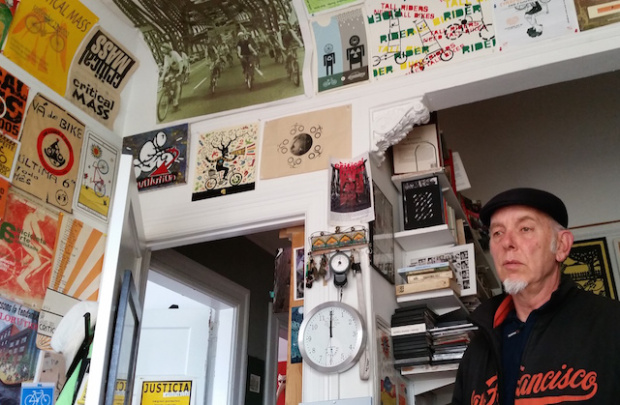
"caption": "Chris Carlsson, public historian and bicycle activist, in his home office in the Pigeon Palace. ",
"description": null,
"title": "Chris Carlsson-Mission Local",
"credit": "Daniel Hirsch/Mission Local ",
"status": "inherit",
"isLoading": false,
"fetchFailed": false
},
"news_10508206": {
"type": "attachments",
"id": "news_10508206",
"meta": {
"index": "attachments_1716263798",
"site": "news",
"id": "10508206",
"found": true
},
"parent": 10508140,
"imgSizes": {
"twentyfourteen-full-width": {
"file": "https://ww2.kqed.org/app/uploads/sites/10/2015/04/CY-3-1038x576.jpg",
"width": 1038,
"mimeType": "image/jpeg",
"height": 576
},
"thumbnail": {
"file": "https://ww2.kqed.org/app/uploads/sites/10/2015/04/CY-3-400x267.jpg",
"width": 400,
"mimeType": "image/jpeg",
"height": 267
},
"fd-sm": {
"file": "https://ww2.kqed.org/app/uploads/sites/10/2015/04/CY-3-960x640.jpg",
"width": 960,
"mimeType": "image/jpeg",
"height": 640
},
"post-thumbnail": {
"file": "https://ww2.kqed.org/app/uploads/sites/10/2015/04/CY-3-672x372.jpg",
"width": 672,
"mimeType": "image/jpeg",
"height": 372
},
"kqedFullSize": {
"file": "https://ww2.kqed.org/app/uploads/sites/10/2015/04/CY-3-e1430769021748.jpg",
"width": 1880,
"height": 1253
},
"large": {
"file": "https://ww2.kqed.org/app/uploads/sites/10/2015/04/CY-3-1440x960.jpg",
"width": 1440,
"mimeType": "image/jpeg",
"height": 960
},
"guest-author-96": {
"file": "https://ww2.kqed.org/app/uploads/sites/10/2015/04/CY-3-96x96.jpg",
"width": 96,
"mimeType": "image/jpeg",
"height": 96
},
"medium": {
"file": "https://ww2.kqed.org/app/uploads/sites/10/2015/04/CY-3-800x533.jpg",
"width": 800,
"mimeType": "image/jpeg",
"height": 533
},
"guest-author-64": {
"file": "https://ww2.kqed.org/app/uploads/sites/10/2015/04/CY-3-64x64.jpg",
"width": 64,
"mimeType": "image/jpeg",
"height": 64
},
"guest-author-32": {
"file": "https://ww2.kqed.org/app/uploads/sites/10/2015/04/CY-3-32x32.jpg",
"width": 32,
"mimeType": "image/jpeg",
"height": 32
},
"fd-med": {
"file": "https://ww2.kqed.org/app/uploads/sites/10/2015/04/CY-3-1180x787.jpg",
"width": 1180,
"mimeType": "image/jpeg",
"height": 787
},
"detail": {
"file": "https://ww2.kqed.org/app/uploads/sites/10/2015/04/CY-3-75x75.jpg",
"width": 75,
"mimeType": "image/jpeg",
"height": 75
},
"guest-author-128": {
"file": "https://ww2.kqed.org/app/uploads/sites/10/2015/04/CY-3-128x128.jpg",
"width": 128,
"mimeType": "image/jpeg",
"height": 128
}
},
"publishDate": 1430428574,
"modified": 1430519892,
"caption": "CY Dieyi performs a cover of Rihanna’s “FourFiveSeconds” on stage at an event in Inglewood, CA. ",
"description": "CY Dieyi performs a cover of Rihanna’s “FourFiveSeconds” on stage at an event in Inglewood, CA. ",
"title": "CY 3",
"credit": "Myah Williams)",
"status": "inherit",
"isLoading": false,
"fetchFailed": false
},
"news_10505789": {
"type": "attachments",
"id": "news_10505789",
"meta": {
"index": "attachments_1716263798",
"site": "news",
"id": "10505789",
"found": true
},
"parent": 10504886,
"imgSizes": {
"twentyfourteen-full-width": {
"file": "https://ww2.kqed.org/app/uploads/sites/10/2015/04/RS14978_01_MikalCronin-qut-1038x576.jpg",
"width": 1038,
"mimeType": "image/jpeg",
"height": 576
},
"thumbnail": {
"file": "https://ww2.kqed.org/app/uploads/sites/10/2015/04/RS14978_01_MikalCronin-qut-400x267.jpg",
"width": 400,
"mimeType": "image/jpeg",
"height": 267
},
"fd-sm": {
"file": "https://ww2.kqed.org/app/uploads/sites/10/2015/04/RS14978_01_MikalCronin-qut-960x640.jpg",
"width": 960,
"mimeType": "image/jpeg",
"height": 640
},
"post-thumbnail": {
"file": "https://ww2.kqed.org/app/uploads/sites/10/2015/04/RS14978_01_MikalCronin-qut-672x372.jpg",
"width": 672,
"mimeType": "image/jpeg",
"height": 372
},
"kqedFullSize": {
"file": "https://ww2.kqed.org/app/uploads/sites/10/2015/04/RS14978_01_MikalCronin-qut.jpg",
"width": 1200,
"height": 800
},
"fd-med": {
"file": "https://ww2.kqed.org/app/uploads/sites/10/2015/04/RS14978_01_MikalCronin-qut-1180x787.jpg",
"width": 1180,
"mimeType": "image/jpeg",
"height": 787
},
"guest-author-96": {
"file": "https://ww2.kqed.org/app/uploads/sites/10/2015/04/RS14978_01_MikalCronin-qut-96x96.jpg",
"width": 96,
"mimeType": "image/jpeg",
"height": 96
},
"medium": {
"file": "https://ww2.kqed.org/app/uploads/sites/10/2015/04/RS14978_01_MikalCronin-qut-800x533.jpg",
"width": 800,
"mimeType": "image/jpeg",
"height": 533
},
"guest-author-64": {
"file": "https://ww2.kqed.org/app/uploads/sites/10/2015/04/RS14978_01_MikalCronin-qut-64x64.jpg",
"width": 64,
"mimeType": "image/jpeg",
"height": 64
},
"detail": {
"file": "https://ww2.kqed.org/app/uploads/sites/10/2015/04/RS14978_01_MikalCronin-qut-75x75.jpg",
"width": 75,
"mimeType": "image/jpeg",
"height": 75
},
"guest-author-32": {
"file": "https://ww2.kqed.org/app/uploads/sites/10/2015/04/RS14978_01_MikalCronin-qut-32x32.jpg",
"width": 32,
"mimeType": "image/jpeg",
"height": 32
},
"guest-author-128": {
"file": "https://ww2.kqed.org/app/uploads/sites/10/2015/04/RS14978_01_MikalCronin-qut-128x128.jpg",
"width": 128,
"mimeType": "image/jpeg",
"height": 128
}
},
"publishDate": 1430246574,
"modified": 1430246580,
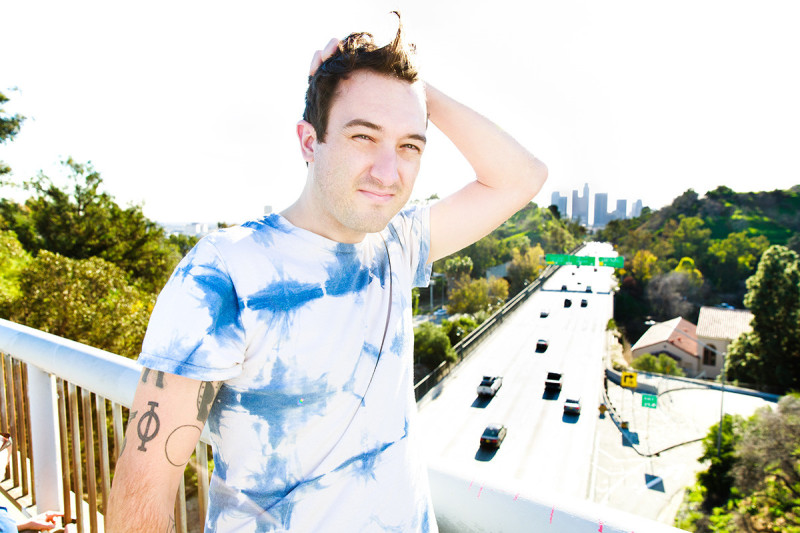
"caption": "Mikal Cronin (Photo: Myles Pettengill)",
"description": "Mikal Cronin (Photo: Myles Pettengill)",
"title": "RS14978_01_MikalCronin-qut",
"credit": null,
"status": "inherit",
"isLoading": false,
"fetchFailed": false
},
"news_10493654": {
"type": "attachments",
"id": "news_10493654",
"meta": {
"index": "attachments_1716263798",
"site": "news",
"id": "10493654",
"found": true
},
"parent": 10491290,
"imgSizes": {
"twentyfourteen-full-width": {
"file": "https://ww2.kqed.org/app/uploads/sites/10/2015/04/Puri-1038x576.jpg",
"width": 1038,
"mimeType": "image/jpeg",
"height": 576
},
"thumbnail": {
"file": "https://ww2.kqed.org/app/uploads/sites/10/2015/04/Puri-400x265.jpg",
"width": 400,
"mimeType": "image/jpeg",
"height": 265
},
"fd-sm": {
"file": "https://ww2.kqed.org/app/uploads/sites/10/2015/04/Puri-320x212.jpg",
"width": 320,
"mimeType": "image/jpeg",
"height": 212
},
"post-thumbnail": {
"file": "https://ww2.kqed.org/app/uploads/sites/10/2015/04/Puri-672x372.jpg",
"width": 672,
"mimeType": "image/jpeg",
"height": 372
},
"kqedFullSize": {
"file": "https://ww2.kqed.org/app/uploads/sites/10/2015/04/Puri.jpg",
"width": 1920,
"height": 1273
},
"large": {
"file": "https://ww2.kqed.org/app/uploads/sites/10/2015/04/Puri-1440x955.jpg",
"width": 1440,
"mimeType": "image/jpeg",
"height": 955
},
"guest-author-96": {
"file": "https://ww2.kqed.org/app/uploads/sites/10/2015/04/Puri-96x96.jpg",
"width": 96,
"mimeType": "image/jpeg",
"height": 96
},
"medium": {
"file": "https://ww2.kqed.org/app/uploads/sites/10/2015/04/Puri-800x530.jpg",
"width": 800,
"mimeType": "image/jpeg",
"height": 530
},
"guest-author-64": {
"file": "https://ww2.kqed.org/app/uploads/sites/10/2015/04/Puri-64x64.jpg",
"width": 64,
"mimeType": "image/jpeg",
"height": 64
},
"guest-author-32": {
"file": "https://ww2.kqed.org/app/uploads/sites/10/2015/04/Puri-32x32.jpg",
"width": 32,
"mimeType": "image/jpeg",
"height": 32
},
"fd-lrg": {
"file": "https://ww2.kqed.org/app/uploads/sites/10/2015/04/Puri-1180x782.jpg",
"width": 1180,
"mimeType": "image/jpeg",
"height": 782
},
"fd-med": {
"file": "https://ww2.kqed.org/app/uploads/sites/10/2015/04/Puri-768x509.jpg",
"width": 768,
"mimeType": "image/jpeg",
"height": 509
},
"detail": {
"file": "https://ww2.kqed.org/app/uploads/sites/10/2015/04/Puri-75x75.jpg",
"width": 75,
"mimeType": "image/jpeg",
"height": 75
},
"guest-author-128": {
"file": "https://ww2.kqed.org/app/uploads/sites/10/2015/04/Puri-128x128.jpg",
"width": 128,
"mimeType": "image/jpeg",
"height": 128
}
},
"publishDate": 1429294225,
"modified": 1429294258,
"caption": "Deval Thaker makes the trek from her home in Tracy to get a taste of her native India at the Chaatpatta Corner in Fremont.",
"description": "Deval Thaker makes the trek from her home in Tracy to get a taste of her native India at the Chaatpatta Corner in Fremont.",
"title": "Puri",
"credit": "Paayal Zaveri/KQED",
"status": "inherit",
"isLoading": false,
"fetchFailed": false
},
"news_10501310": {
"type": "attachments",
"id": "news_10501310",
"meta": {
"index": "attachments_1716263798",
"site": "news",
"id": "10501310",
"found": true
},
"parent": 10501211,
"imgSizes": {
"twentyfourteen-full-width": {
"file": "https://ww2.kqed.org/app/uploads/sites/10/2015/04/RS14921_karina-staranova-du-nord.jpg-alt_254-745x576.jpg",
"width": 745,
"mimeType": "image/jpeg",
"height": 576
},
"thumbnail": {
"file": "https://ww2.kqed.org/app/uploads/sites/10/2015/04/RS14921_karina-staranova-du-nord.jpg-alt_254-400x310.jpg",
"width": 400,
"mimeType": "image/jpeg",
"height": 310
},
"post-thumbnail": {
"file": "https://ww2.kqed.org/app/uploads/sites/10/2015/04/RS14921_karina-staranova-du-nord.jpg-alt_254-672x372.jpg",
"width": 672,
"mimeType": "image/jpeg",
"height": 372
},
"kqedFullSize": {
"file": "https://ww2.kqed.org/app/uploads/sites/10/2015/04/RS14921_karina-staranova-du-nord.jpg-alt_254.jpg",
"width": 745,
"height": 577
},
"guest-author-96": {
"file": "https://ww2.kqed.org/app/uploads/sites/10/2015/04/RS14921_karina-staranova-du-nord.jpg-alt_254-96x96.jpg",
"width": 96,
"mimeType": "image/jpeg",
"height": 96
},
"guest-author-64": {
"file": "https://ww2.kqed.org/app/uploads/sites/10/2015/04/RS14921_karina-staranova-du-nord.jpg-alt_254-64x64.jpg",
"width": 64,
"mimeType": "image/jpeg",
"height": 64
},
"detail": {
"file": "https://ww2.kqed.org/app/uploads/sites/10/2015/04/RS14921_karina-staranova-du-nord.jpg-alt_254-75x75.jpg",
"width": 75,
"mimeType": "image/jpeg",
"height": 75
},
"guest-author-32": {
"file": "https://ww2.kqed.org/app/uploads/sites/10/2015/04/RS14921_karina-staranova-du-nord.jpg-alt_254-32x32.jpg",
"width": 32,
"mimeType": "image/jpeg",
"height": 32
},
"guest-author-128": {
"file": "https://ww2.kqed.org/app/uploads/sites/10/2015/04/RS14921_karina-staranova-du-nord.jpg-alt_254-128x128.jpg",
"width": 128,
"mimeType": "image/jpeg",
"height": 128
}
},
"publishDate": 1429907579,
"modified": 1429909221,
"caption": "Karina Deniké",
"description": "Courtesy of Karina Deniké",
"title": "RS14921_karina-staranova-+du+nord.jpg-alt_254",
"credit": null,
"status": "inherit",
"isLoading": false,
"fetchFailed": false
},
"news_10500179": {
"type": "attachments",
"id": "news_10500179",
"meta": {
"index": "attachments_1716263798",
"site": "news",
"id": "10500179",
"found": true
},
"parent": 10500136,
"imgSizes": {
"twentyfourteen-full-width": {
"file": "https://ww2.kqed.org/app/uploads/sites/10/2015/04/photo-1038x576.jpg",
"width": 1038,
"mimeType": "image/jpeg",
"height": 576
},
"thumbnail": {
"file": "https://ww2.kqed.org/app/uploads/sites/10/2015/04/photo-400x300.jpg",
"width": 400,
"mimeType": "image/jpeg",
"height": 300
},
"fd-sm": {
"file": "https://ww2.kqed.org/app/uploads/sites/10/2015/04/photo-960x720.jpg",
"width": 960,
"mimeType": "image/jpeg",
"height": 720
},
"post-thumbnail": {
"file": "https://ww2.kqed.org/app/uploads/sites/10/2015/04/photo-672x372.jpg",
"width": 672,
"mimeType": "image/jpeg",
"height": 372
},
"kqedFullSize": {
"file": "https://ww2.kqed.org/app/uploads/sites/10/2015/04/photo-e1429825646897.jpg",
"width": 1920,
"height": 1440
},
"large": {
"file": "https://ww2.kqed.org/app/uploads/sites/10/2015/04/photo-1440x1080.jpg",
"width": 1440,
"mimeType": "image/jpeg",
"height": 1080
},
"guest-author-96": {
"file": "https://ww2.kqed.org/app/uploads/sites/10/2015/04/photo-96x96.jpg",
"width": 96,
"mimeType": "image/jpeg",
"height": 96
},
"medium": {
"file": "https://ww2.kqed.org/app/uploads/sites/10/2015/04/photo-800x600.jpg",
"width": 800,
"mimeType": "image/jpeg",
"height": 600
},
"guest-author-64": {
"file": "https://ww2.kqed.org/app/uploads/sites/10/2015/04/photo-64x64.jpg",
"width": 64,
"mimeType": "image/jpeg",
"height": 64
},
"guest-author-32": {
"file": "https://ww2.kqed.org/app/uploads/sites/10/2015/04/photo-32x32.jpg",
"width": 32,
"mimeType": "image/jpeg",
"height": 32
},
"fd-med": {
"file": "https://ww2.kqed.org/app/uploads/sites/10/2015/04/photo-1180x885.jpg",
"width": 1180,
"mimeType": "image/jpeg",
"height": 885
},
"detail": {
"file": "https://ww2.kqed.org/app/uploads/sites/10/2015/04/photo-75x75.jpg",
"width": 75,
"mimeType": "image/jpeg",
"height": 75
},
"guest-author-128": {
"file": "https://ww2.kqed.org/app/uploads/sites/10/2015/04/photo-128x128.jpg",
"width": 128,
"mimeType": "image/jpeg",
"height": 128
}
},
"publishDate": 1429821362,
"modified": 1429831287,
"caption": "Students participating in Stanford's Laptop Orchestra prepare for class.",
"description": null,
"title": "photo",
"credit": "April Dembosky/KQED",
"status": "inherit",
"isLoading": false,
"fetchFailed": false
},
"news_10500417": {
"type": "attachments",
"id": "news_10500417",
"meta": {
"index": "attachments_1716263798",
"site": "news",
"id": "10500417",
"found": true
},
"parent": 10500416,
"imgSizes": {
"twentyfourteen-full-width": {
"file": "https://ww2.kqed.org/app/uploads/sites/10/2015/04/AG-1915-mural-1038x576.jpg",
"width": 1038,
"mimeType": "image/jpeg",
"height": 576
},
"thumbnail": {
"file": "https://ww2.kqed.org/app/uploads/sites/10/2015/04/AG-1915-mural-400x204.jpg",
"width": 400,
"mimeType": "image/jpeg",
"height": 204
},
"fd-sm": {
"file": "https://ww2.kqed.org/app/uploads/sites/10/2015/04/AG-1915-mural-960x490.jpg",
"width": 960,
"mimeType": "image/jpeg",
"height": 490
},
"post-thumbnail": {
"file": "https://ww2.kqed.org/app/uploads/sites/10/2015/04/AG-1915-mural-672x372.jpg",
"width": 672,
"mimeType": "image/jpeg",
"height": 372
},
"kqedFullSize": {
"file": "https://ww2.kqed.org/app/uploads/sites/10/2015/04/AG-1915-mural.jpg",
"width": 1920,
"height": 980
},
"large": {
"file": "https://ww2.kqed.org/app/uploads/sites/10/2015/04/AG-1915-mural-1440x735.jpg",
"width": 1440,
"mimeType": "image/jpeg",
"height": 735
},
"guest-author-96": {
"file": "https://ww2.kqed.org/app/uploads/sites/10/2015/04/AG-1915-mural-96x96.jpg",
"width": 96,
"mimeType": "image/jpeg",
"height": 96
},
"medium": {
"file": "https://ww2.kqed.org/app/uploads/sites/10/2015/04/AG-1915-mural-800x408.jpg",
"width": 800,
"mimeType": "image/jpeg",
"height": 408
},
"guest-author-64": {
"file": "https://ww2.kqed.org/app/uploads/sites/10/2015/04/AG-1915-mural-64x64.jpg",
"width": 64,
"mimeType": "image/jpeg",
"height": 64
},
"guest-author-32": {
"file": "https://ww2.kqed.org/app/uploads/sites/10/2015/04/AG-1915-mural-32x32.jpg",
"width": 32,
"mimeType": "image/jpeg",
"height": 32
},
"fd-med": {
"file": "https://ww2.kqed.org/app/uploads/sites/10/2015/04/AG-1915-mural-1180x602.jpg",
"width": 1180,
"mimeType": "image/jpeg",
"height": 602
},
"detail": {
"file": "https://ww2.kqed.org/app/uploads/sites/10/2015/04/AG-1915-mural-75x75.jpg",
"width": 75,
"mimeType": "image/jpeg",
"height": 75
},
"guest-author-128": {
"file": "https://ww2.kqed.org/app/uploads/sites/10/2015/04/AG-1915-mural-128x128.jpg",
"width": 128,
"mimeType": "image/jpeg",
"height": 128
}
},
"publishDate": 1429837917,
"modified": 1429891904,
"caption": "ArtViaArt’s mural in L.A.’s Little Armenia commemorating the 100th anniversary of the Armenian genocide. The woman depicted in the mural is the artist’s grandmother, whose parents narrowly survived the genocide. ",
"description": null,
"title": "AG 1915 mural",
"credit": "Steven Cuevas/KQED",
"status": "inherit",
"isLoading": false,
"fetchFailed": false
},
"news_10500192": {
"type": "attachments",
"id": "news_10500192",
"meta": {
"index": "attachments_1716263798",
"site": "news",
"id": "10500192",
"found": true
},
"parent": 10500189,
"imgSizes": {
"twentyfourteen-full-width": {
"file": "https://ww2.kqed.org/app/uploads/sites/10/2015/04/Hratch-Sepetjian-Class-Pics-2.27-3-of-8-1038x576.jpg",
"width": 1038,
"mimeType": "image/jpeg",
"height": 576
},
"thumbnail": {
"file": "https://ww2.kqed.org/app/uploads/sites/10/2015/04/Hratch-Sepetjian-Class-Pics-2.27-3-of-8-400x267.jpg",
"width": 400,
"mimeType": "image/jpeg",
"height": 267
},
"fd-sm": {
"file": "https://ww2.kqed.org/app/uploads/sites/10/2015/04/Hratch-Sepetjian-Class-Pics-2.27-3-of-8-960x640.jpg",
"width": 960,
"mimeType": "image/jpeg",
"height": 640
},
"post-thumbnail": {
"file": "https://ww2.kqed.org/app/uploads/sites/10/2015/04/Hratch-Sepetjian-Class-Pics-2.27-3-of-8-672x372.jpg",
"width": 672,
"mimeType": "image/jpeg",
"height": 372
},
"kqedFullSize": {
"file": "https://ww2.kqed.org/app/uploads/sites/10/2015/04/Hratch-Sepetjian-Class-Pics-2.27-3-of-8-e1429891482577.jpg",
"width": 1920,
"height": 1280
},
"large": {
"file": "https://ww2.kqed.org/app/uploads/sites/10/2015/04/Hratch-Sepetjian-Class-Pics-2.27-3-of-8-1440x960.jpg",
"width": 1440,
"mimeType": "image/jpeg",
"height": 960
},
"guest-author-96": {
"file": "https://ww2.kqed.org/app/uploads/sites/10/2015/04/Hratch-Sepetjian-Class-Pics-2.27-3-of-8-96x96.jpg",
"width": 96,
"mimeType": "image/jpeg",
"height": 96
},
"medium": {
"file": "https://ww2.kqed.org/app/uploads/sites/10/2015/04/Hratch-Sepetjian-Class-Pics-2.27-3-of-8-800x533.jpg",
"width": 800,
"mimeType": "image/jpeg",
"height": 533
},
"guest-author-64": {
"file": "https://ww2.kqed.org/app/uploads/sites/10/2015/04/Hratch-Sepetjian-Class-Pics-2.27-3-of-8-64x64.jpg",
"width": 64,
"mimeType": "image/jpeg",
"height": 64
},
"guest-author-32": {
"file": "https://ww2.kqed.org/app/uploads/sites/10/2015/04/Hratch-Sepetjian-Class-Pics-2.27-3-of-8-32x32.jpg",
"width": 32,
"mimeType": "image/jpeg",
"height": 32
},
"fd-med": {
"file": "https://ww2.kqed.org/app/uploads/sites/10/2015/04/Hratch-Sepetjian-Class-Pics-2.27-3-of-8-1180x787.jpg",
"width": 1180,
"mimeType": "image/jpeg",
"height": 787
},
"detail": {
"file": "https://ww2.kqed.org/app/uploads/sites/10/2015/04/Hratch-Sepetjian-Class-Pics-2.27-3-of-8-75x75.jpg",
"width": 75,
"mimeType": "image/jpeg",
"height": 75
},
"guest-author-128": {
"file": "https://ww2.kqed.org/app/uploads/sites/10/2015/04/Hratch-Sepetjian-Class-Pics-2.27-3-of-8-128x128.jpg",
"width": 128,
"mimeType": "image/jpeg",
"height": 128
}
},
"publishDate": 1429822823,
"modified": 1429912757,
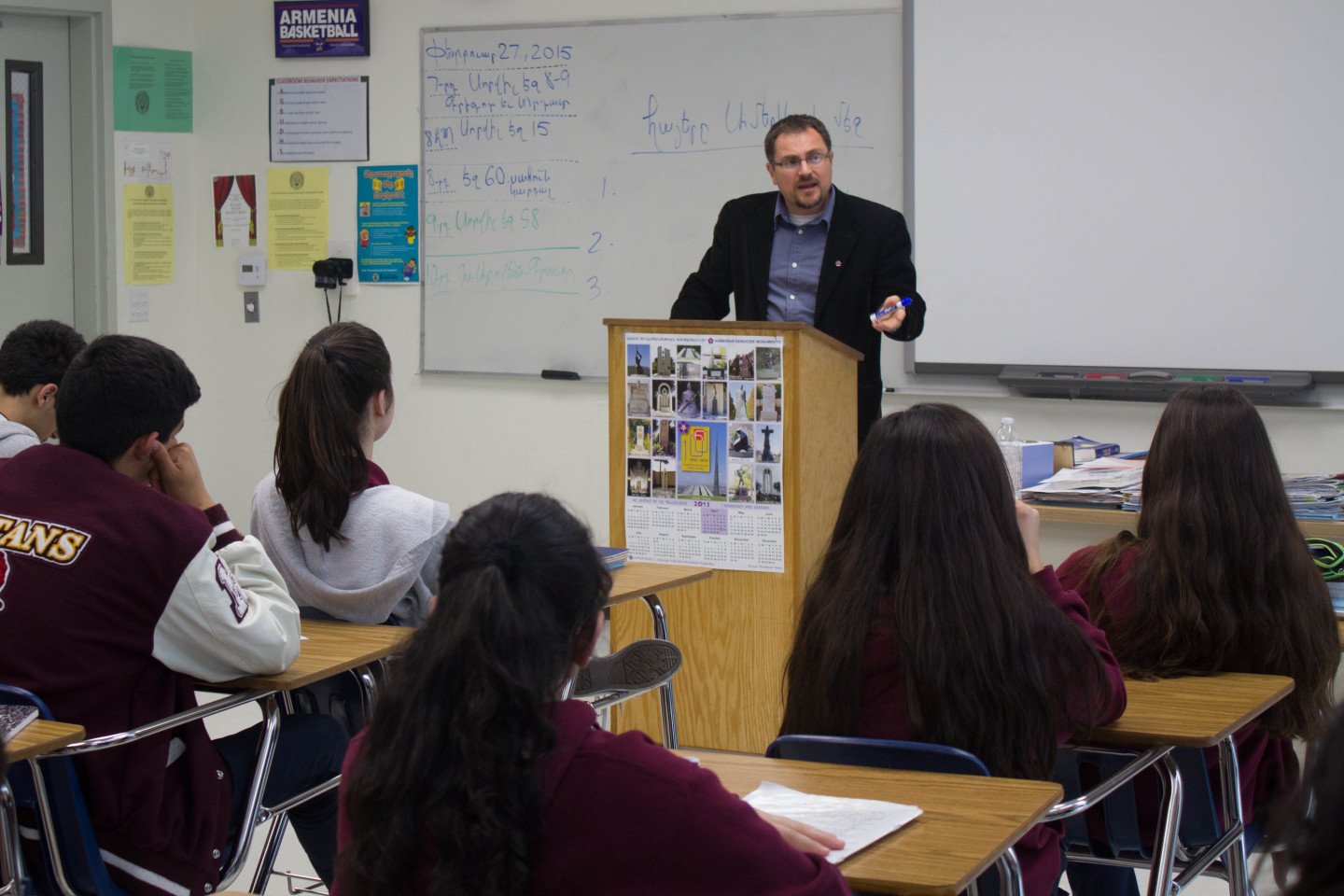
"caption": "Hratch Sepetjian stands in front of his class on a typical day. He gets frustrated when his students do not take the Armenian lessons seriously.",
"description": "Hratch Sepetjian stands in front of his class on a typical day. He gets frustrated when his students do not take the Armenian lessons seriously.",
"title": "Hratch Sepetjian Class Pics 2.27 (3 of 8)",
"credit": "Andy Vasoyan/KQED",
"status": "inherit",
"isLoading": false,
"fetchFailed": false
},
"news_10499890": {
"type": "attachments",
"id": "news_10499890",
"meta": {
"index": "attachments_1716263798",
"site": "news",
"id": "10499890",
"found": true
},
"parent": 10499124,
"imgSizes": {
"twentyfourteen-full-width": {
"file": "https://ww2.kqed.org/app/uploads/sites/10/2015/04/sarahkobrinsky-1038x576.jpg",
"width": 1038,
"mimeType": "image/jpeg",
"height": 576
},
"thumbnail": {
"file": "https://ww2.kqed.org/app/uploads/sites/10/2015/04/sarahkobrinsky-400x263.jpg",
"width": 400,
"mimeType": "image/jpeg",
"height": 263
},
"fd-sm": {
"file": "https://ww2.kqed.org/app/uploads/sites/10/2015/04/sarahkobrinsky-960x631.jpg",
"width": 960,
"mimeType": "image/jpeg",
"height": 631
},
"post-thumbnail": {
"file": "https://ww2.kqed.org/app/uploads/sites/10/2015/04/sarahkobrinsky-672x372.jpg",
"width": 672,
"mimeType": "image/jpeg",
"height": 372
},
"kqedFullSize": {
"file": "https://ww2.kqed.org/app/uploads/sites/10/2015/04/sarahkobrinsky.jpg",
"width": 1920,
"height": 1262
},
"large": {
"file": "https://ww2.kqed.org/app/uploads/sites/10/2015/04/sarahkobrinsky-1440x947.jpg",
"width": 1440,
"mimeType": "image/jpeg",
"height": 947
},
"guest-author-96": {
"file": "https://ww2.kqed.org/app/uploads/sites/10/2015/04/sarahkobrinsky-96x96.jpg",
"width": 96,
"mimeType": "image/jpeg",
"height": 96
},
"medium": {
"file": "https://ww2.kqed.org/app/uploads/sites/10/2015/04/sarahkobrinsky-800x526.jpg",
"width": 800,
"mimeType": "image/jpeg",
"height": 526
},
"guest-author-64": {
"file": "https://ww2.kqed.org/app/uploads/sites/10/2015/04/sarahkobrinsky-64x64.jpg",
"width": 64,
"mimeType": "image/jpeg",
"height": 64
},
"guest-author-32": {
"file": "https://ww2.kqed.org/app/uploads/sites/10/2015/04/sarahkobrinsky-32x32.jpg",
"width": 32,
"mimeType": "image/jpeg",
"height": 32
},
"fd-med": {
"file": "https://ww2.kqed.org/app/uploads/sites/10/2015/04/sarahkobrinsky-1180x776.jpg",
"width": 1180,
"mimeType": "image/jpeg",
"height": 776
},
"detail": {
"file": "https://ww2.kqed.org/app/uploads/sites/10/2015/04/sarahkobrinsky-75x75.jpg",
"width": 75,
"mimeType": "image/jpeg",
"height": 75
},
"guest-author-128": {
"file": "https://ww2.kqed.org/app/uploads/sites/10/2015/04/sarahkobrinsky-128x128.jpg",
"width": 128,
"mimeType": "image/jpeg",
"height": 128
}
},
"publishDate": 1429798396,
"modified": 1429798456,
"caption": "Sarah Kobrinsky, Emeryville's poet laureate, was forced to move by a 38 percent rent increase. ",
"description": null,
"title": "Sarah Kobrinsky-Emeryville",
"credit": "Dan Brekke/KQED",
"status": "inherit",
"isLoading": false,
"fetchFailed": false
},
"news_10491687": {
"type": "attachments",
"id": "news_10491687",
"meta": {
"index": "attachments_1716263798",
"site": "news",
"id": "10491687",
"found": true
},
"parent": 10490169,
"imgSizes": {
"twentyfourteen-full-width": {
"file": "https://ww2.kqed.org/app/uploads/sites/10/2015/04/Trailblazer-1038x576.jpg",
"width": 1038,
"mimeType": "image/jpeg",
"height": 576
},
"thumbnail": {
"file": "https://ww2.kqed.org/app/uploads/sites/10/2015/04/Trailblazer-400x286.jpg",
"width": 400,
"mimeType": "image/jpeg",
"height": 286
},
"fd-sm": {
"file": "https://ww2.kqed.org/app/uploads/sites/10/2015/04/Trailblazer-320x229.jpg",
"width": 320,
"mimeType": "image/jpeg",
"height": 229
},
"post-thumbnail": {
"file": "https://ww2.kqed.org/app/uploads/sites/10/2015/04/Trailblazer-672x372.jpg",
"width": 672,
"mimeType": "image/jpeg",
"height": 372
},
"kqedFullSize": {
"file": "https://ww2.kqed.org/app/uploads/sites/10/2015/04/Trailblazer.jpg",
"width": 1920,
"height": 1371
},
"large": {
"file": "https://ww2.kqed.org/app/uploads/sites/10/2015/04/Trailblazer-1440x1028.jpg",
"width": 1440,
"mimeType": "image/jpeg",
"height": 1028
},
"guest-author-96": {
"file": "https://ww2.kqed.org/app/uploads/sites/10/2015/04/Trailblazer-96x96.jpg",
"width": 96,
"mimeType": "image/jpeg",
"height": 96
},
"medium": {
"file": "https://ww2.kqed.org/app/uploads/sites/10/2015/04/Trailblazer-800x571.jpg",
"width": 800,
"mimeType": "image/jpeg",
"height": 571
},
"guest-author-64": {
"file": "https://ww2.kqed.org/app/uploads/sites/10/2015/04/Trailblazer-64x64.jpg",
"width": 64,
"mimeType": "image/jpeg",
"height": 64
},
"guest-author-32": {
"file": "https://ww2.kqed.org/app/uploads/sites/10/2015/04/Trailblazer-32x32.jpg",
"width": 32,
"mimeType": "image/jpeg",
"height": 32
},
"fd-lrg": {
"file": "https://ww2.kqed.org/app/uploads/sites/10/2015/04/Trailblazer-1180x843.jpg",
"width": 1180,
"mimeType": "image/jpeg",
"height": 843
},
"fd-med": {
"file": "https://ww2.kqed.org/app/uploads/sites/10/2015/04/Trailblazer-768x548.jpg",
"width": 768,
"mimeType": "image/jpeg",
"height": 548
},
"detail": {
"file": "https://ww2.kqed.org/app/uploads/sites/10/2015/04/Trailblazer-75x75.jpg",
"width": 75,
"mimeType": "image/jpeg",
"height": 75
},
"guest-author-128": {
"file": "https://ww2.kqed.org/app/uploads/sites/10/2015/04/Trailblazer-128x128.jpg",
"width": 128,
"mimeType": "image/jpeg",
"height": 128
}
},
"publishDate": 1429145628,
"modified": 1429221231,
"caption": "Willy Parker stands by a trail he's helping shore up. 'It should last a couple hundred years. I think that’s pretty awesome.'",
"description": "Willy Parker stands by a trail he's helping shore up. 'It should last a couple hundred years. I think that’s pretty awesome.'",
"title": "Trailblazer",
"credit": "Lisa Morehouse/KQED",
"status": "inherit",
"isLoading": false,
"fetchFailed": false
}
},
"audioPlayerReducer": {
"postId": "stream_live",
"isPaused": true,
"isPlaying": false,
"pfsActive": false,
"pledgeModalIsOpen": true,
"playerDrawerIsOpen": false,
"liveAudioPlayStartedAt": 0,
"liveAudioPlayContext": ""
},
"authorsReducer": {
"byline_news_10524648": {
"type": "authors",
"id": "byline_news_10524648",
"meta": {
"override": true
},
"slug": "byline_news_10524648",
"name": "Stephanie Case",
"isLoading": false
},
"byline_news_10514424": {
"type": "authors",
"id": "byline_news_10514424",
"meta": {
"override": true
},
"slug": "byline_news_10514424",
"name": "\u003cstrong>\u003ca href=\"http://missionlocal.org/author/danh/\" target=\"_blank\">Daniel Hirsch\u003c/a>\u003cbr />Mission Local\u003c/strong>",
"isLoading": false
},
"byline_news_10508140": {
"type": "authors",
"id": "byline_news_10508140",
"meta": {
"override": true
},
"slug": "byline_news_10508140",
"name": "Myah Williams ",
"isLoading": false
},
"byline_news_10504886": {
"type": "authors",
"id": "byline_news_10504886",
"meta": {
"override": true
},
"slug": "byline_news_10504886",
"name": "Steve Hochman",
"isLoading": false
},
"byline_news_10491290": {
"type": "authors",
"id": "byline_news_10491290",
"meta": {
"override": true
},
"slug": "byline_news_10491290",
"name": "Paayal Zaveri",
"isLoading": false
},
"byline_news_10501211": {
"type": "authors",
"id": "byline_news_10501211",
"meta": {
"override": true
},
"slug": "byline_news_10501211",
"name": "Andrew Gilbert",
"isLoading": false
},
"byline_news_10500189": {
"type": "authors",
"id": "byline_news_10500189",
"meta": {
"override": true
},
"slug": "byline_news_10500189",
"name": "Andy Vasoyan",
"isLoading": false
},
"ohubertallen": {
"type": "authors",
"id": "102",
"meta": {
"index": "authors_1716337520",
"id": "102",
"found": true
},
"name": "Olivia Allen-Price",
"firstName": "Olivia",
"lastName": "Allen-Price",
"slug": "ohubertallen",
"email": "oallenprice@kqed.org",
"display_author_email": false,
"staff_mastheads": [
"news"
],
"title": "Senior Editor",
"bio": "Olivia Allen-Price is senior editor and host of the award-winning Bay Curious podcast. Prior to joining KQED in 2013, Olivia worked at The Baltimore Sun and The Virginian-Pilot in Norfolk, Va. She holds degrees in journalism and political science from Elon University. Her work has earned awards from the Society of Professional Journalists, the Hearst Foundation and Hearken. She loves to talk about running and curly hair.\r\n\r\nFollow: \u003ca href=\"https://twitter.com/oallenprice\">@oallenprice\u003c/a>\r\nEmail: \u003ca href=\"mailto:oallenprice@kqed.org\">oallenprice@kqed.org\u003c/a>",
"avatar": "https://secure.gravatar.com/avatar/07f7803c1f6be56f3be58ef276dfa64dce898502e0554408ef4858451a8294f7?s=600&d=blank&r=g",
"twitter": "oallenprice",
"bluesky": null,
"facebook": null,
"instagram": null,
"linkedin": null,
"sites": [
{
"site": "",
"roles": [
"editor"
]
},
{
"site": "arts",
"roles": [
"subscriber"
]
},
{
"site": "news",
"roles": [
"administrator"
]
},
{
"site": "pop",
"roles": [
"administrator"
]
},
{
"site": "bayareabites",
"roles": [
"contributor"
]
},
{
"site": "stateofhealth",
"roles": [
"administrator"
]
},
{
"site": "science",
"roles": [
"editor"
]
}
],
"headData": {
"title": "Olivia Allen-Price | KQED",
"description": "Senior Editor",
"ogImgSrc": "https://secure.gravatar.com/avatar/07f7803c1f6be56f3be58ef276dfa64dce898502e0554408ef4858451a8294f7?s=600&d=blank&r=g",
"twImgSrc": "https://secure.gravatar.com/avatar/07f7803c1f6be56f3be58ef276dfa64dce898502e0554408ef4858451a8294f7?s=600&d=blank&r=g"
},
"isLoading": false,
"link": "/author/ohubertallen"
},
"danbrekke": {
"type": "authors",
"id": "222",
"meta": {
"index": "authors_1716337520",
"id": "222",
"found": true
},
"name": "Dan Brekke",
"firstName": "Dan",
"lastName": "Brekke",
"slug": "danbrekke",
"email": "dbrekke@kqed.org",
"display_author_email": true,
"staff_mastheads": [
"news",
"science"
],
"title": "KQED Editor and Reporter",
"bio": "Dan Brekke is a reporter and editor for KQED News, responsible for coverage of topics ranging from California water issues to the Bay Area's transportation challenges. In a newsroom career that began in Chicago in 1972, Dan has worked for \u003cem>The San Francisco Examiner,\u003c/em> Wired and TechTV and has been published in The New York Times, The New York Times Magazine, Business 2.0, Salon and elsewhere.\r\n\r\nSince joining KQED in 2007, Dan has reported, edited and produced both radio and online features and breaking news pieces. He has shared as both editor and reporter in four Society of Professional Journalists Norcal Excellence in Journalism awards and one Edward R. Murrow regional award. He was chosen for a spring 2017 residency at the Mesa Refuge to advance his research on California salmon.\r\n\r\nEmail Dan at: \u003ca href=\"mailto:dbrekke@kqed.org\">dbrekke@kqed.org\u003c/a>\r\n\r\n\u003cstrong>Twitter:\u003c/strong> \u003ca href=\"https://twitter.com/danbrekke\" rel=\"noopener noreferrer\">twitter.com/danbrekke\u003c/a>\r\n\u003cstrong>Facebook:\u003c/strong> \u003ca href=\"https://www.facebook.com/danbrekke\" rel=\"noopener noreferrer\">www.facebook.com/danbrekke\u003c/a>\r\n\u003cstrong>LinkedIn:\u003c/strong> \u003ca href=\"https://www.linkedin.com/in/danbrekke\" rel=\"noopener noreferrer\">www.linkedin.com/in/danbrekke\u003c/a>",
"avatar": "https://secure.gravatar.com/avatar/8f1f0d2a978fb3b23426c922c7e2af558fa36905b49c4ce76a97dc3c72d27226?s=600&d=mm&r=g",
"twitter": "danbrekke",
"bluesky": null,
"facebook": null,
"instagram": "https://www.instagram.com/dan.brekke/",
"linkedin": "https://www.linkedin.com/in/danbrekke/",
"sites": [
{
"site": "news",
"roles": [
"administrator",
"create_posts"
]
},
{
"site": "stateofhealth",
"roles": [
"editor"
]
},
{
"site": "science",
"roles": [
"editor"
]
},
{
"site": "quest",
"roles": [
"contributor"
]
},
{
"site": "food",
"roles": [
"contributor"
]
},
{
"site": "forum",
"roles": [
"contributor"
]
},
{
"site": "elections",
"roles": [
"editor"
]
},
{
"site": "liveblog",
"roles": [
"editor"
]
}
],
"headData": {
"title": "Dan Brekke | KQED",
"description": "KQED Editor and Reporter",
"ogImgSrc": "https://secure.gravatar.com/avatar/8f1f0d2a978fb3b23426c922c7e2af558fa36905b49c4ce76a97dc3c72d27226?s=600&d=mm&r=g",
"twImgSrc": "https://secure.gravatar.com/avatar/8f1f0d2a978fb3b23426c922c7e2af558fa36905b49c4ce76a97dc3c72d27226?s=600&d=mm&r=g"
},
"isLoading": false,
"link": "/author/danbrekke"
},
"scuevas": {
"type": "authors",
"id": "2600",
"meta": {
"index": "authors_1716337520",
"id": "2600",
"found": true
},
"name": "Steven Cuevas",
"firstName": "Steven",
"lastName": "Cuevas",
"slug": "scuevas",
"email": "scuevas@kqed.org",
"display_author_email": false,
"staff_mastheads": [],
"title": "KQED Contributor",
"bio": "Steven is a former Los Angeles bureau chief for The California Report.\r\n\r\nHe reports on an array of issues across the Southland, from immigration and regional politics to religion, the performing arts and pop culture.\r\n\r\nPrior to joining KQED in 2012, Steven covered Inland southern California for KPCC in Pasadena. He also helped establish the first newsroom at \u003ca href=\"http://kut.org/\">KUT\u003c/a> in Austin, Texas where he was a general assignment reporter.\r\n\r\nSteven has received numerous awards for his reporting including an RTNDA Edward R. Murrow Award for investigative reporting in addition to awards from the LA Press Club, the Associated Press and the Society for Professional Journalists.\r\n\r\nSteven grew up in and around San Francisco and now lives in Pasadena just a short jog from the foot of the San Gabriel Mountains.",
"avatar": "https://secure.gravatar.com/avatar/2d253580794f8e026100fae05cfabbbd4889b4fe15146146cacb82a01974c538?s=600&d=blank&r=g",
"twitter": null,
"bluesky": null,
"facebook": null,
"instagram": null,
"linkedin": null,
"sites": [
{
"site": "news",
"roles": [
"subscriber"
]
}
],
"headData": {
"title": "Steven Cuevas | KQED",
"description": "KQED Contributor",
"ogImgSrc": "https://secure.gravatar.com/avatar/2d253580794f8e026100fae05cfabbbd4889b4fe15146146cacb82a01974c538?s=600&d=blank&r=g",
"twImgSrc": "https://secure.gravatar.com/avatar/2d253580794f8e026100fae05cfabbbd4889b4fe15146146cacb82a01974c538?s=600&d=blank&r=g"
},
"isLoading": false,
"link": "/author/scuevas"
},
"adembosky": {
"type": "authors",
"id": "3205",
"meta": {
"index": "authors_1716337520",
"id": "3205",
"found": true
},
"name": "April Dembosky",
"firstName": "April",
"lastName": "Dembosky",
"slug": "adembosky",
"email": "adembosky@kqed.org",
"display_author_email": false,
"staff_mastheads": [
"news",
"science"
],
"title": "KQED Health Correspondent",
"bio": "April Dembosky is the health correspondent for KQED News and a regular contributor to NPR. She specializes in covering altered states of mind, from postpartum depression to methamphetamine-induced psychosis to the insanity defense. Her investigative series on insurance companies sidestepping mental health laws won multiple awards, including first place in beat reporting from the national Association of Health Care Journalists. She is the recipient of numerous other prizes and fellowships, including a national Edward R. Murrow award for investigative reporting, a Society of Professional Journalists award for long-form storytelling, and a Carter Center Fellowship for Mental Health Journalism.\r\n\r\nDembosky reported and produced \u003cem>Soundtrack of Silence\u003c/em>, an audio documentary about music and memory that is currently being made into a feature film by Paramount Pictures.\r\n\r\nBefore joining KQED in 2013, Dembosky covered technology and Silicon Valley for \u003cem>The Financial Times of London,\u003c/em> and contributed business and arts stories to \u003cem>Marketplace \u003c/em>and \u003cem>The New York Times.\u003c/em> She got her undergraduate degree in philosophy from Smith College and her master's in journalism from the University of California, Berkeley. She is a classically trained violinist and proud alum of the first symphony orchestra at Burning Man.",
"avatar": "https://secure.gravatar.com/avatar/ef92999be4ceb9ea60701e7dc276f813?s=600&d=blank&r=g",
"twitter": "adembosky",
"facebook": null,
"instagram": null,
"linkedin": null,
"sites": [
{
"site": "arts",
"roles": [
"author"
]
},
{
"site": "news",
"roles": [
"editor"
]
},
{
"site": "futureofyou",
"roles": [
"author"
]
},
{
"site": "stateofhealth",
"roles": [
"editor"
]
},
{
"site": "science",
"roles": [
"editor"
]
},
{
"site": "forum",
"roles": [
"editor"
]
}
],
"headData": {
"title": "April Dembosky | KQED",
"description": "KQED Health Correspondent",
"ogImgSrc": "https://secure.gravatar.com/avatar/ef92999be4ceb9ea60701e7dc276f813?s=600&d=blank&r=g",
"twImgSrc": "https://secure.gravatar.com/avatar/ef92999be4ceb9ea60701e7dc276f813?s=600&d=blank&r=g"
},
"isLoading": false,
"link": "/author/adembosky"
},
"lmorehouse": {
"type": "authors",
"id": "3229",
"meta": {
"index": "authors_1716337520",
"id": "3229",
"found": true
},
"name": "Lisa Morehouse",
"firstName": "Lisa",
"lastName": "Morehouse",
"slug": "lmorehouse",
"email": "morehouse.lisa@gmail.com",
"display_author_email": false,
"staff_mastheads": [],
"title": "KQED Contributor",
"bio": "Lisa Morehouse is an award-winning public radio and print journalist, who has filed for National Public Radio, American Public Media, KQED Public Radio, Edutopia, and McSweeney’s. Her reporting has taken her from Samoan traveling circuses to Mississippi Delta classrooms to the homes of Lao refugees in rural Iowa. In addition to reporting, she teaches radio production to at-risk youth in the Bay Area. Her series \u003ca href=\"http://afterthegoldrushradio.com/\">After the Gold Rush\u003c/a> featured the changing industries, populations and identities of rural towns throughout California. She’s now producing \u003ca href=\"http://www.californiafoodways.com/\">California Foodways\u003c/a>, a series exploring the intersections of food, culture, economics, history and labor. Follow along on the \u003ca href=\"https://www.facebook.com/californiafoodways?ref=hl\">Facebook page\u003c/a> or on Twitter @cafoodways.",
"avatar": "https://secure.gravatar.com/avatar/dae74b002a6e256f39abb19d6f5acaea?s=600&d=blank&r=g",
"twitter": null,
"facebook": null,
"instagram": null,
"linkedin": null,
"sites": [
{
"site": "",
"roles": [
"editor"
]
},
{
"site": "news",
"roles": [
"author"
]
}
],
"headData": {
"title": "Lisa Morehouse | KQED",
"description": "KQED Contributor",
"ogImgSrc": "https://secure.gravatar.com/avatar/dae74b002a6e256f39abb19d6f5acaea?s=600&d=blank&r=g",
"twImgSrc": "https://secure.gravatar.com/avatar/dae74b002a6e256f39abb19d6f5acaea?s=600&d=blank&r=g"
},
"isLoading": false,
"link": "/author/lmorehouse"
}
},
"pagesReducer": {
"news_category_arts-and-culture": {
"type": "terms",
"id": "news_223",
"meta": {
"index": "terms_1716263798",
"site": "news",
"id": "223",
"score": 11.242846
},
"featImg": null,
"name": "Arts and Culture",
"description": null,
"taxonomy": "category",
"headData": {
"twImgId": null,
"twTitle": null,
"ogTitle": null,
"ogImgId": null,
"twDescription": null,
"description": null,
"title": "Arts and Culture Archives | KQED News",
"ogDescription": null
},
"ttid": 231,
"slug": "arts-and-culture",
"isLoading": false,
"title": "Arts and Culture",
"pageMeta": {
"site": "news",
"WpPageTemplate": "page-topic-editorial",
"currentPage": 127
},
"blocks": [
{
"blockName": "kqed/post-list",
"attrs": {
"layout": "cardArticle2",
"query": "posts/news?category=arts-and-culture",
"seeMore": false,
"paginated": true,
"page": 127
}
},
{
"blockName": "kqed/ad"
}
]
}
},
"pfsSessionReducer": {},
"postsReducer": {
"stream_live": {
"type": "live",
"id": "stream_live",
"audioUrl": "https://streams.kqed.org/kqedradio",
"title": "Live Stream",
"excerpt": "Live Stream information currently unavailable.",
"link": "/radio",
"featImg": "",
"label": {
"name": "KQED Live",
"link": "/"
}
},
"stream_kqedNewscast": {
"type": "posts",
"id": "stream_kqedNewscast",
"audioUrl": "https://www.kqed.org/.stream/anon/radio/RDnews/newscast.mp3?_=1",
"title": "KQED Newscast",
"featImg": "",
"label": {
"name": "88.5 FM",
"link": "/"
}
},
"news_10530644": {
"type": "posts",
"id": "news_10530644",
"meta": {
"index": "posts_1716263798",
"site": "news",
"id": "10530644",
"score": null,
"sort": [
1432040419000
]
},
"parent": 0,
"labelTerm": {
"site": "news",
"term": 6944
},
"blocks": [],
"publishDate": 1432040419,
"format": "standard",
"disqusTitle": "Why Don't Murals Get Covered By Graffiti in the Mission?",
"title": "Why Don't Murals Get Covered By Graffiti in the Mission?",
"headTitle": "Bay Curious | News Fix | KQED News",
"content": "\u003cp>\u003cem>As part of our series, \u003ca href=\"http://ww2.kqed.org/news/series/baycurious\" target=\"_blank\">Bay Curious\u003c/a>, we’re answering questions from KQED listeners and readers. This question comes from Mission District resident Rebecca Busch, who wanted to know:\u003c/em>\u003c/p>\n\u003cp>\u003cstrong>I think it’s interesting that murals don’t get covered in graffiti. Why do some murals stay up for a really long time, even in communities where there’s lots of graffiti on random walls and buildings? \u003c/strong>\u003c/p>\n\u003cp>San Francisco's Clarion Alley is considered by many to be the heart of the mural scene in the Bay Area. The street is lined with massive, vibrant murals that tackle subjects like gentrification, corporate greed and the environment.\u003c/p>\n\u003cp>\"Tags happen to some degree every week,\" says \u003ca href=\"http://www.meganwilson.com/index.php\" target=\"_blank\">Megan Wilson\u003c/a>, director of the \u003ca href=\"https://www.facebook.com/pages/Clarion-Alley-Mural-Project/127102311571\" target=\"_blank\">Clarion Alley Mural Project\u003c/a>, the group that curates the alleyway. \"It's generally younger artists who are just starting out and don't grasp the idea of respect.\"\u003c/p>\n\u003cp>[soundcloud url=\"https://api.soundcloud.com/tracks/206235578\" params=\"color=ff5500&auto_play=false&hide_related=false&show_comments=true&show_user=true&show_reposts=false\" width=\"100%\" height=\"166\" iframe=\"true\" /]\u003c/p>\n\u003cp>Though graffiti often marks up the perimeter of the murals, it's rare to find a tag cutting directly across the detailed center of the artwork, says Wilson.\u003c/p>\n\u003cp>[ad fullwidth]\u003c/p>\n\u003cp>At play is an unspoken set of rules that artists follow. To understand those rules you first need to know that there are three groups: graffiti writers, street artists and muralists.\u003c/p>\n\u003cp>[gallery type=\"circle\" ids=\"10530898,10530902,10530900\"]\u003c/p>\n\u003cp>Graffiti writers work illegally, and primarily paint letters and symbols. Their creations can range from a small signature on a mailbox to a large, multicolored word on the side of a building.\u003c/p>\n\u003cp>Street artists are also working illegally, but their work tends to look more like an illustration or graphic. Things like wheatpaste, stencils or stickers are classified as street art.\u003c/p>\n\u003cp>Muralists almost always do legal paintings. In San Francisco, they need permission from the property owner. They use paintbrushes or spray paint to create their large-scale works.\u003c/p>\n\u003cp>Each group follows different etiquette, and if you break that etiquette, there can be consequences.\u003c/p>\n\u003cp>\u003cstrong>The Case of the Honey Bear\u003c/strong>\u003c/p>\n\u003cfigure id=\"attachment_10530903\" class=\"wp-caption alignright\" style=\"max-width: 400px\">\u003ca href=\"http://ww2.kqed.org/news/wp-content/uploads/sites/10/2015/05/Slash2.jpg\">\u003cimg class=\"size-thumbnail wp-image-10530903\" src=\"http://ww2.kqed.org/news/wp-content/uploads/sites/10/2015/05/Slash2-400x533.jpg\" alt=\"After painting over tags, street artist fnnch found his stencils slashed. (Courtesy of fnnch)\" width=\"400\" height=\"533\" srcset=\"https://ww2.kqed.org/app/uploads/sites/10/2015/05/Slash2-400x533.jpg 400w, https://ww2.kqed.org/app/uploads/sites/10/2015/05/Slash2-800x1067.jpg 800w, https://ww2.kqed.org/app/uploads/sites/10/2015/05/Slash2-1440x1920.jpg 1440w, https://ww2.kqed.org/app/uploads/sites/10/2015/05/Slash2-1180x1573.jpg 1180w, https://ww2.kqed.org/app/uploads/sites/10/2015/05/Slash2-960x1280.jpg 960w\" sizes=\"(max-width: 400px) 100vw, 400px\">\u003c/a>\u003cfigcaption class=\"wp-caption-text\">After painting over tags, street artist fnnch found his stencils slashed. (Courtesy of fnnch)\u003c/figcaption>\u003c/figure>\n\u003cp>In January, street artist\u003ca href=\"https://instagram.com/fnnch/\" target=\"_blank\"> fnnch\u003c/a> began creating stencils of honey bears within a four-block radius around the Mission District.\u003c/p>\n\u003cp>\"We all take this image for granted as being totally acceptable,\" says fnnch. \"But really it's a surreal idea that you would put honey into a container that's shaped like a bear.\"\u003c/p>\n\u003cp>On the first night he painted five honey bears, some of them directly on top of tags that graffiti writers had left on mailboxes. Within a week, someone had taken a blue spray-paint can and made a mark right through the center of the bears -- the ultimate sign of disrespect.\u003c/p>\n\u003cp>\"When I posted [photos of my work] on Instagram, people started to comment and say that I shouldn’t paint on top of tags for my own safety,\" says fnnch.\u003c/p>\n\u003cp>He had upset the graffiti hierarchy.\u003c/p>\n\u003cp>\u003cstrong>Playing By The Rules\u003c/strong>\u003c/p>\n\u003cp>Of the three groups, graffiti writers have the most structured hierarchy about what is OK and what is not OK to cover with new art.\u003c/p>\n\u003caside class=\"alignright\">\n\u003ch2>Know Your Graffiti Vocab\u003c/h2>\n\u003cp>[youtube http://www.youtube.com/watch?v=d2hgKsrOvkk&w=350&h=197]\u003c/p>\n\u003c/aside>\n\u003cp>\"Certain things can go over certain things, and writers understand that because it's pretty much basics in graffiti,\" says a San Francisco tagger who goes by the name Sinatra.\u003c/p>\n\u003cul>\n\u003cli class=\"p1\">\u003cstrong>Tag:\u003c/strong> At the bottom of the totem pole, tags are usually single-color signatures.\u003c/li>\n\u003cli class=\"p1\">\u003cstrong>Throw-up: \u003c/strong>A quickly drawn name in big bubble letters.\u003c/li>\n\u003cli class=\"p1\">\u003cstrong>Piece:\u003c/strong> Not as quick to execute as a throw-up. A piece will have cleaner lines and more detailed fill within the letters.\u003c/li>\n\u003cli class=\"p1\">\u003cstrong>Burner: \u003c/strong>The most respected type of work among graffiti writers. This art is a display of the best work a graffiti writer can do.\u003c/li>\n\u003c/ul>\n\u003cp>Generally, as long as what goes on top is bigger and more intricate, the community hums along.\u003c/p>\n\u003cp>But when someone upsets that hierarchy -- by putting a tag over a throw-up, or even a tag on top of another tag -- it's a sign of disrespect that could end in a fight, or ongoing efforts to destroy someone's work.\u003c/p>\n\u003cp>So what about fnnch's honey bears? Where do they fit into the hierarchy?\u003c/p>\n\u003caside class=\"alignleft\">\u003ca href=\"http://ww2.kqed.org/news/series/baycurious\" target=\"_blank\">\u003cimg style=\"margin-bottom: 10px\" src=\"http://u.s.kqed.net/2015/04/20/baycurious.png\" alt=\"\">\u003c/a>\u003cbr>\nWhat do you wonder about the Bay Area, its culture or people that you want KQED to investigate? \u003ca href=\"http://ww2.kqed.org/news/series/baycurious\">Ask Bay Curious.\u003c/a>\u003c/aside>\n\u003cp>\"I thought taggers would be fine with me painting over their tags because I thought what I was doing would be considered a piece,\" fnnch says. \"But what I came to learn is graffiti people don't view the street art people as being anywhere on the hierarchy.\"\u003c/p>\n\u003cp>I asked Sinatra what he thinks when a street artist puts his or her work on top of his tag.\u003c/p>\n\u003cp>\"That's beef. That's bad,\" Sinatra says. \"Every time I see that stencil, I'm going to put my name over it.\"\u003c/p>\n\u003cp>Alhough street artists and graffiti writers use similar materials and are competing for the same space, they aren't playing the same game. The rules are different.\u003c/p>\n\u003cfigure id=\"attachment_10530908\" class=\"wp-caption aligncenter\" style=\"max-width: 800px\">\u003ca href=\"http://ww2.kqed.org/news/wp-content/uploads/sites/10/2015/05/RS15208_IMG_5843-qut.jpg\">\u003cimg class=\"size-medium wp-image-10530908\" src=\"http://ww2.kqed.org/news/wp-content/uploads/sites/10/2015/05/RS15208_IMG_5843-qut-800x533.jpg\" alt=\"A graffiti writer tags on top of a piece of street art. (Jeremy Raff/KQED)\" width=\"800\" height=\"533\" srcset=\"https://ww2.kqed.org/app/uploads/sites/10/2015/05/RS15208_IMG_5843-qut-800x533.jpg 800w, https://ww2.kqed.org/app/uploads/sites/10/2015/05/RS15208_IMG_5843-qut-400x267.jpg 400w, https://ww2.kqed.org/app/uploads/sites/10/2015/05/RS15208_IMG_5843-qut-1440x960.jpg 1440w, https://ww2.kqed.org/app/uploads/sites/10/2015/05/RS15208_IMG_5843-qut-1180x787.jpg 1180w, https://ww2.kqed.org/app/uploads/sites/10/2015/05/RS15208_IMG_5843-qut-960x640.jpg 960w, https://ww2.kqed.org/app/uploads/sites/10/2015/05/RS15208_IMG_5843-qut.jpg 1920w\" sizes=\"(max-width: 800px) 100vw, 800px\">\u003c/a>\u003cfigcaption class=\"wp-caption-text\">A graffiti writer tags on top of a piece of street art. (Jeremy Raff/KQED)\u003c/figcaption>\u003c/figure>\n\u003cp>\u003cstrong>Above Them All? Murals\u003c/strong>\u003c/p>\n\u003cp>So if each group is abiding by its own etiquette, why are murals often left alone by graffiti writers and street artists?\u003c/p>\n\u003cp>To put it simply, muralists are the most respected within the larger community. Many of them came out of graffiti writing or street art and now command the respect of their peers.\u003c/p>\n\u003cp>Still, murals are certainly not immune to being painted on. Work done by outside artists, or those who have done a lot of corporate work, are often targeted by taggers.\u003c/p>\n\u003cp>And because Clarion Alley attracts so many visitors, it's become a high-profile location for taggers to make their mark.\u003c/p>\n\u003cp>Sinatra points to the background of one mural, where taggers have squeezed their tags into the negative space between the detailed brushwork.\u003c/p>\n\u003cp>\"It’s not exactly on the mural. But it’s just off to the side. It’s just like free space. They can paint over that easily,\" he says.\u003c/p>\n\u003cp>[contextly_sidebar id=\"IFXgmMgyVfNgDNvTR4VCHplNpLRdAeK7\"]\u003c/p>\n\u003cp>To Sinatra, a tag on the artwork itself would be an affront, but a tag on the solid-colored background or side of the mural? Fair game.\u003c/p>\n\u003cp>\"If I go over a mural, it's not because I don't like you. It's not because I'm trying to disrespect you,\" Sinatra says. \"It's because I like that spot. I want my name on that spot. You just happen to be in the way.\"\u003c/p>\n\u003cp>Remember Megan Wilson, who leads the group that oversees the murals on Clarion Alley? She doesn't quite see it that way. When artists from \u003cem>any\u003c/em> of the three groups paint without permission, it's not cool to her.\u003c/p>\n\u003cp>\"It's like, 'Why are you doing this to other artists? You think you're badass? Go out and do this on a bank. Go do this on some really lame corporation,' \" she says.\u003c/p>\n\u003cp>To her, the etiquette is dead simple.\u003c/p>\n\u003cp>\"It's not a matter of, oh there's some sort of code we go by. The code is just respect,\" she says. \"You respect the artist. You respect the work. You respect one another.\"\u003c/p>\n\u003cp>To keep the alley looking its best, Wilson and other volunteers are out there every week repairing the murals.\u003c/p>\n\u003cp>That may be why so many visitors -- like Rebecca, who asked this week's Bay Curious question -- can enjoy the art unobscured.\u003c/p>\n\u003cp>\u003cem>Got a question you want KQED’s Bay Curious team to investigate? \u003ca href=\"http://ww2.kqed.org/news/series/baycurious\" target=\"_blank\">Ask!\u003c/a>\u003c/em>\u003c/p>\n\u003cp>[ad floatright]\u003c/p>\n\u003cp>\u003cem>Jeremy Raff contributed to this report. Thanks, Jeremy!\u003c/em>\u003c/p>\n\n",
"disqusIdentifier": "10530644 http://ww2.kqed.org/news/?p=10530644",
"disqusUrl": "https://ww2.kqed.org/news/2015/05/19/why-dont-murals-get-covered-by-graffiti-in-the-mission/",
"stats": {
"hasVideo": true,
"hasChartOrMap": false,
"hasAudio": false,
"hasPolis": false,
"wordCount": 1362,
"hasGoogleForm": false,
"hasGallery": true,
"hasHearkenModule": false,
"iframeSrcs": [],
"paragraphCount": 49
},
"modified": 1433259816,
"excerpt": "Bay Curious investigates the unseen etiquette that rules over the legal and illegal art happening on city streets. ",
"headData": {
"twImgId": "",
"twTitle": "",
"ogTitle": "",
"ogImgId": "",
"twDescription": "",
"description": "Bay Curious investigates the unseen etiquette that rules over the legal and illegal art happening on city streets. ",
"title": "Why Don't Murals Get Covered By Graffiti in the Mission? | KQED",
"ogDescription": "",
"schema": {
"@context": "https://schema.org",
"@type": "NewsArticle",
"headline": "Why Don't Murals Get Covered By Graffiti in the Mission?",
"datePublished": "2015-05-19T06:00:19-07:00",
"dateModified": "2015-06-02T08:43:36-07:00",
"image": "https://cdn.kqed.org/wp-content/uploads/2020/02/KQED-OG-Image@1x.png",
"isAccessibleForFree": "True",
"publisher": {
"@type": "NewsMediaOrganization",
"@id": "https://www.kqed.org/#organization",
"name": "KQED",
"logo": "https://cdn.kqed.org/wp-content/uploads/2020/02/KQED-OG-Image@1x.png",
"url": "https://www.kqed.org",
"sameAs": [
"https://www.facebook.com/KQED",
"https://twitter.com/KQED",
"https://www.instagram.com/kqed/",
"https://www.tiktok.com/@kqedofficial",
"https://www.linkedin.com/company/kqed",
"https://www.youtube.com/channel/UCeC0IOo7i1P_61zVUWbJ4nw"
]
}
}
},
"guestAuthors": [],
"slug": "why-dont-murals-get-covered-by-graffiti-in-the-mission",
"status": "publish",
"path": "/news/10530644/why-dont-murals-get-covered-by-graffiti-in-the-mission",
"audioTrackLength": null,
"parsedContent": [
{
"type": "contentString",
"content": "\u003cdiv class=\"post-body\">\u003cp>\u003cp>\u003cem>As part of our series, \u003ca href=\"http://ww2.kqed.org/news/series/baycurious\" target=\"_blank\">Bay Curious\u003c/a>, we’re answering questions from KQED listeners and readers. This question comes from Mission District resident Rebecca Busch, who wanted to know:\u003c/em>\u003c/p>\n\u003cp>\u003cstrong>I think it’s interesting that murals don’t get covered in graffiti. Why do some murals stay up for a really long time, even in communities where there’s lots of graffiti on random walls and buildings? \u003c/strong>\u003c/p>\n\u003cp>San Francisco's Clarion Alley is considered by many to be the heart of the mural scene in the Bay Area. The street is lined with massive, vibrant murals that tackle subjects like gentrification, corporate greed and the environment.\u003c/p>\n\u003cp>\"Tags happen to some degree every week,\" says \u003ca href=\"http://www.meganwilson.com/index.php\" target=\"_blank\">Megan Wilson\u003c/a>, director of the \u003ca href=\"https://www.facebook.com/pages/Clarion-Alley-Mural-Project/127102311571\" target=\"_blank\">Clarion Alley Mural Project\u003c/a>, the group that curates the alleyway. \"It's generally younger artists who are just starting out and don't grasp the idea of respect.\"\u003c/p>\n\u003cp>\u003c/p>\u003cp>\u003cdiv class='utils-parseShortcode-shortcodes-__shortcodes__shortcodeWrapper'>\n \u003ciframe width='100%' height='166'\n scrolling='no' frameborder='no'\n src='https://w.soundcloud.com/player/?url=https://api.soundcloud.com/tracks/206235578&visual=true&color=ff5500&auto_play=false&hide_related=false&show_comments=true&show_user=true&show_reposts=false'\n title='https://api.soundcloud.com/tracks/206235578'>\n \u003c/iframe>\n \u003c/div>\u003c/p>\u003cp>\u003c/p>\n\u003cp>Though graffiti often marks up the perimeter of the murals, it's rare to find a tag cutting directly across the detailed center of the artwork, says Wilson.\u003c/p>\n\u003cp>\u003c/p>\u003c/div>",
"attributes": {
"named": {},
"numeric": []
}
},
{
"type": "component",
"content": "",
"name": "ad",
"attributes": {
"named": {
"label": "fullwidth"
},
"numeric": [
"fullwidth"
]
}
},
{
"type": "contentString",
"content": "\u003cdiv class=\"post-body\">\u003cp>\u003c/p>\n\u003cp>At play is an unspoken set of rules that artists follow. To understand those rules you first need to know that there are three groups: graffiti writers, street artists and muralists.\u003c/p>\n\u003cp>\u003c/p>\u003c/div>",
"attributes": {
"named": {},
"numeric": []
}
},
{
"type": "component",
"content": "",
"name": "gallery",
"attributes": {
"named": {
"type": "circle",
"ids": "10530898,10530902,10530900",
"label": ""
},
"numeric": []
}
},
{
"type": "contentString",
"content": "\u003cdiv class=\"post-body\">\u003cp>\u003c/p>\n\u003cp>Graffiti writers work illegally, and primarily paint letters and symbols. Their creations can range from a small signature on a mailbox to a large, multicolored word on the side of a building.\u003c/p>\n\u003cp>Street artists are also working illegally, but their work tends to look more like an illustration or graphic. Things like wheatpaste, stencils or stickers are classified as street art.\u003c/p>\n\u003cp>Muralists almost always do legal paintings. In San Francisco, they need permission from the property owner. They use paintbrushes or spray paint to create their large-scale works.\u003c/p>\n\u003cp>Each group follows different etiquette, and if you break that etiquette, there can be consequences.\u003c/p>\n\u003cp>\u003cstrong>The Case of the Honey Bear\u003c/strong>\u003c/p>\n\u003cfigure id=\"attachment_10530903\" class=\"wp-caption alignright\" style=\"max-width: 400px\">\u003ca href=\"http://ww2.kqed.org/news/wp-content/uploads/sites/10/2015/05/Slash2.jpg\">\u003cimg class=\"size-thumbnail wp-image-10530903\" src=\"http://ww2.kqed.org/news/wp-content/uploads/sites/10/2015/05/Slash2-400x533.jpg\" alt=\"After painting over tags, street artist fnnch found his stencils slashed. (Courtesy of fnnch)\" width=\"400\" height=\"533\" srcset=\"https://ww2.kqed.org/app/uploads/sites/10/2015/05/Slash2-400x533.jpg 400w, https://ww2.kqed.org/app/uploads/sites/10/2015/05/Slash2-800x1067.jpg 800w, https://ww2.kqed.org/app/uploads/sites/10/2015/05/Slash2-1440x1920.jpg 1440w, https://ww2.kqed.org/app/uploads/sites/10/2015/05/Slash2-1180x1573.jpg 1180w, https://ww2.kqed.org/app/uploads/sites/10/2015/05/Slash2-960x1280.jpg 960w\" sizes=\"(max-width: 400px) 100vw, 400px\">\u003c/a>\u003cfigcaption class=\"wp-caption-text\">After painting over tags, street artist fnnch found his stencils slashed. (Courtesy of fnnch)\u003c/figcaption>\u003c/figure>\n\u003cp>In January, street artist\u003ca href=\"https://instagram.com/fnnch/\" target=\"_blank\"> fnnch\u003c/a> began creating stencils of honey bears within a four-block radius around the Mission District.\u003c/p>\n\u003cp>\"We all take this image for granted as being totally acceptable,\" says fnnch. \"But really it's a surreal idea that you would put honey into a container that's shaped like a bear.\"\u003c/p>\n\u003cp>On the first night he painted five honey bears, some of them directly on top of tags that graffiti writers had left on mailboxes. Within a week, someone had taken a blue spray-paint can and made a mark right through the center of the bears -- the ultimate sign of disrespect.\u003c/p>\n\u003cp>\"When I posted [photos of my work] on Instagram, people started to comment and say that I shouldn’t paint on top of tags for my own safety,\" says fnnch.\u003c/p>\n\u003cp>He had upset the graffiti hierarchy.\u003c/p>\n\u003cp>\u003cstrong>Playing By The Rules\u003c/strong>\u003c/p>\n\u003cp>Of the three groups, graffiti writers have the most structured hierarchy about what is OK and what is not OK to cover with new art.\u003c/p>\n\u003caside class=\"alignright\">\n\u003ch2>Know Your Graffiti Vocab\u003c/h2>\n\u003cp>\u003c/p>\u003cp>\u003cspan class='utils-parseShortcode-shortcodes-__youtubeShortcode__embedYoutube'>\n \u003cspan class='utils-parseShortcode-shortcodes-__youtubeShortcode__embedYoutubeInside'>\n \u003ciframe\n loading='lazy'\n class='utils-parseShortcode-shortcodes-__youtubeShortcode__youtubePlayer'\n type='text/html'\n src='//www.youtube.com/embed/d2hgKsrOvkk'\n title='//www.youtube.com/embed/d2hgKsrOvkk'\n allowfullscreen='true'\n style='border:0;'>\u003c/iframe>\n \u003c/span>\n \u003c/span>\u003c/p>\u003cp>\u003c/p>\n\u003c/aside>\n\u003cp>\"Certain things can go over certain things, and writers understand that because it's pretty much basics in graffiti,\" says a San Francisco tagger who goes by the name Sinatra.\u003c/p>\n\u003cul>\n\u003cli class=\"p1\">\u003cstrong>Tag:\u003c/strong> At the bottom of the totem pole, tags are usually single-color signatures.\u003c/li>\n\u003cli class=\"p1\">\u003cstrong>Throw-up: \u003c/strong>A quickly drawn name in big bubble letters.\u003c/li>\n\u003cli class=\"p1\">\u003cstrong>Piece:\u003c/strong> Not as quick to execute as a throw-up. A piece will have cleaner lines and more detailed fill within the letters.\u003c/li>\n\u003cli class=\"p1\">\u003cstrong>Burner: \u003c/strong>The most respected type of work among graffiti writers. This art is a display of the best work a graffiti writer can do.\u003c/li>\n\u003c/ul>\n\u003cp>Generally, as long as what goes on top is bigger and more intricate, the community hums along.\u003c/p>\n\u003cp>But when someone upsets that hierarchy -- by putting a tag over a throw-up, or even a tag on top of another tag -- it's a sign of disrespect that could end in a fight, or ongoing efforts to destroy someone's work.\u003c/p>\n\u003cp>So what about fnnch's honey bears? Where do they fit into the hierarchy?\u003c/p>\n\u003caside class=\"alignleft\">\u003ca href=\"http://ww2.kqed.org/news/series/baycurious\" target=\"_blank\">\u003cimg style=\"margin-bottom: 10px\" src=\"http://u.s.kqed.net/2015/04/20/baycurious.png\" alt=\"\">\u003c/a>\u003cbr>\nWhat do you wonder about the Bay Area, its culture or people that you want KQED to investigate? \u003ca href=\"http://ww2.kqed.org/news/series/baycurious\">Ask Bay Curious.\u003c/a>\u003c/aside>\n\u003cp>\"I thought taggers would be fine with me painting over their tags because I thought what I was doing would be considered a piece,\" fnnch says. \"But what I came to learn is graffiti people don't view the street art people as being anywhere on the hierarchy.\"\u003c/p>\n\u003cp>I asked Sinatra what he thinks when a street artist puts his or her work on top of his tag.\u003c/p>\n\u003cp>\"That's beef. That's bad,\" Sinatra says. \"Every time I see that stencil, I'm going to put my name over it.\"\u003c/p>\n\u003cp>Alhough street artists and graffiti writers use similar materials and are competing for the same space, they aren't playing the same game. The rules are different.\u003c/p>\n\u003cfigure id=\"attachment_10530908\" class=\"wp-caption aligncenter\" style=\"max-width: 800px\">\u003ca href=\"http://ww2.kqed.org/news/wp-content/uploads/sites/10/2015/05/RS15208_IMG_5843-qut.jpg\">\u003cimg class=\"size-medium wp-image-10530908\" src=\"http://ww2.kqed.org/news/wp-content/uploads/sites/10/2015/05/RS15208_IMG_5843-qut-800x533.jpg\" alt=\"A graffiti writer tags on top of a piece of street art. (Jeremy Raff/KQED)\" width=\"800\" height=\"533\" srcset=\"https://ww2.kqed.org/app/uploads/sites/10/2015/05/RS15208_IMG_5843-qut-800x533.jpg 800w, https://ww2.kqed.org/app/uploads/sites/10/2015/05/RS15208_IMG_5843-qut-400x267.jpg 400w, https://ww2.kqed.org/app/uploads/sites/10/2015/05/RS15208_IMG_5843-qut-1440x960.jpg 1440w, https://ww2.kqed.org/app/uploads/sites/10/2015/05/RS15208_IMG_5843-qut-1180x787.jpg 1180w, https://ww2.kqed.org/app/uploads/sites/10/2015/05/RS15208_IMG_5843-qut-960x640.jpg 960w, https://ww2.kqed.org/app/uploads/sites/10/2015/05/RS15208_IMG_5843-qut.jpg 1920w\" sizes=\"(max-width: 800px) 100vw, 800px\">\u003c/a>\u003cfigcaption class=\"wp-caption-text\">A graffiti writer tags on top of a piece of street art. (Jeremy Raff/KQED)\u003c/figcaption>\u003c/figure>\n\u003cp>\u003cstrong>Above Them All? Murals\u003c/strong>\u003c/p>\n\u003cp>So if each group is abiding by its own etiquette, why are murals often left alone by graffiti writers and street artists?\u003c/p>\n\u003cp>To put it simply, muralists are the most respected within the larger community. Many of them came out of graffiti writing or street art and now command the respect of their peers.\u003c/p>\n\u003cp>Still, murals are certainly not immune to being painted on. Work done by outside artists, or those who have done a lot of corporate work, are often targeted by taggers.\u003c/p>\n\u003cp>And because Clarion Alley attracts so many visitors, it's become a high-profile location for taggers to make their mark.\u003c/p>\n\u003cp>Sinatra points to the background of one mural, where taggers have squeezed their tags into the negative space between the detailed brushwork.\u003c/p>\n\u003cp>\"It’s not exactly on the mural. But it’s just off to the side. It’s just like free space. They can paint over that easily,\" he says.\u003c/p>\n\u003cp>\u003c/p>\u003cp>\u003c/p>\u003cp>\u003c/p>\n\u003cp>To Sinatra, a tag on the artwork itself would be an affront, but a tag on the solid-colored background or side of the mural? Fair game.\u003c/p>\n\u003cp>\"If I go over a mural, it's not because I don't like you. It's not because I'm trying to disrespect you,\" Sinatra says. \"It's because I like that spot. I want my name on that spot. You just happen to be in the way.\"\u003c/p>\n\u003cp>Remember Megan Wilson, who leads the group that oversees the murals on Clarion Alley? She doesn't quite see it that way. When artists from \u003cem>any\u003c/em> of the three groups paint without permission, it's not cool to her.\u003c/p>\n\u003cp>\"It's like, 'Why are you doing this to other artists? You think you're badass? Go out and do this on a bank. Go do this on some really lame corporation,' \" she says.\u003c/p>\n\u003cp>To her, the etiquette is dead simple.\u003c/p>\n\u003cp>\"It's not a matter of, oh there's some sort of code we go by. The code is just respect,\" she says. \"You respect the artist. You respect the work. You respect one another.\"\u003c/p>\n\u003cp>To keep the alley looking its best, Wilson and other volunteers are out there every week repairing the murals.\u003c/p>\n\u003cp>That may be why so many visitors -- like Rebecca, who asked this week's Bay Curious question -- can enjoy the art unobscured.\u003c/p>\n\u003cp>\u003cem>Got a question you want KQED’s Bay Curious team to investigate? \u003ca href=\"http://ww2.kqed.org/news/series/baycurious\" target=\"_blank\">Ask!\u003c/a>\u003c/em>\u003c/p>\n\u003cp>\u003c/p>\u003c/div>",
"attributes": {
"named": {},
"numeric": []
}
},
{
"type": "component",
"content": "",
"name": "ad",
"attributes": {
"named": {
"label": "floatright"
},
"numeric": [
"floatright"
]
}
},
{
"type": "contentString",
"content": "\u003cdiv class=\"post-body\">\u003cp>\u003c/p>\n\u003cp>\u003cem>Jeremy Raff contributed to this report. Thanks, Jeremy!\u003c/em>\u003c/p>\n\n\u003c/div>\u003c/p>",
"attributes": {
"named": {},
"numeric": []
}
}
],
"link": "/news/10530644/why-dont-murals-get-covered-by-graffiti-in-the-mission",
"authors": [
"102"
],
"programs": [
"news_6944"
],
"series": [
"news_17986"
],
"categories": [
"news_223",
"news_8"
],
"featImg": "news_10530896",
"label": "news_6944"
},
"news_10524648": {
"type": "posts",
"id": "news_10524648",
"meta": {
"index": "posts_1716263798",
"site": "news",
"id": "10524648",
"score": null,
"sort": [
1431867611000
]
},
"parent": 0,
"labelTerm": {
"site": "news",
"term": 72
},
"blocks": [],
"publishDate": 1431867611,
"format": "standard",
"disqusTitle": "Between Homelands: How a Canoe Connects a Tongva Woman to Her Tribe",
"title": "Between Homelands: How a Canoe Connects a Tongva Woman to Her Tribe",
"headTitle": "Between Homelands | The California Report | KQED News",
"content": "\u003cp>\u003cem>“Between Homelands” is a series produced in partnership with students from USC Annenberg’s School for Communication and Journalism. They’re bringing us stories of people living in California who have come from afar, or who were born in the U.S. but feel like cultural foreigners.\u003c/em>\u003c/p>\n\u003cp>When Cindi Alvitre walks across the parking lot at California State University, Long Beach, she sees the asphalt, the buildings and the rows of cars. But she also sees something else. In her mind’s eye, she sees \u003ca href=\"https://www.youtube.com/watch?v=d6mXuBnmTms\" target=\"_blank\">Puvungna\u003c/a>, the sprawling tribal territory overlooking the Pacific Ocean that was once home to \u003ca href=\"http://www.tongvapeople.org/\" target=\"_blank\">Tongva \u003c/a>people.\u003c/p>\n\u003cp>\"When I walk around, I live in two worlds,” says Alvitre. “The other one is a constant conversation with nature and with the ancestors.\"\u003c/p>\n\u003cp>Alvitre’s ancestors were the dominant culture here until the Spanish conquest. In fact, the entire Los Angeles basin and beyond -- from the hills of downtown L.A. to the beaches of Catalina Island -- is the ancestral homeland of the Tongva.\u003c/p>\n\u003cp>Today, Alvitre is one of fewer than 2,000 remaining Tongvan descendants. The tribe is still seeking federal recognition. And in a region that’s been home for millennia, some contemporary Tongva struggle to find their place.\u003c/p>\n\u003cp>[ad fullwidth]\u003c/p>\n\u003cp>[soundcloud url=\"https://api.soundcloud.com/tracks/205685563\" params=\"color=ff5500&auto_play=false&hide_related=false&show_comments=true&show_user=true&show_reposts=false\" width=\"100%\" height=\"166\" iframe=\"true\" /]\u003c/p>\n\u003cp>For those who are struggling, Alvitre, 60, is a pillar of cultural strength, helping them to connect with their indigenous roots. She talks about how the Tongva were ocean people, living in huts by the beach, wearing grass skirts and shells, and diving for abalone. And when she needs to reconnect, she goes to the ocean.\u003c/p>\n\u003cp>“Nature is a comfort zone,” she says. “To sit on a rock, out at the end of the jetty, to go in the water, to watch the seals and the sea lions … [it’s healing] just to be back in the natural world.\"\u003c/p>\n\u003cp>Alvitre traces her sense of connection back to her father. He filled her childhood with stories of the past. On car rides through Southern California, he would point out Tongva burial sites and former villages, or spots where her Indian grandfather once foraged for medicinal plants.\u003c/p>\n\u003cp>“I was always told, ‘This is your home. Your ancestors are from this home, and this is where they are buried,’ ” she says, remembering hikes with her dad. “When he walked through there, he would tell us, ‘Shh, don’t talk loud. This is a sacred place.’ ”\u003c/p>\n\u003cfigure id=\"attachment_10527442\" class=\"wp-caption alignright\" style=\"max-width: 800px\">\u003cimg class=\"size-medium wp-image-10527442\" src=\"http://ww2.kqed.org/news/wp-content/uploads/sites/10/2015/05/TiatSociety-800x523.jpg\" alt=\"A display at the Ti'at Society Artist Collective.\" width=\"800\" height=\"523\" srcset=\"https://ww2.kqed.org/app/uploads/sites/10/2015/05/TiatSociety-800x523.jpg 800w, https://ww2.kqed.org/app/uploads/sites/10/2015/05/TiatSociety-400x261.jpg 400w, https://ww2.kqed.org/app/uploads/sites/10/2015/05/TiatSociety-1440x941.jpg 1440w, https://ww2.kqed.org/app/uploads/sites/10/2015/05/TiatSociety-1180x771.jpg 1180w, https://ww2.kqed.org/app/uploads/sites/10/2015/05/TiatSociety-960x628.jpg 960w, https://ww2.kqed.org/app/uploads/sites/10/2015/05/TiatSociety.jpg 1920w\" sizes=\"(max-width: 800px) 100vw, 800px\">\u003cfigcaption class=\"wp-caption-text\">A display at the Ti'at Society Artist Collective. \u003ccite>(Stephanie Case/USC)\u003c/cite>\u003c/figcaption>\u003c/figure>\n\u003cp>That’s how the beach sand and the grassy hills -- and even the land under L.A. high-rises and strip malls -- became embedded with ancestral meaning.\u003c/p>\n\u003cp>Alvitre took this knowledge into her life’s work. She is a professor of \u003ca href=\"http://www.cla.csulb.edu/departments/americanindianstudies/\">American Indian Studies\u003c/a> at Cal State University, Long Beach. And she was the first female chair of the Gabrieleno/Tongva Tribal Council.\u003c/p>\n\u003cp>One night, nearly 30 years ago, her ancestors came to her in a dream.\u003c/p>\n\u003cp>In the dream, a massive Tongvan warrior emerged from the mounds of the Saddleback Mountains. Beneath the mountains, a lake formed. Native Americans paddled across the lake in wooden canoes while speaking to each other in the Tongva language.\u003c/p>\n\u003cp>As soon as the rowers found their cadence, paddling in synchronicity, the warrior’s eyes opened, the mountains parted and the canoes set forth onto the ocean, toward Catalina Island.\u003c/p>\n\u003cp>“It was this amazing vision of mountains that I grew up around in Orange County, but here [are] these boats I’ve never seen,” says Alvitre.\u003c/p>\n\u003cp>Two weeks later, she got a call from Jim Noyes of the California Indigenous Maritime Association. He asked if she’d be interested in reviving her tribe’s naval culture by building a \u003cem>ti’at\u003c/em> -- a traditional Tongvan canoe.\u003c/p>\n\u003cp>“He described the boat in my dreams,” Alvitre says. “I was really blown away.”\u003c/p>\n\u003cp>Noyes and Alvitre joined forces then to start the \u003ca href=\"http://www.cla.csulb.edu/departments/americanindianstudies/marcus-lopez-tiat-restoration-orientation/\" target=\"_blank\">Ti’at Society\u003c/a>. The group built Moomat Ahiko (Tongvan for “Breath of the Ocean”) -– the first and only modern \u003cem>ti’at\u003c/em> in Southern California.\u003c/p>\n\u003cfigure id=\"attachment_10526216\" class=\"wp-caption aligncenter\" style=\"max-width: 800px\">\u003ca href=\"http://ww2.kqed.org/news/wp-content/uploads/sites/10/2015/05/Case-5-of-6.jpg\">\u003cimg class=\"wp-image-10526216 size-medium\" src=\"http://ww2.kqed.org/news/wp-content/uploads/sites/10/2015/05/Case-5-of-6-800x600.jpg\" alt=\"The ti'at Moomat Ahiko, gleaming after a new coat of paint, was featured at the pow wow.\" width=\"800\" height=\"600\" srcset=\"https://ww2.kqed.org/app/uploads/sites/10/2015/05/Case-5-of-6-800x600.jpg 800w, https://ww2.kqed.org/app/uploads/sites/10/2015/05/Case-5-of-6-400x300.jpg 400w, https://ww2.kqed.org/app/uploads/sites/10/2015/05/Case-5-of-6-1440x1080.jpg 1440w, https://ww2.kqed.org/app/uploads/sites/10/2015/05/Case-5-of-6-1180x885.jpg 1180w, https://ww2.kqed.org/app/uploads/sites/10/2015/05/Case-5-of-6-960x720.jpg 960w\" sizes=\"(max-width: 800px) 100vw, 800px\">\u003c/a>\u003cfigcaption class=\"wp-caption-text\">The ti'at Moomat Ahiko, gleaming after a new coat of paint, was featured at the pow wow. \u003ccite>(Stephanie Case/USC)\u003c/cite>\u003c/figcaption>\u003c/figure>\n\u003cp>This spring, after more than two decades of use, Moomat Ahiko underwent repairs. At Cal State, Long Beach -- the former site of the village of Puvungna -- Ti’at Society members met every Sunday to restore the boat. They fixed leaks, gave it a chestnut-colored stain and painted a red ochre around its glittering abalone accents.\u003c/p>\n\u003cp>Alvitre and her group displayed the new and improved \u003cem>ti’at\u003c/em> at the \u003ca href=\"http://web.csulb.edu/divisions/students/sld/american_indian_services/pow_wow/\">45\u003csup>th\u003c/sup> Annual Cal State Puvugna Pow Wow\u003c/a> in March. Moomat Ahiko was a focal point amid the singers, drum circles and throngs of dancers dressed in the regalia of many tribes.\u003c/p>\n\u003cp>The next destination for Moomat Ahiko is the ocean. Members of the Ti’at Society plan to return the boat to the water in a ceremony this summer.\u003c/p>\n\u003cp>The ceremony will allow more Tongva to connect with the ocean -- and with their heritage. For Alvitre, that connection is so key to her identity that Moomat Ahiko is tattooed on her arm. Through immersing herself in Tongvan maritime culture, she’s unlocked a passion that feels like home.\u003c/p>\n\u003cp>\u003c/p>\n\u003cp>“This is my life,” says Alvitre. “This is the language I feel comfortable speaking.\"\u003c/p>\n\n",
"disqusIdentifier": "10524648 http://ww2.kqed.org/news/?p=10524648",
"disqusUrl": "https://ww2.kqed.org/news/2015/05/17/between-homelands-canoe-connects-a-tongva-woman-to-her-tribe/",
"stats": {
"hasVideo": false,
"hasChartOrMap": false,
"hasAudio": false,
"hasPolis": false,
"wordCount": 961,
"hasGoogleForm": false,
"hasGallery": false,
"hasHearkenModule": false,
"iframeSrcs": [],
"paragraphCount": 26
},
"modified": 1431982097,
"excerpt": "For Los Angeles Native Americans, building a traditional boat strengthens ties to ancestral culture.",
"headData": {
"twImgId": "",
"twTitle": "",
"ogTitle": "",
"ogImgId": "",
"twDescription": "",
"description": "For Los Angeles Native Americans, building a traditional boat strengthens ties to ancestral culture.",
"title": "Between Homelands: How a Canoe Connects a Tongva Woman to Her Tribe | KQED",
"ogDescription": "",
"schema": {
"@context": "https://schema.org",
"@type": "NewsArticle",
"headline": "Between Homelands: How a Canoe Connects a Tongva Woman to Her Tribe",
"datePublished": "2015-05-17T06:00:11-07:00",
"dateModified": "2015-05-18T13:48:17-07:00",
"image": "https://cdn.kqed.org/wp-content/uploads/2020/02/KQED-OG-Image@1x.png",
"isAccessibleForFree": "True",
"publisher": {
"@type": "NewsMediaOrganization",
"@id": "https://www.kqed.org/#organization",
"name": "KQED",
"logo": "https://cdn.kqed.org/wp-content/uploads/2020/02/KQED-OG-Image@1x.png",
"url": "https://www.kqed.org",
"sameAs": [
"https://www.facebook.com/KQED",
"https://twitter.com/KQED",
"https://www.instagram.com/kqed/",
"https://www.tiktok.com/@kqedofficial",
"https://www.linkedin.com/company/kqed",
"https://www.youtube.com/channel/UCeC0IOo7i1P_61zVUWbJ4nw"
]
}
}
},
"guestAuthors": [],
"slug": "between-homelands-canoe-connects-a-tongva-woman-to-her-tribe",
"status": "publish",
"nprByline": "Stephanie Case",
"path": "/news/10524648/between-homelands-canoe-connects-a-tongva-woman-to-her-tribe",
"audioTrackLength": null,
"parsedContent": [
{
"type": "contentString",
"content": "\u003cdiv class=\"post-body\">\u003cp>\u003cp>\u003cem>“Between Homelands” is a series produced in partnership with students from USC Annenberg’s School for Communication and Journalism. They’re bringing us stories of people living in California who have come from afar, or who were born in the U.S. but feel like cultural foreigners.\u003c/em>\u003c/p>\n\u003cp>When Cindi Alvitre walks across the parking lot at California State University, Long Beach, she sees the asphalt, the buildings and the rows of cars. But she also sees something else. In her mind’s eye, she sees \u003ca href=\"https://www.youtube.com/watch?v=d6mXuBnmTms\" target=\"_blank\">Puvungna\u003c/a>, the sprawling tribal territory overlooking the Pacific Ocean that was once home to \u003ca href=\"http://www.tongvapeople.org/\" target=\"_blank\">Tongva \u003c/a>people.\u003c/p>\n\u003cp>\"When I walk around, I live in two worlds,” says Alvitre. “The other one is a constant conversation with nature and with the ancestors.\"\u003c/p>\n\u003cp>Alvitre’s ancestors were the dominant culture here until the Spanish conquest. In fact, the entire Los Angeles basin and beyond -- from the hills of downtown L.A. to the beaches of Catalina Island -- is the ancestral homeland of the Tongva.\u003c/p>\n\u003cp>Today, Alvitre is one of fewer than 2,000 remaining Tongvan descendants. The tribe is still seeking federal recognition. And in a region that’s been home for millennia, some contemporary Tongva struggle to find their place.\u003c/p>\n\u003cp>\u003c/p>\u003c/div>",
"attributes": {
"named": {},
"numeric": []
}
},
{
"type": "component",
"content": "",
"name": "ad",
"attributes": {
"named": {
"label": "fullwidth"
},
"numeric": [
"fullwidth"
]
}
},
{
"type": "contentString",
"content": "\u003cdiv class=\"post-body\">\u003cp>\u003c/p>\n\u003cp>\u003c/p>\u003cp>\u003cdiv class='utils-parseShortcode-shortcodes-__shortcodes__shortcodeWrapper'>\n \u003ciframe width='100%' height='166'\n scrolling='no' frameborder='no'\n src='https://w.soundcloud.com/player/?url=https://api.soundcloud.com/tracks/205685563&visual=true&color=ff5500&auto_play=false&hide_related=false&show_comments=true&show_user=true&show_reposts=false'\n title='https://api.soundcloud.com/tracks/205685563'>\n \u003c/iframe>\n \u003c/div>\u003c/p>\u003cp>\u003c/p>\n\u003cp>For those who are struggling, Alvitre, 60, is a pillar of cultural strength, helping them to connect with their indigenous roots. She talks about how the Tongva were ocean people, living in huts by the beach, wearing grass skirts and shells, and diving for abalone. And when she needs to reconnect, she goes to the ocean.\u003c/p>\n\u003cp>“Nature is a comfort zone,” she says. “To sit on a rock, out at the end of the jetty, to go in the water, to watch the seals and the sea lions … [it’s healing] just to be back in the natural world.\"\u003c/p>\n\u003cp>Alvitre traces her sense of connection back to her father. He filled her childhood with stories of the past. On car rides through Southern California, he would point out Tongva burial sites and former villages, or spots where her Indian grandfather once foraged for medicinal plants.\u003c/p>\n\u003cp>“I was always told, ‘This is your home. Your ancestors are from this home, and this is where they are buried,’ ” she says, remembering hikes with her dad. “When he walked through there, he would tell us, ‘Shh, don’t talk loud. This is a sacred place.’ ”\u003c/p>\n\u003cfigure id=\"attachment_10527442\" class=\"wp-caption alignright\" style=\"max-width: 800px\">\u003cimg class=\"size-medium wp-image-10527442\" src=\"http://ww2.kqed.org/news/wp-content/uploads/sites/10/2015/05/TiatSociety-800x523.jpg\" alt=\"A display at the Ti'at Society Artist Collective.\" width=\"800\" height=\"523\" srcset=\"https://ww2.kqed.org/app/uploads/sites/10/2015/05/TiatSociety-800x523.jpg 800w, https://ww2.kqed.org/app/uploads/sites/10/2015/05/TiatSociety-400x261.jpg 400w, https://ww2.kqed.org/app/uploads/sites/10/2015/05/TiatSociety-1440x941.jpg 1440w, https://ww2.kqed.org/app/uploads/sites/10/2015/05/TiatSociety-1180x771.jpg 1180w, https://ww2.kqed.org/app/uploads/sites/10/2015/05/TiatSociety-960x628.jpg 960w, https://ww2.kqed.org/app/uploads/sites/10/2015/05/TiatSociety.jpg 1920w\" sizes=\"(max-width: 800px) 100vw, 800px\">\u003cfigcaption class=\"wp-caption-text\">A display at the Ti'at Society Artist Collective. \u003ccite>(Stephanie Case/USC)\u003c/cite>\u003c/figcaption>\u003c/figure>\n\u003cp>That’s how the beach sand and the grassy hills -- and even the land under L.A. high-rises and strip malls -- became embedded with ancestral meaning.\u003c/p>\n\u003cp>Alvitre took this knowledge into her life’s work. She is a professor of \u003ca href=\"http://www.cla.csulb.edu/departments/americanindianstudies/\">American Indian Studies\u003c/a> at Cal State University, Long Beach. And she was the first female chair of the Gabrieleno/Tongva Tribal Council.\u003c/p>\n\u003cp>One night, nearly 30 years ago, her ancestors came to her in a dream.\u003c/p>\n\u003cp>In the dream, a massive Tongvan warrior emerged from the mounds of the Saddleback Mountains. Beneath the mountains, a lake formed. Native Americans paddled across the lake in wooden canoes while speaking to each other in the Tongva language.\u003c/p>\n\u003cp>As soon as the rowers found their cadence, paddling in synchronicity, the warrior’s eyes opened, the mountains parted and the canoes set forth onto the ocean, toward Catalina Island.\u003c/p>\n\u003cp>“It was this amazing vision of mountains that I grew up around in Orange County, but here [are] these boats I’ve never seen,” says Alvitre.\u003c/p>\n\u003cp>Two weeks later, she got a call from Jim Noyes of the California Indigenous Maritime Association. He asked if she’d be interested in reviving her tribe’s naval culture by building a \u003cem>ti’at\u003c/em> -- a traditional Tongvan canoe.\u003c/p>\n\u003cp>“He described the boat in my dreams,” Alvitre says. “I was really blown away.”\u003c/p>\n\u003cp>Noyes and Alvitre joined forces then to start the \u003ca href=\"http://www.cla.csulb.edu/departments/americanindianstudies/marcus-lopez-tiat-restoration-orientation/\" target=\"_blank\">Ti’at Society\u003c/a>. The group built Moomat Ahiko (Tongvan for “Breath of the Ocean”) -– the first and only modern \u003cem>ti’at\u003c/em> in Southern California.\u003c/p>\n\u003cfigure id=\"attachment_10526216\" class=\"wp-caption aligncenter\" style=\"max-width: 800px\">\u003ca href=\"http://ww2.kqed.org/news/wp-content/uploads/sites/10/2015/05/Case-5-of-6.jpg\">\u003cimg class=\"wp-image-10526216 size-medium\" src=\"http://ww2.kqed.org/news/wp-content/uploads/sites/10/2015/05/Case-5-of-6-800x600.jpg\" alt=\"The ti'at Moomat Ahiko, gleaming after a new coat of paint, was featured at the pow wow.\" width=\"800\" height=\"600\" srcset=\"https://ww2.kqed.org/app/uploads/sites/10/2015/05/Case-5-of-6-800x600.jpg 800w, https://ww2.kqed.org/app/uploads/sites/10/2015/05/Case-5-of-6-400x300.jpg 400w, https://ww2.kqed.org/app/uploads/sites/10/2015/05/Case-5-of-6-1440x1080.jpg 1440w, https://ww2.kqed.org/app/uploads/sites/10/2015/05/Case-5-of-6-1180x885.jpg 1180w, https://ww2.kqed.org/app/uploads/sites/10/2015/05/Case-5-of-6-960x720.jpg 960w\" sizes=\"(max-width: 800px) 100vw, 800px\">\u003c/a>\u003cfigcaption class=\"wp-caption-text\">The ti'at Moomat Ahiko, gleaming after a new coat of paint, was featured at the pow wow. \u003ccite>(Stephanie Case/USC)\u003c/cite>\u003c/figcaption>\u003c/figure>\n\u003cp>This spring, after more than two decades of use, Moomat Ahiko underwent repairs. At Cal State, Long Beach -- the former site of the village of Puvungna -- Ti’at Society members met every Sunday to restore the boat. They fixed leaks, gave it a chestnut-colored stain and painted a red ochre around its glittering abalone accents.\u003c/p>\n\u003cp>Alvitre and her group displayed the new and improved \u003cem>ti’at\u003c/em> at the \u003ca href=\"http://web.csulb.edu/divisions/students/sld/american_indian_services/pow_wow/\">45\u003csup>th\u003c/sup> Annual Cal State Puvugna Pow Wow\u003c/a> in March. Moomat Ahiko was a focal point amid the singers, drum circles and throngs of dancers dressed in the regalia of many tribes.\u003c/p>\n\u003cp>The next destination for Moomat Ahiko is the ocean. Members of the Ti’at Society plan to return the boat to the water in a ceremony this summer.\u003c/p>\n\u003cp>The ceremony will allow more Tongva to connect with the ocean -- and with their heritage. For Alvitre, that connection is so key to her identity that Moomat Ahiko is tattooed on her arm. Through immersing herself in Tongvan maritime culture, she’s unlocked a passion that feels like home.\u003c/p>\n\u003cp>\u003c/p>\n\u003cp>“This is my life,” says Alvitre. “This is the language I feel comfortable speaking.\"\u003c/p>\n\n\u003c/div>\u003c/p>",
"attributes": {
"named": {},
"numeric": []
}
}
],
"link": "/news/10524648/between-homelands-canoe-connects-a-tongva-woman-to-her-tribe",
"authors": [
"byline_news_10524648"
],
"programs": [
"news_72"
],
"series": [
"news_18024"
],
"categories": [
"news_223",
"news_8"
],
"tags": [
"news_4",
"news_1262",
"news_17286",
"news_17041"
],
"featImg": "news_10526214",
"label": "news_72"
},
"news_10514424": {
"type": "posts",
"id": "news_10514424",
"meta": {
"index": "posts_1716263798",
"site": "news",
"id": "10514424",
"score": null,
"sort": [
1430868705000
]
},
"parent": 0,
"labelTerm": {
"site": "news",
"term": 6944
},
"blocks": [],
"publishDate": 1430868705,
"format": "standard",
"disqusTitle": "A Building of Mission Luminaries Faces Displacement",
"title": "A Building of Mission Luminaries Faces Displacement",
"headTitle": "Boomtown | News Fix | KQED News",
"content": "\u003cp>The large yellow Edwardian on Folsom Street, between 24th and 25th, affectionately dubbed the Pigeon Palace, is the kind of building that is becoming increasingly rare in the Mission District: It is home to long-term tenants whose primary occupations are to advance arts and letters.\u003c/p>\n\u003cp>On the third floor, prolific public historian and founder of \u003ca href=\"http://www.shapingsf.org/\" target=\"_blank\">Shaping SF\u003c/a> Chris Carlsson lives with his partner, author Adriana Camarena, a leading organizer against police violence in the neighborhood.\u003c/p>\n\u003cp>Across the hall is Keith Hennessy, a pioneering choreographer in San Francisco’s queer performance scene. Artist and AIDS activist Kirk Read and his partner, Ed Wolf, an activist chronicled in the award-winning documentary \"We Were Here,\" live below. Cook and author Carin McKay resides on the first floor.\u003c/p>\n\u003cp>But all of their lives are about to change -- their home is up for sale and bids will be taken on Wednesday. Given the impending sale, all six of the Pigeon Palace’s tenants face the question of how much longer they’ll be able to remain in a building where most of them have lived for more than a decade.\u003c/p>\n\u003cp>While the group of tenants has banded together to form a nonprofit in hopes of buying the building from their elderly landlord, who they say always intended to keep them there, a contentious legal process is making that outcome increasingly unlikely. ...\u003c/p>\n\u003cp>[ad fullwidth]\u003c/p>\n\u003cp>\u003c/p>\n\u003cp>\u003ca href=\"http://missionlocal.org/2015/05/a-building-of-mission-luminaries-face-displacement/\" target=\"_blank\">Read full story at Mission Local.\u003c/a>\u003c/p>\n\n",
"disqusIdentifier": "10514424 http://ww2.kqed.org/news/?p=10514424",
"disqusUrl": "https://ww2.kqed.org/news/2015/05/05/a-building-of-mission-luminaries-faces-displacement/",
"stats": {
"hasVideo": false,
"hasChartOrMap": false,
"hasAudio": false,
"hasPolis": false,
"wordCount": 239,
"hasGoogleForm": false,
"hasGallery": false,
"hasHearkenModule": false,
"iframeSrcs": [],
"paragraphCount": 8
},
"modified": 1430951372,
"excerpt": "Eclectic group of activists to make bid for Folsom Street residence, which could sell for $2 million.",
"headData": {
"twImgId": "",
"twTitle": "",
"ogTitle": "",
"ogImgId": "",
"twDescription": "",
"description": "Eclectic group of activists to make bid for Folsom Street residence, which could sell for $2 million.",
"title": "A Building of Mission Luminaries Faces Displacement | KQED",
"ogDescription": "",
"schema": {
"@context": "https://schema.org",
"@type": "NewsArticle",
"headline": "A Building of Mission Luminaries Faces Displacement",
"datePublished": "2015-05-05T16:31:45-07:00",
"dateModified": "2015-05-06T15:29:32-07:00",
"image": "https://cdn.kqed.org/wp-content/uploads/2020/02/KQED-OG-Image@1x.png",
"isAccessibleForFree": "True",
"publisher": {
"@type": "NewsMediaOrganization",
"@id": "https://www.kqed.org/#organization",
"name": "KQED",
"logo": "https://cdn.kqed.org/wp-content/uploads/2020/02/KQED-OG-Image@1x.png",
"url": "https://www.kqed.org",
"sameAs": [
"https://www.facebook.com/KQED",
"https://twitter.com/KQED",
"https://www.instagram.com/kqed/",
"https://www.tiktok.com/@kqedofficial",
"https://www.linkedin.com/company/kqed",
"https://www.youtube.com/channel/UCeC0IOo7i1P_61zVUWbJ4nw"
]
}
}
},
"guestAuthors": [],
"slug": "a-building-of-mission-luminaries-faces-displacement",
"status": "publish",
"nprByline": "\u003cstrong>\u003ca href=\"http://missionlocal.org/author/danh/\" target=\"_blank\">Daniel Hirsch\u003c/a>\u003cbr />Mission Local\u003c/strong>",
"path": "/news/10514424/a-building-of-mission-luminaries-faces-displacement",
"audioTrackLength": null,
"parsedContent": [
{
"type": "contentString",
"content": "\u003cdiv class=\"post-body\">\u003cp>\u003cp>The large yellow Edwardian on Folsom Street, between 24th and 25th, affectionately dubbed the Pigeon Palace, is the kind of building that is becoming increasingly rare in the Mission District: It is home to long-term tenants whose primary occupations are to advance arts and letters.\u003c/p>\n\u003cp>On the third floor, prolific public historian and founder of \u003ca href=\"http://www.shapingsf.org/\" target=\"_blank\">Shaping SF\u003c/a> Chris Carlsson lives with his partner, author Adriana Camarena, a leading organizer against police violence in the neighborhood.\u003c/p>\n\u003cp>Across the hall is Keith Hennessy, a pioneering choreographer in San Francisco’s queer performance scene. Artist and AIDS activist Kirk Read and his partner, Ed Wolf, an activist chronicled in the award-winning documentary \"We Were Here,\" live below. Cook and author Carin McKay resides on the first floor.\u003c/p>\n\u003cp>But all of their lives are about to change -- their home is up for sale and bids will be taken on Wednesday. Given the impending sale, all six of the Pigeon Palace’s tenants face the question of how much longer they’ll be able to remain in a building where most of them have lived for more than a decade.\u003c/p>\n\u003cp>While the group of tenants has banded together to form a nonprofit in hopes of buying the building from their elderly landlord, who they say always intended to keep them there, a contentious legal process is making that outcome increasingly unlikely. ...\u003c/p>\n\u003cp>\u003c/p>\u003c/div>",
"attributes": {
"named": {},
"numeric": []
}
},
{
"type": "component",
"content": "",
"name": "ad",
"attributes": {
"named": {
"label": "fullwidth"
},
"numeric": [
"fullwidth"
]
}
},
{
"type": "contentString",
"content": "\u003cdiv class=\"post-body\">\u003cp>\u003c/p>\n\u003cp>\u003c/p>\n\u003cp>\u003ca href=\"http://missionlocal.org/2015/05/a-building-of-mission-luminaries-face-displacement/\" target=\"_blank\">Read full story at Mission Local.\u003c/a>\u003c/p>\n\n\u003c/div>\u003c/p>",
"attributes": {
"named": {},
"numeric": []
}
}
],
"link": "/news/10514424/a-building-of-mission-luminaries-faces-displacement",
"authors": [
"byline_news_10514424"
],
"programs": [
"news_6944"
],
"series": [
"news_17411"
],
"categories": [
"news_223",
"news_6266"
],
"tags": [
"news_3986"
],
"affiliates": [
"news_6439"
],
"featImg": "news_10514426",
"label": "news_6944"
},
"news_10508140": {
"type": "posts",
"id": "news_10508140",
"meta": {
"index": "posts_1716263798",
"site": "news",
"id": "10508140",
"score": null,
"sort": [
1430683227000
]
},
"parent": 0,
"labelTerm": {
"site": "news",
"term": 72
},
"blocks": [],
"publishDate": 1430683227,
"format": "standard",
"disqusTitle": "Between Homelands: Nigerian Pop Star Sings Her Way Home",
"title": "Between Homelands: Nigerian Pop Star Sings Her Way Home",
"headTitle": "Between Homelands | The California Report | KQED News",
"content": "\u003cp>In her native country of Nigeria, CY Dieyi is a pop star. But she’s not well known in Los Angeles, where she currently lives. It’s a place where there are many talented musicians, but fame is often elusive. However, for CY, music isn’t necessarily about fame. It’s an expression of her identity, a connection to her roots.\u003c/p>\n\u003cp>To many of her friends from back home, CY’s music sounds “a bit too Western.” To counteract that claim, she has made choices in her songwriting to infuse the music with instrumental nuances that will connect to Nigerian culture.\u003c/p>\n\u003cp>[soundcloud url=\"https://api.soundcloud.com/tracks/203512926\" params=\"color=ff5500&auto_play=false&hide_related=false&show_comments=true&show_user=true&show_reposts=false\" width=\"100%\" height=\"166\" iframe=\"true\" /]\u003c/p>\n\u003cp>In two of her popular songs that have played on Nigerian radio, “Puzzle Pieces” and “One Day,” we can hear elaborate background vocals that evoke a tribal chorus and indigenous drums with ethnic cadences.\u003c/p>\n\u003cp>However, since coming to America, CY has struggled to hold onto that musical connection to home.\u003c/p>\n\u003cp>[ad fullwidth]\u003c/p>\n\u003cp>“My music is supposed to be me,\" CY says. \"It’s supposed to be my thing, and part of who I am is a Nigerian. And if I’m not able to do that in my music then, you know, it’s like, ‘What’s the point?' ”\u003c/p>\n\u003cfigure id=\"attachment_10508225\" class=\"wp-caption aligncenter\" style=\"max-width: 1103px\">\u003ca href=\"http://ww2.kqed.org/news/wp-content/uploads/sites/10/2015/04/CY-Dieyi-from-Facebook.jpg\">\u003cimg class=\"wp-image-10508225 size-full\" src=\"http://ww2.kqed.org/news/wp-content/uploads/sites/10/2015/04/CY-Dieyi-from-Facebook.jpg\" alt='Singer CY is trying to crossover into the United States, while keeping what she calls her \"Nigerian sound.\"' width=\"1103\" height=\"1103\" srcset=\"https://ww2.kqed.org/app/uploads/sites/10/2015/04/CY-Dieyi-from-Facebook.jpg 1103w, https://ww2.kqed.org/app/uploads/sites/10/2015/04/CY-Dieyi-from-Facebook-400x400.jpg 400w, https://ww2.kqed.org/app/uploads/sites/10/2015/04/CY-Dieyi-from-Facebook-800x800.jpg 800w, https://ww2.kqed.org/app/uploads/sites/10/2015/04/CY-Dieyi-from-Facebook-960x960.jpg 960w, https://ww2.kqed.org/app/uploads/sites/10/2015/04/CY-Dieyi-from-Facebook-32x32.jpg 32w, https://ww2.kqed.org/app/uploads/sites/10/2015/04/CY-Dieyi-from-Facebook-64x64.jpg 64w, https://ww2.kqed.org/app/uploads/sites/10/2015/04/CY-Dieyi-from-Facebook-96x96.jpg 96w, https://ww2.kqed.org/app/uploads/sites/10/2015/04/CY-Dieyi-from-Facebook-128x128.jpg 128w, https://ww2.kqed.org/app/uploads/sites/10/2015/04/CY-Dieyi-from-Facebook-75x75.jpg 75w\" sizes=\"(max-width: 1103px) 100vw, 1103px\">\u003c/a>\u003cfigcaption class=\"wp-caption-text\">Singer CY is trying to cross over into the United States, while keeping what she calls her \"Nigerian sound.\" \u003ccite>(Cynthia Dieyi)\u003c/cite>\u003c/figcaption>\u003c/figure>\n\u003cp>At a conference of the American Society of Composers, Authors and Publishers (ASCAP), CY says, she met a Chicago producer who was eager to work with her on a five-song EP. She flew to Chicago, and the first song they worked on together was called “Lazy Girl.” It’s an upbeat pop tune that turned out sounding more like something we might hear on the radio from Rihanna or Beyonce. CY says this particular producer wouldn’t take any of her creativity into account.\u003c/p>\n\u003cp>“He wouldn’t leave room for those things that I identify myself with,\" CY explains. So the end result was a version of “Lazy Girl” that was completely stripped of “her.”\u003c/p>\n\u003cp>“I’m on the outside looking in,” she says of her reaction to the finished product.\u003c/p>\n\u003cp>After that unsuccessful trip, CY came back to Los Angeles to regroup. Since then, she’s been performing at open mic nights around town and on campus at the University of Southern California, where she’s studying to earn a master’s degree in public relations. She’s continuing to write songs for her EP. Despite initial struggles to maintain her authentic Nigerian sound, she herself has noticed a shift in inspiration.\u003c/p>\n\u003cp>“I’m afraid I might be transitioning away from sounds that are that ethnic, and that bothers me,” CY admits. The song she’s currently working on, “Falling Into You,” explores a universal theme about unrequited love between friends.\u003c/p>\n\u003cp>“Falling Into You” is noticeably different from her other self-proclaimed “ethnic-sounding” songs, which signals a stylistic departure.\u003c/p>\n\u003cp>As her musicality evolves, CY says she never wants to stop creating. Her next major goal is to complete that EP, regardless of whether she finds a producer who understands her style or has to do it alone. After that, she hopes to partner with a nonprofit in the arts to promote the benefits of music for children and young adults by leading songwriting and performance workshops.\u003c/p>\n\u003cp>\u003c/p>\n\u003cp>Ultimately, CY wants to hold onto her love of music without compromising herself.\u003c/p>\n\n",
"disqusIdentifier": "10508140 http://ww2.kqed.org/news/?p=10508140",
"disqusUrl": "https://ww2.kqed.org/news/2015/05/03/between-homelands-nigerian-pop-star-sings-her-way-home/",
"stats": {
"hasVideo": false,
"hasChartOrMap": false,
"hasAudio": false,
"hasPolis": false,
"wordCount": 640,
"hasGoogleForm": false,
"hasGallery": false,
"hasHearkenModule": false,
"iframeSrcs": [],
"paragraphCount": 16
},
"modified": 1430531225,
"excerpt": "For CY, music isn’t necessarily about fame. It’s an expression of identity, a connection to roots.",
"headData": {
"twImgId": "",
"twTitle": "",
"ogTitle": "",
"ogImgId": "",
"twDescription": "",
"description": "For CY, music isn’t necessarily about fame. It’s an expression of identity, a connection to roots.",
"title": "Between Homelands: Nigerian Pop Star Sings Her Way Home | KQED",
"ogDescription": "",
"schema": {
"@context": "https://schema.org",
"@type": "NewsArticle",
"headline": "Between Homelands: Nigerian Pop Star Sings Her Way Home",
"datePublished": "2015-05-03T13:00:27-07:00",
"dateModified": "2015-05-01T18:47:05-07:00",
"image": "https://cdn.kqed.org/wp-content/uploads/2020/02/KQED-OG-Image@1x.png",
"isAccessibleForFree": "True",
"publisher": {
"@type": "NewsMediaOrganization",
"@id": "https://www.kqed.org/#organization",
"name": "KQED",
"logo": "https://cdn.kqed.org/wp-content/uploads/2020/02/KQED-OG-Image@1x.png",
"url": "https://www.kqed.org",
"sameAs": [
"https://www.facebook.com/KQED",
"https://twitter.com/KQED",
"https://www.instagram.com/kqed/",
"https://www.tiktok.com/@kqedofficial",
"https://www.linkedin.com/company/kqed",
"https://www.youtube.com/channel/UCeC0IOo7i1P_61zVUWbJ4nw"
]
}
}
},
"guestAuthors": [],
"slug": "between-homelands-nigerian-pop-star-sings-her-way-home",
"status": "publish",
"nprByline": "Myah Williams ",
"path": "/news/10508140/between-homelands-nigerian-pop-star-sings-her-way-home",
"audioTrackLength": null,
"parsedContent": [
{
"type": "contentString",
"content": "\u003cdiv class=\"post-body\">\u003cp>\u003cp>In her native country of Nigeria, CY Dieyi is a pop star. But she’s not well known in Los Angeles, where she currently lives. It’s a place where there are many talented musicians, but fame is often elusive. However, for CY, music isn’t necessarily about fame. It’s an expression of her identity, a connection to her roots.\u003c/p>\n\u003cp>To many of her friends from back home, CY’s music sounds “a bit too Western.” To counteract that claim, she has made choices in her songwriting to infuse the music with instrumental nuances that will connect to Nigerian culture.\u003c/p>\n\u003cp>\u003c/p>\u003cp>\u003cdiv class='utils-parseShortcode-shortcodes-__shortcodes__shortcodeWrapper'>\n \u003ciframe width='100%' height='166'\n scrolling='no' frameborder='no'\n src='https://w.soundcloud.com/player/?url=https://api.soundcloud.com/tracks/203512926&visual=true&color=ff5500&auto_play=false&hide_related=false&show_comments=true&show_user=true&show_reposts=false'\n title='https://api.soundcloud.com/tracks/203512926'>\n \u003c/iframe>\n \u003c/div>\u003c/p>\u003cp>\u003c/p>\n\u003cp>In two of her popular songs that have played on Nigerian radio, “Puzzle Pieces” and “One Day,” we can hear elaborate background vocals that evoke a tribal chorus and indigenous drums with ethnic cadences.\u003c/p>\n\u003cp>However, since coming to America, CY has struggled to hold onto that musical connection to home.\u003c/p>\n\u003cp>\u003c/p>\u003c/div>",
"attributes": {
"named": {},
"numeric": []
}
},
{
"type": "component",
"content": "",
"name": "ad",
"attributes": {
"named": {
"label": "fullwidth"
},
"numeric": [
"fullwidth"
]
}
},
{
"type": "contentString",
"content": "\u003cdiv class=\"post-body\">\u003cp>\u003c/p>\n\u003cp>“My music is supposed to be me,\" CY says. \"It’s supposed to be my thing, and part of who I am is a Nigerian. And if I’m not able to do that in my music then, you know, it’s like, ‘What’s the point?' ”\u003c/p>\n\u003cfigure id=\"attachment_10508225\" class=\"wp-caption aligncenter\" style=\"max-width: 1103px\">\u003ca href=\"http://ww2.kqed.org/news/wp-content/uploads/sites/10/2015/04/CY-Dieyi-from-Facebook.jpg\">\u003cimg class=\"wp-image-10508225 size-full\" src=\"http://ww2.kqed.org/news/wp-content/uploads/sites/10/2015/04/CY-Dieyi-from-Facebook.jpg\" alt='Singer CY is trying to crossover into the United States, while keeping what she calls her \"Nigerian sound.\"' width=\"1103\" height=\"1103\" srcset=\"https://ww2.kqed.org/app/uploads/sites/10/2015/04/CY-Dieyi-from-Facebook.jpg 1103w, https://ww2.kqed.org/app/uploads/sites/10/2015/04/CY-Dieyi-from-Facebook-400x400.jpg 400w, https://ww2.kqed.org/app/uploads/sites/10/2015/04/CY-Dieyi-from-Facebook-800x800.jpg 800w, https://ww2.kqed.org/app/uploads/sites/10/2015/04/CY-Dieyi-from-Facebook-960x960.jpg 960w, https://ww2.kqed.org/app/uploads/sites/10/2015/04/CY-Dieyi-from-Facebook-32x32.jpg 32w, https://ww2.kqed.org/app/uploads/sites/10/2015/04/CY-Dieyi-from-Facebook-64x64.jpg 64w, https://ww2.kqed.org/app/uploads/sites/10/2015/04/CY-Dieyi-from-Facebook-96x96.jpg 96w, https://ww2.kqed.org/app/uploads/sites/10/2015/04/CY-Dieyi-from-Facebook-128x128.jpg 128w, https://ww2.kqed.org/app/uploads/sites/10/2015/04/CY-Dieyi-from-Facebook-75x75.jpg 75w\" sizes=\"(max-width: 1103px) 100vw, 1103px\">\u003c/a>\u003cfigcaption class=\"wp-caption-text\">Singer CY is trying to cross over into the United States, while keeping what she calls her \"Nigerian sound.\" \u003ccite>(Cynthia Dieyi)\u003c/cite>\u003c/figcaption>\u003c/figure>\n\u003cp>At a conference of the American Society of Composers, Authors and Publishers (ASCAP), CY says, she met a Chicago producer who was eager to work with her on a five-song EP. She flew to Chicago, and the first song they worked on together was called “Lazy Girl.” It’s an upbeat pop tune that turned out sounding more like something we might hear on the radio from Rihanna or Beyonce. CY says this particular producer wouldn’t take any of her creativity into account.\u003c/p>\n\u003cp>“He wouldn’t leave room for those things that I identify myself with,\" CY explains. So the end result was a version of “Lazy Girl” that was completely stripped of “her.”\u003c/p>\n\u003cp>“I’m on the outside looking in,” she says of her reaction to the finished product.\u003c/p>\n\u003cp>After that unsuccessful trip, CY came back to Los Angeles to regroup. Since then, she’s been performing at open mic nights around town and on campus at the University of Southern California, where she’s studying to earn a master’s degree in public relations. She’s continuing to write songs for her EP. Despite initial struggles to maintain her authentic Nigerian sound, she herself has noticed a shift in inspiration.\u003c/p>\n\u003cp>“I’m afraid I might be transitioning away from sounds that are that ethnic, and that bothers me,” CY admits. The song she’s currently working on, “Falling Into You,” explores a universal theme about unrequited love between friends.\u003c/p>\n\u003cp>“Falling Into You” is noticeably different from her other self-proclaimed “ethnic-sounding” songs, which signals a stylistic departure.\u003c/p>\n\u003cp>As her musicality evolves, CY says she never wants to stop creating. Her next major goal is to complete that EP, regardless of whether she finds a producer who understands her style or has to do it alone. After that, she hopes to partner with a nonprofit in the arts to promote the benefits of music for children and young adults by leading songwriting and performance workshops.\u003c/p>\n\u003cp>\u003c/p>\n\u003cp>Ultimately, CY wants to hold onto her love of music without compromising herself.\u003c/p>\n\n\u003c/div>\u003c/p>",
"attributes": {
"named": {},
"numeric": []
}
}
],
"link": "/news/10508140/between-homelands-nigerian-pop-star-sings-her-way-home",
"authors": [
"byline_news_10508140"
],
"programs": [
"news_72"
],
"series": [
"news_18024"
],
"categories": [
"news_223",
"news_8"
],
"tags": [
"news_4",
"news_1425",
"news_17286",
"news_17041"
],
"featImg": "news_10508206",
"label": "news_72"
},
"news_10504886": {
"type": "posts",
"id": "news_10504886",
"meta": {
"index": "posts_1716263798",
"site": "news",
"id": "10504886",
"score": null,
"sort": [
1430672425000
]
},
"parent": 0,
"labelTerm": {
"site": "news",
"term": 72
},
"blocks": [],
"publishDate": 1430672425,
"format": "standard",
"disqusTitle": "Music Review: Mikal Cronin Takes Creative Step Forward on 'MCIII'",
"title": "Music Review: Mikal Cronin Takes Creative Step Forward on 'MCIII'",
"headTitle": "The California Report | KQED News",
"content": "\u003cp>Maybe we should have seen this coming. After all, \u003ca title=\"Mikal Cronin\" href=\"http://mikalcronin.com/news/\" target=\"_blank\">Mikal Cronin \u003c/a>began his \u003ca title=\"Pitchfork\" href=\"http://pitchfork.com/reviews/albums/15844-mikal-cronin/\" target=\"_blank\">debut album\u003c/a> four years ago with some stacked a cappella harmonies, like a precocious, young \u003ca title=\"L.A. Times \" href=\"http://www.latimes.com/entertainment/music/la-et-ms-brian-wilson-20150404-story.html#page=1\" target=\"_blank\">Brian Wilson\u003c/a>. And two years ago, his second album, \"MCII,\" opened with a lively solo piano bit leading to a bubbly pop song that could have almost been prime \u003ca title=\"Elton John\" href=\"http://www.eltonjohn.com/\" target=\"_blank\">Elton John\u003c/a>. So why would we be surprised to drop the proverbial needle on “Turn Around,” the opener of the new \"MCIII\" (Merge)\u003cem>,\u003c/em> and hear a lush, soaring string section?\u003c/p>\n\u003cp>[soundcloud url=\"https://api.soundcloud.com/tracks/203512805\" params=\"color=ff5500&auto_play=false&hide_related=false&show_comments=true&show_user=true&show_reposts=false\" width=\"100%\" height=\"166\" iframe=\"true\" /]\u003c/p>\n\u003cp>With a couple dozen singles, EPs and albums in his own name and in various bands and collaborations, Cronin has already covered a lot of musical ground. And he’s just 29. But on his latest solo album, he not only gives us some delightful surprises, but seems to be fully coming into his own.\u003c/p>\n\u003cp>\u003ca href=\"http://ww2.kqed.org/news/wp-content/uploads/sites/10/2015/04/550_mikalcronin_2500px.jpg\">\u003cimg class=\"alignleft size-thumbnail wp-image-10505788\" src=\"http://ww2.kqed.org/news/wp-content/uploads/sites/10/2015/04/550_mikalcronin_2500px-400x400.jpg\" alt=\"550_mikalcronin_2500px\" width=\"400\" height=\"400\" srcset=\"https://ww2.kqed.org/app/uploads/sites/10/2015/04/550_mikalcronin_2500px-400x400.jpg 400w, https://ww2.kqed.org/app/uploads/sites/10/2015/04/550_mikalcronin_2500px-800x800.jpg 800w, https://ww2.kqed.org/app/uploads/sites/10/2015/04/550_mikalcronin_2500px-1440x1440.jpg 1440w, https://ww2.kqed.org/app/uploads/sites/10/2015/04/550_mikalcronin_2500px-1180x1180.jpg 1180w, https://ww2.kqed.org/app/uploads/sites/10/2015/04/550_mikalcronin_2500px-960x960.jpg 960w, https://ww2.kqed.org/app/uploads/sites/10/2015/04/550_mikalcronin_2500px-32x32.jpg 32w, https://ww2.kqed.org/app/uploads/sites/10/2015/04/550_mikalcronin_2500px-64x64.jpg 64w, https://ww2.kqed.org/app/uploads/sites/10/2015/04/550_mikalcronin_2500px-96x96.jpg 96w, https://ww2.kqed.org/app/uploads/sites/10/2015/04/550_mikalcronin_2500px-128x128.jpg 128w, https://ww2.kqed.org/app/uploads/sites/10/2015/04/550_mikalcronin_2500px-75x75.jpg 75w\" sizes=\"(max-width: 400px) 100vw, 400px\">\u003c/a>Still, no matter what Cronin has done, he’s often typecast as a garage-rocker, just like \u003ca title=\"Ty Segall\" href=\"http://ty-segall.com/index.html\" target=\"_blank\">Ty Segall\u003c/a>, his longtime pal and frequent co-conspirator. They’re sort of a pair of Southern California \u003ca href=\"http://www.npr.org/blogs/allsongs/2014/05/20/313991548/jack-whites-lazaretto-the-all-songs-interview\" target=\"_blank\">Jack Whites\u003c/a>: DIY polymaths for whom spirit has always been paramount over polish, even when buffed with strings, arranged by Cronin himself. And whether punk aggression or pop sentiment, the spirit is very Southern Californian. Just listen to the layered pop waves, and layered emotions, on “Feel Like.” It’s closer to \u003ca href=\"https://rockhall.com/inductees/fleetwood-mac/bio/\" target=\"_blank\">Fleetwood Mac\u003c/a> than to \u003ca title=\"Trouser Press\" href=\"http://www.trouserpress.com/entry.php?a=black_flag\">Black Flag\u003c/a>.\u003c/p>\n\u003cp>But neither Fleetwood Mac nor Black Flag — nor Jack White, for that matter — has done anything quite like “Circle,” the six-part song cycle that makes up \"MCIII’s\" second half. It’s not the unfolding majesty of \"\u003ca title=\"The Beatles Abbey Road\" href=\"http://www.thebeatles.com/album/abbey-road\" target=\"_blank\">Abbe\u003c/a>\u003ca title=\"The Beatles Abbey Road\" href=\"http://www.thebeatles.com/album/abbey-road\" target=\"_blank\">y\u003c/a>\u003ca title=\"The Beatles Abbey Road\" href=\"http://www.thebeatles.com/album/abbey-road\" target=\"_blank\"> Road\u003c/a>\" or anything, but it’s bracingly sweeping on its own terms. The songs trace a period of Cronin’s youth in which he left \u003ca href=\"http://www.lagunabeachcity.net/\" target=\"_blank\">Laguna Beach\u003c/a>, where he grew up, to go to school in the Northwest and found himself isolated and uncertain, exacerbated by intense pain from a back injury.\u003c/p>\n\u003cp>[ad fullwidth]\u003c/p>\n\u003cp>“Alone,” the song that starts the sequence, paints a troubled and troubling picture, with music suitably downcast and closed-in. Through the cycle there’s a rainbow of catharsis, from intimately fragile and moody to the punk fury of “Ready,” more in line with his garage-y Segall collaborations. At the close of the suite and the album, he’s looking ahead with optimism in the song “Circle,” the music itself embraced as his guide and salvation. His home.\u003c/p>\n\u003cp>Cronin isn’t reinventing any wheels here, let alone inventing some. He’s not even reinventing himself. Even with the strings and some horns, it’s still mostly a one-man venture.\u003c/p>\n\u003cp>\u003c/p>\n\u003cp>There’s a sense of maturity, though, of determination to go with his ambition, a sense of an artist with new resolve and resolution — someone who, as one of the most expansive, engaging songs puts it, has \"Made My Mind Up.” And that bodes very well for \"MCIV.\"\u003c/p>\n\n",
"disqusIdentifier": "10504886 http://ww2.kqed.org/news/?p=10504886",
"disqusUrl": "https://ww2.kqed.org/news/2015/05/03/music-review-mikal-cronin-takes-creative-step-forward-on-mciii/",
"stats": {
"hasVideo": false,
"hasChartOrMap": false,
"hasAudio": false,
"hasPolis": false,
"wordCount": 550,
"hasGoogleForm": false,
"hasGallery": false,
"hasHearkenModule": false,
"iframeSrcs": [],
"paragraphCount": 10
},
"modified": 1430524467,
"excerpt": "He's not reinventing himself, but Cronin's latest solo album reflects an artist with new resolve.",
"headData": {
"twImgId": "",
"twTitle": "",
"ogTitle": "",
"ogImgId": "",
"twDescription": "",
"description": "He's not reinventing himself, but Cronin's latest solo album reflects an artist with new resolve.",
"title": "Music Review: Mikal Cronin Takes Creative Step Forward on 'MCIII' | KQED",
"ogDescription": "",
"schema": {
"@context": "https://schema.org",
"@type": "NewsArticle",
"headline": "Music Review: Mikal Cronin Takes Creative Step Forward on 'MCIII'",
"datePublished": "2015-05-03T10:00:25-07:00",
"dateModified": "2015-05-01T16:54:27-07:00",
"image": "https://cdn.kqed.org/wp-content/uploads/2020/02/KQED-OG-Image@1x.png",
"isAccessibleForFree": "True",
"publisher": {
"@type": "NewsMediaOrganization",
"@id": "https://www.kqed.org/#organization",
"name": "KQED",
"logo": "https://cdn.kqed.org/wp-content/uploads/2020/02/KQED-OG-Image@1x.png",
"url": "https://www.kqed.org",
"sameAs": [
"https://www.facebook.com/KQED",
"https://twitter.com/KQED",
"https://www.instagram.com/kqed/",
"https://www.tiktok.com/@kqedofficial",
"https://www.linkedin.com/company/kqed",
"https://www.youtube.com/channel/UCeC0IOo7i1P_61zVUWbJ4nw"
]
}
}
},
"guestAuthors": [],
"slug": "music-review-mikal-cronin-takes-creative-step-forward-on-mciii",
"status": "publish",
"nprByline": "Steve Hochman",
"path": "/news/10504886/music-review-mikal-cronin-takes-creative-step-forward-on-mciii",
"audioTrackLength": null,
"parsedContent": [
{
"type": "contentString",
"content": "\u003cdiv class=\"post-body\">\u003cp>\u003cp>Maybe we should have seen this coming. After all, \u003ca title=\"Mikal Cronin\" href=\"http://mikalcronin.com/news/\" target=\"_blank\">Mikal Cronin \u003c/a>began his \u003ca title=\"Pitchfork\" href=\"http://pitchfork.com/reviews/albums/15844-mikal-cronin/\" target=\"_blank\">debut album\u003c/a> four years ago with some stacked a cappella harmonies, like a precocious, young \u003ca title=\"L.A. Times \" href=\"http://www.latimes.com/entertainment/music/la-et-ms-brian-wilson-20150404-story.html#page=1\" target=\"_blank\">Brian Wilson\u003c/a>. And two years ago, his second album, \"MCII,\" opened with a lively solo piano bit leading to a bubbly pop song that could have almost been prime \u003ca title=\"Elton John\" href=\"http://www.eltonjohn.com/\" target=\"_blank\">Elton John\u003c/a>. So why would we be surprised to drop the proverbial needle on “Turn Around,” the opener of the new \"MCIII\" (Merge)\u003cem>,\u003c/em> and hear a lush, soaring string section?\u003c/p>\n\u003cp>\u003c/p>\u003cp>\u003cdiv class='utils-parseShortcode-shortcodes-__shortcodes__shortcodeWrapper'>\n \u003ciframe width='100%' height='166'\n scrolling='no' frameborder='no'\n src='https://w.soundcloud.com/player/?url=https://api.soundcloud.com/tracks/203512805&visual=true&color=ff5500&auto_play=false&hide_related=false&show_comments=true&show_user=true&show_reposts=false'\n title='https://api.soundcloud.com/tracks/203512805'>\n \u003c/iframe>\n \u003c/div>\u003c/p>\u003cp>\u003c/p>\n\u003cp>With a couple dozen singles, EPs and albums in his own name and in various bands and collaborations, Cronin has already covered a lot of musical ground. And he’s just 29. But on his latest solo album, he not only gives us some delightful surprises, but seems to be fully coming into his own.\u003c/p>\n\u003cp>\u003ca href=\"http://ww2.kqed.org/news/wp-content/uploads/sites/10/2015/04/550_mikalcronin_2500px.jpg\">\u003cimg class=\"alignleft size-thumbnail wp-image-10505788\" src=\"http://ww2.kqed.org/news/wp-content/uploads/sites/10/2015/04/550_mikalcronin_2500px-400x400.jpg\" alt=\"550_mikalcronin_2500px\" width=\"400\" height=\"400\" srcset=\"https://ww2.kqed.org/app/uploads/sites/10/2015/04/550_mikalcronin_2500px-400x400.jpg 400w, https://ww2.kqed.org/app/uploads/sites/10/2015/04/550_mikalcronin_2500px-800x800.jpg 800w, https://ww2.kqed.org/app/uploads/sites/10/2015/04/550_mikalcronin_2500px-1440x1440.jpg 1440w, https://ww2.kqed.org/app/uploads/sites/10/2015/04/550_mikalcronin_2500px-1180x1180.jpg 1180w, https://ww2.kqed.org/app/uploads/sites/10/2015/04/550_mikalcronin_2500px-960x960.jpg 960w, https://ww2.kqed.org/app/uploads/sites/10/2015/04/550_mikalcronin_2500px-32x32.jpg 32w, https://ww2.kqed.org/app/uploads/sites/10/2015/04/550_mikalcronin_2500px-64x64.jpg 64w, https://ww2.kqed.org/app/uploads/sites/10/2015/04/550_mikalcronin_2500px-96x96.jpg 96w, https://ww2.kqed.org/app/uploads/sites/10/2015/04/550_mikalcronin_2500px-128x128.jpg 128w, https://ww2.kqed.org/app/uploads/sites/10/2015/04/550_mikalcronin_2500px-75x75.jpg 75w\" sizes=\"(max-width: 400px) 100vw, 400px\">\u003c/a>Still, no matter what Cronin has done, he’s often typecast as a garage-rocker, just like \u003ca title=\"Ty Segall\" href=\"http://ty-segall.com/index.html\" target=\"_blank\">Ty Segall\u003c/a>, his longtime pal and frequent co-conspirator. They’re sort of a pair of Southern California \u003ca href=\"http://www.npr.org/blogs/allsongs/2014/05/20/313991548/jack-whites-lazaretto-the-all-songs-interview\" target=\"_blank\">Jack Whites\u003c/a>: DIY polymaths for whom spirit has always been paramount over polish, even when buffed with strings, arranged by Cronin himself. And whether punk aggression or pop sentiment, the spirit is very Southern Californian. Just listen to the layered pop waves, and layered emotions, on “Feel Like.” It’s closer to \u003ca href=\"https://rockhall.com/inductees/fleetwood-mac/bio/\" target=\"_blank\">Fleetwood Mac\u003c/a> than to \u003ca title=\"Trouser Press\" href=\"http://www.trouserpress.com/entry.php?a=black_flag\">Black Flag\u003c/a>.\u003c/p>\n\u003cp>But neither Fleetwood Mac nor Black Flag — nor Jack White, for that matter — has done anything quite like “Circle,” the six-part song cycle that makes up \"MCIII’s\" second half. It’s not the unfolding majesty of \"\u003ca title=\"The Beatles Abbey Road\" href=\"http://www.thebeatles.com/album/abbey-road\" target=\"_blank\">Abbe\u003c/a>\u003ca title=\"The Beatles Abbey Road\" href=\"http://www.thebeatles.com/album/abbey-road\" target=\"_blank\">y\u003c/a>\u003ca title=\"The Beatles Abbey Road\" href=\"http://www.thebeatles.com/album/abbey-road\" target=\"_blank\"> Road\u003c/a>\" or anything, but it’s bracingly sweeping on its own terms. The songs trace a period of Cronin’s youth in which he left \u003ca href=\"http://www.lagunabeachcity.net/\" target=\"_blank\">Laguna Beach\u003c/a>, where he grew up, to go to school in the Northwest and found himself isolated and uncertain, exacerbated by intense pain from a back injury.\u003c/p>\n\u003cp>\u003c/p>\u003c/div>",
"attributes": {
"named": {},
"numeric": []
}
},
{
"type": "component",
"content": "",
"name": "ad",
"attributes": {
"named": {
"label": "fullwidth"
},
"numeric": [
"fullwidth"
]
}
},
{
"type": "contentString",
"content": "\u003cdiv class=\"post-body\">\u003cp>\u003c/p>\n\u003cp>“Alone,” the song that starts the sequence, paints a troubled and troubling picture, with music suitably downcast and closed-in. Through the cycle there’s a rainbow of catharsis, from intimately fragile and moody to the punk fury of “Ready,” more in line with his garage-y Segall collaborations. At the close of the suite and the album, he’s looking ahead with optimism in the song “Circle,” the music itself embraced as his guide and salvation. His home.\u003c/p>\n\u003cp>Cronin isn’t reinventing any wheels here, let alone inventing some. He’s not even reinventing himself. Even with the strings and some horns, it’s still mostly a one-man venture.\u003c/p>\n\u003cp>\u003c/p>\n\u003cp>There’s a sense of maturity, though, of determination to go with his ambition, a sense of an artist with new resolve and resolution — someone who, as one of the most expansive, engaging songs puts it, has \"Made My Mind Up.” And that bodes very well for \"MCIV.\"\u003c/p>\n\n\u003c/div>\u003c/p>",
"attributes": {
"named": {},
"numeric": []
}
}
],
"link": "/news/10504886/music-review-mikal-cronin-takes-creative-step-forward-on-mciii",
"authors": [
"byline_news_10504886"
],
"programs": [
"news_72"
],
"categories": [
"news_223"
],
"tags": [
"news_1425",
"news_17051",
"news_17286"
],
"featImg": "news_10505789",
"label": "news_72"
},
"news_10491290": {
"type": "posts",
"id": "news_10491290",
"meta": {
"index": "posts_1716263798",
"site": "news",
"id": "10491290",
"score": null,
"sort": [
1430082005000
]
},
"parent": 0,
"labelTerm": {
"site": "news",
"term": 72
},
"blocks": [],
"publishDate": 1430082005,
"format": "standard",
"disqusTitle": "My Spot: Indian Snack Serves Up a Taste of Home",
"title": "My Spot: Indian Snack Serves Up a Taste of Home",
"headTitle": "My Spot | The California Report | KQED News",
"content": "\u003cp>\u003ci>Our “My Spot” series shares personal experiences with special places in California.\u003c/i>\u003c/p>\n\u003cp>Deval Thaker’s favorite food is \u003cem>pani puri\u003c/em>, a snack usually served by street vendors in India.\u003c/p>\n\u003cp>Thaker, an artist and mother, moved to California from India 14 years ago. She was pleasantly surprised to find this treat in her Fremont neighborhood -- at the Chaatpatta Corner. It's a tiny food stand tucked away in an Indian grocery store.\u003c/p>\n\u003cp>“I was very excited reading the name \u003cem>pani puri\u003c/em> because I was like, 'Oh finally, something nice from back home,' ” Thaker explains.\u003c/p>\n\u003cp>[soundcloud url=\"https://api.soundcloud.com/tracks/202439036\" params=\"color=ff5500&auto_play=false&hide_related=false&show_comments=true&show_user=true&show_reposts=false\" width=\"100%\" height=\"166\" iframe=\"true\" /]\u003c/p>\n\u003cp>After she found the Chaatpatta Corner about 10 years ago, Thaker says, “I would be here, I think, every week and eating \u003cem>pani puri\u003c/em>.”\u003c/p>\n\u003cp>[ad fullwidth]\u003c/p>\n\u003cp>\u003cem>Pani puri\u003c/em> consists of a small crispy shell, called a \u003cem>puri\u003c/em>, filled with potatoes, garbanzo beans, a sweet chutney made of dates and tamarind, a green chutney made of green chilies and ginger. A tangy, light sauce with the consistency of water is poured over it -- it's made of mint, green chilies and black salt.\u003c/p>\n\u003cp>Thaker especially likes how crunchy the Chaatpatta Corner’s \u003cem>puris\u003c/em> are. “I have tried it at so many places, but it has never come out as good and as crunchy as they have it,” she says.\u003c/p>\n\u003cp>While her daughter was growing up, Thaker came here so often that the owner now knows both their orders and often takes extra care when preparing their food.\u003c/p>\n\u003cp>“They make you feel very special,” Thaker explains. “When my daughter had braces and she couldn't open her mouth wide open, whenever they would see her coming for her orders, [the server] would pick out the small ones and make sure it was comfortable for her eating it.”\u003c/p>\n\u003cp>Each time she visits, it’s a trip down memory lane and a tasty reminder of her roots. And although she now lives farther away in Tracy, Thaker makes sure to come get her \u003cem>pani puri\u003c/em> whenever she can.\u003c/p>\n\u003cp>\u003c/p>\n\u003cp>“It’s very much like being at home,” she says. “Someone really takes care of you and serves you right in your plate, so all you have to do is take the \u003cem>puri\u003c/em> and put it in your mouth.”\u003c/p>\n\n",
"disqusIdentifier": "10491290 http://ww2.kqed.org/news/?p=10491290",
"disqusUrl": "https://ww2.kqed.org/news/2015/04/26/my-spot-indian-snack-serves-up-a-taste-of-home/",
"stats": {
"hasVideo": false,
"hasChartOrMap": false,
"hasAudio": false,
"hasPolis": false,
"wordCount": 419,
"hasGoogleForm": false,
"hasGallery": false,
"hasHearkenModule": false,
"iframeSrcs": [],
"paragraphCount": 14
},
"modified": 1429937940,
"excerpt": "Each time Deval Thaker visits Fremont's Chaatpatta Corner, it's a tasty reminder of her roots.",
"headData": {
"twImgId": "",
"twTitle": "",
"ogTitle": "",
"ogImgId": "",
"twDescription": "",
"description": "Each time Deval Thaker visits Fremont's Chaatpatta Corner, it's a tasty reminder of her roots.",
"title": "My Spot: Indian Snack Serves Up a Taste of Home | KQED",
"ogDescription": "",
"schema": {
"@context": "https://schema.org",
"@type": "NewsArticle",
"headline": "My Spot: Indian Snack Serves Up a Taste of Home",
"datePublished": "2015-04-26T14:00:05-07:00",
"dateModified": "2015-04-24T21:59:00-07:00",
"image": "https://cdn.kqed.org/wp-content/uploads/2020/02/KQED-OG-Image@1x.png",
"isAccessibleForFree": "True",
"publisher": {
"@type": "NewsMediaOrganization",
"@id": "https://www.kqed.org/#organization",
"name": "KQED",
"logo": "https://cdn.kqed.org/wp-content/uploads/2020/02/KQED-OG-Image@1x.png",
"url": "https://www.kqed.org",
"sameAs": [
"https://www.facebook.com/KQED",
"https://twitter.com/KQED",
"https://www.instagram.com/kqed/",
"https://www.tiktok.com/@kqedofficial",
"https://www.linkedin.com/company/kqed",
"https://www.youtube.com/channel/UCeC0IOo7i1P_61zVUWbJ4nw"
]
}
}
},
"guestAuthors": [],
"slug": "my-spot-indian-snack-serves-up-a-taste-of-home",
"status": "publish",
"nprByline": "Paayal Zaveri",
"path": "/news/10491290/my-spot-indian-snack-serves-up-a-taste-of-home",
"audioTrackLength": null,
"parsedContent": [
{
"type": "contentString",
"content": "\u003cdiv class=\"post-body\">\u003cp>\u003cp>\u003ci>Our “My Spot” series shares personal experiences with special places in California.\u003c/i>\u003c/p>\n\u003cp>Deval Thaker’s favorite food is \u003cem>pani puri\u003c/em>, a snack usually served by street vendors in India.\u003c/p>\n\u003cp>Thaker, an artist and mother, moved to California from India 14 years ago. She was pleasantly surprised to find this treat in her Fremont neighborhood -- at the Chaatpatta Corner. It's a tiny food stand tucked away in an Indian grocery store.\u003c/p>\n\u003cp>“I was very excited reading the name \u003cem>pani puri\u003c/em> because I was like, 'Oh finally, something nice from back home,' ” Thaker explains.\u003c/p>\n\u003cp>\u003c/p>\u003cp>\u003cdiv class='utils-parseShortcode-shortcodes-__shortcodes__shortcodeWrapper'>\n \u003ciframe width='100%' height='166'\n scrolling='no' frameborder='no'\n src='https://w.soundcloud.com/player/?url=https://api.soundcloud.com/tracks/202439036&visual=true&color=ff5500&auto_play=false&hide_related=false&show_comments=true&show_user=true&show_reposts=false'\n title='https://api.soundcloud.com/tracks/202439036'>\n \u003c/iframe>\n \u003c/div>\u003c/p>\u003cp>\u003c/p>\n\u003cp>After she found the Chaatpatta Corner about 10 years ago, Thaker says, “I would be here, I think, every week and eating \u003cem>pani puri\u003c/em>.”\u003c/p>\n\u003cp>\u003c/p>\u003c/div>",
"attributes": {
"named": {},
"numeric": []
}
},
{
"type": "component",
"content": "",
"name": "ad",
"attributes": {
"named": {
"label": "fullwidth"
},
"numeric": [
"fullwidth"
]
}
},
{
"type": "contentString",
"content": "\u003cdiv class=\"post-body\">\u003cp>\u003c/p>\n\u003cp>\u003cem>Pani puri\u003c/em> consists of a small crispy shell, called a \u003cem>puri\u003c/em>, filled with potatoes, garbanzo beans, a sweet chutney made of dates and tamarind, a green chutney made of green chilies and ginger. A tangy, light sauce with the consistency of water is poured over it -- it's made of mint, green chilies and black salt.\u003c/p>\n\u003cp>Thaker especially likes how crunchy the Chaatpatta Corner’s \u003cem>puris\u003c/em> are. “I have tried it at so many places, but it has never come out as good and as crunchy as they have it,” she says.\u003c/p>\n\u003cp>While her daughter was growing up, Thaker came here so often that the owner now knows both their orders and often takes extra care when preparing their food.\u003c/p>\n\u003cp>“They make you feel very special,” Thaker explains. “When my daughter had braces and she couldn't open her mouth wide open, whenever they would see her coming for her orders, [the server] would pick out the small ones and make sure it was comfortable for her eating it.”\u003c/p>\n\u003cp>Each time she visits, it’s a trip down memory lane and a tasty reminder of her roots. And although she now lives farther away in Tracy, Thaker makes sure to come get her \u003cem>pani puri\u003c/em> whenever she can.\u003c/p>\n\u003cp>\u003c/p>\n\u003cp>“It’s very much like being at home,” she says. “Someone really takes care of you and serves you right in your plate, so all you have to do is take the \u003cem>puri\u003c/em> and put it in your mouth.”\u003c/p>\n\n\u003c/div>\u003c/p>",
"attributes": {
"named": {},
"numeric": []
}
}
],
"link": "/news/10491290/my-spot-indian-snack-serves-up-a-taste-of-home",
"authors": [
"byline_news_10491290"
],
"programs": [
"news_72"
],
"series": [
"news_17120"
],
"categories": [
"news_223"
],
"tags": [
"news_333",
"news_66",
"news_17827",
"news_17286"
],
"featImg": "news_10493654",
"label": "news_72"
},
"news_10501211": {
"type": "posts",
"id": "news_10501211",
"meta": {
"index": "posts_1716263798",
"site": "news",
"id": "10501211",
"score": null,
"sort": [
1430064032000
]
},
"parent": 0,
"labelTerm": {
"site": "news",
"term": 72
},
"blocks": [],
"publishDate": 1430064032,
"format": "aside",
"disqusTitle": "Karina Deniké's Long Road to 'Under Glass'",
"title": "Karina Deniké's Long Road to 'Under Glass'",
"headTitle": "The California Report | KQED News",
"content": "\u003cfigure id=\"attachment_10501310\" class=\"wp-caption alignleft\" style=\"max-width: 745px\">\u003ca href=\"http://ww2.kqed.org/news/wp-content/uploads/sites/10/2015/04/RS14921_karina-staranova-du-nord.jpg-alt_254.jpg\">\u003cimg class=\"size-full wp-image-10501310\" src=\"http://ww2.kqed.org/news/wp-content/uploads/sites/10/2015/04/RS14921_karina-staranova-du-nord.jpg-alt_254.jpg\" alt=\"Karina Deniké \" width=\"745\" height=\"577\" srcset=\"https://ww2.kqed.org/app/uploads/sites/10/2015/04/RS14921_karina-staranova-du-nord.jpg-alt_254.jpg 745w, https://ww2.kqed.org/app/uploads/sites/10/2015/04/RS14921_karina-staranova-du-nord.jpg-alt_254-400x310.jpg 400w\" sizes=\"(max-width: 745px) 100vw, 745px\">\u003c/a>\u003cfigcaption class=\"wp-caption-text\">Karina Deniké\u003c/figcaption>\u003c/figure>\n\u003cp>\u003ca href=\"http://www.karinadenike.com/\" target=\"_blank\">Karina Deniké\u003c/a> spent her formative years on the move, so perhaps it’s not surprising that her songs are filled with travelers and seekers, restless wanderers and mordant observers.\u003c/p>\n\u003cp>Born in the United Kingdom to Czech artists in exile after the Soviet Union crushed the Prague Spring in 1968, she spent her childhood performing street theater across Europe, North Africa and India.\u003c/p>\n\u003cp>[soundcloud url=\"https://api.soundcloud.com/tracks/202438953\" params=\"color=ff5500&auto_play=false&hide_related=false&show_comments=true&show_user=true&show_reposts=false\" width=\"100%\" height=\"166\" iframe=\"true\" /]\u003c/p>\n\u003cp>As a teen she settled with her family in Berkeley, falling in with jazz musicians and the punk scene around 924 Gilman. Over the past two decades she’s been an essential part of the Bay Area arts community, from providing powerhouse vocals in the ska-punk band Dance Hall Crashers in the 1990s to collaborating with Fat Mike and Jeff Marx on their recent rock musical \"Home Street Home.\"\u003c/p>\n\u003cp>But her new album, \"\u003ca href=\"https://karinadenike.bandcamp.com/album/under-glass\" target=\"_blank\">Under Glass\u003c/a>,\" is Deniké’s first project fully devoted to her own music and, not surprisingly, it’s impossible to pigeonhole.\u003c/p>\n\u003cp>[ad fullwidth]\u003c/p>\n\u003cp>\u003ca href=\"http://ww2.kqed.org/news/wp-content/uploads/sites/10/2015/04/Karina-collage_web.jpg\">\u003cimg class=\"alignleft wp-image-10501308\" src=\"http://ww2.kqed.org/news/wp-content/uploads/sites/10/2015/04/Karina-collage_web-400x400.jpg\" alt=\"Karina+collage_web\" width=\"285\" height=\"285\" srcset=\"https://ww2.kqed.org/app/uploads/sites/10/2015/04/Karina-collage_web-400x400.jpg 400w, https://ww2.kqed.org/app/uploads/sites/10/2015/04/Karina-collage_web-32x32.jpg 32w, https://ww2.kqed.org/app/uploads/sites/10/2015/04/Karina-collage_web-64x64.jpg 64w, https://ww2.kqed.org/app/uploads/sites/10/2015/04/Karina-collage_web-96x96.jpg 96w, https://ww2.kqed.org/app/uploads/sites/10/2015/04/Karina-collage_web-128x128.jpg 128w, https://ww2.kqed.org/app/uploads/sites/10/2015/04/Karina-collage_web-75x75.jpg 75w, https://ww2.kqed.org/app/uploads/sites/10/2015/04/Karina-collage_web.jpg 500w\" sizes=\"(max-width: 285px) 100vw, 285px\">\u003c/a>\u003c/p>\n\u003cp>While Deniké references at least half a dozen styles on the album’s 12 tracks, she uses a core group of players to provide a consistent play of textures, whether she’s delivering soaring girl-group harmonies with singer/songwriter Lily Taylor on \"Havin’ a Go,\" or taking a funhouse ride on the midway on \"Musée Mécanique.\"\u003c/p>\n\u003cp>There’s a dizzying quality to Deniké’s music, an uncanny, time-shifting feel where songs seem familiar until she adds an unexpected texture or an arresting original image. She’s joined on several tracks by horn players known for working with Tom Waits, an obvious influence. But where he makes do with his Louis Armstrong rasp, Deniké possesses a voice so rich and luxuriant she sounds like she was born to sing any song that comes her way.\u003c/p>\n\u003cp>One of the album’s consistent pleasures is that Deniké knows just how to frame her voice. She accompanies herself on various organs and keyboards and often uses Aaron Novik’s dry woody bass clarinet as a snaky counterpoint, like on the woozy ballad “Stop the Horses.\" It’s a mark of her tonal dexterity that she can assume so many different guises while being backed by the same excellent band. The shifts from track to track can be jarring, but each song creates its own little world.\u003c/p>\n\u003cp>Deniké can sound like a dangerous vixen from a film-noir nightclub (\"Golden Kimonos\"), a brassy show-tune belter (\"Boxing Glove\") or the leader of a Motownesque girl group (“Park It”).\u003c/p>\n\u003cp>\u003c/p>\n\u003cp>Deniké closes the album with \"Až Budeš Vélky\" a tender Czech lullaby that her mother used to sing. Is she taking us back home, and was it all just a dream? The title \"Under Glass\" suggests something fixed in place, but Karina Deniké’s musical world never seems to stop changing, and her tales of travel and exotic locales sound better with each spin.\u003c/p>\n\n",
"disqusIdentifier": "10501211 http://ww2.kqed.org/news/?p=10501211",
"disqusUrl": "https://ww2.kqed.org/news/2015/04/26/karina-denikes-long-road-to-under-glass/",
"stats": {
"hasVideo": false,
"hasChartOrMap": false,
"hasAudio": false,
"hasPolis": false,
"wordCount": 547,
"hasGoogleForm": false,
"hasGallery": false,
"hasHearkenModule": false,
"iframeSrcs": [],
"paragraphCount": 13
},
"modified": 1429938053,
"excerpt": "Her songs are filled with tales of travelers; new album references at least a half-dozen styles.",
"headData": {
"twImgId": "",
"twTitle": "",
"ogTitle": "",
"ogImgId": "",
"twDescription": "",
"description": "Her songs are filled with tales of travelers; new album references at least a half-dozen styles.",
"title": "Karina Deniké's Long Road to 'Under Glass' | KQED",
"ogDescription": "",
"schema": {
"@context": "https://schema.org",
"@type": "NewsArticle",
"headline": "Karina Deniké's Long Road to 'Under Glass'",
"datePublished": "2015-04-26T09:00:32-07:00",
"dateModified": "2015-04-24T22:00:53-07:00",
"image": "https://cdn.kqed.org/wp-content/uploads/2020/02/KQED-OG-Image@1x.png",
"isAccessibleForFree": "True",
"publisher": {
"@type": "NewsMediaOrganization",
"@id": "https://www.kqed.org/#organization",
"name": "KQED",
"logo": "https://cdn.kqed.org/wp-content/uploads/2020/02/KQED-OG-Image@1x.png",
"url": "https://www.kqed.org",
"sameAs": [
"https://www.facebook.com/KQED",
"https://twitter.com/KQED",
"https://www.instagram.com/kqed/",
"https://www.tiktok.com/@kqedofficial",
"https://www.linkedin.com/company/kqed",
"https://www.youtube.com/channel/UCeC0IOo7i1P_61zVUWbJ4nw"
]
}
}
},
"guestAuthors": [],
"slug": "karina-denikes-long-road-to-under-glass",
"status": "publish",
"nprByline": "Andrew Gilbert",
"path": "/news/10501211/karina-denikes-long-road-to-under-glass",
"audioTrackLength": null,
"parsedContent": [
{
"type": "contentString",
"content": "\u003cdiv class=\"post-body\">\u003cp>\u003cfigure id=\"attachment_10501310\" class=\"wp-caption alignleft\" style=\"max-width: 745px\">\u003ca href=\"http://ww2.kqed.org/news/wp-content/uploads/sites/10/2015/04/RS14921_karina-staranova-du-nord.jpg-alt_254.jpg\">\u003cimg class=\"size-full wp-image-10501310\" src=\"http://ww2.kqed.org/news/wp-content/uploads/sites/10/2015/04/RS14921_karina-staranova-du-nord.jpg-alt_254.jpg\" alt=\"Karina Deniké \" width=\"745\" height=\"577\" srcset=\"https://ww2.kqed.org/app/uploads/sites/10/2015/04/RS14921_karina-staranova-du-nord.jpg-alt_254.jpg 745w, https://ww2.kqed.org/app/uploads/sites/10/2015/04/RS14921_karina-staranova-du-nord.jpg-alt_254-400x310.jpg 400w\" sizes=\"(max-width: 745px) 100vw, 745px\">\u003c/a>\u003cfigcaption class=\"wp-caption-text\">Karina Deniké\u003c/figcaption>\u003c/figure>\n\u003cp>\u003ca href=\"http://www.karinadenike.com/\" target=\"_blank\">Karina Deniké\u003c/a> spent her formative years on the move, so perhaps it’s not surprising that her songs are filled with travelers and seekers, restless wanderers and mordant observers.\u003c/p>\n\u003cp>Born in the United Kingdom to Czech artists in exile after the Soviet Union crushed the Prague Spring in 1968, she spent her childhood performing street theater across Europe, North Africa and India.\u003c/p>\n\u003cp>\u003c/p>\u003cp>\u003cdiv class='utils-parseShortcode-shortcodes-__shortcodes__shortcodeWrapper'>\n \u003ciframe width='100%' height='166'\n scrolling='no' frameborder='no'\n src='https://w.soundcloud.com/player/?url=https://api.soundcloud.com/tracks/202438953&visual=true&color=ff5500&auto_play=false&hide_related=false&show_comments=true&show_user=true&show_reposts=false'\n title='https://api.soundcloud.com/tracks/202438953'>\n \u003c/iframe>\n \u003c/div>\u003c/p>\u003cp>\u003c/p>\n\u003cp>As a teen she settled with her family in Berkeley, falling in with jazz musicians and the punk scene around 924 Gilman. Over the past two decades she’s been an essential part of the Bay Area arts community, from providing powerhouse vocals in the ska-punk band Dance Hall Crashers in the 1990s to collaborating with Fat Mike and Jeff Marx on their recent rock musical \"Home Street Home.\"\u003c/p>\n\u003cp>But her new album, \"\u003ca href=\"https://karinadenike.bandcamp.com/album/under-glass\" target=\"_blank\">Under Glass\u003c/a>,\" is Deniké’s first project fully devoted to her own music and, not surprisingly, it’s impossible to pigeonhole.\u003c/p>\n\u003cp>\u003c/p>\u003c/div>",
"attributes": {
"named": {},
"numeric": []
}
},
{
"type": "component",
"content": "",
"name": "ad",
"attributes": {
"named": {
"label": "fullwidth"
},
"numeric": [
"fullwidth"
]
}
},
{
"type": "contentString",
"content": "\u003cdiv class=\"post-body\">\u003cp>\u003c/p>\n\u003cp>\u003ca href=\"http://ww2.kqed.org/news/wp-content/uploads/sites/10/2015/04/Karina-collage_web.jpg\">\u003cimg class=\"alignleft wp-image-10501308\" src=\"http://ww2.kqed.org/news/wp-content/uploads/sites/10/2015/04/Karina-collage_web-400x400.jpg\" alt=\"Karina+collage_web\" width=\"285\" height=\"285\" srcset=\"https://ww2.kqed.org/app/uploads/sites/10/2015/04/Karina-collage_web-400x400.jpg 400w, https://ww2.kqed.org/app/uploads/sites/10/2015/04/Karina-collage_web-32x32.jpg 32w, https://ww2.kqed.org/app/uploads/sites/10/2015/04/Karina-collage_web-64x64.jpg 64w, https://ww2.kqed.org/app/uploads/sites/10/2015/04/Karina-collage_web-96x96.jpg 96w, https://ww2.kqed.org/app/uploads/sites/10/2015/04/Karina-collage_web-128x128.jpg 128w, https://ww2.kqed.org/app/uploads/sites/10/2015/04/Karina-collage_web-75x75.jpg 75w, https://ww2.kqed.org/app/uploads/sites/10/2015/04/Karina-collage_web.jpg 500w\" sizes=\"(max-width: 285px) 100vw, 285px\">\u003c/a>\u003c/p>\n\u003cp>While Deniké references at least half a dozen styles on the album’s 12 tracks, she uses a core group of players to provide a consistent play of textures, whether she’s delivering soaring girl-group harmonies with singer/songwriter Lily Taylor on \"Havin’ a Go,\" or taking a funhouse ride on the midway on \"Musée Mécanique.\"\u003c/p>\n\u003cp>There’s a dizzying quality to Deniké’s music, an uncanny, time-shifting feel where songs seem familiar until she adds an unexpected texture or an arresting original image. She’s joined on several tracks by horn players known for working with Tom Waits, an obvious influence. But where he makes do with his Louis Armstrong rasp, Deniké possesses a voice so rich and luxuriant she sounds like she was born to sing any song that comes her way.\u003c/p>\n\u003cp>One of the album’s consistent pleasures is that Deniké knows just how to frame her voice. She accompanies herself on various organs and keyboards and often uses Aaron Novik’s dry woody bass clarinet as a snaky counterpoint, like on the woozy ballad “Stop the Horses.\" It’s a mark of her tonal dexterity that she can assume so many different guises while being backed by the same excellent band. The shifts from track to track can be jarring, but each song creates its own little world.\u003c/p>\n\u003cp>Deniké can sound like a dangerous vixen from a film-noir nightclub (\"Golden Kimonos\"), a brassy show-tune belter (\"Boxing Glove\") or the leader of a Motownesque girl group (“Park It”).\u003c/p>\n\u003cp>\u003c/p>\n\u003cp>Deniké closes the album with \"Až Budeš Vélky\" a tender Czech lullaby that her mother used to sing. Is she taking us back home, and was it all just a dream? The title \"Under Glass\" suggests something fixed in place, but Karina Deniké’s musical world never seems to stop changing, and her tales of travel and exotic locales sound better with each spin.\u003c/p>\n\n\u003c/div>\u003c/p>",
"attributes": {
"named": {},
"numeric": []
}
}
],
"link": "/news/10501211/karina-denikes-long-road-to-under-glass",
"authors": [
"byline_news_10501211"
],
"programs": [
"news_72"
],
"categories": [
"news_223"
],
"tags": [
"news_17286"
],
"featImg": "news_10501310",
"label": "news_72"
},
"news_10500136": {
"type": "posts",
"id": "news_10500136",
"meta": {
"index": "posts_1716263798",
"site": "news",
"id": "10500136",
"score": null,
"sort": [
1429974035000
]
},
"parent": 0,
"labelTerm": {
"site": "news",
"term": 72
},
"blocks": [],
"publishDate": 1429974035,
"format": "standard",
"disqusTitle": "Behind the Scenes at the Stanford Laptop Orchestra",
"title": "Behind the Scenes at the Stanford Laptop Orchestra",
"headTitle": "The California Report | KQED News",
"content": "\u003cp>Madeline Huberth could play Beethoven with the best of them. She studied cello in college and planned on going professional.\u003c/p>\n\u003cp>But then she started to get shooting pains in her left hand when she practiced. Her fingers were tingling. And surgery did nothing to help.\u003c/p>\n\u003cp>“I started losing muscle mass in my hand,” Huberth says.\u003c/p>\n\u003cp>By graduation, she couldn’t lift her pinky anymore or stretch her index finger back to play B flat.\u003c/p>\n\u003cp>[soundcloud url=\"https://api.soundcloud.com/tracks/202439110\" params=\"color=ff5500&auto_play=false&hide_related=false&show_comments=true&show_user=true&show_reposts=false\" width=\"100%\" height=\"166\" iframe=\"true\" /]\u003c/p>\n\u003cp>“It became very apparent at the end of college that I couldn’t pursue performance anymore,” she says.\u003c/p>\n\u003cp>[ad fullwidth]\u003c/p>\n\u003cp>Huberth threw herself into studying the science of music. She’s now a Ph.D. student at Stanford University’s \u003ca href=\"https://ccrma.stanford.edu/\" target=\"_blank\">Center for Computer Research in Music and Acoustics\u003c/a>, where she’s become adept at a new musical instrument: her laptop.\u003c/p>\n\u003cp>“Using a laptop, you can do anything that isn’t even physically possible,” she explains. “You can have an incredibly wide vibrato. Or you could simulate the sound of a string that’s the length of the building,” to produce an incredibly low pitch.\u003c/p>\n\u003cp>Today, Huberth is the teaching assistant for the \u003ca href=\"http://slork.stanford.edu/\" target=\"_blank\">Stanford Laptop Orchestra\u003c/a>. This is a class that meets Wednesday nights during the spring semester. Students write code to create their own instrument on the computer, which they will score into a full orchestral work by the end of the semester.\u003c/p>\n\u003cp>https://www.youtube.com/watch?v=c1f1DATjZUg\u003c/p>\n\u003cp>Several students in the class have a musical background, like Huberth, while several others come from computer science or engineering.\u003c/p>\n\u003cp>“I studied physics and I have kind of a tech background,” graduate student Tim O’Brien says. “But I loved music all my life, so it kind of combines everything.”\u003c/p>\n\u003cp>At a recent class meeting, he and 13 other students sat on rows of meditation pillows, fixing code on their laptops and fiddling with speakers made out of IKEA salad bowls.\u003c/p>\n\u003cp>They rehearsed ensemble pieces that they will perform at an \u003ca href=\"http://slork.stanford.edu/events/2015/slorktastic/\">upcoming chamber concert\u003c/a>, and demonstrated their individual solo instruments.\u003c/p>\n\u003cp>O’Brien began his demo by taking a big breath and blowing softly into his laptop. Then he jingled his car keys over the keyboard and tapped his water bottle. He programmed his computer’s microphone to translate these human actions into a morphed, electronic sound. The class loved it. And so did the orchestra director.\u003c/p>\n\u003cfigure id=\"attachment_10500180\" class=\"wp-caption aligncenter\" style=\"max-width: 1920px\">\u003ca href=\"http://ww2.kqed.org/news/wp-content/uploads/sites/10/2015/04/photo4.jpg\">\u003cimg class=\"wp-image-10500180\" src=\"http://ww2.kqed.org/news/wp-content/uploads/sites/10/2015/04/photo4.jpg\" alt=\"Ge Wang, assistant professor of music at Stanford's Center for Computer Research in Music and Acoustics, teaches a music coding lesson to students participating in the Stanford Laptop Orchestra.\" width=\"1920\" height=\"1440\" srcset=\"https://ww2.kqed.org/app/uploads/sites/10/2015/04/photo4.jpg 3264w, https://ww2.kqed.org/app/uploads/sites/10/2015/04/photo4-400x300.jpg 400w, https://ww2.kqed.org/app/uploads/sites/10/2015/04/photo4-800x600.jpg 800w, https://ww2.kqed.org/app/uploads/sites/10/2015/04/photo4-1440x1080.jpg 1440w, https://ww2.kqed.org/app/uploads/sites/10/2015/04/photo4-1180x885.jpg 1180w, https://ww2.kqed.org/app/uploads/sites/10/2015/04/photo4-960x720.jpg 960w\" sizes=\"(max-width: 1920px) 100vw, 1920px\">\u003c/a>\u003cfigcaption class=\"wp-caption-text\">Ge Wang, assistant professor of music at Stanford's Center for Computer Research in Music and Acoustics, teaches a music coding lesson to students participating in the Stanford Laptop Orchestra. \u003ccite>(April Dembosky)\u003c/cite>\u003c/figcaption>\u003c/figure>\n\u003cp>“That was nothing short of magical,” says Ge Wang, assistant professor of music at Stanford. “Tim was able to really find this mix where human meets machine. And in that way, it was like this dialogue. But what came out of the computer was a sound that would not come anywhere except through a computer.”\u003c/p>\n\u003cp>Wang and Huberth also like when students get physical with the medium. For example, one student is programming an armband to produce sounds when he stretches or clenches his hand. Other students use Gametraks, little black boxes originally used as a video game control, that have two red retractable cables. Students connect them to their laptops and program them to produce different notes or rhythms when they pull them up, down, left or right.\u003c/p>\n\u003cp>“We can rapidly prototype physical gestures, interactions and map them to sound,” Wang explains. “It enables a way to quickly explore a whole world of new sounds, interactions, and performance practices.”\u003c/p>\n\u003cfigure id=\"attachment_10500181\" class=\"wp-caption alignright\" style=\"max-width: 1920px\">\u003ca href=\"http://ww2.kqed.org/news/wp-content/uploads/sites/10/2015/04/laptop-orchestra-5.jpg\">\u003cimg class=\"wp-image-10500181\" src=\"http://ww2.kqed.org/news/wp-content/uploads/sites/10/2015/04/laptop-orchestra-5.jpg\" alt=\" Erica Fearon demonstrates a piece of music she composed on her laptop. She programmed the cables to make different sounds when she moved them in different directions.\" width=\"1920\" height=\"2560\" srcset=\"https://ww2.kqed.org/app/uploads/sites/10/2015/04/laptop-orchestra-5.jpg 2448w, https://ww2.kqed.org/app/uploads/sites/10/2015/04/laptop-orchestra-5-400x533.jpg 400w, https://ww2.kqed.org/app/uploads/sites/10/2015/04/laptop-orchestra-5-800x1067.jpg 800w, https://ww2.kqed.org/app/uploads/sites/10/2015/04/laptop-orchestra-5-1440x1920.jpg 1440w, https://ww2.kqed.org/app/uploads/sites/10/2015/04/laptop-orchestra-5-1180x1573.jpg 1180w, https://ww2.kqed.org/app/uploads/sites/10/2015/04/laptop-orchestra-5-960x1280.jpg 960w\" sizes=\"(max-width: 1920px) 100vw, 1920px\">\u003c/a>\u003cfigcaption class=\"wp-caption-text\">Erica Fearon demonstrates a piece of music she composed on her laptop. She programmed the cables to make different sounds when she moved them in different directions. \u003ccite>(April Dembosky)\u003c/cite>\u003c/figcaption>\u003c/figure>\n\u003cp>Wang says this makes for a better experience for the audience – one that is both pleasing to listen to and also interesting to watch.\u003c/p>\n\u003cp>He says this is one of the ways laptop orchestra is evolving as a medium. Wang was a founding member of the first laptop orchestra, launched at Princeton University 10 years ago. He started the Stanford Laptop Orchestra, known affectionately as Slork, in 2008. Today, there are more than 70 laptop orchestras, but Wang says they’re still really just beginning.\u003c/p>\n\u003cp>“Ten years may be a long time in computer years. To really make it into an art form, it’s still quite early,” Wang says.\u003c/p>\n\u003cp>But some more advanced laptop musicians are pushing boundaries. Madeline Huberth helped form a chamber group called Sidelobe, which meets year-round and works on reinterpreting earlier compositions, choosing from a young but growing library of more than 300 works.\u003c/p>\n\u003cp>“We’ve been pulling pieces from the canon, from the laptop orchestra canon,” Huberth says. “Pieces that have done very well, that have been written by more seasoned composers, and we’re giving these performances new life.”\u003c/p>\n\u003cp>The biggest challenge laptop musicians face is the same challenge all artists confront, Wang says.\u003c/p>\n\u003cp>“Whether a violin, cello, piano or a laptop, we’re all looking for a different way to represent that spark of humanity,” he says.\u003c/p>\n\u003cp>\u003c/p>\n\u003cp>\u003cem>The Stanford Laptop Orchestra will perform a chamber music concert on April 30 and a full orchestral concert on May 30. The \u003c/em>\u003ca href=\"http://slork.stanford.edu/events/2015/slorktastic/\">\u003cem>events\u003c/em>\u003c/a>\u003cem> are both free and open to the public. \u003c/em>\u003c/p>\n\n",
"disqusIdentifier": "10500136 http://ww2.kqed.org/news/?p=10500136",
"disqusUrl": "https://ww2.kqed.org/news/2015/04/25/behind-the-scenes-at-the-stanford-laptop-orchestra/",
"stats": {
"hasVideo": true,
"hasChartOrMap": false,
"hasAudio": false,
"hasPolis": false,
"wordCount": 944,
"hasGoogleForm": false,
"hasGallery": false,
"hasHearkenModule": false,
"iframeSrcs": [],
"paragraphCount": 27
},
"modified": 1429938137,
"excerpt": "'Using a laptop, you can do anything that isn’t even physically possible.'",
"headData": {
"twImgId": "",
"twTitle": "",
"ogTitle": "",
"ogImgId": "",
"twDescription": "",
"description": "'Using a laptop, you can do anything that isn’t even physically possible.'",
"title": "Behind the Scenes at the Stanford Laptop Orchestra | KQED",
"ogDescription": "",
"schema": {
"@context": "https://schema.org",
"@type": "NewsArticle",
"headline": "Behind the Scenes at the Stanford Laptop Orchestra",
"datePublished": "2015-04-25T08:00:35-07:00",
"dateModified": "2015-04-24T22:02:17-07:00",
"image": "https://cdn.kqed.org/wp-content/uploads/2020/02/KQED-OG-Image@1x.png",
"isAccessibleForFree": "True",
"publisher": {
"@type": "NewsMediaOrganization",
"@id": "https://www.kqed.org/#organization",
"name": "KQED",
"logo": "https://cdn.kqed.org/wp-content/uploads/2020/02/KQED-OG-Image@1x.png",
"url": "https://www.kqed.org",
"sameAs": [
"https://www.facebook.com/KQED",
"https://twitter.com/KQED",
"https://www.instagram.com/kqed/",
"https://www.tiktok.com/@kqedofficial",
"https://www.linkedin.com/company/kqed",
"https://www.youtube.com/channel/UCeC0IOo7i1P_61zVUWbJ4nw"
]
}
}
},
"guestAuthors": [],
"slug": "behind-the-scenes-at-the-stanford-laptop-orchestra",
"status": "publish",
"path": "/news/10500136/behind-the-scenes-at-the-stanford-laptop-orchestra",
"audioTrackLength": null,
"parsedContent": [
{
"type": "contentString",
"content": "\u003cdiv class=\"post-body\">\u003cp>\u003cp>Madeline Huberth could play Beethoven with the best of them. She studied cello in college and planned on going professional.\u003c/p>\n\u003cp>But then she started to get shooting pains in her left hand when she practiced. Her fingers were tingling. And surgery did nothing to help.\u003c/p>\n\u003cp>“I started losing muscle mass in my hand,” Huberth says.\u003c/p>\n\u003cp>By graduation, she couldn’t lift her pinky anymore or stretch her index finger back to play B flat.\u003c/p>\n\u003cp>\u003c/p>\u003cp>\u003cdiv class='utils-parseShortcode-shortcodes-__shortcodes__shortcodeWrapper'>\n \u003ciframe width='100%' height='166'\n scrolling='no' frameborder='no'\n src='https://w.soundcloud.com/player/?url=https://api.soundcloud.com/tracks/202439110&visual=true&color=ff5500&auto_play=false&hide_related=false&show_comments=true&show_user=true&show_reposts=false'\n title='https://api.soundcloud.com/tracks/202439110'>\n \u003c/iframe>\n \u003c/div>\u003c/p>\u003cp>\u003c/p>\n\u003cp>“It became very apparent at the end of college that I couldn’t pursue performance anymore,” she says.\u003c/p>\n\u003cp>\u003c/p>\u003c/div>",
"attributes": {
"named": {},
"numeric": []
}
},
{
"type": "component",
"content": "",
"name": "ad",
"attributes": {
"named": {
"label": "fullwidth"
},
"numeric": [
"fullwidth"
]
}
},
{
"type": "contentString",
"content": "\u003cdiv class=\"post-body\">\u003cp>\u003c/p>\n\u003cp>Huberth threw herself into studying the science of music. She’s now a Ph.D. student at Stanford University’s \u003ca href=\"https://ccrma.stanford.edu/\" target=\"_blank\">Center for Computer Research in Music and Acoustics\u003c/a>, where she’s become adept at a new musical instrument: her laptop.\u003c/p>\n\u003cp>“Using a laptop, you can do anything that isn’t even physically possible,” she explains. “You can have an incredibly wide vibrato. Or you could simulate the sound of a string that’s the length of the building,” to produce an incredibly low pitch.\u003c/p>\n\u003cp>Today, Huberth is the teaching assistant for the \u003ca href=\"http://slork.stanford.edu/\" target=\"_blank\">Stanford Laptop Orchestra\u003c/a>. This is a class that meets Wednesday nights during the spring semester. Students write code to create their own instrument on the computer, which they will score into a full orchestral work by the end of the semester.\u003c/p>\u003c/p>\u003cp>\u003cspan class='utils-parseShortcode-shortcodes-__youtubeShortcode__embedYoutube'>\n \u003cspan class='utils-parseShortcode-shortcodes-__youtubeShortcode__embedYoutubeInside'>\n \u003ciframe\n loading='lazy'\n class='utils-parseShortcode-shortcodes-__youtubeShortcode__youtubePlayer'\n type='text/html'\n src='//www.youtube.com/embed/c1f1DATjZUg'\n title='//www.youtube.com/embed/c1f1DATjZUg'\n allowfullscreen='true'\n style='border:0;'>\u003c/iframe>\n \u003c/span>\n \u003c/span>\u003c/p>\u003cp>\u003cp>Several students in the class have a musical background, like Huberth, while several others come from computer science or engineering.\u003c/p>\n\u003cp>“I studied physics and I have kind of a tech background,” graduate student Tim O’Brien says. “But I loved music all my life, so it kind of combines everything.”\u003c/p>\n\u003cp>At a recent class meeting, he and 13 other students sat on rows of meditation pillows, fixing code on their laptops and fiddling with speakers made out of IKEA salad bowls.\u003c/p>\n\u003cp>They rehearsed ensemble pieces that they will perform at an \u003ca href=\"http://slork.stanford.edu/events/2015/slorktastic/\">upcoming chamber concert\u003c/a>, and demonstrated their individual solo instruments.\u003c/p>\n\u003cp>O’Brien began his demo by taking a big breath and blowing softly into his laptop. Then he jingled his car keys over the keyboard and tapped his water bottle. He programmed his computer’s microphone to translate these human actions into a morphed, electronic sound. The class loved it. And so did the orchestra director.\u003c/p>\n\u003cfigure id=\"attachment_10500180\" class=\"wp-caption aligncenter\" style=\"max-width: 1920px\">\u003ca href=\"http://ww2.kqed.org/news/wp-content/uploads/sites/10/2015/04/photo4.jpg\">\u003cimg class=\"wp-image-10500180\" src=\"http://ww2.kqed.org/news/wp-content/uploads/sites/10/2015/04/photo4.jpg\" alt=\"Ge Wang, assistant professor of music at Stanford's Center for Computer Research in Music and Acoustics, teaches a music coding lesson to students participating in the Stanford Laptop Orchestra.\" width=\"1920\" height=\"1440\" srcset=\"https://ww2.kqed.org/app/uploads/sites/10/2015/04/photo4.jpg 3264w, https://ww2.kqed.org/app/uploads/sites/10/2015/04/photo4-400x300.jpg 400w, https://ww2.kqed.org/app/uploads/sites/10/2015/04/photo4-800x600.jpg 800w, https://ww2.kqed.org/app/uploads/sites/10/2015/04/photo4-1440x1080.jpg 1440w, https://ww2.kqed.org/app/uploads/sites/10/2015/04/photo4-1180x885.jpg 1180w, https://ww2.kqed.org/app/uploads/sites/10/2015/04/photo4-960x720.jpg 960w\" sizes=\"(max-width: 1920px) 100vw, 1920px\">\u003c/a>\u003cfigcaption class=\"wp-caption-text\">Ge Wang, assistant professor of music at Stanford's Center for Computer Research in Music and Acoustics, teaches a music coding lesson to students participating in the Stanford Laptop Orchestra. \u003ccite>(April Dembosky)\u003c/cite>\u003c/figcaption>\u003c/figure>\n\u003cp>“That was nothing short of magical,” says Ge Wang, assistant professor of music at Stanford. “Tim was able to really find this mix where human meets machine. And in that way, it was like this dialogue. But what came out of the computer was a sound that would not come anywhere except through a computer.”\u003c/p>\n\u003cp>Wang and Huberth also like when students get physical with the medium. For example, one student is programming an armband to produce sounds when he stretches or clenches his hand. Other students use Gametraks, little black boxes originally used as a video game control, that have two red retractable cables. Students connect them to their laptops and program them to produce different notes or rhythms when they pull them up, down, left or right.\u003c/p>\n\u003cp>“We can rapidly prototype physical gestures, interactions and map them to sound,” Wang explains. “It enables a way to quickly explore a whole world of new sounds, interactions, and performance practices.”\u003c/p>\n\u003cfigure id=\"attachment_10500181\" class=\"wp-caption alignright\" style=\"max-width: 1920px\">\u003ca href=\"http://ww2.kqed.org/news/wp-content/uploads/sites/10/2015/04/laptop-orchestra-5.jpg\">\u003cimg class=\"wp-image-10500181\" src=\"http://ww2.kqed.org/news/wp-content/uploads/sites/10/2015/04/laptop-orchestra-5.jpg\" alt=\" Erica Fearon demonstrates a piece of music she composed on her laptop. She programmed the cables to make different sounds when she moved them in different directions.\" width=\"1920\" height=\"2560\" srcset=\"https://ww2.kqed.org/app/uploads/sites/10/2015/04/laptop-orchestra-5.jpg 2448w, https://ww2.kqed.org/app/uploads/sites/10/2015/04/laptop-orchestra-5-400x533.jpg 400w, https://ww2.kqed.org/app/uploads/sites/10/2015/04/laptop-orchestra-5-800x1067.jpg 800w, https://ww2.kqed.org/app/uploads/sites/10/2015/04/laptop-orchestra-5-1440x1920.jpg 1440w, https://ww2.kqed.org/app/uploads/sites/10/2015/04/laptop-orchestra-5-1180x1573.jpg 1180w, https://ww2.kqed.org/app/uploads/sites/10/2015/04/laptop-orchestra-5-960x1280.jpg 960w\" sizes=\"(max-width: 1920px) 100vw, 1920px\">\u003c/a>\u003cfigcaption class=\"wp-caption-text\">Erica Fearon demonstrates a piece of music she composed on her laptop. She programmed the cables to make different sounds when she moved them in different directions. \u003ccite>(April Dembosky)\u003c/cite>\u003c/figcaption>\u003c/figure>\n\u003cp>Wang says this makes for a better experience for the audience – one that is both pleasing to listen to and also interesting to watch.\u003c/p>\n\u003cp>He says this is one of the ways laptop orchestra is evolving as a medium. Wang was a founding member of the first laptop orchestra, launched at Princeton University 10 years ago. He started the Stanford Laptop Orchestra, known affectionately as Slork, in 2008. Today, there are more than 70 laptop orchestras, but Wang says they’re still really just beginning.\u003c/p>\n\u003cp>“Ten years may be a long time in computer years. To really make it into an art form, it’s still quite early,” Wang says.\u003c/p>\n\u003cp>But some more advanced laptop musicians are pushing boundaries. Madeline Huberth helped form a chamber group called Sidelobe, which meets year-round and works on reinterpreting earlier compositions, choosing from a young but growing library of more than 300 works.\u003c/p>\n\u003cp>“We’ve been pulling pieces from the canon, from the laptop orchestra canon,” Huberth says. “Pieces that have done very well, that have been written by more seasoned composers, and we’re giving these performances new life.”\u003c/p>\n\u003cp>The biggest challenge laptop musicians face is the same challenge all artists confront, Wang says.\u003c/p>\n\u003cp>“Whether a violin, cello, piano or a laptop, we’re all looking for a different way to represent that spark of humanity,” he says.\u003c/p>\n\u003cp>\u003c/p>\n\u003cp>\u003cem>The Stanford Laptop Orchestra will perform a chamber music concert on April 30 and a full orchestral concert on May 30. The \u003c/em>\u003ca href=\"http://slork.stanford.edu/events/2015/slorktastic/\">\u003cem>events\u003c/em>\u003c/a>\u003cem> are both free and open to the public. \u003c/em>\u003c/p>\n\n\u003c/div>\u003c/p>",
"attributes": {
"named": {},
"numeric": []
}
}
],
"link": "/news/10500136/behind-the-scenes-at-the-stanford-laptop-orchestra",
"authors": [
"3205"
],
"programs": [
"news_72"
],
"categories": [
"news_223",
"news_8"
],
"tags": [
"news_17827",
"news_178",
"news_17286"
],
"featImg": "news_10500179",
"label": "news_72"
},
"news_10500416": {
"type": "posts",
"id": "news_10500416",
"meta": {
"index": "posts_1716263798",
"site": "news",
"id": "10500416",
"score": null,
"sort": [
1429899897000
]
},
"parent": 0,
"labelTerm": {
"site": "news",
"term": 72
},
"blocks": [],
"publishDate": 1429899897,
"format": "standard",
"disqusTitle": "Armenian Genocide Anniversary Sparks Fiery Art in Los Angeles",
"title": "Armenian Genocide Anniversary Sparks Fiery Art in Los Angeles",
"headTitle": "The California Report | KQED News",
"content": "\u003cp>A lot of Armenian-Americans of a certain age can relate to L.A. actress and comedienne Lory Tatoulian.\u003c/p>\n\u003cp>“I remember when my grandfather would come and visit us, he would share a room with me and he would wake up in the middle of the night screaming,” recalls Tatoulian, sitting beside her mother, Araxy Tatoulian, in the kitchen of Lory's home in downtown Pasadena.\u003c/p>\n\u003cp>“And I remember getting scared and running to my mom’s bedroom, and I didn’t understand what was happening,” she says.\u003c/p>\n\u003cp>Lory's mother would try to calm her down.\u003c/p>\n\u003cp>“And I would say, 'Lory, he has a pain, and later on when you grow up I’m going to tell you the story,' ” Araxy Tatoulian says.\u003c/p>\n\u003cp>[ad fullwidth]\u003c/p>\n\u003cp>Araxy Tatoulian's parents survived the Armenian genocide, barely.\u003c/p>\n\u003cp>Her mother was wounded by Ottoman soldiers while she fought alongside men in the Armenian resistance.\u003c/p>\n\u003cp>She lived with the bullet until her death 30 years ago. The bullet is now part of a museum collection of genocide-related material in Armenia.\u003c/p>\n\u003cp>Araxy’s father, at the age of 8, was taken in by Arab Bedouins after his family was butchered. He was later reunited with surviving family in Lebanon.\u003c/p>\n\u003cfigure id=\"attachment_10500418\" class=\"wp-caption alignright\" style=\"max-width: 1920px\">\u003ca href=\"http://ww2.kqed.org/news/wp-content/uploads/sites/10/2015/04/AG-Tatoulians.jpg\">\u003cimg class=\"wp-image-10500418 size-full\" src=\"http://ww2.kqed.org/news/wp-content/uploads/sites/10/2015/04/AG-Tatoulians.jpg\" alt=\" Araxy Tataloulian (L) and her daughter Lory with pictures of Araxy’s mother and father, survivors of the Armenian genocide. \" width=\"1920\" height=\"1544\" srcset=\"https://ww2.kqed.org/app/uploads/sites/10/2015/04/AG-Tatoulians.jpg 1920w, https://ww2.kqed.org/app/uploads/sites/10/2015/04/AG-Tatoulians-400x322.jpg 400w, https://ww2.kqed.org/app/uploads/sites/10/2015/04/AG-Tatoulians-800x643.jpg 800w, https://ww2.kqed.org/app/uploads/sites/10/2015/04/AG-Tatoulians-1440x1158.jpg 1440w, https://ww2.kqed.org/app/uploads/sites/10/2015/04/AG-Tatoulians-1180x949.jpg 1180w, https://ww2.kqed.org/app/uploads/sites/10/2015/04/AG-Tatoulians-960x772.jpg 960w\" sizes=\"(max-width: 1920px) 100vw, 1920px\">\u003c/a>\u003cfigcaption class=\"wp-caption-text\"> Araxy Tataloulian (L) and her daughter, Lory, with pictures of Araxy’s mother and father, survivors of the Armenian genocide. \u003ccite>(Steven Cuevas/KQED)\u003c/cite>\u003c/figcaption>\u003c/figure>\n\u003cp>Lory Tatoulian says her grandparents rarely spoke of their experiences.\u003c/p>\n\u003cp>“But you just felt it in their eyes. It was manifest in the way they raised us with this underlying anxiety that something horrible could always happen,” Lory Tatoulian says. “That was an energy that was always present.”\u003c/p>\n\u003cp>But family life was also filled with a great deal of laughter and creativity. Her grandmother was also a stage actress and writer. Her mother, Araxy, is a teacher and poet.\u003c/p>\n\u003cp>“This is my story. This is a burden I also carry, and what am I to do with this pain?” Lory Tatoulian asks. “What am I to do with those stories, with those nightmares?”\u003c/p>\n\u003cp>Around 200 people crowded into \u003ca title=\"Abril Books\" href=\"http://www.abrilbooks.com/\">Abril Bookstore \u003c/a>in Glendale recently to hear Araxy and Lory Tatoulian sing traditional Armenian songs and share stories and photos of their family’s survival.\u003c/p>\n\u003cp>Araxy Tatoulian says her generation also kept stories of the genocide alive through art. But it’s younger generations who have really thrust it into the pop culture mainstream.\u003c/p>\n\u003cp>“This new generation, second and third generation, they feel like there’s a still a pain,\" says Araxy Tatoulian. \"So that’s why this year is very special. It’s a sacred centennial.\"\u003c/p>\n\u003cp>Hundreds of people also attended last week’s L.A. premiere of \u003ca title=\"1915: THE MOVIE\" href=\"http://www.1915themovie.com/\">\"1915: The Movie,\"\u003c/a> the first American feature film to explore how the anguish of the Armenian genocide continues to ripple across the generations.\u003c/p>\n\u003cp>“One hundred years after the Armenian genocide, this rather obsessed and haunted theater director is staging a play, which he believes will bring the ghosts of this forgotten crime back to life,” co-director and screenwriter Alec Mouhibian explains.\u003c/p>\n\u003cp>“And it turns out that personal confrontations with the truth need to be made before the historic confrontations can be made on the stage for the play to work,” Mouhibian says.\u003c/p>\n\u003cp>Both historic and contemporary confrontations must deal with the executions, death marches and land seizures of 100 years ago. Turkey concedes atrocities were committed against Christian Armenians under Ottoman rule during World War I. But it insists they occurred during wartime, when many Turks also perished.\u003c/p>\n\u003cp>To this day Turkey denies there was ever a systematic plan to wipe out Armenians, or that as many as 1.5 million Armenian men, woman and children perished.\u003c/p>\n\u003cp>“1915” co-director Garin Hovannisian, whose father, Raffi Hovannisian, is the first foreign minister of \u003ca href=\"http://en.wikipedia.org/wiki/Armenia\">Armenia\u003c/a>, says that as long as the denial persists, so, too, will the protests.\u003c/p>\n\u003cp>“If you’re aware as an Armenian, you’re also aware of the fact that Turkey’s denial is just not passive denial. It’s aggressive denial,” Hovannisian says. “So the battle is ongoing, and that’s why I think we have no opportunity to back down.”\u003c/p>\n\u003cp>One of the loudest voices in the call for genocide recognition is the Grammy Award-winning L.A. metal band \u003ca title=\"System of a Down\" href=\"http://www.systemofadown.com/\">System of a Down\u003c/a>.\u003c/p>\n\u003cp>All four members are also descendants of Armenian genocide survivors. This week System of a Down wrapped up an international tour commemorating the genocide’s centennial with its first-ever performance in Armenia, in a massive \u003ca title=\"System of a Down in Armenia\" href=\"https://www.youtube.com/watch?v=NYblpyVo_cc\">outdoor concert in the capital city, Yerevan. \u003c/a>\u003c/p>\n\u003cfigure id=\"attachment_10500460\" class=\"wp-caption aligncenter\" style=\"max-width: 1920px\">\u003ca href=\"http://ww2.kqed.org/news/wp-content/uploads/sites/10/2015/04/AG-SOAD-Yerevan.jpg\">\u003cimg class=\"wp-image-10500460 size-full\" src=\"http://ww2.kqed.org/news/wp-content/uploads/sites/10/2015/04/AG-SOAD-Yerevan.jpg\" alt=\"Screen shot from the web simulcast of System of a Down’s April 23 outdoor performance in Yerevan, Armenia’s capital. It was the band’s first ever performance in Armenia. \" width=\"1920\" height=\"1220\" srcset=\"https://ww2.kqed.org/app/uploads/sites/10/2015/04/AG-SOAD-Yerevan.jpg 1920w, https://ww2.kqed.org/app/uploads/sites/10/2015/04/AG-SOAD-Yerevan-400x254.jpg 400w, https://ww2.kqed.org/app/uploads/sites/10/2015/04/AG-SOAD-Yerevan-800x508.jpg 800w, https://ww2.kqed.org/app/uploads/sites/10/2015/04/AG-SOAD-Yerevan-1440x915.jpg 1440w, https://ww2.kqed.org/app/uploads/sites/10/2015/04/AG-SOAD-Yerevan-1180x750.jpg 1180w, https://ww2.kqed.org/app/uploads/sites/10/2015/04/AG-SOAD-Yerevan-960x610.jpg 960w\" sizes=\"(max-width: 1920px) 100vw, 1920px\">\u003c/a>\u003cfigcaption class=\"wp-caption-text\">Screen shot from the web simulcast of System of a Down’s April 23 outdoor performance in Yerevan, Armenia’s capital. It was the band’s first-ever performance in Armenia. \u003ccite>(System of a Down)\u003c/cite>\u003c/figcaption>\u003c/figure>\n\u003cp>“The important thing is justice,” said vocalist Serj Tankian, speaking about the band’s 20-year crusade in a video statement at the start of its \"Wake up the Souls\" tour.\u003c/p>\n\u003cp>“If someone killed my family and burned my house down and I’m running after them for 100 years, you have to have incrimination, you have to courts involved, etc,” Tankian says.\u003c/p>\n\u003cp>An online campaign launched this year by Glendale rapper R-Mean to raise awareness of the genocide sums it up in its slogan: \"\u003ca title=\"R-Mean Open Wounds video\" href=\"https://www.youtube.com/watch?v=0qDVkXKfm1M\">Our Wounds Are Still Open\u003c/a>.\"\u003c/p>\n\u003cp>Open wounds is also the theme of a street mural painted last year in L.A.’s Little Armenia neighborhood by artist Arutyun Gozukuchikyan, who goes by the name \u003ca title=\"ArtViaArt\" href=\"http://www.artviaart.com/\">ArtViaArt\u003c/a>.\u003c/p>\n\u003cp>The mural shows a forearm sliced open by a dagger, the year 1915 exposed beneath the skin. \"Our Wounds are Still Open\" is painted in letters that look as if they were carved into the concrete.\u003c/p>\n\u003cp>\"As for why and what difference this will make, it’s just documenting,” Gozukuchikyan says. “I don’t know what the next generation will do, but you’re kind of just painting history.”\u003c/p>\n\u003cfigure id=\"attachment_10500461\" class=\"wp-caption aligncenter\" style=\"max-width: 1920px\">\u003ca href=\"http://ww2.kqed.org/news/wp-content/uploads/sites/10/2015/04/AG-ArtG.jpg\">\u003cimg class=\"wp-image-10500461 size-full\" src=\"http://ww2.kqed.org/news/wp-content/uploads/sites/10/2015/04/AG-ArtG.jpg\" alt=\"Arutyun Gozukuchikyan otherwise known as ArtViaArt and his recent street mural in L.A.’s Little Armenia commemorating the Armenian genocide. \" width=\"1920\" height=\"1280\" srcset=\"https://ww2.kqed.org/app/uploads/sites/10/2015/04/AG-ArtG.jpg 1920w, https://ww2.kqed.org/app/uploads/sites/10/2015/04/AG-ArtG-400x267.jpg 400w, https://ww2.kqed.org/app/uploads/sites/10/2015/04/AG-ArtG-800x533.jpg 800w, https://ww2.kqed.org/app/uploads/sites/10/2015/04/AG-ArtG-1440x960.jpg 1440w, https://ww2.kqed.org/app/uploads/sites/10/2015/04/AG-ArtG-1180x787.jpg 1180w, https://ww2.kqed.org/app/uploads/sites/10/2015/04/AG-ArtG-960x640.jpg 960w\" sizes=\"(max-width: 1920px) 100vw, 1920px\">\u003c/a>\u003cfigcaption class=\"wp-caption-text\">Arutyun Gozukuchikyan, otherwise known as ArtViaArt, and his recent street mural in L.A.’s Little Armenia commemorating the Armenian genocide. \u003ccite>(Steven Cuevas/KQED)\u003c/cite>\u003c/figcaption>\u003c/figure>\n\u003cp>A second mural completed a few months ago shows an elderly Armenian woman, Gozukuchikyan’s grandmother, her mouth bound with a cloth that's again inscribed with the year 1915.\u003c/p>\n\u003cp>Gozukuchikyan says a lot of older Armenians were hesitant to ever talk about the genocide, let alone to protest.\u003c/p>\n\u003cp>“This generation’s different, this generation’s stepping up,” Gozukuchikyan says. “This is our way of saying: No one wants to recognize this? We’ll recognize it ourselves.\"\u003c/p>\n\u003cp>Gozukuchikyan says he’s done with the genocide as a subject, for now anyway. All he could say is right up there on the walls.\u003c/p>\n\u003cp>It’s a sentiment that “1915” co-director Garvin Hovannissian can relate to.\u003c/p>\n\u003cp>“When we were making this film I’d always been thinking of April 24 as our last chance of telling the world what happened to us,” Hovannissian says.\u003c/p>\n\u003cp>“But it’s really the first time that many people are going to hear about (the genocide). And that’s another way of saying our work and struggle are still ahead of us.”\u003c/p>\n\u003cp>[ad floatright]\u003c/p>\n\u003cp>And maybe through a film, song or street mural, the Armenian genocide will remain burnished in people’s memories for another hundred years.\u003c/p>\n\n",
"disqusIdentifier": "10500416 http://ww2.kqed.org/news/?p=10500416",
"disqusUrl": "https://ww2.kqed.org/news/2015/04/24/armenian-genocide-anniversary-sparks-fiery-art-in-los-angeles/",
"stats": {
"hasVideo": false,
"hasChartOrMap": false,
"hasAudio": false,
"hasPolis": false,
"wordCount": 1292,
"hasGoogleForm": false,
"hasGallery": false,
"hasHearkenModule": false,
"iframeSrcs": [],
"paragraphCount": 41
},
"modified": 1430155803,
"excerpt": "Turkey still denies there was a systematic plan to wipe out Armenians or that 1.5 million died.",
"headData": {
"twImgId": "",
"twTitle": "",
"ogTitle": "",
"ogImgId": "",
"twDescription": "",
"description": "Turkey still denies there was a systematic plan to wipe out Armenians or that 1.5 million died.",
"title": "Armenian Genocide Anniversary Sparks Fiery Art in Los Angeles | KQED",
"ogDescription": "",
"schema": {
"@context": "https://schema.org",
"@type": "NewsArticle",
"headline": "Armenian Genocide Anniversary Sparks Fiery Art in Los Angeles",
"datePublished": "2015-04-24T11:24:57-07:00",
"dateModified": "2015-04-27T10:30:03-07:00",
"image": "https://cdn.kqed.org/wp-content/uploads/2020/02/KQED-OG-Image@1x.png",
"isAccessibleForFree": "True",
"publisher": {
"@type": "NewsMediaOrganization",
"@id": "https://www.kqed.org/#organization",
"name": "KQED",
"logo": "https://cdn.kqed.org/wp-content/uploads/2020/02/KQED-OG-Image@1x.png",
"url": "https://www.kqed.org",
"sameAs": [
"https://www.facebook.com/KQED",
"https://twitter.com/KQED",
"https://www.instagram.com/kqed/",
"https://www.tiktok.com/@kqedofficial",
"https://www.linkedin.com/company/kqed",
"https://www.youtube.com/channel/UCeC0IOo7i1P_61zVUWbJ4nw"
]
}
}
},
"guestAuthors": [],
"slug": "armenian-genocide-anniversary-sparks-fiery-art-in-los-angeles",
"status": "publish",
"path": "/news/10500416/armenian-genocide-anniversary-sparks-fiery-art-in-los-angeles",
"audioTrackLength": null,
"parsedContent": [
{
"type": "contentString",
"content": "\u003cdiv class=\"post-body\">\u003cp>\u003cp>A lot of Armenian-Americans of a certain age can relate to L.A. actress and comedienne Lory Tatoulian.\u003c/p>\n\u003cp>“I remember when my grandfather would come and visit us, he would share a room with me and he would wake up in the middle of the night screaming,” recalls Tatoulian, sitting beside her mother, Araxy Tatoulian, in the kitchen of Lory's home in downtown Pasadena.\u003c/p>\n\u003cp>“And I remember getting scared and running to my mom’s bedroom, and I didn’t understand what was happening,” she says.\u003c/p>\n\u003cp>Lory's mother would try to calm her down.\u003c/p>\n\u003cp>“And I would say, 'Lory, he has a pain, and later on when you grow up I’m going to tell you the story,' ” Araxy Tatoulian says.\u003c/p>\n\u003cp>\u003c/p>\u003c/div>",
"attributes": {
"named": {},
"numeric": []
}
},
{
"type": "component",
"content": "",
"name": "ad",
"attributes": {
"named": {
"label": "fullwidth"
},
"numeric": [
"fullwidth"
]
}
},
{
"type": "contentString",
"content": "\u003cdiv class=\"post-body\">\u003cp>\u003c/p>\n\u003cp>Araxy Tatoulian's parents survived the Armenian genocide, barely.\u003c/p>\n\u003cp>Her mother was wounded by Ottoman soldiers while she fought alongside men in the Armenian resistance.\u003c/p>\n\u003cp>She lived with the bullet until her death 30 years ago. The bullet is now part of a museum collection of genocide-related material in Armenia.\u003c/p>\n\u003cp>Araxy’s father, at the age of 8, was taken in by Arab Bedouins after his family was butchered. He was later reunited with surviving family in Lebanon.\u003c/p>\n\u003cfigure id=\"attachment_10500418\" class=\"wp-caption alignright\" style=\"max-width: 1920px\">\u003ca href=\"http://ww2.kqed.org/news/wp-content/uploads/sites/10/2015/04/AG-Tatoulians.jpg\">\u003cimg class=\"wp-image-10500418 size-full\" src=\"http://ww2.kqed.org/news/wp-content/uploads/sites/10/2015/04/AG-Tatoulians.jpg\" alt=\" Araxy Tataloulian (L) and her daughter Lory with pictures of Araxy’s mother and father, survivors of the Armenian genocide. \" width=\"1920\" height=\"1544\" srcset=\"https://ww2.kqed.org/app/uploads/sites/10/2015/04/AG-Tatoulians.jpg 1920w, https://ww2.kqed.org/app/uploads/sites/10/2015/04/AG-Tatoulians-400x322.jpg 400w, https://ww2.kqed.org/app/uploads/sites/10/2015/04/AG-Tatoulians-800x643.jpg 800w, https://ww2.kqed.org/app/uploads/sites/10/2015/04/AG-Tatoulians-1440x1158.jpg 1440w, https://ww2.kqed.org/app/uploads/sites/10/2015/04/AG-Tatoulians-1180x949.jpg 1180w, https://ww2.kqed.org/app/uploads/sites/10/2015/04/AG-Tatoulians-960x772.jpg 960w\" sizes=\"(max-width: 1920px) 100vw, 1920px\">\u003c/a>\u003cfigcaption class=\"wp-caption-text\"> Araxy Tataloulian (L) and her daughter, Lory, with pictures of Araxy’s mother and father, survivors of the Armenian genocide. \u003ccite>(Steven Cuevas/KQED)\u003c/cite>\u003c/figcaption>\u003c/figure>\n\u003cp>Lory Tatoulian says her grandparents rarely spoke of their experiences.\u003c/p>\n\u003cp>“But you just felt it in their eyes. It was manifest in the way they raised us with this underlying anxiety that something horrible could always happen,” Lory Tatoulian says. “That was an energy that was always present.”\u003c/p>\n\u003cp>But family life was also filled with a great deal of laughter and creativity. Her grandmother was also a stage actress and writer. Her mother, Araxy, is a teacher and poet.\u003c/p>\n\u003cp>“This is my story. This is a burden I also carry, and what am I to do with this pain?” Lory Tatoulian asks. “What am I to do with those stories, with those nightmares?”\u003c/p>\n\u003cp>Around 200 people crowded into \u003ca title=\"Abril Books\" href=\"http://www.abrilbooks.com/\">Abril Bookstore \u003c/a>in Glendale recently to hear Araxy and Lory Tatoulian sing traditional Armenian songs and share stories and photos of their family’s survival.\u003c/p>\n\u003cp>Araxy Tatoulian says her generation also kept stories of the genocide alive through art. But it’s younger generations who have really thrust it into the pop culture mainstream.\u003c/p>\n\u003cp>“This new generation, second and third generation, they feel like there’s a still a pain,\" says Araxy Tatoulian. \"So that’s why this year is very special. It’s a sacred centennial.\"\u003c/p>\n\u003cp>Hundreds of people also attended last week’s L.A. premiere of \u003ca title=\"1915: THE MOVIE\" href=\"http://www.1915themovie.com/\">\"1915: The Movie,\"\u003c/a> the first American feature film to explore how the anguish of the Armenian genocide continues to ripple across the generations.\u003c/p>\n\u003cp>“One hundred years after the Armenian genocide, this rather obsessed and haunted theater director is staging a play, which he believes will bring the ghosts of this forgotten crime back to life,” co-director and screenwriter Alec Mouhibian explains.\u003c/p>\n\u003cp>“And it turns out that personal confrontations with the truth need to be made before the historic confrontations can be made on the stage for the play to work,” Mouhibian says.\u003c/p>\n\u003cp>Both historic and contemporary confrontations must deal with the executions, death marches and land seizures of 100 years ago. Turkey concedes atrocities were committed against Christian Armenians under Ottoman rule during World War I. But it insists they occurred during wartime, when many Turks also perished.\u003c/p>\n\u003cp>To this day Turkey denies there was ever a systematic plan to wipe out Armenians, or that as many as 1.5 million Armenian men, woman and children perished.\u003c/p>\n\u003cp>“1915” co-director Garin Hovannisian, whose father, Raffi Hovannisian, is the first foreign minister of \u003ca href=\"http://en.wikipedia.org/wiki/Armenia\">Armenia\u003c/a>, says that as long as the denial persists, so, too, will the protests.\u003c/p>\n\u003cp>“If you’re aware as an Armenian, you’re also aware of the fact that Turkey’s denial is just not passive denial. It’s aggressive denial,” Hovannisian says. “So the battle is ongoing, and that’s why I think we have no opportunity to back down.”\u003c/p>\n\u003cp>One of the loudest voices in the call for genocide recognition is the Grammy Award-winning L.A. metal band \u003ca title=\"System of a Down\" href=\"http://www.systemofadown.com/\">System of a Down\u003c/a>.\u003c/p>\n\u003cp>All four members are also descendants of Armenian genocide survivors. This week System of a Down wrapped up an international tour commemorating the genocide’s centennial with its first-ever performance in Armenia, in a massive \u003ca title=\"System of a Down in Armenia\" href=\"https://www.youtube.com/watch?v=NYblpyVo_cc\">outdoor concert in the capital city, Yerevan. \u003c/a>\u003c/p>\n\u003cfigure id=\"attachment_10500460\" class=\"wp-caption aligncenter\" style=\"max-width: 1920px\">\u003ca href=\"http://ww2.kqed.org/news/wp-content/uploads/sites/10/2015/04/AG-SOAD-Yerevan.jpg\">\u003cimg class=\"wp-image-10500460 size-full\" src=\"http://ww2.kqed.org/news/wp-content/uploads/sites/10/2015/04/AG-SOAD-Yerevan.jpg\" alt=\"Screen shot from the web simulcast of System of a Down’s April 23 outdoor performance in Yerevan, Armenia’s capital. It was the band’s first ever performance in Armenia. \" width=\"1920\" height=\"1220\" srcset=\"https://ww2.kqed.org/app/uploads/sites/10/2015/04/AG-SOAD-Yerevan.jpg 1920w, https://ww2.kqed.org/app/uploads/sites/10/2015/04/AG-SOAD-Yerevan-400x254.jpg 400w, https://ww2.kqed.org/app/uploads/sites/10/2015/04/AG-SOAD-Yerevan-800x508.jpg 800w, https://ww2.kqed.org/app/uploads/sites/10/2015/04/AG-SOAD-Yerevan-1440x915.jpg 1440w, https://ww2.kqed.org/app/uploads/sites/10/2015/04/AG-SOAD-Yerevan-1180x750.jpg 1180w, https://ww2.kqed.org/app/uploads/sites/10/2015/04/AG-SOAD-Yerevan-960x610.jpg 960w\" sizes=\"(max-width: 1920px) 100vw, 1920px\">\u003c/a>\u003cfigcaption class=\"wp-caption-text\">Screen shot from the web simulcast of System of a Down’s April 23 outdoor performance in Yerevan, Armenia’s capital. It was the band’s first-ever performance in Armenia. \u003ccite>(System of a Down)\u003c/cite>\u003c/figcaption>\u003c/figure>\n\u003cp>“The important thing is justice,” said vocalist Serj Tankian, speaking about the band’s 20-year crusade in a video statement at the start of its \"Wake up the Souls\" tour.\u003c/p>\n\u003cp>“If someone killed my family and burned my house down and I’m running after them for 100 years, you have to have incrimination, you have to courts involved, etc,” Tankian says.\u003c/p>\n\u003cp>An online campaign launched this year by Glendale rapper R-Mean to raise awareness of the genocide sums it up in its slogan: \"\u003ca title=\"R-Mean Open Wounds video\" href=\"https://www.youtube.com/watch?v=0qDVkXKfm1M\">Our Wounds Are Still Open\u003c/a>.\"\u003c/p>\n\u003cp>Open wounds is also the theme of a street mural painted last year in L.A.’s Little Armenia neighborhood by artist Arutyun Gozukuchikyan, who goes by the name \u003ca title=\"ArtViaArt\" href=\"http://www.artviaart.com/\">ArtViaArt\u003c/a>.\u003c/p>\n\u003cp>The mural shows a forearm sliced open by a dagger, the year 1915 exposed beneath the skin. \"Our Wounds are Still Open\" is painted in letters that look as if they were carved into the concrete.\u003c/p>\n\u003cp>\"As for why and what difference this will make, it’s just documenting,” Gozukuchikyan says. “I don’t know what the next generation will do, but you’re kind of just painting history.”\u003c/p>\n\u003cfigure id=\"attachment_10500461\" class=\"wp-caption aligncenter\" style=\"max-width: 1920px\">\u003ca href=\"http://ww2.kqed.org/news/wp-content/uploads/sites/10/2015/04/AG-ArtG.jpg\">\u003cimg class=\"wp-image-10500461 size-full\" src=\"http://ww2.kqed.org/news/wp-content/uploads/sites/10/2015/04/AG-ArtG.jpg\" alt=\"Arutyun Gozukuchikyan otherwise known as ArtViaArt and his recent street mural in L.A.’s Little Armenia commemorating the Armenian genocide. \" width=\"1920\" height=\"1280\" srcset=\"https://ww2.kqed.org/app/uploads/sites/10/2015/04/AG-ArtG.jpg 1920w, https://ww2.kqed.org/app/uploads/sites/10/2015/04/AG-ArtG-400x267.jpg 400w, https://ww2.kqed.org/app/uploads/sites/10/2015/04/AG-ArtG-800x533.jpg 800w, https://ww2.kqed.org/app/uploads/sites/10/2015/04/AG-ArtG-1440x960.jpg 1440w, https://ww2.kqed.org/app/uploads/sites/10/2015/04/AG-ArtG-1180x787.jpg 1180w, https://ww2.kqed.org/app/uploads/sites/10/2015/04/AG-ArtG-960x640.jpg 960w\" sizes=\"(max-width: 1920px) 100vw, 1920px\">\u003c/a>\u003cfigcaption class=\"wp-caption-text\">Arutyun Gozukuchikyan, otherwise known as ArtViaArt, and his recent street mural in L.A.’s Little Armenia commemorating the Armenian genocide. \u003ccite>(Steven Cuevas/KQED)\u003c/cite>\u003c/figcaption>\u003c/figure>\n\u003cp>A second mural completed a few months ago shows an elderly Armenian woman, Gozukuchikyan’s grandmother, her mouth bound with a cloth that's again inscribed with the year 1915.\u003c/p>\n\u003cp>Gozukuchikyan says a lot of older Armenians were hesitant to ever talk about the genocide, let alone to protest.\u003c/p>\n\u003cp>“This generation’s different, this generation’s stepping up,” Gozukuchikyan says. “This is our way of saying: No one wants to recognize this? We’ll recognize it ourselves.\"\u003c/p>\n\u003cp>Gozukuchikyan says he’s done with the genocide as a subject, for now anyway. All he could say is right up there on the walls.\u003c/p>\n\u003cp>It’s a sentiment that “1915” co-director Garvin Hovannissian can relate to.\u003c/p>\n\u003cp>“When we were making this film I’d always been thinking of April 24 as our last chance of telling the world what happened to us,” Hovannissian says.\u003c/p>\n\u003cp>“But it’s really the first time that many people are going to hear about (the genocide). And that’s another way of saying our work and struggle are still ahead of us.”\u003c/p>\n\u003cp>\u003c/p>\u003c/div>",
"attributes": {
"named": {},
"numeric": []
}
},
{
"type": "component",
"content": "",
"name": "ad",
"attributes": {
"named": {
"label": "floatright"
},
"numeric": [
"floatright"
]
}
},
{
"type": "contentString",
"content": "\u003cdiv class=\"post-body\">\u003cp>\u003c/p>\n\u003cp>And maybe through a film, song or street mural, the Armenian genocide will remain burnished in people’s memories for another hundred years.\u003c/p>\n\n\u003c/div>\u003c/p>",
"attributes": {
"named": {},
"numeric": []
}
}
],
"link": "/news/10500416/armenian-genocide-anniversary-sparks-fiery-art-in-los-angeles",
"authors": [
"2600"
],
"programs": [
"news_72"
],
"categories": [
"news_223",
"news_8"
],
"tags": [
"news_17909",
"news_17286",
"news_17041"
],
"featImg": "news_10500417",
"label": "news_72"
},
"news_10500189": {
"type": "posts",
"id": "news_10500189",
"meta": {
"index": "posts_1716263798",
"site": "news",
"id": "10500189",
"score": null,
"sort": [
1429899647000
]
},
"parent": 0,
"labelTerm": {
"site": "news",
"term": 72
},
"blocks": [],
"publishDate": 1429899647,
"format": "standard",
"disqusTitle": "Between Homelands: Armenians Struggle to Preserve Their Language",
"title": "Between Homelands: Armenians Struggle to Preserve Their Language",
"headTitle": "Between Homelands | The California Report | KQED News",
"content": "\u003cp>\u003cem>This week we’re launching a new series called “Between Homelands.” We’ve teamed up with students from USC Annenberg’s School for Communication and Journalism. They're bringing us stories of people living in California who have come from afar, or who were born in the U.S. but feel like cultural foreigners.\u003c/em>\u003c/p>\n\u003cp>April 24 marks the centennial of the massacre of nearly 1.5 million Armenians that caused thousands of others to flee what is now Turkey. Many refer to this as the Armenian genocide.\u003c/p>\n\u003cp>Today, Los Angeles is home to the largest population of Armenians in the U.S. While their communities continue to thrive, Western Armenian, the dialect they brought with them, is in severe danger.\u003c/p>\n\u003cp>[soundcloud url=\"https://api.soundcloud.com/tracks/202438862\" params=\"color=ff5500&auto_play=false&hide_related=false&show_comments=true&show_user=true&show_reposts=false\" width=\"100%\" height=\"166\" iframe=\"true\" /]\u003c/p>\n\u003cp>Hratch Sepetjian teaches at \u003ca class=\"pseudolink annotate\" href=\"http://www.agbumds.org/apps/pages/index.jsp?uREC_ID=74461&type=u\" target=\"_blank\">AGBU Manoogian-Demirdjian School\u003c/a>, a private Armenian school in Los Angeles. It works to promote and preserve Armenian language and culture.\u003c/p>\n\u003cfigure id=\"attachment_10500239\" class=\"wp-caption aligncenter\" style=\"max-width: 1920px\">\u003ca href=\"http://ww2.kqed.org/news/wp-content/uploads/sites/10/2015/04/Hratch-Sepetjian-Class-Pics-2.27-6-of-8.jpg\">\u003cimg class=\"wp-image-10500239 size-full\" src=\"http://ww2.kqed.org/news/wp-content/uploads/sites/10/2015/04/Hratch-Sepetjian-Class-Pics-2.27-6-of-8-e1429891134591.jpg\" alt=\"Hratch Sepetjian Class Pics 2.27 (6 of 8)\" width=\"1920\" height=\"1280\">\u003c/a>\u003cfigcaption class=\"wp-caption-text\">A student asks Hratch Sepetjian a question after his ninth-grade English class. The United Nations Educational, Scientific and Cultural Organization (UNESCO) has Western Armenian on its endangered languages list. Sepetjian hopes his class will help keep the language alive. \u003ccite>(Andy Vasoyan/KQED)\u003c/cite>\u003c/figcaption>\u003c/figure>\n\u003cp>The United Nations Educational, Scientific and Cultural Organization (UNESCO) has Western Armenian on its \u003ca href=\"www.unesco.org/languages-atlas/\">endangered languages list\u003c/a>.\u003c/p>\n\u003cp>[ad fullwidth]\u003c/p>\n\u003cp>\"Every day languages die,\" Sepetjian says. \"I'm not saying it's close, or soon, or in 10 years, but that day will come.\"\u003c/p>\n\u003cp>Western Armenian came close to dying on April 24, 1915. That is when the Ottoman Empire began systematically killing Armenians in their ancestral homeland.\u003c/p>\n\u003cp>“After the genocide, Western Armenian experienced a rebirth,” Sepetjian explains. “We opened schools and orphanages everywhere, and our mothers and fathers, grandmothers and grandfathers, who were Turkish-speaking, they taught their children Armenian.\"\u003c/p>\n\u003cp>But that didn’t last, and now some descendants of the survivors have assimilated to the point where they rarely speak Armenian.\u003c/p>\n\u003cfigure id=\"attachment_10500240\" class=\"wp-caption aligncenter\" style=\"max-width: 1920px\">\u003ca href=\"http://ww2.kqed.org/news/wp-content/uploads/sites/10/2015/04/Hratch-Sepetjian-Class-Pics-2.27-1-of-8.jpg\">\u003cimg class=\"wp-image-10500240 size-full\" src=\"http://ww2.kqed.org/news/wp-content/uploads/sites/10/2015/04/Hratch-Sepetjian-Class-Pics-2.27-1-of-8-e1429891524741.jpg\" alt=\"Hratch Sepetjian Class Pics 2.27 (1 of 8)\" width=\"1920\" height=\"1280\">\u003c/a>\u003cfigcaption class=\"wp-caption-text\">Students in Hratch Sepetjian's class listen to a lecture in Armenian. The high school is one of about 10 Armenian schools in Los Angeles. \u003ccite>(Andy Vasoyan/KQED)\u003c/cite>\u003c/figcaption>\u003c/figure>\n\u003cp>Sepetjian's student, Erika Saringulian, transferred into the school last year. Although she’s now closer to the Armenian community, she’s worried about getting further from the language. She says she speaks Armenian only in class.\u003c/p>\n\u003cp>\"I don’t talk Armenian with my friends,\" Saringulian explains. \"None of us do.\"\u003c/p>\n\u003cp>Michael Culhaoglu has been at the school for years. He’s already looking to the next generation to keep the language alive.\u003c/p>\n\u003cp>\"At most, two or three people in this class are going to teach their kids Armenian,\" he says. Another student in the class interrupts him, and insists Culhaoglu will eventually speak to his children in Armenian.\u003c/p>\n\u003cp>\"No,\" Culhaoglu counters, \"because right now you speak to your family in English. So why would you teach it? It's going to be very difficult, unless you send them to an Armenian school.\"\u003c/p>\n\u003cp>Despite the fact that many of Hratch Sepetjian's students speak Armenian only in the classroom, he says he refuses to give up.\u003c/p>\n\u003cp>\u003c/p>\n\u003cp>“As much as we can, we have to keep trying,” he says. “We can't give up, even if it's inevitable. We must not despair, we must try to remain Armenian, and Armenian-speaking.”\u003c/p>\n\n",
"disqusIdentifier": "10500189 http://ww2.kqed.org/news/?p=10500189",
"disqusUrl": "https://ww2.kqed.org/news/2015/04/24/between-homelands-armenians-struggle-to-preserve-their-language/",
"stats": {
"hasVideo": false,
"hasChartOrMap": false,
"hasAudio": false,
"hasPolis": false,
"wordCount": 592,
"hasGoogleForm": false,
"hasGallery": false,
"hasHearkenModule": false,
"iframeSrcs": [],
"paragraphCount": 19
},
"modified": 1429938181,
"excerpt": " The United Nations has placed the dialect of Western Armenian on its endangered languages list.",
"headData": {
"twImgId": "",
"twTitle": "",
"ogTitle": "",
"ogImgId": "",
"twDescription": "",
"description": " The United Nations has placed the dialect of Western Armenian on its endangered languages list.",
"title": "Between Homelands: Armenians Struggle to Preserve Their Language | KQED",
"ogDescription": "",
"schema": {
"@context": "https://schema.org",
"@type": "NewsArticle",
"headline": "Between Homelands: Armenians Struggle to Preserve Their Language",
"datePublished": "2015-04-24T11:20:47-07:00",
"dateModified": "2015-04-24T22:03:01-07:00",
"image": "https://cdn.kqed.org/wp-content/uploads/2020/02/KQED-OG-Image@1x.png",
"isAccessibleForFree": "True",
"publisher": {
"@type": "NewsMediaOrganization",
"@id": "https://www.kqed.org/#organization",
"name": "KQED",
"logo": "https://cdn.kqed.org/wp-content/uploads/2020/02/KQED-OG-Image@1x.png",
"url": "https://www.kqed.org",
"sameAs": [
"https://www.facebook.com/KQED",
"https://twitter.com/KQED",
"https://www.instagram.com/kqed/",
"https://www.tiktok.com/@kqedofficial",
"https://www.linkedin.com/company/kqed",
"https://www.youtube.com/channel/UCeC0IOo7i1P_61zVUWbJ4nw"
]
}
}
},
"guestAuthors": [],
"slug": "between-homelands-armenians-struggle-to-preserve-their-language",
"status": "publish",
"nprByline": "Andy Vasoyan",
"path": "/news/10500189/between-homelands-armenians-struggle-to-preserve-their-language",
"audioTrackLength": null,
"parsedContent": [
{
"type": "contentString",
"content": "\u003cdiv class=\"post-body\">\u003cp>\u003cp>\u003cem>This week we’re launching a new series called “Between Homelands.” We’ve teamed up with students from USC Annenberg’s School for Communication and Journalism. They're bringing us stories of people living in California who have come from afar, or who were born in the U.S. but feel like cultural foreigners.\u003c/em>\u003c/p>\n\u003cp>April 24 marks the centennial of the massacre of nearly 1.5 million Armenians that caused thousands of others to flee what is now Turkey. Many refer to this as the Armenian genocide.\u003c/p>\n\u003cp>Today, Los Angeles is home to the largest population of Armenians in the U.S. While their communities continue to thrive, Western Armenian, the dialect they brought with them, is in severe danger.\u003c/p>\n\u003cp>\u003c/p>\u003cp>\u003cdiv class='utils-parseShortcode-shortcodes-__shortcodes__shortcodeWrapper'>\n \u003ciframe width='100%' height='166'\n scrolling='no' frameborder='no'\n src='https://w.soundcloud.com/player/?url=https://api.soundcloud.com/tracks/202438862&visual=true&color=ff5500&auto_play=false&hide_related=false&show_comments=true&show_user=true&show_reposts=false'\n title='https://api.soundcloud.com/tracks/202438862'>\n \u003c/iframe>\n \u003c/div>\u003c/p>\u003cp>\u003c/p>\n\u003cp>Hratch Sepetjian teaches at \u003ca class=\"pseudolink annotate\" href=\"http://www.agbumds.org/apps/pages/index.jsp?uREC_ID=74461&type=u\" target=\"_blank\">AGBU Manoogian-Demirdjian School\u003c/a>, a private Armenian school in Los Angeles. It works to promote and preserve Armenian language and culture.\u003c/p>\n\u003cfigure id=\"attachment_10500239\" class=\"wp-caption aligncenter\" style=\"max-width: 1920px\">\u003ca href=\"http://ww2.kqed.org/news/wp-content/uploads/sites/10/2015/04/Hratch-Sepetjian-Class-Pics-2.27-6-of-8.jpg\">\u003cimg class=\"wp-image-10500239 size-full\" src=\"http://ww2.kqed.org/news/wp-content/uploads/sites/10/2015/04/Hratch-Sepetjian-Class-Pics-2.27-6-of-8-e1429891134591.jpg\" alt=\"Hratch Sepetjian Class Pics 2.27 (6 of 8)\" width=\"1920\" height=\"1280\">\u003c/a>\u003cfigcaption class=\"wp-caption-text\">A student asks Hratch Sepetjian a question after his ninth-grade English class. The United Nations Educational, Scientific and Cultural Organization (UNESCO) has Western Armenian on its endangered languages list. Sepetjian hopes his class will help keep the language alive. \u003ccite>(Andy Vasoyan/KQED)\u003c/cite>\u003c/figcaption>\u003c/figure>\n\u003cp>The United Nations Educational, Scientific and Cultural Organization (UNESCO) has Western Armenian on its \u003ca href=\"www.unesco.org/languages-atlas/\">endangered languages list\u003c/a>.\u003c/p>\n\u003cp>\u003c/p>\u003c/div>",
"attributes": {
"named": {},
"numeric": []
}
},
{
"type": "component",
"content": "",
"name": "ad",
"attributes": {
"named": {
"label": "fullwidth"
},
"numeric": [
"fullwidth"
]
}
},
{
"type": "contentString",
"content": "\u003cdiv class=\"post-body\">\u003cp>\u003c/p>\n\u003cp>\"Every day languages die,\" Sepetjian says. \"I'm not saying it's close, or soon, or in 10 years, but that day will come.\"\u003c/p>\n\u003cp>Western Armenian came close to dying on April 24, 1915. That is when the Ottoman Empire began systematically killing Armenians in their ancestral homeland.\u003c/p>\n\u003cp>“After the genocide, Western Armenian experienced a rebirth,” Sepetjian explains. “We opened schools and orphanages everywhere, and our mothers and fathers, grandmothers and grandfathers, who were Turkish-speaking, they taught their children Armenian.\"\u003c/p>\n\u003cp>But that didn’t last, and now some descendants of the survivors have assimilated to the point where they rarely speak Armenian.\u003c/p>\n\u003cfigure id=\"attachment_10500240\" class=\"wp-caption aligncenter\" style=\"max-width: 1920px\">\u003ca href=\"http://ww2.kqed.org/news/wp-content/uploads/sites/10/2015/04/Hratch-Sepetjian-Class-Pics-2.27-1-of-8.jpg\">\u003cimg class=\"wp-image-10500240 size-full\" src=\"http://ww2.kqed.org/news/wp-content/uploads/sites/10/2015/04/Hratch-Sepetjian-Class-Pics-2.27-1-of-8-e1429891524741.jpg\" alt=\"Hratch Sepetjian Class Pics 2.27 (1 of 8)\" width=\"1920\" height=\"1280\">\u003c/a>\u003cfigcaption class=\"wp-caption-text\">Students in Hratch Sepetjian's class listen to a lecture in Armenian. The high school is one of about 10 Armenian schools in Los Angeles. \u003ccite>(Andy Vasoyan/KQED)\u003c/cite>\u003c/figcaption>\u003c/figure>\n\u003cp>Sepetjian's student, Erika Saringulian, transferred into the school last year. Although she’s now closer to the Armenian community, she’s worried about getting further from the language. She says she speaks Armenian only in class.\u003c/p>\n\u003cp>\"I don’t talk Armenian with my friends,\" Saringulian explains. \"None of us do.\"\u003c/p>\n\u003cp>Michael Culhaoglu has been at the school for years. He’s already looking to the next generation to keep the language alive.\u003c/p>\n\u003cp>\"At most, two or three people in this class are going to teach their kids Armenian,\" he says. Another student in the class interrupts him, and insists Culhaoglu will eventually speak to his children in Armenian.\u003c/p>\n\u003cp>\"No,\" Culhaoglu counters, \"because right now you speak to your family in English. So why would you teach it? It's going to be very difficult, unless you send them to an Armenian school.\"\u003c/p>\n\u003cp>Despite the fact that many of Hratch Sepetjian's students speak Armenian only in the classroom, he says he refuses to give up.\u003c/p>\n\u003cp>\u003c/p>\n\u003cp>“As much as we can, we have to keep trying,” he says. “We can't give up, even if it's inevitable. We must not despair, we must try to remain Armenian, and Armenian-speaking.”\u003c/p>\n\n\u003c/div>\u003c/p>",
"attributes": {
"named": {},
"numeric": []
}
}
],
"link": "/news/10500189/between-homelands-armenians-struggle-to-preserve-their-language",
"authors": [
"byline_news_10500189"
],
"programs": [
"news_72"
],
"series": [
"news_18024"
],
"categories": [
"news_223",
"news_1169",
"news_8"
],
"tags": [
"news_17909",
"news_17286"
],
"featImg": "news_10500192",
"label": "news_72"
},
"news_10499124": {
"type": "posts",
"id": "news_10499124",
"meta": {
"index": "posts_1716263798",
"site": "news",
"id": "10499124",
"score": null,
"sort": [
1429798699000
]
},
"guestAuthors": [],
"slug": "poetry-priced-out-rent-hike-forces-emeryville-laureate-to-move",
"title": "Poetry Priced Out: Rent Hike Forces Emeryville Laureate to Move",
"publishDate": 1429798699,
"format": "standard",
"headTitle": "Poetry Priced Out: Rent Hike Forces Emeryville Laureate to Move | KQED",
"labelTerm": {
"term": 6944,
"site": "news"
},
"content": "\u003cp>Yes, it’s a little bit of a surprise that Emeryville, a town that many Bay Area residents probably associate with the massive yellow-and-blue \u003ca href=\"http://photos.wikimapia.org/p/00/02/12/18/29_full.jpg\" target=\"_blank\">Swedish furniture store\u003c/a> adjacent to the MacArthur Maze, has a poet laureate. \u003c/p>\n\u003cp>But in the interest of enriching the local cultural landscape, the city created such a position. And a couple years ago, Sarah Kobrinsky, a Winnipeg native who came to Emeryville by way of Fargo, North Dakota, was appointed to the position.\u003c/p>\n\u003caside class=\"pullquote alignleft\">‘Seeing human beings as dollar signs and not as human beings — that’s a sickness.’\u003ccite>Sarah Kobrinsky\u003c/cite>\u003c/aside>\n\u003cp>“Wherever I’ve lived, I’ve loved to connect somehow to the artistic community and to play a part in that,” Kobrinsky says. “I like to bring people together and organize events and make things happen.” \u003c/p>\n\u003cp>Kobrinsky’s day job is helping run her family’s small ceramics business. She applied for the poet laureate’s post after she saw a posting on a local bakery bulletin board. In addition to writing poetry for community events, she conducts workshops for residents and has started a project to distribute poems on the Emery-Go-Round, the city’s shuttle bus service. \u003c/p>\n\u003cp>But now, Emeryville’s poet laureate, whose verse touches on subjects like the town’s \u003ca href=\"http://www.ci.emeryville.ca.us/DocumentCenter/View/6316\" target=\"_blank\">long-vanished Native American shellmounds\u003c/a> and the presence of that \u003ca href=\"http://www.ci.emeryville.ca.us/DocumentCenter/View/6317\" target=\"_blank\">big Swedish furniture store\u003c/a>, can no longer afford to live there.\u003c/p>\n\u003cp>[ad fullwidth]\u003c/p>\n\u003cp>Kobrinsky recently joined the growing ranks of Bay Area artists who have been priced out of their homes — in this case, a 1-bedroom flat she shared with her husband, a potter, and their young son. At the end of last year, their landlords, who live in an adjacent home, notified them via letter of a 38 percent rent increase. They had 60 days to move from their home of five years.\u003c/p>\n\u003cp>“It was actually very scary,” Kobrinsky says. “I remember getting the letter and breaking down in tears because its something so primal — your sense of shelter, your home.” \u003c/p>\n\u003cp>She and her family landed just up the Eastshore Freeway in Richmond. She recognizes there are plenty of people in the same boat. \u003c/p>\n\u003cp>“A lot of the young creative folks I’ve met recently — the ones who are able to stay are the ones who are lucky enough to secure a situation,” Kobrinsky says. “Either they end up living in a warehouse or they find a room in a house that people have been able to hang onto for years so the rent has stayed low. I know people who are at the top of their fields who are struggling every month to make their ends meet.” \u003c/p>\n\u003cp>And she wonders aloud about the health of a region that’s seeing so many people, artists and non-artists alike, pushed out. \u003c/p>\n\u003cp>“It’s a real sickness in the Bay Area,” she says. “Seeing human beings as dollar signs and not as human beings — that’s a sickness.” \u003c/p>\n\u003cp>Kairee Tann, one of Kobrinsky’s landlords, said Tuesday she didn’t want to discuss the situation. A\u003ca href=\"http://www.mercurynews.com/breaking-news/ci_27951888/housing-crisis-emeryville-planning-official-uses-huge-rent\" target=\"_blank\"> Bay Area News Group story\u003c/a> on Kobrinsky earlier this week quoted Tann as saying the rent hike was “standard operating procedure” and that she was not “aware of any issue regarding the rent increase.” \u003c/p>\n\u003cp>Kobrinsky’s response might also be regarded as standard operating procedure, for her. Reflecting on her experience and what’s happening across the Bay Area, she wrote about it. In the audio clip below, she reads her poem “Aftershock”:\u003c/p>\n\u003cblockquote>\u003cp>In another time and place,\u003cbr>\nwe are better people.\u003cbr>\nNo one lies. The Earth\u003cbr>\nnever shakes.\u003cbr>\nSomewhere else,\u003cbr>\nwe are stronger still —\u003cbr>\nWhen we say we are sorry,\u003cbr>\nwe honestly mean it.\u003c/p>\n\u003c/blockquote>\n\u003cp>\u003c/p>\n\u003cp>\u003c!-- iframe plugin v.4.3 wordpress.org/plugins/iframe/ -->\u003cbr>\n\u003ciframe loading=\"lazy\" width=\"100%\" height=\"166\" scrolling=\"no\" frameborder=\"no\" src=\"https://w.soundcloud.com/player/?url=https%3A//api.soundcloud.com/tracks/202085132&color=ff5500&auto_play=false&hide_related=false&show_comments=true&show_user=true&show_reposts=false\" class=\"iframe-class\">\u003c/iframe>\u003c/p>\n\n",
"blocks": [],
"excerpt": "Sarah Kobrinsky, town's poet in residence, says artists' displacement is sign of 'sickness' in Bay Area.",
"status": "publish",
"parent": 0,
"modified": 1738785250,
"stats": {
"hasAudio": true,
"hasVideo": false,
"hasChartOrMap": false,
"iframeSrcs": [],
"hasGoogleForm": false,
"hasGallery": false,
"hasHearkenModule": false,
"hasPolis": false,
"paragraphCount": 17,
"wordCount": 661
},
"headData": {
"title": "Poetry Priced Out: Rent Hike Forces Emeryville Laureate to Move | KQED",
"description": "Sarah Kobrinsky, town's poet in residence, says artists' displacement is sign of 'sickness' in Bay Area.",
"ogTitle": "",
"ogDescription": "",
"ogImgId": "",
"twTitle": "",
"twDescription": "",
"twImgId": "",
"schema": {
"@context": "https://schema.org",
"@type": "NewsArticle",
"headline": "Poetry Priced Out: Rent Hike Forces Emeryville Laureate to Move",
"datePublished": "2015-04-23T07:18:19-07:00",
"dateModified": "2025-02-05T11:54:10-08:00",
"image": "https://cdn.kqed.org/wp-content/uploads/2020/02/KQED-OG-Image@1x.png",
"isAccessibleForFree": "True",
"publisher": {
"@type": "NewsMediaOrganization",
"@id": "https://www.kqed.org/#organization",
"name": "KQED",
"logo": "https://cdn.kqed.org/wp-content/uploads/2020/02/KQED-OG-Image@1x.png",
"url": "https://www.kqed.org",
"sameAs": [
"https://www.facebook.com/KQED",
"https://twitter.com/KQED",
"https://www.instagram.com/kqed/",
"https://www.tiktok.com/@kqedofficial",
"https://www.linkedin.com/company/kqed",
"https://www.youtube.com/channel/UCeC0IOo7i1P_61zVUWbJ4nw"
]
}
}
},
"sticky": false,
"customPermalink": "2015/04/22/emeryville-poet-laureate-priced-out/",
"path": "/news/10499124/poetry-priced-out-rent-hike-forces-emeryville-laureate-to-move",
"audioTrackLength": null,
"parsedContent": [
{
"type": "contentString",
"content": "\u003cdiv class=\"post-body\">\u003cp>\u003cp>Yes, it’s a little bit of a surprise that Emeryville, a town that many Bay Area residents probably associate with the massive yellow-and-blue \u003ca href=\"http://photos.wikimapia.org/p/00/02/12/18/29_full.jpg\" target=\"_blank\">Swedish furniture store\u003c/a> adjacent to the MacArthur Maze, has a poet laureate. \u003c/p>\n\u003cp>But in the interest of enriching the local cultural landscape, the city created such a position. And a couple years ago, Sarah Kobrinsky, a Winnipeg native who came to Emeryville by way of Fargo, North Dakota, was appointed to the position.\u003c/p>\n\u003caside class=\"pullquote alignleft\">‘Seeing human beings as dollar signs and not as human beings — that’s a sickness.’\u003ccite>Sarah Kobrinsky\u003c/cite>\u003c/aside>\n\u003cp>“Wherever I’ve lived, I’ve loved to connect somehow to the artistic community and to play a part in that,” Kobrinsky says. “I like to bring people together and organize events and make things happen.” \u003c/p>\n\u003cp>Kobrinsky’s day job is helping run her family’s small ceramics business. She applied for the poet laureate’s post after she saw a posting on a local bakery bulletin board. In addition to writing poetry for community events, she conducts workshops for residents and has started a project to distribute poems on the Emery-Go-Round, the city’s shuttle bus service. \u003c/p>\n\u003cp>But now, Emeryville’s poet laureate, whose verse touches on subjects like the town’s \u003ca href=\"http://www.ci.emeryville.ca.us/DocumentCenter/View/6316\" target=\"_blank\">long-vanished Native American shellmounds\u003c/a> and the presence of that \u003ca href=\"http://www.ci.emeryville.ca.us/DocumentCenter/View/6317\" target=\"_blank\">big Swedish furniture store\u003c/a>, can no longer afford to live there.\u003c/p>\n\u003cp>\u003c/p>\u003c/div>",
"attributes": {
"named": {},
"numeric": []
}
},
{
"type": "component",
"content": "",
"name": "ad",
"attributes": {
"named": {
"label": "fullwidth"
},
"numeric": [
"fullwidth"
]
}
},
{
"type": "contentString",
"content": "\u003cdiv class=\"post-body\">\u003cp>\u003c/p>\n\u003cp>Kobrinsky recently joined the growing ranks of Bay Area artists who have been priced out of their homes — in this case, a 1-bedroom flat she shared with her husband, a potter, and their young son. At the end of last year, their landlords, who live in an adjacent home, notified them via letter of a 38 percent rent increase. They had 60 days to move from their home of five years.\u003c/p>\n\u003cp>“It was actually very scary,” Kobrinsky says. “I remember getting the letter and breaking down in tears because its something so primal — your sense of shelter, your home.” \u003c/p>\n\u003cp>She and her family landed just up the Eastshore Freeway in Richmond. She recognizes there are plenty of people in the same boat. \u003c/p>\n\u003cp>“A lot of the young creative folks I’ve met recently — the ones who are able to stay are the ones who are lucky enough to secure a situation,” Kobrinsky says. “Either they end up living in a warehouse or they find a room in a house that people have been able to hang onto for years so the rent has stayed low. I know people who are at the top of their fields who are struggling every month to make their ends meet.” \u003c/p>\n\u003cp>And she wonders aloud about the health of a region that’s seeing so many people, artists and non-artists alike, pushed out. \u003c/p>\n\u003cp>“It’s a real sickness in the Bay Area,” she says. “Seeing human beings as dollar signs and not as human beings — that’s a sickness.” \u003c/p>\n\u003cp>Kairee Tann, one of Kobrinsky’s landlords, said Tuesday she didn’t want to discuss the situation. A\u003ca href=\"http://www.mercurynews.com/breaking-news/ci_27951888/housing-crisis-emeryville-planning-official-uses-huge-rent\" target=\"_blank\"> Bay Area News Group story\u003c/a> on Kobrinsky earlier this week quoted Tann as saying the rent hike was “standard operating procedure” and that she was not “aware of any issue regarding the rent increase.” \u003c/p>\n\u003cp>Kobrinsky’s response might also be regarded as standard operating procedure, for her. Reflecting on her experience and what’s happening across the Bay Area, she wrote about it. In the audio clip below, she reads her poem “Aftershock”:\u003c/p>\n\u003cblockquote>\u003cp>In another time and place,\u003cbr>\nwe are better people.\u003cbr>\nNo one lies. The Earth\u003cbr>\nnever shakes.\u003cbr>\nSomewhere else,\u003cbr>\nwe are stronger still —\u003cbr>\nWhen we say we are sorry,\u003cbr>\nwe honestly mean it.\u003c/p>\n\u003c/blockquote>\n\u003cp>\u003c/p>\n\u003cp>\u003c!-- iframe plugin v.4.3 wordpress.org/plugins/iframe/ -->\u003cbr>\n\u003ciframe loading=\"lazy\" width=\"100%\" height=\"166\" scrolling=\"no\" frameborder=\"no\" src=\"https://w.soundcloud.com/player/?url=https%3A//api.soundcloud.com/tracks/202085132&color=ff5500&auto_play=false&hide_related=false&show_comments=true&show_user=true&show_reposts=false\" class=\"iframe-class\">\u003c/iframe>\u003c/p>\n\n\u003c/div>\u003c/p>",
"attributes": {
"named": {},
"numeric": []
}
}
],
"link": "/news/10499124/poetry-priced-out-rent-hike-forces-emeryville-laureate-to-move",
"authors": [
"222"
],
"programs": [
"news_6944"
],
"series": [
"news_17411"
],
"categories": [
"news_223",
"news_6266"
],
"tags": [
"news_460",
"news_20967"
],
"featImg": "news_10499890",
"label": "news_6944"
},
"news_10490169": {
"type": "posts",
"id": "news_10490169",
"meta": {
"index": "posts_1716263798",
"site": "news",
"id": "10490169",
"score": null,
"sort": [
1429455605000
]
},
"guestAuthors": [],
"slug": "california-foodways-feeding-the-trailblazers",
"title": "California Foodways: Feeding the Trailblazers",
"publishDate": 1429455605,
"format": "standard",
"headTitle": "California Foodways: Feeding the Trailblazers | KQED",
"labelTerm": {
"term": 26731,
"site": "news"
},
"content": "\u003cp>“Hard work, low pay, miserable conditions, and more!”\u003c/p>\n\u003cp>That’s the actual motto for the California Conservation Corps, the state program that puts young adults to work in emergency response, park improvements and fire protection. In Marin, many corps members — known affectionately as “C’s” – do hard physical work building and maintaining the world-class trails in places like Point Reyes, Mount Tamalpais and Muir Woods.\u003c/p>\n\u003cp>Because the young people burn thousands of calories a day, food plays a crucial role for a CCC crew, and their menu has barely changed since the ’30s.\u003c/p>\n\u003cp>[soundcloud url=”https://api.soundcloud.com/tracks/201327335″ params=”color=ff5500&auto_play=false&hide_related=false&show_comments=true&show_user=true&show_reposts=false” width=”100%” height=”166″ iframe=”true” /]\u003c/p>\n\u003cp>After hiking a couple miles up a wooded path, 20-year-old Willy Parker shows me the huge drainage area he and the rest of the crew are shoring up.\u003c/p>\n\u003cp>[ad fullwidth]\u003c/p>\n\u003cp>“It’ll last for a couple hundred years,” he tells me. “I think that’s pretty awesome.”\u003c/p>\n\u003cp>We’re on a section of trail near Devil’s Gulch Camp in West Marin. I’m trying to understand this puzzle of huge rocks that crew members maneuver to fill a huge hole.\u003c/p>\n\u003cp>Parker tells me we’re looking at about 30 rocks, each as heavy as 100 pounds. Crew members roll rocks down the trail and work in teams, using long metal poles to place them correctly. They mark and chisel the rocks to get the perfect size, so they’ll fit snugly.\u003c/p>\n\u003cp>“They all have to be contacting, one edge to another edge,” says Parker.\u003c/p>\n\u003cfigure id=\"attachment_10491691\" class=\"wp-caption alignright\" style=\"max-width: 495px\">\u003ca href=\"http://ww2.kqed.org/news/wp-content/uploads/sites/10/2015/04/RockAndStone.jpg\">\u003cimg loading=\"lazy\" decoding=\"async\" class=\"wp-image-10491691 \" src=\"http://ww2.kqed.org/news/wp-content/uploads/sites/10/2015/04/RockAndStone-800x633.jpg\" alt=\"California Conservation Corps members, “Cs” for short, roll rocks as heavy as 500 pounds to their work area, set them into place and chisel them for a snug fit.\" width=\"495\" height=\"392\" srcset=\"https://cdn.kqed.org/wp-content/uploads/sites/10/2015/04/RockAndStone-800x633.jpg 800w, https://cdn.kqed.org/wp-content/uploads/sites/10/2015/04/RockAndStone-400x317.jpg 400w, https://cdn.kqed.org/wp-content/uploads/sites/10/2015/04/RockAndStone-1440x1140.jpg 1440w, https://cdn.kqed.org/wp-content/uploads/sites/10/2015/04/RockAndStone-1180x934.jpg 1180w, https://cdn.kqed.org/wp-content/uploads/sites/10/2015/04/RockAndStone-768x608.jpg 768w, https://cdn.kqed.org/wp-content/uploads/sites/10/2015/04/RockAndStone-320x253.jpg 320w, https://cdn.kqed.org/wp-content/uploads/sites/10/2015/04/RockAndStone.jpg 1920w\" sizes=\"auto, (max-width: 495px) 100vw, 495px\">\u003c/a>\u003cfigcaption class=\"wp-caption-text\">California Conservation Corps members, “C’s” for short, roll rocks as heavy as 500 pounds to their work area, set them into place and chisel them for a snug fit. \u003ccite>(Lisa Morehouse/KQED)\u003c/cite>\u003c/figcaption>\u003c/figure>\n\u003cp>That’s to support the tens of thousands of hikers, mountain bikers and horseback riders expected to use this trail. If you hike this trail in a year or two, Parker says, you won’t be able to see the work that went on here.\u003c/p>\n\u003cp>“Over time, the dirt, the leaves will fall over it to make it look natural,” he says.\u003c/p>\n\u003cp>Parker is part of what’s called a spike crew: Members will be working this site off and on for over a year. They spend eight days working, then six days at a residential center near Lake Tahoe. There they get time off and take classes. Like Parker, many work on their GEDs.\u003c/p>\n\u003cp>While these corps members prod heavy stones into place, Samantha Pack and Gabino Lopez have left the trail early to report to KP.\u003c/p>\n\u003cp>“KP stands for kitchen patrol, or kitchen police as we call it,” says Lopez. “It’s the person whose duty it is to take care of the kitchen and camp, all the chores like start the fire, clean around the kitchen.”\u003c/p>\n\u003cp>The kitchen’s really clean, but it’s not much to look at.\u003c/p>\n\u003cp>“Basically, it’s an old burlap tent,” says Pack. “It’s set up with our two stoves, both powered by propane. Two chests are filled with our pots, pans, dishes, and the top is our serving table. It’s a tight space!”\u003c/p>\n\u003cp>Lopez is getting creative, chopping onions and slicing oranges and lemon for the fish they’re serving the 20 crew members and two supervisors. “For us KP’s, we try to make something delicious, just to make the crew feel like they’re at their house.”\u003c/p>\n\u003cp>Each year, the California Conservation Corps hires about 3,000 men and women between 18 and 25. Each has his or her own reasons for joining, but many here, like Samantha Pack, told me they needed some direction.\u003c/p>\n\u003cp>“Everybody has their different problems, but I was very defiant,” she says. “I didn’t know what I wanted. I was always taught to run from my problems. When I started to realize that running wasn’t getting anything done, my mentality changed.”\u003c/p>\n\u003cfigure id=\"attachment_10491694\" class=\"wp-caption alignleft\" style=\"max-width: 800px\">\u003ca href=\"http://ww2.kqed.org/news/wp-content/uploads/sites/10/2015/04/TentCookin.jpg\">\u003cimg loading=\"lazy\" decoding=\"async\" class=\"size-medium wp-image-10491694\" src=\"http://ww2.kqed.org/news/wp-content/uploads/sites/10/2015/04/TentCookin-800x568.jpg\" alt=\"Gabino Lopez, left, and Samantha Pack hard at work on 'kitchen patrol.' \" width=\"800\" height=\"568\" srcset=\"https://cdn.kqed.org/wp-content/uploads/sites/10/2015/04/TentCookin-800x568.jpg 800w, https://cdn.kqed.org/wp-content/uploads/sites/10/2015/04/TentCookin-400x284.jpg 400w, https://cdn.kqed.org/wp-content/uploads/sites/10/2015/04/TentCookin-1440x1023.jpg 1440w, https://cdn.kqed.org/wp-content/uploads/sites/10/2015/04/TentCookin-1180x838.jpg 1180w, https://cdn.kqed.org/wp-content/uploads/sites/10/2015/04/TentCookin-768x546.jpg 768w, https://cdn.kqed.org/wp-content/uploads/sites/10/2015/04/TentCookin-320x227.jpg 320w, https://cdn.kqed.org/wp-content/uploads/sites/10/2015/04/TentCookin.jpg 1920w\" sizes=\"auto, (max-width: 800px) 100vw, 800px\">\u003c/a>\u003cfigcaption class=\"wp-caption-text\">Gabino Lopez, left, and Samantha Pack hard at work on ‘kitchen patrol.’ \u003ccite>(Lisa Morehouse/KQED)\u003c/cite>\u003c/figcaption>\u003c/figure>\n\u003cp>An alumna told her about the program, and the Bakersfield native found she really loves hands-on trail work.\u003c/p>\n\u003cp>“I had never done any labor at all. I grew up not going to school, sitting on the couch,” Pack says. “Then all of a sudden being told, ‘Dig this hole, move this there,’ it really gave me what I guess I always needed. Not only that discipline, but having that urgency to get things done the right way.”\u003c/p>\n\u003cp>“It’s like we’re a big machine as a group, and the KP’s are the batteries to the machine,” says Lopez.\u003c/p>\n\u003cp>Since they’re out here for more than a week, the food for each meal is planned and packed ahead. KP’s can use ingredients creatively, but they have to consider coming meals. Lopez pulls out the eight-day food calendar, labeled for breakfast and dinner.\u003c/p>\n\u003cp>“Today, we’re having fish fillet, rice pilaf, carrots and salad,” he explains. “Day Four, we’re having pork chops, red potatoes, with broccoli and salad.”\u003c/p>\n\u003cp>A few miles away, in his office on Mount Tamalpais, I meet Victor Bjelajac, who oversees maintenance of state parks in Marin. He’s flipping through pages in a binder, looking at old food orders.\u003c/p>\n\u003cp>[contextly_sidebar id=”fSu9GIDgULAADpkMNYluvfByflKgIFTJ”]\u003c/p>\n\u003cp>“This was a group of Civilian Conservation Corps members that were working at Mount Tamalpais. This one was from 1939.”\u003c/p>\n\u003cp>And guess what? It sounds a lot like what the KP crew is making tonight.\u003c/p>\n\u003cp>“For supper, there was fillet of sole, mashed potatoes, creamed carrots, bread, butter,” Bjelajac reads.\u003c/p>\n\u003cp>The similarities in the menu aren’t sentimental. Camp food has always had to fuel large groups for hard labor. Launched in 1933 as a response to the Great Depression, the Civilian Conservation Corps employed millions of young men, many of them veterans, to work on remote, government-owned lands — planting trees, building roadways, updating parks.\u003c/p>\n\u003cp>In Marin, they built trails and camps and a beautiful amphitheater, still in use today. The Corps accepted only men, and the crews were segregated by race.\u003c/p>\n\u003cp>“It seems inconceivable today when you look at California Conservation Corps,” says Bjelajac.\u003c/p>\n\u003cp>The CCC is about a quarter women, and very diverse. But he says what the two have in common is young people, doing important work as a group for the public good. That, and the food.\u003c/p>\n\u003cp>“Part of the culture that’s built around a camp gets built around meals,” he says.\u003c/p>\n\u003cfigure id=\"attachment_10491700\" class=\"wp-caption alignright\" style=\"max-width: 800px\">\u003ca href=\"http://ww2.kqed.org/news/wp-content/uploads/sites/10/2015/04/CampTV.jpg\">\u003cimg loading=\"lazy\" decoding=\"async\" class=\"size-medium wp-image-10491700\" src=\"http://ww2.kqed.org/news/wp-content/uploads/sites/10/2015/04/CampTV-800x655.jpg\" alt=\"Gabino Lopez tends the fire, also known as the camp TV.\" width=\"800\" height=\"655\" srcset=\"https://cdn.kqed.org/wp-content/uploads/sites/10/2015/04/CampTV-800x655.jpg 800w, https://cdn.kqed.org/wp-content/uploads/sites/10/2015/04/CampTV-400x327.jpg 400w, https://cdn.kqed.org/wp-content/uploads/sites/10/2015/04/CampTV-1440x1178.jpg 1440w, https://cdn.kqed.org/wp-content/uploads/sites/10/2015/04/CampTV-1180x966.jpg 1180w, https://cdn.kqed.org/wp-content/uploads/sites/10/2015/04/CampTV-768x628.jpg 768w, https://cdn.kqed.org/wp-content/uploads/sites/10/2015/04/CampTV-320x262.jpg 320w, https://cdn.kqed.org/wp-content/uploads/sites/10/2015/04/CampTV.jpg 1920w\" sizes=\"auto, (max-width: 800px) 100vw, 800px\">\u003c/a>\u003cfigcaption class=\"wp-caption-text\">Gabino Lopez tends the fire, also known as the camp TV. \u003ccite>(Lisa Morehouse/KQED)\u003c/cite>\u003c/figcaption>\u003c/figure>\n\u003cp>Back at camp, Gabino Lopez tends a fire as his fellow corps members start to come off the trail.\u003c/p>\n\u003cp>“I would honestly rather sit at the fire and watch it for three hours than sit at home on a couch and just watch TV,” Lopez says. “I’d rather bathe in a creek than shower in a bathroom. It makes me feel more alive, I think.”\u003c/p>\n\u003cp>And he’s happy pan-frying fish and sauteing carrots in a tent. Willy Parker says that after working all day and hiking down, KP is a life-saver.\u003c/p>\n\u003cp>“Just to get to camp, and the food is smelling good, and everybody just be walking around the KP tent ready to eat,” he says. “So it’s pretty good, we got that right there.”\u003c/p>\n\u003cp>Like a lot of this crew, Parker never went camping or fishing as a kid.\u003c/p>\n\u003cp>“Camping is amazing,” he says with a laugh. “It’s amazing. I hadn’t done none of that till I joined the CCC.”\u003c/p>\n\u003cp>But it’s not just about trying new things. Parker has a 2-year-old daughter at home in Sacramento, and he says being a C gives him purpose, and pride.\u003c/p>\n\u003cp>“To me, I feel like it’s a great experience,” he says. “I can bring my daughter up here when she gets older to understand, and be like, ‘I built this.’ It just opens my heart and my mind. I can do something I never thought I could do.”\u003c/p>\n\u003cp>He says he used to look at trails and ask, “I wonder how you build this? Or who built this? Now, I find myself actually answering my own question.”\u003c/p>\n\u003cp>[ad floatright]\u003c/p>\n\u003cp>\u003cem>The series \u003ca href=\"http://www.californiafoodways.com/\" target=\"_blank\" rel=\"noopener\">California Foodways\u003c/a> is supported in part by \u003ca href=\"http://www.calhum.org/\" target=\"_blank\" rel=\"noopener\">Cal Humanities\u003c/a>. Reporter Lisa Morehouse produced it during a fellowship at \u003ca href=\"http://www.hedgebrook.org/\" target=\"_blank\" rel=\"noopener\">Hedgebrook\u003c/a>, a residency for women writers. \u003c/em>\u003c/p>\n\n",
"blocks": [],
"excerpt": "Camp meals for California Conservation Corps members provide sustenance -- and a helping of camaraderie. ",
"status": "publish",
"parent": 0,
"modified": 1765232471,
"stats": {
"hasAudio": false,
"hasVideo": false,
"hasChartOrMap": false,
"iframeSrcs": [],
"hasGoogleForm": false,
"hasGallery": false,
"hasHearkenModule": false,
"hasPolis": false,
"paragraphCount": 46,
"wordCount": 1538
},
"headData": {
"title": "California Foodways: Feeding the Trailblazers | KQED",
"description": "Camp meals for California Conservation Corps members provide sustenance -- and a helping of camaraderie. ",
"ogTitle": "",
"ogDescription": "",
"ogImgId": "",
"twTitle": "",
"twDescription": "",
"twImgId": "",
"schema": {
"@context": "https://schema.org",
"@type": "NewsArticle",
"headline": "California Foodways: Feeding the Trailblazers",
"datePublished": "2015-04-19T08:00:05-07:00",
"dateModified": "2025-12-08T14:21:11-08:00",
"image": "https://cdn.kqed.org/wp-content/uploads/2020/02/KQED-OG-Image@1x.png",
"isAccessibleForFree": "True",
"publisher": {
"@type": "NewsMediaOrganization",
"@id": "https://www.kqed.org/#organization",
"name": "KQED",
"logo": "https://cdn.kqed.org/wp-content/uploads/2020/02/KQED-OG-Image@1x.png",
"url": "https://www.kqed.org",
"sameAs": [
"https://www.facebook.com/KQED",
"https://twitter.com/KQED",
"https://www.instagram.com/kqed/",
"https://www.tiktok.com/@kqedofficial",
"https://www.linkedin.com/company/kqed",
"https://www.youtube.com/channel/UCeC0IOo7i1P_61zVUWbJ4nw"
]
}
}
},
"primaryCategory": {
"termId": 223,
"slug": "arts-and-culture",
"name": "Arts and Culture"
},
"sticky": false,
"nprStoryId": "kqed-10490169",
"templateType": "standard",
"featuredImageType": "standard",
"excludeFromSiteSearch": "Include",
"articleAge": "0",
"path": "/news/10490169/california-foodways-feeding-the-trailblazers",
"audioTrackLength": null,
"parsedContent": [
{
"type": "contentString",
"content": "\u003cdiv class=\"post-body\">\u003cp>\u003cp>“Hard work, low pay, miserable conditions, and more!”\u003c/p>\n\u003cp>That’s the actual motto for the California Conservation Corps, the state program that puts young adults to work in emergency response, park improvements and fire protection. In Marin, many corps members — known affectionately as “C’s” – do hard physical work building and maintaining the world-class trails in places like Point Reyes, Mount Tamalpais and Muir Woods.\u003c/p>\n\u003cp>Because the young people burn thousands of calories a day, food plays a crucial role for a CCC crew, and their menu has barely changed since the ’30s.\u003c/p>\n\u003cp>\u003c/p>\u003cp>\u003cdiv class='utils-parseShortcode-shortcodes-__shortcodes__shortcodeWrapper'>\n \u003ciframe width='”100%”' height='”166″'\n scrolling='no' frameborder='no'\n src='https://w.soundcloud.com/player/?url=”https://api.soundcloud.com/tracks/201327335″&visual=true&”color=ff5500&auto_play=false&hide_related=false&show_comments=true&show_user=true&show_reposts=false”'\n title='”https://api.soundcloud.com/tracks/201327335″'>\n \u003c/iframe>\n \u003c/div>\u003c/p>\u003cp>\u003c/p>\n\u003cp>After hiking a couple miles up a wooded path, 20-year-old Willy Parker shows me the huge drainage area he and the rest of the crew are shoring up.\u003c/p>\n\u003cp>\u003c/p>\u003c/div>",
"attributes": {
"named": {},
"numeric": []
}
},
{
"type": "component",
"content": "",
"name": "ad",
"attributes": {
"named": {
"label": "fullwidth"
},
"numeric": [
"fullwidth"
]
}
},
{
"type": "contentString",
"content": "\u003cdiv class=\"post-body\">\u003cp>\u003c/p>\n\u003cp>“It’ll last for a couple hundred years,” he tells me. “I think that’s pretty awesome.”\u003c/p>\n\u003cp>We’re on a section of trail near Devil’s Gulch Camp in West Marin. I’m trying to understand this puzzle of huge rocks that crew members maneuver to fill a huge hole.\u003c/p>\n\u003cp>Parker tells me we’re looking at about 30 rocks, each as heavy as 100 pounds. Crew members roll rocks down the trail and work in teams, using long metal poles to place them correctly. They mark and chisel the rocks to get the perfect size, so they’ll fit snugly.\u003c/p>\n\u003cp>“They all have to be contacting, one edge to another edge,” says Parker.\u003c/p>\n\u003cfigure id=\"attachment_10491691\" class=\"wp-caption alignright\" style=\"max-width: 495px\">\u003ca href=\"http://ww2.kqed.org/news/wp-content/uploads/sites/10/2015/04/RockAndStone.jpg\">\u003cimg loading=\"lazy\" decoding=\"async\" class=\"wp-image-10491691 \" src=\"http://ww2.kqed.org/news/wp-content/uploads/sites/10/2015/04/RockAndStone-800x633.jpg\" alt=\"California Conservation Corps members, “Cs” for short, roll rocks as heavy as 500 pounds to their work area, set them into place and chisel them for a snug fit.\" width=\"495\" height=\"392\" srcset=\"https://cdn.kqed.org/wp-content/uploads/sites/10/2015/04/RockAndStone-800x633.jpg 800w, https://cdn.kqed.org/wp-content/uploads/sites/10/2015/04/RockAndStone-400x317.jpg 400w, https://cdn.kqed.org/wp-content/uploads/sites/10/2015/04/RockAndStone-1440x1140.jpg 1440w, https://cdn.kqed.org/wp-content/uploads/sites/10/2015/04/RockAndStone-1180x934.jpg 1180w, https://cdn.kqed.org/wp-content/uploads/sites/10/2015/04/RockAndStone-768x608.jpg 768w, https://cdn.kqed.org/wp-content/uploads/sites/10/2015/04/RockAndStone-320x253.jpg 320w, https://cdn.kqed.org/wp-content/uploads/sites/10/2015/04/RockAndStone.jpg 1920w\" sizes=\"auto, (max-width: 495px) 100vw, 495px\">\u003c/a>\u003cfigcaption class=\"wp-caption-text\">California Conservation Corps members, “C’s” for short, roll rocks as heavy as 500 pounds to their work area, set them into place and chisel them for a snug fit. \u003ccite>(Lisa Morehouse/KQED)\u003c/cite>\u003c/figcaption>\u003c/figure>\n\u003cp>That’s to support the tens of thousands of hikers, mountain bikers and horseback riders expected to use this trail. If you hike this trail in a year or two, Parker says, you won’t be able to see the work that went on here.\u003c/p>\n\u003cp>“Over time, the dirt, the leaves will fall over it to make it look natural,” he says.\u003c/p>\n\u003cp>Parker is part of what’s called a spike crew: Members will be working this site off and on for over a year. They spend eight days working, then six days at a residential center near Lake Tahoe. There they get time off and take classes. Like Parker, many work on their GEDs.\u003c/p>\n\u003cp>While these corps members prod heavy stones into place, Samantha Pack and Gabino Lopez have left the trail early to report to KP.\u003c/p>\n\u003cp>“KP stands for kitchen patrol, or kitchen police as we call it,” says Lopez. “It’s the person whose duty it is to take care of the kitchen and camp, all the chores like start the fire, clean around the kitchen.”\u003c/p>\n\u003cp>The kitchen’s really clean, but it’s not much to look at.\u003c/p>\n\u003cp>“Basically, it’s an old burlap tent,” says Pack. “It’s set up with our two stoves, both powered by propane. Two chests are filled with our pots, pans, dishes, and the top is our serving table. It’s a tight space!”\u003c/p>\n\u003cp>Lopez is getting creative, chopping onions and slicing oranges and lemon for the fish they’re serving the 20 crew members and two supervisors. “For us KP’s, we try to make something delicious, just to make the crew feel like they’re at their house.”\u003c/p>\n\u003cp>Each year, the California Conservation Corps hires about 3,000 men and women between 18 and 25. Each has his or her own reasons for joining, but many here, like Samantha Pack, told me they needed some direction.\u003c/p>\n\u003cp>“Everybody has their different problems, but I was very defiant,” she says. “I didn’t know what I wanted. I was always taught to run from my problems. When I started to realize that running wasn’t getting anything done, my mentality changed.”\u003c/p>\n\u003cfigure id=\"attachment_10491694\" class=\"wp-caption alignleft\" style=\"max-width: 800px\">\u003ca href=\"http://ww2.kqed.org/news/wp-content/uploads/sites/10/2015/04/TentCookin.jpg\">\u003cimg loading=\"lazy\" decoding=\"async\" class=\"size-medium wp-image-10491694\" src=\"http://ww2.kqed.org/news/wp-content/uploads/sites/10/2015/04/TentCookin-800x568.jpg\" alt=\"Gabino Lopez, left, and Samantha Pack hard at work on 'kitchen patrol.' \" width=\"800\" height=\"568\" srcset=\"https://cdn.kqed.org/wp-content/uploads/sites/10/2015/04/TentCookin-800x568.jpg 800w, https://cdn.kqed.org/wp-content/uploads/sites/10/2015/04/TentCookin-400x284.jpg 400w, https://cdn.kqed.org/wp-content/uploads/sites/10/2015/04/TentCookin-1440x1023.jpg 1440w, https://cdn.kqed.org/wp-content/uploads/sites/10/2015/04/TentCookin-1180x838.jpg 1180w, https://cdn.kqed.org/wp-content/uploads/sites/10/2015/04/TentCookin-768x546.jpg 768w, https://cdn.kqed.org/wp-content/uploads/sites/10/2015/04/TentCookin-320x227.jpg 320w, https://cdn.kqed.org/wp-content/uploads/sites/10/2015/04/TentCookin.jpg 1920w\" sizes=\"auto, (max-width: 800px) 100vw, 800px\">\u003c/a>\u003cfigcaption class=\"wp-caption-text\">Gabino Lopez, left, and Samantha Pack hard at work on ‘kitchen patrol.’ \u003ccite>(Lisa Morehouse/KQED)\u003c/cite>\u003c/figcaption>\u003c/figure>\n\u003cp>An alumna told her about the program, and the Bakersfield native found she really loves hands-on trail work.\u003c/p>\n\u003cp>“I had never done any labor at all. I grew up not going to school, sitting on the couch,” Pack says. “Then all of a sudden being told, ‘Dig this hole, move this there,’ it really gave me what I guess I always needed. Not only that discipline, but having that urgency to get things done the right way.”\u003c/p>\n\u003cp>“It’s like we’re a big machine as a group, and the KP’s are the batteries to the machine,” says Lopez.\u003c/p>\n\u003cp>Since they’re out here for more than a week, the food for each meal is planned and packed ahead. KP’s can use ingredients creatively, but they have to consider coming meals. Lopez pulls out the eight-day food calendar, labeled for breakfast and dinner.\u003c/p>\n\u003cp>“Today, we’re having fish fillet, rice pilaf, carrots and salad,” he explains. “Day Four, we’re having pork chops, red potatoes, with broccoli and salad.”\u003c/p>\n\u003cp>A few miles away, in his office on Mount Tamalpais, I meet Victor Bjelajac, who oversees maintenance of state parks in Marin. He’s flipping through pages in a binder, looking at old food orders.\u003c/p>\n\u003cp>\u003c/p>\u003cp>\u003c/p>\u003cp>\u003c/p>\n\u003cp>“This was a group of Civilian Conservation Corps members that were working at Mount Tamalpais. This one was from 1939.”\u003c/p>\n\u003cp>And guess what? It sounds a lot like what the KP crew is making tonight.\u003c/p>\n\u003cp>“For supper, there was fillet of sole, mashed potatoes, creamed carrots, bread, butter,” Bjelajac reads.\u003c/p>\n\u003cp>The similarities in the menu aren’t sentimental. Camp food has always had to fuel large groups for hard labor. Launched in 1933 as a response to the Great Depression, the Civilian Conservation Corps employed millions of young men, many of them veterans, to work on remote, government-owned lands — planting trees, building roadways, updating parks.\u003c/p>\n\u003cp>In Marin, they built trails and camps and a beautiful amphitheater, still in use today. The Corps accepted only men, and the crews were segregated by race.\u003c/p>\n\u003cp>“It seems inconceivable today when you look at California Conservation Corps,” says Bjelajac.\u003c/p>\n\u003cp>The CCC is about a quarter women, and very diverse. But he says what the two have in common is young people, doing important work as a group for the public good. That, and the food.\u003c/p>\n\u003cp>“Part of the culture that’s built around a camp gets built around meals,” he says.\u003c/p>\n\u003cfigure id=\"attachment_10491700\" class=\"wp-caption alignright\" style=\"max-width: 800px\">\u003ca href=\"http://ww2.kqed.org/news/wp-content/uploads/sites/10/2015/04/CampTV.jpg\">\u003cimg loading=\"lazy\" decoding=\"async\" class=\"size-medium wp-image-10491700\" src=\"http://ww2.kqed.org/news/wp-content/uploads/sites/10/2015/04/CampTV-800x655.jpg\" alt=\"Gabino Lopez tends the fire, also known as the camp TV.\" width=\"800\" height=\"655\" srcset=\"https://cdn.kqed.org/wp-content/uploads/sites/10/2015/04/CampTV-800x655.jpg 800w, https://cdn.kqed.org/wp-content/uploads/sites/10/2015/04/CampTV-400x327.jpg 400w, https://cdn.kqed.org/wp-content/uploads/sites/10/2015/04/CampTV-1440x1178.jpg 1440w, https://cdn.kqed.org/wp-content/uploads/sites/10/2015/04/CampTV-1180x966.jpg 1180w, https://cdn.kqed.org/wp-content/uploads/sites/10/2015/04/CampTV-768x628.jpg 768w, https://cdn.kqed.org/wp-content/uploads/sites/10/2015/04/CampTV-320x262.jpg 320w, https://cdn.kqed.org/wp-content/uploads/sites/10/2015/04/CampTV.jpg 1920w\" sizes=\"auto, (max-width: 800px) 100vw, 800px\">\u003c/a>\u003cfigcaption class=\"wp-caption-text\">Gabino Lopez tends the fire, also known as the camp TV. \u003ccite>(Lisa Morehouse/KQED)\u003c/cite>\u003c/figcaption>\u003c/figure>\n\u003cp>Back at camp, Gabino Lopez tends a fire as his fellow corps members start to come off the trail.\u003c/p>\n\u003cp>“I would honestly rather sit at the fire and watch it for three hours than sit at home on a couch and just watch TV,” Lopez says. “I’d rather bathe in a creek than shower in a bathroom. It makes me feel more alive, I think.”\u003c/p>\n\u003cp>And he’s happy pan-frying fish and sauteing carrots in a tent. Willy Parker says that after working all day and hiking down, KP is a life-saver.\u003c/p>\n\u003cp>“Just to get to camp, and the food is smelling good, and everybody just be walking around the KP tent ready to eat,” he says. “So it’s pretty good, we got that right there.”\u003c/p>\n\u003cp>Like a lot of this crew, Parker never went camping or fishing as a kid.\u003c/p>\n\u003cp>“Camping is amazing,” he says with a laugh. “It’s amazing. I hadn’t done none of that till I joined the CCC.”\u003c/p>\n\u003cp>But it’s not just about trying new things. Parker has a 2-year-old daughter at home in Sacramento, and he says being a C gives him purpose, and pride.\u003c/p>\n\u003cp>“To me, I feel like it’s a great experience,” he says. “I can bring my daughter up here when she gets older to understand, and be like, ‘I built this.’ It just opens my heart and my mind. I can do something I never thought I could do.”\u003c/p>\n\u003cp>He says he used to look at trails and ask, “I wonder how you build this? Or who built this? Now, I find myself actually answering my own question.”\u003c/p>\n\u003cp>\u003c/p>\u003c/div>",
"attributes": {
"named": {},
"numeric": []
}
},
{
"type": "component",
"content": "",
"name": "ad",
"attributes": {
"named": {
"label": "floatright"
},
"numeric": [
"floatright"
]
}
},
{
"type": "contentString",
"content": "\u003cdiv class=\"post-body\">\u003cp>\u003c/p>\n\u003cp>\u003cem>The series \u003ca href=\"http://www.californiafoodways.com/\" target=\"_blank\" rel=\"noopener\">California Foodways\u003c/a> is supported in part by \u003ca href=\"http://www.calhum.org/\" target=\"_blank\" rel=\"noopener\">Cal Humanities\u003c/a>. Reporter Lisa Morehouse produced it during a fellowship at \u003ca href=\"http://www.hedgebrook.org/\" target=\"_blank\" rel=\"noopener\">Hedgebrook\u003c/a>, a residency for women writers. \u003c/em>\u003c/p>\n\n\u003c/div>\u003c/p>",
"attributes": {
"named": {},
"numeric": []
}
}
],
"link": "/news/10490169/california-foodways-feeding-the-trailblazers",
"authors": [
"3229"
],
"programs": [
"news_72",
"news_26731"
],
"series": [
"news_17045"
],
"categories": [
"news_223",
"news_18540",
"news_19906",
"news_33520"
],
"tags": [
"news_17286",
"news_17041"
],
"featImg": "news_10491687",
"label": "news_26731"
}
},
"podcastsReducer": {
"isFetching": false,
"fetchFailed": false,
"hasFetched": false,
"podcasts": {}
},
"radioProgramsReducer": {
"isFetching": false,
"fetchFailed": false,
"hasFetched": false,
"radioPrograms": {}
},
"radioSearchSegmentsReducer": {},
"programsReducer": {
"all-things-considered": {
"id": "all-things-considered",
"title": "All Things Considered",
"info": "Every weekday, \u003cem>All Things Considered\u003c/em> hosts Robert Siegel, Audie Cornish, Ari Shapiro, and Kelly McEvers present the program's trademark mix of news, interviews, commentaries, reviews, and offbeat features. Michel Martin hosts on the weekends.",
"airtime": "MON-FRI 1pm-2pm, 4:30pm-6:30pm\u003cbr />SAT-SUN 5pm-6pm",
"imageSrc": "https://cdn.kqed.org/wp-content/uploads/2024/04/All-Things-Considered-Podcast-Tile-360x360-1.jpg",
"officialWebsiteLink": "https://www.npr.org/programs/all-things-considered/",
"meta": {
"site": "news",
"source": "npr"
},
"link": "/radio/program/all-things-considered"
},
"american-suburb-podcast": {
"id": "american-suburb-podcast",
"title": "American Suburb: The Podcast",
"tagline": "The flip side of gentrification, told through one town",
"info": "Gentrification is changing cities across America, forcing people from neighborhoods they have long called home. Call them the displaced. Now those priced out of the Bay Area are looking for a better life in an unlikely place. American Suburb follows this migration to one California town along the Delta, 45 miles from San Francisco. But is this once sleepy suburb ready for them?",
"imageSrc": "https://cdn.kqed.org/wp-content/uploads/2024/04/American-Suburb-Podcast-Tile-703x703-1.jpg",
"officialWebsiteLink": "/news/series/american-suburb-podcast",
"meta": {
"site": "news",
"source": "kqed",
"order": 19
},
"link": "/news/series/american-suburb-podcast/",
"subscribe": {
"npr": "https://rpb3r.app.goo.gl/RBrW",
"apple": "https://itunes.apple.com/WebObjects/MZStore.woa/wa/viewPodcast?mt=2&id=1287748328",
"tuneIn": "https://tunein.com/radio/American-Suburb-p1086805/",
"rss": "https://ww2.kqed.org/news/series/american-suburb-podcast/feed/podcast",
"google": "https://podcasts.google.com/feed/aHR0cHM6Ly9mZWVkcy5tZWdhcGhvbmUuZm0vS1FJTkMzMDExODgxNjA5"
}
},
"baycurious": {
"id": "baycurious",
"title": "Bay Curious",
"tagline": "Exploring the Bay Area, one question at a time",
"info": "KQED’s new podcast, Bay Curious, gets to the bottom of the mysteries — both profound and peculiar — that give the Bay Area its unique identity. And we’ll do it with your help! You ask the questions. You decide what Bay Curious investigates. And you join us on the journey to find the answers.",
"imageSrc": "https://cdn.kqed.org/wp-content/uploads/2024/04/Bay-Curious-Podcast-Tile-703x703-1.jpg",
"imageAlt": "KQED Bay Curious",
"officialWebsiteLink": "/news/series/baycurious",
"meta": {
"site": "news",
"source": "kqed",
"order": 3
},
"link": "/podcasts/baycurious",
"subscribe": {
"apple": "https://podcasts.apple.com/us/podcast/bay-curious/id1172473406",
"npr": "https://www.npr.org/podcasts/500557090/bay-curious",
"rss": "https://ww2.kqed.org/news/category/bay-curious-podcast/feed/podcast",
"amazon": "https://music.amazon.com/podcasts/9a90d476-aa04-455d-9a4c-0871ed6216d4/bay-curious",
"stitcher": "https://www.stitcher.com/podcast/kqed/bay-curious",
"spotify": "https://open.spotify.com/show/6O76IdmhixfijmhTZLIJ8k"
}
},
"bbc-world-service": {
"id": "bbc-world-service",
"title": "BBC World Service",
"info": "The day's top stories from BBC News compiled twice daily in the week, once at weekends.",
"airtime": "MON-FRI 9pm-10pm, TUE-FRI 1am-2am",
"imageSrc": "https://cdn.kqed.org/wp-content/uploads/2024/04/BBC-World-Service-Podcast-Tile-360x360-1.jpg",
"officialWebsiteLink": "https://www.bbc.co.uk/sounds/play/live:bbc_world_service",
"meta": {
"site": "news",
"source": "BBC World Service"
},
"link": "/radio/program/bbc-world-service",
"subscribe": {
"apple": "https://itunes.apple.com/us/podcast/global-news-podcast/id135067274?mt=2",
"tuneIn": "https://tunein.com/radio/BBC-World-Service-p455581/",
"rss": "https://podcasts.files.bbci.co.uk/p02nq0gn.rss"
}
},
"californiareport": {
"id": "californiareport",
"title": "The California Report",
"tagline": "California, day by day",
"info": "KQED’s statewide radio news program providing daily coverage of issues, trends and public policy decisions.",
"imageSrc": "https://cdn.kqed.org/wp-content/uploads/2024/04/The-California-Report-Podcast-Tile-703x703-1.jpg",
"imageAlt": "KQED The California Report",
"officialWebsiteLink": "/californiareport",
"meta": {
"site": "news",
"source": "kqed",
"order": 8
},
"link": "/californiareport",
"subscribe": {
"apple": "https://podcasts.apple.com/us/podcast/kqeds-the-california-report/id79681292",
"amazon": "https://music.amazon.com/podcasts/26099305-72af-4542-9dde-ac1807fe36d5/kqed-s-the-california-report",
"npr": "https://www.npr.org/podcasts/432285393/the-california-report",
"stitcher": "https://www.stitcher.com/podcast/kqedfm-kqeds-the-california-report-podcast-8838",
"rss": "https://ww2.kqed.org/news/tag/tcram/feed/podcast"
}
},
"californiareportmagazine": {
"id": "californiareportmagazine",
"title": "The California Report Magazine",
"tagline": "Your state, your stories",
"info": "Every week, The California Report Magazine takes you on a road trip for the ears: to visit the places and meet the people who make California unique. The in-depth storytelling podcast from the California Report.",
"airtime": "FRI 4:30pm-5pm, 6:30pm-7pm, 11pm-11:30pm",
"imageSrc": "https://cdn.kqed.org/wp-content/uploads/2024/04/The-California-Report-Magazine-Podcast-Tile-703x703-1.jpg",
"imageAlt": "KQED The California Report Magazine",
"officialWebsiteLink": "/californiareportmagazine",
"meta": {
"site": "news",
"source": "kqed",
"order": 10
},
"link": "/californiareportmagazine",
"subscribe": {
"apple": "https://podcasts.apple.com/us/podcast/the-california-report-magazine/id1314750545",
"google": "https://podcasts.google.com/feed/aHR0cHM6Ly9mZWVkcy5tZWdhcGhvbmUuZm0vS1FJTkM3NjkwNjk1OTAz",
"npr": "https://www.npr.org/podcasts/564733126/the-california-report-magazine",
"stitcher": "https://www.stitcher.com/podcast/kqed/the-california-report-magazine",
"rss": "https://ww2.kqed.org/news/tag/tcrmag/feed/podcast"
}
},
"city-arts": {
"id": "city-arts",
"title": "City Arts & Lectures",
"info": "A one-hour radio program to hear celebrated writers, artists and thinkers address contemporary ideas and values, often discussing the creative process. Please note: tapes or transcripts are not available",
"imageSrc": "https://ww2.kqed.org/radio/wp-content/uploads/sites/50/2018/05/cityartsandlecture-300x300.jpg",
"officialWebsiteLink": "https://www.cityarts.net/",
"airtime": "SUN 1pm-2pm, TUE 10pm, WED 1am",
"meta": {
"site": "news",
"source": "City Arts & Lectures"
},
"link": "https://www.cityarts.net",
"subscribe": {
"tuneIn": "https://tunein.com/radio/City-Arts-and-Lectures-p692/",
"rss": "https://www.cityarts.net/feed/"
}
},
"closealltabs": {
"id": "closealltabs",
"title": "Close All Tabs",
"tagline": "Your irreverent guide to the trends redefining our world",
"info": "Close All Tabs breaks down how digital culture shapes our world through thoughtful insights and irreverent humor.",
"imageSrc": "https://cdn.kqed.org/wp-content/uploads/2025/02/CAT_2_Tile-scaled.jpg",
"imageAlt": "KQED Close All Tabs",
"officialWebsiteLink": "/podcasts/closealltabs",
"meta": {
"site": "news",
"source": "kqed",
"order": 1
},
"link": "/podcasts/closealltabs",
"subscribe": {
"apple": "https://podcasts.apple.com/us/podcast/close-all-tabs/id214663465",
"rss": "https://feeds.megaphone.fm/KQINC6993880386",
"amazon": "https://music.amazon.com/podcasts/92d9d4ac-67a3-4eed-b10a-fb45d45b1ef2/close-all-tabs",
"spotify": "https://open.spotify.com/show/6LAJFHnGK1pYXYzv6SIol6?si=deb0cae19813417c"
}
},
"code-switch-life-kit": {
"id": "code-switch-life-kit",
"title": "Code Switch / Life Kit",
"info": "\u003cem>Code Switch\u003c/em>, which listeners will hear in the first part of the hour, has fearless and much-needed conversations about race. Hosted by journalists of color, the show tackles the subject of race head-on, exploring how it impacts every part of society — from politics and pop culture to history, sports and more.\u003cbr />\u003cbr />\u003cem>Life Kit\u003c/em>, which will be in the second part of the hour, guides you through spaces and feelings no one prepares you for — from finances to mental health, from workplace microaggressions to imposter syndrome, from relationships to parenting. The show features experts with real world experience and shares their knowledge. Because everyone needs a little help being human.\u003cbr />\u003cbr />\u003ca href=\"https://www.npr.org/podcasts/510312/codeswitch\">\u003cem>Code Switch\u003c/em> offical site and podcast\u003c/a>\u003cbr />\u003ca href=\"https://www.npr.org/lifekit\">\u003cem>Life Kit\u003c/em> offical site and podcast\u003c/a>\u003cbr />",
"airtime": "SUN 9pm-10pm",
"imageSrc": "https://cdn.kqed.org/wp-content/uploads/2024/04/Code-Switch-Life-Kit-Podcast-Tile-360x360-1.jpg",
"meta": {
"site": "radio",
"source": "npr"
},
"link": "/radio/program/code-switch-life-kit",
"subscribe": {
"apple": "https://podcasts.apple.com/podcast/1112190608?mt=2&at=11l79Y&ct=nprdirectory",
"google": "https://podcasts.google.com/feed/aHR0cHM6Ly93d3cubnByLm9yZy9yc3MvcG9kY2FzdC5waHA_aWQ9NTEwMzEy",
"spotify": "https://open.spotify.com/show/3bExJ9JQpkwNhoHvaIIuyV",
"rss": "https://feeds.npr.org/510312/podcast.xml"
}
},
"commonwealth-club": {
"id": "commonwealth-club",
"title": "Commonwealth Club of California Podcast",
"info": "The Commonwealth Club of California is the nation's oldest and largest public affairs forum. As a non-partisan forum, The Club brings to the public airwaves diverse viewpoints on important topics. The Club's weekly radio broadcast - the oldest in the U.S., dating back to 1924 - is carried across the nation on public radio stations and is now podcasting. Our website archive features audio of our recent programs, as well as selected speeches from our long and distinguished history. This podcast feed is usually updated twice a week and is always un-edited.",
"airtime": "THU 10pm, FRI 1am",
"imageSrc": "https://cdn.kqed.org/wp-content/uploads/2024/04/Commonwealth-Club-Podcast-Tile-360x360-1.jpg",
"officialWebsiteLink": "https://www.commonwealthclub.org/podcasts",
"meta": {
"site": "news",
"source": "Commonwealth Club of California"
},
"link": "/radio/program/commonwealth-club",
"subscribe": {
"apple": "https://itunes.apple.com/us/podcast/commonwealth-club-of-california-podcast/id976334034?mt=2",
"google": "https://podcasts.google.com/feed/aHR0cDovL3d3dy5jb21tb253ZWFsdGhjbHViLm9yZy9hdWRpby9wb2RjYXN0L3dlZWtseS54bWw",
"tuneIn": "https://tunein.com/radio/Commonwealth-Club-of-California-p1060/"
}
},
"forum": {
"id": "forum",
"title": "Forum",
"tagline": "The conversation starts here",
"info": "KQED’s live call-in program discussing local, state, national and international issues, as well as in-depth interviews.",
"airtime": "MON-FRI 9am-11am, 10pm-11pm",
"imageSrc": "https://cdn.kqed.org/wp-content/uploads/2024/04/Forum-Podcast-Tile-703x703-1.jpg",
"imageAlt": "KQED Forum with Mina Kim and Alexis Madrigal",
"officialWebsiteLink": "/forum",
"meta": {
"site": "news",
"source": "kqed",
"order": 9
},
"link": "/forum",
"subscribe": {
"apple": "https://podcasts.apple.com/us/podcast/kqeds-forum/id73329719",
"google": "https://podcasts.google.com/feed/aHR0cHM6Ly9mZWVkcy5tZWdhcGhvbmUuZm0vS1FJTkM5NTU3MzgxNjMz",
"npr": "https://www.npr.org/podcasts/432307980/forum",
"stitcher": "https://www.stitcher.com/podcast/kqedfm-kqeds-forum-podcast",
"rss": "https://feeds.megaphone.fm/KQINC9557381633"
}
},
"freakonomics-radio": {
"id": "freakonomics-radio",
"title": "Freakonomics Radio",
"info": "Freakonomics Radio is a one-hour award-winning podcast and public-radio project hosted by Stephen Dubner, with co-author Steve Levitt as a regular guest. It is produced in partnership with WNYC.",
"imageSrc": "https://ww2.kqed.org/news/wp-content/uploads/sites/10/2018/05/freakonomicsRadio.png",
"officialWebsiteLink": "http://freakonomics.com/",
"airtime": "SUN 1am-2am, SAT 3pm-4pm",
"meta": {
"site": "radio",
"source": "WNYC"
},
"link": "/radio/program/freakonomics-radio",
"subscribe": {
"npr": "https://rpb3r.app.goo.gl/4s8b",
"apple": "https://itunes.apple.com/us/podcast/freakonomics-radio/id354668519",
"tuneIn": "https://tunein.com/podcasts/WNYC-Podcasts/Freakonomics-Radio-p272293/",
"rss": "https://feeds.feedburner.com/freakonomicsradio"
}
},
"fresh-air": {
"id": "fresh-air",
"title": "Fresh Air",
"info": "Hosted by Terry Gross, \u003cem>Fresh Air from WHYY\u003c/em> is the Peabody Award-winning weekday magazine of contemporary arts and issues. One of public radio's most popular programs, Fresh Air features intimate conversations with today's biggest luminaries.",
"airtime": "MON-FRI 7pm-8pm",
"imageSrc": "https://cdn.kqed.org/wp-content/uploads/2024/04/Fresh-Air-Podcast-Tile-360x360-1.jpg",
"officialWebsiteLink": "https://www.npr.org/programs/fresh-air/",
"meta": {
"site": "radio",
"source": "npr"
},
"link": "/radio/program/fresh-air",
"subscribe": {
"npr": "https://rpb3r.app.goo.gl/4s8b",
"apple": "https://itunes.apple.com/WebObjects/MZStore.woa/wa/viewPodcast?s=143441&mt=2&id=214089682&at=11l79Y&ct=nprdirectory",
"tuneIn": "https://tunein.com/radio/Fresh-Air-p17/",
"rss": "https://feeds.npr.org/381444908/podcast.xml"
}
},
"here-and-now": {
"id": "here-and-now",
"title": "Here & Now",
"info": "A live production of NPR and WBUR Boston, in collaboration with stations across the country, Here & Now reflects the fluid world of news as it's happening in the middle of the day, with timely, in-depth news, interviews and conversation. Hosted by Robin Young, Jeremy Hobson and Tonya Mosley.",
"airtime": "MON-THU 11am-12pm",
"imageSrc": "https://cdn.kqed.org/wp-content/uploads/2024/04/Here-And-Now-Podcast-Tile-360x360-1.jpg",
"officialWebsiteLink": "http://www.wbur.org/hereandnow",
"meta": {
"site": "news",
"source": "npr"
},
"link": "/radio/program/here-and-now",
"subsdcribe": {
"apple": "https://itunes.apple.com/WebObjects/MZStore.woa/wa/viewPodcast?mt=2&id=426698661",
"tuneIn": "https://tunein.com/radio/Here--Now-p211/",
"rss": "https://feeds.npr.org/510051/podcast.xml"
}
},
"hidden-brain": {
"id": "hidden-brain",
"title": "Hidden Brain",
"info": "Shankar Vedantam uses science and storytelling to reveal the unconscious patterns that drive human behavior, shape our choices and direct our relationships.",
"imageSrc": "https://ww2.kqed.org/radio/wp-content/uploads/sites/50/2018/05/hiddenbrain.jpg",
"officialWebsiteLink": "https://www.npr.org/series/423302056/hidden-brain",
"airtime": "SUN 7pm-8pm",
"meta": {
"site": "news",
"source": "NPR"
},
"link": "/radio/program/hidden-brain",
"subscribe": {
"apple": "https://itunes.apple.com/us/podcast/hidden-brain/id1028908750?mt=2",
"tuneIn": "https://tunein.com/podcasts/Science-Podcasts/Hidden-Brain-p787503/",
"rss": "https://feeds.npr.org/510308/podcast.xml"
}
},
"how-i-built-this": {
"id": "how-i-built-this",
"title": "How I Built This with Guy Raz",
"info": "Guy Raz dives into the stories behind some of the world's best known companies. How I Built This weaves a narrative journey about innovators, entrepreneurs and idealists—and the movements they built.",
"imageSrc": "https://ww2.kqed.org/news/wp-content/uploads/sites/10/2018/05/howIBuiltThis.png",
"officialWebsiteLink": "https://www.npr.org/podcasts/510313/how-i-built-this",
"airtime": "SUN 7:30pm-8pm",
"meta": {
"site": "news",
"source": "npr"
},
"link": "/radio/program/how-i-built-this",
"subscribe": {
"npr": "https://rpb3r.app.goo.gl/3zxy",
"apple": "https://itunes.apple.com/us/podcast/how-i-built-this-with-guy-raz/id1150510297?mt=2",
"tuneIn": "https://tunein.com/podcasts/Arts--Culture-Podcasts/How-I-Built-This-p910896/",
"rss": "https://feeds.npr.org/510313/podcast.xml"
}
},
"hyphenacion": {
"id": "hyphenacion",
"title": "Hyphenación",
"tagline": "Where conversation and cultura meet",
"info": "What kind of no sabo word is Hyphenación? For us, it’s about living within a hyphenation. Like being a third-gen Mexican-American from the Texas border now living that Bay Area Chicano life. Like Xorje! Each week we bring together a couple of hyphenated Latinos to talk all about personal life choices: family, careers, relationships, belonging … everything is on the table. ",
"imageSrc": "https://cdn.kqed.org/wp-content/uploads/2025/03/Hyphenacion_FinalAssets_PodcastTile.png",
"imageAlt": "KQED Hyphenación",
"officialWebsiteLink": "/podcasts/hyphenacion",
"meta": {
"site": "news",
"source": "kqed",
"order": 15
},
"link": "/podcasts/hyphenacion",
"subscribe": {
"apple": "https://podcasts.apple.com/us/podcast/hyphenaci%C3%B3n/id1191591838",
"spotify": "https://open.spotify.com/show/2p3Fifq96nw9BPcmFdIq0o?si=39209f7b25774f38",
"youtube": "https://www.youtube.com/c/kqedarts",
"amazon": "https://music.amazon.com/podcasts/6c3dd23c-93fb-4aab-97ba-1725fa6315f1/hyphenaci%C3%B3n",
"rss": "https://feeds.megaphone.fm/KQINC2275451163"
}
},
"jerrybrown": {
"id": "jerrybrown",
"title": "The Political Mind of Jerry Brown",
"tagline": "Lessons from a lifetime in politics",
"info": "The Political Mind of Jerry Brown brings listeners the wisdom of the former Governor, Mayor, and presidential candidate. Scott Shafer interviewed Brown for more than 40 hours, covering the former governor's life and half-century in the political game – and Brown has some lessons he'd like to share. ",
"imageSrc": "https://cdn.kqed.org/wp-content/uploads/2024/04/The-Political-Mind-of-Jerry-Brown-Podcast-Tile-703x703-1.jpg",
"imageAlt": "KQED The Political Mind of Jerry Brown",
"officialWebsiteLink": "/podcasts/jerrybrown",
"meta": {
"site": "news",
"source": "kqed",
"order": 18
},
"link": "/podcasts/jerrybrown",
"subscribe": {
"npr": "https://www.npr.org/podcasts/790253322/the-political-mind-of-jerry-brown",
"apple": "https://itunes.apple.com/us/podcast/id1492194549",
"rss": "https://ww2.kqed.org/news/series/jerrybrown/feed/podcast/",
"tuneIn": "http://tun.in/pjGcK",
"stitcher": "https://www.stitcher.com/podcast/kqed/the-political-mind-of-jerry-brown",
"spotify": "https://open.spotify.com/show/54C1dmuyFyKMFttY6X2j6r?si=K8SgRCoISNK6ZbjpXrX5-w",
"amazon": "https://music.amazon.com/podcasts/44420f75-3b0e-4301-ab3b-16da6b09e543/the-political-mind-of-jerry-brown"
}
},
"latino-usa": {
"id": "latino-usa",
"title": "Latino USA",
"airtime": "MON 1am-2am, SUN 6pm-7pm",
"info": "Latino USA, the radio journal of news and culture, is the only national, English-language radio program produced from a Latino perspective.",
"imageSrc": "https://ww2.kqed.org/radio/wp-content/uploads/sites/50/2018/04/latinoUsa.jpg",
"officialWebsiteLink": "http://latinousa.org/",
"meta": {
"site": "news",
"source": "npr"
},
"link": "/radio/program/latino-usa",
"subscribe": {
"npr": "https://rpb3r.app.goo.gl/xtTd",
"apple": "https://itunes.apple.com/WebObjects/MZStore.woa/wa/viewPodcast?s=143441&mt=2&id=79681317&at=11l79Y&ct=nprdirectory",
"tuneIn": "https://tunein.com/radio/Latino-USA-p621/",
"rss": "https://feeds.npr.org/510016/podcast.xml"
}
},
"marketplace": {
"id": "marketplace",
"title": "Marketplace",
"info": "Our flagship program, helmed by Kai Ryssdal, examines what the day in money delivered, through stories, conversations, newsworthy numbers and more. Updated Monday through Friday at about 3:30 p.m. PT.",
"airtime": "MON-FRI 4pm-4:30pm, MON-WED 6:30pm-7pm",
"imageSrc": "https://cdn.kqed.org/wp-content/uploads/2024/04/Marketplace-Podcast-Tile-360x360-1.jpg",
"officialWebsiteLink": "https://www.marketplace.org/",
"meta": {
"site": "news",
"source": "American Public Media"
},
"link": "/radio/program/marketplace",
"subscribe": {
"apple": "https://itunes.apple.com/WebObjects/MZStore.woa/wa/viewPodcast?s=143441&mt=2&id=201853034&at=11l79Y&ct=nprdirectory",
"tuneIn": "https://tunein.com/radio/APM-Marketplace-p88/",
"rss": "https://feeds.publicradio.org/public_feeds/marketplace-pm/rss/rss"
}
},
"masters-of-scale": {
"id": "masters-of-scale",
"title": "Masters of Scale",
"info": "Masters of Scale is an original podcast in which LinkedIn co-founder and Greylock Partner Reid Hoffman sets out to describe and prove theories that explain how great entrepreneurs take their companies from zero to a gazillion in ingenious fashion.",
"airtime": "Every other Wednesday June 12 through October 16 at 8pm (repeats Thursdays at 2am)",
"imageSrc": "https://cdn.kqed.org/wp-content/uploads/2024/04/Masters-of-Scale-Podcast-Tile-360x360-1.jpg",
"officialWebsiteLink": "https://mastersofscale.com/",
"meta": {
"site": "radio",
"source": "WaitWhat"
},
"link": "/radio/program/masters-of-scale",
"subscribe": {
"apple": "http://mastersofscale.app.link/",
"rss": "https://rss.art19.com/masters-of-scale"
}
},
"mindshift": {
"id": "mindshift",
"title": "MindShift",
"tagline": "A podcast about the future of learning and how we raise our kids",
"info": "The MindShift podcast explores the innovations in education that are shaping how kids learn. Hosts Ki Sung and Katrina Schwartz introduce listeners to educators, researchers, parents and students who are developing effective ways to improve how kids learn. We cover topics like how fed-up administrators are developing surprising tactics to deal with classroom disruptions; how listening to podcasts are helping kids develop reading skills; the consequences of overparenting; and why interdisciplinary learning can engage students on all ends of the traditional achievement spectrum. This podcast is part of the MindShift education site, a division of KQED News. KQED is an NPR/PBS member station based in San Francisco. You can also visit the MindShift website for episodes and supplemental blog posts or tweet us \u003ca href=\"https://twitter.com/MindShiftKQED\">@MindShiftKQED\u003c/a> or visit us at \u003ca href=\"/mindshift\">MindShift.KQED.org\u003c/a>",
"imageSrc": "https://cdn.kqed.org/wp-content/uploads/2024/04/Mindshift-Podcast-Tile-703x703-1.jpg",
"imageAlt": "KQED MindShift: How We Will Learn",
"officialWebsiteLink": "/mindshift/",
"meta": {
"site": "news",
"source": "kqed",
"order": 12
},
"link": "/podcasts/mindshift",
"subscribe": {
"apple": "https://podcasts.apple.com/us/podcast/mindshift-podcast/id1078765985",
"google": "https://podcasts.google.com/feed/aHR0cHM6Ly9mZWVkcy5tZWdhcGhvbmUuZm0vS1FJTkM1NzY0NjAwNDI5",
"npr": "https://www.npr.org/podcasts/464615685/mind-shift-podcast",
"stitcher": "https://www.stitcher.com/podcast/kqed/stories-teachers-share",
"spotify": "https://open.spotify.com/show/0MxSpNYZKNprFLCl7eEtyx"
}
},
"morning-edition": {
"id": "morning-edition",
"title": "Morning Edition",
"info": "\u003cem>Morning Edition\u003c/em> takes listeners around the country and the world with multi-faceted stories and commentaries every weekday. Hosts Steve Inskeep, David Greene and Rachel Martin bring you the latest breaking news and features to prepare you for the day.",
"airtime": "MON-FRI 3am-9am",
"imageSrc": "https://cdn.kqed.org/wp-content/uploads/2024/04/Morning-Edition-Podcast-Tile-360x360-1.jpg",
"officialWebsiteLink": "https://www.npr.org/programs/morning-edition/",
"meta": {
"site": "news",
"source": "npr"
},
"link": "/radio/program/morning-edition"
},
"onourwatch": {
"id": "onourwatch",
"title": "On Our Watch",
"tagline": "Deeply-reported investigative journalism",
"info": "For decades, the process for how police police themselves has been inconsistent – if not opaque. In some states, like California, these proceedings were completely hidden. After a new police transparency law unsealed scores of internal affairs files, our reporters set out to examine these cases and the shadow world of police discipline. On Our Watch brings listeners into the rooms where officers are questioned and witnesses are interrogated to find out who this system is really protecting. Is it the officers, or the public they've sworn to serve?",
"imageSrc": "https://cdn.kqed.org/wp-content/uploads/2024/04/On-Our-Watch-Podcast-Tile-703x703-1.jpg",
"imageAlt": "On Our Watch from NPR and KQED",
"officialWebsiteLink": "/podcasts/onourwatch",
"meta": {
"site": "news",
"source": "kqed",
"order": 11
},
"link": "/podcasts/onourwatch",
"subscribe": {
"apple": "https://podcasts.apple.com/podcast/id1567098962",
"google": "https://podcasts.google.com/feed/aHR0cHM6Ly9mZWVkcy5ucHIub3JnLzUxMDM2MC9wb2RjYXN0LnhtbD9zYz1nb29nbGVwb2RjYXN0cw",
"npr": "https://rpb3r.app.goo.gl/onourwatch",
"spotify": "https://open.spotify.com/show/0OLWoyizopu6tY1XiuX70x",
"tuneIn": "https://tunein.com/radio/On-Our-Watch-p1436229/",
"stitcher": "https://www.stitcher.com/show/on-our-watch",
"rss": "https://feeds.npr.org/510360/podcast.xml"
}
},
"on-the-media": {
"id": "on-the-media",
"title": "On The Media",
"info": "Our weekly podcast explores how the media 'sausage' is made, casts an incisive eye on fluctuations in the marketplace of ideas, and examines threats to the freedom of information and expression in America and abroad. For one hour a week, the show tries to lift the veil from the process of \"making media,\" especially news media, because it's through that lens that we see the world and the world sees us",
"airtime": "SUN 2pm-3pm, MON 12am-1am",
"imageSrc": "https://ww2.kqed.org/radio/wp-content/uploads/sites/50/2018/04/onTheMedia.png",
"officialWebsiteLink": "https://www.wnycstudios.org/shows/otm",
"meta": {
"site": "news",
"source": "wnyc"
},
"link": "/radio/program/on-the-media",
"subscribe": {
"apple": "https://itunes.apple.com/us/podcast/on-the-media/id73330715?mt=2",
"tuneIn": "https://tunein.com/radio/On-the-Media-p69/",
"rss": "http://feeds.wnyc.org/onthemedia"
}
},
"pbs-newshour": {
"id": "pbs-newshour",
"title": "PBS NewsHour",
"info": "Analysis, background reports and updates from the PBS NewsHour putting today's news in context.",
"airtime": "MON-FRI 3pm-4pm",
"imageSrc": "https://cdn.kqed.org/wp-content/uploads/2024/04/PBS-News-Hour-Podcast-Tile-360x360-1.jpg",
"officialWebsiteLink": "https://www.pbs.org/newshour/",
"meta": {
"site": "news",
"source": "pbs"
},
"link": "/radio/program/pbs-newshour",
"subscribe": {
"apple": "https://itunes.apple.com/us/podcast/pbs-newshour-full-show/id394432287?mt=2",
"tuneIn": "https://tunein.com/radio/PBS-NewsHour---Full-Show-p425698/",
"rss": "https://www.pbs.org/newshour/feeds/rss/podcasts/show"
}
},
"perspectives": {
"id": "perspectives",
"title": "Perspectives",
"tagline": "KQED's series of daily listener commentaries since 1991",
"info": "KQED's series of daily listener commentaries since 1991.",
"imageSrc": "https://cdn.kqed.org/wp-content/uploads/2025/01/Perspectives_Tile_Final.jpg",
"imageAlt": "KQED Perspectives",
"officialWebsiteLink": "/perspectives/",
"meta": {
"site": "radio",
"source": "kqed",
"order": 14
},
"link": "/perspectives",
"subscribe": {
"apple": "https://podcasts.apple.com/us/podcast/id73801135",
"npr": "https://www.npr.org/podcasts/432309616/perspectives",
"rss": "https://ww2.kqed.org/perspectives/category/perspectives/feed/",
"google": "https://podcasts.google.com/feed/aHR0cHM6Ly93dzIua3FlZC5vcmcvcGVyc3BlY3RpdmVzL2NhdGVnb3J5L3BlcnNwZWN0aXZlcy9mZWVkLw"
}
},
"planet-money": {
"id": "planet-money",
"title": "Planet Money",
"info": "The economy explained. Imagine you could call up a friend and say, Meet me at the bar and tell me what's going on with the economy. Now imagine that's actually a fun evening.",
"airtime": "SUN 3pm-4pm",
"imageSrc": "https://ww2.kqed.org/radio/wp-content/uploads/sites/50/2018/04/planetmoney.jpg",
"officialWebsiteLink": "https://www.npr.org/sections/money/",
"meta": {
"site": "news",
"source": "npr"
},
"link": "/radio/program/planet-money",
"subscribe": {
"npr": "https://rpb3r.app.goo.gl/M4f5",
"apple": "https://itunes.apple.com/us/podcast/planet-money/id290783428?mt=2",
"tuneIn": "https://tunein.com/podcasts/Business--Economics-Podcasts/Planet-Money-p164680/",
"rss": "https://feeds.npr.org/510289/podcast.xml"
}
},
"politicalbreakdown": {
"id": "politicalbreakdown",
"title": "Political Breakdown",
"tagline": "Politics from a personal perspective",
"info": "Political Breakdown is a new series that explores the political intersection of California and the nation. Each week hosts Scott Shafer and Marisa Lagos are joined with a new special guest to unpack politics -- with personality — and offer an insider’s glimpse at how politics happens.",
"airtime": "THU 6:30pm-7pm",
"imageSrc": "https://cdn.kqed.org/wp-content/uploads/2024/04/Political-Breakdown-2024-Podcast-Tile-703x703-1.jpg",
"imageAlt": "KQED Political Breakdown",
"officialWebsiteLink": "/podcasts/politicalbreakdown",
"meta": {
"site": "radio",
"source": "kqed",
"order": 5
},
"link": "/podcasts/politicalbreakdown",
"subscribe": {
"apple": "https://podcasts.apple.com/us/podcast/political-breakdown/id1327641087",
"amazon": "https://music.amazon.com/podcasts/e0c2d153-ad36-4c8d-901d-f1da6a724824/political-breakdown",
"npr": "https://www.npr.org/podcasts/572155894/political-breakdown",
"stitcher": "https://www.stitcher.com/podcast/kqed/political-breakdown",
"spotify": "https://open.spotify.com/show/07RVyIjIdk2WDuVehvBMoN",
"rss": "https://ww2.kqed.org/news/tag/political-breakdown/feed/podcast"
}
},
"possible": {
"id": "possible",
"title": "Possible",
"info": "Possible is hosted by entrepreneur Reid Hoffman and writer Aria Finger. Together in Possible, Hoffman and Finger lead enlightening discussions about building a brighter collective future. The show features interviews with visionary guests like Trevor Noah, Sam Altman and Janette Sadik-Khan. Possible paints an optimistic portrait of the world we can create through science, policy, business, art and our shared humanity. It asks: What if everything goes right for once? How can we get there? Each episode also includes a short fiction story generated by advanced AI GPT-4, serving as a thought-provoking springboard to speculate how humanity could leverage technology for good.",
"airtime": "SUN 2pm",
"imageSrc": "https://cdn.kqed.org/wp-content/uploads/2024/04/Possible-Podcast-Tile-360x360-1.jpg",
"officialWebsiteLink": "https://www.possible.fm/",
"meta": {
"site": "news",
"source": "Possible"
},
"link": "/radio/program/possible",
"subscribe": {
"apple": "https://podcasts.apple.com/us/podcast/possible/id1677184070",
"spotify": "https://open.spotify.com/show/730YpdUSNlMyPQwNnyjp4k"
}
},
"pri-the-world": {
"id": "pri-the-world",
"title": "PRI's The World: Latest Edition",
"info": "Each weekday, host Marco Werman and his team of producers bring you the world's most interesting stories in an hour of radio that reminds us just how small our planet really is.",
"airtime": "MON-FRI 2pm-3pm",
"imageSrc": "https://cdn.kqed.org/wp-content/uploads/2024/04/The-World-Podcast-Tile-360x360-1.jpg",
"officialWebsiteLink": "https://www.pri.org/programs/the-world",
"meta": {
"site": "news",
"source": "PRI"
},
"link": "/radio/program/pri-the-world",
"subscribe": {
"apple": "https://itunes.apple.com/us/podcast/pris-the-world-latest-edition/id278196007?mt=2",
"tuneIn": "https://tunein.com/podcasts/News--Politics-Podcasts/PRIs-The-World-p24/",
"rss": "http://feeds.feedburner.com/pri/theworld"
}
},
"radiolab": {
"id": "radiolab",
"title": "Radiolab",
"info": "A two-time Peabody Award-winner, Radiolab is an investigation told through sounds and stories, and centered around one big idea. In the Radiolab world, information sounds like music and science and culture collide. Hosted by Jad Abumrad and Robert Krulwich, the show is designed for listeners who demand skepticism, but appreciate wonder. WNYC Studios is the producer of other leading podcasts including Freakonomics Radio, Death, Sex & Money, On the Media and many more.",
"airtime": "SUN 12am-1am, SAT 2pm-3pm",
"imageSrc": "https://ww2.kqed.org/radio/wp-content/uploads/sites/50/2018/04/radiolab1400.png",
"officialWebsiteLink": "https://www.wnycstudios.org/shows/radiolab/",
"meta": {
"site": "science",
"source": "WNYC"
},
"link": "/radio/program/radiolab",
"subscribe": {
"apple": "https://itunes.apple.com/us/podcast/radiolab/id152249110?mt=2",
"tuneIn": "https://tunein.com/radio/RadioLab-p68032/",
"rss": "https://feeds.wnyc.org/radiolab"
}
},
"reveal": {
"id": "reveal",
"title": "Reveal",
"info": "Created by The Center for Investigative Reporting and PRX, Reveal is public radios first one-hour weekly radio show and podcast dedicated to investigative reporting. Credible, fact based and without a partisan agenda, Reveal combines the power and artistry of driveway moment storytelling with data-rich reporting on critically important issues. The result is stories that inform and inspire, arming our listeners with information to right injustices, hold the powerful accountable and improve lives.Reveal is hosted by Al Letson and showcases the award-winning work of CIR and newsrooms large and small across the nation. In a radio and podcast market crowded with choices, Reveal focuses on important and often surprising stories that illuminate the world for our listeners.",
"airtime": "SAT 4pm-5pm",
"imageSrc": "https://ww2.kqed.org/radio/wp-content/uploads/sites/50/2018/04/reveal300px.png",
"officialWebsiteLink": "https://www.revealnews.org/episodes/",
"meta": {
"site": "news",
"source": "npr"
},
"link": "/radio/program/reveal",
"subscribe": {
"apple": "https://itunes.apple.com/us/podcast/reveal/id886009669",
"tuneIn": "https://tunein.com/radio/Reveal-p679597/",
"rss": "http://feeds.revealradio.org/revealpodcast"
}
},
"rightnowish": {
"id": "rightnowish",
"title": "Rightnowish",
"tagline": "Art is where you find it",
"info": "Rightnowish digs into life in the Bay Area right now… ish. Journalist Pendarvis Harshaw takes us to galleries painted on the sides of liquor stores in West Oakland. We'll dance in warehouses in the Bayview, make smoothies with kids in South Berkeley, and listen to classical music in a 1984 Cutlass Supreme in Richmond. Every week, Pen talks to movers and shakers about how the Bay Area shapes what they create, and how they shape the place we call home.",
"imageSrc": "https://cdn.kqed.org/wp-content/uploads/2024/04/Rightnowish-Podcast-Tile-500x500-1.jpg",
"imageAlt": "KQED Rightnowish with Pendarvis Harshaw",
"officialWebsiteLink": "/podcasts/rightnowish",
"meta": {
"site": "arts",
"source": "kqed",
"order": 16
},
"link": "/podcasts/rightnowish",
"subscribe": {
"npr": "https://www.npr.org/podcasts/721590300/rightnowish",
"rss": "https://ww2.kqed.org/arts/programs/rightnowish/feed/podcast",
"apple": "https://podcasts.apple.com/us/podcast/rightnowish/id1482187648",
"stitcher": "https://www.stitcher.com/podcast/kqed/rightnowish",
"google": "https://podcasts.google.com/feed/aHR0cHM6Ly9mZWVkcy5tZWdhcGhvbmUuZm0vS1FJTkMxMjU5MTY3NDc4",
"spotify": "https://open.spotify.com/show/7kEJuafTzTVan7B78ttz1I"
}
},
"science-friday": {
"id": "science-friday",
"title": "Science Friday",
"info": "Science Friday is a weekly science talk show, broadcast live over public radio stations nationwide. Each week, the show focuses on science topics that are in the news and tries to bring an educated, balanced discussion to bear on the scientific issues at hand. Panels of expert guests join host Ira Flatow, a veteran science journalist, to discuss science and to take questions from listeners during the call-in portion of the program.",
"airtime": "FRI 11am-1pm",
"imageSrc": "https://cdn.kqed.org/wp-content/uploads/2024/04/Science-Friday-Podcast-Tile-360x360-1.jpg",
"officialWebsiteLink": "https://www.wnycstudios.org/shows/science-friday",
"meta": {
"site": "news",
"source": "npr"
},
"link": "/radio/program/science-friday",
"subscribe": {
"apple": "https://itunes.apple.com/WebObjects/MZStore.woa/wa/viewPodcast?s=143441&mt=2&id=73329284&at=11l79Y&ct=nprdirectory",
"tuneIn": "https://tunein.com/radio/Science-Friday-p394/",
"rss": "http://feeds.wnyc.org/science-friday"
}
},
"snap-judgment": {
"id": "snap-judgment",
"title": "Snap Judgment",
"tagline": "Real stories with killer beats",
"info": "The Snap Judgment radio show and podcast mixes real stories with killer beats to produce cinematic, dramatic radio. Snap's musical brand of storytelling dares listeners to see the world through the eyes of another. This is storytelling... with a BEAT!! Snap first aired on public radio stations nationwide in July 2010. Today, Snap Judgment airs on over 450 public radio stations and is brought to the airwaves by KQED & PRX.",
"airtime": "SAT 1pm-2pm, 9pm-10pm",
"imageSrc": "https://cdn.kqed.org/wp-content/uploads/2024/05/Snap-Judgment-Podcast-Tile-703x703-1.jpg",
"imageAlt": "KQED Snap Judgment",
"officialWebsiteLink": "https://snapjudgment.org",
"meta": {
"site": "arts",
"source": "kqed",
"order": 4
},
"link": "https://snapjudgment.org",
"subscribe": {
"apple": "https://podcasts.apple.com/us/podcast/snap-judgment/id283657561",
"npr": "https://www.npr.org/podcasts/449018144/snap-judgment",
"stitcher": "https://www.pandora.com/podcast/snap-judgment/PC:241?source=stitcher-sunset",
"spotify": "https://open.spotify.com/show/3Cct7ZWmxHNAtLgBTqjC5v",
"rss": "https://snap.feed.snapjudgment.org/"
}
},
"soldout": {
"id": "soldout",
"title": "SOLD OUT: Rethinking Housing in America",
"tagline": "A new future for housing",
"info": "Sold Out: Rethinking Housing in America",
"imageSrc": "https://cdn.kqed.org/wp-content/uploads/2024/04/Sold-Out-Podcast-Tile-703x703-1.jpg",
"imageAlt": "KQED Sold Out: Rethinking Housing in America",
"officialWebsiteLink": "/podcasts/soldout",
"meta": {
"site": "news",
"source": "kqed",
"order": 13
},
"link": "/podcasts/soldout",
"subscribe": {
"npr": "https://www.npr.org/podcasts/911586047/s-o-l-d-o-u-t-a-new-future-for-housing",
"apple": "https://podcasts.apple.com/us/podcast/introducing-sold-out-rethinking-housing-in-america/id1531354937",
"rss": "https://feeds.megaphone.fm/soldout",
"spotify": "https://open.spotify.com/show/38dTBSk2ISFoPiyYNoKn1X",
"stitcher": "https://www.stitcher.com/podcast/kqed/sold-out-rethinking-housing-in-america",
"tunein": "https://tunein.com/radio/SOLD-OUT-Rethinking-Housing-in-America-p1365871/"
}
},
"spooked": {
"id": "spooked",
"title": "Spooked",
"tagline": "True-life supernatural stories",
"info": "",
"imageSrc": "https://cdn.kqed.org/wp-content/uploads/2024/10/Spooked-Podcast-Tile-703x703-1.jpg",
"imageAlt": "KQED Spooked",
"officialWebsiteLink": "https://spookedpodcast.org/",
"meta": {
"site": "news",
"source": "kqed",
"order": 7
},
"link": "https://spookedpodcast.org/",
"subscribe": {
"apple": "https://podcasts.apple.com/us/podcast/spooked/id1279361017",
"npr": "https://www.npr.org/podcasts/549547848/snap-judgment-presents-spooked",
"spotify": "https://open.spotify.com/show/76571Rfl3m7PLJQZKQIGCT",
"rss": "https://feeds.simplecast.com/TBotaapn"
}
},
"tech-nation": {
"id": "tech-nation",
"title": "Tech Nation Radio Podcast",
"info": "Tech Nation is a weekly public radio program, hosted by Dr. Moira Gunn. Founded in 1993, it has grown from a simple interview show to a multi-faceted production, featuring conversations with noted technology and science leaders, and a weekly science and technology-related commentary.",
"airtime": "FRI 10pm",
"imageSrc": "https://cdn.kqed.org/wp-content/uploads/2024/04/Tech-Nation-Radio-Podcast-Tile-360x360-1.jpg",
"officialWebsiteLink": "http://technation.podomatic.com/",
"meta": {
"site": "science",
"source": "Tech Nation Media"
},
"link": "/radio/program/tech-nation",
"subscribe": {
"rss": "https://technation.podomatic.com/rss2.xml"
}
},
"ted-radio-hour": {
"id": "ted-radio-hour",
"title": "TED Radio Hour",
"info": "The TED Radio Hour is a journey through fascinating ideas, astonishing inventions, fresh approaches to old problems, and new ways to think and create.",
"airtime": "SUN 3pm-4pm, SAT 10pm-11pm",
"imageSrc": "https://ww2.kqed.org/radio/wp-content/uploads/sites/50/2018/04/tedRadioHour.jpg",
"officialWebsiteLink": "https://www.npr.org/programs/ted-radio-hour/?showDate=2018-06-22",
"meta": {
"site": "news",
"source": "npr"
},
"link": "/radio/program/ted-radio-hour",
"subscribe": {
"npr": "https://rpb3r.app.goo.gl/8vsS",
"apple": "https://itunes.apple.com/WebObjects/MZStore.woa/wa/viewPodcast?s=143441&mt=2&id=523121474&at=11l79Y&ct=nprdirectory",
"tuneIn": "https://tunein.com/radio/TED-Radio-Hour-p418021/",
"rss": "https://feeds.npr.org/510298/podcast.xml"
}
},
"thebay": {
"id": "thebay",
"title": "The Bay",
"tagline": "Local news to keep you rooted",
"info": "Host Devin Katayama walks you through the biggest story of the day with reporters and newsmakers.",
"imageSrc": "https://cdn.kqed.org/wp-content/uploads/2024/04/The-Bay-Podcast-Tile-703x703-1.jpg",
"imageAlt": "KQED The Bay",
"officialWebsiteLink": "/podcasts/thebay",
"meta": {
"site": "radio",
"source": "kqed",
"order": 2
},
"link": "/podcasts/thebay",
"subscribe": {
"apple": "https://podcasts.apple.com/us/podcast/the-bay/id1350043452",
"amazon": "https://music.amazon.com/podcasts/d800ea4c-7a2c-42f2-b861-edaf78a5db0b/the-bay",
"npr": "https://www.npr.org/podcasts/586725995/the-bay",
"stitcher": "https://www.stitcher.com/podcast/kqed/the-bay",
"spotify": "https://open.spotify.com/show/4BIKBKIujizLHlIlBNaAqQ",
"rss": "https://feeds.megaphone.fm/KQINC8259786327"
}
},
"thelatest": {
"id": "thelatest",
"title": "The Latest",
"tagline": "Trusted local news in real time",
"info": "",
"imageSrc": "https://cdn.kqed.org/wp-content/uploads/2025/05/The-Latest-2025-Podcast-Tile-703x703-1.jpg",
"imageAlt": "KQED The Latest",
"officialWebsiteLink": "/thelatest",
"meta": {
"site": "news",
"source": "kqed",
"order": 6
},
"link": "/thelatest",
"subscribe": {
"apple": "https://podcasts.apple.com/us/podcast/the-latest-from-kqed/id1197721799",
"npr": "https://www.npr.org/podcasts/1257949365/the-latest-from-k-q-e-d",
"spotify": "https://open.spotify.com/show/5KIIXMgM9GTi5AepwOYvIZ?si=bd3053fec7244dba",
"rss": "https://feeds.megaphone.fm/KQINC9137121918"
}
},
"theleap": {
"id": "theleap",
"title": "The Leap",
"tagline": "What if you closed your eyes, and jumped?",
"info": "Stories about people making dramatic, risky changes, told by award-winning public radio reporter Judy Campbell.",
"imageSrc": "https://cdn.kqed.org/wp-content/uploads/2024/04/The-Leap-Podcast-Tile-703x703-1.jpg",
"imageAlt": "KQED The Leap",
"officialWebsiteLink": "/podcasts/theleap",
"meta": {
"site": "news",
"source": "kqed",
"order": 17
},
"link": "/podcasts/theleap",
"subscribe": {
"apple": "https://podcasts.apple.com/us/podcast/the-leap/id1046668171",
"npr": "https://www.npr.org/podcasts/447248267/the-leap",
"stitcher": "https://www.stitcher.com/podcast/kqed/the-leap",
"spotify": "https://open.spotify.com/show/3sSlVHHzU0ytLwuGs1SD1U",
"rss": "https://ww2.kqed.org/news/programs/the-leap/feed/podcast"
}
},
"the-moth-radio-hour": {
"id": "the-moth-radio-hour",
"title": "The Moth Radio Hour",
"info": "Since its launch in 1997, The Moth has presented thousands of true stories, told live and without notes, to standing-room-only crowds worldwide. Moth storytellers stand alone, under a spotlight, with only a microphone and a roomful of strangers. The storyteller and the audience embark on a high-wire act of shared experience which is both terrifying and exhilarating. Since 2008, The Moth podcast has featured many of our favorite stories told live on Moth stages around the country. For information on all of our programs and live events, visit themoth.org.",
"airtime": "SAT 8pm-9pm and SUN 11am-12pm",
"imageSrc": "https://ww2.kqed.org/radio/wp-content/uploads/sites/50/2018/04/theMoth.jpg",
"officialWebsiteLink": "https://themoth.org/",
"meta": {
"site": "arts",
"source": "prx"
},
"link": "/radio/program/the-moth-radio-hour",
"subscribe": {
"apple": "https://itunes.apple.com/us/podcast/the-moth-podcast/id275699983?mt=2",
"tuneIn": "https://tunein.com/radio/The-Moth-p273888/",
"rss": "http://feeds.themoth.org/themothpodcast"
}
},
"the-new-yorker-radio-hour": {
"id": "the-new-yorker-radio-hour",
"title": "The New Yorker Radio Hour",
"info": "The New Yorker Radio Hour is a weekly program presented by the magazine's editor, David Remnick, and produced by WNYC Studios and The New Yorker. Each episode features a diverse mix of interviews, profiles, storytelling, and an occasional burst of humor inspired by the magazine, and shaped by its writers, artists, and editors. This isn't a radio version of a magazine, but something all its own, reflecting the rich possibilities of audio storytelling and conversation. Theme music for the show was composed and performed by Merrill Garbus of tUnE-YArDs.",
"airtime": "SAT 10am-11am",
"imageSrc": "https://cdn.kqed.org/wp-content/uploads/2024/04/The-New-Yorker-Podcast-Tile-360x360-1.jpg",
"officialWebsiteLink": "https://www.wnycstudios.org/shows/tnyradiohour",
"meta": {
"site": "arts",
"source": "WNYC"
},
"link": "/radio/program/the-new-yorker-radio-hour",
"subscribe": {
"apple": "https://itunes.apple.com/us/podcast/id1050430296",
"tuneIn": "https://tunein.com/podcasts/WNYC-Podcasts/New-Yorker-Radio-Hour-p803804/",
"rss": "https://feeds.feedburner.com/newyorkerradiohour"
}
},
"the-sam-sanders-show": {
"id": "the-sam-sanders-show",
"title": "The Sam Sanders Show",
"info": "One of public radio's most dynamic voices, Sam Sanders helped launch The NPR Politics Podcast and hosted NPR's hit show It's Been A Minute. Now, the award-winning host returns with something brand new, The Sam Sanders Show. Every week, Sam Sanders and friends dig into the culture that shapes our lives: what's driving the biggest trends, how artists really think, and even the memes you can't stop scrolling past. Sam is beloved for his way of unpacking the world and bringing you up close to fresh currents and engaging conversations. The Sam Sanders Show is smart, funny and always a good time.",
"airtime": "FRI 12-1pm AND SAT 11am-12pm",
"imageSrc": "https://cdn.kqed.org/wp-content/uploads/2025/11/The-Sam-Sanders-Show-Podcast-Tile-400x400-1.jpg",
"officialWebsiteLink": "https://www.kcrw.com/shows/the-sam-sanders-show/latest",
"meta": {
"site": "arts",
"source": "KCRW"
},
"link": "https://www.kcrw.com/shows/the-sam-sanders-show/latest",
"subscribe": {
"rss": "https://feed.cdnstream1.com/zjb/feed/download/ac/28/59/ac28594c-e1d0-4231-8728-61865cdc80e8.xml"
}
},
"the-splendid-table": {
"id": "the-splendid-table",
"title": "The Splendid Table",
"info": "\u003cem>The Splendid Table\u003c/em> hosts our nation's conversations about cooking, sustainability and food culture.",
"imageSrc": "https://cdn.kqed.org/wp-content/uploads/2024/04/The-Splendid-Table-Podcast-Tile-360x360-1.jpg",
"officialWebsiteLink": "https://www.splendidtable.org/",
"airtime": "SUN 10-11 pm",
"meta": {
"site": "radio",
"source": "npr"
},
"link": "/radio/program/the-splendid-table"
},
"this-american-life": {
"id": "this-american-life",
"title": "This American Life",
"info": "This American Life is a weekly public radio show, heard by 2.2 million people on more than 500 stations. Another 2.5 million people download the weekly podcast. It is hosted by Ira Glass, produced in collaboration with Chicago Public Media, delivered to stations by PRX The Public Radio Exchange, and has won all of the major broadcasting awards.",
"airtime": "SAT 12pm-1pm, 7pm-8pm",
"imageSrc": "https://ww2.kqed.org/radio/wp-content/uploads/sites/50/2018/04/thisAmericanLife.png",
"officialWebsiteLink": "https://www.thisamericanlife.org/",
"meta": {
"site": "news",
"source": "wbez"
},
"link": "/radio/program/this-american-life",
"subscribe": {
"apple": "https://itunes.apple.com/WebObjects/MZStore.woa/wa/viewPodcast?s=143441&mt=2&id=201671138&at=11l79Y&ct=nprdirectory",
"rss": "https://www.thisamericanlife.org/podcast/rss.xml"
}
},
"tinydeskradio": {
"id": "tinydeskradio",
"title": "Tiny Desk Radio",
"info": "We're bringing the best of Tiny Desk to the airwaves, only on public radio.",
"airtime": "SUN 8pm and SAT 9pm",
"imageSrc": "https://cdn.kqed.org/wp-content/uploads/2025/04/300x300-For-Member-Station-Logo-Tiny-Desk-Radio-@2x.png",
"officialWebsiteLink": "https://www.npr.org/series/g-s1-52030/tiny-desk-radio",
"meta": {
"site": "news",
"source": "npr"
},
"link": "/radio/program/tinydeskradio",
"subscribe": {
"rss": "https://feeds.npr.org/g-s1-52030/rss.xml"
}
},
"wait-wait-dont-tell-me": {
"id": "wait-wait-dont-tell-me",
"title": "Wait Wait... Don't Tell Me!",
"info": "Peter Sagal and Bill Kurtis host the weekly NPR News quiz show alongside some of the best and brightest news and entertainment personalities.",
"airtime": "SUN 10am-11am, SAT 11am-12pm, SAT 6pm-7pm",
"imageSrc": "https://cdn.kqed.org/wp-content/uploads/2024/04/Wait-Wait-Podcast-Tile-300x300-1.jpg",
"officialWebsiteLink": "https://www.npr.org/programs/wait-wait-dont-tell-me/",
"meta": {
"site": "news",
"source": "npr"
},
"link": "/radio/program/wait-wait-dont-tell-me",
"subscribe": {
"npr": "https://rpb3r.app.goo.gl/Xogv",
"apple": "https://itunes.apple.com/WebObjects/MZStore.woa/wa/viewPodcast?s=143441&mt=2&id=121493804&at=11l79Y&ct=nprdirectory",
"tuneIn": "https://tunein.com/radio/Wait-Wait-Dont-Tell-Me-p46/",
"rss": "https://feeds.npr.org/344098539/podcast.xml"
}
},
"weekend-edition-saturday": {
"id": "weekend-edition-saturday",
"title": "Weekend Edition Saturday",
"info": "Weekend Edition Saturday wraps up the week's news and offers a mix of analysis and features on a wide range of topics, including arts, sports, entertainment, and human interest stories. The two-hour program is hosted by NPR's Peabody Award-winning Scott Simon.",
"airtime": "SAT 5am-10am",
"imageSrc": "https://cdn.kqed.org/wp-content/uploads/2024/04/Weekend-Edition-Podcast-Tile-360x360-1.jpg",
"officialWebsiteLink": "https://www.npr.org/programs/weekend-edition-saturday/",
"meta": {
"site": "news",
"source": "npr"
},
"link": "/radio/program/weekend-edition-saturday"
},
"weekend-edition-sunday": {
"id": "weekend-edition-sunday",
"title": "Weekend Edition Sunday",
"info": "Weekend Edition Sunday features interviews with newsmakers, artists, scientists, politicians, musicians, writers, theologians and historians. The program has covered news events from Nelson Mandela's 1990 release from a South African prison to the capture of Saddam Hussein.",
"airtime": "SUN 5am-10am",
"imageSrc": "https://cdn.kqed.org/wp-content/uploads/2024/04/Weekend-Edition-Podcast-Tile-360x360-1.jpg",
"officialWebsiteLink": "https://www.npr.org/programs/weekend-edition-sunday/",
"meta": {
"site": "news",
"source": "npr"
},
"link": "/radio/program/weekend-edition-sunday"
}
},
"racesReducer": {},
"racesGenElectionReducer": {},
"racesGenElection2026Reducer": {},
"racesGenElection2026PresidentialReducer": {},
"radioSchedulesReducer": {},
"listsReducer": {
"posts/news?category=arts-and-culture": {
"isFetching": false,
"latestQuery": {
"from": 1512,
"size": 12
},
"vitalsOnly": false,
"totalRequested": 12,
"isLoading": false,
"isLoadingMore": true,
"total": {
"value": 2197,
"relation": "eq"
},
"items": [
"news_10530644",
"news_10524648",
"news_10514424",
"news_10508140",
"news_10504886",
"news_10491290",
"news_10501211",
"news_10500136",
"news_10500416",
"news_10500189",
"news_10499124",
"news_10490169"
],
"complete": true
}
},
"recallGuideReducer": {
"intros": {},
"policy": {},
"candidates": {}
},
"savedArticleReducer": {
"articles": [],
"status": {}
},
"newslettersReducer": {
"isFetching": false,
"fetchFailed": false,
"hasFetched": false,
"newsletters": {},
"isSubscribing": false,
"isUnsubscribing": false,
"subscribedNewsletters": {}
},
"termsReducer": {
"about": {
"name": "About",
"type": "terms",
"id": "about",
"slug": "about",
"link": "/about",
"taxonomy": "site"
},
"arts": {
"name": "Arts & Culture",
"grouping": [
"arts",
"pop",
"trulyca"
],
"description": "KQED Arts provides daily in-depth coverage of the Bay Area's music, art, film, performing arts, literature and arts news, as well as cultural commentary and criticism.",
"type": "terms",
"id": "arts",
"slug": "arts",
"link": "/arts",
"taxonomy": "site"
},
"artschool": {
"name": "Art School",
"parent": "arts",
"type": "terms",
"id": "artschool",
"slug": "artschool",
"link": "/artschool",
"taxonomy": "site"
},
"bayareabites": {
"name": "KQED food",
"grouping": [
"food",
"bayareabites",
"checkplease"
],
"parent": "food",
"type": "terms",
"id": "bayareabites",
"slug": "bayareabites",
"link": "/food",
"taxonomy": "site"
},
"bayareahiphop": {
"name": "Bay Area Hiphop",
"type": "terms",
"id": "bayareahiphop",
"slug": "bayareahiphop",
"link": "/bayareahiphop",
"taxonomy": "site"
},
"campaign21": {
"name": "Campaign 21",
"type": "terms",
"id": "campaign21",
"slug": "campaign21",
"link": "/campaign21",
"taxonomy": "site"
},
"careers": {
"name": "Careers",
"type": "terms",
"id": "careers",
"slug": "careers",
"link": "/careers",
"taxonomy": "site"
},
"checkplease": {
"name": "KQED food",
"grouping": [
"food",
"bayareabites",
"checkplease"
],
"parent": "food",
"type": "terms",
"id": "checkplease",
"slug": "checkplease",
"link": "/food",
"taxonomy": "site"
},
"education": {
"name": "Education",
"grouping": [
"education"
],
"type": "terms",
"id": "education",
"slug": "education",
"link": "/education",
"taxonomy": "site"
},
"elections": {
"name": "Elections",
"type": "terms",
"id": "elections",
"slug": "elections",
"link": "/elections",
"taxonomy": "site"
},
"events": {
"name": "Events",
"type": "terms",
"id": "events",
"slug": "events",
"link": "/events",
"taxonomy": "site"
},
"event": {
"name": "Event",
"alias": "events",
"type": "terms",
"id": "event",
"slug": "event",
"link": "/event",
"taxonomy": "site"
},
"filmschoolshorts": {
"name": "Film School Shorts",
"type": "terms",
"id": "filmschoolshorts",
"slug": "filmschoolshorts",
"link": "/filmschoolshorts",
"taxonomy": "site"
},
"food": {
"name": "KQED food",
"grouping": [
"food",
"bayareabites",
"checkplease"
],
"type": "terms",
"id": "food",
"slug": "food",
"link": "/food",
"taxonomy": "site"
},
"forum": {
"name": "Forum",
"relatedContentQuery": "posts/forum?",
"parent": "news",
"type": "terms",
"id": "forum",
"slug": "forum",
"link": "/forum",
"taxonomy": "site"
},
"futureofyou": {
"name": "Future of You",
"grouping": [
"science",
"futureofyou"
],
"parent": "science",
"type": "terms",
"id": "futureofyou",
"slug": "futureofyou",
"link": "/futureofyou",
"taxonomy": "site"
},
"jpepinheart": {
"name": "KQED food",
"relatedContentQuery": "posts/food,bayareabites,checkplease",
"parent": "food",
"type": "terms",
"id": "jpepinheart",
"slug": "jpepinheart",
"link": "/food",
"taxonomy": "site"
},
"liveblog": {
"name": "Live Blog",
"type": "terms",
"id": "liveblog",
"slug": "liveblog",
"link": "/liveblog",
"taxonomy": "site"
},
"livetv": {
"name": "Live TV",
"parent": "tv",
"type": "terms",
"id": "livetv",
"slug": "livetv",
"link": "/livetv",
"taxonomy": "site"
},
"lowdown": {
"name": "The Lowdown",
"relatedContentQuery": "posts/lowdown?",
"parent": "news",
"type": "terms",
"id": "lowdown",
"slug": "lowdown",
"link": "/lowdown",
"taxonomy": "site"
},
"mindshift": {
"name": "Mindshift",
"parent": "news",
"description": "MindShift explores the future of education by highlighting the innovative – and sometimes counterintuitive – ways educators and parents are helping all children succeed.",
"type": "terms",
"id": "mindshift",
"slug": "mindshift",
"link": "/mindshift",
"taxonomy": "site"
},
"news": {
"name": "News",
"grouping": [
"news",
"forum"
],
"type": "terms",
"id": "news",
"slug": "news",
"link": "/news",
"taxonomy": "site"
},
"newsletters": {
"name": "newsletters",
"type": "terms",
"id": "newsletters",
"slug": "newsletters",
"link": "/newsletters",
"taxonomy": "site"
},
"perspectives": {
"name": "Perspectives",
"parent": "radio",
"type": "terms",
"id": "perspectives",
"slug": "perspectives",
"link": "/perspectives",
"taxonomy": "site"
},
"podcasts": {
"name": "Podcasts",
"type": "terms",
"id": "podcasts",
"slug": "podcasts",
"link": "/podcasts",
"taxonomy": "site"
},
"pop": {
"name": "Pop",
"parent": "arts",
"type": "terms",
"id": "pop",
"slug": "pop",
"link": "/pop",
"taxonomy": "site"
},
"pressroom": {
"name": "Pressroom",
"type": "terms",
"id": "pressroom",
"slug": "pressroom",
"link": "/pressroom",
"taxonomy": "site"
},
"quest": {
"name": "Quest",
"parent": "science",
"type": "terms",
"id": "quest",
"slug": "quest",
"link": "/quest",
"taxonomy": "site"
},
"radio": {
"name": "Radio",
"grouping": [
"forum",
"perspectives"
],
"description": "Listen to KQED Public Radio – home of Forum and The California Report – on 88.5 FM in San Francisco, 89.3 FM in Sacramento, 88.3 FM in Santa Rosa and 88.1 FM in Martinez.",
"type": "terms",
"id": "radio",
"slug": "radio",
"link": "/radio",
"taxonomy": "site"
},
"root": {
"name": "KQED",
"image": "https://ww2.kqed.org/app/uploads/2020/02/KQED-OG-Image@1x.png",
"imageWidth": 1200,
"imageHeight": 630,
"headData": {
"title": "KQED | News, Radio, Podcasts, TV | Public Media for Northern California",
"description": "KQED provides public radio, television, and independent reporting on issues that matter to the Bay Area. We’re the NPR and PBS member station for Northern California."
},
"type": "terms",
"id": "root",
"slug": "root",
"link": "/root",
"taxonomy": "site"
},
"science": {
"name": "Science",
"grouping": [
"science",
"futureofyou"
],
"description": "KQED Science brings you award-winning science and environment coverage from the Bay Area and beyond.",
"type": "terms",
"id": "science",
"slug": "science",
"link": "/science",
"taxonomy": "site"
},
"stateofhealth": {
"name": "State of Health",
"parent": "science",
"type": "terms",
"id": "stateofhealth",
"slug": "stateofhealth",
"link": "/stateofhealth",
"taxonomy": "site"
},
"support": {
"name": "Support",
"type": "terms",
"id": "support",
"slug": "support",
"link": "/support",
"taxonomy": "site"
},
"thedolist": {
"name": "The Do List",
"parent": "arts",
"type": "terms",
"id": "thedolist",
"slug": "thedolist",
"link": "/thedolist",
"taxonomy": "site"
},
"trulyca": {
"name": "Truly CA",
"grouping": [
"arts",
"pop",
"trulyca"
],
"parent": "arts",
"type": "terms",
"id": "trulyca",
"slug": "trulyca",
"link": "/trulyca",
"taxonomy": "site"
},
"tv": {
"name": "TV",
"type": "terms",
"id": "tv",
"slug": "tv",
"link": "/tv",
"taxonomy": "site"
},
"voterguide": {
"name": "Voter Guide",
"parent": "elections",
"alias": "elections",
"type": "terms",
"id": "voterguide",
"slug": "voterguide",
"link": "/voterguide",
"taxonomy": "site"
},
"guiaelectoral": {
"name": "Guia Electoral",
"parent": "elections",
"alias": "elections",
"type": "terms",
"id": "guiaelectoral",
"slug": "guiaelectoral",
"link": "/guiaelectoral",
"taxonomy": "site"
},
"news_category_arts-and-culture": {
"isLoading": true
},
"news_223": {
"type": "terms",
"id": "news_223",
"meta": {
"index": "terms_1716263798",
"site": "news",
"id": "223",
"found": true
},
"relationships": {},
"featImg": null,
"name": "Arts and Culture",
"description": null,
"taxonomy": "category",
"headData": {
"twImgId": null,
"twTitle": null,
"ogTitle": null,
"ogImgId": null,
"twDescription": null,
"description": null,
"title": "Arts and Culture Archives | KQED News",
"ogDescription": null
},
"ttid": 231,
"slug": "arts-and-culture",
"isLoading": false,
"link": "/news/category/arts-and-culture"
},
"news_6944": {
"type": "terms",
"id": "news_6944",
"meta": {
"index": "terms_1716263798",
"site": "news",
"id": "6944",
"found": true
},
"relationships": {},
"featImg": "https://ww2.kqed.org/app/uploads/sites/10/2014/10/News-Fix-Logo-Web-Banners-04.png",
"name": "News Fix",
"description": null,
"taxonomy": "program",
"headData": {
"twImgId": null,
"twTitle": null,
"ogTitle": null,
"ogImgId": null,
"twDescription": null,
"description": "The News Fix is a daily news podcast from KQED that breaks down the latest headlines and provides in-depth analysis of the stories that matter to the Bay Area.",
"title": "News Fix - Daily Dose of Bay Area News | KQED",
"ogDescription": null
},
"ttid": 6968,
"slug": "news-fix",
"isLoading": false,
"link": "/news/program/news-fix"
},
"news_17986": {
"type": "terms",
"id": "news_17986",
"meta": {
"index": "terms_1716263798",
"site": "news",
"id": "17986",
"found": true
},
"relationships": {},
"featImg": "https://ww2.kqed.org/app/uploads/sites/10/2016/11/BayCuriousLogoFinal01-e1493662037229.png",
"name": "Bay Curious",
"description": "\u003ch2>A podcast exploring the Bay Area one question at a time\u003c/h2>\r\n\r\n\u003caside>\r\n\u003cdiv style=\"width: 100%; padding-right: 20px;\">\r\n\r\nKQED’s \u003cstrong>Bay Curious\u003c/strong> gets to the bottom of the mysteries — both profound and peculiar — that give the Bay Area its unique identity. And we’ll do it with your help! You ask the questions. You decide what Bay Curious investigates. And you join us on the journey to find the answers.\r\n\u003cbr />\r\n\u003cspan class=\"alignleft\">\u003ca href=\"https://itunes.apple.com/us/podcast/id1172473406\">\u003cimg width=\"75px\" src=\"https://ww2.kqed.org/news/wp-content/uploads/sites/10/2016/11/DownloadOniTunes_100x100.png\">\u003c/a> \u003ca href=\"https://goo.gl/app/playmusic?ibi=com.google.PlayMusic&isi=691797987&ius=googleplaymusic&link=https://play.google.com/music/m/Ipi2mc5aqfen4nr2daayiziiyuy?t%3DBay_Curious\">\u003cimg width=\"75px\" src=\"https://ww2.kqed.org/news/wp-content/uploads/sites/10/2016/11/Google_Play_100x100.png\">\u003c/a>\u003c/span>\u003c/div>\r\n\u003c/aside> \r\n\u003ch2>What's your question?\u003c/h2>\r\n\u003cdiv id=\"huxq6\" class=\"curiosity-module\" data-pym-src=\"//modules.wearehearken.com/kqed/curiosity_modules/133\">\u003c/div>\r\n\u003cscript src=\"//assets.wearehearken.com/production/thirdparty/p.m.js\">\u003c/script>\r\n\u003ch2>Bay Curious monthly newsletter\u003c/h2>\r\nWe're launching it soon! \u003ca href=\"https://docs.google.com/forms/d/e/1FAIpQLSdEtzbyNbSQkRHCCAkKhoGiAl3Bd0zWxhk0ZseJ1KH_o_ZDjQ/viewform\" target=\"_blank\">Sign up\u003c/a> so you don't miss it when it drops.\r\n",
"taxonomy": "series",
"headData": {
"twImgId": null,
"twTitle": null,
"ogTitle": null,
"ogImgId": null,
"twDescription": null,
"description": "A podcast exploring the Bay Area one question at a time KQED’s Bay Curious gets to the bottom of the mysteries — both profound and peculiar — that give the Bay Area its unique identity. And we’ll do it with your help! You ask the questions. You decide what Bay Curious investigates. And you join us on the journey to find the answers. What's your question? Bay Curious monthly newsletter We're launching it soon! Sign up so you don't miss it when it drops.",
"title": "Bay Curious Archives | KQED News",
"ogDescription": null
},
"ttid": 18020,
"slug": "baycurious",
"isLoading": false,
"link": "/news/series/baycurious"
},
"news_8": {
"type": "terms",
"id": "news_8",
"meta": {
"index": "terms_1716263798",
"site": "news",
"id": "8",
"found": true
},
"relationships": {},
"featImg": null,
"name": "News",
"description": null,
"taxonomy": "category",
"headData": {
"twImgId": null,
"twTitle": null,
"ogTitle": null,
"ogImgId": null,
"twDescription": null,
"description": null,
"title": "News Archives | KQED News",
"ogDescription": null
},
"ttid": 8,
"slug": "news",
"isLoading": false,
"link": "/news/category/news"
},
"news_72": {
"type": "terms",
"id": "news_72",
"meta": {
"index": "terms_1716263798",
"site": "news",
"id": "72",
"found": true
},
"relationships": {},
"featImg": "https://ww2.kqed.org/app/uploads/sites/10/2014/10/TCR-2-Logo-Web-Banners-03.png",
"name": "The California Report",
"description": null,
"taxonomy": "program",
"headData": {
"twImgId": null,
"twTitle": null,
"ogTitle": null,
"ogImgId": null,
"twDescription": null,
"description": null,
"title": "The California Report Archives | KQED News",
"ogDescription": null
},
"ttid": 6969,
"slug": "the-california-report",
"isLoading": false,
"link": "/news/program/the-california-report"
},
"news_18024": {
"type": "terms",
"id": "news_18024",
"meta": {
"index": "terms_1716263798",
"site": "news",
"id": "18024",
"found": true
},
"relationships": {},
"featImg": null,
"name": "Between Homelands",
"description": null,
"taxonomy": "series",
"headData": {
"twImgId": null,
"twTitle": null,
"ogTitle": null,
"ogImgId": null,
"twDescription": null,
"description": null,
"title": "Between Homelands Archives | KQED News",
"ogDescription": null
},
"ttid": 18058,
"slug": "between-homelands",
"isLoading": false,
"link": "/news/series/between-homelands"
},
"news_4": {
"type": "terms",
"id": "news_4",
"meta": {
"index": "terms_1716263798",
"site": "news",
"id": "4",
"found": true
},
"relationships": {},
"featImg": null,
"name": "los angeles",
"description": null,
"taxonomy": "tag",
"headData": {
"twImgId": null,
"twTitle": null,
"ogTitle": null,
"ogImgId": null,
"twDescription": null,
"description": null,
"title": "los angeles Archives | KQED News",
"ogDescription": null
},
"ttid": 4,
"slug": "los-angeles",
"isLoading": false,
"link": "/news/tag/los-angeles"
},
"news_1262": {
"type": "terms",
"id": "news_1262",
"meta": {
"index": "terms_1716263798",
"site": "news",
"id": "1262",
"found": true
},
"relationships": {},
"featImg": null,
"name": "native americans",
"description": null,
"taxonomy": "tag",
"headData": {
"twImgId": null,
"twTitle": null,
"ogTitle": null,
"ogImgId": null,
"twDescription": null,
"description": null,
"title": "native americans Archives | KQED News",
"ogDescription": null
},
"ttid": 1274,
"slug": "native-americans",
"isLoading": false,
"link": "/news/tag/native-americans"
},
"news_17286": {
"type": "terms",
"id": "news_17286",
"meta": {
"index": "terms_1716263798",
"site": "news",
"id": "17286",
"found": true
},
"relationships": {},
"featImg": null,
"name": "tcr",
"description": null,
"taxonomy": "tag",
"headData": {
"twImgId": null,
"twTitle": null,
"ogTitle": null,
"ogImgId": null,
"twDescription": null,
"description": null,
"title": "tcr Archives | KQED News",
"ogDescription": null
},
"ttid": 17318,
"slug": "tcr",
"isLoading": false,
"link": "/news/tag/tcr"
},
"news_17041": {
"type": "terms",
"id": "news_17041",
"meta": {
"index": "terms_1716263798",
"site": "news",
"id": "17041",
"found": true
},
"relationships": {},
"featImg": null,
"name": "the-california-report-featured",
"description": null,
"taxonomy": "tag",
"headData": {
"twImgId": null,
"twTitle": null,
"ogTitle": null,
"ogImgId": null,
"twDescription": null,
"description": null,
"title": "the-california-report-featured Archives | KQED News",
"ogDescription": null
},
"ttid": 17067,
"slug": "the-california-report-featured",
"isLoading": false,
"link": "/news/tag/the-california-report-featured"
},
"news_17411": {
"type": "terms",
"id": "news_17411",
"meta": {
"index": "terms_1716263798",
"site": "news",
"id": "17411",
"found": true
},
"relationships": {},
"featImg": "https://ww2.kqed.org/app/uploads/sites/10/2014/12/boomtown-logo-series.jpg",
"name": "Boomtown",
"description": "Boom-bust. Starting with the Gold Rush in 1849, the Bay Area has experienced dramatic up-and-down cycles that generate tremendous new wealth for some and trouble for others. Exhibit A is the current tech boom.\r\n\r\nKQED’s “Boomtown” series seeks to identify not only what is happening in real time in this boom but drawing out the causes and possible solutions to the conflicts and pressures between the old and the new.",
"taxonomy": "series",
"headData": {
"twImgId": null,
"twTitle": null,
"ogTitle": null,
"ogImgId": null,
"twDescription": null,
"description": "Boom-bust. Starting with the Gold Rush in 1849, the Bay Area has experienced dramatic up-and-down cycles that generate tremendous new wealth for some and trouble for others. Exhibit A is the current tech boom. KQED’s “Boomtown” series seeks to identify not only what is happening in real time in this boom but drawing out the causes and possible solutions to the conflicts and pressures between the old and the new.",
"title": "Boomtown Archives | KQED News",
"ogDescription": null
},
"ttid": 17444,
"slug": "boomtown",
"isLoading": false,
"link": "/news/series/boomtown"
},
"news_6266": {
"type": "terms",
"id": "news_6266",
"meta": {
"index": "terms_1716263798",
"site": "news",
"id": "6266",
"found": true
},
"relationships": {},
"featImg": null,
"name": "Housing",
"description": null,
"taxonomy": "category",
"headData": {
"twImgId": null,
"twTitle": null,
"ogTitle": null,
"ogImgId": null,
"twDescription": null,
"description": null,
"title": "Housing Archives | KQED News",
"ogDescription": null
},
"ttid": 6290,
"slug": "housing",
"isLoading": false,
"link": "/news/category/housing"
},
"news_3986": {
"type": "terms",
"id": "news_3986",
"meta": {
"index": "terms_1716263798",
"site": "news",
"id": "3986",
"found": true
},
"relationships": {},
"featImg": null,
"name": "Mission",
"description": null,
"taxonomy": "tag",
"headData": {
"twImgId": null,
"twTitle": null,
"ogTitle": null,
"ogImgId": null,
"twDescription": null,
"description": null,
"title": "Mission Archives | KQED News",
"ogDescription": null
},
"ttid": 4005,
"slug": "mission",
"isLoading": false,
"link": "/news/tag/mission"
},
"news_6439": {
"type": "terms",
"id": "news_6439",
"meta": {
"index": "terms_1716263798",
"site": "news",
"id": "6439",
"found": true
},
"relationships": {},
"featImg": null,
"name": "Mission Local",
"description": null,
"taxonomy": "affiliate",
"headData": {
"twImgId": null,
"twTitle": null,
"ogTitle": null,
"ogImgId": null,
"twDescription": null,
"description": null,
"title": "Mission Local Archives | KQED Arts",
"ogDescription": null
},
"ttid": 7087,
"slug": "mission-local",
"isLoading": false,
"link": "/news/affiliate/mission-local"
},
"news_1425": {
"type": "terms",
"id": "news_1425",
"meta": {
"index": "terms_1716263798",
"site": "news",
"id": "1425",
"found": true
},
"relationships": {},
"featImg": null,
"name": "music",
"description": null,
"taxonomy": "tag",
"headData": {
"twImgId": null,
"twTitle": null,
"ogTitle": null,
"ogImgId": null,
"twDescription": null,
"description": null,
"title": "music Archives | KQED News",
"ogDescription": null
},
"ttid": 1437,
"slug": "music",
"isLoading": false,
"link": "/news/tag/music"
},
"news_17051": {
"type": "terms",
"id": "news_17051",
"meta": {
"index": "terms_1716263798",
"site": "news",
"id": "17051",
"found": true
},
"relationships": {},
"featImg": null,
"name": "Music Review",
"description": null,
"taxonomy": "tag",
"headData": {
"twImgId": null,
"twTitle": null,
"ogTitle": null,
"ogImgId": null,
"twDescription": null,
"description": null,
"title": "Music Review Archives | KQED News",
"ogDescription": null
},
"ttid": 17079,
"slug": "music-review",
"isLoading": false,
"link": "/news/tag/music-review"
},
"news_17120": {
"type": "terms",
"id": "news_17120",
"meta": {
"index": "terms_1716263798",
"site": "news",
"id": "17120",
"found": true
},
"relationships": {},
"featImg": null,
"name": "My Spot",
"description": "Do you have a place that's special to you in California?\r\n\r\n\"My Spot\" examines interesting and unique locations in the Golden State through personal experiences.\r\n\r\nIs there a California \"spot\" that's special to you? Send us an \u003ca href=\"mailto:calreport@kqed.org\">email\u003c/a>.",
"taxonomy": "series",
"headData": {
"twImgId": null,
"twTitle": null,
"ogTitle": null,
"ogImgId": null,
"twDescription": null,
"description": "Do you have a place that's special to you in California? \"My Spot\" examines interesting and unique locations in the Golden State through personal experiences. Is there a California \"spot\" that's special to you? Send us an email.",
"title": "My Spot Archives | KQED News",
"ogDescription": null
},
"ttid": 17150,
"slug": "my-spot",
"isLoading": false,
"link": "/news/series/my-spot"
},
"news_333": {
"type": "terms",
"id": "news_333",
"meta": {
"index": "terms_1716263798",
"site": "news",
"id": "333",
"found": true
},
"relationships": {},
"featImg": null,
"name": "Food",
"description": null,
"taxonomy": "tag",
"headData": {
"twImgId": null,
"twTitle": null,
"ogTitle": null,
"ogImgId": null,
"twDescription": null,
"description": null,
"title": "Food Archives | KQED News",
"ogDescription": null
},
"ttid": 341,
"slug": "food",
"isLoading": false,
"link": "/news/tag/food"
},
"news_66": {
"type": "terms",
"id": "news_66",
"meta": {
"index": "terms_1716263798",
"site": "news",
"id": "66",
"found": true
},
"relationships": {},
"featImg": null,
"name": "Fremont",
"description": null,
"taxonomy": "tag",
"headData": {
"twImgId": null,
"twTitle": null,
"ogTitle": null,
"ogImgId": null,
"twDescription": null,
"description": null,
"title": "Fremont Archives | KQED News",
"ogDescription": null
},
"ttid": 67,
"slug": "fremont",
"isLoading": false,
"link": "/news/tag/fremont"
},
"news_178": {
"type": "terms",
"id": "news_178",
"meta": {
"index": "terms_1716263798",
"site": "news",
"id": "178",
"found": true
},
"relationships": {},
"featImg": null,
"name": "Stanford",
"description": null,
"taxonomy": "tag",
"headData": {
"twImgId": null,
"twTitle": null,
"ogTitle": null,
"ogImgId": null,
"twDescription": null,
"description": null,
"title": "Stanford Archives | KQED News",
"ogDescription": null
},
"ttid": 185,
"slug": "stanford",
"isLoading": false,
"link": "/news/tag/stanford"
},
"news_17909": {
"type": "terms",
"id": "news_17909",
"meta": {
"index": "terms_1716263798",
"site": "news",
"id": "17909",
"found": true
},
"relationships": {},
"featImg": null,
"name": "Armenian genocide",
"description": null,
"taxonomy": "tag",
"headData": {
"twImgId": null,
"twTitle": null,
"ogTitle": null,
"ogImgId": null,
"twDescription": null,
"description": null,
"title": "Armenian genocide Archives | KQED News",
"ogDescription": null
},
"ttid": 17943,
"slug": "armenian-genocide",
"isLoading": false,
"link": "/news/tag/armenian-genocide"
},
"news_1169": {
"type": "terms",
"id": "news_1169",
"meta": {
"index": "terms_1716263798",
"site": "news",
"id": "1169",
"found": true
},
"relationships": {},
"featImg": null,
"name": "Immigration",
"description": null,
"taxonomy": "category",
"headData": {
"twImgId": null,
"twTitle": null,
"ogTitle": null,
"ogImgId": null,
"twDescription": null,
"description": null,
"title": "Immigration Archives | KQED News",
"ogDescription": null
},
"ttid": 1180,
"slug": "immigration",
"isLoading": false,
"link": "/news/category/immigration"
},
"news_460": {
"type": "terms",
"id": "news_460",
"meta": {
"index": "terms_1716263798",
"site": "news",
"id": "460",
"found": true
},
"relationships": {},
"featImg": null,
"name": "Emeryville",
"description": null,
"taxonomy": "tag",
"headData": {
"twImgId": null,
"twTitle": null,
"ogTitle": null,
"ogImgId": null,
"twDescription": null,
"description": null,
"title": "Emeryville Archives | KQED News",
"ogDescription": null
},
"ttid": 469,
"slug": "emeryville",
"isLoading": false,
"link": "/news/tag/emeryville"
},
"news_20967": {
"type": "terms",
"id": "news_20967",
"meta": {
"index": "terms_1716263798",
"site": "news",
"id": "20967",
"found": true
},
"relationships": {},
"featImg": null,
"name": "Rent",
"description": null,
"taxonomy": "tag",
"headData": {
"twImgId": null,
"twTitle": null,
"ogTitle": null,
"ogImgId": null,
"twDescription": null,
"description": null,
"title": "Rent Archives | KQED News",
"ogDescription": null
},
"ttid": 20984,
"slug": "rent",
"isLoading": false,
"link": "/news/tag/rent"
},
"news_26731": {
"type": "terms",
"id": "news_26731",
"meta": {
"index": "terms_1716263798",
"site": "news",
"id": "26731",
"found": true
},
"relationships": {},
"featImg": null,
"name": "The California Report Magazine",
"description": null,
"taxonomy": "program",
"headData": {
"twImgId": null,
"twTitle": null,
"ogTitle": null,
"ogImgId": null,
"twDescription": null,
"description": null,
"title": "The California Report Magazine Archives | KQED News",
"ogDescription": null
},
"ttid": 26748,
"slug": "the-california-report-magazine",
"isLoading": false,
"link": "/news/program/the-california-report-magazine"
},
"news_17045": {
"type": "terms",
"id": "news_17045",
"meta": {
"index": "terms_1716263798",
"site": "news",
"id": "17045",
"found": true
},
"relationships": {},
"featImg": null,
"name": "California Foodways",
"description": "\u003ca href=\"http://www.californiafoodways.com/\" target=\"_blank\">California Foodways\u003c/a> is a series by independent producer Lisa Morehouse. She's traveling county by county reporting on people and places at the intersection of food, culture, history and economy.\r\n\r\nFollow the series on \u003ca href=\"https://www.facebook.com/californiafoodways\">Facebook\u003c/a> and Twitter \u003ca href=\"https://twitter.com/cafoodways\">@cafoodways.\r\n\u003c/a>\r\n\u003cem>Funded in part by \u003ca href=\"http://www.calhum.org/\">Cal Humanities\u003c/a>.\u003c/em>",
"taxonomy": "series",
"headData": {
"twImgId": null,
"twTitle": null,
"ogTitle": null,
"ogImgId": null,
"twDescription": null,
"description": "California Foodways is a series by independent producer Lisa Morehouse. She's traveling county by county reporting on people and places at the intersection of food, culture, history and economy. Follow the series on Facebook and Twitter @cafoodways. Funded in part by Cal Humanities.",
"title": "California Foodways Archives | KQED News",
"ogDescription": null
},
"ttid": 17073,
"slug": "california-foodways",
"isLoading": false,
"link": "/news/series/california-foodways"
},
"news_18540": {
"type": "terms",
"id": "news_18540",
"meta": {
"index": "terms_1716263798",
"site": "news",
"id": "18540",
"found": true
},
"relationships": {},
"featImg": null,
"name": "Education",
"description": null,
"taxonomy": "category",
"headData": {
"twImgId": null,
"twTitle": null,
"ogTitle": null,
"ogImgId": null,
"twDescription": null,
"description": null,
"title": "Education Archives | KQED News",
"ogDescription": null
},
"ttid": 2595,
"slug": "education",
"isLoading": false,
"link": "/news/category/education"
},
"news_19906": {
"type": "terms",
"id": "news_19906",
"meta": {
"index": "terms_1716263798",
"site": "news",
"id": "19906",
"found": true
},
"relationships": {},
"featImg": null,
"name": "Environment",
"description": null,
"taxonomy": "category",
"headData": {
"twImgId": null,
"twTitle": null,
"ogTitle": null,
"ogImgId": null,
"twDescription": null,
"description": null,
"title": "Environment Archives | KQED News",
"ogDescription": null
},
"ttid": 19923,
"slug": "environment",
"isLoading": false,
"link": "/news/category/environment"
},
"news_33520": {
"type": "terms",
"id": "news_33520",
"meta": {
"index": "terms_1716263798",
"site": "news",
"id": "33520",
"found": true
},
"relationships": {},
"featImg": null,
"name": "Podcast",
"description": null,
"taxonomy": "category",
"headData": {
"twImgId": null,
"twTitle": null,
"ogTitle": null,
"ogImgId": null,
"twDescription": null,
"description": null,
"title": "Podcast Archives | KQED News",
"ogDescription": null
},
"ttid": 33537,
"slug": "podcast",
"isLoading": false,
"link": "/news/category/podcast"
}
},
"userPermissionsReducer": {
"wpLoggedIn": false
},
"eventsReducer": {},
"fssReducer": {},
"tvDailyScheduleReducer": {},
"tvWeeklyScheduleReducer": {},
"tvPrimetimeScheduleReducer": {},
"tvMonthlyScheduleReducer": {},
"userAccountReducer": {
"user": {
"email": null,
"emailStatus": "EMAIL_UNVALIDATED",
"loggedStatus": "LOGGED_OUT",
"loggingChecked": false,
"articles": [],
"firstName": null,
"lastName": null,
"phoneNumber": null,
"fetchingMembership": false,
"membershipError": false,
"memberships": [
{
"id": null,
"startDate": null,
"firstName": null,
"lastName": null,
"familyNumber": null,
"memberNumber": null,
"memberSince": null,
"expirationDate": null,
"pfsEligible": false,
"isSustaining": false,
"membershipLevel": "Prospect",
"membershipStatus": "Non Member",
"lastGiftDate": null,
"renewalDate": null,
"lastDonationAmount": null
}
]
},
"authModal": {
"isOpen": false,
"view": "LANDING_VIEW"
},
"error": null
},
"youthMediaReducer": {},
"checkPleaseReducer": {
"filterData": {
"region": {
"key": "Restaurant Region",
"filters": [
"Any Region"
]
},
"cuisine": {
"key": "Restaurant Cuisine",
"filters": [
"Any Cuisine"
]
}
},
"restaurantDataById": {},
"restaurantIdsSorted": [],
"error": null
},
"userAgentReducer": {
"userAgent": "Mozilla/5.0 AppleWebKit/537.36 (KHTML, like Gecko; compatible; ClaudeBot/1.0; +claudebot@anthropic.com)",
"isBot": true
},
"requestOutcomesReducer": {
"notFound": []
}
}