window.__IS_SSR__=true
window.__INITIAL_STATE__={
"attachmentsReducer": {
"audio_0": {
"type": "attachments",
"id": "audio_0",
"imgSizes": {
"kqedFullSize": {
"file": "https://ww2.kqed.org/news/wp-content/themes/KQED-unified/img/audio_bgs/background0.jpg"
}
}
},
"audio_1": {
"type": "attachments",
"id": "audio_1",
"imgSizes": {
"kqedFullSize": {
"file": "https://ww2.kqed.org/news/wp-content/themes/KQED-unified/img/audio_bgs/background1.jpg"
}
}
},
"audio_2": {
"type": "attachments",
"id": "audio_2",
"imgSizes": {
"kqedFullSize": {
"file": "https://ww2.kqed.org/news/wp-content/themes/KQED-unified/img/audio_bgs/background2.jpg"
}
}
},
"audio_3": {
"type": "attachments",
"id": "audio_3",
"imgSizes": {
"kqedFullSize": {
"file": "https://ww2.kqed.org/news/wp-content/themes/KQED-unified/img/audio_bgs/background3.jpg"
}
}
},
"audio_4": {
"type": "attachments",
"id": "audio_4",
"imgSizes": {
"kqedFullSize": {
"file": "https://ww2.kqed.org/news/wp-content/themes/KQED-unified/img/audio_bgs/background4.jpg"
}
}
},
"placeholder": {
"type": "attachments",
"id": "placeholder",
"imgSizes": {
"thumbnail": {
"file": "https://cdn.kqed.org/wp-content/uploads/2024/12/KQED-Default-Image-816638274-2000x1333-1-160x107.jpg",
"width": 160,
"height": 107,
"mimeType": "image/jpeg"
},
"medium": {
"file": "https://cdn.kqed.org/wp-content/uploads/2024/12/KQED-Default-Image-816638274-2000x1333-1-800x533.jpg",
"width": 800,
"height": 533,
"mimeType": "image/jpeg"
},
"medium_large": {
"file": "https://cdn.kqed.org/wp-content/uploads/2024/12/KQED-Default-Image-816638274-2000x1333-1-768x512.jpg",
"width": 768,
"height": 512,
"mimeType": "image/jpeg"
},
"large": {
"file": "https://cdn.kqed.org/wp-content/uploads/2024/12/KQED-Default-Image-816638274-2000x1333-1-1020x680.jpg",
"width": 1020,
"height": 680,
"mimeType": "image/jpeg"
},
"1536x1536": {
"file": "https://cdn.kqed.org/wp-content/uploads/2024/12/KQED-Default-Image-816638274-2000x1333-1-1536x1024.jpg",
"width": 1536,
"height": 1024,
"mimeType": "image/jpeg"
},
"fd-lrg": {
"file": "https://cdn.kqed.org/wp-content/uploads/2024/12/KQED-Default-Image-816638274-2000x1333-1-1536x1024.jpg",
"width": 1536,
"height": 1024,
"mimeType": "image/jpeg"
},
"fd-med": {
"file": "https://cdn.kqed.org/wp-content/uploads/2024/12/KQED-Default-Image-816638274-2000x1333-1-1020x680.jpg",
"width": 1020,
"height": 680,
"mimeType": "image/jpeg"
},
"fd-sm": {
"file": "https://cdn.kqed.org/wp-content/uploads/2024/12/KQED-Default-Image-816638274-2000x1333-1-800x533.jpg",
"width": 800,
"height": 533,
"mimeType": "image/jpeg"
},
"post-thumbnail": {
"file": "https://cdn.kqed.org/wp-content/uploads/2024/12/KQED-Default-Image-816638274-2000x1333-1-672x372.jpg",
"width": 672,
"height": 372,
"mimeType": "image/jpeg"
},
"twentyfourteen-full-width": {
"file": "https://cdn.kqed.org/wp-content/uploads/2024/12/KQED-Default-Image-816638274-2000x1333-1-1038x576.jpg",
"width": 1038,
"height": 576,
"mimeType": "image/jpeg"
},
"xxsmall": {
"file": "https://cdn.kqed.org/wp-content/uploads/2024/12/KQED-Default-Image-816638274-2000x1333-1-160x107.jpg",
"width": 160,
"height": 107,
"mimeType": "image/jpeg"
},
"xsmall": {
"file": "https://cdn.kqed.org/wp-content/uploads/2024/12/KQED-Default-Image-816638274-2000x1333-1-672x372.jpg",
"width": 672,
"height": 372,
"mimeType": "image/jpeg"
},
"small": {
"file": "https://cdn.kqed.org/wp-content/uploads/2024/12/KQED-Default-Image-816638274-2000x1333-1-672x372.jpg",
"width": 672,
"height": 372,
"mimeType": "image/jpeg"
},
"xlarge": {
"file": "https://cdn.kqed.org/wp-content/uploads/2024/12/KQED-Default-Image-816638274-2000x1333-1-1020x680.jpg",
"width": 1020,
"height": 680,
"mimeType": "image/jpeg"
},
"full-width": {
"file": "https://cdn.kqed.org/wp-content/uploads/2024/12/KQED-Default-Image-816638274-2000x1333-1-1920x1280.jpg",
"width": 1920,
"height": 1280,
"mimeType": "image/jpeg"
},
"guest-author-32": {
"file": "https://cdn.kqed.org/wp-content/uploads/2025/01/KQED-Default-Image-816638274-1333x1333-1-160x160.jpg",
"width": 32,
"height": 32,
"mimeType": "image/jpeg"
},
"guest-author-50": {
"file": "https://cdn.kqed.org/wp-content/uploads/2025/01/KQED-Default-Image-816638274-1333x1333-1-160x160.jpg",
"width": 50,
"height": 50,
"mimeType": "image/jpeg"
},
"guest-author-64": {
"file": "https://cdn.kqed.org/wp-content/uploads/2025/01/KQED-Default-Image-816638274-1333x1333-1-160x160.jpg",
"width": 64,
"height": 64,
"mimeType": "image/jpeg"
},
"guest-author-96": {
"file": "https://cdn.kqed.org/wp-content/uploads/2025/01/KQED-Default-Image-816638274-1333x1333-1-160x160.jpg",
"width": 96,
"height": 96,
"mimeType": "image/jpeg"
},
"guest-author-128": {
"file": "https://cdn.kqed.org/wp-content/uploads/2025/01/KQED-Default-Image-816638274-1333x1333-1-160x160.jpg",
"width": 128,
"height": 128,
"mimeType": "image/jpeg"
},
"detail": {
"file": "https://cdn.kqed.org/wp-content/uploads/2025/01/KQED-Default-Image-816638274-1333x1333-1-160x160.jpg",
"width": 160,
"height": 160,
"mimeType": "image/jpeg"
},
"kqedFullSize": {
"file": "https://cdn.kqed.org/wp-content/uploads/2024/12/KQED-Default-Image-816638274-2000x1333-1.jpg",
"width": 2000,
"height": 1333
}
}
},
"news_10556722": {
"type": "attachments",
"id": "news_10556722",
"meta": {
"index": "attachments_1716263798",
"site": "news",
"id": "10556722",
"found": true
},
"parent": 10552353,
"imgSizes": {
"twentyfourteen-full-width": {
"file": "https://ww2.kqed.org/app/uploads/sites/10/2015/06/Mattachine-2-1032x576.png",
"width": 1032,
"mimeType": "image/png",
"height": 576
},
"thumbnail": {
"file": "https://ww2.kqed.org/app/uploads/sites/10/2015/06/Mattachine-2-400x273.png",
"width": 400,
"mimeType": "image/png",
"height": 273
},
"fd-sm": {
"file": "https://ww2.kqed.org/app/uploads/sites/10/2015/06/Mattachine-2-960x655.png",
"width": 960,
"mimeType": "image/png",
"height": 655
},
"post-thumbnail": {
"file": "https://ww2.kqed.org/app/uploads/sites/10/2015/06/Mattachine-2-672x372.png",
"width": 672,
"mimeType": "image/png",
"height": 372
},
"kqedFullSize": {
"file": "https://ww2.kqed.org/app/uploads/sites/10/2015/06/Mattachine-2.png",
"width": 1032,
"height": 704
},
"guest-author-96": {
"file": "https://ww2.kqed.org/app/uploads/sites/10/2015/06/Mattachine-2-96x96.png",
"width": 96,
"mimeType": "image/png",
"height": 96
},
"medium": {
"file": "https://ww2.kqed.org/app/uploads/sites/10/2015/06/Mattachine-2-800x546.png",
"width": 800,
"mimeType": "image/png",
"height": 546
},
"guest-author-64": {
"file": "https://ww2.kqed.org/app/uploads/sites/10/2015/06/Mattachine-2-64x64.png",
"width": 64,
"mimeType": "image/png",
"height": 64
},
"detail": {
"file": "https://ww2.kqed.org/app/uploads/sites/10/2015/06/Mattachine-2-75x75.png",
"width": 75,
"mimeType": "image/png",
"height": 75
},
"guest-author-32": {
"file": "https://ww2.kqed.org/app/uploads/sites/10/2015/06/Mattachine-2-32x32.png",
"width": 32,
"mimeType": "image/png",
"height": 32
},
"guest-author-128": {
"file": "https://ww2.kqed.org/app/uploads/sites/10/2015/06/Mattachine-2-128x128.png",
"width": 128,
"mimeType": "image/png",
"height": 128
}
},
"publishDate": 1433881230,
"modified": 1433888430,
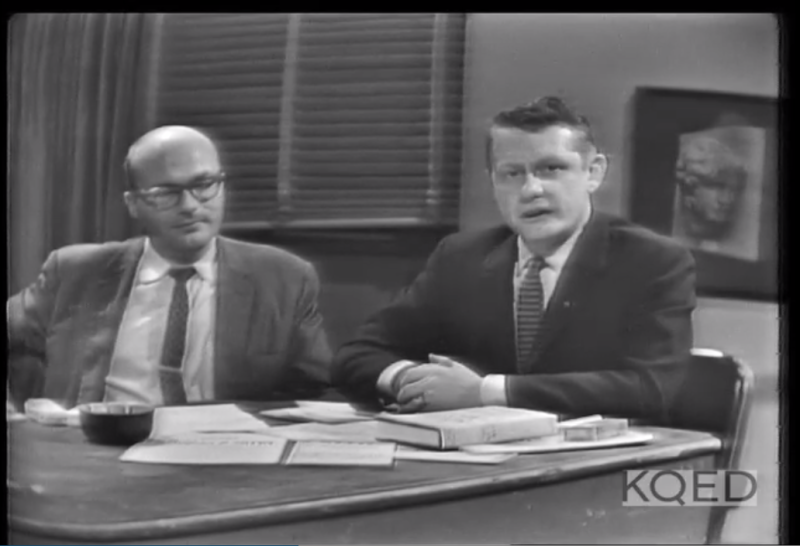
"caption": "\"The Rejected\" is considered the first documentary about homosexuality in the U.S.",
"description": "\"The Rejected\" is considered the first documentary about homosexuality in the U.S.",
"title": "Mattachine 2",
"credit": null,
"status": "inherit",
"isLoading": false,
"fetchFailed": false
},
"news_10552418": {
"type": "attachments",
"id": "news_10552418",
"meta": {
"index": "attachments_1716263798",
"site": "news",
"id": "10552418",
"found": true
},
"parent": 10551969,
"imgSizes": {
"twentyfourteen-full-width": {
"file": "https://ww2.kqed.org/app/uploads/sites/10/2015/06/NotesForNotes-1038x576.jpg",
"width": 1038,
"mimeType": "image/jpeg",
"height": 576
},
"thumbnail": {
"file": "https://ww2.kqed.org/app/uploads/sites/10/2015/06/NotesForNotes-400x291.jpg",
"width": 400,
"mimeType": "image/jpeg",
"height": 291
},
"fd-sm": {
"file": "https://ww2.kqed.org/app/uploads/sites/10/2015/06/NotesForNotes-960x700.jpg",
"width": 960,
"mimeType": "image/jpeg",
"height": 700
},
"post-thumbnail": {
"file": "https://ww2.kqed.org/app/uploads/sites/10/2015/06/NotesForNotes-672x372.jpg",
"width": 672,
"mimeType": "image/jpeg",
"height": 372
},
"kqedFullSize": {
"file": "https://ww2.kqed.org/app/uploads/sites/10/2015/06/NotesForNotes.jpg",
"width": 1920,
"height": 1399
},
"large": {
"file": "https://ww2.kqed.org/app/uploads/sites/10/2015/06/NotesForNotes-1440x1049.jpg",
"width": 1440,
"mimeType": "image/jpeg",
"height": 1049
},
"guest-author-96": {
"file": "https://ww2.kqed.org/app/uploads/sites/10/2015/06/NotesForNotes-96x96.jpg",
"width": 96,
"mimeType": "image/jpeg",
"height": 96
},
"medium": {
"file": "https://ww2.kqed.org/app/uploads/sites/10/2015/06/NotesForNotes-800x583.jpg",
"width": 800,
"mimeType": "image/jpeg",
"height": 583
},
"guest-author-64": {
"file": "https://ww2.kqed.org/app/uploads/sites/10/2015/06/NotesForNotes-64x64.jpg",
"width": 64,
"mimeType": "image/jpeg",
"height": 64
},
"guest-author-32": {
"file": "https://ww2.kqed.org/app/uploads/sites/10/2015/06/NotesForNotes-32x32.jpg",
"width": 32,
"mimeType": "image/jpeg",
"height": 32
},
"fd-med": {
"file": "https://ww2.kqed.org/app/uploads/sites/10/2015/06/NotesForNotes-1180x860.jpg",
"width": 1180,
"mimeType": "image/jpeg",
"height": 860
},
"detail": {
"file": "https://ww2.kqed.org/app/uploads/sites/10/2015/06/NotesForNotes-75x75.jpg",
"width": 75,
"mimeType": "image/jpeg",
"height": 75
},
"guest-author-128": {
"file": "https://ww2.kqed.org/app/uploads/sites/10/2015/06/NotesForNotes-128x128.jpg",
"width": 128,
"mimeType": "image/jpeg",
"height": 128
}
},
"publishDate": 1433552535,
"modified": 1433552584,
"caption": "Chimaway Lopez (L), Jamey Geston (C) and Brandi Rose Lentini rehearse at Notes for Notes in Santa Barbara.",
"description": "Chimaway Lopez (L), Jamey Geston (C) and Brandi Rose Lentini rehearse at Notes for Notes in Santa Barbara.",
"title": "NotesForNotes",
"credit": "Diane Bock/KQED",
"status": "inherit",
"isLoading": false,
"fetchFailed": false
},
"news_10550801": {
"type": "attachments",
"id": "news_10550801",
"meta": {
"index": "attachments_1716263798",
"site": "news",
"id": "10550801",
"found": true
},
"parent": 10549762,
"imgSizes": {
"twentyfourteen-full-width": {
"file": "https://ww2.kqed.org/app/uploads/sites/10/2015/06/BrianWilson-1038x576.jpg",
"width": 1038,
"mimeType": "image/jpeg",
"height": 576
},
"thumbnail": {
"file": "https://ww2.kqed.org/app/uploads/sites/10/2015/06/BrianWilson-400x228.jpg",
"width": 400,
"mimeType": "image/jpeg",
"height": 228
},
"fd-sm": {
"file": "https://ww2.kqed.org/app/uploads/sites/10/2015/06/BrianWilson-960x547.jpg",
"width": 960,
"mimeType": "image/jpeg",
"height": 547
},
"post-thumbnail": {
"file": "https://ww2.kqed.org/app/uploads/sites/10/2015/06/BrianWilson-672x372.jpg",
"width": 672,
"mimeType": "image/jpeg",
"height": 372
},
"kqedFullSize": {
"file": "https://ww2.kqed.org/app/uploads/sites/10/2015/06/BrianWilson.jpg",
"width": 1920,
"height": 1094
},
"large": {
"file": "https://ww2.kqed.org/app/uploads/sites/10/2015/06/BrianWilson-1440x821.jpg",
"width": 1440,
"mimeType": "image/jpeg",
"height": 821
},
"guest-author-96": {
"file": "https://ww2.kqed.org/app/uploads/sites/10/2015/06/BrianWilson-96x96.jpg",
"width": 96,
"mimeType": "image/jpeg",
"height": 96
},
"medium": {
"file": "https://ww2.kqed.org/app/uploads/sites/10/2015/06/BrianWilson-800x456.jpg",
"width": 800,
"mimeType": "image/jpeg",
"height": 456
},
"guest-author-64": {
"file": "https://ww2.kqed.org/app/uploads/sites/10/2015/06/BrianWilson-64x64.jpg",
"width": 64,
"mimeType": "image/jpeg",
"height": 64
},
"guest-author-32": {
"file": "https://ww2.kqed.org/app/uploads/sites/10/2015/06/BrianWilson-32x32.jpg",
"width": 32,
"mimeType": "image/jpeg",
"height": 32
},
"fd-med": {
"file": "https://ww2.kqed.org/app/uploads/sites/10/2015/06/BrianWilson-1180x672.jpg",
"width": 1180,
"mimeType": "image/jpeg",
"height": 672
},
"detail": {
"file": "https://ww2.kqed.org/app/uploads/sites/10/2015/06/BrianWilson-75x75.jpg",
"width": 75,
"mimeType": "image/jpeg",
"height": 75
},
"guest-author-128": {
"file": "https://ww2.kqed.org/app/uploads/sites/10/2015/06/BrianWilson-128x128.jpg",
"width": 128,
"mimeType": "image/jpeg",
"height": 128
}
},
"publishDate": 1433441917,
"modified": 1433441941,
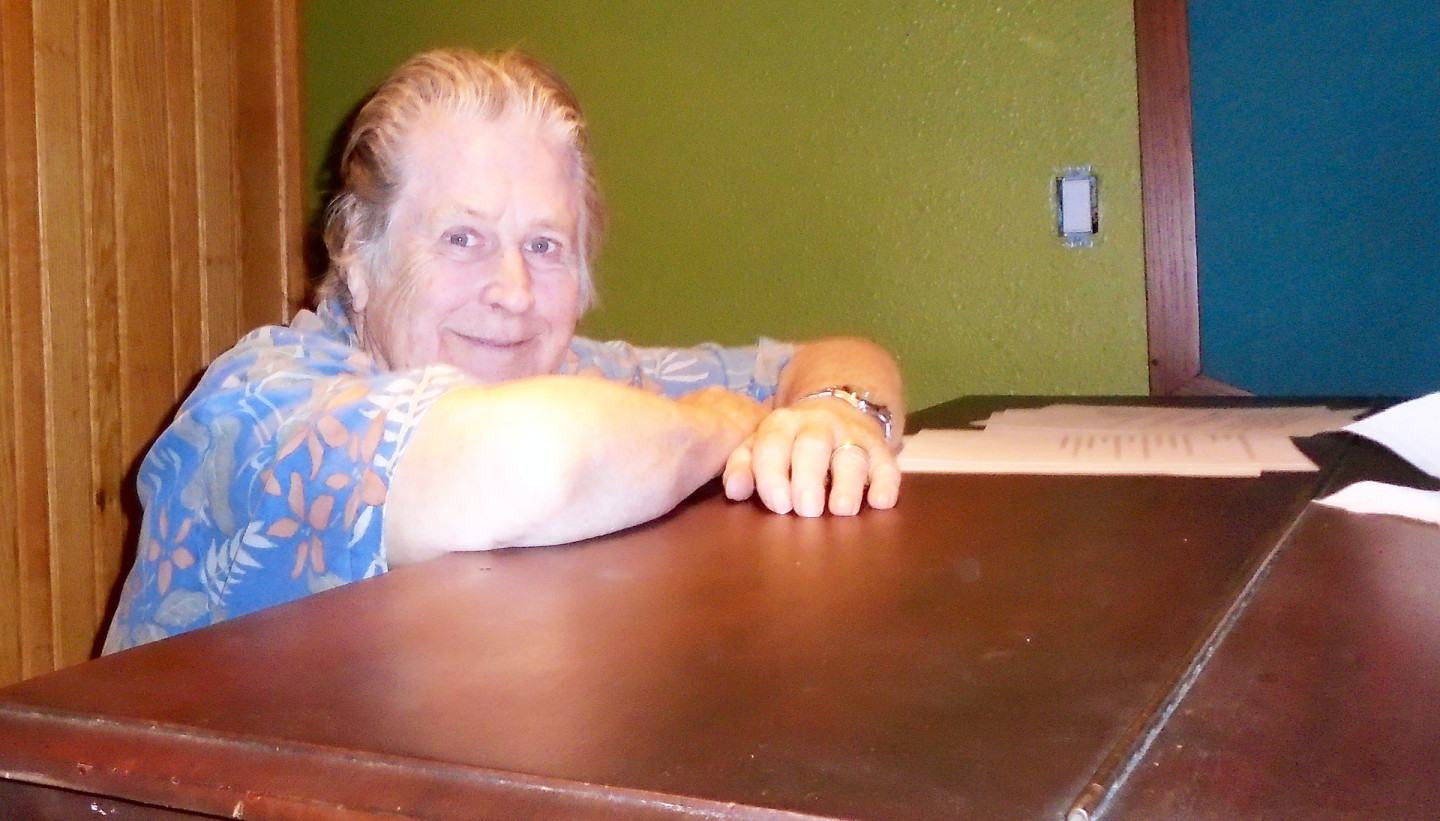
"caption": "Brian Wilson at the piano in a Los Angeles studio.",
"description": "Brian Wilson at the piano in a Los Angeles studio.",
"title": "BrianWilson",
"credit": "Peter Gilstrap/KQED",
"status": "inherit",
"isLoading": false,
"fetchFailed": false
},
"news_10552037": {
"type": "attachments",
"id": "news_10552037",
"meta": {
"index": "attachments_1716263798",
"site": "news",
"id": "10552037",
"found": true
},
"parent": 10532823,
"imgSizes": {
"twentyfourteen-full-width": {
"file": "https://ww2.kqed.org/app/uploads/sites/10/2015/06/Carvajal-1038x576.jpg",
"width": 1038,
"mimeType": "image/jpeg",
"height": 576
},
"thumbnail": {
"file": "https://ww2.kqed.org/app/uploads/sites/10/2015/06/Carvajal-400x370.jpg",
"width": 400,
"mimeType": "image/jpeg",
"height": 370
},
"fd-sm": {
"file": "https://ww2.kqed.org/app/uploads/sites/10/2015/06/Carvajal-960x888.jpg",
"width": 960,
"mimeType": "image/jpeg",
"height": 888
},
"post-thumbnail": {
"file": "https://ww2.kqed.org/app/uploads/sites/10/2015/06/Carvajal-672x372.jpg",
"width": 672,
"mimeType": "image/jpeg",
"height": 372
},
"kqedFullSize": {
"file": "https://ww2.kqed.org/app/uploads/sites/10/2015/06/Carvajal.jpg",
"width": 1920,
"height": 1775
},
"large": {
"file": "https://ww2.kqed.org/app/uploads/sites/10/2015/06/Carvajal-1440x1331.jpg",
"width": 1440,
"mimeType": "image/jpeg",
"height": 1331
},
"guest-author-96": {
"file": "https://ww2.kqed.org/app/uploads/sites/10/2015/06/Carvajal-96x96.jpg",
"width": 96,
"mimeType": "image/jpeg",
"height": 96
},
"medium": {
"file": "https://ww2.kqed.org/app/uploads/sites/10/2015/06/Carvajal-800x740.jpg",
"width": 800,
"mimeType": "image/jpeg",
"height": 740
},
"guest-author-64": {
"file": "https://ww2.kqed.org/app/uploads/sites/10/2015/06/Carvajal-64x64.jpg",
"width": 64,
"mimeType": "image/jpeg",
"height": 64
},
"guest-author-32": {
"file": "https://ww2.kqed.org/app/uploads/sites/10/2015/06/Carvajal-32x32.jpg",
"width": 32,
"mimeType": "image/jpeg",
"height": 32
},
"fd-med": {
"file": "https://ww2.kqed.org/app/uploads/sites/10/2015/06/Carvajal-1180x1091.jpg",
"width": 1180,
"mimeType": "image/jpeg",
"height": 1091
},
"detail": {
"file": "https://ww2.kqed.org/app/uploads/sites/10/2015/06/Carvajal-75x75.jpg",
"width": 75,
"mimeType": "image/jpeg",
"height": 75
},
"guest-author-128": {
"file": "https://ww2.kqed.org/app/uploads/sites/10/2015/06/Carvajal-128x128.jpg",
"width": 128,
"mimeType": "image/jpeg",
"height": 128
}
},
"publishDate": 1433528527,
"modified": 1433528561,
"caption": "Carlos Carvajal performs a Filipino dance in the 1960s. Carvajal is now the co-artistic director of the San Francisco Ethnic Dance Festival.",
"description": "Carlos Carvajal performs a Filipino dance in the 1960s. Carvajal is now the co-artistic director of the San Francisco Ethnic Dance Festival.",
"title": "Carvajal",
"credit": "Courtesy of Carlos Carvajal",
"status": "inherit",
"isLoading": false,
"fetchFailed": false
},
"news_10552151": {
"type": "attachments",
"id": "news_10552151",
"meta": {
"index": "attachments_1716263798",
"site": "news",
"id": "10552151",
"found": true
},
"parent": 10547489,
"imgSizes": {
"twentyfourteen-full-width": {
"file": "https://ww2.kqed.org/app/uploads/sites/10/2015/06/Matmos-1038x576.jpg",
"width": 1038,
"mimeType": "image/jpeg",
"height": 576
},
"thumbnail": {
"file": "https://ww2.kqed.org/app/uploads/sites/10/2015/06/Matmos-400x262.jpg",
"width": 400,
"mimeType": "image/jpeg",
"height": 262
},
"fd-sm": {
"file": "https://ww2.kqed.org/app/uploads/sites/10/2015/06/Matmos-960x629.jpg",
"width": 960,
"mimeType": "image/jpeg",
"height": 629
},
"post-thumbnail": {
"file": "https://ww2.kqed.org/app/uploads/sites/10/2015/06/Matmos-672x372.jpg",
"width": 672,
"mimeType": "image/jpeg",
"height": 372
},
"kqedFullSize": {
"file": "https://ww2.kqed.org/app/uploads/sites/10/2015/06/Matmos.jpg",
"width": 1920,
"height": 1258
},
"large": {
"file": "https://ww2.kqed.org/app/uploads/sites/10/2015/06/Matmos-1440x944.jpg",
"width": 1440,
"mimeType": "image/jpeg",
"height": 944
},
"guest-author-96": {
"file": "https://ww2.kqed.org/app/uploads/sites/10/2015/06/Matmos-96x96.jpg",
"width": 96,
"mimeType": "image/jpeg",
"height": 96
},
"medium": {
"file": "https://ww2.kqed.org/app/uploads/sites/10/2015/06/Matmos-800x524.jpg",
"width": 800,
"mimeType": "image/jpeg",
"height": 524
},
"guest-author-64": {
"file": "https://ww2.kqed.org/app/uploads/sites/10/2015/06/Matmos-64x64.jpg",
"width": 64,
"mimeType": "image/jpeg",
"height": 64
},
"guest-author-32": {
"file": "https://ww2.kqed.org/app/uploads/sites/10/2015/06/Matmos-32x32.jpg",
"width": 32,
"mimeType": "image/jpeg",
"height": 32
},
"fd-med": {
"file": "https://ww2.kqed.org/app/uploads/sites/10/2015/06/Matmos-1180x773.jpg",
"width": 1180,
"mimeType": "image/jpeg",
"height": 773
},
"detail": {
"file": "https://ww2.kqed.org/app/uploads/sites/10/2015/06/Matmos-75x75.jpg",
"width": 75,
"mimeType": "image/jpeg",
"height": 75
},
"guest-author-128": {
"file": "https://ww2.kqed.org/app/uploads/sites/10/2015/06/Matmos-128x128.jpg",
"width": 128,
"mimeType": "image/jpeg",
"height": 128
}
},
"publishDate": 1433537600,
"modified": 1433537695,
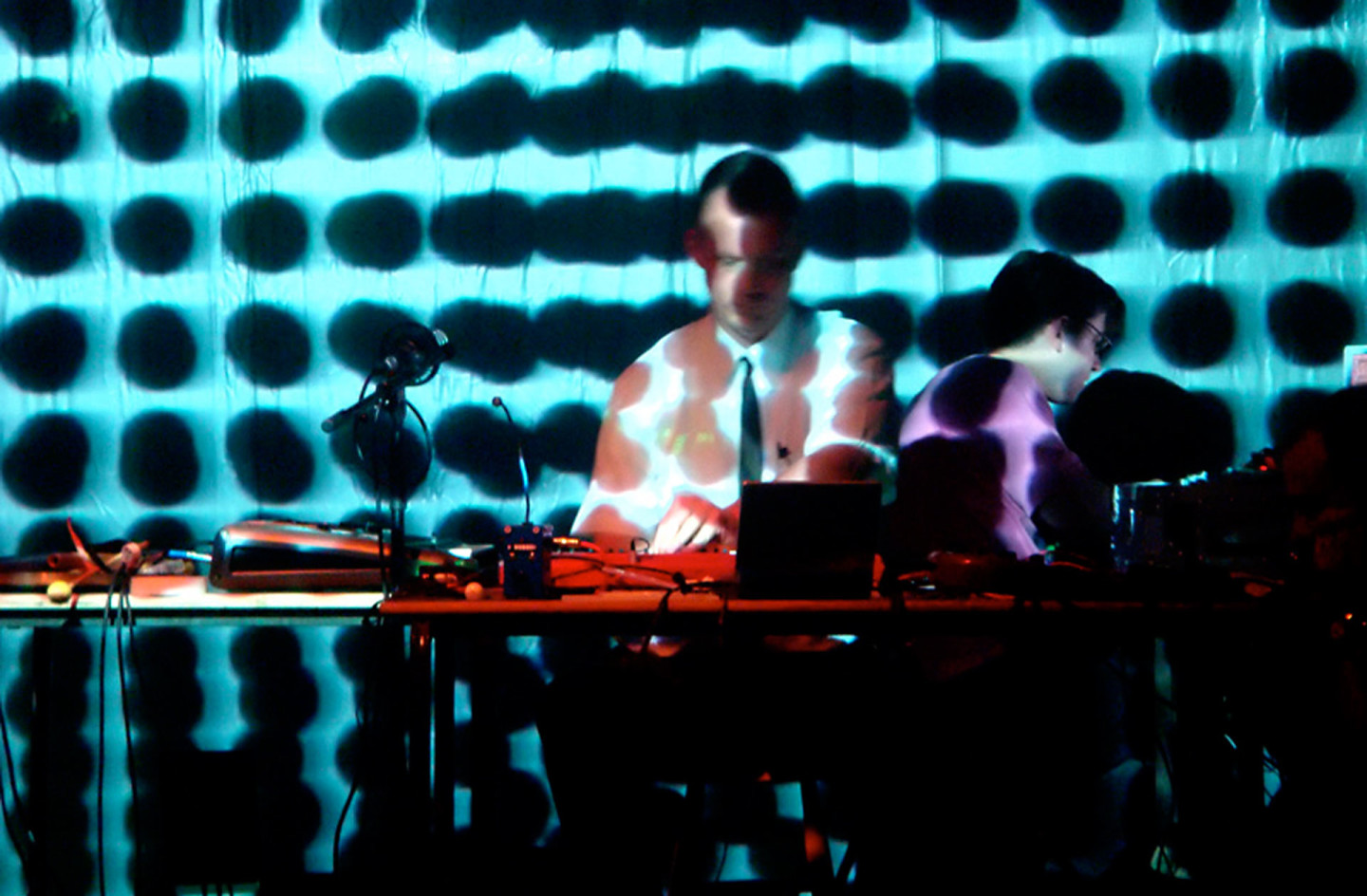
"caption": "Former San Franciscans Matmos return to The Lab for a June 5 performance as part of the Megapolis Audio Festival.",
"description": "Former San Franciscans Matmos return to The Lab for a June 5 performance as part of the Megapolis Audio Festival.",
"title": "Matmos",
"credit": "Chris Carter/Flickr",
"status": "inherit",
"isLoading": false,
"fetchFailed": false
},
"news_10547339": {
"type": "attachments",
"id": "news_10547339",
"meta": {
"index": "attachments_1716263798",
"site": "news",
"id": "10547339",
"found": true
},
"parent": 10547285,
"imgSizes": {
"twentyfourteen-full-width": {
"file": "https://ww2.kqed.org/app/uploads/sites/10/2015/06/Disneyland-1038x576.jpg",
"width": 1038,
"mimeType": "image/jpeg",
"height": 576
},
"thumbnail": {
"file": "https://ww2.kqed.org/app/uploads/sites/10/2015/06/Disneyland-400x267.jpg",
"width": 400,
"mimeType": "image/jpeg",
"height": 267
},
"fd-sm": {
"file": "https://ww2.kqed.org/app/uploads/sites/10/2015/06/Disneyland-960x640.jpg",
"width": 960,
"mimeType": "image/jpeg",
"height": 640
},
"post-thumbnail": {
"file": "https://ww2.kqed.org/app/uploads/sites/10/2015/06/Disneyland-672x372.jpg",
"width": 672,
"mimeType": "image/jpeg",
"height": 372
},
"kqedFullSize": {
"file": "https://ww2.kqed.org/app/uploads/sites/10/2015/06/Disneyland-e1433190639826.jpg",
"width": 1920,
"height": 1280
},
"large": {
"file": "https://ww2.kqed.org/app/uploads/sites/10/2015/06/Disneyland-1440x960.jpg",
"width": 1440,
"mimeType": "image/jpeg",
"height": 960
},
"guest-author-96": {
"file": "https://ww2.kqed.org/app/uploads/sites/10/2015/06/Disneyland-96x96.jpg",
"width": 96,
"mimeType": "image/jpeg",
"height": 96
},
"medium": {
"file": "https://ww2.kqed.org/app/uploads/sites/10/2015/06/Disneyland-800x533.jpg",
"width": 800,
"mimeType": "image/jpeg",
"height": 533
},
"guest-author-64": {
"file": "https://ww2.kqed.org/app/uploads/sites/10/2015/06/Disneyland-64x64.jpg",
"width": 64,
"mimeType": "image/jpeg",
"height": 64
},
"guest-author-32": {
"file": "https://ww2.kqed.org/app/uploads/sites/10/2015/06/Disneyland-32x32.jpg",
"width": 32,
"mimeType": "image/jpeg",
"height": 32
},
"fd-med": {
"file": "https://ww2.kqed.org/app/uploads/sites/10/2015/06/Disneyland-1180x787.jpg",
"width": 1180,
"mimeType": "image/jpeg",
"height": 787
},
"detail": {
"file": "https://ww2.kqed.org/app/uploads/sites/10/2015/06/Disneyland-75x75.jpg",
"width": 75,
"mimeType": "image/jpeg",
"height": 75
},
"guest-author-128": {
"file": "https://ww2.kqed.org/app/uploads/sites/10/2015/06/Disneyland-128x128.jpg",
"width": 128,
"mimeType": "image/jpeg",
"height": 128
}
},
"publishDate": 1433190556,
"modified": 1433190631,
"caption": "File photo: Disneyland in 2005.",
"description": null,
"title": "Disney characters Mickey Mouse and Minni",
"credit": "HECTOR MATA/AFP/Getty Images",
"status": "inherit",
"isLoading": false,
"fetchFailed": false
},
"news_10544146": {
"type": "attachments",
"id": "news_10544146",
"meta": {
"index": "attachments_1716263798",
"site": "news",
"id": "10544146",
"found": true
},
"parent": 10543922,
"imgSizes": {
"twentyfourteen-full-width": {
"file": "https://ww2.kqed.org/app/uploads/sites/10/2015/05/TowerRecords-1038x576.jpg",
"width": 1038,
"mimeType": "image/jpeg",
"height": 576
},
"thumbnail": {
"file": "https://ww2.kqed.org/app/uploads/sites/10/2015/05/TowerRecords-400x183.jpg",
"width": 400,
"mimeType": "image/jpeg",
"height": 183
},
"fd-sm": {
"file": "https://ww2.kqed.org/app/uploads/sites/10/2015/05/TowerRecords-960x440.jpg",
"width": 960,
"mimeType": "image/jpeg",
"height": 440
},
"post-thumbnail": {
"file": "https://ww2.kqed.org/app/uploads/sites/10/2015/05/TowerRecords-672x372.jpg",
"width": 672,
"mimeType": "image/jpeg",
"height": 372
},
"kqedFullSize": {
"file": "https://ww2.kqed.org/app/uploads/sites/10/2015/05/TowerRecords.jpg",
"width": 1920,
"height": 880
},
"large": {
"file": "https://ww2.kqed.org/app/uploads/sites/10/2015/05/TowerRecords-1440x660.jpg",
"width": 1440,
"mimeType": "image/jpeg",
"height": 660
},
"guest-author-96": {
"file": "https://ww2.kqed.org/app/uploads/sites/10/2015/05/TowerRecords-96x96.jpg",
"width": 96,
"mimeType": "image/jpeg",
"height": 96
},
"medium": {
"file": "https://ww2.kqed.org/app/uploads/sites/10/2015/05/TowerRecords-800x367.jpg",
"width": 800,
"mimeType": "image/jpeg",
"height": 367
},
"guest-author-64": {
"file": "https://ww2.kqed.org/app/uploads/sites/10/2015/05/TowerRecords-64x64.jpg",
"width": 64,
"mimeType": "image/jpeg",
"height": 64
},
"guest-author-32": {
"file": "https://ww2.kqed.org/app/uploads/sites/10/2015/05/TowerRecords-32x32.jpg",
"width": 32,
"mimeType": "image/jpeg",
"height": 32
},
"fd-med": {
"file": "https://ww2.kqed.org/app/uploads/sites/10/2015/05/TowerRecords-1180x541.jpg",
"width": 1180,
"mimeType": "image/jpeg",
"height": 541
},
"detail": {
"file": "https://ww2.kqed.org/app/uploads/sites/10/2015/05/TowerRecords-75x75.jpg",
"width": 75,
"mimeType": "image/jpeg",
"height": 75
},
"guest-author-128": {
"file": "https://ww2.kqed.org/app/uploads/sites/10/2015/05/TowerRecords-128x128.jpg",
"width": 128,
"mimeType": "image/jpeg",
"height": 128
}
},
"publishDate": 1432950099,
"modified": 1433194373,
"caption": null,
"description": null,
"title": "TowerRecords",
"credit": "Courtesy of 'All Things Must Pass' ",
"status": "inherit",
"isLoading": false,
"fetchFailed": false
},
"news_10524376": {
"type": "attachments",
"id": "news_10524376",
"meta": {
"index": "attachments_1716263798",
"site": "news",
"id": "10524376",
"found": true
},
"parent": 10524326,
"imgSizes": {
"twentyfourteen-full-width": {
"file": "https://ww2.kqed.org/app/uploads/sites/10/2015/05/MySpot_Walker-1920-1038x576.jpg",
"width": 1038,
"mimeType": "image/jpeg",
"height": 576
},
"thumbnail": {
"file": "https://ww2.kqed.org/app/uploads/sites/10/2015/05/MySpot_Walker-1920-400x267.jpg",
"width": 400,
"mimeType": "image/jpeg",
"height": 267
},
"fd-sm": {
"file": "https://ww2.kqed.org/app/uploads/sites/10/2015/05/MySpot_Walker-1920-960x640.jpg",
"width": 960,
"mimeType": "image/jpeg",
"height": 640
},
"post-thumbnail": {
"file": "https://ww2.kqed.org/app/uploads/sites/10/2015/05/MySpot_Walker-1920-672x372.jpg",
"width": 672,
"mimeType": "image/jpeg",
"height": 372
},
"kqedFullSize": {
"file": "https://ww2.kqed.org/app/uploads/sites/10/2015/05/MySpot_Walker-1920.jpg",
"width": 1920,
"height": 1280
},
"large": {
"file": "https://ww2.kqed.org/app/uploads/sites/10/2015/05/MySpot_Walker-1920-1440x960.jpg",
"width": 1440,
"mimeType": "image/jpeg",
"height": 960
},
"guest-author-96": {
"file": "https://ww2.kqed.org/app/uploads/sites/10/2015/05/MySpot_Walker-1920-96x96.jpg",
"width": 96,
"mimeType": "image/jpeg",
"height": 96
},
"medium": {
"file": "https://ww2.kqed.org/app/uploads/sites/10/2015/05/MySpot_Walker-1920-800x533.jpg",
"width": 800,
"mimeType": "image/jpeg",
"height": 533
},
"guest-author-64": {
"file": "https://ww2.kqed.org/app/uploads/sites/10/2015/05/MySpot_Walker-1920-64x64.jpg",
"width": 64,
"mimeType": "image/jpeg",
"height": 64
},
"guest-author-32": {
"file": "https://ww2.kqed.org/app/uploads/sites/10/2015/05/MySpot_Walker-1920-32x32.jpg",
"width": 32,
"mimeType": "image/jpeg",
"height": 32
},
"fd-med": {
"file": "https://ww2.kqed.org/app/uploads/sites/10/2015/05/MySpot_Walker-1920-1180x787.jpg",
"width": 1180,
"mimeType": "image/jpeg",
"height": 787
},
"detail": {
"file": "https://ww2.kqed.org/app/uploads/sites/10/2015/05/MySpot_Walker-1920-75x75.jpg",
"width": 75,
"mimeType": "image/jpeg",
"height": 75
},
"guest-author-128": {
"file": "https://ww2.kqed.org/app/uploads/sites/10/2015/05/MySpot_Walker-1920-128x128.jpg",
"width": 128,
"mimeType": "image/jpeg",
"height": 128
}
},
"publishDate": 1431538946,
"modified": 1431556643,
"caption": "Terry Walker is a regular at the Golden State Model Railroad Museum and visits at least once a month.",
"description": "Terry Walker is a regular at the Golden State Model Railroad Museum and visits at least once a month.",
"title": "MySpot_Walker 1920",
"credit": "Nancy DeVille",
"status": "inherit",
"isLoading": false,
"fetchFailed": false
},
"news_10543752": {
"type": "attachments",
"id": "news_10543752",
"meta": {
"index": "attachments_1716263798",
"site": "news",
"id": "10543752",
"found": true
},
"parent": 10543746,
"imgSizes": {
"twentyfourteen-full-width": {
"file": "https://ww2.kqed.org/app/uploads/sites/10/2015/05/Mister-Lie-1038x576.jpg",
"width": 1038,
"mimeType": "image/jpeg",
"height": 576
},
"thumbnail": {
"file": "https://ww2.kqed.org/app/uploads/sites/10/2015/05/Mister-Lie-400x267.jpg",
"width": 400,
"mimeType": "image/jpeg",
"height": 267
},
"fd-sm": {
"file": "https://ww2.kqed.org/app/uploads/sites/10/2015/05/Mister-Lie-960x640.jpg",
"width": 960,
"mimeType": "image/jpeg",
"height": 640
},
"post-thumbnail": {
"file": "https://ww2.kqed.org/app/uploads/sites/10/2015/05/Mister-Lie-672x372.jpg",
"width": 672,
"mimeType": "image/jpeg",
"height": 372
},
"kqedFullSize": {
"file": "https://ww2.kqed.org/app/uploads/sites/10/2015/05/Mister-Lie.jpg",
"width": 1898,
"height": 1266
},
"large": {
"file": "https://ww2.kqed.org/app/uploads/sites/10/2015/05/Mister-Lie-1440x961.jpg",
"width": 1440,
"mimeType": "image/jpeg",
"height": 961
},
"guest-author-96": {
"file": "https://ww2.kqed.org/app/uploads/sites/10/2015/05/Mister-Lie-96x96.jpg",
"width": 96,
"mimeType": "image/jpeg",
"height": 96
},
"medium": {
"file": "https://ww2.kqed.org/app/uploads/sites/10/2015/05/Mister-Lie-800x534.jpg",
"width": 800,
"mimeType": "image/jpeg",
"height": 534
},
"guest-author-64": {
"file": "https://ww2.kqed.org/app/uploads/sites/10/2015/05/Mister-Lie-64x64.jpg",
"width": 64,
"mimeType": "image/jpeg",
"height": 64
},
"guest-author-32": {
"file": "https://ww2.kqed.org/app/uploads/sites/10/2015/05/Mister-Lie-32x32.jpg",
"width": 32,
"mimeType": "image/jpeg",
"height": 32
},
"fd-med": {
"file": "https://ww2.kqed.org/app/uploads/sites/10/2015/05/Mister-Lie-1180x787.jpg",
"width": 1180,
"mimeType": "image/jpeg",
"height": 787
},
"detail": {
"file": "https://ww2.kqed.org/app/uploads/sites/10/2015/05/Mister-Lie-75x75.jpg",
"width": 75,
"mimeType": "image/jpeg",
"height": 75
},
"guest-author-128": {
"file": "https://ww2.kqed.org/app/uploads/sites/10/2015/05/Mister-Lie-128x128.jpg",
"width": 128,
"mimeType": "image/jpeg",
"height": 128
}
},
"publishDate": 1432933176,
"modified": 1432933316,
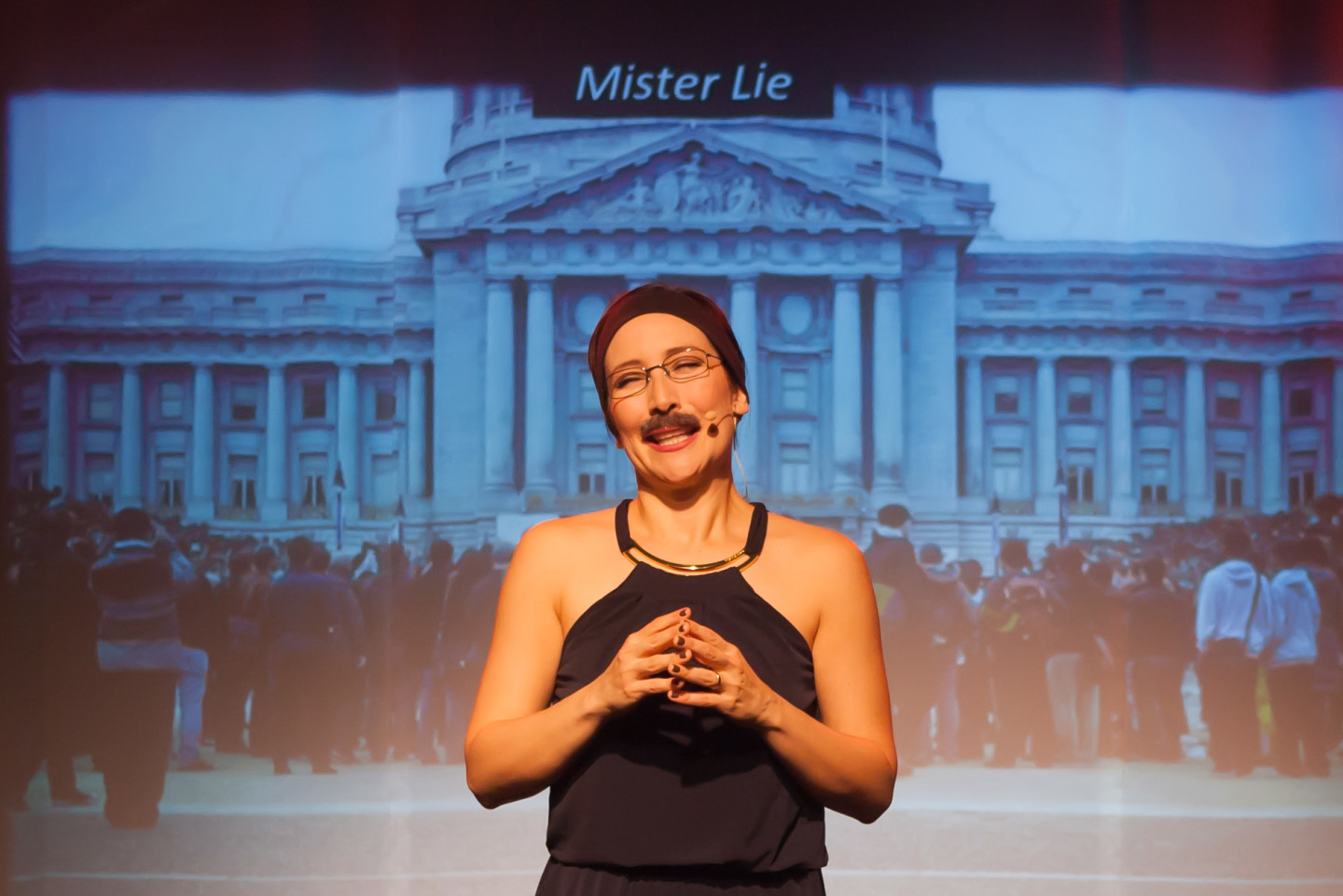
"caption": "In an original production, Lopez portrays a character named \"Mr. Lie.\"",
"description": "In an original production, Lopez portrays a character named \"Mr. Lie.\"",
"title": "Mister Lie",
"credit": "Luke Thomas/KQED",
"status": "inherit",
"isLoading": false,
"fetchFailed": false
},
"news_10535382": {
"type": "attachments",
"id": "news_10535382",
"meta": {
"index": "attachments_1716263798",
"site": "news",
"id": "10535382",
"found": true
},
"parent": 10535208,
"imgSizes": {
"twentyfourteen-full-width": {
"file": "https://ww2.kqed.org/app/uploads/sites/10/2015/05/RS15260__MG_9994-qut-1038x576.jpg",
"width": 1038,
"mimeType": "image/jpeg",
"height": 576
},
"thumbnail": {
"file": "https://ww2.kqed.org/app/uploads/sites/10/2015/05/RS15260__MG_9994-qut-400x267.jpg",
"width": 400,
"mimeType": "image/jpeg",
"height": 267
},
"fd-sm": {
"file": "https://ww2.kqed.org/app/uploads/sites/10/2015/05/RS15260__MG_9994-qut-960x640.jpg",
"width": 960,
"mimeType": "image/jpeg",
"height": 640
},
"post-thumbnail": {
"file": "https://ww2.kqed.org/app/uploads/sites/10/2015/05/RS15260__MG_9994-qut-672x372.jpg",
"width": 672,
"mimeType": "image/jpeg",
"height": 372
},
"kqedFullSize": {
"file": "https://ww2.kqed.org/app/uploads/sites/10/2015/05/RS15260__MG_9994-qut.jpg",
"width": 1920,
"height": 1280
},
"large": {
"file": "https://ww2.kqed.org/app/uploads/sites/10/2015/05/RS15260__MG_9994-qut-1440x960.jpg",
"width": 1440,
"mimeType": "image/jpeg",
"height": 960
},
"guest-author-96": {
"file": "https://ww2.kqed.org/app/uploads/sites/10/2015/05/RS15260__MG_9994-qut-96x96.jpg",
"width": 96,
"mimeType": "image/jpeg",
"height": 96
},
"medium": {
"file": "https://ww2.kqed.org/app/uploads/sites/10/2015/05/RS15260__MG_9994-qut-800x533.jpg",
"width": 800,
"mimeType": "image/jpeg",
"height": 533
},
"guest-author-64": {
"file": "https://ww2.kqed.org/app/uploads/sites/10/2015/05/RS15260__MG_9994-qut-64x64.jpg",
"width": 64,
"mimeType": "image/jpeg",
"height": 64
},
"guest-author-32": {
"file": "https://ww2.kqed.org/app/uploads/sites/10/2015/05/RS15260__MG_9994-qut-32x32.jpg",
"width": 32,
"mimeType": "image/jpeg",
"height": 32
},
"fd-med": {
"file": "https://ww2.kqed.org/app/uploads/sites/10/2015/05/RS15260__MG_9994-qut-1180x787.jpg",
"width": 1180,
"mimeType": "image/jpeg",
"height": 787
},
"detail": {
"file": "https://ww2.kqed.org/app/uploads/sites/10/2015/05/RS15260__MG_9994-qut-75x75.jpg",
"width": 75,
"mimeType": "image/jpeg",
"height": 75
},
"guest-author-128": {
"file": "https://ww2.kqed.org/app/uploads/sites/10/2015/05/RS15260__MG_9994-qut-128x128.jpg",
"width": 128,
"mimeType": "image/jpeg",
"height": 128
}
},
"publishDate": 1432326068,
"modified": 1432326131,
"caption": "Kamasi Washington (Photo/Mike Park)",
"description": "Kamasi Washington (Photo/Mike Park)",
"title": "Kamasi Washington",
"credit": null,
"status": "inherit",
"isLoading": false,
"fetchFailed": false
},
"news_10534282": {
"type": "attachments",
"id": "news_10534282",
"meta": {
"index": "attachments_1716263798",
"site": "news",
"id": "10534282",
"found": true
},
"parent": 10534280,
"imgSizes": {
"twentyfourteen-full-width": {
"file": "https://ww2.kqed.org/app/uploads/sites/10/2015/05/latino-vets-Tom-2-Vietnam-1038x576.jpg",
"width": 1038,
"mimeType": "image/jpeg",
"height": 576
},
"thumbnail": {
"file": "https://ww2.kqed.org/app/uploads/sites/10/2015/05/latino-vets-Tom-2-Vietnam-400x267.jpg",
"width": 400,
"mimeType": "image/jpeg",
"height": 267
},
"fd-sm": {
"file": "https://ww2.kqed.org/app/uploads/sites/10/2015/05/latino-vets-Tom-2-Vietnam-960x642.jpg",
"width": 960,
"mimeType": "image/jpeg",
"height": 642
},
"post-thumbnail": {
"file": "https://ww2.kqed.org/app/uploads/sites/10/2015/05/latino-vets-Tom-2-Vietnam-672x372.jpg",
"width": 672,
"mimeType": "image/jpeg",
"height": 372
},
"kqedFullSize": {
"file": "https://ww2.kqed.org/app/uploads/sites/10/2015/05/latino-vets-Tom-2-Vietnam.jpg",
"width": 1920,
"height": 1283
},
"large": {
"file": "https://ww2.kqed.org/app/uploads/sites/10/2015/05/latino-vets-Tom-2-Vietnam-1440x962.jpg",
"width": 1440,
"mimeType": "image/jpeg",
"height": 962
},
"guest-author-96": {
"file": "https://ww2.kqed.org/app/uploads/sites/10/2015/05/latino-vets-Tom-2-Vietnam-96x96.jpg",
"width": 96,
"mimeType": "image/jpeg",
"height": 96
},
"medium": {
"file": "https://ww2.kqed.org/app/uploads/sites/10/2015/05/latino-vets-Tom-2-Vietnam-800x535.jpg",
"width": 800,
"mimeType": "image/jpeg",
"height": 535
},
"guest-author-64": {
"file": "https://ww2.kqed.org/app/uploads/sites/10/2015/05/latino-vets-Tom-2-Vietnam-64x64.jpg",
"width": 64,
"mimeType": "image/jpeg",
"height": 64
},
"guest-author-32": {
"file": "https://ww2.kqed.org/app/uploads/sites/10/2015/05/latino-vets-Tom-2-Vietnam-32x32.jpg",
"width": 32,
"mimeType": "image/jpeg",
"height": 32
},
"fd-med": {
"file": "https://ww2.kqed.org/app/uploads/sites/10/2015/05/latino-vets-Tom-2-Vietnam-1180x789.jpg",
"width": 1180,
"mimeType": "image/jpeg",
"height": 789
},
"detail": {
"file": "https://ww2.kqed.org/app/uploads/sites/10/2015/05/latino-vets-Tom-2-Vietnam-75x75.jpg",
"width": 75,
"mimeType": "image/jpeg",
"height": 75
},
"guest-author-128": {
"file": "https://ww2.kqed.org/app/uploads/sites/10/2015/05/latino-vets-Tom-2-Vietnam-128x128.jpg",
"width": 128,
"mimeType": "image/jpeg",
"height": 128
}
},
"publishDate": 1432251770,
"modified": 1432346019,
"caption": "Tom Sandoval, father of Pomona College professor Tomas Summers Sandoval, while on active duty during the Vietnam War",
"description": "Tom Sandoval, father of Pomona College professor Tomas Summers Sandoval, while on active duty during the Vietnam War",
"title": "latino vets Tom 2 Vietnam",
"credit": "Courtesy Tom Sandoval",
"status": "inherit",
"isLoading": false,
"fetchFailed": false
},
"news_10535154": {
"type": "attachments",
"id": "news_10535154",
"meta": {
"index": "attachments_1716263798",
"site": "news",
"id": "10535154",
"found": true
},
"parent": 10535152,
"imgSizes": {
"twentyfourteen-full-width": {
"file": "https://ww2.kqed.org/app/uploads/sites/10/2015/05/RS15257_IMG_2891.JPG-qut-e1432318306458-1038x576.jpg",
"width": 1038,
"mimeType": "image/jpeg",
"height": 576
},
"thumbnail": {
"file": "https://ww2.kqed.org/app/uploads/sites/10/2015/05/RS15257_IMG_2891.JPG-qut-e1432318306458-400x300.jpg",
"width": 400,
"mimeType": "image/jpeg",
"height": 300
},
"fd-sm": {
"file": "https://ww2.kqed.org/app/uploads/sites/10/2015/05/RS15257_IMG_2891.JPG-qut-e1432318306458-960x720.jpg",
"width": 960,
"mimeType": "image/jpeg",
"height": 720
},
"post-thumbnail": {
"file": "https://ww2.kqed.org/app/uploads/sites/10/2015/05/RS15257_IMG_2891.JPG-qut-e1432318306458-672x372.jpg",
"width": 672,
"mimeType": "image/jpeg",
"height": 372
},
"kqedFullSize": {
"file": "https://ww2.kqed.org/app/uploads/sites/10/2015/05/RS15257_IMG_2891.JPG-qut-e1432318306458.jpg",
"width": 1920,
"height": 1440
},
"large": {
"file": "https://ww2.kqed.org/app/uploads/sites/10/2015/05/RS15257_IMG_2891.JPG-qut-e1432318306458-1440x1080.jpg",
"width": 1440,
"mimeType": "image/jpeg",
"height": 1080
},
"guest-author-96": {
"file": "https://ww2.kqed.org/app/uploads/sites/10/2015/05/RS15257_IMG_2891.JPG-qut-e1432318306458-96x96.jpg",
"width": 96,
"mimeType": "image/jpeg",
"height": 96
},
"medium": {
"file": "https://ww2.kqed.org/app/uploads/sites/10/2015/05/RS15257_IMG_2891.JPG-qut-e1432318306458-800x600.jpg",
"width": 800,
"mimeType": "image/jpeg",
"height": 600
},
"guest-author-64": {
"file": "https://ww2.kqed.org/app/uploads/sites/10/2015/05/RS15257_IMG_2891.JPG-qut-e1432318306458-64x64.jpg",
"width": 64,
"mimeType": "image/jpeg",
"height": 64
},
"guest-author-32": {
"file": "https://ww2.kqed.org/app/uploads/sites/10/2015/05/RS15257_IMG_2891.JPG-qut-e1432318306458-32x32.jpg",
"width": 32,
"mimeType": "image/jpeg",
"height": 32
},
"fd-med": {
"file": "https://ww2.kqed.org/app/uploads/sites/10/2015/05/RS15257_IMG_2891.JPG-qut-e1432318306458-1180x885.jpg",
"width": 1180,
"mimeType": "image/jpeg",
"height": 885
},
"detail": {
"file": "https://ww2.kqed.org/app/uploads/sites/10/2015/05/RS15257_IMG_2891.JPG-qut-e1432318306458-75x75.jpg",
"width": 75,
"mimeType": "image/jpeg",
"height": 75
},
"guest-author-128": {
"file": "https://ww2.kqed.org/app/uploads/sites/10/2015/05/RS15257_IMG_2891.JPG-qut-e1432318306458-128x128.jpg",
"width": 128,
"mimeType": "image/jpeg",
"height": 128
}
},
"publishDate": 1432318230,
"modified": 1432334989,
"caption": "Orlando Madrid, with the traditional broom, has ushered in a new generation of Filipino-American DJs.",
"description": null,
"title": "RS15257_IMG_2891.JPG-qut",
"credit": "Sam Harnett/KQED",
"status": "inherit",
"isLoading": false,
"fetchFailed": false
}
},
"audioPlayerReducer": {
"postId": "stream_live",
"isPaused": true,
"isPlaying": false,
"pfsActive": false,
"pledgeModalIsOpen": true,
"playerDrawerIsOpen": false,
"liveAudioPlayStartedAt": 0,
"liveAudioPlayContext": ""
},
"authorsReducer": {
"byline_news_10551969": {
"type": "authors",
"id": "byline_news_10551969",
"meta": {
"override": true
},
"slug": "byline_news_10551969",
"name": "Diane Bock",
"isLoading": false
},
"byline_news_10549762": {
"type": "authors",
"id": "byline_news_10549762",
"meta": {
"override": true
},
"slug": "byline_news_10549762",
"name": "Peter Gilstrap",
"isLoading": false
},
"byline_news_10547489": {
"type": "authors",
"id": "byline_news_10547489",
"meta": {
"override": true
},
"slug": "byline_news_10547489",
"name": "Erik Neumann",
"isLoading": false
},
"byline_news_10524326": {
"type": "authors",
"id": "byline_news_10524326",
"meta": {
"override": true
},
"slug": "byline_news_10524326",
"name": "Nancy DeVille",
"isLoading": false
},
"agilbert": {
"type": "authors",
"id": "86",
"meta": {
"index": "authors_1716337520",
"id": "86",
"found": true
},
"name": "Andrew Gilbert",
"firstName": "Andrew",
"lastName": "Gilbert",
"slug": "agilbert",
"email": "jazzscribe@aol.com",
"display_author_email": false,
"staff_mastheads": [],
"title": "KQED Contributor",
"bio": "A Los Angeles native based in the Berkeley area since 1996, Andrew Gilbert covers jazz, international music and dance for KQED's \u003ci>California Report, \u003c/i>the\u003ci> Mercury News\u003c/i>, \u003ci>San Francisco Chronicle\u003c/i>, \u003ci>Berkeleyside.com\u003c/i>, and other publications. He is available for weddings and bar and bat mitzvahs. #jazzscribe",
"avatar": "https://secure.gravatar.com/avatar/d7bcafdbefdd39e9a68f88724ca616eb4e7a5a6bff9cdfb62de652a1e1751471?s=600&d=blank&r=g",
"twitter": null,
"bluesky": null,
"facebook": null,
"instagram": null,
"linkedin": null,
"sites": [
{
"site": "arts",
"roles": [
"Contributor",
"author"
]
},
{
"site": "news",
"roles": [
"author"
]
}
],
"headData": {
"title": "Andrew Gilbert | KQED",
"description": "KQED Contributor",
"ogImgSrc": "https://secure.gravatar.com/avatar/d7bcafdbefdd39e9a68f88724ca616eb4e7a5a6bff9cdfb62de652a1e1751471?s=600&d=blank&r=g",
"twImgSrc": "https://secure.gravatar.com/avatar/d7bcafdbefdd39e9a68f88724ca616eb4e7a5a6bff9cdfb62de652a1e1751471?s=600&d=blank&r=g"
},
"isLoading": false,
"link": "/author/agilbert"
},
"sracho": {
"type": "authors",
"id": "107",
"meta": {
"index": "authors_1716337520",
"id": "107",
"found": true
},
"name": "Suzie Racho",
"firstName": "Suzie",
"lastName": "Racho",
"slug": "sracho",
"email": "SRacho@KQED.org",
"display_author_email": false,
"staff_mastheads": [
"news"
],
"title": "KQED Contributor",
"bio": "Suzie Racho is a correspondent-producer with \u003cem>The California Report Magazine\u003c/em>\u003cem>. S\u003c/em>he has also worked with several other KQED productions, including Bay Curious, Truth Be Told, The Do List and KQED News.\r\n\r\nSuzie came to KQED in 1996 after receiving a BA in journalism from San Francisco State University and spending several years working in the music industry. As part of \u003cem>The California Report\u003c/em> team, her work has been recognized by the Society for Professional Journalists, National Federation of Community Broadcasters and Public Radio News Directors Incorporated, among others. She was recognized with a national Gracie Award in 2019. She spends her free time baking, listening to K-pop and rooting for the Giants and Valkyries.",
"avatar": "https://secure.gravatar.com/avatar/842e457a9830b0f3c1ce3ab70ed3518d616d1e25e315c6292eab8cd611d98601?s=600&d=blank&r=g",
"twitter": null,
"bluesky": null,
"facebook": null,
"instagram": null,
"linkedin": null,
"sites": [
{
"site": "arts",
"roles": [
"editor"
]
},
{
"site": "news",
"roles": [
"editor"
]
}
],
"headData": {
"title": "Suzie Racho | KQED",
"description": "KQED Contributor",
"ogImgSrc": "https://secure.gravatar.com/avatar/842e457a9830b0f3c1ce3ab70ed3518d616d1e25e315c6292eab8cd611d98601?s=600&d=blank&r=g",
"twImgSrc": "https://secure.gravatar.com/avatar/842e457a9830b0f3c1ce3ab70ed3518d616d1e25e315c6292eab8cd611d98601?s=600&d=blank&r=g"
},
"isLoading": false,
"link": "/author/sracho"
},
"samharnett": {
"type": "authors",
"id": "253",
"meta": {
"index": "authors_1716337520",
"id": "253",
"found": true
},
"name": "Sam Harnett",
"firstName": "Sam",
"lastName": "Harnett",
"slug": "samharnett",
"email": "samharnett@gmail.com",
"display_author_email": false,
"staff_mastheads": [],
"title": "KQED Contributor",
"bio": "Sam Harnett covered tech and work at KQED. He is the co-creator of \u003cem>\u003ca href=\"http://www.theworldaccordingtosound.org\">The World According to Sound\u003c/a>,\u003c/em> a 90-second podcast that features different sounds and the stories behind them.\r\n\r\nBefore coming to KQED, Sam worked as an independent reporter who contributed regularly to \u003cem>The California Report, Marketplace,\u003c/em> \u003cem>The World \u003c/em>and NPR.",
"avatar": "https://secure.gravatar.com/avatar/2538b972ac02f2b9546c7a6c59a0f3d0?s=600&d=blank&r=g",
"twitter": "Samwharnett",
"facebook": null,
"instagram": null,
"linkedin": null,
"sites": [
{
"site": "news",
"roles": [
"edit_others_posts",
"subscriber"
]
},
{
"site": "stateofhealth",
"roles": [
"author"
]
},
{
"site": "science",
"roles": [
"editor"
]
},
{
"site": "quest",
"roles": [
"subscriber"
]
}
],
"headData": {
"title": "Sam Harnett | KQED",
"description": "KQED Contributor",
"ogImgSrc": "https://secure.gravatar.com/avatar/2538b972ac02f2b9546c7a6c59a0f3d0?s=600&d=blank&r=g",
"twImgSrc": "https://secure.gravatar.com/avatar/2538b972ac02f2b9546c7a6c59a0f3d0?s=600&d=blank&r=g"
},
"isLoading": false,
"link": "/author/samharnett"
},
"scottshafer": {
"type": "authors",
"id": "255",
"meta": {
"index": "authors_1716337520",
"id": "255",
"found": true
},
"name": "Scott Shafer",
"firstName": "Scott",
"lastName": "Shafer",
"slug": "scottshafer",
"email": "sshafer@kqed.org",
"display_author_email": false,
"staff_mastheads": [
"news"
],
"title": "KQED Contributor",
"bio": "Scott Shafer is a senior editor with the KQED Politics and Government desk. He is co-host of Political Breakdown, the award-winning radio show and podcast with a personal take on the world of politics. Scott came to KQED in 1998 to host the statewide\u003cem> California Report\u003c/em>. Prior to that he had extended stints in politics and government\u003cem>.\u003c/em> He uses that inside experience at KQED in his, reporting, hosting and analysis for the politics desk. Scott collaborated \u003cem>Political Breakdown a\u003c/em>nd on \u003cem>The Political Mind of Jerry Brown, \u003c/em>an eight-part series about the life and extraordinary political career of the former governor. For fun, he plays water polo with the San Francisco Tsunami.",
"avatar": "https://secure.gravatar.com/avatar/a62ebae45b79d7aed1a39a0e3bf68104?s=600&d=blank&r=g",
"twitter": "scottshafer",
"bluesky": null,
"facebook": null,
"instagram": null,
"linkedin": null,
"sites": [
{
"site": "news",
"roles": [
"editor"
]
},
{
"site": "stateofhealth",
"roles": [
"author"
]
},
{
"site": "science",
"roles": [
"author"
]
},
{
"site": "forum",
"roles": [
"subscriber"
]
},
{
"site": "liveblog",
"roles": [
"author"
]
}
],
"headData": {
"title": "Scott Shafer | KQED",
"description": "KQED Contributor",
"ogImgSrc": "https://secure.gravatar.com/avatar/a62ebae45b79d7aed1a39a0e3bf68104?s=600&d=blank&r=g",
"twImgSrc": "https://secure.gravatar.com/avatar/a62ebae45b79d7aed1a39a0e3bf68104?s=600&d=blank&r=g"
},
"isLoading": false,
"link": "/author/scottshafer"
},
"scuevas": {
"type": "authors",
"id": "2600",
"meta": {
"index": "authors_1716337520",
"id": "2600",
"found": true
},
"name": "Steven Cuevas",
"firstName": "Steven",
"lastName": "Cuevas",
"slug": "scuevas",
"email": "scuevas@kqed.org",
"display_author_email": false,
"staff_mastheads": [],
"title": "KQED Contributor",
"bio": "Steven is a former Los Angeles bureau chief for The California Report.\r\n\r\nHe reports on an array of issues across the Southland, from immigration and regional politics to religion, the performing arts and pop culture.\r\n\r\nPrior to joining KQED in 2012, Steven covered Inland southern California for KPCC in Pasadena. He also helped establish the first newsroom at \u003ca href=\"http://kut.org/\">KUT\u003c/a> in Austin, Texas where he was a general assignment reporter.\r\n\r\nSteven has received numerous awards for his reporting including an RTNDA Edward R. Murrow Award for investigative reporting in addition to awards from the LA Press Club, the Associated Press and the Society for Professional Journalists.\r\n\r\nSteven grew up in and around San Francisco and now lives in Pasadena just a short jog from the foot of the San Gabriel Mountains.",
"avatar": "https://secure.gravatar.com/avatar/2d253580794f8e026100fae05cfabbbd4889b4fe15146146cacb82a01974c538?s=600&d=blank&r=g",
"twitter": null,
"bluesky": null,
"facebook": null,
"instagram": null,
"linkedin": null,
"sites": [
{
"site": "news",
"roles": [
"subscriber"
]
}
],
"headData": {
"title": "Steven Cuevas | KQED",
"description": "KQED Contributor",
"ogImgSrc": "https://secure.gravatar.com/avatar/2d253580794f8e026100fae05cfabbbd4889b4fe15146146cacb82a01974c538?s=600&d=blank&r=g",
"twImgSrc": "https://secure.gravatar.com/avatar/2d253580794f8e026100fae05cfabbbd4889b4fe15146146cacb82a01974c538?s=600&d=blank&r=g"
},
"isLoading": false,
"link": "/author/scuevas"
},
"adembosky": {
"type": "authors",
"id": "3205",
"meta": {
"index": "authors_1716337520",
"id": "3205",
"found": true
},
"name": "April Dembosky",
"firstName": "April",
"lastName": "Dembosky",
"slug": "adembosky",
"email": "adembosky@kqed.org",
"display_author_email": false,
"staff_mastheads": [
"news",
"science"
],
"title": "KQED Health Correspondent",
"bio": "April Dembosky is the health correspondent for KQED News and a regular contributor to NPR. She specializes in covering altered states of mind, from postpartum depression to methamphetamine-induced psychosis to the insanity defense. Her investigative series on insurance companies sidestepping mental health laws won multiple awards, including first place in beat reporting from the national Association of Health Care Journalists. She is the recipient of numerous other prizes and fellowships, including a national Edward R. Murrow award for investigative reporting, a Society of Professional Journalists award for long-form storytelling, and a Carter Center Fellowship for Mental Health Journalism.\r\n\r\nDembosky reported and produced \u003cem>Soundtrack of Silence\u003c/em>, an audio documentary about music and memory that is currently being made into a feature film by Paramount Pictures.\r\n\r\nBefore joining KQED in 2013, Dembosky covered technology and Silicon Valley for \u003cem>The Financial Times of London,\u003c/em> and contributed business and arts stories to \u003cem>Marketplace \u003c/em>and \u003cem>The New York Times.\u003c/em> She got her undergraduate degree in philosophy from Smith College and her master's in journalism from the University of California, Berkeley. She is a classically trained violinist and proud alum of the first symphony orchestra at Burning Man.",
"avatar": "https://secure.gravatar.com/avatar/ef92999be4ceb9ea60701e7dc276f813?s=600&d=blank&r=g",
"twitter": "adembosky",
"facebook": null,
"instagram": null,
"linkedin": null,
"sites": [
{
"site": "arts",
"roles": [
"author"
]
},
{
"site": "news",
"roles": [
"editor"
]
},
{
"site": "futureofyou",
"roles": [
"author"
]
},
{
"site": "stateofhealth",
"roles": [
"editor"
]
},
{
"site": "science",
"roles": [
"editor"
]
},
{
"site": "forum",
"roles": [
"editor"
]
}
],
"headData": {
"title": "April Dembosky | KQED",
"description": "KQED Health Correspondent",
"ogImgSrc": "https://secure.gravatar.com/avatar/ef92999be4ceb9ea60701e7dc276f813?s=600&d=blank&r=g",
"twImgSrc": "https://secure.gravatar.com/avatar/ef92999be4ceb9ea60701e7dc276f813?s=600&d=blank&r=g"
},
"isLoading": false,
"link": "/author/adembosky"
},
"rbowe": {
"type": "authors",
"id": "3231",
"meta": {
"index": "authors_1716337520",
"id": "3231",
"found": true
},
"name": "Rebecca Bowe",
"firstName": "Rebecca",
"lastName": "Bowe",
"slug": "rbowe",
"email": "rbowe@kqed.org",
"display_author_email": false,
"staff_mastheads": [],
"title": null,
"bio": "Rebecca Bowe is a journalist based in San Francisco. She's covered Bay Area news since 2009, and previously served as News Editor of the San Francisco Bay Guardian. Follow her on Twitter @ByRebeccaBowe.",
"avatar": "https://secure.gravatar.com/avatar/50e1da0639521639108e89c123a76c9c?s=600&d=blank&r=g",
"twitter": null,
"facebook": null,
"instagram": null,
"linkedin": null,
"sites": [
{
"site": "news",
"roles": [
"subscriber"
]
},
{
"site": "science",
"roles": [
"editor"
]
}
],
"headData": {
"title": "Rebecca Bowe | KQED",
"description": null,
"ogImgSrc": "https://secure.gravatar.com/avatar/50e1da0639521639108e89c123a76c9c?s=600&d=blank&r=g",
"twImgSrc": "https://secure.gravatar.com/avatar/50e1da0639521639108e89c123a76c9c?s=600&d=blank&r=g"
},
"isLoading": false,
"link": "/author/rbowe"
},
"pzaveri": {
"type": "authors",
"id": "7609",
"meta": {
"index": "authors_1716337520",
"id": "7609",
"found": true
},
"name": "Paayal Zaveri",
"firstName": "Paayal",
"lastName": "Zaveri",
"slug": "pzaveri",
"email": "paayalz2010@gmail.com",
"display_author_email": false,
"staff_mastheads": [],
"title": null,
"bio": "Paayal Zaveri is a journalist based in the San Francisco Bay Area and currently attends UC Berkeley's Graduate School of Journalism. She also contributes to KQED's The California Report and previously interned for them. Previously, she wrote for The California Aggie, the student newspaper at the University of California, Davis, the San Francisco Public Press and other publications. Find her on Twitter \u003ca href=\"https://twitter.com/paayalzaveri\" target=\"_blank\">@paayalzaveri\u003c/a>.",
"avatar": "https://secure.gravatar.com/avatar/96bd6bf064aa0929fe44bd2947473069?s=600&d=blank&r=g",
"twitter": null,
"facebook": null,
"instagram": null,
"linkedin": null,
"sites": [
{
"site": "news",
"roles": [
"author"
]
}
],
"headData": {
"title": "Paayal Zaveri | KQED",
"description": null,
"ogImgSrc": "https://secure.gravatar.com/avatar/96bd6bf064aa0929fe44bd2947473069?s=600&d=blank&r=g",
"twImgSrc": "https://secure.gravatar.com/avatar/96bd6bf064aa0929fe44bd2947473069?s=600&d=blank&r=g"
},
"isLoading": false,
"link": "/author/pzaveri"
}
},
"pagesReducer": {
"news_category_arts-and-culture": {
"type": "terms",
"id": "news_223",
"meta": {
"index": "terms_1716263798",
"site": "news",
"id": "223",
"score": 11.2428875
},
"featImg": null,
"name": "Arts and Culture",
"description": null,
"taxonomy": "category",
"headData": {
"twImgId": null,
"twTitle": null,
"ogTitle": null,
"ogImgId": null,
"twDescription": null,
"description": null,
"title": "Arts and Culture Archives | KQED News",
"ogDescription": null
},
"ttid": 231,
"slug": "arts-and-culture",
"isLoading": false,
"title": "Arts and Culture",
"pageMeta": {
"site": "news",
"WpPageTemplate": "page-topic-editorial",
"currentPage": 126
},
"blocks": [
{
"blockName": "kqed/post-list",
"attrs": {
"layout": "cardArticle2",
"query": "posts/news?category=arts-and-culture",
"seeMore": false,
"paginated": true,
"page": 126
}
},
{
"blockName": "kqed/ad"
}
]
}
},
"pfsSessionReducer": {},
"postsReducer": {
"stream_live": {
"type": "live",
"id": "stream_live",
"audioUrl": "https://streams.kqed.org/kqedradio",
"title": "Live Stream",
"excerpt": "Live Stream information currently unavailable.",
"link": "/radio",
"featImg": "",
"label": {
"name": "KQED Live",
"link": "/"
}
},
"stream_kqedNewscast": {
"type": "posts",
"id": "stream_kqedNewscast",
"audioUrl": "https://www.kqed.org/.stream/anon/radio/RDnews/newscast.mp3?_=1",
"title": "KQED Newscast",
"featImg": "",
"label": {
"name": "88.5 FM",
"link": "/"
}
},
"news_10552353": {
"type": "posts",
"id": "news_10552353",
"meta": {
"index": "posts_1716263798",
"site": "news",
"id": "10552353",
"score": null,
"sort": [
1433888558000
]
},
"parent": 0,
"labelTerm": {
"site": "news",
"term": 6944
},
"blocks": [],
"publishDate": 1433888558,
"format": "standard",
"disqusTitle": "Archivists Recover 'Lost' 1961 TV Documentary on Homosexuality",
"title": "Archivists Recover 'Lost' 1961 TV Documentary on Homosexuality",
"headTitle": "News Fix | KQED News",
"content": "\u003cp>“The Rejected” is believed to be the first American TV documentary on homosexuality, released in 1961. For decades many have thought the film was lost. Until now.\u003c/p>\n\u003cp>[soundcloud url=\"https://api.soundcloud.com/tracks/209017078\" params=\"color=0066cc&auto_play=false&hide_related=false&show_comments=true&show_user=true&show_reposts=false\" width=\"100%\" height=\"166\" iframe=\"true\" /]\u003c/p>\n\u003cp>KQED-TV produced “The Rejected.” Critics say it was progressive, ahead of its time. In the film, openly gay men talked about their lives and the oppression they faced. That would not happen again on TV for years. The documentary has been studied and written about, but few have actually watched it.\u003c/p>\n\u003caside class=\"pullquote alignright\">'I just figured it was lost to the ages.'\u003ccite>Bob Connelly, Film Professor \u003c/cite>\u003c/aside>\n\u003cp>Professor Bob Connelly never thought he would see “The Rejected.” He says, “I just figured it was lost to the ages.”\u003c/p>\n\u003cp>Connelly has been teaching “The Rejected” for 14 years in his film class at American University in Washington, D.C. He wrote about it in graduate school, and again on the\u003ca href=\"http://www.advocate.com/politics/commentary/2011/09/21/op-ed-television-coming-out-story-1961\"> 50th anniversary of the film\u003c/a>.\u003c/p>\n\u003cp>[ad fullwidth]\u003c/p>\n\u003cp>But like many others, Connelly could not find a copy. He called archives and scholars and even went to the Library of Congress. All he found there was a transcript.\u003c/p>\n\u003cp>So when Robert Chehoski called him a couple of years ago and said he was searching for the film, Connelly didn’t hold his breath.\u003c/p>\n\u003cp>Connelly says, “I really thought, 'buddy good luck. Nobody else has been able to find one, why would you be able to find one?'”\u003c/p>\n\u003cp>Chehoski is KQED's archivist. Now, you might think KQED would have the film. But no. Chehoski says local stations “simply did not have the room or resources to catalog everything.” The station had not kept a copy.\u003c/p>\n\u003cp>Today, archivists like Chehoski are trying to reclaim historic films like “The Rejected.”\u003c/p>\n\u003cfigure id=\"attachment_10552413\" class=\"wp-caption alignright\" style=\"max-width: 800px\">\u003ca href=\"http://ww2.kqed.org/news/wp-content/uploads/sites/10/2015/06/RS15396_IMG_2682.JPG-qut.jpg\">\u003cimg class=\"wp-image-10552413 size-medium\" src=\"http://ww2.kqed.org/news/wp-content/uploads/sites/10/2015/06/RS15396_IMG_2682.JPG-qut-800x1067.jpg\" alt=\"Archivist Alex Cherian finds old news footage and loads it up online.\" width=\"800\" height=\"1067\" srcset=\"https://ww2.kqed.org/app/uploads/sites/10/2015/06/RS15396_IMG_2682.JPG-qut-800x1067.jpg 800w, https://ww2.kqed.org/app/uploads/sites/10/2015/06/RS15396_IMG_2682.JPG-qut-400x533.jpg 400w, https://ww2.kqed.org/app/uploads/sites/10/2015/06/RS15396_IMG_2682.JPG-qut-1440x1920.jpg 1440w, https://ww2.kqed.org/app/uploads/sites/10/2015/06/RS15396_IMG_2682.JPG-qut-1180x1573.jpg 1180w, https://ww2.kqed.org/app/uploads/sites/10/2015/06/RS15396_IMG_2682.JPG-qut-960x1280.jpg 960w, https://ww2.kqed.org/app/uploads/sites/10/2015/06/RS15396_IMG_2682.JPG-qut.jpg 1920w\" sizes=\"(max-width: 800px) 100vw, 800px\">\u003c/a>\u003cfigcaption class=\"wp-caption-text\">Archivist Alex Cherian finds old news footage and loads it up online. (Sam Harnett/KQED) \u003ccite>(Sam Harnett/KQED)\u003c/cite>\u003c/figcaption>\u003c/figure>\n\u003cp>Chehoski says, “It just became that unicorn that I was looking for. I get a little obsessive I guess.”\u003c/p>\n\u003cp>Chehoski teamed up with Alex Cherian, another local archivist. Cherian runs the \u003ca href=\"https://diva.sfsu.edu/\">Bay Area Television Archive \u003c/a>at San Francisco State University. Together they went on a hunt that ended up taking six years.\u003c/p>\n\u003cp>Cherian says, “There was no treasure map. All I knew was in 1961, KQED had made this film. Where the hell was it?\"\u003c/p>\n\u003cp>The pair first tried some archives. No luck. They tracked down the original producer, Irving Saraf, to see if he knew anything. More bad news. Saraf told Cherian, “Oh yeah I made that film in 1961 but I haven’t been able to find it. It’s probably lost.”\u003c/p>\n\u003cp>Cherian and Chehoski then discovered KQED did not actually own the film. A New York TV station, WNET, did -- it had provided the film's funding.\u003c/p>\n\u003cp>From there, the archivists learned that at least one physical copy of “The Rejected” did exist, hiding in plain sight.\u003c/p>\n\u003cp>Cherian says, “There’s that cliched phrase, did you look down the back of the sofa?” AKA: the Library of Congress.\u003c/p>\n\u003cp>Yup, it was actually there, buried in the archive. But the film was neither easily accessible nor in perfect shape. So the archivists convinced the library and WNET to let them clean up, digitize and upload the video. Then they sent a link to Professor Connelly. He couldn’t believe what he was seeing.\u003c/p>\n\u003cp>Connelly says, “I am just blown away by the fact that it does exist.”\u003c/p>\n\u003cp>Now, more than 50 years after the film was made, anyone can go online and \u003ca href=\"https://diva.sfsu.edu/collections/sfbatv/bundles/225539\">watch it\u003c/a>.\u003c/p>\n\u003cp>The documentary starts with KQED Station Manager James Day telling the audience that what they will see deals with a subject that is “controversial, delicate, and to some downright unpleasant.” But, Day says, the issue cannot be ignored and should be talked about.\u003c/p>\n\u003cp>The film has Twilight-Zone-esque music and some of the discourse about homosexuality is painful to hear. The opening voice-over says, “This is a program about homosexuality. What causes it? Is there a cure for it?”\u003c/p>\n\u003cfigure id=\"attachment_10556737\" class=\"wp-caption alignleft\" style=\"max-width: 372px\">\u003ca href=\"http://ww2.kqed.org/news/wp-content/uploads/sites/10/2015/06/James-Day.png\">\u003cimg class=\" wp-image-10556737\" src=\"http://ww2.kqed.org/news/wp-content/uploads/sites/10/2015/06/James-Day-800x548.png\" alt=\"KQED Station Manager James Day introducing the controversial subject of homosexuality. \" width=\"372\" height=\"255\" srcset=\"https://ww2.kqed.org/app/uploads/sites/10/2015/06/James-Day-800x548.png 800w, https://ww2.kqed.org/app/uploads/sites/10/2015/06/James-Day-400x274.png 400w, https://ww2.kqed.org/app/uploads/sites/10/2015/06/James-Day-960x658.png 960w, https://ww2.kqed.org/app/uploads/sites/10/2015/06/James-Day.png 1029w\" sizes=\"(max-width: 372px) 100vw, 372px\">\u003c/a>\u003cfigcaption class=\"wp-caption-text\">KQED Station Manager James Day introducing the controversial subject of homosexuality. \u003ccite>(Still from 'The Rejected')\u003c/cite>\u003c/figcaption>\u003c/figure>\n\u003cp>But remember, it was the early '60s. Connelly says the film was progressive for the time, a breakthrough. During the documentary, different people talk to the camera—an anthropologist, psychologist, lawyer, and most surprisingly for that time, gay men.\u003c/p>\n\u003cp>In one sequence, there is a panel of three gay men answering questions. They are from the Mattachine Society, an early gay rights group. The man on the far right says, “The homosexual is no different than anyone else,” and that homosexuals should enjoy the same rights as everyone else.\u003c/p>\n\u003cp>Connelly says many viewers had never heard from an openly gay man before.\u003c/p>\n\u003cp>A number of LGBT publications \u003ca href=\"http://www.out.com/popnography/2015/5/26/first-documentary-homosexuality-ever-aired-us-long-thought-lost-now-online\">have written\u003c/a> about the recovery of this historical documentary. But there may yet be more to see of \"The Rejected.\"\u003c/p>\n\u003cp>\u003c/p>\n\u003cp>The film's producer, Saraf, says that a longer version was made, one with rare footage inside an early '60s gay bar. Whether that version still exists is unknown. Maybe it is in a film can stacked in some archive. Or it might have been tossed away with countless other reels of film from a bygone era.\u003c/p>\n\n",
"disqusIdentifier": "10552353 http://ww2.kqed.org/news/?p=10552353",
"disqusUrl": "https://ww2.kqed.org/news/2015/06/09/archivists-recover-lost-1961-tv-documentary-on-homosexuality/",
"stats": {
"hasVideo": false,
"hasChartOrMap": false,
"hasAudio": false,
"hasPolis": false,
"wordCount": 942,
"hasGoogleForm": false,
"hasGallery": false,
"hasHearkenModule": false,
"iframeSrcs": [],
"paragraphCount": 29
},
"modified": 1434062502,
"excerpt": "In 'The Rejected,' openly gay men talked about their lives and the oppression they faced. ",
"headData": {
"twImgId": "",
"twTitle": "",
"ogTitle": "",
"ogImgId": "",
"twDescription": "",
"description": "In 'The Rejected,' openly gay men talked about their lives and the oppression they faced. ",
"title": "Archivists Recover 'Lost' 1961 TV Documentary on Homosexuality | KQED",
"ogDescription": "",
"schema": {
"@context": "https://schema.org",
"@type": "NewsArticle",
"headline": "Archivists Recover 'Lost' 1961 TV Documentary on Homosexuality",
"datePublished": "2015-06-09T15:22:38-07:00",
"dateModified": "2015-06-11T15:41:42-07:00",
"image": "https://cdn.kqed.org/wp-content/uploads/2020/02/KQED-OG-Image@1x.png",
"isAccessibleForFree": "True",
"publisher": {
"@type": "NewsMediaOrganization",
"@id": "https://www.kqed.org/#organization",
"name": "KQED",
"logo": "https://cdn.kqed.org/wp-content/uploads/2020/02/KQED-OG-Image@1x.png",
"url": "https://www.kqed.org",
"sameAs": [
"https://www.facebook.com/KQED",
"https://twitter.com/KQED",
"https://www.instagram.com/kqed/",
"https://www.tiktok.com/@kqedofficial",
"https://www.linkedin.com/company/kqed",
"https://www.youtube.com/channel/UCeC0IOo7i1P_61zVUWbJ4nw"
]
}
}
},
"guestAuthors": [],
"slug": "archivists-recover-lost-1961-tv-documentary-on-homosexuality",
"status": "publish",
"path": "/news/10552353/archivists-recover-lost-1961-tv-documentary-on-homosexuality",
"audioTrackLength": null,
"parsedContent": [
{
"type": "contentString",
"content": "\u003cdiv class=\"post-body\">\u003cp>\u003cp>“The Rejected” is believed to be the first American TV documentary on homosexuality, released in 1961. For decades many have thought the film was lost. Until now.\u003c/p>\n\u003cp>\u003c/p>\u003cp>\u003cdiv class='utils-parseShortcode-shortcodes-__shortcodes__shortcodeWrapper'>\n \u003ciframe width='100%' height='166'\n scrolling='no' frameborder='no'\n src='https://w.soundcloud.com/player/?url=https://api.soundcloud.com/tracks/209017078&visual=true&color=0066cc&auto_play=false&hide_related=false&show_comments=true&show_user=true&show_reposts=false'\n title='https://api.soundcloud.com/tracks/209017078'>\n \u003c/iframe>\n \u003c/div>\u003c/p>\u003cp>\u003c/p>\n\u003cp>KQED-TV produced “The Rejected.” Critics say it was progressive, ahead of its time. In the film, openly gay men talked about their lives and the oppression they faced. That would not happen again on TV for years. The documentary has been studied and written about, but few have actually watched it.\u003c/p>\n\u003caside class=\"pullquote alignright\">'I just figured it was lost to the ages.'\u003ccite>Bob Connelly, Film Professor \u003c/cite>\u003c/aside>\n\u003cp>Professor Bob Connelly never thought he would see “The Rejected.” He says, “I just figured it was lost to the ages.”\u003c/p>\n\u003cp>Connelly has been teaching “The Rejected” for 14 years in his film class at American University in Washington, D.C. He wrote about it in graduate school, and again on the\u003ca href=\"http://www.advocate.com/politics/commentary/2011/09/21/op-ed-television-coming-out-story-1961\"> 50th anniversary of the film\u003c/a>.\u003c/p>\n\u003cp>\u003c/p>\u003c/div>",
"attributes": {
"named": {},
"numeric": []
}
},
{
"type": "component",
"content": "",
"name": "ad",
"attributes": {
"named": {
"label": "fullwidth"
},
"numeric": [
"fullwidth"
]
}
},
{
"type": "contentString",
"content": "\u003cdiv class=\"post-body\">\u003cp>\u003c/p>\n\u003cp>But like many others, Connelly could not find a copy. He called archives and scholars and even went to the Library of Congress. All he found there was a transcript.\u003c/p>\n\u003cp>So when Robert Chehoski called him a couple of years ago and said he was searching for the film, Connelly didn’t hold his breath.\u003c/p>\n\u003cp>Connelly says, “I really thought, 'buddy good luck. Nobody else has been able to find one, why would you be able to find one?'”\u003c/p>\n\u003cp>Chehoski is KQED's archivist. Now, you might think KQED would have the film. But no. Chehoski says local stations “simply did not have the room or resources to catalog everything.” The station had not kept a copy.\u003c/p>\n\u003cp>Today, archivists like Chehoski are trying to reclaim historic films like “The Rejected.”\u003c/p>\n\u003cfigure id=\"attachment_10552413\" class=\"wp-caption alignright\" style=\"max-width: 800px\">\u003ca href=\"http://ww2.kqed.org/news/wp-content/uploads/sites/10/2015/06/RS15396_IMG_2682.JPG-qut.jpg\">\u003cimg class=\"wp-image-10552413 size-medium\" src=\"http://ww2.kqed.org/news/wp-content/uploads/sites/10/2015/06/RS15396_IMG_2682.JPG-qut-800x1067.jpg\" alt=\"Archivist Alex Cherian finds old news footage and loads it up online.\" width=\"800\" height=\"1067\" srcset=\"https://ww2.kqed.org/app/uploads/sites/10/2015/06/RS15396_IMG_2682.JPG-qut-800x1067.jpg 800w, https://ww2.kqed.org/app/uploads/sites/10/2015/06/RS15396_IMG_2682.JPG-qut-400x533.jpg 400w, https://ww2.kqed.org/app/uploads/sites/10/2015/06/RS15396_IMG_2682.JPG-qut-1440x1920.jpg 1440w, https://ww2.kqed.org/app/uploads/sites/10/2015/06/RS15396_IMG_2682.JPG-qut-1180x1573.jpg 1180w, https://ww2.kqed.org/app/uploads/sites/10/2015/06/RS15396_IMG_2682.JPG-qut-960x1280.jpg 960w, https://ww2.kqed.org/app/uploads/sites/10/2015/06/RS15396_IMG_2682.JPG-qut.jpg 1920w\" sizes=\"(max-width: 800px) 100vw, 800px\">\u003c/a>\u003cfigcaption class=\"wp-caption-text\">Archivist Alex Cherian finds old news footage and loads it up online. (Sam Harnett/KQED) \u003ccite>(Sam Harnett/KQED)\u003c/cite>\u003c/figcaption>\u003c/figure>\n\u003cp>Chehoski says, “It just became that unicorn that I was looking for. I get a little obsessive I guess.”\u003c/p>\n\u003cp>Chehoski teamed up with Alex Cherian, another local archivist. Cherian runs the \u003ca href=\"https://diva.sfsu.edu/\">Bay Area Television Archive \u003c/a>at San Francisco State University. Together they went on a hunt that ended up taking six years.\u003c/p>\n\u003cp>Cherian says, “There was no treasure map. All I knew was in 1961, KQED had made this film. Where the hell was it?\"\u003c/p>\n\u003cp>The pair first tried some archives. No luck. They tracked down the original producer, Irving Saraf, to see if he knew anything. More bad news. Saraf told Cherian, “Oh yeah I made that film in 1961 but I haven’t been able to find it. It’s probably lost.”\u003c/p>\n\u003cp>Cherian and Chehoski then discovered KQED did not actually own the film. A New York TV station, WNET, did -- it had provided the film's funding.\u003c/p>\n\u003cp>From there, the archivists learned that at least one physical copy of “The Rejected” did exist, hiding in plain sight.\u003c/p>\n\u003cp>Cherian says, “There’s that cliched phrase, did you look down the back of the sofa?” AKA: the Library of Congress.\u003c/p>\n\u003cp>Yup, it was actually there, buried in the archive. But the film was neither easily accessible nor in perfect shape. So the archivists convinced the library and WNET to let them clean up, digitize and upload the video. Then they sent a link to Professor Connelly. He couldn’t believe what he was seeing.\u003c/p>\n\u003cp>Connelly says, “I am just blown away by the fact that it does exist.”\u003c/p>\n\u003cp>Now, more than 50 years after the film was made, anyone can go online and \u003ca href=\"https://diva.sfsu.edu/collections/sfbatv/bundles/225539\">watch it\u003c/a>.\u003c/p>\n\u003cp>The documentary starts with KQED Station Manager James Day telling the audience that what they will see deals with a subject that is “controversial, delicate, and to some downright unpleasant.” But, Day says, the issue cannot be ignored and should be talked about.\u003c/p>\n\u003cp>The film has Twilight-Zone-esque music and some of the discourse about homosexuality is painful to hear. The opening voice-over says, “This is a program about homosexuality. What causes it? Is there a cure for it?”\u003c/p>\n\u003cfigure id=\"attachment_10556737\" class=\"wp-caption alignleft\" style=\"max-width: 372px\">\u003ca href=\"http://ww2.kqed.org/news/wp-content/uploads/sites/10/2015/06/James-Day.png\">\u003cimg class=\" wp-image-10556737\" src=\"http://ww2.kqed.org/news/wp-content/uploads/sites/10/2015/06/James-Day-800x548.png\" alt=\"KQED Station Manager James Day introducing the controversial subject of homosexuality. \" width=\"372\" height=\"255\" srcset=\"https://ww2.kqed.org/app/uploads/sites/10/2015/06/James-Day-800x548.png 800w, https://ww2.kqed.org/app/uploads/sites/10/2015/06/James-Day-400x274.png 400w, https://ww2.kqed.org/app/uploads/sites/10/2015/06/James-Day-960x658.png 960w, https://ww2.kqed.org/app/uploads/sites/10/2015/06/James-Day.png 1029w\" sizes=\"(max-width: 372px) 100vw, 372px\">\u003c/a>\u003cfigcaption class=\"wp-caption-text\">KQED Station Manager James Day introducing the controversial subject of homosexuality. \u003ccite>(Still from 'The Rejected')\u003c/cite>\u003c/figcaption>\u003c/figure>\n\u003cp>But remember, it was the early '60s. Connelly says the film was progressive for the time, a breakthrough. During the documentary, different people talk to the camera—an anthropologist, psychologist, lawyer, and most surprisingly for that time, gay men.\u003c/p>\n\u003cp>In one sequence, there is a panel of three gay men answering questions. They are from the Mattachine Society, an early gay rights group. The man on the far right says, “The homosexual is no different than anyone else,” and that homosexuals should enjoy the same rights as everyone else.\u003c/p>\n\u003cp>Connelly says many viewers had never heard from an openly gay man before.\u003c/p>\n\u003cp>A number of LGBT publications \u003ca href=\"http://www.out.com/popnography/2015/5/26/first-documentary-homosexuality-ever-aired-us-long-thought-lost-now-online\">have written\u003c/a> about the recovery of this historical documentary. But there may yet be more to see of \"The Rejected.\"\u003c/p>\n\u003cp>\u003c/p>\n\u003cp>The film's producer, Saraf, says that a longer version was made, one with rare footage inside an early '60s gay bar. Whether that version still exists is unknown. Maybe it is in a film can stacked in some archive. Or it might have been tossed away with countless other reels of film from a bygone era.\u003c/p>\n\n\u003c/div>\u003c/p>",
"attributes": {
"named": {},
"numeric": []
}
}
],
"link": "/news/10552353/archivists-recover-lost-1961-tv-documentary-on-homosexuality",
"authors": [
"253"
],
"programs": [
"news_6944"
],
"categories": [
"news_223",
"news_8"
],
"tags": [
"news_17719",
"news_5438"
],
"featImg": "news_10556722",
"label": "news_6944"
},
"news_10551969": {
"type": "posts",
"id": "news_10551969",
"meta": {
"index": "posts_1716263798",
"site": "news",
"id": "10551969",
"score": null,
"sort": [
1433768410000
]
},
"parent": 0,
"labelTerm": {
"site": "news",
"term": 72
},
"blocks": [],
"publishDate": 1433768410,
"format": "standard",
"disqusTitle": "Afterschool Program Cultivates Music Pros",
"title": "Afterschool Program Cultivates Music Pros",
"headTitle": "The California Report | KQED News",
"content": "\u003cp>Walk into a Boys & Girls Club after school, and you’ll see kids playing basketball, working on art projects, maybe getting a head start on their homework. And in a growing number of clubs, you’ll find kids creating music, through a free program called \u003ca href=\"http://notesfornotes.org/\">Notes for Notes.\u003c/a>\u003c/p>\n\u003cp>[soundcloud url=\"https://api.soundcloud.com/tracks/209014153\" params=\"color=ff5500&auto_play=false&hide_related=false&show_comments=true&show_user=true&show_reposts=false\" width=\"100%\" height=\"166\" iframe=\"true\" /]\u003c/p>\n\u003cp>At Santa Barbara’s Westside Notes for Notes studio, an improv jam session is in full swing. Little kids sing along to karaoke, bang on drums and fiddle around on a mini-synthesizer. Ten-year-old Sam Sotelo is here nearly every day.\u003c/p>\n\u003cp>“I play keyboard and ukulele,” he says. “You get very creative, and I really like all of the instruments. I just hope everyone can come here because it’s very fun!”\u003c/p>\n\u003cfigure id=\"attachment_10552034\" class=\"wp-caption alignright\" style=\"max-width: 1920px\">\u003ca href=\"http://ww2.kqed.org/news/wp-content/uploads/sites/10/2015/06/RS15379_IMG_3772.JPG-qut.jpg\">\u003cimg class=\"size-full wp-image-10552034\" src=\"http://ww2.kqed.org/news/wp-content/uploads/sites/10/2015/06/RS15379_IMG_3772.JPG-qut.jpg\" alt=\"Budding musician Sam Sotelo strums a ukulele at the Notes for Notes studio.\" width=\"1920\" height=\"1440\" srcset=\"https://ww2.kqed.org/app/uploads/sites/10/2015/06/RS15379_IMG_3772.JPG-qut.jpg 1920w, https://ww2.kqed.org/app/uploads/sites/10/2015/06/RS15379_IMG_3772.JPG-qut-400x300.jpg 400w, https://ww2.kqed.org/app/uploads/sites/10/2015/06/RS15379_IMG_3772.JPG-qut-800x600.jpg 800w, https://ww2.kqed.org/app/uploads/sites/10/2015/06/RS15379_IMG_3772.JPG-qut-1440x1080.jpg 1440w, https://ww2.kqed.org/app/uploads/sites/10/2015/06/RS15379_IMG_3772.JPG-qut-1180x885.jpg 1180w, https://ww2.kqed.org/app/uploads/sites/10/2015/06/RS15379_IMG_3772.JPG-qut-960x720.jpg 960w\" sizes=\"(max-width: 1920px) 100vw, 1920px\">\u003c/a>\u003cfigcaption class=\"wp-caption-text\">Budding musician Sam Sotelo strums a ukulele at the Notes for Notes studio. \u003ccite>(Diane Bock/KQED)\u003c/cite>\u003c/figcaption>\u003c/figure>\n\u003cp>In the next room, behind a wall plastered with posters of Tupac, the Red Hot Chili Peppers and Johnny Cash, there’s a professionally equipped recording studio. High school senior Maxton Schulte lays down drum tracks for his second studio album.\u003c/p>\n\u003cp>[ad fullwidth]\u003c/p>\n\u003cp>“Say one day I made it, I’d still want to track here,” he says with a laugh.\u003c/p>\n\u003cp>Schulte first picked up a guitar when he was 9 years old. Today, he’s a multi-instrumentalist, singer-songwriter and member of a band called The Caverns. He’s been recording at Notes for Notes for the past year.\u003c/p>\n\u003cp>“You’re not getting some cheesy-sounding garage band recording,” he explains. “Everyone is super supportive, you know, people want to collaborate with you. I meet new people here every week. It's always a good vibe here.”\u003c/p>\n\u003cp>Bre Wright is at the control board, helping Schulte fine-tune his recording. She’s a fellow musician, and a Notes for Notes program director.\u003c/p>\n\u003cp>“It’s unlike anything I’ve ever gotten to be involved with,” she says. “Just like this intermingling of all different generations of already musicians, or musicians to be. And I know that any of us who are the staff all say the same thing, 'Man, I wish I had one of these when I was a kid!' ”\u003c/p>\n\u003cfigure id=\"attachment_10552041\" class=\"wp-caption aligncenter\" style=\"max-width: 1920px\">\u003ca href=\"http://ww2.kqed.org/news/wp-content/uploads/sites/10/2015/06/RS15378_IMG_3744.JPG-qut.jpg\">\u003cimg class=\"size-full wp-image-10552041\" src=\"http://ww2.kqed.org/news/wp-content/uploads/sites/10/2015/06/RS15378_IMG_3744.JPG-qut.jpg\" alt=\"Maxton Schulte, left, and Bre Wright in the control room at Santa Barbara’s Westside Notes for Notes studio.\" width=\"1920\" height=\"1440\" srcset=\"https://ww2.kqed.org/app/uploads/sites/10/2015/06/RS15378_IMG_3744.JPG-qut.jpg 1920w, https://ww2.kqed.org/app/uploads/sites/10/2015/06/RS15378_IMG_3744.JPG-qut-400x300.jpg 400w, https://ww2.kqed.org/app/uploads/sites/10/2015/06/RS15378_IMG_3744.JPG-qut-800x600.jpg 800w, https://ww2.kqed.org/app/uploads/sites/10/2015/06/RS15378_IMG_3744.JPG-qut-1440x1080.jpg 1440w, https://ww2.kqed.org/app/uploads/sites/10/2015/06/RS15378_IMG_3744.JPG-qut-1180x885.jpg 1180w, https://ww2.kqed.org/app/uploads/sites/10/2015/06/RS15378_IMG_3744.JPG-qut-960x720.jpg 960w\" sizes=\"(max-width: 1920px) 100vw, 1920px\">\u003c/a>\u003cfigcaption class=\"wp-caption-text\">Maxton Schulte, left, and Bre Wright in the control room at Santa Barbara’s Westside Notes for Notes studio. \u003ccite>(Diane Bock/KQED)\u003c/cite>\u003c/figcaption>\u003c/figure>\n\u003cp>Giving all kids access to music is what Notes for Notes is all about. The first studio, called the Music Box, opened in a Santa Barbara teen center in 2007. Thanks to its partnership with the Boys & Girls Club, and sponsorships from Gibson, Les Paul and the Country Music Association, Notes for Notes has thrived. Today, there are studios in Nashville, Los Angeles and San Francisco. Just this week, a Ventura studio opened its doors, and Atlanta, Brooklyn and Detroit are set for later this year.\u003c/p>\n\u003cp>Guitars line the wall, and a drum kit dominates the room inside Santa Barbara’s Eastside studio, where three high school musicians rehearse an acoustic ballad. Seventeen-year-old Chimaway Lopez plays guitar.\u003c/p>\n\u003cp>“I've played violin since third grade, but I always wanted to play guitar ’cause of Jimi Hendrix,” he says. “But I was scared, because it had six strings.”\u003c/p>\n\u003cp>Brandi Rose Lentini, 15, is a third-generation musician with a powerful voice.\u003c/p>\n\u003cp>“I’ve been told so many times by my teachers, 'Music’s not going to get you anywhere so just stop, just stop it!' ” she says, shaking her head. “Then coming here, I actually told the people working here about that situation. They just said that’s completely wrong, and that there is people out there that’s supportive of you, and that's here.”\u003c/p>\n\u003cfigure id=\"attachment_10552040\" class=\"wp-caption alignright\" style=\"max-width: 1440px\">\u003ca href=\"http://ww2.kqed.org/news/wp-content/uploads/sites/10/2015/06/RS15377_IMG_3690.JPG-qut-e1433528618892.jpg\">\u003cimg class=\"wp-image-10552040 size-full\" src=\"http://ww2.kqed.org/news/wp-content/uploads/sites/10/2015/06/RS15377_IMG_3690.JPG-qut-e1433528618892.jpg\" alt=\"Brandi Rose Lentini plays and sings at Santa Barbara’s Eastside Notes for Notes studio.\" width=\"1440\" height=\"1920\" srcset=\"https://ww2.kqed.org/app/uploads/sites/10/2015/06/RS15377_IMG_3690.JPG-qut-e1433528618892.jpg 1440w, https://ww2.kqed.org/app/uploads/sites/10/2015/06/RS15377_IMG_3690.JPG-qut-e1433528618892-400x533.jpg 400w, https://ww2.kqed.org/app/uploads/sites/10/2015/06/RS15377_IMG_3690.JPG-qut-e1433528618892-800x1067.jpg 800w, https://ww2.kqed.org/app/uploads/sites/10/2015/06/RS15377_IMG_3690.JPG-qut-e1433528618892-1180x1573.jpg 1180w, https://ww2.kqed.org/app/uploads/sites/10/2015/06/RS15377_IMG_3690.JPG-qut-e1433528618892-960x1280.jpg 960w\" sizes=\"(max-width: 1440px) 100vw, 1440px\">\u003c/a>\u003cfigcaption class=\"wp-caption-text\">Brandi Rose Lentini plays and sings at Santa Barbara’s Eastside Notes for Notes studio. \u003ccite>(Diane Bock/KQED)\u003c/cite>\u003c/figcaption>\u003c/figure>\n\u003cp>Notes for Notes arms these kids with the skills and confidence they need to market themselves as professional players and land gigs. Singer-songwriter Jamey Geston explains.\u003c/p>\n\u003cp>“I’m not a great student, like I'm you know, pretty average,” she says. “Coming to the Music Box makes me remember there’s more than just school, so it’s opened my eyes as to what’s after high school, and what you can do in the music industry.”\u003c/p>\n\u003cp>And these musicians will get a taste of just what they can do when they open for Peter Frampton at Notes for Notes' annual benefit concert this Sunday at Santa Barbara’s Lobero Theatre.\u003c/p>\n\u003cp>\u003c/p>\n\u003cp>\u003cem>This story is dedicated to the memory of dear friend and fellow music lover Vivian Beutel.\u003c/em>\u003c/p>\n\n",
"disqusIdentifier": "10551969 http://ww2.kqed.org/news/?p=10551969",
"disqusUrl": "https://ww2.kqed.org/news/2015/06/08/afterschool-program-cultivates-music-pros/",
"stats": {
"hasVideo": false,
"hasChartOrMap": false,
"hasAudio": false,
"hasPolis": false,
"wordCount": 839,
"hasGoogleForm": false,
"hasGallery": false,
"hasHearkenModule": false,
"iframeSrcs": [],
"paragraphCount": 21
},
"modified": 1433803390,
"excerpt": "\"I've been told so many times by my teachers, 'Music’s not going to get you anywhere so just stop.'\"",
"headData": {
"twImgId": "",
"twTitle": "",
"ogTitle": "",
"ogImgId": "",
"twDescription": "",
"description": ""I've been told so many times by my teachers, 'Music’s not going to get you anywhere so just stop.'"",
"title": "Afterschool Program Cultivates Music Pros | KQED",
"ogDescription": "",
"schema": {
"@context": "https://schema.org",
"@type": "NewsArticle",
"headline": "Afterschool Program Cultivates Music Pros",
"datePublished": "2015-06-08T06:00:10-07:00",
"dateModified": "2015-06-08T15:43:10-07:00",
"image": "https://cdn.kqed.org/wp-content/uploads/2020/02/KQED-OG-Image@1x.png",
"isAccessibleForFree": "True",
"publisher": {
"@type": "NewsMediaOrganization",
"@id": "https://www.kqed.org/#organization",
"name": "KQED",
"logo": "https://cdn.kqed.org/wp-content/uploads/2020/02/KQED-OG-Image@1x.png",
"url": "https://www.kqed.org",
"sameAs": [
"https://www.facebook.com/KQED",
"https://twitter.com/KQED",
"https://www.instagram.com/kqed/",
"https://www.tiktok.com/@kqedofficial",
"https://www.linkedin.com/company/kqed",
"https://www.youtube.com/channel/UCeC0IOo7i1P_61zVUWbJ4nw"
]
}
}
},
"guestAuthors": [],
"slug": "afterschool-program-cultivates-music-pros",
"status": "publish",
"nprByline": "Diane Bock",
"path": "/news/10551969/afterschool-program-cultivates-music-pros",
"audioTrackLength": null,
"parsedContent": [
{
"type": "contentString",
"content": "\u003cdiv class=\"post-body\">\u003cp>\u003cp>Walk into a Boys & Girls Club after school, and you’ll see kids playing basketball, working on art projects, maybe getting a head start on their homework. And in a growing number of clubs, you’ll find kids creating music, through a free program called \u003ca href=\"http://notesfornotes.org/\">Notes for Notes.\u003c/a>\u003c/p>\n\u003cp>\u003c/p>\u003cp>\u003cdiv class='utils-parseShortcode-shortcodes-__shortcodes__shortcodeWrapper'>\n \u003ciframe width='100%' height='166'\n scrolling='no' frameborder='no'\n src='https://w.soundcloud.com/player/?url=https://api.soundcloud.com/tracks/209014153&visual=true&color=ff5500&auto_play=false&hide_related=false&show_comments=true&show_user=true&show_reposts=false'\n title='https://api.soundcloud.com/tracks/209014153'>\n \u003c/iframe>\n \u003c/div>\u003c/p>\u003cp>\u003c/p>\n\u003cp>At Santa Barbara’s Westside Notes for Notes studio, an improv jam session is in full swing. Little kids sing along to karaoke, bang on drums and fiddle around on a mini-synthesizer. Ten-year-old Sam Sotelo is here nearly every day.\u003c/p>\n\u003cp>“I play keyboard and ukulele,” he says. “You get very creative, and I really like all of the instruments. I just hope everyone can come here because it’s very fun!”\u003c/p>\n\u003cfigure id=\"attachment_10552034\" class=\"wp-caption alignright\" style=\"max-width: 1920px\">\u003ca href=\"http://ww2.kqed.org/news/wp-content/uploads/sites/10/2015/06/RS15379_IMG_3772.JPG-qut.jpg\">\u003cimg class=\"size-full wp-image-10552034\" src=\"http://ww2.kqed.org/news/wp-content/uploads/sites/10/2015/06/RS15379_IMG_3772.JPG-qut.jpg\" alt=\"Budding musician Sam Sotelo strums a ukulele at the Notes for Notes studio.\" width=\"1920\" height=\"1440\" srcset=\"https://ww2.kqed.org/app/uploads/sites/10/2015/06/RS15379_IMG_3772.JPG-qut.jpg 1920w, https://ww2.kqed.org/app/uploads/sites/10/2015/06/RS15379_IMG_3772.JPG-qut-400x300.jpg 400w, https://ww2.kqed.org/app/uploads/sites/10/2015/06/RS15379_IMG_3772.JPG-qut-800x600.jpg 800w, https://ww2.kqed.org/app/uploads/sites/10/2015/06/RS15379_IMG_3772.JPG-qut-1440x1080.jpg 1440w, https://ww2.kqed.org/app/uploads/sites/10/2015/06/RS15379_IMG_3772.JPG-qut-1180x885.jpg 1180w, https://ww2.kqed.org/app/uploads/sites/10/2015/06/RS15379_IMG_3772.JPG-qut-960x720.jpg 960w\" sizes=\"(max-width: 1920px) 100vw, 1920px\">\u003c/a>\u003cfigcaption class=\"wp-caption-text\">Budding musician Sam Sotelo strums a ukulele at the Notes for Notes studio. \u003ccite>(Diane Bock/KQED)\u003c/cite>\u003c/figcaption>\u003c/figure>\n\u003cp>In the next room, behind a wall plastered with posters of Tupac, the Red Hot Chili Peppers and Johnny Cash, there’s a professionally equipped recording studio. High school senior Maxton Schulte lays down drum tracks for his second studio album.\u003c/p>\n\u003cp>\u003c/p>\u003c/div>",
"attributes": {
"named": {},
"numeric": []
}
},
{
"type": "component",
"content": "",
"name": "ad",
"attributes": {
"named": {
"label": "fullwidth"
},
"numeric": [
"fullwidth"
]
}
},
{
"type": "contentString",
"content": "\u003cdiv class=\"post-body\">\u003cp>\u003c/p>\n\u003cp>“Say one day I made it, I’d still want to track here,” he says with a laugh.\u003c/p>\n\u003cp>Schulte first picked up a guitar when he was 9 years old. Today, he’s a multi-instrumentalist, singer-songwriter and member of a band called The Caverns. He’s been recording at Notes for Notes for the past year.\u003c/p>\n\u003cp>“You’re not getting some cheesy-sounding garage band recording,” he explains. “Everyone is super supportive, you know, people want to collaborate with you. I meet new people here every week. It's always a good vibe here.”\u003c/p>\n\u003cp>Bre Wright is at the control board, helping Schulte fine-tune his recording. She’s a fellow musician, and a Notes for Notes program director.\u003c/p>\n\u003cp>“It’s unlike anything I’ve ever gotten to be involved with,” she says. “Just like this intermingling of all different generations of already musicians, or musicians to be. And I know that any of us who are the staff all say the same thing, 'Man, I wish I had one of these when I was a kid!' ”\u003c/p>\n\u003cfigure id=\"attachment_10552041\" class=\"wp-caption aligncenter\" style=\"max-width: 1920px\">\u003ca href=\"http://ww2.kqed.org/news/wp-content/uploads/sites/10/2015/06/RS15378_IMG_3744.JPG-qut.jpg\">\u003cimg class=\"size-full wp-image-10552041\" src=\"http://ww2.kqed.org/news/wp-content/uploads/sites/10/2015/06/RS15378_IMG_3744.JPG-qut.jpg\" alt=\"Maxton Schulte, left, and Bre Wright in the control room at Santa Barbara’s Westside Notes for Notes studio.\" width=\"1920\" height=\"1440\" srcset=\"https://ww2.kqed.org/app/uploads/sites/10/2015/06/RS15378_IMG_3744.JPG-qut.jpg 1920w, https://ww2.kqed.org/app/uploads/sites/10/2015/06/RS15378_IMG_3744.JPG-qut-400x300.jpg 400w, https://ww2.kqed.org/app/uploads/sites/10/2015/06/RS15378_IMG_3744.JPG-qut-800x600.jpg 800w, https://ww2.kqed.org/app/uploads/sites/10/2015/06/RS15378_IMG_3744.JPG-qut-1440x1080.jpg 1440w, https://ww2.kqed.org/app/uploads/sites/10/2015/06/RS15378_IMG_3744.JPG-qut-1180x885.jpg 1180w, https://ww2.kqed.org/app/uploads/sites/10/2015/06/RS15378_IMG_3744.JPG-qut-960x720.jpg 960w\" sizes=\"(max-width: 1920px) 100vw, 1920px\">\u003c/a>\u003cfigcaption class=\"wp-caption-text\">Maxton Schulte, left, and Bre Wright in the control room at Santa Barbara’s Westside Notes for Notes studio. \u003ccite>(Diane Bock/KQED)\u003c/cite>\u003c/figcaption>\u003c/figure>\n\u003cp>Giving all kids access to music is what Notes for Notes is all about. The first studio, called the Music Box, opened in a Santa Barbara teen center in 2007. Thanks to its partnership with the Boys & Girls Club, and sponsorships from Gibson, Les Paul and the Country Music Association, Notes for Notes has thrived. Today, there are studios in Nashville, Los Angeles and San Francisco. Just this week, a Ventura studio opened its doors, and Atlanta, Brooklyn and Detroit are set for later this year.\u003c/p>\n\u003cp>Guitars line the wall, and a drum kit dominates the room inside Santa Barbara’s Eastside studio, where three high school musicians rehearse an acoustic ballad. Seventeen-year-old Chimaway Lopez plays guitar.\u003c/p>\n\u003cp>“I've played violin since third grade, but I always wanted to play guitar ’cause of Jimi Hendrix,” he says. “But I was scared, because it had six strings.”\u003c/p>\n\u003cp>Brandi Rose Lentini, 15, is a third-generation musician with a powerful voice.\u003c/p>\n\u003cp>“I’ve been told so many times by my teachers, 'Music’s not going to get you anywhere so just stop, just stop it!' ” she says, shaking her head. “Then coming here, I actually told the people working here about that situation. They just said that’s completely wrong, and that there is people out there that’s supportive of you, and that's here.”\u003c/p>\n\u003cfigure id=\"attachment_10552040\" class=\"wp-caption alignright\" style=\"max-width: 1440px\">\u003ca href=\"http://ww2.kqed.org/news/wp-content/uploads/sites/10/2015/06/RS15377_IMG_3690.JPG-qut-e1433528618892.jpg\">\u003cimg class=\"wp-image-10552040 size-full\" src=\"http://ww2.kqed.org/news/wp-content/uploads/sites/10/2015/06/RS15377_IMG_3690.JPG-qut-e1433528618892.jpg\" alt=\"Brandi Rose Lentini plays and sings at Santa Barbara’s Eastside Notes for Notes studio.\" width=\"1440\" height=\"1920\" srcset=\"https://ww2.kqed.org/app/uploads/sites/10/2015/06/RS15377_IMG_3690.JPG-qut-e1433528618892.jpg 1440w, https://ww2.kqed.org/app/uploads/sites/10/2015/06/RS15377_IMG_3690.JPG-qut-e1433528618892-400x533.jpg 400w, https://ww2.kqed.org/app/uploads/sites/10/2015/06/RS15377_IMG_3690.JPG-qut-e1433528618892-800x1067.jpg 800w, https://ww2.kqed.org/app/uploads/sites/10/2015/06/RS15377_IMG_3690.JPG-qut-e1433528618892-1180x1573.jpg 1180w, https://ww2.kqed.org/app/uploads/sites/10/2015/06/RS15377_IMG_3690.JPG-qut-e1433528618892-960x1280.jpg 960w\" sizes=\"(max-width: 1440px) 100vw, 1440px\">\u003c/a>\u003cfigcaption class=\"wp-caption-text\">Brandi Rose Lentini plays and sings at Santa Barbara’s Eastside Notes for Notes studio. \u003ccite>(Diane Bock/KQED)\u003c/cite>\u003c/figcaption>\u003c/figure>\n\u003cp>Notes for Notes arms these kids with the skills and confidence they need to market themselves as professional players and land gigs. Singer-songwriter Jamey Geston explains.\u003c/p>\n\u003cp>“I’m not a great student, like I'm you know, pretty average,” she says. “Coming to the Music Box makes me remember there’s more than just school, so it’s opened my eyes as to what’s after high school, and what you can do in the music industry.”\u003c/p>\n\u003cp>And these musicians will get a taste of just what they can do when they open for Peter Frampton at Notes for Notes' annual benefit concert this Sunday at Santa Barbara’s Lobero Theatre.\u003c/p>\n\u003cp>\u003c/p>\n\u003cp>\u003cem>This story is dedicated to the memory of dear friend and fellow music lover Vivian Beutel.\u003c/em>\u003c/p>\n\n\u003c/div>\u003c/p>",
"attributes": {
"named": {},
"numeric": []
}
}
],
"link": "/news/10551969/afterschool-program-cultivates-music-pros",
"authors": [
"byline_news_10551969"
],
"programs": [
"news_72"
],
"categories": [
"news_223",
"news_18540",
"news_8"
],
"tags": [
"news_17762",
"news_1425",
"news_18044",
"news_17286",
"news_17041"
],
"featImg": "news_10552418",
"label": "news_72"
},
"news_10549762": {
"type": "posts",
"id": "news_10549762",
"meta": {
"index": "posts_1716263798",
"site": "news",
"id": "10549762",
"score": null,
"sort": [
1433682045000
]
},
"parent": 0,
"labelTerm": {
"site": "news",
"term": 72
},
"blocks": [],
"publishDate": 1433682045,
"format": "standard",
"disqusTitle": "Brian Wilson Reflects on New Biopic, 'Love & Mercy'",
"title": "Brian Wilson Reflects on New Biopic, 'Love & Mercy'",
"headTitle": "The California Report | KQED News",
"content": "\u003cp>Brian Wilson turns 73 this summer, but he’s not slowing down. The former Beach Boy has released \"No Pier Pressure,\" his 11th solo album, he’s rehearsing for a world tour, and this month the Wilson biopic \"\u003ca href=\"http://www.loveandmercyfilm.com/\">Love & Mercy\u003c/a>\" hits theaters, telling a deeply personal tale that’s not all fun, fun, fun.\u003c/p>\n\u003cp>Before we go any further, be aware that Wilson is not exactly a huge fan of interviews. While many celebrities have no problem engaging in lengthy discourse about themselves and their art, one gets the feeling that Wilson is far more interested in simply making music. Or relaxing with his family. Or eating a melted cheese sandwich. He loves a melted cheese sandwich.\u003c/p>\n\u003cp>[soundcloud url=\"https://api.soundcloud.com/tracks/209014039\" params=\"color=ff5500&auto_play=false&hide_related=false&show_comments=true&show_user=true&show_reposts=false\" width=\"100%\" height=\"166\" iframe=\"true\" /]\u003c/p>\n\u003cp>His answers are notoriously short, and often delivered in a breathless staccato. He says “right” a lot. Gets bored easily. And, coming up on his 73\u003csup>rd\u003c/sup> birthday, he's had to talk about himself to those looking to dissect his songs, his thoughts and his genius since Kennedy was in the White House.\u003c/p>\n\u003cp>Having said that, Wilson has his own unique charm. He’s an endearing guy. You root for him, by God. He’s painfully honest at times, though there’s apparently not a mean, rude or nasty bone in his body.\u003c/p>\n\u003cp>[ad fullwidth]\u003c/p>\n\u003cp>\"Love & Mercy\" delves deeply into his life, examining his struggles with mental illness and drug abuse, his years under the care of controversial psychotherapist Dr. Eugene Landy, his relationship with second wife Melinda -- they met in 1986, married in ‘95 -- and the brilliant music he’s created that has come to define a time and place and state of mind for at least a couple of generations.\u003c/p>\n\u003cfigure id=\"attachment_10551024\" class=\"wp-caption alignright\" style=\"max-width: 493px\">\u003cimg class=\" wp-image-10551024\" src=\"http://ww2.kqed.org/news/wp-content/uploads/sites/10/2015/06/BriansRoom-800x645.jpg\" alt=\"Artifacts in Brian Wilson’s music room.\" width=\"493\" height=\"397\" srcset=\"https://ww2.kqed.org/app/uploads/sites/10/2015/06/BriansRoom-800x645.jpg 800w, https://ww2.kqed.org/app/uploads/sites/10/2015/06/BriansRoom-400x323.jpg 400w, https://ww2.kqed.org/app/uploads/sites/10/2015/06/BriansRoom-1440x1162.jpg 1440w, https://ww2.kqed.org/app/uploads/sites/10/2015/06/BriansRoom-1180x952.jpg 1180w, https://ww2.kqed.org/app/uploads/sites/10/2015/06/BriansRoom-960x775.jpg 960w, https://ww2.kqed.org/app/uploads/sites/10/2015/06/BriansRoom.jpg 1920w\" sizes=\"(max-width: 493px) 100vw, 493px\">\u003cfigcaption class=\"wp-caption-text\">Artifacts in Brian Wilson’s music room. \u003ccite>(Peter Gilstrap/KQED)\u003c/cite>\u003c/figcaption>\u003c/figure>\n\u003cp>The Wilsons live with their five kids and 12 dogs in a big, but far from ostentatious, house in a gated Beverly Hills community.\u003c/p>\n\u003cp>Upstairs is Brian’s music room. Tall ceilings. Dark drapes. It’s quiet, peaceful. He’s got a grand piano, and a table covered with well-dusted awards and trophies. There are gold records, still crated, leaning against the wall, along with a portrait of his late brother, Carl, whose soaring, sweet high tenor voice graced many a Beach Boys hit. “God Only Knows”? That’s Carl.\u003c/p>\n\u003cp>Mr. and Mrs. Wilson enter the room -- Melinda rarely does interviews and has little truck with the spotlight -- and hunker down in a deep leather couch. They were involved with \"Love & Mercy\" to some degree, a Hollywood production they’ve been championing off and on for many years.\u003c/p>\n\u003cp>Brian spent time with the two actors who portray him, Paul Dano as 1960s Wilson at the apex of his creative powers, and John Cusack as the deeply troubled ’80s Wilson in the thrall of Dr. Landy. The psychotherapist helped bring Brian back from self-destruction, but ultimately took control over his patient’s life. He was barred from contact by court order in 1992. Melinda had a three-hour lunch with Elizabeth Banks, her onscreen counterpart, and consulted on the script.\u003c/p>\n\u003cp>Still, they weren’t ready for what they saw on screen.\u003c/p>\n\u003cp>“The first time I saw it, it was like, I didn’t know what to say,” recalls Melinda. “And Brian wasn’t with me ’cause I wanted to be the buffer in case it was just, 'Oh my God.\" And it was like, 'Oh my God.' I couldn’t keep my mouth shut. I said to Bill [Pohlad, the film’s director], ‘I’ve got to go. I don’t know what to think.’ And I drove around the city for two hours.’”\u003c/p>\n\u003caside class=\"pullquote alignleft\">'I want them to try and feel next to me, and feel what I went through. And if they’re going through something, they would be able to identify with me.'\u003ccite>Brian Wilson\u003c/cite>\u003c/aside>\n\u003cp>“It was tough to watch,” admits Brian. “It really was.” Given the vivid scenes of the musician’s downward mental spiral and substance abuse, one can only imagine.\u003c/p>\n\u003cp>These days the substances are long gone, but Melinda says her husband still suffers from “schizoaffective disorder, which is a manic depressive with auditory hallucinations.”\u003c/p>\n\u003cp>“I have voices in my head,” clarifies Brian. “Mostly it’s derogatory. Some of it’s cheerful. Most of it isn’t.”\u003c/p>\n\u003cp>It’s a condition that’s clearly very difficult to live with, and one that is often misunderstood.\u003c/p>\n\u003cp>“It shows you how strong he really is,” says Melinda, “to go through what he went through, to go through what he still goes through with the voices, to be brave enough to get up onstage and do a concert.\u003c/p>\n\u003cp>“That’s what I wish people would take away from Brian’s story. Not that he’s this poor, pathetic guy that has had all these horrible things happen to him. Yeah, he has, but he’s lived through it and he’s managed to make beautiful music at the same time, he’s managed to be a good dad to our kids, he’s managed to put up with me. And that’s not easy.”\u003c/p>\n\u003cp>The undercurrent to the film, and to their real lives, is far from dark.\u003c/p>\n\u003cfigure id=\"attachment_10551030\" class=\"wp-caption alignright\" style=\"max-width: 800px\">\u003cimg src=\"http://ww2.kqed.org/news/wp-content/uploads/sites/10/2015/06/BWWedding-800x1065.jpg\" alt=\"Brian and Melinda Wilson on their wedding day in 1995.\" width=\"800\" height=\"1065\" class=\"size-medium wp-image-10551030\" srcset=\"https://ww2.kqed.org/app/uploads/sites/10/2015/06/BWWedding-800x1065.jpg 800w, https://ww2.kqed.org/app/uploads/sites/10/2015/06/BWWedding-400x533.jpg 400w, https://ww2.kqed.org/app/uploads/sites/10/2015/06/BWWedding-1440x1918.jpg 1440w, https://ww2.kqed.org/app/uploads/sites/10/2015/06/BWWedding-1180x1571.jpg 1180w, https://ww2.kqed.org/app/uploads/sites/10/2015/06/BWWedding-960x1279.jpg 960w, https://ww2.kqed.org/app/uploads/sites/10/2015/06/BWWedding.jpg 1920w\" sizes=\"(max-width: 800px) 100vw, 800px\">\u003cfigcaption class=\"wp-caption-text\">Brian and Melinda Wilson on their wedding day in 1995.\u003cbr> \u003ccite>(Courtesy of the Wilson personal archives)\u003c/cite>\u003c/figcaption>\u003c/figure>\n\u003cp>“Basically, it’s a love story involving she and I,” says Brian. “Also it captured my life, you know. What I went through, what I did with the records I produced and stuff.\"\u003c/p>\n\u003cp>“And that was a love story in and of itself, the music aspect,” Melinda says. “So the whole thing’s a love story.\"\u003c/p>\n\u003cp>A love story that began 29 years ago. She was selling Cadillacs at a west Los Angeles dealership. He wanted to buy one. They were united over a brown ’86 Seville.\u003c/p>\n\u003cp>“Right! Right! Yeah,” gushes Brian, excited at the memory. And the conversation between them begins.\u003c/p>\n\u003cp>“It was the ugliest car we had.”\u003c/p>\n\u003cp>“I liked it, though, I chose that one 'cause I liked it. 'That one’s for me.' ”\u003c/p>\n\u003cp>“My take is that he liked it because it was the first one he saw and he didn’t have to go upstairs and traipse through 300 cars.”\u003c/p>\n\u003cp>“A car’s OK for me, you know? A car’s all right to drive. Not to look at, but to get in it and drive it.”\u003c/p>\n\u003cp>“You see what I mean?” says Melinda.\u003c/p>\n\u003cp>It should be pointed out that a car is also good to write songs about.\u003c/p>\n\u003cp>“Right, well, I wrote a few car songs, yeah.\"\u003c/p>\n\u003cfigure id=\"attachment_10549771\" class=\"wp-caption alignleft\" style=\"max-width: 1920px\">\u003ca href=\"http://ww2.kqed.org/news/wp-content/uploads/sites/10/2015/06/RS15363_1.Darian-wilson-qut.jpg\">\u003cimg class=\"size-full wp-image-10549771\" src=\"http://ww2.kqed.org/news/wp-content/uploads/sites/10/2015/06/RS15363_1.Darian-wilson-qut.jpg\" alt=\"Musician Darian Sahanaja with his boss, Brian Wilson.\" width=\"1920\" height=\"2679\" srcset=\"https://ww2.kqed.org/app/uploads/sites/10/2015/06/RS15363_1.Darian-wilson-qut.jpg 1920w, https://ww2.kqed.org/app/uploads/sites/10/2015/06/RS15363_1.Darian-wilson-qut-400x558.jpg 400w, https://ww2.kqed.org/app/uploads/sites/10/2015/06/RS15363_1.Darian-wilson-qut-800x1116.jpg 800w, https://ww2.kqed.org/app/uploads/sites/10/2015/06/RS15363_1.Darian-wilson-qut-1440x2009.jpg 1440w, https://ww2.kqed.org/app/uploads/sites/10/2015/06/RS15363_1.Darian-wilson-qut-1180x1646.jpg 1180w, https://ww2.kqed.org/app/uploads/sites/10/2015/06/RS15363_1.Darian-wilson-qut-960x1340.jpg 960w\" sizes=\"(max-width: 1920px) 100vw, 1920px\">\u003c/a>\u003cfigcaption class=\"wp-caption-text\">Musician Darian Sahanaja with his boss, Brian Wilson. \u003ccite>(Jeff McEvoy)\u003c/cite>\u003c/figcaption>\u003c/figure>\n\u003cp>Darian Sahanaja knows all about Wilson’s car songs, and every other song the man has written. Since 1999, Sahanaja has been a singer and keyboardist for Brian Wilson's Band. But far from being simply a hired gun, Sahanaja, 52, comes by his Brian passion honestly.\u003c/p>\n\u003cp>“The Beach Boys are my favorite group,” the Los Angeles native says. “They were since I was 12 years old. In a period when it was way cooler to be listening to Led Zeppelin and the Stones and Aerosmith and all those groups, I actually took regular beatings from neighborhood boys because I loved the Beach Boys.”\u003c/p>\n\u003cp>Sahanaja was supervising musical consultant on \"Love & Mercy,\" translating his passion and respect for the man and material into meticulous recreations of Wilson in the studio during the classic ‘60’s \"Pet Sounds\" era.\u003c/p>\n\u003cp>“The last cut I saw was very satisfying to the point where I actually teared up,” he says. “The filmmaking matched the artist. He’s an enigma, Brian’s an enigma, and the filmmaking felt enigmatic, so there’s lots of moments of beauty and sadness, which to me is a big part of Brian’s music. Joy and tragedy, you know?”\u003c/p>\n\u003cp>While joy seems a hard-won commodity in Wilson’s life, Sahanaja has witnessed it firsthand.\u003c/p>\n\u003cp>“I have to say, when he’s feeling the love from an audience and he’s feeling the band and the vocals and it sounds really good, it’s because it just makes him — for that moment — feel so happy, which is probably something he doesn’t feel a lot. Those are the moments he’s wanting, you know, he’s hoping for.”\u003c/p>\n\u003cfigure id=\"attachment_10549773\" class=\"wp-caption aligncenter\" style=\"max-width: 1920px\">\u003ca href=\"http://ww2.kqed.org/news/wp-content/uploads/sites/10/2015/06/RS15366_4.Brians-set-list-qut.jpg\">\u003cimg class=\"wp-image-10549773 size-full\" src=\"http://ww2.kqed.org/news/wp-content/uploads/sites/10/2015/06/RS15366_4.Brians-set-list-qut.jpg\" alt=\"A set list Wilson hand wrote for his upcoming tour.\" width=\"1920\" height=\"1440\" srcset=\"https://ww2.kqed.org/app/uploads/sites/10/2015/06/RS15366_4.Brians-set-list-qut.jpg 1920w, https://ww2.kqed.org/app/uploads/sites/10/2015/06/RS15366_4.Brians-set-list-qut-400x300.jpg 400w, https://ww2.kqed.org/app/uploads/sites/10/2015/06/RS15366_4.Brians-set-list-qut-800x600.jpg 800w, https://ww2.kqed.org/app/uploads/sites/10/2015/06/RS15366_4.Brians-set-list-qut-1440x1080.jpg 1440w, https://ww2.kqed.org/app/uploads/sites/10/2015/06/RS15366_4.Brians-set-list-qut-1180x885.jpg 1180w, https://ww2.kqed.org/app/uploads/sites/10/2015/06/RS15366_4.Brians-set-list-qut-960x720.jpg 960w\" sizes=\"(max-width: 1920px) 100vw, 1920px\">\u003c/a>\u003cfigcaption class=\"wp-caption-text\">A set list Wilson hand-wrote for his upcoming tour. \u003ccite>(Peter Gilstrap/KQED)\u003c/cite>\u003c/figcaption>\u003c/figure>\n\u003cp>Back to the couch. If there’s one takeaway Wilson wants audiences to get from the film, it’s this:\u003c/p>\n\u003cp>“I want them to try and feel next to me, and feel what I went through. And if they’re going through something, they would be able to identify with me.”\u003c/p>\n\u003cp>“There’s light at the end of the tunnel,” offers Melinda. “People that have a mental illness, they don’t have to stay stuck with it. There’s help.”\u003c/p>\n\u003cp>Now, after talking for 44 minutes, Brian’s ready to get off the couch and get on with his daily ritual.\u003c/p>\n\u003cp>“I go to a park and take walks for a half-hour every day,” he says.\u003c/p>\n\u003cp>Does he get recognized?\u003c/p>\n\u003cp>“Yeah, a lot. Yeah. People say, ‘Hi Brian, how are you?’ and I don’t know who in the hell-heck they are. I don’t know. I think I’m going to take an exercise right now.”\u003c/p>\n\u003cp>He shakes hands, says, “Thank you very much” politely, and then he’s gone.\u003c/p>\n\u003cp>[ad floatright]\u003c/p>\n\u003cp>Soon Wilson sets off on a world tour, once again bringing music and joy to people he doesn’t know, and perhaps walking around a park near you.\u003c/p>\n\n",
"disqusIdentifier": "10549762 http://ww2.kqed.org/news/?p=10549762",
"disqusUrl": "https://ww2.kqed.org/news/2015/06/07/brian-wilson-reflects-on-new-biopic-love-mercy/",
"stats": {
"hasVideo": false,
"hasChartOrMap": false,
"hasAudio": false,
"hasPolis": false,
"wordCount": 1773,
"hasGoogleForm": false,
"hasGallery": false,
"hasHearkenModule": false,
"iframeSrcs": [],
"paragraphCount": 47
},
"modified": 1433554850,
"excerpt": "'I want them to try and feel next to me, and feel what I went through,' says former Beach Boy.",
"headData": {
"twImgId": "",
"twTitle": "",
"ogTitle": "",
"ogImgId": "",
"twDescription": "",
"description": "'I want them to try and feel next to me, and feel what I went through,' says former Beach Boy.",
"title": "Brian Wilson Reflects on New Biopic, 'Love & Mercy' | KQED",
"ogDescription": "",
"schema": {
"@context": "https://schema.org",
"@type": "NewsArticle",
"headline": "Brian Wilson Reflects on New Biopic, 'Love & Mercy'",
"datePublished": "2015-06-07T06:00:45-07:00",
"dateModified": "2015-06-05T18:40:50-07:00",
"image": "https://cdn.kqed.org/wp-content/uploads/2020/02/KQED-OG-Image@1x.png",
"isAccessibleForFree": "True",
"publisher": {
"@type": "NewsMediaOrganization",
"@id": "https://www.kqed.org/#organization",
"name": "KQED",
"logo": "https://cdn.kqed.org/wp-content/uploads/2020/02/KQED-OG-Image@1x.png",
"url": "https://www.kqed.org",
"sameAs": [
"https://www.facebook.com/KQED",
"https://twitter.com/KQED",
"https://www.instagram.com/kqed/",
"https://www.tiktok.com/@kqedofficial",
"https://www.linkedin.com/company/kqed",
"https://www.youtube.com/channel/UCeC0IOo7i1P_61zVUWbJ4nw"
]
}
}
},
"guestAuthors": [],
"slug": "brian-wilson-reflects-on-new-biopic-love-mercy",
"status": "publish",
"nprByline": "Peter Gilstrap",
"path": "/news/10549762/brian-wilson-reflects-on-new-biopic-love-mercy",
"audioTrackLength": null,
"parsedContent": [
{
"type": "contentString",
"content": "\u003cdiv class=\"post-body\">\u003cp>\u003cp>Brian Wilson turns 73 this summer, but he’s not slowing down. The former Beach Boy has released \"No Pier Pressure,\" his 11th solo album, he’s rehearsing for a world tour, and this month the Wilson biopic \"\u003ca href=\"http://www.loveandmercyfilm.com/\">Love & Mercy\u003c/a>\" hits theaters, telling a deeply personal tale that’s not all fun, fun, fun.\u003c/p>\n\u003cp>Before we go any further, be aware that Wilson is not exactly a huge fan of interviews. While many celebrities have no problem engaging in lengthy discourse about themselves and their art, one gets the feeling that Wilson is far more interested in simply making music. Or relaxing with his family. Or eating a melted cheese sandwich. He loves a melted cheese sandwich.\u003c/p>\n\u003cp>\u003c/p>\u003cp>\u003cdiv class='utils-parseShortcode-shortcodes-__shortcodes__shortcodeWrapper'>\n \u003ciframe width='100%' height='166'\n scrolling='no' frameborder='no'\n src='https://w.soundcloud.com/player/?url=https://api.soundcloud.com/tracks/209014039&visual=true&color=ff5500&auto_play=false&hide_related=false&show_comments=true&show_user=true&show_reposts=false'\n title='https://api.soundcloud.com/tracks/209014039'>\n \u003c/iframe>\n \u003c/div>\u003c/p>\u003cp>\u003c/p>\n\u003cp>His answers are notoriously short, and often delivered in a breathless staccato. He says “right” a lot. Gets bored easily. And, coming up on his 73\u003csup>rd\u003c/sup> birthday, he's had to talk about himself to those looking to dissect his songs, his thoughts and his genius since Kennedy was in the White House.\u003c/p>\n\u003cp>Having said that, Wilson has his own unique charm. He’s an endearing guy. You root for him, by God. He’s painfully honest at times, though there’s apparently not a mean, rude or nasty bone in his body.\u003c/p>\n\u003cp>\u003c/p>\u003c/div>",
"attributes": {
"named": {},
"numeric": []
}
},
{
"type": "component",
"content": "",
"name": "ad",
"attributes": {
"named": {
"label": "fullwidth"
},
"numeric": [
"fullwidth"
]
}
},
{
"type": "contentString",
"content": "\u003cdiv class=\"post-body\">\u003cp>\u003c/p>\n\u003cp>\"Love & Mercy\" delves deeply into his life, examining his struggles with mental illness and drug abuse, his years under the care of controversial psychotherapist Dr. Eugene Landy, his relationship with second wife Melinda -- they met in 1986, married in ‘95 -- and the brilliant music he’s created that has come to define a time and place and state of mind for at least a couple of generations.\u003c/p>\n\u003cfigure id=\"attachment_10551024\" class=\"wp-caption alignright\" style=\"max-width: 493px\">\u003cimg class=\" wp-image-10551024\" src=\"http://ww2.kqed.org/news/wp-content/uploads/sites/10/2015/06/BriansRoom-800x645.jpg\" alt=\"Artifacts in Brian Wilson’s music room.\" width=\"493\" height=\"397\" srcset=\"https://ww2.kqed.org/app/uploads/sites/10/2015/06/BriansRoom-800x645.jpg 800w, https://ww2.kqed.org/app/uploads/sites/10/2015/06/BriansRoom-400x323.jpg 400w, https://ww2.kqed.org/app/uploads/sites/10/2015/06/BriansRoom-1440x1162.jpg 1440w, https://ww2.kqed.org/app/uploads/sites/10/2015/06/BriansRoom-1180x952.jpg 1180w, https://ww2.kqed.org/app/uploads/sites/10/2015/06/BriansRoom-960x775.jpg 960w, https://ww2.kqed.org/app/uploads/sites/10/2015/06/BriansRoom.jpg 1920w\" sizes=\"(max-width: 493px) 100vw, 493px\">\u003cfigcaption class=\"wp-caption-text\">Artifacts in Brian Wilson’s music room. \u003ccite>(Peter Gilstrap/KQED)\u003c/cite>\u003c/figcaption>\u003c/figure>\n\u003cp>The Wilsons live with their five kids and 12 dogs in a big, but far from ostentatious, house in a gated Beverly Hills community.\u003c/p>\n\u003cp>Upstairs is Brian’s music room. Tall ceilings. Dark drapes. It’s quiet, peaceful. He’s got a grand piano, and a table covered with well-dusted awards and trophies. There are gold records, still crated, leaning against the wall, along with a portrait of his late brother, Carl, whose soaring, sweet high tenor voice graced many a Beach Boys hit. “God Only Knows”? That’s Carl.\u003c/p>\n\u003cp>Mr. and Mrs. Wilson enter the room -- Melinda rarely does interviews and has little truck with the spotlight -- and hunker down in a deep leather couch. They were involved with \"Love & Mercy\" to some degree, a Hollywood production they’ve been championing off and on for many years.\u003c/p>\n\u003cp>Brian spent time with the two actors who portray him, Paul Dano as 1960s Wilson at the apex of his creative powers, and John Cusack as the deeply troubled ’80s Wilson in the thrall of Dr. Landy. The psychotherapist helped bring Brian back from self-destruction, but ultimately took control over his patient’s life. He was barred from contact by court order in 1992. Melinda had a three-hour lunch with Elizabeth Banks, her onscreen counterpart, and consulted on the script.\u003c/p>\n\u003cp>Still, they weren’t ready for what they saw on screen.\u003c/p>\n\u003cp>“The first time I saw it, it was like, I didn’t know what to say,” recalls Melinda. “And Brian wasn’t with me ’cause I wanted to be the buffer in case it was just, 'Oh my God.\" And it was like, 'Oh my God.' I couldn’t keep my mouth shut. I said to Bill [Pohlad, the film’s director], ‘I’ve got to go. I don’t know what to think.’ And I drove around the city for two hours.’”\u003c/p>\n\u003caside class=\"pullquote alignleft\">'I want them to try and feel next to me, and feel what I went through. And if they’re going through something, they would be able to identify with me.'\u003ccite>Brian Wilson\u003c/cite>\u003c/aside>\n\u003cp>“It was tough to watch,” admits Brian. “It really was.” Given the vivid scenes of the musician’s downward mental spiral and substance abuse, one can only imagine.\u003c/p>\n\u003cp>These days the substances are long gone, but Melinda says her husband still suffers from “schizoaffective disorder, which is a manic depressive with auditory hallucinations.”\u003c/p>\n\u003cp>“I have voices in my head,” clarifies Brian. “Mostly it’s derogatory. Some of it’s cheerful. Most of it isn’t.”\u003c/p>\n\u003cp>It’s a condition that’s clearly very difficult to live with, and one that is often misunderstood.\u003c/p>\n\u003cp>“It shows you how strong he really is,” says Melinda, “to go through what he went through, to go through what he still goes through with the voices, to be brave enough to get up onstage and do a concert.\u003c/p>\n\u003cp>“That’s what I wish people would take away from Brian’s story. Not that he’s this poor, pathetic guy that has had all these horrible things happen to him. Yeah, he has, but he’s lived through it and he’s managed to make beautiful music at the same time, he’s managed to be a good dad to our kids, he’s managed to put up with me. And that’s not easy.”\u003c/p>\n\u003cp>The undercurrent to the film, and to their real lives, is far from dark.\u003c/p>\n\u003cfigure id=\"attachment_10551030\" class=\"wp-caption alignright\" style=\"max-width: 800px\">\u003cimg src=\"http://ww2.kqed.org/news/wp-content/uploads/sites/10/2015/06/BWWedding-800x1065.jpg\" alt=\"Brian and Melinda Wilson on their wedding day in 1995.\" width=\"800\" height=\"1065\" class=\"size-medium wp-image-10551030\" srcset=\"https://ww2.kqed.org/app/uploads/sites/10/2015/06/BWWedding-800x1065.jpg 800w, https://ww2.kqed.org/app/uploads/sites/10/2015/06/BWWedding-400x533.jpg 400w, https://ww2.kqed.org/app/uploads/sites/10/2015/06/BWWedding-1440x1918.jpg 1440w, https://ww2.kqed.org/app/uploads/sites/10/2015/06/BWWedding-1180x1571.jpg 1180w, https://ww2.kqed.org/app/uploads/sites/10/2015/06/BWWedding-960x1279.jpg 960w, https://ww2.kqed.org/app/uploads/sites/10/2015/06/BWWedding.jpg 1920w\" sizes=\"(max-width: 800px) 100vw, 800px\">\u003cfigcaption class=\"wp-caption-text\">Brian and Melinda Wilson on their wedding day in 1995.\u003cbr> \u003ccite>(Courtesy of the Wilson personal archives)\u003c/cite>\u003c/figcaption>\u003c/figure>\n\u003cp>“Basically, it’s a love story involving she and I,” says Brian. “Also it captured my life, you know. What I went through, what I did with the records I produced and stuff.\"\u003c/p>\n\u003cp>“And that was a love story in and of itself, the music aspect,” Melinda says. “So the whole thing’s a love story.\"\u003c/p>\n\u003cp>A love story that began 29 years ago. She was selling Cadillacs at a west Los Angeles dealership. He wanted to buy one. They were united over a brown ’86 Seville.\u003c/p>\n\u003cp>“Right! Right! Yeah,” gushes Brian, excited at the memory. And the conversation between them begins.\u003c/p>\n\u003cp>“It was the ugliest car we had.”\u003c/p>\n\u003cp>“I liked it, though, I chose that one 'cause I liked it. 'That one’s for me.' ”\u003c/p>\n\u003cp>“My take is that he liked it because it was the first one he saw and he didn’t have to go upstairs and traipse through 300 cars.”\u003c/p>\n\u003cp>“A car’s OK for me, you know? A car’s all right to drive. Not to look at, but to get in it and drive it.”\u003c/p>\n\u003cp>“You see what I mean?” says Melinda.\u003c/p>\n\u003cp>It should be pointed out that a car is also good to write songs about.\u003c/p>\n\u003cp>“Right, well, I wrote a few car songs, yeah.\"\u003c/p>\n\u003cfigure id=\"attachment_10549771\" class=\"wp-caption alignleft\" style=\"max-width: 1920px\">\u003ca href=\"http://ww2.kqed.org/news/wp-content/uploads/sites/10/2015/06/RS15363_1.Darian-wilson-qut.jpg\">\u003cimg class=\"size-full wp-image-10549771\" src=\"http://ww2.kqed.org/news/wp-content/uploads/sites/10/2015/06/RS15363_1.Darian-wilson-qut.jpg\" alt=\"Musician Darian Sahanaja with his boss, Brian Wilson.\" width=\"1920\" height=\"2679\" srcset=\"https://ww2.kqed.org/app/uploads/sites/10/2015/06/RS15363_1.Darian-wilson-qut.jpg 1920w, https://ww2.kqed.org/app/uploads/sites/10/2015/06/RS15363_1.Darian-wilson-qut-400x558.jpg 400w, https://ww2.kqed.org/app/uploads/sites/10/2015/06/RS15363_1.Darian-wilson-qut-800x1116.jpg 800w, https://ww2.kqed.org/app/uploads/sites/10/2015/06/RS15363_1.Darian-wilson-qut-1440x2009.jpg 1440w, https://ww2.kqed.org/app/uploads/sites/10/2015/06/RS15363_1.Darian-wilson-qut-1180x1646.jpg 1180w, https://ww2.kqed.org/app/uploads/sites/10/2015/06/RS15363_1.Darian-wilson-qut-960x1340.jpg 960w\" sizes=\"(max-width: 1920px) 100vw, 1920px\">\u003c/a>\u003cfigcaption class=\"wp-caption-text\">Musician Darian Sahanaja with his boss, Brian Wilson. \u003ccite>(Jeff McEvoy)\u003c/cite>\u003c/figcaption>\u003c/figure>\n\u003cp>Darian Sahanaja knows all about Wilson’s car songs, and every other song the man has written. Since 1999, Sahanaja has been a singer and keyboardist for Brian Wilson's Band. But far from being simply a hired gun, Sahanaja, 52, comes by his Brian passion honestly.\u003c/p>\n\u003cp>“The Beach Boys are my favorite group,” the Los Angeles native says. “They were since I was 12 years old. In a period when it was way cooler to be listening to Led Zeppelin and the Stones and Aerosmith and all those groups, I actually took regular beatings from neighborhood boys because I loved the Beach Boys.”\u003c/p>\n\u003cp>Sahanaja was supervising musical consultant on \"Love & Mercy,\" translating his passion and respect for the man and material into meticulous recreations of Wilson in the studio during the classic ‘60’s \"Pet Sounds\" era.\u003c/p>\n\u003cp>“The last cut I saw was very satisfying to the point where I actually teared up,” he says. “The filmmaking matched the artist. He’s an enigma, Brian’s an enigma, and the filmmaking felt enigmatic, so there’s lots of moments of beauty and sadness, which to me is a big part of Brian’s music. Joy and tragedy, you know?”\u003c/p>\n\u003cp>While joy seems a hard-won commodity in Wilson’s life, Sahanaja has witnessed it firsthand.\u003c/p>\n\u003cp>“I have to say, when he’s feeling the love from an audience and he’s feeling the band and the vocals and it sounds really good, it’s because it just makes him — for that moment — feel so happy, which is probably something he doesn’t feel a lot. Those are the moments he’s wanting, you know, he’s hoping for.”\u003c/p>\n\u003cfigure id=\"attachment_10549773\" class=\"wp-caption aligncenter\" style=\"max-width: 1920px\">\u003ca href=\"http://ww2.kqed.org/news/wp-content/uploads/sites/10/2015/06/RS15366_4.Brians-set-list-qut.jpg\">\u003cimg class=\"wp-image-10549773 size-full\" src=\"http://ww2.kqed.org/news/wp-content/uploads/sites/10/2015/06/RS15366_4.Brians-set-list-qut.jpg\" alt=\"A set list Wilson hand wrote for his upcoming tour.\" width=\"1920\" height=\"1440\" srcset=\"https://ww2.kqed.org/app/uploads/sites/10/2015/06/RS15366_4.Brians-set-list-qut.jpg 1920w, https://ww2.kqed.org/app/uploads/sites/10/2015/06/RS15366_4.Brians-set-list-qut-400x300.jpg 400w, https://ww2.kqed.org/app/uploads/sites/10/2015/06/RS15366_4.Brians-set-list-qut-800x600.jpg 800w, https://ww2.kqed.org/app/uploads/sites/10/2015/06/RS15366_4.Brians-set-list-qut-1440x1080.jpg 1440w, https://ww2.kqed.org/app/uploads/sites/10/2015/06/RS15366_4.Brians-set-list-qut-1180x885.jpg 1180w, https://ww2.kqed.org/app/uploads/sites/10/2015/06/RS15366_4.Brians-set-list-qut-960x720.jpg 960w\" sizes=\"(max-width: 1920px) 100vw, 1920px\">\u003c/a>\u003cfigcaption class=\"wp-caption-text\">A set list Wilson hand-wrote for his upcoming tour. \u003ccite>(Peter Gilstrap/KQED)\u003c/cite>\u003c/figcaption>\u003c/figure>\n\u003cp>Back to the couch. If there’s one takeaway Wilson wants audiences to get from the film, it’s this:\u003c/p>\n\u003cp>“I want them to try and feel next to me, and feel what I went through. And if they’re going through something, they would be able to identify with me.”\u003c/p>\n\u003cp>“There’s light at the end of the tunnel,” offers Melinda. “People that have a mental illness, they don’t have to stay stuck with it. There’s help.”\u003c/p>\n\u003cp>Now, after talking for 44 minutes, Brian’s ready to get off the couch and get on with his daily ritual.\u003c/p>\n\u003cp>“I go to a park and take walks for a half-hour every day,” he says.\u003c/p>\n\u003cp>Does he get recognized?\u003c/p>\n\u003cp>“Yeah, a lot. Yeah. People say, ‘Hi Brian, how are you?’ and I don’t know who in the hell-heck they are. I don’t know. I think I’m going to take an exercise right now.”\u003c/p>\n\u003cp>He shakes hands, says, “Thank you very much” politely, and then he’s gone.\u003c/p>\n\u003cp>\u003c/p>\u003c/div>",
"attributes": {
"named": {},
"numeric": []
}
},
{
"type": "component",
"content": "",
"name": "ad",
"attributes": {
"named": {
"label": "floatright"
},
"numeric": [
"floatright"
]
}
},
{
"type": "contentString",
"content": "\u003cdiv class=\"post-body\">\u003cp>\u003c/p>\n\u003cp>Soon Wilson sets off on a world tour, once again bringing music and joy to people he doesn’t know, and perhaps walking around a park near you.\u003c/p>\n\n\u003c/div>\u003c/p>",
"attributes": {
"named": {},
"numeric": []
}
}
],
"link": "/news/10549762/brian-wilson-reflects-on-new-biopic-love-mercy",
"authors": [
"byline_news_10549762"
],
"programs": [
"news_72"
],
"categories": [
"news_223",
"news_8"
],
"tags": [
"news_110",
"news_701",
"news_1425",
"news_17286",
"news_17041"
],
"featImg": "news_10550801",
"label": "news_72"
},
"news_10532823": {
"type": "posts",
"id": "news_10532823",
"meta": {
"index": "posts_1716263798",
"site": "news",
"id": "10532823",
"score": null,
"sort": [
1433595618000
]
},
"parent": 0,
"labelTerm": {
"site": "news",
"term": 72
},
"blocks": [],
"publishDate": 1433595618,
"format": "standard",
"disqusTitle": "Meet the Man Behind the Scenes of the San Francisco Ethnic Dance Festival",
"title": "Meet the Man Behind the Scenes of the San Francisco Ethnic Dance Festival",
"headTitle": "The California Report | KQED News",
"content": "\u003cp>Standing in front of a mirrored wall, dressed in khakis, a sweater and black ballet shoes, 84-year-old Carlos Carvajal taps along to the music. He’s rehearsing with a group of ballet students at a dance studio in San Leandro.\u003c/p>\n\u003cp>While the students watch, he moves his arms gracefully to demonstrate how to strike the proper pose. It’s effortless after all these years.\u003c/p>\n\u003cp>Carvajal is the co-artistic director for the annual \u003ca href=\"http://ww2.kqed.org/arts/the-do-list/san-francisco-ethnic-dance-festival/\" target=\"_blank\">San Francisco Ethnic Dance Festival\u003c/a> opening this weekend, and an accomplished ballet dancer and choreographer.\u003c/p>\n\u003cp>[soundcloud url=\"https://api.soundcloud.com/tracks/210100880\" params=\"color=ff5500&auto_play=false&hide_related=false&show_comments=true&show_user=true&show_reposts=false\" width=\"100%\" height=\"166\" iframe=\"true\" /]\u003c/p>\n\u003cfigure id=\"attachment_10548471\" class=\"wp-caption alignright\" style=\"max-width: 743px\">\u003ca href=\"http://ww2.kqed.org/news/wp-content/uploads/sites/10/2015/06/RS15346_PERDITA_Romania_0236_001-Copy-qut.jpg\">\u003cimg class=\"wp-image-10548471 size-full\" src=\"http://ww2.kqed.org/news/wp-content/uploads/sites/10/2015/06/RS15346_PERDITA_Romania_0236_001-Copy-qut.jpg\" alt=\"Carvajal strikes a pose while rehearsing a ballet as a young dancer.\" width=\"743\" height=\"1145\" srcset=\"https://ww2.kqed.org/app/uploads/sites/10/2015/06/RS15346_PERDITA_Romania_0236_001-Copy-qut.jpg 743w, https://ww2.kqed.org/app/uploads/sites/10/2015/06/RS15346_PERDITA_Romania_0236_001-Copy-qut-400x616.jpg 400w\" sizes=\"(max-width: 743px) 100vw, 743px\">\u003c/a>\u003cfigcaption class=\"wp-caption-text\">Carvajal strikes a pose while rehearsing a ballet as a young dancer. \u003ccite>(Courtesy of Carlos Carvajal)\u003c/cite>\u003c/figcaption>\u003c/figure>\n\u003cp>He got his start when he joined a folk dance class in San Francisco as a teenager. “The moment I got into the folk dance class it was, I always say, like a duck taking to water because it was the most natural thing in the world for me to do,” Carvajal says.\u003c/p>\n\u003cp>[ad fullwidth]\u003c/p>\n\u003cp>He tried ballet soon after, and his talents led him to dance with ballet companies in France, Germany and his native San Francisco.\u003c/p>\n\u003cp>When Carvajal came back to San Francisco in the late 1960s, the city was at the height of a new wave of thinking, he says. It was the perfect environment to exercise his creativity. He did just that when he produced a dance for the San Francisco Ballet in the 1970s to \u003ca href=\"https://www.youtube.com/watch?v=yNi0bukYRnA\" target=\"_blank\">music composed by Terry Riley\u003c/a>.\u003c/p>\n\u003cp>“[The composition] was called 'In C,' got terrible reviews by the critics,\" Carvajal says. \"I mean just awful.\"\u003c/p>\n\u003cp>And the reviews for his ballet weren't much better. Undeterred, he decided to strike out on his own as a choreographer and started the San Francisco Dance Spectrum.\u003c/p>\n\u003cp>[contextly_sidebar id=\"Lwd2Fx7NiJfYPmcLikVOqL65SgNkzhGJ\"]\u003c/p>\n\u003cp>He says he enjoys stepping back to see the entirety of his production as much as dancing: “People have said, ‘Don't you miss not being on stage?’ and I say in return, ‘Do you see all of those people up there? That's me.' \"\u003c/p>\n\u003cp>At his new company’s studio, he hosted Flamenco Dancer \u003ca href=\"http://www.kqed.org/arts/programs/spark/profile.jsp?essid=4818\" target=\"_blank\">Rosa Montoya\u003c/a> when she got her start in San Francisco. Indian classical dancer \u003ca href=\"http://www.kathak.org/\" target=\"_blank\">Chitresh Das\u003c/a> performed there as well.\u003c/p>\n\u003cp>It was there that the seeds for the Ethnic Dance Festival were planted. Carvajal helped bring the dancers to a larger stage at the festival. It was the first time dancers from such diverse backgrounds came together -- in 1978.\u003c/p>\n\u003cfigure id=\"attachment_10544999\" class=\"wp-caption alignleft\" style=\"max-width: 800px\">\u003ca href=\"http://ww2.kqed.org/news/wp-content/uploads/sites/10/2015/05/RS15307_carlos_transition_2-qut.jpg\">\u003cimg class=\"wp-image-10544999 size-medium\" src=\"http://ww2.kqed.org/news/wp-content/uploads/sites/10/2015/05/RS15307_carlos_transition_2-qut-800x598.jpg\" alt=\"Carlos Carvajal (right) works with two groups performing a cross-cultural transition piece for this year's Ethnic Dance Festival. \" width=\"800\" height=\"598\" srcset=\"https://ww2.kqed.org/app/uploads/sites/10/2015/05/RS15307_carlos_transition_2-qut-800x598.jpg 800w, https://ww2.kqed.org/app/uploads/sites/10/2015/05/RS15307_carlos_transition_2-qut-400x299.jpg 400w, https://ww2.kqed.org/app/uploads/sites/10/2015/05/RS15307_carlos_transition_2-qut-1180x881.jpg 1180w, https://ww2.kqed.org/app/uploads/sites/10/2015/05/RS15307_carlos_transition_2-qut-960x717.jpg 960w, https://ww2.kqed.org/app/uploads/sites/10/2015/05/RS15307_carlos_transition_2-qut.jpg 1296w\" sizes=\"(max-width: 800px) 100vw, 800px\">\u003c/a>\u003cfigcaption class=\"wp-caption-text\">Carlos Carvajal (right) works with two groups performing a cross-cultural transition piece for this year's Ethnic Dance Festival. \u003ccite>(Kyoungil Ong/San Francisco Ethnic Dance Festival)\u003c/cite>\u003c/figcaption>\u003c/figure>\n\u003cp>“It’s unique in the entire world,\" Carvajal says. \"There is no place in the world where I know of a festival of this caliber, of this variety and excellence, except here in California.\"\u003c/p>\n\u003cp>Carvajal was named artistic director 10 years ago. As a person who loves folklore, he says, this was “like a fulfillment of a total dream.”\u003c/p>\n\u003cp>As Carvajal watches an old video in his San Francisco home, he notes that his age has, of course, slowed him down a bit. While he talks, a younger Carvajal appears on the grainy black-and-white screen, leaping across the stage.\u003c/p>\n\u003cp>“At the age of 84, I always say I don't dance like I used to when I was 20, of course. And no one does, and I don’t expect to and I never wanted to,” he says.\u003c/p>\n\u003cfigure id=\"attachment_10534166\" class=\"wp-caption alignright\" style=\"max-width: 800px\">\u003ca href=\"http://ww2.kqed.org/news/wp-content/uploads/sites/10/2015/05/RS15252_IMG_4943.JPG-qut.jpg\">\u003cimg class=\"wp-image-10534166 size-medium\" src=\"http://ww2.kqed.org/news/wp-content/uploads/sites/10/2015/05/RS15252_IMG_4943.JPG-qut-800x600.jpg\" alt=\"Carvajal rehearses with his ballet students at a dance studio in San Leandro.\" width=\"800\" height=\"600\" srcset=\"https://ww2.kqed.org/app/uploads/sites/10/2015/05/RS15252_IMG_4943.JPG-qut-800x600.jpg 800w, https://ww2.kqed.org/app/uploads/sites/10/2015/05/RS15252_IMG_4943.JPG-qut-400x300.jpg 400w, https://ww2.kqed.org/app/uploads/sites/10/2015/05/RS15252_IMG_4943.JPG-qut-1440x1080.jpg 1440w, https://ww2.kqed.org/app/uploads/sites/10/2015/05/RS15252_IMG_4943.JPG-qut-1180x885.jpg 1180w, https://ww2.kqed.org/app/uploads/sites/10/2015/05/RS15252_IMG_4943.JPG-qut-960x720.jpg 960w, https://ww2.kqed.org/app/uploads/sites/10/2015/05/RS15252_IMG_4943.JPG-qut.jpg 1920w\" sizes=\"(max-width: 800px) 100vw, 800px\">\u003c/a>\u003cfigcaption class=\"wp-caption-text\">Carvajal rehearses with his ballet students at a dance studio in San Leandro. \u003ccite>(Paayal Zaveri/KQED)\u003c/cite>\u003c/figcaption>\u003c/figure>\n\u003cp>Watching him teach, it’s clear Carvajal still has the grace and spirit seen in that old video. It’s hard to tell he’s in his 80s as he demonstrates his choreography. And his students, like Jaliya Wilkinson, feel inspired by his enthusiasm.\u003c/p>\n\u003cp>“It makes me feel energetic and it just sort of brightens up the environment as well, too,” Wilkinson says. “It makes me want to work to my fullest potential.”\u003c/p>\n\u003cp>\u003c/p>\n\u003cp>For this year’s Ethnic Dance Festival, Carvajal will program the shows and design the stage. The dance space is a sacred space, he says, and he’s honored to lend his unique touch to the event.\u003c/p>\n\n",
"disqusIdentifier": "10532823 http://ww2.kqed.org/news/?p=10532823",
"disqusUrl": "https://ww2.kqed.org/news/2015/06/06/meet-the-man-behind-the-scenes-of-the-san-francisco-ethnic-dance-festival/",
"stats": {
"hasVideo": false,
"hasChartOrMap": false,
"hasAudio": false,
"hasPolis": false,
"wordCount": 756,
"hasGoogleForm": false,
"hasGallery": false,
"hasHearkenModule": false,
"iframeSrcs": [],
"paragraphCount": 22
},
"modified": 1434166494,
"excerpt": "At 84, Carlos Carvajal is living his dream by lending his unique touch to the Ethnic Dance Festival. ",
"headData": {
"twImgId": "",
"twTitle": "",
"ogTitle": "",
"ogImgId": "",
"twDescription": "",
"description": "At 84, ballet dancer and choreographer, Carlos Carvajal, is living out his dream as the co-artistic director for the San Francisco Ethnic Dance Festival.",
"title": "Meet the Man Behind the Scenes of the San Francisco Ethnic Dance Festival | KQED",
"ogDescription": "",
"schema": {
"@context": "https://schema.org",
"@type": "NewsArticle",
"headline": "Meet the Man Behind the Scenes of the San Francisco Ethnic Dance Festival",
"datePublished": "2015-06-06T06:00:18-07:00",
"dateModified": "2015-06-12T20:34:54-07:00",
"image": "https://cdn.kqed.org/wp-content/uploads/2020/02/KQED-OG-Image@1x.png",
"isAccessibleForFree": "True",
"publisher": {
"@type": "NewsMediaOrganization",
"@id": "https://www.kqed.org/#organization",
"name": "KQED",
"logo": "https://cdn.kqed.org/wp-content/uploads/2020/02/KQED-OG-Image@1x.png",
"url": "https://www.kqed.org",
"sameAs": [
"https://www.facebook.com/KQED",
"https://twitter.com/KQED",
"https://www.instagram.com/kqed/",
"https://www.tiktok.com/@kqedofficial",
"https://www.linkedin.com/company/kqed",
"https://www.youtube.com/channel/UCeC0IOo7i1P_61zVUWbJ4nw"
]
}
}
},
"guestAuthors": [],
"slug": "meet-the-man-behind-the-scenes-of-the-san-francisco-ethnic-dance-festival",
"status": "publish",
"path": "/news/10532823/meet-the-man-behind-the-scenes-of-the-san-francisco-ethnic-dance-festival",
"audioTrackLength": null,
"parsedContent": [
{
"type": "contentString",
"content": "\u003cdiv class=\"post-body\">\u003cp>\u003cp>Standing in front of a mirrored wall, dressed in khakis, a sweater and black ballet shoes, 84-year-old Carlos Carvajal taps along to the music. He’s rehearsing with a group of ballet students at a dance studio in San Leandro.\u003c/p>\n\u003cp>While the students watch, he moves his arms gracefully to demonstrate how to strike the proper pose. It’s effortless after all these years.\u003c/p>\n\u003cp>Carvajal is the co-artistic director for the annual \u003ca href=\"http://ww2.kqed.org/arts/the-do-list/san-francisco-ethnic-dance-festival/\" target=\"_blank\">San Francisco Ethnic Dance Festival\u003c/a> opening this weekend, and an accomplished ballet dancer and choreographer.\u003c/p>\n\u003cp>\u003c/p>\u003cp>\u003cdiv class='utils-parseShortcode-shortcodes-__shortcodes__shortcodeWrapper'>\n \u003ciframe width='100%' height='166'\n scrolling='no' frameborder='no'\n src='https://w.soundcloud.com/player/?url=https://api.soundcloud.com/tracks/210100880&visual=true&color=ff5500&auto_play=false&hide_related=false&show_comments=true&show_user=true&show_reposts=false'\n title='https://api.soundcloud.com/tracks/210100880'>\n \u003c/iframe>\n \u003c/div>\u003c/p>\u003cp>\u003c/p>\n\u003cfigure id=\"attachment_10548471\" class=\"wp-caption alignright\" style=\"max-width: 743px\">\u003ca href=\"http://ww2.kqed.org/news/wp-content/uploads/sites/10/2015/06/RS15346_PERDITA_Romania_0236_001-Copy-qut.jpg\">\u003cimg class=\"wp-image-10548471 size-full\" src=\"http://ww2.kqed.org/news/wp-content/uploads/sites/10/2015/06/RS15346_PERDITA_Romania_0236_001-Copy-qut.jpg\" alt=\"Carvajal strikes a pose while rehearsing a ballet as a young dancer.\" width=\"743\" height=\"1145\" srcset=\"https://ww2.kqed.org/app/uploads/sites/10/2015/06/RS15346_PERDITA_Romania_0236_001-Copy-qut.jpg 743w, https://ww2.kqed.org/app/uploads/sites/10/2015/06/RS15346_PERDITA_Romania_0236_001-Copy-qut-400x616.jpg 400w\" sizes=\"(max-width: 743px) 100vw, 743px\">\u003c/a>\u003cfigcaption class=\"wp-caption-text\">Carvajal strikes a pose while rehearsing a ballet as a young dancer. \u003ccite>(Courtesy of Carlos Carvajal)\u003c/cite>\u003c/figcaption>\u003c/figure>\n\u003cp>He got his start when he joined a folk dance class in San Francisco as a teenager. “The moment I got into the folk dance class it was, I always say, like a duck taking to water because it was the most natural thing in the world for me to do,” Carvajal says.\u003c/p>\n\u003cp>\u003c/p>\u003c/div>",
"attributes": {
"named": {},
"numeric": []
}
},
{
"type": "component",
"content": "",
"name": "ad",
"attributes": {
"named": {
"label": "fullwidth"
},
"numeric": [
"fullwidth"
]
}
},
{
"type": "contentString",
"content": "\u003cdiv class=\"post-body\">\u003cp>\u003c/p>\n\u003cp>He tried ballet soon after, and his talents led him to dance with ballet companies in France, Germany and his native San Francisco.\u003c/p>\n\u003cp>When Carvajal came back to San Francisco in the late 1960s, the city was at the height of a new wave of thinking, he says. It was the perfect environment to exercise his creativity. He did just that when he produced a dance for the San Francisco Ballet in the 1970s to \u003ca href=\"https://www.youtube.com/watch?v=yNi0bukYRnA\" target=\"_blank\">music composed by Terry Riley\u003c/a>.\u003c/p>\n\u003cp>“[The composition] was called 'In C,' got terrible reviews by the critics,\" Carvajal says. \"I mean just awful.\"\u003c/p>\n\u003cp>And the reviews for his ballet weren't much better. Undeterred, he decided to strike out on his own as a choreographer and started the San Francisco Dance Spectrum.\u003c/p>\n\u003cp>\u003c/p>\u003cp>\u003c/p>\u003cp>\u003c/p>\n\u003cp>He says he enjoys stepping back to see the entirety of his production as much as dancing: “People have said, ‘Don't you miss not being on stage?’ and I say in return, ‘Do you see all of those people up there? That's me.' \"\u003c/p>\n\u003cp>At his new company’s studio, he hosted Flamenco Dancer \u003ca href=\"http://www.kqed.org/arts/programs/spark/profile.jsp?essid=4818\" target=\"_blank\">Rosa Montoya\u003c/a> when she got her start in San Francisco. Indian classical dancer \u003ca href=\"http://www.kathak.org/\" target=\"_blank\">Chitresh Das\u003c/a> performed there as well.\u003c/p>\n\u003cp>It was there that the seeds for the Ethnic Dance Festival were planted. Carvajal helped bring the dancers to a larger stage at the festival. It was the first time dancers from such diverse backgrounds came together -- in 1978.\u003c/p>\n\u003cfigure id=\"attachment_10544999\" class=\"wp-caption alignleft\" style=\"max-width: 800px\">\u003ca href=\"http://ww2.kqed.org/news/wp-content/uploads/sites/10/2015/05/RS15307_carlos_transition_2-qut.jpg\">\u003cimg class=\"wp-image-10544999 size-medium\" src=\"http://ww2.kqed.org/news/wp-content/uploads/sites/10/2015/05/RS15307_carlos_transition_2-qut-800x598.jpg\" alt=\"Carlos Carvajal (right) works with two groups performing a cross-cultural transition piece for this year's Ethnic Dance Festival. \" width=\"800\" height=\"598\" srcset=\"https://ww2.kqed.org/app/uploads/sites/10/2015/05/RS15307_carlos_transition_2-qut-800x598.jpg 800w, https://ww2.kqed.org/app/uploads/sites/10/2015/05/RS15307_carlos_transition_2-qut-400x299.jpg 400w, https://ww2.kqed.org/app/uploads/sites/10/2015/05/RS15307_carlos_transition_2-qut-1180x881.jpg 1180w, https://ww2.kqed.org/app/uploads/sites/10/2015/05/RS15307_carlos_transition_2-qut-960x717.jpg 960w, https://ww2.kqed.org/app/uploads/sites/10/2015/05/RS15307_carlos_transition_2-qut.jpg 1296w\" sizes=\"(max-width: 800px) 100vw, 800px\">\u003c/a>\u003cfigcaption class=\"wp-caption-text\">Carlos Carvajal (right) works with two groups performing a cross-cultural transition piece for this year's Ethnic Dance Festival. \u003ccite>(Kyoungil Ong/San Francisco Ethnic Dance Festival)\u003c/cite>\u003c/figcaption>\u003c/figure>\n\u003cp>“It’s unique in the entire world,\" Carvajal says. \"There is no place in the world where I know of a festival of this caliber, of this variety and excellence, except here in California.\"\u003c/p>\n\u003cp>Carvajal was named artistic director 10 years ago. As a person who loves folklore, he says, this was “like a fulfillment of a total dream.”\u003c/p>\n\u003cp>As Carvajal watches an old video in his San Francisco home, he notes that his age has, of course, slowed him down a bit. While he talks, a younger Carvajal appears on the grainy black-and-white screen, leaping across the stage.\u003c/p>\n\u003cp>“At the age of 84, I always say I don't dance like I used to when I was 20, of course. And no one does, and I don’t expect to and I never wanted to,” he says.\u003c/p>\n\u003cfigure id=\"attachment_10534166\" class=\"wp-caption alignright\" style=\"max-width: 800px\">\u003ca href=\"http://ww2.kqed.org/news/wp-content/uploads/sites/10/2015/05/RS15252_IMG_4943.JPG-qut.jpg\">\u003cimg class=\"wp-image-10534166 size-medium\" src=\"http://ww2.kqed.org/news/wp-content/uploads/sites/10/2015/05/RS15252_IMG_4943.JPG-qut-800x600.jpg\" alt=\"Carvajal rehearses with his ballet students at a dance studio in San Leandro.\" width=\"800\" height=\"600\" srcset=\"https://ww2.kqed.org/app/uploads/sites/10/2015/05/RS15252_IMG_4943.JPG-qut-800x600.jpg 800w, https://ww2.kqed.org/app/uploads/sites/10/2015/05/RS15252_IMG_4943.JPG-qut-400x300.jpg 400w, https://ww2.kqed.org/app/uploads/sites/10/2015/05/RS15252_IMG_4943.JPG-qut-1440x1080.jpg 1440w, https://ww2.kqed.org/app/uploads/sites/10/2015/05/RS15252_IMG_4943.JPG-qut-1180x885.jpg 1180w, https://ww2.kqed.org/app/uploads/sites/10/2015/05/RS15252_IMG_4943.JPG-qut-960x720.jpg 960w, https://ww2.kqed.org/app/uploads/sites/10/2015/05/RS15252_IMG_4943.JPG-qut.jpg 1920w\" sizes=\"(max-width: 800px) 100vw, 800px\">\u003c/a>\u003cfigcaption class=\"wp-caption-text\">Carvajal rehearses with his ballet students at a dance studio in San Leandro. \u003ccite>(Paayal Zaveri/KQED)\u003c/cite>\u003c/figcaption>\u003c/figure>\n\u003cp>Watching him teach, it’s clear Carvajal still has the grace and spirit seen in that old video. It’s hard to tell he’s in his 80s as he demonstrates his choreography. And his students, like Jaliya Wilkinson, feel inspired by his enthusiasm.\u003c/p>\n\u003cp>“It makes me feel energetic and it just sort of brightens up the environment as well, too,” Wilkinson says. “It makes me want to work to my fullest potential.”\u003c/p>\n\u003cp>\u003c/p>\n\u003cp>For this year’s Ethnic Dance Festival, Carvajal will program the shows and design the stage. The dance space is a sacred space, he says, and he’s honored to lend his unique touch to the event.\u003c/p>\n\n\u003c/div>\u003c/p>",
"attributes": {
"named": {},
"numeric": []
}
}
],
"link": "/news/10532823/meet-the-man-behind-the-scenes-of-the-san-francisco-ethnic-dance-festival",
"authors": [
"7609"
],
"programs": [
"news_72"
],
"categories": [
"news_223",
"news_8"
],
"tags": [
"news_18192",
"news_38",
"news_17286",
"news_17041"
],
"featImg": "news_10552037",
"label": "news_72"
},
"news_10547489": {
"type": "posts",
"id": "news_10547489",
"meta": {
"index": "posts_1716263798",
"site": "news",
"id": "10547489",
"score": null,
"sort": [
1433538293000
]
},
"guestAuthors": [],
"slug": "megapolis-audio-festival-celebrates-the-art-of-sound",
"title": "Megapolis Audio Festival Celebrates the Art of Sound",
"publishDate": 1433538293,
"format": "standard",
"headTitle": "Megapolis Audio Festival Celebrates the Art of Sound | KQED",
"labelTerm": {
"term": 72,
"site": "news"
},
"content": "\u003cp>A Game Boy, a Sony PlayStation controller and a few other video game consoles litter Jordan Gray’s kitchen table. Holding one, he plays the buttons in rapid succession, emitting bleepy electronic sounds through a computer. Slowly, he starts assembling a song.\u003c/p>\n\u003cp>“The Nintendo has a five-channel sound chip that can produce certain sounds,” Gray explains. “And the Game Boy has a four-channel chip that provides different sounds.”\u003c/p>\n\u003cp>If you played video games growing up, you might recognize the sounds in Gray’s music. It falls into a genre called Chip Tune — music that’s written specifically on video game consoles. He uses them like a DJ, composing beats and loops, live in front of audiences.\u003c/p>\n\u003cp>[soundcloud url=”https://api.soundcloud.com/tracks/209013737″ params=”color=ff5500&auto_play=false&hide_related=false&show_comments=true&show_user=true&show_reposts=false” width=”100%” height=”166″ iframe=”true” /]\u003c/p>\n\u003cp>This weekend, audiophiles will head to the\u003ca href=\"http://megapolisfestival.org/\"> Megapolis Audio Festival \u003c/a>in Oakland to hear and explore music like this. At Megapolis, Gray will lead a workshop showing people the basics of making a beat.\u003c/p>\n\u003cp>[ad fullwidth]\u003c/p>\n\u003cp>“If you’ve played games before, it comes as second nature,” Gray says.\u003c/p>\n\u003cfigure id=\"attachment_10550844\" class=\"wp-caption alignleft\" style=\"max-width: 800px\">\u003cimg loading=\"lazy\" decoding=\"async\" class=\"size-medium wp-image-10550844\" src=\"http://ww2.kqed.org/news/wp-content/uploads/sites/10/2015/06/StarPause-800x521.jpg\" alt=\"Chip music artist Jordan Gray, aka starpause, while on tour in Australia.\" width=\"800\" height=\"521\" srcset=\"https://cdn.kqed.org/wp-content/uploads/sites/10/2015/06/StarPause-800x521.jpg 800w, https://cdn.kqed.org/wp-content/uploads/sites/10/2015/06/StarPause-400x261.jpg 400w, https://cdn.kqed.org/wp-content/uploads/sites/10/2015/06/StarPause-1440x938.jpg 1440w, https://cdn.kqed.org/wp-content/uploads/sites/10/2015/06/StarPause-1180x769.jpg 1180w, https://cdn.kqed.org/wp-content/uploads/sites/10/2015/06/StarPause-960x626.jpg 960w, https://cdn.kqed.org/wp-content/uploads/sites/10/2015/06/StarPause.jpg 1920w\" sizes=\"(max-width: 800px) 100vw, 800px\">\u003cfigcaption class=\"wp-caption-text\">Chip music artist Jordan Gray, aka starpause, while on tour in Australia. \u003ccite>(Courtesy Jordan Gray)\u003c/cite>\u003c/figcaption>\u003c/figure>\n\u003cp>He will join other musicians, podcasters and technologists who are obsessed with sound. In its three years, this is the first time Megapolis has come to California. In past years it was held in New York City, Baltimore and Boston. For an entry fee, visitors will get access to workshops, live performances and audio installations.\u003c/p>\n\u003cp>In the basement of a performing arts theater at Mills College in Oakland, Julie Herndon is working on her installation for the festival. She reaches into a paper bag and pulls out a handful of the 100 or so music boxes inside.\u003c/p>\n\u003cp>Herndon and her partner, Dan Gottwald, will stick them to buildings, bike racks, pipes — anything they can find that will resonate in downtown Oakland. They’re also attaching things they find around the city — like gravel — to the music boxes to change and distort how they sound.\u003c/p>\n\u003cp>“The music boxes aren’t playing the songs you’d expect them to play,” Herndon says. “They’re playing actual city textures.”\u003c/p>\n\u003cfigure id=\"attachment_10551182\" class=\"wp-caption alignright\" style=\"max-width: 800px\">\u003cimg loading=\"lazy\" decoding=\"async\" class=\"size-medium wp-image-10551182\" src=\"http://ww2.kqed.org/news/wp-content/uploads/sites/10/2015/06/MusicBoxesPole-800x967.jpg\" alt=\"Two of Julie Herndon's music boxes, attached to a resonant pole in Oakland.\" width=\"800\" height=\"967\" srcset=\"https://cdn.kqed.org/wp-content/uploads/sites/10/2015/06/MusicBoxesPole-800x967.jpg 800w, https://cdn.kqed.org/wp-content/uploads/sites/10/2015/06/MusicBoxesPole-400x484.jpg 400w, https://cdn.kqed.org/wp-content/uploads/sites/10/2015/06/MusicBoxesPole-1440x1741.jpg 1440w, https://cdn.kqed.org/wp-content/uploads/sites/10/2015/06/MusicBoxesPole-1180x1426.jpg 1180w, https://cdn.kqed.org/wp-content/uploads/sites/10/2015/06/MusicBoxesPole-960x1161.jpg 960w, https://cdn.kqed.org/wp-content/uploads/sites/10/2015/06/MusicBoxesPole.jpg 1920w\" sizes=\"(max-width: 800px) 100vw, 800px\">\u003cfigcaption class=\"wp-caption-text\">Two of Julie Herndon’s music boxes, attached to a resonant pole in Oakland. \u003ccite>(Courtesy Julie Herndon)\u003c/cite>\u003c/figcaption>\u003c/figure>\n\u003cp>She says the point is to bring people closer to their city environment. “Like a pipe they’ve walked by 40 times, or 40,000 times and they’ve never really stopped to look at it or touch it,” she explains.\u003c/p>\n\u003cp>Usually Herndon writes classical music. But she says music boxes hold special emotion for her.\u003c/p>\n\u003cp>“The little songs they play, they’re not big enough to totally encapsulate the song, but they reference,” she says. “They’re kind of like memories. You can be like, ‘Oh, yeah, I remember being a child, or I remember that song in Cats.’ ”\u003c/p>\n\u003cp>She says they evoke nostalgia. Other sounds at the festival, however, are less delicate.\u003c/p>\n\u003cp>In his basement studio, San Francisco musician Matt Moldover shows me one of his newest creations. It’s a small circuit board attached to one corner of a CD case.\u003c/p>\n\u003cp>“It makes sounds. And you can modulate that sound with light,” Moldover says. “You can cast shadows on it, or just move it around so the ambient light hits it differently.”\u003c/p>\n\u003cp>But this synthesizer is actually soldered on to every CD case of his latest album. At Megapolis, he’ll teach people how to build their own simple synthesizer.\u003c/p>\n\u003cp>“I’ll show you what it looks like,” he says, explaining the circuit boards. “You match it up with the pictures on here, and you learn about polarity, how to orient these things so you’re putting the circuit together correctly.”\u003c/p>\n\u003cp>According to Moldover, with all the tools out there right now, digital or analog, there’s a whole universe of ways to create sound.\u003c/p>\n\u003cp>\u003c/p>\n\u003cp>\u003cem>The \u003ca href=\"http://megapolisfestival.org/schedule/\">Megapolis Audio Festival\u003c/a> runs through the weekend (June 5-7) at venues in downtown Oakland.\u003c/em>\u003c/p>\n\n",
"blocks": [],
"excerpt": "The fest makes its first California stop, with workshops, live performances and audio installations.",
"status": "publish",
"parent": 0,
"modified": 1721150499,
"stats": {
"hasAudio": false,
"hasVideo": false,
"hasChartOrMap": false,
"iframeSrcs": [],
"hasGoogleForm": false,
"hasGallery": false,
"hasHearkenModule": false,
"hasPolis": false,
"paragraphCount": 22,
"wordCount": 739
},
"headData": {
"title": "Megapolis Audio Festival Celebrates the Art of Sound | KQED",
"description": "The fest makes its first California stop, with workshops, live performances and audio installations.",
"ogTitle": "",
"ogDescription": "",
"ogImgId": "",
"twTitle": "",
"twDescription": "",
"twImgId": "",
"schema": {
"@context": "https://schema.org",
"@type": "NewsArticle",
"headline": "Megapolis Audio Festival Celebrates the Art of Sound",
"datePublished": "2015-06-05T14:04:53-07:00",
"dateModified": "2024-07-16T10:21:39-07:00",
"image": "https://cdn.kqed.org/wp-content/uploads/2020/02/KQED-OG-Image@1x.png",
"isAccessibleForFree": "True",
"publisher": {
"@type": "NewsMediaOrganization",
"@id": "https://www.kqed.org/#organization",
"name": "KQED",
"logo": "https://cdn.kqed.org/wp-content/uploads/2020/02/KQED-OG-Image@1x.png",
"url": "https://www.kqed.org",
"sameAs": [
"https://www.facebook.com/KQED",
"https://twitter.com/KQED",
"https://www.instagram.com/kqed/",
"https://www.tiktok.com/@kqedofficial",
"https://www.linkedin.com/company/kqed",
"https://www.youtube.com/channel/UCeC0IOo7i1P_61zVUWbJ4nw"
]
}
}
},
"sticky": false,
"nprByline": "Erik Neumann",
"path": "/news/10547489/megapolis-audio-festival-celebrates-the-art-of-sound",
"audioTrackLength": null,
"parsedContent": [
{
"type": "contentString",
"content": "\u003cdiv class=\"post-body\">\u003cp>\u003cp>A Game Boy, a Sony PlayStation controller and a few other video game consoles litter Jordan Gray’s kitchen table. Holding one, he plays the buttons in rapid succession, emitting bleepy electronic sounds through a computer. Slowly, he starts assembling a song.\u003c/p>\n\u003cp>“The Nintendo has a five-channel sound chip that can produce certain sounds,” Gray explains. “And the Game Boy has a four-channel chip that provides different sounds.”\u003c/p>\n\u003cp>If you played video games growing up, you might recognize the sounds in Gray’s music. It falls into a genre called Chip Tune — music that’s written specifically on video game consoles. He uses them like a DJ, composing beats and loops, live in front of audiences.\u003c/p>\n\u003cp>\u003c/p>\u003cp>\u003cdiv class='utils-parseShortcode-shortcodes-__shortcodes__shortcodeWrapper'>\n \u003ciframe width='”100%”' height='”166″'\n scrolling='no' frameborder='no'\n src='https://w.soundcloud.com/player/?url=”https://api.soundcloud.com/tracks/209013737″&visual=true&”color=ff5500&auto_play=false&hide_related=false&show_comments=true&show_user=true&show_reposts=false”'\n title='”https://api.soundcloud.com/tracks/209013737″'>\n \u003c/iframe>\n \u003c/div>\u003c/p>\u003cp>\u003c/p>\n\u003cp>This weekend, audiophiles will head to the\u003ca href=\"http://megapolisfestival.org/\"> Megapolis Audio Festival \u003c/a>in Oakland to hear and explore music like this. At Megapolis, Gray will lead a workshop showing people the basics of making a beat.\u003c/p>\n\u003cp>\u003c/p>\u003c/div>",
"attributes": {
"named": {},
"numeric": []
}
},
{
"type": "component",
"content": "",
"name": "ad",
"attributes": {
"named": {
"label": "fullwidth"
},
"numeric": [
"fullwidth"
]
}
},
{
"type": "contentString",
"content": "\u003cdiv class=\"post-body\">\u003cp>\u003c/p>\n\u003cp>“If you’ve played games before, it comes as second nature,” Gray says.\u003c/p>\n\u003cfigure id=\"attachment_10550844\" class=\"wp-caption alignleft\" style=\"max-width: 800px\">\u003cimg loading=\"lazy\" decoding=\"async\" class=\"size-medium wp-image-10550844\" src=\"http://ww2.kqed.org/news/wp-content/uploads/sites/10/2015/06/StarPause-800x521.jpg\" alt=\"Chip music artist Jordan Gray, aka starpause, while on tour in Australia.\" width=\"800\" height=\"521\" srcset=\"https://cdn.kqed.org/wp-content/uploads/sites/10/2015/06/StarPause-800x521.jpg 800w, https://cdn.kqed.org/wp-content/uploads/sites/10/2015/06/StarPause-400x261.jpg 400w, https://cdn.kqed.org/wp-content/uploads/sites/10/2015/06/StarPause-1440x938.jpg 1440w, https://cdn.kqed.org/wp-content/uploads/sites/10/2015/06/StarPause-1180x769.jpg 1180w, https://cdn.kqed.org/wp-content/uploads/sites/10/2015/06/StarPause-960x626.jpg 960w, https://cdn.kqed.org/wp-content/uploads/sites/10/2015/06/StarPause.jpg 1920w\" sizes=\"(max-width: 800px) 100vw, 800px\">\u003cfigcaption class=\"wp-caption-text\">Chip music artist Jordan Gray, aka starpause, while on tour in Australia. \u003ccite>(Courtesy Jordan Gray)\u003c/cite>\u003c/figcaption>\u003c/figure>\n\u003cp>He will join other musicians, podcasters and technologists who are obsessed with sound. In its three years, this is the first time Megapolis has come to California. In past years it was held in New York City, Baltimore and Boston. For an entry fee, visitors will get access to workshops, live performances and audio installations.\u003c/p>\n\u003cp>In the basement of a performing arts theater at Mills College in Oakland, Julie Herndon is working on her installation for the festival. She reaches into a paper bag and pulls out a handful of the 100 or so music boxes inside.\u003c/p>\n\u003cp>Herndon and her partner, Dan Gottwald, will stick them to buildings, bike racks, pipes — anything they can find that will resonate in downtown Oakland. They’re also attaching things they find around the city — like gravel — to the music boxes to change and distort how they sound.\u003c/p>\n\u003cp>“The music boxes aren’t playing the songs you’d expect them to play,” Herndon says. “They’re playing actual city textures.”\u003c/p>\n\u003cfigure id=\"attachment_10551182\" class=\"wp-caption alignright\" style=\"max-width: 800px\">\u003cimg loading=\"lazy\" decoding=\"async\" class=\"size-medium wp-image-10551182\" src=\"http://ww2.kqed.org/news/wp-content/uploads/sites/10/2015/06/MusicBoxesPole-800x967.jpg\" alt=\"Two of Julie Herndon's music boxes, attached to a resonant pole in Oakland.\" width=\"800\" height=\"967\" srcset=\"https://cdn.kqed.org/wp-content/uploads/sites/10/2015/06/MusicBoxesPole-800x967.jpg 800w, https://cdn.kqed.org/wp-content/uploads/sites/10/2015/06/MusicBoxesPole-400x484.jpg 400w, https://cdn.kqed.org/wp-content/uploads/sites/10/2015/06/MusicBoxesPole-1440x1741.jpg 1440w, https://cdn.kqed.org/wp-content/uploads/sites/10/2015/06/MusicBoxesPole-1180x1426.jpg 1180w, https://cdn.kqed.org/wp-content/uploads/sites/10/2015/06/MusicBoxesPole-960x1161.jpg 960w, https://cdn.kqed.org/wp-content/uploads/sites/10/2015/06/MusicBoxesPole.jpg 1920w\" sizes=\"(max-width: 800px) 100vw, 800px\">\u003cfigcaption class=\"wp-caption-text\">Two of Julie Herndon’s music boxes, attached to a resonant pole in Oakland. \u003ccite>(Courtesy Julie Herndon)\u003c/cite>\u003c/figcaption>\u003c/figure>\n\u003cp>She says the point is to bring people closer to their city environment. “Like a pipe they’ve walked by 40 times, or 40,000 times and they’ve never really stopped to look at it or touch it,” she explains.\u003c/p>\n\u003cp>Usually Herndon writes classical music. But she says music boxes hold special emotion for her.\u003c/p>\n\u003cp>“The little songs they play, they’re not big enough to totally encapsulate the song, but they reference,” she says. “They’re kind of like memories. You can be like, ‘Oh, yeah, I remember being a child, or I remember that song in Cats.’ ”\u003c/p>\n\u003cp>She says they evoke nostalgia. Other sounds at the festival, however, are less delicate.\u003c/p>\n\u003cp>In his basement studio, San Francisco musician Matt Moldover shows me one of his newest creations. It’s a small circuit board attached to one corner of a CD case.\u003c/p>\n\u003cp>“It makes sounds. And you can modulate that sound with light,” Moldover says. “You can cast shadows on it, or just move it around so the ambient light hits it differently.”\u003c/p>\n\u003cp>But this synthesizer is actually soldered on to every CD case of his latest album. At Megapolis, he’ll teach people how to build their own simple synthesizer.\u003c/p>\n\u003cp>“I’ll show you what it looks like,” he says, explaining the circuit boards. “You match it up with the pictures on here, and you learn about polarity, how to orient these things so you’re putting the circuit together correctly.”\u003c/p>\n\u003cp>According to Moldover, with all the tools out there right now, digital or analog, there’s a whole universe of ways to create sound.\u003c/p>\n\u003cp>\u003c/p>\n\u003cp>\u003cem>The \u003ca href=\"http://megapolisfestival.org/schedule/\">Megapolis Audio Festival\u003c/a> runs through the weekend (June 5-7) at venues in downtown Oakland.\u003c/em>\u003c/p>\n\n\u003c/div>\u003c/p>",
"attributes": {
"named": {},
"numeric": []
}
}
],
"link": "/news/10547489/megapolis-audio-festival-celebrates-the-art-of-sound",
"authors": [
"byline_news_10547489"
],
"programs": [
"news_72"
],
"categories": [
"news_223"
],
"tags": [
"news_1425",
"news_17286"
],
"featImg": "news_10552151",
"label": "news_72"
},
"news_10547285": {
"type": "posts",
"id": "news_10547285",
"meta": {
"index": "posts_1716263798",
"site": "news",
"id": "10547285",
"score": null,
"sort": [
1433191458000
]
},
"parent": 0,
"labelTerm": {
"site": "news",
"term": 72
},
"blocks": [],
"publishDate": 1433191458,
"format": "standard",
"disqusTitle": "Disneyland Considers Surge Pricing",
"title": "Disneyland Considers Surge Pricing",
"headTitle": "The California Report | KQED News",
"content": "\u003cp>Disneyland is toying with the idea of surge pricing, a payment system in which prices move up or down according to demand. For example, when patrons visit the park on busier days, like in summer or over Christmas, they would have to pay more for their ticket.\u003c/p>\n\u003cp>\"I support it,\" said Darcy Forsell, a San Mateo urban planner and Disneyland mega-fan. \"It equates supply and demand.\"\u003c/p>\n\u003cp>Forsell takes her two daughters at least five times a year. But there are moments for her when the happiest place on earth turns into one of the most miserable.\u003c/p>\n\u003cp>“When it gets super crowded, I just want to leave,\" she says. “The lines just get to be so long.”\u003c/p>\n\u003cp>Forsell says she’d be willing to pay more if it meant there were fewer people she’d have to compete with to get onto Space Mountain.\u003c/p>\n\u003cp>[ad fullwidth]\u003c/p>\n\u003cp>\"If pricing it a little bit higher means the demand drops, I think that's appropriate,\" she says.\u003c/p>\n\u003cp>That's exactly the idea behind a congestion pricing system Disneyland is considering now. The company sent a survey to parkgoers, and says it will review responses before making a final decision on whether to implement a new pricing plan.\u003c/p>\n\u003cp>Mark Dvorchak, managing partner at Pro Forma Advisors, a theme park economics consultancy, says the concept of surge pricing is relatively new to amusement parks, but is ubiquitous in other industries.\u003c/p>\n\u003cp>\"It's like getting a discount at the movie theater when you go to a matinee,\" he says. \"Or a plane flight. Friday night the ticket’s more expensive and on a Tuesday afternoon, it’s not.”\u003c/p>\n\u003cp>[soundcloud url=\"https://api.soundcloud.com/tracks/208272089\" params=\"auto_play=false&hide_related=false&show_comments=true&show_user=true&show_reposts=false&visual=true\" width=\"100%\" height=\"200\" iframe=\"true\" /]\u003c/p>\n\u003cp>So people who’d go to Disneyland on weekdays in February or September would pay less, about $99. While people who go on holidays or during the summer would pay up to $115.\u003c/p>\n\u003cp>\"It's not worth it,\" says Becky Walley. She's lived in Pasadena all her life and takes her kids to Disneyland a few times a year. She says you could hardly pay her to go in the summer.\u003c/p>\n\u003cp>\"It's just too hot,\" she says. “It is literally so packed you can hardly move.\"\u003c/p>\n\u003cp>But Christmas? That brings back precious childhood memories.\u003c/p>\n\u003cp>\u003c/p>\n\u003cp>“I loved all the decorations. We used to go there over Christmas and just stand there on Main Street when it started to snow. And that was foreign to us in Southern California, so it was so cool to watch that,\" she remembers. \"I think I probably would pay extra for December.\"\u003c/p>\n\n",
"disqusIdentifier": "10547285 http://ww2.kqed.org/news/?p=10547285",
"disqusUrl": "https://ww2.kqed.org/news/2015/06/01/disneyland-considers-surge-pricing/",
"stats": {
"hasVideo": false,
"hasChartOrMap": false,
"hasAudio": false,
"hasPolis": false,
"wordCount": 469,
"hasGoogleForm": false,
"hasGallery": false,
"hasHearkenModule": false,
"iframeSrcs": [],
"paragraphCount": 17
},
"modified": 1433197227,
"excerpt": "Admission to the theme park would cost more on busier days.",
"headData": {
"twImgId": "",
"twTitle": "",
"ogTitle": "",
"ogImgId": "",
"twDescription": "",
"description": "Admission to the theme park would cost more on busier days.",
"title": "Disneyland Considers Surge Pricing | KQED",
"ogDescription": "",
"schema": {
"@context": "https://schema.org",
"@type": "NewsArticle",
"headline": "Disneyland Considers Surge Pricing",
"datePublished": "2015-06-01T13:44:18-07:00",
"dateModified": "2015-06-01T15:20:27-07:00",
"image": "https://cdn.kqed.org/wp-content/uploads/2020/02/KQED-OG-Image@1x.png",
"isAccessibleForFree": "True",
"publisher": {
"@type": "NewsMediaOrganization",
"@id": "https://www.kqed.org/#organization",
"name": "KQED",
"logo": "https://cdn.kqed.org/wp-content/uploads/2020/02/KQED-OG-Image@1x.png",
"url": "https://www.kqed.org",
"sameAs": [
"https://www.facebook.com/KQED",
"https://twitter.com/KQED",
"https://www.instagram.com/kqed/",
"https://www.tiktok.com/@kqedofficial",
"https://www.linkedin.com/company/kqed",
"https://www.youtube.com/channel/UCeC0IOo7i1P_61zVUWbJ4nw"
]
}
}
},
"guestAuthors": [],
"slug": "disneyland-considers-surge-pricing",
"status": "publish",
"path": "/news/10547285/disneyland-considers-surge-pricing",
"audioTrackLength": null,
"parsedContent": [
{
"type": "contentString",
"content": "\u003cdiv class=\"post-body\">\u003cp>\u003cp>Disneyland is toying with the idea of surge pricing, a payment system in which prices move up or down according to demand. For example, when patrons visit the park on busier days, like in summer or over Christmas, they would have to pay more for their ticket.\u003c/p>\n\u003cp>\"I support it,\" said Darcy Forsell, a San Mateo urban planner and Disneyland mega-fan. \"It equates supply and demand.\"\u003c/p>\n\u003cp>Forsell takes her two daughters at least five times a year. But there are moments for her when the happiest place on earth turns into one of the most miserable.\u003c/p>\n\u003cp>“When it gets super crowded, I just want to leave,\" she says. “The lines just get to be so long.”\u003c/p>\n\u003cp>Forsell says she’d be willing to pay more if it meant there were fewer people she’d have to compete with to get onto Space Mountain.\u003c/p>\n\u003cp>\u003c/p>\u003c/div>",
"attributes": {
"named": {},
"numeric": []
}
},
{
"type": "component",
"content": "",
"name": "ad",
"attributes": {
"named": {
"label": "fullwidth"
},
"numeric": [
"fullwidth"
]
}
},
{
"type": "contentString",
"content": "\u003cdiv class=\"post-body\">\u003cp>\u003c/p>\n\u003cp>\"If pricing it a little bit higher means the demand drops, I think that's appropriate,\" she says.\u003c/p>\n\u003cp>That's exactly the idea behind a congestion pricing system Disneyland is considering now. The company sent a survey to parkgoers, and says it will review responses before making a final decision on whether to implement a new pricing plan.\u003c/p>\n\u003cp>Mark Dvorchak, managing partner at Pro Forma Advisors, a theme park economics consultancy, says the concept of surge pricing is relatively new to amusement parks, but is ubiquitous in other industries.\u003c/p>\n\u003cp>\"It's like getting a discount at the movie theater when you go to a matinee,\" he says. \"Or a plane flight. Friday night the ticket’s more expensive and on a Tuesday afternoon, it’s not.”\u003c/p>\n\u003cp>\u003c/p>\u003cp>\u003cdiv class='utils-parseShortcode-shortcodes-__shortcodes__shortcodeWrapper'>\n \u003ciframe width='100%' height='200'\n scrolling='no' frameborder='no'\n src='https://w.soundcloud.com/player/?url=https://api.soundcloud.com/tracks/208272089&visual=true&auto_play=false&hide_related=false&show_comments=true&show_user=true&show_reposts=false&visual=true'\n title='https://api.soundcloud.com/tracks/208272089'>\n \u003c/iframe>\n \u003c/div>\u003c/p>\u003cp>\u003c/p>\n\u003cp>So people who’d go to Disneyland on weekdays in February or September would pay less, about $99. While people who go on holidays or during the summer would pay up to $115.\u003c/p>\n\u003cp>\"It's not worth it,\" says Becky Walley. She's lived in Pasadena all her life and takes her kids to Disneyland a few times a year. She says you could hardly pay her to go in the summer.\u003c/p>\n\u003cp>\"It's just too hot,\" she says. “It is literally so packed you can hardly move.\"\u003c/p>\n\u003cp>But Christmas? That brings back precious childhood memories.\u003c/p>\n\u003cp>\u003c/p>\n\u003cp>“I loved all the decorations. We used to go there over Christmas and just stand there on Main Street when it started to snow. And that was foreign to us in Southern California, so it was so cool to watch that,\" she remembers. \"I think I probably would pay extra for December.\"\u003c/p>\n\n\u003c/div>\u003c/p>",
"attributes": {
"named": {},
"numeric": []
}
}
],
"link": "/news/10547285/disneyland-considers-surge-pricing",
"authors": [
"3205"
],
"programs": [
"news_72"
],
"categories": [
"news_223",
"news_8"
],
"featImg": "news_10547339",
"label": "news_72"
},
"news_10543922": {
"type": "posts",
"id": "news_10543922",
"meta": {
"index": "posts_1716263798",
"site": "news",
"id": "10543922",
"score": null,
"sort": [
1433181630000
]
},
"parent": 0,
"labelTerm": {
"site": "news",
"term": 72
},
"blocks": [],
"publishDate": 1433181630,
"format": "image",
"disqusTitle": "Colin Hanks on His New Documentary About Tower Records",
"title": "Colin Hanks on His New Documentary About Tower Records",
"headTitle": "The California Report | KQED News",
"content": "\u003cp>If you're looking to buy music these days, you can do it instantly online. But before you could download or stream music, there were record stores. And in California none was bigger than \u003ca href=\"http://towerrecordsproject.org/\" target=\"_blank\">Tower Records\u003c/a>. The chain, known for its big red-and-yellow logo, was born in Sacramento in 1960 -- and it peaked in 1999 with sales of $1 billion. But just five years later, Tower declared bankruptcy.\u003c/p>\n\u003cp>The rise and fall of Tower Records is the subject of the new documentary \"\u003ca href=\"http://www.towerrecordsmovie.com/\" target=\"_blank\">All Things Must Pass\u003c/a>.\" The California Report's Scott Shafer talked with the film's director, Colin Hanks.\u003c/p>\n\u003cp>[soundcloud url=\"https://api.soundcloud.com/tracks/207899709\" params=\"color=ff5500&auto_play=false&hide_related=false&show_comments=true&show_user=true&show_reposts=false\" width=\"100%\" height=\"166\" iframe=\"true\" /]\u003c/p>\n\u003cp>\u003cem>This interview was edited for brevity and clarity.\u003c/em>\u003c/p>\n\u003cp>\u003cstrong>What was it about this story that said to you, and to producer Sean Stuart, \"You know, we gotta make a documentary about Tower Records?\"\u003c/strong>\u003c/p>\n\u003cp>[ad fullwidth]\u003c/p>\n\u003cp>\u003cstrong>Colin Hanks: \u003c/strong>When I found out how Russ Solomon started selling records, that was as close to a lightbulb moment as I’ve ever had from a creative standpoint. In 2006, an old family friend of mine was visiting me in New York and we were talking about what a bummer it was that Tower was closing. And she said, sort of in passing, 'It’s hard to believe that this all started with Russ Solomon selling used 78s out of his father’s drugstore in the 1940s.’ And I said, ‘Excuse me?’ I didn’t know about the way that it all started. And then the fact that no one else had tackled the subject was kind of a shocker to me.\u003c/p>\n\u003cfigure id=\"attachment_10547167\" class=\"wp-caption alignright\" style=\"max-width: 800px\">\u003cimg class=\"size-medium wp-image-10547167\" src=\"http://ww2.kqed.org/news/wp-content/uploads/sites/10/2015/06/RussSolomon-800x532.jpg\" alt=\"Tower Records founder Russ Solomon at the 1968 opening of Tower's San Francisco store.\" width=\"800\" height=\"532\" srcset=\"https://ww2.kqed.org/app/uploads/sites/10/2015/06/RussSolomon-800x532.jpg 800w, https://ww2.kqed.org/app/uploads/sites/10/2015/06/RussSolomon-400x266.jpg 400w, https://ww2.kqed.org/app/uploads/sites/10/2015/06/RussSolomon-1440x958.jpg 1440w, https://ww2.kqed.org/app/uploads/sites/10/2015/06/RussSolomon-1180x785.jpg 1180w, https://ww2.kqed.org/app/uploads/sites/10/2015/06/RussSolomon-960x639.jpg 960w, https://ww2.kqed.org/app/uploads/sites/10/2015/06/RussSolomon.jpg 1920w\" sizes=\"(max-width: 800px) 100vw, 800px\">\u003cfigcaption class=\"wp-caption-text\">Tower Records founder Russ Solomon at the 1968 opening of Tower's San Francisco store. \u003ccite>(Courtesy Company Name)\u003c/cite>\u003c/figcaption>\u003c/figure>\n\u003cp>\u003cstrong>You grew up in Sacramento, right? And that's where Tower Records started. What are your own memories of those stores?\u003c/strong>\u003c/p>\n\u003cp>\u003cstrong>Hanks: \u003c/strong>Tower was always a point of civic pride for Sacramento. The fact a company as big and as renowned as Tower was not only started in Sacramento, but had been based there. Growing up, I bought my concert tickets there, I bought my first CDs, my cassette singles. I spent a lot of time in Tower, getting my musical history lessons.\u003c/p>\n\u003cp>\u003cstrong>The heart and soul, not just of Tower Records, but of this documentary is founder Russ Solomon. He created the store out of the back of his dad's drugstore in the \u003ca href=\"http://www.sacbee.com/news/local/history/article2582306.html\" target=\"_blank\">Tower Theatre\u003c/a>\u003c/strong>\u003cstrong> building in downtown Sacramento and ran with it.\u003cbr>\n\u003c/strong>\u003c/p>\n\u003cp>\u003cstrong>Hanks\u003c/strong>: Russ is such an amazing character. When you meet him, he's incredibly full of life. He's sharp-witted, quick-witted. And he's one of these guys who's constantly talking, constantly asking questions. He's a very curious individual, he's a very funny individual. And when we met Russ we just, you know, as soon as we met Russ, we knew we had something here. We had a lead character that was going to be engaging, that was going to be able to tell his story. And we just wanted to sort of get out of the way and capture that as best we could.\u003c/p>\n\u003cp>\u003cstrong>Shopping at Tower Records was an experience, but working there was a real experience, too. Virtually everyone it seems, at least according to the film, started there as a clerk and worked their way up, staying for, in some cases, 20 or 30 years. What was it that kept them there?\u003c/strong>\u003c/p>\n\u003cp>\u003cstrong>Hanks: \u003c/strong>I think just the overall vibe of the place. You know, when we were starting out the whole process, we were really interested in the fact that here is a company that could pretty much hire anyone it wanted. Insomuch as, at that time, especially in San Francisco, specifically in Sacramento, by that time the, you know, mid-'60s, late '60s, if you wanted a job in any sort of store, any place in which something needed to be sold, you needed a nice haircut. You needed to be in a suit. As \"Mad Men\" as it gets, that's what it was like.\u003c/p>\n\u003cfigure id=\"attachment_10547172\" class=\"wp-caption alignright\" style=\"max-width: 800px\">\u003cimg class=\"size-medium wp-image-10547172\" src=\"http://ww2.kqed.org/news/wp-content/uploads/sites/10/2015/06/SolomonStockton-800x580.jpg\" alt=\"Russ Solomon (third from right) with employees at Tower Records' Stockton store in the 1970s.\" width=\"800\" height=\"580\" srcset=\"https://ww2.kqed.org/app/uploads/sites/10/2015/06/SolomonStockton-800x580.jpg 800w, https://ww2.kqed.org/app/uploads/sites/10/2015/06/SolomonStockton-400x290.jpg 400w, https://ww2.kqed.org/app/uploads/sites/10/2015/06/SolomonStockton-1440x1045.jpg 1440w, https://ww2.kqed.org/app/uploads/sites/10/2015/06/SolomonStockton-1180x856.jpg 1180w, https://ww2.kqed.org/app/uploads/sites/10/2015/06/SolomonStockton-960x697.jpg 960w, https://ww2.kqed.org/app/uploads/sites/10/2015/06/SolomonStockton.jpg 1920w\" sizes=\"(max-width: 800px) 100vw, 800px\">\u003cfigcaption class=\"wp-caption-text\">Russ Solomon (third from right) with employees at Tower Records' Stockton store in the 1970s. \u003ccite>(Courtesy 'All Things Must Pass' / Company Name)\u003c/cite>\u003c/figcaption>\u003c/figure>\n\u003cp>And for Tower, none of that mattered. You could dress however you wanted. Your hair could be long. It really was the tip of the spear of the sort of counterculture vibe. So people who got jobs early on, in the company, in that period, you know the mid-'60s, late '60s, but even later on, as the company grew bigger, if you got that entry-level job you could stay there and work your way up. And that is incredibly special. I mean, especially if you look at companies nowadays, they don't have that kind of job security, the majority of the time.\u003c/p>\n\u003cp>\u003cstrong>And that loyalty ran both ways.\u003c/strong>\u003c/p>\n\u003cp>\u003cstrong>Hanks: \u003c/strong>And it ran both ways. It was not only respected by the company, it was encouraged. And so that is very special territory. And so, when our story ostensibly is about the beginning and middle and end of a company, what is that like for those people who worked there for 30 years? Twenty years? To have that kind of connection to the company and have that be severed? What is that heartbreak like for, you know, for people?\u003c/p>\n\u003cp>That part of the story I don't think started me off on this journey, but as we dug deeper we found these elements of this lineage of Tower that we just thought was incredibly special and unique. And was another reason why this film needed to be made. ’Cause we wanted people to realize that is part of Tower's legacy. It's not just where you bought that one CD a long time ago.\u003c/p>\n\u003cp>\u003cstrong>They had a good run. They peaked in 1999 taking in $1 billion and then in 2005 they filed for bankruptcy. What was that management style? Was the laid-back management style part of their downfall, or was it really bigger issues within the music industry?\u003c/strong>\u003c/p>\n\u003cp>\u003cstrong>Hanks: \u003c/strong>It was most definitely bigger issues, not only within the music industry but within the company themselves. I don't think that alcohol or drugs brought the company down, but there were definitely decisions made by Russ and by the powers that be at Tower that helped lead to its downfall. One of the things that we really wanted to explore in the film was the concept that \u003ca href=\"http://www.thedailybeast.com/articles/2014/06/06/15-years-after-napster-how-the-music-service-changed-the-industry.html\" target=\"_blank\">Napster \u003c/a>destroyed Tower. That's not 100 percent accurate. Napster was a part of it for sure. And you know, it definitely took a large bite out of the industry and Tower's receipts as well, but Russ and some of the people at Tower expanded into countries far and wide and over-expanded and made decisions that were not necessarily prudent.\u003c/p>\n\u003cp>That were really sort of based on hubris more than anything else, thinking that the party wasn't ever going to end. And you gotta remember, at that time, in the late '90s, you wouldn't necessarily think that any of this stuff was going to go away anytime soon. But technology is, you know, it changes. It evolves very quickly, and Tower was never really able to adjust.\u003c/p>\n\u003cp>\u003cstrong>Shafer: Nowadays people buying music aren't looking through bins of records or CDs. They're shopping online on places like iTunes. What is the loss to our culture?\u003cbr>\n\u003c/strong>\u003c/p>\n\u003cp>\u003cstrong>Hanks:\u003c/strong> There's so much conversation there about that, the personal connection is lost. There's the literal connotation of the personal connection of you buying music off of someone specifically, and then maybe a friendship being made from the clerk. And there is that, I don't deny that at all. But when I talk about the personal connection to music, I talk about the memories I have buying records.\u003c/p>\n\u003cp>I'm a little bit weird in that I remember where I was when I bought a specific album that means a great deal to me. I remember the city, I remember the store. There's an imprint on that music. And so, that personal connection to music I think is important because, look, I stream music, I buy music online. I don't remember where I was when I streamed a certain record or when I downloaded a certain record. But I remember where I was when I bought that CD that changed my life. So that personal connection definitely is hurting with this new era.\u003c/p>\n\u003cp>But the flip side of that is, I will never want for another record for as long as I live. I'll never be told, 'We just can't find that record anymore, you're never gonna be able to hear that one pressing from that one thing,' because it's all being digitized now and you can find it anywhere. So it's not necessarily bad. It's just different.\u003c/p>\n\u003cp>[ad floatright]\u003c/p>\n\u003cp>\"All Things Must Pass\" screens at \u003ca href=\"http://sfindie.com/festivals/sf-docfest/\" target=\"_blank\">San Francisco's DocFest\u003c/a> on June 4.\u003c/p>\n\n",
"disqusIdentifier": "10543922 http://ww2.kqed.org/news/?p=10543922",
"disqusUrl": "https://ww2.kqed.org/news/2015/06/01/talking-with-colin-hanks-about-his-new-documentary-on-tower-records/",
"stats": {
"hasVideo": false,
"hasChartOrMap": false,
"hasAudio": false,
"hasPolis": false,
"wordCount": 1541,
"hasGoogleForm": false,
"hasGallery": false,
"hasHearkenModule": false,
"iframeSrcs": [],
"paragraphCount": 26
},
"modified": 1445473791,
"excerpt": "'All Things Must Pass' explores the rise and fall of a beloved music store and its founder, Russ Solomon.",
"headData": {
"twImgId": "",
"twTitle": "",
"ogTitle": "",
"ogImgId": "",
"twDescription": "",
"description": "'All Things Must Pass' explores the rise and fall of a beloved music store and its founder, Russ Solomon.",
"title": "Colin Hanks on His New Documentary About Tower Records | KQED",
"ogDescription": "",
"schema": {
"@context": "https://schema.org",
"@type": "NewsArticle",
"headline": "Colin Hanks on His New Documentary About Tower Records",
"datePublished": "2015-06-01T11:00:30-07:00",
"dateModified": "2015-10-21T17:29:51-07:00",
"image": "https://cdn.kqed.org/wp-content/uploads/2020/02/KQED-OG-Image@1x.png",
"isAccessibleForFree": "True",
"publisher": {
"@type": "NewsMediaOrganization",
"@id": "https://www.kqed.org/#organization",
"name": "KQED",
"logo": "https://cdn.kqed.org/wp-content/uploads/2020/02/KQED-OG-Image@1x.png",
"url": "https://www.kqed.org",
"sameAs": [
"https://www.facebook.com/KQED",
"https://twitter.com/KQED",
"https://www.instagram.com/kqed/",
"https://www.tiktok.com/@kqedofficial",
"https://www.linkedin.com/company/kqed",
"https://www.youtube.com/channel/UCeC0IOo7i1P_61zVUWbJ4nw"
]
}
}
},
"guestAuthors": [],
"slug": "talking-with-colin-hanks-about-his-new-documentary-on-tower-records",
"status": "publish",
"path": "/news/10543922/talking-with-colin-hanks-about-his-new-documentary-on-tower-records",
"audioTrackLength": null,
"parsedContent": [
{
"type": "contentString",
"content": "\u003cdiv class=\"post-body\">\u003cp>\u003cp>If you're looking to buy music these days, you can do it instantly online. But before you could download or stream music, there were record stores. And in California none was bigger than \u003ca href=\"http://towerrecordsproject.org/\" target=\"_blank\">Tower Records\u003c/a>. The chain, known for its big red-and-yellow logo, was born in Sacramento in 1960 -- and it peaked in 1999 with sales of $1 billion. But just five years later, Tower declared bankruptcy.\u003c/p>\n\u003cp>The rise and fall of Tower Records is the subject of the new documentary \"\u003ca href=\"http://www.towerrecordsmovie.com/\" target=\"_blank\">All Things Must Pass\u003c/a>.\" The California Report's Scott Shafer talked with the film's director, Colin Hanks.\u003c/p>\n\u003cp>\u003c/p>\u003cp>\u003cdiv class='utils-parseShortcode-shortcodes-__shortcodes__shortcodeWrapper'>\n \u003ciframe width='100%' height='166'\n scrolling='no' frameborder='no'\n src='https://w.soundcloud.com/player/?url=https://api.soundcloud.com/tracks/207899709&visual=true&color=ff5500&auto_play=false&hide_related=false&show_comments=true&show_user=true&show_reposts=false'\n title='https://api.soundcloud.com/tracks/207899709'>\n \u003c/iframe>\n \u003c/div>\u003c/p>\u003cp>\u003c/p>\n\u003cp>\u003cem>This interview was edited for brevity and clarity.\u003c/em>\u003c/p>\n\u003cp>\u003cstrong>What was it about this story that said to you, and to producer Sean Stuart, \"You know, we gotta make a documentary about Tower Records?\"\u003c/strong>\u003c/p>\n\u003cp>\u003c/p>\u003c/div>",
"attributes": {
"named": {},
"numeric": []
}
},
{
"type": "component",
"content": "",
"name": "ad",
"attributes": {
"named": {
"label": "fullwidth"
},
"numeric": [
"fullwidth"
]
}
},
{
"type": "contentString",
"content": "\u003cdiv class=\"post-body\">\u003cp>\u003c/p>\n\u003cp>\u003cstrong>Colin Hanks: \u003c/strong>When I found out how Russ Solomon started selling records, that was as close to a lightbulb moment as I’ve ever had from a creative standpoint. In 2006, an old family friend of mine was visiting me in New York and we were talking about what a bummer it was that Tower was closing. And she said, sort of in passing, 'It’s hard to believe that this all started with Russ Solomon selling used 78s out of his father’s drugstore in the 1940s.’ And I said, ‘Excuse me?’ I didn’t know about the way that it all started. And then the fact that no one else had tackled the subject was kind of a shocker to me.\u003c/p>\n\u003cfigure id=\"attachment_10547167\" class=\"wp-caption alignright\" style=\"max-width: 800px\">\u003cimg class=\"size-medium wp-image-10547167\" src=\"http://ww2.kqed.org/news/wp-content/uploads/sites/10/2015/06/RussSolomon-800x532.jpg\" alt=\"Tower Records founder Russ Solomon at the 1968 opening of Tower's San Francisco store.\" width=\"800\" height=\"532\" srcset=\"https://ww2.kqed.org/app/uploads/sites/10/2015/06/RussSolomon-800x532.jpg 800w, https://ww2.kqed.org/app/uploads/sites/10/2015/06/RussSolomon-400x266.jpg 400w, https://ww2.kqed.org/app/uploads/sites/10/2015/06/RussSolomon-1440x958.jpg 1440w, https://ww2.kqed.org/app/uploads/sites/10/2015/06/RussSolomon-1180x785.jpg 1180w, https://ww2.kqed.org/app/uploads/sites/10/2015/06/RussSolomon-960x639.jpg 960w, https://ww2.kqed.org/app/uploads/sites/10/2015/06/RussSolomon.jpg 1920w\" sizes=\"(max-width: 800px) 100vw, 800px\">\u003cfigcaption class=\"wp-caption-text\">Tower Records founder Russ Solomon at the 1968 opening of Tower's San Francisco store. \u003ccite>(Courtesy Company Name)\u003c/cite>\u003c/figcaption>\u003c/figure>\n\u003cp>\u003cstrong>You grew up in Sacramento, right? And that's where Tower Records started. What are your own memories of those stores?\u003c/strong>\u003c/p>\n\u003cp>\u003cstrong>Hanks: \u003c/strong>Tower was always a point of civic pride for Sacramento. The fact a company as big and as renowned as Tower was not only started in Sacramento, but had been based there. Growing up, I bought my concert tickets there, I bought my first CDs, my cassette singles. I spent a lot of time in Tower, getting my musical history lessons.\u003c/p>\n\u003cp>\u003cstrong>The heart and soul, not just of Tower Records, but of this documentary is founder Russ Solomon. He created the store out of the back of his dad's drugstore in the \u003ca href=\"http://www.sacbee.com/news/local/history/article2582306.html\" target=\"_blank\">Tower Theatre\u003c/a>\u003c/strong>\u003cstrong> building in downtown Sacramento and ran with it.\u003cbr>\n\u003c/strong>\u003c/p>\n\u003cp>\u003cstrong>Hanks\u003c/strong>: Russ is such an amazing character. When you meet him, he's incredibly full of life. He's sharp-witted, quick-witted. And he's one of these guys who's constantly talking, constantly asking questions. He's a very curious individual, he's a very funny individual. And when we met Russ we just, you know, as soon as we met Russ, we knew we had something here. We had a lead character that was going to be engaging, that was going to be able to tell his story. And we just wanted to sort of get out of the way and capture that as best we could.\u003c/p>\n\u003cp>\u003cstrong>Shopping at Tower Records was an experience, but working there was a real experience, too. Virtually everyone it seems, at least according to the film, started there as a clerk and worked their way up, staying for, in some cases, 20 or 30 years. What was it that kept them there?\u003c/strong>\u003c/p>\n\u003cp>\u003cstrong>Hanks: \u003c/strong>I think just the overall vibe of the place. You know, when we were starting out the whole process, we were really interested in the fact that here is a company that could pretty much hire anyone it wanted. Insomuch as, at that time, especially in San Francisco, specifically in Sacramento, by that time the, you know, mid-'60s, late '60s, if you wanted a job in any sort of store, any place in which something needed to be sold, you needed a nice haircut. You needed to be in a suit. As \"Mad Men\" as it gets, that's what it was like.\u003c/p>\n\u003cfigure id=\"attachment_10547172\" class=\"wp-caption alignright\" style=\"max-width: 800px\">\u003cimg class=\"size-medium wp-image-10547172\" src=\"http://ww2.kqed.org/news/wp-content/uploads/sites/10/2015/06/SolomonStockton-800x580.jpg\" alt=\"Russ Solomon (third from right) with employees at Tower Records' Stockton store in the 1970s.\" width=\"800\" height=\"580\" srcset=\"https://ww2.kqed.org/app/uploads/sites/10/2015/06/SolomonStockton-800x580.jpg 800w, https://ww2.kqed.org/app/uploads/sites/10/2015/06/SolomonStockton-400x290.jpg 400w, https://ww2.kqed.org/app/uploads/sites/10/2015/06/SolomonStockton-1440x1045.jpg 1440w, https://ww2.kqed.org/app/uploads/sites/10/2015/06/SolomonStockton-1180x856.jpg 1180w, https://ww2.kqed.org/app/uploads/sites/10/2015/06/SolomonStockton-960x697.jpg 960w, https://ww2.kqed.org/app/uploads/sites/10/2015/06/SolomonStockton.jpg 1920w\" sizes=\"(max-width: 800px) 100vw, 800px\">\u003cfigcaption class=\"wp-caption-text\">Russ Solomon (third from right) with employees at Tower Records' Stockton store in the 1970s. \u003ccite>(Courtesy 'All Things Must Pass' / Company Name)\u003c/cite>\u003c/figcaption>\u003c/figure>\n\u003cp>And for Tower, none of that mattered. You could dress however you wanted. Your hair could be long. It really was the tip of the spear of the sort of counterculture vibe. So people who got jobs early on, in the company, in that period, you know the mid-'60s, late '60s, but even later on, as the company grew bigger, if you got that entry-level job you could stay there and work your way up. And that is incredibly special. I mean, especially if you look at companies nowadays, they don't have that kind of job security, the majority of the time.\u003c/p>\n\u003cp>\u003cstrong>And that loyalty ran both ways.\u003c/strong>\u003c/p>\n\u003cp>\u003cstrong>Hanks: \u003c/strong>And it ran both ways. It was not only respected by the company, it was encouraged. And so that is very special territory. And so, when our story ostensibly is about the beginning and middle and end of a company, what is that like for those people who worked there for 30 years? Twenty years? To have that kind of connection to the company and have that be severed? What is that heartbreak like for, you know, for people?\u003c/p>\n\u003cp>That part of the story I don't think started me off on this journey, but as we dug deeper we found these elements of this lineage of Tower that we just thought was incredibly special and unique. And was another reason why this film needed to be made. ’Cause we wanted people to realize that is part of Tower's legacy. It's not just where you bought that one CD a long time ago.\u003c/p>\n\u003cp>\u003cstrong>They had a good run. They peaked in 1999 taking in $1 billion and then in 2005 they filed for bankruptcy. What was that management style? Was the laid-back management style part of their downfall, or was it really bigger issues within the music industry?\u003c/strong>\u003c/p>\n\u003cp>\u003cstrong>Hanks: \u003c/strong>It was most definitely bigger issues, not only within the music industry but within the company themselves. I don't think that alcohol or drugs brought the company down, but there were definitely decisions made by Russ and by the powers that be at Tower that helped lead to its downfall. One of the things that we really wanted to explore in the film was the concept that \u003ca href=\"http://www.thedailybeast.com/articles/2014/06/06/15-years-after-napster-how-the-music-service-changed-the-industry.html\" target=\"_blank\">Napster \u003c/a>destroyed Tower. That's not 100 percent accurate. Napster was a part of it for sure. And you know, it definitely took a large bite out of the industry and Tower's receipts as well, but Russ and some of the people at Tower expanded into countries far and wide and over-expanded and made decisions that were not necessarily prudent.\u003c/p>\n\u003cp>That were really sort of based on hubris more than anything else, thinking that the party wasn't ever going to end. And you gotta remember, at that time, in the late '90s, you wouldn't necessarily think that any of this stuff was going to go away anytime soon. But technology is, you know, it changes. It evolves very quickly, and Tower was never really able to adjust.\u003c/p>\n\u003cp>\u003cstrong>Shafer: Nowadays people buying music aren't looking through bins of records or CDs. They're shopping online on places like iTunes. What is the loss to our culture?\u003cbr>\n\u003c/strong>\u003c/p>\n\u003cp>\u003cstrong>Hanks:\u003c/strong> There's so much conversation there about that, the personal connection is lost. There's the literal connotation of the personal connection of you buying music off of someone specifically, and then maybe a friendship being made from the clerk. And there is that, I don't deny that at all. But when I talk about the personal connection to music, I talk about the memories I have buying records.\u003c/p>\n\u003cp>I'm a little bit weird in that I remember where I was when I bought a specific album that means a great deal to me. I remember the city, I remember the store. There's an imprint on that music. And so, that personal connection to music I think is important because, look, I stream music, I buy music online. I don't remember where I was when I streamed a certain record or when I downloaded a certain record. But I remember where I was when I bought that CD that changed my life. So that personal connection definitely is hurting with this new era.\u003c/p>\n\u003cp>But the flip side of that is, I will never want for another record for as long as I live. I'll never be told, 'We just can't find that record anymore, you're never gonna be able to hear that one pressing from that one thing,' because it's all being digitized now and you can find it anywhere. So it's not necessarily bad. It's just different.\u003c/p>\n\u003cp>\u003c/p>\u003c/div>",
"attributes": {
"named": {},
"numeric": []
}
},
{
"type": "component",
"content": "",
"name": "ad",
"attributes": {
"named": {
"label": "floatright"
},
"numeric": [
"floatright"
]
}
},
{
"type": "contentString",
"content": "\u003cdiv class=\"post-body\">\u003cp>\u003c/p>\n\u003cp>\"All Things Must Pass\" screens at \u003ca href=\"http://sfindie.com/festivals/sf-docfest/\" target=\"_blank\">San Francisco's DocFest\u003c/a> on June 4.\u003c/p>\n\n\u003c/div>\u003c/p>",
"attributes": {
"named": {},
"numeric": []
}
}
],
"link": "/news/10543922/talking-with-colin-hanks-about-his-new-documentary-on-tower-records",
"authors": [
"107",
"255"
],
"programs": [
"news_72"
],
"categories": [
"news_223"
],
"tags": [
"news_17286"
],
"featImg": "news_10544146",
"label": "news_72"
},
"news_10524326": {
"type": "posts",
"id": "news_10524326",
"meta": {
"index": "posts_1716263798",
"site": "news",
"id": "10524326",
"score": null,
"sort": [
1433091634000
]
},
"parent": 0,
"labelTerm": {
"site": "news",
"term": 72
},
"blocks": [],
"publishDate": 1433091634,
"format": "standard",
"disqusTitle": "My Spot: Golden State Model Railroad Museum",
"title": "My Spot: Golden State Model Railroad Museum",
"headTitle": "My Spot | The California Report | KQED News",
"content": "\u003cp>Terry Walker gets a thrill out of seeing model trains. Whenever he gets a chance, he heads to Point Richmond to visit the\u003ca href=\"http://www.gsmrm.org/index.shtml\"> Golden State Model Railroad Museum\u003c/a> to relive a childhood pastime.\u003c/p>\n\u003cp>“I got into model trains about five years ago,” Walker says. “You know, an old man looking for something to do. My wife goes to knitting guild once a month on Sundays, and it gives me an opportunity to sneak over here and have a look.”\u003c/p>\n\u003cp>[soundcloud url=\"https://api.soundcloud.com/tracks/207900272\" params=\"color=ff5500&auto_play=false&hide_related=false&show_comments=true&show_user=true&show_reposts=false\" width=\"100%\" height=\"166\" iframe=\"true\" /]\u003c/p>\n\u003cp>The Golden State Model Railroad Museum houses three train layouts, covering 10,000 square feet.\u003c/p>\n\u003cp>“This is a big warehouse and it’s full of three different scales of railroads,” Walker explains. “They want them to look like a real railroad. That’s why if you see some of these models, they’ve got graffiti all over them, and grease and vinegar.”\u003c/p>\n\u003cp>[ad fullwidth]\u003c/p>\n\u003cp>The museum features steam locomotives, along with diesel freight and passenger trains -- built and operated by members of the East Bay Model Engineers Society.\u003c/p>\n\u003cp>“Trains going 'round and 'round fascinate me,” Walker says. “I feel a kinship towards people who mess around with trains, and I enjoy looking at the trains.\"\u003c/p>\n\u003cp>\u003c/p>\n\u003cp>\"I had a happy childhood, and there is nothing wrong with staying in touch with your childhood as you get older,\" Walker continues. \"I spent hours and hours on the floor playing with my toys, and it gives me a little bit of feeling in my stomach of pleasure. That’s why I do it.\"\u003c/p>\n\n",
"disqusIdentifier": "10524326 http://ww2.kqed.org/news/?p=10524326",
"disqusUrl": "https://ww2.kqed.org/news/2015/05/31/my-spot-golden-state-model-railroad-museum/",
"stats": {
"hasVideo": false,
"hasChartOrMap": false,
"hasAudio": false,
"hasPolis": false,
"wordCount": 296,
"hasGoogleForm": false,
"hasGallery": false,
"hasHearkenModule": false,
"iframeSrcs": [],
"paragraphCount": 10
},
"modified": 1432944069,
"excerpt": "'There is nothing wrong with staying in touch with your childhood as you get older.' -- Terry Walker",
"headData": {
"twImgId": "",
"twTitle": "",
"ogTitle": "",
"ogImgId": "",
"twDescription": "",
"description": "'There is nothing wrong with staying in touch with your childhood as you get older.' -- Terry Walker",
"title": "My Spot: Golden State Model Railroad Museum | KQED",
"ogDescription": "",
"schema": {
"@context": "https://schema.org",
"@type": "NewsArticle",
"headline": "My Spot: Golden State Model Railroad Museum",
"datePublished": "2015-05-31T10:00:34-07:00",
"dateModified": "2015-05-29T17:01:09-07:00",
"image": "https://cdn.kqed.org/wp-content/uploads/2020/02/KQED-OG-Image@1x.png",
"isAccessibleForFree": "True",
"publisher": {
"@type": "NewsMediaOrganization",
"@id": "https://www.kqed.org/#organization",
"name": "KQED",
"logo": "https://cdn.kqed.org/wp-content/uploads/2020/02/KQED-OG-Image@1x.png",
"url": "https://www.kqed.org",
"sameAs": [
"https://www.facebook.com/KQED",
"https://twitter.com/KQED",
"https://www.instagram.com/kqed/",
"https://www.tiktok.com/@kqedofficial",
"https://www.linkedin.com/company/kqed",
"https://www.youtube.com/channel/UCeC0IOo7i1P_61zVUWbJ4nw"
]
}
}
},
"guestAuthors": [],
"slug": "my-spot-golden-state-model-railroad-museum",
"status": "publish",
"nprByline": "Nancy DeVille",
"path": "/news/10524326/my-spot-golden-state-model-railroad-museum",
"audioTrackLength": null,
"parsedContent": [
{
"type": "contentString",
"content": "\u003cdiv class=\"post-body\">\u003cp>\u003cp>Terry Walker gets a thrill out of seeing model trains. Whenever he gets a chance, he heads to Point Richmond to visit the\u003ca href=\"http://www.gsmrm.org/index.shtml\"> Golden State Model Railroad Museum\u003c/a> to relive a childhood pastime.\u003c/p>\n\u003cp>“I got into model trains about five years ago,” Walker says. “You know, an old man looking for something to do. My wife goes to knitting guild once a month on Sundays, and it gives me an opportunity to sneak over here and have a look.”\u003c/p>\n\u003cp>\u003c/p>\u003cp>\u003cdiv class='utils-parseShortcode-shortcodes-__shortcodes__shortcodeWrapper'>\n \u003ciframe width='100%' height='166'\n scrolling='no' frameborder='no'\n src='https://w.soundcloud.com/player/?url=https://api.soundcloud.com/tracks/207900272&visual=true&color=ff5500&auto_play=false&hide_related=false&show_comments=true&show_user=true&show_reposts=false'\n title='https://api.soundcloud.com/tracks/207900272'>\n \u003c/iframe>\n \u003c/div>\u003c/p>\u003cp>\u003c/p>\n\u003cp>The Golden State Model Railroad Museum houses three train layouts, covering 10,000 square feet.\u003c/p>\n\u003cp>“This is a big warehouse and it’s full of three different scales of railroads,” Walker explains. “They want them to look like a real railroad. That’s why if you see some of these models, they’ve got graffiti all over them, and grease and vinegar.”\u003c/p>\n\u003cp>\u003c/p>\u003c/div>",
"attributes": {
"named": {},
"numeric": []
}
},
{
"type": "component",
"content": "",
"name": "ad",
"attributes": {
"named": {
"label": "fullwidth"
},
"numeric": [
"fullwidth"
]
}
},
{
"type": "contentString",
"content": "\u003cdiv class=\"post-body\">\u003cp>\u003c/p>\n\u003cp>The museum features steam locomotives, along with diesel freight and passenger trains -- built and operated by members of the East Bay Model Engineers Society.\u003c/p>\n\u003cp>“Trains going 'round and 'round fascinate me,” Walker says. “I feel a kinship towards people who mess around with trains, and I enjoy looking at the trains.\"\u003c/p>\n\u003cp>\u003c/p>\n\u003cp>\"I had a happy childhood, and there is nothing wrong with staying in touch with your childhood as you get older,\" Walker continues. \"I spent hours and hours on the floor playing with my toys, and it gives me a little bit of feeling in my stomach of pleasure. That’s why I do it.\"\u003c/p>\n\n\u003c/div>\u003c/p>",
"attributes": {
"named": {},
"numeric": []
}
}
],
"link": "/news/10524326/my-spot-golden-state-model-railroad-museum",
"authors": [
"byline_news_10524326"
],
"programs": [
"news_72"
],
"series": [
"news_17120"
],
"categories": [
"news_223"
],
"tags": [
"news_17286"
],
"featImg": "news_10524376",
"label": "news_72"
},
"news_10543746": {
"type": "posts",
"id": "news_10543746",
"meta": {
"index": "posts_1716263798",
"site": "news",
"id": "10543746",
"score": null,
"sort": [
1432935361000
]
},
"parent": 0,
"labelTerm": {
"site": "news",
"term": 6944
},
"blocks": [],
"publishDate": 1432935361,
"format": "standard",
"disqusTitle": "Sheriff’s Wife Eliana Lopez Captures Personal and Political Saga Onstage",
"title": "Sheriff’s Wife Eliana Lopez Captures Personal and Political Saga Onstage",
"headTitle": "News Fix | KQED News",
"content": "\u003cp>A political drama that gripped San Francisco in 2012 is now the subject of a one-woman play.\u003c/p>\n\u003cp>On May 28, actress Eliana López took center stage at the Mission Cultural Center for Latino Arts with a press preview of “¿Cuál es El Escándalo? / What Is The Scandal?” The play premieres tonight, May 29.\u003c/p>\n\u003cp>Created in collaboration with her brother, Alfonso López, the production offers a personal account of her experience during the year that her husband, San Francisco Sheriff Ross Mirkarimi, faced domestic violence charges stemming from an argument in which he bruised her arm.\u003c/p>\n\u003cp>To revisit the twists and turns of the ensuing legal battle, which attracted international attention and dominated news headlines for months, see KQED’s previous coverage \u003ca href=\"http://ww2.kqed.org/news/2012/01/13/ap-mirkarimi-to-face-misdemeanor-charges-in-domestic-violence-case\">here\u003c/a>, \u003ca href=\"http://www.kqed.org/a/forum/R201203210900\">here\u003c/a> and \u003ca href=\"http://www.kqed.org/a/forum/R201210100900\">here\u003c/a>.\u003c/p>\n\u003cp>López, who previously starred in soap operas and has been an actress for 25 years, begins the story in her native Venezuela, as she engaged in soul-searching over whether to relocate to San Francisco to start a life with an American politician she’d fallen in love with.\u003c/p>\n\u003cp>[ad fullwidth]\u003c/p>\n\u003cp>She portrays multiple characters throughout the 70-minute bilingual performance, and made it very clear during interviews and a question-and-answer segment that the theater piece should not be interpreted as a documentary.\u003c/p>\n\u003cp>“None of these characters are real,” López insisted in an interview with KQED, “and all is fiction.”\u003c/p>\n\u003cp>Nevertheless, real photographs of her family, San Francisco City Hall, and \u003ca href=\"http://www.sfgate.com/opinion/openforum/article/Ross-Mirkarimi-s-wife-gives-her-side-of-story-3463213.php\">an op-ed she penned for the San Francisco Chronicle in 2012\u003c/a> are displayed on screen throughout the performance, which runs through June 7. And one character in particular is sure to spark the interest of San Francisco political observers.\u003c/p>\n\u003cp>He’s named “Mr. Lie,” portrayed with a mustache, and there’s a scene where a bodyguard in dark sunglasses rescues him from San Francisco City Hall during a bomb threat. This brings to mind \u003ca href=\"http://www.sfexaminer.com/sanfrancisco/authorities-waited-22-minutes-to-clear-mayor-ed-lee-from-city-hall-after-bomb-threat/Content?oid=2201152\">a bizarre incident in 2012\u003c/a> in which San Francisco Mayor Ed Lee was abruptly removed from an Ethics Commission hearing concerning the misconduct charges brought against Mirkarimi. Police later explained that the disruption was due to a bomb threat that had been phoned in 20 minutes earlier.\u003c/p>\n\u003cp>In an interview with KQED, Lopez said she hopes her theater production will start a dialogue. “This experience, this situation, divided the community [into] two different sides that are still not talking to each other,” she said.\u003c/p>\n\u003cp>“For some people it was domestic violence, and they demonized us. And for others, it was a political witch hunt, and they demonized [domestic violence advocates] who were doing, for them, the right thing. But the part that is missing in all of this is the human part. We are all humans, we all make mistakes.”\u003c/p>\n\u003cp>López also said she felt her family had come under attack. “The system did not work in our case,” she said. Instead, “We are strong enough to survive the system.”\u003c/p>\n\u003cp>[soundcloud url=\"https://api.soundcloud.com/playlists/112154749\"]\u003c/p>\n\u003cp>López added that Mirkarimi hadn’t read the script or attended a rehearsal. He was expected to attend the premiere Friday night.\u003c/p>\n\u003cp>In an interview, KQED asked Mirkarimi if he was concerned that the subject of his wife’s play would cause the domestic violence incident to return as a focal point in his current re-election campaign.\u003c/p>\n\u003cp>“Well, I think that my opposition will continue to reloop the events and the turbulence of several years ago, anyway,” Mirkarimi responded. “I know that my opposition has done everything they could to mute Eliana’s voice. And this is Eliana’s opportunity to really project a perspective that really hasn’t been put out there, and it’s done through her artistry.”\u003c/p>\n\u003cp>A representative for District Attorney George Gascón did not respond to a request for comment about Lopez’ decision to use the domestic violence trial as inspiration for a theater production. \u003c/p>\n\u003cp>KQED also reached out to Casa de Las Madres, a domestic violence group that was vocal during the campaign in 2012 against the sheriff's reinstatement, seeking a reaction to the news that López would star in a play about the politically charged affair.\u003c/p>\n\u003cp>\u003c/p>\n\u003cp>“We feel that everything that we wanted to say about this situation was said already, so at this point we do not have anything else new to add,” Laia Gasa-Pons of Casa de Las Madres responded in an email, “but to wish Eliana success in her play.”\u003c/p>\n\n",
"disqusIdentifier": "10543746 http://ww2.kqed.org/news/?p=10543746",
"disqusUrl": "https://ww2.kqed.org/news/2015/05/29/sheriffs-wife-eliana-lopez-captures-personal-and-political-saga-onstage/",
"stats": {
"hasVideo": false,
"hasChartOrMap": false,
"hasAudio": false,
"hasPolis": false,
"wordCount": 791,
"hasGoogleForm": false,
"hasGallery": false,
"hasHearkenModule": false,
"iframeSrcs": [],
"paragraphCount": 21
},
"modified": 1433180554,
"excerpt": "Play chronicles her experience during year her husband, Ross Mirkarimi, faced domestic violence charges.",
"headData": {
"twImgId": "",
"twTitle": "",
"ogTitle": "",
"ogImgId": "",
"twDescription": "",
"description": "Play chronicles her experience during year her husband, Ross Mirkarimi, faced domestic violence charges.",
"title": "Sheriff’s Wife Eliana Lopez Captures Personal and Political Saga Onstage | KQED",
"ogDescription": "",
"schema": {
"@context": "https://schema.org",
"@type": "NewsArticle",
"headline": "Sheriff’s Wife Eliana Lopez Captures Personal and Political Saga Onstage",
"datePublished": "2015-05-29T14:36:01-07:00",
"dateModified": "2015-06-01T10:42:34-07:00",
"image": "https://cdn.kqed.org/wp-content/uploads/2020/02/KQED-OG-Image@1x.png",
"isAccessibleForFree": "True",
"publisher": {
"@type": "NewsMediaOrganization",
"@id": "https://www.kqed.org/#organization",
"name": "KQED",
"logo": "https://cdn.kqed.org/wp-content/uploads/2020/02/KQED-OG-Image@1x.png",
"url": "https://www.kqed.org",
"sameAs": [
"https://www.facebook.com/KQED",
"https://twitter.com/KQED",
"https://www.instagram.com/kqed/",
"https://www.tiktok.com/@kqedofficial",
"https://www.linkedin.com/company/kqed",
"https://www.youtube.com/channel/UCeC0IOo7i1P_61zVUWbJ4nw"
]
}
}
},
"guestAuthors": [],
"slug": "sheriffs-wife-eliana-lopez-captures-personal-and-political-saga-onstage",
"status": "publish",
"path": "/news/10543746/sheriffs-wife-eliana-lopez-captures-personal-and-political-saga-onstage",
"audioTrackLength": null,
"parsedContent": [
{
"type": "contentString",
"content": "\u003cdiv class=\"post-body\">\u003cp>\u003cp>A political drama that gripped San Francisco in 2012 is now the subject of a one-woman play.\u003c/p>\n\u003cp>On May 28, actress Eliana López took center stage at the Mission Cultural Center for Latino Arts with a press preview of “¿Cuál es El Escándalo? / What Is The Scandal?” The play premieres tonight, May 29.\u003c/p>\n\u003cp>Created in collaboration with her brother, Alfonso López, the production offers a personal account of her experience during the year that her husband, San Francisco Sheriff Ross Mirkarimi, faced domestic violence charges stemming from an argument in which he bruised her arm.\u003c/p>\n\u003cp>To revisit the twists and turns of the ensuing legal battle, which attracted international attention and dominated news headlines for months, see KQED’s previous coverage \u003ca href=\"http://ww2.kqed.org/news/2012/01/13/ap-mirkarimi-to-face-misdemeanor-charges-in-domestic-violence-case\">here\u003c/a>, \u003ca href=\"http://www.kqed.org/a/forum/R201203210900\">here\u003c/a> and \u003ca href=\"http://www.kqed.org/a/forum/R201210100900\">here\u003c/a>.\u003c/p>\n\u003cp>López, who previously starred in soap operas and has been an actress for 25 years, begins the story in her native Venezuela, as she engaged in soul-searching over whether to relocate to San Francisco to start a life with an American politician she’d fallen in love with.\u003c/p>\n\u003cp>\u003c/p>\u003c/div>",
"attributes": {
"named": {},
"numeric": []
}
},
{
"type": "component",
"content": "",
"name": "ad",
"attributes": {
"named": {
"label": "fullwidth"
},
"numeric": [
"fullwidth"
]
}
},
{
"type": "contentString",
"content": "\u003cdiv class=\"post-body\">\u003cp>\u003c/p>\n\u003cp>She portrays multiple characters throughout the 70-minute bilingual performance, and made it very clear during interviews and a question-and-answer segment that the theater piece should not be interpreted as a documentary.\u003c/p>\n\u003cp>“None of these characters are real,” López insisted in an interview with KQED, “and all is fiction.”\u003c/p>\n\u003cp>Nevertheless, real photographs of her family, San Francisco City Hall, and \u003ca href=\"http://www.sfgate.com/opinion/openforum/article/Ross-Mirkarimi-s-wife-gives-her-side-of-story-3463213.php\">an op-ed she penned for the San Francisco Chronicle in 2012\u003c/a> are displayed on screen throughout the performance, which runs through June 7. And one character in particular is sure to spark the interest of San Francisco political observers.\u003c/p>\n\u003cp>He’s named “Mr. Lie,” portrayed with a mustache, and there’s a scene where a bodyguard in dark sunglasses rescues him from San Francisco City Hall during a bomb threat. This brings to mind \u003ca href=\"http://www.sfexaminer.com/sanfrancisco/authorities-waited-22-minutes-to-clear-mayor-ed-lee-from-city-hall-after-bomb-threat/Content?oid=2201152\">a bizarre incident in 2012\u003c/a> in which San Francisco Mayor Ed Lee was abruptly removed from an Ethics Commission hearing concerning the misconduct charges brought against Mirkarimi. Police later explained that the disruption was due to a bomb threat that had been phoned in 20 minutes earlier.\u003c/p>\n\u003cp>In an interview with KQED, Lopez said she hopes her theater production will start a dialogue. “This experience, this situation, divided the community [into] two different sides that are still not talking to each other,” she said.\u003c/p>\n\u003cp>“For some people it was domestic violence, and they demonized us. And for others, it was a political witch hunt, and they demonized [domestic violence advocates] who were doing, for them, the right thing. But the part that is missing in all of this is the human part. We are all humans, we all make mistakes.”\u003c/p>\n\u003cp>López also said she felt her family had come under attack. “The system did not work in our case,” she said. Instead, “We are strong enough to survive the system.”\u003c/p>\n\u003cp>\u003c/p>\u003cp>\u003cdiv class='utils-parseShortcode-shortcodes-__shortcodes__shortcodeWrapper'>\n \u003ciframe width='undefined' height='undefined'\n scrolling='no' frameborder='no'\n src='https://w.soundcloud.com/player/?url=https://api.soundcloud.com/playlists/112154749&visual=true&undefined'\n title='https://api.soundcloud.com/playlists/112154749'>\n \u003c/iframe>\n \u003c/div>\u003c/p>\u003cp>\u003c/p>\n\u003cp>López added that Mirkarimi hadn’t read the script or attended a rehearsal. He was expected to attend the premiere Friday night.\u003c/p>\n\u003cp>In an interview, KQED asked Mirkarimi if he was concerned that the subject of his wife’s play would cause the domestic violence incident to return as a focal point in his current re-election campaign.\u003c/p>\n\u003cp>“Well, I think that my opposition will continue to reloop the events and the turbulence of several years ago, anyway,” Mirkarimi responded. “I know that my opposition has done everything they could to mute Eliana’s voice. And this is Eliana’s opportunity to really project a perspective that really hasn’t been put out there, and it’s done through her artistry.”\u003c/p>\n\u003cp>A representative for District Attorney George Gascón did not respond to a request for comment about Lopez’ decision to use the domestic violence trial as inspiration for a theater production. \u003c/p>\n\u003cp>KQED also reached out to Casa de Las Madres, a domestic violence group that was vocal during the campaign in 2012 against the sheriff's reinstatement, seeking a reaction to the news that López would star in a play about the politically charged affair.\u003c/p>\n\u003cp>\u003c/p>\n\u003cp>“We feel that everything that we wanted to say about this situation was said already, so at this point we do not have anything else new to add,” Laia Gasa-Pons of Casa de Las Madres responded in an email, “but to wish Eliana success in her play.”\u003c/p>\n\n\u003c/div>\u003c/p>",
"attributes": {
"named": {},
"numeric": []
}
}
],
"link": "/news/10543746/sheriffs-wife-eliana-lopez-captures-personal-and-political-saga-onstage",
"authors": [
"3231"
],
"programs": [
"news_6944"
],
"categories": [
"news_223",
"news_8",
"news_13"
],
"tags": [
"news_2348",
"news_724"
],
"featImg": "news_10543752",
"label": "news_6944"
},
"news_10535208": {
"type": "posts",
"id": "news_10535208",
"meta": {
"index": "posts_1716263798",
"site": "news",
"id": "10535208",
"score": null,
"sort": [
1432573258000
]
},
"parent": 0,
"labelTerm": {
"site": "news",
"term": 72
},
"blocks": [],
"publishDate": 1432573258,
"format": "standard",
"disqusTitle": "Kamasi Washington's 'The Epic' Lives Up to its Title",
"title": "Kamasi Washington's 'The Epic' Lives Up to its Title",
"headTitle": "The California Report | KQED News",
"content": "\u003cp>It’s hard to know where to start with \"The Epic\" (Brainfeeder), the crazily ambitious new three-disc album by Los Angeles saxophonist, producer and arranger \u003ca href=\"http://kamasiwashington.com/about/\" target=\"_blank\">Kamasi Washington\u003c/a>.\u003c/p>\n\u003cp>The album arrived with an unusually loud buzz a few weeks ago. \u003ca href=\"http://pitchfork.com/reviews/albums/20557-the-epic/\" target=\"_blank\">Publications\u003c/a> that rarely pay much attention to jazz have hailed Washington as a jazz savior who seeks, and I’m quoting the press release, “to remove jazz from the shelf of relics and make it new, unexpected, and dangerous again.”\u003c/p>\n\u003cp>[soundcloud url=\"https://api.soundcloud.com/tracks/206784151\" params=\"color=ff5500&auto_play=false&hide_related=false&show_comments=true&show_user=true&show_reposts=false\" width=\"100%\" height=\"166\" iframe=\"true\" /]\u003c/p>\n\u003cp>Maybe. But \"The Epic\" isn’t so much dangerous and new as strange, grandiose and bewildering. It’s part manifesto, part cinematic funhouse, and one hot mess. And did I mention that it’s a whole lot of fun?\u003c/p>\n\u003cp>The first track, “Change of the Guard,” sets the scene, opening with a surge of energy, until the strings and soaring wordless vocals float by and bring to mind an outtake from the \u003ca href=\"https://www.youtube.com/watch?v=9IyJ3uoDMsg\">original “Star Trek” theme\u003c/a>.\u003c/p>\n\u003cp>[ad fullwidth]\u003c/p>\n\u003cp>An L.A. native, Washington graduated from the respected Academy of Music at Hamilton High and studied ethnomusicology at UCLA. Embraced by the greatest elder statesmen of the Southland jazz scene, including \u003ca href=\"http://www.vervemusicgroup.com/kennyburrell\" target=\"_blank\">Kenny Burrell\u003c/a> and the late\u003ca href=\"http://www.latimes.com/local/obituaries/la-me-gerald-wilson-20140909-story.html#page=1\" target=\"_blank\"> Gerald Wilson\u003c/a>, he was also immersed in the world of hip-hop and R&B, touring with Snoop Dogg and \u003ca href=\"http://www.raphaelsaadiq.com/\" target=\"_blank\">Raphael Saadiq\u003c/a>.\u003c/p>\n\u003cp>\u003ca href=\"http://ww2.kqed.org/news/wp-content/uploads/sites/10/2015/05/RS15269_KW-qut.jpg\">\u003cimg class=\"alignleft size-thumbnail wp-image-10535384\" src=\"http://ww2.kqed.org/news/wp-content/uploads/sites/10/2015/05/RS15269_KW-qut-400x400.jpg\" alt=\"The Epic \" width=\"400\" height=\"400\" srcset=\"https://ww2.kqed.org/app/uploads/sites/10/2015/05/RS15269_KW-qut-400x400.jpg 400w, https://ww2.kqed.org/app/uploads/sites/10/2015/05/RS15269_KW-qut-800x800.jpg 800w, https://ww2.kqed.org/app/uploads/sites/10/2015/05/RS15269_KW-qut-1180x1180.jpg 1180w, https://ww2.kqed.org/app/uploads/sites/10/2015/05/RS15269_KW-qut-960x960.jpg 960w, https://ww2.kqed.org/app/uploads/sites/10/2015/05/RS15269_KW-qut-32x32.jpg 32w, https://ww2.kqed.org/app/uploads/sites/10/2015/05/RS15269_KW-qut-64x64.jpg 64w, https://ww2.kqed.org/app/uploads/sites/10/2015/05/RS15269_KW-qut-96x96.jpg 96w, https://ww2.kqed.org/app/uploads/sites/10/2015/05/RS15269_KW-qut-128x128.jpg 128w, https://ww2.kqed.org/app/uploads/sites/10/2015/05/RS15269_KW-qut-75x75.jpg 75w, https://ww2.kqed.org/app/uploads/sites/10/2015/05/RS15269_KW-qut.jpg 1200w\" sizes=\"(max-width: 400px) 100vw, 400px\">\u003c/a>\u003c/p>\n\u003cp>More recently, Washington and many of his bandmates collaborated with \u003ca href=\"http://www.nytimes.com/2014/06/29/magazine/kendrick-lamar-hip-hops-newest-old-school-star.html?_r=0\" target=\"_blank\">Kendrick Lamar\u003c/a> on his critically hailed hit, \"To Pimp A Butterfly.\" Some tracks on \"The Epic\" feel like an addendum to that project.\u003c/p>\n\u003cp>When Washington serves as his own lyricist, I’m not at all sure that the songs stand up to repeated listening. “The Rhythm Changes,” for instance, doesn’t give vocalist Patrice Quinn much to do, particularly when she’s joined by the choir and string section.\u003c/p>\n\u003cp>Almost half of the album's 17 tracks clock in at well over 10 minutes, and end up wearing out their welcome. But when Washington steps forward as a soloist, he can make a trenchant statement without wasting a note. And he keeps some impressive company.\u003c/p>\n\u003cp>His 10-piece band, \"The Next Step,\" features a core of longtime collaborators such as brothers Ronald Bruner Jr. on drums and Stephen Bruner (aka Thundercat) on six-string bass, percussionist Leon Mobley, keyboardist Brandon Coleman and pianist Cameron Graves.\u003c/p>\n\u003cp>My favorite pieces tend to be the tunes featuring Washington’s core band, like the atmospheric ballad “Isabelle,” which sounds like an early tune by the pioneering fusion band \"\u003ca href=\"http://www.allmusic.com/artist/weather-report-mn0000243527\" target=\"_blank\">Weather Report\u003c/a>.\"\u003c/p>\n\u003cp>So is Washington looking backward or forward? Or is he messing with us, like on his loopy arrangement of “Cherokee?\" It’s a tune famously treated as a furious sprint by beboppers, but in Washington’s hands it’s an easy grooving stroll, a la Hugh Masekela’s “Grazing In the Grass.”\u003c/p>\n\u003cp>\u003ciframe width=\"640\" height=\"360\" src=\"https://www.youtube.com/embed/NtQRBzSN9Vw?feature=oembed\" frameborder=\"0\" allow=\"autoplay; encrypted-media\" allowfullscreen>\u003c/iframe>\u003c/p>\n\u003cp>Los Angeles is no stranger to jazz manifestos. Most importantly, avant-garde patriarch \u003ca href=\"http://www.npr.org/2010/03/01/101618034/act-like-you-know-ornette-coleman\" target=\"_blank\">Ornette Coleman\u003c/a> and his great L.A. quartet delivered the epochal 1959-60 free jazz statements, \"The Shape of Jazz to Come\" and \"Change of the Century,\" albums that introduced new approaches to rhythm and form.\u003c/p>\n\u003cp>Washington has created his own mythic realm, but his busy production is often a case of more is less. He closes the album with “The Message,” which left me pondering: What exactly is he trying to say?\u003c/p>\n\u003cp>\u003c/p>\n\u003cp>My takeaway is that Kamasi Washington is willing to try just about anything. It may not work. It may even be ridiculous, but it’s not going to be boring. For a project as sweeping and, well, epic as \"The Epic,\" that’s an impressive achievement in itself.\u003c/p>\n\n",
"disqusIdentifier": "10535208 http://ww2.kqed.org/news/?p=10535208",
"disqusUrl": "https://ww2.kqed.org/news/2015/05/25/kamasi-washingtons-the-epic-lives-up-to-its-title/",
"stats": {
"hasVideo": true,
"hasChartOrMap": false,
"hasAudio": false,
"hasPolis": false,
"wordCount": 662,
"hasGoogleForm": false,
"hasGallery": false,
"hasHearkenModule": false,
"iframeSrcs": [],
"paragraphCount": 19
},
"modified": 1432346839,
"excerpt": "He's willing to try just about anything. It might not work, but it's not going to be boring.",
"headData": {
"twImgId": "",
"twTitle": "",
"ogTitle": "",
"ogImgId": "",
"twDescription": "",
"description": "He's willing to try just about anything. It might not work, but it's not going to be boring.",
"title": "Kamasi Washington's 'The Epic' Lives Up to its Title | KQED",
"ogDescription": "",
"schema": {
"@context": "https://schema.org",
"@type": "NewsArticle",
"headline": "Kamasi Washington's 'The Epic' Lives Up to its Title",
"datePublished": "2015-05-25T10:00:58-07:00",
"dateModified": "2015-05-22T19:07:19-07:00",
"image": "https://cdn.kqed.org/wp-content/uploads/2020/02/KQED-OG-Image@1x.png",
"isAccessibleForFree": "True",
"publisher": {
"@type": "NewsMediaOrganization",
"@id": "https://www.kqed.org/#organization",
"name": "KQED",
"logo": "https://cdn.kqed.org/wp-content/uploads/2020/02/KQED-OG-Image@1x.png",
"url": "https://www.kqed.org",
"sameAs": [
"https://www.facebook.com/KQED",
"https://twitter.com/KQED",
"https://www.instagram.com/kqed/",
"https://www.tiktok.com/@kqedofficial",
"https://www.linkedin.com/company/kqed",
"https://www.youtube.com/channel/UCeC0IOo7i1P_61zVUWbJ4nw"
]
}
}
},
"guestAuthors": [],
"slug": "kamasi-washingtons-the-epic-lives-up-to-its-title",
"status": "publish",
"path": "/news/10535208/kamasi-washingtons-the-epic-lives-up-to-its-title",
"audioTrackLength": null,
"parsedContent": [
{
"type": "contentString",
"content": "\u003cdiv class=\"post-body\">\u003cp>\u003cp>It’s hard to know where to start with \"The Epic\" (Brainfeeder), the crazily ambitious new three-disc album by Los Angeles saxophonist, producer and arranger \u003ca href=\"http://kamasiwashington.com/about/\" target=\"_blank\">Kamasi Washington\u003c/a>.\u003c/p>\n\u003cp>The album arrived with an unusually loud buzz a few weeks ago. \u003ca href=\"http://pitchfork.com/reviews/albums/20557-the-epic/\" target=\"_blank\">Publications\u003c/a> that rarely pay much attention to jazz have hailed Washington as a jazz savior who seeks, and I’m quoting the press release, “to remove jazz from the shelf of relics and make it new, unexpected, and dangerous again.”\u003c/p>\n\u003cp>\u003c/p>\u003cp>\u003cdiv class='utils-parseShortcode-shortcodes-__shortcodes__shortcodeWrapper'>\n \u003ciframe width='100%' height='166'\n scrolling='no' frameborder='no'\n src='https://w.soundcloud.com/player/?url=https://api.soundcloud.com/tracks/206784151&visual=true&color=ff5500&auto_play=false&hide_related=false&show_comments=true&show_user=true&show_reposts=false'\n title='https://api.soundcloud.com/tracks/206784151'>\n \u003c/iframe>\n \u003c/div>\u003c/p>\u003cp>\u003c/p>\n\u003cp>Maybe. But \"The Epic\" isn’t so much dangerous and new as strange, grandiose and bewildering. It’s part manifesto, part cinematic funhouse, and one hot mess. And did I mention that it’s a whole lot of fun?\u003c/p>\n\u003cp>The first track, “Change of the Guard,” sets the scene, opening with a surge of energy, until the strings and soaring wordless vocals float by and bring to mind an outtake from the \u003ca href=\"https://www.youtube.com/watch?v=9IyJ3uoDMsg\">original “Star Trek” theme\u003c/a>.\u003c/p>\n\u003cp>\u003c/p>\u003c/div>",
"attributes": {
"named": {},
"numeric": []
}
},
{
"type": "component",
"content": "",
"name": "ad",
"attributes": {
"named": {
"label": "fullwidth"
},
"numeric": [
"fullwidth"
]
}
},
{
"type": "contentString",
"content": "\u003cdiv class=\"post-body\">\u003cp>\u003c/p>\n\u003cp>An L.A. native, Washington graduated from the respected Academy of Music at Hamilton High and studied ethnomusicology at UCLA. Embraced by the greatest elder statesmen of the Southland jazz scene, including \u003ca href=\"http://www.vervemusicgroup.com/kennyburrell\" target=\"_blank\">Kenny Burrell\u003c/a> and the late\u003ca href=\"http://www.latimes.com/local/obituaries/la-me-gerald-wilson-20140909-story.html#page=1\" target=\"_blank\"> Gerald Wilson\u003c/a>, he was also immersed in the world of hip-hop and R&B, touring with Snoop Dogg and \u003ca href=\"http://www.raphaelsaadiq.com/\" target=\"_blank\">Raphael Saadiq\u003c/a>.\u003c/p>\n\u003cp>\u003ca href=\"http://ww2.kqed.org/news/wp-content/uploads/sites/10/2015/05/RS15269_KW-qut.jpg\">\u003cimg class=\"alignleft size-thumbnail wp-image-10535384\" src=\"http://ww2.kqed.org/news/wp-content/uploads/sites/10/2015/05/RS15269_KW-qut-400x400.jpg\" alt=\"The Epic \" width=\"400\" height=\"400\" srcset=\"https://ww2.kqed.org/app/uploads/sites/10/2015/05/RS15269_KW-qut-400x400.jpg 400w, https://ww2.kqed.org/app/uploads/sites/10/2015/05/RS15269_KW-qut-800x800.jpg 800w, https://ww2.kqed.org/app/uploads/sites/10/2015/05/RS15269_KW-qut-1180x1180.jpg 1180w, https://ww2.kqed.org/app/uploads/sites/10/2015/05/RS15269_KW-qut-960x960.jpg 960w, https://ww2.kqed.org/app/uploads/sites/10/2015/05/RS15269_KW-qut-32x32.jpg 32w, https://ww2.kqed.org/app/uploads/sites/10/2015/05/RS15269_KW-qut-64x64.jpg 64w, https://ww2.kqed.org/app/uploads/sites/10/2015/05/RS15269_KW-qut-96x96.jpg 96w, https://ww2.kqed.org/app/uploads/sites/10/2015/05/RS15269_KW-qut-128x128.jpg 128w, https://ww2.kqed.org/app/uploads/sites/10/2015/05/RS15269_KW-qut-75x75.jpg 75w, https://ww2.kqed.org/app/uploads/sites/10/2015/05/RS15269_KW-qut.jpg 1200w\" sizes=\"(max-width: 400px) 100vw, 400px\">\u003c/a>\u003c/p>\n\u003cp>More recently, Washington and many of his bandmates collaborated with \u003ca href=\"http://www.nytimes.com/2014/06/29/magazine/kendrick-lamar-hip-hops-newest-old-school-star.html?_r=0\" target=\"_blank\">Kendrick Lamar\u003c/a> on his critically hailed hit, \"To Pimp A Butterfly.\" Some tracks on \"The Epic\" feel like an addendum to that project.\u003c/p>\n\u003cp>When Washington serves as his own lyricist, I’m not at all sure that the songs stand up to repeated listening. “The Rhythm Changes,” for instance, doesn’t give vocalist Patrice Quinn much to do, particularly when she’s joined by the choir and string section.\u003c/p>\n\u003cp>Almost half of the album's 17 tracks clock in at well over 10 minutes, and end up wearing out their welcome. But when Washington steps forward as a soloist, he can make a trenchant statement without wasting a note. And he keeps some impressive company.\u003c/p>\n\u003cp>His 10-piece band, \"The Next Step,\" features a core of longtime collaborators such as brothers Ronald Bruner Jr. on drums and Stephen Bruner (aka Thundercat) on six-string bass, percussionist Leon Mobley, keyboardist Brandon Coleman and pianist Cameron Graves.\u003c/p>\n\u003cp>My favorite pieces tend to be the tunes featuring Washington’s core band, like the atmospheric ballad “Isabelle,” which sounds like an early tune by the pioneering fusion band \"\u003ca href=\"http://www.allmusic.com/artist/weather-report-mn0000243527\" target=\"_blank\">Weather Report\u003c/a>.\"\u003c/p>\n\u003cp>So is Washington looking backward or forward? Or is he messing with us, like on his loopy arrangement of “Cherokee?\" It’s a tune famously treated as a furious sprint by beboppers, but in Washington’s hands it’s an easy grooving stroll, a la Hugh Masekela’s “Grazing In the Grass.”\u003c/p>\n\u003cp>\u003ciframe width=\"640\" height=\"360\" src=\"https://www.youtube.com/embed/NtQRBzSN9Vw?feature=oembed\" frameborder=\"0\" allow=\"autoplay; encrypted-media\" allowfullscreen>\u003c/iframe>\u003c/p>\n\u003cp>Los Angeles is no stranger to jazz manifestos. Most importantly, avant-garde patriarch \u003ca href=\"http://www.npr.org/2010/03/01/101618034/act-like-you-know-ornette-coleman\" target=\"_blank\">Ornette Coleman\u003c/a> and his great L.A. quartet delivered the epochal 1959-60 free jazz statements, \"The Shape of Jazz to Come\" and \"Change of the Century,\" albums that introduced new approaches to rhythm and form.\u003c/p>\n\u003cp>Washington has created his own mythic realm, but his busy production is often a case of more is less. He closes the album with “The Message,” which left me pondering: What exactly is he trying to say?\u003c/p>\n\u003cp>\u003c/p>\n\u003cp>My takeaway is that Kamasi Washington is willing to try just about anything. It may not work. It may even be ridiculous, but it’s not going to be boring. For a project as sweeping and, well, epic as \"The Epic,\" that’s an impressive achievement in itself.\u003c/p>\n\n\u003c/div>\u003c/p>",
"attributes": {
"named": {},
"numeric": []
}
}
],
"link": "/news/10535208/kamasi-washingtons-the-epic-lives-up-to-its-title",
"authors": [
"86"
],
"programs": [
"news_72"
],
"categories": [
"news_223"
],
"tags": [
"news_3771",
"news_1425",
"news_17051",
"news_17286"
],
"featImg": "news_10535382",
"label": "news_72"
},
"news_10534280": {
"type": "posts",
"id": "news_10534280",
"meta": {
"index": "posts_1716263798",
"site": "news",
"id": "10534280",
"score": null,
"sort": [
1432558825000
]
},
"parent": 0,
"labelTerm": {
"site": "news",
"term": 72
},
"blocks": [],
"publishDate": 1432558825,
"format": "standard",
"disqusTitle": "The Invisible Force: Latinos at War in Vietnam",
"title": "The Invisible Force: Latinos at War in Vietnam",
"headTitle": "The California Report | KQED News",
"content": "\u003cp>This Memorial Day coincides with the 50\u003csup>th\u003c/sup> anniversary of the U.S. military’s first major strike against the North Vietnamese. Nearly 60,000 American troops would die in the Vietnam War.\u003c/p>\n\u003cp>Many of the troops were Latino. But to this day no one knows exactly how many.\u003c/p>\n\u003cp>Freddy Romero is among those who came back. But when he marched off to war nearly 50 years ago, his sense of geography wasn’t the best.\u003c/p>\n\u003cp>“I didn’t know where Vietnam was. I just thought; I’m going to China,” laughs Romero.\u003c/p>\n\u003cp>[soundcloud url=\"https://api.soundcloud.com/tracks/206783924\" params=\"color=ff5500&auto_play=false&hide_related=false&show_comments=true&show_user=true&show_reposts=false\" width=\"100%\" height=\"166\" iframe=\"true\" /]\u003c/p>\n\u003cp>He was like a lot of kids from East L.A. who came of age during the Vietnam War. His family didn’t have much money. He flunked out of college. So, at the tender age of 17, he signed up with the Marines.\u003c/p>\n\u003cp>[ad fullwidth]\u003c/p>\n\u003cp>“I was just a little boy,” says Romero. “I was very sheltered even though I grew up in East L.A., going into a situation I knew nothing about. But when I got there I just fell right in.”\u003c/p>\n\u003cp>Romero shared this story with students from \u003ca href=\"http://www.pomona.edu/\">Pomona College \u003c/a>for an oral history project led by \u003ca href=\"https://summerssandoval.wordpress.com/bio/\">Tomas Summers Sandoval\u003c/a>, a professor of history and Chicano studies.\u003c/p>\n\u003cp>The Pomona College professor is also the son of a Vietnam War veteran.\u003c/p>\n\u003caside class=\"pullquote alignright\">'I was very sheltered even though I grew up in East L.A., going into a situation I knew nothing about.'\u003ccite>Freddy Romero\u003c/cite>[audio mp3=\"http://ww2.kqed.org/news/wp-content/uploads/sites/10/2015/05/Freddy-Romero-Pomona-College-oral-history-excerpt.mp3\"][/audio]\n\u003c/aside>\n\u003cp>“One of the earliest memories I have is of this green photo album of all my dad’s pictures from Vietnam,” recalls Summers Sandoval, sitting in his university office on a recent weekday.\u003c/p>\n\u003cp>“I remember being a small kid before you even understand what war is looking at pictures of my 19-year-old father in Vietnam.”\u003c/p>\n\u003cp>Summers Sandoval began asking questions about his father’s war experience and that of other relatives who also served.\u003c/p>\n\u003cp>Looking back, says Sandoval, it seemed like everyone in his community had a connection to the Vietnam War.\u003c/p>\n\u003cp>Yet the sacrifices of Latino Vietnam War veterans have never been fully measured.\u003c/p>\n\u003cp>“During the war, the U.S. military didn’t keep separate data on Latinos,” explains Summers Sandoval. “Latinos were not considered their own racial ethnic category; they were just folded into the white population.”\u003c/p>\n\u003cp>At the height of the war, around 10 percent of U.S. residents were Latino. But a study from Cal State Los Angeles found that Latinos made up about 20 percent off all U.S. troops killed in Vietnam.\u003c/p>\n\u003cfigure id=\"attachment_10534284\" class=\"wp-caption alignright\" style=\"max-width: 800px\">\u003ca href=\"http://ww2.kqed.org/news/wp-content/uploads/sites/10/2015/05/latino-vets-pic-Tom-1-Vietnam.jpg\">\u003cimg class=\"size-medium wp-image-10534284\" src=\"http://ww2.kqed.org/news/wp-content/uploads/sites/10/2015/05/latino-vets-pic-Tom-1-Vietnam-800x548.jpg\" alt=\"Tom Sandoval, father of Pomona College professor Tomas Summers Sandoval, while on active duty during the Vietnam War\" width=\"800\" height=\"548\" srcset=\"https://ww2.kqed.org/app/uploads/sites/10/2015/05/latino-vets-pic-Tom-1-Vietnam-800x548.jpg 800w, https://ww2.kqed.org/app/uploads/sites/10/2015/05/latino-vets-pic-Tom-1-Vietnam-400x274.jpg 400w, https://ww2.kqed.org/app/uploads/sites/10/2015/05/latino-vets-pic-Tom-1-Vietnam-1440x987.jpg 1440w, https://ww2.kqed.org/app/uploads/sites/10/2015/05/latino-vets-pic-Tom-1-Vietnam-1180x809.jpg 1180w, https://ww2.kqed.org/app/uploads/sites/10/2015/05/latino-vets-pic-Tom-1-Vietnam-960x658.jpg 960w, https://ww2.kqed.org/app/uploads/sites/10/2015/05/latino-vets-pic-Tom-1-Vietnam.jpg 1920w\" sizes=\"(max-width: 800px) 100vw, 800px\">\u003c/a>\u003cfigcaption class=\"wp-caption-text\">Tom Sandoval, father of Pomona College professor Tomas Summers Sandoval, while on active duty during the Vietnam War \u003ccite>(courtesy of Tom Sandoval)\u003c/cite>\u003c/figcaption>\u003c/figure>\n\u003cp>But that research covered only the first few years of the conflict. Summers Sandoval is going further, scrutinizing census data and causality reports to finally learn the true number of those lost.\u003c/p>\n\u003cp>Just as important is capturing the real-life stories of veterans like Freddy Romero -- and in the process painting a fuller picture of Latino enclaves across California before and after the war.\u003c/p>\n\u003cp>“It’s a way of understanding the opportunities or lack of opportunities that existed,” says Sandoval. “It also tells us a lot about how the Vietnam War was reaching into a lot of poor barrios and in working-class communities all throughout California and in a disproportionate way.”\u003c/p>\n\u003cp>A lot of Latinos didn’t qualify for deferments because they were high school dropouts or were not enrolled in college.\u003c/p>\n\u003cp>In one of over a hundred interviews recorded by Summers Sandoval and student researchers, veteran David Lopez remembers what a high school counselor told him when he turned 17.\u003c/p>\n\u003cp>“He called me into his office and he said to me, 'You are so damn dumb you’ll never make it college,' ” remembered Lopez. “And that pretty much set the tone for what I was gonna do next.”\u003c/p>\n\u003cp>In a recording of this interview, Lopez explains how he went into a Marine recruiting office and told the recruiter he wanted to sign up right away. He wanted an infantry position and he wanted to ship out ASAP.\u003c/p>\n\u003cp>Summers Sandoval asks him why he chose the Marine Corps.\u003c/p>\n\u003cp>“You know, one thing about the Latino cultures, about Latinos in general, we’re warriors from the get-go,” said Lopez. “We’ve been fighting for our rights, for this country, forever. And I felt the Marines was the best way to go because the Marine Corps trains warriors to be better warriors.”\u003c/p>\n\u003cp>While thousands of young Latinos were swept into the military, others were fighting against the war.\u003c/p>\n\u003cp>This year also marks the 45\u003csup>th\u003c/sup> anniversary of the \u003ca href=\"https://www.youtube.com/watch?v=famNeiosTVk\">Chicano Moratorium\u003c/a>, when thousands of Latinos flooded into the streets of East L.A. in August 1970.\u003c/p>\n\u003cp>One veteran told Summers Sandoval that he returned from Vietnam just in time for the protest -- and the violent clash with police that shattered it.\u003c/p>\n\u003caside class=\"pullquote alignleft\">'Vietnam...certainly impacted my life, but it didn’t wreck my life. I think it motivated my life.'\u003ccite>Victor Chavez\u003c/cite>[audio mp3=\"http://ww2.kqed.org/news/wp-content/uploads/sites/10/2015/05/LATINO-VETS-victor-chavez.mp3\"][/audio]\n\u003c/aside>\n\u003cp>“He saw a police officer start to hit an older woman with a baton and he went up to that officer and knocked him out,” says Summers Sandoval. “To him it was like, literally, war come home.”\u003c/p>\n\u003cp>In another recording from the oral history project, Victor Chavez said he never questioned going to war in Vietnam, until he got home.\u003c/p>\n\u003cp>“You know I sat there for a year really wondering what the hell did I do, what did we do,” says Chavez.\u003c/p>\n\u003cp>But Chavez says the military also gave him direction.\u003c/p>\n\u003cp>He got married and raised a family. He enrolled in college and eventually become a high school principal in the El Monte Union High School District.\u003c/p>\n\u003cp>“I think that’s a misperception about Vietnam veterans that somehow this war wrecked all our lives,” says Chavez. “I have very strong feelings about Vietnam and it certainly impacted my life, but it didn’t wreck my life. I think it motivated my life.”\u003c/p>\n\u003cp>Summers Sandoval says Latino veterans actually tended to do better economically than Latinos who didn’t serve.\u003c/p>\n\u003cp>“Higher income, more likely to have a college education, to be a homeowner, all these kinds of things we use to measure economic success,” says Summers Sandoval.\u003c/p>\n\u003cp>After Sunday Mass at Holy Name of Mary Church in the city of San Dimas, Joe Martinez shows off an enormous display of framed pictures. They’re portraits of Vietnam and World War II veterans, lined up alongside active-duty Marines and soldiers.\u003c/p>\n\u003cp>“This particular shelf here is the ones who are currently serving from our parish,” explains Martinez.\u003c/p>\n\u003cfigure id=\"attachment_10534287\" class=\"wp-caption alignleft\" style=\"max-width: 800px\">\u003ca href=\"http://ww2.kqed.org/news/wp-content/uploads/sites/10/2015/05/latino-vets-pic-joe-IMG_5176.jpg\">\u003cimg class=\"wp-image-10534287 size-medium\" src=\"http://ww2.kqed.org/news/wp-content/uploads/sites/10/2015/05/latino-vets-pic-joe-IMG_5176-800x600.jpg\" alt=\"Vietnam War veteran Joe Martinez heads the Stars and Stripes Ministry at Holy Name of Mary Catholic Church in San Dimas, CA.\" width=\"800\" height=\"600\" srcset=\"https://ww2.kqed.org/app/uploads/sites/10/2015/05/latino-vets-pic-joe-IMG_5176-800x600.jpg 800w, https://ww2.kqed.org/app/uploads/sites/10/2015/05/latino-vets-pic-joe-IMG_5176-400x300.jpg 400w, https://ww2.kqed.org/app/uploads/sites/10/2015/05/latino-vets-pic-joe-IMG_5176-1180x885.jpg 1180w, https://ww2.kqed.org/app/uploads/sites/10/2015/05/latino-vets-pic-joe-IMG_5176-960x720.jpg 960w, https://ww2.kqed.org/app/uploads/sites/10/2015/05/latino-vets-pic-joe-IMG_5176.jpg 1280w\" sizes=\"(max-width: 800px) 100vw, 800px\">\u003c/a>\u003cfigcaption class=\"wp-caption-text\">Vietnam War veteran Joe Martinez heads the Stars and Stripes Ministry at Holy Name of Mary Catholic Church in San Dimas, CA. \u003ccite>(Steven Cuevas /KQED)\u003c/cite>\u003c/figcaption>\u003c/figure>\n\u003cp>There’s an old sepia-colored picture of Martinez’s father from World War II. A more recent portrait of Joe Martinez is there too, in his Marine dress blues.\u003c/p>\n\u003cp>Martinez enlisted in the Marine Corp in the early '60s just before things heated up in Vietnam. He was among the first wave of troops to be deployed in the summer of 1965.\u003c/p>\n\u003cp>“And I volunteered to go flying as a gunner, and I flew 41 missions,” recalls Martinez\u003cstrong>. \u003c/strong>\u003c/p>\n\u003cp>After serving in Vietnam, Martinez spent about 25 years in the Marine reserves and launched a successful career in the insurance business. Now he helps run the parish’s Stars and Stripes Ministry, dedicated to veteran issues.\u003c/p>\n\u003cp>“There are a lot of people continuing to serve. They may not be wearing the uniform, but they’re serving our communities, serving our churches,” says Martinez. “Doesn’t matter whether you’re Hispanic or whoever you are, we’re all doing the same thing trying to help those around us. We’re serving.”\u003c/p>\n\u003cp>Heroism on the battlefield is widely celebrated in popular films and on national holidays.\u003c/p>\n\u003cp>But Summers Sandoval says his research also looks at the kind of quiet heroism that went on after these veterans returned home from Vietnam.\u003c/p>\n\u003cp>“To me they are all heroes,” says Summers Sandoval. \"Just for the ability to live their lives after the war in a society that was very often not even willing to recognize them, to even acknowledge their experience.”\u003c/p>\n\u003cp>Summers Sandoval’s book chronicling the experiences of Latinos in the Vietnam War is due out next year.\u003c/p>\n\u003cp>[ad floatright]\u003c/p>\n\u003cp>Audio recordings of the veterans interviewed for the ongoing oral history project are being archived at the Library of Congress.\u003c/p>\n\n",
"disqusIdentifier": "10534280 http://ww2.kqed.org/news/?p=10534280",
"disqusUrl": "https://ww2.kqed.org/news/2015/05/25/the-invisible-force-latinos-at-war-in-vietnam/",
"stats": {
"hasVideo": false,
"hasChartOrMap": false,
"hasAudio": true,
"hasPolis": false,
"wordCount": 1565,
"hasGoogleForm": false,
"hasGallery": false,
"hasHearkenModule": false,
"iframeSrcs": [],
"paragraphCount": 50
},
"modified": 1502830243,
"excerpt": "Their experiences are captured in oral history project by Pomona College professor whose father was a vet.",
"headData": {
"twImgId": "",
"twTitle": "",
"ogTitle": "",
"ogImgId": "",
"twDescription": "",
"description": "Their experiences are captured in oral history project by Pomona College professor whose father was a vet.",
"title": "The Invisible Force: Latinos at War in Vietnam | KQED",
"ogDescription": "",
"schema": {
"@context": "https://schema.org",
"@type": "NewsArticle",
"headline": "The Invisible Force: Latinos at War in Vietnam",
"datePublished": "2015-05-25T06:00:25-07:00",
"dateModified": "2017-08-15T13:50:43-07:00",
"image": "https://cdn.kqed.org/wp-content/uploads/2020/02/KQED-OG-Image@1x.png",
"isAccessibleForFree": "True",
"publisher": {
"@type": "NewsMediaOrganization",
"@id": "https://www.kqed.org/#organization",
"name": "KQED",
"logo": "https://cdn.kqed.org/wp-content/uploads/2020/02/KQED-OG-Image@1x.png",
"url": "https://www.kqed.org",
"sameAs": [
"https://www.facebook.com/KQED",
"https://twitter.com/KQED",
"https://www.instagram.com/kqed/",
"https://www.tiktok.com/@kqedofficial",
"https://www.linkedin.com/company/kqed",
"https://www.youtube.com/channel/UCeC0IOo7i1P_61zVUWbJ4nw"
]
}
}
},
"guestAuthors": [],
"slug": "the-invisible-force-latinos-at-war-in-vietnam",
"status": "publish",
"path": "/news/10534280/the-invisible-force-latinos-at-war-in-vietnam",
"audioTrackLength": null,
"parsedContent": [
{
"type": "contentString",
"content": "\u003cdiv class=\"post-body\">\u003cp>\u003cp>This Memorial Day coincides with the 50\u003csup>th\u003c/sup> anniversary of the U.S. military’s first major strike against the North Vietnamese. Nearly 60,000 American troops would die in the Vietnam War.\u003c/p>\n\u003cp>Many of the troops were Latino. But to this day no one knows exactly how many.\u003c/p>\n\u003cp>Freddy Romero is among those who came back. But when he marched off to war nearly 50 years ago, his sense of geography wasn’t the best.\u003c/p>\n\u003cp>“I didn’t know where Vietnam was. I just thought; I’m going to China,” laughs Romero.\u003c/p>\n\u003cp>\u003c/p>\u003cp>\u003cdiv class='utils-parseShortcode-shortcodes-__shortcodes__shortcodeWrapper'>\n \u003ciframe width='100%' height='166'\n scrolling='no' frameborder='no'\n src='https://w.soundcloud.com/player/?url=https://api.soundcloud.com/tracks/206783924&visual=true&color=ff5500&auto_play=false&hide_related=false&show_comments=true&show_user=true&show_reposts=false'\n title='https://api.soundcloud.com/tracks/206783924'>\n \u003c/iframe>\n \u003c/div>\u003c/p>\u003cp>\u003c/p>\n\u003cp>He was like a lot of kids from East L.A. who came of age during the Vietnam War. His family didn’t have much money. He flunked out of college. So, at the tender age of 17, he signed up with the Marines.\u003c/p>\n\u003cp>\u003c/p>\u003c/div>",
"attributes": {
"named": {},
"numeric": []
}
},
{
"type": "component",
"content": "",
"name": "ad",
"attributes": {
"named": {
"label": "fullwidth"
},
"numeric": [
"fullwidth"
]
}
},
{
"type": "contentString",
"content": "\u003cdiv class=\"post-body\">\u003cp>\u003c/p>\n\u003cp>“I was just a little boy,” says Romero. “I was very sheltered even though I grew up in East L.A., going into a situation I knew nothing about. But when I got there I just fell right in.”\u003c/p>\n\u003cp>Romero shared this story with students from \u003ca href=\"http://www.pomona.edu/\">Pomona College \u003c/a>for an oral history project led by \u003ca href=\"https://summerssandoval.wordpress.com/bio/\">Tomas Summers Sandoval\u003c/a>, a professor of history and Chicano studies.\u003c/p>\n\u003cp>The Pomona College professor is also the son of a Vietnam War veteran.\u003c/p>\n\u003caside class=\"pullquote alignright\">'I was very sheltered even though I grew up in East L.A., going into a situation I knew nothing about.'\u003ccite>Freddy Romero\u003c/cite>\u003c/p>\u003c/div>",
"attributes": {
"named": {},
"numeric": []
}
},
{
"type": "component",
"content": "",
"name": "audio",
"attributes": {
"named": {
"mp3": "http://ww2.kqed.org/news/wp-content/uploads/sites/10/2015/05/Freddy-Romero-Pomona-College-oral-history-excerpt.mp3",
"label": ""
},
"numeric": []
}
},
{
"type": "contentString",
"content": "\u003cdiv class=\"post-body\">\u003cp>\n\u003c/aside>\n\u003cp>“One of the earliest memories I have is of this green photo album of all my dad’s pictures from Vietnam,” recalls Summers Sandoval, sitting in his university office on a recent weekday.\u003c/p>\n\u003cp>“I remember being a small kid before you even understand what war is looking at pictures of my 19-year-old father in Vietnam.”\u003c/p>\n\u003cp>Summers Sandoval began asking questions about his father’s war experience and that of other relatives who also served.\u003c/p>\n\u003cp>Looking back, says Sandoval, it seemed like everyone in his community had a connection to the Vietnam War.\u003c/p>\n\u003cp>Yet the sacrifices of Latino Vietnam War veterans have never been fully measured.\u003c/p>\n\u003cp>“During the war, the U.S. military didn’t keep separate data on Latinos,” explains Summers Sandoval. “Latinos were not considered their own racial ethnic category; they were just folded into the white population.”\u003c/p>\n\u003cp>At the height of the war, around 10 percent of U.S. residents were Latino. But a study from Cal State Los Angeles found that Latinos made up about 20 percent off all U.S. troops killed in Vietnam.\u003c/p>\n\u003cfigure id=\"attachment_10534284\" class=\"wp-caption alignright\" style=\"max-width: 800px\">\u003ca href=\"http://ww2.kqed.org/news/wp-content/uploads/sites/10/2015/05/latino-vets-pic-Tom-1-Vietnam.jpg\">\u003cimg class=\"size-medium wp-image-10534284\" src=\"http://ww2.kqed.org/news/wp-content/uploads/sites/10/2015/05/latino-vets-pic-Tom-1-Vietnam-800x548.jpg\" alt=\"Tom Sandoval, father of Pomona College professor Tomas Summers Sandoval, while on active duty during the Vietnam War\" width=\"800\" height=\"548\" srcset=\"https://ww2.kqed.org/app/uploads/sites/10/2015/05/latino-vets-pic-Tom-1-Vietnam-800x548.jpg 800w, https://ww2.kqed.org/app/uploads/sites/10/2015/05/latino-vets-pic-Tom-1-Vietnam-400x274.jpg 400w, https://ww2.kqed.org/app/uploads/sites/10/2015/05/latino-vets-pic-Tom-1-Vietnam-1440x987.jpg 1440w, https://ww2.kqed.org/app/uploads/sites/10/2015/05/latino-vets-pic-Tom-1-Vietnam-1180x809.jpg 1180w, https://ww2.kqed.org/app/uploads/sites/10/2015/05/latino-vets-pic-Tom-1-Vietnam-960x658.jpg 960w, https://ww2.kqed.org/app/uploads/sites/10/2015/05/latino-vets-pic-Tom-1-Vietnam.jpg 1920w\" sizes=\"(max-width: 800px) 100vw, 800px\">\u003c/a>\u003cfigcaption class=\"wp-caption-text\">Tom Sandoval, father of Pomona College professor Tomas Summers Sandoval, while on active duty during the Vietnam War \u003ccite>(courtesy of Tom Sandoval)\u003c/cite>\u003c/figcaption>\u003c/figure>\n\u003cp>But that research covered only the first few years of the conflict. Summers Sandoval is going further, scrutinizing census data and causality reports to finally learn the true number of those lost.\u003c/p>\n\u003cp>Just as important is capturing the real-life stories of veterans like Freddy Romero -- and in the process painting a fuller picture of Latino enclaves across California before and after the war.\u003c/p>\n\u003cp>“It’s a way of understanding the opportunities or lack of opportunities that existed,” says Sandoval. “It also tells us a lot about how the Vietnam War was reaching into a lot of poor barrios and in working-class communities all throughout California and in a disproportionate way.”\u003c/p>\n\u003cp>A lot of Latinos didn’t qualify for deferments because they were high school dropouts or were not enrolled in college.\u003c/p>\n\u003cp>In one of over a hundred interviews recorded by Summers Sandoval and student researchers, veteran David Lopez remembers what a high school counselor told him when he turned 17.\u003c/p>\n\u003cp>“He called me into his office and he said to me, 'You are so damn dumb you’ll never make it college,' ” remembered Lopez. “And that pretty much set the tone for what I was gonna do next.”\u003c/p>\n\u003cp>In a recording of this interview, Lopez explains how he went into a Marine recruiting office and told the recruiter he wanted to sign up right away. He wanted an infantry position and he wanted to ship out ASAP.\u003c/p>\n\u003cp>Summers Sandoval asks him why he chose the Marine Corps.\u003c/p>\n\u003cp>“You know, one thing about the Latino cultures, about Latinos in general, we’re warriors from the get-go,” said Lopez. “We’ve been fighting for our rights, for this country, forever. And I felt the Marines was the best way to go because the Marine Corps trains warriors to be better warriors.”\u003c/p>\n\u003cp>While thousands of young Latinos were swept into the military, others were fighting against the war.\u003c/p>\n\u003cp>This year also marks the 45\u003csup>th\u003c/sup> anniversary of the \u003ca href=\"https://www.youtube.com/watch?v=famNeiosTVk\">Chicano Moratorium\u003c/a>, when thousands of Latinos flooded into the streets of East L.A. in August 1970.\u003c/p>\n\u003cp>One veteran told Summers Sandoval that he returned from Vietnam just in time for the protest -- and the violent clash with police that shattered it.\u003c/p>\n\u003caside class=\"pullquote alignleft\">'Vietnam...certainly impacted my life, but it didn’t wreck my life. I think it motivated my life.'\u003ccite>Victor Chavez\u003c/cite>\u003c/p>\u003c/div>",
"attributes": {
"named": {},
"numeric": []
}
},
{
"type": "component",
"content": "",
"name": "audio",
"attributes": {
"named": {
"mp3": "http://ww2.kqed.org/news/wp-content/uploads/sites/10/2015/05/LATINO-VETS-victor-chavez.mp3",
"label": ""
},
"numeric": []
}
},
{
"type": "contentString",
"content": "\u003cdiv class=\"post-body\">\u003cp>\n\u003c/aside>\n\u003cp>“He saw a police officer start to hit an older woman with a baton and he went up to that officer and knocked him out,” says Summers Sandoval. “To him it was like, literally, war come home.”\u003c/p>\n\u003cp>In another recording from the oral history project, Victor Chavez said he never questioned going to war in Vietnam, until he got home.\u003c/p>\n\u003cp>“You know I sat there for a year really wondering what the hell did I do, what did we do,” says Chavez.\u003c/p>\n\u003cp>But Chavez says the military also gave him direction.\u003c/p>\n\u003cp>He got married and raised a family. He enrolled in college and eventually become a high school principal in the El Monte Union High School District.\u003c/p>\n\u003cp>“I think that’s a misperception about Vietnam veterans that somehow this war wrecked all our lives,” says Chavez. “I have very strong feelings about Vietnam and it certainly impacted my life, but it didn’t wreck my life. I think it motivated my life.”\u003c/p>\n\u003cp>Summers Sandoval says Latino veterans actually tended to do better economically than Latinos who didn’t serve.\u003c/p>\n\u003cp>“Higher income, more likely to have a college education, to be a homeowner, all these kinds of things we use to measure economic success,” says Summers Sandoval.\u003c/p>\n\u003cp>After Sunday Mass at Holy Name of Mary Church in the city of San Dimas, Joe Martinez shows off an enormous display of framed pictures. They’re portraits of Vietnam and World War II veterans, lined up alongside active-duty Marines and soldiers.\u003c/p>\n\u003cp>“This particular shelf here is the ones who are currently serving from our parish,” explains Martinez.\u003c/p>\n\u003cfigure id=\"attachment_10534287\" class=\"wp-caption alignleft\" style=\"max-width: 800px\">\u003ca href=\"http://ww2.kqed.org/news/wp-content/uploads/sites/10/2015/05/latino-vets-pic-joe-IMG_5176.jpg\">\u003cimg class=\"wp-image-10534287 size-medium\" src=\"http://ww2.kqed.org/news/wp-content/uploads/sites/10/2015/05/latino-vets-pic-joe-IMG_5176-800x600.jpg\" alt=\"Vietnam War veteran Joe Martinez heads the Stars and Stripes Ministry at Holy Name of Mary Catholic Church in San Dimas, CA.\" width=\"800\" height=\"600\" srcset=\"https://ww2.kqed.org/app/uploads/sites/10/2015/05/latino-vets-pic-joe-IMG_5176-800x600.jpg 800w, https://ww2.kqed.org/app/uploads/sites/10/2015/05/latino-vets-pic-joe-IMG_5176-400x300.jpg 400w, https://ww2.kqed.org/app/uploads/sites/10/2015/05/latino-vets-pic-joe-IMG_5176-1180x885.jpg 1180w, https://ww2.kqed.org/app/uploads/sites/10/2015/05/latino-vets-pic-joe-IMG_5176-960x720.jpg 960w, https://ww2.kqed.org/app/uploads/sites/10/2015/05/latino-vets-pic-joe-IMG_5176.jpg 1280w\" sizes=\"(max-width: 800px) 100vw, 800px\">\u003c/a>\u003cfigcaption class=\"wp-caption-text\">Vietnam War veteran Joe Martinez heads the Stars and Stripes Ministry at Holy Name of Mary Catholic Church in San Dimas, CA. \u003ccite>(Steven Cuevas /KQED)\u003c/cite>\u003c/figcaption>\u003c/figure>\n\u003cp>There’s an old sepia-colored picture of Martinez’s father from World War II. A more recent portrait of Joe Martinez is there too, in his Marine dress blues.\u003c/p>\n\u003cp>Martinez enlisted in the Marine Corp in the early '60s just before things heated up in Vietnam. He was among the first wave of troops to be deployed in the summer of 1965.\u003c/p>\n\u003cp>“And I volunteered to go flying as a gunner, and I flew 41 missions,” recalls Martinez\u003cstrong>. \u003c/strong>\u003c/p>\n\u003cp>After serving in Vietnam, Martinez spent about 25 years in the Marine reserves and launched a successful career in the insurance business. Now he helps run the parish’s Stars and Stripes Ministry, dedicated to veteran issues.\u003c/p>\n\u003cp>“There are a lot of people continuing to serve. They may not be wearing the uniform, but they’re serving our communities, serving our churches,” says Martinez. “Doesn’t matter whether you’re Hispanic or whoever you are, we’re all doing the same thing trying to help those around us. We’re serving.”\u003c/p>\n\u003cp>Heroism on the battlefield is widely celebrated in popular films and on national holidays.\u003c/p>\n\u003cp>But Summers Sandoval says his research also looks at the kind of quiet heroism that went on after these veterans returned home from Vietnam.\u003c/p>\n\u003cp>“To me they are all heroes,” says Summers Sandoval. \"Just for the ability to live their lives after the war in a society that was very often not even willing to recognize them, to even acknowledge their experience.”\u003c/p>\n\u003cp>Summers Sandoval’s book chronicling the experiences of Latinos in the Vietnam War is due out next year.\u003c/p>\n\u003cp>\u003c/p>\u003c/div>",
"attributes": {
"named": {},
"numeric": []
}
},
{
"type": "component",
"content": "",
"name": "ad",
"attributes": {
"named": {
"label": "floatright"
},
"numeric": [
"floatright"
]
}
},
{
"type": "contentString",
"content": "\u003cdiv class=\"post-body\">\u003cp>\u003c/p>\n\u003cp>Audio recordings of the veterans interviewed for the ongoing oral history project are being archived at the Library of Congress.\u003c/p>\n\n\u003c/div>\u003c/p>",
"attributes": {
"named": {},
"numeric": []
}
}
],
"link": "/news/10534280/the-invisible-force-latinos-at-war-in-vietnam",
"authors": [
"2600"
],
"programs": [
"news_72"
],
"categories": [
"news_223",
"news_8"
],
"tags": [
"news_160",
"news_18142",
"news_17286",
"news_17041",
"news_5067"
],
"featImg": "news_10534282",
"label": "news_72"
},
"news_10535152": {
"type": "posts",
"id": "news_10535152",
"meta": {
"index": "posts_1716263798",
"site": "news",
"id": "10535152",
"score": null,
"sort": [
1432472449000
]
},
"parent": 0,
"labelTerm": {
"site": "news",
"term": 72
},
"blocks": [],
"publishDate": 1432472449,
"format": "standard",
"disqusTitle": "Filipino-Americans Spin Pop Music Into International Fame",
"title": "Filipino-Americans Spin Pop Music Into International Fame",
"headTitle": "The California Report | KQED News",
"content": "\u003cp>If you were a teenager in the '80s, certain pop music might remind you of being in a nightclub — disco hits and remixes by bands like Menage and Boys Town Gang.\u003c/p>\n\u003cp>For Filipino-American communities putting down roots in California, pop hits from bands like these became a kind of soundtrack. They were remixed and played at weddings, birthdays, anniversaries, debuts or coming-of-age parties. The demand for music at all these events gave rise to a phenomenon, the Filipino-American DJ.\u003c/p>\n\u003cp>[soundcloud url=\"https://api.soundcloud.com/tracks/206784445\" params=\"color=ff5500&auto_play=false&hide_related=false&show_comments=true&show_user=true&show_reposts=false\" width=\"100%\" height=\"166\" iframe=\"true\" /]\u003c/p>\n\u003cp>A new book called \"\u003ca href=\"http://legionsofboom.com/\">Legions of Boom\u003c/a>\" describes the cultural importance of the Filipino-American DJ scene that formed in the Bay Area during the '80s, and how it eventually led to the emergence of some internationally famous DJs. Today, young Filipino-Americans still look up to those DJs and aspire to spin records.\u003c/p>\n\u003cp>Orlando Madrid is part of the first generation of Filipino-American DJs in the Bay Area. At his garage in Daly City, south of San Francisco, he's hanging out with a bunch of DJs in their 20s. There is music equipment all around and stacks of records Madrid has digitized. He is playing us a classic from the '80s,\u003ca href=\"https://www.youtube.com/watch?v=GWHZxXuJFzw\"> \"Can't Take My Eyes Off Of You\" by Boys Town Gang.\u003c/a>\u003c/p>\n\u003cfigure id=\"attachment_10535153\" class=\"wp-caption alignleft\" style=\"max-width: 289px\">\u003ca href=\"http://ww2.kqed.org/news/wp-content/uploads/sites/10/2015/05/RS15258_IMG_2882.JPG-qut.jpg\">\u003cimg class=\"wp-image-10535153\" src=\"http://ww2.kqed.org/news/wp-content/uploads/sites/10/2015/05/RS15258_IMG_2882.JPG-qut-e1432318395853-800x1067.jpg\" alt=\"Orlando Madrid with an old mixer he used to deejay with back in the '80s.\" width=\"289\" height=\"386\" srcset=\"https://ww2.kqed.org/app/uploads/sites/10/2015/05/RS15258_IMG_2882.JPG-qut-e1432318395853-800x1067.jpg 800w, https://ww2.kqed.org/app/uploads/sites/10/2015/05/RS15258_IMG_2882.JPG-qut-e1432318395853-400x533.jpg 400w, https://ww2.kqed.org/app/uploads/sites/10/2015/05/RS15258_IMG_2882.JPG-qut-e1432318395853.jpg 1440w, https://ww2.kqed.org/app/uploads/sites/10/2015/05/RS15258_IMG_2882.JPG-qut-e1432318395853-1180x1573.jpg 1180w, https://ww2.kqed.org/app/uploads/sites/10/2015/05/RS15258_IMG_2882.JPG-qut-e1432318395853-960x1280.jpg 960w\" sizes=\"(max-width: 289px) 100vw, 289px\">\u003c/a>\u003cfigcaption class=\"wp-caption-text\">Orlando Madrid with an old mixer he used to deejay with back in the '80s. \u003ccite>(Sam Harnett/KQED)\u003c/cite>\u003c/figcaption>\u003c/figure>\n\u003cp>It’s cha-cha, Madrid explains. Yes, cha-cha is a kind of ballroom dance, originally from Cuba. But electronic-disco versions from the '80s were big hits in the Filipino-American community. Madrid puts on another tune from his playlist. It’s a remix of the song \"\u003ca href=\"https://www.youtube.com/watch?v=VA4bKJUDn7o\">Memory\" \u003c/a>from the Broadway musical \"Cats.\"\u003c/p>\n\u003cp>[ad fullwidth]\u003c/p>\n\u003cp>Kevin Brown is one of the young DJs crowded around Madrid. Brown says, “The DJ scene back in the day was legendary. People still talk about it.”\u003c/p>\n\u003cp>“The scene” back in Madrid's day was made up of mostly high schoolers, throwing parties in suburban garages, having competitions -- DJ battles. They formed groups, “Mobile DJ crews,” of four or five kids to do lighting, sound and music.\u003c/p>\n\u003caside class=\"pullquote alignright\">'The DJ scene back in the day was legendary. People still talk about it.'\u003ccite>DJ Kevin Brown\u003c/cite>\u003c/aside>\n\u003cp>Oliver Wang is a professor of sociology at California State University, Long Beach and author of \"\u003ca href=\"http://legionsofboom.com/\">Legions of Boom\u003c/a>.\" The book traces the development and cultural importance of these mobile DJ crews. Wang says, “If you were a Filipino teenager growing up in the Bay Area, you probably had some connection to that scene.”\u003c/p>\n\u003cp>Wang says some of the young DJs following in Madrid’s footsteps eventually broke out and got famous -- people like Qbert, Mix Master Mike, Apollo, Shortkut. But instead of just playing records, they started scratching them.\u003c/p>\n\u003cp>DJ Shortkut, aka Jonathan Cruz, says, “Oh yeah, definitely. I credit a lot of what I do now to the mobile scene.”\u003c/p>\n\u003cp>Cruz says that, like most Filipino-American DJs, he got his start at family gigs, where people demanded those '80s hits. He says, “It's funny man, it's early '80s aerobic music.”\u003c/p>\n\u003cp>Now, Cruz remixes a wide variety of music and has won regional and national DJ battles. He says Filipino-Americans like him used to stand out at competitions.\u003c/p>\n\u003cp>Cruz says, “I heard people underneath their breath say, ' Who are these Chinese guys out of nowhere from the West Coast coming out here to battle?' ”\u003c/p>\n\u003caside class=\"pullquote alignleft\">'The joke is, there's a lot of fog here because everyone is cooking rice.' \u003ccite>DJ Orlando Madrid\u003c/cite>\u003c/aside>\n\u003cp>Since then, the Filipino-American population has grown, becoming the largest Asian-American minority in California. About half of the country’s entire 3.4 million Filipino-Americans live in the state. Daly City has the highest concentration of any U.S. city.\u003c/p>\n\u003cp>Orlando Madrid says you can see the evidence in the air. He says, “The joke is, there's a lot of fog here because everyone is cooking rice.”\u003c/p>\n\u003cp>Madrid says the DJ scene here was about more than playing pop music. It was a way to form an identity as the kids of immigrants. He never got famous, but he says the music kept him away from drugs and violence -- fallout from the Filipino-American gangs here in the '80s.\u003c/p>\n\u003cp>“The way I've recognized it,” Madrid says, “deejaying kept me out of a lot of trouble I could have gotten into.”\u003c/p>\n\u003cp>\u003c/p>\n\u003cp>Madrid says his family, like many in the community, supported his deejaying. They bought him equipment and drove him to parties. It makes sense -- they were getting down to the music as well.\u003c/p>\n\n",
"disqusIdentifier": "10535152 http://ww2.kqed.org/news/?p=10535152",
"disqusUrl": "https://ww2.kqed.org/news/2015/05/24/filipino-americans-spin-pop-music-into-international-fame/",
"stats": {
"hasVideo": false,
"hasChartOrMap": false,
"hasAudio": false,
"hasPolis": false,
"wordCount": 822,
"hasGoogleForm": false,
"hasGallery": false,
"hasHearkenModule": false,
"iframeSrcs": [],
"paragraphCount": 21
},
"modified": 1432345718,
"excerpt": "Bay Area DJ scene in the '80s also offered a way to form an identity for the children of immigrants.",
"headData": {
"twImgId": "",
"twTitle": "",
"ogTitle": "",
"ogImgId": "",
"twDescription": "",
"description": "Bay Area DJ scene in the '80s also offered a way to form an identity for the children of immigrants.",
"title": "Filipino-Americans Spin Pop Music Into International Fame | KQED",
"ogDescription": "",
"schema": {
"@context": "https://schema.org",
"@type": "NewsArticle",
"headline": "Filipino-Americans Spin Pop Music Into International Fame",
"datePublished": "2015-05-24T06:00:49-07:00",
"dateModified": "2015-05-22T18:48:38-07:00",
"image": "https://cdn.kqed.org/wp-content/uploads/2020/02/KQED-OG-Image@1x.png",
"isAccessibleForFree": "True",
"publisher": {
"@type": "NewsMediaOrganization",
"@id": "https://www.kqed.org/#organization",
"name": "KQED",
"logo": "https://cdn.kqed.org/wp-content/uploads/2020/02/KQED-OG-Image@1x.png",
"url": "https://www.kqed.org",
"sameAs": [
"https://www.facebook.com/KQED",
"https://twitter.com/KQED",
"https://www.instagram.com/kqed/",
"https://www.tiktok.com/@kqedofficial",
"https://www.linkedin.com/company/kqed",
"https://www.youtube.com/channel/UCeC0IOo7i1P_61zVUWbJ4nw"
]
}
}
},
"guestAuthors": [],
"slug": "filipino-americans-spin-pop-music-into-international-fame",
"status": "publish",
"path": "/news/10535152/filipino-americans-spin-pop-music-into-international-fame",
"audioTrackLength": null,
"parsedContent": [
{
"type": "contentString",
"content": "\u003cdiv class=\"post-body\">\u003cp>\u003cp>If you were a teenager in the '80s, certain pop music might remind you of being in a nightclub — disco hits and remixes by bands like Menage and Boys Town Gang.\u003c/p>\n\u003cp>For Filipino-American communities putting down roots in California, pop hits from bands like these became a kind of soundtrack. They were remixed and played at weddings, birthdays, anniversaries, debuts or coming-of-age parties. The demand for music at all these events gave rise to a phenomenon, the Filipino-American DJ.\u003c/p>\n\u003cp>\u003c/p>\u003cp>\u003cdiv class='utils-parseShortcode-shortcodes-__shortcodes__shortcodeWrapper'>\n \u003ciframe width='100%' height='166'\n scrolling='no' frameborder='no'\n src='https://w.soundcloud.com/player/?url=https://api.soundcloud.com/tracks/206784445&visual=true&color=ff5500&auto_play=false&hide_related=false&show_comments=true&show_user=true&show_reposts=false'\n title='https://api.soundcloud.com/tracks/206784445'>\n \u003c/iframe>\n \u003c/div>\u003c/p>\u003cp>\u003c/p>\n\u003cp>A new book called \"\u003ca href=\"http://legionsofboom.com/\">Legions of Boom\u003c/a>\" describes the cultural importance of the Filipino-American DJ scene that formed in the Bay Area during the '80s, and how it eventually led to the emergence of some internationally famous DJs. Today, young Filipino-Americans still look up to those DJs and aspire to spin records.\u003c/p>\n\u003cp>Orlando Madrid is part of the first generation of Filipino-American DJs in the Bay Area. At his garage in Daly City, south of San Francisco, he's hanging out with a bunch of DJs in their 20s. There is music equipment all around and stacks of records Madrid has digitized. He is playing us a classic from the '80s,\u003ca href=\"https://www.youtube.com/watch?v=GWHZxXuJFzw\"> \"Can't Take My Eyes Off Of You\" by Boys Town Gang.\u003c/a>\u003c/p>\n\u003cfigure id=\"attachment_10535153\" class=\"wp-caption alignleft\" style=\"max-width: 289px\">\u003ca href=\"http://ww2.kqed.org/news/wp-content/uploads/sites/10/2015/05/RS15258_IMG_2882.JPG-qut.jpg\">\u003cimg class=\"wp-image-10535153\" src=\"http://ww2.kqed.org/news/wp-content/uploads/sites/10/2015/05/RS15258_IMG_2882.JPG-qut-e1432318395853-800x1067.jpg\" alt=\"Orlando Madrid with an old mixer he used to deejay with back in the '80s.\" width=\"289\" height=\"386\" srcset=\"https://ww2.kqed.org/app/uploads/sites/10/2015/05/RS15258_IMG_2882.JPG-qut-e1432318395853-800x1067.jpg 800w, https://ww2.kqed.org/app/uploads/sites/10/2015/05/RS15258_IMG_2882.JPG-qut-e1432318395853-400x533.jpg 400w, https://ww2.kqed.org/app/uploads/sites/10/2015/05/RS15258_IMG_2882.JPG-qut-e1432318395853.jpg 1440w, https://ww2.kqed.org/app/uploads/sites/10/2015/05/RS15258_IMG_2882.JPG-qut-e1432318395853-1180x1573.jpg 1180w, https://ww2.kqed.org/app/uploads/sites/10/2015/05/RS15258_IMG_2882.JPG-qut-e1432318395853-960x1280.jpg 960w\" sizes=\"(max-width: 289px) 100vw, 289px\">\u003c/a>\u003cfigcaption class=\"wp-caption-text\">Orlando Madrid with an old mixer he used to deejay with back in the '80s. \u003ccite>(Sam Harnett/KQED)\u003c/cite>\u003c/figcaption>\u003c/figure>\n\u003cp>It’s cha-cha, Madrid explains. Yes, cha-cha is a kind of ballroom dance, originally from Cuba. But electronic-disco versions from the '80s were big hits in the Filipino-American community. Madrid puts on another tune from his playlist. It’s a remix of the song \"\u003ca href=\"https://www.youtube.com/watch?v=VA4bKJUDn7o\">Memory\" \u003c/a>from the Broadway musical \"Cats.\"\u003c/p>\n\u003cp>\u003c/p>\u003c/div>",
"attributes": {
"named": {},
"numeric": []
}
},
{
"type": "component",
"content": "",
"name": "ad",
"attributes": {
"named": {
"label": "fullwidth"
},
"numeric": [
"fullwidth"
]
}
},
{
"type": "contentString",
"content": "\u003cdiv class=\"post-body\">\u003cp>\u003c/p>\n\u003cp>Kevin Brown is one of the young DJs crowded around Madrid. Brown says, “The DJ scene back in the day was legendary. People still talk about it.”\u003c/p>\n\u003cp>“The scene” back in Madrid's day was made up of mostly high schoolers, throwing parties in suburban garages, having competitions -- DJ battles. They formed groups, “Mobile DJ crews,” of four or five kids to do lighting, sound and music.\u003c/p>\n\u003caside class=\"pullquote alignright\">'The DJ scene back in the day was legendary. People still talk about it.'\u003ccite>DJ Kevin Brown\u003c/cite>\u003c/aside>\n\u003cp>Oliver Wang is a professor of sociology at California State University, Long Beach and author of \"\u003ca href=\"http://legionsofboom.com/\">Legions of Boom\u003c/a>.\" The book traces the development and cultural importance of these mobile DJ crews. Wang says, “If you were a Filipino teenager growing up in the Bay Area, you probably had some connection to that scene.”\u003c/p>\n\u003cp>Wang says some of the young DJs following in Madrid’s footsteps eventually broke out and got famous -- people like Qbert, Mix Master Mike, Apollo, Shortkut. But instead of just playing records, they started scratching them.\u003c/p>\n\u003cp>DJ Shortkut, aka Jonathan Cruz, says, “Oh yeah, definitely. I credit a lot of what I do now to the mobile scene.”\u003c/p>\n\u003cp>Cruz says that, like most Filipino-American DJs, he got his start at family gigs, where people demanded those '80s hits. He says, “It's funny man, it's early '80s aerobic music.”\u003c/p>\n\u003cp>Now, Cruz remixes a wide variety of music and has won regional and national DJ battles. He says Filipino-Americans like him used to stand out at competitions.\u003c/p>\n\u003cp>Cruz says, “I heard people underneath their breath say, ' Who are these Chinese guys out of nowhere from the West Coast coming out here to battle?' ”\u003c/p>\n\u003caside class=\"pullquote alignleft\">'The joke is, there's a lot of fog here because everyone is cooking rice.' \u003ccite>DJ Orlando Madrid\u003c/cite>\u003c/aside>\n\u003cp>Since then, the Filipino-American population has grown, becoming the largest Asian-American minority in California. About half of the country’s entire 3.4 million Filipino-Americans live in the state. Daly City has the highest concentration of any U.S. city.\u003c/p>\n\u003cp>Orlando Madrid says you can see the evidence in the air. He says, “The joke is, there's a lot of fog here because everyone is cooking rice.”\u003c/p>\n\u003cp>Madrid says the DJ scene here was about more than playing pop music. It was a way to form an identity as the kids of immigrants. He never got famous, but he says the music kept him away from drugs and violence -- fallout from the Filipino-American gangs here in the '80s.\u003c/p>\n\u003cp>“The way I've recognized it,” Madrid says, “deejaying kept me out of a lot of trouble I could have gotten into.”\u003c/p>\n\u003cp>\u003c/p>\n\u003cp>Madrid says his family, like many in the community, supported his deejaying. They bought him equipment and drove him to parties. It makes sense -- they were getting down to the music as well.\u003c/p>\n\n\u003c/div>\u003c/p>",
"attributes": {
"named": {},
"numeric": []
}
}
],
"link": "/news/10535152/filipino-americans-spin-pop-music-into-international-fame",
"authors": [
"253"
],
"programs": [
"news_72"
],
"categories": [
"news_223",
"news_8"
],
"tags": [
"news_2567",
"news_5056",
"news_17286",
"news_17041"
],
"featImg": "news_10535154",
"label": "news_72"
}
},
"podcastsReducer": {
"isFetching": false,
"fetchFailed": false,
"hasFetched": false,
"podcasts": {}
},
"radioProgramsReducer": {
"isFetching": false,
"fetchFailed": false,
"hasFetched": false,
"radioPrograms": {}
},
"radioSearchSegmentsReducer": {},
"programsReducer": {
"all-things-considered": {
"id": "all-things-considered",
"title": "All Things Considered",
"info": "Every weekday, \u003cem>All Things Considered\u003c/em> hosts Robert Siegel, Audie Cornish, Ari Shapiro, and Kelly McEvers present the program's trademark mix of news, interviews, commentaries, reviews, and offbeat features. Michel Martin hosts on the weekends.",
"airtime": "MON-FRI 1pm-2pm, 4:30pm-6:30pm\u003cbr />SAT-SUN 5pm-6pm",
"imageSrc": "https://cdn.kqed.org/wp-content/uploads/2024/04/All-Things-Considered-Podcast-Tile-360x360-1.jpg",
"officialWebsiteLink": "https://www.npr.org/programs/all-things-considered/",
"meta": {
"site": "news",
"source": "npr"
},
"link": "/radio/program/all-things-considered"
},
"american-suburb-podcast": {
"id": "american-suburb-podcast",
"title": "American Suburb: The Podcast",
"tagline": "The flip side of gentrification, told through one town",
"info": "Gentrification is changing cities across America, forcing people from neighborhoods they have long called home. Call them the displaced. Now those priced out of the Bay Area are looking for a better life in an unlikely place. American Suburb follows this migration to one California town along the Delta, 45 miles from San Francisco. But is this once sleepy suburb ready for them?",
"imageSrc": "https://cdn.kqed.org/wp-content/uploads/2024/04/American-Suburb-Podcast-Tile-703x703-1.jpg",
"officialWebsiteLink": "/news/series/american-suburb-podcast",
"meta": {
"site": "news",
"source": "kqed",
"order": 19
},
"link": "/news/series/american-suburb-podcast/",
"subscribe": {
"npr": "https://rpb3r.app.goo.gl/RBrW",
"apple": "https://itunes.apple.com/WebObjects/MZStore.woa/wa/viewPodcast?mt=2&id=1287748328",
"tuneIn": "https://tunein.com/radio/American-Suburb-p1086805/",
"rss": "https://ww2.kqed.org/news/series/american-suburb-podcast/feed/podcast",
"google": "https://podcasts.google.com/feed/aHR0cHM6Ly9mZWVkcy5tZWdhcGhvbmUuZm0vS1FJTkMzMDExODgxNjA5"
}
},
"baycurious": {
"id": "baycurious",
"title": "Bay Curious",
"tagline": "Exploring the Bay Area, one question at a time",
"info": "KQED’s new podcast, Bay Curious, gets to the bottom of the mysteries — both profound and peculiar — that give the Bay Area its unique identity. And we’ll do it with your help! You ask the questions. You decide what Bay Curious investigates. And you join us on the journey to find the answers.",
"imageSrc": "https://cdn.kqed.org/wp-content/uploads/2024/04/Bay-Curious-Podcast-Tile-703x703-1.jpg",
"imageAlt": "KQED Bay Curious",
"officialWebsiteLink": "/news/series/baycurious",
"meta": {
"site": "news",
"source": "kqed",
"order": 3
},
"link": "/podcasts/baycurious",
"subscribe": {
"apple": "https://podcasts.apple.com/us/podcast/bay-curious/id1172473406",
"npr": "https://www.npr.org/podcasts/500557090/bay-curious",
"rss": "https://ww2.kqed.org/news/category/bay-curious-podcast/feed/podcast",
"amazon": "https://music.amazon.com/podcasts/9a90d476-aa04-455d-9a4c-0871ed6216d4/bay-curious",
"stitcher": "https://www.stitcher.com/podcast/kqed/bay-curious",
"spotify": "https://open.spotify.com/show/6O76IdmhixfijmhTZLIJ8k"
}
},
"bbc-world-service": {
"id": "bbc-world-service",
"title": "BBC World Service",
"info": "The day's top stories from BBC News compiled twice daily in the week, once at weekends.",
"airtime": "MON-FRI 9pm-10pm, TUE-FRI 1am-2am",
"imageSrc": "https://cdn.kqed.org/wp-content/uploads/2024/04/BBC-World-Service-Podcast-Tile-360x360-1.jpg",
"officialWebsiteLink": "https://www.bbc.co.uk/sounds/play/live:bbc_world_service",
"meta": {
"site": "news",
"source": "BBC World Service"
},
"link": "/radio/program/bbc-world-service",
"subscribe": {
"apple": "https://itunes.apple.com/us/podcast/global-news-podcast/id135067274?mt=2",
"tuneIn": "https://tunein.com/radio/BBC-World-Service-p455581/",
"rss": "https://podcasts.files.bbci.co.uk/p02nq0gn.rss"
}
},
"californiareport": {
"id": "californiareport",
"title": "The California Report",
"tagline": "California, day by day",
"info": "KQED’s statewide radio news program providing daily coverage of issues, trends and public policy decisions.",
"imageSrc": "https://cdn.kqed.org/wp-content/uploads/2024/04/The-California-Report-Podcast-Tile-703x703-1.jpg",
"imageAlt": "KQED The California Report",
"officialWebsiteLink": "/californiareport",
"meta": {
"site": "news",
"source": "kqed",
"order": 8
},
"link": "/californiareport",
"subscribe": {
"apple": "https://podcasts.apple.com/us/podcast/kqeds-the-california-report/id79681292",
"amazon": "https://music.amazon.com/podcasts/26099305-72af-4542-9dde-ac1807fe36d5/kqed-s-the-california-report",
"npr": "https://www.npr.org/podcasts/432285393/the-california-report",
"stitcher": "https://www.stitcher.com/podcast/kqedfm-kqeds-the-california-report-podcast-8838",
"rss": "https://ww2.kqed.org/news/tag/tcram/feed/podcast"
}
},
"californiareportmagazine": {
"id": "californiareportmagazine",
"title": "The California Report Magazine",
"tagline": "Your state, your stories",
"info": "Every week, The California Report Magazine takes you on a road trip for the ears: to visit the places and meet the people who make California unique. The in-depth storytelling podcast from the California Report.",
"airtime": "FRI 4:30pm-5pm, 6:30pm-7pm, 11pm-11:30pm",
"imageSrc": "https://cdn.kqed.org/wp-content/uploads/2024/04/The-California-Report-Magazine-Podcast-Tile-703x703-1.jpg",
"imageAlt": "KQED The California Report Magazine",
"officialWebsiteLink": "/californiareportmagazine",
"meta": {
"site": "news",
"source": "kqed",
"order": 10
},
"link": "/californiareportmagazine",
"subscribe": {
"apple": "https://podcasts.apple.com/us/podcast/the-california-report-magazine/id1314750545",
"google": "https://podcasts.google.com/feed/aHR0cHM6Ly9mZWVkcy5tZWdhcGhvbmUuZm0vS1FJTkM3NjkwNjk1OTAz",
"npr": "https://www.npr.org/podcasts/564733126/the-california-report-magazine",
"stitcher": "https://www.stitcher.com/podcast/kqed/the-california-report-magazine",
"rss": "https://ww2.kqed.org/news/tag/tcrmag/feed/podcast"
}
},
"city-arts": {
"id": "city-arts",
"title": "City Arts & Lectures",
"info": "A one-hour radio program to hear celebrated writers, artists and thinkers address contemporary ideas and values, often discussing the creative process. Please note: tapes or transcripts are not available",
"imageSrc": "https://ww2.kqed.org/radio/wp-content/uploads/sites/50/2018/05/cityartsandlecture-300x300.jpg",
"officialWebsiteLink": "https://www.cityarts.net/",
"airtime": "SUN 1pm-2pm, TUE 10pm, WED 1am",
"meta": {
"site": "news",
"source": "City Arts & Lectures"
},
"link": "https://www.cityarts.net",
"subscribe": {
"tuneIn": "https://tunein.com/radio/City-Arts-and-Lectures-p692/",
"rss": "https://www.cityarts.net/feed/"
}
},
"closealltabs": {
"id": "closealltabs",
"title": "Close All Tabs",
"tagline": "Your irreverent guide to the trends redefining our world",
"info": "Close All Tabs breaks down how digital culture shapes our world through thoughtful insights and irreverent humor.",
"imageSrc": "https://cdn.kqed.org/wp-content/uploads/2025/02/CAT_2_Tile-scaled.jpg",
"imageAlt": "KQED Close All Tabs",
"officialWebsiteLink": "/podcasts/closealltabs",
"meta": {
"site": "news",
"source": "kqed",
"order": 1
},
"link": "/podcasts/closealltabs",
"subscribe": {
"apple": "https://podcasts.apple.com/us/podcast/close-all-tabs/id214663465",
"rss": "https://feeds.megaphone.fm/KQINC6993880386",
"amazon": "https://music.amazon.com/podcasts/92d9d4ac-67a3-4eed-b10a-fb45d45b1ef2/close-all-tabs",
"spotify": "https://open.spotify.com/show/6LAJFHnGK1pYXYzv6SIol6?si=deb0cae19813417c"
}
},
"code-switch-life-kit": {
"id": "code-switch-life-kit",
"title": "Code Switch / Life Kit",
"info": "\u003cem>Code Switch\u003c/em>, which listeners will hear in the first part of the hour, has fearless and much-needed conversations about race. Hosted by journalists of color, the show tackles the subject of race head-on, exploring how it impacts every part of society — from politics and pop culture to history, sports and more.\u003cbr />\u003cbr />\u003cem>Life Kit\u003c/em>, which will be in the second part of the hour, guides you through spaces and feelings no one prepares you for — from finances to mental health, from workplace microaggressions to imposter syndrome, from relationships to parenting. The show features experts with real world experience and shares their knowledge. Because everyone needs a little help being human.\u003cbr />\u003cbr />\u003ca href=\"https://www.npr.org/podcasts/510312/codeswitch\">\u003cem>Code Switch\u003c/em> offical site and podcast\u003c/a>\u003cbr />\u003ca href=\"https://www.npr.org/lifekit\">\u003cem>Life Kit\u003c/em> offical site and podcast\u003c/a>\u003cbr />",
"airtime": "SUN 9pm-10pm",
"imageSrc": "https://cdn.kqed.org/wp-content/uploads/2024/04/Code-Switch-Life-Kit-Podcast-Tile-360x360-1.jpg",
"meta": {
"site": "radio",
"source": "npr"
},
"link": "/radio/program/code-switch-life-kit",
"subscribe": {
"apple": "https://podcasts.apple.com/podcast/1112190608?mt=2&at=11l79Y&ct=nprdirectory",
"google": "https://podcasts.google.com/feed/aHR0cHM6Ly93d3cubnByLm9yZy9yc3MvcG9kY2FzdC5waHA_aWQ9NTEwMzEy",
"spotify": "https://open.spotify.com/show/3bExJ9JQpkwNhoHvaIIuyV",
"rss": "https://feeds.npr.org/510312/podcast.xml"
}
},
"commonwealth-club": {
"id": "commonwealth-club",
"title": "Commonwealth Club of California Podcast",
"info": "The Commonwealth Club of California is the nation's oldest and largest public affairs forum. As a non-partisan forum, The Club brings to the public airwaves diverse viewpoints on important topics. The Club's weekly radio broadcast - the oldest in the U.S., dating back to 1924 - is carried across the nation on public radio stations and is now podcasting. Our website archive features audio of our recent programs, as well as selected speeches from our long and distinguished history. This podcast feed is usually updated twice a week and is always un-edited.",
"airtime": "THU 10pm, FRI 1am",
"imageSrc": "https://cdn.kqed.org/wp-content/uploads/2024/04/Commonwealth-Club-Podcast-Tile-360x360-1.jpg",
"officialWebsiteLink": "https://www.commonwealthclub.org/podcasts",
"meta": {
"site": "news",
"source": "Commonwealth Club of California"
},
"link": "/radio/program/commonwealth-club",
"subscribe": {
"apple": "https://itunes.apple.com/us/podcast/commonwealth-club-of-california-podcast/id976334034?mt=2",
"google": "https://podcasts.google.com/feed/aHR0cDovL3d3dy5jb21tb253ZWFsdGhjbHViLm9yZy9hdWRpby9wb2RjYXN0L3dlZWtseS54bWw",
"tuneIn": "https://tunein.com/radio/Commonwealth-Club-of-California-p1060/"
}
},
"forum": {
"id": "forum",
"title": "Forum",
"tagline": "The conversation starts here",
"info": "KQED’s live call-in program discussing local, state, national and international issues, as well as in-depth interviews.",
"airtime": "MON-FRI 9am-11am, 10pm-11pm",
"imageSrc": "https://cdn.kqed.org/wp-content/uploads/2024/04/Forum-Podcast-Tile-703x703-1.jpg",
"imageAlt": "KQED Forum with Mina Kim and Alexis Madrigal",
"officialWebsiteLink": "/forum",
"meta": {
"site": "news",
"source": "kqed",
"order": 9
},
"link": "/forum",
"subscribe": {
"apple": "https://podcasts.apple.com/us/podcast/kqeds-forum/id73329719",
"google": "https://podcasts.google.com/feed/aHR0cHM6Ly9mZWVkcy5tZWdhcGhvbmUuZm0vS1FJTkM5NTU3MzgxNjMz",
"npr": "https://www.npr.org/podcasts/432307980/forum",
"stitcher": "https://www.stitcher.com/podcast/kqedfm-kqeds-forum-podcast",
"rss": "https://feeds.megaphone.fm/KQINC9557381633"
}
},
"freakonomics-radio": {
"id": "freakonomics-radio",
"title": "Freakonomics Radio",
"info": "Freakonomics Radio is a one-hour award-winning podcast and public-radio project hosted by Stephen Dubner, with co-author Steve Levitt as a regular guest. It is produced in partnership with WNYC.",
"imageSrc": "https://ww2.kqed.org/news/wp-content/uploads/sites/10/2018/05/freakonomicsRadio.png",
"officialWebsiteLink": "http://freakonomics.com/",
"airtime": "SUN 1am-2am, SAT 3pm-4pm",
"meta": {
"site": "radio",
"source": "WNYC"
},
"link": "/radio/program/freakonomics-radio",
"subscribe": {
"npr": "https://rpb3r.app.goo.gl/4s8b",
"apple": "https://itunes.apple.com/us/podcast/freakonomics-radio/id354668519",
"tuneIn": "https://tunein.com/podcasts/WNYC-Podcasts/Freakonomics-Radio-p272293/",
"rss": "https://feeds.feedburner.com/freakonomicsradio"
}
},
"fresh-air": {
"id": "fresh-air",
"title": "Fresh Air",
"info": "Hosted by Terry Gross, \u003cem>Fresh Air from WHYY\u003c/em> is the Peabody Award-winning weekday magazine of contemporary arts and issues. One of public radio's most popular programs, Fresh Air features intimate conversations with today's biggest luminaries.",
"airtime": "MON-FRI 7pm-8pm",
"imageSrc": "https://cdn.kqed.org/wp-content/uploads/2024/04/Fresh-Air-Podcast-Tile-360x360-1.jpg",
"officialWebsiteLink": "https://www.npr.org/programs/fresh-air/",
"meta": {
"site": "radio",
"source": "npr"
},
"link": "/radio/program/fresh-air",
"subscribe": {
"npr": "https://rpb3r.app.goo.gl/4s8b",
"apple": "https://itunes.apple.com/WebObjects/MZStore.woa/wa/viewPodcast?s=143441&mt=2&id=214089682&at=11l79Y&ct=nprdirectory",
"tuneIn": "https://tunein.com/radio/Fresh-Air-p17/",
"rss": "https://feeds.npr.org/381444908/podcast.xml"
}
},
"here-and-now": {
"id": "here-and-now",
"title": "Here & Now",
"info": "A live production of NPR and WBUR Boston, in collaboration with stations across the country, Here & Now reflects the fluid world of news as it's happening in the middle of the day, with timely, in-depth news, interviews and conversation. Hosted by Robin Young, Jeremy Hobson and Tonya Mosley.",
"airtime": "MON-THU 11am-12pm",
"imageSrc": "https://cdn.kqed.org/wp-content/uploads/2024/04/Here-And-Now-Podcast-Tile-360x360-1.jpg",
"officialWebsiteLink": "http://www.wbur.org/hereandnow",
"meta": {
"site": "news",
"source": "npr"
},
"link": "/radio/program/here-and-now",
"subsdcribe": {
"apple": "https://itunes.apple.com/WebObjects/MZStore.woa/wa/viewPodcast?mt=2&id=426698661",
"tuneIn": "https://tunein.com/radio/Here--Now-p211/",
"rss": "https://feeds.npr.org/510051/podcast.xml"
}
},
"hidden-brain": {
"id": "hidden-brain",
"title": "Hidden Brain",
"info": "Shankar Vedantam uses science and storytelling to reveal the unconscious patterns that drive human behavior, shape our choices and direct our relationships.",
"imageSrc": "https://ww2.kqed.org/radio/wp-content/uploads/sites/50/2018/05/hiddenbrain.jpg",
"officialWebsiteLink": "https://www.npr.org/series/423302056/hidden-brain",
"airtime": "SUN 7pm-8pm",
"meta": {
"site": "news",
"source": "NPR"
},
"link": "/radio/program/hidden-brain",
"subscribe": {
"apple": "https://itunes.apple.com/us/podcast/hidden-brain/id1028908750?mt=2",
"tuneIn": "https://tunein.com/podcasts/Science-Podcasts/Hidden-Brain-p787503/",
"rss": "https://feeds.npr.org/510308/podcast.xml"
}
},
"how-i-built-this": {
"id": "how-i-built-this",
"title": "How I Built This with Guy Raz",
"info": "Guy Raz dives into the stories behind some of the world's best known companies. How I Built This weaves a narrative journey about innovators, entrepreneurs and idealists—and the movements they built.",
"imageSrc": "https://ww2.kqed.org/news/wp-content/uploads/sites/10/2018/05/howIBuiltThis.png",
"officialWebsiteLink": "https://www.npr.org/podcasts/510313/how-i-built-this",
"airtime": "SUN 7:30pm-8pm",
"meta": {
"site": "news",
"source": "npr"
},
"link": "/radio/program/how-i-built-this",
"subscribe": {
"npr": "https://rpb3r.app.goo.gl/3zxy",
"apple": "https://itunes.apple.com/us/podcast/how-i-built-this-with-guy-raz/id1150510297?mt=2",
"tuneIn": "https://tunein.com/podcasts/Arts--Culture-Podcasts/How-I-Built-This-p910896/",
"rss": "https://feeds.npr.org/510313/podcast.xml"
}
},
"hyphenacion": {
"id": "hyphenacion",
"title": "Hyphenación",
"tagline": "Where conversation and cultura meet",
"info": "What kind of no sabo word is Hyphenación? For us, it’s about living within a hyphenation. Like being a third-gen Mexican-American from the Texas border now living that Bay Area Chicano life. Like Xorje! Each week we bring together a couple of hyphenated Latinos to talk all about personal life choices: family, careers, relationships, belonging … everything is on the table. ",
"imageSrc": "https://cdn.kqed.org/wp-content/uploads/2025/03/Hyphenacion_FinalAssets_PodcastTile.png",
"imageAlt": "KQED Hyphenación",
"officialWebsiteLink": "/podcasts/hyphenacion",
"meta": {
"site": "news",
"source": "kqed",
"order": 15
},
"link": "/podcasts/hyphenacion",
"subscribe": {
"apple": "https://podcasts.apple.com/us/podcast/hyphenaci%C3%B3n/id1191591838",
"spotify": "https://open.spotify.com/show/2p3Fifq96nw9BPcmFdIq0o?si=39209f7b25774f38",
"youtube": "https://www.youtube.com/c/kqedarts",
"amazon": "https://music.amazon.com/podcasts/6c3dd23c-93fb-4aab-97ba-1725fa6315f1/hyphenaci%C3%B3n",
"rss": "https://feeds.megaphone.fm/KQINC2275451163"
}
},
"jerrybrown": {
"id": "jerrybrown",
"title": "The Political Mind of Jerry Brown",
"tagline": "Lessons from a lifetime in politics",
"info": "The Political Mind of Jerry Brown brings listeners the wisdom of the former Governor, Mayor, and presidential candidate. Scott Shafer interviewed Brown for more than 40 hours, covering the former governor's life and half-century in the political game – and Brown has some lessons he'd like to share. ",
"imageSrc": "https://cdn.kqed.org/wp-content/uploads/2024/04/The-Political-Mind-of-Jerry-Brown-Podcast-Tile-703x703-1.jpg",
"imageAlt": "KQED The Political Mind of Jerry Brown",
"officialWebsiteLink": "/podcasts/jerrybrown",
"meta": {
"site": "news",
"source": "kqed",
"order": 18
},
"link": "/podcasts/jerrybrown",
"subscribe": {
"npr": "https://www.npr.org/podcasts/790253322/the-political-mind-of-jerry-brown",
"apple": "https://itunes.apple.com/us/podcast/id1492194549",
"rss": "https://ww2.kqed.org/news/series/jerrybrown/feed/podcast/",
"tuneIn": "http://tun.in/pjGcK",
"stitcher": "https://www.stitcher.com/podcast/kqed/the-political-mind-of-jerry-brown",
"spotify": "https://open.spotify.com/show/54C1dmuyFyKMFttY6X2j6r?si=K8SgRCoISNK6ZbjpXrX5-w",
"amazon": "https://music.amazon.com/podcasts/44420f75-3b0e-4301-ab3b-16da6b09e543/the-political-mind-of-jerry-brown"
}
},
"latino-usa": {
"id": "latino-usa",
"title": "Latino USA",
"airtime": "MON 1am-2am, SUN 6pm-7pm",
"info": "Latino USA, the radio journal of news and culture, is the only national, English-language radio program produced from a Latino perspective.",
"imageSrc": "https://ww2.kqed.org/radio/wp-content/uploads/sites/50/2018/04/latinoUsa.jpg",
"officialWebsiteLink": "http://latinousa.org/",
"meta": {
"site": "news",
"source": "npr"
},
"link": "/radio/program/latino-usa",
"subscribe": {
"npr": "https://rpb3r.app.goo.gl/xtTd",
"apple": "https://itunes.apple.com/WebObjects/MZStore.woa/wa/viewPodcast?s=143441&mt=2&id=79681317&at=11l79Y&ct=nprdirectory",
"tuneIn": "https://tunein.com/radio/Latino-USA-p621/",
"rss": "https://feeds.npr.org/510016/podcast.xml"
}
},
"marketplace": {
"id": "marketplace",
"title": "Marketplace",
"info": "Our flagship program, helmed by Kai Ryssdal, examines what the day in money delivered, through stories, conversations, newsworthy numbers and more. Updated Monday through Friday at about 3:30 p.m. PT.",
"airtime": "MON-FRI 4pm-4:30pm, MON-WED 6:30pm-7pm",
"imageSrc": "https://cdn.kqed.org/wp-content/uploads/2024/04/Marketplace-Podcast-Tile-360x360-1.jpg",
"officialWebsiteLink": "https://www.marketplace.org/",
"meta": {
"site": "news",
"source": "American Public Media"
},
"link": "/radio/program/marketplace",
"subscribe": {
"apple": "https://itunes.apple.com/WebObjects/MZStore.woa/wa/viewPodcast?s=143441&mt=2&id=201853034&at=11l79Y&ct=nprdirectory",
"tuneIn": "https://tunein.com/radio/APM-Marketplace-p88/",
"rss": "https://feeds.publicradio.org/public_feeds/marketplace-pm/rss/rss"
}
},
"masters-of-scale": {
"id": "masters-of-scale",
"title": "Masters of Scale",
"info": "Masters of Scale is an original podcast in which LinkedIn co-founder and Greylock Partner Reid Hoffman sets out to describe and prove theories that explain how great entrepreneurs take their companies from zero to a gazillion in ingenious fashion.",
"airtime": "Every other Wednesday June 12 through October 16 at 8pm (repeats Thursdays at 2am)",
"imageSrc": "https://cdn.kqed.org/wp-content/uploads/2024/04/Masters-of-Scale-Podcast-Tile-360x360-1.jpg",
"officialWebsiteLink": "https://mastersofscale.com/",
"meta": {
"site": "radio",
"source": "WaitWhat"
},
"link": "/radio/program/masters-of-scale",
"subscribe": {
"apple": "http://mastersofscale.app.link/",
"rss": "https://rss.art19.com/masters-of-scale"
}
},
"mindshift": {
"id": "mindshift",
"title": "MindShift",
"tagline": "A podcast about the future of learning and how we raise our kids",
"info": "The MindShift podcast explores the innovations in education that are shaping how kids learn. Hosts Ki Sung and Katrina Schwartz introduce listeners to educators, researchers, parents and students who are developing effective ways to improve how kids learn. We cover topics like how fed-up administrators are developing surprising tactics to deal with classroom disruptions; how listening to podcasts are helping kids develop reading skills; the consequences of overparenting; and why interdisciplinary learning can engage students on all ends of the traditional achievement spectrum. This podcast is part of the MindShift education site, a division of KQED News. KQED is an NPR/PBS member station based in San Francisco. You can also visit the MindShift website for episodes and supplemental blog posts or tweet us \u003ca href=\"https://twitter.com/MindShiftKQED\">@MindShiftKQED\u003c/a> or visit us at \u003ca href=\"/mindshift\">MindShift.KQED.org\u003c/a>",
"imageSrc": "https://cdn.kqed.org/wp-content/uploads/2024/04/Mindshift-Podcast-Tile-703x703-1.jpg",
"imageAlt": "KQED MindShift: How We Will Learn",
"officialWebsiteLink": "/mindshift/",
"meta": {
"site": "news",
"source": "kqed",
"order": 12
},
"link": "/podcasts/mindshift",
"subscribe": {
"apple": "https://podcasts.apple.com/us/podcast/mindshift-podcast/id1078765985",
"google": "https://podcasts.google.com/feed/aHR0cHM6Ly9mZWVkcy5tZWdhcGhvbmUuZm0vS1FJTkM1NzY0NjAwNDI5",
"npr": "https://www.npr.org/podcasts/464615685/mind-shift-podcast",
"stitcher": "https://www.stitcher.com/podcast/kqed/stories-teachers-share",
"spotify": "https://open.spotify.com/show/0MxSpNYZKNprFLCl7eEtyx"
}
},
"morning-edition": {
"id": "morning-edition",
"title": "Morning Edition",
"info": "\u003cem>Morning Edition\u003c/em> takes listeners around the country and the world with multi-faceted stories and commentaries every weekday. Hosts Steve Inskeep, David Greene and Rachel Martin bring you the latest breaking news and features to prepare you for the day.",
"airtime": "MON-FRI 3am-9am",
"imageSrc": "https://cdn.kqed.org/wp-content/uploads/2024/04/Morning-Edition-Podcast-Tile-360x360-1.jpg",
"officialWebsiteLink": "https://www.npr.org/programs/morning-edition/",
"meta": {
"site": "news",
"source": "npr"
},
"link": "/radio/program/morning-edition"
},
"onourwatch": {
"id": "onourwatch",
"title": "On Our Watch",
"tagline": "Deeply-reported investigative journalism",
"info": "For decades, the process for how police police themselves has been inconsistent – if not opaque. In some states, like California, these proceedings were completely hidden. After a new police transparency law unsealed scores of internal affairs files, our reporters set out to examine these cases and the shadow world of police discipline. On Our Watch brings listeners into the rooms where officers are questioned and witnesses are interrogated to find out who this system is really protecting. Is it the officers, or the public they've sworn to serve?",
"imageSrc": "https://cdn.kqed.org/wp-content/uploads/2024/04/On-Our-Watch-Podcast-Tile-703x703-1.jpg",
"imageAlt": "On Our Watch from NPR and KQED",
"officialWebsiteLink": "/podcasts/onourwatch",
"meta": {
"site": "news",
"source": "kqed",
"order": 11
},
"link": "/podcasts/onourwatch",
"subscribe": {
"apple": "https://podcasts.apple.com/podcast/id1567098962",
"google": "https://podcasts.google.com/feed/aHR0cHM6Ly9mZWVkcy5ucHIub3JnLzUxMDM2MC9wb2RjYXN0LnhtbD9zYz1nb29nbGVwb2RjYXN0cw",
"npr": "https://rpb3r.app.goo.gl/onourwatch",
"spotify": "https://open.spotify.com/show/0OLWoyizopu6tY1XiuX70x",
"tuneIn": "https://tunein.com/radio/On-Our-Watch-p1436229/",
"stitcher": "https://www.stitcher.com/show/on-our-watch",
"rss": "https://feeds.npr.org/510360/podcast.xml"
}
},
"on-the-media": {
"id": "on-the-media",
"title": "On The Media",
"info": "Our weekly podcast explores how the media 'sausage' is made, casts an incisive eye on fluctuations in the marketplace of ideas, and examines threats to the freedom of information and expression in America and abroad. For one hour a week, the show tries to lift the veil from the process of \"making media,\" especially news media, because it's through that lens that we see the world and the world sees us",
"airtime": "SUN 2pm-3pm, MON 12am-1am",
"imageSrc": "https://ww2.kqed.org/radio/wp-content/uploads/sites/50/2018/04/onTheMedia.png",
"officialWebsiteLink": "https://www.wnycstudios.org/shows/otm",
"meta": {
"site": "news",
"source": "wnyc"
},
"link": "/radio/program/on-the-media",
"subscribe": {
"apple": "https://itunes.apple.com/us/podcast/on-the-media/id73330715?mt=2",
"tuneIn": "https://tunein.com/radio/On-the-Media-p69/",
"rss": "http://feeds.wnyc.org/onthemedia"
}
},
"pbs-newshour": {
"id": "pbs-newshour",
"title": "PBS NewsHour",
"info": "Analysis, background reports and updates from the PBS NewsHour putting today's news in context.",
"airtime": "MON-FRI 3pm-4pm",
"imageSrc": "https://cdn.kqed.org/wp-content/uploads/2024/04/PBS-News-Hour-Podcast-Tile-360x360-1.jpg",
"officialWebsiteLink": "https://www.pbs.org/newshour/",
"meta": {
"site": "news",
"source": "pbs"
},
"link": "/radio/program/pbs-newshour",
"subscribe": {
"apple": "https://itunes.apple.com/us/podcast/pbs-newshour-full-show/id394432287?mt=2",
"tuneIn": "https://tunein.com/radio/PBS-NewsHour---Full-Show-p425698/",
"rss": "https://www.pbs.org/newshour/feeds/rss/podcasts/show"
}
},
"perspectives": {
"id": "perspectives",
"title": "Perspectives",
"tagline": "KQED's series of daily listener commentaries since 1991",
"info": "KQED's series of daily listener commentaries since 1991.",
"imageSrc": "https://cdn.kqed.org/wp-content/uploads/2025/01/Perspectives_Tile_Final.jpg",
"imageAlt": "KQED Perspectives",
"officialWebsiteLink": "/perspectives/",
"meta": {
"site": "radio",
"source": "kqed",
"order": 14
},
"link": "/perspectives",
"subscribe": {
"apple": "https://podcasts.apple.com/us/podcast/id73801135",
"npr": "https://www.npr.org/podcasts/432309616/perspectives",
"rss": "https://ww2.kqed.org/perspectives/category/perspectives/feed/",
"google": "https://podcasts.google.com/feed/aHR0cHM6Ly93dzIua3FlZC5vcmcvcGVyc3BlY3RpdmVzL2NhdGVnb3J5L3BlcnNwZWN0aXZlcy9mZWVkLw"
}
},
"planet-money": {
"id": "planet-money",
"title": "Planet Money",
"info": "The economy explained. Imagine you could call up a friend and say, Meet me at the bar and tell me what's going on with the economy. Now imagine that's actually a fun evening.",
"airtime": "SUN 3pm-4pm",
"imageSrc": "https://ww2.kqed.org/radio/wp-content/uploads/sites/50/2018/04/planetmoney.jpg",
"officialWebsiteLink": "https://www.npr.org/sections/money/",
"meta": {
"site": "news",
"source": "npr"
},
"link": "/radio/program/planet-money",
"subscribe": {
"npr": "https://rpb3r.app.goo.gl/M4f5",
"apple": "https://itunes.apple.com/us/podcast/planet-money/id290783428?mt=2",
"tuneIn": "https://tunein.com/podcasts/Business--Economics-Podcasts/Planet-Money-p164680/",
"rss": "https://feeds.npr.org/510289/podcast.xml"
}
},
"politicalbreakdown": {
"id": "politicalbreakdown",
"title": "Political Breakdown",
"tagline": "Politics from a personal perspective",
"info": "Political Breakdown is a new series that explores the political intersection of California and the nation. Each week hosts Scott Shafer and Marisa Lagos are joined with a new special guest to unpack politics -- with personality — and offer an insider’s glimpse at how politics happens.",
"airtime": "THU 6:30pm-7pm",
"imageSrc": "https://cdn.kqed.org/wp-content/uploads/2024/04/Political-Breakdown-2024-Podcast-Tile-703x703-1.jpg",
"imageAlt": "KQED Political Breakdown",
"officialWebsiteLink": "/podcasts/politicalbreakdown",
"meta": {
"site": "radio",
"source": "kqed",
"order": 5
},
"link": "/podcasts/politicalbreakdown",
"subscribe": {
"apple": "https://podcasts.apple.com/us/podcast/political-breakdown/id1327641087",
"amazon": "https://music.amazon.com/podcasts/e0c2d153-ad36-4c8d-901d-f1da6a724824/political-breakdown",
"npr": "https://www.npr.org/podcasts/572155894/political-breakdown",
"stitcher": "https://www.stitcher.com/podcast/kqed/political-breakdown",
"spotify": "https://open.spotify.com/show/07RVyIjIdk2WDuVehvBMoN",
"rss": "https://ww2.kqed.org/news/tag/political-breakdown/feed/podcast"
}
},
"possible": {
"id": "possible",
"title": "Possible",
"info": "Possible is hosted by entrepreneur Reid Hoffman and writer Aria Finger. Together in Possible, Hoffman and Finger lead enlightening discussions about building a brighter collective future. The show features interviews with visionary guests like Trevor Noah, Sam Altman and Janette Sadik-Khan. Possible paints an optimistic portrait of the world we can create through science, policy, business, art and our shared humanity. It asks: What if everything goes right for once? How can we get there? Each episode also includes a short fiction story generated by advanced AI GPT-4, serving as a thought-provoking springboard to speculate how humanity could leverage technology for good.",
"airtime": "SUN 2pm",
"imageSrc": "https://cdn.kqed.org/wp-content/uploads/2024/04/Possible-Podcast-Tile-360x360-1.jpg",
"officialWebsiteLink": "https://www.possible.fm/",
"meta": {
"site": "news",
"source": "Possible"
},
"link": "/radio/program/possible",
"subscribe": {
"apple": "https://podcasts.apple.com/us/podcast/possible/id1677184070",
"spotify": "https://open.spotify.com/show/730YpdUSNlMyPQwNnyjp4k"
}
},
"pri-the-world": {
"id": "pri-the-world",
"title": "PRI's The World: Latest Edition",
"info": "Each weekday, host Marco Werman and his team of producers bring you the world's most interesting stories in an hour of radio that reminds us just how small our planet really is.",
"airtime": "MON-FRI 2pm-3pm",
"imageSrc": "https://cdn.kqed.org/wp-content/uploads/2024/04/The-World-Podcast-Tile-360x360-1.jpg",
"officialWebsiteLink": "https://www.pri.org/programs/the-world",
"meta": {
"site": "news",
"source": "PRI"
},
"link": "/radio/program/pri-the-world",
"subscribe": {
"apple": "https://itunes.apple.com/us/podcast/pris-the-world-latest-edition/id278196007?mt=2",
"tuneIn": "https://tunein.com/podcasts/News--Politics-Podcasts/PRIs-The-World-p24/",
"rss": "http://feeds.feedburner.com/pri/theworld"
}
},
"radiolab": {
"id": "radiolab",
"title": "Radiolab",
"info": "A two-time Peabody Award-winner, Radiolab is an investigation told through sounds and stories, and centered around one big idea. In the Radiolab world, information sounds like music and science and culture collide. Hosted by Jad Abumrad and Robert Krulwich, the show is designed for listeners who demand skepticism, but appreciate wonder. WNYC Studios is the producer of other leading podcasts including Freakonomics Radio, Death, Sex & Money, On the Media and many more.",
"airtime": "SUN 12am-1am, SAT 2pm-3pm",
"imageSrc": "https://ww2.kqed.org/radio/wp-content/uploads/sites/50/2018/04/radiolab1400.png",
"officialWebsiteLink": "https://www.wnycstudios.org/shows/radiolab/",
"meta": {
"site": "science",
"source": "WNYC"
},
"link": "/radio/program/radiolab",
"subscribe": {
"apple": "https://itunes.apple.com/us/podcast/radiolab/id152249110?mt=2",
"tuneIn": "https://tunein.com/radio/RadioLab-p68032/",
"rss": "https://feeds.wnyc.org/radiolab"
}
},
"reveal": {
"id": "reveal",
"title": "Reveal",
"info": "Created by The Center for Investigative Reporting and PRX, Reveal is public radios first one-hour weekly radio show and podcast dedicated to investigative reporting. Credible, fact based and without a partisan agenda, Reveal combines the power and artistry of driveway moment storytelling with data-rich reporting on critically important issues. The result is stories that inform and inspire, arming our listeners with information to right injustices, hold the powerful accountable and improve lives.Reveal is hosted by Al Letson and showcases the award-winning work of CIR and newsrooms large and small across the nation. In a radio and podcast market crowded with choices, Reveal focuses on important and often surprising stories that illuminate the world for our listeners.",
"airtime": "SAT 4pm-5pm",
"imageSrc": "https://ww2.kqed.org/radio/wp-content/uploads/sites/50/2018/04/reveal300px.png",
"officialWebsiteLink": "https://www.revealnews.org/episodes/",
"meta": {
"site": "news",
"source": "npr"
},
"link": "/radio/program/reveal",
"subscribe": {
"apple": "https://itunes.apple.com/us/podcast/reveal/id886009669",
"tuneIn": "https://tunein.com/radio/Reveal-p679597/",
"rss": "http://feeds.revealradio.org/revealpodcast"
}
},
"rightnowish": {
"id": "rightnowish",
"title": "Rightnowish",
"tagline": "Art is where you find it",
"info": "Rightnowish digs into life in the Bay Area right now… ish. Journalist Pendarvis Harshaw takes us to galleries painted on the sides of liquor stores in West Oakland. We'll dance in warehouses in the Bayview, make smoothies with kids in South Berkeley, and listen to classical music in a 1984 Cutlass Supreme in Richmond. Every week, Pen talks to movers and shakers about how the Bay Area shapes what they create, and how they shape the place we call home.",
"imageSrc": "https://cdn.kqed.org/wp-content/uploads/2024/04/Rightnowish-Podcast-Tile-500x500-1.jpg",
"imageAlt": "KQED Rightnowish with Pendarvis Harshaw",
"officialWebsiteLink": "/podcasts/rightnowish",
"meta": {
"site": "arts",
"source": "kqed",
"order": 16
},
"link": "/podcasts/rightnowish",
"subscribe": {
"npr": "https://www.npr.org/podcasts/721590300/rightnowish",
"rss": "https://ww2.kqed.org/arts/programs/rightnowish/feed/podcast",
"apple": "https://podcasts.apple.com/us/podcast/rightnowish/id1482187648",
"stitcher": "https://www.stitcher.com/podcast/kqed/rightnowish",
"google": "https://podcasts.google.com/feed/aHR0cHM6Ly9mZWVkcy5tZWdhcGhvbmUuZm0vS1FJTkMxMjU5MTY3NDc4",
"spotify": "https://open.spotify.com/show/7kEJuafTzTVan7B78ttz1I"
}
},
"science-friday": {
"id": "science-friday",
"title": "Science Friday",
"info": "Science Friday is a weekly science talk show, broadcast live over public radio stations nationwide. Each week, the show focuses on science topics that are in the news and tries to bring an educated, balanced discussion to bear on the scientific issues at hand. Panels of expert guests join host Ira Flatow, a veteran science journalist, to discuss science and to take questions from listeners during the call-in portion of the program.",
"airtime": "FRI 11am-1pm",
"imageSrc": "https://cdn.kqed.org/wp-content/uploads/2024/04/Science-Friday-Podcast-Tile-360x360-1.jpg",
"officialWebsiteLink": "https://www.wnycstudios.org/shows/science-friday",
"meta": {
"site": "news",
"source": "npr"
},
"link": "/radio/program/science-friday",
"subscribe": {
"apple": "https://itunes.apple.com/WebObjects/MZStore.woa/wa/viewPodcast?s=143441&mt=2&id=73329284&at=11l79Y&ct=nprdirectory",
"tuneIn": "https://tunein.com/radio/Science-Friday-p394/",
"rss": "http://feeds.wnyc.org/science-friday"
}
},
"snap-judgment": {
"id": "snap-judgment",
"title": "Snap Judgment",
"tagline": "Real stories with killer beats",
"info": "The Snap Judgment radio show and podcast mixes real stories with killer beats to produce cinematic, dramatic radio. Snap's musical brand of storytelling dares listeners to see the world through the eyes of another. This is storytelling... with a BEAT!! Snap first aired on public radio stations nationwide in July 2010. Today, Snap Judgment airs on over 450 public radio stations and is brought to the airwaves by KQED & PRX.",
"airtime": "SAT 1pm-2pm, 9pm-10pm",
"imageSrc": "https://cdn.kqed.org/wp-content/uploads/2024/05/Snap-Judgment-Podcast-Tile-703x703-1.jpg",
"imageAlt": "KQED Snap Judgment",
"officialWebsiteLink": "https://snapjudgment.org",
"meta": {
"site": "arts",
"source": "kqed",
"order": 4
},
"link": "https://snapjudgment.org",
"subscribe": {
"apple": "https://podcasts.apple.com/us/podcast/snap-judgment/id283657561",
"npr": "https://www.npr.org/podcasts/449018144/snap-judgment",
"stitcher": "https://www.pandora.com/podcast/snap-judgment/PC:241?source=stitcher-sunset",
"spotify": "https://open.spotify.com/show/3Cct7ZWmxHNAtLgBTqjC5v",
"rss": "https://snap.feed.snapjudgment.org/"
}
},
"soldout": {
"id": "soldout",
"title": "SOLD OUT: Rethinking Housing in America",
"tagline": "A new future for housing",
"info": "Sold Out: Rethinking Housing in America",
"imageSrc": "https://cdn.kqed.org/wp-content/uploads/2024/04/Sold-Out-Podcast-Tile-703x703-1.jpg",
"imageAlt": "KQED Sold Out: Rethinking Housing in America",
"officialWebsiteLink": "/podcasts/soldout",
"meta": {
"site": "news",
"source": "kqed",
"order": 13
},
"link": "/podcasts/soldout",
"subscribe": {
"npr": "https://www.npr.org/podcasts/911586047/s-o-l-d-o-u-t-a-new-future-for-housing",
"apple": "https://podcasts.apple.com/us/podcast/introducing-sold-out-rethinking-housing-in-america/id1531354937",
"rss": "https://feeds.megaphone.fm/soldout",
"spotify": "https://open.spotify.com/show/38dTBSk2ISFoPiyYNoKn1X",
"stitcher": "https://www.stitcher.com/podcast/kqed/sold-out-rethinking-housing-in-america",
"tunein": "https://tunein.com/radio/SOLD-OUT-Rethinking-Housing-in-America-p1365871/"
}
},
"spooked": {
"id": "spooked",
"title": "Spooked",
"tagline": "True-life supernatural stories",
"info": "",
"imageSrc": "https://cdn.kqed.org/wp-content/uploads/2024/10/Spooked-Podcast-Tile-703x703-1.jpg",
"imageAlt": "KQED Spooked",
"officialWebsiteLink": "https://spookedpodcast.org/",
"meta": {
"site": "news",
"source": "kqed",
"order": 7
},
"link": "https://spookedpodcast.org/",
"subscribe": {
"apple": "https://podcasts.apple.com/us/podcast/spooked/id1279361017",
"npr": "https://www.npr.org/podcasts/549547848/snap-judgment-presents-spooked",
"spotify": "https://open.spotify.com/show/76571Rfl3m7PLJQZKQIGCT",
"rss": "https://feeds.simplecast.com/TBotaapn"
}
},
"tech-nation": {
"id": "tech-nation",
"title": "Tech Nation Radio Podcast",
"info": "Tech Nation is a weekly public radio program, hosted by Dr. Moira Gunn. Founded in 1993, it has grown from a simple interview show to a multi-faceted production, featuring conversations with noted technology and science leaders, and a weekly science and technology-related commentary.",
"airtime": "FRI 10pm",
"imageSrc": "https://cdn.kqed.org/wp-content/uploads/2024/04/Tech-Nation-Radio-Podcast-Tile-360x360-1.jpg",
"officialWebsiteLink": "http://technation.podomatic.com/",
"meta": {
"site": "science",
"source": "Tech Nation Media"
},
"link": "/radio/program/tech-nation",
"subscribe": {
"rss": "https://technation.podomatic.com/rss2.xml"
}
},
"ted-radio-hour": {
"id": "ted-radio-hour",
"title": "TED Radio Hour",
"info": "The TED Radio Hour is a journey through fascinating ideas, astonishing inventions, fresh approaches to old problems, and new ways to think and create.",
"airtime": "SUN 3pm-4pm, SAT 10pm-11pm",
"imageSrc": "https://ww2.kqed.org/radio/wp-content/uploads/sites/50/2018/04/tedRadioHour.jpg",
"officialWebsiteLink": "https://www.npr.org/programs/ted-radio-hour/?showDate=2018-06-22",
"meta": {
"site": "news",
"source": "npr"
},
"link": "/radio/program/ted-radio-hour",
"subscribe": {
"npr": "https://rpb3r.app.goo.gl/8vsS",
"apple": "https://itunes.apple.com/WebObjects/MZStore.woa/wa/viewPodcast?s=143441&mt=2&id=523121474&at=11l79Y&ct=nprdirectory",
"tuneIn": "https://tunein.com/radio/TED-Radio-Hour-p418021/",
"rss": "https://feeds.npr.org/510298/podcast.xml"
}
},
"thebay": {
"id": "thebay",
"title": "The Bay",
"tagline": "Local news to keep you rooted",
"info": "Host Devin Katayama walks you through the biggest story of the day with reporters and newsmakers.",
"imageSrc": "https://cdn.kqed.org/wp-content/uploads/2024/04/The-Bay-Podcast-Tile-703x703-1.jpg",
"imageAlt": "KQED The Bay",
"officialWebsiteLink": "/podcasts/thebay",
"meta": {
"site": "radio",
"source": "kqed",
"order": 2
},
"link": "/podcasts/thebay",
"subscribe": {
"apple": "https://podcasts.apple.com/us/podcast/the-bay/id1350043452",
"amazon": "https://music.amazon.com/podcasts/d800ea4c-7a2c-42f2-b861-edaf78a5db0b/the-bay",
"npr": "https://www.npr.org/podcasts/586725995/the-bay",
"stitcher": "https://www.stitcher.com/podcast/kqed/the-bay",
"spotify": "https://open.spotify.com/show/4BIKBKIujizLHlIlBNaAqQ",
"rss": "https://feeds.megaphone.fm/KQINC8259786327"
}
},
"thelatest": {
"id": "thelatest",
"title": "The Latest",
"tagline": "Trusted local news in real time",
"info": "",
"imageSrc": "https://cdn.kqed.org/wp-content/uploads/2025/05/The-Latest-2025-Podcast-Tile-703x703-1.jpg",
"imageAlt": "KQED The Latest",
"officialWebsiteLink": "/thelatest",
"meta": {
"site": "news",
"source": "kqed",
"order": 6
},
"link": "/thelatest",
"subscribe": {
"apple": "https://podcasts.apple.com/us/podcast/the-latest-from-kqed/id1197721799",
"npr": "https://www.npr.org/podcasts/1257949365/the-latest-from-k-q-e-d",
"spotify": "https://open.spotify.com/show/5KIIXMgM9GTi5AepwOYvIZ?si=bd3053fec7244dba",
"rss": "https://feeds.megaphone.fm/KQINC9137121918"
}
},
"theleap": {
"id": "theleap",
"title": "The Leap",
"tagline": "What if you closed your eyes, and jumped?",
"info": "Stories about people making dramatic, risky changes, told by award-winning public radio reporter Judy Campbell.",
"imageSrc": "https://cdn.kqed.org/wp-content/uploads/2024/04/The-Leap-Podcast-Tile-703x703-1.jpg",
"imageAlt": "KQED The Leap",
"officialWebsiteLink": "/podcasts/theleap",
"meta": {
"site": "news",
"source": "kqed",
"order": 17
},
"link": "/podcasts/theleap",
"subscribe": {
"apple": "https://podcasts.apple.com/us/podcast/the-leap/id1046668171",
"npr": "https://www.npr.org/podcasts/447248267/the-leap",
"stitcher": "https://www.stitcher.com/podcast/kqed/the-leap",
"spotify": "https://open.spotify.com/show/3sSlVHHzU0ytLwuGs1SD1U",
"rss": "https://ww2.kqed.org/news/programs/the-leap/feed/podcast"
}
},
"the-moth-radio-hour": {
"id": "the-moth-radio-hour",
"title": "The Moth Radio Hour",
"info": "Since its launch in 1997, The Moth has presented thousands of true stories, told live and without notes, to standing-room-only crowds worldwide. Moth storytellers stand alone, under a spotlight, with only a microphone and a roomful of strangers. The storyteller and the audience embark on a high-wire act of shared experience which is both terrifying and exhilarating. Since 2008, The Moth podcast has featured many of our favorite stories told live on Moth stages around the country. For information on all of our programs and live events, visit themoth.org.",
"airtime": "SAT 8pm-9pm and SUN 11am-12pm",
"imageSrc": "https://ww2.kqed.org/radio/wp-content/uploads/sites/50/2018/04/theMoth.jpg",
"officialWebsiteLink": "https://themoth.org/",
"meta": {
"site": "arts",
"source": "prx"
},
"link": "/radio/program/the-moth-radio-hour",
"subscribe": {
"apple": "https://itunes.apple.com/us/podcast/the-moth-podcast/id275699983?mt=2",
"tuneIn": "https://tunein.com/radio/The-Moth-p273888/",
"rss": "http://feeds.themoth.org/themothpodcast"
}
},
"the-new-yorker-radio-hour": {
"id": "the-new-yorker-radio-hour",
"title": "The New Yorker Radio Hour",
"info": "The New Yorker Radio Hour is a weekly program presented by the magazine's editor, David Remnick, and produced by WNYC Studios and The New Yorker. Each episode features a diverse mix of interviews, profiles, storytelling, and an occasional burst of humor inspired by the magazine, and shaped by its writers, artists, and editors. This isn't a radio version of a magazine, but something all its own, reflecting the rich possibilities of audio storytelling and conversation. Theme music for the show was composed and performed by Merrill Garbus of tUnE-YArDs.",
"airtime": "SAT 10am-11am",
"imageSrc": "https://cdn.kqed.org/wp-content/uploads/2024/04/The-New-Yorker-Podcast-Tile-360x360-1.jpg",
"officialWebsiteLink": "https://www.wnycstudios.org/shows/tnyradiohour",
"meta": {
"site": "arts",
"source": "WNYC"
},
"link": "/radio/program/the-new-yorker-radio-hour",
"subscribe": {
"apple": "https://itunes.apple.com/us/podcast/id1050430296",
"tuneIn": "https://tunein.com/podcasts/WNYC-Podcasts/New-Yorker-Radio-Hour-p803804/",
"rss": "https://feeds.feedburner.com/newyorkerradiohour"
}
},
"the-sam-sanders-show": {
"id": "the-sam-sanders-show",
"title": "The Sam Sanders Show",
"info": "One of public radio's most dynamic voices, Sam Sanders helped launch The NPR Politics Podcast and hosted NPR's hit show It's Been A Minute. Now, the award-winning host returns with something brand new, The Sam Sanders Show. Every week, Sam Sanders and friends dig into the culture that shapes our lives: what's driving the biggest trends, how artists really think, and even the memes you can't stop scrolling past. Sam is beloved for his way of unpacking the world and bringing you up close to fresh currents and engaging conversations. The Sam Sanders Show is smart, funny and always a good time.",
"airtime": "FRI 12-1pm AND SAT 11am-12pm",
"imageSrc": "https://cdn.kqed.org/wp-content/uploads/2025/11/The-Sam-Sanders-Show-Podcast-Tile-400x400-1.jpg",
"officialWebsiteLink": "https://www.kcrw.com/shows/the-sam-sanders-show/latest",
"meta": {
"site": "arts",
"source": "KCRW"
},
"link": "https://www.kcrw.com/shows/the-sam-sanders-show/latest",
"subscribe": {
"rss": "https://feed.cdnstream1.com/zjb/feed/download/ac/28/59/ac28594c-e1d0-4231-8728-61865cdc80e8.xml"
}
},
"the-splendid-table": {
"id": "the-splendid-table",
"title": "The Splendid Table",
"info": "\u003cem>The Splendid Table\u003c/em> hosts our nation's conversations about cooking, sustainability and food culture.",
"imageSrc": "https://cdn.kqed.org/wp-content/uploads/2024/04/The-Splendid-Table-Podcast-Tile-360x360-1.jpg",
"officialWebsiteLink": "https://www.splendidtable.org/",
"airtime": "SUN 10-11 pm",
"meta": {
"site": "radio",
"source": "npr"
},
"link": "/radio/program/the-splendid-table"
},
"this-american-life": {
"id": "this-american-life",
"title": "This American Life",
"info": "This American Life is a weekly public radio show, heard by 2.2 million people on more than 500 stations. Another 2.5 million people download the weekly podcast. It is hosted by Ira Glass, produced in collaboration with Chicago Public Media, delivered to stations by PRX The Public Radio Exchange, and has won all of the major broadcasting awards.",
"airtime": "SAT 12pm-1pm, 7pm-8pm",
"imageSrc": "https://ww2.kqed.org/radio/wp-content/uploads/sites/50/2018/04/thisAmericanLife.png",
"officialWebsiteLink": "https://www.thisamericanlife.org/",
"meta": {
"site": "news",
"source": "wbez"
},
"link": "/radio/program/this-american-life",
"subscribe": {
"apple": "https://itunes.apple.com/WebObjects/MZStore.woa/wa/viewPodcast?s=143441&mt=2&id=201671138&at=11l79Y&ct=nprdirectory",
"rss": "https://www.thisamericanlife.org/podcast/rss.xml"
}
},
"tinydeskradio": {
"id": "tinydeskradio",
"title": "Tiny Desk Radio",
"info": "We're bringing the best of Tiny Desk to the airwaves, only on public radio.",
"airtime": "SUN 8pm and SAT 9pm",
"imageSrc": "https://cdn.kqed.org/wp-content/uploads/2025/04/300x300-For-Member-Station-Logo-Tiny-Desk-Radio-@2x.png",
"officialWebsiteLink": "https://www.npr.org/series/g-s1-52030/tiny-desk-radio",
"meta": {
"site": "news",
"source": "npr"
},
"link": "/radio/program/tinydeskradio",
"subscribe": {
"rss": "https://feeds.npr.org/g-s1-52030/rss.xml"
}
},
"wait-wait-dont-tell-me": {
"id": "wait-wait-dont-tell-me",
"title": "Wait Wait... Don't Tell Me!",
"info": "Peter Sagal and Bill Kurtis host the weekly NPR News quiz show alongside some of the best and brightest news and entertainment personalities.",
"airtime": "SUN 10am-11am, SAT 11am-12pm, SAT 6pm-7pm",
"imageSrc": "https://cdn.kqed.org/wp-content/uploads/2024/04/Wait-Wait-Podcast-Tile-300x300-1.jpg",
"officialWebsiteLink": "https://www.npr.org/programs/wait-wait-dont-tell-me/",
"meta": {
"site": "news",
"source": "npr"
},
"link": "/radio/program/wait-wait-dont-tell-me",
"subscribe": {
"npr": "https://rpb3r.app.goo.gl/Xogv",
"apple": "https://itunes.apple.com/WebObjects/MZStore.woa/wa/viewPodcast?s=143441&mt=2&id=121493804&at=11l79Y&ct=nprdirectory",
"tuneIn": "https://tunein.com/radio/Wait-Wait-Dont-Tell-Me-p46/",
"rss": "https://feeds.npr.org/344098539/podcast.xml"
}
},
"weekend-edition-saturday": {
"id": "weekend-edition-saturday",
"title": "Weekend Edition Saturday",
"info": "Weekend Edition Saturday wraps up the week's news and offers a mix of analysis and features on a wide range of topics, including arts, sports, entertainment, and human interest stories. The two-hour program is hosted by NPR's Peabody Award-winning Scott Simon.",
"airtime": "SAT 5am-10am",
"imageSrc": "https://cdn.kqed.org/wp-content/uploads/2024/04/Weekend-Edition-Podcast-Tile-360x360-1.jpg",
"officialWebsiteLink": "https://www.npr.org/programs/weekend-edition-saturday/",
"meta": {
"site": "news",
"source": "npr"
},
"link": "/radio/program/weekend-edition-saturday"
},
"weekend-edition-sunday": {
"id": "weekend-edition-sunday",
"title": "Weekend Edition Sunday",
"info": "Weekend Edition Sunday features interviews with newsmakers, artists, scientists, politicians, musicians, writers, theologians and historians. The program has covered news events from Nelson Mandela's 1990 release from a South African prison to the capture of Saddam Hussein.",
"airtime": "SUN 5am-10am",
"imageSrc": "https://cdn.kqed.org/wp-content/uploads/2024/04/Weekend-Edition-Podcast-Tile-360x360-1.jpg",
"officialWebsiteLink": "https://www.npr.org/programs/weekend-edition-sunday/",
"meta": {
"site": "news",
"source": "npr"
},
"link": "/radio/program/weekend-edition-sunday"
}
},
"racesReducer": {},
"racesGenElectionReducer": {},
"racesGenElection2026Reducer": {},
"racesGenElection2026PresidentialReducer": {},
"radioSchedulesReducer": {},
"listsReducer": {
"posts/news?category=arts-and-culture": {
"isFetching": false,
"latestQuery": {
"from": 1500,
"size": 12
},
"vitalsOnly": false,
"totalRequested": 12,
"isLoading": false,
"isLoadingMore": true,
"total": {
"value": 2197,
"relation": "eq"
},
"items": [
"news_10552353",
"news_10551969",
"news_10549762",
"news_10532823",
"news_10547489",
"news_10547285",
"news_10543922",
"news_10524326",
"news_10543746",
"news_10535208",
"news_10534280",
"news_10535152"
],
"complete": true
}
},
"recallGuideReducer": {
"intros": {},
"policy": {},
"candidates": {}
},
"savedArticleReducer": {
"articles": [],
"status": {}
},
"newslettersReducer": {
"isFetching": false,
"fetchFailed": false,
"hasFetched": false,
"newsletters": {},
"isSubscribing": false,
"isUnsubscribing": false,
"subscribedNewsletters": {}
},
"termsReducer": {
"about": {
"name": "About",
"type": "terms",
"id": "about",
"slug": "about",
"link": "/about",
"taxonomy": "site"
},
"arts": {
"name": "Arts & Culture",
"grouping": [
"arts",
"pop",
"trulyca"
],
"description": "KQED Arts provides daily in-depth coverage of the Bay Area's music, art, film, performing arts, literature and arts news, as well as cultural commentary and criticism.",
"type": "terms",
"id": "arts",
"slug": "arts",
"link": "/arts",
"taxonomy": "site"
},
"artschool": {
"name": "Art School",
"parent": "arts",
"type": "terms",
"id": "artschool",
"slug": "artschool",
"link": "/artschool",
"taxonomy": "site"
},
"bayareabites": {
"name": "KQED food",
"grouping": [
"food",
"bayareabites",
"checkplease"
],
"parent": "food",
"type": "terms",
"id": "bayareabites",
"slug": "bayareabites",
"link": "/food",
"taxonomy": "site"
},
"bayareahiphop": {
"name": "Bay Area Hiphop",
"type": "terms",
"id": "bayareahiphop",
"slug": "bayareahiphop",
"link": "/bayareahiphop",
"taxonomy": "site"
},
"campaign21": {
"name": "Campaign 21",
"type": "terms",
"id": "campaign21",
"slug": "campaign21",
"link": "/campaign21",
"taxonomy": "site"
},
"careers": {
"name": "Careers",
"type": "terms",
"id": "careers",
"slug": "careers",
"link": "/careers",
"taxonomy": "site"
},
"checkplease": {
"name": "KQED food",
"grouping": [
"food",
"bayareabites",
"checkplease"
],
"parent": "food",
"type": "terms",
"id": "checkplease",
"slug": "checkplease",
"link": "/food",
"taxonomy": "site"
},
"education": {
"name": "Education",
"grouping": [
"education"
],
"type": "terms",
"id": "education",
"slug": "education",
"link": "/education",
"taxonomy": "site"
},
"elections": {
"name": "Elections",
"type": "terms",
"id": "elections",
"slug": "elections",
"link": "/elections",
"taxonomy": "site"
},
"events": {
"name": "Events",
"type": "terms",
"id": "events",
"slug": "events",
"link": "/events",
"taxonomy": "site"
},
"event": {
"name": "Event",
"alias": "events",
"type": "terms",
"id": "event",
"slug": "event",
"link": "/event",
"taxonomy": "site"
},
"filmschoolshorts": {
"name": "Film School Shorts",
"type": "terms",
"id": "filmschoolshorts",
"slug": "filmschoolshorts",
"link": "/filmschoolshorts",
"taxonomy": "site"
},
"food": {
"name": "KQED food",
"grouping": [
"food",
"bayareabites",
"checkplease"
],
"type": "terms",
"id": "food",
"slug": "food",
"link": "/food",
"taxonomy": "site"
},
"forum": {
"name": "Forum",
"relatedContentQuery": "posts/forum?",
"parent": "news",
"type": "terms",
"id": "forum",
"slug": "forum",
"link": "/forum",
"taxonomy": "site"
},
"futureofyou": {
"name": "Future of You",
"grouping": [
"science",
"futureofyou"
],
"parent": "science",
"type": "terms",
"id": "futureofyou",
"slug": "futureofyou",
"link": "/futureofyou",
"taxonomy": "site"
},
"jpepinheart": {
"name": "KQED food",
"relatedContentQuery": "posts/food,bayareabites,checkplease",
"parent": "food",
"type": "terms",
"id": "jpepinheart",
"slug": "jpepinheart",
"link": "/food",
"taxonomy": "site"
},
"liveblog": {
"name": "Live Blog",
"type": "terms",
"id": "liveblog",
"slug": "liveblog",
"link": "/liveblog",
"taxonomy": "site"
},
"livetv": {
"name": "Live TV",
"parent": "tv",
"type": "terms",
"id": "livetv",
"slug": "livetv",
"link": "/livetv",
"taxonomy": "site"
},
"lowdown": {
"name": "The Lowdown",
"relatedContentQuery": "posts/lowdown?",
"parent": "news",
"type": "terms",
"id": "lowdown",
"slug": "lowdown",
"link": "/lowdown",
"taxonomy": "site"
},
"mindshift": {
"name": "Mindshift",
"parent": "news",
"description": "MindShift explores the future of education by highlighting the innovative – and sometimes counterintuitive – ways educators and parents are helping all children succeed.",
"type": "terms",
"id": "mindshift",
"slug": "mindshift",
"link": "/mindshift",
"taxonomy": "site"
},
"news": {
"name": "News",
"grouping": [
"news",
"forum"
],
"type": "terms",
"id": "news",
"slug": "news",
"link": "/news",
"taxonomy": "site"
},
"newsletters": {
"name": "newsletters",
"type": "terms",
"id": "newsletters",
"slug": "newsletters",
"link": "/newsletters",
"taxonomy": "site"
},
"perspectives": {
"name": "Perspectives",
"parent": "radio",
"type": "terms",
"id": "perspectives",
"slug": "perspectives",
"link": "/perspectives",
"taxonomy": "site"
},
"podcasts": {
"name": "Podcasts",
"type": "terms",
"id": "podcasts",
"slug": "podcasts",
"link": "/podcasts",
"taxonomy": "site"
},
"pop": {
"name": "Pop",
"parent": "arts",
"type": "terms",
"id": "pop",
"slug": "pop",
"link": "/pop",
"taxonomy": "site"
},
"pressroom": {
"name": "Pressroom",
"type": "terms",
"id": "pressroom",
"slug": "pressroom",
"link": "/pressroom",
"taxonomy": "site"
},
"quest": {
"name": "Quest",
"parent": "science",
"type": "terms",
"id": "quest",
"slug": "quest",
"link": "/quest",
"taxonomy": "site"
},
"radio": {
"name": "Radio",
"grouping": [
"forum",
"perspectives"
],
"description": "Listen to KQED Public Radio – home of Forum and The California Report – on 88.5 FM in San Francisco, 89.3 FM in Sacramento, 88.3 FM in Santa Rosa and 88.1 FM in Martinez.",
"type": "terms",
"id": "radio",
"slug": "radio",
"link": "/radio",
"taxonomy": "site"
},
"root": {
"name": "KQED",
"image": "https://ww2.kqed.org/app/uploads/2020/02/KQED-OG-Image@1x.png",
"imageWidth": 1200,
"imageHeight": 630,
"headData": {
"title": "KQED | News, Radio, Podcasts, TV | Public Media for Northern California",
"description": "KQED provides public radio, television, and independent reporting on issues that matter to the Bay Area. We’re the NPR and PBS member station for Northern California."
},
"type": "terms",
"id": "root",
"slug": "root",
"link": "/root",
"taxonomy": "site"
},
"science": {
"name": "Science",
"grouping": [
"science",
"futureofyou"
],
"description": "KQED Science brings you award-winning science and environment coverage from the Bay Area and beyond.",
"type": "terms",
"id": "science",
"slug": "science",
"link": "/science",
"taxonomy": "site"
},
"stateofhealth": {
"name": "State of Health",
"parent": "science",
"type": "terms",
"id": "stateofhealth",
"slug": "stateofhealth",
"link": "/stateofhealth",
"taxonomy": "site"
},
"support": {
"name": "Support",
"type": "terms",
"id": "support",
"slug": "support",
"link": "/support",
"taxonomy": "site"
},
"thedolist": {
"name": "The Do List",
"parent": "arts",
"type": "terms",
"id": "thedolist",
"slug": "thedolist",
"link": "/thedolist",
"taxonomy": "site"
},
"trulyca": {
"name": "Truly CA",
"grouping": [
"arts",
"pop",
"trulyca"
],
"parent": "arts",
"type": "terms",
"id": "trulyca",
"slug": "trulyca",
"link": "/trulyca",
"taxonomy": "site"
},
"tv": {
"name": "TV",
"type": "terms",
"id": "tv",
"slug": "tv",
"link": "/tv",
"taxonomy": "site"
},
"voterguide": {
"name": "Voter Guide",
"parent": "elections",
"alias": "elections",
"type": "terms",
"id": "voterguide",
"slug": "voterguide",
"link": "/voterguide",
"taxonomy": "site"
},
"guiaelectoral": {
"name": "Guia Electoral",
"parent": "elections",
"alias": "elections",
"type": "terms",
"id": "guiaelectoral",
"slug": "guiaelectoral",
"link": "/guiaelectoral",
"taxonomy": "site"
},
"news_category_arts-and-culture": {
"isLoading": true
},
"news_223": {
"type": "terms",
"id": "news_223",
"meta": {
"index": "terms_1716263798",
"site": "news",
"id": "223",
"found": true
},
"relationships": {},
"featImg": null,
"name": "Arts and Culture",
"description": null,
"taxonomy": "category",
"headData": {
"twImgId": null,
"twTitle": null,
"ogTitle": null,
"ogImgId": null,
"twDescription": null,
"description": null,
"title": "Arts and Culture Archives | KQED News",
"ogDescription": null
},
"ttid": 231,
"slug": "arts-and-culture",
"isLoading": false,
"link": "/news/category/arts-and-culture"
},
"news_6944": {
"type": "terms",
"id": "news_6944",
"meta": {
"index": "terms_1716263798",
"site": "news",
"id": "6944",
"found": true
},
"relationships": {},
"featImg": "https://ww2.kqed.org/app/uploads/sites/10/2014/10/News-Fix-Logo-Web-Banners-04.png",
"name": "News Fix",
"description": null,
"taxonomy": "program",
"headData": {
"twImgId": null,
"twTitle": null,
"ogTitle": null,
"ogImgId": null,
"twDescription": null,
"description": "The News Fix is a daily news podcast from KQED that breaks down the latest headlines and provides in-depth analysis of the stories that matter to the Bay Area.",
"title": "News Fix - Daily Dose of Bay Area News | KQED",
"ogDescription": null
},
"ttid": 6968,
"slug": "news-fix",
"isLoading": false,
"link": "/news/program/news-fix"
},
"news_8": {
"type": "terms",
"id": "news_8",
"meta": {
"index": "terms_1716263798",
"site": "news",
"id": "8",
"found": true
},
"relationships": {},
"featImg": null,
"name": "News",
"description": null,
"taxonomy": "category",
"headData": {
"twImgId": null,
"twTitle": null,
"ogTitle": null,
"ogImgId": null,
"twDescription": null,
"description": null,
"title": "News Archives | KQED News",
"ogDescription": null
},
"ttid": 8,
"slug": "news",
"isLoading": false,
"link": "/news/category/news"
},
"news_17719": {
"type": "terms",
"id": "news_17719",
"meta": {
"index": "terms_1716263798",
"site": "news",
"id": "17719",
"found": true
},
"relationships": {},
"featImg": null,
"name": "film",
"description": null,
"taxonomy": "tag",
"headData": {
"twImgId": null,
"twTitle": null,
"ogTitle": null,
"ogImgId": null,
"twDescription": null,
"description": null,
"title": "film Archives | KQED News",
"ogDescription": null
},
"ttid": 17753,
"slug": "film",
"isLoading": false,
"link": "/news/tag/film"
},
"news_5438": {
"type": "terms",
"id": "news_5438",
"meta": {
"index": "terms_1716263798",
"site": "news",
"id": "5438",
"found": true
},
"relationships": {},
"featImg": null,
"name": "gay rights",
"description": null,
"taxonomy": "tag",
"headData": {
"twImgId": null,
"twTitle": null,
"ogTitle": null,
"ogImgId": null,
"twDescription": null,
"description": null,
"title": "gay rights Archives | KQED News",
"ogDescription": null
},
"ttid": 5461,
"slug": "gay-rights",
"isLoading": false,
"link": "/news/tag/gay-rights"
},
"news_72": {
"type": "terms",
"id": "news_72",
"meta": {
"index": "terms_1716263798",
"site": "news",
"id": "72",
"found": true
},
"relationships": {},
"featImg": "https://ww2.kqed.org/app/uploads/sites/10/2014/10/TCR-2-Logo-Web-Banners-03.png",
"name": "The California Report",
"description": null,
"taxonomy": "program",
"headData": {
"twImgId": null,
"twTitle": null,
"ogTitle": null,
"ogImgId": null,
"twDescription": null,
"description": null,
"title": "The California Report Archives | KQED News",
"ogDescription": null
},
"ttid": 6969,
"slug": "the-california-report",
"isLoading": false,
"link": "/news/program/the-california-report"
},
"news_18540": {
"type": "terms",
"id": "news_18540",
"meta": {
"index": "terms_1716263798",
"site": "news",
"id": "18540",
"found": true
},
"relationships": {},
"featImg": null,
"name": "Education",
"description": null,
"taxonomy": "category",
"headData": {
"twImgId": null,
"twTitle": null,
"ogTitle": null,
"ogImgId": null,
"twDescription": null,
"description": null,
"title": "Education Archives | KQED News",
"ogDescription": null
},
"ttid": 2595,
"slug": "education",
"isLoading": false,
"link": "/news/category/education"
},
"news_17762": {
"type": "terms",
"id": "news_17762",
"meta": {
"index": "terms_1716263798",
"site": "news",
"id": "17762",
"found": true
},
"relationships": {},
"featImg": null,
"name": "kids",
"description": null,
"taxonomy": "tag",
"headData": {
"twImgId": null,
"twTitle": null,
"ogTitle": null,
"ogImgId": null,
"twDescription": null,
"description": null,
"title": "kids Archives | KQED News",
"ogDescription": null
},
"ttid": 17796,
"slug": "kids",
"isLoading": false,
"link": "/news/tag/kids"
},
"news_1425": {
"type": "terms",
"id": "news_1425",
"meta": {
"index": "terms_1716263798",
"site": "news",
"id": "1425",
"found": true
},
"relationships": {},
"featImg": null,
"name": "music",
"description": null,
"taxonomy": "tag",
"headData": {
"twImgId": null,
"twTitle": null,
"ogTitle": null,
"ogImgId": null,
"twDescription": null,
"description": null,
"title": "music Archives | KQED News",
"ogDescription": null
},
"ttid": 1437,
"slug": "music",
"isLoading": false,
"link": "/news/tag/music"
},
"news_18044": {
"type": "terms",
"id": "news_18044",
"meta": {
"index": "terms_1716263798",
"site": "news",
"id": "18044",
"found": true
},
"relationships": {},
"featImg": null,
"name": "Santa Barbara",
"description": null,
"taxonomy": "tag",
"headData": {
"twImgId": null,
"twTitle": null,
"ogTitle": null,
"ogImgId": null,
"twDescription": null,
"description": null,
"title": "Santa Barbara Archives | KQED News",
"ogDescription": null
},
"ttid": 18078,
"slug": "santa-barbara",
"isLoading": false,
"link": "/news/tag/santa-barbara"
},
"news_17286": {
"type": "terms",
"id": "news_17286",
"meta": {
"index": "terms_1716263798",
"site": "news",
"id": "17286",
"found": true
},
"relationships": {},
"featImg": null,
"name": "tcr",
"description": null,
"taxonomy": "tag",
"headData": {
"twImgId": null,
"twTitle": null,
"ogTitle": null,
"ogImgId": null,
"twDescription": null,
"description": null,
"title": "tcr Archives | KQED News",
"ogDescription": null
},
"ttid": 17318,
"slug": "tcr",
"isLoading": false,
"link": "/news/tag/tcr"
},
"news_17041": {
"type": "terms",
"id": "news_17041",
"meta": {
"index": "terms_1716263798",
"site": "news",
"id": "17041",
"found": true
},
"relationships": {},
"featImg": null,
"name": "the-california-report-featured",
"description": null,
"taxonomy": "tag",
"headData": {
"twImgId": null,
"twTitle": null,
"ogTitle": null,
"ogImgId": null,
"twDescription": null,
"description": null,
"title": "the-california-report-featured Archives | KQED News",
"ogDescription": null
},
"ttid": 17067,
"slug": "the-california-report-featured",
"isLoading": false,
"link": "/news/tag/the-california-report-featured"
},
"news_110": {
"type": "terms",
"id": "news_110",
"meta": {
"index": "terms_1716263798",
"site": "news",
"id": "110",
"found": true
},
"relationships": {},
"featImg": null,
"name": "brian wilson",
"description": null,
"taxonomy": "tag",
"headData": {
"twImgId": null,
"twTitle": null,
"ogTitle": null,
"ogImgId": null,
"twDescription": null,
"description": null,
"title": "brian wilson Archives | KQED News",
"ogDescription": null
},
"ttid": 114,
"slug": "brian-wilson",
"isLoading": false,
"link": "/news/tag/brian-wilson"
},
"news_701": {
"type": "terms",
"id": "news_701",
"meta": {
"index": "terms_1716263798",
"site": "news",
"id": "701",
"found": true
},
"relationships": {},
"featImg": null,
"name": "movies",
"description": null,
"taxonomy": "tag",
"headData": {
"twImgId": null,
"twTitle": null,
"ogTitle": null,
"ogImgId": null,
"twDescription": null,
"description": null,
"title": "movies Archives | KQED News",
"ogDescription": null
},
"ttid": 710,
"slug": "movies",
"isLoading": false,
"link": "/news/tag/movies"
},
"news_18192": {
"type": "terms",
"id": "news_18192",
"meta": {
"index": "terms_1716263798",
"site": "news",
"id": "18192",
"found": true
},
"relationships": {},
"featImg": null,
"name": "dance",
"description": null,
"taxonomy": "tag",
"headData": {
"twImgId": null,
"twTitle": null,
"ogTitle": null,
"ogImgId": null,
"twDescription": null,
"description": null,
"title": "dance Archives | KQED News",
"ogDescription": null
},
"ttid": 18226,
"slug": "dance",
"isLoading": false,
"link": "/news/tag/dance"
},
"news_38": {
"type": "terms",
"id": "news_38",
"meta": {
"index": "terms_1716263798",
"site": "news",
"id": "38",
"found": true
},
"relationships": {},
"featImg": null,
"name": "San Francisco",
"description": null,
"taxonomy": "tag",
"headData": {
"twImgId": null,
"twTitle": null,
"ogTitle": null,
"ogImgId": null,
"twDescription": null,
"description": null,
"title": "San Francisco Archives | KQED News",
"ogDescription": null
},
"ttid": 58,
"slug": "san-francisco",
"isLoading": false,
"link": "/news/tag/san-francisco"
},
"news_17120": {
"type": "terms",
"id": "news_17120",
"meta": {
"index": "terms_1716263798",
"site": "news",
"id": "17120",
"found": true
},
"relationships": {},
"featImg": null,
"name": "My Spot",
"description": "Do you have a place that's special to you in California?\r\n\r\n\"My Spot\" examines interesting and unique locations in the Golden State through personal experiences.\r\n\r\nIs there a California \"spot\" that's special to you? Send us an \u003ca href=\"mailto:calreport@kqed.org\">email\u003c/a>.",
"taxonomy": "series",
"headData": {
"twImgId": null,
"twTitle": null,
"ogTitle": null,
"ogImgId": null,
"twDescription": null,
"description": "Do you have a place that's special to you in California? \"My Spot\" examines interesting and unique locations in the Golden State through personal experiences. Is there a California \"spot\" that's special to you? Send us an email.",
"title": "My Spot Archives | KQED News",
"ogDescription": null
},
"ttid": 17150,
"slug": "my-spot",
"isLoading": false,
"link": "/news/series/my-spot"
},
"news_13": {
"type": "terms",
"id": "news_13",
"meta": {
"index": "terms_1716263798",
"site": "news",
"id": "13",
"found": true
},
"relationships": {},
"name": "Politics",
"slug": "politics",
"taxonomy": "category",
"description": null,
"featImg": null,
"headData": {
"title": "Politics | KQED News",
"description": null,
"ogTitle": null,
"ogDescription": null,
"ogImgId": null,
"twTitle": null,
"twDescription": null,
"twImgId": null
},
"ttid": 13,
"isLoading": false,
"link": "/news/category/politics"
},
"news_2348": {
"type": "terms",
"id": "news_2348",
"meta": {
"index": "terms_1716263798",
"site": "news",
"id": "2348",
"found": true
},
"relationships": {},
"featImg": null,
"name": "Eliana Lopez",
"description": null,
"taxonomy": "tag",
"headData": {
"twImgId": null,
"twTitle": null,
"ogTitle": null,
"ogImgId": null,
"twDescription": null,
"description": null,
"title": "Eliana Lopez Archives | KQED News",
"ogDescription": null
},
"ttid": 2363,
"slug": "eliana-lopez",
"isLoading": false,
"link": "/news/tag/eliana-lopez"
},
"news_724": {
"type": "terms",
"id": "news_724",
"meta": {
"index": "terms_1716263798",
"site": "news",
"id": "724",
"found": true
},
"relationships": {},
"featImg": null,
"name": "Ross Mirkarimi",
"description": null,
"taxonomy": "tag",
"headData": {
"twImgId": null,
"twTitle": null,
"ogTitle": null,
"ogImgId": null,
"twDescription": null,
"description": null,
"title": "Ross Mirkarimi Archives | KQED News",
"ogDescription": null
},
"ttid": 733,
"slug": "ross-mirkarimi",
"isLoading": false,
"link": "/news/tag/ross-mirkarimi"
},
"news_3771": {
"type": "terms",
"id": "news_3771",
"meta": {
"index": "terms_1716263798",
"site": "news",
"id": "3771",
"found": true
},
"relationships": {},
"featImg": null,
"name": "jazz",
"description": null,
"taxonomy": "tag",
"headData": {
"twImgId": null,
"twTitle": null,
"ogTitle": null,
"ogImgId": null,
"twDescription": null,
"description": null,
"title": "jazz Archives | KQED News",
"ogDescription": null
},
"ttid": 3789,
"slug": "jazz",
"isLoading": false,
"link": "/news/tag/jazz"
},
"news_17051": {
"type": "terms",
"id": "news_17051",
"meta": {
"index": "terms_1716263798",
"site": "news",
"id": "17051",
"found": true
},
"relationships": {},
"featImg": null,
"name": "Music Review",
"description": null,
"taxonomy": "tag",
"headData": {
"twImgId": null,
"twTitle": null,
"ogTitle": null,
"ogImgId": null,
"twDescription": null,
"description": null,
"title": "Music Review Archives | KQED News",
"ogDescription": null
},
"ttid": 17079,
"slug": "music-review",
"isLoading": false,
"link": "/news/tag/music-review"
},
"news_160": {
"type": "terms",
"id": "news_160",
"meta": {
"index": "terms_1716263798",
"site": "news",
"id": "160",
"found": true
},
"relationships": {},
"featImg": null,
"name": "history",
"description": null,
"taxonomy": "tag",
"headData": {
"twImgId": null,
"twTitle": null,
"ogTitle": null,
"ogImgId": null,
"twDescription": null,
"description": null,
"title": "history Archives | KQED News",
"ogDescription": null
},
"ttid": 167,
"slug": "history",
"isLoading": false,
"link": "/news/tag/history"
},
"news_18142": {
"type": "terms",
"id": "news_18142",
"meta": {
"index": "terms_1716263798",
"site": "news",
"id": "18142",
"found": true
},
"relationships": {},
"featImg": null,
"name": "Latinos",
"description": null,
"taxonomy": "tag",
"headData": {
"twImgId": null,
"twTitle": null,
"ogTitle": null,
"ogImgId": null,
"twDescription": null,
"description": null,
"title": "Latinos Archives | KQED News",
"ogDescription": null
},
"ttid": 18176,
"slug": "latinos",
"isLoading": false,
"link": "/news/tag/latinos"
},
"news_5067": {
"type": "terms",
"id": "news_5067",
"meta": {
"index": "terms_1716263798",
"site": "news",
"id": "5067",
"found": true
},
"relationships": {},
"featImg": null,
"name": "Vietnam War",
"description": null,
"taxonomy": "tag",
"headData": {
"twImgId": null,
"twTitle": null,
"ogTitle": null,
"ogImgId": null,
"twDescription": null,
"description": null,
"title": "Vietnam War Archives | KQED News",
"ogDescription": null
},
"ttid": 5088,
"slug": "vietnam-war",
"isLoading": false,
"link": "/news/tag/vietnam-war"
},
"news_2567": {
"type": "terms",
"id": "news_2567",
"meta": {
"index": "terms_1716263798",
"site": "news",
"id": "2567",
"found": true
},
"relationships": {},
"featImg": null,
"name": "Daly City",
"description": null,
"taxonomy": "tag",
"headData": {
"twImgId": null,
"twTitle": null,
"ogTitle": null,
"ogImgId": null,
"twDescription": null,
"description": null,
"title": "Daly City Archives | KQED News",
"ogDescription": null
},
"ttid": 2582,
"slug": "daly-city",
"isLoading": false,
"link": "/news/tag/daly-city"
},
"news_5056": {
"type": "terms",
"id": "news_5056",
"meta": {
"index": "terms_1716263798",
"site": "news",
"id": "5056",
"found": true
},
"relationships": {},
"featImg": null,
"name": "Filipino Americans",
"description": null,
"taxonomy": "tag",
"headData": {
"twImgId": null,
"twTitle": null,
"ogTitle": null,
"ogImgId": null,
"twDescription": null,
"description": null,
"title": "Filipino Americans Archives | KQED News",
"ogDescription": null
},
"ttid": 5077,
"slug": "filipino-americans",
"isLoading": false,
"link": "/news/tag/filipino-americans"
}
},
"userPermissionsReducer": {
"wpLoggedIn": false
},
"eventsReducer": {},
"fssReducer": {},
"tvDailyScheduleReducer": {},
"tvWeeklyScheduleReducer": {},
"tvPrimetimeScheduleReducer": {},
"tvMonthlyScheduleReducer": {},
"userAccountReducer": {
"user": {
"email": null,
"emailStatus": "EMAIL_UNVALIDATED",
"loggedStatus": "LOGGED_OUT",
"loggingChecked": false,
"articles": [],
"firstName": null,
"lastName": null,
"phoneNumber": null,
"fetchingMembership": false,
"membershipError": false,
"memberships": [
{
"id": null,
"startDate": null,
"firstName": null,
"lastName": null,
"familyNumber": null,
"memberNumber": null,
"memberSince": null,
"expirationDate": null,
"pfsEligible": false,
"isSustaining": false,
"membershipLevel": "Prospect",
"membershipStatus": "Non Member",
"lastGiftDate": null,
"renewalDate": null,
"lastDonationAmount": null
}
]
},
"authModal": {
"isOpen": false,
"view": "LANDING_VIEW"
},
"error": null
},
"youthMediaReducer": {},
"checkPleaseReducer": {
"filterData": {
"region": {
"key": "Restaurant Region",
"filters": [
"Any Region"
]
},
"cuisine": {
"key": "Restaurant Cuisine",
"filters": [
"Any Cuisine"
]
}
},
"restaurantDataById": {},
"restaurantIdsSorted": [],
"error": null
},
"userAgentReducer": {
"userAgent": "Mozilla/5.0 AppleWebKit/537.36 (KHTML, like Gecko; compatible; ClaudeBot/1.0; +claudebot@anthropic.com)",
"isBot": true
},
"requestOutcomesReducer": {
"notFound": []
}
}