window.__IS_SSR__=true
window.__INITIAL_STATE__={
"attachmentsReducer": {
"audio_0": {
"type": "attachments",
"id": "audio_0",
"imgSizes": {
"kqedFullSize": {
"file": "https://ww2.kqed.org/news/wp-content/themes/KQED-unified/img/audio_bgs/background0.jpg"
}
}
},
"audio_1": {
"type": "attachments",
"id": "audio_1",
"imgSizes": {
"kqedFullSize": {
"file": "https://ww2.kqed.org/news/wp-content/themes/KQED-unified/img/audio_bgs/background1.jpg"
}
}
},
"audio_2": {
"type": "attachments",
"id": "audio_2",
"imgSizes": {
"kqedFullSize": {
"file": "https://ww2.kqed.org/news/wp-content/themes/KQED-unified/img/audio_bgs/background2.jpg"
}
}
},
"audio_3": {
"type": "attachments",
"id": "audio_3",
"imgSizes": {
"kqedFullSize": {
"file": "https://ww2.kqed.org/news/wp-content/themes/KQED-unified/img/audio_bgs/background3.jpg"
}
}
},
"audio_4": {
"type": "attachments",
"id": "audio_4",
"imgSizes": {
"kqedFullSize": {
"file": "https://ww2.kqed.org/news/wp-content/themes/KQED-unified/img/audio_bgs/background4.jpg"
}
}
},
"placeholder": {
"type": "attachments",
"id": "placeholder",
"imgSizes": {
"thumbnail": {
"file": "https://cdn.kqed.org/wp-content/uploads/2024/12/KQED-Default-Image-816638274-2000x1333-1-160x107.jpg",
"width": 160,
"height": 107,
"mimeType": "image/jpeg"
},
"medium": {
"file": "https://cdn.kqed.org/wp-content/uploads/2024/12/KQED-Default-Image-816638274-2000x1333-1-800x533.jpg",
"width": 800,
"height": 533,
"mimeType": "image/jpeg"
},
"medium_large": {
"file": "https://cdn.kqed.org/wp-content/uploads/2024/12/KQED-Default-Image-816638274-2000x1333-1-768x512.jpg",
"width": 768,
"height": 512,
"mimeType": "image/jpeg"
},
"large": {
"file": "https://cdn.kqed.org/wp-content/uploads/2024/12/KQED-Default-Image-816638274-2000x1333-1-1020x680.jpg",
"width": 1020,
"height": 680,
"mimeType": "image/jpeg"
},
"1536x1536": {
"file": "https://cdn.kqed.org/wp-content/uploads/2024/12/KQED-Default-Image-816638274-2000x1333-1-1536x1024.jpg",
"width": 1536,
"height": 1024,
"mimeType": "image/jpeg"
},
"fd-lrg": {
"file": "https://cdn.kqed.org/wp-content/uploads/2024/12/KQED-Default-Image-816638274-2000x1333-1-1536x1024.jpg",
"width": 1536,
"height": 1024,
"mimeType": "image/jpeg"
},
"fd-med": {
"file": "https://cdn.kqed.org/wp-content/uploads/2024/12/KQED-Default-Image-816638274-2000x1333-1-1020x680.jpg",
"width": 1020,
"height": 680,
"mimeType": "image/jpeg"
},
"fd-sm": {
"file": "https://cdn.kqed.org/wp-content/uploads/2024/12/KQED-Default-Image-816638274-2000x1333-1-800x533.jpg",
"width": 800,
"height": 533,
"mimeType": "image/jpeg"
},
"post-thumbnail": {
"file": "https://cdn.kqed.org/wp-content/uploads/2024/12/KQED-Default-Image-816638274-2000x1333-1-672x372.jpg",
"width": 672,
"height": 372,
"mimeType": "image/jpeg"
},
"twentyfourteen-full-width": {
"file": "https://cdn.kqed.org/wp-content/uploads/2024/12/KQED-Default-Image-816638274-2000x1333-1-1038x576.jpg",
"width": 1038,
"height": 576,
"mimeType": "image/jpeg"
},
"xxsmall": {
"file": "https://cdn.kqed.org/wp-content/uploads/2024/12/KQED-Default-Image-816638274-2000x1333-1-160x107.jpg",
"width": 160,
"height": 107,
"mimeType": "image/jpeg"
},
"xsmall": {
"file": "https://cdn.kqed.org/wp-content/uploads/2024/12/KQED-Default-Image-816638274-2000x1333-1-672x372.jpg",
"width": 672,
"height": 372,
"mimeType": "image/jpeg"
},
"small": {
"file": "https://cdn.kqed.org/wp-content/uploads/2024/12/KQED-Default-Image-816638274-2000x1333-1-672x372.jpg",
"width": 672,
"height": 372,
"mimeType": "image/jpeg"
},
"xlarge": {
"file": "https://cdn.kqed.org/wp-content/uploads/2024/12/KQED-Default-Image-816638274-2000x1333-1-1020x680.jpg",
"width": 1020,
"height": 680,
"mimeType": "image/jpeg"
},
"full-width": {
"file": "https://cdn.kqed.org/wp-content/uploads/2024/12/KQED-Default-Image-816638274-2000x1333-1-1920x1280.jpg",
"width": 1920,
"height": 1280,
"mimeType": "image/jpeg"
},
"guest-author-32": {
"file": "https://cdn.kqed.org/wp-content/uploads/2025/01/KQED-Default-Image-816638274-1333x1333-1-160x160.jpg",
"width": 32,
"height": 32,
"mimeType": "image/jpeg"
},
"guest-author-50": {
"file": "https://cdn.kqed.org/wp-content/uploads/2025/01/KQED-Default-Image-816638274-1333x1333-1-160x160.jpg",
"width": 50,
"height": 50,
"mimeType": "image/jpeg"
},
"guest-author-64": {
"file": "https://cdn.kqed.org/wp-content/uploads/2025/01/KQED-Default-Image-816638274-1333x1333-1-160x160.jpg",
"width": 64,
"height": 64,
"mimeType": "image/jpeg"
},
"guest-author-96": {
"file": "https://cdn.kqed.org/wp-content/uploads/2025/01/KQED-Default-Image-816638274-1333x1333-1-160x160.jpg",
"width": 96,
"height": 96,
"mimeType": "image/jpeg"
},
"guest-author-128": {
"file": "https://cdn.kqed.org/wp-content/uploads/2025/01/KQED-Default-Image-816638274-1333x1333-1-160x160.jpg",
"width": 128,
"height": 128,
"mimeType": "image/jpeg"
},
"detail": {
"file": "https://cdn.kqed.org/wp-content/uploads/2025/01/KQED-Default-Image-816638274-1333x1333-1-160x160.jpg",
"width": 160,
"height": 160,
"mimeType": "image/jpeg"
},
"kqedFullSize": {
"file": "https://cdn.kqed.org/wp-content/uploads/2024/12/KQED-Default-Image-816638274-2000x1333-1.jpg",
"width": 2000,
"height": 1333
}
}
},
"arts_10841938": {
"type": "attachments",
"id": "arts_10841938",
"meta": {
"index": "attachments_1716263798",
"site": "arts",
"id": "10841938",
"found": true
},
"parent": 10840294,
"imgSizes": {
"twentyfourteen-full-width": {
"file": "https://ww2.kqed.org/app/uploads/sites/2/2015/07/VetCover-1038x576.jpg",
"width": 1038,
"mimeType": "image/jpeg",
"height": 576
},
"thumbnail": {
"file": "https://ww2.kqed.org/app/uploads/sites/2/2015/07/VetCover-400x225.jpg",
"width": 400,
"mimeType": "image/jpeg",
"height": 225
},
"fd-sm": {
"file": "https://ww2.kqed.org/app/uploads/sites/2/2015/07/VetCover-960x540.jpg",
"width": 960,
"mimeType": "image/jpeg",
"height": 540
},
"post-thumbnail": {
"file": "https://ww2.kqed.org/app/uploads/sites/2/2015/07/VetCover-672x372.jpg",
"width": 672,
"mimeType": "image/jpeg",
"height": 372
},
"kqedFullSize": {
"file": "https://ww2.kqed.org/app/uploads/sites/2/2015/07/VetCover.jpg",
"width": 1920,
"height": 1080
},
"large": {
"file": "https://ww2.kqed.org/app/uploads/sites/2/2015/07/VetCover-1180x664.jpg",
"width": 1180,
"mimeType": "image/jpeg",
"height": 664
},
"guest-author-96": {
"file": "https://ww2.kqed.org/app/uploads/sites/2/2015/07/VetCover-96x96.jpg",
"width": 96,
"mimeType": "image/jpeg",
"height": 96
},
"medium": {
"file": "https://ww2.kqed.org/app/uploads/sites/2/2015/07/VetCover-800x450.jpg",
"width": 800,
"mimeType": "image/jpeg",
"height": 450
},
"guest-author-64": {
"file": "https://ww2.kqed.org/app/uploads/sites/2/2015/07/VetCover-64x64.jpg",
"width": 64,
"mimeType": "image/jpeg",
"height": 64
},
"guest-author-32": {
"file": "https://ww2.kqed.org/app/uploads/sites/2/2015/07/VetCover-32x32.jpg",
"width": 32,
"mimeType": "image/jpeg",
"height": 32
},
"fd-lrg": {
"file": "https://ww2.kqed.org/app/uploads/sites/2/2015/07/VetCover-1400x788.jpg",
"width": 1400,
"mimeType": "image/jpeg",
"height": 788
},
"fd-med": {
"file": "https://ww2.kqed.org/app/uploads/sites/2/2015/07/VetCover-1180x664.jpg",
"width": 1180,
"mimeType": "image/jpeg",
"height": 664
},
"detail": {
"file": "https://ww2.kqed.org/app/uploads/sites/2/2015/07/VetCover-75x75.jpg",
"width": 75,
"mimeType": "image/jpeg",
"height": 75
},
"guest-author-128": {
"file": "https://ww2.kqed.org/app/uploads/sites/2/2015/07/VetCover-128x128.jpg",
"width": 128,
"mimeType": "image/jpeg",
"height": 128
}
},
"publishDate": 1437068448,
"modified": 1437068463,
"caption": "Inside the War Memorial Veterans Building as it undergoes renovations. (Photo: Chloe Veltman/KQED)",
"description": null,
"title": "VetCover",
"credit": null,
"status": "inherit",
"isLoading": false,
"fetchFailed": false
},
"news_10594465": {
"type": "attachments",
"id": "news_10594465",
"meta": {
"index": "attachments_1716263798",
"site": "news",
"id": "10594465",
"found": true
},
"parent": 10594457,
"imgSizes": {
"twentyfourteen-full-width": {
"file": "https://ww2.kqed.org/app/uploads/sites/10/2015/07/IMG_5528-1038x576.jpg",
"width": 1038,
"mimeType": "image/jpeg",
"height": 576
},
"thumbnail": {
"file": "https://ww2.kqed.org/app/uploads/sites/10/2015/07/IMG_5528-400x300.jpg",
"width": 400,
"mimeType": "image/jpeg",
"height": 300
},
"fd-sm": {
"file": "https://ww2.kqed.org/app/uploads/sites/10/2015/07/IMG_5528-960x720.jpg",
"width": 960,
"mimeType": "image/jpeg",
"height": 720
},
"post-thumbnail": {
"file": "https://ww2.kqed.org/app/uploads/sites/10/2015/07/IMG_5528-672x372.jpg",
"width": 672,
"mimeType": "image/jpeg",
"height": 372
},
"kqedFullSize": {
"file": "https://ww2.kqed.org/app/uploads/sites/10/2015/07/IMG_5528.jpg",
"width": 1902,
"height": 1427
},
"large": {
"file": "https://ww2.kqed.org/app/uploads/sites/10/2015/07/IMG_5528-1440x1080.jpg",
"width": 1440,
"mimeType": "image/jpeg",
"height": 1080
},
"guest-author-96": {
"file": "https://ww2.kqed.org/app/uploads/sites/10/2015/07/IMG_5528-96x96.jpg",
"width": 96,
"mimeType": "image/jpeg",
"height": 96
},
"medium": {
"file": "https://ww2.kqed.org/app/uploads/sites/10/2015/07/IMG_5528-800x600.jpg",
"width": 800,
"mimeType": "image/jpeg",
"height": 600
},
"guest-author-64": {
"file": "https://ww2.kqed.org/app/uploads/sites/10/2015/07/IMG_5528-64x64.jpg",
"width": 64,
"mimeType": "image/jpeg",
"height": 64
},
"guest-author-32": {
"file": "https://ww2.kqed.org/app/uploads/sites/10/2015/07/IMG_5528-32x32.jpg",
"width": 32,
"mimeType": "image/jpeg",
"height": 32
},
"jmtc-small-thumb": {
"file": "https://ww2.kqed.org/app/uploads/sites/10/2015/07/IMG_5528-280x150.jpg",
"width": 280,
"mimeType": "image/jpeg",
"height": 150
},
"fd-med": {
"file": "https://ww2.kqed.org/app/uploads/sites/10/2015/07/IMG_5528-1180x885.jpg",
"width": 1180,
"mimeType": "image/jpeg",
"height": 885
},
"detail": {
"file": "https://ww2.kqed.org/app/uploads/sites/10/2015/07/IMG_5528-75x75.jpg",
"width": 75,
"mimeType": "image/jpeg",
"height": 75
},
"guest-author-128": {
"file": "https://ww2.kqed.org/app/uploads/sites/10/2015/07/IMG_5528-128x128.jpg",
"width": 128,
"mimeType": "image/jpeg",
"height": 128
}
},
"publishDate": 1436464360,
"modified": 1436464387,
"caption": "Palm trees and graffiti-covered concrete slabs dot the landscape of San Pedro’s Sunken City.",
"description": "Palm trees and graffiti-covered concrete slabs dot the landscape of San Pedro’s Sunken City.",
"title": "IMG_5528",
"credit": "Avishay Artsy/KQED",
"status": "inherit",
"isLoading": false,
"fetchFailed": false
},
"news_10593032": {
"type": "attachments",
"id": "news_10593032",
"meta": {
"index": "attachments_1716263798",
"site": "news",
"id": "10593032",
"found": true
},
"parent": 10593028,
"imgSizes": {
"jmtc-small-thumb": {
"file": "https://ww2.kqed.org/app/uploads/sites/10/2015/07/IMG_3037-720x480-280x150.jpg",
"width": 280,
"mimeType": "image/jpeg",
"height": 150
},
"thumbnail": {
"file": "https://ww2.kqed.org/app/uploads/sites/10/2015/07/IMG_3037-720x480-400x267.jpg",
"width": 400,
"mimeType": "image/jpeg",
"height": 267
},
"post-thumbnail": {
"file": "https://ww2.kqed.org/app/uploads/sites/10/2015/07/IMG_3037-720x480-672x372.jpg",
"width": 672,
"mimeType": "image/jpeg",
"height": 372
},
"kqedFullSize": {
"file": "https://ww2.kqed.org/app/uploads/sites/10/2015/07/IMG_3037-720x480.jpg",
"width": 720,
"height": 480
},
"guest-author-96": {
"file": "https://ww2.kqed.org/app/uploads/sites/10/2015/07/IMG_3037-720x480-96x96.jpg",
"width": 96,
"mimeType": "image/jpeg",
"height": 96
},
"guest-author-64": {
"file": "https://ww2.kqed.org/app/uploads/sites/10/2015/07/IMG_3037-720x480-64x64.jpg",
"width": 64,
"mimeType": "image/jpeg",
"height": 64
},
"detail": {
"file": "https://ww2.kqed.org/app/uploads/sites/10/2015/07/IMG_3037-720x480-75x75.jpg",
"width": 75,
"mimeType": "image/jpeg",
"height": 75
},
"guest-author-32": {
"file": "https://ww2.kqed.org/app/uploads/sites/10/2015/07/IMG_3037-720x480-32x32.jpg",
"width": 32,
"mimeType": "image/jpeg",
"height": 32
},
"guest-author-128": {
"file": "https://ww2.kqed.org/app/uploads/sites/10/2015/07/IMG_3037-720x480-128x128.jpg",
"width": 128,
"mimeType": "image/jpeg",
"height": 128
}
},
"publishDate": 1436371043,
"modified": 1436383657,
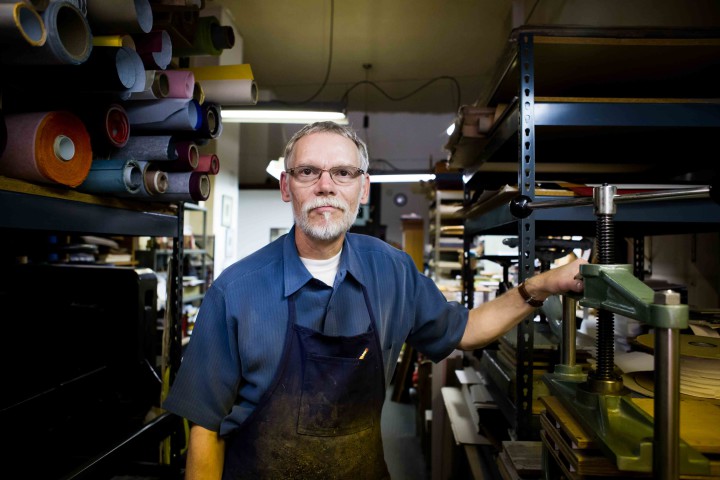
"caption": "Klaus-Ullrich Rötzscher pressing freshly glued Florentine books at Pettingell Book Bindery in downtown Berkeley. ",
"description": null,
"title": "IMG_3037-720x480",
"credit": "Melati Citrawireja/Berkeleyside",
"status": "inherit",
"isLoading": false,
"fetchFailed": false
},
"news_10585890": {
"type": "attachments",
"id": "news_10585890",
"meta": {
"index": "attachments_1716263798",
"site": "news",
"id": "10585890",
"found": true
},
"parent": 10585882,
"imgSizes": {
"twentyfourteen-full-width": {
"file": "https://ww2.kqed.org/app/uploads/sites/10/2015/07/RS15923_IMG_0247-qut-1038x576.jpg",
"width": 1038,
"mimeType": "image/jpeg",
"height": 576
},
"thumbnail": {
"file": "https://ww2.kqed.org/app/uploads/sites/10/2015/07/RS15923_IMG_0247-qut-400x267.jpg",
"width": 400,
"mimeType": "image/jpeg",
"height": 267
},
"fd-sm": {
"file": "https://ww2.kqed.org/app/uploads/sites/10/2015/07/RS15923_IMG_0247-qut-960x640.jpg",
"width": 960,
"mimeType": "image/jpeg",
"height": 640
},
"post-thumbnail": {
"file": "https://ww2.kqed.org/app/uploads/sites/10/2015/07/RS15923_IMG_0247-qut-672x372.jpg",
"width": 672,
"mimeType": "image/jpeg",
"height": 372
},
"kqedFullSize": {
"file": "https://ww2.kqed.org/app/uploads/sites/10/2015/07/RS15923_IMG_0247-qut.jpg",
"width": 1920,
"height": 1280
},
"large": {
"file": "https://ww2.kqed.org/app/uploads/sites/10/2015/07/RS15923_IMG_0247-qut-1440x960.jpg",
"width": 1440,
"mimeType": "image/jpeg",
"height": 960
},
"guest-author-96": {
"file": "https://ww2.kqed.org/app/uploads/sites/10/2015/07/RS15923_IMG_0247-qut-96x96.jpg",
"width": 96,
"mimeType": "image/jpeg",
"height": 96
},
"medium": {
"file": "https://ww2.kqed.org/app/uploads/sites/10/2015/07/RS15923_IMG_0247-qut-800x533.jpg",
"width": 800,
"mimeType": "image/jpeg",
"height": 533
},
"guest-author-64": {
"file": "https://ww2.kqed.org/app/uploads/sites/10/2015/07/RS15923_IMG_0247-qut-64x64.jpg",
"width": 64,
"mimeType": "image/jpeg",
"height": 64
},
"guest-author-32": {
"file": "https://ww2.kqed.org/app/uploads/sites/10/2015/07/RS15923_IMG_0247-qut-32x32.jpg",
"width": 32,
"mimeType": "image/jpeg",
"height": 32
},
"jmtc-small-thumb": {
"file": "https://ww2.kqed.org/app/uploads/sites/10/2015/07/RS15923_IMG_0247-qut-280x150.jpg",
"width": 280,
"mimeType": "image/jpeg",
"height": 150
},
"fd-med": {
"file": "https://ww2.kqed.org/app/uploads/sites/10/2015/07/RS15923_IMG_0247-qut-1180x787.jpg",
"width": 1180,
"mimeType": "image/jpeg",
"height": 787
},
"detail": {
"file": "https://ww2.kqed.org/app/uploads/sites/10/2015/07/RS15923_IMG_0247-qut-75x75.jpg",
"width": 75,
"mimeType": "image/jpeg",
"height": 75
},
"guest-author-128": {
"file": "https://ww2.kqed.org/app/uploads/sites/10/2015/07/RS15923_IMG_0247-qut-128x128.jpg",
"width": 128,
"mimeType": "image/jpeg",
"height": 128
}
},
"publishDate": 1435878475,
"modified": 1435878582,
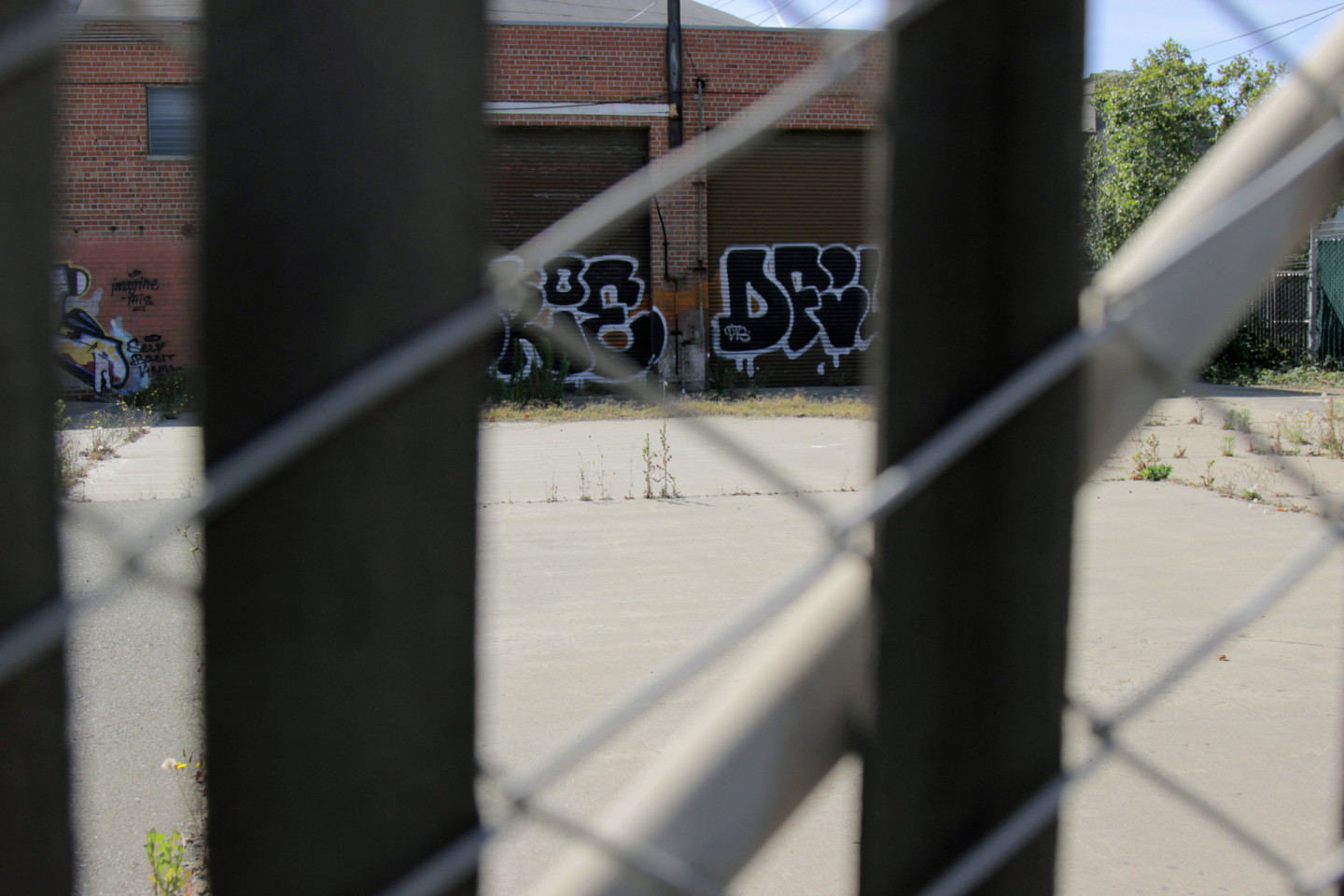
"caption": "Oakland relies on graffiti complaints before citing a business, which is required to clean up the graffiti in 10 days. ",
"description": "Oakland relies on graffiti complaints before citing a business, which is required to clean up the graffiti in 10 days. ",
"title": "RS15923_IMG_0247-qut",
"credit": "Susan Cohen/KQED",
"status": "inherit",
"isLoading": false,
"fetchFailed": false
},
"news_10581948": {
"type": "attachments",
"id": "news_10581948",
"meta": {
"index": "attachments_1716263798",
"site": "news",
"id": "10581948",
"found": true
},
"parent": 10581947,
"imgSizes": {
"twentyfourteen-full-width": {
"file": "https://ww2.kqed.org/app/uploads/sites/10/2015/06/P1040461-1038x576.jpg",
"width": 1038,
"mimeType": "image/jpeg",
"height": 576
},
"thumbnail": {
"file": "https://ww2.kqed.org/app/uploads/sites/10/2015/06/P1040461-400x300.jpg",
"width": 400,
"mimeType": "image/jpeg",
"height": 300
},
"fd-sm": {
"file": "https://ww2.kqed.org/app/uploads/sites/10/2015/06/P1040461-960x720.jpg",
"width": 960,
"mimeType": "image/jpeg",
"height": 720
},
"post-thumbnail": {
"file": "https://ww2.kqed.org/app/uploads/sites/10/2015/06/P1040461-672x372.jpg",
"width": 672,
"mimeType": "image/jpeg",
"height": 372
},
"kqedFullSize": {
"file": "https://ww2.kqed.org/app/uploads/sites/10/2015/06/P1040461.jpg",
"width": 3648,
"height": 2736
},
"large": {
"file": "https://ww2.kqed.org/app/uploads/sites/10/2015/06/P1040461-1440x1080.jpg",
"width": 1440,
"mimeType": "image/jpeg",
"height": 1080
},
"guest-author-96": {
"file": "https://ww2.kqed.org/app/uploads/sites/10/2015/06/P1040461-96x96.jpg",
"width": 96,
"mimeType": "image/jpeg",
"height": 96
},
"medium": {
"file": "https://ww2.kqed.org/app/uploads/sites/10/2015/06/P1040461-800x600.jpg",
"width": 800,
"mimeType": "image/jpeg",
"height": 600
},
"guest-author-64": {
"file": "https://ww2.kqed.org/app/uploads/sites/10/2015/06/P1040461-64x64.jpg",
"width": 64,
"mimeType": "image/jpeg",
"height": 64
},
"guest-author-32": {
"file": "https://ww2.kqed.org/app/uploads/sites/10/2015/06/P1040461-32x32.jpg",
"width": 32,
"mimeType": "image/jpeg",
"height": 32
},
"jmtc-small-thumb": {
"file": "https://ww2.kqed.org/app/uploads/sites/10/2015/06/P1040461-280x150.jpg",
"width": 280,
"mimeType": "image/jpeg",
"height": 150
},
"fd-med": {
"file": "https://ww2.kqed.org/app/uploads/sites/10/2015/06/P1040461-1180x885.jpg",
"width": 1180,
"mimeType": "image/jpeg",
"height": 885
},
"detail": {
"file": "https://ww2.kqed.org/app/uploads/sites/10/2015/06/P1040461-75x75.jpg",
"width": 75,
"mimeType": "image/jpeg",
"height": 75
},
"guest-author-128": {
"file": "https://ww2.kqed.org/app/uploads/sites/10/2015/06/P1040461-128x128.jpg",
"width": 128,
"mimeType": "image/jpeg",
"height": 128
}
},
"publishDate": 1435611596,
"modified": 1435611596,
"caption": null,
"description": null,
"title": "P1040461",
"credit": null,
"status": "inherit",
"isLoading": false,
"fetchFailed": false
},
"news_10585892": {
"type": "attachments",
"id": "news_10585892",
"meta": {
"index": "attachments_1716263798",
"site": "news",
"id": "10585892",
"found": true
},
"parent": 10585889,
"imgSizes": {
"twentyfourteen-full-width": {
"file": "https://ww2.kqed.org/app/uploads/sites/10/2015/07/BURGER-REC-11-1038x576.jpg",
"width": 1038,
"mimeType": "image/jpeg",
"height": 576
},
"thumbnail": {
"file": "https://ww2.kqed.org/app/uploads/sites/10/2015/07/BURGER-REC-11-400x267.jpg",
"width": 400,
"mimeType": "image/jpeg",
"height": 267
},
"fd-sm": {
"file": "https://ww2.kqed.org/app/uploads/sites/10/2015/07/BURGER-REC-11-960x640.jpg",
"width": 960,
"mimeType": "image/jpeg",
"height": 640
},
"post-thumbnail": {
"file": "https://ww2.kqed.org/app/uploads/sites/10/2015/07/BURGER-REC-11-672x372.jpg",
"width": 672,
"mimeType": "image/jpeg",
"height": 372
},
"kqedFullSize": {
"file": "https://ww2.kqed.org/app/uploads/sites/10/2015/07/BURGER-REC-11.jpg",
"width": 1920,
"height": 1280
},
"large": {
"file": "https://ww2.kqed.org/app/uploads/sites/10/2015/07/BURGER-REC-11-1440x960.jpg",
"width": 1440,
"mimeType": "image/jpeg",
"height": 960
},
"guest-author-96": {
"file": "https://ww2.kqed.org/app/uploads/sites/10/2015/07/BURGER-REC-11-96x96.jpg",
"width": 96,
"mimeType": "image/jpeg",
"height": 96
},
"medium": {
"file": "https://ww2.kqed.org/app/uploads/sites/10/2015/07/BURGER-REC-11-800x533.jpg",
"width": 800,
"mimeType": "image/jpeg",
"height": 533
},
"guest-author-64": {
"file": "https://ww2.kqed.org/app/uploads/sites/10/2015/07/BURGER-REC-11-64x64.jpg",
"width": 64,
"mimeType": "image/jpeg",
"height": 64
},
"guest-author-32": {
"file": "https://ww2.kqed.org/app/uploads/sites/10/2015/07/BURGER-REC-11-32x32.jpg",
"width": 32,
"mimeType": "image/jpeg",
"height": 32
},
"jmtc-small-thumb": {
"file": "https://ww2.kqed.org/app/uploads/sites/10/2015/07/BURGER-REC-11-280x150.jpg",
"width": 280,
"mimeType": "image/jpeg",
"height": 150
},
"fd-med": {
"file": "https://ww2.kqed.org/app/uploads/sites/10/2015/07/BURGER-REC-11-1180x787.jpg",
"width": 1180,
"mimeType": "image/jpeg",
"height": 787
},
"detail": {
"file": "https://ww2.kqed.org/app/uploads/sites/10/2015/07/BURGER-REC-11-75x75.jpg",
"width": 75,
"mimeType": "image/jpeg",
"height": 75
},
"guest-author-128": {
"file": "https://ww2.kqed.org/app/uploads/sites/10/2015/07/BURGER-REC-11-128x128.jpg",
"width": 128,
"mimeType": "image/jpeg",
"height": 128
}
},
"publishDate": 1435878553,
"modified": 1435884295,
"caption": "Sean Bohrman and Lee Rickard work the counter at Burger Records",
"description": null,
"title": "BURGER REC 1",
"credit": "Steven Cuevas/KQED",
"status": "inherit",
"isLoading": false,
"fetchFailed": false
},
"news_10578465": {
"type": "attachments",
"id": "news_10578465",
"meta": {
"index": "attachments_1716263798",
"site": "news",
"id": "10578465",
"found": true
},
"parent": 10577740,
"imgSizes": {
"twentyfourteen-full-width": {
"file": "https://ww2.kqed.org/app/uploads/sites/10/2015/06/TiffanyAustin-1038x576.jpg",
"width": 1038,
"mimeType": "image/jpeg",
"height": 576
},
"thumbnail": {
"file": "https://ww2.kqed.org/app/uploads/sites/10/2015/06/TiffanyAustin-400x274.jpg",
"width": 400,
"mimeType": "image/jpeg",
"height": 274
},
"fd-sm": {
"file": "https://ww2.kqed.org/app/uploads/sites/10/2015/06/TiffanyAustin-960x658.jpg",
"width": 960,
"mimeType": "image/jpeg",
"height": 658
},
"post-thumbnail": {
"file": "https://ww2.kqed.org/app/uploads/sites/10/2015/06/TiffanyAustin-672x372.jpg",
"width": 672,
"mimeType": "image/jpeg",
"height": 372
},
"kqedFullSize": {
"file": "https://ww2.kqed.org/app/uploads/sites/10/2015/06/TiffanyAustin.jpg",
"width": 1920,
"height": 1315
},
"large": {
"file": "https://ww2.kqed.org/app/uploads/sites/10/2015/06/TiffanyAustin-1440x986.jpg",
"width": 1440,
"mimeType": "image/jpeg",
"height": 986
},
"guest-author-96": {
"file": "https://ww2.kqed.org/app/uploads/sites/10/2015/06/TiffanyAustin-96x96.jpg",
"width": 96,
"mimeType": "image/jpeg",
"height": 96
},
"medium": {
"file": "https://ww2.kqed.org/app/uploads/sites/10/2015/06/TiffanyAustin-800x548.jpg",
"width": 800,
"mimeType": "image/jpeg",
"height": 548
},
"guest-author-64": {
"file": "https://ww2.kqed.org/app/uploads/sites/10/2015/06/TiffanyAustin-64x64.jpg",
"width": 64,
"mimeType": "image/jpeg",
"height": 64
},
"guest-author-32": {
"file": "https://ww2.kqed.org/app/uploads/sites/10/2015/06/TiffanyAustin-32x32.jpg",
"width": 32,
"mimeType": "image/jpeg",
"height": 32
},
"jmtc-small-thumb": {
"file": "https://ww2.kqed.org/app/uploads/sites/10/2015/06/TiffanyAustin-280x150.jpg",
"width": 280,
"mimeType": "image/jpeg",
"height": 150
},
"fd-med": {
"file": "https://ww2.kqed.org/app/uploads/sites/10/2015/06/TiffanyAustin-1180x808.jpg",
"width": 1180,
"mimeType": "image/jpeg",
"height": 808
},
"detail": {
"file": "https://ww2.kqed.org/app/uploads/sites/10/2015/06/TiffanyAustin-75x75.jpg",
"width": 75,
"mimeType": "image/jpeg",
"height": 75
},
"guest-author-128": {
"file": "https://ww2.kqed.org/app/uploads/sites/10/2015/06/TiffanyAustin-128x128.jpg",
"width": 128,
"mimeType": "image/jpeg",
"height": 128
}
},
"publishDate": 1435351338,
"modified": 1435364072,
"caption": "Bay Area singer Tiffany Austin's new debut album is \"Nothing But Soul.\"",
"description": "Bay Area singer Tiffany Austin's new debut album is \"Nothing But Soul.\"",
"title": "TiffanyAustin",
"credit": "Bill Reitzel/Courtesy Tiffany Austin",
"status": "inherit",
"isLoading": false,
"fetchFailed": false
},
"news_10569704": {
"type": "attachments",
"id": "news_10569704",
"meta": {
"index": "attachments_1716263798",
"site": "news",
"id": "10569704",
"found": true
},
"parent": 10569696,
"imgSizes": {
"jmtc-small-thumb": {
"file": "https://ww2.kqed.org/app/uploads/sites/10/2015/06/pigeonpalace2-280x150.jpeg",
"width": 280,
"mimeType": "image/jpeg",
"height": 150
},
"thumbnail": {
"file": "https://ww2.kqed.org/app/uploads/sites/10/2015/06/pigeonpalace2-400x268.jpeg",
"width": 400,
"mimeType": "image/jpeg",
"height": 268
},
"post-thumbnail": {
"file": "https://ww2.kqed.org/app/uploads/sites/10/2015/06/pigeonpalace2-620x372.jpeg",
"width": 620,
"mimeType": "image/jpeg",
"height": 372
},
"kqedFullSize": {
"file": "https://ww2.kqed.org/app/uploads/sites/10/2015/06/pigeonpalace2.jpeg",
"width": 620,
"height": 415
},
"guest-author-96": {
"file": "https://ww2.kqed.org/app/uploads/sites/10/2015/06/pigeonpalace2-96x96.jpeg",
"width": 96,
"mimeType": "image/jpeg",
"height": 96
},
"guest-author-64": {
"file": "https://ww2.kqed.org/app/uploads/sites/10/2015/06/pigeonpalace2-64x64.jpeg",
"width": 64,
"mimeType": "image/jpeg",
"height": 64
},
"detail": {
"file": "https://ww2.kqed.org/app/uploads/sites/10/2015/06/pigeonpalace2-75x75.jpeg",
"width": 75,
"mimeType": "image/jpeg",
"height": 75
},
"guest-author-32": {
"file": "https://ww2.kqed.org/app/uploads/sites/10/2015/06/pigeonpalace2-32x32.jpeg",
"width": 32,
"mimeType": "image/jpeg",
"height": 32
},
"guest-author-128": {
"file": "https://ww2.kqed.org/app/uploads/sites/10/2015/06/pigeonpalace2-128x128.jpeg",
"width": 128,
"mimeType": "image/jpeg",
"height": 128
}
},
"publishDate": 1434752852,
"modified": 1434752971,
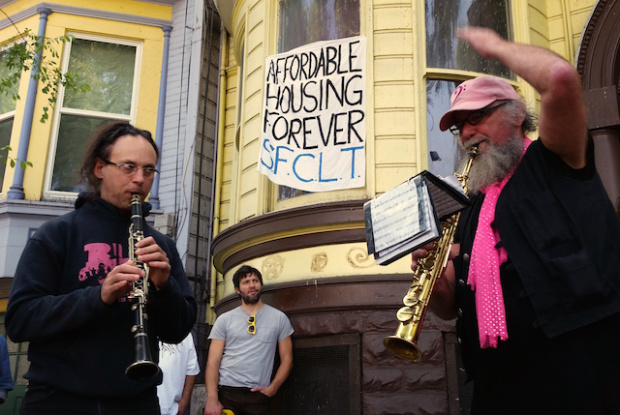
"caption": "A band plays during a rally supporting tenants of the Mission's Pigeon Palace. ",
"description": null,
"title": "San Francisco-Mission-Pigeon Palace",
"credit": "Daniel Hirsch/Mission Local",
"status": "inherit",
"isLoading": false,
"fetchFailed": false
},
"news_10560738": {
"type": "attachments",
"id": "news_10560738",
"meta": {
"index": "attachments_1716263798",
"site": "news",
"id": "10560738",
"found": true
},
"parent": 10560681,
"imgSizes": {
"twentyfourteen-full-width": {
"file": "https://ww2.kqed.org/app/uploads/sites/10/2015/06/RS15456_1428335868150113_DawesLA_TaysHouse_222-qut-1038x576.jpg",
"width": 1038,
"mimeType": "image/jpeg",
"height": 576
},
"thumbnail": {
"file": "https://ww2.kqed.org/app/uploads/sites/10/2015/06/RS15456_1428335868150113_DawesLA_TaysHouse_222-qut-400x267.jpg",
"width": 400,
"mimeType": "image/jpeg",
"height": 267
},
"fd-sm": {
"file": "https://ww2.kqed.org/app/uploads/sites/10/2015/06/RS15456_1428335868150113_DawesLA_TaysHouse_222-qut-960x640.jpg",
"width": 960,
"mimeType": "image/jpeg",
"height": 640
},
"post-thumbnail": {
"file": "https://ww2.kqed.org/app/uploads/sites/10/2015/06/RS15456_1428335868150113_DawesLA_TaysHouse_222-qut-672x372.jpg",
"width": 672,
"mimeType": "image/jpeg",
"height": 372
},
"kqedFullSize": {
"file": "https://ww2.kqed.org/app/uploads/sites/10/2015/06/RS15456_1428335868150113_DawesLA_TaysHouse_222-qut.jpg",
"width": 1920,
"height": 1280
},
"large": {
"file": "https://ww2.kqed.org/app/uploads/sites/10/2015/06/RS15456_1428335868150113_DawesLA_TaysHouse_222-qut-1440x960.jpg",
"width": 1440,
"mimeType": "image/jpeg",
"height": 960
},
"guest-author-96": {
"file": "https://ww2.kqed.org/app/uploads/sites/10/2015/06/RS15456_1428335868150113_DawesLA_TaysHouse_222-qut-96x96.jpg",
"width": 96,
"mimeType": "image/jpeg",
"height": 96
},
"medium": {
"file": "https://ww2.kqed.org/app/uploads/sites/10/2015/06/RS15456_1428335868150113_DawesLA_TaysHouse_222-qut-800x533.jpg",
"width": 800,
"mimeType": "image/jpeg",
"height": 533
},
"guest-author-64": {
"file": "https://ww2.kqed.org/app/uploads/sites/10/2015/06/RS15456_1428335868150113_DawesLA_TaysHouse_222-qut-64x64.jpg",
"width": 64,
"mimeType": "image/jpeg",
"height": 64
},
"guest-author-32": {
"file": "https://ww2.kqed.org/app/uploads/sites/10/2015/06/RS15456_1428335868150113_DawesLA_TaysHouse_222-qut-32x32.jpg",
"width": 32,
"mimeType": "image/jpeg",
"height": 32
},
"fd-med": {
"file": "https://ww2.kqed.org/app/uploads/sites/10/2015/06/RS15456_1428335868150113_DawesLA_TaysHouse_222-qut-1180x787.jpg",
"width": 1180,
"mimeType": "image/jpeg",
"height": 787
},
"detail": {
"file": "https://ww2.kqed.org/app/uploads/sites/10/2015/06/RS15456_1428335868150113_DawesLA_TaysHouse_222-qut-75x75.jpg",
"width": 75,
"mimeType": "image/jpeg",
"height": 75
},
"guest-author-128": {
"file": "https://ww2.kqed.org/app/uploads/sites/10/2015/06/RS15456_1428335868150113_DawesLA_TaysHouse_222-qut-128x128.jpg",
"width": 128,
"mimeType": "image/jpeg",
"height": 128
}
},
"publishDate": 1434142027,
"modified": 1434155111,
"caption": "Dawes' new album is 'All Your Favorite Bands.' (Courtesy Dan Martensen)",
"description": "Dawes new album is 'All Your Favorite Bands.' (Courtesy Dan Martensen)",
"title": "Dawes",
"credit": null,
"status": "inherit",
"isLoading": false,
"fetchFailed": false
},
"news_10560892": {
"type": "attachments",
"id": "news_10560892",
"meta": {
"index": "attachments_1716263798",
"site": "news",
"id": "10560892",
"found": true
},
"parent": 10560733,
"imgSizes": {
"twentyfourteen-full-width": {
"file": "https://ww2.kqed.org/app/uploads/sites/10/2015/06/RS15462_excon-coffee-qut-1038x576.jpg",
"width": 1038,
"mimeType": "image/jpeg",
"height": 576
},
"thumbnail": {
"file": "https://ww2.kqed.org/app/uploads/sites/10/2015/06/RS15462_excon-coffee-qut-400x300.jpg",
"width": 400,
"mimeType": "image/jpeg",
"height": 300
},
"fd-sm": {
"file": "https://ww2.kqed.org/app/uploads/sites/10/2015/06/RS15462_excon-coffee-qut-960x720.jpg",
"width": 960,
"mimeType": "image/jpeg",
"height": 720
},
"post-thumbnail": {
"file": "https://ww2.kqed.org/app/uploads/sites/10/2015/06/RS15462_excon-coffee-qut-672x372.jpg",
"width": 672,
"mimeType": "image/jpeg",
"height": 372
},
"kqedFullSize": {
"file": "https://ww2.kqed.org/app/uploads/sites/10/2015/06/RS15462_excon-coffee-qut.jpg",
"width": 1600,
"height": 1200
},
"large": {
"file": "https://ww2.kqed.org/app/uploads/sites/10/2015/06/RS15462_excon-coffee-qut-1440x1080.jpg",
"width": 1440,
"mimeType": "image/jpeg",
"height": 1080
},
"guest-author-96": {
"file": "https://ww2.kqed.org/app/uploads/sites/10/2015/06/RS15462_excon-coffee-qut-96x96.jpg",
"width": 96,
"mimeType": "image/jpeg",
"height": 96
},
"medium": {
"file": "https://ww2.kqed.org/app/uploads/sites/10/2015/06/RS15462_excon-coffee-qut-800x600.jpg",
"width": 800,
"mimeType": "image/jpeg",
"height": 600
},
"guest-author-64": {
"file": "https://ww2.kqed.org/app/uploads/sites/10/2015/06/RS15462_excon-coffee-qut-64x64.jpg",
"width": 64,
"mimeType": "image/jpeg",
"height": 64
},
"guest-author-32": {
"file": "https://ww2.kqed.org/app/uploads/sites/10/2015/06/RS15462_excon-coffee-qut-32x32.jpg",
"width": 32,
"mimeType": "image/jpeg",
"height": 32
},
"fd-med": {
"file": "https://ww2.kqed.org/app/uploads/sites/10/2015/06/RS15462_excon-coffee-qut-1180x885.jpg",
"width": 1180,
"mimeType": "image/jpeg",
"height": 885
},
"detail": {
"file": "https://ww2.kqed.org/app/uploads/sites/10/2015/06/RS15462_excon-coffee-qut-75x75.jpg",
"width": 75,
"mimeType": "image/jpeg",
"height": 75
},
"guest-author-128": {
"file": "https://ww2.kqed.org/app/uploads/sites/10/2015/06/RS15462_excon-coffee-qut-128x128.jpg",
"width": 128,
"mimeType": "image/jpeg",
"height": 128
}
},
"publishDate": 1434149558,
"modified": 1434153208,
"caption": "Big House Beans owner John Krause brewing coffee at his cafe.",
"description": "Big House Beans founder and owner John Krause brewing a chemex coffee at his cafe.",
"title": "RS15462_excon coffee-qut",
"credit": "Tiffany Camhi/KQED",
"status": "inherit",
"isLoading": false,
"fetchFailed": false
},
"news_10556736": {
"type": "attachments",
"id": "news_10556736",
"meta": {
"index": "attachments_1716263798",
"site": "news",
"id": "10556736",
"found": true
},
"parent": 10556735,
"imgSizes": {
"twentyfourteen-full-width": {
"file": "https://ww2.kqed.org/app/uploads/sites/10/2015/06/RS7744_mission_district_0138_web-1038x576.jpg",
"width": 1038,
"mimeType": "image/jpeg",
"height": 576
},
"thumbnail": {
"file": "https://ww2.kqed.org/app/uploads/sites/10/2015/06/RS7744_mission_district_0138_web-400x267.jpg",
"width": 400,
"mimeType": "image/jpeg",
"height": 267
},
"fd-sm": {
"file": "https://ww2.kqed.org/app/uploads/sites/10/2015/06/RS7744_mission_district_0138_web-960x640.jpg",
"width": 960,
"mimeType": "image/jpeg",
"height": 640
},
"post-thumbnail": {
"file": "https://ww2.kqed.org/app/uploads/sites/10/2015/06/RS7744_mission_district_0138_web-672x372.jpg",
"width": 672,
"mimeType": "image/jpeg",
"height": 372
},
"kqedFullSize": {
"file": "https://ww2.kqed.org/app/uploads/sites/10/2015/06/RS7744_mission_district_0138_web-e1585868818231.jpg",
"width": 1500,
"height": 1000
},
"large": {
"file": "https://ww2.kqed.org/app/uploads/sites/10/2015/06/RS7744_mission_district_0138_web-1440x960.jpg",
"width": 1440,
"mimeType": "image/jpeg",
"height": 960
},
"guest-author-96": {
"file": "https://ww2.kqed.org/app/uploads/sites/10/2015/06/RS7744_mission_district_0138_web-96x96.jpg",
"width": 96,
"mimeType": "image/jpeg",
"height": 96
},
"medium": {
"file": "https://ww2.kqed.org/app/uploads/sites/10/2015/06/RS7744_mission_district_0138_web-800x533.jpg",
"width": 800,
"mimeType": "image/jpeg",
"height": 533
},
"guest-author-64": {
"file": "https://ww2.kqed.org/app/uploads/sites/10/2015/06/RS7744_mission_district_0138_web-64x64.jpg",
"width": 64,
"mimeType": "image/jpeg",
"height": 64
},
"guest-author-32": {
"file": "https://ww2.kqed.org/app/uploads/sites/10/2015/06/RS7744_mission_district_0138_web-32x32.jpg",
"width": 32,
"mimeType": "image/jpeg",
"height": 32
},
"fd-med": {
"file": "https://ww2.kqed.org/app/uploads/sites/10/2015/06/RS7744_mission_district_0138_web-1180x787.jpg",
"width": 1180,
"mimeType": "image/jpeg",
"height": 787
},
"detail": {
"file": "https://ww2.kqed.org/app/uploads/sites/10/2015/06/RS7744_mission_district_0138_web-75x75.jpg",
"width": 75,
"mimeType": "image/jpeg",
"height": 75
},
"guest-author-128": {
"file": "https://ww2.kqed.org/app/uploads/sites/10/2015/06/RS7744_mission_district_0138_web-128x128.jpg",
"width": 128,
"mimeType": "image/jpeg",
"height": 128
}
},
"publishDate": 1433882552,
"modified": 1433894406,
"caption": "La Victoria Bakery, established in 1951, is among the city's historic small businesses. Panaderías, or bakeries, are a staple in the Mission.",
"description": null,
"title": "RS7744_mission_district_0138_web",
"credit": "Sara Bloomberg/KQED",
"status": "inherit",
"isLoading": false,
"fetchFailed": false
},
"news_10557340": {
"type": "attachments",
"id": "news_10557340",
"meta": {
"index": "attachments_1716263798",
"site": "news",
"id": "10557340",
"found": true
},
"parent": 10557292,
"imgSizes": {
"thumbnail": {
"file": "https://ww2.kqed.org/app/uploads/sites/10/2015/06/herrera11-94c0ecb29197da191bb81d0e9ce8f54160b5949c-s600-c85-400x300.jpg",
"width": 400,
"mimeType": "image/jpeg",
"height": 300
},
"post-thumbnail": {
"file": "https://ww2.kqed.org/app/uploads/sites/10/2015/06/herrera11-94c0ecb29197da191bb81d0e9ce8f54160b5949c-s600-c85-600x372.jpg",
"width": 600,
"mimeType": "image/jpeg",
"height": 372
},
"kqedFullSize": {
"file": "https://ww2.kqed.org/app/uploads/sites/10/2015/06/herrera11-94c0ecb29197da191bb81d0e9ce8f54160b5949c-s600-c85.jpg",
"width": 600,
"height": 450
},
"guest-author-96": {
"file": "https://ww2.kqed.org/app/uploads/sites/10/2015/06/herrera11-94c0ecb29197da191bb81d0e9ce8f54160b5949c-s600-c85-96x96.jpg",
"width": 96,
"mimeType": "image/jpeg",
"height": 96
},
"guest-author-64": {
"file": "https://ww2.kqed.org/app/uploads/sites/10/2015/06/herrera11-94c0ecb29197da191bb81d0e9ce8f54160b5949c-s600-c85-64x64.jpg",
"width": 64,
"mimeType": "image/jpeg",
"height": 64
},
"detail": {
"file": "https://ww2.kqed.org/app/uploads/sites/10/2015/06/herrera11-94c0ecb29197da191bb81d0e9ce8f54160b5949c-s600-c85-75x75.jpg",
"width": 75,
"mimeType": "image/jpeg",
"height": 75
},
"guest-author-32": {
"file": "https://ww2.kqed.org/app/uploads/sites/10/2015/06/herrera11-94c0ecb29197da191bb81d0e9ce8f54160b5949c-s600-c85-32x32.jpg",
"width": 32,
"mimeType": "image/jpeg",
"height": 32
},
"guest-author-128": {
"file": "https://ww2.kqed.org/app/uploads/sites/10/2015/06/herrera11-94c0ecb29197da191bb81d0e9ce8f54160b5949c-s600-c85-128x128.jpg",
"width": 128,
"mimeType": "image/jpeg",
"height": 128
}
},
"publishDate": 1433920663,
"modified": 1433920714,
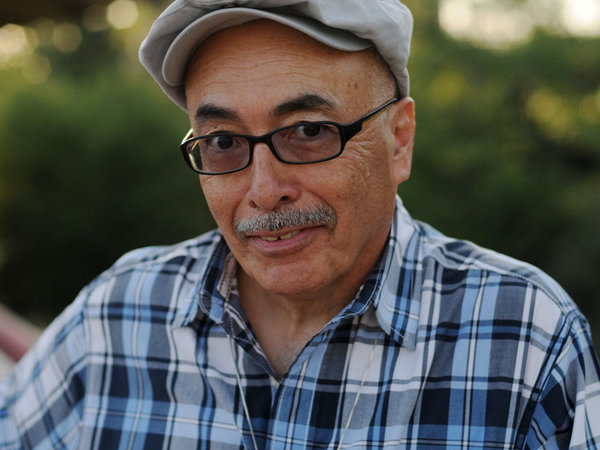
"caption": "Juan Felipe Herrera, named U.S. poet laureate. ",
"description": null,
"title": "Juan Felipe Herrera",
"credit": "Blue Flower Arts via NPR",
"status": "inherit",
"isLoading": false,
"fetchFailed": false
}
},
"audioPlayerReducer": {
"postId": "stream_live",
"isPaused": true,
"isPlaying": false,
"pfsActive": false,
"pledgeModalIsOpen": true,
"playerDrawerIsOpen": false,
"liveAudioPlayStartedAt": 0,
"liveAudioPlayContext": ""
},
"authorsReducer": {
"byline_news_10594457": {
"type": "authors",
"id": "byline_news_10594457",
"meta": {
"override": true
},
"slug": "byline_news_10594457",
"name": "Avishay Artsy",
"isLoading": false
},
"byline_news_10593028": {
"type": "authors",
"id": "byline_news_10593028",
"meta": {
"override": true
},
"slug": "byline_news_10593028",
"name": "Melati Citrawireja\u003cbr>\u003ca href=\"http://www.berkeleyside.com/\">Berkeleyside\u003c/a>",
"isLoading": false
},
"byline_news_10577740": {
"type": "authors",
"id": "byline_news_10577740",
"meta": {
"override": true
},
"slug": "byline_news_10577740",
"name": "Andrew Gilbert",
"isLoading": false
},
"byline_news_10569696": {
"type": "authors",
"id": "byline_news_10569696",
"meta": {
"override": true
},
"slug": "byline_news_10569696",
"name": "\u003cstrong>\u003ca href=\"http://missionlocal.org/author/lauraw/\" target=\"_blank\">Laura Wenus\u003c/a>\u003cbr />Mission Local\u003c/strong>",
"isLoading": false
},
"byline_news_10557292": {
"type": "authors",
"id": "byline_news_10557292",
"meta": {
"override": true
},
"slug": "byline_news_10557292",
"name": "\u003cstrong>\u003ca href=\"https://twitter.com/DCArtBeat\" target=\"_blank\">Brett Zongker\u003c/a>\u003cbr />Associated Press\u003cstrong>",
"isLoading": false
},
"shochman": {
"type": "authors",
"id": "87",
"meta": {
"index": "authors_1716337520",
"id": "87",
"found": true
},
"name": "Steve Hochman",
"firstName": "Steve",
"lastName": "Hochman",
"slug": "shochman",
"email": "sehochman@me.com",
"display_author_email": false,
"staff_mastheads": [],
"title": "KQED Contributor",
"bio": "Steve Hochman has covered popular, and unpopular, music for more than 30 years, most of that time as a key member of the \u003ci>Los Angeles Times\u003c/i>' music team. In that capacity he wrote about the full range of music and musicians, from Hungarian folk to industrial noise, and from 1991 through 2005 wrote the \u003ci>Times\u003c/i>' widely read weekly \"Pop Eye\" column. In addition to his role with \u003ci>The California Report\u003c/i>, he's a music critic for Pasadena station KPCC's morning magazine \u003ci>Take Two\u003c/i> and a regular contributor to Grammy.com, Fender.com and other outlets. His byline has appeared through the years in an array of major publications, including \u003ci>Rolling Stone\u003c/i>, \u003ci>Billboard\u003c/i> and \u003ci>Entertainment Weekly\u003c/i> and New Orleans' \u003ci>Offbeat\u003c/i>.",
"avatar": "https://secure.gravatar.com/avatar/37fbddee9db232a05a1be3b065171301e8baa142626c45b0caa6fc61c25a8c8d?s=600&d=blank&r=g",
"twitter": null,
"bluesky": null,
"facebook": null,
"instagram": null,
"linkedin": null,
"sites": [
{
"site": "arts",
"roles": [
"Contributor",
"subscriber"
]
},
{
"site": "news",
"roles": [
"subscriber"
]
}
],
"headData": {
"title": "Steve Hochman | KQED",
"description": "KQED Contributor",
"ogImgSrc": "https://secure.gravatar.com/avatar/37fbddee9db232a05a1be3b065171301e8baa142626c45b0caa6fc61c25a8c8d?s=600&d=blank&r=g",
"twImgSrc": "https://secure.gravatar.com/avatar/37fbddee9db232a05a1be3b065171301e8baa142626c45b0caa6fc61c25a8c8d?s=600&d=blank&r=g"
},
"isLoading": false,
"link": "/author/shochman"
},
"bgoebel": {
"type": "authors",
"id": "214",
"meta": {
"index": "authors_1716337520",
"id": "214",
"found": true
},
"name": "Bryan Goebel",
"firstName": "Bryan",
"lastName": "Goebel",
"slug": "bgoebel",
"email": "bgoebel@kqed.org",
"display_author_email": false,
"staff_mastheads": [],
"title": null,
"bio": "Bryan Goebel is a reporter focused on transportation and housing issues. He was previously the editor of Streetsblog San Francisco, and an anchor/editor at KCBS Radio. He's a lifelong Californian and has also worked at radio stations in Barstow, Redding and Sacramento.",
"avatar": "https://secure.gravatar.com/avatar/7fdd6b065bfe9a23a71bcfa80848df88?s=600&d=blank&r=g",
"twitter": "velobry",
"facebook": null,
"instagram": null,
"linkedin": null,
"sites": [
{
"site": "news",
"roles": [
"subscriber"
]
},
{
"site": "stateofhealth",
"roles": [
"subscriber"
]
}
],
"headData": {
"title": "Bryan Goebel | KQED",
"description": null,
"ogImgSrc": "https://secure.gravatar.com/avatar/7fdd6b065bfe9a23a71bcfa80848df88?s=600&d=blank&r=g",
"twImgSrc": "https://secure.gravatar.com/avatar/7fdd6b065bfe9a23a71bcfa80848df88?s=600&d=blank&r=g"
},
"isLoading": false,
"link": "/author/bgoebel"
},
"scuevas": {
"type": "authors",
"id": "2600",
"meta": {
"index": "authors_1716337520",
"id": "2600",
"found": true
},
"name": "Steven Cuevas",
"firstName": "Steven",
"lastName": "Cuevas",
"slug": "scuevas",
"email": "scuevas@kqed.org",
"display_author_email": false,
"staff_mastheads": [],
"title": "KQED Contributor",
"bio": "Steven is a former Los Angeles bureau chief for The California Report.\r\n\r\nHe reports on an array of issues across the Southland, from immigration and regional politics to religion, the performing arts and pop culture.\r\n\r\nPrior to joining KQED in 2012, Steven covered Inland southern California for KPCC in Pasadena. He also helped establish the first newsroom at \u003ca href=\"http://kut.org/\">KUT\u003c/a> in Austin, Texas where he was a general assignment reporter.\r\n\r\nSteven has received numerous awards for his reporting including an RTNDA Edward R. Murrow Award for investigative reporting in addition to awards from the LA Press Club, the Associated Press and the Society for Professional Journalists.\r\n\r\nSteven grew up in and around San Francisco and now lives in Pasadena just a short jog from the foot of the San Gabriel Mountains.",
"avatar": "https://secure.gravatar.com/avatar/2d253580794f8e026100fae05cfabbbd4889b4fe15146146cacb82a01974c538?s=600&d=blank&r=g",
"twitter": null,
"bluesky": null,
"facebook": null,
"instagram": null,
"linkedin": null,
"sites": [
{
"site": "news",
"roles": [
"subscriber"
]
}
],
"headData": {
"title": "Steven Cuevas | KQED",
"description": "KQED Contributor",
"ogImgSrc": "https://secure.gravatar.com/avatar/2d253580794f8e026100fae05cfabbbd4889b4fe15146146cacb82a01974c538?s=600&d=blank&r=g",
"twImgSrc": "https://secure.gravatar.com/avatar/2d253580794f8e026100fae05cfabbbd4889b4fe15146146cacb82a01974c538?s=600&d=blank&r=g"
},
"isLoading": false,
"link": "/author/scuevas"
},
"lmorehouse": {
"type": "authors",
"id": "3229",
"meta": {
"index": "authors_1716337520",
"id": "3229",
"found": true
},
"name": "Lisa Morehouse",
"firstName": "Lisa",
"lastName": "Morehouse",
"slug": "lmorehouse",
"email": "morehouse.lisa@gmail.com",
"display_author_email": false,
"staff_mastheads": [],
"title": "KQED Contributor",
"bio": "Lisa Morehouse is an award-winning public radio and print journalist, who has filed for National Public Radio, American Public Media, KQED Public Radio, Edutopia, and McSweeney’s. Her reporting has taken her from Samoan traveling circuses to Mississippi Delta classrooms to the homes of Lao refugees in rural Iowa. In addition to reporting, she teaches radio production to at-risk youth in the Bay Area. Her series \u003ca href=\"http://afterthegoldrushradio.com/\">After the Gold Rush\u003c/a> featured the changing industries, populations and identities of rural towns throughout California. She’s now producing \u003ca href=\"http://www.californiafoodways.com/\">California Foodways\u003c/a>, a series exploring the intersections of food, culture, economics, history and labor. Follow along on the \u003ca href=\"https://www.facebook.com/californiafoodways?ref=hl\">Facebook page\u003c/a> or on Twitter @cafoodways.",
"avatar": "https://secure.gravatar.com/avatar/dae74b002a6e256f39abb19d6f5acaea?s=600&d=blank&r=g",
"twitter": null,
"facebook": null,
"instagram": null,
"linkedin": null,
"sites": [
{
"site": "",
"roles": [
"editor"
]
},
{
"site": "news",
"roles": [
"author"
]
}
],
"headData": {
"title": "Lisa Morehouse | KQED",
"description": "KQED Contributor",
"ogImgSrc": "https://secure.gravatar.com/avatar/dae74b002a6e256f39abb19d6f5acaea?s=600&d=blank&r=g",
"twImgSrc": "https://secure.gravatar.com/avatar/dae74b002a6e256f39abb19d6f5acaea?s=600&d=blank&r=g"
},
"isLoading": false,
"link": "/author/lmorehouse"
},
"tcamhi": {
"type": "authors",
"id": "3251",
"meta": {
"index": "authors_1716337520",
"id": "3251",
"found": true
},
"name": "Tiffany Camhi",
"firstName": "Tiffany",
"lastName": "Camhi",
"slug": "tcamhi",
"email": "tiffanycamhi@gmail.com",
"display_author_email": false,
"staff_mastheads": [],
"title": "KQED Contributor",
"bio": null,
"avatar": "https://secure.gravatar.com/avatar/f8204ce351139205d3b3dc1581016a5e30d7d8b38cb2c139348c151ec14b792e?s=600&d=blank&r=g",
"twitter": null,
"bluesky": null,
"facebook": null,
"instagram": null,
"linkedin": null,
"sites": [
{
"site": "arts",
"roles": [
"subscriber"
]
},
{
"site": "news",
"roles": [
"subscriber"
]
}
],
"headData": {
"title": "Tiffany Camhi | KQED",
"description": "KQED Contributor",
"ogImgSrc": "https://secure.gravatar.com/avatar/f8204ce351139205d3b3dc1581016a5e30d7d8b38cb2c139348c151ec14b792e?s=600&d=blank&r=g",
"twImgSrc": "https://secure.gravatar.com/avatar/f8204ce351139205d3b3dc1581016a5e30d7d8b38cb2c139348c151ec14b792e?s=600&d=blank&r=g"
},
"isLoading": false,
"link": "/author/tcamhi"
},
"dkatayama": {
"type": "authors",
"id": "7240",
"meta": {
"index": "authors_1716337520",
"id": "7240",
"found": true
},
"name": "Devin Katayama",
"firstName": "Devin",
"lastName": "Katayama",
"slug": "dkatayama",
"email": "dkatayama@kqed.org",
"display_author_email": true,
"staff_mastheads": [
"news"
],
"title": "Editor of Talent and Development",
"bio": "Devin Katayama is former Editor of Talent and Development for KQED. He supported our internship program and on-call staff by looking for equitable opportunities to improve the newsroom.\r\n\r\nHe previously hosted The Bay and American Suburb podcasts from KQED News. Prior to returning to the Bay Area in 2015, Devin was the education reporter for WFPL in Louisville and worked as a producer with radio stations in Chicago and Portland, OR. His work has appeared on NPR’s \u003cem>Morning Edition, All Things Considered, The Takeaway\u003c/em> and \u003cem>Here and Now.\u003c/em>\r\n\r\nDevin earned his MA in Journalism from Columbia College Chicago, where he was a Follett Fellow and the recipient of the 2011 Studs Terkel Community Media Workshop Scholarship for his story on Chicago's homeless youth. He won WBUR's 2014 Daniel Schorr award and a regional RTNDA Edward R. Murrow Award for his documentary \"At Risk\" that looked at issues facing some of Louisville's students. Devin has also received numerous local awards from the Associated Press and the Society of Professional Journalists.",
"avatar": "https://secure.gravatar.com/avatar/d0d2978a31002fb2de107921a8e18405?s=600&d=blank&r=g",
"twitter": "RadioDevin",
"facebook": null,
"instagram": null,
"linkedin": null,
"sites": [
{
"site": "arts",
"roles": []
},
{
"site": "news",
"roles": [
"author"
]
},
{
"site": "stateofhealth",
"roles": [
"author"
]
},
{
"site": "forum",
"roles": [
"editor"
]
},
{
"site": "perspectives",
"roles": [
"editor"
]
}
],
"headData": {
"title": "Devin Katayama | KQED",
"description": "Editor of Talent and Development",
"ogImgSrc": "https://secure.gravatar.com/avatar/d0d2978a31002fb2de107921a8e18405?s=600&d=blank&r=g",
"twImgSrc": "https://secure.gravatar.com/avatar/d0d2978a31002fb2de107921a8e18405?s=600&d=blank&r=g"
},
"isLoading": false,
"link": "/author/dkatayama"
},
"cveltman": {
"type": "authors",
"id": "8608",
"meta": {
"index": "authors_1716337520",
"id": "8608",
"found": true
},
"name": "Chloe Veltman",
"firstName": "Chloe",
"lastName": "Veltman",
"slug": "cveltman",
"email": "cveltman@kqed.org",
"display_author_email": true,
"staff_mastheads": [],
"title": "Arts and Culture Reporter",
"bio": "Chloe Veltman is a former arts and culture reporter for KQED. Prior to joining the organization, she launched and led the arts bureau at Colorado Public Radio, served as the Bay Area's culture columnist for the New York Times, and was the founder, host and executive producer of VoiceBox, a national award-winning weekly podcast/radio show and live events series all about the human voice. Chloe is the recipient of numerous prizes, grants and fellowships including a Webby Award for her work on interactive storytelling, both the John S Knight Journalism Fellowship and Humanities Center Fellowship at Stanford University, the Sundance Arts Writing Fellowship and a Library of Congress Research Fellowship. She is the author of the book \"On Acting\" and has appeared as a guest lecturer at Yale University and the San Francisco Conservatory of Music among other institutions. She holds a BA in english literature from King's College, Cambridge, and a Masters in Dramaturgy from the Central School of Speech and Drama/Harvard Institute for Advanced Theater Training.\r\n\u003ca href=\"https://www.chloeveltman.com\">www.chloeveltman.com\u003c/a>",
"avatar": "https://secure.gravatar.com/avatar/55403394b00a1ddab683952c2eb2cf85?s=600&d=blank&r=g",
"twitter": "chloeveltman",
"facebook": null,
"instagram": null,
"linkedin": null,
"sites": [
{
"site": "arts",
"roles": []
},
{
"site": "news",
"roles": [
"author"
]
},
{
"site": "pop",
"roles": [
"editor"
]
},
{
"site": "science",
"roles": []
}
],
"headData": {
"title": "Chloe Veltman | KQED",
"description": "Arts and Culture Reporter",
"ogImgSrc": "https://secure.gravatar.com/avatar/55403394b00a1ddab683952c2eb2cf85?s=600&d=blank&r=g",
"twImgSrc": "https://secure.gravatar.com/avatar/55403394b00a1ddab683952c2eb2cf85?s=600&d=blank&r=g"
},
"isLoading": false,
"link": "/author/cveltman"
}
},
"pagesReducer": {
"news_category_arts-and-culture": {
"type": "terms",
"id": "news_223",
"meta": {
"index": "terms_1716263798",
"site": "news",
"id": "223",
"score": 11.242678
},
"featImg": null,
"name": "Arts and Culture",
"description": null,
"taxonomy": "category",
"headData": {
"twImgId": null,
"twTitle": null,
"ogTitle": null,
"ogImgId": null,
"twDescription": null,
"description": null,
"title": "Arts and Culture Archives | KQED News",
"ogDescription": null
},
"ttid": 231,
"slug": "arts-and-culture",
"isLoading": false,
"title": "Arts and Culture",
"pageMeta": {
"site": "news",
"WpPageTemplate": "page-topic-editorial",
"currentPage": 125
},
"blocks": [
{
"blockName": "kqed/post-list",
"attrs": {
"layout": "cardArticle2",
"query": "posts/news?category=arts-and-culture",
"seeMore": false,
"paginated": true,
"page": 125
}
},
{
"blockName": "kqed/ad"
}
]
}
},
"pfsSessionReducer": {},
"postsReducer": {
"stream_live": {
"type": "live",
"id": "stream_live",
"audioUrl": "https://streams.kqed.org/kqedradio",
"title": "Live Stream",
"excerpt": "Live Stream information currently unavailable.",
"link": "/radio",
"featImg": "",
"label": {
"name": "KQED Live",
"link": "/"
}
},
"stream_kqedNewscast": {
"type": "posts",
"id": "stream_kqedNewscast",
"audioUrl": "https://www.kqed.org/.stream/anon/radio/RDnews/newscast.mp3?_=1",
"title": "KQED Newscast",
"featImg": "",
"label": {
"name": "88.5 FM",
"link": "/"
}
},
"arts_10840294": {
"type": "posts",
"id": "arts_10840294",
"meta": {
"index": "posts_1716263798",
"site": "arts",
"id": "10840294",
"score": null,
"sort": [
1437068471000
]
},
"parent": 0,
"labelTerm": {
"site": "arts"
},
"blocks": [],
"publishDate": 1437068471,
"format": "standard",
"title": "War Memorial Veterans Building Sheds Institutional Look with Major Facelift",
"headTitle": "War Memorial Veterans Building Sheds Institutional Look with Major Facelift | KQED",
"content": "\u003cp>Over the past few years, San Francisco’s \u003ca href=\"http://www.sfwmpac.org/\" target=\"_blank\" rel=\"noopener\">War Memorial Veterans Building\u003c/a> gradually shed its institutional office look. The august old space, site of the signing of the United Nations charter in 1945 and countless performance and literary events, temporarily closed for massive renovations in 2013 and reopens at the end of September.\u003c/p>\n\u003cp>The renovations to the Veterans Building, part of the larger War Memorial and Performing Arts Center complex (which also includes the opera house and Davies Symphony Hall) cost more than $150 million in total. The city of San Francisco, as well as grant makers like the Herbst Foundation provided funding for the project.\u003c/p>\n\u003cp>The Veterans Building originally opened in 1932. It hasn’t had a major facelift since the late 1970s.\u003c/p>\n\u003cfigure id=\"attachment_10841928\" class=\"wp-caption alignnone\" style=\"max-width: 800px\">\u003ca href=\"http://ww2.kqed.org/arts/wp-content/uploads/sites/2/2015/07/Veterans-Building-2.jpg\">\u003cimg loading=\"lazy\" decoding=\"async\" class=\"size-medium wp-image-10841928\" src=\"http://ww2.kqed.org/arts/wp-content/uploads/sites/2/2015/07/Veterans-Building-2-800x600.jpg\" alt=\"Renovations underway at the Veterans Building\" width=\"800\" height=\"600\" srcset=\"https://cdn.kqed.org/wp-content/uploads/sites/2/2015/07/Veterans-Building-2-800x600.jpg 800w, https://cdn.kqed.org/wp-content/uploads/sites/2/2015/07/Veterans-Building-2-400x300.jpg 400w, https://cdn.kqed.org/wp-content/uploads/sites/2/2015/07/Veterans-Building-2-1180x885.jpg 1180w, https://cdn.kqed.org/wp-content/uploads/sites/2/2015/07/Veterans-Building-2-1400x1050.jpg 1400w, https://cdn.kqed.org/wp-content/uploads/sites/2/2015/07/Veterans-Building-2-960x720.jpg 960w\" sizes=\"(max-width: 800px) 100vw, 800px\">\u003c/a>\u003cfigcaption class=\"wp-caption-text\">Renovations underway at the Veterans Building \u003ccite>(Photo: Chloe Veltman/KQED)\u003c/cite>\u003c/figcaption>\u003c/figure>\n\u003cp>Among the most significant upgrades to the public areas of the site are the installation of a cafe with outdoor seating (scheduled to open in January 2016), new boxes in the Herbst Theatre auditorium with improved acoustics and sight lines, better acoustics, fresh paint and stage curtains, restored chandeliers, enlarged gallery space and the addition of restrooms on every floor. (The last item is a particular coup as patrons used to have to scurry to the basement to use the facilities.)\u003c/p>\n\u003cp>Rescuing the theater’s walls from ill-advised 1970s pink and orange to the original ochre color, the new paint job also helps highlight a series of large-scale murals that adorn the sides of the auditorium. Depicting the four elements — air, earth, fire and water — the murals were originally created by artist Frank Brangwyn for the Pan Pacific International Exposition in 1915.\u003c/p>\n\u003cfigure id=\"attachment_10841931\" class=\"wp-caption alignnone\" style=\"max-width: 800px\">\u003ca href=\"http://ww2.kqed.org/arts/wp-content/uploads/sites/2/2015/07/Veterans-Building-3.jpg\">\u003cimg loading=\"lazy\" decoding=\"async\" class=\"size-medium wp-image-10841931\" src=\"http://ww2.kqed.org/arts/wp-content/uploads/sites/2/2015/07/Veterans-Building-3-800x600.jpg\" alt=\"A view from the balcony in the Herbst Theatre\" width=\"800\" height=\"600\" srcset=\"https://cdn.kqed.org/wp-content/uploads/sites/2/2015/07/Veterans-Building-3-800x600.jpg 800w, https://cdn.kqed.org/wp-content/uploads/sites/2/2015/07/Veterans-Building-3-400x300.jpg 400w, https://cdn.kqed.org/wp-content/uploads/sites/2/2015/07/Veterans-Building-3-1180x885.jpg 1180w, https://cdn.kqed.org/wp-content/uploads/sites/2/2015/07/Veterans-Building-3-1400x1050.jpg 1400w, https://cdn.kqed.org/wp-content/uploads/sites/2/2015/07/Veterans-Building-3-960x720.jpg 960w\" sizes=\"(max-width: 800px) 100vw, 800px\">\u003c/a>\u003cfigcaption class=\"wp-caption-text\">A view from the balcony in the Herbst Theatre \u003ccite>(Photo: Chloe Veltman/KQED)\u003c/cite>\u003c/figcaption>\u003c/figure>\n\u003cp>In addition to the aesthetic improvements, the building underwent significant seismic retrofitting. The concrete and steel reinforcement system is mostly embedded in the walls, hidden from view.\u003c/p>\n\u003cp>[ad fullwidth]\u003c/p>\n\u003cp>The changes aren’t just for audience members. Artists who perform at the Herbst Theatre, hosted by organizations like the New Century Chamber Orchestra, the Philharmonia Baroque Orchestra and San Francisco Performances, also stand to benefit greatly. Most notably, there’s the swanky new 5,000 square-foot “Backstage Suite.” It includes five airy dressing rooms, a performers’ lounge and a rehearsal room.\u003c/p>\n\u003cp>And for the first time in its history, the Herbst has easily accessible dressing rooms. In the past, the cramped artist facilities were located on mezzanine levels flanking the stage and in the basement.\u003c/p>\n\u003cp>“Before, you had to take a circular spiral staircase to get to your dressing room,” Elizabeth Murray, managing director of the San Francisco War Memorial and Performing Arts Center said.\u003c/p>\n\u003cp>The dressing rooms themselves are bigger and brighter. Many of the furnishings, such as the dressing room tables, were salvaged from the old dressing rooms — an effort to be environmentally conscious and cost-efficient.\u003c/p>\n\u003cfigure id=\"attachment_10841932\" class=\"wp-caption alignnone\" style=\"max-width: 800px\">\u003ca href=\"http://ww2.kqed.org/arts/wp-content/uploads/sites/2/2015/07/Veterans-Building-4.jpg\">\u003cimg loading=\"lazy\" decoding=\"async\" class=\"size-medium wp-image-10841932\" src=\"http://ww2.kqed.org/arts/wp-content/uploads/sites/2/2015/07/Veterans-Building-4-800x600.jpg\" alt=\"A view from the new boxes in the Herbst Theatre\" width=\"800\" height=\"600\" srcset=\"https://cdn.kqed.org/wp-content/uploads/sites/2/2015/07/Veterans-Building-4-800x600.jpg 800w, https://cdn.kqed.org/wp-content/uploads/sites/2/2015/07/Veterans-Building-4-400x300.jpg 400w, https://cdn.kqed.org/wp-content/uploads/sites/2/2015/07/Veterans-Building-4-1180x885.jpg 1180w, https://cdn.kqed.org/wp-content/uploads/sites/2/2015/07/Veterans-Building-4-1400x1050.jpg 1400w, https://cdn.kqed.org/wp-content/uploads/sites/2/2015/07/Veterans-Building-4-960x720.jpg 960w\" sizes=\"(max-width: 800px) 100vw, 800px\">\u003c/a>\u003cfigcaption class=\"wp-caption-text\">A view from the new boxes in the Herbst Theatre \u003ccite>(Photo: Chloe Veltman/KQED)\u003c/cite>\u003c/figcaption>\u003c/figure>\n\u003cp>“The artists used to have to warm up in the public hallways and bathrooms,” Murray said. “Now they don’t have to.”\u003c/p>\n\u003cp>Another major addition to the building is the Diane Wilsey Center for Opera on the fourth floor. The center includes a 330-seat performance space dedicated to opera. Construction on this piece of the project is expected to continue through October.\u003c/p>\n\u003cp>\u003c/p>\n\u003cp>“We’ve always loved this theater,” San Francisco Performances president Ruth Felt said. “Now we’ll love it even more.”\u003c/p>\n\n",
"stats": {
"hasVideo": false,
"hasChartOrMap": false,
"hasAudio": false,
"hasPolis": false,
"wordCount": 616,
"hasGoogleForm": false,
"hasGallery": false,
"hasHearkenModule": false,
"iframeSrcs": [],
"paragraphCount": 15
},
"modified": 1705046759,
"excerpt": "The building reopens in Sept. with seismic upgrades and new benefits for audiences and performers alike.",
"headData": {
"twImgId": "",
"twTitle": "",
"ogTitle": "",
"ogImgId": "",
"twDescription": "",
"description": "The building reopens in Sept. with seismic upgrades and new benefits for audiences and performers alike.",
"title": "War Memorial Veterans Building Sheds Institutional Look with Major Facelift | KQED",
"ogDescription": "",
"schema": {
"@context": "https://schema.org",
"@type": "Article",
"headline": "War Memorial Veterans Building Sheds Institutional Look with Major Facelift",
"datePublished": "2015-07-16T10:41:11-07:00",
"dateModified": "2024-01-12T00:05:59-08:00",
"image": "https://cdn.kqed.org/wp-content/uploads/2020/02/KQED-OG-Image@1x.png"
}
},
"guestAuthors": [],
"slug": "war-memorial-veterans-building-sheds-institutional-look-with-major-facelift",
"status": "publish",
"sticky": false,
"path": "/arts/10840294/war-memorial-veterans-building-sheds-institutional-look-with-major-facelift",
"audioTrackLength": null,
"parsedContent": [
{
"type": "contentString",
"content": "\u003cdiv class=\"post-body\">\u003cp>\u003cp>Over the past few years, San Francisco’s \u003ca href=\"http://www.sfwmpac.org/\" target=\"_blank\" rel=\"noopener\">War Memorial Veterans Building\u003c/a> gradually shed its institutional office look. The august old space, site of the signing of the United Nations charter in 1945 and countless performance and literary events, temporarily closed for massive renovations in 2013 and reopens at the end of September.\u003c/p>\n\u003cp>The renovations to the Veterans Building, part of the larger War Memorial and Performing Arts Center complex (which also includes the opera house and Davies Symphony Hall) cost more than $150 million in total. The city of San Francisco, as well as grant makers like the Herbst Foundation provided funding for the project.\u003c/p>\n\u003cp>The Veterans Building originally opened in 1932. It hasn’t had a major facelift since the late 1970s.\u003c/p>\n\u003cfigure id=\"attachment_10841928\" class=\"wp-caption alignnone\" style=\"max-width: 800px\">\u003ca href=\"http://ww2.kqed.org/arts/wp-content/uploads/sites/2/2015/07/Veterans-Building-2.jpg\">\u003cimg loading=\"lazy\" decoding=\"async\" class=\"size-medium wp-image-10841928\" src=\"http://ww2.kqed.org/arts/wp-content/uploads/sites/2/2015/07/Veterans-Building-2-800x600.jpg\" alt=\"Renovations underway at the Veterans Building\" width=\"800\" height=\"600\" srcset=\"https://cdn.kqed.org/wp-content/uploads/sites/2/2015/07/Veterans-Building-2-800x600.jpg 800w, https://cdn.kqed.org/wp-content/uploads/sites/2/2015/07/Veterans-Building-2-400x300.jpg 400w, https://cdn.kqed.org/wp-content/uploads/sites/2/2015/07/Veterans-Building-2-1180x885.jpg 1180w, https://cdn.kqed.org/wp-content/uploads/sites/2/2015/07/Veterans-Building-2-1400x1050.jpg 1400w, https://cdn.kqed.org/wp-content/uploads/sites/2/2015/07/Veterans-Building-2-960x720.jpg 960w\" sizes=\"(max-width: 800px) 100vw, 800px\">\u003c/a>\u003cfigcaption class=\"wp-caption-text\">Renovations underway at the Veterans Building \u003ccite>(Photo: Chloe Veltman/KQED)\u003c/cite>\u003c/figcaption>\u003c/figure>\n\u003cp>Among the most significant upgrades to the public areas of the site are the installation of a cafe with outdoor seating (scheduled to open in January 2016), new boxes in the Herbst Theatre auditorium with improved acoustics and sight lines, better acoustics, fresh paint and stage curtains, restored chandeliers, enlarged gallery space and the addition of restrooms on every floor. (The last item is a particular coup as patrons used to have to scurry to the basement to use the facilities.)\u003c/p>\n\u003cp>Rescuing the theater’s walls from ill-advised 1970s pink and orange to the original ochre color, the new paint job also helps highlight a series of large-scale murals that adorn the sides of the auditorium. Depicting the four elements — air, earth, fire and water — the murals were originally created by artist Frank Brangwyn for the Pan Pacific International Exposition in 1915.\u003c/p>\n\u003cfigure id=\"attachment_10841931\" class=\"wp-caption alignnone\" style=\"max-width: 800px\">\u003ca href=\"http://ww2.kqed.org/arts/wp-content/uploads/sites/2/2015/07/Veterans-Building-3.jpg\">\u003cimg loading=\"lazy\" decoding=\"async\" class=\"size-medium wp-image-10841931\" src=\"http://ww2.kqed.org/arts/wp-content/uploads/sites/2/2015/07/Veterans-Building-3-800x600.jpg\" alt=\"A view from the balcony in the Herbst Theatre\" width=\"800\" height=\"600\" srcset=\"https://cdn.kqed.org/wp-content/uploads/sites/2/2015/07/Veterans-Building-3-800x600.jpg 800w, https://cdn.kqed.org/wp-content/uploads/sites/2/2015/07/Veterans-Building-3-400x300.jpg 400w, https://cdn.kqed.org/wp-content/uploads/sites/2/2015/07/Veterans-Building-3-1180x885.jpg 1180w, https://cdn.kqed.org/wp-content/uploads/sites/2/2015/07/Veterans-Building-3-1400x1050.jpg 1400w, https://cdn.kqed.org/wp-content/uploads/sites/2/2015/07/Veterans-Building-3-960x720.jpg 960w\" sizes=\"(max-width: 800px) 100vw, 800px\">\u003c/a>\u003cfigcaption class=\"wp-caption-text\">A view from the balcony in the Herbst Theatre \u003ccite>(Photo: Chloe Veltman/KQED)\u003c/cite>\u003c/figcaption>\u003c/figure>\n\u003cp>In addition to the aesthetic improvements, the building underwent significant seismic retrofitting. The concrete and steel reinforcement system is mostly embedded in the walls, hidden from view.\u003c/p>\n\u003cp>\u003c/p>\u003c/div>",
"attributes": {
"named": {},
"numeric": []
}
},
{
"type": "component",
"content": "",
"name": "ad",
"attributes": {
"named": {
"label": "fullwidth"
},
"numeric": [
"fullwidth"
]
}
},
{
"type": "contentString",
"content": "\u003cdiv class=\"post-body\">\u003cp>\u003c/p>\n\u003cp>The changes aren’t just for audience members. Artists who perform at the Herbst Theatre, hosted by organizations like the New Century Chamber Orchestra, the Philharmonia Baroque Orchestra and San Francisco Performances, also stand to benefit greatly. Most notably, there’s the swanky new 5,000 square-foot “Backstage Suite.” It includes five airy dressing rooms, a performers’ lounge and a rehearsal room.\u003c/p>\n\u003cp>And for the first time in its history, the Herbst has easily accessible dressing rooms. In the past, the cramped artist facilities were located on mezzanine levels flanking the stage and in the basement.\u003c/p>\n\u003cp>“Before, you had to take a circular spiral staircase to get to your dressing room,” Elizabeth Murray, managing director of the San Francisco War Memorial and Performing Arts Center said.\u003c/p>\n\u003cp>The dressing rooms themselves are bigger and brighter. Many of the furnishings, such as the dressing room tables, were salvaged from the old dressing rooms — an effort to be environmentally conscious and cost-efficient.\u003c/p>\n\u003cfigure id=\"attachment_10841932\" class=\"wp-caption alignnone\" style=\"max-width: 800px\">\u003ca href=\"http://ww2.kqed.org/arts/wp-content/uploads/sites/2/2015/07/Veterans-Building-4.jpg\">\u003cimg loading=\"lazy\" decoding=\"async\" class=\"size-medium wp-image-10841932\" src=\"http://ww2.kqed.org/arts/wp-content/uploads/sites/2/2015/07/Veterans-Building-4-800x600.jpg\" alt=\"A view from the new boxes in the Herbst Theatre\" width=\"800\" height=\"600\" srcset=\"https://cdn.kqed.org/wp-content/uploads/sites/2/2015/07/Veterans-Building-4-800x600.jpg 800w, https://cdn.kqed.org/wp-content/uploads/sites/2/2015/07/Veterans-Building-4-400x300.jpg 400w, https://cdn.kqed.org/wp-content/uploads/sites/2/2015/07/Veterans-Building-4-1180x885.jpg 1180w, https://cdn.kqed.org/wp-content/uploads/sites/2/2015/07/Veterans-Building-4-1400x1050.jpg 1400w, https://cdn.kqed.org/wp-content/uploads/sites/2/2015/07/Veterans-Building-4-960x720.jpg 960w\" sizes=\"(max-width: 800px) 100vw, 800px\">\u003c/a>\u003cfigcaption class=\"wp-caption-text\">A view from the new boxes in the Herbst Theatre \u003ccite>(Photo: Chloe Veltman/KQED)\u003c/cite>\u003c/figcaption>\u003c/figure>\n\u003cp>“The artists used to have to warm up in the public hallways and bathrooms,” Murray said. “Now they don’t have to.”\u003c/p>\n\u003cp>Another major addition to the building is the Diane Wilsey Center for Opera on the fourth floor. The center includes a 330-seat performance space dedicated to opera. Construction on this piece of the project is expected to continue through October.\u003c/p>\n\u003cp>\u003c/p>\n\u003cp>“We’ve always loved this theater,” San Francisco Performances president Ruth Felt said. “Now we’ll love it even more.”\u003c/p>\n\n\u003c/div>\u003c/p>",
"attributes": {
"named": {},
"numeric": []
}
}
],
"link": "/arts/10840294/war-memorial-veterans-building-sheds-institutional-look-with-major-facelift",
"authors": [
"8608"
],
"categories": [
"arts_69",
"arts_235",
"arts_967"
],
"tags": [
"arts_596"
],
"featImg": "arts_10841938",
"label": "arts"
},
"news_10594457": {
"type": "posts",
"id": "news_10594457",
"meta": {
"index": "posts_1716263798",
"site": "news",
"id": "10594457",
"score": null,
"sort": [
1436713221000
]
},
"parent": 0,
"labelTerm": {
"site": "news",
"term": 72
},
"blocks": [],
"publishDate": 1436713221,
"format": "standard",
"disqusTitle": "In San Pedro, a Battle Over the 'Sunken City'",
"title": "In San Pedro, a Battle Over the 'Sunken City'",
"headTitle": "The California Report | KQED News",
"content": "\u003cp>It might look like a post-apocalyptic wasteland, but it’s in the city of Los Angeles. The ruins of Sunken City are part of the community of San Pedro, at LA’s southernmost tip.\u003c/p>\n\u003cp>Even though it’s closed to the public, Sunken City is a haven for graffiti artists and young people looking to party. Some residents want to open the area to the public during daylight hours, but others worry it’ll just lead to more noise, trash and rowdy behavior.\u003c/p>\n\u003cp>[soundcloud url=\"https://api.soundcloud.com/tracks/214192043\" params=\"color=ff5500&auto_play=false&hide_related=false&show_comments=true&show_user=true&show_reposts=false\" width=\"100%\" height=\"166\" iframe=\"true\" /]\u003c/p>\n\u003cp>Sunken City is a sprawl of broken pieces of sidewalk and foundations of houses covered in thick, colorful splashes of graffiti. Pipes and railroad lines jut out at odd angles. The dirt trails are littered with broken glass and trash. But it’s oddly serene. Palm trees sway in the light breeze coming off the ocean, and seagulls fly overhead.\u003c/p>\n\u003cp>“I come out here because I get away from the city. It’s not as busy,” said Anthony Bora, who came to scope out the area on a recent Saturday afternoon with his girlfriend. \"This is one of the most beautiful views that I’ve seen in Southern California.”\u003c/p>\n\u003cp>[ad fullwidth]\u003c/p>\n\u003cp>A 1929 landslide caused the ground to shift slowly, about 11 inches a day. It was slow enough to allow most of the homes to be moved safely, although two actually did fall into the ocean. Geologists say the ground continues to erode because of bentonite clay in the soil, which combined with water makes the land unstable.\u003c/p>\n\u003cfigure id=\"attachment_10594468\" class=\"wp-caption alignright\" style=\"max-width: 1902px\">\u003cimg class=\"size-full wp-image-10594468\" src=\"http://ww2.kqed.org/news/wp-content/uploads/sites/10/2015/07/IMG_5498.jpg\" alt=\"Anthony Bora likes to explore Sunken City’s winding trails and graffiti, and admire the view. “This is one of the most beautiful views that I’ve seen in Southern California,” he said.\" width=\"1902\" height=\"1427\" srcset=\"https://ww2.kqed.org/app/uploads/sites/10/2015/07/IMG_5498.jpg 1902w, https://ww2.kqed.org/app/uploads/sites/10/2015/07/IMG_5498-400x300.jpg 400w, https://ww2.kqed.org/app/uploads/sites/10/2015/07/IMG_5498-800x600.jpg 800w, https://ww2.kqed.org/app/uploads/sites/10/2015/07/IMG_5498-1440x1080.jpg 1440w, https://ww2.kqed.org/app/uploads/sites/10/2015/07/IMG_5498-1180x885.jpg 1180w, https://ww2.kqed.org/app/uploads/sites/10/2015/07/IMG_5498-960x720.jpg 960w\" sizes=\"(max-width: 1902px) 100vw, 1902px\">\u003cfigcaption class=\"wp-caption-text\">Anthony Bora likes to explore Sunken City’s winding trails and graffiti and admire the view. “This is one of the most beautiful views that I’ve seen in Southern California,” he said. \u003ccite>(Avishay Artsy/KQED)\u003c/cite>\u003c/figcaption>\u003c/figure>\n\u003cp>Sunken City has been a forbidden playground for decades. Accidental falls and suicides also happen frequently. The city installed a fence in 1987 to keep out partiers, but that hasn’t done much to stem the tide. There are “no trespassing” signs all over. To get in, you have to either climb under or around an 8-foot-tall wrought iron fence, or find a break in it.\u003c/p>\n\u003cp>“Sometimes you see dolphins and whales out here, you know, for free. And people come here sometimes, young kids, they drink and, you know, do bonfires,” said Mohammed Sharif Jali, who lives down the street and comes to Sunken City to practice guitar and relax.\u003c/p>\n\u003cp>Not all of Sunken City’s visitors are so easygoing. Neighbors say visitors get loud and obnoxious at night. Yvonne Borgo has had enough.\u003c/p>\n\u003cfigure id=\"attachment_10594469\" class=\"wp-caption alignleft\" style=\"max-width: 1920px\">\u003cimg class=\"size-full wp-image-10594469\" src=\"http://ww2.kqed.org/news/wp-content/uploads/sites/10/2015/07/IMG_5524.jpg\" alt=\"Mohammed Sharif Jali lives down the street from Sunken City. “Sometimes you see dolphins and whales out here,” he said.\" width=\"1920\" height=\"1440\" srcset=\"https://ww2.kqed.org/app/uploads/sites/10/2015/07/IMG_5524.jpg 1920w, https://ww2.kqed.org/app/uploads/sites/10/2015/07/IMG_5524-400x300.jpg 400w, https://ww2.kqed.org/app/uploads/sites/10/2015/07/IMG_5524-800x600.jpg 800w, https://ww2.kqed.org/app/uploads/sites/10/2015/07/IMG_5524-1440x1080.jpg 1440w, https://ww2.kqed.org/app/uploads/sites/10/2015/07/IMG_5524-1180x885.jpg 1180w, https://ww2.kqed.org/app/uploads/sites/10/2015/07/IMG_5524-960x720.jpg 960w\" sizes=\"(max-width: 1920px) 100vw, 1920px\">\u003cfigcaption class=\"wp-caption-text\">Mohammed Sharif Jali lives down the street from Sunken City. “Sometimes you see dolphins and whales out here,” he said. \u003ccite>(Avishay Artsy/KQED)\u003c/cite>\u003c/figcaption>\u003c/figure>\n\u003cp>“We live about three doors from Sunken City,” Borgo said. “There’s kids here all times of day and night, dropping trash, partying, coming up at four in the morning from being down on the cliffs. It’s really tough.”\u003c/p>\n\u003cp>Some other neighbors, George Armstrong and William Gameroz, grew up in San Pedro in the 1950s and ‘60s, when it was a quiet town. Now they say it’s become a lawless area where police don’t go.\u003c/p>\n\u003cp>“I don’t understand it. I’ve called the police several times, you know, about the people I hear doing drugs,” Gameroz said.\u003c/p>\n\u003cp>“Yeah, it’s almost a joke, asking for law enforcement to patrol the area,\" said Armstrong. \"They don’t come down here unless there’s an absolute reason, like somebody got shot the other day or someone fell over the cliff, or they’re chasing somebody.”\u003c/p>\n\u003cp>The local neighborhood council and residents’ association have asked LA's Department of Recreation and Parks, which oversees the area, to consider opening it up to the public during the day, so people don’t have to break the law to go there. The proposal includes an automated gate that locks at sunset.\u003c/p>\n\u003cfigure id=\"attachment_10594471\" class=\"wp-caption alignright\" style=\"max-width: 1920px\">\u003cimg class=\"size-full wp-image-10594471\" src=\"http://ww2.kqed.org/news/wp-content/uploads/sites/10/2015/07/IMG_5496.jpg\" alt=\"Yvonne and Al Borgo live down the street from Sunken City, and are fed up with late-night revelers making noise and leaving trash and graffiti behind.\" width=\"1920\" height=\"2560\" srcset=\"https://ww2.kqed.org/app/uploads/sites/10/2015/07/IMG_5496.jpg 1920w, https://ww2.kqed.org/app/uploads/sites/10/2015/07/IMG_5496-400x533.jpg 400w, https://ww2.kqed.org/app/uploads/sites/10/2015/07/IMG_5496-800x1067.jpg 800w, https://ww2.kqed.org/app/uploads/sites/10/2015/07/IMG_5496-1440x1920.jpg 1440w, https://ww2.kqed.org/app/uploads/sites/10/2015/07/IMG_5496-1180x1573.jpg 1180w, https://ww2.kqed.org/app/uploads/sites/10/2015/07/IMG_5496-960x1280.jpg 960w\" sizes=\"(max-width: 1920px) 100vw, 1920px\">\u003cfigcaption class=\"wp-caption-text\">Yvonne and Al Borgo live down the street from Sunken City and are fed up with late-night revelers making noise and leaving trash and graffiti behind. \u003ccite>(Avishay Artsy/KQED)\u003c/cite>\u003c/figcaption>\u003c/figure>\n\u003cp>The parks department won’t comment until a feasibility study is finished. Supporters of the idea say coastal access is a right for everyone, and the city faces a low risk of liability.\u003c/p>\n\u003cp>Walker’s Cafe is just a stone’s throw from the fence separating Sunken City from the rest of San Pedro. There’s a line of Harleys parked out front. At the counter, Samira Silva is finishing her burger and fries. She’s from Brazil and lives in Fresno. She read about Sunken City on a website of exotic sites in LA and wishes it were open to the public.\u003c/p>\n\u003cp>“I think it’s a good idea, because I don’t like having to jump fences to get in there, and on the website it said that it was open for everybody,” she said.\u003c/p>\n\u003cp>But Anthony Bora said he hopes it stays off the beaten path, because that’s how he likes it.\u003c/p>\n\u003cp>“I think it’s the whole idea of I can go around the fence and get out here, that makes it kind of cool. It is a really quiet place, you can come relax and enjoy your day off, whereas if it’s open to the public, you’re gonna have a friggin’ dog park out here, you’re gonna have concerts, and a bunch of random stuff that people come here to get away from.”\u003c/p>\n\u003cp>\u003c/p>\n\u003cp>Whether Sunken City remains officially off limits or not, curious visitors will no doubt continue to find a way in.\u003c/p>\n\n",
"disqusIdentifier": "10594457 http://ww2.kqed.org/news/?p=10594457",
"disqusUrl": "https://ww2.kqed.org/news/2015/07/12/in-san-pedro-a-battle-over-the-sunken-city/",
"stats": {
"hasVideo": false,
"hasChartOrMap": false,
"hasAudio": false,
"hasPolis": false,
"wordCount": 1027,
"hasGoogleForm": false,
"hasGallery": false,
"hasHearkenModule": false,
"iframeSrcs": [],
"paragraphCount": 22
},
"modified": 1436759046,
"excerpt": "Even though it’s closed to the public, Sunken City is a haven for graffiti artists and young people looking to party.",
"headData": {
"twImgId": "",
"twTitle": "",
"ogTitle": "",
"ogImgId": "",
"twDescription": "",
"description": "Even though it’s closed to the public, Sunken City is a haven for graffiti artists and young people looking to party.",
"title": "In San Pedro, a Battle Over the 'Sunken City' | KQED",
"ogDescription": "",
"schema": {
"@context": "https://schema.org",
"@type": "NewsArticle",
"headline": "In San Pedro, a Battle Over the 'Sunken City'",
"datePublished": "2015-07-12T08:00:21-07:00",
"dateModified": "2015-07-12T20:44:06-07:00",
"image": "https://cdn.kqed.org/wp-content/uploads/2020/02/KQED-OG-Image@1x.png",
"isAccessibleForFree": "True",
"publisher": {
"@type": "NewsMediaOrganization",
"@id": "https://www.kqed.org/#organization",
"name": "KQED",
"logo": "https://cdn.kqed.org/wp-content/uploads/2020/02/KQED-OG-Image@1x.png",
"url": "https://www.kqed.org",
"sameAs": [
"https://www.facebook.com/KQED",
"https://twitter.com/KQED",
"https://www.instagram.com/kqed/",
"https://www.tiktok.com/@kqedofficial",
"https://www.linkedin.com/company/kqed",
"https://www.youtube.com/channel/UCeC0IOo7i1P_61zVUWbJ4nw"
]
}
}
},
"guestAuthors": [],
"slug": "in-san-pedro-a-battle-over-the-sunken-city",
"status": "publish",
"nprByline": "Avishay Artsy",
"path": "/news/10594457/in-san-pedro-a-battle-over-the-sunken-city",
"audioTrackLength": null,
"parsedContent": [
{
"type": "contentString",
"content": "\u003cdiv class=\"post-body\">\u003cp>\u003cp>It might look like a post-apocalyptic wasteland, but it’s in the city of Los Angeles. The ruins of Sunken City are part of the community of San Pedro, at LA’s southernmost tip.\u003c/p>\n\u003cp>Even though it’s closed to the public, Sunken City is a haven for graffiti artists and young people looking to party. Some residents want to open the area to the public during daylight hours, but others worry it’ll just lead to more noise, trash and rowdy behavior.\u003c/p>\n\u003cp>\u003c/p>\u003cp>\u003cdiv class='utils-parseShortcode-shortcodes-__shortcodes__shortcodeWrapper'>\n \u003ciframe width='100%' height='166'\n scrolling='no' frameborder='no'\n src='https://w.soundcloud.com/player/?url=https://api.soundcloud.com/tracks/214192043&visual=true&color=ff5500&auto_play=false&hide_related=false&show_comments=true&show_user=true&show_reposts=false'\n title='https://api.soundcloud.com/tracks/214192043'>\n \u003c/iframe>\n \u003c/div>\u003c/p>\u003cp>\u003c/p>\n\u003cp>Sunken City is a sprawl of broken pieces of sidewalk and foundations of houses covered in thick, colorful splashes of graffiti. Pipes and railroad lines jut out at odd angles. The dirt trails are littered with broken glass and trash. But it’s oddly serene. Palm trees sway in the light breeze coming off the ocean, and seagulls fly overhead.\u003c/p>\n\u003cp>“I come out here because I get away from the city. It’s not as busy,” said Anthony Bora, who came to scope out the area on a recent Saturday afternoon with his girlfriend. \"This is one of the most beautiful views that I’ve seen in Southern California.”\u003c/p>\n\u003cp>\u003c/p>\u003c/div>",
"attributes": {
"named": {},
"numeric": []
}
},
{
"type": "component",
"content": "",
"name": "ad",
"attributes": {
"named": {
"label": "fullwidth"
},
"numeric": [
"fullwidth"
]
}
},
{
"type": "contentString",
"content": "\u003cdiv class=\"post-body\">\u003cp>\u003c/p>\n\u003cp>A 1929 landslide caused the ground to shift slowly, about 11 inches a day. It was slow enough to allow most of the homes to be moved safely, although two actually did fall into the ocean. Geologists say the ground continues to erode because of bentonite clay in the soil, which combined with water makes the land unstable.\u003c/p>\n\u003cfigure id=\"attachment_10594468\" class=\"wp-caption alignright\" style=\"max-width: 1902px\">\u003cimg class=\"size-full wp-image-10594468\" src=\"http://ww2.kqed.org/news/wp-content/uploads/sites/10/2015/07/IMG_5498.jpg\" alt=\"Anthony Bora likes to explore Sunken City’s winding trails and graffiti, and admire the view. “This is one of the most beautiful views that I’ve seen in Southern California,” he said.\" width=\"1902\" height=\"1427\" srcset=\"https://ww2.kqed.org/app/uploads/sites/10/2015/07/IMG_5498.jpg 1902w, https://ww2.kqed.org/app/uploads/sites/10/2015/07/IMG_5498-400x300.jpg 400w, https://ww2.kqed.org/app/uploads/sites/10/2015/07/IMG_5498-800x600.jpg 800w, https://ww2.kqed.org/app/uploads/sites/10/2015/07/IMG_5498-1440x1080.jpg 1440w, https://ww2.kqed.org/app/uploads/sites/10/2015/07/IMG_5498-1180x885.jpg 1180w, https://ww2.kqed.org/app/uploads/sites/10/2015/07/IMG_5498-960x720.jpg 960w\" sizes=\"(max-width: 1902px) 100vw, 1902px\">\u003cfigcaption class=\"wp-caption-text\">Anthony Bora likes to explore Sunken City’s winding trails and graffiti and admire the view. “This is one of the most beautiful views that I’ve seen in Southern California,” he said. \u003ccite>(Avishay Artsy/KQED)\u003c/cite>\u003c/figcaption>\u003c/figure>\n\u003cp>Sunken City has been a forbidden playground for decades. Accidental falls and suicides also happen frequently. The city installed a fence in 1987 to keep out partiers, but that hasn’t done much to stem the tide. There are “no trespassing” signs all over. To get in, you have to either climb under or around an 8-foot-tall wrought iron fence, or find a break in it.\u003c/p>\n\u003cp>“Sometimes you see dolphins and whales out here, you know, for free. And people come here sometimes, young kids, they drink and, you know, do bonfires,” said Mohammed Sharif Jali, who lives down the street and comes to Sunken City to practice guitar and relax.\u003c/p>\n\u003cp>Not all of Sunken City’s visitors are so easygoing. Neighbors say visitors get loud and obnoxious at night. Yvonne Borgo has had enough.\u003c/p>\n\u003cfigure id=\"attachment_10594469\" class=\"wp-caption alignleft\" style=\"max-width: 1920px\">\u003cimg class=\"size-full wp-image-10594469\" src=\"http://ww2.kqed.org/news/wp-content/uploads/sites/10/2015/07/IMG_5524.jpg\" alt=\"Mohammed Sharif Jali lives down the street from Sunken City. “Sometimes you see dolphins and whales out here,” he said.\" width=\"1920\" height=\"1440\" srcset=\"https://ww2.kqed.org/app/uploads/sites/10/2015/07/IMG_5524.jpg 1920w, https://ww2.kqed.org/app/uploads/sites/10/2015/07/IMG_5524-400x300.jpg 400w, https://ww2.kqed.org/app/uploads/sites/10/2015/07/IMG_5524-800x600.jpg 800w, https://ww2.kqed.org/app/uploads/sites/10/2015/07/IMG_5524-1440x1080.jpg 1440w, https://ww2.kqed.org/app/uploads/sites/10/2015/07/IMG_5524-1180x885.jpg 1180w, https://ww2.kqed.org/app/uploads/sites/10/2015/07/IMG_5524-960x720.jpg 960w\" sizes=\"(max-width: 1920px) 100vw, 1920px\">\u003cfigcaption class=\"wp-caption-text\">Mohammed Sharif Jali lives down the street from Sunken City. “Sometimes you see dolphins and whales out here,” he said. \u003ccite>(Avishay Artsy/KQED)\u003c/cite>\u003c/figcaption>\u003c/figure>\n\u003cp>“We live about three doors from Sunken City,” Borgo said. “There’s kids here all times of day and night, dropping trash, partying, coming up at four in the morning from being down on the cliffs. It’s really tough.”\u003c/p>\n\u003cp>Some other neighbors, George Armstrong and William Gameroz, grew up in San Pedro in the 1950s and ‘60s, when it was a quiet town. Now they say it’s become a lawless area where police don’t go.\u003c/p>\n\u003cp>“I don’t understand it. I’ve called the police several times, you know, about the people I hear doing drugs,” Gameroz said.\u003c/p>\n\u003cp>“Yeah, it’s almost a joke, asking for law enforcement to patrol the area,\" said Armstrong. \"They don’t come down here unless there’s an absolute reason, like somebody got shot the other day or someone fell over the cliff, or they’re chasing somebody.”\u003c/p>\n\u003cp>The local neighborhood council and residents’ association have asked LA's Department of Recreation and Parks, which oversees the area, to consider opening it up to the public during the day, so people don’t have to break the law to go there. The proposal includes an automated gate that locks at sunset.\u003c/p>\n\u003cfigure id=\"attachment_10594471\" class=\"wp-caption alignright\" style=\"max-width: 1920px\">\u003cimg class=\"size-full wp-image-10594471\" src=\"http://ww2.kqed.org/news/wp-content/uploads/sites/10/2015/07/IMG_5496.jpg\" alt=\"Yvonne and Al Borgo live down the street from Sunken City, and are fed up with late-night revelers making noise and leaving trash and graffiti behind.\" width=\"1920\" height=\"2560\" srcset=\"https://ww2.kqed.org/app/uploads/sites/10/2015/07/IMG_5496.jpg 1920w, https://ww2.kqed.org/app/uploads/sites/10/2015/07/IMG_5496-400x533.jpg 400w, https://ww2.kqed.org/app/uploads/sites/10/2015/07/IMG_5496-800x1067.jpg 800w, https://ww2.kqed.org/app/uploads/sites/10/2015/07/IMG_5496-1440x1920.jpg 1440w, https://ww2.kqed.org/app/uploads/sites/10/2015/07/IMG_5496-1180x1573.jpg 1180w, https://ww2.kqed.org/app/uploads/sites/10/2015/07/IMG_5496-960x1280.jpg 960w\" sizes=\"(max-width: 1920px) 100vw, 1920px\">\u003cfigcaption class=\"wp-caption-text\">Yvonne and Al Borgo live down the street from Sunken City and are fed up with late-night revelers making noise and leaving trash and graffiti behind. \u003ccite>(Avishay Artsy/KQED)\u003c/cite>\u003c/figcaption>\u003c/figure>\n\u003cp>The parks department won’t comment until a feasibility study is finished. Supporters of the idea say coastal access is a right for everyone, and the city faces a low risk of liability.\u003c/p>\n\u003cp>Walker’s Cafe is just a stone’s throw from the fence separating Sunken City from the rest of San Pedro. There’s a line of Harleys parked out front. At the counter, Samira Silva is finishing her burger and fries. She’s from Brazil and lives in Fresno. She read about Sunken City on a website of exotic sites in LA and wishes it were open to the public.\u003c/p>\n\u003cp>“I think it’s a good idea, because I don’t like having to jump fences to get in there, and on the website it said that it was open for everybody,” she said.\u003c/p>\n\u003cp>But Anthony Bora said he hopes it stays off the beaten path, because that’s how he likes it.\u003c/p>\n\u003cp>“I think it’s the whole idea of I can go around the fence and get out here, that makes it kind of cool. It is a really quiet place, you can come relax and enjoy your day off, whereas if it’s open to the public, you’re gonna have a friggin’ dog park out here, you’re gonna have concerts, and a bunch of random stuff that people come here to get away from.”\u003c/p>\n\u003cp>\u003c/p>\n\u003cp>Whether Sunken City remains officially off limits or not, curious visitors will no doubt continue to find a way in.\u003c/p>\n\n\u003c/div>\u003c/p>",
"attributes": {
"named": {},
"numeric": []
}
}
],
"link": "/news/10594457/in-san-pedro-a-battle-over-the-sunken-city",
"authors": [
"byline_news_10594457"
],
"programs": [
"news_72"
],
"categories": [
"news_223",
"news_8"
],
"tags": [
"news_17286",
"news_17041"
],
"featImg": "news_10594465",
"label": "news_72"
},
"news_10593028": {
"type": "posts",
"id": "news_10593028",
"meta": {
"index": "posts_1716263798",
"site": "news",
"id": "10593028",
"score": null,
"sort": [
1436371929000
]
},
"parent": 0,
"labelTerm": {
"site": "news",
"term": 6944
},
"blocks": [],
"publishDate": 1436371929,
"format": "standard",
"disqusTitle": "An Afternoon at Pettingell Book Bindery in Berkeley",
"title": "An Afternoon at Pettingell Book Bindery in Berkeley",
"headTitle": "News Fix | KQED News",
"content": "\u003cp>\u003cem>In the first of a three-part series on expert craftspeople in Berkeley, Melati Citrawireja, a summer 2015 photo intern for Berkeleyside, visits a Berkeley bookbindery run for the past 21 years by Klaus-Ullrich Rötzscher.\u003c/em>\u003c/p>\n\u003cp>As I push open the glass door to \u003ca href=\"http://pettingellbookbindery.com/\">Pettingell Book Bindery\u003c/a> on Bancroft Avenue, I am greeted with a pleasant quietness, a rare occurrence in the busy hub of downtown Berkeley. The owner and master bookbinder, Klaus-Ullrich Rötzscher, greets me warmly and invites me into his workspace.\u003c/p>\n\u003cp>Rötzscher is a middle-aged tall and slender fellow, wearing a glue-coated apron and wire-rimmed spectacles. The long, narrow room is dimly lit, with quirky artwork and tchotchkes lining the walls. Ribbons, rolls of colorful paper and old tools fill every nook.\u003c/p>\n\u003cp>“I designed this place myself, and I am skinny,’ he jokes in his thick German accent as we squeeze through the walkway. “Actually, the bindery was set up this way when I bought it and I just filled it with more crap.” A Javanese wooden puppet dangling from a shelf seems to wink as I pass.\u003c/p>\n\u003cp>Rötzscher quickly tunes his Pandora to a French jazz station and gets to work pulling out a stack of greatly worn books and a few tools. Today’s job entails stripping off the tired spines of a first edition “Winnie the Pooh” book and a Wizard of Oz series from the 1940s, bringing them back to life with new foundations, polyvinyl acetate glue and patient care.\u003c/p>\n\u003cp>[ad fullwidth]\u003c/p>\n\u003cp>“This practice is actually very stressful and physical,” Rötzscher admits. “People don’t realize it, but books are heavy. When you work with them for this long, you really feel it. I am tired in the evenings … It’s easier if you really love it. I’m lucky to be in a position where I like what I do.”\u003c/p>\n\u003cp>Shreds of yellowed paper fall to the floor as Rötzscher works. He stops briefly every few minutes to scoop the confetti into a trash bin or to gather a thought as he recounts his career as a bookbinder, a time that has defined over 40 years of his life.\u003c/p>\n\u003cp>Rötzscher began bookbinding in Leipzig, Germany, with an apprenticeship at Schürer Bookbindery in 1972. Asked what spurred him to pursue the vocation, he says simply, “I always liked books, and I always liked working with my hands.” After this two-year training, he followed a trail of opportunities, moving first to Frankfurt and then to Munich, Bavaria. After eight years of work and study, he graduated in 1980 with two master's degrees. Later that year he moved to San Francisco, eventually opening his own bindery in 1987.\u003c/p>\n\u003cp>“San Francisco was good business, but stressful. The type of work was very precise and high-end. I thought, I can’t do this anymore.”\u003c/p>\n\u003cp>After almost a decade, he decided to escape the bustle of the city and move with his wife at the time and their two kids across the bay, buying Pettingell in Berkeley in 1994. “Now it’s meditative and quiet, and I can be as stressed as I want.”\u003c/p>\n\u003cp>When asked what he might have become if he hadn’t pursued the craft of bookbinding, he ponders for a long moment. “I don’t know. I can’t imagine. Maybe a detective. Maybe it’s a romantic notion because I like mystery novels.” After another beat, he continues, “I think it’s good if you don’t know what you would have done. I have no regrets. It’s been a good life.”\u003c/p>\n\u003cp>The phone rings and he lets the machine take it. “My proudest moment is that I could send my kids through college without going into debt. It was not easy, but I made it.”\u003c/p>\n\u003cp>During my two-hour visit to the book bindery, one customer swings by with a stack of prayer books that need rebinding.\u003c/p>\n\u003cp>“Business is harder these days,” admits Rötzscher. “For example, years ago, around graduation time, I was busy with dissertation theses. These days that is gone. But other things opened up, like self-publishing and memoirs. You know, it’s just changing. We have to adapt.”\u003c/p>\n\u003cp>Rötzscher currently spends his days working on these self-published books, along with family heirlooms, dictionaries, novels and manuscripts.\u003c/p>\n\u003cp>Additionally, as a way to fill in spare hours and to nurture his creativity, Rötzscher has recently released a line of hand-made journals, called \u003ca href=\"http://italianstationeryblog.com/pettingell-bookbindery-florentine-collections/#more-2044\">the Florentine Collection\u003c/a> (inspired by his love for the ancient Italian city). Bound in different covers, including sheepskin, suede and patterned paper, and stamped with various golden emblems, they reflect his simple yet elegant aesthetic.\u003c/p>\n\u003cp>“These days we are so disengaged. When you buy something, you don’t know who made it. You know it’s made in China or Germany, but the human connection is gone. When you look at something like this” — Rötzscher gestures to a stack of freshly-glued Florentine books patiently serving their time in the book press — “you can say it’s made by a craftsman. You can really say it’s handmade.”\u003c/p>\n\u003cp>And Rötzscher believes there is life yet in the bookbinding craft.\u003c/p>\n\u003cp>“I definitely think there’s a future in bookbinding. I wouldn’t say it’s a lost art, it just depends on what you want to do,” says Rötzscher.\u003c/p>\n\u003cp>He goes on to explain how the Bay Area has actually seen an increase in bookbinding in recent years, a change from the two or three that existed when he first came to America. To his knowledge, there are now six commercial bookbinderies, and many more independent binders who operate under the radar from their homes as a part-time job or a hobby. This produces some competition for him but, because most bookbinders specialize in a particular aspect of the craft, he doesn’t mind.\u003c/p>\n\u003cp>“I specialize in old books,” he says, “because no one wants to do it. It’s not sexy, and there’s no money in it.” He pulls out a large family Bible that he has recently fixed, gently unwrapping it from a cocoon of gauze. The cover is made of textured maroon leather, and it’s obvious that it carries extensive history. He points out places where the leather had worn away so much that he’d had to replace it, recreating the signature patterns and creases.\u003c/p>\n\u003cp>Toward the end of my afternoon at Pettingell, Rötzscher turns to me and imparts a piece of wisdom: “When you start something you have no idea where you’ll end up. That’s the beauty of life.”\u003c/p>\n\u003cp>\u003cem>\u003ca href=\"http://pettingellbookbindery.com/\">Pettingell Book Bindery\u003c/a> is at 2181 Bancroft Way, Berkeley, 94704. Tel: 510-845-3653. Connect with the business on\u003ca href=\"https://www.facebook.com/Number1Bindery\"> Facebook\u003c/a> and on \u003ca href=\"https://www.pinterest.com/Pettingellbook/pins/\">Pinterest\u003c/a>.\u003c/em>\u003c/p>\n\u003cp>\u003cem>Melati Citrawireja, a development studies undergraduate at UC Berkeley, is currently pursuing a career in visual journalism. She was a summer 2015 photo intern at Berkeleyside. More of her work can be found online at \u003ca href=\"http://www.melatiphotography.com/\">Melati Photography\u003c/a>.\u003c/em>\u003c/p>\n\u003cp>[ad floatright]\u003c/p>\n\u003cp>\u003cstrong>Do you rely on Berkeleyside for your local news? You can support independent local journalism by\u003ca href=\"http://www.berkeleyside.com/support-berkeleyside/\">becoming a Berkeleyside Member\u003c/a>. \u003c/strong>\u003c/p>\n\n",
"disqusIdentifier": "10593028 http://ww2.kqed.org/news/?p=10593028",
"disqusUrl": "https://ww2.kqed.org/news/2015/07/08/an-afternoon-at-pettingell-book-bindery-in-berkeley/",
"stats": {
"hasVideo": false,
"hasChartOrMap": false,
"hasAudio": false,
"hasPolis": false,
"wordCount": 1297,
"hasGoogleForm": false,
"hasGallery": false,
"hasHearkenModule": false,
"iframeSrcs": [],
"paragraphCount": 27
},
"modified": 1510171451,
"excerpt": "Craftsman says his work is very stressful and physical but that he likes working with his hands.",
"headData": {
"twImgId": "",
"twTitle": "",
"ogTitle": "",
"ogImgId": "",
"twDescription": "",
"description": "Craftsman says his work is very stressful and physical but that he likes working with his hands.",
"title": "An Afternoon at Pettingell Book Bindery in Berkeley | KQED",
"ogDescription": "",
"schema": {
"@context": "https://schema.org",
"@type": "NewsArticle",
"headline": "An Afternoon at Pettingell Book Bindery in Berkeley",
"datePublished": "2015-07-08T09:12:09-07:00",
"dateModified": "2017-11-08T12:04:11-08:00",
"image": "https://cdn.kqed.org/wp-content/uploads/2020/02/KQED-OG-Image@1x.png",
"isAccessibleForFree": "True",
"publisher": {
"@type": "NewsMediaOrganization",
"@id": "https://www.kqed.org/#organization",
"name": "KQED",
"logo": "https://cdn.kqed.org/wp-content/uploads/2020/02/KQED-OG-Image@1x.png",
"url": "https://www.kqed.org",
"sameAs": [
"https://www.facebook.com/KQED",
"https://twitter.com/KQED",
"https://www.instagram.com/kqed/",
"https://www.tiktok.com/@kqedofficial",
"https://www.linkedin.com/company/kqed",
"https://www.youtube.com/channel/UCeC0IOo7i1P_61zVUWbJ4nw"
]
}
}
},
"guestAuthors": [],
"slug": "an-afternoon-at-pettingell-book-bindery-in-berkeley",
"status": "publish",
"nprByline": "Melati Citrawireja\u003cbr>\u003ca href=\"http://www.berkeleyside.com/\">Berkeleyside\u003c/a>",
"path": "/news/10593028/an-afternoon-at-pettingell-book-bindery-in-berkeley",
"audioTrackLength": null,
"parsedContent": [
{
"type": "contentString",
"content": "\u003cdiv class=\"post-body\">\u003cp>\u003cp>\u003cem>In the first of a three-part series on expert craftspeople in Berkeley, Melati Citrawireja, a summer 2015 photo intern for Berkeleyside, visits a Berkeley bookbindery run for the past 21 years by Klaus-Ullrich Rötzscher.\u003c/em>\u003c/p>\n\u003cp>As I push open the glass door to \u003ca href=\"http://pettingellbookbindery.com/\">Pettingell Book Bindery\u003c/a> on Bancroft Avenue, I am greeted with a pleasant quietness, a rare occurrence in the busy hub of downtown Berkeley. The owner and master bookbinder, Klaus-Ullrich Rötzscher, greets me warmly and invites me into his workspace.\u003c/p>\n\u003cp>Rötzscher is a middle-aged tall and slender fellow, wearing a glue-coated apron and wire-rimmed spectacles. The long, narrow room is dimly lit, with quirky artwork and tchotchkes lining the walls. Ribbons, rolls of colorful paper and old tools fill every nook.\u003c/p>\n\u003cp>“I designed this place myself, and I am skinny,’ he jokes in his thick German accent as we squeeze through the walkway. “Actually, the bindery was set up this way when I bought it and I just filled it with more crap.” A Javanese wooden puppet dangling from a shelf seems to wink as I pass.\u003c/p>\n\u003cp>Rötzscher quickly tunes his Pandora to a French jazz station and gets to work pulling out a stack of greatly worn books and a few tools. Today’s job entails stripping off the tired spines of a first edition “Winnie the Pooh” book and a Wizard of Oz series from the 1940s, bringing them back to life with new foundations, polyvinyl acetate glue and patient care.\u003c/p>\n\u003cp>\u003c/p>\u003c/div>",
"attributes": {
"named": {},
"numeric": []
}
},
{
"type": "component",
"content": "",
"name": "ad",
"attributes": {
"named": {
"label": "fullwidth"
},
"numeric": [
"fullwidth"
]
}
},
{
"type": "contentString",
"content": "\u003cdiv class=\"post-body\">\u003cp>\u003c/p>\n\u003cp>“This practice is actually very stressful and physical,” Rötzscher admits. “People don’t realize it, but books are heavy. When you work with them for this long, you really feel it. I am tired in the evenings … It’s easier if you really love it. I’m lucky to be in a position where I like what I do.”\u003c/p>\n\u003cp>Shreds of yellowed paper fall to the floor as Rötzscher works. He stops briefly every few minutes to scoop the confetti into a trash bin or to gather a thought as he recounts his career as a bookbinder, a time that has defined over 40 years of his life.\u003c/p>\n\u003cp>Rötzscher began bookbinding in Leipzig, Germany, with an apprenticeship at Schürer Bookbindery in 1972. Asked what spurred him to pursue the vocation, he says simply, “I always liked books, and I always liked working with my hands.” After this two-year training, he followed a trail of opportunities, moving first to Frankfurt and then to Munich, Bavaria. After eight years of work and study, he graduated in 1980 with two master's degrees. Later that year he moved to San Francisco, eventually opening his own bindery in 1987.\u003c/p>\n\u003cp>“San Francisco was good business, but stressful. The type of work was very precise and high-end. I thought, I can’t do this anymore.”\u003c/p>\n\u003cp>After almost a decade, he decided to escape the bustle of the city and move with his wife at the time and their two kids across the bay, buying Pettingell in Berkeley in 1994. “Now it’s meditative and quiet, and I can be as stressed as I want.”\u003c/p>\n\u003cp>When asked what he might have become if he hadn’t pursued the craft of bookbinding, he ponders for a long moment. “I don’t know. I can’t imagine. Maybe a detective. Maybe it’s a romantic notion because I like mystery novels.” After another beat, he continues, “I think it’s good if you don’t know what you would have done. I have no regrets. It’s been a good life.”\u003c/p>\n\u003cp>The phone rings and he lets the machine take it. “My proudest moment is that I could send my kids through college without going into debt. It was not easy, but I made it.”\u003c/p>\n\u003cp>During my two-hour visit to the book bindery, one customer swings by with a stack of prayer books that need rebinding.\u003c/p>\n\u003cp>“Business is harder these days,” admits Rötzscher. “For example, years ago, around graduation time, I was busy with dissertation theses. These days that is gone. But other things opened up, like self-publishing and memoirs. You know, it’s just changing. We have to adapt.”\u003c/p>\n\u003cp>Rötzscher currently spends his days working on these self-published books, along with family heirlooms, dictionaries, novels and manuscripts.\u003c/p>\n\u003cp>Additionally, as a way to fill in spare hours and to nurture his creativity, Rötzscher has recently released a line of hand-made journals, called \u003ca href=\"http://italianstationeryblog.com/pettingell-bookbindery-florentine-collections/#more-2044\">the Florentine Collection\u003c/a> (inspired by his love for the ancient Italian city). Bound in different covers, including sheepskin, suede and patterned paper, and stamped with various golden emblems, they reflect his simple yet elegant aesthetic.\u003c/p>\n\u003cp>“These days we are so disengaged. When you buy something, you don’t know who made it. You know it’s made in China or Germany, but the human connection is gone. When you look at something like this” — Rötzscher gestures to a stack of freshly-glued Florentine books patiently serving their time in the book press — “you can say it’s made by a craftsman. You can really say it’s handmade.”\u003c/p>\n\u003cp>And Rötzscher believes there is life yet in the bookbinding craft.\u003c/p>\n\u003cp>“I definitely think there’s a future in bookbinding. I wouldn’t say it’s a lost art, it just depends on what you want to do,” says Rötzscher.\u003c/p>\n\u003cp>He goes on to explain how the Bay Area has actually seen an increase in bookbinding in recent years, a change from the two or three that existed when he first came to America. To his knowledge, there are now six commercial bookbinderies, and many more independent binders who operate under the radar from their homes as a part-time job or a hobby. This produces some competition for him but, because most bookbinders specialize in a particular aspect of the craft, he doesn’t mind.\u003c/p>\n\u003cp>“I specialize in old books,” he says, “because no one wants to do it. It’s not sexy, and there’s no money in it.” He pulls out a large family Bible that he has recently fixed, gently unwrapping it from a cocoon of gauze. The cover is made of textured maroon leather, and it’s obvious that it carries extensive history. He points out places where the leather had worn away so much that he’d had to replace it, recreating the signature patterns and creases.\u003c/p>\n\u003cp>Toward the end of my afternoon at Pettingell, Rötzscher turns to me and imparts a piece of wisdom: “When you start something you have no idea where you’ll end up. That’s the beauty of life.”\u003c/p>\n\u003cp>\u003cem>\u003ca href=\"http://pettingellbookbindery.com/\">Pettingell Book Bindery\u003c/a> is at 2181 Bancroft Way, Berkeley, 94704. Tel: 510-845-3653. Connect with the business on\u003ca href=\"https://www.facebook.com/Number1Bindery\"> Facebook\u003c/a> and on \u003ca href=\"https://www.pinterest.com/Pettingellbook/pins/\">Pinterest\u003c/a>.\u003c/em>\u003c/p>\n\u003cp>\u003cem>Melati Citrawireja, a development studies undergraduate at UC Berkeley, is currently pursuing a career in visual journalism. She was a summer 2015 photo intern at Berkeleyside. More of her work can be found online at \u003ca href=\"http://www.melatiphotography.com/\">Melati Photography\u003c/a>.\u003c/em>\u003c/p>\n\u003cp>\u003c/p>\u003c/div>",
"attributes": {
"named": {},
"numeric": []
}
},
{
"type": "component",
"content": "",
"name": "ad",
"attributes": {
"named": {
"label": "floatright"
},
"numeric": [
"floatright"
]
}
},
{
"type": "contentString",
"content": "\u003cdiv class=\"post-body\">\u003cp>\u003c/p>\n\u003cp>\u003cstrong>Do you rely on Berkeleyside for your local news? You can support independent local journalism by\u003ca href=\"http://www.berkeleyside.com/support-berkeleyside/\">becoming a Berkeleyside Member\u003c/a>. \u003c/strong>\u003c/p>\n\n\u003c/div>\u003c/p>",
"attributes": {
"named": {},
"numeric": []
}
}
],
"link": "/news/10593028/an-afternoon-at-pettingell-book-bindery-in-berkeley",
"authors": [
"byline_news_10593028"
],
"programs": [
"news_6944"
],
"categories": [
"news_223",
"news_8"
],
"affiliates": [
"news_5078"
],
"featImg": "news_10593032",
"label": "news_6944"
},
"news_10585882": {
"type": "posts",
"id": "news_10585882",
"meta": {
"index": "posts_1716263798",
"site": "news",
"id": "10585882",
"score": null,
"sort": [
1436198901000
]
},
"guestAuthors": [],
"slug": "oakland-struggles-to-keep-pace-with-changing-graffiti-culture",
"title": "Oakland Struggles to Keep Pace With Changing Graffiti Culture",
"publishDate": 1436198901,
"format": "standard",
"headTitle": "Oakland Struggles to Keep Pace With Changing Graffiti Culture | KQED",
"labelTerm": {
"term": 6944,
"site": "news"
},
"content": "\u003cp>In West Oakland, mint-green paint covers up a large swath of letters on the side of a concrete wall. Lauren Westreich has already brought out the paint four times since relocating her business here in February. She remembers helping paint her neighbor’s wall, too, which was hit by graffiti 30 feet high.\u003c/p>\n\u003cp>“Somebody came in literally the next day and took a spray can of paint and just scribbled on the wall every inch of freshly painted surface,” said Westreich.\u003c/p>\n\u003cp>The city’s cost of cleaning up graffiti has been increasing, not including the dollars spent by private business owners like Westreich. While the city is hungry to keep and grow business in areas like West Oakland, a new task force with limited resources is trying to address an old symbol of urban grit in the face of a changing Oakland.\u003c/p>\n\u003cp>The suspects are not from around here, says Assistant to the City Administrator Joe DeVries.\u003c/p>\n\u003cp>“I caught a couple of guys with spray paint in their back pockets taking pictures of their work and they had Washington plates. I caught another guy doing this, taking pictures of the graffiti art, with Oregon plates over in West Oakland,” said DeVries, who is a member of the city’s new graffiti task force.\u003c/p>\n\u003cp>[ad fullwidth]\u003c/p>\n\u003cp>On a Wednesday morning, DeVries looks through a green book that has pictures of Oakland graffiti. Colorful monikers fill the pages; he calls them “criminal vandals.” The task force he’s a part of is trying to track who is tagging what and how much money each name has cost the city and private business.\u003c/p>\n\u003cfigure id=\"attachment_10585950\" class=\"wp-caption alignnone\" style=\"max-width: 800px\">\u003ca href=\"http://ww2.kqed.org/news/wp-content/uploads/sites/10/2015/07/RS15949_IMG_0024-qut.jpg\">\u003cimg loading=\"lazy\" decoding=\"async\" class=\"wp-image-10585950 size-medium\" src=\"http://ww2.kqed.org/news/wp-content/uploads/sites/10/2015/07/RS15949_IMG_0024-qut-800x600.jpg\" alt=\"City administrator Joe DeVries say Oakland is trying to build cases against illegal graffiti writers.\" width=\"800\" height=\"600\" srcset=\"https://cdn.kqed.org/wp-content/uploads/sites/10/2015/07/RS15949_IMG_0024-qut-800x600.jpg 800w, https://cdn.kqed.org/wp-content/uploads/sites/10/2015/07/RS15949_IMG_0024-qut-400x300.jpg 400w, https://cdn.kqed.org/wp-content/uploads/sites/10/2015/07/RS15949_IMG_0024-qut-1440x1080.jpg 1440w, https://cdn.kqed.org/wp-content/uploads/sites/10/2015/07/RS15949_IMG_0024-qut-1180x885.jpg 1180w, https://cdn.kqed.org/wp-content/uploads/sites/10/2015/07/RS15949_IMG_0024-qut-960x720.jpg 960w, https://cdn.kqed.org/wp-content/uploads/sites/10/2015/07/RS15949_IMG_0024-qut.jpg 1920w\" sizes=\"(max-width: 800px) 100vw, 800px\">\u003c/a>\u003cfigcaption class=\"wp-caption-text\">City staffer Joe DeVries say Oakland is trying to build cases against illegal graffiti writers.\u003c/figcaption>\u003c/figure>\n\u003cp>In 2013, Oakland passed a law that allowed the city to fine people caught tagging or defacing property without the owner’s consent. The idea is to help the city recoup costs without sending the case to court, where the level of proof is higher, said DeVries. The city hasn’t fined anyone under the law yet, he said, but there are two major cases that the task force is working on.\u003c/p>\n\u003cp>DeVries said Oakland has had success with its illegal dumping task force, which has caught around 150 people and gathered about $50,000 in fines over the past year. But it’s easy for people to take a snapshot of a license plate from a phone, he said. With graffiti, it’s harder to identify people in pictures and prove their guilt.\u003c/p>\n\u003cp>\u003cstrong>Graffiti Costs Increasing\u003c/strong>\u003c/p>\n\u003cp>Meanwhile, Oakland saw an increase of more than 50 percent in costs for graffiti cleanup between 2012 and 2014. Last year, the city spent $1.2 million on graffiti. Caltrans is also cleaning up more graffiti on state-owned property in the city. In fiscal year 2012, that totaled 339,985 square feet (roughly six football fields). But the real costs, to private businesses, can’t be calculated, DeVries said.\u003c/p>\n\u003cfigure id=\"attachment_10586027\" class=\"wp-caption alignright\" style=\"max-width: 800px\">\u003ca href=\"http://ww2.kqed.org/news/wp-content/uploads/sites/10/2015/07/RS15929_IMG_0323.jpg\">\u003cimg loading=\"lazy\" decoding=\"async\" class=\"size-medium wp-image-10586027\" src=\"http://ww2.kqed.org/news/wp-content/uploads/sites/10/2015/07/RS15929_IMG_0323-800x533.jpg\" alt=\"If cited, an Oakland business owner has 10 days to clean up graffiti.\" width=\"800\" height=\"533\" srcset=\"https://cdn.kqed.org/wp-content/uploads/sites/10/2015/07/RS15929_IMG_0323-800x533.jpg 800w, https://cdn.kqed.org/wp-content/uploads/sites/10/2015/07/RS15929_IMG_0323-400x267.jpg 400w, https://cdn.kqed.org/wp-content/uploads/sites/10/2015/07/RS15929_IMG_0323-1440x960.jpg 1440w, https://cdn.kqed.org/wp-content/uploads/sites/10/2015/07/RS15929_IMG_0323-1180x787.jpg 1180w, https://cdn.kqed.org/wp-content/uploads/sites/10/2015/07/RS15929_IMG_0323-960x640.jpg 960w\" sizes=\"(max-width: 800px) 100vw, 800px\">\u003c/a>\u003cfigcaption class=\"wp-caption-text\">If cited, an Oakland business owner has 10 days to clean up graffiti. \u003ccite>(Susan Cohen/KQED)\u003c/cite>\u003c/figcaption>\u003c/figure>\n\u003cp>Oakland requires businesses to remove graffiti on their own. DeVries said the city doesn’t have the resources to provide paint each time a building is defaced. But he said city officials also don’t drive around picking out buildings to cite. Oakland relies on complaints to the Public Works call center and the city’s \u003ca href=\"http://en.seeclickfix.com/oakland\" target=\"_blank\" rel=\"noopener\">SeeClickFix website\u003c/a>, which allows anyone to report blight and other problems directly. There were more than 6,000 graffiti complaints last year, according to the city’s open data website.\u003c/p>\n\u003cp>“The perpetrators of the graffiti know this is a low-level crime,” said Michael Herling, chairman of the group West Oakland Business Alert, which has identified graffiti as one of nine obstacles to keeping and growing business in the neighborhood.\u003c/p>\n\u003cp>Herling’s West Oakland janitorial company faces a concrete wall that’s part of the recycling center across the street. While not a fan of graffiti, Herling admits there’s a big difference between the type of colorful pieces on that wall, called burners, and the “throw-ups” right next door to him.\u003c/p>\n\u003cp>\u003cem>(\u003c/em>\u003ca href=\"https://www.youtube.com/watch?v=d2hgKsrOvkk\">\u003cem>Click here to see a video explaining the different types of graffit\u003c/em>i\u003c/a>)\u003c/p>\n\u003cp>“One side is actually kind of cool art and the other side is graffiti,” he said.\u003c/p>\n\u003cfigure id=\"attachment_10587933\" class=\"wp-caption alignright\" style=\"max-width: 800px\">\u003ca href=\"http://ww2.kqed.org/news/wp-content/uploads/sites/10/2015/07/RS15953_IMG_0219.jpg\">\u003cimg loading=\"lazy\" decoding=\"async\" class=\"wp-image-10587933 size-medium\" src=\"http://ww2.kqed.org/news/wp-content/uploads/sites/10/2015/07/RS15953_IMG_0219-800x600.jpg\" alt=\"Across the street from Michael Herling's business in West Oakland is the 'cool art.'\" width=\"800\" height=\"600\" srcset=\"https://cdn.kqed.org/wp-content/uploads/sites/10/2015/07/RS15953_IMG_0219-800x600.jpg 800w, https://cdn.kqed.org/wp-content/uploads/sites/10/2015/07/RS15953_IMG_0219-400x300.jpg 400w, https://cdn.kqed.org/wp-content/uploads/sites/10/2015/07/RS15953_IMG_0219-1440x1080.jpg 1440w, https://cdn.kqed.org/wp-content/uploads/sites/10/2015/07/RS15953_IMG_0219-1180x885.jpg 1180w, https://cdn.kqed.org/wp-content/uploads/sites/10/2015/07/RS15953_IMG_0219-960x720.jpg 960w\" sizes=\"(max-width: 800px) 100vw, 800px\">\u003c/a>\u003cfigcaption class=\"wp-caption-text\">Across the street from Michael Herling’s business in West Oakland is the ‘cool art.’ \u003ccite>(Devin Katayama/KQED)\u003c/cite>\u003c/figcaption>\u003c/figure>\n\u003cfigure id=\"attachment_10587934\" class=\"wp-caption alignright\" style=\"max-width: 800px\">\u003ca href=\"http://ww2.kqed.org/news/wp-content/uploads/sites/10/2015/07/RS15955_IMG_0222.jpg\">\u003cimg loading=\"lazy\" decoding=\"async\" class=\"wp-image-10587934 size-medium\" src=\"http://ww2.kqed.org/news/wp-content/uploads/sites/10/2015/07/RS15955_IMG_0222-800x600.jpg\" alt='Across from the \"cool art\" is the more typical graffiti that business argue leads to blight and other problems.' width=\"800\" height=\"600\" srcset=\"https://cdn.kqed.org/wp-content/uploads/sites/10/2015/07/RS15955_IMG_0222-800x600.jpg 800w, https://cdn.kqed.org/wp-content/uploads/sites/10/2015/07/RS15955_IMG_0222-400x300.jpg 400w, https://cdn.kqed.org/wp-content/uploads/sites/10/2015/07/RS15955_IMG_0222-1440x1080.jpg 1440w, https://cdn.kqed.org/wp-content/uploads/sites/10/2015/07/RS15955_IMG_0222-1180x885.jpg 1180w, https://cdn.kqed.org/wp-content/uploads/sites/10/2015/07/RS15955_IMG_0222-960x720.jpg 960w\" sizes=\"(max-width: 800px) 100vw, 800px\">\u003c/a>\u003cfigcaption class=\"wp-caption-text\">On Herling’s side of the street is the more typical graffiti that West Oakland business owners say hurts business growth. \u003ccite>(Devin Katayama/KQED)\u003c/cite>\u003c/figcaption>\u003c/figure>\n\u003cp>\u003cstrong>Murals as Solution\u003c/strong>\u003c/p>\n\u003cp>\u003ca href=\"http://ww2.kqed.org/news/2015/05/19/why-dont-murals-get-covered-by-graffiti-in-the-mission\">As KQED reported\u003c/a> in its Bay Curious series, some street art gets more respect from graffiti writers than others. Herling said that he hasn’t seen any tags on the tops of the large, more artistic pieces across the street. That’s why some cities see value in spending money on murals. In the 2013-14 city budget, $400,000 was allocated for graffiti abatement, with a concentration on murals.\u003c/p>\n\u003cp>But getting that money has been like “pulling teeth,” said Desi Mundo, founder of Community Rejuvenation Project, which has painted more than 100 murals around the city. The allocation for murals has been the only proactive step the city has taken to address graffiti, he said, and Oakland’s new law that allows the city to fine people caught writing graffiti isn’t going to help.\u003c/p>\n\u003cp>“It’s a waste of time, a waste of funds,” he said.\u003c/p>\n\u003cp>Mundo says the only solution is supporting more public art like murals, \u003ca href=\"http://www.contracostatimes.com/news/ci_24389671/extortion-art-oakland-grapples-graffiti\">which have also been controversial\u003c/a> for some business owners who fear retaliation if they don’t allow graffiti artists the right to use their buildings. Mundo dismisses that, but he also knows some illegal graffiti writers don’t respect private owners.\u003c/p>\n\u003cp>To them, “a blank wall is a blank wall,” he said.\u003c/p>\n\u003cp>Mundo says murals offer a way to connect with communities where they’re at. One of his most recent projects is the Alice Street mural downtown, which pays tribute to community leaders and the city’s culture.\u003c/p>\n\u003cp>“We want to see community-led projects that reflect back on the history,” Mundo said.\u003c/p>\n\u003cfigure id=\"attachment_10587986\" class=\"wp-caption aligncenter\" style=\"max-width: 800px\">\u003ca href=\"http://ww2.kqed.org/news/wp-content/uploads/sites/10/2015/07/RS15957_IMG_02091.jpg\">\u003cimg loading=\"lazy\" decoding=\"async\" class=\"wp-image-10587986 size-medium\" src=\"http://ww2.kqed.org/news/wp-content/uploads/sites/10/2015/07/RS15957_IMG_02091-800x600.jpg\" alt=\"\" width=\"800\" height=\"600\" srcset=\"https://cdn.kqed.org/wp-content/uploads/sites/10/2015/07/RS15957_IMG_02091-800x600.jpg 800w, https://cdn.kqed.org/wp-content/uploads/sites/10/2015/07/RS15957_IMG_02091-400x300.jpg 400w, https://cdn.kqed.org/wp-content/uploads/sites/10/2015/07/RS15957_IMG_02091-1440x1080.jpg 1440w, https://cdn.kqed.org/wp-content/uploads/sites/10/2015/07/RS15957_IMG_02091-1180x885.jpg 1180w, https://cdn.kqed.org/wp-content/uploads/sites/10/2015/07/RS15957_IMG_02091-960x720.jpg 960w\" sizes=\"(max-width: 800px) 100vw, 800px\">\u003c/a>\u003cfigcaption class=\"wp-caption-text\">Desi Mundo says murals should reflect the communities they are in. \u003ccite>(Devin Katayama/KQED)\u003c/cite>\u003c/figcaption>\u003c/figure>\n\u003cp>But Mundo recognizes that there has been a shift in the demographics of graffiti writers in Oakland and that “there’s definitely a greater disconnection between the neighborhood and the people who are going out and painting illegally.” At the same time, what’s making Oakland attractive to these outsiders is the city’s vibrant arts and culture scene, he said.\u003c/p>\n\u003cp>“Oakland is capitalizing on the very thing they’re trying to destroy.”\u003c/p>\n\u003cp>DeVries said he would support property owners and graffiti writers who want to work harmoniously to find more community spaces for graffiti art. But the city’s resources are thin, he said, and the conversation would have to begin with graffiti writers.\u003c/p>\n\u003cp>“We would likely embrace it if the community embraced it. But if the community is feeling literally vandalized and terrorized by this, we’re not going to embrace that,” he said.\u003c/p>\n\u003cp> \u003c/p>\n\u003cfigure id=\"attachment_10585968\" class=\"wp-caption aligncenter\" style=\"max-width: 800px\">\u003ca href=\"http://ww2.kqed.org/news/wp-content/uploads/sites/10/2015/07/RS15951_IMG_0027.jpg\">\u003cimg loading=\"lazy\" decoding=\"async\" class=\"wp-image-10585968 size-medium\" src=\"http://ww2.kqed.org/news/wp-content/uploads/sites/10/2015/07/RS15951_IMG_0027-800x600.jpg\" alt=\"West Oakland business owner Lauren Westreich says her business has been hit by graffiti four times since opening in February. \" width=\"800\" height=\"600\" srcset=\"https://cdn.kqed.org/wp-content/uploads/sites/10/2015/07/RS15951_IMG_0027-800x600.jpg 800w, https://cdn.kqed.org/wp-content/uploads/sites/10/2015/07/RS15951_IMG_0027-400x300.jpg 400w, https://cdn.kqed.org/wp-content/uploads/sites/10/2015/07/RS15951_IMG_0027-1440x1080.jpg 1440w, https://cdn.kqed.org/wp-content/uploads/sites/10/2015/07/RS15951_IMG_0027-1180x885.jpg 1180w, https://cdn.kqed.org/wp-content/uploads/sites/10/2015/07/RS15951_IMG_0027-960x720.jpg 960w\" sizes=\"(max-width: 800px) 100vw, 800px\">\u003c/a>\u003cfigcaption class=\"wp-caption-text\">West Oakland business owner Lauren Westreich says her business has been hit by graffiti four times since opening in February. (Devin Katayama/KQED)\u003c/figcaption>\u003c/figure>\n\u003cp>Right now, businesses are feeling vandalized, and they’re not getting very far addressing the problem. If a business is cited, it has 10 days to clean up the graffiti, but some have said they can’t paint over it quickly enough.\u003c/p>\n\u003cp>Business owners like Lauren Westreich continue to report and paint out graffiti immediately.\u003c/p>\n\u003cp>“It’s very difficult to continue to do it when it feels like there isn’t a robust response because of limited resources and time,” she said.\u003c/p>\n\u003cp>[ad floatright]\u003c/p>\n\u003cp>Westreich said spending time and money on problems like graffiti and illegal dumping detracts attention and resources from much larger problems Oakland faces, like economic and social justice.\u003c/p>\n\n",
"blocks": [],
"excerpt": "As the costs of cleaning up graffiti have increased, a new task force is trying to fix an age-old problem.",
"status": "publish",
"parent": 0,
"modified": 1721150638,
"stats": {
"hasAudio": false,
"hasVideo": false,
"hasChartOrMap": false,
"iframeSrcs": [],
"hasGoogleForm": false,
"hasGallery": false,
"hasHearkenModule": false,
"hasPolis": false,
"paragraphCount": 33,
"wordCount": 1403
},
"headData": {
"title": "Oakland Struggles to Keep Pace With Changing Graffiti Culture | KQED",
"description": "As the costs of cleaning up graffiti have increased, a new task force is trying to fix an age-old problem.",
"ogTitle": "",
"ogDescription": "",
"ogImgId": "",
"twTitle": "",
"twDescription": "",
"twImgId": "",
"schema": {
"@context": "https://schema.org",
"@type": "NewsArticle",
"headline": "Oakland Struggles to Keep Pace With Changing Graffiti Culture",
"datePublished": "2015-07-06T09:08:21-07:00",
"dateModified": "2024-07-16T10:23:58-07:00",
"image": "https://cdn.kqed.org/wp-content/uploads/2020/02/KQED-OG-Image@1x.png",
"isAccessibleForFree": "True",
"publisher": {
"@type": "NewsMediaOrganization",
"@id": "https://www.kqed.org/#organization",
"name": "KQED",
"logo": "https://cdn.kqed.org/wp-content/uploads/2020/02/KQED-OG-Image@1x.png",
"url": "https://www.kqed.org",
"sameAs": [
"https://www.facebook.com/KQED",
"https://twitter.com/KQED",
"https://www.instagram.com/kqed/",
"https://www.tiktok.com/@kqedofficial",
"https://www.linkedin.com/company/kqed",
"https://www.youtube.com/channel/UCeC0IOo7i1P_61zVUWbJ4nw"
]
}
}
},
"sticky": false,
"path": "/news/10585882/oakland-struggles-to-keep-pace-with-changing-graffiti-culture",
"audioTrackLength": null,
"parsedContent": [
{
"type": "contentString",
"content": "\u003cdiv class=\"post-body\">\u003cp>\u003cp>In West Oakland, mint-green paint covers up a large swath of letters on the side of a concrete wall. Lauren Westreich has already brought out the paint four times since relocating her business here in February. She remembers helping paint her neighbor’s wall, too, which was hit by graffiti 30 feet high.\u003c/p>\n\u003cp>“Somebody came in literally the next day and took a spray can of paint and just scribbled on the wall every inch of freshly painted surface,” said Westreich.\u003c/p>\n\u003cp>The city’s cost of cleaning up graffiti has been increasing, not including the dollars spent by private business owners like Westreich. While the city is hungry to keep and grow business in areas like West Oakland, a new task force with limited resources is trying to address an old symbol of urban grit in the face of a changing Oakland.\u003c/p>\n\u003cp>The suspects are not from around here, says Assistant to the City Administrator Joe DeVries.\u003c/p>\n\u003cp>“I caught a couple of guys with spray paint in their back pockets taking pictures of their work and they had Washington plates. I caught another guy doing this, taking pictures of the graffiti art, with Oregon plates over in West Oakland,” said DeVries, who is a member of the city’s new graffiti task force.\u003c/p>\n\u003cp>\u003c/p>\u003c/div>",
"attributes": {
"named": {},
"numeric": []
}
},
{
"type": "component",
"content": "",
"name": "ad",
"attributes": {
"named": {
"label": "fullwidth"
},
"numeric": [
"fullwidth"
]
}
},
{
"type": "contentString",
"content": "\u003cdiv class=\"post-body\">\u003cp>\u003c/p>\n\u003cp>On a Wednesday morning, DeVries looks through a green book that has pictures of Oakland graffiti. Colorful monikers fill the pages; he calls them “criminal vandals.” The task force he’s a part of is trying to track who is tagging what and how much money each name has cost the city and private business.\u003c/p>\n\u003cfigure id=\"attachment_10585950\" class=\"wp-caption alignnone\" style=\"max-width: 800px\">\u003ca href=\"http://ww2.kqed.org/news/wp-content/uploads/sites/10/2015/07/RS15949_IMG_0024-qut.jpg\">\u003cimg loading=\"lazy\" decoding=\"async\" class=\"wp-image-10585950 size-medium\" src=\"http://ww2.kqed.org/news/wp-content/uploads/sites/10/2015/07/RS15949_IMG_0024-qut-800x600.jpg\" alt=\"City administrator Joe DeVries say Oakland is trying to build cases against illegal graffiti writers.\" width=\"800\" height=\"600\" srcset=\"https://cdn.kqed.org/wp-content/uploads/sites/10/2015/07/RS15949_IMG_0024-qut-800x600.jpg 800w, https://cdn.kqed.org/wp-content/uploads/sites/10/2015/07/RS15949_IMG_0024-qut-400x300.jpg 400w, https://cdn.kqed.org/wp-content/uploads/sites/10/2015/07/RS15949_IMG_0024-qut-1440x1080.jpg 1440w, https://cdn.kqed.org/wp-content/uploads/sites/10/2015/07/RS15949_IMG_0024-qut-1180x885.jpg 1180w, https://cdn.kqed.org/wp-content/uploads/sites/10/2015/07/RS15949_IMG_0024-qut-960x720.jpg 960w, https://cdn.kqed.org/wp-content/uploads/sites/10/2015/07/RS15949_IMG_0024-qut.jpg 1920w\" sizes=\"(max-width: 800px) 100vw, 800px\">\u003c/a>\u003cfigcaption class=\"wp-caption-text\">City staffer Joe DeVries say Oakland is trying to build cases against illegal graffiti writers.\u003c/figcaption>\u003c/figure>\n\u003cp>In 2013, Oakland passed a law that allowed the city to fine people caught tagging or defacing property without the owner’s consent. The idea is to help the city recoup costs without sending the case to court, where the level of proof is higher, said DeVries. The city hasn’t fined anyone under the law yet, he said, but there are two major cases that the task force is working on.\u003c/p>\n\u003cp>DeVries said Oakland has had success with its illegal dumping task force, which has caught around 150 people and gathered about $50,000 in fines over the past year. But it’s easy for people to take a snapshot of a license plate from a phone, he said. With graffiti, it’s harder to identify people in pictures and prove their guilt.\u003c/p>\n\u003cp>\u003cstrong>Graffiti Costs Increasing\u003c/strong>\u003c/p>\n\u003cp>Meanwhile, Oakland saw an increase of more than 50 percent in costs for graffiti cleanup between 2012 and 2014. Last year, the city spent $1.2 million on graffiti. Caltrans is also cleaning up more graffiti on state-owned property in the city. In fiscal year 2012, that totaled 339,985 square feet (roughly six football fields). But the real costs, to private businesses, can’t be calculated, DeVries said.\u003c/p>\n\u003cfigure id=\"attachment_10586027\" class=\"wp-caption alignright\" style=\"max-width: 800px\">\u003ca href=\"http://ww2.kqed.org/news/wp-content/uploads/sites/10/2015/07/RS15929_IMG_0323.jpg\">\u003cimg loading=\"lazy\" decoding=\"async\" class=\"size-medium wp-image-10586027\" src=\"http://ww2.kqed.org/news/wp-content/uploads/sites/10/2015/07/RS15929_IMG_0323-800x533.jpg\" alt=\"If cited, an Oakland business owner has 10 days to clean up graffiti.\" width=\"800\" height=\"533\" srcset=\"https://cdn.kqed.org/wp-content/uploads/sites/10/2015/07/RS15929_IMG_0323-800x533.jpg 800w, https://cdn.kqed.org/wp-content/uploads/sites/10/2015/07/RS15929_IMG_0323-400x267.jpg 400w, https://cdn.kqed.org/wp-content/uploads/sites/10/2015/07/RS15929_IMG_0323-1440x960.jpg 1440w, https://cdn.kqed.org/wp-content/uploads/sites/10/2015/07/RS15929_IMG_0323-1180x787.jpg 1180w, https://cdn.kqed.org/wp-content/uploads/sites/10/2015/07/RS15929_IMG_0323-960x640.jpg 960w\" sizes=\"(max-width: 800px) 100vw, 800px\">\u003c/a>\u003cfigcaption class=\"wp-caption-text\">If cited, an Oakland business owner has 10 days to clean up graffiti. \u003ccite>(Susan Cohen/KQED)\u003c/cite>\u003c/figcaption>\u003c/figure>\n\u003cp>Oakland requires businesses to remove graffiti on their own. DeVries said the city doesn’t have the resources to provide paint each time a building is defaced. But he said city officials also don’t drive around picking out buildings to cite. Oakland relies on complaints to the Public Works call center and the city’s \u003ca href=\"http://en.seeclickfix.com/oakland\" target=\"_blank\" rel=\"noopener\">SeeClickFix website\u003c/a>, which allows anyone to report blight and other problems directly. There were more than 6,000 graffiti complaints last year, according to the city’s open data website.\u003c/p>\n\u003cp>“The perpetrators of the graffiti know this is a low-level crime,” said Michael Herling, chairman of the group West Oakland Business Alert, which has identified graffiti as one of nine obstacles to keeping and growing business in the neighborhood.\u003c/p>\n\u003cp>Herling’s West Oakland janitorial company faces a concrete wall that’s part of the recycling center across the street. While not a fan of graffiti, Herling admits there’s a big difference between the type of colorful pieces on that wall, called burners, and the “throw-ups” right next door to him.\u003c/p>\n\u003cp>\u003cem>(\u003c/em>\u003ca href=\"https://www.youtube.com/watch?v=d2hgKsrOvkk\">\u003cem>Click here to see a video explaining the different types of graffit\u003c/em>i\u003c/a>)\u003c/p>\n\u003cp>“One side is actually kind of cool art and the other side is graffiti,” he said.\u003c/p>\n\u003cfigure id=\"attachment_10587933\" class=\"wp-caption alignright\" style=\"max-width: 800px\">\u003ca href=\"http://ww2.kqed.org/news/wp-content/uploads/sites/10/2015/07/RS15953_IMG_0219.jpg\">\u003cimg loading=\"lazy\" decoding=\"async\" class=\"wp-image-10587933 size-medium\" src=\"http://ww2.kqed.org/news/wp-content/uploads/sites/10/2015/07/RS15953_IMG_0219-800x600.jpg\" alt=\"Across the street from Michael Herling's business in West Oakland is the 'cool art.'\" width=\"800\" height=\"600\" srcset=\"https://cdn.kqed.org/wp-content/uploads/sites/10/2015/07/RS15953_IMG_0219-800x600.jpg 800w, https://cdn.kqed.org/wp-content/uploads/sites/10/2015/07/RS15953_IMG_0219-400x300.jpg 400w, https://cdn.kqed.org/wp-content/uploads/sites/10/2015/07/RS15953_IMG_0219-1440x1080.jpg 1440w, https://cdn.kqed.org/wp-content/uploads/sites/10/2015/07/RS15953_IMG_0219-1180x885.jpg 1180w, https://cdn.kqed.org/wp-content/uploads/sites/10/2015/07/RS15953_IMG_0219-960x720.jpg 960w\" sizes=\"(max-width: 800px) 100vw, 800px\">\u003c/a>\u003cfigcaption class=\"wp-caption-text\">Across the street from Michael Herling’s business in West Oakland is the ‘cool art.’ \u003ccite>(Devin Katayama/KQED)\u003c/cite>\u003c/figcaption>\u003c/figure>\n\u003cfigure id=\"attachment_10587934\" class=\"wp-caption alignright\" style=\"max-width: 800px\">\u003ca href=\"http://ww2.kqed.org/news/wp-content/uploads/sites/10/2015/07/RS15955_IMG_0222.jpg\">\u003cimg loading=\"lazy\" decoding=\"async\" class=\"wp-image-10587934 size-medium\" src=\"http://ww2.kqed.org/news/wp-content/uploads/sites/10/2015/07/RS15955_IMG_0222-800x600.jpg\" alt='Across from the \"cool art\" is the more typical graffiti that business argue leads to blight and other problems.' width=\"800\" height=\"600\" srcset=\"https://cdn.kqed.org/wp-content/uploads/sites/10/2015/07/RS15955_IMG_0222-800x600.jpg 800w, https://cdn.kqed.org/wp-content/uploads/sites/10/2015/07/RS15955_IMG_0222-400x300.jpg 400w, https://cdn.kqed.org/wp-content/uploads/sites/10/2015/07/RS15955_IMG_0222-1440x1080.jpg 1440w, https://cdn.kqed.org/wp-content/uploads/sites/10/2015/07/RS15955_IMG_0222-1180x885.jpg 1180w, https://cdn.kqed.org/wp-content/uploads/sites/10/2015/07/RS15955_IMG_0222-960x720.jpg 960w\" sizes=\"(max-width: 800px) 100vw, 800px\">\u003c/a>\u003cfigcaption class=\"wp-caption-text\">On Herling’s side of the street is the more typical graffiti that West Oakland business owners say hurts business growth. \u003ccite>(Devin Katayama/KQED)\u003c/cite>\u003c/figcaption>\u003c/figure>\n\u003cp>\u003cstrong>Murals as Solution\u003c/strong>\u003c/p>\n\u003cp>\u003ca href=\"http://ww2.kqed.org/news/2015/05/19/why-dont-murals-get-covered-by-graffiti-in-the-mission\">As KQED reported\u003c/a> in its Bay Curious series, some street art gets more respect from graffiti writers than others. Herling said that he hasn’t seen any tags on the tops of the large, more artistic pieces across the street. That’s why some cities see value in spending money on murals. In the 2013-14 city budget, $400,000 was allocated for graffiti abatement, with a concentration on murals.\u003c/p>\n\u003cp>But getting that money has been like “pulling teeth,” said Desi Mundo, founder of Community Rejuvenation Project, which has painted more than 100 murals around the city. The allocation for murals has been the only proactive step the city has taken to address graffiti, he said, and Oakland’s new law that allows the city to fine people caught writing graffiti isn’t going to help.\u003c/p>\n\u003cp>“It’s a waste of time, a waste of funds,” he said.\u003c/p>\n\u003cp>Mundo says the only solution is supporting more public art like murals, \u003ca href=\"http://www.contracostatimes.com/news/ci_24389671/extortion-art-oakland-grapples-graffiti\">which have also been controversial\u003c/a> for some business owners who fear retaliation if they don’t allow graffiti artists the right to use their buildings. Mundo dismisses that, but he also knows some illegal graffiti writers don’t respect private owners.\u003c/p>\n\u003cp>To them, “a blank wall is a blank wall,” he said.\u003c/p>\n\u003cp>Mundo says murals offer a way to connect with communities where they’re at. One of his most recent projects is the Alice Street mural downtown, which pays tribute to community leaders and the city’s culture.\u003c/p>\n\u003cp>“We want to see community-led projects that reflect back on the history,” Mundo said.\u003c/p>\n\u003cfigure id=\"attachment_10587986\" class=\"wp-caption aligncenter\" style=\"max-width: 800px\">\u003ca href=\"http://ww2.kqed.org/news/wp-content/uploads/sites/10/2015/07/RS15957_IMG_02091.jpg\">\u003cimg loading=\"lazy\" decoding=\"async\" class=\"wp-image-10587986 size-medium\" src=\"http://ww2.kqed.org/news/wp-content/uploads/sites/10/2015/07/RS15957_IMG_02091-800x600.jpg\" alt=\"\" width=\"800\" height=\"600\" srcset=\"https://cdn.kqed.org/wp-content/uploads/sites/10/2015/07/RS15957_IMG_02091-800x600.jpg 800w, https://cdn.kqed.org/wp-content/uploads/sites/10/2015/07/RS15957_IMG_02091-400x300.jpg 400w, https://cdn.kqed.org/wp-content/uploads/sites/10/2015/07/RS15957_IMG_02091-1440x1080.jpg 1440w, https://cdn.kqed.org/wp-content/uploads/sites/10/2015/07/RS15957_IMG_02091-1180x885.jpg 1180w, https://cdn.kqed.org/wp-content/uploads/sites/10/2015/07/RS15957_IMG_02091-960x720.jpg 960w\" sizes=\"(max-width: 800px) 100vw, 800px\">\u003c/a>\u003cfigcaption class=\"wp-caption-text\">Desi Mundo says murals should reflect the communities they are in. \u003ccite>(Devin Katayama/KQED)\u003c/cite>\u003c/figcaption>\u003c/figure>\n\u003cp>But Mundo recognizes that there has been a shift in the demographics of graffiti writers in Oakland and that “there’s definitely a greater disconnection between the neighborhood and the people who are going out and painting illegally.” At the same time, what’s making Oakland attractive to these outsiders is the city’s vibrant arts and culture scene, he said.\u003c/p>\n\u003cp>“Oakland is capitalizing on the very thing they’re trying to destroy.”\u003c/p>\n\u003cp>DeVries said he would support property owners and graffiti writers who want to work harmoniously to find more community spaces for graffiti art. But the city’s resources are thin, he said, and the conversation would have to begin with graffiti writers.\u003c/p>\n\u003cp>“We would likely embrace it if the community embraced it. But if the community is feeling literally vandalized and terrorized by this, we’re not going to embrace that,” he said.\u003c/p>\n\u003cp> \u003c/p>\n\u003cfigure id=\"attachment_10585968\" class=\"wp-caption aligncenter\" style=\"max-width: 800px\">\u003ca href=\"http://ww2.kqed.org/news/wp-content/uploads/sites/10/2015/07/RS15951_IMG_0027.jpg\">\u003cimg loading=\"lazy\" decoding=\"async\" class=\"wp-image-10585968 size-medium\" src=\"http://ww2.kqed.org/news/wp-content/uploads/sites/10/2015/07/RS15951_IMG_0027-800x600.jpg\" alt=\"West Oakland business owner Lauren Westreich says her business has been hit by graffiti four times since opening in February. \" width=\"800\" height=\"600\" srcset=\"https://cdn.kqed.org/wp-content/uploads/sites/10/2015/07/RS15951_IMG_0027-800x600.jpg 800w, https://cdn.kqed.org/wp-content/uploads/sites/10/2015/07/RS15951_IMG_0027-400x300.jpg 400w, https://cdn.kqed.org/wp-content/uploads/sites/10/2015/07/RS15951_IMG_0027-1440x1080.jpg 1440w, https://cdn.kqed.org/wp-content/uploads/sites/10/2015/07/RS15951_IMG_0027-1180x885.jpg 1180w, https://cdn.kqed.org/wp-content/uploads/sites/10/2015/07/RS15951_IMG_0027-960x720.jpg 960w\" sizes=\"(max-width: 800px) 100vw, 800px\">\u003c/a>\u003cfigcaption class=\"wp-caption-text\">West Oakland business owner Lauren Westreich says her business has been hit by graffiti four times since opening in February. (Devin Katayama/KQED)\u003c/figcaption>\u003c/figure>\n\u003cp>Right now, businesses are feeling vandalized, and they’re not getting very far addressing the problem. If a business is cited, it has 10 days to clean up the graffiti, but some have said they can’t paint over it quickly enough.\u003c/p>\n\u003cp>Business owners like Lauren Westreich continue to report and paint out graffiti immediately.\u003c/p>\n\u003cp>“It’s very difficult to continue to do it when it feels like there isn’t a robust response because of limited resources and time,” she said.\u003c/p>\n\u003cp>\u003c/p>\u003c/div>",
"attributes": {
"named": {},
"numeric": []
}
},
{
"type": "component",
"content": "",
"name": "ad",
"attributes": {
"named": {
"label": "floatright"
},
"numeric": [
"floatright"
]
}
},
{
"type": "contentString",
"content": "\u003cdiv class=\"post-body\">\u003cp>\u003c/p>\n\u003cp>Westreich said spending time and money on problems like graffiti and illegal dumping detracts attention and resources from much larger problems Oakland faces, like economic and social justice.\u003c/p>\n\n\u003c/div>\u003c/p>",
"attributes": {
"named": {},
"numeric": []
}
}
],
"link": "/news/10585882/oakland-struggles-to-keep-pace-with-changing-graffiti-culture",
"authors": [
"7240"
],
"programs": [
"news_6944"
],
"categories": [
"news_223",
"news_8"
],
"tags": [
"news_2318"
],
"featImg": "news_10585890",
"label": "news_6944"
},
"news_10581947": {
"type": "posts",
"id": "news_10581947",
"meta": {
"index": "posts_1716263798",
"site": "news",
"id": "10581947",
"score": null,
"sort": [
1436022095000
]
},
"parent": 0,
"labelTerm": {
"site": "news",
"term": 72
},
"blocks": [],
"publishDate": 1436022095,
"format": "image",
"disqusTitle": "Weekly USO Dinners Create Extended Family For Military",
"title": "Weekly USO Dinners Create Extended Family For Military",
"headTitle": "California Foodways | The California Report | KQED News",
"content": "\u003cp>The Fourth of July is a time when many friends and relatives come together to watch fireworks and have a barbecue, but members of the military are often deployed or stationed far from their extended families.\u003c/p>\n\u003cp>There’s a place in San Diego, though, where active-duty service members, their spouses and kids can always share a meal with their extended military family: the USO Downtown Center.\u003c/p>\n\u003cp>That’s where I meet Scotty Wells, a self-described Navy wife, who’s here with her husband, Petty Officer 1st Class Benjamin Wells. She tells me about his job.\u003c/p>\n\u003cp>“He is a mine man in the Navy,” she says, naming a job I never even knew existed.\u003c/p>\n\u003cp>“They go in first to make sure the big aircraft carriers won't set off any mines and explode,” she explains. “And some of the mines, oh my goodness! They're as big as a car. They're huge. It scares me to death.”\u003c/p>\n\u003cfigure id=\"attachment_10586815\" class=\"wp-caption aligncenter\" style=\"max-width: 800px\">\u003cimg class=\"size-medium wp-image-10586815\" src=\"http://ww2.kqed.org/news/wp-content/uploads/sites/10/2015/07/USO_1-800x530.jpg\" alt=\"Scotty and Benjamin Wells and their five kids come to the USO for the extended family. Their own are back in Ohio.\" width=\"800\" height=\"530\" srcset=\"https://ww2.kqed.org/app/uploads/sites/10/2015/07/USO_1-800x530.jpg 800w, https://ww2.kqed.org/app/uploads/sites/10/2015/07/USO_1-400x265.jpg 400w, https://ww2.kqed.org/app/uploads/sites/10/2015/07/USO_1-1440x954.jpg 1440w, https://ww2.kqed.org/app/uploads/sites/10/2015/07/USO_1-1180x782.jpg 1180w, https://ww2.kqed.org/app/uploads/sites/10/2015/07/USO_1-960x636.jpg 960w, https://ww2.kqed.org/app/uploads/sites/10/2015/07/USO_1.jpg 1920w\" sizes=\"(max-width: 800px) 100vw, 800px\">\u003cfigcaption class=\"wp-caption-text\">Scotty and Benjamin Wells and their five kids come to the USO for the extended family. Their own are back in Ohio. \u003ccite>(Lisa Morehouse/KQED)\u003c/cite>\u003c/figcaption>\u003c/figure>\n\u003cp>So tonight, she’s happy to be out to dinner with her husband and their five children: Wesley, 11; Reagan, 7; twins Charlie and Ryen, who are 6; and 4-year-old Parker, who insists on being called Parker Princess. They’re among 200 people waiting in the United Service Organization's spacious first floor. A handful of service members sit at computers, sending email. Families gather around a pool table and tumble into couches next to a large-screen TV.\u003c/p>\n\u003cp>[ad fullwidth]\u003c/p>\n\u003cp>They’re all waiting for their number to be called, so they can go upstairs to a clean, bright room lined with folding tables, each with a collection of noisemakers, which the kids are pulled to like magnets. It’s a kind of joyful chaos.\u003c/p>\n\u003cp>A few feet away in an industrial kitchen, volunteers work on the finishing touches for dinner.\u003c/p>\n\u003cp>[soundcloud url=\"https://api.soundcloud.com/tracks/213883066\" params=\"color=ff5500&auto_play=false&hide_related=false&show_comments=true&show_user=true&show_reposts=false\" width=\"100%\" height=\"166\" iframe=\"true\" /]\u003c/p>\n\u003cp>“We’re having spaghetti and meatballs … with Zuppa Toscana soup ... broccoli, salad and French bread,” says volunteer Sabrina Price. She has to stand on a stool to stir the huge pot of tomato sauce.\u003c/p>\n\u003cp>“We made the spaghetti sauce from scratch. There are whole bay leaves in there, fresh oregano and parsley.”\u003c/p>\n\u003cp>The USO has been supporting active-duty service members (and National Guard and Reserve) and their families since 1941. \u003ca href=\"http://usosandiego.org/\">San Diego’s Downtown Center\u003c/a> hosts dinner every week, says director Tiana Caylor.\u003c/p>\n\u003caside class=\"pullquote alignleft\">“We do Tuesday night dinners because food speaks volumes. When you're at home, the first thing you do is you go into the fridge. You ask Mom to make you a sandwich. It's our way of being a home away from home. And food is a love language.\"\u003cbr>\n\u003ccite>Tiana Caylor, Director of USO's San Diego Downtown Center\u003c/cite>\u003c/aside>\n\u003cp>“We do Tuesday night dinners because food speaks volumes,\" she says. \"When you're at home, the first thing you do is you go into the fridge. You ask Mom to make you a sandwich. It's our way of being a home away from home. And food is a love language.\"\u003c/p>\n\u003cp>“It's like having a family dinner,” says Kameron Richardson, holding her 3-month-old baby. She’s here with her best friend, who’s also a Navy spouse. Richardson’s husband is deployed on a carrier that hasn’t reached its destination, so she doesn’t know where he is.\u003c/p>\n\u003cp>“He’s an airman, so he brings in the planes when they come in on the ships,\" she says.\u003c/p>\n\u003cp>They’ve been together for six years. Since her husband joined the Navy almost three years ago, “we've spent more time apart than we have together,\" Richardson says with a bit of a laugh.\u003c/p>\n\u003cp>Here, she can meet people who know what she’s going through. “We can talk about stuff that you can't really talk about, with even your own family, because they don't really understand all the time.”\u003c/p>\n\u003cp>A few seats away, Barbara Melendez tells me she’s a hospital corpsman, a medic for the Navy and Marines. She’s sitting with her daughters: Maida, age 6, and Melinda, age 5. They’re USO regulars.\u003c/p>\n\u003cfigure id=\"attachment_10586861\" class=\"wp-caption alignright\" style=\"max-width: 800px\">\u003cimg class=\"size-medium wp-image-10586861\" src=\"http://ww2.kqed.org/news/wp-content/uploads/sites/10/2015/07/USO_2-800x491.jpg\" alt=\"Hospital Corpsman Barbara Melendez and her daughters Maida and Melinda are USO regulars.\" width=\"800\" height=\"491\" srcset=\"https://ww2.kqed.org/app/uploads/sites/10/2015/07/USO_2-800x491.jpg 800w, https://ww2.kqed.org/app/uploads/sites/10/2015/07/USO_2-400x245.jpg 400w, https://ww2.kqed.org/app/uploads/sites/10/2015/07/USO_2-1440x884.jpg 1440w, https://ww2.kqed.org/app/uploads/sites/10/2015/07/USO_2-1180x724.jpg 1180w, https://ww2.kqed.org/app/uploads/sites/10/2015/07/USO_2-960x589.jpg 960w, https://ww2.kqed.org/app/uploads/sites/10/2015/07/USO_2.jpg 1920w\" sizes=\"(max-width: 800px) 100vw, 800px\">\u003cfigcaption class=\"wp-caption-text\">Hospital Corpsman Barbara Melendez and her daughters Maida and Melinda are USO regulars. \u003ccite>(Lisa Morehouse)\u003c/cite>\u003c/figcaption>\u003c/figure>\n\u003cp>“We love it here,” says Melendez. “Every once in a while they do a pantry where we get beans and rice and muffins. That helps me out tremendously.” The single mom says it can be tough in this economy, and in San Diego, to get by.\u003c/p>\n\u003cp>She’s grateful for the USO and the volunteers. “You seem to lose your faith in humanity sometimes, but then there's places like this where people come together and prove, ‘Hey, we still care. We still notice.’ ”\u003c/p>\n\u003cp>As the meal ends, Scotty Wells gets a rare moment to reflect on her future. It means the world to her to be raising these five great kids, and on top of that, she says, “My dream is just to grow old and sit on a porch someday with my husband. I know that might sound stupid, but it's what I want.”\u003c/p>\n\u003cp>She adds quietly, “I don’t want to lose my husband.”\u003c/p>\n\u003cp>Wells remembers a really difficult time, when he was deployed for four months, and she had newborn twins plus a 1- and 5-year-old at home.\u003c/p>\n\u003cp>“I can't even tell you how many times I brought that stroller here. I did that frequently, because you make friends, and they move,” she says, a fact of life for many military families in military towns. “So then you have nobody here.\"\u003c/p>\n\u003cp>She adds, \"Sometimes, you just get lonely, so you come to dinner.”\u003c/p>\n\u003cp>That’s something she can do every Tuesday night at the USO.\u003c/p>\n\u003cp>\u003c/p>\n\u003cp>The series \u003ca href=\"http://www.californiafoodways.com/\">California Foodways\u003c/a> is supported by \u003ca href=\"http://www.calhum.org/\">Cal Humanities\u003c/a>.\u003c/p>\n\n",
"disqusIdentifier": "10581947 http://ww2.kqed.org/news/?p=10581947",
"disqusUrl": "https://ww2.kqed.org/news/2015/07/04/weekly-uso-dinners-create-extended-family-for-military/",
"stats": {
"hasVideo": false,
"hasChartOrMap": false,
"hasAudio": false,
"hasPolis": false,
"wordCount": 1072,
"hasGoogleForm": false,
"hasGallery": false,
"hasHearkenModule": false,
"iframeSrcs": [],
"paragraphCount": 29
},
"modified": 1436398577,
"excerpt": "In the heavily military city of San Diego, service members and their families can share a meal every week.",
"headData": {
"twImgId": "",
"twTitle": "",
"ogTitle": "",
"ogImgId": "",
"twDescription": "",
"description": "In the heavily military city of San Diego, service members and their families can share a meal every week.",
"title": "Weekly USO Dinners Create Extended Family For Military | KQED",
"ogDescription": "",
"schema": {
"@context": "https://schema.org",
"@type": "NewsArticle",
"headline": "Weekly USO Dinners Create Extended Family For Military",
"datePublished": "2015-07-04T08:01:35-07:00",
"dateModified": "2015-07-08T16:36:17-07:00",
"image": "https://cdn.kqed.org/wp-content/uploads/2020/02/KQED-OG-Image@1x.png",
"isAccessibleForFree": "True",
"publisher": {
"@type": "NewsMediaOrganization",
"@id": "https://www.kqed.org/#organization",
"name": "KQED",
"logo": "https://cdn.kqed.org/wp-content/uploads/2020/02/KQED-OG-Image@1x.png",
"url": "https://www.kqed.org",
"sameAs": [
"https://www.facebook.com/KQED",
"https://twitter.com/KQED",
"https://www.instagram.com/kqed/",
"https://www.tiktok.com/@kqedofficial",
"https://www.linkedin.com/company/kqed",
"https://www.youtube.com/channel/UCeC0IOo7i1P_61zVUWbJ4nw"
]
}
}
},
"guestAuthors": [],
"slug": "weekly-uso-dinners-create-extended-family-for-military",
"status": "publish",
"path": "/news/10581947/weekly-uso-dinners-create-extended-family-for-military",
"audioTrackLength": null,
"parsedContent": [
{
"type": "contentString",
"content": "\u003cdiv class=\"post-body\">\u003cp>\u003cp>The Fourth of July is a time when many friends and relatives come together to watch fireworks and have a barbecue, but members of the military are often deployed or stationed far from their extended families.\u003c/p>\n\u003cp>There’s a place in San Diego, though, where active-duty service members, their spouses and kids can always share a meal with their extended military family: the USO Downtown Center.\u003c/p>\n\u003cp>That’s where I meet Scotty Wells, a self-described Navy wife, who’s here with her husband, Petty Officer 1st Class Benjamin Wells. She tells me about his job.\u003c/p>\n\u003cp>“He is a mine man in the Navy,” she says, naming a job I never even knew existed.\u003c/p>\n\u003cp>“They go in first to make sure the big aircraft carriers won't set off any mines and explode,” she explains. “And some of the mines, oh my goodness! They're as big as a car. They're huge. It scares me to death.”\u003c/p>\n\u003cfigure id=\"attachment_10586815\" class=\"wp-caption aligncenter\" style=\"max-width: 800px\">\u003cimg class=\"size-medium wp-image-10586815\" src=\"http://ww2.kqed.org/news/wp-content/uploads/sites/10/2015/07/USO_1-800x530.jpg\" alt=\"Scotty and Benjamin Wells and their five kids come to the USO for the extended family. Their own are back in Ohio.\" width=\"800\" height=\"530\" srcset=\"https://ww2.kqed.org/app/uploads/sites/10/2015/07/USO_1-800x530.jpg 800w, https://ww2.kqed.org/app/uploads/sites/10/2015/07/USO_1-400x265.jpg 400w, https://ww2.kqed.org/app/uploads/sites/10/2015/07/USO_1-1440x954.jpg 1440w, https://ww2.kqed.org/app/uploads/sites/10/2015/07/USO_1-1180x782.jpg 1180w, https://ww2.kqed.org/app/uploads/sites/10/2015/07/USO_1-960x636.jpg 960w, https://ww2.kqed.org/app/uploads/sites/10/2015/07/USO_1.jpg 1920w\" sizes=\"(max-width: 800px) 100vw, 800px\">\u003cfigcaption class=\"wp-caption-text\">Scotty and Benjamin Wells and their five kids come to the USO for the extended family. Their own are back in Ohio. \u003ccite>(Lisa Morehouse/KQED)\u003c/cite>\u003c/figcaption>\u003c/figure>\n\u003cp>So tonight, she’s happy to be out to dinner with her husband and their five children: Wesley, 11; Reagan, 7; twins Charlie and Ryen, who are 6; and 4-year-old Parker, who insists on being called Parker Princess. They’re among 200 people waiting in the United Service Organization's spacious first floor. A handful of service members sit at computers, sending email. Families gather around a pool table and tumble into couches next to a large-screen TV.\u003c/p>\n\u003cp>\u003c/p>\u003c/div>",
"attributes": {
"named": {},
"numeric": []
}
},
{
"type": "component",
"content": "",
"name": "ad",
"attributes": {
"named": {
"label": "fullwidth"
},
"numeric": [
"fullwidth"
]
}
},
{
"type": "contentString",
"content": "\u003cdiv class=\"post-body\">\u003cp>\u003c/p>\n\u003cp>They’re all waiting for their number to be called, so they can go upstairs to a clean, bright room lined with folding tables, each with a collection of noisemakers, which the kids are pulled to like magnets. It’s a kind of joyful chaos.\u003c/p>\n\u003cp>A few feet away in an industrial kitchen, volunteers work on the finishing touches for dinner.\u003c/p>\n\u003cp>\u003c/p>\u003cp>\u003cdiv class='utils-parseShortcode-shortcodes-__shortcodes__shortcodeWrapper'>\n \u003ciframe width='100%' height='166'\n scrolling='no' frameborder='no'\n src='https://w.soundcloud.com/player/?url=https://api.soundcloud.com/tracks/213883066&visual=true&color=ff5500&auto_play=false&hide_related=false&show_comments=true&show_user=true&show_reposts=false'\n title='https://api.soundcloud.com/tracks/213883066'>\n \u003c/iframe>\n \u003c/div>\u003c/p>\u003cp>\u003c/p>\n\u003cp>“We’re having spaghetti and meatballs … with Zuppa Toscana soup ... broccoli, salad and French bread,” says volunteer Sabrina Price. She has to stand on a stool to stir the huge pot of tomato sauce.\u003c/p>\n\u003cp>“We made the spaghetti sauce from scratch. There are whole bay leaves in there, fresh oregano and parsley.”\u003c/p>\n\u003cp>The USO has been supporting active-duty service members (and National Guard and Reserve) and their families since 1941. \u003ca href=\"http://usosandiego.org/\">San Diego’s Downtown Center\u003c/a> hosts dinner every week, says director Tiana Caylor.\u003c/p>\n\u003caside class=\"pullquote alignleft\">“We do Tuesday night dinners because food speaks volumes. When you're at home, the first thing you do is you go into the fridge. You ask Mom to make you a sandwich. It's our way of being a home away from home. And food is a love language.\"\u003cbr>\n\u003ccite>Tiana Caylor, Director of USO's San Diego Downtown Center\u003c/cite>\u003c/aside>\n\u003cp>“We do Tuesday night dinners because food speaks volumes,\" she says. \"When you're at home, the first thing you do is you go into the fridge. You ask Mom to make you a sandwich. It's our way of being a home away from home. And food is a love language.\"\u003c/p>\n\u003cp>“It's like having a family dinner,” says Kameron Richardson, holding her 3-month-old baby. She’s here with her best friend, who’s also a Navy spouse. Richardson’s husband is deployed on a carrier that hasn’t reached its destination, so she doesn’t know where he is.\u003c/p>\n\u003cp>“He’s an airman, so he brings in the planes when they come in on the ships,\" she says.\u003c/p>\n\u003cp>They’ve been together for six years. Since her husband joined the Navy almost three years ago, “we've spent more time apart than we have together,\" Richardson says with a bit of a laugh.\u003c/p>\n\u003cp>Here, she can meet people who know what she’s going through. “We can talk about stuff that you can't really talk about, with even your own family, because they don't really understand all the time.”\u003c/p>\n\u003cp>A few seats away, Barbara Melendez tells me she’s a hospital corpsman, a medic for the Navy and Marines. She’s sitting with her daughters: Maida, age 6, and Melinda, age 5. They’re USO regulars.\u003c/p>\n\u003cfigure id=\"attachment_10586861\" class=\"wp-caption alignright\" style=\"max-width: 800px\">\u003cimg class=\"size-medium wp-image-10586861\" src=\"http://ww2.kqed.org/news/wp-content/uploads/sites/10/2015/07/USO_2-800x491.jpg\" alt=\"Hospital Corpsman Barbara Melendez and her daughters Maida and Melinda are USO regulars.\" width=\"800\" height=\"491\" srcset=\"https://ww2.kqed.org/app/uploads/sites/10/2015/07/USO_2-800x491.jpg 800w, https://ww2.kqed.org/app/uploads/sites/10/2015/07/USO_2-400x245.jpg 400w, https://ww2.kqed.org/app/uploads/sites/10/2015/07/USO_2-1440x884.jpg 1440w, https://ww2.kqed.org/app/uploads/sites/10/2015/07/USO_2-1180x724.jpg 1180w, https://ww2.kqed.org/app/uploads/sites/10/2015/07/USO_2-960x589.jpg 960w, https://ww2.kqed.org/app/uploads/sites/10/2015/07/USO_2.jpg 1920w\" sizes=\"(max-width: 800px) 100vw, 800px\">\u003cfigcaption class=\"wp-caption-text\">Hospital Corpsman Barbara Melendez and her daughters Maida and Melinda are USO regulars. \u003ccite>(Lisa Morehouse)\u003c/cite>\u003c/figcaption>\u003c/figure>\n\u003cp>“We love it here,” says Melendez. “Every once in a while they do a pantry where we get beans and rice and muffins. That helps me out tremendously.” The single mom says it can be tough in this economy, and in San Diego, to get by.\u003c/p>\n\u003cp>She’s grateful for the USO and the volunteers. “You seem to lose your faith in humanity sometimes, but then there's places like this where people come together and prove, ‘Hey, we still care. We still notice.’ ”\u003c/p>\n\u003cp>As the meal ends, Scotty Wells gets a rare moment to reflect on her future. It means the world to her to be raising these five great kids, and on top of that, she says, “My dream is just to grow old and sit on a porch someday with my husband. I know that might sound stupid, but it's what I want.”\u003c/p>\n\u003cp>She adds quietly, “I don’t want to lose my husband.”\u003c/p>\n\u003cp>Wells remembers a really difficult time, when he was deployed for four months, and she had newborn twins plus a 1- and 5-year-old at home.\u003c/p>\n\u003cp>“I can't even tell you how many times I brought that stroller here. I did that frequently, because you make friends, and they move,” she says, a fact of life for many military families in military towns. “So then you have nobody here.\"\u003c/p>\n\u003cp>She adds, \"Sometimes, you just get lonely, so you come to dinner.”\u003c/p>\n\u003cp>That’s something she can do every Tuesday night at the USO.\u003c/p>\n\u003cp>\u003c/p>\n\u003cp>The series \u003ca href=\"http://www.californiafoodways.com/\">California Foodways\u003c/a> is supported by \u003ca href=\"http://www.calhum.org/\">Cal Humanities\u003c/a>.\u003c/p>\n\n\u003c/div>\u003c/p>",
"attributes": {
"named": {},
"numeric": []
}
}
],
"link": "/news/10581947/weekly-uso-dinners-create-extended-family-for-military",
"authors": [
"3229"
],
"programs": [
"news_72"
],
"series": [
"news_17045"
],
"categories": [
"news_223"
],
"tags": [
"news_17286"
],
"featImg": "news_10581948",
"label": "news_72"
},
"news_10585889": {
"type": "posts",
"id": "news_10585889",
"meta": {
"index": "posts_1716263798",
"site": "news",
"id": "10585889",
"score": null,
"sort": [
1435885609000
]
},
"guestAuthors": [],
"slug": "the-big-appetites-behind-orange-countys-burger-records-2",
"title": "The Big Appetites Behind Orange County’s Burger Records",
"publishDate": 1435885609,
"format": "standard",
"headTitle": "The Big Appetites Behind Orange County’s Burger Records | KQED",
"labelTerm": {
"term": 72,
"site": "news"
},
"content": "\u003cp>When I stop by the \u003ca href=\"http://www.burgerrecords.org/\">Burger Records\u003c/a> store in Fullerton, founders Lee Rickard and Sean Bohrman are days from jetting off to France for Paris Fashion Week — guests of a \u003ca href=\"http://hedislimane.com/diary/\">well-known designer \u003c/a>and Burger super fan.\u003c/p>\n\u003cp>“Constantly, doors are being opened and we’re walking through them,” says Rickard, sinking into an old couch in Burger’s cramped but cozy back office. “Because people are into the bands we’re working with.”\u003c/p>\n\u003cp>A pricy tailored suit, a gift from that fashion designer, hangs at the foot of a makeshift bunk bed, even though everyday life is more Anaheim thrift store than Beverly Hills clothier.\u003c/p>\n\u003cp>[soundcloud url=”https://api.soundcloud.com/tracks/213883810″ params=”color=ff5500&auto_play=false&hide_related=false&show_comments=true&show_user=true&show_reposts=false” width=”100%” height=”166″ iframe=”true” /]\u003c/p>\n\u003cp>“We live here, so you’re in my room right now. This is my bed right here,” says Bohrman. “Lee lives in the front of the store here, on the couch, so we’re here all the time.”\u003c/p>\n\u003cp>[ad fullwidth]\u003c/p>\n\u003cp>Bohrman, a self-described workaholic, says he typically works until about 3 or 4 in the morning, sleeps a few hours and then gets back to work.\u003c/p>\n\u003cp>“So that’s why we’ve been able to do so many releases and grow so quickly,” says Bohrman. “And that’s why we still live at the shop and don’t shower much.”\u003c/p>\n\u003cp>Virtually every waking moment, every penny earned, goes right back into growing the Burger empire, which now includes the record store and label, concert promotion and merchandise.\u003c/p>\n\u003cp>The Burger machine never sleeps.\u003c/p>\n\u003cp>“Oh yeah, we’re burned out,” confesses Rickard, while Bohrman fields another incoming phone call. “But we kind of thrive on insanity and delirium. We don’t really dwell on what we’re missing out on because we’re grateful that this is our life. We’re tastemakers or whatever, and we get to produce cool content.”\u003c/p>\n\u003cp>Rickard and Bohrman, now in their early 30s, launched Burger eight years ago when they couldn’t find a label to put out a single by their own band, Thee Makeout Party.\u003c/p>\n\u003cp>They began doing the same for other Orange County bands like \u003ca href=\"https://www.youtube.com/watch?v=a0l214b5fmw\">Audacity\u003c/a>.\u003c/p>\n\u003cp>Kyle Gibson, one of Audacity’s two guitarists, says the band was pretty much the first to get a record out on Burger back when the band was still in high school.\u003c/p>\n\u003cfigure id=\"attachment_10585896\" class=\"wp-caption alignleft\" style=\"max-width: 800px\">\u003ca href=\"http://ww2.kqed.org/news/wp-content/uploads/sites/10/2015/07/BURGER-AUDCAITY.jpg\">\u003cimg loading=\"lazy\" decoding=\"async\" class=\"size-medium wp-image-10585896\" src=\"http://ww2.kqed.org/news/wp-content/uploads/sites/10/2015/07/BURGER-AUDCAITY-800x600.jpg\" alt=\"Screen shot from Audacity’s 2013 Jam in the Van video shoot. \" width=\"800\" height=\"600\" srcset=\"https://cdn.kqed.org/wp-content/uploads/sites/10/2015/07/BURGER-AUDCAITY-800x600.jpg 800w, https://cdn.kqed.org/wp-content/uploads/sites/10/2015/07/BURGER-AUDCAITY-400x300.jpg 400w, https://cdn.kqed.org/wp-content/uploads/sites/10/2015/07/BURGER-AUDCAITY-1440x1080.jpg 1440w, https://cdn.kqed.org/wp-content/uploads/sites/10/2015/07/BURGER-AUDCAITY-1180x885.jpg 1180w, https://cdn.kqed.org/wp-content/uploads/sites/10/2015/07/BURGER-AUDCAITY-960x720.jpg 960w, https://cdn.kqed.org/wp-content/uploads/sites/10/2015/07/BURGER-AUDCAITY.jpg 1920w\" sizes=\"(max-width: 800px) 100vw, 800px\">\u003c/a>\u003cfigcaption class=\"wp-caption-text\">Screen shot from Audacity’s 2013 Jam in the Van video shoot. \u003ccite>(YouTube)\u003c/cite>\u003c/figcaption>\u003c/figure>\n\u003cp>In the eight years since, Burger has released around 900 records, CDs and cassette tapes.\u003c/p>\n\u003cp>“With them it’s more handshake kind of stuff. They hate contracts and money and stuff,” Gibson says.\u003c/p>\n\u003cp>Audacity now has a more formal deal with another indie label, he says. But the close relationship with Burger continues.\u003c/p>\n\u003cp>“Well, they don’t hate money, but I’ve heard Sean say lots of times like, ‘Money sucks, that’s when everything starts to get weird,’ ” laughs Bohrman.\u003c/p>\n\u003cp>Burger’s bread and butter is the one-off deal; cheaply priced limited edition cassettes or 7-inch singles for scores of bands and even rival labels.\u003c/p>\n\u003cp>That includes heavy hitters like Weezer and Dave Grohl, Sub Pop records and Universal Music. Clients like it because Burger works fast, works cheap and answers the phone.\u003c/p>\n\u003cp>It’s become a one-stop distributor, manufacturer and promoter for acts that fit into the Burger aesthetic, which lean toward messy but urgent lo-fi garage rock with a bubble-gum heart.\u003c/p>\n\u003cp>“We like to keep it raw and real and teenage and fun and colorful,” says Rickard. “A lot of our stuff might not be perfectly manicured. But the sounds are top shelf.”\u003c/p>\n\u003cp>And you don’t even have to be affiliated with the label to be part of the Burger world.\u003c/p>\n\u003cp>This weekend’s Burger Bugaloo festival in Oakland is chock full of bands that simply reflect or have been inspired by Burger’s cheeky DIY swagger.\u003c/p>\n\u003cp>None so more than Bay Area garage punk legends \u003ca href=\"https://www.youtube.com/watch?v=RyN7ibB2UEc\">The Mummies \u003c/a>— playing a rare reunion show after disbanding nearly 25 years ago.\u003c/p>\n\u003cfigure id=\"attachment_10585948\" class=\"wp-caption alignleft\" style=\"max-width: 800px\">\u003ca href=\"http://ww2.kqed.org/news/wp-content/uploads/sites/10/2015/07/BURGER-MUMMIES-2011.jpg\">\u003cimg loading=\"lazy\" decoding=\"async\" class=\"size-medium wp-image-10585948\" src=\"http://ww2.kqed.org/news/wp-content/uploads/sites/10/2015/07/BURGER-MUMMIES-2011-800x595.jpg\" alt=\"Fan footage from a rare 2011 Mummies reunion show in Oslo, Norway.\" width=\"800\" height=\"595\" srcset=\"https://cdn.kqed.org/wp-content/uploads/sites/10/2015/07/BURGER-MUMMIES-2011-800x595.jpg 800w, https://cdn.kqed.org/wp-content/uploads/sites/10/2015/07/BURGER-MUMMIES-2011-400x298.jpg 400w, https://cdn.kqed.org/wp-content/uploads/sites/10/2015/07/BURGER-MUMMIES-2011-1440x1071.jpg 1440w, https://cdn.kqed.org/wp-content/uploads/sites/10/2015/07/BURGER-MUMMIES-2011-1180x878.jpg 1180w, https://cdn.kqed.org/wp-content/uploads/sites/10/2015/07/BURGER-MUMMIES-2011-960x714.jpg 960w, https://cdn.kqed.org/wp-content/uploads/sites/10/2015/07/BURGER-MUMMIES-2011.jpg 1920w\" sizes=\"(max-width: 800px) 100vw, 800px\">\u003c/a>\u003cfigcaption class=\"wp-caption-text\">Fan footage from a rare 2011 Mummies reunion show in Oslo, Norway. \u003ccite>(YouTube)\u003c/cite>\u003c/figcaption>\u003c/figure>\n\u003cp>“I’ll be honest with you. We thought we were playing some kind of thing for an actual burger chain,” says Mummies singer and organist Trent Ruane. “There is a little bit of disappointment there, but we’ve entered into a contract so we’ll go through with it, this time.”\u003c/p>\n\u003cp>Or at least he says it’s Ruane. It’s hard to know because he’s speaking on the phone from the Bay Area. The band member’s true identities have always been purposely obscured.\u003c/p>\n\u003cp>Since forming in the suburbs south of San Francisco in the late 1980s, the Mummies have swaddled themselves from head to toe in bandages when appearing in public.\u003c/p>\n\u003cfigure id=\"attachment_10585900\" class=\"wp-caption alignleft\" style=\"max-width: 800px\">\u003ca href=\"http://ww2.kqed.org/news/wp-content/uploads/sites/10/2015/07/BURGER-MUMMIES-cable.jpg\">\u003cimg loading=\"lazy\" decoding=\"async\" class=\"size-medium wp-image-10585900\" src=\"http://ww2.kqed.org/news/wp-content/uploads/sites/10/2015/07/BURGER-MUMMIES-cable-800x579.jpg\" alt=\"Screenshot from a rare 1991 Mummies performance on a Southern California cable access variety show. \" width=\"800\" height=\"579\" srcset=\"https://cdn.kqed.org/wp-content/uploads/sites/10/2015/07/BURGER-MUMMIES-cable-800x579.jpg 800w, https://cdn.kqed.org/wp-content/uploads/sites/10/2015/07/BURGER-MUMMIES-cable-400x289.jpg 400w, https://cdn.kqed.org/wp-content/uploads/sites/10/2015/07/BURGER-MUMMIES-cable-1440x1042.jpg 1440w, https://cdn.kqed.org/wp-content/uploads/sites/10/2015/07/BURGER-MUMMIES-cable-1180x854.jpg 1180w, https://cdn.kqed.org/wp-content/uploads/sites/10/2015/07/BURGER-MUMMIES-cable-960x695.jpg 960w, https://cdn.kqed.org/wp-content/uploads/sites/10/2015/07/BURGER-MUMMIES-cable.jpg 1920w\" sizes=\"(max-width: 800px) 100vw, 800px\">\u003c/a>\u003cfigcaption class=\"wp-caption-text\">Screen shot from a rare 1991 Mummies performance on a Southern California cable access variety show. \u003ccite>(YouTube)\u003c/cite>\u003c/figcaption>\u003c/figure>\n\u003cp>Think the Munsters meet the Beatles.\u003c/p>\n\u003cp>“Yeah, I always thought of it more as ‘Night of the Living Dead’ meets the Monkees,” Ruane drawls. “We were really looking for something that could be one of the dumbest things you can do.”\u003c/p>\n\u003cp>In a sense, the Mummies were too punk for punk.\u003c/p>\n\u003cp>Recordings were deliberately raw and sloppy. LPs and singles were pressed in small quantities. When they sold out, they stayed sold out.\u003c/p>\n\u003cp>Then the band vanished.\u003c/p>\n\u003cp>“We wanted to be the Mummies, and that was like our idol band in high school that we looked up to,” gushes Burger Bohrman.\u003c/p>\n\u003cp>“Just the attitude and the confidence, standing up tall and just like who cares if I got a snotty nose,” adds Rickard.\u003c/p>\n\u003cp>And like the Mummies, says Rickard, Burger kind of began as a joke with a crudely drawn hamburger scrawled on a piece of paper.\u003c/p>\n\u003cp>“And now 10 years later, I mean we’re not laughing to the bank yet but we’re finally looking at houses to rent,” says Rickard. “And hopefully we can get something, because I really want a kitchen.”\u003c/p>\n\u003cp>A kitchen does make sense, because the Burger is getting bigger.\u003c/p>\n\u003cp>[ad floatright]\u003c/p>\n\u003cp>On top of a torrent of new releases and a new music shop in L.A., there’s talk of opening a Burger bar and grill — with a stage, of course.\u003c/p>\n\n",
"blocks": [],
"excerpt": "The growing empire now includes a store, label, concert promotion and merchandise.",
"status": "publish",
"parent": 0,
"modified": 1721150448,
"stats": {
"hasAudio": false,
"hasVideo": false,
"hasChartOrMap": false,
"iframeSrcs": [],
"hasGoogleForm": false,
"hasGallery": false,
"hasHearkenModule": false,
"hasPolis": false,
"paragraphCount": 40,
"wordCount": 1161
},
"headData": {
"title": "The Big Appetites Behind Orange County’s Burger Records | KQED",
"description": "The growing empire now includes a store, label, concert promotion and merchandise.",
"ogTitle": "",
"ogDescription": "",
"ogImgId": "",
"twTitle": "",
"twDescription": "",
"twImgId": "",
"schema": {
"@context": "https://schema.org",
"@type": "NewsArticle",
"headline": "The Big Appetites Behind Orange County’s Burger Records",
"datePublished": "2015-07-02T18:06:49-07:00",
"dateModified": "2024-07-16T10:20:48-07:00",
"image": "https://cdn.kqed.org/wp-content/uploads/2020/02/KQED-OG-Image@1x.png",
"isAccessibleForFree": "True",
"publisher": {
"@type": "NewsMediaOrganization",
"@id": "https://www.kqed.org/#organization",
"name": "KQED",
"logo": "https://cdn.kqed.org/wp-content/uploads/2020/02/KQED-OG-Image@1x.png",
"url": "https://www.kqed.org",
"sameAs": [
"https://www.facebook.com/KQED",
"https://twitter.com/KQED",
"https://www.instagram.com/kqed/",
"https://www.tiktok.com/@kqedofficial",
"https://www.linkedin.com/company/kqed",
"https://www.youtube.com/channel/UCeC0IOo7i1P_61zVUWbJ4nw"
]
}
}
},
"sticky": false,
"path": "/news/10585889/the-big-appetites-behind-orange-countys-burger-records-2",
"audioTrackLength": null,
"parsedContent": [
{
"type": "contentString",
"content": "\u003cdiv class=\"post-body\">\u003cp>\u003cp>When I stop by the \u003ca href=\"http://www.burgerrecords.org/\">Burger Records\u003c/a> store in Fullerton, founders Lee Rickard and Sean Bohrman are days from jetting off to France for Paris Fashion Week — guests of a \u003ca href=\"http://hedislimane.com/diary/\">well-known designer \u003c/a>and Burger super fan.\u003c/p>\n\u003cp>“Constantly, doors are being opened and we’re walking through them,” says Rickard, sinking into an old couch in Burger’s cramped but cozy back office. “Because people are into the bands we’re working with.”\u003c/p>\n\u003cp>A pricy tailored suit, a gift from that fashion designer, hangs at the foot of a makeshift bunk bed, even though everyday life is more Anaheim thrift store than Beverly Hills clothier.\u003c/p>\n\u003cp>\u003c/p>\u003cp>\u003cdiv class='utils-parseShortcode-shortcodes-__shortcodes__shortcodeWrapper'>\n \u003ciframe width='”100%”' height='”166″'\n scrolling='no' frameborder='no'\n src='https://w.soundcloud.com/player/?url=”https://api.soundcloud.com/tracks/213883810″&visual=true&”color=ff5500&auto_play=false&hide_related=false&show_comments=true&show_user=true&show_reposts=false”'\n title='”https://api.soundcloud.com/tracks/213883810″'>\n \u003c/iframe>\n \u003c/div>\u003c/p>\u003cp>\u003c/p>\n\u003cp>“We live here, so you’re in my room right now. This is my bed right here,” says Bohrman. “Lee lives in the front of the store here, on the couch, so we’re here all the time.”\u003c/p>\n\u003cp>\u003c/p>\u003c/div>",
"attributes": {
"named": {},
"numeric": []
}
},
{
"type": "component",
"content": "",
"name": "ad",
"attributes": {
"named": {
"label": "fullwidth"
},
"numeric": [
"fullwidth"
]
}
},
{
"type": "contentString",
"content": "\u003cdiv class=\"post-body\">\u003cp>\u003c/p>\n\u003cp>Bohrman, a self-described workaholic, says he typically works until about 3 or 4 in the morning, sleeps a few hours and then gets back to work.\u003c/p>\n\u003cp>“So that’s why we’ve been able to do so many releases and grow so quickly,” says Bohrman. “And that’s why we still live at the shop and don’t shower much.”\u003c/p>\n\u003cp>Virtually every waking moment, every penny earned, goes right back into growing the Burger empire, which now includes the record store and label, concert promotion and merchandise.\u003c/p>\n\u003cp>The Burger machine never sleeps.\u003c/p>\n\u003cp>“Oh yeah, we’re burned out,” confesses Rickard, while Bohrman fields another incoming phone call. “But we kind of thrive on insanity and delirium. We don’t really dwell on what we’re missing out on because we’re grateful that this is our life. We’re tastemakers or whatever, and we get to produce cool content.”\u003c/p>\n\u003cp>Rickard and Bohrman, now in their early 30s, launched Burger eight years ago when they couldn’t find a label to put out a single by their own band, Thee Makeout Party.\u003c/p>\n\u003cp>They began doing the same for other Orange County bands like \u003ca href=\"https://www.youtube.com/watch?v=a0l214b5fmw\">Audacity\u003c/a>.\u003c/p>\n\u003cp>Kyle Gibson, one of Audacity’s two guitarists, says the band was pretty much the first to get a record out on Burger back when the band was still in high school.\u003c/p>\n\u003cfigure id=\"attachment_10585896\" class=\"wp-caption alignleft\" style=\"max-width: 800px\">\u003ca href=\"http://ww2.kqed.org/news/wp-content/uploads/sites/10/2015/07/BURGER-AUDCAITY.jpg\">\u003cimg loading=\"lazy\" decoding=\"async\" class=\"size-medium wp-image-10585896\" src=\"http://ww2.kqed.org/news/wp-content/uploads/sites/10/2015/07/BURGER-AUDCAITY-800x600.jpg\" alt=\"Screen shot from Audacity’s 2013 Jam in the Van video shoot. \" width=\"800\" height=\"600\" srcset=\"https://cdn.kqed.org/wp-content/uploads/sites/10/2015/07/BURGER-AUDCAITY-800x600.jpg 800w, https://cdn.kqed.org/wp-content/uploads/sites/10/2015/07/BURGER-AUDCAITY-400x300.jpg 400w, https://cdn.kqed.org/wp-content/uploads/sites/10/2015/07/BURGER-AUDCAITY-1440x1080.jpg 1440w, https://cdn.kqed.org/wp-content/uploads/sites/10/2015/07/BURGER-AUDCAITY-1180x885.jpg 1180w, https://cdn.kqed.org/wp-content/uploads/sites/10/2015/07/BURGER-AUDCAITY-960x720.jpg 960w, https://cdn.kqed.org/wp-content/uploads/sites/10/2015/07/BURGER-AUDCAITY.jpg 1920w\" sizes=\"(max-width: 800px) 100vw, 800px\">\u003c/a>\u003cfigcaption class=\"wp-caption-text\">Screen shot from Audacity’s 2013 Jam in the Van video shoot. \u003ccite>(YouTube)\u003c/cite>\u003c/figcaption>\u003c/figure>\n\u003cp>In the eight years since, Burger has released around 900 records, CDs and cassette tapes.\u003c/p>\n\u003cp>“With them it’s more handshake kind of stuff. They hate contracts and money and stuff,” Gibson says.\u003c/p>\n\u003cp>Audacity now has a more formal deal with another indie label, he says. But the close relationship with Burger continues.\u003c/p>\n\u003cp>“Well, they don’t hate money, but I’ve heard Sean say lots of times like, ‘Money sucks, that’s when everything starts to get weird,’ ” laughs Bohrman.\u003c/p>\n\u003cp>Burger’s bread and butter is the one-off deal; cheaply priced limited edition cassettes or 7-inch singles for scores of bands and even rival labels.\u003c/p>\n\u003cp>That includes heavy hitters like Weezer and Dave Grohl, Sub Pop records and Universal Music. Clients like it because Burger works fast, works cheap and answers the phone.\u003c/p>\n\u003cp>It’s become a one-stop distributor, manufacturer and promoter for acts that fit into the Burger aesthetic, which lean toward messy but urgent lo-fi garage rock with a bubble-gum heart.\u003c/p>\n\u003cp>“We like to keep it raw and real and teenage and fun and colorful,” says Rickard. “A lot of our stuff might not be perfectly manicured. But the sounds are top shelf.”\u003c/p>\n\u003cp>And you don’t even have to be affiliated with the label to be part of the Burger world.\u003c/p>\n\u003cp>This weekend’s Burger Bugaloo festival in Oakland is chock full of bands that simply reflect or have been inspired by Burger’s cheeky DIY swagger.\u003c/p>\n\u003cp>None so more than Bay Area garage punk legends \u003ca href=\"https://www.youtube.com/watch?v=RyN7ibB2UEc\">The Mummies \u003c/a>— playing a rare reunion show after disbanding nearly 25 years ago.\u003c/p>\n\u003cfigure id=\"attachment_10585948\" class=\"wp-caption alignleft\" style=\"max-width: 800px\">\u003ca href=\"http://ww2.kqed.org/news/wp-content/uploads/sites/10/2015/07/BURGER-MUMMIES-2011.jpg\">\u003cimg loading=\"lazy\" decoding=\"async\" class=\"size-medium wp-image-10585948\" src=\"http://ww2.kqed.org/news/wp-content/uploads/sites/10/2015/07/BURGER-MUMMIES-2011-800x595.jpg\" alt=\"Fan footage from a rare 2011 Mummies reunion show in Oslo, Norway.\" width=\"800\" height=\"595\" srcset=\"https://cdn.kqed.org/wp-content/uploads/sites/10/2015/07/BURGER-MUMMIES-2011-800x595.jpg 800w, https://cdn.kqed.org/wp-content/uploads/sites/10/2015/07/BURGER-MUMMIES-2011-400x298.jpg 400w, https://cdn.kqed.org/wp-content/uploads/sites/10/2015/07/BURGER-MUMMIES-2011-1440x1071.jpg 1440w, https://cdn.kqed.org/wp-content/uploads/sites/10/2015/07/BURGER-MUMMIES-2011-1180x878.jpg 1180w, https://cdn.kqed.org/wp-content/uploads/sites/10/2015/07/BURGER-MUMMIES-2011-960x714.jpg 960w, https://cdn.kqed.org/wp-content/uploads/sites/10/2015/07/BURGER-MUMMIES-2011.jpg 1920w\" sizes=\"(max-width: 800px) 100vw, 800px\">\u003c/a>\u003cfigcaption class=\"wp-caption-text\">Fan footage from a rare 2011 Mummies reunion show in Oslo, Norway. \u003ccite>(YouTube)\u003c/cite>\u003c/figcaption>\u003c/figure>\n\u003cp>“I’ll be honest with you. We thought we were playing some kind of thing for an actual burger chain,” says Mummies singer and organist Trent Ruane. “There is a little bit of disappointment there, but we’ve entered into a contract so we’ll go through with it, this time.”\u003c/p>\n\u003cp>Or at least he says it’s Ruane. It’s hard to know because he’s speaking on the phone from the Bay Area. The band member’s true identities have always been purposely obscured.\u003c/p>\n\u003cp>Since forming in the suburbs south of San Francisco in the late 1980s, the Mummies have swaddled themselves from head to toe in bandages when appearing in public.\u003c/p>\n\u003cfigure id=\"attachment_10585900\" class=\"wp-caption alignleft\" style=\"max-width: 800px\">\u003ca href=\"http://ww2.kqed.org/news/wp-content/uploads/sites/10/2015/07/BURGER-MUMMIES-cable.jpg\">\u003cimg loading=\"lazy\" decoding=\"async\" class=\"size-medium wp-image-10585900\" src=\"http://ww2.kqed.org/news/wp-content/uploads/sites/10/2015/07/BURGER-MUMMIES-cable-800x579.jpg\" alt=\"Screenshot from a rare 1991 Mummies performance on a Southern California cable access variety show. \" width=\"800\" height=\"579\" srcset=\"https://cdn.kqed.org/wp-content/uploads/sites/10/2015/07/BURGER-MUMMIES-cable-800x579.jpg 800w, https://cdn.kqed.org/wp-content/uploads/sites/10/2015/07/BURGER-MUMMIES-cable-400x289.jpg 400w, https://cdn.kqed.org/wp-content/uploads/sites/10/2015/07/BURGER-MUMMIES-cable-1440x1042.jpg 1440w, https://cdn.kqed.org/wp-content/uploads/sites/10/2015/07/BURGER-MUMMIES-cable-1180x854.jpg 1180w, https://cdn.kqed.org/wp-content/uploads/sites/10/2015/07/BURGER-MUMMIES-cable-960x695.jpg 960w, https://cdn.kqed.org/wp-content/uploads/sites/10/2015/07/BURGER-MUMMIES-cable.jpg 1920w\" sizes=\"(max-width: 800px) 100vw, 800px\">\u003c/a>\u003cfigcaption class=\"wp-caption-text\">Screen shot from a rare 1991 Mummies performance on a Southern California cable access variety show. \u003ccite>(YouTube)\u003c/cite>\u003c/figcaption>\u003c/figure>\n\u003cp>Think the Munsters meet the Beatles.\u003c/p>\n\u003cp>“Yeah, I always thought of it more as ‘Night of the Living Dead’ meets the Monkees,” Ruane drawls. “We were really looking for something that could be one of the dumbest things you can do.”\u003c/p>\n\u003cp>In a sense, the Mummies were too punk for punk.\u003c/p>\n\u003cp>Recordings were deliberately raw and sloppy. LPs and singles were pressed in small quantities. When they sold out, they stayed sold out.\u003c/p>\n\u003cp>Then the band vanished.\u003c/p>\n\u003cp>“We wanted to be the Mummies, and that was like our idol band in high school that we looked up to,” gushes Burger Bohrman.\u003c/p>\n\u003cp>“Just the attitude and the confidence, standing up tall and just like who cares if I got a snotty nose,” adds Rickard.\u003c/p>\n\u003cp>And like the Mummies, says Rickard, Burger kind of began as a joke with a crudely drawn hamburger scrawled on a piece of paper.\u003c/p>\n\u003cp>“And now 10 years later, I mean we’re not laughing to the bank yet but we’re finally looking at houses to rent,” says Rickard. “And hopefully we can get something, because I really want a kitchen.”\u003c/p>\n\u003cp>A kitchen does make sense, because the Burger is getting bigger.\u003c/p>\n\u003cp>\u003c/p>\u003c/div>",
"attributes": {
"named": {},
"numeric": []
}
},
{
"type": "component",
"content": "",
"name": "ad",
"attributes": {
"named": {
"label": "floatright"
},
"numeric": [
"floatright"
]
}
},
{
"type": "contentString",
"content": "\u003cdiv class=\"post-body\">\u003cp>\u003c/p>\n\u003cp>On top of a torrent of new releases and a new music shop in L.A., there’s talk of opening a Burger bar and grill — with a stage, of course.\u003c/p>\n\n\u003c/div>\u003c/p>",
"attributes": {
"named": {},
"numeric": []
}
}
],
"link": "/news/10585889/the-big-appetites-behind-orange-countys-burger-records-2",
"authors": [
"2600"
],
"programs": [
"news_72"
],
"categories": [
"news_223",
"news_8"
],
"tags": [
"news_17286"
],
"featImg": "news_10585892",
"label": "news_72"
},
"news_10577740": {
"type": "posts",
"id": "news_10577740",
"meta": {
"index": "posts_1716263798",
"site": "news",
"id": "10577740",
"score": null,
"sort": [
1435410021000
]
},
"parent": 0,
"labelTerm": {
"site": "news",
"term": 72
},
"blocks": [],
"publishDate": 1435410021,
"format": "standard",
"disqusTitle": "Two New Albums Are Latest Blooms From S.F.'s Red Poppy Art House",
"title": "Two New Albums Are Latest Blooms From S.F.'s Red Poppy Art House",
"headTitle": "The California Report | KQED News",
"content": "\u003cp>Square foot for square foot, no venue in San Francisco has made a bigger impact over the past 15 years than the \u003ca href=\"http://redpoppyarthouse.org/\">Red Poppy Art House\u003c/a>. A storefront Mission District performance space and studio run on a shoestring budget, the venue has nurtured a fascinating array of hybrid artists, such as the Carnatic jazz of VidyA and the Ethio-soul of Meklit. Two recent albums by artists associated with the Red Poppy make it clear that the club hasn’t lost its mojo.\u003c/p>\n\u003cp>For her first album, \u003ca href=\"http://www.tiffanyaustinmusic.com/\">Tiffany Austin \u003c/a>relies on a time-tested strategy that alto sax great Jackie McLean once described as “new wine in old bottles.” A graduate of the UC Berkeley School of Law, she’s spent the past few years paying dues on the Bay Area jazz scene, singing with established bandleaders like bassist \u003ca href=\"http://www.marcusshelby.com/\">Marcus Shelby\u003c/a>, trombonist \u003ca href=\"http://www.jazzmafia.com/family/adam-theis/\">Adam Theis\u003c/a> and saxophonist Howard Wiley.\u003c/p>\n\u003cp>[soundcloud url=\"https://api.soundcloud.com/tracks/212163759\" params=\"color=ff5500&auto_play=false&hide_related=false&show_comments=true&show_user=true&show_reposts=false\" width=\"100%\" height=\"166\" iframe=\"true\" /]\u003c/p>\n\u003cp>Her new album, \"Nothing But Soul,\" came out of a 2013 SFJAZZ Hotplate concert exploring the songs of Hoagy Carmichael. She and Wiley came up with unfussy arrangements that refashioned some of Carmichael’s best-loved songs to fit the luxuriant contours of her voice.\u003c/p>\n\u003cp>She kicks off the album with a casually swinging version of “Stardust,” set to a lilting two-beat feel that doesn’t dilute the enduring power of Carmichael’s soaring melody. Her fleet and almost frantic take on “Baltimore Oriole” captures the bleak vision of abandonment behind the cutesy avian lyrics. The album’s most unexpected track is her barrelhouse sprint through Johnny Cash’s “I Walk the Line,” a tune that Carmichael evidentially covered in 1956.\u003c/p>\n\u003cp>[ad fullwidth]\u003c/p>\n\u003cp>https://www.youtube.com/watch?v=cyGFpiZW5Do\u003c/p>\n\u003cp>Reimagining standards is just one facet of Austin’s creativity. She spent a year as artist in residence at the Red Poppy Art House, putting her own spin on songs gleaned from early Creole recordings from Louisiana. Accompanied by some of the best jazz musicians in the Bay Area -- pianist Glen Pearson, bassist Ron Belcher and drummer Sly Randolph -- Austin delivers an impressive debut that only hints at her potential.\u003c/p>\n\u003cfigure id=\"attachment_10578476\" class=\"wp-caption alignright\" style=\"max-width: 800px\">\u003cimg class=\"size-medium wp-image-10578476\" src=\"http://ww2.kqed.org/news/wp-content/uploads/sites/10/2015/06/RobReich-800x554.jpg\" alt=\"Oakland accordionist Rob Reich.\" width=\"800\" height=\"554\" srcset=\"https://ww2.kqed.org/app/uploads/sites/10/2015/06/RobReich-800x554.jpg 800w, https://ww2.kqed.org/app/uploads/sites/10/2015/06/RobReich-400x277.jpg 400w, https://ww2.kqed.org/app/uploads/sites/10/2015/06/RobReich-1440x997.jpg 1440w, https://ww2.kqed.org/app/uploads/sites/10/2015/06/RobReich-1180x817.jpg 1180w, https://ww2.kqed.org/app/uploads/sites/10/2015/06/RobReich-960x665.jpg 960w, https://ww2.kqed.org/app/uploads/sites/10/2015/06/RobReich.jpg 1920w\" sizes=\"(max-width: 800px) 100vw, 800px\">\u003cfigcaption class=\"wp-caption-text\">Oakland accordionist Rob Reich \u003ccite>(Courtesy Rob Reich)\u003c/cite>\u003c/figcaption>\u003c/figure>\n\u003cp>Where Austin employs a canny strategy in approaching familiar material, Oakland accordionist \u003ca href=\"http://www.robreich.com/\">Rob Reich\u003c/a> merely has to play a few notes to establish his singular identity. A versatile composer who has thrived in many situations, from writing action-packed circus music to setting e.e. cummings verse to music in the chamber ensemble Tin Hat, Reich delivers a dozen original compositions on his entrancing new album \"Shadowbox.\"\u003c/p>\n\u003cp>The opening track, “Night Heron,” embodies so much of what makes his music memorable and evocative. There’s the subway rumble of Ben Goldberg’s contra alto clarinet and Todd Sickafoose’s elastic bass lines. There’s Eric Garland’s subtle but assertive cymbal touch, and guitarist Ila Cantor’s ominous notes that hang in the air.\u003c/p>\n\u003cp>Reich plays piano on several tracks, too, but it’s the tunes that pair his accordion with Goldberg’s clarinet that I keep coming back to, like “How Now,” a piece that makes me think of Thelonious Monk walking through the countryside in Eastern Europe.\u003c/p>\n\u003cp>https://www.youtube.com/watch?v=8LX4uWyNWTo\u003c/p>\n\u003cp>\u003c/p>\n\u003cp>Using his own particular alchemy to combine various folk, jazz and classical elements, Reich creates soundscapes that linger like a half-remembered scent. It’s a realm where the accordion sheds many, but not all, of its Old World connotations, a Shadowbox brimming with half-buried feelings and memories just out of reach.\u003c/p>\n\n",
"disqusIdentifier": "10577740 http://ww2.kqed.org/news/?p=10577740",
"disqusUrl": "https://ww2.kqed.org/news/2015/06/27/two-new-albums-are-latest-blooms-from-sfs-red-poppy-art-house/",
"stats": {
"hasVideo": true,
"hasChartOrMap": false,
"hasAudio": false,
"hasPolis": false,
"wordCount": 648,
"hasGoogleForm": false,
"hasGallery": false,
"hasHearkenModule": false,
"iframeSrcs": [],
"paragraphCount": 12
},
"modified": 1435367158,
"excerpt": "Releases from singer Tiffany Austin and accordionist Rob Reich show the club hasn’t lost its mojo.",
"headData": {
"twImgId": "",
"twTitle": "",
"ogTitle": "",
"ogImgId": "",
"twDescription": "",
"description": "Releases from singer Tiffany Austin and accordionist Rob Reich show the club hasn’t lost its mojo.",
"title": "Two New Albums Are Latest Blooms From S.F.'s Red Poppy Art House | KQED",
"ogDescription": "",
"schema": {
"@context": "https://schema.org",
"@type": "NewsArticle",
"headline": "Two New Albums Are Latest Blooms From S.F.'s Red Poppy Art House",
"datePublished": "2015-06-27T06:00:21-07:00",
"dateModified": "2015-06-26T18:05:58-07:00",
"image": "https://cdn.kqed.org/wp-content/uploads/2020/02/KQED-OG-Image@1x.png",
"isAccessibleForFree": "True",
"publisher": {
"@type": "NewsMediaOrganization",
"@id": "https://www.kqed.org/#organization",
"name": "KQED",
"logo": "https://cdn.kqed.org/wp-content/uploads/2020/02/KQED-OG-Image@1x.png",
"url": "https://www.kqed.org",
"sameAs": [
"https://www.facebook.com/KQED",
"https://twitter.com/KQED",
"https://www.instagram.com/kqed/",
"https://www.tiktok.com/@kqedofficial",
"https://www.linkedin.com/company/kqed",
"https://www.youtube.com/channel/UCeC0IOo7i1P_61zVUWbJ4nw"
]
}
}
},
"guestAuthors": [],
"slug": "two-new-albums-are-latest-blooms-from-sfs-red-poppy-art-house",
"status": "publish",
"nprByline": "Andrew Gilbert",
"path": "/news/10577740/two-new-albums-are-latest-blooms-from-sfs-red-poppy-art-house",
"audioTrackLength": null,
"parsedContent": [
{
"type": "contentString",
"content": "\u003cdiv class=\"post-body\">\u003cp>\u003cp>Square foot for square foot, no venue in San Francisco has made a bigger impact over the past 15 years than the \u003ca href=\"http://redpoppyarthouse.org/\">Red Poppy Art House\u003c/a>. A storefront Mission District performance space and studio run on a shoestring budget, the venue has nurtured a fascinating array of hybrid artists, such as the Carnatic jazz of VidyA and the Ethio-soul of Meklit. Two recent albums by artists associated with the Red Poppy make it clear that the club hasn’t lost its mojo.\u003c/p>\n\u003cp>For her first album, \u003ca href=\"http://www.tiffanyaustinmusic.com/\">Tiffany Austin \u003c/a>relies on a time-tested strategy that alto sax great Jackie McLean once described as “new wine in old bottles.” A graduate of the UC Berkeley School of Law, she’s spent the past few years paying dues on the Bay Area jazz scene, singing with established bandleaders like bassist \u003ca href=\"http://www.marcusshelby.com/\">Marcus Shelby\u003c/a>, trombonist \u003ca href=\"http://www.jazzmafia.com/family/adam-theis/\">Adam Theis\u003c/a> and saxophonist Howard Wiley.\u003c/p>\n\u003cp>\u003c/p>\u003cp>\u003cdiv class='utils-parseShortcode-shortcodes-__shortcodes__shortcodeWrapper'>\n \u003ciframe width='100%' height='166'\n scrolling='no' frameborder='no'\n src='https://w.soundcloud.com/player/?url=https://api.soundcloud.com/tracks/212163759&visual=true&color=ff5500&auto_play=false&hide_related=false&show_comments=true&show_user=true&show_reposts=false'\n title='https://api.soundcloud.com/tracks/212163759'>\n \u003c/iframe>\n \u003c/div>\u003c/p>\u003cp>\u003c/p>\n\u003cp>Her new album, \"Nothing But Soul,\" came out of a 2013 SFJAZZ Hotplate concert exploring the songs of Hoagy Carmichael. She and Wiley came up with unfussy arrangements that refashioned some of Carmichael’s best-loved songs to fit the luxuriant contours of her voice.\u003c/p>\n\u003cp>She kicks off the album with a casually swinging version of “Stardust,” set to a lilting two-beat feel that doesn’t dilute the enduring power of Carmichael’s soaring melody. Her fleet and almost frantic take on “Baltimore Oriole” captures the bleak vision of abandonment behind the cutesy avian lyrics. The album’s most unexpected track is her barrelhouse sprint through Johnny Cash’s “I Walk the Line,” a tune that Carmichael evidentially covered in 1956.\u003c/p>\n\u003cp>\u003c/p>\u003c/div>",
"attributes": {
"named": {},
"numeric": []
}
},
{
"type": "component",
"content": "",
"name": "ad",
"attributes": {
"named": {
"label": "fullwidth"
},
"numeric": [
"fullwidth"
]
}
},
{
"type": "contentString",
"content": "\u003cdiv class=\"post-body\">\u003cp>\u003c/p>\u003c/p>\u003cp>\u003cspan class='utils-parseShortcode-shortcodes-__youtubeShortcode__embedYoutube'>\n \u003cspan class='utils-parseShortcode-shortcodes-__youtubeShortcode__embedYoutubeInside'>\n \u003ciframe\n loading='lazy'\n class='utils-parseShortcode-shortcodes-__youtubeShortcode__youtubePlayer'\n type='text/html'\n src='//www.youtube.com/embed/cyGFpiZW5Do'\n title='//www.youtube.com/embed/cyGFpiZW5Do'\n allowfullscreen='true'\n style='border:0;'>\u003c/iframe>\n \u003c/span>\n \u003c/span>\u003c/p>\u003cp>\u003cp>Reimagining standards is just one facet of Austin’s creativity. She spent a year as artist in residence at the Red Poppy Art House, putting her own spin on songs gleaned from early Creole recordings from Louisiana. Accompanied by some of the best jazz musicians in the Bay Area -- pianist Glen Pearson, bassist Ron Belcher and drummer Sly Randolph -- Austin delivers an impressive debut that only hints at her potential.\u003c/p>\n\u003cfigure id=\"attachment_10578476\" class=\"wp-caption alignright\" style=\"max-width: 800px\">\u003cimg class=\"size-medium wp-image-10578476\" src=\"http://ww2.kqed.org/news/wp-content/uploads/sites/10/2015/06/RobReich-800x554.jpg\" alt=\"Oakland accordionist Rob Reich.\" width=\"800\" height=\"554\" srcset=\"https://ww2.kqed.org/app/uploads/sites/10/2015/06/RobReich-800x554.jpg 800w, https://ww2.kqed.org/app/uploads/sites/10/2015/06/RobReich-400x277.jpg 400w, https://ww2.kqed.org/app/uploads/sites/10/2015/06/RobReich-1440x997.jpg 1440w, https://ww2.kqed.org/app/uploads/sites/10/2015/06/RobReich-1180x817.jpg 1180w, https://ww2.kqed.org/app/uploads/sites/10/2015/06/RobReich-960x665.jpg 960w, https://ww2.kqed.org/app/uploads/sites/10/2015/06/RobReich.jpg 1920w\" sizes=\"(max-width: 800px) 100vw, 800px\">\u003cfigcaption class=\"wp-caption-text\">Oakland accordionist Rob Reich \u003ccite>(Courtesy Rob Reich)\u003c/cite>\u003c/figcaption>\u003c/figure>\n\u003cp>Where Austin employs a canny strategy in approaching familiar material, Oakland accordionist \u003ca href=\"http://www.robreich.com/\">Rob Reich\u003c/a> merely has to play a few notes to establish his singular identity. A versatile composer who has thrived in many situations, from writing action-packed circus music to setting e.e. cummings verse to music in the chamber ensemble Tin Hat, Reich delivers a dozen original compositions on his entrancing new album \"Shadowbox.\"\u003c/p>\n\u003cp>The opening track, “Night Heron,” embodies so much of what makes his music memorable and evocative. There’s the subway rumble of Ben Goldberg’s contra alto clarinet and Todd Sickafoose’s elastic bass lines. There’s Eric Garland’s subtle but assertive cymbal touch, and guitarist Ila Cantor’s ominous notes that hang in the air.\u003c/p>\n\u003cp>Reich plays piano on several tracks, too, but it’s the tunes that pair his accordion with Goldberg’s clarinet that I keep coming back to, like “How Now,” a piece that makes me think of Thelonious Monk walking through the countryside in Eastern Europe.\u003c/p>\u003c/p>\u003cp>\u003cspan class='utils-parseShortcode-shortcodes-__youtubeShortcode__embedYoutube'>\n \u003cspan class='utils-parseShortcode-shortcodes-__youtubeShortcode__embedYoutubeInside'>\n \u003ciframe\n loading='lazy'\n class='utils-parseShortcode-shortcodes-__youtubeShortcode__youtubePlayer'\n type='text/html'\n src='//www.youtube.com/embed/8LX4uWyNWTo'\n title='//www.youtube.com/embed/8LX4uWyNWTo'\n allowfullscreen='true'\n style='border:0;'>\u003c/iframe>\n \u003c/span>\n \u003c/span>\u003c/p>\u003cp>\u003cp>\u003c/p>\n\u003cp>Using his own particular alchemy to combine various folk, jazz and classical elements, Reich creates soundscapes that linger like a half-remembered scent. It’s a realm where the accordion sheds many, but not all, of its Old World connotations, a Shadowbox brimming with half-buried feelings and memories just out of reach.\u003c/p>\n\n\u003c/div>\u003c/p>",
"attributes": {
"named": {},
"numeric": []
}
}
],
"link": "/news/10577740/two-new-albums-are-latest-blooms-from-sfs-red-poppy-art-house",
"authors": [
"byline_news_10577740"
],
"programs": [
"news_72"
],
"categories": [
"news_223"
],
"tags": [
"news_3771",
"news_1425",
"news_17051",
"news_17286",
"news_17041"
],
"featImg": "news_10578465",
"label": "news_72"
},
"news_10569696": {
"type": "posts",
"id": "news_10569696",
"meta": {
"index": "posts_1716263798",
"site": "news",
"id": "10569696",
"score": null,
"sort": [
1434753088000
]
},
"parent": 0,
"labelTerm": {
"site": "news",
"term": 6944
},
"blocks": [],
"publishDate": 1434753088,
"format": "standard",
"disqusTitle": "Mission Tenants Win Chance to Stay in 'Pigeon Palace'",
"title": "Mission Tenants Win Chance to Stay in 'Pigeon Palace'",
"headTitle": "Boomtown | News Fix | KQED News",
"content": "\u003cp>Residents of the so-called Pigeon Palace, who have been resisting its sale for fear of a massive rent increase or eviction and out of respect for what they say are the wishes of its owner, scored a huge victory today when the Community Land Trust won the $3.28 million auction for the property in probate court.\u003c/p>\n\u003cp>Judge Peter Busch, presiding over the proceeding on the multiunit, three-story building at 2840-2848 Folsom St. earlier this week, called the case “probably the most spirited I have seen.”\u003c/p>\n\u003cp>That’s because tenants and neighbors have been objecting to the sale of the property for more than a month. They say its owner, Frances Carati, never wanted the building to be sold and planned for it to go to her tenants. When approached by the tenants, Carati even signed an Intent to Sell form.\u003c/p>\n\u003cp>Unfortunately for the tenants, she did so within 30 days of failing a mental aptitude test, making the document legally worthless because she has been deemed incapable of understanding her legal and financial situation.\u003c/p>\n\u003cp>Busch dismissed all objections against the sale, saying the tenant and neighbor objecting had no standing in the case and that a 2006 care directive indicating her unwillingness to sell the building had already been superseded.\u003c/p>\n\u003cp>[ad fullwidth]\u003c/p>\n\u003cp>\u003c/p>\n\u003cp>\u003cem>Read full story at \u003ca href=\"http://missionlocal.org/2015/06/victory-for-pigeon-palace-tenants-in-court-auction/\" target=\"_blank\">Mission Local\u003c/a>. \u003c/em>\u003c/p>\n\n",
"disqusIdentifier": "10569696 http://ww2.kqed.org/news/?p=10569696",
"disqusUrl": "https://ww2.kqed.org/news/2015/06/19/mission-tenants-win-chance-to-stay-in-pigeon-palace/",
"stats": {
"hasVideo": false,
"hasChartOrMap": false,
"hasAudio": false,
"hasPolis": false,
"wordCount": 225,
"hasGoogleForm": false,
"hasGallery": false,
"hasHearkenModule": false,
"iframeSrcs": [],
"paragraphCount": 8
},
"modified": 1434758780,
"excerpt": "San Francisco Community Land Trust wins auction for a building that's home to activist community.",
"headData": {
"twImgId": "",
"twTitle": "",
"ogTitle": "",
"ogImgId": "",
"twDescription": "",
"description": "San Francisco Community Land Trust wins auction for a building that's home to activist community.",
"title": "Mission Tenants Win Chance to Stay in 'Pigeon Palace' | KQED",
"ogDescription": "",
"schema": {
"@context": "https://schema.org",
"@type": "NewsArticle",
"headline": "Mission Tenants Win Chance to Stay in 'Pigeon Palace'",
"datePublished": "2015-06-19T15:31:28-07:00",
"dateModified": "2015-06-19T17:06:20-07:00",
"image": "https://cdn.kqed.org/wp-content/uploads/2020/02/KQED-OG-Image@1x.png",
"isAccessibleForFree": "True",
"publisher": {
"@type": "NewsMediaOrganization",
"@id": "https://www.kqed.org/#organization",
"name": "KQED",
"logo": "https://cdn.kqed.org/wp-content/uploads/2020/02/KQED-OG-Image@1x.png",
"url": "https://www.kqed.org",
"sameAs": [
"https://www.facebook.com/KQED",
"https://twitter.com/KQED",
"https://www.instagram.com/kqed/",
"https://www.tiktok.com/@kqedofficial",
"https://www.linkedin.com/company/kqed",
"https://www.youtube.com/channel/UCeC0IOo7i1P_61zVUWbJ4nw"
]
}
}
},
"guestAuthors": [],
"slug": "mission-tenants-win-chance-to-stay-in-pigeon-palace",
"status": "publish",
"nprByline": "\u003cstrong>\u003ca href=\"http://missionlocal.org/author/lauraw/\" target=\"_blank\">Laura Wenus\u003c/a>\u003cbr />Mission Local\u003c/strong>",
"path": "/news/10569696/mission-tenants-win-chance-to-stay-in-pigeon-palace",
"audioTrackLength": null,
"parsedContent": [
{
"type": "contentString",
"content": "\u003cdiv class=\"post-body\">\u003cp>\u003cp>Residents of the so-called Pigeon Palace, who have been resisting its sale for fear of a massive rent increase or eviction and out of respect for what they say are the wishes of its owner, scored a huge victory today when the Community Land Trust won the $3.28 million auction for the property in probate court.\u003c/p>\n\u003cp>Judge Peter Busch, presiding over the proceeding on the multiunit, three-story building at 2840-2848 Folsom St. earlier this week, called the case “probably the most spirited I have seen.”\u003c/p>\n\u003cp>That’s because tenants and neighbors have been objecting to the sale of the property for more than a month. They say its owner, Frances Carati, never wanted the building to be sold and planned for it to go to her tenants. When approached by the tenants, Carati even signed an Intent to Sell form.\u003c/p>\n\u003cp>Unfortunately for the tenants, she did so within 30 days of failing a mental aptitude test, making the document legally worthless because she has been deemed incapable of understanding her legal and financial situation.\u003c/p>\n\u003cp>Busch dismissed all objections against the sale, saying the tenant and neighbor objecting had no standing in the case and that a 2006 care directive indicating her unwillingness to sell the building had already been superseded.\u003c/p>\n\u003cp>\u003c/p>\u003c/div>",
"attributes": {
"named": {},
"numeric": []
}
},
{
"type": "component",
"content": "",
"name": "ad",
"attributes": {
"named": {
"label": "fullwidth"
},
"numeric": [
"fullwidth"
]
}
},
{
"type": "contentString",
"content": "\u003cdiv class=\"post-body\">\u003cp>\u003c/p>\n\u003cp>\u003c/p>\n\u003cp>\u003cem>Read full story at \u003ca href=\"http://missionlocal.org/2015/06/victory-for-pigeon-palace-tenants-in-court-auction/\" target=\"_blank\">Mission Local\u003c/a>. \u003c/em>\u003c/p>\n\n\u003c/div>\u003c/p>",
"attributes": {
"named": {},
"numeric": []
}
}
],
"link": "/news/10569696/mission-tenants-win-chance-to-stay-in-pigeon-palace",
"authors": [
"byline_news_10569696"
],
"programs": [
"news_6944"
],
"series": [
"news_17411"
],
"categories": [
"news_223",
"news_6266"
],
"tags": [
"news_5270",
"news_38"
],
"affiliates": [
"news_6439"
],
"featImg": "news_10569704",
"label": "news_6944"
},
"news_10560681": {
"type": "posts",
"id": "news_10560681",
"meta": {
"index": "posts_1716263798",
"site": "news",
"id": "10560681",
"score": null,
"sort": [
1434294040000
]
},
"parent": 0,
"labelTerm": {
"site": "news",
"term": 72
},
"blocks": [],
"publishDate": 1434294040,
"format": "standard",
"disqusTitle": "New Albums from the Golden State: Dawes, Los Tres Amigos-Snuviko and Part Time",
"title": "New Albums from the Golden State: Dawes, Los Tres Amigos-Snuviko and Part Time",
"headTitle": "The California Report | KQED News",
"content": "\u003cp>There’s fascinating music to be found in unexpected, unexplored places. A Mixtec trio rooted in a Oaxacan village and a lo-fi savant fit that bill, while an LA band is poised for a big breakout. These three make for a rich array of new California music offerings this month.\u003cstrong>\u003cbr>\n\u003c/strong>\u003c/p>\n\u003cp>\u003cstrong>Los Tres Amigos-Snuviko, \u003cem>The Three Friends from Where the Clouds Descend (Little Village Foundation)\u003c/em>\u003c/strong>\u003c/p>\n\u003cp>\u003cstrong>\u003ca href=\"http://ww2.kqed.org/news/wp-content/uploads/sites/10/2015/06/lvf-amigos-outside.jpg\">\u003cimg class=\"alignleft size-full wp-image-10560889\" src=\"http://ww2.kqed.org/news/wp-content/uploads/sites/10/2015/06/lvf-amigos-outside.jpg\" alt=\"Los Tres Amigos-Snuviko\" width=\"357\" height=\"363\" srcset=\"https://ww2.kqed.org/app/uploads/sites/10/2015/06/lvf-amigos-outside.jpg 357w, https://ww2.kqed.org/app/uploads/sites/10/2015/06/lvf-amigos-outside-32x32.jpg 32w, https://ww2.kqed.org/app/uploads/sites/10/2015/06/lvf-amigos-outside-64x64.jpg 64w, https://ww2.kqed.org/app/uploads/sites/10/2015/06/lvf-amigos-outside-75x75.jpg 75w\" sizes=\"(max-width: 357px) 100vw, 357px\">\u003c/a>\u003c/strong>With us all having recording studios in our pockets and everything we capture put on YouTube within minutes, the notion of an \u003ca href=\"http://www.culturalequity.org/alanlomax/ce_alanlomax_index.php\" target=\"_blank\">Alan Lomax \u003c/a>or \u003ca href=\"http://www.npr.org/2013/03/16/174452880/arhoolie-records-50-years-of-digging-for-down-home-music\" target=\"_blank\">Arhoolie Records’ Chris Strachwitz\u003c/a> intrepidly making field recordings to preserve cultural music expressions, seems anachronistic if not obsolete. \"The Three Friends from Where the Clouds Descend\" by the trio \u003ca href=\"http://littlevillagefoundation.com/blog/los-tres-amigos-snuviko-from-where-the-clouds-descend/\" target=\"_blank\">Los Tres Amigos - Snuviko\u003c/a> puts the lie to that.\u003c/p>\n\u003cp>One of four inaugural releases from the \u003ca href=\"http://littlevillagefoundation.com/\" target=\"_blank\">Little Village Foundation\u003c/a>, the venture of musician and insatiable seeker Jim Pugh, the album captures lively instrumental music originating in the Oaxacan mountain village of Snuviko, which in the local Mixtec language means “where the clouds descend.” Pugh found this music, though, in a vibrant Mixtec community that has come together among the farmworkers around \u003ca href=\"http://www.cityofsantamaria.org/\" target=\"_blank\">Santa Maria\u003c/a> in Central California. Pugh, a Chicago native now living in the Santa Ynez Valley, was tipped off to these guys by members of a Norteño band he met in Lompoc, who alerted him that they spoke neither English nor Spanish. But with a Mixtec translator, he found them — guitarist Juan Hernandez, violinist Alberto López and bassist Jacobo Martinez — and recorded them in a Buellton studio.\u003c/p>\n\u003cp>[soundcloud url=\"https://api.soundcloud.com/tracks/210100977\" params=\"color=ff5500&auto_play=false&hide_related=false&show_comments=true&show_user=true&show_reposts=false\" width=\"100%\" height=\"166\" iframe=\"true\" /]\u003c/p>\n\u003cp>The music is raw, expressive, evocative of both life in Mexico and Central California. It’s a valuable document, sure. But more important, it’s a great listen — just like the best Lomax and Strachwitz recordings. The Little Village slogan is “Pebbles on the Beach, Sounds from the Margins.” The other initial releases are from cowboy balladeer Dave Ellis, soul man Wee Willie Walker and boogie blues guitarist Ron Thompson, just the first round of Pugh’s marginal beachcombing.\u003c/p>\n\u003cp>[ad fullwidth]\u003c/p>\n\u003cp>\u003ciframe src=\"https://player.vimeo.com/video/108716929\" width=\"640\" height=\"360\" frameborder=\"0\" title=\"Los Tres Amigos- Snuviko 10.2014\" webkitallowfullscreen mozallowfullscreen allowfullscreen>\u003c/iframe>\u003c/p>\n\u003cp>\u003cstrong>Part Time, \u003cem>Virgo\u003c/em>\u003c/strong>\u003cstrong>\u003cem>’\u003c/em>\u003c/strong>\u003cstrong>\u003cem>s Maze (Burger Records)\u003cbr>\n\u003c/em>\u003c/strong>\u003c/p>\n\u003cp>\u003ca href=\"http://ww2.kqed.org/news/wp-content/uploads/sites/10/2015/06/RS15458_PT_VM1x-qut.jpg\">\u003cimg class=\"alignleft wp-image-10560750\" src=\"http://ww2.kqed.org/news/wp-content/uploads/sites/10/2015/06/RS15458_PT_VM1x-qut-400x410.jpg\" alt=\"Part Time- Virgo's Maze\" width=\"354\" height=\"363\" srcset=\"https://ww2.kqed.org/app/uploads/sites/10/2015/06/RS15458_PT_VM1x-qut-400x410.jpg 400w, https://ww2.kqed.org/app/uploads/sites/10/2015/06/RS15458_PT_VM1x-qut-800x819.jpg 800w, https://ww2.kqed.org/app/uploads/sites/10/2015/06/RS15458_PT_VM1x-qut-1440x1475.jpg 1440w, https://ww2.kqed.org/app/uploads/sites/10/2015/06/RS15458_PT_VM1x-qut-1180x1208.jpg 1180w, https://ww2.kqed.org/app/uploads/sites/10/2015/06/RS15458_PT_VM1x-qut-960x983.jpg 960w, https://ww2.kqed.org/app/uploads/sites/10/2015/06/RS15458_PT_VM1x-qut-32x32.jpg 32w, https://ww2.kqed.org/app/uploads/sites/10/2015/06/RS15458_PT_VM1x-qut.jpg 1920w\" sizes=\"(max-width: 354px) 100vw, 354px\">\u003c/a>Lo-fi, these days, is an aesthetic choice, not an economic necessity. It’s been a good choice for David Loca, recording as Part Time. The muddy, made-in-the-bedroom patina is an integral part of his sound, every bit as much as the tinniness on old blues records. Clean it up too much and it’s not the same, or as appealing. With the new \u003ca href=\"https://www.facebook.com/pages/PART-TIME/105366072835033\" target=\"_blank\">Part Time\u003c/a> album, \u003cem>Virgo\u003c/em>\u003cem>’\u003c/em>\u003cem>s Maze\u003c/em>, that style doesn’t mask the wide reach and wide-eyed spirit of this artist. It’s probably a necessity as he flits from ‘80s electro-pop to vintage, sax-accented ‘50s rock ’n’ roll to ‘60s garage rock to quasi-soul balladry to quasi-punk-pop to a little Frank Zappa-esque weirdness, moving around in time as much as in style, as if he just can’t pick a place to land.\u003c/p>\n\u003cp>\u003ca href=\"https://soundcloud.com/burgerrecords/sets/part-time-virgos-maze\">https://soundcloud.com/burgerrecords/sets/part-time-virgos-maze\u003c/a>\u003c/p>\n\u003cp>Even a loony version of the Beatles’ “I Saw Her Standing There” feels like just a restless stop along the way. It’s not lack of commitment — rather over-commitment, if anything. This guy loves music, loves all kinds of music and just wants to make as much music as he can. In some ways it calls to mind \u003ca href=\"http://www.allmusic.com/artist/todd-rundgren-mn0000936425/biography\" target=\"_blank\">Todd Rundgren\u003c/a>’s early-‘70s feeling-his-oats creative scattershot approach on \"Something/Anything.\" That both albums are three-fourths one-man-band efforts is a nice coincidence. (And here and there, such as on “It’s Elizabeth,” “Strangest Eyes” and the title song, the album explicitly recalls Rundgren’s pop delights.)\u003c/p>\n\u003cp>Few artists could, let alone would, go right from sounding like early \u003ca href=\"https://youtu.be/fVkN0VhOuZ0\" target=\"_blank\">Pet Shop Boys\u003c/a> on “My Jamey” to, on the next song, the chirpy “Honey Lips,” getting even more cornball old-time romantic than Paul McCartney on “Honey Pie.” But the keep-you-guessing quality is matched with a keep-you-entertained appeal, along with a handful of winking in-jokes. “Touch Me Responsibly”? Restrained/repressed lust has rarely been so tuneful. And in a time when nothing in pop culture is restrained, ever, in any way, it’s refreshing. As is the lo-fi pop throughout.\u003c/p>\n\u003cp>\u003cstrong>Dawes, \u003cem>All Your Favorite Bands (HUB)\u003cbr>\n\u003c/em>\u003c/strong>\u003c/p>\n\u003cp>\u003ca href=\"http://ww2.kqed.org/news/wp-content/uploads/sites/10/2015/06/RS15459_1428334636Dawescover_itunes-qut.jpg\">\u003cimg class=\"alignleft wp-image-10560751\" src=\"http://ww2.kqed.org/news/wp-content/uploads/sites/10/2015/06/RS15459_1428334636Dawescover_itunes-qut-400x400.jpg\" alt=\" Dawes-All Your Favorite Bands\" width=\"357\" height=\"357\" srcset=\"https://ww2.kqed.org/app/uploads/sites/10/2015/06/RS15459_1428334636Dawescover_itunes-qut-400x400.jpg 400w, https://ww2.kqed.org/app/uploads/sites/10/2015/06/RS15459_1428334636Dawescover_itunes-qut-800x800.jpg 800w, https://ww2.kqed.org/app/uploads/sites/10/2015/06/RS15459_1428334636Dawescover_itunes-qut-1440x1440.jpg 1440w, https://ww2.kqed.org/app/uploads/sites/10/2015/06/RS15459_1428334636Dawescover_itunes-qut-1180x1180.jpg 1180w, https://ww2.kqed.org/app/uploads/sites/10/2015/06/RS15459_1428334636Dawescover_itunes-qut-960x960.jpg 960w, https://ww2.kqed.org/app/uploads/sites/10/2015/06/RS15459_1428334636Dawescover_itunes-qut-32x32.jpg 32w, https://ww2.kqed.org/app/uploads/sites/10/2015/06/RS15459_1428334636Dawescover_itunes-qut-64x64.jpg 64w, https://ww2.kqed.org/app/uploads/sites/10/2015/06/RS15459_1428334636Dawescover_itunes-qut-96x96.jpg 96w, https://ww2.kqed.org/app/uploads/sites/10/2015/06/RS15459_1428334636Dawescover_itunes-qut-128x128.jpg 128w, https://ww2.kqed.org/app/uploads/sites/10/2015/06/RS15459_1428334636Dawescover_itunes-qut-75x75.jpg 75w, https://ww2.kqed.org/app/uploads/sites/10/2015/06/RS15459_1428334636Dawescover_itunes-qut.jpg 1920w\" sizes=\"(max-width: 357px) 100vw, 357px\">\u003c/a>Earnestly sweet sentiments have abounded in music for, well, since there’s been music. But Los Angeles’ \u003ca href=\"http://dawestheband.com/\" target=\"_blank\">Dawes\u003c/a> has come up with a new one, and it’s as earnestly sweet as it gets. “May all your favorite bands stay together,” sings Taylor Goldsmith on the title song. It’s a beautiful song full of such nice wishes for, presumably, a fondly remembered ex, and as such sidles up nicely alongside, oh, Neil Young’s “Long May You Run” and John Martyn’s (via Eric Clapton) “May You Never.”\u003c/p>\n\u003cp>More than that, it anchors an album that sees Dawes justifying early praise that saw it poised to take over the mantle of classic California rock, with such fans/mentors as Jackson Browne prominent among supporters and reference points. (He’s taken them on the road as his backing band.) But this album also sees Dawes \u003cem>separating\u003c/em> itself from the reference points — not entirely, as there’s still a lot of Browne’s tone present, as well as \u003ca href=\"http://www.crosbystillsnash.com/\" target=\"_blank\">Crosby, Stills, Nash \u003c/a>and/or Young and, to some lesser extent, the Eagles. Perhaps Goldsmith’s stint alongside Elvis Costello, Marcus Mumford, My Morning Jacket’s Jim James and Rhiannon Giddens in the T-Bone Burnett-squired \u003ca href=\"http://www.thenewbasementtapes.com/\" target=\"_blank\">New Basement Tapes\u003c/a> (crafting new music for old unused Bob Dylan lyrics) broadened his writing palette.\u003c/p>\n\u003cp>Whatever the case, he and his bandmates have matured nicely. This is on display throughout the album — the hurting opener “Things Happen,” the layered, somber “I Can’t Think About It Now” and the Grateful Dead-like extended meditation “Now That It’s Too Late, Maria” — but nowhere stronger than on “Right On Time,” a crisp tour-de-force, entwining complex emotions and involving music. In its course it renders influence and antecedents moot, Dawes making a statement all its own. Here’s to Dawes becoming one of our favorite bands. And staying together.\u003c/p>\n\u003cp>[ad floatright]\u003c/p>\n\u003cp>\u003ciframe width=\"640\" height=\"360\" src=\"https://www.youtube.com/embed/_Vz2qlIdnO0?feature=oembed\" frameborder=\"0\" allow=\"autoplay; encrypted-media\" allowfullscreen>\u003c/iframe>\u003c/p>\n\n",
"disqusIdentifier": "10560681 http://ww2.kqed.org/news/?p=10560681",
"disqusUrl": "https://ww2.kqed.org/news/2015/06/14/new-albums-from-the-golden-state-dawes-los-tres-amigos-snuviko-and-part-time/",
"stats": {
"hasVideo": true,
"hasChartOrMap": false,
"hasAudio": false,
"hasPolis": false,
"wordCount": 1156,
"hasGoogleForm": false,
"hasGallery": false,
"hasHearkenModule": false,
"iframeSrcs": [],
"paragraphCount": 18
},
"modified": 1434407031,
"excerpt": "A Mixtec trio, a lo-fi guy and an LA band ready for stardom have intriguing new releases this month.",
"headData": {
"twImgId": "",
"twTitle": "",
"ogTitle": "",
"ogImgId": "",
"twDescription": "",
"description": "A Mixtec trio, a lo-fi guy and an LA band ready for stardom have intriguing new releases this month.",
"title": "New Albums from the Golden State: Dawes, Los Tres Amigos-Snuviko and Part Time | KQED",
"ogDescription": "",
"schema": {
"@context": "https://schema.org",
"@type": "NewsArticle",
"headline": "New Albums from the Golden State: Dawes, Los Tres Amigos-Snuviko and Part Time",
"datePublished": "2015-06-14T08:00:40-07:00",
"dateModified": "2015-06-15T15:23:51-07:00",
"image": "https://cdn.kqed.org/wp-content/uploads/2020/02/KQED-OG-Image@1x.png",
"isAccessibleForFree": "True",
"publisher": {
"@type": "NewsMediaOrganization",
"@id": "https://www.kqed.org/#organization",
"name": "KQED",
"logo": "https://cdn.kqed.org/wp-content/uploads/2020/02/KQED-OG-Image@1x.png",
"url": "https://www.kqed.org",
"sameAs": [
"https://www.facebook.com/KQED",
"https://twitter.com/KQED",
"https://www.instagram.com/kqed/",
"https://www.tiktok.com/@kqedofficial",
"https://www.linkedin.com/company/kqed",
"https://www.youtube.com/channel/UCeC0IOo7i1P_61zVUWbJ4nw"
]
}
}
},
"guestAuthors": [],
"slug": "new-albums-from-the-golden-state-dawes-los-tres-amigos-snuviko-and-part-time",
"status": "publish",
"path": "/news/10560681/new-albums-from-the-golden-state-dawes-los-tres-amigos-snuviko-and-part-time",
"audioTrackLength": null,
"parsedContent": [
{
"type": "contentString",
"content": "\u003cdiv class=\"post-body\">\u003cp>\u003cp>There’s fascinating music to be found in unexpected, unexplored places. A Mixtec trio rooted in a Oaxacan village and a lo-fi savant fit that bill, while an LA band is poised for a big breakout. These three make for a rich array of new California music offerings this month.\u003cstrong>\u003cbr>\n\u003c/strong>\u003c/p>\n\u003cp>\u003cstrong>Los Tres Amigos-Snuviko, \u003cem>The Three Friends from Where the Clouds Descend (Little Village Foundation)\u003c/em>\u003c/strong>\u003c/p>\n\u003cp>\u003cstrong>\u003ca href=\"http://ww2.kqed.org/news/wp-content/uploads/sites/10/2015/06/lvf-amigos-outside.jpg\">\u003cimg class=\"alignleft size-full wp-image-10560889\" src=\"http://ww2.kqed.org/news/wp-content/uploads/sites/10/2015/06/lvf-amigos-outside.jpg\" alt=\"Los Tres Amigos-Snuviko\" width=\"357\" height=\"363\" srcset=\"https://ww2.kqed.org/app/uploads/sites/10/2015/06/lvf-amigos-outside.jpg 357w, https://ww2.kqed.org/app/uploads/sites/10/2015/06/lvf-amigos-outside-32x32.jpg 32w, https://ww2.kqed.org/app/uploads/sites/10/2015/06/lvf-amigos-outside-64x64.jpg 64w, https://ww2.kqed.org/app/uploads/sites/10/2015/06/lvf-amigos-outside-75x75.jpg 75w\" sizes=\"(max-width: 357px) 100vw, 357px\">\u003c/a>\u003c/strong>With us all having recording studios in our pockets and everything we capture put on YouTube within minutes, the notion of an \u003ca href=\"http://www.culturalequity.org/alanlomax/ce_alanlomax_index.php\" target=\"_blank\">Alan Lomax \u003c/a>or \u003ca href=\"http://www.npr.org/2013/03/16/174452880/arhoolie-records-50-years-of-digging-for-down-home-music\" target=\"_blank\">Arhoolie Records’ Chris Strachwitz\u003c/a> intrepidly making field recordings to preserve cultural music expressions, seems anachronistic if not obsolete. \"The Three Friends from Where the Clouds Descend\" by the trio \u003ca href=\"http://littlevillagefoundation.com/blog/los-tres-amigos-snuviko-from-where-the-clouds-descend/\" target=\"_blank\">Los Tres Amigos - Snuviko\u003c/a> puts the lie to that.\u003c/p>\n\u003cp>One of four inaugural releases from the \u003ca href=\"http://littlevillagefoundation.com/\" target=\"_blank\">Little Village Foundation\u003c/a>, the venture of musician and insatiable seeker Jim Pugh, the album captures lively instrumental music originating in the Oaxacan mountain village of Snuviko, which in the local Mixtec language means “where the clouds descend.” Pugh found this music, though, in a vibrant Mixtec community that has come together among the farmworkers around \u003ca href=\"http://www.cityofsantamaria.org/\" target=\"_blank\">Santa Maria\u003c/a> in Central California. Pugh, a Chicago native now living in the Santa Ynez Valley, was tipped off to these guys by members of a Norteño band he met in Lompoc, who alerted him that they spoke neither English nor Spanish. But with a Mixtec translator, he found them — guitarist Juan Hernandez, violinist Alberto López and bassist Jacobo Martinez — and recorded them in a Buellton studio.\u003c/p>\n\u003cp>\u003c/p>\u003cp>\u003cdiv class='utils-parseShortcode-shortcodes-__shortcodes__shortcodeWrapper'>\n \u003ciframe width='100%' height='166'\n scrolling='no' frameborder='no'\n src='https://w.soundcloud.com/player/?url=https://api.soundcloud.com/tracks/210100977&visual=true&color=ff5500&auto_play=false&hide_related=false&show_comments=true&show_user=true&show_reposts=false'\n title='https://api.soundcloud.com/tracks/210100977'>\n \u003c/iframe>\n \u003c/div>\u003c/p>\u003cp>\u003c/p>\n\u003cp>The music is raw, expressive, evocative of both life in Mexico and Central California. It’s a valuable document, sure. But more important, it’s a great listen — just like the best Lomax and Strachwitz recordings. The Little Village slogan is “Pebbles on the Beach, Sounds from the Margins.” The other initial releases are from cowboy balladeer Dave Ellis, soul man Wee Willie Walker and boogie blues guitarist Ron Thompson, just the first round of Pugh’s marginal beachcombing.\u003c/p>\n\u003cp>\u003c/p>\u003c/div>",
"attributes": {
"named": {},
"numeric": []
}
},
{
"type": "component",
"content": "",
"name": "ad",
"attributes": {
"named": {
"label": "fullwidth"
},
"numeric": [
"fullwidth"
]
}
},
{
"type": "contentString",
"content": "\u003cdiv class=\"post-body\">\u003cp>\u003c/p>\n\u003cp>\u003ciframe src=\"https://player.vimeo.com/video/108716929\" width=\"640\" height=\"360\" frameborder=\"0\" title=\"Los Tres Amigos- Snuviko 10.2014\" webkitallowfullscreen mozallowfullscreen allowfullscreen>\u003c/iframe>\u003c/p>\n\u003cp>\u003cstrong>Part Time, \u003cem>Virgo\u003c/em>\u003c/strong>\u003cstrong>\u003cem>’\u003c/em>\u003c/strong>\u003cstrong>\u003cem>s Maze (Burger Records)\u003cbr>\n\u003c/em>\u003c/strong>\u003c/p>\n\u003cp>\u003ca href=\"http://ww2.kqed.org/news/wp-content/uploads/sites/10/2015/06/RS15458_PT_VM1x-qut.jpg\">\u003cimg class=\"alignleft wp-image-10560750\" src=\"http://ww2.kqed.org/news/wp-content/uploads/sites/10/2015/06/RS15458_PT_VM1x-qut-400x410.jpg\" alt=\"Part Time- Virgo's Maze\" width=\"354\" height=\"363\" srcset=\"https://ww2.kqed.org/app/uploads/sites/10/2015/06/RS15458_PT_VM1x-qut-400x410.jpg 400w, https://ww2.kqed.org/app/uploads/sites/10/2015/06/RS15458_PT_VM1x-qut-800x819.jpg 800w, https://ww2.kqed.org/app/uploads/sites/10/2015/06/RS15458_PT_VM1x-qut-1440x1475.jpg 1440w, https://ww2.kqed.org/app/uploads/sites/10/2015/06/RS15458_PT_VM1x-qut-1180x1208.jpg 1180w, https://ww2.kqed.org/app/uploads/sites/10/2015/06/RS15458_PT_VM1x-qut-960x983.jpg 960w, https://ww2.kqed.org/app/uploads/sites/10/2015/06/RS15458_PT_VM1x-qut-32x32.jpg 32w, https://ww2.kqed.org/app/uploads/sites/10/2015/06/RS15458_PT_VM1x-qut.jpg 1920w\" sizes=\"(max-width: 354px) 100vw, 354px\">\u003c/a>Lo-fi, these days, is an aesthetic choice, not an economic necessity. It’s been a good choice for David Loca, recording as Part Time. The muddy, made-in-the-bedroom patina is an integral part of his sound, every bit as much as the tinniness on old blues records. Clean it up too much and it’s not the same, or as appealing. With the new \u003ca href=\"https://www.facebook.com/pages/PART-TIME/105366072835033\" target=\"_blank\">Part Time\u003c/a> album, \u003cem>Virgo\u003c/em>\u003cem>’\u003c/em>\u003cem>s Maze\u003c/em>, that style doesn’t mask the wide reach and wide-eyed spirit of this artist. It’s probably a necessity as he flits from ‘80s electro-pop to vintage, sax-accented ‘50s rock ’n’ roll to ‘60s garage rock to quasi-soul balladry to quasi-punk-pop to a little Frank Zappa-esque weirdness, moving around in time as much as in style, as if he just can’t pick a place to land.\u003c/p>\n\u003cp>\u003ca href=\"https://soundcloud.com/burgerrecords/sets/part-time-virgos-maze\">https://soundcloud.com/burgerrecords/sets/part-time-virgos-maze\u003c/a>\u003c/p>\n\u003cp>Even a loony version of the Beatles’ “I Saw Her Standing There” feels like just a restless stop along the way. It’s not lack of commitment — rather over-commitment, if anything. This guy loves music, loves all kinds of music and just wants to make as much music as he can. In some ways it calls to mind \u003ca href=\"http://www.allmusic.com/artist/todd-rundgren-mn0000936425/biography\" target=\"_blank\">Todd Rundgren\u003c/a>’s early-‘70s feeling-his-oats creative scattershot approach on \"Something/Anything.\" That both albums are three-fourths one-man-band efforts is a nice coincidence. (And here and there, such as on “It’s Elizabeth,” “Strangest Eyes” and the title song, the album explicitly recalls Rundgren’s pop delights.)\u003c/p>\n\u003cp>Few artists could, let alone would, go right from sounding like early \u003ca href=\"https://youtu.be/fVkN0VhOuZ0\" target=\"_blank\">Pet Shop Boys\u003c/a> on “My Jamey” to, on the next song, the chirpy “Honey Lips,” getting even more cornball old-time romantic than Paul McCartney on “Honey Pie.” But the keep-you-guessing quality is matched with a keep-you-entertained appeal, along with a handful of winking in-jokes. “Touch Me Responsibly”? Restrained/repressed lust has rarely been so tuneful. And in a time when nothing in pop culture is restrained, ever, in any way, it’s refreshing. As is the lo-fi pop throughout.\u003c/p>\n\u003cp>\u003cstrong>Dawes, \u003cem>All Your Favorite Bands (HUB)\u003cbr>\n\u003c/em>\u003c/strong>\u003c/p>\n\u003cp>\u003ca href=\"http://ww2.kqed.org/news/wp-content/uploads/sites/10/2015/06/RS15459_1428334636Dawescover_itunes-qut.jpg\">\u003cimg class=\"alignleft wp-image-10560751\" src=\"http://ww2.kqed.org/news/wp-content/uploads/sites/10/2015/06/RS15459_1428334636Dawescover_itunes-qut-400x400.jpg\" alt=\" Dawes-All Your Favorite Bands\" width=\"357\" height=\"357\" srcset=\"https://ww2.kqed.org/app/uploads/sites/10/2015/06/RS15459_1428334636Dawescover_itunes-qut-400x400.jpg 400w, https://ww2.kqed.org/app/uploads/sites/10/2015/06/RS15459_1428334636Dawescover_itunes-qut-800x800.jpg 800w, https://ww2.kqed.org/app/uploads/sites/10/2015/06/RS15459_1428334636Dawescover_itunes-qut-1440x1440.jpg 1440w, https://ww2.kqed.org/app/uploads/sites/10/2015/06/RS15459_1428334636Dawescover_itunes-qut-1180x1180.jpg 1180w, https://ww2.kqed.org/app/uploads/sites/10/2015/06/RS15459_1428334636Dawescover_itunes-qut-960x960.jpg 960w, https://ww2.kqed.org/app/uploads/sites/10/2015/06/RS15459_1428334636Dawescover_itunes-qut-32x32.jpg 32w, https://ww2.kqed.org/app/uploads/sites/10/2015/06/RS15459_1428334636Dawescover_itunes-qut-64x64.jpg 64w, https://ww2.kqed.org/app/uploads/sites/10/2015/06/RS15459_1428334636Dawescover_itunes-qut-96x96.jpg 96w, https://ww2.kqed.org/app/uploads/sites/10/2015/06/RS15459_1428334636Dawescover_itunes-qut-128x128.jpg 128w, https://ww2.kqed.org/app/uploads/sites/10/2015/06/RS15459_1428334636Dawescover_itunes-qut-75x75.jpg 75w, https://ww2.kqed.org/app/uploads/sites/10/2015/06/RS15459_1428334636Dawescover_itunes-qut.jpg 1920w\" sizes=\"(max-width: 357px) 100vw, 357px\">\u003c/a>Earnestly sweet sentiments have abounded in music for, well, since there’s been music. But Los Angeles’ \u003ca href=\"http://dawestheband.com/\" target=\"_blank\">Dawes\u003c/a> has come up with a new one, and it’s as earnestly sweet as it gets. “May all your favorite bands stay together,” sings Taylor Goldsmith on the title song. It’s a beautiful song full of such nice wishes for, presumably, a fondly remembered ex, and as such sidles up nicely alongside, oh, Neil Young’s “Long May You Run” and John Martyn’s (via Eric Clapton) “May You Never.”\u003c/p>\n\u003cp>More than that, it anchors an album that sees Dawes justifying early praise that saw it poised to take over the mantle of classic California rock, with such fans/mentors as Jackson Browne prominent among supporters and reference points. (He’s taken them on the road as his backing band.) But this album also sees Dawes \u003cem>separating\u003c/em> itself from the reference points — not entirely, as there’s still a lot of Browne’s tone present, as well as \u003ca href=\"http://www.crosbystillsnash.com/\" target=\"_blank\">Crosby, Stills, Nash \u003c/a>and/or Young and, to some lesser extent, the Eagles. Perhaps Goldsmith’s stint alongside Elvis Costello, Marcus Mumford, My Morning Jacket’s Jim James and Rhiannon Giddens in the T-Bone Burnett-squired \u003ca href=\"http://www.thenewbasementtapes.com/\" target=\"_blank\">New Basement Tapes\u003c/a> (crafting new music for old unused Bob Dylan lyrics) broadened his writing palette.\u003c/p>\n\u003cp>Whatever the case, he and his bandmates have matured nicely. This is on display throughout the album — the hurting opener “Things Happen,” the layered, somber “I Can’t Think About It Now” and the Grateful Dead-like extended meditation “Now That It’s Too Late, Maria” — but nowhere stronger than on “Right On Time,” a crisp tour-de-force, entwining complex emotions and involving music. In its course it renders influence and antecedents moot, Dawes making a statement all its own. Here’s to Dawes becoming one of our favorite bands. And staying together.\u003c/p>\n\u003cp>\u003c/p>\u003c/div>",
"attributes": {
"named": {},
"numeric": []
}
},
{
"type": "component",
"content": "",
"name": "ad",
"attributes": {
"named": {
"label": "floatright"
},
"numeric": [
"floatright"
]
}
},
{
"type": "contentString",
"content": "\u003cdiv class=\"post-body\">\u003cp>\u003c/p>\n\u003cp>\u003ciframe width=\"640\" height=\"360\" src=\"https://www.youtube.com/embed/_Vz2qlIdnO0?feature=oembed\" frameborder=\"0\" allow=\"autoplay; encrypted-media\" allowfullscreen>\u003c/iframe>\u003c/p>\n\n\u003c/div>\u003c/p>",
"attributes": {
"named": {},
"numeric": []
}
}
],
"link": "/news/10560681/new-albums-from-the-golden-state-dawes-los-tres-amigos-snuviko-and-part-time",
"authors": [
"87"
],
"programs": [
"news_72"
],
"categories": [
"news_223"
],
"featImg": "news_10560738",
"label": "news_72"
},
"news_10560733": {
"type": "posts",
"id": "news_10560733",
"meta": {
"index": "posts_1716263798",
"site": "news",
"id": "10560733",
"score": null,
"sort": [
1434207643000
]
},
"parent": 0,
"labelTerm": {
"site": "news",
"term": 6944
},
"blocks": [],
"publishDate": 1434207643,
"format": "standard",
"disqusTitle": "Ex-Con Starts Over With Antioch Roastery",
"title": "Ex-Con Starts Over With Antioch Roastery",
"headTitle": "News Fix | KQED News",
"content": "\u003cp>Bay Area cafes have something of a reputation, maybe a stereotype, for young, hip baristas selling caffeine at top dollar.\u003c/p>\n\u003cp>So you might not expect the person carefully preparing your espresso to be an ex-convict.\u003c/p>\n\u003cp>But that is what you'll find at \u003ca href=\"http://bighousebeans.com/\">Big House Beans\u003c/a>, a cafe in the East Bay.\u003c/p>\n\u003cp>Its founder is an ex-con who discovered coffee on his road to redemption.\u003c/p>\n\u003cp>[soundcloud url=\"https://api.soundcloud.com/tracks/210079236\" params=\"color=ff5500&auto_play=false&hide_related=false&show_comments=true&show_user=true&show_reposts=false\" width=\"100%\" height=\"166\" iframe=\"true\" /]\u003c/p>\n\u003cp>Big House Beans is a little hidden, tucked away in an Antioch strip mall, surrounded by car dealerships. John Krause, the owner and founder of the roastery, was working behind the counter when we first met.\u003c/p>\n\u003cp>[ad fullwidth]\u003c/p>\n\u003cp>“Kenya -- this just came in as a sample and I roasted it up,\" says Krause. \"It’s a very light roast. This is probably our most popular, the Ethiopia Harrar. It’s kind of like a sweet, blueberryish.\"\u003c/p>\n\u003cp>Krause, a towering, serious and clean-cut figure who talks like any mustachioed barista you'd find on Valencia Street, has never been to Kenya or Ethiopia. He did, however, spend 12 years in and out of San Quentin State Prison. He is a former drug addict.\u003c/p>\n\u003cp>\"I spent a total of 12 years incarcerated,\" says Krause. \"Almost everything was linked to my drug addiction. Whether it was just me making poor decisions under the influence or a high-speed chase in a stolen car.\"\u003c/p>\n\u003cp>After his last arrest in 2009, Krause knew he was never going back in and decided to join a church. He was looking for God, but he also found coffee. His pastor, who dabbled in do-it-yourself roasting, introduced him to home-roasted coffee.\u003c/p>\n\u003cp>\"It was like a revelation,\" says Krause. \"The flavors were just rolling in my mouth.\"\u003c/p>\n\u003cp>It’s not that he hadn’t had coffee before. It’s just that it was really bad, especially at San Quentin. Krause started roasting as a hobby. With some investments from church friends and money from his own savings, Big House Beans roasted its first cup.\u003c/p>\n\u003cp>Today Krause employs another ex-con, and he wants to add more through an internship program that will teach roasting, wholesale and customer service.\u003c/p>\n\u003cp>Krause has big plans for Big House Beans. He wants to expand his cafe and launch a coffee truck at Bay Area farmers markets. And he’s essentially doing it on his own.\u003c/p>\n\u003cp>\"I can't make up for all the years that I lost, so I have to start fresh today and just do the best that I can every day,\" he says.\u003c/p>\n\u003cp>\u003c/p>\n\u003cp>But no matter what happens, Krause vows, in his own words, to remain teachable and stay humble.\u003c/p>\n\n",
"disqusIdentifier": "10560733 http://ww2.kqed.org/news/?p=10560733",
"disqusUrl": "https://ww2.kqed.org/news/2015/06/13/ex-con-starts-over-with-antioch-roastery/",
"stats": {
"hasVideo": false,
"hasChartOrMap": false,
"hasAudio": false,
"hasPolis": false,
"wordCount": 484,
"hasGoogleForm": false,
"hasGallery": false,
"hasHearkenModule": false,
"iframeSrcs": [],
"paragraphCount": 18
},
"modified": 1434172877,
"excerpt": "The Bay Area is saturated with trendy cafes, but most don’t have a backstory that begins in prison.",
"headData": {
"twImgId": "",
"twTitle": "",
"ogTitle": "",
"ogImgId": "",
"twDescription": "",
"description": "The Bay Area is saturated with trendy cafes, but most don’t have a backstory that begins in prison.",
"title": "Ex-Con Starts Over With Antioch Roastery | KQED",
"ogDescription": "",
"schema": {
"@context": "https://schema.org",
"@type": "NewsArticle",
"headline": "Ex-Con Starts Over With Antioch Roastery",
"datePublished": "2015-06-13T08:00:43-07:00",
"dateModified": "2015-06-12T22:21:17-07:00",
"image": "https://cdn.kqed.org/wp-content/uploads/2020/02/KQED-OG-Image@1x.png",
"isAccessibleForFree": "True",
"publisher": {
"@type": "NewsMediaOrganization",
"@id": "https://www.kqed.org/#organization",
"name": "KQED",
"logo": "https://cdn.kqed.org/wp-content/uploads/2020/02/KQED-OG-Image@1x.png",
"url": "https://www.kqed.org",
"sameAs": [
"https://www.facebook.com/KQED",
"https://twitter.com/KQED",
"https://www.instagram.com/kqed/",
"https://www.tiktok.com/@kqedofficial",
"https://www.linkedin.com/company/kqed",
"https://www.youtube.com/channel/UCeC0IOo7i1P_61zVUWbJ4nw"
]
}
}
},
"guestAuthors": [],
"slug": "ex-con-starts-over-with-antioch-roastery",
"status": "publish",
"path": "/news/10560733/ex-con-starts-over-with-antioch-roastery",
"audioTrackLength": null,
"parsedContent": [
{
"type": "contentString",
"content": "\u003cdiv class=\"post-body\">\u003cp>\u003cp>Bay Area cafes have something of a reputation, maybe a stereotype, for young, hip baristas selling caffeine at top dollar.\u003c/p>\n\u003cp>So you might not expect the person carefully preparing your espresso to be an ex-convict.\u003c/p>\n\u003cp>But that is what you'll find at \u003ca href=\"http://bighousebeans.com/\">Big House Beans\u003c/a>, a cafe in the East Bay.\u003c/p>\n\u003cp>Its founder is an ex-con who discovered coffee on his road to redemption.\u003c/p>\n\u003cp>\u003c/p>\u003cp>\u003cdiv class='utils-parseShortcode-shortcodes-__shortcodes__shortcodeWrapper'>\n \u003ciframe width='100%' height='166'\n scrolling='no' frameborder='no'\n src='https://w.soundcloud.com/player/?url=https://api.soundcloud.com/tracks/210079236&visual=true&color=ff5500&auto_play=false&hide_related=false&show_comments=true&show_user=true&show_reposts=false'\n title='https://api.soundcloud.com/tracks/210079236'>\n \u003c/iframe>\n \u003c/div>\u003c/p>\u003cp>\u003c/p>\n\u003cp>Big House Beans is a little hidden, tucked away in an Antioch strip mall, surrounded by car dealerships. John Krause, the owner and founder of the roastery, was working behind the counter when we first met.\u003c/p>\n\u003cp>\u003c/p>\u003c/div>",
"attributes": {
"named": {},
"numeric": []
}
},
{
"type": "component",
"content": "",
"name": "ad",
"attributes": {
"named": {
"label": "fullwidth"
},
"numeric": [
"fullwidth"
]
}
},
{
"type": "contentString",
"content": "\u003cdiv class=\"post-body\">\u003cp>\u003c/p>\n\u003cp>“Kenya -- this just came in as a sample and I roasted it up,\" says Krause. \"It’s a very light roast. This is probably our most popular, the Ethiopia Harrar. It’s kind of like a sweet, blueberryish.\"\u003c/p>\n\u003cp>Krause, a towering, serious and clean-cut figure who talks like any mustachioed barista you'd find on Valencia Street, has never been to Kenya or Ethiopia. He did, however, spend 12 years in and out of San Quentin State Prison. He is a former drug addict.\u003c/p>\n\u003cp>\"I spent a total of 12 years incarcerated,\" says Krause. \"Almost everything was linked to my drug addiction. Whether it was just me making poor decisions under the influence or a high-speed chase in a stolen car.\"\u003c/p>\n\u003cp>After his last arrest in 2009, Krause knew he was never going back in and decided to join a church. He was looking for God, but he also found coffee. His pastor, who dabbled in do-it-yourself roasting, introduced him to home-roasted coffee.\u003c/p>\n\u003cp>\"It was like a revelation,\" says Krause. \"The flavors were just rolling in my mouth.\"\u003c/p>\n\u003cp>It’s not that he hadn’t had coffee before. It’s just that it was really bad, especially at San Quentin. Krause started roasting as a hobby. With some investments from church friends and money from his own savings, Big House Beans roasted its first cup.\u003c/p>\n\u003cp>Today Krause employs another ex-con, and he wants to add more through an internship program that will teach roasting, wholesale and customer service.\u003c/p>\n\u003cp>Krause has big plans for Big House Beans. He wants to expand his cafe and launch a coffee truck at Bay Area farmers markets. And he’s essentially doing it on his own.\u003c/p>\n\u003cp>\"I can't make up for all the years that I lost, so I have to start fresh today and just do the best that I can every day,\" he says.\u003c/p>\n\u003cp>\u003c/p>\n\u003cp>But no matter what happens, Krause vows, in his own words, to remain teachable and stay humble.\u003c/p>\n\n\u003c/div>\u003c/p>",
"attributes": {
"named": {},
"numeric": []
}
}
],
"link": "/news/10560733/ex-con-starts-over-with-antioch-roastery",
"authors": [
"3251"
],
"programs": [
"news_6944"
],
"categories": [
"news_223",
"news_8"
],
"tags": [
"news_23"
],
"featImg": "news_10560892",
"label": "news_6944"
},
"news_10556735": {
"type": "posts",
"id": "news_10556735",
"meta": {
"index": "posts_1716263798",
"site": "news",
"id": "10556735",
"score": null,
"sort": [
1433948422000
]
},
"parent": 0,
"labelTerm": {
"site": "news",
"term": 6944
},
"blocks": [],
"publishDate": 1433948422,
"format": "standard",
"disqusTitle": "San Francisco Officials Want to Help Save the City's 'Legacy Businesses'",
"title": "San Francisco Officials Want to Help Save the City's 'Legacy Businesses'",
"headTitle": "News Fix | KQED News",
"content": "\u003cp>San Francisco city officials plan to put a measure on the November ballot asking voters to back a preservation fund supporting longtime small businesses and nonprofits facing rising commercial rents and gentrification.\u003c/p>\n\u003cp>\"They have a very important part in the character of these neighborhoods, and unless the city makes an investment in helping them, they're going to fail,\" says Supervisor David Campos, who is sponsoring the legislation along with supervisors John Avalos, Jane Kim and Eric Mar.\u003c/p>\n\u003cp>Last year, the city's budget and legislative analyst \u003ca href=\"http://www.sfbos.org/Modules/ShowDocument.aspx?documentid=50557\" target=\"_blank\">issued a report\u003c/a> saying thousands of businesses would close, driven in part by commercial real estate prices. It predicted that if current trends continue, more than 5,000 businesses would close or change locations by 2019.\u003c/p>\n\u003cp>Campos says the proposed measure, the first of its kind in the nation, was crafted in consultation with a broad array of stakeholders, including the small business community, preservation activists like \u003ca href=\"http://www.sfheritage.org/\" target=\"_blank\">SF Heritage\u003c/a>, nonprofits, the Chamber of Commerce and realtors.\u003c/p>\n\u003cp>\"We have worked with folks that are not necessarily on the same page and said, 'How can we as San Francisco prioritize these legacy businesses?'\"\u003c/p>\n\u003cp>[ad fullwidth]\u003c/p>\n\u003cp>The proposed Legacy Business Historic Preservation Fund would make businesses that are 30 years or older eligible for annual grants of up to $50,000, or $500 per employee, and an annual $4.50-per- square foot grant would be available to property owners up to $22,500. No more than 300 businesses could qualify each year. Campos says businesses will have to show to the \u003ca href=\"http://sfgsa.org/index.aspx?page=4204\">Small Business Commission\u003c/a> that they've contributed to the community and that they've benefited or provided character to the neighborhood.\u003c/p>\n\u003cp>He says it's especially important to give property owners incentives to provide 10-year leases, instead of short-term leases that are sometimes month to month.\u003c/p>\n\u003cp>\"That instability is very dangerous and actually has lead to businesses closing because the rents can go up so quickly,\" he says, pointing out that the state does not allow rent control on commercial properties.\u003c/p>\n\u003cp>Campos' office says there are 7,000 businesses in the city that are 30 years or older, and around 3,000 may be eligible for the program. The money for the fund, estimated annually at $3 million, would come out of the city's general fund.\u003c/p>\n\u003cp>The measure is expected to be put on the ballot by the Board of Supervisors, and early polling indicates voters would support it.\u003c/p>\n\u003cp>In recent years the city has seen a number of famous and beloved restaurants and bars close, including \u003ca href=\"http://ww2.kqed.org/news/2015/04/25/goodbye-lexington-owner-to-shut-doors-to-beloved-lesbian-bar\" target=\"_blank\">The Lexington Club\u003c/a>, \u003ca href=\"http://insidescoopsf.sfgate.com/blog/2014/03/17/joes-cable-car-says-goodbye/\" target=\"_blank\">Joe's Cable Car\u003c/a>, \u003ca href=\"http://www.sfexaminer.com/sanfrancisco/chinatown-landmark-empress-of-china-set-to-shutter/Content?oid=2915368\" target=\"_blank\">Empress of China\u003c/a>, and \u003ca href=\"http://ww2.kqed.org/pop/2014/02/27/esta-noche-to-close-nothing-is-sacred-san-francisco/\" target=\"_blank\">Esta Noche\u003c/a>.\u003c/p>\n\u003cp>\u003c/p>\n\u003cp>\"This is not going to answer every problem, and it's not going to address every situation,\" says Campos. \"But it's some assistance and I think it will have an impact and make a difference.\"\u003c/p>\n\n",
"disqusIdentifier": "10556735 http://ww2.kqed.org/news/?p=10556735",
"disqusUrl": "https://ww2.kqed.org/news/2015/06/10/san-francisco-officials-want-to-help-save-the-citys-legacy-businesses/",
"stats": {
"hasVideo": false,
"hasChartOrMap": false,
"hasAudio": false,
"hasPolis": false,
"wordCount": 481,
"hasGoogleForm": false,
"hasGallery": false,
"hasHearkenModule": false,
"iframeSrcs": [],
"paragraphCount": 14
},
"modified": 1433962237,
"excerpt": "Measure would support longtime small businesses and nonprofits, which face rising commercial rents.",
"headData": {
"twImgId": "",
"twTitle": "",
"ogTitle": "",
"ogImgId": "",
"twDescription": "",
"description": "Measure would support longtime small businesses and nonprofits, which face rising commercial rents.",
"title": "San Francisco Officials Want to Help Save the City's 'Legacy Businesses' | KQED",
"ogDescription": "",
"schema": {
"@context": "https://schema.org",
"@type": "NewsArticle",
"headline": "San Francisco Officials Want to Help Save the City's 'Legacy Businesses'",
"datePublished": "2015-06-10T08:00:22-07:00",
"dateModified": "2015-06-10T11:50:37-07:00",
"image": "https://cdn.kqed.org/wp-content/uploads/2020/02/KQED-OG-Image@1x.png",
"isAccessibleForFree": "True",
"publisher": {
"@type": "NewsMediaOrganization",
"@id": "https://www.kqed.org/#organization",
"name": "KQED",
"logo": "https://cdn.kqed.org/wp-content/uploads/2020/02/KQED-OG-Image@1x.png",
"url": "https://www.kqed.org",
"sameAs": [
"https://www.facebook.com/KQED",
"https://twitter.com/KQED",
"https://www.instagram.com/kqed/",
"https://www.tiktok.com/@kqedofficial",
"https://www.linkedin.com/company/kqed",
"https://www.youtube.com/channel/UCeC0IOo7i1P_61zVUWbJ4nw"
]
}
}
},
"guestAuthors": [],
"slug": "san-francisco-officials-want-to-help-save-the-citys-legacy-businesses",
"status": "publish",
"path": "/news/10556735/san-francisco-officials-want-to-help-save-the-citys-legacy-businesses",
"audioTrackLength": null,
"parsedContent": [
{
"type": "contentString",
"content": "\u003cdiv class=\"post-body\">\u003cp>\u003cp>San Francisco city officials plan to put a measure on the November ballot asking voters to back a preservation fund supporting longtime small businesses and nonprofits facing rising commercial rents and gentrification.\u003c/p>\n\u003cp>\"They have a very important part in the character of these neighborhoods, and unless the city makes an investment in helping them, they're going to fail,\" says Supervisor David Campos, who is sponsoring the legislation along with supervisors John Avalos, Jane Kim and Eric Mar.\u003c/p>\n\u003cp>Last year, the city's budget and legislative analyst \u003ca href=\"http://www.sfbos.org/Modules/ShowDocument.aspx?documentid=50557\" target=\"_blank\">issued a report\u003c/a> saying thousands of businesses would close, driven in part by commercial real estate prices. It predicted that if current trends continue, more than 5,000 businesses would close or change locations by 2019.\u003c/p>\n\u003cp>Campos says the proposed measure, the first of its kind in the nation, was crafted in consultation with a broad array of stakeholders, including the small business community, preservation activists like \u003ca href=\"http://www.sfheritage.org/\" target=\"_blank\">SF Heritage\u003c/a>, nonprofits, the Chamber of Commerce and realtors.\u003c/p>\n\u003cp>\"We have worked with folks that are not necessarily on the same page and said, 'How can we as San Francisco prioritize these legacy businesses?'\"\u003c/p>\n\u003cp>\u003c/p>\u003c/div>",
"attributes": {
"named": {},
"numeric": []
}
},
{
"type": "component",
"content": "",
"name": "ad",
"attributes": {
"named": {
"label": "fullwidth"
},
"numeric": [
"fullwidth"
]
}
},
{
"type": "contentString",
"content": "\u003cdiv class=\"post-body\">\u003cp>\u003c/p>\n\u003cp>The proposed Legacy Business Historic Preservation Fund would make businesses that are 30 years or older eligible for annual grants of up to $50,000, or $500 per employee, and an annual $4.50-per- square foot grant would be available to property owners up to $22,500. No more than 300 businesses could qualify each year. Campos says businesses will have to show to the \u003ca href=\"http://sfgsa.org/index.aspx?page=4204\">Small Business Commission\u003c/a> that they've contributed to the community and that they've benefited or provided character to the neighborhood.\u003c/p>\n\u003cp>He says it's especially important to give property owners incentives to provide 10-year leases, instead of short-term leases that are sometimes month to month.\u003c/p>\n\u003cp>\"That instability is very dangerous and actually has lead to businesses closing because the rents can go up so quickly,\" he says, pointing out that the state does not allow rent control on commercial properties.\u003c/p>\n\u003cp>Campos' office says there are 7,000 businesses in the city that are 30 years or older, and around 3,000 may be eligible for the program. The money for the fund, estimated annually at $3 million, would come out of the city's general fund.\u003c/p>\n\u003cp>The measure is expected to be put on the ballot by the Board of Supervisors, and early polling indicates voters would support it.\u003c/p>\n\u003cp>In recent years the city has seen a number of famous and beloved restaurants and bars close, including \u003ca href=\"http://ww2.kqed.org/news/2015/04/25/goodbye-lexington-owner-to-shut-doors-to-beloved-lesbian-bar\" target=\"_blank\">The Lexington Club\u003c/a>, \u003ca href=\"http://insidescoopsf.sfgate.com/blog/2014/03/17/joes-cable-car-says-goodbye/\" target=\"_blank\">Joe's Cable Car\u003c/a>, \u003ca href=\"http://www.sfexaminer.com/sanfrancisco/chinatown-landmark-empress-of-china-set-to-shutter/Content?oid=2915368\" target=\"_blank\">Empress of China\u003c/a>, and \u003ca href=\"http://ww2.kqed.org/pop/2014/02/27/esta-noche-to-close-nothing-is-sacred-san-francisco/\" target=\"_blank\">Esta Noche\u003c/a>.\u003c/p>\n\u003cp>\u003c/p>\n\u003cp>\"This is not going to answer every problem, and it's not going to address every situation,\" says Campos. \"But it's some assistance and I think it will have an impact and make a difference.\"\u003c/p>\n\n\u003c/div>\u003c/p>",
"attributes": {
"named": {},
"numeric": []
}
}
],
"link": "/news/10556735/san-francisco-officials-want-to-help-save-the-citys-legacy-businesses",
"authors": [
"214"
],
"programs": [
"news_6944"
],
"categories": [
"news_223",
"news_1758",
"news_6266"
],
"tags": [
"news_4613",
"news_137",
"news_38"
],
"featImg": "news_10556736",
"label": "news_6944"
},
"news_10557292": {
"type": "posts",
"id": "news_10557292",
"meta": {
"index": "posts_1716263798",
"site": "news",
"id": "10557292",
"score": null,
"sort": [
1433922099000
]
},
"guestAuthors": [],
"slug": "californias-juan-felipe-herrera-named-u-s-poet-laureate",
"title": "California's Juan Felipe Herrera Named U.S. Poet Laureate",
"publishDate": 1433922099,
"format": "standard",
"headTitle": "California’s Juan Felipe Herrera Named U.S. Poet Laureate | KQED",
"labelTerm": {
"term": 72,
"site": "news"
},
"content": "\u003cp>WASHINGTON — Juan Felipe Herrera, a son of Mexican immigrant farm workers who was born in the San Joaquin Valley, will be the next U.S. poet laureate.\u003c/p>\n\u003cp>The Library of Congress announced Wednesday the appointment of Herrera as the nation’s 21st poet laureate for 2015 through 2016, beginning in September. Herrera, 66, whose parents emigrated from Mexico, will be the nation’s first Latino poet laureate since the position was created in 1936.\u003c/p>\n\u003cp>Librarian of Congress James Billington said he sees in Herrera’s poems the work of an American original.\u003c/p>\n\u003cp>[contextly_sidebar id=”FNcbG4jWzzd1Hm8kCad0TKDD9g1ucwsD”]\u003c/p>\n\u003cp>\u003cspan style=\"line-height: 1.5\">“His poems engage in a serious sense of play — in language and in image — that I feel gives them enduring power,” Billington said in a written statement. “I see how they champion voices, traditions and histories, as well as a cultural perspective, which is a vital part of our larger American identity.”\u003c/span>\u003c/p>\n\u003cp>[ad fullwidth]\u003c/p>\n\u003cp>Some of the works Herrera said he most enjoyed writing were captured in “Half the World in Light,” a book of poems lauded for his experimentation and for documenting his Chicano experience in America.\u003c/p>\n\u003cp>Herrera was born in 1948 in Fowler, a farm town south of Fresno. His family of migrant workers moved often, at times living in tents and trailers along roads. His father learned English by paying fellow workers pennies to teach him each new word.\u003c/p>\n\u003cp>Herrera said he is humbled and overwhelmed to be named U.S. poet laureate and to be the first of Latino descent.\u003c/p>\n\u003cp>The laureate position involves crafting poetry projects and broadening the audience for poetry. The 2013-14 poet laureate, Natasha Trethewey, launched a series of reports from locations nationwide for a “PBS NewsHour” poetry series to explore societal issues.\u003c/p>\n\u003cp>For his term, Herrera is envisioning a program with the Library of Congress that he calls Casa de Colores — House of Colors — to include people of every color and cultural background. He may host voice ensembles with young people to engage with poetry, perhaps taking a poem by Walt Whitman and then having a group write a poem together to perform in spoken word or with music. Or perhaps the public could contribute to a national writing project by making submissions online.\u003c/p>\n\u003cp>“Yes, I am the first Latino poet laureate in the United States. But I’m also here for everyone and from everyone. My voice is made by everyone’s voices,” Herrera said.\u003c/p>\n\u003cp>At the same time, he said, he also wants to encourage more young Latino students to write and read and benefit from the Library of Congress’ resources.\u003c/p>\n\u003cp>“You know, we speak about understanding each other, having those conversations nationwide — culturally, historically — and yet there’s a lot of gaps,” he said. “So I want to assist with closing the gap of knowing about and hearing about our Latino communities in terms of literature, in terms of writing.\u003c/p>\n\u003cp>“And I want our young Latinos and Latinas to write their hearts out and express their hearts out and let us all listen to each other.”\u003c/p>\n\u003cp>Herrera grew up speaking Spanish in his early years and became ashamed to speak at school, so he shut down, he said. But he eventually found his voice through joining choirs in middle school and high school.\u003c/p>\n\u003cp>Herrera eventually graduated from UCLA, earned graduate degrees at Stanford and the University of Iowa Writer’s Workshop, and built a career in teaching at Fresno State and UC Riverside.\u003c/p>\n\u003cp>\u003c/p>\n\u003cp>For the past three years, 2012 to 2015, Herrera served as poet laureate of California. In March, he retired from teaching creative writing at the University of California, Riverside and is now a visiting professor in ethnic studies at the University of Washington.\u003c/p>\n\n",
"blocks": [],
"excerpt": "Son of Mexican immigrant farm workers, born near Fresno, is nation's first Latino 'poet in chief.'",
"status": "publish",
"parent": 0,
"modified": 1721150583,
"stats": {
"hasAudio": false,
"hasVideo": false,
"hasChartOrMap": false,
"iframeSrcs": [],
"hasGoogleForm": false,
"hasGallery": false,
"hasHearkenModule": false,
"hasPolis": false,
"paragraphCount": 19,
"wordCount": 646
},
"headData": {
"title": "California's Juan Felipe Herrera Named U.S. Poet Laureate | KQED",
"description": "Son of Mexican immigrant farm workers, born near Fresno, is nation's first Latino 'poet in chief.'",
"ogTitle": "",
"ogDescription": "",
"ogImgId": "",
"twTitle": "",
"twDescription": "",
"twImgId": "",
"schema": {
"@context": "https://schema.org",
"@type": "NewsArticle",
"headline": "California's Juan Felipe Herrera Named U.S. Poet Laureate",
"datePublished": "2015-06-10T00:41:39-07:00",
"dateModified": "2024-07-16T10:23:03-07:00",
"image": "https://cdn.kqed.org/wp-content/uploads/2020/02/KQED-OG-Image@1x.png",
"isAccessibleForFree": "True",
"publisher": {
"@type": "NewsMediaOrganization",
"@id": "https://www.kqed.org/#organization",
"name": "KQED",
"logo": "https://cdn.kqed.org/wp-content/uploads/2020/02/KQED-OG-Image@1x.png",
"url": "https://www.kqed.org",
"sameAs": [
"https://www.facebook.com/KQED",
"https://twitter.com/KQED",
"https://www.instagram.com/kqed/",
"https://www.tiktok.com/@kqedofficial",
"https://www.linkedin.com/company/kqed",
"https://www.youtube.com/channel/UCeC0IOo7i1P_61zVUWbJ4nw"
]
}
}
},
"sticky": false,
"nprByline": "\u003cstrong>\u003ca href=\"https://twitter.com/DCArtBeat\" target=\"_blank\">Brett Zongker\u003c/a>\u003cbr />Associated Press\u003cstrong>",
"path": "/news/10557292/californias-juan-felipe-herrera-named-u-s-poet-laureate",
"audioTrackLength": null,
"parsedContent": [
{
"type": "contentString",
"content": "\u003cdiv class=\"post-body\">\u003cp>\u003cp>WASHINGTON — Juan Felipe Herrera, a son of Mexican immigrant farm workers who was born in the San Joaquin Valley, will be the next U.S. poet laureate.\u003c/p>\n\u003cp>The Library of Congress announced Wednesday the appointment of Herrera as the nation’s 21st poet laureate for 2015 through 2016, beginning in September. Herrera, 66, whose parents emigrated from Mexico, will be the nation’s first Latino poet laureate since the position was created in 1936.\u003c/p>\n\u003cp>Librarian of Congress James Billington said he sees in Herrera’s poems the work of an American original.\u003c/p>\n\u003cp>\u003c/p>\u003cp>\u003c/p>\u003cp>\u003c/p>\n\u003cp>\u003cspan style=\"line-height: 1.5\">“His poems engage in a serious sense of play — in language and in image — that I feel gives them enduring power,” Billington said in a written statement. “I see how they champion voices, traditions and histories, as well as a cultural perspective, which is a vital part of our larger American identity.”\u003c/span>\u003c/p>\n\u003cp>\u003c/p>\u003c/div>",
"attributes": {
"named": {},
"numeric": []
}
},
{
"type": "component",
"content": "",
"name": "ad",
"attributes": {
"named": {
"label": "fullwidth"
},
"numeric": [
"fullwidth"
]
}
},
{
"type": "contentString",
"content": "\u003cdiv class=\"post-body\">\u003cp>\u003c/p>\n\u003cp>Some of the works Herrera said he most enjoyed writing were captured in “Half the World in Light,” a book of poems lauded for his experimentation and for documenting his Chicano experience in America.\u003c/p>\n\u003cp>Herrera was born in 1948 in Fowler, a farm town south of Fresno. His family of migrant workers moved often, at times living in tents and trailers along roads. His father learned English by paying fellow workers pennies to teach him each new word.\u003c/p>\n\u003cp>Herrera said he is humbled and overwhelmed to be named U.S. poet laureate and to be the first of Latino descent.\u003c/p>\n\u003cp>The laureate position involves crafting poetry projects and broadening the audience for poetry. The 2013-14 poet laureate, Natasha Trethewey, launched a series of reports from locations nationwide for a “PBS NewsHour” poetry series to explore societal issues.\u003c/p>\n\u003cp>For his term, Herrera is envisioning a program with the Library of Congress that he calls Casa de Colores — House of Colors — to include people of every color and cultural background. He may host voice ensembles with young people to engage with poetry, perhaps taking a poem by Walt Whitman and then having a group write a poem together to perform in spoken word or with music. Or perhaps the public could contribute to a national writing project by making submissions online.\u003c/p>\n\u003cp>“Yes, I am the first Latino poet laureate in the United States. But I’m also here for everyone and from everyone. My voice is made by everyone’s voices,” Herrera said.\u003c/p>\n\u003cp>At the same time, he said, he also wants to encourage more young Latino students to write and read and benefit from the Library of Congress’ resources.\u003c/p>\n\u003cp>“You know, we speak about understanding each other, having those conversations nationwide — culturally, historically — and yet there’s a lot of gaps,” he said. “So I want to assist with closing the gap of knowing about and hearing about our Latino communities in terms of literature, in terms of writing.\u003c/p>\n\u003cp>“And I want our young Latinos and Latinas to write their hearts out and express their hearts out and let us all listen to each other.”\u003c/p>\n\u003cp>Herrera grew up speaking Spanish in his early years and became ashamed to speak at school, so he shut down, he said. But he eventually found his voice through joining choirs in middle school and high school.\u003c/p>\n\u003cp>Herrera eventually graduated from UCLA, earned graduate degrees at Stanford and the University of Iowa Writer’s Workshop, and built a career in teaching at Fresno State and UC Riverside.\u003c/p>\n\u003cp>\u003c/p>\n\u003cp>For the past three years, 2012 to 2015, Herrera served as poet laureate of California. In March, he retired from teaching creative writing at the University of California, Riverside and is now a visiting professor in ethnic studies at the University of Washington.\u003c/p>\n\n\u003c/div>\u003c/p>",
"attributes": {
"named": {},
"numeric": []
}
}
],
"link": "/news/10557292/californias-juan-felipe-herrera-named-u-s-poet-laureate",
"authors": [
"byline_news_10557292"
],
"programs": [
"news_6944",
"news_72"
],
"categories": [
"news_223"
],
"tags": [
"news_1222"
],
"featImg": "news_10557340",
"label": "news_72"
}
},
"podcastsReducer": {
"isFetching": false,
"fetchFailed": false,
"hasFetched": false,
"podcasts": {}
},
"radioProgramsReducer": {
"isFetching": false,
"fetchFailed": false,
"hasFetched": false,
"radioPrograms": {}
},
"radioSearchSegmentsReducer": {},
"programsReducer": {
"all-things-considered": {
"id": "all-things-considered",
"title": "All Things Considered",
"info": "Every weekday, \u003cem>All Things Considered\u003c/em> hosts Robert Siegel, Audie Cornish, Ari Shapiro, and Kelly McEvers present the program's trademark mix of news, interviews, commentaries, reviews, and offbeat features. Michel Martin hosts on the weekends.",
"airtime": "MON-FRI 1pm-2pm, 4:30pm-6:30pm\u003cbr />SAT-SUN 5pm-6pm",
"imageSrc": "https://cdn.kqed.org/wp-content/uploads/2024/04/All-Things-Considered-Podcast-Tile-360x360-1.jpg",
"officialWebsiteLink": "https://www.npr.org/programs/all-things-considered/",
"meta": {
"site": "news",
"source": "npr"
},
"link": "/radio/program/all-things-considered"
},
"american-suburb-podcast": {
"id": "american-suburb-podcast",
"title": "American Suburb: The Podcast",
"tagline": "The flip side of gentrification, told through one town",
"info": "Gentrification is changing cities across America, forcing people from neighborhoods they have long called home. Call them the displaced. Now those priced out of the Bay Area are looking for a better life in an unlikely place. American Suburb follows this migration to one California town along the Delta, 45 miles from San Francisco. But is this once sleepy suburb ready for them?",
"imageSrc": "https://cdn.kqed.org/wp-content/uploads/2024/04/American-Suburb-Podcast-Tile-703x703-1.jpg",
"officialWebsiteLink": "/news/series/american-suburb-podcast",
"meta": {
"site": "news",
"source": "kqed",
"order": 19
},
"link": "/news/series/american-suburb-podcast/",
"subscribe": {
"npr": "https://rpb3r.app.goo.gl/RBrW",
"apple": "https://itunes.apple.com/WebObjects/MZStore.woa/wa/viewPodcast?mt=2&id=1287748328",
"tuneIn": "https://tunein.com/radio/American-Suburb-p1086805/",
"rss": "https://ww2.kqed.org/news/series/american-suburb-podcast/feed/podcast",
"google": "https://podcasts.google.com/feed/aHR0cHM6Ly9mZWVkcy5tZWdhcGhvbmUuZm0vS1FJTkMzMDExODgxNjA5"
}
},
"baycurious": {
"id": "baycurious",
"title": "Bay Curious",
"tagline": "Exploring the Bay Area, one question at a time",
"info": "KQED’s new podcast, Bay Curious, gets to the bottom of the mysteries — both profound and peculiar — that give the Bay Area its unique identity. And we’ll do it with your help! You ask the questions. You decide what Bay Curious investigates. And you join us on the journey to find the answers.",
"imageSrc": "https://cdn.kqed.org/wp-content/uploads/2024/04/Bay-Curious-Podcast-Tile-703x703-1.jpg",
"imageAlt": "KQED Bay Curious",
"officialWebsiteLink": "/news/series/baycurious",
"meta": {
"site": "news",
"source": "kqed",
"order": 3
},
"link": "/podcasts/baycurious",
"subscribe": {
"apple": "https://podcasts.apple.com/us/podcast/bay-curious/id1172473406",
"npr": "https://www.npr.org/podcasts/500557090/bay-curious",
"rss": "https://ww2.kqed.org/news/category/bay-curious-podcast/feed/podcast",
"amazon": "https://music.amazon.com/podcasts/9a90d476-aa04-455d-9a4c-0871ed6216d4/bay-curious",
"stitcher": "https://www.stitcher.com/podcast/kqed/bay-curious",
"spotify": "https://open.spotify.com/show/6O76IdmhixfijmhTZLIJ8k"
}
},
"bbc-world-service": {
"id": "bbc-world-service",
"title": "BBC World Service",
"info": "The day's top stories from BBC News compiled twice daily in the week, once at weekends.",
"airtime": "MON-FRI 9pm-10pm, TUE-FRI 1am-2am",
"imageSrc": "https://cdn.kqed.org/wp-content/uploads/2024/04/BBC-World-Service-Podcast-Tile-360x360-1.jpg",
"officialWebsiteLink": "https://www.bbc.co.uk/sounds/play/live:bbc_world_service",
"meta": {
"site": "news",
"source": "BBC World Service"
},
"link": "/radio/program/bbc-world-service",
"subscribe": {
"apple": "https://itunes.apple.com/us/podcast/global-news-podcast/id135067274?mt=2",
"tuneIn": "https://tunein.com/radio/BBC-World-Service-p455581/",
"rss": "https://podcasts.files.bbci.co.uk/p02nq0gn.rss"
}
},
"californiareport": {
"id": "californiareport",
"title": "The California Report",
"tagline": "California, day by day",
"info": "KQED’s statewide radio news program providing daily coverage of issues, trends and public policy decisions.",
"imageSrc": "https://cdn.kqed.org/wp-content/uploads/2024/04/The-California-Report-Podcast-Tile-703x703-1.jpg",
"imageAlt": "KQED The California Report",
"officialWebsiteLink": "/californiareport",
"meta": {
"site": "news",
"source": "kqed",
"order": 8
},
"link": "/californiareport",
"subscribe": {
"apple": "https://podcasts.apple.com/us/podcast/kqeds-the-california-report/id79681292",
"amazon": "https://music.amazon.com/podcasts/26099305-72af-4542-9dde-ac1807fe36d5/kqed-s-the-california-report",
"npr": "https://www.npr.org/podcasts/432285393/the-california-report",
"stitcher": "https://www.stitcher.com/podcast/kqedfm-kqeds-the-california-report-podcast-8838",
"rss": "https://ww2.kqed.org/news/tag/tcram/feed/podcast"
}
},
"californiareportmagazine": {
"id": "californiareportmagazine",
"title": "The California Report Magazine",
"tagline": "Your state, your stories",
"info": "Every week, The California Report Magazine takes you on a road trip for the ears: to visit the places and meet the people who make California unique. The in-depth storytelling podcast from the California Report.",
"airtime": "FRI 4:30pm-5pm, 6:30pm-7pm, 11pm-11:30pm",
"imageSrc": "https://cdn.kqed.org/wp-content/uploads/2024/04/The-California-Report-Magazine-Podcast-Tile-703x703-1.jpg",
"imageAlt": "KQED The California Report Magazine",
"officialWebsiteLink": "/californiareportmagazine",
"meta": {
"site": "news",
"source": "kqed",
"order": 10
},
"link": "/californiareportmagazine",
"subscribe": {
"apple": "https://podcasts.apple.com/us/podcast/the-california-report-magazine/id1314750545",
"google": "https://podcasts.google.com/feed/aHR0cHM6Ly9mZWVkcy5tZWdhcGhvbmUuZm0vS1FJTkM3NjkwNjk1OTAz",
"npr": "https://www.npr.org/podcasts/564733126/the-california-report-magazine",
"stitcher": "https://www.stitcher.com/podcast/kqed/the-california-report-magazine",
"rss": "https://ww2.kqed.org/news/tag/tcrmag/feed/podcast"
}
},
"city-arts": {
"id": "city-arts",
"title": "City Arts & Lectures",
"info": "A one-hour radio program to hear celebrated writers, artists and thinkers address contemporary ideas and values, often discussing the creative process. Please note: tapes or transcripts are not available",
"imageSrc": "https://ww2.kqed.org/radio/wp-content/uploads/sites/50/2018/05/cityartsandlecture-300x300.jpg",
"officialWebsiteLink": "https://www.cityarts.net/",
"airtime": "SUN 1pm-2pm, TUE 10pm, WED 1am",
"meta": {
"site": "news",
"source": "City Arts & Lectures"
},
"link": "https://www.cityarts.net",
"subscribe": {
"tuneIn": "https://tunein.com/radio/City-Arts-and-Lectures-p692/",
"rss": "https://www.cityarts.net/feed/"
}
},
"closealltabs": {
"id": "closealltabs",
"title": "Close All Tabs",
"tagline": "Your irreverent guide to the trends redefining our world",
"info": "Close All Tabs breaks down how digital culture shapes our world through thoughtful insights and irreverent humor.",
"imageSrc": "https://cdn.kqed.org/wp-content/uploads/2025/02/CAT_2_Tile-scaled.jpg",
"imageAlt": "KQED Close All Tabs",
"officialWebsiteLink": "/podcasts/closealltabs",
"meta": {
"site": "news",
"source": "kqed",
"order": 1
},
"link": "/podcasts/closealltabs",
"subscribe": {
"apple": "https://podcasts.apple.com/us/podcast/close-all-tabs/id214663465",
"rss": "https://feeds.megaphone.fm/KQINC6993880386",
"amazon": "https://music.amazon.com/podcasts/92d9d4ac-67a3-4eed-b10a-fb45d45b1ef2/close-all-tabs",
"spotify": "https://open.spotify.com/show/6LAJFHnGK1pYXYzv6SIol6?si=deb0cae19813417c"
}
},
"code-switch-life-kit": {
"id": "code-switch-life-kit",
"title": "Code Switch / Life Kit",
"info": "\u003cem>Code Switch\u003c/em>, which listeners will hear in the first part of the hour, has fearless and much-needed conversations about race. Hosted by journalists of color, the show tackles the subject of race head-on, exploring how it impacts every part of society — from politics and pop culture to history, sports and more.\u003cbr />\u003cbr />\u003cem>Life Kit\u003c/em>, which will be in the second part of the hour, guides you through spaces and feelings no one prepares you for — from finances to mental health, from workplace microaggressions to imposter syndrome, from relationships to parenting. The show features experts with real world experience and shares their knowledge. Because everyone needs a little help being human.\u003cbr />\u003cbr />\u003ca href=\"https://www.npr.org/podcasts/510312/codeswitch\">\u003cem>Code Switch\u003c/em> offical site and podcast\u003c/a>\u003cbr />\u003ca href=\"https://www.npr.org/lifekit\">\u003cem>Life Kit\u003c/em> offical site and podcast\u003c/a>\u003cbr />",
"airtime": "SUN 9pm-10pm",
"imageSrc": "https://cdn.kqed.org/wp-content/uploads/2024/04/Code-Switch-Life-Kit-Podcast-Tile-360x360-1.jpg",
"meta": {
"site": "radio",
"source": "npr"
},
"link": "/radio/program/code-switch-life-kit",
"subscribe": {
"apple": "https://podcasts.apple.com/podcast/1112190608?mt=2&at=11l79Y&ct=nprdirectory",
"google": "https://podcasts.google.com/feed/aHR0cHM6Ly93d3cubnByLm9yZy9yc3MvcG9kY2FzdC5waHA_aWQ9NTEwMzEy",
"spotify": "https://open.spotify.com/show/3bExJ9JQpkwNhoHvaIIuyV",
"rss": "https://feeds.npr.org/510312/podcast.xml"
}
},
"commonwealth-club": {
"id": "commonwealth-club",
"title": "Commonwealth Club of California Podcast",
"info": "The Commonwealth Club of California is the nation's oldest and largest public affairs forum. As a non-partisan forum, The Club brings to the public airwaves diverse viewpoints on important topics. The Club's weekly radio broadcast - the oldest in the U.S., dating back to 1924 - is carried across the nation on public radio stations and is now podcasting. Our website archive features audio of our recent programs, as well as selected speeches from our long and distinguished history. This podcast feed is usually updated twice a week and is always un-edited.",
"airtime": "THU 10pm, FRI 1am",
"imageSrc": "https://cdn.kqed.org/wp-content/uploads/2024/04/Commonwealth-Club-Podcast-Tile-360x360-1.jpg",
"officialWebsiteLink": "https://www.commonwealthclub.org/podcasts",
"meta": {
"site": "news",
"source": "Commonwealth Club of California"
},
"link": "/radio/program/commonwealth-club",
"subscribe": {
"apple": "https://itunes.apple.com/us/podcast/commonwealth-club-of-california-podcast/id976334034?mt=2",
"google": "https://podcasts.google.com/feed/aHR0cDovL3d3dy5jb21tb253ZWFsdGhjbHViLm9yZy9hdWRpby9wb2RjYXN0L3dlZWtseS54bWw",
"tuneIn": "https://tunein.com/radio/Commonwealth-Club-of-California-p1060/"
}
},
"forum": {
"id": "forum",
"title": "Forum",
"tagline": "The conversation starts here",
"info": "KQED’s live call-in program discussing local, state, national and international issues, as well as in-depth interviews.",
"airtime": "MON-FRI 9am-11am, 10pm-11pm",
"imageSrc": "https://cdn.kqed.org/wp-content/uploads/2024/04/Forum-Podcast-Tile-703x703-1.jpg",
"imageAlt": "KQED Forum with Mina Kim and Alexis Madrigal",
"officialWebsiteLink": "/forum",
"meta": {
"site": "news",
"source": "kqed",
"order": 9
},
"link": "/forum",
"subscribe": {
"apple": "https://podcasts.apple.com/us/podcast/kqeds-forum/id73329719",
"google": "https://podcasts.google.com/feed/aHR0cHM6Ly9mZWVkcy5tZWdhcGhvbmUuZm0vS1FJTkM5NTU3MzgxNjMz",
"npr": "https://www.npr.org/podcasts/432307980/forum",
"stitcher": "https://www.stitcher.com/podcast/kqedfm-kqeds-forum-podcast",
"rss": "https://feeds.megaphone.fm/KQINC9557381633"
}
},
"freakonomics-radio": {
"id": "freakonomics-radio",
"title": "Freakonomics Radio",
"info": "Freakonomics Radio is a one-hour award-winning podcast and public-radio project hosted by Stephen Dubner, with co-author Steve Levitt as a regular guest. It is produced in partnership with WNYC.",
"imageSrc": "https://ww2.kqed.org/news/wp-content/uploads/sites/10/2018/05/freakonomicsRadio.png",
"officialWebsiteLink": "http://freakonomics.com/",
"airtime": "SUN 1am-2am, SAT 3pm-4pm",
"meta": {
"site": "radio",
"source": "WNYC"
},
"link": "/radio/program/freakonomics-radio",
"subscribe": {
"npr": "https://rpb3r.app.goo.gl/4s8b",
"apple": "https://itunes.apple.com/us/podcast/freakonomics-radio/id354668519",
"tuneIn": "https://tunein.com/podcasts/WNYC-Podcasts/Freakonomics-Radio-p272293/",
"rss": "https://feeds.feedburner.com/freakonomicsradio"
}
},
"fresh-air": {
"id": "fresh-air",
"title": "Fresh Air",
"info": "Hosted by Terry Gross, \u003cem>Fresh Air from WHYY\u003c/em> is the Peabody Award-winning weekday magazine of contemporary arts and issues. One of public radio's most popular programs, Fresh Air features intimate conversations with today's biggest luminaries.",
"airtime": "MON-FRI 7pm-8pm",
"imageSrc": "https://cdn.kqed.org/wp-content/uploads/2024/04/Fresh-Air-Podcast-Tile-360x360-1.jpg",
"officialWebsiteLink": "https://www.npr.org/programs/fresh-air/",
"meta": {
"site": "radio",
"source": "npr"
},
"link": "/radio/program/fresh-air",
"subscribe": {
"npr": "https://rpb3r.app.goo.gl/4s8b",
"apple": "https://itunes.apple.com/WebObjects/MZStore.woa/wa/viewPodcast?s=143441&mt=2&id=214089682&at=11l79Y&ct=nprdirectory",
"tuneIn": "https://tunein.com/radio/Fresh-Air-p17/",
"rss": "https://feeds.npr.org/381444908/podcast.xml"
}
},
"here-and-now": {
"id": "here-and-now",
"title": "Here & Now",
"info": "A live production of NPR and WBUR Boston, in collaboration with stations across the country, Here & Now reflects the fluid world of news as it's happening in the middle of the day, with timely, in-depth news, interviews and conversation. Hosted by Robin Young, Jeremy Hobson and Tonya Mosley.",
"airtime": "MON-THU 11am-12pm",
"imageSrc": "https://cdn.kqed.org/wp-content/uploads/2024/04/Here-And-Now-Podcast-Tile-360x360-1.jpg",
"officialWebsiteLink": "http://www.wbur.org/hereandnow",
"meta": {
"site": "news",
"source": "npr"
},
"link": "/radio/program/here-and-now",
"subsdcribe": {
"apple": "https://itunes.apple.com/WebObjects/MZStore.woa/wa/viewPodcast?mt=2&id=426698661",
"tuneIn": "https://tunein.com/radio/Here--Now-p211/",
"rss": "https://feeds.npr.org/510051/podcast.xml"
}
},
"hidden-brain": {
"id": "hidden-brain",
"title": "Hidden Brain",
"info": "Shankar Vedantam uses science and storytelling to reveal the unconscious patterns that drive human behavior, shape our choices and direct our relationships.",
"imageSrc": "https://ww2.kqed.org/radio/wp-content/uploads/sites/50/2018/05/hiddenbrain.jpg",
"officialWebsiteLink": "https://www.npr.org/series/423302056/hidden-brain",
"airtime": "SUN 7pm-8pm",
"meta": {
"site": "news",
"source": "NPR"
},
"link": "/radio/program/hidden-brain",
"subscribe": {
"apple": "https://itunes.apple.com/us/podcast/hidden-brain/id1028908750?mt=2",
"tuneIn": "https://tunein.com/podcasts/Science-Podcasts/Hidden-Brain-p787503/",
"rss": "https://feeds.npr.org/510308/podcast.xml"
}
},
"how-i-built-this": {
"id": "how-i-built-this",
"title": "How I Built This with Guy Raz",
"info": "Guy Raz dives into the stories behind some of the world's best known companies. How I Built This weaves a narrative journey about innovators, entrepreneurs and idealists—and the movements they built.",
"imageSrc": "https://ww2.kqed.org/news/wp-content/uploads/sites/10/2018/05/howIBuiltThis.png",
"officialWebsiteLink": "https://www.npr.org/podcasts/510313/how-i-built-this",
"airtime": "SUN 7:30pm-8pm",
"meta": {
"site": "news",
"source": "npr"
},
"link": "/radio/program/how-i-built-this",
"subscribe": {
"npr": "https://rpb3r.app.goo.gl/3zxy",
"apple": "https://itunes.apple.com/us/podcast/how-i-built-this-with-guy-raz/id1150510297?mt=2",
"tuneIn": "https://tunein.com/podcasts/Arts--Culture-Podcasts/How-I-Built-This-p910896/",
"rss": "https://feeds.npr.org/510313/podcast.xml"
}
},
"hyphenacion": {
"id": "hyphenacion",
"title": "Hyphenación",
"tagline": "Where conversation and cultura meet",
"info": "What kind of no sabo word is Hyphenación? For us, it’s about living within a hyphenation. Like being a third-gen Mexican-American from the Texas border now living that Bay Area Chicano life. Like Xorje! Each week we bring together a couple of hyphenated Latinos to talk all about personal life choices: family, careers, relationships, belonging … everything is on the table. ",
"imageSrc": "https://cdn.kqed.org/wp-content/uploads/2025/03/Hyphenacion_FinalAssets_PodcastTile.png",
"imageAlt": "KQED Hyphenación",
"officialWebsiteLink": "/podcasts/hyphenacion",
"meta": {
"site": "news",
"source": "kqed",
"order": 15
},
"link": "/podcasts/hyphenacion",
"subscribe": {
"apple": "https://podcasts.apple.com/us/podcast/hyphenaci%C3%B3n/id1191591838",
"spotify": "https://open.spotify.com/show/2p3Fifq96nw9BPcmFdIq0o?si=39209f7b25774f38",
"youtube": "https://www.youtube.com/c/kqedarts",
"amazon": "https://music.amazon.com/podcasts/6c3dd23c-93fb-4aab-97ba-1725fa6315f1/hyphenaci%C3%B3n",
"rss": "https://feeds.megaphone.fm/KQINC2275451163"
}
},
"jerrybrown": {
"id": "jerrybrown",
"title": "The Political Mind of Jerry Brown",
"tagline": "Lessons from a lifetime in politics",
"info": "The Political Mind of Jerry Brown brings listeners the wisdom of the former Governor, Mayor, and presidential candidate. Scott Shafer interviewed Brown for more than 40 hours, covering the former governor's life and half-century in the political game – and Brown has some lessons he'd like to share. ",
"imageSrc": "https://cdn.kqed.org/wp-content/uploads/2024/04/The-Political-Mind-of-Jerry-Brown-Podcast-Tile-703x703-1.jpg",
"imageAlt": "KQED The Political Mind of Jerry Brown",
"officialWebsiteLink": "/podcasts/jerrybrown",
"meta": {
"site": "news",
"source": "kqed",
"order": 18
},
"link": "/podcasts/jerrybrown",
"subscribe": {
"npr": "https://www.npr.org/podcasts/790253322/the-political-mind-of-jerry-brown",
"apple": "https://itunes.apple.com/us/podcast/id1492194549",
"rss": "https://ww2.kqed.org/news/series/jerrybrown/feed/podcast/",
"tuneIn": "http://tun.in/pjGcK",
"stitcher": "https://www.stitcher.com/podcast/kqed/the-political-mind-of-jerry-brown",
"spotify": "https://open.spotify.com/show/54C1dmuyFyKMFttY6X2j6r?si=K8SgRCoISNK6ZbjpXrX5-w",
"amazon": "https://music.amazon.com/podcasts/44420f75-3b0e-4301-ab3b-16da6b09e543/the-political-mind-of-jerry-brown"
}
},
"latino-usa": {
"id": "latino-usa",
"title": "Latino USA",
"airtime": "MON 1am-2am, SUN 6pm-7pm",
"info": "Latino USA, the radio journal of news and culture, is the only national, English-language radio program produced from a Latino perspective.",
"imageSrc": "https://ww2.kqed.org/radio/wp-content/uploads/sites/50/2018/04/latinoUsa.jpg",
"officialWebsiteLink": "http://latinousa.org/",
"meta": {
"site": "news",
"source": "npr"
},
"link": "/radio/program/latino-usa",
"subscribe": {
"npr": "https://rpb3r.app.goo.gl/xtTd",
"apple": "https://itunes.apple.com/WebObjects/MZStore.woa/wa/viewPodcast?s=143441&mt=2&id=79681317&at=11l79Y&ct=nprdirectory",
"tuneIn": "https://tunein.com/radio/Latino-USA-p621/",
"rss": "https://feeds.npr.org/510016/podcast.xml"
}
},
"marketplace": {
"id": "marketplace",
"title": "Marketplace",
"info": "Our flagship program, helmed by Kai Ryssdal, examines what the day in money delivered, through stories, conversations, newsworthy numbers and more. Updated Monday through Friday at about 3:30 p.m. PT.",
"airtime": "MON-FRI 4pm-4:30pm, MON-WED 6:30pm-7pm",
"imageSrc": "https://cdn.kqed.org/wp-content/uploads/2024/04/Marketplace-Podcast-Tile-360x360-1.jpg",
"officialWebsiteLink": "https://www.marketplace.org/",
"meta": {
"site": "news",
"source": "American Public Media"
},
"link": "/radio/program/marketplace",
"subscribe": {
"apple": "https://itunes.apple.com/WebObjects/MZStore.woa/wa/viewPodcast?s=143441&mt=2&id=201853034&at=11l79Y&ct=nprdirectory",
"tuneIn": "https://tunein.com/radio/APM-Marketplace-p88/",
"rss": "https://feeds.publicradio.org/public_feeds/marketplace-pm/rss/rss"
}
},
"masters-of-scale": {
"id": "masters-of-scale",
"title": "Masters of Scale",
"info": "Masters of Scale is an original podcast in which LinkedIn co-founder and Greylock Partner Reid Hoffman sets out to describe and prove theories that explain how great entrepreneurs take their companies from zero to a gazillion in ingenious fashion.",
"airtime": "Every other Wednesday June 12 through October 16 at 8pm (repeats Thursdays at 2am)",
"imageSrc": "https://cdn.kqed.org/wp-content/uploads/2024/04/Masters-of-Scale-Podcast-Tile-360x360-1.jpg",
"officialWebsiteLink": "https://mastersofscale.com/",
"meta": {
"site": "radio",
"source": "WaitWhat"
},
"link": "/radio/program/masters-of-scale",
"subscribe": {
"apple": "http://mastersofscale.app.link/",
"rss": "https://rss.art19.com/masters-of-scale"
}
},
"mindshift": {
"id": "mindshift",
"title": "MindShift",
"tagline": "A podcast about the future of learning and how we raise our kids",
"info": "The MindShift podcast explores the innovations in education that are shaping how kids learn. Hosts Ki Sung and Katrina Schwartz introduce listeners to educators, researchers, parents and students who are developing effective ways to improve how kids learn. We cover topics like how fed-up administrators are developing surprising tactics to deal with classroom disruptions; how listening to podcasts are helping kids develop reading skills; the consequences of overparenting; and why interdisciplinary learning can engage students on all ends of the traditional achievement spectrum. This podcast is part of the MindShift education site, a division of KQED News. KQED is an NPR/PBS member station based in San Francisco. You can also visit the MindShift website for episodes and supplemental blog posts or tweet us \u003ca href=\"https://twitter.com/MindShiftKQED\">@MindShiftKQED\u003c/a> or visit us at \u003ca href=\"/mindshift\">MindShift.KQED.org\u003c/a>",
"imageSrc": "https://cdn.kqed.org/wp-content/uploads/2024/04/Mindshift-Podcast-Tile-703x703-1.jpg",
"imageAlt": "KQED MindShift: How We Will Learn",
"officialWebsiteLink": "/mindshift/",
"meta": {
"site": "news",
"source": "kqed",
"order": 12
},
"link": "/podcasts/mindshift",
"subscribe": {
"apple": "https://podcasts.apple.com/us/podcast/mindshift-podcast/id1078765985",
"google": "https://podcasts.google.com/feed/aHR0cHM6Ly9mZWVkcy5tZWdhcGhvbmUuZm0vS1FJTkM1NzY0NjAwNDI5",
"npr": "https://www.npr.org/podcasts/464615685/mind-shift-podcast",
"stitcher": "https://www.stitcher.com/podcast/kqed/stories-teachers-share",
"spotify": "https://open.spotify.com/show/0MxSpNYZKNprFLCl7eEtyx"
}
},
"morning-edition": {
"id": "morning-edition",
"title": "Morning Edition",
"info": "\u003cem>Morning Edition\u003c/em> takes listeners around the country and the world with multi-faceted stories and commentaries every weekday. Hosts Steve Inskeep, David Greene and Rachel Martin bring you the latest breaking news and features to prepare you for the day.",
"airtime": "MON-FRI 3am-9am",
"imageSrc": "https://cdn.kqed.org/wp-content/uploads/2024/04/Morning-Edition-Podcast-Tile-360x360-1.jpg",
"officialWebsiteLink": "https://www.npr.org/programs/morning-edition/",
"meta": {
"site": "news",
"source": "npr"
},
"link": "/radio/program/morning-edition"
},
"onourwatch": {
"id": "onourwatch",
"title": "On Our Watch",
"tagline": "Deeply-reported investigative journalism",
"info": "For decades, the process for how police police themselves has been inconsistent – if not opaque. In some states, like California, these proceedings were completely hidden. After a new police transparency law unsealed scores of internal affairs files, our reporters set out to examine these cases and the shadow world of police discipline. On Our Watch brings listeners into the rooms where officers are questioned and witnesses are interrogated to find out who this system is really protecting. Is it the officers, or the public they've sworn to serve?",
"imageSrc": "https://cdn.kqed.org/wp-content/uploads/2024/04/On-Our-Watch-Podcast-Tile-703x703-1.jpg",
"imageAlt": "On Our Watch from NPR and KQED",
"officialWebsiteLink": "/podcasts/onourwatch",
"meta": {
"site": "news",
"source": "kqed",
"order": 11
},
"link": "/podcasts/onourwatch",
"subscribe": {
"apple": "https://podcasts.apple.com/podcast/id1567098962",
"google": "https://podcasts.google.com/feed/aHR0cHM6Ly9mZWVkcy5ucHIub3JnLzUxMDM2MC9wb2RjYXN0LnhtbD9zYz1nb29nbGVwb2RjYXN0cw",
"npr": "https://rpb3r.app.goo.gl/onourwatch",
"spotify": "https://open.spotify.com/show/0OLWoyizopu6tY1XiuX70x",
"tuneIn": "https://tunein.com/radio/On-Our-Watch-p1436229/",
"stitcher": "https://www.stitcher.com/show/on-our-watch",
"rss": "https://feeds.npr.org/510360/podcast.xml"
}
},
"on-the-media": {
"id": "on-the-media",
"title": "On The Media",
"info": "Our weekly podcast explores how the media 'sausage' is made, casts an incisive eye on fluctuations in the marketplace of ideas, and examines threats to the freedom of information and expression in America and abroad. For one hour a week, the show tries to lift the veil from the process of \"making media,\" especially news media, because it's through that lens that we see the world and the world sees us",
"airtime": "SUN 2pm-3pm, MON 12am-1am",
"imageSrc": "https://ww2.kqed.org/radio/wp-content/uploads/sites/50/2018/04/onTheMedia.png",
"officialWebsiteLink": "https://www.wnycstudios.org/shows/otm",
"meta": {
"site": "news",
"source": "wnyc"
},
"link": "/radio/program/on-the-media",
"subscribe": {
"apple": "https://itunes.apple.com/us/podcast/on-the-media/id73330715?mt=2",
"tuneIn": "https://tunein.com/radio/On-the-Media-p69/",
"rss": "http://feeds.wnyc.org/onthemedia"
}
},
"pbs-newshour": {
"id": "pbs-newshour",
"title": "PBS NewsHour",
"info": "Analysis, background reports and updates from the PBS NewsHour putting today's news in context.",
"airtime": "MON-FRI 3pm-4pm",
"imageSrc": "https://cdn.kqed.org/wp-content/uploads/2024/04/PBS-News-Hour-Podcast-Tile-360x360-1.jpg",
"officialWebsiteLink": "https://www.pbs.org/newshour/",
"meta": {
"site": "news",
"source": "pbs"
},
"link": "/radio/program/pbs-newshour",
"subscribe": {
"apple": "https://itunes.apple.com/us/podcast/pbs-newshour-full-show/id394432287?mt=2",
"tuneIn": "https://tunein.com/radio/PBS-NewsHour---Full-Show-p425698/",
"rss": "https://www.pbs.org/newshour/feeds/rss/podcasts/show"
}
},
"perspectives": {
"id": "perspectives",
"title": "Perspectives",
"tagline": "KQED's series of daily listener commentaries since 1991",
"info": "KQED's series of daily listener commentaries since 1991.",
"imageSrc": "https://cdn.kqed.org/wp-content/uploads/2025/01/Perspectives_Tile_Final.jpg",
"imageAlt": "KQED Perspectives",
"officialWebsiteLink": "/perspectives/",
"meta": {
"site": "radio",
"source": "kqed",
"order": 14
},
"link": "/perspectives",
"subscribe": {
"apple": "https://podcasts.apple.com/us/podcast/id73801135",
"npr": "https://www.npr.org/podcasts/432309616/perspectives",
"rss": "https://ww2.kqed.org/perspectives/category/perspectives/feed/",
"google": "https://podcasts.google.com/feed/aHR0cHM6Ly93dzIua3FlZC5vcmcvcGVyc3BlY3RpdmVzL2NhdGVnb3J5L3BlcnNwZWN0aXZlcy9mZWVkLw"
}
},
"planet-money": {
"id": "planet-money",
"title": "Planet Money",
"info": "The economy explained. Imagine you could call up a friend and say, Meet me at the bar and tell me what's going on with the economy. Now imagine that's actually a fun evening.",
"airtime": "SUN 3pm-4pm",
"imageSrc": "https://ww2.kqed.org/radio/wp-content/uploads/sites/50/2018/04/planetmoney.jpg",
"officialWebsiteLink": "https://www.npr.org/sections/money/",
"meta": {
"site": "news",
"source": "npr"
},
"link": "/radio/program/planet-money",
"subscribe": {
"npr": "https://rpb3r.app.goo.gl/M4f5",
"apple": "https://itunes.apple.com/us/podcast/planet-money/id290783428?mt=2",
"tuneIn": "https://tunein.com/podcasts/Business--Economics-Podcasts/Planet-Money-p164680/",
"rss": "https://feeds.npr.org/510289/podcast.xml"
}
},
"politicalbreakdown": {
"id": "politicalbreakdown",
"title": "Political Breakdown",
"tagline": "Politics from a personal perspective",
"info": "Political Breakdown is a new series that explores the political intersection of California and the nation. Each week hosts Scott Shafer and Marisa Lagos are joined with a new special guest to unpack politics -- with personality — and offer an insider’s glimpse at how politics happens.",
"airtime": "THU 6:30pm-7pm",
"imageSrc": "https://cdn.kqed.org/wp-content/uploads/2024/04/Political-Breakdown-2024-Podcast-Tile-703x703-1.jpg",
"imageAlt": "KQED Political Breakdown",
"officialWebsiteLink": "/podcasts/politicalbreakdown",
"meta": {
"site": "radio",
"source": "kqed",
"order": 5
},
"link": "/podcasts/politicalbreakdown",
"subscribe": {
"apple": "https://podcasts.apple.com/us/podcast/political-breakdown/id1327641087",
"amazon": "https://music.amazon.com/podcasts/e0c2d153-ad36-4c8d-901d-f1da6a724824/political-breakdown",
"npr": "https://www.npr.org/podcasts/572155894/political-breakdown",
"stitcher": "https://www.stitcher.com/podcast/kqed/political-breakdown",
"spotify": "https://open.spotify.com/show/07RVyIjIdk2WDuVehvBMoN",
"rss": "https://ww2.kqed.org/news/tag/political-breakdown/feed/podcast"
}
},
"possible": {
"id": "possible",
"title": "Possible",
"info": "Possible is hosted by entrepreneur Reid Hoffman and writer Aria Finger. Together in Possible, Hoffman and Finger lead enlightening discussions about building a brighter collective future. The show features interviews with visionary guests like Trevor Noah, Sam Altman and Janette Sadik-Khan. Possible paints an optimistic portrait of the world we can create through science, policy, business, art and our shared humanity. It asks: What if everything goes right for once? How can we get there? Each episode also includes a short fiction story generated by advanced AI GPT-4, serving as a thought-provoking springboard to speculate how humanity could leverage technology for good.",
"airtime": "SUN 2pm",
"imageSrc": "https://cdn.kqed.org/wp-content/uploads/2024/04/Possible-Podcast-Tile-360x360-1.jpg",
"officialWebsiteLink": "https://www.possible.fm/",
"meta": {
"site": "news",
"source": "Possible"
},
"link": "/radio/program/possible",
"subscribe": {
"apple": "https://podcasts.apple.com/us/podcast/possible/id1677184070",
"spotify": "https://open.spotify.com/show/730YpdUSNlMyPQwNnyjp4k"
}
},
"pri-the-world": {
"id": "pri-the-world",
"title": "PRI's The World: Latest Edition",
"info": "Each weekday, host Marco Werman and his team of producers bring you the world's most interesting stories in an hour of radio that reminds us just how small our planet really is.",
"airtime": "MON-FRI 2pm-3pm",
"imageSrc": "https://cdn.kqed.org/wp-content/uploads/2024/04/The-World-Podcast-Tile-360x360-1.jpg",
"officialWebsiteLink": "https://www.pri.org/programs/the-world",
"meta": {
"site": "news",
"source": "PRI"
},
"link": "/radio/program/pri-the-world",
"subscribe": {
"apple": "https://itunes.apple.com/us/podcast/pris-the-world-latest-edition/id278196007?mt=2",
"tuneIn": "https://tunein.com/podcasts/News--Politics-Podcasts/PRIs-The-World-p24/",
"rss": "http://feeds.feedburner.com/pri/theworld"
}
},
"radiolab": {
"id": "radiolab",
"title": "Radiolab",
"info": "A two-time Peabody Award-winner, Radiolab is an investigation told through sounds and stories, and centered around one big idea. In the Radiolab world, information sounds like music and science and culture collide. Hosted by Jad Abumrad and Robert Krulwich, the show is designed for listeners who demand skepticism, but appreciate wonder. WNYC Studios is the producer of other leading podcasts including Freakonomics Radio, Death, Sex & Money, On the Media and many more.",
"airtime": "SUN 12am-1am, SAT 2pm-3pm",
"imageSrc": "https://ww2.kqed.org/radio/wp-content/uploads/sites/50/2018/04/radiolab1400.png",
"officialWebsiteLink": "https://www.wnycstudios.org/shows/radiolab/",
"meta": {
"site": "science",
"source": "WNYC"
},
"link": "/radio/program/radiolab",
"subscribe": {
"apple": "https://itunes.apple.com/us/podcast/radiolab/id152249110?mt=2",
"tuneIn": "https://tunein.com/radio/RadioLab-p68032/",
"rss": "https://feeds.wnyc.org/radiolab"
}
},
"reveal": {
"id": "reveal",
"title": "Reveal",
"info": "Created by The Center for Investigative Reporting and PRX, Reveal is public radios first one-hour weekly radio show and podcast dedicated to investigative reporting. Credible, fact based and without a partisan agenda, Reveal combines the power and artistry of driveway moment storytelling with data-rich reporting on critically important issues. The result is stories that inform and inspire, arming our listeners with information to right injustices, hold the powerful accountable and improve lives.Reveal is hosted by Al Letson and showcases the award-winning work of CIR and newsrooms large and small across the nation. In a radio and podcast market crowded with choices, Reveal focuses on important and often surprising stories that illuminate the world for our listeners.",
"airtime": "SAT 4pm-5pm",
"imageSrc": "https://ww2.kqed.org/radio/wp-content/uploads/sites/50/2018/04/reveal300px.png",
"officialWebsiteLink": "https://www.revealnews.org/episodes/",
"meta": {
"site": "news",
"source": "npr"
},
"link": "/radio/program/reveal",
"subscribe": {
"apple": "https://itunes.apple.com/us/podcast/reveal/id886009669",
"tuneIn": "https://tunein.com/radio/Reveal-p679597/",
"rss": "http://feeds.revealradio.org/revealpodcast"
}
},
"rightnowish": {
"id": "rightnowish",
"title": "Rightnowish",
"tagline": "Art is where you find it",
"info": "Rightnowish digs into life in the Bay Area right now… ish. Journalist Pendarvis Harshaw takes us to galleries painted on the sides of liquor stores in West Oakland. We'll dance in warehouses in the Bayview, make smoothies with kids in South Berkeley, and listen to classical music in a 1984 Cutlass Supreme in Richmond. Every week, Pen talks to movers and shakers about how the Bay Area shapes what they create, and how they shape the place we call home.",
"imageSrc": "https://cdn.kqed.org/wp-content/uploads/2024/04/Rightnowish-Podcast-Tile-500x500-1.jpg",
"imageAlt": "KQED Rightnowish with Pendarvis Harshaw",
"officialWebsiteLink": "/podcasts/rightnowish",
"meta": {
"site": "arts",
"source": "kqed",
"order": 16
},
"link": "/podcasts/rightnowish",
"subscribe": {
"npr": "https://www.npr.org/podcasts/721590300/rightnowish",
"rss": "https://ww2.kqed.org/arts/programs/rightnowish/feed/podcast",
"apple": "https://podcasts.apple.com/us/podcast/rightnowish/id1482187648",
"stitcher": "https://www.stitcher.com/podcast/kqed/rightnowish",
"google": "https://podcasts.google.com/feed/aHR0cHM6Ly9mZWVkcy5tZWdhcGhvbmUuZm0vS1FJTkMxMjU5MTY3NDc4",
"spotify": "https://open.spotify.com/show/7kEJuafTzTVan7B78ttz1I"
}
},
"science-friday": {
"id": "science-friday",
"title": "Science Friday",
"info": "Science Friday is a weekly science talk show, broadcast live over public radio stations nationwide. Each week, the show focuses on science topics that are in the news and tries to bring an educated, balanced discussion to bear on the scientific issues at hand. Panels of expert guests join host Ira Flatow, a veteran science journalist, to discuss science and to take questions from listeners during the call-in portion of the program.",
"airtime": "FRI 11am-1pm",
"imageSrc": "https://cdn.kqed.org/wp-content/uploads/2024/04/Science-Friday-Podcast-Tile-360x360-1.jpg",
"officialWebsiteLink": "https://www.wnycstudios.org/shows/science-friday",
"meta": {
"site": "news",
"source": "npr"
},
"link": "/radio/program/science-friday",
"subscribe": {
"apple": "https://itunes.apple.com/WebObjects/MZStore.woa/wa/viewPodcast?s=143441&mt=2&id=73329284&at=11l79Y&ct=nprdirectory",
"tuneIn": "https://tunein.com/radio/Science-Friday-p394/",
"rss": "http://feeds.wnyc.org/science-friday"
}
},
"snap-judgment": {
"id": "snap-judgment",
"title": "Snap Judgment",
"tagline": "Real stories with killer beats",
"info": "The Snap Judgment radio show and podcast mixes real stories with killer beats to produce cinematic, dramatic radio. Snap's musical brand of storytelling dares listeners to see the world through the eyes of another. This is storytelling... with a BEAT!! Snap first aired on public radio stations nationwide in July 2010. Today, Snap Judgment airs on over 450 public radio stations and is brought to the airwaves by KQED & PRX.",
"airtime": "SAT 1pm-2pm, 9pm-10pm",
"imageSrc": "https://cdn.kqed.org/wp-content/uploads/2024/05/Snap-Judgment-Podcast-Tile-703x703-1.jpg",
"imageAlt": "KQED Snap Judgment",
"officialWebsiteLink": "https://snapjudgment.org",
"meta": {
"site": "arts",
"source": "kqed",
"order": 4
},
"link": "https://snapjudgment.org",
"subscribe": {
"apple": "https://podcasts.apple.com/us/podcast/snap-judgment/id283657561",
"npr": "https://www.npr.org/podcasts/449018144/snap-judgment",
"stitcher": "https://www.pandora.com/podcast/snap-judgment/PC:241?source=stitcher-sunset",
"spotify": "https://open.spotify.com/show/3Cct7ZWmxHNAtLgBTqjC5v",
"rss": "https://snap.feed.snapjudgment.org/"
}
},
"soldout": {
"id": "soldout",
"title": "SOLD OUT: Rethinking Housing in America",
"tagline": "A new future for housing",
"info": "Sold Out: Rethinking Housing in America",
"imageSrc": "https://cdn.kqed.org/wp-content/uploads/2024/04/Sold-Out-Podcast-Tile-703x703-1.jpg",
"imageAlt": "KQED Sold Out: Rethinking Housing in America",
"officialWebsiteLink": "/podcasts/soldout",
"meta": {
"site": "news",
"source": "kqed",
"order": 13
},
"link": "/podcasts/soldout",
"subscribe": {
"npr": "https://www.npr.org/podcasts/911586047/s-o-l-d-o-u-t-a-new-future-for-housing",
"apple": "https://podcasts.apple.com/us/podcast/introducing-sold-out-rethinking-housing-in-america/id1531354937",
"rss": "https://feeds.megaphone.fm/soldout",
"spotify": "https://open.spotify.com/show/38dTBSk2ISFoPiyYNoKn1X",
"stitcher": "https://www.stitcher.com/podcast/kqed/sold-out-rethinking-housing-in-america",
"tunein": "https://tunein.com/radio/SOLD-OUT-Rethinking-Housing-in-America-p1365871/"
}
},
"spooked": {
"id": "spooked",
"title": "Spooked",
"tagline": "True-life supernatural stories",
"info": "",
"imageSrc": "https://cdn.kqed.org/wp-content/uploads/2024/10/Spooked-Podcast-Tile-703x703-1.jpg",
"imageAlt": "KQED Spooked",
"officialWebsiteLink": "https://spookedpodcast.org/",
"meta": {
"site": "news",
"source": "kqed",
"order": 7
},
"link": "https://spookedpodcast.org/",
"subscribe": {
"apple": "https://podcasts.apple.com/us/podcast/spooked/id1279361017",
"npr": "https://www.npr.org/podcasts/549547848/snap-judgment-presents-spooked",
"spotify": "https://open.spotify.com/show/76571Rfl3m7PLJQZKQIGCT",
"rss": "https://feeds.simplecast.com/TBotaapn"
}
},
"tech-nation": {
"id": "tech-nation",
"title": "Tech Nation Radio Podcast",
"info": "Tech Nation is a weekly public radio program, hosted by Dr. Moira Gunn. Founded in 1993, it has grown from a simple interview show to a multi-faceted production, featuring conversations with noted technology and science leaders, and a weekly science and technology-related commentary.",
"airtime": "FRI 10pm",
"imageSrc": "https://cdn.kqed.org/wp-content/uploads/2024/04/Tech-Nation-Radio-Podcast-Tile-360x360-1.jpg",
"officialWebsiteLink": "http://technation.podomatic.com/",
"meta": {
"site": "science",
"source": "Tech Nation Media"
},
"link": "/radio/program/tech-nation",
"subscribe": {
"rss": "https://technation.podomatic.com/rss2.xml"
}
},
"ted-radio-hour": {
"id": "ted-radio-hour",
"title": "TED Radio Hour",
"info": "The TED Radio Hour is a journey through fascinating ideas, astonishing inventions, fresh approaches to old problems, and new ways to think and create.",
"airtime": "SUN 3pm-4pm, SAT 10pm-11pm",
"imageSrc": "https://ww2.kqed.org/radio/wp-content/uploads/sites/50/2018/04/tedRadioHour.jpg",
"officialWebsiteLink": "https://www.npr.org/programs/ted-radio-hour/?showDate=2018-06-22",
"meta": {
"site": "news",
"source": "npr"
},
"link": "/radio/program/ted-radio-hour",
"subscribe": {
"npr": "https://rpb3r.app.goo.gl/8vsS",
"apple": "https://itunes.apple.com/WebObjects/MZStore.woa/wa/viewPodcast?s=143441&mt=2&id=523121474&at=11l79Y&ct=nprdirectory",
"tuneIn": "https://tunein.com/radio/TED-Radio-Hour-p418021/",
"rss": "https://feeds.npr.org/510298/podcast.xml"
}
},
"thebay": {
"id": "thebay",
"title": "The Bay",
"tagline": "Local news to keep you rooted",
"info": "Host Devin Katayama walks you through the biggest story of the day with reporters and newsmakers.",
"imageSrc": "https://cdn.kqed.org/wp-content/uploads/2024/04/The-Bay-Podcast-Tile-703x703-1.jpg",
"imageAlt": "KQED The Bay",
"officialWebsiteLink": "/podcasts/thebay",
"meta": {
"site": "radio",
"source": "kqed",
"order": 2
},
"link": "/podcasts/thebay",
"subscribe": {
"apple": "https://podcasts.apple.com/us/podcast/the-bay/id1350043452",
"amazon": "https://music.amazon.com/podcasts/d800ea4c-7a2c-42f2-b861-edaf78a5db0b/the-bay",
"npr": "https://www.npr.org/podcasts/586725995/the-bay",
"stitcher": "https://www.stitcher.com/podcast/kqed/the-bay",
"spotify": "https://open.spotify.com/show/4BIKBKIujizLHlIlBNaAqQ",
"rss": "https://feeds.megaphone.fm/KQINC8259786327"
}
},
"thelatest": {
"id": "thelatest",
"title": "The Latest",
"tagline": "Trusted local news in real time",
"info": "",
"imageSrc": "https://cdn.kqed.org/wp-content/uploads/2025/05/The-Latest-2025-Podcast-Tile-703x703-1.jpg",
"imageAlt": "KQED The Latest",
"officialWebsiteLink": "/thelatest",
"meta": {
"site": "news",
"source": "kqed",
"order": 6
},
"link": "/thelatest",
"subscribe": {
"apple": "https://podcasts.apple.com/us/podcast/the-latest-from-kqed/id1197721799",
"npr": "https://www.npr.org/podcasts/1257949365/the-latest-from-k-q-e-d",
"spotify": "https://open.spotify.com/show/5KIIXMgM9GTi5AepwOYvIZ?si=bd3053fec7244dba",
"rss": "https://feeds.megaphone.fm/KQINC9137121918"
}
},
"theleap": {
"id": "theleap",
"title": "The Leap",
"tagline": "What if you closed your eyes, and jumped?",
"info": "Stories about people making dramatic, risky changes, told by award-winning public radio reporter Judy Campbell.",
"imageSrc": "https://cdn.kqed.org/wp-content/uploads/2024/04/The-Leap-Podcast-Tile-703x703-1.jpg",
"imageAlt": "KQED The Leap",
"officialWebsiteLink": "/podcasts/theleap",
"meta": {
"site": "news",
"source": "kqed",
"order": 17
},
"link": "/podcasts/theleap",
"subscribe": {
"apple": "https://podcasts.apple.com/us/podcast/the-leap/id1046668171",
"npr": "https://www.npr.org/podcasts/447248267/the-leap",
"stitcher": "https://www.stitcher.com/podcast/kqed/the-leap",
"spotify": "https://open.spotify.com/show/3sSlVHHzU0ytLwuGs1SD1U",
"rss": "https://ww2.kqed.org/news/programs/the-leap/feed/podcast"
}
},
"the-moth-radio-hour": {
"id": "the-moth-radio-hour",
"title": "The Moth Radio Hour",
"info": "Since its launch in 1997, The Moth has presented thousands of true stories, told live and without notes, to standing-room-only crowds worldwide. Moth storytellers stand alone, under a spotlight, with only a microphone and a roomful of strangers. The storyteller and the audience embark on a high-wire act of shared experience which is both terrifying and exhilarating. Since 2008, The Moth podcast has featured many of our favorite stories told live on Moth stages around the country. For information on all of our programs and live events, visit themoth.org.",
"airtime": "SAT 8pm-9pm and SUN 11am-12pm",
"imageSrc": "https://ww2.kqed.org/radio/wp-content/uploads/sites/50/2018/04/theMoth.jpg",
"officialWebsiteLink": "https://themoth.org/",
"meta": {
"site": "arts",
"source": "prx"
},
"link": "/radio/program/the-moth-radio-hour",
"subscribe": {
"apple": "https://itunes.apple.com/us/podcast/the-moth-podcast/id275699983?mt=2",
"tuneIn": "https://tunein.com/radio/The-Moth-p273888/",
"rss": "http://feeds.themoth.org/themothpodcast"
}
},
"the-new-yorker-radio-hour": {
"id": "the-new-yorker-radio-hour",
"title": "The New Yorker Radio Hour",
"info": "The New Yorker Radio Hour is a weekly program presented by the magazine's editor, David Remnick, and produced by WNYC Studios and The New Yorker. Each episode features a diverse mix of interviews, profiles, storytelling, and an occasional burst of humor inspired by the magazine, and shaped by its writers, artists, and editors. This isn't a radio version of a magazine, but something all its own, reflecting the rich possibilities of audio storytelling and conversation. Theme music for the show was composed and performed by Merrill Garbus of tUnE-YArDs.",
"airtime": "SAT 10am-11am",
"imageSrc": "https://cdn.kqed.org/wp-content/uploads/2024/04/The-New-Yorker-Podcast-Tile-360x360-1.jpg",
"officialWebsiteLink": "https://www.wnycstudios.org/shows/tnyradiohour",
"meta": {
"site": "arts",
"source": "WNYC"
},
"link": "/radio/program/the-new-yorker-radio-hour",
"subscribe": {
"apple": "https://itunes.apple.com/us/podcast/id1050430296",
"tuneIn": "https://tunein.com/podcasts/WNYC-Podcasts/New-Yorker-Radio-Hour-p803804/",
"rss": "https://feeds.feedburner.com/newyorkerradiohour"
}
},
"the-sam-sanders-show": {
"id": "the-sam-sanders-show",
"title": "The Sam Sanders Show",
"info": "One of public radio's most dynamic voices, Sam Sanders helped launch The NPR Politics Podcast and hosted NPR's hit show It's Been A Minute. Now, the award-winning host returns with something brand new, The Sam Sanders Show. Every week, Sam Sanders and friends dig into the culture that shapes our lives: what's driving the biggest trends, how artists really think, and even the memes you can't stop scrolling past. Sam is beloved for his way of unpacking the world and bringing you up close to fresh currents and engaging conversations. The Sam Sanders Show is smart, funny and always a good time.",
"airtime": "FRI 12-1pm AND SAT 11am-12pm",
"imageSrc": "https://cdn.kqed.org/wp-content/uploads/2025/11/The-Sam-Sanders-Show-Podcast-Tile-400x400-1.jpg",
"officialWebsiteLink": "https://www.kcrw.com/shows/the-sam-sanders-show/latest",
"meta": {
"site": "arts",
"source": "KCRW"
},
"link": "https://www.kcrw.com/shows/the-sam-sanders-show/latest",
"subscribe": {
"rss": "https://feed.cdnstream1.com/zjb/feed/download/ac/28/59/ac28594c-e1d0-4231-8728-61865cdc80e8.xml"
}
},
"the-splendid-table": {
"id": "the-splendid-table",
"title": "The Splendid Table",
"info": "\u003cem>The Splendid Table\u003c/em> hosts our nation's conversations about cooking, sustainability and food culture.",
"imageSrc": "https://cdn.kqed.org/wp-content/uploads/2024/04/The-Splendid-Table-Podcast-Tile-360x360-1.jpg",
"officialWebsiteLink": "https://www.splendidtable.org/",
"airtime": "SUN 10-11 pm",
"meta": {
"site": "radio",
"source": "npr"
},
"link": "/radio/program/the-splendid-table"
},
"this-american-life": {
"id": "this-american-life",
"title": "This American Life",
"info": "This American Life is a weekly public radio show, heard by 2.2 million people on more than 500 stations. Another 2.5 million people download the weekly podcast. It is hosted by Ira Glass, produced in collaboration with Chicago Public Media, delivered to stations by PRX The Public Radio Exchange, and has won all of the major broadcasting awards.",
"airtime": "SAT 12pm-1pm, 7pm-8pm",
"imageSrc": "https://ww2.kqed.org/radio/wp-content/uploads/sites/50/2018/04/thisAmericanLife.png",
"officialWebsiteLink": "https://www.thisamericanlife.org/",
"meta": {
"site": "news",
"source": "wbez"
},
"link": "/radio/program/this-american-life",
"subscribe": {
"apple": "https://itunes.apple.com/WebObjects/MZStore.woa/wa/viewPodcast?s=143441&mt=2&id=201671138&at=11l79Y&ct=nprdirectory",
"rss": "https://www.thisamericanlife.org/podcast/rss.xml"
}
},
"tinydeskradio": {
"id": "tinydeskradio",
"title": "Tiny Desk Radio",
"info": "We're bringing the best of Tiny Desk to the airwaves, only on public radio.",
"airtime": "SUN 8pm and SAT 9pm",
"imageSrc": "https://cdn.kqed.org/wp-content/uploads/2025/04/300x300-For-Member-Station-Logo-Tiny-Desk-Radio-@2x.png",
"officialWebsiteLink": "https://www.npr.org/series/g-s1-52030/tiny-desk-radio",
"meta": {
"site": "news",
"source": "npr"
},
"link": "/radio/program/tinydeskradio",
"subscribe": {
"rss": "https://feeds.npr.org/g-s1-52030/rss.xml"
}
},
"wait-wait-dont-tell-me": {
"id": "wait-wait-dont-tell-me",
"title": "Wait Wait... Don't Tell Me!",
"info": "Peter Sagal and Bill Kurtis host the weekly NPR News quiz show alongside some of the best and brightest news and entertainment personalities.",
"airtime": "SUN 10am-11am, SAT 11am-12pm, SAT 6pm-7pm",
"imageSrc": "https://cdn.kqed.org/wp-content/uploads/2024/04/Wait-Wait-Podcast-Tile-300x300-1.jpg",
"officialWebsiteLink": "https://www.npr.org/programs/wait-wait-dont-tell-me/",
"meta": {
"site": "news",
"source": "npr"
},
"link": "/radio/program/wait-wait-dont-tell-me",
"subscribe": {
"npr": "https://rpb3r.app.goo.gl/Xogv",
"apple": "https://itunes.apple.com/WebObjects/MZStore.woa/wa/viewPodcast?s=143441&mt=2&id=121493804&at=11l79Y&ct=nprdirectory",
"tuneIn": "https://tunein.com/radio/Wait-Wait-Dont-Tell-Me-p46/",
"rss": "https://feeds.npr.org/344098539/podcast.xml"
}
},
"weekend-edition-saturday": {
"id": "weekend-edition-saturday",
"title": "Weekend Edition Saturday",
"info": "Weekend Edition Saturday wraps up the week's news and offers a mix of analysis and features on a wide range of topics, including arts, sports, entertainment, and human interest stories. The two-hour program is hosted by NPR's Peabody Award-winning Scott Simon.",
"airtime": "SAT 5am-10am",
"imageSrc": "https://cdn.kqed.org/wp-content/uploads/2024/04/Weekend-Edition-Podcast-Tile-360x360-1.jpg",
"officialWebsiteLink": "https://www.npr.org/programs/weekend-edition-saturday/",
"meta": {
"site": "news",
"source": "npr"
},
"link": "/radio/program/weekend-edition-saturday"
},
"weekend-edition-sunday": {
"id": "weekend-edition-sunday",
"title": "Weekend Edition Sunday",
"info": "Weekend Edition Sunday features interviews with newsmakers, artists, scientists, politicians, musicians, writers, theologians and historians. The program has covered news events from Nelson Mandela's 1990 release from a South African prison to the capture of Saddam Hussein.",
"airtime": "SUN 5am-10am",
"imageSrc": "https://cdn.kqed.org/wp-content/uploads/2024/04/Weekend-Edition-Podcast-Tile-360x360-1.jpg",
"officialWebsiteLink": "https://www.npr.org/programs/weekend-edition-sunday/",
"meta": {
"site": "news",
"source": "npr"
},
"link": "/radio/program/weekend-edition-sunday"
}
},
"racesReducer": {},
"racesGenElectionReducer": {},
"racesGenElection2026Reducer": {},
"racesGenElection2026PresidentialReducer": {},
"radioSchedulesReducer": {},
"listsReducer": {
"posts/news?category=arts-and-culture": {
"isFetching": false,
"latestQuery": {
"from": 1488,
"size": 12
},
"vitalsOnly": false,
"totalRequested": 12,
"isLoading": false,
"isLoadingMore": true,
"total": {
"value": 2197,
"relation": "eq"
},
"items": [
"arts_10840294",
"news_10594457",
"news_10593028",
"news_10585882",
"news_10581947",
"news_10585889",
"news_10577740",
"news_10569696",
"news_10560681",
"news_10560733",
"news_10556735",
"news_10557292"
],
"complete": true
}
},
"recallGuideReducer": {
"intros": {},
"policy": {},
"candidates": {}
},
"savedArticleReducer": {
"articles": [],
"status": {}
},
"newslettersReducer": {
"isFetching": false,
"fetchFailed": false,
"hasFetched": false,
"newsletters": {},
"isSubscribing": false,
"isUnsubscribing": false,
"subscribedNewsletters": {}
},
"termsReducer": {
"about": {
"name": "About",
"type": "terms",
"id": "about",
"slug": "about",
"link": "/about",
"taxonomy": "site"
},
"arts": {
"name": "Arts & Culture",
"grouping": [
"arts",
"pop",
"trulyca"
],
"description": "KQED Arts provides daily in-depth coverage of the Bay Area's music, art, film, performing arts, literature and arts news, as well as cultural commentary and criticism.",
"type": "terms",
"id": "arts",
"slug": "arts",
"link": "/arts",
"taxonomy": "site"
},
"artschool": {
"name": "Art School",
"parent": "arts",
"type": "terms",
"id": "artschool",
"slug": "artschool",
"link": "/artschool",
"taxonomy": "site"
},
"bayareabites": {
"name": "KQED food",
"grouping": [
"food",
"bayareabites",
"checkplease"
],
"parent": "food",
"type": "terms",
"id": "bayareabites",
"slug": "bayareabites",
"link": "/food",
"taxonomy": "site"
},
"bayareahiphop": {
"name": "Bay Area Hiphop",
"type": "terms",
"id": "bayareahiphop",
"slug": "bayareahiphop",
"link": "/bayareahiphop",
"taxonomy": "site"
},
"campaign21": {
"name": "Campaign 21",
"type": "terms",
"id": "campaign21",
"slug": "campaign21",
"link": "/campaign21",
"taxonomy": "site"
},
"careers": {
"name": "Careers",
"type": "terms",
"id": "careers",
"slug": "careers",
"link": "/careers",
"taxonomy": "site"
},
"checkplease": {
"name": "KQED food",
"grouping": [
"food",
"bayareabites",
"checkplease"
],
"parent": "food",
"type": "terms",
"id": "checkplease",
"slug": "checkplease",
"link": "/food",
"taxonomy": "site"
},
"education": {
"name": "Education",
"grouping": [
"education"
],
"type": "terms",
"id": "education",
"slug": "education",
"link": "/education",
"taxonomy": "site"
},
"elections": {
"name": "Elections",
"type": "terms",
"id": "elections",
"slug": "elections",
"link": "/elections",
"taxonomy": "site"
},
"events": {
"name": "Events",
"type": "terms",
"id": "events",
"slug": "events",
"link": "/events",
"taxonomy": "site"
},
"event": {
"name": "Event",
"alias": "events",
"type": "terms",
"id": "event",
"slug": "event",
"link": "/event",
"taxonomy": "site"
},
"filmschoolshorts": {
"name": "Film School Shorts",
"type": "terms",
"id": "filmschoolshorts",
"slug": "filmschoolshorts",
"link": "/filmschoolshorts",
"taxonomy": "site"
},
"food": {
"name": "KQED food",
"grouping": [
"food",
"bayareabites",
"checkplease"
],
"type": "terms",
"id": "food",
"slug": "food",
"link": "/food",
"taxonomy": "site"
},
"forum": {
"name": "Forum",
"relatedContentQuery": "posts/forum?",
"parent": "news",
"type": "terms",
"id": "forum",
"slug": "forum",
"link": "/forum",
"taxonomy": "site"
},
"futureofyou": {
"name": "Future of You",
"grouping": [
"science",
"futureofyou"
],
"parent": "science",
"type": "terms",
"id": "futureofyou",
"slug": "futureofyou",
"link": "/futureofyou",
"taxonomy": "site"
},
"jpepinheart": {
"name": "KQED food",
"relatedContentQuery": "posts/food,bayareabites,checkplease",
"parent": "food",
"type": "terms",
"id": "jpepinheart",
"slug": "jpepinheart",
"link": "/food",
"taxonomy": "site"
},
"liveblog": {
"name": "Live Blog",
"type": "terms",
"id": "liveblog",
"slug": "liveblog",
"link": "/liveblog",
"taxonomy": "site"
},
"livetv": {
"name": "Live TV",
"parent": "tv",
"type": "terms",
"id": "livetv",
"slug": "livetv",
"link": "/livetv",
"taxonomy": "site"
},
"lowdown": {
"name": "The Lowdown",
"relatedContentQuery": "posts/lowdown?",
"parent": "news",
"type": "terms",
"id": "lowdown",
"slug": "lowdown",
"link": "/lowdown",
"taxonomy": "site"
},
"mindshift": {
"name": "Mindshift",
"parent": "news",
"description": "MindShift explores the future of education by highlighting the innovative – and sometimes counterintuitive – ways educators and parents are helping all children succeed.",
"type": "terms",
"id": "mindshift",
"slug": "mindshift",
"link": "/mindshift",
"taxonomy": "site"
},
"news": {
"name": "News",
"grouping": [
"news",
"forum"
],
"type": "terms",
"id": "news",
"slug": "news",
"link": "/news",
"taxonomy": "site"
},
"newsletters": {
"name": "newsletters",
"type": "terms",
"id": "newsletters",
"slug": "newsletters",
"link": "/newsletters",
"taxonomy": "site"
},
"perspectives": {
"name": "Perspectives",
"parent": "radio",
"type": "terms",
"id": "perspectives",
"slug": "perspectives",
"link": "/perspectives",
"taxonomy": "site"
},
"podcasts": {
"name": "Podcasts",
"type": "terms",
"id": "podcasts",
"slug": "podcasts",
"link": "/podcasts",
"taxonomy": "site"
},
"pop": {
"name": "Pop",
"parent": "arts",
"type": "terms",
"id": "pop",
"slug": "pop",
"link": "/pop",
"taxonomy": "site"
},
"pressroom": {
"name": "Pressroom",
"type": "terms",
"id": "pressroom",
"slug": "pressroom",
"link": "/pressroom",
"taxonomy": "site"
},
"quest": {
"name": "Quest",
"parent": "science",
"type": "terms",
"id": "quest",
"slug": "quest",
"link": "/quest",
"taxonomy": "site"
},
"radio": {
"name": "Radio",
"grouping": [
"forum",
"perspectives"
],
"description": "Listen to KQED Public Radio – home of Forum and The California Report – on 88.5 FM in San Francisco, 89.3 FM in Sacramento, 88.3 FM in Santa Rosa and 88.1 FM in Martinez.",
"type": "terms",
"id": "radio",
"slug": "radio",
"link": "/radio",
"taxonomy": "site"
},
"root": {
"name": "KQED",
"image": "https://ww2.kqed.org/app/uploads/2020/02/KQED-OG-Image@1x.png",
"imageWidth": 1200,
"imageHeight": 630,
"headData": {
"title": "KQED | News, Radio, Podcasts, TV | Public Media for Northern California",
"description": "KQED provides public radio, television, and independent reporting on issues that matter to the Bay Area. We’re the NPR and PBS member station for Northern California."
},
"type": "terms",
"id": "root",
"slug": "root",
"link": "/root",
"taxonomy": "site"
},
"science": {
"name": "Science",
"grouping": [
"science",
"futureofyou"
],
"description": "KQED Science brings you award-winning science and environment coverage from the Bay Area and beyond.",
"type": "terms",
"id": "science",
"slug": "science",
"link": "/science",
"taxonomy": "site"
},
"stateofhealth": {
"name": "State of Health",
"parent": "science",
"type": "terms",
"id": "stateofhealth",
"slug": "stateofhealth",
"link": "/stateofhealth",
"taxonomy": "site"
},
"support": {
"name": "Support",
"type": "terms",
"id": "support",
"slug": "support",
"link": "/support",
"taxonomy": "site"
},
"thedolist": {
"name": "The Do List",
"parent": "arts",
"type": "terms",
"id": "thedolist",
"slug": "thedolist",
"link": "/thedolist",
"taxonomy": "site"
},
"trulyca": {
"name": "Truly CA",
"grouping": [
"arts",
"pop",
"trulyca"
],
"parent": "arts",
"type": "terms",
"id": "trulyca",
"slug": "trulyca",
"link": "/trulyca",
"taxonomy": "site"
},
"tv": {
"name": "TV",
"type": "terms",
"id": "tv",
"slug": "tv",
"link": "/tv",
"taxonomy": "site"
},
"voterguide": {
"name": "Voter Guide",
"parent": "elections",
"alias": "elections",
"type": "terms",
"id": "voterguide",
"slug": "voterguide",
"link": "/voterguide",
"taxonomy": "site"
},
"guiaelectoral": {
"name": "Guia Electoral",
"parent": "elections",
"alias": "elections",
"type": "terms",
"id": "guiaelectoral",
"slug": "guiaelectoral",
"link": "/guiaelectoral",
"taxonomy": "site"
},
"news_category_arts-and-culture": {
"isLoading": true
},
"news_223": {
"type": "terms",
"id": "news_223",
"meta": {
"index": "terms_1716263798",
"site": "news",
"id": "223",
"found": true
},
"relationships": {},
"featImg": null,
"name": "Arts and Culture",
"description": null,
"taxonomy": "category",
"headData": {
"twImgId": null,
"twTitle": null,
"ogTitle": null,
"ogImgId": null,
"twDescription": null,
"description": null,
"title": "Arts and Culture Archives | KQED News",
"ogDescription": null
},
"ttid": 231,
"slug": "arts-and-culture",
"isLoading": false,
"link": "/news/category/arts-and-culture"
},
"arts_69": {
"type": "terms",
"id": "arts_69",
"meta": {
"index": "terms_1716263798",
"site": "arts",
"id": "69",
"found": true
},
"relationships": {},
"featImg": null,
"name": "Music",
"description": null,
"taxonomy": "category",
"headData": {
"twImgId": null,
"twTitle": null,
"ogTitle": null,
"ogImgId": null,
"twDescription": null,
"description": null,
"title": "Music Archives | KQED Arts",
"ogDescription": null
},
"ttid": 70,
"slug": "music",
"isLoading": false,
"link": "/arts/category/music"
},
"arts_235": {
"type": "terms",
"id": "arts_235",
"meta": {
"index": "terms_1716263798",
"site": "arts",
"id": "235",
"found": true
},
"relationships": {},
"featImg": null,
"name": "News",
"description": null,
"taxonomy": "category",
"headData": {
"twImgId": null,
"twTitle": null,
"ogTitle": null,
"ogImgId": null,
"twDescription": null,
"description": null,
"title": "News Archives | KQED Arts",
"ogDescription": null
},
"ttid": 236,
"slug": "news",
"isLoading": false,
"link": "/arts/category/news"
},
"arts_967": {
"type": "terms",
"id": "arts_967",
"meta": {
"index": "terms_1716263798",
"site": "arts",
"id": "967",
"found": true
},
"relationships": {},
"featImg": null,
"name": "Theater",
"description": null,
"taxonomy": "category",
"headData": {
"twImgId": null,
"twTitle": null,
"ogTitle": null,
"ogImgId": null,
"twDescription": null,
"description": null,
"title": "Theater Archives | KQED Arts",
"ogDescription": null
},
"ttid": 985,
"slug": "theater",
"isLoading": false,
"link": "/arts/category/theater"
},
"arts_596": {
"type": "terms",
"id": "arts_596",
"meta": {
"index": "terms_1716263798",
"site": "arts",
"id": "596",
"found": true
},
"relationships": {},
"featImg": null,
"name": "ntv",
"description": null,
"taxonomy": "tag",
"headData": {
"twImgId": null,
"twTitle": null,
"ogTitle": null,
"ogImgId": null,
"twDescription": null,
"description": null,
"title": "ntv Archives | KQED Arts",
"ogDescription": null
},
"ttid": 602,
"slug": "ntv",
"isLoading": false,
"link": "/arts/tag/ntv"
},
"news_72": {
"type": "terms",
"id": "news_72",
"meta": {
"index": "terms_1716263798",
"site": "news",
"id": "72",
"found": true
},
"relationships": {},
"featImg": "https://ww2.kqed.org/app/uploads/sites/10/2014/10/TCR-2-Logo-Web-Banners-03.png",
"name": "The California Report",
"description": null,
"taxonomy": "program",
"headData": {
"twImgId": null,
"twTitle": null,
"ogTitle": null,
"ogImgId": null,
"twDescription": null,
"description": null,
"title": "The California Report Archives | KQED News",
"ogDescription": null
},
"ttid": 6969,
"slug": "the-california-report",
"isLoading": false,
"link": "/news/program/the-california-report"
},
"news_8": {
"type": "terms",
"id": "news_8",
"meta": {
"index": "terms_1716263798",
"site": "news",
"id": "8",
"found": true
},
"relationships": {},
"featImg": null,
"name": "News",
"description": null,
"taxonomy": "category",
"headData": {
"twImgId": null,
"twTitle": null,
"ogTitle": null,
"ogImgId": null,
"twDescription": null,
"description": null,
"title": "News Archives | KQED News",
"ogDescription": null
},
"ttid": 8,
"slug": "news",
"isLoading": false,
"link": "/news/category/news"
},
"news_17286": {
"type": "terms",
"id": "news_17286",
"meta": {
"index": "terms_1716263798",
"site": "news",
"id": "17286",
"found": true
},
"relationships": {},
"featImg": null,
"name": "tcr",
"description": null,
"taxonomy": "tag",
"headData": {
"twImgId": null,
"twTitle": null,
"ogTitle": null,
"ogImgId": null,
"twDescription": null,
"description": null,
"title": "tcr Archives | KQED News",
"ogDescription": null
},
"ttid": 17318,
"slug": "tcr",
"isLoading": false,
"link": "/news/tag/tcr"
},
"news_17041": {
"type": "terms",
"id": "news_17041",
"meta": {
"index": "terms_1716263798",
"site": "news",
"id": "17041",
"found": true
},
"relationships": {},
"featImg": null,
"name": "the-california-report-featured",
"description": null,
"taxonomy": "tag",
"headData": {
"twImgId": null,
"twTitle": null,
"ogTitle": null,
"ogImgId": null,
"twDescription": null,
"description": null,
"title": "the-california-report-featured Archives | KQED News",
"ogDescription": null
},
"ttid": 17067,
"slug": "the-california-report-featured",
"isLoading": false,
"link": "/news/tag/the-california-report-featured"
},
"news_6944": {
"type": "terms",
"id": "news_6944",
"meta": {
"index": "terms_1716263798",
"site": "news",
"id": "6944",
"found": true
},
"relationships": {},
"featImg": "https://ww2.kqed.org/app/uploads/sites/10/2014/10/News-Fix-Logo-Web-Banners-04.png",
"name": "News Fix",
"description": null,
"taxonomy": "program",
"headData": {
"twImgId": null,
"twTitle": null,
"ogTitle": null,
"ogImgId": null,
"twDescription": null,
"description": "The News Fix is a daily news podcast from KQED that breaks down the latest headlines and provides in-depth analysis of the stories that matter to the Bay Area.",
"title": "News Fix - Daily Dose of Bay Area News | KQED",
"ogDescription": null
},
"ttid": 6968,
"slug": "news-fix",
"isLoading": false,
"link": "/news/program/news-fix"
},
"news_5078": {
"type": "terms",
"id": "news_5078",
"meta": {
"index": "terms_1716263798",
"site": "news",
"id": "5078",
"found": true
},
"relationships": {},
"featImg": null,
"name": "Berkeleyside",
"description": "Berkeleyside is Berkeley, California’s independently owned local news site. We report on the extraordinary diversity of people, issues, events, food and environment in our city on the Bay.",
"taxonomy": "affiliate",
"headData": {
"twImgId": null,
"twTitle": null,
"ogTitle": null,
"ogImgId": null,
"twDescription": null,
"description": "Berkeleyside is Berkeley, California’s independently owned local news site. We report on the extraordinary diversity of people, issues, events, food and environment in our city on the Bay.",
"title": "Berkeleyside Archives | KQED Arts",
"ogDescription": null
},
"ttid": 5099,
"slug": "berkeleyside-2",
"isLoading": false,
"link": "/news/affiliate/berkeleyside-2"
},
"news_2318": {
"type": "terms",
"id": "news_2318",
"meta": {
"index": "terms_1716263798",
"site": "news",
"id": "2318",
"found": true
},
"relationships": {},
"featImg": null,
"name": "West Oakland",
"description": null,
"taxonomy": "tag",
"headData": {
"twImgId": null,
"twTitle": null,
"ogTitle": null,
"ogImgId": null,
"twDescription": null,
"description": null,
"title": "West Oakland Archives | KQED News",
"ogDescription": null
},
"ttid": 2333,
"slug": "west-oakland",
"isLoading": false,
"link": "/news/tag/west-oakland"
},
"news_17045": {
"type": "terms",
"id": "news_17045",
"meta": {
"index": "terms_1716263798",
"site": "news",
"id": "17045",
"found": true
},
"relationships": {},
"featImg": null,
"name": "California Foodways",
"description": "\u003ca href=\"http://www.californiafoodways.com/\" target=\"_blank\">California Foodways\u003c/a> is a series by independent producer Lisa Morehouse. She's traveling county by county reporting on people and places at the intersection of food, culture, history and economy.\r\n\r\nFollow the series on \u003ca href=\"https://www.facebook.com/californiafoodways\">Facebook\u003c/a> and Twitter \u003ca href=\"https://twitter.com/cafoodways\">@cafoodways.\r\n\u003c/a>\r\n\u003cem>Funded in part by \u003ca href=\"http://www.calhum.org/\">Cal Humanities\u003c/a>.\u003c/em>",
"taxonomy": "series",
"headData": {
"twImgId": null,
"twTitle": null,
"ogTitle": null,
"ogImgId": null,
"twDescription": null,
"description": "California Foodways is a series by independent producer Lisa Morehouse. She's traveling county by county reporting on people and places at the intersection of food, culture, history and economy. Follow the series on Facebook and Twitter @cafoodways. Funded in part by Cal Humanities.",
"title": "California Foodways Archives | KQED News",
"ogDescription": null
},
"ttid": 17073,
"slug": "california-foodways",
"isLoading": false,
"link": "/news/series/california-foodways"
},
"news_3771": {
"type": "terms",
"id": "news_3771",
"meta": {
"index": "terms_1716263798",
"site": "news",
"id": "3771",
"found": true
},
"relationships": {},
"featImg": null,
"name": "jazz",
"description": null,
"taxonomy": "tag",
"headData": {
"twImgId": null,
"twTitle": null,
"ogTitle": null,
"ogImgId": null,
"twDescription": null,
"description": null,
"title": "jazz Archives | KQED News",
"ogDescription": null
},
"ttid": 3789,
"slug": "jazz",
"isLoading": false,
"link": "/news/tag/jazz"
},
"news_1425": {
"type": "terms",
"id": "news_1425",
"meta": {
"index": "terms_1716263798",
"site": "news",
"id": "1425",
"found": true
},
"relationships": {},
"featImg": null,
"name": "music",
"description": null,
"taxonomy": "tag",
"headData": {
"twImgId": null,
"twTitle": null,
"ogTitle": null,
"ogImgId": null,
"twDescription": null,
"description": null,
"title": "music Archives | KQED News",
"ogDescription": null
},
"ttid": 1437,
"slug": "music",
"isLoading": false,
"link": "/news/tag/music"
},
"news_17051": {
"type": "terms",
"id": "news_17051",
"meta": {
"index": "terms_1716263798",
"site": "news",
"id": "17051",
"found": true
},
"relationships": {},
"featImg": null,
"name": "Music Review",
"description": null,
"taxonomy": "tag",
"headData": {
"twImgId": null,
"twTitle": null,
"ogTitle": null,
"ogImgId": null,
"twDescription": null,
"description": null,
"title": "Music Review Archives | KQED News",
"ogDescription": null
},
"ttid": 17079,
"slug": "music-review",
"isLoading": false,
"link": "/news/tag/music-review"
},
"news_17411": {
"type": "terms",
"id": "news_17411",
"meta": {
"index": "terms_1716263798",
"site": "news",
"id": "17411",
"found": true
},
"relationships": {},
"featImg": "https://ww2.kqed.org/app/uploads/sites/10/2014/12/boomtown-logo-series.jpg",
"name": "Boomtown",
"description": "Boom-bust. Starting with the Gold Rush in 1849, the Bay Area has experienced dramatic up-and-down cycles that generate tremendous new wealth for some and trouble for others. Exhibit A is the current tech boom.\r\n\r\nKQED’s “Boomtown” series seeks to identify not only what is happening in real time in this boom but drawing out the causes and possible solutions to the conflicts and pressures between the old and the new.",
"taxonomy": "series",
"headData": {
"twImgId": null,
"twTitle": null,
"ogTitle": null,
"ogImgId": null,
"twDescription": null,
"description": "Boom-bust. Starting with the Gold Rush in 1849, the Bay Area has experienced dramatic up-and-down cycles that generate tremendous new wealth for some and trouble for others. Exhibit A is the current tech boom. KQED’s “Boomtown” series seeks to identify not only what is happening in real time in this boom but drawing out the causes and possible solutions to the conflicts and pressures between the old and the new.",
"title": "Boomtown Archives | KQED News",
"ogDescription": null
},
"ttid": 17444,
"slug": "boomtown",
"isLoading": false,
"link": "/news/series/boomtown"
},
"news_6266": {
"type": "terms",
"id": "news_6266",
"meta": {
"index": "terms_1716263798",
"site": "news",
"id": "6266",
"found": true
},
"relationships": {},
"featImg": null,
"name": "Housing",
"description": null,
"taxonomy": "category",
"headData": {
"twImgId": null,
"twTitle": null,
"ogTitle": null,
"ogImgId": null,
"twDescription": null,
"description": null,
"title": "Housing Archives | KQED News",
"ogDescription": null
},
"ttid": 6290,
"slug": "housing",
"isLoading": false,
"link": "/news/category/housing"
},
"news_5270": {
"type": "terms",
"id": "news_5270",
"meta": {
"index": "terms_1716263798",
"site": "news",
"id": "5270",
"found": true
},
"relationships": {},
"featImg": null,
"name": "Mission District",
"description": null,
"taxonomy": "tag",
"headData": {
"twImgId": null,
"twTitle": null,
"ogTitle": null,
"ogImgId": null,
"twDescription": null,
"description": null,
"title": "Mission District Archives | KQED News",
"ogDescription": null
},
"ttid": 5292,
"slug": "mission-district",
"isLoading": false,
"link": "/news/tag/mission-district"
},
"news_38": {
"type": "terms",
"id": "news_38",
"meta": {
"index": "terms_1716263798",
"site": "news",
"id": "38",
"found": true
},
"relationships": {},
"featImg": null,
"name": "San Francisco",
"description": null,
"taxonomy": "tag",
"headData": {
"twImgId": null,
"twTitle": null,
"ogTitle": null,
"ogImgId": null,
"twDescription": null,
"description": null,
"title": "San Francisco Archives | KQED News",
"ogDescription": null
},
"ttid": 58,
"slug": "san-francisco",
"isLoading": false,
"link": "/news/tag/san-francisco"
},
"news_6439": {
"type": "terms",
"id": "news_6439",
"meta": {
"index": "terms_1716263798",
"site": "news",
"id": "6439",
"found": true
},
"relationships": {},
"featImg": null,
"name": "Mission Local",
"description": null,
"taxonomy": "affiliate",
"headData": {
"twImgId": null,
"twTitle": null,
"ogTitle": null,
"ogImgId": null,
"twDescription": null,
"description": null,
"title": "Mission Local Archives | KQED Arts",
"ogDescription": null
},
"ttid": 7087,
"slug": "mission-local",
"isLoading": false,
"link": "/news/affiliate/mission-local"
},
"news_23": {
"type": "terms",
"id": "news_23",
"meta": {
"index": "terms_1716263798",
"site": "news",
"id": "23",
"found": true
},
"relationships": {},
"featImg": null,
"name": "San Quentin State Prison",
"description": null,
"taxonomy": "tag",
"headData": {
"twImgId": null,
"twTitle": null,
"ogTitle": null,
"ogImgId": null,
"twDescription": null,
"description": null,
"title": "San Quentin State Prison Archives | KQED News",
"ogDescription": null
},
"ttid": 23,
"slug": "san-quentin-state-prison",
"isLoading": false,
"link": "/news/tag/san-quentin-state-prison"
},
"news_1758": {
"type": "terms",
"id": "news_1758",
"meta": {
"index": "terms_1716263798",
"site": "news",
"id": "1758",
"found": true
},
"relationships": {},
"featImg": null,
"name": "Economy",
"description": null,
"taxonomy": "category",
"headData": {
"twImgId": null,
"twTitle": null,
"ogTitle": null,
"ogImgId": null,
"twDescription": null,
"description": "Full coverage of the economy",
"title": "Economy Archives | KQED News",
"ogDescription": null
},
"ttid": 2648,
"slug": "economy",
"isLoading": false,
"link": "/news/category/economy"
},
"news_4613": {
"type": "terms",
"id": "news_4613",
"meta": {
"index": "terms_1716263798",
"site": "news",
"id": "4613",
"found": true
},
"relationships": {},
"featImg": null,
"name": "gentrification",
"description": null,
"taxonomy": "tag",
"headData": {
"twImgId": null,
"twTitle": null,
"ogTitle": null,
"ogImgId": null,
"twDescription": null,
"description": null,
"title": "gentrification Archives | KQED News",
"ogDescription": null
},
"ttid": 4632,
"slug": "gentrification",
"isLoading": false,
"link": "/news/tag/gentrification"
},
"news_137": {
"type": "terms",
"id": "news_137",
"meta": {
"index": "terms_1716263798",
"site": "news",
"id": "137",
"found": true
},
"relationships": {},
"featImg": null,
"name": "real estate",
"description": null,
"taxonomy": "tag",
"headData": {
"twImgId": null,
"twTitle": null,
"ogTitle": null,
"ogImgId": null,
"twDescription": null,
"description": null,
"title": "real estate Archives | KQED News",
"ogDescription": null
},
"ttid": 141,
"slug": "real-estate",
"isLoading": false,
"link": "/news/tag/real-estate"
},
"news_1222": {
"type": "terms",
"id": "news_1222",
"meta": {
"index": "terms_1716263798",
"site": "news",
"id": "1222",
"found": true
},
"relationships": {},
"featImg": null,
"name": "poetry",
"description": null,
"taxonomy": "tag",
"headData": {
"twImgId": null,
"twTitle": null,
"ogTitle": null,
"ogImgId": null,
"twDescription": null,
"description": null,
"title": "poetry Archives | KQED News",
"ogDescription": null
},
"ttid": 1234,
"slug": "poetry",
"isLoading": false,
"link": "/news/tag/poetry"
}
},
"userPermissionsReducer": {
"wpLoggedIn": false
},
"eventsReducer": {},
"fssReducer": {},
"tvDailyScheduleReducer": {},
"tvWeeklyScheduleReducer": {},
"tvPrimetimeScheduleReducer": {},
"tvMonthlyScheduleReducer": {},
"userAccountReducer": {
"user": {
"email": null,
"emailStatus": "EMAIL_UNVALIDATED",
"loggedStatus": "LOGGED_OUT",
"loggingChecked": false,
"articles": [],
"firstName": null,
"lastName": null,
"phoneNumber": null,
"fetchingMembership": false,
"membershipError": false,
"memberships": [
{
"id": null,
"startDate": null,
"firstName": null,
"lastName": null,
"familyNumber": null,
"memberNumber": null,
"memberSince": null,
"expirationDate": null,
"pfsEligible": false,
"isSustaining": false,
"membershipLevel": "Prospect",
"membershipStatus": "Non Member",
"lastGiftDate": null,
"renewalDate": null,
"lastDonationAmount": null
}
]
},
"authModal": {
"isOpen": false,
"view": "LANDING_VIEW"
},
"error": null
},
"youthMediaReducer": {},
"checkPleaseReducer": {
"filterData": {
"region": {
"key": "Restaurant Region",
"filters": [
"Any Region"
]
},
"cuisine": {
"key": "Restaurant Cuisine",
"filters": [
"Any Cuisine"
]
}
},
"restaurantDataById": {},
"restaurantIdsSorted": [],
"error": null
},
"userAgentReducer": {
"userAgent": "Mozilla/5.0 AppleWebKit/537.36 (KHTML, like Gecko; compatible; ClaudeBot/1.0; +claudebot@anthropic.com)",
"isBot": true
},
"requestOutcomesReducer": {
"notFound": []
}
}