window.__IS_SSR__=true
window.__INITIAL_STATE__={
"attachmentsReducer": {
"audio_0": {
"type": "attachments",
"id": "audio_0",
"imgSizes": {
"kqedFullSize": {
"file": "https://ww2.kqed.org/news/wp-content/themes/KQED-unified/img/audio_bgs/background0.jpg"
}
}
},
"audio_1": {
"type": "attachments",
"id": "audio_1",
"imgSizes": {
"kqedFullSize": {
"file": "https://ww2.kqed.org/news/wp-content/themes/KQED-unified/img/audio_bgs/background1.jpg"
}
}
},
"audio_2": {
"type": "attachments",
"id": "audio_2",
"imgSizes": {
"kqedFullSize": {
"file": "https://ww2.kqed.org/news/wp-content/themes/KQED-unified/img/audio_bgs/background2.jpg"
}
}
},
"audio_3": {
"type": "attachments",
"id": "audio_3",
"imgSizes": {
"kqedFullSize": {
"file": "https://ww2.kqed.org/news/wp-content/themes/KQED-unified/img/audio_bgs/background3.jpg"
}
}
},
"audio_4": {
"type": "attachments",
"id": "audio_4",
"imgSizes": {
"kqedFullSize": {
"file": "https://ww2.kqed.org/news/wp-content/themes/KQED-unified/img/audio_bgs/background4.jpg"
}
}
},
"placeholder": {
"type": "attachments",
"id": "placeholder",
"imgSizes": {
"thumbnail": {
"file": "https://cdn.kqed.org/wp-content/uploads/2024/12/KQED-Default-Image-816638274-2000x1333-1-160x107.jpg",
"width": 160,
"height": 107,
"mimeType": "image/jpeg"
},
"medium": {
"file": "https://cdn.kqed.org/wp-content/uploads/2024/12/KQED-Default-Image-816638274-2000x1333-1-800x533.jpg",
"width": 800,
"height": 533,
"mimeType": "image/jpeg"
},
"medium_large": {
"file": "https://cdn.kqed.org/wp-content/uploads/2024/12/KQED-Default-Image-816638274-2000x1333-1-768x512.jpg",
"width": 768,
"height": 512,
"mimeType": "image/jpeg"
},
"large": {
"file": "https://cdn.kqed.org/wp-content/uploads/2024/12/KQED-Default-Image-816638274-2000x1333-1-1020x680.jpg",
"width": 1020,
"height": 680,
"mimeType": "image/jpeg"
},
"1536x1536": {
"file": "https://cdn.kqed.org/wp-content/uploads/2024/12/KQED-Default-Image-816638274-2000x1333-1-1536x1024.jpg",
"width": 1536,
"height": 1024,
"mimeType": "image/jpeg"
},
"fd-lrg": {
"file": "https://cdn.kqed.org/wp-content/uploads/2024/12/KQED-Default-Image-816638274-2000x1333-1-1536x1024.jpg",
"width": 1536,
"height": 1024,
"mimeType": "image/jpeg"
},
"fd-med": {
"file": "https://cdn.kqed.org/wp-content/uploads/2024/12/KQED-Default-Image-816638274-2000x1333-1-1020x680.jpg",
"width": 1020,
"height": 680,
"mimeType": "image/jpeg"
},
"fd-sm": {
"file": "https://cdn.kqed.org/wp-content/uploads/2024/12/KQED-Default-Image-816638274-2000x1333-1-800x533.jpg",
"width": 800,
"height": 533,
"mimeType": "image/jpeg"
},
"post-thumbnail": {
"file": "https://cdn.kqed.org/wp-content/uploads/2024/12/KQED-Default-Image-816638274-2000x1333-1-672x372.jpg",
"width": 672,
"height": 372,
"mimeType": "image/jpeg"
},
"twentyfourteen-full-width": {
"file": "https://cdn.kqed.org/wp-content/uploads/2024/12/KQED-Default-Image-816638274-2000x1333-1-1038x576.jpg",
"width": 1038,
"height": 576,
"mimeType": "image/jpeg"
},
"xxsmall": {
"file": "https://cdn.kqed.org/wp-content/uploads/2024/12/KQED-Default-Image-816638274-2000x1333-1-160x107.jpg",
"width": 160,
"height": 107,
"mimeType": "image/jpeg"
},
"xsmall": {
"file": "https://cdn.kqed.org/wp-content/uploads/2024/12/KQED-Default-Image-816638274-2000x1333-1-672x372.jpg",
"width": 672,
"height": 372,
"mimeType": "image/jpeg"
},
"small": {
"file": "https://cdn.kqed.org/wp-content/uploads/2024/12/KQED-Default-Image-816638274-2000x1333-1-672x372.jpg",
"width": 672,
"height": 372,
"mimeType": "image/jpeg"
},
"xlarge": {
"file": "https://cdn.kqed.org/wp-content/uploads/2024/12/KQED-Default-Image-816638274-2000x1333-1-1020x680.jpg",
"width": 1020,
"height": 680,
"mimeType": "image/jpeg"
},
"full-width": {
"file": "https://cdn.kqed.org/wp-content/uploads/2024/12/KQED-Default-Image-816638274-2000x1333-1-1920x1280.jpg",
"width": 1920,
"height": 1280,
"mimeType": "image/jpeg"
},
"guest-author-32": {
"file": "https://cdn.kqed.org/wp-content/uploads/2025/01/KQED-Default-Image-816638274-1333x1333-1-160x160.jpg",
"width": 32,
"height": 32,
"mimeType": "image/jpeg"
},
"guest-author-50": {
"file": "https://cdn.kqed.org/wp-content/uploads/2025/01/KQED-Default-Image-816638274-1333x1333-1-160x160.jpg",
"width": 50,
"height": 50,
"mimeType": "image/jpeg"
},
"guest-author-64": {
"file": "https://cdn.kqed.org/wp-content/uploads/2025/01/KQED-Default-Image-816638274-1333x1333-1-160x160.jpg",
"width": 64,
"height": 64,
"mimeType": "image/jpeg"
},
"guest-author-96": {
"file": "https://cdn.kqed.org/wp-content/uploads/2025/01/KQED-Default-Image-816638274-1333x1333-1-160x160.jpg",
"width": 96,
"height": 96,
"mimeType": "image/jpeg"
},
"guest-author-128": {
"file": "https://cdn.kqed.org/wp-content/uploads/2025/01/KQED-Default-Image-816638274-1333x1333-1-160x160.jpg",
"width": 128,
"height": 128,
"mimeType": "image/jpeg"
},
"detail": {
"file": "https://cdn.kqed.org/wp-content/uploads/2025/01/KQED-Default-Image-816638274-1333x1333-1-160x160.jpg",
"width": 160,
"height": 160,
"mimeType": "image/jpeg"
},
"kqedFullSize": {
"file": "https://cdn.kqed.org/wp-content/uploads/2024/12/KQED-Default-Image-816638274-2000x1333-1.jpg",
"width": 2000,
"height": 1333
}
}
},
"stateofhealth_100502": {
"type": "attachments",
"id": "stateofhealth_100502",
"meta": {
"index": "attachments_1716263798",
"site": "stateofhealth",
"id": "100502",
"found": true
},
"parent": 0,
"imgSizes": {
"twentyfourteen-full-width": {
"file": "https://ww2.kqed.org/app/uploads/sites/27/2015/10/RS17249_IMG_9894.JPG-qut-1038x576.jpg",
"width": 1038,
"mimeType": "image/jpeg",
"height": 576
},
"thumbnail": {
"file": "https://ww2.kqed.org/app/uploads/sites/27/2015/10/RS17249_IMG_9894.JPG-qut-400x267.jpg",
"width": 400,
"mimeType": "image/jpeg",
"height": 267
},
"fd-sm": {
"file": "https://ww2.kqed.org/app/uploads/sites/27/2015/10/RS17249_IMG_9894.JPG-qut-960x640.jpg",
"width": 960,
"mimeType": "image/jpeg",
"height": 640
},
"post-thumbnail": {
"file": "https://ww2.kqed.org/app/uploads/sites/27/2015/10/RS17249_IMG_9894.JPG-qut-672x372.jpg",
"width": 672,
"mimeType": "image/jpeg",
"height": 372
},
"kqedFullSize": {
"file": "https://ww2.kqed.org/app/uploads/sites/27/2015/10/RS17249_IMG_9894.JPG-qut.jpg",
"width": 1920,
"height": 1280
},
"large": {
"file": "https://ww2.kqed.org/app/uploads/sites/27/2015/10/RS17249_IMG_9894.JPG-qut-1440x960.jpg",
"width": 1440,
"mimeType": "image/jpeg",
"height": 960
},
"guest-author-96": {
"file": "https://ww2.kqed.org/app/uploads/sites/27/2015/10/RS17249_IMG_9894.JPG-qut-96x96.jpg",
"width": 96,
"mimeType": "image/jpeg",
"height": 96
},
"medium": {
"file": "https://ww2.kqed.org/app/uploads/sites/27/2015/10/RS17249_IMG_9894.JPG-qut-800x533.jpg",
"width": 800,
"mimeType": "image/jpeg",
"height": 533
},
"guest-author-64": {
"file": "https://ww2.kqed.org/app/uploads/sites/27/2015/10/RS17249_IMG_9894.JPG-qut-64x64.jpg",
"width": 64,
"mimeType": "image/jpeg",
"height": 64
},
"guest-author-32": {
"file": "https://ww2.kqed.org/app/uploads/sites/27/2015/10/RS17249_IMG_9894.JPG-qut-32x32.jpg",
"width": 32,
"mimeType": "image/jpeg",
"height": 32
},
"jmtc-small-thumb": {
"file": "https://ww2.kqed.org/app/uploads/sites/27/2015/10/RS17249_IMG_9894.JPG-qut-280x150.jpg",
"width": 280,
"mimeType": "image/jpeg",
"height": 150
},
"fd-lrg": {
"file": "https://ww2.kqed.org/app/uploads/sites/27/2015/10/RS17249_IMG_9894.JPG-qut-1920x1280.jpg",
"width": 1920,
"mimeType": "image/jpeg",
"height": 1280
},
"fd-med": {
"file": "https://ww2.kqed.org/app/uploads/sites/27/2015/10/RS17249_IMG_9894.JPG-qut-1180x787.jpg",
"width": 1180,
"mimeType": "image/jpeg",
"height": 787
},
"detail": {
"file": "https://ww2.kqed.org/app/uploads/sites/27/2015/10/RS17249_IMG_9894.JPG-qut-75x75.jpg",
"width": 75,
"mimeType": "image/jpeg",
"height": 75
},
"guest-author-128": {
"file": "https://ww2.kqed.org/app/uploads/sites/27/2015/10/RS17249_IMG_9894.JPG-qut-128x128.jpg",
"width": 128,
"mimeType": "image/jpeg",
"height": 128
}
},
"publishDate": 1446223323,
"modified": 1446233756,
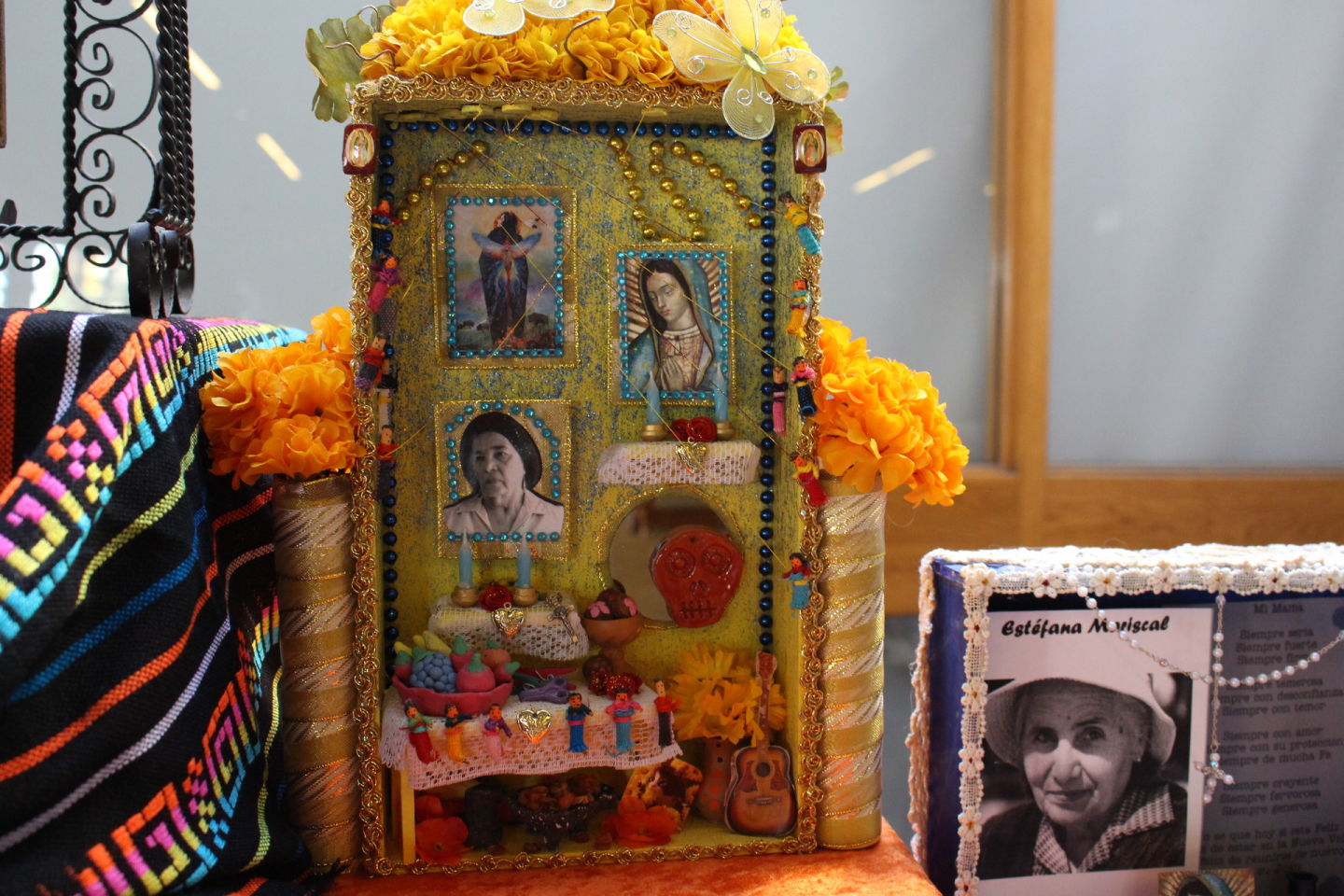
"caption": "Nichos decorate an altar at the Oakland Museum of California for Day of the Dead. The central inch was made by art therapist Alicia Diaz to honor her grandmother. Diaz says was very religious and loved the color yellow.",
"description": null,
"title": "RS17249_IMG_9894.JPG-qut",
"credit": "Farida Jhabvala Romero /KQED",
"status": "inherit",
"isLoading": false,
"fetchFailed": false
},
"news_10740162": {
"type": "attachments",
"id": "news_10740162",
"meta": {
"index": "attachments_1716263798",
"site": "news",
"id": "10740162",
"found": true
},
"parent": 10739672,
"imgSizes": {
"twentyfourteen-full-width": {
"file": "https://ww2.kqed.org/app/uploads/sites/10/2015/11/Munoz-1038x576.jpg",
"width": 1038,
"mimeType": "image/jpeg",
"height": 576
},
"thumbnail": {
"file": "https://ww2.kqed.org/app/uploads/sites/10/2015/11/Munoz-400x362.jpg",
"width": 400,
"mimeType": "image/jpeg",
"height": 362
},
"fd-sm": {
"file": "https://ww2.kqed.org/app/uploads/sites/10/2015/11/Munoz-960x870.jpg",
"width": 960,
"mimeType": "image/jpeg",
"height": 870
},
"post-thumbnail": {
"file": "https://ww2.kqed.org/app/uploads/sites/10/2015/11/Munoz-672x372.jpg",
"width": 672,
"mimeType": "image/jpeg",
"height": 372
},
"kqedFullSize": {
"file": "https://ww2.kqed.org/app/uploads/sites/10/2015/11/Munoz.jpg",
"width": 1920,
"height": 1739
},
"large": {
"file": "https://ww2.kqed.org/app/uploads/sites/10/2015/11/Munoz-1440x1304.jpg",
"width": 1440,
"mimeType": "image/jpeg",
"height": 1304
},
"guest-author-96": {
"file": "https://ww2.kqed.org/app/uploads/sites/10/2015/11/Munoz-96x96.jpg",
"width": 96,
"mimeType": "image/jpeg",
"height": 96
},
"medium": {
"file": "https://ww2.kqed.org/app/uploads/sites/10/2015/11/Munoz-800x725.jpg",
"width": 800,
"mimeType": "image/jpeg",
"height": 725
},
"guest-author-64": {
"file": "https://ww2.kqed.org/app/uploads/sites/10/2015/11/Munoz-64x64.jpg",
"width": 64,
"mimeType": "image/jpeg",
"height": 64
},
"guest-author-32": {
"file": "https://ww2.kqed.org/app/uploads/sites/10/2015/11/Munoz-32x32.jpg",
"width": 32,
"mimeType": "image/jpeg",
"height": 32
},
"jmtc-small-thumb": {
"file": "https://ww2.kqed.org/app/uploads/sites/10/2015/11/Munoz-280x150.jpg",
"width": 280,
"mimeType": "image/jpeg",
"height": 150
},
"fd-lrg": {
"file": "https://ww2.kqed.org/app/uploads/sites/10/2015/11/Munoz-1920x1739.jpg",
"width": 1920,
"mimeType": "image/jpeg",
"height": 1739
},
"fd-med": {
"file": "https://ww2.kqed.org/app/uploads/sites/10/2015/11/Munoz-1180x1069.jpg",
"width": 1180,
"mimeType": "image/jpeg",
"height": 1069
},
"detail": {
"file": "https://ww2.kqed.org/app/uploads/sites/10/2015/11/Munoz-75x75.jpg",
"width": 75,
"mimeType": "image/jpeg",
"height": 75
},
"guest-author-128": {
"file": "https://ww2.kqed.org/app/uploads/sites/10/2015/11/Munoz-128x128.jpg",
"width": 128,
"mimeType": "image/jpeg",
"height": 128
}
},
"publishDate": 1446253231,
"modified": 1446253231,
"caption": null,
"description": null,
"title": "Munoz",
"credit": null,
"status": "inherit",
"isLoading": false,
"fetchFailed": false
},
"news_10740147": {
"type": "attachments",
"id": "news_10740147",
"meta": {
"index": "attachments_1716263798",
"site": "news",
"id": "10740147",
"found": true
},
"parent": 10738653,
"imgSizes": {
"twentyfourteen-full-width": {
"file": "https://ww2.kqed.org/app/uploads/sites/10/2015/10/Dutcher-1038x576.jpg",
"width": 1038,
"mimeType": "image/jpeg",
"height": 576
},
"thumbnail": {
"file": "https://ww2.kqed.org/app/uploads/sites/10/2015/10/Dutcher-400x294.jpg",
"width": 400,
"mimeType": "image/jpeg",
"height": 294
},
"fd-sm": {
"file": "https://ww2.kqed.org/app/uploads/sites/10/2015/10/Dutcher-960x707.jpg",
"width": 960,
"mimeType": "image/jpeg",
"height": 707
},
"post-thumbnail": {
"file": "https://ww2.kqed.org/app/uploads/sites/10/2015/10/Dutcher-672x372.jpg",
"width": 672,
"mimeType": "image/jpeg",
"height": 372
},
"kqedFullSize": {
"file": "https://ww2.kqed.org/app/uploads/sites/10/2015/10/Dutcher.jpg",
"width": 1920,
"height": 1413
},
"large": {
"file": "https://ww2.kqed.org/app/uploads/sites/10/2015/10/Dutcher-1440x1060.jpg",
"width": 1440,
"mimeType": "image/jpeg",
"height": 1060
},
"guest-author-96": {
"file": "https://ww2.kqed.org/app/uploads/sites/10/2015/10/Dutcher-96x96.jpg",
"width": 96,
"mimeType": "image/jpeg",
"height": 96
},
"medium": {
"file": "https://ww2.kqed.org/app/uploads/sites/10/2015/10/Dutcher-800x589.jpg",
"width": 800,
"mimeType": "image/jpeg",
"height": 589
},
"guest-author-64": {
"file": "https://ww2.kqed.org/app/uploads/sites/10/2015/10/Dutcher-64x64.jpg",
"width": 64,
"mimeType": "image/jpeg",
"height": 64
},
"guest-author-32": {
"file": "https://ww2.kqed.org/app/uploads/sites/10/2015/10/Dutcher-32x32.jpg",
"width": 32,
"mimeType": "image/jpeg",
"height": 32
},
"jmtc-small-thumb": {
"file": "https://ww2.kqed.org/app/uploads/sites/10/2015/10/Dutcher-280x150.jpg",
"width": 280,
"mimeType": "image/jpeg",
"height": 150
},
"fd-lrg": {
"file": "https://ww2.kqed.org/app/uploads/sites/10/2015/10/Dutcher-1920x1413.jpg",
"width": 1920,
"mimeType": "image/jpeg",
"height": 1413
},
"fd-med": {
"file": "https://ww2.kqed.org/app/uploads/sites/10/2015/10/Dutcher-1180x868.jpg",
"width": 1180,
"mimeType": "image/jpeg",
"height": 868
},
"detail": {
"file": "https://ww2.kqed.org/app/uploads/sites/10/2015/10/Dutcher-75x75.jpg",
"width": 75,
"mimeType": "image/jpeg",
"height": 75
},
"guest-author-128": {
"file": "https://ww2.kqed.org/app/uploads/sites/10/2015/10/Dutcher-128x128.jpg",
"width": 128,
"mimeType": "image/jpeg",
"height": 128
}
},
"publishDate": 1446251668,
"modified": 1446251688,
"caption": "Ray Dutcher at his Swall Meadows cabin.",
"description": "Ray Dutcher at his Swall Meadows cabin.",
"title": "Dutcher",
"credit": "Peter Gilstrap/KQED",
"status": "inherit",
"isLoading": false,
"fetchFailed": false
},
"news_10739859": {
"type": "attachments",
"id": "news_10739859",
"meta": {
"index": "attachments_1716263798",
"site": "news",
"id": "10739859",
"found": true
},
"parent": 10739755,
"imgSizes": {
"twentyfourteen-full-width": {
"file": "https://ww2.kqed.org/app/uploads/sites/10/2015/10/TrickOrTreatingTeens-1038x576.jpg",
"width": 1038,
"mimeType": "image/jpeg",
"height": 576
},
"thumbnail": {
"file": "https://ww2.kqed.org/app/uploads/sites/10/2015/10/TrickOrTreatingTeens-400x280.jpg",
"width": 400,
"mimeType": "image/jpeg",
"height": 280
},
"fd-sm": {
"file": "https://ww2.kqed.org/app/uploads/sites/10/2015/10/TrickOrTreatingTeens-960x672.jpg",
"width": 960,
"mimeType": "image/jpeg",
"height": 672
},
"post-thumbnail": {
"file": "https://ww2.kqed.org/app/uploads/sites/10/2015/10/TrickOrTreatingTeens-672x372.jpg",
"width": 672,
"mimeType": "image/jpeg",
"height": 372
},
"kqedFullSize": {
"file": "https://ww2.kqed.org/app/uploads/sites/10/2015/10/TrickOrTreatingTeens.jpg",
"width": 1920,
"height": 1344
},
"large": {
"file": "https://ww2.kqed.org/app/uploads/sites/10/2015/10/TrickOrTreatingTeens-1440x1008.jpg",
"width": 1440,
"mimeType": "image/jpeg",
"height": 1008
},
"guest-author-96": {
"file": "https://ww2.kqed.org/app/uploads/sites/10/2015/10/TrickOrTreatingTeens-96x96.jpg",
"width": 96,
"mimeType": "image/jpeg",
"height": 96
},
"medium": {
"file": "https://ww2.kqed.org/app/uploads/sites/10/2015/10/TrickOrTreatingTeens-800x560.jpg",
"width": 800,
"mimeType": "image/jpeg",
"height": 560
},
"guest-author-64": {
"file": "https://ww2.kqed.org/app/uploads/sites/10/2015/10/TrickOrTreatingTeens-64x64.jpg",
"width": 64,
"mimeType": "image/jpeg",
"height": 64
},
"guest-author-32": {
"file": "https://ww2.kqed.org/app/uploads/sites/10/2015/10/TrickOrTreatingTeens-32x32.jpg",
"width": 32,
"mimeType": "image/jpeg",
"height": 32
},
"jmtc-small-thumb": {
"file": "https://ww2.kqed.org/app/uploads/sites/10/2015/10/TrickOrTreatingTeens-280x150.jpg",
"width": 280,
"mimeType": "image/jpeg",
"height": 150
},
"fd-lrg": {
"file": "https://ww2.kqed.org/app/uploads/sites/10/2015/10/TrickOrTreatingTeens-1920x1344.jpg",
"width": 1920,
"mimeType": "image/jpeg",
"height": 1344
},
"fd-med": {
"file": "https://ww2.kqed.org/app/uploads/sites/10/2015/10/TrickOrTreatingTeens-1180x826.jpg",
"width": 1180,
"mimeType": "image/jpeg",
"height": 826
},
"detail": {
"file": "https://ww2.kqed.org/app/uploads/sites/10/2015/10/TrickOrTreatingTeens-75x75.jpg",
"width": 75,
"mimeType": "image/jpeg",
"height": 75
},
"guest-author-128": {
"file": "https://ww2.kqed.org/app/uploads/sites/10/2015/10/TrickOrTreatingTeens-128x128.jpg",
"width": 128,
"mimeType": "image/jpeg",
"height": 128
}
},
"publishDate": 1446236319,
"modified": 1446236332,
"caption": null,
"description": null,
"title": "TrickOrTreatingTeens",
"credit": "Joe Mabel/Flickr",
"status": "inherit",
"isLoading": false,
"fetchFailed": false
},
"news_10739549": {
"type": "attachments",
"id": "news_10739549",
"meta": {
"index": "attachments_1716263798",
"site": "news",
"id": "10739549",
"found": true
},
"parent": 10739492,
"imgSizes": {
"twentyfourteen-full-width": {
"file": "https://ww2.kqed.org/app/uploads/sites/10/2015/10/RS17257_jassen-koehn-lake-qut-2-1038x576.jpg",
"width": 1038,
"mimeType": "image/jpeg",
"height": 576
},
"thumbnail": {
"file": "https://ww2.kqed.org/app/uploads/sites/10/2015/10/RS17257_jassen-koehn-lake-qut-2-400x267.jpg",
"width": 400,
"mimeType": "image/jpeg",
"height": 267
},
"fd-sm": {
"file": "https://ww2.kqed.org/app/uploads/sites/10/2015/10/RS17257_jassen-koehn-lake-qut-2-960x641.jpg",
"width": 960,
"mimeType": "image/jpeg",
"height": 641
},
"post-thumbnail": {
"file": "https://ww2.kqed.org/app/uploads/sites/10/2015/10/RS17257_jassen-koehn-lake-qut-2-672x372.jpg",
"width": 672,
"mimeType": "image/jpeg",
"height": 372
},
"kqedFullSize": {
"file": "https://ww2.kqed.org/app/uploads/sites/10/2015/10/RS17257_jassen-koehn-lake-qut-2.jpg",
"width": 1920,
"height": 1281
},
"large": {
"file": "https://ww2.kqed.org/app/uploads/sites/10/2015/10/RS17257_jassen-koehn-lake-qut-2-1440x961.jpg",
"width": 1440,
"mimeType": "image/jpeg",
"height": 961
},
"guest-author-96": {
"file": "https://ww2.kqed.org/app/uploads/sites/10/2015/10/RS17257_jassen-koehn-lake-qut-2-96x96.jpg",
"width": 96,
"mimeType": "image/jpeg",
"height": 96
},
"medium": {
"file": "https://ww2.kqed.org/app/uploads/sites/10/2015/10/RS17257_jassen-koehn-lake-qut-2-800x534.jpg",
"width": 800,
"mimeType": "image/jpeg",
"height": 534
},
"guest-author-64": {
"file": "https://ww2.kqed.org/app/uploads/sites/10/2015/10/RS17257_jassen-koehn-lake-qut-2-64x64.jpg",
"width": 64,
"mimeType": "image/jpeg",
"height": 64
},
"guest-author-32": {
"file": "https://ww2.kqed.org/app/uploads/sites/10/2015/10/RS17257_jassen-koehn-lake-qut-2-32x32.jpg",
"width": 32,
"mimeType": "image/jpeg",
"height": 32
},
"jmtc-small-thumb": {
"file": "https://ww2.kqed.org/app/uploads/sites/10/2015/10/RS17257_jassen-koehn-lake-qut-2-280x150.jpg",
"width": 280,
"mimeType": "image/jpeg",
"height": 150
},
"fd-lrg": {
"file": "https://ww2.kqed.org/app/uploads/sites/10/2015/10/RS17257_jassen-koehn-lake-qut-2-1920x1281.jpg",
"width": 1920,
"mimeType": "image/jpeg",
"height": 1281
},
"fd-med": {
"file": "https://ww2.kqed.org/app/uploads/sites/10/2015/10/RS17257_jassen-koehn-lake-qut-2-1180x787.jpg",
"width": 1180,
"mimeType": "image/jpeg",
"height": 787
},
"detail": {
"file": "https://ww2.kqed.org/app/uploads/sites/10/2015/10/RS17257_jassen-koehn-lake-qut-2-75x75.jpg",
"width": 75,
"mimeType": "image/jpeg",
"height": 75
},
"guest-author-128": {
"file": "https://ww2.kqed.org/app/uploads/sites/10/2015/10/RS17257_jassen-koehn-lake-qut-2-128x128.jpg",
"width": 128,
"mimeType": "image/jpeg",
"height": 128
}
},
"publishDate": 1446220158,
"modified": 1446228638,
"caption": "'Tree of Life,' a shot of Koehn Lake in the Mojave Desert at sunset, won first place in the non-professional nature category of the International Photography Awards.",
"description": "'Tree of Life,' a shot of Koehn Lake in the Mojave Desert at sunset, won first place in the non-professional nature category for the International Photography Awards.",
"title": "RS17257_jassen koehn lake-qut-2",
"credit": "Jassen Todorov",
"status": "inherit",
"isLoading": false,
"fetchFailed": false
},
"news_10738656": {
"type": "attachments",
"id": "news_10738656",
"meta": {
"index": "attachments_1716263798",
"site": "news",
"id": "10738656",
"found": true
},
"parent": 10738324,
"imgSizes": {
"twentyfourteen-full-width": {
"file": "https://ww2.kqed.org/app/uploads/sites/10/2015/10/DSCF6457-1038x576.jpg",
"width": 1038,
"mimeType": "image/jpeg",
"height": 576
},
"thumbnail": {
"file": "https://ww2.kqed.org/app/uploads/sites/10/2015/10/DSCF6457-400x300.jpg",
"width": 400,
"mimeType": "image/jpeg",
"height": 300
},
"fd-sm": {
"file": "https://ww2.kqed.org/app/uploads/sites/10/2015/10/DSCF6457-960x720.jpg",
"width": 960,
"mimeType": "image/jpeg",
"height": 720
},
"post-thumbnail": {
"file": "https://ww2.kqed.org/app/uploads/sites/10/2015/10/DSCF6457-672x372.jpg",
"width": 672,
"mimeType": "image/jpeg",
"height": 372
},
"kqedFullSize": {
"file": "https://ww2.kqed.org/app/uploads/sites/10/2015/10/DSCF6457.jpg",
"width": 2848,
"height": 2136
},
"large": {
"file": "https://ww2.kqed.org/app/uploads/sites/10/2015/10/DSCF6457-1440x1080.jpg",
"width": 1440,
"mimeType": "image/jpeg",
"height": 1080
},
"guest-author-96": {
"file": "https://ww2.kqed.org/app/uploads/sites/10/2015/10/DSCF6457-96x96.jpg",
"width": 96,
"mimeType": "image/jpeg",
"height": 96
},
"medium": {
"file": "https://ww2.kqed.org/app/uploads/sites/10/2015/10/DSCF6457-800x600.jpg",
"width": 800,
"mimeType": "image/jpeg",
"height": 600
},
"guest-author-64": {
"file": "https://ww2.kqed.org/app/uploads/sites/10/2015/10/DSCF6457-64x64.jpg",
"width": 64,
"mimeType": "image/jpeg",
"height": 64
},
"guest-author-32": {
"file": "https://ww2.kqed.org/app/uploads/sites/10/2015/10/DSCF6457-32x32.jpg",
"width": 32,
"mimeType": "image/jpeg",
"height": 32
},
"jmtc-small-thumb": {
"file": "https://ww2.kqed.org/app/uploads/sites/10/2015/10/DSCF6457-280x150.jpg",
"width": 280,
"mimeType": "image/jpeg",
"height": 150
},
"fd-lrg": {
"file": "https://ww2.kqed.org/app/uploads/sites/10/2015/10/DSCF6457-1920x1440.jpg",
"width": 1920,
"mimeType": "image/jpeg",
"height": 1440
},
"fd-med": {
"file": "https://ww2.kqed.org/app/uploads/sites/10/2015/10/DSCF6457-1180x885.jpg",
"width": 1180,
"mimeType": "image/jpeg",
"height": 885
},
"detail": {
"file": "https://ww2.kqed.org/app/uploads/sites/10/2015/10/DSCF6457-75x75.jpg",
"width": 75,
"mimeType": "image/jpeg",
"height": 75
},
"guest-author-128": {
"file": "https://ww2.kqed.org/app/uploads/sites/10/2015/10/DSCF6457-128x128.jpg",
"width": 128,
"mimeType": "image/jpeg",
"height": 128
}
},
"publishDate": 1446159729,
"modified": 1446165119,
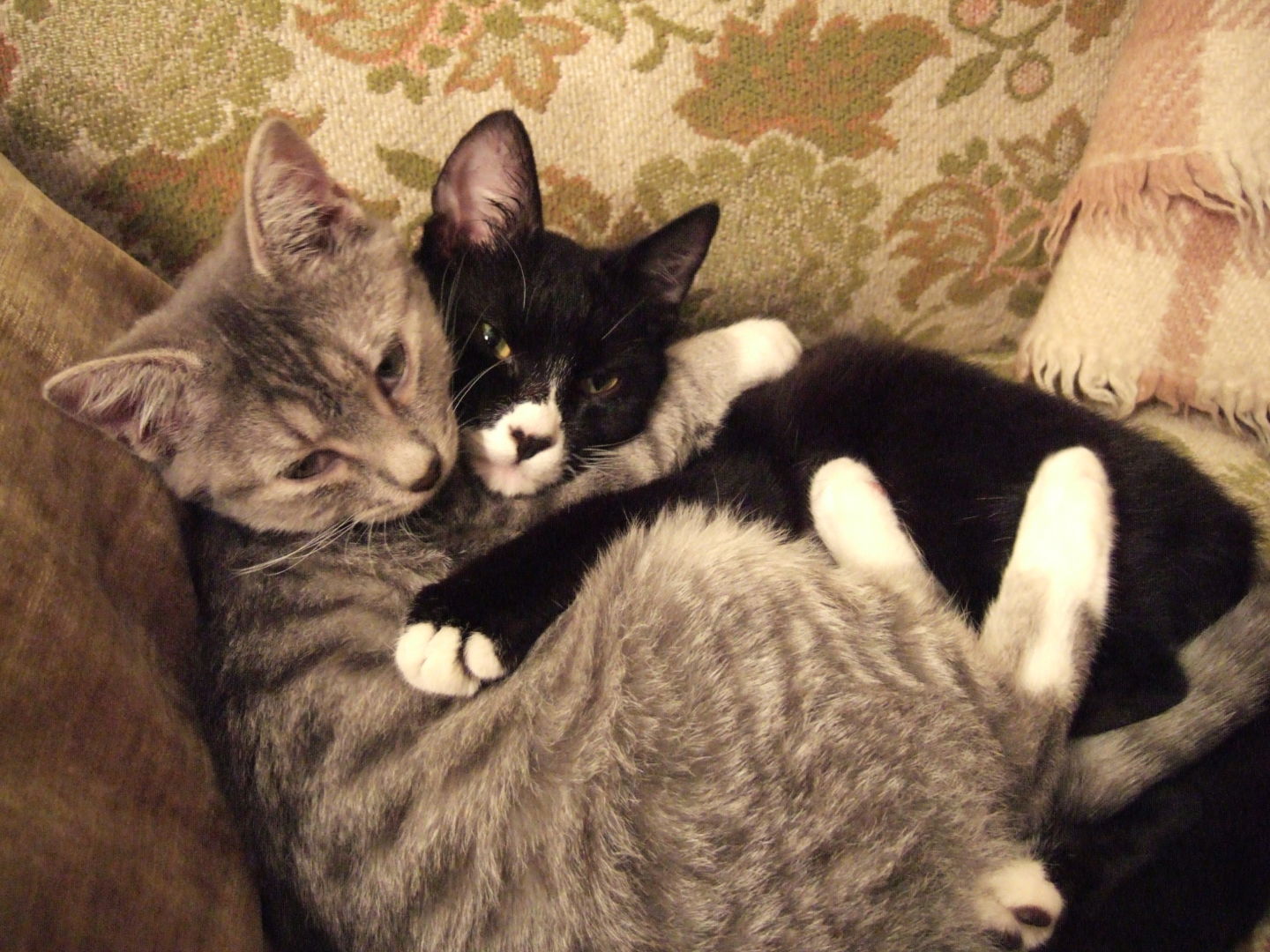
"caption": "Friends forever! Science reporter Amy Standen's cats are besties. ",
"description": "Friends forever! Science reporter Amy Standen's cats are besties. ",
"title": "DSCF6457",
"credit": "Chris Colin/KQED",
"status": "inherit",
"isLoading": false,
"fetchFailed": false
},
"news_10730293": {
"type": "attachments",
"id": "news_10730293",
"meta": {
"index": "attachments_1716263798",
"site": "news",
"id": "10730293",
"found": true
},
"parent": 10728721,
"imgSizes": {
"twentyfourteen-full-width": {
"file": "https://ww2.kqed.org/app/uploads/sites/10/2015/10/RS17143_JoannaNewsom_byAnnabelMehran_04-qut1-1038x576.jpg",
"width": 1038,
"mimeType": "image/jpeg",
"height": 576
},
"thumbnail": {
"file": "https://ww2.kqed.org/app/uploads/sites/10/2015/10/RS17143_JoannaNewsom_byAnnabelMehran_04-qut1-400x267.jpg",
"width": 400,
"mimeType": "image/jpeg",
"height": 267
},
"fd-sm": {
"file": "https://ww2.kqed.org/app/uploads/sites/10/2015/10/RS17143_JoannaNewsom_byAnnabelMehran_04-qut1-960x640.jpg",
"width": 960,
"mimeType": "image/jpeg",
"height": 640
},
"post-thumbnail": {
"file": "https://ww2.kqed.org/app/uploads/sites/10/2015/10/RS17143_JoannaNewsom_byAnnabelMehran_04-qut1-672x372.jpg",
"width": 672,
"mimeType": "image/jpeg",
"height": 372
},
"kqedFullSize": {
"file": "https://ww2.kqed.org/app/uploads/sites/10/2015/10/RS17143_JoannaNewsom_byAnnabelMehran_04-qut1.jpg",
"width": 1920,
"height": 1280
},
"large": {
"file": "https://ww2.kqed.org/app/uploads/sites/10/2015/10/RS17143_JoannaNewsom_byAnnabelMehran_04-qut1-1440x960.jpg",
"width": 1440,
"mimeType": "image/jpeg",
"height": 960
},
"guest-author-96": {
"file": "https://ww2.kqed.org/app/uploads/sites/10/2015/10/RS17143_JoannaNewsom_byAnnabelMehran_04-qut1-96x96.jpg",
"width": 96,
"mimeType": "image/jpeg",
"height": 96
},
"medium": {
"file": "https://ww2.kqed.org/app/uploads/sites/10/2015/10/RS17143_JoannaNewsom_byAnnabelMehran_04-qut1-800x533.jpg",
"width": 800,
"mimeType": "image/jpeg",
"height": 533
},
"guest-author-64": {
"file": "https://ww2.kqed.org/app/uploads/sites/10/2015/10/RS17143_JoannaNewsom_byAnnabelMehran_04-qut1-64x64.jpg",
"width": 64,
"mimeType": "image/jpeg",
"height": 64
},
"guest-author-32": {
"file": "https://ww2.kqed.org/app/uploads/sites/10/2015/10/RS17143_JoannaNewsom_byAnnabelMehran_04-qut1-32x32.jpg",
"width": 32,
"mimeType": "image/jpeg",
"height": 32
},
"jmtc-small-thumb": {
"file": "https://ww2.kqed.org/app/uploads/sites/10/2015/10/RS17143_JoannaNewsom_byAnnabelMehran_04-qut1-280x150.jpg",
"width": 280,
"mimeType": "image/jpeg",
"height": 150
},
"fd-lrg": {
"file": "https://ww2.kqed.org/app/uploads/sites/10/2015/10/RS17143_JoannaNewsom_byAnnabelMehran_04-qut1-1920x1280.jpg",
"width": 1920,
"mimeType": "image/jpeg",
"height": 1280
},
"fd-med": {
"file": "https://ww2.kqed.org/app/uploads/sites/10/2015/10/RS17143_JoannaNewsom_byAnnabelMehran_04-qut1-1180x787.jpg",
"width": 1180,
"mimeType": "image/jpeg",
"height": 787
},
"detail": {
"file": "https://ww2.kqed.org/app/uploads/sites/10/2015/10/RS17143_JoannaNewsom_byAnnabelMehran_04-qut1-75x75.jpg",
"width": 75,
"mimeType": "image/jpeg",
"height": 75
},
"guest-author-128": {
"file": "https://ww2.kqed.org/app/uploads/sites/10/2015/10/RS17143_JoannaNewsom_byAnnabelMehran_04-qut1-128x128.jpg",
"width": 128,
"mimeType": "image/jpeg",
"height": 128
}
},
"publishDate": 1445626547,
"modified": 1445629790,
"caption": "Joanna Newsom (Photo: Annabel Mehran)",
"description": "Joanna Newsom (Photo: Annabel Mehran)",
"title": "RS17143_JoannaNewsom_byAnnabelMehran_04-qut(1)",
"credit": null,
"status": "inherit",
"isLoading": false,
"fetchFailed": false
},
"news_10730537": {
"type": "attachments",
"id": "news_10730537",
"meta": {
"index": "attachments_1716263798",
"site": "news",
"id": "10730537",
"found": true
},
"parent": 10728648,
"imgSizes": {
"twentyfourteen-full-width": {
"file": "https://ww2.kqed.org/app/uploads/sites/10/2015/10/Ishi-1038x576.jpg",
"width": 1038,
"mimeType": "image/jpeg",
"height": 576
},
"thumbnail": {
"file": "https://ww2.kqed.org/app/uploads/sites/10/2015/10/Ishi-400x405.jpg",
"width": 400,
"mimeType": "image/jpeg",
"height": 405
},
"fd-sm": {
"file": "https://ww2.kqed.org/app/uploads/sites/10/2015/10/Ishi-960x972.jpg",
"width": 960,
"mimeType": "image/jpeg",
"height": 972
},
"post-thumbnail": {
"file": "https://ww2.kqed.org/app/uploads/sites/10/2015/10/Ishi-672x372.jpg",
"width": 672,
"mimeType": "image/jpeg",
"height": 372
},
"kqedFullSize": {
"file": "https://ww2.kqed.org/app/uploads/sites/10/2015/10/Ishi.jpg",
"width": 1920,
"height": 1943
},
"large": {
"file": "https://ww2.kqed.org/app/uploads/sites/10/2015/10/Ishi-1440x1457.jpg",
"width": 1440,
"mimeType": "image/jpeg",
"height": 1457
},
"guest-author-96": {
"file": "https://ww2.kqed.org/app/uploads/sites/10/2015/10/Ishi-96x96.jpg",
"width": 96,
"mimeType": "image/jpeg",
"height": 96
},
"medium": {
"file": "https://ww2.kqed.org/app/uploads/sites/10/2015/10/Ishi-800x810.jpg",
"width": 800,
"mimeType": "image/jpeg",
"height": 810
},
"guest-author-64": {
"file": "https://ww2.kqed.org/app/uploads/sites/10/2015/10/Ishi-64x64.jpg",
"width": 64,
"mimeType": "image/jpeg",
"height": 64
},
"guest-author-32": {
"file": "https://ww2.kqed.org/app/uploads/sites/10/2015/10/Ishi-32x32.jpg",
"width": 32,
"mimeType": "image/jpeg",
"height": 32
},
"jmtc-small-thumb": {
"file": "https://ww2.kqed.org/app/uploads/sites/10/2015/10/Ishi-280x150.jpg",
"width": 280,
"mimeType": "image/jpeg",
"height": 150
},
"fd-lrg": {
"file": "https://ww2.kqed.org/app/uploads/sites/10/2015/10/Ishi-1920x1943.jpg",
"width": 1920,
"mimeType": "image/jpeg",
"height": 1943
},
"fd-med": {
"file": "https://ww2.kqed.org/app/uploads/sites/10/2015/10/Ishi-1180x1194.jpg",
"width": 1180,
"mimeType": "image/jpeg",
"height": 1194
},
"detail": {
"file": "https://ww2.kqed.org/app/uploads/sites/10/2015/10/Ishi-75x75.jpg",
"width": 75,
"mimeType": "image/jpeg",
"height": 75
},
"guest-author-128": {
"file": "https://ww2.kqed.org/app/uploads/sites/10/2015/10/Ishi-128x128.jpg",
"width": 128,
"mimeType": "image/jpeg",
"height": 128
}
},
"publishDate": 1445637874,
"modified": 1445637905,
"caption": "Ishi (1860-1916), the last surviving member of the Yahi Indian tribe of California.",
"description": "Ishi (1860-1916), the last surviving member of the Yahi Indian tribe of California.",
"title": "Ishi",
"credit": "Wikimedia Commons",
"status": "inherit",
"isLoading": false,
"fetchFailed": false
},
"news_10730278": {
"type": "attachments",
"id": "news_10730278",
"meta": {
"index": "attachments_1716263798",
"site": "news",
"id": "10730278",
"found": true
},
"parent": 10730214,
"imgSizes": {
"twentyfourteen-full-width": {
"file": "https://ww2.kqed.org/app/uploads/sites/10/2015/10/RS17152_RS16513_IMG_1729.JPG.jpg-alt_326-qut-1038x576.jpg",
"width": 1038,
"mimeType": "image/jpeg",
"height": 576
},
"thumbnail": {
"file": "https://ww2.kqed.org/app/uploads/sites/10/2015/10/RS17152_RS16513_IMG_1729.JPG.jpg-alt_326-qut-400x267.jpg",
"width": 400,
"mimeType": "image/jpeg",
"height": 267
},
"fd-sm": {
"file": "https://ww2.kqed.org/app/uploads/sites/10/2015/10/RS17152_RS16513_IMG_1729.JPG.jpg-alt_326-qut-960x641.jpg",
"width": 960,
"mimeType": "image/jpeg",
"height": 641
},
"post-thumbnail": {
"file": "https://ww2.kqed.org/app/uploads/sites/10/2015/10/RS17152_RS16513_IMG_1729.JPG.jpg-alt_326-qut-672x372.jpg",
"width": 672,
"mimeType": "image/jpeg",
"height": 372
},
"kqedFullSize": {
"file": "https://ww2.kqed.org/app/uploads/sites/10/2015/10/RS17152_RS16513_IMG_1729.JPG.jpg-alt_326-qut.jpg",
"width": 1920,
"height": 1282
},
"large": {
"file": "https://ww2.kqed.org/app/uploads/sites/10/2015/10/RS17152_RS16513_IMG_1729.JPG.jpg-alt_326-qut-1440x962.jpg",
"width": 1440,
"mimeType": "image/jpeg",
"height": 962
},
"guest-author-96": {
"file": "https://ww2.kqed.org/app/uploads/sites/10/2015/10/RS17152_RS16513_IMG_1729.JPG.jpg-alt_326-qut-96x96.jpg",
"width": 96,
"mimeType": "image/jpeg",
"height": 96
},
"medium": {
"file": "https://ww2.kqed.org/app/uploads/sites/10/2015/10/RS17152_RS16513_IMG_1729.JPG.jpg-alt_326-qut-800x534.jpg",
"width": 800,
"mimeType": "image/jpeg",
"height": 534
},
"guest-author-64": {
"file": "https://ww2.kqed.org/app/uploads/sites/10/2015/10/RS17152_RS16513_IMG_1729.JPG.jpg-alt_326-qut-64x64.jpg",
"width": 64,
"mimeType": "image/jpeg",
"height": 64
},
"guest-author-32": {
"file": "https://ww2.kqed.org/app/uploads/sites/10/2015/10/RS17152_RS16513_IMG_1729.JPG.jpg-alt_326-qut-32x32.jpg",
"width": 32,
"mimeType": "image/jpeg",
"height": 32
},
"jmtc-small-thumb": {
"file": "https://ww2.kqed.org/app/uploads/sites/10/2015/10/RS17152_RS16513_IMG_1729.JPG.jpg-alt_326-qut-280x150.jpg",
"width": 280,
"mimeType": "image/jpeg",
"height": 150
},
"fd-lrg": {
"file": "https://ww2.kqed.org/app/uploads/sites/10/2015/10/RS17152_RS16513_IMG_1729.JPG.jpg-alt_326-qut-1920x1282.jpg",
"width": 1920,
"mimeType": "image/jpeg",
"height": 1282
},
"fd-med": {
"file": "https://ww2.kqed.org/app/uploads/sites/10/2015/10/RS17152_RS16513_IMG_1729.JPG.jpg-alt_326-qut-1180x788.jpg",
"width": 1180,
"mimeType": "image/jpeg",
"height": 788
},
"detail": {
"file": "https://ww2.kqed.org/app/uploads/sites/10/2015/10/RS17152_RS16513_IMG_1729.JPG.jpg-alt_326-qut-75x75.jpg",
"width": 75,
"mimeType": "image/jpeg",
"height": 75
},
"guest-author-128": {
"file": "https://ww2.kqed.org/app/uploads/sites/10/2015/10/RS17152_RS16513_IMG_1729.JPG.jpg-alt_326-qut-128x128.jpg",
"width": 128,
"mimeType": "image/jpeg",
"height": 128
}
},
"publishDate": 1445625578,
"modified": 1445650387,
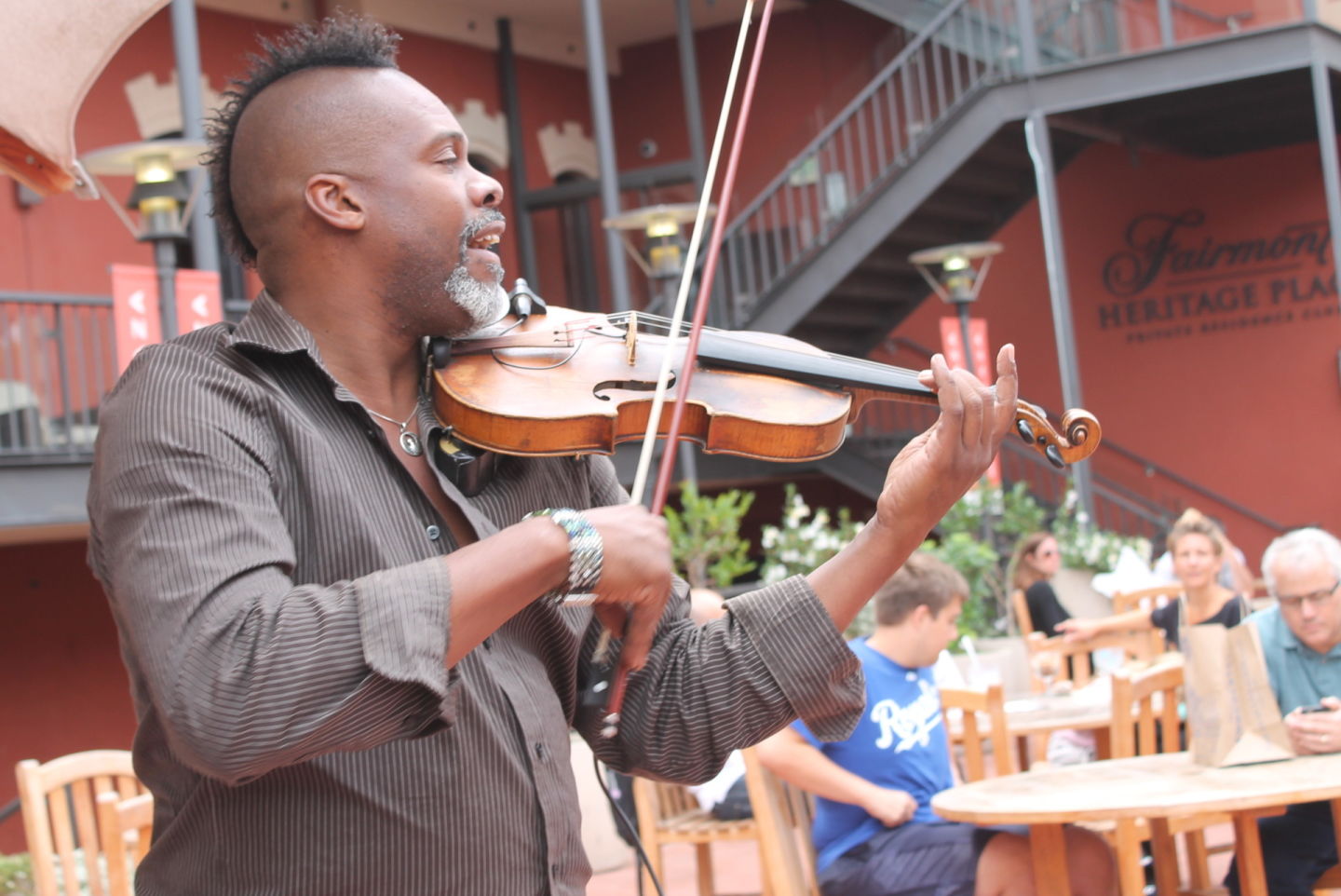
"caption": "Kippy Marks plays electric violin at San Francisco's Ghirardelli Square.",
"description": "Kippy Marks plays electric violin at San Francisco's Ghirardelli Square.",
"title": "RS17152_RS16513_IMG_1729.JPG.jpg-alt_326-qut",
"credit": "Natalya Estrada/KQED",
"status": "inherit",
"isLoading": false,
"fetchFailed": false
},
"news_10724696": {
"type": "attachments",
"id": "news_10724696",
"meta": {
"index": "attachments_1716263798",
"site": "news",
"id": "10724696",
"found": true
},
"parent": 10708114,
"imgSizes": {
"twentyfourteen-full-width": {
"file": "https://ww2.kqed.org/app/uploads/sites/10/2015/10/BigfootParade-1038x576.jpg",
"width": 1038,
"mimeType": "image/jpeg",
"height": 576
},
"thumbnail": {
"file": "https://ww2.kqed.org/app/uploads/sites/10/2015/10/BigfootParade-400x334.jpg",
"width": 400,
"mimeType": "image/jpeg",
"height": 334
},
"fd-sm": {
"file": "https://ww2.kqed.org/app/uploads/sites/10/2015/10/BigfootParade-960x802.jpg",
"width": 960,
"mimeType": "image/jpeg",
"height": 802
},
"post-thumbnail": {
"file": "https://ww2.kqed.org/app/uploads/sites/10/2015/10/BigfootParade-672x372.jpg",
"width": 672,
"mimeType": "image/jpeg",
"height": 372
},
"kqedFullSize": {
"file": "https://ww2.kqed.org/app/uploads/sites/10/2015/10/BigfootParade.jpg",
"width": 1920,
"height": 1603
},
"large": {
"file": "https://ww2.kqed.org/app/uploads/sites/10/2015/10/BigfootParade-1440x1202.jpg",
"width": 1440,
"mimeType": "image/jpeg",
"height": 1202
},
"guest-author-96": {
"file": "https://ww2.kqed.org/app/uploads/sites/10/2015/10/BigfootParade-96x96.jpg",
"width": 96,
"mimeType": "image/jpeg",
"height": 96
},
"medium": {
"file": "https://ww2.kqed.org/app/uploads/sites/10/2015/10/BigfootParade-800x668.jpg",
"width": 800,
"mimeType": "image/jpeg",
"height": 668
},
"guest-author-64": {
"file": "https://ww2.kqed.org/app/uploads/sites/10/2015/10/BigfootParade-64x64.jpg",
"width": 64,
"mimeType": "image/jpeg",
"height": 64
},
"guest-author-32": {
"file": "https://ww2.kqed.org/app/uploads/sites/10/2015/10/BigfootParade-32x32.jpg",
"width": 32,
"mimeType": "image/jpeg",
"height": 32
},
"jmtc-small-thumb": {
"file": "https://ww2.kqed.org/app/uploads/sites/10/2015/10/BigfootParade-280x150.jpg",
"width": 280,
"mimeType": "image/jpeg",
"height": 150
},
"fd-lrg": {
"file": "https://ww2.kqed.org/app/uploads/sites/10/2015/10/BigfootParade-1920x1603.jpg",
"width": 1920,
"mimeType": "image/jpeg",
"height": 1603
},
"fd-med": {
"file": "https://ww2.kqed.org/app/uploads/sites/10/2015/10/BigfootParade-1180x985.jpg",
"width": 1180,
"mimeType": "image/jpeg",
"height": 985
},
"detail": {
"file": "https://ww2.kqed.org/app/uploads/sites/10/2015/10/BigfootParade-75x75.jpg",
"width": 75,
"mimeType": "image/jpeg",
"height": 75
},
"guest-author-128": {
"file": "https://ww2.kqed.org/app/uploads/sites/10/2015/10/BigfootParade-128x128.jpg",
"width": 128,
"mimeType": "image/jpeg",
"height": 128
}
},
"publishDate": 1445302817,
"modified": 1445387756,
"caption": "Bigfoot (?) rides on a truck during Bigfoot Days in Willow Creek.",
"description": "Bigfoot (?) rides on a truck during Bigfoot Days in Willow Creek.",
"title": "BigfootParade",
"credit": "Courtesy Melissa Whitney",
"status": "inherit",
"isLoading": false,
"fetchFailed": false
},
"news_10724144": {
"type": "attachments",
"id": "news_10724144",
"meta": {
"index": "attachments_1716263798",
"site": "news",
"id": "10724144",
"found": true
},
"parent": 10724143,
"imgSizes": {
"twentyfourteen-full-width": {
"file": "https://ww2.kqed.org/app/uploads/sites/10/2015/10/RS17088_photo-qut-726x576.jpg",
"width": 726,
"mimeType": "image/jpeg",
"height": 576
},
"jmtc-small-thumb": {
"file": "https://ww2.kqed.org/app/uploads/sites/10/2015/10/RS17088_photo-qut-280x150.jpg",
"width": 280,
"mimeType": "image/jpeg",
"height": 150
},
"thumbnail": {
"file": "https://ww2.kqed.org/app/uploads/sites/10/2015/10/RS17088_photo-qut-400x367.jpg",
"width": 400,
"mimeType": "image/jpeg",
"height": 367
},
"post-thumbnail": {
"file": "https://ww2.kqed.org/app/uploads/sites/10/2015/10/RS17088_photo-qut-672x372.jpg",
"width": 672,
"mimeType": "image/jpeg",
"height": 372
},
"kqedFullSize": {
"file": "https://ww2.kqed.org/app/uploads/sites/10/2015/10/RS17088_photo-qut.jpg",
"width": 726,
"height": 667
},
"guest-author-96": {
"file": "https://ww2.kqed.org/app/uploads/sites/10/2015/10/RS17088_photo-qut-96x96.jpg",
"width": 96,
"mimeType": "image/jpeg",
"height": 96
},
"guest-author-64": {
"file": "https://ww2.kqed.org/app/uploads/sites/10/2015/10/RS17088_photo-qut-64x64.jpg",
"width": 64,
"mimeType": "image/jpeg",
"height": 64
},
"detail": {
"file": "https://ww2.kqed.org/app/uploads/sites/10/2015/10/RS17088_photo-qut-75x75.jpg",
"width": 75,
"mimeType": "image/jpeg",
"height": 75
},
"guest-author-32": {
"file": "https://ww2.kqed.org/app/uploads/sites/10/2015/10/RS17088_photo-qut-32x32.jpg",
"width": 32,
"mimeType": "image/jpeg",
"height": 32
},
"guest-author-128": {
"file": "https://ww2.kqed.org/app/uploads/sites/10/2015/10/RS17088_photo-qut-128x128.jpg",
"width": 128,
"mimeType": "image/jpeg",
"height": 128
}
},
"publishDate": 1445279385,
"modified": 1445304543,
"caption": "Playwright Luis Valdez at San Jose State, where he started as a math major but later became an English major. ",
"description": "Playwright Luis Valdez at San Jose State where he started as a math major but later dropped it to become an English major.",
"title": "RS17088_photo-qut",
"credit": "Beth Willon/KQED",
"status": "inherit",
"isLoading": false,
"fetchFailed": false
},
"news_10724063": {
"type": "attachments",
"id": "news_10724063",
"meta": {
"index": "attachments_1716263798",
"site": "news",
"id": "10724063",
"found": true
},
"parent": 10723998,
"imgSizes": {
"twentyfourteen-full-width": {
"file": "https://ww2.kqed.org/app/uploads/sites/10/2015/10/IMG_2241-1038x576.jpg",
"width": 1038,
"mimeType": "image/jpeg",
"height": 576
},
"thumbnail": {
"file": "https://ww2.kqed.org/app/uploads/sites/10/2015/10/IMG_2241-400x267.jpg",
"width": 400,
"mimeType": "image/jpeg",
"height": 267
},
"fd-sm": {
"file": "https://ww2.kqed.org/app/uploads/sites/10/2015/10/IMG_2241-960x640.jpg",
"width": 960,
"mimeType": "image/jpeg",
"height": 640
},
"post-thumbnail": {
"file": "https://ww2.kqed.org/app/uploads/sites/10/2015/10/IMG_2241-672x372.jpg",
"width": 672,
"mimeType": "image/jpeg",
"height": 372
},
"kqedFullSize": {
"file": "https://ww2.kqed.org/app/uploads/sites/10/2015/10/IMG_2241-e1445359048539.jpg",
"width": 1920,
"height": 1280
},
"large": {
"file": "https://ww2.kqed.org/app/uploads/sites/10/2015/10/IMG_2241-1440x960.jpg",
"width": 1440,
"mimeType": "image/jpeg",
"height": 960
},
"guest-author-96": {
"file": "https://ww2.kqed.org/app/uploads/sites/10/2015/10/IMG_2241-96x96.jpg",
"width": 96,
"mimeType": "image/jpeg",
"height": 96
},
"medium": {
"file": "https://ww2.kqed.org/app/uploads/sites/10/2015/10/IMG_2241-800x533.jpg",
"width": 800,
"mimeType": "image/jpeg",
"height": 533
},
"guest-author-64": {
"file": "https://ww2.kqed.org/app/uploads/sites/10/2015/10/IMG_2241-64x64.jpg",
"width": 64,
"mimeType": "image/jpeg",
"height": 64
},
"guest-author-32": {
"file": "https://ww2.kqed.org/app/uploads/sites/10/2015/10/IMG_2241-32x32.jpg",
"width": 32,
"mimeType": "image/jpeg",
"height": 32
},
"jmtc-small-thumb": {
"file": "https://ww2.kqed.org/app/uploads/sites/10/2015/10/IMG_2241-280x150.jpg",
"width": 280,
"mimeType": "image/jpeg",
"height": 150
},
"fd-lrg": {
"file": "https://ww2.kqed.org/app/uploads/sites/10/2015/10/IMG_2241-1920x1280.jpg",
"width": 1920,
"mimeType": "image/jpeg",
"height": 1280
},
"fd-med": {
"file": "https://ww2.kqed.org/app/uploads/sites/10/2015/10/IMG_2241-1180x787.jpg",
"width": 1180,
"mimeType": "image/jpeg",
"height": 787
},
"detail": {
"file": "https://ww2.kqed.org/app/uploads/sites/10/2015/10/IMG_2241-75x75.jpg",
"width": 75,
"mimeType": "image/jpeg",
"height": 75
},
"guest-author-128": {
"file": "https://ww2.kqed.org/app/uploads/sites/10/2015/10/IMG_2241-128x128.jpg",
"width": 128,
"mimeType": "image/jpeg",
"height": 128
}
},
"publishDate": 1445275446,
"modified": 1445294168,
"caption": "More than 100,000 people attended the 45th Annual Art and Pumpkin Festival in Half Moon Bay this past weekend. ",
"description": null,
"title": "IMG_2241",
"credit": "Ericka Cruz Guevarra/KQED",
"status": "inherit",
"isLoading": false,
"fetchFailed": false
}
},
"audioPlayerReducer": {
"postId": "stream_live",
"isPaused": true,
"isPlaying": false,
"pfsActive": false,
"pledgeModalIsOpen": true,
"playerDrawerIsOpen": false,
"liveAudioPlayStartedAt": 0,
"liveAudioPlayContext": ""
},
"authorsReducer": {
"byline_news_10738653": {
"type": "authors",
"id": "byline_news_10738653",
"meta": {
"override": true
},
"slug": "byline_news_10738653",
"name": "Peter Gilstrap",
"isLoading": false
},
"byline_news_10739755": {
"type": "authors",
"id": "byline_news_10739755",
"meta": {
"override": true
},
"slug": "byline_news_10739755",
"name": "\u003cstrong>\u003ca href=\"https://youthradio.org/staff/billy-cruz-2/\">Billy Cruz\u003c/a>\u003cbr>Youth Radio\u003c/strong>",
"isLoading": false
},
"byline_news_10728648": {
"type": "authors",
"id": "byline_news_10728648",
"meta": {
"override": true
},
"slug": "byline_news_10728648",
"name": "Leah Rose",
"isLoading": false
},
"byline_news_10730214": {
"type": "authors",
"id": "byline_news_10730214",
"meta": {
"override": true
},
"slug": "byline_news_10730214",
"name": "Natalya Estrada",
"isLoading": false
},
"byline_news_10708114": {
"type": "authors",
"id": "byline_news_10708114",
"meta": {
"override": true
},
"slug": "byline_news_10708114",
"name": "Natalya Estrada",
"isLoading": false
},
"agilbert": {
"type": "authors",
"id": "86",
"meta": {
"index": "authors_1716337520",
"id": "86",
"found": true
},
"name": "Andrew Gilbert",
"firstName": "Andrew",
"lastName": "Gilbert",
"slug": "agilbert",
"email": "jazzscribe@aol.com",
"display_author_email": false,
"staff_mastheads": [],
"title": "KQED Contributor",
"bio": "A Los Angeles native based in the Berkeley area since 1996, Andrew Gilbert covers jazz, international music and dance for KQED's \u003ci>California Report, \u003c/i>the\u003ci> Mercury News\u003c/i>, \u003ci>San Francisco Chronicle\u003c/i>, \u003ci>Berkeleyside.com\u003c/i>, and other publications. He is available for weddings and bar and bat mitzvahs. #jazzscribe",
"avatar": "https://secure.gravatar.com/avatar/d7bcafdbefdd39e9a68f88724ca616eb4e7a5a6bff9cdfb62de652a1e1751471?s=600&d=blank&r=g",
"twitter": null,
"bluesky": null,
"facebook": null,
"instagram": null,
"linkedin": null,
"sites": [
{
"site": "arts",
"roles": [
"Contributor",
"author"
]
},
{
"site": "news",
"roles": [
"author"
]
}
],
"headData": {
"title": "Andrew Gilbert | KQED",
"description": "KQED Contributor",
"ogImgSrc": "https://secure.gravatar.com/avatar/d7bcafdbefdd39e9a68f88724ca616eb4e7a5a6bff9cdfb62de652a1e1751471?s=600&d=blank&r=g",
"twImgSrc": "https://secure.gravatar.com/avatar/d7bcafdbefdd39e9a68f88724ca616eb4e7a5a6bff9cdfb62de652a1e1751471?s=600&d=blank&r=g"
},
"isLoading": false,
"link": "/author/agilbert"
},
"shochman": {
"type": "authors",
"id": "87",
"meta": {
"index": "authors_1716337520",
"id": "87",
"found": true
},
"name": "Steve Hochman",
"firstName": "Steve",
"lastName": "Hochman",
"slug": "shochman",
"email": "sehochman@me.com",
"display_author_email": false,
"staff_mastheads": [],
"title": "KQED Contributor",
"bio": "Steve Hochman has covered popular, and unpopular, music for more than 30 years, most of that time as a key member of the \u003ci>Los Angeles Times\u003c/i>' music team. In that capacity he wrote about the full range of music and musicians, from Hungarian folk to industrial noise, and from 1991 through 2005 wrote the \u003ci>Times\u003c/i>' widely read weekly \"Pop Eye\" column. In addition to his role with \u003ci>The California Report\u003c/i>, he's a music critic for Pasadena station KPCC's morning magazine \u003ci>Take Two\u003c/i> and a regular contributor to Grammy.com, Fender.com and other outlets. His byline has appeared through the years in an array of major publications, including \u003ci>Rolling Stone\u003c/i>, \u003ci>Billboard\u003c/i> and \u003ci>Entertainment Weekly\u003c/i> and New Orleans' \u003ci>Offbeat\u003c/i>.",
"avatar": "https://secure.gravatar.com/avatar/37fbddee9db232a05a1be3b065171301e8baa142626c45b0caa6fc61c25a8c8d?s=600&d=blank&r=g",
"twitter": null,
"bluesky": null,
"facebook": null,
"instagram": null,
"linkedin": null,
"sites": [
{
"site": "arts",
"roles": [
"Contributor",
"subscriber"
]
},
{
"site": "news",
"roles": [
"subscriber"
]
}
],
"headData": {
"title": "Steve Hochman | KQED",
"description": "KQED Contributor",
"ogImgSrc": "https://secure.gravatar.com/avatar/37fbddee9db232a05a1be3b065171301e8baa142626c45b0caa6fc61c25a8c8d?s=600&d=blank&r=g",
"twImgSrc": "https://secure.gravatar.com/avatar/37fbddee9db232a05a1be3b065171301e8baa142626c45b0caa6fc61c25a8c8d?s=600&d=blank&r=g"
},
"isLoading": false,
"link": "/author/shochman"
},
"ohubertallen": {
"type": "authors",
"id": "102",
"meta": {
"index": "authors_1716337520",
"id": "102",
"found": true
},
"name": "Olivia Allen-Price",
"firstName": "Olivia",
"lastName": "Allen-Price",
"slug": "ohubertallen",
"email": "oallenprice@kqed.org",
"display_author_email": false,
"staff_mastheads": [
"news"
],
"title": "Senior Editor",
"bio": "Olivia Allen-Price is senior editor and host of the award-winning Bay Curious podcast. Prior to joining KQED in 2013, Olivia worked at The Baltimore Sun and The Virginian-Pilot in Norfolk, Va. She holds degrees in journalism and political science from Elon University. Her work has earned awards from the Society of Professional Journalists, the Hearst Foundation and Hearken. She loves to talk about running and curly hair.\r\n\r\nFollow: \u003ca href=\"https://twitter.com/oallenprice\">@oallenprice\u003c/a>\r\nEmail: \u003ca href=\"mailto:oallenprice@kqed.org\">oallenprice@kqed.org\u003c/a>",
"avatar": "https://secure.gravatar.com/avatar/07f7803c1f6be56f3be58ef276dfa64dce898502e0554408ef4858451a8294f7?s=600&d=blank&r=g",
"twitter": "oallenprice",
"bluesky": null,
"facebook": null,
"instagram": null,
"linkedin": null,
"sites": [
{
"site": "",
"roles": [
"editor"
]
},
{
"site": "arts",
"roles": [
"subscriber"
]
},
{
"site": "news",
"roles": [
"administrator"
]
},
{
"site": "pop",
"roles": [
"administrator"
]
},
{
"site": "bayareabites",
"roles": [
"contributor"
]
},
{
"site": "stateofhealth",
"roles": [
"administrator"
]
},
{
"site": "science",
"roles": [
"editor"
]
}
],
"headData": {
"title": "Olivia Allen-Price | KQED",
"description": "Senior Editor",
"ogImgSrc": "https://secure.gravatar.com/avatar/07f7803c1f6be56f3be58ef276dfa64dce898502e0554408ef4858451a8294f7?s=600&d=blank&r=g",
"twImgSrc": "https://secure.gravatar.com/avatar/07f7803c1f6be56f3be58ef276dfa64dce898502e0554408ef4858451a8294f7?s=600&d=blank&r=g"
},
"isLoading": false,
"link": "/author/ohubertallen"
},
"patyollin": {
"type": "authors",
"id": "247",
"meta": {
"index": "authors_1716337520",
"id": "247",
"found": true
},
"name": "Patricia Yollin",
"firstName": "Patricia",
"lastName": "Yollin",
"slug": "patyollin",
"email": "pyollin@kqed.org",
"display_author_email": false,
"staff_mastheads": [],
"title": "KQED Contributor",
"bio": "Pat Yollin has written about lots of stuff, including organ transplants, wayward penguins at the San Francisco Zoo, the comeback of the cream puff, New York on the fifth anniversary of 9/11, a Slow Food gathering in Italy, and the microcredit movement in Northern California. Among her favorite stories: an interview with George Lucas at Skywalker Ranch that broke the story about his plan to build a cultural museum, and a pirate Trader Joe's operation in Vancouver that prompted the grocery chain to sue -- and lose. She joined KQED in 2013 and was previously a reporter and editor at the San Francisco Chronicle, the Hearst-owned San Francisco Examiner and the Hayward Daily Review.",
"avatar": "https://secure.gravatar.com/avatar/0a18ac41a263665c04b25b2c7d6b817c?s=600&d=blank&r=g",
"twitter": null,
"facebook": null,
"instagram": null,
"linkedin": null,
"sites": [
{
"site": "arts",
"roles": [
"subscriber"
]
},
{
"site": "news",
"roles": [
"subscriber"
]
},
{
"site": "futureofyou",
"roles": [
"editor"
]
},
{
"site": "lowdown",
"roles": [
"editor"
]
},
{
"site": "stateofhealth",
"roles": [
"editor"
]
}
],
"headData": {
"title": "Patricia Yollin | KQED",
"description": "KQED Contributor",
"ogImgSrc": "https://secure.gravatar.com/avatar/0a18ac41a263665c04b25b2c7d6b817c?s=600&d=blank&r=g",
"twImgSrc": "https://secure.gravatar.com/avatar/0a18ac41a263665c04b25b2c7d6b817c?s=600&d=blank&r=g"
},
"isLoading": false,
"link": "/author/patyollin"
},
"bwillon": {
"type": "authors",
"id": "3207",
"meta": {
"index": "authors_1716337520",
"id": "3207",
"found": true
},
"name": "Beth Willon",
"firstName": "Beth",
"lastName": "Willon",
"slug": "bwillon",
"email": "bwillon@kqed.org",
"display_author_email": false,
"staff_mastheads": [],
"title": "KQED Contributor",
"bio": "Beth Willon is a former senior reporter for KQED's Silicon Valley News Desk in San Jose. (@KQEDNews )\r\n\r\n@BethWillon",
"avatar": "https://secure.gravatar.com/avatar/3533b741c785d6a97e8b283e7f65606d?s=600&d=blank&r=g",
"twitter": null,
"facebook": null,
"instagram": null,
"linkedin": null,
"sites": [
{
"site": "news",
"roles": [
"subscriber"
]
}
],
"headData": {
"title": "Beth Willon | KQED",
"description": "KQED Contributor",
"ogImgSrc": "https://secure.gravatar.com/avatar/3533b741c785d6a97e8b283e7f65606d?s=600&d=blank&r=g",
"twImgSrc": "https://secure.gravatar.com/avatar/3533b741c785d6a97e8b283e7f65606d?s=600&d=blank&r=g"
},
"isLoading": false,
"link": "/author/bwillon"
},
"ecruzguevarra": {
"type": "authors",
"id": "8654",
"meta": {
"index": "authors_1716337520",
"id": "8654",
"found": true
},
"name": "Ericka Cruz Guevarra",
"firstName": "Ericka",
"lastName": "Cruz Guevarra",
"slug": "ecruzguevarra",
"email": "ecruzguevarra@kqed.org",
"display_author_email": true,
"staff_mastheads": [
"news"
],
"title": "Producer, The Bay Podcast",
"bio": "Ericka Cruz Guevarra is host of \u003ca href=\"https://www.kqed.org/podcasts/thebay\">\u003cem>The Bay\u003c/em>\u003c/a> podcast at KQED. Before host, she was the show’s producer. Her work in that capacity includes a three-part reported series on policing in Vallejo, which won a 2020 excellence in journalism award from the Society of Professional Journalists. Ericka has worked as a breaking news reporter at Oregon Public Broadcasting, helped produce the Code Switch podcast, and was KQED’s inaugural Raul Ramirez Diversity Fund intern. She’s also an alumna of NPR’s Next Generation Radio program. Send her an email if you have strong feelings about whether Fairfield and Suisun City are the Bay. Ericka is represented by SAG-AFTRA.",
"avatar": "https://secure.gravatar.com/avatar/accefc1de4bafc7e234b69bcb9b6f6536c130fd84709bc3069ef11a78787e1bb?s=600&d=blank&r=g",
"twitter": "NotoriousECG",
"bluesky": null,
"facebook": null,
"instagram": null,
"linkedin": null,
"sites": [
{
"site": "arts",
"roles": [
"subscriber"
]
},
{
"site": "news",
"roles": [
"editor",
"manage_categories"
]
},
{
"site": "futureofyou",
"roles": [
"subscriber"
]
},
{
"site": "stateofhealth",
"roles": [
"subscriber"
]
},
{
"site": "science",
"roles": [
"editor"
]
},
{
"site": "forum",
"roles": [
"subscriber"
]
}
],
"headData": {
"title": "Ericka Cruz Guevarra | KQED",
"description": "Producer, The Bay Podcast",
"ogImgSrc": "https://secure.gravatar.com/avatar/accefc1de4bafc7e234b69bcb9b6f6536c130fd84709bc3069ef11a78787e1bb?s=600&d=blank&r=g",
"twImgSrc": "https://secure.gravatar.com/avatar/accefc1de4bafc7e234b69bcb9b6f6536c130fd84709bc3069ef11a78787e1bb?s=600&d=blank&r=g"
},
"isLoading": false,
"link": "/author/ecruzguevarra"
},
"fjhabvala": {
"type": "authors",
"id": "8659",
"meta": {
"index": "authors_1716337520",
"id": "8659",
"found": true
},
"name": "Farida Jhabvala Romero",
"firstName": "Farida",
"lastName": "Jhabvala Romero",
"slug": "fjhabvala",
"email": "fjhabvala@kqed.org",
"display_author_email": true,
"staff_mastheads": [
"news"
],
"title": "KQED Contributor",
"bio": "Farida Jhabvala Romero is a Labor Correspondent for KQED. She previously covered immigration. Farida was \u003ca href=\"https://www.ccnma.org/2022-most-influential-latina-journalists\">named\u003c/a> one of the 10 Most Influential Latina Journalists in California in 2022 by the California Chicano News Media Association. Her work has won awards from the Society of Professional Journalists (Northern California), as well as a national and regional Edward M. Murrow Award for the collaborative reporting projects “Dangerous Air” and “Graying California.” Before joining KQED, Farida worked as a producer at Radio Bilingüe, a national public radio network. Farida earned her master’s degree in journalism from Stanford University.",
"avatar": "https://secure.gravatar.com/avatar/f9f022d4e2609741874222a1e9d41f48fea74011aa7c615eef91d9a50c944ebe?s=600&d=blank&r=g",
"twitter": "FaridaJhabvala",
"bluesky": null,
"facebook": null,
"instagram": null,
"linkedin": "https://www.linkedin.com/in/faridajhabvala/",
"sites": [
{
"site": "news",
"roles": [
"editor"
]
},
{
"site": "stateofhealth",
"roles": [
"author"
]
},
{
"site": "liveblog",
"roles": [
"author"
]
}
],
"headData": {
"title": "Farida Jhabvala Romero | KQED",
"description": "KQED Contributor",
"ogImgSrc": "https://secure.gravatar.com/avatar/f9f022d4e2609741874222a1e9d41f48fea74011aa7c615eef91d9a50c944ebe?s=600&d=blank&r=g",
"twImgSrc": "https://secure.gravatar.com/avatar/f9f022d4e2609741874222a1e9d41f48fea74011aa7c615eef91d9a50c944ebe?s=600&d=blank&r=g"
},
"isLoading": false,
"link": "/author/fjhabvala"
}
},
"pagesReducer": {
"news_category_arts-and-culture": {
"type": "terms",
"id": "news_223",
"meta": {
"index": "terms_1716263798",
"site": "news",
"id": "223",
"score": 11.242678
},
"featImg": null,
"name": "Arts and Culture",
"description": null,
"taxonomy": "category",
"headData": {
"twImgId": null,
"twTitle": null,
"ogTitle": null,
"ogImgId": null,
"twDescription": null,
"description": null,
"title": "Arts and Culture Archives | KQED News",
"ogDescription": null
},
"ttid": 231,
"slug": "arts-and-culture",
"isLoading": false,
"title": "Arts and Culture",
"pageMeta": {
"site": "news",
"WpPageTemplate": "page-topic-editorial",
"currentPage": 121
},
"blocks": [
{
"blockName": "kqed/post-list",
"attrs": {
"layout": "cardArticle2",
"query": "posts/news?category=arts-and-culture",
"seeMore": false,
"paginated": true,
"page": 121
}
},
{
"blockName": "kqed/ad"
}
]
}
},
"pfsSessionReducer": {},
"postsReducer": {
"stream_live": {
"type": "live",
"id": "stream_live",
"audioUrl": "https://streams.kqed.org/kqedradio",
"title": "Live Stream",
"excerpt": "Live Stream information currently unavailable.",
"link": "/radio",
"featImg": "",
"label": {
"name": "KQED Live",
"link": "/"
}
},
"stream_kqedNewscast": {
"type": "posts",
"id": "stream_kqedNewscast",
"audioUrl": "https://www.kqed.org/.stream/anon/radio/RDnews/newscast.mp3?_=1",
"title": "KQED Newscast",
"featImg": "",
"label": {
"name": "88.5 FM",
"link": "/"
}
},
"stateofhealth_100535": {
"type": "posts",
"id": "stateofhealth_100535",
"meta": {
"index": "posts_1716263798",
"site": "stateofhealth",
"id": "100535",
"score": null,
"sort": [
1446227577000
]
},
"parent": 0,
"labelTerm": {
"site": "stateofhealth"
},
"blocks": [],
"publishDate": 1446227577,
"format": "image",
"disqusTitle": "For Day of the Dead, Families Turn to Nicho Art to Ease Grief",
"title": "For Day of the Dead, Families Turn to Nicho Art to Ease Grief",
"headTitle": "State of Health | KQED News",
"content": "\u003cp>Carmen Gonzalez combs through pictures of her youngest son, Jacob. She picks one that shows him in boxing gear, his gloved fists raised. He looks straight at the camera. In another, he’s more relaxed, with his long, wavy hair reaching down to his shoulders. His arm hangs around his mother.\u003c/p>\n\u003cp>“My son was a very charming, popular kid with girls,” says Gonzalez. “He was funny, and he always had a smiling face. No one could resist him.”\u003c/p>\n\u003cp>Two years ago, when Jacob was 17, he was accidentally killed by a friend who shot him in the back while they sat in a parking lot.\u003c/p>\n\u003cp>[soundcloud url=\"https://api.soundcloud.com/tracks/230868753\" params=\"color=ff5500&auto_play=false&hide_related=false&show_comments=true&show_user=true&show_reposts=false\" width=\"100%\" height=\"166\" iframe=\"true\" /]\u003c/p>\n\u003cp>“Instead of waiting for a kid to graduate from high school or drive his own car, we have nothing. He just left. And he left us with an empty heart, because we love him so much,” she says.\u003c/p>\n\u003cp>[ad fullwidth]\u003c/p>\n\u003cp>Gonzalez felt a deep sense of injustice over her son’s sudden death. She became depressed and angry. That’s when she decided to look for help and came to a grief group at Oakland's La Clinica de la Raza. Participants meet weekly to talk about their emotions and learn different ways to cope. And today, that includes tapping into traditional medicine and art as \u003cem>Dia de los Muertos\u003c/em>, the Mexican celebration of loved ones who have died, approaches.\u003c/p>\n\u003cfigure id=\"attachment_100504\" class=\"wp-caption aligncenter\" style=\"max-width: 1920px\">\u003ca href=\"http://ww2.kqed.org/stateofhealth/wp-content/uploads/sites/27/2015/10/RS17254_IMG_9960.JPG-qut.jpg\">\u003cimg class=\"wp-image-100504 size-full\" src=\"http://ww2.kqed.org/stateofhealth/wp-content/uploads/sites/27/2015/10/RS17254_IMG_9960.JPG-qut.jpg\" alt=\"Carmen Gonzalez (R) and other members of a grief group at La Clinica de la Raza in Oakland. Gonzalez’s son was accidentally killed two years ago at age 17. \" width=\"1920\" height=\"1280\" srcset=\"https://ww2.kqed.org/app/uploads/sites/27/2015/10/RS17254_IMG_9960.JPG-qut.jpg 1920w, https://ww2.kqed.org/app/uploads/sites/27/2015/10/RS17254_IMG_9960.JPG-qut-400x267.jpg 400w, https://ww2.kqed.org/app/uploads/sites/27/2015/10/RS17254_IMG_9960.JPG-qut-800x533.jpg 800w, https://ww2.kqed.org/app/uploads/sites/27/2015/10/RS17254_IMG_9960.JPG-qut-1440x960.jpg 1440w, https://ww2.kqed.org/app/uploads/sites/27/2015/10/RS17254_IMG_9960.JPG-qut-1180x787.jpg 1180w, https://ww2.kqed.org/app/uploads/sites/27/2015/10/RS17254_IMG_9960.JPG-qut-960x640.jpg 960w\" sizes=\"(max-width: 1920px) 100vw, 1920px\">\u003c/a>\u003cfigcaption class=\"wp-caption-text\">Carmen Gonzalez (R) and other members of a grief group at La Clinica de la Raza in Oakland. Gonzalez’s son was accidentally killed two years ago at age 17. \u003ccite>(Farida Jhabvala Romero/KQED)\u003c/cite>\u003c/figcaption>\u003c/figure>\n\u003cp>Gonzalez and her husband first made a nicho -- a small box decorated to honor someone who has died -- in their son's memory for \u003cem>Dia de los Muertos\u003c/em> last year. They decorated it with things Jacob loved, such as green apples, Cheetos, Star Wars figurines and chicken. She says the process of making the nicho brought a lot of tears.\u003c/p>\n\u003cp>“It's hard to think that our kid is not with us anymore,” she said.\u003c/p>\n\u003cp>The nicho that Gonzalez is making for her son this year is different. She glues red sequins onto the edge of the box and says she plans on adding a dancing \u003cem>calavera\u003c/em> or skeleton. The pain of losing her son hasn’t subsided, she says, but she feels less anger.\u003c/p>\n\u003cp>“The one I’m doing now is a little bit like resignation, because I know he is connected. Energy always transforms into something different,” Gonzalez says. “And that’s what I want to believe, that he is still with me.”\u003c/p>\n\u003cp>Everyone in the group is busily working on tables with fabrics and flowers. They take turns using a glue gun to paste tiny ceramic figurines of tamales and enchiladas onto their boxes.\u003c/p>\n\u003cp>Victor Perez, 14, has just put the first layer of paint on the nicho for his parents. They died in a car accident when he was just 3 years old. He made a nicho last year with pictures of them and other items.\u003c/p>\n\u003cfigure id=\"attachment_100505\" class=\"wp-caption aligncenter\" style=\"max-width: 1920px\">\u003ca href=\"http://ww2.kqed.org/stateofhealth/wp-content/uploads/sites/27/2015/10/RS17253_IMG_9948.JPG-qut.jpg\">\u003cimg class=\"size-full wp-image-100505\" src=\"http://ww2.kqed.org/stateofhealth/wp-content/uploads/sites/27/2015/10/RS17253_IMG_9948.JPG-qut.jpg\" alt=\"Yolanda Tell shows off a nicho she made for her daughter, as grandson Victor Hugo Perez looks on. Tell’s daugher died in a car accident when Perez was 3 years old. Tell takes care of him and his brother. \" width=\"1920\" height=\"1280\" srcset=\"https://ww2.kqed.org/app/uploads/sites/27/2015/10/RS17253_IMG_9948.JPG-qut.jpg 1920w, https://ww2.kqed.org/app/uploads/sites/27/2015/10/RS17253_IMG_9948.JPG-qut-400x267.jpg 400w, https://ww2.kqed.org/app/uploads/sites/27/2015/10/RS17253_IMG_9948.JPG-qut-800x533.jpg 800w, https://ww2.kqed.org/app/uploads/sites/27/2015/10/RS17253_IMG_9948.JPG-qut-1440x960.jpg 1440w, https://ww2.kqed.org/app/uploads/sites/27/2015/10/RS17253_IMG_9948.JPG-qut-1180x787.jpg 1180w, https://ww2.kqed.org/app/uploads/sites/27/2015/10/RS17253_IMG_9948.JPG-qut-960x640.jpg 960w\" sizes=\"(max-width: 1920px) 100vw, 1920px\">\u003c/a>\u003cfigcaption class=\"wp-caption-text\">Yolanda Tell shows off a nicho she made for her daughter, as grandson Victor Hugo Perez looks on. Tell’s daugher died in a car accident when Perez was 3 years old. Tell takes care of him and his brother. \u003ccite>(Farida Jhabvala Romero/KQED)\u003c/cite>\u003c/figcaption>\u003c/figure>\n\u003cp>“My dad used to have his own workshop so I put cars, tools. And a hummingbird, because every time I used to see a hummingbird, that reminded me of (my mom),” says Perez.\u003c/p>\n\u003cp>Sometimes, he says, he kisses the nicho goodnight.\u003c/p>\n\u003cp>Psychologist Ricardo Carrillo leads the group, which is part of La Clinica’s \u003cem>Cultura y Bienestar\u003c/em> (Culture and Wellbeing) mental health program. He says that by making this art, people here are rerooting themselves in traditions that offer healthy approaches to life and death.\u003c/p>\n\u003cfigure id=\"attachment_100508\" class=\"wp-caption alignright\" style=\"max-width: 400px\">\u003ca href=\"http://ww2.kqed.org/stateofhealth/wp-content/uploads/sites/27/2015/10/RS17250_IMG_9896.JPG-qut.jpg\">\u003cimg class=\"size-thumbnail wp-image-100508\" src=\"http://ww2.kqed.org/stateofhealth/wp-content/uploads/sites/27/2015/10/RS17250_IMG_9896.JPG-qut-400x267.jpg\" alt=\"A nicho at the Oakland Museum of California made in one of Alicia Diaz’s workshops. \" width=\"400\" height=\"267\" srcset=\"https://ww2.kqed.org/app/uploads/sites/27/2015/10/RS17250_IMG_9896.JPG-qut-400x267.jpg 400w, https://ww2.kqed.org/app/uploads/sites/27/2015/10/RS17250_IMG_9896.JPG-qut-800x533.jpg 800w, https://ww2.kqed.org/app/uploads/sites/27/2015/10/RS17250_IMG_9896.JPG-qut-1440x960.jpg 1440w, https://ww2.kqed.org/app/uploads/sites/27/2015/10/RS17250_IMG_9896.JPG-qut-1180x787.jpg 1180w, https://ww2.kqed.org/app/uploads/sites/27/2015/10/RS17250_IMG_9896.JPG-qut-960x640.jpg 960w\" sizes=\"(max-width: 400px) 100vw, 400px\">\u003c/a>\u003cfigcaption class=\"wp-caption-text\">A nicho at the Oakland Museum of California made in one of Alicia Diaz’s workshops. \u003ccite>(Farida Jhabvala Romero/KQED)\u003c/cite>\u003c/figcaption>\u003c/figure>\n\u003cp>“It strengthens our mental health in that we have a place to bring our grief, bring our loss in a celebratory way,” says Carrillo. “We accept the fact that we are going to die. The question is, what do we want to leave and what did our loved ones leave for us? And that’s what we try to celebrate in the artwork that we are doing.”\u003c/p>\n\u003cp>Carrillo is also working on a nicho for his sister, who died last year of complications from alcoholism. He paints it with bright pinks and purples.\u003c/p>\n\u003cp>“She was a really girly girl, but at the same time had the heart of a tough guy,” says Carrillo. “She was a beautiful person, but she suffered her entire life.”\u003c/p>\n\u003cp>Art therapist Alicia Diaz started the grief group nearly nine years ago. She recognized the natural fit of making nichos to help this community, and now is setting up an altar with nichos at the Oakland Museum of California.\u003c/p>\n\u003cfigure id=\"attachment_100506\" class=\"wp-caption aligncenter\" style=\"max-width: 1920px\">\u003ca href=\"http://ww2.kqed.org/stateofhealth/wp-content/uploads/sites/27/2015/10/RS17252_IMG_9931.JPG-qut.jpg\">\u003cimg class=\"size-full wp-image-100506\" src=\"http://ww2.kqed.org/stateofhealth/wp-content/uploads/sites/27/2015/10/RS17252_IMG_9931.JPG-qut.jpg\" alt=\"Alicia Diaz, an art therapist, decorates an altar with nichos she helped others make at the Oakland Museum of California. \" width=\"1920\" height=\"1280\" srcset=\"https://ww2.kqed.org/app/uploads/sites/27/2015/10/RS17252_IMG_9931.JPG-qut.jpg 1920w, https://ww2.kqed.org/app/uploads/sites/27/2015/10/RS17252_IMG_9931.JPG-qut-400x267.jpg 400w, https://ww2.kqed.org/app/uploads/sites/27/2015/10/RS17252_IMG_9931.JPG-qut-800x533.jpg 800w, https://ww2.kqed.org/app/uploads/sites/27/2015/10/RS17252_IMG_9931.JPG-qut-1440x960.jpg 1440w, https://ww2.kqed.org/app/uploads/sites/27/2015/10/RS17252_IMG_9931.JPG-qut-1180x787.jpg 1180w, https://ww2.kqed.org/app/uploads/sites/27/2015/10/RS17252_IMG_9931.JPG-qut-960x640.jpg 960w\" sizes=\"(max-width: 1920px) 100vw, 1920px\">\u003c/a>\u003cfigcaption class=\"wp-caption-text\">Alicia Diaz, an art therapist, decorates an altar with nichos she helped others make at the Oakland Museum of California. \u003ccite>(Farida Jhabvala Romero/KQED)\u003c/cite>\u003c/figcaption>\u003c/figure>\n\u003cp>“If people can make that connection to the person that's passed away, let that creativity just run from their heart to their hands and create without judgment, it shows,\" she says. \"People love it, and people love to look at them.”\u003c/p>\n\u003cp>Diaz didn’t grow up with the tradition -– this hybrid between popular and religious art. But she fell in love with it after learning about it when she was in graduate school. Now she has helped more than 100 people make nichos for loved ones.\u003c/p>\n\u003cp>\u003c/p>\n\u003cp>“I look at every nicho and think, 'That’s a person. That was somebody’s life, and somebody is grieving them and missing them and this is real!' It’s not just a painting or a creation,” she says.\u003c/p>\n\n",
"disqusIdentifier": "100535 http://ww2.kqed.org/stateofhealth/?p=100535",
"disqusUrl": "https://ww2.kqed.org/stateofhealth/2015/10/30/for-day-of-the-dead-families-turn-to-nicho-art-to-ease-grief-dia-de-los-muertos/",
"stats": {
"hasVideo": false,
"hasChartOrMap": false,
"hasAudio": false,
"hasPolis": false,
"wordCount": 1036,
"hasGoogleForm": false,
"hasGallery": false,
"hasHearkenModule": false,
"iframeSrcs": [],
"paragraphCount": 24
},
"modified": 1446487722,
"excerpt": "'It strengthens our mental health in that we have a place to bring our grief, bring our loss in a celebratory way.'",
"headData": {
"twImgId": "",
"twTitle": "",
"ogTitle": "",
"ogImgId": "",
"twDescription": "",
"description": "'It strengthens our mental health in that we have a place to bring our grief, bring our loss in a celebratory way.'",
"title": "For Day of the Dead, Families Turn to Nicho Art to Ease Grief | KQED",
"ogDescription": "",
"schema": {
"@context": "https://schema.org",
"@type": "Article",
"headline": "For Day of the Dead, Families Turn to Nicho Art to Ease Grief",
"datePublished": "2015-10-30T10:52:57-07:00",
"dateModified": "2015-11-02T10:08:42-08:00",
"image": "https://cdn.kqed.org/wp-content/uploads/2020/02/KQED-OG-Image@1x.png"
}
},
"guestAuthors": [],
"slug": "for-day-of-the-dead-families-turn-to-nicho-art-to-ease-grief-dia-de-los-muertos",
"status": "publish",
"path": "/stateofhealth/100535/for-day-of-the-dead-families-turn-to-nicho-art-to-ease-grief-dia-de-los-muertos",
"audioTrackLength": null,
"parsedContent": [
{
"type": "contentString",
"content": "\u003cdiv class=\"post-body\">\u003cp>\u003cp>Carmen Gonzalez combs through pictures of her youngest son, Jacob. She picks one that shows him in boxing gear, his gloved fists raised. He looks straight at the camera. In another, he’s more relaxed, with his long, wavy hair reaching down to his shoulders. His arm hangs around his mother.\u003c/p>\n\u003cp>“My son was a very charming, popular kid with girls,” says Gonzalez. “He was funny, and he always had a smiling face. No one could resist him.”\u003c/p>\n\u003cp>Two years ago, when Jacob was 17, he was accidentally killed by a friend who shot him in the back while they sat in a parking lot.\u003c/p>\n\u003cp>\u003c/p>\u003cp>\u003cdiv class='utils-parseShortcode-shortcodes-__shortcodes__shortcodeWrapper'>\n \u003ciframe width='100%' height='166'\n scrolling='no' frameborder='no'\n src='https://w.soundcloud.com/player/?url=https://api.soundcloud.com/tracks/230868753&visual=true&color=ff5500&auto_play=false&hide_related=false&show_comments=true&show_user=true&show_reposts=false'\n title='https://api.soundcloud.com/tracks/230868753'>\n \u003c/iframe>\n \u003c/div>\u003c/p>\u003cp>\u003c/p>\n\u003cp>“Instead of waiting for a kid to graduate from high school or drive his own car, we have nothing. He just left. And he left us with an empty heart, because we love him so much,” she says.\u003c/p>\n\u003cp>\u003c/p>\u003c/div>",
"attributes": {
"named": {},
"numeric": []
}
},
{
"type": "component",
"content": "",
"name": "ad",
"attributes": {
"named": {
"label": "fullwidth"
},
"numeric": [
"fullwidth"
]
}
},
{
"type": "contentString",
"content": "\u003cdiv class=\"post-body\">\u003cp>\u003c/p>\n\u003cp>Gonzalez felt a deep sense of injustice over her son’s sudden death. She became depressed and angry. That’s when she decided to look for help and came to a grief group at Oakland's La Clinica de la Raza. Participants meet weekly to talk about their emotions and learn different ways to cope. And today, that includes tapping into traditional medicine and art as \u003cem>Dia de los Muertos\u003c/em>, the Mexican celebration of loved ones who have died, approaches.\u003c/p>\n\u003cfigure id=\"attachment_100504\" class=\"wp-caption aligncenter\" style=\"max-width: 1920px\">\u003ca href=\"http://ww2.kqed.org/stateofhealth/wp-content/uploads/sites/27/2015/10/RS17254_IMG_9960.JPG-qut.jpg\">\u003cimg class=\"wp-image-100504 size-full\" src=\"http://ww2.kqed.org/stateofhealth/wp-content/uploads/sites/27/2015/10/RS17254_IMG_9960.JPG-qut.jpg\" alt=\"Carmen Gonzalez (R) and other members of a grief group at La Clinica de la Raza in Oakland. Gonzalez’s son was accidentally killed two years ago at age 17. \" width=\"1920\" height=\"1280\" srcset=\"https://ww2.kqed.org/app/uploads/sites/27/2015/10/RS17254_IMG_9960.JPG-qut.jpg 1920w, https://ww2.kqed.org/app/uploads/sites/27/2015/10/RS17254_IMG_9960.JPG-qut-400x267.jpg 400w, https://ww2.kqed.org/app/uploads/sites/27/2015/10/RS17254_IMG_9960.JPG-qut-800x533.jpg 800w, https://ww2.kqed.org/app/uploads/sites/27/2015/10/RS17254_IMG_9960.JPG-qut-1440x960.jpg 1440w, https://ww2.kqed.org/app/uploads/sites/27/2015/10/RS17254_IMG_9960.JPG-qut-1180x787.jpg 1180w, https://ww2.kqed.org/app/uploads/sites/27/2015/10/RS17254_IMG_9960.JPG-qut-960x640.jpg 960w\" sizes=\"(max-width: 1920px) 100vw, 1920px\">\u003c/a>\u003cfigcaption class=\"wp-caption-text\">Carmen Gonzalez (R) and other members of a grief group at La Clinica de la Raza in Oakland. Gonzalez’s son was accidentally killed two years ago at age 17. \u003ccite>(Farida Jhabvala Romero/KQED)\u003c/cite>\u003c/figcaption>\u003c/figure>\n\u003cp>Gonzalez and her husband first made a nicho -- a small box decorated to honor someone who has died -- in their son's memory for \u003cem>Dia de los Muertos\u003c/em> last year. They decorated it with things Jacob loved, such as green apples, Cheetos, Star Wars figurines and chicken. She says the process of making the nicho brought a lot of tears.\u003c/p>\n\u003cp>“It's hard to think that our kid is not with us anymore,” she said.\u003c/p>\n\u003cp>The nicho that Gonzalez is making for her son this year is different. She glues red sequins onto the edge of the box and says she plans on adding a dancing \u003cem>calavera\u003c/em> or skeleton. The pain of losing her son hasn’t subsided, she says, but she feels less anger.\u003c/p>\n\u003cp>“The one I’m doing now is a little bit like resignation, because I know he is connected. Energy always transforms into something different,” Gonzalez says. “And that’s what I want to believe, that he is still with me.”\u003c/p>\n\u003cp>Everyone in the group is busily working on tables with fabrics and flowers. They take turns using a glue gun to paste tiny ceramic figurines of tamales and enchiladas onto their boxes.\u003c/p>\n\u003cp>Victor Perez, 14, has just put the first layer of paint on the nicho for his parents. They died in a car accident when he was just 3 years old. He made a nicho last year with pictures of them and other items.\u003c/p>\n\u003cfigure id=\"attachment_100505\" class=\"wp-caption aligncenter\" style=\"max-width: 1920px\">\u003ca href=\"http://ww2.kqed.org/stateofhealth/wp-content/uploads/sites/27/2015/10/RS17253_IMG_9948.JPG-qut.jpg\">\u003cimg class=\"size-full wp-image-100505\" src=\"http://ww2.kqed.org/stateofhealth/wp-content/uploads/sites/27/2015/10/RS17253_IMG_9948.JPG-qut.jpg\" alt=\"Yolanda Tell shows off a nicho she made for her daughter, as grandson Victor Hugo Perez looks on. Tell’s daugher died in a car accident when Perez was 3 years old. Tell takes care of him and his brother. \" width=\"1920\" height=\"1280\" srcset=\"https://ww2.kqed.org/app/uploads/sites/27/2015/10/RS17253_IMG_9948.JPG-qut.jpg 1920w, https://ww2.kqed.org/app/uploads/sites/27/2015/10/RS17253_IMG_9948.JPG-qut-400x267.jpg 400w, https://ww2.kqed.org/app/uploads/sites/27/2015/10/RS17253_IMG_9948.JPG-qut-800x533.jpg 800w, https://ww2.kqed.org/app/uploads/sites/27/2015/10/RS17253_IMG_9948.JPG-qut-1440x960.jpg 1440w, https://ww2.kqed.org/app/uploads/sites/27/2015/10/RS17253_IMG_9948.JPG-qut-1180x787.jpg 1180w, https://ww2.kqed.org/app/uploads/sites/27/2015/10/RS17253_IMG_9948.JPG-qut-960x640.jpg 960w\" sizes=\"(max-width: 1920px) 100vw, 1920px\">\u003c/a>\u003cfigcaption class=\"wp-caption-text\">Yolanda Tell shows off a nicho she made for her daughter, as grandson Victor Hugo Perez looks on. Tell’s daugher died in a car accident when Perez was 3 years old. Tell takes care of him and his brother. \u003ccite>(Farida Jhabvala Romero/KQED)\u003c/cite>\u003c/figcaption>\u003c/figure>\n\u003cp>“My dad used to have his own workshop so I put cars, tools. And a hummingbird, because every time I used to see a hummingbird, that reminded me of (my mom),” says Perez.\u003c/p>\n\u003cp>Sometimes, he says, he kisses the nicho goodnight.\u003c/p>\n\u003cp>Psychologist Ricardo Carrillo leads the group, which is part of La Clinica’s \u003cem>Cultura y Bienestar\u003c/em> (Culture and Wellbeing) mental health program. He says that by making this art, people here are rerooting themselves in traditions that offer healthy approaches to life and death.\u003c/p>\n\u003cfigure id=\"attachment_100508\" class=\"wp-caption alignright\" style=\"max-width: 400px\">\u003ca href=\"http://ww2.kqed.org/stateofhealth/wp-content/uploads/sites/27/2015/10/RS17250_IMG_9896.JPG-qut.jpg\">\u003cimg class=\"size-thumbnail wp-image-100508\" src=\"http://ww2.kqed.org/stateofhealth/wp-content/uploads/sites/27/2015/10/RS17250_IMG_9896.JPG-qut-400x267.jpg\" alt=\"A nicho at the Oakland Museum of California made in one of Alicia Diaz’s workshops. \" width=\"400\" height=\"267\" srcset=\"https://ww2.kqed.org/app/uploads/sites/27/2015/10/RS17250_IMG_9896.JPG-qut-400x267.jpg 400w, https://ww2.kqed.org/app/uploads/sites/27/2015/10/RS17250_IMG_9896.JPG-qut-800x533.jpg 800w, https://ww2.kqed.org/app/uploads/sites/27/2015/10/RS17250_IMG_9896.JPG-qut-1440x960.jpg 1440w, https://ww2.kqed.org/app/uploads/sites/27/2015/10/RS17250_IMG_9896.JPG-qut-1180x787.jpg 1180w, https://ww2.kqed.org/app/uploads/sites/27/2015/10/RS17250_IMG_9896.JPG-qut-960x640.jpg 960w\" sizes=\"(max-width: 400px) 100vw, 400px\">\u003c/a>\u003cfigcaption class=\"wp-caption-text\">A nicho at the Oakland Museum of California made in one of Alicia Diaz’s workshops. \u003ccite>(Farida Jhabvala Romero/KQED)\u003c/cite>\u003c/figcaption>\u003c/figure>\n\u003cp>“It strengthens our mental health in that we have a place to bring our grief, bring our loss in a celebratory way,” says Carrillo. “We accept the fact that we are going to die. The question is, what do we want to leave and what did our loved ones leave for us? And that’s what we try to celebrate in the artwork that we are doing.”\u003c/p>\n\u003cp>Carrillo is also working on a nicho for his sister, who died last year of complications from alcoholism. He paints it with bright pinks and purples.\u003c/p>\n\u003cp>“She was a really girly girl, but at the same time had the heart of a tough guy,” says Carrillo. “She was a beautiful person, but she suffered her entire life.”\u003c/p>\n\u003cp>Art therapist Alicia Diaz started the grief group nearly nine years ago. She recognized the natural fit of making nichos to help this community, and now is setting up an altar with nichos at the Oakland Museum of California.\u003c/p>\n\u003cfigure id=\"attachment_100506\" class=\"wp-caption aligncenter\" style=\"max-width: 1920px\">\u003ca href=\"http://ww2.kqed.org/stateofhealth/wp-content/uploads/sites/27/2015/10/RS17252_IMG_9931.JPG-qut.jpg\">\u003cimg class=\"size-full wp-image-100506\" src=\"http://ww2.kqed.org/stateofhealth/wp-content/uploads/sites/27/2015/10/RS17252_IMG_9931.JPG-qut.jpg\" alt=\"Alicia Diaz, an art therapist, decorates an altar with nichos she helped others make at the Oakland Museum of California. \" width=\"1920\" height=\"1280\" srcset=\"https://ww2.kqed.org/app/uploads/sites/27/2015/10/RS17252_IMG_9931.JPG-qut.jpg 1920w, https://ww2.kqed.org/app/uploads/sites/27/2015/10/RS17252_IMG_9931.JPG-qut-400x267.jpg 400w, https://ww2.kqed.org/app/uploads/sites/27/2015/10/RS17252_IMG_9931.JPG-qut-800x533.jpg 800w, https://ww2.kqed.org/app/uploads/sites/27/2015/10/RS17252_IMG_9931.JPG-qut-1440x960.jpg 1440w, https://ww2.kqed.org/app/uploads/sites/27/2015/10/RS17252_IMG_9931.JPG-qut-1180x787.jpg 1180w, https://ww2.kqed.org/app/uploads/sites/27/2015/10/RS17252_IMG_9931.JPG-qut-960x640.jpg 960w\" sizes=\"(max-width: 1920px) 100vw, 1920px\">\u003c/a>\u003cfigcaption class=\"wp-caption-text\">Alicia Diaz, an art therapist, decorates an altar with nichos she helped others make at the Oakland Museum of California. \u003ccite>(Farida Jhabvala Romero/KQED)\u003c/cite>\u003c/figcaption>\u003c/figure>\n\u003cp>“If people can make that connection to the person that's passed away, let that creativity just run from their heart to their hands and create without judgment, it shows,\" she says. \"People love it, and people love to look at them.”\u003c/p>\n\u003cp>Diaz didn’t grow up with the tradition -– this hybrid between popular and religious art. But she fell in love with it after learning about it when she was in graduate school. Now she has helped more than 100 people make nichos for loved ones.\u003c/p>\n\u003cp>\u003c/p>\n\u003cp>“I look at every nicho and think, 'That’s a person. That was somebody’s life, and somebody is grieving them and missing them and this is real!' It’s not just a painting or a creation,” she says.\u003c/p>\n\n\u003c/div>\u003c/p>",
"attributes": {
"named": {},
"numeric": []
}
}
],
"link": "/stateofhealth/100535/for-day-of-the-dead-families-turn-to-nicho-art-to-ease-grief-dia-de-los-muertos",
"authors": [
"8659"
],
"categories": [
"stateofhealth_11"
],
"tags": [
"stateofhealth_2576",
"stateofhealth_2519"
],
"featImg": "stateofhealth_100502",
"label": "stateofhealth"
},
"news_10739672": {
"type": "posts",
"id": "news_10739672",
"meta": {
"index": "posts_1716263798",
"site": "news",
"id": "10739672",
"score": null,
"sort": [
1446386402000
]
},
"parent": 0,
"labelTerm": {
"site": "news",
"term": 72
},
"blocks": [],
"publishDate": 1446386402,
"format": "standard",
"disqusTitle": "Hearing Voices: 'Voz' by Luis Muñoz",
"title": "Hearing Voices: 'Voz' by Luis Muñoz",
"headTitle": "The California Report | KQED News",
"content": "\u003cp>Looking at the credits, \u003ca href=\"http://www.luismunoz.net\">Luis Muñoz\u003c/a>’s gorgeous new album \"Voz\" seems like it’s all over the map. And it is, in the best possible way. It is a project overstuffed with an international array of artists who have each made memorable recordings of their own, but \"Voz\" never suffers from a lack of focus.\u003c/p>\n\u003cp>[soundcloud url=\"https://api.soundcloud.com/tracks/230869176\" params=\"color=ff5500&auto_play=false&hide_related=false&show_comments=true&show_user=true&show_reposts=false\" width=\"100%\" height=\"166\" iframe=\"true\" /]\u003c/p>\n\u003cp>A multi-instrumentalist who plays piano, percussion, melodica and drums, Muñoz guides the proceedings carefully as a composer and arranger. He doesn’t even play on every track, but his generous spirit suffuses the music from beginning to end.\u003c/p>\n\u003cp>\u003ca href=\"http://ww2.kqed.org/news/wp-content/uploads/sites/10/2015/10/get-attachment.aspx_.jpeg\">\u003cimg class=\"alignleft wp-image-10739685\" src=\"http://ww2.kqed.org/news/wp-content/uploads/sites/10/2015/10/get-attachment.aspx_-400x400.jpeg\" alt=\"VOZ\" width=\"257\" height=\"257\" srcset=\"https://ww2.kqed.org/app/uploads/sites/10/2015/10/get-attachment.aspx_-400x400.jpeg 400w, https://ww2.kqed.org/app/uploads/sites/10/2015/10/get-attachment.aspx_-800x800.jpeg 800w, https://ww2.kqed.org/app/uploads/sites/10/2015/10/get-attachment.aspx_-1180x1180.jpeg 1180w, https://ww2.kqed.org/app/uploads/sites/10/2015/10/get-attachment.aspx_-960x960.jpeg 960w, https://ww2.kqed.org/app/uploads/sites/10/2015/10/get-attachment.aspx_-32x32.jpeg 32w, https://ww2.kqed.org/app/uploads/sites/10/2015/10/get-attachment.aspx_-64x64.jpeg 64w, https://ww2.kqed.org/app/uploads/sites/10/2015/10/get-attachment.aspx_-96x96.jpeg 96w, https://ww2.kqed.org/app/uploads/sites/10/2015/10/get-attachment.aspx_-128x128.jpeg 128w, https://ww2.kqed.org/app/uploads/sites/10/2015/10/get-attachment.aspx_-75x75.jpeg 75w, https://ww2.kqed.org/app/uploads/sites/10/2015/10/get-attachment.aspx_.jpeg 1400w\" sizes=\"(max-width: 257px) 100vw, 257px\">\u003c/a>As the title suggests, \"Voz\" is a project focusing on the human voice, and what voices! Muñoz showcases three remarkable women from across Latin America, creating bespoke compositions and arrangements to fit the contours of their unmistakable sounds. Like so many Latin American musicians who have settled in the United States in recent decades, Santa Barbara-based Muñoz has created a highly personal style that could be called Latin jazz, though it has little to do with the Afro-Cuban/jazz synthesis forged by Dizzy Gillespie, Chano Pozo and Mario Bauza in the 1940s.\u003c/p>\n\u003cp>Instead, he’s crafted a luscious sound that’s more interested in song form and creating evocative settings for lyrics than groove. He seems particularly inspired by \u003ca href=\"http://www.magosherrera.com\">Magos Herrera\u003c/a>, a captivating jazz singer born and raised in Mexico City and now based in New York. She’s the most prominently featured of the album’s singers, and Muñoz makes the most out of her sensuously throaty voice on the opening track “\u003ca href=\"https://www.youtube.com/watch?v=zJurCZDeFD8\">Preludio y Fin\u003c/a>.”\u003c/p>\n\u003cp>[ad fullwidth]\u003c/p>\n\u003cp>For players, Muñoz draws on a cast of longtime collaborators, including pianist Adam Asarnow, bassist Brendan Statom and guitarist Daniel Zimmerman. Each track features different instrumentation. On “Argentina,” an elegant setting for a lyric by Nicaraguan singer/songwriter Luis Enrique Mejía, Herrera engages in a hip-swaying dance with the flugelhorn of Jonathan Dane, whose self-possessed horn work provides the album with another striking voice.\u003c/p>\n\u003cp>Born and raised in Costa Rica, where he graduated from the National Conservatory, Muñoz moved to California in the mid-1970s to study music at UC Santa Barbara. He’s been there ever since, creating music for film, dance and theater, while documenting his own compositions on a series of acclaimed albums.\u003c/p>\n\u003cp>\"Voz\" is his most personal project yet, one that often finds him reaching back to his Central American roots for inspiration. “\u003ca href=\"https://www.youtube.com/watch?v=wlI_nm6rnBw\">Quisiera\u003c/a>” is a collaboration with multi-instrumentalist \u003ca href=\"http://www.grupomalpais.com/jaime_gamboa.php\">Jaime Gamboa\u003c/a>, a founding member of the great Costa Rican band Malpais. A lament for lost love, the song features a double dose of soul with vocals by São Paulo-raised, Southern California-based \u003ca href=\"http://www.newbossa.com\">Téka Penteriche\u003c/a> and Chile’s \u003ca href=\"http://www.marsalismusic.com/claudia-acuna\">Claudia Acuña\u003c/a>, a longtime force on the New York scene.\u003c/p>\n\u003cp>https://www.youtube.com/watch?v=6fDsXNGADIE\u003c/p>\n\u003cp>What’s particularly impressive about \"Voz\" is Muñoz’s restraint and exquisite taste. On paper the album looks like it was conceived by a kid in a candy store, but his spacious orchestrations and measured tempos give the music plenty of room to breathe, even on the most intricately constructed tracks.\u003c/p>\n\u003cp>He leaves you wanting to hear more from every singer, particularly Téka, who shines on the undulating samba “Pasion,” which features a lyric by Panamanian songwriter Romulo Castro (best known for his work with Ruben Blades). The 86-year-old jazz great Ron Kalina provides gleaming counterpoint on chromatic harmonica.\u003c/p>\n\u003cp>\u003c/p>\n\u003cp>The album closes with the most intimate-sounding track, “Amanecer Luminoso,” or “Luminous Dawn,” a brief setting for a poem by Costa Rican literary lion Osvaldo Sauma featuring Magos Herrera, backed only by pianist Adam Asarnow. Muñoz doesn’t play on the piece, but as an artist attuned to the ephemeral nature of life and love, his voice comes through every track on \"Voz,\" a gossamer dreamscape of an album.\u003c/p>\n\n",
"disqusIdentifier": "10739672 http://ww2.kqed.org/news/?p=10739672",
"disqusUrl": "https://ww2.kqed.org/news/2015/11/01/hearing-voices-voz-by-luis-munoz/",
"stats": {
"hasVideo": true,
"hasChartOrMap": false,
"hasAudio": false,
"hasPolis": false,
"wordCount": 725,
"hasGoogleForm": false,
"hasGallery": false,
"hasHearkenModule": false,
"iframeSrcs": [],
"paragraphCount": 13
},
"modified": 1446253345,
"excerpt": "Santa Barbara instrumentalist calls on cast of voices for new album and draws on his Central American roots.",
"headData": {
"twImgId": "",
"twTitle": "",
"ogTitle": "",
"ogImgId": "",
"twDescription": "",
"description": "Santa Barbara instrumentalist calls on cast of voices for new album and draws on his Central American roots.",
"title": "Hearing Voices: 'Voz' by Luis Muñoz | KQED",
"ogDescription": "",
"schema": {
"@context": "https://schema.org",
"@type": "NewsArticle",
"headline": "Hearing Voices: 'Voz' by Luis Muñoz",
"datePublished": "2015-11-01T06:00:02-08:00",
"dateModified": "2015-10-30T18:02:25-07:00",
"image": "https://cdn.kqed.org/wp-content/uploads/2020/02/KQED-OG-Image@1x.png",
"isAccessibleForFree": "True",
"publisher": {
"@type": "NewsMediaOrganization",
"@id": "https://www.kqed.org/#organization",
"name": "KQED",
"logo": "https://cdn.kqed.org/wp-content/uploads/2020/02/KQED-OG-Image@1x.png",
"url": "https://www.kqed.org",
"sameAs": [
"https://www.facebook.com/KQED",
"https://twitter.com/KQED",
"https://www.instagram.com/kqed/",
"https://www.tiktok.com/@kqedofficial",
"https://www.linkedin.com/company/kqed",
"https://www.youtube.com/channel/UCeC0IOo7i1P_61zVUWbJ4nw"
]
}
}
},
"guestAuthors": [],
"slug": "hearing-voices-voz-by-luis-munoz",
"status": "publish",
"path": "/news/10739672/hearing-voices-voz-by-luis-munoz",
"audioTrackLength": null,
"parsedContent": [
{
"type": "contentString",
"content": "\u003cdiv class=\"post-body\">\u003cp>\u003cp>Looking at the credits, \u003ca href=\"http://www.luismunoz.net\">Luis Muñoz\u003c/a>’s gorgeous new album \"Voz\" seems like it’s all over the map. And it is, in the best possible way. It is a project overstuffed with an international array of artists who have each made memorable recordings of their own, but \"Voz\" never suffers from a lack of focus.\u003c/p>\n\u003cp>\u003c/p>\u003cp>\u003cdiv class='utils-parseShortcode-shortcodes-__shortcodes__shortcodeWrapper'>\n \u003ciframe width='100%' height='166'\n scrolling='no' frameborder='no'\n src='https://w.soundcloud.com/player/?url=https://api.soundcloud.com/tracks/230869176&visual=true&color=ff5500&auto_play=false&hide_related=false&show_comments=true&show_user=true&show_reposts=false'\n title='https://api.soundcloud.com/tracks/230869176'>\n \u003c/iframe>\n \u003c/div>\u003c/p>\u003cp>\u003c/p>\n\u003cp>A multi-instrumentalist who plays piano, percussion, melodica and drums, Muñoz guides the proceedings carefully as a composer and arranger. He doesn’t even play on every track, but his generous spirit suffuses the music from beginning to end.\u003c/p>\n\u003cp>\u003ca href=\"http://ww2.kqed.org/news/wp-content/uploads/sites/10/2015/10/get-attachment.aspx_.jpeg\">\u003cimg class=\"alignleft wp-image-10739685\" src=\"http://ww2.kqed.org/news/wp-content/uploads/sites/10/2015/10/get-attachment.aspx_-400x400.jpeg\" alt=\"VOZ\" width=\"257\" height=\"257\" srcset=\"https://ww2.kqed.org/app/uploads/sites/10/2015/10/get-attachment.aspx_-400x400.jpeg 400w, https://ww2.kqed.org/app/uploads/sites/10/2015/10/get-attachment.aspx_-800x800.jpeg 800w, https://ww2.kqed.org/app/uploads/sites/10/2015/10/get-attachment.aspx_-1180x1180.jpeg 1180w, https://ww2.kqed.org/app/uploads/sites/10/2015/10/get-attachment.aspx_-960x960.jpeg 960w, https://ww2.kqed.org/app/uploads/sites/10/2015/10/get-attachment.aspx_-32x32.jpeg 32w, https://ww2.kqed.org/app/uploads/sites/10/2015/10/get-attachment.aspx_-64x64.jpeg 64w, https://ww2.kqed.org/app/uploads/sites/10/2015/10/get-attachment.aspx_-96x96.jpeg 96w, https://ww2.kqed.org/app/uploads/sites/10/2015/10/get-attachment.aspx_-128x128.jpeg 128w, https://ww2.kqed.org/app/uploads/sites/10/2015/10/get-attachment.aspx_-75x75.jpeg 75w, https://ww2.kqed.org/app/uploads/sites/10/2015/10/get-attachment.aspx_.jpeg 1400w\" sizes=\"(max-width: 257px) 100vw, 257px\">\u003c/a>As the title suggests, \"Voz\" is a project focusing on the human voice, and what voices! Muñoz showcases three remarkable women from across Latin America, creating bespoke compositions and arrangements to fit the contours of their unmistakable sounds. Like so many Latin American musicians who have settled in the United States in recent decades, Santa Barbara-based Muñoz has created a highly personal style that could be called Latin jazz, though it has little to do with the Afro-Cuban/jazz synthesis forged by Dizzy Gillespie, Chano Pozo and Mario Bauza in the 1940s.\u003c/p>\n\u003cp>Instead, he’s crafted a luscious sound that’s more interested in song form and creating evocative settings for lyrics than groove. He seems particularly inspired by \u003ca href=\"http://www.magosherrera.com\">Magos Herrera\u003c/a>, a captivating jazz singer born and raised in Mexico City and now based in New York. She’s the most prominently featured of the album’s singers, and Muñoz makes the most out of her sensuously throaty voice on the opening track “\u003ca href=\"https://www.youtube.com/watch?v=zJurCZDeFD8\">Preludio y Fin\u003c/a>.”\u003c/p>\n\u003cp>\u003c/p>\u003c/div>",
"attributes": {
"named": {},
"numeric": []
}
},
{
"type": "component",
"content": "",
"name": "ad",
"attributes": {
"named": {
"label": "fullwidth"
},
"numeric": [
"fullwidth"
]
}
},
{
"type": "contentString",
"content": "\u003cdiv class=\"post-body\">\u003cp>\u003c/p>\n\u003cp>For players, Muñoz draws on a cast of longtime collaborators, including pianist Adam Asarnow, bassist Brendan Statom and guitarist Daniel Zimmerman. Each track features different instrumentation. On “Argentina,” an elegant setting for a lyric by Nicaraguan singer/songwriter Luis Enrique Mejía, Herrera engages in a hip-swaying dance with the flugelhorn of Jonathan Dane, whose self-possessed horn work provides the album with another striking voice.\u003c/p>\n\u003cp>Born and raised in Costa Rica, where he graduated from the National Conservatory, Muñoz moved to California in the mid-1970s to study music at UC Santa Barbara. He’s been there ever since, creating music for film, dance and theater, while documenting his own compositions on a series of acclaimed albums.\u003c/p>\n\u003cp>\"Voz\" is his most personal project yet, one that often finds him reaching back to his Central American roots for inspiration. “\u003ca href=\"https://www.youtube.com/watch?v=wlI_nm6rnBw\">Quisiera\u003c/a>” is a collaboration with multi-instrumentalist \u003ca href=\"http://www.grupomalpais.com/jaime_gamboa.php\">Jaime Gamboa\u003c/a>, a founding member of the great Costa Rican band Malpais. A lament for lost love, the song features a double dose of soul with vocals by São Paulo-raised, Southern California-based \u003ca href=\"http://www.newbossa.com\">Téka Penteriche\u003c/a> and Chile’s \u003ca href=\"http://www.marsalismusic.com/claudia-acuna\">Claudia Acuña\u003c/a>, a longtime force on the New York scene.\u003c/p>\u003c/p>\u003cp>\u003cspan class='utils-parseShortcode-shortcodes-__youtubeShortcode__embedYoutube'>\n \u003cspan class='utils-parseShortcode-shortcodes-__youtubeShortcode__embedYoutubeInside'>\n \u003ciframe\n loading='lazy'\n class='utils-parseShortcode-shortcodes-__youtubeShortcode__youtubePlayer'\n type='text/html'\n src='//www.youtube.com/embed/6fDsXNGADIE'\n title='//www.youtube.com/embed/6fDsXNGADIE'\n allowfullscreen='true'\n style='border:0;'>\u003c/iframe>\n \u003c/span>\n \u003c/span>\u003c/p>\u003cp>\u003cp>What’s particularly impressive about \"Voz\" is Muñoz’s restraint and exquisite taste. On paper the album looks like it was conceived by a kid in a candy store, but his spacious orchestrations and measured tempos give the music plenty of room to breathe, even on the most intricately constructed tracks.\u003c/p>\n\u003cp>He leaves you wanting to hear more from every singer, particularly Téka, who shines on the undulating samba “Pasion,” which features a lyric by Panamanian songwriter Romulo Castro (best known for his work with Ruben Blades). The 86-year-old jazz great Ron Kalina provides gleaming counterpoint on chromatic harmonica.\u003c/p>\n\u003cp>\u003c/p>\n\u003cp>The album closes with the most intimate-sounding track, “Amanecer Luminoso,” or “Luminous Dawn,” a brief setting for a poem by Costa Rican literary lion Osvaldo Sauma featuring Magos Herrera, backed only by pianist Adam Asarnow. Muñoz doesn’t play on the piece, but as an artist attuned to the ephemeral nature of life and love, his voice comes through every track on \"Voz,\" a gossamer dreamscape of an album.\u003c/p>\n\n\u003c/div>\u003c/p>",
"attributes": {
"named": {},
"numeric": []
}
}
],
"link": "/news/10739672/hearing-voices-voz-by-luis-munoz",
"authors": [
"86"
],
"programs": [
"news_72"
],
"categories": [
"news_223"
],
"tags": [
"news_17051",
"news_17286"
],
"featImg": "news_10740162",
"label": "news_72"
},
"news_10738653": {
"type": "posts",
"id": "news_10738653",
"meta": {
"index": "posts_1716263798",
"site": "news",
"id": "10738653",
"score": null,
"sort": [
1446296457000
]
},
"parent": 0,
"labelTerm": {
"site": "news",
"term": 72
},
"blocks": [],
"publishDate": 1446296457,
"format": "standard",
"disqusTitle": "Wildfire Sparks Renewal for Reclusive Artist Ray Dutcher",
"title": "Wildfire Sparks Renewal for Reclusive Artist Ray Dutcher",
"headTitle": "The California Report | KQED News",
"content": "\u003cp>In February, 85-year-old artist Ray Dutcher fled a wall of fire three stories high as it roared down the mountain toward his cabin near Bishop, a town in the remote eastern Sierra south of Yosemite. The self-described hermit took one thing: a painting he’d been working on since 1982. The Round Fire sparked the artist’s rediscovery and his first show in four decades.\u003c/p>\n\u003cp>[soundcloud url=\"https://api.soundcloud.com/tracks/230869006\" params=\"color=ff5500&auto_play=false&hide_related=false&show_comments=true&show_user=true&show_reposts=false\" width=\"100%\" height=\"166\" iframe=\"true\" /]\u003c/p>\n\u003cp>Stand on Ray Dutcher’s porch and you start to get the whole hermit thing. The view from his cabin in an area called Swall Meadows is a breathtaking panorama of stark mountains, deep valleys and sky. If sky can be measured in tons, this is tons of sky.\u003c/p>\n\u003cp>“I came up here just to get away from L.A. and find a better place to create,” says Dutcher. “I liked the back country. I didn’t enjoy myself down there.”\u003c/p>\n\u003cfigure id=\"attachment_10738716\" class=\"wp-caption aligncenter\" style=\"max-width: 1920px\">\u003ca href=\"http://ww2.kqed.org/news/wp-content/uploads/sites/10/2015/10/RS17246_GLACIER-LAKE.JPG-qut.jpg\">\u003cimg class=\"wp-image-10738716 size-full\" src=\"http://ww2.kqed.org/news/wp-content/uploads/sites/10/2015/10/RS17246_GLACIER-LAKE.JPG-qut.jpg\" alt=\"Glacier Lake,\" srcset=\"https://ww2.kqed.org/app/uploads/sites/10/2015/10/RS17246_GLACIER-LAKE.JPG-qut.jpg 1920w, https://ww2.kqed.org/app/uploads/sites/10/2015/10/RS17246_GLACIER-LAKE.JPG-qut-400x300.jpg 400w, https://ww2.kqed.org/app/uploads/sites/10/2015/10/RS17246_GLACIER-LAKE.JPG-qut-800x600.jpg 800w, https://ww2.kqed.org/app/uploads/sites/10/2015/10/RS17246_GLACIER-LAKE.JPG-qut-1440x1080.jpg 1440w, https://ww2.kqed.org/app/uploads/sites/10/2015/10/RS17246_GLACIER-LAKE.JPG-qut-1180x885.jpg 1180w, https://ww2.kqed.org/app/uploads/sites/10/2015/10/RS17246_GLACIER-LAKE.JPG-qut-960x720.jpg 960w\" sizes=\"(max-width: 1920px) 100vw, 1920px\">\u003c/a>\u003cfigcaption class=\"wp-caption-text\">\"Glacier Lake,\" the only painting Dutcher took as the Round Fire blazed toward his cabin. \u003ccite>(Peter Gilstrap/KQED)\u003c/cite>\u003c/figcaption>\u003c/figure>\n\u003cp>Dutcher is a wiry man with bright eyes, long gray hair and a white beard. He’s a fast-talking fellow who’s sharp as a tack and in tremendous shape. He eats right, doesn’t smoke or drink, and faithfully strides miles a day in boots he found in a garbage can 13 years ago, covering the trails he’s been visiting since Herbert Hoover was president.\u003c/p>\n\u003cp>[ad fullwidth]\u003c/p>\n\u003cp>“My first encounter with the eastern Sierras was 1933,” says Dutcher. “My folks brought me here in a Model T Ford and I wandered off.”\u003c/p>\n\u003caside class=\"pullquote alignright\">'I was never a gallery guy because they want to sell paintings and make a living. I want to paint whenever I darn well please.'\u003c/aside>\n\u003cp>Before he made the permanent move to the Sierra region, Dutcher put in his big-city time, receiving his master’s degree in fine art from Cal State Long Beach in 1957. That same year he co-founded the Exodus Gallery in San Pedro, exhibiting work by West Coast artists Wallace Berman, Ed Kienholz and John Wesley.\u003c/p>\n\u003cp>Despite that affiliation, the art scene was not for him. “I was never a gallery guy because they want to sell paintings and make a living,” he says. “I want to paint whenever I darn well please to paint.”\u003c/p>\n\u003cp>Dutcher’s last exhibition was in Encino in 1973. It sold out. After that, he moved to the Sierra, where he’s been working on his pieces -- often the same ones -- for decades in his backroom cabin studio facing western light.\u003c/p>\n\u003cp>And that’s where these works may have stayed, were it not for the Round Fire that swept through the area in February, consuming 7,000 acres and destroying over 40 homes and structures. Dutcher was forced to evacuate at the last minute, and took with him only one thing: a painting called \"Glacier Lake\" that he’s been working on since 1982.\u003c/p>\n\u003cp>After the fire, Ray’s 52-year-old son, Mark -- an artist in Los Angeles -- was unable to get in touch with his father, whose home was spared. He checked on him by way of Facebook and a Bishop-based gallery owner named Bruce Licher, who was a stranger to Mark.\u003c/p>\n\u003cfigure id=\"attachment_10740157\" class=\"wp-caption alignright\" style=\"max-width: 800px\">\u003cimg src=\"http://ww2.kqed.org/news/wp-content/uploads/sites/10/2015/10/TundraPond-800x788.jpg\" alt='\"Tundra Pond\" by photorealist painter Ray Dutcher. ' width=\"800\" height=\"788\" class=\"size-medium wp-image-10740157\" srcset=\"https://ww2.kqed.org/app/uploads/sites/10/2015/10/TundraPond-800x788.jpg 800w, https://ww2.kqed.org/app/uploads/sites/10/2015/10/TundraPond-400x394.jpg 400w, https://ww2.kqed.org/app/uploads/sites/10/2015/10/TundraPond-1440x1418.jpg 1440w, https://ww2.kqed.org/app/uploads/sites/10/2015/10/TundraPond.jpg 1920w, https://ww2.kqed.org/app/uploads/sites/10/2015/10/TundraPond-1180x1162.jpg 1180w, https://ww2.kqed.org/app/uploads/sites/10/2015/10/TundraPond-960x945.jpg 960w, https://ww2.kqed.org/app/uploads/sites/10/2015/10/TundraPond-32x32.jpg 32w, https://ww2.kqed.org/app/uploads/sites/10/2015/10/TundraPond-64x64.jpg 64w, https://ww2.kqed.org/app/uploads/sites/10/2015/10/TundraPond-96x96.jpg 96w, https://ww2.kqed.org/app/uploads/sites/10/2015/10/TundraPond-75x75.jpg 75w\" sizes=\"(max-width: 800px) 100vw, 800px\">\u003cfigcaption class=\"wp-caption-text\">\"Tundra Pond\" by photorealist painter Ray Dutcher. \u003ccite>(Peter Gilstrap/KQED)\u003c/cite>\u003c/figcaption>\u003c/figure>\n\u003cp>“I wasn’t friends with him on Facebook,” Mark explains, “but I saw that he was posting images of the fire in Swall Meadows, so I contacted him in a message on Facebook and said, ‘My dad lives up there and I can’t get ahold of him. Can you check on him?’ ”\u003c/p>\n\u003cp>Though Licher and his wife, Karen, also lived in Swall Meadows at the time, “we didn’t even know that Ray existed,” he says.\u003c/p>\n\u003cp>Yet he dutifully trekked up the hill in search of Mark’s father, found the cabin and knocked on the door.\u003c/p>\n\u003cp>“The first thing I saw on his walls were these amazing paintings,” Licher says. “I thought, wow, you know, these would be great to show in our space.”\u003c/p>\n\u003cp>Independent Project Press is the Lichers' “space.” The couple’s main business for the last 30 years has been creating unique printed material on vintage letterpress equipment, veritable works of art unto themselves. The space also houses The Project Room, a gallery that’s helped to galvanize the local art scene.\u003c/p>\n\u003cp>Despite Licher’s enthusiasm, Dutcher was not thrilled with the idea. His first reaction was, \"Oh no, I’m done with showing my work in galleries. Galleries just want you to produce lots of work and I don’t do that. I don’t work fast and I don’t want to sell these anyway. I want to pass them on to my son.”\u003c/p>\n\u003cp>Dutcher reluctantly agreed to an exhibition, after stipulating that none of the pieces would be for sale. Signed prints of the work are available, however.\u003c/p>\n\u003cp>And so it happened. The Sept. 25 opening night of \u003ca href=\"https://www.facebook.com/events/1495941167369951/\" target=\"_blank\">\"Adventures in Visual Thought,\"\u003c/a> a 40-year retrospective of Dutcher’s work, drew a significant chunk of tiny Bishop’s population.\u003c/p>\n\u003cfigure id=\"attachment_10738726\" class=\"wp-caption aligncenter\" style=\"max-width: 1920px\">\u003ca href=\"http://ww2.kqed.org/news/wp-content/uploads/sites/10/2015/10/RS17256_VISUAL-THOUGHT.JPG-qut.jpg\">\u003cimg class=\"size-full wp-image-10738726\" src=\"http://ww2.kqed.org/news/wp-content/uploads/sites/10/2015/10/RS17256_VISUAL-THOUGHT.JPG-qut.jpg\" alt=\"The adventures start here.\" width=\"1920\" height=\"1440\" srcset=\"https://ww2.kqed.org/app/uploads/sites/10/2015/10/RS17256_VISUAL-THOUGHT.JPG-qut.jpg 1920w, https://ww2.kqed.org/app/uploads/sites/10/2015/10/RS17256_VISUAL-THOUGHT.JPG-qut-400x300.jpg 400w, https://ww2.kqed.org/app/uploads/sites/10/2015/10/RS17256_VISUAL-THOUGHT.JPG-qut-800x600.jpg 800w, https://ww2.kqed.org/app/uploads/sites/10/2015/10/RS17256_VISUAL-THOUGHT.JPG-qut-1440x1080.jpg 1440w, https://ww2.kqed.org/app/uploads/sites/10/2015/10/RS17256_VISUAL-THOUGHT.JPG-qut-1180x885.jpg 1180w, https://ww2.kqed.org/app/uploads/sites/10/2015/10/RS17256_VISUAL-THOUGHT.JPG-qut-960x720.jpg 960w\" sizes=\"(max-width: 1920px) 100vw, 1920px\">\u003c/a>\u003cfigcaption class=\"wp-caption-text\">The adventures start here. \u003ccite>(Peter Gilstrap/KQED)\u003c/cite>\u003c/figcaption>\u003c/figure>\n\u003cp>“You can see in his paintings, your mind’s eye would walk into the depth of them, so it’s pretty unique,” offers Karen Licher. “Ray’s got his own way to do this that I haven’t really seen with any other painter.”\u003c/p>\n\u003cp>A small group stood in front of \"Tundra Pond,\" an oil on canvas image of yes, a tundra pond, but Dutcher has captured the light, the water and the moss-covered stones in such an exact manner it would seem to define photorealism. Yet this entire exhibition might not have happened were it not for the fire and Dutcher’s son.\u003c/p>\n\u003cp>“If it weren’t for Mark, they’d never been shown,” says the artist. “And the Round Fire and Bruce. They all came together and got me down here. Otherwise, the paintings, maybe through selfishness, they’d never been shown.”\u003c/p>\n\u003cp>Ray left the family when Mark was 7 and, until recently, they saw each other only sporadically. But art is where they connect.\u003c/p>\n\u003cp>“I would say that my dad is the reason that I’m an artist,” says Mark. “It gives me encouragement that he’s been painting all these years. It really inspires me to keep going.”\u003c/p>\n\u003cp>Ray’s art is what’s kept \u003cem>him\u003c/em> going. Each piece is continually evolving, and he doesn’t like to let them go. He still feels the sting of selling his work back in ’73.\u003c/p>\n\u003cp>“They just disappear,” he says. “What the hell have I got? Someone else has it. I have nothing to show for it but money. Money’s not that important to me. I’m not suffering for it.”\u003c/p>\n\u003cp>Despite his self-imposed four-decade absence from the gallery walls, Dutcher is glad to be back.\u003c/p>\n\u003cp>“I’m happy to have a show,” he says. “How long am I going to live? I’m a late bloomer, as they say, you know?”\u003c/p>\n\u003cp>[ad floatright]\u003c/p>\n\u003cp>\"Adventures in Visual Thought\" runs through November. Then Dutcher will pack his paintings into his old truck and drive them back up the mountain to his cabin.\u003c/p>\n\n",
"disqusIdentifier": "10738653 http://ww2.kqed.org/news/?p=10738653",
"disqusUrl": "https://ww2.kqed.org/news/2015/10/31/wildfire-sparks-renewal-for-reclusive-artist-ray-dutcher/",
"stats": {
"hasVideo": false,
"hasChartOrMap": false,
"hasAudio": false,
"hasPolis": false,
"wordCount": 1324,
"hasGoogleForm": false,
"hasGallery": false,
"hasHearkenModule": false,
"iframeSrcs": [],
"paragraphCount": 31
},
"modified": 1446253823,
"excerpt": "'You can see in his paintings, your mind’s eye would walk into the depth of them, so it’s pretty unique.'",
"headData": {
"twImgId": "",
"twTitle": "",
"ogTitle": "",
"ogImgId": "",
"twDescription": "",
"description": "'You can see in his paintings, your mind’s eye would walk into the depth of them, so it’s pretty unique.'",
"title": "Wildfire Sparks Renewal for Reclusive Artist Ray Dutcher | KQED",
"ogDescription": "",
"schema": {
"@context": "https://schema.org",
"@type": "NewsArticle",
"headline": "Wildfire Sparks Renewal for Reclusive Artist Ray Dutcher",
"datePublished": "2015-10-31T06:00:57-07:00",
"dateModified": "2015-10-30T18:10:23-07:00",
"image": "https://cdn.kqed.org/wp-content/uploads/2020/02/KQED-OG-Image@1x.png",
"isAccessibleForFree": "True",
"publisher": {
"@type": "NewsMediaOrganization",
"@id": "https://www.kqed.org/#organization",
"name": "KQED",
"logo": "https://cdn.kqed.org/wp-content/uploads/2020/02/KQED-OG-Image@1x.png",
"url": "https://www.kqed.org",
"sameAs": [
"https://www.facebook.com/KQED",
"https://twitter.com/KQED",
"https://www.instagram.com/kqed/",
"https://www.tiktok.com/@kqedofficial",
"https://www.linkedin.com/company/kqed",
"https://www.youtube.com/channel/UCeC0IOo7i1P_61zVUWbJ4nw"
]
}
}
},
"guestAuthors": [],
"slug": "wildfire-sparks-renewal-for-reclusive-artist-ray-dutcher",
"status": "publish",
"nprByline": "Peter Gilstrap",
"path": "/news/10738653/wildfire-sparks-renewal-for-reclusive-artist-ray-dutcher",
"audioTrackLength": null,
"parsedContent": [
{
"type": "contentString",
"content": "\u003cdiv class=\"post-body\">\u003cp>\u003cp>In February, 85-year-old artist Ray Dutcher fled a wall of fire three stories high as it roared down the mountain toward his cabin near Bishop, a town in the remote eastern Sierra south of Yosemite. The self-described hermit took one thing: a painting he’d been working on since 1982. The Round Fire sparked the artist’s rediscovery and his first show in four decades.\u003c/p>\n\u003cp>\u003c/p>\u003cp>\u003cdiv class='utils-parseShortcode-shortcodes-__shortcodes__shortcodeWrapper'>\n \u003ciframe width='100%' height='166'\n scrolling='no' frameborder='no'\n src='https://w.soundcloud.com/player/?url=https://api.soundcloud.com/tracks/230869006&visual=true&color=ff5500&auto_play=false&hide_related=false&show_comments=true&show_user=true&show_reposts=false'\n title='https://api.soundcloud.com/tracks/230869006'>\n \u003c/iframe>\n \u003c/div>\u003c/p>\u003cp>\u003c/p>\n\u003cp>Stand on Ray Dutcher’s porch and you start to get the whole hermit thing. The view from his cabin in an area called Swall Meadows is a breathtaking panorama of stark mountains, deep valleys and sky. If sky can be measured in tons, this is tons of sky.\u003c/p>\n\u003cp>“I came up here just to get away from L.A. and find a better place to create,” says Dutcher. “I liked the back country. I didn’t enjoy myself down there.”\u003c/p>\n\u003cfigure id=\"attachment_10738716\" class=\"wp-caption aligncenter\" style=\"max-width: 1920px\">\u003ca href=\"http://ww2.kqed.org/news/wp-content/uploads/sites/10/2015/10/RS17246_GLACIER-LAKE.JPG-qut.jpg\">\u003cimg class=\"wp-image-10738716 size-full\" src=\"http://ww2.kqed.org/news/wp-content/uploads/sites/10/2015/10/RS17246_GLACIER-LAKE.JPG-qut.jpg\" alt=\"Glacier Lake,\" srcset=\"https://ww2.kqed.org/app/uploads/sites/10/2015/10/RS17246_GLACIER-LAKE.JPG-qut.jpg 1920w, https://ww2.kqed.org/app/uploads/sites/10/2015/10/RS17246_GLACIER-LAKE.JPG-qut-400x300.jpg 400w, https://ww2.kqed.org/app/uploads/sites/10/2015/10/RS17246_GLACIER-LAKE.JPG-qut-800x600.jpg 800w, https://ww2.kqed.org/app/uploads/sites/10/2015/10/RS17246_GLACIER-LAKE.JPG-qut-1440x1080.jpg 1440w, https://ww2.kqed.org/app/uploads/sites/10/2015/10/RS17246_GLACIER-LAKE.JPG-qut-1180x885.jpg 1180w, https://ww2.kqed.org/app/uploads/sites/10/2015/10/RS17246_GLACIER-LAKE.JPG-qut-960x720.jpg 960w\" sizes=\"(max-width: 1920px) 100vw, 1920px\">\u003c/a>\u003cfigcaption class=\"wp-caption-text\">\"Glacier Lake,\" the only painting Dutcher took as the Round Fire blazed toward his cabin. \u003ccite>(Peter Gilstrap/KQED)\u003c/cite>\u003c/figcaption>\u003c/figure>\n\u003cp>Dutcher is a wiry man with bright eyes, long gray hair and a white beard. He’s a fast-talking fellow who’s sharp as a tack and in tremendous shape. He eats right, doesn’t smoke or drink, and faithfully strides miles a day in boots he found in a garbage can 13 years ago, covering the trails he’s been visiting since Herbert Hoover was president.\u003c/p>\n\u003cp>\u003c/p>\u003c/div>",
"attributes": {
"named": {},
"numeric": []
}
},
{
"type": "component",
"content": "",
"name": "ad",
"attributes": {
"named": {
"label": "fullwidth"
},
"numeric": [
"fullwidth"
]
}
},
{
"type": "contentString",
"content": "\u003cdiv class=\"post-body\">\u003cp>\u003c/p>\n\u003cp>“My first encounter with the eastern Sierras was 1933,” says Dutcher. “My folks brought me here in a Model T Ford and I wandered off.”\u003c/p>\n\u003caside class=\"pullquote alignright\">'I was never a gallery guy because they want to sell paintings and make a living. I want to paint whenever I darn well please.'\u003c/aside>\n\u003cp>Before he made the permanent move to the Sierra region, Dutcher put in his big-city time, receiving his master’s degree in fine art from Cal State Long Beach in 1957. That same year he co-founded the Exodus Gallery in San Pedro, exhibiting work by West Coast artists Wallace Berman, Ed Kienholz and John Wesley.\u003c/p>\n\u003cp>Despite that affiliation, the art scene was not for him. “I was never a gallery guy because they want to sell paintings and make a living,” he says. “I want to paint whenever I darn well please to paint.”\u003c/p>\n\u003cp>Dutcher’s last exhibition was in Encino in 1973. It sold out. After that, he moved to the Sierra, where he’s been working on his pieces -- often the same ones -- for decades in his backroom cabin studio facing western light.\u003c/p>\n\u003cp>And that’s where these works may have stayed, were it not for the Round Fire that swept through the area in February, consuming 7,000 acres and destroying over 40 homes and structures. Dutcher was forced to evacuate at the last minute, and took with him only one thing: a painting called \"Glacier Lake\" that he’s been working on since 1982.\u003c/p>\n\u003cp>After the fire, Ray’s 52-year-old son, Mark -- an artist in Los Angeles -- was unable to get in touch with his father, whose home was spared. He checked on him by way of Facebook and a Bishop-based gallery owner named Bruce Licher, who was a stranger to Mark.\u003c/p>\n\u003cfigure id=\"attachment_10740157\" class=\"wp-caption alignright\" style=\"max-width: 800px\">\u003cimg src=\"http://ww2.kqed.org/news/wp-content/uploads/sites/10/2015/10/TundraPond-800x788.jpg\" alt='\"Tundra Pond\" by photorealist painter Ray Dutcher. ' width=\"800\" height=\"788\" class=\"size-medium wp-image-10740157\" srcset=\"https://ww2.kqed.org/app/uploads/sites/10/2015/10/TundraPond-800x788.jpg 800w, https://ww2.kqed.org/app/uploads/sites/10/2015/10/TundraPond-400x394.jpg 400w, https://ww2.kqed.org/app/uploads/sites/10/2015/10/TundraPond-1440x1418.jpg 1440w, https://ww2.kqed.org/app/uploads/sites/10/2015/10/TundraPond.jpg 1920w, https://ww2.kqed.org/app/uploads/sites/10/2015/10/TundraPond-1180x1162.jpg 1180w, https://ww2.kqed.org/app/uploads/sites/10/2015/10/TundraPond-960x945.jpg 960w, https://ww2.kqed.org/app/uploads/sites/10/2015/10/TundraPond-32x32.jpg 32w, https://ww2.kqed.org/app/uploads/sites/10/2015/10/TundraPond-64x64.jpg 64w, https://ww2.kqed.org/app/uploads/sites/10/2015/10/TundraPond-96x96.jpg 96w, https://ww2.kqed.org/app/uploads/sites/10/2015/10/TundraPond-75x75.jpg 75w\" sizes=\"(max-width: 800px) 100vw, 800px\">\u003cfigcaption class=\"wp-caption-text\">\"Tundra Pond\" by photorealist painter Ray Dutcher. \u003ccite>(Peter Gilstrap/KQED)\u003c/cite>\u003c/figcaption>\u003c/figure>\n\u003cp>“I wasn’t friends with him on Facebook,” Mark explains, “but I saw that he was posting images of the fire in Swall Meadows, so I contacted him in a message on Facebook and said, ‘My dad lives up there and I can’t get ahold of him. Can you check on him?’ ”\u003c/p>\n\u003cp>Though Licher and his wife, Karen, also lived in Swall Meadows at the time, “we didn’t even know that Ray existed,” he says.\u003c/p>\n\u003cp>Yet he dutifully trekked up the hill in search of Mark’s father, found the cabin and knocked on the door.\u003c/p>\n\u003cp>“The first thing I saw on his walls were these amazing paintings,” Licher says. “I thought, wow, you know, these would be great to show in our space.”\u003c/p>\n\u003cp>Independent Project Press is the Lichers' “space.” The couple’s main business for the last 30 years has been creating unique printed material on vintage letterpress equipment, veritable works of art unto themselves. The space also houses The Project Room, a gallery that’s helped to galvanize the local art scene.\u003c/p>\n\u003cp>Despite Licher’s enthusiasm, Dutcher was not thrilled with the idea. His first reaction was, \"Oh no, I’m done with showing my work in galleries. Galleries just want you to produce lots of work and I don’t do that. I don’t work fast and I don’t want to sell these anyway. I want to pass them on to my son.”\u003c/p>\n\u003cp>Dutcher reluctantly agreed to an exhibition, after stipulating that none of the pieces would be for sale. Signed prints of the work are available, however.\u003c/p>\n\u003cp>And so it happened. The Sept. 25 opening night of \u003ca href=\"https://www.facebook.com/events/1495941167369951/\" target=\"_blank\">\"Adventures in Visual Thought,\"\u003c/a> a 40-year retrospective of Dutcher’s work, drew a significant chunk of tiny Bishop’s population.\u003c/p>\n\u003cfigure id=\"attachment_10738726\" class=\"wp-caption aligncenter\" style=\"max-width: 1920px\">\u003ca href=\"http://ww2.kqed.org/news/wp-content/uploads/sites/10/2015/10/RS17256_VISUAL-THOUGHT.JPG-qut.jpg\">\u003cimg class=\"size-full wp-image-10738726\" src=\"http://ww2.kqed.org/news/wp-content/uploads/sites/10/2015/10/RS17256_VISUAL-THOUGHT.JPG-qut.jpg\" alt=\"The adventures start here.\" width=\"1920\" height=\"1440\" srcset=\"https://ww2.kqed.org/app/uploads/sites/10/2015/10/RS17256_VISUAL-THOUGHT.JPG-qut.jpg 1920w, https://ww2.kqed.org/app/uploads/sites/10/2015/10/RS17256_VISUAL-THOUGHT.JPG-qut-400x300.jpg 400w, https://ww2.kqed.org/app/uploads/sites/10/2015/10/RS17256_VISUAL-THOUGHT.JPG-qut-800x600.jpg 800w, https://ww2.kqed.org/app/uploads/sites/10/2015/10/RS17256_VISUAL-THOUGHT.JPG-qut-1440x1080.jpg 1440w, https://ww2.kqed.org/app/uploads/sites/10/2015/10/RS17256_VISUAL-THOUGHT.JPG-qut-1180x885.jpg 1180w, https://ww2.kqed.org/app/uploads/sites/10/2015/10/RS17256_VISUAL-THOUGHT.JPG-qut-960x720.jpg 960w\" sizes=\"(max-width: 1920px) 100vw, 1920px\">\u003c/a>\u003cfigcaption class=\"wp-caption-text\">The adventures start here. \u003ccite>(Peter Gilstrap/KQED)\u003c/cite>\u003c/figcaption>\u003c/figure>\n\u003cp>“You can see in his paintings, your mind’s eye would walk into the depth of them, so it’s pretty unique,” offers Karen Licher. “Ray’s got his own way to do this that I haven’t really seen with any other painter.”\u003c/p>\n\u003cp>A small group stood in front of \"Tundra Pond,\" an oil on canvas image of yes, a tundra pond, but Dutcher has captured the light, the water and the moss-covered stones in such an exact manner it would seem to define photorealism. Yet this entire exhibition might not have happened were it not for the fire and Dutcher’s son.\u003c/p>\n\u003cp>“If it weren’t for Mark, they’d never been shown,” says the artist. “And the Round Fire and Bruce. They all came together and got me down here. Otherwise, the paintings, maybe through selfishness, they’d never been shown.”\u003c/p>\n\u003cp>Ray left the family when Mark was 7 and, until recently, they saw each other only sporadically. But art is where they connect.\u003c/p>\n\u003cp>“I would say that my dad is the reason that I’m an artist,” says Mark. “It gives me encouragement that he’s been painting all these years. It really inspires me to keep going.”\u003c/p>\n\u003cp>Ray’s art is what’s kept \u003cem>him\u003c/em> going. Each piece is continually evolving, and he doesn’t like to let them go. He still feels the sting of selling his work back in ’73.\u003c/p>\n\u003cp>“They just disappear,” he says. “What the hell have I got? Someone else has it. I have nothing to show for it but money. Money’s not that important to me. I’m not suffering for it.”\u003c/p>\n\u003cp>Despite his self-imposed four-decade absence from the gallery walls, Dutcher is glad to be back.\u003c/p>\n\u003cp>“I’m happy to have a show,” he says. “How long am I going to live? I’m a late bloomer, as they say, you know?”\u003c/p>\n\u003cp>\u003c/p>\u003c/div>",
"attributes": {
"named": {},
"numeric": []
}
},
{
"type": "component",
"content": "",
"name": "ad",
"attributes": {
"named": {
"label": "floatright"
},
"numeric": [
"floatright"
]
}
},
{
"type": "contentString",
"content": "\u003cdiv class=\"post-body\">\u003cp>\u003c/p>\n\u003cp>\"Adventures in Visual Thought\" runs through November. Then Dutcher will pack his paintings into his old truck and drive them back up the mountain to his cabin.\u003c/p>\n\n\u003c/div>\u003c/p>",
"attributes": {
"named": {},
"numeric": []
}
}
],
"link": "/news/10738653/wildfire-sparks-renewal-for-reclusive-artist-ray-dutcher",
"authors": [
"byline_news_10738653"
],
"programs": [
"news_72"
],
"categories": [
"news_223",
"news_8"
],
"tags": [
"news_4747",
"news_17286",
"news_17041"
],
"featImg": "news_10740147",
"label": "news_72"
},
"news_10739755": {
"type": "posts",
"id": "news_10739755",
"meta": {
"index": "posts_1716263798",
"site": "news",
"id": "10739755",
"score": null,
"sort": [
1446242427000
]
},
"parent": 0,
"labelTerm": {},
"blocks": [],
"publishDate": 1446242427,
"format": "standard",
"disqusTitle": "How Old Is Too Old for Trick-or-Treating?",
"title": "How Old Is Too Old for Trick-or-Treating?",
"headTitle": "The California Report | KQED News",
"content": "\u003cp>My cousin, Justin Cruz, always has the worst luck. He grew out of trick-or-treating in the most painful way possible—in a tight spandex costume at the age of 14.\u003c/p>\n\u003cp>“I was dressed up as Bumblebee from 'Transformers,' and like the lowest point of the night was when I see a kid right in front of me,” said Justin. “He’s about 4 and he's wearing the same costume as me. I was like, ‘Dang. I’m wearing a youth extra-large right now.’ It was the last time I ever went trick-or-treating,”\u003c/p>\n\u003cp>While Justin found out the hard way that he was too old for trick-or-treating, it’s not always that clear. So, a few weeks ago I decided to go out on the streets of my hometown of Benicia, California, with a microphone instead of a costume. I wanted to find out just how old is too old.\u003c/p>\n\u003cp>[soundcloud url=\"https://api.soundcloud.com/tracks/230817902\" params=\"color=ff5500&auto_play=false&hide_related=false&show_comments=true&show_user=true&show_reposts=false\" width=\"100%\" height=\"166\" iframe=\"true\" /]\u003c/p>\n\u003cp>I went to my next-door neighbor’s house and knocked on the door, just to see how she’d react to a 17-year-old standing outside her door, yelling, “Trick-or-treat!”\u003c/p>\n\u003cp>[ad fullwidth]\u003c/p>\n\u003cp>She swung open the door, rolled her eyes, and called out, “Oh, yeah, right!”\u003c/p>\n\u003cp>I’ve known my neighbor, Madonna Mone, my entire life. Her son and I grew up trick-or-treating together. I asked her, “Do you ever look at someone and think, ‘You’re too old to be trick-or-treating?’ ”\u003c/p>\n\u003cp>“Well, it kind of depends,” she said. “It’s when they come, they’re 16-year-olds, and they don’t really want to be there and they just want your candy. Then it’s not cool.”\u003c/p>\n\u003cp>“Have you ever rejected someone because of their age for giving them candy,” I asked, “or is it just like you’ll give everyone candy regardless?”\u003c/p>\n\u003cp>“I’ll give everybody candy. It doesn’t mean I won’t give them crap as well.”\u003c/p>\n\u003cp>And by “crap,” Madonna meant that if you’re not in a costume, you’re getting a dirty look. It’s not just adults who give teenagers a hard time for trick-or-treating. Fifteen-year-old Nila Venkat said sometimes it’s our own peers.\u003c/p>\n\u003cp>“When I was like 12,” said Venkat, “basically what happened was a bunch of eighth-graders came up to me and my friends and said, ‘Oh wow, you guys still trick-or-treat? That’s such a little kid thing to do. You guys should go to the parties and stuff.’”\u003c/p>\n\u003cp>It was the last time Nila went trick-or-treating.\u003c/p>\n\u003cp>For me, I stopped in high school. I was a ghost, you know, sheet over my head. Very unoriginal, but I still looked forward to trick-or-treating. Or at least until my teacher assigned an essay for homework on the night of Halloween. I was so bummed. It was like my childhood was coming to an unexpected end.\u003c/p>\n\u003cp>\u003cimg class=\"aligncenter size-medium wp-image-10739865\" src=\"http://ww2.kqed.org/news/wp-content/uploads/sites/10/2015/10/HalloweenKids-800x526.jpg\" alt=\"HalloweenKids\" width=\"800\" height=\"526\" srcset=\"https://ww2.kqed.org/app/uploads/sites/10/2015/10/HalloweenKids-800x526.jpg 800w, https://ww2.kqed.org/app/uploads/sites/10/2015/10/HalloweenKids-400x263.jpg 400w, https://ww2.kqed.org/app/uploads/sites/10/2015/10/HalloweenKids-1440x947.jpg 1440w, https://ww2.kqed.org/app/uploads/sites/10/2015/10/HalloweenKids.jpg 1920w, https://ww2.kqed.org/app/uploads/sites/10/2015/10/HalloweenKids-1180x776.jpg 1180w, https://ww2.kqed.org/app/uploads/sites/10/2015/10/HalloweenKids-960x632.jpg 960w\" sizes=\"(max-width: 800px) 100vw, 800px\">\u003c/p>\n\u003cp>“I know that I trick-or-treat out of the spirits of still being a kid,” said Cassandra Gutierrez. At 19 years old, she does more tricking than treating. She still dresses up, but only hits the houses with candy bowls outside.\u003c/p>\n\u003cp>“It’s not something like, oh, I don’t want to go into adulthood. I think what it is, is not growing up all the way -- still having child elements to your life,” said Gutierrez.\u003c/p>\n\u003cp>Halloween used to be a chance for me to hang out with my mom and make costumes together. One year she stayed up late the night before Halloween to help me paint red stripes on a white shirt so I could be Waldo from \"Where’s Waldo?\" Yeah, I miss that, but I am too old.\u003c/p>\n\u003cp>Now I can look forward to one day having my own kid and taking them trick-or-treating or helping them out with their costume. Halloween doesn’t end, it just changes.\u003c/p>\n\u003cdiv class=\"mv-widget\" data-widget=\"poll\" data-id=\"IYbIn22zvRaNBb1bdZrIgGjRaGs\" data-width=\"100%\" data-height=\"auto\">\u003c/div>\n\u003cp>\u003c/p>\n\u003cp>\u003cscript src=\"//d6launbk5pe1s.cloudfront.net/widget.js\" async>\u003c/script>\u003c/p>\n\n",
"disqusIdentifier": "10739755 http://ww2.kqed.org/news/?p=10739755",
"disqusUrl": "https://ww2.kqed.org/news/2015/10/30/how-old-is-too-old-for-trick-or-treating/",
"stats": {
"hasVideo": false,
"hasChartOrMap": false,
"hasAudio": false,
"hasPolis": false,
"wordCount": 752,
"hasGoogleForm": false,
"hasGallery": false,
"hasHearkenModule": false,
"iframeSrcs": [],
"paragraphCount": 22
},
"modified": 1446253505,
"excerpt": "Seventeen-year-old Youth Radio reporter Billy Cruz hits the streets of Benicia to find out.",
"headData": {
"twImgId": "",
"twTitle": "",
"ogTitle": "",
"ogImgId": "",
"twDescription": "",
"description": "Seventeen-year-old Youth Radio reporter Billy Cruz hits the streets of Benicia to find out.",
"title": "How Old Is Too Old for Trick-or-Treating? | KQED",
"ogDescription": "",
"schema": {
"@context": "https://schema.org",
"@type": "NewsArticle",
"headline": "How Old Is Too Old for Trick-or-Treating?",
"datePublished": "2015-10-30T15:00:27-07:00",
"dateModified": "2015-10-30T18:05:05-07:00",
"image": "https://cdn.kqed.org/wp-content/uploads/2020/02/KQED-OG-Image@1x.png",
"isAccessibleForFree": "True",
"publisher": {
"@type": "NewsMediaOrganization",
"@id": "https://www.kqed.org/#organization",
"name": "KQED",
"logo": "https://cdn.kqed.org/wp-content/uploads/2020/02/KQED-OG-Image@1x.png",
"url": "https://www.kqed.org",
"sameAs": [
"https://www.facebook.com/KQED",
"https://twitter.com/KQED",
"https://www.instagram.com/kqed/",
"https://www.tiktok.com/@kqedofficial",
"https://www.linkedin.com/company/kqed",
"https://www.youtube.com/channel/UCeC0IOo7i1P_61zVUWbJ4nw"
]
}
}
},
"guestAuthors": [],
"slug": "how-old-is-too-old-for-trick-or-treating",
"status": "publish",
"sourceUrl": "https://youthradio.org/news/article/when-are-you-too-old-to-trick-or-treat/",
"nprByline": "\u003cstrong>\u003ca href=\"https://youthradio.org/staff/billy-cruz-2/\">Billy Cruz\u003c/a>\u003cbr>Youth Radio\u003c/strong>",
"source": "Youth Radio",
"path": "/news/10739755/how-old-is-too-old-for-trick-or-treating",
"audioTrackLength": null,
"parsedContent": [
{
"type": "contentString",
"content": "\u003cdiv class=\"post-body\">\u003cp>\u003cp>My cousin, Justin Cruz, always has the worst luck. He grew out of trick-or-treating in the most painful way possible—in a tight spandex costume at the age of 14.\u003c/p>\n\u003cp>“I was dressed up as Bumblebee from 'Transformers,' and like the lowest point of the night was when I see a kid right in front of me,” said Justin. “He’s about 4 and he's wearing the same costume as me. I was like, ‘Dang. I’m wearing a youth extra-large right now.’ It was the last time I ever went trick-or-treating,”\u003c/p>\n\u003cp>While Justin found out the hard way that he was too old for trick-or-treating, it’s not always that clear. So, a few weeks ago I decided to go out on the streets of my hometown of Benicia, California, with a microphone instead of a costume. I wanted to find out just how old is too old.\u003c/p>\n\u003cp>\u003c/p>\u003cp>\u003cdiv class='utils-parseShortcode-shortcodes-__shortcodes__shortcodeWrapper'>\n \u003ciframe width='100%' height='166'\n scrolling='no' frameborder='no'\n src='https://w.soundcloud.com/player/?url=https://api.soundcloud.com/tracks/230817902&visual=true&color=ff5500&auto_play=false&hide_related=false&show_comments=true&show_user=true&show_reposts=false'\n title='https://api.soundcloud.com/tracks/230817902'>\n \u003c/iframe>\n \u003c/div>\u003c/p>\u003cp>\u003c/p>\n\u003cp>I went to my next-door neighbor’s house and knocked on the door, just to see how she’d react to a 17-year-old standing outside her door, yelling, “Trick-or-treat!”\u003c/p>\n\u003cp>\u003c/p>\u003c/div>",
"attributes": {
"named": {},
"numeric": []
}
},
{
"type": "component",
"content": "",
"name": "ad",
"attributes": {
"named": {
"label": "fullwidth"
},
"numeric": [
"fullwidth"
]
}
},
{
"type": "contentString",
"content": "\u003cdiv class=\"post-body\">\u003cp>\u003c/p>\n\u003cp>She swung open the door, rolled her eyes, and called out, “Oh, yeah, right!”\u003c/p>\n\u003cp>I’ve known my neighbor, Madonna Mone, my entire life. Her son and I grew up trick-or-treating together. I asked her, “Do you ever look at someone and think, ‘You’re too old to be trick-or-treating?’ ”\u003c/p>\n\u003cp>“Well, it kind of depends,” she said. “It’s when they come, they’re 16-year-olds, and they don’t really want to be there and they just want your candy. Then it’s not cool.”\u003c/p>\n\u003cp>“Have you ever rejected someone because of their age for giving them candy,” I asked, “or is it just like you’ll give everyone candy regardless?”\u003c/p>\n\u003cp>“I’ll give everybody candy. It doesn’t mean I won’t give them crap as well.”\u003c/p>\n\u003cp>And by “crap,” Madonna meant that if you’re not in a costume, you’re getting a dirty look. It’s not just adults who give teenagers a hard time for trick-or-treating. Fifteen-year-old Nila Venkat said sometimes it’s our own peers.\u003c/p>\n\u003cp>“When I was like 12,” said Venkat, “basically what happened was a bunch of eighth-graders came up to me and my friends and said, ‘Oh wow, you guys still trick-or-treat? That’s such a little kid thing to do. You guys should go to the parties and stuff.’”\u003c/p>\n\u003cp>It was the last time Nila went trick-or-treating.\u003c/p>\n\u003cp>For me, I stopped in high school. I was a ghost, you know, sheet over my head. Very unoriginal, but I still looked forward to trick-or-treating. Or at least until my teacher assigned an essay for homework on the night of Halloween. I was so bummed. It was like my childhood was coming to an unexpected end.\u003c/p>\n\u003cp>\u003cimg class=\"aligncenter size-medium wp-image-10739865\" src=\"http://ww2.kqed.org/news/wp-content/uploads/sites/10/2015/10/HalloweenKids-800x526.jpg\" alt=\"HalloweenKids\" width=\"800\" height=\"526\" srcset=\"https://ww2.kqed.org/app/uploads/sites/10/2015/10/HalloweenKids-800x526.jpg 800w, https://ww2.kqed.org/app/uploads/sites/10/2015/10/HalloweenKids-400x263.jpg 400w, https://ww2.kqed.org/app/uploads/sites/10/2015/10/HalloweenKids-1440x947.jpg 1440w, https://ww2.kqed.org/app/uploads/sites/10/2015/10/HalloweenKids.jpg 1920w, https://ww2.kqed.org/app/uploads/sites/10/2015/10/HalloweenKids-1180x776.jpg 1180w, https://ww2.kqed.org/app/uploads/sites/10/2015/10/HalloweenKids-960x632.jpg 960w\" sizes=\"(max-width: 800px) 100vw, 800px\">\u003c/p>\n\u003cp>“I know that I trick-or-treat out of the spirits of still being a kid,” said Cassandra Gutierrez. At 19 years old, she does more tricking than treating. She still dresses up, but only hits the houses with candy bowls outside.\u003c/p>\n\u003cp>“It’s not something like, oh, I don’t want to go into adulthood. I think what it is, is not growing up all the way -- still having child elements to your life,” said Gutierrez.\u003c/p>\n\u003cp>Halloween used to be a chance for me to hang out with my mom and make costumes together. One year she stayed up late the night before Halloween to help me paint red stripes on a white shirt so I could be Waldo from \"Where’s Waldo?\" Yeah, I miss that, but I am too old.\u003c/p>\n\u003cp>Now I can look forward to one day having my own kid and taking them trick-or-treating or helping them out with their costume. Halloween doesn’t end, it just changes.\u003c/p>\n\u003cdiv class=\"mv-widget\" data-widget=\"poll\" data-id=\"IYbIn22zvRaNBb1bdZrIgGjRaGs\" data-width=\"100%\" data-height=\"auto\">\u003c/div>\n\u003cp>\u003c/p>\n\u003cp>\u003cscript src=\"//d6launbk5pe1s.cloudfront.net/widget.js\" async>\u003c/script>\u003c/p>\n\n\u003c/div>\u003c/p>",
"attributes": {
"named": {},
"numeric": []
}
}
],
"link": "/news/10739755/how-old-is-too-old-for-trick-or-treating",
"authors": [
"byline_news_10739755"
],
"programs": [
"news_72"
],
"categories": [
"news_223"
],
"tags": [
"news_18816",
"news_17286",
"news_98",
"news_376"
],
"featImg": "news_10739859",
"label": "source_news_10739755"
},
"news_10739492": {
"type": "posts",
"id": "news_10739492",
"meta": {
"index": "posts_1716263798",
"site": "news",
"id": "10739492",
"score": null,
"sort": [
1446228681000
]
},
"parent": 0,
"labelTerm": {
"site": "news",
"term": 6944
},
"blocks": [],
"publishDate": 1446228681,
"format": "image",
"disqusTitle": "A Musician's Aerial Photography Takes Art to New Heights",
"title": "A Musician's Aerial Photography Takes Art to New Heights",
"headTitle": "News Fix | KQED News",
"content": "\u003cp>Jassen Todorov doesn't seem possible. He's an aerial photographer, a licensed pilot, a music professor at S.F. State and an acclaimed violinist whose concerts take him around the world.\u003c/p>\n\u003cp>\"If I'm well organized -- which often times I'm not -- I can fly the plane, I can play my violin, I can teach, I can take pictures and I can take a second flight at sunset,\" said Todorov, 40, who lives in San Francisco.\u003c/p>\n\u003cp>He grew up in Bulgaria in a family of musicians and started playing the violin at age 5. When he was 17, he was given a full scholarship to the \u003ca href=\"http://www.idyllwildarts.org\" target=\"_blank\">Idyllwild Arts Academy \u003c/a>in Southern California. \u003ca href=\"http://www.jassentodorov.com/performances_past.html\" target=\"_blank\">His music\u003c/a> has been getting attention for almost two decades. Now his photographs are being noticed, too.\u003c/p>\n\u003cp>This month Todorov's picture of Koehn Lake in the Mojave Desert won a first-place \u003ca href=\"http://www.photoawards.com\" target=\"_blank\">International Photography Award \u003c/a>and he was named Nature Photographer of the Year in the contest's non-professional nature category, which drew 2,449 entries. Earlier this year, his image of Grand Prismatic Spring in Yellowstone finished second in the \u003ca href=\"http://www.worldphoto.org/about-the-sony-world-photography-awards/\" target=\"_blank\">Sony World Photography Awards.\u003c/a>\u003c/p>\n\u003cp>He shot Koehn Lake in August. His winning picture looks more like a painting than a photograph. Todorov thinks it resembles a magical forest, but it actually illustrates the effects of wind and time on a dry lake in Kern County.\u003c/p>\n\u003cp>[ad fullwidth]\u003c/p>\n\u003cp>\"I stumbled upon it around sunset. There's nobody there and it's very remote,\" said Todorov. \"When you're performing, you get a natural high. It was the same kind of feeling. I had goosebumps when I was shooting it. These abstract shots are the ones I love the most. This is nature's art.\"\u003c/p>\n\u003cp>He began flying in 2002 and is now licensed as a private, instrument-rated and commercial pilot, and a flight instructor, too. Five years ago, he bought a four-seat 1976 Piper Warrior, which he keeps at San Carlos Airport. It can go for 5½ hours at a stretch at 120 mph -- roughly from San Francisco to Twin Falls, Idaho.\u003c/p>\n\u003cfigure id=\"attachment_10739554\" class=\"wp-caption alignnone\" style=\"max-width: 800px\">\u003ca href=\"http://ww2.kqed.org/news/wp-content/uploads/sites/10/2015/10/RS17260_jassen-grand-prismatic-spring-qut.jpg\">\u003cimg class=\"wp-image-10739554 size-medium\" src=\"http://ww2.kqed.org/news/wp-content/uploads/sites/10/2015/10/RS17260_jassen-grand-prismatic-spring-qut-800x543.jpg\" alt=\"Grand Prismatic Spring in Yellowstone National Park is one of Jassen Todorov's favorite subjects.\" width=\"800\" height=\"543\" srcset=\"https://ww2.kqed.org/app/uploads/sites/10/2015/10/RS17260_jassen-grand-prismatic-spring-qut-800x543.jpg 800w, https://ww2.kqed.org/app/uploads/sites/10/2015/10/RS17260_jassen-grand-prismatic-spring-qut-400x271.jpg 400w, https://ww2.kqed.org/app/uploads/sites/10/2015/10/RS17260_jassen-grand-prismatic-spring-qut-1440x977.jpg 1440w, https://ww2.kqed.org/app/uploads/sites/10/2015/10/RS17260_jassen-grand-prismatic-spring-qut.jpg 1920w, https://ww2.kqed.org/app/uploads/sites/10/2015/10/RS17260_jassen-grand-prismatic-spring-qut-1180x801.jpg 1180w, https://ww2.kqed.org/app/uploads/sites/10/2015/10/RS17260_jassen-grand-prismatic-spring-qut-960x652.jpg 960w\" sizes=\"(max-width: 800px) 100vw, 800px\">\u003c/a>\u003cfigcaption class=\"wp-caption-text\">Grand Prismatic Spring in Yellowstone National Park is one of Jassen Todorov's favorite subjects. \u003ccite>(Jassen Todorov)\u003c/cite>\u003c/figcaption>\u003c/figure>\n\u003cp>\u003ca href=\"http://www.jassentodorov.com\" target=\"_blank\">Todorov's mix of skills and passions\u003c/a> might seem improbable, but not to him.\u003c/p>\n\u003cp>\"We have a lot of patterns and repetition in music. There's a lot of discipline,\" he said. \"There are rules, but when you break them -- that's when it gets exciting. When you apply all of that to a new art form, you can advance quite fast. Music and photography are very similar in many ways.\"\u003c/p>\n\u003cp>There are other parallels, too.\u003c/p>\n\u003cp>\"I can talk to people about what I've seen, but then I show them some pictures and they go 'wow' immediately,\" he said. \"That's the power of still photos. I can explain to you what Bach sounds like, but you hear it and it transcends you to a different reality.\"\u003c/p>\n\u003cp>Todorov's fascination with flying started a long time ago. He began collecting models of cars and airplanes when he was 5, and about 200 of them can still be found in his house in Bulgaria. His grandfather used to take him to the airport in Sofia to watch the planes come and go.\u003c/p>\n\u003cp>\"The whole idea of traveling, of exploration, of discovery, seemed so fascinating,\" he said. \"It's much more interesting to see the world from above. Flying gives you wings! Who doesn't want to have wings?\"\u003c/p>\n\u003cfigure id=\"attachment_10739555\" class=\"wp-caption alignnone\" style=\"max-width: 800px\">\u003ca href=\"http://ww2.kqed.org/news/wp-content/uploads/sites/10/2015/10/RS17258_jassen-iceland-qut.jpg\">\u003cimg class=\"size-medium wp-image-10739555\" src=\"http://ww2.kqed.org/news/wp-content/uploads/sites/10/2015/10/RS17258_jassen-iceland-qut-800x531.jpg\" alt=\"The rivers of Iceland, seen from above, look more like abstract art than anything that actually exists in nature.\" width=\"800\" height=\"531\" srcset=\"https://ww2.kqed.org/app/uploads/sites/10/2015/10/RS17258_jassen-iceland-qut-800x531.jpg 800w, https://ww2.kqed.org/app/uploads/sites/10/2015/10/RS17258_jassen-iceland-qut-400x265.jpg 400w, https://ww2.kqed.org/app/uploads/sites/10/2015/10/RS17258_jassen-iceland-qut-1440x956.jpg 1440w, https://ww2.kqed.org/app/uploads/sites/10/2015/10/RS17258_jassen-iceland-qut.jpg 1920w, https://ww2.kqed.org/app/uploads/sites/10/2015/10/RS17258_jassen-iceland-qut-1180x783.jpg 1180w, https://ww2.kqed.org/app/uploads/sites/10/2015/10/RS17258_jassen-iceland-qut-960x637.jpg 960w\" sizes=\"(max-width: 800px) 100vw, 800px\">\u003c/a>\u003cfigcaption class=\"wp-caption-text\">The rivers of Iceland, seen from above, look more like abstract art than anything that actually exists in nature. \u003ccite>(Jassen Todorov)\u003c/cite>\u003c/figcaption>\u003c/figure>\n\u003cp>He was sitting in the kitchen of the house he rents in the Ingleside, a 15-minute walk from S.F. State. In the past 12 years, Todorov has taught classes there in chamber music literature, string methods, music appreciation, fundamentals theory and career management in music. He has also given private violin lessons to undergrads and graduate students -- as well as actor Richard Gere, to help him prep for his role in \"Bee Season.\"\u003c/p>\n\u003cp>Although teaching and concerts are, as he puts it, his \"primary assignment,\" photography has become an obsession in the last three years, since he decided to seriously pursue it.\u003c/p>\n\u003cp>Todorov had just returned from a flight around the West that covered six states and 2,000 miles in four days. He'd shot about 800 pictures and had already posted some on \u003ca href=\"https://www.facebook.com/jassensf/?fref=ts\" target=\"_blank\">his Facebook page.\u003c/a> But he was still editing and happy to relive the trip through the photographs on his laptop.\u003c/p>\n\u003cp>\"You think of fields of potatoes when you think of Idaho. But they have these fields of craters. ... Here are reflections of clouds on a lake in Utah. ... I was 1,000 feet above Old Faithful here. ... Nevada is full of these red rocks. ... Look at these rivers of mud in Death Valley. Even though it's terrible, it's incredible to photograph.\"\u003c/p>\n\u003cfigure id=\"attachment_10739607\" class=\"wp-caption alignnone\" style=\"max-width: 800px\">\u003ca href=\"http://ww2.kqed.org/news/wp-content/uploads/sites/10/2015/10/RS17261_jassen-kitesurfer-qut.jpg\">\u003cimg class=\"size-medium wp-image-10739607\" src=\"http://ww2.kqed.org/news/wp-content/uploads/sites/10/2015/10/RS17261_jassen-kitesurfer-qut-800x527.jpg\" alt=\"This photo of a kitesurfer in the Pacific Ocean, just south of Half Moon Bay, was taken on an extremely windy day.\" width=\"800\" height=\"527\" srcset=\"https://ww2.kqed.org/app/uploads/sites/10/2015/10/RS17261_jassen-kitesurfer-qut-800x527.jpg 800w, https://ww2.kqed.org/app/uploads/sites/10/2015/10/RS17261_jassen-kitesurfer-qut-400x264.jpg 400w, https://ww2.kqed.org/app/uploads/sites/10/2015/10/RS17261_jassen-kitesurfer-qut-1440x949.jpg 1440w, https://ww2.kqed.org/app/uploads/sites/10/2015/10/RS17261_jassen-kitesurfer-qut.jpg 1920w, https://ww2.kqed.org/app/uploads/sites/10/2015/10/RS17261_jassen-kitesurfer-qut-1180x777.jpg 1180w, https://ww2.kqed.org/app/uploads/sites/10/2015/10/RS17261_jassen-kitesurfer-qut-960x633.jpg 960w\" sizes=\"(max-width: 800px) 100vw, 800px\">\u003c/a>\u003cfigcaption class=\"wp-caption-text\">This photo of a kitesurfer in the Pacific Ocean, just south of Half Moon Bay, was taken on an extremely windy day. \u003ccite>(Jassen Todorov)\u003c/cite>\u003c/figcaption>\u003c/figure>\n\u003cp>On average, Todorov flies twice a week. So far, he's racked up more than 2,000 hours of flying time since he got his license. He keeps a folding bike in his plane so that he can quickly get where he wants to go if he decides to land and take pictures from the ground. He used to lug along a bag full of charts, but now he relies on ForeFlight, an app on his iPad, for all his navigation needs.\u003c/p>\n\u003cp>His current camera is a Nikon D810, with a 70-200mm zoom lens. He holds it with his left hand and shoots with his right through a small open window. The camera is heavy -- about 5 pounds -- and Todorov lifts it up to demonstrate its heft. Then he brings out his Tomaso Eberle violin, which was made in Naples in 1778.\u003c/p>\n\u003cp>\"To put it in perspective, Mozart was 22 and Beethoven was only 8 when my violin was made,\" he said. \"But it's kind of like the camera. If you have a better instrument, it allows you to better express yourself. With music you want an older instrument. The more it ages, the more it starts to flourish. But with technology, in a year or two my camera won't be so relevant.\"\u003c/p>\n\u003cp>Even with the best equipment, though, clarity and sharpness can be elusive. But Todorov enjoys the challenge. He was dealing with high winds and turbulence at 11,000 feet when he shot his award-winning photo of Grand Prismatic Spring in Yellowstone.\u003c/p>\n\u003cp>\"You really want to take advantage of the morning light and the sunset light,\" he said. \"Sometimes I get lucky and sometimes I don't. If I don't, there's always tomorrow.\"\u003c/p>\n\u003cfigure id=\"attachment_10739610\" class=\"wp-caption alignnone\" style=\"max-width: 800px\">\u003ca href=\"http://ww2.kqed.org/news/wp-content/uploads/sites/10/2015/10/RS17263_jassen-philippines-qut.jpg\">\u003cimg class=\"size-medium wp-image-10739610\" src=\"http://ww2.kqed.org/news/wp-content/uploads/sites/10/2015/10/RS17263_jassen-philippines-qut-800x524.jpg\" alt=\"People in Candaba, a town in the Philippines about two hours north of Manila, are using canoes to get to their homes after a terrible flood in fall 2015.\" width=\"800\" height=\"524\" srcset=\"https://ww2.kqed.org/app/uploads/sites/10/2015/10/RS17263_jassen-philippines-qut-800x524.jpg 800w, https://ww2.kqed.org/app/uploads/sites/10/2015/10/RS17263_jassen-philippines-qut-400x262.jpg 400w, https://ww2.kqed.org/app/uploads/sites/10/2015/10/RS17263_jassen-philippines-qut-1440x944.jpg 1440w, https://ww2.kqed.org/app/uploads/sites/10/2015/10/RS17263_jassen-philippines-qut.jpg 1920w, https://ww2.kqed.org/app/uploads/sites/10/2015/10/RS17263_jassen-philippines-qut-1180x773.jpg 1180w, https://ww2.kqed.org/app/uploads/sites/10/2015/10/RS17263_jassen-philippines-qut-960x629.jpg 960w\" sizes=\"(max-width: 800px) 100vw, 800px\">\u003c/a>\u003cfigcaption class=\"wp-caption-text\">People in Candaba, a town in the Philippines about two hours north of Manila, are using canoes to get to their homes after a terrible flood in fall 2015. \u003ccite>(Jassen Todorov)\u003c/cite>\u003c/figcaption>\u003c/figure>\n\u003cp>His pictures have been published by National Geographic, The Guardian, China News, USA Today, The Telegraph and several other media outlets, and they've been exhibited in London and Chicago. In August, National Geographic asked him to be a guest editor for its \"Your Shot From Above\" assignment -- which entailed reviewing 17,442 photographs before picking 29 winners.\u003c/p>\n\u003cp>Still, there's no doubt that music comes first, to the point that Todorov did not have time to go to New York to accept his prize for the Koehn Lake picture, presented Oct. 27 at the \u003ca href=\"http://www.lucies.org\" target=\"_blank\">Lucie Awards\u003c/a> in Carnegie Hall -- the same venue where he's performed twice as a musician.\u003c/p>\n\u003cp>On the other hand, traveling for performances gives him more opportunities to take pictures, and he often rents a plane. When he was in the Philippines in early October for a concert, he captured the struggles of people trying to reach their homes by canoe after a huge flood in the town of Candaba.\u003c/p>\n\u003cp>\"It's a very humbling experience,\" said Todorov. \"It puts the problems of myself and my friends in perspective.\"\u003c/p>\n\u003cp>He had a similar reaction shooting the oil fields surrounding Taft in Kern County. \"It's so polluted here,\" he said. \"This is what we do to ourselves. The oil rigs look like ticks sucking the blood from the earth.\"\u003c/p>\n\u003cfigure id=\"attachment_10739613\" class=\"wp-caption alignnone\" style=\"max-width: 800px\">\u003ca href=\"http://ww2.kqed.org/news/wp-content/uploads/sites/10/2015/10/RS17262_jassen-sf-qut.jpg\">\u003cimg class=\"size-medium wp-image-10739613\" src=\"http://ww2.kqed.org/news/wp-content/uploads/sites/10/2015/10/RS17262_jassen-sf-qut-800x534.jpg\" alt=\"Jassen Todorov has taken many photographs of downtown San Francisco in all kinds of weather.\" width=\"800\" height=\"534\" srcset=\"https://ww2.kqed.org/app/uploads/sites/10/2015/10/RS17262_jassen-sf-qut-800x534.jpg 800w, https://ww2.kqed.org/app/uploads/sites/10/2015/10/RS17262_jassen-sf-qut-400x267.jpg 400w, https://ww2.kqed.org/app/uploads/sites/10/2015/10/RS17262_jassen-sf-qut-1440x961.jpg 1440w, https://ww2.kqed.org/app/uploads/sites/10/2015/10/RS17262_jassen-sf-qut.jpg 1920w, https://ww2.kqed.org/app/uploads/sites/10/2015/10/RS17262_jassen-sf-qut-1180x787.jpg 1180w, https://ww2.kqed.org/app/uploads/sites/10/2015/10/RS17262_jassen-sf-qut-960x641.jpg 960w\" sizes=\"(max-width: 800px) 100vw, 800px\">\u003c/a>\u003cfigcaption class=\"wp-caption-text\">Jassen Todorov has taken many photographs of downtown San Francisco in all kinds of weather. \u003ccite>(Jassen Todorov)\u003c/cite>\u003c/figcaption>\u003c/figure>\n\u003cp>The more isolated a place is, the better, as far as Todorov is concerned. \"Sometimes I feel like a pioneer,\" he said. \"Many of the places I fly, there's not a single soul for hundreds of miles. When I'm in these areas, my greatest inspiration is Bach and his music.\"\u003c/p>\n\u003cp>He often listens to Bach, Mozart, Beethoven and Brahms with his iPod when he's flying, making his trips even more surreal. But it doesn't take music to do that.\u003c/p>\n\u003cp>\"When my girlfriend and I were flying to Wyoming, there was a hawk next to us at 11,000 feet,\" he said. \"You don't think of hawks as going that high. And every once in a while, there are a lot of beautiful birds. They're moving and I'm moving. One day I saw a huge flock of egrets taking off from the salts in San Francisco Bay.\"\u003c/p>\n\u003cp>But Todorov's outings are not always so ethereal. He recently landed in Kayenta, which is on the Navajo reservation in Arizona. The residents were surprised to see him pedaling through town on his folding bicycle, and a few invited him into their homes. That went well. On his way out of town, though, three large canines started chasing him.\u003c/p>\n\u003cp>\"I was imagining myself being ripped apart by these dogs,\" he said. \"They eventually gave up but it took awhile. I rode so fast. I couldn't wait to get back in the plane.\"\u003c/p>\n\u003cp>Another time, coming back from Utah, he spotted trails -- the kind made by aerobatic aircraft -- on the right side of his plane. \"And then I felt crazy turbulence,\" he said. \"People were shooting manmade rockets. They could have shot me down. I could have exploded. Talk about the Wild West.\"\u003c/p>\n\u003cp>Not scary but even stranger: In December 2013, he was returning from Mono Lake and flying over the Sierra when he shot a sunset photo with his cellphone to send to his mother and girlfriend. But he dropped the device and it fell 11,000 feet into the snow. Eight months later, someone found it on a trail. There wasn't a scratch.\u003c/p>\n\u003cp>\"These kinds of things, when they occur, you think: Is that a dream?\" Todorov said.\u003c/p>\n\u003cfigure id=\"attachment_10739615\" class=\"wp-caption alignnone\" style=\"max-width: 800px\">\u003ca href=\"http://ww2.kqed.org/news/wp-content/uploads/sites/10/2015/10/RS17264_jassen-plane-qut.jpg\">\u003cimg class=\"size-medium wp-image-10739615\" src=\"http://ww2.kqed.org/news/wp-content/uploads/sites/10/2015/10/RS17264_jassen-plane-qut-800x533.jpg\" alt=\"Jassen Todorov stands in front of his plane, a four-seater 1976 Piper Warrior that can fly almost six hours at a stretch.\" width=\"800\" height=\"533\" srcset=\"https://ww2.kqed.org/app/uploads/sites/10/2015/10/RS17264_jassen-plane-qut-800x533.jpg 800w, https://ww2.kqed.org/app/uploads/sites/10/2015/10/RS17264_jassen-plane-qut-400x267.jpg 400w, https://ww2.kqed.org/app/uploads/sites/10/2015/10/RS17264_jassen-plane-qut-1440x960.jpg 1440w, https://ww2.kqed.org/app/uploads/sites/10/2015/10/RS17264_jassen-plane-qut.jpg 1920w, https://ww2.kqed.org/app/uploads/sites/10/2015/10/RS17264_jassen-plane-qut-1180x787.jpg 1180w, https://ww2.kqed.org/app/uploads/sites/10/2015/10/RS17264_jassen-plane-qut-960x640.jpg 960w\" sizes=\"(max-width: 800px) 100vw, 800px\">\u003c/a>\u003cfigcaption class=\"wp-caption-text\">Jassen Todorov stands in front of his plane, a four-seater 1976 Piper Warrior that can fly almost six hours at a stretch. \u003ccite>(Alex Bederov)\u003c/cite>\u003c/figcaption>\u003c/figure>\n\u003cp>His favorite photos are from this past summer, when he went to Iceland. \"The rivers of Iceland are probably the most beautiful thing I've seen in my entire life,\" he said. \"Volcanic ash mixed with water -- I could not stop photographing. It looks so out of this world.\"\u003c/p>\n\u003cp>But he doesn't have to go far to get other amazing shots. South of Half Moon Bay, he captured a kitesurfer in the Pacific.\u003c/p>\n\u003cp>\"I went flying on a windy day,\" he said. \"When it gets very windy, you can't take pictures because the plane is shaking. I thought, 'I must be the only crazy person out and about.' Then I saw another crazy person. I saw the shape, the kite and the shadow of the kite. And then I saw him.\"\u003c/p>\n\u003cp>It's just one example of how aerial photography has changed his view of the world.\u003c/p>\n\u003cp>[ad floatright]\u003c/p>\n\u003cp>\"I see things I did not see before,\" Todorov said. \"And I get into a different dimension. When I'm playing music, it's not part of reality. It's the same with taking pictures when I'm flying.\"\u003c/p>\n\n",
"disqusIdentifier": "10739492 http://ww2.kqed.org/news/?p=10739492",
"disqusUrl": "https://ww2.kqed.org/news/2015/10/30/a-musicians-aerial-photography-takes-art-to-new-heights/",
"stats": {
"hasVideo": false,
"hasChartOrMap": false,
"hasAudio": false,
"hasPolis": false,
"wordCount": 2003,
"hasGoogleForm": false,
"hasGallery": false,
"hasHearkenModule": false,
"iframeSrcs": [],
"paragraphCount": 42
},
"modified": 1446506601,
"excerpt": "S.F. State music professor and concert violinist is also a pilot whose pictures often resemble abstract paintings.",
"headData": {
"twImgId": "",
"twTitle": "",
"ogTitle": "",
"ogImgId": "",
"twDescription": "",
"description": "S.F. State music professor and concert violinist is also a pilot whose pictures often resemble abstract paintings.",
"title": "A Musician's Aerial Photography Takes Art to New Heights | KQED",
"ogDescription": "",
"schema": {
"@context": "https://schema.org",
"@type": "NewsArticle",
"headline": "A Musician's Aerial Photography Takes Art to New Heights",
"datePublished": "2015-10-30T11:11:21-07:00",
"dateModified": "2015-11-02T15:23:21-08:00",
"image": "https://cdn.kqed.org/wp-content/uploads/2020/02/KQED-OG-Image@1x.png",
"isAccessibleForFree": "True",
"publisher": {
"@type": "NewsMediaOrganization",
"@id": "https://www.kqed.org/#organization",
"name": "KQED",
"logo": "https://cdn.kqed.org/wp-content/uploads/2020/02/KQED-OG-Image@1x.png",
"url": "https://www.kqed.org",
"sameAs": [
"https://www.facebook.com/KQED",
"https://twitter.com/KQED",
"https://www.instagram.com/kqed/",
"https://www.tiktok.com/@kqedofficial",
"https://www.linkedin.com/company/kqed",
"https://www.youtube.com/channel/UCeC0IOo7i1P_61zVUWbJ4nw"
]
}
}
},
"guestAuthors": [],
"slug": "a-musicians-aerial-photography-takes-art-to-new-heights",
"status": "publish",
"path": "/news/10739492/a-musicians-aerial-photography-takes-art-to-new-heights",
"audioTrackLength": null,
"parsedContent": [
{
"type": "contentString",
"content": "\u003cdiv class=\"post-body\">\u003cp>\u003cp>Jassen Todorov doesn't seem possible. He's an aerial photographer, a licensed pilot, a music professor at S.F. State and an acclaimed violinist whose concerts take him around the world.\u003c/p>\n\u003cp>\"If I'm well organized -- which often times I'm not -- I can fly the plane, I can play my violin, I can teach, I can take pictures and I can take a second flight at sunset,\" said Todorov, 40, who lives in San Francisco.\u003c/p>\n\u003cp>He grew up in Bulgaria in a family of musicians and started playing the violin at age 5. When he was 17, he was given a full scholarship to the \u003ca href=\"http://www.idyllwildarts.org\" target=\"_blank\">Idyllwild Arts Academy \u003c/a>in Southern California. \u003ca href=\"http://www.jassentodorov.com/performances_past.html\" target=\"_blank\">His music\u003c/a> has been getting attention for almost two decades. Now his photographs are being noticed, too.\u003c/p>\n\u003cp>This month Todorov's picture of Koehn Lake in the Mojave Desert won a first-place \u003ca href=\"http://www.photoawards.com\" target=\"_blank\">International Photography Award \u003c/a>and he was named Nature Photographer of the Year in the contest's non-professional nature category, which drew 2,449 entries. Earlier this year, his image of Grand Prismatic Spring in Yellowstone finished second in the \u003ca href=\"http://www.worldphoto.org/about-the-sony-world-photography-awards/\" target=\"_blank\">Sony World Photography Awards.\u003c/a>\u003c/p>\n\u003cp>He shot Koehn Lake in August. His winning picture looks more like a painting than a photograph. Todorov thinks it resembles a magical forest, but it actually illustrates the effects of wind and time on a dry lake in Kern County.\u003c/p>\n\u003cp>\u003c/p>\u003c/div>",
"attributes": {
"named": {},
"numeric": []
}
},
{
"type": "component",
"content": "",
"name": "ad",
"attributes": {
"named": {
"label": "fullwidth"
},
"numeric": [
"fullwidth"
]
}
},
{
"type": "contentString",
"content": "\u003cdiv class=\"post-body\">\u003cp>\u003c/p>\n\u003cp>\"I stumbled upon it around sunset. There's nobody there and it's very remote,\" said Todorov. \"When you're performing, you get a natural high. It was the same kind of feeling. I had goosebumps when I was shooting it. These abstract shots are the ones I love the most. This is nature's art.\"\u003c/p>\n\u003cp>He began flying in 2002 and is now licensed as a private, instrument-rated and commercial pilot, and a flight instructor, too. Five years ago, he bought a four-seat 1976 Piper Warrior, which he keeps at San Carlos Airport. It can go for 5½ hours at a stretch at 120 mph -- roughly from San Francisco to Twin Falls, Idaho.\u003c/p>\n\u003cfigure id=\"attachment_10739554\" class=\"wp-caption alignnone\" style=\"max-width: 800px\">\u003ca href=\"http://ww2.kqed.org/news/wp-content/uploads/sites/10/2015/10/RS17260_jassen-grand-prismatic-spring-qut.jpg\">\u003cimg class=\"wp-image-10739554 size-medium\" src=\"http://ww2.kqed.org/news/wp-content/uploads/sites/10/2015/10/RS17260_jassen-grand-prismatic-spring-qut-800x543.jpg\" alt=\"Grand Prismatic Spring in Yellowstone National Park is one of Jassen Todorov's favorite subjects.\" width=\"800\" height=\"543\" srcset=\"https://ww2.kqed.org/app/uploads/sites/10/2015/10/RS17260_jassen-grand-prismatic-spring-qut-800x543.jpg 800w, https://ww2.kqed.org/app/uploads/sites/10/2015/10/RS17260_jassen-grand-prismatic-spring-qut-400x271.jpg 400w, https://ww2.kqed.org/app/uploads/sites/10/2015/10/RS17260_jassen-grand-prismatic-spring-qut-1440x977.jpg 1440w, https://ww2.kqed.org/app/uploads/sites/10/2015/10/RS17260_jassen-grand-prismatic-spring-qut.jpg 1920w, https://ww2.kqed.org/app/uploads/sites/10/2015/10/RS17260_jassen-grand-prismatic-spring-qut-1180x801.jpg 1180w, https://ww2.kqed.org/app/uploads/sites/10/2015/10/RS17260_jassen-grand-prismatic-spring-qut-960x652.jpg 960w\" sizes=\"(max-width: 800px) 100vw, 800px\">\u003c/a>\u003cfigcaption class=\"wp-caption-text\">Grand Prismatic Spring in Yellowstone National Park is one of Jassen Todorov's favorite subjects. \u003ccite>(Jassen Todorov)\u003c/cite>\u003c/figcaption>\u003c/figure>\n\u003cp>\u003ca href=\"http://www.jassentodorov.com\" target=\"_blank\">Todorov's mix of skills and passions\u003c/a> might seem improbable, but not to him.\u003c/p>\n\u003cp>\"We have a lot of patterns and repetition in music. There's a lot of discipline,\" he said. \"There are rules, but when you break them -- that's when it gets exciting. When you apply all of that to a new art form, you can advance quite fast. Music and photography are very similar in many ways.\"\u003c/p>\n\u003cp>There are other parallels, too.\u003c/p>\n\u003cp>\"I can talk to people about what I've seen, but then I show them some pictures and they go 'wow' immediately,\" he said. \"That's the power of still photos. I can explain to you what Bach sounds like, but you hear it and it transcends you to a different reality.\"\u003c/p>\n\u003cp>Todorov's fascination with flying started a long time ago. He began collecting models of cars and airplanes when he was 5, and about 200 of them can still be found in his house in Bulgaria. His grandfather used to take him to the airport in Sofia to watch the planes come and go.\u003c/p>\n\u003cp>\"The whole idea of traveling, of exploration, of discovery, seemed so fascinating,\" he said. \"It's much more interesting to see the world from above. Flying gives you wings! Who doesn't want to have wings?\"\u003c/p>\n\u003cfigure id=\"attachment_10739555\" class=\"wp-caption alignnone\" style=\"max-width: 800px\">\u003ca href=\"http://ww2.kqed.org/news/wp-content/uploads/sites/10/2015/10/RS17258_jassen-iceland-qut.jpg\">\u003cimg class=\"size-medium wp-image-10739555\" src=\"http://ww2.kqed.org/news/wp-content/uploads/sites/10/2015/10/RS17258_jassen-iceland-qut-800x531.jpg\" alt=\"The rivers of Iceland, seen from above, look more like abstract art than anything that actually exists in nature.\" width=\"800\" height=\"531\" srcset=\"https://ww2.kqed.org/app/uploads/sites/10/2015/10/RS17258_jassen-iceland-qut-800x531.jpg 800w, https://ww2.kqed.org/app/uploads/sites/10/2015/10/RS17258_jassen-iceland-qut-400x265.jpg 400w, https://ww2.kqed.org/app/uploads/sites/10/2015/10/RS17258_jassen-iceland-qut-1440x956.jpg 1440w, https://ww2.kqed.org/app/uploads/sites/10/2015/10/RS17258_jassen-iceland-qut.jpg 1920w, https://ww2.kqed.org/app/uploads/sites/10/2015/10/RS17258_jassen-iceland-qut-1180x783.jpg 1180w, https://ww2.kqed.org/app/uploads/sites/10/2015/10/RS17258_jassen-iceland-qut-960x637.jpg 960w\" sizes=\"(max-width: 800px) 100vw, 800px\">\u003c/a>\u003cfigcaption class=\"wp-caption-text\">The rivers of Iceland, seen from above, look more like abstract art than anything that actually exists in nature. \u003ccite>(Jassen Todorov)\u003c/cite>\u003c/figcaption>\u003c/figure>\n\u003cp>He was sitting in the kitchen of the house he rents in the Ingleside, a 15-minute walk from S.F. State. In the past 12 years, Todorov has taught classes there in chamber music literature, string methods, music appreciation, fundamentals theory and career management in music. He has also given private violin lessons to undergrads and graduate students -- as well as actor Richard Gere, to help him prep for his role in \"Bee Season.\"\u003c/p>\n\u003cp>Although teaching and concerts are, as he puts it, his \"primary assignment,\" photography has become an obsession in the last three years, since he decided to seriously pursue it.\u003c/p>\n\u003cp>Todorov had just returned from a flight around the West that covered six states and 2,000 miles in four days. He'd shot about 800 pictures and had already posted some on \u003ca href=\"https://www.facebook.com/jassensf/?fref=ts\" target=\"_blank\">his Facebook page.\u003c/a> But he was still editing and happy to relive the trip through the photographs on his laptop.\u003c/p>\n\u003cp>\"You think of fields of potatoes when you think of Idaho. But they have these fields of craters. ... Here are reflections of clouds on a lake in Utah. ... I was 1,000 feet above Old Faithful here. ... Nevada is full of these red rocks. ... Look at these rivers of mud in Death Valley. Even though it's terrible, it's incredible to photograph.\"\u003c/p>\n\u003cfigure id=\"attachment_10739607\" class=\"wp-caption alignnone\" style=\"max-width: 800px\">\u003ca href=\"http://ww2.kqed.org/news/wp-content/uploads/sites/10/2015/10/RS17261_jassen-kitesurfer-qut.jpg\">\u003cimg class=\"size-medium wp-image-10739607\" src=\"http://ww2.kqed.org/news/wp-content/uploads/sites/10/2015/10/RS17261_jassen-kitesurfer-qut-800x527.jpg\" alt=\"This photo of a kitesurfer in the Pacific Ocean, just south of Half Moon Bay, was taken on an extremely windy day.\" width=\"800\" height=\"527\" srcset=\"https://ww2.kqed.org/app/uploads/sites/10/2015/10/RS17261_jassen-kitesurfer-qut-800x527.jpg 800w, https://ww2.kqed.org/app/uploads/sites/10/2015/10/RS17261_jassen-kitesurfer-qut-400x264.jpg 400w, https://ww2.kqed.org/app/uploads/sites/10/2015/10/RS17261_jassen-kitesurfer-qut-1440x949.jpg 1440w, https://ww2.kqed.org/app/uploads/sites/10/2015/10/RS17261_jassen-kitesurfer-qut.jpg 1920w, https://ww2.kqed.org/app/uploads/sites/10/2015/10/RS17261_jassen-kitesurfer-qut-1180x777.jpg 1180w, https://ww2.kqed.org/app/uploads/sites/10/2015/10/RS17261_jassen-kitesurfer-qut-960x633.jpg 960w\" sizes=\"(max-width: 800px) 100vw, 800px\">\u003c/a>\u003cfigcaption class=\"wp-caption-text\">This photo of a kitesurfer in the Pacific Ocean, just south of Half Moon Bay, was taken on an extremely windy day. \u003ccite>(Jassen Todorov)\u003c/cite>\u003c/figcaption>\u003c/figure>\n\u003cp>On average, Todorov flies twice a week. So far, he's racked up more than 2,000 hours of flying time since he got his license. He keeps a folding bike in his plane so that he can quickly get where he wants to go if he decides to land and take pictures from the ground. He used to lug along a bag full of charts, but now he relies on ForeFlight, an app on his iPad, for all his navigation needs.\u003c/p>\n\u003cp>His current camera is a Nikon D810, with a 70-200mm zoom lens. He holds it with his left hand and shoots with his right through a small open window. The camera is heavy -- about 5 pounds -- and Todorov lifts it up to demonstrate its heft. Then he brings out his Tomaso Eberle violin, which was made in Naples in 1778.\u003c/p>\n\u003cp>\"To put it in perspective, Mozart was 22 and Beethoven was only 8 when my violin was made,\" he said. \"But it's kind of like the camera. If you have a better instrument, it allows you to better express yourself. With music you want an older instrument. The more it ages, the more it starts to flourish. But with technology, in a year or two my camera won't be so relevant.\"\u003c/p>\n\u003cp>Even with the best equipment, though, clarity and sharpness can be elusive. But Todorov enjoys the challenge. He was dealing with high winds and turbulence at 11,000 feet when he shot his award-winning photo of Grand Prismatic Spring in Yellowstone.\u003c/p>\n\u003cp>\"You really want to take advantage of the morning light and the sunset light,\" he said. \"Sometimes I get lucky and sometimes I don't. If I don't, there's always tomorrow.\"\u003c/p>\n\u003cfigure id=\"attachment_10739610\" class=\"wp-caption alignnone\" style=\"max-width: 800px\">\u003ca href=\"http://ww2.kqed.org/news/wp-content/uploads/sites/10/2015/10/RS17263_jassen-philippines-qut.jpg\">\u003cimg class=\"size-medium wp-image-10739610\" src=\"http://ww2.kqed.org/news/wp-content/uploads/sites/10/2015/10/RS17263_jassen-philippines-qut-800x524.jpg\" alt=\"People in Candaba, a town in the Philippines about two hours north of Manila, are using canoes to get to their homes after a terrible flood in fall 2015.\" width=\"800\" height=\"524\" srcset=\"https://ww2.kqed.org/app/uploads/sites/10/2015/10/RS17263_jassen-philippines-qut-800x524.jpg 800w, https://ww2.kqed.org/app/uploads/sites/10/2015/10/RS17263_jassen-philippines-qut-400x262.jpg 400w, https://ww2.kqed.org/app/uploads/sites/10/2015/10/RS17263_jassen-philippines-qut-1440x944.jpg 1440w, https://ww2.kqed.org/app/uploads/sites/10/2015/10/RS17263_jassen-philippines-qut.jpg 1920w, https://ww2.kqed.org/app/uploads/sites/10/2015/10/RS17263_jassen-philippines-qut-1180x773.jpg 1180w, https://ww2.kqed.org/app/uploads/sites/10/2015/10/RS17263_jassen-philippines-qut-960x629.jpg 960w\" sizes=\"(max-width: 800px) 100vw, 800px\">\u003c/a>\u003cfigcaption class=\"wp-caption-text\">People in Candaba, a town in the Philippines about two hours north of Manila, are using canoes to get to their homes after a terrible flood in fall 2015. \u003ccite>(Jassen Todorov)\u003c/cite>\u003c/figcaption>\u003c/figure>\n\u003cp>His pictures have been published by National Geographic, The Guardian, China News, USA Today, The Telegraph and several other media outlets, and they've been exhibited in London and Chicago. In August, National Geographic asked him to be a guest editor for its \"Your Shot From Above\" assignment -- which entailed reviewing 17,442 photographs before picking 29 winners.\u003c/p>\n\u003cp>Still, there's no doubt that music comes first, to the point that Todorov did not have time to go to New York to accept his prize for the Koehn Lake picture, presented Oct. 27 at the \u003ca href=\"http://www.lucies.org\" target=\"_blank\">Lucie Awards\u003c/a> in Carnegie Hall -- the same venue where he's performed twice as a musician.\u003c/p>\n\u003cp>On the other hand, traveling for performances gives him more opportunities to take pictures, and he often rents a plane. When he was in the Philippines in early October for a concert, he captured the struggles of people trying to reach their homes by canoe after a huge flood in the town of Candaba.\u003c/p>\n\u003cp>\"It's a very humbling experience,\" said Todorov. \"It puts the problems of myself and my friends in perspective.\"\u003c/p>\n\u003cp>He had a similar reaction shooting the oil fields surrounding Taft in Kern County. \"It's so polluted here,\" he said. \"This is what we do to ourselves. The oil rigs look like ticks sucking the blood from the earth.\"\u003c/p>\n\u003cfigure id=\"attachment_10739613\" class=\"wp-caption alignnone\" style=\"max-width: 800px\">\u003ca href=\"http://ww2.kqed.org/news/wp-content/uploads/sites/10/2015/10/RS17262_jassen-sf-qut.jpg\">\u003cimg class=\"size-medium wp-image-10739613\" src=\"http://ww2.kqed.org/news/wp-content/uploads/sites/10/2015/10/RS17262_jassen-sf-qut-800x534.jpg\" alt=\"Jassen Todorov has taken many photographs of downtown San Francisco in all kinds of weather.\" width=\"800\" height=\"534\" srcset=\"https://ww2.kqed.org/app/uploads/sites/10/2015/10/RS17262_jassen-sf-qut-800x534.jpg 800w, https://ww2.kqed.org/app/uploads/sites/10/2015/10/RS17262_jassen-sf-qut-400x267.jpg 400w, https://ww2.kqed.org/app/uploads/sites/10/2015/10/RS17262_jassen-sf-qut-1440x961.jpg 1440w, https://ww2.kqed.org/app/uploads/sites/10/2015/10/RS17262_jassen-sf-qut.jpg 1920w, https://ww2.kqed.org/app/uploads/sites/10/2015/10/RS17262_jassen-sf-qut-1180x787.jpg 1180w, https://ww2.kqed.org/app/uploads/sites/10/2015/10/RS17262_jassen-sf-qut-960x641.jpg 960w\" sizes=\"(max-width: 800px) 100vw, 800px\">\u003c/a>\u003cfigcaption class=\"wp-caption-text\">Jassen Todorov has taken many photographs of downtown San Francisco in all kinds of weather. \u003ccite>(Jassen Todorov)\u003c/cite>\u003c/figcaption>\u003c/figure>\n\u003cp>The more isolated a place is, the better, as far as Todorov is concerned. \"Sometimes I feel like a pioneer,\" he said. \"Many of the places I fly, there's not a single soul for hundreds of miles. When I'm in these areas, my greatest inspiration is Bach and his music.\"\u003c/p>\n\u003cp>He often listens to Bach, Mozart, Beethoven and Brahms with his iPod when he's flying, making his trips even more surreal. But it doesn't take music to do that.\u003c/p>\n\u003cp>\"When my girlfriend and I were flying to Wyoming, there was a hawk next to us at 11,000 feet,\" he said. \"You don't think of hawks as going that high. And every once in a while, there are a lot of beautiful birds. They're moving and I'm moving. One day I saw a huge flock of egrets taking off from the salts in San Francisco Bay.\"\u003c/p>\n\u003cp>But Todorov's outings are not always so ethereal. He recently landed in Kayenta, which is on the Navajo reservation in Arizona. The residents were surprised to see him pedaling through town on his folding bicycle, and a few invited him into their homes. That went well. On his way out of town, though, three large canines started chasing him.\u003c/p>\n\u003cp>\"I was imagining myself being ripped apart by these dogs,\" he said. \"They eventually gave up but it took awhile. I rode so fast. I couldn't wait to get back in the plane.\"\u003c/p>\n\u003cp>Another time, coming back from Utah, he spotted trails -- the kind made by aerobatic aircraft -- on the right side of his plane. \"And then I felt crazy turbulence,\" he said. \"People were shooting manmade rockets. They could have shot me down. I could have exploded. Talk about the Wild West.\"\u003c/p>\n\u003cp>Not scary but even stranger: In December 2013, he was returning from Mono Lake and flying over the Sierra when he shot a sunset photo with his cellphone to send to his mother and girlfriend. But he dropped the device and it fell 11,000 feet into the snow. Eight months later, someone found it on a trail. There wasn't a scratch.\u003c/p>\n\u003cp>\"These kinds of things, when they occur, you think: Is that a dream?\" Todorov said.\u003c/p>\n\u003cfigure id=\"attachment_10739615\" class=\"wp-caption alignnone\" style=\"max-width: 800px\">\u003ca href=\"http://ww2.kqed.org/news/wp-content/uploads/sites/10/2015/10/RS17264_jassen-plane-qut.jpg\">\u003cimg class=\"size-medium wp-image-10739615\" src=\"http://ww2.kqed.org/news/wp-content/uploads/sites/10/2015/10/RS17264_jassen-plane-qut-800x533.jpg\" alt=\"Jassen Todorov stands in front of his plane, a four-seater 1976 Piper Warrior that can fly almost six hours at a stretch.\" width=\"800\" height=\"533\" srcset=\"https://ww2.kqed.org/app/uploads/sites/10/2015/10/RS17264_jassen-plane-qut-800x533.jpg 800w, https://ww2.kqed.org/app/uploads/sites/10/2015/10/RS17264_jassen-plane-qut-400x267.jpg 400w, https://ww2.kqed.org/app/uploads/sites/10/2015/10/RS17264_jassen-plane-qut-1440x960.jpg 1440w, https://ww2.kqed.org/app/uploads/sites/10/2015/10/RS17264_jassen-plane-qut.jpg 1920w, https://ww2.kqed.org/app/uploads/sites/10/2015/10/RS17264_jassen-plane-qut-1180x787.jpg 1180w, https://ww2.kqed.org/app/uploads/sites/10/2015/10/RS17264_jassen-plane-qut-960x640.jpg 960w\" sizes=\"(max-width: 800px) 100vw, 800px\">\u003c/a>\u003cfigcaption class=\"wp-caption-text\">Jassen Todorov stands in front of his plane, a four-seater 1976 Piper Warrior that can fly almost six hours at a stretch. \u003ccite>(Alex Bederov)\u003c/cite>\u003c/figcaption>\u003c/figure>\n\u003cp>His favorite photos are from this past summer, when he went to Iceland. \"The rivers of Iceland are probably the most beautiful thing I've seen in my entire life,\" he said. \"Volcanic ash mixed with water -- I could not stop photographing. It looks so out of this world.\"\u003c/p>\n\u003cp>But he doesn't have to go far to get other amazing shots. South of Half Moon Bay, he captured a kitesurfer in the Pacific.\u003c/p>\n\u003cp>\"I went flying on a windy day,\" he said. \"When it gets very windy, you can't take pictures because the plane is shaking. I thought, 'I must be the only crazy person out and about.' Then I saw another crazy person. I saw the shape, the kite and the shadow of the kite. And then I saw him.\"\u003c/p>\n\u003cp>It's just one example of how aerial photography has changed his view of the world.\u003c/p>\n\u003cp>\u003c/p>\u003c/div>",
"attributes": {
"named": {},
"numeric": []
}
},
{
"type": "component",
"content": "",
"name": "ad",
"attributes": {
"named": {
"label": "floatright"
},
"numeric": [
"floatright"
]
}
},
{
"type": "contentString",
"content": "\u003cdiv class=\"post-body\">\u003cp>\u003c/p>\n\u003cp>\"I see things I did not see before,\" Todorov said. \"And I get into a different dimension. When I'm playing music, it's not part of reality. It's the same with taking pictures when I'm flying.\"\u003c/p>\n\n\u003c/div>\u003c/p>",
"attributes": {
"named": {},
"numeric": []
}
}
],
"link": "/news/10739492/a-musicians-aerial-photography-takes-art-to-new-heights",
"authors": [
"247"
],
"programs": [
"news_6944"
],
"categories": [
"news_223",
"news_8"
],
"featImg": "news_10739549",
"label": "news_6944"
},
"news_10738324": {
"type": "posts",
"id": "news_10738324",
"meta": {
"index": "posts_1716263798",
"site": "news",
"id": "10738324",
"score": null,
"sort": [
1446160244000
]
},
"parent": 0,
"labelTerm": {
"site": "news",
"term": 6944
},
"blocks": [],
"publishDate": 1446160244,
"format": "image",
"disqusTitle": "So Cute! Meet the Many Cats of KQED",
"title": "So Cute! Meet the Many Cats of KQED",
"headTitle": "News Fix | KQED News",
"content": "\u003cp>National (Insert Noun of Choice) Day phenomenons seem to have picked up steam since our lives have migrated increasingly to the digital space. Events we once maligned as \"Hallmark Holidays,\" now serve as the oh-so-perfect opportunity to re-share an old photo, offer a kind tribute to a loved one -- or gorge on decadent foods we might typically pass on.\u003c/p>\n\u003cp>There's Sibling Day on April 10, full of Facebook posts like \"My brother means so much to me! Look how handsome he is!\"\u003c/p>\n\u003cp>Doughnut Day on June 3 brings the department-wide emails: \"I left a dozen crullers are on the food table!\" (Yes, every office has a food table.)\u003c/p>\n\u003cp>And we must not forget what is arguably the \u003cem>most\u003c/em> successful day-long take-over by a corporate brand: 7-11's Free Slushee Day on July 11.\u003c/p>\n\u003cp>KQED is not usually the kind of shop that jumps on the non-official holiday du jour, but we decided to bend our policy a bit today because ... cats.\u003c/p>\n\u003cp>[ad fullwidth]\u003c/p>\n\u003cp>\u003c/p>\n\u003cp>And so we bring you, a few of the many cats that inspire the people who bring you public media every day.\u003c/p>\n\u003cfigure id=\"attachment_10738390\" class=\"wp-caption aligncenter\" style=\"max-width: 3264px\">\u003ca href=\"http://ww2.kqed.org/news/wp-content/uploads/sites/10/2015/10/IMG_3481.jpg\">\u003cimg class=\"size-full wp-image-10738390\" src=\"http://ww2.kqed.org/news/wp-content/uploads/sites/10/2015/10/IMG_3481.jpg\" alt=\"Silicon Valley Reporter Rachael Myrow's cat Cleo will tell anyone who will listen she is being starved to death. You be the judge.\" width=\"3264\" height=\"2448\" srcset=\"https://ww2.kqed.org/app/uploads/sites/10/2015/10/IMG_3481.jpg 3264w, https://ww2.kqed.org/app/uploads/sites/10/2015/10/IMG_3481-400x300.jpg 400w, https://ww2.kqed.org/app/uploads/sites/10/2015/10/IMG_3481-800x600.jpg 800w, https://ww2.kqed.org/app/uploads/sites/10/2015/10/IMG_3481-1440x1080.jpg 1440w, https://ww2.kqed.org/app/uploads/sites/10/2015/10/IMG_3481-1920x1440.jpg 1920w, https://ww2.kqed.org/app/uploads/sites/10/2015/10/IMG_3481-1180x885.jpg 1180w, https://ww2.kqed.org/app/uploads/sites/10/2015/10/IMG_3481-960x720.jpg 960w\" sizes=\"(max-width: 3264px) 100vw, 3264px\">\u003c/a>\u003cfigcaption class=\"wp-caption-text\">Silicon Valley Reporter Rachael Myrow's cat Cleo will tell anyone who will listen she is being starved to death. You be the judge. \u003ccite>(Rachael Myrow/KQED)\u003c/cite>\u003c/figcaption>\u003c/figure>\n\u003cfigure id=\"attachment_10738392\" class=\"wp-caption aligncenter\" style=\"max-width: 640px\">\u003ca href=\"http://ww2.kqed.org/news/wp-content/uploads/sites/10/2015/10/IMG_5108-e1446145191647.jpg\">\u003cimg class=\"wp-image-10738392 size-large\" src=\"http://ww2.kqed.org/news/wp-content/uploads/sites/10/2015/10/IMG_5108-e1446160203139-1440x1080.jpg\" alt=\"Oliver sits for treats and fetches rolled up balls of aluminum foil (when he feels like it). He belongs to the sister of political reporter Marisa Lagos.\" width=\"640\" height=\"480\" srcset=\"https://ww2.kqed.org/app/uploads/sites/10/2015/10/IMG_5108-e1446160203139-1440x1080.jpg 1440w, https://ww2.kqed.org/app/uploads/sites/10/2015/10/IMG_5108-e1446160203139-400x300.jpg 400w, https://ww2.kqed.org/app/uploads/sites/10/2015/10/IMG_5108-e1446160203139-800x600.jpg 800w, https://ww2.kqed.org/app/uploads/sites/10/2015/10/IMG_5108-e1446160203139-1920x1440.jpg 1920w, https://ww2.kqed.org/app/uploads/sites/10/2015/10/IMG_5108-e1446160203139-1180x885.jpg 1180w, https://ww2.kqed.org/app/uploads/sites/10/2015/10/IMG_5108-e1446160203139-960x720.jpg 960w\" sizes=\"(max-width: 640px) 100vw, 640px\">\u003c/a>\u003cfigcaption class=\"wp-caption-text\">Oliver sits for treats and fetches rolled up balls of aluminum foil\u003cbr> (when he feels like it). He belongs to the sister of political reporter Marisa Lagos.\u003c/figcaption>\u003c/figure>\n\u003cfigure id=\"attachment_10738393\" class=\"wp-caption aligncenter\" style=\"max-width: 1920px\">\u003ca href=\"http://ww2.kqed.org/news/wp-content/uploads/sites/10/2015/10/boomerang1.jpg\">\u003cimg class=\"size-full wp-image-10738393\" src=\"http://ww2.kqed.org/news/wp-content/uploads/sites/10/2015/10/boomerang1.jpg\" alt=\"This is Boomerang. He was a little scrawny stray when reporter Steven Cuevas rescued him 10 years ago. He’s now a healthy 17 pounds. Cuevas tried to find a good home for him when Boomerang first showed up on his doorstep, but to no avail. In the meantime he crept into Cuevas' heart, even though he never even wanted a cat! "In a sense HE adopted ME," says Cuevas.\" width=\"1920\" height=\"1280\" srcset=\"https://ww2.kqed.org/app/uploads/sites/10/2015/10/boomerang1.jpg 1920w, https://ww2.kqed.org/app/uploads/sites/10/2015/10/boomerang1-400x267.jpg 400w, https://ww2.kqed.org/app/uploads/sites/10/2015/10/boomerang1-800x533.jpg 800w, https://ww2.kqed.org/app/uploads/sites/10/2015/10/boomerang1-1440x960.jpg 1440w, https://ww2.kqed.org/app/uploads/sites/10/2015/10/boomerang1-1180x787.jpg 1180w, https://ww2.kqed.org/app/uploads/sites/10/2015/10/boomerang1-960x640.jpg 960w\" sizes=\"(max-width: 1920px) 100vw, 1920px\">\u003c/a>\u003cfigcaption class=\"wp-caption-text\">This is Boomerang. He was a little scrawny stray when reporter Steven Cuevas rescued him 10 years ago.\u003cbr>He’s now a healthy 17 pounds. Cuevas tried to find a good home for him when Boomerang first showed up on his doorstep, but to no avail. In the meantime he crept into Cuevas' heart, even though he never even wanted a cat! \"In a sense HE adopted ME,\" says Cuevas. \u003ccite>(Steven Cuevas/KQED)\u003c/cite>\u003c/figcaption>\u003c/figure>\n\u003cfigure id=\"attachment_10738503\" class=\"wp-caption aligncenter\" style=\"max-width: 3264px\">\u003ca href=\"http://ww2.kqed.org/news/wp-content/uploads/sites/10/2015/10/IMG_3658.jpg\">\u003cimg class=\"size-full wp-image-10738503\" src=\"http://ww2.kqed.org/news/wp-content/uploads/sites/10/2015/10/IMG_3658.jpg\" alt='Odo and Kira \"help\" interactive producer Lisa Pickoff-White with laundry.' width=\"3264\" height=\"2448\" srcset=\"https://ww2.kqed.org/app/uploads/sites/10/2015/10/IMG_3658.jpg 3264w, https://ww2.kqed.org/app/uploads/sites/10/2015/10/IMG_3658-400x300.jpg 400w, https://ww2.kqed.org/app/uploads/sites/10/2015/10/IMG_3658-800x600.jpg 800w, https://ww2.kqed.org/app/uploads/sites/10/2015/10/IMG_3658-1440x1080.jpg 1440w, https://ww2.kqed.org/app/uploads/sites/10/2015/10/IMG_3658-1920x1440.jpg 1920w, https://ww2.kqed.org/app/uploads/sites/10/2015/10/IMG_3658-1180x885.jpg 1180w, https://ww2.kqed.org/app/uploads/sites/10/2015/10/IMG_3658-960x720.jpg 960w\" sizes=\"(max-width: 3264px) 100vw, 3264px\">\u003c/a>\u003cfigcaption class=\"wp-caption-text\">Odo and Kira \"help\" interactive producer Lisa Pickoff-White with laundry. \u003ccite>(Lisa Pickoff-White/KQED)\u003c/cite>\u003c/figcaption>\u003c/figure>\n\u003cfigure id=\"attachment_10738505\" class=\"wp-caption aligncenter\" style=\"max-width: 480px\">\u003ca href=\"http://ww2.kqed.org/news/wp-content/uploads/sites/10/2015/10/image1-e1446152299711.jpeg\">\u003cimg class=\"size-full wp-image-10738505\" src=\"http://ww2.kqed.org/news/wp-content/uploads/sites/10/2015/10/image1-e1446152299711.jpeg\" alt=\"Puk the cat in KQED Forum producer Tina Laurberg's sink.\" width=\"480\" height=\"640\" srcset=\"https://ww2.kqed.org/app/uploads/sites/10/2015/10/image1-e1446152299711.jpeg 480w, https://ww2.kqed.org/app/uploads/sites/10/2015/10/image1-e1446152299711-400x533.jpeg 400w\" sizes=\"(max-width: 480px) 100vw, 480px\">\u003c/a>\u003cfigcaption class=\"wp-caption-text\">Puk the cat in KQED Forum producer Tina Laurberg's sink. \u003ccite>(Tina Laurberg/KQED)\u003c/cite>\u003c/figcaption>\u003c/figure>\n\u003cfigure id=\"attachment_10738508\" class=\"wp-caption aligncenter\" style=\"max-width: 640px\">\u003ca href=\"http://ww2.kqed.org/news/wp-content/uploads/sites/10/2015/10/IMG_1023.jpg\">\u003cimg class=\"size-full wp-image-10738508\" src=\"http://ww2.kqed.org/news/wp-content/uploads/sites/10/2015/10/IMG_1023.jpg\" alt=\"We feel the same way, Archie. Some days humans are just TOO MUCH.\" width=\"640\" height=\"480\" srcset=\"https://ww2.kqed.org/app/uploads/sites/10/2015/10/IMG_1023.jpg 640w, https://ww2.kqed.org/app/uploads/sites/10/2015/10/IMG_1023-400x300.jpg 400w\" sizes=\"(max-width: 640px) 100vw, 640px\">\u003c/a>\u003cfigcaption class=\"wp-caption-text\">We feel the same way, Archie. Some days humans are just TOO MUCH. \u003ccite>(Courtesy of Carly Severn/KQED)\u003c/cite>\u003c/figcaption>\u003c/figure>\n\u003cfigure id=\"attachment_10738576\" class=\"wp-caption aligncenter\" style=\"max-width: 1098px\">\u003ca href=\"http://ww2.kqed.org/news/wp-content/uploads/sites/10/2015/10/Lucas-and-pumpkin.jpg\">\u003cimg class=\"size-full wp-image-10738576\" src=\"http://ww2.kqed.org/news/wp-content/uploads/sites/10/2015/10/Lucas-and-pumpkin.jpg\" alt=\"Reporter April Dembosky's cat Lucas must be a Giants fan! This photo was taken in Oct 30, 2012, before Halloween and when the Giants were in the World Series – “orange and black attack” was the team’s tagline at the time. \" width=\"1098\" height=\"976\" srcset=\"https://ww2.kqed.org/app/uploads/sites/10/2015/10/Lucas-and-pumpkin.jpg 1098w, https://ww2.kqed.org/app/uploads/sites/10/2015/10/Lucas-and-pumpkin-400x356.jpg 400w, https://ww2.kqed.org/app/uploads/sites/10/2015/10/Lucas-and-pumpkin-800x711.jpg 800w, https://ww2.kqed.org/app/uploads/sites/10/2015/10/Lucas-and-pumpkin-960x853.jpg 960w\" sizes=\"(max-width: 1098px) 100vw, 1098px\">\u003c/a>\u003cfigcaption class=\"wp-caption-text\">Reporter April Dembosky's cat Lucas must be a Giants fan! This photo was taken in Oct 30, 2012, before Halloween and when the Giants were in the World Series – “orange and black attack” was the team’s tagline at the time. \u003ccite>(April Demobosky/KQED)\u003c/cite>\u003c/figcaption>\u003c/figure>\n\u003cfigure id=\"attachment_10738578\" class=\"wp-caption aligncenter\" style=\"max-width: 640px\">\u003ca href=\"http://ww2.kqed.org/news/wp-content/uploads/sites/10/2015/10/Tiny.jpg\">\u003cimg class=\"size-full wp-image-10738578\" src=\"http://ww2.kqed.org/news/wp-content/uploads/sites/10/2015/10/Tiny.jpg\" alt=\"Radio news intern Martha Perez-Sanz has a close relationship with this cute kitty, Tiny. She doesn't have any teeth, so she can't hold her little tongue in very well!\" width=\"640\" height=\"1136\" srcset=\"https://ww2.kqed.org/app/uploads/sites/10/2015/10/Tiny.jpg 640w, https://ww2.kqed.org/app/uploads/sites/10/2015/10/Tiny-400x710.jpg 400w\" sizes=\"(max-width: 640px) 100vw, 640px\">\u003c/a>\u003cfigcaption class=\"wp-caption-text\">Radio news intern Martha Perez-Sanz has a close relationship with this cute kitty, Tiny. She doesn't have any teeth, so she can't hold her little tongue in very well! \u003ccite>(Martha Perez-Sanz/KQED)\u003c/cite>\u003c/figcaption>\u003c/figure>\n\u003cfigure id=\"attachment_10739674\" class=\"wp-caption aligncenter\" style=\"max-width: 640px\">\u003ca href=\"http://ww2.kqed.org/news/wp-content/uploads/sites/10/2015/10/IMG_0283.jpg\">\u003cimg class=\"size-large wp-image-10739674\" src=\"http://ww2.kqed.org/news/wp-content/uploads/sites/10/2015/10/IMG_0283-1440x1080.jpg\" alt=\"Ghoasty was found abandoned in Golden Gate Park as a kitten, and rescued by Dylan Weir, the son of News Editor David Weir.\" width=\"640\" height=\"480\" srcset=\"https://ww2.kqed.org/app/uploads/sites/10/2015/10/IMG_0283-1440x1080.jpg 1440w, https://ww2.kqed.org/app/uploads/sites/10/2015/10/IMG_0283-400x300.jpg 400w, https://ww2.kqed.org/app/uploads/sites/10/2015/10/IMG_0283-800x600.jpg 800w, https://ww2.kqed.org/app/uploads/sites/10/2015/10/IMG_0283-1920x1440.jpg 1920w, https://ww2.kqed.org/app/uploads/sites/10/2015/10/IMG_0283-1180x885.jpg 1180w, https://ww2.kqed.org/app/uploads/sites/10/2015/10/IMG_0283-960x720.jpg 960w\" sizes=\"(max-width: 640px) 100vw, 640px\">\u003c/a>\u003cfigcaption class=\"wp-caption-text\">Ghosty was found abandoned in Golden Gate Park as a kitten, and rescued by Aidan, Dylan, and Julia Weir, children of News Editor David Weir. \u003ccite>(Courtesy of Dylan Weir )\u003c/cite>\u003c/figcaption>\u003c/figure>\n\u003cfigure id=\"attachment_10738581\" class=\"wp-caption aligncenter\" style=\"max-width: 1280px\">\u003ca href=\"http://ww2.kqed.org/news/wp-content/uploads/sites/10/2015/10/IMG_0273.jpg\">\u003cimg class=\"size-full wp-image-10738581\" src=\"http://ww2.kqed.org/news/wp-content/uploads/sites/10/2015/10/IMG_0273.jpg\" alt=\"=Fun fact about Pazzi (which means crazy in Italian) is she can tell the future! She enjoys reading tarot cards, eating chocolate and licking stamps, according to Lindsey Hoshaw, an interactive producer with KQED Science. \" width=\"1280\" height=\"960\" srcset=\"https://ww2.kqed.org/app/uploads/sites/10/2015/10/IMG_0273.jpg 1280w, https://ww2.kqed.org/app/uploads/sites/10/2015/10/IMG_0273-400x300.jpg 400w, https://ww2.kqed.org/app/uploads/sites/10/2015/10/IMG_0273-800x600.jpg 800w, https://ww2.kqed.org/app/uploads/sites/10/2015/10/IMG_0273-1180x885.jpg 1180w, https://ww2.kqed.org/app/uploads/sites/10/2015/10/IMG_0273-960x720.jpg 960w\" sizes=\"(max-width: 1280px) 100vw, 1280px\">\u003c/a>\u003cfigcaption class=\"wp-caption-text\">Fun fact about Pazzi (which means crazy in Italian) is she can tell the future! She enjoys reading tarot cards, eating chocolate and licking stamps, according to Lindsey Hoshaw, an interactive producer with KQED Science. \u003ccite>(Courtesy of Stephanie McInroy)\u003c/cite>\u003c/figcaption>\u003c/figure>\n\u003cfigure id=\"attachment_10738634\" class=\"wp-caption aligncenter\" style=\"max-width: 3264px\">\u003ca href=\"http://ww2.kqed.org/news/wp-content/uploads/sites/10/2015/10/IMG_2989.jpg\">\u003cimg class=\"size-full wp-image-10738634\" src=\"http://ww2.kqed.org/news/wp-content/uploads/sites/10/2015/10/IMG_2989.jpg\" alt=\"Mishka is a fluffy little troublemaker who got lost for four days last week ... but eventually found his way back home to Senior Arts Editor Chloe Veltman.\" width=\"3264\" height=\"2448\" srcset=\"https://ww2.kqed.org/app/uploads/sites/10/2015/10/IMG_2989.jpg 3264w, https://ww2.kqed.org/app/uploads/sites/10/2015/10/IMG_2989-400x300.jpg 400w, https://ww2.kqed.org/app/uploads/sites/10/2015/10/IMG_2989-800x600.jpg 800w, https://ww2.kqed.org/app/uploads/sites/10/2015/10/IMG_2989-1440x1080.jpg 1440w, https://ww2.kqed.org/app/uploads/sites/10/2015/10/IMG_2989-1920x1440.jpg 1920w, https://ww2.kqed.org/app/uploads/sites/10/2015/10/IMG_2989-1180x885.jpg 1180w, https://ww2.kqed.org/app/uploads/sites/10/2015/10/IMG_2989-960x720.jpg 960w\" sizes=\"(max-width: 3264px) 100vw, 3264px\">\u003c/a>\u003cfigcaption class=\"wp-caption-text\">Mishka is a fluffy little troublemaker who got lost for four days last week ... but eventually found his way back home to Senior Arts Editor Chloe Veltman. \u003ccite>(Chloe Veltman/KQED)\u003c/cite>\u003c/figcaption>\u003c/figure>\n\u003cfigure id=\"attachment_10738656\" class=\"wp-caption aligncenter\" style=\"max-width: 2848px\">\u003ca href=\"http://ww2.kqed.org/news/wp-content/uploads/sites/10/2015/10/DSCF6457.jpg\">\u003cimg class=\"size-full wp-image-10738656\" src=\"http://ww2.kqed.org/news/wp-content/uploads/sites/10/2015/10/DSCF6457.jpg\" alt=\"Friends forever! Science reporter Amy Standen's cats are besties. \" width=\"2848\" height=\"2136\" srcset=\"https://ww2.kqed.org/app/uploads/sites/10/2015/10/DSCF6457.jpg 2848w, https://ww2.kqed.org/app/uploads/sites/10/2015/10/DSCF6457-400x300.jpg 400w, https://ww2.kqed.org/app/uploads/sites/10/2015/10/DSCF6457-800x600.jpg 800w, https://ww2.kqed.org/app/uploads/sites/10/2015/10/DSCF6457-1440x1080.jpg 1440w, https://ww2.kqed.org/app/uploads/sites/10/2015/10/DSCF6457-1920x1440.jpg 1920w, https://ww2.kqed.org/app/uploads/sites/10/2015/10/DSCF6457-1180x885.jpg 1180w, https://ww2.kqed.org/app/uploads/sites/10/2015/10/DSCF6457-960x720.jpg 960w\" sizes=\"(max-width: 2848px) 100vw, 2848px\">\u003c/a>\u003cfigcaption class=\"wp-caption-text\">Friends forever! Science reporter Amy Standen's cats are besties. \u003ccite>(Chris Colin/KQED)\u003c/cite>\u003c/figcaption>\u003c/figure>\n\n",
"disqusIdentifier": "10738324 http://ww2.kqed.org/news/?p=10738324",
"disqusUrl": "https://ww2.kqed.org/news/2015/10/29/so-cute-meet-the-many-cats-of-kqed/",
"stats": {
"hasVideo": false,
"hasChartOrMap": false,
"hasAudio": false,
"hasPolis": false,
"wordCount": 565,
"hasGoogleForm": false,
"hasGallery": false,
"hasHearkenModule": false,
"iframeSrcs": [],
"paragraphCount": 8
},
"modified": 1446232511,
"excerpt": "We don't always jump on national trending social media holidays. But when we do -- there are cats.",
"headData": {
"twImgId": "",
"twTitle": "",
"ogTitle": "",
"ogImgId": "",
"twDescription": "",
"description": "We don't always jump on national trending social media holidays. But when we do -- there are cats.",
"title": "So Cute! Meet the Many Cats of KQED | KQED",
"ogDescription": "",
"schema": {
"@context": "https://schema.org",
"@type": "NewsArticle",
"headline": "So Cute! Meet the Many Cats of KQED",
"datePublished": "2015-10-29T16:10:44-07:00",
"dateModified": "2015-10-30T12:15:11-07:00",
"image": "https://cdn.kqed.org/wp-content/uploads/2020/02/KQED-OG-Image@1x.png",
"isAccessibleForFree": "True",
"publisher": {
"@type": "NewsMediaOrganization",
"@id": "https://www.kqed.org/#organization",
"name": "KQED",
"logo": "https://cdn.kqed.org/wp-content/uploads/2020/02/KQED-OG-Image@1x.png",
"url": "https://www.kqed.org",
"sameAs": [
"https://www.facebook.com/KQED",
"https://twitter.com/KQED",
"https://www.instagram.com/kqed/",
"https://www.tiktok.com/@kqedofficial",
"https://www.linkedin.com/company/kqed",
"https://www.youtube.com/channel/UCeC0IOo7i1P_61zVUWbJ4nw"
]
}
}
},
"guestAuthors": [],
"slug": "so-cute-meet-the-many-cats-of-kqed",
"status": "publish",
"path": "/news/10738324/so-cute-meet-the-many-cats-of-kqed",
"audioTrackLength": null,
"parsedContent": [
{
"type": "contentString",
"content": "\u003cdiv class=\"post-body\">\u003cp>\u003cp>National (Insert Noun of Choice) Day phenomenons seem to have picked up steam since our lives have migrated increasingly to the digital space. Events we once maligned as \"Hallmark Holidays,\" now serve as the oh-so-perfect opportunity to re-share an old photo, offer a kind tribute to a loved one -- or gorge on decadent foods we might typically pass on.\u003c/p>\n\u003cp>There's Sibling Day on April 10, full of Facebook posts like \"My brother means so much to me! Look how handsome he is!\"\u003c/p>\n\u003cp>Doughnut Day on June 3 brings the department-wide emails: \"I left a dozen crullers are on the food table!\" (Yes, every office has a food table.)\u003c/p>\n\u003cp>And we must not forget what is arguably the \u003cem>most\u003c/em> successful day-long take-over by a corporate brand: 7-11's Free Slushee Day on July 11.\u003c/p>\n\u003cp>KQED is not usually the kind of shop that jumps on the non-official holiday du jour, but we decided to bend our policy a bit today because ... cats.\u003c/p>\n\u003cp>\u003c/p>\u003c/div>",
"attributes": {
"named": {},
"numeric": []
}
},
{
"type": "component",
"content": "",
"name": "ad",
"attributes": {
"named": {
"label": "fullwidth"
},
"numeric": [
"fullwidth"
]
}
},
{
"type": "contentString",
"content": "\u003cdiv class=\"post-body\">\u003cp>\u003c/p>\n\u003cp>\u003c/p>\n\u003cp>And so we bring you, a few of the many cats that inspire the people who bring you public media every day.\u003c/p>\n\u003cfigure id=\"attachment_10738390\" class=\"wp-caption aligncenter\" style=\"max-width: 3264px\">\u003ca href=\"http://ww2.kqed.org/news/wp-content/uploads/sites/10/2015/10/IMG_3481.jpg\">\u003cimg class=\"size-full wp-image-10738390\" src=\"http://ww2.kqed.org/news/wp-content/uploads/sites/10/2015/10/IMG_3481.jpg\" alt=\"Silicon Valley Reporter Rachael Myrow's cat Cleo will tell anyone who will listen she is being starved to death. You be the judge.\" width=\"3264\" height=\"2448\" srcset=\"https://ww2.kqed.org/app/uploads/sites/10/2015/10/IMG_3481.jpg 3264w, https://ww2.kqed.org/app/uploads/sites/10/2015/10/IMG_3481-400x300.jpg 400w, https://ww2.kqed.org/app/uploads/sites/10/2015/10/IMG_3481-800x600.jpg 800w, https://ww2.kqed.org/app/uploads/sites/10/2015/10/IMG_3481-1440x1080.jpg 1440w, https://ww2.kqed.org/app/uploads/sites/10/2015/10/IMG_3481-1920x1440.jpg 1920w, https://ww2.kqed.org/app/uploads/sites/10/2015/10/IMG_3481-1180x885.jpg 1180w, https://ww2.kqed.org/app/uploads/sites/10/2015/10/IMG_3481-960x720.jpg 960w\" sizes=\"(max-width: 3264px) 100vw, 3264px\">\u003c/a>\u003cfigcaption class=\"wp-caption-text\">Silicon Valley Reporter Rachael Myrow's cat Cleo will tell anyone who will listen she is being starved to death. You be the judge. \u003ccite>(Rachael Myrow/KQED)\u003c/cite>\u003c/figcaption>\u003c/figure>\n\u003cfigure id=\"attachment_10738392\" class=\"wp-caption aligncenter\" style=\"max-width: 640px\">\u003ca href=\"http://ww2.kqed.org/news/wp-content/uploads/sites/10/2015/10/IMG_5108-e1446145191647.jpg\">\u003cimg class=\"wp-image-10738392 size-large\" src=\"http://ww2.kqed.org/news/wp-content/uploads/sites/10/2015/10/IMG_5108-e1446160203139-1440x1080.jpg\" alt=\"Oliver sits for treats and fetches rolled up balls of aluminum foil (when he feels like it). He belongs to the sister of political reporter Marisa Lagos.\" width=\"640\" height=\"480\" srcset=\"https://ww2.kqed.org/app/uploads/sites/10/2015/10/IMG_5108-e1446160203139-1440x1080.jpg 1440w, https://ww2.kqed.org/app/uploads/sites/10/2015/10/IMG_5108-e1446160203139-400x300.jpg 400w, https://ww2.kqed.org/app/uploads/sites/10/2015/10/IMG_5108-e1446160203139-800x600.jpg 800w, https://ww2.kqed.org/app/uploads/sites/10/2015/10/IMG_5108-e1446160203139-1920x1440.jpg 1920w, https://ww2.kqed.org/app/uploads/sites/10/2015/10/IMG_5108-e1446160203139-1180x885.jpg 1180w, https://ww2.kqed.org/app/uploads/sites/10/2015/10/IMG_5108-e1446160203139-960x720.jpg 960w\" sizes=\"(max-width: 640px) 100vw, 640px\">\u003c/a>\u003cfigcaption class=\"wp-caption-text\">Oliver sits for treats and fetches rolled up balls of aluminum foil\u003cbr> (when he feels like it). He belongs to the sister of political reporter Marisa Lagos.\u003c/figcaption>\u003c/figure>\n\u003cfigure id=\"attachment_10738393\" class=\"wp-caption aligncenter\" style=\"max-width: 1920px\">\u003ca href=\"http://ww2.kqed.org/news/wp-content/uploads/sites/10/2015/10/boomerang1.jpg\">\u003cimg class=\"size-full wp-image-10738393\" src=\"http://ww2.kqed.org/news/wp-content/uploads/sites/10/2015/10/boomerang1.jpg\" alt=\"This is Boomerang. He was a little scrawny stray when reporter Steven Cuevas rescued him 10 years ago. He’s now a healthy 17 pounds. Cuevas tried to find a good home for him when Boomerang first showed up on his doorstep, but to no avail. In the meantime he crept into Cuevas' heart, even though he never even wanted a cat! "In a sense HE adopted ME," says Cuevas.\" width=\"1920\" height=\"1280\" srcset=\"https://ww2.kqed.org/app/uploads/sites/10/2015/10/boomerang1.jpg 1920w, https://ww2.kqed.org/app/uploads/sites/10/2015/10/boomerang1-400x267.jpg 400w, https://ww2.kqed.org/app/uploads/sites/10/2015/10/boomerang1-800x533.jpg 800w, https://ww2.kqed.org/app/uploads/sites/10/2015/10/boomerang1-1440x960.jpg 1440w, https://ww2.kqed.org/app/uploads/sites/10/2015/10/boomerang1-1180x787.jpg 1180w, https://ww2.kqed.org/app/uploads/sites/10/2015/10/boomerang1-960x640.jpg 960w\" sizes=\"(max-width: 1920px) 100vw, 1920px\">\u003c/a>\u003cfigcaption class=\"wp-caption-text\">This is Boomerang. He was a little scrawny stray when reporter Steven Cuevas rescued him 10 years ago.\u003cbr>He’s now a healthy 17 pounds. Cuevas tried to find a good home for him when Boomerang first showed up on his doorstep, but to no avail. In the meantime he crept into Cuevas' heart, even though he never even wanted a cat! \"In a sense HE adopted ME,\" says Cuevas. \u003ccite>(Steven Cuevas/KQED)\u003c/cite>\u003c/figcaption>\u003c/figure>\n\u003cfigure id=\"attachment_10738503\" class=\"wp-caption aligncenter\" style=\"max-width: 3264px\">\u003ca href=\"http://ww2.kqed.org/news/wp-content/uploads/sites/10/2015/10/IMG_3658.jpg\">\u003cimg class=\"size-full wp-image-10738503\" src=\"http://ww2.kqed.org/news/wp-content/uploads/sites/10/2015/10/IMG_3658.jpg\" alt='Odo and Kira \"help\" interactive producer Lisa Pickoff-White with laundry.' width=\"3264\" height=\"2448\" srcset=\"https://ww2.kqed.org/app/uploads/sites/10/2015/10/IMG_3658.jpg 3264w, https://ww2.kqed.org/app/uploads/sites/10/2015/10/IMG_3658-400x300.jpg 400w, https://ww2.kqed.org/app/uploads/sites/10/2015/10/IMG_3658-800x600.jpg 800w, https://ww2.kqed.org/app/uploads/sites/10/2015/10/IMG_3658-1440x1080.jpg 1440w, https://ww2.kqed.org/app/uploads/sites/10/2015/10/IMG_3658-1920x1440.jpg 1920w, https://ww2.kqed.org/app/uploads/sites/10/2015/10/IMG_3658-1180x885.jpg 1180w, https://ww2.kqed.org/app/uploads/sites/10/2015/10/IMG_3658-960x720.jpg 960w\" sizes=\"(max-width: 3264px) 100vw, 3264px\">\u003c/a>\u003cfigcaption class=\"wp-caption-text\">Odo and Kira \"help\" interactive producer Lisa Pickoff-White with laundry. \u003ccite>(Lisa Pickoff-White/KQED)\u003c/cite>\u003c/figcaption>\u003c/figure>\n\u003cfigure id=\"attachment_10738505\" class=\"wp-caption aligncenter\" style=\"max-width: 480px\">\u003ca href=\"http://ww2.kqed.org/news/wp-content/uploads/sites/10/2015/10/image1-e1446152299711.jpeg\">\u003cimg class=\"size-full wp-image-10738505\" src=\"http://ww2.kqed.org/news/wp-content/uploads/sites/10/2015/10/image1-e1446152299711.jpeg\" alt=\"Puk the cat in KQED Forum producer Tina Laurberg's sink.\" width=\"480\" height=\"640\" srcset=\"https://ww2.kqed.org/app/uploads/sites/10/2015/10/image1-e1446152299711.jpeg 480w, https://ww2.kqed.org/app/uploads/sites/10/2015/10/image1-e1446152299711-400x533.jpeg 400w\" sizes=\"(max-width: 480px) 100vw, 480px\">\u003c/a>\u003cfigcaption class=\"wp-caption-text\">Puk the cat in KQED Forum producer Tina Laurberg's sink. \u003ccite>(Tina Laurberg/KQED)\u003c/cite>\u003c/figcaption>\u003c/figure>\n\u003cfigure id=\"attachment_10738508\" class=\"wp-caption aligncenter\" style=\"max-width: 640px\">\u003ca href=\"http://ww2.kqed.org/news/wp-content/uploads/sites/10/2015/10/IMG_1023.jpg\">\u003cimg class=\"size-full wp-image-10738508\" src=\"http://ww2.kqed.org/news/wp-content/uploads/sites/10/2015/10/IMG_1023.jpg\" alt=\"We feel the same way, Archie. Some days humans are just TOO MUCH.\" width=\"640\" height=\"480\" srcset=\"https://ww2.kqed.org/app/uploads/sites/10/2015/10/IMG_1023.jpg 640w, https://ww2.kqed.org/app/uploads/sites/10/2015/10/IMG_1023-400x300.jpg 400w\" sizes=\"(max-width: 640px) 100vw, 640px\">\u003c/a>\u003cfigcaption class=\"wp-caption-text\">We feel the same way, Archie. Some days humans are just TOO MUCH. \u003ccite>(Courtesy of Carly Severn/KQED)\u003c/cite>\u003c/figcaption>\u003c/figure>\n\u003cfigure id=\"attachment_10738576\" class=\"wp-caption aligncenter\" style=\"max-width: 1098px\">\u003ca href=\"http://ww2.kqed.org/news/wp-content/uploads/sites/10/2015/10/Lucas-and-pumpkin.jpg\">\u003cimg class=\"size-full wp-image-10738576\" src=\"http://ww2.kqed.org/news/wp-content/uploads/sites/10/2015/10/Lucas-and-pumpkin.jpg\" alt=\"Reporter April Dembosky's cat Lucas must be a Giants fan! This photo was taken in Oct 30, 2012, before Halloween and when the Giants were in the World Series – “orange and black attack” was the team’s tagline at the time. \" width=\"1098\" height=\"976\" srcset=\"https://ww2.kqed.org/app/uploads/sites/10/2015/10/Lucas-and-pumpkin.jpg 1098w, https://ww2.kqed.org/app/uploads/sites/10/2015/10/Lucas-and-pumpkin-400x356.jpg 400w, https://ww2.kqed.org/app/uploads/sites/10/2015/10/Lucas-and-pumpkin-800x711.jpg 800w, https://ww2.kqed.org/app/uploads/sites/10/2015/10/Lucas-and-pumpkin-960x853.jpg 960w\" sizes=\"(max-width: 1098px) 100vw, 1098px\">\u003c/a>\u003cfigcaption class=\"wp-caption-text\">Reporter April Dembosky's cat Lucas must be a Giants fan! This photo was taken in Oct 30, 2012, before Halloween and when the Giants were in the World Series – “orange and black attack” was the team’s tagline at the time. \u003ccite>(April Demobosky/KQED)\u003c/cite>\u003c/figcaption>\u003c/figure>\n\u003cfigure id=\"attachment_10738578\" class=\"wp-caption aligncenter\" style=\"max-width: 640px\">\u003ca href=\"http://ww2.kqed.org/news/wp-content/uploads/sites/10/2015/10/Tiny.jpg\">\u003cimg class=\"size-full wp-image-10738578\" src=\"http://ww2.kqed.org/news/wp-content/uploads/sites/10/2015/10/Tiny.jpg\" alt=\"Radio news intern Martha Perez-Sanz has a close relationship with this cute kitty, Tiny. She doesn't have any teeth, so she can't hold her little tongue in very well!\" width=\"640\" height=\"1136\" srcset=\"https://ww2.kqed.org/app/uploads/sites/10/2015/10/Tiny.jpg 640w, https://ww2.kqed.org/app/uploads/sites/10/2015/10/Tiny-400x710.jpg 400w\" sizes=\"(max-width: 640px) 100vw, 640px\">\u003c/a>\u003cfigcaption class=\"wp-caption-text\">Radio news intern Martha Perez-Sanz has a close relationship with this cute kitty, Tiny. She doesn't have any teeth, so she can't hold her little tongue in very well! \u003ccite>(Martha Perez-Sanz/KQED)\u003c/cite>\u003c/figcaption>\u003c/figure>\n\u003cfigure id=\"attachment_10739674\" class=\"wp-caption aligncenter\" style=\"max-width: 640px\">\u003ca href=\"http://ww2.kqed.org/news/wp-content/uploads/sites/10/2015/10/IMG_0283.jpg\">\u003cimg class=\"size-large wp-image-10739674\" src=\"http://ww2.kqed.org/news/wp-content/uploads/sites/10/2015/10/IMG_0283-1440x1080.jpg\" alt=\"Ghoasty was found abandoned in Golden Gate Park as a kitten, and rescued by Dylan Weir, the son of News Editor David Weir.\" width=\"640\" height=\"480\" srcset=\"https://ww2.kqed.org/app/uploads/sites/10/2015/10/IMG_0283-1440x1080.jpg 1440w, https://ww2.kqed.org/app/uploads/sites/10/2015/10/IMG_0283-400x300.jpg 400w, https://ww2.kqed.org/app/uploads/sites/10/2015/10/IMG_0283-800x600.jpg 800w, https://ww2.kqed.org/app/uploads/sites/10/2015/10/IMG_0283-1920x1440.jpg 1920w, https://ww2.kqed.org/app/uploads/sites/10/2015/10/IMG_0283-1180x885.jpg 1180w, https://ww2.kqed.org/app/uploads/sites/10/2015/10/IMG_0283-960x720.jpg 960w\" sizes=\"(max-width: 640px) 100vw, 640px\">\u003c/a>\u003cfigcaption class=\"wp-caption-text\">Ghosty was found abandoned in Golden Gate Park as a kitten, and rescued by Aidan, Dylan, and Julia Weir, children of News Editor David Weir. \u003ccite>(Courtesy of Dylan Weir )\u003c/cite>\u003c/figcaption>\u003c/figure>\n\u003cfigure id=\"attachment_10738581\" class=\"wp-caption aligncenter\" style=\"max-width: 1280px\">\u003ca href=\"http://ww2.kqed.org/news/wp-content/uploads/sites/10/2015/10/IMG_0273.jpg\">\u003cimg class=\"size-full wp-image-10738581\" src=\"http://ww2.kqed.org/news/wp-content/uploads/sites/10/2015/10/IMG_0273.jpg\" alt=\"=Fun fact about Pazzi (which means crazy in Italian) is she can tell the future! She enjoys reading tarot cards, eating chocolate and licking stamps, according to Lindsey Hoshaw, an interactive producer with KQED Science. \" width=\"1280\" height=\"960\" srcset=\"https://ww2.kqed.org/app/uploads/sites/10/2015/10/IMG_0273.jpg 1280w, https://ww2.kqed.org/app/uploads/sites/10/2015/10/IMG_0273-400x300.jpg 400w, https://ww2.kqed.org/app/uploads/sites/10/2015/10/IMG_0273-800x600.jpg 800w, https://ww2.kqed.org/app/uploads/sites/10/2015/10/IMG_0273-1180x885.jpg 1180w, https://ww2.kqed.org/app/uploads/sites/10/2015/10/IMG_0273-960x720.jpg 960w\" sizes=\"(max-width: 1280px) 100vw, 1280px\">\u003c/a>\u003cfigcaption class=\"wp-caption-text\">Fun fact about Pazzi (which means crazy in Italian) is she can tell the future! She enjoys reading tarot cards, eating chocolate and licking stamps, according to Lindsey Hoshaw, an interactive producer with KQED Science. \u003ccite>(Courtesy of Stephanie McInroy)\u003c/cite>\u003c/figcaption>\u003c/figure>\n\u003cfigure id=\"attachment_10738634\" class=\"wp-caption aligncenter\" style=\"max-width: 3264px\">\u003ca href=\"http://ww2.kqed.org/news/wp-content/uploads/sites/10/2015/10/IMG_2989.jpg\">\u003cimg class=\"size-full wp-image-10738634\" src=\"http://ww2.kqed.org/news/wp-content/uploads/sites/10/2015/10/IMG_2989.jpg\" alt=\"Mishka is a fluffy little troublemaker who got lost for four days last week ... but eventually found his way back home to Senior Arts Editor Chloe Veltman.\" width=\"3264\" height=\"2448\" srcset=\"https://ww2.kqed.org/app/uploads/sites/10/2015/10/IMG_2989.jpg 3264w, https://ww2.kqed.org/app/uploads/sites/10/2015/10/IMG_2989-400x300.jpg 400w, https://ww2.kqed.org/app/uploads/sites/10/2015/10/IMG_2989-800x600.jpg 800w, https://ww2.kqed.org/app/uploads/sites/10/2015/10/IMG_2989-1440x1080.jpg 1440w, https://ww2.kqed.org/app/uploads/sites/10/2015/10/IMG_2989-1920x1440.jpg 1920w, https://ww2.kqed.org/app/uploads/sites/10/2015/10/IMG_2989-1180x885.jpg 1180w, https://ww2.kqed.org/app/uploads/sites/10/2015/10/IMG_2989-960x720.jpg 960w\" sizes=\"(max-width: 3264px) 100vw, 3264px\">\u003c/a>\u003cfigcaption class=\"wp-caption-text\">Mishka is a fluffy little troublemaker who got lost for four days last week ... but eventually found his way back home to Senior Arts Editor Chloe Veltman. \u003ccite>(Chloe Veltman/KQED)\u003c/cite>\u003c/figcaption>\u003c/figure>\n\u003cfigure id=\"attachment_10738656\" class=\"wp-caption aligncenter\" style=\"max-width: 2848px\">\u003ca href=\"http://ww2.kqed.org/news/wp-content/uploads/sites/10/2015/10/DSCF6457.jpg\">\u003cimg class=\"size-full wp-image-10738656\" src=\"http://ww2.kqed.org/news/wp-content/uploads/sites/10/2015/10/DSCF6457.jpg\" alt=\"Friends forever! Science reporter Amy Standen's cats are besties. \" width=\"2848\" height=\"2136\" srcset=\"https://ww2.kqed.org/app/uploads/sites/10/2015/10/DSCF6457.jpg 2848w, https://ww2.kqed.org/app/uploads/sites/10/2015/10/DSCF6457-400x300.jpg 400w, https://ww2.kqed.org/app/uploads/sites/10/2015/10/DSCF6457-800x600.jpg 800w, https://ww2.kqed.org/app/uploads/sites/10/2015/10/DSCF6457-1440x1080.jpg 1440w, https://ww2.kqed.org/app/uploads/sites/10/2015/10/DSCF6457-1920x1440.jpg 1920w, https://ww2.kqed.org/app/uploads/sites/10/2015/10/DSCF6457-1180x885.jpg 1180w, https://ww2.kqed.org/app/uploads/sites/10/2015/10/DSCF6457-960x720.jpg 960w\" sizes=\"(max-width: 2848px) 100vw, 2848px\">\u003c/a>\u003cfigcaption class=\"wp-caption-text\">Friends forever! Science reporter Amy Standen's cats are besties. \u003ccite>(Chris Colin/KQED)\u003c/cite>\u003c/figcaption>\u003c/figure>\n\n\u003c/div>\u003c/p>",
"attributes": {
"named": {},
"numeric": []
}
}
],
"link": "/news/10738324/so-cute-meet-the-many-cats-of-kqed",
"authors": [
"102"
],
"programs": [
"news_6944"
],
"categories": [
"news_223",
"news_8"
],
"featImg": "news_10738656",
"label": "news_6944"
},
"news_10728721": {
"type": "posts",
"id": "news_10728721",
"meta": {
"index": "posts_1716263798",
"site": "news",
"id": "10728721",
"score": null,
"sort": [
1445781609000
]
},
"parent": 0,
"labelTerm": {
"site": "news",
"term": 72
},
"blocks": [],
"publishDate": 1445781609,
"format": "standard",
"disqusTitle": "Joanna Newsom Returns With Compelling, Complex 'Divers'",
"title": "Joanna Newsom Returns With Compelling, Complex 'Divers'",
"headTitle": "The California Report | KQED News",
"content": "\u003cp>\u003ca href=\"http://www.dragcity.com/artists/joanna-newsom\" target=\"_blank\">Joanna Newsom\u003c/a> can be polarizing. Maybe that comes with the territory of being an indie-rock harp player. Some dismiss her as twee and precious, her music as flighty and pretentious, her voice as, well, odd. But there are others who embrace her with loyal devotion for the very same things.\u003c/p>\n\u003cp>Her last album, 2010’s “Have One on Me,” was too much for even some of her most ardent fans, literally. It clocked in at more than two hours, spread over three CDs -- often brilliant, but a lot to take in.\u003c/p>\n\u003cp>[soundcloud url=\"https://api.soundcloud.com/tracks/229805067\" params=\"color=ff5500&auto_play=false&hide_related=false&show_comments=true&show_user=true&show_reposts=false\" width=\"100%\" height=\"166\" iframe=\"true\" /]\u003c/p>\n\u003cp>She’s taken in a lot herself since that album, notably marrying comic actor Andy Sandberg in 2013 and playing the role of the “Earth goddess” narrator in the movie\u003ca href=\"http://www.ew.com/article/2014/12/14/joanna-newsom-inherent-vice\" target=\"_blank\"> “Inherent Vice”\u003c/a> for director \u003ca href=\"http://www.imdb.com/name/nm0000759/\" target=\"_blank\">Paul Thomas Anderson\u003c/a>, a fan and friend. It’s a long way from her Nevada City, California, origins. But rest assured: She hasn’t gone Hollywood. She’s pretty good with a cinematic-level narrative, though.\u003c/p>\n\u003cfigure id=\"attachment_10730288\" class=\"wp-caption alignright\" style=\"max-width: 487px\">\u003cimg class=\" wp-image-10730288\" src=\"http://ww2.kqed.org/news/wp-content/uploads/sites/10/2015/10/JoannaNewsom_Divers_Mini-800x800.jpg\" alt=\"Joanna Newsom's "Divers"\" width=\"487\" height=\"487\" srcset=\"https://ww2.kqed.org/app/uploads/sites/10/2015/10/JoannaNewsom_Divers_Mini-800x800.jpg 800w, https://ww2.kqed.org/app/uploads/sites/10/2015/10/JoannaNewsom_Divers_Mini-400x400.jpg 400w, https://ww2.kqed.org/app/uploads/sites/10/2015/10/JoannaNewsom_Divers_Mini-1440x1440.jpg 1440w, https://ww2.kqed.org/app/uploads/sites/10/2015/10/JoannaNewsom_Divers_Mini-1920x1920.jpg 1920w, https://ww2.kqed.org/app/uploads/sites/10/2015/10/JoannaNewsom_Divers_Mini-1180x1180.jpg 1180w, https://ww2.kqed.org/app/uploads/sites/10/2015/10/JoannaNewsom_Divers_Mini-960x960.jpg 960w, https://ww2.kqed.org/app/uploads/sites/10/2015/10/JoannaNewsom_Divers_Mini-32x32.jpg 32w, https://ww2.kqed.org/app/uploads/sites/10/2015/10/JoannaNewsom_Divers_Mini-64x64.jpg 64w, https://ww2.kqed.org/app/uploads/sites/10/2015/10/JoannaNewsom_Divers_Mini-96x96.jpg 96w, https://ww2.kqed.org/app/uploads/sites/10/2015/10/JoannaNewsom_Divers_Mini-128x128.jpg 128w, https://ww2.kqed.org/app/uploads/sites/10/2015/10/JoannaNewsom_Divers_Mini-75x75.jpg 75w\" sizes=\"(max-width: 487px) 100vw, 487px\">\u003cfigcaption class=\"wp-caption-text\">Joanna Newsom's \"Divers\"\u003c/figcaption>\u003c/figure>\n\u003cp>If the last one was an epic trilogy, her new album, “Divers,” is a compelling, complex novel, clocking in at a much more manageable 52 minutes. It’s still full of unexpected twists and turns, in story and in her ever-evolving, ancient-modern mix of folk and classical-derived styles.\u003c/p>\n\u003cp>[ad fullwidth]\u003c/p>\n\u003cp>She and co-producer \u003ca href=\"https://en.wikipedia.org/wiki/Noah_Georgeson\" target=\"_blank\">Noah Georgeson\u003c/a> continue to show a taste for the unusual and arcane (a chorus of musical saws on one song, “The Things I Say”), but never without artistic impact.\u003c/p>\n\u003cp>“Divers” opens with a war scene, a battle not witnessed directly but reported by scouts, in the song “Anecdotes.” Love is a battlefield? OK, she’s not the first to use that analogy. \u003c/p>\n\u003cp>But there’s an intimacy to the portrayal, a depth of both experience and emotion, expressed equally in words and music, that threads through the shifting scenes and scenarios that unfold.\u003c/p>\n\u003cp>https://www.youtube.com/watch?v=keke7BGzJPI\u003c/p>\n\u003cp>The most touching, moving moment, perhaps, comes in “Same Old Man,” a traditional folk song in which the singer has returned home from an emotionally painful time in New York. She’s comforted to see the same old woman putting out the wash, the same old man sitting by the mill. Yet the pain remains.\u003c/p>\n\u003cp>[contextly_sidebar id=\"6NMhR7vXdN8CwUujyibzyW98gdmeDObW\"]\u003c/p>\n\u003cp>The title song, with poetically archaic language and an art-song lilt, describes a diver who pops up for air now and then and a woman who watches from a pier. It’s a strange dance of a relationship, but in her telling seems to hold infinite possibilities and magical mysteries within its “rules that bind,” as she sings.\u003c/p>\n\u003cp>The closer, “Time, As a Symptom,” is a song of birth, with a touch of death. Here she and Georgeson outdo themselves, even by the chamber music standards set on earlier albums. With gradually increasing orchestral grandeur — strings and winds and peeling tympani — Newsom’s confident, strong and not-odd voice is joined by chirping birds. Yes, birds! As the music fades, they remain to sing us out, nurtured by nature.\u003c/p>\n\u003cp>\u003c/p>\n\u003cp>Twee tweets? From Joanna Newsom, it’s a perfect ending.\u003c/p>\n\n",
"disqusIdentifier": "10728721 http://ww2.kqed.org/news/?p=10728721",
"disqusUrl": "https://ww2.kqed.org/news/2015/10/25/joanna-newsom-returns-with-compelling-complex-divers/",
"stats": {
"hasVideo": true,
"hasChartOrMap": false,
"hasAudio": false,
"hasPolis": false,
"wordCount": 589,
"hasGoogleForm": false,
"hasGallery": false,
"hasHearkenModule": false,
"iframeSrcs": [],
"paragraphCount": 15
},
"modified": 1445891679,
"excerpt": "Singer resurfaces with her first album since 2010. Steve Hochman has this review.",
"headData": {
"twImgId": "",
"twTitle": "",
"ogTitle": "",
"ogImgId": "",
"twDescription": "",
"description": "Singer resurfaces with her first album since 2010. Steve Hochman has this review.",
"title": "Joanna Newsom Returns With Compelling, Complex 'Divers' | KQED",
"ogDescription": "",
"schema": {
"@context": "https://schema.org",
"@type": "NewsArticle",
"headline": "Joanna Newsom Returns With Compelling, Complex 'Divers'",
"datePublished": "2015-10-25T07:00:09-07:00",
"dateModified": "2015-10-26T13:34:39-07:00",
"image": "https://cdn.kqed.org/wp-content/uploads/2020/02/KQED-OG-Image@1x.png",
"isAccessibleForFree": "True",
"publisher": {
"@type": "NewsMediaOrganization",
"@id": "https://www.kqed.org/#organization",
"name": "KQED",
"logo": "https://cdn.kqed.org/wp-content/uploads/2020/02/KQED-OG-Image@1x.png",
"url": "https://www.kqed.org",
"sameAs": [
"https://www.facebook.com/KQED",
"https://twitter.com/KQED",
"https://www.instagram.com/kqed/",
"https://www.tiktok.com/@kqedofficial",
"https://www.linkedin.com/company/kqed",
"https://www.youtube.com/channel/UCeC0IOo7i1P_61zVUWbJ4nw"
]
}
}
},
"guestAuthors": [],
"slug": "joanna-newsom-returns-with-compelling-complex-divers",
"status": "publish",
"path": "/news/10728721/joanna-newsom-returns-with-compelling-complex-divers",
"audioTrackLength": null,
"parsedContent": [
{
"type": "contentString",
"content": "\u003cdiv class=\"post-body\">\u003cp>\u003cp>\u003ca href=\"http://www.dragcity.com/artists/joanna-newsom\" target=\"_blank\">Joanna Newsom\u003c/a> can be polarizing. Maybe that comes with the territory of being an indie-rock harp player. Some dismiss her as twee and precious, her music as flighty and pretentious, her voice as, well, odd. But there are others who embrace her with loyal devotion for the very same things.\u003c/p>\n\u003cp>Her last album, 2010’s “Have One on Me,” was too much for even some of her most ardent fans, literally. It clocked in at more than two hours, spread over three CDs -- often brilliant, but a lot to take in.\u003c/p>\n\u003cp>\u003c/p>\u003cp>\u003cdiv class='utils-parseShortcode-shortcodes-__shortcodes__shortcodeWrapper'>\n \u003ciframe width='100%' height='166'\n scrolling='no' frameborder='no'\n src='https://w.soundcloud.com/player/?url=https://api.soundcloud.com/tracks/229805067&visual=true&color=ff5500&auto_play=false&hide_related=false&show_comments=true&show_user=true&show_reposts=false'\n title='https://api.soundcloud.com/tracks/229805067'>\n \u003c/iframe>\n \u003c/div>\u003c/p>\u003cp>\u003c/p>\n\u003cp>She’s taken in a lot herself since that album, notably marrying comic actor Andy Sandberg in 2013 and playing the role of the “Earth goddess” narrator in the movie\u003ca href=\"http://www.ew.com/article/2014/12/14/joanna-newsom-inherent-vice\" target=\"_blank\"> “Inherent Vice”\u003c/a> for director \u003ca href=\"http://www.imdb.com/name/nm0000759/\" target=\"_blank\">Paul Thomas Anderson\u003c/a>, a fan and friend. It’s a long way from her Nevada City, California, origins. But rest assured: She hasn’t gone Hollywood. She’s pretty good with a cinematic-level narrative, though.\u003c/p>\n\u003cfigure id=\"attachment_10730288\" class=\"wp-caption alignright\" style=\"max-width: 487px\">\u003cimg class=\" wp-image-10730288\" src=\"http://ww2.kqed.org/news/wp-content/uploads/sites/10/2015/10/JoannaNewsom_Divers_Mini-800x800.jpg\" alt=\"Joanna Newsom's "Divers"\" width=\"487\" height=\"487\" srcset=\"https://ww2.kqed.org/app/uploads/sites/10/2015/10/JoannaNewsom_Divers_Mini-800x800.jpg 800w, https://ww2.kqed.org/app/uploads/sites/10/2015/10/JoannaNewsom_Divers_Mini-400x400.jpg 400w, https://ww2.kqed.org/app/uploads/sites/10/2015/10/JoannaNewsom_Divers_Mini-1440x1440.jpg 1440w, https://ww2.kqed.org/app/uploads/sites/10/2015/10/JoannaNewsom_Divers_Mini-1920x1920.jpg 1920w, https://ww2.kqed.org/app/uploads/sites/10/2015/10/JoannaNewsom_Divers_Mini-1180x1180.jpg 1180w, https://ww2.kqed.org/app/uploads/sites/10/2015/10/JoannaNewsom_Divers_Mini-960x960.jpg 960w, https://ww2.kqed.org/app/uploads/sites/10/2015/10/JoannaNewsom_Divers_Mini-32x32.jpg 32w, https://ww2.kqed.org/app/uploads/sites/10/2015/10/JoannaNewsom_Divers_Mini-64x64.jpg 64w, https://ww2.kqed.org/app/uploads/sites/10/2015/10/JoannaNewsom_Divers_Mini-96x96.jpg 96w, https://ww2.kqed.org/app/uploads/sites/10/2015/10/JoannaNewsom_Divers_Mini-128x128.jpg 128w, https://ww2.kqed.org/app/uploads/sites/10/2015/10/JoannaNewsom_Divers_Mini-75x75.jpg 75w\" sizes=\"(max-width: 487px) 100vw, 487px\">\u003cfigcaption class=\"wp-caption-text\">Joanna Newsom's \"Divers\"\u003c/figcaption>\u003c/figure>\n\u003cp>If the last one was an epic trilogy, her new album, “Divers,” is a compelling, complex novel, clocking in at a much more manageable 52 minutes. It’s still full of unexpected twists and turns, in story and in her ever-evolving, ancient-modern mix of folk and classical-derived styles.\u003c/p>\n\u003cp>\u003c/p>\u003c/div>",
"attributes": {
"named": {},
"numeric": []
}
},
{
"type": "component",
"content": "",
"name": "ad",
"attributes": {
"named": {
"label": "fullwidth"
},
"numeric": [
"fullwidth"
]
}
},
{
"type": "contentString",
"content": "\u003cdiv class=\"post-body\">\u003cp>\u003c/p>\n\u003cp>She and co-producer \u003ca href=\"https://en.wikipedia.org/wiki/Noah_Georgeson\" target=\"_blank\">Noah Georgeson\u003c/a> continue to show a taste for the unusual and arcane (a chorus of musical saws on one song, “The Things I Say”), but never without artistic impact.\u003c/p>\n\u003cp>“Divers” opens with a war scene, a battle not witnessed directly but reported by scouts, in the song “Anecdotes.” Love is a battlefield? OK, she’s not the first to use that analogy. \u003c/p>\n\u003cp>But there’s an intimacy to the portrayal, a depth of both experience and emotion, expressed equally in words and music, that threads through the shifting scenes and scenarios that unfold.\u003c/p>\u003c/p>\u003cp>\u003cspan class='utils-parseShortcode-shortcodes-__youtubeShortcode__embedYoutube'>\n \u003cspan class='utils-parseShortcode-shortcodes-__youtubeShortcode__embedYoutubeInside'>\n \u003ciframe\n loading='lazy'\n class='utils-parseShortcode-shortcodes-__youtubeShortcode__youtubePlayer'\n type='text/html'\n src='//www.youtube.com/embed/keke7BGzJPI'\n title='//www.youtube.com/embed/keke7BGzJPI'\n allowfullscreen='true'\n style='border:0;'>\u003c/iframe>\n \u003c/span>\n \u003c/span>\u003c/p>\u003cp>\u003cp>The most touching, moving moment, perhaps, comes in “Same Old Man,” a traditional folk song in which the singer has returned home from an emotionally painful time in New York. She’s comforted to see the same old woman putting out the wash, the same old man sitting by the mill. Yet the pain remains.\u003c/p>\n\u003cp>\u003c/p>\u003cp>\u003c/p>\u003cp>\u003c/p>\n\u003cp>The title song, with poetically archaic language and an art-song lilt, describes a diver who pops up for air now and then and a woman who watches from a pier. It’s a strange dance of a relationship, but in her telling seems to hold infinite possibilities and magical mysteries within its “rules that bind,” as she sings.\u003c/p>\n\u003cp>The closer, “Time, As a Symptom,” is a song of birth, with a touch of death. Here she and Georgeson outdo themselves, even by the chamber music standards set on earlier albums. With gradually increasing orchestral grandeur — strings and winds and peeling tympani — Newsom’s confident, strong and not-odd voice is joined by chirping birds. Yes, birds! As the music fades, they remain to sing us out, nurtured by nature.\u003c/p>\n\u003cp>\u003c/p>\n\u003cp>Twee tweets? From Joanna Newsom, it’s a perfect ending.\u003c/p>\n\n\u003c/div>\u003c/p>",
"attributes": {
"named": {},
"numeric": []
}
}
],
"link": "/news/10728721/joanna-newsom-returns-with-compelling-complex-divers",
"authors": [
"87"
],
"programs": [
"news_72"
],
"categories": [
"news_223"
],
"tags": [
"news_1425",
"news_17051",
"news_17286"
],
"featImg": "news_10730293",
"label": "news_72"
},
"news_10728648": {
"type": "posts",
"id": "news_10728648",
"meta": {
"index": "posts_1716263798",
"site": "news",
"id": "10728648",
"score": null,
"sort": [
1445774408000
]
},
"parent": 0,
"labelTerm": {
"site": "news",
"term": 72
},
"blocks": [],
"publishDate": 1445774408,
"format": "audio",
"disqusTitle": "Restoring the Long-Lost Sounds of Native American California",
"title": "Restoring the Long-Lost Sounds of Native American California",
"headTitle": "The California Report | KQED News",
"content": "\u003cp>In November, researchers at UC Berkeley will begin a three-year project to restore and translate thousands of century-old audio recordings of Native California Indians. The collection was created by cultural anthropologists in the first half of the 20th century and is now considered the largest audio repository of California Indian culture in the world.\u003c/p>\n\u003cp>Nearly a third of the 2,713 recordings come from Ishi, the storied last member of the Yahi tribe who lived the last years of his life inside the University of California’s Phoebe A. Hearst Museum of Anthropology. Ishi died in 1916 from tuberculosis. He was 54 years old.\u003c/p>\n\u003cp>Five years before his death, Ishi -- desperate, alone and starving -- walked out of the forest and into the little Gold Rush town of Oroville (Butte County). He was the last surviving member of the Yahi tribe, which had been killed off by European settlers. Upon arriving in Oroville, local journalists had a field day, dubbing Ishi the “last wild Indian.”\u003c/p>\n\u003cp>The news quickly reached Alfred Kroeber, a cultural anthropologist in San Francisco who specialized in the study of native Californians. With permission from the Office of Indian Affairs, Ishi was transported to Kroeber at the University of California’s Phoebe A. Hearst Museum of Anthropology, where he worked as a caretaker. On Sundays, people would flock to the museum to watch Ishi carve arrow points and demonstrate how he lived in the wild.\u003c/p>\n\u003cp>In September, 1911, Kroeber began using a portable hand-cranked phonograph to record Ishi’s narrations of traditional Yahi songs and stories.\u003c/p>\n\u003cfigure id=\"attachment_10730605\" class=\"wp-caption alignright\" style=\"max-width: 800px\">\u003cimg class=\"size-medium wp-image-10730605\" src=\"http://ww2.kqed.org/news/wp-content/uploads/sites/10/2015/10/KroeberAndIshi-800x764.jpg\" alt=\"Ishi with cultural anthropologist Alfred Kroeber in 1911.\" width=\"800\" height=\"764\" srcset=\"https://ww2.kqed.org/app/uploads/sites/10/2015/10/KroeberAndIshi.jpg 800w, https://ww2.kqed.org/app/uploads/sites/10/2015/10/KroeberAndIshi-400x382.jpg 400w, https://ww2.kqed.org/app/uploads/sites/10/2015/10/KroeberAndIshi-32x32.jpg 32w\" sizes=\"(max-width: 800px) 100vw, 800px\">\u003cfigcaption class=\"wp-caption-text\">Ishi with cultural anthropologist Alfred Kroeber in 1911. \u003ccite>(Wikimedia Commons)\u003c/cite>\u003c/figcaption>\u003c/figure>\n\u003cp>“About the first or second day, Ishi told the story of ‘wood duck,’ this myth that’s not recorded anywhere else in native California,” says Ira Jacknis, the head of research at the museum today and the lead on the UC Berkeley sound restoration project.\u003c/p>\n\u003cp>“He told the story for hours and hours. And of course he was speaking Yahi for the first time because he had been living alone. So this idea of being isolated and having people encourage him to speak his language was clearly a revelation for him.\"\u003c/p>\n\u003cp>While these recordings appear to offer a treasure trove of material for linguists and historians, they are nearly inaudible now due to mold that has grown on the wax cylinders over the decades.\u003c/p>\n\u003cp>Ten years ago, physicist Carl Haber from the Lawrence Berkeley National Laboratory created a state-of-the-art machine that can digitally restore damaged recordings. With the help of Haber’s machine, which he calls \u003ca href=\"http://irene.lbl.gov/\">I.R.E.N.E.\u003c/a>, academics will soon be able to learn more about Native Californians and the stories they told.\u003c/p>\n\u003caside class=\"alignright\">\n\u003ch3>Hear the difference between the original and restored recordings\u003c/h3>\n\u003cp>[soundcloud url=\"https://api.soundcloud.com/playlists/158247233\" params=\"color=ff5500&auto_play=false&hide_related=false&show_comments=true&show_user=true&show_reposts=false\" width=\"100%\" height=\"350\" iframe=\"true\" /]\u003c/p>\n\u003c/aside>\n\u003cp>“It’s essentially a big microscope that takes a very, very high-resolution picture of the physical item upon which the sound is recorded,” says Haber about I.R.E.N.E., an acronym for Image Reconstruct Erase Noise Etcetera. “When I say we take a picture, we’re actually making a big topographical map of all three dimensions of the surface of the entire cylinder.” Haber then uses software to analyze and ultimately minimize the noise caused by mold.\u003c/p>\n\u003cp>Starting next month, Haber’s team will load the entire collection of Native California Indian recordings onto I.R.E.N.E., which will analyze and restore the recordings over the next three years. When the restoration project is complete, the recordings will be sent to tribal descendants, who will determine which parts of the collection can be released to the public.\u003c/p>\n\u003cp>Kayla Ray Carpenter is a member of the Hoopa tribe in Humboldt County. She's a Ph.D. candidate at Berkeley, and she says the recordings can help keep old traditions alive.\u003c/p>\n\u003cp>\"We have a song ownership system in our culture in which songs are passed down through families,\" Carpenter explains, \"and it might be interesting to connect these people up with songs of their grandparents, their old people.\"\u003c/p>\n\u003cp>The remastered recordings will also allow anthropologists like Ira Jacknis to continue to build on the work Kroeber started over a hundred years ago.\u003c/p>\n\u003cp>“I do see myself as following in the footsteps of Alfred Kroeber to preserve Indian culture,” says Jacknis. “But I’m just a link in the chain, and people who will come after me will actually be able to manipulate the sound recordings in new ways. That was the idea that these anthropologists at the turn of the century had, and we’re just one part of that.”\u003c/p>\n\u003cp>\u003cem>Special thanks to the \u003ca href=\"http://hearstmuseum.berkeley.edu/\">Phoebe A. Hearst Museum of Anthropology\u003c/a> for use of the original audio recordings of Ishi.\u003c/em>\u003c/p>\n\u003cp>[ad fullwidth]\u003c/p>\n\u003cp>\u003c/p>\n",
"disqusIdentifier": "10728648 http://ww2.kqed.org/news/?p=10728648",
"disqusUrl": "https://ww2.kqed.org/news/2015/10/25/restoring-the-long-lost-sounds-of-native-california/",
"stats": {
"hasVideo": false,
"hasChartOrMap": false,
"hasAudio": false,
"hasPolis": false,
"wordCount": 842,
"hasGoogleForm": false,
"hasGallery": false,
"hasHearkenModule": false,
"iframeSrcs": [],
"paragraphCount": 19
},
"modified": 1574104340,
"excerpt": "Thanks to a new digital restoration technique, academics will soon learn more about Native Californians and their stories.",
"headData": {
"twImgId": "",
"twTitle": "",
"ogTitle": "",
"ogImgId": "",
"twDescription": "",
"description": "Thanks to a new digital restoration technique, academics will soon learn more about Native Californians and their stories.",
"title": "Restoring the Long-Lost Sounds of Native American California | KQED",
"ogDescription": "",
"schema": {
"@context": "https://schema.org",
"@type": "NewsArticle",
"headline": "Restoring the Long-Lost Sounds of Native American California",
"datePublished": "2015-10-25T05:00:08-07:00",
"dateModified": "2019-11-18T11:12:20-08:00",
"image": "https://cdn.kqed.org/wp-content/uploads/2020/02/KQED-OG-Image@1x.png",
"isAccessibleForFree": "True",
"publisher": {
"@type": "NewsMediaOrganization",
"@id": "https://www.kqed.org/#organization",
"name": "KQED",
"logo": "https://cdn.kqed.org/wp-content/uploads/2020/02/KQED-OG-Image@1x.png",
"url": "https://www.kqed.org",
"sameAs": [
"https://www.facebook.com/KQED",
"https://twitter.com/KQED",
"https://www.instagram.com/kqed/",
"https://www.tiktok.com/@kqedofficial",
"https://www.linkedin.com/company/kqed",
"https://www.youtube.com/channel/UCeC0IOo7i1P_61zVUWbJ4nw"
]
}
}
},
"guestAuthors": [],
"slug": "restoring-the-long-lost-sounds-of-native-california",
"status": "publish",
"audioUrl": "https://www.kqed.org/.stream/anon/radio/tcrmag/2019/11/RoseNativeCaTCRPM2015.mp3",
"nprByline": "Leah Rose",
"path": "/news/10728648/restoring-the-long-lost-sounds-of-native-california",
"audioTrackLength": null,
"parsedContent": [
{
"type": "contentString",
"content": "\u003cdiv class=\"post-body\">\u003cp>\u003cp>In November, researchers at UC Berkeley will begin a three-year project to restore and translate thousands of century-old audio recordings of Native California Indians. The collection was created by cultural anthropologists in the first half of the 20th century and is now considered the largest audio repository of California Indian culture in the world.\u003c/p>\n\u003cp>Nearly a third of the 2,713 recordings come from Ishi, the storied last member of the Yahi tribe who lived the last years of his life inside the University of California’s Phoebe A. Hearst Museum of Anthropology. Ishi died in 1916 from tuberculosis. He was 54 years old.\u003c/p>\n\u003cp>Five years before his death, Ishi -- desperate, alone and starving -- walked out of the forest and into the little Gold Rush town of Oroville (Butte County). He was the last surviving member of the Yahi tribe, which had been killed off by European settlers. Upon arriving in Oroville, local journalists had a field day, dubbing Ishi the “last wild Indian.”\u003c/p>\n\u003cp>The news quickly reached Alfred Kroeber, a cultural anthropologist in San Francisco who specialized in the study of native Californians. With permission from the Office of Indian Affairs, Ishi was transported to Kroeber at the University of California’s Phoebe A. Hearst Museum of Anthropology, where he worked as a caretaker. On Sundays, people would flock to the museum to watch Ishi carve arrow points and demonstrate how he lived in the wild.\u003c/p>\n\u003cp>In September, 1911, Kroeber began using a portable hand-cranked phonograph to record Ishi’s narrations of traditional Yahi songs and stories.\u003c/p>\n\u003cfigure id=\"attachment_10730605\" class=\"wp-caption alignright\" style=\"max-width: 800px\">\u003cimg class=\"size-medium wp-image-10730605\" src=\"http://ww2.kqed.org/news/wp-content/uploads/sites/10/2015/10/KroeberAndIshi-800x764.jpg\" alt=\"Ishi with cultural anthropologist Alfred Kroeber in 1911.\" width=\"800\" height=\"764\" srcset=\"https://ww2.kqed.org/app/uploads/sites/10/2015/10/KroeberAndIshi.jpg 800w, https://ww2.kqed.org/app/uploads/sites/10/2015/10/KroeberAndIshi-400x382.jpg 400w, https://ww2.kqed.org/app/uploads/sites/10/2015/10/KroeberAndIshi-32x32.jpg 32w\" sizes=\"(max-width: 800px) 100vw, 800px\">\u003cfigcaption class=\"wp-caption-text\">Ishi with cultural anthropologist Alfred Kroeber in 1911. \u003ccite>(Wikimedia Commons)\u003c/cite>\u003c/figcaption>\u003c/figure>\n\u003cp>“About the first or second day, Ishi told the story of ‘wood duck,’ this myth that’s not recorded anywhere else in native California,” says Ira Jacknis, the head of research at the museum today and the lead on the UC Berkeley sound restoration project.\u003c/p>\n\u003cp>“He told the story for hours and hours. And of course he was speaking Yahi for the first time because he had been living alone. So this idea of being isolated and having people encourage him to speak his language was clearly a revelation for him.\"\u003c/p>\n\u003cp>While these recordings appear to offer a treasure trove of material for linguists and historians, they are nearly inaudible now due to mold that has grown on the wax cylinders over the decades.\u003c/p>\n\u003cp>Ten years ago, physicist Carl Haber from the Lawrence Berkeley National Laboratory created a state-of-the-art machine that can digitally restore damaged recordings. With the help of Haber’s machine, which he calls \u003ca href=\"http://irene.lbl.gov/\">I.R.E.N.E.\u003c/a>, academics will soon be able to learn more about Native Californians and the stories they told.\u003c/p>\n\u003caside class=\"alignright\">\n\u003ch3>Hear the difference between the original and restored recordings\u003c/h3>\n\u003cp>\u003c/p>\u003cp>\u003cdiv class='utils-parseShortcode-shortcodes-__shortcodes__shortcodeWrapper'>\n \u003ciframe width='100%' height='350'\n scrolling='no' frameborder='no'\n src='https://w.soundcloud.com/player/?url=https://api.soundcloud.com/playlists/158247233&visual=true&color=ff5500&auto_play=false&hide_related=false&show_comments=true&show_user=true&show_reposts=false'\n title='https://api.soundcloud.com/playlists/158247233'>\n \u003c/iframe>\n \u003c/div>\u003c/p>\u003cp>\u003c/p>\n\u003c/aside>\n\u003cp>“It’s essentially a big microscope that takes a very, very high-resolution picture of the physical item upon which the sound is recorded,” says Haber about I.R.E.N.E., an acronym for Image Reconstruct Erase Noise Etcetera. “When I say we take a picture, we’re actually making a big topographical map of all three dimensions of the surface of the entire cylinder.” Haber then uses software to analyze and ultimately minimize the noise caused by mold.\u003c/p>\n\u003cp>Starting next month, Haber’s team will load the entire collection of Native California Indian recordings onto I.R.E.N.E., which will analyze and restore the recordings over the next three years. When the restoration project is complete, the recordings will be sent to tribal descendants, who will determine which parts of the collection can be released to the public.\u003c/p>\n\u003cp>Kayla Ray Carpenter is a member of the Hoopa tribe in Humboldt County. She's a Ph.D. candidate at Berkeley, and she says the recordings can help keep old traditions alive.\u003c/p>\n\u003cp>\"We have a song ownership system in our culture in which songs are passed down through families,\" Carpenter explains, \"and it might be interesting to connect these people up with songs of their grandparents, their old people.\"\u003c/p>\n\u003cp>The remastered recordings will also allow anthropologists like Ira Jacknis to continue to build on the work Kroeber started over a hundred years ago.\u003c/p>\n\u003cp>“I do see myself as following in the footsteps of Alfred Kroeber to preserve Indian culture,” says Jacknis. “But I’m just a link in the chain, and people who will come after me will actually be able to manipulate the sound recordings in new ways. That was the idea that these anthropologists at the turn of the century had, and we’re just one part of that.”\u003c/p>\n\u003cp>\u003cem>Special thanks to the \u003ca href=\"http://hearstmuseum.berkeley.edu/\">Phoebe A. Hearst Museum of Anthropology\u003c/a> for use of the original audio recordings of Ishi.\u003c/em>\u003c/p>\n\u003cp>\u003c/p>\u003c/div>",
"attributes": {
"named": {},
"numeric": []
}
},
{
"type": "component",
"content": "",
"name": "ad",
"attributes": {
"named": {
"label": "fullwidth"
},
"numeric": [
"fullwidth"
]
}
},
{
"type": "contentString",
"content": "\u003cdiv class=\"post-body\">\u003cp>\u003c/p>\n\u003cp>\u003c/p>\n\u003c/div>\u003c/p>",
"attributes": {
"named": {},
"numeric": []
}
}
],
"link": "/news/10728648/restoring-the-long-lost-sounds-of-native-california",
"authors": [
"byline_news_10728648"
],
"programs": [
"news_72"
],
"categories": [
"news_223",
"news_8"
],
"tags": [
"news_160",
"news_1262",
"news_17286"
],
"featImg": "news_10730537",
"label": "news_72"
},
"news_10730214": {
"type": "posts",
"id": "news_10730214",
"meta": {
"index": "posts_1716263798",
"site": "news",
"id": "10730214",
"score": null,
"sort": [
1445702457000
]
},
"parent": 0,
"labelTerm": {
"site": "news",
"term": 72
},
"blocks": [],
"publishDate": 1445702457,
"format": "standard",
"disqusTitle": "My Spot: S.F. Violinist Gives Atmosphere to Ghirardelli Square",
"title": "My Spot: S.F. Violinist Gives Atmosphere to Ghirardelli Square",
"headTitle": "My Spot | The California Report | KQED News",
"content": "\u003cp>Visiting world-famous Ghirardelli Square in San Francisco can be an enchanting and inspiring experience. For musician Kippy Marks, this place is where the magic happens.\u003c/p>\n\u003cp>\"There's a whole different caliber of expression that I'm able to do here in the square,\" he says. \"There's no competition and people aren't trying to be mean to you. It's a wonderful atmosphere and you can't beat it. I've been down here for seven years, eight years almost.\"\u003c/p>\n\u003cp>[soundcloud url=\"https://api.soundcloud.com/tracks/229805314\" params=\"color=ff5500&auto_play=false&hide_related=false&show_comments=true&show_user=true&show_reposts=false\" width=\"100%\" height=\"166\" iframe=\"true\" /]\u003c/p>\n\u003cp>Marks doesn't play your average violin. It has various electronic wires and elements that enhance and deliver a unique sound. That sound is appreciated throughout the square, and Marks says that he is always welcomed with open arms and ears.\u003c/p>\n\u003cp>\"I've been playing the violin for 38 years, and I've played with symphonies all over the United States of America,\" he says.\u003c/p>\n\u003cp>[ad fullwidth]\u003c/p>\n\u003cp>For him, playing music in Ghirardelli Square is much more than a day job. It's a passionate experience that he shares with an audience that changes every day.\u003c/p>\n\u003cp>[contextly_sidebar id=\"YAEI4EulA5LaIC5CjSe0gjvdgLEKgwVc\"]\u003c/p>\n\u003cp>\"And I get to meet people like that who come up and say, 'Thank you for touching my life and giving me that energy.' And that's the best job in the world, if I can make somebody have just a little bit more joy in their day, even if it's just for a minute or 30 seconds. They just allow the music to just lead them to a place or a certain way, that's just, I love it.\"\u003c/p>\n\u003cp>Of course, playing near the Ghirardelli Chocolate shop has its perks, and they're occasionally very sweet.\u003c/p>\n\u003cp>\"People will sometimes give me chocolate for tips. I get candy bars and things like that and, yeah, it's fun.\"\u003c/p>\n\u003cp>\u003c/p>\n\u003cp>Whether you're new to San Francisco or have been here for decades, Kippy Marks is at Ghirardelli Square smiling, laughing and, most importantly, loving every aspect of performing.\u003c/p>\n\n",
"disqusIdentifier": "10730214 http://ww2.kqed.org/news/?p=10730214",
"disqusUrl": "https://ww2.kqed.org/news/2015/10/24/my-spot-local-musician-kippy-marks/",
"stats": {
"hasVideo": false,
"hasChartOrMap": false,
"hasAudio": false,
"hasPolis": false,
"wordCount": 364,
"hasGoogleForm": false,
"hasGallery": false,
"hasHearkenModule": false,
"iframeSrcs": [],
"paragraphCount": 13
},
"modified": 1445651006,
"excerpt": "Violinist loves Ghirardelli Square: 'There's a whole different caliber of expression that I'm able to do here.'",
"headData": {
"twImgId": "",
"twTitle": "",
"ogTitle": "",
"ogImgId": "",
"twDescription": "",
"description": "Violinist loves Ghirardelli Square: 'There's a whole different caliber of expression that I'm able to do here.'",
"title": "My Spot: S.F. Violinist Gives Atmosphere to Ghirardelli Square | KQED",
"ogDescription": "",
"schema": {
"@context": "https://schema.org",
"@type": "NewsArticle",
"headline": "My Spot: S.F. Violinist Gives Atmosphere to Ghirardelli Square",
"datePublished": "2015-10-24T09:00:57-07:00",
"dateModified": "2015-10-23T18:43:26-07:00",
"image": "https://cdn.kqed.org/wp-content/uploads/2020/02/KQED-OG-Image@1x.png",
"isAccessibleForFree": "True",
"publisher": {
"@type": "NewsMediaOrganization",
"@id": "https://www.kqed.org/#organization",
"name": "KQED",
"logo": "https://cdn.kqed.org/wp-content/uploads/2020/02/KQED-OG-Image@1x.png",
"url": "https://www.kqed.org",
"sameAs": [
"https://www.facebook.com/KQED",
"https://twitter.com/KQED",
"https://www.instagram.com/kqed/",
"https://www.tiktok.com/@kqedofficial",
"https://www.linkedin.com/company/kqed",
"https://www.youtube.com/channel/UCeC0IOo7i1P_61zVUWbJ4nw"
]
}
}
},
"guestAuthors": [],
"slug": "my-spot-local-musician-kippy-marks",
"status": "publish",
"nprByline": "Natalya Estrada",
"path": "/news/10730214/my-spot-local-musician-kippy-marks",
"audioTrackLength": null,
"parsedContent": [
{
"type": "contentString",
"content": "\u003cdiv class=\"post-body\">\u003cp>\u003cp>Visiting world-famous Ghirardelli Square in San Francisco can be an enchanting and inspiring experience. For musician Kippy Marks, this place is where the magic happens.\u003c/p>\n\u003cp>\"There's a whole different caliber of expression that I'm able to do here in the square,\" he says. \"There's no competition and people aren't trying to be mean to you. It's a wonderful atmosphere and you can't beat it. I've been down here for seven years, eight years almost.\"\u003c/p>\n\u003cp>\u003c/p>\u003cp>\u003cdiv class='utils-parseShortcode-shortcodes-__shortcodes__shortcodeWrapper'>\n \u003ciframe width='100%' height='166'\n scrolling='no' frameborder='no'\n src='https://w.soundcloud.com/player/?url=https://api.soundcloud.com/tracks/229805314&visual=true&color=ff5500&auto_play=false&hide_related=false&show_comments=true&show_user=true&show_reposts=false'\n title='https://api.soundcloud.com/tracks/229805314'>\n \u003c/iframe>\n \u003c/div>\u003c/p>\u003cp>\u003c/p>\n\u003cp>Marks doesn't play your average violin. It has various electronic wires and elements that enhance and deliver a unique sound. That sound is appreciated throughout the square, and Marks says that he is always welcomed with open arms and ears.\u003c/p>\n\u003cp>\"I've been playing the violin for 38 years, and I've played with symphonies all over the United States of America,\" he says.\u003c/p>\n\u003cp>\u003c/p>\u003c/div>",
"attributes": {
"named": {},
"numeric": []
}
},
{
"type": "component",
"content": "",
"name": "ad",
"attributes": {
"named": {
"label": "fullwidth"
},
"numeric": [
"fullwidth"
]
}
},
{
"type": "contentString",
"content": "\u003cdiv class=\"post-body\">\u003cp>\u003c/p>\n\u003cp>For him, playing music in Ghirardelli Square is much more than a day job. It's a passionate experience that he shares with an audience that changes every day.\u003c/p>\n\u003cp>\u003c/p>\u003cp>\u003c/p>\u003cp>\u003c/p>\n\u003cp>\"And I get to meet people like that who come up and say, 'Thank you for touching my life and giving me that energy.' And that's the best job in the world, if I can make somebody have just a little bit more joy in their day, even if it's just for a minute or 30 seconds. They just allow the music to just lead them to a place or a certain way, that's just, I love it.\"\u003c/p>\n\u003cp>Of course, playing near the Ghirardelli Chocolate shop has its perks, and they're occasionally very sweet.\u003c/p>\n\u003cp>\"People will sometimes give me chocolate for tips. I get candy bars and things like that and, yeah, it's fun.\"\u003c/p>\n\u003cp>\u003c/p>\n\u003cp>Whether you're new to San Francisco or have been here for decades, Kippy Marks is at Ghirardelli Square smiling, laughing and, most importantly, loving every aspect of performing.\u003c/p>\n\n\u003c/div>\u003c/p>",
"attributes": {
"named": {},
"numeric": []
}
}
],
"link": "/news/10730214/my-spot-local-musician-kippy-marks",
"authors": [
"byline_news_10730214"
],
"programs": [
"news_72"
],
"series": [
"news_17120"
],
"categories": [
"news_223"
],
"tags": [
"news_1425",
"news_17286"
],
"featImg": "news_10730278",
"label": "news_72"
},
"news_10708114": {
"type": "posts",
"id": "news_10708114",
"meta": {
"index": "posts_1716263798",
"site": "news",
"id": "10708114",
"score": null,
"sort": [
1445389507000
]
},
"parent": 0,
"labelTerm": {
"site": "news",
"term": 72
},
"blocks": [],
"publishDate": 1445389507,
"format": "standard",
"disqusTitle": "Small Town, Big Legend: Willow Creek Celebrates Bigfoot",
"title": "Small Town, Big Legend: Willow Creek Celebrates Bigfoot",
"headTitle": "The California Report | KQED News",
"content": "\u003cp>A wild, hairy, primate-like creature living in the forests of Northern California has long been part of the lore of a small mining community known as Willow Creek. Everything changed in 1967, when the creature was supposedly captured on film. Yes, we're talking about Bigfoot.\u003c/p>\n\u003cp>The \u003ca href=\"https://youtu.be/OBTUQI60yqQ?t=175\" target=\"_blank\">iconic Bigfoot video\u003c/a> shot just 29 miles north of Willow Creek made national news. Nearly 50 years later, people are still flocking to the Humboldt County town, which celebrates the creature every year during its Bigfoot Days Festival. We stopped by this year's event, held on Sept. 5.\u003c/p>\n\u003cp>[soundcloud url=\"https://api.soundcloud.com/tracks/228750700\" params=\"color=ff5500&auto_play=false&hide_related=false&show_comments=true&show_user=true&show_reposts=false\" width=\"100%\" height=\"166\" iframe=\"true\" /]\u003c/p>\n\u003cp>There are plenty of believers within the festival. For Anita Bussle, a member of the Hupa tribe, Bigfoot is more than just a mascot for Willow Creek. She says the creature is a spiritual being that should be protected.\u003c/p>\n\u003cp>\"Most of the people I know don't wanna tell you where they saw it or how they saw it,\" she said. \"They wanna keep him as safe as he can be. It's like telling you I saw an eagle that flies over there, and then having someone that comes in and shoots the bird.\"\u003c/p>\n\u003cp>[ad fullwidth]\u003c/p>\n\u003cp>However, Willow Creek does have a lot of Bigfoot memorabilia and quite a few businesses named after the forest primate. Driving through town, it’s hard to miss the Bigfoot statues and signs lining the streets.\u003c/p>\n\u003cfigure id=\"attachment_10726268\" class=\"wp-caption alignright\" style=\"max-width: 800px\">\u003cimg src=\"http://ww2.kqed.org/news/wp-content/uploads/sites/10/2015/10/BigfootBooks-800x490.jpg\" alt=\"Steve Streufert outside Bigfoot Books in Willow Creek.\" width=\"800\" height=\"490\" class=\"size-medium wp-image-10726268\" srcset=\"https://ww2.kqed.org/app/uploads/sites/10/2015/10/BigfootBooks-800x490.jpg 800w, https://ww2.kqed.org/app/uploads/sites/10/2015/10/BigfootBooks-400x245.jpg 400w, https://ww2.kqed.org/app/uploads/sites/10/2015/10/BigfootBooks-1440x882.jpg 1440w, https://ww2.kqed.org/app/uploads/sites/10/2015/10/BigfootBooks.jpg 1920w, https://ww2.kqed.org/app/uploads/sites/10/2015/10/BigfootBooks-1180x723.jpg 1180w, https://ww2.kqed.org/app/uploads/sites/10/2015/10/BigfootBooks-960x588.jpg 960w\" sizes=\"(max-width: 800px) 100vw, 800px\">\u003cfigcaption class=\"wp-caption-text\">Steve Streufert outside Bigfoot Books in Willow Creek. \u003ccite>(Redwood Coast/Flickr)\u003c/cite>\u003c/figcaption>\u003c/figure>\n\u003cp>Steve Streufert, owner of Bigfoot Books and local expert in all things Bigfoot, would argue that the creature has become more than a mascot. To him, Bigfoot brings the community together, and its impact has been growing since 1967.\u003c/p>\n\u003cp>\"This is sort of the mecca of Bigfoot,\" Streufert said. \"I get tourists from Europe and all across the country. Bigfoot was how this town became bigger than just a tiny little hole in the wall along the intersection there.\"\u003c/p>\n\u003cp>It's also notable that major networks and hundreds of scientific studies have kept the legend alive by finding new evidence. \u003ca href=\"http://www.animalplanet.com/tv-shows/finding-bigfoot/\" target=\"_blank\">Animal Planet\u003c/a>, \u003ca href=\"http://video.nationalgeographic.com/video/bigfoot-hoax-sci?source=relatedvideo\" target=\"_blank\">National Geographic\u003c/a> and the \u003ca href=\"http://www.history.com/shows/monsterquest/videos/the-legend-of-bigfoot\" target=\"_blank\">History Channel\u003c/a> continue to produce Bigfoot documentaries showcasing new facts and new evidence, as well as analyzing and deconstructing the 1967 film by Roger Patterson and Robert Gimlin to prove that Bigfoot could be real.\u003c/p>\n\u003cp>\"Everyone enjoys Bigfoot just for the fun of it,” said Streufert. \"Because even if you do believe, it's not like it's easy to go find the thing.\"\u003c/p>\n\u003cp>With almost 10,000 miles of wildlife spanning the entire Humboldt-Toiyabe National Forest surrounding Willow Creek, finding Bigfoot is not a walk in the park.\u003c/p>\n\u003cp>Enter Jaime Wayne, a researcher with the Bluff Creek Project. Among the many vendors at the Bigfoot Days Festival, his table was the only one with giant cement foot casts made from Bigfoot prints. He held up one of the prints and explained that some are not always accurate.\u003c/p>\n\u003cfigure id=\"attachment_10726273\" class=\"wp-caption alignright\" style=\"max-width: 800px\">\u003cimg src=\"http://ww2.kqed.org/news/wp-content/uploads/sites/10/2015/10/BigfootMuseumExterior-800x531.jpg\" alt=\"Outside a Bigfoot museum in Willow Creek.\" width=\"800\" height=\"531\" class=\"size-medium wp-image-10726273\" srcset=\"https://ww2.kqed.org/app/uploads/sites/10/2015/10/BigfootMuseumExterior-800x531.jpg 800w, https://ww2.kqed.org/app/uploads/sites/10/2015/10/BigfootMuseumExterior-400x265.jpg 400w, https://ww2.kqed.org/app/uploads/sites/10/2015/10/BigfootMuseumExterior-1440x956.jpg 1440w, https://ww2.kqed.org/app/uploads/sites/10/2015/10/BigfootMuseumExterior.jpg 1920w, https://ww2.kqed.org/app/uploads/sites/10/2015/10/BigfootMuseumExterior-1180x783.jpg 1180w, https://ww2.kqed.org/app/uploads/sites/10/2015/10/BigfootMuseumExterior-960x637.jpg 960w\" sizes=\"(max-width: 800px) 100vw, 800px\">\u003cfigcaption class=\"wp-caption-text\">Outside a Bigfoot museum in Willow Creek. \u003ccite>(Trisha Fawver/Flickr)\u003c/cite>\u003c/figcaption>\u003c/figure>\n\u003cp>\"We’ve amassed a collection of reported Bigfoot prints,\" he said. \"Some of them are quite interesting, but other prints are attributable to normal animals.\"\u003c/p>\n\u003cp>In addition to finding various Bigfoot tracks, the Bluff Creek Project leads outdoor adventure trips, including regular visits to the place where Bigfoot was supposedly filmed. Wayne said sometimes the Bigfoot hype gets the best of the campers.\u003c/p>\n\u003cp>\u003c/p>\n\u003cp>\"You get 'em outside in a tent, and they’re absolutely terrified,\" he said. \"They don’t get any sleep at all, and every single sound is a Bigfoot when you’re hearing it from the inside of your tent.\"\u003c/p>\n\n",
"disqusIdentifier": "10708114 http://ww2.kqed.org/news/?p=10708114",
"disqusUrl": "https://ww2.kqed.org/news/2015/10/20/small-town-big-legend-willow-creek-celebrates-bigfoot/",
"stats": {
"hasVideo": false,
"hasChartOrMap": false,
"hasAudio": false,
"hasPolis": false,
"wordCount": 645,
"hasGoogleForm": false,
"hasGallery": false,
"hasHearkenModule": false,
"iframeSrcs": [],
"paragraphCount": 17
},
"modified": 1445389534,
"excerpt": "Everything changed in the mining community when the creature was supposedly captured on film in 1967.",
"headData": {
"twImgId": "",
"twTitle": "",
"ogTitle": "",
"ogImgId": "",
"twDescription": "",
"description": "Everything changed in the mining community when the creature was supposedly captured on film in 1967.",
"title": "Small Town, Big Legend: Willow Creek Celebrates Bigfoot | KQED",
"ogDescription": "",
"schema": {
"@context": "https://schema.org",
"@type": "NewsArticle",
"headline": "Small Town, Big Legend: Willow Creek Celebrates Bigfoot",
"datePublished": "2015-10-20T18:05:07-07:00",
"dateModified": "2015-10-20T18:05:34-07:00",
"image": "https://cdn.kqed.org/wp-content/uploads/2020/02/KQED-OG-Image@1x.png",
"isAccessibleForFree": "True",
"publisher": {
"@type": "NewsMediaOrganization",
"@id": "https://www.kqed.org/#organization",
"name": "KQED",
"logo": "https://cdn.kqed.org/wp-content/uploads/2020/02/KQED-OG-Image@1x.png",
"url": "https://www.kqed.org",
"sameAs": [
"https://www.facebook.com/KQED",
"https://twitter.com/KQED",
"https://www.instagram.com/kqed/",
"https://www.tiktok.com/@kqedofficial",
"https://www.linkedin.com/company/kqed",
"https://www.youtube.com/channel/UCeC0IOo7i1P_61zVUWbJ4nw"
]
}
}
},
"guestAuthors": [],
"slug": "small-town-big-legend-willow-creek-celebrates-bigfoot",
"status": "publish",
"nprByline": "Natalya Estrada",
"path": "/news/10708114/small-town-big-legend-willow-creek-celebrates-bigfoot",
"audioTrackLength": null,
"parsedContent": [
{
"type": "contentString",
"content": "\u003cdiv class=\"post-body\">\u003cp>\u003cp>A wild, hairy, primate-like creature living in the forests of Northern California has long been part of the lore of a small mining community known as Willow Creek. Everything changed in 1967, when the creature was supposedly captured on film. Yes, we're talking about Bigfoot.\u003c/p>\n\u003cp>The \u003ca href=\"https://youtu.be/OBTUQI60yqQ?t=175\" target=\"_blank\">iconic Bigfoot video\u003c/a> shot just 29 miles north of Willow Creek made national news. Nearly 50 years later, people are still flocking to the Humboldt County town, which celebrates the creature every year during its Bigfoot Days Festival. We stopped by this year's event, held on Sept. 5.\u003c/p>\n\u003cp>\u003c/p>\u003cp>\u003cdiv class='utils-parseShortcode-shortcodes-__shortcodes__shortcodeWrapper'>\n \u003ciframe width='100%' height='166'\n scrolling='no' frameborder='no'\n src='https://w.soundcloud.com/player/?url=https://api.soundcloud.com/tracks/228750700&visual=true&color=ff5500&auto_play=false&hide_related=false&show_comments=true&show_user=true&show_reposts=false'\n title='https://api.soundcloud.com/tracks/228750700'>\n \u003c/iframe>\n \u003c/div>\u003c/p>\u003cp>\u003c/p>\n\u003cp>There are plenty of believers within the festival. For Anita Bussle, a member of the Hupa tribe, Bigfoot is more than just a mascot for Willow Creek. She says the creature is a spiritual being that should be protected.\u003c/p>\n\u003cp>\"Most of the people I know don't wanna tell you where they saw it or how they saw it,\" she said. \"They wanna keep him as safe as he can be. It's like telling you I saw an eagle that flies over there, and then having someone that comes in and shoots the bird.\"\u003c/p>\n\u003cp>\u003c/p>\u003c/div>",
"attributes": {
"named": {},
"numeric": []
}
},
{
"type": "component",
"content": "",
"name": "ad",
"attributes": {
"named": {
"label": "fullwidth"
},
"numeric": [
"fullwidth"
]
}
},
{
"type": "contentString",
"content": "\u003cdiv class=\"post-body\">\u003cp>\u003c/p>\n\u003cp>However, Willow Creek does have a lot of Bigfoot memorabilia and quite a few businesses named after the forest primate. Driving through town, it’s hard to miss the Bigfoot statues and signs lining the streets.\u003c/p>\n\u003cfigure id=\"attachment_10726268\" class=\"wp-caption alignright\" style=\"max-width: 800px\">\u003cimg src=\"http://ww2.kqed.org/news/wp-content/uploads/sites/10/2015/10/BigfootBooks-800x490.jpg\" alt=\"Steve Streufert outside Bigfoot Books in Willow Creek.\" width=\"800\" height=\"490\" class=\"size-medium wp-image-10726268\" srcset=\"https://ww2.kqed.org/app/uploads/sites/10/2015/10/BigfootBooks-800x490.jpg 800w, https://ww2.kqed.org/app/uploads/sites/10/2015/10/BigfootBooks-400x245.jpg 400w, https://ww2.kqed.org/app/uploads/sites/10/2015/10/BigfootBooks-1440x882.jpg 1440w, https://ww2.kqed.org/app/uploads/sites/10/2015/10/BigfootBooks.jpg 1920w, https://ww2.kqed.org/app/uploads/sites/10/2015/10/BigfootBooks-1180x723.jpg 1180w, https://ww2.kqed.org/app/uploads/sites/10/2015/10/BigfootBooks-960x588.jpg 960w\" sizes=\"(max-width: 800px) 100vw, 800px\">\u003cfigcaption class=\"wp-caption-text\">Steve Streufert outside Bigfoot Books in Willow Creek. \u003ccite>(Redwood Coast/Flickr)\u003c/cite>\u003c/figcaption>\u003c/figure>\n\u003cp>Steve Streufert, owner of Bigfoot Books and local expert in all things Bigfoot, would argue that the creature has become more than a mascot. To him, Bigfoot brings the community together, and its impact has been growing since 1967.\u003c/p>\n\u003cp>\"This is sort of the mecca of Bigfoot,\" Streufert said. \"I get tourists from Europe and all across the country. Bigfoot was how this town became bigger than just a tiny little hole in the wall along the intersection there.\"\u003c/p>\n\u003cp>It's also notable that major networks and hundreds of scientific studies have kept the legend alive by finding new evidence. \u003ca href=\"http://www.animalplanet.com/tv-shows/finding-bigfoot/\" target=\"_blank\">Animal Planet\u003c/a>, \u003ca href=\"http://video.nationalgeographic.com/video/bigfoot-hoax-sci?source=relatedvideo\" target=\"_blank\">National Geographic\u003c/a> and the \u003ca href=\"http://www.history.com/shows/monsterquest/videos/the-legend-of-bigfoot\" target=\"_blank\">History Channel\u003c/a> continue to produce Bigfoot documentaries showcasing new facts and new evidence, as well as analyzing and deconstructing the 1967 film by Roger Patterson and Robert Gimlin to prove that Bigfoot could be real.\u003c/p>\n\u003cp>\"Everyone enjoys Bigfoot just for the fun of it,” said Streufert. \"Because even if you do believe, it's not like it's easy to go find the thing.\"\u003c/p>\n\u003cp>With almost 10,000 miles of wildlife spanning the entire Humboldt-Toiyabe National Forest surrounding Willow Creek, finding Bigfoot is not a walk in the park.\u003c/p>\n\u003cp>Enter Jaime Wayne, a researcher with the Bluff Creek Project. Among the many vendors at the Bigfoot Days Festival, his table was the only one with giant cement foot casts made from Bigfoot prints. He held up one of the prints and explained that some are not always accurate.\u003c/p>\n\u003cfigure id=\"attachment_10726273\" class=\"wp-caption alignright\" style=\"max-width: 800px\">\u003cimg src=\"http://ww2.kqed.org/news/wp-content/uploads/sites/10/2015/10/BigfootMuseumExterior-800x531.jpg\" alt=\"Outside a Bigfoot museum in Willow Creek.\" width=\"800\" height=\"531\" class=\"size-medium wp-image-10726273\" srcset=\"https://ww2.kqed.org/app/uploads/sites/10/2015/10/BigfootMuseumExterior-800x531.jpg 800w, https://ww2.kqed.org/app/uploads/sites/10/2015/10/BigfootMuseumExterior-400x265.jpg 400w, https://ww2.kqed.org/app/uploads/sites/10/2015/10/BigfootMuseumExterior-1440x956.jpg 1440w, https://ww2.kqed.org/app/uploads/sites/10/2015/10/BigfootMuseumExterior.jpg 1920w, https://ww2.kqed.org/app/uploads/sites/10/2015/10/BigfootMuseumExterior-1180x783.jpg 1180w, https://ww2.kqed.org/app/uploads/sites/10/2015/10/BigfootMuseumExterior-960x637.jpg 960w\" sizes=\"(max-width: 800px) 100vw, 800px\">\u003cfigcaption class=\"wp-caption-text\">Outside a Bigfoot museum in Willow Creek. \u003ccite>(Trisha Fawver/Flickr)\u003c/cite>\u003c/figcaption>\u003c/figure>\n\u003cp>\"We’ve amassed a collection of reported Bigfoot prints,\" he said. \"Some of them are quite interesting, but other prints are attributable to normal animals.\"\u003c/p>\n\u003cp>In addition to finding various Bigfoot tracks, the Bluff Creek Project leads outdoor adventure trips, including regular visits to the place where Bigfoot was supposedly filmed. Wayne said sometimes the Bigfoot hype gets the best of the campers.\u003c/p>\n\u003cp>\u003c/p>\n\u003cp>\"You get 'em outside in a tent, and they’re absolutely terrified,\" he said. \"They don’t get any sleep at all, and every single sound is a Bigfoot when you’re hearing it from the inside of your tent.\"\u003c/p>\n\n\u003c/div>\u003c/p>",
"attributes": {
"named": {},
"numeric": []
}
}
],
"link": "/news/10708114/small-town-big-legend-willow-creek-celebrates-bigfoot",
"authors": [
"byline_news_10708114"
],
"programs": [
"news_72"
],
"categories": [
"news_223"
],
"tags": [
"news_18538",
"news_5923",
"news_17286"
],
"featImg": "news_10724696",
"label": "news_72"
},
"news_10724143": {
"type": "posts",
"id": "news_10724143",
"meta": {
"index": "posts_1716263798",
"site": "news",
"id": "10724143",
"score": null,
"sort": [
1445351476000
]
},
"parent": 0,
"labelTerm": {
"site": "news",
"term": 6944
},
"blocks": [],
"publishDate": 1445351476,
"format": "standard",
"disqusTitle": "El Teatro Campesino at 50: Founder Luis Valdez Speaks to New Generation",
"title": "El Teatro Campesino at 50: Founder Luis Valdez Speaks to New Generation",
"headTitle": "News Fix | KQED News",
"content": "\u003cp>As a child, Luis Valdez started asking \"who am I?\" long before most kids learn to add numbers.\u003c/p>\n\u003cp>The acclaimed playwright says he has vivid childhood memories of when his parents took over a ranch in the San Joaquin Valley farm town of Delano. But then they went back to being migrant farmworkers near San Jose, and that's when Valdez says he started asking questions.\u003c/p>\n\u003cp>\"I learned that the farm hadn't been ours, but belonged to a Japanese-American farmer who had been sent to an internment camp during World War II,\" says Valdez. \"The U.S. Army took over the farm, brought in mules because of the gas shortage, and brought in my dad to farm it. Then the war ended, and my dad was on his own with the farm, and he couldn't hold onto it. He had to move out.\"\u003c/p>\n\u003cp>This memory of the contrast between the relatively prosperous time of having a ranch to the ugly discovery that the Japanese-American owner had everything taken away inspired him to write his latest play, \"\u003ca href=\"http://www.valleyoftheheart.com/\" target=\"_blank\">Valley of the Heart.\u003c/a>\" It's a love story set in Cupertino in 1941 about the relationship between a Mexican-American ranch hand and the daughter of a Japanese-American rancher.\u003c/p>\n\u003cp>Valdez says \"Valley of the Heart\" not only tackles history and race issues of that era but is also relevant to a new generation because, at its core, it is about today's blended multicultural landscape.\u003c/p>\n\u003cp>[ad fullwidth]\u003c/p>\n\u003cp>https://www.youtube.com/watch?v=O8QqiJesJwY\u003c/p>\n\u003cp>Valdez was in San Jose on Monday holding auditions for \"Valley of the Heart\" at the \u003ca href=\"http://www.thestage.org\" target=\"_blank\">San Jose Stage Company,\u003c/a> where it will open Feb. 10 and run through March 6. Then it goes to Los Angeles. Valdez hopes there will be a movie version.\u003c/p>\n\u003cp>He was also in the Bay Area to help celebrate the 50th anniversary of his theater company, \u003ca href=\"http://elteatrocampesino.com\" target=\"_blank\">El Teatro Campesino,\u003c/a> in San Juan Bautista. \"Valley of the Heart\" has been playing there since last year.\u003c/p>\n\u003cp>El Teatro Campesino (the farmworkers' theater) was founded on the picket lines during the \u003ca href=\"http://www.ufw.org/_board.php?mode=view&b_code=cc_his_research&b_no=10482\">Delano Grape Strike\u003c/a> in 1965, when workers walked off farms demanding wages equal to the federal minimum wage.\u003c/p>\n\u003cp>Valdez launched his theater company on flatbed trucks with short plays performed by novice actors for audiences of Central Valley farmworkers. He had graduated from San Jose State University with a degree in English before heading to the Central Valley to connect with iconic labor leader Cesar Chavez and get involved in the strike.\u003c/p>\n\u003cp>\"I just wanted to figure out how I could fit in,\" says Valdez.\u003c/p>\n\u003cfigure id=\"attachment_10724596\" class=\"wp-caption alignright\" style=\"max-width: 400px\">\u003ca href=\"http://ww2.kqed.org/news/wp-content/uploads/sites/10/2015/10/Campesino2.jpg\">\u003cimg class=\"size-thumbnail wp-image-10724596\" src=\"http://ww2.kqed.org/news/wp-content/uploads/sites/10/2015/10/Campesino2-400x300.jpg\" alt='Luis Valdez (center) performs with his \"Farmworkers Theatre\" on a flatbed truck in the Central Valley in 1967.' width=\"400\" height=\"300\" srcset=\"https://ww2.kqed.org/app/uploads/sites/10/2015/10/Campesino2-400x300.jpg 400w, https://ww2.kqed.org/app/uploads/sites/10/2015/10/Campesino2-800x599.jpg 800w, https://ww2.kqed.org/app/uploads/sites/10/2015/10/Campesino2.jpg 948w\" sizes=\"(max-width: 400px) 100vw, 400px\">\u003c/a>\u003cfigcaption class=\"wp-caption-text\">Luis Valdez (center) performs with his \"Farmworkers Theatre\" on a flatbed truck in the Central Valley in 1967. \u003ccite>(George Ballis/El Teatro Campesino)\u003c/cite>\u003c/figcaption>\u003c/figure>\n\u003cp>At age 75, Valdez says he is comfortable in his roles as playwright, director, writer, actor and the person some call the hero of Latino theater. The work has come a long way from the fields of the Central Valley.\u003c/p>\n\u003cp>\"In terms of a lifetime, 50 years is a considerable chunk,\" says Valdez. \"I have the freedom in San Juan Bautista with my theater company to do more. I can do what I do by watering the root of where I still belong.\"\u003c/p>\n\u003cp>Aldo Billingslea, a professor of theater and associate provost for diversity and inclusion at Santa Clara University, has studied Valdez and his body of work at El Teatro Campesino.\u003c/p>\n\u003cp>\"Much of his work is biting satire. His plays and movies hold up a mirror to society and speak truth to power,\" says Billingslea. \"The common theme in all Valdez's work is about empowering the individual. If you keep trying to push someone down, eventually they are going to rise up.\"\u003c/p>\n\u003cp>Billingslea says that for decades Valdez has been an unprecedented bridge into the Latino and multicultural worlds, but his work is much more than that .\u003c/p>\n\u003cp>\"He's a genius. Listen to the number of people who talk about him as a Latino writer or relegate him to being only about the Latino culture,\" says Billingslea. \"He's writing about America, and that's an aspect of America we need to know about.\"\u003c/p>\n\u003cp>Valdez's hit play, \"Zoot Suit,\" about the 1940s Sleepy Lagoon murder case in Los Angeles, gave him the title of the first Chicano playwright on Broadway. He also directed the highest-grossing Latino movie of the time, \"La Bamba,\" about the life of singer Ritchie Valens.\u003c/p>\n\u003cp>\u003c/p>\n\u003cp>Tuesday night at a \u003ca href=\"https://www.eventbrite.com/e/50-year-retrospective-luis-valdez-y-el-teatro-campesino-tickets-18055903694\" target=\"_blank\">KQED-hosted event at the San Jose Stage Company, \u003c/a>Valdez will talk about the 50th anniversary of El Teatro Campesino and the successes and challenges of interpreting the lives of Latino Americans.\u003c/p>\n\n",
"disqusIdentifier": "10724143 http://ww2.kqed.org/news/?p=10724143",
"disqusUrl": "https://ww2.kqed.org/news/2015/10/20/el-teatro-campesino-at-50-founder-luis-valdez-speaks-to-new-generation/",
"stats": {
"hasVideo": true,
"hasChartOrMap": false,
"hasAudio": false,
"hasPolis": false,
"wordCount": 783,
"hasGoogleForm": false,
"hasGallery": false,
"hasHearkenModule": false,
"iframeSrcs": [],
"paragraphCount": 20
},
"modified": 1455473696,
"excerpt": "One student of playwright's work says 'his plays and movies hold up a mirror to society and speak truth to power.'",
"headData": {
"twImgId": "",
"twTitle": "",
"ogTitle": "",
"ogImgId": "",
"twDescription": "",
"description": "One student of playwright's work says 'his plays and movies hold up a mirror to society and speak truth to power.'",
"title": "El Teatro Campesino at 50: Founder Luis Valdez Speaks to New Generation | KQED",
"ogDescription": "",
"schema": {
"@context": "https://schema.org",
"@type": "NewsArticle",
"headline": "El Teatro Campesino at 50: Founder Luis Valdez Speaks to New Generation",
"datePublished": "2015-10-20T07:31:16-07:00",
"dateModified": "2016-02-14T10:14:56-08:00",
"image": "https://cdn.kqed.org/wp-content/uploads/2020/02/KQED-OG-Image@1x.png",
"isAccessibleForFree": "True",
"publisher": {
"@type": "NewsMediaOrganization",
"@id": "https://www.kqed.org/#organization",
"name": "KQED",
"logo": "https://cdn.kqed.org/wp-content/uploads/2020/02/KQED-OG-Image@1x.png",
"url": "https://www.kqed.org",
"sameAs": [
"https://www.facebook.com/KQED",
"https://twitter.com/KQED",
"https://www.instagram.com/kqed/",
"https://www.tiktok.com/@kqedofficial",
"https://www.linkedin.com/company/kqed",
"https://www.youtube.com/channel/UCeC0IOo7i1P_61zVUWbJ4nw"
]
}
}
},
"guestAuthors": [],
"slug": "el-teatro-campesino-at-50-founder-luis-valdez-speaks-to-new-generation",
"status": "publish",
"path": "/news/10724143/el-teatro-campesino-at-50-founder-luis-valdez-speaks-to-new-generation",
"audioTrackLength": null,
"parsedContent": [
{
"type": "contentString",
"content": "\u003cdiv class=\"post-body\">\u003cp>\u003cp>As a child, Luis Valdez started asking \"who am I?\" long before most kids learn to add numbers.\u003c/p>\n\u003cp>The acclaimed playwright says he has vivid childhood memories of when his parents took over a ranch in the San Joaquin Valley farm town of Delano. But then they went back to being migrant farmworkers near San Jose, and that's when Valdez says he started asking questions.\u003c/p>\n\u003cp>\"I learned that the farm hadn't been ours, but belonged to a Japanese-American farmer who had been sent to an internment camp during World War II,\" says Valdez. \"The U.S. Army took over the farm, brought in mules because of the gas shortage, and brought in my dad to farm it. Then the war ended, and my dad was on his own with the farm, and he couldn't hold onto it. He had to move out.\"\u003c/p>\n\u003cp>This memory of the contrast between the relatively prosperous time of having a ranch to the ugly discovery that the Japanese-American owner had everything taken away inspired him to write his latest play, \"\u003ca href=\"http://www.valleyoftheheart.com/\" target=\"_blank\">Valley of the Heart.\u003c/a>\" It's a love story set in Cupertino in 1941 about the relationship between a Mexican-American ranch hand and the daughter of a Japanese-American rancher.\u003c/p>\n\u003cp>Valdez says \"Valley of the Heart\" not only tackles history and race issues of that era but is also relevant to a new generation because, at its core, it is about today's blended multicultural landscape.\u003c/p>\n\u003cp>\u003c/p>\u003c/div>",
"attributes": {
"named": {},
"numeric": []
}
},
{
"type": "component",
"content": "",
"name": "ad",
"attributes": {
"named": {
"label": "fullwidth"
},
"numeric": [
"fullwidth"
]
}
},
{
"type": "contentString",
"content": "\u003cdiv class=\"post-body\">\u003cp>\u003c/p>\u003c/p>\u003cp>\u003cspan class='utils-parseShortcode-shortcodes-__youtubeShortcode__embedYoutube'>\n \u003cspan class='utils-parseShortcode-shortcodes-__youtubeShortcode__embedYoutubeInside'>\n \u003ciframe\n loading='lazy'\n class='utils-parseShortcode-shortcodes-__youtubeShortcode__youtubePlayer'\n type='text/html'\n src='//www.youtube.com/embed/O8QqiJesJwY'\n title='//www.youtube.com/embed/O8QqiJesJwY'\n allowfullscreen='true'\n style='border:0;'>\u003c/iframe>\n \u003c/span>\n \u003c/span>\u003c/p>\u003cp>\u003cp>Valdez was in San Jose on Monday holding auditions for \"Valley of the Heart\" at the \u003ca href=\"http://www.thestage.org\" target=\"_blank\">San Jose Stage Company,\u003c/a> where it will open Feb. 10 and run through March 6. Then it goes to Los Angeles. Valdez hopes there will be a movie version.\u003c/p>\n\u003cp>He was also in the Bay Area to help celebrate the 50th anniversary of his theater company, \u003ca href=\"http://elteatrocampesino.com\" target=\"_blank\">El Teatro Campesino,\u003c/a> in San Juan Bautista. \"Valley of the Heart\" has been playing there since last year.\u003c/p>\n\u003cp>El Teatro Campesino (the farmworkers' theater) was founded on the picket lines during the \u003ca href=\"http://www.ufw.org/_board.php?mode=view&b_code=cc_his_research&b_no=10482\">Delano Grape Strike\u003c/a> in 1965, when workers walked off farms demanding wages equal to the federal minimum wage.\u003c/p>\n\u003cp>Valdez launched his theater company on flatbed trucks with short plays performed by novice actors for audiences of Central Valley farmworkers. He had graduated from San Jose State University with a degree in English before heading to the Central Valley to connect with iconic labor leader Cesar Chavez and get involved in the strike.\u003c/p>\n\u003cp>\"I just wanted to figure out how I could fit in,\" says Valdez.\u003c/p>\n\u003cfigure id=\"attachment_10724596\" class=\"wp-caption alignright\" style=\"max-width: 400px\">\u003ca href=\"http://ww2.kqed.org/news/wp-content/uploads/sites/10/2015/10/Campesino2.jpg\">\u003cimg class=\"size-thumbnail wp-image-10724596\" src=\"http://ww2.kqed.org/news/wp-content/uploads/sites/10/2015/10/Campesino2-400x300.jpg\" alt='Luis Valdez (center) performs with his \"Farmworkers Theatre\" on a flatbed truck in the Central Valley in 1967.' width=\"400\" height=\"300\" srcset=\"https://ww2.kqed.org/app/uploads/sites/10/2015/10/Campesino2-400x300.jpg 400w, https://ww2.kqed.org/app/uploads/sites/10/2015/10/Campesino2-800x599.jpg 800w, https://ww2.kqed.org/app/uploads/sites/10/2015/10/Campesino2.jpg 948w\" sizes=\"(max-width: 400px) 100vw, 400px\">\u003c/a>\u003cfigcaption class=\"wp-caption-text\">Luis Valdez (center) performs with his \"Farmworkers Theatre\" on a flatbed truck in the Central Valley in 1967. \u003ccite>(George Ballis/El Teatro Campesino)\u003c/cite>\u003c/figcaption>\u003c/figure>\n\u003cp>At age 75, Valdez says he is comfortable in his roles as playwright, director, writer, actor and the person some call the hero of Latino theater. The work has come a long way from the fields of the Central Valley.\u003c/p>\n\u003cp>\"In terms of a lifetime, 50 years is a considerable chunk,\" says Valdez. \"I have the freedom in San Juan Bautista with my theater company to do more. I can do what I do by watering the root of where I still belong.\"\u003c/p>\n\u003cp>Aldo Billingslea, a professor of theater and associate provost for diversity and inclusion at Santa Clara University, has studied Valdez and his body of work at El Teatro Campesino.\u003c/p>\n\u003cp>\"Much of his work is biting satire. His plays and movies hold up a mirror to society and speak truth to power,\" says Billingslea. \"The common theme in all Valdez's work is about empowering the individual. If you keep trying to push someone down, eventually they are going to rise up.\"\u003c/p>\n\u003cp>Billingslea says that for decades Valdez has been an unprecedented bridge into the Latino and multicultural worlds, but his work is much more than that .\u003c/p>\n\u003cp>\"He's a genius. Listen to the number of people who talk about him as a Latino writer or relegate him to being only about the Latino culture,\" says Billingslea. \"He's writing about America, and that's an aspect of America we need to know about.\"\u003c/p>\n\u003cp>Valdez's hit play, \"Zoot Suit,\" about the 1940s Sleepy Lagoon murder case in Los Angeles, gave him the title of the first Chicano playwright on Broadway. He also directed the highest-grossing Latino movie of the time, \"La Bamba,\" about the life of singer Ritchie Valens.\u003c/p>\n\u003cp>\u003c/p>\n\u003cp>Tuesday night at a \u003ca href=\"https://www.eventbrite.com/e/50-year-retrospective-luis-valdez-y-el-teatro-campesino-tickets-18055903694\" target=\"_blank\">KQED-hosted event at the San Jose Stage Company, \u003c/a>Valdez will talk about the 50th anniversary of El Teatro Campesino and the successes and challenges of interpreting the lives of Latino Americans.\u003c/p>\n\n\u003c/div>\u003c/p>",
"attributes": {
"named": {},
"numeric": []
}
}
],
"link": "/news/10724143/el-teatro-campesino-at-50-founder-luis-valdez-speaks-to-new-generation",
"authors": [
"3207"
],
"programs": [
"news_6944"
],
"categories": [
"news_223"
],
"tags": [
"news_5968"
],
"featImg": "news_10724144",
"label": "news_6944"
},
"news_10723998": {
"type": "posts",
"id": "news_10723998",
"meta": {
"index": "posts_1716263798",
"site": "news",
"id": "10723998",
"score": null,
"sort": [
1445300226000
]
},
"parent": 0,
"labelTerm": {
"site": "news",
"term": 72
},
"blocks": [],
"publishDate": 1445300226,
"format": "standard",
"disqusTitle": "Oh My Gourd! Half Moon Bay Festival Delivers More Than Massive Pumpkins",
"title": "Oh My Gourd! Half Moon Bay Festival Delivers More Than Massive Pumpkins",
"headTitle": "The California Report | KQED News",
"content": "\u003cp>Rain failed to deter more than 100,000 locals and out-of-towners from showing up at the \u003ca href=\"http://pumpkinfest.miramarevents.com/\">45th Annual Art and Pumpkin Festival\u003c/a> in Half Moon Bay this past weekend.\u003c/p>\n\u003cp>Historic Main Street was lined with art, pumpkin doughnut vendors and, of course, the occasional kid in a \"Ghostbusters\" costume. A highlight was the Great Pumpkin Parade, with the local high school’s homecoming court leading the way.\u003c/p>\n\u003cp>The event, which raises thousands of dollars each year for community organizations and scholarships, now attracts thousands of outsiders and features live music, face painting, shopping and DIY art.\u003c/p>\n\u003cfigure id=\"attachment_10724065\" class=\"wp-caption alignnone\" style=\"max-width: 800px\">\u003ca href=\"http://ww2.kqed.org/news/wp-content/uploads/sites/10/2015/10/IMG_2045.jpg\">\u003cimg class=\"wp-image-10724065 size-medium\" src=\"http://ww2.kqed.org/news/wp-content/uploads/sites/10/2015/10/IMG_2045-800x533.jpg\" alt=\"Steve Daletas of Pleasant Hill, OR won the 42nd Annual Safeway World Championship Pumpkin Weigh-Off with his 1,969 pound pumpkin. This is Daletas’ third time winning the weigh off in Half Moon Bay. \" width=\"800\" height=\"533\" srcset=\"https://ww2.kqed.org/app/uploads/sites/10/2015/10/IMG_2045-800x533.jpg 800w, https://ww2.kqed.org/app/uploads/sites/10/2015/10/IMG_2045-400x267.jpg 400w, https://ww2.kqed.org/app/uploads/sites/10/2015/10/IMG_2045-1440x960.jpg 1440w, https://ww2.kqed.org/app/uploads/sites/10/2015/10/IMG_2045-1920x1280.jpg 1920w, https://ww2.kqed.org/app/uploads/sites/10/2015/10/IMG_2045-1180x787.jpg 1180w, https://ww2.kqed.org/app/uploads/sites/10/2015/10/IMG_2045-960x640.jpg 960w\" sizes=\"(max-width: 800px) 100vw, 800px\">\u003c/a>\u003cfigcaption class=\"wp-caption-text\">Steve Daletas of Pleasant Hill, Oregon, stands with his mother, Jeanette, as winner of the 42nd Annual Safeway World Championship Pumpkin Weigh-Off. The pumpkin weighed in at 1,969 pounds. \u003ccite>(Ericka Cruz Guevarra/KQED )\u003c/cite>\u003c/figcaption>\u003c/figure>\n\u003cp>But it remains, after all, a pumpkin festival. Spectators lined up along main street for the Great Pumpkin Parade, some with pumpkin pie in hand.\u003c/p>\n\u003cp>One of the parade’s highlights was the 1,969-pound winner of the \u003ca href=\"http://weighoff.miramarevents.com/index.php\">42nd Annual Safeway World Championship Pumpkin Weigh-Off\u003c/a>, the 12th heaviest in the world.\u003c/p>\n\u003caside class=\"pullquote alignright\">'Competition growers all over the world understand the stature and historical significance of Half Moon Bay'\u003c/aside>\n\u003cp>Steve Daletas, 55, won $11,814 ($6 per pound) for his pumpkin. The airline pilot from Pleasant Hill, Oregon, won the weigh-off twice before, once in 2001 and again in 2003.\u003c/p>\n\u003cp>[ad fullwidth]\u003c/p>\n\u003cp>“Competition growers all over the world understand the stature and historical significance of Half Moon Bay, and to win here is an incredible feeling,“ said Daletas in a post on the Half Moon Bay Pumpkin Festival \u003ca href=\"https://www.facebook.com/HalfMoonBayPumpkinFestival/\">Facebook page\u003c/a>. “It’s been a great year and I simply could not have accomplished this without the support of my family ... it’s definitely a team effort.\"\u003c/p>\n\u003cp>[gallery type=\"rectangular\" ids=\"10724077,10724152,10724071,10724150\"]\u003c/p>\n\u003cp>The festival was created by the \u003ca href=\"http://pumpkinfest.miramarevents.com/hmbbc-facts.html\">Main Street Committee for Beautification \u003c/a>in 1970 to raise funds to restore the historic downtown. In the first year, the city was able to paint buildings and plant trees.\u003c/p>\n\u003cp>Since then, millions have gone to grants and donations, with more than $100,000 going to local scholarships in the past 20 years. About $25,000 goes to maintenance on Main Street.\u003c/p>\n\u003cp>\"All the proceeds and profits [from the Pumpkin Festival] go right back into the community and organizations like the Boys & Girls Club and the Senior Center\" said Shari Mills, a festival volunteer at the information booth.\u003c/p>\n\u003cp>[gallery type=\"rectangular\" ids=\"10724083,10724155,10724229,10724154,10724228,10724227\"]\u003c/p>\n\u003cp>But the Pumpkin Festival isn't just about the pumpkins.\u003c/p>\n\u003cp>At Oddyssea's activity and adventure garden on Main Street, visitors could make everything from sand art to earth treasure necklaces -- paid for, of course, with pirate doubloons.\u003c/p>\n\u003cp>Young princesses hoping to win the annual costume contest could pass time in line for a walk through the Haunted Barn.\u003c/p>\n\u003cp>Festival-goers could also treat themselves to seasonal pumpkin harvest ales or beverages from Half Moon Bay Winery, all while watching the MLB playoffs in the \"Take 5 Lounge.\"\u003c/p>\n\u003cp>[gallery type=\"rectangular\" ids=\"10724304,10724306,10724157,10724307\"]\u003c/p>\n\u003cp>When rain began to sprinkle, visitors either put on their hoods or headed back from where they came.\u003c/p>\n\u003cp>Festival-goers from Hayward, Santa Cruz, San Jose and beyond contributed to the traffic along the two main highways leading to Main Street.\u003c/p>\n\u003cp>For those stuck in the backup, it was a scenic ride along the country side of the small pumpkin capital with a now 45-year-old festival that, in 1970, was just a modest hometown effort.\u003c/p>\n\u003cp>Others, like a group of friends from San Jose, Sunnyvale, Union City, Menlo Park and Santa Clara, were just getting started.\u003c/p>\n\u003cp>\u003c/p>\n\u003cp>\"Why would we leave now?\" they said as they ate their pumpkin pie in the rain. \"We drove over two hours to get here.\"\u003c/p>\n\n",
"disqusIdentifier": "10723998 http://ww2.kqed.org/news/?p=10723998",
"disqusUrl": "https://ww2.kqed.org/news/2015/10/19/oh-my-gourd-half-moon-bay-festival-delivers-more-than-massive-pumpkins/",
"stats": {
"hasVideo": false,
"hasChartOrMap": false,
"hasAudio": false,
"hasPolis": false,
"wordCount": 648,
"hasGoogleForm": false,
"hasGallery": true,
"hasHearkenModule": false,
"iframeSrcs": [],
"paragraphCount": 24
},
"modified": 1445891856,
"excerpt": "More than 100,000 people attended the 45th Annual Art and Pumpkin Festival in Half Moon Bay this past weekend. ",
"headData": {
"twImgId": "",
"twTitle": "",
"ogTitle": "",
"ogImgId": "",
"twDescription": "",
"description": "More than 100,000 people attended the 45th Annual Art and Pumpkin Festival in Half Moon Bay this past weekend. ",
"title": "Oh My Gourd! Half Moon Bay Festival Delivers More Than Massive Pumpkins | KQED",
"ogDescription": "",
"schema": {
"@context": "https://schema.org",
"@type": "NewsArticle",
"headline": "Oh My Gourd! Half Moon Bay Festival Delivers More Than Massive Pumpkins",
"datePublished": "2015-10-19T17:17:06-07:00",
"dateModified": "2015-10-26T13:37:36-07:00",
"image": "https://cdn.kqed.org/wp-content/uploads/2020/02/KQED-OG-Image@1x.png",
"isAccessibleForFree": "True",
"publisher": {
"@type": "NewsMediaOrganization",
"@id": "https://www.kqed.org/#organization",
"name": "KQED",
"logo": "https://cdn.kqed.org/wp-content/uploads/2020/02/KQED-OG-Image@1x.png",
"url": "https://www.kqed.org",
"sameAs": [
"https://www.facebook.com/KQED",
"https://twitter.com/KQED",
"https://www.instagram.com/kqed/",
"https://www.tiktok.com/@kqedofficial",
"https://www.linkedin.com/company/kqed",
"https://www.youtube.com/channel/UCeC0IOo7i1P_61zVUWbJ4nw"
]
}
}
},
"guestAuthors": [],
"slug": "oh-my-gourd-half-moon-bay-festival-delivers-more-than-massive-pumpkins",
"status": "publish",
"path": "/news/10723998/oh-my-gourd-half-moon-bay-festival-delivers-more-than-massive-pumpkins",
"audioTrackLength": null,
"parsedContent": [
{
"type": "contentString",
"content": "\u003cdiv class=\"post-body\">\u003cp>\u003cp>Rain failed to deter more than 100,000 locals and out-of-towners from showing up at the \u003ca href=\"http://pumpkinfest.miramarevents.com/\">45th Annual Art and Pumpkin Festival\u003c/a> in Half Moon Bay this past weekend.\u003c/p>\n\u003cp>Historic Main Street was lined with art, pumpkin doughnut vendors and, of course, the occasional kid in a \"Ghostbusters\" costume. A highlight was the Great Pumpkin Parade, with the local high school’s homecoming court leading the way.\u003c/p>\n\u003cp>The event, which raises thousands of dollars each year for community organizations and scholarships, now attracts thousands of outsiders and features live music, face painting, shopping and DIY art.\u003c/p>\n\u003cfigure id=\"attachment_10724065\" class=\"wp-caption alignnone\" style=\"max-width: 800px\">\u003ca href=\"http://ww2.kqed.org/news/wp-content/uploads/sites/10/2015/10/IMG_2045.jpg\">\u003cimg class=\"wp-image-10724065 size-medium\" src=\"http://ww2.kqed.org/news/wp-content/uploads/sites/10/2015/10/IMG_2045-800x533.jpg\" alt=\"Steve Daletas of Pleasant Hill, OR won the 42nd Annual Safeway World Championship Pumpkin Weigh-Off with his 1,969 pound pumpkin. This is Daletas’ third time winning the weigh off in Half Moon Bay. \" width=\"800\" height=\"533\" srcset=\"https://ww2.kqed.org/app/uploads/sites/10/2015/10/IMG_2045-800x533.jpg 800w, https://ww2.kqed.org/app/uploads/sites/10/2015/10/IMG_2045-400x267.jpg 400w, https://ww2.kqed.org/app/uploads/sites/10/2015/10/IMG_2045-1440x960.jpg 1440w, https://ww2.kqed.org/app/uploads/sites/10/2015/10/IMG_2045-1920x1280.jpg 1920w, https://ww2.kqed.org/app/uploads/sites/10/2015/10/IMG_2045-1180x787.jpg 1180w, https://ww2.kqed.org/app/uploads/sites/10/2015/10/IMG_2045-960x640.jpg 960w\" sizes=\"(max-width: 800px) 100vw, 800px\">\u003c/a>\u003cfigcaption class=\"wp-caption-text\">Steve Daletas of Pleasant Hill, Oregon, stands with his mother, Jeanette, as winner of the 42nd Annual Safeway World Championship Pumpkin Weigh-Off. The pumpkin weighed in at 1,969 pounds. \u003ccite>(Ericka Cruz Guevarra/KQED )\u003c/cite>\u003c/figcaption>\u003c/figure>\n\u003cp>But it remains, after all, a pumpkin festival. Spectators lined up along main street for the Great Pumpkin Parade, some with pumpkin pie in hand.\u003c/p>\n\u003cp>One of the parade’s highlights was the 1,969-pound winner of the \u003ca href=\"http://weighoff.miramarevents.com/index.php\">42nd Annual Safeway World Championship Pumpkin Weigh-Off\u003c/a>, the 12th heaviest in the world.\u003c/p>\n\u003caside class=\"pullquote alignright\">'Competition growers all over the world understand the stature and historical significance of Half Moon Bay'\u003c/aside>\n\u003cp>Steve Daletas, 55, won $11,814 ($6 per pound) for his pumpkin. The airline pilot from Pleasant Hill, Oregon, won the weigh-off twice before, once in 2001 and again in 2003.\u003c/p>\n\u003cp>\u003c/p>\u003c/div>",
"attributes": {
"named": {},
"numeric": []
}
},
{
"type": "component",
"content": "",
"name": "ad",
"attributes": {
"named": {
"label": "fullwidth"
},
"numeric": [
"fullwidth"
]
}
},
{
"type": "contentString",
"content": "\u003cdiv class=\"post-body\">\u003cp>\u003c/p>\n\u003cp>“Competition growers all over the world understand the stature and historical significance of Half Moon Bay, and to win here is an incredible feeling,“ said Daletas in a post on the Half Moon Bay Pumpkin Festival \u003ca href=\"https://www.facebook.com/HalfMoonBayPumpkinFestival/\">Facebook page\u003c/a>. “It’s been a great year and I simply could not have accomplished this without the support of my family ... it’s definitely a team effort.\"\u003c/p>\n\u003cp>\u003c/p>\u003c/div>",
"attributes": {
"named": {},
"numeric": []
}
},
{
"type": "component",
"content": "",
"name": "gallery",
"attributes": {
"named": {
"type": "rectangular",
"ids": "10724077,10724152,10724071,10724150",
"label": ""
},
"numeric": []
}
},
{
"type": "contentString",
"content": "\u003cdiv class=\"post-body\">\u003cp>\u003c/p>\n\u003cp>The festival was created by the \u003ca href=\"http://pumpkinfest.miramarevents.com/hmbbc-facts.html\">Main Street Committee for Beautification \u003c/a>in 1970 to raise funds to restore the historic downtown. In the first year, the city was able to paint buildings and plant trees.\u003c/p>\n\u003cp>Since then, millions have gone to grants and donations, with more than $100,000 going to local scholarships in the past 20 years. About $25,000 goes to maintenance on Main Street.\u003c/p>\n\u003cp>\"All the proceeds and profits [from the Pumpkin Festival] go right back into the community and organizations like the Boys & Girls Club and the Senior Center\" said Shari Mills, a festival volunteer at the information booth.\u003c/p>\n\u003cp>\u003c/p>\u003c/div>",
"attributes": {
"named": {},
"numeric": []
}
},
{
"type": "component",
"content": "",
"name": "gallery",
"attributes": {
"named": {
"type": "rectangular",
"ids": "10724083,10724155,10724229,10724154,10724228,10724227",
"label": ""
},
"numeric": []
}
},
{
"type": "contentString",
"content": "\u003cdiv class=\"post-body\">\u003cp>\u003c/p>\n\u003cp>But the Pumpkin Festival isn't just about the pumpkins.\u003c/p>\n\u003cp>At Oddyssea's activity and adventure garden on Main Street, visitors could make everything from sand art to earth treasure necklaces -- paid for, of course, with pirate doubloons.\u003c/p>\n\u003cp>Young princesses hoping to win the annual costume contest could pass time in line for a walk through the Haunted Barn.\u003c/p>\n\u003cp>Festival-goers could also treat themselves to seasonal pumpkin harvest ales or beverages from Half Moon Bay Winery, all while watching the MLB playoffs in the \"Take 5 Lounge.\"\u003c/p>\n\u003cp>\u003c/p>\u003c/div>",
"attributes": {
"named": {},
"numeric": []
}
},
{
"type": "component",
"content": "",
"name": "gallery",
"attributes": {
"named": {
"type": "rectangular",
"ids": "10724304,10724306,10724157,10724307",
"label": ""
},
"numeric": []
}
},
{
"type": "contentString",
"content": "\u003cdiv class=\"post-body\">\u003cp>\u003c/p>\n\u003cp>When rain began to sprinkle, visitors either put on their hoods or headed back from where they came.\u003c/p>\n\u003cp>Festival-goers from Hayward, Santa Cruz, San Jose and beyond contributed to the traffic along the two main highways leading to Main Street.\u003c/p>\n\u003cp>For those stuck in the backup, it was a scenic ride along the country side of the small pumpkin capital with a now 45-year-old festival that, in 1970, was just a modest hometown effort.\u003c/p>\n\u003cp>Others, like a group of friends from San Jose, Sunnyvale, Union City, Menlo Park and Santa Clara, were just getting started.\u003c/p>\n\u003cp>\u003c/p>\n\u003cp>\"Why would we leave now?\" they said as they ate their pumpkin pie in the rain. \"We drove over two hours to get here.\"\u003c/p>\n\n\u003c/div>\u003c/p>",
"attributes": {
"named": {},
"numeric": []
}
}
],
"link": "/news/10723998/oh-my-gourd-half-moon-bay-festival-delivers-more-than-massive-pumpkins",
"authors": [
"8654"
],
"programs": [
"news_6944",
"news_72"
],
"categories": [
"news_223",
"news_8"
],
"tags": [
"news_1164",
"news_18743",
"news_17286"
],
"featImg": "news_10724063",
"label": "news_72"
}
},
"podcastsReducer": {
"isFetching": false,
"fetchFailed": false,
"hasFetched": false,
"podcasts": {}
},
"radioProgramsReducer": {
"isFetching": false,
"fetchFailed": false,
"hasFetched": false,
"radioPrograms": {}
},
"radioSearchSegmentsReducer": {},
"programsReducer": {
"all-things-considered": {
"id": "all-things-considered",
"title": "All Things Considered",
"info": "Every weekday, \u003cem>All Things Considered\u003c/em> hosts Robert Siegel, Audie Cornish, Ari Shapiro, and Kelly McEvers present the program's trademark mix of news, interviews, commentaries, reviews, and offbeat features. Michel Martin hosts on the weekends.",
"airtime": "MON-FRI 1pm-2pm, 4:30pm-6:30pm\u003cbr />SAT-SUN 5pm-6pm",
"imageSrc": "https://cdn.kqed.org/wp-content/uploads/2024/04/All-Things-Considered-Podcast-Tile-360x360-1.jpg",
"officialWebsiteLink": "https://www.npr.org/programs/all-things-considered/",
"meta": {
"site": "news",
"source": "npr"
},
"link": "/radio/program/all-things-considered"
},
"american-suburb-podcast": {
"id": "american-suburb-podcast",
"title": "American Suburb: The Podcast",
"tagline": "The flip side of gentrification, told through one town",
"info": "Gentrification is changing cities across America, forcing people from neighborhoods they have long called home. Call them the displaced. Now those priced out of the Bay Area are looking for a better life in an unlikely place. American Suburb follows this migration to one California town along the Delta, 45 miles from San Francisco. But is this once sleepy suburb ready for them?",
"imageSrc": "https://cdn.kqed.org/wp-content/uploads/2024/04/American-Suburb-Podcast-Tile-703x703-1.jpg",
"officialWebsiteLink": "/news/series/american-suburb-podcast",
"meta": {
"site": "news",
"source": "kqed",
"order": 19
},
"link": "/news/series/american-suburb-podcast/",
"subscribe": {
"npr": "https://rpb3r.app.goo.gl/RBrW",
"apple": "https://itunes.apple.com/WebObjects/MZStore.woa/wa/viewPodcast?mt=2&id=1287748328",
"tuneIn": "https://tunein.com/radio/American-Suburb-p1086805/",
"rss": "https://ww2.kqed.org/news/series/american-suburb-podcast/feed/podcast",
"google": "https://podcasts.google.com/feed/aHR0cHM6Ly9mZWVkcy5tZWdhcGhvbmUuZm0vS1FJTkMzMDExODgxNjA5"
}
},
"baycurious": {
"id": "baycurious",
"title": "Bay Curious",
"tagline": "Exploring the Bay Area, one question at a time",
"info": "KQED’s new podcast, Bay Curious, gets to the bottom of the mysteries — both profound and peculiar — that give the Bay Area its unique identity. And we’ll do it with your help! You ask the questions. You decide what Bay Curious investigates. And you join us on the journey to find the answers.",
"imageSrc": "https://cdn.kqed.org/wp-content/uploads/2024/04/Bay-Curious-Podcast-Tile-703x703-1.jpg",
"imageAlt": "KQED Bay Curious",
"officialWebsiteLink": "/news/series/baycurious",
"meta": {
"site": "news",
"source": "kqed",
"order": 3
},
"link": "/podcasts/baycurious",
"subscribe": {
"apple": "https://podcasts.apple.com/us/podcast/bay-curious/id1172473406",
"npr": "https://www.npr.org/podcasts/500557090/bay-curious",
"rss": "https://ww2.kqed.org/news/category/bay-curious-podcast/feed/podcast",
"amazon": "https://music.amazon.com/podcasts/9a90d476-aa04-455d-9a4c-0871ed6216d4/bay-curious",
"stitcher": "https://www.stitcher.com/podcast/kqed/bay-curious",
"spotify": "https://open.spotify.com/show/6O76IdmhixfijmhTZLIJ8k"
}
},
"bbc-world-service": {
"id": "bbc-world-service",
"title": "BBC World Service",
"info": "The day's top stories from BBC News compiled twice daily in the week, once at weekends.",
"airtime": "MON-FRI 9pm-10pm, TUE-FRI 1am-2am",
"imageSrc": "https://cdn.kqed.org/wp-content/uploads/2024/04/BBC-World-Service-Podcast-Tile-360x360-1.jpg",
"officialWebsiteLink": "https://www.bbc.co.uk/sounds/play/live:bbc_world_service",
"meta": {
"site": "news",
"source": "BBC World Service"
},
"link": "/radio/program/bbc-world-service",
"subscribe": {
"apple": "https://itunes.apple.com/us/podcast/global-news-podcast/id135067274?mt=2",
"tuneIn": "https://tunein.com/radio/BBC-World-Service-p455581/",
"rss": "https://podcasts.files.bbci.co.uk/p02nq0gn.rss"
}
},
"californiareport": {
"id": "californiareport",
"title": "The California Report",
"tagline": "California, day by day",
"info": "KQED’s statewide radio news program providing daily coverage of issues, trends and public policy decisions.",
"imageSrc": "https://cdn.kqed.org/wp-content/uploads/2024/04/The-California-Report-Podcast-Tile-703x703-1.jpg",
"imageAlt": "KQED The California Report",
"officialWebsiteLink": "/californiareport",
"meta": {
"site": "news",
"source": "kqed",
"order": 8
},
"link": "/californiareport",
"subscribe": {
"apple": "https://podcasts.apple.com/us/podcast/kqeds-the-california-report/id79681292",
"amazon": "https://music.amazon.com/podcasts/26099305-72af-4542-9dde-ac1807fe36d5/kqed-s-the-california-report",
"npr": "https://www.npr.org/podcasts/432285393/the-california-report",
"stitcher": "https://www.stitcher.com/podcast/kqedfm-kqeds-the-california-report-podcast-8838",
"rss": "https://ww2.kqed.org/news/tag/tcram/feed/podcast"
}
},
"californiareportmagazine": {
"id": "californiareportmagazine",
"title": "The California Report Magazine",
"tagline": "Your state, your stories",
"info": "Every week, The California Report Magazine takes you on a road trip for the ears: to visit the places and meet the people who make California unique. The in-depth storytelling podcast from the California Report.",
"airtime": "FRI 4:30pm-5pm, 6:30pm-7pm, 11pm-11:30pm",
"imageSrc": "https://cdn.kqed.org/wp-content/uploads/2024/04/The-California-Report-Magazine-Podcast-Tile-703x703-1.jpg",
"imageAlt": "KQED The California Report Magazine",
"officialWebsiteLink": "/californiareportmagazine",
"meta": {
"site": "news",
"source": "kqed",
"order": 10
},
"link": "/californiareportmagazine",
"subscribe": {
"apple": "https://podcasts.apple.com/us/podcast/the-california-report-magazine/id1314750545",
"google": "https://podcasts.google.com/feed/aHR0cHM6Ly9mZWVkcy5tZWdhcGhvbmUuZm0vS1FJTkM3NjkwNjk1OTAz",
"npr": "https://www.npr.org/podcasts/564733126/the-california-report-magazine",
"stitcher": "https://www.stitcher.com/podcast/kqed/the-california-report-magazine",
"rss": "https://ww2.kqed.org/news/tag/tcrmag/feed/podcast"
}
},
"city-arts": {
"id": "city-arts",
"title": "City Arts & Lectures",
"info": "A one-hour radio program to hear celebrated writers, artists and thinkers address contemporary ideas and values, often discussing the creative process. Please note: tapes or transcripts are not available",
"imageSrc": "https://ww2.kqed.org/radio/wp-content/uploads/sites/50/2018/05/cityartsandlecture-300x300.jpg",
"officialWebsiteLink": "https://www.cityarts.net/",
"airtime": "SUN 1pm-2pm, TUE 10pm, WED 1am",
"meta": {
"site": "news",
"source": "City Arts & Lectures"
},
"link": "https://www.cityarts.net",
"subscribe": {
"tuneIn": "https://tunein.com/radio/City-Arts-and-Lectures-p692/",
"rss": "https://www.cityarts.net/feed/"
}
},
"closealltabs": {
"id": "closealltabs",
"title": "Close All Tabs",
"tagline": "Your irreverent guide to the trends redefining our world",
"info": "Close All Tabs breaks down how digital culture shapes our world through thoughtful insights and irreverent humor.",
"imageSrc": "https://cdn.kqed.org/wp-content/uploads/2025/02/CAT_2_Tile-scaled.jpg",
"imageAlt": "KQED Close All Tabs",
"officialWebsiteLink": "/podcasts/closealltabs",
"meta": {
"site": "news",
"source": "kqed",
"order": 1
},
"link": "/podcasts/closealltabs",
"subscribe": {
"apple": "https://podcasts.apple.com/us/podcast/close-all-tabs/id214663465",
"rss": "https://feeds.megaphone.fm/KQINC6993880386",
"amazon": "https://music.amazon.com/podcasts/92d9d4ac-67a3-4eed-b10a-fb45d45b1ef2/close-all-tabs",
"spotify": "https://open.spotify.com/show/6LAJFHnGK1pYXYzv6SIol6?si=deb0cae19813417c"
}
},
"code-switch-life-kit": {
"id": "code-switch-life-kit",
"title": "Code Switch / Life Kit",
"info": "\u003cem>Code Switch\u003c/em>, which listeners will hear in the first part of the hour, has fearless and much-needed conversations about race. Hosted by journalists of color, the show tackles the subject of race head-on, exploring how it impacts every part of society — from politics and pop culture to history, sports and more.\u003cbr />\u003cbr />\u003cem>Life Kit\u003c/em>, which will be in the second part of the hour, guides you through spaces and feelings no one prepares you for — from finances to mental health, from workplace microaggressions to imposter syndrome, from relationships to parenting. The show features experts with real world experience and shares their knowledge. Because everyone needs a little help being human.\u003cbr />\u003cbr />\u003ca href=\"https://www.npr.org/podcasts/510312/codeswitch\">\u003cem>Code Switch\u003c/em> offical site and podcast\u003c/a>\u003cbr />\u003ca href=\"https://www.npr.org/lifekit\">\u003cem>Life Kit\u003c/em> offical site and podcast\u003c/a>\u003cbr />",
"airtime": "SUN 9pm-10pm",
"imageSrc": "https://cdn.kqed.org/wp-content/uploads/2024/04/Code-Switch-Life-Kit-Podcast-Tile-360x360-1.jpg",
"meta": {
"site": "radio",
"source": "npr"
},
"link": "/radio/program/code-switch-life-kit",
"subscribe": {
"apple": "https://podcasts.apple.com/podcast/1112190608?mt=2&at=11l79Y&ct=nprdirectory",
"google": "https://podcasts.google.com/feed/aHR0cHM6Ly93d3cubnByLm9yZy9yc3MvcG9kY2FzdC5waHA_aWQ9NTEwMzEy",
"spotify": "https://open.spotify.com/show/3bExJ9JQpkwNhoHvaIIuyV",
"rss": "https://feeds.npr.org/510312/podcast.xml"
}
},
"commonwealth-club": {
"id": "commonwealth-club",
"title": "Commonwealth Club of California Podcast",
"info": "The Commonwealth Club of California is the nation's oldest and largest public affairs forum. As a non-partisan forum, The Club brings to the public airwaves diverse viewpoints on important topics. The Club's weekly radio broadcast - the oldest in the U.S., dating back to 1924 - is carried across the nation on public radio stations and is now podcasting. Our website archive features audio of our recent programs, as well as selected speeches from our long and distinguished history. This podcast feed is usually updated twice a week and is always un-edited.",
"airtime": "THU 10pm, FRI 1am",
"imageSrc": "https://cdn.kqed.org/wp-content/uploads/2024/04/Commonwealth-Club-Podcast-Tile-360x360-1.jpg",
"officialWebsiteLink": "https://www.commonwealthclub.org/podcasts",
"meta": {
"site": "news",
"source": "Commonwealth Club of California"
},
"link": "/radio/program/commonwealth-club",
"subscribe": {
"apple": "https://itunes.apple.com/us/podcast/commonwealth-club-of-california-podcast/id976334034?mt=2",
"google": "https://podcasts.google.com/feed/aHR0cDovL3d3dy5jb21tb253ZWFsdGhjbHViLm9yZy9hdWRpby9wb2RjYXN0L3dlZWtseS54bWw",
"tuneIn": "https://tunein.com/radio/Commonwealth-Club-of-California-p1060/"
}
},
"forum": {
"id": "forum",
"title": "Forum",
"tagline": "The conversation starts here",
"info": "KQED’s live call-in program discussing local, state, national and international issues, as well as in-depth interviews.",
"airtime": "MON-FRI 9am-11am, 10pm-11pm",
"imageSrc": "https://cdn.kqed.org/wp-content/uploads/2024/04/Forum-Podcast-Tile-703x703-1.jpg",
"imageAlt": "KQED Forum with Mina Kim and Alexis Madrigal",
"officialWebsiteLink": "/forum",
"meta": {
"site": "news",
"source": "kqed",
"order": 9
},
"link": "/forum",
"subscribe": {
"apple": "https://podcasts.apple.com/us/podcast/kqeds-forum/id73329719",
"google": "https://podcasts.google.com/feed/aHR0cHM6Ly9mZWVkcy5tZWdhcGhvbmUuZm0vS1FJTkM5NTU3MzgxNjMz",
"npr": "https://www.npr.org/podcasts/432307980/forum",
"stitcher": "https://www.stitcher.com/podcast/kqedfm-kqeds-forum-podcast",
"rss": "https://feeds.megaphone.fm/KQINC9557381633"
}
},
"freakonomics-radio": {
"id": "freakonomics-radio",
"title": "Freakonomics Radio",
"info": "Freakonomics Radio is a one-hour award-winning podcast and public-radio project hosted by Stephen Dubner, with co-author Steve Levitt as a regular guest. It is produced in partnership with WNYC.",
"imageSrc": "https://ww2.kqed.org/news/wp-content/uploads/sites/10/2018/05/freakonomicsRadio.png",
"officialWebsiteLink": "http://freakonomics.com/",
"airtime": "SUN 1am-2am, SAT 3pm-4pm",
"meta": {
"site": "radio",
"source": "WNYC"
},
"link": "/radio/program/freakonomics-radio",
"subscribe": {
"npr": "https://rpb3r.app.goo.gl/4s8b",
"apple": "https://itunes.apple.com/us/podcast/freakonomics-radio/id354668519",
"tuneIn": "https://tunein.com/podcasts/WNYC-Podcasts/Freakonomics-Radio-p272293/",
"rss": "https://feeds.feedburner.com/freakonomicsradio"
}
},
"fresh-air": {
"id": "fresh-air",
"title": "Fresh Air",
"info": "Hosted by Terry Gross, \u003cem>Fresh Air from WHYY\u003c/em> is the Peabody Award-winning weekday magazine of contemporary arts and issues. One of public radio's most popular programs, Fresh Air features intimate conversations with today's biggest luminaries.",
"airtime": "MON-FRI 7pm-8pm",
"imageSrc": "https://cdn.kqed.org/wp-content/uploads/2024/04/Fresh-Air-Podcast-Tile-360x360-1.jpg",
"officialWebsiteLink": "https://www.npr.org/programs/fresh-air/",
"meta": {
"site": "radio",
"source": "npr"
},
"link": "/radio/program/fresh-air",
"subscribe": {
"npr": "https://rpb3r.app.goo.gl/4s8b",
"apple": "https://itunes.apple.com/WebObjects/MZStore.woa/wa/viewPodcast?s=143441&mt=2&id=214089682&at=11l79Y&ct=nprdirectory",
"tuneIn": "https://tunein.com/radio/Fresh-Air-p17/",
"rss": "https://feeds.npr.org/381444908/podcast.xml"
}
},
"here-and-now": {
"id": "here-and-now",
"title": "Here & Now",
"info": "A live production of NPR and WBUR Boston, in collaboration with stations across the country, Here & Now reflects the fluid world of news as it's happening in the middle of the day, with timely, in-depth news, interviews and conversation. Hosted by Robin Young, Jeremy Hobson and Tonya Mosley.",
"airtime": "MON-THU 11am-12pm",
"imageSrc": "https://cdn.kqed.org/wp-content/uploads/2024/04/Here-And-Now-Podcast-Tile-360x360-1.jpg",
"officialWebsiteLink": "http://www.wbur.org/hereandnow",
"meta": {
"site": "news",
"source": "npr"
},
"link": "/radio/program/here-and-now",
"subsdcribe": {
"apple": "https://itunes.apple.com/WebObjects/MZStore.woa/wa/viewPodcast?mt=2&id=426698661",
"tuneIn": "https://tunein.com/radio/Here--Now-p211/",
"rss": "https://feeds.npr.org/510051/podcast.xml"
}
},
"hidden-brain": {
"id": "hidden-brain",
"title": "Hidden Brain",
"info": "Shankar Vedantam uses science and storytelling to reveal the unconscious patterns that drive human behavior, shape our choices and direct our relationships.",
"imageSrc": "https://ww2.kqed.org/radio/wp-content/uploads/sites/50/2018/05/hiddenbrain.jpg",
"officialWebsiteLink": "https://www.npr.org/series/423302056/hidden-brain",
"airtime": "SUN 7pm-8pm",
"meta": {
"site": "news",
"source": "NPR"
},
"link": "/radio/program/hidden-brain",
"subscribe": {
"apple": "https://itunes.apple.com/us/podcast/hidden-brain/id1028908750?mt=2",
"tuneIn": "https://tunein.com/podcasts/Science-Podcasts/Hidden-Brain-p787503/",
"rss": "https://feeds.npr.org/510308/podcast.xml"
}
},
"how-i-built-this": {
"id": "how-i-built-this",
"title": "How I Built This with Guy Raz",
"info": "Guy Raz dives into the stories behind some of the world's best known companies. How I Built This weaves a narrative journey about innovators, entrepreneurs and idealists—and the movements they built.",
"imageSrc": "https://ww2.kqed.org/news/wp-content/uploads/sites/10/2018/05/howIBuiltThis.png",
"officialWebsiteLink": "https://www.npr.org/podcasts/510313/how-i-built-this",
"airtime": "SUN 7:30pm-8pm",
"meta": {
"site": "news",
"source": "npr"
},
"link": "/radio/program/how-i-built-this",
"subscribe": {
"npr": "https://rpb3r.app.goo.gl/3zxy",
"apple": "https://itunes.apple.com/us/podcast/how-i-built-this-with-guy-raz/id1150510297?mt=2",
"tuneIn": "https://tunein.com/podcasts/Arts--Culture-Podcasts/How-I-Built-This-p910896/",
"rss": "https://feeds.npr.org/510313/podcast.xml"
}
},
"hyphenacion": {
"id": "hyphenacion",
"title": "Hyphenación",
"tagline": "Where conversation and cultura meet",
"info": "What kind of no sabo word is Hyphenación? For us, it’s about living within a hyphenation. Like being a third-gen Mexican-American from the Texas border now living that Bay Area Chicano life. Like Xorje! Each week we bring together a couple of hyphenated Latinos to talk all about personal life choices: family, careers, relationships, belonging … everything is on the table. ",
"imageSrc": "https://cdn.kqed.org/wp-content/uploads/2025/03/Hyphenacion_FinalAssets_PodcastTile.png",
"imageAlt": "KQED Hyphenación",
"officialWebsiteLink": "/podcasts/hyphenacion",
"meta": {
"site": "news",
"source": "kqed",
"order": 15
},
"link": "/podcasts/hyphenacion",
"subscribe": {
"apple": "https://podcasts.apple.com/us/podcast/hyphenaci%C3%B3n/id1191591838",
"spotify": "https://open.spotify.com/show/2p3Fifq96nw9BPcmFdIq0o?si=39209f7b25774f38",
"youtube": "https://www.youtube.com/c/kqedarts",
"amazon": "https://music.amazon.com/podcasts/6c3dd23c-93fb-4aab-97ba-1725fa6315f1/hyphenaci%C3%B3n",
"rss": "https://feeds.megaphone.fm/KQINC2275451163"
}
},
"jerrybrown": {
"id": "jerrybrown",
"title": "The Political Mind of Jerry Brown",
"tagline": "Lessons from a lifetime in politics",
"info": "The Political Mind of Jerry Brown brings listeners the wisdom of the former Governor, Mayor, and presidential candidate. Scott Shafer interviewed Brown for more than 40 hours, covering the former governor's life and half-century in the political game – and Brown has some lessons he'd like to share. ",
"imageSrc": "https://cdn.kqed.org/wp-content/uploads/2024/04/The-Political-Mind-of-Jerry-Brown-Podcast-Tile-703x703-1.jpg",
"imageAlt": "KQED The Political Mind of Jerry Brown",
"officialWebsiteLink": "/podcasts/jerrybrown",
"meta": {
"site": "news",
"source": "kqed",
"order": 18
},
"link": "/podcasts/jerrybrown",
"subscribe": {
"npr": "https://www.npr.org/podcasts/790253322/the-political-mind-of-jerry-brown",
"apple": "https://itunes.apple.com/us/podcast/id1492194549",
"rss": "https://ww2.kqed.org/news/series/jerrybrown/feed/podcast/",
"tuneIn": "http://tun.in/pjGcK",
"stitcher": "https://www.stitcher.com/podcast/kqed/the-political-mind-of-jerry-brown",
"spotify": "https://open.spotify.com/show/54C1dmuyFyKMFttY6X2j6r?si=K8SgRCoISNK6ZbjpXrX5-w",
"amazon": "https://music.amazon.com/podcasts/44420f75-3b0e-4301-ab3b-16da6b09e543/the-political-mind-of-jerry-brown"
}
},
"latino-usa": {
"id": "latino-usa",
"title": "Latino USA",
"airtime": "MON 1am-2am, SUN 6pm-7pm",
"info": "Latino USA, the radio journal of news and culture, is the only national, English-language radio program produced from a Latino perspective.",
"imageSrc": "https://ww2.kqed.org/radio/wp-content/uploads/sites/50/2018/04/latinoUsa.jpg",
"officialWebsiteLink": "http://latinousa.org/",
"meta": {
"site": "news",
"source": "npr"
},
"link": "/radio/program/latino-usa",
"subscribe": {
"npr": "https://rpb3r.app.goo.gl/xtTd",
"apple": "https://itunes.apple.com/WebObjects/MZStore.woa/wa/viewPodcast?s=143441&mt=2&id=79681317&at=11l79Y&ct=nprdirectory",
"tuneIn": "https://tunein.com/radio/Latino-USA-p621/",
"rss": "https://feeds.npr.org/510016/podcast.xml"
}
},
"marketplace": {
"id": "marketplace",
"title": "Marketplace",
"info": "Our flagship program, helmed by Kai Ryssdal, examines what the day in money delivered, through stories, conversations, newsworthy numbers and more. Updated Monday through Friday at about 3:30 p.m. PT.",
"airtime": "MON-FRI 4pm-4:30pm, MON-WED 6:30pm-7pm",
"imageSrc": "https://cdn.kqed.org/wp-content/uploads/2024/04/Marketplace-Podcast-Tile-360x360-1.jpg",
"officialWebsiteLink": "https://www.marketplace.org/",
"meta": {
"site": "news",
"source": "American Public Media"
},
"link": "/radio/program/marketplace",
"subscribe": {
"apple": "https://itunes.apple.com/WebObjects/MZStore.woa/wa/viewPodcast?s=143441&mt=2&id=201853034&at=11l79Y&ct=nprdirectory",
"tuneIn": "https://tunein.com/radio/APM-Marketplace-p88/",
"rss": "https://feeds.publicradio.org/public_feeds/marketplace-pm/rss/rss"
}
},
"masters-of-scale": {
"id": "masters-of-scale",
"title": "Masters of Scale",
"info": "Masters of Scale is an original podcast in which LinkedIn co-founder and Greylock Partner Reid Hoffman sets out to describe and prove theories that explain how great entrepreneurs take their companies from zero to a gazillion in ingenious fashion.",
"airtime": "Every other Wednesday June 12 through October 16 at 8pm (repeats Thursdays at 2am)",
"imageSrc": "https://cdn.kqed.org/wp-content/uploads/2024/04/Masters-of-Scale-Podcast-Tile-360x360-1.jpg",
"officialWebsiteLink": "https://mastersofscale.com/",
"meta": {
"site": "radio",
"source": "WaitWhat"
},
"link": "/radio/program/masters-of-scale",
"subscribe": {
"apple": "http://mastersofscale.app.link/",
"rss": "https://rss.art19.com/masters-of-scale"
}
},
"mindshift": {
"id": "mindshift",
"title": "MindShift",
"tagline": "A podcast about the future of learning and how we raise our kids",
"info": "The MindShift podcast explores the innovations in education that are shaping how kids learn. Hosts Ki Sung and Katrina Schwartz introduce listeners to educators, researchers, parents and students who are developing effective ways to improve how kids learn. We cover topics like how fed-up administrators are developing surprising tactics to deal with classroom disruptions; how listening to podcasts are helping kids develop reading skills; the consequences of overparenting; and why interdisciplinary learning can engage students on all ends of the traditional achievement spectrum. This podcast is part of the MindShift education site, a division of KQED News. KQED is an NPR/PBS member station based in San Francisco. You can also visit the MindShift website for episodes and supplemental blog posts or tweet us \u003ca href=\"https://twitter.com/MindShiftKQED\">@MindShiftKQED\u003c/a> or visit us at \u003ca href=\"/mindshift\">MindShift.KQED.org\u003c/a>",
"imageSrc": "https://cdn.kqed.org/wp-content/uploads/2024/04/Mindshift-Podcast-Tile-703x703-1.jpg",
"imageAlt": "KQED MindShift: How We Will Learn",
"officialWebsiteLink": "/mindshift/",
"meta": {
"site": "news",
"source": "kqed",
"order": 12
},
"link": "/podcasts/mindshift",
"subscribe": {
"apple": "https://podcasts.apple.com/us/podcast/mindshift-podcast/id1078765985",
"google": "https://podcasts.google.com/feed/aHR0cHM6Ly9mZWVkcy5tZWdhcGhvbmUuZm0vS1FJTkM1NzY0NjAwNDI5",
"npr": "https://www.npr.org/podcasts/464615685/mind-shift-podcast",
"stitcher": "https://www.stitcher.com/podcast/kqed/stories-teachers-share",
"spotify": "https://open.spotify.com/show/0MxSpNYZKNprFLCl7eEtyx"
}
},
"morning-edition": {
"id": "morning-edition",
"title": "Morning Edition",
"info": "\u003cem>Morning Edition\u003c/em> takes listeners around the country and the world with multi-faceted stories and commentaries every weekday. Hosts Steve Inskeep, David Greene and Rachel Martin bring you the latest breaking news and features to prepare you for the day.",
"airtime": "MON-FRI 3am-9am",
"imageSrc": "https://cdn.kqed.org/wp-content/uploads/2024/04/Morning-Edition-Podcast-Tile-360x360-1.jpg",
"officialWebsiteLink": "https://www.npr.org/programs/morning-edition/",
"meta": {
"site": "news",
"source": "npr"
},
"link": "/radio/program/morning-edition"
},
"onourwatch": {
"id": "onourwatch",
"title": "On Our Watch",
"tagline": "Deeply-reported investigative journalism",
"info": "For decades, the process for how police police themselves has been inconsistent – if not opaque. In some states, like California, these proceedings were completely hidden. After a new police transparency law unsealed scores of internal affairs files, our reporters set out to examine these cases and the shadow world of police discipline. On Our Watch brings listeners into the rooms where officers are questioned and witnesses are interrogated to find out who this system is really protecting. Is it the officers, or the public they've sworn to serve?",
"imageSrc": "https://cdn.kqed.org/wp-content/uploads/2024/04/On-Our-Watch-Podcast-Tile-703x703-1.jpg",
"imageAlt": "On Our Watch from NPR and KQED",
"officialWebsiteLink": "/podcasts/onourwatch",
"meta": {
"site": "news",
"source": "kqed",
"order": 11
},
"link": "/podcasts/onourwatch",
"subscribe": {
"apple": "https://podcasts.apple.com/podcast/id1567098962",
"google": "https://podcasts.google.com/feed/aHR0cHM6Ly9mZWVkcy5ucHIub3JnLzUxMDM2MC9wb2RjYXN0LnhtbD9zYz1nb29nbGVwb2RjYXN0cw",
"npr": "https://rpb3r.app.goo.gl/onourwatch",
"spotify": "https://open.spotify.com/show/0OLWoyizopu6tY1XiuX70x",
"tuneIn": "https://tunein.com/radio/On-Our-Watch-p1436229/",
"stitcher": "https://www.stitcher.com/show/on-our-watch",
"rss": "https://feeds.npr.org/510360/podcast.xml"
}
},
"on-the-media": {
"id": "on-the-media",
"title": "On The Media",
"info": "Our weekly podcast explores how the media 'sausage' is made, casts an incisive eye on fluctuations in the marketplace of ideas, and examines threats to the freedom of information and expression in America and abroad. For one hour a week, the show tries to lift the veil from the process of \"making media,\" especially news media, because it's through that lens that we see the world and the world sees us",
"airtime": "SUN 2pm-3pm, MON 12am-1am",
"imageSrc": "https://ww2.kqed.org/radio/wp-content/uploads/sites/50/2018/04/onTheMedia.png",
"officialWebsiteLink": "https://www.wnycstudios.org/shows/otm",
"meta": {
"site": "news",
"source": "wnyc"
},
"link": "/radio/program/on-the-media",
"subscribe": {
"apple": "https://itunes.apple.com/us/podcast/on-the-media/id73330715?mt=2",
"tuneIn": "https://tunein.com/radio/On-the-Media-p69/",
"rss": "http://feeds.wnyc.org/onthemedia"
}
},
"pbs-newshour": {
"id": "pbs-newshour",
"title": "PBS NewsHour",
"info": "Analysis, background reports and updates from the PBS NewsHour putting today's news in context.",
"airtime": "MON-FRI 3pm-4pm",
"imageSrc": "https://cdn.kqed.org/wp-content/uploads/2024/04/PBS-News-Hour-Podcast-Tile-360x360-1.jpg",
"officialWebsiteLink": "https://www.pbs.org/newshour/",
"meta": {
"site": "news",
"source": "pbs"
},
"link": "/radio/program/pbs-newshour",
"subscribe": {
"apple": "https://itunes.apple.com/us/podcast/pbs-newshour-full-show/id394432287?mt=2",
"tuneIn": "https://tunein.com/radio/PBS-NewsHour---Full-Show-p425698/",
"rss": "https://www.pbs.org/newshour/feeds/rss/podcasts/show"
}
},
"perspectives": {
"id": "perspectives",
"title": "Perspectives",
"tagline": "KQED's series of daily listener commentaries since 1991",
"info": "KQED's series of daily listener commentaries since 1991.",
"imageSrc": "https://cdn.kqed.org/wp-content/uploads/2025/01/Perspectives_Tile_Final.jpg",
"imageAlt": "KQED Perspectives",
"officialWebsiteLink": "/perspectives/",
"meta": {
"site": "radio",
"source": "kqed",
"order": 14
},
"link": "/perspectives",
"subscribe": {
"apple": "https://podcasts.apple.com/us/podcast/id73801135",
"npr": "https://www.npr.org/podcasts/432309616/perspectives",
"rss": "https://ww2.kqed.org/perspectives/category/perspectives/feed/",
"google": "https://podcasts.google.com/feed/aHR0cHM6Ly93dzIua3FlZC5vcmcvcGVyc3BlY3RpdmVzL2NhdGVnb3J5L3BlcnNwZWN0aXZlcy9mZWVkLw"
}
},
"planet-money": {
"id": "planet-money",
"title": "Planet Money",
"info": "The economy explained. Imagine you could call up a friend and say, Meet me at the bar and tell me what's going on with the economy. Now imagine that's actually a fun evening.",
"airtime": "SUN 3pm-4pm",
"imageSrc": "https://ww2.kqed.org/radio/wp-content/uploads/sites/50/2018/04/planetmoney.jpg",
"officialWebsiteLink": "https://www.npr.org/sections/money/",
"meta": {
"site": "news",
"source": "npr"
},
"link": "/radio/program/planet-money",
"subscribe": {
"npr": "https://rpb3r.app.goo.gl/M4f5",
"apple": "https://itunes.apple.com/us/podcast/planet-money/id290783428?mt=2",
"tuneIn": "https://tunein.com/podcasts/Business--Economics-Podcasts/Planet-Money-p164680/",
"rss": "https://feeds.npr.org/510289/podcast.xml"
}
},
"politicalbreakdown": {
"id": "politicalbreakdown",
"title": "Political Breakdown",
"tagline": "Politics from a personal perspective",
"info": "Political Breakdown is a new series that explores the political intersection of California and the nation. Each week hosts Scott Shafer and Marisa Lagos are joined with a new special guest to unpack politics -- with personality — and offer an insider’s glimpse at how politics happens.",
"airtime": "THU 6:30pm-7pm",
"imageSrc": "https://cdn.kqed.org/wp-content/uploads/2024/04/Political-Breakdown-2024-Podcast-Tile-703x703-1.jpg",
"imageAlt": "KQED Political Breakdown",
"officialWebsiteLink": "/podcasts/politicalbreakdown",
"meta": {
"site": "radio",
"source": "kqed",
"order": 5
},
"link": "/podcasts/politicalbreakdown",
"subscribe": {
"apple": "https://podcasts.apple.com/us/podcast/political-breakdown/id1327641087",
"amazon": "https://music.amazon.com/podcasts/e0c2d153-ad36-4c8d-901d-f1da6a724824/political-breakdown",
"npr": "https://www.npr.org/podcasts/572155894/political-breakdown",
"stitcher": "https://www.stitcher.com/podcast/kqed/political-breakdown",
"spotify": "https://open.spotify.com/show/07RVyIjIdk2WDuVehvBMoN",
"rss": "https://ww2.kqed.org/news/tag/political-breakdown/feed/podcast"
}
},
"possible": {
"id": "possible",
"title": "Possible",
"info": "Possible is hosted by entrepreneur Reid Hoffman and writer Aria Finger. Together in Possible, Hoffman and Finger lead enlightening discussions about building a brighter collective future. The show features interviews with visionary guests like Trevor Noah, Sam Altman and Janette Sadik-Khan. Possible paints an optimistic portrait of the world we can create through science, policy, business, art and our shared humanity. It asks: What if everything goes right for once? How can we get there? Each episode also includes a short fiction story generated by advanced AI GPT-4, serving as a thought-provoking springboard to speculate how humanity could leverage technology for good.",
"airtime": "SUN 2pm",
"imageSrc": "https://cdn.kqed.org/wp-content/uploads/2024/04/Possible-Podcast-Tile-360x360-1.jpg",
"officialWebsiteLink": "https://www.possible.fm/",
"meta": {
"site": "news",
"source": "Possible"
},
"link": "/radio/program/possible",
"subscribe": {
"apple": "https://podcasts.apple.com/us/podcast/possible/id1677184070",
"spotify": "https://open.spotify.com/show/730YpdUSNlMyPQwNnyjp4k"
}
},
"pri-the-world": {
"id": "pri-the-world",
"title": "PRI's The World: Latest Edition",
"info": "Each weekday, host Marco Werman and his team of producers bring you the world's most interesting stories in an hour of radio that reminds us just how small our planet really is.",
"airtime": "MON-FRI 2pm-3pm",
"imageSrc": "https://cdn.kqed.org/wp-content/uploads/2024/04/The-World-Podcast-Tile-360x360-1.jpg",
"officialWebsiteLink": "https://www.pri.org/programs/the-world",
"meta": {
"site": "news",
"source": "PRI"
},
"link": "/radio/program/pri-the-world",
"subscribe": {
"apple": "https://itunes.apple.com/us/podcast/pris-the-world-latest-edition/id278196007?mt=2",
"tuneIn": "https://tunein.com/podcasts/News--Politics-Podcasts/PRIs-The-World-p24/",
"rss": "http://feeds.feedburner.com/pri/theworld"
}
},
"radiolab": {
"id": "radiolab",
"title": "Radiolab",
"info": "A two-time Peabody Award-winner, Radiolab is an investigation told through sounds and stories, and centered around one big idea. In the Radiolab world, information sounds like music and science and culture collide. Hosted by Jad Abumrad and Robert Krulwich, the show is designed for listeners who demand skepticism, but appreciate wonder. WNYC Studios is the producer of other leading podcasts including Freakonomics Radio, Death, Sex & Money, On the Media and many more.",
"airtime": "SUN 12am-1am, SAT 2pm-3pm",
"imageSrc": "https://ww2.kqed.org/radio/wp-content/uploads/sites/50/2018/04/radiolab1400.png",
"officialWebsiteLink": "https://www.wnycstudios.org/shows/radiolab/",
"meta": {
"site": "science",
"source": "WNYC"
},
"link": "/radio/program/radiolab",
"subscribe": {
"apple": "https://itunes.apple.com/us/podcast/radiolab/id152249110?mt=2",
"tuneIn": "https://tunein.com/radio/RadioLab-p68032/",
"rss": "https://feeds.wnyc.org/radiolab"
}
},
"reveal": {
"id": "reveal",
"title": "Reveal",
"info": "Created by The Center for Investigative Reporting and PRX, Reveal is public radios first one-hour weekly radio show and podcast dedicated to investigative reporting. Credible, fact based and without a partisan agenda, Reveal combines the power and artistry of driveway moment storytelling with data-rich reporting on critically important issues. The result is stories that inform and inspire, arming our listeners with information to right injustices, hold the powerful accountable and improve lives.Reveal is hosted by Al Letson and showcases the award-winning work of CIR and newsrooms large and small across the nation. In a radio and podcast market crowded with choices, Reveal focuses on important and often surprising stories that illuminate the world for our listeners.",
"airtime": "SAT 4pm-5pm",
"imageSrc": "https://ww2.kqed.org/radio/wp-content/uploads/sites/50/2018/04/reveal300px.png",
"officialWebsiteLink": "https://www.revealnews.org/episodes/",
"meta": {
"site": "news",
"source": "npr"
},
"link": "/radio/program/reveal",
"subscribe": {
"apple": "https://itunes.apple.com/us/podcast/reveal/id886009669",
"tuneIn": "https://tunein.com/radio/Reveal-p679597/",
"rss": "http://feeds.revealradio.org/revealpodcast"
}
},
"rightnowish": {
"id": "rightnowish",
"title": "Rightnowish",
"tagline": "Art is where you find it",
"info": "Rightnowish digs into life in the Bay Area right now… ish. Journalist Pendarvis Harshaw takes us to galleries painted on the sides of liquor stores in West Oakland. We'll dance in warehouses in the Bayview, make smoothies with kids in South Berkeley, and listen to classical music in a 1984 Cutlass Supreme in Richmond. Every week, Pen talks to movers and shakers about how the Bay Area shapes what they create, and how they shape the place we call home.",
"imageSrc": "https://cdn.kqed.org/wp-content/uploads/2024/04/Rightnowish-Podcast-Tile-500x500-1.jpg",
"imageAlt": "KQED Rightnowish with Pendarvis Harshaw",
"officialWebsiteLink": "/podcasts/rightnowish",
"meta": {
"site": "arts",
"source": "kqed",
"order": 16
},
"link": "/podcasts/rightnowish",
"subscribe": {
"npr": "https://www.npr.org/podcasts/721590300/rightnowish",
"rss": "https://ww2.kqed.org/arts/programs/rightnowish/feed/podcast",
"apple": "https://podcasts.apple.com/us/podcast/rightnowish/id1482187648",
"stitcher": "https://www.stitcher.com/podcast/kqed/rightnowish",
"google": "https://podcasts.google.com/feed/aHR0cHM6Ly9mZWVkcy5tZWdhcGhvbmUuZm0vS1FJTkMxMjU5MTY3NDc4",
"spotify": "https://open.spotify.com/show/7kEJuafTzTVan7B78ttz1I"
}
},
"science-friday": {
"id": "science-friday",
"title": "Science Friday",
"info": "Science Friday is a weekly science talk show, broadcast live over public radio stations nationwide. Each week, the show focuses on science topics that are in the news and tries to bring an educated, balanced discussion to bear on the scientific issues at hand. Panels of expert guests join host Ira Flatow, a veteran science journalist, to discuss science and to take questions from listeners during the call-in portion of the program.",
"airtime": "FRI 11am-1pm",
"imageSrc": "https://cdn.kqed.org/wp-content/uploads/2024/04/Science-Friday-Podcast-Tile-360x360-1.jpg",
"officialWebsiteLink": "https://www.wnycstudios.org/shows/science-friday",
"meta": {
"site": "news",
"source": "npr"
},
"link": "/radio/program/science-friday",
"subscribe": {
"apple": "https://itunes.apple.com/WebObjects/MZStore.woa/wa/viewPodcast?s=143441&mt=2&id=73329284&at=11l79Y&ct=nprdirectory",
"tuneIn": "https://tunein.com/radio/Science-Friday-p394/",
"rss": "http://feeds.wnyc.org/science-friday"
}
},
"snap-judgment": {
"id": "snap-judgment",
"title": "Snap Judgment",
"tagline": "Real stories with killer beats",
"info": "The Snap Judgment radio show and podcast mixes real stories with killer beats to produce cinematic, dramatic radio. Snap's musical brand of storytelling dares listeners to see the world through the eyes of another. This is storytelling... with a BEAT!! Snap first aired on public radio stations nationwide in July 2010. Today, Snap Judgment airs on over 450 public radio stations and is brought to the airwaves by KQED & PRX.",
"airtime": "SAT 1pm-2pm, 9pm-10pm",
"imageSrc": "https://cdn.kqed.org/wp-content/uploads/2024/05/Snap-Judgment-Podcast-Tile-703x703-1.jpg",
"imageAlt": "KQED Snap Judgment",
"officialWebsiteLink": "https://snapjudgment.org",
"meta": {
"site": "arts",
"source": "kqed",
"order": 4
},
"link": "https://snapjudgment.org",
"subscribe": {
"apple": "https://podcasts.apple.com/us/podcast/snap-judgment/id283657561",
"npr": "https://www.npr.org/podcasts/449018144/snap-judgment",
"stitcher": "https://www.pandora.com/podcast/snap-judgment/PC:241?source=stitcher-sunset",
"spotify": "https://open.spotify.com/show/3Cct7ZWmxHNAtLgBTqjC5v",
"rss": "https://snap.feed.snapjudgment.org/"
}
},
"soldout": {
"id": "soldout",
"title": "SOLD OUT: Rethinking Housing in America",
"tagline": "A new future for housing",
"info": "Sold Out: Rethinking Housing in America",
"imageSrc": "https://cdn.kqed.org/wp-content/uploads/2024/04/Sold-Out-Podcast-Tile-703x703-1.jpg",
"imageAlt": "KQED Sold Out: Rethinking Housing in America",
"officialWebsiteLink": "/podcasts/soldout",
"meta": {
"site": "news",
"source": "kqed",
"order": 13
},
"link": "/podcasts/soldout",
"subscribe": {
"npr": "https://www.npr.org/podcasts/911586047/s-o-l-d-o-u-t-a-new-future-for-housing",
"apple": "https://podcasts.apple.com/us/podcast/introducing-sold-out-rethinking-housing-in-america/id1531354937",
"rss": "https://feeds.megaphone.fm/soldout",
"spotify": "https://open.spotify.com/show/38dTBSk2ISFoPiyYNoKn1X",
"stitcher": "https://www.stitcher.com/podcast/kqed/sold-out-rethinking-housing-in-america",
"tunein": "https://tunein.com/radio/SOLD-OUT-Rethinking-Housing-in-America-p1365871/"
}
},
"spooked": {
"id": "spooked",
"title": "Spooked",
"tagline": "True-life supernatural stories",
"info": "",
"imageSrc": "https://cdn.kqed.org/wp-content/uploads/2024/10/Spooked-Podcast-Tile-703x703-1.jpg",
"imageAlt": "KQED Spooked",
"officialWebsiteLink": "https://spookedpodcast.org/",
"meta": {
"site": "news",
"source": "kqed",
"order": 7
},
"link": "https://spookedpodcast.org/",
"subscribe": {
"apple": "https://podcasts.apple.com/us/podcast/spooked/id1279361017",
"npr": "https://www.npr.org/podcasts/549547848/snap-judgment-presents-spooked",
"spotify": "https://open.spotify.com/show/76571Rfl3m7PLJQZKQIGCT",
"rss": "https://feeds.simplecast.com/TBotaapn"
}
},
"tech-nation": {
"id": "tech-nation",
"title": "Tech Nation Radio Podcast",
"info": "Tech Nation is a weekly public radio program, hosted by Dr. Moira Gunn. Founded in 1993, it has grown from a simple interview show to a multi-faceted production, featuring conversations with noted technology and science leaders, and a weekly science and technology-related commentary.",
"airtime": "FRI 10pm",
"imageSrc": "https://cdn.kqed.org/wp-content/uploads/2024/04/Tech-Nation-Radio-Podcast-Tile-360x360-1.jpg",
"officialWebsiteLink": "http://technation.podomatic.com/",
"meta": {
"site": "science",
"source": "Tech Nation Media"
},
"link": "/radio/program/tech-nation",
"subscribe": {
"rss": "https://technation.podomatic.com/rss2.xml"
}
},
"ted-radio-hour": {
"id": "ted-radio-hour",
"title": "TED Radio Hour",
"info": "The TED Radio Hour is a journey through fascinating ideas, astonishing inventions, fresh approaches to old problems, and new ways to think and create.",
"airtime": "SUN 3pm-4pm, SAT 10pm-11pm",
"imageSrc": "https://ww2.kqed.org/radio/wp-content/uploads/sites/50/2018/04/tedRadioHour.jpg",
"officialWebsiteLink": "https://www.npr.org/programs/ted-radio-hour/?showDate=2018-06-22",
"meta": {
"site": "news",
"source": "npr"
},
"link": "/radio/program/ted-radio-hour",
"subscribe": {
"npr": "https://rpb3r.app.goo.gl/8vsS",
"apple": "https://itunes.apple.com/WebObjects/MZStore.woa/wa/viewPodcast?s=143441&mt=2&id=523121474&at=11l79Y&ct=nprdirectory",
"tuneIn": "https://tunein.com/radio/TED-Radio-Hour-p418021/",
"rss": "https://feeds.npr.org/510298/podcast.xml"
}
},
"thebay": {
"id": "thebay",
"title": "The Bay",
"tagline": "Local news to keep you rooted",
"info": "Host Devin Katayama walks you through the biggest story of the day with reporters and newsmakers.",
"imageSrc": "https://cdn.kqed.org/wp-content/uploads/2024/04/The-Bay-Podcast-Tile-703x703-1.jpg",
"imageAlt": "KQED The Bay",
"officialWebsiteLink": "/podcasts/thebay",
"meta": {
"site": "radio",
"source": "kqed",
"order": 2
},
"link": "/podcasts/thebay",
"subscribe": {
"apple": "https://podcasts.apple.com/us/podcast/the-bay/id1350043452",
"amazon": "https://music.amazon.com/podcasts/d800ea4c-7a2c-42f2-b861-edaf78a5db0b/the-bay",
"npr": "https://www.npr.org/podcasts/586725995/the-bay",
"stitcher": "https://www.stitcher.com/podcast/kqed/the-bay",
"spotify": "https://open.spotify.com/show/4BIKBKIujizLHlIlBNaAqQ",
"rss": "https://feeds.megaphone.fm/KQINC8259786327"
}
},
"thelatest": {
"id": "thelatest",
"title": "The Latest",
"tagline": "Trusted local news in real time",
"info": "",
"imageSrc": "https://cdn.kqed.org/wp-content/uploads/2025/05/The-Latest-2025-Podcast-Tile-703x703-1.jpg",
"imageAlt": "KQED The Latest",
"officialWebsiteLink": "/thelatest",
"meta": {
"site": "news",
"source": "kqed",
"order": 6
},
"link": "/thelatest",
"subscribe": {
"apple": "https://podcasts.apple.com/us/podcast/the-latest-from-kqed/id1197721799",
"npr": "https://www.npr.org/podcasts/1257949365/the-latest-from-k-q-e-d",
"spotify": "https://open.spotify.com/show/5KIIXMgM9GTi5AepwOYvIZ?si=bd3053fec7244dba",
"rss": "https://feeds.megaphone.fm/KQINC9137121918"
}
},
"theleap": {
"id": "theleap",
"title": "The Leap",
"tagline": "What if you closed your eyes, and jumped?",
"info": "Stories about people making dramatic, risky changes, told by award-winning public radio reporter Judy Campbell.",
"imageSrc": "https://cdn.kqed.org/wp-content/uploads/2024/04/The-Leap-Podcast-Tile-703x703-1.jpg",
"imageAlt": "KQED The Leap",
"officialWebsiteLink": "/podcasts/theleap",
"meta": {
"site": "news",
"source": "kqed",
"order": 17
},
"link": "/podcasts/theleap",
"subscribe": {
"apple": "https://podcasts.apple.com/us/podcast/the-leap/id1046668171",
"npr": "https://www.npr.org/podcasts/447248267/the-leap",
"stitcher": "https://www.stitcher.com/podcast/kqed/the-leap",
"spotify": "https://open.spotify.com/show/3sSlVHHzU0ytLwuGs1SD1U",
"rss": "https://ww2.kqed.org/news/programs/the-leap/feed/podcast"
}
},
"the-moth-radio-hour": {
"id": "the-moth-radio-hour",
"title": "The Moth Radio Hour",
"info": "Since its launch in 1997, The Moth has presented thousands of true stories, told live and without notes, to standing-room-only crowds worldwide. Moth storytellers stand alone, under a spotlight, with only a microphone and a roomful of strangers. The storyteller and the audience embark on a high-wire act of shared experience which is both terrifying and exhilarating. Since 2008, The Moth podcast has featured many of our favorite stories told live on Moth stages around the country. For information on all of our programs and live events, visit themoth.org.",
"airtime": "SAT 8pm-9pm and SUN 11am-12pm",
"imageSrc": "https://ww2.kqed.org/radio/wp-content/uploads/sites/50/2018/04/theMoth.jpg",
"officialWebsiteLink": "https://themoth.org/",
"meta": {
"site": "arts",
"source": "prx"
},
"link": "/radio/program/the-moth-radio-hour",
"subscribe": {
"apple": "https://itunes.apple.com/us/podcast/the-moth-podcast/id275699983?mt=2",
"tuneIn": "https://tunein.com/radio/The-Moth-p273888/",
"rss": "http://feeds.themoth.org/themothpodcast"
}
},
"the-new-yorker-radio-hour": {
"id": "the-new-yorker-radio-hour",
"title": "The New Yorker Radio Hour",
"info": "The New Yorker Radio Hour is a weekly program presented by the magazine's editor, David Remnick, and produced by WNYC Studios and The New Yorker. Each episode features a diverse mix of interviews, profiles, storytelling, and an occasional burst of humor inspired by the magazine, and shaped by its writers, artists, and editors. This isn't a radio version of a magazine, but something all its own, reflecting the rich possibilities of audio storytelling and conversation. Theme music for the show was composed and performed by Merrill Garbus of tUnE-YArDs.",
"airtime": "SAT 10am-11am",
"imageSrc": "https://cdn.kqed.org/wp-content/uploads/2024/04/The-New-Yorker-Podcast-Tile-360x360-1.jpg",
"officialWebsiteLink": "https://www.wnycstudios.org/shows/tnyradiohour",
"meta": {
"site": "arts",
"source": "WNYC"
},
"link": "/radio/program/the-new-yorker-radio-hour",
"subscribe": {
"apple": "https://itunes.apple.com/us/podcast/id1050430296",
"tuneIn": "https://tunein.com/podcasts/WNYC-Podcasts/New-Yorker-Radio-Hour-p803804/",
"rss": "https://feeds.feedburner.com/newyorkerradiohour"
}
},
"the-sam-sanders-show": {
"id": "the-sam-sanders-show",
"title": "The Sam Sanders Show",
"info": "One of public radio's most dynamic voices, Sam Sanders helped launch The NPR Politics Podcast and hosted NPR's hit show It's Been A Minute. Now, the award-winning host returns with something brand new, The Sam Sanders Show. Every week, Sam Sanders and friends dig into the culture that shapes our lives: what's driving the biggest trends, how artists really think, and even the memes you can't stop scrolling past. Sam is beloved for his way of unpacking the world and bringing you up close to fresh currents and engaging conversations. The Sam Sanders Show is smart, funny and always a good time.",
"airtime": "FRI 12-1pm AND SAT 11am-12pm",
"imageSrc": "https://cdn.kqed.org/wp-content/uploads/2025/11/The-Sam-Sanders-Show-Podcast-Tile-400x400-1.jpg",
"officialWebsiteLink": "https://www.kcrw.com/shows/the-sam-sanders-show/latest",
"meta": {
"site": "arts",
"source": "KCRW"
},
"link": "https://www.kcrw.com/shows/the-sam-sanders-show/latest",
"subscribe": {
"rss": "https://feed.cdnstream1.com/zjb/feed/download/ac/28/59/ac28594c-e1d0-4231-8728-61865cdc80e8.xml"
}
},
"the-splendid-table": {
"id": "the-splendid-table",
"title": "The Splendid Table",
"info": "\u003cem>The Splendid Table\u003c/em> hosts our nation's conversations about cooking, sustainability and food culture.",
"imageSrc": "https://cdn.kqed.org/wp-content/uploads/2024/04/The-Splendid-Table-Podcast-Tile-360x360-1.jpg",
"officialWebsiteLink": "https://www.splendidtable.org/",
"airtime": "SUN 10-11 pm",
"meta": {
"site": "radio",
"source": "npr"
},
"link": "/radio/program/the-splendid-table"
},
"this-american-life": {
"id": "this-american-life",
"title": "This American Life",
"info": "This American Life is a weekly public radio show, heard by 2.2 million people on more than 500 stations. Another 2.5 million people download the weekly podcast. It is hosted by Ira Glass, produced in collaboration with Chicago Public Media, delivered to stations by PRX The Public Radio Exchange, and has won all of the major broadcasting awards.",
"airtime": "SAT 12pm-1pm, 7pm-8pm",
"imageSrc": "https://ww2.kqed.org/radio/wp-content/uploads/sites/50/2018/04/thisAmericanLife.png",
"officialWebsiteLink": "https://www.thisamericanlife.org/",
"meta": {
"site": "news",
"source": "wbez"
},
"link": "/radio/program/this-american-life",
"subscribe": {
"apple": "https://itunes.apple.com/WebObjects/MZStore.woa/wa/viewPodcast?s=143441&mt=2&id=201671138&at=11l79Y&ct=nprdirectory",
"rss": "https://www.thisamericanlife.org/podcast/rss.xml"
}
},
"tinydeskradio": {
"id": "tinydeskradio",
"title": "Tiny Desk Radio",
"info": "We're bringing the best of Tiny Desk to the airwaves, only on public radio.",
"airtime": "SUN 8pm and SAT 9pm",
"imageSrc": "https://cdn.kqed.org/wp-content/uploads/2025/04/300x300-For-Member-Station-Logo-Tiny-Desk-Radio-@2x.png",
"officialWebsiteLink": "https://www.npr.org/series/g-s1-52030/tiny-desk-radio",
"meta": {
"site": "news",
"source": "npr"
},
"link": "/radio/program/tinydeskradio",
"subscribe": {
"rss": "https://feeds.npr.org/g-s1-52030/rss.xml"
}
},
"wait-wait-dont-tell-me": {
"id": "wait-wait-dont-tell-me",
"title": "Wait Wait... Don't Tell Me!",
"info": "Peter Sagal and Bill Kurtis host the weekly NPR News quiz show alongside some of the best and brightest news and entertainment personalities.",
"airtime": "SUN 10am-11am, SAT 11am-12pm, SAT 6pm-7pm",
"imageSrc": "https://cdn.kqed.org/wp-content/uploads/2024/04/Wait-Wait-Podcast-Tile-300x300-1.jpg",
"officialWebsiteLink": "https://www.npr.org/programs/wait-wait-dont-tell-me/",
"meta": {
"site": "news",
"source": "npr"
},
"link": "/radio/program/wait-wait-dont-tell-me",
"subscribe": {
"npr": "https://rpb3r.app.goo.gl/Xogv",
"apple": "https://itunes.apple.com/WebObjects/MZStore.woa/wa/viewPodcast?s=143441&mt=2&id=121493804&at=11l79Y&ct=nprdirectory",
"tuneIn": "https://tunein.com/radio/Wait-Wait-Dont-Tell-Me-p46/",
"rss": "https://feeds.npr.org/344098539/podcast.xml"
}
},
"weekend-edition-saturday": {
"id": "weekend-edition-saturday",
"title": "Weekend Edition Saturday",
"info": "Weekend Edition Saturday wraps up the week's news and offers a mix of analysis and features on a wide range of topics, including arts, sports, entertainment, and human interest stories. The two-hour program is hosted by NPR's Peabody Award-winning Scott Simon.",
"airtime": "SAT 5am-10am",
"imageSrc": "https://cdn.kqed.org/wp-content/uploads/2024/04/Weekend-Edition-Podcast-Tile-360x360-1.jpg",
"officialWebsiteLink": "https://www.npr.org/programs/weekend-edition-saturday/",
"meta": {
"site": "news",
"source": "npr"
},
"link": "/radio/program/weekend-edition-saturday"
},
"weekend-edition-sunday": {
"id": "weekend-edition-sunday",
"title": "Weekend Edition Sunday",
"info": "Weekend Edition Sunday features interviews with newsmakers, artists, scientists, politicians, musicians, writers, theologians and historians. The program has covered news events from Nelson Mandela's 1990 release from a South African prison to the capture of Saddam Hussein.",
"airtime": "SUN 5am-10am",
"imageSrc": "https://cdn.kqed.org/wp-content/uploads/2024/04/Weekend-Edition-Podcast-Tile-360x360-1.jpg",
"officialWebsiteLink": "https://www.npr.org/programs/weekend-edition-sunday/",
"meta": {
"site": "news",
"source": "npr"
},
"link": "/radio/program/weekend-edition-sunday"
}
},
"racesReducer": {},
"racesGenElectionReducer": {},
"racesGenElection2026Reducer": {},
"racesGenElection2026PresidentialReducer": {},
"radioSchedulesReducer": {},
"listsReducer": {
"posts/news?category=arts-and-culture": {
"isFetching": false,
"latestQuery": {
"from": 1440,
"size": 12
},
"vitalsOnly": false,
"totalRequested": 12,
"isLoading": false,
"isLoadingMore": true,
"total": {
"value": 2197,
"relation": "eq"
},
"items": [
"stateofhealth_100535",
"news_10739672",
"news_10738653",
"news_10739755",
"news_10739492",
"news_10738324",
"news_10728721",
"news_10728648",
"news_10730214",
"news_10708114",
"news_10724143",
"news_10723998"
],
"complete": true
}
},
"recallGuideReducer": {
"intros": {},
"policy": {},
"candidates": {}
},
"savedArticleReducer": {
"articles": [],
"status": {}
},
"newslettersReducer": {
"isFetching": false,
"fetchFailed": false,
"hasFetched": false,
"newsletters": {},
"isSubscribing": false,
"isUnsubscribing": false,
"subscribedNewsletters": {}
},
"termsReducer": {
"about": {
"name": "About",
"type": "terms",
"id": "about",
"slug": "about",
"link": "/about",
"taxonomy": "site"
},
"arts": {
"name": "Arts & Culture",
"grouping": [
"arts",
"pop",
"trulyca"
],
"description": "KQED Arts provides daily in-depth coverage of the Bay Area's music, art, film, performing arts, literature and arts news, as well as cultural commentary and criticism.",
"type": "terms",
"id": "arts",
"slug": "arts",
"link": "/arts",
"taxonomy": "site"
},
"artschool": {
"name": "Art School",
"parent": "arts",
"type": "terms",
"id": "artschool",
"slug": "artschool",
"link": "/artschool",
"taxonomy": "site"
},
"bayareabites": {
"name": "KQED food",
"grouping": [
"food",
"bayareabites",
"checkplease"
],
"parent": "food",
"type": "terms",
"id": "bayareabites",
"slug": "bayareabites",
"link": "/food",
"taxonomy": "site"
},
"bayareahiphop": {
"name": "Bay Area Hiphop",
"type": "terms",
"id": "bayareahiphop",
"slug": "bayareahiphop",
"link": "/bayareahiphop",
"taxonomy": "site"
},
"campaign21": {
"name": "Campaign 21",
"type": "terms",
"id": "campaign21",
"slug": "campaign21",
"link": "/campaign21",
"taxonomy": "site"
},
"careers": {
"name": "Careers",
"type": "terms",
"id": "careers",
"slug": "careers",
"link": "/careers",
"taxonomy": "site"
},
"checkplease": {
"name": "KQED food",
"grouping": [
"food",
"bayareabites",
"checkplease"
],
"parent": "food",
"type": "terms",
"id": "checkplease",
"slug": "checkplease",
"link": "/food",
"taxonomy": "site"
},
"education": {
"name": "Education",
"grouping": [
"education"
],
"type": "terms",
"id": "education",
"slug": "education",
"link": "/education",
"taxonomy": "site"
},
"elections": {
"name": "Elections",
"type": "terms",
"id": "elections",
"slug": "elections",
"link": "/elections",
"taxonomy": "site"
},
"events": {
"name": "Events",
"type": "terms",
"id": "events",
"slug": "events",
"link": "/events",
"taxonomy": "site"
},
"event": {
"name": "Event",
"alias": "events",
"type": "terms",
"id": "event",
"slug": "event",
"link": "/event",
"taxonomy": "site"
},
"filmschoolshorts": {
"name": "Film School Shorts",
"type": "terms",
"id": "filmschoolshorts",
"slug": "filmschoolshorts",
"link": "/filmschoolshorts",
"taxonomy": "site"
},
"food": {
"name": "KQED food",
"grouping": [
"food",
"bayareabites",
"checkplease"
],
"type": "terms",
"id": "food",
"slug": "food",
"link": "/food",
"taxonomy": "site"
},
"forum": {
"name": "Forum",
"relatedContentQuery": "posts/forum?",
"parent": "news",
"type": "terms",
"id": "forum",
"slug": "forum",
"link": "/forum",
"taxonomy": "site"
},
"futureofyou": {
"name": "Future of You",
"grouping": [
"science",
"futureofyou"
],
"parent": "science",
"type": "terms",
"id": "futureofyou",
"slug": "futureofyou",
"link": "/futureofyou",
"taxonomy": "site"
},
"jpepinheart": {
"name": "KQED food",
"relatedContentQuery": "posts/food,bayareabites,checkplease",
"parent": "food",
"type": "terms",
"id": "jpepinheart",
"slug": "jpepinheart",
"link": "/food",
"taxonomy": "site"
},
"liveblog": {
"name": "Live Blog",
"type": "terms",
"id": "liveblog",
"slug": "liveblog",
"link": "/liveblog",
"taxonomy": "site"
},
"livetv": {
"name": "Live TV",
"parent": "tv",
"type": "terms",
"id": "livetv",
"slug": "livetv",
"link": "/livetv",
"taxonomy": "site"
},
"lowdown": {
"name": "The Lowdown",
"relatedContentQuery": "posts/lowdown?",
"parent": "news",
"type": "terms",
"id": "lowdown",
"slug": "lowdown",
"link": "/lowdown",
"taxonomy": "site"
},
"mindshift": {
"name": "Mindshift",
"parent": "news",
"description": "MindShift explores the future of education by highlighting the innovative – and sometimes counterintuitive – ways educators and parents are helping all children succeed.",
"type": "terms",
"id": "mindshift",
"slug": "mindshift",
"link": "/mindshift",
"taxonomy": "site"
},
"news": {
"name": "News",
"grouping": [
"news",
"forum"
],
"type": "terms",
"id": "news",
"slug": "news",
"link": "/news",
"taxonomy": "site"
},
"newsletters": {
"name": "newsletters",
"type": "terms",
"id": "newsletters",
"slug": "newsletters",
"link": "/newsletters",
"taxonomy": "site"
},
"perspectives": {
"name": "Perspectives",
"parent": "radio",
"type": "terms",
"id": "perspectives",
"slug": "perspectives",
"link": "/perspectives",
"taxonomy": "site"
},
"podcasts": {
"name": "Podcasts",
"type": "terms",
"id": "podcasts",
"slug": "podcasts",
"link": "/podcasts",
"taxonomy": "site"
},
"pop": {
"name": "Pop",
"parent": "arts",
"type": "terms",
"id": "pop",
"slug": "pop",
"link": "/pop",
"taxonomy": "site"
},
"pressroom": {
"name": "Pressroom",
"type": "terms",
"id": "pressroom",
"slug": "pressroom",
"link": "/pressroom",
"taxonomy": "site"
},
"quest": {
"name": "Quest",
"parent": "science",
"type": "terms",
"id": "quest",
"slug": "quest",
"link": "/quest",
"taxonomy": "site"
},
"radio": {
"name": "Radio",
"grouping": [
"forum",
"perspectives"
],
"description": "Listen to KQED Public Radio – home of Forum and The California Report – on 88.5 FM in San Francisco, 89.3 FM in Sacramento, 88.3 FM in Santa Rosa and 88.1 FM in Martinez.",
"type": "terms",
"id": "radio",
"slug": "radio",
"link": "/radio",
"taxonomy": "site"
},
"root": {
"name": "KQED",
"image": "https://ww2.kqed.org/app/uploads/2020/02/KQED-OG-Image@1x.png",
"imageWidth": 1200,
"imageHeight": 630,
"headData": {
"title": "KQED | News, Radio, Podcasts, TV | Public Media for Northern California",
"description": "KQED provides public radio, television, and independent reporting on issues that matter to the Bay Area. We’re the NPR and PBS member station for Northern California."
},
"type": "terms",
"id": "root",
"slug": "root",
"link": "/root",
"taxonomy": "site"
},
"science": {
"name": "Science",
"grouping": [
"science",
"futureofyou"
],
"description": "KQED Science brings you award-winning science and environment coverage from the Bay Area and beyond.",
"type": "terms",
"id": "science",
"slug": "science",
"link": "/science",
"taxonomy": "site"
},
"stateofhealth": {
"name": "State of Health",
"parent": "science",
"type": "terms",
"id": "stateofhealth",
"slug": "stateofhealth",
"link": "/stateofhealth",
"taxonomy": "site"
},
"support": {
"name": "Support",
"type": "terms",
"id": "support",
"slug": "support",
"link": "/support",
"taxonomy": "site"
},
"thedolist": {
"name": "The Do List",
"parent": "arts",
"type": "terms",
"id": "thedolist",
"slug": "thedolist",
"link": "/thedolist",
"taxonomy": "site"
},
"trulyca": {
"name": "Truly CA",
"grouping": [
"arts",
"pop",
"trulyca"
],
"parent": "arts",
"type": "terms",
"id": "trulyca",
"slug": "trulyca",
"link": "/trulyca",
"taxonomy": "site"
},
"tv": {
"name": "TV",
"type": "terms",
"id": "tv",
"slug": "tv",
"link": "/tv",
"taxonomy": "site"
},
"voterguide": {
"name": "Voter Guide",
"parent": "elections",
"alias": "elections",
"type": "terms",
"id": "voterguide",
"slug": "voterguide",
"link": "/voterguide",
"taxonomy": "site"
},
"guiaelectoral": {
"name": "Guia Electoral",
"parent": "elections",
"alias": "elections",
"type": "terms",
"id": "guiaelectoral",
"slug": "guiaelectoral",
"link": "/guiaelectoral",
"taxonomy": "site"
},
"news_category_arts-and-culture": {
"isLoading": true
},
"news_223": {
"type": "terms",
"id": "news_223",
"meta": {
"index": "terms_1716263798",
"site": "news",
"id": "223",
"found": true
},
"relationships": {},
"featImg": null,
"name": "Arts and Culture",
"description": null,
"taxonomy": "category",
"headData": {
"twImgId": null,
"twTitle": null,
"ogTitle": null,
"ogImgId": null,
"twDescription": null,
"description": null,
"title": "Arts and Culture Archives | KQED News",
"ogDescription": null
},
"ttid": 231,
"slug": "arts-and-culture",
"isLoading": false,
"link": "/news/category/arts-and-culture"
},
"source_news_10739755": {
"type": "terms",
"id": "source_news_10739755",
"meta": {
"override": true
},
"name": "Youth Radio",
"link": "https://youthradio.org/news/article/when-are-you-too-old-to-trick-or-treat/",
"isLoading": false
},
"stateofhealth_11": {
"type": "terms",
"id": "stateofhealth_11",
"meta": {
"index": "terms_1716263798",
"site": "stateofhealth",
"id": "11",
"found": true
},
"relationships": {},
"featImg": null,
"name": "Community Health",
"description": "\r\n\r\nFrom rural California to urban neighborhoods, where you live affects your health",
"taxonomy": "category",
"headData": {
"twImgId": null,
"twTitle": null,
"ogTitle": null,
"ogImgId": null,
"twDescription": null,
"description": "From rural California to urban neighborhoods, where you live affects your health",
"title": "Community Health Archives | KQED Arts",
"ogDescription": null
},
"ttid": 11,
"slug": "place-matters",
"isLoading": false,
"link": "/stateofhealth/category/place-matters"
},
"stateofhealth_2576": {
"type": "terms",
"id": "stateofhealth_2576",
"meta": {
"index": "terms_1716263798",
"site": "stateofhealth",
"id": "2576",
"found": true
},
"relationships": {},
"featImg": null,
"name": "Grief",
"description": null,
"taxonomy": "tag",
"headData": {
"twImgId": null,
"twTitle": null,
"ogTitle": null,
"ogImgId": null,
"twDescription": null,
"description": null,
"title": "Grief Archives | KQED Arts",
"ogDescription": null
},
"ttid": 2585,
"slug": "grief",
"isLoading": false,
"link": "/stateofhealth/tag/grief"
},
"stateofhealth_2519": {
"type": "terms",
"id": "stateofhealth_2519",
"meta": {
"index": "terms_1716263798",
"site": "stateofhealth",
"id": "2519",
"found": true
},
"relationships": {},
"featImg": null,
"name": "News",
"description": null,
"taxonomy": "tag",
"headData": {
"twImgId": null,
"twTitle": null,
"ogTitle": null,
"ogImgId": null,
"twDescription": null,
"description": null,
"title": "News Archives | KQED Arts",
"ogDescription": null
},
"ttid": 2528,
"slug": "news",
"isLoading": false,
"link": "/stateofhealth/tag/news"
},
"news_72": {
"type": "terms",
"id": "news_72",
"meta": {
"index": "terms_1716263798",
"site": "news",
"id": "72",
"found": true
},
"relationships": {},
"featImg": "https://ww2.kqed.org/app/uploads/sites/10/2014/10/TCR-2-Logo-Web-Banners-03.png",
"name": "The California Report",
"description": null,
"taxonomy": "program",
"headData": {
"twImgId": null,
"twTitle": null,
"ogTitle": null,
"ogImgId": null,
"twDescription": null,
"description": null,
"title": "The California Report Archives | KQED News",
"ogDescription": null
},
"ttid": 6969,
"slug": "the-california-report",
"isLoading": false,
"link": "/news/program/the-california-report"
},
"news_17051": {
"type": "terms",
"id": "news_17051",
"meta": {
"index": "terms_1716263798",
"site": "news",
"id": "17051",
"found": true
},
"relationships": {},
"featImg": null,
"name": "Music Review",
"description": null,
"taxonomy": "tag",
"headData": {
"twImgId": null,
"twTitle": null,
"ogTitle": null,
"ogImgId": null,
"twDescription": null,
"description": null,
"title": "Music Review Archives | KQED News",
"ogDescription": null
},
"ttid": 17079,
"slug": "music-review",
"isLoading": false,
"link": "/news/tag/music-review"
},
"news_17286": {
"type": "terms",
"id": "news_17286",
"meta": {
"index": "terms_1716263798",
"site": "news",
"id": "17286",
"found": true
},
"relationships": {},
"featImg": null,
"name": "tcr",
"description": null,
"taxonomy": "tag",
"headData": {
"twImgId": null,
"twTitle": null,
"ogTitle": null,
"ogImgId": null,
"twDescription": null,
"description": null,
"title": "tcr Archives | KQED News",
"ogDescription": null
},
"ttid": 17318,
"slug": "tcr",
"isLoading": false,
"link": "/news/tag/tcr"
},
"news_8": {
"type": "terms",
"id": "news_8",
"meta": {
"index": "terms_1716263798",
"site": "news",
"id": "8",
"found": true
},
"relationships": {},
"featImg": null,
"name": "News",
"description": null,
"taxonomy": "category",
"headData": {
"twImgId": null,
"twTitle": null,
"ogTitle": null,
"ogImgId": null,
"twDescription": null,
"description": null,
"title": "News Archives | KQED News",
"ogDescription": null
},
"ttid": 8,
"slug": "news",
"isLoading": false,
"link": "/news/category/news"
},
"news_4747": {
"type": "terms",
"id": "news_4747",
"meta": {
"index": "terms_1716263798",
"site": "news",
"id": "4747",
"found": true
},
"relationships": {},
"featImg": null,
"name": "Sierra Nevada",
"description": null,
"taxonomy": "tag",
"headData": {
"twImgId": null,
"twTitle": null,
"ogTitle": null,
"ogImgId": null,
"twDescription": null,
"description": null,
"title": "Sierra Nevada Archives | KQED News",
"ogDescription": null
},
"ttid": 4766,
"slug": "sierra-nevada",
"isLoading": false,
"link": "/news/tag/sierra-nevada"
},
"news_17041": {
"type": "terms",
"id": "news_17041",
"meta": {
"index": "terms_1716263798",
"site": "news",
"id": "17041",
"found": true
},
"relationships": {},
"featImg": null,
"name": "the-california-report-featured",
"description": null,
"taxonomy": "tag",
"headData": {
"twImgId": null,
"twTitle": null,
"ogTitle": null,
"ogImgId": null,
"twDescription": null,
"description": null,
"title": "the-california-report-featured Archives | KQED News",
"ogDescription": null
},
"ttid": 17067,
"slug": "the-california-report-featured",
"isLoading": false,
"link": "/news/tag/the-california-report-featured"
},
"news_18816": {
"type": "terms",
"id": "news_18816",
"meta": {
"index": "terms_1716263798",
"site": "news",
"id": "18816",
"found": true
},
"relationships": {},
"featImg": null,
"name": "Halloween",
"description": null,
"taxonomy": "tag",
"headData": {
"twImgId": null,
"twTitle": null,
"ogTitle": null,
"ogImgId": null,
"twDescription": null,
"description": null,
"title": "Halloween Archives | KQED News",
"ogDescription": null
},
"ttid": 18833,
"slug": "halloween",
"isLoading": false,
"link": "/news/tag/halloween"
},
"news_98": {
"type": "terms",
"id": "news_98",
"meta": {
"index": "terms_1716263798",
"site": "news",
"id": "98",
"found": true
},
"relationships": {},
"featImg": null,
"name": "Youth",
"description": null,
"taxonomy": "tag",
"headData": {
"twImgId": null,
"twTitle": null,
"ogTitle": null,
"ogImgId": null,
"twDescription": null,
"description": null,
"title": "Youth Archives | KQED News",
"ogDescription": null
},
"ttid": 101,
"slug": "youth",
"isLoading": false,
"link": "/news/tag/youth"
},
"news_376": {
"type": "terms",
"id": "news_376",
"meta": {
"index": "terms_1716263798",
"site": "news",
"id": "376",
"found": true
},
"relationships": {},
"featImg": null,
"name": "Youth Radio",
"description": null,
"taxonomy": "tag",
"headData": {
"twImgId": null,
"twTitle": null,
"ogTitle": null,
"ogImgId": null,
"twDescription": null,
"description": null,
"title": "Youth Radio Archives | KQED News",
"ogDescription": null
},
"ttid": 384,
"slug": "youth-radio",
"isLoading": false,
"link": "/news/tag/youth-radio"
},
"news_6944": {
"type": "terms",
"id": "news_6944",
"meta": {
"index": "terms_1716263798",
"site": "news",
"id": "6944",
"found": true
},
"relationships": {},
"featImg": "https://ww2.kqed.org/app/uploads/sites/10/2014/10/News-Fix-Logo-Web-Banners-04.png",
"name": "News Fix",
"description": null,
"taxonomy": "program",
"headData": {
"twImgId": null,
"twTitle": null,
"ogTitle": null,
"ogImgId": null,
"twDescription": null,
"description": "The News Fix is a daily news podcast from KQED that breaks down the latest headlines and provides in-depth analysis of the stories that matter to the Bay Area.",
"title": "News Fix - Daily Dose of Bay Area News | KQED",
"ogDescription": null
},
"ttid": 6968,
"slug": "news-fix",
"isLoading": false,
"link": "/news/program/news-fix"
},
"news_1425": {
"type": "terms",
"id": "news_1425",
"meta": {
"index": "terms_1716263798",
"site": "news",
"id": "1425",
"found": true
},
"relationships": {},
"featImg": null,
"name": "music",
"description": null,
"taxonomy": "tag",
"headData": {
"twImgId": null,
"twTitle": null,
"ogTitle": null,
"ogImgId": null,
"twDescription": null,
"description": null,
"title": "music Archives | KQED News",
"ogDescription": null
},
"ttid": 1437,
"slug": "music",
"isLoading": false,
"link": "/news/tag/music"
},
"news_160": {
"type": "terms",
"id": "news_160",
"meta": {
"index": "terms_1716263798",
"site": "news",
"id": "160",
"found": true
},
"relationships": {},
"featImg": null,
"name": "history",
"description": null,
"taxonomy": "tag",
"headData": {
"twImgId": null,
"twTitle": null,
"ogTitle": null,
"ogImgId": null,
"twDescription": null,
"description": null,
"title": "history Archives | KQED News",
"ogDescription": null
},
"ttid": 167,
"slug": "history",
"isLoading": false,
"link": "/news/tag/history"
},
"news_1262": {
"type": "terms",
"id": "news_1262",
"meta": {
"index": "terms_1716263798",
"site": "news",
"id": "1262",
"found": true
},
"relationships": {},
"featImg": null,
"name": "native americans",
"description": null,
"taxonomy": "tag",
"headData": {
"twImgId": null,
"twTitle": null,
"ogTitle": null,
"ogImgId": null,
"twDescription": null,
"description": null,
"title": "native americans Archives | KQED News",
"ogDescription": null
},
"ttid": 1274,
"slug": "native-americans",
"isLoading": false,
"link": "/news/tag/native-americans"
},
"news_17120": {
"type": "terms",
"id": "news_17120",
"meta": {
"index": "terms_1716263798",
"site": "news",
"id": "17120",
"found": true
},
"relationships": {},
"featImg": null,
"name": "My Spot",
"description": "Do you have a place that's special to you in California?\r\n\r\n\"My Spot\" examines interesting and unique locations in the Golden State through personal experiences.\r\n\r\nIs there a California \"spot\" that's special to you? Send us an \u003ca href=\"mailto:calreport@kqed.org\">email\u003c/a>.",
"taxonomy": "series",
"headData": {
"twImgId": null,
"twTitle": null,
"ogTitle": null,
"ogImgId": null,
"twDescription": null,
"description": "Do you have a place that's special to you in California? \"My Spot\" examines interesting and unique locations in the Golden State through personal experiences. Is there a California \"spot\" that's special to you? Send us an email.",
"title": "My Spot Archives | KQED News",
"ogDescription": null
},
"ttid": 17150,
"slug": "my-spot",
"isLoading": false,
"link": "/news/series/my-spot"
},
"news_18538": {
"type": "terms",
"id": "news_18538",
"meta": {
"index": "terms_1716263798",
"site": "news",
"id": "18538",
"found": true
},
"relationships": {},
"featImg": null,
"name": "California",
"description": null,
"taxonomy": "tag",
"headData": {
"twImgId": null,
"twTitle": null,
"ogTitle": null,
"ogImgId": null,
"twDescription": null,
"description": null,
"title": "California Archives | KQED News",
"ogDescription": null
},
"ttid": 31,
"slug": "california",
"isLoading": false,
"link": "/news/tag/california"
},
"news_5923": {
"type": "terms",
"id": "news_5923",
"meta": {
"index": "terms_1716263798",
"site": "news",
"id": "5923",
"found": true
},
"relationships": {},
"featImg": null,
"name": "Humboldt County",
"description": null,
"taxonomy": "tag",
"headData": {
"twImgId": null,
"twTitle": null,
"ogTitle": null,
"ogImgId": null,
"twDescription": null,
"description": null,
"title": "Humboldt County Archives | KQED News",
"ogDescription": null
},
"ttid": 5947,
"slug": "humboldt-county",
"isLoading": false,
"link": "/news/tag/humboldt-county"
},
"news_5968": {
"type": "terms",
"id": "news_5968",
"meta": {
"index": "terms_1716263798",
"site": "news",
"id": "5968",
"found": true
},
"relationships": {},
"featImg": null,
"name": "Delano",
"description": null,
"taxonomy": "tag",
"headData": {
"twImgId": null,
"twTitle": null,
"ogTitle": null,
"ogImgId": null,
"twDescription": null,
"description": null,
"title": "Delano Archives | KQED News",
"ogDescription": null
},
"ttid": 5992,
"slug": "delano",
"isLoading": false,
"link": "/news/tag/delano"
},
"news_1164": {
"type": "terms",
"id": "news_1164",
"meta": {
"index": "terms_1716263798",
"site": "news",
"id": "1164",
"found": true
},
"relationships": {},
"featImg": null,
"name": "Half Moon Bay",
"description": null,
"taxonomy": "tag",
"headData": {
"twImgId": null,
"twTitle": null,
"ogTitle": null,
"ogImgId": null,
"twDescription": null,
"description": null,
"title": "Half Moon Bay Archives | KQED News",
"ogDescription": null
},
"ttid": 1175,
"slug": "half-moon-bay",
"isLoading": false,
"link": "/news/tag/half-moon-bay"
},
"news_18743": {
"type": "terms",
"id": "news_18743",
"meta": {
"index": "terms_1716263798",
"site": "news",
"id": "18743",
"found": true
},
"relationships": {},
"featImg": null,
"name": "Stories Shared on Instagram",
"description": null,
"taxonomy": "tag",
"headData": {
"twImgId": null,
"twTitle": null,
"ogTitle": null,
"ogImgId": null,
"twDescription": null,
"description": null,
"title": "Stories Shared on Instagram Archives | KQED News",
"ogDescription": null
},
"ttid": 18760,
"slug": "insta",
"isLoading": false,
"link": "/news/tag/insta"
}
},
"userPermissionsReducer": {
"wpLoggedIn": false
},
"eventsReducer": {},
"fssReducer": {},
"tvDailyScheduleReducer": {},
"tvWeeklyScheduleReducer": {},
"tvPrimetimeScheduleReducer": {},
"tvMonthlyScheduleReducer": {},
"userAccountReducer": {
"user": {
"email": null,
"emailStatus": "EMAIL_UNVALIDATED",
"loggedStatus": "LOGGED_OUT",
"loggingChecked": false,
"articles": [],
"firstName": null,
"lastName": null,
"phoneNumber": null,
"fetchingMembership": false,
"membershipError": false,
"memberships": [
{
"id": null,
"startDate": null,
"firstName": null,
"lastName": null,
"familyNumber": null,
"memberNumber": null,
"memberSince": null,
"expirationDate": null,
"pfsEligible": false,
"isSustaining": false,
"membershipLevel": "Prospect",
"membershipStatus": "Non Member",
"lastGiftDate": null,
"renewalDate": null,
"lastDonationAmount": null
}
]
},
"authModal": {
"isOpen": false,
"view": "LANDING_VIEW"
},
"error": null
},
"youthMediaReducer": {},
"checkPleaseReducer": {
"filterData": {
"region": {
"key": "Restaurant Region",
"filters": [
"Any Region"
]
},
"cuisine": {
"key": "Restaurant Cuisine",
"filters": [
"Any Cuisine"
]
}
},
"restaurantDataById": {},
"restaurantIdsSorted": [],
"error": null
},
"userAgentReducer": {
"userAgent": "Mozilla/5.0 AppleWebKit/537.36 (KHTML, like Gecko; compatible; ClaudeBot/1.0; +claudebot@anthropic.com)",
"isBot": true
},
"requestOutcomesReducer": {
"notFound": []
}
}