window.__IS_SSR__=true
window.__INITIAL_STATE__={
"attachmentsReducer": {
"audio_0": {
"type": "attachments",
"id": "audio_0",
"imgSizes": {
"kqedFullSize": {
"file": "https://ww2.kqed.org/news/wp-content/themes/KQED-unified/img/audio_bgs/background0.jpg"
}
}
},
"audio_1": {
"type": "attachments",
"id": "audio_1",
"imgSizes": {
"kqedFullSize": {
"file": "https://ww2.kqed.org/news/wp-content/themes/KQED-unified/img/audio_bgs/background1.jpg"
}
}
},
"audio_2": {
"type": "attachments",
"id": "audio_2",
"imgSizes": {
"kqedFullSize": {
"file": "https://ww2.kqed.org/news/wp-content/themes/KQED-unified/img/audio_bgs/background2.jpg"
}
}
},
"audio_3": {
"type": "attachments",
"id": "audio_3",
"imgSizes": {
"kqedFullSize": {
"file": "https://ww2.kqed.org/news/wp-content/themes/KQED-unified/img/audio_bgs/background3.jpg"
}
}
},
"audio_4": {
"type": "attachments",
"id": "audio_4",
"imgSizes": {
"kqedFullSize": {
"file": "https://ww2.kqed.org/news/wp-content/themes/KQED-unified/img/audio_bgs/background4.jpg"
}
}
},
"placeholder": {
"type": "attachments",
"id": "placeholder",
"imgSizes": {
"thumbnail": {
"file": "https://cdn.kqed.org/wp-content/uploads/2024/12/KQED-Default-Image-816638274-2000x1333-1-160x107.jpg",
"width": 160,
"height": 107,
"mimeType": "image/jpeg"
},
"medium": {
"file": "https://cdn.kqed.org/wp-content/uploads/2024/12/KQED-Default-Image-816638274-2000x1333-1-800x533.jpg",
"width": 800,
"height": 533,
"mimeType": "image/jpeg"
},
"medium_large": {
"file": "https://cdn.kqed.org/wp-content/uploads/2024/12/KQED-Default-Image-816638274-2000x1333-1-768x512.jpg",
"width": 768,
"height": 512,
"mimeType": "image/jpeg"
},
"large": {
"file": "https://cdn.kqed.org/wp-content/uploads/2024/12/KQED-Default-Image-816638274-2000x1333-1-1020x680.jpg",
"width": 1020,
"height": 680,
"mimeType": "image/jpeg"
},
"1536x1536": {
"file": "https://cdn.kqed.org/wp-content/uploads/2024/12/KQED-Default-Image-816638274-2000x1333-1-1536x1024.jpg",
"width": 1536,
"height": 1024,
"mimeType": "image/jpeg"
},
"fd-lrg": {
"file": "https://cdn.kqed.org/wp-content/uploads/2024/12/KQED-Default-Image-816638274-2000x1333-1-1536x1024.jpg",
"width": 1536,
"height": 1024,
"mimeType": "image/jpeg"
},
"fd-med": {
"file": "https://cdn.kqed.org/wp-content/uploads/2024/12/KQED-Default-Image-816638274-2000x1333-1-1020x680.jpg",
"width": 1020,
"height": 680,
"mimeType": "image/jpeg"
},
"fd-sm": {
"file": "https://cdn.kqed.org/wp-content/uploads/2024/12/KQED-Default-Image-816638274-2000x1333-1-800x533.jpg",
"width": 800,
"height": 533,
"mimeType": "image/jpeg"
},
"post-thumbnail": {
"file": "https://cdn.kqed.org/wp-content/uploads/2024/12/KQED-Default-Image-816638274-2000x1333-1-672x372.jpg",
"width": 672,
"height": 372,
"mimeType": "image/jpeg"
},
"twentyfourteen-full-width": {
"file": "https://cdn.kqed.org/wp-content/uploads/2024/12/KQED-Default-Image-816638274-2000x1333-1-1038x576.jpg",
"width": 1038,
"height": 576,
"mimeType": "image/jpeg"
},
"xxsmall": {
"file": "https://cdn.kqed.org/wp-content/uploads/2024/12/KQED-Default-Image-816638274-2000x1333-1-160x107.jpg",
"width": 160,
"height": 107,
"mimeType": "image/jpeg"
},
"xsmall": {
"file": "https://cdn.kqed.org/wp-content/uploads/2024/12/KQED-Default-Image-816638274-2000x1333-1-672x372.jpg",
"width": 672,
"height": 372,
"mimeType": "image/jpeg"
},
"small": {
"file": "https://cdn.kqed.org/wp-content/uploads/2024/12/KQED-Default-Image-816638274-2000x1333-1-672x372.jpg",
"width": 672,
"height": 372,
"mimeType": "image/jpeg"
},
"xlarge": {
"file": "https://cdn.kqed.org/wp-content/uploads/2024/12/KQED-Default-Image-816638274-2000x1333-1-1020x680.jpg",
"width": 1020,
"height": 680,
"mimeType": "image/jpeg"
},
"full-width": {
"file": "https://cdn.kqed.org/wp-content/uploads/2024/12/KQED-Default-Image-816638274-2000x1333-1-1920x1280.jpg",
"width": 1920,
"height": 1280,
"mimeType": "image/jpeg"
},
"guest-author-32": {
"file": "https://cdn.kqed.org/wp-content/uploads/2025/01/KQED-Default-Image-816638274-1333x1333-1-160x160.jpg",
"width": 32,
"height": 32,
"mimeType": "image/jpeg"
},
"guest-author-50": {
"file": "https://cdn.kqed.org/wp-content/uploads/2025/01/KQED-Default-Image-816638274-1333x1333-1-160x160.jpg",
"width": 50,
"height": 50,
"mimeType": "image/jpeg"
},
"guest-author-64": {
"file": "https://cdn.kqed.org/wp-content/uploads/2025/01/KQED-Default-Image-816638274-1333x1333-1-160x160.jpg",
"width": 64,
"height": 64,
"mimeType": "image/jpeg"
},
"guest-author-96": {
"file": "https://cdn.kqed.org/wp-content/uploads/2025/01/KQED-Default-Image-816638274-1333x1333-1-160x160.jpg",
"width": 96,
"height": 96,
"mimeType": "image/jpeg"
},
"guest-author-128": {
"file": "https://cdn.kqed.org/wp-content/uploads/2025/01/KQED-Default-Image-816638274-1333x1333-1-160x160.jpg",
"width": 128,
"height": 128,
"mimeType": "image/jpeg"
},
"detail": {
"file": "https://cdn.kqed.org/wp-content/uploads/2025/01/KQED-Default-Image-816638274-1333x1333-1-160x160.jpg",
"width": 160,
"height": 160,
"mimeType": "image/jpeg"
},
"kqedFullSize": {
"file": "https://cdn.kqed.org/wp-content/uploads/2024/12/KQED-Default-Image-816638274-2000x1333-1.jpg",
"width": 2000,
"height": 1333
}
}
},
"news_10782424": {
"type": "attachments",
"id": "news_10782424",
"meta": {
"index": "attachments_1716263798",
"site": "news",
"id": "10782424",
"found": true
},
"parent": 10782409,
"imgSizes": {
"twentyfourteen-full-width": {
"file": "https://ww2.kqed.org/app/uploads/sites/10/2015/12/HanukkahCandles2-1038x576.jpg",
"width": 1038,
"mimeType": "image/jpeg",
"height": 576
},
"thumbnail": {
"file": "https://ww2.kqed.org/app/uploads/sites/10/2015/12/HanukkahCandles2-400x267.jpg",
"width": 400,
"mimeType": "image/jpeg",
"height": 267
},
"fd-sm": {
"file": "https://ww2.kqed.org/app/uploads/sites/10/2015/12/HanukkahCandles2-960x640.jpg",
"width": 960,
"mimeType": "image/jpeg",
"height": 640
},
"post-thumbnail": {
"file": "https://ww2.kqed.org/app/uploads/sites/10/2015/12/HanukkahCandles2-672x372.jpg",
"width": 672,
"mimeType": "image/jpeg",
"height": 372
},
"kqedFullSize": {
"file": "https://ww2.kqed.org/app/uploads/sites/10/2015/12/HanukkahCandles2.jpg",
"width": 1920,
"height": 1280
},
"large": {
"file": "https://ww2.kqed.org/app/uploads/sites/10/2015/12/HanukkahCandles2-1440x960.jpg",
"width": 1440,
"mimeType": "image/jpeg",
"height": 960
},
"guest-author-96": {
"file": "https://ww2.kqed.org/app/uploads/sites/10/2015/12/HanukkahCandles2-96x96.jpg",
"width": 96,
"mimeType": "image/jpeg",
"height": 96
},
"medium": {
"file": "https://ww2.kqed.org/app/uploads/sites/10/2015/12/HanukkahCandles2-800x533.jpg",
"width": 800,
"mimeType": "image/jpeg",
"height": 533
},
"guest-author-64": {
"file": "https://ww2.kqed.org/app/uploads/sites/10/2015/12/HanukkahCandles2-64x64.jpg",
"width": 64,
"mimeType": "image/jpeg",
"height": 64
},
"guest-author-32": {
"file": "https://ww2.kqed.org/app/uploads/sites/10/2015/12/HanukkahCandles2-32x32.jpg",
"width": 32,
"mimeType": "image/jpeg",
"height": 32
},
"jmtc-small-thumb": {
"file": "https://ww2.kqed.org/app/uploads/sites/10/2015/12/HanukkahCandles2-280x150.jpg",
"width": 280,
"mimeType": "image/jpeg",
"height": 150
},
"fd-lrg": {
"file": "https://ww2.kqed.org/app/uploads/sites/10/2015/12/HanukkahCandles2-1920x1280.jpg",
"width": 1920,
"mimeType": "image/jpeg",
"height": 1280
},
"fd-med": {
"file": "https://ww2.kqed.org/app/uploads/sites/10/2015/12/HanukkahCandles2-1180x787.jpg",
"width": 1180,
"mimeType": "image/jpeg",
"height": 787
},
"detail": {
"file": "https://ww2.kqed.org/app/uploads/sites/10/2015/12/HanukkahCandles2-75x75.jpg",
"width": 75,
"mimeType": "image/jpeg",
"height": 75
},
"guest-author-128": {
"file": "https://ww2.kqed.org/app/uploads/sites/10/2015/12/HanukkahCandles2-128x128.jpg",
"width": 128,
"mimeType": "image/jpeg",
"height": 128
}
},
"publishDate": 1449272789,
"modified": 1449272806,
"caption": "Hanukkah candles",
"description": "Hanukkah candles",
"title": "HanukkahCandles2",
"credit": "Getty Images",
"status": "inherit",
"isLoading": false,
"fetchFailed": false
},
"news_10782308": {
"type": "attachments",
"id": "news_10782308",
"meta": {
"index": "attachments_1716263798",
"site": "news",
"id": "10782308",
"found": true
},
"parent": 10782181,
"imgSizes": {
"twentyfourteen-full-width": {
"file": "https://ww2.kqed.org/app/uploads/sites/10/2015/12/PigeonWithAward-1038x576.jpg",
"width": 1038,
"mimeType": "image/jpeg",
"height": 576
},
"thumbnail": {
"file": "https://ww2.kqed.org/app/uploads/sites/10/2015/12/PigeonWithAward-400x300.jpg",
"width": 400,
"mimeType": "image/jpeg",
"height": 300
},
"fd-sm": {
"file": "https://ww2.kqed.org/app/uploads/sites/10/2015/12/PigeonWithAward-960x720.jpg",
"width": 960,
"mimeType": "image/jpeg",
"height": 720
},
"post-thumbnail": {
"file": "https://ww2.kqed.org/app/uploads/sites/10/2015/12/PigeonWithAward-672x372.jpg",
"width": 672,
"mimeType": "image/jpeg",
"height": 372
},
"kqedFullSize": {
"file": "https://ww2.kqed.org/app/uploads/sites/10/2015/12/PigeonWithAward.jpg",
"width": 1920,
"height": 1440
},
"large": {
"file": "https://ww2.kqed.org/app/uploads/sites/10/2015/12/PigeonWithAward-1440x1080.jpg",
"width": 1440,
"mimeType": "image/jpeg",
"height": 1080
},
"guest-author-96": {
"file": "https://ww2.kqed.org/app/uploads/sites/10/2015/12/PigeonWithAward-96x96.jpg",
"width": 96,
"mimeType": "image/jpeg",
"height": 96
},
"medium": {
"file": "https://ww2.kqed.org/app/uploads/sites/10/2015/12/PigeonWithAward-800x600.jpg",
"width": 800,
"mimeType": "image/jpeg",
"height": 600
},
"guest-author-64": {
"file": "https://ww2.kqed.org/app/uploads/sites/10/2015/12/PigeonWithAward-64x64.jpg",
"width": 64,
"mimeType": "image/jpeg",
"height": 64
},
"guest-author-32": {
"file": "https://ww2.kqed.org/app/uploads/sites/10/2015/12/PigeonWithAward-32x32.jpg",
"width": 32,
"mimeType": "image/jpeg",
"height": 32
},
"jmtc-small-thumb": {
"file": "https://ww2.kqed.org/app/uploads/sites/10/2015/12/PigeonWithAward-280x150.jpg",
"width": 280,
"mimeType": "image/jpeg",
"height": 150
},
"fd-lrg": {
"file": "https://ww2.kqed.org/app/uploads/sites/10/2015/12/PigeonWithAward-1920x1440.jpg",
"width": 1920,
"mimeType": "image/jpeg",
"height": 1440
},
"fd-med": {
"file": "https://ww2.kqed.org/app/uploads/sites/10/2015/12/PigeonWithAward-1180x885.jpg",
"width": 1180,
"mimeType": "image/jpeg",
"height": 885
},
"detail": {
"file": "https://ww2.kqed.org/app/uploads/sites/10/2015/12/PigeonWithAward-75x75.jpg",
"width": 75,
"mimeType": "image/jpeg",
"height": 75
},
"guest-author-128": {
"file": "https://ww2.kqed.org/app/uploads/sites/10/2015/12/PigeonWithAward-128x128.jpg",
"width": 128,
"mimeType": "image/jpeg",
"height": 128
}
},
"publishDate": 1449267517,
"modified": 1449267557,
"caption": "A pigeon stands next to its award at the Los Angeles Pigeon Club's 2015 Pageant of the Pigeons.",
"description": "A pigeon stands next to its award at the Los Angeles Pigeon Club's 2015 Pageant of the Pigeons.",
"title": "PigeonWithAward",
"credit": "Susan Valot/KQED",
"status": "inherit",
"isLoading": false,
"fetchFailed": false
},
"news_10776821": {
"type": "attachments",
"id": "news_10776821",
"meta": {
"index": "attachments_1716263798",
"site": "news",
"id": "10776821",
"found": true
},
"parent": 10776693,
"imgSizes": {
"twentyfourteen-full-width": {
"file": "https://ww2.kqed.org/app/uploads/sites/10/2015/11/boomshakestill3-1038x576.jpg",
"width": 1038,
"mimeType": "image/jpeg",
"height": 576
},
"thumbnail": {
"file": "https://ww2.kqed.org/app/uploads/sites/10/2015/11/boomshakestill3-400x225.jpg",
"width": 400,
"mimeType": "image/jpeg",
"height": 225
},
"fd-sm": {
"file": "https://ww2.kqed.org/app/uploads/sites/10/2015/11/boomshakestill3-960x540.jpg",
"width": 960,
"mimeType": "image/jpeg",
"height": 540
},
"post-thumbnail": {
"file": "https://ww2.kqed.org/app/uploads/sites/10/2015/11/boomshakestill3-672x372.jpg",
"width": 672,
"mimeType": "image/jpeg",
"height": 372
},
"kqedFullSize": {
"file": "https://ww2.kqed.org/app/uploads/sites/10/2015/11/boomshakestill3.jpg",
"width": 1920,
"height": 1080
},
"large": {
"file": "https://ww2.kqed.org/app/uploads/sites/10/2015/11/boomshakestill3-1440x810.jpg",
"width": 1440,
"mimeType": "image/jpeg",
"height": 810
},
"guest-author-96": {
"file": "https://ww2.kqed.org/app/uploads/sites/10/2015/11/boomshakestill3-96x96.jpg",
"width": 96,
"mimeType": "image/jpeg",
"height": 96
},
"medium": {
"file": "https://ww2.kqed.org/app/uploads/sites/10/2015/11/boomshakestill3-800x450.jpg",
"width": 800,
"mimeType": "image/jpeg",
"height": 450
},
"guest-author-64": {
"file": "https://ww2.kqed.org/app/uploads/sites/10/2015/11/boomshakestill3-64x64.jpg",
"width": 64,
"mimeType": "image/jpeg",
"height": 64
},
"guest-author-32": {
"file": "https://ww2.kqed.org/app/uploads/sites/10/2015/11/boomshakestill3-32x32.jpg",
"width": 32,
"mimeType": "image/jpeg",
"height": 32
},
"jmtc-small-thumb": {
"file": "https://ww2.kqed.org/app/uploads/sites/10/2015/11/boomshakestill3-280x150.jpg",
"width": 280,
"mimeType": "image/jpeg",
"height": 150
},
"fd-lrg": {
"file": "https://ww2.kqed.org/app/uploads/sites/10/2015/11/boomshakestill3-1920x1080.jpg",
"width": 1920,
"mimeType": "image/jpeg",
"height": 1080
},
"fd-med": {
"file": "https://ww2.kqed.org/app/uploads/sites/10/2015/11/boomshakestill3-1180x664.jpg",
"width": 1180,
"mimeType": "image/jpeg",
"height": 664
},
"detail": {
"file": "https://ww2.kqed.org/app/uploads/sites/10/2015/11/boomshakestill3-75x75.jpg",
"width": 75,
"mimeType": "image/jpeg",
"height": 75
},
"guest-author-128": {
"file": "https://ww2.kqed.org/app/uploads/sites/10/2015/11/boomshakestill3-128x128.jpg",
"width": 128,
"mimeType": "image/jpeg",
"height": 128
}
},
"publishDate": 1448917435,
"modified": 1448917478,
"caption": "Boomshake's adult classes are open to women and transgender and gender non-conforming people. ",
"description": "Boomshake's adult classes are open to women and transgender and gender non-conforming people. ",
"title": "boomshakestill3",
"credit": "Susan Cohen/KQED",
"status": "inherit",
"isLoading": false,
"fetchFailed": false
},
"news_10771814": {
"type": "attachments",
"id": "news_10771814",
"meta": {
"index": "attachments_1716263798",
"site": "news",
"id": "10771814",
"found": true
},
"parent": 10771803,
"imgSizes": {
"twentyfourteen-full-width": {
"file": "https://ww2.kqed.org/app/uploads/sites/10/2015/11/Ramos-vigil-1038x576.jpg",
"width": 1038,
"mimeType": "image/jpeg",
"height": 576
},
"thumbnail": {
"file": "https://ww2.kqed.org/app/uploads/sites/10/2015/11/Ramos-vigil-400x225.jpg",
"width": 400,
"mimeType": "image/jpeg",
"height": 225
},
"fd-sm": {
"file": "https://ww2.kqed.org/app/uploads/sites/10/2015/11/Ramos-vigil-960x540.jpg",
"width": 960,
"mimeType": "image/jpeg",
"height": 540
},
"post-thumbnail": {
"file": "https://ww2.kqed.org/app/uploads/sites/10/2015/11/Ramos-vigil-672x372.jpg",
"width": 672,
"mimeType": "image/jpeg",
"height": 372
},
"kqedFullSize": {
"file": "https://ww2.kqed.org/app/uploads/sites/10/2015/11/Ramos-vigil.jpg",
"width": 4320,
"height": 2432
},
"large": {
"file": "https://ww2.kqed.org/app/uploads/sites/10/2015/11/Ramos-vigil-1440x811.jpg",
"width": 1440,
"mimeType": "image/jpeg",
"height": 811
},
"guest-author-96": {
"file": "https://ww2.kqed.org/app/uploads/sites/10/2015/11/Ramos-vigil-96x96.jpg",
"width": 96,
"mimeType": "image/jpeg",
"height": 96
},
"medium": {
"file": "https://ww2.kqed.org/app/uploads/sites/10/2015/11/Ramos-vigil-800x450.jpg",
"width": 800,
"mimeType": "image/jpeg",
"height": 450
},
"guest-author-64": {
"file": "https://ww2.kqed.org/app/uploads/sites/10/2015/11/Ramos-vigil-64x64.jpg",
"width": 64,
"mimeType": "image/jpeg",
"height": 64
},
"guest-author-32": {
"file": "https://ww2.kqed.org/app/uploads/sites/10/2015/11/Ramos-vigil-32x32.jpg",
"width": 32,
"mimeType": "image/jpeg",
"height": 32
},
"jmtc-small-thumb": {
"file": "https://ww2.kqed.org/app/uploads/sites/10/2015/11/Ramos-vigil-280x150.jpg",
"width": 280,
"mimeType": "image/jpeg",
"height": 150
},
"fd-lrg": {
"file": "https://ww2.kqed.org/app/uploads/sites/10/2015/11/Ramos-vigil-1920x1081.jpg",
"width": 1920,
"mimeType": "image/jpeg",
"height": 1081
},
"fd-med": {
"file": "https://ww2.kqed.org/app/uploads/sites/10/2015/11/Ramos-vigil-1180x664.jpg",
"width": 1180,
"mimeType": "image/jpeg",
"height": 664
},
"detail": {
"file": "https://ww2.kqed.org/app/uploads/sites/10/2015/11/Ramos-vigil-75x75.jpg",
"width": 75,
"mimeType": "image/jpeg",
"height": 75
},
"guest-author-128": {
"file": "https://ww2.kqed.org/app/uploads/sites/10/2015/11/Ramos-vigil-128x128.jpg",
"width": 128,
"mimeType": "image/jpeg",
"height": 128
}
},
"publishDate": 1448489460,
"modified": 1448489609,
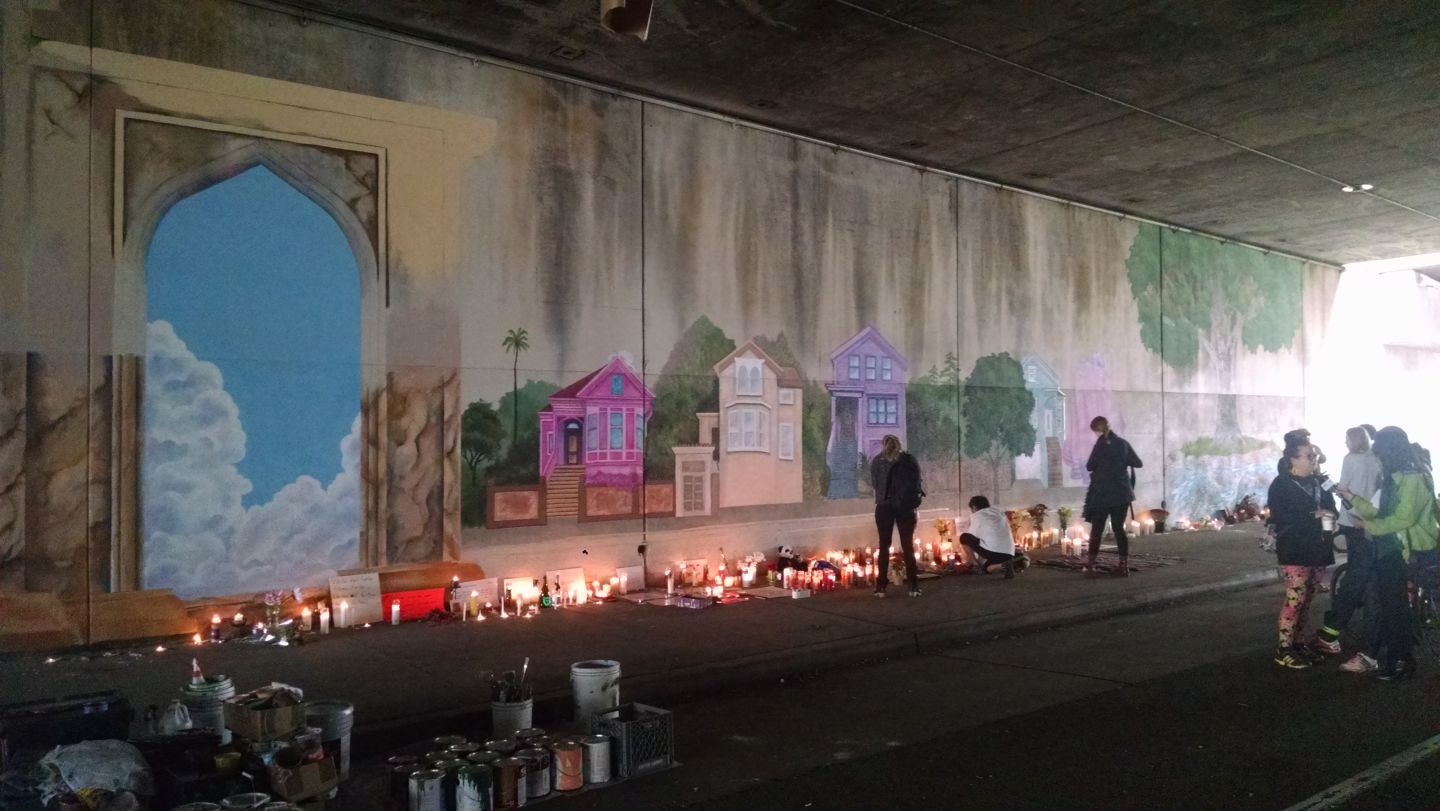
"caption": "A vigil held in memory of Antonio Ramos at the mural project he was working on when he was killed.",
"description": null,
"title": "Ramos vigil",
"credit": "Andrew Stelzer/KQED",
"status": "inherit",
"isLoading": false,
"fetchFailed": false
},
"news_10770820": {
"type": "attachments",
"id": "news_10770820",
"meta": {
"index": "attachments_1716263798",
"site": "news",
"id": "10770820",
"found": true
},
"parent": 10770813,
"imgSizes": {
"twentyfourteen-full-width": {
"file": "https://ww2.kqed.org/app/uploads/sites/10/2015/11/RS17524_Judge-addresses-holloway-qut-1038x576.jpg",
"width": 1038,
"mimeType": "image/jpeg",
"height": 576
},
"thumbnail": {
"file": "https://ww2.kqed.org/app/uploads/sites/10/2015/11/RS17524_Judge-addresses-holloway-qut-400x300.jpg",
"width": 400,
"mimeType": "image/jpeg",
"height": 300
},
"fd-sm": {
"file": "https://ww2.kqed.org/app/uploads/sites/10/2015/11/RS17524_Judge-addresses-holloway-qut-960x720.jpg",
"width": 960,
"mimeType": "image/jpeg",
"height": 720
},
"post-thumbnail": {
"file": "https://ww2.kqed.org/app/uploads/sites/10/2015/11/RS17524_Judge-addresses-holloway-qut-672x372.jpg",
"width": 672,
"mimeType": "image/jpeg",
"height": 372
},
"kqedFullSize": {
"file": "https://ww2.kqed.org/app/uploads/sites/10/2015/11/RS17524_Judge-addresses-holloway-qut.jpg",
"width": 1920,
"height": 1440
},
"large": {
"file": "https://ww2.kqed.org/app/uploads/sites/10/2015/11/RS17524_Judge-addresses-holloway-qut-1440x1080.jpg",
"width": 1440,
"mimeType": "image/jpeg",
"height": 1080
},
"guest-author-96": {
"file": "https://ww2.kqed.org/app/uploads/sites/10/2015/11/RS17524_Judge-addresses-holloway-qut-96x96.jpg",
"width": 96,
"mimeType": "image/jpeg",
"height": 96
},
"medium": {
"file": "https://ww2.kqed.org/app/uploads/sites/10/2015/11/RS17524_Judge-addresses-holloway-qut-800x600.jpg",
"width": 800,
"mimeType": "image/jpeg",
"height": 600
},
"guest-author-64": {
"file": "https://ww2.kqed.org/app/uploads/sites/10/2015/11/RS17524_Judge-addresses-holloway-qut-64x64.jpg",
"width": 64,
"mimeType": "image/jpeg",
"height": 64
},
"guest-author-32": {
"file": "https://ww2.kqed.org/app/uploads/sites/10/2015/11/RS17524_Judge-addresses-holloway-qut-32x32.jpg",
"width": 32,
"mimeType": "image/jpeg",
"height": 32
},
"jmtc-small-thumb": {
"file": "https://ww2.kqed.org/app/uploads/sites/10/2015/11/RS17524_Judge-addresses-holloway-qut-280x150.jpg",
"width": 280,
"mimeType": "image/jpeg",
"height": 150
},
"fd-lrg": {
"file": "https://ww2.kqed.org/app/uploads/sites/10/2015/11/RS17524_Judge-addresses-holloway-qut-1920x1440.jpg",
"width": 1920,
"mimeType": "image/jpeg",
"height": 1440
},
"fd-med": {
"file": "https://ww2.kqed.org/app/uploads/sites/10/2015/11/RS17524_Judge-addresses-holloway-qut-1180x885.jpg",
"width": 1180,
"mimeType": "image/jpeg",
"height": 885
},
"detail": {
"file": "https://ww2.kqed.org/app/uploads/sites/10/2015/11/RS17524_Judge-addresses-holloway-qut-75x75.jpg",
"width": 75,
"mimeType": "image/jpeg",
"height": 75
},
"guest-author-128": {
"file": "https://ww2.kqed.org/app/uploads/sites/10/2015/11/RS17524_Judge-addresses-holloway-qut-128x128.jpg",
"width": 128,
"mimeType": "image/jpeg",
"height": 128
}
},
"publishDate": 1448410144,
"modified": 1448416074,
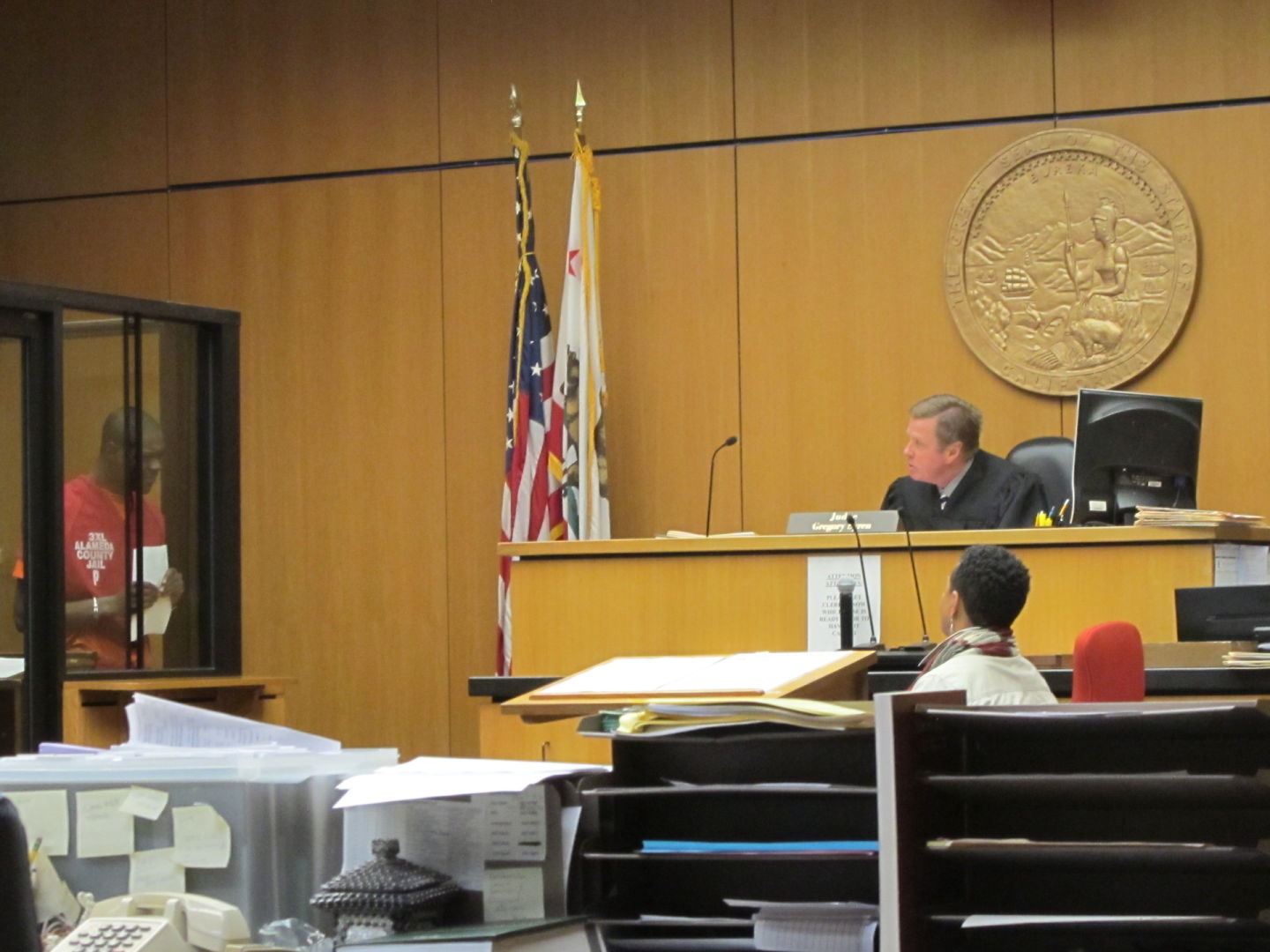
"caption": "Judge Gregory Syren reads charges against Marquise Holloway, in cubicle at left. Holloway is accused of murdering Emeryville muralist Antonio Ramos in September. ",
"description": null,
"title": "RS17524_Judge addresses holloway-qut",
"credit": "Andrew Stelzer/KQED",
"status": "inherit",
"isLoading": false,
"fetchFailed": false
},
"news_10769753": {
"type": "attachments",
"id": "news_10769753",
"meta": {
"index": "attachments_1716263798",
"site": "news",
"id": "10769753",
"found": true
},
"parent": 10765909,
"imgSizes": {
"twentyfourteen-full-width": {
"file": "https://ww2.kqed.org/app/uploads/sites/10/2015/11/Kliph-1038x576.jpg",
"width": 1038,
"mimeType": "image/jpeg",
"height": 576
},
"thumbnail": {
"file": "https://ww2.kqed.org/app/uploads/sites/10/2015/11/Kliph-400x295.jpg",
"width": 400,
"mimeType": "image/jpeg",
"height": 295
},
"fd-sm": {
"file": "https://ww2.kqed.org/app/uploads/sites/10/2015/11/Kliph-960x709.jpg",
"width": 960,
"mimeType": "image/jpeg",
"height": 709
},
"post-thumbnail": {
"file": "https://ww2.kqed.org/app/uploads/sites/10/2015/11/Kliph-672x372.jpg",
"width": 672,
"mimeType": "image/jpeg",
"height": 372
},
"kqedFullSize": {
"file": "https://ww2.kqed.org/app/uploads/sites/10/2015/11/Kliph.jpg",
"width": 1920,
"height": 1417
},
"large": {
"file": "https://ww2.kqed.org/app/uploads/sites/10/2015/11/Kliph-1440x1063.jpg",
"width": 1440,
"mimeType": "image/jpeg",
"height": 1063
},
"guest-author-96": {
"file": "https://ww2.kqed.org/app/uploads/sites/10/2015/11/Kliph-96x96.jpg",
"width": 96,
"mimeType": "image/jpeg",
"height": 96
},
"medium": {
"file": "https://ww2.kqed.org/app/uploads/sites/10/2015/11/Kliph-800x590.jpg",
"width": 800,
"mimeType": "image/jpeg",
"height": 590
},
"guest-author-64": {
"file": "https://ww2.kqed.org/app/uploads/sites/10/2015/11/Kliph-64x64.jpg",
"width": 64,
"mimeType": "image/jpeg",
"height": 64
},
"guest-author-32": {
"file": "https://ww2.kqed.org/app/uploads/sites/10/2015/11/Kliph-32x32.jpg",
"width": 32,
"mimeType": "image/jpeg",
"height": 32
},
"jmtc-small-thumb": {
"file": "https://ww2.kqed.org/app/uploads/sites/10/2015/11/Kliph-280x150.jpg",
"width": 280,
"mimeType": "image/jpeg",
"height": 150
},
"fd-lrg": {
"file": "https://ww2.kqed.org/app/uploads/sites/10/2015/11/Kliph-1920x1417.jpg",
"width": 1920,
"mimeType": "image/jpeg",
"height": 1417
},
"fd-med": {
"file": "https://ww2.kqed.org/app/uploads/sites/10/2015/11/Kliph-1180x871.jpg",
"width": 1180,
"mimeType": "image/jpeg",
"height": 871
},
"detail": {
"file": "https://ww2.kqed.org/app/uploads/sites/10/2015/11/Kliph-75x75.jpg",
"width": 75,
"mimeType": "image/jpeg",
"height": 75
},
"guest-author-128": {
"file": "https://ww2.kqed.org/app/uploads/sites/10/2015/11/Kliph-128x128.jpg",
"width": 128,
"mimeType": "image/jpeg",
"height": 128
}
},
"publishDate": 1448333102,
"modified": 1448333142,
"caption": "Author Kliph Nesteroff",
"description": "Author Kliph Nesteroff",
"title": "Kliph",
"credit": "Peter Gilstrap/KQED",
"status": "inherit",
"isLoading": false,
"fetchFailed": false
},
"news_10761402": {
"type": "attachments",
"id": "news_10761402",
"meta": {
"index": "attachments_1716263798",
"site": "news",
"id": "10761402",
"found": true
},
"parent": 0,
"imgSizes": {
"jmtc-small-thumb": {
"file": "https://ww2.kqed.org/app/uploads/sites/10/2015/11/jamesiggy600-280x150.jpg",
"width": 280,
"mimeType": "image/jpeg",
"height": 150
},
"thumbnail": {
"file": "https://ww2.kqed.org/app/uploads/sites/10/2015/11/jamesiggy600-400x225.jpg",
"width": 400,
"mimeType": "image/jpeg",
"height": 225
},
"kqedFullSize": {
"file": "https://ww2.kqed.org/app/uploads/sites/10/2015/11/jamesiggy600.jpg",
"width": 600,
"height": 338
},
"guest-author-96": {
"file": "https://ww2.kqed.org/app/uploads/sites/10/2015/11/jamesiggy600-96x96.jpg",
"width": 96,
"mimeType": "image/jpeg",
"height": 96
},
"guest-author-64": {
"file": "https://ww2.kqed.org/app/uploads/sites/10/2015/11/jamesiggy600-64x64.jpg",
"width": 64,
"mimeType": "image/jpeg",
"height": 64
},
"detail": {
"file": "https://ww2.kqed.org/app/uploads/sites/10/2015/11/jamesiggy600-75x75.jpg",
"width": 75,
"mimeType": "image/jpeg",
"height": 75
},
"guest-author-32": {
"file": "https://ww2.kqed.org/app/uploads/sites/10/2015/11/jamesiggy600-32x32.jpg",
"width": 32,
"mimeType": "image/jpeg",
"height": 32
},
"guest-author-128": {
"file": "https://ww2.kqed.org/app/uploads/sites/10/2015/11/jamesiggy600-128x128.jpg",
"width": 128,
"mimeType": "image/jpeg",
"height": 128
}
},
"publishDate": 1447718442,
"modified": 1447718487,
"caption": "James Williamson (left) with Iggy Pop.",
"description": null,
"title": "James Williamson and Iggy Pop",
"credit": "Suzan Carson",
"status": "inherit",
"isLoading": false,
"fetchFailed": false
},
"news_10759909": {
"type": "attachments",
"id": "news_10759909",
"meta": {
"index": "attachments_1716263798",
"site": "news",
"id": "10759909",
"found": true
},
"parent": 10759908,
"imgSizes": {
"twentyfourteen-full-width": {
"file": "https://ww2.kqed.org/app/uploads/sites/10/2015/11/gettyimages-497105828_custom-5c68b92e237daef5778810acfa8d5fd654e4513c-1038x576.jpg",
"width": 1038,
"mimeType": "image/jpeg",
"height": 576
},
"thumbnail": {
"file": "https://ww2.kqed.org/app/uploads/sites/10/2015/11/gettyimages-497105828_custom-5c68b92e237daef5778810acfa8d5fd654e4513c-400x266.jpg",
"width": 400,
"mimeType": "image/jpeg",
"height": 266
},
"fd-sm": {
"file": "https://ww2.kqed.org/app/uploads/sites/10/2015/11/gettyimages-497105828_custom-5c68b92e237daef5778810acfa8d5fd654e4513c-960x639.jpg",
"width": 960,
"mimeType": "image/jpeg",
"height": 639
},
"post-thumbnail": {
"file": "https://ww2.kqed.org/app/uploads/sites/10/2015/11/gettyimages-497105828_custom-5c68b92e237daef5778810acfa8d5fd654e4513c-672x372.jpg",
"width": 672,
"mimeType": "image/jpeg",
"height": 372
},
"kqedFullSize": {
"file": "https://ww2.kqed.org/app/uploads/sites/10/2015/11/gettyimages-497105828_custom-5c68b92e237daef5778810acfa8d5fd654e4513c.jpg",
"width": 5184,
"height": 3452
},
"large": {
"file": "https://ww2.kqed.org/app/uploads/sites/10/2015/11/gettyimages-497105828_custom-5c68b92e237daef5778810acfa8d5fd654e4513c-1440x959.jpg",
"width": 1440,
"mimeType": "image/jpeg",
"height": 959
},
"guest-author-96": {
"file": "https://ww2.kqed.org/app/uploads/sites/10/2015/11/gettyimages-497105828_custom-5c68b92e237daef5778810acfa8d5fd654e4513c-96x96.jpg",
"width": 96,
"mimeType": "image/jpeg",
"height": 96
},
"medium": {
"file": "https://ww2.kqed.org/app/uploads/sites/10/2015/11/gettyimages-497105828_custom-5c68b92e237daef5778810acfa8d5fd654e4513c-800x533.jpg",
"width": 800,
"mimeType": "image/jpeg",
"height": 533
},
"guest-author-64": {
"file": "https://ww2.kqed.org/app/uploads/sites/10/2015/11/gettyimages-497105828_custom-5c68b92e237daef5778810acfa8d5fd654e4513c-64x64.jpg",
"width": 64,
"mimeType": "image/jpeg",
"height": 64
},
"guest-author-32": {
"file": "https://ww2.kqed.org/app/uploads/sites/10/2015/11/gettyimages-497105828_custom-5c68b92e237daef5778810acfa8d5fd654e4513c-32x32.jpg",
"width": 32,
"mimeType": "image/jpeg",
"height": 32
},
"jmtc-small-thumb": {
"file": "https://ww2.kqed.org/app/uploads/sites/10/2015/11/gettyimages-497105828_custom-5c68b92e237daef5778810acfa8d5fd654e4513c-280x150.jpg",
"width": 280,
"mimeType": "image/jpeg",
"height": 150
},
"fd-lrg": {
"file": "https://ww2.kqed.org/app/uploads/sites/10/2015/11/gettyimages-497105828_custom-5c68b92e237daef5778810acfa8d5fd654e4513c-1920x1279.jpg",
"width": 1920,
"mimeType": "image/jpeg",
"height": 1279
},
"fd-med": {
"file": "https://ww2.kqed.org/app/uploads/sites/10/2015/11/gettyimages-497105828_custom-5c68b92e237daef5778810acfa8d5fd654e4513c-1180x786.jpg",
"width": 1180,
"mimeType": "image/jpeg",
"height": 786
},
"detail": {
"file": "https://ww2.kqed.org/app/uploads/sites/10/2015/11/gettyimages-497105828_custom-5c68b92e237daef5778810acfa8d5fd654e4513c-75x75.jpg",
"width": 75,
"mimeType": "image/jpeg",
"height": 75
},
"guest-author-128": {
"file": "https://ww2.kqed.org/app/uploads/sites/10/2015/11/gettyimages-497105828_custom-5c68b92e237daef5778810acfa8d5fd654e4513c-128x128.jpg",
"width": 128,
"mimeType": "image/jpeg",
"height": 128
}
},
"publishDate": 1447611548,
"modified": 1447611548,
"caption": null,
"description": "A man plays piano near the Bataclan theater in Paris on November 14, the day after a series of attacks on the city resulted in the deaths of at least 120 individuals. At least 80 people died inside the Batacla",
"title": "A man plays piano near the Bataclan theater in Paris on November 14, the day after a series of attacks on the city resulted in the deaths of at least 120 individuals. At least 80 people died inside the Bataclan.",
"credit": null,
"status": "inherit",
"isLoading": false,
"fetchFailed": false
},
"news_10757922": {
"type": "attachments",
"id": "news_10757922",
"meta": {
"index": "attachments_1716263798",
"site": "news",
"id": "10757922",
"found": true
},
"parent": 10757399,
"imgSizes": {
"twentyfourteen-full-width": {
"file": "https://ww2.kqed.org/app/uploads/sites/10/2015/11/KELLEYSTOLTZ-1038x576.jpg",
"width": 1038,
"mimeType": "image/jpeg",
"height": 576
},
"jmtc-small-thumb": {
"file": "https://ww2.kqed.org/app/uploads/sites/10/2015/11/KELLEYSTOLTZ-280x150.jpg",
"width": 280,
"mimeType": "image/jpeg",
"height": 150
},
"thumbnail": {
"file": "https://ww2.kqed.org/app/uploads/sites/10/2015/11/KELLEYSTOLTZ-400x443.jpg",
"width": 400,
"mimeType": "image/jpeg",
"height": 443
},
"fd-sm": {
"file": "https://ww2.kqed.org/app/uploads/sites/10/2015/11/KELLEYSTOLTZ-960x1062.jpg",
"width": 960,
"mimeType": "image/jpeg",
"height": 1062
},
"post-thumbnail": {
"file": "https://ww2.kqed.org/app/uploads/sites/10/2015/11/KELLEYSTOLTZ-672x372.jpg",
"width": 672,
"mimeType": "image/jpeg",
"height": 372
},
"kqedFullSize": {
"file": "https://ww2.kqed.org/app/uploads/sites/10/2015/11/KELLEYSTOLTZ-e1447469639371.jpg",
"width": 400,
"height": 443
},
"guest-author-96": {
"file": "https://ww2.kqed.org/app/uploads/sites/10/2015/11/KELLEYSTOLTZ-96x96.jpg",
"width": 96,
"mimeType": "image/jpeg",
"height": 96
},
"medium": {
"file": "https://ww2.kqed.org/app/uploads/sites/10/2015/11/KELLEYSTOLTZ-800x885.jpg",
"width": 800,
"mimeType": "image/jpeg",
"height": 885
},
"guest-author-64": {
"file": "https://ww2.kqed.org/app/uploads/sites/10/2015/11/KELLEYSTOLTZ-64x64.jpg",
"width": 64,
"mimeType": "image/jpeg",
"height": 64
},
"detail": {
"file": "https://ww2.kqed.org/app/uploads/sites/10/2015/11/KELLEYSTOLTZ-75x75.jpg",
"width": 75,
"mimeType": "image/jpeg",
"height": 75
},
"guest-author-32": {
"file": "https://ww2.kqed.org/app/uploads/sites/10/2015/11/KELLEYSTOLTZ-32x32.jpg",
"width": 32,
"mimeType": "image/jpeg",
"height": 32
},
"guest-author-128": {
"file": "https://ww2.kqed.org/app/uploads/sites/10/2015/11/KELLEYSTOLTZ-128x128.jpg",
"width": 128,
"mimeType": "image/jpeg",
"height": 128
}
},
"publishDate": 1447463664,
"modified": 1447463701,
"caption": "Kelley Stoltz",
"description": null,
"title": "KELLEYSTOLTZ",
"credit": "Kelley Stoltz website",
"status": "inherit",
"isLoading": false,
"fetchFailed": false
},
"news_10757638": {
"type": "attachments",
"id": "news_10757638",
"meta": {
"index": "attachments_1716263798",
"site": "news",
"id": "10757638",
"found": true
},
"parent": 10757637,
"imgSizes": {
"twentyfourteen-full-width": {
"file": "https://ww2.kqed.org/app/uploads/sites/10/2015/11/VETERANAS-chorus-line-of-girls-1038x576.jpg",
"width": 1038,
"mimeType": "image/jpeg",
"height": 576
},
"thumbnail": {
"file": "https://ww2.kqed.org/app/uploads/sites/10/2015/11/VETERANAS-chorus-line-of-girls-400x291.jpg",
"width": 400,
"mimeType": "image/jpeg",
"height": 291
},
"fd-sm": {
"file": "https://ww2.kqed.org/app/uploads/sites/10/2015/11/VETERANAS-chorus-line-of-girls-960x699.jpg",
"width": 960,
"mimeType": "image/jpeg",
"height": 699
},
"post-thumbnail": {
"file": "https://ww2.kqed.org/app/uploads/sites/10/2015/11/VETERANAS-chorus-line-of-girls-672x372.jpg",
"width": 672,
"mimeType": "image/jpeg",
"height": 372
},
"kqedFullSize": {
"file": "https://ww2.kqed.org/app/uploads/sites/10/2015/11/VETERANAS-chorus-line-of-girls.jpg",
"width": 1920,
"height": 1398
},
"large": {
"file": "https://ww2.kqed.org/app/uploads/sites/10/2015/11/VETERANAS-chorus-line-of-girls-1440x1049.jpg",
"width": 1440,
"mimeType": "image/jpeg",
"height": 1049
},
"guest-author-96": {
"file": "https://ww2.kqed.org/app/uploads/sites/10/2015/11/VETERANAS-chorus-line-of-girls-96x96.jpg",
"width": 96,
"mimeType": "image/jpeg",
"height": 96
},
"medium": {
"file": "https://ww2.kqed.org/app/uploads/sites/10/2015/11/VETERANAS-chorus-line-of-girls-800x583.jpg",
"width": 800,
"mimeType": "image/jpeg",
"height": 583
},
"guest-author-64": {
"file": "https://ww2.kqed.org/app/uploads/sites/10/2015/11/VETERANAS-chorus-line-of-girls-64x64.jpg",
"width": 64,
"mimeType": "image/jpeg",
"height": 64
},
"guest-author-32": {
"file": "https://ww2.kqed.org/app/uploads/sites/10/2015/11/VETERANAS-chorus-line-of-girls-32x32.jpg",
"width": 32,
"mimeType": "image/jpeg",
"height": 32
},
"jmtc-small-thumb": {
"file": "https://ww2.kqed.org/app/uploads/sites/10/2015/11/VETERANAS-chorus-line-of-girls-280x150.jpg",
"width": 280,
"mimeType": "image/jpeg",
"height": 150
},
"fd-lrg": {
"file": "https://ww2.kqed.org/app/uploads/sites/10/2015/11/VETERANAS-chorus-line-of-girls-1920x1398.jpg",
"width": 1920,
"mimeType": "image/jpeg",
"height": 1398
},
"fd-med": {
"file": "https://ww2.kqed.org/app/uploads/sites/10/2015/11/VETERANAS-chorus-line-of-girls-1180x859.jpg",
"width": 1180,
"mimeType": "image/jpeg",
"height": 859
},
"detail": {
"file": "https://ww2.kqed.org/app/uploads/sites/10/2015/11/VETERANAS-chorus-line-of-girls-75x75.jpg",
"width": 75,
"mimeType": "image/jpeg",
"height": 75
},
"guest-author-128": {
"file": "https://ww2.kqed.org/app/uploads/sites/10/2015/11/VETERANAS-chorus-line-of-girls-128x128.jpg",
"width": 128,
"mimeType": "image/jpeg",
"height": 128
}
},
"publishDate": 1447451110,
"modified": 1447451274,
"caption": "One of the many personal photos uploaded by followers of the Veteranas & Rucas Instagram feed. ",
"description": null,
"title": "VETERANAS chorus line of girls",
"credit": "Courtesy of Guadalupe Rosales",
"status": "inherit",
"isLoading": false,
"fetchFailed": false
},
"news_10756133": {
"type": "attachments",
"id": "news_10756133",
"meta": {
"index": "attachments_1716263798",
"site": "news",
"id": "10756133",
"found": true
},
"parent": 10756084,
"imgSizes": {
"twentyfourteen-full-width": {
"file": "https://ww2.kqed.org/app/uploads/sites/10/2015/11/RS14451_IMG_0859-qut-1038x576.jpg",
"width": 1038,
"mimeType": "image/jpeg",
"height": 576
},
"thumbnail": {
"file": "https://ww2.kqed.org/app/uploads/sites/10/2015/11/RS14451_IMG_0859-qut-400x300.jpg",
"width": 400,
"mimeType": "image/jpeg",
"height": 300
},
"fd-sm": {
"file": "https://ww2.kqed.org/app/uploads/sites/10/2015/11/RS14451_IMG_0859-qut-960x720.jpg",
"width": 960,
"mimeType": "image/jpeg",
"height": 720
},
"post-thumbnail": {
"file": "https://ww2.kqed.org/app/uploads/sites/10/2015/11/RS14451_IMG_0859-qut-672x372.jpg",
"width": 672,
"mimeType": "image/jpeg",
"height": 372
},
"kqedFullSize": {
"file": "https://ww2.kqed.org/app/uploads/sites/10/2015/11/RS14451_IMG_0859-qut.jpg",
"width": 1920,
"height": 1440
},
"large": {
"file": "https://ww2.kqed.org/app/uploads/sites/10/2015/11/RS14451_IMG_0859-qut-1440x1080.jpg",
"width": 1440,
"mimeType": "image/jpeg",
"height": 1080
},
"guest-author-96": {
"file": "https://ww2.kqed.org/app/uploads/sites/10/2015/11/RS14451_IMG_0859-qut-96x96.jpg",
"width": 96,
"mimeType": "image/jpeg",
"height": 96
},
"medium": {
"file": "https://ww2.kqed.org/app/uploads/sites/10/2015/11/RS14451_IMG_0859-qut-800x600.jpg",
"width": 800,
"mimeType": "image/jpeg",
"height": 600
},
"guest-author-64": {
"file": "https://ww2.kqed.org/app/uploads/sites/10/2015/11/RS14451_IMG_0859-qut-64x64.jpg",
"width": 64,
"mimeType": "image/jpeg",
"height": 64
},
"guest-author-32": {
"file": "https://ww2.kqed.org/app/uploads/sites/10/2015/11/RS14451_IMG_0859-qut-32x32.jpg",
"width": 32,
"mimeType": "image/jpeg",
"height": 32
},
"jmtc-small-thumb": {
"file": "https://ww2.kqed.org/app/uploads/sites/10/2015/11/RS14451_IMG_0859-qut-280x150.jpg",
"width": 280,
"mimeType": "image/jpeg",
"height": 150
},
"fd-lrg": {
"file": "https://ww2.kqed.org/app/uploads/sites/10/2015/11/RS14451_IMG_0859-qut-1920x1440.jpg",
"width": 1920,
"mimeType": "image/jpeg",
"height": 1440
},
"fd-med": {
"file": "https://ww2.kqed.org/app/uploads/sites/10/2015/11/RS14451_IMG_0859-qut-1180x885.jpg",
"width": 1180,
"mimeType": "image/jpeg",
"height": 885
},
"detail": {
"file": "https://ww2.kqed.org/app/uploads/sites/10/2015/11/RS14451_IMG_0859-qut-75x75.jpg",
"width": 75,
"mimeType": "image/jpeg",
"height": 75
},
"guest-author-128": {
"file": "https://ww2.kqed.org/app/uploads/sites/10/2015/11/RS14451_IMG_0859-qut-128x128.jpg",
"width": 128,
"mimeType": "image/jpeg",
"height": 128
}
},
"publishDate": 1447352698,
"modified": 1447374364,
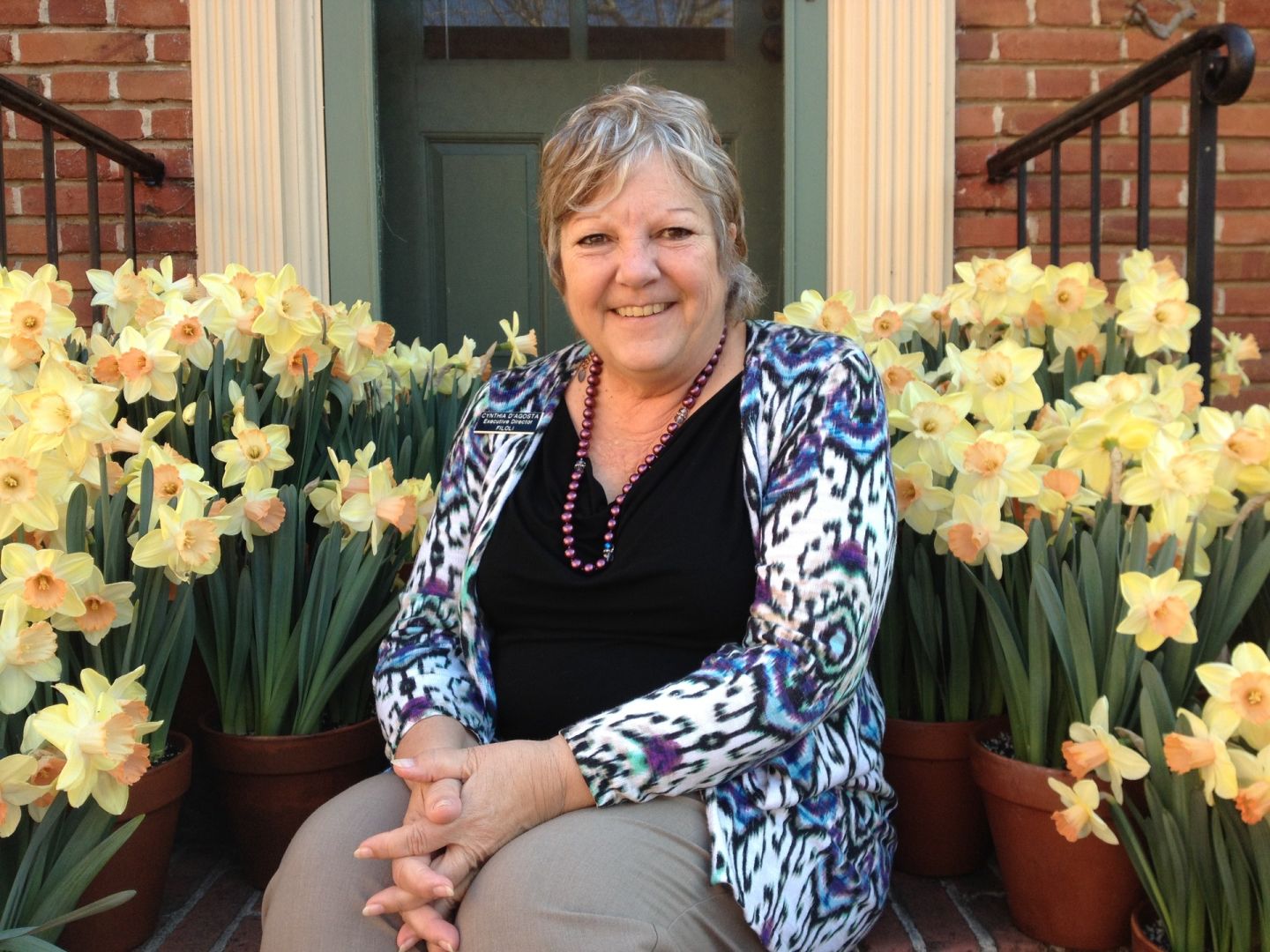
"caption": "Cynthia D’Agosta has left her position at Filoli, a beloved California historical landmark in Woodside.",
"description": "Cynthia D’Agosta has left her position at Filoli, a beloved California historical Landmark in Woodside.",
"title": "RS14451_IMG_0859-qut",
"credit": "Rachael Myrow/KQED",
"status": "inherit",
"isLoading": false,
"fetchFailed": false
},
"news_10756301": {
"type": "attachments",
"id": "news_10756301",
"meta": {
"index": "attachments_1716263798",
"site": "news",
"id": "10756301",
"found": true
},
"parent": 10756297,
"imgSizes": {
"twentyfourteen-full-width": {
"file": "https://ww2.kqed.org/app/uploads/sites/10/2015/11/ChulaVista-1038x576.jpg",
"width": 1038,
"mimeType": "image/jpeg",
"height": 576
},
"thumbnail": {
"file": "https://ww2.kqed.org/app/uploads/sites/10/2015/11/ChulaVista-400x267.jpg",
"width": 400,
"mimeType": "image/jpeg",
"height": 267
},
"fd-sm": {
"file": "https://ww2.kqed.org/app/uploads/sites/10/2015/11/ChulaVista-960x640.jpg",
"width": 960,
"mimeType": "image/jpeg",
"height": 640
},
"post-thumbnail": {
"file": "https://ww2.kqed.org/app/uploads/sites/10/2015/11/ChulaVista-672x372.jpg",
"width": 672,
"mimeType": "image/jpeg",
"height": 372
},
"kqedFullSize": {
"file": "https://ww2.kqed.org/app/uploads/sites/10/2015/11/ChulaVista-e1447364791866.jpg",
"width": 1920,
"height": 1280
},
"large": {
"file": "https://ww2.kqed.org/app/uploads/sites/10/2015/11/ChulaVista-1440x960.jpg",
"width": 1440,
"mimeType": "image/jpeg",
"height": 960
},
"guest-author-96": {
"file": "https://ww2.kqed.org/app/uploads/sites/10/2015/11/ChulaVista-96x96.jpg",
"width": 96,
"mimeType": "image/jpeg",
"height": 96
},
"medium": {
"file": "https://ww2.kqed.org/app/uploads/sites/10/2015/11/ChulaVista-800x533.jpg",
"width": 800,
"mimeType": "image/jpeg",
"height": 533
},
"guest-author-64": {
"file": "https://ww2.kqed.org/app/uploads/sites/10/2015/11/ChulaVista-64x64.jpg",
"width": 64,
"mimeType": "image/jpeg",
"height": 64
},
"guest-author-32": {
"file": "https://ww2.kqed.org/app/uploads/sites/10/2015/11/ChulaVista-32x32.jpg",
"width": 32,
"mimeType": "image/jpeg",
"height": 32
},
"jmtc-small-thumb": {
"file": "https://ww2.kqed.org/app/uploads/sites/10/2015/11/ChulaVista-280x150.jpg",
"width": 280,
"mimeType": "image/jpeg",
"height": 150
},
"fd-lrg": {
"file": "https://ww2.kqed.org/app/uploads/sites/10/2015/11/ChulaVista-1920x1280.jpg",
"width": 1920,
"mimeType": "image/jpeg",
"height": 1280
},
"fd-med": {
"file": "https://ww2.kqed.org/app/uploads/sites/10/2015/11/ChulaVista-1180x787.jpg",
"width": 1180,
"mimeType": "image/jpeg",
"height": 787
},
"detail": {
"file": "https://ww2.kqed.org/app/uploads/sites/10/2015/11/ChulaVista-75x75.jpg",
"width": 75,
"mimeType": "image/jpeg",
"height": 75
},
"guest-author-128": {
"file": "https://ww2.kqed.org/app/uploads/sites/10/2015/11/ChulaVista-128x128.jpg",
"width": 128,
"mimeType": "image/jpeg",
"height": 128
}
},
"publishDate": 1447364779,
"modified": 1447364898,
"caption": "Zoe Kumagai, 23, a new music teacher at Veterans Elementary School in Chula Vista, California, instructs a group of kindergarten students. ",
"description": null,
"title": "ChulaVista",
"credit": "Mary Plummer/KPCC",
"status": "inherit",
"isLoading": false,
"fetchFailed": false
}
},
"audioPlayerReducer": {
"postId": "stream_live",
"isPaused": true,
"isPlaying": false,
"pfsActive": false,
"pledgeModalIsOpen": true,
"playerDrawerIsOpen": false,
"liveAudioPlayStartedAt": 0,
"liveAudioPlayContext": ""
},
"authorsReducer": {
"byline_news_10782409": {
"type": "authors",
"id": "byline_news_10782409",
"meta": {
"override": true
},
"slug": "byline_news_10782409",
"name": "\u003cstrong>\u003ca href=\"http://www.kcrw.com/people/avishay-artsy\">Avishay Artsy\u003c/a>\u003c/strong>",
"isLoading": false
},
"byline_news_10782181": {
"type": "authors",
"id": "byline_news_10782181",
"meta": {
"override": true
},
"slug": "byline_news_10782181",
"name": "\u003cstrong>\u003ca href=\"http://susanvalot.com/\">Susan Valot\u003c/a>\u003c/strong>",
"isLoading": false
},
"byline_news_10765909": {
"type": "authors",
"id": "byline_news_10765909",
"meta": {
"override": true
},
"slug": "byline_news_10765909",
"name": "Peter Gilstrap",
"isLoading": false
},
"byline_news_10759908": {
"type": "authors",
"id": "byline_news_10759908",
"meta": {
"override": true
},
"slug": "byline_news_10759908",
"name": "\u003cstrong>\u003ca href=\"https://twitter.com/camilareads\">Camila Domonoske\u003c/a>\u003cbr />NPR\u003c/strong>",
"isLoading": false
},
"byline_news_10756297": {
"type": "authors",
"id": "byline_news_10756297",
"meta": {
"override": true
},
"slug": "byline_news_10756297",
"name": "\u003cstrong>Mary Plummer\u003cbr>KPCC\u003c/strong>",
"isLoading": false
},
"shochman": {
"type": "authors",
"id": "87",
"meta": {
"index": "authors_1716337520",
"id": "87",
"found": true
},
"name": "Steve Hochman",
"firstName": "Steve",
"lastName": "Hochman",
"slug": "shochman",
"email": "sehochman@me.com",
"display_author_email": false,
"staff_mastheads": [],
"title": "KQED Contributor",
"bio": "Steve Hochman has covered popular, and unpopular, music for more than 30 years, most of that time as a key member of the \u003ci>Los Angeles Times\u003c/i>' music team. In that capacity he wrote about the full range of music and musicians, from Hungarian folk to industrial noise, and from 1991 through 2005 wrote the \u003ci>Times\u003c/i>' widely read weekly \"Pop Eye\" column. In addition to his role with \u003ci>The California Report\u003c/i>, he's a music critic for Pasadena station KPCC's morning magazine \u003ci>Take Two\u003c/i> and a regular contributor to Grammy.com, Fender.com and other outlets. His byline has appeared through the years in an array of major publications, including \u003ci>Rolling Stone\u003c/i>, \u003ci>Billboard\u003c/i> and \u003ci>Entertainment Weekly\u003c/i> and New Orleans' \u003ci>Offbeat\u003c/i>.",
"avatar": "https://secure.gravatar.com/avatar/37fbddee9db232a05a1be3b065171301e8baa142626c45b0caa6fc61c25a8c8d?s=600&d=blank&r=g",
"twitter": null,
"bluesky": null,
"facebook": null,
"instagram": null,
"linkedin": null,
"sites": [
{
"site": "arts",
"roles": [
"Contributor",
"subscriber"
]
},
{
"site": "news",
"roles": [
"subscriber"
]
}
],
"headData": {
"title": "Steve Hochman | KQED",
"description": "KQED Contributor",
"ogImgSrc": "https://secure.gravatar.com/avatar/37fbddee9db232a05a1be3b065171301e8baa142626c45b0caa6fc61c25a8c8d?s=600&d=blank&r=g",
"twImgSrc": "https://secure.gravatar.com/avatar/37fbddee9db232a05a1be3b065171301e8baa142626c45b0caa6fc61c25a8c8d?s=600&d=blank&r=g"
},
"isLoading": false,
"link": "/author/shochman"
},
"amystanden": {
"type": "authors",
"id": "210",
"meta": {
"index": "authors_1716337520",
"id": "210",
"found": true
},
"name": "Amy Standen",
"firstName": "Amy",
"lastName": "Standen",
"slug": "amystanden",
"email": "astanden@kqed.org",
"display_author_email": false,
"staff_mastheads": [],
"title": "KQED Contributor",
"bio": "Amy Standen (@amystanden) is co-host of #\u003ca href=\"https://ww2.kqed.org/news/programs/the-leap\">TheLeapPodcast\u003c/a> (subscribe on iTunes or Stitcher!) and host of KQED and PBSDigital Studios' science video series, \u003ca href=\"https://www.youtube.com/user/KQEDDeepLook\">Deep Look\u003c/a>. Her science radio stories appear on KQED and NPR.\r\n\r\nEmail her at astanden@kqed.org",
"avatar": "https://secure.gravatar.com/avatar/3d021b72de685a788b0487b059d0a6a1?s=600&d=blank&r=g",
"twitter": null,
"facebook": null,
"instagram": null,
"linkedin": null,
"sites": [
{
"site": "news",
"roles": [
"subscriber"
]
},
{
"site": "futureofyou",
"roles": [
"subscriber"
]
},
{
"site": "stateofhealth",
"roles": [
"subscriber"
]
},
{
"site": "science",
"roles": []
},
{
"site": "quest",
"roles": [
"subscriber"
]
}
],
"headData": {
"title": "Amy Standen | KQED",
"description": "KQED Contributor",
"ogImgSrc": "https://secure.gravatar.com/avatar/3d021b72de685a788b0487b059d0a6a1?s=600&d=blank&r=g",
"twImgSrc": "https://secure.gravatar.com/avatar/3d021b72de685a788b0487b059d0a6a1?s=600&d=blank&r=g"
},
"isLoading": false,
"link": "/author/amystanden"
},
"andrewstelzer": {
"type": "authors",
"id": "213",
"meta": {
"index": "authors_1716337520",
"id": "213",
"found": true
},
"name": "Andrew Stelzer",
"firstName": "Andrew",
"lastName": "Stelzer",
"slug": "andrewstelzer",
"email": "andrewstelzer@gmail.com",
"display_author_email": false,
"staff_mastheads": [],
"title": null,
"bio": "Andrew Stelzer has been reporting for KQED since 2010, and is a producer at \u003ca href=\"http://www.radioproject.org\" target=\"_blank\">Making Contact\u003c/a> in Oakland.. His work has been featured on programs including \u003ca href=\"http://www.npr.org/templates/story/story.php?storyId=5010\" target=\"_blank\">NPR’s Weekend Edition\u003c/a>, \u003ca href=\"http://www.theworld.org/\" target=\"_blank\">PRI’s The World\u003c/a>, \u003ca href=\"http://www.studio360.org/\" target=\"_blank\">Studio 360\u003c/a>, \u003ca href=\"http://marketplace.publicradio.org/\" target=\"_blank\">Marketplace\u003c/a>,\u003ca href=\"http://www.loe.org/\" target=\"_blank\">Living on Earth\u003c/a>, \u003ca href=\"http://www.onthemedia.org/\" target=\"_blank\">On the Media\u003c/a>, \u003ca href=\"http://www.latinousa.org/index.html\" target=\"_blank\">Latino USA,\u003c/a> \u003ca href=\"http://www.onlyagame.org/\" rel=\"tag\">Only a Game,\u003c/a> \u003ca href=\"http://www.tswi.org/\" target=\"_blank\">Radio Netherlands,\u003c/a> \u003ca href=\"http://worldradio.ch/index.shtml\" target=\"_blank\">World Radio Switzerland,\u003c/a> and \u003ca href=\"http://www.rfi.fr/langues/statiques/rfi_anglais.asp\" target=\"_blank\">Radio France International\u003c/a>. Andrew has written for publications including \u003ca href=\"http://www.inthesetimes.com/site/about/author/2369\" target=\"_blank\">In These Times\u003c/a>, \u003ca href=\"http://www.progressive.org/\" target=\"_blank\">The Progressive\u003c/a>, \u003ca href=\"http://ipsnews.net/\" target=\"_blank\">Interpress Service\u003c/a>, \u003ca href=\"http://www.tampabay.com/\" target=\"_blank\">The St. Petersburg Times\u003c/a>, and \u003ca href=\"http://www.eastbayexpress.com/ebx/Home\" target=\"_blank\">The East Bay Express\u003c/a>.\r\n\r\nAndrew’s work has received numerous awards from the Society of Professional Journalists, the National Lesbian and Gay Journalists Association, and the National Council on Crime and Delinquency.\r\n\r\nHe previously was a reporter at \u003ca href=\"http://www.wmnf.org/\" target=\"_blank\">WMNF\u003c/a> radio in Tampa, FL, and reporter and youth advocate st \u003ca href=\"http://www.kboo.org/\" target=\"_blank\">KBOO \u003c/a> in Portland, Oregon. Andrew has conducted radio production trainings around the world, from Algeria, to New Orleans, to the desert of Southern Jordan.",
"avatar": "https://secure.gravatar.com/avatar/14c7e75469395cb2468d45c9f6896ca9?s=600&d=blank&r=g",
"twitter": null,
"facebook": null,
"instagram": null,
"linkedin": null,
"sites": [
{
"site": "arts",
"roles": [
"contributor"
]
},
{
"site": "news",
"roles": [
"author"
]
},
{
"site": "stateofhealth",
"roles": [
"author"
]
}
],
"headData": {
"title": "Andrew Stelzer | KQED",
"description": null,
"ogImgSrc": "https://secure.gravatar.com/avatar/14c7e75469395cb2468d45c9f6896ca9?s=600&d=blank&r=g",
"twImgSrc": "https://secure.gravatar.com/avatar/14c7e75469395cb2468d45c9f6896ca9?s=600&d=blank&r=g"
},
"isLoading": false,
"link": "/author/andrewstelzer"
},
"rachael-myrow": {
"type": "authors",
"id": "251",
"meta": {
"index": "authors_1716337520",
"id": "251",
"found": true
},
"name": "Rachael Myrow",
"firstName": "Rachael",
"lastName": "Myrow",
"slug": "rachael-myrow",
"email": "rmyrow@kqed.org",
"display_author_email": true,
"staff_mastheads": [
"news"
],
"title": "Senior Editor of KQED's Silicon Valley News Desk",
"bio": "• I write and edit stories about how Silicon Valley power and policies shape everyday life in California. I’m also passionate about making Bay Area history and culture more accessible to a broad public. • I’ve been a journalist for most of my life, starting in high school with The Franklin Press in Los Angeles, where I grew up. While earning my first degree in English at UC Berkeley, I got my start in public radio at KALX-FM. After completing a second degree in journalism at Cal, I landed my first professional job at Marketplace, then moved on to KPCC (now LAist), and then KQED, where I hosted The California Report for more than seven years. • My reporting has appeared on NPR, The World, WBUR’s \u003ci>Here & Now\u003c/i>, and the BBC. I also guest host for KQED’s \u003ci>Forum\u003c/i>, as well as the Commonwealth Club in San Francisco. • I speak periodically on media, democracy and technology issues, and do voiceover work for documentaries and educational video projects. • Outside of the studio, you'll find me hiking Bay Area trails and whipping up Insta-ready meals in my kitchen. • I do not accept gifts, money, or favors from anyone connected to my reporting, I don't pay people for information, and I do not support or donate to political causes. • I strive to treat the people I report on with fairness, honesty, and respect. I also recognize there are often multiple sides to a story and work to verify information through multiple sources and documentation. If I get something wrong, I correct it.",
"avatar": "https://secure.gravatar.com/avatar/3ed8a3c5f26025e4a805ba634cda8cd764906b97438a6d9ce216b044e340da4e?s=600&d=blank&r=g",
"twitter": "rachaelmyrow",
"bluesky": null,
"facebook": null,
"instagram": null,
"linkedin": "https://www.linkedin.com/in/rachaelmyrow/",
"sites": [
{
"site": "arts",
"roles": [
"administrator"
]
},
{
"site": "news",
"roles": [
"edit_others_posts",
"editor"
]
},
{
"site": "futureofyou",
"roles": [
"editor"
]
},
{
"site": "bayareabites",
"roles": [
"editor"
]
},
{
"site": "stateofhealth",
"roles": [
"editor"
]
},
{
"site": "science",
"roles": [
"editor"
]
},
{
"site": "food",
"roles": [
"editor"
]
},
{
"site": "forum",
"roles": [
"editor"
]
},
{
"site": "liveblog",
"roles": [
"author"
]
}
],
"headData": {
"title": "Rachael Myrow | KQED",
"description": "Senior Editor of KQED's Silicon Valley News Desk",
"ogImgSrc": "https://secure.gravatar.com/avatar/3ed8a3c5f26025e4a805ba634cda8cd764906b97438a6d9ce216b044e340da4e?s=600&d=blank&r=g",
"twImgSrc": "https://secure.gravatar.com/avatar/3ed8a3c5f26025e4a805ba634cda8cd764906b97438a6d9ce216b044e340da4e?s=600&d=blank&r=g"
},
"isLoading": false,
"link": "/author/rachael-myrow"
},
"scuevas": {
"type": "authors",
"id": "2600",
"meta": {
"index": "authors_1716337520",
"id": "2600",
"found": true
},
"name": "Steven Cuevas",
"firstName": "Steven",
"lastName": "Cuevas",
"slug": "scuevas",
"email": "scuevas@kqed.org",
"display_author_email": false,
"staff_mastheads": [],
"title": "KQED Contributor",
"bio": "Steven is a former Los Angeles bureau chief for The California Report.\r\n\r\nHe reports on an array of issues across the Southland, from immigration and regional politics to religion, the performing arts and pop culture.\r\n\r\nPrior to joining KQED in 2012, Steven covered Inland southern California for KPCC in Pasadena. He also helped establish the first newsroom at \u003ca href=\"http://kut.org/\">KUT\u003c/a> in Austin, Texas where he was a general assignment reporter.\r\n\r\nSteven has received numerous awards for his reporting including an RTNDA Edward R. Murrow Award for investigative reporting in addition to awards from the LA Press Club, the Associated Press and the Society for Professional Journalists.\r\n\r\nSteven grew up in and around San Francisco and now lives in Pasadena just a short jog from the foot of the San Gabriel Mountains.",
"avatar": "https://secure.gravatar.com/avatar/2d253580794f8e026100fae05cfabbbd4889b4fe15146146cacb82a01974c538?s=600&d=blank&r=g",
"twitter": null,
"bluesky": null,
"facebook": null,
"instagram": null,
"linkedin": null,
"sites": [
{
"site": "news",
"roles": [
"subscriber"
]
}
],
"headData": {
"title": "Steven Cuevas | KQED",
"description": "KQED Contributor",
"ogImgSrc": "https://secure.gravatar.com/avatar/2d253580794f8e026100fae05cfabbbd4889b4fe15146146cacb82a01974c538?s=600&d=blank&r=g",
"twImgSrc": "https://secure.gravatar.com/avatar/2d253580794f8e026100fae05cfabbbd4889b4fe15146146cacb82a01974c538?s=600&d=blank&r=g"
},
"isLoading": false,
"link": "/author/scuevas"
},
"rbowe": {
"type": "authors",
"id": "3231",
"meta": {
"index": "authors_1716337520",
"id": "3231",
"found": true
},
"name": "Rebecca Bowe",
"firstName": "Rebecca",
"lastName": "Bowe",
"slug": "rbowe",
"email": "rbowe@kqed.org",
"display_author_email": false,
"staff_mastheads": [],
"title": null,
"bio": "Rebecca Bowe is a journalist based in San Francisco. She's covered Bay Area news since 2009, and previously served as News Editor of the San Francisco Bay Guardian. Follow her on Twitter @ByRebeccaBowe.",
"avatar": "https://secure.gravatar.com/avatar/50e1da0639521639108e89c123a76c9c?s=600&d=blank&r=g",
"twitter": null,
"facebook": null,
"instagram": null,
"linkedin": null,
"sites": [
{
"site": "news",
"roles": [
"subscriber"
]
},
{
"site": "science",
"roles": [
"editor"
]
}
],
"headData": {
"title": "Rebecca Bowe | KQED",
"description": null,
"ogImgSrc": "https://secure.gravatar.com/avatar/50e1da0639521639108e89c123a76c9c?s=600&d=blank&r=g",
"twImgSrc": "https://secure.gravatar.com/avatar/50e1da0639521639108e89c123a76c9c?s=600&d=blank&r=g"
},
"isLoading": false,
"link": "/author/rbowe"
},
"scohen": {
"type": "authors",
"id": "8644",
"meta": {
"index": "authors_1716337520",
"id": "8644",
"found": true
},
"name": "Susan Cohen",
"firstName": "Susan",
"lastName": "Cohen",
"slug": "scohen",
"email": "scohen@kqed.org",
"display_author_email": false,
"staff_mastheads": [],
"title": "KQED Contributor",
"bio": "Susan Cohen is an award-winning journalist who recently completed a master’s degree in documentary production at the UC Berkeley Graduate School of Journalism. Before making the switch to video, Susan spent four years at the \u003cem>Charleston City Pape\u003c/em>r, a South Carolina alt-weekly, where she wrote more than 20 cover stories on everything from doomsday preppers to quidditch to world-class chefs. Her writing has also been featured in the \u003cem>East Bay Express\u003c/em>, This Recording, and the Hairpin, and she just finished her first short documentary, \u003cem>Today I am a Man\u003c/em>.",
"avatar": "https://secure.gravatar.com/avatar/92af56fb2aef065ab75ba56aac1f4a42125d3e997a8ea381ca3c9f2139e80995?s=600&d=blank&r=g",
"twitter": null,
"bluesky": null,
"facebook": null,
"instagram": null,
"linkedin": null,
"sites": [
{
"site": "arts",
"roles": [
"subscriber"
]
},
{
"site": "news",
"roles": [
"subscriber"
]
}
],
"headData": {
"title": "Susan Cohen | KQED",
"description": "KQED Contributor",
"ogImgSrc": "https://secure.gravatar.com/avatar/92af56fb2aef065ab75ba56aac1f4a42125d3e997a8ea381ca3c9f2139e80995?s=600&d=blank&r=g",
"twImgSrc": "https://secure.gravatar.com/avatar/92af56fb2aef065ab75ba56aac1f4a42125d3e997a8ea381ca3c9f2139e80995?s=600&d=blank&r=g"
},
"isLoading": false,
"link": "/author/scohen"
},
"jcampbell": {
"type": "authors",
"id": "11094",
"meta": {
"index": "authors_1716337520",
"id": "11094",
"found": true
},
"name": "Judy Campbell",
"firstName": "Judy",
"lastName": "Campbell",
"slug": "jcampbell",
"email": "jcampbell@kqed.org",
"display_author_email": true,
"staff_mastheads": [
"news"
],
"title": "lead producer, Forum with Alexis Madrigal",
"bio": "Judy Campbell is the lead producer for \u003cem>Forum\u003c/em> with Alexis Madrigal. She hosted and produced the KQED podcast \u003cem>The Leap\u003c/em>, about people making dramatic, risky changes\u003cem>. \u003c/em>Previously, Judy was a KQED reporter, focusing on criminal justice and prison issues.\r\n\r\n ",
"avatar": "https://secure.gravatar.com/avatar/6104f6c32a87cf84a5f6c9dec82a79920c1ab746498a62f06b6e3f92e86d194e?s=600&d=blank&r=g",
"twitter": null,
"bluesky": null,
"facebook": null,
"instagram": null,
"linkedin": null,
"sites": [
{
"site": "news",
"roles": [
"editor"
]
},
{
"site": "forum",
"roles": [
"administrator"
]
}
],
"headData": {
"title": "Judy Campbell | KQED",
"description": "lead producer, Forum with Alexis Madrigal",
"ogImgSrc": "https://secure.gravatar.com/avatar/6104f6c32a87cf84a5f6c9dec82a79920c1ab746498a62f06b6e3f92e86d194e?s=600&d=blank&r=g",
"twImgSrc": "https://secure.gravatar.com/avatar/6104f6c32a87cf84a5f6c9dec82a79920c1ab746498a62f06b6e3f92e86d194e?s=600&d=blank&r=g"
},
"isLoading": false,
"link": "/author/jcampbell"
}
},
"pagesReducer": {
"news_category_arts-and-culture": {
"type": "terms",
"id": "news_223",
"meta": {
"index": "terms_1716263798",
"site": "news",
"id": "223",
"score": 11.242635
},
"featImg": null,
"name": "Arts and Culture",
"description": null,
"taxonomy": "category",
"headData": {
"twImgId": null,
"twTitle": null,
"ogTitle": null,
"ogImgId": null,
"twDescription": null,
"description": null,
"title": "Arts and Culture Archives | KQED News",
"ogDescription": null
},
"ttid": 231,
"slug": "arts-and-culture",
"isLoading": false,
"title": "Arts and Culture",
"pageMeta": {
"site": "news",
"WpPageTemplate": "page-topic-editorial",
"currentPage": 120
},
"blocks": [
{
"blockName": "kqed/post-list",
"attrs": {
"layout": "cardArticle2",
"query": "posts/news?category=arts-and-culture",
"seeMore": false,
"paginated": true,
"page": 120
}
},
{
"blockName": "kqed/ad"
}
]
}
},
"pfsSessionReducer": {},
"postsReducer": {
"stream_live": {
"type": "live",
"id": "stream_live",
"audioUrl": "https://streams.kqed.org/kqedradio",
"title": "Live Stream",
"excerpt": "Live Stream information currently unavailable.",
"link": "/radio",
"featImg": "",
"label": {
"name": "KQED Live",
"link": "/"
}
},
"stream_kqedNewscast": {
"type": "posts",
"id": "stream_kqedNewscast",
"audioUrl": "https://www.kqed.org/.stream/anon/radio/RDnews/newscast.mp3?_=1",
"title": "KQED Newscast",
"featImg": "",
"label": {
"name": "88.5 FM",
"link": "/"
}
},
"news_10782409": {
"type": "posts",
"id": "news_10782409",
"meta": {
"index": "posts_1716263798",
"site": "news",
"id": "10782409",
"score": null,
"sort": [
1449406817000
]
},
"guestAuthors": [],
"slug": "where-is-all-the-hanukkah-music",
"title": "Where Are All the Hanukkah Songs?",
"publishDate": 1449406817,
"format": "standard",
"headTitle": "Where Are All the Hanukkah Songs? | KQED",
"labelTerm": {
"term": 72,
"site": "news"
},
"content": "\u003cp>If you’ve been to a shopping mall or turned on the radio since Thanksgiving, chances are you’ve heard at least one of these Christmas standards: “Let It Snow!,” “Winter Wonderland,” “The Christmas Song (Chestnuts Roasting on an Open Fire),” “White Christmas,” “Silver Bells,” “A Holly Jolly Christmas” or “Rudolph the Red-Nosed Reindeer.”\u003c/p>\n\u003cp>What’s one thing those songs all have in common? Besides being ubiquitous this time of year, they were all written by Jewish composers, mostly in the 1940s and ‘50s.\u003c/p>\n\u003cp>So if Jews are writing all the Christmas classics, who’s writing the Hanukkah songs?\u003c/p>\n\u003cp>[soundcloud url=”https://api.soundcloud.com/tracks/236144190″ params=”color=ff5500&auto_play=false&hide_related=false&show_comments=true&show_user=true&show_reposts=false” width=”100%” height=”166″ iframe=”true” /]\u003c/p>\n\u003cp>There are actually a lot of Hanukkah songs, says Lihi Shadmi, an early childhood educator at the Silverlake Independent Jewish Community Center in Los Angeles. Most of us just haven’t learned them.\u003c/p>\n\u003cp>[ad fullwidth]\u003c/p>\n\u003cp>“I grew up in an Israeli household, so for me there are so many Hanukkah songs,” Shadi said. “And most of them are in Hebrew.”\u003c/p>\n\u003cp>On a recent weekday morning, Shadmi led a group of 4-year-olds in a Hanukkah singalong, including the classics “I Have a Little Dreidel” and “Oh Chanukah.”\u003c/p>\n\u003cp>On the eight nights of Hanukkah, Jews traditionally light candles, recite blessings and sing songs marking the victory of a group of Jewish rebels against their Syrian rulers more than 2,000 years ago.\u003c/p>\n\u003cp>The best-known Hanukkah song is also the oldest: the hymn “Maoz Tzur,” or “Rock of Ages.”\u003c/p>\n\u003cp>https://www.youtube.com/watch?v=OQuyCNiHFAw\u003c/p>\n\u003cp>“The melody of Maoz Tzur comes out of a concatenation of influences of different hymn melodies that were done in the 17th century, during the time period of the German Reformation. And various scholars who have looked at it have been able to trace the origins of these melodies to these hymns. And by the late 18th, early 19th century we get Maoz Tzur in the framework that we know it today,” said Mark Kligman, a professor of Jewish music at UCLA.\u003c/p>\n\u003cp>That melody has been used in different parts of the Jewish liturgy, including for the candle blessings.\u003c/p>\n\u003cp>But most of the Hanukkah songs we know today can be traced back to the Tin Pan Alley era of the 1910s and ’20s, when Jewish immigrants in New York created a whole new genre of more playful Hanukkah songs. Samuel Goldfarb wrote “I Have A Little Dreidel” and “On This Night Let Us Light One Little Candle Fire.”\u003c/p>\n\u003caside class=\"pullquote alignright\">Most of the Hanukkah songs we know today can be traced back to the Tin Pan Alley era of the 1910s and ’20s.\u003c/aside>\n\u003cp>These melodies were supported by the Jewish Welfare Board, an organization in New York that helped Jewish immigrants — and part of that was through music. But newer Hanukkah music, liturgical or not, hasn’t caught on in the same way.\u003c/p>\n\u003cp>“Jews in general are very reluctant to pick up new melodies, particularly for ritual contexts,” Kligman said.\u003c/p>\n\u003cp>So instead, a whole genre of Hanukkah parody songs has emerged. One of the biggest debuted over 20 years ago on “Saturday Night Live”: Adam Sandler’s “Hanukkah Song,” which rhymes the holiday’s name with words like yarmulke, funukah and marijuanuka.\u003c/p>\n\u003cp>He unveiled the fourth version of his now-classic song just last month, listing such notable Jews as Jesus, Olaf (the “Frozen” snowman voiced by Josh Gad), Punky Brewster (played on TV by Soleil Moon Frye) and film producer Scott Rudin.\u003c/p>\n\u003cp>With the rise of YouTube and user-generated content, there are now countless Hanukkah parody songs, changing the lyrics of such hits as Taylor Swift’s “Shake It Off,” Adele’s “Rolling In The Deep” and Outkast’s “Hey Ya.”\u003c/p>\n\u003cp>https://www.youtube.com/watch?v=N_k5jnIXaQ8\u003c/p>\n\u003cp>https://www.youtube.com/watch?v=J9d2fN1fPSw\u003c/p>\n\u003cp>https://www.youtube.com/watch?v=3aDDmt-8ZSM\u003c/p>\n\u003cp>Rachel Bloom (who currently stars in CW’s “Crazy Ex-Girlfriend”) released a 2013 comedy musical album called “Suck It, Christmas!!!” It included this parody of “Santa Baby.”\u003c/p>\n\u003cp>https://www.youtube.com/watch?v=7U0k_vHxc2k\u003c/p>\n\u003cp>“I think we were talking about how there just aren’t that many songs out there that deal with, like, Hanukkah or Judaism that are funny and also good,” said Jack Dolgen, who co-wrote and produced the album.\u003c/p>\n\u003cp>But there’s one Hanukkah video that’s really gone viral. “Candlelight,” performed by a Yeshiva University all-male a capella group called The Maccabeats, has more than 10 million views on YouTube:\u003c/p>\n\u003cp>https://www.youtube.com/watch?v=qSJCSR4MuhU\u003c/p>\n\u003cp>When it comes down to it, though, if you celebrate Hanukkah, you’ll light the candles and recite the blessings, and then sing “I Have A Little Dreidel” and other classics.\u003c/p>\n\u003cp>\u003c/p>\n\u003cp>But then you might search for the latest viral Hanukkah video and watch it with your family. So to answer the question of who will write the next Hanukkah classic: Maybe it’ll be you.\u003c/p>\n\n",
"blocks": [],
"excerpt": "'White Christmas,' 'Silver Bells' and 'A Holly Jolly Christmas' were all written by Jews. So who’s writing the Hanukkah songs?",
"status": "publish",
"parent": 0,
"modified": 1721108111,
"stats": {
"hasAudio": false,
"hasVideo": true,
"hasChartOrMap": false,
"iframeSrcs": [],
"hasGoogleForm": false,
"hasGallery": false,
"hasHearkenModule": false,
"hasPolis": false,
"paragraphCount": 24,
"wordCount": 930
},
"headData": {
"title": "Where Are All the Hanukkah Songs? | KQED",
"description": "'White Christmas,' 'Silver Bells' and 'A Holly Jolly Christmas' were all written by Jews. So who’s writing the Hanukkah songs?",
"ogTitle": "",
"ogDescription": "",
"ogImgId": "",
"twTitle": "",
"twDescription": "",
"twImgId": "",
"schema": {
"@context": "https://schema.org",
"@type": "NewsArticle",
"headline": "Where Are All the Hanukkah Songs?",
"datePublished": "2015-12-06T05:00:17-08:00",
"dateModified": "2024-07-15T22:35:11-07:00",
"image": "https://cdn.kqed.org/wp-content/uploads/2020/02/KQED-OG-Image@1x.png",
"isAccessibleForFree": "True",
"publisher": {
"@type": "NewsMediaOrganization",
"@id": "https://www.kqed.org/#organization",
"name": "KQED",
"logo": "https://cdn.kqed.org/wp-content/uploads/2020/02/KQED-OG-Image@1x.png",
"url": "https://www.kqed.org",
"sameAs": [
"https://www.facebook.com/KQED",
"https://twitter.com/KQED",
"https://www.instagram.com/kqed/",
"https://www.tiktok.com/@kqedofficial",
"https://www.linkedin.com/company/kqed",
"https://www.youtube.com/channel/UCeC0IOo7i1P_61zVUWbJ4nw"
]
}
}
},
"sticky": false,
"nprByline": "\u003cstrong>\u003ca href=\"http://www.kcrw.com/people/avishay-artsy\">Avishay Artsy\u003c/a>\u003c/strong>",
"path": "/news/10782409/where-is-all-the-hanukkah-music",
"audioTrackLength": null,
"parsedContent": [
{
"type": "contentString",
"content": "\u003cdiv class=\"post-body\">\u003cp>\u003cp>If you’ve been to a shopping mall or turned on the radio since Thanksgiving, chances are you’ve heard at least one of these Christmas standards: “Let It Snow!,” “Winter Wonderland,” “The Christmas Song (Chestnuts Roasting on an Open Fire),” “White Christmas,” “Silver Bells,” “A Holly Jolly Christmas” or “Rudolph the Red-Nosed Reindeer.”\u003c/p>\n\u003cp>What’s one thing those songs all have in common? Besides being ubiquitous this time of year, they were all written by Jewish composers, mostly in the 1940s and ‘50s.\u003c/p>\n\u003cp>So if Jews are writing all the Christmas classics, who’s writing the Hanukkah songs?\u003c/p>\n\u003cp>\u003c/p>\u003cp>\u003cdiv class='utils-parseShortcode-shortcodes-__shortcodes__shortcodeWrapper'>\n \u003ciframe width='”100%”' height='”166″'\n scrolling='no' frameborder='no'\n src='https://w.soundcloud.com/player/?url=”https://api.soundcloud.com/tracks/236144190″&visual=true&”color=ff5500&auto_play=false&hide_related=false&show_comments=true&show_user=true&show_reposts=false”'\n title='”https://api.soundcloud.com/tracks/236144190″'>\n \u003c/iframe>\n \u003c/div>\u003c/p>\u003cp>\u003c/p>\n\u003cp>There are actually a lot of Hanukkah songs, says Lihi Shadmi, an early childhood educator at the Silverlake Independent Jewish Community Center in Los Angeles. Most of us just haven’t learned them.\u003c/p>\n\u003cp>\u003c/p>\u003c/div>",
"attributes": {
"named": {},
"numeric": []
}
},
{
"type": "component",
"content": "",
"name": "ad",
"attributes": {
"named": {
"label": "fullwidth"
},
"numeric": [
"fullwidth"
]
}
},
{
"type": "contentString",
"content": "\u003cdiv class=\"post-body\">\u003cp>\u003c/p>\n\u003cp>“I grew up in an Israeli household, so for me there are so many Hanukkah songs,” Shadi said. “And most of them are in Hebrew.”\u003c/p>\n\u003cp>On a recent weekday morning, Shadmi led a group of 4-year-olds in a Hanukkah singalong, including the classics “I Have a Little Dreidel” and “Oh Chanukah.”\u003c/p>\n\u003cp>On the eight nights of Hanukkah, Jews traditionally light candles, recite blessings and sing songs marking the victory of a group of Jewish rebels against their Syrian rulers more than 2,000 years ago.\u003c/p>\n\u003cp>The best-known Hanukkah song is also the oldest: the hymn “Maoz Tzur,” or “Rock of Ages.”\u003c/p>\u003c/p>\u003cp>\u003cspan class='utils-parseShortcode-shortcodes-__youtubeShortcode__embedYoutube'>\n \u003cspan class='utils-parseShortcode-shortcodes-__youtubeShortcode__embedYoutubeInside'>\n \u003ciframe\n loading='lazy'\n class='utils-parseShortcode-shortcodes-__youtubeShortcode__youtubePlayer'\n type='text/html'\n src='//www.youtube.com/embed/OQuyCNiHFAw'\n title='//www.youtube.com/embed/OQuyCNiHFAw'\n allowfullscreen='true'\n style='border:0;'>\u003c/iframe>\n \u003c/span>\n \u003c/span>\u003c/p>\u003cp>\u003cp>“The melody of Maoz Tzur comes out of a concatenation of influences of different hymn melodies that were done in the 17th century, during the time period of the German Reformation. And various scholars who have looked at it have been able to trace the origins of these melodies to these hymns. And by the late 18th, early 19th century we get Maoz Tzur in the framework that we know it today,” said Mark Kligman, a professor of Jewish music at UCLA.\u003c/p>\n\u003cp>That melody has been used in different parts of the Jewish liturgy, including for the candle blessings.\u003c/p>\n\u003cp>But most of the Hanukkah songs we know today can be traced back to the Tin Pan Alley era of the 1910s and ’20s, when Jewish immigrants in New York created a whole new genre of more playful Hanukkah songs. Samuel Goldfarb wrote “I Have A Little Dreidel” and “On This Night Let Us Light One Little Candle Fire.”\u003c/p>\n\u003caside class=\"pullquote alignright\">Most of the Hanukkah songs we know today can be traced back to the Tin Pan Alley era of the 1910s and ’20s.\u003c/aside>\n\u003cp>These melodies were supported by the Jewish Welfare Board, an organization in New York that helped Jewish immigrants — and part of that was through music. But newer Hanukkah music, liturgical or not, hasn’t caught on in the same way.\u003c/p>\n\u003cp>“Jews in general are very reluctant to pick up new melodies, particularly for ritual contexts,” Kligman said.\u003c/p>\n\u003cp>So instead, a whole genre of Hanukkah parody songs has emerged. One of the biggest debuted over 20 years ago on “Saturday Night Live”: Adam Sandler’s “Hanukkah Song,” which rhymes the holiday’s name with words like yarmulke, funukah and marijuanuka.\u003c/p>\n\u003cp>He unveiled the fourth version of his now-classic song just last month, listing such notable Jews as Jesus, Olaf (the “Frozen” snowman voiced by Josh Gad), Punky Brewster (played on TV by Soleil Moon Frye) and film producer Scott Rudin.\u003c/p>\n\u003cp>With the rise of YouTube and user-generated content, there are now countless Hanukkah parody songs, changing the lyrics of such hits as Taylor Swift’s “Shake It Off,” Adele’s “Rolling In The Deep” and Outkast’s “Hey Ya.”\u003c/p>\u003c/p>\u003cp>\u003cspan class='utils-parseShortcode-shortcodes-__youtubeShortcode__embedYoutube'>\n \u003cspan class='utils-parseShortcode-shortcodes-__youtubeShortcode__embedYoutubeInside'>\n \u003ciframe\n loading='lazy'\n class='utils-parseShortcode-shortcodes-__youtubeShortcode__youtubePlayer'\n type='text/html'\n src='//www.youtube.com/embed/N_k5jnIXaQ8'\n title='//www.youtube.com/embed/N_k5jnIXaQ8'\n allowfullscreen='true'\n style='border:0;'>\u003c/iframe>\n \u003c/span>\n \u003c/span>\u003c/p>\u003cp>\u003cp>https://www.youtube.com/watch?v=J9d2fN1fPSw\u003c/p>\u003c/p>\u003cp>\u003cspan class='utils-parseShortcode-shortcodes-__youtubeShortcode__embedYoutube'>\n \u003cspan class='utils-parseShortcode-shortcodes-__youtubeShortcode__embedYoutubeInside'>\n \u003ciframe\n loading='lazy'\n class='utils-parseShortcode-shortcodes-__youtubeShortcode__youtubePlayer'\n type='text/html'\n src='//www.youtube.com/embed/3aDDmt-8ZSM'\n title='//www.youtube.com/embed/3aDDmt-8ZSM'\n allowfullscreen='true'\n style='border:0;'>\u003c/iframe>\n \u003c/span>\n \u003c/span>\u003c/p>\u003cp>\u003cp>Rachel Bloom (who currently stars in CW’s “Crazy Ex-Girlfriend”) released a 2013 comedy musical album called “Suck It, Christmas!!!” It included this parody of “Santa Baby.”\u003c/p>\u003c/p>\u003cp>\u003cspan class='utils-parseShortcode-shortcodes-__youtubeShortcode__embedYoutube'>\n \u003cspan class='utils-parseShortcode-shortcodes-__youtubeShortcode__embedYoutubeInside'>\n \u003ciframe\n loading='lazy'\n class='utils-parseShortcode-shortcodes-__youtubeShortcode__youtubePlayer'\n type='text/html'\n src='//www.youtube.com/embed/7U0k_vHxc2k'\n title='//www.youtube.com/embed/7U0k_vHxc2k'\n allowfullscreen='true'\n style='border:0;'>\u003c/iframe>\n \u003c/span>\n \u003c/span>\u003c/p>\u003cp>\u003cp>“I think we were talking about how there just aren’t that many songs out there that deal with, like, Hanukkah or Judaism that are funny and also good,” said Jack Dolgen, who co-wrote and produced the album.\u003c/p>\n\u003cp>But there’s one Hanukkah video that’s really gone viral. “Candlelight,” performed by a Yeshiva University all-male a capella group called The Maccabeats, has more than 10 million views on YouTube:\u003c/p>\u003c/p>\u003cp>\u003cspan class='utils-parseShortcode-shortcodes-__youtubeShortcode__embedYoutube'>\n \u003cspan class='utils-parseShortcode-shortcodes-__youtubeShortcode__embedYoutubeInside'>\n \u003ciframe\n loading='lazy'\n class='utils-parseShortcode-shortcodes-__youtubeShortcode__youtubePlayer'\n type='text/html'\n src='//www.youtube.com/embed/qSJCSR4MuhU'\n title='//www.youtube.com/embed/qSJCSR4MuhU'\n allowfullscreen='true'\n style='border:0;'>\u003c/iframe>\n \u003c/span>\n \u003c/span>\u003c/p>\u003cp>\u003cp>When it comes down to it, though, if you celebrate Hanukkah, you’ll light the candles and recite the blessings, and then sing “I Have A Little Dreidel” and other classics.\u003c/p>\n\u003cp>\u003c/p>\n\u003cp>But then you might search for the latest viral Hanukkah video and watch it with your family. So to answer the question of who will write the next Hanukkah classic: Maybe it’ll be you.\u003c/p>\n\n\u003c/div>\u003c/p>",
"attributes": {
"named": {},
"numeric": []
}
}
],
"link": "/news/10782409/where-is-all-the-hanukkah-music",
"authors": [
"byline_news_10782409"
],
"programs": [
"news_72"
],
"categories": [
"news_223",
"news_8"
],
"tags": [
"news_160",
"news_1425",
"news_856",
"news_17286"
],
"featImg": "news_10782424",
"label": "news_72"
},
"news_10782181": {
"type": "posts",
"id": "news_10782181",
"meta": {
"index": "posts_1716263798",
"site": "news",
"id": "10782181",
"score": null,
"sort": [
1449324007000
]
},
"parent": 0,
"labelTerm": {
"site": "news",
"term": 72
},
"blocks": [],
"publishDate": 1449324007,
"format": "standard",
"disqusTitle": "Pageant of the Pigeons Celebrates a Much-Maligned Creature",
"title": "Pageant of the Pigeons Celebrates a Much-Maligned Creature",
"headTitle": "The California Report | KQED News",
"content": "\u003cp>Judy puffs up her chest and shows off her white coat, cooing at onlookers. She's not your typical beauty contestant. She's a pigeon.\u003c/p>\n\u003cp>She was one of more than 4,000 birds that stuffed the Los Angeles Pigeon Club's \u003ca href=\"http://www.losangelespigeonclub.com/pageant-of-pigeons.html\" target=\"_blank\">Pageant of the Pigeons\u003c/a>, which wrapped up recently at the Ontario Convention Center, about 35 miles east of Los Angeles.\u003c/p>\n\u003cp>The pageant has been held every year since 1946. The largest fancy pigeon show in California -- and one of the largest in the country -- has become a pre-Thanksgiving tradition for bird lovers. It's like a dog show for pigeons.\u003c/p>\n\u003cp>[soundcloud url=\"https://api.soundcloud.com/tracks/236143120\" params=\"color=ff5500&auto_play=false&hide_related=false&show_comments=true&show_user=true&show_reposts=false\" width=\"100%\" height=\"166\" iframe=\"true\" /]\u003c/p>\n\u003cp>And like a winning canine, Judy knows how to strut her stuff. The Pomeranian pouter hangs out near her owner in one of the rows of double-stacked cages. The all-white bird looks like she's swallowed a tennis ball, with the pocket below her beak poofed up with air.\u003c/p>\n\u003cp>[ad fullwidth]\u003c/p>\n\u003cp>\"Hello! Coo! Hello,\" Judy's owner, Kathie Johnson, coos at her, \"Oh, you are so pretty!\"\u003c/p>\n\u003cfigure id=\"attachment_10782315\" class=\"wp-caption alignright\" style=\"max-width: 1920px\">\u003cimg class=\"size-full wp-image-10782315\" src=\"http://ww2.kqed.org/news/wp-content/uploads/sites/10/2015/12/KathieJohnson.jpg\" alt=\"Kathie Johnson of Orange County shows off one of her award-winning Pomeranian pouters.\" width=\"1920\" height=\"1668\" srcset=\"https://ww2.kqed.org/app/uploads/sites/10/2015/12/KathieJohnson.jpg 1920w, https://ww2.kqed.org/app/uploads/sites/10/2015/12/KathieJohnson-400x348.jpg 400w, https://ww2.kqed.org/app/uploads/sites/10/2015/12/KathieJohnson-800x695.jpg 800w, https://ww2.kqed.org/app/uploads/sites/10/2015/12/KathieJohnson-1440x1251.jpg 1440w, https://ww2.kqed.org/app/uploads/sites/10/2015/12/KathieJohnson-1180x1025.jpg 1180w, https://ww2.kqed.org/app/uploads/sites/10/2015/12/KathieJohnson-960x834.jpg 960w\" sizes=\"(max-width: 1920px) 100vw, 1920px\">\u003cfigcaption class=\"wp-caption-text\">Kathie Johnson of Orange County shows off one of her award-winning Pomeranian pouters. \u003ccite>(Susan Valot/KQED)\u003c/cite>\u003c/figcaption>\u003c/figure>\n\u003cp>Johnson, who lives in Orange County, talks to an onlooker about the bird, which won a champion title at a nationwide competition earlier this year.\u003c/p>\n\u003cp>Compared with a lot of the other competitors here, Johnson doesn't have very many companions for her Judy -- only 20 or 30 pigeons at home.\u003c/p>\n\u003cp>Johnson hasn't always been a pigeon raiser. She remembers playing with the birds at a friend's house when she was a kid, but she never got into them until another friend took her to a show about 20 years ago.\u003c/p>\n\u003cp>\"And I go, 'Look at those cute birds! They look like little teddy bears!' They were so cute and the vivid colors. They really did. And I fell in love with them,\" Johnson said.\u003c/p>\n\u003cp>Johnson said most people are baffled when they first find out she raises pigeons.\u003c/p>\n\u003cp>\"'Huh?'\" she said with a laugh. \"'You have pigeons?... You mean the flying rats?' Pigeons are anything but flying rats. They're very intelligent creatures.\"\u003c/p>\n\u003cfigure id=\"attachment_10782330\" class=\"wp-caption alignleft\" style=\"max-width: 1920px\">\u003cimg class=\"size-full wp-image-10782330\" src=\"http://ww2.kqed.org/news/wp-content/uploads/sites/10/2015/12/Puffer.jpg\" alt=\"A white Pomeranian pouter puffs up inside its cage at the 2015 Pageant of the Pigeons in Ontario.\" width=\"1920\" height=\"1593\" srcset=\"https://ww2.kqed.org/app/uploads/sites/10/2015/12/Puffer.jpg 1920w, https://ww2.kqed.org/app/uploads/sites/10/2015/12/Puffer-400x332.jpg 400w, https://ww2.kqed.org/app/uploads/sites/10/2015/12/Puffer-800x664.jpg 800w, https://ww2.kqed.org/app/uploads/sites/10/2015/12/Puffer-1440x1195.jpg 1440w, https://ww2.kqed.org/app/uploads/sites/10/2015/12/Puffer-1180x979.jpg 1180w, https://ww2.kqed.org/app/uploads/sites/10/2015/12/Puffer-960x797.jpg 960w\" sizes=\"(max-width: 1920px) 100vw, 1920px\">\u003cfigcaption class=\"wp-caption-text\">A white Pomeranian pouter puffs up inside its cage at the 2015 Pageant of the Pigeons in Ontario. \u003ccite>(Susan Valot/KQED)\u003c/cite>\u003c/figcaption>\u003c/figure>\n\u003cp>Johnson points to another woman walking down the aisle and calls her the \"Miss Disneyland of Pigeons.\"\u003c/p>\n\u003cp>The woman's name is Sieglinde Tate. And while her property near Pismo Beach in central California doesn't have roller coasters and rides, it does have pigeons: about 4,000 of them.\u003c/p>\n\u003cp>\"There's no reason I got started. I just did,\" Tate said. \"I started collecting all kinds of animals and I really stuck with pigeons.\"\u003c/p>\n\u003cp>Tate also has miniature horses, which sometimes try to follow her into the barn area where the birds roost.\u003c/p>\n\u003cp>Tate said she had to move to the country to accommodate her menagerie, which she started when she was 11 years old.\u003c/p>\n\u003caside class=\"pullquote alignright\">'[People] don’t realize there’s 300-something varieties of exotic pigeons.'\u003c/aside>\n\u003cp>\"It's hard to explain. They just permeate my whole life,\" Tate said. \"Everything I look at, I look at it in a way like, how can it help my pigeons or how can I convert it to a pigeon.\"\u003c/p>\n\u003cp>Tate doesn't sell her birds, like some people. She says she does it just for fun. Some of her pigeons are 18 years old. She likes to joke that part of her property has become a convalescent home for pigeons.\u003c/p>\n\u003cp>She said she likes coming to the pageant to see all of the birds and to see if she wants something new. But she admitted that most of the time, if she wants something new, she has to go to shows in Europe, where raising pigeons and showing them has a much longer tradition than in the U.S.\u003c/p>\n\u003cfigure id=\"attachment_10782319\" class=\"wp-caption aligncenter\" style=\"max-width: 1920px\">\u003cimg class=\"size-full wp-image-10782319\" src=\"http://ww2.kqed.org/news/wp-content/uploads/sites/10/2015/12/FantailJudging.jpg\" alt=\"Competition judge Joe Schabert of Minnesota judges one of the American Fantail competitions. He said sometimes determining the winner can come down to something as minute as the tilt of its head.\" width=\"1920\" height=\"1312\" srcset=\"https://ww2.kqed.org/app/uploads/sites/10/2015/12/FantailJudging.jpg 1920w, https://ww2.kqed.org/app/uploads/sites/10/2015/12/FantailJudging-400x273.jpg 400w, https://ww2.kqed.org/app/uploads/sites/10/2015/12/FantailJudging-800x547.jpg 800w, https://ww2.kqed.org/app/uploads/sites/10/2015/12/FantailJudging-1440x984.jpg 1440w, https://ww2.kqed.org/app/uploads/sites/10/2015/12/FantailJudging-1180x806.jpg 1180w, https://ww2.kqed.org/app/uploads/sites/10/2015/12/FantailJudging-960x656.jpg 960w\" sizes=\"(max-width: 1920px) 100vw, 1920px\">\u003cfigcaption class=\"wp-caption-text\">Competition judge Joe Schabert of Minnesota judges one of the American Fantail competitions. He said sometimes determining the winner can come down to something as minute as the tilt of its head. \u003ccite>(Susan Valot/KQED)\u003c/cite>\u003c/figcaption>\u003c/figure>\n\u003cp>Down at the end of the row of cages, against the wall of the exhibit hall, Joe Schabert stands in front of a special bank of lighted cages that make up a judging station. He opens cage doors and uses his hand to maneuver birds into position, so he can get a better look.\u003c/p>\n\u003cp>\"This is really one of the better classes so far,\" Schabert said to the group of a dozen or so people sitting in folding chairs in front of the cages.\u003c/p>\n\u003cp>Schabert is a judge of American Fantails at this competition. The birds have tail feathers that fan out like a peacock. Their chests puff up so far that their heads sink down below, making them look almost headless from the front.\u003c/p>\n\u003cfigure id=\"attachment_10782334\" class=\"wp-caption alignright\" style=\"max-width: 1920px\">\u003cimg class=\"size-full wp-image-10782334\" src=\"http://ww2.kqed.org/news/wp-content/uploads/sites/10/2015/12/Frillbacktho.jpg\" alt=\"The pigeons at the competition came in all shapes and sizes, including this one with curly feathers, known as a frillback pigeon.\" width=\"1920\" height=\"1235\" srcset=\"https://ww2.kqed.org/app/uploads/sites/10/2015/12/Frillbacktho.jpg 1920w, https://ww2.kqed.org/app/uploads/sites/10/2015/12/Frillbacktho-400x257.jpg 400w, https://ww2.kqed.org/app/uploads/sites/10/2015/12/Frillbacktho-800x515.jpg 800w, https://ww2.kqed.org/app/uploads/sites/10/2015/12/Frillbacktho-1440x926.jpg 1440w, https://ww2.kqed.org/app/uploads/sites/10/2015/12/Frillbacktho-1180x759.jpg 1180w, https://ww2.kqed.org/app/uploads/sites/10/2015/12/Frillbacktho-960x618.jpg 960w\" sizes=\"(max-width: 1920px) 100vw, 1920px\">\u003cfigcaption class=\"wp-caption-text\">The pigeons at the competition came in all shapes and sizes, including this one with curly feathers, known as a frillback pigeon. \u003ccite>(Susan Valot/KQED)\u003c/cite>\u003c/figcaption>\u003c/figure>\n\u003cp>\"This bird's a little heavier in the wings than I really care for. That's really its only problem,\" Shabert told the crowd as he eyed the three birds left in the cage at the end of a round of judging.\u003c/p>\n\u003cp>\"It's got good width of legs. It can angle 'em forward. The bird can walk. But it is heavier in the wings. I like to see a lot cleaner of a wing on a bird.\"\u003c/p>\n\u003cp>Schabert pointed to the birds.\u003c/p>\n\u003cp>\"That's No. 1. This bird here is No. 2,\" he said.\u003c/p>\n\u003cp>Schabert comes out from Minnesota every year to judge the competition. He says the birds are misunderstood.\u003c/p>\n\u003cp>\"The problem with the general public is they see so many wild pigeons and bridge pigeons and farm pigeons, and they don't realize there's 300-something varieties of exotic pigeons,\" Schabert said as he sat at a nearby table between rounds of judging.\u003c/p>\n\u003cp>He said that most of the people who enter the fancy pigeon competition want to have fun, but he said they also \"take their hobby pretty seriously.\"\u003c/p>\n\u003cp>[gallery type=\"rectangular\" size=\"full\" ids=\"10782324,10782327\"]\u003c/p>\n\u003cp>The birds come in all shapes and sizes: fat, skinny, tall, short, feathered feet, bald necks.\u003c/p>\n\u003cp>One popular bird here was the Jacobin. From the side, they look like punk rockers with wild hair. Their feathers shoot upward around the neck, forming an Elizabethan collar that buries the head.\u003c/p>\n\u003cp>But pigeon fanciers like 59-year-old Stan Fail of Turlock worry that even cool features like that won't be enough to attract younger folks to the hobby. The crowd at the pageant skews older and largely male.\u003c/p>\n\u003cp>\"My age and even a little older, people were into pigeons,\" Fail said. \"As technology, as computers and everything has come into play, kids and stuff like that are not part of this type of hobby.\"\u003c/p>\n\u003cp>Schabert agrees. He grew up catching and raising wild pigeons and has been judging since the 1970s.\u003c/p>\n\u003cp>\"When I was young, almost everybody either had a rabbit hutch or a pigeon coop or a chicken coop or a dog kennel in their backyard,\" Schabert remembered. \"And nowdays, society doesn't allow that.\"\u003c/p>\n\u003cp>Schabert said he worries the hobby won't stay around after the current generation passes on.\u003c/p>\n\u003cp>No one here is quite sure how to get more kids involved. They say it doesn't help that some cities have laws that either outlaw or put limits on the relatively quiet birds, often treating them the same as chickens.\u003c/p>\n\u003cp>[gallery type=\"rectangular\" size=\"full\" ids=\"10782343,10782344\"]\u003c/p>\n\u003cp>\"It varies from city to city to city,\" Pageant of the Pigeons organizer Fred Maenpa said. \"They have to be so far away from the house, so far away from the fence, so far away from your neighbors. And oh, you can only have four, you can only have 10, you can only have -- whatever the case might be.\"\u003c/p>\n\u003cp>Maenpa said he was forced to move from one Orange County city to another in order to keep his pigeons.\u003c/p>\n\u003cp>Maenpa, a retired teacher and coach, said it's sad that the birds' unwarranted reputation makes them harder to keep, especially in cities.\u003c/p>\n\u003cp>\"It is very relaxing. You go out there and, being a teacher, you never know what kind of day you had at school, and you go and you sit in your bird cage and they're all happy to see you,\" Maenpa said, laughing. \"Just like when you walk into your door and your dog can't wait to jump on your lap or whatever. Same thing.\"\u003c/p>\n\u003cp>Stan Fail knows that feeling. He said you can see it at competitions like the Pageant of the Pigeon.\u003c/p>\n\u003cp>[ad floatright]\u003c/p>\n\u003cp>\"You'll find as you go around here that these people love these pigeons almost more than they do their husbands and wives,\" Fail said.\u003c/p>\n\n",
"disqusIdentifier": "10782181 http://ww2.kqed.org/news/?p=10782181",
"disqusUrl": "https://ww2.kqed.org/news/2015/12/05/pageant-of-the-pigeons-draft/",
"stats": {
"hasVideo": false,
"hasChartOrMap": false,
"hasAudio": false,
"hasPolis": false,
"wordCount": 1511,
"hasGoogleForm": false,
"hasGallery": true,
"hasHearkenModule": false,
"iframeSrcs": [],
"paragraphCount": 48
},
"modified": 1449280817,
"excerpt": "'You'll find as you go around here that these people love these pigeons almost more than they do their husbands and wives.'",
"headData": {
"twImgId": "",
"twTitle": "",
"ogTitle": "",
"ogImgId": "",
"twDescription": "",
"description": "'You'll find as you go around here that these people love these pigeons almost more than they do their husbands and wives.'",
"title": "Pageant of the Pigeons Celebrates a Much-Maligned Creature | KQED",
"ogDescription": "",
"schema": {
"@context": "https://schema.org",
"@type": "NewsArticle",
"headline": "Pageant of the Pigeons Celebrates a Much-Maligned Creature",
"datePublished": "2015-12-05T06:00:07-08:00",
"dateModified": "2015-12-04T18:00:17-08:00",
"image": "https://cdn.kqed.org/wp-content/uploads/2020/02/KQED-OG-Image@1x.png",
"isAccessibleForFree": "True",
"publisher": {
"@type": "NewsMediaOrganization",
"@id": "https://www.kqed.org/#organization",
"name": "KQED",
"logo": "https://cdn.kqed.org/wp-content/uploads/2020/02/KQED-OG-Image@1x.png",
"url": "https://www.kqed.org",
"sameAs": [
"https://www.facebook.com/KQED",
"https://twitter.com/KQED",
"https://www.instagram.com/kqed/",
"https://www.tiktok.com/@kqedofficial",
"https://www.linkedin.com/company/kqed",
"https://www.youtube.com/channel/UCeC0IOo7i1P_61zVUWbJ4nw"
]
}
}
},
"guestAuthors": [],
"slug": "pageant-of-the-pigeons-draft",
"status": "publish",
"nprByline": "\u003cstrong>\u003ca href=\"http://susanvalot.com/\">Susan Valot\u003c/a>\u003c/strong>",
"path": "/news/10782181/pageant-of-the-pigeons-draft",
"audioTrackLength": null,
"parsedContent": [
{
"type": "contentString",
"content": "\u003cdiv class=\"post-body\">\u003cp>\u003cp>Judy puffs up her chest and shows off her white coat, cooing at onlookers. She's not your typical beauty contestant. She's a pigeon.\u003c/p>\n\u003cp>She was one of more than 4,000 birds that stuffed the Los Angeles Pigeon Club's \u003ca href=\"http://www.losangelespigeonclub.com/pageant-of-pigeons.html\" target=\"_blank\">Pageant of the Pigeons\u003c/a>, which wrapped up recently at the Ontario Convention Center, about 35 miles east of Los Angeles.\u003c/p>\n\u003cp>The pageant has been held every year since 1946. The largest fancy pigeon show in California -- and one of the largest in the country -- has become a pre-Thanksgiving tradition for bird lovers. It's like a dog show for pigeons.\u003c/p>\n\u003cp>\u003c/p>\u003cp>\u003cdiv class='utils-parseShortcode-shortcodes-__shortcodes__shortcodeWrapper'>\n \u003ciframe width='100%' height='166'\n scrolling='no' frameborder='no'\n src='https://w.soundcloud.com/player/?url=https://api.soundcloud.com/tracks/236143120&visual=true&color=ff5500&auto_play=false&hide_related=false&show_comments=true&show_user=true&show_reposts=false'\n title='https://api.soundcloud.com/tracks/236143120'>\n \u003c/iframe>\n \u003c/div>\u003c/p>\u003cp>\u003c/p>\n\u003cp>And like a winning canine, Judy knows how to strut her stuff. The Pomeranian pouter hangs out near her owner in one of the rows of double-stacked cages. The all-white bird looks like she's swallowed a tennis ball, with the pocket below her beak poofed up with air.\u003c/p>\n\u003cp>\u003c/p>\u003c/div>",
"attributes": {
"named": {},
"numeric": []
}
},
{
"type": "component",
"content": "",
"name": "ad",
"attributes": {
"named": {
"label": "fullwidth"
},
"numeric": [
"fullwidth"
]
}
},
{
"type": "contentString",
"content": "\u003cdiv class=\"post-body\">\u003cp>\u003c/p>\n\u003cp>\"Hello! Coo! Hello,\" Judy's owner, Kathie Johnson, coos at her, \"Oh, you are so pretty!\"\u003c/p>\n\u003cfigure id=\"attachment_10782315\" class=\"wp-caption alignright\" style=\"max-width: 1920px\">\u003cimg class=\"size-full wp-image-10782315\" src=\"http://ww2.kqed.org/news/wp-content/uploads/sites/10/2015/12/KathieJohnson.jpg\" alt=\"Kathie Johnson of Orange County shows off one of her award-winning Pomeranian pouters.\" width=\"1920\" height=\"1668\" srcset=\"https://ww2.kqed.org/app/uploads/sites/10/2015/12/KathieJohnson.jpg 1920w, https://ww2.kqed.org/app/uploads/sites/10/2015/12/KathieJohnson-400x348.jpg 400w, https://ww2.kqed.org/app/uploads/sites/10/2015/12/KathieJohnson-800x695.jpg 800w, https://ww2.kqed.org/app/uploads/sites/10/2015/12/KathieJohnson-1440x1251.jpg 1440w, https://ww2.kqed.org/app/uploads/sites/10/2015/12/KathieJohnson-1180x1025.jpg 1180w, https://ww2.kqed.org/app/uploads/sites/10/2015/12/KathieJohnson-960x834.jpg 960w\" sizes=\"(max-width: 1920px) 100vw, 1920px\">\u003cfigcaption class=\"wp-caption-text\">Kathie Johnson of Orange County shows off one of her award-winning Pomeranian pouters. \u003ccite>(Susan Valot/KQED)\u003c/cite>\u003c/figcaption>\u003c/figure>\n\u003cp>Johnson, who lives in Orange County, talks to an onlooker about the bird, which won a champion title at a nationwide competition earlier this year.\u003c/p>\n\u003cp>Compared with a lot of the other competitors here, Johnson doesn't have very many companions for her Judy -- only 20 or 30 pigeons at home.\u003c/p>\n\u003cp>Johnson hasn't always been a pigeon raiser. She remembers playing with the birds at a friend's house when she was a kid, but she never got into them until another friend took her to a show about 20 years ago.\u003c/p>\n\u003cp>\"And I go, 'Look at those cute birds! They look like little teddy bears!' They were so cute and the vivid colors. They really did. And I fell in love with them,\" Johnson said.\u003c/p>\n\u003cp>Johnson said most people are baffled when they first find out she raises pigeons.\u003c/p>\n\u003cp>\"'Huh?'\" she said with a laugh. \"'You have pigeons?... You mean the flying rats?' Pigeons are anything but flying rats. They're very intelligent creatures.\"\u003c/p>\n\u003cfigure id=\"attachment_10782330\" class=\"wp-caption alignleft\" style=\"max-width: 1920px\">\u003cimg class=\"size-full wp-image-10782330\" src=\"http://ww2.kqed.org/news/wp-content/uploads/sites/10/2015/12/Puffer.jpg\" alt=\"A white Pomeranian pouter puffs up inside its cage at the 2015 Pageant of the Pigeons in Ontario.\" width=\"1920\" height=\"1593\" srcset=\"https://ww2.kqed.org/app/uploads/sites/10/2015/12/Puffer.jpg 1920w, https://ww2.kqed.org/app/uploads/sites/10/2015/12/Puffer-400x332.jpg 400w, https://ww2.kqed.org/app/uploads/sites/10/2015/12/Puffer-800x664.jpg 800w, https://ww2.kqed.org/app/uploads/sites/10/2015/12/Puffer-1440x1195.jpg 1440w, https://ww2.kqed.org/app/uploads/sites/10/2015/12/Puffer-1180x979.jpg 1180w, https://ww2.kqed.org/app/uploads/sites/10/2015/12/Puffer-960x797.jpg 960w\" sizes=\"(max-width: 1920px) 100vw, 1920px\">\u003cfigcaption class=\"wp-caption-text\">A white Pomeranian pouter puffs up inside its cage at the 2015 Pageant of the Pigeons in Ontario. \u003ccite>(Susan Valot/KQED)\u003c/cite>\u003c/figcaption>\u003c/figure>\n\u003cp>Johnson points to another woman walking down the aisle and calls her the \"Miss Disneyland of Pigeons.\"\u003c/p>\n\u003cp>The woman's name is Sieglinde Tate. And while her property near Pismo Beach in central California doesn't have roller coasters and rides, it does have pigeons: about 4,000 of them.\u003c/p>\n\u003cp>\"There's no reason I got started. I just did,\" Tate said. \"I started collecting all kinds of animals and I really stuck with pigeons.\"\u003c/p>\n\u003cp>Tate also has miniature horses, which sometimes try to follow her into the barn area where the birds roost.\u003c/p>\n\u003cp>Tate said she had to move to the country to accommodate her menagerie, which she started when she was 11 years old.\u003c/p>\n\u003caside class=\"pullquote alignright\">'[People] don’t realize there’s 300-something varieties of exotic pigeons.'\u003c/aside>\n\u003cp>\"It's hard to explain. They just permeate my whole life,\" Tate said. \"Everything I look at, I look at it in a way like, how can it help my pigeons or how can I convert it to a pigeon.\"\u003c/p>\n\u003cp>Tate doesn't sell her birds, like some people. She says she does it just for fun. Some of her pigeons are 18 years old. She likes to joke that part of her property has become a convalescent home for pigeons.\u003c/p>\n\u003cp>She said she likes coming to the pageant to see all of the birds and to see if she wants something new. But she admitted that most of the time, if she wants something new, she has to go to shows in Europe, where raising pigeons and showing them has a much longer tradition than in the U.S.\u003c/p>\n\u003cfigure id=\"attachment_10782319\" class=\"wp-caption aligncenter\" style=\"max-width: 1920px\">\u003cimg class=\"size-full wp-image-10782319\" src=\"http://ww2.kqed.org/news/wp-content/uploads/sites/10/2015/12/FantailJudging.jpg\" alt=\"Competition judge Joe Schabert of Minnesota judges one of the American Fantail competitions. He said sometimes determining the winner can come down to something as minute as the tilt of its head.\" width=\"1920\" height=\"1312\" srcset=\"https://ww2.kqed.org/app/uploads/sites/10/2015/12/FantailJudging.jpg 1920w, https://ww2.kqed.org/app/uploads/sites/10/2015/12/FantailJudging-400x273.jpg 400w, https://ww2.kqed.org/app/uploads/sites/10/2015/12/FantailJudging-800x547.jpg 800w, https://ww2.kqed.org/app/uploads/sites/10/2015/12/FantailJudging-1440x984.jpg 1440w, https://ww2.kqed.org/app/uploads/sites/10/2015/12/FantailJudging-1180x806.jpg 1180w, https://ww2.kqed.org/app/uploads/sites/10/2015/12/FantailJudging-960x656.jpg 960w\" sizes=\"(max-width: 1920px) 100vw, 1920px\">\u003cfigcaption class=\"wp-caption-text\">Competition judge Joe Schabert of Minnesota judges one of the American Fantail competitions. He said sometimes determining the winner can come down to something as minute as the tilt of its head. \u003ccite>(Susan Valot/KQED)\u003c/cite>\u003c/figcaption>\u003c/figure>\n\u003cp>Down at the end of the row of cages, against the wall of the exhibit hall, Joe Schabert stands in front of a special bank of lighted cages that make up a judging station. He opens cage doors and uses his hand to maneuver birds into position, so he can get a better look.\u003c/p>\n\u003cp>\"This is really one of the better classes so far,\" Schabert said to the group of a dozen or so people sitting in folding chairs in front of the cages.\u003c/p>\n\u003cp>Schabert is a judge of American Fantails at this competition. The birds have tail feathers that fan out like a peacock. Their chests puff up so far that their heads sink down below, making them look almost headless from the front.\u003c/p>\n\u003cfigure id=\"attachment_10782334\" class=\"wp-caption alignright\" style=\"max-width: 1920px\">\u003cimg class=\"size-full wp-image-10782334\" src=\"http://ww2.kqed.org/news/wp-content/uploads/sites/10/2015/12/Frillbacktho.jpg\" alt=\"The pigeons at the competition came in all shapes and sizes, including this one with curly feathers, known as a frillback pigeon.\" width=\"1920\" height=\"1235\" srcset=\"https://ww2.kqed.org/app/uploads/sites/10/2015/12/Frillbacktho.jpg 1920w, https://ww2.kqed.org/app/uploads/sites/10/2015/12/Frillbacktho-400x257.jpg 400w, https://ww2.kqed.org/app/uploads/sites/10/2015/12/Frillbacktho-800x515.jpg 800w, https://ww2.kqed.org/app/uploads/sites/10/2015/12/Frillbacktho-1440x926.jpg 1440w, https://ww2.kqed.org/app/uploads/sites/10/2015/12/Frillbacktho-1180x759.jpg 1180w, https://ww2.kqed.org/app/uploads/sites/10/2015/12/Frillbacktho-960x618.jpg 960w\" sizes=\"(max-width: 1920px) 100vw, 1920px\">\u003cfigcaption class=\"wp-caption-text\">The pigeons at the competition came in all shapes and sizes, including this one with curly feathers, known as a frillback pigeon. \u003ccite>(Susan Valot/KQED)\u003c/cite>\u003c/figcaption>\u003c/figure>\n\u003cp>\"This bird's a little heavier in the wings than I really care for. That's really its only problem,\" Shabert told the crowd as he eyed the three birds left in the cage at the end of a round of judging.\u003c/p>\n\u003cp>\"It's got good width of legs. It can angle 'em forward. The bird can walk. But it is heavier in the wings. I like to see a lot cleaner of a wing on a bird.\"\u003c/p>\n\u003cp>Schabert pointed to the birds.\u003c/p>\n\u003cp>\"That's No. 1. This bird here is No. 2,\" he said.\u003c/p>\n\u003cp>Schabert comes out from Minnesota every year to judge the competition. He says the birds are misunderstood.\u003c/p>\n\u003cp>\"The problem with the general public is they see so many wild pigeons and bridge pigeons and farm pigeons, and they don't realize there's 300-something varieties of exotic pigeons,\" Schabert said as he sat at a nearby table between rounds of judging.\u003c/p>\n\u003cp>He said that most of the people who enter the fancy pigeon competition want to have fun, but he said they also \"take their hobby pretty seriously.\"\u003c/p>\n\u003cp>\u003c/p>\u003c/div>",
"attributes": {
"named": {},
"numeric": []
}
},
{
"type": "component",
"content": "",
"name": "gallery",
"attributes": {
"named": {
"type": "rectangular",
"size": "full",
"ids": "10782324,10782327",
"label": ""
},
"numeric": []
}
},
{
"type": "contentString",
"content": "\u003cdiv class=\"post-body\">\u003cp>\u003c/p>\n\u003cp>The birds come in all shapes and sizes: fat, skinny, tall, short, feathered feet, bald necks.\u003c/p>\n\u003cp>One popular bird here was the Jacobin. From the side, they look like punk rockers with wild hair. Their feathers shoot upward around the neck, forming an Elizabethan collar that buries the head.\u003c/p>\n\u003cp>But pigeon fanciers like 59-year-old Stan Fail of Turlock worry that even cool features like that won't be enough to attract younger folks to the hobby. The crowd at the pageant skews older and largely male.\u003c/p>\n\u003cp>\"My age and even a little older, people were into pigeons,\" Fail said. \"As technology, as computers and everything has come into play, kids and stuff like that are not part of this type of hobby.\"\u003c/p>\n\u003cp>Schabert agrees. He grew up catching and raising wild pigeons and has been judging since the 1970s.\u003c/p>\n\u003cp>\"When I was young, almost everybody either had a rabbit hutch or a pigeon coop or a chicken coop or a dog kennel in their backyard,\" Schabert remembered. \"And nowdays, society doesn't allow that.\"\u003c/p>\n\u003cp>Schabert said he worries the hobby won't stay around after the current generation passes on.\u003c/p>\n\u003cp>No one here is quite sure how to get more kids involved. They say it doesn't help that some cities have laws that either outlaw or put limits on the relatively quiet birds, often treating them the same as chickens.\u003c/p>\n\u003cp>\u003c/p>\u003c/div>",
"attributes": {
"named": {},
"numeric": []
}
},
{
"type": "component",
"content": "",
"name": "gallery",
"attributes": {
"named": {
"type": "rectangular",
"size": "full",
"ids": "10782343,10782344",
"label": ""
},
"numeric": []
}
},
{
"type": "contentString",
"content": "\u003cdiv class=\"post-body\">\u003cp>\u003c/p>\n\u003cp>\"It varies from city to city to city,\" Pageant of the Pigeons organizer Fred Maenpa said. \"They have to be so far away from the house, so far away from the fence, so far away from your neighbors. And oh, you can only have four, you can only have 10, you can only have -- whatever the case might be.\"\u003c/p>\n\u003cp>Maenpa said he was forced to move from one Orange County city to another in order to keep his pigeons.\u003c/p>\n\u003cp>Maenpa, a retired teacher and coach, said it's sad that the birds' unwarranted reputation makes them harder to keep, especially in cities.\u003c/p>\n\u003cp>\"It is very relaxing. You go out there and, being a teacher, you never know what kind of day you had at school, and you go and you sit in your bird cage and they're all happy to see you,\" Maenpa said, laughing. \"Just like when you walk into your door and your dog can't wait to jump on your lap or whatever. Same thing.\"\u003c/p>\n\u003cp>Stan Fail knows that feeling. He said you can see it at competitions like the Pageant of the Pigeon.\u003c/p>\n\u003cp>\u003c/p>\u003c/div>",
"attributes": {
"named": {},
"numeric": []
}
},
{
"type": "component",
"content": "",
"name": "ad",
"attributes": {
"named": {
"label": "floatright"
},
"numeric": [
"floatright"
]
}
},
{
"type": "contentString",
"content": "\u003cdiv class=\"post-body\">\u003cp>\u003c/p>\n\u003cp>\"You'll find as you go around here that these people love these pigeons almost more than they do their husbands and wives,\" Fail said.\u003c/p>\n\n\u003c/div>\u003c/p>",
"attributes": {
"named": {},
"numeric": []
}
}
],
"link": "/news/10782181/pageant-of-the-pigeons-draft",
"authors": [
"byline_news_10782181"
],
"programs": [
"news_72"
],
"categories": [
"news_223",
"news_8"
],
"tags": [
"news_18132",
"news_2426",
"news_17286",
"news_17041"
],
"featImg": "news_10782308",
"label": "news_72"
},
"news_10776693": {
"type": "posts",
"id": "news_10776693",
"meta": {
"index": "posts_1716263798",
"site": "news",
"id": "10776693",
"score": null,
"sort": [
1449072214000
]
},
"parent": 0,
"labelTerm": {
"site": "news",
"term": 6944
},
"blocks": [],
"publishDate": 1449072214,
"format": "video",
"disqusTitle": "Oakland Music School Creates Corps of Female and Transgender Drummers",
"title": "Oakland Music School Creates Corps of Female and Transgender Drummers",
"headTitle": "News Fix | KQED News",
"content": "\u003cp>Near Oakland’s Lake Merritt, the windows of the Trybe Youth and Family Resource Center vibrate with rhythm. Two nights a week, this space on Park Boulevard throbs with pounding bass drums, tapping snares and clunking agogô bells, as the students of \u003ca href=\"http://www.boomshakemusic.com/\" target=\"_blank\">Boomshake Music\u003c/a> play through their two-hour lesson.\u003c/p>\n\u003cp>Boomshake is a space for novice and experienced drummers who may not feel welcome in more traditional musical environments, who want to learn the cultural roots of their music and who may hope to employ their newfound skills on the front lines of protests. Founded in 2014 by Sarah Norr and Nkeiruka Oruche, the school provides classes that are multicultural and multigenerational.\u003c/p>\n\u003cp>The night classes are open exclusively to female, transgender and gender-non-conforming adults and teens. Norr and Oruche also host a \"tyke tunes\" session for toddlers, preschoolers and their parents, as well as afterschool programs for older kids at Manzanita SEED and Malcolm X elementary schools. They have a class specifically for LGBTQ families, too.\u003c/p>\n\u003cp>When Norr and Oruche started Boomshake, they came up with a set of class agreements, built on their own experiences as musicians, dancers and community activists. They want their students to be willing to take risks, to make mistakes and to express themselves without having to apologize for it.\u003c/p>\n\u003cfigure id=\"attachment_10776821\" class=\"wp-caption aligncenter\" style=\"max-width: 800px\">\u003ca href=\"http://ww2.kqed.org/news/wp-content/uploads/sites/10/2015/11/boomshakestill3.jpg\">\u003cimg class=\"wp-image-10776821 size-medium\" src=\"http://ww2.kqed.org/news/wp-content/uploads/sites/10/2015/11/boomshakestill3-800x450.jpg\" alt=\"Boomshake's adult classes are open to women and transgender and gender non-conforming people.\" width=\"800\" height=\"450\" srcset=\"https://ww2.kqed.org/app/uploads/sites/10/2015/11/boomshakestill3-800x450.jpg 800w, https://ww2.kqed.org/app/uploads/sites/10/2015/11/boomshakestill3-400x225.jpg 400w, https://ww2.kqed.org/app/uploads/sites/10/2015/11/boomshakestill3-1440x810.jpg 1440w, https://ww2.kqed.org/app/uploads/sites/10/2015/11/boomshakestill3.jpg 1920w, https://ww2.kqed.org/app/uploads/sites/10/2015/11/boomshakestill3-1180x664.jpg 1180w, https://ww2.kqed.org/app/uploads/sites/10/2015/11/boomshakestill3-960x540.jpg 960w\" sizes=\"(max-width: 800px) 100vw, 800px\">\u003c/a>\u003cfigcaption class=\"wp-caption-text\">Boomshake's adult classes are open to women and transgender and gender non-conforming people. \u003ccite>(Susan Cohen/KQED)\u003c/cite>\u003c/figcaption>\u003c/figure>\n\u003cp>Oruche has taught at Dance Mission Theater, Loco Bloco and other Bay Area dance and arts organizations, and is a mother who has taken her own kids to community music classes. She thinks Boomshake provides an alternative to more traditional extracurricular music programs.\u003c/p>\n\u003cp>[ad fullwidth]\u003c/p>\n\u003cp>“When you go to those classes, a lot of times it’s multicultural in the presentation of the music,” she said. “But the crowd there is people who can afford the money, to make the time, to get to that location and to experience this multiculturalism from afar without having those lived experiences.”\u003c/p>\n\u003cp>But at Boomshake, the founders build their repertoire around their students. Drummers of all ages are welcome to bring their own languages and musical traditions to the class, and Oruche and Norr make sure to emphasize the historical and cultural context of the techniques they teach, something that adult student Julia Sen appreciates.\u003c/p>\n\u003cp>“Learning all the ways that so much of African culture has traveled around the world because of slavery, the ways that fighting spirit has endured and has come to us today, especially with all the stuff going in Oakland and the Black Lives Matter movement — that feels very connected to me,\" Sen said.\u003c/p>\n\u003cp>Supporting activism is another key tenet of the Boomshake philosophy; Norr is a labor and community organizer who has used music on the front lines of her work.\u003c/p>\n\u003cp>“[We] had to find ways to sustain ourselves on the picket line, sometimes for years,” Norr said. “[I] really came to feel the power of music and rhythm of bringing people together and keeping spirits up.”\u003c/p>\n\u003cp>Shreya Shah signed up after learning about the Tuesday night class on Facebook, bringing a group of her fellow #AsiansforBlackLives activists with her.\u003c/p>\n\u003cp>“We wanted to play together at actions, just keep the spirit alive,” she said. “We’re hoping to play and do the work for the long haul, and so we’re trying to build up all kinds of capacity.”\u003c/p>\n\u003cfigure id=\"attachment_10777960\" class=\"wp-caption alignnone\" style=\"max-width: 800px\">\u003ca href=\"http://ww2.kqed.org/news/wp-content/uploads/sites/10/2015/12/nkeisarahshreya.jpg\">\u003cimg class=\"size-medium wp-image-10777960\" src=\"http://ww2.kqed.org/news/wp-content/uploads/sites/10/2015/12/nkeisarahshreya-800x450.jpg\" alt=\"From left: Boomshake founders Nkeiruka Oruche and Sarah Norr with student Shreya Shah. \" width=\"800\" height=\"450\" srcset=\"https://ww2.kqed.org/app/uploads/sites/10/2015/12/nkeisarahshreya-800x450.jpg 800w, https://ww2.kqed.org/app/uploads/sites/10/2015/12/nkeisarahshreya-400x225.jpg 400w, https://ww2.kqed.org/app/uploads/sites/10/2015/12/nkeisarahshreya-1440x810.jpg 1440w, https://ww2.kqed.org/app/uploads/sites/10/2015/12/nkeisarahshreya.jpg 1920w, https://ww2.kqed.org/app/uploads/sites/10/2015/12/nkeisarahshreya-1180x664.jpg 1180w, https://ww2.kqed.org/app/uploads/sites/10/2015/12/nkeisarahshreya-960x540.jpg 960w\" sizes=\"(max-width: 800px) 100vw, 800px\">\u003c/a>\u003cfigcaption class=\"wp-caption-text\">From left: Boomshake founders Nkeiruka Oruche and Sarah Norr with student Shreya Shah. \u003ccite>(Susan Cohen/KQED)\u003c/cite>\u003c/figcaption>\u003c/figure>\n\u003cp>Norr and Oruche started with one adult class. But as word spread, they watched their student body, like much of Oakland, become whiter.\u003c/p>\n\u003cp>“As we were trying to do something to help people preserve and share their culture and build community, we’re seeing our community be destroyed,” Norr said.\u003c/p>\n\u003cp>Oruche explains that she and Norr wanted to create a space that looked like the diverse community that currently exists in Oakland. So they decided to start a second class specifically for women of color and transgender and gender non-conforming people of color. And as the city continues to change, Norr and Oruche hope that Boomshake can serve as one of its cultural anchors.\u003c/p>\n\u003cp>\u003c/p>\n\u003cp>\"Many other people have this urge to drum and this urge to play music ... but not have music be something that you practice alone in your room for many years,\" Norr said. \"Have music be something that we play together to express what we’re feeling, express what’s going on in our society, and to bring people together and to build our own power.\"\u003c/p>\n\n",
"disqusIdentifier": "10776693 http://ww2.kqed.org/news/?p=10776693",
"disqusUrl": "https://ww2.kqed.org/news/2015/12/02/oakland-music-school-creates-corps-of-female-and-transgender-drummers/",
"stats": {
"hasVideo": false,
"hasChartOrMap": false,
"hasAudio": false,
"hasPolis": false,
"wordCount": 795,
"hasGoogleForm": false,
"hasGallery": false,
"hasHearkenModule": false,
"iframeSrcs": [],
"paragraphCount": 18
},
"modified": 1449013862,
"excerpt": "Boomshake offers drum classes to people who may not feel welcome in traditional musical environments.",
"headData": {
"twImgId": "",
"twTitle": "",
"ogTitle": "",
"ogImgId": "",
"twDescription": "",
"description": "Boomshake offers drum classes to people who may not feel welcome in traditional musical environments.",
"title": "Oakland Music School Creates Corps of Female and Transgender Drummers | KQED",
"ogDescription": "",
"schema": {
"@context": "https://schema.org",
"@type": "NewsArticle",
"headline": "Oakland Music School Creates Corps of Female and Transgender Drummers",
"datePublished": "2015-12-02T08:03:34-08:00",
"dateModified": "2015-12-01T15:51:02-08:00",
"image": "https://cdn.kqed.org/wp-content/uploads/2020/02/KQED-OG-Image@1x.png",
"isAccessibleForFree": "True",
"publisher": {
"@type": "NewsMediaOrganization",
"@id": "https://www.kqed.org/#organization",
"name": "KQED",
"logo": "https://cdn.kqed.org/wp-content/uploads/2020/02/KQED-OG-Image@1x.png",
"url": "https://www.kqed.org",
"sameAs": [
"https://www.facebook.com/KQED",
"https://twitter.com/KQED",
"https://www.instagram.com/kqed/",
"https://www.tiktok.com/@kqedofficial",
"https://www.linkedin.com/company/kqed",
"https://www.youtube.com/channel/UCeC0IOo7i1P_61zVUWbJ4nw"
]
}
}
},
"guestAuthors": [],
"slug": "oakland-music-school-creates-corps-of-female-and-transgender-drummers",
"status": "publish",
"videoEmbed": "https://vimeo.com/147509479",
"path": "/news/10776693/oakland-music-school-creates-corps-of-female-and-transgender-drummers",
"audioTrackLength": null,
"parsedContent": [
{
"type": "contentString",
"content": "\u003cdiv class=\"post-body\">\u003cp>\u003cp>Near Oakland’s Lake Merritt, the windows of the Trybe Youth and Family Resource Center vibrate with rhythm. Two nights a week, this space on Park Boulevard throbs with pounding bass drums, tapping snares and clunking agogô bells, as the students of \u003ca href=\"http://www.boomshakemusic.com/\" target=\"_blank\">Boomshake Music\u003c/a> play through their two-hour lesson.\u003c/p>\n\u003cp>Boomshake is a space for novice and experienced drummers who may not feel welcome in more traditional musical environments, who want to learn the cultural roots of their music and who may hope to employ their newfound skills on the front lines of protests. Founded in 2014 by Sarah Norr and Nkeiruka Oruche, the school provides classes that are multicultural and multigenerational.\u003c/p>\n\u003cp>The night classes are open exclusively to female, transgender and gender-non-conforming adults and teens. Norr and Oruche also host a \"tyke tunes\" session for toddlers, preschoolers and their parents, as well as afterschool programs for older kids at Manzanita SEED and Malcolm X elementary schools. They have a class specifically for LGBTQ families, too.\u003c/p>\n\u003cp>When Norr and Oruche started Boomshake, they came up with a set of class agreements, built on their own experiences as musicians, dancers and community activists. They want their students to be willing to take risks, to make mistakes and to express themselves without having to apologize for it.\u003c/p>\n\u003cfigure id=\"attachment_10776821\" class=\"wp-caption aligncenter\" style=\"max-width: 800px\">\u003ca href=\"http://ww2.kqed.org/news/wp-content/uploads/sites/10/2015/11/boomshakestill3.jpg\">\u003cimg class=\"wp-image-10776821 size-medium\" src=\"http://ww2.kqed.org/news/wp-content/uploads/sites/10/2015/11/boomshakestill3-800x450.jpg\" alt=\"Boomshake's adult classes are open to women and transgender and gender non-conforming people.\" width=\"800\" height=\"450\" srcset=\"https://ww2.kqed.org/app/uploads/sites/10/2015/11/boomshakestill3-800x450.jpg 800w, https://ww2.kqed.org/app/uploads/sites/10/2015/11/boomshakestill3-400x225.jpg 400w, https://ww2.kqed.org/app/uploads/sites/10/2015/11/boomshakestill3-1440x810.jpg 1440w, https://ww2.kqed.org/app/uploads/sites/10/2015/11/boomshakestill3.jpg 1920w, https://ww2.kqed.org/app/uploads/sites/10/2015/11/boomshakestill3-1180x664.jpg 1180w, https://ww2.kqed.org/app/uploads/sites/10/2015/11/boomshakestill3-960x540.jpg 960w\" sizes=\"(max-width: 800px) 100vw, 800px\">\u003c/a>\u003cfigcaption class=\"wp-caption-text\">Boomshake's adult classes are open to women and transgender and gender non-conforming people. \u003ccite>(Susan Cohen/KQED)\u003c/cite>\u003c/figcaption>\u003c/figure>\n\u003cp>Oruche has taught at Dance Mission Theater, Loco Bloco and other Bay Area dance and arts organizations, and is a mother who has taken her own kids to community music classes. She thinks Boomshake provides an alternative to more traditional extracurricular music programs.\u003c/p>\n\u003cp>\u003c/p>\u003c/div>",
"attributes": {
"named": {},
"numeric": []
}
},
{
"type": "component",
"content": "",
"name": "ad",
"attributes": {
"named": {
"label": "fullwidth"
},
"numeric": [
"fullwidth"
]
}
},
{
"type": "contentString",
"content": "\u003cdiv class=\"post-body\">\u003cp>\u003c/p>\n\u003cp>“When you go to those classes, a lot of times it’s multicultural in the presentation of the music,” she said. “But the crowd there is people who can afford the money, to make the time, to get to that location and to experience this multiculturalism from afar without having those lived experiences.”\u003c/p>\n\u003cp>But at Boomshake, the founders build their repertoire around their students. Drummers of all ages are welcome to bring their own languages and musical traditions to the class, and Oruche and Norr make sure to emphasize the historical and cultural context of the techniques they teach, something that adult student Julia Sen appreciates.\u003c/p>\n\u003cp>“Learning all the ways that so much of African culture has traveled around the world because of slavery, the ways that fighting spirit has endured and has come to us today, especially with all the stuff going in Oakland and the Black Lives Matter movement — that feels very connected to me,\" Sen said.\u003c/p>\n\u003cp>Supporting activism is another key tenet of the Boomshake philosophy; Norr is a labor and community organizer who has used music on the front lines of her work.\u003c/p>\n\u003cp>“[We] had to find ways to sustain ourselves on the picket line, sometimes for years,” Norr said. “[I] really came to feel the power of music and rhythm of bringing people together and keeping spirits up.”\u003c/p>\n\u003cp>Shreya Shah signed up after learning about the Tuesday night class on Facebook, bringing a group of her fellow #AsiansforBlackLives activists with her.\u003c/p>\n\u003cp>“We wanted to play together at actions, just keep the spirit alive,” she said. “We’re hoping to play and do the work for the long haul, and so we’re trying to build up all kinds of capacity.”\u003c/p>\n\u003cfigure id=\"attachment_10777960\" class=\"wp-caption alignnone\" style=\"max-width: 800px\">\u003ca href=\"http://ww2.kqed.org/news/wp-content/uploads/sites/10/2015/12/nkeisarahshreya.jpg\">\u003cimg class=\"size-medium wp-image-10777960\" src=\"http://ww2.kqed.org/news/wp-content/uploads/sites/10/2015/12/nkeisarahshreya-800x450.jpg\" alt=\"From left: Boomshake founders Nkeiruka Oruche and Sarah Norr with student Shreya Shah. \" width=\"800\" height=\"450\" srcset=\"https://ww2.kqed.org/app/uploads/sites/10/2015/12/nkeisarahshreya-800x450.jpg 800w, https://ww2.kqed.org/app/uploads/sites/10/2015/12/nkeisarahshreya-400x225.jpg 400w, https://ww2.kqed.org/app/uploads/sites/10/2015/12/nkeisarahshreya-1440x810.jpg 1440w, https://ww2.kqed.org/app/uploads/sites/10/2015/12/nkeisarahshreya.jpg 1920w, https://ww2.kqed.org/app/uploads/sites/10/2015/12/nkeisarahshreya-1180x664.jpg 1180w, https://ww2.kqed.org/app/uploads/sites/10/2015/12/nkeisarahshreya-960x540.jpg 960w\" sizes=\"(max-width: 800px) 100vw, 800px\">\u003c/a>\u003cfigcaption class=\"wp-caption-text\">From left: Boomshake founders Nkeiruka Oruche and Sarah Norr with student Shreya Shah. \u003ccite>(Susan Cohen/KQED)\u003c/cite>\u003c/figcaption>\u003c/figure>\n\u003cp>Norr and Oruche started with one adult class. But as word spread, they watched their student body, like much of Oakland, become whiter.\u003c/p>\n\u003cp>“As we were trying to do something to help people preserve and share their culture and build community, we’re seeing our community be destroyed,” Norr said.\u003c/p>\n\u003cp>Oruche explains that she and Norr wanted to create a space that looked like the diverse community that currently exists in Oakland. So they decided to start a second class specifically for women of color and transgender and gender non-conforming people of color. And as the city continues to change, Norr and Oruche hope that Boomshake can serve as one of its cultural anchors.\u003c/p>\n\u003cp>\u003c/p>\n\u003cp>\"Many other people have this urge to drum and this urge to play music ... but not have music be something that you practice alone in your room for many years,\" Norr said. \"Have music be something that we play together to express what we’re feeling, express what’s going on in our society, and to bring people together and to build our own power.\"\u003c/p>\n\n\u003c/div>\u003c/p>",
"attributes": {
"named": {},
"numeric": []
}
}
],
"link": "/news/10776693/oakland-music-school-creates-corps-of-female-and-transgender-drummers",
"authors": [
"8644"
],
"programs": [
"news_6944"
],
"categories": [
"news_223",
"news_8"
],
"tags": [
"news_1425",
"news_18",
"news_150"
],
"featImg": "news_10776821",
"label": "news_6944"
},
"news_10771803": {
"type": "posts",
"id": "news_10771803",
"meta": {
"index": "posts_1716263798",
"site": "news",
"id": "10771803",
"score": null,
"sort": [
1448494783000
]
},
"parent": 0,
"labelTerm": {
"site": "news",
"term": 6944
},
"blocks": [],
"publishDate": 1448494783,
"format": "standard",
"disqusTitle": "Gun Used in Oakland Muralist Killing Belonged to Federal Agent",
"title": "Gun Used in Oakland Muralist Killing Belonged to Federal Agent",
"headTitle": "News Fix | KQED News",
"content": "\u003cp>Homicide investigators with the Oakland Police Department today confirmed that the firearm used in the Sept. 29 fatal shooting of muralist Antonio Ramos had been stolen, and belonged to a U.S. Immigration and Customs Enforcement agent.\u003c/p>\n\u003cp>“The firearm used in the murder of Antonio Ramos on September 29, 2015 was reported as property taken in a burglary,” OPD spokesperson Johnna Watson noted in a statement sent to reporters. “The stolen firearm is associated with the Federal Agency, Department of Homeland Security (ICE).”\u003c/p>\n\u003cp>In a separate statement, ICE confirmed that a firearm was stolen from an ICE agent’s vehicle in San Francisco on Sept. 13.\u003c/p>\n\u003cp>“A duty weapon belonging to an officer with U.S. Immigration and Customs Enforcement's (ICE) Enforcement and Removal Operations (ERO) was stolen Sept. 13 in San Francisco from a vehicle being used by the officer,” James Schwab, an ICE spokesman in San Francisco, wrote in an emailed statement to KQED News in response to questions about the stolen firearm used in the Ramos shooting.\u003c/p>\n\u003cp>“The theft was properly reported to local authorities and through official federal channels,” Schwab added. “The matter is currently under investigation by ICE's Office of Professional Responsibility.”\u003c/p>\n\u003cp>[ad fullwidth]\u003c/p>\n\u003cp>Ramos, 27, was \u003ca href=\"http://ww2.kqed.org/arts/2015/09/29/artist-shot-killed-while-working-on-west-oakland-community-mural/\">gunned down in West Oakland \u003c/a>while working on a mural project on the 2500 block of West Street beneath a freeway overpass. The community art project was sponsored by Attitudinal Healing Connection of Oakland, a nonprofit with a mission of breaking cycles of violence through creativity and education.\u003c/p>\n\u003cp>OPD announced Tuesday that it had made an arrest in the Ramos killing, and would charge \u003ca href=\"http://ww2.kqed.org/news/2015/11/24/oakland-man-20-charged-with-murder-in-killing-of-muralist\" target=\"_blank\">20-year-old Marquise Holloway with murder\u003c/a> and multiple counts of robbery.\u003c/p>\n\u003cp>The \u003ca href=\"http://www.sfgate.com/news/article/Gun-used-to-kill-Oakland-muralist-traced-to-ICE-6657172.php?cmpid=brknow\" target=\"_blank\">San Francisco Chronicle\u003c/a> reported that the gun used to kill Ramos was a Glock 26 pistol, and that the 9mm firearm had been stolen from a rental car parked at Second and South Park streets by two ICE agents visiting from out of town.\u003c/p>\n\u003cp>This marks the second high-profile Bay Area shooting in the past six months to be linked to the theft of a firearm from a federal agent’s vehicle.\u003c/p>\n\u003cp>In July, 32-year-old Kate Steinle was shot and killed while walking with her father along San Francisco’s crowded Pier 14. The case touched off a national media firestorm because \u003ca href=\"http://ww2.kqed.org/news/2015/09/04/accused-pier-14-shooter-to-face-murder-charges-at-trial\">suspect Juan Francisco Lopez-Sanchez\u003c/a> was released from the custody of the San Francisco Sheriff's Department instead of being turned over to ICE custody.\u003c/p>\n\u003cp>Steinle's family is pursing legal action against the San Francisco Sheriff's Department and ICE -- but is also suing the federal Bureau of Land Management, alleging a ranger failed to properly secure the handgun when it was stolen from his car parked in San Francisco four days before Steinle was shot.\u003c/p>\n\u003cp>Nor were these the only recorded gun thefts. A recent NBC Bay Area investigation revealed that \u003ca href=\"http://www.nbcbayarea.com/investigations/Unaccounted-For-Hundreds-of-Guns-Lost-or-Stolen-From-Bay-Area-Police-Agencies-Since-2010-350768311.html%20since%202010\">more than 500 weapons had gone missing\u003c/a> from eight different Bay Area law enforcement agencies.\u003c/p>\n\u003cp>On Nov. 19 a San Francisco Board of Supervisors committee held a hearing on \u003ca href=\"http://ww2.kqed.org/news/2015/09/22/campos-to-float-legislation-to-address-pier-14-shooting-uphold-sanctuary-city\">proposed legislation\u003c/a> aimed at preventing gun theft from vehicles parked in the city.\u003c/p>\n\u003cp>Supervisor David Campos, who authored the legislation, had initially crafted it to apply only to off-duty law enforcement officers employed by the city and county. However, he expanded the proposal to address all cases where firearms could potentially be left unsecured in vehicles.\u003c/p>\n\u003cp>“It would be the first law in the city and county of San Francisco that would say that if you leave a firearm in your vehicle, there are certain things that you have to do to make sure that the firearm does not end up in the wrong hands,” Campos told KQED’s Tara Siler in a recent interview.\u003c/p>\n\u003cp>\u003c/p>\n\u003cp>“If the trunk is an enclosed space in the vehicle, you can leave it in the trunk, locked. But if not, then you have to put it in a lock box. This law … addresses what we know is a trend, not only in the Bay Area but also in the rest of the country, where you have a lot of firearms that have been stolen from these vehicles. And they end up being used in pretty heinous crimes.”\u003c/p>\n\n",
"disqusIdentifier": "10771803 http://ww2.kqed.org/news/?p=10771803",
"disqusUrl": "https://ww2.kqed.org/news/2015/11/25/gun-used-in-oakland-muralist-killing-belonged-to-federal-agent/",
"stats": {
"hasVideo": false,
"hasChartOrMap": false,
"hasAudio": false,
"hasPolis": false,
"wordCount": 727,
"hasGoogleForm": false,
"hasGallery": false,
"hasHearkenModule": false,
"iframeSrcs": [],
"paragraphCount": 18
},
"modified": 1448496620,
"excerpt": "The firearm used in the Sept. 29 slaying of Antonio Ramos was stolen from the vehicle of an ICE agent.",
"headData": {
"twImgId": "",
"twTitle": "",
"ogTitle": "",
"ogImgId": "",
"twDescription": "",
"description": "The firearm used in the Sept. 29 slaying of Antonio Ramos was stolen from the vehicle of an ICE agent.",
"title": "Gun Used in Oakland Muralist Killing Belonged to Federal Agent | KQED",
"ogDescription": "",
"schema": {
"@context": "https://schema.org",
"@type": "NewsArticle",
"headline": "Gun Used in Oakland Muralist Killing Belonged to Federal Agent",
"datePublished": "2015-11-25T15:39:43-08:00",
"dateModified": "2015-11-25T16:10:20-08:00",
"image": "https://cdn.kqed.org/wp-content/uploads/2020/02/KQED-OG-Image@1x.png",
"isAccessibleForFree": "True",
"publisher": {
"@type": "NewsMediaOrganization",
"@id": "https://www.kqed.org/#organization",
"name": "KQED",
"logo": "https://cdn.kqed.org/wp-content/uploads/2020/02/KQED-OG-Image@1x.png",
"url": "https://www.kqed.org",
"sameAs": [
"https://www.facebook.com/KQED",
"https://twitter.com/KQED",
"https://www.instagram.com/kqed/",
"https://www.tiktok.com/@kqedofficial",
"https://www.linkedin.com/company/kqed",
"https://www.youtube.com/channel/UCeC0IOo7i1P_61zVUWbJ4nw"
]
}
}
},
"guestAuthors": [],
"slug": "gun-used-in-oakland-muralist-killing-belonged-to-federal-agent",
"status": "publish",
"path": "/news/10771803/gun-used-in-oakland-muralist-killing-belonged-to-federal-agent",
"audioTrackLength": null,
"parsedContent": [
{
"type": "contentString",
"content": "\u003cdiv class=\"post-body\">\u003cp>\u003cp>Homicide investigators with the Oakland Police Department today confirmed that the firearm used in the Sept. 29 fatal shooting of muralist Antonio Ramos had been stolen, and belonged to a U.S. Immigration and Customs Enforcement agent.\u003c/p>\n\u003cp>“The firearm used in the murder of Antonio Ramos on September 29, 2015 was reported as property taken in a burglary,” OPD spokesperson Johnna Watson noted in a statement sent to reporters. “The stolen firearm is associated with the Federal Agency, Department of Homeland Security (ICE).”\u003c/p>\n\u003cp>In a separate statement, ICE confirmed that a firearm was stolen from an ICE agent’s vehicle in San Francisco on Sept. 13.\u003c/p>\n\u003cp>“A duty weapon belonging to an officer with U.S. Immigration and Customs Enforcement's (ICE) Enforcement and Removal Operations (ERO) was stolen Sept. 13 in San Francisco from a vehicle being used by the officer,” James Schwab, an ICE spokesman in San Francisco, wrote in an emailed statement to KQED News in response to questions about the stolen firearm used in the Ramos shooting.\u003c/p>\n\u003cp>“The theft was properly reported to local authorities and through official federal channels,” Schwab added. “The matter is currently under investigation by ICE's Office of Professional Responsibility.”\u003c/p>\n\u003cp>\u003c/p>\u003c/div>",
"attributes": {
"named": {},
"numeric": []
}
},
{
"type": "component",
"content": "",
"name": "ad",
"attributes": {
"named": {
"label": "fullwidth"
},
"numeric": [
"fullwidth"
]
}
},
{
"type": "contentString",
"content": "\u003cdiv class=\"post-body\">\u003cp>\u003c/p>\n\u003cp>Ramos, 27, was \u003ca href=\"http://ww2.kqed.org/arts/2015/09/29/artist-shot-killed-while-working-on-west-oakland-community-mural/\">gunned down in West Oakland \u003c/a>while working on a mural project on the 2500 block of West Street beneath a freeway overpass. The community art project was sponsored by Attitudinal Healing Connection of Oakland, a nonprofit with a mission of breaking cycles of violence through creativity and education.\u003c/p>\n\u003cp>OPD announced Tuesday that it had made an arrest in the Ramos killing, and would charge \u003ca href=\"http://ww2.kqed.org/news/2015/11/24/oakland-man-20-charged-with-murder-in-killing-of-muralist\" target=\"_blank\">20-year-old Marquise Holloway with murder\u003c/a> and multiple counts of robbery.\u003c/p>\n\u003cp>The \u003ca href=\"http://www.sfgate.com/news/article/Gun-used-to-kill-Oakland-muralist-traced-to-ICE-6657172.php?cmpid=brknow\" target=\"_blank\">San Francisco Chronicle\u003c/a> reported that the gun used to kill Ramos was a Glock 26 pistol, and that the 9mm firearm had been stolen from a rental car parked at Second and South Park streets by two ICE agents visiting from out of town.\u003c/p>\n\u003cp>This marks the second high-profile Bay Area shooting in the past six months to be linked to the theft of a firearm from a federal agent’s vehicle.\u003c/p>\n\u003cp>In July, 32-year-old Kate Steinle was shot and killed while walking with her father along San Francisco’s crowded Pier 14. The case touched off a national media firestorm because \u003ca href=\"http://ww2.kqed.org/news/2015/09/04/accused-pier-14-shooter-to-face-murder-charges-at-trial\">suspect Juan Francisco Lopez-Sanchez\u003c/a> was released from the custody of the San Francisco Sheriff's Department instead of being turned over to ICE custody.\u003c/p>\n\u003cp>Steinle's family is pursing legal action against the San Francisco Sheriff's Department and ICE -- but is also suing the federal Bureau of Land Management, alleging a ranger failed to properly secure the handgun when it was stolen from his car parked in San Francisco four days before Steinle was shot.\u003c/p>\n\u003cp>Nor were these the only recorded gun thefts. A recent NBC Bay Area investigation revealed that \u003ca href=\"http://www.nbcbayarea.com/investigations/Unaccounted-For-Hundreds-of-Guns-Lost-or-Stolen-From-Bay-Area-Police-Agencies-Since-2010-350768311.html%20since%202010\">more than 500 weapons had gone missing\u003c/a> from eight different Bay Area law enforcement agencies.\u003c/p>\n\u003cp>On Nov. 19 a San Francisco Board of Supervisors committee held a hearing on \u003ca href=\"http://ww2.kqed.org/news/2015/09/22/campos-to-float-legislation-to-address-pier-14-shooting-uphold-sanctuary-city\">proposed legislation\u003c/a> aimed at preventing gun theft from vehicles parked in the city.\u003c/p>\n\u003cp>Supervisor David Campos, who authored the legislation, had initially crafted it to apply only to off-duty law enforcement officers employed by the city and county. However, he expanded the proposal to address all cases where firearms could potentially be left unsecured in vehicles.\u003c/p>\n\u003cp>“It would be the first law in the city and county of San Francisco that would say that if you leave a firearm in your vehicle, there are certain things that you have to do to make sure that the firearm does not end up in the wrong hands,” Campos told KQED’s Tara Siler in a recent interview.\u003c/p>\n\u003cp>\u003c/p>\n\u003cp>“If the trunk is an enclosed space in the vehicle, you can leave it in the trunk, locked. But if not, then you have to put it in a lock box. This law … addresses what we know is a trend, not only in the Bay Area but also in the rest of the country, where you have a lot of firearms that have been stolen from these vehicles. And they end up being used in pretty heinous crimes.”\u003c/p>\n\n\u003c/div>\u003c/p>",
"attributes": {
"named": {},
"numeric": []
}
}
],
"link": "/news/10771803/gun-used-in-oakland-muralist-killing-belonged-to-federal-agent",
"authors": [
"3231"
],
"programs": [
"news_6944"
],
"categories": [
"news_223",
"news_6188",
"news_8"
],
"tags": [
"news_18687",
"news_4367",
"news_18246",
"news_18"
],
"featImg": "news_10771814",
"label": "news_6944"
},
"news_10770813": {
"type": "posts",
"id": "news_10770813",
"meta": {
"index": "posts_1716263798",
"site": "news",
"id": "10770813",
"score": null,
"sort": [
1448415490000
]
},
"parent": 0,
"labelTerm": {
"site": "news",
"term": 6944
},
"blocks": [],
"publishDate": 1448415490,
"format": "standard",
"disqusTitle": "Oakland Man, 20, Charged With Murder in Killing of Muralist",
"title": "Oakland Man, 20, Charged With Murder in Killing of Muralist",
"headTitle": "News Fix | KQED News",
"content": "\u003cp>An Oakland man who police say killed Oakland muralist Antonio Ramos has been charged with murder and several counts of robbery.\u003c/p>\n\u003cp>Marquise Holloway, 20, was arraigned in Alameda County Superior Court in Oakland on Tuesday afternoon. He’s charged with Ramos’ murder, three counts of second-degree robbery and two counts of attempted second-degree robbery. The murder charge carries a special circumstance -- homicide committed during an armed robbery -- and could lead to a sentence of life without the possibility of parole.\u003c/p>\n\u003cp>While Judge Gregory Syren was reading the charges, Holloway began screaming obscenities and banging on the walls and was removed from the courtroom. Syren continued the hearing, ordered Holloway to be held without bail and set a date for him to return to court with a public defender next Monday.\u003c/p>\n\u003cp>Moments later, a group of courtroom observers who appeared to know Holloway smashed a glass case in a hallway as they exited the courthouse.\u003c/p>\n\u003cp>The shooting on the morning of Sept. 29 \u003ca href=\"http://ww2.kqed.org/arts/2015/09/30/hundreds-mourn-slain-oakland-artist-during-vigil-at-mural/\" target=\"_blank\">rocked Oakland’s arts community\u003c/a>. Ramos was working on an anti-violence mural on the Interstate 580 underpass, on West Street between 35th and 36th streets, when he was shot.\u003c/p>\n\u003cp>[ad fullwidth]\u003c/p>\n\u003cp>Oakland police homicide Lt. Roland Holmgren said Holloway had attempted another robbery earlier the morning of Sept. 29, when he encountered Ramos.\u003c/p>\n\u003cp>Ramos “was painting the mural and had taken a break and was taking some pictures so he could memorialize it and kind of put it up on a website,\" Holmgren said. \"So he had some of his camera equipment out there, and I believe that’s what sparked the whole incident.”\u003c/p>\n\u003cp>Holmgren says the release of a \u003ca href=\"http://evilleeye.com/news-commentary/crime/person-of-interest-identified-in-emeryville-mans-murder/\" target=\"_blank\">video and still photo\u003c/a> of Holloway last month brought in numerous tips that helped lead to the arrest.\u003c/p>\n\u003cp>“When we released the video and the photo to the media and it was provided to the community, we had almost instantaneous calling into our tip lines,” said Holmgren, who added that information from the public helped lead them to Holloway's mother house in Stockton., where he was arrested last week.\u003c/p>\n\u003cp>”That’s the type of partnership that we need. When it’s on, it’s on, and we can be effective together,” Holmgren added.\u003c/p>\n\u003cp>According to the \u003ca href=\"http://www.sfgate.com/crime/article/Accused-killer-of-muralist-in-Oakland-to-appear-6654754.php\" target=\"_blank\">San Francisco Chronicle, \u003c/a>a handgun was recovered at the time of Holloway's arrest, and ballistics tests confirmed it was the weapon used in the shooting of Ramos.\u003c/p>\n\u003cp>\u003c/p>\n\u003cp>\u003c!-- iframe plugin v.4.3 wordpress.org/plugins/iframe/ -->\u003cbr>\n\u003ciframe class=\"scribd_iframe_embed\" src=\"https://www.scribd.com/embeds/291048484/content?start_page=1&view_mode=scroll&show_recommendations=true\" data-auto-height=\"false\" data-aspect-ratio=\"undefined\" scrolling=\"no\" id=\"doc_66330\" width=\"100%\" height=\"600\" frameborder=\"0\">\u003c/iframe>\u003c/p>\n\n",
"disqusIdentifier": "10770813 http://ww2.kqed.org/news/?p=10770813",
"disqusUrl": "https://ww2.kqed.org/news/2015/11/24/oakland-man-20-charged-with-murder-in-killing-of-muralist/",
"stats": {
"hasVideo": false,
"hasChartOrMap": false,
"hasAudio": false,
"hasPolis": false,
"wordCount": 414,
"hasGoogleForm": false,
"hasGallery": false,
"hasHearkenModule": false,
"iframeSrcs": [],
"paragraphCount": 14
},
"modified": 1448416579,
"excerpt": "If found guilty, suspect could face sentence of life in prison without the possibility of parole. ",
"headData": {
"twImgId": "",
"twTitle": "",
"ogTitle": "",
"ogImgId": "",
"twDescription": "",
"description": "If found guilty, suspect could face sentence of life in prison without the possibility of parole. ",
"title": "Oakland Man, 20, Charged With Murder in Killing of Muralist | KQED",
"ogDescription": "",
"schema": {
"@context": "https://schema.org",
"@type": "NewsArticle",
"headline": "Oakland Man, 20, Charged With Murder in Killing of Muralist",
"datePublished": "2015-11-24T17:38:10-08:00",
"dateModified": "2015-11-24T17:56:19-08:00",
"image": "https://cdn.kqed.org/wp-content/uploads/2020/02/KQED-OG-Image@1x.png",
"isAccessibleForFree": "True",
"publisher": {
"@type": "NewsMediaOrganization",
"@id": "https://www.kqed.org/#organization",
"name": "KQED",
"logo": "https://cdn.kqed.org/wp-content/uploads/2020/02/KQED-OG-Image@1x.png",
"url": "https://www.kqed.org",
"sameAs": [
"https://www.facebook.com/KQED",
"https://twitter.com/KQED",
"https://www.instagram.com/kqed/",
"https://www.tiktok.com/@kqedofficial",
"https://www.linkedin.com/company/kqed",
"https://www.youtube.com/channel/UCeC0IOo7i1P_61zVUWbJ4nw"
]
}
}
},
"guestAuthors": [],
"slug": "oakland-man-20-charged-with-murder-in-killing-of-muralist",
"status": "publish",
"path": "/news/10770813/oakland-man-20-charged-with-murder-in-killing-of-muralist",
"audioTrackLength": null,
"parsedContent": [
{
"type": "contentString",
"content": "\u003cdiv class=\"post-body\">\u003cp>\u003cp>An Oakland man who police say killed Oakland muralist Antonio Ramos has been charged with murder and several counts of robbery.\u003c/p>\n\u003cp>Marquise Holloway, 20, was arraigned in Alameda County Superior Court in Oakland on Tuesday afternoon. He’s charged with Ramos’ murder, three counts of second-degree robbery and two counts of attempted second-degree robbery. The murder charge carries a special circumstance -- homicide committed during an armed robbery -- and could lead to a sentence of life without the possibility of parole.\u003c/p>\n\u003cp>While Judge Gregory Syren was reading the charges, Holloway began screaming obscenities and banging on the walls and was removed from the courtroom. Syren continued the hearing, ordered Holloway to be held without bail and set a date for him to return to court with a public defender next Monday.\u003c/p>\n\u003cp>Moments later, a group of courtroom observers who appeared to know Holloway smashed a glass case in a hallway as they exited the courthouse.\u003c/p>\n\u003cp>The shooting on the morning of Sept. 29 \u003ca href=\"http://ww2.kqed.org/arts/2015/09/30/hundreds-mourn-slain-oakland-artist-during-vigil-at-mural/\" target=\"_blank\">rocked Oakland’s arts community\u003c/a>. Ramos was working on an anti-violence mural on the Interstate 580 underpass, on West Street between 35th and 36th streets, when he was shot.\u003c/p>\n\u003cp>\u003c/p>\u003c/div>",
"attributes": {
"named": {},
"numeric": []
}
},
{
"type": "component",
"content": "",
"name": "ad",
"attributes": {
"named": {
"label": "fullwidth"
},
"numeric": [
"fullwidth"
]
}
},
{
"type": "contentString",
"content": "\u003cdiv class=\"post-body\">\u003cp>\u003c/p>\n\u003cp>Oakland police homicide Lt. Roland Holmgren said Holloway had attempted another robbery earlier the morning of Sept. 29, when he encountered Ramos.\u003c/p>\n\u003cp>Ramos “was painting the mural and had taken a break and was taking some pictures so he could memorialize it and kind of put it up on a website,\" Holmgren said. \"So he had some of his camera equipment out there, and I believe that’s what sparked the whole incident.”\u003c/p>\n\u003cp>Holmgren says the release of a \u003ca href=\"http://evilleeye.com/news-commentary/crime/person-of-interest-identified-in-emeryville-mans-murder/\" target=\"_blank\">video and still photo\u003c/a> of Holloway last month brought in numerous tips that helped lead to the arrest.\u003c/p>\n\u003cp>“When we released the video and the photo to the media and it was provided to the community, we had almost instantaneous calling into our tip lines,” said Holmgren, who added that information from the public helped lead them to Holloway's mother house in Stockton., where he was arrested last week.\u003c/p>\n\u003cp>”That’s the type of partnership that we need. When it’s on, it’s on, and we can be effective together,” Holmgren added.\u003c/p>\n\u003cp>According to the \u003ca href=\"http://www.sfgate.com/crime/article/Accused-killer-of-muralist-in-Oakland-to-appear-6654754.php\" target=\"_blank\">San Francisco Chronicle, \u003c/a>a handgun was recovered at the time of Holloway's arrest, and ballistics tests confirmed it was the weapon used in the shooting of Ramos.\u003c/p>\n\u003cp>\u003c/p>\n\u003cp>\u003c!-- iframe plugin v.4.3 wordpress.org/plugins/iframe/ -->\u003cbr>\n\u003ciframe class=\"scribd_iframe_embed\" src=\"https://www.scribd.com/embeds/291048484/content?start_page=1&view_mode=scroll&show_recommendations=true\" data-auto-height=\"false\" data-aspect-ratio=\"undefined\" scrolling=\"no\" id=\"doc_66330\" width=\"100%\" height=\"600\" frameborder=\"0\">\u003c/iframe>\u003c/p>\n\n\u003c/div>\u003c/p>",
"attributes": {
"named": {},
"numeric": []
}
}
],
"link": "/news/10770813/oakland-man-20-charged-with-murder-in-killing-of-muralist",
"authors": [
"213"
],
"programs": [
"news_6944"
],
"categories": [
"news_223",
"news_6188"
],
"tags": [
"news_18687",
"news_18"
],
"featImg": "news_10770820",
"label": "news_6944"
},
"news_10765909": {
"type": "posts",
"id": "news_10765909",
"meta": {
"index": "posts_1716263798",
"site": "news",
"id": "10765909",
"score": null,
"sort": [
1448208057000
]
},
"parent": 0,
"labelTerm": {
"site": "news",
"term": 72
},
"blocks": [],
"publishDate": 1448208057,
"format": "aside",
"disqusTitle": "New Book Covers History of American Comedy, Including Its Darker Side",
"title": "New Book Covers History of American Comedy, Including Its Darker Side",
"headTitle": "The California Report | KQED News",
"content": "\u003cp>The subtitle of author Kliph Nesteroff’s new book, \"The Comedians,\" tells all: \"Drunks, Thieves, Scoundrels and the History of American Comedy.\" It’s a comprehensive chronicle of the people who have made us laugh over the last century, but the often dark, desperate story is far from a chucklefest.\u003c/p>\n\u003cfigure id=\"attachment_10765967\" class=\"wp-caption alignleft\" style=\"max-width: 388px\">\u003cimg class=\"wp-image-10765967\" src=\"http://ww2.kqed.org/news/wp-content/uploads/sites/10/2015/11/Comedians-cover-art-e1448053022534.jpg\" alt='\"The Comedians\" by Kliph Nesteroff' width=\"388\" height=\"586\">\u003cfigcaption class=\"wp-caption-text\">'The Comedians' by Kliph Nesteroff\u003c/figcaption>\u003c/figure>\n\u003cp>Take Joe E. Lewis, for example, once the Dane Cook of his day, now virtually forgotten. In 1927, he had his throat slit during a contract negotiation with an Al Capone associate, though he survived to joke again. Lewis was one of many nightclub comics working for the mob, a largely overlooked history and a big part of author Kliph Nesteroff’s book, which spans the laugh business from vaudeville to podcasting.\u003c/p>\n\u003cp>“For some reason nobody has really talked about that in conjunction with comedians before,” says Nesteroff, “and to me that is so much more interesting than a boring singer being connected to the mob. A guy who makes fun of people for a living, his boss is a humorless Mafioso who could kill you? That dynamic to me is compelling.”\u003c/p>\n\u003cp>[soundcloud url=\"https://api.soundcloud.com/tracks/234393706\" params=\"color=ff5500&auto_play=false&hide_related=false&show_comments=true&show_user=true&show_reposts=false\" width=\"100%\" height=\"166\" iframe=\"true\" /]\u003c/p>\n\u003cp>Los Angeles-based Nesteroff, who’s 35, started collecting vintage comedy albums as a teenager in British Columbia. That led to tracking down pretty much anyone he could reach involved with comedy on stage, screen, TV or radio. Meaning folks you’ve probably never heard of.\u003c/p>\n\u003cfigure id=\"attachment_10769753\" class=\"wp-caption alignright\" style=\"max-width: 800px\">\u003cimg class=\"size-medium wp-image-10769753\" src=\"http://ww2.kqed.org/news/wp-content/uploads/sites/10/2015/11/Kliph-800x590.jpg\" alt=\"Author Kliph Nesteroff\" width=\"800\" height=\"590\" srcset=\"https://ww2.kqed.org/app/uploads/sites/10/2015/11/Kliph-800x590.jpg 800w, https://ww2.kqed.org/app/uploads/sites/10/2015/11/Kliph-400x295.jpg 400w, https://ww2.kqed.org/app/uploads/sites/10/2015/11/Kliph-1440x1063.jpg 1440w, https://ww2.kqed.org/app/uploads/sites/10/2015/11/Kliph.jpg 1920w, https://ww2.kqed.org/app/uploads/sites/10/2015/11/Kliph-1180x871.jpg 1180w, https://ww2.kqed.org/app/uploads/sites/10/2015/11/Kliph-960x709.jpg 960w\" sizes=\"(max-width: 800px) 100vw, 800px\">\u003cfigcaption class=\"wp-caption-text\">Author Kliph Nesteroff \u003ccite>(Peter Gilstrap/KQED)\u003c/cite>\u003c/figcaption>\u003c/figure>\n\u003cp>“There was all this insight,” he explains. “These guys were obscure and their careers were nothing, but they had insight into the people we did know. And that really built an incredible story I was able to work from.”\u003c/p>\n\u003cp>[ad fullwidth]\u003c/p>\n\u003cp>In 2006, Nesteroff began sharing his stories on the website of New Jersey free-form station WFMU. He developed an appreciative cult following that included Steve Martin, Mel Brooks and Marc Maron.\u003c/p>\n\u003cp>“I think the first piece I read was about Shecky Green,” Maron says. “I was so amazed and engrossed with the way he captured show business, 'cause I have that thing in my head. I’m attracted to the dark crevices and the seediness and this sort of chaos of the personalities, and that piece he wrote on Shecky just blew my mind.”\u003c/p>\n\u003cp>Maron was impressed enough to interview Nesteroff on his \u003ca href=\"http://www.wtfpod.com/podcast/episodes/episode_314_-_kliph_nesteroff\" target=\"_blank\">\"WTF\" podcast\u003c/a>, which helped land the book deal and a Page One dedication.\u003c/p>\n\u003cfigure id=\"attachment_10770580\" class=\"wp-caption alignleft\" style=\"max-width: 386px\">\u003cimg class=\" wp-image-10770580\" src=\"http://ww2.kqed.org/news/wp-content/uploads/sites/10/2015/11/Maron-800x862.jpg\" alt=\"Comedian Marc Maron\" width=\"386\" height=\"415\" srcset=\"https://ww2.kqed.org/app/uploads/sites/10/2015/11/Maron-800x862.jpg 800w, https://ww2.kqed.org/app/uploads/sites/10/2015/11/Maron-400x431.jpg 400w, https://ww2.kqed.org/app/uploads/sites/10/2015/11/Maron-1440x1552.jpg 1440w, https://ww2.kqed.org/app/uploads/sites/10/2015/11/Maron.jpg 1920w, https://ww2.kqed.org/app/uploads/sites/10/2015/11/Maron-1180x1272.jpg 1180w, https://ww2.kqed.org/app/uploads/sites/10/2015/11/Maron-960x1035.jpg 960w\" sizes=\"(max-width: 386px) 100vw, 386px\">\u003cfigcaption class=\"wp-caption-text\">Comedian Marc Maron \u003ccite>(Kevin Winter/Getty Images)\u003c/cite>\u003c/figcaption>\u003c/figure>\n\u003cp>“He just has this amazing eye for lurid but compelling tales that don’t necessarily diminish people, but you sort of feel, well, of course these guys were like that,” says Maron.\u003c/p>\n\u003cp>For every Richard Pryor, Jonathan Winters and Joan Rivers in the book, Nesteroff covers unfamiliar names like B.S. Pully, Slick Slavin and Frankie Ray Pirelli. But the author knows what it’s like to get onstage as an unknown. Before focusing on writing, Nesteroff worked comedy clubs in Canada for eight years.\u003c/p>\n\u003cp>“The fact that Kliph was a standup, I think was indispensable in the writing of this book because it gives you a perspective that you can only have once you’ve done it,” says veteran standup and former \"Simpsons\" writer Dana Gould, who’s quoted in \"The Comedians\" as a pillar of the early ‘90s alt-comedy scene.\u003c/p>\n\u003cp>“Standup comedy is like sex,” Gould continues. “The only way to learn how to do it is to actually do it. And then once you’ve done it, you’re full of shame.”\u003c/p>\n\u003cfigure id=\"attachment_10765978\" class=\"wp-caption alignright\" style=\"max-width: 800px\">\u003cimg class=\"wp-image-10765978 size-medium\" src=\"http://ww2.kqed.org/news/wp-content/uploads/sites/10/2015/11/dana-1-comedy-800x600.jpg\" alt=\"Comedian Dana Gould and his cat Ella.\" width=\"800\" height=\"600\">\u003cfigcaption class=\"wp-caption-text\">Comedian Dana Gould and his cat, Ella. (Peter Gilstrap)\u003c/figcaption>\u003c/figure>\n\u003cp>To borrow from Rodney Dangerfield, it’s all about respect.\u003c/p>\n\u003cp>“Because it’s comedy, it is innately not as well respected,” says Gould. “Ken Burns can do the history of jazz and it’s like the Parthenon, but comedy’s like, we don’t need to deal with that, it’s just comedy.”\u003c/p>\n\u003cp>But still, it’s important stuff.\u003c/p>\n\u003cp>\u003c/p>\n\u003cp>“It’s part of our popular culture,” says film critic and historian Leonard Maltin. “No less than movies or books or artwork of any kind. What Kliph has done is to take something that no one else has bothered to chronicle or to take seriously. I think he nailed it.”\u003c/p>\n\n",
"disqusIdentifier": "10765909 http://ww2.kqed.org/news/?p=10765909",
"disqusUrl": "https://ww2.kqed.org/news/2015/11/22/new-book-covers-history-of-american-comedy-including-its-darker-side/",
"stats": {
"hasVideo": false,
"hasChartOrMap": false,
"hasAudio": false,
"hasPolis": false,
"wordCount": 779,
"hasGoogleForm": false,
"hasGallery": false,
"hasHearkenModule": false,
"iframeSrcs": [],
"paragraphCount": 19
},
"modified": 1448397197,
"excerpt": "'What Kliph has done is to take something that no one else has bothered to chronicle or to take seriously.'",
"headData": {
"twImgId": "",
"twTitle": "",
"ogTitle": "",
"ogImgId": "",
"twDescription": "",
"description": "'What Kliph has done is to take something that no one else has bothered to chronicle or to take seriously.'",
"title": "New Book Covers History of American Comedy, Including Its Darker Side | KQED",
"ogDescription": "",
"schema": {
"@context": "https://schema.org",
"@type": "NewsArticle",
"headline": "New Book Covers History of American Comedy, Including Its Darker Side",
"datePublished": "2015-11-22T08:00:57-08:00",
"dateModified": "2015-11-24T12:33:17-08:00",
"image": "https://cdn.kqed.org/wp-content/uploads/2020/02/KQED-OG-Image@1x.png",
"isAccessibleForFree": "True",
"publisher": {
"@type": "NewsMediaOrganization",
"@id": "https://www.kqed.org/#organization",
"name": "KQED",
"logo": "https://cdn.kqed.org/wp-content/uploads/2020/02/KQED-OG-Image@1x.png",
"url": "https://www.kqed.org",
"sameAs": [
"https://www.facebook.com/KQED",
"https://twitter.com/KQED",
"https://www.instagram.com/kqed/",
"https://www.tiktok.com/@kqedofficial",
"https://www.linkedin.com/company/kqed",
"https://www.youtube.com/channel/UCeC0IOo7i1P_61zVUWbJ4nw"
]
}
}
},
"guestAuthors": [],
"slug": "new-book-covers-history-of-american-comedy-including-its-darker-side",
"status": "publish",
"nprByline": "Peter Gilstrap",
"path": "/news/10765909/new-book-covers-history-of-american-comedy-including-its-darker-side",
"audioTrackLength": null,
"parsedContent": [
{
"type": "contentString",
"content": "\u003cdiv class=\"post-body\">\u003cp>\u003cp>The subtitle of author Kliph Nesteroff’s new book, \"The Comedians,\" tells all: \"Drunks, Thieves, Scoundrels and the History of American Comedy.\" It’s a comprehensive chronicle of the people who have made us laugh over the last century, but the often dark, desperate story is far from a chucklefest.\u003c/p>\n\u003cfigure id=\"attachment_10765967\" class=\"wp-caption alignleft\" style=\"max-width: 388px\">\u003cimg class=\"wp-image-10765967\" src=\"http://ww2.kqed.org/news/wp-content/uploads/sites/10/2015/11/Comedians-cover-art-e1448053022534.jpg\" alt='\"The Comedians\" by Kliph Nesteroff' width=\"388\" height=\"586\">\u003cfigcaption class=\"wp-caption-text\">'The Comedians' by Kliph Nesteroff\u003c/figcaption>\u003c/figure>\n\u003cp>Take Joe E. Lewis, for example, once the Dane Cook of his day, now virtually forgotten. In 1927, he had his throat slit during a contract negotiation with an Al Capone associate, though he survived to joke again. Lewis was one of many nightclub comics working for the mob, a largely overlooked history and a big part of author Kliph Nesteroff’s book, which spans the laugh business from vaudeville to podcasting.\u003c/p>\n\u003cp>“For some reason nobody has really talked about that in conjunction with comedians before,” says Nesteroff, “and to me that is so much more interesting than a boring singer being connected to the mob. A guy who makes fun of people for a living, his boss is a humorless Mafioso who could kill you? That dynamic to me is compelling.”\u003c/p>\n\u003cp>\u003c/p>\u003cp>\u003cdiv class='utils-parseShortcode-shortcodes-__shortcodes__shortcodeWrapper'>\n \u003ciframe width='100%' height='166'\n scrolling='no' frameborder='no'\n src='https://w.soundcloud.com/player/?url=https://api.soundcloud.com/tracks/234393706&visual=true&color=ff5500&auto_play=false&hide_related=false&show_comments=true&show_user=true&show_reposts=false'\n title='https://api.soundcloud.com/tracks/234393706'>\n \u003c/iframe>\n \u003c/div>\u003c/p>\u003cp>\u003c/p>\n\u003cp>Los Angeles-based Nesteroff, who’s 35, started collecting vintage comedy albums as a teenager in British Columbia. That led to tracking down pretty much anyone he could reach involved with comedy on stage, screen, TV or radio. Meaning folks you’ve probably never heard of.\u003c/p>\n\u003cfigure id=\"attachment_10769753\" class=\"wp-caption alignright\" style=\"max-width: 800px\">\u003cimg class=\"size-medium wp-image-10769753\" src=\"http://ww2.kqed.org/news/wp-content/uploads/sites/10/2015/11/Kliph-800x590.jpg\" alt=\"Author Kliph Nesteroff\" width=\"800\" height=\"590\" srcset=\"https://ww2.kqed.org/app/uploads/sites/10/2015/11/Kliph-800x590.jpg 800w, https://ww2.kqed.org/app/uploads/sites/10/2015/11/Kliph-400x295.jpg 400w, https://ww2.kqed.org/app/uploads/sites/10/2015/11/Kliph-1440x1063.jpg 1440w, https://ww2.kqed.org/app/uploads/sites/10/2015/11/Kliph.jpg 1920w, https://ww2.kqed.org/app/uploads/sites/10/2015/11/Kliph-1180x871.jpg 1180w, https://ww2.kqed.org/app/uploads/sites/10/2015/11/Kliph-960x709.jpg 960w\" sizes=\"(max-width: 800px) 100vw, 800px\">\u003cfigcaption class=\"wp-caption-text\">Author Kliph Nesteroff \u003ccite>(Peter Gilstrap/KQED)\u003c/cite>\u003c/figcaption>\u003c/figure>\n\u003cp>“There was all this insight,” he explains. “These guys were obscure and their careers were nothing, but they had insight into the people we did know. And that really built an incredible story I was able to work from.”\u003c/p>\n\u003cp>\u003c/p>\u003c/div>",
"attributes": {
"named": {},
"numeric": []
}
},
{
"type": "component",
"content": "",
"name": "ad",
"attributes": {
"named": {
"label": "fullwidth"
},
"numeric": [
"fullwidth"
]
}
},
{
"type": "contentString",
"content": "\u003cdiv class=\"post-body\">\u003cp>\u003c/p>\n\u003cp>In 2006, Nesteroff began sharing his stories on the website of New Jersey free-form station WFMU. He developed an appreciative cult following that included Steve Martin, Mel Brooks and Marc Maron.\u003c/p>\n\u003cp>“I think the first piece I read was about Shecky Green,” Maron says. “I was so amazed and engrossed with the way he captured show business, 'cause I have that thing in my head. I’m attracted to the dark crevices and the seediness and this sort of chaos of the personalities, and that piece he wrote on Shecky just blew my mind.”\u003c/p>\n\u003cp>Maron was impressed enough to interview Nesteroff on his \u003ca href=\"http://www.wtfpod.com/podcast/episodes/episode_314_-_kliph_nesteroff\" target=\"_blank\">\"WTF\" podcast\u003c/a>, which helped land the book deal and a Page One dedication.\u003c/p>\n\u003cfigure id=\"attachment_10770580\" class=\"wp-caption alignleft\" style=\"max-width: 386px\">\u003cimg class=\" wp-image-10770580\" src=\"http://ww2.kqed.org/news/wp-content/uploads/sites/10/2015/11/Maron-800x862.jpg\" alt=\"Comedian Marc Maron\" width=\"386\" height=\"415\" srcset=\"https://ww2.kqed.org/app/uploads/sites/10/2015/11/Maron-800x862.jpg 800w, https://ww2.kqed.org/app/uploads/sites/10/2015/11/Maron-400x431.jpg 400w, https://ww2.kqed.org/app/uploads/sites/10/2015/11/Maron-1440x1552.jpg 1440w, https://ww2.kqed.org/app/uploads/sites/10/2015/11/Maron.jpg 1920w, https://ww2.kqed.org/app/uploads/sites/10/2015/11/Maron-1180x1272.jpg 1180w, https://ww2.kqed.org/app/uploads/sites/10/2015/11/Maron-960x1035.jpg 960w\" sizes=\"(max-width: 386px) 100vw, 386px\">\u003cfigcaption class=\"wp-caption-text\">Comedian Marc Maron \u003ccite>(Kevin Winter/Getty Images)\u003c/cite>\u003c/figcaption>\u003c/figure>\n\u003cp>“He just has this amazing eye for lurid but compelling tales that don’t necessarily diminish people, but you sort of feel, well, of course these guys were like that,” says Maron.\u003c/p>\n\u003cp>For every Richard Pryor, Jonathan Winters and Joan Rivers in the book, Nesteroff covers unfamiliar names like B.S. Pully, Slick Slavin and Frankie Ray Pirelli. But the author knows what it’s like to get onstage as an unknown. Before focusing on writing, Nesteroff worked comedy clubs in Canada for eight years.\u003c/p>\n\u003cp>“The fact that Kliph was a standup, I think was indispensable in the writing of this book because it gives you a perspective that you can only have once you’ve done it,” says veteran standup and former \"Simpsons\" writer Dana Gould, who’s quoted in \"The Comedians\" as a pillar of the early ‘90s alt-comedy scene.\u003c/p>\n\u003cp>“Standup comedy is like sex,” Gould continues. “The only way to learn how to do it is to actually do it. And then once you’ve done it, you’re full of shame.”\u003c/p>\n\u003cfigure id=\"attachment_10765978\" class=\"wp-caption alignright\" style=\"max-width: 800px\">\u003cimg class=\"wp-image-10765978 size-medium\" src=\"http://ww2.kqed.org/news/wp-content/uploads/sites/10/2015/11/dana-1-comedy-800x600.jpg\" alt=\"Comedian Dana Gould and his cat Ella.\" width=\"800\" height=\"600\">\u003cfigcaption class=\"wp-caption-text\">Comedian Dana Gould and his cat, Ella. (Peter Gilstrap)\u003c/figcaption>\u003c/figure>\n\u003cp>To borrow from Rodney Dangerfield, it’s all about respect.\u003c/p>\n\u003cp>“Because it’s comedy, it is innately not as well respected,” says Gould. “Ken Burns can do the history of jazz and it’s like the Parthenon, but comedy’s like, we don’t need to deal with that, it’s just comedy.”\u003c/p>\n\u003cp>But still, it’s important stuff.\u003c/p>\n\u003cp>\u003c/p>\n\u003cp>“It’s part of our popular culture,” says film critic and historian Leonard Maltin. “No less than movies or books or artwork of any kind. What Kliph has done is to take something that no one else has bothered to chronicle or to take seriously. I think he nailed it.”\u003c/p>\n\n\u003c/div>\u003c/p>",
"attributes": {
"named": {},
"numeric": []
}
}
],
"link": "/news/10765909/new-book-covers-history-of-american-comedy-including-its-darker-side",
"authors": [
"byline_news_10765909"
],
"programs": [
"news_72"
],
"categories": [
"news_223"
],
"tags": [
"news_160",
"news_17286"
],
"featImg": "news_10769753",
"label": "news_72"
},
"news_10762583": {
"type": "posts",
"id": "news_10762583",
"meta": {
"index": "posts_1716263798",
"site": "news",
"id": "10762583",
"score": null,
"sort": [
1447805730000
]
},
"guestAuthors": [],
"slug": "20151117the-leap-episode-four-james-williamson-stooges-iggy-pop",
"title": "The Improbable Transformation of a Punk Pioneer",
"publishDate": 1447805730,
"format": "audio",
"headTitle": "The Improbable Transformation of a Punk Pioneer | KQED",
"labelTerm": {
"term": 18606,
"site": "news"
},
"content": "\u003cp>James Williamson became a punk rock legend as part of the 1970s band The Stooges. He wrote the songs and played guitar on the iconic album “\u003ca href=\"http://www.allmusic.com/album/raw-power-mw0000202295\">Raw Power\u003c/a>,” which changed the course of music. But, a few years into it, he just walked away. He put down the guitar for more than three decades. What did he end up doing? Not what you’d expect. Take a listen.\u003c/p>\n\u003cp>\u003ci>To learn more about Williamson’s troubled musical past, \u003ca href=\"http://ww2.kqed.org/arts/2015/11/17/heaviness-is-guaranteed-a-conversation-with-james-williamson/\" target=\"_blank\" rel=\"noopener noreferrer\">read Kevin L. Jones’ interview with the guitarist\u003c/a> on KQED Arts.)\u003c/i>\u003c/p>\n\u003cp>[kqed_gallery link=\"none\" size=\"full\" ids=\"10761318,10761319,10761320\"]\u003c/p>\n\u003cp>\u003ca href=\"http://ww2.kqed.org/about/wp-content/uploads/sites/19/2015/09/theleap-logo-200.png\">\u003cimg loading=\"lazy\" decoding=\"async\" class=\"alignleft wp-image-5415\" src=\"http://i1.wp.com/ww2.kqed.org/pop/wp-content/uploads/sites/12/2015/10/TheLEAP-iTune-1400x1400-01-e1444097330587.png\" alt=\"theleap-logo-200\" width=\"150\" height=\"82\">\u003c/a>\u003c/p>\n\u003ch3>Subscribe to The Leap\u003c/h3>\n\u003cp>Don’t miss an episode!\u003cbr>\n\u003ca href=\"https://itunes.apple.com/us/podcast/the-leap/id1046668171\">Subscribe in iTunes\u003c/a> | \u003ca href=\"https://ww2.kqed.org/news/programs/the-leap/feed\">RSS\u003c/a> | \u003ca href=\"http://ww2.kqed.org/news/programs/the-leap\">Website\u003c/a>\u003c/p>\n\u003chr>\n\u003cp>Support for The Leap is provided by:\u003c/p>\n\u003cp>[ad fullwidth]\u003c/p>\n\u003cp>\u003ca href=\"http://www.act-sf.org\">\u003cimg decoding=\"async\" src=\"http://u.s.kqed.net/2015/09/21/actlogo250.jpg\" alt=\"\" width=\"200\">\u003c/a>\u003c/p>\n\u003cp>\u003c/p>\n\u003cp>\u003ca href=\"http://www.operasj.org/\">\u003cimg decoding=\"async\" src=\"http://u.s.kqed.net/2015/09/21/operasjlogo250.jpg\" alt=\"\" width=\"200\">\u003c/a>\u003c/p>\n\n",
"blocks": [],
"excerpt": "James Williamson became a punk rock legend as part the 1970s band The Stooges. But, a few years into it, he just walked away. ",
"status": "publish",
"parent": 0,
"modified": 1727132703,
"stats": {
"hasAudio": false,
"hasVideo": false,
"hasChartOrMap": false,
"iframeSrcs": [],
"hasGoogleForm": false,
"hasGallery": false,
"hasHearkenModule": false,
"hasPolis": false,
"paragraphCount": 10,
"wordCount": 126
},
"headData": {
"title": "The Improbable Transformation of a Punk Pioneer | KQED",
"description": "James Williamson became a punk rock legend as part the 1970s band The Stooges. But, a few years into it, he just walked away. ",
"ogTitle": "",
"ogDescription": "",
"ogImgId": "",
"twTitle": "",
"twDescription": "",
"twImgId": "",
"schema": {
"@context": "https://schema.org",
"@type": "NewsArticle",
"headline": "The Improbable Transformation of a Punk Pioneer",
"datePublished": "2015-11-17T16:15:30-08:00",
"dateModified": "2024-09-23T16:05:03-07:00",
"image": "https://cdn.kqed.org/wp-content/uploads/2020/02/KQED-OG-Image@1x.png",
"isAccessibleForFree": "True",
"publisher": {
"@type": "NewsMediaOrganization",
"@id": "https://www.kqed.org/#organization",
"name": "KQED",
"logo": "https://cdn.kqed.org/wp-content/uploads/2020/02/KQED-OG-Image@1x.png",
"url": "https://www.kqed.org",
"sameAs": [
"https://www.facebook.com/KQED",
"https://twitter.com/KQED",
"https://www.instagram.com/kqed/",
"https://www.tiktok.com/@kqedofficial",
"https://www.linkedin.com/company/kqed",
"https://www.youtube.com/channel/UCeC0IOo7i1P_61zVUWbJ4nw"
]
}
}
},
"audioUrl": "https://www.kqed.org/.stream/mp3splice/radio/theleap/2015/11/TheLeap4.mp3",
"sticky": false,
"customPermalink": "2015/11/17/the-leap-episode-four-james-williamson-stooges-iggy-pop/",
"WpOldSlug": "episode-4-the-improbable-transformation-of-a-punk-pioneer-2",
"nprStoryId": "464914625",
"path": "/news/10762583/20151117the-leap-episode-four-james-williamson-stooges-iggy-pop",
"audioTrackLength": null,
"parsedContent": [
{
"type": "contentString",
"content": "\u003cdiv class=\"post-body\">\u003cp>\u003cp>James Williamson became a punk rock legend as part of the 1970s band The Stooges. He wrote the songs and played guitar on the iconic album “\u003ca href=\"http://www.allmusic.com/album/raw-power-mw0000202295\">Raw Power\u003c/a>,” which changed the course of music. But, a few years into it, he just walked away. He put down the guitar for more than three decades. What did he end up doing? Not what you’d expect. Take a listen.\u003c/p>\n\u003cp>\u003ci>To learn more about Williamson’s troubled musical past, \u003ca href=\"http://ww2.kqed.org/arts/2015/11/17/heaviness-is-guaranteed-a-conversation-with-james-williamson/\" target=\"_blank\" rel=\"noopener noreferrer\">read Kevin L. Jones’ interview with the guitarist\u003c/a> on KQED Arts.)\u003c/i>\u003c/p>\n\u003cp>[kqed_gallery link=\"none\" size=\"full\" ids=\"10761318,10761319,10761320\"]\u003c/p>\n\u003cp>\u003ca href=\"http://ww2.kqed.org/about/wp-content/uploads/sites/19/2015/09/theleap-logo-200.png\">\u003cimg loading=\"lazy\" decoding=\"async\" class=\"alignleft wp-image-5415\" src=\"http://i1.wp.com/ww2.kqed.org/pop/wp-content/uploads/sites/12/2015/10/TheLEAP-iTune-1400x1400-01-e1444097330587.png\" alt=\"theleap-logo-200\" width=\"150\" height=\"82\">\u003c/a>\u003c/p>\n\u003ch3>Subscribe to The Leap\u003c/h3>\n\u003cp>Don’t miss an episode!\u003cbr>\n\u003ca href=\"https://itunes.apple.com/us/podcast/the-leap/id1046668171\">Subscribe in iTunes\u003c/a> | \u003ca href=\"https://ww2.kqed.org/news/programs/the-leap/feed\">RSS\u003c/a> | \u003ca href=\"http://ww2.kqed.org/news/programs/the-leap\">Website\u003c/a>\u003c/p>\n\u003chr>\n\u003cp>Support for The Leap is provided by:\u003c/p>\n\u003cp>\u003c/p>\u003c/div>",
"attributes": {
"named": {},
"numeric": []
}
},
{
"type": "component",
"content": "",
"name": "ad",
"attributes": {
"named": {
"label": "fullwidth"
},
"numeric": [
"fullwidth"
]
}
},
{
"type": "contentString",
"content": "\u003cdiv class=\"post-body\">\u003cp>\u003c/p>\n\u003cp>\u003ca href=\"http://www.act-sf.org\">\u003cimg decoding=\"async\" src=\"http://u.s.kqed.net/2015/09/21/actlogo250.jpg\" alt=\"\" width=\"200\">\u003c/a>\u003c/p>\n\u003cp>\u003c/p>\n\u003cp>\u003ca href=\"http://www.operasj.org/\">\u003cimg decoding=\"async\" src=\"http://u.s.kqed.net/2015/09/21/operasjlogo250.jpg\" alt=\"\" width=\"200\">\u003c/a>\u003c/p>\n\n\u003c/div>\u003c/p>",
"attributes": {
"named": {},
"numeric": []
}
}
],
"link": "/news/10762583/20151117the-leap-episode-four-james-williamson-stooges-iggy-pop",
"authors": [
"11094",
"210"
],
"programs": [
"news_72",
"news_18606"
],
"categories": [
"news_223",
"news_33520"
],
"tags": [
"news_1425"
],
"featImg": "news_10761402",
"label": "news_18606"
},
"news_10759908": {
"type": "posts",
"id": "news_10759908",
"meta": {
"index": "posts_1716263798",
"site": "news",
"id": "10759908",
"score": null,
"sort": [
1447611670000
]
},
"parent": 0,
"labelTerm": {
"site": "news",
"term": 6944
},
"blocks": [],
"publishDate": 1447611670,
"format": "standard",
"disqusTitle": "On Social Media, Messages Of Resilience And Hope Flourish",
"title": "On Social Media, Messages Of Resilience And Hope Flourish",
"headTitle": "News Fix | KQED News",
"content": "\u003cp>On Friday, coordinated terrorist attacks struck the French capital, killing more than 120 people.\u003c/p>\n\u003cp>Deadly attacks hit multiple sites simultaneously. There were explosions outside a massive stadium. Scores of people were held hostage inside a concert venue. Diners at several cafes and restaurants faced volleys of gunfire.\u003c/p>\n\u003cp>The incident has prompted anger, grief and \u003ca href=\"http://www.npr.org/2015/11/14/456045436/photos-the-world-responds-to-the-paris-attacks\">an outpouring of sympathy from around the world\u003c/a>.\u003c/p>\n\u003cp>On social media, \u003ca href=\"http://recode.net/2015/11/13/facebook-activates-safety-check-in-feature-amid-paris-terror-attacks/\">Facebook's check-in feature\u003c/a> let people in Paris signal to their friends and family that they were safe. On Twitter, the hashtag \u003ca href=\"https://twitter.com/search?q=%23PorteOuverte&src=typd\">#PortOueverte \u003c/a>connected people stranded in Paris with nearby residents offering to host them.\u003c/p>\n\u003cp>And a day after the attacks, a few expressions of resilience and hope — in song and in art — have been shared tens of thousands of times.\u003c/p>\n\u003cp>[ad fullwidth]\u003c/p>\n\u003cp>Spectators at the Stade de France, who heard loud explosions during a friendly soccer match between France and Germany, sang the French national anthem as they finally left the stadium:\u003c/p>\n\u003cp>A day later, a man towed a piano behind his bike to the front of the Bataclan, the concert hall where more than 80 people were killed. There, he sat down to play John Lennon's \"Imagine.\"\u003c/p>\n\u003cp>Charlie Hebdo cartoonist Joann Sfar drew \u003ca href=\"http://i100.independent.co.uk/article/what-a-charlie-hebdo-cartoonist-drew-after-the-second-paris-terror-attack-in-a-year--Z1ZZbO3VYx\">a series of cartoons\u003c/a> praising Paris' love of live and the city's resilience in the face of \"lovers of death.\" He also wrote a cartoon in English responding to the #PrayforParis hashtag and suggesting an alternative, #Parisisaboutlife:\u003c/p>\n\u003cp>And a quick sketch by artist Jean Jullien quickly gained traction as a hopeful symbol after a night of horror. It sparked a hashtag of its own: #PeaceForParis.\u003c/p>\n\u003cp>Jullien \u003ca href=\"http://www.npr.org/2015/11/14/456022682/circle-of-hope-how-a-raw-reaction-became-a-sign-of-solidarity\">spoke with NPR's Michel Martin\u003c/a> about the inspiration behind the simple sketch.\u003c/p>\n\u003cp>He tells her he's a little uncomfortable with the attention his drawing has received on social media, since he doesn't want to gain any personal benefit from the tragedy. Still, he's pleased it's hitting home, he says:\u003c/p>\n\u003cp>\u003c/p>\n\u003cp>\"The idea was just for people to have a tool to communicate, and to respond and to share solidarity and peace. ... If it was useful for people to share and communicate their loss and need for peace, then that's what it was meant to be.\"\u003c/p>\n\u003cdiv class=\"fullattribution\">Copyright 2015 NPR. To see more, visit http://www.npr.org/.\u003cimg src=\"http://www.google-analytics.com/__utm.gif?utmac=UA-5828686-4&utmdt=On+Social+Media%2C+Messages+Of+Resilience+And+Hope+Flourish&utme=8(APIKey)9(MDAxOTAwOTE4MDEyMTkxMDAzNjczZDljZA004)\" alt=\"\">\u003c/div>\n\n",
"disqusIdentifier": "10759908 http://ww2.kqed.org/news/?p=10759908",
"disqusUrl": "https://ww2.kqed.org/news/2015/11/15/on-social-media-messages-of-resilience-and-hope-flourish/",
"stats": {
"hasVideo": false,
"hasChartOrMap": false,
"hasAudio": false,
"hasPolis": false,
"wordCount": 382,
"hasGoogleForm": false,
"hasGallery": false,
"hasHearkenModule": false,
"iframeSrcs": [],
"paragraphCount": 14
},
"modified": 1447721470,
"excerpt": "After Friday's attacks in Paris, responses in song and in ink have resonated online.",
"headData": {
"twImgId": "",
"twTitle": "",
"ogTitle": "",
"ogImgId": "",
"twDescription": "",
"description": "After Friday's attacks in Paris, responses in song and in ink have resonated online.",
"title": "On Social Media, Messages Of Resilience And Hope Flourish | KQED",
"ogDescription": "",
"schema": {
"@context": "https://schema.org",
"@type": "NewsArticle",
"headline": "On Social Media, Messages Of Resilience And Hope Flourish",
"datePublished": "2015-11-15T10:21:10-08:00",
"dateModified": "2015-11-16T16:51:10-08:00",
"image": "https://cdn.kqed.org/wp-content/uploads/2020/02/KQED-OG-Image@1x.png",
"isAccessibleForFree": "True",
"publisher": {
"@type": "NewsMediaOrganization",
"@id": "https://www.kqed.org/#organization",
"name": "KQED",
"logo": "https://cdn.kqed.org/wp-content/uploads/2020/02/KQED-OG-Image@1x.png",
"url": "https://www.kqed.org",
"sameAs": [
"https://www.facebook.com/KQED",
"https://twitter.com/KQED",
"https://www.instagram.com/kqed/",
"https://www.tiktok.com/@kqedofficial",
"https://www.linkedin.com/company/kqed",
"https://www.youtube.com/channel/UCeC0IOo7i1P_61zVUWbJ4nw"
]
}
}
},
"guestAuthors": [],
"slug": "on-social-media-messages-of-resilience-and-hope-flourish",
"status": "publish",
"nprApiLink": "http://api.npr.org/query?id=456042245&apiKey=MDAxOTAwOTE4MDEyMTkxMDAzNjczZDljZA004",
"nprByline": "\u003cstrong>\u003ca href=\"https://twitter.com/camilareads\">Camila Domonoske\u003c/a>\u003cbr />NPR\u003c/strong>",
"nprStoryDate": "Sat, 14 Nov 2015 17:52:00 -0500",
"nprLastModifiedDate": "Sat, 14 Nov 2015 20:40:23 -0500",
"nprHtmlLink": "http://www.npr.org/sections/thetwo-way/2015/11/14/456042245/on-social-media-messages-of-resilience-and-hope-flourish?ft=nprml&f=456042245",
"nprStoryId": "456042245",
"nprRetrievedStory": "1",
"nprPubDate": "Sat, 14 Nov 2015 20:40:00 -0500",
"path": "/news/10759908/on-social-media-messages-of-resilience-and-hope-flourish",
"audioTrackLength": null,
"parsedContent": [
{
"type": "contentString",
"content": "\u003cdiv class=\"post-body\">\u003cp>\u003cp>On Friday, coordinated terrorist attacks struck the French capital, killing more than 120 people.\u003c/p>\n\u003cp>Deadly attacks hit multiple sites simultaneously. There were explosions outside a massive stadium. Scores of people were held hostage inside a concert venue. Diners at several cafes and restaurants faced volleys of gunfire.\u003c/p>\n\u003cp>The incident has prompted anger, grief and \u003ca href=\"http://www.npr.org/2015/11/14/456045436/photos-the-world-responds-to-the-paris-attacks\">an outpouring of sympathy from around the world\u003c/a>.\u003c/p>\n\u003cp>On social media, \u003ca href=\"http://recode.net/2015/11/13/facebook-activates-safety-check-in-feature-amid-paris-terror-attacks/\">Facebook's check-in feature\u003c/a> let people in Paris signal to their friends and family that they were safe. On Twitter, the hashtag \u003ca href=\"https://twitter.com/search?q=%23PorteOuverte&src=typd\">#PortOueverte \u003c/a>connected people stranded in Paris with nearby residents offering to host them.\u003c/p>\n\u003cp>And a day after the attacks, a few expressions of resilience and hope — in song and in art — have been shared tens of thousands of times.\u003c/p>\n\u003cp>\u003c/p>\u003c/div>",
"attributes": {
"named": {},
"numeric": []
}
},
{
"type": "component",
"content": "",
"name": "ad",
"attributes": {
"named": {
"label": "fullwidth"
},
"numeric": [
"fullwidth"
]
}
},
{
"type": "contentString",
"content": "\u003cdiv class=\"post-body\">\u003cp>\u003c/p>\n\u003cp>Spectators at the Stade de France, who heard loud explosions during a friendly soccer match between France and Germany, sang the French national anthem as they finally left the stadium:\u003c/p>\n\u003cp>A day later, a man towed a piano behind his bike to the front of the Bataclan, the concert hall where more than 80 people were killed. There, he sat down to play John Lennon's \"Imagine.\"\u003c/p>\n\u003cp>Charlie Hebdo cartoonist Joann Sfar drew \u003ca href=\"http://i100.independent.co.uk/article/what-a-charlie-hebdo-cartoonist-drew-after-the-second-paris-terror-attack-in-a-year--Z1ZZbO3VYx\">a series of cartoons\u003c/a> praising Paris' love of live and the city's resilience in the face of \"lovers of death.\" He also wrote a cartoon in English responding to the #PrayforParis hashtag and suggesting an alternative, #Parisisaboutlife:\u003c/p>\n\u003cp>And a quick sketch by artist Jean Jullien quickly gained traction as a hopeful symbol after a night of horror. It sparked a hashtag of its own: #PeaceForParis.\u003c/p>\n\u003cp>Jullien \u003ca href=\"http://www.npr.org/2015/11/14/456022682/circle-of-hope-how-a-raw-reaction-became-a-sign-of-solidarity\">spoke with NPR's Michel Martin\u003c/a> about the inspiration behind the simple sketch.\u003c/p>\n\u003cp>He tells her he's a little uncomfortable with the attention his drawing has received on social media, since he doesn't want to gain any personal benefit from the tragedy. Still, he's pleased it's hitting home, he says:\u003c/p>\n\u003cp>\u003c/p>\n\u003cp>\"The idea was just for people to have a tool to communicate, and to respond and to share solidarity and peace. ... If it was useful for people to share and communicate their loss and need for peace, then that's what it was meant to be.\"\u003c/p>\n\u003cdiv class=\"fullattribution\">Copyright 2015 NPR. To see more, visit http://www.npr.org/.\u003cimg src=\"http://www.google-analytics.com/__utm.gif?utmac=UA-5828686-4&utmdt=On+Social+Media%2C+Messages+Of+Resilience+And+Hope+Flourish&utme=8(APIKey)9(MDAxOTAwOTE4MDEyMTkxMDAzNjczZDljZA004)\" alt=\"\">\u003c/div>\n\n\u003c/div>\u003c/p>",
"attributes": {
"named": {},
"numeric": []
}
}
],
"link": "/news/10759908/on-social-media-messages-of-resilience-and-hope-flourish",
"authors": [
"byline_news_10759908"
],
"programs": [
"news_6944"
],
"categories": [
"news_223",
"news_8",
"news_248"
],
"tags": [
"news_18883",
"news_1089"
],
"featImg": "news_10759909",
"label": "news_6944"
},
"news_10757399": {
"type": "posts",
"id": "news_10757399",
"meta": {
"index": "posts_1716263798",
"site": "news",
"id": "10757399",
"score": null,
"sort": [
1447603224000
]
},
"parent": 0,
"labelTerm": {
"site": "news",
"term": 72
},
"blocks": [],
"publishDate": 1447603224,
"format": "standard",
"disqusTitle": "The Many Musical Sides of Kelley Stoltz",
"title": "The Many Musical Sides of Kelley Stoltz",
"headTitle": "The California Report | KQED News",
"content": "\u003cp>Kelley Stoltz has been a mainstay in the Bay Area indie music scene for years, not only as a highly valued producer and cheerleader, but as an artist in his own right. He started releasing his own music before Y2K, and since then he’s worked with seemingly hundreds of artists, from garage-rockers Thee Oh Sees to singer-songwriter Sarah Bethe Nelson. And he has just released three separate records: Two full albums, “In Triangle Time” and “The Scuzzy Inputs of Willie Weird,” and one four-cut EP. I’d say that they show three different sides to Stoltz. But the fact is that between them, they show about a dozen.\u003c/p>\n\u003cp>[soundcloud url=\"https://api.soundcloud.com/tracks/232988041\" params=\"color=ff5500&auto_play=false&hide_related=false&show_comments=true&show_user=true&show_reposts=false\" width=\"100%\" height=\"166\" iframe=\"true\" /]\u003c/p>\n\u003cp>Can we piece them together into one nice whole? Well, one person’s multifaceted is another’s ill-defined.\u003c/p>\n\u003cp>Of the three releases, “In Triangle Time” is the “real” album, and the best bet for getting to know his many talents and many directions. “Cut Me Baby,” the opening track, puts an oddball mystique into a nicely honed pop context -- a little Brian Eno, a little Lee Hazelwood, a little, oh, Nick Lowe. Throughout the album, as those who have followed Stoltz would expect, he’s not shy about showing his affection for Brian Wilson’s layering and Syd Barrett’s psychedelia, the latter prominently on the centerpiece, “Pyramid of Time” (as well as on the EP’s “Perception”). And yet, the quasi electropulse of “The Hill” may well be the “Triangle” album’s unexpected, magnetic peak.\u003c/p>\n\u003cp>Now, as for his other full-length release, “The Scuzzy Inputs of Willie Weird,” well, the title says it all. Among the whimsical songs: “Hot Igloo,” “Goodbye Porcupine Hat” and “Seagulls Sing Hari Hara.” Two “Weird” songs, though, seem like statements of philosophy: one is the closing “I Don’t Care What the World Does,” which sounds like he doesn’t. The other is “He Who Laughs Last,” a cheery, goofy calling card.\u003c/p>\n\u003cp>[ad fullwidth]\u003c/p>\n\u003cp>Throughout he puts on different, often comedic voices, including a gruff, curmudgeonly growl on the highlight, “Garbage,” in which he (or whatever character he may be playing) dismisses just about everything in the universe as, uh, garbage.\u003c/p>\n\u003cp>Maybe Stoltz doesn’t want us to know him, to pin him down. Maybe he’s almost daring us to keep up with him. But maybe here and there he’s left some clues as to who the “real” Kelley Stoltz is.\u003c/p>\n\u003cp>At the very end of “In Triangle Time,” after all his stylistic mashups and experiments, he lets his guard down. “Destroyer & Drones” is a bare-bones, late-night meditation on, well, various things, but they all fall away to the unabashed, uncomplicated declaration, “Hallelujah, I love you so.”\u003c/p>\n\u003cp>\u003c/p>\n\u003cp>Just another facet to add to Stoltz’s already complex catalog? No, this sounds like an artist coming into clear focus.\u003c/p>\n\n",
"disqusIdentifier": "10757399 http://ww2.kqed.org/news/?p=10757399",
"disqusUrl": "https://ww2.kqed.org/news/2015/11/15/the-many-musical-sides-of-kelley-stoltz/",
"stats": {
"hasVideo": false,
"hasChartOrMap": false,
"hasAudio": false,
"hasPolis": false,
"wordCount": 562,
"hasGoogleForm": false,
"hasGallery": false,
"hasHearkenModule": false,
"iframeSrcs": [],
"paragraphCount": 11
},
"modified": 1447471882,
"excerpt": "Stoltz has just released three separate records: two full albums and one four-cut EP. ",
"headData": {
"twImgId": "",
"twTitle": "",
"ogTitle": "",
"ogImgId": "",
"twDescription": "",
"description": "Stoltz has just released three separate records: two full albums and one four-cut EP. ",
"title": "The Many Musical Sides of Kelley Stoltz | KQED",
"ogDescription": "",
"schema": {
"@context": "https://schema.org",
"@type": "NewsArticle",
"headline": "The Many Musical Sides of Kelley Stoltz",
"datePublished": "2015-11-15T08:00:24-08:00",
"dateModified": "2015-11-13T19:31:22-08:00",
"image": "https://cdn.kqed.org/wp-content/uploads/2020/02/KQED-OG-Image@1x.png",
"isAccessibleForFree": "True",
"publisher": {
"@type": "NewsMediaOrganization",
"@id": "https://www.kqed.org/#organization",
"name": "KQED",
"logo": "https://cdn.kqed.org/wp-content/uploads/2020/02/KQED-OG-Image@1x.png",
"url": "https://www.kqed.org",
"sameAs": [
"https://www.facebook.com/KQED",
"https://twitter.com/KQED",
"https://www.instagram.com/kqed/",
"https://www.tiktok.com/@kqedofficial",
"https://www.linkedin.com/company/kqed",
"https://www.youtube.com/channel/UCeC0IOo7i1P_61zVUWbJ4nw"
]
}
}
},
"guestAuthors": [],
"slug": "the-many-musical-sides-of-kelley-stoltz",
"status": "publish",
"path": "/news/10757399/the-many-musical-sides-of-kelley-stoltz",
"audioTrackLength": null,
"parsedContent": [
{
"type": "contentString",
"content": "\u003cdiv class=\"post-body\">\u003cp>\u003cp>Kelley Stoltz has been a mainstay in the Bay Area indie music scene for years, not only as a highly valued producer and cheerleader, but as an artist in his own right. He started releasing his own music before Y2K, and since then he’s worked with seemingly hundreds of artists, from garage-rockers Thee Oh Sees to singer-songwriter Sarah Bethe Nelson. And he has just released three separate records: Two full albums, “In Triangle Time” and “The Scuzzy Inputs of Willie Weird,” and one four-cut EP. I’d say that they show three different sides to Stoltz. But the fact is that between them, they show about a dozen.\u003c/p>\n\u003cp>\u003c/p>\u003cp>\u003cdiv class='utils-parseShortcode-shortcodes-__shortcodes__shortcodeWrapper'>\n \u003ciframe width='100%' height='166'\n scrolling='no' frameborder='no'\n src='https://w.soundcloud.com/player/?url=https://api.soundcloud.com/tracks/232988041&visual=true&color=ff5500&auto_play=false&hide_related=false&show_comments=true&show_user=true&show_reposts=false'\n title='https://api.soundcloud.com/tracks/232988041'>\n \u003c/iframe>\n \u003c/div>\u003c/p>\u003cp>\u003c/p>\n\u003cp>Can we piece them together into one nice whole? Well, one person’s multifaceted is another’s ill-defined.\u003c/p>\n\u003cp>Of the three releases, “In Triangle Time” is the “real” album, and the best bet for getting to know his many talents and many directions. “Cut Me Baby,” the opening track, puts an oddball mystique into a nicely honed pop context -- a little Brian Eno, a little Lee Hazelwood, a little, oh, Nick Lowe. Throughout the album, as those who have followed Stoltz would expect, he’s not shy about showing his affection for Brian Wilson’s layering and Syd Barrett’s psychedelia, the latter prominently on the centerpiece, “Pyramid of Time” (as well as on the EP’s “Perception”). And yet, the quasi electropulse of “The Hill” may well be the “Triangle” album’s unexpected, magnetic peak.\u003c/p>\n\u003cp>Now, as for his other full-length release, “The Scuzzy Inputs of Willie Weird,” well, the title says it all. Among the whimsical songs: “Hot Igloo,” “Goodbye Porcupine Hat” and “Seagulls Sing Hari Hara.” Two “Weird” songs, though, seem like statements of philosophy: one is the closing “I Don’t Care What the World Does,” which sounds like he doesn’t. The other is “He Who Laughs Last,” a cheery, goofy calling card.\u003c/p>\n\u003cp>\u003c/p>\u003c/div>",
"attributes": {
"named": {},
"numeric": []
}
},
{
"type": "component",
"content": "",
"name": "ad",
"attributes": {
"named": {
"label": "fullwidth"
},
"numeric": [
"fullwidth"
]
}
},
{
"type": "contentString",
"content": "\u003cdiv class=\"post-body\">\u003cp>\u003c/p>\n\u003cp>Throughout he puts on different, often comedic voices, including a gruff, curmudgeonly growl on the highlight, “Garbage,” in which he (or whatever character he may be playing) dismisses just about everything in the universe as, uh, garbage.\u003c/p>\n\u003cp>Maybe Stoltz doesn’t want us to know him, to pin him down. Maybe he’s almost daring us to keep up with him. But maybe here and there he’s left some clues as to who the “real” Kelley Stoltz is.\u003c/p>\n\u003cp>At the very end of “In Triangle Time,” after all his stylistic mashups and experiments, he lets his guard down. “Destroyer & Drones” is a bare-bones, late-night meditation on, well, various things, but they all fall away to the unabashed, uncomplicated declaration, “Hallelujah, I love you so.”\u003c/p>\n\u003cp>\u003c/p>\n\u003cp>Just another facet to add to Stoltz’s already complex catalog? No, this sounds like an artist coming into clear focus.\u003c/p>\n\n\u003c/div>\u003c/p>",
"attributes": {
"named": {},
"numeric": []
}
}
],
"link": "/news/10757399/the-many-musical-sides-of-kelley-stoltz",
"authors": [
"87"
],
"programs": [
"news_72"
],
"categories": [
"news_223",
"news_8"
],
"tags": [
"news_17286"
],
"featImg": "news_10757922",
"label": "news_72"
},
"news_10757637": {
"type": "posts",
"id": "news_10757637",
"meta": {
"index": "posts_1716263798",
"site": "news",
"id": "10757637",
"score": null,
"sort": [
1447509623000
]
},
"parent": 0,
"labelTerm": {
"site": "news",
"term": 72
},
"blocks": [],
"publishDate": 1447509623,
"format": "standard",
"disqusTitle": "East L.A. Instagram Account Looks Beyond Gangbanger Stereotype",
"title": "East L.A. Instagram Account Looks Beyond Gangbanger Stereotype",
"headTitle": "The California Report | KQED News",
"content": "\u003cp>Guadalupe Rosales says some of the best times of her life were in the early '90s, when she was a teenager growing up in East L.A. “Spending time with party crews and also relatives who were in gangs,” she says.\u003c/p>\n\u003cfigure id=\"attachment_10757643\" class=\"wp-caption alignright\" style=\"max-width: 800px\">\u003ca href=\"http://ww2.kqed.org/news/wp-content/uploads/sites/10/2015/11/VETERANAS-ballpoint-LA-lady.jpg\">\u003cimg class=\"size-medium wp-image-10757643\" src=\"http://ww2.kqed.org/news/wp-content/uploads/sites/10/2015/11/VETERANAS-ballpoint-LA-lady-800x576.jpg\" alt=\"Ballpoint pen art uploaded by a follower of the Veteranas & Rucas Instagram feed. \" width=\"800\" height=\"576\" srcset=\"https://ww2.kqed.org/app/uploads/sites/10/2015/11/VETERANAS-ballpoint-LA-lady-800x576.jpg 800w, https://ww2.kqed.org/app/uploads/sites/10/2015/11/VETERANAS-ballpoint-LA-lady-400x288.jpg 400w, https://ww2.kqed.org/app/uploads/sites/10/2015/11/VETERANAS-ballpoint-LA-lady-1440x1037.jpg 1440w, https://ww2.kqed.org/app/uploads/sites/10/2015/11/VETERANAS-ballpoint-LA-lady.jpg 1920w, https://ww2.kqed.org/app/uploads/sites/10/2015/11/VETERANAS-ballpoint-LA-lady-1180x850.jpg 1180w, https://ww2.kqed.org/app/uploads/sites/10/2015/11/VETERANAS-ballpoint-LA-lady-960x692.jpg 960w\" sizes=\"(max-width: 800px) 100vw, 800px\">\u003c/a>\u003cfigcaption class=\"wp-caption-text\">Ballpoint pen art uploaded by a follower of the Veteranas & Rucas Instagram feed. \u003ccite>(Courtesy of Guadalupe Rosales)\u003c/cite>\u003c/figcaption>\u003c/figure>\n\u003cp>But the 35-year-old Rosales is no gangbanger herself, and she says times like that are often underrepresented in pop culture depictions of urban Latino culture. So she's taken to Instagram to correct that, inviting people to upload day-to-day images, video and other ephemera from the 1980s and '90s, the era she came of age.\u003c/p>\n\u003cp>“It’s not what people think it is,” says Rosales. “It’s not just people kill and people get pregnant at age 12.\"\u003c/p>\n\u003cp>Rosales says she wants to reframe Latino and Chicano heritage and history.\u003c/p>\n\u003cp>“I haven’t seen that out in social media, and I wanted acknowledgement that this is part of history,” she says.\u003c/p>\n\u003cp>[ad fullwidth]\u003c/p>\n\u003cp>[soundcloud url=\"https://api.soundcloud.com/tracks/232988592\" params=\"color=ff5500&auto_play=false&hide_related=false&show_comments=true&show_user=true&show_reposts=false\" width=\"100%\" height=\"166\" iframe=\"true\" /]\u003c/p>\n\u003cp>Her Instagram feed is called \u003ca href=\"https://instagram.com/veteranas_and_rucas/\" target=\"_blank\">Veteranas & Rucas\u003c/a>.\u003c/p>\n\u003cp>“Veteranas for me, it's someone who has put in time or work in the gang culture,” Rosales says. “And ‘rucas’ is like more of slang term that especially males used to call their girlfriends.”\u003c/p>\n\u003cp>The visual artist is based in Brooklyn yet is still connected to East L.A., She views her Instagram account as part contemporary history archive and part pop art exhibit. The account has also become a way for lost friends and acquaintances to reconnect.\u003c/p>\n\u003cp>“I put up the images and let people have a dialogue with each other, whether they know each other or they are strangers,” says Rosales.\u003c/p>\n\u003cp>[gallery type=\"square\" ids=\"10757651,10757647,10757641,10757640,10757639\"]\u003c/p>\n\u003cp>Rosales curates the content with an emphasis on the young Latino women who powered a subculture that blended Chicano pride, gangbanger swagger and the imagery and fashion culled from the glossy pages of Low Rider and Street Beat magazines.\u003c/p>\n\u003cp>“The emphasis on my Instagram should be on women,” says Rosales. “Women who share similar experiences and histories as men but get erased or unacknowledged.”\u003c/p>\n\u003cp>On Veteranas and Rucas, the men recede into the background. The young girls in loose-fitting Ben Davis jeans or khakis, starched white T-shirts, Pendletons and black Mary Jane slip-ons come to the fore.\u003c/p>\n\u003cp>Rosales acknowledges that Veteranas & Rucas may give the impression that she’s trying to sugarcoat or over-romanticize an era that did indeed experience its share of gang violence, broken families and other social ills.\u003c/p>\n\u003cp>\u003c/p>\n\u003cp>“I want to talk about everything you know, the good, the bad and the ugly,” says Rosales. “It does open up old wounds, it does bring nostalgia. It’s everything, and that is what I’m interested in putting out.”\u003c/p>\n\n",
"disqusIdentifier": "10757637 http://ww2.kqed.org/news/?p=10757637",
"disqusUrl": "https://ww2.kqed.org/news/2015/11/14/east-l-a-instagram-account-looks-beyond-gangbanger-stereotype/",
"stats": {
"hasVideo": false,
"hasChartOrMap": false,
"hasAudio": false,
"hasPolis": false,
"wordCount": 542,
"hasGoogleForm": false,
"hasGallery": true,
"hasHearkenModule": false,
"iframeSrcs": [],
"paragraphCount": 18
},
"modified": 1447704323,
"excerpt": "Guadalupe Rosales has taken to Instagram to represent the day-to-day of '80s and '90s urban Latino culture.",
"headData": {
"twImgId": "",
"twTitle": "",
"ogTitle": "",
"ogImgId": "",
"twDescription": "",
"description": "Guadalupe Rosales has taken to Instagram to represent the day-to-day of '80s and '90s urban Latino culture.",
"title": "East L.A. Instagram Account Looks Beyond Gangbanger Stereotype | KQED",
"ogDescription": "",
"schema": {
"@context": "https://schema.org",
"@type": "NewsArticle",
"headline": "East L.A. Instagram Account Looks Beyond Gangbanger Stereotype",
"datePublished": "2015-11-14T06:00:23-08:00",
"dateModified": "2015-11-16T12:05:23-08:00",
"image": "https://cdn.kqed.org/wp-content/uploads/2020/02/KQED-OG-Image@1x.png",
"isAccessibleForFree": "True",
"publisher": {
"@type": "NewsMediaOrganization",
"@id": "https://www.kqed.org/#organization",
"name": "KQED",
"logo": "https://cdn.kqed.org/wp-content/uploads/2020/02/KQED-OG-Image@1x.png",
"url": "https://www.kqed.org",
"sameAs": [
"https://www.facebook.com/KQED",
"https://twitter.com/KQED",
"https://www.instagram.com/kqed/",
"https://www.tiktok.com/@kqedofficial",
"https://www.linkedin.com/company/kqed",
"https://www.youtube.com/channel/UCeC0IOo7i1P_61zVUWbJ4nw"
]
}
}
},
"guestAuthors": [],
"slug": "east-l-a-instagram-account-looks-beyond-gangbanger-stereotype",
"status": "publish",
"path": "/news/10757637/east-l-a-instagram-account-looks-beyond-gangbanger-stereotype",
"audioTrackLength": null,
"parsedContent": [
{
"type": "contentString",
"content": "\u003cdiv class=\"post-body\">\u003cp>\u003cp>Guadalupe Rosales says some of the best times of her life were in the early '90s, when she was a teenager growing up in East L.A. “Spending time with party crews and also relatives who were in gangs,” she says.\u003c/p>\n\u003cfigure id=\"attachment_10757643\" class=\"wp-caption alignright\" style=\"max-width: 800px\">\u003ca href=\"http://ww2.kqed.org/news/wp-content/uploads/sites/10/2015/11/VETERANAS-ballpoint-LA-lady.jpg\">\u003cimg class=\"size-medium wp-image-10757643\" src=\"http://ww2.kqed.org/news/wp-content/uploads/sites/10/2015/11/VETERANAS-ballpoint-LA-lady-800x576.jpg\" alt=\"Ballpoint pen art uploaded by a follower of the Veteranas & Rucas Instagram feed. \" width=\"800\" height=\"576\" srcset=\"https://ww2.kqed.org/app/uploads/sites/10/2015/11/VETERANAS-ballpoint-LA-lady-800x576.jpg 800w, https://ww2.kqed.org/app/uploads/sites/10/2015/11/VETERANAS-ballpoint-LA-lady-400x288.jpg 400w, https://ww2.kqed.org/app/uploads/sites/10/2015/11/VETERANAS-ballpoint-LA-lady-1440x1037.jpg 1440w, https://ww2.kqed.org/app/uploads/sites/10/2015/11/VETERANAS-ballpoint-LA-lady.jpg 1920w, https://ww2.kqed.org/app/uploads/sites/10/2015/11/VETERANAS-ballpoint-LA-lady-1180x850.jpg 1180w, https://ww2.kqed.org/app/uploads/sites/10/2015/11/VETERANAS-ballpoint-LA-lady-960x692.jpg 960w\" sizes=\"(max-width: 800px) 100vw, 800px\">\u003c/a>\u003cfigcaption class=\"wp-caption-text\">Ballpoint pen art uploaded by a follower of the Veteranas & Rucas Instagram feed. \u003ccite>(Courtesy of Guadalupe Rosales)\u003c/cite>\u003c/figcaption>\u003c/figure>\n\u003cp>But the 35-year-old Rosales is no gangbanger herself, and she says times like that are often underrepresented in pop culture depictions of urban Latino culture. So she's taken to Instagram to correct that, inviting people to upload day-to-day images, video and other ephemera from the 1980s and '90s, the era she came of age.\u003c/p>\n\u003cp>“It’s not what people think it is,” says Rosales. “It’s not just people kill and people get pregnant at age 12.\"\u003c/p>\n\u003cp>Rosales says she wants to reframe Latino and Chicano heritage and history.\u003c/p>\n\u003cp>“I haven’t seen that out in social media, and I wanted acknowledgement that this is part of history,” she says.\u003c/p>\n\u003cp>\u003c/p>\u003c/div>",
"attributes": {
"named": {},
"numeric": []
}
},
{
"type": "component",
"content": "",
"name": "ad",
"attributes": {
"named": {
"label": "fullwidth"
},
"numeric": [
"fullwidth"
]
}
},
{
"type": "contentString",
"content": "\u003cdiv class=\"post-body\">\u003cp>\u003c/p>\n\u003cp>\u003c/p>\u003cp>\u003cdiv class='utils-parseShortcode-shortcodes-__shortcodes__shortcodeWrapper'>\n \u003ciframe width='100%' height='166'\n scrolling='no' frameborder='no'\n src='https://w.soundcloud.com/player/?url=https://api.soundcloud.com/tracks/232988592&visual=true&color=ff5500&auto_play=false&hide_related=false&show_comments=true&show_user=true&show_reposts=false'\n title='https://api.soundcloud.com/tracks/232988592'>\n \u003c/iframe>\n \u003c/div>\u003c/p>\u003cp>\u003c/p>\n\u003cp>Her Instagram feed is called \u003ca href=\"https://instagram.com/veteranas_and_rucas/\" target=\"_blank\">Veteranas & Rucas\u003c/a>.\u003c/p>\n\u003cp>“Veteranas for me, it's someone who has put in time or work in the gang culture,” Rosales says. “And ‘rucas’ is like more of slang term that especially males used to call their girlfriends.”\u003c/p>\n\u003cp>The visual artist is based in Brooklyn yet is still connected to East L.A., She views her Instagram account as part contemporary history archive and part pop art exhibit. The account has also become a way for lost friends and acquaintances to reconnect.\u003c/p>\n\u003cp>“I put up the images and let people have a dialogue with each other, whether they know each other or they are strangers,” says Rosales.\u003c/p>\n\u003cp>\u003c/p>\u003c/div>",
"attributes": {
"named": {},
"numeric": []
}
},
{
"type": "component",
"content": "",
"name": "gallery",
"attributes": {
"named": {
"type": "square",
"ids": "10757651,10757647,10757641,10757640,10757639",
"label": ""
},
"numeric": []
}
},
{
"type": "contentString",
"content": "\u003cdiv class=\"post-body\">\u003cp>\u003c/p>\n\u003cp>Rosales curates the content with an emphasis on the young Latino women who powered a subculture that blended Chicano pride, gangbanger swagger and the imagery and fashion culled from the glossy pages of Low Rider and Street Beat magazines.\u003c/p>\n\u003cp>“The emphasis on my Instagram should be on women,” says Rosales. “Women who share similar experiences and histories as men but get erased or unacknowledged.”\u003c/p>\n\u003cp>On Veteranas and Rucas, the men recede into the background. The young girls in loose-fitting Ben Davis jeans or khakis, starched white T-shirts, Pendletons and black Mary Jane slip-ons come to the fore.\u003c/p>\n\u003cp>Rosales acknowledges that Veteranas & Rucas may give the impression that she’s trying to sugarcoat or over-romanticize an era that did indeed experience its share of gang violence, broken families and other social ills.\u003c/p>\n\u003cp>\u003c/p>\n\u003cp>“I want to talk about everything you know, the good, the bad and the ugly,” says Rosales. “It does open up old wounds, it does bring nostalgia. It’s everything, and that is what I’m interested in putting out.”\u003c/p>\n\n\u003c/div>\u003c/p>",
"attributes": {
"named": {},
"numeric": []
}
}
],
"link": "/news/10757637/east-l-a-instagram-account-looks-beyond-gangbanger-stereotype",
"authors": [
"2600"
],
"programs": [
"news_72"
],
"categories": [
"news_223",
"news_8"
],
"tags": [
"news_2451",
"news_17286",
"news_17041"
],
"featImg": "news_10757638",
"label": "news_72"
},
"news_10756084": {
"type": "posts",
"id": "news_10756084",
"meta": {
"index": "posts_1716263798",
"site": "news",
"id": "10756084",
"score": null,
"sort": [
1447432997000
]
},
"guestAuthors": [],
"slug": "controversial-head-of-filoli-estate-gone-with-no-explanation",
"title": "Controversial Head of Filoli Estate Gone With No Explanation",
"publishDate": 1447432997,
"format": "standard",
"headTitle": "Controversial Head of Filoli Estate Gone With No Explanation | KQED",
"labelTerm": {
"term": 6944,
"site": "news"
},
"content": "\u003cp>Every year more than 100,000 people visit Filoli, a Georgian-style mansion and formal gardens in Woodside. And more than 1,000 volunteers keep it running. This week, they \u003ca href=\"http://www.almanacnews.com/news/2015/11/11/filoli-head-cynthia-dagosta-is-no-longer-with-organization\" target=\"_blank\" rel=\"noopener\">got an email\u003c/a> from Filoli’s executive committee alerting them to the departure of Executive Director Cynthia D’Agosta and the search for an interim replacement.\u003c/p>\n\u003cp>Did she resign? Was she fired? The email doesn’t say, and a spokeswoman for Filoli wouldn’t elaborate. But the timing raises eyebrows, as Filoli’s biggest annual event, “\u003ca href=\"http://www.filoli.org/holiday-traditions/\" target=\"_blank\" rel=\"noopener\">Holiday Traditions\u003c/a>,” begins the day after Thanksgiving.\u003c/p>\n\u003cp>Last winter, after D’Agosta required all volunteers to sign a new legal agreement to continue at Filoli, roughly 100 left. The \u003ca href=\"http://ww2.kqed.org/news/2015/03/03/upset-at-filoli-100-plus-volunteers-quit-california-landmark-over-legal-waiver/\" target=\"_blank\" rel=\"noopener\">bitter battle\u003c/a> may well be the defining event of D’Agosta’s three-year tenure at Filoli. But it’s not clear whether that had anything to do with her departure.\u003c/p>\n\u003cp>[contextly_sidebar id=”FOJwuBH88ZkBCUXYLvqC8R4AfbDwVgn6″]\u003c/p>\n\u003cp>The new guidelines require volunteers to donate their services, perform duties as assigned, allow Filoli to use photos for promotional purposes and pay for medical costs incurred by accident, illness or injury associated with volunteering.\u003c/p>\n\u003cp>[ad fullwidth]\u003c/p>\n\u003cp>“We are trying to move Filoli out of a 40-year-old business plan and into today’s world, which is multifaceted and very litigious,” D’Agosta told KQED in March. Attempts to reach her for this story were unsuccessful.\u003c/p>\n\u003cp>After 36 years at Filoli, Judy Harris was one of those who left over the legal agreement, and the way it was handled. Regardless of what prompted D’Agosta’s departure, Harris wrote KQED, “I can not tell you how ecstatic I am!!!!!!!”\u003c/p>\n\u003cp>\u003c/p>\n\u003cp>\u003cstrong>Read the Email \u003c/strong>\u003c/p>\n\u003cblockquote>\u003cp>\u003cem>We are writing to inform you that Executive Director Cynthia D’Agosta is no longer with Filoli. Carolyn Daley, Chair of the Governing Board’s Finance Committee and a member of the Governing Board Executive Committee will oversee Cynthia’s direct reports until an interim Executive Director can be named.\u003c/em>\u003c/p>\n\u003cp>\u003cem>We are confident that this change will not impact the continuing operations of Filoli or Holiday Traditions. As you know, Filoli has a strong staff and the Friends Organization and the Governing Board have committed leadership. HT is fully organized, staffed and in the final stages of preparation with a confident momentum of its own.\u003c/em>\u003c/p>\n\u003cp>\u003cem>Our plan is to immediately retain an interim Executive Director from a professional agency, followed by a search for a permanent replacement. During this transition period the Governing Board Executive Committee will provide continuing oversight of all Filoli operations and ongoing projects. We know we can count on the help and support of the Board and the Friend’s leadership.\u003c/em>\u003c/p>\n\u003cp>\u003cem>We thank Cynthia for her contributions to Filoli and wish her the best. We thank you all for your support as we move forward.\u003c/em>\u003c/p>\n\u003cp>\u003cem>Filoli Governing Board Executive Committee\u003c/em>\u003c/p>\u003c/blockquote>\n\n",
"blocks": [],
"excerpt": "Executive director of Woodside estate, Cynthia D'Agosta, left abruptly this week.",
"status": "publish",
"parent": 0,
"modified": 1721108037,
"stats": {
"hasAudio": false,
"hasVideo": false,
"hasChartOrMap": false,
"iframeSrcs": [],
"hasGoogleForm": false,
"hasGallery": false,
"hasHearkenModule": false,
"hasPolis": false,
"paragraphCount": 15,
"wordCount": 498
},
"headData": {
"title": "Controversial Head of Filoli Estate Gone With No Explanation | KQED",
"description": "Executive director of Woodside estate, Cynthia D'Agosta, left abruptly this week.",
"ogTitle": "",
"ogDescription": "",
"ogImgId": "",
"twTitle": "",
"twDescription": "",
"twImgId": "",
"schema": {
"@context": "https://schema.org",
"@type": "NewsArticle",
"headline": "Controversial Head of Filoli Estate Gone With No Explanation",
"datePublished": "2015-11-13T08:43:17-08:00",
"dateModified": "2024-07-15T22:33:57-07:00",
"image": "https://cdn.kqed.org/wp-content/uploads/2020/02/KQED-OG-Image@1x.png",
"isAccessibleForFree": "True",
"publisher": {
"@type": "NewsMediaOrganization",
"@id": "https://www.kqed.org/#organization",
"name": "KQED",
"logo": "https://cdn.kqed.org/wp-content/uploads/2020/02/KQED-OG-Image@1x.png",
"url": "https://www.kqed.org",
"sameAs": [
"https://www.facebook.com/KQED",
"https://twitter.com/KQED",
"https://www.instagram.com/kqed/",
"https://www.tiktok.com/@kqedofficial",
"https://www.linkedin.com/company/kqed",
"https://www.youtube.com/channel/UCeC0IOo7i1P_61zVUWbJ4nw"
]
}
}
},
"sticky": false,
"path": "/news/10756084/controversial-head-of-filoli-estate-gone-with-no-explanation",
"audioTrackLength": null,
"parsedContent": [
{
"type": "contentString",
"content": "\u003cdiv class=\"post-body\">\u003cp>\u003cp>Every year more than 100,000 people visit Filoli, a Georgian-style mansion and formal gardens in Woodside. And more than 1,000 volunteers keep it running. This week, they \u003ca href=\"http://www.almanacnews.com/news/2015/11/11/filoli-head-cynthia-dagosta-is-no-longer-with-organization\" target=\"_blank\" rel=\"noopener\">got an email\u003c/a> from Filoli’s executive committee alerting them to the departure of Executive Director Cynthia D’Agosta and the search for an interim replacement.\u003c/p>\n\u003cp>Did she resign? Was she fired? The email doesn’t say, and a spokeswoman for Filoli wouldn’t elaborate. But the timing raises eyebrows, as Filoli’s biggest annual event, “\u003ca href=\"http://www.filoli.org/holiday-traditions/\" target=\"_blank\" rel=\"noopener\">Holiday Traditions\u003c/a>,” begins the day after Thanksgiving.\u003c/p>\n\u003cp>Last winter, after D’Agosta required all volunteers to sign a new legal agreement to continue at Filoli, roughly 100 left. The \u003ca href=\"http://ww2.kqed.org/news/2015/03/03/upset-at-filoli-100-plus-volunteers-quit-california-landmark-over-legal-waiver/\" target=\"_blank\" rel=\"noopener\">bitter battle\u003c/a> may well be the defining event of D’Agosta’s three-year tenure at Filoli. But it’s not clear whether that had anything to do with her departure.\u003c/p>\n\u003cp>\u003c/p>\u003cp>\u003c/p>\u003cp>\u003c/p>\n\u003cp>The new guidelines require volunteers to donate their services, perform duties as assigned, allow Filoli to use photos for promotional purposes and pay for medical costs incurred by accident, illness or injury associated with volunteering.\u003c/p>\n\u003cp>\u003c/p>\u003c/div>",
"attributes": {
"named": {},
"numeric": []
}
},
{
"type": "component",
"content": "",
"name": "ad",
"attributes": {
"named": {
"label": "fullwidth"
},
"numeric": [
"fullwidth"
]
}
},
{
"type": "contentString",
"content": "\u003cdiv class=\"post-body\">\u003cp>\u003c/p>\n\u003cp>“We are trying to move Filoli out of a 40-year-old business plan and into today’s world, which is multifaceted and very litigious,” D’Agosta told KQED in March. Attempts to reach her for this story were unsuccessful.\u003c/p>\n\u003cp>After 36 years at Filoli, Judy Harris was one of those who left over the legal agreement, and the way it was handled. Regardless of what prompted D’Agosta’s departure, Harris wrote KQED, “I can not tell you how ecstatic I am!!!!!!!”\u003c/p>\n\u003cp>\u003c/p>\n\u003cp>\u003cstrong>Read the Email \u003c/strong>\u003c/p>\n\u003cblockquote>\u003cp>\u003cem>We are writing to inform you that Executive Director Cynthia D’Agosta is no longer with Filoli. Carolyn Daley, Chair of the Governing Board’s Finance Committee and a member of the Governing Board Executive Committee will oversee Cynthia’s direct reports until an interim Executive Director can be named.\u003c/em>\u003c/p>\n\u003cp>\u003cem>We are confident that this change will not impact the continuing operations of Filoli or Holiday Traditions. As you know, Filoli has a strong staff and the Friends Organization and the Governing Board have committed leadership. HT is fully organized, staffed and in the final stages of preparation with a confident momentum of its own.\u003c/em>\u003c/p>\n\u003cp>\u003cem>Our plan is to immediately retain an interim Executive Director from a professional agency, followed by a search for a permanent replacement. During this transition period the Governing Board Executive Committee will provide continuing oversight of all Filoli operations and ongoing projects. We know we can count on the help and support of the Board and the Friend’s leadership.\u003c/em>\u003c/p>\n\u003cp>\u003cem>We thank Cynthia for her contributions to Filoli and wish her the best. We thank you all for your support as we move forward.\u003c/em>\u003c/p>\n\u003cp>\u003cem>Filoli Governing Board Executive Committee\u003c/em>\u003c/p>\u003c/blockquote>\n\n\u003c/div>\u003c/p>",
"attributes": {
"named": {},
"numeric": []
}
}
],
"link": "/news/10756084/controversial-head-of-filoli-estate-gone-with-no-explanation",
"authors": [
"251"
],
"programs": [
"news_6944"
],
"categories": [
"news_223",
"news_8"
],
"tags": [
"news_18538",
"news_1259"
],
"featImg": "news_10756133",
"label": "news_6944"
},
"news_10756297": {
"type": "posts",
"id": "news_10756297",
"meta": {
"index": "posts_1716263798",
"site": "news",
"id": "10756297",
"score": null,
"sort": [
1447423220000
]
},
"parent": 0,
"labelTerm": {
"site": "news",
"term": 72
},
"blocks": [],
"publishDate": 1447423220,
"format": "standard",
"disqusTitle": "Southern Calif. School District Makes Unprecedented Investment in the Arts",
"title": "Southern Calif. School District Makes Unprecedented Investment in the Arts",
"headTitle": "The California Report | KQED News",
"content": "\u003cp>Chula Vista Elementary School District launched an arts education expansion and teacher hiring spree this summer unlike any that local arts educators have ever seen.\u003c/p>\n\u003cp>The district serving 30,000 students has hired about 65 new art teachers for this school year, and three music teacher spots still remain open.\u003c/p>\n\u003cp>[soundcloud url=\"https://api.soundcloud.com/tracks/232829735\" params=\"color=ff5500&auto_play=false&hide_related=false&show_comments=true&show_user=true&show_reposts=false\" width=\"100%\" height=\"166\" iframe=\"true\" /]\u003c/p>\n\u003cp>\"I was looking for teachers in the Midwest and on the East Coast and programs coming out of New York and Chicago and Michigan,\" said Lauren Shelton, who is overseeing the district’s major arts expansion.\u003c/p>\n\u003cp>\u003ca href=\"http://www.scpr.org/news/2015/08/27/53981/chula-vista-schools-making-15m-investment-in-arts/\" target=\"_blank\">Click here for the full story on KPCC\u003c/a>\u003c/p>\n\u003cp>[ad fullwidth]\u003c/p>\u003cp>\u003c/p>\n",
"disqusIdentifier": "10756297 http://ww2.kqed.org/news/?p=10756297",
"disqusUrl": "https://ww2.kqed.org/news/2015/11/13/chula-vista-school-district-makes-unprecedented-investment-in-arts/",
"stats": {
"hasVideo": false,
"hasChartOrMap": false,
"hasAudio": false,
"hasPolis": false,
"wordCount": 129,
"hasGoogleForm": false,
"hasGallery": false,
"hasHearkenModule": false,
"iframeSrcs": [],
"paragraphCount": 7
},
"modified": 1447435100,
"excerpt": "Chula Vista Elementary School District arts education program is unlike any that local arts educators have seen. ",
"headData": {
"twImgId": "",
"twTitle": "",
"ogTitle": "",
"ogImgId": "",
"twDescription": "",
"description": "Chula Vista Elementary School District arts education program is unlike any that local arts educators have seen. ",
"title": "Southern Calif. School District Makes Unprecedented Investment in the Arts | KQED",
"ogDescription": "",
"schema": {
"@context": "https://schema.org",
"@type": "NewsArticle",
"headline": "Southern Calif. School District Makes Unprecedented Investment in the Arts",
"datePublished": "2015-11-13T06:00:20-08:00",
"dateModified": "2015-11-13T09:18:20-08:00",
"image": "https://cdn.kqed.org/wp-content/uploads/2020/02/KQED-OG-Image@1x.png",
"isAccessibleForFree": "True",
"publisher": {
"@type": "NewsMediaOrganization",
"@id": "https://www.kqed.org/#organization",
"name": "KQED",
"logo": "https://cdn.kqed.org/wp-content/uploads/2020/02/KQED-OG-Image@1x.png",
"url": "https://www.kqed.org",
"sameAs": [
"https://www.facebook.com/KQED",
"https://twitter.com/KQED",
"https://www.instagram.com/kqed/",
"https://www.tiktok.com/@kqedofficial",
"https://www.linkedin.com/company/kqed",
"https://www.youtube.com/channel/UCeC0IOo7i1P_61zVUWbJ4nw"
]
}
}
},
"guestAuthors": [],
"slug": "chula-vista-school-district-makes-unprecedented-investment-in-arts",
"status": "publish",
"nprByline": "\u003cstrong>Mary Plummer\u003cbr>KPCC\u003c/strong>",
"path": "/news/10756297/chula-vista-school-district-makes-unprecedented-investment-in-arts",
"audioTrackLength": null,
"parsedContent": [
{
"type": "contentString",
"content": "\u003cdiv class=\"post-body\">\u003cp>\u003cp>Chula Vista Elementary School District launched an arts education expansion and teacher hiring spree this summer unlike any that local arts educators have ever seen.\u003c/p>\n\u003cp>The district serving 30,000 students has hired about 65 new art teachers for this school year, and three music teacher spots still remain open.\u003c/p>\n\u003cp>\u003c/p>\u003cp>\u003cdiv class='utils-parseShortcode-shortcodes-__shortcodes__shortcodeWrapper'>\n \u003ciframe width='100%' height='166'\n scrolling='no' frameborder='no'\n src='https://w.soundcloud.com/player/?url=https://api.soundcloud.com/tracks/232829735&visual=true&color=ff5500&auto_play=false&hide_related=false&show_comments=true&show_user=true&show_reposts=false'\n title='https://api.soundcloud.com/tracks/232829735'>\n \u003c/iframe>\n \u003c/div>\u003c/p>\u003cp>\u003c/p>\n\u003cp>\"I was looking for teachers in the Midwest and on the East Coast and programs coming out of New York and Chicago and Michigan,\" said Lauren Shelton, who is overseeing the district’s major arts expansion.\u003c/p>\n\u003cp>\u003ca href=\"http://www.scpr.org/news/2015/08/27/53981/chula-vista-schools-making-15m-investment-in-arts/\" target=\"_blank\">Click here for the full story on KPCC\u003c/a>\u003c/p>\n\u003cp>\u003c/p>\u003c/div>",
"attributes": {
"named": {},
"numeric": []
}
},
{
"type": "component",
"content": "",
"name": "ad",
"attributes": {
"named": {
"label": "fullwidth"
},
"numeric": [
"fullwidth"
]
}
},
{
"type": "contentString",
"content": "\u003cdiv class=\"post-body\">\u003cp>\u003c/p>\u003cp>\u003c/p>\n\u003c/div>\u003c/p>",
"attributes": {
"named": {},
"numeric": []
}
}
],
"link": "/news/10756297/chula-vista-school-district-makes-unprecedented-investment-in-arts",
"authors": [
"byline_news_10756297"
],
"programs": [
"news_72"
],
"categories": [
"news_223",
"news_8"
],
"featImg": "news_10756301",
"label": "news_72"
}
},
"podcastsReducer": {
"isFetching": false,
"fetchFailed": false,
"hasFetched": false,
"podcasts": {}
},
"radioProgramsReducer": {
"isFetching": false,
"fetchFailed": false,
"hasFetched": false,
"radioPrograms": {}
},
"radioSearchSegmentsReducer": {},
"programsReducer": {
"all-things-considered": {
"id": "all-things-considered",
"title": "All Things Considered",
"info": "Every weekday, \u003cem>All Things Considered\u003c/em> hosts Robert Siegel, Audie Cornish, Ari Shapiro, and Kelly McEvers present the program's trademark mix of news, interviews, commentaries, reviews, and offbeat features. Michel Martin hosts on the weekends.",
"airtime": "MON-FRI 1pm-2pm, 4:30pm-6:30pm\u003cbr />SAT-SUN 5pm-6pm",
"imageSrc": "https://cdn.kqed.org/wp-content/uploads/2024/04/All-Things-Considered-Podcast-Tile-360x360-1.jpg",
"officialWebsiteLink": "https://www.npr.org/programs/all-things-considered/",
"meta": {
"site": "news",
"source": "npr"
},
"link": "/radio/program/all-things-considered"
},
"american-suburb-podcast": {
"id": "american-suburb-podcast",
"title": "American Suburb: The Podcast",
"tagline": "The flip side of gentrification, told through one town",
"info": "Gentrification is changing cities across America, forcing people from neighborhoods they have long called home. Call them the displaced. Now those priced out of the Bay Area are looking for a better life in an unlikely place. American Suburb follows this migration to one California town along the Delta, 45 miles from San Francisco. But is this once sleepy suburb ready for them?",
"imageSrc": "https://cdn.kqed.org/wp-content/uploads/2024/04/American-Suburb-Podcast-Tile-703x703-1.jpg",
"officialWebsiteLink": "/news/series/american-suburb-podcast",
"meta": {
"site": "news",
"source": "kqed",
"order": 19
},
"link": "/news/series/american-suburb-podcast/",
"subscribe": {
"npr": "https://rpb3r.app.goo.gl/RBrW",
"apple": "https://itunes.apple.com/WebObjects/MZStore.woa/wa/viewPodcast?mt=2&id=1287748328",
"tuneIn": "https://tunein.com/radio/American-Suburb-p1086805/",
"rss": "https://ww2.kqed.org/news/series/american-suburb-podcast/feed/podcast",
"google": "https://podcasts.google.com/feed/aHR0cHM6Ly9mZWVkcy5tZWdhcGhvbmUuZm0vS1FJTkMzMDExODgxNjA5"
}
},
"baycurious": {
"id": "baycurious",
"title": "Bay Curious",
"tagline": "Exploring the Bay Area, one question at a time",
"info": "KQED’s new podcast, Bay Curious, gets to the bottom of the mysteries — both profound and peculiar — that give the Bay Area its unique identity. And we’ll do it with your help! You ask the questions. You decide what Bay Curious investigates. And you join us on the journey to find the answers.",
"imageSrc": "https://cdn.kqed.org/wp-content/uploads/2024/04/Bay-Curious-Podcast-Tile-703x703-1.jpg",
"imageAlt": "KQED Bay Curious",
"officialWebsiteLink": "/news/series/baycurious",
"meta": {
"site": "news",
"source": "kqed",
"order": 3
},
"link": "/podcasts/baycurious",
"subscribe": {
"apple": "https://podcasts.apple.com/us/podcast/bay-curious/id1172473406",
"npr": "https://www.npr.org/podcasts/500557090/bay-curious",
"rss": "https://ww2.kqed.org/news/category/bay-curious-podcast/feed/podcast",
"amazon": "https://music.amazon.com/podcasts/9a90d476-aa04-455d-9a4c-0871ed6216d4/bay-curious",
"stitcher": "https://www.stitcher.com/podcast/kqed/bay-curious",
"spotify": "https://open.spotify.com/show/6O76IdmhixfijmhTZLIJ8k"
}
},
"bbc-world-service": {
"id": "bbc-world-service",
"title": "BBC World Service",
"info": "The day's top stories from BBC News compiled twice daily in the week, once at weekends.",
"airtime": "MON-FRI 9pm-10pm, TUE-FRI 1am-2am",
"imageSrc": "https://cdn.kqed.org/wp-content/uploads/2024/04/BBC-World-Service-Podcast-Tile-360x360-1.jpg",
"officialWebsiteLink": "https://www.bbc.co.uk/sounds/play/live:bbc_world_service",
"meta": {
"site": "news",
"source": "BBC World Service"
},
"link": "/radio/program/bbc-world-service",
"subscribe": {
"apple": "https://itunes.apple.com/us/podcast/global-news-podcast/id135067274?mt=2",
"tuneIn": "https://tunein.com/radio/BBC-World-Service-p455581/",
"rss": "https://podcasts.files.bbci.co.uk/p02nq0gn.rss"
}
},
"californiareport": {
"id": "californiareport",
"title": "The California Report",
"tagline": "California, day by day",
"info": "KQED’s statewide radio news program providing daily coverage of issues, trends and public policy decisions.",
"imageSrc": "https://cdn.kqed.org/wp-content/uploads/2024/04/The-California-Report-Podcast-Tile-703x703-1.jpg",
"imageAlt": "KQED The California Report",
"officialWebsiteLink": "/californiareport",
"meta": {
"site": "news",
"source": "kqed",
"order": 8
},
"link": "/californiareport",
"subscribe": {
"apple": "https://podcasts.apple.com/us/podcast/kqeds-the-california-report/id79681292",
"amazon": "https://music.amazon.com/podcasts/26099305-72af-4542-9dde-ac1807fe36d5/kqed-s-the-california-report",
"npr": "https://www.npr.org/podcasts/432285393/the-california-report",
"stitcher": "https://www.stitcher.com/podcast/kqedfm-kqeds-the-california-report-podcast-8838",
"rss": "https://ww2.kqed.org/news/tag/tcram/feed/podcast"
}
},
"californiareportmagazine": {
"id": "californiareportmagazine",
"title": "The California Report Magazine",
"tagline": "Your state, your stories",
"info": "Every week, The California Report Magazine takes you on a road trip for the ears: to visit the places and meet the people who make California unique. The in-depth storytelling podcast from the California Report.",
"airtime": "FRI 4:30pm-5pm, 6:30pm-7pm, 11pm-11:30pm",
"imageSrc": "https://cdn.kqed.org/wp-content/uploads/2024/04/The-California-Report-Magazine-Podcast-Tile-703x703-1.jpg",
"imageAlt": "KQED The California Report Magazine",
"officialWebsiteLink": "/californiareportmagazine",
"meta": {
"site": "news",
"source": "kqed",
"order": 10
},
"link": "/californiareportmagazine",
"subscribe": {
"apple": "https://podcasts.apple.com/us/podcast/the-california-report-magazine/id1314750545",
"google": "https://podcasts.google.com/feed/aHR0cHM6Ly9mZWVkcy5tZWdhcGhvbmUuZm0vS1FJTkM3NjkwNjk1OTAz",
"npr": "https://www.npr.org/podcasts/564733126/the-california-report-magazine",
"stitcher": "https://www.stitcher.com/podcast/kqed/the-california-report-magazine",
"rss": "https://ww2.kqed.org/news/tag/tcrmag/feed/podcast"
}
},
"city-arts": {
"id": "city-arts",
"title": "City Arts & Lectures",
"info": "A one-hour radio program to hear celebrated writers, artists and thinkers address contemporary ideas and values, often discussing the creative process. Please note: tapes or transcripts are not available",
"imageSrc": "https://ww2.kqed.org/radio/wp-content/uploads/sites/50/2018/05/cityartsandlecture-300x300.jpg",
"officialWebsiteLink": "https://www.cityarts.net/",
"airtime": "SUN 1pm-2pm, TUE 10pm, WED 1am",
"meta": {
"site": "news",
"source": "City Arts & Lectures"
},
"link": "https://www.cityarts.net",
"subscribe": {
"tuneIn": "https://tunein.com/radio/City-Arts-and-Lectures-p692/",
"rss": "https://www.cityarts.net/feed/"
}
},
"closealltabs": {
"id": "closealltabs",
"title": "Close All Tabs",
"tagline": "Your irreverent guide to the trends redefining our world",
"info": "Close All Tabs breaks down how digital culture shapes our world through thoughtful insights and irreverent humor.",
"imageSrc": "https://cdn.kqed.org/wp-content/uploads/2025/02/CAT_2_Tile-scaled.jpg",
"imageAlt": "KQED Close All Tabs",
"officialWebsiteLink": "/podcasts/closealltabs",
"meta": {
"site": "news",
"source": "kqed",
"order": 1
},
"link": "/podcasts/closealltabs",
"subscribe": {
"apple": "https://podcasts.apple.com/us/podcast/close-all-tabs/id214663465",
"rss": "https://feeds.megaphone.fm/KQINC6993880386",
"amazon": "https://music.amazon.com/podcasts/92d9d4ac-67a3-4eed-b10a-fb45d45b1ef2/close-all-tabs",
"spotify": "https://open.spotify.com/show/6LAJFHnGK1pYXYzv6SIol6?si=deb0cae19813417c"
}
},
"code-switch-life-kit": {
"id": "code-switch-life-kit",
"title": "Code Switch / Life Kit",
"info": "\u003cem>Code Switch\u003c/em>, which listeners will hear in the first part of the hour, has fearless and much-needed conversations about race. Hosted by journalists of color, the show tackles the subject of race head-on, exploring how it impacts every part of society — from politics and pop culture to history, sports and more.\u003cbr />\u003cbr />\u003cem>Life Kit\u003c/em>, which will be in the second part of the hour, guides you through spaces and feelings no one prepares you for — from finances to mental health, from workplace microaggressions to imposter syndrome, from relationships to parenting. The show features experts with real world experience and shares their knowledge. Because everyone needs a little help being human.\u003cbr />\u003cbr />\u003ca href=\"https://www.npr.org/podcasts/510312/codeswitch\">\u003cem>Code Switch\u003c/em> offical site and podcast\u003c/a>\u003cbr />\u003ca href=\"https://www.npr.org/lifekit\">\u003cem>Life Kit\u003c/em> offical site and podcast\u003c/a>\u003cbr />",
"airtime": "SUN 9pm-10pm",
"imageSrc": "https://cdn.kqed.org/wp-content/uploads/2024/04/Code-Switch-Life-Kit-Podcast-Tile-360x360-1.jpg",
"meta": {
"site": "radio",
"source": "npr"
},
"link": "/radio/program/code-switch-life-kit",
"subscribe": {
"apple": "https://podcasts.apple.com/podcast/1112190608?mt=2&at=11l79Y&ct=nprdirectory",
"google": "https://podcasts.google.com/feed/aHR0cHM6Ly93d3cubnByLm9yZy9yc3MvcG9kY2FzdC5waHA_aWQ9NTEwMzEy",
"spotify": "https://open.spotify.com/show/3bExJ9JQpkwNhoHvaIIuyV",
"rss": "https://feeds.npr.org/510312/podcast.xml"
}
},
"commonwealth-club": {
"id": "commonwealth-club",
"title": "Commonwealth Club of California Podcast",
"info": "The Commonwealth Club of California is the nation's oldest and largest public affairs forum. As a non-partisan forum, The Club brings to the public airwaves diverse viewpoints on important topics. The Club's weekly radio broadcast - the oldest in the U.S., dating back to 1924 - is carried across the nation on public radio stations and is now podcasting. Our website archive features audio of our recent programs, as well as selected speeches from our long and distinguished history. This podcast feed is usually updated twice a week and is always un-edited.",
"airtime": "THU 10pm, FRI 1am",
"imageSrc": "https://cdn.kqed.org/wp-content/uploads/2024/04/Commonwealth-Club-Podcast-Tile-360x360-1.jpg",
"officialWebsiteLink": "https://www.commonwealthclub.org/podcasts",
"meta": {
"site": "news",
"source": "Commonwealth Club of California"
},
"link": "/radio/program/commonwealth-club",
"subscribe": {
"apple": "https://itunes.apple.com/us/podcast/commonwealth-club-of-california-podcast/id976334034?mt=2",
"google": "https://podcasts.google.com/feed/aHR0cDovL3d3dy5jb21tb253ZWFsdGhjbHViLm9yZy9hdWRpby9wb2RjYXN0L3dlZWtseS54bWw",
"tuneIn": "https://tunein.com/radio/Commonwealth-Club-of-California-p1060/"
}
},
"forum": {
"id": "forum",
"title": "Forum",
"tagline": "The conversation starts here",
"info": "KQED’s live call-in program discussing local, state, national and international issues, as well as in-depth interviews.",
"airtime": "MON-FRI 9am-11am, 10pm-11pm",
"imageSrc": "https://cdn.kqed.org/wp-content/uploads/2024/04/Forum-Podcast-Tile-703x703-1.jpg",
"imageAlt": "KQED Forum with Mina Kim and Alexis Madrigal",
"officialWebsiteLink": "/forum",
"meta": {
"site": "news",
"source": "kqed",
"order": 9
},
"link": "/forum",
"subscribe": {
"apple": "https://podcasts.apple.com/us/podcast/kqeds-forum/id73329719",
"google": "https://podcasts.google.com/feed/aHR0cHM6Ly9mZWVkcy5tZWdhcGhvbmUuZm0vS1FJTkM5NTU3MzgxNjMz",
"npr": "https://www.npr.org/podcasts/432307980/forum",
"stitcher": "https://www.stitcher.com/podcast/kqedfm-kqeds-forum-podcast",
"rss": "https://feeds.megaphone.fm/KQINC9557381633"
}
},
"freakonomics-radio": {
"id": "freakonomics-radio",
"title": "Freakonomics Radio",
"info": "Freakonomics Radio is a one-hour award-winning podcast and public-radio project hosted by Stephen Dubner, with co-author Steve Levitt as a regular guest. It is produced in partnership with WNYC.",
"imageSrc": "https://ww2.kqed.org/news/wp-content/uploads/sites/10/2018/05/freakonomicsRadio.png",
"officialWebsiteLink": "http://freakonomics.com/",
"airtime": "SUN 1am-2am, SAT 3pm-4pm",
"meta": {
"site": "radio",
"source": "WNYC"
},
"link": "/radio/program/freakonomics-radio",
"subscribe": {
"npr": "https://rpb3r.app.goo.gl/4s8b",
"apple": "https://itunes.apple.com/us/podcast/freakonomics-radio/id354668519",
"tuneIn": "https://tunein.com/podcasts/WNYC-Podcasts/Freakonomics-Radio-p272293/",
"rss": "https://feeds.feedburner.com/freakonomicsradio"
}
},
"fresh-air": {
"id": "fresh-air",
"title": "Fresh Air",
"info": "Hosted by Terry Gross, \u003cem>Fresh Air from WHYY\u003c/em> is the Peabody Award-winning weekday magazine of contemporary arts and issues. One of public radio's most popular programs, Fresh Air features intimate conversations with today's biggest luminaries.",
"airtime": "MON-FRI 7pm-8pm",
"imageSrc": "https://cdn.kqed.org/wp-content/uploads/2024/04/Fresh-Air-Podcast-Tile-360x360-1.jpg",
"officialWebsiteLink": "https://www.npr.org/programs/fresh-air/",
"meta": {
"site": "radio",
"source": "npr"
},
"link": "/radio/program/fresh-air",
"subscribe": {
"npr": "https://rpb3r.app.goo.gl/4s8b",
"apple": "https://itunes.apple.com/WebObjects/MZStore.woa/wa/viewPodcast?s=143441&mt=2&id=214089682&at=11l79Y&ct=nprdirectory",
"tuneIn": "https://tunein.com/radio/Fresh-Air-p17/",
"rss": "https://feeds.npr.org/381444908/podcast.xml"
}
},
"here-and-now": {
"id": "here-and-now",
"title": "Here & Now",
"info": "A live production of NPR and WBUR Boston, in collaboration with stations across the country, Here & Now reflects the fluid world of news as it's happening in the middle of the day, with timely, in-depth news, interviews and conversation. Hosted by Robin Young, Jeremy Hobson and Tonya Mosley.",
"airtime": "MON-THU 11am-12pm",
"imageSrc": "https://cdn.kqed.org/wp-content/uploads/2024/04/Here-And-Now-Podcast-Tile-360x360-1.jpg",
"officialWebsiteLink": "http://www.wbur.org/hereandnow",
"meta": {
"site": "news",
"source": "npr"
},
"link": "/radio/program/here-and-now",
"subsdcribe": {
"apple": "https://itunes.apple.com/WebObjects/MZStore.woa/wa/viewPodcast?mt=2&id=426698661",
"tuneIn": "https://tunein.com/radio/Here--Now-p211/",
"rss": "https://feeds.npr.org/510051/podcast.xml"
}
},
"hidden-brain": {
"id": "hidden-brain",
"title": "Hidden Brain",
"info": "Shankar Vedantam uses science and storytelling to reveal the unconscious patterns that drive human behavior, shape our choices and direct our relationships.",
"imageSrc": "https://ww2.kqed.org/radio/wp-content/uploads/sites/50/2018/05/hiddenbrain.jpg",
"officialWebsiteLink": "https://www.npr.org/series/423302056/hidden-brain",
"airtime": "SUN 7pm-8pm",
"meta": {
"site": "news",
"source": "NPR"
},
"link": "/radio/program/hidden-brain",
"subscribe": {
"apple": "https://itunes.apple.com/us/podcast/hidden-brain/id1028908750?mt=2",
"tuneIn": "https://tunein.com/podcasts/Science-Podcasts/Hidden-Brain-p787503/",
"rss": "https://feeds.npr.org/510308/podcast.xml"
}
},
"how-i-built-this": {
"id": "how-i-built-this",
"title": "How I Built This with Guy Raz",
"info": "Guy Raz dives into the stories behind some of the world's best known companies. How I Built This weaves a narrative journey about innovators, entrepreneurs and idealists—and the movements they built.",
"imageSrc": "https://ww2.kqed.org/news/wp-content/uploads/sites/10/2018/05/howIBuiltThis.png",
"officialWebsiteLink": "https://www.npr.org/podcasts/510313/how-i-built-this",
"airtime": "SUN 7:30pm-8pm",
"meta": {
"site": "news",
"source": "npr"
},
"link": "/radio/program/how-i-built-this",
"subscribe": {
"npr": "https://rpb3r.app.goo.gl/3zxy",
"apple": "https://itunes.apple.com/us/podcast/how-i-built-this-with-guy-raz/id1150510297?mt=2",
"tuneIn": "https://tunein.com/podcasts/Arts--Culture-Podcasts/How-I-Built-This-p910896/",
"rss": "https://feeds.npr.org/510313/podcast.xml"
}
},
"hyphenacion": {
"id": "hyphenacion",
"title": "Hyphenación",
"tagline": "Where conversation and cultura meet",
"info": "What kind of no sabo word is Hyphenación? For us, it’s about living within a hyphenation. Like being a third-gen Mexican-American from the Texas border now living that Bay Area Chicano life. Like Xorje! Each week we bring together a couple of hyphenated Latinos to talk all about personal life choices: family, careers, relationships, belonging … everything is on the table. ",
"imageSrc": "https://cdn.kqed.org/wp-content/uploads/2025/03/Hyphenacion_FinalAssets_PodcastTile.png",
"imageAlt": "KQED Hyphenación",
"officialWebsiteLink": "/podcasts/hyphenacion",
"meta": {
"site": "news",
"source": "kqed",
"order": 15
},
"link": "/podcasts/hyphenacion",
"subscribe": {
"apple": "https://podcasts.apple.com/us/podcast/hyphenaci%C3%B3n/id1191591838",
"spotify": "https://open.spotify.com/show/2p3Fifq96nw9BPcmFdIq0o?si=39209f7b25774f38",
"youtube": "https://www.youtube.com/c/kqedarts",
"amazon": "https://music.amazon.com/podcasts/6c3dd23c-93fb-4aab-97ba-1725fa6315f1/hyphenaci%C3%B3n",
"rss": "https://feeds.megaphone.fm/KQINC2275451163"
}
},
"jerrybrown": {
"id": "jerrybrown",
"title": "The Political Mind of Jerry Brown",
"tagline": "Lessons from a lifetime in politics",
"info": "The Political Mind of Jerry Brown brings listeners the wisdom of the former Governor, Mayor, and presidential candidate. Scott Shafer interviewed Brown for more than 40 hours, covering the former governor's life and half-century in the political game – and Brown has some lessons he'd like to share. ",
"imageSrc": "https://cdn.kqed.org/wp-content/uploads/2024/04/The-Political-Mind-of-Jerry-Brown-Podcast-Tile-703x703-1.jpg",
"imageAlt": "KQED The Political Mind of Jerry Brown",
"officialWebsiteLink": "/podcasts/jerrybrown",
"meta": {
"site": "news",
"source": "kqed",
"order": 18
},
"link": "/podcasts/jerrybrown",
"subscribe": {
"npr": "https://www.npr.org/podcasts/790253322/the-political-mind-of-jerry-brown",
"apple": "https://itunes.apple.com/us/podcast/id1492194549",
"rss": "https://ww2.kqed.org/news/series/jerrybrown/feed/podcast/",
"tuneIn": "http://tun.in/pjGcK",
"stitcher": "https://www.stitcher.com/podcast/kqed/the-political-mind-of-jerry-brown",
"spotify": "https://open.spotify.com/show/54C1dmuyFyKMFttY6X2j6r?si=K8SgRCoISNK6ZbjpXrX5-w",
"amazon": "https://music.amazon.com/podcasts/44420f75-3b0e-4301-ab3b-16da6b09e543/the-political-mind-of-jerry-brown"
}
},
"latino-usa": {
"id": "latino-usa",
"title": "Latino USA",
"airtime": "MON 1am-2am, SUN 6pm-7pm",
"info": "Latino USA, the radio journal of news and culture, is the only national, English-language radio program produced from a Latino perspective.",
"imageSrc": "https://ww2.kqed.org/radio/wp-content/uploads/sites/50/2018/04/latinoUsa.jpg",
"officialWebsiteLink": "http://latinousa.org/",
"meta": {
"site": "news",
"source": "npr"
},
"link": "/radio/program/latino-usa",
"subscribe": {
"npr": "https://rpb3r.app.goo.gl/xtTd",
"apple": "https://itunes.apple.com/WebObjects/MZStore.woa/wa/viewPodcast?s=143441&mt=2&id=79681317&at=11l79Y&ct=nprdirectory",
"tuneIn": "https://tunein.com/radio/Latino-USA-p621/",
"rss": "https://feeds.npr.org/510016/podcast.xml"
}
},
"marketplace": {
"id": "marketplace",
"title": "Marketplace",
"info": "Our flagship program, helmed by Kai Ryssdal, examines what the day in money delivered, through stories, conversations, newsworthy numbers and more. Updated Monday through Friday at about 3:30 p.m. PT.",
"airtime": "MON-FRI 4pm-4:30pm, MON-WED 6:30pm-7pm",
"imageSrc": "https://cdn.kqed.org/wp-content/uploads/2024/04/Marketplace-Podcast-Tile-360x360-1.jpg",
"officialWebsiteLink": "https://www.marketplace.org/",
"meta": {
"site": "news",
"source": "American Public Media"
},
"link": "/radio/program/marketplace",
"subscribe": {
"apple": "https://itunes.apple.com/WebObjects/MZStore.woa/wa/viewPodcast?s=143441&mt=2&id=201853034&at=11l79Y&ct=nprdirectory",
"tuneIn": "https://tunein.com/radio/APM-Marketplace-p88/",
"rss": "https://feeds.publicradio.org/public_feeds/marketplace-pm/rss/rss"
}
},
"masters-of-scale": {
"id": "masters-of-scale",
"title": "Masters of Scale",
"info": "Masters of Scale is an original podcast in which LinkedIn co-founder and Greylock Partner Reid Hoffman sets out to describe and prove theories that explain how great entrepreneurs take their companies from zero to a gazillion in ingenious fashion.",
"airtime": "Every other Wednesday June 12 through October 16 at 8pm (repeats Thursdays at 2am)",
"imageSrc": "https://cdn.kqed.org/wp-content/uploads/2024/04/Masters-of-Scale-Podcast-Tile-360x360-1.jpg",
"officialWebsiteLink": "https://mastersofscale.com/",
"meta": {
"site": "radio",
"source": "WaitWhat"
},
"link": "/radio/program/masters-of-scale",
"subscribe": {
"apple": "http://mastersofscale.app.link/",
"rss": "https://rss.art19.com/masters-of-scale"
}
},
"mindshift": {
"id": "mindshift",
"title": "MindShift",
"tagline": "A podcast about the future of learning and how we raise our kids",
"info": "The MindShift podcast explores the innovations in education that are shaping how kids learn. Hosts Ki Sung and Katrina Schwartz introduce listeners to educators, researchers, parents and students who are developing effective ways to improve how kids learn. We cover topics like how fed-up administrators are developing surprising tactics to deal with classroom disruptions; how listening to podcasts are helping kids develop reading skills; the consequences of overparenting; and why interdisciplinary learning can engage students on all ends of the traditional achievement spectrum. This podcast is part of the MindShift education site, a division of KQED News. KQED is an NPR/PBS member station based in San Francisco. You can also visit the MindShift website for episodes and supplemental blog posts or tweet us \u003ca href=\"https://twitter.com/MindShiftKQED\">@MindShiftKQED\u003c/a> or visit us at \u003ca href=\"/mindshift\">MindShift.KQED.org\u003c/a>",
"imageSrc": "https://cdn.kqed.org/wp-content/uploads/2024/04/Mindshift-Podcast-Tile-703x703-1.jpg",
"imageAlt": "KQED MindShift: How We Will Learn",
"officialWebsiteLink": "/mindshift/",
"meta": {
"site": "news",
"source": "kqed",
"order": 12
},
"link": "/podcasts/mindshift",
"subscribe": {
"apple": "https://podcasts.apple.com/us/podcast/mindshift-podcast/id1078765985",
"google": "https://podcasts.google.com/feed/aHR0cHM6Ly9mZWVkcy5tZWdhcGhvbmUuZm0vS1FJTkM1NzY0NjAwNDI5",
"npr": "https://www.npr.org/podcasts/464615685/mind-shift-podcast",
"stitcher": "https://www.stitcher.com/podcast/kqed/stories-teachers-share",
"spotify": "https://open.spotify.com/show/0MxSpNYZKNprFLCl7eEtyx"
}
},
"morning-edition": {
"id": "morning-edition",
"title": "Morning Edition",
"info": "\u003cem>Morning Edition\u003c/em> takes listeners around the country and the world with multi-faceted stories and commentaries every weekday. Hosts Steve Inskeep, David Greene and Rachel Martin bring you the latest breaking news and features to prepare you for the day.",
"airtime": "MON-FRI 3am-9am",
"imageSrc": "https://cdn.kqed.org/wp-content/uploads/2024/04/Morning-Edition-Podcast-Tile-360x360-1.jpg",
"officialWebsiteLink": "https://www.npr.org/programs/morning-edition/",
"meta": {
"site": "news",
"source": "npr"
},
"link": "/radio/program/morning-edition"
},
"onourwatch": {
"id": "onourwatch",
"title": "On Our Watch",
"tagline": "Deeply-reported investigative journalism",
"info": "For decades, the process for how police police themselves has been inconsistent – if not opaque. In some states, like California, these proceedings were completely hidden. After a new police transparency law unsealed scores of internal affairs files, our reporters set out to examine these cases and the shadow world of police discipline. On Our Watch brings listeners into the rooms where officers are questioned and witnesses are interrogated to find out who this system is really protecting. Is it the officers, or the public they've sworn to serve?",
"imageSrc": "https://cdn.kqed.org/wp-content/uploads/2024/04/On-Our-Watch-Podcast-Tile-703x703-1.jpg",
"imageAlt": "On Our Watch from NPR and KQED",
"officialWebsiteLink": "/podcasts/onourwatch",
"meta": {
"site": "news",
"source": "kqed",
"order": 11
},
"link": "/podcasts/onourwatch",
"subscribe": {
"apple": "https://podcasts.apple.com/podcast/id1567098962",
"google": "https://podcasts.google.com/feed/aHR0cHM6Ly9mZWVkcy5ucHIub3JnLzUxMDM2MC9wb2RjYXN0LnhtbD9zYz1nb29nbGVwb2RjYXN0cw",
"npr": "https://rpb3r.app.goo.gl/onourwatch",
"spotify": "https://open.spotify.com/show/0OLWoyizopu6tY1XiuX70x",
"tuneIn": "https://tunein.com/radio/On-Our-Watch-p1436229/",
"stitcher": "https://www.stitcher.com/show/on-our-watch",
"rss": "https://feeds.npr.org/510360/podcast.xml"
}
},
"on-the-media": {
"id": "on-the-media",
"title": "On The Media",
"info": "Our weekly podcast explores how the media 'sausage' is made, casts an incisive eye on fluctuations in the marketplace of ideas, and examines threats to the freedom of information and expression in America and abroad. For one hour a week, the show tries to lift the veil from the process of \"making media,\" especially news media, because it's through that lens that we see the world and the world sees us",
"airtime": "SUN 2pm-3pm, MON 12am-1am",
"imageSrc": "https://ww2.kqed.org/radio/wp-content/uploads/sites/50/2018/04/onTheMedia.png",
"officialWebsiteLink": "https://www.wnycstudios.org/shows/otm",
"meta": {
"site": "news",
"source": "wnyc"
},
"link": "/radio/program/on-the-media",
"subscribe": {
"apple": "https://itunes.apple.com/us/podcast/on-the-media/id73330715?mt=2",
"tuneIn": "https://tunein.com/radio/On-the-Media-p69/",
"rss": "http://feeds.wnyc.org/onthemedia"
}
},
"pbs-newshour": {
"id": "pbs-newshour",
"title": "PBS NewsHour",
"info": "Analysis, background reports and updates from the PBS NewsHour putting today's news in context.",
"airtime": "MON-FRI 3pm-4pm",
"imageSrc": "https://cdn.kqed.org/wp-content/uploads/2024/04/PBS-News-Hour-Podcast-Tile-360x360-1.jpg",
"officialWebsiteLink": "https://www.pbs.org/newshour/",
"meta": {
"site": "news",
"source": "pbs"
},
"link": "/radio/program/pbs-newshour",
"subscribe": {
"apple": "https://itunes.apple.com/us/podcast/pbs-newshour-full-show/id394432287?mt=2",
"tuneIn": "https://tunein.com/radio/PBS-NewsHour---Full-Show-p425698/",
"rss": "https://www.pbs.org/newshour/feeds/rss/podcasts/show"
}
},
"perspectives": {
"id": "perspectives",
"title": "Perspectives",
"tagline": "KQED's series of daily listener commentaries since 1991",
"info": "KQED's series of daily listener commentaries since 1991.",
"imageSrc": "https://cdn.kqed.org/wp-content/uploads/2025/01/Perspectives_Tile_Final.jpg",
"imageAlt": "KQED Perspectives",
"officialWebsiteLink": "/perspectives/",
"meta": {
"site": "radio",
"source": "kqed",
"order": 14
},
"link": "/perspectives",
"subscribe": {
"apple": "https://podcasts.apple.com/us/podcast/id73801135",
"npr": "https://www.npr.org/podcasts/432309616/perspectives",
"rss": "https://ww2.kqed.org/perspectives/category/perspectives/feed/",
"google": "https://podcasts.google.com/feed/aHR0cHM6Ly93dzIua3FlZC5vcmcvcGVyc3BlY3RpdmVzL2NhdGVnb3J5L3BlcnNwZWN0aXZlcy9mZWVkLw"
}
},
"planet-money": {
"id": "planet-money",
"title": "Planet Money",
"info": "The economy explained. Imagine you could call up a friend and say, Meet me at the bar and tell me what's going on with the economy. Now imagine that's actually a fun evening.",
"airtime": "SUN 3pm-4pm",
"imageSrc": "https://ww2.kqed.org/radio/wp-content/uploads/sites/50/2018/04/planetmoney.jpg",
"officialWebsiteLink": "https://www.npr.org/sections/money/",
"meta": {
"site": "news",
"source": "npr"
},
"link": "/radio/program/planet-money",
"subscribe": {
"npr": "https://rpb3r.app.goo.gl/M4f5",
"apple": "https://itunes.apple.com/us/podcast/planet-money/id290783428?mt=2",
"tuneIn": "https://tunein.com/podcasts/Business--Economics-Podcasts/Planet-Money-p164680/",
"rss": "https://feeds.npr.org/510289/podcast.xml"
}
},
"politicalbreakdown": {
"id": "politicalbreakdown",
"title": "Political Breakdown",
"tagline": "Politics from a personal perspective",
"info": "Political Breakdown is a new series that explores the political intersection of California and the nation. Each week hosts Scott Shafer and Marisa Lagos are joined with a new special guest to unpack politics -- with personality — and offer an insider’s glimpse at how politics happens.",
"airtime": "THU 6:30pm-7pm",
"imageSrc": "https://cdn.kqed.org/wp-content/uploads/2024/04/Political-Breakdown-2024-Podcast-Tile-703x703-1.jpg",
"imageAlt": "KQED Political Breakdown",
"officialWebsiteLink": "/podcasts/politicalbreakdown",
"meta": {
"site": "radio",
"source": "kqed",
"order": 5
},
"link": "/podcasts/politicalbreakdown",
"subscribe": {
"apple": "https://podcasts.apple.com/us/podcast/political-breakdown/id1327641087",
"amazon": "https://music.amazon.com/podcasts/e0c2d153-ad36-4c8d-901d-f1da6a724824/political-breakdown",
"npr": "https://www.npr.org/podcasts/572155894/political-breakdown",
"stitcher": "https://www.stitcher.com/podcast/kqed/political-breakdown",
"spotify": "https://open.spotify.com/show/07RVyIjIdk2WDuVehvBMoN",
"rss": "https://ww2.kqed.org/news/tag/political-breakdown/feed/podcast"
}
},
"possible": {
"id": "possible",
"title": "Possible",
"info": "Possible is hosted by entrepreneur Reid Hoffman and writer Aria Finger. Together in Possible, Hoffman and Finger lead enlightening discussions about building a brighter collective future. The show features interviews with visionary guests like Trevor Noah, Sam Altman and Janette Sadik-Khan. Possible paints an optimistic portrait of the world we can create through science, policy, business, art and our shared humanity. It asks: What if everything goes right for once? How can we get there? Each episode also includes a short fiction story generated by advanced AI GPT-4, serving as a thought-provoking springboard to speculate how humanity could leverage technology for good.",
"airtime": "SUN 2pm",
"imageSrc": "https://cdn.kqed.org/wp-content/uploads/2024/04/Possible-Podcast-Tile-360x360-1.jpg",
"officialWebsiteLink": "https://www.possible.fm/",
"meta": {
"site": "news",
"source": "Possible"
},
"link": "/radio/program/possible",
"subscribe": {
"apple": "https://podcasts.apple.com/us/podcast/possible/id1677184070",
"spotify": "https://open.spotify.com/show/730YpdUSNlMyPQwNnyjp4k"
}
},
"pri-the-world": {
"id": "pri-the-world",
"title": "PRI's The World: Latest Edition",
"info": "Each weekday, host Marco Werman and his team of producers bring you the world's most interesting stories in an hour of radio that reminds us just how small our planet really is.",
"airtime": "MON-FRI 2pm-3pm",
"imageSrc": "https://cdn.kqed.org/wp-content/uploads/2024/04/The-World-Podcast-Tile-360x360-1.jpg",
"officialWebsiteLink": "https://www.pri.org/programs/the-world",
"meta": {
"site": "news",
"source": "PRI"
},
"link": "/radio/program/pri-the-world",
"subscribe": {
"apple": "https://itunes.apple.com/us/podcast/pris-the-world-latest-edition/id278196007?mt=2",
"tuneIn": "https://tunein.com/podcasts/News--Politics-Podcasts/PRIs-The-World-p24/",
"rss": "http://feeds.feedburner.com/pri/theworld"
}
},
"radiolab": {
"id": "radiolab",
"title": "Radiolab",
"info": "A two-time Peabody Award-winner, Radiolab is an investigation told through sounds and stories, and centered around one big idea. In the Radiolab world, information sounds like music and science and culture collide. Hosted by Jad Abumrad and Robert Krulwich, the show is designed for listeners who demand skepticism, but appreciate wonder. WNYC Studios is the producer of other leading podcasts including Freakonomics Radio, Death, Sex & Money, On the Media and many more.",
"airtime": "SUN 12am-1am, SAT 2pm-3pm",
"imageSrc": "https://ww2.kqed.org/radio/wp-content/uploads/sites/50/2018/04/radiolab1400.png",
"officialWebsiteLink": "https://www.wnycstudios.org/shows/radiolab/",
"meta": {
"site": "science",
"source": "WNYC"
},
"link": "/radio/program/radiolab",
"subscribe": {
"apple": "https://itunes.apple.com/us/podcast/radiolab/id152249110?mt=2",
"tuneIn": "https://tunein.com/radio/RadioLab-p68032/",
"rss": "https://feeds.wnyc.org/radiolab"
}
},
"reveal": {
"id": "reveal",
"title": "Reveal",
"info": "Created by The Center for Investigative Reporting and PRX, Reveal is public radios first one-hour weekly radio show and podcast dedicated to investigative reporting. Credible, fact based and without a partisan agenda, Reveal combines the power and artistry of driveway moment storytelling with data-rich reporting on critically important issues. The result is stories that inform and inspire, arming our listeners with information to right injustices, hold the powerful accountable and improve lives.Reveal is hosted by Al Letson and showcases the award-winning work of CIR and newsrooms large and small across the nation. In a radio and podcast market crowded with choices, Reveal focuses on important and often surprising stories that illuminate the world for our listeners.",
"airtime": "SAT 4pm-5pm",
"imageSrc": "https://ww2.kqed.org/radio/wp-content/uploads/sites/50/2018/04/reveal300px.png",
"officialWebsiteLink": "https://www.revealnews.org/episodes/",
"meta": {
"site": "news",
"source": "npr"
},
"link": "/radio/program/reveal",
"subscribe": {
"apple": "https://itunes.apple.com/us/podcast/reveal/id886009669",
"tuneIn": "https://tunein.com/radio/Reveal-p679597/",
"rss": "http://feeds.revealradio.org/revealpodcast"
}
},
"rightnowish": {
"id": "rightnowish",
"title": "Rightnowish",
"tagline": "Art is where you find it",
"info": "Rightnowish digs into life in the Bay Area right now… ish. Journalist Pendarvis Harshaw takes us to galleries painted on the sides of liquor stores in West Oakland. We'll dance in warehouses in the Bayview, make smoothies with kids in South Berkeley, and listen to classical music in a 1984 Cutlass Supreme in Richmond. Every week, Pen talks to movers and shakers about how the Bay Area shapes what they create, and how they shape the place we call home.",
"imageSrc": "https://cdn.kqed.org/wp-content/uploads/2024/04/Rightnowish-Podcast-Tile-500x500-1.jpg",
"imageAlt": "KQED Rightnowish with Pendarvis Harshaw",
"officialWebsiteLink": "/podcasts/rightnowish",
"meta": {
"site": "arts",
"source": "kqed",
"order": 16
},
"link": "/podcasts/rightnowish",
"subscribe": {
"npr": "https://www.npr.org/podcasts/721590300/rightnowish",
"rss": "https://ww2.kqed.org/arts/programs/rightnowish/feed/podcast",
"apple": "https://podcasts.apple.com/us/podcast/rightnowish/id1482187648",
"stitcher": "https://www.stitcher.com/podcast/kqed/rightnowish",
"google": "https://podcasts.google.com/feed/aHR0cHM6Ly9mZWVkcy5tZWdhcGhvbmUuZm0vS1FJTkMxMjU5MTY3NDc4",
"spotify": "https://open.spotify.com/show/7kEJuafTzTVan7B78ttz1I"
}
},
"science-friday": {
"id": "science-friday",
"title": "Science Friday",
"info": "Science Friday is a weekly science talk show, broadcast live over public radio stations nationwide. Each week, the show focuses on science topics that are in the news and tries to bring an educated, balanced discussion to bear on the scientific issues at hand. Panels of expert guests join host Ira Flatow, a veteran science journalist, to discuss science and to take questions from listeners during the call-in portion of the program.",
"airtime": "FRI 11am-1pm",
"imageSrc": "https://cdn.kqed.org/wp-content/uploads/2024/04/Science-Friday-Podcast-Tile-360x360-1.jpg",
"officialWebsiteLink": "https://www.wnycstudios.org/shows/science-friday",
"meta": {
"site": "news",
"source": "npr"
},
"link": "/radio/program/science-friday",
"subscribe": {
"apple": "https://itunes.apple.com/WebObjects/MZStore.woa/wa/viewPodcast?s=143441&mt=2&id=73329284&at=11l79Y&ct=nprdirectory",
"tuneIn": "https://tunein.com/radio/Science-Friday-p394/",
"rss": "http://feeds.wnyc.org/science-friday"
}
},
"snap-judgment": {
"id": "snap-judgment",
"title": "Snap Judgment",
"tagline": "Real stories with killer beats",
"info": "The Snap Judgment radio show and podcast mixes real stories with killer beats to produce cinematic, dramatic radio. Snap's musical brand of storytelling dares listeners to see the world through the eyes of another. This is storytelling... with a BEAT!! Snap first aired on public radio stations nationwide in July 2010. Today, Snap Judgment airs on over 450 public radio stations and is brought to the airwaves by KQED & PRX.",
"airtime": "SAT 1pm-2pm, 9pm-10pm",
"imageSrc": "https://cdn.kqed.org/wp-content/uploads/2024/05/Snap-Judgment-Podcast-Tile-703x703-1.jpg",
"imageAlt": "KQED Snap Judgment",
"officialWebsiteLink": "https://snapjudgment.org",
"meta": {
"site": "arts",
"source": "kqed",
"order": 4
},
"link": "https://snapjudgment.org",
"subscribe": {
"apple": "https://podcasts.apple.com/us/podcast/snap-judgment/id283657561",
"npr": "https://www.npr.org/podcasts/449018144/snap-judgment",
"stitcher": "https://www.pandora.com/podcast/snap-judgment/PC:241?source=stitcher-sunset",
"spotify": "https://open.spotify.com/show/3Cct7ZWmxHNAtLgBTqjC5v",
"rss": "https://snap.feed.snapjudgment.org/"
}
},
"soldout": {
"id": "soldout",
"title": "SOLD OUT: Rethinking Housing in America",
"tagline": "A new future for housing",
"info": "Sold Out: Rethinking Housing in America",
"imageSrc": "https://cdn.kqed.org/wp-content/uploads/2024/04/Sold-Out-Podcast-Tile-703x703-1.jpg",
"imageAlt": "KQED Sold Out: Rethinking Housing in America",
"officialWebsiteLink": "/podcasts/soldout",
"meta": {
"site": "news",
"source": "kqed",
"order": 13
},
"link": "/podcasts/soldout",
"subscribe": {
"npr": "https://www.npr.org/podcasts/911586047/s-o-l-d-o-u-t-a-new-future-for-housing",
"apple": "https://podcasts.apple.com/us/podcast/introducing-sold-out-rethinking-housing-in-america/id1531354937",
"rss": "https://feeds.megaphone.fm/soldout",
"spotify": "https://open.spotify.com/show/38dTBSk2ISFoPiyYNoKn1X",
"stitcher": "https://www.stitcher.com/podcast/kqed/sold-out-rethinking-housing-in-america",
"tunein": "https://tunein.com/radio/SOLD-OUT-Rethinking-Housing-in-America-p1365871/"
}
},
"spooked": {
"id": "spooked",
"title": "Spooked",
"tagline": "True-life supernatural stories",
"info": "",
"imageSrc": "https://cdn.kqed.org/wp-content/uploads/2024/10/Spooked-Podcast-Tile-703x703-1.jpg",
"imageAlt": "KQED Spooked",
"officialWebsiteLink": "https://spookedpodcast.org/",
"meta": {
"site": "news",
"source": "kqed",
"order": 7
},
"link": "https://spookedpodcast.org/",
"subscribe": {
"apple": "https://podcasts.apple.com/us/podcast/spooked/id1279361017",
"npr": "https://www.npr.org/podcasts/549547848/snap-judgment-presents-spooked",
"spotify": "https://open.spotify.com/show/76571Rfl3m7PLJQZKQIGCT",
"rss": "https://feeds.simplecast.com/TBotaapn"
}
},
"tech-nation": {
"id": "tech-nation",
"title": "Tech Nation Radio Podcast",
"info": "Tech Nation is a weekly public radio program, hosted by Dr. Moira Gunn. Founded in 1993, it has grown from a simple interview show to a multi-faceted production, featuring conversations with noted technology and science leaders, and a weekly science and technology-related commentary.",
"airtime": "FRI 10pm",
"imageSrc": "https://cdn.kqed.org/wp-content/uploads/2024/04/Tech-Nation-Radio-Podcast-Tile-360x360-1.jpg",
"officialWebsiteLink": "http://technation.podomatic.com/",
"meta": {
"site": "science",
"source": "Tech Nation Media"
},
"link": "/radio/program/tech-nation",
"subscribe": {
"rss": "https://technation.podomatic.com/rss2.xml"
}
},
"ted-radio-hour": {
"id": "ted-radio-hour",
"title": "TED Radio Hour",
"info": "The TED Radio Hour is a journey through fascinating ideas, astonishing inventions, fresh approaches to old problems, and new ways to think and create.",
"airtime": "SUN 3pm-4pm, SAT 10pm-11pm",
"imageSrc": "https://ww2.kqed.org/radio/wp-content/uploads/sites/50/2018/04/tedRadioHour.jpg",
"officialWebsiteLink": "https://www.npr.org/programs/ted-radio-hour/?showDate=2018-06-22",
"meta": {
"site": "news",
"source": "npr"
},
"link": "/radio/program/ted-radio-hour",
"subscribe": {
"npr": "https://rpb3r.app.goo.gl/8vsS",
"apple": "https://itunes.apple.com/WebObjects/MZStore.woa/wa/viewPodcast?s=143441&mt=2&id=523121474&at=11l79Y&ct=nprdirectory",
"tuneIn": "https://tunein.com/radio/TED-Radio-Hour-p418021/",
"rss": "https://feeds.npr.org/510298/podcast.xml"
}
},
"thebay": {
"id": "thebay",
"title": "The Bay",
"tagline": "Local news to keep you rooted",
"info": "Host Devin Katayama walks you through the biggest story of the day with reporters and newsmakers.",
"imageSrc": "https://cdn.kqed.org/wp-content/uploads/2024/04/The-Bay-Podcast-Tile-703x703-1.jpg",
"imageAlt": "KQED The Bay",
"officialWebsiteLink": "/podcasts/thebay",
"meta": {
"site": "radio",
"source": "kqed",
"order": 2
},
"link": "/podcasts/thebay",
"subscribe": {
"apple": "https://podcasts.apple.com/us/podcast/the-bay/id1350043452",
"amazon": "https://music.amazon.com/podcasts/d800ea4c-7a2c-42f2-b861-edaf78a5db0b/the-bay",
"npr": "https://www.npr.org/podcasts/586725995/the-bay",
"stitcher": "https://www.stitcher.com/podcast/kqed/the-bay",
"spotify": "https://open.spotify.com/show/4BIKBKIujizLHlIlBNaAqQ",
"rss": "https://feeds.megaphone.fm/KQINC8259786327"
}
},
"thelatest": {
"id": "thelatest",
"title": "The Latest",
"tagline": "Trusted local news in real time",
"info": "",
"imageSrc": "https://cdn.kqed.org/wp-content/uploads/2025/05/The-Latest-2025-Podcast-Tile-703x703-1.jpg",
"imageAlt": "KQED The Latest",
"officialWebsiteLink": "/thelatest",
"meta": {
"site": "news",
"source": "kqed",
"order": 6
},
"link": "/thelatest",
"subscribe": {
"apple": "https://podcasts.apple.com/us/podcast/the-latest-from-kqed/id1197721799",
"npr": "https://www.npr.org/podcasts/1257949365/the-latest-from-k-q-e-d",
"spotify": "https://open.spotify.com/show/5KIIXMgM9GTi5AepwOYvIZ?si=bd3053fec7244dba",
"rss": "https://feeds.megaphone.fm/KQINC9137121918"
}
},
"theleap": {
"id": "theleap",
"title": "The Leap",
"tagline": "What if you closed your eyes, and jumped?",
"info": "Stories about people making dramatic, risky changes, told by award-winning public radio reporter Judy Campbell.",
"imageSrc": "https://cdn.kqed.org/wp-content/uploads/2024/04/The-Leap-Podcast-Tile-703x703-1.jpg",
"imageAlt": "KQED The Leap",
"officialWebsiteLink": "/podcasts/theleap",
"meta": {
"site": "news",
"source": "kqed",
"order": 17
},
"link": "/podcasts/theleap",
"subscribe": {
"apple": "https://podcasts.apple.com/us/podcast/the-leap/id1046668171",
"npr": "https://www.npr.org/podcasts/447248267/the-leap",
"stitcher": "https://www.stitcher.com/podcast/kqed/the-leap",
"spotify": "https://open.spotify.com/show/3sSlVHHzU0ytLwuGs1SD1U",
"rss": "https://ww2.kqed.org/news/programs/the-leap/feed/podcast"
}
},
"the-moth-radio-hour": {
"id": "the-moth-radio-hour",
"title": "The Moth Radio Hour",
"info": "Since its launch in 1997, The Moth has presented thousands of true stories, told live and without notes, to standing-room-only crowds worldwide. Moth storytellers stand alone, under a spotlight, with only a microphone and a roomful of strangers. The storyteller and the audience embark on a high-wire act of shared experience which is both terrifying and exhilarating. Since 2008, The Moth podcast has featured many of our favorite stories told live on Moth stages around the country. For information on all of our programs and live events, visit themoth.org.",
"airtime": "SAT 8pm-9pm and SUN 11am-12pm",
"imageSrc": "https://ww2.kqed.org/radio/wp-content/uploads/sites/50/2018/04/theMoth.jpg",
"officialWebsiteLink": "https://themoth.org/",
"meta": {
"site": "arts",
"source": "prx"
},
"link": "/radio/program/the-moth-radio-hour",
"subscribe": {
"apple": "https://itunes.apple.com/us/podcast/the-moth-podcast/id275699983?mt=2",
"tuneIn": "https://tunein.com/radio/The-Moth-p273888/",
"rss": "http://feeds.themoth.org/themothpodcast"
}
},
"the-new-yorker-radio-hour": {
"id": "the-new-yorker-radio-hour",
"title": "The New Yorker Radio Hour",
"info": "The New Yorker Radio Hour is a weekly program presented by the magazine's editor, David Remnick, and produced by WNYC Studios and The New Yorker. Each episode features a diverse mix of interviews, profiles, storytelling, and an occasional burst of humor inspired by the magazine, and shaped by its writers, artists, and editors. This isn't a radio version of a magazine, but something all its own, reflecting the rich possibilities of audio storytelling and conversation. Theme music for the show was composed and performed by Merrill Garbus of tUnE-YArDs.",
"airtime": "SAT 10am-11am",
"imageSrc": "https://cdn.kqed.org/wp-content/uploads/2024/04/The-New-Yorker-Podcast-Tile-360x360-1.jpg",
"officialWebsiteLink": "https://www.wnycstudios.org/shows/tnyradiohour",
"meta": {
"site": "arts",
"source": "WNYC"
},
"link": "/radio/program/the-new-yorker-radio-hour",
"subscribe": {
"apple": "https://itunes.apple.com/us/podcast/id1050430296",
"tuneIn": "https://tunein.com/podcasts/WNYC-Podcasts/New-Yorker-Radio-Hour-p803804/",
"rss": "https://feeds.feedburner.com/newyorkerradiohour"
}
},
"the-sam-sanders-show": {
"id": "the-sam-sanders-show",
"title": "The Sam Sanders Show",
"info": "One of public radio's most dynamic voices, Sam Sanders helped launch The NPR Politics Podcast and hosted NPR's hit show It's Been A Minute. Now, the award-winning host returns with something brand new, The Sam Sanders Show. Every week, Sam Sanders and friends dig into the culture that shapes our lives: what's driving the biggest trends, how artists really think, and even the memes you can't stop scrolling past. Sam is beloved for his way of unpacking the world and bringing you up close to fresh currents and engaging conversations. The Sam Sanders Show is smart, funny and always a good time.",
"airtime": "FRI 12-1pm AND SAT 11am-12pm",
"imageSrc": "https://cdn.kqed.org/wp-content/uploads/2025/11/The-Sam-Sanders-Show-Podcast-Tile-400x400-1.jpg",
"officialWebsiteLink": "https://www.kcrw.com/shows/the-sam-sanders-show/latest",
"meta": {
"site": "arts",
"source": "KCRW"
},
"link": "https://www.kcrw.com/shows/the-sam-sanders-show/latest",
"subscribe": {
"rss": "https://feed.cdnstream1.com/zjb/feed/download/ac/28/59/ac28594c-e1d0-4231-8728-61865cdc80e8.xml"
}
},
"the-splendid-table": {
"id": "the-splendid-table",
"title": "The Splendid Table",
"info": "\u003cem>The Splendid Table\u003c/em> hosts our nation's conversations about cooking, sustainability and food culture.",
"imageSrc": "https://cdn.kqed.org/wp-content/uploads/2024/04/The-Splendid-Table-Podcast-Tile-360x360-1.jpg",
"officialWebsiteLink": "https://www.splendidtable.org/",
"airtime": "SUN 10-11 pm",
"meta": {
"site": "radio",
"source": "npr"
},
"link": "/radio/program/the-splendid-table"
},
"this-american-life": {
"id": "this-american-life",
"title": "This American Life",
"info": "This American Life is a weekly public radio show, heard by 2.2 million people on more than 500 stations. Another 2.5 million people download the weekly podcast. It is hosted by Ira Glass, produced in collaboration with Chicago Public Media, delivered to stations by PRX The Public Radio Exchange, and has won all of the major broadcasting awards.",
"airtime": "SAT 12pm-1pm, 7pm-8pm",
"imageSrc": "https://ww2.kqed.org/radio/wp-content/uploads/sites/50/2018/04/thisAmericanLife.png",
"officialWebsiteLink": "https://www.thisamericanlife.org/",
"meta": {
"site": "news",
"source": "wbez"
},
"link": "/radio/program/this-american-life",
"subscribe": {
"apple": "https://itunes.apple.com/WebObjects/MZStore.woa/wa/viewPodcast?s=143441&mt=2&id=201671138&at=11l79Y&ct=nprdirectory",
"rss": "https://www.thisamericanlife.org/podcast/rss.xml"
}
},
"tinydeskradio": {
"id": "tinydeskradio",
"title": "Tiny Desk Radio",
"info": "We're bringing the best of Tiny Desk to the airwaves, only on public radio.",
"airtime": "SUN 8pm and SAT 9pm",
"imageSrc": "https://cdn.kqed.org/wp-content/uploads/2025/04/300x300-For-Member-Station-Logo-Tiny-Desk-Radio-@2x.png",
"officialWebsiteLink": "https://www.npr.org/series/g-s1-52030/tiny-desk-radio",
"meta": {
"site": "news",
"source": "npr"
},
"link": "/radio/program/tinydeskradio",
"subscribe": {
"rss": "https://feeds.npr.org/g-s1-52030/rss.xml"
}
},
"wait-wait-dont-tell-me": {
"id": "wait-wait-dont-tell-me",
"title": "Wait Wait... Don't Tell Me!",
"info": "Peter Sagal and Bill Kurtis host the weekly NPR News quiz show alongside some of the best and brightest news and entertainment personalities.",
"airtime": "SUN 10am-11am, SAT 11am-12pm, SAT 6pm-7pm",
"imageSrc": "https://cdn.kqed.org/wp-content/uploads/2024/04/Wait-Wait-Podcast-Tile-300x300-1.jpg",
"officialWebsiteLink": "https://www.npr.org/programs/wait-wait-dont-tell-me/",
"meta": {
"site": "news",
"source": "npr"
},
"link": "/radio/program/wait-wait-dont-tell-me",
"subscribe": {
"npr": "https://rpb3r.app.goo.gl/Xogv",
"apple": "https://itunes.apple.com/WebObjects/MZStore.woa/wa/viewPodcast?s=143441&mt=2&id=121493804&at=11l79Y&ct=nprdirectory",
"tuneIn": "https://tunein.com/radio/Wait-Wait-Dont-Tell-Me-p46/",
"rss": "https://feeds.npr.org/344098539/podcast.xml"
}
},
"weekend-edition-saturday": {
"id": "weekend-edition-saturday",
"title": "Weekend Edition Saturday",
"info": "Weekend Edition Saturday wraps up the week's news and offers a mix of analysis and features on a wide range of topics, including arts, sports, entertainment, and human interest stories. The two-hour program is hosted by NPR's Peabody Award-winning Scott Simon.",
"airtime": "SAT 5am-10am",
"imageSrc": "https://cdn.kqed.org/wp-content/uploads/2024/04/Weekend-Edition-Podcast-Tile-360x360-1.jpg",
"officialWebsiteLink": "https://www.npr.org/programs/weekend-edition-saturday/",
"meta": {
"site": "news",
"source": "npr"
},
"link": "/radio/program/weekend-edition-saturday"
},
"weekend-edition-sunday": {
"id": "weekend-edition-sunday",
"title": "Weekend Edition Sunday",
"info": "Weekend Edition Sunday features interviews with newsmakers, artists, scientists, politicians, musicians, writers, theologians and historians. The program has covered news events from Nelson Mandela's 1990 release from a South African prison to the capture of Saddam Hussein.",
"airtime": "SUN 5am-10am",
"imageSrc": "https://cdn.kqed.org/wp-content/uploads/2024/04/Weekend-Edition-Podcast-Tile-360x360-1.jpg",
"officialWebsiteLink": "https://www.npr.org/programs/weekend-edition-sunday/",
"meta": {
"site": "news",
"source": "npr"
},
"link": "/radio/program/weekend-edition-sunday"
}
},
"racesReducer": {},
"racesGenElectionReducer": {},
"racesGenElection2026Reducer": {},
"racesGenElection2026PresidentialReducer": {},
"radioSchedulesReducer": {},
"listsReducer": {
"posts/news?category=arts-and-culture": {
"isFetching": false,
"latestQuery": {
"from": 1428,
"size": 12
},
"vitalsOnly": false,
"totalRequested": 12,
"isLoading": false,
"isLoadingMore": true,
"total": {
"value": 2197,
"relation": "eq"
},
"items": [
"news_10782409",
"news_10782181",
"news_10776693",
"news_10771803",
"news_10770813",
"news_10765909",
"news_10762583",
"news_10759908",
"news_10757399",
"news_10757637",
"news_10756084",
"news_10756297"
],
"complete": true
}
},
"recallGuideReducer": {
"intros": {},
"policy": {},
"candidates": {}
},
"savedArticleReducer": {
"articles": [],
"status": {}
},
"newslettersReducer": {
"isFetching": false,
"fetchFailed": false,
"hasFetched": false,
"newsletters": {},
"isSubscribing": false,
"isUnsubscribing": false,
"subscribedNewsletters": {}
},
"termsReducer": {
"about": {
"name": "About",
"type": "terms",
"id": "about",
"slug": "about",
"link": "/about",
"taxonomy": "site"
},
"arts": {
"name": "Arts & Culture",
"grouping": [
"arts",
"pop",
"trulyca"
],
"description": "KQED Arts provides daily in-depth coverage of the Bay Area's music, art, film, performing arts, literature and arts news, as well as cultural commentary and criticism.",
"type": "terms",
"id": "arts",
"slug": "arts",
"link": "/arts",
"taxonomy": "site"
},
"artschool": {
"name": "Art School",
"parent": "arts",
"type": "terms",
"id": "artschool",
"slug": "artschool",
"link": "/artschool",
"taxonomy": "site"
},
"bayareabites": {
"name": "KQED food",
"grouping": [
"food",
"bayareabites",
"checkplease"
],
"parent": "food",
"type": "terms",
"id": "bayareabites",
"slug": "bayareabites",
"link": "/food",
"taxonomy": "site"
},
"bayareahiphop": {
"name": "Bay Area Hiphop",
"type": "terms",
"id": "bayareahiphop",
"slug": "bayareahiphop",
"link": "/bayareahiphop",
"taxonomy": "site"
},
"campaign21": {
"name": "Campaign 21",
"type": "terms",
"id": "campaign21",
"slug": "campaign21",
"link": "/campaign21",
"taxonomy": "site"
},
"careers": {
"name": "Careers",
"type": "terms",
"id": "careers",
"slug": "careers",
"link": "/careers",
"taxonomy": "site"
},
"checkplease": {
"name": "KQED food",
"grouping": [
"food",
"bayareabites",
"checkplease"
],
"parent": "food",
"type": "terms",
"id": "checkplease",
"slug": "checkplease",
"link": "/food",
"taxonomy": "site"
},
"education": {
"name": "Education",
"grouping": [
"education"
],
"type": "terms",
"id": "education",
"slug": "education",
"link": "/education",
"taxonomy": "site"
},
"elections": {
"name": "Elections",
"type": "terms",
"id": "elections",
"slug": "elections",
"link": "/elections",
"taxonomy": "site"
},
"events": {
"name": "Events",
"type": "terms",
"id": "events",
"slug": "events",
"link": "/events",
"taxonomy": "site"
},
"event": {
"name": "Event",
"alias": "events",
"type": "terms",
"id": "event",
"slug": "event",
"link": "/event",
"taxonomy": "site"
},
"filmschoolshorts": {
"name": "Film School Shorts",
"type": "terms",
"id": "filmschoolshorts",
"slug": "filmschoolshorts",
"link": "/filmschoolshorts",
"taxonomy": "site"
},
"food": {
"name": "KQED food",
"grouping": [
"food",
"bayareabites",
"checkplease"
],
"type": "terms",
"id": "food",
"slug": "food",
"link": "/food",
"taxonomy": "site"
},
"forum": {
"name": "Forum",
"relatedContentQuery": "posts/forum?",
"parent": "news",
"type": "terms",
"id": "forum",
"slug": "forum",
"link": "/forum",
"taxonomy": "site"
},
"futureofyou": {
"name": "Future of You",
"grouping": [
"science",
"futureofyou"
],
"parent": "science",
"type": "terms",
"id": "futureofyou",
"slug": "futureofyou",
"link": "/futureofyou",
"taxonomy": "site"
},
"jpepinheart": {
"name": "KQED food",
"relatedContentQuery": "posts/food,bayareabites,checkplease",
"parent": "food",
"type": "terms",
"id": "jpepinheart",
"slug": "jpepinheart",
"link": "/food",
"taxonomy": "site"
},
"liveblog": {
"name": "Live Blog",
"type": "terms",
"id": "liveblog",
"slug": "liveblog",
"link": "/liveblog",
"taxonomy": "site"
},
"livetv": {
"name": "Live TV",
"parent": "tv",
"type": "terms",
"id": "livetv",
"slug": "livetv",
"link": "/livetv",
"taxonomy": "site"
},
"lowdown": {
"name": "The Lowdown",
"relatedContentQuery": "posts/lowdown?",
"parent": "news",
"type": "terms",
"id": "lowdown",
"slug": "lowdown",
"link": "/lowdown",
"taxonomy": "site"
},
"mindshift": {
"name": "Mindshift",
"parent": "news",
"description": "MindShift explores the future of education by highlighting the innovative – and sometimes counterintuitive – ways educators and parents are helping all children succeed.",
"type": "terms",
"id": "mindshift",
"slug": "mindshift",
"link": "/mindshift",
"taxonomy": "site"
},
"news": {
"name": "News",
"grouping": [
"news",
"forum"
],
"type": "terms",
"id": "news",
"slug": "news",
"link": "/news",
"taxonomy": "site"
},
"newsletters": {
"name": "newsletters",
"type": "terms",
"id": "newsletters",
"slug": "newsletters",
"link": "/newsletters",
"taxonomy": "site"
},
"perspectives": {
"name": "Perspectives",
"parent": "radio",
"type": "terms",
"id": "perspectives",
"slug": "perspectives",
"link": "/perspectives",
"taxonomy": "site"
},
"podcasts": {
"name": "Podcasts",
"type": "terms",
"id": "podcasts",
"slug": "podcasts",
"link": "/podcasts",
"taxonomy": "site"
},
"pop": {
"name": "Pop",
"parent": "arts",
"type": "terms",
"id": "pop",
"slug": "pop",
"link": "/pop",
"taxonomy": "site"
},
"pressroom": {
"name": "Pressroom",
"type": "terms",
"id": "pressroom",
"slug": "pressroom",
"link": "/pressroom",
"taxonomy": "site"
},
"quest": {
"name": "Quest",
"parent": "science",
"type": "terms",
"id": "quest",
"slug": "quest",
"link": "/quest",
"taxonomy": "site"
},
"radio": {
"name": "Radio",
"grouping": [
"forum",
"perspectives"
],
"description": "Listen to KQED Public Radio – home of Forum and The California Report – on 88.5 FM in San Francisco, 89.3 FM in Sacramento, 88.3 FM in Santa Rosa and 88.1 FM in Martinez.",
"type": "terms",
"id": "radio",
"slug": "radio",
"link": "/radio",
"taxonomy": "site"
},
"root": {
"name": "KQED",
"image": "https://ww2.kqed.org/app/uploads/2020/02/KQED-OG-Image@1x.png",
"imageWidth": 1200,
"imageHeight": 630,
"headData": {
"title": "KQED | News, Radio, Podcasts, TV | Public Media for Northern California",
"description": "KQED provides public radio, television, and independent reporting on issues that matter to the Bay Area. We’re the NPR and PBS member station for Northern California."
},
"type": "terms",
"id": "root",
"slug": "root",
"link": "/root",
"taxonomy": "site"
},
"science": {
"name": "Science",
"grouping": [
"science",
"futureofyou"
],
"description": "KQED Science brings you award-winning science and environment coverage from the Bay Area and beyond.",
"type": "terms",
"id": "science",
"slug": "science",
"link": "/science",
"taxonomy": "site"
},
"stateofhealth": {
"name": "State of Health",
"parent": "science",
"type": "terms",
"id": "stateofhealth",
"slug": "stateofhealth",
"link": "/stateofhealth",
"taxonomy": "site"
},
"support": {
"name": "Support",
"type": "terms",
"id": "support",
"slug": "support",
"link": "/support",
"taxonomy": "site"
},
"thedolist": {
"name": "The Do List",
"parent": "arts",
"type": "terms",
"id": "thedolist",
"slug": "thedolist",
"link": "/thedolist",
"taxonomy": "site"
},
"trulyca": {
"name": "Truly CA",
"grouping": [
"arts",
"pop",
"trulyca"
],
"parent": "arts",
"type": "terms",
"id": "trulyca",
"slug": "trulyca",
"link": "/trulyca",
"taxonomy": "site"
},
"tv": {
"name": "TV",
"type": "terms",
"id": "tv",
"slug": "tv",
"link": "/tv",
"taxonomy": "site"
},
"voterguide": {
"name": "Voter Guide",
"parent": "elections",
"alias": "elections",
"type": "terms",
"id": "voterguide",
"slug": "voterguide",
"link": "/voterguide",
"taxonomy": "site"
},
"guiaelectoral": {
"name": "Guia Electoral",
"parent": "elections",
"alias": "elections",
"type": "terms",
"id": "guiaelectoral",
"slug": "guiaelectoral",
"link": "/guiaelectoral",
"taxonomy": "site"
},
"news_category_arts-and-culture": {
"isLoading": true
},
"news_223": {
"type": "terms",
"id": "news_223",
"meta": {
"index": "terms_1716263798",
"site": "news",
"id": "223",
"found": true
},
"relationships": {},
"featImg": null,
"name": "Arts and Culture",
"description": null,
"taxonomy": "category",
"headData": {
"twImgId": null,
"twTitle": null,
"ogTitle": null,
"ogImgId": null,
"twDescription": null,
"description": null,
"title": "Arts and Culture Archives | KQED News",
"ogDescription": null
},
"ttid": 231,
"slug": "arts-and-culture",
"isLoading": false,
"link": "/news/category/arts-and-culture"
},
"news_72": {
"type": "terms",
"id": "news_72",
"meta": {
"index": "terms_1716263798",
"site": "news",
"id": "72",
"found": true
},
"relationships": {},
"featImg": "https://ww2.kqed.org/app/uploads/sites/10/2014/10/TCR-2-Logo-Web-Banners-03.png",
"name": "The California Report",
"description": null,
"taxonomy": "program",
"headData": {
"twImgId": null,
"twTitle": null,
"ogTitle": null,
"ogImgId": null,
"twDescription": null,
"description": null,
"title": "The California Report Archives | KQED News",
"ogDescription": null
},
"ttid": 6969,
"slug": "the-california-report",
"isLoading": false,
"link": "/news/program/the-california-report"
},
"news_8": {
"type": "terms",
"id": "news_8",
"meta": {
"index": "terms_1716263798",
"site": "news",
"id": "8",
"found": true
},
"relationships": {},
"featImg": null,
"name": "News",
"description": null,
"taxonomy": "category",
"headData": {
"twImgId": null,
"twTitle": null,
"ogTitle": null,
"ogImgId": null,
"twDescription": null,
"description": null,
"title": "News Archives | KQED News",
"ogDescription": null
},
"ttid": 8,
"slug": "news",
"isLoading": false,
"link": "/news/category/news"
},
"news_160": {
"type": "terms",
"id": "news_160",
"meta": {
"index": "terms_1716263798",
"site": "news",
"id": "160",
"found": true
},
"relationships": {},
"featImg": null,
"name": "history",
"description": null,
"taxonomy": "tag",
"headData": {
"twImgId": null,
"twTitle": null,
"ogTitle": null,
"ogImgId": null,
"twDescription": null,
"description": null,
"title": "history Archives | KQED News",
"ogDescription": null
},
"ttid": 167,
"slug": "history",
"isLoading": false,
"link": "/news/tag/history"
},
"news_1425": {
"type": "terms",
"id": "news_1425",
"meta": {
"index": "terms_1716263798",
"site": "news",
"id": "1425",
"found": true
},
"relationships": {},
"featImg": null,
"name": "music",
"description": null,
"taxonomy": "tag",
"headData": {
"twImgId": null,
"twTitle": null,
"ogTitle": null,
"ogImgId": null,
"twDescription": null,
"description": null,
"title": "music Archives | KQED News",
"ogDescription": null
},
"ttid": 1437,
"slug": "music",
"isLoading": false,
"link": "/news/tag/music"
},
"news_856": {
"type": "terms",
"id": "news_856",
"meta": {
"index": "terms_1716263798",
"site": "news",
"id": "856",
"found": true
},
"relationships": {},
"featImg": null,
"name": "Religion",
"description": null,
"taxonomy": "tag",
"headData": {
"twImgId": null,
"twTitle": null,
"ogTitle": null,
"ogImgId": null,
"twDescription": null,
"description": null,
"title": "Religion Archives | KQED News",
"ogDescription": null
},
"ttid": 866,
"slug": "religion",
"isLoading": false,
"link": "/news/tag/religion"
},
"news_17286": {
"type": "terms",
"id": "news_17286",
"meta": {
"index": "terms_1716263798",
"site": "news",
"id": "17286",
"found": true
},
"relationships": {},
"featImg": null,
"name": "tcr",
"description": null,
"taxonomy": "tag",
"headData": {
"twImgId": null,
"twTitle": null,
"ogTitle": null,
"ogImgId": null,
"twDescription": null,
"description": null,
"title": "tcr Archives | KQED News",
"ogDescription": null
},
"ttid": 17318,
"slug": "tcr",
"isLoading": false,
"link": "/news/tag/tcr"
},
"news_18132": {
"type": "terms",
"id": "news_18132",
"meta": {
"index": "terms_1716263798",
"site": "news",
"id": "18132",
"found": true
},
"relationships": {},
"featImg": null,
"name": "animals",
"description": null,
"taxonomy": "tag",
"headData": {
"twImgId": null,
"twTitle": null,
"ogTitle": null,
"ogImgId": null,
"twDescription": null,
"description": null,
"title": "animals Archives | KQED News",
"ogDescription": null
},
"ttid": 18166,
"slug": "animals",
"isLoading": false,
"link": "/news/tag/animals"
},
"news_2426": {
"type": "terms",
"id": "news_2426",
"meta": {
"index": "terms_1716263798",
"site": "news",
"id": "2426",
"found": true
},
"relationships": {},
"featImg": null,
"name": "birds",
"description": null,
"taxonomy": "tag",
"headData": {
"twImgId": null,
"twTitle": null,
"ogTitle": null,
"ogImgId": null,
"twDescription": null,
"description": null,
"title": "birds Archives | KQED News",
"ogDescription": null
},
"ttid": 2441,
"slug": "birds",
"isLoading": false,
"link": "/news/tag/birds"
},
"news_17041": {
"type": "terms",
"id": "news_17041",
"meta": {
"index": "terms_1716263798",
"site": "news",
"id": "17041",
"found": true
},
"relationships": {},
"featImg": null,
"name": "the-california-report-featured",
"description": null,
"taxonomy": "tag",
"headData": {
"twImgId": null,
"twTitle": null,
"ogTitle": null,
"ogImgId": null,
"twDescription": null,
"description": null,
"title": "the-california-report-featured Archives | KQED News",
"ogDescription": null
},
"ttid": 17067,
"slug": "the-california-report-featured",
"isLoading": false,
"link": "/news/tag/the-california-report-featured"
},
"news_6944": {
"type": "terms",
"id": "news_6944",
"meta": {
"index": "terms_1716263798",
"site": "news",
"id": "6944",
"found": true
},
"relationships": {},
"featImg": "https://ww2.kqed.org/app/uploads/sites/10/2014/10/News-Fix-Logo-Web-Banners-04.png",
"name": "News Fix",
"description": null,
"taxonomy": "program",
"headData": {
"twImgId": null,
"twTitle": null,
"ogTitle": null,
"ogImgId": null,
"twDescription": null,
"description": "The News Fix is a daily news podcast from KQED that breaks down the latest headlines and provides in-depth analysis of the stories that matter to the Bay Area.",
"title": "News Fix - Daily Dose of Bay Area News | KQED",
"ogDescription": null
},
"ttid": 6968,
"slug": "news-fix",
"isLoading": false,
"link": "/news/program/news-fix"
},
"news_150": {
"type": "terms",
"id": "news_150",
"meta": {
"index": "terms_1716263798",
"site": "news",
"id": "150",
"found": true
},
"relationships": {},
"featImg": null,
"name": "video",
"description": null,
"taxonomy": "tag",
"headData": {
"twImgId": null,
"twTitle": null,
"ogTitle": null,
"ogImgId": null,
"twDescription": null,
"description": null,
"title": "video Archives | KQED News",
"ogDescription": null
},
"ttid": 157,
"slug": "video",
"isLoading": false,
"link": "/news/tag/video"
},
"news_6188": {
"type": "terms",
"id": "news_6188",
"meta": {
"index": "terms_1716263798",
"site": "news",
"id": "6188",
"found": true
},
"relationships": {},
"featImg": null,
"name": "Law and Justice",
"description": null,
"taxonomy": "category",
"headData": {
"twImgId": null,
"twTitle": null,
"ogTitle": null,
"ogImgId": null,
"twDescription": null,
"description": null,
"title": "Law and Justice Archives | KQED News",
"ogDescription": null
},
"ttid": 6212,
"slug": "law-and-justice",
"isLoading": false,
"link": "/news/category/law-and-justice"
},
"news_18687": {
"type": "terms",
"id": "news_18687",
"meta": {
"index": "terms_1716263798",
"site": "news",
"id": "18687",
"found": true
},
"relationships": {},
"featImg": null,
"name": "Antonio Ramos",
"description": null,
"taxonomy": "tag",
"headData": {
"twImgId": null,
"twTitle": null,
"ogTitle": null,
"ogImgId": null,
"twDescription": null,
"description": null,
"title": "Antonio Ramos Archives | KQED News",
"ogDescription": null
},
"ttid": 18704,
"slug": "antonio-ramos",
"isLoading": false,
"link": "/news/tag/antonio-ramos"
},
"news_4367": {
"type": "terms",
"id": "news_4367",
"meta": {
"index": "terms_1716263798",
"site": "news",
"id": "4367",
"found": true
},
"relationships": {},
"featImg": null,
"name": "David Campos",
"description": null,
"taxonomy": "tag",
"headData": {
"twImgId": null,
"twTitle": null,
"ogTitle": null,
"ogImgId": null,
"twDescription": null,
"description": null,
"title": "David Campos Archives | KQED News",
"ogDescription": null
},
"ttid": 4386,
"slug": "david-campos",
"isLoading": false,
"link": "/news/tag/david-campos"
},
"news_18606": {
"type": "terms",
"id": "news_18606",
"meta": {
"index": "terms_1716263798",
"site": "news",
"id": "18606",
"found": true
},
"relationships": {},
"featImg": "https://ww2.kqed.org/app/uploads/sites/10/2015/09/KQED_TheLEAP_final-Horizontal-01.png",
"name": "The Leap",
"description": "KQED's award-winning storytelling podcast about people making dramatic transformations and the risky choices that change everything.",
"taxonomy": "program",
"headData": {
"twImgId": null,
"twTitle": null,
"ogTitle": null,
"ogImgId": null,
"twDescription": null,
"description": "KQED's award-winning storytelling podcast about people making dramatic transformations and the risky choices that change everything.",
"title": "The Leap Archives | KQED News",
"ogDescription": null
},
"ttid": 18623,
"slug": "the-leap",
"isLoading": false,
"link": "/news/program/the-leap"
},
"news_33520": {
"type": "terms",
"id": "news_33520",
"meta": {
"index": "terms_1716263798",
"site": "news",
"id": "33520",
"found": true
},
"relationships": {},
"featImg": null,
"name": "Podcast",
"description": null,
"taxonomy": "category",
"headData": {
"twImgId": null,
"twTitle": null,
"ogTitle": null,
"ogImgId": null,
"twDescription": null,
"description": null,
"title": "Podcast Archives | KQED News",
"ogDescription": null
},
"ttid": 33537,
"slug": "podcast",
"isLoading": false,
"link": "/news/category/podcast"
},
"news_248": {
"type": "terms",
"id": "news_248",
"meta": {
"index": "terms_1716263798",
"site": "news",
"id": "248",
"found": true
},
"relationships": {},
"featImg": null,
"name": "Technology",
"description": null,
"taxonomy": "category",
"headData": {
"twImgId": null,
"twTitle": null,
"ogTitle": null,
"ogImgId": null,
"twDescription": null,
"description": null,
"title": "Technology Archives | KQED News",
"ogDescription": null
},
"ttid": 256,
"slug": "technology",
"isLoading": false,
"link": "/news/category/technology"
},
"news_18883": {
"type": "terms",
"id": "news_18883",
"meta": {
"index": "terms_1716263798",
"site": "news",
"id": "18883",
"found": true
},
"relationships": {},
"featImg": null,
"name": "Paris attacks",
"description": null,
"taxonomy": "tag",
"headData": {
"twImgId": null,
"twTitle": null,
"ogTitle": null,
"ogImgId": null,
"twDescription": null,
"description": null,
"title": "Paris attacks Archives | KQED News",
"ogDescription": null
},
"ttid": 18900,
"slug": "paris-attacks",
"isLoading": false,
"link": "/news/tag/paris-attacks"
},
"news_1089": {
"type": "terms",
"id": "news_1089",
"meta": {
"index": "terms_1716263798",
"site": "news",
"id": "1089",
"found": true
},
"relationships": {},
"featImg": null,
"name": "social media",
"description": null,
"taxonomy": "tag",
"headData": {
"twImgId": null,
"twTitle": null,
"ogTitle": null,
"ogImgId": null,
"twDescription": null,
"description": null,
"title": "social media Archives | KQED News",
"ogDescription": null
},
"ttid": 1100,
"slug": "social-media",
"isLoading": false,
"link": "/news/tag/social-media"
},
"news_2451": {
"type": "terms",
"id": "news_2451",
"meta": {
"index": "terms_1716263798",
"site": "news",
"id": "2451",
"found": true
},
"relationships": {},
"featImg": null,
"name": "Instagram",
"description": null,
"taxonomy": "tag",
"headData": {
"twImgId": null,
"twTitle": null,
"ogTitle": null,
"ogImgId": null,
"twDescription": null,
"description": null,
"title": "Instagram Archives | KQED News",
"ogDescription": null
},
"ttid": 2466,
"slug": "instagram",
"isLoading": false,
"link": "/news/tag/instagram"
},
"news_18538": {
"type": "terms",
"id": "news_18538",
"meta": {
"index": "terms_1716263798",
"site": "news",
"id": "18538",
"found": true
},
"relationships": {},
"featImg": null,
"name": "California",
"description": null,
"taxonomy": "tag",
"headData": {
"twImgId": null,
"twTitle": null,
"ogTitle": null,
"ogImgId": null,
"twDescription": null,
"description": null,
"title": "California Archives | KQED News",
"ogDescription": null
},
"ttid": 31,
"slug": "california",
"isLoading": false,
"link": "/news/tag/california"
},
"news_1259": {
"type": "terms",
"id": "news_1259",
"meta": {
"index": "terms_1716263798",
"site": "news",
"id": "1259",
"found": true
},
"relationships": {},
"featImg": null,
"name": "Peninsula",
"description": null,
"taxonomy": "tag",
"headData": {
"twImgId": null,
"twTitle": null,
"ogTitle": null,
"ogImgId": null,
"twDescription": null,
"description": null,
"title": "Peninsula Archives | KQED News",
"ogDescription": null
},
"ttid": 1271,
"slug": "peninsula",
"isLoading": false,
"link": "/news/tag/peninsula"
}
},
"userPermissionsReducer": {
"wpLoggedIn": false
},
"eventsReducer": {},
"fssReducer": {},
"tvDailyScheduleReducer": {},
"tvWeeklyScheduleReducer": {},
"tvPrimetimeScheduleReducer": {},
"tvMonthlyScheduleReducer": {},
"userAccountReducer": {
"user": {
"email": null,
"emailStatus": "EMAIL_UNVALIDATED",
"loggedStatus": "LOGGED_OUT",
"loggingChecked": false,
"articles": [],
"firstName": null,
"lastName": null,
"phoneNumber": null,
"fetchingMembership": false,
"membershipError": false,
"memberships": [
{
"id": null,
"startDate": null,
"firstName": null,
"lastName": null,
"familyNumber": null,
"memberNumber": null,
"memberSince": null,
"expirationDate": null,
"pfsEligible": false,
"isSustaining": false,
"membershipLevel": "Prospect",
"membershipStatus": "Non Member",
"lastGiftDate": null,
"renewalDate": null,
"lastDonationAmount": null
}
]
},
"authModal": {
"isOpen": false,
"view": "LANDING_VIEW"
},
"error": null
},
"youthMediaReducer": {},
"checkPleaseReducer": {
"filterData": {
"region": {
"key": "Restaurant Region",
"filters": [
"Any Region"
]
},
"cuisine": {
"key": "Restaurant Cuisine",
"filters": [
"Any Cuisine"
]
}
},
"restaurantDataById": {},
"restaurantIdsSorted": [],
"error": null
},
"userAgentReducer": {
"userAgent": "Mozilla/5.0 AppleWebKit/537.36 (KHTML, like Gecko; compatible; ClaudeBot/1.0; +claudebot@anthropic.com)",
"isBot": true
},
"requestOutcomesReducer": {
"notFound": []
}
}