window.__IS_SSR__=true
window.__INITIAL_STATE__={
"attachmentsReducer": {
"audio_0": {
"type": "attachments",
"id": "audio_0",
"imgSizes": {
"kqedFullSize": {
"file": "https://ww2.kqed.org/news/wp-content/themes/KQED-unified/img/audio_bgs/background0.jpg"
}
}
},
"audio_1": {
"type": "attachments",
"id": "audio_1",
"imgSizes": {
"kqedFullSize": {
"file": "https://ww2.kqed.org/news/wp-content/themes/KQED-unified/img/audio_bgs/background1.jpg"
}
}
},
"audio_2": {
"type": "attachments",
"id": "audio_2",
"imgSizes": {
"kqedFullSize": {
"file": "https://ww2.kqed.org/news/wp-content/themes/KQED-unified/img/audio_bgs/background2.jpg"
}
}
},
"audio_3": {
"type": "attachments",
"id": "audio_3",
"imgSizes": {
"kqedFullSize": {
"file": "https://ww2.kqed.org/news/wp-content/themes/KQED-unified/img/audio_bgs/background3.jpg"
}
}
},
"audio_4": {
"type": "attachments",
"id": "audio_4",
"imgSizes": {
"kqedFullSize": {
"file": "https://ww2.kqed.org/news/wp-content/themes/KQED-unified/img/audio_bgs/background4.jpg"
}
}
},
"placeholder": {
"type": "attachments",
"id": "placeholder",
"imgSizes": {
"thumbnail": {
"file": "https://cdn.kqed.org/wp-content/uploads/2024/12/KQED-Default-Image-816638274-2000x1333-1-160x107.jpg",
"width": 160,
"height": 107,
"mimeType": "image/jpeg"
},
"medium": {
"file": "https://cdn.kqed.org/wp-content/uploads/2024/12/KQED-Default-Image-816638274-2000x1333-1-800x533.jpg",
"width": 800,
"height": 533,
"mimeType": "image/jpeg"
},
"medium_large": {
"file": "https://cdn.kqed.org/wp-content/uploads/2024/12/KQED-Default-Image-816638274-2000x1333-1-768x512.jpg",
"width": 768,
"height": 512,
"mimeType": "image/jpeg"
},
"large": {
"file": "https://cdn.kqed.org/wp-content/uploads/2024/12/KQED-Default-Image-816638274-2000x1333-1-1020x680.jpg",
"width": 1020,
"height": 680,
"mimeType": "image/jpeg"
},
"1536x1536": {
"file": "https://cdn.kqed.org/wp-content/uploads/2024/12/KQED-Default-Image-816638274-2000x1333-1-1536x1024.jpg",
"width": 1536,
"height": 1024,
"mimeType": "image/jpeg"
},
"fd-lrg": {
"file": "https://cdn.kqed.org/wp-content/uploads/2024/12/KQED-Default-Image-816638274-2000x1333-1-1536x1024.jpg",
"width": 1536,
"height": 1024,
"mimeType": "image/jpeg"
},
"fd-med": {
"file": "https://cdn.kqed.org/wp-content/uploads/2024/12/KQED-Default-Image-816638274-2000x1333-1-1020x680.jpg",
"width": 1020,
"height": 680,
"mimeType": "image/jpeg"
},
"fd-sm": {
"file": "https://cdn.kqed.org/wp-content/uploads/2024/12/KQED-Default-Image-816638274-2000x1333-1-800x533.jpg",
"width": 800,
"height": 533,
"mimeType": "image/jpeg"
},
"post-thumbnail": {
"file": "https://cdn.kqed.org/wp-content/uploads/2024/12/KQED-Default-Image-816638274-2000x1333-1-672x372.jpg",
"width": 672,
"height": 372,
"mimeType": "image/jpeg"
},
"twentyfourteen-full-width": {
"file": "https://cdn.kqed.org/wp-content/uploads/2024/12/KQED-Default-Image-816638274-2000x1333-1-1038x576.jpg",
"width": 1038,
"height": 576,
"mimeType": "image/jpeg"
},
"xxsmall": {
"file": "https://cdn.kqed.org/wp-content/uploads/2024/12/KQED-Default-Image-816638274-2000x1333-1-160x107.jpg",
"width": 160,
"height": 107,
"mimeType": "image/jpeg"
},
"xsmall": {
"file": "https://cdn.kqed.org/wp-content/uploads/2024/12/KQED-Default-Image-816638274-2000x1333-1-672x372.jpg",
"width": 672,
"height": 372,
"mimeType": "image/jpeg"
},
"small": {
"file": "https://cdn.kqed.org/wp-content/uploads/2024/12/KQED-Default-Image-816638274-2000x1333-1-672x372.jpg",
"width": 672,
"height": 372,
"mimeType": "image/jpeg"
},
"xlarge": {
"file": "https://cdn.kqed.org/wp-content/uploads/2024/12/KQED-Default-Image-816638274-2000x1333-1-1020x680.jpg",
"width": 1020,
"height": 680,
"mimeType": "image/jpeg"
},
"full-width": {
"file": "https://cdn.kqed.org/wp-content/uploads/2024/12/KQED-Default-Image-816638274-2000x1333-1-1920x1280.jpg",
"width": 1920,
"height": 1280,
"mimeType": "image/jpeg"
},
"guest-author-32": {
"file": "https://cdn.kqed.org/wp-content/uploads/2025/01/KQED-Default-Image-816638274-1333x1333-1-160x160.jpg",
"width": 32,
"height": 32,
"mimeType": "image/jpeg"
},
"guest-author-50": {
"file": "https://cdn.kqed.org/wp-content/uploads/2025/01/KQED-Default-Image-816638274-1333x1333-1-160x160.jpg",
"width": 50,
"height": 50,
"mimeType": "image/jpeg"
},
"guest-author-64": {
"file": "https://cdn.kqed.org/wp-content/uploads/2025/01/KQED-Default-Image-816638274-1333x1333-1-160x160.jpg",
"width": 64,
"height": 64,
"mimeType": "image/jpeg"
},
"guest-author-96": {
"file": "https://cdn.kqed.org/wp-content/uploads/2025/01/KQED-Default-Image-816638274-1333x1333-1-160x160.jpg",
"width": 96,
"height": 96,
"mimeType": "image/jpeg"
},
"guest-author-128": {
"file": "https://cdn.kqed.org/wp-content/uploads/2025/01/KQED-Default-Image-816638274-1333x1333-1-160x160.jpg",
"width": 128,
"height": 128,
"mimeType": "image/jpeg"
},
"detail": {
"file": "https://cdn.kqed.org/wp-content/uploads/2025/01/KQED-Default-Image-816638274-1333x1333-1-160x160.jpg",
"width": 160,
"height": 160,
"mimeType": "image/jpeg"
},
"kqedFullSize": {
"file": "https://cdn.kqed.org/wp-content/uploads/2024/12/KQED-Default-Image-816638274-2000x1333-1.jpg",
"width": 2000,
"height": 1333
}
}
},
"news_11201992": {
"type": "attachments",
"id": "news_11201992",
"meta": {
"index": "attachments_1716263798",
"site": "news",
"id": "11201992",
"found": true
},
"parent": 11201926,
"imgSizes": {
"small": {
"file": "https://ww2.kqed.org/app/uploads/sites/10/2016/12/Dresser_Sedimental_You_Cover-520x508.jpeg",
"width": 520,
"mimeType": "image/jpeg",
"height": 508
},
"twentyfourteen-full-width": {
"file": "https://ww2.kqed.org/app/uploads/sites/10/2016/12/Dresser_Sedimental_You_Cover-1038x576.jpeg",
"width": 1038,
"mimeType": "image/jpeg",
"height": 576
},
"thumbnail": {
"file": "https://ww2.kqed.org/app/uploads/sites/10/2016/12/Dresser_Sedimental_You_Cover-160x156.jpeg",
"width": 160,
"mimeType": "image/jpeg",
"height": 156
},
"fd-sm": {
"file": "https://ww2.kqed.org/app/uploads/sites/10/2016/12/Dresser_Sedimental_You_Cover-960x938.jpeg",
"width": 960,
"mimeType": "image/jpeg",
"height": 938
},
"post-thumbnail": {
"file": "https://ww2.kqed.org/app/uploads/sites/10/2016/12/Dresser_Sedimental_You_Cover-672x372.jpeg",
"width": 672,
"mimeType": "image/jpeg",
"height": 372
},
"xsmall": {
"file": "https://ww2.kqed.org/app/uploads/sites/10/2016/12/Dresser_Sedimental_You_Cover-375x367.jpeg",
"width": 375,
"mimeType": "image/jpeg",
"height": 367
},
"kqedFullSize": {
"file": "https://ww2.kqed.org/app/uploads/sites/10/2016/12/Dresser_Sedimental_You_Cover.jpeg",
"width": 1515,
"height": 1481
},
"large": {
"file": "https://ww2.kqed.org/app/uploads/sites/10/2016/12/Dresser_Sedimental_You_Cover-1020x997.jpeg",
"width": 1020,
"mimeType": "image/jpeg",
"height": 997
},
"xlarge": {
"file": "https://ww2.kqed.org/app/uploads/sites/10/2016/12/Dresser_Sedimental_You_Cover-1180x1154.jpeg",
"width": 1180,
"mimeType": "image/jpeg",
"height": 1154
},
"guest-author-50": {
"file": "https://ww2.kqed.org/app/uploads/sites/10/2016/12/Dresser_Sedimental_You_Cover-50x50.jpeg",
"width": 50,
"mimeType": "image/jpeg",
"height": 50
},
"guest-author-96": {
"file": "https://ww2.kqed.org/app/uploads/sites/10/2016/12/Dresser_Sedimental_You_Cover-96x96.jpeg",
"width": 96,
"mimeType": "image/jpeg",
"height": 96
},
"medium": {
"file": "https://ww2.kqed.org/app/uploads/sites/10/2016/12/Dresser_Sedimental_You_Cover-800x782.jpeg",
"width": 800,
"mimeType": "image/jpeg",
"height": 782
},
"guest-author-64": {
"file": "https://ww2.kqed.org/app/uploads/sites/10/2016/12/Dresser_Sedimental_You_Cover-64x64.jpeg",
"width": 64,
"mimeType": "image/jpeg",
"height": 64
},
"guest-author-32": {
"file": "https://ww2.kqed.org/app/uploads/sites/10/2016/12/Dresser_Sedimental_You_Cover-32x32.jpeg",
"width": 32,
"mimeType": "image/jpeg",
"height": 32
},
"jmtc-small-thumb": {
"file": "https://ww2.kqed.org/app/uploads/sites/10/2016/12/Dresser_Sedimental_You_Cover-280x150.jpeg",
"width": 280,
"mimeType": "image/jpeg",
"height": 150
},
"fd-med": {
"file": "https://ww2.kqed.org/app/uploads/sites/10/2016/12/Dresser_Sedimental_You_Cover-1180x1154.jpeg",
"width": 1180,
"mimeType": "image/jpeg",
"height": 1154
},
"detail": {
"file": "https://ww2.kqed.org/app/uploads/sites/10/2016/12/Dresser_Sedimental_You_Cover-150x150.jpeg",
"width": 150,
"mimeType": "image/jpeg",
"height": 150
},
"guest-author-128": {
"file": "https://ww2.kqed.org/app/uploads/sites/10/2016/12/Dresser_Sedimental_You_Cover-128x128.jpeg",
"width": 128,
"mimeType": "image/jpeg",
"height": 128
},
"xxsmall": {
"file": "https://ww2.kqed.org/app/uploads/sites/10/2016/12/Dresser_Sedimental_You_Cover-240x235.jpeg",
"width": 240,
"mimeType": "image/jpeg",
"height": 235
}
},
"publishDate": 1480719827,
"modified": 1481247957,
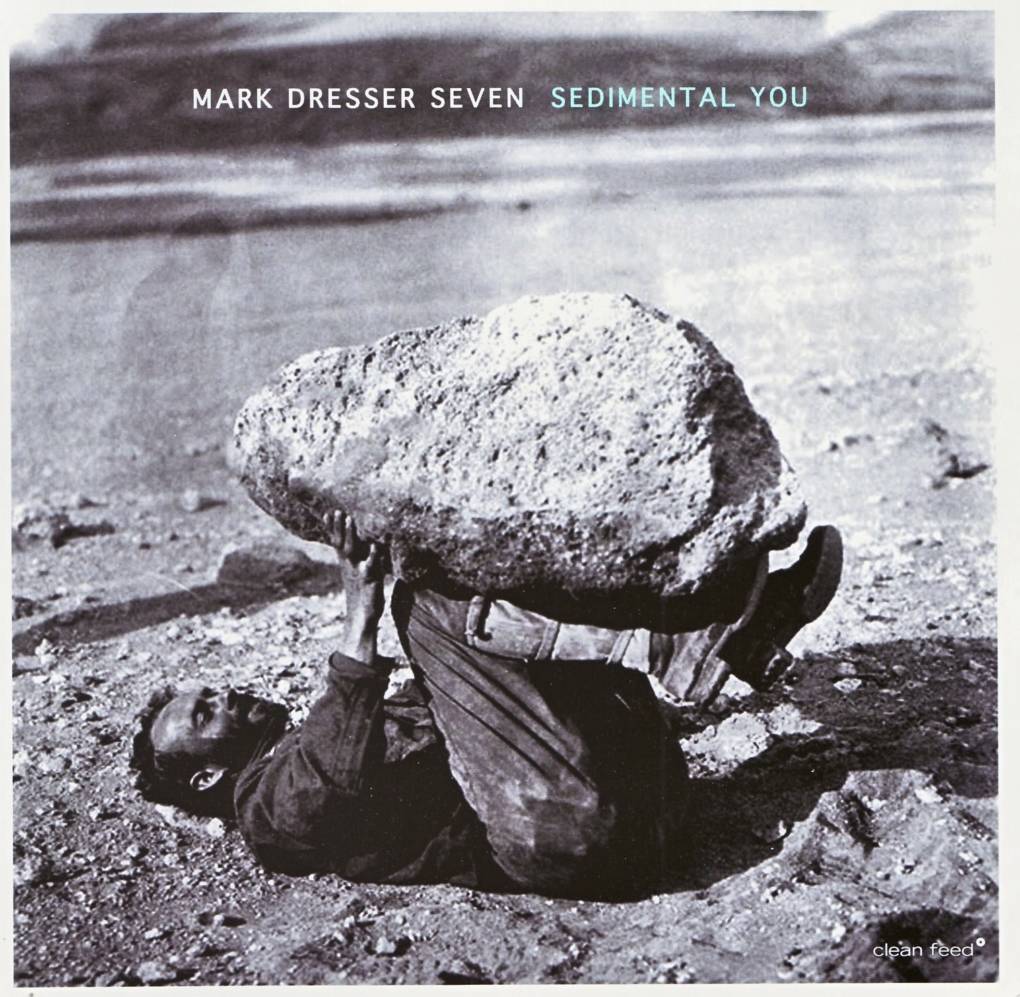
"caption": "The Mark Dresser Seven 'Sedimental You' (Clean Feed Records)",
"description": null,
"title": "dresser_sedimental_you_cover",
"credit": null,
"status": "inherit",
"isLoading": false,
"fetchFailed": false
},
"news_11203306": {
"type": "attachments",
"id": "news_11203306",
"meta": {
"index": "attachments_1716263798",
"site": "news",
"id": "11203306",
"found": true
},
"parent": 11203042,
"imgSizes": {
"small": {
"file": "https://ww2.kqed.org/app/uploads/sites/10/2016/12/GettyImages-627394598-520x390.jpg",
"width": 520,
"mimeType": "image/jpeg",
"height": 390
},
"twentyfourteen-full-width": {
"file": "https://ww2.kqed.org/app/uploads/sites/10/2016/12/GettyImages-627394598-1038x576.jpg",
"width": 1038,
"mimeType": "image/jpeg",
"height": 576
},
"thumbnail": {
"file": "https://ww2.kqed.org/app/uploads/sites/10/2016/12/GettyImages-627394598-160x120.jpg",
"width": 160,
"mimeType": "image/jpeg",
"height": 120
},
"fd-sm": {
"file": "https://ww2.kqed.org/app/uploads/sites/10/2016/12/GettyImages-627394598-960x720.jpg",
"width": 960,
"mimeType": "image/jpeg",
"height": 720
},
"post-thumbnail": {
"file": "https://ww2.kqed.org/app/uploads/sites/10/2016/12/GettyImages-627394598-672x372.jpg",
"width": 672,
"mimeType": "image/jpeg",
"height": 372
},
"xsmall": {
"file": "https://ww2.kqed.org/app/uploads/sites/10/2016/12/GettyImages-627394598-375x281.jpg",
"width": 375,
"mimeType": "image/jpeg",
"height": 281
},
"kqedFullSize": {
"file": "https://ww2.kqed.org/app/uploads/sites/10/2016/12/GettyImages-627394598-e1481573115543.jpg",
"width": 1920,
"height": 1440
},
"large": {
"file": "https://ww2.kqed.org/app/uploads/sites/10/2016/12/GettyImages-627394598-1020x765.jpg",
"width": 1020,
"mimeType": "image/jpeg",
"height": 765
},
"xlarge": {
"file": "https://ww2.kqed.org/app/uploads/sites/10/2016/12/GettyImages-627394598-1180x885.jpg",
"width": 1180,
"mimeType": "image/jpeg",
"height": 885
},
"guest-author-50": {
"file": "https://ww2.kqed.org/app/uploads/sites/10/2016/12/GettyImages-627394598-50x50.jpg",
"width": 50,
"mimeType": "image/jpeg",
"height": 50
},
"guest-author-96": {
"file": "https://ww2.kqed.org/app/uploads/sites/10/2016/12/GettyImages-627394598-96x96.jpg",
"width": 96,
"mimeType": "image/jpeg",
"height": 96
},
"medium": {
"file": "https://ww2.kqed.org/app/uploads/sites/10/2016/12/GettyImages-627394598-800x600.jpg",
"width": 800,
"mimeType": "image/jpeg",
"height": 600
},
"guest-author-64": {
"file": "https://ww2.kqed.org/app/uploads/sites/10/2016/12/GettyImages-627394598-64x64.jpg",
"width": 64,
"mimeType": "image/jpeg",
"height": 64
},
"guest-author-32": {
"file": "https://ww2.kqed.org/app/uploads/sites/10/2016/12/GettyImages-627394598-32x32.jpg",
"width": 32,
"mimeType": "image/jpeg",
"height": 32
},
"jmtc-small-thumb": {
"file": "https://ww2.kqed.org/app/uploads/sites/10/2016/12/GettyImages-627394598-280x150.jpg",
"width": 280,
"mimeType": "image/jpeg",
"height": 150
},
"fd-lrg": {
"file": "https://ww2.kqed.org/app/uploads/sites/10/2016/12/GettyImages-627394598-1920x1440.jpg",
"width": 1920,
"mimeType": "image/jpeg",
"height": 1440
},
"fd-med": {
"file": "https://ww2.kqed.org/app/uploads/sites/10/2016/12/GettyImages-627394598-1180x885.jpg",
"width": 1180,
"mimeType": "image/jpeg",
"height": 885
},
"full-width": {
"file": "https://ww2.kqed.org/app/uploads/sites/10/2016/12/GettyImages-627394598-1920x1440.jpg",
"width": 1920,
"mimeType": "image/jpeg",
"height": 1440
},
"detail": {
"file": "https://ww2.kqed.org/app/uploads/sites/10/2016/12/GettyImages-627394598-150x150.jpg",
"width": 150,
"mimeType": "image/jpeg",
"height": 150
},
"guest-author-128": {
"file": "https://ww2.kqed.org/app/uploads/sites/10/2016/12/GettyImages-627394598-128x128.jpg",
"width": 128,
"mimeType": "image/jpeg",
"height": 128
},
"xxsmall": {
"file": "https://ww2.kqed.org/app/uploads/sites/10/2016/12/GettyImages-627394598-240x180.jpg",
"width": 240,
"mimeType": "image/jpeg",
"height": 180
}
},
"publishDate": 1480793979,
"modified": 1481586275,
"caption": "Oakland firefighters inspect a warehouse on Dec. 3, 2016, where a fire during a party killed nine people the night before.",
"description": null,
"title": "US-FIRE-CALIFORNIA",
"credit": "Virignia Goubier/AFP/Getty Images",
"status": "inherit",
"isLoading": false,
"fetchFailed": false
},
"news_11209647": {
"type": "attachments",
"id": "news_11209647",
"meta": {
"index": "attachments_1716263798",
"site": "news",
"id": "11209647",
"found": true
},
"parent": 0,
"imgSizes": {
"small": {
"file": "https://ww2.kqed.org/app/uploads/sites/10/2016/12/11209646-thumb-520x344.jpg",
"width": 520,
"mimeType": "image/jpeg",
"height": 344
},
"twentyfourteen-full-width": {
"file": "https://ww2.kqed.org/app/uploads/sites/10/2016/12/11209646-thumb-960x576.jpg",
"width": 960,
"mimeType": "image/jpeg",
"height": 576
},
"thumbnail": {
"file": "https://ww2.kqed.org/app/uploads/sites/10/2016/12/11209646-thumb-160x106.jpg",
"width": 160,
"mimeType": "image/jpeg",
"height": 106
},
"fd-sm": {
"file": "https://ww2.kqed.org/app/uploads/sites/10/2016/12/11209646-thumb-960x635.jpg",
"width": 960,
"mimeType": "image/jpeg",
"height": 635
},
"post-thumbnail": {
"file": "https://ww2.kqed.org/app/uploads/sites/10/2016/12/11209646-thumb-672x372.jpg",
"width": 672,
"mimeType": "image/jpeg",
"height": 372
},
"xsmall": {
"file": "https://ww2.kqed.org/app/uploads/sites/10/2016/12/11209646-thumb-375x248.jpg",
"width": 375,
"mimeType": "image/jpeg",
"height": 248
},
"kqedFullSize": {
"file": "https://ww2.kqed.org/app/uploads/sites/10/2016/12/11209646-thumb.jpg",
"width": 960,
"height": 635
},
"guest-author-50": {
"file": "https://ww2.kqed.org/app/uploads/sites/10/2016/12/11209646-thumb-50x50.jpg",
"width": 50,
"mimeType": "image/jpeg",
"height": 50
},
"guest-author-96": {
"file": "https://ww2.kqed.org/app/uploads/sites/10/2016/12/11209646-thumb-96x96.jpg",
"width": 96,
"mimeType": "image/jpeg",
"height": 96
},
"medium": {
"file": "https://ww2.kqed.org/app/uploads/sites/10/2016/12/11209646-thumb-800x529.jpg",
"width": 800,
"mimeType": "image/jpeg",
"height": 529
},
"guest-author-64": {
"file": "https://ww2.kqed.org/app/uploads/sites/10/2016/12/11209646-thumb-64x64.jpg",
"width": 64,
"mimeType": "image/jpeg",
"height": 64
},
"guest-author-32": {
"file": "https://ww2.kqed.org/app/uploads/sites/10/2016/12/11209646-thumb-32x32.jpg",
"width": 32,
"mimeType": "image/jpeg",
"height": 32
},
"jmtc-small-thumb": {
"file": "https://ww2.kqed.org/app/uploads/sites/10/2016/12/11209646-thumb-280x150.jpg",
"width": 280,
"mimeType": "image/jpeg",
"height": 150
},
"detail": {
"file": "https://ww2.kqed.org/app/uploads/sites/10/2016/12/11209646-thumb-150x150.jpg",
"width": 150,
"mimeType": "image/jpeg",
"height": 150
},
"guest-author-128": {
"file": "https://ww2.kqed.org/app/uploads/sites/10/2016/12/11209646-thumb-128x128.jpg",
"width": 128,
"mimeType": "image/jpeg",
"height": 128
},
"xxsmall": {
"file": "https://ww2.kqed.org/app/uploads/sites/10/2016/12/11209646-thumb-240x159.jpg",
"width": 240,
"mimeType": "image/jpeg",
"height": 159
}
},
"publishDate": 1481142494,
"modified": 1481151502,
"caption": "A view inside the Ghost Ship warehouse.",
"description": null,
"title": "Thumbnail for 11209646",
"credit": "Via Satya Yuga Facebook Page",
"status": "inherit",
"isLoading": false,
"fetchFailed": false
},
"news_11209408": {
"type": "attachments",
"id": "news_11209408",
"meta": {
"index": "attachments_1716263798",
"site": "news",
"id": "11209408",
"found": true
},
"parent": 11208576,
"imgSizes": {
"small": {
"file": "https://ww2.kqed.org/app/uploads/sites/10/2016/12/RS23189_GettyImages-627962934-qut-520x347.jpg",
"width": 520,
"mimeType": "image/jpeg",
"height": 347
},
"twentyfourteen-full-width": {
"file": "https://ww2.kqed.org/app/uploads/sites/10/2016/12/RS23189_GettyImages-627962934-qut-1038x576.jpg",
"width": 1038,
"mimeType": "image/jpeg",
"height": 576
},
"thumbnail": {
"file": "https://ww2.kqed.org/app/uploads/sites/10/2016/12/RS23189_GettyImages-627962934-qut-160x107.jpg",
"width": 160,
"mimeType": "image/jpeg",
"height": 107
},
"fd-sm": {
"file": "https://ww2.kqed.org/app/uploads/sites/10/2016/12/RS23189_GettyImages-627962934-qut-960x640.jpg",
"width": 960,
"mimeType": "image/jpeg",
"height": 640
},
"post-thumbnail": {
"file": "https://ww2.kqed.org/app/uploads/sites/10/2016/12/RS23189_GettyImages-627962934-qut-672x372.jpg",
"width": 672,
"mimeType": "image/jpeg",
"height": 372
},
"xsmall": {
"file": "https://ww2.kqed.org/app/uploads/sites/10/2016/12/RS23189_GettyImages-627962934-qut-375x250.jpg",
"width": 375,
"mimeType": "image/jpeg",
"height": 250
},
"kqedFullSize": {
"file": "https://ww2.kqed.org/app/uploads/sites/10/2016/12/RS23189_GettyImages-627962934-qut.jpg",
"width": 1920,
"height": 1280
},
"large": {
"file": "https://ww2.kqed.org/app/uploads/sites/10/2016/12/RS23189_GettyImages-627962934-qut-1020x680.jpg",
"width": 1020,
"mimeType": "image/jpeg",
"height": 680
},
"xlarge": {
"file": "https://ww2.kqed.org/app/uploads/sites/10/2016/12/RS23189_GettyImages-627962934-qut-1180x787.jpg",
"width": 1180,
"mimeType": "image/jpeg",
"height": 787
},
"guest-author-50": {
"file": "https://ww2.kqed.org/app/uploads/sites/10/2016/12/RS23189_GettyImages-627962934-qut-50x50.jpg",
"width": 50,
"mimeType": "image/jpeg",
"height": 50
},
"guest-author-96": {
"file": "https://ww2.kqed.org/app/uploads/sites/10/2016/12/RS23189_GettyImages-627962934-qut-96x96.jpg",
"width": 96,
"mimeType": "image/jpeg",
"height": 96
},
"medium": {
"file": "https://ww2.kqed.org/app/uploads/sites/10/2016/12/RS23189_GettyImages-627962934-qut-800x533.jpg",
"width": 800,
"mimeType": "image/jpeg",
"height": 533
},
"guest-author-64": {
"file": "https://ww2.kqed.org/app/uploads/sites/10/2016/12/RS23189_GettyImages-627962934-qut-64x64.jpg",
"width": 64,
"mimeType": "image/jpeg",
"height": 64
},
"guest-author-32": {
"file": "https://ww2.kqed.org/app/uploads/sites/10/2016/12/RS23189_GettyImages-627962934-qut-32x32.jpg",
"width": 32,
"mimeType": "image/jpeg",
"height": 32
},
"jmtc-small-thumb": {
"file": "https://ww2.kqed.org/app/uploads/sites/10/2016/12/RS23189_GettyImages-627962934-qut-280x150.jpg",
"width": 280,
"mimeType": "image/jpeg",
"height": 150
},
"fd-lrg": {
"file": "https://ww2.kqed.org/app/uploads/sites/10/2016/12/RS23189_GettyImages-627962934-qut-1920x1280.jpg",
"width": 1920,
"mimeType": "image/jpeg",
"height": 1280
},
"fd-med": {
"file": "https://ww2.kqed.org/app/uploads/sites/10/2016/12/RS23189_GettyImages-627962934-qut-1180x787.jpg",
"width": 1180,
"mimeType": "image/jpeg",
"height": 787
},
"full-width": {
"file": "https://ww2.kqed.org/app/uploads/sites/10/2016/12/RS23189_GettyImages-627962934-qut-1920x1280.jpg",
"width": 1920,
"mimeType": "image/jpeg",
"height": 1280
},
"detail": {
"file": "https://ww2.kqed.org/app/uploads/sites/10/2016/12/RS23189_GettyImages-627962934-qut-150x150.jpg",
"width": 150,
"mimeType": "image/jpeg",
"height": 150
},
"guest-author-128": {
"file": "https://ww2.kqed.org/app/uploads/sites/10/2016/12/RS23189_GettyImages-627962934-qut-128x128.jpg",
"width": 128,
"mimeType": "image/jpeg",
"height": 128
},
"xxsmall": {
"file": "https://ww2.kqed.org/app/uploads/sites/10/2016/12/RS23189_GettyImages-627962934-qut-240x160.jpg",
"width": 240,
"mimeType": "image/jpeg",
"height": 160
}
},
"publishDate": 1481131791,
"modified": 1481161550,
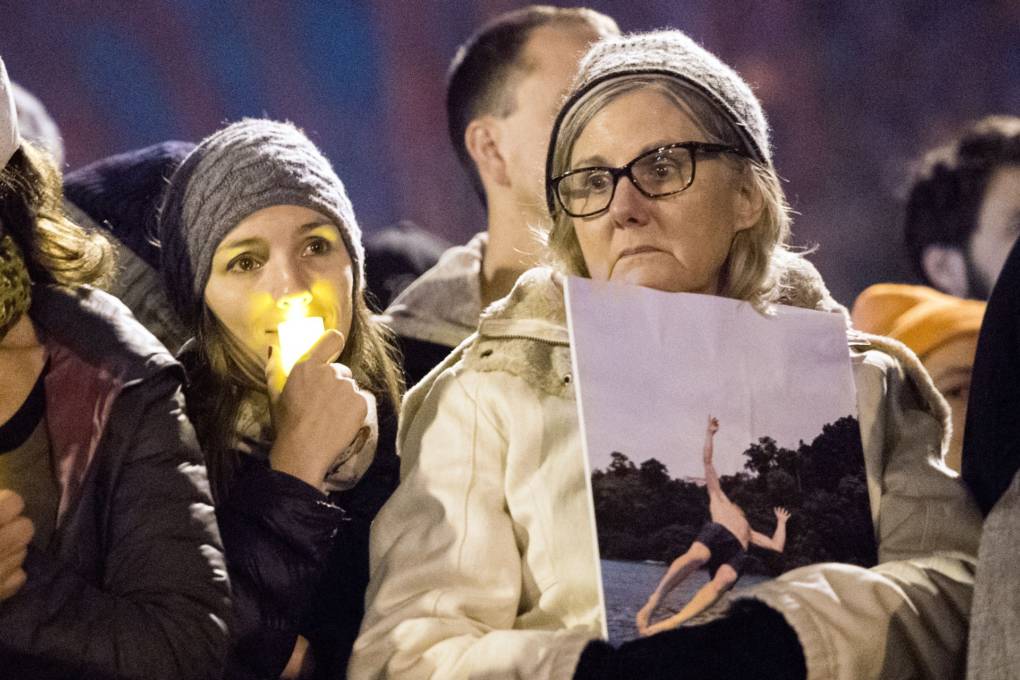
"caption": "A woman holds a photo of her son during a vigil honoring those who died in a warehouse fire in Oakland on Dec. 2, 2016. The death toll from the massive weekend fire has shot up to 36 as authorities launched a criminal probe and pushed forth with recovery efforts.",
"description": null,
"title": "rs23189_gettyimages-627962934-qut",
"credit": "Josh Edelson/AFP/Getty Images",
"status": "inherit",
"isLoading": false,
"fetchFailed": false
},
"news_11203830": {
"type": "attachments",
"id": "news_11203830",
"meta": {
"index": "attachments_1716263798",
"site": "news",
"id": "11203830",
"found": true
},
"parent": 11203042,
"imgSizes": {
"small": {
"file": "https://ww2.kqed.org/app/uploads/sites/10/2016/12/RS23048_GettyImages-627450192-qut-520x347.jpg",
"width": 520,
"mimeType": "image/jpeg",
"height": 347
},
"twentyfourteen-full-width": {
"file": "https://ww2.kqed.org/app/uploads/sites/10/2016/12/RS23048_GettyImages-627450192-qut-1024x576.jpg",
"width": 1024,
"mimeType": "image/jpeg",
"height": 576
},
"thumbnail": {
"file": "https://ww2.kqed.org/app/uploads/sites/10/2016/12/RS23048_GettyImages-627450192-qut-160x107.jpg",
"width": 160,
"mimeType": "image/jpeg",
"height": 107
},
"fd-sm": {
"file": "https://ww2.kqed.org/app/uploads/sites/10/2016/12/RS23048_GettyImages-627450192-qut-960x640.jpg",
"width": 960,
"mimeType": "image/jpeg",
"height": 640
},
"post-thumbnail": {
"file": "https://ww2.kqed.org/app/uploads/sites/10/2016/12/RS23048_GettyImages-627450192-qut-672x372.jpg",
"width": 672,
"mimeType": "image/jpeg",
"height": 372
},
"xsmall": {
"file": "https://ww2.kqed.org/app/uploads/sites/10/2016/12/RS23048_GettyImages-627450192-qut-375x250.jpg",
"width": 375,
"mimeType": "image/jpeg",
"height": 250
},
"kqedFullSize": {
"file": "https://ww2.kqed.org/app/uploads/sites/10/2016/12/RS23048_GettyImages-627450192-qut.jpg",
"width": 1024,
"height": 683
},
"large": {
"file": "https://ww2.kqed.org/app/uploads/sites/10/2016/12/RS23048_GettyImages-627450192-qut-1020x680.jpg",
"width": 1020,
"mimeType": "image/jpeg",
"height": 680
},
"guest-author-50": {
"file": "https://ww2.kqed.org/app/uploads/sites/10/2016/12/RS23048_GettyImages-627450192-qut-50x50.jpg",
"width": 50,
"mimeType": "image/jpeg",
"height": 50
},
"guest-author-96": {
"file": "https://ww2.kqed.org/app/uploads/sites/10/2016/12/RS23048_GettyImages-627450192-qut-96x96.jpg",
"width": 96,
"mimeType": "image/jpeg",
"height": 96
},
"medium": {
"file": "https://ww2.kqed.org/app/uploads/sites/10/2016/12/RS23048_GettyImages-627450192-qut-800x534.jpg",
"width": 800,
"mimeType": "image/jpeg",
"height": 534
},
"guest-author-64": {
"file": "https://ww2.kqed.org/app/uploads/sites/10/2016/12/RS23048_GettyImages-627450192-qut-64x64.jpg",
"width": 64,
"mimeType": "image/jpeg",
"height": 64
},
"guest-author-32": {
"file": "https://ww2.kqed.org/app/uploads/sites/10/2016/12/RS23048_GettyImages-627450192-qut-32x32.jpg",
"width": 32,
"mimeType": "image/jpeg",
"height": 32
},
"jmtc-small-thumb": {
"file": "https://ww2.kqed.org/app/uploads/sites/10/2016/12/RS23048_GettyImages-627450192-qut-280x150.jpg",
"width": 280,
"mimeType": "image/jpeg",
"height": 150
},
"detail": {
"file": "https://ww2.kqed.org/app/uploads/sites/10/2016/12/RS23048_GettyImages-627450192-qut-150x150.jpg",
"width": 150,
"mimeType": "image/jpeg",
"height": 150
},
"guest-author-128": {
"file": "https://ww2.kqed.org/app/uploads/sites/10/2016/12/RS23048_GettyImages-627450192-qut-128x128.jpg",
"width": 128,
"mimeType": "image/jpeg",
"height": 128
},
"xxsmall": {
"file": "https://ww2.kqed.org/app/uploads/sites/10/2016/12/RS23048_GettyImages-627450192-qut-240x160.jpg",
"width": 240,
"mimeType": "image/jpeg",
"height": 160
}
},
"publishDate": 1480820582,
"modified": 1485299390,
"caption": "Firefighters clear debris from the entrance to the Ghost Ship warehouse in Oakland, where a fire killed 36 people on Dec. 2, 2016.",
"description": null,
"title": "Ghost Ship Fire",
"credit": "Elijah Nouvelage/Getty Images",
"status": "inherit",
"isLoading": false,
"fetchFailed": false
},
"news_11207329": {
"type": "attachments",
"id": "news_11207329",
"meta": {
"index": "attachments_1716263798",
"site": "news",
"id": "11207329",
"found": true
},
"parent": 11207317,
"imgSizes": {
"small": {
"file": "https://ww2.kqed.org/app/uploads/sites/10/2016/12/161205_oaklandfirevigil_bhs13-520x347.jpg",
"width": 520,
"mimeType": "image/jpeg",
"height": 347
},
"twentyfourteen-full-width": {
"file": "https://ww2.kqed.org/app/uploads/sites/10/2016/12/161205_oaklandfirevigil_bhs13-1038x576.jpg",
"width": 1038,
"mimeType": "image/jpeg",
"height": 576
},
"thumbnail": {
"file": "https://ww2.kqed.org/app/uploads/sites/10/2016/12/161205_oaklandfirevigil_bhs13-160x107.jpg",
"width": 160,
"mimeType": "image/jpeg",
"height": 107
},
"fd-sm": {
"file": "https://ww2.kqed.org/app/uploads/sites/10/2016/12/161205_oaklandfirevigil_bhs13-960x640.jpg",
"width": 960,
"mimeType": "image/jpeg",
"height": 640
},
"post-thumbnail": {
"file": "https://ww2.kqed.org/app/uploads/sites/10/2016/12/161205_oaklandfirevigil_bhs13-672x372.jpg",
"width": 672,
"mimeType": "image/jpeg",
"height": 372
},
"xsmall": {
"file": "https://ww2.kqed.org/app/uploads/sites/10/2016/12/161205_oaklandfirevigil_bhs13-375x250.jpg",
"width": 375,
"mimeType": "image/jpeg",
"height": 250
},
"kqedFullSize": {
"file": "https://ww2.kqed.org/app/uploads/sites/10/2016/12/161205_oaklandfirevigil_bhs13.jpg",
"width": 1920,
"height": 1280
},
"large": {
"file": "https://ww2.kqed.org/app/uploads/sites/10/2016/12/161205_oaklandfirevigil_bhs13-1020x680.jpg",
"width": 1020,
"mimeType": "image/jpeg",
"height": 680
},
"xlarge": {
"file": "https://ww2.kqed.org/app/uploads/sites/10/2016/12/161205_oaklandfirevigil_bhs13-1180x787.jpg",
"width": 1180,
"mimeType": "image/jpeg",
"height": 787
},
"guest-author-50": {
"file": "https://ww2.kqed.org/app/uploads/sites/10/2016/12/161205_oaklandfirevigil_bhs13-50x50.jpg",
"width": 50,
"mimeType": "image/jpeg",
"height": 50
},
"guest-author-96": {
"file": "https://ww2.kqed.org/app/uploads/sites/10/2016/12/161205_oaklandfirevigil_bhs13-96x96.jpg",
"width": 96,
"mimeType": "image/jpeg",
"height": 96
},
"medium": {
"file": "https://ww2.kqed.org/app/uploads/sites/10/2016/12/161205_oaklandfirevigil_bhs13-800x533.jpg",
"width": 800,
"mimeType": "image/jpeg",
"height": 533
},
"guest-author-64": {
"file": "https://ww2.kqed.org/app/uploads/sites/10/2016/12/161205_oaklandfirevigil_bhs13-64x64.jpg",
"width": 64,
"mimeType": "image/jpeg",
"height": 64
},
"guest-author-32": {
"file": "https://ww2.kqed.org/app/uploads/sites/10/2016/12/161205_oaklandfirevigil_bhs13-32x32.jpg",
"width": 32,
"mimeType": "image/jpeg",
"height": 32
},
"jmtc-small-thumb": {
"file": "https://ww2.kqed.org/app/uploads/sites/10/2016/12/161205_oaklandfirevigil_bhs13-280x150.jpg",
"width": 280,
"mimeType": "image/jpeg",
"height": 150
},
"fd-lrg": {
"file": "https://ww2.kqed.org/app/uploads/sites/10/2016/12/161205_oaklandfirevigil_bhs13-1920x1280.jpg",
"width": 1920,
"mimeType": "image/jpeg",
"height": 1280
},
"fd-med": {
"file": "https://ww2.kqed.org/app/uploads/sites/10/2016/12/161205_oaklandfirevigil_bhs13-1180x787.jpg",
"width": 1180,
"mimeType": "image/jpeg",
"height": 787
},
"full-width": {
"file": "https://ww2.kqed.org/app/uploads/sites/10/2016/12/161205_oaklandfirevigil_bhs13-1920x1280.jpg",
"width": 1920,
"mimeType": "image/jpeg",
"height": 1280
},
"detail": {
"file": "https://ww2.kqed.org/app/uploads/sites/10/2016/12/161205_oaklandfirevigil_bhs13-150x150.jpg",
"width": 150,
"mimeType": "image/jpeg",
"height": 150
},
"guest-author-128": {
"file": "https://ww2.kqed.org/app/uploads/sites/10/2016/12/161205_oaklandfirevigil_bhs13-128x128.jpg",
"width": 128,
"mimeType": "image/jpeg",
"height": 128
},
"xxsmall": {
"file": "https://ww2.kqed.org/app/uploads/sites/10/2016/12/161205_oaklandfirevigil_bhs13-240x160.jpg",
"width": 240,
"mimeType": "image/jpeg",
"height": 160
}
},
"publishDate": 1481017183,
"modified": 1481064406,
"caption": "Mourners left out works of art at the memorial in honor of the 36 victims who died while gathered at the Ghost Ship artists' collective.",
"description": "Flowers, candles and works of art were left as a memorial to the victims of the fire.",
"title": "161205_oaklandfirevigil_bhs13",
"credit": "Brittany Hosea-Small/KQED",
"status": "inherit",
"isLoading": false,
"fetchFailed": false
},
"news_11207754": {
"type": "attachments",
"id": "news_11207754",
"meta": {
"index": "attachments_1716263798",
"site": "news",
"id": "11207754",
"found": true
},
"parent": 11203042,
"imgSizes": {
"small": {
"file": "https://ww2.kqed.org/app/uploads/sites/10/2016/12/RS23099_161205_oaklandfirevigil_bhs17-520x347.jpg",
"width": 520,
"mimeType": "image/jpeg",
"height": 347
},
"twentyfourteen-full-width": {
"file": "https://ww2.kqed.org/app/uploads/sites/10/2016/12/RS23099_161205_oaklandfirevigil_bhs17-1038x576.jpg",
"width": 1038,
"mimeType": "image/jpeg",
"height": 576
},
"thumbnail": {
"file": "https://ww2.kqed.org/app/uploads/sites/10/2016/12/RS23099_161205_oaklandfirevigil_bhs17-160x107.jpg",
"width": 160,
"mimeType": "image/jpeg",
"height": 107
},
"fd-sm": {
"file": "https://ww2.kqed.org/app/uploads/sites/10/2016/12/RS23099_161205_oaklandfirevigil_bhs17-960x640.jpg",
"width": 960,
"mimeType": "image/jpeg",
"height": 640
},
"post-thumbnail": {
"file": "https://ww2.kqed.org/app/uploads/sites/10/2016/12/RS23099_161205_oaklandfirevigil_bhs17-672x372.jpg",
"width": 672,
"mimeType": "image/jpeg",
"height": 372
},
"xsmall": {
"file": "https://ww2.kqed.org/app/uploads/sites/10/2016/12/RS23099_161205_oaklandfirevigil_bhs17-375x250.jpg",
"width": 375,
"mimeType": "image/jpeg",
"height": 250
},
"kqedFullSize": {
"file": "https://ww2.kqed.org/app/uploads/sites/10/2016/12/RS23099_161205_oaklandfirevigil_bhs17.jpg",
"width": 1920,
"height": 1280
},
"large": {
"file": "https://ww2.kqed.org/app/uploads/sites/10/2016/12/RS23099_161205_oaklandfirevigil_bhs17-1020x680.jpg",
"width": 1020,
"mimeType": "image/jpeg",
"height": 680
},
"xlarge": {
"file": "https://ww2.kqed.org/app/uploads/sites/10/2016/12/RS23099_161205_oaklandfirevigil_bhs17-1180x787.jpg",
"width": 1180,
"mimeType": "image/jpeg",
"height": 787
},
"guest-author-50": {
"file": "https://ww2.kqed.org/app/uploads/sites/10/2016/12/RS23099_161205_oaklandfirevigil_bhs17-50x50.jpg",
"width": 50,
"mimeType": "image/jpeg",
"height": 50
},
"guest-author-96": {
"file": "https://ww2.kqed.org/app/uploads/sites/10/2016/12/RS23099_161205_oaklandfirevigil_bhs17-96x96.jpg",
"width": 96,
"mimeType": "image/jpeg",
"height": 96
},
"medium": {
"file": "https://ww2.kqed.org/app/uploads/sites/10/2016/12/RS23099_161205_oaklandfirevigil_bhs17-800x533.jpg",
"width": 800,
"mimeType": "image/jpeg",
"height": 533
},
"guest-author-64": {
"file": "https://ww2.kqed.org/app/uploads/sites/10/2016/12/RS23099_161205_oaklandfirevigil_bhs17-64x64.jpg",
"width": 64,
"mimeType": "image/jpeg",
"height": 64
},
"guest-author-32": {
"file": "https://ww2.kqed.org/app/uploads/sites/10/2016/12/RS23099_161205_oaklandfirevigil_bhs17-32x32.jpg",
"width": 32,
"mimeType": "image/jpeg",
"height": 32
},
"jmtc-small-thumb": {
"file": "https://ww2.kqed.org/app/uploads/sites/10/2016/12/RS23099_161205_oaklandfirevigil_bhs17-280x150.jpg",
"width": 280,
"mimeType": "image/jpeg",
"height": 150
},
"fd-lrg": {
"file": "https://ww2.kqed.org/app/uploads/sites/10/2016/12/RS23099_161205_oaklandfirevigil_bhs17-1920x1280.jpg",
"width": 1920,
"mimeType": "image/jpeg",
"height": 1280
},
"fd-med": {
"file": "https://ww2.kqed.org/app/uploads/sites/10/2016/12/RS23099_161205_oaklandfirevigil_bhs17-1180x787.jpg",
"width": 1180,
"mimeType": "image/jpeg",
"height": 787
},
"full-width": {
"file": "https://ww2.kqed.org/app/uploads/sites/10/2016/12/RS23099_161205_oaklandfirevigil_bhs17-1920x1280.jpg",
"width": 1920,
"mimeType": "image/jpeg",
"height": 1280
},
"detail": {
"file": "https://ww2.kqed.org/app/uploads/sites/10/2016/12/RS23099_161205_oaklandfirevigil_bhs17-150x150.jpg",
"width": 150,
"mimeType": "image/jpeg",
"height": 150
},
"guest-author-128": {
"file": "https://ww2.kqed.org/app/uploads/sites/10/2016/12/RS23099_161205_oaklandfirevigil_bhs17-128x128.jpg",
"width": 128,
"mimeType": "image/jpeg",
"height": 128
},
"xxsmall": {
"file": "https://ww2.kqed.org/app/uploads/sites/10/2016/12/RS23099_161205_oaklandfirevigil_bhs17-240x160.jpg",
"width": 240,
"mimeType": "image/jpeg",
"height": 160
}
},
"publishDate": 1481042502,
"modified": 1481042755,
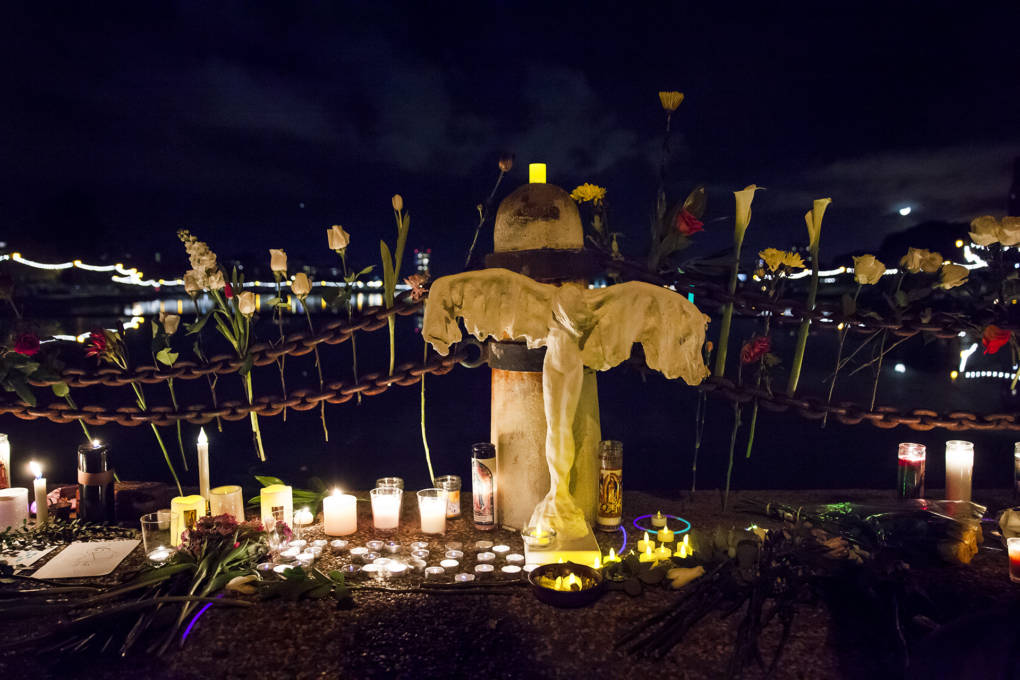
"caption": "Candles were laid out along the edge of Lake Merritt during the vigil.",
"description": null,
"title": "rs23099_161205_oaklandfirevigil_bhs17",
"credit": "Brittany Hosea-Small/KQED",
"status": "inherit",
"isLoading": false,
"fetchFailed": false
},
"news_11201824": {
"type": "attachments",
"id": "news_11201824",
"meta": {
"index": "attachments_1716263798",
"site": "news",
"id": "11201824",
"found": true
},
"parent": 11201819,
"imgSizes": {
"small": {
"file": "https://ww2.kqed.org/app/uploads/sites/10/2016/12/OBAMA-Comix-dog-rough-sketch-520x297.jpg",
"width": 520,
"mimeType": "image/jpeg",
"height": 297
},
"twentyfourteen-full-width": {
"file": "https://ww2.kqed.org/app/uploads/sites/10/2016/12/OBAMA-Comix-dog-rough-sketch-1038x576.jpg",
"width": 1038,
"mimeType": "image/jpeg",
"height": 576
},
"thumbnail": {
"file": "https://ww2.kqed.org/app/uploads/sites/10/2016/12/OBAMA-Comix-dog-rough-sketch-160x92.jpg",
"width": 160,
"mimeType": "image/jpeg",
"height": 92
},
"fd-sm": {
"file": "https://ww2.kqed.org/app/uploads/sites/10/2016/12/OBAMA-Comix-dog-rough-sketch-960x549.jpg",
"width": 960,
"mimeType": "image/jpeg",
"height": 549
},
"post-thumbnail": {
"file": "https://ww2.kqed.org/app/uploads/sites/10/2016/12/OBAMA-Comix-dog-rough-sketch-672x372.jpg",
"width": 672,
"mimeType": "image/jpeg",
"height": 372
},
"xsmall": {
"file": "https://ww2.kqed.org/app/uploads/sites/10/2016/12/OBAMA-Comix-dog-rough-sketch-375x214.jpg",
"width": 375,
"mimeType": "image/jpeg",
"height": 214
},
"kqedFullSize": {
"file": "https://ww2.kqed.org/app/uploads/sites/10/2016/12/OBAMA-Comix-dog-rough-sketch.jpg",
"width": 1920,
"height": 1098
},
"large": {
"file": "https://ww2.kqed.org/app/uploads/sites/10/2016/12/OBAMA-Comix-dog-rough-sketch-1020x583.jpg",
"width": 1020,
"mimeType": "image/jpeg",
"height": 583
},
"xlarge": {
"file": "https://ww2.kqed.org/app/uploads/sites/10/2016/12/OBAMA-Comix-dog-rough-sketch-1180x675.jpg",
"width": 1180,
"mimeType": "image/jpeg",
"height": 675
},
"guest-author-50": {
"file": "https://ww2.kqed.org/app/uploads/sites/10/2016/12/OBAMA-Comix-dog-rough-sketch-50x50.jpg",
"width": 50,
"mimeType": "image/jpeg",
"height": 50
},
"guest-author-96": {
"file": "https://ww2.kqed.org/app/uploads/sites/10/2016/12/OBAMA-Comix-dog-rough-sketch-96x96.jpg",
"width": 96,
"mimeType": "image/jpeg",
"height": 96
},
"medium": {
"file": "https://ww2.kqed.org/app/uploads/sites/10/2016/12/OBAMA-Comix-dog-rough-sketch-800x458.jpg",
"width": 800,
"mimeType": "image/jpeg",
"height": 458
},
"guest-author-64": {
"file": "https://ww2.kqed.org/app/uploads/sites/10/2016/12/OBAMA-Comix-dog-rough-sketch-64x64.jpg",
"width": 64,
"mimeType": "image/jpeg",
"height": 64
},
"guest-author-32": {
"file": "https://ww2.kqed.org/app/uploads/sites/10/2016/12/OBAMA-Comix-dog-rough-sketch-32x32.jpg",
"width": 32,
"mimeType": "image/jpeg",
"height": 32
},
"jmtc-small-thumb": {
"file": "https://ww2.kqed.org/app/uploads/sites/10/2016/12/OBAMA-Comix-dog-rough-sketch-280x150.jpg",
"width": 280,
"mimeType": "image/jpeg",
"height": 150
},
"fd-lrg": {
"file": "https://ww2.kqed.org/app/uploads/sites/10/2016/12/OBAMA-Comix-dog-rough-sketch-1920x1098.jpg",
"width": 1920,
"mimeType": "image/jpeg",
"height": 1098
},
"fd-med": {
"file": "https://ww2.kqed.org/app/uploads/sites/10/2016/12/OBAMA-Comix-dog-rough-sketch-1180x675.jpg",
"width": 1180,
"mimeType": "image/jpeg",
"height": 675
},
"full-width": {
"file": "https://ww2.kqed.org/app/uploads/sites/10/2016/12/OBAMA-Comix-dog-rough-sketch-1920x1098.jpg",
"width": 1920,
"mimeType": "image/jpeg",
"height": 1098
},
"detail": {
"file": "https://ww2.kqed.org/app/uploads/sites/10/2016/12/OBAMA-Comix-dog-rough-sketch-150x150.jpg",
"width": 150,
"mimeType": "image/jpeg",
"height": 150
},
"guest-author-128": {
"file": "https://ww2.kqed.org/app/uploads/sites/10/2016/12/OBAMA-Comix-dog-rough-sketch-128x128.jpg",
"width": 128,
"mimeType": "image/jpeg",
"height": 128
},
"xxsmall": {
"file": "https://ww2.kqed.org/app/uploads/sites/10/2016/12/OBAMA-Comix-dog-rough-sketch-240x137.jpg",
"width": 240,
"mimeType": "image/jpeg",
"height": 137
}
},
"publishDate": 1480713027,
"modified": 1480980050,
"caption": "Rough sketch from Steven Weissman's 'Looking for America's Dog'",
"description": null,
"title": "obama-comix-dog-rough-sketch",
"credit": "Steven Cuevas/KQED",
"status": "inherit",
"isLoading": false,
"fetchFailed": false
},
"arts_12439725": {
"type": "attachments",
"id": "arts_12439725",
"meta": {
"index": "attachments_1716263798",
"site": "arts",
"id": "12439725",
"found": true
},
"parent": 12439717,
"imgSizes": {
"small": {
"file": "https://ww2.kqed.org/app/uploads/sites/2/2016/12/IMG_3497-e1480921335275-520x293.jpg",
"width": 520,
"mimeType": "image/jpeg",
"height": 293
},
"twentyfourteen-full-width": {
"file": "https://ww2.kqed.org/app/uploads/sites/2/2016/12/IMG_3497-e1480921335275-1038x576.jpg",
"width": 1038,
"mimeType": "image/jpeg",
"height": 576
},
"thumbnail": {
"file": "https://ww2.kqed.org/app/uploads/sites/2/2016/12/IMG_3497-e1480921335275-160x90.jpg",
"width": 160,
"mimeType": "image/jpeg",
"height": 90
},
"fd-sm": {
"file": "https://ww2.kqed.org/app/uploads/sites/2/2016/12/IMG_3497-e1480921335275-960x540.jpg",
"width": 960,
"mimeType": "image/jpeg",
"height": 540
},
"post-thumbnail": {
"file": "https://ww2.kqed.org/app/uploads/sites/2/2016/12/IMG_3497-e1480921335275-672x372.jpg",
"width": 672,
"mimeType": "image/jpeg",
"height": 372
},
"xsmall": {
"file": "https://ww2.kqed.org/app/uploads/sites/2/2016/12/IMG_3497-e1480921335275-375x211.jpg",
"width": 375,
"mimeType": "image/jpeg",
"height": 211
},
"kqedFullSize": {
"file": "https://ww2.kqed.org/app/uploads/sites/2/2016/12/IMG_3497-e1480921335275.jpg",
"width": 2048,
"height": 1152
},
"large": {
"file": "https://ww2.kqed.org/app/uploads/sites/2/2016/12/IMG_3497-e1480921335275-1020x574.jpg",
"width": 1020,
"mimeType": "image/jpeg",
"height": 574
},
"xlarge": {
"file": "https://ww2.kqed.org/app/uploads/sites/2/2016/12/IMG_3497-e1480921335275-1180x664.jpg",
"width": 1180,
"mimeType": "image/jpeg",
"height": 664
},
"guest-author-50": {
"file": "https://ww2.kqed.org/app/uploads/sites/2/2016/12/IMG_3497-e1480921335275-50x50.jpg",
"width": 50,
"mimeType": "image/jpeg",
"height": 50
},
"guest-author-96": {
"file": "https://ww2.kqed.org/app/uploads/sites/2/2016/12/IMG_3497-e1480921335275-96x96.jpg",
"width": 96,
"mimeType": "image/jpeg",
"height": 96
},
"medium": {
"file": "https://ww2.kqed.org/app/uploads/sites/2/2016/12/IMG_3497-e1480921335275-800x450.jpg",
"width": 800,
"mimeType": "image/jpeg",
"height": 450
},
"guest-author-64": {
"file": "https://ww2.kqed.org/app/uploads/sites/2/2016/12/IMG_3497-e1480921335275-64x64.jpg",
"width": 64,
"mimeType": "image/jpeg",
"height": 64
},
"guest-author-32": {
"file": "https://ww2.kqed.org/app/uploads/sites/2/2016/12/IMG_3497-e1480921335275-32x32.jpg",
"width": 32,
"mimeType": "image/jpeg",
"height": 32
},
"fd-lrg": {
"file": "https://ww2.kqed.org/app/uploads/sites/2/2016/12/IMG_3497-e1480921335275-1920x1080.jpg",
"width": 1920,
"mimeType": "image/jpeg",
"height": 1080
},
"fd-med": {
"file": "https://ww2.kqed.org/app/uploads/sites/2/2016/12/IMG_3497-e1480921335275-1180x664.jpg",
"width": 1180,
"mimeType": "image/jpeg",
"height": 664
},
"full-width": {
"file": "https://ww2.kqed.org/app/uploads/sites/2/2016/12/IMG_3497-e1480921335275-1920x1080.jpg",
"width": 1920,
"mimeType": "image/jpeg",
"height": 1080
},
"detail": {
"file": "https://ww2.kqed.org/app/uploads/sites/2/2016/12/IMG_3497-e1480921335275-150x150.jpg",
"width": 150,
"mimeType": "image/jpeg",
"height": 150
},
"medium_large": {
"file": "https://ww2.kqed.org/app/uploads/sites/2/2016/12/IMG_3497-e1480921335275-768x432.jpg",
"width": 768,
"mimeType": "image/jpeg",
"height": 432
},
"guest-author-128": {
"file": "https://ww2.kqed.org/app/uploads/sites/2/2016/12/IMG_3497-e1480921335275-128x128.jpg",
"width": 128,
"mimeType": "image/jpeg",
"height": 128
},
"xxsmall": {
"file": "https://ww2.kqed.org/app/uploads/sites/2/2016/12/IMG_3497-e1480921335275-240x135.jpg",
"width": 240,
"mimeType": "image/jpeg",
"height": 135
}
},
"publishDate": 1480921183,
"modified": 1480921282,
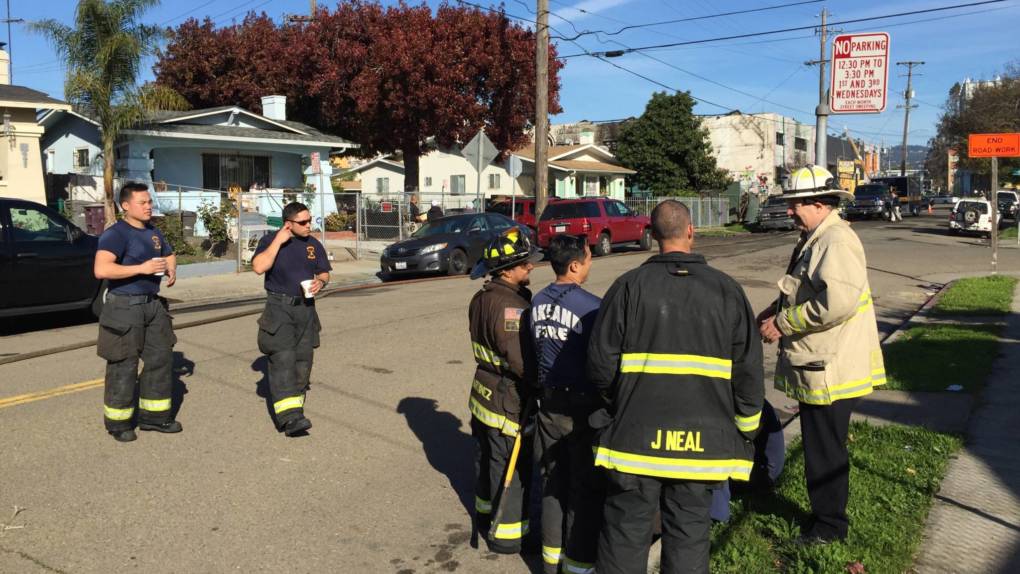
"caption": "Firefighters at the scene of the Oakland Warehouse Fire",
"description": "Firefighters at the scene of the Oakland Warehouse Fire",
"title": "Firefighters at the scene of the Oakland Warehouse Fire",
"credit": "Photo: Cy Musiker/KQED",
"status": "inherit",
"isLoading": false,
"fetchFailed": false
},
"pop_51308": {
"type": "attachments",
"id": "pop_51308",
"meta": {
"index": "attachments_1716263798",
"site": "pop",
"id": "51308",
"found": true
},
"parent": 51300,
"imgSizes": {
"small": {
"file": "https://ww2.kqed.org/app/uploads/sites/12/2016/12/GhostShipFundraiser-520x347.jpg",
"width": 520,
"mimeType": "image/jpeg",
"height": 347
},
"thumbnail": {
"file": "https://ww2.kqed.org/app/uploads/sites/12/2016/12/GhostShipFundraiser-160x107.jpg",
"width": 160,
"mimeType": "image/jpeg",
"height": 107
},
"post-thumbnail": {
"file": "https://ww2.kqed.org/app/uploads/sites/12/2016/12/GhostShipFundraiser-672x372.jpg",
"width": 672,
"mimeType": "image/jpeg",
"height": 372
},
"xsmall": {
"file": "https://ww2.kqed.org/app/uploads/sites/12/2016/12/GhostShipFundraiser-375x250.jpg",
"width": 375,
"mimeType": "image/jpeg",
"height": 250
},
"kqedFullSize": {
"file": "https://ww2.kqed.org/app/uploads/sites/12/2016/12/GhostShipFundraiser.jpg",
"width": 800,
"height": 534
},
"guest-author-50": {
"file": "https://ww2.kqed.org/app/uploads/sites/12/2016/12/GhostShipFundraiser-50x50.jpg",
"width": 50,
"mimeType": "image/jpeg",
"height": 50
},
"guest-author-96": {
"file": "https://ww2.kqed.org/app/uploads/sites/12/2016/12/GhostShipFundraiser-96x96.jpg",
"width": 96,
"mimeType": "image/jpeg",
"height": 96
},
"medium": {
"file": "https://ww2.kqed.org/app/uploads/sites/12/2016/12/GhostShipFundraiser-800x534.jpg",
"width": 800,
"mimeType": "image/jpeg",
"height": 534
},
"guest-author-64": {
"file": "https://ww2.kqed.org/app/uploads/sites/12/2016/12/GhostShipFundraiser-64x64.jpg",
"width": 64,
"mimeType": "image/jpeg",
"height": 64
},
"guest-author-32": {
"file": "https://ww2.kqed.org/app/uploads/sites/12/2016/12/GhostShipFundraiser-32x32.jpg",
"width": 32,
"mimeType": "image/jpeg",
"height": 32
},
"detail": {
"file": "https://ww2.kqed.org/app/uploads/sites/12/2016/12/GhostShipFundraiser-150x150.jpg",
"width": 150,
"mimeType": "image/jpeg",
"height": 150
},
"medium_large": {
"file": "https://ww2.kqed.org/app/uploads/sites/12/2016/12/GhostShipFundraiser-768x513.jpg",
"width": 768,
"mimeType": "image/jpeg",
"height": 513
},
"guest-author-128": {
"file": "https://ww2.kqed.org/app/uploads/sites/12/2016/12/GhostShipFundraiser-128x128.jpg",
"width": 128,
"mimeType": "image/jpeg",
"height": 128
},
"xxsmall": {
"file": "https://ww2.kqed.org/app/uploads/sites/12/2016/12/GhostShipFundraiser-240x160.jpg",
"width": 240,
"mimeType": "image/jpeg",
"height": 160
}
},
"publishDate": 1480916025,
"modified": 1480916137,
"caption": "Flowers outside the police line following the fire at Ghost Ship, an Oakland warehouse. ",
"description": "Flowers outside the police line following the fire at Ghost Ship, an Oakland warehouse. ",
"title": "ghostshipfundraiser",
"credit": "Photo: Elijah Nouvelage/Getty Images",
"status": "inherit",
"isLoading": false,
"fetchFailed": false
},
"news_11206446": {
"type": "attachments",
"id": "news_11206446",
"meta": {
"index": "attachments_1716263798",
"site": "news",
"id": "11206446",
"found": true
},
"parent": 11203695,
"imgSizes": {
"small": {
"file": "https://ww2.kqed.org/app/uploads/sites/10/2016/12/RS23075_GettyImages-627709740-qut-520x347.jpg",
"width": 520,
"mimeType": "image/jpeg",
"height": 347
},
"twentyfourteen-full-width": {
"file": "https://ww2.kqed.org/app/uploads/sites/10/2016/12/RS23075_GettyImages-627709740-qut-1024x576.jpg",
"width": 1024,
"mimeType": "image/jpeg",
"height": 576
},
"thumbnail": {
"file": "https://ww2.kqed.org/app/uploads/sites/10/2016/12/RS23075_GettyImages-627709740-qut-160x107.jpg",
"width": 160,
"mimeType": "image/jpeg",
"height": 107
},
"fd-sm": {
"file": "https://ww2.kqed.org/app/uploads/sites/10/2016/12/RS23075_GettyImages-627709740-qut-960x640.jpg",
"width": 960,
"mimeType": "image/jpeg",
"height": 640
},
"post-thumbnail": {
"file": "https://ww2.kqed.org/app/uploads/sites/10/2016/12/RS23075_GettyImages-627709740-qut-672x372.jpg",
"width": 672,
"mimeType": "image/jpeg",
"height": 372
},
"xsmall": {
"file": "https://ww2.kqed.org/app/uploads/sites/10/2016/12/RS23075_GettyImages-627709740-qut-375x250.jpg",
"width": 375,
"mimeType": "image/jpeg",
"height": 250
},
"kqedFullSize": {
"file": "https://ww2.kqed.org/app/uploads/sites/10/2016/12/RS23075_GettyImages-627709740-qut.jpg",
"width": 1024,
"height": 683
},
"large": {
"file": "https://ww2.kqed.org/app/uploads/sites/10/2016/12/RS23075_GettyImages-627709740-qut-1020x680.jpg",
"width": 1020,
"mimeType": "image/jpeg",
"height": 680
},
"guest-author-50": {
"file": "https://ww2.kqed.org/app/uploads/sites/10/2016/12/RS23075_GettyImages-627709740-qut-50x50.jpg",
"width": 50,
"mimeType": "image/jpeg",
"height": 50
},
"guest-author-96": {
"file": "https://ww2.kqed.org/app/uploads/sites/10/2016/12/RS23075_GettyImages-627709740-qut-96x96.jpg",
"width": 96,
"mimeType": "image/jpeg",
"height": 96
},
"medium": {
"file": "https://ww2.kqed.org/app/uploads/sites/10/2016/12/RS23075_GettyImages-627709740-qut-800x534.jpg",
"width": 800,
"mimeType": "image/jpeg",
"height": 534
},
"guest-author-64": {
"file": "https://ww2.kqed.org/app/uploads/sites/10/2016/12/RS23075_GettyImages-627709740-qut-64x64.jpg",
"width": 64,
"mimeType": "image/jpeg",
"height": 64
},
"guest-author-32": {
"file": "https://ww2.kqed.org/app/uploads/sites/10/2016/12/RS23075_GettyImages-627709740-qut-32x32.jpg",
"width": 32,
"mimeType": "image/jpeg",
"height": 32
},
"jmtc-small-thumb": {
"file": "https://ww2.kqed.org/app/uploads/sites/10/2016/12/RS23075_GettyImages-627709740-qut-280x150.jpg",
"width": 280,
"mimeType": "image/jpeg",
"height": 150
},
"detail": {
"file": "https://ww2.kqed.org/app/uploads/sites/10/2016/12/RS23075_GettyImages-627709740-qut-150x150.jpg",
"width": 150,
"mimeType": "image/jpeg",
"height": 150
},
"guest-author-128": {
"file": "https://ww2.kqed.org/app/uploads/sites/10/2016/12/RS23075_GettyImages-627709740-qut-128x128.jpg",
"width": 128,
"mimeType": "image/jpeg",
"height": 128
},
"xxsmall": {
"file": "https://ww2.kqed.org/app/uploads/sites/10/2016/12/RS23075_GettyImages-627709740-qut-240x160.jpg",
"width": 240,
"mimeType": "image/jpeg",
"height": 160
}
},
"publishDate": 1480970486,
"modified": 1480983197,
"caption": "A memorial is seen near the site of a devastating warehouse fire in Oakland that broke out on Dec. 2, 2016. ",
"description": null,
"title": "rs23075_gettyimages-627709740-qut",
"credit": "Elijah Nouvelage/Getty Images",
"status": "inherit",
"isLoading": false,
"fetchFailed": false
}
},
"audioPlayerReducer": {
"postId": "stream_live",
"isPaused": true,
"isPlaying": false,
"pfsActive": false,
"pledgeModalIsOpen": true,
"playerDrawerIsOpen": false,
"liveAudioPlayStartedAt": 0,
"liveAudioPlayContext": ""
},
"authorsReducer": {
"byline_news_11208576": {
"type": "authors",
"id": "byline_news_11208576",
"meta": {
"override": true
},
"slug": "byline_news_11208576",
"name": "KQED News Staff and Wires",
"isLoading": false
},
"byline_news_11207823": {
"type": "authors",
"id": "byline_news_11207823",
"meta": {
"override": true
},
"slug": "byline_news_11207823",
"name": "\u003cstrong>Camila Domonoske\u003cbr>NPR\u003c/br>\u003c/strong>",
"isLoading": false
},
"byline_news_11203695": {
"type": "authors",
"id": "byline_news_11203695",
"meta": {
"override": true
},
"slug": "byline_news_11203695",
"name": "Miranda Leitsinger",
"isLoading": false
},
"byline_news_11205016": {
"type": "authors",
"id": "byline_news_11205016",
"meta": {
"override": true
},
"slug": "byline_news_11205016",
"name": "\u003cstrong>Jonathan Cooper\u003cbr />Associated Press\u003c/strong>",
"isLoading": false
},
"cmusiker": {
"type": "authors",
"id": "32",
"meta": {
"index": "authors_1716337520",
"id": "32",
"found": true
},
"name": "Cy Musiker",
"firstName": "Cy",
"lastName": "Musiker",
"slug": "cmusiker",
"email": "cmusiker@kqed.org",
"display_author_email": false,
"staff_mastheads": [],
"title": "KQED Contributor",
"bio": "Cy Musiker is a former co-host of The Do List and a former reporter covering the arts for KQED News and The California Report. He loves live performance, especially great theater, jazz, roots music, anything by Mahler. Cy has an MJ from UC Berkeley's School of Journalism, and got his BA from Hampshire College. His work has been recognized by the Society for Professional Journalists with their Sigma Delta Chi Award for Public Service in Journalism. When he can, Cy likes to swim in Tomales Bay, run with his dog in the East Bay Hills, and hike the Sierra.",
"avatar": "https://secure.gravatar.com/avatar/05eaba5c5696ce8f062e4ea2df428a43?s=600&d=blank&r=g",
"twitter": null,
"facebook": null,
"instagram": null,
"linkedin": null,
"sites": [
{
"site": "arts",
"roles": [
"Contributor",
"subscriber"
]
},
{
"site": "news",
"roles": [
"author"
]
},
{
"site": "bayareabites",
"roles": [
"contributor"
]
}
],
"headData": {
"title": "Cy Musiker | KQED",
"description": "KQED Contributor",
"ogImgSrc": "https://secure.gravatar.com/avatar/05eaba5c5696ce8f062e4ea2df428a43?s=600&d=blank&r=g",
"twImgSrc": "https://secure.gravatar.com/avatar/05eaba5c5696ce8f062e4ea2df428a43?s=600&d=blank&r=g"
},
"isLoading": false,
"link": "/author/cmusiker"
},
"agilbert": {
"type": "authors",
"id": "86",
"meta": {
"index": "authors_1716337520",
"id": "86",
"found": true
},
"name": "Andrew Gilbert",
"firstName": "Andrew",
"lastName": "Gilbert",
"slug": "agilbert",
"email": "jazzscribe@aol.com",
"display_author_email": false,
"staff_mastheads": [],
"title": "KQED Contributor",
"bio": "A Los Angeles native based in the Berkeley area since 1996, Andrew Gilbert covers jazz, international music and dance for KQED's \u003ci>California Report, \u003c/i>the\u003ci> Mercury News\u003c/i>, \u003ci>San Francisco Chronicle\u003c/i>, \u003ci>Berkeleyside.com\u003c/i>, and other publications. He is available for weddings and bar and bat mitzvahs. #jazzscribe",
"avatar": "https://secure.gravatar.com/avatar/d7bcafdbefdd39e9a68f88724ca616eb4e7a5a6bff9cdfb62de652a1e1751471?s=600&d=blank&r=g",
"twitter": null,
"bluesky": null,
"facebook": null,
"instagram": null,
"linkedin": null,
"sites": [
{
"site": "arts",
"roles": [
"Contributor",
"author"
]
},
{
"site": "news",
"roles": [
"author"
]
}
],
"headData": {
"title": "Andrew Gilbert | KQED",
"description": "KQED Contributor",
"ogImgSrc": "https://secure.gravatar.com/avatar/d7bcafdbefdd39e9a68f88724ca616eb4e7a5a6bff9cdfb62de652a1e1751471?s=600&d=blank&r=g",
"twImgSrc": "https://secure.gravatar.com/avatar/d7bcafdbefdd39e9a68f88724ca616eb4e7a5a6bff9cdfb62de652a1e1751471?s=600&d=blank&r=g"
},
"isLoading": false,
"link": "/author/agilbert"
},
"gmeline": {
"type": "authors",
"id": "185",
"meta": {
"index": "authors_1716337520",
"id": "185",
"found": true
},
"name": "Gabe Meline",
"firstName": "Gabe",
"lastName": "Meline",
"slug": "gmeline",
"email": "gmeline@kqed.org",
"display_author_email": true,
"staff_mastheads": [
"arts"
],
"title": "Senior Editor, KQED Arts & Culture",
"bio": "Gabe Meline entered journalism at age 15 making photocopied zines, and has since earned awards from the Edward R. Murrow Awards, the Society for Professional Journalists, the Online Journalism Awards, the Association of Alternative Newsweeklies and the California Newspaper Publishers Association. Prior to KQED, he was the editor of the \u003cem>North Bay Bohemian\u003c/em> and a touring musician. He lives with his wife and daughter in his hometown of Santa Rosa, CA.",
"avatar": "https://secure.gravatar.com/avatar/5bebe57be0d8bc2dd318934feb47299e2d2d10cba28d09d8d7afb389a2ce2bdd?s=600&d=blank&r=g",
"twitter": null,
"bluesky": null,
"facebook": null,
"instagram": null,
"linkedin": null,
"sites": [
{
"site": "",
"roles": [
"editor"
]
},
{
"site": "arts",
"roles": [
"administrator"
]
},
{
"site": "artschool",
"roles": [
"editor"
]
},
{
"site": "news",
"roles": [
"author"
]
},
{
"site": "pop",
"roles": [
"editor"
]
},
{
"site": "bayareabites",
"roles": [
"editor"
]
},
{
"site": "food",
"roles": [
"editor"
]
},
{
"site": "forum",
"roles": [
"administrator"
]
},
{
"site": "liveblog",
"roles": [
"editor"
]
},
{
"site": "hiphop",
"roles": [
"editor"
]
}
],
"headData": {
"title": "Gabe Meline | KQED",
"description": "Senior Editor, KQED Arts & Culture",
"ogImgSrc": "https://secure.gravatar.com/avatar/5bebe57be0d8bc2dd318934feb47299e2d2d10cba28d09d8d7afb389a2ce2bdd?s=600&d=blank&r=g",
"twImgSrc": "https://secure.gravatar.com/avatar/5bebe57be0d8bc2dd318934feb47299e2d2d10cba28d09d8d7afb389a2ce2bdd?s=600&d=blank&r=g"
},
"isLoading": false,
"link": "/author/gmeline"
},
"agrossberg": {
"type": "authors",
"id": "188",
"meta": {
"index": "authors_1716337520",
"id": "188",
"found": true
},
"name": "Adam Grossberg",
"firstName": "Adam",
"lastName": "Grossberg",
"slug": "agrossberg",
"email": "agrossberg@KQED.org",
"display_author_email": false,
"staff_mastheads": [],
"title": "KQED Contributor",
"bio": "Adam Grossberg is a former video producer at KQED News. Prior to coming to KQED, he produced videos for PBS, The New York Times, Current TV and The Center for Investigative Reporting. His work has received an Excellence in Journalism award from the Society of Professional Journalists, a regional Murrow award and two Northern California Emmy awards. He is a graduate of the UC Berkeley Graduate School of Journalism.",
"avatar": "https://secure.gravatar.com/avatar/8e96dbdaaf98f5959a2c778289e0f9b5?s=600&d=blank&r=g",
"twitter": null,
"facebook": null,
"instagram": null,
"linkedin": null,
"sites": [
{
"site": "arts",
"roles": [
"contributor"
]
},
{
"site": "news",
"roles": [
"subscriber"
]
},
{
"site": "stateofhealth",
"roles": [
"editor"
]
},
{
"site": "science",
"roles": [
"editor"
]
}
],
"headData": {
"title": "Adam Grossberg | KQED",
"description": "KQED Contributor",
"ogImgSrc": "https://secure.gravatar.com/avatar/8e96dbdaaf98f5959a2c778289e0f9b5?s=600&d=blank&r=g",
"twImgSrc": "https://secure.gravatar.com/avatar/8e96dbdaaf98f5959a2c778289e0f9b5?s=600&d=blank&r=g"
},
"isLoading": false,
"link": "/author/agrossberg"
},
"kqed": {
"type": "authors",
"id": "236",
"meta": {
"index": "authors_1716337520",
"id": "236",
"found": true
},
"name": "KQED News Staff",
"firstName": "KQED News Staff",
"lastName": null,
"slug": "kqed",
"email": "faq@kqed.org",
"display_author_email": false,
"staff_mastheads": [],
"title": null,
"bio": null,
"avatar": "https://secure.gravatar.com/avatar/ef0e801a68c4c54afa9180db14084167?s=600&d=blank&r=g",
"twitter": null,
"facebook": null,
"instagram": null,
"linkedin": null,
"sites": [
{
"site": "arts",
"roles": [
"contributor"
]
},
{
"site": "news",
"roles": [
"editor"
]
},
{
"site": "futureofyou",
"roles": [
"author"
]
}
],
"headData": {
"title": "KQED News Staff | KQED",
"description": null,
"ogImgSrc": "https://secure.gravatar.com/avatar/ef0e801a68c4c54afa9180db14084167?s=600&d=blank&r=g",
"twImgSrc": "https://secure.gravatar.com/avatar/ef0e801a68c4c54afa9180db14084167?s=600&d=blank&r=g"
},
"isLoading": false,
"link": "/author/kqed"
},
"kqednewsstaffandwires": {
"type": "authors",
"id": "237",
"meta": {
"index": "authors_1716337520",
"id": "237",
"found": true
},
"name": "KQED News Staff and Wires",
"firstName": "KQED News Staff and Wires",
"lastName": null,
"slug": "kqednewsstaffandwires",
"email": "onlinenewsstaff@kqed.org",
"display_author_email": false,
"staff_mastheads": [],
"title": null,
"bio": null,
"avatar": "https://secure.gravatar.com/avatar/72295af8ebbfbd19a4948f5271285664?s=600&d=blank&r=g",
"twitter": null,
"facebook": null,
"instagram": null,
"linkedin": null,
"sites": [
{
"site": "arts",
"roles": [
"contributor"
]
},
{
"site": "news",
"roles": [
"contributor"
]
},
{
"site": "lowdown",
"roles": [
"author"
]
},
{
"site": "stateofhealth",
"roles": [
"contributor"
]
},
{
"site": "food",
"roles": [
"author"
]
}
],
"headData": {
"title": "KQED News Staff and Wires | KQED",
"description": null,
"ogImgSrc": "https://secure.gravatar.com/avatar/72295af8ebbfbd19a4948f5271285664?s=600&d=blank&r=g",
"twImgSrc": "https://secure.gravatar.com/avatar/72295af8ebbfbd19a4948f5271285664?s=600&d=blank&r=g"
},
"isLoading": false,
"link": "/author/kqednewsstaffandwires"
},
"scuevas": {
"type": "authors",
"id": "2600",
"meta": {
"index": "authors_1716337520",
"id": "2600",
"found": true
},
"name": "Steven Cuevas",
"firstName": "Steven",
"lastName": "Cuevas",
"slug": "scuevas",
"email": "scuevas@kqed.org",
"display_author_email": false,
"staff_mastheads": [],
"title": "KQED Contributor",
"bio": "Steven is a former Los Angeles bureau chief for The California Report.\r\n\r\nHe reports on an array of issues across the Southland, from immigration and regional politics to religion, the performing arts and pop culture.\r\n\r\nPrior to joining KQED in 2012, Steven covered Inland southern California for KPCC in Pasadena. He also helped establish the first newsroom at \u003ca href=\"http://kut.org/\">KUT\u003c/a> in Austin, Texas where he was a general assignment reporter.\r\n\r\nSteven has received numerous awards for his reporting including an RTNDA Edward R. Murrow Award for investigative reporting in addition to awards from the LA Press Club, the Associated Press and the Society for Professional Journalists.\r\n\r\nSteven grew up in and around San Francisco and now lives in Pasadena just a short jog from the foot of the San Gabriel Mountains.",
"avatar": "https://secure.gravatar.com/avatar/2d253580794f8e026100fae05cfabbbd4889b4fe15146146cacb82a01974c538?s=600&d=blank&r=g",
"twitter": null,
"bluesky": null,
"facebook": null,
"instagram": null,
"linkedin": null,
"sites": [
{
"site": "news",
"roles": [
"subscriber"
]
}
],
"headData": {
"title": "Steven Cuevas | KQED",
"description": "KQED Contributor",
"ogImgSrc": "https://secure.gravatar.com/avatar/2d253580794f8e026100fae05cfabbbd4889b4fe15146146cacb82a01974c538?s=600&d=blank&r=g",
"twImgSrc": "https://secure.gravatar.com/avatar/2d253580794f8e026100fae05cfabbbd4889b4fe15146146cacb82a01974c538?s=600&d=blank&r=g"
},
"isLoading": false,
"link": "/author/scuevas"
},
"aemslie": {
"type": "authors",
"id": "3206",
"meta": {
"index": "authors_1716337520",
"id": "3206",
"found": true
},
"name": "Alex Emslie",
"firstName": "Alex",
"lastName": "Emslie",
"slug": "aemslie",
"email": "aemslie@kqed.org",
"display_author_email": true,
"staff_mastheads": [
"news"
],
"title": "KQED Senior Editor",
"bio": "Alex Emslie is senior editor of talent and development at KQED, where he manages dozens of early career journalists and oversees news department internships.\r\n\r\nHe is a former carpenter and proud graduate of City College of San Francisco and San Francisco State University, where he studied journalism and criminal justice before joining KQED in 2013.\r\n\r\nAlex produced investigative journalism focused on \u003ca href=\"https://www.kqed.org/news/11667594/the-trials-of-marvin-mutch-video\">criminal justice\u003c/a> and policing for most of a decade. He has broken major stories about \u003ca href=\"https://www.kqed.org/news/135682/amid-a-series-of-vallejo-police-shootings-one-officers-name-stands-out\">police use of deadly force\u003c/a>, \u003ca href=\"https://www.kqed.org/news/10454955/racist-texts-prompt-sfpd-internal-investigation\">officer misconduct\u003c/a> and \u003ca href=\"https://www.kqed.org/news/11712239/terrorist-or-troll-judge-to-weigh-whether-oakland-man-really-intended-to-attack-bay-area\">other\u003c/a> \u003ca href=\"https://www.kqed.org/news/11221414/hayward-paid-159000-to-husband-of-retired-police-chief-documents-show\">high\u003c/a>-\u003ca href=\"https://www.kqed.org/news/10622762/the-forgotten-tracking-two-homicides-in-san-francisco-public-housing\">profile\u003c/a> \u003ca href=\"https://www.kqed.org/news/11624516/federal-agency-promoted-ranger-just-months-after-his-gun-was-stolen-and-used-in-steinle-killing\">cases\u003c/a>. He co-founded the \u003ca href=\"https://projects.scpr.org/california-reporting-project/\">California Reporting Project\u003c/a> in 2019 to obtain and report on previously confidential police internal investigations. The effort produced well over 100 original stories and changed the course of multiple criminal cases.\r\n\r\nHis work has been recognized with numerous journalism awards, including a national Edward R. Murrow award for several years of \u003ca href=\"https://www.kqed.org/news/11688481/sfpd-officers-in-mario-woods-case-recount-shooting-in-newly-filed-depositions\">reporting\u003c/a> on the San Francisco Police shooting of Mario Woods. His \u003ca href=\"https://www.kqed.org/news/147854/half-of-those-killed-by-san-francisco-police-are-mentally-ill\">reporting\u003c/a> on police killings of people in psychiatric crisis was cited in amicus briefs before the U.S. Supreme Court.\r\n\r\nAlex now enjoys mentoring the next generation of journalists at KQED.",
"avatar": "https://secure.gravatar.com/avatar/e691e65209f20e9da202bd730ead5663?s=600&d=blank&r=g",
"twitter": "SFNewsReporter",
"facebook": null,
"instagram": null,
"linkedin": null,
"sites": [
{
"site": "arts",
"roles": [
"editor"
]
},
{
"site": "news",
"roles": [
"editor"
]
},
{
"site": "mindshift",
"roles": [
"editor"
]
},
{
"site": "stateofhealth",
"roles": [
"editor"
]
},
{
"site": "science",
"roles": [
"administrator"
]
}
],
"headData": {
"title": "Alex Emslie | KQED",
"description": "KQED Senior Editor",
"ogImgSrc": "https://secure.gravatar.com/avatar/e691e65209f20e9da202bd730ead5663?s=600&d=blank&r=g",
"twImgSrc": "https://secure.gravatar.com/avatar/e691e65209f20e9da202bd730ead5663?s=600&d=blank&r=g"
},
"isLoading": false,
"link": "/author/aemslie"
},
"bhoseasmall": {
"type": "authors",
"id": "11256",
"meta": {
"index": "authors_1716337520",
"id": "11256",
"found": true
},
"name": "Brittany Hosea-Small",
"firstName": "Brittany",
"lastName": "Hosea-Small",
"slug": "bhoseasmall",
"email": "bhoseasmall@KQED.org",
"display_author_email": false,
"staff_mastheads": [],
"title": "KQED Contributor",
"bio": "Brittany Hosea-Small is a former KQED News visual journalism intern focusing on photography and videography. Brittany started her journalism career at UC Berkeley’s Graduate school of Journalism, where she is specializing in Photojournalism and will be graduating in May of 2017. Prior to coming to KQED Brittany worked as a photography intern for the San Francisco Chronicle where she covered news stories ranging from local bay area celebrations, to the arrival of President Barack Obama on Airforce One in San Francisco. Recently Brittany was awarded the 2016 Bob Schmidt Scholarship from the Sacramento Press Club. You can reach her by email at bhoseasmall@kqed.org or follow her on Instragram (@brittanykirstinphoto) and Twitter (@brittanykirstin).",
"avatar": "https://secure.gravatar.com/avatar/84f2bbcb9d027b6db40e86c761c8ff65?s=600&d=blank&r=g",
"twitter": "@BrittanyKirstin",
"facebook": null,
"instagram": null,
"linkedin": null,
"sites": [
{
"site": "news",
"roles": [
"subscriber"
]
}
],
"headData": {
"title": "Brittany Hosea-Small | KQED",
"description": "KQED Contributor",
"ogImgSrc": "https://secure.gravatar.com/avatar/84f2bbcb9d027b6db40e86c761c8ff65?s=600&d=blank&r=g",
"twImgSrc": "https://secure.gravatar.com/avatar/84f2bbcb9d027b6db40e86c761c8ff65?s=600&d=blank&r=g"
},
"isLoading": false,
"link": "/author/bhoseasmall"
}
},
"pagesReducer": {
"news_category_arts-and-culture": {
"type": "terms",
"id": "news_223",
"meta": {
"index": "terms_1716263798",
"site": "news",
"id": "223",
"score": 11.242508
},
"featImg": null,
"name": "Arts and Culture",
"description": null,
"taxonomy": "category",
"headData": {
"twImgId": null,
"twTitle": null,
"ogTitle": null,
"ogImgId": null,
"twDescription": null,
"description": null,
"title": "Arts and Culture Archives | KQED News",
"ogDescription": null
},
"ttid": 231,
"slug": "arts-and-culture",
"isLoading": false,
"title": "Arts and Culture",
"pageMeta": {
"site": "news",
"WpPageTemplate": "page-topic-editorial",
"currentPage": 107
},
"blocks": [
{
"blockName": "kqed/post-list",
"attrs": {
"layout": "cardArticle2",
"query": "posts/news?category=arts-and-culture",
"seeMore": false,
"paginated": true,
"page": 107
}
},
{
"blockName": "kqed/ad"
}
]
}
},
"pfsSessionReducer": {},
"postsReducer": {
"stream_live": {
"type": "live",
"id": "stream_live",
"audioUrl": "https://streams.kqed.org/kqedradio",
"title": "Live Stream",
"excerpt": "Live Stream information currently unavailable.",
"link": "/radio",
"featImg": "",
"label": {
"name": "KQED Live",
"link": "/"
}
},
"stream_kqedNewscast": {
"type": "posts",
"id": "stream_kqedNewscast",
"audioUrl": "https://www.kqed.org/.stream/anon/radio/RDnews/newscast.mp3?_=1",
"title": "KQED Newscast",
"featImg": "",
"label": {
"name": "88.5 FM",
"link": "/"
}
},
"news_11201926": {
"type": "posts",
"id": "news_11201926",
"meta": {
"index": "posts_1716263798",
"site": "news",
"id": "11201926",
"score": null,
"sort": [
1481392812000
]
},
"guestAuthors": [],
"slug": "jazz-reviews-throwing-heat-with-mark-dressers-sedimental-you-and-chillin-with-matt-mayhalls-tropes",
"title": "Jazz Reviews: Throwing Heat With Mark Dresser's 'Sedimental You' and Chillin' with Matt Mayhall's 'Tropes'",
"publishDate": 1481392812,
"format": "audio",
"headTitle": "Jazz Reviews: Throwing Heat With Mark Dresser’s ‘Sedimental You’ and Chillin’ with Matt Mayhall’s ‘Tropes’ | KQED",
"labelTerm": {
"term": 72,
"site": "news"
},
"content": "\u003cp>\u003ca href=\"https://www.mark-dresser.com\">Mark Dresser\u003c/a> isn’t the kind of guy to say, “I told you so.” But his new album “Sedimental You” seems to scream out a warning about our disquieting historical moment, even though it was recorded months before the first primary in the 2016 election.\u003c/p>\n\u003cp>A singularly accomplished bass innovator in jazz, free improvisation and new music, the longtime UC San Diego music professor has assembled a talented cast for the Mark Dresser Seven, an ensemble boasting both similarly esteemed masters and rising young players.\u003c/p>\n\u003cp>The multigenerational cast includes New York altoist and \u003ca href=\"http://www.martyehrlich.com/no_flash.php\">clarinetist Marty Ehrlich\u003c/a>, San Diego \u003ca href=\"http://joshuawhitemusic.com\">pianist Joshua White\u003c/a>, New York \u003ca href=\"http://www.jimblack.com/Jim_Black_dotcom/hello.html\">drummer Jim Black\u003c/a>, Boston-based newcomer \u003ca href=\"https://about.me/DavidMoralesBoroff\">David Morales Boroff\u003c/a> on violin, as well as \u003ca href=\"http://mdessen.com\">trombonist Michael Dessen\u003c/a> and \u003ca href=\"http://nicolemitchell.com\">flutist Nicole Mitchell\u003c/a>, who are both faculty members at UC Irvine.\u003c/p>\n\u003cp>Designed for these specific instrumental voices, Dresser’s seven original compositions move from loving, often exquisitely lyrical tributes to fellow musicians, like a beatific ballad for trombonist Roswell Rudd, “Will Well,” to spiky, incendiary responses to current events, like the funhouse carnival phantasmagoria of “TrumpinPutinStoopin” — which could make for an apt 6 o’clock news soundtrack if you mute the television.\u003c/p>\n\u003cp>\u003ciframe loading=\"lazy\" title=\"Mark Dresser Seven Sedimental You Youtube Upload\" width=\"500\" height=\"281\" src=\"https://www.youtube.com/embed/NeWf4Wq_tLA?feature=oembed\" frameborder=\"0\" allow=\"accelerometer; autoplay; clipboard-write; encrypted-media; gyroscope; picture-in-picture; web-share\" referrerpolicy=\"strict-origin-when-cross-origin\" allowfullscreen>\u003c/iframe>\u003c/p>\n\u003cp>[ad fullwidth]\u003c/p>\n\u003cp>Each player takes several memorable solos, but it’s the interplay, the push and pull between Dresser’s structure and the freedom he encourages, that supplies much of the drama.\u003c/p>\n\u003cp>The album opens with the caustic, stop-and-start “Hobby Lobby Horse,” a galumphing number that embodies Dresser’s orchestral sensibility, and his gift for combining unmistakable voices. After several years of focusing on solo recitals and duos, it’s great to hear Dresser creating settings for an ensemble that can move in so many different directions.\u003c/p>\n\u003cp>\u003cstrong>\u003cem>Tropes\u003c/em> with Matt Mayhall\u003c/strong>\u003c/p>\n\u003cfigure id=\"attachment_11201995\" class=\"wp-caption alignnone\" style=\"max-width: 800px\">\u003cimg loading=\"lazy\" decoding=\"async\" class=\"size-medium wp-image-11201995\" src=\"http://ww2.kqed.org/news/wp-content/uploads/sites/10/2016/12/MM_Cover2copy-800x800.jpg\" alt='Matt Mayhall \"Tropes\" (Skirl Records)' width=\"800\" height=\"800\" srcset=\"https://cdn.kqed.org/wp-content/uploads/sites/10/2016/12/MM_Cover2copy-800x800.jpg 800w, https://cdn.kqed.org/wp-content/uploads/sites/10/2016/12/MM_Cover2copy-160x160.jpg 160w, https://cdn.kqed.org/wp-content/uploads/sites/10/2016/12/MM_Cover2copy-1020x1020.jpg 1020w, https://cdn.kqed.org/wp-content/uploads/sites/10/2016/12/MM_Cover2copy-1920x1920.jpg 1920w, https://cdn.kqed.org/wp-content/uploads/sites/10/2016/12/MM_Cover2copy-1180x1180.jpg 1180w, https://cdn.kqed.org/wp-content/uploads/sites/10/2016/12/MM_Cover2copy-960x960.jpg 960w, https://cdn.kqed.org/wp-content/uploads/sites/10/2016/12/MM_Cover2copy-240x240.jpg 240w, https://cdn.kqed.org/wp-content/uploads/sites/10/2016/12/MM_Cover2copy-375x375.jpg 375w, https://cdn.kqed.org/wp-content/uploads/sites/10/2016/12/MM_Cover2copy-520x520.jpg 520w, https://cdn.kqed.org/wp-content/uploads/sites/10/2016/12/MM_Cover2copy-32x32.jpg 32w, https://cdn.kqed.org/wp-content/uploads/sites/10/2016/12/MM_Cover2copy-50x50.jpg 50w, https://cdn.kqed.org/wp-content/uploads/sites/10/2016/12/MM_Cover2copy-64x64.jpg 64w, https://cdn.kqed.org/wp-content/uploads/sites/10/2016/12/MM_Cover2copy-96x96.jpg 96w, https://cdn.kqed.org/wp-content/uploads/sites/10/2016/12/MM_Cover2copy-128x128.jpg 128w, https://cdn.kqed.org/wp-content/uploads/sites/10/2016/12/MM_Cover2copy-150x150.jpg 150w\" sizes=\"(max-width: 800px) 100vw, 800px\">\u003cfigcaption class=\"wp-caption-text\">Matt Mayhall ‘Tropes’ (Skirl Records)\u003c/figcaption>\u003c/figure>\n\u003cp>Where Dresser and his confederates bring the heat, the debut album by versatile Los Angeles \u003ca href=\"http://www.mattmayhallmusic.com\">drummer Matt Mayhall\u003c/a> is a decidedly chill affair. He’s a player who ranges widely across many scenes, touring with The Both — a group with Aimee Mann and Ted Leo and gigging with Liz Phair, John Doe and \u003ca href=\"http://darwilliams.com/tour/\">Dar Williams\u003c/a>, with whom he’ll be hitting the road next month. He spent several years in Josh Haden’s alt-country/slow-core band Spain, but he’s just as likely to be found keeping company with jazz heavyweights like pianist Larry Goldings, Kneebody keyboardist Adam Benjamin, bassist Eric Revis, and guitarist Anthony Wilson.\u003c/p>\n\u003cp>On “Tropes” he’s joined by similarly well-traveled \u003ca href=\"http://www.paulbryan.us\">bassist Paul Bryan\u003c/a>, who produced the album, and the consistently captivating \u003ca href=\"http://www.jeffparkersounds.com/no_flash.php\">guitarist Jeff Parker,\u003c/a> whose own recent album “The New Breed” keeps me coming back for more.\u003c/p>\n\u003cp>In addition to drums and percussion, Mayhall also contributes on various keyboards and piano, the instrument he used to compose the music. Maybe that’s why the album has such a spacious, unhurried feel to it.\u003c/p>\n\u003cp>\u003ciframe loading=\"lazy\" title=\"On the Ceiling\" width=\"500\" height=\"375\" src=\"https://www.youtube.com/embed/9zY77KOg6Zo?feature=oembed\" frameborder=\"0\" allow=\"accelerometer; autoplay; clipboard-write; encrypted-media; gyroscope; picture-in-picture; web-share\" referrerpolicy=\"strict-origin-when-cross-origin\" allowfullscreen>\u003c/iframe>\u003c/p>\n\u003cp>The opener, “On the Ceiling,” sets the chill mood, with Jeff Babko’s oozing keyboard work adding to the gummy feel. Rather than building tunes from the groove up, Mayhall is all about texture and the slow burn. One of my favorite tunes is the power ballad “Dum Dum,” which adds New York tenor saxophonist Chris Speed into the mix, whose simmering horn part never comes close to boiling over.\u003c/p>\n\u003cp>There are so many drummer-led ensembles making interesting music these days it’s silly to say an album doesn’t sound like a drummer-led project, but Mayhall shines a generous spotlight on his collaborators, particularly Parker, who delivers some of his most beautiful and mysterious guitar work.\u003c/p>\n\u003cp>\u003cstrong>Farewell to Oliveros\u003c/strong>\u003c/p>\n\u003cp>Finally, I wanted to bid farewell to a brilliant sonic explorer who spent many years in California. \u003ca href=\"http://paulineoliveros.us\">Pauline Oliveros\u003c/a>, the composer, tape music pioneer and founder of deep listening, died on Nov. 24 at the age of 84.\u003c/p>\n\u003cp>From her work as a founder of the San Francisco Tape Music Center in the early 1960s through to her teaching at UC San Diego and Mills College, she influenced countless musicians.\u003c/p>\n\u003cp>\u003c/p>\n\u003cp>Her primary instrument was the accordion, and she taught several generations of musicians new ways of being and playing together, a practice she called (with her puckish sense of humor, since the name came to her while recording in an underground cistern) “deep listening.” Thank you Pauline, for all the music and all the wisdom.\u003c/p>\n\n",
"blocks": [],
"excerpt": "TCR's jazz critic, Andrew Gilbert, reviews the latest from bassist Mark Dresser and drummer Matt Mayhall.",
"status": "publish",
"parent": 0,
"modified": 1721151515,
"stats": {
"hasAudio": false,
"hasVideo": true,
"hasChartOrMap": false,
"iframeSrcs": [],
"hasGoogleForm": false,
"hasGallery": false,
"hasHearkenModule": false,
"hasPolis": false,
"paragraphCount": 20,
"wordCount": 769
},
"headData": {
"title": "Jazz Reviews: Throwing Heat With Mark Dresser's 'Sedimental You' and Chillin' with Matt Mayhall's 'Tropes' | KQED",
"description": "TCR's jazz critic, Andrew Gilbert, reviews the latest from bassist Mark Dresser and drummer Matt Mayhall.",
"ogTitle": "",
"ogDescription": "",
"ogImgId": "",
"twTitle": "",
"twDescription": "",
"twImgId": "",
"schema": {
"@context": "https://schema.org",
"@type": "NewsArticle",
"headline": "Jazz Reviews: Throwing Heat With Mark Dresser's 'Sedimental You' and Chillin' with Matt Mayhall's 'Tropes'",
"datePublished": "2016-12-10T10:00:12-08:00",
"dateModified": "2024-07-16T10:38:35-07:00",
"image": "https://cdn.kqed.org/wp-content/uploads/2020/02/KQED-OG-Image@1x.png",
"isAccessibleForFree": "True",
"publisher": {
"@type": "NewsMediaOrganization",
"@id": "https://www.kqed.org/#organization",
"name": "KQED",
"logo": "https://cdn.kqed.org/wp-content/uploads/2020/02/KQED-OG-Image@1x.png",
"url": "https://www.kqed.org",
"sameAs": [
"https://www.facebook.com/KQED",
"https://twitter.com/KQED",
"https://www.instagram.com/kqed/",
"https://www.tiktok.com/@kqedofficial",
"https://www.linkedin.com/company/kqed",
"https://www.youtube.com/channel/UCeC0IOo7i1P_61zVUWbJ4nw"
]
}
}
},
"audioUrl": "http://www.kqed.org/.stream/anon/radio/tcrmag/2016/12/2016-12-02e-tcrmag.mp3",
"guestFields": "0",
"sticky": false,
"path": "/news/11201926/jazz-reviews-throwing-heat-with-mark-dressers-sedimental-you-and-chillin-with-matt-mayhalls-tropes",
"audioTrackLength": null,
"parsedContent": [
{
"type": "contentString",
"content": "\u003cdiv class=\"post-body\">\u003cp>\u003cp>\u003ca href=\"https://www.mark-dresser.com\">Mark Dresser\u003c/a> isn’t the kind of guy to say, “I told you so.” But his new album “Sedimental You” seems to scream out a warning about our disquieting historical moment, even though it was recorded months before the first primary in the 2016 election.\u003c/p>\n\u003cp>A singularly accomplished bass innovator in jazz, free improvisation and new music, the longtime UC San Diego music professor has assembled a talented cast for the Mark Dresser Seven, an ensemble boasting both similarly esteemed masters and rising young players.\u003c/p>\n\u003cp>The multigenerational cast includes New York altoist and \u003ca href=\"http://www.martyehrlich.com/no_flash.php\">clarinetist Marty Ehrlich\u003c/a>, San Diego \u003ca href=\"http://joshuawhitemusic.com\">pianist Joshua White\u003c/a>, New York \u003ca href=\"http://www.jimblack.com/Jim_Black_dotcom/hello.html\">drummer Jim Black\u003c/a>, Boston-based newcomer \u003ca href=\"https://about.me/DavidMoralesBoroff\">David Morales Boroff\u003c/a> on violin, as well as \u003ca href=\"http://mdessen.com\">trombonist Michael Dessen\u003c/a> and \u003ca href=\"http://nicolemitchell.com\">flutist Nicole Mitchell\u003c/a>, who are both faculty members at UC Irvine.\u003c/p>\n\u003cp>Designed for these specific instrumental voices, Dresser’s seven original compositions move from loving, often exquisitely lyrical tributes to fellow musicians, like a beatific ballad for trombonist Roswell Rudd, “Will Well,” to spiky, incendiary responses to current events, like the funhouse carnival phantasmagoria of “TrumpinPutinStoopin” — which could make for an apt 6 o’clock news soundtrack if you mute the television.\u003c/p>\n\u003cp>\u003ciframe loading=\"lazy\" title=\"Mark Dresser Seven Sedimental You Youtube Upload\" width=\"500\" height=\"281\" src=\"https://www.youtube.com/embed/NeWf4Wq_tLA?feature=oembed\" frameborder=\"0\" allow=\"accelerometer; autoplay; clipboard-write; encrypted-media; gyroscope; picture-in-picture; web-share\" referrerpolicy=\"strict-origin-when-cross-origin\" allowfullscreen>\u003c/iframe>\u003c/p>\n\u003cp>\u003c/p>\u003c/div>",
"attributes": {
"named": {},
"numeric": []
}
},
{
"type": "component",
"content": "",
"name": "ad",
"attributes": {
"named": {
"label": "fullwidth"
},
"numeric": [
"fullwidth"
]
}
},
{
"type": "contentString",
"content": "\u003cdiv class=\"post-body\">\u003cp>\u003c/p>\n\u003cp>Each player takes several memorable solos, but it’s the interplay, the push and pull between Dresser’s structure and the freedom he encourages, that supplies much of the drama.\u003c/p>\n\u003cp>The album opens with the caustic, stop-and-start “Hobby Lobby Horse,” a galumphing number that embodies Dresser’s orchestral sensibility, and his gift for combining unmistakable voices. After several years of focusing on solo recitals and duos, it’s great to hear Dresser creating settings for an ensemble that can move in so many different directions.\u003c/p>\n\u003cp>\u003cstrong>\u003cem>Tropes\u003c/em> with Matt Mayhall\u003c/strong>\u003c/p>\n\u003cfigure id=\"attachment_11201995\" class=\"wp-caption alignnone\" style=\"max-width: 800px\">\u003cimg loading=\"lazy\" decoding=\"async\" class=\"size-medium wp-image-11201995\" src=\"http://ww2.kqed.org/news/wp-content/uploads/sites/10/2016/12/MM_Cover2copy-800x800.jpg\" alt='Matt Mayhall \"Tropes\" (Skirl Records)' width=\"800\" height=\"800\" srcset=\"https://cdn.kqed.org/wp-content/uploads/sites/10/2016/12/MM_Cover2copy-800x800.jpg 800w, https://cdn.kqed.org/wp-content/uploads/sites/10/2016/12/MM_Cover2copy-160x160.jpg 160w, https://cdn.kqed.org/wp-content/uploads/sites/10/2016/12/MM_Cover2copy-1020x1020.jpg 1020w, https://cdn.kqed.org/wp-content/uploads/sites/10/2016/12/MM_Cover2copy-1920x1920.jpg 1920w, https://cdn.kqed.org/wp-content/uploads/sites/10/2016/12/MM_Cover2copy-1180x1180.jpg 1180w, https://cdn.kqed.org/wp-content/uploads/sites/10/2016/12/MM_Cover2copy-960x960.jpg 960w, https://cdn.kqed.org/wp-content/uploads/sites/10/2016/12/MM_Cover2copy-240x240.jpg 240w, https://cdn.kqed.org/wp-content/uploads/sites/10/2016/12/MM_Cover2copy-375x375.jpg 375w, https://cdn.kqed.org/wp-content/uploads/sites/10/2016/12/MM_Cover2copy-520x520.jpg 520w, https://cdn.kqed.org/wp-content/uploads/sites/10/2016/12/MM_Cover2copy-32x32.jpg 32w, https://cdn.kqed.org/wp-content/uploads/sites/10/2016/12/MM_Cover2copy-50x50.jpg 50w, https://cdn.kqed.org/wp-content/uploads/sites/10/2016/12/MM_Cover2copy-64x64.jpg 64w, https://cdn.kqed.org/wp-content/uploads/sites/10/2016/12/MM_Cover2copy-96x96.jpg 96w, https://cdn.kqed.org/wp-content/uploads/sites/10/2016/12/MM_Cover2copy-128x128.jpg 128w, https://cdn.kqed.org/wp-content/uploads/sites/10/2016/12/MM_Cover2copy-150x150.jpg 150w\" sizes=\"(max-width: 800px) 100vw, 800px\">\u003cfigcaption class=\"wp-caption-text\">Matt Mayhall ‘Tropes’ (Skirl Records)\u003c/figcaption>\u003c/figure>\n\u003cp>Where Dresser and his confederates bring the heat, the debut album by versatile Los Angeles \u003ca href=\"http://www.mattmayhallmusic.com\">drummer Matt Mayhall\u003c/a> is a decidedly chill affair. He’s a player who ranges widely across many scenes, touring with The Both — a group with Aimee Mann and Ted Leo and gigging with Liz Phair, John Doe and \u003ca href=\"http://darwilliams.com/tour/\">Dar Williams\u003c/a>, with whom he’ll be hitting the road next month. He spent several years in Josh Haden’s alt-country/slow-core band Spain, but he’s just as likely to be found keeping company with jazz heavyweights like pianist Larry Goldings, Kneebody keyboardist Adam Benjamin, bassist Eric Revis, and guitarist Anthony Wilson.\u003c/p>\n\u003cp>On “Tropes” he’s joined by similarly well-traveled \u003ca href=\"http://www.paulbryan.us\">bassist Paul Bryan\u003c/a>, who produced the album, and the consistently captivating \u003ca href=\"http://www.jeffparkersounds.com/no_flash.php\">guitarist Jeff Parker,\u003c/a> whose own recent album “The New Breed” keeps me coming back for more.\u003c/p>\n\u003cp>In addition to drums and percussion, Mayhall also contributes on various keyboards and piano, the instrument he used to compose the music. Maybe that’s why the album has such a spacious, unhurried feel to it.\u003c/p>\n\u003cp>\u003ciframe loading=\"lazy\" title=\"On the Ceiling\" width=\"500\" height=\"375\" src=\"https://www.youtube.com/embed/9zY77KOg6Zo?feature=oembed\" frameborder=\"0\" allow=\"accelerometer; autoplay; clipboard-write; encrypted-media; gyroscope; picture-in-picture; web-share\" referrerpolicy=\"strict-origin-when-cross-origin\" allowfullscreen>\u003c/iframe>\u003c/p>\n\u003cp>The opener, “On the Ceiling,” sets the chill mood, with Jeff Babko’s oozing keyboard work adding to the gummy feel. Rather than building tunes from the groove up, Mayhall is all about texture and the slow burn. One of my favorite tunes is the power ballad “Dum Dum,” which adds New York tenor saxophonist Chris Speed into the mix, whose simmering horn part never comes close to boiling over.\u003c/p>\n\u003cp>There are so many drummer-led ensembles making interesting music these days it’s silly to say an album doesn’t sound like a drummer-led project, but Mayhall shines a generous spotlight on his collaborators, particularly Parker, who delivers some of his most beautiful and mysterious guitar work.\u003c/p>\n\u003cp>\u003cstrong>Farewell to Oliveros\u003c/strong>\u003c/p>\n\u003cp>Finally, I wanted to bid farewell to a brilliant sonic explorer who spent many years in California. \u003ca href=\"http://paulineoliveros.us\">Pauline Oliveros\u003c/a>, the composer, tape music pioneer and founder of deep listening, died on Nov. 24 at the age of 84.\u003c/p>\n\u003cp>From her work as a founder of the San Francisco Tape Music Center in the early 1960s through to her teaching at UC San Diego and Mills College, she influenced countless musicians.\u003c/p>\n\u003cp>\u003c/p>\n\u003cp>Her primary instrument was the accordion, and she taught several generations of musicians new ways of being and playing together, a practice she called (with her puckish sense of humor, since the name came to her while recording in an underground cistern) “deep listening.” Thank you Pauline, for all the music and all the wisdom.\u003c/p>\n\n\u003c/div>\u003c/p>",
"attributes": {
"named": {},
"numeric": []
}
}
],
"link": "/news/11201926/jazz-reviews-throwing-heat-with-mark-dressers-sedimental-you-and-chillin-with-matt-mayhalls-tropes",
"authors": [
"86"
],
"programs": [
"news_72"
],
"categories": [
"news_223"
],
"tags": [
"news_3771",
"news_17286"
],
"featImg": "news_11201992",
"label": "news_72"
},
"news_11207978": {
"type": "posts",
"id": "news_11207978",
"meta": {
"index": "posts_1716263798",
"site": "news",
"id": "11207978",
"score": null,
"sort": [
1481238023000
]
},
"parent": 0,
"labelTerm": {
"site": "news",
"term": 6944
},
"blocks": [],
"publishDate": 1481238023,
"format": "standard",
"disqusTitle": "Oakland Artists Seek a Balance of Safety and Creative Freedom in Warehouse Spaces",
"title": "Oakland Artists Seek a Balance of Safety and Creative Freedom in Warehouse Spaces",
"headTitle": "News Fix | KQED News",
"content": "\u003cp>Just days after Oakland's deadly Ghost Ship warehouse fire on Dec. 2, five new illegal housing complaints were filed with Oakland's Planning and Building Department, one of them against a local warehouse where artists live.\u003c/p>\n\u003cp>Concern is rising among artists that as Oakland officials react to criticism that the city has failed to inspect similar live-work warehouse spaces, they will order inspectors to red-tag buildings that don't have permits. That action could prompt landlords to ask artists to leave their homes and studio spaces.\u003c/p>\n\u003cp>In West Oakland, there's an artist collective housed in an old warehouse called -- and this is chilling in light of recent events -- the Death Trap. It's one of the buildings that was named in one of the newly filed illegal housing complaints.\u003c/p>\n\u003cp>No one there wanted to talk to reporters. People living in the building said they were holding an emergency meeting about the building's safety, and wanted to try and work something out with their landlord ahead of any city inspection. But no one wanted to be identified or speak on tape.\u003c/p>\n\u003cp>At Kilowatt, a coffee shop a few blocks away, one of the baristas, Eve Hostettler, said there's a lot of fear in the community right now. Hostettler is a dancer and contortionist who performs in two circus troupes. She says she's not afraid of just eviction. She's afraid of losing Oakland's artistic culture.\u003c/p>\n\u003cp>[ad fullwidth]\u003c/p>\n\u003cp>\"Like why we came to Oakland in the first place, because we knew we could do this,\" she said.\u003c/p>\n\u003cp>Hostettler's artist collective is located in an old garage and laundromat. She says it's relatively cheap and has lots of room for her to practice. She's pretty sure the building is up to code, but she worries that's not the case with other collectives in the neighborhood.\u003c/p>\n\u003cp>\"So now there's the fear of -- like, if this is going to be taken away from us, like, where to next, pretty much,\" she said.\u003c/p>\n\u003cp>Her fellow barista, William Mitchell, is a drummer and electronic artist in two local bands. He does not live in a converted warehouse, but said he's always wanted to.\u003c/p>\n\u003cp>\"There's definitely appeal. I've always been drawn to it, like the high ceilings and skylights and the atmosphere's really nice,\" he said.\u003c/p>\n\u003cp>Mitchell performs in these spaces a lot. He says his friends are talking about what might happen in the coming months.\u003c/p>\n\u003cp>\"There's a lot of worry involved with places getting shut down. Landlords just cracking down,\" Mitchell said. He worries this could mean he and others will lose places to live, perform and attend events.\u003c/p>\n\u003cp>Mitchell and Hostettler said the tragedy at the Ghost Ship collective has made everyone more aware of what can happen when a building isn't safe. The question for many living in these types of environments is how they can make them safe.\u003c/p>\n\u003cp>At another warehouse, which we agreed not to name at the request of artists living there who fear eviction, artist residents say they have been living in code violations for years. Places, they say, which are not too different from the Ghost Ship.\u003c/p>\n\u003cp>The Ghost Ship was a two-story space filled with wooden carvings, ornate rugs and artwork. Will Urbina is a freelance videographer who used to live in a building in 2010 that shared space with a collective called Otherworld.\u003c/p>\n\u003cp>\"It’s kind of very strange because I lived right next door to a place that certainly looks exactly like the Ghost Ship,\" Urbina said.\u003c/p>\n\u003cp>He said he began to notice a number of safety violations. In 2014, Urbina said he lodged complaints with the city of Oakland and the property owners. Urbina said it was his hope to stay living there while the owners brought it up to code, but nothing seemed to happen. After four months, he called the city inspector again.\u003c/p>\n\u003cp>\"He said, 'Well, you know what? We have been back there, it’s bigger than you think, we’re working with the owner,'\" Urbina said.\u003c/p>\n\u003cp>After a year, the city ultimately shut down the building. On Nov. 17, a city inspector visited the lot next to the Ghost Ship warehouse, asking to gain access to the building in order to follow up on a complaint about debris at the lot next door. Urbina said from his experience that even if the inspector had made it inside the Ghost Ship that day, it wouldn't have prevented the tragedy that took place Dec. 2.\u003c/p>\n\u003cp>\"They would still be throwing parties for another year before they got shut down,\" Urbina said. \"So that’s not OK. It shouldn’t take that long to stop a car crash.\"\u003c/p>\n\u003cp>At a press conference early in the week following the deadly fire, Oakland Mayor Libby Schaaf wouldn’t directly answer questions about how many similar facilities exist within the city, saying that more information would be made available in coming days.\u003c/p>\n\u003cp>\"There will be plenty of time in the days ahead to think proactively and long term about the plethora of issues that this tragedy has raised -- everything from unsafe warehouses to Oakland’s incredible cultural community,\" Schaaf said.\u003c/p>\n\u003cp>Later that week, the city admitted it had no known evidence that any fire inspectors had ever been inside the Ghost Ship to inspect the place, at least going back 30 years.\u003c/p>\n\u003cp>Many in Oakland’s art community are taking action on their own now, reaching out to try to make their living and art spaces safer -- from offering free fire safety consultations to fundraising for fire extinguishers and emergency signage.\u003c/p>\n\u003cp>They are hoping that as the city moves ahead to try to prevent anything like the Ghost Ship fire from ever happening again, Oakland will find ways to make sure artist communities are preserved without putting more lives at risk.\u003c/p>\n\u003cp>\u003c/p>\n\u003cp>\u003cem>Sukey Lewis and Stephanie Martin Taylor contributed to this report.\u003c/em>\u003c/p>\n\n",
"disqusIdentifier": "11207978 http://ww2.kqed.org/news/?p=11207978",
"disqusUrl": "https://ww2.kqed.org/news/2016/12/08/oakland-artists-seek-a-balance-of-safety-and-creative-freedom-in-warehouse-spaces/",
"stats": {
"hasVideo": false,
"hasChartOrMap": false,
"hasAudio": false,
"hasPolis": false,
"wordCount": 1012,
"hasGoogleForm": false,
"hasGallery": false,
"hasHearkenModule": false,
"iframeSrcs": [],
"paragraphCount": 28
},
"modified": 1481589425,
"excerpt": "Concern is rising among artists that as Oakland officials react to criticism that the city has failed to inspect similar live-work warehouse spaces, they will order inspectors to red-tag buildings that don't have permits.",
"headData": {
"twImgId": "",
"twTitle": "",
"ogTitle": "",
"ogImgId": "",
"twDescription": "",
"description": "Concern is rising among artists that as Oakland officials react to criticism that the city has failed to inspect similar live-work warehouse spaces, they will order inspectors to red-tag buildings that don't have permits.",
"title": "Oakland Artists Seek a Balance of Safety and Creative Freedom in Warehouse Spaces | KQED",
"ogDescription": "",
"schema": {
"@context": "https://schema.org",
"@type": "NewsArticle",
"headline": "Oakland Artists Seek a Balance of Safety and Creative Freedom in Warehouse Spaces",
"datePublished": "2016-12-08T15:00:23-08:00",
"dateModified": "2016-12-12T16:37:05-08:00",
"image": "https://cdn.kqed.org/wp-content/uploads/2020/02/KQED-OG-Image@1x.png",
"isAccessibleForFree": "True",
"publisher": {
"@type": "NewsMediaOrganization",
"@id": "https://www.kqed.org/#organization",
"name": "KQED",
"logo": "https://cdn.kqed.org/wp-content/uploads/2020/02/KQED-OG-Image@1x.png",
"url": "https://www.kqed.org",
"sameAs": [
"https://www.facebook.com/KQED",
"https://twitter.com/KQED",
"https://www.instagram.com/kqed/",
"https://www.tiktok.com/@kqedofficial",
"https://www.linkedin.com/company/kqed",
"https://www.youtube.com/channel/UCeC0IOo7i1P_61zVUWbJ4nw"
]
}
}
},
"guestAuthors": [],
"slug": "oakland-artists-seek-a-balance-of-safety-and-creative-freedom-in-warehouse-spaces",
"status": "publish",
"path": "/news/11207978/oakland-artists-seek-a-balance-of-safety-and-creative-freedom-in-warehouse-spaces",
"audioTrackLength": null,
"parsedContent": [
{
"type": "contentString",
"content": "\u003cdiv class=\"post-body\">\u003cp>\u003cp>Just days after Oakland's deadly Ghost Ship warehouse fire on Dec. 2, five new illegal housing complaints were filed with Oakland's Planning and Building Department, one of them against a local warehouse where artists live.\u003c/p>\n\u003cp>Concern is rising among artists that as Oakland officials react to criticism that the city has failed to inspect similar live-work warehouse spaces, they will order inspectors to red-tag buildings that don't have permits. That action could prompt landlords to ask artists to leave their homes and studio spaces.\u003c/p>\n\u003cp>In West Oakland, there's an artist collective housed in an old warehouse called -- and this is chilling in light of recent events -- the Death Trap. It's one of the buildings that was named in one of the newly filed illegal housing complaints.\u003c/p>\n\u003cp>No one there wanted to talk to reporters. People living in the building said they were holding an emergency meeting about the building's safety, and wanted to try and work something out with their landlord ahead of any city inspection. But no one wanted to be identified or speak on tape.\u003c/p>\n\u003cp>At Kilowatt, a coffee shop a few blocks away, one of the baristas, Eve Hostettler, said there's a lot of fear in the community right now. Hostettler is a dancer and contortionist who performs in two circus troupes. She says she's not afraid of just eviction. She's afraid of losing Oakland's artistic culture.\u003c/p>\n\u003cp>\u003c/p>\u003c/div>",
"attributes": {
"named": {},
"numeric": []
}
},
{
"type": "component",
"content": "",
"name": "ad",
"attributes": {
"named": {
"label": "fullwidth"
},
"numeric": [
"fullwidth"
]
}
},
{
"type": "contentString",
"content": "\u003cdiv class=\"post-body\">\u003cp>\u003c/p>\n\u003cp>\"Like why we came to Oakland in the first place, because we knew we could do this,\" she said.\u003c/p>\n\u003cp>Hostettler's artist collective is located in an old garage and laundromat. She says it's relatively cheap and has lots of room for her to practice. She's pretty sure the building is up to code, but she worries that's not the case with other collectives in the neighborhood.\u003c/p>\n\u003cp>\"So now there's the fear of -- like, if this is going to be taken away from us, like, where to next, pretty much,\" she said.\u003c/p>\n\u003cp>Her fellow barista, William Mitchell, is a drummer and electronic artist in two local bands. He does not live in a converted warehouse, but said he's always wanted to.\u003c/p>\n\u003cp>\"There's definitely appeal. I've always been drawn to it, like the high ceilings and skylights and the atmosphere's really nice,\" he said.\u003c/p>\n\u003cp>Mitchell performs in these spaces a lot. He says his friends are talking about what might happen in the coming months.\u003c/p>\n\u003cp>\"There's a lot of worry involved with places getting shut down. Landlords just cracking down,\" Mitchell said. He worries this could mean he and others will lose places to live, perform and attend events.\u003c/p>\n\u003cp>Mitchell and Hostettler said the tragedy at the Ghost Ship collective has made everyone more aware of what can happen when a building isn't safe. The question for many living in these types of environments is how they can make them safe.\u003c/p>\n\u003cp>At another warehouse, which we agreed not to name at the request of artists living there who fear eviction, artist residents say they have been living in code violations for years. Places, they say, which are not too different from the Ghost Ship.\u003c/p>\n\u003cp>The Ghost Ship was a two-story space filled with wooden carvings, ornate rugs and artwork. Will Urbina is a freelance videographer who used to live in a building in 2010 that shared space with a collective called Otherworld.\u003c/p>\n\u003cp>\"It’s kind of very strange because I lived right next door to a place that certainly looks exactly like the Ghost Ship,\" Urbina said.\u003c/p>\n\u003cp>He said he began to notice a number of safety violations. In 2014, Urbina said he lodged complaints with the city of Oakland and the property owners. Urbina said it was his hope to stay living there while the owners brought it up to code, but nothing seemed to happen. After four months, he called the city inspector again.\u003c/p>\n\u003cp>\"He said, 'Well, you know what? We have been back there, it’s bigger than you think, we’re working with the owner,'\" Urbina said.\u003c/p>\n\u003cp>After a year, the city ultimately shut down the building. On Nov. 17, a city inspector visited the lot next to the Ghost Ship warehouse, asking to gain access to the building in order to follow up on a complaint about debris at the lot next door. Urbina said from his experience that even if the inspector had made it inside the Ghost Ship that day, it wouldn't have prevented the tragedy that took place Dec. 2.\u003c/p>\n\u003cp>\"They would still be throwing parties for another year before they got shut down,\" Urbina said. \"So that’s not OK. It shouldn’t take that long to stop a car crash.\"\u003c/p>\n\u003cp>At a press conference early in the week following the deadly fire, Oakland Mayor Libby Schaaf wouldn’t directly answer questions about how many similar facilities exist within the city, saying that more information would be made available in coming days.\u003c/p>\n\u003cp>\"There will be plenty of time in the days ahead to think proactively and long term about the plethora of issues that this tragedy has raised -- everything from unsafe warehouses to Oakland’s incredible cultural community,\" Schaaf said.\u003c/p>\n\u003cp>Later that week, the city admitted it had no known evidence that any fire inspectors had ever been inside the Ghost Ship to inspect the place, at least going back 30 years.\u003c/p>\n\u003cp>Many in Oakland’s art community are taking action on their own now, reaching out to try to make their living and art spaces safer -- from offering free fire safety consultations to fundraising for fire extinguishers and emergency signage.\u003c/p>\n\u003cp>They are hoping that as the city moves ahead to try to prevent anything like the Ghost Ship fire from ever happening again, Oakland will find ways to make sure artist communities are preserved without putting more lives at risk.\u003c/p>\n\u003cp>\u003c/p>\n\u003cp>\u003cem>Sukey Lewis and Stephanie Martin Taylor contributed to this report.\u003c/em>\u003c/p>\n\n\u003c/div>\u003c/p>",
"attributes": {
"named": {},
"numeric": []
}
}
],
"link": "/news/11207978/oakland-artists-seek-a-balance-of-safety-and-creative-freedom-in-warehouse-spaces",
"authors": [
"236"
],
"programs": [
"news_6944"
],
"categories": [
"news_223",
"news_8"
],
"tags": [
"news_20258",
"news_18"
],
"featImg": "news_11203306",
"label": "news_6944"
},
"news_11208358": {
"type": "posts",
"id": "news_11208358",
"meta": {
"index": "posts_1716263798",
"site": "news",
"id": "11208358",
"score": null,
"sort": [
1481135371000
]
},
"parent": 0,
"labelTerm": {
"site": "news",
"term": 6944
},
"blocks": [],
"publishDate": 1481135371,
"format": "standard",
"disqusTitle": "Ghost Ship Neighbor: Calls to Police Brought No Action Against Warehouse",
"title": "Ghost Ship Neighbor: Calls to Police Brought No Action Against Warehouse",
"headTitle": "News Fix | KQED News",
"content": "\u003cp>A man who lived across the street from the Oakland warehouse where \u003ca href=\"https://ww2.kqed.org/news/2016/12/03/at-least-nine-people-dead-in-large-fire-at-oakland-party/\" target=\"_blank\">a fire killed 36 people\u003c/a> last Friday night says he made dozens of calls over more than a year to alert police to noise, blight and illegal residency at the property, all to no apparent effect.\u003c/p>\n\u003cp>The blaze swept through the building, converted into a combination communal residence and event hall, during a dance party late Friday night.\u003c/p>\n\u003cp>[soundcloud url=\"https://api.soundcloud.com/tracks/296773029\" params=\"color=ff5500&auto_play=false&hide_related=false&show_comments=true&show_user=true&show_reposts=false\" width=\"100%\" height=\"166\" iframe=\"true\" /]\u003c/p>\n\u003cp>Ben Acevedo said he and his family initially reached out to the people at the 31st Avenue warehouse, which came to be known as the Ghost Ship or Satya Yuga, shortly after they moved to a home across the street in November 2013.\u003c/p>\n\u003cp>Acevedo arrived on the block just a few months after Derick Ion Almena and his wife, Micah Allison, began leasing the two-story structure.\u003c/p>\n\u003cp>[ad fullwidth]\u003c/p>\n\u003cp>\"The downstairs was just chock-full of junk,\" he said. \"There were three caravans [house trailers] at the time.\"\u003c/p>\n\u003cp>[contextly_sidebar id=\"FfNApFeKYxzIs5oQH2XOYzlRbPxRBYuY\"]\u003c/p>\n\u003cp>That first meeting with his new neighbors was a little uncomfortable, Acevedo said, and soon, the consistent late-night disturbances from the building became unbearable.\u003c/p>\n\u003cp>\"It would actually wake our babies,\" Acevedo said. He said he went over a couple of times to ask his neighbors to quiet down. Their responses were \"less than aggressive but less than polite,\" he said.\u003c/p>\n\u003cp>Then he began calling police, first 911, then once he became more familiar with the system, the Oakland Police Department's non-emergency phone number. He said he called \"two or three times a week\" for most of the 16 months he lived on the block, estimating between 50 and 60 total calls.\u003c/p>\n\u003cp>\"We'd call at 10:30, call again at midnight, call again at 2 o'clock,\" he said. \"A couple of times we got responses, but it was at like 5:30 [a.m.]\"\u003c/p>\n\u003caside class=\"pullquote alignleft\">'Early into 2014 we said that it was an illegal residence in talking with the police. ... Their response was ... Do you know that for a fact?'\u003ccite>Ben Acevedo,\u003cbr>\nFormer Ghost Ship neighbor\u003c/cite>\u003c/aside>\n\u003cp>KQED requested police \"call for service\" logs and incident reports related to the Ghost Ship property from the Oakland Police Department. We've so far received no response. The Police Department, City and Mayor's office did not respond to a request for comment on Acevedo's statements.\u003c/p>\n\u003cp>Acevedo, who moved in April 2015, said he understood that there was little the police officers who showed up hours after he called could do, but they encouraged him to continue reporting.\u003c/p>\n\u003cp>\"The beat cops were really nice about it,\" he said. \"They were like 'Keep calling, keep making a record about this. We can’t get to all of these but your calls are logged by the dispatcher. Keep doing this,'\" Acevedo said.\u003c/p>\n\u003cp>\"Early into 2014 we said that it was an illegal residence in talking with the police and whatnot,\" he recalled. \"Their response was, 'Well, because you say that -- are you the building owner? Do you know that for a fact?'\"\u003c/p>\n\u003cp>Since the fire, the building's intended use has become clear. It was permitted as a warehouse, and received no city permit for either living spaces or events.\u003c/p>\n\u003cp>But it became, according to the Satya Yuga Facebook page:\u003c/p>\n\u003cblockquote>\u003cp>An unprecedented fusion of earth home bomb bunker helter skelter spelunker shelters and indonesian straw huts rolling into valleys and down alleys ... Seeking all shamanic rattlesnake sexy jungle jazz hobo gunslingers looking for a space to house gear, use studio, develop next level Shaolin discipline after driving your taxi cab late at night, build fusion earth home bomb bunker spelunker shelters, and plant herbaceous colonies in the open sun & air.\u003c/p>\n\u003cp>We are a collective of musicians, painters, woodworkers, hot dog vendors, scrappers, boutique designers and lingerie models.\u003c/p>\u003c/blockquote>\n\u003cp>Acevedo says he never called the Planning and Building Department about the warehouse. But others did, several times in 2014 and then again last month.\u003c/p>\n\u003cp>In October 2014, a city inspector found no violations after the department got a complaint about construction taking place at the warehouse without permits.\u003c/p>\n\u003cp>Last month, a city inspector responded to two complaints: one concerning an accumulation of garbage in the vacant lot adjacent to the warehouse building and a second concerning an \"illegal interior building structure.\"\u003c/p>\n\u003cp>The inspector visited the property on Nov. 17 and verified the garbage complaint. But the inspector, who reportedly knocked on the warehouse door and got no answer, did not enter the building to check on the illegal structure complaint.\u003c/p>\n\u003cp>\"It blows my mind that city inspectors went there four times and never stepped into the building,\" Acevedo said. \"It was like my worst fears living in that house for years were realized, all over the TV, all over social media. It was devastating that nothing was done and these people died horrifically.\"\u003c/p>\n\u003cp>Acevedo wasn't the only one concerned about the conditions of the Ghost Ship.\u003c/p>\n\u003cp>A neighbor and former friend of Almena and Allison, Danielle Boudreaux, said it was part of the reason she contacted the couples' families and facilitated getting Allison away from Almena and into rehab and the couples' three children out of the Ghost Ship.\u003c/p>\n\u003cp>She described the warehouse as chaotic and \"constantly in flux\" when she visited -- from its inception in early 2013 until she intervened with concern for the children in 2015. Dozens of people made their homes in a darkened \"indoor RV park\" on the first floor, among piles of collected wood and other junk.\u003c/p>\n\u003cp>Almena and Allison lived on the second floor on a mezzanine accessed most often by a shoddy homemade staircase. Sections were sloped planks with pieces of wood nailed onto them for footholds, Boudreaux said.\u003c/p>\n\u003cp>\"You could not have multiple people on there,\" Boudreaux said. \"It was held up by ropes, you know.\"\u003c/p>\n\u003cp>She said she didn't notice a safer staircase in the back of the building until her third or fourth visit, and people unfamiliar with the \"Ghost Ship\" also likely would not have known about it.\u003c/p>\n\u003cp>\"Having been the one who spoke out and said this is dangerous, this is not safe and then did what I could for the kids, I feel a tremendous weight of responsibility and guilt that I didn’t push my efforts further,\" Boudreaux said.\u003c/p>\n\u003cp>Allison's split from Almena in early 2015 was short-lived. Their children stayed with Almena's family until June 2016, Boudreaux said. She said she spoke to their youngest child shortly after the split.\u003c/p>\n\u003cp>\"He got on the phone and he said 'I love you,' and I said 'I love you too,' and he said, 'Thank you for getting us out of the scary warehouse.' I’ll take those words to my grave. That kid knew, at 3 years old, he knew that that was not, it wasn’t OK.”\u003c/p>\n\u003cp>But he wouldn't get out of the place permanently and was reunited with his parents in the warehouse last June. Boudreaux says she believes the building's owner, Chor Nar Siu Ng, must have known people were living in the warehouse building.\u003c/p>\n\u003cfigure id=\"attachment_11209654\" class=\"wp-caption alignright\" style=\"max-width: 800px\">\u003cimg class=\"size-medium wp-image-11209654\" src=\"http://ww2.kqed.org/news/wp-content/uploads/sites/10/2016/12/20150130-bathroom-ghost-ship-800x1422.jpg\" alt=\"A photo from former Ghost Ship tenant Shelley Mack of a bathroom with propane heating source for showering. Photo taken Jan. 30, 2015. \" width=\"800\" height=\"1422\" srcset=\"https://ww2.kqed.org/app/uploads/sites/10/2016/12/20150130-bathroom-ghost-ship.jpg 800w, https://ww2.kqed.org/app/uploads/sites/10/2016/12/20150130-bathroom-ghost-ship-160x284.jpg 160w, https://ww2.kqed.org/app/uploads/sites/10/2016/12/20150130-bathroom-ghost-ship-240x427.jpg 240w, https://ww2.kqed.org/app/uploads/sites/10/2016/12/20150130-bathroom-ghost-ship-375x667.jpg 375w, https://ww2.kqed.org/app/uploads/sites/10/2016/12/20150130-bathroom-ghost-ship-520x924.jpg 520w\" sizes=\"(max-width: 800px) 100vw, 800px\">\u003cfigcaption class=\"wp-caption-text\">A photo from former Ghost Ship tenant Shelley Mack of a bathroom with propane heating source for showering. Photo taken Jan. 30, 2015. \u003ccite>(Courtesy of Shelley Mack)\u003c/cite>\u003c/figcaption>\u003c/figure>\n\u003cp>\"Micah [Allison] told me, ‘We’re not supposed to live here but the landlord doesn’t care,'\" Boudreaux said. \"The landlord knew. There’s no way you’re going to own a building that has 20 people living in it -- it’s 24/7 and there’s stuff out on the street, and all the time the city was putting notice that they needed to get stuff off the street. They were blocking the sidewalks. There is no way in this world that they didn’t know. They didn’t care to know if they didn’t know.\"\u003c/p>\n\u003cp>Attempts to reach Ng were unsuccessful, but her daughter recently told the \u003ca href=\"http://www.latimes.com/local/lanow/la-me-ln-main-oakland-fire-story-20161203-story.html\" target=\"_blank\">Los Angeles Times\u003c/a> that they were certain no one lived in the space.\u003c/p>\n\u003cp>Almena, through Allison, declined a request to speak with KQED. He expressed sorrow in an \u003ca href=\"https://ww2.kqed.org/news/2016/12/06/oakland-warehouse-manager-on-today-i-am-incredibly-sorry/\" target=\"_blank\">interview with NBC's \"Today\" show\u003c/a> Tuesday morning.\u003c/p>\n\u003cp>Both Boudreaux and Acevedo said they knew of communal art spaces that, while they may be illegal, make safety a priority, and neither wants those spaces shut down.\u003c/p>\n\u003cp>But Acevedo added that something's got to be done to make such quarters safer. He said he feels there is plenty of blame to go around for the Ghost Ship tragedy.\u003c/p>\n\u003cp>\"I’m livid at Derick for causing this,\" Acevedo said. \"I’m livid at the residents that lived there under those conditions knowing how dangerous it was and yet still invited people into their home. I’m livid at the city for ignoring this.\"\u003c/p>\n\u003cp>[ad floatright]\u003c/p>\n\u003cp>He added: \"This is not about attacking people’s art or their ability to find housing. This is about basic public safety.\"\u003c/p>\n\n",
"disqusIdentifier": "11208358 http://ww2.kqed.org/news/?p=11208358",
"disqusUrl": "https://ww2.kqed.org/news/2016/12/07/ghost-ship-neighbor-calls-to-police-brought-no-action-against-warehouse/",
"stats": {
"hasVideo": false,
"hasChartOrMap": false,
"hasAudio": false,
"hasPolis": false,
"wordCount": 1531,
"hasGoogleForm": false,
"hasGallery": false,
"hasHearkenModule": false,
"iframeSrcs": [],
"paragraphCount": 43
},
"modified": 1481164900,
"excerpt": "Nearby resident says he contacted police dozens of times over a 16-month period to register concerns. ",
"headData": {
"twImgId": "",
"twTitle": "",
"ogTitle": "",
"ogImgId": "",
"twDescription": "",
"description": "Nearby resident says he contacted police dozens of times over a 16-month period to register concerns. ",
"title": "Ghost Ship Neighbor: Calls to Police Brought No Action Against Warehouse | KQED",
"ogDescription": "",
"schema": {
"@context": "https://schema.org",
"@type": "NewsArticle",
"headline": "Ghost Ship Neighbor: Calls to Police Brought No Action Against Warehouse",
"datePublished": "2016-12-07T10:29:31-08:00",
"dateModified": "2016-12-07T18:41:40-08:00",
"image": "https://cdn.kqed.org/wp-content/uploads/2020/02/KQED-OG-Image@1x.png",
"isAccessibleForFree": "True",
"publisher": {
"@type": "NewsMediaOrganization",
"@id": "https://www.kqed.org/#organization",
"name": "KQED",
"logo": "https://cdn.kqed.org/wp-content/uploads/2020/02/KQED-OG-Image@1x.png",
"url": "https://www.kqed.org",
"sameAs": [
"https://www.facebook.com/KQED",
"https://twitter.com/KQED",
"https://www.instagram.com/kqed/",
"https://www.tiktok.com/@kqedofficial",
"https://www.linkedin.com/company/kqed",
"https://www.youtube.com/channel/UCeC0IOo7i1P_61zVUWbJ4nw"
]
}
}
},
"guestAuthors": [],
"slug": "ghost-ship-neighbor-calls-to-police-brought-no-action-against-warehouse",
"status": "publish",
"path": "/news/11208358/ghost-ship-neighbor-calls-to-police-brought-no-action-against-warehouse",
"audioTrackLength": null,
"parsedContent": [
{
"type": "contentString",
"content": "\u003cdiv class=\"post-body\">\u003cp>\u003cp>A man who lived across the street from the Oakland warehouse where \u003ca href=\"https://ww2.kqed.org/news/2016/12/03/at-least-nine-people-dead-in-large-fire-at-oakland-party/\" target=\"_blank\">a fire killed 36 people\u003c/a> last Friday night says he made dozens of calls over more than a year to alert police to noise, blight and illegal residency at the property, all to no apparent effect.\u003c/p>\n\u003cp>The blaze swept through the building, converted into a combination communal residence and event hall, during a dance party late Friday night.\u003c/p>\n\u003cp>\u003c/p>\u003cp>\u003cdiv class='utils-parseShortcode-shortcodes-__shortcodes__shortcodeWrapper'>\n \u003ciframe width='100%' height='166'\n scrolling='no' frameborder='no'\n src='https://w.soundcloud.com/player/?url=https://api.soundcloud.com/tracks/296773029&visual=true&color=ff5500&auto_play=false&hide_related=false&show_comments=true&show_user=true&show_reposts=false'\n title='https://api.soundcloud.com/tracks/296773029'>\n \u003c/iframe>\n \u003c/div>\u003c/p>\u003cp>\u003c/p>\n\u003cp>Ben Acevedo said he and his family initially reached out to the people at the 31st Avenue warehouse, which came to be known as the Ghost Ship or Satya Yuga, shortly after they moved to a home across the street in November 2013.\u003c/p>\n\u003cp>Acevedo arrived on the block just a few months after Derick Ion Almena and his wife, Micah Allison, began leasing the two-story structure.\u003c/p>\n\u003cp>\u003c/p>\u003c/div>",
"attributes": {
"named": {},
"numeric": []
}
},
{
"type": "component",
"content": "",
"name": "ad",
"attributes": {
"named": {
"label": "fullwidth"
},
"numeric": [
"fullwidth"
]
}
},
{
"type": "contentString",
"content": "\u003cdiv class=\"post-body\">\u003cp>\u003c/p>\n\u003cp>\"The downstairs was just chock-full of junk,\" he said. \"There were three caravans [house trailers] at the time.\"\u003c/p>\n\u003cp>\u003c/p>\u003cp>\u003c/p>\u003cp>\u003c/p>\n\u003cp>That first meeting with his new neighbors was a little uncomfortable, Acevedo said, and soon, the consistent late-night disturbances from the building became unbearable.\u003c/p>\n\u003cp>\"It would actually wake our babies,\" Acevedo said. He said he went over a couple of times to ask his neighbors to quiet down. Their responses were \"less than aggressive but less than polite,\" he said.\u003c/p>\n\u003cp>Then he began calling police, first 911, then once he became more familiar with the system, the Oakland Police Department's non-emergency phone number. He said he called \"two or three times a week\" for most of the 16 months he lived on the block, estimating between 50 and 60 total calls.\u003c/p>\n\u003cp>\"We'd call at 10:30, call again at midnight, call again at 2 o'clock,\" he said. \"A couple of times we got responses, but it was at like 5:30 [a.m.]\"\u003c/p>\n\u003caside class=\"pullquote alignleft\">'Early into 2014 we said that it was an illegal residence in talking with the police. ... Their response was ... Do you know that for a fact?'\u003ccite>Ben Acevedo,\u003cbr>\nFormer Ghost Ship neighbor\u003c/cite>\u003c/aside>\n\u003cp>KQED requested police \"call for service\" logs and incident reports related to the Ghost Ship property from the Oakland Police Department. We've so far received no response. The Police Department, City and Mayor's office did not respond to a request for comment on Acevedo's statements.\u003c/p>\n\u003cp>Acevedo, who moved in April 2015, said he understood that there was little the police officers who showed up hours after he called could do, but they encouraged him to continue reporting.\u003c/p>\n\u003cp>\"The beat cops were really nice about it,\" he said. \"They were like 'Keep calling, keep making a record about this. We can’t get to all of these but your calls are logged by the dispatcher. Keep doing this,'\" Acevedo said.\u003c/p>\n\u003cp>\"Early into 2014 we said that it was an illegal residence in talking with the police and whatnot,\" he recalled. \"Their response was, 'Well, because you say that -- are you the building owner? Do you know that for a fact?'\"\u003c/p>\n\u003cp>Since the fire, the building's intended use has become clear. It was permitted as a warehouse, and received no city permit for either living spaces or events.\u003c/p>\n\u003cp>But it became, according to the Satya Yuga Facebook page:\u003c/p>\n\u003cblockquote>\u003cp>An unprecedented fusion of earth home bomb bunker helter skelter spelunker shelters and indonesian straw huts rolling into valleys and down alleys ... Seeking all shamanic rattlesnake sexy jungle jazz hobo gunslingers looking for a space to house gear, use studio, develop next level Shaolin discipline after driving your taxi cab late at night, build fusion earth home bomb bunker spelunker shelters, and plant herbaceous colonies in the open sun & air.\u003c/p>\n\u003cp>We are a collective of musicians, painters, woodworkers, hot dog vendors, scrappers, boutique designers and lingerie models.\u003c/p>\u003c/blockquote>\n\u003cp>Acevedo says he never called the Planning and Building Department about the warehouse. But others did, several times in 2014 and then again last month.\u003c/p>\n\u003cp>In October 2014, a city inspector found no violations after the department got a complaint about construction taking place at the warehouse without permits.\u003c/p>\n\u003cp>Last month, a city inspector responded to two complaints: one concerning an accumulation of garbage in the vacant lot adjacent to the warehouse building and a second concerning an \"illegal interior building structure.\"\u003c/p>\n\u003cp>The inspector visited the property on Nov. 17 and verified the garbage complaint. But the inspector, who reportedly knocked on the warehouse door and got no answer, did not enter the building to check on the illegal structure complaint.\u003c/p>\n\u003cp>\"It blows my mind that city inspectors went there four times and never stepped into the building,\" Acevedo said. \"It was like my worst fears living in that house for years were realized, all over the TV, all over social media. It was devastating that nothing was done and these people died horrifically.\"\u003c/p>\n\u003cp>Acevedo wasn't the only one concerned about the conditions of the Ghost Ship.\u003c/p>\n\u003cp>A neighbor and former friend of Almena and Allison, Danielle Boudreaux, said it was part of the reason she contacted the couples' families and facilitated getting Allison away from Almena and into rehab and the couples' three children out of the Ghost Ship.\u003c/p>\n\u003cp>She described the warehouse as chaotic and \"constantly in flux\" when she visited -- from its inception in early 2013 until she intervened with concern for the children in 2015. Dozens of people made their homes in a darkened \"indoor RV park\" on the first floor, among piles of collected wood and other junk.\u003c/p>\n\u003cp>Almena and Allison lived on the second floor on a mezzanine accessed most often by a shoddy homemade staircase. Sections were sloped planks with pieces of wood nailed onto them for footholds, Boudreaux said.\u003c/p>\n\u003cp>\"You could not have multiple people on there,\" Boudreaux said. \"It was held up by ropes, you know.\"\u003c/p>\n\u003cp>She said she didn't notice a safer staircase in the back of the building until her third or fourth visit, and people unfamiliar with the \"Ghost Ship\" also likely would not have known about it.\u003c/p>\n\u003cp>\"Having been the one who spoke out and said this is dangerous, this is not safe and then did what I could for the kids, I feel a tremendous weight of responsibility and guilt that I didn’t push my efforts further,\" Boudreaux said.\u003c/p>\n\u003cp>Allison's split from Almena in early 2015 was short-lived. Their children stayed with Almena's family until June 2016, Boudreaux said. She said she spoke to their youngest child shortly after the split.\u003c/p>\n\u003cp>\"He got on the phone and he said 'I love you,' and I said 'I love you too,' and he said, 'Thank you for getting us out of the scary warehouse.' I’ll take those words to my grave. That kid knew, at 3 years old, he knew that that was not, it wasn’t OK.”\u003c/p>\n\u003cp>But he wouldn't get out of the place permanently and was reunited with his parents in the warehouse last June. Boudreaux says she believes the building's owner, Chor Nar Siu Ng, must have known people were living in the warehouse building.\u003c/p>\n\u003cfigure id=\"attachment_11209654\" class=\"wp-caption alignright\" style=\"max-width: 800px\">\u003cimg class=\"size-medium wp-image-11209654\" src=\"http://ww2.kqed.org/news/wp-content/uploads/sites/10/2016/12/20150130-bathroom-ghost-ship-800x1422.jpg\" alt=\"A photo from former Ghost Ship tenant Shelley Mack of a bathroom with propane heating source for showering. Photo taken Jan. 30, 2015. \" width=\"800\" height=\"1422\" srcset=\"https://ww2.kqed.org/app/uploads/sites/10/2016/12/20150130-bathroom-ghost-ship.jpg 800w, https://ww2.kqed.org/app/uploads/sites/10/2016/12/20150130-bathroom-ghost-ship-160x284.jpg 160w, https://ww2.kqed.org/app/uploads/sites/10/2016/12/20150130-bathroom-ghost-ship-240x427.jpg 240w, https://ww2.kqed.org/app/uploads/sites/10/2016/12/20150130-bathroom-ghost-ship-375x667.jpg 375w, https://ww2.kqed.org/app/uploads/sites/10/2016/12/20150130-bathroom-ghost-ship-520x924.jpg 520w\" sizes=\"(max-width: 800px) 100vw, 800px\">\u003cfigcaption class=\"wp-caption-text\">A photo from former Ghost Ship tenant Shelley Mack of a bathroom with propane heating source for showering. Photo taken Jan. 30, 2015. \u003ccite>(Courtesy of Shelley Mack)\u003c/cite>\u003c/figcaption>\u003c/figure>\n\u003cp>\"Micah [Allison] told me, ‘We’re not supposed to live here but the landlord doesn’t care,'\" Boudreaux said. \"The landlord knew. There’s no way you’re going to own a building that has 20 people living in it -- it’s 24/7 and there’s stuff out on the street, and all the time the city was putting notice that they needed to get stuff off the street. They were blocking the sidewalks. There is no way in this world that they didn’t know. They didn’t care to know if they didn’t know.\"\u003c/p>\n\u003cp>Attempts to reach Ng were unsuccessful, but her daughter recently told the \u003ca href=\"http://www.latimes.com/local/lanow/la-me-ln-main-oakland-fire-story-20161203-story.html\" target=\"_blank\">Los Angeles Times\u003c/a> that they were certain no one lived in the space.\u003c/p>\n\u003cp>Almena, through Allison, declined a request to speak with KQED. He expressed sorrow in an \u003ca href=\"https://ww2.kqed.org/news/2016/12/06/oakland-warehouse-manager-on-today-i-am-incredibly-sorry/\" target=\"_blank\">interview with NBC's \"Today\" show\u003c/a> Tuesday morning.\u003c/p>\n\u003cp>Both Boudreaux and Acevedo said they knew of communal art spaces that, while they may be illegal, make safety a priority, and neither wants those spaces shut down.\u003c/p>\n\u003cp>But Acevedo added that something's got to be done to make such quarters safer. He said he feels there is plenty of blame to go around for the Ghost Ship tragedy.\u003c/p>\n\u003cp>\"I’m livid at Derick for causing this,\" Acevedo said. \"I’m livid at the residents that lived there under those conditions knowing how dangerous it was and yet still invited people into their home. I’m livid at the city for ignoring this.\"\u003c/p>\n\u003cp>\u003c/p>\u003c/div>",
"attributes": {
"named": {},
"numeric": []
}
},
{
"type": "component",
"content": "",
"name": "ad",
"attributes": {
"named": {
"label": "floatright"
},
"numeric": [
"floatright"
]
}
},
{
"type": "contentString",
"content": "\u003cdiv class=\"post-body\">\u003cp>\u003c/p>\n\u003cp>He added: \"This is not about attacking people’s art or their ability to find housing. This is about basic public safety.\"\u003c/p>\n\n\u003c/div>\u003c/p>",
"attributes": {
"named": {},
"numeric": []
}
}
],
"link": "/news/11208358/ghost-ship-neighbor-calls-to-police-brought-no-action-against-warehouse",
"authors": [
"3206"
],
"programs": [
"news_6944"
],
"categories": [
"news_223",
"news_8"
],
"tags": [
"news_19542",
"news_20258",
"news_18"
],
"featImg": "news_11209647",
"label": "news_6944"
},
"news_11208576": {
"type": "posts",
"id": "news_11208576",
"meta": {
"index": "posts_1716263798",
"site": "news",
"id": "11208576",
"score": null,
"sort": [
1481133644000
]
},
"parent": 0,
"labelTerm": {
"site": "news",
"term": 6944
},
"blocks": [],
"publishDate": 1481133644,
"format": "standard",
"disqusTitle": "Recovery Effort Ends at Oakland Warehouse Fire; More Victims Identified",
"title": "Recovery Effort Ends at Oakland Warehouse Fire; More Victims Identified",
"headTitle": "News Fix | KQED News",
"content": "\u003cp>\u003cstrong>Update, 8 p.m. Wednesday: \u003c/strong>We’re learning more about the Ghost Ship warehouse in Oakland where a fire erupted last Friday during an event, killing 36 people in the nation’s deadliest blaze since 2003.\u003c/p>\n\u003cp>No inspector has been inside the warehouse for 30 years, said Darin Ranelletti, interim director of Oakland’s Planning and Building Department. Many complaints had been filed about the vacant lot next to the site, though only three had been lodged against the warehouse since 2005.\u003c/p>\n\u003cp>Ranelletti said his department advises inspectors not to ignore physically obvious violations on adjacent properties.\u003c/p>\n\u003cp>Oakland Mayor Libby Schaaf said that since the fire there has been a flood of complaints regarding other buildings. She outlined a raft of new measures –- and possible regulations –- that the city will take to step up fire safety and inspections.\u003c/p>\n\u003cp>New regulations under consideration include:\u003c/p>\n\u003cul>\n\u003cli>Smoke alarms and carbon monoxide monitors in commercial facilities\u003c/li>\n\u003cli>Enhanced fire inspections\u003c/li>\n\u003cli>Stronger emergency exit requirements\u003c/li>\n\u003cli>Permitting of events\u003c/li>\n\u003cli>Monitoring of illegal events\u003c/li>\n\u003c/ul>\n\u003cp>Schaaf said the National Fire Protection Association and the U.S. Fire Administration will help the city assemble a fire safety task force of national experts and local officials. She also said her office would continue working with the arts community to create safe, affordable homes and work spaces.\u003c/p>\n\u003cp>[ad fullwidth]\u003c/p>\n\u003cp>“We have to be as compassionate as we were throughout these past few days as we forge a path forward,” she said in a statement.\u003c/p>\n\u003cp>The search and recovery efforts ended early Wednesday at the warehouse. Two additional victims of the blaze were named:\u003c/p>\n\u003cul>\n\u003cli>Jason McCarty, 35, Oakland\u003c/li>\n\u003cli>Wolfgang Renner, 61, Oakland\u003c/li>\n\u003c/ul>\n\u003cp>\u003cstrong>Update, 1 p.m. Wednesday: \u003c/strong>The top ATF official in San Francisco is providing additional updates on the fire at the Ghost Ship warehouse in Oakland last week that claimed 36 lives.\u003c/p>\n\u003cp>The fire appears to have begun on the first floor, traveling up a stairwell to the second floor where people had gathered for an event and trapping them, said Jill Snyder, special agent in charge of the San Francisco Field Division for the Bureau of Alcohol, Tobacco, Firearms and Explosives.\u003c/p>\n\u003cp>\"The occupants of the building were consumed by smoke before they were able to get out,\" she told a press conference.\u003c/p>\n\u003cp>It was the highest number of fire fatalities in the country in the last 13 years. Before that, the highest number was in 2003 at The Station nightclub in Rhode Island.\u003c/p>\n\u003cp>Neither of the two stairwells -- leading down from the second floor to the first -- led to an exit outside, she said.\u003c/p>\n\u003cp>She described the blaze as \"rapid-fire progression.\"\u003c/p>\n\u003cp>\"Initial witness interviews indicate that the fire was well-developed by the time the second-floor occupants realized that a fire was going on,\" she said.\u003c/p>\n\u003cp>No conclusions have been made about the source of the fire, she added: \"We're looking at every possible source of ignition.\"\u003c/p>\n\u003cp>\u003cstrong>Original Post, 9:30 a.m. Wednesday: \u003c/strong>Authorities released the names of another nine victims from the deadly fire that erupted at the Ghost Ship warehouse in Oakland last week, killing 36 people.\u003c/p>\n\u003cp>The release of additional identifications comes as the recovery effort ends at the site, The Associated Press reported, and investigators try to determine the cause and origin of the fire.\u003c/p>\n\u003cp>[contextly_sidebar id=\"Xa8JXWWzr1h3AfC0OAaX8RT8laJBYmEA\"]\u003c/p>\n\u003cp>\"There’s no evidence it was intentionally set, there’s no evidence of a lightning strike. So they’ll look for sources of ignition,\" said Jill Snyder, special agent in charge of the San Francisco office of the Bureau of Alcohol, Tobacco, Firearms and Explosives.\u003c/p>\n\u003cp>\"Sources of ignition could be any kind of electrical appliance that’s in there, and they’ll examine all those potential sources of ignition for the fire,\" she added.\u003c/p>\n\u003cp>Authorities have identified 35 of 36 victims, and 30 families have been notified, said Alameda County Sheriff's Office spokesman Sgt. J.D. Nelson.\u003c/p>\n\u003cp>The nine identified Tuesday night are:\u003c/p>\n\u003cul>\n\u003cli>Billy Dixon, 35, Oakland\u003c/li>\n\u003cli>Johnny Igaz, 34, Oakland\u003c/li>\n\u003cli>Ara Jo, 29, Oakland\u003c/li>\n\u003cli>Amanda Kershaw, 34, San Francisco\u003c/li>\n\u003cli>Griffin Madden, 23, Berkeley\u003c/li>\n\u003cli>Vanessa Plotkin, 21, Oakland\u003c/li>\n\u003cli>Hanna Ruax, 32, Helsinki, Finland\u003c/li>\n\u003cli>Nicole Siegrist, 29, Oakland\u003c/li>\n\u003cli>Alex Vega, 22, San Bruno\u003c/li>\n\u003c/ul>\n\u003cp>The District Attorney's Office has launched a criminal investigation into the fire and is exploring two questions: Is any criminal liability attached to the blaze and if so, against whom? Although it’s too early to speculate on possible charges, those could range from involuntary manslaughter to murder, depending on what the investigation reveals, DA Nancy O’Malley said.\u003c/p>\n\u003cp>The city had received complaints about the warehouse, Mayor Libby Schaaf said. Two complaints were made in 2014 and one in 2005. Another 18 complaints were made about the vacant lot next door to the warehouse over the last 30 years, she added.\u003c/p>\n\u003cp>\"I'm not prepared to draw conclusions from the history,\" she said.\u003c/p>\n\u003cp>The city will release three decades of planning department records associated with the site, she added.\u003c/p>\n\u003cp>\u003c/p>\n\u003cp>\"It's an anguishing time,\" Rep. Barbara Lee said. \"We will continue to do everything we can do.\"\u003c/p>\n\n",
"disqusIdentifier": "11208576 http://ww2.kqed.org/news/?p=11208576",
"disqusUrl": "https://ww2.kqed.org/news/2016/12/07/recovery-effort-ends-at-oakland-warehouse-fire-more-victims-identified/",
"stats": {
"hasVideo": false,
"hasChartOrMap": false,
"hasAudio": false,
"hasPolis": false,
"wordCount": 865,
"hasGoogleForm": false,
"hasGallery": false,
"hasHearkenModule": false,
"iframeSrcs": [],
"paragraphCount": 30
},
"modified": 1481238988,
"excerpt": "Oakland Mayor Libby Schaaf said that since the fire there has been a blaze of complaints regarding other buildings.",
"headData": {
"twImgId": "",
"twTitle": "",
"ogTitle": "",
"ogImgId": "",
"twDescription": "",
"description": "Oakland Mayor Libby Schaaf said that since the fire there has been a blaze of complaints regarding other buildings.",
"title": "Recovery Effort Ends at Oakland Warehouse Fire; More Victims Identified | KQED",
"ogDescription": "",
"schema": {
"@context": "https://schema.org",
"@type": "NewsArticle",
"headline": "Recovery Effort Ends at Oakland Warehouse Fire; More Victims Identified",
"datePublished": "2016-12-07T10:00:44-08:00",
"dateModified": "2016-12-08T15:16:28-08:00",
"image": "https://cdn.kqed.org/wp-content/uploads/2020/02/KQED-OG-Image@1x.png",
"isAccessibleForFree": "True",
"publisher": {
"@type": "NewsMediaOrganization",
"@id": "https://www.kqed.org/#organization",
"name": "KQED",
"logo": "https://cdn.kqed.org/wp-content/uploads/2020/02/KQED-OG-Image@1x.png",
"url": "https://www.kqed.org",
"sameAs": [
"https://www.facebook.com/KQED",
"https://twitter.com/KQED",
"https://www.instagram.com/kqed/",
"https://www.tiktok.com/@kqedofficial",
"https://www.linkedin.com/company/kqed",
"https://www.youtube.com/channel/UCeC0IOo7i1P_61zVUWbJ4nw"
]
}
}
},
"guestAuthors": [],
"slug": "recovery-effort-ends-at-oakland-warehouse-fire-more-victims-identified",
"status": "publish",
"nprByline": "KQED News Staff and Wires",
"path": "/news/11208576/recovery-effort-ends-at-oakland-warehouse-fire-more-victims-identified",
"audioTrackLength": null,
"parsedContent": [
{
"type": "contentString",
"content": "\u003cdiv class=\"post-body\">\u003cp>\u003cp>\u003cstrong>Update, 8 p.m. Wednesday: \u003c/strong>We’re learning more about the Ghost Ship warehouse in Oakland where a fire erupted last Friday during an event, killing 36 people in the nation’s deadliest blaze since 2003.\u003c/p>\n\u003cp>No inspector has been inside the warehouse for 30 years, said Darin Ranelletti, interim director of Oakland’s Planning and Building Department. Many complaints had been filed about the vacant lot next to the site, though only three had been lodged against the warehouse since 2005.\u003c/p>\n\u003cp>Ranelletti said his department advises inspectors not to ignore physically obvious violations on adjacent properties.\u003c/p>\n\u003cp>Oakland Mayor Libby Schaaf said that since the fire there has been a flood of complaints regarding other buildings. She outlined a raft of new measures –- and possible regulations –- that the city will take to step up fire safety and inspections.\u003c/p>\n\u003cp>New regulations under consideration include:\u003c/p>\n\u003cul>\n\u003cli>Smoke alarms and carbon monoxide monitors in commercial facilities\u003c/li>\n\u003cli>Enhanced fire inspections\u003c/li>\n\u003cli>Stronger emergency exit requirements\u003c/li>\n\u003cli>Permitting of events\u003c/li>\n\u003cli>Monitoring of illegal events\u003c/li>\n\u003c/ul>\n\u003cp>Schaaf said the National Fire Protection Association and the U.S. Fire Administration will help the city assemble a fire safety task force of national experts and local officials. She also said her office would continue working with the arts community to create safe, affordable homes and work spaces.\u003c/p>\n\u003cp>\u003c/p>\u003c/div>",
"attributes": {
"named": {},
"numeric": []
}
},
{
"type": "component",
"content": "",
"name": "ad",
"attributes": {
"named": {
"label": "fullwidth"
},
"numeric": [
"fullwidth"
]
}
},
{
"type": "contentString",
"content": "\u003cdiv class=\"post-body\">\u003cp>\u003c/p>\n\u003cp>“We have to be as compassionate as we were throughout these past few days as we forge a path forward,” she said in a statement.\u003c/p>\n\u003cp>The search and recovery efforts ended early Wednesday at the warehouse. Two additional victims of the blaze were named:\u003c/p>\n\u003cul>\n\u003cli>Jason McCarty, 35, Oakland\u003c/li>\n\u003cli>Wolfgang Renner, 61, Oakland\u003c/li>\n\u003c/ul>\n\u003cp>\u003cstrong>Update, 1 p.m. Wednesday: \u003c/strong>The top ATF official in San Francisco is providing additional updates on the fire at the Ghost Ship warehouse in Oakland last week that claimed 36 lives.\u003c/p>\n\u003cp>The fire appears to have begun on the first floor, traveling up a stairwell to the second floor where people had gathered for an event and trapping them, said Jill Snyder, special agent in charge of the San Francisco Field Division for the Bureau of Alcohol, Tobacco, Firearms and Explosives.\u003c/p>\n\u003cp>\"The occupants of the building were consumed by smoke before they were able to get out,\" she told a press conference.\u003c/p>\n\u003cp>It was the highest number of fire fatalities in the country in the last 13 years. Before that, the highest number was in 2003 at The Station nightclub in Rhode Island.\u003c/p>\n\u003cp>Neither of the two stairwells -- leading down from the second floor to the first -- led to an exit outside, she said.\u003c/p>\n\u003cp>She described the blaze as \"rapid-fire progression.\"\u003c/p>\n\u003cp>\"Initial witness interviews indicate that the fire was well-developed by the time the second-floor occupants realized that a fire was going on,\" she said.\u003c/p>\n\u003cp>No conclusions have been made about the source of the fire, she added: \"We're looking at every possible source of ignition.\"\u003c/p>\n\u003cp>\u003cstrong>Original Post, 9:30 a.m. Wednesday: \u003c/strong>Authorities released the names of another nine victims from the deadly fire that erupted at the Ghost Ship warehouse in Oakland last week, killing 36 people.\u003c/p>\n\u003cp>The release of additional identifications comes as the recovery effort ends at the site, The Associated Press reported, and investigators try to determine the cause and origin of the fire.\u003c/p>\n\u003cp>\u003c/p>\u003cp>\u003c/p>\u003cp>\u003c/p>\n\u003cp>\"There’s no evidence it was intentionally set, there’s no evidence of a lightning strike. So they’ll look for sources of ignition,\" said Jill Snyder, special agent in charge of the San Francisco office of the Bureau of Alcohol, Tobacco, Firearms and Explosives.\u003c/p>\n\u003cp>\"Sources of ignition could be any kind of electrical appliance that’s in there, and they’ll examine all those potential sources of ignition for the fire,\" she added.\u003c/p>\n\u003cp>Authorities have identified 35 of 36 victims, and 30 families have been notified, said Alameda County Sheriff's Office spokesman Sgt. J.D. Nelson.\u003c/p>\n\u003cp>The nine identified Tuesday night are:\u003c/p>\n\u003cul>\n\u003cli>Billy Dixon, 35, Oakland\u003c/li>\n\u003cli>Johnny Igaz, 34, Oakland\u003c/li>\n\u003cli>Ara Jo, 29, Oakland\u003c/li>\n\u003cli>Amanda Kershaw, 34, San Francisco\u003c/li>\n\u003cli>Griffin Madden, 23, Berkeley\u003c/li>\n\u003cli>Vanessa Plotkin, 21, Oakland\u003c/li>\n\u003cli>Hanna Ruax, 32, Helsinki, Finland\u003c/li>\n\u003cli>Nicole Siegrist, 29, Oakland\u003c/li>\n\u003cli>Alex Vega, 22, San Bruno\u003c/li>\n\u003c/ul>\n\u003cp>The District Attorney's Office has launched a criminal investigation into the fire and is exploring two questions: Is any criminal liability attached to the blaze and if so, against whom? Although it’s too early to speculate on possible charges, those could range from involuntary manslaughter to murder, depending on what the investigation reveals, DA Nancy O’Malley said.\u003c/p>\n\u003cp>The city had received complaints about the warehouse, Mayor Libby Schaaf said. Two complaints were made in 2014 and one in 2005. Another 18 complaints were made about the vacant lot next door to the warehouse over the last 30 years, she added.\u003c/p>\n\u003cp>\"I'm not prepared to draw conclusions from the history,\" she said.\u003c/p>\n\u003cp>The city will release three decades of planning department records associated with the site, she added.\u003c/p>\n\u003cp>\u003c/p>\n\u003cp>\"It's an anguishing time,\" Rep. Barbara Lee said. \"We will continue to do everything we can do.\"\u003c/p>\n\n\u003c/div>\u003c/p>",
"attributes": {
"named": {},
"numeric": []
}
}
],
"link": "/news/11208576/recovery-effort-ends-at-oakland-warehouse-fire-more-victims-identified",
"authors": [
"byline_news_11208576"
],
"programs": [
"news_6944"
],
"categories": [
"news_223",
"news_8"
],
"tags": [
"news_20258",
"news_20260"
],
"featImg": "news_11209408",
"label": "news_6944"
},
"news_11207823": {
"type": "posts",
"id": "news_11207823",
"meta": {
"index": "posts_1716263798",
"site": "news",
"id": "11207823",
"score": null,
"sort": [
1481051722000
]
},
"parent": 0,
"labelTerm": {},
"blocks": [],
"publishDate": 1481051722,
"format": "standard",
"disqusTitle": "Oakland Warehouse Manager on 'Today': 'I Am Incredibly Sorry'",
"title": "Oakland Warehouse Manager on 'Today': 'I Am Incredibly Sorry'",
"headTitle": "The California Report | KQED News",
"content": "\u003cp>The manager of the Oakland warehouse that burned down,\u003ca href=\"https://ww2.kqed.org/news/2016/12/03/at-least-nine-people-dead-in-large-fire-at-oakland-party/\"> killing at least 36 people\u003c/a>, apologized for the devastation while defending his vision for the Ghost Ship artists' collective during an agonized, frequently tense interview on the \"Today\" show.\u003c/p>\n\u003cp>After Matt Lauer welcomed him with \"good morning,\" Derick Ion Almena shook his head.\u003c/p>\n\u003cp>\"It's not a good morning,\" he said. \"What am I doing here? Can I just say I'm sorry?\"\u003c/p>\n\u003cp>When asked if he should be held accountable for the disaster, Almena — who has been accused of failing to correct unsafe conditions — said, \"What am I going to say to that? ... I can barely stand here right now.\"\u003c/p>\n\u003cp>Further questions from the hosts about the possibility of criminal charges seemed to agitate Almena, who ultimately said:\u003c/p>\n\u003cp>[ad fullwidth]\u003c/p>\n\u003cp>\"I'm an honorable man. I'm a proud man. I'm not going to answer these questions on this level. I'd rather get on the floor and be trampled by the parents — I would rather let them tear at my flesh than answer these ridiculous questions.[contextly_sidebar id=\"yeSmvPD7gUMkeFUVS3QExJrl2tTEbdrC\"]\u003c/p>\n\u003cp>\"I'm so sorry,\" he repeated. \"I'm incredibly sorry.\"\u003c/p>\n\u003cp>You can watch the entire interview \u003ca href=\"http://www.today.com/news/oakland-warehouse-manager-derick-almena-anguished-today-show-interview-t105643\">here\u003c/a>.\u003c/p>\n\u003cp>The fire started late Friday night at a dance party at the Ghost Ship.\u003c/p>\n\u003cp>\"Survivors recounted having to struggle to escape the burning warehouse, where many of the victims were on a makeshift second floor served by a rickety staircase of wooden pallets,\" The Associated Press reports. \"Visitors described the structure as a warren of scrap wood, sofas, old pianos and electrical cables.\"\u003c/p>\n\u003cp>Authorities have confirmed 36 fatalities, 26 of whom have been identified. One victim was 17; the others ranged in age from 22 to 35.\u003c/p>\n\u003cp>For the past three years, Almena leased the building in Oakland's Fruitvale neighborhood and in turn offered smaller leases to residents. He ran an artists' collective out of the structure, which wasn't zoned for residential use. The AP reports that the warehouse had been under investigation by local building inspectors starting last month.\u003c/p>\n\u003cp>An artist who survived the fire told NPR that Almena and his partner, Micah Allison, were supportive of her work.\u003c/p>\n\u003cp>\"We were family. It wasn't just a place for cheap rent or a place that you could make art. It was a village,\" \u003ca href=\"http://www.npr.org/2016/12/05/504467106/oakland-warehouse-fire-survivor-we-were-a-family\">she said\u003c/a>. \"It was a community of people. We looked out for each other.\"\u003c/p>\n\u003cp>But Almena has been sharply criticized by others. After the catastrophic fire, he posted a message on Facebook that read in part, \"Everything I worked so hard for is gone. Blessed that my children and Micah were at a hotel safe and sound.\" It didn't mention fatalities or injuries.\u003c/p>\n\u003cp>And some have accused Almena of having a callous attitude toward the safety of residents of the building. Allison's father, for instance, recalled the couple laughing at a story about a fire-breather accidentally setting himself ablaze during a party at the Ghost Ship, while a former Ghost Ship resident told the AP that Almena and Allison knew the building was dangerous.\u003c/p>\n\u003cp>\"They profited on this,\" Shelley Mack told the wire service. \"And never spent a dime on anything but partying.\"\u003c/p>\n\u003cp>\"Profit?\" Almena asked on \"Today.\" \"This is not profit, this is loss. This is a mass grave. I'm only here to say one thing, that I am incredibly sorry and that everything I did was to make this a stronger, more beautiful community and to bring people together.\"\u003c/p>\n\u003cp>Almena also defended his creation, and implied he never thought it would be dangerous, noting that he and his children slept there most nights. (They were in a hotel the night of the fire, he says, to get a good night's sleep while \"the young people do what they needed to do.\")\u003c/p>\n\u003cp>\"I laid my body down there every night,\" he said, adding:\u003c/p>\n\u003cblockquote class=\"edTag\">\n\u003cdiv>\n\u003cp>\"We put our children to bed there every night. We made music. We created art. ... It started out as an initial dream and idea that we would have a facility and a venue that would host everything from at-risk youth to the gay community to artists that couldn't perform anywhere to performance art and alternative arts and — and eventually when you can't pay your rent because your dream is bigger than your pocketbook, when the need for housing, when the need for people to be able to sit down and be warm and make food and take a shower and take a bath and go to bed — so we created something together.\"\u003c/p>\n\u003c/div>\n\u003c/blockquote>\n\u003cp>\u003c/p>\n\u003cp>The cause of the fire has not yet been identified, and no charges have been filed. As the AP notes, investigators have not commented on whether Almena or the owner of the warehouse should be held responsible for the disaster.\u003c/p>\n\n",
"disqusIdentifier": "11207823 http://ww2.kqed.org/news/?p=11207823",
"disqusUrl": "https://ww2.kqed.org/news/2016/12/06/oakland-warehouse-manager-on-today-i-am-incredibly-sorry/",
"stats": {
"hasVideo": false,
"hasChartOrMap": false,
"hasAudio": false,
"hasPolis": false,
"wordCount": 806,
"hasGoogleForm": false,
"hasGallery": false,
"hasHearkenModule": false,
"iframeSrcs": [],
"paragraphCount": 24
},
"modified": 1481068470,
"excerpt": "The manager of the Ghost Ship artists' collective apologized for the devastation in a tense interview on morning TV show.",
"headData": {
"twImgId": "",
"twTitle": "",
"ogTitle": "",
"ogImgId": "",
"twDescription": "",
"description": "The manager of the Ghost Ship artists' collective apologized for the devastation in a tense interview on morning TV show.",
"title": "Oakland Warehouse Manager on 'Today': 'I Am Incredibly Sorry' | KQED",
"ogDescription": "",
"schema": {
"@context": "https://schema.org",
"@type": "NewsArticle",
"headline": "Oakland Warehouse Manager on 'Today': 'I Am Incredibly Sorry'",
"datePublished": "2016-12-06T11:15:22-08:00",
"dateModified": "2016-12-06T15:54:30-08:00",
"image": "https://cdn.kqed.org/wp-content/uploads/2020/02/KQED-OG-Image@1x.png",
"isAccessibleForFree": "True",
"publisher": {
"@type": "NewsMediaOrganization",
"@id": "https://www.kqed.org/#organization",
"name": "KQED",
"logo": "https://cdn.kqed.org/wp-content/uploads/2020/02/KQED-OG-Image@1x.png",
"url": "https://www.kqed.org",
"sameAs": [
"https://www.facebook.com/KQED",
"https://twitter.com/KQED",
"https://www.instagram.com/kqed/",
"https://www.tiktok.com/@kqedofficial",
"https://www.linkedin.com/company/kqed",
"https://www.youtube.com/channel/UCeC0IOo7i1P_61zVUWbJ4nw"
]
}
}
},
"guestAuthors": [],
"slug": "oakland-warehouse-manager-on-today-i-am-incredibly-sorry",
"status": "publish",
"nprByline": "\u003cstrong>Camila Domonoske\u003cbr>NPR\u003c/br>\u003c/strong>",
"source": "NPR",
"path": "/news/11207823/oakland-warehouse-manager-on-today-i-am-incredibly-sorry",
"audioTrackLength": null,
"parsedContent": [
{
"type": "contentString",
"content": "\u003cdiv class=\"post-body\">\u003cp>\u003cp>The manager of the Oakland warehouse that burned down,\u003ca href=\"https://ww2.kqed.org/news/2016/12/03/at-least-nine-people-dead-in-large-fire-at-oakland-party/\"> killing at least 36 people\u003c/a>, apologized for the devastation while defending his vision for the Ghost Ship artists' collective during an agonized, frequently tense interview on the \"Today\" show.\u003c/p>\n\u003cp>After Matt Lauer welcomed him with \"good morning,\" Derick Ion Almena shook his head.\u003c/p>\n\u003cp>\"It's not a good morning,\" he said. \"What am I doing here? Can I just say I'm sorry?\"\u003c/p>\n\u003cp>When asked if he should be held accountable for the disaster, Almena — who has been accused of failing to correct unsafe conditions — said, \"What am I going to say to that? ... I can barely stand here right now.\"\u003c/p>\n\u003cp>Further questions from the hosts about the possibility of criminal charges seemed to agitate Almena, who ultimately said:\u003c/p>\n\u003cp>\u003c/p>\u003c/div>",
"attributes": {
"named": {},
"numeric": []
}
},
{
"type": "component",
"content": "",
"name": "ad",
"attributes": {
"named": {
"label": "fullwidth"
},
"numeric": [
"fullwidth"
]
}
},
{
"type": "contentString",
"content": "\u003cdiv class=\"post-body\">\u003cp>\u003c/p>\n\u003cp>\"I'm an honorable man. I'm a proud man. I'm not going to answer these questions on this level. I'd rather get on the floor and be trampled by the parents — I would rather let them tear at my flesh than answer these ridiculous questions.\u003c/p>\u003cp>\u003c/p>\u003cp>\u003c/p>\n\u003cp>\"I'm so sorry,\" he repeated. \"I'm incredibly sorry.\"\u003c/p>\n\u003cp>You can watch the entire interview \u003ca href=\"http://www.today.com/news/oakland-warehouse-manager-derick-almena-anguished-today-show-interview-t105643\">here\u003c/a>.\u003c/p>\n\u003cp>The fire started late Friday night at a dance party at the Ghost Ship.\u003c/p>\n\u003cp>\"Survivors recounted having to struggle to escape the burning warehouse, where many of the victims were on a makeshift second floor served by a rickety staircase of wooden pallets,\" The Associated Press reports. \"Visitors described the structure as a warren of scrap wood, sofas, old pianos and electrical cables.\"\u003c/p>\n\u003cp>Authorities have confirmed 36 fatalities, 26 of whom have been identified. One victim was 17; the others ranged in age from 22 to 35.\u003c/p>\n\u003cp>For the past three years, Almena leased the building in Oakland's Fruitvale neighborhood and in turn offered smaller leases to residents. He ran an artists' collective out of the structure, which wasn't zoned for residential use. The AP reports that the warehouse had been under investigation by local building inspectors starting last month.\u003c/p>\n\u003cp>An artist who survived the fire told NPR that Almena and his partner, Micah Allison, were supportive of her work.\u003c/p>\n\u003cp>\"We were family. It wasn't just a place for cheap rent or a place that you could make art. It was a village,\" \u003ca href=\"http://www.npr.org/2016/12/05/504467106/oakland-warehouse-fire-survivor-we-were-a-family\">she said\u003c/a>. \"It was a community of people. We looked out for each other.\"\u003c/p>\n\u003cp>But Almena has been sharply criticized by others. After the catastrophic fire, he posted a message on Facebook that read in part, \"Everything I worked so hard for is gone. Blessed that my children and Micah were at a hotel safe and sound.\" It didn't mention fatalities or injuries.\u003c/p>\n\u003cp>And some have accused Almena of having a callous attitude toward the safety of residents of the building. Allison's father, for instance, recalled the couple laughing at a story about a fire-breather accidentally setting himself ablaze during a party at the Ghost Ship, while a former Ghost Ship resident told the AP that Almena and Allison knew the building was dangerous.\u003c/p>\n\u003cp>\"They profited on this,\" Shelley Mack told the wire service. \"And never spent a dime on anything but partying.\"\u003c/p>\n\u003cp>\"Profit?\" Almena asked on \"Today.\" \"This is not profit, this is loss. This is a mass grave. I'm only here to say one thing, that I am incredibly sorry and that everything I did was to make this a stronger, more beautiful community and to bring people together.\"\u003c/p>\n\u003cp>Almena also defended his creation, and implied he never thought it would be dangerous, noting that he and his children slept there most nights. (They were in a hotel the night of the fire, he says, to get a good night's sleep while \"the young people do what they needed to do.\")\u003c/p>\n\u003cp>\"I laid my body down there every night,\" he said, adding:\u003c/p>\n\u003cblockquote class=\"edTag\">\n\u003cdiv>\n\u003cp>\"We put our children to bed there every night. We made music. We created art. ... It started out as an initial dream and idea that we would have a facility and a venue that would host everything from at-risk youth to the gay community to artists that couldn't perform anywhere to performance art and alternative arts and — and eventually when you can't pay your rent because your dream is bigger than your pocketbook, when the need for housing, when the need for people to be able to sit down and be warm and make food and take a shower and take a bath and go to bed — so we created something together.\"\u003c/p>\n\u003c/div>\n\u003c/blockquote>\n\u003cp>\u003c/p>\n\u003cp>The cause of the fire has not yet been identified, and no charges have been filed. As the AP notes, investigators have not commented on whether Almena or the owner of the warehouse should be held responsible for the disaster.\u003c/p>\n\n\u003c/div>\u003c/p>",
"attributes": {
"named": {},
"numeric": []
}
}
],
"link": "/news/11207823/oakland-warehouse-manager-on-today-i-am-incredibly-sorry",
"authors": [
"byline_news_11207823"
],
"programs": [
"news_6944",
"news_72"
],
"categories": [
"news_223",
"news_8"
],
"tags": [
"news_20258",
"news_18"
],
"featImg": "news_11203830",
"label": "source_news_11207823"
},
"news_11207317": {
"type": "posts",
"id": "news_11207317",
"meta": {
"index": "posts_1716263798",
"site": "news",
"id": "11207317",
"score": null,
"sort": [
1481051199000
]
},
"parent": 0,
"labelTerm": {
"site": "news",
"term": 72
},
"blocks": [],
"publishDate": 1481051199,
"format": "video",
"disqusTitle": "VIDEO: Mourners Gather at Candlelight Vigil to Honor Victims of Oakland Fire",
"title": "VIDEO: Mourners Gather at Candlelight Vigil to Honor Victims of Oakland Fire",
"headTitle": "The California Report | KQED News",
"content": "\u003cp>Hundreds of people holding candles and flowers gathered at Lake Merritt in Oakland Monday night to honor the 36 victims of a \u003ca href=\"https://ww2.kqed.org/news/2016/12/03/at-least-nine-people-dead-in-large-fire-at-oakland-party/\" target=\"_blank\">fire that tore through the Ghost Ship warehouse\u003c/a> in the Fruitvale neighborhood on Dec. 2. Mourners in the crowd embraced each other or held up candles as they said aloud the names of those lost in the blaze.\u003c/p>\n\u003cp>Several people in the crowd held signs offering \"free hugs.\"\u003c/p>\n\u003cp>\"We have to pull closer together,\" said Tex Allen, who was holding a \"hugs here\" sign. \"There's no choice but to bombard this situation with love.\"\u003c/p>\n\u003cp>Here are some photos from the vigil honoring those lost in the most lethal building fire in the U.S. in more than a decade.\u003c/p>\n\u003cp>\u003cem>Kelly Whalen and Isara Krieger contributed to the video above.\u003c/em>\u003c/p>\n\u003cfigure id=\"attachment_11207318\" class=\"wp-caption aligncenter\" style=\"max-width: 800px\">\u003cimg class=\"size-medium wp-image-11207318\" src=\"http://ww2.kqed.org/news/wp-content/uploads/sites/10/2016/12/161205_oaklandfirevigil_bhs19-800x600.jpg\" alt=\"Parents and children lit candles during the vigil in honor of those lost in the fire.\" width=\"800\" height=\"600\" srcset=\"https://ww2.kqed.org/app/uploads/sites/10/2016/12/161205_oaklandfirevigil_bhs19-800x600.jpg 800w, https://ww2.kqed.org/app/uploads/sites/10/2016/12/161205_oaklandfirevigil_bhs19-160x120.jpg 160w, https://ww2.kqed.org/app/uploads/sites/10/2016/12/161205_oaklandfirevigil_bhs19-1020x766.jpg 1020w, https://ww2.kqed.org/app/uploads/sites/10/2016/12/161205_oaklandfirevigil_bhs19.jpg 1920w, https://ww2.kqed.org/app/uploads/sites/10/2016/12/161205_oaklandfirevigil_bhs19-1180x886.jpg 1180w, https://ww2.kqed.org/app/uploads/sites/10/2016/12/161205_oaklandfirevigil_bhs19-960x721.jpg 960w, https://ww2.kqed.org/app/uploads/sites/10/2016/12/161205_oaklandfirevigil_bhs19-240x180.jpg 240w, https://ww2.kqed.org/app/uploads/sites/10/2016/12/161205_oaklandfirevigil_bhs19-375x281.jpg 375w, https://ww2.kqed.org/app/uploads/sites/10/2016/12/161205_oaklandfirevigil_bhs19-520x390.jpg 520w\" sizes=\"(max-width: 800px) 100vw, 800px\">\u003cfigcaption class=\"wp-caption-text\">Parents and children light candles during the vigil in honor of those lost in the fire. \u003ccite>(Brittany Hosea-Small/KQED)\u003c/cite>\u003c/figcaption>\u003c/figure>\n\u003cfigure id=\"attachment_11207319\" class=\"wp-caption aligncenter\" style=\"max-width: 800px\">\u003cimg class=\"wp-image-11207319 size-medium\" src=\"http://ww2.kqed.org/news/wp-content/uploads/sites/10/2016/12/161205_oaklandfirevigil_bhs02-800x533.jpg\" alt=\"Holi Barahati lights a candle during the candlelight vigil at Lake Merritt on Tuesday, December 5, 2016 in Oakland California. Barahati lost three friends in the Ghost Ship fire. “I’m just still processing,” say Barahati.\" width=\"800\" height=\"533\" srcset=\"https://ww2.kqed.org/app/uploads/sites/10/2016/12/161205_oaklandfirevigil_bhs02-800x533.jpg 800w, https://ww2.kqed.org/app/uploads/sites/10/2016/12/161205_oaklandfirevigil_bhs02-160x107.jpg 160w, https://ww2.kqed.org/app/uploads/sites/10/2016/12/161205_oaklandfirevigil_bhs02-1020x680.jpg 1020w, https://ww2.kqed.org/app/uploads/sites/10/2016/12/161205_oaklandfirevigil_bhs02.jpg 1920w, https://ww2.kqed.org/app/uploads/sites/10/2016/12/161205_oaklandfirevigil_bhs02-1180x787.jpg 1180w, https://ww2.kqed.org/app/uploads/sites/10/2016/12/161205_oaklandfirevigil_bhs02-960x640.jpg 960w, https://ww2.kqed.org/app/uploads/sites/10/2016/12/161205_oaklandfirevigil_bhs02-240x160.jpg 240w, https://ww2.kqed.org/app/uploads/sites/10/2016/12/161205_oaklandfirevigil_bhs02-375x250.jpg 375w, https://ww2.kqed.org/app/uploads/sites/10/2016/12/161205_oaklandfirevigil_bhs02-520x347.jpg 520w\" sizes=\"(max-width: 800px) 100vw, 800px\">\u003cfigcaption class=\"wp-caption-text\">Holi Barahati lights a candle during the candlelight vigil at Lake Merritt on Dec. 5, 2016. Barahati lost three friends in the Ghost Ship fire. 'I’m just still processing,' Barahati said. \u003ccite>(Brittany Hosea-Small/KQED)\u003c/cite>\u003c/figcaption>\u003c/figure>\n\u003cfigure id=\"attachment_11207320\" class=\"wp-caption aligncenter\" style=\"max-width: 800px\">\u003cimg class=\"wp-image-11207320 size-medium\" src=\"http://ww2.kqed.org/news/wp-content/uploads/sites/10/2016/12/161205_oaklandfirevigil_bhs05-800x533.jpg\" alt=\" Candles are laid out next columns at the Lake Merritt Pergola during the candle light vigil in memory of those lost in the Oakland Ghost Ship fire.\" width=\"800\" height=\"533\" srcset=\"https://ww2.kqed.org/app/uploads/sites/10/2016/12/161205_oaklandfirevigil_bhs05-800x533.jpg 800w, https://ww2.kqed.org/app/uploads/sites/10/2016/12/161205_oaklandfirevigil_bhs05-160x107.jpg 160w, https://ww2.kqed.org/app/uploads/sites/10/2016/12/161205_oaklandfirevigil_bhs05-1020x680.jpg 1020w, https://ww2.kqed.org/app/uploads/sites/10/2016/12/161205_oaklandfirevigil_bhs05.jpg 1920w, https://ww2.kqed.org/app/uploads/sites/10/2016/12/161205_oaklandfirevigil_bhs05-1180x787.jpg 1180w, https://ww2.kqed.org/app/uploads/sites/10/2016/12/161205_oaklandfirevigil_bhs05-960x640.jpg 960w, https://ww2.kqed.org/app/uploads/sites/10/2016/12/161205_oaklandfirevigil_bhs05-240x160.jpg 240w, https://ww2.kqed.org/app/uploads/sites/10/2016/12/161205_oaklandfirevigil_bhs05-375x250.jpg 375w, https://ww2.kqed.org/app/uploads/sites/10/2016/12/161205_oaklandfirevigil_bhs05-520x347.jpg 520w\" sizes=\"(max-width: 800px) 100vw, 800px\">\u003cfigcaption class=\"wp-caption-text\">Candles stand next to columns at the Lake Merritt Pergola. \u003ccite>(Brittany Hosea-Small/KQED)\u003c/cite>\u003c/figcaption>\u003c/figure>\n\u003cfigure id=\"attachment_11207321\" class=\"wp-caption aligncenter\" style=\"max-width: 800px\">\u003cimg class=\"size-medium wp-image-11207321\" src=\"http://ww2.kqed.org/news/wp-content/uploads/sites/10/2016/12/161205_oaklandfirevigil_bhs06-800x533.jpg\" alt=\"Mourners share candle flames during the vigil at Lake Merritt in honor of the victims of the Oakland warehouse fire on December 2.\" width=\"800\" height=\"533\" srcset=\"https://ww2.kqed.org/app/uploads/sites/10/2016/12/161205_oaklandfirevigil_bhs06-800x533.jpg 800w, https://ww2.kqed.org/app/uploads/sites/10/2016/12/161205_oaklandfirevigil_bhs06-160x107.jpg 160w, https://ww2.kqed.org/app/uploads/sites/10/2016/12/161205_oaklandfirevigil_bhs06-1020x680.jpg 1020w, https://ww2.kqed.org/app/uploads/sites/10/2016/12/161205_oaklandfirevigil_bhs06.jpg 1920w, https://ww2.kqed.org/app/uploads/sites/10/2016/12/161205_oaklandfirevigil_bhs06-1180x787.jpg 1180w, https://ww2.kqed.org/app/uploads/sites/10/2016/12/161205_oaklandfirevigil_bhs06-960x640.jpg 960w, https://ww2.kqed.org/app/uploads/sites/10/2016/12/161205_oaklandfirevigil_bhs06-240x160.jpg 240w, https://ww2.kqed.org/app/uploads/sites/10/2016/12/161205_oaklandfirevigil_bhs06-375x250.jpg 375w, https://ww2.kqed.org/app/uploads/sites/10/2016/12/161205_oaklandfirevigil_bhs06-520x347.jpg 520w\" sizes=\"(max-width: 800px) 100vw, 800px\">\u003cfigcaption class=\"wp-caption-text\">Mourners share candle flames during the vigil in honor of the victims. \u003ccite>(Brittany Hosea-Small/KQED)\u003c/cite>\u003c/figcaption>\u003c/figure>\n\u003cfigure id=\"attachment_11207322\" class=\"wp-caption aligncenter\" style=\"max-width: 800px\">\u003cimg class=\"size-medium wp-image-11207322\" src=\"http://ww2.kqed.org/news/wp-content/uploads/sites/10/2016/12/161205_oaklandfirevigil_bhs07-800x533.jpg\" alt=\"A mourner protects a candle-flame from the elements during a candle light vigil at Lake Merritt on December 5, 2016.\" width=\"800\" height=\"533\" srcset=\"https://ww2.kqed.org/app/uploads/sites/10/2016/12/161205_oaklandfirevigil_bhs07-800x533.jpg 800w, https://ww2.kqed.org/app/uploads/sites/10/2016/12/161205_oaklandfirevigil_bhs07-160x107.jpg 160w, https://ww2.kqed.org/app/uploads/sites/10/2016/12/161205_oaklandfirevigil_bhs07-1020x680.jpg 1020w, https://ww2.kqed.org/app/uploads/sites/10/2016/12/161205_oaklandfirevigil_bhs07.jpg 1920w, https://ww2.kqed.org/app/uploads/sites/10/2016/12/161205_oaklandfirevigil_bhs07-1180x787.jpg 1180w, https://ww2.kqed.org/app/uploads/sites/10/2016/12/161205_oaklandfirevigil_bhs07-960x640.jpg 960w, https://ww2.kqed.org/app/uploads/sites/10/2016/12/161205_oaklandfirevigil_bhs07-240x160.jpg 240w, https://ww2.kqed.org/app/uploads/sites/10/2016/12/161205_oaklandfirevigil_bhs07-375x250.jpg 375w, https://ww2.kqed.org/app/uploads/sites/10/2016/12/161205_oaklandfirevigil_bhs07-520x347.jpg 520w\" sizes=\"(max-width: 800px) 100vw, 800px\">\u003cfigcaption class=\"wp-caption-text\">A mourner protects a candle flame from the elements. \u003ccite>(Brittany Hosea-Small/KQED)\u003c/cite>\u003c/figcaption>\u003c/figure>\n\u003cfigure id=\"attachment_11207323\" class=\"wp-caption aligncenter\" style=\"max-width: 800px\">\u003cimg class=\"wp-image-11207323 size-medium\" src=\"http://ww2.kqed.org/news/wp-content/uploads/sites/10/2016/12/161205_oaklandfirevigil_bhs08-800x533.jpg\" alt=\"Whitney (left) and Simi console each other during the candlelight vigil in Oakland in honor of the victims of the Oakland Ghost Ship fire. \" width=\"800\" height=\"533\" srcset=\"https://ww2.kqed.org/app/uploads/sites/10/2016/12/161205_oaklandfirevigil_bhs08-800x533.jpg 800w, https://ww2.kqed.org/app/uploads/sites/10/2016/12/161205_oaklandfirevigil_bhs08-160x107.jpg 160w, https://ww2.kqed.org/app/uploads/sites/10/2016/12/161205_oaklandfirevigil_bhs08-1020x680.jpg 1020w, https://ww2.kqed.org/app/uploads/sites/10/2016/12/161205_oaklandfirevigil_bhs08.jpg 1920w, https://ww2.kqed.org/app/uploads/sites/10/2016/12/161205_oaklandfirevigil_bhs08-1180x787.jpg 1180w, https://ww2.kqed.org/app/uploads/sites/10/2016/12/161205_oaklandfirevigil_bhs08-960x640.jpg 960w, https://ww2.kqed.org/app/uploads/sites/10/2016/12/161205_oaklandfirevigil_bhs08-240x160.jpg 240w, https://ww2.kqed.org/app/uploads/sites/10/2016/12/161205_oaklandfirevigil_bhs08-375x250.jpg 375w, https://ww2.kqed.org/app/uploads/sites/10/2016/12/161205_oaklandfirevigil_bhs08-520x347.jpg 520w\" sizes=\"(max-width: 800px) 100vw, 800px\">\u003cfigcaption class=\"wp-caption-text\">Whitney (left) and Simi (right) console each other during the candlelight vigil at Oakland's Lake Merritt. \u003ccite>(Brittany Hosea-Small/KQED)\u003c/cite>\u003c/figcaption>\u003c/figure>\n\u003cfigure id=\"attachment_11207324\" class=\"wp-caption aligncenter\" style=\"max-width: 800px\">\u003cimg class=\"size-medium wp-image-11207324\" src=\"http://ww2.kqed.org/news/wp-content/uploads/sites/10/2016/12/161205_oaklandfirevigil_bhs04-800x535.jpg\" alt=\"Some mourners carried large fabric-wrapped crosses with pictures of the Oakland fire victims on them.\" width=\"800\" height=\"535\" srcset=\"https://ww2.kqed.org/app/uploads/sites/10/2016/12/161205_oaklandfirevigil_bhs04-800x535.jpg 800w, https://ww2.kqed.org/app/uploads/sites/10/2016/12/161205_oaklandfirevigil_bhs04-160x107.jpg 160w, https://ww2.kqed.org/app/uploads/sites/10/2016/12/161205_oaklandfirevigil_bhs04-1020x682.jpg 1020w, https://ww2.kqed.org/app/uploads/sites/10/2016/12/161205_oaklandfirevigil_bhs04.jpg 1920w, https://ww2.kqed.org/app/uploads/sites/10/2016/12/161205_oaklandfirevigil_bhs04-1180x789.jpg 1180w, https://ww2.kqed.org/app/uploads/sites/10/2016/12/161205_oaklandfirevigil_bhs04-960x642.jpg 960w, https://ww2.kqed.org/app/uploads/sites/10/2016/12/161205_oaklandfirevigil_bhs04-240x160.jpg 240w, https://ww2.kqed.org/app/uploads/sites/10/2016/12/161205_oaklandfirevigil_bhs04-375x251.jpg 375w, https://ww2.kqed.org/app/uploads/sites/10/2016/12/161205_oaklandfirevigil_bhs04-520x347.jpg 520w\" sizes=\"(max-width: 800px) 100vw, 800px\">\u003cfigcaption class=\"wp-caption-text\">Some mourners carried large fabric-wrapped crosses with pictures of the Oakland fire victims on them. \u003ccite>(Brittany Hosea-Small/KQED)\u003c/cite>\u003c/figcaption>\u003c/figure>\n\u003cfigure id=\"attachment_11207326\" class=\"wp-caption aligncenter\" style=\"max-width: 800px\">\u003cimg class=\"wp-image-11207326 size-medium\" src=\"http://ww2.kqed.org/news/wp-content/uploads/sites/10/2016/12/161205_oaklandfirevigil_bhs12-800x533.jpg\" alt=\"Tex Allen attended the vigil holding a free hugs sign in an effort to comfort those attending.\" width=\"800\" height=\"533\" srcset=\"https://ww2.kqed.org/app/uploads/sites/10/2016/12/161205_oaklandfirevigil_bhs12-800x533.jpg 800w, https://ww2.kqed.org/app/uploads/sites/10/2016/12/161205_oaklandfirevigil_bhs12-160x107.jpg 160w, https://ww2.kqed.org/app/uploads/sites/10/2016/12/161205_oaklandfirevigil_bhs12-1020x680.jpg 1020w, https://ww2.kqed.org/app/uploads/sites/10/2016/12/161205_oaklandfirevigil_bhs12.jpg 1920w, https://ww2.kqed.org/app/uploads/sites/10/2016/12/161205_oaklandfirevigil_bhs12-1180x787.jpg 1180w, https://ww2.kqed.org/app/uploads/sites/10/2016/12/161205_oaklandfirevigil_bhs12-960x640.jpg 960w, https://ww2.kqed.org/app/uploads/sites/10/2016/12/161205_oaklandfirevigil_bhs12-240x160.jpg 240w, https://ww2.kqed.org/app/uploads/sites/10/2016/12/161205_oaklandfirevigil_bhs12-375x250.jpg 375w, https://ww2.kqed.org/app/uploads/sites/10/2016/12/161205_oaklandfirevigil_bhs12-520x347.jpg 520w\" sizes=\"(max-width: 800px) 100vw, 800px\">\u003cfigcaption class=\"wp-caption-text\">Tex Allen attended the vigil holding a free hugs sign in an effort to comfort those attending. 'A hug is the most immediate human contact, loving, compassionate, direct connection thing you can do when you're hurting,' Allen said. \u003ccite>(Brittany Hosea-Small/KQED)\u003c/cite>\u003c/figcaption>\u003c/figure>\n\u003cfigure id=\"attachment_11207325\" class=\"wp-caption aligncenter\" style=\"max-width: 800px\">\u003cimg class=\"wp-image-11207325 size-medium\" src=\"http://ww2.kqed.org/news/wp-content/uploads/sites/10/2016/12/161205_oaklandfirevigil_bhs09-800x533.jpg\" alt=\"Hundreds attended the Lake Merritt candlelight vigil in honor of the victims of the Oakland warehouse fire that occurred on December 2, 2016.\" width=\"800\" height=\"533\" srcset=\"https://ww2.kqed.org/app/uploads/sites/10/2016/12/161205_oaklandfirevigil_bhs09-800x533.jpg 800w, https://ww2.kqed.org/app/uploads/sites/10/2016/12/161205_oaklandfirevigil_bhs09-160x107.jpg 160w, https://ww2.kqed.org/app/uploads/sites/10/2016/12/161205_oaklandfirevigil_bhs09-1020x680.jpg 1020w, https://ww2.kqed.org/app/uploads/sites/10/2016/12/161205_oaklandfirevigil_bhs09.jpg 1920w, https://ww2.kqed.org/app/uploads/sites/10/2016/12/161205_oaklandfirevigil_bhs09-1180x787.jpg 1180w, https://ww2.kqed.org/app/uploads/sites/10/2016/12/161205_oaklandfirevigil_bhs09-960x640.jpg 960w, https://ww2.kqed.org/app/uploads/sites/10/2016/12/161205_oaklandfirevigil_bhs09-240x160.jpg 240w, https://ww2.kqed.org/app/uploads/sites/10/2016/12/161205_oaklandfirevigil_bhs09-375x250.jpg 375w, https://ww2.kqed.org/app/uploads/sites/10/2016/12/161205_oaklandfirevigil_bhs09-520x347.jpg 520w\" sizes=\"(max-width: 800px) 100vw, 800px\">\u003cfigcaption class=\"wp-caption-text\">Hundreds attended the Lake Merritt candlelight vigil in honor of the victims of the Oakland warehouse fire that killed 36 people on Dec. 2, 2016. \u003ccite>(Brittany Hosea-Small/KQED)\u003c/cite>\u003c/figcaption>\u003c/figure>\n\u003cfigure id=\"attachment_11207327\" class=\"wp-caption aligncenter\" style=\"max-width: 800px\">\u003cimg class=\"size-medium wp-image-11207327\" src=\"http://ww2.kqed.org/news/wp-content/uploads/sites/10/2016/12/161205_oaklandfirevigil_bhs10-800x533.jpg\" alt=\"Several mourners hold candles at a vigil for the victims of the Oakland fire.\" width=\"800\" height=\"533\" srcset=\"https://ww2.kqed.org/app/uploads/sites/10/2016/12/161205_oaklandfirevigil_bhs10-800x533.jpg 800w, https://ww2.kqed.org/app/uploads/sites/10/2016/12/161205_oaklandfirevigil_bhs10-160x107.jpg 160w, https://ww2.kqed.org/app/uploads/sites/10/2016/12/161205_oaklandfirevigil_bhs10-1020x680.jpg 1020w, https://ww2.kqed.org/app/uploads/sites/10/2016/12/161205_oaklandfirevigil_bhs10.jpg 1920w, https://ww2.kqed.org/app/uploads/sites/10/2016/12/161205_oaklandfirevigil_bhs10-1180x787.jpg 1180w, https://ww2.kqed.org/app/uploads/sites/10/2016/12/161205_oaklandfirevigil_bhs10-960x640.jpg 960w, https://ww2.kqed.org/app/uploads/sites/10/2016/12/161205_oaklandfirevigil_bhs10-240x160.jpg 240w, https://ww2.kqed.org/app/uploads/sites/10/2016/12/161205_oaklandfirevigil_bhs10-375x250.jpg 375w, https://ww2.kqed.org/app/uploads/sites/10/2016/12/161205_oaklandfirevigil_bhs10-520x347.jpg 520w\" sizes=\"(max-width: 800px) 100vw, 800px\">\u003cfigcaption class=\"wp-caption-text\">Several mourners hold candles at a vigil for the victims of the Oakland fire. \u003ccite>(Brittany Hosea-Small/KQED)\u003c/cite>\u003c/figcaption>\u003c/figure>\n\u003cfigure id=\"attachment_11207328\" class=\"wp-caption aligncenter\" style=\"max-width: 800px\">\u003cimg class=\"size-medium wp-image-11207328\" src=\"http://ww2.kqed.org/news/wp-content/uploads/sites/10/2016/12/161205_oaklandfirevigil_bhs14-800x533.jpg\" alt=\"Small drawings were left at the memorial, tucked among candles and flowers.\" width=\"800\" height=\"533\" srcset=\"https://ww2.kqed.org/app/uploads/sites/10/2016/12/161205_oaklandfirevigil_bhs14-800x533.jpg 800w, https://ww2.kqed.org/app/uploads/sites/10/2016/12/161205_oaklandfirevigil_bhs14-160x107.jpg 160w, https://ww2.kqed.org/app/uploads/sites/10/2016/12/161205_oaklandfirevigil_bhs14-1020x680.jpg 1020w, https://ww2.kqed.org/app/uploads/sites/10/2016/12/161205_oaklandfirevigil_bhs14.jpg 1920w, https://ww2.kqed.org/app/uploads/sites/10/2016/12/161205_oaklandfirevigil_bhs14-1180x787.jpg 1180w, https://ww2.kqed.org/app/uploads/sites/10/2016/12/161205_oaklandfirevigil_bhs14-960x640.jpg 960w, https://ww2.kqed.org/app/uploads/sites/10/2016/12/161205_oaklandfirevigil_bhs14-240x160.jpg 240w, https://ww2.kqed.org/app/uploads/sites/10/2016/12/161205_oaklandfirevigil_bhs14-375x250.jpg 375w, https://ww2.kqed.org/app/uploads/sites/10/2016/12/161205_oaklandfirevigil_bhs14-520x347.jpg 520w\" sizes=\"(max-width: 800px) 100vw, 800px\">\u003cfigcaption class=\"wp-caption-text\">Small drawings were left at the memorial, tucked among candles and flowers. \u003ccite>(Brittany Hosea-Small/KQED)\u003c/cite>\u003c/figcaption>\u003c/figure>\n\u003cfigure id=\"attachment_11207818\" class=\"wp-caption aligncenter\" style=\"max-width: 800px\">\u003cimg class=\"size-medium wp-image-11207818\" src=\"http://ww2.kqed.org/news/wp-content/uploads/sites/10/2016/12/RS23093_161205_oaklandfirevigil_bhs11-800x533.jpg\" alt=\"Several members of the community spoke at the vigil about those who where lost and the current state of the Oakland community.\" width=\"800\" height=\"533\" srcset=\"https://ww2.kqed.org/app/uploads/sites/10/2016/12/RS23093_161205_oaklandfirevigil_bhs11-800x533.jpg 800w, https://ww2.kqed.org/app/uploads/sites/10/2016/12/RS23093_161205_oaklandfirevigil_bhs11-160x107.jpg 160w, https://ww2.kqed.org/app/uploads/sites/10/2016/12/RS23093_161205_oaklandfirevigil_bhs11-1020x680.jpg 1020w, https://ww2.kqed.org/app/uploads/sites/10/2016/12/RS23093_161205_oaklandfirevigil_bhs11.jpg 1920w, https://ww2.kqed.org/app/uploads/sites/10/2016/12/RS23093_161205_oaklandfirevigil_bhs11-1180x787.jpg 1180w, https://ww2.kqed.org/app/uploads/sites/10/2016/12/RS23093_161205_oaklandfirevigil_bhs11-960x640.jpg 960w, https://ww2.kqed.org/app/uploads/sites/10/2016/12/RS23093_161205_oaklandfirevigil_bhs11-240x160.jpg 240w, https://ww2.kqed.org/app/uploads/sites/10/2016/12/RS23093_161205_oaklandfirevigil_bhs11-375x250.jpg 375w, https://ww2.kqed.org/app/uploads/sites/10/2016/12/RS23093_161205_oaklandfirevigil_bhs11-520x347.jpg 520w\" sizes=\"(max-width: 800px) 100vw, 800px\">\u003cfigcaption class=\"wp-caption-text\">Several members of the community spoke at the vigil about those who were lost and the current state of the Oakland community. \u003ccite>(Brittany Hosea-Small/KQED)\u003c/cite>\u003c/figcaption>\u003c/figure>\n\u003cfigure id=\"attachment_11207331\" class=\"wp-caption aligncenter\" style=\"max-width: 800px\">\u003cimg class=\"size-medium wp-image-11207331\" src=\"http://ww2.kqed.org/news/wp-content/uploads/sites/10/2016/12/161205_oaklandfirevigil_bhs18-800x587.jpg\" alt=\"Candles were laid out along the edge of Lake Merritt during the vigil, while flower were tucked into chain railings and layered among the candles.\" width=\"800\" height=\"587\" srcset=\"https://ww2.kqed.org/app/uploads/sites/10/2016/12/161205_oaklandfirevigil_bhs18-800x587.jpg 800w, https://ww2.kqed.org/app/uploads/sites/10/2016/12/161205_oaklandfirevigil_bhs18-160x117.jpg 160w, https://ww2.kqed.org/app/uploads/sites/10/2016/12/161205_oaklandfirevigil_bhs18-1020x748.jpg 1020w, https://ww2.kqed.org/app/uploads/sites/10/2016/12/161205_oaklandfirevigil_bhs18.jpg 1920w, https://ww2.kqed.org/app/uploads/sites/10/2016/12/161205_oaklandfirevigil_bhs18-1180x865.jpg 1180w, https://ww2.kqed.org/app/uploads/sites/10/2016/12/161205_oaklandfirevigil_bhs18-960x704.jpg 960w, https://ww2.kqed.org/app/uploads/sites/10/2016/12/161205_oaklandfirevigil_bhs18-240x176.jpg 240w, https://ww2.kqed.org/app/uploads/sites/10/2016/12/161205_oaklandfirevigil_bhs18-375x275.jpg 375w, https://ww2.kqed.org/app/uploads/sites/10/2016/12/161205_oaklandfirevigil_bhs18-520x381.jpg 520w\" sizes=\"(max-width: 800px) 100vw, 800px\">\u003cfigcaption class=\"wp-caption-text\">Candles were laid out along the edge of Lake Merritt during the vigil, while flowers were tucked into chain railings and layered among the candles. \u003ccite>(Brittany Hosea-Small/KQED)\u003c/cite>\u003c/figcaption>\u003c/figure>\n\u003cp>[ad fullwidth]\u003c/p>\u003cp>\u003c/p>\n",
"disqusIdentifier": "11207317 http://ww2.kqed.org/news/?p=11207317",
"disqusUrl": "https://ww2.kqed.org/news/2016/12/06/video-mourners-gather-at-candlelight-vigil-to-honor-victims-of-oakland-fire/",
"stats": {
"hasVideo": false,
"hasChartOrMap": false,
"hasAudio": false,
"hasPolis": false,
"wordCount": 438,
"hasGoogleForm": false,
"hasGallery": false,
"hasHearkenModule": false,
"iframeSrcs": [],
"paragraphCount": 7
},
"modified": 1481068913,
"excerpt": "Hundreds gathered to mourn and say, 'I love you, Oakland.'",
"headData": {
"twImgId": "",
"twTitle": "",
"ogTitle": "",
"ogImgId": "",
"twDescription": "",
"description": "Hundreds gathered to mourn and say, 'I love you, Oakland.'",
"title": "VIDEO: Mourners Gather at Candlelight Vigil to Honor Victims of Oakland Fire | KQED",
"ogDescription": "",
"schema": {
"@context": "https://schema.org",
"@type": "NewsArticle",
"headline": "VIDEO: Mourners Gather at Candlelight Vigil to Honor Victims of Oakland Fire",
"datePublished": "2016-12-06T11:06:39-08:00",
"dateModified": "2016-12-06T16:01:53-08:00",
"image": "https://cdn.kqed.org/wp-content/uploads/2020/02/KQED-OG-Image@1x.png",
"isAccessibleForFree": "True",
"publisher": {
"@type": "NewsMediaOrganization",
"@id": "https://www.kqed.org/#organization",
"name": "KQED",
"logo": "https://cdn.kqed.org/wp-content/uploads/2020/02/KQED-OG-Image@1x.png",
"url": "https://www.kqed.org",
"sameAs": [
"https://www.facebook.com/KQED",
"https://twitter.com/KQED",
"https://www.instagram.com/kqed/",
"https://www.tiktok.com/@kqedofficial",
"https://www.linkedin.com/company/kqed",
"https://www.youtube.com/channel/UCeC0IOo7i1P_61zVUWbJ4nw"
]
}
}
},
"guestAuthors": [],
"slug": "video-mourners-gather-at-candlelight-vigil-to-honor-victims-of-oakland-fire",
"status": "publish",
"videoEmbed": "https://youtu.be/g7zIdDeRVjU",
"path": "/news/11207317/video-mourners-gather-at-candlelight-vigil-to-honor-victims-of-oakland-fire",
"audioTrackLength": null,
"parsedContent": [
{
"type": "contentString",
"content": "\u003cdiv class=\"post-body\">\u003cp>\u003cp>Hundreds of people holding candles and flowers gathered at Lake Merritt in Oakland Monday night to honor the 36 victims of a \u003ca href=\"https://ww2.kqed.org/news/2016/12/03/at-least-nine-people-dead-in-large-fire-at-oakland-party/\" target=\"_blank\">fire that tore through the Ghost Ship warehouse\u003c/a> in the Fruitvale neighborhood on Dec. 2. Mourners in the crowd embraced each other or held up candles as they said aloud the names of those lost in the blaze.\u003c/p>\n\u003cp>Several people in the crowd held signs offering \"free hugs.\"\u003c/p>\n\u003cp>\"We have to pull closer together,\" said Tex Allen, who was holding a \"hugs here\" sign. \"There's no choice but to bombard this situation with love.\"\u003c/p>\n\u003cp>Here are some photos from the vigil honoring those lost in the most lethal building fire in the U.S. in more than a decade.\u003c/p>\n\u003cp>\u003cem>Kelly Whalen and Isara Krieger contributed to the video above.\u003c/em>\u003c/p>\n\u003cfigure id=\"attachment_11207318\" class=\"wp-caption aligncenter\" style=\"max-width: 800px\">\u003cimg class=\"size-medium wp-image-11207318\" src=\"http://ww2.kqed.org/news/wp-content/uploads/sites/10/2016/12/161205_oaklandfirevigil_bhs19-800x600.jpg\" alt=\"Parents and children lit candles during the vigil in honor of those lost in the fire.\" width=\"800\" height=\"600\" srcset=\"https://ww2.kqed.org/app/uploads/sites/10/2016/12/161205_oaklandfirevigil_bhs19-800x600.jpg 800w, https://ww2.kqed.org/app/uploads/sites/10/2016/12/161205_oaklandfirevigil_bhs19-160x120.jpg 160w, https://ww2.kqed.org/app/uploads/sites/10/2016/12/161205_oaklandfirevigil_bhs19-1020x766.jpg 1020w, https://ww2.kqed.org/app/uploads/sites/10/2016/12/161205_oaklandfirevigil_bhs19.jpg 1920w, https://ww2.kqed.org/app/uploads/sites/10/2016/12/161205_oaklandfirevigil_bhs19-1180x886.jpg 1180w, https://ww2.kqed.org/app/uploads/sites/10/2016/12/161205_oaklandfirevigil_bhs19-960x721.jpg 960w, https://ww2.kqed.org/app/uploads/sites/10/2016/12/161205_oaklandfirevigil_bhs19-240x180.jpg 240w, https://ww2.kqed.org/app/uploads/sites/10/2016/12/161205_oaklandfirevigil_bhs19-375x281.jpg 375w, https://ww2.kqed.org/app/uploads/sites/10/2016/12/161205_oaklandfirevigil_bhs19-520x390.jpg 520w\" sizes=\"(max-width: 800px) 100vw, 800px\">\u003cfigcaption class=\"wp-caption-text\">Parents and children light candles during the vigil in honor of those lost in the fire. \u003ccite>(Brittany Hosea-Small/KQED)\u003c/cite>\u003c/figcaption>\u003c/figure>\n\u003cfigure id=\"attachment_11207319\" class=\"wp-caption aligncenter\" style=\"max-width: 800px\">\u003cimg class=\"wp-image-11207319 size-medium\" src=\"http://ww2.kqed.org/news/wp-content/uploads/sites/10/2016/12/161205_oaklandfirevigil_bhs02-800x533.jpg\" alt=\"Holi Barahati lights a candle during the candlelight vigil at Lake Merritt on Tuesday, December 5, 2016 in Oakland California. Barahati lost three friends in the Ghost Ship fire. “I’m just still processing,” say Barahati.\" width=\"800\" height=\"533\" srcset=\"https://ww2.kqed.org/app/uploads/sites/10/2016/12/161205_oaklandfirevigil_bhs02-800x533.jpg 800w, https://ww2.kqed.org/app/uploads/sites/10/2016/12/161205_oaklandfirevigil_bhs02-160x107.jpg 160w, https://ww2.kqed.org/app/uploads/sites/10/2016/12/161205_oaklandfirevigil_bhs02-1020x680.jpg 1020w, https://ww2.kqed.org/app/uploads/sites/10/2016/12/161205_oaklandfirevigil_bhs02.jpg 1920w, https://ww2.kqed.org/app/uploads/sites/10/2016/12/161205_oaklandfirevigil_bhs02-1180x787.jpg 1180w, https://ww2.kqed.org/app/uploads/sites/10/2016/12/161205_oaklandfirevigil_bhs02-960x640.jpg 960w, https://ww2.kqed.org/app/uploads/sites/10/2016/12/161205_oaklandfirevigil_bhs02-240x160.jpg 240w, https://ww2.kqed.org/app/uploads/sites/10/2016/12/161205_oaklandfirevigil_bhs02-375x250.jpg 375w, https://ww2.kqed.org/app/uploads/sites/10/2016/12/161205_oaklandfirevigil_bhs02-520x347.jpg 520w\" sizes=\"(max-width: 800px) 100vw, 800px\">\u003cfigcaption class=\"wp-caption-text\">Holi Barahati lights a candle during the candlelight vigil at Lake Merritt on Dec. 5, 2016. Barahati lost three friends in the Ghost Ship fire. 'I’m just still processing,' Barahati said. \u003ccite>(Brittany Hosea-Small/KQED)\u003c/cite>\u003c/figcaption>\u003c/figure>\n\u003cfigure id=\"attachment_11207320\" class=\"wp-caption aligncenter\" style=\"max-width: 800px\">\u003cimg class=\"wp-image-11207320 size-medium\" src=\"http://ww2.kqed.org/news/wp-content/uploads/sites/10/2016/12/161205_oaklandfirevigil_bhs05-800x533.jpg\" alt=\" Candles are laid out next columns at the Lake Merritt Pergola during the candle light vigil in memory of those lost in the Oakland Ghost Ship fire.\" width=\"800\" height=\"533\" srcset=\"https://ww2.kqed.org/app/uploads/sites/10/2016/12/161205_oaklandfirevigil_bhs05-800x533.jpg 800w, https://ww2.kqed.org/app/uploads/sites/10/2016/12/161205_oaklandfirevigil_bhs05-160x107.jpg 160w, https://ww2.kqed.org/app/uploads/sites/10/2016/12/161205_oaklandfirevigil_bhs05-1020x680.jpg 1020w, https://ww2.kqed.org/app/uploads/sites/10/2016/12/161205_oaklandfirevigil_bhs05.jpg 1920w, https://ww2.kqed.org/app/uploads/sites/10/2016/12/161205_oaklandfirevigil_bhs05-1180x787.jpg 1180w, https://ww2.kqed.org/app/uploads/sites/10/2016/12/161205_oaklandfirevigil_bhs05-960x640.jpg 960w, https://ww2.kqed.org/app/uploads/sites/10/2016/12/161205_oaklandfirevigil_bhs05-240x160.jpg 240w, https://ww2.kqed.org/app/uploads/sites/10/2016/12/161205_oaklandfirevigil_bhs05-375x250.jpg 375w, https://ww2.kqed.org/app/uploads/sites/10/2016/12/161205_oaklandfirevigil_bhs05-520x347.jpg 520w\" sizes=\"(max-width: 800px) 100vw, 800px\">\u003cfigcaption class=\"wp-caption-text\">Candles stand next to columns at the Lake Merritt Pergola. \u003ccite>(Brittany Hosea-Small/KQED)\u003c/cite>\u003c/figcaption>\u003c/figure>\n\u003cfigure id=\"attachment_11207321\" class=\"wp-caption aligncenter\" style=\"max-width: 800px\">\u003cimg class=\"size-medium wp-image-11207321\" src=\"http://ww2.kqed.org/news/wp-content/uploads/sites/10/2016/12/161205_oaklandfirevigil_bhs06-800x533.jpg\" alt=\"Mourners share candle flames during the vigil at Lake Merritt in honor of the victims of the Oakland warehouse fire on December 2.\" width=\"800\" height=\"533\" srcset=\"https://ww2.kqed.org/app/uploads/sites/10/2016/12/161205_oaklandfirevigil_bhs06-800x533.jpg 800w, https://ww2.kqed.org/app/uploads/sites/10/2016/12/161205_oaklandfirevigil_bhs06-160x107.jpg 160w, https://ww2.kqed.org/app/uploads/sites/10/2016/12/161205_oaklandfirevigil_bhs06-1020x680.jpg 1020w, https://ww2.kqed.org/app/uploads/sites/10/2016/12/161205_oaklandfirevigil_bhs06.jpg 1920w, https://ww2.kqed.org/app/uploads/sites/10/2016/12/161205_oaklandfirevigil_bhs06-1180x787.jpg 1180w, https://ww2.kqed.org/app/uploads/sites/10/2016/12/161205_oaklandfirevigil_bhs06-960x640.jpg 960w, https://ww2.kqed.org/app/uploads/sites/10/2016/12/161205_oaklandfirevigil_bhs06-240x160.jpg 240w, https://ww2.kqed.org/app/uploads/sites/10/2016/12/161205_oaklandfirevigil_bhs06-375x250.jpg 375w, https://ww2.kqed.org/app/uploads/sites/10/2016/12/161205_oaklandfirevigil_bhs06-520x347.jpg 520w\" sizes=\"(max-width: 800px) 100vw, 800px\">\u003cfigcaption class=\"wp-caption-text\">Mourners share candle flames during the vigil in honor of the victims. \u003ccite>(Brittany Hosea-Small/KQED)\u003c/cite>\u003c/figcaption>\u003c/figure>\n\u003cfigure id=\"attachment_11207322\" class=\"wp-caption aligncenter\" style=\"max-width: 800px\">\u003cimg class=\"size-medium wp-image-11207322\" src=\"http://ww2.kqed.org/news/wp-content/uploads/sites/10/2016/12/161205_oaklandfirevigil_bhs07-800x533.jpg\" alt=\"A mourner protects a candle-flame from the elements during a candle light vigil at Lake Merritt on December 5, 2016.\" width=\"800\" height=\"533\" srcset=\"https://ww2.kqed.org/app/uploads/sites/10/2016/12/161205_oaklandfirevigil_bhs07-800x533.jpg 800w, https://ww2.kqed.org/app/uploads/sites/10/2016/12/161205_oaklandfirevigil_bhs07-160x107.jpg 160w, https://ww2.kqed.org/app/uploads/sites/10/2016/12/161205_oaklandfirevigil_bhs07-1020x680.jpg 1020w, https://ww2.kqed.org/app/uploads/sites/10/2016/12/161205_oaklandfirevigil_bhs07.jpg 1920w, https://ww2.kqed.org/app/uploads/sites/10/2016/12/161205_oaklandfirevigil_bhs07-1180x787.jpg 1180w, https://ww2.kqed.org/app/uploads/sites/10/2016/12/161205_oaklandfirevigil_bhs07-960x640.jpg 960w, https://ww2.kqed.org/app/uploads/sites/10/2016/12/161205_oaklandfirevigil_bhs07-240x160.jpg 240w, https://ww2.kqed.org/app/uploads/sites/10/2016/12/161205_oaklandfirevigil_bhs07-375x250.jpg 375w, https://ww2.kqed.org/app/uploads/sites/10/2016/12/161205_oaklandfirevigil_bhs07-520x347.jpg 520w\" sizes=\"(max-width: 800px) 100vw, 800px\">\u003cfigcaption class=\"wp-caption-text\">A mourner protects a candle flame from the elements. \u003ccite>(Brittany Hosea-Small/KQED)\u003c/cite>\u003c/figcaption>\u003c/figure>\n\u003cfigure id=\"attachment_11207323\" class=\"wp-caption aligncenter\" style=\"max-width: 800px\">\u003cimg class=\"wp-image-11207323 size-medium\" src=\"http://ww2.kqed.org/news/wp-content/uploads/sites/10/2016/12/161205_oaklandfirevigil_bhs08-800x533.jpg\" alt=\"Whitney (left) and Simi console each other during the candlelight vigil in Oakland in honor of the victims of the Oakland Ghost Ship fire. \" width=\"800\" height=\"533\" srcset=\"https://ww2.kqed.org/app/uploads/sites/10/2016/12/161205_oaklandfirevigil_bhs08-800x533.jpg 800w, https://ww2.kqed.org/app/uploads/sites/10/2016/12/161205_oaklandfirevigil_bhs08-160x107.jpg 160w, https://ww2.kqed.org/app/uploads/sites/10/2016/12/161205_oaklandfirevigil_bhs08-1020x680.jpg 1020w, https://ww2.kqed.org/app/uploads/sites/10/2016/12/161205_oaklandfirevigil_bhs08.jpg 1920w, https://ww2.kqed.org/app/uploads/sites/10/2016/12/161205_oaklandfirevigil_bhs08-1180x787.jpg 1180w, https://ww2.kqed.org/app/uploads/sites/10/2016/12/161205_oaklandfirevigil_bhs08-960x640.jpg 960w, https://ww2.kqed.org/app/uploads/sites/10/2016/12/161205_oaklandfirevigil_bhs08-240x160.jpg 240w, https://ww2.kqed.org/app/uploads/sites/10/2016/12/161205_oaklandfirevigil_bhs08-375x250.jpg 375w, https://ww2.kqed.org/app/uploads/sites/10/2016/12/161205_oaklandfirevigil_bhs08-520x347.jpg 520w\" sizes=\"(max-width: 800px) 100vw, 800px\">\u003cfigcaption class=\"wp-caption-text\">Whitney (left) and Simi (right) console each other during the candlelight vigil at Oakland's Lake Merritt. \u003ccite>(Brittany Hosea-Small/KQED)\u003c/cite>\u003c/figcaption>\u003c/figure>\n\u003cfigure id=\"attachment_11207324\" class=\"wp-caption aligncenter\" style=\"max-width: 800px\">\u003cimg class=\"size-medium wp-image-11207324\" src=\"http://ww2.kqed.org/news/wp-content/uploads/sites/10/2016/12/161205_oaklandfirevigil_bhs04-800x535.jpg\" alt=\"Some mourners carried large fabric-wrapped crosses with pictures of the Oakland fire victims on them.\" width=\"800\" height=\"535\" srcset=\"https://ww2.kqed.org/app/uploads/sites/10/2016/12/161205_oaklandfirevigil_bhs04-800x535.jpg 800w, https://ww2.kqed.org/app/uploads/sites/10/2016/12/161205_oaklandfirevigil_bhs04-160x107.jpg 160w, https://ww2.kqed.org/app/uploads/sites/10/2016/12/161205_oaklandfirevigil_bhs04-1020x682.jpg 1020w, https://ww2.kqed.org/app/uploads/sites/10/2016/12/161205_oaklandfirevigil_bhs04.jpg 1920w, https://ww2.kqed.org/app/uploads/sites/10/2016/12/161205_oaklandfirevigil_bhs04-1180x789.jpg 1180w, https://ww2.kqed.org/app/uploads/sites/10/2016/12/161205_oaklandfirevigil_bhs04-960x642.jpg 960w, https://ww2.kqed.org/app/uploads/sites/10/2016/12/161205_oaklandfirevigil_bhs04-240x160.jpg 240w, https://ww2.kqed.org/app/uploads/sites/10/2016/12/161205_oaklandfirevigil_bhs04-375x251.jpg 375w, https://ww2.kqed.org/app/uploads/sites/10/2016/12/161205_oaklandfirevigil_bhs04-520x347.jpg 520w\" sizes=\"(max-width: 800px) 100vw, 800px\">\u003cfigcaption class=\"wp-caption-text\">Some mourners carried large fabric-wrapped crosses with pictures of the Oakland fire victims on them. \u003ccite>(Brittany Hosea-Small/KQED)\u003c/cite>\u003c/figcaption>\u003c/figure>\n\u003cfigure id=\"attachment_11207326\" class=\"wp-caption aligncenter\" style=\"max-width: 800px\">\u003cimg class=\"wp-image-11207326 size-medium\" src=\"http://ww2.kqed.org/news/wp-content/uploads/sites/10/2016/12/161205_oaklandfirevigil_bhs12-800x533.jpg\" alt=\"Tex Allen attended the vigil holding a free hugs sign in an effort to comfort those attending.\" width=\"800\" height=\"533\" srcset=\"https://ww2.kqed.org/app/uploads/sites/10/2016/12/161205_oaklandfirevigil_bhs12-800x533.jpg 800w, https://ww2.kqed.org/app/uploads/sites/10/2016/12/161205_oaklandfirevigil_bhs12-160x107.jpg 160w, https://ww2.kqed.org/app/uploads/sites/10/2016/12/161205_oaklandfirevigil_bhs12-1020x680.jpg 1020w, https://ww2.kqed.org/app/uploads/sites/10/2016/12/161205_oaklandfirevigil_bhs12.jpg 1920w, https://ww2.kqed.org/app/uploads/sites/10/2016/12/161205_oaklandfirevigil_bhs12-1180x787.jpg 1180w, https://ww2.kqed.org/app/uploads/sites/10/2016/12/161205_oaklandfirevigil_bhs12-960x640.jpg 960w, https://ww2.kqed.org/app/uploads/sites/10/2016/12/161205_oaklandfirevigil_bhs12-240x160.jpg 240w, https://ww2.kqed.org/app/uploads/sites/10/2016/12/161205_oaklandfirevigil_bhs12-375x250.jpg 375w, https://ww2.kqed.org/app/uploads/sites/10/2016/12/161205_oaklandfirevigil_bhs12-520x347.jpg 520w\" sizes=\"(max-width: 800px) 100vw, 800px\">\u003cfigcaption class=\"wp-caption-text\">Tex Allen attended the vigil holding a free hugs sign in an effort to comfort those attending. 'A hug is the most immediate human contact, loving, compassionate, direct connection thing you can do when you're hurting,' Allen said. \u003ccite>(Brittany Hosea-Small/KQED)\u003c/cite>\u003c/figcaption>\u003c/figure>\n\u003cfigure id=\"attachment_11207325\" class=\"wp-caption aligncenter\" style=\"max-width: 800px\">\u003cimg class=\"wp-image-11207325 size-medium\" src=\"http://ww2.kqed.org/news/wp-content/uploads/sites/10/2016/12/161205_oaklandfirevigil_bhs09-800x533.jpg\" alt=\"Hundreds attended the Lake Merritt candlelight vigil in honor of the victims of the Oakland warehouse fire that occurred on December 2, 2016.\" width=\"800\" height=\"533\" srcset=\"https://ww2.kqed.org/app/uploads/sites/10/2016/12/161205_oaklandfirevigil_bhs09-800x533.jpg 800w, https://ww2.kqed.org/app/uploads/sites/10/2016/12/161205_oaklandfirevigil_bhs09-160x107.jpg 160w, https://ww2.kqed.org/app/uploads/sites/10/2016/12/161205_oaklandfirevigil_bhs09-1020x680.jpg 1020w, https://ww2.kqed.org/app/uploads/sites/10/2016/12/161205_oaklandfirevigil_bhs09.jpg 1920w, https://ww2.kqed.org/app/uploads/sites/10/2016/12/161205_oaklandfirevigil_bhs09-1180x787.jpg 1180w, https://ww2.kqed.org/app/uploads/sites/10/2016/12/161205_oaklandfirevigil_bhs09-960x640.jpg 960w, https://ww2.kqed.org/app/uploads/sites/10/2016/12/161205_oaklandfirevigil_bhs09-240x160.jpg 240w, https://ww2.kqed.org/app/uploads/sites/10/2016/12/161205_oaklandfirevigil_bhs09-375x250.jpg 375w, https://ww2.kqed.org/app/uploads/sites/10/2016/12/161205_oaklandfirevigil_bhs09-520x347.jpg 520w\" sizes=\"(max-width: 800px) 100vw, 800px\">\u003cfigcaption class=\"wp-caption-text\">Hundreds attended the Lake Merritt candlelight vigil in honor of the victims of the Oakland warehouse fire that killed 36 people on Dec. 2, 2016. \u003ccite>(Brittany Hosea-Small/KQED)\u003c/cite>\u003c/figcaption>\u003c/figure>\n\u003cfigure id=\"attachment_11207327\" class=\"wp-caption aligncenter\" style=\"max-width: 800px\">\u003cimg class=\"size-medium wp-image-11207327\" src=\"http://ww2.kqed.org/news/wp-content/uploads/sites/10/2016/12/161205_oaklandfirevigil_bhs10-800x533.jpg\" alt=\"Several mourners hold candles at a vigil for the victims of the Oakland fire.\" width=\"800\" height=\"533\" srcset=\"https://ww2.kqed.org/app/uploads/sites/10/2016/12/161205_oaklandfirevigil_bhs10-800x533.jpg 800w, https://ww2.kqed.org/app/uploads/sites/10/2016/12/161205_oaklandfirevigil_bhs10-160x107.jpg 160w, https://ww2.kqed.org/app/uploads/sites/10/2016/12/161205_oaklandfirevigil_bhs10-1020x680.jpg 1020w, https://ww2.kqed.org/app/uploads/sites/10/2016/12/161205_oaklandfirevigil_bhs10.jpg 1920w, https://ww2.kqed.org/app/uploads/sites/10/2016/12/161205_oaklandfirevigil_bhs10-1180x787.jpg 1180w, https://ww2.kqed.org/app/uploads/sites/10/2016/12/161205_oaklandfirevigil_bhs10-960x640.jpg 960w, https://ww2.kqed.org/app/uploads/sites/10/2016/12/161205_oaklandfirevigil_bhs10-240x160.jpg 240w, https://ww2.kqed.org/app/uploads/sites/10/2016/12/161205_oaklandfirevigil_bhs10-375x250.jpg 375w, https://ww2.kqed.org/app/uploads/sites/10/2016/12/161205_oaklandfirevigil_bhs10-520x347.jpg 520w\" sizes=\"(max-width: 800px) 100vw, 800px\">\u003cfigcaption class=\"wp-caption-text\">Several mourners hold candles at a vigil for the victims of the Oakland fire. \u003ccite>(Brittany Hosea-Small/KQED)\u003c/cite>\u003c/figcaption>\u003c/figure>\n\u003cfigure id=\"attachment_11207328\" class=\"wp-caption aligncenter\" style=\"max-width: 800px\">\u003cimg class=\"size-medium wp-image-11207328\" src=\"http://ww2.kqed.org/news/wp-content/uploads/sites/10/2016/12/161205_oaklandfirevigil_bhs14-800x533.jpg\" alt=\"Small drawings were left at the memorial, tucked among candles and flowers.\" width=\"800\" height=\"533\" srcset=\"https://ww2.kqed.org/app/uploads/sites/10/2016/12/161205_oaklandfirevigil_bhs14-800x533.jpg 800w, https://ww2.kqed.org/app/uploads/sites/10/2016/12/161205_oaklandfirevigil_bhs14-160x107.jpg 160w, https://ww2.kqed.org/app/uploads/sites/10/2016/12/161205_oaklandfirevigil_bhs14-1020x680.jpg 1020w, https://ww2.kqed.org/app/uploads/sites/10/2016/12/161205_oaklandfirevigil_bhs14.jpg 1920w, https://ww2.kqed.org/app/uploads/sites/10/2016/12/161205_oaklandfirevigil_bhs14-1180x787.jpg 1180w, https://ww2.kqed.org/app/uploads/sites/10/2016/12/161205_oaklandfirevigil_bhs14-960x640.jpg 960w, https://ww2.kqed.org/app/uploads/sites/10/2016/12/161205_oaklandfirevigil_bhs14-240x160.jpg 240w, https://ww2.kqed.org/app/uploads/sites/10/2016/12/161205_oaklandfirevigil_bhs14-375x250.jpg 375w, https://ww2.kqed.org/app/uploads/sites/10/2016/12/161205_oaklandfirevigil_bhs14-520x347.jpg 520w\" sizes=\"(max-width: 800px) 100vw, 800px\">\u003cfigcaption class=\"wp-caption-text\">Small drawings were left at the memorial, tucked among candles and flowers. \u003ccite>(Brittany Hosea-Small/KQED)\u003c/cite>\u003c/figcaption>\u003c/figure>\n\u003cfigure id=\"attachment_11207818\" class=\"wp-caption aligncenter\" style=\"max-width: 800px\">\u003cimg class=\"size-medium wp-image-11207818\" src=\"http://ww2.kqed.org/news/wp-content/uploads/sites/10/2016/12/RS23093_161205_oaklandfirevigil_bhs11-800x533.jpg\" alt=\"Several members of the community spoke at the vigil about those who where lost and the current state of the Oakland community.\" width=\"800\" height=\"533\" srcset=\"https://ww2.kqed.org/app/uploads/sites/10/2016/12/RS23093_161205_oaklandfirevigil_bhs11-800x533.jpg 800w, https://ww2.kqed.org/app/uploads/sites/10/2016/12/RS23093_161205_oaklandfirevigil_bhs11-160x107.jpg 160w, https://ww2.kqed.org/app/uploads/sites/10/2016/12/RS23093_161205_oaklandfirevigil_bhs11-1020x680.jpg 1020w, https://ww2.kqed.org/app/uploads/sites/10/2016/12/RS23093_161205_oaklandfirevigil_bhs11.jpg 1920w, https://ww2.kqed.org/app/uploads/sites/10/2016/12/RS23093_161205_oaklandfirevigil_bhs11-1180x787.jpg 1180w, https://ww2.kqed.org/app/uploads/sites/10/2016/12/RS23093_161205_oaklandfirevigil_bhs11-960x640.jpg 960w, https://ww2.kqed.org/app/uploads/sites/10/2016/12/RS23093_161205_oaklandfirevigil_bhs11-240x160.jpg 240w, https://ww2.kqed.org/app/uploads/sites/10/2016/12/RS23093_161205_oaklandfirevigil_bhs11-375x250.jpg 375w, https://ww2.kqed.org/app/uploads/sites/10/2016/12/RS23093_161205_oaklandfirevigil_bhs11-520x347.jpg 520w\" sizes=\"(max-width: 800px) 100vw, 800px\">\u003cfigcaption class=\"wp-caption-text\">Several members of the community spoke at the vigil about those who were lost and the current state of the Oakland community. \u003ccite>(Brittany Hosea-Small/KQED)\u003c/cite>\u003c/figcaption>\u003c/figure>\n\u003cfigure id=\"attachment_11207331\" class=\"wp-caption aligncenter\" style=\"max-width: 800px\">\u003cimg class=\"size-medium wp-image-11207331\" src=\"http://ww2.kqed.org/news/wp-content/uploads/sites/10/2016/12/161205_oaklandfirevigil_bhs18-800x587.jpg\" alt=\"Candles were laid out along the edge of Lake Merritt during the vigil, while flower were tucked into chain railings and layered among the candles.\" width=\"800\" height=\"587\" srcset=\"https://ww2.kqed.org/app/uploads/sites/10/2016/12/161205_oaklandfirevigil_bhs18-800x587.jpg 800w, https://ww2.kqed.org/app/uploads/sites/10/2016/12/161205_oaklandfirevigil_bhs18-160x117.jpg 160w, https://ww2.kqed.org/app/uploads/sites/10/2016/12/161205_oaklandfirevigil_bhs18-1020x748.jpg 1020w, https://ww2.kqed.org/app/uploads/sites/10/2016/12/161205_oaklandfirevigil_bhs18.jpg 1920w, https://ww2.kqed.org/app/uploads/sites/10/2016/12/161205_oaklandfirevigil_bhs18-1180x865.jpg 1180w, https://ww2.kqed.org/app/uploads/sites/10/2016/12/161205_oaklandfirevigil_bhs18-960x704.jpg 960w, https://ww2.kqed.org/app/uploads/sites/10/2016/12/161205_oaklandfirevigil_bhs18-240x176.jpg 240w, https://ww2.kqed.org/app/uploads/sites/10/2016/12/161205_oaklandfirevigil_bhs18-375x275.jpg 375w, https://ww2.kqed.org/app/uploads/sites/10/2016/12/161205_oaklandfirevigil_bhs18-520x381.jpg 520w\" sizes=\"(max-width: 800px) 100vw, 800px\">\u003cfigcaption class=\"wp-caption-text\">Candles were laid out along the edge of Lake Merritt during the vigil, while flowers were tucked into chain railings and layered among the candles. \u003ccite>(Brittany Hosea-Small/KQED)\u003c/cite>\u003c/figcaption>\u003c/figure>\n\u003cp>\u003c/p>\u003c/div>",
"attributes": {
"named": {},
"numeric": []
}
},
{
"type": "component",
"content": "",
"name": "ad",
"attributes": {
"named": {
"label": "fullwidth"
},
"numeric": [
"fullwidth"
]
}
},
{
"type": "contentString",
"content": "\u003cdiv class=\"post-body\">\u003cp>\u003c/p>\u003cp>\u003c/p>\n\u003c/div>\u003c/p>",
"attributes": {
"named": {},
"numeric": []
}
}
],
"link": "/news/11207317/video-mourners-gather-at-candlelight-vigil-to-honor-victims-of-oakland-fire",
"authors": [
"11256",
"188"
],
"programs": [
"news_6944",
"news_72"
],
"categories": [
"news_223",
"news_8"
],
"tags": [
"news_20258",
"news_1604",
"news_20260",
"news_150"
],
"featImg": "news_11207329",
"label": "news_72"
},
"news_11203042": {
"type": "posts",
"id": "news_11203042",
"meta": {
"index": "posts_1716263798",
"site": "news",
"id": "11203042",
"score": null,
"sort": [
1481042158000
]
},
"parent": 0,
"labelTerm": {
"site": "news",
"term": 72
},
"blocks": [],
"publishDate": 1481042158,
"format": "standard",
"disqusTitle": "Some Victims Texted Relatives 'I Love You' Before Dying in Fire",
"title": "Some Victims Texted Relatives 'I Love You' Before Dying in Fire",
"headTitle": "The California Report | KQED News",
"content": "\u003cp>\u003cstrong>Update, 9 a.m. Tuesday: \u003c/strong>Heart-rending reports of victims' last moments are beginning to emerge.\u003c/p>\n\u003cp>Alameda County Sheriff's Office spokesman Sgt. Ray Kelly said that some of the victims texted relatives, \"I'm going to die,\" and \"I love you.\"\u003c/p>\n\u003cp>Rescue crews also found bodies of people \"protecting each other, holding each other,\" Kelly said.\u003c/p>\n\u003cp>\u003cstrong>Update, 6 a.m. Tuesday:\u003c/strong> The number of victims is not expected to rise beyond 36, said Alameda County Deputy Sheriff Tya Modeste.\u003c/p>\n\u003cp>Four additional victims were positively identified overnight and their families were notified. Right now, 26 victims have been positively identified, nine bodies are tentatively identified, and one body is unidentified.\u003c/p>\n\u003cp>[ad fullwidth]\u003c/p>\n\u003cp>Crews were able to resume clearing the building about 2:20 a.m. Tuesday after suspending the search to remove an unsafe wall.\u003c/p>\n\u003cp>Oakland Fire Battalion Chief Robert Lipp says crews have cleared 85 percent of the Ghost Ship warehouse with one corner still inaccessible because it is unstable. Crews hope to stabilize it Tuesday and continue their search.\u003c/p>\n\u003cp>\u003cstrong>Update, 10 p.m. Monday:\u003c/strong> Officials have released the names of 10 more victims of the fire at an Oakland warehouse:\u003c/p>\n\u003cul>\n\u003cli>Em Bohlka, 33, Oakland\u003c/li>\n\u003cli>Micah Danemayer, 28, Oakland\u003c/li>\n\u003cli>Chelsea Dolan, 33, San Francisco\u003c/li>\n\u003cli>Feral Pines, 29, Berkeley\u003c/li>\n\u003cli>Alex Ghassan, 35, Oakland\u003c/li>\n\u003cli>Michela Gregory, 20, South San Francisco\u003c/li>\n\u003cli>Edmund Lapine, 34, Oakland\u003c/li>\n\u003cli>Jennifer Morris, 21, Foster City\u003c/li>\n\u003cli>Benjamin Runnels, 32, Oakland\u003c/li>\n\u003cli>Jennifer Kiyomi Tanouye, 31, Oakland\u003c/li>\n\u003c/ul>\n\u003cp>Their families have been notified, officials said in a statement. A total of 22 victims have now been positively identified. Another 10 victims have been tentatively identified and three more need scientific identification.\u003c/p>\n\u003cp>The names of seven victims were released earlier, and the name of one 17-year-old minor is being withheld.\u003c/p>\n\u003cp>\"The City of Oakland extends condolences to the families who have received the dreadful news that one of their loved ones perished in the fire,\" the statement read.\u003c/p>\n\u003cp>\u003cstrong>Update, 7 p.m. Monday:\u003c/strong> Authorities continue the recovery effort at the scene of the warehouse fire in Oakland, removing debris \"bucket by bucket\" as they search for additional victims and prosecutors begin to investigate the deadly blaze.\u003c/p>\n\u003cp>The death toll stands at 36. Of those, 33 have been tentatively identified and 16 families have been notified. Three of the victims are foreign nationals from South Korea, Guatemala and Finland, said Alameda County Sheriff Gregory Ahern. Autopsies have been performed on 22 victims, with more scheduled for tomorrow.\u003c/p>\n\u003cp>\"Today is the day that more than two dozen families are going to learn of their loved one's loss,\" Oakland Mayor Libby Schaaf said at a press conference. \"Today is the day that more than two dozen families are going to start an entirely new life. For them, this is Day 1 of this incident.”\u003c/p>\n\u003cp>Ahern said coroners were working from a list of about 50 people who were reported missing, but not all of them are necessarily linked to the event or the venue. \"At this time, we’re not anticipating any more huge numbers\" of victims, he said.\u003c/p>\n\u003cfigure id=\"attachment_11206956\" class=\"wp-caption alignnone\" style=\"max-width: 800px\">\u003cimg class=\"size-medium wp-image-11206956\" src=\"http://ww2.kqed.org/news/wp-content/uploads/sites/10/2016/12/RS23079_Fire1-qut-800x638.jpg\" alt=\"Images of the inside of the warehouse at 1315 31st Avenue and recovery efforts undertaken.\" width=\"800\" height=\"638\" srcset=\"https://ww2.kqed.org/app/uploads/sites/10/2016/12/RS23079_Fire1-qut-800x638.jpg 800w, https://ww2.kqed.org/app/uploads/sites/10/2016/12/RS23079_Fire1-qut-160x128.jpg 160w, https://ww2.kqed.org/app/uploads/sites/10/2016/12/RS23079_Fire1-qut-960x765.jpg 960w, https://ww2.kqed.org/app/uploads/sites/10/2016/12/RS23079_Fire1-qut-240x191.jpg 240w, https://ww2.kqed.org/app/uploads/sites/10/2016/12/RS23079_Fire1-qut-375x299.jpg 375w, https://ww2.kqed.org/app/uploads/sites/10/2016/12/RS23079_Fire1-qut-520x414.jpg 520w, https://ww2.kqed.org/app/uploads/sites/10/2016/12/RS23079_Fire1-qut.jpg 966w\" sizes=\"(max-width: 800px) 100vw, 800px\">\u003cfigcaption class=\"wp-caption-text\">Images of the inside of the warehouse at 1315 31st Ave. and recovery efforts undertaken. \u003ccite>(Alameda County Sheriff's Office/City of Oakland)\u003c/cite>\u003c/figcaption>\u003c/figure>\n\u003cp>The Alameda County District Attorney's Office has activated the criminal investigation team, said District Attorney Nancy O'Malley. Once that happened, \"in essence the scene became a potential crime scene.\"\u003c/p>\n\u003cp>Though it's too early to speculate on charges, those could range from involuntary manslaughter to murder, depending on what their investigation reveals, O'Malley said.\u003c/p>\n\u003cp>\"We’re looking at two things: One is whether or not there is any criminal liability attached to this fire, and secondly, if there is criminal liability, against whom? And that is not clear right now,\" she said.\u003c/p>\n\u003cfigure id=\"attachment_11206957\" class=\"wp-caption alignnone\" style=\"max-width: 800px\">\u003cimg class=\"size-medium wp-image-11206957\" src=\"http://ww2.kqed.org/news/wp-content/uploads/sites/10/2016/12/RS23080_Fire2-qut-800x647.jpg\" alt=\"Images of the inside of the warehouse at 1315 31st Avenue and recovery efforts undertaken.\" width=\"800\" height=\"647\" srcset=\"https://ww2.kqed.org/app/uploads/sites/10/2016/12/RS23080_Fire2-qut-800x647.jpg 800w, https://ww2.kqed.org/app/uploads/sites/10/2016/12/RS23080_Fire2-qut-160x129.jpg 160w, https://ww2.kqed.org/app/uploads/sites/10/2016/12/RS23080_Fire2-qut-240x194.jpg 240w, https://ww2.kqed.org/app/uploads/sites/10/2016/12/RS23080_Fire2-qut-375x303.jpg 375w, https://ww2.kqed.org/app/uploads/sites/10/2016/12/RS23080_Fire2-qut-520x421.jpg 520w, https://ww2.kqed.org/app/uploads/sites/10/2016/12/RS23080_Fire2-qut.jpg 957w\" sizes=\"(max-width: 800px) 100vw, 800px\">\u003cfigcaption class=\"wp-caption-text\">Images of the inside of the warehouse at 1315 31st Ave. and recovery efforts undertaken. \u003ccite>(Alameda County Sheriff's Office/City of Oakland)\u003c/cite>\u003c/figcaption>\u003c/figure>\n\u003cp>Some interviews have already been conducted and the DA was receiving tips from the community about the site. O'Malley provided a hotline for people to call if they believe they have information relevant to the investigation: 877-288-2882.\u003c/p>\n\u003cp>\"We will leave no stone unturned,\" she said. \"We are following up on every single lead.\"\u003c/p>\n\u003cp>Crews have cleared 75 percent of the debris, said Darin White, deputy chief of the Field Operations Bureau at the Oakland Fire Department. He showed infrared images of the building taken Monday that show heat still contained in some of the steel beams.\u003c/p>\n\u003cfigure id=\"attachment_11206959\" class=\"wp-caption alignnone\" style=\"max-width: 800px\">\u003cimg class=\"size-medium wp-image-11206959\" src=\"http://ww2.kqed.org/news/wp-content/uploads/sites/10/2016/12/RS23082_Fire4-qut-800x591.jpg\" alt=\"Images of the inside of the warehouse at 1315 31st Avenue and recovery efforts undertaken.\" width=\"800\" height=\"591\" srcset=\"https://ww2.kqed.org/app/uploads/sites/10/2016/12/RS23082_Fire4-qut-800x591.jpg 800w, https://ww2.kqed.org/app/uploads/sites/10/2016/12/RS23082_Fire4-qut-160x118.jpg 160w, https://ww2.kqed.org/app/uploads/sites/10/2016/12/RS23082_Fire4-qut-240x177.jpg 240w, https://ww2.kqed.org/app/uploads/sites/10/2016/12/RS23082_Fire4-qut-375x277.jpg 375w, https://ww2.kqed.org/app/uploads/sites/10/2016/12/RS23082_Fire4-qut-520x384.jpg 520w, https://ww2.kqed.org/app/uploads/sites/10/2016/12/RS23082_Fire4-qut.jpg 959w\" sizes=\"(max-width: 800px) 100vw, 800px\">\u003cfigcaption class=\"wp-caption-text\">Images of the inside of the warehouse at 1315 31st Avenue and recovery efforts undertaken. \u003ccite>(Alameda County Sheriff's Office/City of Oakland)\u003c/cite>\u003c/figcaption>\u003c/figure>\n\u003cp>\u003cstrong>Update, 12 p.m. Monday:\u003c/strong> Work has resumed at the site after a delay due to a leaning exterior wall at the front of the warehouse, said Johnna Watson, Oakland Police Department spokeswoman.\u003c/p>\n\u003cp>https://twitter.com/WhiteHouse/status/805824991048691712\u003c/p>\n\u003cp>\u003cstrong>Update, 11:30 a.m. Monday:\u003c/strong> Friends and family have organized \u003ca href=\"https://www.facebook.com/events/379138479091566/\" target=\"_blank\">a vigil \u003c/a>tonight at 8 p.m. at the Lake Merritt Pergola.\u003c/p>\n\u003cp>\u003cstrong>Update, 7 a.m. Monday: \u003c/strong>Crews have recovered an additional three victims, raising the death toll from the fire at the Ghost Ship warehouse to 36.\u003c/p>\n\u003cp>Of the victims, 11 people have been identified and their families notified, said Deputy Sheriff Tya Modeste of the Alameda County Sheriff's Office. Names of seven victims were released Sunday night, and the others won't be released until families have had the chance to update other relatives.\u003c/p>\n\u003cp>\"We absolutely believe the number of fire fatalities will increase,\" said Oakland Fire Battalion Fire Chief Melinda Drayton.\u003c/p>\n\u003cp>Fire crews have covered 70 percent of the building in the recovery effort. They stopped work late Sunday on a part of the site where local investigators and the federal Bureau of Alcohol, Tobacco, Firearms and Explosives \"feel very strongly\" they have found the area of the fire's origin, Drayton said. That part of the warehouse has been quarantined.\u003c/p>\n\u003cp>\"Based on the significant charring and damage in the building, we've got some areas where the steel is actually twisted and wrapped in the back of the building,\" she said of the area believed to be where the fire started.\u003c/p>\n\u003cp>\"Potentially,\" during the party, \"the dance floor was just above\" that area, Drayton said.\u003c/p>\n\u003cp>Just after midnight, crews had to stop work at the site when a 3-inch lean in an exterior wall was found at the front of the warehouse.\u003c/p>\n\u003cp>\"Working under a wobbly, potentially collapsing exterior wall is extremely dangerous,\" Drayton said.\u003c/p>\n\u003cp>Structural engineers and contract workers were expected to arrive soon at the site and make a game plan for re-entering the site. They hope to be back in by noon, she said.\u003c/p>\n\u003cp>Authorities were \"no closer to finding a cause\" for the blaze, Drayton said, and when asked about the temperature of the fire, she described it as \"extremely hot.\"\u003c/p>\n\u003cp>\u003cem>KQED News morning anchor Brian Watt spoke with East Bay desk reporters Sandhya Dirks and Devin Katayama Monday morning about the recovery efforts. Listen below.\u003c/em>\u003c/p>\n\u003cp>[soundcloud url=\"https://api.soundcloud.com/tracks/296396513\" params=\"color=ff5500&auto_play=false&hide_related=false&show_comments=true&show_user=true&show_reposts=false\" width=\"100%\" height=\"166\" iframe=\"true\" /]\u003c/p>\n\u003cp>\u003cem>KQED News morning anchor Brian Watt spoke with Oakland City Councilman Noel Gallo, whose district contains the Ghost Ship warehouse. He spoke about code violations in these types of buildings across Oakland. Listen below.\u003c/em>\u003c/p>\n\u003cp>[soundcloud url=\"https://api.soundcloud.com/tracks/296399868\" params=\"color=ff5500&auto_play=false&hide_related=false&show_comments=true&show_user=true&show_reposts=false\" width=\"100%\" height=\"166\" iframe=\"true\" /]\u003c/p>\n\u003cp>\u003cem>KQED News morning anchor Brian Watt spoke again with East Bay desk reporters Sandhya Dirks and Devin Katayama Monday morning about the latest. Listen below.\u003c/em>\u003c/p>\n\u003cp>[soundcloud url=\"https://api.soundcloud.com/tracks/296396814\" params=\"color=ff5500&auto_play=false&hide_related=false&show_comments=true&show_user=true&show_reposts=false\" width=\"100%\" height=\"166\" iframe=\"true\" /]\u003c/p>\n\u003cp>\u003cstrong> Update, 6:20 p.m. Sunday:\u003c/strong>\u003c/p>\n\u003cp>The Alameda County Sheriff's Office Coroner's Bureau has provided names of seven of the victims in the Ghost Ship warehouse fire in Oakland. An eighth, a 17-year-old minor, will not be named. The office indicated the families of the victims have been notified. The victims with their ages and home cities are:\u003c/p>\n\u003cul>\n\u003cli>Cash Askew, 22, Oakland\u003c/li>\n\u003cli>David Clines, 35, Oakland\u003c/li>\n\u003cli>Nick Gomez-Hall, 25, Coronado\u003c/li>\n\u003cli>Sara Hoda, 30, Walnut Creek\u003c/li>\n\u003cli>Travis Hough, 35, Oakland\u003c/li>\n\u003cli>Donna Kellogg, 32, Oakland\u003c/li>\n\u003cli>Brandon Chase Wittenauer, 32, Hayward\u003c/li>\n\u003c/ul>\n\u003cp>We will provide more information about those killed in the blaze over the next couple of days.\u003c/p>\n\u003cp>\u003cstrong>Update, 4 p.m. Sunday:\u003c/strong>\u003c/p>\n\u003cp>The death toll from the fire at the Ghost Ship warehouse in Oakland has risen to 33, according to Alameda County Sheriff's Sgt. Ray Kelly. He said during a press conference that the cause of the fire is still unknown.\u003c/p>\n\u003cp>Seven names of the victims will be released today. Oakland Mayor Libby Schaaf said the search operation will continue 24/7.\u003c/p>\n\u003cp>Schaaf said Alameda County District Attorney Nancy O'Malley has activated a criminal investigation team for any potential investigation into the fire. Only O'Malley can launch a criminal investigation.\u003c/p>\n\u003cp>[contextly_sidebar id=\"ENWx0tZ75OC8t4UvvoWUUqjnIySCgJOq\"]\u003c/p>\n\u003cp>Schaaf said it is far too early for officials to speculate about the cause of the blaze.\u003c/p>\n\u003cp>\"The scope of this tragedy is tremendous. We have many, many witnesses to interview,\" Schaaf said. \"We are in the process of doing that.\"\u003c/p>\n\u003cp>Sgt. Kelly said recovery crews have broken the warehouse into four quadrants for search purposes and victims have been found in every quadrant. Kelly said more than 60 percent of the warehouse still needs to be searched.\u003c/p>\n\u003cp>Kelly said teenagers were among those killed. He added that some victims come from other countries and that there are attempts to contact families of the victims in Europe and Asia with the help of the State Department. Kelly also confirmed the son of a sheriff's deputy was among the victims.\u003c/p>\n\u003cp>\"This tragedy has hit very close to home for our agency,\" Kelly said. \"One of our deputies that we work with lost his son in this fire, and so we're still dealing with that as we continue to deal with the other victims. This has affected us as first responders. We weren't really prepared to talk about that right now, but we're dealing with that, and our family, and our department is hurting from that.\"\u003c/p>\n\u003cp>The coroner's office reiterated that family and friends should preserve any objects that may contain victims' DNA, such as combs, brushes or toothbrushes for identification purposes.\u003c/p>\n\u003cp>Oakland City Councilman Noel Gallo, whose district contains the Ghost Ship warehouse, said city officials are beginning to have discussions about these type of buildings.\u003c/p>\n\u003cp>\"My responsibility to the citizens, we do need to enforce the codes that we have,\" Gallo said in an interview with KQED's Devin Katayama. \"Certainly we've recognized we should have been more assertive in the past.\"\u003c/p>\n\u003cp>Katayama also spoke with Oakland resident Chris Dunn, who said he had attended parties at the Ghost Ship warehouse.\u003c/p>\n\u003cp>“These are places that people go that don't always fit into the legal and above-board clubs,” Dunn said. “These places people go to that can't afford to go to some of those other bigger, above-board events. These are places you're just not turned away for lack of funds.”\u003c/p>\n\u003cp>\u003cstrong>Update, 3 p.m. Sunday:\u003c/strong>\u003c/p>\n\u003cp>Officials are holding a press conference at 3 p.m. to discuss the latest in the Oakland warehouse fire that has killed at least 30 individuals. Watch it live below.\u003c/p>\n\u003cp>\u003c!-- iframe plugin v.4.3 wordpress.org/plugins/iframe/ -->\u003cbr>\n\u003ciframe src=\"https://www.facebook.com/plugins/video.php?href=https%3A%2F%2Fwww.facebook.com%2FKQED%2Fvideos%2F10153821397956191%2F&show_text=0&width=400\" width=\"400\" height=\"400\" style=\"border:none;overflow:hidden\" scrolling=\"no\" frameborder=\"0\" allowtransparency=\"true\" allowfullscreen=\"true\" class=\"iframe-class\">\u003c/iframe>\u003c/p>\n\u003cp>\u003cstrong>Update, 12:50 p.m. Sunday: \u003c/strong>\u003c/p>\n\u003cp>The death toll from the fire at the Ghost Ship warehouse in Oakland has risen to 30, according to Alameda County Sheriff's Sgt. Ray Kelly.\u003c/p>\n\u003cp>\"That is an astronomical number,\" he said. \"We’re still not done.\"\u003c/p>\n\u003cp>Kelly said crews are getting deeper into the building and expects to find more victims. He also asked families to preserve any potential sources of victims' DNA to identify bodies.\u003c/p>\n\u003cp>https://twitter.com/oaklandpoliceca/status/805516326978527232\u003c/p>\n\u003cp>\u003cstrong>Update, 12:15 p.m. Sunday: \u003c/strong>\u003c/p>\n\u003cp>\u003cstrong>From the Associated Press:\u003c/strong>\u003c/p>\n\u003cp>A chaplain who met with families trying to determine if their loved ones are among the dead in a fire at a dance party says the uncertainty is difficult to bear.\u003c/p>\n\u003cp>Oakland Fire Department chaplain Jayson Landeza said Sunday the families want to be able to have some kind of closure. Landeza met with the families at an Alameda County Sheriff's Office in Oakland that has been turned into a family resource center. At least a dozen people have gathered there.\u003c/p>\n\u003cp>Officials said this morning that they have searched only 20 percent of the charred remains of the building, where they now say 24 people died after a fire erupted during a dance party. The number of dead is expected to rise.\u003c/p>\n\u003cp>Alameda County Sheriff's Sgt. Ray Kelly says officials have been in touch with the families of three of the dead.\u003c/p>\n\u003cp>\u003cstrong>Update, 8:30 a.m. Sunday: \u003c/strong>We're continuing to get more information on the deadly fire that erupted at the Ghost Ship warehouse in Oakland overnight Friday.\u003c/p>\n\u003cp>At least 24 bodies have now been located in recovery efforts, said Alameda County Sheriff's Office Sgt. Ray Kelly.\u003c/p>\n\u003cp>\"We will release the names of the victims later today,\" he said. \"We anticipate the number of victims will rise -- it will increase.\"\u003c/p>\n\u003cp>Rescue workers removed \"bucket by bucket\" of debris overnight, covering 20 percent of the building. They were able to successfully breach the east side of the warehouse to gain more access to the site.\u003c/p>\n\u003cp>\"It was quiet,\" Oakland Fire Battalion Chief Melinda Drayton said of the workers and the work. \"It was heartbreaking to get through.\"\u003c/p>\n\u003cp>She said she believed it to be \"the most deadly fire\" in Oakland's history. The cause of the fire is still being investigated: \"We don't believe that we have even gotten close to the origin of the fire,\" she said.\u003cbr>\n\u003cstrong>\u003cbr>\nUpdate, 8 p.m. Saturday: \u003c/strong>Many families are awaiting word on loved ones who might have attended the dance party at the Oakland warehouse where a fire broke out overnight Friday, killing at least nine people.\u003c/p>\n\u003cp>One of the parents waiting is Kim Gregory, mother of Michela Gregory, a 20-year-old student at San Francisco State University. Michela went with her boyfriend, Alex Vega, to the party. Gregory said after learning about the fire that she immediately came to the Alameda County Sheriff’s Office, where other families of the missing were gathered.\u003c/p>\n\u003caside class=\"alignright\">\n\u003ch3>Emergency Contacts for People Seeking Loved Ones\u003c/h3>\n\u003cp>\u003cstrong>Call:\u003c/strong> (510) 382-3000\u003cbr>\n\u003cstrong>Assistance Center:\u003c/strong> 2425 E. 12th Street, Oakland\u003cbr>\n\u003cstrong>- \u003c/strong>\u003ca href=\"https://www.facebook.com/safetycheck/oakland-california-fire-dec03-2016/\" target=\"_blank\">Facebook Safety Check\u003c/a>\u003cbr>\n\u003cstrong>-\u003c/strong> \u003ca href=\"https://www.facebook.com/events/594396784086012/permalink/602632146595809/\" target=\"_blank\">List of Missing (Facebook)\u003c/a>\u003cbr>\n\u003cstrong>-\u003c/strong> \u003ca href=\"https://www.youcaring.com/firevictimsofoaklandfiredec232016-706684?fb_action_ids=10154858073477755&fb_action_types=youcaringcom%3Ashare\">Fire Relief Fund for Victims\u003c/a>\u003c/p>\n\u003c/aside>\n\u003cp>“We were too shaken up, My brother had to drive us over here,” said Gregory, of South San Francisco. “We're just holding on trying to get all the information we can. We're not getting very much, so we're just waiting here as long as we can.”\u003c/p>\n\u003cp>Gregory said her daughter was an honor roll student studying child development for children with special needs.\u003c/p>\n\u003cp>“She’s very intelligent,” she said. “She carries her heart on her shoulder.”\u003c/p>\n\u003cp>Gregory said she is holding out hope that rescuers say \"they found some badly burned alive people somewhere in a hospital -- where I can go see her and bring her home.”\u003c/p>\n\u003cp>https://twitter.com/warriors/status/805254316109893632\u003c/p>\n\u003cp>\u003cstrong>Update, 7 p.m. Saturday: \u003c/strong>We continue to get more updates about the deadly fire that struck the Ghost Ship warehouse in Oakland overnight Friday.\u003cstrong>\u003cbr>\n\u003c/strong>\u003c/p>\n\u003cp>Nine bodies have been recovered from the scene and at least two dozen people remain unaccounted for, Alameda County Sheriff's Sgt. Ray Kelly said.\u003c/p>\n\u003cp>\"We still have a lot of families that are in that unknown stage,\" he said at a press conference. \"They are grieving and remain at our family assistance center.\"\u003c/p>\n\u003cp>Recovery efforts will continue overnight, Kelly said, noting it is expected to take 48 hours, at a minimum. A crane, excavators, dumpster trucks and flood lights will be used.\u003c/p>\n\u003cp>\"We know there are bodies that are in there that we can’t get to, that have been seen but not recovered,\" he said. The work has to move slowly \"because when we’re pulling debris, we want to make sure that there are not victims trapped in that debris.\"\u003c/p>\n\u003cfigure id=\"attachment_11203697\" class=\"wp-caption alignnone\" style=\"max-width: 800px\">\u003cimg class=\"wp-image-11203697 size-medium\" src=\"http://ww2.kqed.org/news/wp-content/uploads/sites/10/2016/12/RS23041_GettyImages-627450152-qut-800x534.jpg\" alt=\"Warehouse Fire Kills Several People At Dance Party In Oakland\" width=\"800\" height=\"534\" srcset=\"https://ww2.kqed.org/app/uploads/sites/10/2016/12/RS23041_GettyImages-627450152-qut-800x534.jpg 800w, https://ww2.kqed.org/app/uploads/sites/10/2016/12/RS23041_GettyImages-627450152-qut-160x107.jpg 160w, https://ww2.kqed.org/app/uploads/sites/10/2016/12/RS23041_GettyImages-627450152-qut-1020x680.jpg 1020w, https://ww2.kqed.org/app/uploads/sites/10/2016/12/RS23041_GettyImages-627450152-qut-960x640.jpg 960w, https://ww2.kqed.org/app/uploads/sites/10/2016/12/RS23041_GettyImages-627450152-qut-240x160.jpg 240w, https://ww2.kqed.org/app/uploads/sites/10/2016/12/RS23041_GettyImages-627450152-qut-375x250.jpg 375w, https://ww2.kqed.org/app/uploads/sites/10/2016/12/RS23041_GettyImages-627450152-qut-520x347.jpg 520w, https://ww2.kqed.org/app/uploads/sites/10/2016/12/RS23041_GettyImages-627450152-qut.jpg 1024w\" sizes=\"(max-width: 800px) 100vw, 800px\">\u003cfigcaption class=\"wp-caption-text\">Firefighters on Dec. 3, 2016, work on the scene following a deadly overnight fire at a warehouse in the Fruitvale neighborhood in Oakland. The warehouse was hosting an electronic music party. \u003ccite>(Photo by Elijah Nouvelage/Getty Images)\u003c/cite>\u003c/figcaption>\u003c/figure>\n\u003cp>The building has engineering problems and structural issues that have made the recovery and identification process more difficult -- challenges that will get tougher in the dark, Kelly said.\u003c/p>\n\u003cp>\"There are a lot of areas that we cannot get to, that we need to cut away parts of the building and use excavation techniques\" on, he said. \"That is more difficult at night because you can't see things you would normally see in the day.\"\u003c/p>\n\u003cp>Authorities have located several people who were believed to have been missing but still don't have a precise number of victims.\u003c/p>\n\u003cp>\"We don't even know how far into the process that we are,\" Kelly said.\u003c/p>\n\u003cfigure id=\"attachment_11203700\" class=\"wp-caption alignnone\" style=\"max-width: 800px\">\u003cimg class=\"wp-image-11203700 size-medium\" src=\"http://ww2.kqed.org/news/wp-content/uploads/sites/10/2016/12/RS23044_GettyImages-627451662-qut-800x534.jpg\" alt=\"Warehouse Fire Kills Several People At Dance Party In Oakland\" width=\"800\" height=\"534\" srcset=\"https://ww2.kqed.org/app/uploads/sites/10/2016/12/RS23044_GettyImages-627451662-qut-800x534.jpg 800w, https://ww2.kqed.org/app/uploads/sites/10/2016/12/RS23044_GettyImages-627451662-qut-160x107.jpg 160w, https://ww2.kqed.org/app/uploads/sites/10/2016/12/RS23044_GettyImages-627451662-qut-1020x680.jpg 1020w, https://ww2.kqed.org/app/uploads/sites/10/2016/12/RS23044_GettyImages-627451662-qut-960x640.jpg 960w, https://ww2.kqed.org/app/uploads/sites/10/2016/12/RS23044_GettyImages-627451662-qut-240x160.jpg 240w, https://ww2.kqed.org/app/uploads/sites/10/2016/12/RS23044_GettyImages-627451662-qut-375x250.jpg 375w, https://ww2.kqed.org/app/uploads/sites/10/2016/12/RS23044_GettyImages-627451662-qut-520x347.jpg 520w, https://ww2.kqed.org/app/uploads/sites/10/2016/12/RS23044_GettyImages-627451662-qut.jpg 1024w\" sizes=\"(max-width: 800px) 100vw, 800px\">\u003cfigcaption class=\"wp-caption-text\">A woman becomes emotional while speaking on the phone near the scene of a devastating overnight fire on Dec. 2, 2016, in the Fruitvale neighborhood of Oakland. \u003ccite>(Photo by Elijah Nouvelage/Getty Images)\u003c/cite>\u003c/figcaption>\u003c/figure>\n\u003cp>\u003cstrong>Update, 5 p.m. Saturday:\u003c/strong>\u003cstrong> \u003c/strong>We have more information about the deadly blaze at the Ghost Ship warehouse in Oakland overnight Friday.\u003c/p>\n\u003cp>Four bodies have been removed from the scene, said\u003cbr>\nAlameda County Sheriff's Sgt. Ray Kelly. Authorities are taking fingerprints in hopes that it will help to identify the victims.\u003c/p>\n\u003cp>And there remain \"at least a couple dozen people that we need to figure out their whereabouts.\"\u003c/p>\n\u003cp>The work is slow going, Kelly said, noting that it's \"very bad wreckage,\" \"very twisted debris.\"\u003c/p>\n\u003cp>\"Floors have collapsed on top of floors. The roof has collapsed,\" he said at a press conference. \"There are more victims, we would imagine, under that wreckage.\"\u003c/p>\n\u003cp>Authorities may bring in cadaver dogs or robot technologies to help them get into the \"places and crevices we can't get in.\"\u003c/p>\n\u003cfigure id=\"attachment_11203701\" class=\"wp-caption alignnone\" style=\"max-width: 800px\">\u003cimg class=\"size-medium wp-image-11203701\" src=\"http://ww2.kqed.org/news/wp-content/uploads/sites/10/2016/12/RS23045_GettyImages-627451772-qut-800x534.jpg\" alt=\"Warehouse Fire Kills Several People At Dance Party In Oakland\" width=\"800\" height=\"534\" srcset=\"https://ww2.kqed.org/app/uploads/sites/10/2016/12/RS23045_GettyImages-627451772-qut-800x534.jpg 800w, https://ww2.kqed.org/app/uploads/sites/10/2016/12/RS23045_GettyImages-627451772-qut-160x107.jpg 160w, https://ww2.kqed.org/app/uploads/sites/10/2016/12/RS23045_GettyImages-627451772-qut-1020x680.jpg 1020w, https://ww2.kqed.org/app/uploads/sites/10/2016/12/RS23045_GettyImages-627451772-qut-960x640.jpg 960w, https://ww2.kqed.org/app/uploads/sites/10/2016/12/RS23045_GettyImages-627451772-qut-240x160.jpg 240w, https://ww2.kqed.org/app/uploads/sites/10/2016/12/RS23045_GettyImages-627451772-qut-375x250.jpg 375w, https://ww2.kqed.org/app/uploads/sites/10/2016/12/RS23045_GettyImages-627451772-qut-520x347.jpg 520w, https://ww2.kqed.org/app/uploads/sites/10/2016/12/RS23045_GettyImages-627451772-qut.jpg 1024w\" sizes=\"(max-width: 800px) 100vw, 800px\">\u003cfigcaption class=\"wp-caption-text\">Firefighters work on the scene following an overnight fire at a warehouse in the Fruitvale neighborhood of Oakland on Dec. 2,, 2016. The warehouse was hosting an electronic music party. \u003ccite>(Photo by Elijah Nouvelage/Getty Images)\u003c/cite>\u003c/figcaption>\u003c/figure>\n\u003cp>Families and friends gathered at the Alameda County Sheriff's Office in Oakland to await word about their loved ones.\u003c/p>\n\u003cp>Dozens of people walked in and out of the office Saturday afternoon, many crying, consoling each other or keeping their eyes focused on the sidewalk. Families have gotten little information since firefighters have had so much difficulty sifting through the wreckage.\u003c/p>\n\u003cp>Capt. Purnell Hall, a pastor with the Salvation Army, delivered hot chicken, couscous and salad to the office, enough for 50 people for lunch.\u003c/p>\n\u003cp>\"Everyone's emotional right now,\" he said of the families and friends inside. \"I hope that, in time, they can get the answers they need. I just wanted to come down and love on them right now.\"\u003c/p>\n\u003cp>https://twitter.com/FaridaJhabvala/status/805202858240970752\u003c/p>\n\u003cp> \u003c/p>\n\u003cp>https://twitter.com/FaridaJhabvala/status/805203545863561216\u003c/p>\n\u003cp> \u003c/p>\n\u003cp>https://twitter.com/Athletics/status/805126764183703552\u003c/p>\n\u003cp>\u003cstrong>Update 3 p.m. Saturday: \u003c/strong>We continue to learn more information about the fire that took place at the Ghost Ship warehouse in Oakland on Friday night in what Oakland Mayor Libby Schaaf described as \"a terrible tragedy.\"\u003c/p>\n\u003cp>\"It is a very complicated and devastating scene,\" Schaaf said, asking for the public's patience while officials undertake a \"very thorough and methodical investigation to discern what in fact happened.\"\u003c/p>\n\u003cp>\"It's going to take us time.\"\u003c/p>\n\u003cp>Prior to speaking with reporters, Schaaf met with victims' families who continue to wait for word about their loved ones.\u003c/p>\n\u003cp>\"It was painful to tell them that it will be a considerable amount of time before we can give them the information that they deserve,\" Schaaf said.\u003c/p>\n\u003cp>Recovery and identification efforts continue to be delayed because of structural instabilities, and as of midday Saturday, only one body had been removed from the building.\u003c/p>\n\u003cp>Mark Hoffmann, operations chief for the Oakland Fire Department, said the scene continues to be \"too lively\" and that firefighters backed out of the structure after seeing the walls move. Firefighters planned to re-enter the building after securing unstable walls.\u003c/p>\n\u003cp>Hoffmann said that when firefighters initially arrived on the scene, they were able to enter the building and got about 20 yards in with handlines.\u003c/p>\n\u003cp>\"We knew there were people in there and we were trying to get them out,\" he said. \"It was just a labyrinth of little areas.\"\u003c/p>\n\u003cp>He said there appeared to be a single staircase, apparently constructed out of wood. When firefighters arrived, that staircase was on fire and \"not viable to be used to access the second floor.\" There was also no evidence of sprinklers and the building reportedly had two exits, according to Hoffmann.\u003c/p>\n\u003cp>Initial reports show that the roof collapsed onto the second floor and \"in many areas, the second floor collapsed onto the first floor, further complicating our efforts to enter the building,\" Hoffmann said.\u003c/p>\n\u003cp>Darin Ranelletti, director of planning and building for the City of Oakland, said, \"the last designated use of the building was as a warehouse.\" The city had received reports that people were living there but officials were still investigating and trying to confirm that.\u003c/p>\n\u003cp>After receiving complaints of blight and unpermitted construction on the property, an investigation was opened on Nov. 13. On Nov. 17, the city attempted to send an investigator to the building, but were unable to enter the premises, Ranelletti said.\u003c/p>\n\u003cp>Ranelletti added that a city-issued permit would have been required to throw a party at the address and that none had been issued for Friday night.\u003c/p>\n\u003cp>The warehouse is owned by Chor Ng and is owned through the Chor N S Ng trust. Chor Ng has owned the building since 1997, and is listed as owner of a total of nine buildings in Oakland, including two near the warehouse: 1305 31st Ave. and 3073 International Blvd.\u003c/p>\n\u003cp>The\u003ca href=\"http://www.latimes.com/local/california/la-me-ln-oakland-warehouse-fire-live-owner-of-oakland-warehouse-says-no-one-1480800502-htmlstory.html\"> L.A. Times\u003c/a> contacted Ng's daughter, Eva, who said the warehouse was leased as studio space for an art collective and not used as a dwelling.\u003c/p>\n\u003cp>More from The Times:\u003c/p>\n\u003cblockquote>\u003cp>\"Nobody lived there,\" she told The Times, adding: \"It was an art collective.\"\u003c/p>\n\u003cp>She said she had asked her leaseholders about the issue and been reassured nobody lived in the building. \"They confirmed multiple times. They said sometimes some people worked through the night but that is all,\" she said.\u003c/p>\n\u003cp>The second floor had two exits, both reached by wooden stairs, she said, adding she believes it also had smoke detectors. She was not familiar with comments by fire officials that the stairs consisted of stacked packing crates.\u003c/p>\n\u003cp>Ng said her mother felt terrible about the tragedy.\u003c/p>\u003c/blockquote>\n\u003cp>\u003cstrong>Update, 1:30 p.m. Saturday: \u003c/strong>Families of missing people continue to wait for word of loved ones as firefighters wait to enter the building.\u003c/p>\n\u003cp>Daniel Vega, 36, was on break at work in Pittsburg when he heard about the fire on TV. His younger brother Alex, 22, loves going to raves and told their family he was going to a rave in Oakland last night with his girlfriend. Vega says her car is still parked at San Bruno BART Station, and his brother hasn't been answering his phone.\u003c/p>\n\u003cp>\"He would never not respond,\" Vega said.\u003c/p>\n\u003cp>Vega doesn't know if his brother was at the party last night. He came to the Alameda County Sheriff's Office in Oakland, but was frustrated that he couldn't get any information.\u003c/p>\n\u003cp>\"I want to go over there,\" Vega said, of the site of the fire. \"Give me some gloves. I got work shoes. I'm ready. Let me find my brother.\"\u003c/p>\n\u003cp>Inside the building, Vega said there were about 30 family members of people who are missing. He said the mood was \"very somber.\"\u003c/p>\n\u003cp>\"People are crying everywhere,\" he said.\u003c/p>\n\u003cp>The American Red Cross and Salvation Army are providing food to families as they wait for news of their loved ones. Social workers and chaplains are also on hand, available to talk.\u003c/p>\n\u003cp>Accounts of the fire from people at the building last night have appeared online.\u003c/p>\n\u003cp>https://twitter.com/seungylee14/status/805122472567652352\u003c/p>\n\u003cp>https://twitter.com/seungylee14/status/805123209150414848\u003c/p>\n\u003cp>https://twitter.com/seungylee14/status/805123317405364225\u003c/p>\n\u003cp>A \u003ca href=\"https://www.youcaring.com/firevictimsofoaklandfiredec232016-706684\">relief fund\u003c/a> for victims has been started. Over $21,000 has been raised so far, from over 500 donors.\u003c/p>\n\u003cp>\u003cstrong>Update, 12:15 p.m. Saturday: \u003c/strong>Firefighters continue to have difficulty accessing the inside of the building and are currently in the beginning stages of the \"recovery and identification process,\" according to Alameda County Sheriff's Office spokesman Ray Kelly.\u003c/p>\n\u003cp>\"It's a task just to get through the front door because of all the wreckage and debris,\" Kelly said at a noon press conference Saturday.\u003c/p>\n\u003cp>Kelly added that there will be an arson investigation, but there is currently no reason to suspect arson and the building is not currently deemed a crime scene.\u003c/p>\n\u003cp>\"This is just a tragedy and there are no easy answers right now.\"\u003c/p>\n\u003cp>Kelly also provided some information about the people who were in the building last night. \"Some of these folks are not from the United States, they are visitors. A lot of the victims are young people, people in their 20s to 30s. They have families outside of the area who we are talking to.\"\u003c/p>\n\u003cp>\"We have nine confirmed victims. We believe there are more victims, but we’re not going to get into the numbers game at this point.”\u003c/p>\n\u003cp>Kelly stated that not many victims were transported to area hospitals. \"People either made it out or didn't make it out.\"\u003c/p>\n\u003cp>\"There are a lot of questions that are being asked: What is the history of the building? What was the occupancy of the building? Any code violations?\" OPD spokeswoman Johnna Watson said. \"All of those questions about permits, calls to the location, we've already started the investigation and are looking into it.\"\u003c/p>\n\u003cp>The building at 1315 31st Avenue in East Oakland was subject to two recent building code enforcement complaints, according to city Planning and Building Department records \u003ca href=\"https://aca.accela.com/oakland/default.aspx\">available online\u003c/a>.\u003c/p>\n\u003cp>The department received a housing habitability complaint on Nov. 14 alleging illegal interior construction. A building inspector was unable to verify the complaint on Nov. 17.\u003c/p>\n\u003cp>On Nov. 13, the department received a complaint about “a ton of garbage piling up on the property” and alleging that “some of [the] trash was hazardous.”\u003c/p>\n\u003cp>“The yard became a trash collection site and the main building was remodel (sic) for residential,” the complaint says.\u003c/p>\n\u003cp>An inspector verified the complaint on Nov. 17 and notice of violation was sent on Nov. 21, according to online records.\u003c/p>\n\u003cfigure id=\"attachment_11203436\" class=\"wp-caption aligncenter\" style=\"max-width: 640px\">\u003cimg class=\"size-large wp-image-11203436\" src=\"http://ww2.kqed.org/news/wp-content/uploads/sites/10/2016/12/RS23038_DSC_0965-qut-1020x574.jpg\" alt=\"A photograph of trash and debris outside 1305 31st Avenue in Oakland, the scene of a fire on Dec. 3, 2016, that killed at least nine people attending a warehouse party there. The photograph is undated, but was included in a building complaint file started on Nov. 14, 2016.\" width=\"640\" height=\"360\" srcset=\"https://ww2.kqed.org/app/uploads/sites/10/2016/12/RS23038_DSC_0965-qut-1020x574.jpg 1020w, https://ww2.kqed.org/app/uploads/sites/10/2016/12/RS23038_DSC_0965-qut-160x90.jpg 160w, https://ww2.kqed.org/app/uploads/sites/10/2016/12/RS23038_DSC_0965-qut-800x450.jpg 800w, https://ww2.kqed.org/app/uploads/sites/10/2016/12/RS23038_DSC_0965-qut.jpg 1920w, https://ww2.kqed.org/app/uploads/sites/10/2016/12/RS23038_DSC_0965-qut-1180x664.jpg 1180w, https://ww2.kqed.org/app/uploads/sites/10/2016/12/RS23038_DSC_0965-qut-960x540.jpg 960w, https://ww2.kqed.org/app/uploads/sites/10/2016/12/RS23038_DSC_0965-qut-240x135.jpg 240w, https://ww2.kqed.org/app/uploads/sites/10/2016/12/RS23038_DSC_0965-qut-375x211.jpg 375w, https://ww2.kqed.org/app/uploads/sites/10/2016/12/RS23038_DSC_0965-qut-520x293.jpg 520w\" sizes=\"(max-width: 640px) 100vw, 640px\">\u003cfigcaption class=\"wp-caption-text\">A photograph of trash and debris outside the 31st Avenue warehouse in Oakland, the scene of a fire on Dec. 3, 2016, that killed at least nine people attending a warehouse party there. The photograph is undated, but was included in a building complaint file started on Nov. 14, 2016. \u003ccite>(City of Oakland)\u003c/cite>\u003c/figcaption>\u003c/figure>\n\u003cfigure id=\"attachment_11203373\" class=\"wp-caption aligncenter\" style=\"max-width: 640px\">\u003cimg class=\"size-large wp-image-11203373\" src=\"http://ww2.kqed.org/news/wp-content/uploads/sites/10/2016/12/Screen-Shot-2016-12-03-at-12.35.26-PM-1020x638.png\" alt=\"Google Street View image of 1307 31st Avenue in Oakland, dated August, 2014.\" width=\"640\" height=\"400\" srcset=\"https://ww2.kqed.org/app/uploads/sites/10/2016/12/Screen-Shot-2016-12-03-at-12.35.26-PM-1020x638.png 1020w, https://ww2.kqed.org/app/uploads/sites/10/2016/12/Screen-Shot-2016-12-03-at-12.35.26-PM-160x100.png 160w, https://ww2.kqed.org/app/uploads/sites/10/2016/12/Screen-Shot-2016-12-03-at-12.35.26-PM-800x500.png 800w, https://ww2.kqed.org/app/uploads/sites/10/2016/12/Screen-Shot-2016-12-03-at-12.35.26-PM-1180x738.png 1180w, https://ww2.kqed.org/app/uploads/sites/10/2016/12/Screen-Shot-2016-12-03-at-12.35.26-PM-960x600.png 960w, https://ww2.kqed.org/app/uploads/sites/10/2016/12/Screen-Shot-2016-12-03-at-12.35.26-PM-240x150.png 240w, https://ww2.kqed.org/app/uploads/sites/10/2016/12/Screen-Shot-2016-12-03-at-12.35.26-PM-375x234.png 375w, https://ww2.kqed.org/app/uploads/sites/10/2016/12/Screen-Shot-2016-12-03-at-12.35.26-PM-520x325.png 520w, https://ww2.kqed.org/app/uploads/sites/10/2016/12/Screen-Shot-2016-12-03-at-12.35.26-PM.png 1440w\" sizes=\"(max-width: 640px) 100vw, 640px\">\u003cfigcaption class=\"wp-caption-text\">Google Street View image of 31st Avenue warehouse in Oakland, dated August 2014. \u003ccite>(Google Street View)\u003c/cite>\u003c/figcaption>\u003c/figure>\n\u003cp>\u003cstrong>Update, 10:55 a.m. Saturday:\u003c/strong> A death toll of nine is expected to rise in the coming hours and days as firefighters sift through the debris of an East Oakland fire that started during a warehouse party Friday night.\u003c/p>\n\u003cp>\"This is a very rough day for the City of Oakland,\" Alameda County Sheriff's spokesman Sgt. Ray Kelly said during a Saturday morning press conference. \"This is not easy. This hits very close to home for a lot of us.\"\u003c/p>\n\u003cp>Kelly said he didn't want to speculate on how many were killed in the fire that started around 11:30 p.m. Friday inside the building known as the \"Ghost Ship\" at 1315 31st Ave.\u003c/p>\n\u003cp>\"We’re prepared to deal with several dozen fatalities as a result of this fire,\" he said. \"We can confirm this morning nine deceased. We expect that number to go up when we’re able to go inside.\"\u003c/p>\n\u003cp>Firefighters extinguished the bulk of the blaze by daybreak Saturday morning, but were still fighting hot spots just after 10 a.m. The building's roof collapsed onto its second floor, Kelly said.\u003c/p>\n\u003cp>\"We have to go in there piece by piece and move wood and timbers and debris,\" he said.\u003cbr>\nhttps://twitter.com/judyfcampbell/status/805123812597452801\u003cbr>\nApproximately 25 people were missing Saturday morning, but that number could include some already confirmed dead, Kelly said.\u003c/p>\n\u003cp>\"We’re trying to make sense of all that chaos,\" he said, urging people with information about those attending the event featuring musician Golden Donna's 100% Silk West Coast tour to contact officials at (510) 382-3000. An assistance center for those seeking loved ones in person has also been established at 2425 E. 12th Street in Oakland.\u003c/p>\n\u003cp>Taylor Selby was among those searching for friends Saturday morning who may have been at the event. She told KQED's Sukey Lewis that some people in her group talked about going to the Ghost Ship party Friday night, and that's the last she heard from them.\u003c/p>\n\u003cp>\"This is a really big shock,\" she said.\u003c/p>\n\u003cp>Though Selby wasn't at the party Friday night, she said she's been in the building known for its chaotic interior before.\u003c/p>\n\u003cp>\"It looked like it was a portal to a different dimension,\" she said. \"There were artifacts from all over the world. ... It kind of felt like a flea market.\"\u003c/p>\n\u003cp>At this point, the cause of the fire is unknown, as is whether the building's design contributed to casualties.\u003c/p>\n\u003cp>\"We’re going to need to talk to people who were in there and may have seen things,\" Sgt. Kelly said, \"but right now we’re not there yet.\"\u003c/p>\n\u003cp>Officials plan to give hourly updates throughout the day Saturday.\u003c/p>\n\u003cfigure id=\"attachment_11203306\" class=\"wp-caption aligncenter\" style=\"max-width: 640px\">\u003cimg class=\"size-large wp-image-11203306\" src=\"http://ww2.kqed.org/news/wp-content/uploads/sites/10/2016/12/GettyImages-627394598-1020x765.jpg\" alt='Oakland, California, firefighters inspect a warehouse on December 3, 2016, where a fire during a rave party killed 9 people on December 2. Nine people were killed and 25 missing after a huge blaze broke out during a rave party near San Francisco held in a cluttered, maze-like warehouse for artists, known as \"Oakland Ghostship,\" fire officials said Saturday. ' width=\"640\" height=\"480\">\u003cfigcaption class=\"wp-caption-text\">Oakland firefighters inspect a warehouse on Dec. 3, 2016, where a fire during a party killed 9 people on Dec. 2.\u003cbr>Nine people were killed and 25 missing after a huge blaze broke out during a rave party near San Francisco held in a cluttered, maze-like warehouse for artists, known as \"Oakland Ghostship,\" fire officials said Saturday. \u003ccite>(Virignia Goubier/AFP/Getty Images)\u003c/cite>\u003c/figcaption>\u003c/figure>\n\u003cfigure id=\"attachment_11203305\" class=\"wp-caption aligncenter\" style=\"max-width: 640px\">\u003cimg class=\"size-large wp-image-11203305\" src=\"http://ww2.kqed.org/news/wp-content/uploads/sites/10/2016/12/GettyImages-627388250-1020x680.jpg\" alt=\"OAKLAND, CA - DECEMBER 03: Firefighters and police at the scene of a overnight fire that claimed the lives of at least nine people at a warehouse in the Fruitvale neighborhood on December 3, 2016 in Oakland, California. The warehouse was hosting an electronic music party. \" width=\"640\" height=\"427\" srcset=\"https://ww2.kqed.org/app/uploads/sites/10/2016/12/GettyImages-627388250-1020x680.jpg 1020w, https://ww2.kqed.org/app/uploads/sites/10/2016/12/GettyImages-627388250-160x107.jpg 160w, https://ww2.kqed.org/app/uploads/sites/10/2016/12/GettyImages-627388250-800x533.jpg 800w, https://ww2.kqed.org/app/uploads/sites/10/2016/12/GettyImages-627388250-1920x1280.jpg 1920w, https://ww2.kqed.org/app/uploads/sites/10/2016/12/GettyImages-627388250-1180x787.jpg 1180w, https://ww2.kqed.org/app/uploads/sites/10/2016/12/GettyImages-627388250-960x640.jpg 960w, https://ww2.kqed.org/app/uploads/sites/10/2016/12/GettyImages-627388250-240x160.jpg 240w, https://ww2.kqed.org/app/uploads/sites/10/2016/12/GettyImages-627388250-375x250.jpg 375w, https://ww2.kqed.org/app/uploads/sites/10/2016/12/GettyImages-627388250-520x347.jpg 520w\" sizes=\"(max-width: 640px) 100vw, 640px\">\u003cfigcaption class=\"wp-caption-text\">OAKLAND, CA - DECEMBER 03: Firefighters and police at the scene of a overnight fire that claimed the lives of at least nine people at a warehouse in the Fruitvale neighborhood on December 3, 2016 in Oakland, California. The warehouse was hosting an electronic music party. \u003ccite>(Elijah Nouvelage/Getty Images)\u003c/cite>\u003c/figcaption>\u003c/figure>\n\u003cfigure id=\"attachment_11203304\" class=\"wp-caption aligncenter\" style=\"max-width: 640px\">\u003cimg class=\"size-large wp-image-11203304\" src=\"http://ww2.kqed.org/news/wp-content/uploads/sites/10/2016/12/GettyImages-627387046-1020x680.jpg\" alt=\"OAKLAND, CA - DECEMBER 03: Charred windows on the face of a building that was the scene of a overnight fire that claimed the lives of at least nine people at a warehouse in the Fruitvale neighborhood on December 3, 2016 in Oakland, California. The warehouse was hosting an electronic music party. \" width=\"640\" height=\"427\" srcset=\"https://ww2.kqed.org/app/uploads/sites/10/2016/12/GettyImages-627387046-1020x680.jpg 1020w, https://ww2.kqed.org/app/uploads/sites/10/2016/12/GettyImages-627387046-160x107.jpg 160w, https://ww2.kqed.org/app/uploads/sites/10/2016/12/GettyImages-627387046-800x533.jpg 800w, https://ww2.kqed.org/app/uploads/sites/10/2016/12/GettyImages-627387046-1920x1280.jpg 1920w, https://ww2.kqed.org/app/uploads/sites/10/2016/12/GettyImages-627387046-1180x787.jpg 1180w, https://ww2.kqed.org/app/uploads/sites/10/2016/12/GettyImages-627387046-960x640.jpg 960w, https://ww2.kqed.org/app/uploads/sites/10/2016/12/GettyImages-627387046-240x160.jpg 240w, https://ww2.kqed.org/app/uploads/sites/10/2016/12/GettyImages-627387046-375x250.jpg 375w, https://ww2.kqed.org/app/uploads/sites/10/2016/12/GettyImages-627387046-520x347.jpg 520w\" sizes=\"(max-width: 640px) 100vw, 640px\">\u003cfigcaption class=\"wp-caption-text\">OAKLAND, CA - DECEMBER 03: Charred windows on the face of a building that was the scene of a overnight fire that claimed the lives of at least nine people at a warehouse in the Fruitvale neighborhood on December 3, 2016 in Oakland, California. The warehouse was hosting an electronic music party. \u003ccite>(Elijah Nouvelage/Getty Images)\u003c/cite>\u003c/figcaption>\u003c/figure>\n\u003cp>\u003cstrong>Update 9:17 a.m. Saturday:\u003c/strong>\u003c/p>\n\u003cp>\u003cimg class=\"alignright size-full wp-image-11203103\" src=\"http://ww2.kqed.org/news/wp-content/uploads/sites/10/2016/12/OaklandFire.jpg\" alt=\"oaklandfire\" width=\"621\" height=\"343\" srcset=\"https://ww2.kqed.org/app/uploads/sites/10/2016/12/OaklandFire.jpg 621w, https://ww2.kqed.org/app/uploads/sites/10/2016/12/OaklandFire-160x88.jpg 160w, https://ww2.kqed.org/app/uploads/sites/10/2016/12/OaklandFire-240x133.jpg 240w, https://ww2.kqed.org/app/uploads/sites/10/2016/12/OaklandFire-375x207.jpg 375w, https://ww2.kqed.org/app/uploads/sites/10/2016/12/OaklandFire-520x287.jpg 520w\" sizes=\"(max-width: 621px) 100vw, 621px\">Family and friends of people who attended a warehouse party in East Oakland Friday night are searching for unaccounted loved ones in the aftermath of a three-alarm fire that killed at least nine.\u003c/p>\n\u003cp>Coroners were preparing for more fatalities Saturday.\u003c/p>\n\u003cp>Fire officials said that about 50 people were inside the building known as the Ghost Ship at 1315 31st Ave. when the fire started at about 11:30 p.m. Friday. The building had no sprinklers.\u003c/p>\n\u003cp>https://twitter.com/OaklandFireLive/status/804966374506274816\u003c/p>\n\u003cp>\"It was too hot, too much smoke, I had to get out of there,\" Bob Mule, a photographer and artist who lives at the building and suffered minor burns, told the \u003ca href=\"http://www.eastbaytimes.com/2016/12/03/oakland-massive-fire-at-live-work-space-in-fruitvale-district/\" target=\"_blank\">East Bay Times\u003c/a>. \"I literally felt my skin peeling and my lungs being suffocated by smoke. I couldn't get the fire extinguisher to work.\"\u003c/p>\n\u003cp>People used a \u003ca href=\"https://www.facebook.com/events/594396784086012/permalink/602632146595809/\" target=\"_blank\">Facebook page\u003c/a> Saturday to post and seek information on family and friends who may have been in the building.\u003c/p>\n\u003cp>Oakland police urged those concerned about missing people to call the Alameda County Sheriff's Coroner's Bureau at 510-382-3000.\u003c/p>\n\u003cp>\u003cstrong>Original Post 8:19 a.m. Saturday:\u003c/strong>\u003cbr>\n\u003cstrong>Associated Press\u003c/strong>\u003cbr>\nOAKLAND, Calif. — Fire officials say at least nine people died in a blaze that broke out during a party in a warehouse late Friday night in the San Francisco Bay Area.\u003c/p>\n\u003cp>Oakland Fire Chief Teresa Deloche-Reed says at least another 13 people are unaccounted for as of Saturday morning.\u003c/p>\n\u003cp>Deloche-Reed says the fire department still must do a thorough search of the building.\u003c/p>\n\u003cp>The fire started about 11:30 p.m. Friday. It tore through the building during an event featuring musician Golden Donna's 100% Silk West Coast tour, the East Bay Times reports.\u003c/p>\n\u003cp>Authorities told KTVU-TV about 50 people were in the building, which houses a group of artists and their studios.\u003c/p>\n\u003cp>[ad floatright]\u003c/p>\n\u003cp>People concerned about loved ones missing in the fire should contact the Alameda County Sheriff’s Coroner’s Bureau 510-382-3000, the East Bay Times reported.\u003c/p>\n\n",
"disqusIdentifier": "11203042 http://ww2.kqed.org/news/?p=11203042",
"disqusUrl": "https://ww2.kqed.org/news/2016/12/06/at-least-nine-people-dead-in-large-fire-at-oakland-party/",
"stats": {
"hasVideo": false,
"hasChartOrMap": false,
"hasAudio": false,
"hasPolis": false,
"wordCount": 5654,
"hasGoogleForm": false,
"hasGallery": false,
"hasHearkenModule": false,
"iframeSrcs": [],
"paragraphCount": 174
},
"modified": 1481073175,
"excerpt": "Search for the missing nears end as Alameda County's chief prosecutor discusses possibility of criminal charges in blaze.",
"headData": {
"twImgId": "",
"twTitle": "",
"ogTitle": "",
"ogImgId": "",
"twDescription": "",
"description": "Search for the missing nears end as Alameda County's chief prosecutor discusses possibility of criminal charges in blaze.",
"title": "Some Victims Texted Relatives 'I Love You' Before Dying in Fire | KQED",
"ogDescription": "",
"schema": {
"@context": "https://schema.org",
"@type": "NewsArticle",
"headline": "Some Victims Texted Relatives 'I Love You' Before Dying in Fire",
"datePublished": "2016-12-06T08:35:58-08:00",
"dateModified": "2016-12-06T17:12:55-08:00",
"image": "https://cdn.kqed.org/wp-content/uploads/2020/02/KQED-OG-Image@1x.png",
"isAccessibleForFree": "True",
"publisher": {
"@type": "NewsMediaOrganization",
"@id": "https://www.kqed.org/#organization",
"name": "KQED",
"logo": "https://cdn.kqed.org/wp-content/uploads/2020/02/KQED-OG-Image@1x.png",
"url": "https://www.kqed.org",
"sameAs": [
"https://www.facebook.com/KQED",
"https://twitter.com/KQED",
"https://www.instagram.com/kqed/",
"https://www.tiktok.com/@kqedofficial",
"https://www.linkedin.com/company/kqed",
"https://www.youtube.com/channel/UCeC0IOo7i1P_61zVUWbJ4nw"
]
}
}
},
"guestAuthors": [],
"slug": "at-least-nine-people-dead-in-large-fire-at-oakland-party",
"status": "publish",
"customPermalink": "2016/12/03/at-least-nine-people-dead-in-large-fire-at-oakland-party/",
"path": "/news/11203042/at-least-nine-people-dead-in-large-fire-at-oakland-party",
"audioTrackLength": null,
"parsedContent": [
{
"type": "contentString",
"content": "\u003cdiv class=\"post-body\">\u003cp>\u003cp>\u003cstrong>Update, 9 a.m. Tuesday: \u003c/strong>Heart-rending reports of victims' last moments are beginning to emerge.\u003c/p>\n\u003cp>Alameda County Sheriff's Office spokesman Sgt. Ray Kelly said that some of the victims texted relatives, \"I'm going to die,\" and \"I love you.\"\u003c/p>\n\u003cp>Rescue crews also found bodies of people \"protecting each other, holding each other,\" Kelly said.\u003c/p>\n\u003cp>\u003cstrong>Update, 6 a.m. Tuesday:\u003c/strong> The number of victims is not expected to rise beyond 36, said Alameda County Deputy Sheriff Tya Modeste.\u003c/p>\n\u003cp>Four additional victims were positively identified overnight and their families were notified. Right now, 26 victims have been positively identified, nine bodies are tentatively identified, and one body is unidentified.\u003c/p>\n\u003cp>\u003c/p>\u003c/div>",
"attributes": {
"named": {},
"numeric": []
}
},
{
"type": "component",
"content": "",
"name": "ad",
"attributes": {
"named": {
"label": "fullwidth"
},
"numeric": [
"fullwidth"
]
}
},
{
"type": "contentString",
"content": "\u003cdiv class=\"post-body\">\u003cp>\u003c/p>\n\u003cp>Crews were able to resume clearing the building about 2:20 a.m. Tuesday after suspending the search to remove an unsafe wall.\u003c/p>\n\u003cp>Oakland Fire Battalion Chief Robert Lipp says crews have cleared 85 percent of the Ghost Ship warehouse with one corner still inaccessible because it is unstable. Crews hope to stabilize it Tuesday and continue their search.\u003c/p>\n\u003cp>\u003cstrong>Update, 10 p.m. Monday:\u003c/strong> Officials have released the names of 10 more victims of the fire at an Oakland warehouse:\u003c/p>\n\u003cul>\n\u003cli>Em Bohlka, 33, Oakland\u003c/li>\n\u003cli>Micah Danemayer, 28, Oakland\u003c/li>\n\u003cli>Chelsea Dolan, 33, San Francisco\u003c/li>\n\u003cli>Feral Pines, 29, Berkeley\u003c/li>\n\u003cli>Alex Ghassan, 35, Oakland\u003c/li>\n\u003cli>Michela Gregory, 20, South San Francisco\u003c/li>\n\u003cli>Edmund Lapine, 34, Oakland\u003c/li>\n\u003cli>Jennifer Morris, 21, Foster City\u003c/li>\n\u003cli>Benjamin Runnels, 32, Oakland\u003c/li>\n\u003cli>Jennifer Kiyomi Tanouye, 31, Oakland\u003c/li>\n\u003c/ul>\n\u003cp>Their families have been notified, officials said in a statement. A total of 22 victims have now been positively identified. Another 10 victims have been tentatively identified and three more need scientific identification.\u003c/p>\n\u003cp>The names of seven victims were released earlier, and the name of one 17-year-old minor is being withheld.\u003c/p>\n\u003cp>\"The City of Oakland extends condolences to the families who have received the dreadful news that one of their loved ones perished in the fire,\" the statement read.\u003c/p>\n\u003cp>\u003cstrong>Update, 7 p.m. Monday:\u003c/strong> Authorities continue the recovery effort at the scene of the warehouse fire in Oakland, removing debris \"bucket by bucket\" as they search for additional victims and prosecutors begin to investigate the deadly blaze.\u003c/p>\n\u003cp>The death toll stands at 36. Of those, 33 have been tentatively identified and 16 families have been notified. Three of the victims are foreign nationals from South Korea, Guatemala and Finland, said Alameda County Sheriff Gregory Ahern. Autopsies have been performed on 22 victims, with more scheduled for tomorrow.\u003c/p>\n\u003cp>\"Today is the day that more than two dozen families are going to learn of their loved one's loss,\" Oakland Mayor Libby Schaaf said at a press conference. \"Today is the day that more than two dozen families are going to start an entirely new life. For them, this is Day 1 of this incident.”\u003c/p>\n\u003cp>Ahern said coroners were working from a list of about 50 people who were reported missing, but not all of them are necessarily linked to the event or the venue. \"At this time, we’re not anticipating any more huge numbers\" of victims, he said.\u003c/p>\n\u003cfigure id=\"attachment_11206956\" class=\"wp-caption alignnone\" style=\"max-width: 800px\">\u003cimg class=\"size-medium wp-image-11206956\" src=\"http://ww2.kqed.org/news/wp-content/uploads/sites/10/2016/12/RS23079_Fire1-qut-800x638.jpg\" alt=\"Images of the inside of the warehouse at 1315 31st Avenue and recovery efforts undertaken.\" width=\"800\" height=\"638\" srcset=\"https://ww2.kqed.org/app/uploads/sites/10/2016/12/RS23079_Fire1-qut-800x638.jpg 800w, https://ww2.kqed.org/app/uploads/sites/10/2016/12/RS23079_Fire1-qut-160x128.jpg 160w, https://ww2.kqed.org/app/uploads/sites/10/2016/12/RS23079_Fire1-qut-960x765.jpg 960w, https://ww2.kqed.org/app/uploads/sites/10/2016/12/RS23079_Fire1-qut-240x191.jpg 240w, https://ww2.kqed.org/app/uploads/sites/10/2016/12/RS23079_Fire1-qut-375x299.jpg 375w, https://ww2.kqed.org/app/uploads/sites/10/2016/12/RS23079_Fire1-qut-520x414.jpg 520w, https://ww2.kqed.org/app/uploads/sites/10/2016/12/RS23079_Fire1-qut.jpg 966w\" sizes=\"(max-width: 800px) 100vw, 800px\">\u003cfigcaption class=\"wp-caption-text\">Images of the inside of the warehouse at 1315 31st Ave. and recovery efforts undertaken. \u003ccite>(Alameda County Sheriff's Office/City of Oakland)\u003c/cite>\u003c/figcaption>\u003c/figure>\n\u003cp>The Alameda County District Attorney's Office has activated the criminal investigation team, said District Attorney Nancy O'Malley. Once that happened, \"in essence the scene became a potential crime scene.\"\u003c/p>\n\u003cp>Though it's too early to speculate on charges, those could range from involuntary manslaughter to murder, depending on what their investigation reveals, O'Malley said.\u003c/p>\n\u003cp>\"We’re looking at two things: One is whether or not there is any criminal liability attached to this fire, and secondly, if there is criminal liability, against whom? And that is not clear right now,\" she said.\u003c/p>\n\u003cfigure id=\"attachment_11206957\" class=\"wp-caption alignnone\" style=\"max-width: 800px\">\u003cimg class=\"size-medium wp-image-11206957\" src=\"http://ww2.kqed.org/news/wp-content/uploads/sites/10/2016/12/RS23080_Fire2-qut-800x647.jpg\" alt=\"Images of the inside of the warehouse at 1315 31st Avenue and recovery efforts undertaken.\" width=\"800\" height=\"647\" srcset=\"https://ww2.kqed.org/app/uploads/sites/10/2016/12/RS23080_Fire2-qut-800x647.jpg 800w, https://ww2.kqed.org/app/uploads/sites/10/2016/12/RS23080_Fire2-qut-160x129.jpg 160w, https://ww2.kqed.org/app/uploads/sites/10/2016/12/RS23080_Fire2-qut-240x194.jpg 240w, https://ww2.kqed.org/app/uploads/sites/10/2016/12/RS23080_Fire2-qut-375x303.jpg 375w, https://ww2.kqed.org/app/uploads/sites/10/2016/12/RS23080_Fire2-qut-520x421.jpg 520w, https://ww2.kqed.org/app/uploads/sites/10/2016/12/RS23080_Fire2-qut.jpg 957w\" sizes=\"(max-width: 800px) 100vw, 800px\">\u003cfigcaption class=\"wp-caption-text\">Images of the inside of the warehouse at 1315 31st Ave. and recovery efforts undertaken. \u003ccite>(Alameda County Sheriff's Office/City of Oakland)\u003c/cite>\u003c/figcaption>\u003c/figure>\n\u003cp>Some interviews have already been conducted and the DA was receiving tips from the community about the site. O'Malley provided a hotline for people to call if they believe they have information relevant to the investigation: 877-288-2882.\u003c/p>\n\u003cp>\"We will leave no stone unturned,\" she said. \"We are following up on every single lead.\"\u003c/p>\n\u003cp>Crews have cleared 75 percent of the debris, said Darin White, deputy chief of the Field Operations Bureau at the Oakland Fire Department. He showed infrared images of the building taken Monday that show heat still contained in some of the steel beams.\u003c/p>\n\u003cfigure id=\"attachment_11206959\" class=\"wp-caption alignnone\" style=\"max-width: 800px\">\u003cimg class=\"size-medium wp-image-11206959\" src=\"http://ww2.kqed.org/news/wp-content/uploads/sites/10/2016/12/RS23082_Fire4-qut-800x591.jpg\" alt=\"Images of the inside of the warehouse at 1315 31st Avenue and recovery efforts undertaken.\" width=\"800\" height=\"591\" srcset=\"https://ww2.kqed.org/app/uploads/sites/10/2016/12/RS23082_Fire4-qut-800x591.jpg 800w, https://ww2.kqed.org/app/uploads/sites/10/2016/12/RS23082_Fire4-qut-160x118.jpg 160w, https://ww2.kqed.org/app/uploads/sites/10/2016/12/RS23082_Fire4-qut-240x177.jpg 240w, https://ww2.kqed.org/app/uploads/sites/10/2016/12/RS23082_Fire4-qut-375x277.jpg 375w, https://ww2.kqed.org/app/uploads/sites/10/2016/12/RS23082_Fire4-qut-520x384.jpg 520w, https://ww2.kqed.org/app/uploads/sites/10/2016/12/RS23082_Fire4-qut.jpg 959w\" sizes=\"(max-width: 800px) 100vw, 800px\">\u003cfigcaption class=\"wp-caption-text\">Images of the inside of the warehouse at 1315 31st Avenue and recovery efforts undertaken. \u003ccite>(Alameda County Sheriff's Office/City of Oakland)\u003c/cite>\u003c/figcaption>\u003c/figure>\n\u003cp>\u003cstrong>Update, 12 p.m. Monday:\u003c/strong> Work has resumed at the site after a delay due to a leaning exterior wall at the front of the warehouse, said Johnna Watson, Oakland Police Department spokeswoman.\u003c/p>\u003c/p>\u003c/div>",
"attributes": {
"named": {},
"numeric": []
}
},
{
"type": "component",
"content": "",
"name": "singleTwitterStatus",
"attributes": {
"named": {
"id": "805824991048691712"
},
"numeric": []
}
},
{
"type": "contentString",
"content": "\u003cdiv class=\"post-body\">\u003cp>\n\u003cp>\u003cstrong>Update, 11:30 a.m. Monday:\u003c/strong> Friends and family have organized \u003ca href=\"https://www.facebook.com/events/379138479091566/\" target=\"_blank\">a vigil \u003c/a>tonight at 8 p.m. at the Lake Merritt Pergola.\u003c/p>\n\u003cp>\u003cstrong>Update, 7 a.m. Monday: \u003c/strong>Crews have recovered an additional three victims, raising the death toll from the fire at the Ghost Ship warehouse to 36.\u003c/p>\n\u003cp>Of the victims, 11 people have been identified and their families notified, said Deputy Sheriff Tya Modeste of the Alameda County Sheriff's Office. Names of seven victims were released Sunday night, and the others won't be released until families have had the chance to update other relatives.\u003c/p>\n\u003cp>\"We absolutely believe the number of fire fatalities will increase,\" said Oakland Fire Battalion Fire Chief Melinda Drayton.\u003c/p>\n\u003cp>Fire crews have covered 70 percent of the building in the recovery effort. They stopped work late Sunday on a part of the site where local investigators and the federal Bureau of Alcohol, Tobacco, Firearms and Explosives \"feel very strongly\" they have found the area of the fire's origin, Drayton said. That part of the warehouse has been quarantined.\u003c/p>\n\u003cp>\"Based on the significant charring and damage in the building, we've got some areas where the steel is actually twisted and wrapped in the back of the building,\" she said of the area believed to be where the fire started.\u003c/p>\n\u003cp>\"Potentially,\" during the party, \"the dance floor was just above\" that area, Drayton said.\u003c/p>\n\u003cp>Just after midnight, crews had to stop work at the site when a 3-inch lean in an exterior wall was found at the front of the warehouse.\u003c/p>\n\u003cp>\"Working under a wobbly, potentially collapsing exterior wall is extremely dangerous,\" Drayton said.\u003c/p>\n\u003cp>Structural engineers and contract workers were expected to arrive soon at the site and make a game plan for re-entering the site. They hope to be back in by noon, she said.\u003c/p>\n\u003cp>Authorities were \"no closer to finding a cause\" for the blaze, Drayton said, and when asked about the temperature of the fire, she described it as \"extremely hot.\"\u003c/p>\n\u003cp>\u003cem>KQED News morning anchor Brian Watt spoke with East Bay desk reporters Sandhya Dirks and Devin Katayama Monday morning about the recovery efforts. Listen below.\u003c/em>\u003c/p>\n\u003cp>\u003c/p>\u003cp>\u003cdiv class='utils-parseShortcode-shortcodes-__shortcodes__shortcodeWrapper'>\n \u003ciframe width='100%' height='166'\n scrolling='no' frameborder='no'\n src='https://w.soundcloud.com/player/?url=https://api.soundcloud.com/tracks/296396513&visual=true&color=ff5500&auto_play=false&hide_related=false&show_comments=true&show_user=true&show_reposts=false'\n title='https://api.soundcloud.com/tracks/296396513'>\n \u003c/iframe>\n \u003c/div>\u003c/p>\u003cp>\u003c/p>\n\u003cp>\u003cem>KQED News morning anchor Brian Watt spoke with Oakland City Councilman Noel Gallo, whose district contains the Ghost Ship warehouse. He spoke about code violations in these types of buildings across Oakland. Listen below.\u003c/em>\u003c/p>\n\u003cp>\u003c/p>\u003cp>\u003cdiv class='utils-parseShortcode-shortcodes-__shortcodes__shortcodeWrapper'>\n \u003ciframe width='100%' height='166'\n scrolling='no' frameborder='no'\n src='https://w.soundcloud.com/player/?url=https://api.soundcloud.com/tracks/296399868&visual=true&color=ff5500&auto_play=false&hide_related=false&show_comments=true&show_user=true&show_reposts=false'\n title='https://api.soundcloud.com/tracks/296399868'>\n \u003c/iframe>\n \u003c/div>\u003c/p>\u003cp>\u003c/p>\n\u003cp>\u003cem>KQED News morning anchor Brian Watt spoke again with East Bay desk reporters Sandhya Dirks and Devin Katayama Monday morning about the latest. Listen below.\u003c/em>\u003c/p>\n\u003cp>\u003c/p>\u003cp>\u003cdiv class='utils-parseShortcode-shortcodes-__shortcodes__shortcodeWrapper'>\n \u003ciframe width='100%' height='166'\n scrolling='no' frameborder='no'\n src='https://w.soundcloud.com/player/?url=https://api.soundcloud.com/tracks/296396814&visual=true&color=ff5500&auto_play=false&hide_related=false&show_comments=true&show_user=true&show_reposts=false'\n title='https://api.soundcloud.com/tracks/296396814'>\n \u003c/iframe>\n \u003c/div>\u003c/p>\u003cp>\u003c/p>\n\u003cp>\u003cstrong> Update, 6:20 p.m. Sunday:\u003c/strong>\u003c/p>\n\u003cp>The Alameda County Sheriff's Office Coroner's Bureau has provided names of seven of the victims in the Ghost Ship warehouse fire in Oakland. An eighth, a 17-year-old minor, will not be named. The office indicated the families of the victims have been notified. The victims with their ages and home cities are:\u003c/p>\n\u003cul>\n\u003cli>Cash Askew, 22, Oakland\u003c/li>\n\u003cli>David Clines, 35, Oakland\u003c/li>\n\u003cli>Nick Gomez-Hall, 25, Coronado\u003c/li>\n\u003cli>Sara Hoda, 30, Walnut Creek\u003c/li>\n\u003cli>Travis Hough, 35, Oakland\u003c/li>\n\u003cli>Donna Kellogg, 32, Oakland\u003c/li>\n\u003cli>Brandon Chase Wittenauer, 32, Hayward\u003c/li>\n\u003c/ul>\n\u003cp>We will provide more information about those killed in the blaze over the next couple of days.\u003c/p>\n\u003cp>\u003cstrong>Update, 4 p.m. Sunday:\u003c/strong>\u003c/p>\n\u003cp>The death toll from the fire at the Ghost Ship warehouse in Oakland has risen to 33, according to Alameda County Sheriff's Sgt. Ray Kelly. He said during a press conference that the cause of the fire is still unknown.\u003c/p>\n\u003cp>Seven names of the victims will be released today. Oakland Mayor Libby Schaaf said the search operation will continue 24/7.\u003c/p>\n\u003cp>Schaaf said Alameda County District Attorney Nancy O'Malley has activated a criminal investigation team for any potential investigation into the fire. Only O'Malley can launch a criminal investigation.\u003c/p>\n\u003cp>\u003c/p>\u003cp>\u003c/p>\u003cp>\u003c/p>\n\u003cp>Schaaf said it is far too early for officials to speculate about the cause of the blaze.\u003c/p>\n\u003cp>\"The scope of this tragedy is tremendous. We have many, many witnesses to interview,\" Schaaf said. \"We are in the process of doing that.\"\u003c/p>\n\u003cp>Sgt. Kelly said recovery crews have broken the warehouse into four quadrants for search purposes and victims have been found in every quadrant. Kelly said more than 60 percent of the warehouse still needs to be searched.\u003c/p>\n\u003cp>Kelly said teenagers were among those killed. He added that some victims come from other countries and that there are attempts to contact families of the victims in Europe and Asia with the help of the State Department. Kelly also confirmed the son of a sheriff's deputy was among the victims.\u003c/p>\n\u003cp>\"This tragedy has hit very close to home for our agency,\" Kelly said. \"One of our deputies that we work with lost his son in this fire, and so we're still dealing with that as we continue to deal with the other victims. This has affected us as first responders. We weren't really prepared to talk about that right now, but we're dealing with that, and our family, and our department is hurting from that.\"\u003c/p>\n\u003cp>The coroner's office reiterated that family and friends should preserve any objects that may contain victims' DNA, such as combs, brushes or toothbrushes for identification purposes.\u003c/p>\n\u003cp>Oakland City Councilman Noel Gallo, whose district contains the Ghost Ship warehouse, said city officials are beginning to have discussions about these type of buildings.\u003c/p>\n\u003cp>\"My responsibility to the citizens, we do need to enforce the codes that we have,\" Gallo said in an interview with KQED's Devin Katayama. \"Certainly we've recognized we should have been more assertive in the past.\"\u003c/p>\n\u003cp>Katayama also spoke with Oakland resident Chris Dunn, who said he had attended parties at the Ghost Ship warehouse.\u003c/p>\n\u003cp>“These are places that people go that don't always fit into the legal and above-board clubs,” Dunn said. “These places people go to that can't afford to go to some of those other bigger, above-board events. These are places you're just not turned away for lack of funds.”\u003c/p>\n\u003cp>\u003cstrong>Update, 3 p.m. Sunday:\u003c/strong>\u003c/p>\n\u003cp>Officials are holding a press conference at 3 p.m. to discuss the latest in the Oakland warehouse fire that has killed at least 30 individuals. Watch it live below.\u003c/p>\n\u003cp>\u003c!-- iframe plugin v.4.3 wordpress.org/plugins/iframe/ -->\u003cbr>\n\u003ciframe src=\"https://www.facebook.com/plugins/video.php?href=https%3A%2F%2Fwww.facebook.com%2FKQED%2Fvideos%2F10153821397956191%2F&show_text=0&width=400\" width=\"400\" height=\"400\" style=\"border:none;overflow:hidden\" scrolling=\"no\" frameborder=\"0\" allowtransparency=\"true\" allowfullscreen=\"true\" class=\"iframe-class\">\u003c/iframe>\u003c/p>\n\u003cp>\u003cstrong>Update, 12:50 p.m. Sunday: \u003c/strong>\u003c/p>\n\u003cp>The death toll from the fire at the Ghost Ship warehouse in Oakland has risen to 30, according to Alameda County Sheriff's Sgt. Ray Kelly.\u003c/p>\n\u003cp>\"That is an astronomical number,\" he said. \"We’re still not done.\"\u003c/p>\n\u003cp>Kelly said crews are getting deeper into the building and expects to find more victims. He also asked families to preserve any potential sources of victims' DNA to identify bodies.\u003c/p>\u003c/p>\u003c/div>",
"attributes": {
"named": {},
"numeric": []
}
},
{
"type": "component",
"content": "",
"name": "singleTwitterStatus",
"attributes": {
"named": {
"id": "805516326978527232"
},
"numeric": []
}
},
{
"type": "contentString",
"content": "\u003cdiv class=\"post-body\">\u003cp>\n\u003cp>\u003cstrong>Update, 12:15 p.m. Sunday: \u003c/strong>\u003c/p>\n\u003cp>\u003cstrong>From the Associated Press:\u003c/strong>\u003c/p>\n\u003cp>A chaplain who met with families trying to determine if their loved ones are among the dead in a fire at a dance party says the uncertainty is difficult to bear.\u003c/p>\n\u003cp>Oakland Fire Department chaplain Jayson Landeza said Sunday the families want to be able to have some kind of closure. Landeza met with the families at an Alameda County Sheriff's Office in Oakland that has been turned into a family resource center. At least a dozen people have gathered there.\u003c/p>\n\u003cp>Officials said this morning that they have searched only 20 percent of the charred remains of the building, where they now say 24 people died after a fire erupted during a dance party. The number of dead is expected to rise.\u003c/p>\n\u003cp>Alameda County Sheriff's Sgt. Ray Kelly says officials have been in touch with the families of three of the dead.\u003c/p>\n\u003cp>\u003cstrong>Update, 8:30 a.m. Sunday: \u003c/strong>We're continuing to get more information on the deadly fire that erupted at the Ghost Ship warehouse in Oakland overnight Friday.\u003c/p>\n\u003cp>At least 24 bodies have now been located in recovery efforts, said Alameda County Sheriff's Office Sgt. Ray Kelly.\u003c/p>\n\u003cp>\"We will release the names of the victims later today,\" he said. \"We anticipate the number of victims will rise -- it will increase.\"\u003c/p>\n\u003cp>Rescue workers removed \"bucket by bucket\" of debris overnight, covering 20 percent of the building. They were able to successfully breach the east side of the warehouse to gain more access to the site.\u003c/p>\n\u003cp>\"It was quiet,\" Oakland Fire Battalion Chief Melinda Drayton said of the workers and the work. \"It was heartbreaking to get through.\"\u003c/p>\n\u003cp>She said she believed it to be \"the most deadly fire\" in Oakland's history. The cause of the fire is still being investigated: \"We don't believe that we have even gotten close to the origin of the fire,\" she said.\u003cbr>\n\u003cstrong>\u003cbr>\nUpdate, 8 p.m. Saturday: \u003c/strong>Many families are awaiting word on loved ones who might have attended the dance party at the Oakland warehouse where a fire broke out overnight Friday, killing at least nine people.\u003c/p>\n\u003cp>One of the parents waiting is Kim Gregory, mother of Michela Gregory, a 20-year-old student at San Francisco State University. Michela went with her boyfriend, Alex Vega, to the party. Gregory said after learning about the fire that she immediately came to the Alameda County Sheriff’s Office, where other families of the missing were gathered.\u003c/p>\n\u003caside class=\"alignright\">\n\u003ch3>Emergency Contacts for People Seeking Loved Ones\u003c/h3>\n\u003cp>\u003cstrong>Call:\u003c/strong> (510) 382-3000\u003cbr>\n\u003cstrong>Assistance Center:\u003c/strong> 2425 E. 12th Street, Oakland\u003cbr>\n\u003cstrong>- \u003c/strong>\u003ca href=\"https://www.facebook.com/safetycheck/oakland-california-fire-dec03-2016/\" target=\"_blank\">Facebook Safety Check\u003c/a>\u003cbr>\n\u003cstrong>-\u003c/strong> \u003ca href=\"https://www.facebook.com/events/594396784086012/permalink/602632146595809/\" target=\"_blank\">List of Missing (Facebook)\u003c/a>\u003cbr>\n\u003cstrong>-\u003c/strong> \u003ca href=\"https://www.youcaring.com/firevictimsofoaklandfiredec232016-706684?fb_action_ids=10154858073477755&fb_action_types=youcaringcom%3Ashare\">Fire Relief Fund for Victims\u003c/a>\u003c/p>\n\u003c/aside>\n\u003cp>“We were too shaken up, My brother had to drive us over here,” said Gregory, of South San Francisco. “We're just holding on trying to get all the information we can. We're not getting very much, so we're just waiting here as long as we can.”\u003c/p>\n\u003cp>Gregory said her daughter was an honor roll student studying child development for children with special needs.\u003c/p>\n\u003cp>“She’s very intelligent,” she said. “She carries her heart on her shoulder.”\u003c/p>\n\u003cp>Gregory said she is holding out hope that rescuers say \"they found some badly burned alive people somewhere in a hospital -- where I can go see her and bring her home.”\u003c/p>\u003c/p>\u003c/div>",
"attributes": {
"named": {},
"numeric": []
}
},
{
"type": "component",
"content": "",
"name": "singleTwitterStatus",
"attributes": {
"named": {
"id": "805254316109893632"
},
"numeric": []
}
},
{
"type": "contentString",
"content": "\u003cdiv class=\"post-body\">\u003cp>\n\u003cp>\u003cstrong>Update, 7 p.m. Saturday: \u003c/strong>We continue to get more updates about the deadly fire that struck the Ghost Ship warehouse in Oakland overnight Friday.\u003cstrong>\u003cbr>\n\u003c/strong>\u003c/p>\n\u003cp>Nine bodies have been recovered from the scene and at least two dozen people remain unaccounted for, Alameda County Sheriff's Sgt. Ray Kelly said.\u003c/p>\n\u003cp>\"We still have a lot of families that are in that unknown stage,\" he said at a press conference. \"They are grieving and remain at our family assistance center.\"\u003c/p>\n\u003cp>Recovery efforts will continue overnight, Kelly said, noting it is expected to take 48 hours, at a minimum. A crane, excavators, dumpster trucks and flood lights will be used.\u003c/p>\n\u003cp>\"We know there are bodies that are in there that we can’t get to, that have been seen but not recovered,\" he said. The work has to move slowly \"because when we’re pulling debris, we want to make sure that there are not victims trapped in that debris.\"\u003c/p>\n\u003cfigure id=\"attachment_11203697\" class=\"wp-caption alignnone\" style=\"max-width: 800px\">\u003cimg class=\"wp-image-11203697 size-medium\" src=\"http://ww2.kqed.org/news/wp-content/uploads/sites/10/2016/12/RS23041_GettyImages-627450152-qut-800x534.jpg\" alt=\"Warehouse Fire Kills Several People At Dance Party In Oakland\" width=\"800\" height=\"534\" srcset=\"https://ww2.kqed.org/app/uploads/sites/10/2016/12/RS23041_GettyImages-627450152-qut-800x534.jpg 800w, https://ww2.kqed.org/app/uploads/sites/10/2016/12/RS23041_GettyImages-627450152-qut-160x107.jpg 160w, https://ww2.kqed.org/app/uploads/sites/10/2016/12/RS23041_GettyImages-627450152-qut-1020x680.jpg 1020w, https://ww2.kqed.org/app/uploads/sites/10/2016/12/RS23041_GettyImages-627450152-qut-960x640.jpg 960w, https://ww2.kqed.org/app/uploads/sites/10/2016/12/RS23041_GettyImages-627450152-qut-240x160.jpg 240w, https://ww2.kqed.org/app/uploads/sites/10/2016/12/RS23041_GettyImages-627450152-qut-375x250.jpg 375w, https://ww2.kqed.org/app/uploads/sites/10/2016/12/RS23041_GettyImages-627450152-qut-520x347.jpg 520w, https://ww2.kqed.org/app/uploads/sites/10/2016/12/RS23041_GettyImages-627450152-qut.jpg 1024w\" sizes=\"(max-width: 800px) 100vw, 800px\">\u003cfigcaption class=\"wp-caption-text\">Firefighters on Dec. 3, 2016, work on the scene following a deadly overnight fire at a warehouse in the Fruitvale neighborhood in Oakland. The warehouse was hosting an electronic music party. \u003ccite>(Photo by Elijah Nouvelage/Getty Images)\u003c/cite>\u003c/figcaption>\u003c/figure>\n\u003cp>The building has engineering problems and structural issues that have made the recovery and identification process more difficult -- challenges that will get tougher in the dark, Kelly said.\u003c/p>\n\u003cp>\"There are a lot of areas that we cannot get to, that we need to cut away parts of the building and use excavation techniques\" on, he said. \"That is more difficult at night because you can't see things you would normally see in the day.\"\u003c/p>\n\u003cp>Authorities have located several people who were believed to have been missing but still don't have a precise number of victims.\u003c/p>\n\u003cp>\"We don't even know how far into the process that we are,\" Kelly said.\u003c/p>\n\u003cfigure id=\"attachment_11203700\" class=\"wp-caption alignnone\" style=\"max-width: 800px\">\u003cimg class=\"wp-image-11203700 size-medium\" src=\"http://ww2.kqed.org/news/wp-content/uploads/sites/10/2016/12/RS23044_GettyImages-627451662-qut-800x534.jpg\" alt=\"Warehouse Fire Kills Several People At Dance Party In Oakland\" width=\"800\" height=\"534\" srcset=\"https://ww2.kqed.org/app/uploads/sites/10/2016/12/RS23044_GettyImages-627451662-qut-800x534.jpg 800w, https://ww2.kqed.org/app/uploads/sites/10/2016/12/RS23044_GettyImages-627451662-qut-160x107.jpg 160w, https://ww2.kqed.org/app/uploads/sites/10/2016/12/RS23044_GettyImages-627451662-qut-1020x680.jpg 1020w, https://ww2.kqed.org/app/uploads/sites/10/2016/12/RS23044_GettyImages-627451662-qut-960x640.jpg 960w, https://ww2.kqed.org/app/uploads/sites/10/2016/12/RS23044_GettyImages-627451662-qut-240x160.jpg 240w, https://ww2.kqed.org/app/uploads/sites/10/2016/12/RS23044_GettyImages-627451662-qut-375x250.jpg 375w, https://ww2.kqed.org/app/uploads/sites/10/2016/12/RS23044_GettyImages-627451662-qut-520x347.jpg 520w, https://ww2.kqed.org/app/uploads/sites/10/2016/12/RS23044_GettyImages-627451662-qut.jpg 1024w\" sizes=\"(max-width: 800px) 100vw, 800px\">\u003cfigcaption class=\"wp-caption-text\">A woman becomes emotional while speaking on the phone near the scene of a devastating overnight fire on Dec. 2, 2016, in the Fruitvale neighborhood of Oakland. \u003ccite>(Photo by Elijah Nouvelage/Getty Images)\u003c/cite>\u003c/figcaption>\u003c/figure>\n\u003cp>\u003cstrong>Update, 5 p.m. Saturday:\u003c/strong>\u003cstrong> \u003c/strong>We have more information about the deadly blaze at the Ghost Ship warehouse in Oakland overnight Friday.\u003c/p>\n\u003cp>Four bodies have been removed from the scene, said\u003cbr>\nAlameda County Sheriff's Sgt. Ray Kelly. Authorities are taking fingerprints in hopes that it will help to identify the victims.\u003c/p>\n\u003cp>And there remain \"at least a couple dozen people that we need to figure out their whereabouts.\"\u003c/p>\n\u003cp>The work is slow going, Kelly said, noting that it's \"very bad wreckage,\" \"very twisted debris.\"\u003c/p>\n\u003cp>\"Floors have collapsed on top of floors. The roof has collapsed,\" he said at a press conference. \"There are more victims, we would imagine, under that wreckage.\"\u003c/p>\n\u003cp>Authorities may bring in cadaver dogs or robot technologies to help them get into the \"places and crevices we can't get in.\"\u003c/p>\n\u003cfigure id=\"attachment_11203701\" class=\"wp-caption alignnone\" style=\"max-width: 800px\">\u003cimg class=\"size-medium wp-image-11203701\" src=\"http://ww2.kqed.org/news/wp-content/uploads/sites/10/2016/12/RS23045_GettyImages-627451772-qut-800x534.jpg\" alt=\"Warehouse Fire Kills Several People At Dance Party In Oakland\" width=\"800\" height=\"534\" srcset=\"https://ww2.kqed.org/app/uploads/sites/10/2016/12/RS23045_GettyImages-627451772-qut-800x534.jpg 800w, https://ww2.kqed.org/app/uploads/sites/10/2016/12/RS23045_GettyImages-627451772-qut-160x107.jpg 160w, https://ww2.kqed.org/app/uploads/sites/10/2016/12/RS23045_GettyImages-627451772-qut-1020x680.jpg 1020w, https://ww2.kqed.org/app/uploads/sites/10/2016/12/RS23045_GettyImages-627451772-qut-960x640.jpg 960w, https://ww2.kqed.org/app/uploads/sites/10/2016/12/RS23045_GettyImages-627451772-qut-240x160.jpg 240w, https://ww2.kqed.org/app/uploads/sites/10/2016/12/RS23045_GettyImages-627451772-qut-375x250.jpg 375w, https://ww2.kqed.org/app/uploads/sites/10/2016/12/RS23045_GettyImages-627451772-qut-520x347.jpg 520w, https://ww2.kqed.org/app/uploads/sites/10/2016/12/RS23045_GettyImages-627451772-qut.jpg 1024w\" sizes=\"(max-width: 800px) 100vw, 800px\">\u003cfigcaption class=\"wp-caption-text\">Firefighters work on the scene following an overnight fire at a warehouse in the Fruitvale neighborhood of Oakland on Dec. 2,, 2016. The warehouse was hosting an electronic music party. \u003ccite>(Photo by Elijah Nouvelage/Getty Images)\u003c/cite>\u003c/figcaption>\u003c/figure>\n\u003cp>Families and friends gathered at the Alameda County Sheriff's Office in Oakland to await word about their loved ones.\u003c/p>\n\u003cp>Dozens of people walked in and out of the office Saturday afternoon, many crying, consoling each other or keeping their eyes focused on the sidewalk. Families have gotten little information since firefighters have had so much difficulty sifting through the wreckage.\u003c/p>\n\u003cp>Capt. Purnell Hall, a pastor with the Salvation Army, delivered hot chicken, couscous and salad to the office, enough for 50 people for lunch.\u003c/p>\n\u003cp>\"Everyone's emotional right now,\" he said of the families and friends inside. \"I hope that, in time, they can get the answers they need. I just wanted to come down and love on them right now.\"\u003c/p>\u003c/p>\u003c/div>",
"attributes": {
"named": {},
"numeric": []
}
},
{
"type": "component",
"content": "",
"name": "singleTwitterStatus",
"attributes": {
"named": {
"id": "805202858240970752"
},
"numeric": []
}
},
{
"type": "contentString",
"content": "\u003cdiv class=\"post-body\">\u003cp>\n\u003cp> \u003c/p>\u003c/p>\u003c/div>",
"attributes": {
"named": {},
"numeric": []
}
},
{
"type": "component",
"content": "",
"name": "singleTwitterStatus",
"attributes": {
"named": {
"id": "805203545863561216"
},
"numeric": []
}
},
{
"type": "contentString",
"content": "\u003cdiv class=\"post-body\">\u003cp>\n\u003cp> \u003c/p>\u003c/p>\u003c/div>",
"attributes": {
"named": {},
"numeric": []
}
},
{
"type": "component",
"content": "",
"name": "singleTwitterStatus",
"attributes": {
"named": {
"id": "805126764183703552"
},
"numeric": []
}
},
{
"type": "contentString",
"content": "\u003cdiv class=\"post-body\">\u003cp>\n\u003cp>\u003cstrong>Update 3 p.m. Saturday: \u003c/strong>We continue to learn more information about the fire that took place at the Ghost Ship warehouse in Oakland on Friday night in what Oakland Mayor Libby Schaaf described as \"a terrible tragedy.\"\u003c/p>\n\u003cp>\"It is a very complicated and devastating scene,\" Schaaf said, asking for the public's patience while officials undertake a \"very thorough and methodical investigation to discern what in fact happened.\"\u003c/p>\n\u003cp>\"It's going to take us time.\"\u003c/p>\n\u003cp>Prior to speaking with reporters, Schaaf met with victims' families who continue to wait for word about their loved ones.\u003c/p>\n\u003cp>\"It was painful to tell them that it will be a considerable amount of time before we can give them the information that they deserve,\" Schaaf said.\u003c/p>\n\u003cp>Recovery and identification efforts continue to be delayed because of structural instabilities, and as of midday Saturday, only one body had been removed from the building.\u003c/p>\n\u003cp>Mark Hoffmann, operations chief for the Oakland Fire Department, said the scene continues to be \"too lively\" and that firefighters backed out of the structure after seeing the walls move. Firefighters planned to re-enter the building after securing unstable walls.\u003c/p>\n\u003cp>Hoffmann said that when firefighters initially arrived on the scene, they were able to enter the building and got about 20 yards in with handlines.\u003c/p>\n\u003cp>\"We knew there were people in there and we were trying to get them out,\" he said. \"It was just a labyrinth of little areas.\"\u003c/p>\n\u003cp>He said there appeared to be a single staircase, apparently constructed out of wood. When firefighters arrived, that staircase was on fire and \"not viable to be used to access the second floor.\" There was also no evidence of sprinklers and the building reportedly had two exits, according to Hoffmann.\u003c/p>\n\u003cp>Initial reports show that the roof collapsed onto the second floor and \"in many areas, the second floor collapsed onto the first floor, further complicating our efforts to enter the building,\" Hoffmann said.\u003c/p>\n\u003cp>Darin Ranelletti, director of planning and building for the City of Oakland, said, \"the last designated use of the building was as a warehouse.\" The city had received reports that people were living there but officials were still investigating and trying to confirm that.\u003c/p>\n\u003cp>After receiving complaints of blight and unpermitted construction on the property, an investigation was opened on Nov. 13. On Nov. 17, the city attempted to send an investigator to the building, but were unable to enter the premises, Ranelletti said.\u003c/p>\n\u003cp>Ranelletti added that a city-issued permit would have been required to throw a party at the address and that none had been issued for Friday night.\u003c/p>\n\u003cp>The warehouse is owned by Chor Ng and is owned through the Chor N S Ng trust. Chor Ng has owned the building since 1997, and is listed as owner of a total of nine buildings in Oakland, including two near the warehouse: 1305 31st Ave. and 3073 International Blvd.\u003c/p>\n\u003cp>The\u003ca href=\"http://www.latimes.com/local/california/la-me-ln-oakland-warehouse-fire-live-owner-of-oakland-warehouse-says-no-one-1480800502-htmlstory.html\"> L.A. Times\u003c/a> contacted Ng's daughter, Eva, who said the warehouse was leased as studio space for an art collective and not used as a dwelling.\u003c/p>\n\u003cp>More from The Times:\u003c/p>\n\u003cblockquote>\u003cp>\"Nobody lived there,\" she told The Times, adding: \"It was an art collective.\"\u003c/p>\n\u003cp>She said she had asked her leaseholders about the issue and been reassured nobody lived in the building. \"They confirmed multiple times. They said sometimes some people worked through the night but that is all,\" she said.\u003c/p>\n\u003cp>The second floor had two exits, both reached by wooden stairs, she said, adding she believes it also had smoke detectors. She was not familiar with comments by fire officials that the stairs consisted of stacked packing crates.\u003c/p>\n\u003cp>Ng said her mother felt terrible about the tragedy.\u003c/p>\u003c/blockquote>\n\u003cp>\u003cstrong>Update, 1:30 p.m. Saturday: \u003c/strong>Families of missing people continue to wait for word of loved ones as firefighters wait to enter the building.\u003c/p>\n\u003cp>Daniel Vega, 36, was on break at work in Pittsburg when he heard about the fire on TV. His younger brother Alex, 22, loves going to raves and told their family he was going to a rave in Oakland last night with his girlfriend. Vega says her car is still parked at San Bruno BART Station, and his brother hasn't been answering his phone.\u003c/p>\n\u003cp>\"He would never not respond,\" Vega said.\u003c/p>\n\u003cp>Vega doesn't know if his brother was at the party last night. He came to the Alameda County Sheriff's Office in Oakland, but was frustrated that he couldn't get any information.\u003c/p>\n\u003cp>\"I want to go over there,\" Vega said, of the site of the fire. \"Give me some gloves. I got work shoes. I'm ready. Let me find my brother.\"\u003c/p>\n\u003cp>Inside the building, Vega said there were about 30 family members of people who are missing. He said the mood was \"very somber.\"\u003c/p>\n\u003cp>\"People are crying everywhere,\" he said.\u003c/p>\n\u003cp>The American Red Cross and Salvation Army are providing food to families as they wait for news of their loved ones. Social workers and chaplains are also on hand, available to talk.\u003c/p>\n\u003cp>Accounts of the fire from people at the building last night have appeared online.\u003c/p>\u003c/p>\u003c/div>",
"attributes": {
"named": {},
"numeric": []
}
},
{
"type": "component",
"content": "",
"name": "singleTwitterStatus",
"attributes": {
"named": {
"id": "805122472567652352"
},
"numeric": []
}
},
{
"type": "contentString",
"content": "\u003cdiv class=\"post-body\">\u003cp>\u003c/p>\u003c/div>",
"attributes": {
"named": {},
"numeric": []
}
},
{
"type": "component",
"content": "",
"name": "singleTwitterStatus",
"attributes": {
"named": {
"id": "805123209150414848"
},
"numeric": []
}
},
{
"type": "contentString",
"content": "\u003cdiv class=\"post-body\">\u003cp>\u003c/p>\u003c/div>",
"attributes": {
"named": {},
"numeric": []
}
},
{
"type": "component",
"content": "",
"name": "singleTwitterStatus",
"attributes": {
"named": {
"id": "805123317405364225"
},
"numeric": []
}
},
{
"type": "contentString",
"content": "\u003cdiv class=\"post-body\">\u003cp>\n\u003cp>A \u003ca href=\"https://www.youcaring.com/firevictimsofoaklandfiredec232016-706684\">relief fund\u003c/a> for victims has been started. Over $21,000 has been raised so far, from over 500 donors.\u003c/p>\n\u003cp>\u003cstrong>Update, 12:15 p.m. Saturday: \u003c/strong>Firefighters continue to have difficulty accessing the inside of the building and are currently in the beginning stages of the \"recovery and identification process,\" according to Alameda County Sheriff's Office spokesman Ray Kelly.\u003c/p>\n\u003cp>\"It's a task just to get through the front door because of all the wreckage and debris,\" Kelly said at a noon press conference Saturday.\u003c/p>\n\u003cp>Kelly added that there will be an arson investigation, but there is currently no reason to suspect arson and the building is not currently deemed a crime scene.\u003c/p>\n\u003cp>\"This is just a tragedy and there are no easy answers right now.\"\u003c/p>\n\u003cp>Kelly also provided some information about the people who were in the building last night. \"Some of these folks are not from the United States, they are visitors. A lot of the victims are young people, people in their 20s to 30s. They have families outside of the area who we are talking to.\"\u003c/p>\n\u003cp>\"We have nine confirmed victims. We believe there are more victims, but we’re not going to get into the numbers game at this point.”\u003c/p>\n\u003cp>Kelly stated that not many victims were transported to area hospitals. \"People either made it out or didn't make it out.\"\u003c/p>\n\u003cp>\"There are a lot of questions that are being asked: What is the history of the building? What was the occupancy of the building? Any code violations?\" OPD spokeswoman Johnna Watson said. \"All of those questions about permits, calls to the location, we've already started the investigation and are looking into it.\"\u003c/p>\n\u003cp>The building at 1315 31st Avenue in East Oakland was subject to two recent building code enforcement complaints, according to city Planning and Building Department records \u003ca href=\"https://aca.accela.com/oakland/default.aspx\">available online\u003c/a>.\u003c/p>\n\u003cp>The department received a housing habitability complaint on Nov. 14 alleging illegal interior construction. A building inspector was unable to verify the complaint on Nov. 17.\u003c/p>\n\u003cp>On Nov. 13, the department received a complaint about “a ton of garbage piling up on the property” and alleging that “some of [the] trash was hazardous.”\u003c/p>\n\u003cp>“The yard became a trash collection site and the main building was remodel (sic) for residential,” the complaint says.\u003c/p>\n\u003cp>An inspector verified the complaint on Nov. 17 and notice of violation was sent on Nov. 21, according to online records.\u003c/p>\n\u003cfigure id=\"attachment_11203436\" class=\"wp-caption aligncenter\" style=\"max-width: 640px\">\u003cimg class=\"size-large wp-image-11203436\" src=\"http://ww2.kqed.org/news/wp-content/uploads/sites/10/2016/12/RS23038_DSC_0965-qut-1020x574.jpg\" alt=\"A photograph of trash and debris outside 1305 31st Avenue in Oakland, the scene of a fire on Dec. 3, 2016, that killed at least nine people attending a warehouse party there. The photograph is undated, but was included in a building complaint file started on Nov. 14, 2016.\" width=\"640\" height=\"360\" srcset=\"https://ww2.kqed.org/app/uploads/sites/10/2016/12/RS23038_DSC_0965-qut-1020x574.jpg 1020w, https://ww2.kqed.org/app/uploads/sites/10/2016/12/RS23038_DSC_0965-qut-160x90.jpg 160w, https://ww2.kqed.org/app/uploads/sites/10/2016/12/RS23038_DSC_0965-qut-800x450.jpg 800w, https://ww2.kqed.org/app/uploads/sites/10/2016/12/RS23038_DSC_0965-qut.jpg 1920w, https://ww2.kqed.org/app/uploads/sites/10/2016/12/RS23038_DSC_0965-qut-1180x664.jpg 1180w, https://ww2.kqed.org/app/uploads/sites/10/2016/12/RS23038_DSC_0965-qut-960x540.jpg 960w, https://ww2.kqed.org/app/uploads/sites/10/2016/12/RS23038_DSC_0965-qut-240x135.jpg 240w, https://ww2.kqed.org/app/uploads/sites/10/2016/12/RS23038_DSC_0965-qut-375x211.jpg 375w, https://ww2.kqed.org/app/uploads/sites/10/2016/12/RS23038_DSC_0965-qut-520x293.jpg 520w\" sizes=\"(max-width: 640px) 100vw, 640px\">\u003cfigcaption class=\"wp-caption-text\">A photograph of trash and debris outside the 31st Avenue warehouse in Oakland, the scene of a fire on Dec. 3, 2016, that killed at least nine people attending a warehouse party there. The photograph is undated, but was included in a building complaint file started on Nov. 14, 2016. \u003ccite>(City of Oakland)\u003c/cite>\u003c/figcaption>\u003c/figure>\n\u003cfigure id=\"attachment_11203373\" class=\"wp-caption aligncenter\" style=\"max-width: 640px\">\u003cimg class=\"size-large wp-image-11203373\" src=\"http://ww2.kqed.org/news/wp-content/uploads/sites/10/2016/12/Screen-Shot-2016-12-03-at-12.35.26-PM-1020x638.png\" alt=\"Google Street View image of 1307 31st Avenue in Oakland, dated August, 2014.\" width=\"640\" height=\"400\" srcset=\"https://ww2.kqed.org/app/uploads/sites/10/2016/12/Screen-Shot-2016-12-03-at-12.35.26-PM-1020x638.png 1020w, https://ww2.kqed.org/app/uploads/sites/10/2016/12/Screen-Shot-2016-12-03-at-12.35.26-PM-160x100.png 160w, https://ww2.kqed.org/app/uploads/sites/10/2016/12/Screen-Shot-2016-12-03-at-12.35.26-PM-800x500.png 800w, https://ww2.kqed.org/app/uploads/sites/10/2016/12/Screen-Shot-2016-12-03-at-12.35.26-PM-1180x738.png 1180w, https://ww2.kqed.org/app/uploads/sites/10/2016/12/Screen-Shot-2016-12-03-at-12.35.26-PM-960x600.png 960w, https://ww2.kqed.org/app/uploads/sites/10/2016/12/Screen-Shot-2016-12-03-at-12.35.26-PM-240x150.png 240w, https://ww2.kqed.org/app/uploads/sites/10/2016/12/Screen-Shot-2016-12-03-at-12.35.26-PM-375x234.png 375w, https://ww2.kqed.org/app/uploads/sites/10/2016/12/Screen-Shot-2016-12-03-at-12.35.26-PM-520x325.png 520w, https://ww2.kqed.org/app/uploads/sites/10/2016/12/Screen-Shot-2016-12-03-at-12.35.26-PM.png 1440w\" sizes=\"(max-width: 640px) 100vw, 640px\">\u003cfigcaption class=\"wp-caption-text\">Google Street View image of 31st Avenue warehouse in Oakland, dated August 2014. \u003ccite>(Google Street View)\u003c/cite>\u003c/figcaption>\u003c/figure>\n\u003cp>\u003cstrong>Update, 10:55 a.m. Saturday:\u003c/strong> A death toll of nine is expected to rise in the coming hours and days as firefighters sift through the debris of an East Oakland fire that started during a warehouse party Friday night.\u003c/p>\n\u003cp>\"This is a very rough day for the City of Oakland,\" Alameda County Sheriff's spokesman Sgt. Ray Kelly said during a Saturday morning press conference. \"This is not easy. This hits very close to home for a lot of us.\"\u003c/p>\n\u003cp>Kelly said he didn't want to speculate on how many were killed in the fire that started around 11:30 p.m. Friday inside the building known as the \"Ghost Ship\" at 1315 31st Ave.\u003c/p>\n\u003cp>\"We’re prepared to deal with several dozen fatalities as a result of this fire,\" he said. \"We can confirm this morning nine deceased. We expect that number to go up when we’re able to go inside.\"\u003c/p>\n\u003cp>Firefighters extinguished the bulk of the blaze by daybreak Saturday morning, but were still fighting hot spots just after 10 a.m. The building's roof collapsed onto its second floor, Kelly said.\u003c/p>\n\u003cp>\"We have to go in there piece by piece and move wood and timbers and debris,\" he said.\u003cbr>\u003c/p>\u003c/div>",
"attributes": {
"named": {},
"numeric": []
}
},
{
"type": "component",
"content": "",
"name": "singleTwitterStatus",
"attributes": {
"named": {
"id": "805123812597452801"
},
"numeric": []
}
},
{
"type": "contentString",
"content": "\u003cdiv class=\"post-body\">\u003cp>\u003cbr>\nApproximately 25 people were missing Saturday morning, but that number could include some already confirmed dead, Kelly said.\u003c/p>\n\u003cp>\"We’re trying to make sense of all that chaos,\" he said, urging people with information about those attending the event featuring musician Golden Donna's 100% Silk West Coast tour to contact officials at (510) 382-3000. An assistance center for those seeking loved ones in person has also been established at 2425 E. 12th Street in Oakland.\u003c/p>\n\u003cp>Taylor Selby was among those searching for friends Saturday morning who may have been at the event. She told KQED's Sukey Lewis that some people in her group talked about going to the Ghost Ship party Friday night, and that's the last she heard from them.\u003c/p>\n\u003cp>\"This is a really big shock,\" she said.\u003c/p>\n\u003cp>Though Selby wasn't at the party Friday night, she said she's been in the building known for its chaotic interior before.\u003c/p>\n\u003cp>\"It looked like it was a portal to a different dimension,\" she said. \"There were artifacts from all over the world. ... It kind of felt like a flea market.\"\u003c/p>\n\u003cp>At this point, the cause of the fire is unknown, as is whether the building's design contributed to casualties.\u003c/p>\n\u003cp>\"We’re going to need to talk to people who were in there and may have seen things,\" Sgt. Kelly said, \"but right now we’re not there yet.\"\u003c/p>\n\u003cp>Officials plan to give hourly updates throughout the day Saturday.\u003c/p>\n\u003cfigure id=\"attachment_11203306\" class=\"wp-caption aligncenter\" style=\"max-width: 640px\">\u003cimg class=\"size-large wp-image-11203306\" src=\"http://ww2.kqed.org/news/wp-content/uploads/sites/10/2016/12/GettyImages-627394598-1020x765.jpg\" alt='Oakland, California, firefighters inspect a warehouse on December 3, 2016, where a fire during a rave party killed 9 people on December 2. Nine people were killed and 25 missing after a huge blaze broke out during a rave party near San Francisco held in a cluttered, maze-like warehouse for artists, known as \"Oakland Ghostship,\" fire officials said Saturday. ' width=\"640\" height=\"480\">\u003cfigcaption class=\"wp-caption-text\">Oakland firefighters inspect a warehouse on Dec. 3, 2016, where a fire during a party killed 9 people on Dec. 2.\u003cbr>Nine people were killed and 25 missing after a huge blaze broke out during a rave party near San Francisco held in a cluttered, maze-like warehouse for artists, known as \"Oakland Ghostship,\" fire officials said Saturday. \u003ccite>(Virignia Goubier/AFP/Getty Images)\u003c/cite>\u003c/figcaption>\u003c/figure>\n\u003cfigure id=\"attachment_11203305\" class=\"wp-caption aligncenter\" style=\"max-width: 640px\">\u003cimg class=\"size-large wp-image-11203305\" src=\"http://ww2.kqed.org/news/wp-content/uploads/sites/10/2016/12/GettyImages-627388250-1020x680.jpg\" alt=\"OAKLAND, CA - DECEMBER 03: Firefighters and police at the scene of a overnight fire that claimed the lives of at least nine people at a warehouse in the Fruitvale neighborhood on December 3, 2016 in Oakland, California. The warehouse was hosting an electronic music party. \" width=\"640\" height=\"427\" srcset=\"https://ww2.kqed.org/app/uploads/sites/10/2016/12/GettyImages-627388250-1020x680.jpg 1020w, https://ww2.kqed.org/app/uploads/sites/10/2016/12/GettyImages-627388250-160x107.jpg 160w, https://ww2.kqed.org/app/uploads/sites/10/2016/12/GettyImages-627388250-800x533.jpg 800w, https://ww2.kqed.org/app/uploads/sites/10/2016/12/GettyImages-627388250-1920x1280.jpg 1920w, https://ww2.kqed.org/app/uploads/sites/10/2016/12/GettyImages-627388250-1180x787.jpg 1180w, https://ww2.kqed.org/app/uploads/sites/10/2016/12/GettyImages-627388250-960x640.jpg 960w, https://ww2.kqed.org/app/uploads/sites/10/2016/12/GettyImages-627388250-240x160.jpg 240w, https://ww2.kqed.org/app/uploads/sites/10/2016/12/GettyImages-627388250-375x250.jpg 375w, https://ww2.kqed.org/app/uploads/sites/10/2016/12/GettyImages-627388250-520x347.jpg 520w\" sizes=\"(max-width: 640px) 100vw, 640px\">\u003cfigcaption class=\"wp-caption-text\">OAKLAND, CA - DECEMBER 03: Firefighters and police at the scene of a overnight fire that claimed the lives of at least nine people at a warehouse in the Fruitvale neighborhood on December 3, 2016 in Oakland, California. The warehouse was hosting an electronic music party. \u003ccite>(Elijah Nouvelage/Getty Images)\u003c/cite>\u003c/figcaption>\u003c/figure>\n\u003cfigure id=\"attachment_11203304\" class=\"wp-caption aligncenter\" style=\"max-width: 640px\">\u003cimg class=\"size-large wp-image-11203304\" src=\"http://ww2.kqed.org/news/wp-content/uploads/sites/10/2016/12/GettyImages-627387046-1020x680.jpg\" alt=\"OAKLAND, CA - DECEMBER 03: Charred windows on the face of a building that was the scene of a overnight fire that claimed the lives of at least nine people at a warehouse in the Fruitvale neighborhood on December 3, 2016 in Oakland, California. The warehouse was hosting an electronic music party. \" width=\"640\" height=\"427\" srcset=\"https://ww2.kqed.org/app/uploads/sites/10/2016/12/GettyImages-627387046-1020x680.jpg 1020w, https://ww2.kqed.org/app/uploads/sites/10/2016/12/GettyImages-627387046-160x107.jpg 160w, https://ww2.kqed.org/app/uploads/sites/10/2016/12/GettyImages-627387046-800x533.jpg 800w, https://ww2.kqed.org/app/uploads/sites/10/2016/12/GettyImages-627387046-1920x1280.jpg 1920w, https://ww2.kqed.org/app/uploads/sites/10/2016/12/GettyImages-627387046-1180x787.jpg 1180w, https://ww2.kqed.org/app/uploads/sites/10/2016/12/GettyImages-627387046-960x640.jpg 960w, https://ww2.kqed.org/app/uploads/sites/10/2016/12/GettyImages-627387046-240x160.jpg 240w, https://ww2.kqed.org/app/uploads/sites/10/2016/12/GettyImages-627387046-375x250.jpg 375w, https://ww2.kqed.org/app/uploads/sites/10/2016/12/GettyImages-627387046-520x347.jpg 520w\" sizes=\"(max-width: 640px) 100vw, 640px\">\u003cfigcaption class=\"wp-caption-text\">OAKLAND, CA - DECEMBER 03: Charred windows on the face of a building that was the scene of a overnight fire that claimed the lives of at least nine people at a warehouse in the Fruitvale neighborhood on December 3, 2016 in Oakland, California. The warehouse was hosting an electronic music party. \u003ccite>(Elijah Nouvelage/Getty Images)\u003c/cite>\u003c/figcaption>\u003c/figure>\n\u003cp>\u003cstrong>Update 9:17 a.m. Saturday:\u003c/strong>\u003c/p>\n\u003cp>\u003cimg class=\"alignright size-full wp-image-11203103\" src=\"http://ww2.kqed.org/news/wp-content/uploads/sites/10/2016/12/OaklandFire.jpg\" alt=\"oaklandfire\" width=\"621\" height=\"343\" srcset=\"https://ww2.kqed.org/app/uploads/sites/10/2016/12/OaklandFire.jpg 621w, https://ww2.kqed.org/app/uploads/sites/10/2016/12/OaklandFire-160x88.jpg 160w, https://ww2.kqed.org/app/uploads/sites/10/2016/12/OaklandFire-240x133.jpg 240w, https://ww2.kqed.org/app/uploads/sites/10/2016/12/OaklandFire-375x207.jpg 375w, https://ww2.kqed.org/app/uploads/sites/10/2016/12/OaklandFire-520x287.jpg 520w\" sizes=\"(max-width: 621px) 100vw, 621px\">Family and friends of people who attended a warehouse party in East Oakland Friday night are searching for unaccounted loved ones in the aftermath of a three-alarm fire that killed at least nine.\u003c/p>\n\u003cp>Coroners were preparing for more fatalities Saturday.\u003c/p>\n\u003cp>Fire officials said that about 50 people were inside the building known as the Ghost Ship at 1315 31st Ave. when the fire started at about 11:30 p.m. Friday. The building had no sprinklers.\u003c/p>\u003c/p>\u003c/div>",
"attributes": {
"named": {},
"numeric": []
}
},
{
"type": "component",
"content": "",
"name": "singleTwitterStatus",
"attributes": {
"named": {
"id": "804966374506274816"
},
"numeric": []
}
},
{
"type": "contentString",
"content": "\u003cdiv class=\"post-body\">\u003cp>\n\u003cp>\"It was too hot, too much smoke, I had to get out of there,\" Bob Mule, a photographer and artist who lives at the building and suffered minor burns, told the \u003ca href=\"http://www.eastbaytimes.com/2016/12/03/oakland-massive-fire-at-live-work-space-in-fruitvale-district/\" target=\"_blank\">East Bay Times\u003c/a>. \"I literally felt my skin peeling and my lungs being suffocated by smoke. I couldn't get the fire extinguisher to work.\"\u003c/p>\n\u003cp>People used a \u003ca href=\"https://www.facebook.com/events/594396784086012/permalink/602632146595809/\" target=\"_blank\">Facebook page\u003c/a> Saturday to post and seek information on family and friends who may have been in the building.\u003c/p>\n\u003cp>Oakland police urged those concerned about missing people to call the Alameda County Sheriff's Coroner's Bureau at 510-382-3000.\u003c/p>\n\u003cp>\u003cstrong>Original Post 8:19 a.m. Saturday:\u003c/strong>\u003cbr>\n\u003cstrong>Associated Press\u003c/strong>\u003cbr>\nOAKLAND, Calif. — Fire officials say at least nine people died in a blaze that broke out during a party in a warehouse late Friday night in the San Francisco Bay Area.\u003c/p>\n\u003cp>Oakland Fire Chief Teresa Deloche-Reed says at least another 13 people are unaccounted for as of Saturday morning.\u003c/p>\n\u003cp>Deloche-Reed says the fire department still must do a thorough search of the building.\u003c/p>\n\u003cp>The fire started about 11:30 p.m. Friday. It tore through the building during an event featuring musician Golden Donna's 100% Silk West Coast tour, the East Bay Times reports.\u003c/p>\n\u003cp>Authorities told KTVU-TV about 50 people were in the building, which houses a group of artists and their studios.\u003c/p>\n\u003cp>\u003c/p>\u003c/div>",
"attributes": {
"named": {},
"numeric": []
}
},
{
"type": "component",
"content": "",
"name": "ad",
"attributes": {
"named": {
"label": "floatright"
},
"numeric": [
"floatright"
]
}
},
{
"type": "contentString",
"content": "\u003cdiv class=\"post-body\">\u003cp>\u003c/p>\n\u003cp>People concerned about loved ones missing in the fire should contact the Alameda County Sheriff’s Coroner’s Bureau 510-382-3000, the East Bay Times reported.\u003c/p>\n\n\u003c/div>\u003c/p>",
"attributes": {
"named": {},
"numeric": []
}
}
],
"link": "/news/11203042/at-least-nine-people-dead-in-large-fire-at-oakland-party",
"authors": [
"237"
],
"programs": [
"news_6944",
"news_72"
],
"categories": [
"news_223",
"news_8"
],
"tags": [
"news_19542",
"news_212",
"news_20258",
"news_18",
"news_17041"
],
"featImg": "news_11207754",
"label": "news_72"
},
"news_11201819": {
"type": "posts",
"id": "news_11201819",
"meta": {
"index": "posts_1716263798",
"site": "news",
"id": "11201819",
"score": null,
"sort": [
1481040023000
]
},
"parent": 0,
"labelTerm": {
"site": "news",
"term": 72
},
"blocks": [],
"publishDate": 1481040023,
"format": "standard",
"disqusTitle": "L.A. Cartoonist Finds Himself At Crossroads After Trump Win",
"title": "L.A. Cartoonist Finds Himself At Crossroads After Trump Win",
"headTitle": "The California Report | KQED News",
"content": "\u003cp>For days after the election, Steven Weissman’s final comic strip of the election cycle sat on the drafting board of his home studio in L.A.’s Little Armenia neighborhood. It's a sketch of Hillary Clinton and Donald Trump, both candidates feverishly tracking election night results on their devices.\u003c/p>\n\u003cp>“Trump in his little secret underground lair and Hillary Clinton on a frozen wasteland just updating their feeds and getting results from states,” says Weissman with a chuckle.\u003c/p>\n\u003cfigure id=\"attachment_11201822\" class=\"wp-caption aligncenter\" style=\"max-width: 800px\">\u003cimg class=\"size-medium wp-image-11201822\" src=\"http://ww2.kqed.org/news/wp-content/uploads/sites/10/2016/12/obama-comix-draft-table-800x600.jpg\" alt=\"Steven Weissman’s final comic strip of the election cycle is still sitting on the drafting board of his home studio \" width=\"800\" height=\"600\" srcset=\"https://ww2.kqed.org/app/uploads/sites/10/2016/12/obama-comix-draft-table-800x600.jpg 800w, https://ww2.kqed.org/app/uploads/sites/10/2016/12/obama-comix-draft-table-160x120.jpg 160w, https://ww2.kqed.org/app/uploads/sites/10/2016/12/obama-comix-draft-table-1020x765.jpg 1020w, https://ww2.kqed.org/app/uploads/sites/10/2016/12/obama-comix-draft-table.jpg 1920w, https://ww2.kqed.org/app/uploads/sites/10/2016/12/obama-comix-draft-table-1180x885.jpg 1180w, https://ww2.kqed.org/app/uploads/sites/10/2016/12/obama-comix-draft-table-960x720.jpg 960w, https://ww2.kqed.org/app/uploads/sites/10/2016/12/obama-comix-draft-table-240x180.jpg 240w, https://ww2.kqed.org/app/uploads/sites/10/2016/12/obama-comix-draft-table-375x281.jpg 375w, https://ww2.kqed.org/app/uploads/sites/10/2016/12/obama-comix-draft-table-520x390.jpg 520w\" sizes=\"(max-width: 800px) 100vw, 800px\">\u003cfigcaption class=\"wp-caption-text\">Steven Weissman’s final comic strip of the election cycle is still sitting on the drafting board of his home studio \u003ccite>(Steven Cuevas / KQED)\u003c/cite>\u003c/figcaption>\u003c/figure>\n\u003cp>Weissman broke into the world of alternative comics about 20 years ago with a DIY comic book series called “Yikes!” It revolved around a cast of Charlie Brown-like characters modeled after famous Hollywood Monsters.\u003c/p>\n\u003cp>Weissman’s first foray into political cartooning began around the end of President Obama’s first term. He was recruited by publisher \u003ca href=\"http://www.fantagraphics.com/artists/steven-weissman/\">Fantagraphics\u003c/a> to craft a weekly online strip revolving around Obama, his family and his closest advisers.\u003c/p>\n\u003cfigure id=\"attachment_11201908\" class=\"wp-caption alignleft\" style=\"max-width: 800px\">\u003cimg class=\"size-medium wp-image-11201908\" src=\"http://ww2.kqed.org/news/wp-content/uploads/sites/10/2016/12/OBAMA-COM-BHO-ex2-800x600.jpg\" alt=\"Excerpt from Steven Weissman's 2012 book ‘Barak Hussein Obama’\" width=\"800\" height=\"600\" srcset=\"https://ww2.kqed.org/app/uploads/sites/10/2016/12/OBAMA-COM-BHO-ex2-800x600.jpg 800w, https://ww2.kqed.org/app/uploads/sites/10/2016/12/OBAMA-COM-BHO-ex2-160x120.jpg 160w, https://ww2.kqed.org/app/uploads/sites/10/2016/12/OBAMA-COM-BHO-ex2-1020x765.jpg 1020w, https://ww2.kqed.org/app/uploads/sites/10/2016/12/OBAMA-COM-BHO-ex2.jpg 1920w, https://ww2.kqed.org/app/uploads/sites/10/2016/12/OBAMA-COM-BHO-ex2-1180x885.jpg 1180w, https://ww2.kqed.org/app/uploads/sites/10/2016/12/OBAMA-COM-BHO-ex2-960x720.jpg 960w, https://ww2.kqed.org/app/uploads/sites/10/2016/12/OBAMA-COM-BHO-ex2-240x180.jpg 240w, https://ww2.kqed.org/app/uploads/sites/10/2016/12/OBAMA-COM-BHO-ex2-375x281.jpg 375w, https://ww2.kqed.org/app/uploads/sites/10/2016/12/OBAMA-COM-BHO-ex2-520x390.jpg 520w\" sizes=\"(max-width: 800px) 100vw, 800px\">\u003cfigcaption class=\"wp-caption-text\">Excerpt from Steven Weissman's 2012 book ‘Barack Hussein Obama’ \u003ccite>(Steven Cuevas / KQED)\u003c/cite>\u003c/figcaption>\u003c/figure>\n\u003cp>That eventually led to the 2012 book, \"Barack Hussein Obama.\" His politically minded work also appears at the edgy, alternative comics and humor website \u003ca href=\"http://stevenweissman.tumblr.com/post/145661126199/superdeluxe-the-trump-boyzz-are-in-a-whole-heap\">Super Deluxe\u003c/a>.\u003c/p>\n\u003cp>[ad fullwidth]\u003c/p>\n\u003cp>In his new collection, \"Looking for America’s Dog,\" the action hinges on first daughters Sasha and Malia, first dog Bo and a vast supporting cast that includes a shape-shifting Hillary Clinton, a hapless Joe Biden and an unsettlingly severe John Kerry.\u003c/p>\n\u003cfigure id=\"attachment_11201835\" class=\"wp-caption alignright\" style=\"max-width: 800px\">\u003cimg class=\"size-medium wp-image-11201835\" src=\"http://ww2.kqed.org/news/wp-content/uploads/sites/10/2016/12/obama-comic-gif-800x800.gif\" alt=\"Image of Hillary Clinton from GIF animation created by Steven Weissman\" width=\"800\" height=\"800\" srcset=\"https://ww2.kqed.org/app/uploads/sites/10/2016/12/obama-comic-gif-800x800.gif 800w, https://ww2.kqed.org/app/uploads/sites/10/2016/12/obama-comic-gif-160x160.gif 160w, https://ww2.kqed.org/app/uploads/sites/10/2016/12/obama-comic-gif-1020x1020.gif 1020w, https://ww2.kqed.org/app/uploads/sites/10/2016/12/obama-comic-gif-1920x1920.gif 1920w, https://ww2.kqed.org/app/uploads/sites/10/2016/12/obama-comic-gif-1180x1180.gif 1180w, https://ww2.kqed.org/app/uploads/sites/10/2016/12/obama-comic-gif-960x960.gif 960w, https://ww2.kqed.org/app/uploads/sites/10/2016/12/obama-comic-gif-240x240.gif 240w, https://ww2.kqed.org/app/uploads/sites/10/2016/12/obama-comic-gif-375x375.gif 375w, https://ww2.kqed.org/app/uploads/sites/10/2016/12/obama-comic-gif-520x520.gif 520w, https://ww2.kqed.org/app/uploads/sites/10/2016/12/obama-comic-gif-32x32.gif 32w, https://ww2.kqed.org/app/uploads/sites/10/2016/12/obama-comic-gif-50x50.gif 50w, https://ww2.kqed.org/app/uploads/sites/10/2016/12/obama-comic-gif-64x64.gif 64w, https://ww2.kqed.org/app/uploads/sites/10/2016/12/obama-comic-gif-96x96.gif 96w, https://ww2.kqed.org/app/uploads/sites/10/2016/12/obama-comic-gif-128x128.gif 128w, https://ww2.kqed.org/app/uploads/sites/10/2016/12/obama-comic-gif-150x150.gif 150w\" sizes=\"(max-width: 800px) 100vw, 800px\">\u003cfigcaption class=\"wp-caption-text\">Image of Hillary Clinton from GIF animation created by Steven Weissman \u003ccite>(Steven Cuevas / KQED)\u003c/cite>\u003c/figcaption>\u003c/figure>\n\u003cp>Obama and his staffers are depicted as well-meaning but petulant and sometimes clueless teens.\u003c/p>\n\u003cp>“At the beginning (of the book) Vice President Biden is having a meeting at the White House and actually leaves the gate open and Bo Obama, the president's first dog, runs out,\" he says.\u003c/p>\n\u003cfigure id=\"attachment_11201827\" class=\"wp-caption alignright\" style=\"max-width: 800px\">\u003cimg class=\"size-medium wp-image-11201827\" src=\"http://ww2.kqed.org/news/wp-content/uploads/sites/10/2016/12/OBAMA-Comix-snow-bo-800x600.jpg\" alt=\"Excerpt from Steven Weissman's 'Looking for America's Dog'\" width=\"800\" height=\"600\" srcset=\"https://ww2.kqed.org/app/uploads/sites/10/2016/12/OBAMA-Comix-snow-bo-800x600.jpg 800w, https://ww2.kqed.org/app/uploads/sites/10/2016/12/OBAMA-Comix-snow-bo-160x120.jpg 160w, https://ww2.kqed.org/app/uploads/sites/10/2016/12/OBAMA-Comix-snow-bo-1020x765.jpg 1020w, https://ww2.kqed.org/app/uploads/sites/10/2016/12/OBAMA-Comix-snow-bo.jpg 1920w, https://ww2.kqed.org/app/uploads/sites/10/2016/12/OBAMA-Comix-snow-bo-1180x885.jpg 1180w, https://ww2.kqed.org/app/uploads/sites/10/2016/12/OBAMA-Comix-snow-bo-960x720.jpg 960w, https://ww2.kqed.org/app/uploads/sites/10/2016/12/OBAMA-Comix-snow-bo-240x180.jpg 240w, https://ww2.kqed.org/app/uploads/sites/10/2016/12/OBAMA-Comix-snow-bo-375x281.jpg 375w, https://ww2.kqed.org/app/uploads/sites/10/2016/12/OBAMA-Comix-snow-bo-520x390.jpg 520w\" sizes=\"(max-width: 800px) 100vw, 800px\">\u003cfigcaption class=\"wp-caption-text\">Excerpt from Steven Weissman's 'Looking for America's Dog' \u003ccite>(Steven Cuevas / KQED)\u003c/cite>\u003c/figcaption>\u003c/figure>\n\u003cp>And so begins an around-the-world odyssey that includes stops in North Africa and a harrowing and darkly humorous encounter with the murderous Islamic extremist group Boko Haram, and a stop in North Korea where Bo Obama encounters \"Supreme Leader\" Kim Jong-un hanging out with former cross-dressing NBA star and reality TV fixture Dennis Rodman.\u003c/p>\n\u003cp>“The dog engages in hot points all over the world where news is happening, whether it was in Africa, the Korean peninsula, wherever there was something happening that seemed really interesting,” says Weissman.\u003c/p>\n\u003cp>Meanwhile, first daughters Sasha and Malia desperately track Bo’s movements. Sasha has developed a mysterious clairvoyance. But it’s hit and miss, like trying to tune in a distant radio station in a sea of static.\u003c/p>\n\u003cp>“Malia is always asking her to check up on celebrities like, well what’s happening with Chris Brown? And she’s like: No, I don’t want to look at those guys!”\u003c/p>\n\u003cfigure id=\"attachment_11201832\" class=\"wp-caption aligncenter\" style=\"max-width: 800px\">\u003cimg class=\"wp-image-11201832 size-medium\" src=\"http://ww2.kqed.org/news/wp-content/uploads/sites/10/2016/12/OBAMA-COMIX-SW-table-art-800x600.jpg\" alt=\"Steven Wiessman at his home in L.A.’s Little Armenia. \" width=\"800\" height=\"600\" srcset=\"https://ww2.kqed.org/app/uploads/sites/10/2016/12/OBAMA-COMIX-SW-table-art-800x600.jpg 800w, https://ww2.kqed.org/app/uploads/sites/10/2016/12/OBAMA-COMIX-SW-table-art-160x120.jpg 160w, https://ww2.kqed.org/app/uploads/sites/10/2016/12/OBAMA-COMIX-SW-table-art-1020x765.jpg 1020w, https://ww2.kqed.org/app/uploads/sites/10/2016/12/OBAMA-COMIX-SW-table-art.jpg 1920w, https://ww2.kqed.org/app/uploads/sites/10/2016/12/OBAMA-COMIX-SW-table-art-1180x885.jpg 1180w, https://ww2.kqed.org/app/uploads/sites/10/2016/12/OBAMA-COMIX-SW-table-art-960x720.jpg 960w, https://ww2.kqed.org/app/uploads/sites/10/2016/12/OBAMA-COMIX-SW-table-art-240x180.jpg 240w, https://ww2.kqed.org/app/uploads/sites/10/2016/12/OBAMA-COMIX-SW-table-art-375x281.jpg 375w, https://ww2.kqed.org/app/uploads/sites/10/2016/12/OBAMA-COMIX-SW-table-art-520x390.jpg 520w\" sizes=\"(max-width: 800px) 100vw, 800px\">\u003cfigcaption class=\"wp-caption-text\">Steven Weissman at his home in L.A.’s Little Armenia. \u003ccite>(Steven Cuevas / KQED)\u003c/cite>\u003c/figcaption>\u003c/figure>\n\u003cp>Weissman plumbs some dark areas throughout the story. Bo turns up in the offices of the French satirical magazine Charlie Hebdo the day it’s shot up by terrorists. Sasha and Malia forge a sweet but frightening connection with a group of African schoolgirls kidnapped by Boko Haram terrorists.\u003c/p>\n\u003cp>“I don't like a lot of the mean things that are happening in this world. but for good comics I think you can really explore them. And yes, it gets really bloody and it gets ugly and I'm sorry about that,” Weissman laughs.\u003c/p>\n\u003cp>Now with the U.S. at a political crossroads, Weissman is at a creative crossroads. He often depicted Hillary Clinton as a thin-skinned bureaucrat capable of erupting with Hulk-like fury. But he voted for her, not for Donald Trump. And he’s struggled to develop a convincing comic portrayal of the president-elect. Trump remains an elusive character.\u003c/p>\n\u003cp>“He's more like a professional wrestler character,” explains Weissman.\u003c/p>\n\u003cfigure id=\"attachment_11201833\" class=\"wp-caption alignleft\" style=\"max-width: 800px\">\u003cimg class=\"size-medium wp-image-11201833\" src=\"http://ww2.kqed.org/news/wp-content/uploads/sites/10/2016/12/ObamaComix-Trump-tests-800x600.jpg\" alt=\"Some rough sketches for one of Weissman's Donald Trump comic strips.\" width=\"800\" height=\"600\" srcset=\"https://ww2.kqed.org/app/uploads/sites/10/2016/12/ObamaComix-Trump-tests-800x600.jpg 800w, https://ww2.kqed.org/app/uploads/sites/10/2016/12/ObamaComix-Trump-tests-160x120.jpg 160w, https://ww2.kqed.org/app/uploads/sites/10/2016/12/ObamaComix-Trump-tests-1020x765.jpg 1020w, https://ww2.kqed.org/app/uploads/sites/10/2016/12/ObamaComix-Trump-tests.jpg 1920w, https://ww2.kqed.org/app/uploads/sites/10/2016/12/ObamaComix-Trump-tests-1180x885.jpg 1180w, https://ww2.kqed.org/app/uploads/sites/10/2016/12/ObamaComix-Trump-tests-960x720.jpg 960w, https://ww2.kqed.org/app/uploads/sites/10/2016/12/ObamaComix-Trump-tests-240x180.jpg 240w, https://ww2.kqed.org/app/uploads/sites/10/2016/12/ObamaComix-Trump-tests-375x281.jpg 375w, https://ww2.kqed.org/app/uploads/sites/10/2016/12/ObamaComix-Trump-tests-520x390.jpg 520w\" sizes=\"(max-width: 800px) 100vw, 800px\">\u003cfigcaption class=\"wp-caption-text\">Some rough sketches for one of Weissman's Donald Trump comic strips. \u003ccite>(Steven Cuevas / KQED)\u003c/cite>\u003c/figcaption>\u003c/figure>\n\u003cp>“When I drew comics about President Obama or Hillary, they seem like real grown-ups with real grown-up problems,” he says. “You can relate to someone who seems to have some real (inner) conflict. I don’t see conflict in Donald Trump. You just sort of see this ego.”\u003c/p>\n\u003cp>And so, after chronicling a presidency and a brutal presidential election, Weissman’s online political strip may draw to a close.\u003c/p>\n\u003cp>“I don't know if I want to stay in this world right now. It seems a little mean-spirited and ugly,” says Weissman, reflecting on what’s to come under a Trump presidency.\u003c/p>\n\u003cp>“I don't think the world’s going to end,” laughs Weissman. “I just think it's gonna be kind of a meaner place for the next few years.”\u003c/p>\n\u003cp>Near the start of \"Looking for America’s Dog,\" there’s a single-page black-and-white comic that breaks up the action. It’s inspired by \"Little House on the Prairie\" author Laura Ingalls Wilder. It’s a pastoral scene in a cabin by a warm hearth, an oasis of calm in the middle of a political world spinning off its axis.\u003c/p>\n\u003cp>\u003c/p>\n\u003cp>Weissman says he’d like to devote more time to that kind of work, to stories that focus on simple but often elusive qualities like faith and kindness.\u003c/p>\n\u003cfigure id=\"attachment_11201837\" class=\"wp-caption aligncenter\" style=\"max-width: 800px\">\u003cimg class=\"size-medium wp-image-11201837\" src=\"http://ww2.kqed.org/news/wp-content/uploads/sites/10/2016/12/OBAMA-COM-LittleHouse-800x600.jpg\" alt=\"Excerpt from Steven Weissman's ‘Looking for America’s Dog’\" width=\"800\" height=\"600\" srcset=\"https://ww2.kqed.org/app/uploads/sites/10/2016/12/OBAMA-COM-LittleHouse-800x600.jpg 800w, https://ww2.kqed.org/app/uploads/sites/10/2016/12/OBAMA-COM-LittleHouse-160x120.jpg 160w, https://ww2.kqed.org/app/uploads/sites/10/2016/12/OBAMA-COM-LittleHouse-1020x765.jpg 1020w, https://ww2.kqed.org/app/uploads/sites/10/2016/12/OBAMA-COM-LittleHouse.jpg 1920w, https://ww2.kqed.org/app/uploads/sites/10/2016/12/OBAMA-COM-LittleHouse-1180x885.jpg 1180w, https://ww2.kqed.org/app/uploads/sites/10/2016/12/OBAMA-COM-LittleHouse-960x720.jpg 960w, https://ww2.kqed.org/app/uploads/sites/10/2016/12/OBAMA-COM-LittleHouse-240x180.jpg 240w, https://ww2.kqed.org/app/uploads/sites/10/2016/12/OBAMA-COM-LittleHouse-375x281.jpg 375w, https://ww2.kqed.org/app/uploads/sites/10/2016/12/OBAMA-COM-LittleHouse-520x390.jpg 520w\" sizes=\"(max-width: 800px) 100vw, 800px\">\u003cfigcaption class=\"wp-caption-text\">Excerpt from Steven Weissman's ‘Looking for America’s Dog’ \u003ccite>(Steven Cuevas / KQED)\u003c/cite>\u003c/figcaption>\u003c/figure>\n\n",
"disqusIdentifier": "11201819 http://ww2.kqed.org/news/?p=11201819",
"disqusUrl": "https://ww2.kqed.org/news/2016/12/06/political-cartoonist-finds-himself-facing-possible-retirement-after-trump-win/",
"stats": {
"hasVideo": false,
"hasChartOrMap": false,
"hasAudio": false,
"hasPolis": false,
"wordCount": 986,
"hasGoogleForm": false,
"hasGallery": false,
"hasHearkenModule": false,
"iframeSrcs": [],
"paragraphCount": 24
},
"modified": 1481049052,
"excerpt": "Cartoonist Steven Weissman spent years drawing comics of the Obama White House. He's not sure he wants to continue his political strip when President-Elect Trump takes office. ",
"headData": {
"twImgId": "",
"twTitle": "",
"ogTitle": "",
"ogImgId": "",
"twDescription": "",
"description": "Cartoonist Steven Weissman spent years drawing comics of the Obama White House. He's not sure he wants to continue his political strip when President-Elect Trump takes office. ",
"title": "L.A. Cartoonist Finds Himself At Crossroads After Trump Win | KQED",
"ogDescription": "",
"schema": {
"@context": "https://schema.org",
"@type": "NewsArticle",
"headline": "L.A. Cartoonist Finds Himself At Crossroads After Trump Win",
"datePublished": "2016-12-06T08:00:23-08:00",
"dateModified": "2016-12-06T10:30:52-08:00",
"image": "https://cdn.kqed.org/wp-content/uploads/2020/02/KQED-OG-Image@1x.png",
"isAccessibleForFree": "True",
"publisher": {
"@type": "NewsMediaOrganization",
"@id": "https://www.kqed.org/#organization",
"name": "KQED",
"logo": "https://cdn.kqed.org/wp-content/uploads/2020/02/KQED-OG-Image@1x.png",
"url": "https://www.kqed.org",
"sameAs": [
"https://www.facebook.com/KQED",
"https://twitter.com/KQED",
"https://www.instagram.com/kqed/",
"https://www.tiktok.com/@kqedofficial",
"https://www.linkedin.com/company/kqed",
"https://www.youtube.com/channel/UCeC0IOo7i1P_61zVUWbJ4nw"
]
}
}
},
"guestAuthors": [],
"slug": "political-cartoonist-finds-himself-facing-possible-retirement-after-trump-win",
"status": "publish",
"path": "/news/11201819/political-cartoonist-finds-himself-facing-possible-retirement-after-trump-win",
"audioTrackLength": null,
"parsedContent": [
{
"type": "contentString",
"content": "\u003cdiv class=\"post-body\">\u003cp>\u003cp>For days after the election, Steven Weissman’s final comic strip of the election cycle sat on the drafting board of his home studio in L.A.’s Little Armenia neighborhood. It's a sketch of Hillary Clinton and Donald Trump, both candidates feverishly tracking election night results on their devices.\u003c/p>\n\u003cp>“Trump in his little secret underground lair and Hillary Clinton on a frozen wasteland just updating their feeds and getting results from states,” says Weissman with a chuckle.\u003c/p>\n\u003cfigure id=\"attachment_11201822\" class=\"wp-caption aligncenter\" style=\"max-width: 800px\">\u003cimg class=\"size-medium wp-image-11201822\" src=\"http://ww2.kqed.org/news/wp-content/uploads/sites/10/2016/12/obama-comix-draft-table-800x600.jpg\" alt=\"Steven Weissman’s final comic strip of the election cycle is still sitting on the drafting board of his home studio \" width=\"800\" height=\"600\" srcset=\"https://ww2.kqed.org/app/uploads/sites/10/2016/12/obama-comix-draft-table-800x600.jpg 800w, https://ww2.kqed.org/app/uploads/sites/10/2016/12/obama-comix-draft-table-160x120.jpg 160w, https://ww2.kqed.org/app/uploads/sites/10/2016/12/obama-comix-draft-table-1020x765.jpg 1020w, https://ww2.kqed.org/app/uploads/sites/10/2016/12/obama-comix-draft-table.jpg 1920w, https://ww2.kqed.org/app/uploads/sites/10/2016/12/obama-comix-draft-table-1180x885.jpg 1180w, https://ww2.kqed.org/app/uploads/sites/10/2016/12/obama-comix-draft-table-960x720.jpg 960w, https://ww2.kqed.org/app/uploads/sites/10/2016/12/obama-comix-draft-table-240x180.jpg 240w, https://ww2.kqed.org/app/uploads/sites/10/2016/12/obama-comix-draft-table-375x281.jpg 375w, https://ww2.kqed.org/app/uploads/sites/10/2016/12/obama-comix-draft-table-520x390.jpg 520w\" sizes=\"(max-width: 800px) 100vw, 800px\">\u003cfigcaption class=\"wp-caption-text\">Steven Weissman’s final comic strip of the election cycle is still sitting on the drafting board of his home studio \u003ccite>(Steven Cuevas / KQED)\u003c/cite>\u003c/figcaption>\u003c/figure>\n\u003cp>Weissman broke into the world of alternative comics about 20 years ago with a DIY comic book series called “Yikes!” It revolved around a cast of Charlie Brown-like characters modeled after famous Hollywood Monsters.\u003c/p>\n\u003cp>Weissman’s first foray into political cartooning began around the end of President Obama’s first term. He was recruited by publisher \u003ca href=\"http://www.fantagraphics.com/artists/steven-weissman/\">Fantagraphics\u003c/a> to craft a weekly online strip revolving around Obama, his family and his closest advisers.\u003c/p>\n\u003cfigure id=\"attachment_11201908\" class=\"wp-caption alignleft\" style=\"max-width: 800px\">\u003cimg class=\"size-medium wp-image-11201908\" src=\"http://ww2.kqed.org/news/wp-content/uploads/sites/10/2016/12/OBAMA-COM-BHO-ex2-800x600.jpg\" alt=\"Excerpt from Steven Weissman's 2012 book ‘Barak Hussein Obama’\" width=\"800\" height=\"600\" srcset=\"https://ww2.kqed.org/app/uploads/sites/10/2016/12/OBAMA-COM-BHO-ex2-800x600.jpg 800w, https://ww2.kqed.org/app/uploads/sites/10/2016/12/OBAMA-COM-BHO-ex2-160x120.jpg 160w, https://ww2.kqed.org/app/uploads/sites/10/2016/12/OBAMA-COM-BHO-ex2-1020x765.jpg 1020w, https://ww2.kqed.org/app/uploads/sites/10/2016/12/OBAMA-COM-BHO-ex2.jpg 1920w, https://ww2.kqed.org/app/uploads/sites/10/2016/12/OBAMA-COM-BHO-ex2-1180x885.jpg 1180w, https://ww2.kqed.org/app/uploads/sites/10/2016/12/OBAMA-COM-BHO-ex2-960x720.jpg 960w, https://ww2.kqed.org/app/uploads/sites/10/2016/12/OBAMA-COM-BHO-ex2-240x180.jpg 240w, https://ww2.kqed.org/app/uploads/sites/10/2016/12/OBAMA-COM-BHO-ex2-375x281.jpg 375w, https://ww2.kqed.org/app/uploads/sites/10/2016/12/OBAMA-COM-BHO-ex2-520x390.jpg 520w\" sizes=\"(max-width: 800px) 100vw, 800px\">\u003cfigcaption class=\"wp-caption-text\">Excerpt from Steven Weissman's 2012 book ‘Barack Hussein Obama’ \u003ccite>(Steven Cuevas / KQED)\u003c/cite>\u003c/figcaption>\u003c/figure>\n\u003cp>That eventually led to the 2012 book, \"Barack Hussein Obama.\" His politically minded work also appears at the edgy, alternative comics and humor website \u003ca href=\"http://stevenweissman.tumblr.com/post/145661126199/superdeluxe-the-trump-boyzz-are-in-a-whole-heap\">Super Deluxe\u003c/a>.\u003c/p>\n\u003cp>\u003c/p>\u003c/div>",
"attributes": {
"named": {},
"numeric": []
}
},
{
"type": "component",
"content": "",
"name": "ad",
"attributes": {
"named": {
"label": "fullwidth"
},
"numeric": [
"fullwidth"
]
}
},
{
"type": "contentString",
"content": "\u003cdiv class=\"post-body\">\u003cp>\u003c/p>\n\u003cp>In his new collection, \"Looking for America’s Dog,\" the action hinges on first daughters Sasha and Malia, first dog Bo and a vast supporting cast that includes a shape-shifting Hillary Clinton, a hapless Joe Biden and an unsettlingly severe John Kerry.\u003c/p>\n\u003cfigure id=\"attachment_11201835\" class=\"wp-caption alignright\" style=\"max-width: 800px\">\u003cimg class=\"size-medium wp-image-11201835\" src=\"http://ww2.kqed.org/news/wp-content/uploads/sites/10/2016/12/obama-comic-gif-800x800.gif\" alt=\"Image of Hillary Clinton from GIF animation created by Steven Weissman\" width=\"800\" height=\"800\" srcset=\"https://ww2.kqed.org/app/uploads/sites/10/2016/12/obama-comic-gif-800x800.gif 800w, https://ww2.kqed.org/app/uploads/sites/10/2016/12/obama-comic-gif-160x160.gif 160w, https://ww2.kqed.org/app/uploads/sites/10/2016/12/obama-comic-gif-1020x1020.gif 1020w, https://ww2.kqed.org/app/uploads/sites/10/2016/12/obama-comic-gif-1920x1920.gif 1920w, https://ww2.kqed.org/app/uploads/sites/10/2016/12/obama-comic-gif-1180x1180.gif 1180w, https://ww2.kqed.org/app/uploads/sites/10/2016/12/obama-comic-gif-960x960.gif 960w, https://ww2.kqed.org/app/uploads/sites/10/2016/12/obama-comic-gif-240x240.gif 240w, https://ww2.kqed.org/app/uploads/sites/10/2016/12/obama-comic-gif-375x375.gif 375w, https://ww2.kqed.org/app/uploads/sites/10/2016/12/obama-comic-gif-520x520.gif 520w, https://ww2.kqed.org/app/uploads/sites/10/2016/12/obama-comic-gif-32x32.gif 32w, https://ww2.kqed.org/app/uploads/sites/10/2016/12/obama-comic-gif-50x50.gif 50w, https://ww2.kqed.org/app/uploads/sites/10/2016/12/obama-comic-gif-64x64.gif 64w, https://ww2.kqed.org/app/uploads/sites/10/2016/12/obama-comic-gif-96x96.gif 96w, https://ww2.kqed.org/app/uploads/sites/10/2016/12/obama-comic-gif-128x128.gif 128w, https://ww2.kqed.org/app/uploads/sites/10/2016/12/obama-comic-gif-150x150.gif 150w\" sizes=\"(max-width: 800px) 100vw, 800px\">\u003cfigcaption class=\"wp-caption-text\">Image of Hillary Clinton from GIF animation created by Steven Weissman \u003ccite>(Steven Cuevas / KQED)\u003c/cite>\u003c/figcaption>\u003c/figure>\n\u003cp>Obama and his staffers are depicted as well-meaning but petulant and sometimes clueless teens.\u003c/p>\n\u003cp>“At the beginning (of the book) Vice President Biden is having a meeting at the White House and actually leaves the gate open and Bo Obama, the president's first dog, runs out,\" he says.\u003c/p>\n\u003cfigure id=\"attachment_11201827\" class=\"wp-caption alignright\" style=\"max-width: 800px\">\u003cimg class=\"size-medium wp-image-11201827\" src=\"http://ww2.kqed.org/news/wp-content/uploads/sites/10/2016/12/OBAMA-Comix-snow-bo-800x600.jpg\" alt=\"Excerpt from Steven Weissman's 'Looking for America's Dog'\" width=\"800\" height=\"600\" srcset=\"https://ww2.kqed.org/app/uploads/sites/10/2016/12/OBAMA-Comix-snow-bo-800x600.jpg 800w, https://ww2.kqed.org/app/uploads/sites/10/2016/12/OBAMA-Comix-snow-bo-160x120.jpg 160w, https://ww2.kqed.org/app/uploads/sites/10/2016/12/OBAMA-Comix-snow-bo-1020x765.jpg 1020w, https://ww2.kqed.org/app/uploads/sites/10/2016/12/OBAMA-Comix-snow-bo.jpg 1920w, https://ww2.kqed.org/app/uploads/sites/10/2016/12/OBAMA-Comix-snow-bo-1180x885.jpg 1180w, https://ww2.kqed.org/app/uploads/sites/10/2016/12/OBAMA-Comix-snow-bo-960x720.jpg 960w, https://ww2.kqed.org/app/uploads/sites/10/2016/12/OBAMA-Comix-snow-bo-240x180.jpg 240w, https://ww2.kqed.org/app/uploads/sites/10/2016/12/OBAMA-Comix-snow-bo-375x281.jpg 375w, https://ww2.kqed.org/app/uploads/sites/10/2016/12/OBAMA-Comix-snow-bo-520x390.jpg 520w\" sizes=\"(max-width: 800px) 100vw, 800px\">\u003cfigcaption class=\"wp-caption-text\">Excerpt from Steven Weissman's 'Looking for America's Dog' \u003ccite>(Steven Cuevas / KQED)\u003c/cite>\u003c/figcaption>\u003c/figure>\n\u003cp>And so begins an around-the-world odyssey that includes stops in North Africa and a harrowing and darkly humorous encounter with the murderous Islamic extremist group Boko Haram, and a stop in North Korea where Bo Obama encounters \"Supreme Leader\" Kim Jong-un hanging out with former cross-dressing NBA star and reality TV fixture Dennis Rodman.\u003c/p>\n\u003cp>“The dog engages in hot points all over the world where news is happening, whether it was in Africa, the Korean peninsula, wherever there was something happening that seemed really interesting,” says Weissman.\u003c/p>\n\u003cp>Meanwhile, first daughters Sasha and Malia desperately track Bo’s movements. Sasha has developed a mysterious clairvoyance. But it’s hit and miss, like trying to tune in a distant radio station in a sea of static.\u003c/p>\n\u003cp>“Malia is always asking her to check up on celebrities like, well what’s happening with Chris Brown? And she’s like: No, I don’t want to look at those guys!”\u003c/p>\n\u003cfigure id=\"attachment_11201832\" class=\"wp-caption aligncenter\" style=\"max-width: 800px\">\u003cimg class=\"wp-image-11201832 size-medium\" src=\"http://ww2.kqed.org/news/wp-content/uploads/sites/10/2016/12/OBAMA-COMIX-SW-table-art-800x600.jpg\" alt=\"Steven Wiessman at his home in L.A.’s Little Armenia. \" width=\"800\" height=\"600\" srcset=\"https://ww2.kqed.org/app/uploads/sites/10/2016/12/OBAMA-COMIX-SW-table-art-800x600.jpg 800w, https://ww2.kqed.org/app/uploads/sites/10/2016/12/OBAMA-COMIX-SW-table-art-160x120.jpg 160w, https://ww2.kqed.org/app/uploads/sites/10/2016/12/OBAMA-COMIX-SW-table-art-1020x765.jpg 1020w, https://ww2.kqed.org/app/uploads/sites/10/2016/12/OBAMA-COMIX-SW-table-art.jpg 1920w, https://ww2.kqed.org/app/uploads/sites/10/2016/12/OBAMA-COMIX-SW-table-art-1180x885.jpg 1180w, https://ww2.kqed.org/app/uploads/sites/10/2016/12/OBAMA-COMIX-SW-table-art-960x720.jpg 960w, https://ww2.kqed.org/app/uploads/sites/10/2016/12/OBAMA-COMIX-SW-table-art-240x180.jpg 240w, https://ww2.kqed.org/app/uploads/sites/10/2016/12/OBAMA-COMIX-SW-table-art-375x281.jpg 375w, https://ww2.kqed.org/app/uploads/sites/10/2016/12/OBAMA-COMIX-SW-table-art-520x390.jpg 520w\" sizes=\"(max-width: 800px) 100vw, 800px\">\u003cfigcaption class=\"wp-caption-text\">Steven Weissman at his home in L.A.’s Little Armenia. \u003ccite>(Steven Cuevas / KQED)\u003c/cite>\u003c/figcaption>\u003c/figure>\n\u003cp>Weissman plumbs some dark areas throughout the story. Bo turns up in the offices of the French satirical magazine Charlie Hebdo the day it’s shot up by terrorists. Sasha and Malia forge a sweet but frightening connection with a group of African schoolgirls kidnapped by Boko Haram terrorists.\u003c/p>\n\u003cp>“I don't like a lot of the mean things that are happening in this world. but for good comics I think you can really explore them. And yes, it gets really bloody and it gets ugly and I'm sorry about that,” Weissman laughs.\u003c/p>\n\u003cp>Now with the U.S. at a political crossroads, Weissman is at a creative crossroads. He often depicted Hillary Clinton as a thin-skinned bureaucrat capable of erupting with Hulk-like fury. But he voted for her, not for Donald Trump. And he’s struggled to develop a convincing comic portrayal of the president-elect. Trump remains an elusive character.\u003c/p>\n\u003cp>“He's more like a professional wrestler character,” explains Weissman.\u003c/p>\n\u003cfigure id=\"attachment_11201833\" class=\"wp-caption alignleft\" style=\"max-width: 800px\">\u003cimg class=\"size-medium wp-image-11201833\" src=\"http://ww2.kqed.org/news/wp-content/uploads/sites/10/2016/12/ObamaComix-Trump-tests-800x600.jpg\" alt=\"Some rough sketches for one of Weissman's Donald Trump comic strips.\" width=\"800\" height=\"600\" srcset=\"https://ww2.kqed.org/app/uploads/sites/10/2016/12/ObamaComix-Trump-tests-800x600.jpg 800w, https://ww2.kqed.org/app/uploads/sites/10/2016/12/ObamaComix-Trump-tests-160x120.jpg 160w, https://ww2.kqed.org/app/uploads/sites/10/2016/12/ObamaComix-Trump-tests-1020x765.jpg 1020w, https://ww2.kqed.org/app/uploads/sites/10/2016/12/ObamaComix-Trump-tests.jpg 1920w, https://ww2.kqed.org/app/uploads/sites/10/2016/12/ObamaComix-Trump-tests-1180x885.jpg 1180w, https://ww2.kqed.org/app/uploads/sites/10/2016/12/ObamaComix-Trump-tests-960x720.jpg 960w, https://ww2.kqed.org/app/uploads/sites/10/2016/12/ObamaComix-Trump-tests-240x180.jpg 240w, https://ww2.kqed.org/app/uploads/sites/10/2016/12/ObamaComix-Trump-tests-375x281.jpg 375w, https://ww2.kqed.org/app/uploads/sites/10/2016/12/ObamaComix-Trump-tests-520x390.jpg 520w\" sizes=\"(max-width: 800px) 100vw, 800px\">\u003cfigcaption class=\"wp-caption-text\">Some rough sketches for one of Weissman's Donald Trump comic strips. \u003ccite>(Steven Cuevas / KQED)\u003c/cite>\u003c/figcaption>\u003c/figure>\n\u003cp>“When I drew comics about President Obama or Hillary, they seem like real grown-ups with real grown-up problems,” he says. “You can relate to someone who seems to have some real (inner) conflict. I don’t see conflict in Donald Trump. You just sort of see this ego.”\u003c/p>\n\u003cp>And so, after chronicling a presidency and a brutal presidential election, Weissman’s online political strip may draw to a close.\u003c/p>\n\u003cp>“I don't know if I want to stay in this world right now. It seems a little mean-spirited and ugly,” says Weissman, reflecting on what’s to come under a Trump presidency.\u003c/p>\n\u003cp>“I don't think the world’s going to end,” laughs Weissman. “I just think it's gonna be kind of a meaner place for the next few years.”\u003c/p>\n\u003cp>Near the start of \"Looking for America’s Dog,\" there’s a single-page black-and-white comic that breaks up the action. It’s inspired by \"Little House on the Prairie\" author Laura Ingalls Wilder. It’s a pastoral scene in a cabin by a warm hearth, an oasis of calm in the middle of a political world spinning off its axis.\u003c/p>\n\u003cp>\u003c/p>\n\u003cp>Weissman says he’d like to devote more time to that kind of work, to stories that focus on simple but often elusive qualities like faith and kindness.\u003c/p>\n\u003cfigure id=\"attachment_11201837\" class=\"wp-caption aligncenter\" style=\"max-width: 800px\">\u003cimg class=\"size-medium wp-image-11201837\" src=\"http://ww2.kqed.org/news/wp-content/uploads/sites/10/2016/12/OBAMA-COM-LittleHouse-800x600.jpg\" alt=\"Excerpt from Steven Weissman's ‘Looking for America’s Dog’\" width=\"800\" height=\"600\" srcset=\"https://ww2.kqed.org/app/uploads/sites/10/2016/12/OBAMA-COM-LittleHouse-800x600.jpg 800w, https://ww2.kqed.org/app/uploads/sites/10/2016/12/OBAMA-COM-LittleHouse-160x120.jpg 160w, https://ww2.kqed.org/app/uploads/sites/10/2016/12/OBAMA-COM-LittleHouse-1020x765.jpg 1020w, https://ww2.kqed.org/app/uploads/sites/10/2016/12/OBAMA-COM-LittleHouse.jpg 1920w, https://ww2.kqed.org/app/uploads/sites/10/2016/12/OBAMA-COM-LittleHouse-1180x885.jpg 1180w, https://ww2.kqed.org/app/uploads/sites/10/2016/12/OBAMA-COM-LittleHouse-960x720.jpg 960w, https://ww2.kqed.org/app/uploads/sites/10/2016/12/OBAMA-COM-LittleHouse-240x180.jpg 240w, https://ww2.kqed.org/app/uploads/sites/10/2016/12/OBAMA-COM-LittleHouse-375x281.jpg 375w, https://ww2.kqed.org/app/uploads/sites/10/2016/12/OBAMA-COM-LittleHouse-520x390.jpg 520w\" sizes=\"(max-width: 800px) 100vw, 800px\">\u003cfigcaption class=\"wp-caption-text\">Excerpt from Steven Weissman's ‘Looking for America’s Dog’ \u003ccite>(Steven Cuevas / KQED)\u003c/cite>\u003c/figcaption>\u003c/figure>\n\n\u003c/div>\u003c/p>",
"attributes": {
"named": {},
"numeric": []
}
}
],
"link": "/news/11201819/political-cartoonist-finds-himself-facing-possible-retirement-after-trump-win",
"authors": [
"2600"
],
"programs": [
"news_72"
],
"categories": [
"news_223",
"news_8"
],
"tags": [
"news_335",
"news_1323",
"news_17286"
],
"featImg": "news_11201824",
"label": "news_72"
},
"arts_12439717": {
"type": "posts",
"id": "arts_12439717",
"meta": {
"index": "posts_1716263798",
"site": "arts",
"id": "12439717",
"score": null,
"sort": [
1480966653000
]
},
"guestAuthors": [],
"slug": "for-oakland-artists-uncertainty-about-future-of-warehouse-spaces",
"title": "For Oakland Artists, Uncertainty About Future of Warehouse Spaces",
"publishDate": 1480966653,
"format": "standard",
"headTitle": "For Oakland Artists, Uncertainty About Future of Warehouse Spaces | KQED",
"labelTerm": {
"site": "arts"
},
"content": "\u003cp>It was a jarring sensation Saturday night: From the vigil \u003ca href=\"https://ww2.kqed.org/news/2016/12/03/at-least-nine-people-dead-in-large-fire-at-oakland-party/\" target=\"_blank\" rel=\"noopener\">at Ghost Ship\u003c/a>, the burned-out warehouse in Oakland’s Fruitvale where dozens died, I could walk to an art party, just a block away. It was open studios weekend in \u003ca href=\"https://jingletown.org/\">Jingletown\u003c/a>, a tiny Oakland neighborhood between BART and the Nimitz, where new condos mix with old warehouses filled with artists.\u003c/p>\n\u003cfigure id=\"attachment_12439726\" class=\"wp-caption aligncenter\" style=\"max-width: 800px\">\u003cimg loading=\"lazy\" decoding=\"async\" class=\"size-medium wp-image-12439726\" src=\"http://ww2.kqed.org/arts/wp-content/uploads/sites/2/2016/12/IMG_3502-800x495.jpg\" alt=\"Norton Factory Studios owner Walter Craven\" width=\"800\" height=\"495\" srcset=\"https://cdn.kqed.org/wp-content/uploads/sites/2/2016/12/IMG_3502-800x495.jpg 800w, https://cdn.kqed.org/wp-content/uploads/sites/2/2016/12/IMG_3502-160x99.jpg 160w, https://cdn.kqed.org/wp-content/uploads/sites/2/2016/12/IMG_3502-768x475.jpg 768w, https://cdn.kqed.org/wp-content/uploads/sites/2/2016/12/IMG_3502-1020x631.jpg 1020w, https://cdn.kqed.org/wp-content/uploads/sites/2/2016/12/IMG_3502-1920x1188.jpg 1920w, https://cdn.kqed.org/wp-content/uploads/sites/2/2016/12/IMG_3502-1180x730.jpg 1180w, https://cdn.kqed.org/wp-content/uploads/sites/2/2016/12/IMG_3502-960x594.jpg 960w, https://cdn.kqed.org/wp-content/uploads/sites/2/2016/12/IMG_3502-240x148.jpg 240w, https://cdn.kqed.org/wp-content/uploads/sites/2/2016/12/IMG_3502-375x232.jpg 375w, https://cdn.kqed.org/wp-content/uploads/sites/2/2016/12/IMG_3502-520x322.jpg 520w, https://cdn.kqed.org/wp-content/uploads/sites/2/2016/12/IMG_3502.jpg 2048w\" sizes=\"(max-width: 800px) 100vw, 800px\">\u003cfigcaption class=\"wp-caption-text\">Norton Factory Studios owner Walter Craven. \u003ccite>(Photo: Cy Musiker/KQED)\u003c/cite>\u003c/figcaption>\u003c/figure>\n\u003cp>“This is a tip jar at the bar,” said Walter Craven, the owner of \u003ca href=\"http://nortonfactorystudios.com/\" target=\"_blank\" rel=\"noopener\">Norton Factory Studios\u003c/a>. “And we’re going to donate every dollar we make tonight to help out the people affected by the fire.”\u003c/p>\n\u003cp>Photos of the Ghost Ship warehouse depict extravagantly decorated and cluttered rooms, and survivors described a homemade staircase to the second floor, where many were trapped. Oakland city inspectors had opened an investigation into the safety of Ghost Ship, where there were no sprinklers. At Craven’s building nearby, the studios and common spaces are clean and well lit, with backup lighting at exits in case of a fire.\u003c/p>\n\u003cp>“It’s up to code,” Craven said, “because we’ve engaged the city. I do know of a lot of other places, that I cannot mention, that don’t engage the city.”\u003c/p>\n\u003cp>But artists say they often put up with unsafe conditions to secure a bigger space, or because they fear getting priced out of the Bay Area.\u003c/p>\n\u003cp>[ad fullwidth]\u003c/p>\n\u003cp>“If you’re any kind of artist, you have sacrificed safety for your passion,” said \u003ca href=\"http://www.scapemartinez.com/\" target=\"_blank\" rel=\"noopener\">Scape Martinez\u003c/a>, one of the 25 artists at Norton. Martinez is well-known, but for years he drove from his home in Newark to Sacramento and back, to find a studio he could afford. Making a fuss over inadequate heat or fire protection, Martinez said, is just asking for a rent hike or an eviction notice. “We live in some dire times in terms of just finding space to exist.”\u003c/p>\n\u003cfigure id=\"attachment_12439727\" class=\"wp-caption aligncenter\" style=\"max-width: 800px\">\u003cimg loading=\"lazy\" decoding=\"async\" class=\"size-medium wp-image-12439727\" src=\"http://ww2.kqed.org/arts/wp-content/uploads/sites/2/2016/12/IMG_3499-800x495.jpg\" alt=\"Scape Martinez is one of the artists at Norton Factory Studios\" width=\"800\" height=\"495\" srcset=\"https://cdn.kqed.org/wp-content/uploads/sites/2/2016/12/IMG_3499-800x495.jpg 800w, https://cdn.kqed.org/wp-content/uploads/sites/2/2016/12/IMG_3499-160x99.jpg 160w, https://cdn.kqed.org/wp-content/uploads/sites/2/2016/12/IMG_3499-768x475.jpg 768w, https://cdn.kqed.org/wp-content/uploads/sites/2/2016/12/IMG_3499-1020x631.jpg 1020w, https://cdn.kqed.org/wp-content/uploads/sites/2/2016/12/IMG_3499-1920x1188.jpg 1920w, https://cdn.kqed.org/wp-content/uploads/sites/2/2016/12/IMG_3499-1180x730.jpg 1180w, https://cdn.kqed.org/wp-content/uploads/sites/2/2016/12/IMG_3499-960x594.jpg 960w, https://cdn.kqed.org/wp-content/uploads/sites/2/2016/12/IMG_3499-240x148.jpg 240w, https://cdn.kqed.org/wp-content/uploads/sites/2/2016/12/IMG_3499-375x232.jpg 375w, https://cdn.kqed.org/wp-content/uploads/sites/2/2016/12/IMG_3499-520x322.jpg 520w, https://cdn.kqed.org/wp-content/uploads/sites/2/2016/12/IMG_3499.jpg 2048w\" sizes=\"(max-width: 800px) 100vw, 800px\">\u003cfigcaption class=\"wp-caption-text\">Scape Martinez is one of the artists at Norton Factory Studios. \u003ccite>(Photo: Cy Musiker/KQED)\u003c/cite>\u003c/figcaption>\u003c/figure>\n\u003cp>For Oakland city leaders, the fire is a wake-up call. \u003ca href=\"http://galloforoakland.com/\" target=\"_blank\" rel=\"noopener\">Councilman Noel Gallo\u003c/a> says the city will have to find the money to pay for more thorough fire inspections.\u003c/p>\n\u003cp>“We recognize that we should have been more assertive in the past,” Gallo told KQED’s Devin Katayama, “but now we’ll expedite that action.”\u003c/p>\n\u003cp>But some in the artist community fear even a well-intentioned crackdown will end up displacing artists.\u003c/p>\n\u003cp>\u003c/p>\n\u003cp>“A building gets renovated,” said artist Laura Hoke, “and instead of being rented back to artists it gets turned into condos. I just don’t want to see people pushed out of places they’ve been in for years, or decades.”\u003c/p>\n\n",
"blocks": [],
"excerpt": "Artists often sacrifice safety for a studio they can afford — especially in a rapidly changing Oakland.",
"status": "publish",
"parent": 0,
"modified": 1726770995,
"stats": {
"hasAudio": false,
"hasVideo": false,
"hasChartOrMap": false,
"iframeSrcs": [],
"hasGoogleForm": false,
"hasGallery": false,
"hasHearkenModule": false,
"hasPolis": false,
"paragraphCount": 12,
"wordCount": 483
},
"headData": {
"title": "For Oakland Artists, Uncertainty About Future of Warehouse Spaces | KQED",
"description": "Artists often sacrifice safety for a studio they can afford — especially in a rapidly changing Oakland.",
"ogTitle": "",
"ogDescription": "",
"ogImgId": "",
"twTitle": "",
"twDescription": "",
"twImgId": "",
"schema": {
"@context": "https://schema.org",
"@type": "Article",
"headline": "For Oakland Artists, Uncertainty About Future of Warehouse Spaces",
"datePublished": "2016-12-05T11:37:33-08:00",
"dateModified": "2024-09-19T11:36:35-07:00",
"image": "https://cdn.kqed.org/wp-content/uploads/2020/02/KQED-OG-Image@1x.png"
}
},
"sticky": false,
"path": "/arts/12439717/for-oakland-artists-uncertainty-about-future-of-warehouse-spaces",
"audioTrackLength": null,
"parsedContent": [
{
"type": "contentString",
"content": "\u003cdiv class=\"post-body\">\u003cp>\u003cp>It was a jarring sensation Saturday night: From the vigil \u003ca href=\"https://ww2.kqed.org/news/2016/12/03/at-least-nine-people-dead-in-large-fire-at-oakland-party/\" target=\"_blank\" rel=\"noopener\">at Ghost Ship\u003c/a>, the burned-out warehouse in Oakland’s Fruitvale where dozens died, I could walk to an art party, just a block away. It was open studios weekend in \u003ca href=\"https://jingletown.org/\">Jingletown\u003c/a>, a tiny Oakland neighborhood between BART and the Nimitz, where new condos mix with old warehouses filled with artists.\u003c/p>\n\u003cfigure id=\"attachment_12439726\" class=\"wp-caption aligncenter\" style=\"max-width: 800px\">\u003cimg loading=\"lazy\" decoding=\"async\" class=\"size-medium wp-image-12439726\" src=\"http://ww2.kqed.org/arts/wp-content/uploads/sites/2/2016/12/IMG_3502-800x495.jpg\" alt=\"Norton Factory Studios owner Walter Craven\" width=\"800\" height=\"495\" srcset=\"https://cdn.kqed.org/wp-content/uploads/sites/2/2016/12/IMG_3502-800x495.jpg 800w, https://cdn.kqed.org/wp-content/uploads/sites/2/2016/12/IMG_3502-160x99.jpg 160w, https://cdn.kqed.org/wp-content/uploads/sites/2/2016/12/IMG_3502-768x475.jpg 768w, https://cdn.kqed.org/wp-content/uploads/sites/2/2016/12/IMG_3502-1020x631.jpg 1020w, https://cdn.kqed.org/wp-content/uploads/sites/2/2016/12/IMG_3502-1920x1188.jpg 1920w, https://cdn.kqed.org/wp-content/uploads/sites/2/2016/12/IMG_3502-1180x730.jpg 1180w, https://cdn.kqed.org/wp-content/uploads/sites/2/2016/12/IMG_3502-960x594.jpg 960w, https://cdn.kqed.org/wp-content/uploads/sites/2/2016/12/IMG_3502-240x148.jpg 240w, https://cdn.kqed.org/wp-content/uploads/sites/2/2016/12/IMG_3502-375x232.jpg 375w, https://cdn.kqed.org/wp-content/uploads/sites/2/2016/12/IMG_3502-520x322.jpg 520w, https://cdn.kqed.org/wp-content/uploads/sites/2/2016/12/IMG_3502.jpg 2048w\" sizes=\"(max-width: 800px) 100vw, 800px\">\u003cfigcaption class=\"wp-caption-text\">Norton Factory Studios owner Walter Craven. \u003ccite>(Photo: Cy Musiker/KQED)\u003c/cite>\u003c/figcaption>\u003c/figure>\n\u003cp>“This is a tip jar at the bar,” said Walter Craven, the owner of \u003ca href=\"http://nortonfactorystudios.com/\" target=\"_blank\" rel=\"noopener\">Norton Factory Studios\u003c/a>. “And we’re going to donate every dollar we make tonight to help out the people affected by the fire.”\u003c/p>\n\u003cp>Photos of the Ghost Ship warehouse depict extravagantly decorated and cluttered rooms, and survivors described a homemade staircase to the second floor, where many were trapped. Oakland city inspectors had opened an investigation into the safety of Ghost Ship, where there were no sprinklers. At Craven’s building nearby, the studios and common spaces are clean and well lit, with backup lighting at exits in case of a fire.\u003c/p>\n\u003cp>“It’s up to code,” Craven said, “because we’ve engaged the city. I do know of a lot of other places, that I cannot mention, that don’t engage the city.”\u003c/p>\n\u003cp>But artists say they often put up with unsafe conditions to secure a bigger space, or because they fear getting priced out of the Bay Area.\u003c/p>\n\u003cp>\u003c/p>\u003c/div>",
"attributes": {
"named": {},
"numeric": []
}
},
{
"type": "component",
"content": "",
"name": "ad",
"attributes": {
"named": {
"label": "fullwidth"
},
"numeric": [
"fullwidth"
]
}
},
{
"type": "contentString",
"content": "\u003cdiv class=\"post-body\">\u003cp>\u003c/p>\n\u003cp>“If you’re any kind of artist, you have sacrificed safety for your passion,” said \u003ca href=\"http://www.scapemartinez.com/\" target=\"_blank\" rel=\"noopener\">Scape Martinez\u003c/a>, one of the 25 artists at Norton. Martinez is well-known, but for years he drove from his home in Newark to Sacramento and back, to find a studio he could afford. Making a fuss over inadequate heat or fire protection, Martinez said, is just asking for a rent hike or an eviction notice. “We live in some dire times in terms of just finding space to exist.”\u003c/p>\n\u003cfigure id=\"attachment_12439727\" class=\"wp-caption aligncenter\" style=\"max-width: 800px\">\u003cimg loading=\"lazy\" decoding=\"async\" class=\"size-medium wp-image-12439727\" src=\"http://ww2.kqed.org/arts/wp-content/uploads/sites/2/2016/12/IMG_3499-800x495.jpg\" alt=\"Scape Martinez is one of the artists at Norton Factory Studios\" width=\"800\" height=\"495\" srcset=\"https://cdn.kqed.org/wp-content/uploads/sites/2/2016/12/IMG_3499-800x495.jpg 800w, https://cdn.kqed.org/wp-content/uploads/sites/2/2016/12/IMG_3499-160x99.jpg 160w, https://cdn.kqed.org/wp-content/uploads/sites/2/2016/12/IMG_3499-768x475.jpg 768w, https://cdn.kqed.org/wp-content/uploads/sites/2/2016/12/IMG_3499-1020x631.jpg 1020w, https://cdn.kqed.org/wp-content/uploads/sites/2/2016/12/IMG_3499-1920x1188.jpg 1920w, https://cdn.kqed.org/wp-content/uploads/sites/2/2016/12/IMG_3499-1180x730.jpg 1180w, https://cdn.kqed.org/wp-content/uploads/sites/2/2016/12/IMG_3499-960x594.jpg 960w, https://cdn.kqed.org/wp-content/uploads/sites/2/2016/12/IMG_3499-240x148.jpg 240w, https://cdn.kqed.org/wp-content/uploads/sites/2/2016/12/IMG_3499-375x232.jpg 375w, https://cdn.kqed.org/wp-content/uploads/sites/2/2016/12/IMG_3499-520x322.jpg 520w, https://cdn.kqed.org/wp-content/uploads/sites/2/2016/12/IMG_3499.jpg 2048w\" sizes=\"(max-width: 800px) 100vw, 800px\">\u003cfigcaption class=\"wp-caption-text\">Scape Martinez is one of the artists at Norton Factory Studios. \u003ccite>(Photo: Cy Musiker/KQED)\u003c/cite>\u003c/figcaption>\u003c/figure>\n\u003cp>For Oakland city leaders, the fire is a wake-up call. \u003ca href=\"http://galloforoakland.com/\" target=\"_blank\" rel=\"noopener\">Councilman Noel Gallo\u003c/a> says the city will have to find the money to pay for more thorough fire inspections.\u003c/p>\n\u003cp>“We recognize that we should have been more assertive in the past,” Gallo told KQED’s Devin Katayama, “but now we’ll expedite that action.”\u003c/p>\n\u003cp>But some in the artist community fear even a well-intentioned crackdown will end up displacing artists.\u003c/p>\n\u003cp>\u003c/p>\n\u003cp>“A building gets renovated,” said artist Laura Hoke, “and instead of being rented back to artists it gets turned into condos. I just don’t want to see people pushed out of places they’ve been in for years, or decades.”\u003c/p>\n\n\u003c/div>\u003c/p>",
"attributes": {
"named": {},
"numeric": []
}
}
],
"link": "/arts/12439717/for-oakland-artists-uncertainty-about-future-of-warehouse-spaces",
"authors": [
"32"
],
"categories": [
"arts_1",
"arts_235"
],
"tags": [
"arts_746",
"arts_596"
],
"featImg": "arts_12439725",
"label": "arts"
},
"pop_51300": {
"type": "posts",
"id": "pop_51300",
"meta": {
"index": "posts_1716263798",
"site": "pop",
"id": "51300",
"score": null,
"sort": [
1480916387000
]
},
"parent": 0,
"labelTerm": {
"site": "pop"
},
"blocks": [],
"publishDate": 1480916387,
"format": "standard",
"disqusTitle": "How to Help Families and Loved Ones of Victims of the Oakland Fire",
"title": "How to Help Families and Loved Ones of Victims of the Oakland Fire",
"headTitle": "KQED Pop | KQED Arts",
"content": "\u003cp>[contextly_sidebar id=\"8AhmnL1B0FNYxjfwEpNLd6ztfOTu0VGl\"]The fire at the Ghost Ship warehouse in Oakland has resulted in 33 confirmed fatalities and counting. Many are wondering how they can help. Here's a list of five fundraisers and ongoing relief efforts.\u003c/p>\n\u003ch3>Primary Fundraiser: Fire Relief Fund for Victims of Ghost Ship Oakland Fire\u003c/h3>\n\u003cp>\u003ca href=\"https://www.youcaring.com/firevictimsofoaklandfiredec232016-706684\" target=\"_blank\">This fundraiser\u003c/a> was launched the morning after the fire, and has amassed over $200,000 and counting. \"As soon as we know the full scope of this tragedy,\" organizers say, \"we will work to distribute appropriately, and of course for funeral expenses the funds will go to the victims' families.\" The fundraiser is organized by Gray Area Foundation for the Arts, a reliable and respected nonprofit located in the former Grand Theater in San Francisco's Mission District. \u003ca href=\"https://www.youcaring.com/firevictimsofoaklandfiredec232016-706684\" target=\"_blank\">Donate here\u003c/a>.\u003c/p>\n\u003ch3>Oakland A's and Oakland Raiders Matching-Funds Fundraiser\u003c/h3>\n\u003cp>Within a day, the Oakland A's launched \u003ca href=\"https://www.youcaring.com/oaklandfirevictimsfrom130531staveinoakland-706680#mlb-oakland\" target=\"_blank\">a fundraiser\u003c/a> to match donations up to $20,000; the Oakland Raiders soon joined. The response has been overwhelming enough that the matched donation level keeps rising. At press time, your donation will be matched by the MLB and NFL teams up to $50,000 each. (The Golden State Warriors have announced a $50,000 donation to the Unity Council, a nonprofit in the Fruitvale District where the fire occurred.) \u003ca href=\"https://www.youcaring.com/oaklandfirevictimsfrom130531staveinoakland-706680#mlb-oakland\" target=\"_blank\">Donate here\u003c/a>.\u003c/p>\n\u003ch3>Ghost Ship Fire: Residents Support\u003c/h3>\n\u003cp>While many of the fire's victims were attendees of the party, \u003ca href=\"https://www.gofundme.com/ghost-ship-fire-residents-support\" target=\"_blank\">this fundraiser\u003c/a> is for \"the 20 residents who have lost their home and all their belongings,\" according to organizers. The fund is facilitated by filmmaker Reina Lam. Several residents were in attendance; all of them lost all of their belongings. \u003ca href=\"https://www.gofundme.com/ghost-ship-fire-residents-support\" target=\"_blank\">Donate here\u003c/a>.\u003c/p>\n\u003ch3>Resources to Support Ghost Ship\u003c/h3>\n\u003cp>If you can't spare a cash donation but are able to help in other ways, this \u003ca href=\"https://docs.google.com/spreadsheets/d/1mNd42ap709Azq6Y2tczKMITTGNWxobo6WKWf1JIr_Tg/htmlview#gid=0\" target=\"_blank\">Google doc\u003c/a> lists people who are able lend support and resources to those affected by the fire. It is being shared publicly for people looking for assistance. If you're able to take in loved ones traveling from long distances, or residents displaced, or even just offer rides, food or other help, \u003ca href=\"https://docs.google.com/spreadsheets/d/1mNd42ap709Azq6Y2tczKMITTGNWxobo6WKWf1JIr_Tg/htmlview#gid=0\" target=\"_blank\">add your name and contact information to the document\u003c/a>.\u003c/p>\n\u003ch3>Oakland Firefighters: Random Acts of Kindness\u003c/h3>\n\u003cp>The psychological toll on firefighters searching through debris for victims can be intense. One way to help firefighters is to donate to the Oakland firefighters' \u003ca href=\"http://www.ofrandomacts.org/\" target=\"_blank\">\"Random Acts of Kindness\" fund\u003c/a>, used for exactly what its title promises. After 911 calls or emergencies, firefighters often encounter people in need, and the fund is used for surprises like the one seen below -- a good way to mitigate feelings of hopelessness. \u003ca href=\"http://www.ofrandomacts.org/\" target=\"_blank\">Donate here\u003c/a>.\u003c/p>\n\u003cp>[ad fullwidth]\u003c/p>\n\u003cp>https://www.youtube.com/watch?v=iOoh6EJoEV8\u003c/p>\n\u003cp>\u003cem>For those looking for spaces to collectively mourn and be there for each other, here's a list of benefits, vigils and other events happening around the Bay Area for those affected by the Oakland fire:\u003c/em>\u003c/p>\n\u003cp>\u003c/p>\n\u003cp>https://ww2.kqed.org/pop/2016/12/05/oakland-fire-benefits-vigils-and-other-ways-to-honor-the-victims/\u003c/p>\n\n",
"disqusIdentifier": "51300 http://ww2.kqed.org/pop/?p=51300",
"disqusUrl": "https://ww2.kqed.org/pop/2016/12/04/how-to-help-families-and-loved-ones-of-victims-of-the-oakland-fire/",
"stats": {
"hasVideo": true,
"hasChartOrMap": false,
"hasAudio": false,
"hasPolis": false,
"wordCount": 501,
"hasGoogleForm": false,
"hasGallery": false,
"hasHearkenModule": false,
"iframeSrcs": [],
"paragraphCount": 9
},
"modified": 1480978230,
"excerpt": "A list of fundraisers for victims of the Oakland fire and benefit events occurring in the Bay Area in the coming weeks.",
"headData": {
"twImgId": "",
"twTitle": "",
"ogTitle": "",
"ogImgId": "",
"twDescription": "",
"description": "A list of fundraisers for victims of the Oakland fire and benefit events occurring in the Bay Area in the coming weeks.",
"title": "How to Help Families and Loved Ones of Victims of the Oakland Fire | KQED",
"ogDescription": "",
"schema": {
"@context": "https://schema.org",
"@type": "Article",
"headline": "How to Help Families and Loved Ones of Victims of the Oakland Fire",
"datePublished": "2016-12-04T21:39:47-08:00",
"dateModified": "2016-12-05T14:50:30-08:00",
"image": "https://cdn.kqed.org/wp-content/uploads/2020/02/KQED-OG-Image@1x.png"
}
},
"guestAuthors": [],
"slug": "how-to-help-families-and-loved-ones-of-victims-of-the-oakland-fire",
"status": "publish",
"path": "/pop/51300/how-to-help-families-and-loved-ones-of-victims-of-the-oakland-fire",
"audioTrackLength": null,
"parsedContent": [
{
"type": "contentString",
"content": "\u003cdiv class=\"post-body\">\u003cp>\u003cp>\u003c/p>\u003cp>\u003c/p>\u003cp>The fire at the Ghost Ship warehouse in Oakland has resulted in 33 confirmed fatalities and counting. Many are wondering how they can help. Here's a list of five fundraisers and ongoing relief efforts.\u003c/p>\n\u003ch3>Primary Fundraiser: Fire Relief Fund for Victims of Ghost Ship Oakland Fire\u003c/h3>\n\u003cp>\u003ca href=\"https://www.youcaring.com/firevictimsofoaklandfiredec232016-706684\" target=\"_blank\">This fundraiser\u003c/a> was launched the morning after the fire, and has amassed over $200,000 and counting. \"As soon as we know the full scope of this tragedy,\" organizers say, \"we will work to distribute appropriately, and of course for funeral expenses the funds will go to the victims' families.\" The fundraiser is organized by Gray Area Foundation for the Arts, a reliable and respected nonprofit located in the former Grand Theater in San Francisco's Mission District. \u003ca href=\"https://www.youcaring.com/firevictimsofoaklandfiredec232016-706684\" target=\"_blank\">Donate here\u003c/a>.\u003c/p>\n\u003ch3>Oakland A's and Oakland Raiders Matching-Funds Fundraiser\u003c/h3>\n\u003cp>Within a day, the Oakland A's launched \u003ca href=\"https://www.youcaring.com/oaklandfirevictimsfrom130531staveinoakland-706680#mlb-oakland\" target=\"_blank\">a fundraiser\u003c/a> to match donations up to $20,000; the Oakland Raiders soon joined. The response has been overwhelming enough that the matched donation level keeps rising. At press time, your donation will be matched by the MLB and NFL teams up to $50,000 each. (The Golden State Warriors have announced a $50,000 donation to the Unity Council, a nonprofit in the Fruitvale District where the fire occurred.) \u003ca href=\"https://www.youcaring.com/oaklandfirevictimsfrom130531staveinoakland-706680#mlb-oakland\" target=\"_blank\">Donate here\u003c/a>.\u003c/p>\n\u003ch3>Ghost Ship Fire: Residents Support\u003c/h3>\n\u003cp>While many of the fire's victims were attendees of the party, \u003ca href=\"https://www.gofundme.com/ghost-ship-fire-residents-support\" target=\"_blank\">this fundraiser\u003c/a> is for \"the 20 residents who have lost their home and all their belongings,\" according to organizers. The fund is facilitated by filmmaker Reina Lam. Several residents were in attendance; all of them lost all of their belongings. \u003ca href=\"https://www.gofundme.com/ghost-ship-fire-residents-support\" target=\"_blank\">Donate here\u003c/a>.\u003c/p>\n\u003ch3>Resources to Support Ghost Ship\u003c/h3>\n\u003cp>If you can't spare a cash donation but are able to help in other ways, this \u003ca href=\"https://docs.google.com/spreadsheets/d/1mNd42ap709Azq6Y2tczKMITTGNWxobo6WKWf1JIr_Tg/htmlview#gid=0\" target=\"_blank\">Google doc\u003c/a> lists people who are able lend support and resources to those affected by the fire. It is being shared publicly for people looking for assistance. If you're able to take in loved ones traveling from long distances, or residents displaced, or even just offer rides, food or other help, \u003ca href=\"https://docs.google.com/spreadsheets/d/1mNd42ap709Azq6Y2tczKMITTGNWxobo6WKWf1JIr_Tg/htmlview#gid=0\" target=\"_blank\">add your name and contact information to the document\u003c/a>.\u003c/p>\n\u003ch3>Oakland Firefighters: Random Acts of Kindness\u003c/h3>\n\u003cp>The psychological toll on firefighters searching through debris for victims can be intense. One way to help firefighters is to donate to the Oakland firefighters' \u003ca href=\"http://www.ofrandomacts.org/\" target=\"_blank\">\"Random Acts of Kindness\" fund\u003c/a>, used for exactly what its title promises. After 911 calls or emergencies, firefighters often encounter people in need, and the fund is used for surprises like the one seen below -- a good way to mitigate feelings of hopelessness. \u003ca href=\"http://www.ofrandomacts.org/\" target=\"_blank\">Donate here\u003c/a>.\u003c/p>\n\u003cp>\u003c/p>\u003c/div>",
"attributes": {
"named": {},
"numeric": []
}
},
{
"type": "component",
"content": "",
"name": "ad",
"attributes": {
"named": {
"label": "fullwidth"
},
"numeric": [
"fullwidth"
]
}
},
{
"type": "contentString",
"content": "\u003cdiv class=\"post-body\">\u003cp>\u003c/p>\u003c/p>\u003cp>\u003cspan class='utils-parseShortcode-shortcodes-__youtubeShortcode__embedYoutube'>\n \u003cspan class='utils-parseShortcode-shortcodes-__youtubeShortcode__embedYoutubeInside'>\n \u003ciframe\n loading='lazy'\n class='utils-parseShortcode-shortcodes-__youtubeShortcode__youtubePlayer'\n type='text/html'\n src='//www.youtube.com/embed/iOoh6EJoEV8'\n title='//www.youtube.com/embed/iOoh6EJoEV8'\n allowfullscreen='true'\n style='border:0;'>\u003c/iframe>\n \u003c/span>\n \u003c/span>\u003c/p>\u003cp>\u003cp>\u003cem>For those looking for spaces to collectively mourn and be there for each other, here's a list of benefits, vigils and other events happening around the Bay Area for those affected by the Oakland fire:\u003c/em>\u003c/p>\n\u003cp>\u003c/p>\u003c/p>\u003c/div>",
"attributes": {
"named": {},
"numeric": []
}
},
{
"type": "component",
"content": "",
"name": "kqedEmbed",
"attributes": {
"named": {
"url": "https://ww2.kqed.org/pop/2016/12/05/oakland-fire-benefits-vigils-and-other-ways-to-honor-the-victims/"
},
"numeric": []
}
},
{
"type": "contentString",
"content": "\u003cdiv class=\"post-body\">\u003cp>\n\u003c/div>\u003c/p>",
"attributes": {
"named": {},
"numeric": []
}
}
],
"link": "/pop/51300/how-to-help-families-and-loved-ones-of-victims-of-the-oakland-fire",
"authors": [
"185"
],
"categories": [
"pop_131"
],
"featImg": "pop_51308",
"label": "pop"
},
"news_11203695": {
"type": "posts",
"id": "news_11203695",
"meta": {
"index": "posts_1716263798",
"site": "news",
"id": "11203695",
"score": null,
"sort": [
1480928433000
]
},
"parent": 0,
"labelTerm": {
"site": "news",
"term": 6944
},
"blocks": [],
"publishDate": 1480928433,
"format": "standard",
"disqusTitle": "PHOTOS: Aftermath of Deadly Fire at Oakland Dance Party",
"title": "PHOTOS: Aftermath of Deadly Fire at Oakland Dance Party",
"headTitle": "News Fix | KQED News",
"content": "\u003cp>\u003cstrong>Updated Monday, 1 p.m.\u003c/strong>\u003c/p>\n\u003cp>A fire swept overnight Friday through a warehouse in Oakland where a dance party was underway, killing at least 36 people, authorities say. The death toll is expected to rise as authorities make their way through the wreckage.\u003c/p>\n\u003cp>Here are some photos of the recovery efforts, as well as of a memorial at the scene:\u003c/p>\n\u003cfigure id=\"attachment_11206434\" class=\"wp-caption alignnone\" style=\"max-width: 800px\">\u003cimg class=\"wp-image-11206434 size-medium\" src=\"http://ww2.kqed.org/news/wp-content/uploads/sites/10/2016/12/RS23064_GettyImages-627684326-qut-800x534.jpg\" alt=\"Dozens Feared Dead In Oakland Warehouse Fire\" width=\"800\" height=\"534\" srcset=\"https://ww2.kqed.org/app/uploads/sites/10/2016/12/RS23064_GettyImages-627684326-qut-800x534.jpg 800w, https://ww2.kqed.org/app/uploads/sites/10/2016/12/RS23064_GettyImages-627684326-qut-160x107.jpg 160w, https://ww2.kqed.org/app/uploads/sites/10/2016/12/RS23064_GettyImages-627684326-qut-1020x680.jpg 1020w, https://ww2.kqed.org/app/uploads/sites/10/2016/12/RS23064_GettyImages-627684326-qut-960x640.jpg 960w, https://ww2.kqed.org/app/uploads/sites/10/2016/12/RS23064_GettyImages-627684326-qut-240x160.jpg 240w, https://ww2.kqed.org/app/uploads/sites/10/2016/12/RS23064_GettyImages-627684326-qut-375x250.jpg 375w, https://ww2.kqed.org/app/uploads/sites/10/2016/12/RS23064_GettyImages-627684326-qut-520x347.jpg 520w, https://ww2.kqed.org/app/uploads/sites/10/2016/12/RS23064_GettyImages-627684326-qut.jpg 1024w\" sizes=\"(max-width: 800px) 100vw, 800px\">\u003cfigcaption class=\"wp-caption-text\">Lidia Marquez prays on Dec. 4, 2016, near the site of a devastating warehouse fire in Oakland. The fire took place during a musical event late Friday night. \u003ccite>(Elijah Nouvelage/Getty Images)\u003c/cite>\u003c/figcaption>\u003c/figure>\n\u003cfigure id=\"attachment_11206435\" class=\"wp-caption alignnone\" style=\"max-width: 800px\">\u003cimg class=\"wp-image-11206435 size-medium\" src=\"http://ww2.kqed.org/news/wp-content/uploads/sites/10/2016/12/RS23065_GettyImages-627684330-qut-800x534.jpg\" alt=\"Dozens Feared Dead In Oakland Warehouse Fire\" width=\"800\" height=\"534\" srcset=\"https://ww2.kqed.org/app/uploads/sites/10/2016/12/RS23065_GettyImages-627684330-qut-800x534.jpg 800w, https://ww2.kqed.org/app/uploads/sites/10/2016/12/RS23065_GettyImages-627684330-qut-160x107.jpg 160w, https://ww2.kqed.org/app/uploads/sites/10/2016/12/RS23065_GettyImages-627684330-qut-1020x680.jpg 1020w, https://ww2.kqed.org/app/uploads/sites/10/2016/12/RS23065_GettyImages-627684330-qut-960x640.jpg 960w, https://ww2.kqed.org/app/uploads/sites/10/2016/12/RS23065_GettyImages-627684330-qut-240x160.jpg 240w, https://ww2.kqed.org/app/uploads/sites/10/2016/12/RS23065_GettyImages-627684330-qut-375x250.jpg 375w, https://ww2.kqed.org/app/uploads/sites/10/2016/12/RS23065_GettyImages-627684330-qut-520x347.jpg 520w, https://ww2.kqed.org/app/uploads/sites/10/2016/12/RS23065_GettyImages-627684330-qut.jpg 1024w\" sizes=\"(max-width: 800px) 100vw, 800px\">\u003cfigcaption class=\"wp-caption-text\">A single rose hangs on a fence near the site of a deadly warehouse fire Dec. 2 at an artists' collective in Oakland. The fire took place during a musical event late Friday night. \u003ccite>(Elijah Nouvelage/Getty Images)\u003c/cite>\u003c/figcaption>\u003c/figure>\n\u003cfigure id=\"attachment_11206431\" class=\"wp-caption alignnone\" style=\"max-width: 800px\">\u003cimg class=\"wp-image-11206431 size-medium\" src=\"http://ww2.kqed.org/news/wp-content/uploads/sites/10/2016/12/RS23058_GettyImages-627450624-qut-800x534.jpg\" alt=\"Dozens Feared Dead In Oakland Warehouse Fire\" width=\"800\" height=\"534\" srcset=\"https://ww2.kqed.org/app/uploads/sites/10/2016/12/RS23058_GettyImages-627450624-qut-800x534.jpg 800w, https://ww2.kqed.org/app/uploads/sites/10/2016/12/RS23058_GettyImages-627450624-qut-160x107.jpg 160w, https://ww2.kqed.org/app/uploads/sites/10/2016/12/RS23058_GettyImages-627450624-qut-1020x680.jpg 1020w, https://ww2.kqed.org/app/uploads/sites/10/2016/12/RS23058_GettyImages-627450624-qut-960x640.jpg 960w, https://ww2.kqed.org/app/uploads/sites/10/2016/12/RS23058_GettyImages-627450624-qut-240x160.jpg 240w, https://ww2.kqed.org/app/uploads/sites/10/2016/12/RS23058_GettyImages-627450624-qut-375x250.jpg 375w, https://ww2.kqed.org/app/uploads/sites/10/2016/12/RS23058_GettyImages-627450624-qut-520x347.jpg 520w, https://ww2.kqed.org/app/uploads/sites/10/2016/12/RS23058_GettyImages-627450624-qut.jpg 1024w\" sizes=\"(max-width: 800px) 100vw, 800px\">\u003cfigcaption class=\"wp-caption-text\">People gather on Dec. 3, 2016, near an Oakland warehouse after it was destroyed by a devastating fire the night before. \u003ccite>(Nick Otto/AFP/Getty Images)\u003c/cite>\u003c/figcaption>\u003c/figure>\n\u003cfigure id=\"attachment_11206442\" class=\"wp-caption alignnone\" style=\"max-width: 800px\">\u003cimg class=\"wp-image-11206442 size-medium\" src=\"http://ww2.kqed.org/news/wp-content/uploads/sites/10/2016/12/RS23072_GettyImages-627709806-qut-800x534.jpg\" alt=\"Dozens Feared Dead In Oakland Warehouse Fire\" width=\"800\" height=\"534\" srcset=\"https://ww2.kqed.org/app/uploads/sites/10/2016/12/RS23072_GettyImages-627709806-qut-800x534.jpg 800w, https://ww2.kqed.org/app/uploads/sites/10/2016/12/RS23072_GettyImages-627709806-qut-160x107.jpg 160w, https://ww2.kqed.org/app/uploads/sites/10/2016/12/RS23072_GettyImages-627709806-qut-1020x680.jpg 1020w, https://ww2.kqed.org/app/uploads/sites/10/2016/12/RS23072_GettyImages-627709806-qut-960x640.jpg 960w, https://ww2.kqed.org/app/uploads/sites/10/2016/12/RS23072_GettyImages-627709806-qut-240x160.jpg 240w, https://ww2.kqed.org/app/uploads/sites/10/2016/12/RS23072_GettyImages-627709806-qut-375x250.jpg 375w, https://ww2.kqed.org/app/uploads/sites/10/2016/12/RS23072_GettyImages-627709806-qut-520x347.jpg 520w, https://ww2.kqed.org/app/uploads/sites/10/2016/12/RS23072_GettyImages-627709806-qut.jpg 1024w\" sizes=\"(max-width: 800px) 100vw, 800px\">\u003cfigcaption class=\"wp-caption-text\">A woman becomes emotional while viewing cleanup efforts on Dec. 4, 2016, at the site of a deadly warehouse fire in Oakland that broke out during a musical event the night before. \u003ccite>(Elijah Nouvelage/Getty Images)\u003c/cite>\u003c/figcaption>\u003c/figure>\n\u003cfigure id=\"attachment_11206444\" class=\"wp-caption alignnone\" style=\"max-width: 800px\">\u003cimg class=\"wp-image-11206444 size-medium\" src=\"http://ww2.kqed.org/news/wp-content/uploads/sites/10/2016/12/RS23074_GettyImages-627709868-qut-800x534.jpg\" alt=\"Dozens Feared Dead In Oakland Warehouse Fire\" width=\"800\" height=\"534\" srcset=\"https://ww2.kqed.org/app/uploads/sites/10/2016/12/RS23074_GettyImages-627709868-qut-800x534.jpg 800w, https://ww2.kqed.org/app/uploads/sites/10/2016/12/RS23074_GettyImages-627709868-qut-160x107.jpg 160w, https://ww2.kqed.org/app/uploads/sites/10/2016/12/RS23074_GettyImages-627709868-qut-1020x680.jpg 1020w, https://ww2.kqed.org/app/uploads/sites/10/2016/12/RS23074_GettyImages-627709868-qut-960x640.jpg 960w, https://ww2.kqed.org/app/uploads/sites/10/2016/12/RS23074_GettyImages-627709868-qut-240x160.jpg 240w, https://ww2.kqed.org/app/uploads/sites/10/2016/12/RS23074_GettyImages-627709868-qut-375x250.jpg 375w, https://ww2.kqed.org/app/uploads/sites/10/2016/12/RS23074_GettyImages-627709868-qut-520x347.jpg 520w, https://ww2.kqed.org/app/uploads/sites/10/2016/12/RS23074_GettyImages-627709868-qut.jpg 1024w\" sizes=\"(max-width: 800px) 100vw, 800px\">\u003cfigcaption class=\"wp-caption-text\">Two men embrace near the site of a devastating Dec. 2 warehouse fire in Oakland that broke out during a musical event. \u003ccite>(Elijah Nouvelage/Getty Images)\u003c/cite>\u003c/figcaption>\u003c/figure>\n\u003cfigure id=\"attachment_11206443\" class=\"wp-caption alignnone\" style=\"max-width: 800px\">\u003cimg class=\"wp-image-11206443 size-medium\" src=\"http://ww2.kqed.org/news/wp-content/uploads/sites/10/2016/12/RS23073_GettyImages-627709816-qut-800x534.jpg\" alt=\"Dozens Feared Dead In Oakland Warehouse Fire\" width=\"800\" height=\"534\" srcset=\"https://ww2.kqed.org/app/uploads/sites/10/2016/12/RS23073_GettyImages-627709816-qut-800x534.jpg 800w, https://ww2.kqed.org/app/uploads/sites/10/2016/12/RS23073_GettyImages-627709816-qut-160x107.jpg 160w, https://ww2.kqed.org/app/uploads/sites/10/2016/12/RS23073_GettyImages-627709816-qut-1020x680.jpg 1020w, https://ww2.kqed.org/app/uploads/sites/10/2016/12/RS23073_GettyImages-627709816-qut-960x640.jpg 960w, https://ww2.kqed.org/app/uploads/sites/10/2016/12/RS23073_GettyImages-627709816-qut-240x160.jpg 240w, https://ww2.kqed.org/app/uploads/sites/10/2016/12/RS23073_GettyImages-627709816-qut-375x250.jpg 375w, https://ww2.kqed.org/app/uploads/sites/10/2016/12/RS23073_GettyImages-627709816-qut-520x347.jpg 520w, https://ww2.kqed.org/app/uploads/sites/10/2016/12/RS23073_GettyImages-627709816-qut.jpg 1024w\" sizes=\"(max-width: 800px) 100vw, 800px\">\u003cfigcaption class=\"wp-caption-text\">A memorial is set up near the site of a massive and deadly warehouse fire in Oakland that broke out during a musical event on Friday night, Dec. 2, 2016. \u003ccite>(Elijah Nouvelage/Getty Images)\u003c/cite>\u003c/figcaption>\u003c/figure>\n\u003cfigure id=\"attachment_11206440\" class=\"wp-caption alignnone\" style=\"max-width: 800px\">\u003cimg class=\"wp-image-11206440 size-medium\" src=\"http://ww2.kqed.org/news/wp-content/uploads/sites/10/2016/12/RS23070_GettyImages-627709726-qut-800x534.jpg\" alt=\"Dozens Feared Dead In Oakland Warehouse Fire\" width=\"800\" height=\"534\" srcset=\"https://ww2.kqed.org/app/uploads/sites/10/2016/12/RS23070_GettyImages-627709726-qut-800x534.jpg 800w, https://ww2.kqed.org/app/uploads/sites/10/2016/12/RS23070_GettyImages-627709726-qut-160x107.jpg 160w, https://ww2.kqed.org/app/uploads/sites/10/2016/12/RS23070_GettyImages-627709726-qut-1020x680.jpg 1020w, https://ww2.kqed.org/app/uploads/sites/10/2016/12/RS23070_GettyImages-627709726-qut-960x640.jpg 960w, https://ww2.kqed.org/app/uploads/sites/10/2016/12/RS23070_GettyImages-627709726-qut-240x160.jpg 240w, https://ww2.kqed.org/app/uploads/sites/10/2016/12/RS23070_GettyImages-627709726-qut-375x250.jpg 375w, https://ww2.kqed.org/app/uploads/sites/10/2016/12/RS23070_GettyImages-627709726-qut-520x347.jpg 520w, https://ww2.kqed.org/app/uploads/sites/10/2016/12/RS23070_GettyImages-627709726-qut.jpg 1024w\" sizes=\"(max-width: 800px) 100vw, 800px\">\u003cfigcaption class=\"wp-caption-text\">Two people embrace following a small ceremony near the site of a devastating warehouse fire in Oakland that broke out late on Dec. 2 during a musical event. \u003ccite>(Elijah Nouvelage/Getty Images)\u003c/cite>\u003c/figcaption>\u003c/figure>\n\u003cfigure id=\"attachment_11206439\" class=\"wp-caption alignnone\" style=\"max-width: 800px\">\u003cimg class=\"wp-image-11206439 size-medium\" src=\"http://ww2.kqed.org/news/wp-content/uploads/sites/10/2016/12/RS23069_GettyImages-627709722-qut-800x534.jpg\" alt=\"Dozens Feared Dead In Oakland Warehouse Fire\" width=\"800\" height=\"534\" srcset=\"https://ww2.kqed.org/app/uploads/sites/10/2016/12/RS23069_GettyImages-627709722-qut-800x534.jpg 800w, https://ww2.kqed.org/app/uploads/sites/10/2016/12/RS23069_GettyImages-627709722-qut-160x107.jpg 160w, https://ww2.kqed.org/app/uploads/sites/10/2016/12/RS23069_GettyImages-627709722-qut-1020x680.jpg 1020w, https://ww2.kqed.org/app/uploads/sites/10/2016/12/RS23069_GettyImages-627709722-qut-960x640.jpg 960w, https://ww2.kqed.org/app/uploads/sites/10/2016/12/RS23069_GettyImages-627709722-qut-240x160.jpg 240w, https://ww2.kqed.org/app/uploads/sites/10/2016/12/RS23069_GettyImages-627709722-qut-375x250.jpg 375w, https://ww2.kqed.org/app/uploads/sites/10/2016/12/RS23069_GettyImages-627709722-qut-520x347.jpg 520w, https://ww2.kqed.org/app/uploads/sites/10/2016/12/RS23069_GettyImages-627709722-qut.jpg 1024w\" sizes=\"(max-width: 800px) 100vw, 800px\">\u003cfigcaption class=\"wp-caption-text\">A memorial is seen near the site of a devastating Dec. 2, 2016, warehouse fire in Oakland. \u003ccite>(Elijah Nouvelage/Getty Images)\u003c/cite>\u003c/figcaption>\u003c/figure>\n\u003cfigure id=\"attachment_11206436\" class=\"wp-caption alignnone\" style=\"max-width: 800px\">\u003cimg class=\"wp-image-11206436 size-medium\" src=\"http://ww2.kqed.org/news/wp-content/uploads/sites/10/2016/12/RS23066_GettyImages-627692284-qut-800x534.jpg\" alt=\"Dozens Feared Dead In Oakland Warehouse Fire\" width=\"800\" height=\"534\" srcset=\"https://ww2.kqed.org/app/uploads/sites/10/2016/12/RS23066_GettyImages-627692284-qut-800x534.jpg 800w, https://ww2.kqed.org/app/uploads/sites/10/2016/12/RS23066_GettyImages-627692284-qut-160x107.jpg 160w, https://ww2.kqed.org/app/uploads/sites/10/2016/12/RS23066_GettyImages-627692284-qut-1020x680.jpg 1020w, https://ww2.kqed.org/app/uploads/sites/10/2016/12/RS23066_GettyImages-627692284-qut-960x640.jpg 960w, https://ww2.kqed.org/app/uploads/sites/10/2016/12/RS23066_GettyImages-627692284-qut-240x160.jpg 240w, https://ww2.kqed.org/app/uploads/sites/10/2016/12/RS23066_GettyImages-627692284-qut-375x250.jpg 375w, https://ww2.kqed.org/app/uploads/sites/10/2016/12/RS23066_GettyImages-627692284-qut-520x347.jpg 520w, https://ww2.kqed.org/app/uploads/sites/10/2016/12/RS23066_GettyImages-627692284-qut.jpg 1024w\" sizes=\"(max-width: 800px) 100vw, 800px\">\u003cfigcaption class=\"wp-caption-text\">Balloons with a message of love on them are placed on Dec. 4, 2016, near the scene of a horrendous warehouse fire in Oakland that broke out during a musical event late Friday night, Dec. 2. \u003ccite>(Elijah Nouvelage/Getty Images)\u003c/cite>\u003c/figcaption>\u003c/figure>\n\u003cfigure id=\"attachment_11206441\" class=\"wp-caption alignnone\" style=\"max-width: 800px\">\u003cimg class=\"wp-image-11206441 size-medium\" src=\"http://ww2.kqed.org/news/wp-content/uploads/sites/10/2016/12/RS23071_GettyImages-627709748-qut-800x534.jpg\" alt=\"Dozens Feared Dead In Oakland Warehouse Fire\" width=\"800\" height=\"534\" srcset=\"https://ww2.kqed.org/app/uploads/sites/10/2016/12/RS23071_GettyImages-627709748-qut-800x534.jpg 800w, https://ww2.kqed.org/app/uploads/sites/10/2016/12/RS23071_GettyImages-627709748-qut-160x107.jpg 160w, https://ww2.kqed.org/app/uploads/sites/10/2016/12/RS23071_GettyImages-627709748-qut-1020x680.jpg 1020w, https://ww2.kqed.org/app/uploads/sites/10/2016/12/RS23071_GettyImages-627709748-qut-960x640.jpg 960w, https://ww2.kqed.org/app/uploads/sites/10/2016/12/RS23071_GettyImages-627709748-qut-240x160.jpg 240w, https://ww2.kqed.org/app/uploads/sites/10/2016/12/RS23071_GettyImages-627709748-qut-375x250.jpg 375w, https://ww2.kqed.org/app/uploads/sites/10/2016/12/RS23071_GettyImages-627709748-qut-520x347.jpg 520w, https://ww2.kqed.org/app/uploads/sites/10/2016/12/RS23071_GettyImages-627709748-qut.jpg 1024w\" sizes=\"(max-width: 800px) 100vw, 800px\">\u003cfigcaption class=\"wp-caption-text\">A worker clears charred debris following a deadly warehouse fire in Oakland that broke out late on Dec. 2, 2016, during a musical event. \u003ccite>(Elijah Nouvelage/Getty Images)\u003c/cite>\u003c/figcaption>\u003c/figure>\n\u003cfigure id=\"attachment_11206433\" class=\"wp-caption alignnone\" style=\"max-width: 800px\">\u003cimg class=\"wp-image-11206433 size-medium\" src=\"http://ww2.kqed.org/news/wp-content/uploads/sites/10/2016/12/RS23063_GettyImages-627695788-qut-2-800x534.jpg\" alt=\"Dozens Feared Dead In Oakland Warehouse Fire\" width=\"800\" height=\"534\" srcset=\"https://ww2.kqed.org/app/uploads/sites/10/2016/12/RS23063_GettyImages-627695788-qut-2-800x534.jpg 800w, https://ww2.kqed.org/app/uploads/sites/10/2016/12/RS23063_GettyImages-627695788-qut-2-160x107.jpg 160w, https://ww2.kqed.org/app/uploads/sites/10/2016/12/RS23063_GettyImages-627695788-qut-2-1020x680.jpg 1020w, https://ww2.kqed.org/app/uploads/sites/10/2016/12/RS23063_GettyImages-627695788-qut-2-960x640.jpg 960w, https://ww2.kqed.org/app/uploads/sites/10/2016/12/RS23063_GettyImages-627695788-qut-2-240x160.jpg 240w, https://ww2.kqed.org/app/uploads/sites/10/2016/12/RS23063_GettyImages-627695788-qut-2-375x250.jpg 375w, https://ww2.kqed.org/app/uploads/sites/10/2016/12/RS23063_GettyImages-627695788-qut-2-520x347.jpg 520w, https://ww2.kqed.org/app/uploads/sites/10/2016/12/RS23063_GettyImages-627695788-qut-2.jpg 1024w\" sizes=\"(max-width: 800px) 100vw, 800px\">\u003cfigcaption class=\"wp-caption-text\">Workers clear debris following a deadly warehouse fire in Oakland that broke out late on Dec. 2, 2016, during a musical event. \u003ccite>(Elijah Nouvelage/Getty Images)\u003c/cite>\u003c/figcaption>\u003c/figure>\n\u003cfigure id=\"attachment_11206429\" class=\"wp-caption alignnone\" style=\"max-width: 800px\">\u003cimg class=\"wp-image-11206429 size-medium\" src=\"http://ww2.kqed.org/news/wp-content/uploads/sites/10/2016/12/RS23054_GettyImages-627450002-qut-800x534.jpg\" alt=\"Dozens Feared Dead In Oakland Warehouse Fire\" width=\"800\" height=\"534\" srcset=\"https://ww2.kqed.org/app/uploads/sites/10/2016/12/RS23054_GettyImages-627450002-qut-800x534.jpg 800w, https://ww2.kqed.org/app/uploads/sites/10/2016/12/RS23054_GettyImages-627450002-qut-160x107.jpg 160w, https://ww2.kqed.org/app/uploads/sites/10/2016/12/RS23054_GettyImages-627450002-qut-1020x680.jpg 1020w, https://ww2.kqed.org/app/uploads/sites/10/2016/12/RS23054_GettyImages-627450002-qut-960x640.jpg 960w, https://ww2.kqed.org/app/uploads/sites/10/2016/12/RS23054_GettyImages-627450002-qut-240x160.jpg 240w, https://ww2.kqed.org/app/uploads/sites/10/2016/12/RS23054_GettyImages-627450002-qut-375x250.jpg 375w, https://ww2.kqed.org/app/uploads/sites/10/2016/12/RS23054_GettyImages-627450002-qut-520x347.jpg 520w, https://ww2.kqed.org/app/uploads/sites/10/2016/12/RS23054_GettyImages-627450002-qut.jpg 1024w\" sizes=\"(max-width: 800px) 100vw, 800px\">\u003cfigcaption class=\"wp-caption-text\">Firefighters survey the scene following a deadly warehouse fire in Oakland that broke out late on Dec. 2, 2016, during a musical event. \u003ccite>(Elijah Nouvelage/Getty Images)\u003c/cite>\u003c/figcaption>\u003c/figure>\n\u003cfigure id=\"attachment_11204954\" class=\"wp-caption aligncenter\" style=\"max-width: 800px\">\u003cimg class=\"wp-image-11204954 size-medium\" src=\"http://ww2.kqed.org/news/wp-content/uploads/sites/10/2016/12/RS23062_GettyImages-627451200-800x534.jpg\" alt=\"An unidentified woman places flowers near a warehouse after it was destroyed by a fire, Dec. 3, 2016 in Oakland, California. .Up to 40 people were feared dead in a huge fire that tore through a rave party in a warehouse in Oakland, near San Francisco, as the authorities warned of a prolonged search and recovery effort. \" width=\"800\" height=\"534\" srcset=\"https://ww2.kqed.org/app/uploads/sites/10/2016/12/RS23062_GettyImages-627451200-800x534.jpg 800w, https://ww2.kqed.org/app/uploads/sites/10/2016/12/RS23062_GettyImages-627451200-160x107.jpg 160w, https://ww2.kqed.org/app/uploads/sites/10/2016/12/RS23062_GettyImages-627451200-1020x680.jpg 1020w, https://ww2.kqed.org/app/uploads/sites/10/2016/12/RS23062_GettyImages-627451200-960x640.jpg 960w, https://ww2.kqed.org/app/uploads/sites/10/2016/12/RS23062_GettyImages-627451200-240x160.jpg 240w, https://ww2.kqed.org/app/uploads/sites/10/2016/12/RS23062_GettyImages-627451200-375x250.jpg 375w, https://ww2.kqed.org/app/uploads/sites/10/2016/12/RS23062_GettyImages-627451200-520x347.jpg 520w, https://ww2.kqed.org/app/uploads/sites/10/2016/12/RS23062_GettyImages-627451200.jpg 1024w\" sizes=\"(max-width: 800px) 100vw, 800px\">\u003cfigcaption class=\"wp-caption-text\">An unidentified woman places flowers near a warehouse destroyed by a deadly fire that broke out late on Dec. 2, 2016, during a musical event. \u003ccite>(Nick Otto/AFP/Getty Images)\u003c/cite>\u003c/figcaption>\u003c/figure>\n\u003cfigure id=\"attachment_11203305\" class=\"wp-caption alignnone\" style=\"max-width: 800px\">\u003cimg class=\"wp-image-11203305 size-medium\" src=\"http://ww2.kqed.org/news/wp-content/uploads/sites/10/2016/12/GettyImages-627388250-800x533.jpg\" alt=\"Firefighters and police at the scene of a overnight fire that claimed the lives of at least nine people at a warehouse in the Fruitvale neighborhood on December 3, 2016 in Oakland, California. The warehouse was hosting an electronic music party. \" width=\"800\" height=\"533\" srcset=\"https://ww2.kqed.org/app/uploads/sites/10/2016/12/GettyImages-627388250-800x533.jpg 800w, https://ww2.kqed.org/app/uploads/sites/10/2016/12/GettyImages-627388250-160x107.jpg 160w, https://ww2.kqed.org/app/uploads/sites/10/2016/12/GettyImages-627388250-1020x680.jpg 1020w, https://ww2.kqed.org/app/uploads/sites/10/2016/12/GettyImages-627388250-1920x1280.jpg 1920w, https://ww2.kqed.org/app/uploads/sites/10/2016/12/GettyImages-627388250-1180x787.jpg 1180w, https://ww2.kqed.org/app/uploads/sites/10/2016/12/GettyImages-627388250-960x640.jpg 960w, https://ww2.kqed.org/app/uploads/sites/10/2016/12/GettyImages-627388250-240x160.jpg 240w, https://ww2.kqed.org/app/uploads/sites/10/2016/12/GettyImages-627388250-375x250.jpg 375w, https://ww2.kqed.org/app/uploads/sites/10/2016/12/GettyImages-627388250-520x347.jpg 520w\" sizes=\"(max-width: 800px) 100vw, 800px\">\u003cfigcaption class=\"wp-caption-text\">Firefighters and police on Dec. 3, 2016, at the scene of a devastating overnight fire at a warehouse in the Fruitvale neighborhood of Oakland. \u003ccite>(Elijah Nouvelage/Getty Images)\u003c/cite>\u003c/figcaption>\u003c/figure>\n\u003cfigure id=\"attachment_11203697\" class=\"wp-caption alignnone\" style=\"max-width: 800px\">\u003cimg class=\"wp-image-11203697 size-medium\" src=\"http://ww2.kqed.org/news/wp-content/uploads/sites/10/2016/12/RS23041_GettyImages-627450152-qut-800x534.jpg\" alt=\"Warehouse Fire Kills Several People At Dance Party In Oakland\" width=\"800\" height=\"534\" srcset=\"https://ww2.kqed.org/app/uploads/sites/10/2016/12/RS23041_GettyImages-627450152-qut-800x534.jpg 800w, https://ww2.kqed.org/app/uploads/sites/10/2016/12/RS23041_GettyImages-627450152-qut-160x107.jpg 160w, https://ww2.kqed.org/app/uploads/sites/10/2016/12/RS23041_GettyImages-627450152-qut-1020x680.jpg 1020w, https://ww2.kqed.org/app/uploads/sites/10/2016/12/RS23041_GettyImages-627450152-qut-960x640.jpg 960w, https://ww2.kqed.org/app/uploads/sites/10/2016/12/RS23041_GettyImages-627450152-qut-240x160.jpg 240w, https://ww2.kqed.org/app/uploads/sites/10/2016/12/RS23041_GettyImages-627450152-qut-375x250.jpg 375w, https://ww2.kqed.org/app/uploads/sites/10/2016/12/RS23041_GettyImages-627450152-qut-520x347.jpg 520w, https://ww2.kqed.org/app/uploads/sites/10/2016/12/RS23041_GettyImages-627450152-qut.jpg 1024w\" sizes=\"(max-width: 800px) 100vw, 800px\">\u003cfigcaption class=\"wp-caption-text\">Firefighters on Dec. 3, 2016, work on the scene following a devastating overnight fire at a warehouse in the Fruitvale neighborhood of Oakland. \u003ccite>(Photo by Elijah Nouvelage/Getty Images)\u003c/cite>\u003c/figcaption>\u003c/figure>\n\u003cfigure id=\"attachment_11203700\" class=\"wp-caption alignnone\" style=\"max-width: 800px\">\u003cimg class=\"wp-image-11203700 size-medium\" src=\"http://ww2.kqed.org/news/wp-content/uploads/sites/10/2016/12/RS23044_GettyImages-627451662-qut-800x534.jpg\" alt=\" Warehouse Fire Kills Several People At Dance Party In Oakland\" width=\"800\" height=\"534\" srcset=\"https://ww2.kqed.org/app/uploads/sites/10/2016/12/RS23044_GettyImages-627451662-qut-800x534.jpg 800w, https://ww2.kqed.org/app/uploads/sites/10/2016/12/RS23044_GettyImages-627451662-qut-160x107.jpg 160w, https://ww2.kqed.org/app/uploads/sites/10/2016/12/RS23044_GettyImages-627451662-qut-1020x680.jpg 1020w, https://ww2.kqed.org/app/uploads/sites/10/2016/12/RS23044_GettyImages-627451662-qut-960x640.jpg 960w, https://ww2.kqed.org/app/uploads/sites/10/2016/12/RS23044_GettyImages-627451662-qut-240x160.jpg 240w, https://ww2.kqed.org/app/uploads/sites/10/2016/12/RS23044_GettyImages-627451662-qut-375x250.jpg 375w, https://ww2.kqed.org/app/uploads/sites/10/2016/12/RS23044_GettyImages-627451662-qut-520x347.jpg 520w, https://ww2.kqed.org/app/uploads/sites/10/2016/12/RS23044_GettyImages-627451662-qut.jpg 1024w\" sizes=\"(max-width: 800px) 100vw, 800px\">\u003cfigcaption class=\"wp-caption-text\">A woman becomes emotional while speaking on the phone on Dec. 3, 2016, near the scene of a deadly overnight fire at a warehouse in Oakland. \u003ccite>(Photo by Elijah Nouvelage/Getty Images)\u003c/cite>\u003c/figcaption>\u003c/figure>\n\u003cfigure id=\"attachment_11203701\" class=\"wp-caption alignnone\" style=\"max-width: 800px\">\u003cimg class=\"wp-image-11203701 size-medium\" src=\"http://ww2.kqed.org/news/wp-content/uploads/sites/10/2016/12/RS23045_GettyImages-627451772-qut-800x534.jpg\" alt=\"Warehouse Fire Kills Several People At Dance Party In Oakland\" width=\"800\" height=\"534\" srcset=\"https://ww2.kqed.org/app/uploads/sites/10/2016/12/RS23045_GettyImages-627451772-qut-800x534.jpg 800w, https://ww2.kqed.org/app/uploads/sites/10/2016/12/RS23045_GettyImages-627451772-qut-160x107.jpg 160w, https://ww2.kqed.org/app/uploads/sites/10/2016/12/RS23045_GettyImages-627451772-qut-1020x680.jpg 1020w, https://ww2.kqed.org/app/uploads/sites/10/2016/12/RS23045_GettyImages-627451772-qut-960x640.jpg 960w, https://ww2.kqed.org/app/uploads/sites/10/2016/12/RS23045_GettyImages-627451772-qut-240x160.jpg 240w, https://ww2.kqed.org/app/uploads/sites/10/2016/12/RS23045_GettyImages-627451772-qut-375x250.jpg 375w, https://ww2.kqed.org/app/uploads/sites/10/2016/12/RS23045_GettyImages-627451772-qut-520x347.jpg 520w, https://ww2.kqed.org/app/uploads/sites/10/2016/12/RS23045_GettyImages-627451772-qut.jpg 1024w\" sizes=\"(max-width: 800px) 100vw, 800px\">\u003cfigcaption class=\"wp-caption-text\">Firefighters work on the scene on Dec. 3, 2016, following a deadly overnight fire at a warehouse in the Fruitvale neighborhood of Oakland. \u003ccite>(Photo by Elijah Nouvelage/Getty Images)\u003c/cite>\u003c/figcaption>\u003c/figure>\n\u003cp>Story: \u003ca href=\"https://ww2.kqed.org/news/2016/12/03/at-least-nine-people-dead-in-large-fire-at-oakland-party/\">Officials Prepare for 'Mass Casualty' Event Following Oakland Warehouse Party Fire\u003c/a>\u003c/p>\n\u003cfigure id=\"attachment_11203702\" class=\"wp-caption alignnone\" style=\"max-width: 800px\">\u003cimg class=\"wp-image-11203702 size-medium\" src=\"http://ww2.kqed.org/news/wp-content/uploads/sites/10/2016/12/RS23046_GettyImages-627451790-qut-800x534.jpg\" alt=\"Warehouse Fire Kills Several People At Dance Party In Oakland\" width=\"800\" height=\"534\" srcset=\"https://ww2.kqed.org/app/uploads/sites/10/2016/12/RS23046_GettyImages-627451790-qut-800x534.jpg 800w, https://ww2.kqed.org/app/uploads/sites/10/2016/12/RS23046_GettyImages-627451790-qut-160x107.jpg 160w, https://ww2.kqed.org/app/uploads/sites/10/2016/12/RS23046_GettyImages-627451790-qut-1020x680.jpg 1020w, https://ww2.kqed.org/app/uploads/sites/10/2016/12/RS23046_GettyImages-627451790-qut-960x640.jpg 960w, https://ww2.kqed.org/app/uploads/sites/10/2016/12/RS23046_GettyImages-627451790-qut-240x160.jpg 240w, https://ww2.kqed.org/app/uploads/sites/10/2016/12/RS23046_GettyImages-627451790-qut-375x250.jpg 375w, https://ww2.kqed.org/app/uploads/sites/10/2016/12/RS23046_GettyImages-627451790-qut-520x347.jpg 520w, https://ww2.kqed.org/app/uploads/sites/10/2016/12/RS23046_GettyImages-627451790-qut.jpg 1024w\" sizes=\"(max-width: 800px) 100vw, 800px\">\u003cfigcaption class=\"wp-caption-text\">Three people on Dec. 3, 2016, survey the scene of a devastating overnight fire at a warehouse in Oakland's Fruitvale neighborhood. \u003ccite>(Photo by Elijah Nouvelage/Getty Images)\u003c/cite>\u003c/figcaption>\u003c/figure>\n\u003cfigure id=\"attachment_11203835\" class=\"wp-caption alignnone\" style=\"max-width: 683px\">\u003cimg class=\"wp-image-11203835 size-full\" src=\"http://ww2.kqed.org/news/wp-content/uploads/sites/10/2016/12/RS23049_GettyImages-627387082-qut.jpg\" alt=\" Warehouse Fire Kills Several People At Dance \" width=\"683\" height=\"1024\" srcset=\"https://ww2.kqed.org/app/uploads/sites/10/2016/12/RS23049_GettyImages-627387082-qut.jpg 683w, https://ww2.kqed.org/app/uploads/sites/10/2016/12/RS23049_GettyImages-627387082-qut-160x240.jpg 160w, https://ww2.kqed.org/app/uploads/sites/10/2016/12/RS23049_GettyImages-627387082-qut-240x360.jpg 240w, https://ww2.kqed.org/app/uploads/sites/10/2016/12/RS23049_GettyImages-627387082-qut-375x562.jpg 375w, https://ww2.kqed.org/app/uploads/sites/10/2016/12/RS23049_GettyImages-627387082-qut-520x780.jpg 520w\" sizes=\"(max-width: 683px) 100vw, 683px\">\u003cfigcaption class=\"wp-caption-text\">Firefighters investigate the scene of a devastating overnight fire that broke out in a warehouse in Oakland late on Dec. 2, 2016. \u003ccite>(Photo by Elijah Nouvelage/Getty Images)\u003c/cite>\u003c/figcaption>\u003c/figure>\n\u003cfigure id=\"attachment_11203830\" class=\"wp-caption alignnone\" style=\"max-width: 800px\">\u003cimg class=\"wp-image-11203830 size-medium\" src=\"http://ww2.kqed.org/news/wp-content/uploads/sites/10/2016/12/RS23048_GettyImages-627450192-qut-800x534.jpg\" alt=\"Warehouse Fire Kills Several People At Dance Party In Oakland\" width=\"800\" height=\"534\" srcset=\"https://ww2.kqed.org/app/uploads/sites/10/2016/12/RS23048_GettyImages-627450192-qut-800x534.jpg 800w, https://ww2.kqed.org/app/uploads/sites/10/2016/12/RS23048_GettyImages-627450192-qut-160x107.jpg 160w, https://ww2.kqed.org/app/uploads/sites/10/2016/12/RS23048_GettyImages-627450192-qut-1020x680.jpg 1020w, https://ww2.kqed.org/app/uploads/sites/10/2016/12/RS23048_GettyImages-627450192-qut-960x640.jpg 960w, https://ww2.kqed.org/app/uploads/sites/10/2016/12/RS23048_GettyImages-627450192-qut-240x160.jpg 240w, https://ww2.kqed.org/app/uploads/sites/10/2016/12/RS23048_GettyImages-627450192-qut-375x250.jpg 375w, https://ww2.kqed.org/app/uploads/sites/10/2016/12/RS23048_GettyImages-627450192-qut-520x347.jpg 520w, https://ww2.kqed.org/app/uploads/sites/10/2016/12/RS23048_GettyImages-627450192-qut.jpg 1024w\" sizes=\"(max-width: 800px) 100vw, 800px\">\u003cfigcaption class=\"wp-caption-text\">Firefighters on Dec. 3, 2016, work to clear the debris from a doorway following a deadly overnight fire at a warehouse in the Fruitvale neighborhood of Oakland. \u003ccite>(Elijah Nouvelage/Getty Images)\u003c/cite>\u003c/figcaption>\u003c/figure>\n\u003cfigure id=\"attachment_11203703\" class=\"wp-caption alignnone\" style=\"max-width: 800px\">\u003cimg class=\"wp-image-11203703 size-medium\" src=\"http://ww2.kqed.org/news/wp-content/uploads/sites/10/2016/12/RS23047_GettyImages-627451798-qut-800x534.jpg\" alt=\"Warehouse Fire Kills Several People At Dance Party In Oakland\" width=\"800\" height=\"534\" srcset=\"https://ww2.kqed.org/app/uploads/sites/10/2016/12/RS23047_GettyImages-627451798-qut-800x534.jpg 800w, https://ww2.kqed.org/app/uploads/sites/10/2016/12/RS23047_GettyImages-627451798-qut-160x107.jpg 160w, https://ww2.kqed.org/app/uploads/sites/10/2016/12/RS23047_GettyImages-627451798-qut-1020x680.jpg 1020w, https://ww2.kqed.org/app/uploads/sites/10/2016/12/RS23047_GettyImages-627451798-qut-960x640.jpg 960w, https://ww2.kqed.org/app/uploads/sites/10/2016/12/RS23047_GettyImages-627451798-qut-240x160.jpg 240w, https://ww2.kqed.org/app/uploads/sites/10/2016/12/RS23047_GettyImages-627451798-qut-375x250.jpg 375w, https://ww2.kqed.org/app/uploads/sites/10/2016/12/RS23047_GettyImages-627451798-qut-520x347.jpg 520w, https://ww2.kqed.org/app/uploads/sites/10/2016/12/RS23047_GettyImages-627451798-qut.jpg 1024w\" sizes=\"(max-width: 800px) 100vw, 800px\">\u003cfigcaption class=\"wp-caption-text\">Flowers are placed on a post outside a police line on Dec. 3, 2016, following a devastating overnight fire at a warehouse in the Fruitvale neighborhood of Oakland. \u003ccite>(Photo by Elijah Nouvelage/Getty Images)\u003c/cite>\u003c/figcaption>\u003c/figure>\n\u003cfigure id=\"attachment_11203699\" class=\"wp-caption alignnone\" style=\"max-width: 800px\">\u003cimg class=\"wp-image-11203699 size-medium\" src=\"http://ww2.kqed.org/news/wp-content/uploads/sites/10/2016/12/RS23043_GettyImages-627451654-qut-800x534.jpg\" alt=\"Warehouse Fire Kills Several People At Dance Party In Oakland\" width=\"800\" height=\"534\" srcset=\"https://ww2.kqed.org/app/uploads/sites/10/2016/12/RS23043_GettyImages-627451654-qut-800x534.jpg 800w, https://ww2.kqed.org/app/uploads/sites/10/2016/12/RS23043_GettyImages-627451654-qut-160x107.jpg 160w, https://ww2.kqed.org/app/uploads/sites/10/2016/12/RS23043_GettyImages-627451654-qut-1020x680.jpg 1020w, https://ww2.kqed.org/app/uploads/sites/10/2016/12/RS23043_GettyImages-627451654-qut-960x640.jpg 960w, https://ww2.kqed.org/app/uploads/sites/10/2016/12/RS23043_GettyImages-627451654-qut-240x160.jpg 240w, https://ww2.kqed.org/app/uploads/sites/10/2016/12/RS23043_GettyImages-627451654-qut-375x250.jpg 375w, https://ww2.kqed.org/app/uploads/sites/10/2016/12/RS23043_GettyImages-627451654-qut-520x347.jpg 520w, https://ww2.kqed.org/app/uploads/sites/10/2016/12/RS23043_GettyImages-627451654-qut.jpg 1024w\" sizes=\"(max-width: 800px) 100vw, 800px\">\u003cfigcaption class=\"wp-caption-text\">Alameda County Sheriff's Office Sgt. Ray Kelly speaks at a press conference on Dec. 3, 2016, following a deadly overnight fire at a warehouse in the Fruitvale neighborhood of Oakland. \u003ccite>(Photo by Elijah Nouvelage/Getty Images)\u003c/cite>\u003c/figcaption>\u003c/figure>\n\u003cp>[ad fullwidth]\u003c/p>\u003cp>\u003c/p>\n",
"disqusIdentifier": "11203695 http://ww2.kqed.org/news/?p=11203695",
"disqusUrl": "https://ww2.kqed.org/news/2016/12/05/photos-fire-kills-several-people-at-oakland-dance-party/",
"stats": {
"hasVideo": false,
"hasChartOrMap": false,
"hasAudio": false,
"hasPolis": false,
"wordCount": 747,
"hasGoogleForm": false,
"hasGallery": false,
"hasHearkenModule": false,
"iframeSrcs": [],
"paragraphCount": 6
},
"modified": 1480983462,
"excerpt": "A fire on Dec. 2 swept overnight through a warehouse in Oakland where a dance party was underway, killing at least 36 people, authorities say. ",
"headData": {
"twImgId": "",
"twTitle": "",
"ogTitle": "",
"ogImgId": "",
"twDescription": "",
"description": "A fire on Dec. 2 swept overnight through a warehouse in Oakland where a dance party was underway, killing at least 36 people, authorities say. ",
"title": "PHOTOS: Aftermath of Deadly Fire at Oakland Dance Party | KQED",
"ogDescription": "",
"schema": {
"@context": "https://schema.org",
"@type": "NewsArticle",
"headline": "PHOTOS: Aftermath of Deadly Fire at Oakland Dance Party",
"datePublished": "2016-12-05T01:00:33-08:00",
"dateModified": "2016-12-05T16:17:42-08:00",
"image": "https://cdn.kqed.org/wp-content/uploads/2020/02/KQED-OG-Image@1x.png",
"isAccessibleForFree": "True",
"publisher": {
"@type": "NewsMediaOrganization",
"@id": "https://www.kqed.org/#organization",
"name": "KQED",
"logo": "https://cdn.kqed.org/wp-content/uploads/2020/02/KQED-OG-Image@1x.png",
"url": "https://www.kqed.org",
"sameAs": [
"https://www.facebook.com/KQED",
"https://twitter.com/KQED",
"https://www.instagram.com/kqed/",
"https://www.tiktok.com/@kqedofficial",
"https://www.linkedin.com/company/kqed",
"https://www.youtube.com/channel/UCeC0IOo7i1P_61zVUWbJ4nw"
]
}
}
},
"guestAuthors": [],
"slug": "photos-fire-kills-several-people-at-oakland-dance-party",
"status": "publish",
"customPermalink": "2016/12/03/photos-fire-kills-several-people-at-oakland-dance-party/",
"nprByline": "Miranda Leitsinger",
"path": "/news/11203695/photos-fire-kills-several-people-at-oakland-dance-party",
"audioTrackLength": null,
"parsedContent": [
{
"type": "contentString",
"content": "\u003cdiv class=\"post-body\">\u003cp>\u003cp>\u003cstrong>Updated Monday, 1 p.m.\u003c/strong>\u003c/p>\n\u003cp>A fire swept overnight Friday through a warehouse in Oakland where a dance party was underway, killing at least 36 people, authorities say. The death toll is expected to rise as authorities make their way through the wreckage.\u003c/p>\n\u003cp>Here are some photos of the recovery efforts, as well as of a memorial at the scene:\u003c/p>\n\u003cfigure id=\"attachment_11206434\" class=\"wp-caption alignnone\" style=\"max-width: 800px\">\u003cimg class=\"wp-image-11206434 size-medium\" src=\"http://ww2.kqed.org/news/wp-content/uploads/sites/10/2016/12/RS23064_GettyImages-627684326-qut-800x534.jpg\" alt=\"Dozens Feared Dead In Oakland Warehouse Fire\" width=\"800\" height=\"534\" srcset=\"https://ww2.kqed.org/app/uploads/sites/10/2016/12/RS23064_GettyImages-627684326-qut-800x534.jpg 800w, https://ww2.kqed.org/app/uploads/sites/10/2016/12/RS23064_GettyImages-627684326-qut-160x107.jpg 160w, https://ww2.kqed.org/app/uploads/sites/10/2016/12/RS23064_GettyImages-627684326-qut-1020x680.jpg 1020w, https://ww2.kqed.org/app/uploads/sites/10/2016/12/RS23064_GettyImages-627684326-qut-960x640.jpg 960w, https://ww2.kqed.org/app/uploads/sites/10/2016/12/RS23064_GettyImages-627684326-qut-240x160.jpg 240w, https://ww2.kqed.org/app/uploads/sites/10/2016/12/RS23064_GettyImages-627684326-qut-375x250.jpg 375w, https://ww2.kqed.org/app/uploads/sites/10/2016/12/RS23064_GettyImages-627684326-qut-520x347.jpg 520w, https://ww2.kqed.org/app/uploads/sites/10/2016/12/RS23064_GettyImages-627684326-qut.jpg 1024w\" sizes=\"(max-width: 800px) 100vw, 800px\">\u003cfigcaption class=\"wp-caption-text\">Lidia Marquez prays on Dec. 4, 2016, near the site of a devastating warehouse fire in Oakland. The fire took place during a musical event late Friday night. \u003ccite>(Elijah Nouvelage/Getty Images)\u003c/cite>\u003c/figcaption>\u003c/figure>\n\u003cfigure id=\"attachment_11206435\" class=\"wp-caption alignnone\" style=\"max-width: 800px\">\u003cimg class=\"wp-image-11206435 size-medium\" src=\"http://ww2.kqed.org/news/wp-content/uploads/sites/10/2016/12/RS23065_GettyImages-627684330-qut-800x534.jpg\" alt=\"Dozens Feared Dead In Oakland Warehouse Fire\" width=\"800\" height=\"534\" srcset=\"https://ww2.kqed.org/app/uploads/sites/10/2016/12/RS23065_GettyImages-627684330-qut-800x534.jpg 800w, https://ww2.kqed.org/app/uploads/sites/10/2016/12/RS23065_GettyImages-627684330-qut-160x107.jpg 160w, https://ww2.kqed.org/app/uploads/sites/10/2016/12/RS23065_GettyImages-627684330-qut-1020x680.jpg 1020w, https://ww2.kqed.org/app/uploads/sites/10/2016/12/RS23065_GettyImages-627684330-qut-960x640.jpg 960w, https://ww2.kqed.org/app/uploads/sites/10/2016/12/RS23065_GettyImages-627684330-qut-240x160.jpg 240w, https://ww2.kqed.org/app/uploads/sites/10/2016/12/RS23065_GettyImages-627684330-qut-375x250.jpg 375w, https://ww2.kqed.org/app/uploads/sites/10/2016/12/RS23065_GettyImages-627684330-qut-520x347.jpg 520w, https://ww2.kqed.org/app/uploads/sites/10/2016/12/RS23065_GettyImages-627684330-qut.jpg 1024w\" sizes=\"(max-width: 800px) 100vw, 800px\">\u003cfigcaption class=\"wp-caption-text\">A single rose hangs on a fence near the site of a deadly warehouse fire Dec. 2 at an artists' collective in Oakland. The fire took place during a musical event late Friday night. \u003ccite>(Elijah Nouvelage/Getty Images)\u003c/cite>\u003c/figcaption>\u003c/figure>\n\u003cfigure id=\"attachment_11206431\" class=\"wp-caption alignnone\" style=\"max-width: 800px\">\u003cimg class=\"wp-image-11206431 size-medium\" src=\"http://ww2.kqed.org/news/wp-content/uploads/sites/10/2016/12/RS23058_GettyImages-627450624-qut-800x534.jpg\" alt=\"Dozens Feared Dead In Oakland Warehouse Fire\" width=\"800\" height=\"534\" srcset=\"https://ww2.kqed.org/app/uploads/sites/10/2016/12/RS23058_GettyImages-627450624-qut-800x534.jpg 800w, https://ww2.kqed.org/app/uploads/sites/10/2016/12/RS23058_GettyImages-627450624-qut-160x107.jpg 160w, https://ww2.kqed.org/app/uploads/sites/10/2016/12/RS23058_GettyImages-627450624-qut-1020x680.jpg 1020w, https://ww2.kqed.org/app/uploads/sites/10/2016/12/RS23058_GettyImages-627450624-qut-960x640.jpg 960w, https://ww2.kqed.org/app/uploads/sites/10/2016/12/RS23058_GettyImages-627450624-qut-240x160.jpg 240w, https://ww2.kqed.org/app/uploads/sites/10/2016/12/RS23058_GettyImages-627450624-qut-375x250.jpg 375w, https://ww2.kqed.org/app/uploads/sites/10/2016/12/RS23058_GettyImages-627450624-qut-520x347.jpg 520w, https://ww2.kqed.org/app/uploads/sites/10/2016/12/RS23058_GettyImages-627450624-qut.jpg 1024w\" sizes=\"(max-width: 800px) 100vw, 800px\">\u003cfigcaption class=\"wp-caption-text\">People gather on Dec. 3, 2016, near an Oakland warehouse after it was destroyed by a devastating fire the night before. \u003ccite>(Nick Otto/AFP/Getty Images)\u003c/cite>\u003c/figcaption>\u003c/figure>\n\u003cfigure id=\"attachment_11206442\" class=\"wp-caption alignnone\" style=\"max-width: 800px\">\u003cimg class=\"wp-image-11206442 size-medium\" src=\"http://ww2.kqed.org/news/wp-content/uploads/sites/10/2016/12/RS23072_GettyImages-627709806-qut-800x534.jpg\" alt=\"Dozens Feared Dead In Oakland Warehouse Fire\" width=\"800\" height=\"534\" srcset=\"https://ww2.kqed.org/app/uploads/sites/10/2016/12/RS23072_GettyImages-627709806-qut-800x534.jpg 800w, https://ww2.kqed.org/app/uploads/sites/10/2016/12/RS23072_GettyImages-627709806-qut-160x107.jpg 160w, https://ww2.kqed.org/app/uploads/sites/10/2016/12/RS23072_GettyImages-627709806-qut-1020x680.jpg 1020w, https://ww2.kqed.org/app/uploads/sites/10/2016/12/RS23072_GettyImages-627709806-qut-960x640.jpg 960w, https://ww2.kqed.org/app/uploads/sites/10/2016/12/RS23072_GettyImages-627709806-qut-240x160.jpg 240w, https://ww2.kqed.org/app/uploads/sites/10/2016/12/RS23072_GettyImages-627709806-qut-375x250.jpg 375w, https://ww2.kqed.org/app/uploads/sites/10/2016/12/RS23072_GettyImages-627709806-qut-520x347.jpg 520w, https://ww2.kqed.org/app/uploads/sites/10/2016/12/RS23072_GettyImages-627709806-qut.jpg 1024w\" sizes=\"(max-width: 800px) 100vw, 800px\">\u003cfigcaption class=\"wp-caption-text\">A woman becomes emotional while viewing cleanup efforts on Dec. 4, 2016, at the site of a deadly warehouse fire in Oakland that broke out during a musical event the night before. \u003ccite>(Elijah Nouvelage/Getty Images)\u003c/cite>\u003c/figcaption>\u003c/figure>\n\u003cfigure id=\"attachment_11206444\" class=\"wp-caption alignnone\" style=\"max-width: 800px\">\u003cimg class=\"wp-image-11206444 size-medium\" src=\"http://ww2.kqed.org/news/wp-content/uploads/sites/10/2016/12/RS23074_GettyImages-627709868-qut-800x534.jpg\" alt=\"Dozens Feared Dead In Oakland Warehouse Fire\" width=\"800\" height=\"534\" srcset=\"https://ww2.kqed.org/app/uploads/sites/10/2016/12/RS23074_GettyImages-627709868-qut-800x534.jpg 800w, https://ww2.kqed.org/app/uploads/sites/10/2016/12/RS23074_GettyImages-627709868-qut-160x107.jpg 160w, https://ww2.kqed.org/app/uploads/sites/10/2016/12/RS23074_GettyImages-627709868-qut-1020x680.jpg 1020w, https://ww2.kqed.org/app/uploads/sites/10/2016/12/RS23074_GettyImages-627709868-qut-960x640.jpg 960w, https://ww2.kqed.org/app/uploads/sites/10/2016/12/RS23074_GettyImages-627709868-qut-240x160.jpg 240w, https://ww2.kqed.org/app/uploads/sites/10/2016/12/RS23074_GettyImages-627709868-qut-375x250.jpg 375w, https://ww2.kqed.org/app/uploads/sites/10/2016/12/RS23074_GettyImages-627709868-qut-520x347.jpg 520w, https://ww2.kqed.org/app/uploads/sites/10/2016/12/RS23074_GettyImages-627709868-qut.jpg 1024w\" sizes=\"(max-width: 800px) 100vw, 800px\">\u003cfigcaption class=\"wp-caption-text\">Two men embrace near the site of a devastating Dec. 2 warehouse fire in Oakland that broke out during a musical event. \u003ccite>(Elijah Nouvelage/Getty Images)\u003c/cite>\u003c/figcaption>\u003c/figure>\n\u003cfigure id=\"attachment_11206443\" class=\"wp-caption alignnone\" style=\"max-width: 800px\">\u003cimg class=\"wp-image-11206443 size-medium\" src=\"http://ww2.kqed.org/news/wp-content/uploads/sites/10/2016/12/RS23073_GettyImages-627709816-qut-800x534.jpg\" alt=\"Dozens Feared Dead In Oakland Warehouse Fire\" width=\"800\" height=\"534\" srcset=\"https://ww2.kqed.org/app/uploads/sites/10/2016/12/RS23073_GettyImages-627709816-qut-800x534.jpg 800w, https://ww2.kqed.org/app/uploads/sites/10/2016/12/RS23073_GettyImages-627709816-qut-160x107.jpg 160w, https://ww2.kqed.org/app/uploads/sites/10/2016/12/RS23073_GettyImages-627709816-qut-1020x680.jpg 1020w, https://ww2.kqed.org/app/uploads/sites/10/2016/12/RS23073_GettyImages-627709816-qut-960x640.jpg 960w, https://ww2.kqed.org/app/uploads/sites/10/2016/12/RS23073_GettyImages-627709816-qut-240x160.jpg 240w, https://ww2.kqed.org/app/uploads/sites/10/2016/12/RS23073_GettyImages-627709816-qut-375x250.jpg 375w, https://ww2.kqed.org/app/uploads/sites/10/2016/12/RS23073_GettyImages-627709816-qut-520x347.jpg 520w, https://ww2.kqed.org/app/uploads/sites/10/2016/12/RS23073_GettyImages-627709816-qut.jpg 1024w\" sizes=\"(max-width: 800px) 100vw, 800px\">\u003cfigcaption class=\"wp-caption-text\">A memorial is set up near the site of a massive and deadly warehouse fire in Oakland that broke out during a musical event on Friday night, Dec. 2, 2016. \u003ccite>(Elijah Nouvelage/Getty Images)\u003c/cite>\u003c/figcaption>\u003c/figure>\n\u003cfigure id=\"attachment_11206440\" class=\"wp-caption alignnone\" style=\"max-width: 800px\">\u003cimg class=\"wp-image-11206440 size-medium\" src=\"http://ww2.kqed.org/news/wp-content/uploads/sites/10/2016/12/RS23070_GettyImages-627709726-qut-800x534.jpg\" alt=\"Dozens Feared Dead In Oakland Warehouse Fire\" width=\"800\" height=\"534\" srcset=\"https://ww2.kqed.org/app/uploads/sites/10/2016/12/RS23070_GettyImages-627709726-qut-800x534.jpg 800w, https://ww2.kqed.org/app/uploads/sites/10/2016/12/RS23070_GettyImages-627709726-qut-160x107.jpg 160w, https://ww2.kqed.org/app/uploads/sites/10/2016/12/RS23070_GettyImages-627709726-qut-1020x680.jpg 1020w, https://ww2.kqed.org/app/uploads/sites/10/2016/12/RS23070_GettyImages-627709726-qut-960x640.jpg 960w, https://ww2.kqed.org/app/uploads/sites/10/2016/12/RS23070_GettyImages-627709726-qut-240x160.jpg 240w, https://ww2.kqed.org/app/uploads/sites/10/2016/12/RS23070_GettyImages-627709726-qut-375x250.jpg 375w, https://ww2.kqed.org/app/uploads/sites/10/2016/12/RS23070_GettyImages-627709726-qut-520x347.jpg 520w, https://ww2.kqed.org/app/uploads/sites/10/2016/12/RS23070_GettyImages-627709726-qut.jpg 1024w\" sizes=\"(max-width: 800px) 100vw, 800px\">\u003cfigcaption class=\"wp-caption-text\">Two people embrace following a small ceremony near the site of a devastating warehouse fire in Oakland that broke out late on Dec. 2 during a musical event. \u003ccite>(Elijah Nouvelage/Getty Images)\u003c/cite>\u003c/figcaption>\u003c/figure>\n\u003cfigure id=\"attachment_11206439\" class=\"wp-caption alignnone\" style=\"max-width: 800px\">\u003cimg class=\"wp-image-11206439 size-medium\" src=\"http://ww2.kqed.org/news/wp-content/uploads/sites/10/2016/12/RS23069_GettyImages-627709722-qut-800x534.jpg\" alt=\"Dozens Feared Dead In Oakland Warehouse Fire\" width=\"800\" height=\"534\" srcset=\"https://ww2.kqed.org/app/uploads/sites/10/2016/12/RS23069_GettyImages-627709722-qut-800x534.jpg 800w, https://ww2.kqed.org/app/uploads/sites/10/2016/12/RS23069_GettyImages-627709722-qut-160x107.jpg 160w, https://ww2.kqed.org/app/uploads/sites/10/2016/12/RS23069_GettyImages-627709722-qut-1020x680.jpg 1020w, https://ww2.kqed.org/app/uploads/sites/10/2016/12/RS23069_GettyImages-627709722-qut-960x640.jpg 960w, https://ww2.kqed.org/app/uploads/sites/10/2016/12/RS23069_GettyImages-627709722-qut-240x160.jpg 240w, https://ww2.kqed.org/app/uploads/sites/10/2016/12/RS23069_GettyImages-627709722-qut-375x250.jpg 375w, https://ww2.kqed.org/app/uploads/sites/10/2016/12/RS23069_GettyImages-627709722-qut-520x347.jpg 520w, https://ww2.kqed.org/app/uploads/sites/10/2016/12/RS23069_GettyImages-627709722-qut.jpg 1024w\" sizes=\"(max-width: 800px) 100vw, 800px\">\u003cfigcaption class=\"wp-caption-text\">A memorial is seen near the site of a devastating Dec. 2, 2016, warehouse fire in Oakland. \u003ccite>(Elijah Nouvelage/Getty Images)\u003c/cite>\u003c/figcaption>\u003c/figure>\n\u003cfigure id=\"attachment_11206436\" class=\"wp-caption alignnone\" style=\"max-width: 800px\">\u003cimg class=\"wp-image-11206436 size-medium\" src=\"http://ww2.kqed.org/news/wp-content/uploads/sites/10/2016/12/RS23066_GettyImages-627692284-qut-800x534.jpg\" alt=\"Dozens Feared Dead In Oakland Warehouse Fire\" width=\"800\" height=\"534\" srcset=\"https://ww2.kqed.org/app/uploads/sites/10/2016/12/RS23066_GettyImages-627692284-qut-800x534.jpg 800w, https://ww2.kqed.org/app/uploads/sites/10/2016/12/RS23066_GettyImages-627692284-qut-160x107.jpg 160w, https://ww2.kqed.org/app/uploads/sites/10/2016/12/RS23066_GettyImages-627692284-qut-1020x680.jpg 1020w, https://ww2.kqed.org/app/uploads/sites/10/2016/12/RS23066_GettyImages-627692284-qut-960x640.jpg 960w, https://ww2.kqed.org/app/uploads/sites/10/2016/12/RS23066_GettyImages-627692284-qut-240x160.jpg 240w, https://ww2.kqed.org/app/uploads/sites/10/2016/12/RS23066_GettyImages-627692284-qut-375x250.jpg 375w, https://ww2.kqed.org/app/uploads/sites/10/2016/12/RS23066_GettyImages-627692284-qut-520x347.jpg 520w, https://ww2.kqed.org/app/uploads/sites/10/2016/12/RS23066_GettyImages-627692284-qut.jpg 1024w\" sizes=\"(max-width: 800px) 100vw, 800px\">\u003cfigcaption class=\"wp-caption-text\">Balloons with a message of love on them are placed on Dec. 4, 2016, near the scene of a horrendous warehouse fire in Oakland that broke out during a musical event late Friday night, Dec. 2. \u003ccite>(Elijah Nouvelage/Getty Images)\u003c/cite>\u003c/figcaption>\u003c/figure>\n\u003cfigure id=\"attachment_11206441\" class=\"wp-caption alignnone\" style=\"max-width: 800px\">\u003cimg class=\"wp-image-11206441 size-medium\" src=\"http://ww2.kqed.org/news/wp-content/uploads/sites/10/2016/12/RS23071_GettyImages-627709748-qut-800x534.jpg\" alt=\"Dozens Feared Dead In Oakland Warehouse Fire\" width=\"800\" height=\"534\" srcset=\"https://ww2.kqed.org/app/uploads/sites/10/2016/12/RS23071_GettyImages-627709748-qut-800x534.jpg 800w, https://ww2.kqed.org/app/uploads/sites/10/2016/12/RS23071_GettyImages-627709748-qut-160x107.jpg 160w, https://ww2.kqed.org/app/uploads/sites/10/2016/12/RS23071_GettyImages-627709748-qut-1020x680.jpg 1020w, https://ww2.kqed.org/app/uploads/sites/10/2016/12/RS23071_GettyImages-627709748-qut-960x640.jpg 960w, https://ww2.kqed.org/app/uploads/sites/10/2016/12/RS23071_GettyImages-627709748-qut-240x160.jpg 240w, https://ww2.kqed.org/app/uploads/sites/10/2016/12/RS23071_GettyImages-627709748-qut-375x250.jpg 375w, https://ww2.kqed.org/app/uploads/sites/10/2016/12/RS23071_GettyImages-627709748-qut-520x347.jpg 520w, https://ww2.kqed.org/app/uploads/sites/10/2016/12/RS23071_GettyImages-627709748-qut.jpg 1024w\" sizes=\"(max-width: 800px) 100vw, 800px\">\u003cfigcaption class=\"wp-caption-text\">A worker clears charred debris following a deadly warehouse fire in Oakland that broke out late on Dec. 2, 2016, during a musical event. \u003ccite>(Elijah Nouvelage/Getty Images)\u003c/cite>\u003c/figcaption>\u003c/figure>\n\u003cfigure id=\"attachment_11206433\" class=\"wp-caption alignnone\" style=\"max-width: 800px\">\u003cimg class=\"wp-image-11206433 size-medium\" src=\"http://ww2.kqed.org/news/wp-content/uploads/sites/10/2016/12/RS23063_GettyImages-627695788-qut-2-800x534.jpg\" alt=\"Dozens Feared Dead In Oakland Warehouse Fire\" width=\"800\" height=\"534\" srcset=\"https://ww2.kqed.org/app/uploads/sites/10/2016/12/RS23063_GettyImages-627695788-qut-2-800x534.jpg 800w, https://ww2.kqed.org/app/uploads/sites/10/2016/12/RS23063_GettyImages-627695788-qut-2-160x107.jpg 160w, https://ww2.kqed.org/app/uploads/sites/10/2016/12/RS23063_GettyImages-627695788-qut-2-1020x680.jpg 1020w, https://ww2.kqed.org/app/uploads/sites/10/2016/12/RS23063_GettyImages-627695788-qut-2-960x640.jpg 960w, https://ww2.kqed.org/app/uploads/sites/10/2016/12/RS23063_GettyImages-627695788-qut-2-240x160.jpg 240w, https://ww2.kqed.org/app/uploads/sites/10/2016/12/RS23063_GettyImages-627695788-qut-2-375x250.jpg 375w, https://ww2.kqed.org/app/uploads/sites/10/2016/12/RS23063_GettyImages-627695788-qut-2-520x347.jpg 520w, https://ww2.kqed.org/app/uploads/sites/10/2016/12/RS23063_GettyImages-627695788-qut-2.jpg 1024w\" sizes=\"(max-width: 800px) 100vw, 800px\">\u003cfigcaption class=\"wp-caption-text\">Workers clear debris following a deadly warehouse fire in Oakland that broke out late on Dec. 2, 2016, during a musical event. \u003ccite>(Elijah Nouvelage/Getty Images)\u003c/cite>\u003c/figcaption>\u003c/figure>\n\u003cfigure id=\"attachment_11206429\" class=\"wp-caption alignnone\" style=\"max-width: 800px\">\u003cimg class=\"wp-image-11206429 size-medium\" src=\"http://ww2.kqed.org/news/wp-content/uploads/sites/10/2016/12/RS23054_GettyImages-627450002-qut-800x534.jpg\" alt=\"Dozens Feared Dead In Oakland Warehouse Fire\" width=\"800\" height=\"534\" srcset=\"https://ww2.kqed.org/app/uploads/sites/10/2016/12/RS23054_GettyImages-627450002-qut-800x534.jpg 800w, https://ww2.kqed.org/app/uploads/sites/10/2016/12/RS23054_GettyImages-627450002-qut-160x107.jpg 160w, https://ww2.kqed.org/app/uploads/sites/10/2016/12/RS23054_GettyImages-627450002-qut-1020x680.jpg 1020w, https://ww2.kqed.org/app/uploads/sites/10/2016/12/RS23054_GettyImages-627450002-qut-960x640.jpg 960w, https://ww2.kqed.org/app/uploads/sites/10/2016/12/RS23054_GettyImages-627450002-qut-240x160.jpg 240w, https://ww2.kqed.org/app/uploads/sites/10/2016/12/RS23054_GettyImages-627450002-qut-375x250.jpg 375w, https://ww2.kqed.org/app/uploads/sites/10/2016/12/RS23054_GettyImages-627450002-qut-520x347.jpg 520w, https://ww2.kqed.org/app/uploads/sites/10/2016/12/RS23054_GettyImages-627450002-qut.jpg 1024w\" sizes=\"(max-width: 800px) 100vw, 800px\">\u003cfigcaption class=\"wp-caption-text\">Firefighters survey the scene following a deadly warehouse fire in Oakland that broke out late on Dec. 2, 2016, during a musical event. \u003ccite>(Elijah Nouvelage/Getty Images)\u003c/cite>\u003c/figcaption>\u003c/figure>\n\u003cfigure id=\"attachment_11204954\" class=\"wp-caption aligncenter\" style=\"max-width: 800px\">\u003cimg class=\"wp-image-11204954 size-medium\" src=\"http://ww2.kqed.org/news/wp-content/uploads/sites/10/2016/12/RS23062_GettyImages-627451200-800x534.jpg\" alt=\"An unidentified woman places flowers near a warehouse after it was destroyed by a fire, Dec. 3, 2016 in Oakland, California. .Up to 40 people were feared dead in a huge fire that tore through a rave party in a warehouse in Oakland, near San Francisco, as the authorities warned of a prolonged search and recovery effort. \" width=\"800\" height=\"534\" srcset=\"https://ww2.kqed.org/app/uploads/sites/10/2016/12/RS23062_GettyImages-627451200-800x534.jpg 800w, https://ww2.kqed.org/app/uploads/sites/10/2016/12/RS23062_GettyImages-627451200-160x107.jpg 160w, https://ww2.kqed.org/app/uploads/sites/10/2016/12/RS23062_GettyImages-627451200-1020x680.jpg 1020w, https://ww2.kqed.org/app/uploads/sites/10/2016/12/RS23062_GettyImages-627451200-960x640.jpg 960w, https://ww2.kqed.org/app/uploads/sites/10/2016/12/RS23062_GettyImages-627451200-240x160.jpg 240w, https://ww2.kqed.org/app/uploads/sites/10/2016/12/RS23062_GettyImages-627451200-375x250.jpg 375w, https://ww2.kqed.org/app/uploads/sites/10/2016/12/RS23062_GettyImages-627451200-520x347.jpg 520w, https://ww2.kqed.org/app/uploads/sites/10/2016/12/RS23062_GettyImages-627451200.jpg 1024w\" sizes=\"(max-width: 800px) 100vw, 800px\">\u003cfigcaption class=\"wp-caption-text\">An unidentified woman places flowers near a warehouse destroyed by a deadly fire that broke out late on Dec. 2, 2016, during a musical event. \u003ccite>(Nick Otto/AFP/Getty Images)\u003c/cite>\u003c/figcaption>\u003c/figure>\n\u003cfigure id=\"attachment_11203305\" class=\"wp-caption alignnone\" style=\"max-width: 800px\">\u003cimg class=\"wp-image-11203305 size-medium\" src=\"http://ww2.kqed.org/news/wp-content/uploads/sites/10/2016/12/GettyImages-627388250-800x533.jpg\" alt=\"Firefighters and police at the scene of a overnight fire that claimed the lives of at least nine people at a warehouse in the Fruitvale neighborhood on December 3, 2016 in Oakland, California. The warehouse was hosting an electronic music party. \" width=\"800\" height=\"533\" srcset=\"https://ww2.kqed.org/app/uploads/sites/10/2016/12/GettyImages-627388250-800x533.jpg 800w, https://ww2.kqed.org/app/uploads/sites/10/2016/12/GettyImages-627388250-160x107.jpg 160w, https://ww2.kqed.org/app/uploads/sites/10/2016/12/GettyImages-627388250-1020x680.jpg 1020w, https://ww2.kqed.org/app/uploads/sites/10/2016/12/GettyImages-627388250-1920x1280.jpg 1920w, https://ww2.kqed.org/app/uploads/sites/10/2016/12/GettyImages-627388250-1180x787.jpg 1180w, https://ww2.kqed.org/app/uploads/sites/10/2016/12/GettyImages-627388250-960x640.jpg 960w, https://ww2.kqed.org/app/uploads/sites/10/2016/12/GettyImages-627388250-240x160.jpg 240w, https://ww2.kqed.org/app/uploads/sites/10/2016/12/GettyImages-627388250-375x250.jpg 375w, https://ww2.kqed.org/app/uploads/sites/10/2016/12/GettyImages-627388250-520x347.jpg 520w\" sizes=\"(max-width: 800px) 100vw, 800px\">\u003cfigcaption class=\"wp-caption-text\">Firefighters and police on Dec. 3, 2016, at the scene of a devastating overnight fire at a warehouse in the Fruitvale neighborhood of Oakland. \u003ccite>(Elijah Nouvelage/Getty Images)\u003c/cite>\u003c/figcaption>\u003c/figure>\n\u003cfigure id=\"attachment_11203697\" class=\"wp-caption alignnone\" style=\"max-width: 800px\">\u003cimg class=\"wp-image-11203697 size-medium\" src=\"http://ww2.kqed.org/news/wp-content/uploads/sites/10/2016/12/RS23041_GettyImages-627450152-qut-800x534.jpg\" alt=\"Warehouse Fire Kills Several People At Dance Party In Oakland\" width=\"800\" height=\"534\" srcset=\"https://ww2.kqed.org/app/uploads/sites/10/2016/12/RS23041_GettyImages-627450152-qut-800x534.jpg 800w, https://ww2.kqed.org/app/uploads/sites/10/2016/12/RS23041_GettyImages-627450152-qut-160x107.jpg 160w, https://ww2.kqed.org/app/uploads/sites/10/2016/12/RS23041_GettyImages-627450152-qut-1020x680.jpg 1020w, https://ww2.kqed.org/app/uploads/sites/10/2016/12/RS23041_GettyImages-627450152-qut-960x640.jpg 960w, https://ww2.kqed.org/app/uploads/sites/10/2016/12/RS23041_GettyImages-627450152-qut-240x160.jpg 240w, https://ww2.kqed.org/app/uploads/sites/10/2016/12/RS23041_GettyImages-627450152-qut-375x250.jpg 375w, https://ww2.kqed.org/app/uploads/sites/10/2016/12/RS23041_GettyImages-627450152-qut-520x347.jpg 520w, https://ww2.kqed.org/app/uploads/sites/10/2016/12/RS23041_GettyImages-627450152-qut.jpg 1024w\" sizes=\"(max-width: 800px) 100vw, 800px\">\u003cfigcaption class=\"wp-caption-text\">Firefighters on Dec. 3, 2016, work on the scene following a devastating overnight fire at a warehouse in the Fruitvale neighborhood of Oakland. \u003ccite>(Photo by Elijah Nouvelage/Getty Images)\u003c/cite>\u003c/figcaption>\u003c/figure>\n\u003cfigure id=\"attachment_11203700\" class=\"wp-caption alignnone\" style=\"max-width: 800px\">\u003cimg class=\"wp-image-11203700 size-medium\" src=\"http://ww2.kqed.org/news/wp-content/uploads/sites/10/2016/12/RS23044_GettyImages-627451662-qut-800x534.jpg\" alt=\" Warehouse Fire Kills Several People At Dance Party In Oakland\" width=\"800\" height=\"534\" srcset=\"https://ww2.kqed.org/app/uploads/sites/10/2016/12/RS23044_GettyImages-627451662-qut-800x534.jpg 800w, https://ww2.kqed.org/app/uploads/sites/10/2016/12/RS23044_GettyImages-627451662-qut-160x107.jpg 160w, https://ww2.kqed.org/app/uploads/sites/10/2016/12/RS23044_GettyImages-627451662-qut-1020x680.jpg 1020w, https://ww2.kqed.org/app/uploads/sites/10/2016/12/RS23044_GettyImages-627451662-qut-960x640.jpg 960w, https://ww2.kqed.org/app/uploads/sites/10/2016/12/RS23044_GettyImages-627451662-qut-240x160.jpg 240w, https://ww2.kqed.org/app/uploads/sites/10/2016/12/RS23044_GettyImages-627451662-qut-375x250.jpg 375w, https://ww2.kqed.org/app/uploads/sites/10/2016/12/RS23044_GettyImages-627451662-qut-520x347.jpg 520w, https://ww2.kqed.org/app/uploads/sites/10/2016/12/RS23044_GettyImages-627451662-qut.jpg 1024w\" sizes=\"(max-width: 800px) 100vw, 800px\">\u003cfigcaption class=\"wp-caption-text\">A woman becomes emotional while speaking on the phone on Dec. 3, 2016, near the scene of a deadly overnight fire at a warehouse in Oakland. \u003ccite>(Photo by Elijah Nouvelage/Getty Images)\u003c/cite>\u003c/figcaption>\u003c/figure>\n\u003cfigure id=\"attachment_11203701\" class=\"wp-caption alignnone\" style=\"max-width: 800px\">\u003cimg class=\"wp-image-11203701 size-medium\" src=\"http://ww2.kqed.org/news/wp-content/uploads/sites/10/2016/12/RS23045_GettyImages-627451772-qut-800x534.jpg\" alt=\"Warehouse Fire Kills Several People At Dance Party In Oakland\" width=\"800\" height=\"534\" srcset=\"https://ww2.kqed.org/app/uploads/sites/10/2016/12/RS23045_GettyImages-627451772-qut-800x534.jpg 800w, https://ww2.kqed.org/app/uploads/sites/10/2016/12/RS23045_GettyImages-627451772-qut-160x107.jpg 160w, https://ww2.kqed.org/app/uploads/sites/10/2016/12/RS23045_GettyImages-627451772-qut-1020x680.jpg 1020w, https://ww2.kqed.org/app/uploads/sites/10/2016/12/RS23045_GettyImages-627451772-qut-960x640.jpg 960w, https://ww2.kqed.org/app/uploads/sites/10/2016/12/RS23045_GettyImages-627451772-qut-240x160.jpg 240w, https://ww2.kqed.org/app/uploads/sites/10/2016/12/RS23045_GettyImages-627451772-qut-375x250.jpg 375w, https://ww2.kqed.org/app/uploads/sites/10/2016/12/RS23045_GettyImages-627451772-qut-520x347.jpg 520w, https://ww2.kqed.org/app/uploads/sites/10/2016/12/RS23045_GettyImages-627451772-qut.jpg 1024w\" sizes=\"(max-width: 800px) 100vw, 800px\">\u003cfigcaption class=\"wp-caption-text\">Firefighters work on the scene on Dec. 3, 2016, following a deadly overnight fire at a warehouse in the Fruitvale neighborhood of Oakland. \u003ccite>(Photo by Elijah Nouvelage/Getty Images)\u003c/cite>\u003c/figcaption>\u003c/figure>\n\u003cp>Story: \u003ca href=\"https://ww2.kqed.org/news/2016/12/03/at-least-nine-people-dead-in-large-fire-at-oakland-party/\">Officials Prepare for 'Mass Casualty' Event Following Oakland Warehouse Party Fire\u003c/a>\u003c/p>\n\u003cfigure id=\"attachment_11203702\" class=\"wp-caption alignnone\" style=\"max-width: 800px\">\u003cimg class=\"wp-image-11203702 size-medium\" src=\"http://ww2.kqed.org/news/wp-content/uploads/sites/10/2016/12/RS23046_GettyImages-627451790-qut-800x534.jpg\" alt=\"Warehouse Fire Kills Several People At Dance Party In Oakland\" width=\"800\" height=\"534\" srcset=\"https://ww2.kqed.org/app/uploads/sites/10/2016/12/RS23046_GettyImages-627451790-qut-800x534.jpg 800w, https://ww2.kqed.org/app/uploads/sites/10/2016/12/RS23046_GettyImages-627451790-qut-160x107.jpg 160w, https://ww2.kqed.org/app/uploads/sites/10/2016/12/RS23046_GettyImages-627451790-qut-1020x680.jpg 1020w, https://ww2.kqed.org/app/uploads/sites/10/2016/12/RS23046_GettyImages-627451790-qut-960x640.jpg 960w, https://ww2.kqed.org/app/uploads/sites/10/2016/12/RS23046_GettyImages-627451790-qut-240x160.jpg 240w, https://ww2.kqed.org/app/uploads/sites/10/2016/12/RS23046_GettyImages-627451790-qut-375x250.jpg 375w, https://ww2.kqed.org/app/uploads/sites/10/2016/12/RS23046_GettyImages-627451790-qut-520x347.jpg 520w, https://ww2.kqed.org/app/uploads/sites/10/2016/12/RS23046_GettyImages-627451790-qut.jpg 1024w\" sizes=\"(max-width: 800px) 100vw, 800px\">\u003cfigcaption class=\"wp-caption-text\">Three people on Dec. 3, 2016, survey the scene of a devastating overnight fire at a warehouse in Oakland's Fruitvale neighborhood. \u003ccite>(Photo by Elijah Nouvelage/Getty Images)\u003c/cite>\u003c/figcaption>\u003c/figure>\n\u003cfigure id=\"attachment_11203835\" class=\"wp-caption alignnone\" style=\"max-width: 683px\">\u003cimg class=\"wp-image-11203835 size-full\" src=\"http://ww2.kqed.org/news/wp-content/uploads/sites/10/2016/12/RS23049_GettyImages-627387082-qut.jpg\" alt=\" Warehouse Fire Kills Several People At Dance \" width=\"683\" height=\"1024\" srcset=\"https://ww2.kqed.org/app/uploads/sites/10/2016/12/RS23049_GettyImages-627387082-qut.jpg 683w, https://ww2.kqed.org/app/uploads/sites/10/2016/12/RS23049_GettyImages-627387082-qut-160x240.jpg 160w, https://ww2.kqed.org/app/uploads/sites/10/2016/12/RS23049_GettyImages-627387082-qut-240x360.jpg 240w, https://ww2.kqed.org/app/uploads/sites/10/2016/12/RS23049_GettyImages-627387082-qut-375x562.jpg 375w, https://ww2.kqed.org/app/uploads/sites/10/2016/12/RS23049_GettyImages-627387082-qut-520x780.jpg 520w\" sizes=\"(max-width: 683px) 100vw, 683px\">\u003cfigcaption class=\"wp-caption-text\">Firefighters investigate the scene of a devastating overnight fire that broke out in a warehouse in Oakland late on Dec. 2, 2016. \u003ccite>(Photo by Elijah Nouvelage/Getty Images)\u003c/cite>\u003c/figcaption>\u003c/figure>\n\u003cfigure id=\"attachment_11203830\" class=\"wp-caption alignnone\" style=\"max-width: 800px\">\u003cimg class=\"wp-image-11203830 size-medium\" src=\"http://ww2.kqed.org/news/wp-content/uploads/sites/10/2016/12/RS23048_GettyImages-627450192-qut-800x534.jpg\" alt=\"Warehouse Fire Kills Several People At Dance Party In Oakland\" width=\"800\" height=\"534\" srcset=\"https://ww2.kqed.org/app/uploads/sites/10/2016/12/RS23048_GettyImages-627450192-qut-800x534.jpg 800w, https://ww2.kqed.org/app/uploads/sites/10/2016/12/RS23048_GettyImages-627450192-qut-160x107.jpg 160w, https://ww2.kqed.org/app/uploads/sites/10/2016/12/RS23048_GettyImages-627450192-qut-1020x680.jpg 1020w, https://ww2.kqed.org/app/uploads/sites/10/2016/12/RS23048_GettyImages-627450192-qut-960x640.jpg 960w, https://ww2.kqed.org/app/uploads/sites/10/2016/12/RS23048_GettyImages-627450192-qut-240x160.jpg 240w, https://ww2.kqed.org/app/uploads/sites/10/2016/12/RS23048_GettyImages-627450192-qut-375x250.jpg 375w, https://ww2.kqed.org/app/uploads/sites/10/2016/12/RS23048_GettyImages-627450192-qut-520x347.jpg 520w, https://ww2.kqed.org/app/uploads/sites/10/2016/12/RS23048_GettyImages-627450192-qut.jpg 1024w\" sizes=\"(max-width: 800px) 100vw, 800px\">\u003cfigcaption class=\"wp-caption-text\">Firefighters on Dec. 3, 2016, work to clear the debris from a doorway following a deadly overnight fire at a warehouse in the Fruitvale neighborhood of Oakland. \u003ccite>(Elijah Nouvelage/Getty Images)\u003c/cite>\u003c/figcaption>\u003c/figure>\n\u003cfigure id=\"attachment_11203703\" class=\"wp-caption alignnone\" style=\"max-width: 800px\">\u003cimg class=\"wp-image-11203703 size-medium\" src=\"http://ww2.kqed.org/news/wp-content/uploads/sites/10/2016/12/RS23047_GettyImages-627451798-qut-800x534.jpg\" alt=\"Warehouse Fire Kills Several People At Dance Party In Oakland\" width=\"800\" height=\"534\" srcset=\"https://ww2.kqed.org/app/uploads/sites/10/2016/12/RS23047_GettyImages-627451798-qut-800x534.jpg 800w, https://ww2.kqed.org/app/uploads/sites/10/2016/12/RS23047_GettyImages-627451798-qut-160x107.jpg 160w, https://ww2.kqed.org/app/uploads/sites/10/2016/12/RS23047_GettyImages-627451798-qut-1020x680.jpg 1020w, https://ww2.kqed.org/app/uploads/sites/10/2016/12/RS23047_GettyImages-627451798-qut-960x640.jpg 960w, https://ww2.kqed.org/app/uploads/sites/10/2016/12/RS23047_GettyImages-627451798-qut-240x160.jpg 240w, https://ww2.kqed.org/app/uploads/sites/10/2016/12/RS23047_GettyImages-627451798-qut-375x250.jpg 375w, https://ww2.kqed.org/app/uploads/sites/10/2016/12/RS23047_GettyImages-627451798-qut-520x347.jpg 520w, https://ww2.kqed.org/app/uploads/sites/10/2016/12/RS23047_GettyImages-627451798-qut.jpg 1024w\" sizes=\"(max-width: 800px) 100vw, 800px\">\u003cfigcaption class=\"wp-caption-text\">Flowers are placed on a post outside a police line on Dec. 3, 2016, following a devastating overnight fire at a warehouse in the Fruitvale neighborhood of Oakland. \u003ccite>(Photo by Elijah Nouvelage/Getty Images)\u003c/cite>\u003c/figcaption>\u003c/figure>\n\u003cfigure id=\"attachment_11203699\" class=\"wp-caption alignnone\" style=\"max-width: 800px\">\u003cimg class=\"wp-image-11203699 size-medium\" src=\"http://ww2.kqed.org/news/wp-content/uploads/sites/10/2016/12/RS23043_GettyImages-627451654-qut-800x534.jpg\" alt=\"Warehouse Fire Kills Several People At Dance Party In Oakland\" width=\"800\" height=\"534\" srcset=\"https://ww2.kqed.org/app/uploads/sites/10/2016/12/RS23043_GettyImages-627451654-qut-800x534.jpg 800w, https://ww2.kqed.org/app/uploads/sites/10/2016/12/RS23043_GettyImages-627451654-qut-160x107.jpg 160w, https://ww2.kqed.org/app/uploads/sites/10/2016/12/RS23043_GettyImages-627451654-qut-1020x680.jpg 1020w, https://ww2.kqed.org/app/uploads/sites/10/2016/12/RS23043_GettyImages-627451654-qut-960x640.jpg 960w, https://ww2.kqed.org/app/uploads/sites/10/2016/12/RS23043_GettyImages-627451654-qut-240x160.jpg 240w, https://ww2.kqed.org/app/uploads/sites/10/2016/12/RS23043_GettyImages-627451654-qut-375x250.jpg 375w, https://ww2.kqed.org/app/uploads/sites/10/2016/12/RS23043_GettyImages-627451654-qut-520x347.jpg 520w, https://ww2.kqed.org/app/uploads/sites/10/2016/12/RS23043_GettyImages-627451654-qut.jpg 1024w\" sizes=\"(max-width: 800px) 100vw, 800px\">\u003cfigcaption class=\"wp-caption-text\">Alameda County Sheriff's Office Sgt. Ray Kelly speaks at a press conference on Dec. 3, 2016, following a deadly overnight fire at a warehouse in the Fruitvale neighborhood of Oakland. \u003ccite>(Photo by Elijah Nouvelage/Getty Images)\u003c/cite>\u003c/figcaption>\u003c/figure>\n\u003cp>\u003c/p>\u003c/div>",
"attributes": {
"named": {},
"numeric": []
}
},
{
"type": "component",
"content": "",
"name": "ad",
"attributes": {
"named": {
"label": "fullwidth"
},
"numeric": [
"fullwidth"
]
}
},
{
"type": "contentString",
"content": "\u003cdiv class=\"post-body\">\u003cp>\u003c/p>\u003cp>\u003c/p>\n\u003c/div>\u003c/p>",
"attributes": {
"named": {},
"numeric": []
}
}
],
"link": "/news/11203695/photos-fire-kills-several-people-at-oakland-dance-party",
"authors": [
"byline_news_11203695"
],
"programs": [
"news_6944"
],
"categories": [
"news_223",
"news_8"
],
"tags": [
"news_20258",
"news_18"
],
"featImg": "news_11206446",
"label": "news_6944"
},
"news_11205016": {
"type": "posts",
"id": "news_11205016",
"meta": {
"index": "posts_1716263798",
"site": "news",
"id": "11205016",
"score": null,
"sort": [
1480890107000
]
},
"parent": 0,
"labelTerm": {
"site": "news",
"term": 72
},
"blocks": [],
"publishDate": 1480890107,
"format": "standard",
"disqusTitle": "Former Tenant: Oakland 'Ghost Ship' Warehouse Was Unsafe, Makeshift Space",
"title": "Former Tenant: Oakland 'Ghost Ship' Warehouse Was Unsafe, Makeshift Space",
"headTitle": "The California Report | KQED News",
"content": "\u003cp>Shelley Mack, a onetime tenant of the converted warehouse dubbed the \"Ghost Ship,\" found the rental in an ad on Facebook. She paid about $700 a month in rent, along with a security deposit of the same amount and a contribution of about $700 to a fund meant to go toward improvements. She said none were ever made.\u003c/p>\n\u003cp>It was often freezing cold in the building. Water and power were sometimes stolen from neighbors, who would get angry and shut them off. Once a generator blew up and residents quickly doused the flames, she said.\u003c/p>\n\u003cp>Mack said she didn't know the ramshackle dwelling was illegal until after she moved in. She was instructed to tell visitors it was a 24-hour workspace for artists, and when inspectors or other outsiders came to visit, she and other residents scurried to hide clothes, bedding and other evidence anyone was living there.\u003c/p>\n\u003cp>[contextly_sidebar id=\"QTqaPzMjZEUPVgKoNAM7M4qPttI3tpeA\"]\u003c/p>\n\u003cp>\"It's a good example of people taking advantage of people because they had no other options,\" said Mack, a 58-year-old tech sales worker and jewelry maker who lived there for four or five months about two years ago. \"People make businesses off scamming people online when they're looking for a place.\"\u003c/p>\n\u003cp>[ad fullwidth]\u003c/p>\n\u003cp>Oakland officials say at least 30 people perished when a fire ripped through the cluttered space during a dance party Friday night, and the death toll is expected to rise. It was crammed with rugs, old sofas and a garage-sale-like collection of pianos, paintings, turntables, statues and other items that quickly fed the flames.\u003c/p>\n\u003cp>\"All kinds of electrical cords running through there illegally. Massive extension cords. Heavy musical equipment,\" Mack said. \"That place was just a death trap. I didn't think it was going to last this long before it went up or somebody shut it down.\"\u003c/p>\n\u003cp>One doorway was blocked, she said, because it led to the property of a neighbor who'd been in a dispute with the operators, whom she and other former tenants and friends identified as 46-year-old Derick Ion and his 40-year-old wife, Micah Allison.\u003c/p>\n\u003cp>\"They lure you in with all these promises about what they're going to do with your deposit and your rent,\" she said. \"They don't do any of it, they just party with it.\"\u003c/p>\n\u003cp>Public records show Ion's full name is Derick Ion Almena and that he has lived in California since at least 1990, mostly in Los Angeles, before moving to Oakland in 2006. Allison spent much of her life in Northern California.\u003c/p>\n\u003cp>The Satya Yuga Collective, one of two groups affiliated with the space, advertised it as a location for anyone with an open mind.\u003c/p>\n\u003cp>\"Seeking all shamanic rattlesnake sexy jungle jazz hobo gunslingers looking for a space to house gear, use studio, develop next level Shaolin discipline after driving your taxi cab late at night, build fusion earth home bomb bunker spelunker shelters, and plant herbaceous colonies in the sun & air,\" its Facebook page advertised.\u003c/p>\n\u003cp>Neither Almena nor Allison answered telephone calls placed to numbers associated with them, and they did not respond to email messages from The Associated Press.\u003c/p>\n\u003cp>Danielle Boudreaux said she became fast friends with the couple when they met eight years ago before a falling out about a year ago over conditions at the warehouse.\u003c/p>\n\u003cp>Access to the second floor -- where there was a room for concerts and a home for the couple and their children -- was a rickety homemade staircase, she said.\u003c/p>\n\u003cp>\"Calling it a staircase gives you the idea that it was a set of stairs. It was not,\" Boudreaux said. \"It was random pieces of wood put together to create something that you could get up to the top floor on. But it was not what most people would consider a staircase. It was like a jimmy-rigged makeshift staircase. As soon as you stepped on it, it wobbled all over the place.\"\u003c/p>\n\u003cp>Boudreaux said the couple was constantly trying to keep enough tenants to cover the warehouse rent, renting out recreational vehicles that were parked on the first floor as well as other living spaces, and charging for the parties that were held there.\u003c/p>\n\u003cp>But Alastair Boone, a 22-year-old UC Berkeley student who went to the party Friday night with five friends, described what she called a stunning scene that included a larger-than-life wood carving of a Thai god or goddess, when she walked in around 11 p.m.\u003c/p>\n\u003cp>\"It was obvious to me everyone who lives there cared about each other and were invested in a space they made a home,\" she said.\u003c/p>\n\u003cp>Boudreaux said she had a falling out with Almena after telling Allison's parents and sister a year ago that the warehouse was a dangerous place for the couple's three children to live.\u003c/p>\n\u003cp>\"I had told her parents explicitly that the warehouse conditions were not safe,\" Boudreaux said. \"Half the time they didn't even have running water, let alone heated water. They were using little electric heaters. There was cat (feces) everywhere. Piles and piles of random driftwood that had nails sticking out of it.\"\u003c/p>\n\u003cp>She said Almena continually moved pieces of wood around the space.\u003c/p>\n\u003cp>\"Two weeks later it could be a completely different configuration,\" she said. \"Even people who knew the building would have a hard time getting out.\"\u003c/p>\n\u003cp>\u003c/p>\n\u003cp>\u003cem>Associated Press writers Tim Reiterman, Olga Rodriguez and Juliet Williams in San Francisco contributed to this report.\u003c/em>\u003c/p>\n\n",
"disqusIdentifier": "11205016 http://ww2.kqed.org/news/?p=11205016",
"disqusUrl": "https://ww2.kqed.org/news/2016/12/04/oakland-ghost-ship-warehouse-was-unsafe-makeshift-space/",
"stats": {
"hasVideo": false,
"hasChartOrMap": false,
"hasAudio": false,
"hasPolis": false,
"wordCount": 919,
"hasGoogleForm": false,
"hasGallery": false,
"hasHearkenModule": false,
"iframeSrcs": [],
"paragraphCount": 26
},
"modified": 1480986881,
"excerpt": "'That place was just a death trap. I didn't think it was going to last this long before it went up or somebody shut it down.'",
"headData": {
"twImgId": "",
"twTitle": "",
"ogTitle": "",
"ogImgId": "",
"twDescription": "",
"description": "'That place was just a death trap. I didn't think it was going to last this long before it went up or somebody shut it down.'",
"title": "Former Tenant: Oakland 'Ghost Ship' Warehouse Was Unsafe, Makeshift Space | KQED",
"ogDescription": "",
"schema": {
"@context": "https://schema.org",
"@type": "NewsArticle",
"headline": "Former Tenant: Oakland 'Ghost Ship' Warehouse Was Unsafe, Makeshift Space",
"datePublished": "2016-12-04T14:21:47-08:00",
"dateModified": "2016-12-05T17:14:41-08:00",
"image": "https://cdn.kqed.org/wp-content/uploads/2020/02/KQED-OG-Image@1x.png",
"isAccessibleForFree": "True",
"publisher": {
"@type": "NewsMediaOrganization",
"@id": "https://www.kqed.org/#organization",
"name": "KQED",
"logo": "https://cdn.kqed.org/wp-content/uploads/2020/02/KQED-OG-Image@1x.png",
"url": "https://www.kqed.org",
"sameAs": [
"https://www.facebook.com/KQED",
"https://twitter.com/KQED",
"https://www.instagram.com/kqed/",
"https://www.tiktok.com/@kqedofficial",
"https://www.linkedin.com/company/kqed",
"https://www.youtube.com/channel/UCeC0IOo7i1P_61zVUWbJ4nw"
]
}
}
},
"guestAuthors": [],
"slug": "oakland-ghost-ship-warehouse-was-unsafe-makeshift-space",
"status": "publish",
"nprByline": "\u003cstrong>Jonathan Cooper\u003cbr />Associated Press\u003c/strong>",
"path": "/news/11205016/oakland-ghost-ship-warehouse-was-unsafe-makeshift-space",
"audioTrackLength": null,
"parsedContent": [
{
"type": "contentString",
"content": "\u003cdiv class=\"post-body\">\u003cp>\u003cp>Shelley Mack, a onetime tenant of the converted warehouse dubbed the \"Ghost Ship,\" found the rental in an ad on Facebook. She paid about $700 a month in rent, along with a security deposit of the same amount and a contribution of about $700 to a fund meant to go toward improvements. She said none were ever made.\u003c/p>\n\u003cp>It was often freezing cold in the building. Water and power were sometimes stolen from neighbors, who would get angry and shut them off. Once a generator blew up and residents quickly doused the flames, she said.\u003c/p>\n\u003cp>Mack said she didn't know the ramshackle dwelling was illegal until after she moved in. She was instructed to tell visitors it was a 24-hour workspace for artists, and when inspectors or other outsiders came to visit, she and other residents scurried to hide clothes, bedding and other evidence anyone was living there.\u003c/p>\n\u003cp>\u003c/p>\u003cp>\u003c/p>\u003cp>\u003c/p>\n\u003cp>\"It's a good example of people taking advantage of people because they had no other options,\" said Mack, a 58-year-old tech sales worker and jewelry maker who lived there for four or five months about two years ago. \"People make businesses off scamming people online when they're looking for a place.\"\u003c/p>\n\u003cp>\u003c/p>\u003c/div>",
"attributes": {
"named": {},
"numeric": []
}
},
{
"type": "component",
"content": "",
"name": "ad",
"attributes": {
"named": {
"label": "fullwidth"
},
"numeric": [
"fullwidth"
]
}
},
{
"type": "contentString",
"content": "\u003cdiv class=\"post-body\">\u003cp>\u003c/p>\n\u003cp>Oakland officials say at least 30 people perished when a fire ripped through the cluttered space during a dance party Friday night, and the death toll is expected to rise. It was crammed with rugs, old sofas and a garage-sale-like collection of pianos, paintings, turntables, statues and other items that quickly fed the flames.\u003c/p>\n\u003cp>\"All kinds of electrical cords running through there illegally. Massive extension cords. Heavy musical equipment,\" Mack said. \"That place was just a death trap. I didn't think it was going to last this long before it went up or somebody shut it down.\"\u003c/p>\n\u003cp>One doorway was blocked, she said, because it led to the property of a neighbor who'd been in a dispute with the operators, whom she and other former tenants and friends identified as 46-year-old Derick Ion and his 40-year-old wife, Micah Allison.\u003c/p>\n\u003cp>\"They lure you in with all these promises about what they're going to do with your deposit and your rent,\" she said. \"They don't do any of it, they just party with it.\"\u003c/p>\n\u003cp>Public records show Ion's full name is Derick Ion Almena and that he has lived in California since at least 1990, mostly in Los Angeles, before moving to Oakland in 2006. Allison spent much of her life in Northern California.\u003c/p>\n\u003cp>The Satya Yuga Collective, one of two groups affiliated with the space, advertised it as a location for anyone with an open mind.\u003c/p>\n\u003cp>\"Seeking all shamanic rattlesnake sexy jungle jazz hobo gunslingers looking for a space to house gear, use studio, develop next level Shaolin discipline after driving your taxi cab late at night, build fusion earth home bomb bunker spelunker shelters, and plant herbaceous colonies in the sun & air,\" its Facebook page advertised.\u003c/p>\n\u003cp>Neither Almena nor Allison answered telephone calls placed to numbers associated with them, and they did not respond to email messages from The Associated Press.\u003c/p>\n\u003cp>Danielle Boudreaux said she became fast friends with the couple when they met eight years ago before a falling out about a year ago over conditions at the warehouse.\u003c/p>\n\u003cp>Access to the second floor -- where there was a room for concerts and a home for the couple and their children -- was a rickety homemade staircase, she said.\u003c/p>\n\u003cp>\"Calling it a staircase gives you the idea that it was a set of stairs. It was not,\" Boudreaux said. \"It was random pieces of wood put together to create something that you could get up to the top floor on. But it was not what most people would consider a staircase. It was like a jimmy-rigged makeshift staircase. As soon as you stepped on it, it wobbled all over the place.\"\u003c/p>\n\u003cp>Boudreaux said the couple was constantly trying to keep enough tenants to cover the warehouse rent, renting out recreational vehicles that were parked on the first floor as well as other living spaces, and charging for the parties that were held there.\u003c/p>\n\u003cp>But Alastair Boone, a 22-year-old UC Berkeley student who went to the party Friday night with five friends, described what she called a stunning scene that included a larger-than-life wood carving of a Thai god or goddess, when she walked in around 11 p.m.\u003c/p>\n\u003cp>\"It was obvious to me everyone who lives there cared about each other and were invested in a space they made a home,\" she said.\u003c/p>\n\u003cp>Boudreaux said she had a falling out with Almena after telling Allison's parents and sister a year ago that the warehouse was a dangerous place for the couple's three children to live.\u003c/p>\n\u003cp>\"I had told her parents explicitly that the warehouse conditions were not safe,\" Boudreaux said. \"Half the time they didn't even have running water, let alone heated water. They were using little electric heaters. There was cat (feces) everywhere. Piles and piles of random driftwood that had nails sticking out of it.\"\u003c/p>\n\u003cp>She said Almena continually moved pieces of wood around the space.\u003c/p>\n\u003cp>\"Two weeks later it could be a completely different configuration,\" she said. \"Even people who knew the building would have a hard time getting out.\"\u003c/p>\n\u003cp>\u003c/p>\n\u003cp>\u003cem>Associated Press writers Tim Reiterman, Olga Rodriguez and Juliet Williams in San Francisco contributed to this report.\u003c/em>\u003c/p>\n\n\u003c/div>\u003c/p>",
"attributes": {
"named": {},
"numeric": []
}
}
],
"link": "/news/11205016/oakland-ghost-ship-warehouse-was-unsafe-makeshift-space",
"authors": [
"byline_news_11205016"
],
"programs": [
"news_6944",
"news_72"
],
"categories": [
"news_223",
"news_8"
],
"tags": [
"news_212",
"news_20258",
"news_18",
"news_20260"
],
"featImg": "news_11203830",
"label": "news_72"
}
},
"podcastsReducer": {
"isFetching": false,
"fetchFailed": false,
"hasFetched": false,
"podcasts": {}
},
"radioProgramsReducer": {
"isFetching": false,
"fetchFailed": false,
"hasFetched": false,
"radioPrograms": {}
},
"radioSearchSegmentsReducer": {},
"programsReducer": {
"all-things-considered": {
"id": "all-things-considered",
"title": "All Things Considered",
"info": "Every weekday, \u003cem>All Things Considered\u003c/em> hosts Robert Siegel, Audie Cornish, Ari Shapiro, and Kelly McEvers present the program's trademark mix of news, interviews, commentaries, reviews, and offbeat features. Michel Martin hosts on the weekends.",
"airtime": "MON-FRI 1pm-2pm, 4:30pm-6:30pm\u003cbr />SAT-SUN 5pm-6pm",
"imageSrc": "https://cdn.kqed.org/wp-content/uploads/2024/04/All-Things-Considered-Podcast-Tile-360x360-1.jpg",
"officialWebsiteLink": "https://www.npr.org/programs/all-things-considered/",
"meta": {
"site": "news",
"source": "npr"
},
"link": "/radio/program/all-things-considered"
},
"american-suburb-podcast": {
"id": "american-suburb-podcast",
"title": "American Suburb: The Podcast",
"tagline": "The flip side of gentrification, told through one town",
"info": "Gentrification is changing cities across America, forcing people from neighborhoods they have long called home. Call them the displaced. Now those priced out of the Bay Area are looking for a better life in an unlikely place. American Suburb follows this migration to one California town along the Delta, 45 miles from San Francisco. But is this once sleepy suburb ready for them?",
"imageSrc": "https://cdn.kqed.org/wp-content/uploads/2024/04/American-Suburb-Podcast-Tile-703x703-1.jpg",
"officialWebsiteLink": "/news/series/american-suburb-podcast",
"meta": {
"site": "news",
"source": "kqed",
"order": 19
},
"link": "/news/series/american-suburb-podcast/",
"subscribe": {
"npr": "https://rpb3r.app.goo.gl/RBrW",
"apple": "https://itunes.apple.com/WebObjects/MZStore.woa/wa/viewPodcast?mt=2&id=1287748328",
"tuneIn": "https://tunein.com/radio/American-Suburb-p1086805/",
"rss": "https://ww2.kqed.org/news/series/american-suburb-podcast/feed/podcast",
"google": "https://podcasts.google.com/feed/aHR0cHM6Ly9mZWVkcy5tZWdhcGhvbmUuZm0vS1FJTkMzMDExODgxNjA5"
}
},
"baycurious": {
"id": "baycurious",
"title": "Bay Curious",
"tagline": "Exploring the Bay Area, one question at a time",
"info": "KQED’s new podcast, Bay Curious, gets to the bottom of the mysteries — both profound and peculiar — that give the Bay Area its unique identity. And we’ll do it with your help! You ask the questions. You decide what Bay Curious investigates. And you join us on the journey to find the answers.",
"imageSrc": "https://cdn.kqed.org/wp-content/uploads/2024/04/Bay-Curious-Podcast-Tile-703x703-1.jpg",
"imageAlt": "KQED Bay Curious",
"officialWebsiteLink": "/news/series/baycurious",
"meta": {
"site": "news",
"source": "kqed",
"order": 3
},
"link": "/podcasts/baycurious",
"subscribe": {
"apple": "https://podcasts.apple.com/us/podcast/bay-curious/id1172473406",
"npr": "https://www.npr.org/podcasts/500557090/bay-curious",
"rss": "https://ww2.kqed.org/news/category/bay-curious-podcast/feed/podcast",
"amazon": "https://music.amazon.com/podcasts/9a90d476-aa04-455d-9a4c-0871ed6216d4/bay-curious",
"stitcher": "https://www.stitcher.com/podcast/kqed/bay-curious",
"spotify": "https://open.spotify.com/show/6O76IdmhixfijmhTZLIJ8k"
}
},
"bbc-world-service": {
"id": "bbc-world-service",
"title": "BBC World Service",
"info": "The day's top stories from BBC News compiled twice daily in the week, once at weekends.",
"airtime": "MON-FRI 9pm-10pm, TUE-FRI 1am-2am",
"imageSrc": "https://cdn.kqed.org/wp-content/uploads/2024/04/BBC-World-Service-Podcast-Tile-360x360-1.jpg",
"officialWebsiteLink": "https://www.bbc.co.uk/sounds/play/live:bbc_world_service",
"meta": {
"site": "news",
"source": "BBC World Service"
},
"link": "/radio/program/bbc-world-service",
"subscribe": {
"apple": "https://itunes.apple.com/us/podcast/global-news-podcast/id135067274?mt=2",
"tuneIn": "https://tunein.com/radio/BBC-World-Service-p455581/",
"rss": "https://podcasts.files.bbci.co.uk/p02nq0gn.rss"
}
},
"californiareport": {
"id": "californiareport",
"title": "The California Report",
"tagline": "California, day by day",
"info": "KQED’s statewide radio news program providing daily coverage of issues, trends and public policy decisions.",
"imageSrc": "https://cdn.kqed.org/wp-content/uploads/2024/04/The-California-Report-Podcast-Tile-703x703-1.jpg",
"imageAlt": "KQED The California Report",
"officialWebsiteLink": "/californiareport",
"meta": {
"site": "news",
"source": "kqed",
"order": 8
},
"link": "/californiareport",
"subscribe": {
"apple": "https://podcasts.apple.com/us/podcast/kqeds-the-california-report/id79681292",
"amazon": "https://music.amazon.com/podcasts/26099305-72af-4542-9dde-ac1807fe36d5/kqed-s-the-california-report",
"npr": "https://www.npr.org/podcasts/432285393/the-california-report",
"stitcher": "https://www.stitcher.com/podcast/kqedfm-kqeds-the-california-report-podcast-8838",
"rss": "https://ww2.kqed.org/news/tag/tcram/feed/podcast"
}
},
"californiareportmagazine": {
"id": "californiareportmagazine",
"title": "The California Report Magazine",
"tagline": "Your state, your stories",
"info": "Every week, The California Report Magazine takes you on a road trip for the ears: to visit the places and meet the people who make California unique. The in-depth storytelling podcast from the California Report.",
"airtime": "FRI 4:30pm-5pm, 6:30pm-7pm, 11pm-11:30pm",
"imageSrc": "https://cdn.kqed.org/wp-content/uploads/2024/04/The-California-Report-Magazine-Podcast-Tile-703x703-1.jpg",
"imageAlt": "KQED The California Report Magazine",
"officialWebsiteLink": "/californiareportmagazine",
"meta": {
"site": "news",
"source": "kqed",
"order": 10
},
"link": "/californiareportmagazine",
"subscribe": {
"apple": "https://podcasts.apple.com/us/podcast/the-california-report-magazine/id1314750545",
"google": "https://podcasts.google.com/feed/aHR0cHM6Ly9mZWVkcy5tZWdhcGhvbmUuZm0vS1FJTkM3NjkwNjk1OTAz",
"npr": "https://www.npr.org/podcasts/564733126/the-california-report-magazine",
"stitcher": "https://www.stitcher.com/podcast/kqed/the-california-report-magazine",
"rss": "https://ww2.kqed.org/news/tag/tcrmag/feed/podcast"
}
},
"city-arts": {
"id": "city-arts",
"title": "City Arts & Lectures",
"info": "A one-hour radio program to hear celebrated writers, artists and thinkers address contemporary ideas and values, often discussing the creative process. Please note: tapes or transcripts are not available",
"imageSrc": "https://ww2.kqed.org/radio/wp-content/uploads/sites/50/2018/05/cityartsandlecture-300x300.jpg",
"officialWebsiteLink": "https://www.cityarts.net/",
"airtime": "SUN 1pm-2pm, TUE 10pm, WED 1am",
"meta": {
"site": "news",
"source": "City Arts & Lectures"
},
"link": "https://www.cityarts.net",
"subscribe": {
"tuneIn": "https://tunein.com/radio/City-Arts-and-Lectures-p692/",
"rss": "https://www.cityarts.net/feed/"
}
},
"closealltabs": {
"id": "closealltabs",
"title": "Close All Tabs",
"tagline": "Your irreverent guide to the trends redefining our world",
"info": "Close All Tabs breaks down how digital culture shapes our world through thoughtful insights and irreverent humor.",
"imageSrc": "https://cdn.kqed.org/wp-content/uploads/2025/02/CAT_2_Tile-scaled.jpg",
"imageAlt": "KQED Close All Tabs",
"officialWebsiteLink": "/podcasts/closealltabs",
"meta": {
"site": "news",
"source": "kqed",
"order": 1
},
"link": "/podcasts/closealltabs",
"subscribe": {
"apple": "https://podcasts.apple.com/us/podcast/close-all-tabs/id214663465",
"rss": "https://feeds.megaphone.fm/KQINC6993880386",
"amazon": "https://music.amazon.com/podcasts/92d9d4ac-67a3-4eed-b10a-fb45d45b1ef2/close-all-tabs",
"spotify": "https://open.spotify.com/show/6LAJFHnGK1pYXYzv6SIol6?si=deb0cae19813417c"
}
},
"code-switch-life-kit": {
"id": "code-switch-life-kit",
"title": "Code Switch / Life Kit",
"info": "\u003cem>Code Switch\u003c/em>, which listeners will hear in the first part of the hour, has fearless and much-needed conversations about race. Hosted by journalists of color, the show tackles the subject of race head-on, exploring how it impacts every part of society — from politics and pop culture to history, sports and more.\u003cbr />\u003cbr />\u003cem>Life Kit\u003c/em>, which will be in the second part of the hour, guides you through spaces and feelings no one prepares you for — from finances to mental health, from workplace microaggressions to imposter syndrome, from relationships to parenting. The show features experts with real world experience and shares their knowledge. Because everyone needs a little help being human.\u003cbr />\u003cbr />\u003ca href=\"https://www.npr.org/podcasts/510312/codeswitch\">\u003cem>Code Switch\u003c/em> offical site and podcast\u003c/a>\u003cbr />\u003ca href=\"https://www.npr.org/lifekit\">\u003cem>Life Kit\u003c/em> offical site and podcast\u003c/a>\u003cbr />",
"airtime": "SUN 9pm-10pm",
"imageSrc": "https://cdn.kqed.org/wp-content/uploads/2024/04/Code-Switch-Life-Kit-Podcast-Tile-360x360-1.jpg",
"meta": {
"site": "radio",
"source": "npr"
},
"link": "/radio/program/code-switch-life-kit",
"subscribe": {
"apple": "https://podcasts.apple.com/podcast/1112190608?mt=2&at=11l79Y&ct=nprdirectory",
"google": "https://podcasts.google.com/feed/aHR0cHM6Ly93d3cubnByLm9yZy9yc3MvcG9kY2FzdC5waHA_aWQ9NTEwMzEy",
"spotify": "https://open.spotify.com/show/3bExJ9JQpkwNhoHvaIIuyV",
"rss": "https://feeds.npr.org/510312/podcast.xml"
}
},
"commonwealth-club": {
"id": "commonwealth-club",
"title": "Commonwealth Club of California Podcast",
"info": "The Commonwealth Club of California is the nation's oldest and largest public affairs forum. As a non-partisan forum, The Club brings to the public airwaves diverse viewpoints on important topics. The Club's weekly radio broadcast - the oldest in the U.S., dating back to 1924 - is carried across the nation on public radio stations and is now podcasting. Our website archive features audio of our recent programs, as well as selected speeches from our long and distinguished history. This podcast feed is usually updated twice a week and is always un-edited.",
"airtime": "THU 10pm, FRI 1am",
"imageSrc": "https://cdn.kqed.org/wp-content/uploads/2024/04/Commonwealth-Club-Podcast-Tile-360x360-1.jpg",
"officialWebsiteLink": "https://www.commonwealthclub.org/podcasts",
"meta": {
"site": "news",
"source": "Commonwealth Club of California"
},
"link": "/radio/program/commonwealth-club",
"subscribe": {
"apple": "https://itunes.apple.com/us/podcast/commonwealth-club-of-california-podcast/id976334034?mt=2",
"google": "https://podcasts.google.com/feed/aHR0cDovL3d3dy5jb21tb253ZWFsdGhjbHViLm9yZy9hdWRpby9wb2RjYXN0L3dlZWtseS54bWw",
"tuneIn": "https://tunein.com/radio/Commonwealth-Club-of-California-p1060/"
}
},
"forum": {
"id": "forum",
"title": "Forum",
"tagline": "The conversation starts here",
"info": "KQED’s live call-in program discussing local, state, national and international issues, as well as in-depth interviews.",
"airtime": "MON-FRI 9am-11am, 10pm-11pm",
"imageSrc": "https://cdn.kqed.org/wp-content/uploads/2024/04/Forum-Podcast-Tile-703x703-1.jpg",
"imageAlt": "KQED Forum with Mina Kim and Alexis Madrigal",
"officialWebsiteLink": "/forum",
"meta": {
"site": "news",
"source": "kqed",
"order": 9
},
"link": "/forum",
"subscribe": {
"apple": "https://podcasts.apple.com/us/podcast/kqeds-forum/id73329719",
"google": "https://podcasts.google.com/feed/aHR0cHM6Ly9mZWVkcy5tZWdhcGhvbmUuZm0vS1FJTkM5NTU3MzgxNjMz",
"npr": "https://www.npr.org/podcasts/432307980/forum",
"stitcher": "https://www.stitcher.com/podcast/kqedfm-kqeds-forum-podcast",
"rss": "https://feeds.megaphone.fm/KQINC9557381633"
}
},
"freakonomics-radio": {
"id": "freakonomics-radio",
"title": "Freakonomics Radio",
"info": "Freakonomics Radio is a one-hour award-winning podcast and public-radio project hosted by Stephen Dubner, with co-author Steve Levitt as a regular guest. It is produced in partnership with WNYC.",
"imageSrc": "https://ww2.kqed.org/news/wp-content/uploads/sites/10/2018/05/freakonomicsRadio.png",
"officialWebsiteLink": "http://freakonomics.com/",
"airtime": "SUN 1am-2am, SAT 3pm-4pm",
"meta": {
"site": "radio",
"source": "WNYC"
},
"link": "/radio/program/freakonomics-radio",
"subscribe": {
"npr": "https://rpb3r.app.goo.gl/4s8b",
"apple": "https://itunes.apple.com/us/podcast/freakonomics-radio/id354668519",
"tuneIn": "https://tunein.com/podcasts/WNYC-Podcasts/Freakonomics-Radio-p272293/",
"rss": "https://feeds.feedburner.com/freakonomicsradio"
}
},
"fresh-air": {
"id": "fresh-air",
"title": "Fresh Air",
"info": "Hosted by Terry Gross, \u003cem>Fresh Air from WHYY\u003c/em> is the Peabody Award-winning weekday magazine of contemporary arts and issues. One of public radio's most popular programs, Fresh Air features intimate conversations with today's biggest luminaries.",
"airtime": "MON-FRI 7pm-8pm",
"imageSrc": "https://cdn.kqed.org/wp-content/uploads/2024/04/Fresh-Air-Podcast-Tile-360x360-1.jpg",
"officialWebsiteLink": "https://www.npr.org/programs/fresh-air/",
"meta": {
"site": "radio",
"source": "npr"
},
"link": "/radio/program/fresh-air",
"subscribe": {
"npr": "https://rpb3r.app.goo.gl/4s8b",
"apple": "https://itunes.apple.com/WebObjects/MZStore.woa/wa/viewPodcast?s=143441&mt=2&id=214089682&at=11l79Y&ct=nprdirectory",
"tuneIn": "https://tunein.com/radio/Fresh-Air-p17/",
"rss": "https://feeds.npr.org/381444908/podcast.xml"
}
},
"here-and-now": {
"id": "here-and-now",
"title": "Here & Now",
"info": "A live production of NPR and WBUR Boston, in collaboration with stations across the country, Here & Now reflects the fluid world of news as it's happening in the middle of the day, with timely, in-depth news, interviews and conversation. Hosted by Robin Young, Jeremy Hobson and Tonya Mosley.",
"airtime": "MON-THU 11am-12pm",
"imageSrc": "https://cdn.kqed.org/wp-content/uploads/2024/04/Here-And-Now-Podcast-Tile-360x360-1.jpg",
"officialWebsiteLink": "http://www.wbur.org/hereandnow",
"meta": {
"site": "news",
"source": "npr"
},
"link": "/radio/program/here-and-now",
"subsdcribe": {
"apple": "https://itunes.apple.com/WebObjects/MZStore.woa/wa/viewPodcast?mt=2&id=426698661",
"tuneIn": "https://tunein.com/radio/Here--Now-p211/",
"rss": "https://feeds.npr.org/510051/podcast.xml"
}
},
"hidden-brain": {
"id": "hidden-brain",
"title": "Hidden Brain",
"info": "Shankar Vedantam uses science and storytelling to reveal the unconscious patterns that drive human behavior, shape our choices and direct our relationships.",
"imageSrc": "https://ww2.kqed.org/radio/wp-content/uploads/sites/50/2018/05/hiddenbrain.jpg",
"officialWebsiteLink": "https://www.npr.org/series/423302056/hidden-brain",
"airtime": "SUN 7pm-8pm",
"meta": {
"site": "news",
"source": "NPR"
},
"link": "/radio/program/hidden-brain",
"subscribe": {
"apple": "https://itunes.apple.com/us/podcast/hidden-brain/id1028908750?mt=2",
"tuneIn": "https://tunein.com/podcasts/Science-Podcasts/Hidden-Brain-p787503/",
"rss": "https://feeds.npr.org/510308/podcast.xml"
}
},
"how-i-built-this": {
"id": "how-i-built-this",
"title": "How I Built This with Guy Raz",
"info": "Guy Raz dives into the stories behind some of the world's best known companies. How I Built This weaves a narrative journey about innovators, entrepreneurs and idealists—and the movements they built.",
"imageSrc": "https://ww2.kqed.org/news/wp-content/uploads/sites/10/2018/05/howIBuiltThis.png",
"officialWebsiteLink": "https://www.npr.org/podcasts/510313/how-i-built-this",
"airtime": "SUN 7:30pm-8pm",
"meta": {
"site": "news",
"source": "npr"
},
"link": "/radio/program/how-i-built-this",
"subscribe": {
"npr": "https://rpb3r.app.goo.gl/3zxy",
"apple": "https://itunes.apple.com/us/podcast/how-i-built-this-with-guy-raz/id1150510297?mt=2",
"tuneIn": "https://tunein.com/podcasts/Arts--Culture-Podcasts/How-I-Built-This-p910896/",
"rss": "https://feeds.npr.org/510313/podcast.xml"
}
},
"hyphenacion": {
"id": "hyphenacion",
"title": "Hyphenación",
"tagline": "Where conversation and cultura meet",
"info": "What kind of no sabo word is Hyphenación? For us, it’s about living within a hyphenation. Like being a third-gen Mexican-American from the Texas border now living that Bay Area Chicano life. Like Xorje! Each week we bring together a couple of hyphenated Latinos to talk all about personal life choices: family, careers, relationships, belonging … everything is on the table. ",
"imageSrc": "https://cdn.kqed.org/wp-content/uploads/2025/03/Hyphenacion_FinalAssets_PodcastTile.png",
"imageAlt": "KQED Hyphenación",
"officialWebsiteLink": "/podcasts/hyphenacion",
"meta": {
"site": "news",
"source": "kqed",
"order": 15
},
"link": "/podcasts/hyphenacion",
"subscribe": {
"apple": "https://podcasts.apple.com/us/podcast/hyphenaci%C3%B3n/id1191591838",
"spotify": "https://open.spotify.com/show/2p3Fifq96nw9BPcmFdIq0o?si=39209f7b25774f38",
"youtube": "https://www.youtube.com/c/kqedarts",
"amazon": "https://music.amazon.com/podcasts/6c3dd23c-93fb-4aab-97ba-1725fa6315f1/hyphenaci%C3%B3n",
"rss": "https://feeds.megaphone.fm/KQINC2275451163"
}
},
"jerrybrown": {
"id": "jerrybrown",
"title": "The Political Mind of Jerry Brown",
"tagline": "Lessons from a lifetime in politics",
"info": "The Political Mind of Jerry Brown brings listeners the wisdom of the former Governor, Mayor, and presidential candidate. Scott Shafer interviewed Brown for more than 40 hours, covering the former governor's life and half-century in the political game – and Brown has some lessons he'd like to share. ",
"imageSrc": "https://cdn.kqed.org/wp-content/uploads/2024/04/The-Political-Mind-of-Jerry-Brown-Podcast-Tile-703x703-1.jpg",
"imageAlt": "KQED The Political Mind of Jerry Brown",
"officialWebsiteLink": "/podcasts/jerrybrown",
"meta": {
"site": "news",
"source": "kqed",
"order": 18
},
"link": "/podcasts/jerrybrown",
"subscribe": {
"npr": "https://www.npr.org/podcasts/790253322/the-political-mind-of-jerry-brown",
"apple": "https://itunes.apple.com/us/podcast/id1492194549",
"rss": "https://ww2.kqed.org/news/series/jerrybrown/feed/podcast/",
"tuneIn": "http://tun.in/pjGcK",
"stitcher": "https://www.stitcher.com/podcast/kqed/the-political-mind-of-jerry-brown",
"spotify": "https://open.spotify.com/show/54C1dmuyFyKMFttY6X2j6r?si=K8SgRCoISNK6ZbjpXrX5-w",
"amazon": "https://music.amazon.com/podcasts/44420f75-3b0e-4301-ab3b-16da6b09e543/the-political-mind-of-jerry-brown"
}
},
"latino-usa": {
"id": "latino-usa",
"title": "Latino USA",
"airtime": "MON 1am-2am, SUN 6pm-7pm",
"info": "Latino USA, the radio journal of news and culture, is the only national, English-language radio program produced from a Latino perspective.",
"imageSrc": "https://ww2.kqed.org/radio/wp-content/uploads/sites/50/2018/04/latinoUsa.jpg",
"officialWebsiteLink": "http://latinousa.org/",
"meta": {
"site": "news",
"source": "npr"
},
"link": "/radio/program/latino-usa",
"subscribe": {
"npr": "https://rpb3r.app.goo.gl/xtTd",
"apple": "https://itunes.apple.com/WebObjects/MZStore.woa/wa/viewPodcast?s=143441&mt=2&id=79681317&at=11l79Y&ct=nprdirectory",
"tuneIn": "https://tunein.com/radio/Latino-USA-p621/",
"rss": "https://feeds.npr.org/510016/podcast.xml"
}
},
"marketplace": {
"id": "marketplace",
"title": "Marketplace",
"info": "Our flagship program, helmed by Kai Ryssdal, examines what the day in money delivered, through stories, conversations, newsworthy numbers and more. Updated Monday through Friday at about 3:30 p.m. PT.",
"airtime": "MON-FRI 4pm-4:30pm, MON-WED 6:30pm-7pm",
"imageSrc": "https://cdn.kqed.org/wp-content/uploads/2024/04/Marketplace-Podcast-Tile-360x360-1.jpg",
"officialWebsiteLink": "https://www.marketplace.org/",
"meta": {
"site": "news",
"source": "American Public Media"
},
"link": "/radio/program/marketplace",
"subscribe": {
"apple": "https://itunes.apple.com/WebObjects/MZStore.woa/wa/viewPodcast?s=143441&mt=2&id=201853034&at=11l79Y&ct=nprdirectory",
"tuneIn": "https://tunein.com/radio/APM-Marketplace-p88/",
"rss": "https://feeds.publicradio.org/public_feeds/marketplace-pm/rss/rss"
}
},
"masters-of-scale": {
"id": "masters-of-scale",
"title": "Masters of Scale",
"info": "Masters of Scale is an original podcast in which LinkedIn co-founder and Greylock Partner Reid Hoffman sets out to describe and prove theories that explain how great entrepreneurs take their companies from zero to a gazillion in ingenious fashion.",
"airtime": "Every other Wednesday June 12 through October 16 at 8pm (repeats Thursdays at 2am)",
"imageSrc": "https://cdn.kqed.org/wp-content/uploads/2024/04/Masters-of-Scale-Podcast-Tile-360x360-1.jpg",
"officialWebsiteLink": "https://mastersofscale.com/",
"meta": {
"site": "radio",
"source": "WaitWhat"
},
"link": "/radio/program/masters-of-scale",
"subscribe": {
"apple": "http://mastersofscale.app.link/",
"rss": "https://rss.art19.com/masters-of-scale"
}
},
"mindshift": {
"id": "mindshift",
"title": "MindShift",
"tagline": "A podcast about the future of learning and how we raise our kids",
"info": "The MindShift podcast explores the innovations in education that are shaping how kids learn. Hosts Ki Sung and Katrina Schwartz introduce listeners to educators, researchers, parents and students who are developing effective ways to improve how kids learn. We cover topics like how fed-up administrators are developing surprising tactics to deal with classroom disruptions; how listening to podcasts are helping kids develop reading skills; the consequences of overparenting; and why interdisciplinary learning can engage students on all ends of the traditional achievement spectrum. This podcast is part of the MindShift education site, a division of KQED News. KQED is an NPR/PBS member station based in San Francisco. You can also visit the MindShift website for episodes and supplemental blog posts or tweet us \u003ca href=\"https://twitter.com/MindShiftKQED\">@MindShiftKQED\u003c/a> or visit us at \u003ca href=\"/mindshift\">MindShift.KQED.org\u003c/a>",
"imageSrc": "https://cdn.kqed.org/wp-content/uploads/2024/04/Mindshift-Podcast-Tile-703x703-1.jpg",
"imageAlt": "KQED MindShift: How We Will Learn",
"officialWebsiteLink": "/mindshift/",
"meta": {
"site": "news",
"source": "kqed",
"order": 12
},
"link": "/podcasts/mindshift",
"subscribe": {
"apple": "https://podcasts.apple.com/us/podcast/mindshift-podcast/id1078765985",
"google": "https://podcasts.google.com/feed/aHR0cHM6Ly9mZWVkcy5tZWdhcGhvbmUuZm0vS1FJTkM1NzY0NjAwNDI5",
"npr": "https://www.npr.org/podcasts/464615685/mind-shift-podcast",
"stitcher": "https://www.stitcher.com/podcast/kqed/stories-teachers-share",
"spotify": "https://open.spotify.com/show/0MxSpNYZKNprFLCl7eEtyx"
}
},
"morning-edition": {
"id": "morning-edition",
"title": "Morning Edition",
"info": "\u003cem>Morning Edition\u003c/em> takes listeners around the country and the world with multi-faceted stories and commentaries every weekday. Hosts Steve Inskeep, David Greene and Rachel Martin bring you the latest breaking news and features to prepare you for the day.",
"airtime": "MON-FRI 3am-9am",
"imageSrc": "https://cdn.kqed.org/wp-content/uploads/2024/04/Morning-Edition-Podcast-Tile-360x360-1.jpg",
"officialWebsiteLink": "https://www.npr.org/programs/morning-edition/",
"meta": {
"site": "news",
"source": "npr"
},
"link": "/radio/program/morning-edition"
},
"onourwatch": {
"id": "onourwatch",
"title": "On Our Watch",
"tagline": "Deeply-reported investigative journalism",
"info": "For decades, the process for how police police themselves has been inconsistent – if not opaque. In some states, like California, these proceedings were completely hidden. After a new police transparency law unsealed scores of internal affairs files, our reporters set out to examine these cases and the shadow world of police discipline. On Our Watch brings listeners into the rooms where officers are questioned and witnesses are interrogated to find out who this system is really protecting. Is it the officers, or the public they've sworn to serve?",
"imageSrc": "https://cdn.kqed.org/wp-content/uploads/2024/04/On-Our-Watch-Podcast-Tile-703x703-1.jpg",
"imageAlt": "On Our Watch from NPR and KQED",
"officialWebsiteLink": "/podcasts/onourwatch",
"meta": {
"site": "news",
"source": "kqed",
"order": 11
},
"link": "/podcasts/onourwatch",
"subscribe": {
"apple": "https://podcasts.apple.com/podcast/id1567098962",
"google": "https://podcasts.google.com/feed/aHR0cHM6Ly9mZWVkcy5ucHIub3JnLzUxMDM2MC9wb2RjYXN0LnhtbD9zYz1nb29nbGVwb2RjYXN0cw",
"npr": "https://rpb3r.app.goo.gl/onourwatch",
"spotify": "https://open.spotify.com/show/0OLWoyizopu6tY1XiuX70x",
"tuneIn": "https://tunein.com/radio/On-Our-Watch-p1436229/",
"stitcher": "https://www.stitcher.com/show/on-our-watch",
"rss": "https://feeds.npr.org/510360/podcast.xml"
}
},
"on-the-media": {
"id": "on-the-media",
"title": "On The Media",
"info": "Our weekly podcast explores how the media 'sausage' is made, casts an incisive eye on fluctuations in the marketplace of ideas, and examines threats to the freedom of information and expression in America and abroad. For one hour a week, the show tries to lift the veil from the process of \"making media,\" especially news media, because it's through that lens that we see the world and the world sees us",
"airtime": "SUN 2pm-3pm, MON 12am-1am",
"imageSrc": "https://ww2.kqed.org/radio/wp-content/uploads/sites/50/2018/04/onTheMedia.png",
"officialWebsiteLink": "https://www.wnycstudios.org/shows/otm",
"meta": {
"site": "news",
"source": "wnyc"
},
"link": "/radio/program/on-the-media",
"subscribe": {
"apple": "https://itunes.apple.com/us/podcast/on-the-media/id73330715?mt=2",
"tuneIn": "https://tunein.com/radio/On-the-Media-p69/",
"rss": "http://feeds.wnyc.org/onthemedia"
}
},
"pbs-newshour": {
"id": "pbs-newshour",
"title": "PBS NewsHour",
"info": "Analysis, background reports and updates from the PBS NewsHour putting today's news in context.",
"airtime": "MON-FRI 3pm-4pm",
"imageSrc": "https://cdn.kqed.org/wp-content/uploads/2024/04/PBS-News-Hour-Podcast-Tile-360x360-1.jpg",
"officialWebsiteLink": "https://www.pbs.org/newshour/",
"meta": {
"site": "news",
"source": "pbs"
},
"link": "/radio/program/pbs-newshour",
"subscribe": {
"apple": "https://itunes.apple.com/us/podcast/pbs-newshour-full-show/id394432287?mt=2",
"tuneIn": "https://tunein.com/radio/PBS-NewsHour---Full-Show-p425698/",
"rss": "https://www.pbs.org/newshour/feeds/rss/podcasts/show"
}
},
"perspectives": {
"id": "perspectives",
"title": "Perspectives",
"tagline": "KQED's series of daily listener commentaries since 1991",
"info": "KQED's series of daily listener commentaries since 1991.",
"imageSrc": "https://cdn.kqed.org/wp-content/uploads/2025/01/Perspectives_Tile_Final.jpg",
"imageAlt": "KQED Perspectives",
"officialWebsiteLink": "/perspectives/",
"meta": {
"site": "radio",
"source": "kqed",
"order": 14
},
"link": "/perspectives",
"subscribe": {
"apple": "https://podcasts.apple.com/us/podcast/id73801135",
"npr": "https://www.npr.org/podcasts/432309616/perspectives",
"rss": "https://ww2.kqed.org/perspectives/category/perspectives/feed/",
"google": "https://podcasts.google.com/feed/aHR0cHM6Ly93dzIua3FlZC5vcmcvcGVyc3BlY3RpdmVzL2NhdGVnb3J5L3BlcnNwZWN0aXZlcy9mZWVkLw"
}
},
"planet-money": {
"id": "planet-money",
"title": "Planet Money",
"info": "The economy explained. Imagine you could call up a friend and say, Meet me at the bar and tell me what's going on with the economy. Now imagine that's actually a fun evening.",
"airtime": "SUN 3pm-4pm",
"imageSrc": "https://ww2.kqed.org/radio/wp-content/uploads/sites/50/2018/04/planetmoney.jpg",
"officialWebsiteLink": "https://www.npr.org/sections/money/",
"meta": {
"site": "news",
"source": "npr"
},
"link": "/radio/program/planet-money",
"subscribe": {
"npr": "https://rpb3r.app.goo.gl/M4f5",
"apple": "https://itunes.apple.com/us/podcast/planet-money/id290783428?mt=2",
"tuneIn": "https://tunein.com/podcasts/Business--Economics-Podcasts/Planet-Money-p164680/",
"rss": "https://feeds.npr.org/510289/podcast.xml"
}
},
"politicalbreakdown": {
"id": "politicalbreakdown",
"title": "Political Breakdown",
"tagline": "Politics from a personal perspective",
"info": "Political Breakdown is a new series that explores the political intersection of California and the nation. Each week hosts Scott Shafer and Marisa Lagos are joined with a new special guest to unpack politics -- with personality — and offer an insider’s glimpse at how politics happens.",
"airtime": "THU 6:30pm-7pm",
"imageSrc": "https://cdn.kqed.org/wp-content/uploads/2024/04/Political-Breakdown-2024-Podcast-Tile-703x703-1.jpg",
"imageAlt": "KQED Political Breakdown",
"officialWebsiteLink": "/podcasts/politicalbreakdown",
"meta": {
"site": "radio",
"source": "kqed",
"order": 5
},
"link": "/podcasts/politicalbreakdown",
"subscribe": {
"apple": "https://podcasts.apple.com/us/podcast/political-breakdown/id1327641087",
"amazon": "https://music.amazon.com/podcasts/e0c2d153-ad36-4c8d-901d-f1da6a724824/political-breakdown",
"npr": "https://www.npr.org/podcasts/572155894/political-breakdown",
"stitcher": "https://www.stitcher.com/podcast/kqed/political-breakdown",
"spotify": "https://open.spotify.com/show/07RVyIjIdk2WDuVehvBMoN",
"rss": "https://ww2.kqed.org/news/tag/political-breakdown/feed/podcast"
}
},
"possible": {
"id": "possible",
"title": "Possible",
"info": "Possible is hosted by entrepreneur Reid Hoffman and writer Aria Finger. Together in Possible, Hoffman and Finger lead enlightening discussions about building a brighter collective future. The show features interviews with visionary guests like Trevor Noah, Sam Altman and Janette Sadik-Khan. Possible paints an optimistic portrait of the world we can create through science, policy, business, art and our shared humanity. It asks: What if everything goes right for once? How can we get there? Each episode also includes a short fiction story generated by advanced AI GPT-4, serving as a thought-provoking springboard to speculate how humanity could leverage technology for good.",
"airtime": "SUN 2pm",
"imageSrc": "https://cdn.kqed.org/wp-content/uploads/2024/04/Possible-Podcast-Tile-360x360-1.jpg",
"officialWebsiteLink": "https://www.possible.fm/",
"meta": {
"site": "news",
"source": "Possible"
},
"link": "/radio/program/possible",
"subscribe": {
"apple": "https://podcasts.apple.com/us/podcast/possible/id1677184070",
"spotify": "https://open.spotify.com/show/730YpdUSNlMyPQwNnyjp4k"
}
},
"pri-the-world": {
"id": "pri-the-world",
"title": "PRI's The World: Latest Edition",
"info": "Each weekday, host Marco Werman and his team of producers bring you the world's most interesting stories in an hour of radio that reminds us just how small our planet really is.",
"airtime": "MON-FRI 2pm-3pm",
"imageSrc": "https://cdn.kqed.org/wp-content/uploads/2024/04/The-World-Podcast-Tile-360x360-1.jpg",
"officialWebsiteLink": "https://www.pri.org/programs/the-world",
"meta": {
"site": "news",
"source": "PRI"
},
"link": "/radio/program/pri-the-world",
"subscribe": {
"apple": "https://itunes.apple.com/us/podcast/pris-the-world-latest-edition/id278196007?mt=2",
"tuneIn": "https://tunein.com/podcasts/News--Politics-Podcasts/PRIs-The-World-p24/",
"rss": "http://feeds.feedburner.com/pri/theworld"
}
},
"radiolab": {
"id": "radiolab",
"title": "Radiolab",
"info": "A two-time Peabody Award-winner, Radiolab is an investigation told through sounds and stories, and centered around one big idea. In the Radiolab world, information sounds like music and science and culture collide. Hosted by Jad Abumrad and Robert Krulwich, the show is designed for listeners who demand skepticism, but appreciate wonder. WNYC Studios is the producer of other leading podcasts including Freakonomics Radio, Death, Sex & Money, On the Media and many more.",
"airtime": "SUN 12am-1am, SAT 2pm-3pm",
"imageSrc": "https://ww2.kqed.org/radio/wp-content/uploads/sites/50/2018/04/radiolab1400.png",
"officialWebsiteLink": "https://www.wnycstudios.org/shows/radiolab/",
"meta": {
"site": "science",
"source": "WNYC"
},
"link": "/radio/program/radiolab",
"subscribe": {
"apple": "https://itunes.apple.com/us/podcast/radiolab/id152249110?mt=2",
"tuneIn": "https://tunein.com/radio/RadioLab-p68032/",
"rss": "https://feeds.wnyc.org/radiolab"
}
},
"reveal": {
"id": "reveal",
"title": "Reveal",
"info": "Created by The Center for Investigative Reporting and PRX, Reveal is public radios first one-hour weekly radio show and podcast dedicated to investigative reporting. Credible, fact based and without a partisan agenda, Reveal combines the power and artistry of driveway moment storytelling with data-rich reporting on critically important issues. The result is stories that inform and inspire, arming our listeners with information to right injustices, hold the powerful accountable and improve lives.Reveal is hosted by Al Letson and showcases the award-winning work of CIR and newsrooms large and small across the nation. In a radio and podcast market crowded with choices, Reveal focuses on important and often surprising stories that illuminate the world for our listeners.",
"airtime": "SAT 4pm-5pm",
"imageSrc": "https://ww2.kqed.org/radio/wp-content/uploads/sites/50/2018/04/reveal300px.png",
"officialWebsiteLink": "https://www.revealnews.org/episodes/",
"meta": {
"site": "news",
"source": "npr"
},
"link": "/radio/program/reveal",
"subscribe": {
"apple": "https://itunes.apple.com/us/podcast/reveal/id886009669",
"tuneIn": "https://tunein.com/radio/Reveal-p679597/",
"rss": "http://feeds.revealradio.org/revealpodcast"
}
},
"rightnowish": {
"id": "rightnowish",
"title": "Rightnowish",
"tagline": "Art is where you find it",
"info": "Rightnowish digs into life in the Bay Area right now… ish. Journalist Pendarvis Harshaw takes us to galleries painted on the sides of liquor stores in West Oakland. We'll dance in warehouses in the Bayview, make smoothies with kids in South Berkeley, and listen to classical music in a 1984 Cutlass Supreme in Richmond. Every week, Pen talks to movers and shakers about how the Bay Area shapes what they create, and how they shape the place we call home.",
"imageSrc": "https://cdn.kqed.org/wp-content/uploads/2024/04/Rightnowish-Podcast-Tile-500x500-1.jpg",
"imageAlt": "KQED Rightnowish with Pendarvis Harshaw",
"officialWebsiteLink": "/podcasts/rightnowish",
"meta": {
"site": "arts",
"source": "kqed",
"order": 16
},
"link": "/podcasts/rightnowish",
"subscribe": {
"npr": "https://www.npr.org/podcasts/721590300/rightnowish",
"rss": "https://ww2.kqed.org/arts/programs/rightnowish/feed/podcast",
"apple": "https://podcasts.apple.com/us/podcast/rightnowish/id1482187648",
"stitcher": "https://www.stitcher.com/podcast/kqed/rightnowish",
"google": "https://podcasts.google.com/feed/aHR0cHM6Ly9mZWVkcy5tZWdhcGhvbmUuZm0vS1FJTkMxMjU5MTY3NDc4",
"spotify": "https://open.spotify.com/show/7kEJuafTzTVan7B78ttz1I"
}
},
"science-friday": {
"id": "science-friday",
"title": "Science Friday",
"info": "Science Friday is a weekly science talk show, broadcast live over public radio stations nationwide. Each week, the show focuses on science topics that are in the news and tries to bring an educated, balanced discussion to bear on the scientific issues at hand. Panels of expert guests join host Ira Flatow, a veteran science journalist, to discuss science and to take questions from listeners during the call-in portion of the program.",
"airtime": "FRI 11am-1pm",
"imageSrc": "https://cdn.kqed.org/wp-content/uploads/2024/04/Science-Friday-Podcast-Tile-360x360-1.jpg",
"officialWebsiteLink": "https://www.wnycstudios.org/shows/science-friday",
"meta": {
"site": "news",
"source": "npr"
},
"link": "/radio/program/science-friday",
"subscribe": {
"apple": "https://itunes.apple.com/WebObjects/MZStore.woa/wa/viewPodcast?s=143441&mt=2&id=73329284&at=11l79Y&ct=nprdirectory",
"tuneIn": "https://tunein.com/radio/Science-Friday-p394/",
"rss": "http://feeds.wnyc.org/science-friday"
}
},
"snap-judgment": {
"id": "snap-judgment",
"title": "Snap Judgment",
"tagline": "Real stories with killer beats",
"info": "The Snap Judgment radio show and podcast mixes real stories with killer beats to produce cinematic, dramatic radio. Snap's musical brand of storytelling dares listeners to see the world through the eyes of another. This is storytelling... with a BEAT!! Snap first aired on public radio stations nationwide in July 2010. Today, Snap Judgment airs on over 450 public radio stations and is brought to the airwaves by KQED & PRX.",
"airtime": "SAT 1pm-2pm, 9pm-10pm",
"imageSrc": "https://cdn.kqed.org/wp-content/uploads/2024/05/Snap-Judgment-Podcast-Tile-703x703-1.jpg",
"imageAlt": "KQED Snap Judgment",
"officialWebsiteLink": "https://snapjudgment.org",
"meta": {
"site": "arts",
"source": "kqed",
"order": 4
},
"link": "https://snapjudgment.org",
"subscribe": {
"apple": "https://podcasts.apple.com/us/podcast/snap-judgment/id283657561",
"npr": "https://www.npr.org/podcasts/449018144/snap-judgment",
"stitcher": "https://www.pandora.com/podcast/snap-judgment/PC:241?source=stitcher-sunset",
"spotify": "https://open.spotify.com/show/3Cct7ZWmxHNAtLgBTqjC5v",
"rss": "https://snap.feed.snapjudgment.org/"
}
},
"soldout": {
"id": "soldout",
"title": "SOLD OUT: Rethinking Housing in America",
"tagline": "A new future for housing",
"info": "Sold Out: Rethinking Housing in America",
"imageSrc": "https://cdn.kqed.org/wp-content/uploads/2024/04/Sold-Out-Podcast-Tile-703x703-1.jpg",
"imageAlt": "KQED Sold Out: Rethinking Housing in America",
"officialWebsiteLink": "/podcasts/soldout",
"meta": {
"site": "news",
"source": "kqed",
"order": 13
},
"link": "/podcasts/soldout",
"subscribe": {
"npr": "https://www.npr.org/podcasts/911586047/s-o-l-d-o-u-t-a-new-future-for-housing",
"apple": "https://podcasts.apple.com/us/podcast/introducing-sold-out-rethinking-housing-in-america/id1531354937",
"rss": "https://feeds.megaphone.fm/soldout",
"spotify": "https://open.spotify.com/show/38dTBSk2ISFoPiyYNoKn1X",
"stitcher": "https://www.stitcher.com/podcast/kqed/sold-out-rethinking-housing-in-america",
"tunein": "https://tunein.com/radio/SOLD-OUT-Rethinking-Housing-in-America-p1365871/"
}
},
"spooked": {
"id": "spooked",
"title": "Spooked",
"tagline": "True-life supernatural stories",
"info": "",
"imageSrc": "https://cdn.kqed.org/wp-content/uploads/2024/10/Spooked-Podcast-Tile-703x703-1.jpg",
"imageAlt": "KQED Spooked",
"officialWebsiteLink": "https://spookedpodcast.org/",
"meta": {
"site": "news",
"source": "kqed",
"order": 7
},
"link": "https://spookedpodcast.org/",
"subscribe": {
"apple": "https://podcasts.apple.com/us/podcast/spooked/id1279361017",
"npr": "https://www.npr.org/podcasts/549547848/snap-judgment-presents-spooked",
"spotify": "https://open.spotify.com/show/76571Rfl3m7PLJQZKQIGCT",
"rss": "https://feeds.simplecast.com/TBotaapn"
}
},
"tech-nation": {
"id": "tech-nation",
"title": "Tech Nation Radio Podcast",
"info": "Tech Nation is a weekly public radio program, hosted by Dr. Moira Gunn. Founded in 1993, it has grown from a simple interview show to a multi-faceted production, featuring conversations with noted technology and science leaders, and a weekly science and technology-related commentary.",
"airtime": "FRI 10pm",
"imageSrc": "https://cdn.kqed.org/wp-content/uploads/2024/04/Tech-Nation-Radio-Podcast-Tile-360x360-1.jpg",
"officialWebsiteLink": "http://technation.podomatic.com/",
"meta": {
"site": "science",
"source": "Tech Nation Media"
},
"link": "/radio/program/tech-nation",
"subscribe": {
"rss": "https://technation.podomatic.com/rss2.xml"
}
},
"ted-radio-hour": {
"id": "ted-radio-hour",
"title": "TED Radio Hour",
"info": "The TED Radio Hour is a journey through fascinating ideas, astonishing inventions, fresh approaches to old problems, and new ways to think and create.",
"airtime": "SUN 3pm-4pm, SAT 10pm-11pm",
"imageSrc": "https://ww2.kqed.org/radio/wp-content/uploads/sites/50/2018/04/tedRadioHour.jpg",
"officialWebsiteLink": "https://www.npr.org/programs/ted-radio-hour/?showDate=2018-06-22",
"meta": {
"site": "news",
"source": "npr"
},
"link": "/radio/program/ted-radio-hour",
"subscribe": {
"npr": "https://rpb3r.app.goo.gl/8vsS",
"apple": "https://itunes.apple.com/WebObjects/MZStore.woa/wa/viewPodcast?s=143441&mt=2&id=523121474&at=11l79Y&ct=nprdirectory",
"tuneIn": "https://tunein.com/radio/TED-Radio-Hour-p418021/",
"rss": "https://feeds.npr.org/510298/podcast.xml"
}
},
"thebay": {
"id": "thebay",
"title": "The Bay",
"tagline": "Local news to keep you rooted",
"info": "Host Devin Katayama walks you through the biggest story of the day with reporters and newsmakers.",
"imageSrc": "https://cdn.kqed.org/wp-content/uploads/2024/04/The-Bay-Podcast-Tile-703x703-1.jpg",
"imageAlt": "KQED The Bay",
"officialWebsiteLink": "/podcasts/thebay",
"meta": {
"site": "radio",
"source": "kqed",
"order": 2
},
"link": "/podcasts/thebay",
"subscribe": {
"apple": "https://podcasts.apple.com/us/podcast/the-bay/id1350043452",
"amazon": "https://music.amazon.com/podcasts/d800ea4c-7a2c-42f2-b861-edaf78a5db0b/the-bay",
"npr": "https://www.npr.org/podcasts/586725995/the-bay",
"stitcher": "https://www.stitcher.com/podcast/kqed/the-bay",
"spotify": "https://open.spotify.com/show/4BIKBKIujizLHlIlBNaAqQ",
"rss": "https://feeds.megaphone.fm/KQINC8259786327"
}
},
"thelatest": {
"id": "thelatest",
"title": "The Latest",
"tagline": "Trusted local news in real time",
"info": "",
"imageSrc": "https://cdn.kqed.org/wp-content/uploads/2025/05/The-Latest-2025-Podcast-Tile-703x703-1.jpg",
"imageAlt": "KQED The Latest",
"officialWebsiteLink": "/thelatest",
"meta": {
"site": "news",
"source": "kqed",
"order": 6
},
"link": "/thelatest",
"subscribe": {
"apple": "https://podcasts.apple.com/us/podcast/the-latest-from-kqed/id1197721799",
"npr": "https://www.npr.org/podcasts/1257949365/the-latest-from-k-q-e-d",
"spotify": "https://open.spotify.com/show/5KIIXMgM9GTi5AepwOYvIZ?si=bd3053fec7244dba",
"rss": "https://feeds.megaphone.fm/KQINC9137121918"
}
},
"theleap": {
"id": "theleap",
"title": "The Leap",
"tagline": "What if you closed your eyes, and jumped?",
"info": "Stories about people making dramatic, risky changes, told by award-winning public radio reporter Judy Campbell.",
"imageSrc": "https://cdn.kqed.org/wp-content/uploads/2024/04/The-Leap-Podcast-Tile-703x703-1.jpg",
"imageAlt": "KQED The Leap",
"officialWebsiteLink": "/podcasts/theleap",
"meta": {
"site": "news",
"source": "kqed",
"order": 17
},
"link": "/podcasts/theleap",
"subscribe": {
"apple": "https://podcasts.apple.com/us/podcast/the-leap/id1046668171",
"npr": "https://www.npr.org/podcasts/447248267/the-leap",
"stitcher": "https://www.stitcher.com/podcast/kqed/the-leap",
"spotify": "https://open.spotify.com/show/3sSlVHHzU0ytLwuGs1SD1U",
"rss": "https://ww2.kqed.org/news/programs/the-leap/feed/podcast"
}
},
"the-moth-radio-hour": {
"id": "the-moth-radio-hour",
"title": "The Moth Radio Hour",
"info": "Since its launch in 1997, The Moth has presented thousands of true stories, told live and without notes, to standing-room-only crowds worldwide. Moth storytellers stand alone, under a spotlight, with only a microphone and a roomful of strangers. The storyteller and the audience embark on a high-wire act of shared experience which is both terrifying and exhilarating. Since 2008, The Moth podcast has featured many of our favorite stories told live on Moth stages around the country. For information on all of our programs and live events, visit themoth.org.",
"airtime": "SAT 8pm-9pm and SUN 11am-12pm",
"imageSrc": "https://ww2.kqed.org/radio/wp-content/uploads/sites/50/2018/04/theMoth.jpg",
"officialWebsiteLink": "https://themoth.org/",
"meta": {
"site": "arts",
"source": "prx"
},
"link": "/radio/program/the-moth-radio-hour",
"subscribe": {
"apple": "https://itunes.apple.com/us/podcast/the-moth-podcast/id275699983?mt=2",
"tuneIn": "https://tunein.com/radio/The-Moth-p273888/",
"rss": "http://feeds.themoth.org/themothpodcast"
}
},
"the-new-yorker-radio-hour": {
"id": "the-new-yorker-radio-hour",
"title": "The New Yorker Radio Hour",
"info": "The New Yorker Radio Hour is a weekly program presented by the magazine's editor, David Remnick, and produced by WNYC Studios and The New Yorker. Each episode features a diverse mix of interviews, profiles, storytelling, and an occasional burst of humor inspired by the magazine, and shaped by its writers, artists, and editors. This isn't a radio version of a magazine, but something all its own, reflecting the rich possibilities of audio storytelling and conversation. Theme music for the show was composed and performed by Merrill Garbus of tUnE-YArDs.",
"airtime": "SAT 10am-11am",
"imageSrc": "https://cdn.kqed.org/wp-content/uploads/2024/04/The-New-Yorker-Podcast-Tile-360x360-1.jpg",
"officialWebsiteLink": "https://www.wnycstudios.org/shows/tnyradiohour",
"meta": {
"site": "arts",
"source": "WNYC"
},
"link": "/radio/program/the-new-yorker-radio-hour",
"subscribe": {
"apple": "https://itunes.apple.com/us/podcast/id1050430296",
"tuneIn": "https://tunein.com/podcasts/WNYC-Podcasts/New-Yorker-Radio-Hour-p803804/",
"rss": "https://feeds.feedburner.com/newyorkerradiohour"
}
},
"the-sam-sanders-show": {
"id": "the-sam-sanders-show",
"title": "The Sam Sanders Show",
"info": "One of public radio's most dynamic voices, Sam Sanders helped launch The NPR Politics Podcast and hosted NPR's hit show It's Been A Minute. Now, the award-winning host returns with something brand new, The Sam Sanders Show. Every week, Sam Sanders and friends dig into the culture that shapes our lives: what's driving the biggest trends, how artists really think, and even the memes you can't stop scrolling past. Sam is beloved for his way of unpacking the world and bringing you up close to fresh currents and engaging conversations. The Sam Sanders Show is smart, funny and always a good time.",
"airtime": "FRI 12-1pm AND SAT 11am-12pm",
"imageSrc": "https://cdn.kqed.org/wp-content/uploads/2025/11/The-Sam-Sanders-Show-Podcast-Tile-400x400-1.jpg",
"officialWebsiteLink": "https://www.kcrw.com/shows/the-sam-sanders-show/latest",
"meta": {
"site": "arts",
"source": "KCRW"
},
"link": "https://www.kcrw.com/shows/the-sam-sanders-show/latest",
"subscribe": {
"rss": "https://feed.cdnstream1.com/zjb/feed/download/ac/28/59/ac28594c-e1d0-4231-8728-61865cdc80e8.xml"
}
},
"the-splendid-table": {
"id": "the-splendid-table",
"title": "The Splendid Table",
"info": "\u003cem>The Splendid Table\u003c/em> hosts our nation's conversations about cooking, sustainability and food culture.",
"imageSrc": "https://cdn.kqed.org/wp-content/uploads/2024/04/The-Splendid-Table-Podcast-Tile-360x360-1.jpg",
"officialWebsiteLink": "https://www.splendidtable.org/",
"airtime": "SUN 10-11 pm",
"meta": {
"site": "radio",
"source": "npr"
},
"link": "/radio/program/the-splendid-table"
},
"this-american-life": {
"id": "this-american-life",
"title": "This American Life",
"info": "This American Life is a weekly public radio show, heard by 2.2 million people on more than 500 stations. Another 2.5 million people download the weekly podcast. It is hosted by Ira Glass, produced in collaboration with Chicago Public Media, delivered to stations by PRX The Public Radio Exchange, and has won all of the major broadcasting awards.",
"airtime": "SAT 12pm-1pm, 7pm-8pm",
"imageSrc": "https://ww2.kqed.org/radio/wp-content/uploads/sites/50/2018/04/thisAmericanLife.png",
"officialWebsiteLink": "https://www.thisamericanlife.org/",
"meta": {
"site": "news",
"source": "wbez"
},
"link": "/radio/program/this-american-life",
"subscribe": {
"apple": "https://itunes.apple.com/WebObjects/MZStore.woa/wa/viewPodcast?s=143441&mt=2&id=201671138&at=11l79Y&ct=nprdirectory",
"rss": "https://www.thisamericanlife.org/podcast/rss.xml"
}
},
"tinydeskradio": {
"id": "tinydeskradio",
"title": "Tiny Desk Radio",
"info": "We're bringing the best of Tiny Desk to the airwaves, only on public radio.",
"airtime": "SUN 8pm and SAT 9pm",
"imageSrc": "https://cdn.kqed.org/wp-content/uploads/2025/04/300x300-For-Member-Station-Logo-Tiny-Desk-Radio-@2x.png",
"officialWebsiteLink": "https://www.npr.org/series/g-s1-52030/tiny-desk-radio",
"meta": {
"site": "news",
"source": "npr"
},
"link": "/radio/program/tinydeskradio",
"subscribe": {
"rss": "https://feeds.npr.org/g-s1-52030/rss.xml"
}
},
"wait-wait-dont-tell-me": {
"id": "wait-wait-dont-tell-me",
"title": "Wait Wait... Don't Tell Me!",
"info": "Peter Sagal and Bill Kurtis host the weekly NPR News quiz show alongside some of the best and brightest news and entertainment personalities.",
"airtime": "SUN 10am-11am, SAT 11am-12pm, SAT 6pm-7pm",
"imageSrc": "https://cdn.kqed.org/wp-content/uploads/2024/04/Wait-Wait-Podcast-Tile-300x300-1.jpg",
"officialWebsiteLink": "https://www.npr.org/programs/wait-wait-dont-tell-me/",
"meta": {
"site": "news",
"source": "npr"
},
"link": "/radio/program/wait-wait-dont-tell-me",
"subscribe": {
"npr": "https://rpb3r.app.goo.gl/Xogv",
"apple": "https://itunes.apple.com/WebObjects/MZStore.woa/wa/viewPodcast?s=143441&mt=2&id=121493804&at=11l79Y&ct=nprdirectory",
"tuneIn": "https://tunein.com/radio/Wait-Wait-Dont-Tell-Me-p46/",
"rss": "https://feeds.npr.org/344098539/podcast.xml"
}
},
"weekend-edition-saturday": {
"id": "weekend-edition-saturday",
"title": "Weekend Edition Saturday",
"info": "Weekend Edition Saturday wraps up the week's news and offers a mix of analysis and features on a wide range of topics, including arts, sports, entertainment, and human interest stories. The two-hour program is hosted by NPR's Peabody Award-winning Scott Simon.",
"airtime": "SAT 5am-10am",
"imageSrc": "https://cdn.kqed.org/wp-content/uploads/2024/04/Weekend-Edition-Podcast-Tile-360x360-1.jpg",
"officialWebsiteLink": "https://www.npr.org/programs/weekend-edition-saturday/",
"meta": {
"site": "news",
"source": "npr"
},
"link": "/radio/program/weekend-edition-saturday"
},
"weekend-edition-sunday": {
"id": "weekend-edition-sunday",
"title": "Weekend Edition Sunday",
"info": "Weekend Edition Sunday features interviews with newsmakers, artists, scientists, politicians, musicians, writers, theologians and historians. The program has covered news events from Nelson Mandela's 1990 release from a South African prison to the capture of Saddam Hussein.",
"airtime": "SUN 5am-10am",
"imageSrc": "https://cdn.kqed.org/wp-content/uploads/2024/04/Weekend-Edition-Podcast-Tile-360x360-1.jpg",
"officialWebsiteLink": "https://www.npr.org/programs/weekend-edition-sunday/",
"meta": {
"site": "news",
"source": "npr"
},
"link": "/radio/program/weekend-edition-sunday"
}
},
"racesReducer": {},
"racesGenElectionReducer": {},
"racesGenElection2026Reducer": {},
"racesGenElection2026PresidentialReducer": {},
"radioSchedulesReducer": {},
"listsReducer": {
"posts/news?category=arts-and-culture": {
"isFetching": false,
"latestQuery": {
"from": 1272,
"size": 12
},
"vitalsOnly": false,
"totalRequested": 12,
"isLoading": false,
"isLoadingMore": true,
"total": {
"value": 2196,
"relation": "eq"
},
"items": [
"news_11201926",
"news_11207978",
"news_11208358",
"news_11208576",
"news_11207823",
"news_11207317",
"news_11203042",
"news_11201819",
"arts_12439717",
"pop_51300",
"news_11203695",
"news_11205016"
],
"complete": true
}
},
"recallGuideReducer": {
"intros": {},
"policy": {},
"candidates": {}
},
"savedArticleReducer": {
"articles": [],
"status": {}
},
"newslettersReducer": {
"isFetching": false,
"fetchFailed": false,
"hasFetched": false,
"newsletters": {},
"isSubscribing": false,
"isUnsubscribing": false,
"subscribedNewsletters": {}
},
"termsReducer": {
"about": {
"name": "About",
"type": "terms",
"id": "about",
"slug": "about",
"link": "/about",
"taxonomy": "site"
},
"arts": {
"name": "Arts & Culture",
"grouping": [
"arts",
"pop",
"trulyca"
],
"description": "KQED Arts provides daily in-depth coverage of the Bay Area's music, art, film, performing arts, literature and arts news, as well as cultural commentary and criticism.",
"type": "terms",
"id": "arts",
"slug": "arts",
"link": "/arts",
"taxonomy": "site"
},
"artschool": {
"name": "Art School",
"parent": "arts",
"type": "terms",
"id": "artschool",
"slug": "artschool",
"link": "/artschool",
"taxonomy": "site"
},
"bayareabites": {
"name": "KQED food",
"grouping": [
"food",
"bayareabites",
"checkplease"
],
"parent": "food",
"type": "terms",
"id": "bayareabites",
"slug": "bayareabites",
"link": "/food",
"taxonomy": "site"
},
"bayareahiphop": {
"name": "Bay Area Hiphop",
"type": "terms",
"id": "bayareahiphop",
"slug": "bayareahiphop",
"link": "/bayareahiphop",
"taxonomy": "site"
},
"campaign21": {
"name": "Campaign 21",
"type": "terms",
"id": "campaign21",
"slug": "campaign21",
"link": "/campaign21",
"taxonomy": "site"
},
"careers": {
"name": "Careers",
"type": "terms",
"id": "careers",
"slug": "careers",
"link": "/careers",
"taxonomy": "site"
},
"checkplease": {
"name": "KQED food",
"grouping": [
"food",
"bayareabites",
"checkplease"
],
"parent": "food",
"type": "terms",
"id": "checkplease",
"slug": "checkplease",
"link": "/food",
"taxonomy": "site"
},
"education": {
"name": "Education",
"grouping": [
"education"
],
"type": "terms",
"id": "education",
"slug": "education",
"link": "/education",
"taxonomy": "site"
},
"elections": {
"name": "Elections",
"type": "terms",
"id": "elections",
"slug": "elections",
"link": "/elections",
"taxonomy": "site"
},
"events": {
"name": "Events",
"type": "terms",
"id": "events",
"slug": "events",
"link": "/events",
"taxonomy": "site"
},
"event": {
"name": "Event",
"alias": "events",
"type": "terms",
"id": "event",
"slug": "event",
"link": "/event",
"taxonomy": "site"
},
"filmschoolshorts": {
"name": "Film School Shorts",
"type": "terms",
"id": "filmschoolshorts",
"slug": "filmschoolshorts",
"link": "/filmschoolshorts",
"taxonomy": "site"
},
"food": {
"name": "KQED food",
"grouping": [
"food",
"bayareabites",
"checkplease"
],
"type": "terms",
"id": "food",
"slug": "food",
"link": "/food",
"taxonomy": "site"
},
"forum": {
"name": "Forum",
"relatedContentQuery": "posts/forum?",
"parent": "news",
"type": "terms",
"id": "forum",
"slug": "forum",
"link": "/forum",
"taxonomy": "site"
},
"futureofyou": {
"name": "Future of You",
"grouping": [
"science",
"futureofyou"
],
"parent": "science",
"type": "terms",
"id": "futureofyou",
"slug": "futureofyou",
"link": "/futureofyou",
"taxonomy": "site"
},
"jpepinheart": {
"name": "KQED food",
"relatedContentQuery": "posts/food,bayareabites,checkplease",
"parent": "food",
"type": "terms",
"id": "jpepinheart",
"slug": "jpepinheart",
"link": "/food",
"taxonomy": "site"
},
"liveblog": {
"name": "Live Blog",
"type": "terms",
"id": "liveblog",
"slug": "liveblog",
"link": "/liveblog",
"taxonomy": "site"
},
"livetv": {
"name": "Live TV",
"parent": "tv",
"type": "terms",
"id": "livetv",
"slug": "livetv",
"link": "/livetv",
"taxonomy": "site"
},
"lowdown": {
"name": "The Lowdown",
"relatedContentQuery": "posts/lowdown?",
"parent": "news",
"type": "terms",
"id": "lowdown",
"slug": "lowdown",
"link": "/lowdown",
"taxonomy": "site"
},
"mindshift": {
"name": "Mindshift",
"parent": "news",
"description": "MindShift explores the future of education by highlighting the innovative – and sometimes counterintuitive – ways educators and parents are helping all children succeed.",
"type": "terms",
"id": "mindshift",
"slug": "mindshift",
"link": "/mindshift",
"taxonomy": "site"
},
"news": {
"name": "News",
"grouping": [
"news",
"forum"
],
"type": "terms",
"id": "news",
"slug": "news",
"link": "/news",
"taxonomy": "site"
},
"newsletters": {
"name": "newsletters",
"type": "terms",
"id": "newsletters",
"slug": "newsletters",
"link": "/newsletters",
"taxonomy": "site"
},
"perspectives": {
"name": "Perspectives",
"parent": "radio",
"type": "terms",
"id": "perspectives",
"slug": "perspectives",
"link": "/perspectives",
"taxonomy": "site"
},
"podcasts": {
"name": "Podcasts",
"type": "terms",
"id": "podcasts",
"slug": "podcasts",
"link": "/podcasts",
"taxonomy": "site"
},
"pop": {
"name": "Pop",
"parent": "arts",
"type": "terms",
"id": "pop",
"slug": "pop",
"link": "/pop",
"taxonomy": "site"
},
"pressroom": {
"name": "Pressroom",
"type": "terms",
"id": "pressroom",
"slug": "pressroom",
"link": "/pressroom",
"taxonomy": "site"
},
"quest": {
"name": "Quest",
"parent": "science",
"type": "terms",
"id": "quest",
"slug": "quest",
"link": "/quest",
"taxonomy": "site"
},
"radio": {
"name": "Radio",
"grouping": [
"forum",
"perspectives"
],
"description": "Listen to KQED Public Radio – home of Forum and The California Report – on 88.5 FM in San Francisco, 89.3 FM in Sacramento, 88.3 FM in Santa Rosa and 88.1 FM in Martinez.",
"type": "terms",
"id": "radio",
"slug": "radio",
"link": "/radio",
"taxonomy": "site"
},
"root": {
"name": "KQED",
"image": "https://ww2.kqed.org/app/uploads/2020/02/KQED-OG-Image@1x.png",
"imageWidth": 1200,
"imageHeight": 630,
"headData": {
"title": "KQED | News, Radio, Podcasts, TV | Public Media for Northern California",
"description": "KQED provides public radio, television, and independent reporting on issues that matter to the Bay Area. We’re the NPR and PBS member station for Northern California."
},
"type": "terms",
"id": "root",
"slug": "root",
"link": "/root",
"taxonomy": "site"
},
"science": {
"name": "Science",
"grouping": [
"science",
"futureofyou"
],
"description": "KQED Science brings you award-winning science and environment coverage from the Bay Area and beyond.",
"type": "terms",
"id": "science",
"slug": "science",
"link": "/science",
"taxonomy": "site"
},
"stateofhealth": {
"name": "State of Health",
"parent": "science",
"type": "terms",
"id": "stateofhealth",
"slug": "stateofhealth",
"link": "/stateofhealth",
"taxonomy": "site"
},
"support": {
"name": "Support",
"type": "terms",
"id": "support",
"slug": "support",
"link": "/support",
"taxonomy": "site"
},
"thedolist": {
"name": "The Do List",
"parent": "arts",
"type": "terms",
"id": "thedolist",
"slug": "thedolist",
"link": "/thedolist",
"taxonomy": "site"
},
"trulyca": {
"name": "Truly CA",
"grouping": [
"arts",
"pop",
"trulyca"
],
"parent": "arts",
"type": "terms",
"id": "trulyca",
"slug": "trulyca",
"link": "/trulyca",
"taxonomy": "site"
},
"tv": {
"name": "TV",
"type": "terms",
"id": "tv",
"slug": "tv",
"link": "/tv",
"taxonomy": "site"
},
"voterguide": {
"name": "Voter Guide",
"parent": "elections",
"alias": "elections",
"type": "terms",
"id": "voterguide",
"slug": "voterguide",
"link": "/voterguide",
"taxonomy": "site"
},
"guiaelectoral": {
"name": "Guia Electoral",
"parent": "elections",
"alias": "elections",
"type": "terms",
"id": "guiaelectoral",
"slug": "guiaelectoral",
"link": "/guiaelectoral",
"taxonomy": "site"
},
"news_category_arts-and-culture": {
"isLoading": true
},
"news_223": {
"type": "terms",
"id": "news_223",
"meta": {
"index": "terms_1716263798",
"site": "news",
"id": "223",
"found": true
},
"relationships": {},
"featImg": null,
"name": "Arts and Culture",
"description": null,
"taxonomy": "category",
"headData": {
"twImgId": null,
"twTitle": null,
"ogTitle": null,
"ogImgId": null,
"twDescription": null,
"description": null,
"title": "Arts and Culture Archives | KQED News",
"ogDescription": null
},
"ttid": 231,
"slug": "arts-and-culture",
"isLoading": false,
"link": "/news/category/arts-and-culture"
},
"source_news_11207823": {
"type": "terms",
"id": "source_news_11207823",
"meta": {
"override": true
},
"name": "NPR",
"isLoading": false
},
"news_72": {
"type": "terms",
"id": "news_72",
"meta": {
"index": "terms_1716263798",
"site": "news",
"id": "72",
"found": true
},
"relationships": {},
"featImg": "https://ww2.kqed.org/app/uploads/sites/10/2014/10/TCR-2-Logo-Web-Banners-03.png",
"name": "The California Report",
"description": null,
"taxonomy": "program",
"headData": {
"twImgId": null,
"twTitle": null,
"ogTitle": null,
"ogImgId": null,
"twDescription": null,
"description": null,
"title": "The California Report Archives | KQED News",
"ogDescription": null
},
"ttid": 6969,
"slug": "the-california-report",
"isLoading": false,
"link": "/news/program/the-california-report"
},
"news_3771": {
"type": "terms",
"id": "news_3771",
"meta": {
"index": "terms_1716263798",
"site": "news",
"id": "3771",
"found": true
},
"relationships": {},
"featImg": null,
"name": "jazz",
"description": null,
"taxonomy": "tag",
"headData": {
"twImgId": null,
"twTitle": null,
"ogTitle": null,
"ogImgId": null,
"twDescription": null,
"description": null,
"title": "jazz Archives | KQED News",
"ogDescription": null
},
"ttid": 3789,
"slug": "jazz",
"isLoading": false,
"link": "/news/tag/jazz"
},
"news_17286": {
"type": "terms",
"id": "news_17286",
"meta": {
"index": "terms_1716263798",
"site": "news",
"id": "17286",
"found": true
},
"relationships": {},
"featImg": null,
"name": "tcr",
"description": null,
"taxonomy": "tag",
"headData": {
"twImgId": null,
"twTitle": null,
"ogTitle": null,
"ogImgId": null,
"twDescription": null,
"description": null,
"title": "tcr Archives | KQED News",
"ogDescription": null
},
"ttid": 17318,
"slug": "tcr",
"isLoading": false,
"link": "/news/tag/tcr"
},
"news_6944": {
"type": "terms",
"id": "news_6944",
"meta": {
"index": "terms_1716263798",
"site": "news",
"id": "6944",
"found": true
},
"relationships": {},
"featImg": "https://ww2.kqed.org/app/uploads/sites/10/2014/10/News-Fix-Logo-Web-Banners-04.png",
"name": "News Fix",
"description": null,
"taxonomy": "program",
"headData": {
"twImgId": null,
"twTitle": null,
"ogTitle": null,
"ogImgId": null,
"twDescription": null,
"description": "The News Fix is a daily news podcast from KQED that breaks down the latest headlines and provides in-depth analysis of the stories that matter to the Bay Area.",
"title": "News Fix - Daily Dose of Bay Area News | KQED",
"ogDescription": null
},
"ttid": 6968,
"slug": "news-fix",
"isLoading": false,
"link": "/news/program/news-fix"
},
"news_8": {
"type": "terms",
"id": "news_8",
"meta": {
"index": "terms_1716263798",
"site": "news",
"id": "8",
"found": true
},
"relationships": {},
"featImg": null,
"name": "News",
"description": null,
"taxonomy": "category",
"headData": {
"twImgId": null,
"twTitle": null,
"ogTitle": null,
"ogImgId": null,
"twDescription": null,
"description": null,
"title": "News Archives | KQED News",
"ogDescription": null
},
"ttid": 8,
"slug": "news",
"isLoading": false,
"link": "/news/category/news"
},
"news_20258": {
"type": "terms",
"id": "news_20258",
"meta": {
"index": "terms_1716263798",
"site": "news",
"id": "20258",
"found": true
},
"relationships": {},
"featImg": null,
"name": "Ghost Ship Fire",
"description": null,
"taxonomy": "tag",
"headData": {
"twImgId": null,
"twTitle": null,
"ogTitle": null,
"ogImgId": null,
"twDescription": null,
"description": null,
"title": "Ghost Ship Fire Archives | KQED News",
"ogDescription": null
},
"ttid": 20275,
"slug": "ghost-ship-fire",
"isLoading": false,
"link": "/news/tag/ghost-ship-fire"
},
"news_19542": {
"type": "terms",
"id": "news_19542",
"meta": {
"index": "terms_1716263798",
"site": "news",
"id": "19542",
"found": true
},
"relationships": {},
"featImg": null,
"name": "featured",
"description": null,
"taxonomy": "tag",
"headData": {
"twImgId": null,
"twTitle": null,
"ogTitle": null,
"ogImgId": null,
"twDescription": null,
"description": null,
"title": "featured Archives | KQED News",
"ogDescription": null
},
"ttid": 19559,
"slug": "featured",
"isLoading": false,
"link": "/news/tag/featured"
},
"news_20260": {
"type": "terms",
"id": "news_20260",
"meta": {
"index": "terms_1716263798",
"site": "news",
"id": "20260",
"found": true
},
"relationships": {},
"featImg": null,
"name": "oakland fire",
"description": null,
"taxonomy": "tag",
"headData": {
"twImgId": null,
"twTitle": null,
"ogTitle": null,
"ogImgId": null,
"twDescription": null,
"description": null,
"title": "oakland fire Archives | KQED News",
"ogDescription": null
},
"ttid": 20277,
"slug": "oakland-fire",
"isLoading": false,
"link": "/news/tag/oakland-fire"
},
"news_1604": {
"type": "terms",
"id": "news_1604",
"meta": {
"index": "terms_1716263798",
"site": "news",
"id": "1604",
"found": true
},
"relationships": {},
"featImg": null,
"name": "Lake Merritt",
"description": null,
"taxonomy": "tag",
"headData": {
"twImgId": null,
"twTitle": null,
"ogTitle": null,
"ogImgId": null,
"twDescription": null,
"description": null,
"title": "Lake Merritt Archives | KQED News",
"ogDescription": null
},
"ttid": 1616,
"slug": "lake-merritt",
"isLoading": false,
"link": "/news/tag/lake-merritt"
},
"news_150": {
"type": "terms",
"id": "news_150",
"meta": {
"index": "terms_1716263798",
"site": "news",
"id": "150",
"found": true
},
"relationships": {},
"featImg": null,
"name": "video",
"description": null,
"taxonomy": "tag",
"headData": {
"twImgId": null,
"twTitle": null,
"ogTitle": null,
"ogImgId": null,
"twDescription": null,
"description": null,
"title": "video Archives | KQED News",
"ogDescription": null
},
"ttid": 157,
"slug": "video",
"isLoading": false,
"link": "/news/tag/video"
},
"news_212": {
"type": "terms",
"id": "news_212",
"meta": {
"index": "terms_1716263798",
"site": "news",
"id": "212",
"found": true
},
"relationships": {},
"featImg": null,
"name": "Fire",
"description": null,
"taxonomy": "tag",
"headData": {
"twImgId": null,
"twTitle": null,
"ogTitle": null,
"ogImgId": null,
"twDescription": null,
"description": null,
"title": "Fire Archives | KQED News",
"ogDescription": null
},
"ttid": 220,
"slug": "fire",
"isLoading": false,
"link": "/news/tag/fire"
},
"news_17041": {
"type": "terms",
"id": "news_17041",
"meta": {
"index": "terms_1716263798",
"site": "news",
"id": "17041",
"found": true
},
"relationships": {},
"featImg": null,
"name": "the-california-report-featured",
"description": null,
"taxonomy": "tag",
"headData": {
"twImgId": null,
"twTitle": null,
"ogTitle": null,
"ogImgId": null,
"twDescription": null,
"description": null,
"title": "the-california-report-featured Archives | KQED News",
"ogDescription": null
},
"ttid": 17067,
"slug": "the-california-report-featured",
"isLoading": false,
"link": "/news/tag/the-california-report-featured"
},
"news_335": {
"type": "terms",
"id": "news_335",
"meta": {
"index": "terms_1716263798",
"site": "news",
"id": "335",
"found": true
},
"relationships": {},
"featImg": null,
"name": "Barack Obama",
"description": null,
"taxonomy": "tag",
"headData": {
"twImgId": null,
"twTitle": null,
"ogTitle": null,
"ogImgId": null,
"twDescription": null,
"description": null,
"title": "Barack Obama Archives | KQED News",
"ogDescription": null
},
"ttid": 343,
"slug": "barack-obama",
"isLoading": false,
"link": "/news/tag/barack-obama"
},
"news_1323": {
"type": "terms",
"id": "news_1323",
"meta": {
"index": "terms_1716263798",
"site": "news",
"id": "1323",
"found": true
},
"relationships": {},
"featImg": null,
"name": "Donald Trump",
"description": null,
"taxonomy": "tag",
"headData": {
"twImgId": null,
"twTitle": null,
"ogTitle": null,
"ogImgId": null,
"twDescription": null,
"description": null,
"title": "Donald Trump Archives | KQED News",
"ogDescription": null
},
"ttid": 1335,
"slug": "donald-trump",
"isLoading": false,
"link": "/news/tag/donald-trump"
},
"arts_1": {
"type": "terms",
"id": "arts_1",
"meta": {
"index": "terms_1716263798",
"site": "arts",
"id": "1",
"found": true
},
"relationships": {},
"featImg": null,
"name": "Arts",
"description": null,
"taxonomy": "category",
"headData": {
"twImgId": null,
"twTitle": null,
"ogTitle": null,
"ogImgId": null,
"twDescription": null,
"description": null,
"title": "Arts Archives | KQED Arts",
"ogDescription": null
},
"ttid": 1,
"slug": "arts",
"isLoading": false,
"link": "/arts/category/arts"
},
"arts_235": {
"type": "terms",
"id": "arts_235",
"meta": {
"index": "terms_1716263798",
"site": "arts",
"id": "235",
"found": true
},
"relationships": {},
"featImg": null,
"name": "News",
"description": null,
"taxonomy": "category",
"headData": {
"twImgId": null,
"twTitle": null,
"ogTitle": null,
"ogImgId": null,
"twDescription": null,
"description": null,
"title": "News Archives | KQED Arts",
"ogDescription": null
},
"ttid": 236,
"slug": "news",
"isLoading": false,
"link": "/arts/category/news"
},
"arts_746": {
"type": "terms",
"id": "arts_746",
"meta": {
"index": "terms_1716263798",
"site": "arts",
"id": "746",
"found": true
},
"relationships": {},
"featImg": null,
"name": "news",
"description": null,
"taxonomy": "tag",
"headData": {
"twImgId": null,
"twTitle": null,
"ogTitle": null,
"ogImgId": null,
"twDescription": null,
"description": null,
"title": "news Archives | KQED Arts",
"ogDescription": null
},
"ttid": 764,
"slug": "news-2",
"isLoading": false,
"link": "/arts/tag/news-2"
},
"arts_596": {
"type": "terms",
"id": "arts_596",
"meta": {
"index": "terms_1716263798",
"site": "arts",
"id": "596",
"found": true
},
"relationships": {},
"featImg": null,
"name": "ntv",
"description": null,
"taxonomy": "tag",
"headData": {
"twImgId": null,
"twTitle": null,
"ogTitle": null,
"ogImgId": null,
"twDescription": null,
"description": null,
"title": "ntv Archives | KQED Arts",
"ogDescription": null
},
"ttid": 602,
"slug": "ntv",
"isLoading": false,
"link": "/arts/tag/ntv"
},
"pop_131": {
"type": "terms",
"id": "pop_131",
"meta": {
"index": "terms_1716263798",
"site": "pop",
"id": "131",
"found": true
},
"relationships": {},
"featImg": null,
"name": "Bay Area",
"description": null,
"taxonomy": "category",
"headData": {
"twImgId": null,
"twTitle": null,
"ogTitle": null,
"ogImgId": null,
"twDescription": null,
"description": null,
"title": "Bay Area Archives | KQED Arts",
"ogDescription": null
},
"ttid": 2698,
"slug": "bay-area",
"isLoading": false,
"link": "/pop/category/bay-area"
}
},
"userPermissionsReducer": {
"wpLoggedIn": false
},
"eventsReducer": {},
"fssReducer": {},
"tvDailyScheduleReducer": {},
"tvWeeklyScheduleReducer": {},
"tvPrimetimeScheduleReducer": {},
"tvMonthlyScheduleReducer": {},
"userAccountReducer": {
"user": {
"email": null,
"emailStatus": "EMAIL_UNVALIDATED",
"loggedStatus": "LOGGED_OUT",
"loggingChecked": false,
"articles": [],
"firstName": null,
"lastName": null,
"phoneNumber": null,
"fetchingMembership": false,
"membershipError": false,
"memberships": [
{
"id": null,
"startDate": null,
"firstName": null,
"lastName": null,
"familyNumber": null,
"memberNumber": null,
"memberSince": null,
"expirationDate": null,
"pfsEligible": false,
"isSustaining": false,
"membershipLevel": "Prospect",
"membershipStatus": "Non Member",
"lastGiftDate": null,
"renewalDate": null,
"lastDonationAmount": null
}
]
},
"authModal": {
"isOpen": false,
"view": "LANDING_VIEW"
},
"error": null
},
"youthMediaReducer": {},
"checkPleaseReducer": {
"filterData": {
"region": {
"key": "Restaurant Region",
"filters": [
"Any Region"
]
},
"cuisine": {
"key": "Restaurant Cuisine",
"filters": [
"Any Cuisine"
]
}
},
"restaurantDataById": {},
"restaurantIdsSorted": [],
"error": null
},
"userAgentReducer": {
"userAgent": "Mozilla/5.0 AppleWebKit/537.36 (KHTML, like Gecko; compatible; ClaudeBot/1.0; +claudebot@anthropic.com)",
"isBot": true
},
"requestOutcomesReducer": {
"notFound": []
}
}