window.__IS_SSR__=true
window.__INITIAL_STATE__={
"attachmentsReducer": {
"audio_0": {
"type": "attachments",
"id": "audio_0",
"imgSizes": {
"kqedFullSize": {
"file": "https://ww2.kqed.org/news/wp-content/themes/KQED-unified/img/audio_bgs/background0.jpg"
}
}
},
"audio_1": {
"type": "attachments",
"id": "audio_1",
"imgSizes": {
"kqedFullSize": {
"file": "https://ww2.kqed.org/news/wp-content/themes/KQED-unified/img/audio_bgs/background1.jpg"
}
}
},
"audio_2": {
"type": "attachments",
"id": "audio_2",
"imgSizes": {
"kqedFullSize": {
"file": "https://ww2.kqed.org/news/wp-content/themes/KQED-unified/img/audio_bgs/background2.jpg"
}
}
},
"audio_3": {
"type": "attachments",
"id": "audio_3",
"imgSizes": {
"kqedFullSize": {
"file": "https://ww2.kqed.org/news/wp-content/themes/KQED-unified/img/audio_bgs/background3.jpg"
}
}
},
"audio_4": {
"type": "attachments",
"id": "audio_4",
"imgSizes": {
"kqedFullSize": {
"file": "https://ww2.kqed.org/news/wp-content/themes/KQED-unified/img/audio_bgs/background4.jpg"
}
}
},
"placeholder": {
"type": "attachments",
"id": "placeholder",
"imgSizes": {
"thumbnail": {
"file": "https://cdn.kqed.org/wp-content/uploads/2024/12/KQED-Default-Image-816638274-2000x1333-1-160x107.jpg",
"width": 160,
"height": 107,
"mimeType": "image/jpeg"
},
"medium": {
"file": "https://cdn.kqed.org/wp-content/uploads/2024/12/KQED-Default-Image-816638274-2000x1333-1-800x533.jpg",
"width": 800,
"height": 533,
"mimeType": "image/jpeg"
},
"medium_large": {
"file": "https://cdn.kqed.org/wp-content/uploads/2024/12/KQED-Default-Image-816638274-2000x1333-1-768x512.jpg",
"width": 768,
"height": 512,
"mimeType": "image/jpeg"
},
"large": {
"file": "https://cdn.kqed.org/wp-content/uploads/2024/12/KQED-Default-Image-816638274-2000x1333-1-1020x680.jpg",
"width": 1020,
"height": 680,
"mimeType": "image/jpeg"
},
"1536x1536": {
"file": "https://cdn.kqed.org/wp-content/uploads/2024/12/KQED-Default-Image-816638274-2000x1333-1-1536x1024.jpg",
"width": 1536,
"height": 1024,
"mimeType": "image/jpeg"
},
"fd-lrg": {
"file": "https://cdn.kqed.org/wp-content/uploads/2024/12/KQED-Default-Image-816638274-2000x1333-1-1536x1024.jpg",
"width": 1536,
"height": 1024,
"mimeType": "image/jpeg"
},
"fd-med": {
"file": "https://cdn.kqed.org/wp-content/uploads/2024/12/KQED-Default-Image-816638274-2000x1333-1-1020x680.jpg",
"width": 1020,
"height": 680,
"mimeType": "image/jpeg"
},
"fd-sm": {
"file": "https://cdn.kqed.org/wp-content/uploads/2024/12/KQED-Default-Image-816638274-2000x1333-1-800x533.jpg",
"width": 800,
"height": 533,
"mimeType": "image/jpeg"
},
"post-thumbnail": {
"file": "https://cdn.kqed.org/wp-content/uploads/2024/12/KQED-Default-Image-816638274-2000x1333-1-672x372.jpg",
"width": 672,
"height": 372,
"mimeType": "image/jpeg"
},
"twentyfourteen-full-width": {
"file": "https://cdn.kqed.org/wp-content/uploads/2024/12/KQED-Default-Image-816638274-2000x1333-1-1038x576.jpg",
"width": 1038,
"height": 576,
"mimeType": "image/jpeg"
},
"xxsmall": {
"file": "https://cdn.kqed.org/wp-content/uploads/2024/12/KQED-Default-Image-816638274-2000x1333-1-160x107.jpg",
"width": 160,
"height": 107,
"mimeType": "image/jpeg"
},
"xsmall": {
"file": "https://cdn.kqed.org/wp-content/uploads/2024/12/KQED-Default-Image-816638274-2000x1333-1-672x372.jpg",
"width": 672,
"height": 372,
"mimeType": "image/jpeg"
},
"small": {
"file": "https://cdn.kqed.org/wp-content/uploads/2024/12/KQED-Default-Image-816638274-2000x1333-1-672x372.jpg",
"width": 672,
"height": 372,
"mimeType": "image/jpeg"
},
"xlarge": {
"file": "https://cdn.kqed.org/wp-content/uploads/2024/12/KQED-Default-Image-816638274-2000x1333-1-1020x680.jpg",
"width": 1020,
"height": 680,
"mimeType": "image/jpeg"
},
"full-width": {
"file": "https://cdn.kqed.org/wp-content/uploads/2024/12/KQED-Default-Image-816638274-2000x1333-1-1920x1280.jpg",
"width": 1920,
"height": 1280,
"mimeType": "image/jpeg"
},
"guest-author-32": {
"file": "https://cdn.kqed.org/wp-content/uploads/2025/01/KQED-Default-Image-816638274-1333x1333-1-160x160.jpg",
"width": 32,
"height": 32,
"mimeType": "image/jpeg"
},
"guest-author-50": {
"file": "https://cdn.kqed.org/wp-content/uploads/2025/01/KQED-Default-Image-816638274-1333x1333-1-160x160.jpg",
"width": 50,
"height": 50,
"mimeType": "image/jpeg"
},
"guest-author-64": {
"file": "https://cdn.kqed.org/wp-content/uploads/2025/01/KQED-Default-Image-816638274-1333x1333-1-160x160.jpg",
"width": 64,
"height": 64,
"mimeType": "image/jpeg"
},
"guest-author-96": {
"file": "https://cdn.kqed.org/wp-content/uploads/2025/01/KQED-Default-Image-816638274-1333x1333-1-160x160.jpg",
"width": 96,
"height": 96,
"mimeType": "image/jpeg"
},
"guest-author-128": {
"file": "https://cdn.kqed.org/wp-content/uploads/2025/01/KQED-Default-Image-816638274-1333x1333-1-160x160.jpg",
"width": 128,
"height": 128,
"mimeType": "image/jpeg"
},
"detail": {
"file": "https://cdn.kqed.org/wp-content/uploads/2025/01/KQED-Default-Image-816638274-1333x1333-1-160x160.jpg",
"width": 160,
"height": 160,
"mimeType": "image/jpeg"
},
"kqedFullSize": {
"file": "https://cdn.kqed.org/wp-content/uploads/2024/12/KQED-Default-Image-816638274-2000x1333-1.jpg",
"width": 2000,
"height": 1333
}
}
},
"news_11201674": {
"type": "attachments",
"id": "news_11201674",
"meta": {
"index": "attachments_1716263798",
"site": "news",
"id": "11201674",
"found": true
},
"parent": 11184596,
"imgSizes": {
"small": {
"file": "https://ww2.kqed.org/app/uploads/sites/10/2016/12/SikhBikes-520x310.jpg",
"width": 520,
"mimeType": "image/jpeg",
"height": 310
},
"twentyfourteen-full-width": {
"file": "https://ww2.kqed.org/app/uploads/sites/10/2016/12/SikhBikes-1038x576.jpg",
"width": 1038,
"mimeType": "image/jpeg",
"height": 576
},
"thumbnail": {
"file": "https://ww2.kqed.org/app/uploads/sites/10/2016/12/SikhBikes-160x95.jpg",
"width": 160,
"mimeType": "image/jpeg",
"height": 95
},
"fd-sm": {
"file": "https://ww2.kqed.org/app/uploads/sites/10/2016/12/SikhBikes-960x572.jpg",
"width": 960,
"mimeType": "image/jpeg",
"height": 572
},
"post-thumbnail": {
"file": "https://ww2.kqed.org/app/uploads/sites/10/2016/12/SikhBikes-672x372.jpg",
"width": 672,
"mimeType": "image/jpeg",
"height": 372
},
"xsmall": {
"file": "https://ww2.kqed.org/app/uploads/sites/10/2016/12/SikhBikes-375x223.jpg",
"width": 375,
"mimeType": "image/jpeg",
"height": 223
},
"kqedFullSize": {
"file": "https://ww2.kqed.org/app/uploads/sites/10/2016/12/SikhBikes.jpg",
"width": 1920,
"height": 1144
},
"large": {
"file": "https://ww2.kqed.org/app/uploads/sites/10/2016/12/SikhBikes-1020x608.jpg",
"width": 1020,
"mimeType": "image/jpeg",
"height": 608
},
"xlarge": {
"file": "https://ww2.kqed.org/app/uploads/sites/10/2016/12/SikhBikes-1180x703.jpg",
"width": 1180,
"mimeType": "image/jpeg",
"height": 703
},
"guest-author-50": {
"file": "https://ww2.kqed.org/app/uploads/sites/10/2016/12/SikhBikes-50x50.jpg",
"width": 50,
"mimeType": "image/jpeg",
"height": 50
},
"guest-author-96": {
"file": "https://ww2.kqed.org/app/uploads/sites/10/2016/12/SikhBikes-96x96.jpg",
"width": 96,
"mimeType": "image/jpeg",
"height": 96
},
"medium": {
"file": "https://ww2.kqed.org/app/uploads/sites/10/2016/12/SikhBikes-800x477.jpg",
"width": 800,
"mimeType": "image/jpeg",
"height": 477
},
"guest-author-64": {
"file": "https://ww2.kqed.org/app/uploads/sites/10/2016/12/SikhBikes-64x64.jpg",
"width": 64,
"mimeType": "image/jpeg",
"height": 64
},
"guest-author-32": {
"file": "https://ww2.kqed.org/app/uploads/sites/10/2016/12/SikhBikes-32x32.jpg",
"width": 32,
"mimeType": "image/jpeg",
"height": 32
},
"jmtc-small-thumb": {
"file": "https://ww2.kqed.org/app/uploads/sites/10/2016/12/SikhBikes-280x150.jpg",
"width": 280,
"mimeType": "image/jpeg",
"height": 150
},
"fd-lrg": {
"file": "https://ww2.kqed.org/app/uploads/sites/10/2016/12/SikhBikes-1920x1144.jpg",
"width": 1920,
"mimeType": "image/jpeg",
"height": 1144
},
"fd-med": {
"file": "https://ww2.kqed.org/app/uploads/sites/10/2016/12/SikhBikes-1180x703.jpg",
"width": 1180,
"mimeType": "image/jpeg",
"height": 703
},
"full-width": {
"file": "https://ww2.kqed.org/app/uploads/sites/10/2016/12/SikhBikes-1920x1144.jpg",
"width": 1920,
"mimeType": "image/jpeg",
"height": 1144
},
"detail": {
"file": "https://ww2.kqed.org/app/uploads/sites/10/2016/12/SikhBikes-150x150.jpg",
"width": 150,
"mimeType": "image/jpeg",
"height": 150
},
"guest-author-128": {
"file": "https://ww2.kqed.org/app/uploads/sites/10/2016/12/SikhBikes-128x128.jpg",
"width": 128,
"mimeType": "image/jpeg",
"height": 128
},
"xxsmall": {
"file": "https://ww2.kqed.org/app/uploads/sites/10/2016/12/SikhBikes-240x143.jpg",
"width": 240,
"mimeType": "image/jpeg",
"height": 143
}
},
"publishDate": 1480706918,
"modified": 1480723048,
"caption": "The Guru Gadee parade draws over 80,000 people to the farming community of Yuba City each year.",
"description": "The Guru Gadee parade draws over 80,000 people to the farming community of Yuba City each year. ",
"title": "sikhbikes",
"credit": "Meradith Hoddinott/KQED",
"status": "inherit",
"isLoading": false,
"fetchFailed": false
},
"news_11002600": {
"type": "attachments",
"id": "news_11002600",
"meta": {
"index": "attachments_1716263798",
"site": "news",
"id": "11002600",
"found": true
},
"parent": 10998435,
"imgSizes": {
"twentyfourteen-full-width": {
"file": "https://ww2.kqed.org/app/uploads/sites/10/2016/06/RS19925_IMG_5640-1-e1467058106442-1038x576.jpg",
"width": 1038,
"mimeType": "image/jpeg",
"height": 576
},
"thumbnail": {
"file": "https://ww2.kqed.org/app/uploads/sites/10/2016/06/RS19925_IMG_5640-1-e1467058106442-400x292.jpg",
"width": 400,
"mimeType": "image/jpeg",
"height": 292
},
"fd-sm": {
"file": "https://ww2.kqed.org/app/uploads/sites/10/2016/06/RS19925_IMG_5640-1-e1467058106442-960x701.jpg",
"width": 960,
"mimeType": "image/jpeg",
"height": 701
},
"post-thumbnail": {
"file": "https://ww2.kqed.org/app/uploads/sites/10/2016/06/RS19925_IMG_5640-1-e1467058106442-672x372.jpg",
"width": 672,
"mimeType": "image/jpeg",
"height": 372
},
"kqedFullSize": {
"file": "https://ww2.kqed.org/app/uploads/sites/10/2016/06/RS19925_IMG_5640-1-e1467058127264.jpg",
"width": 1920,
"height": 1402
},
"large": {
"file": "https://ww2.kqed.org/app/uploads/sites/10/2016/06/RS19925_IMG_5640-1-e1467058106442-1920x1402.jpg",
"width": 1920,
"mimeType": "image/jpeg",
"height": 1402
},
"guest-author-50": {
"file": "https://ww2.kqed.org/app/uploads/sites/10/2016/06/RS19925_IMG_5640-1-e1467058106442-50x50.jpg",
"width": 50,
"mimeType": "image/jpeg",
"height": 50
},
"guest-author-96": {
"file": "https://ww2.kqed.org/app/uploads/sites/10/2016/06/RS19925_IMG_5640-1-e1467058106442-96x96.jpg",
"width": 96,
"mimeType": "image/jpeg",
"height": 96
},
"medium": {
"file": "https://ww2.kqed.org/app/uploads/sites/10/2016/06/RS19925_IMG_5640-1-e1467058106442-800x584.jpg",
"width": 800,
"mimeType": "image/jpeg",
"height": 584
},
"guest-author-64": {
"file": "https://ww2.kqed.org/app/uploads/sites/10/2016/06/RS19925_IMG_5640-1-e1467058106442-64x64.jpg",
"width": 64,
"mimeType": "image/jpeg",
"height": 64
},
"guest-author-32": {
"file": "https://ww2.kqed.org/app/uploads/sites/10/2016/06/RS19925_IMG_5640-1-e1467058106442-32x32.jpg",
"width": 32,
"mimeType": "image/jpeg",
"height": 32
},
"jmtc-small-thumb": {
"file": "https://ww2.kqed.org/app/uploads/sites/10/2016/06/RS19925_IMG_5640-1-e1467058106442-280x150.jpg",
"width": 280,
"mimeType": "image/jpeg",
"height": 150
},
"fd-lrg": {
"file": "https://ww2.kqed.org/app/uploads/sites/10/2016/06/RS19925_IMG_5640-1-e1467058106442-1920x1402.jpg",
"width": 1920,
"mimeType": "image/jpeg",
"height": 1402
},
"fd-med": {
"file": "https://ww2.kqed.org/app/uploads/sites/10/2016/06/RS19925_IMG_5640-1-e1467058106442-1180x861.jpg",
"width": 1180,
"mimeType": "image/jpeg",
"height": 861
},
"detail": {
"file": "https://ww2.kqed.org/app/uploads/sites/10/2016/06/RS19925_IMG_5640-1-e1467058106442-150x150.jpg",
"width": 150,
"mimeType": "image/jpeg",
"height": 150
},
"guest-author-128": {
"file": "https://ww2.kqed.org/app/uploads/sites/10/2016/06/RS19925_IMG_5640-1-e1467058106442-128x128.jpg",
"width": 128,
"mimeType": "image/jpeg",
"height": 128
}
},
"publishDate": 1467058038,
"modified": 1593731774,
"caption": "Daniel Albert is the operations manager at the Church of 8 Wheels, but he doubles as a rollerblading sensation.",
"description": "Daniel Albert is the operations manager at the Church of 8 Wheels, but he doubles as a rollerblading sensation.",
"title": "RS19925_IMG_5640",
"credit": "Laura Klivans/KQED",
"status": "inherit",
"isLoading": false,
"fetchFailed": false
},
"news_11006822": {
"type": "attachments",
"id": "news_11006822",
"meta": {
"index": "attachments_1716263798",
"site": "news",
"id": "11006822",
"found": true
},
"parent": 11006816,
"imgSizes": {
"twentyfourteen-full-width": {
"file": "https://ww2.kqed.org/app/uploads/sites/10/2016/07/RS20044_ten-commandments-sphinx-qut-1000x576.jpg",
"width": 1000,
"mimeType": "image/jpeg",
"height": 576
},
"thumbnail": {
"file": "https://ww2.kqed.org/app/uploads/sites/10/2016/07/RS20044_ten-commandments-sphinx-qut-400x313.jpg",
"width": 400,
"mimeType": "image/jpeg",
"height": 313
},
"fd-sm": {
"file": "https://ww2.kqed.org/app/uploads/sites/10/2016/07/RS20044_ten-commandments-sphinx-qut-960x752.jpg",
"width": 960,
"mimeType": "image/jpeg",
"height": 752
},
"post-thumbnail": {
"file": "https://ww2.kqed.org/app/uploads/sites/10/2016/07/RS20044_ten-commandments-sphinx-qut-672x372.jpg",
"width": 672,
"mimeType": "image/jpeg",
"height": 372
},
"kqedFullSize": {
"file": "https://ww2.kqed.org/app/uploads/sites/10/2016/07/RS20044_ten-commandments-sphinx-qut.jpg",
"width": 1000,
"height": 783
},
"guest-author-50": {
"file": "https://ww2.kqed.org/app/uploads/sites/10/2016/07/RS20044_ten-commandments-sphinx-qut-50x50.jpg",
"width": 50,
"mimeType": "image/jpeg",
"height": 50
},
"guest-author-96": {
"file": "https://ww2.kqed.org/app/uploads/sites/10/2016/07/RS20044_ten-commandments-sphinx-qut-96x96.jpg",
"width": 96,
"mimeType": "image/jpeg",
"height": 96
},
"medium": {
"file": "https://ww2.kqed.org/app/uploads/sites/10/2016/07/RS20044_ten-commandments-sphinx-qut-800x626.jpg",
"width": 800,
"mimeType": "image/jpeg",
"height": 626
},
"guest-author-64": {
"file": "https://ww2.kqed.org/app/uploads/sites/10/2016/07/RS20044_ten-commandments-sphinx-qut-64x64.jpg",
"width": 64,
"mimeType": "image/jpeg",
"height": 64
},
"guest-author-32": {
"file": "https://ww2.kqed.org/app/uploads/sites/10/2016/07/RS20044_ten-commandments-sphinx-qut-32x32.jpg",
"width": 32,
"mimeType": "image/jpeg",
"height": 32
},
"jmtc-small-thumb": {
"file": "https://ww2.kqed.org/app/uploads/sites/10/2016/07/RS20044_ten-commandments-sphinx-qut-280x150.jpg",
"width": 280,
"mimeType": "image/jpeg",
"height": 150
},
"detail": {
"file": "https://ww2.kqed.org/app/uploads/sites/10/2016/07/RS20044_ten-commandments-sphinx-qut-150x150.jpg",
"width": 150,
"mimeType": "image/jpeg",
"height": 150
},
"guest-author-128": {
"file": "https://ww2.kqed.org/app/uploads/sites/10/2016/07/RS20044_ten-commandments-sphinx-qut-128x128.jpg",
"width": 128,
"mimeType": "image/jpeg",
"height": 128
}
},
"publishDate": 1467397678,
"modified": 1467420938,
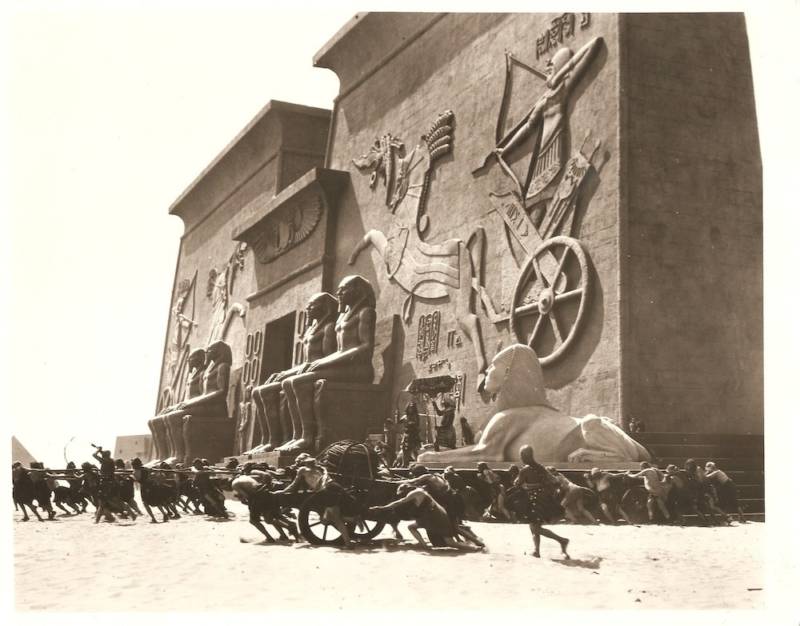
"caption": "Photo still from 'The Ten Commandments,' 1923. At the time it was the largest set ever built, for the most expensive movie ever made. ",
"description": "Photo still from The Ten Commandments, 1923. At the time it was the largest set ever built , for the most expensive movie ever made. Credit: The Dunes Center",
"title": "RS20044_ten-commandments-sphinx-qut",
"credit": "Courtesy of The Dunes Center",
"status": "inherit",
"isLoading": false,
"fetchFailed": false
},
"news_11178708": {
"type": "attachments",
"id": "news_11178708",
"meta": {
"index": "attachments_1716263798",
"site": "news",
"id": "11178708",
"found": true
},
"parent": 11178705,
"imgSizes": {
"small": {
"file": "https://ww2.kqed.org/app/uploads/sites/10/2016/11/ChildViewFinder-520x375.jpg",
"width": 520,
"mimeType": "image/jpeg",
"height": 375
},
"twentyfourteen-full-width": {
"file": "https://ww2.kqed.org/app/uploads/sites/10/2016/11/ChildViewFinder-1038x576.jpg",
"width": 1038,
"mimeType": "image/jpeg",
"height": 576
},
"thumbnail": {
"file": "https://ww2.kqed.org/app/uploads/sites/10/2016/11/ChildViewFinder-160x115.jpg",
"width": 160,
"mimeType": "image/jpeg",
"height": 115
},
"fd-sm": {
"file": "https://ww2.kqed.org/app/uploads/sites/10/2016/11/ChildViewFinder-960x692.jpg",
"width": 960,
"mimeType": "image/jpeg",
"height": 692
},
"post-thumbnail": {
"file": "https://ww2.kqed.org/app/uploads/sites/10/2016/11/ChildViewFinder-672x372.jpg",
"width": 672,
"mimeType": "image/jpeg",
"height": 372
},
"xsmall": {
"file": "https://ww2.kqed.org/app/uploads/sites/10/2016/11/ChildViewFinder-375x270.jpg",
"width": 375,
"mimeType": "image/jpeg",
"height": 270
},
"kqedFullSize": {
"file": "https://ww2.kqed.org/app/uploads/sites/10/2016/11/ChildViewFinder.jpg",
"width": 1920,
"height": 1384
},
"large": {
"file": "https://ww2.kqed.org/app/uploads/sites/10/2016/11/ChildViewFinder-1020x735.jpg",
"width": 1020,
"mimeType": "image/jpeg",
"height": 735
},
"xlarge": {
"file": "https://ww2.kqed.org/app/uploads/sites/10/2016/11/ChildViewFinder-1180x851.jpg",
"width": 1180,
"mimeType": "image/jpeg",
"height": 851
},
"guest-author-50": {
"file": "https://ww2.kqed.org/app/uploads/sites/10/2016/11/ChildViewFinder-50x50.jpg",
"width": 50,
"mimeType": "image/jpeg",
"height": 50
},
"guest-author-96": {
"file": "https://ww2.kqed.org/app/uploads/sites/10/2016/11/ChildViewFinder-96x96.jpg",
"width": 96,
"mimeType": "image/jpeg",
"height": 96
},
"medium": {
"file": "https://ww2.kqed.org/app/uploads/sites/10/2016/11/ChildViewFinder-800x577.jpg",
"width": 800,
"mimeType": "image/jpeg",
"height": 577
},
"guest-author-64": {
"file": "https://ww2.kqed.org/app/uploads/sites/10/2016/11/ChildViewFinder-64x64.jpg",
"width": 64,
"mimeType": "image/jpeg",
"height": 64
},
"guest-author-32": {
"file": "https://ww2.kqed.org/app/uploads/sites/10/2016/11/ChildViewFinder-32x32.jpg",
"width": 32,
"mimeType": "image/jpeg",
"height": 32
},
"jmtc-small-thumb": {
"file": "https://ww2.kqed.org/app/uploads/sites/10/2016/11/ChildViewFinder-280x150.jpg",
"width": 280,
"mimeType": "image/jpeg",
"height": 150
},
"fd-lrg": {
"file": "https://ww2.kqed.org/app/uploads/sites/10/2016/11/ChildViewFinder-1920x1384.jpg",
"width": 1920,
"mimeType": "image/jpeg",
"height": 1384
},
"fd-med": {
"file": "https://ww2.kqed.org/app/uploads/sites/10/2016/11/ChildViewFinder-1180x851.jpg",
"width": 1180,
"mimeType": "image/jpeg",
"height": 851
},
"full-width": {
"file": "https://ww2.kqed.org/app/uploads/sites/10/2016/11/ChildViewFinder-1920x1384.jpg",
"width": 1920,
"mimeType": "image/jpeg",
"height": 1384
},
"detail": {
"file": "https://ww2.kqed.org/app/uploads/sites/10/2016/11/ChildViewFinder-150x150.jpg",
"width": 150,
"mimeType": "image/jpeg",
"height": 150
},
"guest-author-128": {
"file": "https://ww2.kqed.org/app/uploads/sites/10/2016/11/ChildViewFinder-128x128.jpg",
"width": 128,
"mimeType": "image/jpeg",
"height": 128
},
"xxsmall": {
"file": "https://ww2.kqed.org/app/uploads/sites/10/2016/11/ChildViewFinder-240x173.jpg",
"width": 240,
"mimeType": "image/jpeg",
"height": 173
}
},
"publishDate": 1479416839,
"modified": 1479423539,
"caption": "A child looks through one of the VR viewfinders on the Santa Monica Pier.",
"description": "A child looks through one of the VR viewfinders on the Santa Monica pier.",
"title": "childviewfinder",
"credit": "USC SEA GRANT",
"status": "inherit",
"isLoading": false,
"fetchFailed": false
},
"news_11178536": {
"type": "attachments",
"id": "news_11178536",
"meta": {
"index": "attachments_1716263798",
"site": "news",
"id": "11178536",
"found": true
},
"parent": 11178535,
"imgSizes": {
"small": {
"file": "https://ww2.kqed.org/app/uploads/sites/10/2016/11/sorting_final_custom-3b57fcca5ba0155f15cd18ab0c758f2b101272be-520x339.jpg",
"width": 520,
"mimeType": "image/jpeg",
"height": 339
},
"twentyfourteen-full-width": {
"file": "https://ww2.kqed.org/app/uploads/sites/10/2016/11/sorting_final_custom-3b57fcca5ba0155f15cd18ab0c758f2b101272be-1038x576.jpg",
"width": 1038,
"mimeType": "image/jpeg",
"height": 576
},
"thumbnail": {
"file": "https://ww2.kqed.org/app/uploads/sites/10/2016/11/sorting_final_custom-3b57fcca5ba0155f15cd18ab0c758f2b101272be-160x104.jpg",
"width": 160,
"mimeType": "image/jpeg",
"height": 104
},
"fd-sm": {
"file": "https://ww2.kqed.org/app/uploads/sites/10/2016/11/sorting_final_custom-3b57fcca5ba0155f15cd18ab0c758f2b101272be-960x627.jpg",
"width": 960,
"mimeType": "image/jpeg",
"height": 627
},
"post-thumbnail": {
"file": "https://ww2.kqed.org/app/uploads/sites/10/2016/11/sorting_final_custom-3b57fcca5ba0155f15cd18ab0c758f2b101272be-672x372.jpg",
"width": 672,
"mimeType": "image/jpeg",
"height": 372
},
"xsmall": {
"file": "https://ww2.kqed.org/app/uploads/sites/10/2016/11/sorting_final_custom-3b57fcca5ba0155f15cd18ab0c758f2b101272be-375x245.jpg",
"width": 375,
"mimeType": "image/jpeg",
"height": 245
},
"kqedFullSize": {
"file": "https://ww2.kqed.org/app/uploads/sites/10/2016/11/sorting_final_custom-3b57fcca5ba0155f15cd18ab0c758f2b101272be.jpg",
"width": 2932,
"height": 1914
},
"large": {
"file": "https://ww2.kqed.org/app/uploads/sites/10/2016/11/sorting_final_custom-3b57fcca5ba0155f15cd18ab0c758f2b101272be-1020x666.jpg",
"width": 1020,
"mimeType": "image/jpeg",
"height": 666
},
"xlarge": {
"file": "https://ww2.kqed.org/app/uploads/sites/10/2016/11/sorting_final_custom-3b57fcca5ba0155f15cd18ab0c758f2b101272be-1180x770.jpg",
"width": 1180,
"mimeType": "image/jpeg",
"height": 770
},
"guest-author-50": {
"file": "https://ww2.kqed.org/app/uploads/sites/10/2016/11/sorting_final_custom-3b57fcca5ba0155f15cd18ab0c758f2b101272be-50x50.jpg",
"width": 50,
"mimeType": "image/jpeg",
"height": 50
},
"guest-author-96": {
"file": "https://ww2.kqed.org/app/uploads/sites/10/2016/11/sorting_final_custom-3b57fcca5ba0155f15cd18ab0c758f2b101272be-96x96.jpg",
"width": 96,
"mimeType": "image/jpeg",
"height": 96
},
"medium": {
"file": "https://ww2.kqed.org/app/uploads/sites/10/2016/11/sorting_final_custom-3b57fcca5ba0155f15cd18ab0c758f2b101272be-800x522.jpg",
"width": 800,
"mimeType": "image/jpeg",
"height": 522
},
"guest-author-64": {
"file": "https://ww2.kqed.org/app/uploads/sites/10/2016/11/sorting_final_custom-3b57fcca5ba0155f15cd18ab0c758f2b101272be-64x64.jpg",
"width": 64,
"mimeType": "image/jpeg",
"height": 64
},
"guest-author-32": {
"file": "https://ww2.kqed.org/app/uploads/sites/10/2016/11/sorting_final_custom-3b57fcca5ba0155f15cd18ab0c758f2b101272be-32x32.jpg",
"width": 32,
"mimeType": "image/jpeg",
"height": 32
},
"jmtc-small-thumb": {
"file": "https://ww2.kqed.org/app/uploads/sites/10/2016/11/sorting_final_custom-3b57fcca5ba0155f15cd18ab0c758f2b101272be-280x150.jpg",
"width": 280,
"mimeType": "image/jpeg",
"height": 150
},
"fd-lrg": {
"file": "https://ww2.kqed.org/app/uploads/sites/10/2016/11/sorting_final_custom-3b57fcca5ba0155f15cd18ab0c758f2b101272be-1920x1253.jpg",
"width": 1920,
"mimeType": "image/jpeg",
"height": 1253
},
"fd-med": {
"file": "https://ww2.kqed.org/app/uploads/sites/10/2016/11/sorting_final_custom-3b57fcca5ba0155f15cd18ab0c758f2b101272be-1180x770.jpg",
"width": 1180,
"mimeType": "image/jpeg",
"height": 770
},
"full-width": {
"file": "https://ww2.kqed.org/app/uploads/sites/10/2016/11/sorting_final_custom-3b57fcca5ba0155f15cd18ab0c758f2b101272be-1920x1253.jpg",
"width": 1920,
"mimeType": "image/jpeg",
"height": 1253
},
"detail": {
"file": "https://ww2.kqed.org/app/uploads/sites/10/2016/11/sorting_final_custom-3b57fcca5ba0155f15cd18ab0c758f2b101272be-150x150.jpg",
"width": 150,
"mimeType": "image/jpeg",
"height": 150
},
"guest-author-128": {
"file": "https://ww2.kqed.org/app/uploads/sites/10/2016/11/sorting_final_custom-3b57fcca5ba0155f15cd18ab0c758f2b101272be-128x128.jpg",
"width": 128,
"mimeType": "image/jpeg",
"height": 128
},
"xxsmall": {
"file": "https://ww2.kqed.org/app/uploads/sites/10/2016/11/sorting_final_custom-3b57fcca5ba0155f15cd18ab0c758f2b101272be-240x157.jpg",
"width": 240,
"mimeType": "image/jpeg",
"height": 157
}
},
"publishDate": 1479410325,
"modified": 1479410634,
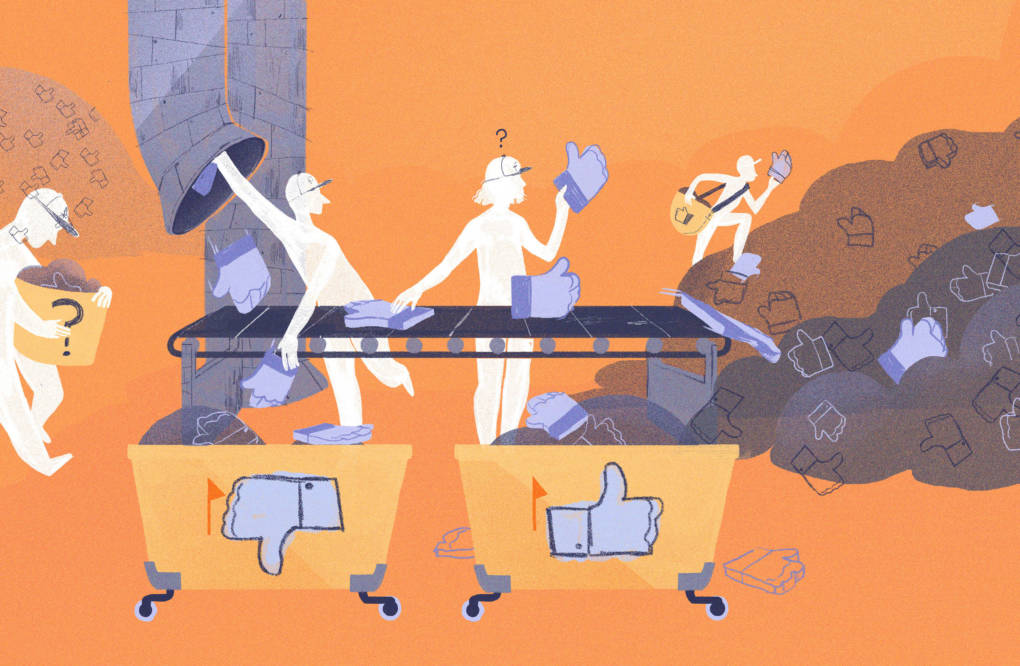
"caption": "How does Facebook decide when to take down controversial images and posts?",
"description": "How does Facebook decide when to take down controversial images and posts?",
"title": "How does Facebook decide when to take down controversial images and posts?",
"credit": "Chelsea Beck/NPR",
"status": "inherit",
"isLoading": false,
"fetchFailed": false
},
"news_11178093": {
"type": "attachments",
"id": "news_11178093",
"meta": {
"index": "attachments_1716263798",
"site": "news",
"id": "11178093",
"found": true
},
"parent": 10649552,
"imgSizes": {
"small": {
"file": "https://ww2.kqed.org/app/uploads/sites/10/2015/08/RS22080_161111_HellaYoga_bhs02-qut-520x347.jpg",
"width": 520,
"mimeType": "image/jpeg",
"height": 347
},
"twentyfourteen-full-width": {
"file": "https://ww2.kqed.org/app/uploads/sites/10/2015/08/RS22080_161111_HellaYoga_bhs02-qut-1038x576.jpg",
"width": 1038,
"mimeType": "image/jpeg",
"height": 576
},
"thumbnail": {
"file": "https://ww2.kqed.org/app/uploads/sites/10/2015/08/RS22080_161111_HellaYoga_bhs02-qut-160x107.jpg",
"width": 160,
"mimeType": "image/jpeg",
"height": 107
},
"fd-sm": {
"file": "https://ww2.kqed.org/app/uploads/sites/10/2015/08/RS22080_161111_HellaYoga_bhs02-qut-960x640.jpg",
"width": 960,
"mimeType": "image/jpeg",
"height": 640
},
"post-thumbnail": {
"file": "https://ww2.kqed.org/app/uploads/sites/10/2015/08/RS22080_161111_HellaYoga_bhs02-qut-672x372.jpg",
"width": 672,
"mimeType": "image/jpeg",
"height": 372
},
"xsmall": {
"file": "https://ww2.kqed.org/app/uploads/sites/10/2015/08/RS22080_161111_HellaYoga_bhs02-qut-375x250.jpg",
"width": 375,
"mimeType": "image/jpeg",
"height": 250
},
"kqedFullSize": {
"file": "https://ww2.kqed.org/app/uploads/sites/10/2015/08/RS22080_161111_HellaYoga_bhs02-qut.jpg",
"width": 1920,
"height": 1280
},
"large": {
"file": "https://ww2.kqed.org/app/uploads/sites/10/2015/08/RS22080_161111_HellaYoga_bhs02-qut-1020x680.jpg",
"width": 1020,
"mimeType": "image/jpeg",
"height": 680
},
"xlarge": {
"file": "https://ww2.kqed.org/app/uploads/sites/10/2015/08/RS22080_161111_HellaYoga_bhs02-qut-1180x787.jpg",
"width": 1180,
"mimeType": "image/jpeg",
"height": 787
},
"guest-author-50": {
"file": "https://ww2.kqed.org/app/uploads/sites/10/2015/08/RS22080_161111_HellaYoga_bhs02-qut-50x50.jpg",
"width": 50,
"mimeType": "image/jpeg",
"height": 50
},
"guest-author-96": {
"file": "https://ww2.kqed.org/app/uploads/sites/10/2015/08/RS22080_161111_HellaYoga_bhs02-qut-96x96.jpg",
"width": 96,
"mimeType": "image/jpeg",
"height": 96
},
"medium": {
"file": "https://ww2.kqed.org/app/uploads/sites/10/2015/08/RS22080_161111_HellaYoga_bhs02-qut-800x533.jpg",
"width": 800,
"mimeType": "image/jpeg",
"height": 533
},
"guest-author-64": {
"file": "https://ww2.kqed.org/app/uploads/sites/10/2015/08/RS22080_161111_HellaYoga_bhs02-qut-64x64.jpg",
"width": 64,
"mimeType": "image/jpeg",
"height": 64
},
"guest-author-32": {
"file": "https://ww2.kqed.org/app/uploads/sites/10/2015/08/RS22080_161111_HellaYoga_bhs02-qut-32x32.jpg",
"width": 32,
"mimeType": "image/jpeg",
"height": 32
},
"jmtc-small-thumb": {
"file": "https://ww2.kqed.org/app/uploads/sites/10/2015/08/RS22080_161111_HellaYoga_bhs02-qut-280x150.jpg",
"width": 280,
"mimeType": "image/jpeg",
"height": 150
},
"fd-lrg": {
"file": "https://ww2.kqed.org/app/uploads/sites/10/2015/08/RS22080_161111_HellaYoga_bhs02-qut-1920x1280.jpg",
"width": 1920,
"mimeType": "image/jpeg",
"height": 1280
},
"fd-med": {
"file": "https://ww2.kqed.org/app/uploads/sites/10/2015/08/RS22080_161111_HellaYoga_bhs02-qut-1180x787.jpg",
"width": 1180,
"mimeType": "image/jpeg",
"height": 787
},
"full-width": {
"file": "https://ww2.kqed.org/app/uploads/sites/10/2015/08/RS22080_161111_HellaYoga_bhs02-qut-1920x1280.jpg",
"width": 1920,
"mimeType": "image/jpeg",
"height": 1280
},
"detail": {
"file": "https://ww2.kqed.org/app/uploads/sites/10/2015/08/RS22080_161111_HellaYoga_bhs02-qut-150x150.jpg",
"width": 150,
"mimeType": "image/jpeg",
"height": 150
},
"guest-author-128": {
"file": "https://ww2.kqed.org/app/uploads/sites/10/2015/08/RS22080_161111_HellaYoga_bhs02-qut-128x128.jpg",
"width": 128,
"mimeType": "image/jpeg",
"height": 128
},
"xxsmall": {
"file": "https://ww2.kqed.org/app/uploads/sites/10/2015/08/RS22080_161111_HellaYoga_bhs02-qut-240x160.jpg",
"width": 240,
"mimeType": "image/jpeg",
"height": 160
}
},
"publishDate": 1479385884,
"modified": 1479385945,
"caption": "Hella Yoga is a yoga and Pilates studio located in Berkeley, California.",
"description": "Hella Yoga is a yoga and Pilates studio located in Berkeley, California.",
"title": "rs22080_161111_hellayoga_bhs02-qut",
"credit": "Brittany Hosea-Small/KQED",
"status": "inherit",
"isLoading": false,
"fetchFailed": false
},
"news_11159629": {
"type": "attachments",
"id": "news_11159629",
"meta": {
"index": "attachments_1716263798",
"site": "news",
"id": "11159629",
"found": true
},
"parent": 11159552,
"imgSizes": {
"small": {
"file": "https://ww2.kqed.org/app/uploads/sites/10/2016/11/RS21773_BERGEN-2-qut-520x390.jpg",
"width": 520,
"mimeType": "image/jpeg",
"height": 390
},
"twentyfourteen-full-width": {
"file": "https://ww2.kqed.org/app/uploads/sites/10/2016/11/RS21773_BERGEN-2-qut-1038x576.jpg",
"width": 1038,
"mimeType": "image/jpeg",
"height": 576
},
"thumbnail": {
"file": "https://ww2.kqed.org/app/uploads/sites/10/2016/11/RS21773_BERGEN-2-qut-160x120.jpg",
"width": 160,
"mimeType": "image/jpeg",
"height": 120
},
"fd-sm": {
"file": "https://ww2.kqed.org/app/uploads/sites/10/2016/11/RS21773_BERGEN-2-qut-960x720.jpg",
"width": 960,
"mimeType": "image/jpeg",
"height": 720
},
"post-thumbnail": {
"file": "https://ww2.kqed.org/app/uploads/sites/10/2016/11/RS21773_BERGEN-2-qut-672x372.jpg",
"width": 672,
"mimeType": "image/jpeg",
"height": 372
},
"xsmall": {
"file": "https://ww2.kqed.org/app/uploads/sites/10/2016/11/RS21773_BERGEN-2-qut-375x281.jpg",
"width": 375,
"mimeType": "image/jpeg",
"height": 281
},
"kqedFullSize": {
"file": "https://ww2.kqed.org/app/uploads/sites/10/2016/11/RS21773_BERGEN-2-qut.jpg",
"width": 1920,
"height": 1440
},
"large": {
"file": "https://ww2.kqed.org/app/uploads/sites/10/2016/11/RS21773_BERGEN-2-qut-1020x765.jpg",
"width": 1020,
"mimeType": "image/jpeg",
"height": 765
},
"xlarge": {
"file": "https://ww2.kqed.org/app/uploads/sites/10/2016/11/RS21773_BERGEN-2-qut-1180x885.jpg",
"width": 1180,
"mimeType": "image/jpeg",
"height": 885
},
"guest-author-50": {
"file": "https://ww2.kqed.org/app/uploads/sites/10/2016/11/RS21773_BERGEN-2-qut-50x50.jpg",
"width": 50,
"mimeType": "image/jpeg",
"height": 50
},
"guest-author-96": {
"file": "https://ww2.kqed.org/app/uploads/sites/10/2016/11/RS21773_BERGEN-2-qut-96x96.jpg",
"width": 96,
"mimeType": "image/jpeg",
"height": 96
},
"medium": {
"file": "https://ww2.kqed.org/app/uploads/sites/10/2016/11/RS21773_BERGEN-2-qut-800x600.jpg",
"width": 800,
"mimeType": "image/jpeg",
"height": 600
},
"guest-author-64": {
"file": "https://ww2.kqed.org/app/uploads/sites/10/2016/11/RS21773_BERGEN-2-qut-64x64.jpg",
"width": 64,
"mimeType": "image/jpeg",
"height": 64
},
"guest-author-32": {
"file": "https://ww2.kqed.org/app/uploads/sites/10/2016/11/RS21773_BERGEN-2-qut-32x32.jpg",
"width": 32,
"mimeType": "image/jpeg",
"height": 32
},
"jmtc-small-thumb": {
"file": "https://ww2.kqed.org/app/uploads/sites/10/2016/11/RS21773_BERGEN-2-qut-280x150.jpg",
"width": 280,
"mimeType": "image/jpeg",
"height": 150
},
"fd-lrg": {
"file": "https://ww2.kqed.org/app/uploads/sites/10/2016/11/RS21773_BERGEN-2-qut-1920x1440.jpg",
"width": 1920,
"mimeType": "image/jpeg",
"height": 1440
},
"fd-med": {
"file": "https://ww2.kqed.org/app/uploads/sites/10/2016/11/RS21773_BERGEN-2-qut-1180x885.jpg",
"width": 1180,
"mimeType": "image/jpeg",
"height": 885
},
"full-width": {
"file": "https://ww2.kqed.org/app/uploads/sites/10/2016/11/RS21773_BERGEN-2-qut-1920x1440.jpg",
"width": 1920,
"mimeType": "image/jpeg",
"height": 1440
},
"detail": {
"file": "https://ww2.kqed.org/app/uploads/sites/10/2016/11/RS21773_BERGEN-2-qut-150x150.jpg",
"width": 150,
"mimeType": "image/jpeg",
"height": 150
},
"guest-author-128": {
"file": "https://ww2.kqed.org/app/uploads/sites/10/2016/11/RS21773_BERGEN-2-qut-128x128.jpg",
"width": 128,
"mimeType": "image/jpeg",
"height": 128
},
"xxsmall": {
"file": "https://ww2.kqed.org/app/uploads/sites/10/2016/11/RS21773_BERGEN-2-qut-240x180.jpg",
"width": 240,
"mimeType": "image/jpeg",
"height": 180
}
},
"publishDate": 1478295459,
"modified": 1478304256,
"caption": "UC San Diego Ppofessor Benjamin Bergen proudly displays his new book, \"What the F: What Swearing Reveals About Our Language, Our Brains and Ourselves.\"",
"description": null,
"title": "rs21773_bergen-2-qut",
"credit": "Peter Gilstrap/KQED",
"status": "inherit",
"isLoading": false,
"fetchFailed": false
},
"news_11175481": {
"type": "attachments",
"id": "news_11175481",
"meta": {
"index": "attachments_1716263798",
"site": "news",
"id": "11175481",
"found": true
},
"parent": 11175477,
"imgSizes": {
"small": {
"file": "https://ww2.kqed.org/app/uploads/sites/10/2016/11/Tinder-520x346.jpg",
"width": 520,
"mimeType": "image/jpeg",
"height": 346
},
"twentyfourteen-full-width": {
"file": "https://ww2.kqed.org/app/uploads/sites/10/2016/11/Tinder-1038x576.jpg",
"width": 1038,
"mimeType": "image/jpeg",
"height": 576
},
"thumbnail": {
"file": "https://ww2.kqed.org/app/uploads/sites/10/2016/11/Tinder-160x107.jpg",
"width": 160,
"mimeType": "image/jpeg",
"height": 107
},
"fd-sm": {
"file": "https://ww2.kqed.org/app/uploads/sites/10/2016/11/Tinder-960x639.jpg",
"width": 960,
"mimeType": "image/jpeg",
"height": 639
},
"post-thumbnail": {
"file": "https://ww2.kqed.org/app/uploads/sites/10/2016/11/Tinder-672x372.jpg",
"width": 672,
"mimeType": "image/jpeg",
"height": 372
},
"xsmall": {
"file": "https://ww2.kqed.org/app/uploads/sites/10/2016/11/Tinder-375x250.jpg",
"width": 375,
"mimeType": "image/jpeg",
"height": 250
},
"kqedFullSize": {
"file": "https://ww2.kqed.org/app/uploads/sites/10/2016/11/Tinder.jpg",
"width": 1920,
"height": 1278
},
"large": {
"file": "https://ww2.kqed.org/app/uploads/sites/10/2016/11/Tinder-1020x679.jpg",
"width": 1020,
"mimeType": "image/jpeg",
"height": 679
},
"xlarge": {
"file": "https://ww2.kqed.org/app/uploads/sites/10/2016/11/Tinder-1180x785.jpg",
"width": 1180,
"mimeType": "image/jpeg",
"height": 785
},
"guest-author-50": {
"file": "https://ww2.kqed.org/app/uploads/sites/10/2016/11/Tinder-50x50.jpg",
"width": 50,
"mimeType": "image/jpeg",
"height": 50
},
"guest-author-96": {
"file": "https://ww2.kqed.org/app/uploads/sites/10/2016/11/Tinder-96x96.jpg",
"width": 96,
"mimeType": "image/jpeg",
"height": 96
},
"medium": {
"file": "https://ww2.kqed.org/app/uploads/sites/10/2016/11/Tinder-800x533.jpg",
"width": 800,
"mimeType": "image/jpeg",
"height": 533
},
"guest-author-64": {
"file": "https://ww2.kqed.org/app/uploads/sites/10/2016/11/Tinder-64x64.jpg",
"width": 64,
"mimeType": "image/jpeg",
"height": 64
},
"guest-author-32": {
"file": "https://ww2.kqed.org/app/uploads/sites/10/2016/11/Tinder-32x32.jpg",
"width": 32,
"mimeType": "image/jpeg",
"height": 32
},
"jmtc-small-thumb": {
"file": "https://ww2.kqed.org/app/uploads/sites/10/2016/11/Tinder-280x150.jpg",
"width": 280,
"mimeType": "image/jpeg",
"height": 150
},
"fd-lrg": {
"file": "https://ww2.kqed.org/app/uploads/sites/10/2016/11/Tinder-1920x1278.jpg",
"width": 1920,
"mimeType": "image/jpeg",
"height": 1278
},
"fd-med": {
"file": "https://ww2.kqed.org/app/uploads/sites/10/2016/11/Tinder-1180x785.jpg",
"width": 1180,
"mimeType": "image/jpeg",
"height": 785
},
"full-width": {
"file": "https://ww2.kqed.org/app/uploads/sites/10/2016/11/Tinder-1920x1278.jpg",
"width": 1920,
"mimeType": "image/jpeg",
"height": 1278
},
"detail": {
"file": "https://ww2.kqed.org/app/uploads/sites/10/2016/11/Tinder-150x150.jpg",
"width": 150,
"mimeType": "image/jpeg",
"height": 150
},
"guest-author-128": {
"file": "https://ww2.kqed.org/app/uploads/sites/10/2016/11/Tinder-128x128.jpg",
"width": 128,
"mimeType": "image/jpeg",
"height": 128
},
"xxsmall": {
"file": "https://ww2.kqed.org/app/uploads/sites/10/2016/11/Tinder-240x160.jpg",
"width": 240,
"mimeType": "image/jpeg",
"height": 160
}
},
"publishDate": 1479238983,
"modified": 1479249977,
"caption": null,
"description": null,
"title": "tinder",
"credit": "Lionel Bonaventure/AFP/Getty Images",
"status": "inherit",
"isLoading": false,
"fetchFailed": false
},
"news_11164953": {
"type": "attachments",
"id": "news_11164953",
"meta": {
"index": "attachments_1716263798",
"site": "news",
"id": "11164953",
"found": true
},
"parent": 11164949,
"imgSizes": {
"small": {
"file": "https://ww2.kqed.org/app/uploads/sites/10/2016/11/tribdeweydefeatstruman-520x390.jpg",
"width": 520,
"mimeType": "image/jpeg",
"height": 390
},
"twentyfourteen-full-width": {
"file": "https://ww2.kqed.org/app/uploads/sites/10/2016/11/tribdeweydefeatstruman-1038x576.jpg",
"width": 1038,
"mimeType": "image/jpeg",
"height": 576
},
"thumbnail": {
"file": "https://ww2.kqed.org/app/uploads/sites/10/2016/11/tribdeweydefeatstruman-160x120.jpg",
"width": 160,
"mimeType": "image/jpeg",
"height": 120
},
"fd-sm": {
"file": "https://ww2.kqed.org/app/uploads/sites/10/2016/11/tribdeweydefeatstruman-960x720.jpg",
"width": 960,
"mimeType": "image/jpeg",
"height": 720
},
"post-thumbnail": {
"file": "https://ww2.kqed.org/app/uploads/sites/10/2016/11/tribdeweydefeatstruman-672x372.jpg",
"width": 672,
"mimeType": "image/jpeg",
"height": 372
},
"xsmall": {
"file": "https://ww2.kqed.org/app/uploads/sites/10/2016/11/tribdeweydefeatstruman-375x281.jpg",
"width": 375,
"mimeType": "image/jpeg",
"height": 281
},
"kqedFullSize": {
"file": "https://ww2.kqed.org/app/uploads/sites/10/2016/11/tribdeweydefeatstruman.jpg",
"width": 1280,
"height": 960
},
"large": {
"file": "https://ww2.kqed.org/app/uploads/sites/10/2016/11/tribdeweydefeatstruman-1020x765.jpg",
"width": 1020,
"mimeType": "image/jpeg",
"height": 765
},
"xlarge": {
"file": "https://ww2.kqed.org/app/uploads/sites/10/2016/11/tribdeweydefeatstruman-1180x885.jpg",
"width": 1180,
"mimeType": "image/jpeg",
"height": 885
},
"guest-author-50": {
"file": "https://ww2.kqed.org/app/uploads/sites/10/2016/11/tribdeweydefeatstruman-50x50.jpg",
"width": 50,
"mimeType": "image/jpeg",
"height": 50
},
"guest-author-96": {
"file": "https://ww2.kqed.org/app/uploads/sites/10/2016/11/tribdeweydefeatstruman-96x96.jpg",
"width": 96,
"mimeType": "image/jpeg",
"height": 96
},
"medium": {
"file": "https://ww2.kqed.org/app/uploads/sites/10/2016/11/tribdeweydefeatstruman-800x600.jpg",
"width": 800,
"mimeType": "image/jpeg",
"height": 600
},
"guest-author-64": {
"file": "https://ww2.kqed.org/app/uploads/sites/10/2016/11/tribdeweydefeatstruman-64x64.jpg",
"width": 64,
"mimeType": "image/jpeg",
"height": 64
},
"guest-author-32": {
"file": "https://ww2.kqed.org/app/uploads/sites/10/2016/11/tribdeweydefeatstruman-32x32.jpg",
"width": 32,
"mimeType": "image/jpeg",
"height": 32
},
"jmtc-small-thumb": {
"file": "https://ww2.kqed.org/app/uploads/sites/10/2016/11/tribdeweydefeatstruman-280x150.jpg",
"width": 280,
"mimeType": "image/jpeg",
"height": 150
},
"fd-med": {
"file": "https://ww2.kqed.org/app/uploads/sites/10/2016/11/tribdeweydefeatstruman-1180x885.jpg",
"width": 1180,
"mimeType": "image/jpeg",
"height": 885
},
"detail": {
"file": "https://ww2.kqed.org/app/uploads/sites/10/2016/11/tribdeweydefeatstruman-150x150.jpg",
"width": 150,
"mimeType": "image/jpeg",
"height": 150
},
"guest-author-128": {
"file": "https://ww2.kqed.org/app/uploads/sites/10/2016/11/tribdeweydefeatstruman-128x128.jpg",
"width": 128,
"mimeType": "image/jpeg",
"height": 128
},
"xxsmall": {
"file": "https://ww2.kqed.org/app/uploads/sites/10/2016/11/tribdeweydefeatstruman-240x180.jpg",
"width": 240,
"mimeType": "image/jpeg",
"height": 180
}
},
"publishDate": 1478625822,
"modified": 1478625963,
"caption": "An early edition of the Chicago Tribune for Wednesday, Nov. 3, 1948, carrying the legendary (and incorrect) headline 'Dewey Defeats Truman.'",
"description": null,
"title": "Chicago Tribune-Dewey Defeats Truman",
"credit": "Dan Brekke/KQED",
"status": "inherit",
"isLoading": false,
"fetchFailed": false
},
"news_10981587": {
"type": "attachments",
"id": "news_10981587",
"meta": {
"index": "attachments_1716263798",
"site": "news",
"id": "10981587",
"found": true
},
"parent": 10981586,
"imgSizes": {
"twentyfourteen-full-width": {
"file": "https://ww2.kqed.org/app/uploads/sites/10/2016/06/KQED-Shipyard-JP_final-1-1038x576.jpg",
"width": 1038,
"mimeType": "image/jpeg",
"height": 576
},
"thumbnail": {
"file": "https://ww2.kqed.org/app/uploads/sites/10/2016/06/KQED-Shipyard-JP_final-1-400x228.jpg",
"width": 400,
"mimeType": "image/jpeg",
"height": 228
},
"fd-sm": {
"file": "https://ww2.kqed.org/app/uploads/sites/10/2016/06/KQED-Shipyard-JP_final-1-960x547.jpg",
"width": 960,
"mimeType": "image/jpeg",
"height": 547
},
"post-thumbnail": {
"file": "https://ww2.kqed.org/app/uploads/sites/10/2016/06/KQED-Shipyard-JP_final-1-672x372.jpg",
"width": 672,
"mimeType": "image/jpeg",
"height": 372
},
"kqedFullSize": {
"file": "https://ww2.kqed.org/app/uploads/sites/10/2016/06/KQED-Shipyard-JP_final-1-e1476491755856.jpg",
"width": 3000,
"height": 1709
},
"large": {
"file": "https://ww2.kqed.org/app/uploads/sites/10/2016/06/KQED-Shipyard-JP_final-1-1920x1094.jpg",
"width": 1920,
"mimeType": "image/jpeg",
"height": 1094
},
"guest-author-50": {
"file": "https://ww2.kqed.org/app/uploads/sites/10/2016/06/KQED-Shipyard-JP_final-1-50x50.jpg",
"width": 50,
"mimeType": "image/jpeg",
"height": 50
},
"guest-author-96": {
"file": "https://ww2.kqed.org/app/uploads/sites/10/2016/06/KQED-Shipyard-JP_final-1-96x96.jpg",
"width": 96,
"mimeType": "image/jpeg",
"height": 96
},
"medium": {
"file": "https://ww2.kqed.org/app/uploads/sites/10/2016/06/KQED-Shipyard-JP_final-1-800x456.jpg",
"width": 800,
"mimeType": "image/jpeg",
"height": 456
},
"guest-author-64": {
"file": "https://ww2.kqed.org/app/uploads/sites/10/2016/06/KQED-Shipyard-JP_final-1-64x64.jpg",
"width": 64,
"mimeType": "image/jpeg",
"height": 64
},
"guest-author-32": {
"file": "https://ww2.kqed.org/app/uploads/sites/10/2016/06/KQED-Shipyard-JP_final-1-32x32.jpg",
"width": 32,
"mimeType": "image/jpeg",
"height": 32
},
"jmtc-small-thumb": {
"file": "https://ww2.kqed.org/app/uploads/sites/10/2016/06/KQED-Shipyard-JP_final-1-280x150.jpg",
"width": 280,
"mimeType": "image/jpeg",
"height": 150
},
"fd-lrg": {
"file": "https://ww2.kqed.org/app/uploads/sites/10/2016/06/KQED-Shipyard-JP_final-1-1920x1094.jpg",
"width": 1920,
"mimeType": "image/jpeg",
"height": 1094
},
"fd-med": {
"file": "https://ww2.kqed.org/app/uploads/sites/10/2016/06/KQED-Shipyard-JP_final-1-1180x672.jpg",
"width": 1180,
"mimeType": "image/jpeg",
"height": 672
},
"detail": {
"file": "https://ww2.kqed.org/app/uploads/sites/10/2016/06/KQED-Shipyard-JP_final-1-150x150.jpg",
"width": 150,
"mimeType": "image/jpeg",
"height": 150
},
"guest-author-128": {
"file": "https://ww2.kqed.org/app/uploads/sites/10/2016/06/KQED-Shipyard-JP_final-1-128x128.jpg",
"width": 128,
"mimeType": "image/jpeg",
"height": 128
}
},
"publishDate": 1465337364,
"modified": 1465337509,
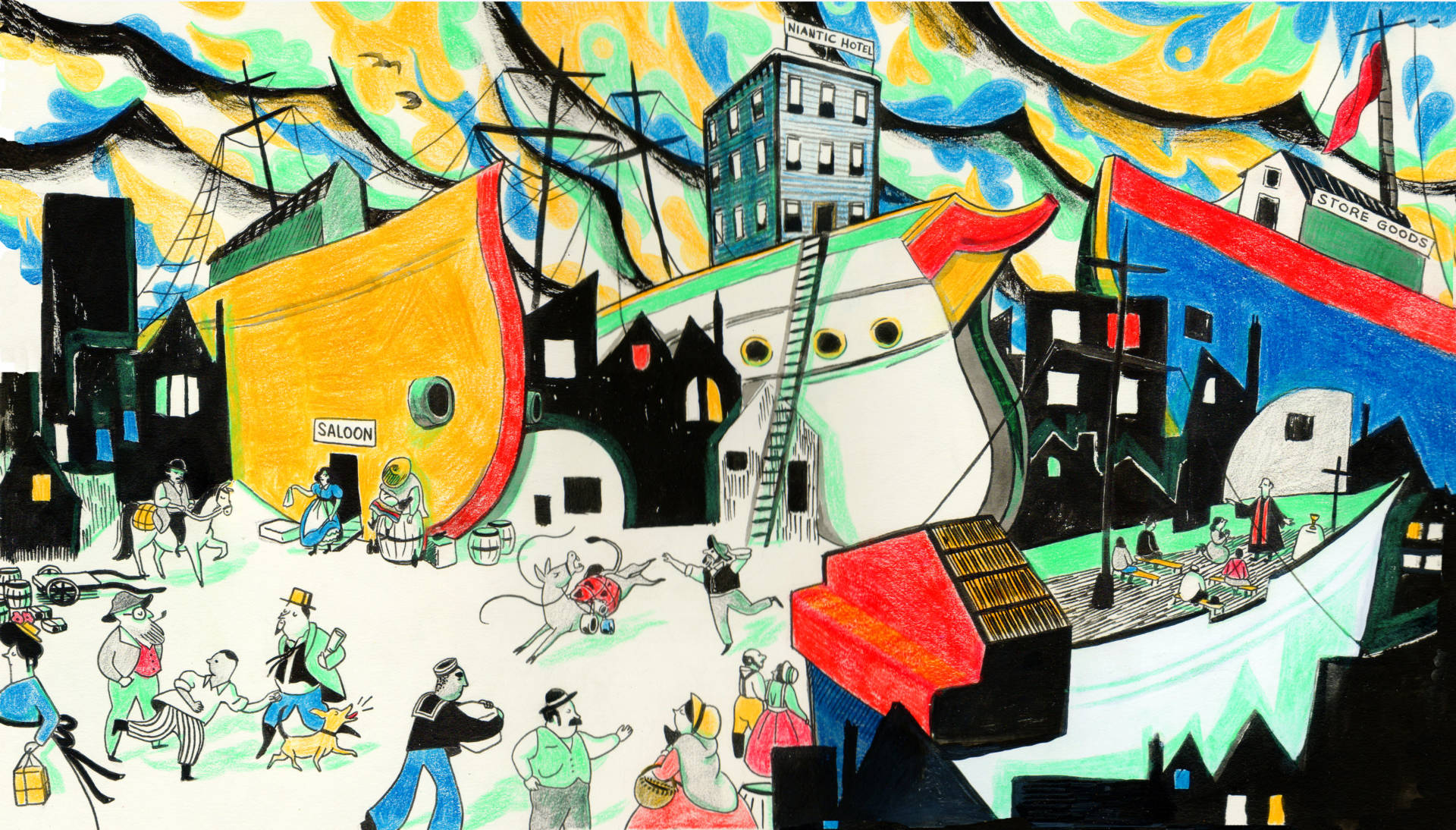
"caption": "During the Gold Rush ships were used as storehouses, hotels, churches and bars. (Madeline Gobbo)",
"description": null,
"title": "KQED Shipyard JP_final (1)",
"credit": null,
"status": "inherit",
"isLoading": false,
"fetchFailed": false
},
"news_11157986": {
"type": "attachments",
"id": "news_11157986",
"meta": {
"index": "attachments_1716263798",
"site": "news",
"id": "11157986",
"found": true
},
"parent": 11157985,
"imgSizes": {
"small": {
"file": "https://ww2.kqed.org/app/uploads/sites/10/2016/11/img_5381-2-_wide-660510010bc6c14091a613c61d9bb3478133091a-520x292.jpg",
"width": 520,
"mimeType": "image/jpeg",
"height": 292
},
"twentyfourteen-full-width": {
"file": "https://ww2.kqed.org/app/uploads/sites/10/2016/11/img_5381-2-_wide-660510010bc6c14091a613c61d9bb3478133091a-1038x576.jpg",
"width": 1038,
"mimeType": "image/jpeg",
"height": 576
},
"thumbnail": {
"file": "https://ww2.kqed.org/app/uploads/sites/10/2016/11/img_5381-2-_wide-660510010bc6c14091a613c61d9bb3478133091a-160x90.jpg",
"width": 160,
"mimeType": "image/jpeg",
"height": 90
},
"fd-sm": {
"file": "https://ww2.kqed.org/app/uploads/sites/10/2016/11/img_5381-2-_wide-660510010bc6c14091a613c61d9bb3478133091a-960x540.jpg",
"width": 960,
"mimeType": "image/jpeg",
"height": 540
},
"post-thumbnail": {
"file": "https://ww2.kqed.org/app/uploads/sites/10/2016/11/img_5381-2-_wide-660510010bc6c14091a613c61d9bb3478133091a-672x372.jpg",
"width": 672,
"mimeType": "image/jpeg",
"height": 372
},
"xsmall": {
"file": "https://ww2.kqed.org/app/uploads/sites/10/2016/11/img_5381-2-_wide-660510010bc6c14091a613c61d9bb3478133091a-375x211.jpg",
"width": 375,
"mimeType": "image/jpeg",
"height": 211
},
"kqedFullSize": {
"file": "https://ww2.kqed.org/app/uploads/sites/10/2016/11/img_5381-2-_wide-660510010bc6c14091a613c61d9bb3478133091a.jpg",
"width": 1626,
"height": 914
},
"large": {
"file": "https://ww2.kqed.org/app/uploads/sites/10/2016/11/img_5381-2-_wide-660510010bc6c14091a613c61d9bb3478133091a-1020x573.jpg",
"width": 1020,
"mimeType": "image/jpeg",
"height": 573
},
"xlarge": {
"file": "https://ww2.kqed.org/app/uploads/sites/10/2016/11/img_5381-2-_wide-660510010bc6c14091a613c61d9bb3478133091a-1180x663.jpg",
"width": 1180,
"mimeType": "image/jpeg",
"height": 663
},
"guest-author-50": {
"file": "https://ww2.kqed.org/app/uploads/sites/10/2016/11/img_5381-2-_wide-660510010bc6c14091a613c61d9bb3478133091a-50x50.jpg",
"width": 50,
"mimeType": "image/jpeg",
"height": 50
},
"guest-author-96": {
"file": "https://ww2.kqed.org/app/uploads/sites/10/2016/11/img_5381-2-_wide-660510010bc6c14091a613c61d9bb3478133091a-96x96.jpg",
"width": 96,
"mimeType": "image/jpeg",
"height": 96
},
"medium": {
"file": "https://ww2.kqed.org/app/uploads/sites/10/2016/11/img_5381-2-_wide-660510010bc6c14091a613c61d9bb3478133091a-800x450.jpg",
"width": 800,
"mimeType": "image/jpeg",
"height": 450
},
"guest-author-64": {
"file": "https://ww2.kqed.org/app/uploads/sites/10/2016/11/img_5381-2-_wide-660510010bc6c14091a613c61d9bb3478133091a-64x64.jpg",
"width": 64,
"mimeType": "image/jpeg",
"height": 64
},
"guest-author-32": {
"file": "https://ww2.kqed.org/app/uploads/sites/10/2016/11/img_5381-2-_wide-660510010bc6c14091a613c61d9bb3478133091a-32x32.jpg",
"width": 32,
"mimeType": "image/jpeg",
"height": 32
},
"jmtc-small-thumb": {
"file": "https://ww2.kqed.org/app/uploads/sites/10/2016/11/img_5381-2-_wide-660510010bc6c14091a613c61d9bb3478133091a-280x150.jpg",
"width": 280,
"mimeType": "image/jpeg",
"height": 150
},
"fd-med": {
"file": "https://ww2.kqed.org/app/uploads/sites/10/2016/11/img_5381-2-_wide-660510010bc6c14091a613c61d9bb3478133091a-1180x663.jpg",
"width": 1180,
"mimeType": "image/jpeg",
"height": 663
},
"detail": {
"file": "https://ww2.kqed.org/app/uploads/sites/10/2016/11/img_5381-2-_wide-660510010bc6c14091a613c61d9bb3478133091a-150x150.jpg",
"width": 150,
"mimeType": "image/jpeg",
"height": 150
},
"guest-author-128": {
"file": "https://ww2.kqed.org/app/uploads/sites/10/2016/11/img_5381-2-_wide-660510010bc6c14091a613c61d9bb3478133091a-128x128.jpg",
"width": 128,
"mimeType": "image/jpeg",
"height": 128
},
"xxsmall": {
"file": "https://ww2.kqed.org/app/uploads/sites/10/2016/11/img_5381-2-_wide-660510010bc6c14091a613c61d9bb3478133091a-240x135.jpg",
"width": 240,
"mimeType": "image/jpeg",
"height": 135
}
},
"publishDate": 1478197421,
"modified": 1478297602,
"caption": "The City and County of San Francisco's voter information pamphlet explains its 25 local measures and the official state of California voter information guide explains its 17 state ballot measures.",
"description": "The City and County of San Francisco's voter information pamphlet explains its 25 local measures and the official state of California voter information guide explains its 17 state ballot measures.",
"title": "The City and County of San Francisco's voter information pamphlet explains its 25 local measures and the official state of California voter information guide explains its 17 state ballot measures.",
"credit": "Ben Adler/Capital Public Radio",
"status": "inherit",
"isLoading": false,
"fetchFailed": false
},
"news_11156525": {
"type": "attachments",
"id": "news_11156525",
"meta": {
"index": "attachments_1716263798",
"site": "news",
"id": "11156525",
"found": true
},
"parent": 11155304,
"imgSizes": {
"small": {
"file": "https://ww2.kqed.org/app/uploads/sites/10/2016/11/GladisAlejandre-520x363.jpg",
"width": 520,
"mimeType": "image/jpeg",
"height": 363
},
"twentyfourteen-full-width": {
"file": "https://ww2.kqed.org/app/uploads/sites/10/2016/11/GladisAlejandre-1038x576.jpg",
"width": 1038,
"mimeType": "image/jpeg",
"height": 576
},
"thumbnail": {
"file": "https://ww2.kqed.org/app/uploads/sites/10/2016/11/GladisAlejandre-160x112.jpg",
"width": 160,
"mimeType": "image/jpeg",
"height": 112
},
"fd-sm": {
"file": "https://ww2.kqed.org/app/uploads/sites/10/2016/11/GladisAlejandre-960x671.jpg",
"width": 960,
"mimeType": "image/jpeg",
"height": 671
},
"post-thumbnail": {
"file": "https://ww2.kqed.org/app/uploads/sites/10/2016/11/GladisAlejandre-672x372.jpg",
"width": 672,
"mimeType": "image/jpeg",
"height": 372
},
"xsmall": {
"file": "https://ww2.kqed.org/app/uploads/sites/10/2016/11/GladisAlejandre-375x262.jpg",
"width": 375,
"mimeType": "image/jpeg",
"height": 262
},
"kqedFullSize": {
"file": "https://ww2.kqed.org/app/uploads/sites/10/2016/11/GladisAlejandre.jpg",
"width": 1920,
"height": 1341
},
"large": {
"file": "https://ww2.kqed.org/app/uploads/sites/10/2016/11/GladisAlejandre-1020x712.jpg",
"width": 1020,
"mimeType": "image/jpeg",
"height": 712
},
"xlarge": {
"file": "https://ww2.kqed.org/app/uploads/sites/10/2016/11/GladisAlejandre-1180x824.jpg",
"width": 1180,
"mimeType": "image/jpeg",
"height": 824
},
"guest-author-50": {
"file": "https://ww2.kqed.org/app/uploads/sites/10/2016/11/GladisAlejandre-50x50.jpg",
"width": 50,
"mimeType": "image/jpeg",
"height": 50
},
"guest-author-96": {
"file": "https://ww2.kqed.org/app/uploads/sites/10/2016/11/GladisAlejandre-96x96.jpg",
"width": 96,
"mimeType": "image/jpeg",
"height": 96
},
"medium": {
"file": "https://ww2.kqed.org/app/uploads/sites/10/2016/11/GladisAlejandre-800x559.jpg",
"width": 800,
"mimeType": "image/jpeg",
"height": 559
},
"guest-author-64": {
"file": "https://ww2.kqed.org/app/uploads/sites/10/2016/11/GladisAlejandre-64x64.jpg",
"width": 64,
"mimeType": "image/jpeg",
"height": 64
},
"guest-author-32": {
"file": "https://ww2.kqed.org/app/uploads/sites/10/2016/11/GladisAlejandre-32x32.jpg",
"width": 32,
"mimeType": "image/jpeg",
"height": 32
},
"jmtc-small-thumb": {
"file": "https://ww2.kqed.org/app/uploads/sites/10/2016/11/GladisAlejandre-280x150.jpg",
"width": 280,
"mimeType": "image/jpeg",
"height": 150
},
"fd-lrg": {
"file": "https://ww2.kqed.org/app/uploads/sites/10/2016/11/GladisAlejandre-1920x1341.jpg",
"width": 1920,
"mimeType": "image/jpeg",
"height": 1341
},
"fd-med": {
"file": "https://ww2.kqed.org/app/uploads/sites/10/2016/11/GladisAlejandre-1180x824.jpg",
"width": 1180,
"mimeType": "image/jpeg",
"height": 824
},
"full-width": {
"file": "https://ww2.kqed.org/app/uploads/sites/10/2016/11/GladisAlejandre-1920x1341.jpg",
"width": 1920,
"mimeType": "image/jpeg",
"height": 1341
},
"detail": {
"file": "https://ww2.kqed.org/app/uploads/sites/10/2016/11/GladisAlejandre-150x150.jpg",
"width": 150,
"mimeType": "image/jpeg",
"height": 150
},
"guest-author-128": {
"file": "https://ww2.kqed.org/app/uploads/sites/10/2016/11/GladisAlejandre-128x128.jpg",
"width": 128,
"mimeType": "image/jpeg",
"height": 128
},
"xxsmall": {
"file": "https://ww2.kqed.org/app/uploads/sites/10/2016/11/GladisAlejandre-240x168.jpg",
"width": 240,
"mimeType": "image/jpeg",
"height": 168
}
},
"publishDate": 1478111373,
"modified": 1478111399,
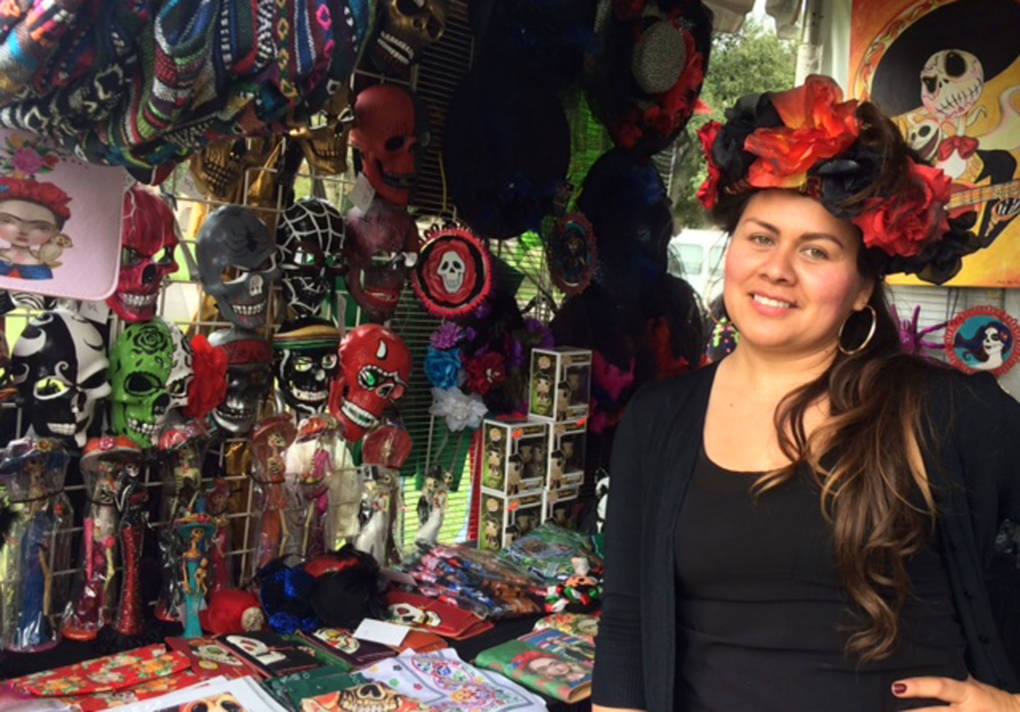
"caption": "Artist Gladis Alejandre stands with her Dia de los Muertos artwork during the Day of the Dead festival at Oakdale Memorial Park in Glendora. ",
"description": "Artist Gladis Alejandre stands with her Dia de los Muertos artwork during the Day of the Dead festival at Oakdale Memorial Park in Glendora. ",
"title": "gladisalejandre",
"credit": "Tena Rubio/KQED",
"status": "inherit",
"isLoading": false,
"fetchFailed": false
}
},
"audioPlayerReducer": {
"postId": "stream_live",
"isPaused": true,
"isPlaying": false,
"pfsActive": false,
"pledgeModalIsOpen": true,
"playerDrawerIsOpen": false,
"liveAudioPlayStartedAt": 0,
"liveAudioPlayContext": ""
},
"authorsReducer": {
"byline_news_11006816": {
"type": "authors",
"id": "byline_news_11006816",
"meta": {
"override": true
},
"slug": "byline_news_11006816",
"name": "Diane Bock",
"isLoading": false
},
"byline_news_11178705": {
"type": "authors",
"id": "byline_news_11178705",
"meta": {
"override": true
},
"slug": "byline_news_11178705",
"name": "\u003cstrong>\u003ca href=\"http://www.scpr.org/about/people/staff/sanden-totten\">Sanden Totten\u003c/a> \u003cbr> \u003ca href=\"http://www.scpr.org/\">KPCC\u003c/a>\u003c/strong>",
"isLoading": false
},
"byline_news_11178535": {
"type": "authors",
"id": "byline_news_11178535",
"meta": {
"override": true
},
"slug": "byline_news_11178535",
"name": "\u003cstrong>\u003ca href=\"http://www.npr.org/people/348730771/aarti-shahani\">Aarti Shahani\u003c/a> \u003cbr> \u003ca href=\"http://www.npr.org/\">NPR\u003c/a>\u003c/strong>",
"isLoading": false
},
"byline_news_11159552": {
"type": "authors",
"id": "byline_news_11159552",
"meta": {
"override": true
},
"slug": "byline_news_11159552",
"name": "Peter Gilstrap",
"isLoading": false
},
"byline_news_11175477": {
"type": "authors",
"id": "byline_news_11175477",
"meta": {
"override": true
},
"slug": "byline_news_11175477",
"name": "Associated Press",
"isLoading": false
},
"byline_news_11157985": {
"type": "authors",
"id": "byline_news_11157985",
"meta": {
"override": true
},
"slug": "byline_news_11157985",
"name": "\u003cstrong>\u003ca href=\"http://www.capradio.org/about/bios/ben-adler/\">Ben Adler\u003c/a> \u003cbr> \u003ca href=\"http://www.capradio.org/\">Capital Public Radio\u003c/a>\u003c/strong>",
"isLoading": false
},
"byline_news_11155304": {
"type": "authors",
"id": "byline_news_11155304",
"meta": {
"override": true
},
"slug": "byline_news_11155304",
"name": "Tena Rubio",
"isLoading": false
},
"aeghan": {
"type": "authors",
"id": "195",
"meta": {
"index": "authors_1716337520",
"id": "195",
"found": true
},
"name": "Adizah Eghan",
"firstName": "Adizah",
"lastName": "Eghan",
"slug": "aeghan",
"email": "adizah.e@gmail.com",
"display_author_email": false,
"staff_mastheads": [],
"title": "KQED Contributor",
"bio": "Adizah Eghan is a former reporter at KQED News and writer for KQED Arts. She caught the radio bug as an intern for PRI's The World and landed in KQED's newsroom after a stint teaching English in India. She covers culture, the arts, and global music in the Bay Area. This is where she tweets: \u003ca class=\"ProfileHeaderCard-screennameLink u-linkComplex js-nav\" style=\"color: #8899a6;\" href=\"https://twitter.com/Adizah_E\">@\u003cspan class=\"u-linkComplex-target\">Adizah_E\u003c/span>\u003c/a>",
"avatar": "https://secure.gravatar.com/avatar/d6e30ed9ca504243b4d8ee5d7ca32324?s=600&d=blank&r=g",
"twitter": "Adizah_E",
"facebook": null,
"instagram": null,
"linkedin": null,
"sites": [
{
"site": "arts",
"roles": [
"contributor"
]
},
{
"site": "news",
"roles": [
"subscriber"
]
},
{
"site": "stateofhealth",
"roles": [
"author"
]
}
],
"headData": {
"title": "Adizah Eghan | KQED",
"description": "KQED Contributor",
"ogImgSrc": "https://secure.gravatar.com/avatar/d6e30ed9ca504243b4d8ee5d7ca32324?s=600&d=blank&r=g",
"twImgSrc": "https://secure.gravatar.com/avatar/d6e30ed9ca504243b4d8ee5d7ca32324?s=600&d=blank&r=g"
},
"isLoading": false,
"link": "/author/aeghan"
},
"danbrekke": {
"type": "authors",
"id": "222",
"meta": {
"index": "authors_1716337520",
"id": "222",
"found": true
},
"name": "Dan Brekke",
"firstName": "Dan",
"lastName": "Brekke",
"slug": "danbrekke",
"email": "dbrekke@kqed.org",
"display_author_email": true,
"staff_mastheads": [
"news",
"science"
],
"title": "KQED Editor and Reporter",
"bio": "Dan Brekke is a reporter and editor for KQED News, responsible for coverage of topics ranging from California water issues to the Bay Area's transportation challenges. In a newsroom career that began in Chicago in 1972, Dan has worked for \u003cem>The San Francisco Examiner,\u003c/em> Wired and TechTV and has been published in The New York Times, The New York Times Magazine, Business 2.0, Salon and elsewhere.\r\n\r\nSince joining KQED in 2007, Dan has reported, edited and produced both radio and online features and breaking news pieces. He has shared as both editor and reporter in four Society of Professional Journalists Norcal Excellence in Journalism awards and one Edward R. Murrow regional award. He was chosen for a spring 2017 residency at the Mesa Refuge to advance his research on California salmon.\r\n\r\nEmail Dan at: \u003ca href=\"mailto:dbrekke@kqed.org\">dbrekke@kqed.org\u003c/a>\r\n\r\n\u003cstrong>Twitter:\u003c/strong> \u003ca href=\"https://twitter.com/danbrekke\" rel=\"noopener noreferrer\">twitter.com/danbrekke\u003c/a>\r\n\u003cstrong>Facebook:\u003c/strong> \u003ca href=\"https://www.facebook.com/danbrekke\" rel=\"noopener noreferrer\">www.facebook.com/danbrekke\u003c/a>\r\n\u003cstrong>LinkedIn:\u003c/strong> \u003ca href=\"https://www.linkedin.com/in/danbrekke\" rel=\"noopener noreferrer\">www.linkedin.com/in/danbrekke\u003c/a>",
"avatar": "https://secure.gravatar.com/avatar/8f1f0d2a978fb3b23426c922c7e2af558fa36905b49c4ce76a97dc3c72d27226?s=600&d=mm&r=g",
"twitter": "danbrekke",
"bluesky": null,
"facebook": null,
"instagram": "https://www.instagram.com/dan.brekke/",
"linkedin": "https://www.linkedin.com/in/danbrekke/",
"sites": [
{
"site": "news",
"roles": [
"administrator",
"create_posts"
]
},
{
"site": "stateofhealth",
"roles": [
"editor"
]
},
{
"site": "science",
"roles": [
"editor"
]
},
{
"site": "quest",
"roles": [
"contributor"
]
},
{
"site": "food",
"roles": [
"contributor"
]
},
{
"site": "forum",
"roles": [
"contributor"
]
},
{
"site": "elections",
"roles": [
"editor"
]
},
{
"site": "liveblog",
"roles": [
"editor"
]
}
],
"headData": {
"title": "Dan Brekke | KQED",
"description": "KQED Editor and Reporter",
"ogImgSrc": "https://secure.gravatar.com/avatar/8f1f0d2a978fb3b23426c922c7e2af558fa36905b49c4ce76a97dc3c72d27226?s=600&d=mm&r=g",
"twImgSrc": "https://secure.gravatar.com/avatar/8f1f0d2a978fb3b23426c922c7e2af558fa36905b49c4ce76a97dc3c72d27226?s=600&d=mm&r=g"
},
"isLoading": false,
"link": "/author/danbrekke"
},
"lmorehouse": {
"type": "authors",
"id": "3229",
"meta": {
"index": "authors_1716337520",
"id": "3229",
"found": true
},
"name": "Lisa Morehouse",
"firstName": "Lisa",
"lastName": "Morehouse",
"slug": "lmorehouse",
"email": "morehouse.lisa@gmail.com",
"display_author_email": false,
"staff_mastheads": [],
"title": "KQED Contributor",
"bio": "Lisa Morehouse is an award-winning public radio and print journalist, who has filed for National Public Radio, American Public Media, KQED Public Radio, Edutopia, and McSweeney’s. Her reporting has taken her from Samoan traveling circuses to Mississippi Delta classrooms to the homes of Lao refugees in rural Iowa. In addition to reporting, she teaches radio production to at-risk youth in the Bay Area. Her series \u003ca href=\"http://afterthegoldrushradio.com/\">After the Gold Rush\u003c/a> featured the changing industries, populations and identities of rural towns throughout California. She’s now producing \u003ca href=\"http://www.californiafoodways.com/\">California Foodways\u003c/a>, a series exploring the intersections of food, culture, economics, history and labor. Follow along on the \u003ca href=\"https://www.facebook.com/californiafoodways?ref=hl\">Facebook page\u003c/a> or on Twitter @cafoodways.",
"avatar": "https://secure.gravatar.com/avatar/dae74b002a6e256f39abb19d6f5acaea?s=600&d=blank&r=g",
"twitter": null,
"facebook": null,
"instagram": null,
"linkedin": null,
"sites": [
{
"site": "",
"roles": [
"editor"
]
},
{
"site": "news",
"roles": [
"author"
]
}
],
"headData": {
"title": "Lisa Morehouse | KQED",
"description": "KQED Contributor",
"ogImgSrc": "https://secure.gravatar.com/avatar/dae74b002a6e256f39abb19d6f5acaea?s=600&d=blank&r=g",
"twImgSrc": "https://secure.gravatar.com/avatar/dae74b002a6e256f39abb19d6f5acaea?s=600&d=blank&r=g"
},
"isLoading": false,
"link": "/author/lmorehouse"
},
"jplaczek": {
"type": "authors",
"id": "8606",
"meta": {
"index": "authors_1716337520",
"id": "8606",
"found": true
},
"name": "Jessica Placzek",
"firstName": "Jessica",
"lastName": "Placzek",
"slug": "jplaczek",
"email": "jessicalplaczek@gmail.com",
"display_author_email": false,
"staff_mastheads": [
"news"
],
"title": "KQED Contributor",
"bio": "Jessica Placzek is a former senior editor of podcasts at KQED where she served as the editorial lead of the podcast department. She worked with shows like MindShift, Rightnowish, Consider This, SOLD OUT, Bay Curious and The Bay. She’s also been a reporter and audio producer at KQED, KPFA, and KALW. She taught audio production to men incarcerated at California State Prison Solano and edited pieces they produced for the Uncuffed podcast through KALW. In 2018 she co-hosted and produced the third season of Raw Material for SFMOMA. In New Orleans she wrote for the Nola Defender. Her work has also appeared on Marketplace, All Things Considered, The California Report, and Vice. You can find more at jessicaplaczek.com",
"avatar": "https://secure.gravatar.com/avatar/5ead103b5880f672eceb84ce75eecd1b4b6f74a47edc457684a73ad5b8b158e9?s=600&d=blank&r=g",
"twitter": null,
"bluesky": null,
"facebook": null,
"instagram": null,
"linkedin": null,
"sites": [
{
"site": "arts",
"roles": [
"subscriber"
]
},
{
"site": "news",
"roles": [
"subscriber"
]
},
{
"site": "stateofhealth",
"roles": [
"editor"
]
},
{
"site": "forum",
"roles": [
"editor"
]
}
],
"headData": {
"title": "Jessica Placzek | KQED",
"description": "KQED Contributor",
"ogImgSrc": "https://secure.gravatar.com/avatar/5ead103b5880f672eceb84ce75eecd1b4b6f74a47edc457684a73ad5b8b158e9?s=600&d=blank&r=g",
"twImgSrc": "https://secure.gravatar.com/avatar/5ead103b5880f672eceb84ce75eecd1b4b6f74a47edc457684a73ad5b8b158e9?s=600&d=blank&r=g"
},
"isLoading": false,
"link": "/author/jplaczek"
},
"lklivans": {
"type": "authors",
"id": "8648",
"meta": {
"index": "authors_1716337520",
"id": "8648",
"found": true
},
"name": "Laura Klivans",
"firstName": "Laura",
"lastName": "Klivans",
"slug": "lklivans",
"email": "lklivans@kqed.org",
"display_author_email": true,
"staff_mastheads": [
"news",
"science"
],
"title": "Reporter",
"bio": "Laura Klivans is an award-winning science reporter for KQED News, where she covers climate change with an eye on both groundbreaking progress and gaps in action. She is the former host of KQED's blockbuster video series about tiny, amazing animals, \u003cem>Deep Look\u003c/em>. Her work reaches national audiences through NPR, \u003cem>Here & Now, \u003c/em>PRI, and other major outlets. \r\n\r\nLaura’s won five Northern California Area Emmy Awards for Deep Look and First Place in the Greater Bay Area Journalism Awards for a podcast exploring how one Oakland neighborhood teamed up to reduce planet-heating pollution.\r\n\r\nBeyond her reporting, she hosts and moderates events. In the past, she taught audio storytelling at the UC Berkeley Graduate School of Journalism, led international education programs, worked with immigrants and refugees along the Thai-Burmese border, taught high schoolers sex ed, and was an actress. \r\n\r\nShe's a former UC Berkeley Human Rights Fellow, USC Center for Health Journalism's California Fellow and Coro Fellow in Public Affairs. Laura has a master’s in journalism from UC Berkeley, a master’s in education from Harvard, and an undergraduate degree from Northwestern University.\r\n\r\nShe loves trying to riddle the meaning out of vanity license plates.",
"avatar": "https://secure.gravatar.com/avatar/2d2ecd1550a494cc10ad4a503406965585902124739e775a9b3817eebf1d88be?s=600&d=blank&r=g",
"twitter": "lauraklivans",
"bluesky": null,
"facebook": null,
"instagram": null,
"linkedin": null,
"sites": [
{
"site": "news",
"roles": [
"editor"
]
},
{
"site": "stateofhealth",
"roles": [
"contributor",
"editor"
]
},
{
"site": "science",
"roles": [
"editor"
]
},
{
"site": "forum",
"roles": [
"editor"
]
}
],
"headData": {
"title": "Laura Klivans | KQED",
"description": "Reporter",
"ogImgSrc": "https://secure.gravatar.com/avatar/2d2ecd1550a494cc10ad4a503406965585902124739e775a9b3817eebf1d88be?s=600&d=blank&r=g",
"twImgSrc": "https://secure.gravatar.com/avatar/2d2ecd1550a494cc10ad4a503406965585902124739e775a9b3817eebf1d88be?s=600&d=blank&r=g"
},
"isLoading": false,
"link": "/author/lklivans"
}
},
"pagesReducer": {
"news_category_arts-and-culture": {
"type": "terms",
"id": "news_223",
"meta": {
"index": "terms_1716263798",
"site": "news",
"id": "223",
"score": 11.24255
},
"featImg": null,
"name": "Arts and Culture",
"description": null,
"taxonomy": "category",
"headData": {
"twImgId": null,
"twTitle": null,
"ogTitle": null,
"ogImgId": null,
"twDescription": null,
"description": null,
"title": "Arts and Culture Archives | KQED News",
"ogDescription": null
},
"ttid": 231,
"slug": "arts-and-culture",
"isLoading": false,
"title": "Arts and Culture",
"pageMeta": {
"site": "news",
"WpPageTemplate": "page-topic-editorial",
"currentPage": 108
},
"blocks": [
{
"blockName": "kqed/post-list",
"attrs": {
"layout": "cardArticle2",
"query": "posts/news?category=arts-and-culture",
"seeMore": false,
"paginated": true,
"page": 108
}
},
{
"blockName": "kqed/ad"
}
]
}
},
"pfsSessionReducer": {},
"postsReducer": {
"stream_live": {
"type": "live",
"id": "stream_live",
"audioUrl": "https://streams.kqed.org/kqedradio",
"title": "Live Stream",
"excerpt": "Live Stream information currently unavailable.",
"link": "/radio",
"featImg": "",
"label": {
"name": "KQED Live",
"link": "/"
}
},
"stream_kqedNewscast": {
"type": "posts",
"id": "stream_kqedNewscast",
"audioUrl": "https://www.kqed.org/.stream/anon/radio/RDnews/newscast.mp3?_=1",
"title": "KQED Newscast",
"featImg": "",
"label": {
"name": "88.5 FM",
"link": "/"
}
},
"news_11184596": {
"type": "posts",
"id": "news_11184596",
"meta": {
"index": "posts_1716263798",
"site": "news",
"id": "11184596",
"score": null,
"sort": [
1480753847000
]
},
"guestAuthors": [],
"slug": "sikh-festival-highlights-communitys-deep-roots-in-yuba-city",
"title": "Sikh Festival Highlights Community’s Deep Roots in Yuba City",
"publishDate": 1480753847,
"format": "image",
"headTitle": "Sikh Festival Highlights Community’s Deep Roots in Yuba City | KQED",
"labelTerm": {
"term": 72,
"site": "news"
},
"content": "\u003cp>Last month, a parade drew over 80,000 people to the Sacramento Valley. People in colorful clothing and turbans sprinkled water on the street and swept the concrete, cleansing the route.\u003c/p>\n\u003cp>They were celebrating a holiday of the Sikh faith: the 500-year-old religion from India’s Punjab region. This gathering in Yuba City is the largest gathering of its kind in the United States, because Sikhs have lived in this farming community for over a century.\u003c/p>\n\u003cp>The first float in the Guru Gadee festival carried the religious text at the heart of this holiday. Worshipers walked along side, singing.\u003c/p>\n\u003cp>People came from far and wide — Vancouver, the U.K., Dallas, New Jersey — and flooded these small streets. They looked up to the helicopters dropping rose petals on the crowd, and talked to the men from various Sikh motorcycle clubs, showing off their Harleys.\u003c/p>\n\u003cp>Many walked between floats, offering food and drink to passers by. Happy Singh — from Manteca, California — and his family prepared tea they handed out for free.\u003c/p>\n\u003cp>[ad fullwidth]\u003c/p>\n\u003cp>The parade started and ended at the \u003ca href=\"http://yubacitysikhtemple.com/\">Tierra Buena gurdwara\u003c/a>, or Sikh house of worship, a gleaming blue and white structure that appeared to be rising out of the orchards surrounding it. People waited in long lines for food: I had a spinach and cabbage curry served by family members of a Sacramento-based produce trucking company, and sweet jalebis: fried dough covered in syrup.\u003c/p>\n\u003cfigure id=\"attachment_11202028\" class=\"wp-caption aligncenter\" style=\"max-width: 800px\">\u003cimg loading=\"lazy\" decoding=\"async\" class=\"size-medium wp-image-11202028\" src=\"http://ww2.kqed.org/news/wp-content/uploads/sites/10/2016/12/SikhTemple-800x503.jpg\" alt=\"The Tierra Buena gurdwara, or Sikh house of worship, in Yuba City.\" width=\"800\" height=\"503\" srcset=\"https://cdn.kqed.org/wp-content/uploads/sites/10/2016/12/SikhTemple-800x503.jpg 800w, https://cdn.kqed.org/wp-content/uploads/sites/10/2016/12/SikhTemple-160x101.jpg 160w, https://cdn.kqed.org/wp-content/uploads/sites/10/2016/12/SikhTemple-1020x641.jpg 1020w, https://cdn.kqed.org/wp-content/uploads/sites/10/2016/12/SikhTemple.jpg 1920w, https://cdn.kqed.org/wp-content/uploads/sites/10/2016/12/SikhTemple-1180x741.jpg 1180w, https://cdn.kqed.org/wp-content/uploads/sites/10/2016/12/SikhTemple-960x603.jpg 960w, https://cdn.kqed.org/wp-content/uploads/sites/10/2016/12/SikhTemple-240x151.jpg 240w, https://cdn.kqed.org/wp-content/uploads/sites/10/2016/12/SikhTemple-375x236.jpg 375w, https://cdn.kqed.org/wp-content/uploads/sites/10/2016/12/SikhTemple-520x327.jpg 520w\" sizes=\"(max-width: 800px) 100vw, 800px\">\u003cfigcaption class=\"wp-caption-text\">The Tierra Buena gurdwara, or Sikh house of worship, in Yuba City. \u003ccite>(Lisa Morehouse/KQED)\u003c/cite>\u003c/figcaption>\u003c/figure>\n\u003cp>The tea and the multiple tents serving food are part of the tradition of langar, the Sikh communal kitchen.\u003c/p>\n\u003cp>“Whenever we gather there’s free food,” said community elder Mohinder Singh Ghag. “Any time any person comes to our temple, we try to accommodate him with a night’s sleep and free food.”\u003c/p>\n\u003cp>Ghag took me on a tour of the temple grounds: booths displayed books about Sikh bedtime stories, Punjabi TV and Radio stations, demonstrations of turban-tying, and lots of civic organizations. Jaskarn Singh was here sharing the work of SEVA Selfless Service, which feeds hundreds of homeless people in Sacramento and other cities every month.\u003c/p>\n\u003cp>“This is the biggest gathering where our community is in one spot, just feeling very spiritual and one,” he said. “This is our Christmas.”\u003c/p>\n\u003cfigure id=\"attachment_11202030\" class=\"wp-caption aligncenter\" style=\"max-width: 800px\">\u003cimg loading=\"lazy\" decoding=\"async\" class=\"size-medium wp-image-11202030\" src=\"http://ww2.kqed.org/news/wp-content/uploads/sites/10/2016/12/Ghag60s-800x610.jpg\" alt=\"Mohinder Ghag (third from left) and his family in the mid-1960s.\" width=\"800\" height=\"610\" srcset=\"https://cdn.kqed.org/wp-content/uploads/sites/10/2016/12/Ghag60s-800x610.jpg 800w, https://cdn.kqed.org/wp-content/uploads/sites/10/2016/12/Ghag60s-160x122.jpg 160w, https://cdn.kqed.org/wp-content/uploads/sites/10/2016/12/Ghag60s-1020x778.jpg 1020w, https://cdn.kqed.org/wp-content/uploads/sites/10/2016/12/Ghag60s.jpg 1920w, https://cdn.kqed.org/wp-content/uploads/sites/10/2016/12/Ghag60s-1180x900.jpg 1180w, https://cdn.kqed.org/wp-content/uploads/sites/10/2016/12/Ghag60s-960x733.jpg 960w, https://cdn.kqed.org/wp-content/uploads/sites/10/2016/12/Ghag60s-240x183.jpg 240w, https://cdn.kqed.org/wp-content/uploads/sites/10/2016/12/Ghag60s-375x286.jpg 375w, https://cdn.kqed.org/wp-content/uploads/sites/10/2016/12/Ghag60s-520x397.jpg 520w\" sizes=\"(max-width: 800px) 100vw, 800px\">\u003cfigcaption class=\"wp-caption-text\">Mohinder Ghag (third from left) and his family in the mid-1960s. \u003ccite>(Courtesy Amerjit Ghag)\u003c/cite>\u003c/figcaption>\u003c/figure>\n\u003cp>The sheer number of people here was pretty astounding, especially given that, in the early 1960s when Mohinder Singh Ghag first arrived, only a few Punjabi families lived in the area. To worship, his family traveled to a gurdwara over 90 miles away in Stockton.\u003c/p>\n\u003cp>Ghag moved here, like other Sikhs, for farming. At 86, he’s still farms on his property in Live Oak, just outside Yuba City. In late October, he oversaw the kiwi harvest. Workers on a small crew plucked the fuzzy fruit from what look like oversized grape vines, tossed them into bags slung around their necks, then dumped them into bins on a tractor idling between rows.\u003c/p>\n\u003cp>For most of his life here, Ghag grew peaches, and right there on the side of the field he started reciting a poem he wrote called “I’m A Peach Farmer” (Mohinder Ghag’s a bit of a poet with a number of books published in Punjabi).\u003c/p>\n\u003cp>In the early 1900s, the impacts of famine and British colonialism forced thousands of Punjabis out of their homeland. Many found their way to the Sacramento Valley, with a familiar climate and location at the nexus of many rivers.\u003c/p>\n\u003cp>“This area is very close to the Punjab,” Ghag said.\u003c/p>\n\u003cfigure id=\"attachment_11202036\" class=\"wp-caption aligncenter\" style=\"max-width: 800px\">\u003cimg loading=\"lazy\" decoding=\"async\" class=\"size-medium wp-image-11202036\" src=\"http://ww2.kqed.org/news/wp-content/uploads/sites/10/2016/12/GhagKiwis-800x477.jpg\" alt=\"At 86, Mohinder Singh Ghag still farms kiwis in Live Oak, California.\" width=\"800\" height=\"477\" srcset=\"https://cdn.kqed.org/wp-content/uploads/sites/10/2016/12/GhagKiwis-800x477.jpg 800w, https://cdn.kqed.org/wp-content/uploads/sites/10/2016/12/GhagKiwis-160x95.jpg 160w, https://cdn.kqed.org/wp-content/uploads/sites/10/2016/12/GhagKiwis-1020x608.jpg 1020w, https://cdn.kqed.org/wp-content/uploads/sites/10/2016/12/GhagKiwis.jpg 1920w, https://cdn.kqed.org/wp-content/uploads/sites/10/2016/12/GhagKiwis-1180x704.jpg 1180w, https://cdn.kqed.org/wp-content/uploads/sites/10/2016/12/GhagKiwis-960x573.jpg 960w, https://cdn.kqed.org/wp-content/uploads/sites/10/2016/12/GhagKiwis-240x143.jpg 240w, https://cdn.kqed.org/wp-content/uploads/sites/10/2016/12/GhagKiwis-375x224.jpg 375w, https://cdn.kqed.org/wp-content/uploads/sites/10/2016/12/GhagKiwis-520x310.jpg 520w\" sizes=\"(max-width: 800px) 100vw, 800px\">\u003cfigcaption class=\"wp-caption-text\">At 86, Mohinder Singh Ghag still farms kiwis in Live Oak, California. \u003ccite>(Meradith Hoddinott/KQED)\u003c/cite>\u003c/figcaption>\u003c/figure>\n\u003cp>Within years, though, Indians and other Asians were barred from owning land, because of so-called Alien Land Laws. By 1917, Congress passed a law barring immigration from many Asian countries, including India.\u003c/p>\n\u003cp>In the 1950s, Mohinder Ghag’s sister married into one of those early-immigrant families, and 10 years later sponsored Ghag to come. He remembers being one of a few men in the area wearing a turban.\u003c/p>\n\u003cp>“It helped me a whole lot, the turban,” he said. I did a double-take when he said this. After Sept. 11, 2001, and more recently after the shootings in San Bernardino, hate crimes against Sikhs ballooned. Some attackers mistook Sikhs for Muslims. Others simply targeted Sikhs for being different. But, Ghag says, his turban has opened doors.\u003c/p>\n\u003cp>“It helped me a whole lot because I’m a source of attraction wherever I go,” he said.\u003c/p>\n\u003cp>[contextly_sidebar id=”CJnbtEdlcFYlDZrAt1Jqf7dWeljvb7JV”]\u003c/p>\n\u003cp>I approached Ghag every way I could with questions about isolation and discrimination, but he insisted: “In this community I haven’t felt that someone discriminated [against] me.”\u003c/p>\n\u003cp>Ghag dove into civic life here, starting a Punjabi writers group, serving on the hospital board and the Peach Advisory Board, even being a California delegate for the Democratic Party.\u003c/p>\n\u003cp>“If you’re in a society and society’s got an investment in you, if you don’t turn it back the society will go bankrupt,” Ghag said. “So it’s our duty to serve.”\u003c/p>\n\u003cp>Connecting with neighbors is a big reason the Sikh community started the public Guru Gadee celebration 37 years ago.\u003c/p>\n\u003cp>“It’s more recognition that we are a community living here,” Ghag said, “and since then it’s bigger and bigger every year.”\u003c/p>\n\u003cp>He says it’s an opportunity for Sikhs to celebrate their own holiday and bring others in, too.\u003c/p>\n\u003cp>\u003c/p>\n\u003cp>\u003cem>\u003ca href=\"http://www.californiafoodways.com/\">California Foodways\u003c/a> is supported, in part, by \u003ca href=\"http://www.calhum.org/\">California Humanities\u003c/a>. Meradith Hoddinott did additional reporting for this story.\u003c/em>\u003c/p>\n\n",
"blocks": [],
"excerpt": "It's the largest gathering of its kind in the United States, because Sikhs have lived in this farming community for over 100 years.",
"status": "publish",
"parent": 0,
"modified": 1721151590,
"stats": {
"hasAudio": false,
"hasVideo": false,
"hasChartOrMap": false,
"iframeSrcs": [],
"hasGoogleForm": false,
"hasGallery": false,
"hasHearkenModule": false,
"hasPolis": false,
"paragraphCount": 29,
"wordCount": 991
},
"headData": {
"title": "Sikh Festival Highlights Community’s Deep Roots in Yuba City | KQED",
"description": "It's the largest gathering of its kind in the United States, because Sikhs have lived in this farming community for over 100 years.",
"ogTitle": "",
"ogDescription": "",
"ogImgId": "",
"twTitle": "",
"twDescription": "",
"twImgId": "",
"schema": {
"@context": "https://schema.org",
"@type": "NewsArticle",
"headline": "Sikh Festival Highlights Community’s Deep Roots in Yuba City",
"datePublished": "2016-12-03T00:30:47-08:00",
"dateModified": "2024-07-16T10:39:50-07:00",
"image": "https://cdn.kqed.org/wp-content/uploads/2020/02/KQED-OG-Image@1x.png",
"isAccessibleForFree": "True",
"publisher": {
"@type": "NewsMediaOrganization",
"@id": "https://www.kqed.org/#organization",
"name": "KQED",
"logo": "https://cdn.kqed.org/wp-content/uploads/2020/02/KQED-OG-Image@1x.png",
"url": "https://www.kqed.org",
"sameAs": [
"https://www.facebook.com/KQED",
"https://twitter.com/KQED",
"https://www.instagram.com/kqed/",
"https://www.tiktok.com/@kqedofficial",
"https://www.linkedin.com/company/kqed",
"https://www.youtube.com/channel/UCeC0IOo7i1P_61zVUWbJ4nw"
]
}
}
},
"audioUrl": "https://www.kqed.org/.stream/anon/radio/tcrmag/2021/01/122TCRPM20161202Morehouse.wav",
"sticky": false,
"path": "/news/11184596/sikh-festival-highlights-communitys-deep-roots-in-yuba-city",
"audioTrackLength": null,
"parsedContent": [
{
"type": "contentString",
"content": "\u003cdiv class=\"post-body\">\u003cp>\u003cp>Last month, a parade drew over 80,000 people to the Sacramento Valley. People in colorful clothing and turbans sprinkled water on the street and swept the concrete, cleansing the route.\u003c/p>\n\u003cp>They were celebrating a holiday of the Sikh faith: the 500-year-old religion from India’s Punjab region. This gathering in Yuba City is the largest gathering of its kind in the United States, because Sikhs have lived in this farming community for over a century.\u003c/p>\n\u003cp>The first float in the Guru Gadee festival carried the religious text at the heart of this holiday. Worshipers walked along side, singing.\u003c/p>\n\u003cp>People came from far and wide — Vancouver, the U.K., Dallas, New Jersey — and flooded these small streets. They looked up to the helicopters dropping rose petals on the crowd, and talked to the men from various Sikh motorcycle clubs, showing off their Harleys.\u003c/p>\n\u003cp>Many walked between floats, offering food and drink to passers by. Happy Singh — from Manteca, California — and his family prepared tea they handed out for free.\u003c/p>\n\u003cp>\u003c/p>\u003c/div>",
"attributes": {
"named": {},
"numeric": []
}
},
{
"type": "component",
"content": "",
"name": "ad",
"attributes": {
"named": {
"label": "fullwidth"
},
"numeric": [
"fullwidth"
]
}
},
{
"type": "contentString",
"content": "\u003cdiv class=\"post-body\">\u003cp>\u003c/p>\n\u003cp>The parade started and ended at the \u003ca href=\"http://yubacitysikhtemple.com/\">Tierra Buena gurdwara\u003c/a>, or Sikh house of worship, a gleaming blue and white structure that appeared to be rising out of the orchards surrounding it. People waited in long lines for food: I had a spinach and cabbage curry served by family members of a Sacramento-based produce trucking company, and sweet jalebis: fried dough covered in syrup.\u003c/p>\n\u003cfigure id=\"attachment_11202028\" class=\"wp-caption aligncenter\" style=\"max-width: 800px\">\u003cimg loading=\"lazy\" decoding=\"async\" class=\"size-medium wp-image-11202028\" src=\"http://ww2.kqed.org/news/wp-content/uploads/sites/10/2016/12/SikhTemple-800x503.jpg\" alt=\"The Tierra Buena gurdwara, or Sikh house of worship, in Yuba City.\" width=\"800\" height=\"503\" srcset=\"https://cdn.kqed.org/wp-content/uploads/sites/10/2016/12/SikhTemple-800x503.jpg 800w, https://cdn.kqed.org/wp-content/uploads/sites/10/2016/12/SikhTemple-160x101.jpg 160w, https://cdn.kqed.org/wp-content/uploads/sites/10/2016/12/SikhTemple-1020x641.jpg 1020w, https://cdn.kqed.org/wp-content/uploads/sites/10/2016/12/SikhTemple.jpg 1920w, https://cdn.kqed.org/wp-content/uploads/sites/10/2016/12/SikhTemple-1180x741.jpg 1180w, https://cdn.kqed.org/wp-content/uploads/sites/10/2016/12/SikhTemple-960x603.jpg 960w, https://cdn.kqed.org/wp-content/uploads/sites/10/2016/12/SikhTemple-240x151.jpg 240w, https://cdn.kqed.org/wp-content/uploads/sites/10/2016/12/SikhTemple-375x236.jpg 375w, https://cdn.kqed.org/wp-content/uploads/sites/10/2016/12/SikhTemple-520x327.jpg 520w\" sizes=\"(max-width: 800px) 100vw, 800px\">\u003cfigcaption class=\"wp-caption-text\">The Tierra Buena gurdwara, or Sikh house of worship, in Yuba City. \u003ccite>(Lisa Morehouse/KQED)\u003c/cite>\u003c/figcaption>\u003c/figure>\n\u003cp>The tea and the multiple tents serving food are part of the tradition of langar, the Sikh communal kitchen.\u003c/p>\n\u003cp>“Whenever we gather there’s free food,” said community elder Mohinder Singh Ghag. “Any time any person comes to our temple, we try to accommodate him with a night’s sleep and free food.”\u003c/p>\n\u003cp>Ghag took me on a tour of the temple grounds: booths displayed books about Sikh bedtime stories, Punjabi TV and Radio stations, demonstrations of turban-tying, and lots of civic organizations. Jaskarn Singh was here sharing the work of SEVA Selfless Service, which feeds hundreds of homeless people in Sacramento and other cities every month.\u003c/p>\n\u003cp>“This is the biggest gathering where our community is in one spot, just feeling very spiritual and one,” he said. “This is our Christmas.”\u003c/p>\n\u003cfigure id=\"attachment_11202030\" class=\"wp-caption aligncenter\" style=\"max-width: 800px\">\u003cimg loading=\"lazy\" decoding=\"async\" class=\"size-medium wp-image-11202030\" src=\"http://ww2.kqed.org/news/wp-content/uploads/sites/10/2016/12/Ghag60s-800x610.jpg\" alt=\"Mohinder Ghag (third from left) and his family in the mid-1960s.\" width=\"800\" height=\"610\" srcset=\"https://cdn.kqed.org/wp-content/uploads/sites/10/2016/12/Ghag60s-800x610.jpg 800w, https://cdn.kqed.org/wp-content/uploads/sites/10/2016/12/Ghag60s-160x122.jpg 160w, https://cdn.kqed.org/wp-content/uploads/sites/10/2016/12/Ghag60s-1020x778.jpg 1020w, https://cdn.kqed.org/wp-content/uploads/sites/10/2016/12/Ghag60s.jpg 1920w, https://cdn.kqed.org/wp-content/uploads/sites/10/2016/12/Ghag60s-1180x900.jpg 1180w, https://cdn.kqed.org/wp-content/uploads/sites/10/2016/12/Ghag60s-960x733.jpg 960w, https://cdn.kqed.org/wp-content/uploads/sites/10/2016/12/Ghag60s-240x183.jpg 240w, https://cdn.kqed.org/wp-content/uploads/sites/10/2016/12/Ghag60s-375x286.jpg 375w, https://cdn.kqed.org/wp-content/uploads/sites/10/2016/12/Ghag60s-520x397.jpg 520w\" sizes=\"(max-width: 800px) 100vw, 800px\">\u003cfigcaption class=\"wp-caption-text\">Mohinder Ghag (third from left) and his family in the mid-1960s. \u003ccite>(Courtesy Amerjit Ghag)\u003c/cite>\u003c/figcaption>\u003c/figure>\n\u003cp>The sheer number of people here was pretty astounding, especially given that, in the early 1960s when Mohinder Singh Ghag first arrived, only a few Punjabi families lived in the area. To worship, his family traveled to a gurdwara over 90 miles away in Stockton.\u003c/p>\n\u003cp>Ghag moved here, like other Sikhs, for farming. At 86, he’s still farms on his property in Live Oak, just outside Yuba City. In late October, he oversaw the kiwi harvest. Workers on a small crew plucked the fuzzy fruit from what look like oversized grape vines, tossed them into bags slung around their necks, then dumped them into bins on a tractor idling between rows.\u003c/p>\n\u003cp>For most of his life here, Ghag grew peaches, and right there on the side of the field he started reciting a poem he wrote called “I’m A Peach Farmer” (Mohinder Ghag’s a bit of a poet with a number of books published in Punjabi).\u003c/p>\n\u003cp>In the early 1900s, the impacts of famine and British colonialism forced thousands of Punjabis out of their homeland. Many found their way to the Sacramento Valley, with a familiar climate and location at the nexus of many rivers.\u003c/p>\n\u003cp>“This area is very close to the Punjab,” Ghag said.\u003c/p>\n\u003cfigure id=\"attachment_11202036\" class=\"wp-caption aligncenter\" style=\"max-width: 800px\">\u003cimg loading=\"lazy\" decoding=\"async\" class=\"size-medium wp-image-11202036\" src=\"http://ww2.kqed.org/news/wp-content/uploads/sites/10/2016/12/GhagKiwis-800x477.jpg\" alt=\"At 86, Mohinder Singh Ghag still farms kiwis in Live Oak, California.\" width=\"800\" height=\"477\" srcset=\"https://cdn.kqed.org/wp-content/uploads/sites/10/2016/12/GhagKiwis-800x477.jpg 800w, https://cdn.kqed.org/wp-content/uploads/sites/10/2016/12/GhagKiwis-160x95.jpg 160w, https://cdn.kqed.org/wp-content/uploads/sites/10/2016/12/GhagKiwis-1020x608.jpg 1020w, https://cdn.kqed.org/wp-content/uploads/sites/10/2016/12/GhagKiwis.jpg 1920w, https://cdn.kqed.org/wp-content/uploads/sites/10/2016/12/GhagKiwis-1180x704.jpg 1180w, https://cdn.kqed.org/wp-content/uploads/sites/10/2016/12/GhagKiwis-960x573.jpg 960w, https://cdn.kqed.org/wp-content/uploads/sites/10/2016/12/GhagKiwis-240x143.jpg 240w, https://cdn.kqed.org/wp-content/uploads/sites/10/2016/12/GhagKiwis-375x224.jpg 375w, https://cdn.kqed.org/wp-content/uploads/sites/10/2016/12/GhagKiwis-520x310.jpg 520w\" sizes=\"(max-width: 800px) 100vw, 800px\">\u003cfigcaption class=\"wp-caption-text\">At 86, Mohinder Singh Ghag still farms kiwis in Live Oak, California. \u003ccite>(Meradith Hoddinott/KQED)\u003c/cite>\u003c/figcaption>\u003c/figure>\n\u003cp>Within years, though, Indians and other Asians were barred from owning land, because of so-called Alien Land Laws. By 1917, Congress passed a law barring immigration from many Asian countries, including India.\u003c/p>\n\u003cp>In the 1950s, Mohinder Ghag’s sister married into one of those early-immigrant families, and 10 years later sponsored Ghag to come. He remembers being one of a few men in the area wearing a turban.\u003c/p>\n\u003cp>“It helped me a whole lot, the turban,” he said. I did a double-take when he said this. After Sept. 11, 2001, and more recently after the shootings in San Bernardino, hate crimes against Sikhs ballooned. Some attackers mistook Sikhs for Muslims. Others simply targeted Sikhs for being different. But, Ghag says, his turban has opened doors.\u003c/p>\n\u003cp>“It helped me a whole lot because I’m a source of attraction wherever I go,” he said.\u003c/p>\n\u003cp>\u003c/p>\u003cp>\u003c/p>\u003cp>\u003c/p>\n\u003cp>I approached Ghag every way I could with questions about isolation and discrimination, but he insisted: “In this community I haven’t felt that someone discriminated [against] me.”\u003c/p>\n\u003cp>Ghag dove into civic life here, starting a Punjabi writers group, serving on the hospital board and the Peach Advisory Board, even being a California delegate for the Democratic Party.\u003c/p>\n\u003cp>“If you’re in a society and society’s got an investment in you, if you don’t turn it back the society will go bankrupt,” Ghag said. “So it’s our duty to serve.”\u003c/p>\n\u003cp>Connecting with neighbors is a big reason the Sikh community started the public Guru Gadee celebration 37 years ago.\u003c/p>\n\u003cp>“It’s more recognition that we are a community living here,” Ghag said, “and since then it’s bigger and bigger every year.”\u003c/p>\n\u003cp>He says it’s an opportunity for Sikhs to celebrate their own holiday and bring others in, too.\u003c/p>\n\u003cp>\u003c/p>\n\u003cp>\u003cem>\u003ca href=\"http://www.californiafoodways.com/\">California Foodways\u003c/a> is supported, in part, by \u003ca href=\"http://www.calhum.org/\">California Humanities\u003c/a>. Meradith Hoddinott did additional reporting for this story.\u003c/em>\u003c/p>\n\n\u003c/div>\u003c/p>",
"attributes": {
"named": {},
"numeric": []
}
}
],
"link": "/news/11184596/sikh-festival-highlights-communitys-deep-roots-in-yuba-city",
"authors": [
"3229"
],
"programs": [
"news_6944",
"news_72"
],
"series": [
"news_17045"
],
"categories": [
"news_223",
"news_1169"
],
"tags": [
"news_856",
"news_20242",
"news_17286",
"news_17041"
],
"featImg": "news_11201674",
"label": "news_72"
},
"news_10998435": {
"type": "posts",
"id": "news_10998435",
"meta": {
"index": "posts_1716263798",
"site": "news",
"id": "10998435",
"score": null,
"sort": [
1480264074000
]
},
"parent": 0,
"labelTerm": {
"site": "news",
"term": 72
},
"blocks": [],
"publishDate": 1480264074,
"format": "standard",
"disqusTitle": "Hidden Gems: The Church of 8 Wheels",
"title": "Hidden Gems: The Church of 8 Wheels",
"headTitle": "The California Report | KQED News",
"content": "\u003cp>\u003cem>This story was originally published in November 2016 as part of The California Report Magazine's \"\u003ca href=\"https://www.kqed.org/news/tag/hidden-gems\">Hidden Gems\u003c/a>\" series. It re-aired on July 3rd, 2020 for a special show called \"Buckle Up: A (Virtual) Road Trip to CA Hidden Gems.\" Note: The indoor rink is closed due to shelter-in-place orders, but the Church of 8 Wheels is holding outdoor skating events — including a socially distanced disco party in San Francisco’s Golden Gate Park, every Friday night.\u003c/em>\u003c/p>\n\u003cp>Daniel Albert climbs a dusty church tower, lifts his arms above his head and grabs hold of a rope that comes from a hole in the ceiling. As he pulls it, the church bell on the other end chimes and resonates across this central San Francisco neighborhood. It’s 7 o’clock on a Friday night.\u003c/p>\n\u003cp>Then the music begins. But instead of hearing hymns, I hear disco. That’s because I’m at the \u003ca href=\"http://www.churchof8wheels.com/\">Church of 8 Wheels\u003c/a>. It’s a roller disco in a 120-year-old former Catholic church, just blocks from San Francisco’s famous Painted Lady rowhouses at Alamo Square. Albert is the operations manager, but he doubles as a rollerblading sensation. If you’ve been to this church, on Fillmore at Fell, you’ll know him as the guy with metallic reflective wings.\u003c/p>\n\u003cp>[soundcloud url=\"https://api.soundcloud.com/tracks/272358511\" params=\"color=ff5500&auto_play=false&hide_related=false&show_comments=true&show_user=true&show_reposts=false\" width=\"100%\" height=\"166\" iframe=\"true\" /]\u003c/p>\n\u003cp>In the expansive space, old pews are pushed against the walls and lights reflect off a disco ball and onto the ceiling murals. David G. Miles Jr., known as the “Godfather of Skate,” proselytizes. “I am your roller disco minister,” he says. “I mean, it’s the Church of 8 Wheels, and as the godfather it’s my responsibility to spread rolligion everywhere I go.”\u003c/p>\n\u003cfigure id=\"attachment_11002592\" class=\"wp-caption alignright\" style=\"max-width: 800px\">\u003cimg class=\"size-medium wp-image-11002592\" src=\"http://ww2.kqed.org/news/wp-content/uploads/sites/10/2016/06/RS19942_IMG_5722-qut-800x600.jpg\" alt=\"A typical night at the Church of 8 Wheels.\" width=\"800\" height=\"600\" srcset=\"https://ww2.kqed.org/app/uploads/sites/10/2016/06/RS19942_IMG_5722-qut-800x600.jpg 800w, https://ww2.kqed.org/app/uploads/sites/10/2016/06/RS19942_IMG_5722-qut-400x300.jpg 400w, https://ww2.kqed.org/app/uploads/sites/10/2016/06/RS19942_IMG_5722-qut.jpg 1920w, https://ww2.kqed.org/app/uploads/sites/10/2016/06/RS19942_IMG_5722-qut-1180x885.jpg 1180w, https://ww2.kqed.org/app/uploads/sites/10/2016/06/RS19942_IMG_5722-qut-960x720.jpg 960w\" sizes=\"(max-width: 800px) 100vw, 800px\">\u003cfigcaption class=\"wp-caption-text\">A typical night at the Church of 8 Wheels. \u003ccite>(Laura Klivans/KQED)\u003c/cite>\u003c/figcaption>\u003c/figure>\n\u003cp>That's right. \u003cem>Roll\u003c/em>igion.\u003c/p>\n\u003cp>The Church of 8 Wheels is Miles’ brainchild.\u003c/p>\n\u003cp>He moved to San Francisco in 1979. “I started skating in Golden Gate Park on my third or fourth day in San Francisco,” he says. “When I went out there I saw four people go by on roller skates and I was like, ‘Wow! They do that here?! I can do that.’ I went and got a pair of skates.” [ad fullwidth]\u003c/p>\n\u003cp>He met his wife in the park, and later their kids learned to skate just after they learned to walk. Miles organized skate groups on top of the Embarcadero Freeway after the earthquake of 1989, and he even skated from San Francisco to Los Angeles — 14 times.\u003c/p>\n\u003cp>I’m not that ambitious, but I figured I could at least skate for one night.\u003c/p>\n\u003cp>Miles’ daughter retrieves my skates while on her own wheels. I stow my bag at the coat check that Miles’ niece runs. Sometimes Miles’ son will DJ the bumping music that ties the experience together. It’s a real family operation.\u003c/p>\n\u003cp>Sitting in a pew, I lace up my skates. I want to look something like Miles in his fuzzy purple leg warmers and sparkly red-and-black top hat, so I put on the next best thing: a cupcake costume.\u003c/p>\n\u003cfigure id=\"attachment_11002598\" class=\"wp-caption alignnone\" style=\"max-width: 800px\">\u003cimg class=\"size-medium wp-image-11002598\" src=\"http://ww2.kqed.org/news/wp-content/uploads/sites/10/2016/06/RS19932_IMG_5672-qut-1-800x600.jpg\" alt='David G. Miles, Jr. created the Church of 8 Wheels. In addition to skating, the \"Godfather of Skate\" sometimes mans the DJ booth.' width=\"800\" height=\"600\" srcset=\"https://ww2.kqed.org/app/uploads/sites/10/2016/06/RS19932_IMG_5672-qut-1-800x600.jpg 800w, https://ww2.kqed.org/app/uploads/sites/10/2016/06/RS19932_IMG_5672-qut-1-400x300.jpg 400w, https://ww2.kqed.org/app/uploads/sites/10/2016/06/RS19932_IMG_5672-qut-1.jpg 1920w, https://ww2.kqed.org/app/uploads/sites/10/2016/06/RS19932_IMG_5672-qut-1-1180x885.jpg 1180w, https://ww2.kqed.org/app/uploads/sites/10/2016/06/RS19932_IMG_5672-qut-1-960x720.jpg 960w\" sizes=\"(max-width: 800px) 100vw, 800px\">\u003cfigcaption class=\"wp-caption-text\">David G. Miles, Jr. created the Church of 8 Wheels. In addition to skating, the \"Godfather of Skate\" sometimes mans the DJ booth. \u003ccite>(Laura Klivans/KQED)\u003c/cite>\u003c/figcaption>\u003c/figure>\n\u003cp>Whether you waddle or sail around the rink, there’s something incredible about the giant stained-glass windows and disco lights. Beyond the funky-meets-virtuous vibe, the history of this building is rich. The former Sacred Heart Church closed in 2004, due to low attendance and a need for costly seismic repairs. But during the century it was open, the church saw a demographic that changed with the neighborhood around it. Notably, it once housed a Black Panther breakfast program.\u003c/p>\n\u003cp>Tonight, though, it’s about funky town and raspberry berets. Miles, who takes turns DJing and skating, spots some first-time rollers.\u003c/p>\n\u003cp>“This is what I call the 45-second skate lesson,” he says, helping out a pair in their 30s. After doling out his standard instructions, he encourages them: “One lap. That’s all you need. When you come back around here you’ll be going, ‘Hey, it’s pretty cool.’ ”\u003c/p>\n\u003cp>Miles skates back over to me and smiles. “It never gets worse,” he says. “It only gets better. I love it.”\u003c/p>\n\u003cp>\u003c/p>\n",
"disqusIdentifier": "10998435 http://ww2.kqed.org/news/?p=10998435",
"disqusUrl": "https://ww2.kqed.org/news/2016/11/27/hidden-gems-the-church-of-8-wheels/",
"stats": {
"hasVideo": false,
"hasChartOrMap": false,
"hasAudio": false,
"hasPolis": false,
"wordCount": 794,
"hasGoogleForm": false,
"hasGallery": false,
"hasHearkenModule": false,
"iframeSrcs": [],
"paragraphCount": 17
},
"modified": 1593731782,
"excerpt": "In this house of worship, members find solace through skating.",
"headData": {
"twImgId": "",
"twTitle": "",
"ogTitle": "",
"ogImgId": "",
"twDescription": "",
"description": "In this house of worship, members find solace through skating.",
"title": "Hidden Gems: The Church of 8 Wheels | KQED",
"ogDescription": "",
"schema": {
"@context": "https://schema.org",
"@type": "NewsArticle",
"headline": "Hidden Gems: The Church of 8 Wheels",
"datePublished": "2016-11-27T08:27:54-08:00",
"dateModified": "2020-07-02T16:16:22-07:00",
"image": "https://cdn.kqed.org/wp-content/uploads/2020/02/KQED-OG-Image@1x.png",
"isAccessibleForFree": "True",
"publisher": {
"@type": "NewsMediaOrganization",
"@id": "https://www.kqed.org/#organization",
"name": "KQED",
"logo": "https://cdn.kqed.org/wp-content/uploads/2020/02/KQED-OG-Image@1x.png",
"url": "https://www.kqed.org",
"sameAs": [
"https://www.facebook.com/KQED",
"https://twitter.com/KQED",
"https://www.instagram.com/kqed/",
"https://www.tiktok.com/@kqedofficial",
"https://www.linkedin.com/company/kqed",
"https://www.youtube.com/channel/UCeC0IOo7i1P_61zVUWbJ4nw"
]
}
}
},
"guestAuthors": [],
"slug": "hidden-gems-the-church-of-8-wheels",
"status": "publish",
"customPermalink": "2016/07/02/hidden-gems-the-church-of-8-wheels/",
"path": "/news/10998435/hidden-gems-the-church-of-8-wheels",
"audioTrackLength": null,
"parsedContent": [
{
"type": "contentString",
"content": "\u003cdiv class=\"post-body\">\u003cp>\u003cp>\u003cem>This story was originally published in November 2016 as part of The California Report Magazine's \"\u003ca href=\"https://www.kqed.org/news/tag/hidden-gems\">Hidden Gems\u003c/a>\" series. It re-aired on July 3rd, 2020 for a special show called \"Buckle Up: A (Virtual) Road Trip to CA Hidden Gems.\" Note: The indoor rink is closed due to shelter-in-place orders, but the Church of 8 Wheels is holding outdoor skating events — including a socially distanced disco party in San Francisco’s Golden Gate Park, every Friday night.\u003c/em>\u003c/p>\n\u003cp>Daniel Albert climbs a dusty church tower, lifts his arms above his head and grabs hold of a rope that comes from a hole in the ceiling. As he pulls it, the church bell on the other end chimes and resonates across this central San Francisco neighborhood. It’s 7 o’clock on a Friday night.\u003c/p>\n\u003cp>Then the music begins. But instead of hearing hymns, I hear disco. That’s because I’m at the \u003ca href=\"http://www.churchof8wheels.com/\">Church of 8 Wheels\u003c/a>. It’s a roller disco in a 120-year-old former Catholic church, just blocks from San Francisco’s famous Painted Lady rowhouses at Alamo Square. Albert is the operations manager, but he doubles as a rollerblading sensation. If you’ve been to this church, on Fillmore at Fell, you’ll know him as the guy with metallic reflective wings.\u003c/p>\n\u003cp>\u003c/p>\u003cp>\u003cdiv class='utils-parseShortcode-shortcodes-__shortcodes__shortcodeWrapper'>\n \u003ciframe width='100%' height='166'\n scrolling='no' frameborder='no'\n src='https://w.soundcloud.com/player/?url=https://api.soundcloud.com/tracks/272358511&visual=true&color=ff5500&auto_play=false&hide_related=false&show_comments=true&show_user=true&show_reposts=false'\n title='https://api.soundcloud.com/tracks/272358511'>\n \u003c/iframe>\n \u003c/div>\u003c/p>\u003cp>\u003c/p>\n\u003cp>In the expansive space, old pews are pushed against the walls and lights reflect off a disco ball and onto the ceiling murals. David G. Miles Jr., known as the “Godfather of Skate,” proselytizes. “I am your roller disco minister,” he says. “I mean, it’s the Church of 8 Wheels, and as the godfather it’s my responsibility to spread rolligion everywhere I go.”\u003c/p>\n\u003cfigure id=\"attachment_11002592\" class=\"wp-caption alignright\" style=\"max-width: 800px\">\u003cimg class=\"size-medium wp-image-11002592\" src=\"http://ww2.kqed.org/news/wp-content/uploads/sites/10/2016/06/RS19942_IMG_5722-qut-800x600.jpg\" alt=\"A typical night at the Church of 8 Wheels.\" width=\"800\" height=\"600\" srcset=\"https://ww2.kqed.org/app/uploads/sites/10/2016/06/RS19942_IMG_5722-qut-800x600.jpg 800w, https://ww2.kqed.org/app/uploads/sites/10/2016/06/RS19942_IMG_5722-qut-400x300.jpg 400w, https://ww2.kqed.org/app/uploads/sites/10/2016/06/RS19942_IMG_5722-qut.jpg 1920w, https://ww2.kqed.org/app/uploads/sites/10/2016/06/RS19942_IMG_5722-qut-1180x885.jpg 1180w, https://ww2.kqed.org/app/uploads/sites/10/2016/06/RS19942_IMG_5722-qut-960x720.jpg 960w\" sizes=\"(max-width: 800px) 100vw, 800px\">\u003cfigcaption class=\"wp-caption-text\">A typical night at the Church of 8 Wheels. \u003ccite>(Laura Klivans/KQED)\u003c/cite>\u003c/figcaption>\u003c/figure>\n\u003cp>That's right. \u003cem>Roll\u003c/em>igion.\u003c/p>\n\u003cp>The Church of 8 Wheels is Miles’ brainchild.\u003c/p>\n\u003cp>He moved to San Francisco in 1979. “I started skating in Golden Gate Park on my third or fourth day in San Francisco,” he says. “When I went out there I saw four people go by on roller skates and I was like, ‘Wow! They do that here?! I can do that.’ I went and got a pair of skates.” \u003c/p>\u003c/div>",
"attributes": {
"named": {},
"numeric": []
}
},
{
"type": "component",
"content": "",
"name": "ad",
"attributes": {
"named": {
"label": "fullwidth"
},
"numeric": [
"fullwidth"
]
}
},
{
"type": "contentString",
"content": "\u003cdiv class=\"post-body\">\u003cp>\u003c/p>\n\u003cp>He met his wife in the park, and later their kids learned to skate just after they learned to walk. Miles organized skate groups on top of the Embarcadero Freeway after the earthquake of 1989, and he even skated from San Francisco to Los Angeles — 14 times.\u003c/p>\n\u003cp>I’m not that ambitious, but I figured I could at least skate for one night.\u003c/p>\n\u003cp>Miles’ daughter retrieves my skates while on her own wheels. I stow my bag at the coat check that Miles’ niece runs. Sometimes Miles’ son will DJ the bumping music that ties the experience together. It’s a real family operation.\u003c/p>\n\u003cp>Sitting in a pew, I lace up my skates. I want to look something like Miles in his fuzzy purple leg warmers and sparkly red-and-black top hat, so I put on the next best thing: a cupcake costume.\u003c/p>\n\u003cfigure id=\"attachment_11002598\" class=\"wp-caption alignnone\" style=\"max-width: 800px\">\u003cimg class=\"size-medium wp-image-11002598\" src=\"http://ww2.kqed.org/news/wp-content/uploads/sites/10/2016/06/RS19932_IMG_5672-qut-1-800x600.jpg\" alt='David G. Miles, Jr. created the Church of 8 Wheels. In addition to skating, the \"Godfather of Skate\" sometimes mans the DJ booth.' width=\"800\" height=\"600\" srcset=\"https://ww2.kqed.org/app/uploads/sites/10/2016/06/RS19932_IMG_5672-qut-1-800x600.jpg 800w, https://ww2.kqed.org/app/uploads/sites/10/2016/06/RS19932_IMG_5672-qut-1-400x300.jpg 400w, https://ww2.kqed.org/app/uploads/sites/10/2016/06/RS19932_IMG_5672-qut-1.jpg 1920w, https://ww2.kqed.org/app/uploads/sites/10/2016/06/RS19932_IMG_5672-qut-1-1180x885.jpg 1180w, https://ww2.kqed.org/app/uploads/sites/10/2016/06/RS19932_IMG_5672-qut-1-960x720.jpg 960w\" sizes=\"(max-width: 800px) 100vw, 800px\">\u003cfigcaption class=\"wp-caption-text\">David G. Miles, Jr. created the Church of 8 Wheels. In addition to skating, the \"Godfather of Skate\" sometimes mans the DJ booth. \u003ccite>(Laura Klivans/KQED)\u003c/cite>\u003c/figcaption>\u003c/figure>\n\u003cp>Whether you waddle or sail around the rink, there’s something incredible about the giant stained-glass windows and disco lights. Beyond the funky-meets-virtuous vibe, the history of this building is rich. The former Sacred Heart Church closed in 2004, due to low attendance and a need for costly seismic repairs. But during the century it was open, the church saw a demographic that changed with the neighborhood around it. Notably, it once housed a Black Panther breakfast program.\u003c/p>\n\u003cp>Tonight, though, it’s about funky town and raspberry berets. Miles, who takes turns DJing and skating, spots some first-time rollers.\u003c/p>\n\u003cp>“This is what I call the 45-second skate lesson,” he says, helping out a pair in their 30s. After doling out his standard instructions, he encourages them: “One lap. That’s all you need. When you come back around here you’ll be going, ‘Hey, it’s pretty cool.’ ”\u003c/p>\n\u003cp>Miles skates back over to me and smiles. “It never gets worse,” he says. “It only gets better. I love it.”\u003c/p>\n\u003cp>\u003c/p>\n\u003c/div>\u003c/p>",
"attributes": {
"named": {},
"numeric": []
}
}
],
"link": "/news/10998435/hidden-gems-the-church-of-8-wheels",
"authors": [
"8648"
],
"programs": [
"news_72"
],
"categories": [
"news_223",
"news_8"
],
"tags": [
"news_19623",
"news_17286"
],
"featImg": "news_11002600",
"label": "news_72"
},
"news_11006816": {
"type": "posts",
"id": "news_11006816",
"meta": {
"index": "posts_1716263798",
"site": "news",
"id": "11006816",
"score": null,
"sort": [
1480176046000
]
},
"parent": 0,
"labelTerm": {
"site": "news",
"term": 72
},
"blocks": [],
"publishDate": 1480176046,
"format": "standard",
"disqusTitle": "Hidden Gems: The Lost City of Cecil B. DeMille",
"title": "Hidden Gems: The Lost City of Cecil B. DeMille",
"headTitle": "The California Report | KQED News",
"content": "\u003cp>\u003cem>This story was originally published in July 2016. It re-aired on Nov. 25, 2016 as part of The California Report Magazine's \"Hidden Gems\" series.\u003c/em>\u003c/p>\n\u003cp>1923 was the heyday for silent movies, and audiences were thrilled when \u003ca href=\"http://www.tcm.com/tcmdb/person/48461%7C28676/Cecil-B-De-Mille/\">Cecil B. DeMille\u003c/a>’s blockbuster, \u003ca href=\"http://www.imdb.com/title/tt0049833/\">\"The Ten Commandments,\"\u003c/a> was released. And though it was filmed nearly a century ago, its relics still capture people’s imaginations on the Central Coast.\u003c/p>\n\u003cfigure id=\"attachment_11006819\" class=\"wp-caption alignleft\" style=\"max-width: 400px\">\u003cimg class=\"wp-image-11006819 size-thumbnail\" src=\"http://ww2.kqed.org/news/wp-content/uploads/sites/10/2016/07/RS20047_IMG_6875-2-qut-400x300.jpg\" alt=\"Remains of Cecil B. DeMille’s legendary lost city are scattered across the Guadalupe-Nipomo dunes. Credit: Diane Bock\" width=\"400\" height=\"300\" srcset=\"https://ww2.kqed.org/app/uploads/sites/10/2016/07/RS20047_IMG_6875-2-qut-400x300.jpg 400w, https://ww2.kqed.org/app/uploads/sites/10/2016/07/RS20047_IMG_6875-2-qut-800x600.jpg 800w, https://ww2.kqed.org/app/uploads/sites/10/2016/07/RS20047_IMG_6875-2-qut-1180x885.jpg 1180w, https://ww2.kqed.org/app/uploads/sites/10/2016/07/RS20047_IMG_6875-2-qut-960x720.jpg 960w, https://ww2.kqed.org/app/uploads/sites/10/2016/07/RS20047_IMG_6875-2-qut.jpg 1632w\" sizes=\"(max-width: 400px) 100vw, 400px\">\u003cfigcaption class=\"wp-caption-text\">Remains of Cecil B. DeMille’s legendary lost city are scattered across the Guadalupe-Nipomo dunes. Diane Bock/KQED \u003ccite>(Diane Bock/KQED)\u003c/cite>\u003c/figcaption>\u003c/figure>\n\u003cp>To get there, drive west on Highway 166, past the bright green fields of broccoli and kale. Sand drifts across the road, and then suddenly, you’re surrounded by vast expanses of the shimmering \u003ca href=\"https://www.fws.gov/refuge/guadalupe-nipomo_dunes/\">Guadalupe-Nipomo Dunes\u003c/a>.\u003c/p>\n\u003cp>“Oh my gosh, I see it up there! That’s it!” exclaims beach walker Jill Effling. She points to rubble scattered at the top of the dunes. “That’s amazing!” She smiles. “That’s the lost city of Cecil B. DeMille.”\u003c/p>\n\u003cp>[soundcloud url=\"https://api.soundcloud.com/tracks/272173719\" params=\"color=ff5500&auto_play=false&hide_related=false&show_comments=true&show_user=true&show_reposts=false\" width=\"100%\" height=\"166\" iframe=\"true\" /]\u003c/p>\n\u003cp>Those chunks of wood and plaster that Effling points to are remnants of the once-epic set of \"The Ten Commandments.\" Best described as ancient Egypt meets art deco, giant sphinxes and massive statues of Ramses the Great stood guard over a hieroglyph-studded temple more than 10 stories tall.\u003c/p>\n\u003cfigure id=\"attachment_11006823\" class=\"wp-caption alignright\" style=\"max-width: 243px\">\u003cimg class=\" wp-image-11006823\" src=\"http://ww2.kqed.org/news/wp-content/uploads/sites/10/2016/07/RS20045_Commandments-1923-qut-400x598.jpg\" alt=\"1923 Movie poster advertises DeMille’s 1923 silent epic that was filmed at the Guadalupe-Nipomo dunes. Credit: Paramount Pictures\" width=\"243\" height=\"363\" srcset=\"https://ww2.kqed.org/app/uploads/sites/10/2016/07/RS20045_Commandments-1923-qut-400x598.jpg 400w, https://ww2.kqed.org/app/uploads/sites/10/2016/07/RS20045_Commandments-1923-qut.jpg 505w\" sizes=\"(max-width: 243px) 100vw, 243px\">\u003cfigcaption class=\"wp-caption-text\">1923 Movie poster advertises DeMille’s 1923 silent epic that was filmed at the Guadalupe-Nipomo dunes. Credit: Paramount Pictures \u003ccite>(Paramount Pictures)\u003c/cite>\u003c/figcaption>\u003c/figure>\n\u003cp>Marjorie Lane-Mangogna is a docent at the Dunes Center, in the nearby city of \u003ca href=\"http://www.ci.guadalupe.ca.us/\">Guadalupe\u003c/a>. The center takes pride in preserving local cultural history while protecting the dunes.\u003c/p>\n\u003cp>[ad fullwidth]\u003c/p>\n\u003cp>“If you lived in an ag town and suddenly a movie set came to town and you got to be part of it?” she says “Oh my gosh, you’d be in seventh heaven, you really would.”\u003c/p>\n\u003cp>Most of the town ended up on the studio’s payroll, wrangling horses and working as extras. Once filming wrapped, DeMille wanted to prevent rival studios from poaching his set. He ordered some parts demolished -- the rest was buried in the sand. It remained a secret, known only to locals, for 60 years.\u003c/p>\n\u003cp>In the early '80s, the site was rediscovered by film buffs, and later partially unearthed. Today you can see restored artifacts, like the head of the giant sphinx, at the Dunes Center.\u003c/p>\n\u003cfigure id=\"attachment_11006820\" class=\"wp-caption alignleft\" style=\"max-width: 312px\">\u003cimg class=\"wp-image-11006820\" src=\"http://ww2.kqed.org/news/wp-content/uploads/sites/10/2016/07/RS20048_IMG_7037-2-qut-e1467398137211-400x533.jpg\" alt=\"A sphinx artifact on display at The Dunes Center in Guadalupe. Credit: Diane Bock\" width=\"312\" height=\"416\" srcset=\"https://ww2.kqed.org/app/uploads/sites/10/2016/07/RS20048_IMG_7037-2-qut-e1467398137211-400x533.jpg 400w, https://ww2.kqed.org/app/uploads/sites/10/2016/07/RS20048_IMG_7037-2-qut-e1467398137211-800x1067.jpg 800w, https://ww2.kqed.org/app/uploads/sites/10/2016/07/RS20048_IMG_7037-2-qut-e1467398137211-1180x1573.jpg 1180w, https://ww2.kqed.org/app/uploads/sites/10/2016/07/RS20048_IMG_7037-2-qut-e1467398137211-960x1280.jpg 960w, https://ww2.kqed.org/app/uploads/sites/10/2016/07/RS20048_IMG_7037-2-qut-e1467398137211.jpg 1224w\" sizes=\"(max-width: 312px) 100vw, 312px\">\u003cfigcaption class=\"wp-caption-text\">A sphinx artifact on display at The Dunes Center in Guadalupe. Diane Bock/KQED \u003ccite>(Diane Bock/KQED)\u003c/cite>\u003c/figcaption>\u003c/figure>\n\u003cp>The center is located on Guadalupe’s main street, which is lined with turn-of-the-century buildings, not a chain store in sight. It hasn’t changed much since \"The Ten Commandments\" crew was in town.\u003c/p>\n\u003cp>“You see those chariots?” John Perry points to a photo still from the movie. It’s on display at his auto parts store, where vintage memorabilia shares shelf space with sparkplugs and fanbelts. “The old saying is they would come to town Friday, Saturday evening, and race up and down the street for beers,\" he laughs.\u003c/p>\n\u003cp>The Dunes Center's Lane-Mangogna explains the area’s appeal: “So many people come in and they say the dunes themselves are one of the spiritual vortexes, which I kind of laugh at, but I also think every time I go out there I feel pretty good.”\u003c/p>\n\u003cp>She pauses for a moment. “And I think Guadalupe has a sense of that, too, because what we have here is kind of magical.”\u003c/p>\n\u003cp>\u003c/p>\n\u003cp>Magical, because of a unique combination of natural beauty and Hollywood history, in a place that time forgot.\u003c/p>\n\n",
"disqusIdentifier": "11006816 http://ww2.kqed.org/news/?p=11006816",
"disqusUrl": "https://ww2.kqed.org/news/2016/11/26/hidden-gems-the-lost-city-of-cecil-b-demille/",
"stats": {
"hasVideo": false,
"hasChartOrMap": false,
"hasAudio": false,
"hasPolis": false,
"wordCount": 658,
"hasGoogleForm": false,
"hasGallery": false,
"hasHearkenModule": false,
"iframeSrcs": [],
"paragraphCount": 17
},
"modified": 1479941294,
"excerpt": "For 60 years, the movie set for \"The Ten Commandments\" was buried under sand dunes on the Central Coast.",
"headData": {
"twImgId": "",
"twTitle": "",
"ogTitle": "",
"ogImgId": "",
"twDescription": "",
"description": "For 60 years, the movie set for "The Ten Commandments" was buried under sand dunes on the Central Coast.",
"title": "Hidden Gems: The Lost City of Cecil B. DeMille | KQED",
"ogDescription": "",
"schema": {
"@context": "https://schema.org",
"@type": "NewsArticle",
"headline": "Hidden Gems: The Lost City of Cecil B. DeMille",
"datePublished": "2016-11-26T08:00:46-08:00",
"dateModified": "2016-11-23T14:48:14-08:00",
"image": "https://cdn.kqed.org/wp-content/uploads/2020/02/KQED-OG-Image@1x.png",
"isAccessibleForFree": "True",
"publisher": {
"@type": "NewsMediaOrganization",
"@id": "https://www.kqed.org/#organization",
"name": "KQED",
"logo": "https://cdn.kqed.org/wp-content/uploads/2020/02/KQED-OG-Image@1x.png",
"url": "https://www.kqed.org",
"sameAs": [
"https://www.facebook.com/KQED",
"https://twitter.com/KQED",
"https://www.instagram.com/kqed/",
"https://www.tiktok.com/@kqedofficial",
"https://www.linkedin.com/company/kqed",
"https://www.youtube.com/channel/UCeC0IOo7i1P_61zVUWbJ4nw"
]
}
}
},
"guestAuthors": [],
"slug": "hidden-gems-the-lost-city-of-cecil-b-demille",
"status": "publish",
"customPermalink": "2016/07/04/hidden-gems-the-lost-city-of-cecil-b-demille/",
"nprByline": "Diane Bock",
"path": "/news/11006816/hidden-gems-the-lost-city-of-cecil-b-demille",
"audioTrackLength": null,
"parsedContent": [
{
"type": "contentString",
"content": "\u003cdiv class=\"post-body\">\u003cp>\u003cp>\u003cem>This story was originally published in July 2016. It re-aired on Nov. 25, 2016 as part of The California Report Magazine's \"Hidden Gems\" series.\u003c/em>\u003c/p>\n\u003cp>1923 was the heyday for silent movies, and audiences were thrilled when \u003ca href=\"http://www.tcm.com/tcmdb/person/48461%7C28676/Cecil-B-De-Mille/\">Cecil B. DeMille\u003c/a>’s blockbuster, \u003ca href=\"http://www.imdb.com/title/tt0049833/\">\"The Ten Commandments,\"\u003c/a> was released. And though it was filmed nearly a century ago, its relics still capture people’s imaginations on the Central Coast.\u003c/p>\n\u003cfigure id=\"attachment_11006819\" class=\"wp-caption alignleft\" style=\"max-width: 400px\">\u003cimg class=\"wp-image-11006819 size-thumbnail\" src=\"http://ww2.kqed.org/news/wp-content/uploads/sites/10/2016/07/RS20047_IMG_6875-2-qut-400x300.jpg\" alt=\"Remains of Cecil B. DeMille’s legendary lost city are scattered across the Guadalupe-Nipomo dunes. Credit: Diane Bock\" width=\"400\" height=\"300\" srcset=\"https://ww2.kqed.org/app/uploads/sites/10/2016/07/RS20047_IMG_6875-2-qut-400x300.jpg 400w, https://ww2.kqed.org/app/uploads/sites/10/2016/07/RS20047_IMG_6875-2-qut-800x600.jpg 800w, https://ww2.kqed.org/app/uploads/sites/10/2016/07/RS20047_IMG_6875-2-qut-1180x885.jpg 1180w, https://ww2.kqed.org/app/uploads/sites/10/2016/07/RS20047_IMG_6875-2-qut-960x720.jpg 960w, https://ww2.kqed.org/app/uploads/sites/10/2016/07/RS20047_IMG_6875-2-qut.jpg 1632w\" sizes=\"(max-width: 400px) 100vw, 400px\">\u003cfigcaption class=\"wp-caption-text\">Remains of Cecil B. DeMille’s legendary lost city are scattered across the Guadalupe-Nipomo dunes. Diane Bock/KQED \u003ccite>(Diane Bock/KQED)\u003c/cite>\u003c/figcaption>\u003c/figure>\n\u003cp>To get there, drive west on Highway 166, past the bright green fields of broccoli and kale. Sand drifts across the road, and then suddenly, you’re surrounded by vast expanses of the shimmering \u003ca href=\"https://www.fws.gov/refuge/guadalupe-nipomo_dunes/\">Guadalupe-Nipomo Dunes\u003c/a>.\u003c/p>\n\u003cp>“Oh my gosh, I see it up there! That’s it!” exclaims beach walker Jill Effling. She points to rubble scattered at the top of the dunes. “That’s amazing!” She smiles. “That’s the lost city of Cecil B. DeMille.”\u003c/p>\n\u003cp>\u003c/p>\u003cp>\u003cdiv class='utils-parseShortcode-shortcodes-__shortcodes__shortcodeWrapper'>\n \u003ciframe width='100%' height='166'\n scrolling='no' frameborder='no'\n src='https://w.soundcloud.com/player/?url=https://api.soundcloud.com/tracks/272173719&visual=true&color=ff5500&auto_play=false&hide_related=false&show_comments=true&show_user=true&show_reposts=false'\n title='https://api.soundcloud.com/tracks/272173719'>\n \u003c/iframe>\n \u003c/div>\u003c/p>\u003cp>\u003c/p>\n\u003cp>Those chunks of wood and plaster that Effling points to are remnants of the once-epic set of \"The Ten Commandments.\" Best described as ancient Egypt meets art deco, giant sphinxes and massive statues of Ramses the Great stood guard over a hieroglyph-studded temple more than 10 stories tall.\u003c/p>\n\u003cfigure id=\"attachment_11006823\" class=\"wp-caption alignright\" style=\"max-width: 243px\">\u003cimg class=\" wp-image-11006823\" src=\"http://ww2.kqed.org/news/wp-content/uploads/sites/10/2016/07/RS20045_Commandments-1923-qut-400x598.jpg\" alt=\"1923 Movie poster advertises DeMille’s 1923 silent epic that was filmed at the Guadalupe-Nipomo dunes. Credit: Paramount Pictures\" width=\"243\" height=\"363\" srcset=\"https://ww2.kqed.org/app/uploads/sites/10/2016/07/RS20045_Commandments-1923-qut-400x598.jpg 400w, https://ww2.kqed.org/app/uploads/sites/10/2016/07/RS20045_Commandments-1923-qut.jpg 505w\" sizes=\"(max-width: 243px) 100vw, 243px\">\u003cfigcaption class=\"wp-caption-text\">1923 Movie poster advertises DeMille’s 1923 silent epic that was filmed at the Guadalupe-Nipomo dunes. Credit: Paramount Pictures \u003ccite>(Paramount Pictures)\u003c/cite>\u003c/figcaption>\u003c/figure>\n\u003cp>Marjorie Lane-Mangogna is a docent at the Dunes Center, in the nearby city of \u003ca href=\"http://www.ci.guadalupe.ca.us/\">Guadalupe\u003c/a>. The center takes pride in preserving local cultural history while protecting the dunes.\u003c/p>\n\u003cp>\u003c/p>\u003c/div>",
"attributes": {
"named": {},
"numeric": []
}
},
{
"type": "component",
"content": "",
"name": "ad",
"attributes": {
"named": {
"label": "fullwidth"
},
"numeric": [
"fullwidth"
]
}
},
{
"type": "contentString",
"content": "\u003cdiv class=\"post-body\">\u003cp>\u003c/p>\n\u003cp>“If you lived in an ag town and suddenly a movie set came to town and you got to be part of it?” she says “Oh my gosh, you’d be in seventh heaven, you really would.”\u003c/p>\n\u003cp>Most of the town ended up on the studio’s payroll, wrangling horses and working as extras. Once filming wrapped, DeMille wanted to prevent rival studios from poaching his set. He ordered some parts demolished -- the rest was buried in the sand. It remained a secret, known only to locals, for 60 years.\u003c/p>\n\u003cp>In the early '80s, the site was rediscovered by film buffs, and later partially unearthed. Today you can see restored artifacts, like the head of the giant sphinx, at the Dunes Center.\u003c/p>\n\u003cfigure id=\"attachment_11006820\" class=\"wp-caption alignleft\" style=\"max-width: 312px\">\u003cimg class=\"wp-image-11006820\" src=\"http://ww2.kqed.org/news/wp-content/uploads/sites/10/2016/07/RS20048_IMG_7037-2-qut-e1467398137211-400x533.jpg\" alt=\"A sphinx artifact on display at The Dunes Center in Guadalupe. Credit: Diane Bock\" width=\"312\" height=\"416\" srcset=\"https://ww2.kqed.org/app/uploads/sites/10/2016/07/RS20048_IMG_7037-2-qut-e1467398137211-400x533.jpg 400w, https://ww2.kqed.org/app/uploads/sites/10/2016/07/RS20048_IMG_7037-2-qut-e1467398137211-800x1067.jpg 800w, https://ww2.kqed.org/app/uploads/sites/10/2016/07/RS20048_IMG_7037-2-qut-e1467398137211-1180x1573.jpg 1180w, https://ww2.kqed.org/app/uploads/sites/10/2016/07/RS20048_IMG_7037-2-qut-e1467398137211-960x1280.jpg 960w, https://ww2.kqed.org/app/uploads/sites/10/2016/07/RS20048_IMG_7037-2-qut-e1467398137211.jpg 1224w\" sizes=\"(max-width: 312px) 100vw, 312px\">\u003cfigcaption class=\"wp-caption-text\">A sphinx artifact on display at The Dunes Center in Guadalupe. Diane Bock/KQED \u003ccite>(Diane Bock/KQED)\u003c/cite>\u003c/figcaption>\u003c/figure>\n\u003cp>The center is located on Guadalupe’s main street, which is lined with turn-of-the-century buildings, not a chain store in sight. It hasn’t changed much since \"The Ten Commandments\" crew was in town.\u003c/p>\n\u003cp>“You see those chariots?” John Perry points to a photo still from the movie. It’s on display at his auto parts store, where vintage memorabilia shares shelf space with sparkplugs and fanbelts. “The old saying is they would come to town Friday, Saturday evening, and race up and down the street for beers,\" he laughs.\u003c/p>\n\u003cp>The Dunes Center's Lane-Mangogna explains the area’s appeal: “So many people come in and they say the dunes themselves are one of the spiritual vortexes, which I kind of laugh at, but I also think every time I go out there I feel pretty good.”\u003c/p>\n\u003cp>She pauses for a moment. “And I think Guadalupe has a sense of that, too, because what we have here is kind of magical.”\u003c/p>\n\u003cp>\u003c/p>\n\u003cp>Magical, because of a unique combination of natural beauty and Hollywood history, in a place that time forgot.\u003c/p>\n\n\u003c/div>\u003c/p>",
"attributes": {
"named": {},
"numeric": []
}
}
],
"link": "/news/11006816/hidden-gems-the-lost-city-of-cecil-b-demille",
"authors": [
"byline_news_11006816"
],
"programs": [
"news_6944",
"news_72"
],
"categories": [
"news_223",
"news_8"
],
"tags": [
"news_19623",
"news_17286",
"news_17041"
],
"featImg": "news_11006822",
"label": "news_72"
},
"news_11178705": {
"type": "posts",
"id": "news_11178705",
"meta": {
"index": "posts_1716263798",
"site": "news",
"id": "11178705",
"score": null,
"sort": [
1479421854000
]
},
"guestAuthors": [],
"slug": "6-feet-of-sea-level-rise-vr-shows-how-it-might-look-in-santa-monica",
"title": "6 Feet of Sea Level Rise? VR Shows How it Might Look in Santa Monica",
"publishDate": 1479421854,
"format": "standard",
"headTitle": "6 Feet of Sea Level Rise? VR Shows How it Might Look in Santa Monica | KQED",
"labelTerm": {},
"content": "\u003cp>A new virtual reality experience on the Santa Monica Pier shows people what a century of climate change is likely to do to the coastline along Santa Monica Beach.\u003c/p>\n\u003cp>A pair of binocular viewfinders unveiled Wednesday give a 360-degree view of the iconic beach and show what it’s predicted to look like as sea levels rise by 6 feet and storms flood the area.\u003c/p>\n\u003cp>The project — managed by the U.S. Geological Survey, USC and the City of Santa Monica — hopes to make the seemingly far-off effects of global warming feel more immediate.\u003c/p>\n\u003cp>“This is a unique way of being able to see what our true vulnerabilities will be looking into the future,” explained Juliette Finzi Hart with USGS.\u003c/p>\n\u003cp>https://www.youtube.com/watch?v=UINJmxH4bC4\u003c/p>\n\u003cp>[ad fullwidth]\u003c/p>\n\u003cp>Visitors to the installation look through the viewfinders and first see the beach as it is today. Subsequent images show how the beach is expected to change as the effects of man-made climate change take hold.\u003c/p>\n\u003cp>By some estimates, sea levels off the California coast could rise by 6 feet over the next century, Finzi Hart said.\u003c/p>\n\u003cp>The demonstration also shows how storm surges could push tides even farther inland. It ends by showing a potential way to mitigate coastal flooding.\u003c/p>\n\u003cfigure id=\"attachment_11179013\" class=\"wp-caption aligncenter\" style=\"max-width: 800px\">\u003cimg loading=\"lazy\" decoding=\"async\" src=\"http://ww2.kqed.org/news/wp-content/uploads/sites/10/2016/11/144776-full-800x434.jpg\" alt=\"A diagram showing potential sea level rise.\" width=\"800\" height=\"434\" class=\"size-medium wp-image-11179013\" srcset=\"https://cdn.kqed.org/wp-content/uploads/sites/10/2016/11/144776-full-800x434.jpg 800w, https://cdn.kqed.org/wp-content/uploads/sites/10/2016/11/144776-full-160x87.jpg 160w, https://cdn.kqed.org/wp-content/uploads/sites/10/2016/11/144776-full-1020x554.jpg 1020w, https://cdn.kqed.org/wp-content/uploads/sites/10/2016/11/144776-full-960x521.jpg 960w, https://cdn.kqed.org/wp-content/uploads/sites/10/2016/11/144776-full-240x130.jpg 240w, https://cdn.kqed.org/wp-content/uploads/sites/10/2016/11/144776-full-375x204.jpg 375w, https://cdn.kqed.org/wp-content/uploads/sites/10/2016/11/144776-full-520x282.jpg 520w, https://cdn.kqed.org/wp-content/uploads/sites/10/2016/11/144776-full.jpg 1024w\" sizes=\"(max-width: 800px) 100vw, 800px\">\u003cfigcaption class=\"wp-caption-text\">A diagram showing potential sea level rise.\u003cbr> \u003ccite>(CLIMATE EDUCATION PARTNERS (AND ADAPTED BY THE CITY OF SANTA MONICA)\u003c/cite>\u003c/figcaption>\u003c/figure>\n\u003cp>Along the way, the program asks the viewer a series of questions to help city planners and researchers gain insight on how the public feels about this issue.\u003c/p>\n\u003cp>The project cost around $50,000 and the bulk of it was paid for by the City of Santa Monica itself, according to Finzi Hart.\u003c/p>\n\u003cp>“We want people to get an idea of what they face going forward so wise decision-making can take place,” said Phyllis Grifman with the Sea Grant program at USC.\u003c/p>\n\u003cp>Grifman said the city is interested in educating people on the challenges posed by sea level rise, so the public will be more engaged when it comes time to develop potentially costly and difficult solutions.\u003c/p>\n\u003cp>\u003c/p>\n\u003cp>This technology runs on a VR platform called “The Owl.” Similar displays have been used in Marin and San Mateo counties. It’s free and will be up through December.\u003c/p>\n\n",
"blocks": [],
"excerpt": "The newly unveiled experience aims to make the seemingly far-off effects of global warming feel more immediate.",
"status": "publish",
"parent": 0,
"modified": 1726001833,
"stats": {
"hasAudio": false,
"hasVideo": true,
"hasChartOrMap": false,
"iframeSrcs": [],
"hasGoogleForm": false,
"hasGallery": false,
"hasHearkenModule": false,
"hasPolis": false,
"paragraphCount": 14,
"wordCount": 389
},
"headData": {
"title": "6 Feet of Sea Level Rise? VR Shows How it Might Look in Santa Monica | KQED",
"description": "The newly unveiled experience aims to make the seemingly far-off effects of global warming feel more immediate.",
"ogTitle": "",
"ogDescription": "",
"ogImgId": "",
"twTitle": "",
"twDescription": "",
"twImgId": "",
"schema": {
"@context": "https://schema.org",
"@type": "NewsArticle",
"headline": "6 Feet of Sea Level Rise? VR Shows How it Might Look in Santa Monica",
"datePublished": "2016-11-17T14:30:54-08:00",
"dateModified": "2024-09-10T13:57:13-07:00",
"image": "https://cdn.kqed.org/wp-content/uploads/2020/02/KQED-OG-Image@1x.png",
"isAccessibleForFree": "True",
"publisher": {
"@type": "NewsMediaOrganization",
"@id": "https://www.kqed.org/#organization",
"name": "KQED",
"logo": "https://cdn.kqed.org/wp-content/uploads/2020/02/KQED-OG-Image@1x.png",
"url": "https://www.kqed.org",
"sameAs": [
"https://www.facebook.com/KQED",
"https://twitter.com/KQED",
"https://www.instagram.com/kqed/",
"https://www.tiktok.com/@kqedofficial",
"https://www.linkedin.com/company/kqed",
"https://www.youtube.com/channel/UCeC0IOo7i1P_61zVUWbJ4nw"
]
}
}
},
"source": "KPCC",
"sourceUrl": "http://www.scpr.org/",
"sticky": false,
"nprByline": "\u003cstrong>\u003ca href=\"http://www.scpr.org/about/people/staff/sanden-totten\">Sanden Totten\u003c/a> \u003cbr> \u003ca href=\"http://www.scpr.org/\">KPCC\u003c/a>\u003c/strong>",
"path": "/news/11178705/6-feet-of-sea-level-rise-vr-shows-how-it-might-look-in-santa-monica",
"audioTrackLength": null,
"parsedContent": [
{
"type": "contentString",
"content": "\u003cdiv class=\"post-body\">\u003cp>\u003cp>A new virtual reality experience on the Santa Monica Pier shows people what a century of climate change is likely to do to the coastline along Santa Monica Beach.\u003c/p>\n\u003cp>A pair of binocular viewfinders unveiled Wednesday give a 360-degree view of the iconic beach and show what it’s predicted to look like as sea levels rise by 6 feet and storms flood the area.\u003c/p>\n\u003cp>The project — managed by the U.S. Geological Survey, USC and the City of Santa Monica — hopes to make the seemingly far-off effects of global warming feel more immediate.\u003c/p>\n\u003cp>“This is a unique way of being able to see what our true vulnerabilities will be looking into the future,” explained Juliette Finzi Hart with USGS.\u003c/p>\u003c/p>\u003cp>\u003cspan class='utils-parseShortcode-shortcodes-__youtubeShortcode__embedYoutube'>\n \u003cspan class='utils-parseShortcode-shortcodes-__youtubeShortcode__embedYoutubeInside'>\n \u003ciframe\n loading='lazy'\n class='utils-parseShortcode-shortcodes-__youtubeShortcode__youtubePlayer'\n type='text/html'\n src='//www.youtube.com/embed/UINJmxH4bC4'\n title='//www.youtube.com/embed/UINJmxH4bC4'\n allowfullscreen='true'\n style='border:0;'>\u003c/iframe>\n \u003c/span>\n \u003c/span>\u003c/p>\u003cp>\u003cp>\u003c/p>\u003c/div>",
"attributes": {
"named": {},
"numeric": []
}
},
{
"type": "component",
"content": "",
"name": "ad",
"attributes": {
"named": {
"label": "fullwidth"
},
"numeric": [
"fullwidth"
]
}
},
{
"type": "contentString",
"content": "\u003cdiv class=\"post-body\">\u003cp>\u003c/p>\n\u003cp>Visitors to the installation look through the viewfinders and first see the beach as it is today. Subsequent images show how the beach is expected to change as the effects of man-made climate change take hold.\u003c/p>\n\u003cp>By some estimates, sea levels off the California coast could rise by 6 feet over the next century, Finzi Hart said.\u003c/p>\n\u003cp>The demonstration also shows how storm surges could push tides even farther inland. It ends by showing a potential way to mitigate coastal flooding.\u003c/p>\n\u003cfigure id=\"attachment_11179013\" class=\"wp-caption aligncenter\" style=\"max-width: 800px\">\u003cimg loading=\"lazy\" decoding=\"async\" src=\"http://ww2.kqed.org/news/wp-content/uploads/sites/10/2016/11/144776-full-800x434.jpg\" alt=\"A diagram showing potential sea level rise.\" width=\"800\" height=\"434\" class=\"size-medium wp-image-11179013\" srcset=\"https://cdn.kqed.org/wp-content/uploads/sites/10/2016/11/144776-full-800x434.jpg 800w, https://cdn.kqed.org/wp-content/uploads/sites/10/2016/11/144776-full-160x87.jpg 160w, https://cdn.kqed.org/wp-content/uploads/sites/10/2016/11/144776-full-1020x554.jpg 1020w, https://cdn.kqed.org/wp-content/uploads/sites/10/2016/11/144776-full-960x521.jpg 960w, https://cdn.kqed.org/wp-content/uploads/sites/10/2016/11/144776-full-240x130.jpg 240w, https://cdn.kqed.org/wp-content/uploads/sites/10/2016/11/144776-full-375x204.jpg 375w, https://cdn.kqed.org/wp-content/uploads/sites/10/2016/11/144776-full-520x282.jpg 520w, https://cdn.kqed.org/wp-content/uploads/sites/10/2016/11/144776-full.jpg 1024w\" sizes=\"(max-width: 800px) 100vw, 800px\">\u003cfigcaption class=\"wp-caption-text\">A diagram showing potential sea level rise.\u003cbr> \u003ccite>(CLIMATE EDUCATION PARTNERS (AND ADAPTED BY THE CITY OF SANTA MONICA)\u003c/cite>\u003c/figcaption>\u003c/figure>\n\u003cp>Along the way, the program asks the viewer a series of questions to help city planners and researchers gain insight on how the public feels about this issue.\u003c/p>\n\u003cp>The project cost around $50,000 and the bulk of it was paid for by the City of Santa Monica itself, according to Finzi Hart.\u003c/p>\n\u003cp>“We want people to get an idea of what they face going forward so wise decision-making can take place,” said Phyllis Grifman with the Sea Grant program at USC.\u003c/p>\n\u003cp>Grifman said the city is interested in educating people on the challenges posed by sea level rise, so the public will be more engaged when it comes time to develop potentially costly and difficult solutions.\u003c/p>\n\u003cp>\u003c/p>\n\u003cp>This technology runs on a VR platform called “The Owl.” Similar displays have been used in Marin and San Mateo counties. It’s free and will be up through December.\u003c/p>\n\n\u003c/div>\u003c/p>",
"attributes": {
"named": {},
"numeric": []
}
}
],
"link": "/news/11178705/6-feet-of-sea-level-rise-vr-shows-how-it-might-look-in-santa-monica",
"authors": [
"byline_news_11178705"
],
"programs": [
"news_72"
],
"categories": [
"news_223",
"news_34165",
"news_19906",
"news_8",
"news_356"
],
"tags": [
"news_255",
"news_18226",
"news_3430",
"news_17286"
],
"affiliates": [
"news_7055"
],
"featImg": "news_11178708",
"label": "source_news_11178705"
},
"news_11178535": {
"type": "posts",
"id": "news_11178535",
"meta": {
"index": "posts_1716263798",
"site": "news",
"id": "11178535",
"score": null,
"sort": [
1479414365000
]
},
"guestAuthors": [
{
"ID": "98603",
"displayName": "Aarti Shahani",
"firstName": "Aarti",
"lastName": "Shahani",
"userLogin": "aarti-shahani",
"userEmail": "ashahani@kqed.org",
"linkedAccount": "aartishahani",
"website": "",
"description": "",
"userNicename": "aarti-shahani",
"type": "guest-author",
"nickname": ""
}
],
"slug": "from-hate-speech-to-fake-news-the-content-crisis-facing-mark-zuckerberg",
"title": "From Hate Speech to Fake News: the Content Crisis Facing Mark Zuckerberg",
"publishDate": 1479414365,
"format": "image",
"headTitle": "From Hate Speech to Fake News: the Content Crisis Facing Mark Zuckerberg | KQED",
"labelTerm": {},
"content": "\u003cp>\u003cem>\u003cstrong>Editor’s Note:\u003c/strong> This story contains images and language that some readers may find disturbing.\u003c/em>\u003c/p>\n\u003cp>Mark Zuckerberg — one of the most insightful, adept leaders in the business world — has a problem. It’s a problem he has been slow to acknowledge, even though it has become more apparent by the day.\u003c/p>\n\u003cp>Several current and former Facebook employees tell NPR there is a lot of internal turmoil about how the platform does and doesn’t censor content that users find offensive. And outside Facebook, the public is regularly confounded by the company’s decisions — around controversial posts and around fake news.\u003c/p>\n\u003cp>(Did \u003ca href=\"http://www.snopes.com/pope-francis-donald-trump-endorsement/\">Pope Francis really endorse\u003c/a> Donald Trump? Does Hillary Clinton really have a \u003ca href=\"http://eaglerising.com/36880/a-hillary-clinton-administration-may-be-entirely-run-by-a-figurehead/\">body double\u003c/a>?)\u003c/p>\n\u003cp>Behind whatever the controversy of the moment happens to be, there’s a deep-seated problem. The problem is this: At age 19, the then-boy genius started a social network that was basically a tech-savvy way to \u003ca href=\"https://www.theguardian.com/technology/2007/jul/25/media.newmedia\">check out classmates\u003c/a> in school. Then, over the course of 12 years, he made some very strategic decisions that have morphed Facebook into the most powerful distributor on Earth — the new front page of the news for \u003ca href=\"https://newsroom.fb.com/company-info/\">more than 1 billion\u003c/a> people every day. But Zuckerberg didn’t sign up to head a media company — as in, one that has to make editorial judgments.\u003c/p>\n\u003cp>[ad fullwidth]\u003c/p>\n\u003cp>\u003c!-- iframe plugin v.4.3 wordpress.org/plugins/iframe/ -->\u003cbr>\n\u003ciframe loading=\"lazy\" src=\"https://www.npr.org/player/embed/495827410/502402451\" width=\"100%\" height=\"290\" frameborder=\"0\" scrolling=\"no\" title=\"NPR embedded audio player\" class=\"iframe-class\">\u003c/iframe>\u003c/p>\n\u003cp>He and his team have made a very complex set of contradictory rules — a bias toward restricted speech for regular users, and toward free speech for “news” (real or fake). And the company relies on a sprawling army of subcontractors to enforce the rules. People involved in trying to make it work say they’re in way over their heads. As one employee put it, “We started out of a college dorm. I mean, c’mon, we’re Facebook. We never wanted to deal with this s***.”\u003c/p>\n\u003cp>\u003cstrong>Subcontractors running the show\u003c/strong>\u003c/p>\n\u003cp>NPR got the official version of how the company censors and leaves up content this summer when Facebook’s head of policy, Monika Bickert, agreed to a phone interview. We spoke with 10 current and former employees total, on the record and on background, for this investigation.\u003c/p>\n\u003cp>It’s hard to remember this sometimes, but Facebook has never claimed to be a free-speech platform. The company is trying to create a safe space where, unlike on Twitter, people can share without being trolled or shamed. Bickert is in charge of setting the content policies. The \u003ca href=\"https://www.facebook.com/communitystandards\">Community Standards\u003c/a>, which are posted online, are the rules for everyday users.\u003c/p>\n\u003cp>She explained that when a user reports a piece of content that might be offensive, the company exercises its power to censor with precision.\u003c/p>\n\u003cp>[contextly_sidebar id=”rW0OoouzHwixJ3pMYhx8Zi9oUCslrao5″]\u003c/p>\n\u003cp>“Context is so important. It’s critical when we are looking to determine whether or not something is hate speech, or a credible threat of violence,” she said. “We look at how a specific person shared a specific post or word or photo to Facebook. So we’re looking to see why did this particular share happen on Facebook? Why did this particular post happen?”\u003c/p>\n\u003cp>However, three of Bickert’s former colleagues tell a very different story of how Facebook deals with controversial content. They and others declined to be named for fear of job repercussions (at Facebook or at their current employers, also internet companies), but their descriptions are consistent with each other.\u003c/p>\n\u003cp>When a user flags a post on Facebook — whether it’s a picture, video or text post — it goes to a little-known division called the “community operations team.”\u003c/p>\n\u003caside class=\"pullquote alignright\">‘You have to use judgment, in a system that doesn’t give you the time to make a real judgment.’\u003c/aside>\n\u003cp>In 2010, the sources say, the team had a couple hundred workers in five countries. Facebook found it needed more hands on deck. After trying crowdsourcing solutions like CrowdFlower, the company turned to the consulting firm Accenture to put together a dedicated team of subcontractors. Sources say the team is now several thousand people, with some of the largest offices in Manila, the Philippines, and Warsaw, Poland.\u003c/p>\n\u003cp>Current and former employees of Facebook say that they’ve observed these subcontractors in action; that they are told to go fast — very fast; that they’re evaluated on speed; and that on average, a worker makes a decision about a piece of flagged content once every 10 seconds.\u003c/p>\n\u003cp>Let’s do a back-of-the-envelope calculation. Say a worker is doing an eight-hour shift, at the rate of one post per 10 seconds. That means they’re clearing 2,880 posts a day per person. When NPR ran these numbers by current and former employees, they said that sounds reasonable.\u003c/p>\n\u003cp>A Facebook spokesperson says response times vary widely, depending on what is being reported; that the vast majority of flagged content is not removed; and that the numbers are off. Facebook did not provide alternative numbers.\u003c/p>\n\u003cp>[contextly_sidebar id=”GHUFwakLngKMdaqXezKhADivYvtrrydc”]\u003c/p>\n\u003cp>If the sources — who have firsthand knowledge and spoke separately with NPR — are correct, then this may be the biggest editing — aka censorship — operation in the history of media. All the while, Facebook leaders insist they’re just running a “platform,” free of human judgment.\u003c/p>\n\u003cp>A person who worked on this area of “content management” for Facebook (as an employee, not a subcontractor) says most of the content you see falls neatly into categories that don’t need deep reflection: “That’s an erect penis. Check.” So it’s not like the workers are analyzing every single one in detail.\u003c/p>\n\u003cp>The problem is that simple and complex items all go into the same big pile. So, the source says, “you go on autopilot” and don’t realize when “you have to use judgment, in a system that doesn’t give you the time to make a real judgment.”\u003c/p>\n\u003cp>A classic case is something like “Becky looks pregnant.” It could be cyberbullying or a compliment. The subcontractor “pretty much tosses a coin,” the source says.\u003c/p>\n\u003cp>Here’s another huge barrier. Because of privacy laws and technical glitches (such as a post that is truncated to show only part of the conversation), the subcontractors typically don’t get to see the full context — to which Bickert referred so often.\u003c/p>\n\u003cp>\u003cstrong>Frequent errors\u003c/strong>\u003c/p>\n\u003cp>That could be the cause of frequent errors.\u003c/p>\n\u003cp>NPR decided to stress-test the system by flagging nearly 200 posts that could be considered hate speech — specifically, attacks against blacks and against whites in the U.S. We found that Facebook subcontractors were not consistent and made numerous mistakes, including in instances where a user calls for violence.\u003c/p>\n\u003cp>We say they were mistakes because the company changed its position in dozens of instances, removing some and restoring others — either when we flagged it a second time through the automated system or brought it to the attention of Facebook headquarters in Menlo Park.\u003c/p>\n\u003cp>Consider this post:\u003c/p>\n\u003cfigure id=\"attachment_11178624\" class=\"wp-caption aligncenter\" style=\"max-width: 800px\">\u003cimg loading=\"lazy\" decoding=\"async\" class=\"size-medium wp-image-11178624\" src=\"http://ww2.kqed.org/news/wp-content/uploads/sites/10/2016/11/FBNPR800-800x949.jpg\" alt=\"A comment on this post (indicated by the light gray text) was flagged by NPR. Facebook's subcontractors did not remove the comment, but after being pressed further, a spokesperson said they made a mistake and it should have been removed.\" width=\"800\" height=\"949\" srcset=\"https://cdn.kqed.org/wp-content/uploads/sites/10/2016/11/FBNPR800.jpg 800w, https://cdn.kqed.org/wp-content/uploads/sites/10/2016/11/FBNPR800-160x190.jpg 160w, https://cdn.kqed.org/wp-content/uploads/sites/10/2016/11/FBNPR800-240x285.jpg 240w, https://cdn.kqed.org/wp-content/uploads/sites/10/2016/11/FBNPR800-375x445.jpg 375w, https://cdn.kqed.org/wp-content/uploads/sites/10/2016/11/FBNPR800-520x617.jpg 520w\" sizes=\"(max-width: 800px) 100vw, 800px\">\u003cfigcaption class=\"wp-caption-text\">A comment on this post (indicated by the light gray text) was flagged by NPR. Facebook’s subcontractors did not remove the comment, but after being pressed further, a spokesperson said they made a mistake and it should have been removed. \u003ccite>(Facebook/Screenshot by NPR)\u003c/cite>\u003c/figcaption>\u003c/figure>\n\u003cp>One user shares a video of a police officer kicking someone on the ground, and another says they “need to start organizing and sniping these bitches.” This is a call to shoot cops.\u003c/p>\n\u003cp>And it’s occurring in a very specific context: days after \u003ca href=\"http://www.npr.org/sections/thetwo-way/2016/07/07/485066807/police-stop-ends-in-black-mans-death-aftermath-is-livestreamed-online-video\">Philando Castile\u003c/a> was shot and killed by an officer (the shooting’s aftermath was live-streamed on Facebook); and in a city in Minnesota that’s just a few miles away from where Castile lay bleeding.\u003c/p>\n\u003cp>The subcontractors did not remove the post. When NPR emailed Facebook headquarters about it, a spokesperson said they made a mistake and the post should have been removed.\u003c/p>\n\u003cp>One source tells NPR that the subcontractor “likely” could not see the full post if just the comment was flagged, could not see the profile of the user or even view the video to which the user was responding — again for privacy or technical reasons.\u003c/p>\n\u003cp>Different projects within Facebook have to compete fiercely for engineering talent, and have to make the case that their to-do list is worth expensive company resources. Two sources say that over the years, it’s been hard to make that case for fixing the editing system.\u003c/p>\n\u003cfigure id=\"attachment_11178627\" class=\"wp-caption aligncenter\" style=\"max-width: 800px\">\u003cimg loading=\"lazy\" decoding=\"async\" class=\"size-medium wp-image-11178627\" src=\"http://ww2.kqed.org/news/wp-content/uploads/sites/10/2016/11/WLM800-800x574.jpg\" alt=\"Of posts that NPR flagged, this one, with the hashtag #blacklivesdontmatter, was left up erroneously, according to Facebook officials.\" width=\"800\" height=\"574\" srcset=\"https://cdn.kqed.org/wp-content/uploads/sites/10/2016/11/WLM800-800x574.jpg 800w, https://cdn.kqed.org/wp-content/uploads/sites/10/2016/11/WLM800-160x115.jpg 160w, https://cdn.kqed.org/wp-content/uploads/sites/10/2016/11/WLM800-240x172.jpg 240w, https://cdn.kqed.org/wp-content/uploads/sites/10/2016/11/WLM800-375x269.jpg 375w, https://cdn.kqed.org/wp-content/uploads/sites/10/2016/11/WLM800-520x373.jpg 520w, https://cdn.kqed.org/wp-content/uploads/sites/10/2016/11/WLM800.jpg 813w\" sizes=\"(max-width: 800px) 100vw, 800px\">\u003cfigcaption class=\"wp-caption-text\">Of posts that NPR flagged, this one, with the hashtag #blacklivesdontmatter, was left up erroneously, according to Facebook officials. \u003ccite>(Facebook/Screenshot by NPR)\u003c/cite>\u003c/figcaption>\u003c/figure>\n\u003cp>NPR shared many posts with the company to get specific feedback on why something stayed up or was taken down. This post, with the hashtag #blacklivesdontmatter, was left up. The spokesperson says it should have been removed, but the reviewer’s perspective is not the same as a regular Facebook user; and because the company is protecting privacy, reviewers don’t have access to everything, which \u003cem>can\u003c/em> affect their judgments. Also, the spokesperson says, reviewers don’t have the time a person at Facebook headquarters or at NPR may have to make a decision.\u003c/p>\n\u003cp>Another spokesperson notes that just because the reviewer has a limited view does not mean Bickert’s description is incorrect — that the two versions of the process are not mutually exclusive.\u003c/p>\n\u003cp>\u003cstrong>A restrictive platform\u003c/strong>\u003c/p>\n\u003cp>NPR also finds, interestingly, that Facebook can be strict.\u003c/p>\n\u003cp>Think of it this way. Every media outlet has its own culture and voice. If \u003cem>The New York Times \u003c/em>is urban liberal, Fox News is conservative, and Playboy is racy, you could say Facebook aspires to be nice — a global brand that’s as easy to swallow as Coca-Cola. (In this provocative \u003ca href=\"http://shorensteincenter.org/jeffrey-rosen-future-of-free-speech-in-a-digital-world/\">talk at Harvard’s Shorenstein Center\u003c/a>, law professor and author Jeffrey Rosen says Facebook favors “civility” over “liberty.”)\u003c/p>\n\u003cp>The bias is evident in these real-life examples:\u003c/p>\n\u003cfigure id=\"attachment_11178629\" class=\"wp-caption aligncenter\" style=\"max-width: 800px\">\u003cimg loading=\"lazy\" decoding=\"async\" class=\"size-medium wp-image-11178629\" src=\"http://ww2.kqed.org/news/wp-content/uploads/sites/10/2016/11/smack-cheese-edit_custom-ba74c37ee123fac3f669f0406811bf1976130be4-s1600-c85-800x428.jpg\" alt=\"One example of a Facebook post that was flagged where racial slurs were used.\" width=\"800\" height=\"428\" srcset=\"https://cdn.kqed.org/wp-content/uploads/sites/10/2016/11/smack-cheese-edit_custom-ba74c37ee123fac3f669f0406811bf1976130be4-s1600-c85-800x428.jpg 800w, https://cdn.kqed.org/wp-content/uploads/sites/10/2016/11/smack-cheese-edit_custom-ba74c37ee123fac3f669f0406811bf1976130be4-s1600-c85-160x86.jpg 160w, https://cdn.kqed.org/wp-content/uploads/sites/10/2016/11/smack-cheese-edit_custom-ba74c37ee123fac3f669f0406811bf1976130be4-s1600-c85-240x128.jpg 240w, https://cdn.kqed.org/wp-content/uploads/sites/10/2016/11/smack-cheese-edit_custom-ba74c37ee123fac3f669f0406811bf1976130be4-s1600-c85-375x201.jpg 375w, https://cdn.kqed.org/wp-content/uploads/sites/10/2016/11/smack-cheese-edit_custom-ba74c37ee123fac3f669f0406811bf1976130be4-s1600-c85-520x278.jpg 520w, https://cdn.kqed.org/wp-content/uploads/sites/10/2016/11/smack-cheese-edit_custom-ba74c37ee123fac3f669f0406811bf1976130be4-s1600-c85-280x150.jpg 280w, https://cdn.kqed.org/wp-content/uploads/sites/10/2016/11/smack-cheese-edit_custom-ba74c37ee123fac3f669f0406811bf1976130be4-s1600-c85.jpg 888w\" sizes=\"(max-width: 800px) 100vw, 800px\">\u003cfigcaption class=\"wp-caption-text\">One example of a Facebook post that was flagged where racial slurs were used. \u003ccite>(Facebook/Screenshot by NPR)\u003c/cite>\u003c/figcaption>\u003c/figure>\n\u003cfigure id=\"attachment_11178632\" class=\"wp-caption aligncenter\" style=\"max-width: 800px\">\u003cimg loading=\"lazy\" decoding=\"async\" class=\"size-medium wp-image-11178632\" src=\"http://ww2.kqed.org/news/wp-content/uploads/sites/10/2016/11/SadisticCap-800x301.jpg\" alt=\"A second example of a Facebook post that was flagged where racial slurs were used.\" width=\"800\" height=\"301\" srcset=\"https://cdn.kqed.org/wp-content/uploads/sites/10/2016/11/SadisticCap.jpg 800w, https://cdn.kqed.org/wp-content/uploads/sites/10/2016/11/SadisticCap-160x60.jpg 160w, https://cdn.kqed.org/wp-content/uploads/sites/10/2016/11/SadisticCap-240x90.jpg 240w, https://cdn.kqed.org/wp-content/uploads/sites/10/2016/11/SadisticCap-375x141.jpg 375w, https://cdn.kqed.org/wp-content/uploads/sites/10/2016/11/SadisticCap-520x196.jpg 520w\" sizes=\"(max-width: 800px) 100vw, 800px\">\u003cfigcaption class=\"wp-caption-text\">A second example of a Facebook post that was flagged where racial slurs were used. \u003ccite>(Facebook/Screenshot by NPR)\u003c/cite>\u003c/figcaption>\u003c/figure>\n\u003cp>NPR asked two newsroom veterans to put themselves in the position of a Facebook content arbiter. We don’t have access to Facebook’s internal guidance on hate speech, so they had to rely on their own judgment and familiarity with Facebook as users.\u003c/p>\n\u003cp>Lynette Clemetson, formerly with NPR and now at the University of Michigan, says of Post 1, “now that’s just dumb.” Post 2, she says, sounds like a “rant.” Chip Mahaney, a former managing editor at a Fox television station, agrees. Both experts venture to guess that the posts are acceptable speech on the platform.\u003c/p>\n\u003cp>To their surprise, they’re not.\u003c/p>\n\u003cp>When NPR flagged the posts, Facebook censors decided to take them down. The spokesperson explains to NPR: It’s OK to use racial slurs when being self-referential. A black person can say things like “my niggers.” But no one can use a slur to attack an individual or group. That’s prohibited. A white person cannot use the word “nigger” to mock or attack blacks. Blacks can’t use “crakkker” (in whatever spelling) to offend whites.\u003c/p>\n\u003cp>\u003cstrong>Wiggle room in pictures\u003c/strong>\u003c/p>\n\u003cp>But there are so many caveats and exceptions — particularly when it comes to interpreting images and videos.\u003c/p>\n\u003cp>Consider this post:\u003c/p>\n\u003cfigure id=\"attachment_11178634\" class=\"wp-caption aligncenter\" style=\"max-width: 800px\">\u003cimg loading=\"lazy\" decoding=\"async\" class=\"size-medium wp-image-11178634\" src=\"http://ww2.kqed.org/news/wp-content/uploads/sites/10/2016/11/swing-set-edit-final_custom-607fe4060240382150d79dfee8f71c7067a2438c-s1600-c85-800x413.jpg\" alt=\"This image showing a noose, which was flagged by NPR, was not removed. A Facebook spokesperson explains that if the image included a person, a specific victim of a hate crime, then it would be removed.\" width=\"800\" height=\"413\" srcset=\"https://cdn.kqed.org/wp-content/uploads/sites/10/2016/11/swing-set-edit-final_custom-607fe4060240382150d79dfee8f71c7067a2438c-s1600-c85-800x413.jpg 800w, https://cdn.kqed.org/wp-content/uploads/sites/10/2016/11/swing-set-edit-final_custom-607fe4060240382150d79dfee8f71c7067a2438c-s1600-c85-160x83.jpg 160w, https://cdn.kqed.org/wp-content/uploads/sites/10/2016/11/swing-set-edit-final_custom-607fe4060240382150d79dfee8f71c7067a2438c-s1600-c85-960x496.jpg 960w, https://cdn.kqed.org/wp-content/uploads/sites/10/2016/11/swing-set-edit-final_custom-607fe4060240382150d79dfee8f71c7067a2438c-s1600-c85-240x124.jpg 240w, https://cdn.kqed.org/wp-content/uploads/sites/10/2016/11/swing-set-edit-final_custom-607fe4060240382150d79dfee8f71c7067a2438c-s1600-c85-375x194.jpg 375w, https://cdn.kqed.org/wp-content/uploads/sites/10/2016/11/swing-set-edit-final_custom-607fe4060240382150d79dfee8f71c7067a2438c-s1600-c85-520x269.jpg 520w, https://cdn.kqed.org/wp-content/uploads/sites/10/2016/11/swing-set-edit-final_custom-607fe4060240382150d79dfee8f71c7067a2438c-s1600-c85.jpg 995w\" sizes=\"(max-width: 800px) 100vw, 800px\">\u003cfigcaption class=\"wp-caption-text\">This image showing a noose, which was flagged by NPR, was not removed. A Facebook spokesperson explains that if the image included a person, a specific victim of a hate crime, then it would be removed. \u003ccite>(Facebook/Screenshot by NPR)\u003c/cite>\u003c/figcaption>\u003c/figure>\n\u003cp>This is a noose, the kind used to hang slaves. Beside it is a sign. While the letters are faded, you can make out the words: “Nigger swing set.” It was shared by a user named “White Lives Matter 2.”\u003c/p>\n\u003cp>The news veterans would take it down. Clemetson says it’s not quite a call to violent action, but it’s certainly a reference to past action. “It’s a reference to lynching — and making a joke of lynching.” Mahaney says this is “obviously a pretty difficult picture to look at” and his instinct is, unless there’s a deeper context, “I would say it has no place on here.”\u003c/p>\n\u003cp>Facebook left it up, and stands by that decision.\u003c/p>\n\u003cp>The spokesperson explains this historical reference doesn’t have a human victim clearly depicted. If the image included a person, a specific subject of a hate crime, then it would be removed.\u003c/p>\n\u003cp>The spokesperson also made a claim that has not panned out: that in some situations, like this one, Facebook requires the user who created the page to add their real name to the “about” section. By removing anonymity, the hope is, people will be more thoughtful about what they post.\u003c/p>\n\u003cp>The spokesperson says “White Lives Matter 2” was told to identify him or herself promptly. Yet more than a month after NPR flagged the post, it hadn’t happened — yet another way Facebook’s enforcement mechanism is broken.\u003c/p>\n\u003cp>\u003cstrong>With news, a double standard emerges\u003c/strong>\u003c/p>\n\u003cp>If the user rules weren’t nuanced enough, add to that a new plot line: CEO Zuckerberg decided to forge partnerships with news media to make his social network the most powerful distributor of news on Earth. (Facebook pays NPR and other news organizations to produce live videos for its site.)\u003c/p>\n\u003cp>What Facebook has found in the process is that it’s much harder to censor high-profile newsmakers than it is to censor regular users. As one source says, “Whoever screams the loudest gets our attention. We react.”\u003c/p>\n\u003cp>And that’s making newsworthy content a whole other category.\u003c/p>\n\u003cp>Consider the scandals around “Napalm Girl” and Donald Trump. In the first, Facebook was slammed for not allowing users to share \u003ca href=\"http://www.npr.org/sections/thetwo-way/2016/09/09/493267919/after-facebook-censors-iconic-photo-norwegian-newspaper-pushes-back\">a Pulitzer Prize-winning photo\u003c/a> because it showed child nudity. In the second, Facebook came under criticism for allowing Donald Trump \u003ca href=\"http://www.businessinsider.com/facebook-employees-wanted-to-block-donald-trump-report-2016-10\">to call for a ban on Muslims\u003c/a> coming to the U.S. — what is clearly hate speech under their regular rules, according to two former employees and a current one. One source said, “He hadn’t even won the Republican primary yet. What we decided mattered.”\u003c/p>\n\u003cp>In both cases, the company caved to public pressure and decided to bend the rules. The source says both decisions were “highly controversial” among employees; and they signal that Facebook leadership is feeling pressure to move toward a free-speech standard for news distribution.\u003c/p>\n\u003cp>How to define news is a huge source of controversy — not just with the elections, but with every charged moment. After Trump won, some critics blamed fake news on Facebook for the election’s outcome. (\u003ca href=\"http://www.npr.org/sections/alltechconsidered/2016/11/11/501743684/zuckerberg-denies-fake-news-on-facebook-had-impact-on-the-election\">Zuckerberg dismisses that idea\u003c/a>). After Philando Castile was shot by police, his video disappeared from Facebook. The company says it was “a glitch” and restored it. And the concern over its removal is part of an \u003ca href=\"http://fortune.com/2016/08/05/facebook-video-police/\">ongoing debate\u003c/a> about what police-civilian standoffs should be live-streamed.\u003c/p>\n\u003cp>\u003cstrong>What now?\u003c/strong>\u003c/p>\n\u003cp>Some in Silicon Valley dismiss the criticisms against Facebook as schadenfreude: Just like taxi drivers don’t like Uber, legacy media envies the success of the social platform and enjoys seeing its leadership on the hot seat.\u003c/p>\n\u003cp>A former employee is not so dismissive and says there is a cultural problem, a stubborn blindness at Facebook and other leading internet companies like Twitter. The source says: “The hardest problems these companies face aren’t technological. They are ethical, and there’s not as much rigor in how it’s done.”\u003c/p>\n\u003cp>At a values level, some experts point out, Facebook has to decide if its solution is free speech (the more people post, the more the truth rises), or clear restrictions.\u003c/p>\n\u003cp>And technically, there’s no shortage of ideas about how to fix the process.\u003c/p>\n\u003cp>A former employee says speech is so complex, you can’t expect Facebook to arrive at the same decision each and every time; but you can expect a company that consistently ranks among the 10 most valuable on Earth, by market cap, to put more thought and resources into its censorship machine.\u003c/p>\n\u003cp>The source argues Facebook could afford to make content management regional — have decisions come from the same country in which a post occurs.\u003c/p>\n\u003cp>Speech norms are highly regional. When Facebook first opened its offices in Hyderabad, India, a former employee says, the guidance the reviewers got was to remove sexual content. In a test run, they ended up removing French kissing. Senior management was blown away. The Indian reviewers were doing something Facebook did not expect but which makes perfect sense for local norms.\u003c/p>\n\u003cp>Harvard business professor Ben Edelman says Facebook could invest engineering resources into categorizing the posts. “It makes no sense at all,” he says, that when a piece of content is flagged, it goes into one long line. The company could have the algorithm track what flagged content is getting the most circulation and move that up in the queue, he suggests.\u003c/p>\n\u003cp>Zuckerberg finds himself at the helm of a company that started as a tech company — run by algorithms, free of human judgment, the mythology went. And now he’s just so clearly the CEO of a media company — replete with highly complex rules (What is hate speech anyway?); with double standards (If it’s “news” it stays, if it’s a rant it goes); and with an enforcement mechanism that is set up to fail.\u003c/p>\n\u003cp>\u003cem>Gabriela Mejias and Justina Vasquez contributed reporting to this story.\u003c/em>\u003c/p>\n\u003cp>[ad floatright]\u003c/p>\n\u003cp>Copyright 2016 NPR. To see more, visit \u003ca href=\"http://www.npr.org/\" target=\"_blank\" rel=\"noopener\">NPR.org\u003c/a>.\u003c/p>\n\n",
"blocks": [],
"excerpt": "The Facebook chief has an army of subcontractors making editorial judgments about millions of pieces of content -- like a media company. But the rules they operate by are complex and contradictory.",
"status": "publish",
"parent": 0,
"modified": 1728428019,
"stats": {
"hasAudio": false,
"hasVideo": false,
"hasChartOrMap": false,
"iframeSrcs": [],
"hasGoogleForm": false,
"hasGallery": false,
"hasHearkenModule": false,
"hasPolis": false,
"paragraphCount": 75,
"wordCount": 3069
},
"headData": {
"title": "From Hate Speech to Fake News: the Content Crisis Facing Mark Zuckerberg | KQED",
"description": "The Facebook chief has an army of subcontractors making editorial judgments about millions of pieces of content -- like a media company. But the rules they operate by are complex and contradictory.",
"ogTitle": "",
"ogDescription": "",
"ogImgId": "",
"twTitle": "",
"twDescription": "",
"twImgId": "",
"schema": {
"@context": "https://schema.org",
"@type": "NewsArticle",
"headline": "From Hate Speech to Fake News: the Content Crisis Facing Mark Zuckerberg",
"datePublished": "2016-11-17T12:26:05-08:00",
"dateModified": "2024-10-08T15:53:39-07:00",
"image": "https://cdn.kqed.org/wp-content/uploads/2020/02/KQED-OG-Image@1x.png",
"isAccessibleForFree": "True",
"publisher": {
"@type": "NewsMediaOrganization",
"@id": "https://www.kqed.org/#organization",
"name": "KQED",
"logo": "https://cdn.kqed.org/wp-content/uploads/2020/02/KQED-OG-Image@1x.png",
"url": "https://www.kqed.org",
"sameAs": [
"https://www.facebook.com/KQED",
"https://twitter.com/KQED",
"https://www.instagram.com/kqed/",
"https://www.tiktok.com/@kqedofficial",
"https://www.linkedin.com/company/kqed",
"https://www.youtube.com/channel/UCeC0IOo7i1P_61zVUWbJ4nw"
]
}
}
},
"source": "NPR",
"sourceUrl": "http://www.npr.org/",
"sticky": false,
"nprImageCredit": "Chelsea Beck",
"nprByline": "\u003cstrong>\u003ca href=\"http://www.npr.org/people/348730771/aarti-shahani\">Aarti Shahani\u003c/a> \u003cbr> \u003ca href=\"http://www.npr.org/\">NPR\u003c/a>\u003c/strong>",
"nprImageAgency": "NPR",
"nprStoryId": "495827410",
"nprApiLink": "http://api.npr.org/query?id=495827410&apiKey=MDAxOTAwOTE4MDEyMTkxMDAzNjczZDljZA004",
"nprHtmlLink": "http://www.npr.org/sections/alltechconsidered/2016/11/17/495827410/from-hate-speech-to-fake-news-the-content-crisis-facing-mark-zuckerberg?ft=nprml&f=495827410",
"nprRetrievedStory": "1",
"nprPubDate": "Thu, 17 Nov 2016 14:03:00 -0500",
"nprStoryDate": "Thu, 17 Nov 2016 05:02:00 -0500",
"nprLastModifiedDate": "Thu, 17 Nov 2016 13:56:37 -0500",
"nprAudio": "https://ondemand.npr.org/anon.npr-mp3/npr/me/2016/11/20161117_me_from_hate_speech_to_fake_news_the_content_crisis_facing_mark_zuckerberg.mp3?orgId=1&topicId=1059&d=239&p=3&story=495827410&t=progseg&e=502393866&seg=3&ft=nprml&f=495827410",
"nprAudioM3u": "http://api.npr.org/m3u/1502402451-30145e.m3u?orgId=1&topicId=1059&d=239&p=3&story=495827410&t=progseg&e=502393866&seg=3&ft=nprml&f=495827410",
"path": "/news/11178535/from-hate-speech-to-fake-news-the-content-crisis-facing-mark-zuckerberg",
"audioUrl": "https://ondemand.npr.org/anon.npr-mp3/npr/me/2016/11/20161117_me_from_hate_speech_to_fake_news_the_content_crisis_facing_mark_zuckerberg.mp3?orgId=1&topicId=1059&d=239&p=3&story=495827410&t=progseg&e=502393866&seg=3&ft=nprml&f=495827410",
"audioTrackLength": null,
"parsedContent": [
{
"type": "contentString",
"content": "\u003cdiv class=\"post-body\">\u003cp>\u003cp>\u003cem>\u003cstrong>Editor’s Note:\u003c/strong> This story contains images and language that some readers may find disturbing.\u003c/em>\u003c/p>\n\u003cp>Mark Zuckerberg — one of the most insightful, adept leaders in the business world — has a problem. It’s a problem he has been slow to acknowledge, even though it has become more apparent by the day.\u003c/p>\n\u003cp>Several current and former Facebook employees tell NPR there is a lot of internal turmoil about how the platform does and doesn’t censor content that users find offensive. And outside Facebook, the public is regularly confounded by the company’s decisions — around controversial posts and around fake news.\u003c/p>\n\u003cp>(Did \u003ca href=\"http://www.snopes.com/pope-francis-donald-trump-endorsement/\">Pope Francis really endorse\u003c/a> Donald Trump? Does Hillary Clinton really have a \u003ca href=\"http://eaglerising.com/36880/a-hillary-clinton-administration-may-be-entirely-run-by-a-figurehead/\">body double\u003c/a>?)\u003c/p>\n\u003cp>Behind whatever the controversy of the moment happens to be, there’s a deep-seated problem. The problem is this: At age 19, the then-boy genius started a social network that was basically a tech-savvy way to \u003ca href=\"https://www.theguardian.com/technology/2007/jul/25/media.newmedia\">check out classmates\u003c/a> in school. Then, over the course of 12 years, he made some very strategic decisions that have morphed Facebook into the most powerful distributor on Earth — the new front page of the news for \u003ca href=\"https://newsroom.fb.com/company-info/\">more than 1 billion\u003c/a> people every day. But Zuckerberg didn’t sign up to head a media company — as in, one that has to make editorial judgments.\u003c/p>\n\u003cp>\u003c/p>\u003c/div>",
"attributes": {
"named": {},
"numeric": []
}
},
{
"type": "component",
"content": "",
"name": "ad",
"attributes": {
"named": {
"label": "fullwidth"
},
"numeric": [
"fullwidth"
]
}
},
{
"type": "contentString",
"content": "\u003cdiv class=\"post-body\">\u003cp>\u003c/p>\n\u003cp>\u003c!-- iframe plugin v.4.3 wordpress.org/plugins/iframe/ -->\u003cbr>\n\u003ciframe loading=\"lazy\" src=\"https://www.npr.org/player/embed/495827410/502402451\" width=\"100%\" height=\"290\" frameborder=\"0\" scrolling=\"no\" title=\"NPR embedded audio player\" class=\"iframe-class\">\u003c/iframe>\u003c/p>\n\u003cp>He and his team have made a very complex set of contradictory rules — a bias toward restricted speech for regular users, and toward free speech for “news” (real or fake). And the company relies on a sprawling army of subcontractors to enforce the rules. People involved in trying to make it work say they’re in way over their heads. As one employee put it, “We started out of a college dorm. I mean, c’mon, we’re Facebook. We never wanted to deal with this s***.”\u003c/p>\n\u003cp>\u003cstrong>Subcontractors running the show\u003c/strong>\u003c/p>\n\u003cp>NPR got the official version of how the company censors and leaves up content this summer when Facebook’s head of policy, Monika Bickert, agreed to a phone interview. We spoke with 10 current and former employees total, on the record and on background, for this investigation.\u003c/p>\n\u003cp>It’s hard to remember this sometimes, but Facebook has never claimed to be a free-speech platform. The company is trying to create a safe space where, unlike on Twitter, people can share without being trolled or shamed. Bickert is in charge of setting the content policies. The \u003ca href=\"https://www.facebook.com/communitystandards\">Community Standards\u003c/a>, which are posted online, are the rules for everyday users.\u003c/p>\n\u003cp>She explained that when a user reports a piece of content that might be offensive, the company exercises its power to censor with precision.\u003c/p>\n\u003cp>\u003c/p>\u003cp>\u003c/p>\u003cp>\u003c/p>\n\u003cp>“Context is so important. It’s critical when we are looking to determine whether or not something is hate speech, or a credible threat of violence,” she said. “We look at how a specific person shared a specific post or word or photo to Facebook. So we’re looking to see why did this particular share happen on Facebook? Why did this particular post happen?”\u003c/p>\n\u003cp>However, three of Bickert’s former colleagues tell a very different story of how Facebook deals with controversial content. They and others declined to be named for fear of job repercussions (at Facebook or at their current employers, also internet companies), but their descriptions are consistent with each other.\u003c/p>\n\u003cp>When a user flags a post on Facebook — whether it’s a picture, video or text post — it goes to a little-known division called the “community operations team.”\u003c/p>\n\u003caside class=\"pullquote alignright\">‘You have to use judgment, in a system that doesn’t give you the time to make a real judgment.’\u003c/aside>\n\u003cp>In 2010, the sources say, the team had a couple hundred workers in five countries. Facebook found it needed more hands on deck. After trying crowdsourcing solutions like CrowdFlower, the company turned to the consulting firm Accenture to put together a dedicated team of subcontractors. Sources say the team is now several thousand people, with some of the largest offices in Manila, the Philippines, and Warsaw, Poland.\u003c/p>\n\u003cp>Current and former employees of Facebook say that they’ve observed these subcontractors in action; that they are told to go fast — very fast; that they’re evaluated on speed; and that on average, a worker makes a decision about a piece of flagged content once every 10 seconds.\u003c/p>\n\u003cp>Let’s do a back-of-the-envelope calculation. Say a worker is doing an eight-hour shift, at the rate of one post per 10 seconds. That means they’re clearing 2,880 posts a day per person. When NPR ran these numbers by current and former employees, they said that sounds reasonable.\u003c/p>\n\u003cp>A Facebook spokesperson says response times vary widely, depending on what is being reported; that the vast majority of flagged content is not removed; and that the numbers are off. Facebook did not provide alternative numbers.\u003c/p>\n\u003cp>\u003c/p>\u003cp>\u003c/p>\u003cp>\u003c/p>\n\u003cp>If the sources — who have firsthand knowledge and spoke separately with NPR — are correct, then this may be the biggest editing — aka censorship — operation in the history of media. All the while, Facebook leaders insist they’re just running a “platform,” free of human judgment.\u003c/p>\n\u003cp>A person who worked on this area of “content management” for Facebook (as an employee, not a subcontractor) says most of the content you see falls neatly into categories that don’t need deep reflection: “That’s an erect penis. Check.” So it’s not like the workers are analyzing every single one in detail.\u003c/p>\n\u003cp>The problem is that simple and complex items all go into the same big pile. So, the source says, “you go on autopilot” and don’t realize when “you have to use judgment, in a system that doesn’t give you the time to make a real judgment.”\u003c/p>\n\u003cp>A classic case is something like “Becky looks pregnant.” It could be cyberbullying or a compliment. The subcontractor “pretty much tosses a coin,” the source says.\u003c/p>\n\u003cp>Here’s another huge barrier. Because of privacy laws and technical glitches (such as a post that is truncated to show only part of the conversation), the subcontractors typically don’t get to see the full context — to which Bickert referred so often.\u003c/p>\n\u003cp>\u003cstrong>Frequent errors\u003c/strong>\u003c/p>\n\u003cp>That could be the cause of frequent errors.\u003c/p>\n\u003cp>NPR decided to stress-test the system by flagging nearly 200 posts that could be considered hate speech — specifically, attacks against blacks and against whites in the U.S. We found that Facebook subcontractors were not consistent and made numerous mistakes, including in instances where a user calls for violence.\u003c/p>\n\u003cp>We say they were mistakes because the company changed its position in dozens of instances, removing some and restoring others — either when we flagged it a second time through the automated system or brought it to the attention of Facebook headquarters in Menlo Park.\u003c/p>\n\u003cp>Consider this post:\u003c/p>\n\u003cfigure id=\"attachment_11178624\" class=\"wp-caption aligncenter\" style=\"max-width: 800px\">\u003cimg loading=\"lazy\" decoding=\"async\" class=\"size-medium wp-image-11178624\" src=\"http://ww2.kqed.org/news/wp-content/uploads/sites/10/2016/11/FBNPR800-800x949.jpg\" alt=\"A comment on this post (indicated by the light gray text) was flagged by NPR. Facebook's subcontractors did not remove the comment, but after being pressed further, a spokesperson said they made a mistake and it should have been removed.\" width=\"800\" height=\"949\" srcset=\"https://cdn.kqed.org/wp-content/uploads/sites/10/2016/11/FBNPR800.jpg 800w, https://cdn.kqed.org/wp-content/uploads/sites/10/2016/11/FBNPR800-160x190.jpg 160w, https://cdn.kqed.org/wp-content/uploads/sites/10/2016/11/FBNPR800-240x285.jpg 240w, https://cdn.kqed.org/wp-content/uploads/sites/10/2016/11/FBNPR800-375x445.jpg 375w, https://cdn.kqed.org/wp-content/uploads/sites/10/2016/11/FBNPR800-520x617.jpg 520w\" sizes=\"(max-width: 800px) 100vw, 800px\">\u003cfigcaption class=\"wp-caption-text\">A comment on this post (indicated by the light gray text) was flagged by NPR. Facebook’s subcontractors did not remove the comment, but after being pressed further, a spokesperson said they made a mistake and it should have been removed. \u003ccite>(Facebook/Screenshot by NPR)\u003c/cite>\u003c/figcaption>\u003c/figure>\n\u003cp>One user shares a video of a police officer kicking someone on the ground, and another says they “need to start organizing and sniping these bitches.” This is a call to shoot cops.\u003c/p>\n\u003cp>And it’s occurring in a very specific context: days after \u003ca href=\"http://www.npr.org/sections/thetwo-way/2016/07/07/485066807/police-stop-ends-in-black-mans-death-aftermath-is-livestreamed-online-video\">Philando Castile\u003c/a> was shot and killed by an officer (the shooting’s aftermath was live-streamed on Facebook); and in a city in Minnesota that’s just a few miles away from where Castile lay bleeding.\u003c/p>\n\u003cp>The subcontractors did not remove the post. When NPR emailed Facebook headquarters about it, a spokesperson said they made a mistake and the post should have been removed.\u003c/p>\n\u003cp>One source tells NPR that the subcontractor “likely” could not see the full post if just the comment was flagged, could not see the profile of the user or even view the video to which the user was responding — again for privacy or technical reasons.\u003c/p>\n\u003cp>Different projects within Facebook have to compete fiercely for engineering talent, and have to make the case that their to-do list is worth expensive company resources. Two sources say that over the years, it’s been hard to make that case for fixing the editing system.\u003c/p>\n\u003cfigure id=\"attachment_11178627\" class=\"wp-caption aligncenter\" style=\"max-width: 800px\">\u003cimg loading=\"lazy\" decoding=\"async\" class=\"size-medium wp-image-11178627\" src=\"http://ww2.kqed.org/news/wp-content/uploads/sites/10/2016/11/WLM800-800x574.jpg\" alt=\"Of posts that NPR flagged, this one, with the hashtag #blacklivesdontmatter, was left up erroneously, according to Facebook officials.\" width=\"800\" height=\"574\" srcset=\"https://cdn.kqed.org/wp-content/uploads/sites/10/2016/11/WLM800-800x574.jpg 800w, https://cdn.kqed.org/wp-content/uploads/sites/10/2016/11/WLM800-160x115.jpg 160w, https://cdn.kqed.org/wp-content/uploads/sites/10/2016/11/WLM800-240x172.jpg 240w, https://cdn.kqed.org/wp-content/uploads/sites/10/2016/11/WLM800-375x269.jpg 375w, https://cdn.kqed.org/wp-content/uploads/sites/10/2016/11/WLM800-520x373.jpg 520w, https://cdn.kqed.org/wp-content/uploads/sites/10/2016/11/WLM800.jpg 813w\" sizes=\"(max-width: 800px) 100vw, 800px\">\u003cfigcaption class=\"wp-caption-text\">Of posts that NPR flagged, this one, with the hashtag #blacklivesdontmatter, was left up erroneously, according to Facebook officials. \u003ccite>(Facebook/Screenshot by NPR)\u003c/cite>\u003c/figcaption>\u003c/figure>\n\u003cp>NPR shared many posts with the company to get specific feedback on why something stayed up or was taken down. This post, with the hashtag #blacklivesdontmatter, was left up. The spokesperson says it should have been removed, but the reviewer’s perspective is not the same as a regular Facebook user; and because the company is protecting privacy, reviewers don’t have access to everything, which \u003cem>can\u003c/em> affect their judgments. Also, the spokesperson says, reviewers don’t have the time a person at Facebook headquarters or at NPR may have to make a decision.\u003c/p>\n\u003cp>Another spokesperson notes that just because the reviewer has a limited view does not mean Bickert’s description is incorrect — that the two versions of the process are not mutually exclusive.\u003c/p>\n\u003cp>\u003cstrong>A restrictive platform\u003c/strong>\u003c/p>\n\u003cp>NPR also finds, interestingly, that Facebook can be strict.\u003c/p>\n\u003cp>Think of it this way. Every media outlet has its own culture and voice. If \u003cem>The New York Times \u003c/em>is urban liberal, Fox News is conservative, and Playboy is racy, you could say Facebook aspires to be nice — a global brand that’s as easy to swallow as Coca-Cola. (In this provocative \u003ca href=\"http://shorensteincenter.org/jeffrey-rosen-future-of-free-speech-in-a-digital-world/\">talk at Harvard’s Shorenstein Center\u003c/a>, law professor and author Jeffrey Rosen says Facebook favors “civility” over “liberty.”)\u003c/p>\n\u003cp>The bias is evident in these real-life examples:\u003c/p>\n\u003cfigure id=\"attachment_11178629\" class=\"wp-caption aligncenter\" style=\"max-width: 800px\">\u003cimg loading=\"lazy\" decoding=\"async\" class=\"size-medium wp-image-11178629\" src=\"http://ww2.kqed.org/news/wp-content/uploads/sites/10/2016/11/smack-cheese-edit_custom-ba74c37ee123fac3f669f0406811bf1976130be4-s1600-c85-800x428.jpg\" alt=\"One example of a Facebook post that was flagged where racial slurs were used.\" width=\"800\" height=\"428\" srcset=\"https://cdn.kqed.org/wp-content/uploads/sites/10/2016/11/smack-cheese-edit_custom-ba74c37ee123fac3f669f0406811bf1976130be4-s1600-c85-800x428.jpg 800w, https://cdn.kqed.org/wp-content/uploads/sites/10/2016/11/smack-cheese-edit_custom-ba74c37ee123fac3f669f0406811bf1976130be4-s1600-c85-160x86.jpg 160w, https://cdn.kqed.org/wp-content/uploads/sites/10/2016/11/smack-cheese-edit_custom-ba74c37ee123fac3f669f0406811bf1976130be4-s1600-c85-240x128.jpg 240w, https://cdn.kqed.org/wp-content/uploads/sites/10/2016/11/smack-cheese-edit_custom-ba74c37ee123fac3f669f0406811bf1976130be4-s1600-c85-375x201.jpg 375w, https://cdn.kqed.org/wp-content/uploads/sites/10/2016/11/smack-cheese-edit_custom-ba74c37ee123fac3f669f0406811bf1976130be4-s1600-c85-520x278.jpg 520w, https://cdn.kqed.org/wp-content/uploads/sites/10/2016/11/smack-cheese-edit_custom-ba74c37ee123fac3f669f0406811bf1976130be4-s1600-c85-280x150.jpg 280w, https://cdn.kqed.org/wp-content/uploads/sites/10/2016/11/smack-cheese-edit_custom-ba74c37ee123fac3f669f0406811bf1976130be4-s1600-c85.jpg 888w\" sizes=\"(max-width: 800px) 100vw, 800px\">\u003cfigcaption class=\"wp-caption-text\">One example of a Facebook post that was flagged where racial slurs were used. \u003ccite>(Facebook/Screenshot by NPR)\u003c/cite>\u003c/figcaption>\u003c/figure>\n\u003cfigure id=\"attachment_11178632\" class=\"wp-caption aligncenter\" style=\"max-width: 800px\">\u003cimg loading=\"lazy\" decoding=\"async\" class=\"size-medium wp-image-11178632\" src=\"http://ww2.kqed.org/news/wp-content/uploads/sites/10/2016/11/SadisticCap-800x301.jpg\" alt=\"A second example of a Facebook post that was flagged where racial slurs were used.\" width=\"800\" height=\"301\" srcset=\"https://cdn.kqed.org/wp-content/uploads/sites/10/2016/11/SadisticCap.jpg 800w, https://cdn.kqed.org/wp-content/uploads/sites/10/2016/11/SadisticCap-160x60.jpg 160w, https://cdn.kqed.org/wp-content/uploads/sites/10/2016/11/SadisticCap-240x90.jpg 240w, https://cdn.kqed.org/wp-content/uploads/sites/10/2016/11/SadisticCap-375x141.jpg 375w, https://cdn.kqed.org/wp-content/uploads/sites/10/2016/11/SadisticCap-520x196.jpg 520w\" sizes=\"(max-width: 800px) 100vw, 800px\">\u003cfigcaption class=\"wp-caption-text\">A second example of a Facebook post that was flagged where racial slurs were used. \u003ccite>(Facebook/Screenshot by NPR)\u003c/cite>\u003c/figcaption>\u003c/figure>\n\u003cp>NPR asked two newsroom veterans to put themselves in the position of a Facebook content arbiter. We don’t have access to Facebook’s internal guidance on hate speech, so they had to rely on their own judgment and familiarity with Facebook as users.\u003c/p>\n\u003cp>Lynette Clemetson, formerly with NPR and now at the University of Michigan, says of Post 1, “now that’s just dumb.” Post 2, she says, sounds like a “rant.” Chip Mahaney, a former managing editor at a Fox television station, agrees. Both experts venture to guess that the posts are acceptable speech on the platform.\u003c/p>\n\u003cp>To their surprise, they’re not.\u003c/p>\n\u003cp>When NPR flagged the posts, Facebook censors decided to take them down. The spokesperson explains to NPR: It’s OK to use racial slurs when being self-referential. A black person can say things like “my niggers.” But no one can use a slur to attack an individual or group. That’s prohibited. A white person cannot use the word “nigger” to mock or attack blacks. Blacks can’t use “crakkker” (in whatever spelling) to offend whites.\u003c/p>\n\u003cp>\u003cstrong>Wiggle room in pictures\u003c/strong>\u003c/p>\n\u003cp>But there are so many caveats and exceptions — particularly when it comes to interpreting images and videos.\u003c/p>\n\u003cp>Consider this post:\u003c/p>\n\u003cfigure id=\"attachment_11178634\" class=\"wp-caption aligncenter\" style=\"max-width: 800px\">\u003cimg loading=\"lazy\" decoding=\"async\" class=\"size-medium wp-image-11178634\" src=\"http://ww2.kqed.org/news/wp-content/uploads/sites/10/2016/11/swing-set-edit-final_custom-607fe4060240382150d79dfee8f71c7067a2438c-s1600-c85-800x413.jpg\" alt=\"This image showing a noose, which was flagged by NPR, was not removed. A Facebook spokesperson explains that if the image included a person, a specific victim of a hate crime, then it would be removed.\" width=\"800\" height=\"413\" srcset=\"https://cdn.kqed.org/wp-content/uploads/sites/10/2016/11/swing-set-edit-final_custom-607fe4060240382150d79dfee8f71c7067a2438c-s1600-c85-800x413.jpg 800w, https://cdn.kqed.org/wp-content/uploads/sites/10/2016/11/swing-set-edit-final_custom-607fe4060240382150d79dfee8f71c7067a2438c-s1600-c85-160x83.jpg 160w, https://cdn.kqed.org/wp-content/uploads/sites/10/2016/11/swing-set-edit-final_custom-607fe4060240382150d79dfee8f71c7067a2438c-s1600-c85-960x496.jpg 960w, https://cdn.kqed.org/wp-content/uploads/sites/10/2016/11/swing-set-edit-final_custom-607fe4060240382150d79dfee8f71c7067a2438c-s1600-c85-240x124.jpg 240w, https://cdn.kqed.org/wp-content/uploads/sites/10/2016/11/swing-set-edit-final_custom-607fe4060240382150d79dfee8f71c7067a2438c-s1600-c85-375x194.jpg 375w, https://cdn.kqed.org/wp-content/uploads/sites/10/2016/11/swing-set-edit-final_custom-607fe4060240382150d79dfee8f71c7067a2438c-s1600-c85-520x269.jpg 520w, https://cdn.kqed.org/wp-content/uploads/sites/10/2016/11/swing-set-edit-final_custom-607fe4060240382150d79dfee8f71c7067a2438c-s1600-c85.jpg 995w\" sizes=\"(max-width: 800px) 100vw, 800px\">\u003cfigcaption class=\"wp-caption-text\">This image showing a noose, which was flagged by NPR, was not removed. A Facebook spokesperson explains that if the image included a person, a specific victim of a hate crime, then it would be removed. \u003ccite>(Facebook/Screenshot by NPR)\u003c/cite>\u003c/figcaption>\u003c/figure>\n\u003cp>This is a noose, the kind used to hang slaves. Beside it is a sign. While the letters are faded, you can make out the words: “Nigger swing set.” It was shared by a user named “White Lives Matter 2.”\u003c/p>\n\u003cp>The news veterans would take it down. Clemetson says it’s not quite a call to violent action, but it’s certainly a reference to past action. “It’s a reference to lynching — and making a joke of lynching.” Mahaney says this is “obviously a pretty difficult picture to look at” and his instinct is, unless there’s a deeper context, “I would say it has no place on here.”\u003c/p>\n\u003cp>Facebook left it up, and stands by that decision.\u003c/p>\n\u003cp>The spokesperson explains this historical reference doesn’t have a human victim clearly depicted. If the image included a person, a specific subject of a hate crime, then it would be removed.\u003c/p>\n\u003cp>The spokesperson also made a claim that has not panned out: that in some situations, like this one, Facebook requires the user who created the page to add their real name to the “about” section. By removing anonymity, the hope is, people will be more thoughtful about what they post.\u003c/p>\n\u003cp>The spokesperson says “White Lives Matter 2” was told to identify him or herself promptly. Yet more than a month after NPR flagged the post, it hadn’t happened — yet another way Facebook’s enforcement mechanism is broken.\u003c/p>\n\u003cp>\u003cstrong>With news, a double standard emerges\u003c/strong>\u003c/p>\n\u003cp>If the user rules weren’t nuanced enough, add to that a new plot line: CEO Zuckerberg decided to forge partnerships with news media to make his social network the most powerful distributor of news on Earth. (Facebook pays NPR and other news organizations to produce live videos for its site.)\u003c/p>\n\u003cp>What Facebook has found in the process is that it’s much harder to censor high-profile newsmakers than it is to censor regular users. As one source says, “Whoever screams the loudest gets our attention. We react.”\u003c/p>\n\u003cp>And that’s making newsworthy content a whole other category.\u003c/p>\n\u003cp>Consider the scandals around “Napalm Girl” and Donald Trump. In the first, Facebook was slammed for not allowing users to share \u003ca href=\"http://www.npr.org/sections/thetwo-way/2016/09/09/493267919/after-facebook-censors-iconic-photo-norwegian-newspaper-pushes-back\">a Pulitzer Prize-winning photo\u003c/a> because it showed child nudity. In the second, Facebook came under criticism for allowing Donald Trump \u003ca href=\"http://www.businessinsider.com/facebook-employees-wanted-to-block-donald-trump-report-2016-10\">to call for a ban on Muslims\u003c/a> coming to the U.S. — what is clearly hate speech under their regular rules, according to two former employees and a current one. One source said, “He hadn’t even won the Republican primary yet. What we decided mattered.”\u003c/p>\n\u003cp>In both cases, the company caved to public pressure and decided to bend the rules. The source says both decisions were “highly controversial” among employees; and they signal that Facebook leadership is feeling pressure to move toward a free-speech standard for news distribution.\u003c/p>\n\u003cp>How to define news is a huge source of controversy — not just with the elections, but with every charged moment. After Trump won, some critics blamed fake news on Facebook for the election’s outcome. (\u003ca href=\"http://www.npr.org/sections/alltechconsidered/2016/11/11/501743684/zuckerberg-denies-fake-news-on-facebook-had-impact-on-the-election\">Zuckerberg dismisses that idea\u003c/a>). After Philando Castile was shot by police, his video disappeared from Facebook. The company says it was “a glitch” and restored it. And the concern over its removal is part of an \u003ca href=\"http://fortune.com/2016/08/05/facebook-video-police/\">ongoing debate\u003c/a> about what police-civilian standoffs should be live-streamed.\u003c/p>\n\u003cp>\u003cstrong>What now?\u003c/strong>\u003c/p>\n\u003cp>Some in Silicon Valley dismiss the criticisms against Facebook as schadenfreude: Just like taxi drivers don’t like Uber, legacy media envies the success of the social platform and enjoys seeing its leadership on the hot seat.\u003c/p>\n\u003cp>A former employee is not so dismissive and says there is a cultural problem, a stubborn blindness at Facebook and other leading internet companies like Twitter. The source says: “The hardest problems these companies face aren’t technological. They are ethical, and there’s not as much rigor in how it’s done.”\u003c/p>\n\u003cp>At a values level, some experts point out, Facebook has to decide if its solution is free speech (the more people post, the more the truth rises), or clear restrictions.\u003c/p>\n\u003cp>And technically, there’s no shortage of ideas about how to fix the process.\u003c/p>\n\u003cp>A former employee says speech is so complex, you can’t expect Facebook to arrive at the same decision each and every time; but you can expect a company that consistently ranks among the 10 most valuable on Earth, by market cap, to put more thought and resources into its censorship machine.\u003c/p>\n\u003cp>The source argues Facebook could afford to make content management regional — have decisions come from the same country in which a post occurs.\u003c/p>\n\u003cp>Speech norms are highly regional. When Facebook first opened its offices in Hyderabad, India, a former employee says, the guidance the reviewers got was to remove sexual content. In a test run, they ended up removing French kissing. Senior management was blown away. The Indian reviewers were doing something Facebook did not expect but which makes perfect sense for local norms.\u003c/p>\n\u003cp>Harvard business professor Ben Edelman says Facebook could invest engineering resources into categorizing the posts. “It makes no sense at all,” he says, that when a piece of content is flagged, it goes into one long line. The company could have the algorithm track what flagged content is getting the most circulation and move that up in the queue, he suggests.\u003c/p>\n\u003cp>Zuckerberg finds himself at the helm of a company that started as a tech company — run by algorithms, free of human judgment, the mythology went. And now he’s just so clearly the CEO of a media company — replete with highly complex rules (What is hate speech anyway?); with double standards (If it’s “news” it stays, if it’s a rant it goes); and with an enforcement mechanism that is set up to fail.\u003c/p>\n\u003cp>\u003cem>Gabriela Mejias and Justina Vasquez contributed reporting to this story.\u003c/em>\u003c/p>\n\u003cp>\u003c/p>\u003c/div>",
"attributes": {
"named": {},
"numeric": []
}
},
{
"type": "component",
"content": "",
"name": "ad",
"attributes": {
"named": {
"label": "floatright"
},
"numeric": [
"floatright"
]
}
},
{
"type": "contentString",
"content": "\u003cdiv class=\"post-body\">\u003cp>\u003c/p>\n\u003cp>Copyright 2016 NPR. To see more, visit \u003ca href=\"http://www.npr.org/\" target=\"_blank\" rel=\"noopener\">NPR.org\u003c/a>.\u003c/p>\n\n\u003c/div>\u003c/p>",
"attributes": {
"named": {},
"numeric": []
}
}
],
"link": "/news/11178535/from-hate-speech-to-fake-news-the-content-crisis-facing-mark-zuckerberg",
"authors": [
"byline_news_11178535"
],
"programs": [
"news_6944",
"news_72"
],
"series": [
"news_19101"
],
"categories": [
"news_223",
"news_8",
"news_33520",
"news_13",
"news_248"
],
"tags": [
"news_249",
"news_250",
"news_205",
"news_17286"
],
"affiliates": [
"news_253"
],
"featImg": "news_11178536",
"label": "source_news_11178535"
},
"news_10649552": {
"type": "posts",
"id": "news_10649552",
"meta": {
"index": "posts_1716263798",
"site": "news",
"id": "10649552",
"score": null,
"sort": [
1479384019000
]
},
"guestAuthors": [],
"slug": "the-origins-of-hella",
"title": "The Origins of 'Hella'",
"publishDate": 1479384019,
"format": "audio",
"headTitle": "The Origins of ‘Hella’ | KQED",
"labelTerm": {},
"content": "\u003cp>Long associated with the Bay Area, the word ‘hella’ has gained widespread use. But how was the word born? Ventura Albor asked \u003ca href=\"https://www.kqed.org/news/series/baycurious\" rel=\"noopener noreferrer\" target=\"_blank\">Bay Curious\u003c/a>:\u003c/p>\n\u003cp>\u003cstrong>How is it that “hella” became synonymous with the Bay?\u003c/strong>\u003c/p>\n\u003cp>Ventura’s question was inspired by his college days at UC Davis.\u003c/p>\n\u003cfigure id=\"attachment_11178097\" class=\"wp-caption alignright\" style=\"max-width: 800px\">\u003cimg loading=\"lazy\" decoding=\"async\" class=\"size-medium wp-image-11178097\" src=\"http://ww2.kqed.org/news/wp-content/uploads/sites/10/2015/08/RS21661_161026_HellaShirt_bhs02-qut-800x533.jpg\" alt=\"A UC Berkeley student poses for photos wearing a 'Hella Kitty' shirt from Pure 510, a local custom t-shirt business in Oakland, California.\" width=\"800\" height=\"533\" srcset=\"https://cdn.kqed.org/wp-content/uploads/sites/10/2015/08/RS21661_161026_HellaShirt_bhs02-qut-800x533.jpg 800w, https://cdn.kqed.org/wp-content/uploads/sites/10/2015/08/RS21661_161026_HellaShirt_bhs02-qut-160x107.jpg 160w, https://cdn.kqed.org/wp-content/uploads/sites/10/2015/08/RS21661_161026_HellaShirt_bhs02-qut-1020x680.jpg 1020w, https://cdn.kqed.org/wp-content/uploads/sites/10/2015/08/RS21661_161026_HellaShirt_bhs02-qut.jpg 1920w, https://cdn.kqed.org/wp-content/uploads/sites/10/2015/08/RS21661_161026_HellaShirt_bhs02-qut-1180x787.jpg 1180w, https://cdn.kqed.org/wp-content/uploads/sites/10/2015/08/RS21661_161026_HellaShirt_bhs02-qut-960x640.jpg 960w, https://cdn.kqed.org/wp-content/uploads/sites/10/2015/08/RS21661_161026_HellaShirt_bhs02-qut-240x160.jpg 240w, https://cdn.kqed.org/wp-content/uploads/sites/10/2015/08/RS21661_161026_HellaShirt_bhs02-qut-375x250.jpg 375w, https://cdn.kqed.org/wp-content/uploads/sites/10/2015/08/RS21661_161026_HellaShirt_bhs02-qut-520x347.jpg 520w\" sizes=\"(max-width: 800px) 100vw, 800px\">\u003cfigcaption class=\"wp-caption-text\">A UC Berkeley student poses for photos wearing a ‘Hella Kitty’ shirt from Pure 510, a local custom t-shirt business in Oakland, California. \u003ccite>(Brittany Hosea-Small/KQED)\u003c/cite>\u003c/figcaption>\u003c/figure>\n\u003cp>“L.A. folks would [home] in on it right away and be like, ‘Oh you’re from the Bay Area?’ ” he says. “I never really thought of it, I just thought everyone said hella.” \u003c/p>\n\u003ch3>Hella: A Linguistic Boundary\u003c/h3>\n\u003cp>Many Bay Area residents and Californians believe that hella — and its G-rated equivalent “hecka” — are Bay Area slang. The words, which mean “very” or “a lot of,” can be used multiple ways. You can say “I’m hella stoked” or “There were hella people at that party last night,” or even, “I was doing it for hella days.”\u003c/p>\n\u003cp>[ad fullwidth]\u003c/p>\n\u003cp>Mary Bucholtz, a linguist at the University of California, Santa Barbara, conducted a study in which people indicated their perceptions of how people talk in certain areas of California.\u003c/p>\n\u003caside class=\"alignleft\">\n\u003ch3>A Guide to Bay Area Slang\u003c/h3>\n\u003cp>\u003cstrong>Hella\u003c/strong> – very, really, extremely; many, a lot; in an extraordinary or impressive manner.\u003cbr>\n\u003cem>“That jacket’s hella dope!”\u003c/em>\u003cbr>\n\u003cstrong>Hyphy\u003c/strong> – hyper, excited\u003cbr>\n\u003cem>“I’m from the Bay where we hyphy and go dumb. From the soil where them rappers be getting their lingo from.” – E-40\u003c/em>\u003cbr>\n\u003cstrong>Off the chain\u003c/strong> – super fun, exciting, great\u003cbr>\n\u003cem>“This party tonight’s gonna be off the chain!”\u003c/em>\u003cbr>\n\u003cstrong>Fa sheezy/fo shizzle\u003c/strong> – for sure\u003cbr>\n\u003cem>“Saturday is off the heezy fo’sheezy.” – Jermaine Dupri\u003c/em>\u003cbr>\n\u003cstrong>Janky\u003c/strong> – poor quality, inferior, weird\u003cbr>\n\u003cem>“Ugh, this umbrella is hella janky.”\u003c/em>\u003cbr>\n\u003cstrong>Baller\u003c/strong> (n)/\u003cstrong>ballin’\u003c/strong> (v) – a ball player, or someone who’s winning “the game” (of life).\u003cbr>\n\u003cem>“Wanna be a baller, shot caller, 20-inch blades on the impala” – Lil’ Troy\u003c/em>\u003c/p>\n\u003c/aside>\n\u003cp>Hella was the most frequently cited word, and 78.4 percent of the people who mentioned it in the study said it was Northern California slang.\u003c/p>\n\u003cp>“For Southern Californians in particular, hella represents a crucial shibboleth separating the two major regions of the state,” says Bucholtz.\u003c/p>\n\u003cp>That’s true for Southern California transplant Bree DeRobbio, now living in San Jose. She remembers the first time she heard someone say hella.\u003c/p>\n\u003cp>“My reaction was ‘Oh my God, they really do say it.’ And I was amazed at all the different applications the word has,” she says.\u003c/p>\n\u003ch3>The Dictionary Says WHAT?\u003c/h3>\n\u003cp>There are at least two origin stories for hella: One places it in Toronto (yes, Canada) and the other in Oakland.\u003c/p>\n\u003cp>More on Oakland later, but first — Toronto? I mean, really?\u003c/p>\n\u003cp>Hella made its first appearance in the Oxford English Dictionary in 2002, and the dictionary says the word was first used in a 1987 article in the Toronto Star:\u003c/p>\n\u003cblockquote>\u003cp>“The horse went hella whoopin’ down the trail, trailing 50 feet or more of the best Berkley Trilene Monofilament line.”\u003c/p>\u003c/blockquote>\n\u003cp>(Sidenote: That part about the best Berkley Trilene Monofilament line refers to a type of fishing line — no relation to Berkeley, Calif.)\u003c/p>\n\u003cp>[baycuriousbug]\u003c/p>\n\u003cp>In fact, hella is identified as Northern American slang that was probably shortened from “helluva” or “hellacious.” But English-language historian Michael Adams says hella’s grammatical usage doesn’t quite align with what the Oxford English Dictionary says.\u003c/p>\n\u003cp>“I’m really skeptical of that etymology that hella comes from helluva because we don’t use hella grammatically in the same way that we would use helluva,” Adams says.\u003c/p>\n\u003cp>What Adams means is you can’t get “hella cute” from “helluva cute,” or say, “My dad’s a hella cook,” even though you could say, “My dad’s a helluva cook.”\u003c/p>\n\u003cp>He also has an explanation for why hella didn’t come from hellacious.\u003c/p>\n\u003cfigure id=\"attachment_10649553\" class=\"wp-caption aligncenter\" style=\"max-width: 800px\">\u003cimg loading=\"lazy\" decoding=\"async\" class=\"size-medium wp-image-10649553\" src=\"http://ww2.kqed.org/news/wp-content/uploads/sites/10/2015/08/RS16365_223475127_786d4ee142_o-qut-800x532.jpg\" alt=\"Someone turned Fell Street in San Francisco into Hella Street. (kyle rw/Flickr)\" width=\"800\" height=\"532\" srcset=\"https://cdn.kqed.org/wp-content/uploads/sites/10/2015/08/RS16365_223475127_786d4ee142_o-qut-800x532.jpg 800w, https://cdn.kqed.org/wp-content/uploads/sites/10/2015/08/RS16365_223475127_786d4ee142_o-qut-400x266.jpg 400w, https://cdn.kqed.org/wp-content/uploads/sites/10/2015/08/RS16365_223475127_786d4ee142_o-qut-1440x958.jpg 1440w, https://cdn.kqed.org/wp-content/uploads/sites/10/2015/08/RS16365_223475127_786d4ee142_o-qut.jpg 1920w, https://cdn.kqed.org/wp-content/uploads/sites/10/2015/08/RS16365_223475127_786d4ee142_o-qut-1180x785.jpg 1180w, https://cdn.kqed.org/wp-content/uploads/sites/10/2015/08/RS16365_223475127_786d4ee142_o-qut-960x639.jpg 960w\" sizes=\"(max-width: 800px) 100vw, 800px\">\u003cfigcaption class=\"wp-caption-text\">Someone turned Fell Street in San Francisco into Hella Street. (kyle rw/Flickr)\u003c/figcaption>\u003c/figure>\n\u003cp>“The suffix from hellacious is ‘—acious,’ like tenacious, and if you’re going to break a word, you’re usually going to break a word where there’s a boundary between its parts,” Adams says.\u003c/p>\n\u003cp>According to this theory, the natural break for hellacious would make it “hell-aysh,” not hella.\u003c/p>\n\u003ch3>From Oakland Teens to the Rest of the World\u003c/h3>\n\u003cp>UC Berkeley linguist Geoff Nunberg traces hella back a few more years, to Oakland, from two early citations in a 1987 \u003ca href=\"https://books.google.com/books?id=k-NIAQAAMAAJ&q=Second+Class+Finish:+The+Effects+of+Rituals+and+Routines+of+a+Working-class+High+School,+Volume+2&dq=Second+Class+Finish:+The+Effects+of+Rituals+and+Routines+of+a+Working-class+High+School,+Volume+2&hl=en&sa=X&ved=0CB4Q6AEwAGoVChMI6OGT39u2xwIVUFaICh3jbQDI\" target=\"_blank\" rel=\"noopener noreferrer\">dissertation\u003c/a> of a Berkeley student.\u003c/p>\n\u003cfigure id=\"attachment_10650083\" class=\"wp-caption alignleft\" style=\"max-width: 640px\">\u003ca href=\"http://ww2.kqed.org/news/wp-content/uploads/sites/10/2015/08/RS16362_6312711130_5e7518b922_o-qut.jpg\">\u003cimg loading=\"lazy\" decoding=\"async\" class=\"wp-image-10650083 size-large\" src=\"http://ww2.kqed.org/news/wp-content/uploads/sites/10/2015/08/RS16362_6312711130_5e7518b922_o-qut-1440x1080.jpg\" alt=\"Some in Oakland have embraced the word. Mayor Libby Schaaf often used it while campaigning, saying 'I hella love Oakland' and 'It is hella time for leadership in Oakland.'\" width=\"640\" height=\"480\" srcset=\"https://cdn.kqed.org/wp-content/uploads/sites/10/2015/08/RS16362_6312711130_5e7518b922_o-qut-1440x1080.jpg 1440w, https://cdn.kqed.org/wp-content/uploads/sites/10/2015/08/RS16362_6312711130_5e7518b922_o-qut-400x300.jpg 400w, https://cdn.kqed.org/wp-content/uploads/sites/10/2015/08/RS16362_6312711130_5e7518b922_o-qut-800x600.jpg 800w, https://cdn.kqed.org/wp-content/uploads/sites/10/2015/08/RS16362_6312711130_5e7518b922_o-qut.jpg 1920w, https://cdn.kqed.org/wp-content/uploads/sites/10/2015/08/RS16362_6312711130_5e7518b922_o-qut-1180x885.jpg 1180w, https://cdn.kqed.org/wp-content/uploads/sites/10/2015/08/RS16362_6312711130_5e7518b922_o-qut-960x720.jpg 960w\" sizes=\"(max-width: 640px) 100vw, 640px\">\u003c/a>\u003cfigcaption class=\"wp-caption-text\">Some in Oakland have embraced the word. Mayor Libby Schaaf often used it while campaigning, saying ‘I hella love Oakland’ and ‘It is hella time for leadership in Oakland.’ \u003ccite>(cplbasilisk/Flickr)\u003c/cite>\u003c/figcaption>\u003c/figure>\n\u003cp>“Hella emerged somewhere in Northern California around the late 1970s, and although it spread to other places, it’s still associated with this region,” says Nunberg.\u003c/p>\n\u003cp>Historically, slang spreads from black English to white English and not in the other direction, which is why Nunberg says he suspects it started in Oakland.\u003c/p>\n\u003cp>Phrases like “cool” and “tell it like it is” are good examples.\u003c/p>\n\u003cp>“ ‘Cool’ was adopted by white hipsters and beatniks in the early ‘50s before spreading to teen slang. ‘Tell it like it is’ was used by black writers in the early ’60s and quickly became part of general white English,” he says.[aside tag='bay-curious' label='Looking for More Bay Curious?']\u003c/p>\n\u003cp>That lines up with what multimedia producer Sean Kennedy, an Oakland native, recalls.\u003c/p>\n\u003cp>He remembers saying hella with the kids on his Pop Warner football team and at King Estates Junior High School in the late ’70s.\u003c/p>\n\u003cp>“Very rarely in the African-American or black community do we pick up other people’s language and use them,” he says. “It’s usually the language we create and other people use them.”\u003c/p>\n\u003cp>At that time, hip-hop and street culture gained widespread popularity.\u003c/p>\n\u003cp>“It was used in a manner of explaining, ‘That looked hella good— that looked good’—something that was clean, or somebody acting crazy, ‘You’re hella crazy,’ ” Kennedy says.\u003c/p>\n\u003ch3>Bay Area Punks Debate Hella Vs. Hell Of\u003c/h3>\n\u003caside class=\"alignright\">\n\u003ch3>“Hell of Dumb” by the Mr. T. Experience\u003c/h3>\n\u003cp>\u003c!-- iframe plugin v.4.3 wordpress.org/plugins/iframe/ -->\u003cbr>\n\u003ciframe loading=\"lazy\" width=\"369\" height=\"277\" src=\"https://www.youtube.com/embed/-R_TW_ZqHw4\" frameborder=\"0\" scrolling=\"yes\" class=\"iframe-class\">\u003c/iframe>\u003c/p>\n\u003c/aside>\n\u003cp>In early years, Bay Area youth debated whether the slang word was hella or actually “hell of.”\u003c/p>\n\u003cp>In Berkeley, the debate could get quite heated, says punk rocker Frank Portman. In 1997, he wrote a song called “Hell of Dumb,” poking fun at the issue with his band the Mr. T. Experience. He thinks the hella vs. hell of debate goes back to 1983.\u003c/p>\n\u003cp>“It was always very clear that it was hell of. It was not hella and if anyone ever said hella, which sometimes people did, they would always correct you with the attitude of a school marm correcting your grammar,” Portman says.\u003c/p>\n\u003ch3>Hella Now\u003c/h3>\n\u003cp>Since those early days, widespread use of hell of, hellacious and helluva has dwindled — leaving hella to stand alone.\u003c/p>\n\u003caside class=\"alignleft\">\n\u003ch3>Cartman uses hella in South Park\u003c/h3>\n\u003cp>\u003c!-- iframe plugin v.4.3 wordpress.org/plugins/iframe/ -->\u003cbr>\n\u003ciframe loading=\"lazy\" width=\"369\" height=\"208\" src=\"https://www.youtube.com/embed/7pohEb7DUac\" frameborder=\"0\" scrolling=\"yes\" class=\"iframe-class\">\u003c/iframe>\u003c/p>\n\u003c/aside>\n\u003cp>Hella got a national audience in the South Park episode “Spookyfish,” from the second season.\u003c/p>\n\u003cp>Cartman taunts Stan and Kyle by singing, “You guys are hella stupid, you guys are hella lame, you guys are hella dumb hella, hella, hella.”\u003c/p>\n\u003cp>The word may be one of Northern California’s most notorious cultural exports.\u003c/p>\n\u003cp>You’re welcome, world.\u003c/p>\n\u003cp>[ad floatright]\u003c/p>\n\u003cp>\u003cem>Got a question you want to see the Bay Curious team take on? \u003ca href=\"http://ww2.kqed.org/news/series/baycurious\" target=\"_blank\" rel=\"noopener noreferrer\">Submit it!\u003c/a> Be sure to subscribe on \u003ca href=\"https://itunes.apple.com/us/podcast/bay-curious/id1172473406\" target=\"_blank\" rel=\"noopener noreferrer\">iTunes\u003c/a>, \u003ca href=\"https://play.google.com/music/listen?u=0#/ps/Ipi2mc5aqfen4nr2daayiziiyuy\">Google Play\u003c/a> or \u003ca href=\"http://www.npr.org/podcasts/500557090/bay-curious\">NPR One\u003c/a>.\u003c/em>\u003c/p>\n\n",
"blocks": [],
"excerpt": "Long associated with the Bay Area, 'hella' has gained widespread use. But how was the word born?",
"status": "publish",
"parent": 0,
"modified": 1721159103,
"stats": {
"hasAudio": false,
"hasVideo": true,
"hasChartOrMap": false,
"iframeSrcs": [],
"hasGoogleForm": false,
"hasGallery": false,
"hasHearkenModule": false,
"hasPolis": false,
"paragraphCount": 46,
"wordCount": 1391
},
"headData": {
"title": "The Origins of 'Hella' | KQED",
"description": "Long associated with the Bay Area, 'hella' has gained widespread use. But how was the word born?",
"ogTitle": "",
"ogDescription": "",
"ogImgId": "",
"twTitle": "",
"twDescription": "",
"twImgId": "",
"schema": {
"@context": "https://schema.org",
"@type": "NewsArticle",
"headline": "The Origins of 'Hella'",
"datePublished": "2016-11-17T04:00:19-08:00",
"dateModified": "2024-07-16T12:45:03-07:00",
"image": "https://cdn.kqed.org/wp-content/uploads/2020/02/KQED-OG-Image@1x.png",
"isAccessibleForFree": "True",
"publisher": {
"@type": "NewsMediaOrganization",
"@id": "https://www.kqed.org/#organization",
"name": "KQED",
"logo": "https://cdn.kqed.org/wp-content/uploads/2020/02/KQED-OG-Image@1x.png",
"url": "https://www.kqed.org",
"sameAs": [
"https://www.facebook.com/KQED",
"https://twitter.com/KQED",
"https://www.instagram.com/kqed/",
"https://www.tiktok.com/@kqedofficial",
"https://www.linkedin.com/company/kqed",
"https://www.youtube.com/channel/UCeC0IOo7i1P_61zVUWbJ4nw"
]
}
}
},
"source": "Bay Curious",
"sourceUrl": "https://www.kqed.org/news/series/baycurious",
"audioUrl": "https://www.kqed.org/.stream/anon/radio/bay-curious/2016/11/Hellapodcastmastered.mp3",
"sticky": false,
"customPermalink": "2015/08/20/the-origins-of-hella/",
"audioTrackLength": 322,
"templateType": "standard",
"featuredImageType": "standard",
"excludeFromSiteSearch": "Include",
"articleAge": "0",
"path": "/news/10649552/the-origins-of-hella",
"audioDuration": 336000,
"parsedContent": [
{
"type": "contentString",
"content": "\u003cdiv class=\"post-body\">\u003cp>\u003cp>Long associated with the Bay Area, the word ‘hella’ has gained widespread use. But how was the word born? Ventura Albor asked \u003ca href=\"https://www.kqed.org/news/series/baycurious\" rel=\"noopener noreferrer\" target=\"_blank\">Bay Curious\u003c/a>:\u003c/p>\n\u003cp>\u003cstrong>How is it that “hella” became synonymous with the Bay?\u003c/strong>\u003c/p>\n\u003cp>Ventura’s question was inspired by his college days at UC Davis.\u003c/p>\n\u003cfigure id=\"attachment_11178097\" class=\"wp-caption alignright\" style=\"max-width: 800px\">\u003cimg loading=\"lazy\" decoding=\"async\" class=\"size-medium wp-image-11178097\" src=\"http://ww2.kqed.org/news/wp-content/uploads/sites/10/2015/08/RS21661_161026_HellaShirt_bhs02-qut-800x533.jpg\" alt=\"A UC Berkeley student poses for photos wearing a 'Hella Kitty' shirt from Pure 510, a local custom t-shirt business in Oakland, California.\" width=\"800\" height=\"533\" srcset=\"https://cdn.kqed.org/wp-content/uploads/sites/10/2015/08/RS21661_161026_HellaShirt_bhs02-qut-800x533.jpg 800w, https://cdn.kqed.org/wp-content/uploads/sites/10/2015/08/RS21661_161026_HellaShirt_bhs02-qut-160x107.jpg 160w, https://cdn.kqed.org/wp-content/uploads/sites/10/2015/08/RS21661_161026_HellaShirt_bhs02-qut-1020x680.jpg 1020w, https://cdn.kqed.org/wp-content/uploads/sites/10/2015/08/RS21661_161026_HellaShirt_bhs02-qut.jpg 1920w, https://cdn.kqed.org/wp-content/uploads/sites/10/2015/08/RS21661_161026_HellaShirt_bhs02-qut-1180x787.jpg 1180w, https://cdn.kqed.org/wp-content/uploads/sites/10/2015/08/RS21661_161026_HellaShirt_bhs02-qut-960x640.jpg 960w, https://cdn.kqed.org/wp-content/uploads/sites/10/2015/08/RS21661_161026_HellaShirt_bhs02-qut-240x160.jpg 240w, https://cdn.kqed.org/wp-content/uploads/sites/10/2015/08/RS21661_161026_HellaShirt_bhs02-qut-375x250.jpg 375w, https://cdn.kqed.org/wp-content/uploads/sites/10/2015/08/RS21661_161026_HellaShirt_bhs02-qut-520x347.jpg 520w\" sizes=\"(max-width: 800px) 100vw, 800px\">\u003cfigcaption class=\"wp-caption-text\">A UC Berkeley student poses for photos wearing a ‘Hella Kitty’ shirt from Pure 510, a local custom t-shirt business in Oakland, California. \u003ccite>(Brittany Hosea-Small/KQED)\u003c/cite>\u003c/figcaption>\u003c/figure>\n\u003cp>“L.A. folks would [home] in on it right away and be like, ‘Oh you’re from the Bay Area?’ ” he says. “I never really thought of it, I just thought everyone said hella.” \u003c/p>\n\u003ch3>Hella: A Linguistic Boundary\u003c/h3>\n\u003cp>Many Bay Area residents and Californians believe that hella — and its G-rated equivalent “hecka” — are Bay Area slang. The words, which mean “very” or “a lot of,” can be used multiple ways. You can say “I’m hella stoked” or “There were hella people at that party last night,” or even, “I was doing it for hella days.”\u003c/p>\n\u003cp>\u003c/p>\u003c/div>",
"attributes": {
"named": {},
"numeric": []
}
},
{
"type": "component",
"content": "",
"name": "ad",
"attributes": {
"named": {
"label": "fullwidth"
},
"numeric": [
"fullwidth"
]
}
},
{
"type": "contentString",
"content": "\u003cdiv class=\"post-body\">\u003cp>\u003c/p>\n\u003cp>Mary Bucholtz, a linguist at the University of California, Santa Barbara, conducted a study in which people indicated their perceptions of how people talk in certain areas of California.\u003c/p>\n\u003caside class=\"alignleft\">\n\u003ch3>A Guide to Bay Area Slang\u003c/h3>\n\u003cp>\u003cstrong>Hella\u003c/strong> – very, really, extremely; many, a lot; in an extraordinary or impressive manner.\u003cbr>\n\u003cem>“That jacket’s hella dope!”\u003c/em>\u003cbr>\n\u003cstrong>Hyphy\u003c/strong> – hyper, excited\u003cbr>\n\u003cem>“I’m from the Bay where we hyphy and go dumb. From the soil where them rappers be getting their lingo from.” – E-40\u003c/em>\u003cbr>\n\u003cstrong>Off the chain\u003c/strong> – super fun, exciting, great\u003cbr>\n\u003cem>“This party tonight’s gonna be off the chain!”\u003c/em>\u003cbr>\n\u003cstrong>Fa sheezy/fo shizzle\u003c/strong> – for sure\u003cbr>\n\u003cem>“Saturday is off the heezy fo’sheezy.” – Jermaine Dupri\u003c/em>\u003cbr>\n\u003cstrong>Janky\u003c/strong> – poor quality, inferior, weird\u003cbr>\n\u003cem>“Ugh, this umbrella is hella janky.”\u003c/em>\u003cbr>\n\u003cstrong>Baller\u003c/strong> (n)/\u003cstrong>ballin’\u003c/strong> (v) – a ball player, or someone who’s winning “the game” (of life).\u003cbr>\n\u003cem>“Wanna be a baller, shot caller, 20-inch blades on the impala” – Lil’ Troy\u003c/em>\u003c/p>\n\u003c/aside>\n\u003cp>Hella was the most frequently cited word, and 78.4 percent of the people who mentioned it in the study said it was Northern California slang.\u003c/p>\n\u003cp>“For Southern Californians in particular, hella represents a crucial shibboleth separating the two major regions of the state,” says Bucholtz.\u003c/p>\n\u003cp>That’s true for Southern California transplant Bree DeRobbio, now living in San Jose. She remembers the first time she heard someone say hella.\u003c/p>\n\u003cp>“My reaction was ‘Oh my God, they really do say it.’ And I was amazed at all the different applications the word has,” she says.\u003c/p>\n\u003ch3>The Dictionary Says WHAT?\u003c/h3>\n\u003cp>There are at least two origin stories for hella: One places it in Toronto (yes, Canada) and the other in Oakland.\u003c/p>\n\u003cp>More on Oakland later, but first — Toronto? I mean, really?\u003c/p>\n\u003cp>Hella made its first appearance in the Oxford English Dictionary in 2002, and the dictionary says the word was first used in a 1987 article in the Toronto Star:\u003c/p>\n\u003cblockquote>\u003cp>“The horse went hella whoopin’ down the trail, trailing 50 feet or more of the best Berkley Trilene Monofilament line.”\u003c/p>\u003c/blockquote>\n\u003cp>(Sidenote: That part about the best Berkley Trilene Monofilament line refers to a type of fishing line — no relation to Berkeley, Calif.)\u003c/p>\n\u003cp>\u003c/p>\u003cp>\u003caside class=\"alignleft utils-parseShortcode-shortcodes-__bayCuriousPodcastShortcode__bayCurious\">\u003cimg src=https://cdn.kqed.org/wp-content/uploads/2023/02/bayCuriousLogo.png alt=\"Bay Curious Podcast\" loading=\"lazy\" />\n What do you wonder about the Bay Area, its culture or people that you want KQED to investigate?\n \u003ca href=\"/news/series/baycurious\">Ask Bay Curious.\u003c/a>\u003c/aside>\u003c/p>\u003cp>\u003c/p>\n\u003cp>In fact, hella is identified as Northern American slang that was probably shortened from “helluva” or “hellacious.” But English-language historian Michael Adams says hella’s grammatical usage doesn’t quite align with what the Oxford English Dictionary says.\u003c/p>\n\u003cp>“I’m really skeptical of that etymology that hella comes from helluva because we don’t use hella grammatically in the same way that we would use helluva,” Adams says.\u003c/p>\n\u003cp>What Adams means is you can’t get “hella cute” from “helluva cute,” or say, “My dad’s a hella cook,” even though you could say, “My dad’s a helluva cook.”\u003c/p>\n\u003cp>He also has an explanation for why hella didn’t come from hellacious.\u003c/p>\n\u003cfigure id=\"attachment_10649553\" class=\"wp-caption aligncenter\" style=\"max-width: 800px\">\u003cimg loading=\"lazy\" decoding=\"async\" class=\"size-medium wp-image-10649553\" src=\"http://ww2.kqed.org/news/wp-content/uploads/sites/10/2015/08/RS16365_223475127_786d4ee142_o-qut-800x532.jpg\" alt=\"Someone turned Fell Street in San Francisco into Hella Street. (kyle rw/Flickr)\" width=\"800\" height=\"532\" srcset=\"https://cdn.kqed.org/wp-content/uploads/sites/10/2015/08/RS16365_223475127_786d4ee142_o-qut-800x532.jpg 800w, https://cdn.kqed.org/wp-content/uploads/sites/10/2015/08/RS16365_223475127_786d4ee142_o-qut-400x266.jpg 400w, https://cdn.kqed.org/wp-content/uploads/sites/10/2015/08/RS16365_223475127_786d4ee142_o-qut-1440x958.jpg 1440w, https://cdn.kqed.org/wp-content/uploads/sites/10/2015/08/RS16365_223475127_786d4ee142_o-qut.jpg 1920w, https://cdn.kqed.org/wp-content/uploads/sites/10/2015/08/RS16365_223475127_786d4ee142_o-qut-1180x785.jpg 1180w, https://cdn.kqed.org/wp-content/uploads/sites/10/2015/08/RS16365_223475127_786d4ee142_o-qut-960x639.jpg 960w\" sizes=\"(max-width: 800px) 100vw, 800px\">\u003cfigcaption class=\"wp-caption-text\">Someone turned Fell Street in San Francisco into Hella Street. (kyle rw/Flickr)\u003c/figcaption>\u003c/figure>\n\u003cp>“The suffix from hellacious is ‘—acious,’ like tenacious, and if you’re going to break a word, you’re usually going to break a word where there’s a boundary between its parts,” Adams says.\u003c/p>\n\u003cp>According to this theory, the natural break for hellacious would make it “hell-aysh,” not hella.\u003c/p>\n\u003ch3>From Oakland Teens to the Rest of the World\u003c/h3>\n\u003cp>UC Berkeley linguist Geoff Nunberg traces hella back a few more years, to Oakland, from two early citations in a 1987 \u003ca href=\"https://books.google.com/books?id=k-NIAQAAMAAJ&q=Second+Class+Finish:+The+Effects+of+Rituals+and+Routines+of+a+Working-class+High+School,+Volume+2&dq=Second+Class+Finish:+The+Effects+of+Rituals+and+Routines+of+a+Working-class+High+School,+Volume+2&hl=en&sa=X&ved=0CB4Q6AEwAGoVChMI6OGT39u2xwIVUFaICh3jbQDI\" target=\"_blank\" rel=\"noopener noreferrer\">dissertation\u003c/a> of a Berkeley student.\u003c/p>\n\u003cfigure id=\"attachment_10650083\" class=\"wp-caption alignleft\" style=\"max-width: 640px\">\u003ca href=\"http://ww2.kqed.org/news/wp-content/uploads/sites/10/2015/08/RS16362_6312711130_5e7518b922_o-qut.jpg\">\u003cimg loading=\"lazy\" decoding=\"async\" class=\"wp-image-10650083 size-large\" src=\"http://ww2.kqed.org/news/wp-content/uploads/sites/10/2015/08/RS16362_6312711130_5e7518b922_o-qut-1440x1080.jpg\" alt=\"Some in Oakland have embraced the word. Mayor Libby Schaaf often used it while campaigning, saying 'I hella love Oakland' and 'It is hella time for leadership in Oakland.'\" width=\"640\" height=\"480\" srcset=\"https://cdn.kqed.org/wp-content/uploads/sites/10/2015/08/RS16362_6312711130_5e7518b922_o-qut-1440x1080.jpg 1440w, https://cdn.kqed.org/wp-content/uploads/sites/10/2015/08/RS16362_6312711130_5e7518b922_o-qut-400x300.jpg 400w, https://cdn.kqed.org/wp-content/uploads/sites/10/2015/08/RS16362_6312711130_5e7518b922_o-qut-800x600.jpg 800w, https://cdn.kqed.org/wp-content/uploads/sites/10/2015/08/RS16362_6312711130_5e7518b922_o-qut.jpg 1920w, https://cdn.kqed.org/wp-content/uploads/sites/10/2015/08/RS16362_6312711130_5e7518b922_o-qut-1180x885.jpg 1180w, https://cdn.kqed.org/wp-content/uploads/sites/10/2015/08/RS16362_6312711130_5e7518b922_o-qut-960x720.jpg 960w\" sizes=\"(max-width: 640px) 100vw, 640px\">\u003c/a>\u003cfigcaption class=\"wp-caption-text\">Some in Oakland have embraced the word. Mayor Libby Schaaf often used it while campaigning, saying ‘I hella love Oakland’ and ‘It is hella time for leadership in Oakland.’ \u003ccite>(cplbasilisk/Flickr)\u003c/cite>\u003c/figcaption>\u003c/figure>\n\u003cp>“Hella emerged somewhere in Northern California around the late 1970s, and although it spread to other places, it’s still associated with this region,” says Nunberg.\u003c/p>\n\u003cp>Historically, slang spreads from black English to white English and not in the other direction, which is why Nunberg says he suspects it started in Oakland.\u003c/p>\n\u003cp>Phrases like “cool” and “tell it like it is” are good examples.\u003c/p>\n\u003cp>“ ‘Cool’ was adopted by white hipsters and beatniks in the early ‘50s before spreading to teen slang. ‘Tell it like it is’ was used by black writers in the early ’60s and quickly became part of general white English,” he says.\u003c/p>\u003c/div>",
"attributes": {
"named": {},
"numeric": []
}
},
{
"type": "component",
"content": "",
"name": "aside",
"attributes": {
"named": {
"tag": "bay-curious",
"label": "Looking for More Bay Curious? "
},
"numeric": []
}
},
{
"type": "contentString",
"content": "\u003cdiv class=\"post-body\">\u003cp>\u003c/p>\n\u003cp>That lines up with what multimedia producer Sean Kennedy, an Oakland native, recalls.\u003c/p>\n\u003cp>He remembers saying hella with the kids on his Pop Warner football team and at King Estates Junior High School in the late ’70s.\u003c/p>\n\u003cp>“Very rarely in the African-American or black community do we pick up other people’s language and use them,” he says. “It’s usually the language we create and other people use them.”\u003c/p>\n\u003cp>At that time, hip-hop and street culture gained widespread popularity.\u003c/p>\n\u003cp>“It was used in a manner of explaining, ‘That looked hella good— that looked good’—something that was clean, or somebody acting crazy, ‘You’re hella crazy,’ ” Kennedy says.\u003c/p>\n\u003ch3>Bay Area Punks Debate Hella Vs. Hell Of\u003c/h3>\n\u003caside class=\"alignright\">\n\u003ch3>“Hell of Dumb” by the Mr. T. Experience\u003c/h3>\n\u003cp>\u003c!-- iframe plugin v.4.3 wordpress.org/plugins/iframe/ -->\u003cbr>\n\u003ciframe loading=\"lazy\" width=\"369\" height=\"277\" src=\"https://www.youtube.com/embed/-R_TW_ZqHw4\" frameborder=\"0\" scrolling=\"yes\" class=\"iframe-class\">\u003c/iframe>\u003c/p>\n\u003c/aside>\n\u003cp>In early years, Bay Area youth debated whether the slang word was hella or actually “hell of.”\u003c/p>\n\u003cp>In Berkeley, the debate could get quite heated, says punk rocker Frank Portman. In 1997, he wrote a song called “Hell of Dumb,” poking fun at the issue with his band the Mr. T. Experience. He thinks the hella vs. hell of debate goes back to 1983.\u003c/p>\n\u003cp>“It was always very clear that it was hell of. It was not hella and if anyone ever said hella, which sometimes people did, they would always correct you with the attitude of a school marm correcting your grammar,” Portman says.\u003c/p>\n\u003ch3>Hella Now\u003c/h3>\n\u003cp>Since those early days, widespread use of hell of, hellacious and helluva has dwindled — leaving hella to stand alone.\u003c/p>\n\u003caside class=\"alignleft\">\n\u003ch3>Cartman uses hella in South Park\u003c/h3>\n\u003cp>\u003c!-- iframe plugin v.4.3 wordpress.org/plugins/iframe/ -->\u003cbr>\n\u003ciframe loading=\"lazy\" width=\"369\" height=\"208\" src=\"https://www.youtube.com/embed/7pohEb7DUac\" frameborder=\"0\" scrolling=\"yes\" class=\"iframe-class\">\u003c/iframe>\u003c/p>\n\u003c/aside>\n\u003cp>Hella got a national audience in the South Park episode “Spookyfish,” from the second season.\u003c/p>\n\u003cp>Cartman taunts Stan and Kyle by singing, “You guys are hella stupid, you guys are hella lame, you guys are hella dumb hella, hella, hella.”\u003c/p>\n\u003cp>The word may be one of Northern California’s most notorious cultural exports.\u003c/p>\n\u003cp>You’re welcome, world.\u003c/p>\n\u003cp>\u003c/p>\u003c/div>",
"attributes": {
"named": {},
"numeric": []
}
},
{
"type": "component",
"content": "",
"name": "ad",
"attributes": {
"named": {
"label": "floatright"
},
"numeric": [
"floatright"
]
}
},
{
"type": "contentString",
"content": "\u003cdiv class=\"post-body\">\u003cp>\u003c/p>\n\u003cp>\u003cem>Got a question you want to see the Bay Curious team take on? \u003ca href=\"http://ww2.kqed.org/news/series/baycurious\" target=\"_blank\" rel=\"noopener noreferrer\">Submit it!\u003c/a> Be sure to subscribe on \u003ca href=\"https://itunes.apple.com/us/podcast/bay-curious/id1172473406\" target=\"_blank\" rel=\"noopener noreferrer\">iTunes\u003c/a>, \u003ca href=\"https://play.google.com/music/listen?u=0#/ps/Ipi2mc5aqfen4nr2daayiziiyuy\">Google Play\u003c/a> or \u003ca href=\"http://www.npr.org/podcasts/500557090/bay-curious\">NPR One\u003c/a>.\u003c/em>\u003c/p>\n\n\u003c/div>\u003c/p>",
"attributes": {
"named": {},
"numeric": []
}
}
],
"link": "/news/10649552/the-origins-of-hella",
"authors": [
"195"
],
"programs": [
"news_33523"
],
"series": [
"news_17986"
],
"categories": [
"news_223",
"news_8",
"news_33520"
],
"tags": [
"news_20013"
],
"featImg": "news_11178093",
"label": "source_news_10649552"
},
"news_11159552": {
"type": "posts",
"id": "news_11159552",
"meta": {
"index": "posts_1716263798",
"site": "news",
"id": "11159552",
"score": null,
"sort": [
1479256255000
]
},
"parent": 0,
"labelTerm": {
"site": "news",
"term": 72
},
"blocks": [],
"publishDate": 1479256255,
"format": "standard",
"disqusTitle": "WTF? New Book Explores Our Fascination With Profanity",
"title": "WTF? New Book Explores Our Fascination With Profanity",
"headTitle": "The California Report | KQED News",
"content": "\u003cp>Back in 1939, movie audiences were shocked at Clark Gable’s groundbreaking D-bomb — “Frankly my dear, I don’t give a damn” — in the classic film \"Gone With the Wind.\"\u003c/p>\n\u003cp>Seventy-seven years later, we have Donald Trump, for example. A president-elect who has no problem spouting searing curses willy-nilly into the closest available microphone. Of course, he wouldn’t be the first politico with such a tongue. Hillary Clinton, George W. Bush and Richard Nixon have all dropped well-placed expletives.\u003c/p>\n\u003cp>Profanity has become an accepted part of American culture -- its definition, power and impact changing with every generation.\u003c/p>\n\u003cp>It’s a topic UC San Diego professor Benjamin Bergen covers in his new book, \"What the F: What Swearing Reveals About Our Language, Our Brains and Ourselves.\"\u003c/p>\n\u003cp>[soundcloud url=\"https://api.soundcloud.com/tracks/291572714\" params=\"color=ff5500&auto_play=false&hide_related=false&show_comments=true&show_user=true&show_reposts=false\" width=\"100%\" height=\"166\" iframe=\"true\" /]\u003c/p>\n\u003cp>“You have to remember that a language is reinvented by every successive generation of new speakers of that language,” says Bergen. “The words that used to be so profoundly profane are now starting to become part of the furniture.”\u003c/p>\n\u003cp>[ad fullwidth]\u003c/p>\n\u003cp>Bergen explains why such language might be appealing to a candidate.\u003c/p>\n\u003cp>“Because it’s all about self-presentation,” Bergen says. “’Do I want to present myself as a man or woman of the people? 'I’m just one of you, I have strong emotions about these things.’ If so, then you will use informal language and profanity.”\u003c/p>\n\u003cp>The implication being that these days, profanity is the language of the people. Everybody’s working blue.\u003c/p>\n\u003cp>I asked a few Angelenos to chime in on their personal oaths.\u003c/p>\n\u003cp>“'Fuck' comes out of my mouth like every other word. I think that it just flows nicely,” says Beth Miller. “I like swearing. I think it’s fun. I like to paint in it.\"\u003c/p>\n\u003cp>For Joseph Perez, “'Shit' is my go-to word. Stubbing the toe, frustrated with the kids, pissed off at the wife.”\u003c/p>\n\u003cp>“It’s always 'fuck,' ” offers Alana Hillman. “If I'm trying to switch it up, it’d be 'shit.'”\u003c/p>\n\u003caside class=\"pullquote alignright\">'I like the punctuation of a swear word. My act goes better with a few sprinklings of pepper.'\u003ccite>Comedian Maria Bamford\u003c/cite>\u003c/aside>\n\u003cp>“I think my go-to curse word is some variation of the word 'fuck,' for sure,” admits Damian Owl. “It’s versatile. Fuck can even be a good thing, like, 'fuck yeah,' or 'fuck you.' It has a lot of ways it can go.”\u003c/p>\n\u003cp>If you heard on the radio what you just read, those filthy words would have been tidied up. Which brings us to bleeping.\u003c/p>\n\u003cp>“The problem is that it doesn’t work at all,” Bergen states. And “those bleeped words? People subsequently don’t remember that they were bleeped. They think they actually heard the word itself.”\u003c/p>\n\u003cp>For example, take a sentence like, “Gosh, Margie’s BLEEP smells delicious.” What might be under that bleep?\u003c/p>\n\u003cp>No, it was “casserole.”\u003c/p>\n\u003cp>One of the strongest forces in opening the public embrace of profanity is comedy. Comedian Maria Bamford knows all about that. She stars in her own TV show, \"Lady Dynamite.\"\u003c/p>\n\u003cp>“I think my dad tried to watch the show that I have on Netflix with his friends,” says Bamford, “and they were all a little bit worried 'cause it is a saucy show. But not in comparison to others. Now there's just a lot more adult material and it's not as big a deal.”\u003c/p>\n\u003cp>Though she doesn’t slather on the raunch as much as some comics, “I like the punctuation of a swear word,” Bamford admits. “My act goes better with a few sprinklings of pepper. One of my favorite jokes I ever wrote was that my parents are heckling me and my mom says, ‘Well, shut the fuck up you stupid cunt before I snap your neck in half. Honey, I’m just reading what you wrote down here.’ Still hurts, mother.”\u003c/p>\n\u003cp>According to Bergen, it’s all part of the shift from thinking words are bad because we’re told they’re bad to finding reasons why they actually are bad.\u003c/p>\n\u003cp>“What you find is that the worst words of the language are not the F word or the SH word, it’s actually slurs,” Bergen explains. “Words that insult people based on their ethnicity or race or religion, sexual orientation. These are the words that people find to be most offensive. If you look at the survey data, the four-letter SH word is actually found to be less offensive than the word 'scum.'”\u003c/p>\n\u003cp>\u003c/p>\n\u003cp>That’s right, scum. So, culturally speaking, we’re swearing more, but at the same time, we’re thinking about it more. So maybe American culture isn’t so fudged up after all.\u003c/p>\n\n",
"disqusIdentifier": "11159552 http://ww2.kqed.org/news/?p=11159552",
"disqusUrl": "https://ww2.kqed.org/news/2016/11/15/wtf-new-book-explores-our-fascination-with-profanity/",
"stats": {
"hasVideo": false,
"hasChartOrMap": false,
"hasAudio": false,
"hasPolis": false,
"wordCount": 883,
"hasGoogleForm": false,
"hasGallery": false,
"hasHearkenModule": false,
"iframeSrcs": [],
"paragraphCount": 26
},
"modified": 1479254374,
"excerpt": "These days, profanity is the language of the people. Everybody’s working blue.",
"headData": {
"twImgId": "",
"twTitle": "",
"ogTitle": "",
"ogImgId": "",
"twDescription": "",
"description": "These days, profanity is the language of the people. Everybody’s working blue.",
"title": "WTF? New Book Explores Our Fascination With Profanity | KQED",
"ogDescription": "",
"schema": {
"@context": "https://schema.org",
"@type": "NewsArticle",
"headline": "WTF? New Book Explores Our Fascination With Profanity",
"datePublished": "2016-11-15T16:30:55-08:00",
"dateModified": "2016-11-15T15:59:34-08:00",
"image": "https://cdn.kqed.org/wp-content/uploads/2020/02/KQED-OG-Image@1x.png",
"isAccessibleForFree": "True",
"publisher": {
"@type": "NewsMediaOrganization",
"@id": "https://www.kqed.org/#organization",
"name": "KQED",
"logo": "https://cdn.kqed.org/wp-content/uploads/2020/02/KQED-OG-Image@1x.png",
"url": "https://www.kqed.org",
"sameAs": [
"https://www.facebook.com/KQED",
"https://twitter.com/KQED",
"https://www.instagram.com/kqed/",
"https://www.tiktok.com/@kqedofficial",
"https://www.linkedin.com/company/kqed",
"https://www.youtube.com/channel/UCeC0IOo7i1P_61zVUWbJ4nw"
]
}
}
},
"guestAuthors": [],
"slug": "wtf-new-book-explores-our-fascination-with-profanity",
"status": "publish",
"nprByline": "Peter Gilstrap",
"path": "/news/11159552/wtf-new-book-explores-our-fascination-with-profanity",
"audioTrackLength": null,
"parsedContent": [
{
"type": "contentString",
"content": "\u003cdiv class=\"post-body\">\u003cp>\u003cp>Back in 1939, movie audiences were shocked at Clark Gable’s groundbreaking D-bomb — “Frankly my dear, I don’t give a damn” — in the classic film \"Gone With the Wind.\"\u003c/p>\n\u003cp>Seventy-seven years later, we have Donald Trump, for example. A president-elect who has no problem spouting searing curses willy-nilly into the closest available microphone. Of course, he wouldn’t be the first politico with such a tongue. Hillary Clinton, George W. Bush and Richard Nixon have all dropped well-placed expletives.\u003c/p>\n\u003cp>Profanity has become an accepted part of American culture -- its definition, power and impact changing with every generation.\u003c/p>\n\u003cp>It’s a topic UC San Diego professor Benjamin Bergen covers in his new book, \"What the F: What Swearing Reveals About Our Language, Our Brains and Ourselves.\"\u003c/p>\n\u003cp>\u003c/p>\u003cp>\u003cdiv class='utils-parseShortcode-shortcodes-__shortcodes__shortcodeWrapper'>\n \u003ciframe width='100%' height='166'\n scrolling='no' frameborder='no'\n src='https://w.soundcloud.com/player/?url=https://api.soundcloud.com/tracks/291572714&visual=true&color=ff5500&auto_play=false&hide_related=false&show_comments=true&show_user=true&show_reposts=false'\n title='https://api.soundcloud.com/tracks/291572714'>\n \u003c/iframe>\n \u003c/div>\u003c/p>\u003cp>\u003c/p>\n\u003cp>“You have to remember that a language is reinvented by every successive generation of new speakers of that language,” says Bergen. “The words that used to be so profoundly profane are now starting to become part of the furniture.”\u003c/p>\n\u003cp>\u003c/p>\u003c/div>",
"attributes": {
"named": {},
"numeric": []
}
},
{
"type": "component",
"content": "",
"name": "ad",
"attributes": {
"named": {
"label": "fullwidth"
},
"numeric": [
"fullwidth"
]
}
},
{
"type": "contentString",
"content": "\u003cdiv class=\"post-body\">\u003cp>\u003c/p>\n\u003cp>Bergen explains why such language might be appealing to a candidate.\u003c/p>\n\u003cp>“Because it’s all about self-presentation,” Bergen says. “’Do I want to present myself as a man or woman of the people? 'I’m just one of you, I have strong emotions about these things.’ If so, then you will use informal language and profanity.”\u003c/p>\n\u003cp>The implication being that these days, profanity is the language of the people. Everybody’s working blue.\u003c/p>\n\u003cp>I asked a few Angelenos to chime in on their personal oaths.\u003c/p>\n\u003cp>“'Fuck' comes out of my mouth like every other word. I think that it just flows nicely,” says Beth Miller. “I like swearing. I think it’s fun. I like to paint in it.\"\u003c/p>\n\u003cp>For Joseph Perez, “'Shit' is my go-to word. Stubbing the toe, frustrated with the kids, pissed off at the wife.”\u003c/p>\n\u003cp>“It’s always 'fuck,' ” offers Alana Hillman. “If I'm trying to switch it up, it’d be 'shit.'”\u003c/p>\n\u003caside class=\"pullquote alignright\">'I like the punctuation of a swear word. My act goes better with a few sprinklings of pepper.'\u003ccite>Comedian Maria Bamford\u003c/cite>\u003c/aside>\n\u003cp>“I think my go-to curse word is some variation of the word 'fuck,' for sure,” admits Damian Owl. “It’s versatile. Fuck can even be a good thing, like, 'fuck yeah,' or 'fuck you.' It has a lot of ways it can go.”\u003c/p>\n\u003cp>If you heard on the radio what you just read, those filthy words would have been tidied up. Which brings us to bleeping.\u003c/p>\n\u003cp>“The problem is that it doesn’t work at all,” Bergen states. And “those bleeped words? People subsequently don’t remember that they were bleeped. They think they actually heard the word itself.”\u003c/p>\n\u003cp>For example, take a sentence like, “Gosh, Margie’s BLEEP smells delicious.” What might be under that bleep?\u003c/p>\n\u003cp>No, it was “casserole.”\u003c/p>\n\u003cp>One of the strongest forces in opening the public embrace of profanity is comedy. Comedian Maria Bamford knows all about that. She stars in her own TV show, \"Lady Dynamite.\"\u003c/p>\n\u003cp>“I think my dad tried to watch the show that I have on Netflix with his friends,” says Bamford, “and they were all a little bit worried 'cause it is a saucy show. But not in comparison to others. Now there's just a lot more adult material and it's not as big a deal.”\u003c/p>\n\u003cp>Though she doesn’t slather on the raunch as much as some comics, “I like the punctuation of a swear word,” Bamford admits. “My act goes better with a few sprinklings of pepper. One of my favorite jokes I ever wrote was that my parents are heckling me and my mom says, ‘Well, shut the fuck up you stupid cunt before I snap your neck in half. Honey, I’m just reading what you wrote down here.’ Still hurts, mother.”\u003c/p>\n\u003cp>According to Bergen, it’s all part of the shift from thinking words are bad because we’re told they’re bad to finding reasons why they actually are bad.\u003c/p>\n\u003cp>“What you find is that the worst words of the language are not the F word or the SH word, it’s actually slurs,” Bergen explains. “Words that insult people based on their ethnicity or race or religion, sexual orientation. These are the words that people find to be most offensive. If you look at the survey data, the four-letter SH word is actually found to be less offensive than the word 'scum.'”\u003c/p>\n\u003cp>\u003c/p>\n\u003cp>That’s right, scum. So, culturally speaking, we’re swearing more, but at the same time, we’re thinking about it more. So maybe American culture isn’t so fudged up after all.\u003c/p>\n\n\u003c/div>\u003c/p>",
"attributes": {
"named": {},
"numeric": []
}
}
],
"link": "/news/11159552/wtf-new-book-explores-our-fascination-with-profanity",
"authors": [
"byline_news_11159552"
],
"programs": [
"news_72"
],
"categories": [
"news_223"
],
"tags": [
"news_18880",
"news_17286"
],
"featImg": "news_11159629",
"label": "news_72"
},
"news_11175477": {
"type": "posts",
"id": "news_11175477",
"meta": {
"index": "posts_1716263798",
"site": "news",
"id": "11175477",
"score": null,
"sort": [
1479245082000
]
},
"parent": 0,
"labelTerm": {
"site": "news",
"term": 72
},
"blocks": [],
"publishDate": 1479245082,
"format": "standard",
"disqusTitle": "Tinder Update Allows Gender Options Beyond 'Man,' 'Woman'",
"title": "Tinder Update Allows Gender Options Beyond 'Man,' 'Woman'",
"headTitle": "The California Report | KQED News",
"content": "\u003cp>LOS ANGELES — Tinder has started giving users the option to select a gender other than man or woman.\u003c/p>\n\u003cp>The online dating app has announced that its latest update allows users to type a word that describes their gender identity. The West Hollywood-based company \u003ca href=\"http://blog.gotinder.com/genders/\" target=\"_blank\">says in a blog post\u003c/a> Tuesday that users also can choose to be shown in searches that best reflect that identity.\u003c/p>\n\u003cp>Tinder says it didn't have \"the right tools to serve our diverse community in the past, but that changes today.\" It says people who believe they were wrongfully removed over their gender selection are invited back to the platform.\u003c/p>\n\u003cp>\u003cimg class=\"aligncenter size-medium wp-image-11175611\" src=\"http://ww2.kqed.org/news/wp-content/uploads/sites/10/2016/11/TinderCaps-800x504.jpg\" alt=\"tindercaps\" width=\"800\" height=\"504\" srcset=\"https://ww2.kqed.org/app/uploads/sites/10/2016/11/TinderCaps-800x504.jpg 800w, https://ww2.kqed.org/app/uploads/sites/10/2016/11/TinderCaps-160x101.jpg 160w, https://ww2.kqed.org/app/uploads/sites/10/2016/11/TinderCaps-1020x643.jpg 1020w, https://ww2.kqed.org/app/uploads/sites/10/2016/11/TinderCaps.jpg 1920w, https://ww2.kqed.org/app/uploads/sites/10/2016/11/TinderCaps-1180x744.jpg 1180w, https://ww2.kqed.org/app/uploads/sites/10/2016/11/TinderCaps-960x605.jpg 960w, https://ww2.kqed.org/app/uploads/sites/10/2016/11/TinderCaps-240x151.jpg 240w, https://ww2.kqed.org/app/uploads/sites/10/2016/11/TinderCaps-375x236.jpg 375w, https://ww2.kqed.org/app/uploads/sites/10/2016/11/TinderCaps-520x328.jpg 520w\" sizes=\"(max-width: 800px) 100vw, 800px\">\u003c/p>\n\u003cp>The app was set up with input from GLAAD, an organization that monitors media and advocates for lesbian, gay, bisexual and transgender people.\u003c/p>\n\u003cp>[ad fullwidth]\u003c/p>\n\u003cp>The update also lands during \u003ca href=\"http://www.glsen.org/article/transgender-awareness-week\" target=\"_blank\">Transgender Awareness Week\u003c/a>.\u003c/p>\n\u003cp>\u003c/p>\n\u003cp>https://www.youtube.com/watch?v=XP90QAnmaA4\u003c/p>\n\n",
"disqusIdentifier": "11175477 http://ww2.kqed.org/news/?p=11175477",
"disqusUrl": "https://ww2.kqed.org/news/2016/11/15/tinder-update-allows-gender-options-beyond-man-woman/",
"stats": {
"hasVideo": true,
"hasChartOrMap": false,
"hasAudio": false,
"hasPolis": false,
"wordCount": 146,
"hasGoogleForm": false,
"hasGallery": false,
"hasHearkenModule": false,
"iframeSrcs": [],
"paragraphCount": 8
},
"modified": 1479250428,
"excerpt": "The online dating app has announced that it will now allow users to type a word that describes their gender identity.",
"headData": {
"twImgId": "",
"twTitle": "",
"ogTitle": "",
"ogImgId": "",
"twDescription": "",
"description": "The online dating app has announced that it will now allow users to type a word that describes their gender identity.",
"title": "Tinder Update Allows Gender Options Beyond 'Man,' 'Woman' | KQED",
"ogDescription": "",
"schema": {
"@context": "https://schema.org",
"@type": "NewsArticle",
"headline": "Tinder Update Allows Gender Options Beyond 'Man,' 'Woman'",
"datePublished": "2016-11-15T13:24:42-08:00",
"dateModified": "2016-11-15T14:53:48-08:00",
"image": "https://cdn.kqed.org/wp-content/uploads/2020/02/KQED-OG-Image@1x.png",
"isAccessibleForFree": "True",
"publisher": {
"@type": "NewsMediaOrganization",
"@id": "https://www.kqed.org/#organization",
"name": "KQED",
"logo": "https://cdn.kqed.org/wp-content/uploads/2020/02/KQED-OG-Image@1x.png",
"url": "https://www.kqed.org",
"sameAs": [
"https://www.facebook.com/KQED",
"https://twitter.com/KQED",
"https://www.instagram.com/kqed/",
"https://www.tiktok.com/@kqedofficial",
"https://www.linkedin.com/company/kqed",
"https://www.youtube.com/channel/UCeC0IOo7i1P_61zVUWbJ4nw"
]
}
}
},
"guestAuthors": [],
"slug": "tinder-update-allows-gender-options-beyond-man-woman",
"status": "publish",
"nprByline": "Associated Press",
"path": "/news/11175477/tinder-update-allows-gender-options-beyond-man-woman",
"audioTrackLength": null,
"parsedContent": [
{
"type": "contentString",
"content": "\u003cdiv class=\"post-body\">\u003cp>\u003cp>LOS ANGELES — Tinder has started giving users the option to select a gender other than man or woman.\u003c/p>\n\u003cp>The online dating app has announced that its latest update allows users to type a word that describes their gender identity. The West Hollywood-based company \u003ca href=\"http://blog.gotinder.com/genders/\" target=\"_blank\">says in a blog post\u003c/a> Tuesday that users also can choose to be shown in searches that best reflect that identity.\u003c/p>\n\u003cp>Tinder says it didn't have \"the right tools to serve our diverse community in the past, but that changes today.\" It says people who believe they were wrongfully removed over their gender selection are invited back to the platform.\u003c/p>\n\u003cp>\u003cimg class=\"aligncenter size-medium wp-image-11175611\" src=\"http://ww2.kqed.org/news/wp-content/uploads/sites/10/2016/11/TinderCaps-800x504.jpg\" alt=\"tindercaps\" width=\"800\" height=\"504\" srcset=\"https://ww2.kqed.org/app/uploads/sites/10/2016/11/TinderCaps-800x504.jpg 800w, https://ww2.kqed.org/app/uploads/sites/10/2016/11/TinderCaps-160x101.jpg 160w, https://ww2.kqed.org/app/uploads/sites/10/2016/11/TinderCaps-1020x643.jpg 1020w, https://ww2.kqed.org/app/uploads/sites/10/2016/11/TinderCaps.jpg 1920w, https://ww2.kqed.org/app/uploads/sites/10/2016/11/TinderCaps-1180x744.jpg 1180w, https://ww2.kqed.org/app/uploads/sites/10/2016/11/TinderCaps-960x605.jpg 960w, https://ww2.kqed.org/app/uploads/sites/10/2016/11/TinderCaps-240x151.jpg 240w, https://ww2.kqed.org/app/uploads/sites/10/2016/11/TinderCaps-375x236.jpg 375w, https://ww2.kqed.org/app/uploads/sites/10/2016/11/TinderCaps-520x328.jpg 520w\" sizes=\"(max-width: 800px) 100vw, 800px\">\u003c/p>\n\u003cp>The app was set up with input from GLAAD, an organization that monitors media and advocates for lesbian, gay, bisexual and transgender people.\u003c/p>\n\u003cp>\u003c/p>\u003c/div>",
"attributes": {
"named": {},
"numeric": []
}
},
{
"type": "component",
"content": "",
"name": "ad",
"attributes": {
"named": {
"label": "fullwidth"
},
"numeric": [
"fullwidth"
]
}
},
{
"type": "contentString",
"content": "\u003cdiv class=\"post-body\">\u003cp>\u003c/p>\n\u003cp>The update also lands during \u003ca href=\"http://www.glsen.org/article/transgender-awareness-week\" target=\"_blank\">Transgender Awareness Week\u003c/a>.\u003c/p>\n\u003cp>\u003c/p>\u003c/p>\u003cp>\u003cspan class='utils-parseShortcode-shortcodes-__youtubeShortcode__embedYoutube'>\n \u003cspan class='utils-parseShortcode-shortcodes-__youtubeShortcode__embedYoutubeInside'>\n \u003ciframe\n loading='lazy'\n class='utils-parseShortcode-shortcodes-__youtubeShortcode__youtubePlayer'\n type='text/html'\n src='//www.youtube.com/embed/XP90QAnmaA4'\n title='//www.youtube.com/embed/XP90QAnmaA4'\n allowfullscreen='true'\n style='border:0;'>\u003c/iframe>\n \u003c/span>\n \u003c/span>\u003c/p>\u003cp>\n\u003c/div>\u003c/p>",
"attributes": {
"named": {},
"numeric": []
}
}
],
"link": "/news/11175477/tinder-update-allows-gender-options-beyond-man-woman",
"authors": [
"byline_news_11175477"
],
"programs": [
"news_72"
],
"categories": [
"news_223",
"news_8",
"news_248"
],
"tags": [
"news_851",
"news_17286",
"news_2486"
],
"featImg": "news_11175481",
"label": "news_72"
},
"news_11164949": {
"type": "posts",
"id": "news_11164949",
"meta": {
"index": "posts_1716263798",
"site": "news",
"id": "11164949",
"score": null,
"sort": [
1478628193000
]
},
"parent": 0,
"labelTerm": {
"site": "news",
"term": 72
},
"blocks": [],
"publishDate": 1478628193,
"format": "image",
"disqusTitle": "An Election Day Tale: 'Dewey Defeats Truman'",
"title": "An Election Day Tale: 'Dewey Defeats Truman'",
"headTitle": "The California Report | KQED News",
"content": "\u003cp>\u003cspan style=\"font-size: 4.6875em;float: left;line-height: 0.733em;padding: 0.05em 0.1em 0 0;font-family: times, serif, georgia\">E\u003c/span>lection Day, 1948, Chicago.\u003c/p>\n\u003cp>My dad was at home on Nashville Avenue, a business student at Northwestern, a year and a half or so after his short hitch with the Army was over. By his account, he was lying on the living-room couch in the dark, listening to election returns on the radio. It seemed the vote might be going for Truman over his Republican challenger, Thomas Dewey of New York. But an announcer mentioned the Chicago Tribune was already calling the race and that an early edition declaring Dewey the winner was on the street. Dad said he went out to a newsstand and bought a copy just as a Tribune delivery driver was trying to retrieve the early edition. That's the copy pictured above.\u003c/p>\n\u003cp>One of the things I noticed when I was a kid looking at that front page was how little evidence the Tribune had to declare a winner. Much of the South looked like a lock for States' Rights (and segregationist) candidate \u003ca href=\"http://www.pbs.org/now/politics/dixiecrats.html\" target=\"_blank\" rel=\"noopener noreferrer\">Strom Thurmond\u003c/a>. The Trib's front-page copy mentioned polls were still open in most of the country, and where voting was over, the count was so preliminary -- well, you just have to admire the power of wishful thinking.\u003c/p>\n\u003cp>Of course the Tribune had to be first with the news: Its owner, \u003ca href=\"http://www.nytimes.com/books/97/07/13/reviews/mccormick-obit.html\" target=\"_blank\" rel=\"noopener noreferrer\">Colonel Robert R. McCormick\u003c/a>, was an arch-anti-Democrat and sworn foe of FDR and everything he stood for. A 1936 story on the Democratic National Convention was headlined, \"The Soviets Gather at Philadelphia.\" A subhead in this 1948 edition's lead election story reads, \"New Deal Repudiated.\"\u003c/p>\n\u003cfigure id=\"attachment_11164966\" class=\"wp-caption alignright\" style=\"max-width: 300px\">\u003ca href=\"http://ww2.kqed.org/news/wp-content/uploads/sites/10/2016/11/tribdetail.jpg\">\u003cimg class=\"size-full wp-image-11164966\" src=\"http://ww2.kqed.org/news/wp-content/uploads/sites/10/2016/11/tribdetail.jpg\" alt=\"A detail of the Chicago Tribune's 1948 'Dewey Defeats Truman' front page showing inverted copy. The paper's union typesetters were on strike the night of the 1948 election.\" width=\"300\" height=\"450\" srcset=\"https://ww2.kqed.org/app/uploads/sites/10/2016/11/tribdetail.jpg 300w, https://ww2.kqed.org/app/uploads/sites/10/2016/11/tribdetail-160x240.jpg 160w, https://ww2.kqed.org/app/uploads/sites/10/2016/11/tribdetail-240x360.jpg 240w\" sizes=\"(max-width: 300px) 100vw, 300px\">\u003c/a>\u003cfigcaption class=\"wp-caption-text\">A detail of the Chicago Tribune's 1948 'Dewey Defeats Truman' front page showing inverted copy. The paper's union typesetters were on strike the night of the 1948 election. \u003ccite>(Dan Brekke/KQED)\u003c/cite>\u003c/figcaption>\u003c/figure>\n\u003cp>What also got my attention, and still does, are signs the front page had been prepared in great haste. Several lines of type in the lead story's second paragraph were inserted upside down. Also, the first three pages seem to be cast in a \"typewriter\" Courier typeface that appears slapdash and irregular, with some lines askew and poorly spaced; the type is different from the interior pages, which are set in what I assume was the paper's regular typeface.\u003c/p>\n\u003cp>[ad fullwidth]\u003c/p>\n\u003cp>(After some research, the explanation appears to be that the paper's typesetters were on strike and that the lines in question were indeed typed, then cut and pasted somehow, then photographed for reproduction on the press. See \"\u003ca href=\"https://web.archive.org/web/20120730072243/http://deweydefeatstruman.com/dewey-defeats-truman-the-rarely-told-story-1948.htm\" target=\"_blank\" rel=\"noopener noreferrer\">Dewey Defeats Truman: The Rarely Told Story of Chicago Tribune's Most Famous Issue\u003c/a>\" and \"\u003ca href=\"https://web.archive.org/web/20121002211856/http://www.historybuff.com/library/refdewey.html\" target=\"_blank\" rel=\"noopener noreferrer\">The Eleven Editions of the November 3, 1948, Chicago Tribune\u003c/a>\" -- the latter a fascinating breakdown of what the paper published and when that day.)\u003c/p>\n\u003cp>\u003cspan style=\"font-size: 4.6875em;float: left;line-height: 0.733em;padding: 0.05em 0.1em 0 0;font-family: times, serif, georgia\">P\u003c/span>erhaps what I admire most about this imaginative exercise in journalism is the reporting on display in the election mainbar. In perhaps the only story he's remembered for, the Trib's Washington bureau chief, Arthur Sears Henning, declared the outcome of the vote:\u003c/p>\n\u003cblockquote>\u003cp>\"Dewey and Warren won a sweeping victory in the Presidential election yesterday.\u003c/p>\n\u003cp>\"The early returns showed the Republican ticket leading Truman and Barkley pretty consistently in northern and western states. The indications were that the complete returns would disclose that Dewey won the Presidency by an overwhelming majority of electoral votes.\"\u003c/p>\u003c/blockquote>\n\u003cp>Since the numbers didn't bear out the tale, who or what was the source of that intelligence? Herbert Brownell, Dewey's campaign manager.\u003c/p>\n\u003cp>Brownell, wrote Henning, \"claimed that on the basis of the complete returns 'we will wind up sweeping two-thirds of the states for the Republican ticket.' \" There was more:\u003c/p>\n\u003cblockquote>\u003cp>\"As states definitely in the Republican column in the light of the fragmentary returns Brownell named Illinois, Ohio, Indiana, Connecticut, Delaware, Maine, Maryland, New Hampshire, Vermont, and South Dakota. Four years ago the Republicans carried only five of these states.\u003c/p>\n\u003cp>\"'At this moment,' said Brownell, 'the polls have closed in 12 of the 48 states outside the solid south. These states have a total of 120 votes in the electoral college.\u003c/p>\n\u003cp>\"'On the basis of reports which I have been receiving from organization leaders thruout the country, I am confident that the Dewey-Warren ticket has already carried 10 of these 12 states with a total of 101 of the 120 electoral votes.\u003c/p>\n\u003cp>\"'In the other two states--Kentucky and West Virginia--returns are not yet conclusive but the trend to the Dewey-Warren ticket is heartening.' \"\u003c/p>\u003c/blockquote>\n\u003cp>Brownell wasn't completely off-base, though Illinois, Ohio, West Virginia and Kentucky all went for Truman. Still, the paper went out on that limb on the basis of 12 states and hearsay about \"reports from organizers.\"\u003c/p>\n\u003cp>\u003cspan style=\"font-size: 4.6875em;float: left;line-height: 0.733em;padding: 0.05em 0.1em 0 0;font-family: times, serif, georgia\">H\u003c/span>enning's eventual successor as head of the Tribune Washington bureau, Walter Trohan, was in Chicago that night covering congressional elections for the paper. He recorded \u003ca href=\"http://www.trumanlibrary.org/oralhist/trohan.htm\" target=\"_blank\" rel=\"noopener noreferrer\">an account\u003c/a> of parts of his bureau tenure for the Harry S. Truman Library in 1970. He said an election evening phone call with Ohio Sen. Robert Taft, who had lost the Republican nomination to Dewey, led him to believe the Trib's story and banner headline were wrong. About the 72-year-old Henning's insistence that Dewey was winning, Trohan said, \"Why he became so stubborn I don't know; I guess age.\"\u003c/p>\n\u003cp>Trohan was called on to write a new version of the story for later editions, with Truman the victor. But before that happened, he was asked to appear on a local TV show to discuss the returns:\u003c/p>\n\u003cblockquote>\u003cp>\"...And that night it was terrible, about 10 o'clock, before -- we were still carrying the headline -- I was called to go on TV to discuss the congressional election. And I went up and there was Henning, and there was the wife of the publisher, and some very important people, a dozen people or so. The announcer was a fellow with a charming voice, but no sense, in a very nice pearl-shaped tone, said, 'Well, Walter,' and I had never met him before in my life, 'how is Mr. Dewey going to get along with majority Congress?'\u003c/p>\n\u003cp>\"I said, 'He isn't going to have a majority Congress, the Democrats have won the Congress.'\u003c/p>\n\u003cp>\"He said, 'You mean that Dewey will have to work with a hostile Congress?'\u003c/p>\n\u003cp>\"And I said, 'No, I don't mean anything of the kind. Mr. Dewey ain't going to be there either.' \"\u003c/p>\u003c/blockquote>\n\u003cp>\u003cspan style=\"font-size: 4.6875em;float: left;line-height: 0.733em;padding: 0.05em 0.1em 0 0;font-family: times, serif, georgia\">B\u003c/span>ut Henning and the Trib were already committed to a different version not only of the story, but of history. Henning's rather brief piece ended with this bit of context under the previously mentioned subhead, \"New Deal Repudiated\":\u003c/p>\n\u003cblockquote>\u003cp>\"The Republican victory brought to a close the 16 year reign of the New Deal which began in the country's most devastating depression, introduced a collectivist economy, produced a four-term President, embraced a disastrous war and left the nation a 250 billion dollar debt and heritage of foreign policy containing the seeds of another war.\"\u003c/p>\u003c/blockquote>\n\u003cp>[ad floatright]\u003c/p>\n\u003cp>The war Henning referred to, of course, was the one the United States and its allies fought to vanquish fascism.\u003c/p>\n\n",
"disqusIdentifier": "11164949 http://ww2.kqed.org/news/?p=11164949",
"disqusUrl": "https://ww2.kqed.org/news/2016/11/08/an-election-day-tale-dewey-defeats-truman/",
"stats": {
"hasVideo": false,
"hasChartOrMap": false,
"hasAudio": false,
"hasPolis": false,
"wordCount": 1190,
"hasGoogleForm": false,
"hasGallery": false,
"hasHearkenModule": false,
"iframeSrcs": [],
"paragraphCount": 27
},
"modified": 1603571154,
"excerpt": "A prized copy of a historic paper and the origins of a legendary journalistic gaffe. ",
"headData": {
"twImgId": "",
"twTitle": "",
"ogTitle": "",
"ogImgId": "",
"twDescription": "",
"description": "A prized copy of a historic paper and the origins of a legendary journalistic gaffe. ",
"title": "An Election Day Tale: 'Dewey Defeats Truman' | KQED",
"ogDescription": "",
"schema": {
"@context": "https://schema.org",
"@type": "NewsArticle",
"headline": "An Election Day Tale: 'Dewey Defeats Truman'",
"datePublished": "2016-11-08T10:03:13-08:00",
"dateModified": "2020-10-24T13:25:54-07:00",
"image": "https://cdn.kqed.org/wp-content/uploads/2020/02/KQED-OG-Image@1x.png",
"isAccessibleForFree": "True",
"publisher": {
"@type": "NewsMediaOrganization",
"@id": "https://www.kqed.org/#organization",
"name": "KQED",
"logo": "https://cdn.kqed.org/wp-content/uploads/2020/02/KQED-OG-Image@1x.png",
"url": "https://www.kqed.org",
"sameAs": [
"https://www.facebook.com/KQED",
"https://twitter.com/KQED",
"https://www.instagram.com/kqed/",
"https://www.tiktok.com/@kqedofficial",
"https://www.linkedin.com/company/kqed",
"https://www.youtube.com/channel/UCeC0IOo7i1P_61zVUWbJ4nw"
]
}
}
},
"guestAuthors": [],
"slug": "an-election-day-tale-dewey-defeats-truman",
"status": "publish",
"path": "/news/11164949/an-election-day-tale-dewey-defeats-truman",
"audioTrackLength": null,
"parsedContent": [
{
"type": "contentString",
"content": "\u003cdiv class=\"post-body\">\u003cp>\u003cp>\u003cspan style=\"font-size: 4.6875em;float: left;line-height: 0.733em;padding: 0.05em 0.1em 0 0;font-family: times, serif, georgia\">E\u003c/span>lection Day, 1948, Chicago.\u003c/p>\n\u003cp>My dad was at home on Nashville Avenue, a business student at Northwestern, a year and a half or so after his short hitch with the Army was over. By his account, he was lying on the living-room couch in the dark, listening to election returns on the radio. It seemed the vote might be going for Truman over his Republican challenger, Thomas Dewey of New York. But an announcer mentioned the Chicago Tribune was already calling the race and that an early edition declaring Dewey the winner was on the street. Dad said he went out to a newsstand and bought a copy just as a Tribune delivery driver was trying to retrieve the early edition. That's the copy pictured above.\u003c/p>\n\u003cp>One of the things I noticed when I was a kid looking at that front page was how little evidence the Tribune had to declare a winner. Much of the South looked like a lock for States' Rights (and segregationist) candidate \u003ca href=\"http://www.pbs.org/now/politics/dixiecrats.html\" target=\"_blank\" rel=\"noopener noreferrer\">Strom Thurmond\u003c/a>. The Trib's front-page copy mentioned polls were still open in most of the country, and where voting was over, the count was so preliminary -- well, you just have to admire the power of wishful thinking.\u003c/p>\n\u003cp>Of course the Tribune had to be first with the news: Its owner, \u003ca href=\"http://www.nytimes.com/books/97/07/13/reviews/mccormick-obit.html\" target=\"_blank\" rel=\"noopener noreferrer\">Colonel Robert R. McCormick\u003c/a>, was an arch-anti-Democrat and sworn foe of FDR and everything he stood for. A 1936 story on the Democratic National Convention was headlined, \"The Soviets Gather at Philadelphia.\" A subhead in this 1948 edition's lead election story reads, \"New Deal Repudiated.\"\u003c/p>\n\u003cfigure id=\"attachment_11164966\" class=\"wp-caption alignright\" style=\"max-width: 300px\">\u003ca href=\"http://ww2.kqed.org/news/wp-content/uploads/sites/10/2016/11/tribdetail.jpg\">\u003cimg class=\"size-full wp-image-11164966\" src=\"http://ww2.kqed.org/news/wp-content/uploads/sites/10/2016/11/tribdetail.jpg\" alt=\"A detail of the Chicago Tribune's 1948 'Dewey Defeats Truman' front page showing inverted copy. The paper's union typesetters were on strike the night of the 1948 election.\" width=\"300\" height=\"450\" srcset=\"https://ww2.kqed.org/app/uploads/sites/10/2016/11/tribdetail.jpg 300w, https://ww2.kqed.org/app/uploads/sites/10/2016/11/tribdetail-160x240.jpg 160w, https://ww2.kqed.org/app/uploads/sites/10/2016/11/tribdetail-240x360.jpg 240w\" sizes=\"(max-width: 300px) 100vw, 300px\">\u003c/a>\u003cfigcaption class=\"wp-caption-text\">A detail of the Chicago Tribune's 1948 'Dewey Defeats Truman' front page showing inverted copy. The paper's union typesetters were on strike the night of the 1948 election. \u003ccite>(Dan Brekke/KQED)\u003c/cite>\u003c/figcaption>\u003c/figure>\n\u003cp>What also got my attention, and still does, are signs the front page had been prepared in great haste. Several lines of type in the lead story's second paragraph were inserted upside down. Also, the first three pages seem to be cast in a \"typewriter\" Courier typeface that appears slapdash and irregular, with some lines askew and poorly spaced; the type is different from the interior pages, which are set in what I assume was the paper's regular typeface.\u003c/p>\n\u003cp>\u003c/p>\u003c/div>",
"attributes": {
"named": {},
"numeric": []
}
},
{
"type": "component",
"content": "",
"name": "ad",
"attributes": {
"named": {
"label": "fullwidth"
},
"numeric": [
"fullwidth"
]
}
},
{
"type": "contentString",
"content": "\u003cdiv class=\"post-body\">\u003cp>\u003c/p>\n\u003cp>(After some research, the explanation appears to be that the paper's typesetters were on strike and that the lines in question were indeed typed, then cut and pasted somehow, then photographed for reproduction on the press. See \"\u003ca href=\"https://web.archive.org/web/20120730072243/http://deweydefeatstruman.com/dewey-defeats-truman-the-rarely-told-story-1948.htm\" target=\"_blank\" rel=\"noopener noreferrer\">Dewey Defeats Truman: The Rarely Told Story of Chicago Tribune's Most Famous Issue\u003c/a>\" and \"\u003ca href=\"https://web.archive.org/web/20121002211856/http://www.historybuff.com/library/refdewey.html\" target=\"_blank\" rel=\"noopener noreferrer\">The Eleven Editions of the November 3, 1948, Chicago Tribune\u003c/a>\" -- the latter a fascinating breakdown of what the paper published and when that day.)\u003c/p>\n\u003cp>\u003cspan style=\"font-size: 4.6875em;float: left;line-height: 0.733em;padding: 0.05em 0.1em 0 0;font-family: times, serif, georgia\">P\u003c/span>erhaps what I admire most about this imaginative exercise in journalism is the reporting on display in the election mainbar. In perhaps the only story he's remembered for, the Trib's Washington bureau chief, Arthur Sears Henning, declared the outcome of the vote:\u003c/p>\n\u003cblockquote>\u003cp>\"Dewey and Warren won a sweeping victory in the Presidential election yesterday.\u003c/p>\n\u003cp>\"The early returns showed the Republican ticket leading Truman and Barkley pretty consistently in northern and western states. The indications were that the complete returns would disclose that Dewey won the Presidency by an overwhelming majority of electoral votes.\"\u003c/p>\u003c/blockquote>\n\u003cp>Since the numbers didn't bear out the tale, who or what was the source of that intelligence? Herbert Brownell, Dewey's campaign manager.\u003c/p>\n\u003cp>Brownell, wrote Henning, \"claimed that on the basis of the complete returns 'we will wind up sweeping two-thirds of the states for the Republican ticket.' \" There was more:\u003c/p>\n\u003cblockquote>\u003cp>\"As states definitely in the Republican column in the light of the fragmentary returns Brownell named Illinois, Ohio, Indiana, Connecticut, Delaware, Maine, Maryland, New Hampshire, Vermont, and South Dakota. Four years ago the Republicans carried only five of these states.\u003c/p>\n\u003cp>\"'At this moment,' said Brownell, 'the polls have closed in 12 of the 48 states outside the solid south. These states have a total of 120 votes in the electoral college.\u003c/p>\n\u003cp>\"'On the basis of reports which I have been receiving from organization leaders thruout the country, I am confident that the Dewey-Warren ticket has already carried 10 of these 12 states with a total of 101 of the 120 electoral votes.\u003c/p>\n\u003cp>\"'In the other two states--Kentucky and West Virginia--returns are not yet conclusive but the trend to the Dewey-Warren ticket is heartening.' \"\u003c/p>\u003c/blockquote>\n\u003cp>Brownell wasn't completely off-base, though Illinois, Ohio, West Virginia and Kentucky all went for Truman. Still, the paper went out on that limb on the basis of 12 states and hearsay about \"reports from organizers.\"\u003c/p>\n\u003cp>\u003cspan style=\"font-size: 4.6875em;float: left;line-height: 0.733em;padding: 0.05em 0.1em 0 0;font-family: times, serif, georgia\">H\u003c/span>enning's eventual successor as head of the Tribune Washington bureau, Walter Trohan, was in Chicago that night covering congressional elections for the paper. He recorded \u003ca href=\"http://www.trumanlibrary.org/oralhist/trohan.htm\" target=\"_blank\" rel=\"noopener noreferrer\">an account\u003c/a> of parts of his bureau tenure for the Harry S. Truman Library in 1970. He said an election evening phone call with Ohio Sen. Robert Taft, who had lost the Republican nomination to Dewey, led him to believe the Trib's story and banner headline were wrong. About the 72-year-old Henning's insistence that Dewey was winning, Trohan said, \"Why he became so stubborn I don't know; I guess age.\"\u003c/p>\n\u003cp>Trohan was called on to write a new version of the story for later editions, with Truman the victor. But before that happened, he was asked to appear on a local TV show to discuss the returns:\u003c/p>\n\u003cblockquote>\u003cp>\"...And that night it was terrible, about 10 o'clock, before -- we were still carrying the headline -- I was called to go on TV to discuss the congressional election. And I went up and there was Henning, and there was the wife of the publisher, and some very important people, a dozen people or so. The announcer was a fellow with a charming voice, but no sense, in a very nice pearl-shaped tone, said, 'Well, Walter,' and I had never met him before in my life, 'how is Mr. Dewey going to get along with majority Congress?'\u003c/p>\n\u003cp>\"I said, 'He isn't going to have a majority Congress, the Democrats have won the Congress.'\u003c/p>\n\u003cp>\"He said, 'You mean that Dewey will have to work with a hostile Congress?'\u003c/p>\n\u003cp>\"And I said, 'No, I don't mean anything of the kind. Mr. Dewey ain't going to be there either.' \"\u003c/p>\u003c/blockquote>\n\u003cp>\u003cspan style=\"font-size: 4.6875em;float: left;line-height: 0.733em;padding: 0.05em 0.1em 0 0;font-family: times, serif, georgia\">B\u003c/span>ut Henning and the Trib were already committed to a different version not only of the story, but of history. Henning's rather brief piece ended with this bit of context under the previously mentioned subhead, \"New Deal Repudiated\":\u003c/p>\n\u003cblockquote>\u003cp>\"The Republican victory brought to a close the 16 year reign of the New Deal which began in the country's most devastating depression, introduced a collectivist economy, produced a four-term President, embraced a disastrous war and left the nation a 250 billion dollar debt and heritage of foreign policy containing the seeds of another war.\"\u003c/p>\u003c/blockquote>\n\u003cp>\u003c/p>\u003c/div>",
"attributes": {
"named": {},
"numeric": []
}
},
{
"type": "component",
"content": "",
"name": "ad",
"attributes": {
"named": {
"label": "floatright"
},
"numeric": [
"floatright"
]
}
},
{
"type": "contentString",
"content": "\u003cdiv class=\"post-body\">\u003cp>\u003c/p>\n\u003cp>The war Henning referred to, of course, was the one the United States and its allies fought to vanquish fascism.\u003c/p>\n\n\u003c/div>\u003c/p>",
"attributes": {
"named": {},
"numeric": []
}
}
],
"link": "/news/11164949/an-election-day-tale-dewey-defeats-truman",
"authors": [
"222"
],
"programs": [
"news_6944",
"news_72"
],
"categories": [
"news_223",
"news_13"
],
"tags": [
"news_2670",
"news_17286"
],
"featImg": "news_11164953",
"label": "news_72"
},
"news_10981586": {
"type": "posts",
"id": "news_10981586",
"meta": {
"index": "posts_1716263798",
"site": "news",
"id": "10981586",
"score": null,
"sort": [
1478300429000
]
},
"parent": 0,
"labelTerm": {
"site": "news",
"term": 33523
},
"blocks": [],
"publishDate": 1478300429,
"format": "audio",
"title": "Why Are Ships Buried Under San Francisco?",
"headTitle": "Why Are Ships Buried Under San Francisco? | KQED",
"content": "\u003cp>\u003cem>\u003ca href=\"http://ww2.kqed.org/news/series/baycurious\">Bay Curious\u003c/a> is a new podcast from KQED that’s all about answering \u003cem>your\u003c/em> questions about the Bay Area. Find us on \u003ca href=\"https://itunes.apple.com/us/podcast/bay-curious/id1172473406\" target=\"_blank\" rel=\"noopener\">iTunes\u003c/a>, \u003ca href=\"https://play.google.com/music/listen?u=0#/ps/Ipi2mc5aqfen4nr2daayiziiyuy\">Google Play\u003c/a> or \u003ca href=\"http://www.npr.org/podcasts/500557090/bay-curious\">NPR One\u003c/a>.\u003c/em>\u003c/p>\n\u003cp>[dropcap]I[/dropcap]n the heart of San Francisco’s Financial District, you can grab a drink at the Old Ship Saloon. Owner Bill Duffy says the bar opened in 1851 inside the hull of the Arkansas, a ship that now lies in the dirt below the bar.\u003c/p>\n\u003cp>“People who wanted to go to the bar would have to get up this plank and in through the side of the ship,” says Duffy.\u003c/p>\n\u003cp>The Arkansas is one of 30 to 60 ships buried under the city. Some are marked with above-ground plaques, but many go completely unrecognized — a ghost fleet beneath your feet. Which brings us to the question:\u003c/p>\n\u003ch2>Why are there ships under San Francisco?\u003c/h2>\n\u003cp>Most of the buried ships lie under the Financial District and the Embarcadero — two of the city’s flattest neighborhoods. In a city known for its hills, you’d hardly know it taking a walk from the Embarcadero and the Transamerica Building.\u003c/p>\n\u003cp>[ad fullwidth]\u003c/p>\n\u003cp>[soundcloud url=”https://api.soundcloud.com/tracks/291570006″ params=”color=ff5500&auto_play=false&hide_related=false&show_comments=true&show_user=true&show_reposts=false” width=”100%” height=”166″ iframe=”true” /]\u003c/p>\n\u003cp>“You can find the original shoreline by using your feet,” says Kevin Boyd, senior science writer at the Exploratorium, where an exhibit called “The Changing Shoreline of San Francisco” is currently on display. “As soon as you find yourself heading uphill at any significant degree, you can be pretty sure you’re close to the early shoreline.”\u003c/p>\n\u003cp>But why did the shoreline change? And how did the ships get buried there?\u003c/p>\n\u003cfigure id=\"attachment_10982521\" class=\"wp-caption aligncenter\" style=\"max-width: 3888px\">\u003cimg decoding=\"async\" loading=\"lazy\" class=\"wp-image-10982521 size-full\" src=\"http://ww2.kqed.org/news/wp-content/uploads/sites/10/2016/06/443335464_c1f732e300_o.jpg\" alt=\"The Old Ship Saloon opened in 1851 and operated out of the hull of the Arkansas (Credit: Jennifer Woodard Madera)\" width=\"3888\" height=\"2592\" srcset=\"https://ww2.kqed.org/app/uploads/sites/10/2016/06/443335464_c1f732e300_o.jpg 3888w, https://ww2.kqed.org/app/uploads/sites/10/2016/06/443335464_c1f732e300_o-400x267.jpg 400w, https://ww2.kqed.org/app/uploads/sites/10/2016/06/443335464_c1f732e300_o-800x533.jpg 800w, https://ww2.kqed.org/app/uploads/sites/10/2016/06/443335464_c1f732e300_o-1920x1280.jpg 1920w, https://ww2.kqed.org/app/uploads/sites/10/2016/06/443335464_c1f732e300_o-1180x787.jpg 1180w, https://ww2.kqed.org/app/uploads/sites/10/2016/06/443335464_c1f732e300_o-960x640.jpg 960w\" sizes=\"(max-width: 3888px) 100vw, 3888px\">\u003cfigcaption class=\"wp-caption-text\">The Old Ship Saloon opened in 1851 and operated out of the hull of the Arkansas (Credit: Jennifer Woodard Madera)\u003c/figcaption>\u003c/figure>\n\u003cp>“San Francisco in 1848 was a small town of a few hundred. But the discovery of gold that year had a pretty big impact. The small town became a city,” says James Delgado, a maritime archaeologist at the National Oceanic and Atmospheric Administration and author of “\u003ca href=\"http://www.ucpress.edu/book.php?isbn=9780520255807\">Gold Rush Port.\u003c/a>”\u003c/p>\n\u003cp>[baycuriousbug]\u003c/p>\n\u003cp>After gold was discovered, ships pregnant with people and goods poured into the Bay Area. They dropped anchor in the deeper waters offshore, somewhere below today’s Bay Bridge.\u003c/p>\n\u003cp>Once moored, many of the ships never set sail again. Some vessels had arrived to the Gold Coast in a decrepit state, the owners knowingly sending the ships to the bay on their last voyage. Other ships simply had trouble leaving once sailors caught gold fever.\u003c/p>\n\u003cfigure id=\"attachment_10982724\" class=\"wp-caption aligncenter\" style=\"max-width: 800px\">\u003cimg decoding=\"async\" loading=\"lazy\" class=\"wp-image-10982724 size-medium\" src=\"http://ww2.kqed.org/news/wp-content/uploads/sites/10/2016/06/Clipper-California-800x500.jpg\" alt=\"An advertisement for a line of ships bringing passengers to the Gold Rush.\" width=\"800\" height=\"500\" srcset=\"https://ww2.kqed.org/app/uploads/sites/10/2016/06/Clipper-California-800x500.jpg 800w, https://ww2.kqed.org/app/uploads/sites/10/2016/06/Clipper-California-400x250.jpg 400w, https://ww2.kqed.org/app/uploads/sites/10/2016/06/Clipper-California-1920x1200.jpg 1920w, https://ww2.kqed.org/app/uploads/sites/10/2016/06/Clipper-California-1180x738.jpg 1180w, https://ww2.kqed.org/app/uploads/sites/10/2016/06/Clipper-California-960x600.jpg 960w\" sizes=\"(max-width: 800px) 100vw, 800px\">\u003cfigcaption class=\"wp-caption-text\">An advertisement for a line of ships bringing passengers to the Gold Rush.\u003c/figcaption>\u003c/figure>\n\u003cp>“There were large numbers of desertions, in some cases even officers,” says Delgado.\u003c/p>\n\u003cp>The harbor became clogged as the number of ships climbed near 1,000. As the mass grew, the ships became a greater nuisance. Many of the ships had to have their rigging taken down in order to avoid entanglement with neighboring vessels. Contemporary observers often referred to it as a “forest of masts.”\u003c/p>\n\u003cp>Because the ships were stationed offshore in deep water, goods had to be slogged across half a mile of the shallow, muddy tidal flats. Merchants had to pay workers handsomely to forget about their gold fever and accept the job of a porter.\u003c/p>\n\u003cfigure id=\"attachment_10981646\" class=\"wp-caption alignleft\" style=\"max-width: 800px\">\u003cimg decoding=\"async\" loading=\"lazy\" class=\"wp-image-10981646 size-medium\" src=\"http://ww2.kqed.org/news/wp-content/uploads/sites/10/2016/06/Ship-in-the-Bay-800x643.jpg\" alt=\"The waterfront in 1851 (San Francisco Maritime Museum National Historical Park)\" width=\"800\" height=\"643\" srcset=\"https://ww2.kqed.org/app/uploads/sites/10/2016/06/Ship-in-the-Bay-800x643.jpg 800w, https://ww2.kqed.org/app/uploads/sites/10/2016/06/Ship-in-the-Bay-400x321.jpg 400w, https://ww2.kqed.org/app/uploads/sites/10/2016/06/Ship-in-the-Bay.jpg 900w\" sizes=\"(max-width: 800px) 100vw, 800px\">\u003cfigcaption class=\"wp-caption-text\">The waterfront in 1851. (Courtesy of the San Francisco Maritime Museum National Historical Park)\u003c/figcaption>\u003c/figure>\n\u003cp>Eventually, politicians devised a solution to lessen these hefty expenses: bring the shoreline closer to deep water. The city began selling water lots out in the Bay on the condition that buyers fill them in with land.\u003c/p>\n\u003cp>“In order to secure the title, you would put real property on it,” says Delgado. “You could drive pilings and build a fence around it. But the easiest, cheapest way was to do that with a ship.”\u003c/p>\n\u003cp>Land in Gold Rush-era San Francisco was incredibly valuable and people tried to secure these water lots any way they could.\u003c/p>\n\u003cp>“If you scuttled your ship, you could claim the land under it as part of your salvage,” says Richard Everett, curator of the San Francisco Maritime National Historic Park.\u003c/p>\n\u003cfigure id=\"attachment_10991294\" class=\"wp-caption aligncenter\" style=\"max-width: 800px\">\u003cimg decoding=\"async\" loading=\"lazy\" class=\"size-medium wp-image-10991294\" src=\"http://ww2.kqed.org/news/wp-content/uploads/sites/10/2016/06/Buried-Ships-Map-800x552.jpg\" alt=\"A map of the buried ships under San Francisco.\" width=\"800\" height=\"552\" srcset=\"https://ww2.kqed.org/app/uploads/sites/10/2016/06/Buried-Ships-Map-800x552.jpg 800w, https://ww2.kqed.org/app/uploads/sites/10/2016/06/Buried-Ships-Map-400x276.jpg 400w, https://ww2.kqed.org/app/uploads/sites/10/2016/06/Buried-Ships-Map.jpg 1920w, https://ww2.kqed.org/app/uploads/sites/10/2016/06/Buried-Ships-Map-1180x814.jpg 1180w, https://ww2.kqed.org/app/uploads/sites/10/2016/06/Buried-Ships-Map-960x662.jpg 960w\" sizes=\"(max-width: 800px) 100vw, 800px\">\u003cfigcaption class=\"wp-caption-text\">A map of the buried ships under San Francisco. \u003ccite>(San Francisco Maritime National Historic Park)\u003c/cite>\u003c/figcaption>\u003c/figure>\n\u003cp>Some men used this technicality to lay claim to other people’s lots. They were known as the “hulk undertakers.”\u003c/p>\n\u003cp>In the dead of night, they would sail ships over valuable lots, unplug holes drilled into the ship’s keel and \u003cem>conveniently\u003c/em> lose the vessel on the spot.\u003c/p>\n\u003cp>“There were actual open wars. One day the captain of the hulk undertakers was in the midst of giving a command when a wharf employee fired a shot at him. His mouth was open, he was yelling, and the bullet passed through one cheek and out the other, missing his tongue and his teeth. To the end of his days he wore a beard to cover those two scars on either side of his mouth,” says Delgado.\u003c/p>\n\u003cp>Besides land, San Francisco also needed buildings. Because the city grew so rapidly and lumber was expensive to mill, many of the early buildings were constructed of canvas tents. One visitor described San Francisco as a magic lantern city at night, because the tents covering the hillsides would glow from within. While this may have been picturesque, the residents wanted more permanent structures, so they turned to the ships in the harbor.\u003c/p>\n\u003cp>The junker ships were taken to “Rotten Row,” where Charles Hare and the local Chinese community systematically broke down hundreds of ships. The wood and metal were recycled into building materials.\u003c/p>\n\u003cp>About 200 of the nicer ships were easily turned into permanent structures. The majority were used as warehouses but other ships became hotels, offices, bars, counting houses, restaurants, auction halls, banks, cafes and a church. Even the city jail moved onto a ship once the old one became overcrowded and worn.\u003c/p>\n\u003cfigure id=\"attachment_10991250\" class=\"wp-caption aligncenter\" style=\"max-width: 800px\">\u003cimg decoding=\"async\" loading=\"lazy\" class=\"wp-image-10991250 size-medium\" src=\"http://ww2.kqed.org/news/wp-content/uploads/sites/10/2016/06/Library-of-Congress-e1466110626769-800x577.jpg\" alt=\"An illustration of early San Francisco where old ships were converted into buildings.\" width=\"800\" height=\"577\" srcset=\"https://ww2.kqed.org/app/uploads/sites/10/2016/06/Library-of-Congress-e1466110626769-800x577.jpg 800w, https://ww2.kqed.org/app/uploads/sites/10/2016/06/Library-of-Congress-e1466110626769-400x288.jpg 400w, https://ww2.kqed.org/app/uploads/sites/10/2016/06/Library-of-Congress-e1466110626769.jpg 896w\" sizes=\"(max-width: 800px) 100vw, 800px\">\u003cfigcaption class=\"wp-caption-text\">An illustration of early San Francisco, where old ships were converted into buildings. \u003ccite>(Library of Congress)\u003c/cite>\u003c/figcaption>\u003c/figure>\n\u003cp>“One of the prisoners actually was said to have taken the door off its hinges and carried it on his back to make a show and to demand that the jailer feed him because the jailer had skipped a meal,” says Delgado.\u003c/p>\n\u003cp>As lots of water was filled and the city expanded into the Bay, many of the floating buildings found themselves surrounded by land, sitting along city streets.\u003c/p>\n\u003cp>But then there were a series of fires. The biggest blaze ripped through the city on May 4, 1851. It took out about 20 city blocks and destroyed more than a thousand buildings.\u003c/p>\n\u003cp>“That was the giant fire that took out most of the waterfront. Many of the ships burned down to their water lines,” says Everett.\u003c/p>\n\u003cfigure id=\"attachment_10982523\" class=\"wp-caption aligncenter\" style=\"max-width: 796px\">\u003cimg decoding=\"async\" loading=\"lazy\" class=\"wp-image-10982523 size-full\" src=\"http://ww2.kqed.org/news/wp-content/uploads/sites/10/2016/06/San-Francisco-Fire-e1465404430865.jpg\" alt=\"A print depicting the San Francisco Fire in May 1851. Losses allegedly totaled $20,000,000 (Courtesy of the De Young Legion of Honor)\" width=\"796\" height=\"561\" srcset=\"https://ww2.kqed.org/app/uploads/sites/10/2016/06/San-Francisco-Fire-e1465404430865.jpg 796w, https://ww2.kqed.org/app/uploads/sites/10/2016/06/San-Francisco-Fire-e1465404430865-400x282.jpg 400w\" sizes=\"(max-width: 796px) 100vw, 796px\">\u003cfigcaption class=\"wp-caption-text\">A print depicting the San Francisco Fire in May 1851. Losses allegedly totaled $20,000,000 (Courtesy of the Fine Arts Museums of San Francisco’s Permanent Collection )\u003c/figcaption>\u003c/figure>\n\u003cp>Dozens of ships stayed behind, and remain firmly anchored in what today is the Financial District or Embarcadero.\u003c/p>\n\u003cp>The city forgot about the ships. One by one, they’ve been built over. Nowadays, we barely think about the hulks lying just under our feet.\u003c/p>\n\u003cp>That is, until we have to lay a new foundation or dig a fresh tunnel.\u003c/p>\n\u003cp>In 1994, Muni was digging a light-rail tunnel beneath Justin Herman Plaza on the Embarcadero when workers hit a ship — the Rome. The vessel was so huge they literally had to tunnel through. Now, thousands of riders on J, K, L, M, N and T trains unknowingly ride through its hull every day.\u003c/p>\n\u003cp>[ad floatright]\u003c/p>\n\u003cp>\u003cem>Got a question you want the Bay Curious team to investigate? \u003ca href=\"https://ww2.kqed.org/news/series/baycurious\" target=\"_blank\" rel=\"noopener\">Ask!\u003c/a>\u003c/em>\u003c/p>\n\n",
"stats": {
"hasVideo": false,
"hasChartOrMap": false,
"hasAudio": false,
"hasPolis": false,
"wordCount": 1374,
"hasGoogleForm": false,
"hasGallery": false,
"hasHearkenModule": false,
"iframeSrcs": [],
"paragraphCount": 36
},
"modified": 1700598609,
"excerpt": "The hulls of several dozen ships can be found below ground in San Francisco. ",
"headData": {
"twImgId": "",
"twTitle": "",
"ogTitle": "",
"ogImgId": "",
"twDescription": "",
"description": "The hulls of several dozen ships can be found below ground in San Francisco. ",
"title": "Why Are Ships Buried Under San Francisco? | KQED",
"ogDescription": "",
"schema": {
"@context": "https://schema.org",
"@type": "NewsArticle",
"headline": "Why Are Ships Buried Under San Francisco?",
"datePublished": "2016-11-04T16:00:29-07:00",
"dateModified": "2023-11-21T12:30:09-08:00",
"image": "https://cdn.kqed.org/wp-content/uploads/2020/02/KQED-OG-Image@1x.png",
"isAccessibleForFree": "True",
"publisher": {
"@type": "NewsMediaOrganization",
"@id": "https://www.kqed.org/#organization",
"name": "KQED",
"logo": "https://cdn.kqed.org/wp-content/uploads/2020/02/KQED-OG-Image@1x.png",
"url": "https://www.kqed.org",
"sameAs": [
"https://www.facebook.com/KQED",
"https://twitter.com/KQED",
"https://www.instagram.com/kqed/",
"https://www.tiktok.com/@kqedofficial",
"https://www.linkedin.com/company/kqed",
"https://www.youtube.com/channel/UCeC0IOo7i1P_61zVUWbJ4nw"
]
}
}
},
"guestAuthors": [],
"slug": "why-are-there-ships-buried-under-san-francisco",
"status": "publish",
"customPermalink": "2016/07/12/why-are-there-ships-buried-under-san-francisco/",
"audioUrl": "https://www.kqed.org/.stream/anon/radio/bay-curious/2016/11/ships-buried-under-san-francisco.mp3",
"guestFields": "0",
"path": "/news/10981586/why-are-there-ships-buried-under-san-francisco",
"audioDuration": 406000,
"audioTrackLength": null,
"parsedContent": [
{
"type": "contentString",
"content": "\u003cdiv class=\"post-body\">\u003cp>\u003cp>\u003cem>\u003ca href=\"http://ww2.kqed.org/news/series/baycurious\">Bay Curious\u003c/a> is a new podcast from KQED that’s all about answering \u003cem>your\u003c/em> questions about the Bay Area. Find us on \u003ca href=\"https://itunes.apple.com/us/podcast/bay-curious/id1172473406\" target=\"_blank\" rel=\"noopener\">iTunes\u003c/a>, \u003ca href=\"https://play.google.com/music/listen?u=0#/ps/Ipi2mc5aqfen4nr2daayiziiyuy\">Google Play\u003c/a> or \u003ca href=\"http://www.npr.org/podcasts/500557090/bay-curious\">NPR One\u003c/a>.\u003c/em>\u003c/p>\n\u003cp>\u003c/p>\u003cp>\u003cspan class=\"utils-parseShortcode-shortcodes-__dropcapShortcode__dropcap\">I\u003c/span>\u003c/p>\u003cp>n the heart of San Francisco’s Financial District, you can grab a drink at the Old Ship Saloon. Owner Bill Duffy says the bar opened in 1851 inside the hull of the Arkansas, a ship that now lies in the dirt below the bar.\u003c/p>\n\u003cp>“People who wanted to go to the bar would have to get up this plank and in through the side of the ship,” says Duffy.\u003c/p>\n\u003cp>The Arkansas is one of 30 to 60 ships buried under the city. Some are marked with above-ground plaques, but many go completely unrecognized — a ghost fleet beneath your feet. Which brings us to the question:\u003c/p>\n\u003ch2>Why are there ships under San Francisco?\u003c/h2>\n\u003cp>Most of the buried ships lie under the Financial District and the Embarcadero — two of the city’s flattest neighborhoods. In a city known for its hills, you’d hardly know it taking a walk from the Embarcadero and the Transamerica Building.\u003c/p>\n\u003cp>\u003c/p>\u003c/div>",
"attributes": {
"named": {},
"numeric": []
}
},
{
"type": "component",
"content": "",
"name": "ad",
"attributes": {
"named": {
"label": "fullwidth"
},
"numeric": [
"fullwidth"
]
}
},
{
"type": "contentString",
"content": "\u003cdiv class=\"post-body\">\u003cp>\u003c/p>\n\u003cp>\u003c/p>\u003cp>\u003cdiv class='utils-parseShortcode-shortcodes-__shortcodes__shortcodeWrapper'>\n \u003ciframe width='”100%”' height='”166″'\n scrolling='no' frameborder='no'\n src='https://w.soundcloud.com/player/?url=”https://api.soundcloud.com/tracks/291570006″&visual=true&”color=ff5500&auto_play=false&hide_related=false&show_comments=true&show_user=true&show_reposts=false”'\n title='”https://api.soundcloud.com/tracks/291570006″'>\n \u003c/iframe>\n \u003c/div>\u003c/p>\u003cp>\u003c/p>\n\u003cp>“You can find the original shoreline by using your feet,” says Kevin Boyd, senior science writer at the Exploratorium, where an exhibit called “The Changing Shoreline of San Francisco” is currently on display. “As soon as you find yourself heading uphill at any significant degree, you can be pretty sure you’re close to the early shoreline.”\u003c/p>\n\u003cp>But why did the shoreline change? And how did the ships get buried there?\u003c/p>\n\u003cfigure id=\"attachment_10982521\" class=\"wp-caption aligncenter\" style=\"max-width: 3888px\">\u003cimg decoding=\"async\" loading=\"lazy\" class=\"wp-image-10982521 size-full\" src=\"http://ww2.kqed.org/news/wp-content/uploads/sites/10/2016/06/443335464_c1f732e300_o.jpg\" alt=\"The Old Ship Saloon opened in 1851 and operated out of the hull of the Arkansas (Credit: Jennifer Woodard Madera)\" width=\"3888\" height=\"2592\" srcset=\"https://ww2.kqed.org/app/uploads/sites/10/2016/06/443335464_c1f732e300_o.jpg 3888w, https://ww2.kqed.org/app/uploads/sites/10/2016/06/443335464_c1f732e300_o-400x267.jpg 400w, https://ww2.kqed.org/app/uploads/sites/10/2016/06/443335464_c1f732e300_o-800x533.jpg 800w, https://ww2.kqed.org/app/uploads/sites/10/2016/06/443335464_c1f732e300_o-1920x1280.jpg 1920w, https://ww2.kqed.org/app/uploads/sites/10/2016/06/443335464_c1f732e300_o-1180x787.jpg 1180w, https://ww2.kqed.org/app/uploads/sites/10/2016/06/443335464_c1f732e300_o-960x640.jpg 960w\" sizes=\"(max-width: 3888px) 100vw, 3888px\">\u003cfigcaption class=\"wp-caption-text\">The Old Ship Saloon opened in 1851 and operated out of the hull of the Arkansas (Credit: Jennifer Woodard Madera)\u003c/figcaption>\u003c/figure>\n\u003cp>“San Francisco in 1848 was a small town of a few hundred. But the discovery of gold that year had a pretty big impact. The small town became a city,” says James Delgado, a maritime archaeologist at the National Oceanic and Atmospheric Administration and author of “\u003ca href=\"http://www.ucpress.edu/book.php?isbn=9780520255807\">Gold Rush Port.\u003c/a>”\u003c/p>\n\u003cp>\u003c/p>\u003cp>\u003caside class=\"alignleft utils-parseShortcode-shortcodes-__bayCuriousPodcastShortcode__bayCurious\">\u003cimg src=https://cdn.kqed.org/wp-content/uploads/2023/02/bayCuriousLogo.png alt=\"Bay Curious Podcast\" loading=\"lazy\" />\n What do you wonder about the Bay Area, its culture or people that you want KQED to investigate?\n \u003ca href=\"/news/series/baycurious\">Ask Bay Curious.\u003c/a>\u003c/aside>\u003c/p>\u003cp>\u003c/p>\n\u003cp>After gold was discovered, ships pregnant with people and goods poured into the Bay Area. They dropped anchor in the deeper waters offshore, somewhere below today’s Bay Bridge.\u003c/p>\n\u003cp>Once moored, many of the ships never set sail again. Some vessels had arrived to the Gold Coast in a decrepit state, the owners knowingly sending the ships to the bay on their last voyage. Other ships simply had trouble leaving once sailors caught gold fever.\u003c/p>\n\u003cfigure id=\"attachment_10982724\" class=\"wp-caption aligncenter\" style=\"max-width: 800px\">\u003cimg decoding=\"async\" loading=\"lazy\" class=\"wp-image-10982724 size-medium\" src=\"http://ww2.kqed.org/news/wp-content/uploads/sites/10/2016/06/Clipper-California-800x500.jpg\" alt=\"An advertisement for a line of ships bringing passengers to the Gold Rush.\" width=\"800\" height=\"500\" srcset=\"https://ww2.kqed.org/app/uploads/sites/10/2016/06/Clipper-California-800x500.jpg 800w, https://ww2.kqed.org/app/uploads/sites/10/2016/06/Clipper-California-400x250.jpg 400w, https://ww2.kqed.org/app/uploads/sites/10/2016/06/Clipper-California-1920x1200.jpg 1920w, https://ww2.kqed.org/app/uploads/sites/10/2016/06/Clipper-California-1180x738.jpg 1180w, https://ww2.kqed.org/app/uploads/sites/10/2016/06/Clipper-California-960x600.jpg 960w\" sizes=\"(max-width: 800px) 100vw, 800px\">\u003cfigcaption class=\"wp-caption-text\">An advertisement for a line of ships bringing passengers to the Gold Rush.\u003c/figcaption>\u003c/figure>\n\u003cp>“There were large numbers of desertions, in some cases even officers,” says Delgado.\u003c/p>\n\u003cp>The harbor became clogged as the number of ships climbed near 1,000. As the mass grew, the ships became a greater nuisance. Many of the ships had to have their rigging taken down in order to avoid entanglement with neighboring vessels. Contemporary observers often referred to it as a “forest of masts.”\u003c/p>\n\u003cp>Because the ships were stationed offshore in deep water, goods had to be slogged across half a mile of the shallow, muddy tidal flats. Merchants had to pay workers handsomely to forget about their gold fever and accept the job of a porter.\u003c/p>\n\u003cfigure id=\"attachment_10981646\" class=\"wp-caption alignleft\" style=\"max-width: 800px\">\u003cimg decoding=\"async\" loading=\"lazy\" class=\"wp-image-10981646 size-medium\" src=\"http://ww2.kqed.org/news/wp-content/uploads/sites/10/2016/06/Ship-in-the-Bay-800x643.jpg\" alt=\"The waterfront in 1851 (San Francisco Maritime Museum National Historical Park)\" width=\"800\" height=\"643\" srcset=\"https://ww2.kqed.org/app/uploads/sites/10/2016/06/Ship-in-the-Bay-800x643.jpg 800w, https://ww2.kqed.org/app/uploads/sites/10/2016/06/Ship-in-the-Bay-400x321.jpg 400w, https://ww2.kqed.org/app/uploads/sites/10/2016/06/Ship-in-the-Bay.jpg 900w\" sizes=\"(max-width: 800px) 100vw, 800px\">\u003cfigcaption class=\"wp-caption-text\">The waterfront in 1851. (Courtesy of the San Francisco Maritime Museum National Historical Park)\u003c/figcaption>\u003c/figure>\n\u003cp>Eventually, politicians devised a solution to lessen these hefty expenses: bring the shoreline closer to deep water. The city began selling water lots out in the Bay on the condition that buyers fill them in with land.\u003c/p>\n\u003cp>“In order to secure the title, you would put real property on it,” says Delgado. “You could drive pilings and build a fence around it. But the easiest, cheapest way was to do that with a ship.”\u003c/p>\n\u003cp>Land in Gold Rush-era San Francisco was incredibly valuable and people tried to secure these water lots any way they could.\u003c/p>\n\u003cp>“If you scuttled your ship, you could claim the land under it as part of your salvage,” says Richard Everett, curator of the San Francisco Maritime National Historic Park.\u003c/p>\n\u003cfigure id=\"attachment_10991294\" class=\"wp-caption aligncenter\" style=\"max-width: 800px\">\u003cimg decoding=\"async\" loading=\"lazy\" class=\"size-medium wp-image-10991294\" src=\"http://ww2.kqed.org/news/wp-content/uploads/sites/10/2016/06/Buried-Ships-Map-800x552.jpg\" alt=\"A map of the buried ships under San Francisco.\" width=\"800\" height=\"552\" srcset=\"https://ww2.kqed.org/app/uploads/sites/10/2016/06/Buried-Ships-Map-800x552.jpg 800w, https://ww2.kqed.org/app/uploads/sites/10/2016/06/Buried-Ships-Map-400x276.jpg 400w, https://ww2.kqed.org/app/uploads/sites/10/2016/06/Buried-Ships-Map.jpg 1920w, https://ww2.kqed.org/app/uploads/sites/10/2016/06/Buried-Ships-Map-1180x814.jpg 1180w, https://ww2.kqed.org/app/uploads/sites/10/2016/06/Buried-Ships-Map-960x662.jpg 960w\" sizes=\"(max-width: 800px) 100vw, 800px\">\u003cfigcaption class=\"wp-caption-text\">A map of the buried ships under San Francisco. \u003ccite>(San Francisco Maritime National Historic Park)\u003c/cite>\u003c/figcaption>\u003c/figure>\n\u003cp>Some men used this technicality to lay claim to other people’s lots. They were known as the “hulk undertakers.”\u003c/p>\n\u003cp>In the dead of night, they would sail ships over valuable lots, unplug holes drilled into the ship’s keel and \u003cem>conveniently\u003c/em> lose the vessel on the spot.\u003c/p>\n\u003cp>“There were actual open wars. One day the captain of the hulk undertakers was in the midst of giving a command when a wharf employee fired a shot at him. His mouth was open, he was yelling, and the bullet passed through one cheek and out the other, missing his tongue and his teeth. To the end of his days he wore a beard to cover those two scars on either side of his mouth,” says Delgado.\u003c/p>\n\u003cp>Besides land, San Francisco also needed buildings. Because the city grew so rapidly and lumber was expensive to mill, many of the early buildings were constructed of canvas tents. One visitor described San Francisco as a magic lantern city at night, because the tents covering the hillsides would glow from within. While this may have been picturesque, the residents wanted more permanent structures, so they turned to the ships in the harbor.\u003c/p>\n\u003cp>The junker ships were taken to “Rotten Row,” where Charles Hare and the local Chinese community systematically broke down hundreds of ships. The wood and metal were recycled into building materials.\u003c/p>\n\u003cp>About 200 of the nicer ships were easily turned into permanent structures. The majority were used as warehouses but other ships became hotels, offices, bars, counting houses, restaurants, auction halls, banks, cafes and a church. Even the city jail moved onto a ship once the old one became overcrowded and worn.\u003c/p>\n\u003cfigure id=\"attachment_10991250\" class=\"wp-caption aligncenter\" style=\"max-width: 800px\">\u003cimg decoding=\"async\" loading=\"lazy\" class=\"wp-image-10991250 size-medium\" src=\"http://ww2.kqed.org/news/wp-content/uploads/sites/10/2016/06/Library-of-Congress-e1466110626769-800x577.jpg\" alt=\"An illustration of early San Francisco where old ships were converted into buildings.\" width=\"800\" height=\"577\" srcset=\"https://ww2.kqed.org/app/uploads/sites/10/2016/06/Library-of-Congress-e1466110626769-800x577.jpg 800w, https://ww2.kqed.org/app/uploads/sites/10/2016/06/Library-of-Congress-e1466110626769-400x288.jpg 400w, https://ww2.kqed.org/app/uploads/sites/10/2016/06/Library-of-Congress-e1466110626769.jpg 896w\" sizes=\"(max-width: 800px) 100vw, 800px\">\u003cfigcaption class=\"wp-caption-text\">An illustration of early San Francisco, where old ships were converted into buildings. \u003ccite>(Library of Congress)\u003c/cite>\u003c/figcaption>\u003c/figure>\n\u003cp>“One of the prisoners actually was said to have taken the door off its hinges and carried it on his back to make a show and to demand that the jailer feed him because the jailer had skipped a meal,” says Delgado.\u003c/p>\n\u003cp>As lots of water was filled and the city expanded into the Bay, many of the floating buildings found themselves surrounded by land, sitting along city streets.\u003c/p>\n\u003cp>But then there were a series of fires. The biggest blaze ripped through the city on May 4, 1851. It took out about 20 city blocks and destroyed more than a thousand buildings.\u003c/p>\n\u003cp>“That was the giant fire that took out most of the waterfront. Many of the ships burned down to their water lines,” says Everett.\u003c/p>\n\u003cfigure id=\"attachment_10982523\" class=\"wp-caption aligncenter\" style=\"max-width: 796px\">\u003cimg decoding=\"async\" loading=\"lazy\" class=\"wp-image-10982523 size-full\" src=\"http://ww2.kqed.org/news/wp-content/uploads/sites/10/2016/06/San-Francisco-Fire-e1465404430865.jpg\" alt=\"A print depicting the San Francisco Fire in May 1851. Losses allegedly totaled $20,000,000 (Courtesy of the De Young Legion of Honor)\" width=\"796\" height=\"561\" srcset=\"https://ww2.kqed.org/app/uploads/sites/10/2016/06/San-Francisco-Fire-e1465404430865.jpg 796w, https://ww2.kqed.org/app/uploads/sites/10/2016/06/San-Francisco-Fire-e1465404430865-400x282.jpg 400w\" sizes=\"(max-width: 796px) 100vw, 796px\">\u003cfigcaption class=\"wp-caption-text\">A print depicting the San Francisco Fire in May 1851. Losses allegedly totaled $20,000,000 (Courtesy of the Fine Arts Museums of San Francisco’s Permanent Collection )\u003c/figcaption>\u003c/figure>\n\u003cp>Dozens of ships stayed behind, and remain firmly anchored in what today is the Financial District or Embarcadero.\u003c/p>\n\u003cp>The city forgot about the ships. One by one, they’ve been built over. Nowadays, we barely think about the hulks lying just under our feet.\u003c/p>\n\u003cp>That is, until we have to lay a new foundation or dig a fresh tunnel.\u003c/p>\n\u003cp>In 1994, Muni was digging a light-rail tunnel beneath Justin Herman Plaza on the Embarcadero when workers hit a ship — the Rome. The vessel was so huge they literally had to tunnel through. Now, thousands of riders on J, K, L, M, N and T trains unknowingly ride through its hull every day.\u003c/p>\n\u003cp>\u003c/p>\u003c/div>",
"attributes": {
"named": {},
"numeric": []
}
},
{
"type": "component",
"content": "",
"name": "ad",
"attributes": {
"named": {
"label": "floatright"
},
"numeric": [
"floatright"
]
}
},
{
"type": "contentString",
"content": "\u003cdiv class=\"post-body\">\u003cp>\u003c/p>\n\u003cp>\u003cem>Got a question you want the Bay Curious team to investigate? \u003ca href=\"https://ww2.kqed.org/news/series/baycurious\" target=\"_blank\" rel=\"noopener\">Ask!\u003c/a>\u003c/em>\u003c/p>\n\n\u003c/div>\u003c/p>",
"attributes": {
"named": {},
"numeric": []
}
}
],
"link": "/news/10981586/why-are-there-ships-buried-under-san-francisco",
"authors": [
"8606"
],
"programs": [
"news_6944",
"news_33523"
],
"series": [
"news_17986"
],
"categories": [
"news_223",
"news_8",
"news_33520"
],
"tags": [
"news_160",
"news_18743"
],
"featImg": "news_10981587",
"label": "news_33523"
},
"news_11157985": {
"type": "posts",
"id": "news_11157985",
"meta": {
"index": "posts_1716263798",
"site": "news",
"id": "11157985",
"score": null,
"sort": [
1478198207000
]
},
"parent": 0,
"labelTerm": {},
"blocks": [],
"publishDate": 1478198207,
"format": "standard",
"disqusTitle": "Too Many California Ballot Measures? Just Explain Them in Song",
"title": "Too Many California Ballot Measures? Just Explain Them in Song",
"headTitle": "Election 2016 | The California Report | KQED News",
"content": "\u003cp>Americans will decide more than 150 state ballot measures on Tuesday — up slightly from two years ago. That puts a lot of pressure on voters to study up on everything from marijuana legalization to gun control to the death penalty.\u003c/p>\n\u003cp>Californians in particular have a lot of homework to do. With 17 measures, their state has the longest ballot in the country this year. On top of that, there are 650 local measures around the state to decide on.\u003c/p>\n\u003cp>Voters are coming up with some creative ways to keep track of it all — like resident Deborah Barron, who had a \"Proposition Party\" at her home in San Francisco's Mission District.\u003c/p>\n\u003cp>Like any good host, she had snacks and drinks ready. But she also had hand-outs for the 17 state ballot measures and for the 25 local measures facing San Francisco voters.\u003c/p>\n\u003cfigure id=\"attachment_11157987\" class=\"wp-caption aligncenter\" style=\"max-width: 800px\">\u003cimg class=\"size-medium wp-image-11157987\" src=\"http://ww2.kqed.org/news/wp-content/uploads/sites/10/2016/11/img_5375-3c6994343d6c3fad664c68cc7b04939811593b9d-800x600.jpg\" alt=\"Deborah Barron, third from left, hosts a proposition party on Oct. 30 at her home in San Francisco's Mission District.\" width=\"800\" height=\"600\" srcset=\"https://ww2.kqed.org/app/uploads/sites/10/2016/11/img_5375-3c6994343d6c3fad664c68cc7b04939811593b9d-800x600.jpg 800w, https://ww2.kqed.org/app/uploads/sites/10/2016/11/img_5375-3c6994343d6c3fad664c68cc7b04939811593b9d-160x120.jpg 160w, https://ww2.kqed.org/app/uploads/sites/10/2016/11/img_5375-3c6994343d6c3fad664c68cc7b04939811593b9d-1020x765.jpg 1020w, https://ww2.kqed.org/app/uploads/sites/10/2016/11/img_5375-3c6994343d6c3fad664c68cc7b04939811593b9d-1180x885.jpg 1180w, https://ww2.kqed.org/app/uploads/sites/10/2016/11/img_5375-3c6994343d6c3fad664c68cc7b04939811593b9d-960x720.jpg 960w, https://ww2.kqed.org/app/uploads/sites/10/2016/11/img_5375-3c6994343d6c3fad664c68cc7b04939811593b9d-240x180.jpg 240w, https://ww2.kqed.org/app/uploads/sites/10/2016/11/img_5375-3c6994343d6c3fad664c68cc7b04939811593b9d-375x281.jpg 375w, https://ww2.kqed.org/app/uploads/sites/10/2016/11/img_5375-3c6994343d6c3fad664c68cc7b04939811593b9d-520x390.jpg 520w, https://ww2.kqed.org/app/uploads/sites/10/2016/11/img_5375-3c6994343d6c3fad664c68cc7b04939811593b9d.jpg 1596w\" sizes=\"(max-width: 800px) 100vw, 800px\">\u003cfigcaption class=\"wp-caption-text\">Deborah Barron, third from left, hosts a proposition party on Oct. 30 at her home in San Francisco's Mission District. \u003ccite>(Ben Adler/Capital Public Radio)\u003c/cite>\u003c/figcaption>\u003c/figure>\n\u003cp>The half-dozen adults at her house divvied up the prep work and took turns leading the discussion – starting with Proposition 51, the $9 billion statewide school bond.\u003c/p>\n\u003cp>[ad fullwidth]\u003c/p>\n\u003cp>\"I mean, I don't know,\" says Barron, a 43-year-old attorney in private practice. \"Normally, I am 'Yes' on education ones, but...\"\u003c/p>\n\u003cp>\"I'm kind of 'No' on this too,\" chimes in 43-year-old Eric Quandt of Berkeley, who works in the San Francisco Public Defender's office.\u003c/p>\n\u003cp>\"That's how I feel,\" adds Jane Ivory Ernstthal. \"But I feel so wrong!\"\u003c/p>\n\u003cp>The group laughs. \"Are you voting against the education of our youth?\" Barron quips.\u003c/p>\n\u003cp>But party-goers quickly get frustrated.\u003c/p>\n\u003cp>\"Everybody's got college educations. All of us work in things that are impacted by this,\" Barron says. \"Numerous of us are attorneys, who read law for a living. And we still can't figure out how to vote.\"\u003c/p>\n\u003cp>And if it's this hard for people who've been voting for years, imagine what it's like for first-time voters. Carlos Hurtado, a junior at the University of California, Davis, is feeling the pressure.\u003c/p>\n\u003cp>\"It's just a lot, a lot to deal with,\" Hurtado says. \"I gotta take some time on the weekend to look over everything.\"\u003c/p>\n\u003cp>Asked if he planned to vote on all of the ballot measures, Hurtado replies: \"The ones that I feel strongly about.\"\u003c/p>\n\u003cp>\"I'll probably just scan it, see what interests me,\" says Julietta Zuvia, another student at UC-Davis.\u003c/p>\n\u003cp>It's a strategy that might make some long-time voters cringe, but not Kim Alexander with the California Voter Foundation.\u003c/p>\n\u003cp>\"I worry that people look at these 17 propositions and mistakenly think they have to vote on every single one of them – which they don't,\" Alexander says.\u003c/p>\n\u003cp>She says it's far better to leave something blank than to do what voters typically do, which is vote 'No.'\u003c/p>\n\u003cp>For voters who are overwhelmed by all those ballot measures, Alexander offers a California election tradition from her and her colleagues – the Proposition Song. She contributes on vocals and ukelele.\u003c/p>\n\u003cp>https://www.youtube.com/watch?v=yizO7L2J7LU\u003c/p>\n\u003cp>The tune uses music — think Schoolhouse Rock — to explain each of the state's 17 measures.\u003c/p>\n\u003cp>Here's the chorus:\u003c/p>\n\u003cblockquote>\u003cp>\u003cem>\"It's the Proposition Song.\u003c/em>\u003c/p>\n\u003cp>\u003cem>You should all be singing along.\u003c/em>\u003c/p>\n\u003cp>\u003cem>'Cause the ballot is too darn long.\"\u003c/em>\u003c/p>\u003c/blockquote>\n\u003cp>And a lyric:\u003c/p>\n\u003cblockquote>\u003cp>\u003cem>\"Proposition 56 would enact\u003c/em>\u003c/p>\n\u003cp>\u003cem>a new tobacco tax.\u003c/em>\u003c/p>\n\u003cp>\u003cem>If it passes smokers pay two more bucks per pack.\"\u003c/em>\u003c/p>\u003c/blockquote>\n\u003cp>Of course, the song isn't the only way voters can learn about all the ballots. There's the state's \u003ca href=\"http://voterguide.sos.ca.gov/\" target=\"_blank\">official voter information guide \u003c/a>and also a myriad of online guides – \u003ca href=\"http://votersedge.capradio.org/\" target=\"_blank\">professional\u003c/a> and \u003ca href=\"http://seepolitical.com/#/props\" target=\"_blank\">amateur\u003c/a>, with graphics, videos and even \u003ca href=\"https://ballot.fyi/\" target=\"_blank\">mock text message chats\u003c/a>. And then, there are \u003ca href=\"https://drive.google.com/file/d/0B_sbc0NfVjK0aEdSUnY5ZG5yWWc/view\" target=\"_blank\">Proposition Haiku\u003c/a>, from Los Angeles Democratic Party activist Damian Carroll. Here's a taste of that:\u003c/p>\n\u003cblockquote>\u003cp>\u003cstrong>Proposition 59\u003c/strong>\u003c/p>\n\u003cp>\u003cem>Asks to overturn\u003c/em>\u003c/p>\n\u003cp>\u003cem>Citizens United, But\u003c/em>\u003c/p>\n\u003cp>\u003cem>Shucks, it's non-binding\u003c/em>\u003c/p>\u003c/blockquote>\n\u003cp>Kim Alexander, of the California Voter Foundation, says all those ballot measures do have a benefit.\u003c/p>\n\u003cp>\"Love it or hate it, California voters get to make law directly when we vote,\" Alexander says. \"And that's a huge amount of power – especially when you're talking about California, because we are a very influential state.\"\u003c/p>\n\u003cp>It is indeed a huge amount of power, vested in 18 million California voters — many of whom aren't quite sure what to do with it.\u003c/p>\n\u003cp>Copyright 2016 Capital Public Radio. To see more, visit \u003ca href=\"http://www.capradio.org\">Capital Public Radio\u003c/a>.\u003c/p>\n\u003cp>\u003c/p>\n\u003cp>\u003cem>\u003ca href=\"https://ww2.kqed.org/news/tag/cacounts/\">California Counts\u003c/a> is a collaboration of KPBS, KPCC, KQED and Capital Public Radio to report on the 2016 election. The coverage focuses on major issues and solicits diverse voices on what’s important to the future of California.\u003c/em>\u003c/p>\n\n",
"disqusIdentifier": "11157985 http://ww2.kqed.org/news/?p=11157985",
"disqusUrl": "https://ww2.kqed.org/news/2016/11/03/too-many-california-ballot-measures-just-explain-them-in-song/",
"stats": {
"hasVideo": true,
"hasChartOrMap": false,
"hasAudio": false,
"hasPolis": false,
"wordCount": 808,
"hasGoogleForm": false,
"hasGallery": false,
"hasHearkenModule": false,
"iframeSrcs": [],
"paragraphCount": 40
},
"modified": 1478297712,
"excerpt": "Voting can be a lot of work for Californians, who have 17 statewide and 650 local ballot measures to educate themselves about before next week's election.",
"headData": {
"twImgId": "",
"twTitle": "",
"ogTitle": "",
"ogImgId": "",
"twDescription": "",
"description": "Voting can be a lot of work for Californians, who have 17 statewide and 650 local ballot measures to educate themselves about before next week's election.",
"title": "Too Many California Ballot Measures? Just Explain Them in Song | KQED",
"ogDescription": "",
"schema": {
"@context": "https://schema.org",
"@type": "NewsArticle",
"headline": "Too Many California Ballot Measures? Just Explain Them in Song",
"datePublished": "2016-11-03T11:36:47-07:00",
"dateModified": "2016-11-04T15:15:12-07:00",
"image": "https://cdn.kqed.org/wp-content/uploads/2020/02/KQED-OG-Image@1x.png",
"isAccessibleForFree": "True",
"publisher": {
"@type": "NewsMediaOrganization",
"@id": "https://www.kqed.org/#organization",
"name": "KQED",
"logo": "https://cdn.kqed.org/wp-content/uploads/2020/02/KQED-OG-Image@1x.png",
"url": "https://www.kqed.org",
"sameAs": [
"https://www.facebook.com/KQED",
"https://twitter.com/KQED",
"https://www.instagram.com/kqed/",
"https://www.tiktok.com/@kqedofficial",
"https://www.linkedin.com/company/kqed",
"https://www.youtube.com/channel/UCeC0IOo7i1P_61zVUWbJ4nw"
]
}
}
},
"guestAuthors": [],
"slug": "too-many-california-ballot-measures-just-explain-them-in-song",
"status": "publish",
"sourceUrl": "http://www.npr.org/",
"nprApiLink": "http://api.npr.org/query?id=500420992&apiKey=MDAxOTAwOTE4MDEyMTkxMDAzNjczZDljZA004",
"nprByline": "\u003cstrong>\u003ca href=\"http://www.capradio.org/about/bios/ben-adler/\">Ben Adler\u003c/a> \u003cbr> \u003ca href=\"http://www.capradio.org/\">Capital Public Radio\u003c/a>\u003c/strong>",
"nprStoryDate": "Thu, 03 Nov 2016 09:36:00 -0400",
"nprLastModifiedDate": "Thu, 03 Nov 2016 09:36:33 -0400",
"nprHtmlLink": "http://www.npr.org/2016/11/03/500420992/too-many-ballot-measures-just-explain-them-in-song?ft=nprml&f=500420992",
"nprImageAgency": "Capital Public Radio",
"nprImageCredit": "Ben Adler",
"source": "NPR",
"nprStoryId": "500420992",
"nprRetrievedStory": "1",
"nprPubDate": "Thu, 03 Nov 2016 09:36:00 -0400",
"path": "/news/11157985/too-many-california-ballot-measures-just-explain-them-in-song",
"audioTrackLength": null,
"parsedContent": [
{
"type": "contentString",
"content": "\u003cdiv class=\"post-body\">\u003cp>\u003cp>Americans will decide more than 150 state ballot measures on Tuesday — up slightly from two years ago. That puts a lot of pressure on voters to study up on everything from marijuana legalization to gun control to the death penalty.\u003c/p>\n\u003cp>Californians in particular have a lot of homework to do. With 17 measures, their state has the longest ballot in the country this year. On top of that, there are 650 local measures around the state to decide on.\u003c/p>\n\u003cp>Voters are coming up with some creative ways to keep track of it all — like resident Deborah Barron, who had a \"Proposition Party\" at her home in San Francisco's Mission District.\u003c/p>\n\u003cp>Like any good host, she had snacks and drinks ready. But she also had hand-outs for the 17 state ballot measures and for the 25 local measures facing San Francisco voters.\u003c/p>\n\u003cfigure id=\"attachment_11157987\" class=\"wp-caption aligncenter\" style=\"max-width: 800px\">\u003cimg class=\"size-medium wp-image-11157987\" src=\"http://ww2.kqed.org/news/wp-content/uploads/sites/10/2016/11/img_5375-3c6994343d6c3fad664c68cc7b04939811593b9d-800x600.jpg\" alt=\"Deborah Barron, third from left, hosts a proposition party on Oct. 30 at her home in San Francisco's Mission District.\" width=\"800\" height=\"600\" srcset=\"https://ww2.kqed.org/app/uploads/sites/10/2016/11/img_5375-3c6994343d6c3fad664c68cc7b04939811593b9d-800x600.jpg 800w, https://ww2.kqed.org/app/uploads/sites/10/2016/11/img_5375-3c6994343d6c3fad664c68cc7b04939811593b9d-160x120.jpg 160w, https://ww2.kqed.org/app/uploads/sites/10/2016/11/img_5375-3c6994343d6c3fad664c68cc7b04939811593b9d-1020x765.jpg 1020w, https://ww2.kqed.org/app/uploads/sites/10/2016/11/img_5375-3c6994343d6c3fad664c68cc7b04939811593b9d-1180x885.jpg 1180w, https://ww2.kqed.org/app/uploads/sites/10/2016/11/img_5375-3c6994343d6c3fad664c68cc7b04939811593b9d-960x720.jpg 960w, https://ww2.kqed.org/app/uploads/sites/10/2016/11/img_5375-3c6994343d6c3fad664c68cc7b04939811593b9d-240x180.jpg 240w, https://ww2.kqed.org/app/uploads/sites/10/2016/11/img_5375-3c6994343d6c3fad664c68cc7b04939811593b9d-375x281.jpg 375w, https://ww2.kqed.org/app/uploads/sites/10/2016/11/img_5375-3c6994343d6c3fad664c68cc7b04939811593b9d-520x390.jpg 520w, https://ww2.kqed.org/app/uploads/sites/10/2016/11/img_5375-3c6994343d6c3fad664c68cc7b04939811593b9d.jpg 1596w\" sizes=\"(max-width: 800px) 100vw, 800px\">\u003cfigcaption class=\"wp-caption-text\">Deborah Barron, third from left, hosts a proposition party on Oct. 30 at her home in San Francisco's Mission District. \u003ccite>(Ben Adler/Capital Public Radio)\u003c/cite>\u003c/figcaption>\u003c/figure>\n\u003cp>The half-dozen adults at her house divvied up the prep work and took turns leading the discussion – starting with Proposition 51, the $9 billion statewide school bond.\u003c/p>\n\u003cp>\u003c/p>\u003c/div>",
"attributes": {
"named": {},
"numeric": []
}
},
{
"type": "component",
"content": "",
"name": "ad",
"attributes": {
"named": {
"label": "fullwidth"
},
"numeric": [
"fullwidth"
]
}
},
{
"type": "contentString",
"content": "\u003cdiv class=\"post-body\">\u003cp>\u003c/p>\n\u003cp>\"I mean, I don't know,\" says Barron, a 43-year-old attorney in private practice. \"Normally, I am 'Yes' on education ones, but...\"\u003c/p>\n\u003cp>\"I'm kind of 'No' on this too,\" chimes in 43-year-old Eric Quandt of Berkeley, who works in the San Francisco Public Defender's office.\u003c/p>\n\u003cp>\"That's how I feel,\" adds Jane Ivory Ernstthal. \"But I feel so wrong!\"\u003c/p>\n\u003cp>The group laughs. \"Are you voting against the education of our youth?\" Barron quips.\u003c/p>\n\u003cp>But party-goers quickly get frustrated.\u003c/p>\n\u003cp>\"Everybody's got college educations. All of us work in things that are impacted by this,\" Barron says. \"Numerous of us are attorneys, who read law for a living. And we still can't figure out how to vote.\"\u003c/p>\n\u003cp>And if it's this hard for people who've been voting for years, imagine what it's like for first-time voters. Carlos Hurtado, a junior at the University of California, Davis, is feeling the pressure.\u003c/p>\n\u003cp>\"It's just a lot, a lot to deal with,\" Hurtado says. \"I gotta take some time on the weekend to look over everything.\"\u003c/p>\n\u003cp>Asked if he planned to vote on all of the ballot measures, Hurtado replies: \"The ones that I feel strongly about.\"\u003c/p>\n\u003cp>\"I'll probably just scan it, see what interests me,\" says Julietta Zuvia, another student at UC-Davis.\u003c/p>\n\u003cp>It's a strategy that might make some long-time voters cringe, but not Kim Alexander with the California Voter Foundation.\u003c/p>\n\u003cp>\"I worry that people look at these 17 propositions and mistakenly think they have to vote on every single one of them – which they don't,\" Alexander says.\u003c/p>\n\u003cp>She says it's far better to leave something blank than to do what voters typically do, which is vote 'No.'\u003c/p>\n\u003cp>For voters who are overwhelmed by all those ballot measures, Alexander offers a California election tradition from her and her colleagues – the Proposition Song. She contributes on vocals and ukelele.\u003c/p>\u003c/p>\u003cp>\u003cspan class='utils-parseShortcode-shortcodes-__youtubeShortcode__embedYoutube'>\n \u003cspan class='utils-parseShortcode-shortcodes-__youtubeShortcode__embedYoutubeInside'>\n \u003ciframe\n loading='lazy'\n class='utils-parseShortcode-shortcodes-__youtubeShortcode__youtubePlayer'\n type='text/html'\n src='//www.youtube.com/embed/yizO7L2J7LU'\n title='//www.youtube.com/embed/yizO7L2J7LU'\n allowfullscreen='true'\n style='border:0;'>\u003c/iframe>\n \u003c/span>\n \u003c/span>\u003c/p>\u003cp>\u003cp>The tune uses music — think Schoolhouse Rock — to explain each of the state's 17 measures.\u003c/p>\n\u003cp>Here's the chorus:\u003c/p>\n\u003cblockquote>\u003cp>\u003cem>\"It's the Proposition Song.\u003c/em>\u003c/p>\n\u003cp>\u003cem>You should all be singing along.\u003c/em>\u003c/p>\n\u003cp>\u003cem>'Cause the ballot is too darn long.\"\u003c/em>\u003c/p>\u003c/blockquote>\n\u003cp>And a lyric:\u003c/p>\n\u003cblockquote>\u003cp>\u003cem>\"Proposition 56 would enact\u003c/em>\u003c/p>\n\u003cp>\u003cem>a new tobacco tax.\u003c/em>\u003c/p>\n\u003cp>\u003cem>If it passes smokers pay two more bucks per pack.\"\u003c/em>\u003c/p>\u003c/blockquote>\n\u003cp>Of course, the song isn't the only way voters can learn about all the ballots. There's the state's \u003ca href=\"http://voterguide.sos.ca.gov/\" target=\"_blank\">official voter information guide \u003c/a>and also a myriad of online guides – \u003ca href=\"http://votersedge.capradio.org/\" target=\"_blank\">professional\u003c/a> and \u003ca href=\"http://seepolitical.com/#/props\" target=\"_blank\">amateur\u003c/a>, with graphics, videos and even \u003ca href=\"https://ballot.fyi/\" target=\"_blank\">mock text message chats\u003c/a>. And then, there are \u003ca href=\"https://drive.google.com/file/d/0B_sbc0NfVjK0aEdSUnY5ZG5yWWc/view\" target=\"_blank\">Proposition Haiku\u003c/a>, from Los Angeles Democratic Party activist Damian Carroll. Here's a taste of that:\u003c/p>\n\u003cblockquote>\u003cp>\u003cstrong>Proposition 59\u003c/strong>\u003c/p>\n\u003cp>\u003cem>Asks to overturn\u003c/em>\u003c/p>\n\u003cp>\u003cem>Citizens United, But\u003c/em>\u003c/p>\n\u003cp>\u003cem>Shucks, it's non-binding\u003c/em>\u003c/p>\u003c/blockquote>\n\u003cp>Kim Alexander, of the California Voter Foundation, says all those ballot measures do have a benefit.\u003c/p>\n\u003cp>\"Love it or hate it, California voters get to make law directly when we vote,\" Alexander says. \"And that's a huge amount of power – especially when you're talking about California, because we are a very influential state.\"\u003c/p>\n\u003cp>It is indeed a huge amount of power, vested in 18 million California voters — many of whom aren't quite sure what to do with it.\u003c/p>\n\u003cp>Copyright 2016 Capital Public Radio. To see more, visit \u003ca href=\"http://www.capradio.org\">Capital Public Radio\u003c/a>.\u003c/p>\n\u003cp>\u003c/p>\n\u003cp>\u003cem>\u003ca href=\"https://ww2.kqed.org/news/tag/cacounts/\">California Counts\u003c/a> is a collaboration of KPBS, KPCC, KQED and Capital Public Radio to report on the 2016 election. The coverage focuses on major issues and solicits diverse voices on what’s important to the future of California.\u003c/em>\u003c/p>\n\n\u003c/div>\u003c/p>",
"attributes": {
"named": {},
"numeric": []
}
}
],
"link": "/news/11157985/too-many-california-ballot-measures-just-explain-them-in-song",
"authors": [
"byline_news_11157985"
],
"programs": [
"news_6944",
"news_72"
],
"series": [
"news_19101"
],
"categories": [
"news_223",
"news_8",
"news_13"
],
"tags": [
"news_19217",
"news_17286",
"news_2027"
],
"affiliates": [
"news_253"
],
"featImg": "news_11157986",
"label": "source_news_11157985"
},
"news_11155304": {
"type": "posts",
"id": "news_11155304",
"meta": {
"index": "posts_1716263798",
"site": "news",
"id": "11155304",
"score": null,
"sort": [
1478115036000
]
},
"guestAuthors": [],
"slug": "dia-de-los-muertos-celebrations-embrace-life-and-death",
"title": "Dia de los Muertos Celebrations Embrace Life and Death",
"publishDate": 1478115036,
"format": "standard",
"headTitle": "Dia de los Muertos Celebrations Embrace Life and Death | KQED",
"labelTerm": {
"term": 72,
"site": "news"
},
"content": "\u003cp>At \u003ca href=\"https://www.facebook.com/pages/Oakdale-Memorial-Park-Mortuary/117609474932667\" target=\"_blank\" rel=\"noopener\">Oakdale Memorial Park\u003c/a> things are a little different on Nov. 1 — All Saints’ Day for many Christians.\u003c/p>\n\u003cp>This place of rest in \u003ca href=\"http://www.ci.glendora.ca.us/\" target=\"_blank\" rel=\"noopener\">Glendora\u003c/a>, east of Los Angeles, comes alive with the joyful strum and blaring brass of live mariachi music. The color and beauty of Mexican folkloric dance sweeps across the grounds. Sweet and savory aromas rise from a small army of food trucks nearby. And vendors sit at display tables and beneath tents, selling handmade arts and crafts.\u003c/p>\n\u003cp>Hundreds of people have come to celebrate \u003ca href=\"http://nationalgeographic.org/media/dia-de-los-muertos/\" target=\"_blank\" rel=\"noopener\">Dia de Los Muertos\u003c/a>, the indigenous Mexican festival also known as Day of the Dead.\u003c/p>\n\u003cp>Rosie Kaiban came with her daughter, Stephanie, and her granddaughter, Lauren.\u003c/p>\n\u003cp>“We’re here to enjoy all the people and enjoy everything that Dia de Los Muertos stands for,” says Kaiban.\u003c/p>\n\u003cp>[ad fullwidth]\u003c/p>\n\u003cp>And what it stands for is getting a little harder to tell, in part because the festival’s cultural icons are beginning to appear on everything — from beer bottles to T-shirts, tennis shoes and dog collars. Even \u003ca href=\"http://www.starbucks.com/menu/food/bakery/dia-de-los-muertos-cookie\" target=\"_blank\" rel=\"noopener\">Starbucks features Dia de los Muertos skull cookies \u003c/a>in their pastry cases.\u003c/p>\n\u003caside class=\"pullquote alignright\">‘Building of the altar is a way that we intentionally and mindfully create something beautiful.’\u003ccite>Gilbert Cadena, professor at Cal Poly Pomona\u003c/cite>\u003c/aside>\n\u003cp>But as the scene at Oakdale Memorial Park demonstrates, the day means much more. People are here to commemorate a tradition that dates back thousands of years. The central cultural experience is about family and remembrance.\u003c/p>\n\u003cp>\u003ca href=\"http://www.artbyhectorsilva.com/\" target=\"_blank\" rel=\"noopener\">Los Angeles-based Chicano artist Hector Silva\u003c/a> stands next to his work — a stunning collection of intricate and ornate pencil art sketches, incredible for their precision and depth. Silva has celebrated the day since he was a kid in Jalisco, Mexico.\u003c/p>\n\u003cp>“It’s significant,” says Silva. “Celebrating our people that are passed on. And just remember them and to keep loving them. I do a lot of Dia de Los Muertos art because I want to keep that tradition alive.”\u003c/p>\n\u003cfigure id=\"attachment_11156533\" class=\"wp-caption aligncenter\" style=\"max-width: 800px\">\u003cimg loading=\"lazy\" decoding=\"async\" class=\"size-medium wp-image-11156533\" src=\"http://ww2.kqed.org/news/wp-content/uploads/sites/10/2016/11/Hector-800x574.jpg\" alt=\"Los Angeles-based Chicano artist Hector Silva stands next to his ornate pencil sketches at Oakdale Memorial Park in Glendora for Dia de los Muertos Celebration.\" width=\"800\" height=\"574\" srcset=\"https://cdn.kqed.org/wp-content/uploads/sites/10/2016/11/Hector-800x574.jpg 800w, https://cdn.kqed.org/wp-content/uploads/sites/10/2016/11/Hector-160x115.jpg 160w, https://cdn.kqed.org/wp-content/uploads/sites/10/2016/11/Hector-1020x732.jpg 1020w, https://cdn.kqed.org/wp-content/uploads/sites/10/2016/11/Hector.jpg 1920w, https://cdn.kqed.org/wp-content/uploads/sites/10/2016/11/Hector-1180x846.jpg 1180w, https://cdn.kqed.org/wp-content/uploads/sites/10/2016/11/Hector-960x689.jpg 960w, https://cdn.kqed.org/wp-content/uploads/sites/10/2016/11/Hector-240x172.jpg 240w, https://cdn.kqed.org/wp-content/uploads/sites/10/2016/11/Hector-375x269.jpg 375w, https://cdn.kqed.org/wp-content/uploads/sites/10/2016/11/Hector-520x373.jpg 520w\" sizes=\"(max-width: 800px) 100vw, 800px\">\u003cfigcaption class=\"wp-caption-text\">Los Angeles-based Chicano artist Hector Silva stands next to his ornate pencil sketches at Oakdale Memorial Park in Glendora for Dia de los Muertos Celebration. \u003ccite>(Tena Rubio/KQED)\u003c/cite>\u003c/figcaption>\u003c/figure>\n\u003cp>And the tradition is elaborate. Celebrants \u003ca href=\"http://www.mexicansugarskull.com/support/dodhistory.html\" target=\"_blank\" rel=\"noopener\">paint their faces as skulls \u003c/a>to represent the veil between life and death. Altars are adorned with marigolds, sugar skulls and photographs of loved ones.\u003c/p>\n\u003cp>Gilbert Cadena teaches ethnic and women’s studies at Cal Poly Pomona, and hopes the focus of Dia de los Muertos remains on the deep familial and cultural ties that the day represents.\u003c/p>\n\u003cp>“Building of the altar is a way that we intentionally and mindfully create something beautiful,” Cadena says. “It’s a way your story and your life will be passed on to your children and family.”\u003c/p>\n\u003cp>Everything on the altar has meaning. Each sugar skull bears the name of a loved one. The bright and pungent marigolds are said to guide the spirits home. Bright burning candles light the way.\u003c/p>\n\u003cp>And then there are the personal touches.\u003c/p>\n\u003cp>“If your mother or father likes tamales, you can bring tamales. If they like to smoke, you bring a pipe. If they like to drink, you can bring a shot of tequila,” explains Cadena. “Something to remember them by.”\u003c/p>\n\u003cp>Dia de los Muertos is a tradition that embraces life and death — a hopeful and meaningful common bond we all share. Standing next to her family’s grave, Rosie Kaiban says it best.\u003c/p>\n\u003cp>\u003c/p>\n\u003cp>“My mother-in-law. My sister-in-law. And, someday, we’ll be buried here, too.”\u003c/p>\n\n",
"blocks": [],
"excerpt": "Indigenous Mexican festival is a chance to gather family and to honor and remember those who have passed on.",
"status": "publish",
"parent": 0,
"modified": 1721151530,
"stats": {
"hasAudio": false,
"hasVideo": false,
"hasChartOrMap": false,
"iframeSrcs": [],
"hasGoogleForm": false,
"hasGallery": false,
"hasHearkenModule": false,
"hasPolis": false,
"paragraphCount": 19,
"wordCount": 613
},
"headData": {
"title": "Dia de los Muertos Celebrations Embrace Life and Death | KQED",
"description": "Indigenous Mexican festival is a chance to gather family and to honor and remember those who have passed on.",
"ogTitle": "",
"ogDescription": "",
"ogImgId": "",
"twTitle": "",
"twDescription": "",
"twImgId": "",
"schema": {
"@context": "https://schema.org",
"@type": "NewsArticle",
"headline": "Dia de los Muertos Celebrations Embrace Life and Death",
"datePublished": "2016-11-02T12:30:36-07:00",
"dateModified": "2024-07-16T10:38:50-07:00",
"image": "https://cdn.kqed.org/wp-content/uploads/2020/02/KQED-OG-Image@1x.png",
"isAccessibleForFree": "True",
"publisher": {
"@type": "NewsMediaOrganization",
"@id": "https://www.kqed.org/#organization",
"name": "KQED",
"logo": "https://cdn.kqed.org/wp-content/uploads/2020/02/KQED-OG-Image@1x.png",
"url": "https://www.kqed.org",
"sameAs": [
"https://www.facebook.com/KQED",
"https://twitter.com/KQED",
"https://www.instagram.com/kqed/",
"https://www.tiktok.com/@kqedofficial",
"https://www.linkedin.com/company/kqed",
"https://www.youtube.com/channel/UCeC0IOo7i1P_61zVUWbJ4nw"
]
}
}
},
"audioUrl": "https://traffic.omny.fm/d/clips/0af137ef-751e-4b19-a055-aaef00d2d578/ffca7e9f-6831-41c5-bcaf-aaef00f5a073/0026bee1-2748-456d-94ef-b13701692b39/audio.mp3",
"sticky": false,
"nprByline": "Tena Rubio",
"excludeFromSiteSearch": "Include",
"showOnAuthorArchivePages": "No",
"articleAge": "0",
"path": "/news/11155304/dia-de-los-muertos-celebrations-embrace-life-and-death",
"audioTrackLength": null,
"parsedContent": [
{
"type": "contentString",
"content": "\u003cdiv class=\"post-body\">\u003cp>\u003cp>At \u003ca href=\"https://www.facebook.com/pages/Oakdale-Memorial-Park-Mortuary/117609474932667\" target=\"_blank\" rel=\"noopener\">Oakdale Memorial Park\u003c/a> things are a little different on Nov. 1 — All Saints’ Day for many Christians.\u003c/p>\n\u003cp>This place of rest in \u003ca href=\"http://www.ci.glendora.ca.us/\" target=\"_blank\" rel=\"noopener\">Glendora\u003c/a>, east of Los Angeles, comes alive with the joyful strum and blaring brass of live mariachi music. The color and beauty of Mexican folkloric dance sweeps across the grounds. Sweet and savory aromas rise from a small army of food trucks nearby. And vendors sit at display tables and beneath tents, selling handmade arts and crafts.\u003c/p>\n\u003cp>Hundreds of people have come to celebrate \u003ca href=\"http://nationalgeographic.org/media/dia-de-los-muertos/\" target=\"_blank\" rel=\"noopener\">Dia de Los Muertos\u003c/a>, the indigenous Mexican festival also known as Day of the Dead.\u003c/p>\n\u003cp>Rosie Kaiban came with her daughter, Stephanie, and her granddaughter, Lauren.\u003c/p>\n\u003cp>“We’re here to enjoy all the people and enjoy everything that Dia de Los Muertos stands for,” says Kaiban.\u003c/p>\n\u003cp>\u003c/p>\u003c/div>",
"attributes": {
"named": {},
"numeric": []
}
},
{
"type": "component",
"content": "",
"name": "ad",
"attributes": {
"named": {
"label": "fullwidth"
},
"numeric": [
"fullwidth"
]
}
},
{
"type": "contentString",
"content": "\u003cdiv class=\"post-body\">\u003cp>\u003c/p>\n\u003cp>And what it stands for is getting a little harder to tell, in part because the festival’s cultural icons are beginning to appear on everything — from beer bottles to T-shirts, tennis shoes and dog collars. Even \u003ca href=\"http://www.starbucks.com/menu/food/bakery/dia-de-los-muertos-cookie\" target=\"_blank\" rel=\"noopener\">Starbucks features Dia de los Muertos skull cookies \u003c/a>in their pastry cases.\u003c/p>\n\u003caside class=\"pullquote alignright\">‘Building of the altar is a way that we intentionally and mindfully create something beautiful.’\u003ccite>Gilbert Cadena, professor at Cal Poly Pomona\u003c/cite>\u003c/aside>\n\u003cp>But as the scene at Oakdale Memorial Park demonstrates, the day means much more. People are here to commemorate a tradition that dates back thousands of years. The central cultural experience is about family and remembrance.\u003c/p>\n\u003cp>\u003ca href=\"http://www.artbyhectorsilva.com/\" target=\"_blank\" rel=\"noopener\">Los Angeles-based Chicano artist Hector Silva\u003c/a> stands next to his work — a stunning collection of intricate and ornate pencil art sketches, incredible for their precision and depth. Silva has celebrated the day since he was a kid in Jalisco, Mexico.\u003c/p>\n\u003cp>“It’s significant,” says Silva. “Celebrating our people that are passed on. And just remember them and to keep loving them. I do a lot of Dia de Los Muertos art because I want to keep that tradition alive.”\u003c/p>\n\u003cfigure id=\"attachment_11156533\" class=\"wp-caption aligncenter\" style=\"max-width: 800px\">\u003cimg loading=\"lazy\" decoding=\"async\" class=\"size-medium wp-image-11156533\" src=\"http://ww2.kqed.org/news/wp-content/uploads/sites/10/2016/11/Hector-800x574.jpg\" alt=\"Los Angeles-based Chicano artist Hector Silva stands next to his ornate pencil sketches at Oakdale Memorial Park in Glendora for Dia de los Muertos Celebration.\" width=\"800\" height=\"574\" srcset=\"https://cdn.kqed.org/wp-content/uploads/sites/10/2016/11/Hector-800x574.jpg 800w, https://cdn.kqed.org/wp-content/uploads/sites/10/2016/11/Hector-160x115.jpg 160w, https://cdn.kqed.org/wp-content/uploads/sites/10/2016/11/Hector-1020x732.jpg 1020w, https://cdn.kqed.org/wp-content/uploads/sites/10/2016/11/Hector.jpg 1920w, https://cdn.kqed.org/wp-content/uploads/sites/10/2016/11/Hector-1180x846.jpg 1180w, https://cdn.kqed.org/wp-content/uploads/sites/10/2016/11/Hector-960x689.jpg 960w, https://cdn.kqed.org/wp-content/uploads/sites/10/2016/11/Hector-240x172.jpg 240w, https://cdn.kqed.org/wp-content/uploads/sites/10/2016/11/Hector-375x269.jpg 375w, https://cdn.kqed.org/wp-content/uploads/sites/10/2016/11/Hector-520x373.jpg 520w\" sizes=\"(max-width: 800px) 100vw, 800px\">\u003cfigcaption class=\"wp-caption-text\">Los Angeles-based Chicano artist Hector Silva stands next to his ornate pencil sketches at Oakdale Memorial Park in Glendora for Dia de los Muertos Celebration. \u003ccite>(Tena Rubio/KQED)\u003c/cite>\u003c/figcaption>\u003c/figure>\n\u003cp>And the tradition is elaborate. Celebrants \u003ca href=\"http://www.mexicansugarskull.com/support/dodhistory.html\" target=\"_blank\" rel=\"noopener\">paint their faces as skulls \u003c/a>to represent the veil between life and death. Altars are adorned with marigolds, sugar skulls and photographs of loved ones.\u003c/p>\n\u003cp>Gilbert Cadena teaches ethnic and women’s studies at Cal Poly Pomona, and hopes the focus of Dia de los Muertos remains on the deep familial and cultural ties that the day represents.\u003c/p>\n\u003cp>“Building of the altar is a way that we intentionally and mindfully create something beautiful,” Cadena says. “It’s a way your story and your life will be passed on to your children and family.”\u003c/p>\n\u003cp>Everything on the altar has meaning. Each sugar skull bears the name of a loved one. The bright and pungent marigolds are said to guide the spirits home. Bright burning candles light the way.\u003c/p>\n\u003cp>And then there are the personal touches.\u003c/p>\n\u003cp>“If your mother or father likes tamales, you can bring tamales. If they like to smoke, you bring a pipe. If they like to drink, you can bring a shot of tequila,” explains Cadena. “Something to remember them by.”\u003c/p>\n\u003cp>Dia de los Muertos is a tradition that embraces life and death — a hopeful and meaningful common bond we all share. Standing next to her family’s grave, Rosie Kaiban says it best.\u003c/p>\n\u003cp>\u003c/p>\n\u003cp>“My mother-in-law. My sister-in-law. And, someday, we’ll be buried here, too.”\u003c/p>\n\n\u003c/div>\u003c/p>",
"attributes": {
"named": {},
"numeric": []
}
}
],
"link": "/news/11155304/dia-de-los-muertos-celebrations-embrace-life-and-death",
"authors": [
"byline_news_11155304"
],
"programs": [
"news_72"
],
"categories": [
"news_223"
],
"tags": [
"news_20135",
"news_20131",
"news_20132",
"news_2403",
"news_17286"
],
"featImg": "news_11156525",
"label": "news_72"
}
},
"podcastsReducer": {
"isFetching": false,
"fetchFailed": false,
"hasFetched": false,
"podcasts": {}
},
"radioProgramsReducer": {
"isFetching": false,
"fetchFailed": false,
"hasFetched": false,
"radioPrograms": {}
},
"radioSearchSegmentsReducer": {},
"programsReducer": {
"all-things-considered": {
"id": "all-things-considered",
"title": "All Things Considered",
"info": "Every weekday, \u003cem>All Things Considered\u003c/em> hosts Robert Siegel, Audie Cornish, Ari Shapiro, and Kelly McEvers present the program's trademark mix of news, interviews, commentaries, reviews, and offbeat features. Michel Martin hosts on the weekends.",
"airtime": "MON-FRI 1pm-2pm, 4:30pm-6:30pm\u003cbr />SAT-SUN 5pm-6pm",
"imageSrc": "https://cdn.kqed.org/wp-content/uploads/2024/04/All-Things-Considered-Podcast-Tile-360x360-1.jpg",
"officialWebsiteLink": "https://www.npr.org/programs/all-things-considered/",
"meta": {
"site": "news",
"source": "npr"
},
"link": "/radio/program/all-things-considered"
},
"american-suburb-podcast": {
"id": "american-suburb-podcast",
"title": "American Suburb: The Podcast",
"tagline": "The flip side of gentrification, told through one town",
"info": "Gentrification is changing cities across America, forcing people from neighborhoods they have long called home. Call them the displaced. Now those priced out of the Bay Area are looking for a better life in an unlikely place. American Suburb follows this migration to one California town along the Delta, 45 miles from San Francisco. But is this once sleepy suburb ready for them?",
"imageSrc": "https://cdn.kqed.org/wp-content/uploads/2024/04/American-Suburb-Podcast-Tile-703x703-1.jpg",
"officialWebsiteLink": "/news/series/american-suburb-podcast",
"meta": {
"site": "news",
"source": "kqed",
"order": 19
},
"link": "/news/series/american-suburb-podcast/",
"subscribe": {
"npr": "https://rpb3r.app.goo.gl/RBrW",
"apple": "https://itunes.apple.com/WebObjects/MZStore.woa/wa/viewPodcast?mt=2&id=1287748328",
"tuneIn": "https://tunein.com/radio/American-Suburb-p1086805/",
"rss": "https://ww2.kqed.org/news/series/american-suburb-podcast/feed/podcast",
"google": "https://podcasts.google.com/feed/aHR0cHM6Ly9mZWVkcy5tZWdhcGhvbmUuZm0vS1FJTkMzMDExODgxNjA5"
}
},
"baycurious": {
"id": "baycurious",
"title": "Bay Curious",
"tagline": "Exploring the Bay Area, one question at a time",
"info": "KQED’s new podcast, Bay Curious, gets to the bottom of the mysteries — both profound and peculiar — that give the Bay Area its unique identity. And we’ll do it with your help! You ask the questions. You decide what Bay Curious investigates. And you join us on the journey to find the answers.",
"imageSrc": "https://cdn.kqed.org/wp-content/uploads/2024/04/Bay-Curious-Podcast-Tile-703x703-1.jpg",
"imageAlt": "KQED Bay Curious",
"officialWebsiteLink": "/news/series/baycurious",
"meta": {
"site": "news",
"source": "kqed",
"order": 3
},
"link": "/podcasts/baycurious",
"subscribe": {
"apple": "https://podcasts.apple.com/us/podcast/bay-curious/id1172473406",
"npr": "https://www.npr.org/podcasts/500557090/bay-curious",
"rss": "https://ww2.kqed.org/news/category/bay-curious-podcast/feed/podcast",
"amazon": "https://music.amazon.com/podcasts/9a90d476-aa04-455d-9a4c-0871ed6216d4/bay-curious",
"stitcher": "https://www.stitcher.com/podcast/kqed/bay-curious",
"spotify": "https://open.spotify.com/show/6O76IdmhixfijmhTZLIJ8k"
}
},
"bbc-world-service": {
"id": "bbc-world-service",
"title": "BBC World Service",
"info": "The day's top stories from BBC News compiled twice daily in the week, once at weekends.",
"airtime": "MON-FRI 9pm-10pm, TUE-FRI 1am-2am",
"imageSrc": "https://cdn.kqed.org/wp-content/uploads/2024/04/BBC-World-Service-Podcast-Tile-360x360-1.jpg",
"officialWebsiteLink": "https://www.bbc.co.uk/sounds/play/live:bbc_world_service",
"meta": {
"site": "news",
"source": "BBC World Service"
},
"link": "/radio/program/bbc-world-service",
"subscribe": {
"apple": "https://itunes.apple.com/us/podcast/global-news-podcast/id135067274?mt=2",
"tuneIn": "https://tunein.com/radio/BBC-World-Service-p455581/",
"rss": "https://podcasts.files.bbci.co.uk/p02nq0gn.rss"
}
},
"californiareport": {
"id": "californiareport",
"title": "The California Report",
"tagline": "California, day by day",
"info": "KQED’s statewide radio news program providing daily coverage of issues, trends and public policy decisions.",
"imageSrc": "https://cdn.kqed.org/wp-content/uploads/2024/04/The-California-Report-Podcast-Tile-703x703-1.jpg",
"imageAlt": "KQED The California Report",
"officialWebsiteLink": "/californiareport",
"meta": {
"site": "news",
"source": "kqed",
"order": 8
},
"link": "/californiareport",
"subscribe": {
"apple": "https://podcasts.apple.com/us/podcast/kqeds-the-california-report/id79681292",
"amazon": "https://music.amazon.com/podcasts/26099305-72af-4542-9dde-ac1807fe36d5/kqed-s-the-california-report",
"npr": "https://www.npr.org/podcasts/432285393/the-california-report",
"stitcher": "https://www.stitcher.com/podcast/kqedfm-kqeds-the-california-report-podcast-8838",
"rss": "https://ww2.kqed.org/news/tag/tcram/feed/podcast"
}
},
"californiareportmagazine": {
"id": "californiareportmagazine",
"title": "The California Report Magazine",
"tagline": "Your state, your stories",
"info": "Every week, The California Report Magazine takes you on a road trip for the ears: to visit the places and meet the people who make California unique. The in-depth storytelling podcast from the California Report.",
"airtime": "FRI 4:30pm-5pm, 6:30pm-7pm, 11pm-11:30pm",
"imageSrc": "https://cdn.kqed.org/wp-content/uploads/2024/04/The-California-Report-Magazine-Podcast-Tile-703x703-1.jpg",
"imageAlt": "KQED The California Report Magazine",
"officialWebsiteLink": "/californiareportmagazine",
"meta": {
"site": "news",
"source": "kqed",
"order": 10
},
"link": "/californiareportmagazine",
"subscribe": {
"apple": "https://podcasts.apple.com/us/podcast/the-california-report-magazine/id1314750545",
"google": "https://podcasts.google.com/feed/aHR0cHM6Ly9mZWVkcy5tZWdhcGhvbmUuZm0vS1FJTkM3NjkwNjk1OTAz",
"npr": "https://www.npr.org/podcasts/564733126/the-california-report-magazine",
"stitcher": "https://www.stitcher.com/podcast/kqed/the-california-report-magazine",
"rss": "https://ww2.kqed.org/news/tag/tcrmag/feed/podcast"
}
},
"city-arts": {
"id": "city-arts",
"title": "City Arts & Lectures",
"info": "A one-hour radio program to hear celebrated writers, artists and thinkers address contemporary ideas and values, often discussing the creative process. Please note: tapes or transcripts are not available",
"imageSrc": "https://ww2.kqed.org/radio/wp-content/uploads/sites/50/2018/05/cityartsandlecture-300x300.jpg",
"officialWebsiteLink": "https://www.cityarts.net/",
"airtime": "SUN 1pm-2pm, TUE 10pm, WED 1am",
"meta": {
"site": "news",
"source": "City Arts & Lectures"
},
"link": "https://www.cityarts.net",
"subscribe": {
"tuneIn": "https://tunein.com/radio/City-Arts-and-Lectures-p692/",
"rss": "https://www.cityarts.net/feed/"
}
},
"closealltabs": {
"id": "closealltabs",
"title": "Close All Tabs",
"tagline": "Your irreverent guide to the trends redefining our world",
"info": "Close All Tabs breaks down how digital culture shapes our world through thoughtful insights and irreverent humor.",
"imageSrc": "https://cdn.kqed.org/wp-content/uploads/2025/02/CAT_2_Tile-scaled.jpg",
"imageAlt": "KQED Close All Tabs",
"officialWebsiteLink": "/podcasts/closealltabs",
"meta": {
"site": "news",
"source": "kqed",
"order": 1
},
"link": "/podcasts/closealltabs",
"subscribe": {
"apple": "https://podcasts.apple.com/us/podcast/close-all-tabs/id214663465",
"rss": "https://feeds.megaphone.fm/KQINC6993880386",
"amazon": "https://music.amazon.com/podcasts/92d9d4ac-67a3-4eed-b10a-fb45d45b1ef2/close-all-tabs",
"spotify": "https://open.spotify.com/show/6LAJFHnGK1pYXYzv6SIol6?si=deb0cae19813417c"
}
},
"code-switch-life-kit": {
"id": "code-switch-life-kit",
"title": "Code Switch / Life Kit",
"info": "\u003cem>Code Switch\u003c/em>, which listeners will hear in the first part of the hour, has fearless and much-needed conversations about race. Hosted by journalists of color, the show tackles the subject of race head-on, exploring how it impacts every part of society — from politics and pop culture to history, sports and more.\u003cbr />\u003cbr />\u003cem>Life Kit\u003c/em>, which will be in the second part of the hour, guides you through spaces and feelings no one prepares you for — from finances to mental health, from workplace microaggressions to imposter syndrome, from relationships to parenting. The show features experts with real world experience and shares their knowledge. Because everyone needs a little help being human.\u003cbr />\u003cbr />\u003ca href=\"https://www.npr.org/podcasts/510312/codeswitch\">\u003cem>Code Switch\u003c/em> offical site and podcast\u003c/a>\u003cbr />\u003ca href=\"https://www.npr.org/lifekit\">\u003cem>Life Kit\u003c/em> offical site and podcast\u003c/a>\u003cbr />",
"airtime": "SUN 9pm-10pm",
"imageSrc": "https://cdn.kqed.org/wp-content/uploads/2024/04/Code-Switch-Life-Kit-Podcast-Tile-360x360-1.jpg",
"meta": {
"site": "radio",
"source": "npr"
},
"link": "/radio/program/code-switch-life-kit",
"subscribe": {
"apple": "https://podcasts.apple.com/podcast/1112190608?mt=2&at=11l79Y&ct=nprdirectory",
"google": "https://podcasts.google.com/feed/aHR0cHM6Ly93d3cubnByLm9yZy9yc3MvcG9kY2FzdC5waHA_aWQ9NTEwMzEy",
"spotify": "https://open.spotify.com/show/3bExJ9JQpkwNhoHvaIIuyV",
"rss": "https://feeds.npr.org/510312/podcast.xml"
}
},
"commonwealth-club": {
"id": "commonwealth-club",
"title": "Commonwealth Club of California Podcast",
"info": "The Commonwealth Club of California is the nation's oldest and largest public affairs forum. As a non-partisan forum, The Club brings to the public airwaves diverse viewpoints on important topics. The Club's weekly radio broadcast - the oldest in the U.S., dating back to 1924 - is carried across the nation on public radio stations and is now podcasting. Our website archive features audio of our recent programs, as well as selected speeches from our long and distinguished history. This podcast feed is usually updated twice a week and is always un-edited.",
"airtime": "THU 10pm, FRI 1am",
"imageSrc": "https://cdn.kqed.org/wp-content/uploads/2024/04/Commonwealth-Club-Podcast-Tile-360x360-1.jpg",
"officialWebsiteLink": "https://www.commonwealthclub.org/podcasts",
"meta": {
"site": "news",
"source": "Commonwealth Club of California"
},
"link": "/radio/program/commonwealth-club",
"subscribe": {
"apple": "https://itunes.apple.com/us/podcast/commonwealth-club-of-california-podcast/id976334034?mt=2",
"google": "https://podcasts.google.com/feed/aHR0cDovL3d3dy5jb21tb253ZWFsdGhjbHViLm9yZy9hdWRpby9wb2RjYXN0L3dlZWtseS54bWw",
"tuneIn": "https://tunein.com/radio/Commonwealth-Club-of-California-p1060/"
}
},
"forum": {
"id": "forum",
"title": "Forum",
"tagline": "The conversation starts here",
"info": "KQED’s live call-in program discussing local, state, national and international issues, as well as in-depth interviews.",
"airtime": "MON-FRI 9am-11am, 10pm-11pm",
"imageSrc": "https://cdn.kqed.org/wp-content/uploads/2024/04/Forum-Podcast-Tile-703x703-1.jpg",
"imageAlt": "KQED Forum with Mina Kim and Alexis Madrigal",
"officialWebsiteLink": "/forum",
"meta": {
"site": "news",
"source": "kqed",
"order": 9
},
"link": "/forum",
"subscribe": {
"apple": "https://podcasts.apple.com/us/podcast/kqeds-forum/id73329719",
"google": "https://podcasts.google.com/feed/aHR0cHM6Ly9mZWVkcy5tZWdhcGhvbmUuZm0vS1FJTkM5NTU3MzgxNjMz",
"npr": "https://www.npr.org/podcasts/432307980/forum",
"stitcher": "https://www.stitcher.com/podcast/kqedfm-kqeds-forum-podcast",
"rss": "https://feeds.megaphone.fm/KQINC9557381633"
}
},
"freakonomics-radio": {
"id": "freakonomics-radio",
"title": "Freakonomics Radio",
"info": "Freakonomics Radio is a one-hour award-winning podcast and public-radio project hosted by Stephen Dubner, with co-author Steve Levitt as a regular guest. It is produced in partnership with WNYC.",
"imageSrc": "https://ww2.kqed.org/news/wp-content/uploads/sites/10/2018/05/freakonomicsRadio.png",
"officialWebsiteLink": "http://freakonomics.com/",
"airtime": "SUN 1am-2am, SAT 3pm-4pm",
"meta": {
"site": "radio",
"source": "WNYC"
},
"link": "/radio/program/freakonomics-radio",
"subscribe": {
"npr": "https://rpb3r.app.goo.gl/4s8b",
"apple": "https://itunes.apple.com/us/podcast/freakonomics-radio/id354668519",
"tuneIn": "https://tunein.com/podcasts/WNYC-Podcasts/Freakonomics-Radio-p272293/",
"rss": "https://feeds.feedburner.com/freakonomicsradio"
}
},
"fresh-air": {
"id": "fresh-air",
"title": "Fresh Air",
"info": "Hosted by Terry Gross, \u003cem>Fresh Air from WHYY\u003c/em> is the Peabody Award-winning weekday magazine of contemporary arts and issues. One of public radio's most popular programs, Fresh Air features intimate conversations with today's biggest luminaries.",
"airtime": "MON-FRI 7pm-8pm",
"imageSrc": "https://cdn.kqed.org/wp-content/uploads/2024/04/Fresh-Air-Podcast-Tile-360x360-1.jpg",
"officialWebsiteLink": "https://www.npr.org/programs/fresh-air/",
"meta": {
"site": "radio",
"source": "npr"
},
"link": "/radio/program/fresh-air",
"subscribe": {
"npr": "https://rpb3r.app.goo.gl/4s8b",
"apple": "https://itunes.apple.com/WebObjects/MZStore.woa/wa/viewPodcast?s=143441&mt=2&id=214089682&at=11l79Y&ct=nprdirectory",
"tuneIn": "https://tunein.com/radio/Fresh-Air-p17/",
"rss": "https://feeds.npr.org/381444908/podcast.xml"
}
},
"here-and-now": {
"id": "here-and-now",
"title": "Here & Now",
"info": "A live production of NPR and WBUR Boston, in collaboration with stations across the country, Here & Now reflects the fluid world of news as it's happening in the middle of the day, with timely, in-depth news, interviews and conversation. Hosted by Robin Young, Jeremy Hobson and Tonya Mosley.",
"airtime": "MON-THU 11am-12pm",
"imageSrc": "https://cdn.kqed.org/wp-content/uploads/2024/04/Here-And-Now-Podcast-Tile-360x360-1.jpg",
"officialWebsiteLink": "http://www.wbur.org/hereandnow",
"meta": {
"site": "news",
"source": "npr"
},
"link": "/radio/program/here-and-now",
"subsdcribe": {
"apple": "https://itunes.apple.com/WebObjects/MZStore.woa/wa/viewPodcast?mt=2&id=426698661",
"tuneIn": "https://tunein.com/radio/Here--Now-p211/",
"rss": "https://feeds.npr.org/510051/podcast.xml"
}
},
"hidden-brain": {
"id": "hidden-brain",
"title": "Hidden Brain",
"info": "Shankar Vedantam uses science and storytelling to reveal the unconscious patterns that drive human behavior, shape our choices and direct our relationships.",
"imageSrc": "https://ww2.kqed.org/radio/wp-content/uploads/sites/50/2018/05/hiddenbrain.jpg",
"officialWebsiteLink": "https://www.npr.org/series/423302056/hidden-brain",
"airtime": "SUN 7pm-8pm",
"meta": {
"site": "news",
"source": "NPR"
},
"link": "/radio/program/hidden-brain",
"subscribe": {
"apple": "https://itunes.apple.com/us/podcast/hidden-brain/id1028908750?mt=2",
"tuneIn": "https://tunein.com/podcasts/Science-Podcasts/Hidden-Brain-p787503/",
"rss": "https://feeds.npr.org/510308/podcast.xml"
}
},
"how-i-built-this": {
"id": "how-i-built-this",
"title": "How I Built This with Guy Raz",
"info": "Guy Raz dives into the stories behind some of the world's best known companies. How I Built This weaves a narrative journey about innovators, entrepreneurs and idealists—and the movements they built.",
"imageSrc": "https://ww2.kqed.org/news/wp-content/uploads/sites/10/2018/05/howIBuiltThis.png",
"officialWebsiteLink": "https://www.npr.org/podcasts/510313/how-i-built-this",
"airtime": "SUN 7:30pm-8pm",
"meta": {
"site": "news",
"source": "npr"
},
"link": "/radio/program/how-i-built-this",
"subscribe": {
"npr": "https://rpb3r.app.goo.gl/3zxy",
"apple": "https://itunes.apple.com/us/podcast/how-i-built-this-with-guy-raz/id1150510297?mt=2",
"tuneIn": "https://tunein.com/podcasts/Arts--Culture-Podcasts/How-I-Built-This-p910896/",
"rss": "https://feeds.npr.org/510313/podcast.xml"
}
},
"hyphenacion": {
"id": "hyphenacion",
"title": "Hyphenación",
"tagline": "Where conversation and cultura meet",
"info": "What kind of no sabo word is Hyphenación? For us, it’s about living within a hyphenation. Like being a third-gen Mexican-American from the Texas border now living that Bay Area Chicano life. Like Xorje! Each week we bring together a couple of hyphenated Latinos to talk all about personal life choices: family, careers, relationships, belonging … everything is on the table. ",
"imageSrc": "https://cdn.kqed.org/wp-content/uploads/2025/03/Hyphenacion_FinalAssets_PodcastTile.png",
"imageAlt": "KQED Hyphenación",
"officialWebsiteLink": "/podcasts/hyphenacion",
"meta": {
"site": "news",
"source": "kqed",
"order": 15
},
"link": "/podcasts/hyphenacion",
"subscribe": {
"apple": "https://podcasts.apple.com/us/podcast/hyphenaci%C3%B3n/id1191591838",
"spotify": "https://open.spotify.com/show/2p3Fifq96nw9BPcmFdIq0o?si=39209f7b25774f38",
"youtube": "https://www.youtube.com/c/kqedarts",
"amazon": "https://music.amazon.com/podcasts/6c3dd23c-93fb-4aab-97ba-1725fa6315f1/hyphenaci%C3%B3n",
"rss": "https://feeds.megaphone.fm/KQINC2275451163"
}
},
"jerrybrown": {
"id": "jerrybrown",
"title": "The Political Mind of Jerry Brown",
"tagline": "Lessons from a lifetime in politics",
"info": "The Political Mind of Jerry Brown brings listeners the wisdom of the former Governor, Mayor, and presidential candidate. Scott Shafer interviewed Brown for more than 40 hours, covering the former governor's life and half-century in the political game – and Brown has some lessons he'd like to share. ",
"imageSrc": "https://cdn.kqed.org/wp-content/uploads/2024/04/The-Political-Mind-of-Jerry-Brown-Podcast-Tile-703x703-1.jpg",
"imageAlt": "KQED The Political Mind of Jerry Brown",
"officialWebsiteLink": "/podcasts/jerrybrown",
"meta": {
"site": "news",
"source": "kqed",
"order": 18
},
"link": "/podcasts/jerrybrown",
"subscribe": {
"npr": "https://www.npr.org/podcasts/790253322/the-political-mind-of-jerry-brown",
"apple": "https://itunes.apple.com/us/podcast/id1492194549",
"rss": "https://ww2.kqed.org/news/series/jerrybrown/feed/podcast/",
"tuneIn": "http://tun.in/pjGcK",
"stitcher": "https://www.stitcher.com/podcast/kqed/the-political-mind-of-jerry-brown",
"spotify": "https://open.spotify.com/show/54C1dmuyFyKMFttY6X2j6r?si=K8SgRCoISNK6ZbjpXrX5-w",
"amazon": "https://music.amazon.com/podcasts/44420f75-3b0e-4301-ab3b-16da6b09e543/the-political-mind-of-jerry-brown"
}
},
"latino-usa": {
"id": "latino-usa",
"title": "Latino USA",
"airtime": "MON 1am-2am, SUN 6pm-7pm",
"info": "Latino USA, the radio journal of news and culture, is the only national, English-language radio program produced from a Latino perspective.",
"imageSrc": "https://ww2.kqed.org/radio/wp-content/uploads/sites/50/2018/04/latinoUsa.jpg",
"officialWebsiteLink": "http://latinousa.org/",
"meta": {
"site": "news",
"source": "npr"
},
"link": "/radio/program/latino-usa",
"subscribe": {
"npr": "https://rpb3r.app.goo.gl/xtTd",
"apple": "https://itunes.apple.com/WebObjects/MZStore.woa/wa/viewPodcast?s=143441&mt=2&id=79681317&at=11l79Y&ct=nprdirectory",
"tuneIn": "https://tunein.com/radio/Latino-USA-p621/",
"rss": "https://feeds.npr.org/510016/podcast.xml"
}
},
"marketplace": {
"id": "marketplace",
"title": "Marketplace",
"info": "Our flagship program, helmed by Kai Ryssdal, examines what the day in money delivered, through stories, conversations, newsworthy numbers and more. Updated Monday through Friday at about 3:30 p.m. PT.",
"airtime": "MON-FRI 4pm-4:30pm, MON-WED 6:30pm-7pm",
"imageSrc": "https://cdn.kqed.org/wp-content/uploads/2024/04/Marketplace-Podcast-Tile-360x360-1.jpg",
"officialWebsiteLink": "https://www.marketplace.org/",
"meta": {
"site": "news",
"source": "American Public Media"
},
"link": "/radio/program/marketplace",
"subscribe": {
"apple": "https://itunes.apple.com/WebObjects/MZStore.woa/wa/viewPodcast?s=143441&mt=2&id=201853034&at=11l79Y&ct=nprdirectory",
"tuneIn": "https://tunein.com/radio/APM-Marketplace-p88/",
"rss": "https://feeds.publicradio.org/public_feeds/marketplace-pm/rss/rss"
}
},
"masters-of-scale": {
"id": "masters-of-scale",
"title": "Masters of Scale",
"info": "Masters of Scale is an original podcast in which LinkedIn co-founder and Greylock Partner Reid Hoffman sets out to describe and prove theories that explain how great entrepreneurs take their companies from zero to a gazillion in ingenious fashion.",
"airtime": "Every other Wednesday June 12 through October 16 at 8pm (repeats Thursdays at 2am)",
"imageSrc": "https://cdn.kqed.org/wp-content/uploads/2024/04/Masters-of-Scale-Podcast-Tile-360x360-1.jpg",
"officialWebsiteLink": "https://mastersofscale.com/",
"meta": {
"site": "radio",
"source": "WaitWhat"
},
"link": "/radio/program/masters-of-scale",
"subscribe": {
"apple": "http://mastersofscale.app.link/",
"rss": "https://rss.art19.com/masters-of-scale"
}
},
"mindshift": {
"id": "mindshift",
"title": "MindShift",
"tagline": "A podcast about the future of learning and how we raise our kids",
"info": "The MindShift podcast explores the innovations in education that are shaping how kids learn. Hosts Ki Sung and Katrina Schwartz introduce listeners to educators, researchers, parents and students who are developing effective ways to improve how kids learn. We cover topics like how fed-up administrators are developing surprising tactics to deal with classroom disruptions; how listening to podcasts are helping kids develop reading skills; the consequences of overparenting; and why interdisciplinary learning can engage students on all ends of the traditional achievement spectrum. This podcast is part of the MindShift education site, a division of KQED News. KQED is an NPR/PBS member station based in San Francisco. You can also visit the MindShift website for episodes and supplemental blog posts or tweet us \u003ca href=\"https://twitter.com/MindShiftKQED\">@MindShiftKQED\u003c/a> or visit us at \u003ca href=\"/mindshift\">MindShift.KQED.org\u003c/a>",
"imageSrc": "https://cdn.kqed.org/wp-content/uploads/2024/04/Mindshift-Podcast-Tile-703x703-1.jpg",
"imageAlt": "KQED MindShift: How We Will Learn",
"officialWebsiteLink": "/mindshift/",
"meta": {
"site": "news",
"source": "kqed",
"order": 12
},
"link": "/podcasts/mindshift",
"subscribe": {
"apple": "https://podcasts.apple.com/us/podcast/mindshift-podcast/id1078765985",
"google": "https://podcasts.google.com/feed/aHR0cHM6Ly9mZWVkcy5tZWdhcGhvbmUuZm0vS1FJTkM1NzY0NjAwNDI5",
"npr": "https://www.npr.org/podcasts/464615685/mind-shift-podcast",
"stitcher": "https://www.stitcher.com/podcast/kqed/stories-teachers-share",
"spotify": "https://open.spotify.com/show/0MxSpNYZKNprFLCl7eEtyx"
}
},
"morning-edition": {
"id": "morning-edition",
"title": "Morning Edition",
"info": "\u003cem>Morning Edition\u003c/em> takes listeners around the country and the world with multi-faceted stories and commentaries every weekday. Hosts Steve Inskeep, David Greene and Rachel Martin bring you the latest breaking news and features to prepare you for the day.",
"airtime": "MON-FRI 3am-9am",
"imageSrc": "https://cdn.kqed.org/wp-content/uploads/2024/04/Morning-Edition-Podcast-Tile-360x360-1.jpg",
"officialWebsiteLink": "https://www.npr.org/programs/morning-edition/",
"meta": {
"site": "news",
"source": "npr"
},
"link": "/radio/program/morning-edition"
},
"onourwatch": {
"id": "onourwatch",
"title": "On Our Watch",
"tagline": "Deeply-reported investigative journalism",
"info": "For decades, the process for how police police themselves has been inconsistent – if not opaque. In some states, like California, these proceedings were completely hidden. After a new police transparency law unsealed scores of internal affairs files, our reporters set out to examine these cases and the shadow world of police discipline. On Our Watch brings listeners into the rooms where officers are questioned and witnesses are interrogated to find out who this system is really protecting. Is it the officers, or the public they've sworn to serve?",
"imageSrc": "https://cdn.kqed.org/wp-content/uploads/2024/04/On-Our-Watch-Podcast-Tile-703x703-1.jpg",
"imageAlt": "On Our Watch from NPR and KQED",
"officialWebsiteLink": "/podcasts/onourwatch",
"meta": {
"site": "news",
"source": "kqed",
"order": 11
},
"link": "/podcasts/onourwatch",
"subscribe": {
"apple": "https://podcasts.apple.com/podcast/id1567098962",
"google": "https://podcasts.google.com/feed/aHR0cHM6Ly9mZWVkcy5ucHIub3JnLzUxMDM2MC9wb2RjYXN0LnhtbD9zYz1nb29nbGVwb2RjYXN0cw",
"npr": "https://rpb3r.app.goo.gl/onourwatch",
"spotify": "https://open.spotify.com/show/0OLWoyizopu6tY1XiuX70x",
"tuneIn": "https://tunein.com/radio/On-Our-Watch-p1436229/",
"stitcher": "https://www.stitcher.com/show/on-our-watch",
"rss": "https://feeds.npr.org/510360/podcast.xml"
}
},
"on-the-media": {
"id": "on-the-media",
"title": "On The Media",
"info": "Our weekly podcast explores how the media 'sausage' is made, casts an incisive eye on fluctuations in the marketplace of ideas, and examines threats to the freedom of information and expression in America and abroad. For one hour a week, the show tries to lift the veil from the process of \"making media,\" especially news media, because it's through that lens that we see the world and the world sees us",
"airtime": "SUN 2pm-3pm, MON 12am-1am",
"imageSrc": "https://ww2.kqed.org/radio/wp-content/uploads/sites/50/2018/04/onTheMedia.png",
"officialWebsiteLink": "https://www.wnycstudios.org/shows/otm",
"meta": {
"site": "news",
"source": "wnyc"
},
"link": "/radio/program/on-the-media",
"subscribe": {
"apple": "https://itunes.apple.com/us/podcast/on-the-media/id73330715?mt=2",
"tuneIn": "https://tunein.com/radio/On-the-Media-p69/",
"rss": "http://feeds.wnyc.org/onthemedia"
}
},
"pbs-newshour": {
"id": "pbs-newshour",
"title": "PBS NewsHour",
"info": "Analysis, background reports and updates from the PBS NewsHour putting today's news in context.",
"airtime": "MON-FRI 3pm-4pm",
"imageSrc": "https://cdn.kqed.org/wp-content/uploads/2024/04/PBS-News-Hour-Podcast-Tile-360x360-1.jpg",
"officialWebsiteLink": "https://www.pbs.org/newshour/",
"meta": {
"site": "news",
"source": "pbs"
},
"link": "/radio/program/pbs-newshour",
"subscribe": {
"apple": "https://itunes.apple.com/us/podcast/pbs-newshour-full-show/id394432287?mt=2",
"tuneIn": "https://tunein.com/radio/PBS-NewsHour---Full-Show-p425698/",
"rss": "https://www.pbs.org/newshour/feeds/rss/podcasts/show"
}
},
"perspectives": {
"id": "perspectives",
"title": "Perspectives",
"tagline": "KQED's series of daily listener commentaries since 1991",
"info": "KQED's series of daily listener commentaries since 1991.",
"imageSrc": "https://cdn.kqed.org/wp-content/uploads/2025/01/Perspectives_Tile_Final.jpg",
"imageAlt": "KQED Perspectives",
"officialWebsiteLink": "/perspectives/",
"meta": {
"site": "radio",
"source": "kqed",
"order": 14
},
"link": "/perspectives",
"subscribe": {
"apple": "https://podcasts.apple.com/us/podcast/id73801135",
"npr": "https://www.npr.org/podcasts/432309616/perspectives",
"rss": "https://ww2.kqed.org/perspectives/category/perspectives/feed/",
"google": "https://podcasts.google.com/feed/aHR0cHM6Ly93dzIua3FlZC5vcmcvcGVyc3BlY3RpdmVzL2NhdGVnb3J5L3BlcnNwZWN0aXZlcy9mZWVkLw"
}
},
"planet-money": {
"id": "planet-money",
"title": "Planet Money",
"info": "The economy explained. Imagine you could call up a friend and say, Meet me at the bar and tell me what's going on with the economy. Now imagine that's actually a fun evening.",
"airtime": "SUN 3pm-4pm",
"imageSrc": "https://ww2.kqed.org/radio/wp-content/uploads/sites/50/2018/04/planetmoney.jpg",
"officialWebsiteLink": "https://www.npr.org/sections/money/",
"meta": {
"site": "news",
"source": "npr"
},
"link": "/radio/program/planet-money",
"subscribe": {
"npr": "https://rpb3r.app.goo.gl/M4f5",
"apple": "https://itunes.apple.com/us/podcast/planet-money/id290783428?mt=2",
"tuneIn": "https://tunein.com/podcasts/Business--Economics-Podcasts/Planet-Money-p164680/",
"rss": "https://feeds.npr.org/510289/podcast.xml"
}
},
"politicalbreakdown": {
"id": "politicalbreakdown",
"title": "Political Breakdown",
"tagline": "Politics from a personal perspective",
"info": "Political Breakdown is a new series that explores the political intersection of California and the nation. Each week hosts Scott Shafer and Marisa Lagos are joined with a new special guest to unpack politics -- with personality — and offer an insider’s glimpse at how politics happens.",
"airtime": "THU 6:30pm-7pm",
"imageSrc": "https://cdn.kqed.org/wp-content/uploads/2024/04/Political-Breakdown-2024-Podcast-Tile-703x703-1.jpg",
"imageAlt": "KQED Political Breakdown",
"officialWebsiteLink": "/podcasts/politicalbreakdown",
"meta": {
"site": "radio",
"source": "kqed",
"order": 5
},
"link": "/podcasts/politicalbreakdown",
"subscribe": {
"apple": "https://podcasts.apple.com/us/podcast/political-breakdown/id1327641087",
"amazon": "https://music.amazon.com/podcasts/e0c2d153-ad36-4c8d-901d-f1da6a724824/political-breakdown",
"npr": "https://www.npr.org/podcasts/572155894/political-breakdown",
"stitcher": "https://www.stitcher.com/podcast/kqed/political-breakdown",
"spotify": "https://open.spotify.com/show/07RVyIjIdk2WDuVehvBMoN",
"rss": "https://ww2.kqed.org/news/tag/political-breakdown/feed/podcast"
}
},
"possible": {
"id": "possible",
"title": "Possible",
"info": "Possible is hosted by entrepreneur Reid Hoffman and writer Aria Finger. Together in Possible, Hoffman and Finger lead enlightening discussions about building a brighter collective future. The show features interviews with visionary guests like Trevor Noah, Sam Altman and Janette Sadik-Khan. Possible paints an optimistic portrait of the world we can create through science, policy, business, art and our shared humanity. It asks: What if everything goes right for once? How can we get there? Each episode also includes a short fiction story generated by advanced AI GPT-4, serving as a thought-provoking springboard to speculate how humanity could leverage technology for good.",
"airtime": "SUN 2pm",
"imageSrc": "https://cdn.kqed.org/wp-content/uploads/2024/04/Possible-Podcast-Tile-360x360-1.jpg",
"officialWebsiteLink": "https://www.possible.fm/",
"meta": {
"site": "news",
"source": "Possible"
},
"link": "/radio/program/possible",
"subscribe": {
"apple": "https://podcasts.apple.com/us/podcast/possible/id1677184070",
"spotify": "https://open.spotify.com/show/730YpdUSNlMyPQwNnyjp4k"
}
},
"pri-the-world": {
"id": "pri-the-world",
"title": "PRI's The World: Latest Edition",
"info": "Each weekday, host Marco Werman and his team of producers bring you the world's most interesting stories in an hour of radio that reminds us just how small our planet really is.",
"airtime": "MON-FRI 2pm-3pm",
"imageSrc": "https://cdn.kqed.org/wp-content/uploads/2024/04/The-World-Podcast-Tile-360x360-1.jpg",
"officialWebsiteLink": "https://www.pri.org/programs/the-world",
"meta": {
"site": "news",
"source": "PRI"
},
"link": "/radio/program/pri-the-world",
"subscribe": {
"apple": "https://itunes.apple.com/us/podcast/pris-the-world-latest-edition/id278196007?mt=2",
"tuneIn": "https://tunein.com/podcasts/News--Politics-Podcasts/PRIs-The-World-p24/",
"rss": "http://feeds.feedburner.com/pri/theworld"
}
},
"radiolab": {
"id": "radiolab",
"title": "Radiolab",
"info": "A two-time Peabody Award-winner, Radiolab is an investigation told through sounds and stories, and centered around one big idea. In the Radiolab world, information sounds like music and science and culture collide. Hosted by Jad Abumrad and Robert Krulwich, the show is designed for listeners who demand skepticism, but appreciate wonder. WNYC Studios is the producer of other leading podcasts including Freakonomics Radio, Death, Sex & Money, On the Media and many more.",
"airtime": "SUN 12am-1am, SAT 2pm-3pm",
"imageSrc": "https://ww2.kqed.org/radio/wp-content/uploads/sites/50/2018/04/radiolab1400.png",
"officialWebsiteLink": "https://www.wnycstudios.org/shows/radiolab/",
"meta": {
"site": "science",
"source": "WNYC"
},
"link": "/radio/program/radiolab",
"subscribe": {
"apple": "https://itunes.apple.com/us/podcast/radiolab/id152249110?mt=2",
"tuneIn": "https://tunein.com/radio/RadioLab-p68032/",
"rss": "https://feeds.wnyc.org/radiolab"
}
},
"reveal": {
"id": "reveal",
"title": "Reveal",
"info": "Created by The Center for Investigative Reporting and PRX, Reveal is public radios first one-hour weekly radio show and podcast dedicated to investigative reporting. Credible, fact based and without a partisan agenda, Reveal combines the power and artistry of driveway moment storytelling with data-rich reporting on critically important issues. The result is stories that inform and inspire, arming our listeners with information to right injustices, hold the powerful accountable and improve lives.Reveal is hosted by Al Letson and showcases the award-winning work of CIR and newsrooms large and small across the nation. In a radio and podcast market crowded with choices, Reveal focuses on important and often surprising stories that illuminate the world for our listeners.",
"airtime": "SAT 4pm-5pm",
"imageSrc": "https://ww2.kqed.org/radio/wp-content/uploads/sites/50/2018/04/reveal300px.png",
"officialWebsiteLink": "https://www.revealnews.org/episodes/",
"meta": {
"site": "news",
"source": "npr"
},
"link": "/radio/program/reveal",
"subscribe": {
"apple": "https://itunes.apple.com/us/podcast/reveal/id886009669",
"tuneIn": "https://tunein.com/radio/Reveal-p679597/",
"rss": "http://feeds.revealradio.org/revealpodcast"
}
},
"rightnowish": {
"id": "rightnowish",
"title": "Rightnowish",
"tagline": "Art is where you find it",
"info": "Rightnowish digs into life in the Bay Area right now… ish. Journalist Pendarvis Harshaw takes us to galleries painted on the sides of liquor stores in West Oakland. We'll dance in warehouses in the Bayview, make smoothies with kids in South Berkeley, and listen to classical music in a 1984 Cutlass Supreme in Richmond. Every week, Pen talks to movers and shakers about how the Bay Area shapes what they create, and how they shape the place we call home.",
"imageSrc": "https://cdn.kqed.org/wp-content/uploads/2024/04/Rightnowish-Podcast-Tile-500x500-1.jpg",
"imageAlt": "KQED Rightnowish with Pendarvis Harshaw",
"officialWebsiteLink": "/podcasts/rightnowish",
"meta": {
"site": "arts",
"source": "kqed",
"order": 16
},
"link": "/podcasts/rightnowish",
"subscribe": {
"npr": "https://www.npr.org/podcasts/721590300/rightnowish",
"rss": "https://ww2.kqed.org/arts/programs/rightnowish/feed/podcast",
"apple": "https://podcasts.apple.com/us/podcast/rightnowish/id1482187648",
"stitcher": "https://www.stitcher.com/podcast/kqed/rightnowish",
"google": "https://podcasts.google.com/feed/aHR0cHM6Ly9mZWVkcy5tZWdhcGhvbmUuZm0vS1FJTkMxMjU5MTY3NDc4",
"spotify": "https://open.spotify.com/show/7kEJuafTzTVan7B78ttz1I"
}
},
"science-friday": {
"id": "science-friday",
"title": "Science Friday",
"info": "Science Friday is a weekly science talk show, broadcast live over public radio stations nationwide. Each week, the show focuses on science topics that are in the news and tries to bring an educated, balanced discussion to bear on the scientific issues at hand. Panels of expert guests join host Ira Flatow, a veteran science journalist, to discuss science and to take questions from listeners during the call-in portion of the program.",
"airtime": "FRI 11am-1pm",
"imageSrc": "https://cdn.kqed.org/wp-content/uploads/2024/04/Science-Friday-Podcast-Tile-360x360-1.jpg",
"officialWebsiteLink": "https://www.wnycstudios.org/shows/science-friday",
"meta": {
"site": "news",
"source": "npr"
},
"link": "/radio/program/science-friday",
"subscribe": {
"apple": "https://itunes.apple.com/WebObjects/MZStore.woa/wa/viewPodcast?s=143441&mt=2&id=73329284&at=11l79Y&ct=nprdirectory",
"tuneIn": "https://tunein.com/radio/Science-Friday-p394/",
"rss": "http://feeds.wnyc.org/science-friday"
}
},
"snap-judgment": {
"id": "snap-judgment",
"title": "Snap Judgment",
"tagline": "Real stories with killer beats",
"info": "The Snap Judgment radio show and podcast mixes real stories with killer beats to produce cinematic, dramatic radio. Snap's musical brand of storytelling dares listeners to see the world through the eyes of another. This is storytelling... with a BEAT!! Snap first aired on public radio stations nationwide in July 2010. Today, Snap Judgment airs on over 450 public radio stations and is brought to the airwaves by KQED & PRX.",
"airtime": "SAT 1pm-2pm, 9pm-10pm",
"imageSrc": "https://cdn.kqed.org/wp-content/uploads/2024/05/Snap-Judgment-Podcast-Tile-703x703-1.jpg",
"imageAlt": "KQED Snap Judgment",
"officialWebsiteLink": "https://snapjudgment.org",
"meta": {
"site": "arts",
"source": "kqed",
"order": 4
},
"link": "https://snapjudgment.org",
"subscribe": {
"apple": "https://podcasts.apple.com/us/podcast/snap-judgment/id283657561",
"npr": "https://www.npr.org/podcasts/449018144/snap-judgment",
"stitcher": "https://www.pandora.com/podcast/snap-judgment/PC:241?source=stitcher-sunset",
"spotify": "https://open.spotify.com/show/3Cct7ZWmxHNAtLgBTqjC5v",
"rss": "https://snap.feed.snapjudgment.org/"
}
},
"soldout": {
"id": "soldout",
"title": "SOLD OUT: Rethinking Housing in America",
"tagline": "A new future for housing",
"info": "Sold Out: Rethinking Housing in America",
"imageSrc": "https://cdn.kqed.org/wp-content/uploads/2024/04/Sold-Out-Podcast-Tile-703x703-1.jpg",
"imageAlt": "KQED Sold Out: Rethinking Housing in America",
"officialWebsiteLink": "/podcasts/soldout",
"meta": {
"site": "news",
"source": "kqed",
"order": 13
},
"link": "/podcasts/soldout",
"subscribe": {
"npr": "https://www.npr.org/podcasts/911586047/s-o-l-d-o-u-t-a-new-future-for-housing",
"apple": "https://podcasts.apple.com/us/podcast/introducing-sold-out-rethinking-housing-in-america/id1531354937",
"rss": "https://feeds.megaphone.fm/soldout",
"spotify": "https://open.spotify.com/show/38dTBSk2ISFoPiyYNoKn1X",
"stitcher": "https://www.stitcher.com/podcast/kqed/sold-out-rethinking-housing-in-america",
"tunein": "https://tunein.com/radio/SOLD-OUT-Rethinking-Housing-in-America-p1365871/"
}
},
"spooked": {
"id": "spooked",
"title": "Spooked",
"tagline": "True-life supernatural stories",
"info": "",
"imageSrc": "https://cdn.kqed.org/wp-content/uploads/2024/10/Spooked-Podcast-Tile-703x703-1.jpg",
"imageAlt": "KQED Spooked",
"officialWebsiteLink": "https://spookedpodcast.org/",
"meta": {
"site": "news",
"source": "kqed",
"order": 7
},
"link": "https://spookedpodcast.org/",
"subscribe": {
"apple": "https://podcasts.apple.com/us/podcast/spooked/id1279361017",
"npr": "https://www.npr.org/podcasts/549547848/snap-judgment-presents-spooked",
"spotify": "https://open.spotify.com/show/76571Rfl3m7PLJQZKQIGCT",
"rss": "https://feeds.simplecast.com/TBotaapn"
}
},
"tech-nation": {
"id": "tech-nation",
"title": "Tech Nation Radio Podcast",
"info": "Tech Nation is a weekly public radio program, hosted by Dr. Moira Gunn. Founded in 1993, it has grown from a simple interview show to a multi-faceted production, featuring conversations with noted technology and science leaders, and a weekly science and technology-related commentary.",
"airtime": "FRI 10pm",
"imageSrc": "https://cdn.kqed.org/wp-content/uploads/2024/04/Tech-Nation-Radio-Podcast-Tile-360x360-1.jpg",
"officialWebsiteLink": "http://technation.podomatic.com/",
"meta": {
"site": "science",
"source": "Tech Nation Media"
},
"link": "/radio/program/tech-nation",
"subscribe": {
"rss": "https://technation.podomatic.com/rss2.xml"
}
},
"ted-radio-hour": {
"id": "ted-radio-hour",
"title": "TED Radio Hour",
"info": "The TED Radio Hour is a journey through fascinating ideas, astonishing inventions, fresh approaches to old problems, and new ways to think and create.",
"airtime": "SUN 3pm-4pm, SAT 10pm-11pm",
"imageSrc": "https://ww2.kqed.org/radio/wp-content/uploads/sites/50/2018/04/tedRadioHour.jpg",
"officialWebsiteLink": "https://www.npr.org/programs/ted-radio-hour/?showDate=2018-06-22",
"meta": {
"site": "news",
"source": "npr"
},
"link": "/radio/program/ted-radio-hour",
"subscribe": {
"npr": "https://rpb3r.app.goo.gl/8vsS",
"apple": "https://itunes.apple.com/WebObjects/MZStore.woa/wa/viewPodcast?s=143441&mt=2&id=523121474&at=11l79Y&ct=nprdirectory",
"tuneIn": "https://tunein.com/radio/TED-Radio-Hour-p418021/",
"rss": "https://feeds.npr.org/510298/podcast.xml"
}
},
"thebay": {
"id": "thebay",
"title": "The Bay",
"tagline": "Local news to keep you rooted",
"info": "Host Devin Katayama walks you through the biggest story of the day with reporters and newsmakers.",
"imageSrc": "https://cdn.kqed.org/wp-content/uploads/2024/04/The-Bay-Podcast-Tile-703x703-1.jpg",
"imageAlt": "KQED The Bay",
"officialWebsiteLink": "/podcasts/thebay",
"meta": {
"site": "radio",
"source": "kqed",
"order": 2
},
"link": "/podcasts/thebay",
"subscribe": {
"apple": "https://podcasts.apple.com/us/podcast/the-bay/id1350043452",
"amazon": "https://music.amazon.com/podcasts/d800ea4c-7a2c-42f2-b861-edaf78a5db0b/the-bay",
"npr": "https://www.npr.org/podcasts/586725995/the-bay",
"stitcher": "https://www.stitcher.com/podcast/kqed/the-bay",
"spotify": "https://open.spotify.com/show/4BIKBKIujizLHlIlBNaAqQ",
"rss": "https://feeds.megaphone.fm/KQINC8259786327"
}
},
"thelatest": {
"id": "thelatest",
"title": "The Latest",
"tagline": "Trusted local news in real time",
"info": "",
"imageSrc": "https://cdn.kqed.org/wp-content/uploads/2025/05/The-Latest-2025-Podcast-Tile-703x703-1.jpg",
"imageAlt": "KQED The Latest",
"officialWebsiteLink": "/thelatest",
"meta": {
"site": "news",
"source": "kqed",
"order": 6
},
"link": "/thelatest",
"subscribe": {
"apple": "https://podcasts.apple.com/us/podcast/the-latest-from-kqed/id1197721799",
"npr": "https://www.npr.org/podcasts/1257949365/the-latest-from-k-q-e-d",
"spotify": "https://open.spotify.com/show/5KIIXMgM9GTi5AepwOYvIZ?si=bd3053fec7244dba",
"rss": "https://feeds.megaphone.fm/KQINC9137121918"
}
},
"theleap": {
"id": "theleap",
"title": "The Leap",
"tagline": "What if you closed your eyes, and jumped?",
"info": "Stories about people making dramatic, risky changes, told by award-winning public radio reporter Judy Campbell.",
"imageSrc": "https://cdn.kqed.org/wp-content/uploads/2024/04/The-Leap-Podcast-Tile-703x703-1.jpg",
"imageAlt": "KQED The Leap",
"officialWebsiteLink": "/podcasts/theleap",
"meta": {
"site": "news",
"source": "kqed",
"order": 17
},
"link": "/podcasts/theleap",
"subscribe": {
"apple": "https://podcasts.apple.com/us/podcast/the-leap/id1046668171",
"npr": "https://www.npr.org/podcasts/447248267/the-leap",
"stitcher": "https://www.stitcher.com/podcast/kqed/the-leap",
"spotify": "https://open.spotify.com/show/3sSlVHHzU0ytLwuGs1SD1U",
"rss": "https://ww2.kqed.org/news/programs/the-leap/feed/podcast"
}
},
"the-moth-radio-hour": {
"id": "the-moth-radio-hour",
"title": "The Moth Radio Hour",
"info": "Since its launch in 1997, The Moth has presented thousands of true stories, told live and without notes, to standing-room-only crowds worldwide. Moth storytellers stand alone, under a spotlight, with only a microphone and a roomful of strangers. The storyteller and the audience embark on a high-wire act of shared experience which is both terrifying and exhilarating. Since 2008, The Moth podcast has featured many of our favorite stories told live on Moth stages around the country. For information on all of our programs and live events, visit themoth.org.",
"airtime": "SAT 8pm-9pm and SUN 11am-12pm",
"imageSrc": "https://ww2.kqed.org/radio/wp-content/uploads/sites/50/2018/04/theMoth.jpg",
"officialWebsiteLink": "https://themoth.org/",
"meta": {
"site": "arts",
"source": "prx"
},
"link": "/radio/program/the-moth-radio-hour",
"subscribe": {
"apple": "https://itunes.apple.com/us/podcast/the-moth-podcast/id275699983?mt=2",
"tuneIn": "https://tunein.com/radio/The-Moth-p273888/",
"rss": "http://feeds.themoth.org/themothpodcast"
}
},
"the-new-yorker-radio-hour": {
"id": "the-new-yorker-radio-hour",
"title": "The New Yorker Radio Hour",
"info": "The New Yorker Radio Hour is a weekly program presented by the magazine's editor, David Remnick, and produced by WNYC Studios and The New Yorker. Each episode features a diverse mix of interviews, profiles, storytelling, and an occasional burst of humor inspired by the magazine, and shaped by its writers, artists, and editors. This isn't a radio version of a magazine, but something all its own, reflecting the rich possibilities of audio storytelling and conversation. Theme music for the show was composed and performed by Merrill Garbus of tUnE-YArDs.",
"airtime": "SAT 10am-11am",
"imageSrc": "https://cdn.kqed.org/wp-content/uploads/2024/04/The-New-Yorker-Podcast-Tile-360x360-1.jpg",
"officialWebsiteLink": "https://www.wnycstudios.org/shows/tnyradiohour",
"meta": {
"site": "arts",
"source": "WNYC"
},
"link": "/radio/program/the-new-yorker-radio-hour",
"subscribe": {
"apple": "https://itunes.apple.com/us/podcast/id1050430296",
"tuneIn": "https://tunein.com/podcasts/WNYC-Podcasts/New-Yorker-Radio-Hour-p803804/",
"rss": "https://feeds.feedburner.com/newyorkerradiohour"
}
},
"the-sam-sanders-show": {
"id": "the-sam-sanders-show",
"title": "The Sam Sanders Show",
"info": "One of public radio's most dynamic voices, Sam Sanders helped launch The NPR Politics Podcast and hosted NPR's hit show It's Been A Minute. Now, the award-winning host returns with something brand new, The Sam Sanders Show. Every week, Sam Sanders and friends dig into the culture that shapes our lives: what's driving the biggest trends, how artists really think, and even the memes you can't stop scrolling past. Sam is beloved for his way of unpacking the world and bringing you up close to fresh currents and engaging conversations. The Sam Sanders Show is smart, funny and always a good time.",
"airtime": "FRI 12-1pm AND SAT 11am-12pm",
"imageSrc": "https://cdn.kqed.org/wp-content/uploads/2025/11/The-Sam-Sanders-Show-Podcast-Tile-400x400-1.jpg",
"officialWebsiteLink": "https://www.kcrw.com/shows/the-sam-sanders-show/latest",
"meta": {
"site": "arts",
"source": "KCRW"
},
"link": "https://www.kcrw.com/shows/the-sam-sanders-show/latest",
"subscribe": {
"rss": "https://feed.cdnstream1.com/zjb/feed/download/ac/28/59/ac28594c-e1d0-4231-8728-61865cdc80e8.xml"
}
},
"the-splendid-table": {
"id": "the-splendid-table",
"title": "The Splendid Table",
"info": "\u003cem>The Splendid Table\u003c/em> hosts our nation's conversations about cooking, sustainability and food culture.",
"imageSrc": "https://cdn.kqed.org/wp-content/uploads/2024/04/The-Splendid-Table-Podcast-Tile-360x360-1.jpg",
"officialWebsiteLink": "https://www.splendidtable.org/",
"airtime": "SUN 10-11 pm",
"meta": {
"site": "radio",
"source": "npr"
},
"link": "/radio/program/the-splendid-table"
},
"this-american-life": {
"id": "this-american-life",
"title": "This American Life",
"info": "This American Life is a weekly public radio show, heard by 2.2 million people on more than 500 stations. Another 2.5 million people download the weekly podcast. It is hosted by Ira Glass, produced in collaboration with Chicago Public Media, delivered to stations by PRX The Public Radio Exchange, and has won all of the major broadcasting awards.",
"airtime": "SAT 12pm-1pm, 7pm-8pm",
"imageSrc": "https://ww2.kqed.org/radio/wp-content/uploads/sites/50/2018/04/thisAmericanLife.png",
"officialWebsiteLink": "https://www.thisamericanlife.org/",
"meta": {
"site": "news",
"source": "wbez"
},
"link": "/radio/program/this-american-life",
"subscribe": {
"apple": "https://itunes.apple.com/WebObjects/MZStore.woa/wa/viewPodcast?s=143441&mt=2&id=201671138&at=11l79Y&ct=nprdirectory",
"rss": "https://www.thisamericanlife.org/podcast/rss.xml"
}
},
"tinydeskradio": {
"id": "tinydeskradio",
"title": "Tiny Desk Radio",
"info": "We're bringing the best of Tiny Desk to the airwaves, only on public radio.",
"airtime": "SUN 8pm and SAT 9pm",
"imageSrc": "https://cdn.kqed.org/wp-content/uploads/2025/04/300x300-For-Member-Station-Logo-Tiny-Desk-Radio-@2x.png",
"officialWebsiteLink": "https://www.npr.org/series/g-s1-52030/tiny-desk-radio",
"meta": {
"site": "news",
"source": "npr"
},
"link": "/radio/program/tinydeskradio",
"subscribe": {
"rss": "https://feeds.npr.org/g-s1-52030/rss.xml"
}
},
"wait-wait-dont-tell-me": {
"id": "wait-wait-dont-tell-me",
"title": "Wait Wait... Don't Tell Me!",
"info": "Peter Sagal and Bill Kurtis host the weekly NPR News quiz show alongside some of the best and brightest news and entertainment personalities.",
"airtime": "SUN 10am-11am, SAT 11am-12pm, SAT 6pm-7pm",
"imageSrc": "https://cdn.kqed.org/wp-content/uploads/2024/04/Wait-Wait-Podcast-Tile-300x300-1.jpg",
"officialWebsiteLink": "https://www.npr.org/programs/wait-wait-dont-tell-me/",
"meta": {
"site": "news",
"source": "npr"
},
"link": "/radio/program/wait-wait-dont-tell-me",
"subscribe": {
"npr": "https://rpb3r.app.goo.gl/Xogv",
"apple": "https://itunes.apple.com/WebObjects/MZStore.woa/wa/viewPodcast?s=143441&mt=2&id=121493804&at=11l79Y&ct=nprdirectory",
"tuneIn": "https://tunein.com/radio/Wait-Wait-Dont-Tell-Me-p46/",
"rss": "https://feeds.npr.org/344098539/podcast.xml"
}
},
"weekend-edition-saturday": {
"id": "weekend-edition-saturday",
"title": "Weekend Edition Saturday",
"info": "Weekend Edition Saturday wraps up the week's news and offers a mix of analysis and features on a wide range of topics, including arts, sports, entertainment, and human interest stories. The two-hour program is hosted by NPR's Peabody Award-winning Scott Simon.",
"airtime": "SAT 5am-10am",
"imageSrc": "https://cdn.kqed.org/wp-content/uploads/2024/04/Weekend-Edition-Podcast-Tile-360x360-1.jpg",
"officialWebsiteLink": "https://www.npr.org/programs/weekend-edition-saturday/",
"meta": {
"site": "news",
"source": "npr"
},
"link": "/radio/program/weekend-edition-saturday"
},
"weekend-edition-sunday": {
"id": "weekend-edition-sunday",
"title": "Weekend Edition Sunday",
"info": "Weekend Edition Sunday features interviews with newsmakers, artists, scientists, politicians, musicians, writers, theologians and historians. The program has covered news events from Nelson Mandela's 1990 release from a South African prison to the capture of Saddam Hussein.",
"airtime": "SUN 5am-10am",
"imageSrc": "https://cdn.kqed.org/wp-content/uploads/2024/04/Weekend-Edition-Podcast-Tile-360x360-1.jpg",
"officialWebsiteLink": "https://www.npr.org/programs/weekend-edition-sunday/",
"meta": {
"site": "news",
"source": "npr"
},
"link": "/radio/program/weekend-edition-sunday"
}
},
"racesReducer": {},
"racesGenElectionReducer": {},
"racesGenElection2026Reducer": {},
"racesGenElection2026PresidentialReducer": {},
"radioSchedulesReducer": {},
"listsReducer": {
"posts/news?category=arts-and-culture": {
"isFetching": false,
"latestQuery": {
"from": 1284,
"size": 12
},
"vitalsOnly": false,
"totalRequested": 12,
"isLoading": false,
"isLoadingMore": true,
"total": {
"value": 2196,
"relation": "eq"
},
"items": [
"news_11184596",
"news_10998435",
"news_11006816",
"news_11178705",
"news_11178535",
"news_10649552",
"news_11159552",
"news_11175477",
"news_11164949",
"news_10981586",
"news_11157985",
"news_11155304"
],
"complete": true
}
},
"recallGuideReducer": {
"intros": {},
"policy": {},
"candidates": {}
},
"savedArticleReducer": {
"articles": [],
"status": {}
},
"newslettersReducer": {
"isFetching": false,
"fetchFailed": false,
"hasFetched": false,
"newsletters": {},
"isSubscribing": false,
"isUnsubscribing": false,
"subscribedNewsletters": {}
},
"termsReducer": {
"about": {
"name": "About",
"type": "terms",
"id": "about",
"slug": "about",
"link": "/about",
"taxonomy": "site"
},
"arts": {
"name": "Arts & Culture",
"grouping": [
"arts",
"pop",
"trulyca"
],
"description": "KQED Arts provides daily in-depth coverage of the Bay Area's music, art, film, performing arts, literature and arts news, as well as cultural commentary and criticism.",
"type": "terms",
"id": "arts",
"slug": "arts",
"link": "/arts",
"taxonomy": "site"
},
"artschool": {
"name": "Art School",
"parent": "arts",
"type": "terms",
"id": "artschool",
"slug": "artschool",
"link": "/artschool",
"taxonomy": "site"
},
"bayareabites": {
"name": "KQED food",
"grouping": [
"food",
"bayareabites",
"checkplease"
],
"parent": "food",
"type": "terms",
"id": "bayareabites",
"slug": "bayareabites",
"link": "/food",
"taxonomy": "site"
},
"bayareahiphop": {
"name": "Bay Area Hiphop",
"type": "terms",
"id": "bayareahiphop",
"slug": "bayareahiphop",
"link": "/bayareahiphop",
"taxonomy": "site"
},
"campaign21": {
"name": "Campaign 21",
"type": "terms",
"id": "campaign21",
"slug": "campaign21",
"link": "/campaign21",
"taxonomy": "site"
},
"careers": {
"name": "Careers",
"type": "terms",
"id": "careers",
"slug": "careers",
"link": "/careers",
"taxonomy": "site"
},
"checkplease": {
"name": "KQED food",
"grouping": [
"food",
"bayareabites",
"checkplease"
],
"parent": "food",
"type": "terms",
"id": "checkplease",
"slug": "checkplease",
"link": "/food",
"taxonomy": "site"
},
"education": {
"name": "Education",
"grouping": [
"education"
],
"type": "terms",
"id": "education",
"slug": "education",
"link": "/education",
"taxonomy": "site"
},
"elections": {
"name": "Elections",
"type": "terms",
"id": "elections",
"slug": "elections",
"link": "/elections",
"taxonomy": "site"
},
"events": {
"name": "Events",
"type": "terms",
"id": "events",
"slug": "events",
"link": "/events",
"taxonomy": "site"
},
"event": {
"name": "Event",
"alias": "events",
"type": "terms",
"id": "event",
"slug": "event",
"link": "/event",
"taxonomy": "site"
},
"filmschoolshorts": {
"name": "Film School Shorts",
"type": "terms",
"id": "filmschoolshorts",
"slug": "filmschoolshorts",
"link": "/filmschoolshorts",
"taxonomy": "site"
},
"food": {
"name": "KQED food",
"grouping": [
"food",
"bayareabites",
"checkplease"
],
"type": "terms",
"id": "food",
"slug": "food",
"link": "/food",
"taxonomy": "site"
},
"forum": {
"name": "Forum",
"relatedContentQuery": "posts/forum?",
"parent": "news",
"type": "terms",
"id": "forum",
"slug": "forum",
"link": "/forum",
"taxonomy": "site"
},
"futureofyou": {
"name": "Future of You",
"grouping": [
"science",
"futureofyou"
],
"parent": "science",
"type": "terms",
"id": "futureofyou",
"slug": "futureofyou",
"link": "/futureofyou",
"taxonomy": "site"
},
"jpepinheart": {
"name": "KQED food",
"relatedContentQuery": "posts/food,bayareabites,checkplease",
"parent": "food",
"type": "terms",
"id": "jpepinheart",
"slug": "jpepinheart",
"link": "/food",
"taxonomy": "site"
},
"liveblog": {
"name": "Live Blog",
"type": "terms",
"id": "liveblog",
"slug": "liveblog",
"link": "/liveblog",
"taxonomy": "site"
},
"livetv": {
"name": "Live TV",
"parent": "tv",
"type": "terms",
"id": "livetv",
"slug": "livetv",
"link": "/livetv",
"taxonomy": "site"
},
"lowdown": {
"name": "The Lowdown",
"relatedContentQuery": "posts/lowdown?",
"parent": "news",
"type": "terms",
"id": "lowdown",
"slug": "lowdown",
"link": "/lowdown",
"taxonomy": "site"
},
"mindshift": {
"name": "Mindshift",
"parent": "news",
"description": "MindShift explores the future of education by highlighting the innovative – and sometimes counterintuitive – ways educators and parents are helping all children succeed.",
"type": "terms",
"id": "mindshift",
"slug": "mindshift",
"link": "/mindshift",
"taxonomy": "site"
},
"news": {
"name": "News",
"grouping": [
"news",
"forum"
],
"type": "terms",
"id": "news",
"slug": "news",
"link": "/news",
"taxonomy": "site"
},
"newsletters": {
"name": "newsletters",
"type": "terms",
"id": "newsletters",
"slug": "newsletters",
"link": "/newsletters",
"taxonomy": "site"
},
"perspectives": {
"name": "Perspectives",
"parent": "radio",
"type": "terms",
"id": "perspectives",
"slug": "perspectives",
"link": "/perspectives",
"taxonomy": "site"
},
"podcasts": {
"name": "Podcasts",
"type": "terms",
"id": "podcasts",
"slug": "podcasts",
"link": "/podcasts",
"taxonomy": "site"
},
"pop": {
"name": "Pop",
"parent": "arts",
"type": "terms",
"id": "pop",
"slug": "pop",
"link": "/pop",
"taxonomy": "site"
},
"pressroom": {
"name": "Pressroom",
"type": "terms",
"id": "pressroom",
"slug": "pressroom",
"link": "/pressroom",
"taxonomy": "site"
},
"quest": {
"name": "Quest",
"parent": "science",
"type": "terms",
"id": "quest",
"slug": "quest",
"link": "/quest",
"taxonomy": "site"
},
"radio": {
"name": "Radio",
"grouping": [
"forum",
"perspectives"
],
"description": "Listen to KQED Public Radio – home of Forum and The California Report – on 88.5 FM in San Francisco, 89.3 FM in Sacramento, 88.3 FM in Santa Rosa and 88.1 FM in Martinez.",
"type": "terms",
"id": "radio",
"slug": "radio",
"link": "/radio",
"taxonomy": "site"
},
"root": {
"name": "KQED",
"image": "https://ww2.kqed.org/app/uploads/2020/02/KQED-OG-Image@1x.png",
"imageWidth": 1200,
"imageHeight": 630,
"headData": {
"title": "KQED | News, Radio, Podcasts, TV | Public Media for Northern California",
"description": "KQED provides public radio, television, and independent reporting on issues that matter to the Bay Area. We’re the NPR and PBS member station for Northern California."
},
"type": "terms",
"id": "root",
"slug": "root",
"link": "/root",
"taxonomy": "site"
},
"science": {
"name": "Science",
"grouping": [
"science",
"futureofyou"
],
"description": "KQED Science brings you award-winning science and environment coverage from the Bay Area and beyond.",
"type": "terms",
"id": "science",
"slug": "science",
"link": "/science",
"taxonomy": "site"
},
"stateofhealth": {
"name": "State of Health",
"parent": "science",
"type": "terms",
"id": "stateofhealth",
"slug": "stateofhealth",
"link": "/stateofhealth",
"taxonomy": "site"
},
"support": {
"name": "Support",
"type": "terms",
"id": "support",
"slug": "support",
"link": "/support",
"taxonomy": "site"
},
"thedolist": {
"name": "The Do List",
"parent": "arts",
"type": "terms",
"id": "thedolist",
"slug": "thedolist",
"link": "/thedolist",
"taxonomy": "site"
},
"trulyca": {
"name": "Truly CA",
"grouping": [
"arts",
"pop",
"trulyca"
],
"parent": "arts",
"type": "terms",
"id": "trulyca",
"slug": "trulyca",
"link": "/trulyca",
"taxonomy": "site"
},
"tv": {
"name": "TV",
"type": "terms",
"id": "tv",
"slug": "tv",
"link": "/tv",
"taxonomy": "site"
},
"voterguide": {
"name": "Voter Guide",
"parent": "elections",
"alias": "elections",
"type": "terms",
"id": "voterguide",
"slug": "voterguide",
"link": "/voterguide",
"taxonomy": "site"
},
"guiaelectoral": {
"name": "Guia Electoral",
"parent": "elections",
"alias": "elections",
"type": "terms",
"id": "guiaelectoral",
"slug": "guiaelectoral",
"link": "/guiaelectoral",
"taxonomy": "site"
},
"news_category_arts-and-culture": {
"isLoading": true
},
"news_223": {
"type": "terms",
"id": "news_223",
"meta": {
"index": "terms_1716263798",
"site": "news",
"id": "223",
"found": true
},
"relationships": {},
"featImg": null,
"name": "Arts and Culture",
"description": null,
"taxonomy": "category",
"headData": {
"twImgId": null,
"twTitle": null,
"ogTitle": null,
"ogImgId": null,
"twDescription": null,
"description": null,
"title": "Arts and Culture Archives | KQED News",
"ogDescription": null
},
"ttid": 231,
"slug": "arts-and-culture",
"isLoading": false,
"link": "/news/category/arts-and-culture"
},
"source_news_11178705": {
"type": "terms",
"id": "source_news_11178705",
"meta": {
"override": true
},
"name": "KPCC",
"link": "http://www.scpr.org/",
"isLoading": false
},
"source_news_11178535": {
"type": "terms",
"id": "source_news_11178535",
"meta": {
"override": true
},
"name": "NPR",
"link": "http://www.npr.org/",
"isLoading": false
},
"source_news_10649552": {
"type": "terms",
"id": "source_news_10649552",
"meta": {
"override": true
},
"name": "Bay Curious",
"link": "https://www.kqed.org/news/series/baycurious",
"isLoading": false
},
"source_news_11157985": {
"type": "terms",
"id": "source_news_11157985",
"meta": {
"override": true
},
"name": "NPR",
"link": "http://www.npr.org/",
"isLoading": false
},
"news_6944": {
"type": "terms",
"id": "news_6944",
"meta": {
"index": "terms_1716263798",
"site": "news",
"id": "6944",
"found": true
},
"relationships": {},
"featImg": "https://ww2.kqed.org/app/uploads/sites/10/2014/10/News-Fix-Logo-Web-Banners-04.png",
"name": "News Fix",
"description": null,
"taxonomy": "program",
"headData": {
"twImgId": null,
"twTitle": null,
"ogTitle": null,
"ogImgId": null,
"twDescription": null,
"description": "The News Fix is a daily news podcast from KQED that breaks down the latest headlines and provides in-depth analysis of the stories that matter to the Bay Area.",
"title": "News Fix - Daily Dose of Bay Area News | KQED",
"ogDescription": null
},
"ttid": 6968,
"slug": "news-fix",
"isLoading": false,
"link": "/news/program/news-fix"
},
"news_72": {
"type": "terms",
"id": "news_72",
"meta": {
"index": "terms_1716263798",
"site": "news",
"id": "72",
"found": true
},
"relationships": {},
"featImg": "https://ww2.kqed.org/app/uploads/sites/10/2014/10/TCR-2-Logo-Web-Banners-03.png",
"name": "The California Report",
"description": null,
"taxonomy": "program",
"headData": {
"twImgId": null,
"twTitle": null,
"ogTitle": null,
"ogImgId": null,
"twDescription": null,
"description": null,
"title": "The California Report Archives | KQED News",
"ogDescription": null
},
"ttid": 6969,
"slug": "the-california-report",
"isLoading": false,
"link": "/news/program/the-california-report"
},
"news_17045": {
"type": "terms",
"id": "news_17045",
"meta": {
"index": "terms_1716263798",
"site": "news",
"id": "17045",
"found": true
},
"relationships": {},
"featImg": null,
"name": "California Foodways",
"description": "\u003ca href=\"http://www.californiafoodways.com/\" target=\"_blank\">California Foodways\u003c/a> is a series by independent producer Lisa Morehouse. She's traveling county by county reporting on people and places at the intersection of food, culture, history and economy.\r\n\r\nFollow the series on \u003ca href=\"https://www.facebook.com/californiafoodways\">Facebook\u003c/a> and Twitter \u003ca href=\"https://twitter.com/cafoodways\">@cafoodways.\r\n\u003c/a>\r\n\u003cem>Funded in part by \u003ca href=\"http://www.calhum.org/\">Cal Humanities\u003c/a>.\u003c/em>",
"taxonomy": "series",
"headData": {
"twImgId": null,
"twTitle": null,
"ogTitle": null,
"ogImgId": null,
"twDescription": null,
"description": "California Foodways is a series by independent producer Lisa Morehouse. She's traveling county by county reporting on people and places at the intersection of food, culture, history and economy. Follow the series on Facebook and Twitter @cafoodways. Funded in part by Cal Humanities.",
"title": "California Foodways Archives | KQED News",
"ogDescription": null
},
"ttid": 17073,
"slug": "california-foodways",
"isLoading": false,
"link": "/news/series/california-foodways"
},
"news_1169": {
"type": "terms",
"id": "news_1169",
"meta": {
"index": "terms_1716263798",
"site": "news",
"id": "1169",
"found": true
},
"relationships": {},
"featImg": null,
"name": "Immigration",
"description": null,
"taxonomy": "category",
"headData": {
"twImgId": null,
"twTitle": null,
"ogTitle": null,
"ogImgId": null,
"twDescription": null,
"description": null,
"title": "Immigration Archives | KQED News",
"ogDescription": null
},
"ttid": 1180,
"slug": "immigration",
"isLoading": false,
"link": "/news/category/immigration"
},
"news_856": {
"type": "terms",
"id": "news_856",
"meta": {
"index": "terms_1716263798",
"site": "news",
"id": "856",
"found": true
},
"relationships": {},
"featImg": null,
"name": "Religion",
"description": null,
"taxonomy": "tag",
"headData": {
"twImgId": null,
"twTitle": null,
"ogTitle": null,
"ogImgId": null,
"twDescription": null,
"description": null,
"title": "Religion Archives | KQED News",
"ogDescription": null
},
"ttid": 866,
"slug": "religion",
"isLoading": false,
"link": "/news/tag/religion"
},
"news_20242": {
"type": "terms",
"id": "news_20242",
"meta": {
"index": "terms_1716263798",
"site": "news",
"id": "20242",
"found": true
},
"relationships": {},
"featImg": null,
"name": "Sikh",
"description": null,
"taxonomy": "tag",
"headData": {
"twImgId": null,
"twTitle": null,
"ogTitle": null,
"ogImgId": null,
"twDescription": null,
"description": null,
"title": "Sikh Archives | KQED News",
"ogDescription": null
},
"ttid": 20259,
"slug": "sikh",
"isLoading": false,
"link": "/news/tag/sikh"
},
"news_17286": {
"type": "terms",
"id": "news_17286",
"meta": {
"index": "terms_1716263798",
"site": "news",
"id": "17286",
"found": true
},
"relationships": {},
"featImg": null,
"name": "tcr",
"description": null,
"taxonomy": "tag",
"headData": {
"twImgId": null,
"twTitle": null,
"ogTitle": null,
"ogImgId": null,
"twDescription": null,
"description": null,
"title": "tcr Archives | KQED News",
"ogDescription": null
},
"ttid": 17318,
"slug": "tcr",
"isLoading": false,
"link": "/news/tag/tcr"
},
"news_17041": {
"type": "terms",
"id": "news_17041",
"meta": {
"index": "terms_1716263798",
"site": "news",
"id": "17041",
"found": true
},
"relationships": {},
"featImg": null,
"name": "the-california-report-featured",
"description": null,
"taxonomy": "tag",
"headData": {
"twImgId": null,
"twTitle": null,
"ogTitle": null,
"ogImgId": null,
"twDescription": null,
"description": null,
"title": "the-california-report-featured Archives | KQED News",
"ogDescription": null
},
"ttid": 17067,
"slug": "the-california-report-featured",
"isLoading": false,
"link": "/news/tag/the-california-report-featured"
},
"news_8": {
"type": "terms",
"id": "news_8",
"meta": {
"index": "terms_1716263798",
"site": "news",
"id": "8",
"found": true
},
"relationships": {},
"featImg": null,
"name": "News",
"description": null,
"taxonomy": "category",
"headData": {
"twImgId": null,
"twTitle": null,
"ogTitle": null,
"ogImgId": null,
"twDescription": null,
"description": null,
"title": "News Archives | KQED News",
"ogDescription": null
},
"ttid": 8,
"slug": "news",
"isLoading": false,
"link": "/news/category/news"
},
"news_19623": {
"type": "terms",
"id": "news_19623",
"meta": {
"index": "terms_1716263798",
"site": "news",
"id": "19623",
"found": true
},
"relationships": {},
"featImg": "https://ww2.kqed.org/app/uploads/sites/10/2016/07/Ten-Commandments.jpg",
"name": "Hidden Gems",
"description": "A roller skating rink in a church, a Prohibition-era bowling alley, and a movie set tucked into dunes along the Central Coast. We’ve put together a list of hidden gems in California. ",
"taxonomy": "tag",
"headData": {
"twImgId": null,
"twTitle": null,
"ogTitle": null,
"ogImgId": null,
"twDescription": null,
"description": "A roller skating rink in a church, a Prohibition-era bowling alley, and a movie set tucked into dunes along the Central Coast. We’ve put together a list of hidden gems in California.",
"title": "Hidden Gems Archives | KQED News",
"ogDescription": null
},
"ttid": 19640,
"slug": "hidden-gems",
"isLoading": false,
"link": "/news/tag/hidden-gems"
},
"news_34165": {
"type": "terms",
"id": "news_34165",
"meta": {
"index": "terms_1716263798",
"site": "news",
"id": "34165",
"found": true
},
"relationships": {},
"name": "Climate",
"slug": "climate",
"taxonomy": "category",
"description": null,
"featImg": null,
"headData": {
"title": "Climate Archives | KQED News",
"description": null,
"ogTitle": null,
"ogDescription": null,
"ogImgId": null,
"twTitle": null,
"twDescription": null,
"twImgId": null
},
"ttid": 34182,
"isLoading": false,
"link": "/news/category/climate"
},
"news_19906": {
"type": "terms",
"id": "news_19906",
"meta": {
"index": "terms_1716263798",
"site": "news",
"id": "19906",
"found": true
},
"relationships": {},
"featImg": null,
"name": "Environment",
"description": null,
"taxonomy": "category",
"headData": {
"twImgId": null,
"twTitle": null,
"ogTitle": null,
"ogImgId": null,
"twDescription": null,
"description": null,
"title": "Environment Archives | KQED News",
"ogDescription": null
},
"ttid": 19923,
"slug": "environment",
"isLoading": false,
"link": "/news/category/environment"
},
"news_356": {
"type": "terms",
"id": "news_356",
"meta": {
"index": "terms_1716263798",
"site": "news",
"id": "356",
"found": true
},
"relationships": {},
"featImg": null,
"name": "Science",
"description": null,
"taxonomy": "category",
"headData": {
"twImgId": null,
"twTitle": null,
"ogTitle": null,
"ogImgId": null,
"twDescription": null,
"description": null,
"title": "Science Archives | KQED News",
"ogDescription": null
},
"ttid": 364,
"slug": "science",
"isLoading": false,
"link": "/news/category/science"
},
"news_255": {
"type": "terms",
"id": "news_255",
"meta": {
"index": "terms_1716263798",
"site": "news",
"id": "255",
"found": true
},
"relationships": {},
"featImg": null,
"name": "climate change",
"description": null,
"taxonomy": "tag",
"headData": {
"twImgId": null,
"twTitle": null,
"ogTitle": null,
"ogImgId": null,
"twDescription": null,
"description": null,
"title": "climate change Archives | KQED News",
"ogDescription": null
},
"ttid": 263,
"slug": "climate-change",
"isLoading": false,
"link": "/news/tag/climate-change"
},
"news_18226": {
"type": "terms",
"id": "news_18226",
"meta": {
"index": "terms_1716263798",
"site": "news",
"id": "18226",
"found": true
},
"relationships": {},
"featImg": null,
"name": "Santa Monica",
"description": null,
"taxonomy": "tag",
"headData": {
"twImgId": null,
"twTitle": null,
"ogTitle": null,
"ogImgId": null,
"twDescription": null,
"description": null,
"title": "Santa Monica Archives | KQED News",
"ogDescription": null
},
"ttid": 18260,
"slug": "santa-monica",
"isLoading": false,
"link": "/news/tag/santa-monica"
},
"news_3430": {
"type": "terms",
"id": "news_3430",
"meta": {
"index": "terms_1716263798",
"site": "news",
"id": "3430",
"found": true
},
"relationships": {},
"featImg": null,
"name": "sea levels",
"description": null,
"taxonomy": "tag",
"headData": {
"twImgId": null,
"twTitle": null,
"ogTitle": null,
"ogImgId": null,
"twDescription": null,
"description": null,
"title": "sea levels Archives | KQED News",
"ogDescription": null
},
"ttid": 3448,
"slug": "sea-levels",
"isLoading": false,
"link": "/news/tag/sea-levels"
},
"news_7055": {
"type": "terms",
"id": "news_7055",
"meta": {
"index": "terms_1716263798",
"site": "news",
"id": "7055",
"found": true
},
"relationships": {},
"featImg": null,
"name": "KPCC",
"description": null,
"taxonomy": "affiliate",
"headData": {
"twImgId": null,
"twTitle": null,
"ogTitle": null,
"ogImgId": null,
"twDescription": null,
"description": null,
"title": "KPCC Archives | KQED Arts",
"ogDescription": null
},
"ttid": 7082,
"slug": "kpcc",
"isLoading": false,
"link": "/news/affiliate/kpcc"
},
"news_19101": {
"type": "terms",
"id": "news_19101",
"meta": {
"index": "terms_1716263798",
"site": "news",
"id": "19101",
"found": true
},
"relationships": {},
"featImg": "https://ww2.kqed.org/app/uploads/sites/10/2016/04/election2016_hor.png",
"name": "Election 2016",
"description": null,
"taxonomy": "series",
"headData": {
"twImgId": null,
"twTitle": null,
"ogTitle": null,
"ogImgId": null,
"twDescription": null,
"description": null,
"title": "Election 2016 Archives | KQED News",
"ogDescription": null
},
"ttid": 19118,
"slug": "election-2016",
"isLoading": false,
"link": "/news/series/election-2016"
},
"news_33520": {
"type": "terms",
"id": "news_33520",
"meta": {
"index": "terms_1716263798",
"site": "news",
"id": "33520",
"found": true
},
"relationships": {},
"featImg": null,
"name": "Podcast",
"description": null,
"taxonomy": "category",
"headData": {
"twImgId": null,
"twTitle": null,
"ogTitle": null,
"ogImgId": null,
"twDescription": null,
"description": null,
"title": "Podcast Archives | KQED News",
"ogDescription": null
},
"ttid": 33537,
"slug": "podcast",
"isLoading": false,
"link": "/news/category/podcast"
},
"news_13": {
"type": "terms",
"id": "news_13",
"meta": {
"index": "terms_1716263798",
"site": "news",
"id": "13",
"found": true
},
"relationships": {},
"name": "Politics",
"slug": "politics",
"taxonomy": "category",
"description": null,
"featImg": null,
"headData": {
"title": "Politics | KQED News",
"description": null,
"ogTitle": null,
"ogDescription": null,
"ogImgId": null,
"twTitle": null,
"twDescription": null,
"twImgId": null
},
"ttid": 13,
"isLoading": false,
"link": "/news/category/politics"
},
"news_248": {
"type": "terms",
"id": "news_248",
"meta": {
"index": "terms_1716263798",
"site": "news",
"id": "248",
"found": true
},
"relationships": {},
"featImg": null,
"name": "Technology",
"description": null,
"taxonomy": "category",
"headData": {
"twImgId": null,
"twTitle": null,
"ogTitle": null,
"ogImgId": null,
"twDescription": null,
"description": null,
"title": "Technology Archives | KQED News",
"ogDescription": null
},
"ttid": 256,
"slug": "technology",
"isLoading": false,
"link": "/news/category/technology"
},
"news_249": {
"type": "terms",
"id": "news_249",
"meta": {
"index": "terms_1716263798",
"site": "news",
"id": "249",
"found": true
},
"relationships": {},
"featImg": null,
"name": "Facebook",
"description": null,
"taxonomy": "tag",
"headData": {
"twImgId": null,
"twTitle": null,
"ogTitle": null,
"ogImgId": null,
"twDescription": null,
"description": null,
"title": "Facebook Archives | KQED News",
"ogDescription": null
},
"ttid": 257,
"slug": "facebook",
"isLoading": false,
"link": "/news/tag/facebook"
},
"news_250": {
"type": "terms",
"id": "news_250",
"meta": {
"index": "terms_1716263798",
"site": "news",
"id": "250",
"found": true
},
"relationships": {},
"featImg": null,
"name": "Mark Zuckerberg",
"description": null,
"taxonomy": "tag",
"headData": {
"twImgId": null,
"twTitle": null,
"ogTitle": null,
"ogImgId": null,
"twDescription": null,
"description": null,
"title": "Mark Zuckerberg Archives | KQED News",
"ogDescription": null
},
"ttid": 258,
"slug": "mark-zuckerberg",
"isLoading": false,
"link": "/news/tag/mark-zuckerberg"
},
"news_205": {
"type": "terms",
"id": "news_205",
"meta": {
"index": "terms_1716263798",
"site": "news",
"id": "205",
"found": true
},
"relationships": {},
"featImg": null,
"name": "Media",
"description": null,
"taxonomy": "tag",
"headData": {
"twImgId": null,
"twTitle": null,
"ogTitle": null,
"ogImgId": null,
"twDescription": null,
"description": null,
"title": "Media Archives | KQED News",
"ogDescription": null
},
"ttid": 213,
"slug": "media",
"isLoading": false,
"link": "/news/tag/media"
},
"news_253": {
"type": "terms",
"id": "news_253",
"meta": {
"index": "terms_1716263798",
"site": "news",
"id": "253",
"found": true
},
"relationships": {},
"featImg": null,
"name": "NPR",
"description": null,
"taxonomy": "affiliate",
"headData": {
"twImgId": null,
"twTitle": null,
"ogTitle": null,
"ogImgId": null,
"twDescription": null,
"description": "KQED is the NPR station for the Bay Area, providing award-winning news, programming, and community engagement.",
"title": "NPR Archives - Get the Latest News and Reports from California | KQED",
"ogDescription": null
},
"ttid": 7083,
"slug": "npr",
"isLoading": false,
"link": "/news/affiliate/npr"
},
"news_33523": {
"type": "terms",
"id": "news_33523",
"meta": {
"index": "terms_1716263798",
"site": "news",
"id": "33523",
"found": true
},
"relationships": {},
"featImg": null,
"name": "Bay Curious",
"description": null,
"taxonomy": "program",
"headData": {
"twImgId": null,
"twTitle": null,
"ogTitle": null,
"ogImgId": null,
"twDescription": null,
"description": null,
"title": "Bay Curious Archives | KQED News",
"ogDescription": null
},
"ttid": 33540,
"slug": "bay-curious",
"isLoading": false,
"link": "/news/program/bay-curious"
},
"news_17986": {
"type": "terms",
"id": "news_17986",
"meta": {
"index": "terms_1716263798",
"site": "news",
"id": "17986",
"found": true
},
"relationships": {},
"featImg": "https://ww2.kqed.org/app/uploads/sites/10/2016/11/BayCuriousLogoFinal01-e1493662037229.png",
"name": "Bay Curious",
"description": "\u003ch2>A podcast exploring the Bay Area one question at a time\u003c/h2>\r\n\r\n\u003caside>\r\n\u003cdiv style=\"width: 100%; padding-right: 20px;\">\r\n\r\nKQED’s \u003cstrong>Bay Curious\u003c/strong> gets to the bottom of the mysteries — both profound and peculiar — that give the Bay Area its unique identity. And we’ll do it with your help! You ask the questions. You decide what Bay Curious investigates. And you join us on the journey to find the answers.\r\n\u003cbr />\r\n\u003cspan class=\"alignleft\">\u003ca href=\"https://itunes.apple.com/us/podcast/id1172473406\">\u003cimg width=\"75px\" src=\"https://ww2.kqed.org/news/wp-content/uploads/sites/10/2016/11/DownloadOniTunes_100x100.png\">\u003c/a> \u003ca href=\"https://goo.gl/app/playmusic?ibi=com.google.PlayMusic&isi=691797987&ius=googleplaymusic&link=https://play.google.com/music/m/Ipi2mc5aqfen4nr2daayiziiyuy?t%3DBay_Curious\">\u003cimg width=\"75px\" src=\"https://ww2.kqed.org/news/wp-content/uploads/sites/10/2016/11/Google_Play_100x100.png\">\u003c/a>\u003c/span>\u003c/div>\r\n\u003c/aside> \r\n\u003ch2>What's your question?\u003c/h2>\r\n\u003cdiv id=\"huxq6\" class=\"curiosity-module\" data-pym-src=\"//modules.wearehearken.com/kqed/curiosity_modules/133\">\u003c/div>\r\n\u003cscript src=\"//assets.wearehearken.com/production/thirdparty/p.m.js\">\u003c/script>\r\n\u003ch2>Bay Curious monthly newsletter\u003c/h2>\r\nWe're launching it soon! \u003ca href=\"https://docs.google.com/forms/d/e/1FAIpQLSdEtzbyNbSQkRHCCAkKhoGiAl3Bd0zWxhk0ZseJ1KH_o_ZDjQ/viewform\" target=\"_blank\">Sign up\u003c/a> so you don't miss it when it drops.\r\n",
"taxonomy": "series",
"headData": {
"twImgId": null,
"twTitle": null,
"ogTitle": null,
"ogImgId": null,
"twDescription": null,
"description": "A podcast exploring the Bay Area one question at a time KQED’s Bay Curious gets to the bottom of the mysteries — both profound and peculiar — that give the Bay Area its unique identity. And we’ll do it with your help! You ask the questions. You decide what Bay Curious investigates. And you join us on the journey to find the answers. What's your question? Bay Curious monthly newsletter We're launching it soon! Sign up so you don't miss it when it drops.",
"title": "Bay Curious Archives | KQED News",
"ogDescription": null
},
"ttid": 18020,
"slug": "baycurious",
"isLoading": false,
"link": "/news/series/baycurious"
},
"news_20013": {
"type": "terms",
"id": "news_20013",
"meta": {
"index": "terms_1716263798",
"site": "news",
"id": "20013",
"found": true
},
"relationships": {},
"featImg": null,
"name": "education",
"description": null,
"taxonomy": "tag",
"headData": {
"twImgId": null,
"twTitle": null,
"ogTitle": null,
"ogImgId": null,
"twDescription": null,
"description": null,
"title": "education Archives | KQED News",
"ogDescription": null
},
"ttid": 20030,
"slug": "education",
"isLoading": false,
"link": "/news/tag/education"
},
"news_18880": {
"type": "terms",
"id": "news_18880",
"meta": {
"index": "terms_1716263798",
"site": "news",
"id": "18880",
"found": true
},
"relationships": {},
"featImg": null,
"name": "books",
"description": null,
"taxonomy": "tag",
"headData": {
"twImgId": null,
"twTitle": null,
"ogTitle": null,
"ogImgId": null,
"twDescription": null,
"description": null,
"title": "books Archives | KQED News",
"ogDescription": null
},
"ttid": 18897,
"slug": "books",
"isLoading": false,
"link": "/news/tag/books"
},
"news_851": {
"type": "terms",
"id": "news_851",
"meta": {
"index": "terms_1716263798",
"site": "news",
"id": "851",
"found": true
},
"relationships": {},
"featImg": null,
"name": "Gender Issues",
"description": null,
"taxonomy": "tag",
"headData": {
"twImgId": null,
"twTitle": null,
"ogTitle": null,
"ogImgId": null,
"twDescription": null,
"description": null,
"title": "Gender Issues Archives | KQED News",
"ogDescription": null
},
"ttid": 861,
"slug": "gender-issues",
"isLoading": false,
"link": "/news/tag/gender-issues"
},
"news_2486": {
"type": "terms",
"id": "news_2486",
"meta": {
"index": "terms_1716263798",
"site": "news",
"id": "2486",
"found": true
},
"relationships": {},
"featImg": null,
"name": "transgender",
"description": null,
"taxonomy": "tag",
"headData": {
"twImgId": null,
"twTitle": null,
"ogTitle": null,
"ogImgId": null,
"twDescription": null,
"description": null,
"title": "transgender Archives | KQED News",
"ogDescription": null
},
"ttid": 2501,
"slug": "transgender",
"isLoading": false,
"link": "/news/tag/transgender"
},
"news_2670": {
"type": "terms",
"id": "news_2670",
"meta": {
"index": "terms_1716263798",
"site": "news",
"id": "2670",
"found": true
},
"relationships": {},
"featImg": null,
"name": "journalism",
"description": null,
"taxonomy": "tag",
"headData": {
"twImgId": null,
"twTitle": null,
"ogTitle": null,
"ogImgId": null,
"twDescription": null,
"description": null,
"title": "journalism Archives | KQED News",
"ogDescription": null
},
"ttid": 2687,
"slug": "journalism",
"isLoading": false,
"link": "/news/tag/journalism"
},
"news_160": {
"type": "terms",
"id": "news_160",
"meta": {
"index": "terms_1716263798",
"site": "news",
"id": "160",
"found": true
},
"relationships": {},
"featImg": null,
"name": "history",
"description": null,
"taxonomy": "tag",
"headData": {
"twImgId": null,
"twTitle": null,
"ogTitle": null,
"ogImgId": null,
"twDescription": null,
"description": null,
"title": "history Archives | KQED News",
"ogDescription": null
},
"ttid": 167,
"slug": "history",
"isLoading": false,
"link": "/news/tag/history"
},
"news_18743": {
"type": "terms",
"id": "news_18743",
"meta": {
"index": "terms_1716263798",
"site": "news",
"id": "18743",
"found": true
},
"relationships": {},
"featImg": null,
"name": "Stories Shared on Instagram",
"description": null,
"taxonomy": "tag",
"headData": {
"twImgId": null,
"twTitle": null,
"ogTitle": null,
"ogImgId": null,
"twDescription": null,
"description": null,
"title": "Stories Shared on Instagram Archives | KQED News",
"ogDescription": null
},
"ttid": 18760,
"slug": "insta",
"isLoading": false,
"link": "/news/tag/insta"
},
"news_19217": {
"type": "terms",
"id": "news_19217",
"meta": {
"index": "terms_1716263798",
"site": "news",
"id": "19217",
"found": true
},
"relationships": {},
"featImg": null,
"name": "CACounts",
"description": null,
"taxonomy": "tag",
"headData": {
"twImgId": null,
"twTitle": null,
"ogTitle": null,
"ogImgId": null,
"twDescription": null,
"description": null,
"title": "CACounts Archives | KQED News",
"ogDescription": null
},
"ttid": 19234,
"slug": "cacounts",
"isLoading": false,
"link": "/news/tag/cacounts"
},
"news_2027": {
"type": "terms",
"id": "news_2027",
"meta": {
"index": "terms_1716263798",
"site": "news",
"id": "2027",
"found": true
},
"relationships": {},
"featImg": null,
"name": "voting",
"description": null,
"taxonomy": "tag",
"headData": {
"twImgId": null,
"twTitle": null,
"ogTitle": null,
"ogImgId": null,
"twDescription": null,
"description": null,
"title": "voting Archives | KQED News",
"ogDescription": null
},
"ttid": 2042,
"slug": "voting",
"isLoading": false,
"link": "/news/tag/voting"
},
"news_20135": {
"type": "terms",
"id": "news_20135",
"meta": {
"index": "terms_1716263798",
"site": "news",
"id": "20135",
"found": true
},
"relationships": {},
"featImg": null,
"name": "Chicano",
"description": null,
"taxonomy": "tag",
"headData": {
"twImgId": null,
"twTitle": null,
"ogTitle": null,
"ogImgId": null,
"twDescription": null,
"description": null,
"title": "Chicano Archives | KQED News",
"ogDescription": null
},
"ttid": 20152,
"slug": "chicano",
"isLoading": false,
"link": "/news/tag/chicano"
},
"news_20131": {
"type": "terms",
"id": "news_20131",
"meta": {
"index": "terms_1716263798",
"site": "news",
"id": "20131",
"found": true
},
"relationships": {},
"featImg": null,
"name": "Day of the Dead",
"description": null,
"taxonomy": "tag",
"headData": {
"twImgId": null,
"twTitle": null,
"ogTitle": null,
"ogImgId": null,
"twDescription": null,
"description": null,
"title": "Day of the Dead Archives | KQED News",
"ogDescription": null
},
"ttid": 20148,
"slug": "day-of-the-dead",
"isLoading": false,
"link": "/news/tag/day-of-the-dead"
},
"news_20132": {
"type": "terms",
"id": "news_20132",
"meta": {
"index": "terms_1716263798",
"site": "news",
"id": "20132",
"found": true
},
"relationships": {},
"featImg": null,
"name": "Dia de Los Muertos",
"description": null,
"taxonomy": "tag",
"headData": {
"twImgId": null,
"twTitle": null,
"ogTitle": null,
"ogImgId": null,
"twDescription": null,
"description": null,
"title": "Dia de Los Muertos Archives | KQED News",
"ogDescription": null
},
"ttid": 20149,
"slug": "dia-de-los-muertos",
"isLoading": false,
"link": "/news/tag/dia-de-los-muertos"
},
"news_2403": {
"type": "terms",
"id": "news_2403",
"meta": {
"index": "terms_1716263798",
"site": "news",
"id": "2403",
"found": true
},
"relationships": {},
"featImg": null,
"name": "Mexico",
"description": null,
"taxonomy": "tag",
"headData": {
"twImgId": null,
"twTitle": null,
"ogTitle": null,
"ogImgId": null,
"twDescription": null,
"description": null,
"title": "Mexico Archives | KQED News",
"ogDescription": null
},
"ttid": 2418,
"slug": "mexico",
"isLoading": false,
"link": "/news/tag/mexico"
}
},
"userPermissionsReducer": {
"wpLoggedIn": false
},
"eventsReducer": {},
"fssReducer": {},
"tvDailyScheduleReducer": {},
"tvWeeklyScheduleReducer": {},
"tvPrimetimeScheduleReducer": {},
"tvMonthlyScheduleReducer": {},
"userAccountReducer": {
"user": {
"email": null,
"emailStatus": "EMAIL_UNVALIDATED",
"loggedStatus": "LOGGED_OUT",
"loggingChecked": false,
"articles": [],
"firstName": null,
"lastName": null,
"phoneNumber": null,
"fetchingMembership": false,
"membershipError": false,
"memberships": [
{
"id": null,
"startDate": null,
"firstName": null,
"lastName": null,
"familyNumber": null,
"memberNumber": null,
"memberSince": null,
"expirationDate": null,
"pfsEligible": false,
"isSustaining": false,
"membershipLevel": "Prospect",
"membershipStatus": "Non Member",
"lastGiftDate": null,
"renewalDate": null,
"lastDonationAmount": null
}
]
},
"authModal": {
"isOpen": false,
"view": "LANDING_VIEW"
},
"error": null
},
"youthMediaReducer": {},
"checkPleaseReducer": {
"filterData": {
"region": {
"key": "Restaurant Region",
"filters": [
"Any Region"
]
},
"cuisine": {
"key": "Restaurant Cuisine",
"filters": [
"Any Cuisine"
]
}
},
"restaurantDataById": {},
"restaurantIdsSorted": [],
"error": null
},
"userAgentReducer": {
"userAgent": "Mozilla/5.0 AppleWebKit/537.36 (KHTML, like Gecko; compatible; ClaudeBot/1.0; +claudebot@anthropic.com)",
"isBot": true
},
"requestOutcomesReducer": {
"notFound": []
}
}