window.__IS_SSR__=true
window.__INITIAL_STATE__={
"attachmentsReducer": {
"audio_0": {
"type": "attachments",
"id": "audio_0",
"imgSizes": {
"kqedFullSize": {
"file": "https://ww2.kqed.org/news/wp-content/themes/KQED-unified/img/audio_bgs/background0.jpg"
}
}
},
"audio_1": {
"type": "attachments",
"id": "audio_1",
"imgSizes": {
"kqedFullSize": {
"file": "https://ww2.kqed.org/news/wp-content/themes/KQED-unified/img/audio_bgs/background1.jpg"
}
}
},
"audio_2": {
"type": "attachments",
"id": "audio_2",
"imgSizes": {
"kqedFullSize": {
"file": "https://ww2.kqed.org/news/wp-content/themes/KQED-unified/img/audio_bgs/background2.jpg"
}
}
},
"audio_3": {
"type": "attachments",
"id": "audio_3",
"imgSizes": {
"kqedFullSize": {
"file": "https://ww2.kqed.org/news/wp-content/themes/KQED-unified/img/audio_bgs/background3.jpg"
}
}
},
"audio_4": {
"type": "attachments",
"id": "audio_4",
"imgSizes": {
"kqedFullSize": {
"file": "https://ww2.kqed.org/news/wp-content/themes/KQED-unified/img/audio_bgs/background4.jpg"
}
}
},
"placeholder": {
"type": "attachments",
"id": "placeholder",
"imgSizes": {
"thumbnail": {
"file": "https://cdn.kqed.org/wp-content/uploads/2024/12/KQED-Default-Image-816638274-2000x1333-1-160x107.jpg",
"width": 160,
"height": 107,
"mimeType": "image/jpeg"
},
"medium": {
"file": "https://cdn.kqed.org/wp-content/uploads/2024/12/KQED-Default-Image-816638274-2000x1333-1-800x533.jpg",
"width": 800,
"height": 533,
"mimeType": "image/jpeg"
},
"medium_large": {
"file": "https://cdn.kqed.org/wp-content/uploads/2024/12/KQED-Default-Image-816638274-2000x1333-1-768x512.jpg",
"width": 768,
"height": 512,
"mimeType": "image/jpeg"
},
"large": {
"file": "https://cdn.kqed.org/wp-content/uploads/2024/12/KQED-Default-Image-816638274-2000x1333-1-1020x680.jpg",
"width": 1020,
"height": 680,
"mimeType": "image/jpeg"
},
"1536x1536": {
"file": "https://cdn.kqed.org/wp-content/uploads/2024/12/KQED-Default-Image-816638274-2000x1333-1-1536x1024.jpg",
"width": 1536,
"height": 1024,
"mimeType": "image/jpeg"
},
"fd-lrg": {
"file": "https://cdn.kqed.org/wp-content/uploads/2024/12/KQED-Default-Image-816638274-2000x1333-1-1536x1024.jpg",
"width": 1536,
"height": 1024,
"mimeType": "image/jpeg"
},
"fd-med": {
"file": "https://cdn.kqed.org/wp-content/uploads/2024/12/KQED-Default-Image-816638274-2000x1333-1-1020x680.jpg",
"width": 1020,
"height": 680,
"mimeType": "image/jpeg"
},
"fd-sm": {
"file": "https://cdn.kqed.org/wp-content/uploads/2024/12/KQED-Default-Image-816638274-2000x1333-1-800x533.jpg",
"width": 800,
"height": 533,
"mimeType": "image/jpeg"
},
"post-thumbnail": {
"file": "https://cdn.kqed.org/wp-content/uploads/2024/12/KQED-Default-Image-816638274-2000x1333-1-672x372.jpg",
"width": 672,
"height": 372,
"mimeType": "image/jpeg"
},
"twentyfourteen-full-width": {
"file": "https://cdn.kqed.org/wp-content/uploads/2024/12/KQED-Default-Image-816638274-2000x1333-1-1038x576.jpg",
"width": 1038,
"height": 576,
"mimeType": "image/jpeg"
},
"xxsmall": {
"file": "https://cdn.kqed.org/wp-content/uploads/2024/12/KQED-Default-Image-816638274-2000x1333-1-160x107.jpg",
"width": 160,
"height": 107,
"mimeType": "image/jpeg"
},
"xsmall": {
"file": "https://cdn.kqed.org/wp-content/uploads/2024/12/KQED-Default-Image-816638274-2000x1333-1-672x372.jpg",
"width": 672,
"height": 372,
"mimeType": "image/jpeg"
},
"small": {
"file": "https://cdn.kqed.org/wp-content/uploads/2024/12/KQED-Default-Image-816638274-2000x1333-1-672x372.jpg",
"width": 672,
"height": 372,
"mimeType": "image/jpeg"
},
"xlarge": {
"file": "https://cdn.kqed.org/wp-content/uploads/2024/12/KQED-Default-Image-816638274-2000x1333-1-1020x680.jpg",
"width": 1020,
"height": 680,
"mimeType": "image/jpeg"
},
"full-width": {
"file": "https://cdn.kqed.org/wp-content/uploads/2024/12/KQED-Default-Image-816638274-2000x1333-1-1920x1280.jpg",
"width": 1920,
"height": 1280,
"mimeType": "image/jpeg"
},
"guest-author-32": {
"file": "https://cdn.kqed.org/wp-content/uploads/2025/01/KQED-Default-Image-816638274-1333x1333-1-160x160.jpg",
"width": 32,
"height": 32,
"mimeType": "image/jpeg"
},
"guest-author-50": {
"file": "https://cdn.kqed.org/wp-content/uploads/2025/01/KQED-Default-Image-816638274-1333x1333-1-160x160.jpg",
"width": 50,
"height": 50,
"mimeType": "image/jpeg"
},
"guest-author-64": {
"file": "https://cdn.kqed.org/wp-content/uploads/2025/01/KQED-Default-Image-816638274-1333x1333-1-160x160.jpg",
"width": 64,
"height": 64,
"mimeType": "image/jpeg"
},
"guest-author-96": {
"file": "https://cdn.kqed.org/wp-content/uploads/2025/01/KQED-Default-Image-816638274-1333x1333-1-160x160.jpg",
"width": 96,
"height": 96,
"mimeType": "image/jpeg"
},
"guest-author-128": {
"file": "https://cdn.kqed.org/wp-content/uploads/2025/01/KQED-Default-Image-816638274-1333x1333-1-160x160.jpg",
"width": 128,
"height": 128,
"mimeType": "image/jpeg"
},
"detail": {
"file": "https://cdn.kqed.org/wp-content/uploads/2025/01/KQED-Default-Image-816638274-1333x1333-1-160x160.jpg",
"width": 160,
"height": 160,
"mimeType": "image/jpeg"
},
"kqedFullSize": {
"file": "https://cdn.kqed.org/wp-content/uploads/2024/12/KQED-Default-Image-816638274-2000x1333-1.jpg",
"width": 2000,
"height": 1333
}
}
},
"news_11280901": {
"type": "attachments",
"id": "news_11280901",
"meta": {
"index": "attachments_1716263798",
"site": "news",
"id": "11280901",
"found": true
},
"parent": 11280454,
"imgSizes": {
"small": {
"file": "https://ww2.kqed.org/app/uploads/sites/10/2017/01/RS23777_170121_SFWomensMarch_bhs02-qut1-520x347.jpg",
"width": 520,
"mimeType": "image/jpeg",
"height": 347
},
"twentyfourteen-full-width": {
"file": "https://ww2.kqed.org/app/uploads/sites/10/2017/01/RS23777_170121_SFWomensMarch_bhs02-qut1-1038x576.jpg",
"width": 1038,
"mimeType": "image/jpeg",
"height": 576
},
"thumbnail": {
"file": "https://ww2.kqed.org/app/uploads/sites/10/2017/01/RS23777_170121_SFWomensMarch_bhs02-qut1-160x107.jpg",
"width": 160,
"mimeType": "image/jpeg",
"height": 107
},
"fd-sm": {
"file": "https://ww2.kqed.org/app/uploads/sites/10/2017/01/RS23777_170121_SFWomensMarch_bhs02-qut1-960x640.jpg",
"width": 960,
"mimeType": "image/jpeg",
"height": 640
},
"post-thumbnail": {
"file": "https://ww2.kqed.org/app/uploads/sites/10/2017/01/RS23777_170121_SFWomensMarch_bhs02-qut1-672x372.jpg",
"width": 672,
"mimeType": "image/jpeg",
"height": 372
},
"xsmall": {
"file": "https://ww2.kqed.org/app/uploads/sites/10/2017/01/RS23777_170121_SFWomensMarch_bhs02-qut1-375x250.jpg",
"width": 375,
"mimeType": "image/jpeg",
"height": 250
},
"kqedFullSize": {
"file": "https://ww2.kqed.org/app/uploads/sites/10/2017/01/RS23777_170121_SFWomensMarch_bhs02-qut1.jpg",
"width": 1920,
"height": 1280
},
"large": {
"file": "https://ww2.kqed.org/app/uploads/sites/10/2017/01/RS23777_170121_SFWomensMarch_bhs02-qut1-1020x680.jpg",
"width": 1020,
"mimeType": "image/jpeg",
"height": 680
},
"xlarge": {
"file": "https://ww2.kqed.org/app/uploads/sites/10/2017/01/RS23777_170121_SFWomensMarch_bhs02-qut1-1180x787.jpg",
"width": 1180,
"mimeType": "image/jpeg",
"height": 787
},
"guest-author-50": {
"file": "https://ww2.kqed.org/app/uploads/sites/10/2017/01/RS23777_170121_SFWomensMarch_bhs02-qut1-50x50.jpg",
"width": 50,
"mimeType": "image/jpeg",
"height": 50
},
"guest-author-96": {
"file": "https://ww2.kqed.org/app/uploads/sites/10/2017/01/RS23777_170121_SFWomensMarch_bhs02-qut1-96x96.jpg",
"width": 96,
"mimeType": "image/jpeg",
"height": 96
},
"medium": {
"file": "https://ww2.kqed.org/app/uploads/sites/10/2017/01/RS23777_170121_SFWomensMarch_bhs02-qut1-800x533.jpg",
"width": 800,
"mimeType": "image/jpeg",
"height": 533
},
"guest-author-64": {
"file": "https://ww2.kqed.org/app/uploads/sites/10/2017/01/RS23777_170121_SFWomensMarch_bhs02-qut1-64x64.jpg",
"width": 64,
"mimeType": "image/jpeg",
"height": 64
},
"guest-author-32": {
"file": "https://ww2.kqed.org/app/uploads/sites/10/2017/01/RS23777_170121_SFWomensMarch_bhs02-qut1-32x32.jpg",
"width": 32,
"mimeType": "image/jpeg",
"height": 32
},
"jmtc-small-thumb": {
"file": "https://ww2.kqed.org/app/uploads/sites/10/2017/01/RS23777_170121_SFWomensMarch_bhs02-qut1-280x150.jpg",
"width": 280,
"mimeType": "image/jpeg",
"height": 150
},
"fd-lrg": {
"file": "https://ww2.kqed.org/app/uploads/sites/10/2017/01/RS23777_170121_SFWomensMarch_bhs02-qut1-1920x1280.jpg",
"width": 1920,
"mimeType": "image/jpeg",
"height": 1280
},
"fd-med": {
"file": "https://ww2.kqed.org/app/uploads/sites/10/2017/01/RS23777_170121_SFWomensMarch_bhs02-qut1-1180x787.jpg",
"width": 1180,
"mimeType": "image/jpeg",
"height": 787
},
"full-width": {
"file": "https://ww2.kqed.org/app/uploads/sites/10/2017/01/RS23777_170121_SFWomensMarch_bhs02-qut1-1920x1280.jpg",
"width": 1920,
"mimeType": "image/jpeg",
"height": 1280
},
"detail": {
"file": "https://ww2.kqed.org/app/uploads/sites/10/2017/01/RS23777_170121_SFWomensMarch_bhs02-qut1-150x150.jpg",
"width": 150,
"mimeType": "image/jpeg",
"height": 150
},
"guest-author-128": {
"file": "https://ww2.kqed.org/app/uploads/sites/10/2017/01/RS23777_170121_SFWomensMarch_bhs02-qut1-128x128.jpg",
"width": 128,
"mimeType": "image/jpeg",
"height": 128
},
"xxsmall": {
"file": "https://ww2.kqed.org/app/uploads/sites/10/2017/01/RS23777_170121_SFWomensMarch_bhs02-qut1-240x160.jpg",
"width": 240,
"mimeType": "image/jpeg",
"height": 160
}
},
"publishDate": 1485051603,
"modified": 1485051771,
"caption": "San Francisco’s Women’s March began at the Civic Center Plaza in San Francisco on Jan. 21, 2017. Even with looming clouds and rain thousands joined in the march down Market St.",
"description": null,
"title": "RS23777_170121_SFWomensMarch_bhs02-qut(1)",
"credit": "Brittany Hosea-Small/KQED",
"status": "inherit",
"isLoading": false,
"fetchFailed": false
},
"news_11279020": {
"type": "attachments",
"id": "news_11279020",
"meta": {
"index": "attachments_1716263798",
"site": "news",
"id": "11279020",
"found": true
},
"parent": 11278722,
"imgSizes": {
"small": {
"file": "https://ww2.kqed.org/app/uploads/sites/10/2017/01/RS23701_13-qut-520x347.jpg",
"width": 520,
"mimeType": "image/jpeg",
"height": 347
},
"twentyfourteen-full-width": {
"file": "https://ww2.kqed.org/app/uploads/sites/10/2017/01/RS23701_13-qut-1038x576.jpg",
"width": 1038,
"mimeType": "image/jpeg",
"height": 576
},
"thumbnail": {
"file": "https://ww2.kqed.org/app/uploads/sites/10/2017/01/RS23701_13-qut-160x107.jpg",
"width": 160,
"mimeType": "image/jpeg",
"height": 107
},
"fd-sm": {
"file": "https://ww2.kqed.org/app/uploads/sites/10/2017/01/RS23701_13-qut-960x640.jpg",
"width": 960,
"mimeType": "image/jpeg",
"height": 640
},
"post-thumbnail": {
"file": "https://ww2.kqed.org/app/uploads/sites/10/2017/01/RS23701_13-qut-672x372.jpg",
"width": 672,
"mimeType": "image/jpeg",
"height": 372
},
"xsmall": {
"file": "https://ww2.kqed.org/app/uploads/sites/10/2017/01/RS23701_13-qut-375x250.jpg",
"width": 375,
"mimeType": "image/jpeg",
"height": 250
},
"kqedFullSize": {
"file": "https://ww2.kqed.org/app/uploads/sites/10/2017/01/RS23701_13-qut.jpg",
"width": 1920,
"height": 1280
},
"large": {
"file": "https://ww2.kqed.org/app/uploads/sites/10/2017/01/RS23701_13-qut-1020x680.jpg",
"width": 1020,
"mimeType": "image/jpeg",
"height": 680
},
"xlarge": {
"file": "https://ww2.kqed.org/app/uploads/sites/10/2017/01/RS23701_13-qut-1180x787.jpg",
"width": 1180,
"mimeType": "image/jpeg",
"height": 787
},
"guest-author-50": {
"file": "https://ww2.kqed.org/app/uploads/sites/10/2017/01/RS23701_13-qut-50x50.jpg",
"width": 50,
"mimeType": "image/jpeg",
"height": 50
},
"guest-author-96": {
"file": "https://ww2.kqed.org/app/uploads/sites/10/2017/01/RS23701_13-qut-96x96.jpg",
"width": 96,
"mimeType": "image/jpeg",
"height": 96
},
"medium": {
"file": "https://ww2.kqed.org/app/uploads/sites/10/2017/01/RS23701_13-qut-800x533.jpg",
"width": 800,
"mimeType": "image/jpeg",
"height": 533
},
"guest-author-64": {
"file": "https://ww2.kqed.org/app/uploads/sites/10/2017/01/RS23701_13-qut-64x64.jpg",
"width": 64,
"mimeType": "image/jpeg",
"height": 64
},
"guest-author-32": {
"file": "https://ww2.kqed.org/app/uploads/sites/10/2017/01/RS23701_13-qut-32x32.jpg",
"width": 32,
"mimeType": "image/jpeg",
"height": 32
},
"jmtc-small-thumb": {
"file": "https://ww2.kqed.org/app/uploads/sites/10/2017/01/RS23701_13-qut-280x150.jpg",
"width": 280,
"mimeType": "image/jpeg",
"height": 150
},
"fd-lrg": {
"file": "https://ww2.kqed.org/app/uploads/sites/10/2017/01/RS23701_13-qut-1920x1280.jpg",
"width": 1920,
"mimeType": "image/jpeg",
"height": 1280
},
"fd-med": {
"file": "https://ww2.kqed.org/app/uploads/sites/10/2017/01/RS23701_13-qut-1180x787.jpg",
"width": 1180,
"mimeType": "image/jpeg",
"height": 787
},
"full-width": {
"file": "https://ww2.kqed.org/app/uploads/sites/10/2017/01/RS23701_13-qut-1920x1280.jpg",
"width": 1920,
"mimeType": "image/jpeg",
"height": 1280
},
"detail": {
"file": "https://ww2.kqed.org/app/uploads/sites/10/2017/01/RS23701_13-qut-150x150.jpg",
"width": 150,
"mimeType": "image/jpeg",
"height": 150
},
"guest-author-128": {
"file": "https://ww2.kqed.org/app/uploads/sites/10/2017/01/RS23701_13-qut-128x128.jpg",
"width": 128,
"mimeType": "image/jpeg",
"height": 128
},
"xxsmall": {
"file": "https://ww2.kqed.org/app/uploads/sites/10/2017/01/RS23701_13-qut-240x160.jpg",
"width": 240,
"mimeType": "image/jpeg",
"height": 160
}
},
"publishDate": 1484949391,
"modified": 1484951710,
"caption": "Protestors gathered on the Golden Gate Bridge at about 10 a.m. on Jan. 20, 2017. The participants linked hands while cheering and wearing purple. Their demonstration acted as a message against President Donald Trump.",
"description": null,
"title": "RS23701_13-qut",
"credit": "Erasmo Martinez/KQED",
"status": "inherit",
"isLoading": false,
"fetchFailed": false
},
"news_11277567": {
"type": "attachments",
"id": "news_11277567",
"meta": {
"index": "attachments_1716263798",
"site": "news",
"id": "11277567",
"found": true
},
"parent": 11275396,
"imgSizes": {
"small": {
"file": "https://ww2.kqed.org/app/uploads/sites/10/2017/01/ArendtCover-520x526.jpg",
"width": 520,
"mimeType": "image/jpeg",
"height": 526
},
"twentyfourteen-full-width": {
"file": "https://ww2.kqed.org/app/uploads/sites/10/2017/01/ArendtCover-800x576.jpg",
"width": 800,
"mimeType": "image/jpeg",
"height": 576
},
"thumbnail": {
"file": "https://ww2.kqed.org/app/uploads/sites/10/2017/01/ArendtCover-160x162.jpg",
"width": 160,
"mimeType": "image/jpeg",
"height": 162
},
"post-thumbnail": {
"file": "https://ww2.kqed.org/app/uploads/sites/10/2017/01/ArendtCover-672x372.jpg",
"width": 672,
"mimeType": "image/jpeg",
"height": 372
},
"xsmall": {
"file": "https://ww2.kqed.org/app/uploads/sites/10/2017/01/ArendtCover-375x379.jpg",
"width": 375,
"mimeType": "image/jpeg",
"height": 379
},
"kqedFullSize": {
"file": "https://ww2.kqed.org/app/uploads/sites/10/2017/01/ArendtCover.jpg",
"width": 800,
"height": 809
},
"guest-author-50": {
"file": "https://ww2.kqed.org/app/uploads/sites/10/2017/01/ArendtCover-50x50.jpg",
"width": 50,
"mimeType": "image/jpeg",
"height": 50
},
"guest-author-96": {
"file": "https://ww2.kqed.org/app/uploads/sites/10/2017/01/ArendtCover-96x96.jpg",
"width": 96,
"mimeType": "image/jpeg",
"height": 96
},
"medium": {
"file": "https://ww2.kqed.org/app/uploads/sites/10/2017/01/ArendtCover-800x809.jpg",
"width": 800,
"mimeType": "image/jpeg",
"height": 809
},
"guest-author-64": {
"file": "https://ww2.kqed.org/app/uploads/sites/10/2017/01/ArendtCover-64x64.jpg",
"width": 64,
"mimeType": "image/jpeg",
"height": 64
},
"guest-author-32": {
"file": "https://ww2.kqed.org/app/uploads/sites/10/2017/01/ArendtCover-32x32.jpg",
"width": 32,
"mimeType": "image/jpeg",
"height": 32
},
"jmtc-small-thumb": {
"file": "https://ww2.kqed.org/app/uploads/sites/10/2017/01/ArendtCover-280x150.jpg",
"width": 280,
"mimeType": "image/jpeg",
"height": 150
},
"detail": {
"file": "https://ww2.kqed.org/app/uploads/sites/10/2017/01/ArendtCover-150x150.jpg",
"width": 150,
"mimeType": "image/jpeg",
"height": 150
},
"guest-author-128": {
"file": "https://ww2.kqed.org/app/uploads/sites/10/2017/01/ArendtCover-128x128.jpg",
"width": 128,
"mimeType": "image/jpeg",
"height": 128
},
"xxsmall": {
"file": "https://ww2.kqed.org/app/uploads/sites/10/2017/01/ArendtCover-240x243.jpg",
"width": 240,
"mimeType": "image/jpeg",
"height": 243
}
},
"publishDate": 1484872058,
"modified": 1484872081,
"caption": "In December, Hannah Arendt's classic was selling at 16 times its normal national rate.",
"description": "In December, Hannah Arendt's classic was selling at 16 times its normal national rate.",
"title": "ArendtCover",
"credit": "Hulton-Deutsch Collection/CORBIS",
"status": "inherit",
"isLoading": false,
"fetchFailed": false
},
"news_11275794": {
"type": "attachments",
"id": "news_11275794",
"meta": {
"index": "attachments_1716263798",
"site": "news",
"id": "11275794",
"found": true
},
"parent": 11275772,
"imgSizes": {
"small": {
"file": "https://ww2.kqed.org/app/uploads/sites/10/2017/01/RS23662_Merced-Sheriffs-Posse-3-qut-520x346.jpg",
"width": 520,
"mimeType": "image/jpeg",
"height": 346
},
"twentyfourteen-full-width": {
"file": "https://ww2.kqed.org/app/uploads/sites/10/2017/01/RS23662_Merced-Sheriffs-Posse-3-qut-1038x576.jpg",
"width": 1038,
"mimeType": "image/jpeg",
"height": 576
},
"thumbnail": {
"file": "https://ww2.kqed.org/app/uploads/sites/10/2017/01/RS23662_Merced-Sheriffs-Posse-3-qut-160x106.jpg",
"width": 160,
"mimeType": "image/jpeg",
"height": 106
},
"fd-sm": {
"file": "https://ww2.kqed.org/app/uploads/sites/10/2017/01/RS23662_Merced-Sheriffs-Posse-3-qut-960x638.jpg",
"width": 960,
"mimeType": "image/jpeg",
"height": 638
},
"post-thumbnail": {
"file": "https://ww2.kqed.org/app/uploads/sites/10/2017/01/RS23662_Merced-Sheriffs-Posse-3-qut-672x372.jpg",
"width": 672,
"mimeType": "image/jpeg",
"height": 372
},
"xsmall": {
"file": "https://ww2.kqed.org/app/uploads/sites/10/2017/01/RS23662_Merced-Sheriffs-Posse-3-qut-375x249.jpg",
"width": 375,
"mimeType": "image/jpeg",
"height": 249
},
"kqedFullSize": {
"file": "https://ww2.kqed.org/app/uploads/sites/10/2017/01/RS23662_Merced-Sheriffs-Posse-3-qut.jpg",
"width": 1920,
"height": 1276
},
"large": {
"file": "https://ww2.kqed.org/app/uploads/sites/10/2017/01/RS23662_Merced-Sheriffs-Posse-3-qut-1020x678.jpg",
"width": 1020,
"mimeType": "image/jpeg",
"height": 678
},
"xlarge": {
"file": "https://ww2.kqed.org/app/uploads/sites/10/2017/01/RS23662_Merced-Sheriffs-Posse-3-qut-1180x784.jpg",
"width": 1180,
"mimeType": "image/jpeg",
"height": 784
},
"guest-author-50": {
"file": "https://ww2.kqed.org/app/uploads/sites/10/2017/01/RS23662_Merced-Sheriffs-Posse-3-qut-50x50.jpg",
"width": 50,
"mimeType": "image/jpeg",
"height": 50
},
"guest-author-96": {
"file": "https://ww2.kqed.org/app/uploads/sites/10/2017/01/RS23662_Merced-Sheriffs-Posse-3-qut-96x96.jpg",
"width": 96,
"mimeType": "image/jpeg",
"height": 96
},
"medium": {
"file": "https://ww2.kqed.org/app/uploads/sites/10/2017/01/RS23662_Merced-Sheriffs-Posse-3-qut-800x532.jpg",
"width": 800,
"mimeType": "image/jpeg",
"height": 532
},
"guest-author-64": {
"file": "https://ww2.kqed.org/app/uploads/sites/10/2017/01/RS23662_Merced-Sheriffs-Posse-3-qut-64x64.jpg",
"width": 64,
"mimeType": "image/jpeg",
"height": 64
},
"guest-author-32": {
"file": "https://ww2.kqed.org/app/uploads/sites/10/2017/01/RS23662_Merced-Sheriffs-Posse-3-qut-32x32.jpg",
"width": 32,
"mimeType": "image/jpeg",
"height": 32
},
"jmtc-small-thumb": {
"file": "https://ww2.kqed.org/app/uploads/sites/10/2017/01/RS23662_Merced-Sheriffs-Posse-3-qut-280x150.jpg",
"width": 280,
"mimeType": "image/jpeg",
"height": 150
},
"fd-lrg": {
"file": "https://ww2.kqed.org/app/uploads/sites/10/2017/01/RS23662_Merced-Sheriffs-Posse-3-qut-1920x1276.jpg",
"width": 1920,
"mimeType": "image/jpeg",
"height": 1276
},
"fd-med": {
"file": "https://ww2.kqed.org/app/uploads/sites/10/2017/01/RS23662_Merced-Sheriffs-Posse-3-qut-1180x784.jpg",
"width": 1180,
"mimeType": "image/jpeg",
"height": 784
},
"full-width": {
"file": "https://ww2.kqed.org/app/uploads/sites/10/2017/01/RS23662_Merced-Sheriffs-Posse-3-qut-1920x1276.jpg",
"width": 1920,
"mimeType": "image/jpeg",
"height": 1276
},
"detail": {
"file": "https://ww2.kqed.org/app/uploads/sites/10/2017/01/RS23662_Merced-Sheriffs-Posse-3-qut-150x150.jpg",
"width": 150,
"mimeType": "image/jpeg",
"height": 150
},
"guest-author-128": {
"file": "https://ww2.kqed.org/app/uploads/sites/10/2017/01/RS23662_Merced-Sheriffs-Posse-3-qut-128x128.jpg",
"width": 128,
"mimeType": "image/jpeg",
"height": 128
},
"xxsmall": {
"file": "https://ww2.kqed.org/app/uploads/sites/10/2017/01/RS23662_Merced-Sheriffs-Posse-3-qut-240x160.jpg",
"width": 240,
"mimeType": "image/jpeg",
"height": 160
}
},
"publishDate": 1484787290,
"modified": 1484853451,
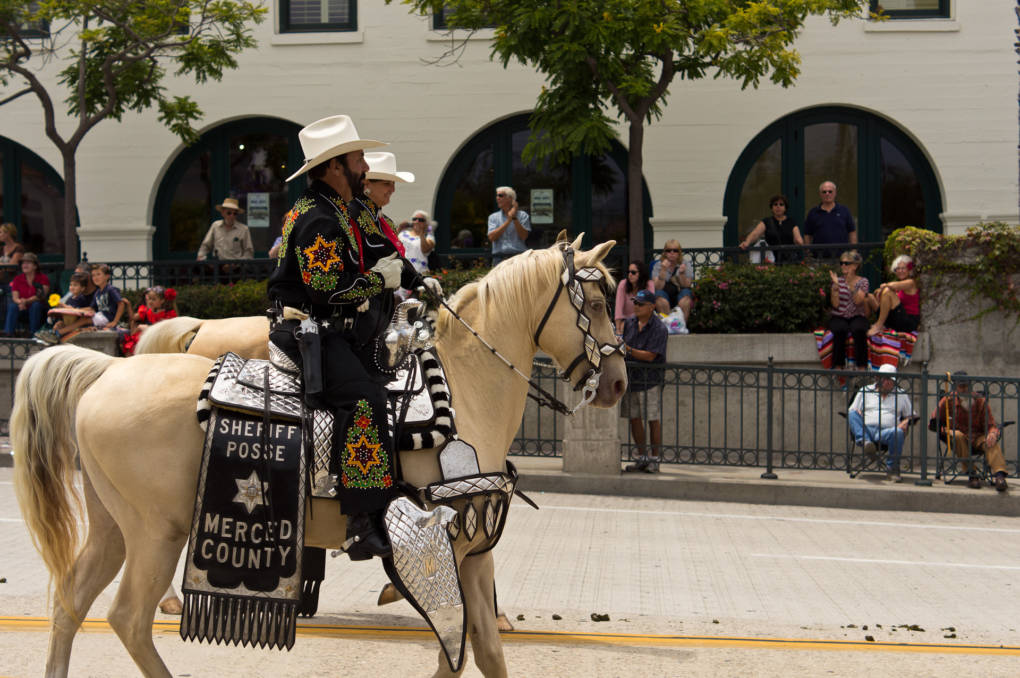
"caption": "Merced County Sheriff's Posse members ride in Santa Barbara.",
"description": "Merced County Sheriff's Posse members ride in Santa Barbara.",
"title": "Merced Sheriff's Posse",
"credit": "Fated Snowfox/\u003ca href=\"https://www.flickr.com/photos/fatedsnowfox/7723012684/in/photolist-cLssB7\">Flickr\u003c/a>",
"status": "inherit",
"isLoading": false,
"fetchFailed": false
},
"news_11275389": {
"type": "attachments",
"id": "news_11275389",
"meta": {
"index": "attachments_1716263798",
"site": "news",
"id": "11275389",
"found": true
},
"parent": 11268447,
"imgSizes": {
"small": {
"file": "https://ww2.kqed.org/app/uploads/sites/10/2017/01/CharlieHaden-520x352.jpg",
"width": 520,
"mimeType": "image/jpeg",
"height": 352
},
"twentyfourteen-full-width": {
"file": "https://ww2.kqed.org/app/uploads/sites/10/2017/01/CharlieHaden-1038x576.jpg",
"width": 1038,
"mimeType": "image/jpeg",
"height": 576
},
"thumbnail": {
"file": "https://ww2.kqed.org/app/uploads/sites/10/2017/01/CharlieHaden-160x108.jpg",
"width": 160,
"mimeType": "image/jpeg",
"height": 108
},
"fd-sm": {
"file": "https://ww2.kqed.org/app/uploads/sites/10/2017/01/CharlieHaden-960x651.jpg",
"width": 960,
"mimeType": "image/jpeg",
"height": 651
},
"post-thumbnail": {
"file": "https://ww2.kqed.org/app/uploads/sites/10/2017/01/CharlieHaden-672x372.jpg",
"width": 672,
"mimeType": "image/jpeg",
"height": 372
},
"xsmall": {
"file": "https://ww2.kqed.org/app/uploads/sites/10/2017/01/CharlieHaden-375x254.jpg",
"width": 375,
"mimeType": "image/jpeg",
"height": 254
},
"kqedFullSize": {
"file": "https://ww2.kqed.org/app/uploads/sites/10/2017/01/CharlieHaden.jpg",
"width": 1920,
"height": 1301
},
"large": {
"file": "https://ww2.kqed.org/app/uploads/sites/10/2017/01/CharlieHaden-1020x691.jpg",
"width": 1020,
"mimeType": "image/jpeg",
"height": 691
},
"xlarge": {
"file": "https://ww2.kqed.org/app/uploads/sites/10/2017/01/CharlieHaden-1180x800.jpg",
"width": 1180,
"mimeType": "image/jpeg",
"height": 800
},
"guest-author-50": {
"file": "https://ww2.kqed.org/app/uploads/sites/10/2017/01/CharlieHaden-50x50.jpg",
"width": 50,
"mimeType": "image/jpeg",
"height": 50
},
"guest-author-96": {
"file": "https://ww2.kqed.org/app/uploads/sites/10/2017/01/CharlieHaden-96x96.jpg",
"width": 96,
"mimeType": "image/jpeg",
"height": 96
},
"medium": {
"file": "https://ww2.kqed.org/app/uploads/sites/10/2017/01/CharlieHaden-800x542.jpg",
"width": 800,
"mimeType": "image/jpeg",
"height": 542
},
"guest-author-64": {
"file": "https://ww2.kqed.org/app/uploads/sites/10/2017/01/CharlieHaden-64x64.jpg",
"width": 64,
"mimeType": "image/jpeg",
"height": 64
},
"guest-author-32": {
"file": "https://ww2.kqed.org/app/uploads/sites/10/2017/01/CharlieHaden-32x32.jpg",
"width": 32,
"mimeType": "image/jpeg",
"height": 32
},
"jmtc-small-thumb": {
"file": "https://ww2.kqed.org/app/uploads/sites/10/2017/01/CharlieHaden-280x150.jpg",
"width": 280,
"mimeType": "image/jpeg",
"height": 150
},
"fd-lrg": {
"file": "https://ww2.kqed.org/app/uploads/sites/10/2017/01/CharlieHaden-1920x1301.jpg",
"width": 1920,
"mimeType": "image/jpeg",
"height": 1301
},
"fd-med": {
"file": "https://ww2.kqed.org/app/uploads/sites/10/2017/01/CharlieHaden-1180x800.jpg",
"width": 1180,
"mimeType": "image/jpeg",
"height": 800
},
"full-width": {
"file": "https://ww2.kqed.org/app/uploads/sites/10/2017/01/CharlieHaden-1920x1301.jpg",
"width": 1920,
"mimeType": "image/jpeg",
"height": 1301
},
"detail": {
"file": "https://ww2.kqed.org/app/uploads/sites/10/2017/01/CharlieHaden-150x150.jpg",
"width": 150,
"mimeType": "image/jpeg",
"height": 150
},
"guest-author-128": {
"file": "https://ww2.kqed.org/app/uploads/sites/10/2017/01/CharlieHaden-128x128.jpg",
"width": 128,
"mimeType": "image/jpeg",
"height": 128
},
"xxsmall": {
"file": "https://ww2.kqed.org/app/uploads/sites/10/2017/01/CharlieHaden-240x163.jpg",
"width": 240,
"mimeType": "image/jpeg",
"height": 163
}
},
"publishDate": 1484770126,
"modified": 1484781276,
"caption": "The late jazz bassist Charlie Haden performing in 2005.",
"description": "The late jazz bassist Charlie Haden performing in 2005.",
"title": "CharlieHaden",
"credit": "Rafa Rivas/AFP/Getty Images",
"status": "inherit",
"isLoading": false,
"fetchFailed": false
},
"news_11273893": {
"type": "attachments",
"id": "news_11273893",
"meta": {
"index": "attachments_1716263798",
"site": "news",
"id": "11273893",
"found": true
},
"parent": 11273882,
"imgSizes": {
"small": {
"file": "https://ww2.kqed.org/app/uploads/sites/10/2017/01/RS23630__MG_9550-qut-520x347.jpg",
"width": 520,
"mimeType": "image/jpeg",
"height": 347
},
"twentyfourteen-full-width": {
"file": "https://ww2.kqed.org/app/uploads/sites/10/2017/01/RS23630__MG_9550-qut-1038x576.jpg",
"width": 1038,
"mimeType": "image/jpeg",
"height": 576
},
"thumbnail": {
"file": "https://ww2.kqed.org/app/uploads/sites/10/2017/01/RS23630__MG_9550-qut-160x107.jpg",
"width": 160,
"mimeType": "image/jpeg",
"height": 107
},
"fd-sm": {
"file": "https://ww2.kqed.org/app/uploads/sites/10/2017/01/RS23630__MG_9550-qut-960x640.jpg",
"width": 960,
"mimeType": "image/jpeg",
"height": 640
},
"post-thumbnail": {
"file": "https://ww2.kqed.org/app/uploads/sites/10/2017/01/RS23630__MG_9550-qut-672x372.jpg",
"width": 672,
"mimeType": "image/jpeg",
"height": 372
},
"xsmall": {
"file": "https://ww2.kqed.org/app/uploads/sites/10/2017/01/RS23630__MG_9550-qut-375x250.jpg",
"width": 375,
"mimeType": "image/jpeg",
"height": 250
},
"kqedFullSize": {
"file": "https://ww2.kqed.org/app/uploads/sites/10/2017/01/RS23630__MG_9550-qut.jpg",
"width": 1200,
"height": 800
},
"large": {
"file": "https://ww2.kqed.org/app/uploads/sites/10/2017/01/RS23630__MG_9550-qut-1020x680.jpg",
"width": 1020,
"mimeType": "image/jpeg",
"height": 680
},
"xlarge": {
"file": "https://ww2.kqed.org/app/uploads/sites/10/2017/01/RS23630__MG_9550-qut-1180x787.jpg",
"width": 1180,
"mimeType": "image/jpeg",
"height": 787
},
"guest-author-50": {
"file": "https://ww2.kqed.org/app/uploads/sites/10/2017/01/RS23630__MG_9550-qut-50x50.jpg",
"width": 50,
"mimeType": "image/jpeg",
"height": 50
},
"guest-author-96": {
"file": "https://ww2.kqed.org/app/uploads/sites/10/2017/01/RS23630__MG_9550-qut-96x96.jpg",
"width": 96,
"mimeType": "image/jpeg",
"height": 96
},
"medium": {
"file": "https://ww2.kqed.org/app/uploads/sites/10/2017/01/RS23630__MG_9550-qut-800x533.jpg",
"width": 800,
"mimeType": "image/jpeg",
"height": 533
},
"guest-author-64": {
"file": "https://ww2.kqed.org/app/uploads/sites/10/2017/01/RS23630__MG_9550-qut-64x64.jpg",
"width": 64,
"mimeType": "image/jpeg",
"height": 64
},
"guest-author-32": {
"file": "https://ww2.kqed.org/app/uploads/sites/10/2017/01/RS23630__MG_9550-qut-32x32.jpg",
"width": 32,
"mimeType": "image/jpeg",
"height": 32
},
"jmtc-small-thumb": {
"file": "https://ww2.kqed.org/app/uploads/sites/10/2017/01/RS23630__MG_9550-qut-280x150.jpg",
"width": 280,
"mimeType": "image/jpeg",
"height": 150
},
"fd-med": {
"file": "https://ww2.kqed.org/app/uploads/sites/10/2017/01/RS23630__MG_9550-qut-1180x787.jpg",
"width": 1180,
"mimeType": "image/jpeg",
"height": 787
},
"detail": {
"file": "https://ww2.kqed.org/app/uploads/sites/10/2017/01/RS23630__MG_9550-qut-150x150.jpg",
"width": 150,
"mimeType": "image/jpeg",
"height": 150
},
"guest-author-128": {
"file": "https://ww2.kqed.org/app/uploads/sites/10/2017/01/RS23630__MG_9550-qut-128x128.jpg",
"width": 128,
"mimeType": "image/jpeg",
"height": 128
},
"xxsmall": {
"file": "https://ww2.kqed.org/app/uploads/sites/10/2017/01/RS23630__MG_9550-qut-240x160.jpg",
"width": 240,
"mimeType": "image/jpeg",
"height": 160
}
},
"publishDate": 1484692085,
"modified": 1484780264,
"caption": "Jazz musicians from the San Diego School of Creative and Performing Arts rehearse a Duke Ellington piece they'll be playing in Washington, D.C., at a special inauguration week luncheon to highlight California culture. ",
"description": "Jazz musicians from the San Diego School of Creative and Performing Arts rehearse a Duke Ellington piece they'll be playing in Washington, D.C. at a special inauguration week luncheon to highlight California culture. ",
"title": "RS23630__MG_9550-qut",
"credit": "Erin Siegal McIntyre/KQED",
"status": "inherit",
"isLoading": false,
"fetchFailed": false
},
"news_11273727": {
"type": "attachments",
"id": "news_11273727",
"meta": {
"index": "attachments_1716263798",
"site": "news",
"id": "11273727",
"found": true
},
"parent": 11267933,
"imgSizes": {
"small": {
"file": "https://ww2.kqed.org/app/uploads/sites/10/2017/01/PussyHatsMain-520x327.jpg",
"width": 520,
"mimeType": "image/jpeg",
"height": 327
},
"twentyfourteen-full-width": {
"file": "https://ww2.kqed.org/app/uploads/sites/10/2017/01/PussyHatsMain-1038x576.jpg",
"width": 1038,
"mimeType": "image/jpeg",
"height": 576
},
"thumbnail": {
"file": "https://ww2.kqed.org/app/uploads/sites/10/2017/01/PussyHatsMain-160x101.jpg",
"width": 160,
"mimeType": "image/jpeg",
"height": 101
},
"fd-sm": {
"file": "https://ww2.kqed.org/app/uploads/sites/10/2017/01/PussyHatsMain-960x604.jpg",
"width": 960,
"mimeType": "image/jpeg",
"height": 604
},
"post-thumbnail": {
"file": "https://ww2.kqed.org/app/uploads/sites/10/2017/01/PussyHatsMain-672x372.jpg",
"width": 672,
"mimeType": "image/jpeg",
"height": 372
},
"xsmall": {
"file": "https://ww2.kqed.org/app/uploads/sites/10/2017/01/PussyHatsMain-375x236.jpg",
"width": 375,
"mimeType": "image/jpeg",
"height": 236
},
"kqedFullSize": {
"file": "https://ww2.kqed.org/app/uploads/sites/10/2017/01/PussyHatsMain.jpg",
"width": 1920,
"height": 1207
},
"large": {
"file": "https://ww2.kqed.org/app/uploads/sites/10/2017/01/PussyHatsMain-1020x641.jpg",
"width": 1020,
"mimeType": "image/jpeg",
"height": 641
},
"xlarge": {
"file": "https://ww2.kqed.org/app/uploads/sites/10/2017/01/PussyHatsMain-1180x742.jpg",
"width": 1180,
"mimeType": "image/jpeg",
"height": 742
},
"guest-author-50": {
"file": "https://ww2.kqed.org/app/uploads/sites/10/2017/01/PussyHatsMain-50x50.jpg",
"width": 50,
"mimeType": "image/jpeg",
"height": 50
},
"guest-author-96": {
"file": "https://ww2.kqed.org/app/uploads/sites/10/2017/01/PussyHatsMain-96x96.jpg",
"width": 96,
"mimeType": "image/jpeg",
"height": 96
},
"medium": {
"file": "https://ww2.kqed.org/app/uploads/sites/10/2017/01/PussyHatsMain-800x503.jpg",
"width": 800,
"mimeType": "image/jpeg",
"height": 503
},
"guest-author-64": {
"file": "https://ww2.kqed.org/app/uploads/sites/10/2017/01/PussyHatsMain-64x64.jpg",
"width": 64,
"mimeType": "image/jpeg",
"height": 64
},
"guest-author-32": {
"file": "https://ww2.kqed.org/app/uploads/sites/10/2017/01/PussyHatsMain-32x32.jpg",
"width": 32,
"mimeType": "image/jpeg",
"height": 32
},
"jmtc-small-thumb": {
"file": "https://ww2.kqed.org/app/uploads/sites/10/2017/01/PussyHatsMain-280x150.jpg",
"width": 280,
"mimeType": "image/jpeg",
"height": 150
},
"fd-lrg": {
"file": "https://ww2.kqed.org/app/uploads/sites/10/2017/01/PussyHatsMain-1920x1207.jpg",
"width": 1920,
"mimeType": "image/jpeg",
"height": 1207
},
"fd-med": {
"file": "https://ww2.kqed.org/app/uploads/sites/10/2017/01/PussyHatsMain-1180x742.jpg",
"width": 1180,
"mimeType": "image/jpeg",
"height": 742
},
"full-width": {
"file": "https://ww2.kqed.org/app/uploads/sites/10/2017/01/PussyHatsMain-1920x1207.jpg",
"width": 1920,
"mimeType": "image/jpeg",
"height": 1207
},
"detail": {
"file": "https://ww2.kqed.org/app/uploads/sites/10/2017/01/PussyHatsMain-150x150.jpg",
"width": 150,
"mimeType": "image/jpeg",
"height": 150
},
"guest-author-128": {
"file": "https://ww2.kqed.org/app/uploads/sites/10/2017/01/PussyHatsMain-128x128.jpg",
"width": 128,
"mimeType": "image/jpeg",
"height": 128
},
"xxsmall": {
"file": "https://ww2.kqed.org/app/uploads/sites/10/2017/01/PussyHatsMain-240x151.jpg",
"width": 240,
"mimeType": "image/jpeg",
"height": 151
}
},
"publishDate": 1484684227,
"modified": 1484703032,
"caption": "Pussyhat Project co-founder Jayna Zweiman (L), The Little Knittery owner Kat Coyle (C), and Pussyhat Project co-founder Krista Suh (R) at The Little Knittery in Los Angeles.",
"description": "Pussyhat Project Co-founder Jayna Zweiman (L), The Little Knittery owner Kat Coyle (C), and Pussyhat Project Co-founder Krista Suh (R) at The Little Knittery in Los Angeles.",
"title": "PussyHatsMain",
"credit": "Blair Wells/KQED",
"status": "inherit",
"isLoading": false,
"fetchFailed": false
},
"news_11272436": {
"type": "attachments",
"id": "news_11272436",
"meta": {
"index": "attachments_1716263798",
"site": "news",
"id": "11272436",
"found": true
},
"parent": 11272065,
"imgSizes": {
"small": {
"file": "https://ww2.kqed.org/app/uploads/sites/10/2017/01/Starr_Kevin_portrait-e1484612739865-520x502.jpg",
"width": 520,
"mimeType": "image/jpeg",
"height": 502
},
"twentyfourteen-full-width": {
"file": "https://ww2.kqed.org/app/uploads/sites/10/2017/01/Starr_Kevin_portrait-e1484612739865-1038x576.jpg",
"width": 1038,
"mimeType": "image/jpeg",
"height": 576
},
"thumbnail": {
"file": "https://ww2.kqed.org/app/uploads/sites/10/2017/01/Starr_Kevin_portrait-e1484612739865-160x155.jpg",
"width": 160,
"mimeType": "image/jpeg",
"height": 155
},
"fd-sm": {
"file": "https://ww2.kqed.org/app/uploads/sites/10/2017/01/Starr_Kevin_portrait-e1484612739865-960x927.jpg",
"width": 960,
"mimeType": "image/jpeg",
"height": 927
},
"post-thumbnail": {
"file": "https://ww2.kqed.org/app/uploads/sites/10/2017/01/Starr_Kevin_portrait-e1484612739865-672x372.jpg",
"width": 672,
"mimeType": "image/jpeg",
"height": 372
},
"xsmall": {
"file": "https://ww2.kqed.org/app/uploads/sites/10/2017/01/Starr_Kevin_portrait-e1484612739865-375x362.jpg",
"width": 375,
"mimeType": "image/jpeg",
"height": 362
},
"kqedFullSize": {
"file": "https://ww2.kqed.org/app/uploads/sites/10/2017/01/Starr_Kevin_portrait-e1484612739865.jpg",
"width": 1500,
"height": 1449
},
"large": {
"file": "https://ww2.kqed.org/app/uploads/sites/10/2017/01/Starr_Kevin_portrait-e1484612739865-1020x985.jpg",
"width": 1020,
"mimeType": "image/jpeg",
"height": 985
},
"xlarge": {
"file": "https://ww2.kqed.org/app/uploads/sites/10/2017/01/Starr_Kevin_portrait-e1484612739865-1180x1140.jpg",
"width": 1180,
"mimeType": "image/jpeg",
"height": 1140
},
"guest-author-50": {
"file": "https://ww2.kqed.org/app/uploads/sites/10/2017/01/Starr_Kevin_portrait-e1484612739865-50x50.jpg",
"width": 50,
"mimeType": "image/jpeg",
"height": 50
},
"guest-author-96": {
"file": "https://ww2.kqed.org/app/uploads/sites/10/2017/01/Starr_Kevin_portrait-e1484612739865-96x96.jpg",
"width": 96,
"mimeType": "image/jpeg",
"height": 96
},
"medium": {
"file": "https://ww2.kqed.org/app/uploads/sites/10/2017/01/Starr_Kevin_portrait-e1484612739865-800x773.jpg",
"width": 800,
"mimeType": "image/jpeg",
"height": 773
},
"guest-author-64": {
"file": "https://ww2.kqed.org/app/uploads/sites/10/2017/01/Starr_Kevin_portrait-e1484612739865-64x64.jpg",
"width": 64,
"mimeType": "image/jpeg",
"height": 64
},
"guest-author-32": {
"file": "https://ww2.kqed.org/app/uploads/sites/10/2017/01/Starr_Kevin_portrait-e1484612739865-32x32.jpg",
"width": 32,
"mimeType": "image/jpeg",
"height": 32
},
"jmtc-small-thumb": {
"file": "https://ww2.kqed.org/app/uploads/sites/10/2017/01/Starr_Kevin_portrait-e1484612739865-280x150.jpg",
"width": 280,
"mimeType": "image/jpeg",
"height": 150
},
"fd-med": {
"file": "https://ww2.kqed.org/app/uploads/sites/10/2017/01/Starr_Kevin_portrait-e1484612739865-1180x1140.jpg",
"width": 1180,
"mimeType": "image/jpeg",
"height": 1140
},
"detail": {
"file": "https://ww2.kqed.org/app/uploads/sites/10/2017/01/Starr_Kevin_portrait-e1484612739865-150x150.jpg",
"width": 150,
"mimeType": "image/jpeg",
"height": 150
},
"guest-author-128": {
"file": "https://ww2.kqed.org/app/uploads/sites/10/2017/01/Starr_Kevin_portrait-e1484612739865-128x128.jpg",
"width": 128,
"mimeType": "image/jpeg",
"height": 128
},
"xxsmall": {
"file": "https://ww2.kqed.org/app/uploads/sites/10/2017/01/Starr_Kevin_portrait-e1484612739865-240x232.jpg",
"width": 240,
"mimeType": "image/jpeg",
"height": 232
}
},
"publishDate": 1484612517,
"modified": 1484612781,
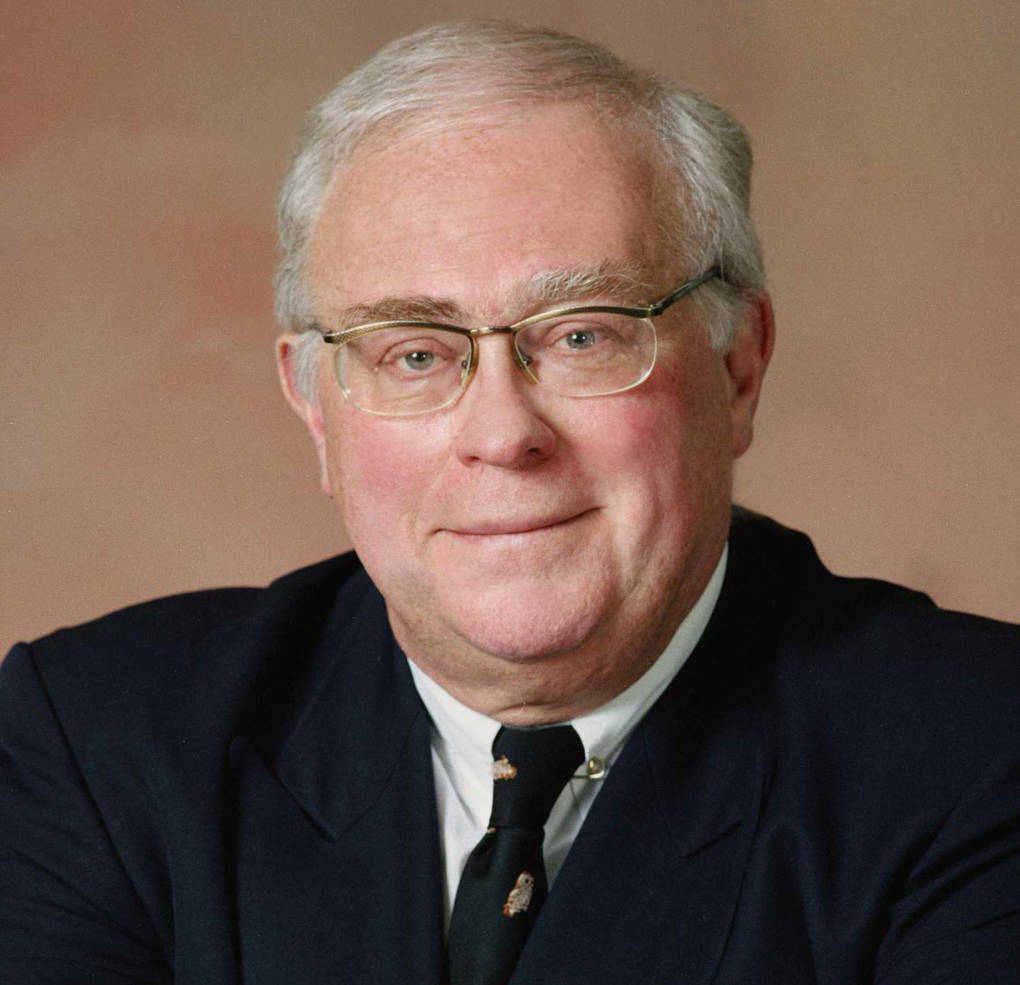
"caption": "Kevin Starr.",
"description": null,
"title": "Kevin Starr",
"credit": "University of Southern California",
"status": "inherit",
"isLoading": false,
"fetchFailed": false
},
"news_11268128": {
"type": "attachments",
"id": "news_11268128",
"meta": {
"index": "attachments_1716263798",
"site": "news",
"id": "11268128",
"found": true
},
"parent": 11268009,
"imgSizes": {
"small": {
"file": "https://ww2.kqed.org/app/uploads/sites/10/2017/01/UnderwaterPav-520x292.jpg",
"width": 520,
"mimeType": "image/jpeg",
"height": 292
},
"twentyfourteen-full-width": {
"file": "https://ww2.kqed.org/app/uploads/sites/10/2017/01/UnderwaterPav-1038x576.jpg",
"width": 1038,
"mimeType": "image/jpeg",
"height": 576
},
"thumbnail": {
"file": "https://ww2.kqed.org/app/uploads/sites/10/2017/01/UnderwaterPav-160x90.jpg",
"width": 160,
"mimeType": "image/jpeg",
"height": 90
},
"fd-sm": {
"file": "https://ww2.kqed.org/app/uploads/sites/10/2017/01/UnderwaterPav-960x540.jpg",
"width": 960,
"mimeType": "image/jpeg",
"height": 540
},
"post-thumbnail": {
"file": "https://ww2.kqed.org/app/uploads/sites/10/2017/01/UnderwaterPav-672x372.jpg",
"width": 672,
"mimeType": "image/jpeg",
"height": 372
},
"xsmall": {
"file": "https://ww2.kqed.org/app/uploads/sites/10/2017/01/UnderwaterPav-375x211.jpg",
"width": 375,
"mimeType": "image/jpeg",
"height": 211
},
"kqedFullSize": {
"file": "https://ww2.kqed.org/app/uploads/sites/10/2017/01/UnderwaterPav.jpg",
"width": 1920,
"height": 1079
},
"large": {
"file": "https://ww2.kqed.org/app/uploads/sites/10/2017/01/UnderwaterPav-1020x573.jpg",
"width": 1020,
"mimeType": "image/jpeg",
"height": 573
},
"xlarge": {
"file": "https://ww2.kqed.org/app/uploads/sites/10/2017/01/UnderwaterPav-1180x663.jpg",
"width": 1180,
"mimeType": "image/jpeg",
"height": 663
},
"guest-author-50": {
"file": "https://ww2.kqed.org/app/uploads/sites/10/2017/01/UnderwaterPav-50x50.jpg",
"width": 50,
"mimeType": "image/jpeg",
"height": 50
},
"guest-author-96": {
"file": "https://ww2.kqed.org/app/uploads/sites/10/2017/01/UnderwaterPav-96x96.jpg",
"width": 96,
"mimeType": "image/jpeg",
"height": 96
},
"medium": {
"file": "https://ww2.kqed.org/app/uploads/sites/10/2017/01/UnderwaterPav-800x450.jpg",
"width": 800,
"mimeType": "image/jpeg",
"height": 450
},
"guest-author-64": {
"file": "https://ww2.kqed.org/app/uploads/sites/10/2017/01/UnderwaterPav-64x64.jpg",
"width": 64,
"mimeType": "image/jpeg",
"height": 64
},
"guest-author-32": {
"file": "https://ww2.kqed.org/app/uploads/sites/10/2017/01/UnderwaterPav-32x32.jpg",
"width": 32,
"mimeType": "image/jpeg",
"height": 32
},
"jmtc-small-thumb": {
"file": "https://ww2.kqed.org/app/uploads/sites/10/2017/01/UnderwaterPav-280x150.jpg",
"width": 280,
"mimeType": "image/jpeg",
"height": 150
},
"fd-lrg": {
"file": "https://ww2.kqed.org/app/uploads/sites/10/2017/01/UnderwaterPav-1920x1079.jpg",
"width": 1920,
"mimeType": "image/jpeg",
"height": 1079
},
"fd-med": {
"file": "https://ww2.kqed.org/app/uploads/sites/10/2017/01/UnderwaterPav-1180x663.jpg",
"width": 1180,
"mimeType": "image/jpeg",
"height": 663
},
"full-width": {
"file": "https://ww2.kqed.org/app/uploads/sites/10/2017/01/UnderwaterPav-1920x1079.jpg",
"width": 1920,
"mimeType": "image/jpeg",
"height": 1079
},
"detail": {
"file": "https://ww2.kqed.org/app/uploads/sites/10/2017/01/UnderwaterPav-150x150.jpg",
"width": 150,
"mimeType": "image/jpeg",
"height": 150
},
"guest-author-128": {
"file": "https://ww2.kqed.org/app/uploads/sites/10/2017/01/UnderwaterPav-128x128.jpg",
"width": 128,
"mimeType": "image/jpeg",
"height": 128
},
"xxsmall": {
"file": "https://ww2.kqed.org/app/uploads/sites/10/2017/01/UnderwaterPav-240x135.jpg",
"width": 240,
"mimeType": "image/jpeg",
"height": 135
}
},
"publishDate": 1484345056,
"modified": 1484697361,
"caption": "Reporter Eric Drachman dives inside Doug Aitken's 'Underwater Pavilions' installation.",
"description": "Reporter Eric Drachman dives inside Doug Aitken's 'Underwater Pavilions' installation.",
"title": "underwaterpav",
"credit": "Courtesy Joel Wilson",
"status": "inherit",
"isLoading": false,
"fetchFailed": false
},
"news_10603160": {
"type": "attachments",
"id": "news_10603160",
"meta": {
"index": "attachments_1716263798",
"site": "news",
"id": "10603160",
"found": true
},
"parent": 10603158,
"imgSizes": {
"twentyfourteen-full-width": {
"file": "https://ww2.kqed.org/app/uploads/sites/10/2015/07/3577039059_dd205b9cf3_o-1038x576.jpg",
"width": 1038,
"mimeType": "image/jpeg",
"height": 576
},
"thumbnail": {
"file": "https://ww2.kqed.org/app/uploads/sites/10/2015/07/3577039059_dd205b9cf3_o-400x225.jpg",
"width": 400,
"mimeType": "image/jpeg",
"height": 225
},
"fd-sm": {
"file": "https://ww2.kqed.org/app/uploads/sites/10/2015/07/3577039059_dd205b9cf3_o-960x540.jpg",
"width": 960,
"mimeType": "image/jpeg",
"height": 540
},
"post-thumbnail": {
"file": "https://ww2.kqed.org/app/uploads/sites/10/2015/07/3577039059_dd205b9cf3_o-672x372.jpg",
"width": 672,
"mimeType": "image/jpeg",
"height": 372
},
"kqedFullSize": {
"file": "https://ww2.kqed.org/app/uploads/sites/10/2015/07/3577039059_dd205b9cf3_o-e1437064533500.jpg",
"width": 1920,
"height": 1080
},
"large": {
"file": "https://ww2.kqed.org/app/uploads/sites/10/2015/07/3577039059_dd205b9cf3_o-1440x810.jpg",
"width": 1440,
"mimeType": "image/jpeg",
"height": 810
},
"guest-author-96": {
"file": "https://ww2.kqed.org/app/uploads/sites/10/2015/07/3577039059_dd205b9cf3_o-96x96.jpg",
"width": 96,
"mimeType": "image/jpeg",
"height": 96
},
"medium": {
"file": "https://ww2.kqed.org/app/uploads/sites/10/2015/07/3577039059_dd205b9cf3_o-800x450.jpg",
"width": 800,
"mimeType": "image/jpeg",
"height": 450
},
"guest-author-64": {
"file": "https://ww2.kqed.org/app/uploads/sites/10/2015/07/3577039059_dd205b9cf3_o-64x64.jpg",
"width": 64,
"mimeType": "image/jpeg",
"height": 64
},
"guest-author-32": {
"file": "https://ww2.kqed.org/app/uploads/sites/10/2015/07/3577039059_dd205b9cf3_o-32x32.jpg",
"width": 32,
"mimeType": "image/jpeg",
"height": 32
},
"jmtc-small-thumb": {
"file": "https://ww2.kqed.org/app/uploads/sites/10/2015/07/3577039059_dd205b9cf3_o-280x150.jpg",
"width": 280,
"mimeType": "image/jpeg",
"height": 150
},
"fd-lrg": {
"file": "https://ww2.kqed.org/app/uploads/sites/10/2015/07/3577039059_dd205b9cf3_o-1400x788.jpg",
"width": 1400,
"mimeType": "image/jpeg",
"height": 788
},
"fd-med": {
"file": "https://ww2.kqed.org/app/uploads/sites/10/2015/07/3577039059_dd205b9cf3_o-1180x664.jpg",
"width": 1180,
"mimeType": "image/jpeg",
"height": 664
},
"detail": {
"file": "https://ww2.kqed.org/app/uploads/sites/10/2015/07/3577039059_dd205b9cf3_o-75x75.jpg",
"width": 75,
"mimeType": "image/jpeg",
"height": 75
},
"guest-author-128": {
"file": "https://ww2.kqed.org/app/uploads/sites/10/2015/07/3577039059_dd205b9cf3_o-128x128.jpg",
"width": 128,
"mimeType": "image/jpeg",
"height": 128
}
},
"publishDate": 1437064385,
"modified": 1484263793,
"caption": "A San Francisco Fire Department emblem at old Station 1 on Howard Street.",
"description": null,
"title": "San Francisco Fire Department",
"credit": "\u003ca href=\"https://flic.kr/p/6s6g6e\" target=\"_blank\">Robert Ochialini/Flickr\u003c/a>",
"status": "inherit",
"isLoading": false,
"fetchFailed": false
},
"news_11048011": {
"type": "attachments",
"id": "news_11048011",
"meta": {
"index": "attachments_1716263798",
"site": "news",
"id": "11048011",
"found": true
},
"parent": 11033429,
"imgSizes": {
"twentyfourteen-full-width": {
"file": "https://ww2.kqed.org/app/uploads/sites/10/2016/08/RS20485_160729_CLUBNBDancers_bhs04-1038x576.jpg",
"width": 1038,
"mimeType": "image/jpeg",
"height": 576
},
"thumbnail": {
"file": "https://ww2.kqed.org/app/uploads/sites/10/2016/08/RS20485_160729_CLUBNBDancers_bhs04-400x267.jpg",
"width": 400,
"mimeType": "image/jpeg",
"height": 267
},
"fd-sm": {
"file": "https://ww2.kqed.org/app/uploads/sites/10/2016/08/RS20485_160729_CLUBNBDancers_bhs04-960x640.jpg",
"width": 960,
"mimeType": "image/jpeg",
"height": 640
},
"post-thumbnail": {
"file": "https://ww2.kqed.org/app/uploads/sites/10/2016/08/RS20485_160729_CLUBNBDancers_bhs04-672x372.jpg",
"width": 672,
"mimeType": "image/jpeg",
"height": 372
},
"kqedFullSize": {
"file": "https://ww2.kqed.org/app/uploads/sites/10/2016/08/RS20485_160729_CLUBNBDancers_bhs04.jpg",
"width": 1920,
"height": 1280
},
"large": {
"file": "https://ww2.kqed.org/app/uploads/sites/10/2016/08/RS20485_160729_CLUBNBDancers_bhs04-1920x1280.jpg",
"width": 1920,
"mimeType": "image/jpeg",
"height": 1280
},
"guest-author-50": {
"file": "https://ww2.kqed.org/app/uploads/sites/10/2016/08/RS20485_160729_CLUBNBDancers_bhs04-50x50.jpg",
"width": 50,
"mimeType": "image/jpeg",
"height": 50
},
"guest-author-96": {
"file": "https://ww2.kqed.org/app/uploads/sites/10/2016/08/RS20485_160729_CLUBNBDancers_bhs04-96x96.jpg",
"width": 96,
"mimeType": "image/jpeg",
"height": 96
},
"medium": {
"file": "https://ww2.kqed.org/app/uploads/sites/10/2016/08/RS20485_160729_CLUBNBDancers_bhs04-800x533.jpg",
"width": 800,
"mimeType": "image/jpeg",
"height": 533
},
"guest-author-64": {
"file": "https://ww2.kqed.org/app/uploads/sites/10/2016/08/RS20485_160729_CLUBNBDancers_bhs04-64x64.jpg",
"width": 64,
"mimeType": "image/jpeg",
"height": 64
},
"guest-author-32": {
"file": "https://ww2.kqed.org/app/uploads/sites/10/2016/08/RS20485_160729_CLUBNBDancers_bhs04-32x32.jpg",
"width": 32,
"mimeType": "image/jpeg",
"height": 32
},
"jmtc-small-thumb": {
"file": "https://ww2.kqed.org/app/uploads/sites/10/2016/08/RS20485_160729_CLUBNBDancers_bhs04-280x150.jpg",
"width": 280,
"mimeType": "image/jpeg",
"height": 150
},
"fd-lrg": {
"file": "https://ww2.kqed.org/app/uploads/sites/10/2016/08/RS20485_160729_CLUBNBDancers_bhs04-1920x1280.jpg",
"width": 1920,
"mimeType": "image/jpeg",
"height": 1280
},
"fd-med": {
"file": "https://ww2.kqed.org/app/uploads/sites/10/2016/08/RS20485_160729_CLUBNBDancers_bhs04-1180x787.jpg",
"width": 1180,
"mimeType": "image/jpeg",
"height": 787
},
"detail": {
"file": "https://ww2.kqed.org/app/uploads/sites/10/2016/08/RS20485_160729_CLUBNBDancers_bhs04-150x150.jpg",
"width": 150,
"mimeType": "image/jpeg",
"height": 150
},
"guest-author-128": {
"file": "https://ww2.kqed.org/app/uploads/sites/10/2016/08/RS20485_160729_CLUBNBDancers_bhs04-128x128.jpg",
"width": 128,
"mimeType": "image/jpeg",
"height": 128
}
},
"publishDate": 1470935567,
"modified": 1484270094,
"caption": "Entertainer Cocoa Diamond dances on stage at Club BNB in Oakland.",
"description": "Entertainer Cocoa Diamond dances on stage at Club BnB in Oakland.",
"title": "RS20485_160729_CLUBNBDancers_bhs04",
"credit": "Brittany Hosea-Small/KQED",
"status": "inherit",
"isLoading": false,
"fetchFailed": false
},
"news_11261840": {
"type": "attachments",
"id": "news_11261840",
"meta": {
"index": "attachments_1716263798",
"site": "news",
"id": "11261840",
"found": true
},
"parent": 11261837,
"imgSizes": {
"small": {
"file": "https://ww2.kqed.org/app/uploads/sites/10/2017/01/RS23511_73dlcover-qut-520x271.jpg",
"width": 520,
"mimeType": "image/jpeg",
"height": 271
},
"twentyfourteen-full-width": {
"file": "https://ww2.kqed.org/app/uploads/sites/10/2017/01/RS23511_73dlcover-qut-1038x576.jpg",
"width": 1038,
"mimeType": "image/jpeg",
"height": 576
},
"thumbnail": {
"file": "https://ww2.kqed.org/app/uploads/sites/10/2017/01/RS23511_73dlcover-qut-160x84.jpg",
"width": 160,
"mimeType": "image/jpeg",
"height": 84
},
"fd-sm": {
"file": "https://ww2.kqed.org/app/uploads/sites/10/2017/01/RS23511_73dlcover-qut-960x501.jpg",
"width": 960,
"mimeType": "image/jpeg",
"height": 501
},
"post-thumbnail": {
"file": "https://ww2.kqed.org/app/uploads/sites/10/2017/01/RS23511_73dlcover-qut-672x372.jpg",
"width": 672,
"mimeType": "image/jpeg",
"height": 372
},
"xsmall": {
"file": "https://ww2.kqed.org/app/uploads/sites/10/2017/01/RS23511_73dlcover-qut-375x196.jpg",
"width": 375,
"mimeType": "image/jpeg",
"height": 196
},
"kqedFullSize": {
"file": "https://ww2.kqed.org/app/uploads/sites/10/2017/01/RS23511_73dlcover-qut.jpg",
"width": 1920,
"height": 1002
},
"large": {
"file": "https://ww2.kqed.org/app/uploads/sites/10/2017/01/RS23511_73dlcover-qut-1020x532.jpg",
"width": 1020,
"mimeType": "image/jpeg",
"height": 532
},
"xlarge": {
"file": "https://ww2.kqed.org/app/uploads/sites/10/2017/01/RS23511_73dlcover-qut-1180x616.jpg",
"width": 1180,
"mimeType": "image/jpeg",
"height": 616
},
"guest-author-50": {
"file": "https://ww2.kqed.org/app/uploads/sites/10/2017/01/RS23511_73dlcover-qut-50x50.jpg",
"width": 50,
"mimeType": "image/jpeg",
"height": 50
},
"guest-author-96": {
"file": "https://ww2.kqed.org/app/uploads/sites/10/2017/01/RS23511_73dlcover-qut-96x96.jpg",
"width": 96,
"mimeType": "image/jpeg",
"height": 96
},
"medium": {
"file": "https://ww2.kqed.org/app/uploads/sites/10/2017/01/RS23511_73dlcover-qut-800x418.jpg",
"width": 800,
"mimeType": "image/jpeg",
"height": 418
},
"guest-author-64": {
"file": "https://ww2.kqed.org/app/uploads/sites/10/2017/01/RS23511_73dlcover-qut-64x64.jpg",
"width": 64,
"mimeType": "image/jpeg",
"height": 64
},
"guest-author-32": {
"file": "https://ww2.kqed.org/app/uploads/sites/10/2017/01/RS23511_73dlcover-qut-32x32.jpg",
"width": 32,
"mimeType": "image/jpeg",
"height": 32
},
"jmtc-small-thumb": {
"file": "https://ww2.kqed.org/app/uploads/sites/10/2017/01/RS23511_73dlcover-qut-280x150.jpg",
"width": 280,
"mimeType": "image/jpeg",
"height": 150
},
"fd-lrg": {
"file": "https://ww2.kqed.org/app/uploads/sites/10/2017/01/RS23511_73dlcover-qut-1920x1002.jpg",
"width": 1920,
"mimeType": "image/jpeg",
"height": 1002
},
"fd-med": {
"file": "https://ww2.kqed.org/app/uploads/sites/10/2017/01/RS23511_73dlcover-qut-1180x616.jpg",
"width": 1180,
"mimeType": "image/jpeg",
"height": 616
},
"full-width": {
"file": "https://ww2.kqed.org/app/uploads/sites/10/2017/01/RS23511_73dlcover-qut-1920x1002.jpg",
"width": 1920,
"mimeType": "image/jpeg",
"height": 1002
},
"detail": {
"file": "https://ww2.kqed.org/app/uploads/sites/10/2017/01/RS23511_73dlcover-qut-150x150.jpg",
"width": 150,
"mimeType": "image/jpeg",
"height": 150
},
"guest-author-128": {
"file": "https://ww2.kqed.org/app/uploads/sites/10/2017/01/RS23511_73dlcover-qut-128x128.jpg",
"width": 128,
"mimeType": "image/jpeg",
"height": 128
},
"xxsmall": {
"file": "https://ww2.kqed.org/app/uploads/sites/10/2017/01/RS23511_73dlcover-qut-240x125.jpg",
"width": 240,
"mimeType": "image/jpeg",
"height": 125
}
},
"publishDate": 1483991540,
"modified": 1484268975,
"caption": "'73 Days Later' is a documentary-in-progress, documenting Americans' hopes and fears between Donald Trump's election and inauguration. ",
"description": null,
"title": "rs23511_73dlcover-qut",
"credit": "Courtesy '73 Days Later'",
"status": "inherit",
"isLoading": false,
"fetchFailed": false
}
},
"audioPlayerReducer": {
"postId": "stream_live",
"isPaused": true,
"isPlaying": false,
"pfsActive": false,
"pledgeModalIsOpen": true,
"playerDrawerIsOpen": false,
"liveAudioPlayStartedAt": 0,
"liveAudioPlayContext": ""
},
"authorsReducer": {
"byline_news_11267933": {
"type": "authors",
"id": "byline_news_11267933",
"meta": {
"override": true
},
"slug": "byline_news_11267933",
"name": "Tena Rubio",
"isLoading": false
},
"byline_news_11268009": {
"type": "authors",
"id": "byline_news_11268009",
"meta": {
"override": true
},
"slug": "byline_news_11268009",
"name": "\u003cstrong>\u003ca href=\"http://blogs.kcrw.com/dna/author/ericdrachman\">Eric Drachman\u003c/a>\u003cbr>\u003ca href=\"http://www.kcrw.com/\">KCRW\u003c/a>\u003c/strong>",
"isLoading": false
},
"agilbert": {
"type": "authors",
"id": "86",
"meta": {
"index": "authors_1716337520",
"id": "86",
"found": true
},
"name": "Andrew Gilbert",
"firstName": "Andrew",
"lastName": "Gilbert",
"slug": "agilbert",
"email": "jazzscribe@aol.com",
"display_author_email": false,
"staff_mastheads": [],
"title": "KQED Contributor",
"bio": "A Los Angeles native based in the Berkeley area since 1996, Andrew Gilbert covers jazz, international music and dance for KQED's \u003ci>California Report, \u003c/i>the\u003ci> Mercury News\u003c/i>, \u003ci>San Francisco Chronicle\u003c/i>, \u003ci>Berkeleyside.com\u003c/i>, and other publications. He is available for weddings and bar and bat mitzvahs. #jazzscribe",
"avatar": "https://secure.gravatar.com/avatar/d7bcafdbefdd39e9a68f88724ca616eb4e7a5a6bff9cdfb62de652a1e1751471?s=600&d=blank&r=g",
"twitter": null,
"bluesky": null,
"facebook": null,
"instagram": null,
"linkedin": null,
"sites": [
{
"site": "arts",
"roles": [
"Contributor",
"author"
]
},
{
"site": "news",
"roles": [
"author"
]
}
],
"headData": {
"title": "Andrew Gilbert | KQED",
"description": "KQED Contributor",
"ogImgSrc": "https://secure.gravatar.com/avatar/d7bcafdbefdd39e9a68f88724ca616eb4e7a5a6bff9cdfb62de652a1e1751471?s=600&d=blank&r=g",
"twImgSrc": "https://secure.gravatar.com/avatar/d7bcafdbefdd39e9a68f88724ca616eb4e7a5a6bff9cdfb62de652a1e1751471?s=600&d=blank&r=g"
},
"isLoading": false,
"link": "/author/agilbert"
},
"dclyde": {
"type": "authors",
"id": "104",
"meta": {
"index": "authors_1716337520",
"id": "104",
"found": true
},
"name": "Don Clyde",
"firstName": "Don",
"lastName": "Clyde",
"slug": "dclyde",
"email": "dclyde@kqed.org",
"display_author_email": false,
"staff_mastheads": [],
"title": "KQED Contributor",
"bio": "Don Clyde is an online producer, reporter and copy editor for KQED News. Before venturing into journalism, he worked as a medical device engineer and scientist for nearly a decade after earning a degree in physics from UC Berkeley. He loves travel, reading, living in Oakland, and most importantly, a good walk. Email him at dclyde@kqed.org or follow him @clydedon.",
"avatar": "https://secure.gravatar.com/avatar/decd3e640c3eedbd0a574275aebb2d19?s=600&d=blank&r=g",
"twitter": "clydedon",
"facebook": null,
"instagram": null,
"linkedin": null,
"sites": [
{
"site": "artschool",
"roles": [
"editor"
]
},
{
"site": "news",
"roles": [
"administrator"
]
},
{
"site": "futureofyou",
"roles": [
"editor"
]
},
{
"site": "about",
"roles": [
"editor"
]
},
{
"site": "mindshift",
"roles": [
"contributor"
]
},
{
"site": "bayareabites",
"roles": [
"contributor"
]
},
{
"site": "lowdown",
"roles": [
"editor"
]
},
{
"site": "stateofhealth",
"roles": [
"administrator"
]
},
{
"site": "spark",
"roles": [
"administrator"
]
},
{
"site": "trulyca",
"roles": [
"administrator"
]
},
{
"site": "imagemakers",
"roles": [
"administrator"
]
},
{
"site": "science",
"roles": []
},
{
"site": "education",
"roles": [
"editor"
]
},
{
"site": "quest",
"roles": [
"subscriber"
]
},
{
"site": "checkplease",
"roles": [
"subscriber"
]
},
{
"site": "forum",
"roles": [
"editor"
]
},
{
"site": "perspectives",
"roles": [
"editor"
]
}
],
"headData": {
"title": "Don Clyde | KQED",
"description": "KQED Contributor",
"ogImgSrc": "https://secure.gravatar.com/avatar/decd3e640c3eedbd0a574275aebb2d19?s=600&d=blank&r=g",
"twImgSrc": "https://secure.gravatar.com/avatar/decd3e640c3eedbd0a574275aebb2d19?s=600&d=blank&r=g"
},
"isLoading": false,
"link": "/author/dclyde"
},
"aeghan": {
"type": "authors",
"id": "195",
"meta": {
"index": "authors_1716337520",
"id": "195",
"found": true
},
"name": "Adizah Eghan",
"firstName": "Adizah",
"lastName": "Eghan",
"slug": "aeghan",
"email": "adizah.e@gmail.com",
"display_author_email": false,
"staff_mastheads": [],
"title": "KQED Contributor",
"bio": "Adizah Eghan is a former reporter at KQED News and writer for KQED Arts. She caught the radio bug as an intern for PRI's The World and landed in KQED's newsroom after a stint teaching English in India. She covers culture, the arts, and global music in the Bay Area. This is where she tweets: \u003ca class=\"ProfileHeaderCard-screennameLink u-linkComplex js-nav\" style=\"color: #8899a6;\" href=\"https://twitter.com/Adizah_E\">@\u003cspan class=\"u-linkComplex-target\">Adizah_E\u003c/span>\u003c/a>",
"avatar": "https://secure.gravatar.com/avatar/d6e30ed9ca504243b4d8ee5d7ca32324?s=600&d=blank&r=g",
"twitter": "Adizah_E",
"facebook": null,
"instagram": null,
"linkedin": null,
"sites": [
{
"site": "arts",
"roles": [
"contributor"
]
},
{
"site": "news",
"roles": [
"subscriber"
]
},
{
"site": "stateofhealth",
"roles": [
"author"
]
}
],
"headData": {
"title": "Adizah Eghan | KQED",
"description": "KQED Contributor",
"ogImgSrc": "https://secure.gravatar.com/avatar/d6e30ed9ca504243b4d8ee5d7ca32324?s=600&d=blank&r=g",
"twImgSrc": "https://secure.gravatar.com/avatar/d6e30ed9ca504243b4d8ee5d7ca32324?s=600&d=blank&r=g"
},
"isLoading": false,
"link": "/author/aeghan"
},
"danbrekke": {
"type": "authors",
"id": "222",
"meta": {
"index": "authors_1716337520",
"id": "222",
"found": true
},
"name": "Dan Brekke",
"firstName": "Dan",
"lastName": "Brekke",
"slug": "danbrekke",
"email": "dbrekke@kqed.org",
"display_author_email": true,
"staff_mastheads": [
"news",
"science"
],
"title": "KQED Editor and Reporter",
"bio": "Dan Brekke is a reporter and editor for KQED News, responsible for coverage of topics ranging from California water issues to the Bay Area's transportation challenges. In a newsroom career that began in Chicago in 1972, Dan has worked for \u003cem>The San Francisco Examiner,\u003c/em> Wired and TechTV and has been published in The New York Times, The New York Times Magazine, Business 2.0, Salon and elsewhere.\r\n\r\nSince joining KQED in 2007, Dan has reported, edited and produced both radio and online features and breaking news pieces. He has shared as both editor and reporter in four Society of Professional Journalists Norcal Excellence in Journalism awards and one Edward R. Murrow regional award. He was chosen for a spring 2017 residency at the Mesa Refuge to advance his research on California salmon.\r\n\r\nEmail Dan at: \u003ca href=\"mailto:dbrekke@kqed.org\">dbrekke@kqed.org\u003c/a>\r\n\r\n\u003cstrong>Twitter:\u003c/strong> \u003ca href=\"https://twitter.com/danbrekke\" rel=\"noopener noreferrer\">twitter.com/danbrekke\u003c/a>\r\n\u003cstrong>Facebook:\u003c/strong> \u003ca href=\"https://www.facebook.com/danbrekke\" rel=\"noopener noreferrer\">www.facebook.com/danbrekke\u003c/a>\r\n\u003cstrong>LinkedIn:\u003c/strong> \u003ca href=\"https://www.linkedin.com/in/danbrekke\" rel=\"noopener noreferrer\">www.linkedin.com/in/danbrekke\u003c/a>",
"avatar": "https://secure.gravatar.com/avatar/8f1f0d2a978fb3b23426c922c7e2af558fa36905b49c4ce76a97dc3c72d27226?s=600&d=mm&r=g",
"twitter": "danbrekke",
"bluesky": null,
"facebook": null,
"instagram": "https://www.instagram.com/dan.brekke/",
"linkedin": "https://www.linkedin.com/in/danbrekke/",
"sites": [
{
"site": "news",
"roles": [
"administrator",
"create_posts"
]
},
{
"site": "stateofhealth",
"roles": [
"editor"
]
},
{
"site": "science",
"roles": [
"editor"
]
},
{
"site": "quest",
"roles": [
"contributor"
]
},
{
"site": "food",
"roles": [
"contributor"
]
},
{
"site": "forum",
"roles": [
"contributor"
]
},
{
"site": "elections",
"roles": [
"editor"
]
},
{
"site": "liveblog",
"roles": [
"editor"
]
}
],
"headData": {
"title": "Dan Brekke | KQED",
"description": "KQED Editor and Reporter",
"ogImgSrc": "https://secure.gravatar.com/avatar/8f1f0d2a978fb3b23426c922c7e2af558fa36905b49c4ce76a97dc3c72d27226?s=600&d=mm&r=g",
"twImgSrc": "https://secure.gravatar.com/avatar/8f1f0d2a978fb3b23426c922c7e2af558fa36905b49c4ce76a97dc3c72d27226?s=600&d=mm&r=g"
},
"isLoading": false,
"link": "/author/danbrekke"
},
"samharnett": {
"type": "authors",
"id": "253",
"meta": {
"index": "authors_1716337520",
"id": "253",
"found": true
},
"name": "Sam Harnett",
"firstName": "Sam",
"lastName": "Harnett",
"slug": "samharnett",
"email": "samharnett@gmail.com",
"display_author_email": false,
"staff_mastheads": [],
"title": "KQED Contributor",
"bio": "Sam Harnett covered tech and work at KQED. He is the co-creator of \u003cem>\u003ca href=\"http://www.theworldaccordingtosound.org\">The World According to Sound\u003c/a>,\u003c/em> a 90-second podcast that features different sounds and the stories behind them.\r\n\r\nBefore coming to KQED, Sam worked as an independent reporter who contributed regularly to \u003cem>The California Report, Marketplace,\u003c/em> \u003cem>The World \u003c/em>and NPR.",
"avatar": "https://secure.gravatar.com/avatar/2538b972ac02f2b9546c7a6c59a0f3d0?s=600&d=blank&r=g",
"twitter": "Samwharnett",
"facebook": null,
"instagram": null,
"linkedin": null,
"sites": [
{
"site": "news",
"roles": [
"edit_others_posts",
"subscriber"
]
},
{
"site": "stateofhealth",
"roles": [
"author"
]
},
{
"site": "science",
"roles": [
"editor"
]
},
{
"site": "quest",
"roles": [
"subscriber"
]
}
],
"headData": {
"title": "Sam Harnett | KQED",
"description": "KQED Contributor",
"ogImgSrc": "https://secure.gravatar.com/avatar/2538b972ac02f2b9546c7a6c59a0f3d0?s=600&d=blank&r=g",
"twImgSrc": "https://secure.gravatar.com/avatar/2538b972ac02f2b9546c7a6c59a0f3d0?s=600&d=blank&r=g"
},
"isLoading": false,
"link": "/author/samharnett"
},
"sasha-khokha": {
"type": "authors",
"id": "254",
"meta": {
"index": "authors_1716337520",
"id": "254",
"found": true
},
"name": "Sasha Khokha",
"firstName": "Sasha",
"lastName": "Khokha",
"slug": "sasha-khokha",
"email": "skhokha@kqed.org",
"display_author_email": true,
"staff_mastheads": [
"news"
],
"title": "Host, The California Report Magazine",
"bio": "Sasha Khokha is the host of \u003cem>The California Report's \u003c/em> weekly magazine program, which takes listeners on sound-rich excursions to meet the people that make the Golden State unique -- through audio documentaries and long-form stories. As \u003cem>The California Report's\u003c/em> Central Valley Bureau Chief based in Fresno for nearly a dozen years, Sasha brought the lives and concerns of rural Californians to listeners around the state. Her reporting helped expose the hidden price immigrant women janitors and farmworkers may pay to keep their jobs: sexual assault at work. It inspired two new California laws to protect them from sexual harassment. She was a key member of the reporting team for the Frontline film \u003cem>Rape on the Night Shift, \u003c/em>which was nominated for two national Emmys. Sasha has also won a national Edward R. Murrow and a national PRNDI award for investigative reporting, as well as multiple prizes from the Society for Professional Journalists. Sasha is a proud alum of the UC Berkeley Graduate School of Journalism and Brown University and a member of the South Asian Journalists Association.",
"avatar": "https://secure.gravatar.com/avatar/e4b5e1541aaeea2aa356aa1fb2a68950?s=600&d=blank&r=g",
"twitter": "KQEDSashaKhokha",
"facebook": null,
"instagram": null,
"linkedin": null,
"sites": [
{
"site": "news",
"roles": [
"editor"
]
},
{
"site": "stateofhealth",
"roles": [
"author"
]
},
{
"site": "science",
"roles": [
"author"
]
},
{
"site": "quest",
"roles": [
"subscriber"
]
}
],
"headData": {
"title": "Sasha Khokha | KQED",
"description": "Host, The California Report Magazine",
"ogImgSrc": "https://secure.gravatar.com/avatar/e4b5e1541aaeea2aa356aa1fb2a68950?s=600&d=blank&r=g",
"twImgSrc": "https://secure.gravatar.com/avatar/e4b5e1541aaeea2aa356aa1fb2a68950?s=600&d=blank&r=g"
},
"isLoading": false,
"link": "/author/sasha-khokha"
},
"tgoldberg": {
"type": "authors",
"id": "258",
"meta": {
"index": "authors_1716337520",
"id": "258",
"found": true
},
"name": "Ted Goldberg",
"firstName": "Ted",
"lastName": "Goldberg",
"slug": "tgoldberg",
"email": "tgoldberg@kqed.org",
"display_author_email": true,
"staff_mastheads": [
"news"
],
"title": "KQED Managing Editor, News and Newscasts",
"bio": "Ted Goldberg is Managing Editor of News and Newscasts at KQED. His main reporting beat is the Bay Area's oil refining industry.\r\n\r\nPrior to joining KQED in 2014, Ted worked at CBS News and WCBS AM in New York and Bay City News and KCBS Radio in San Francisco. He graduated from Oberlin College in Ohio in 1998.",
"avatar": "https://secure.gravatar.com/avatar/30ce2e4fe89135e104f89be2394d16225b9d36c121b5b3cb7651ce642978b96f?s=600&d=blank&r=g",
"twitter": "TedrickG",
"bluesky": null,
"facebook": null,
"instagram": null,
"linkedin": null,
"sites": [
{
"site": "news",
"roles": [
"editor"
]
},
{
"site": "science",
"roles": [
"editor"
]
}
],
"headData": {
"title": "Ted Goldberg | KQED",
"description": "KQED Managing Editor, News and Newscasts",
"ogImgSrc": "https://secure.gravatar.com/avatar/30ce2e4fe89135e104f89be2394d16225b9d36c121b5b3cb7651ce642978b96f?s=600&d=blank&r=g",
"twImgSrc": "https://secure.gravatar.com/avatar/30ce2e4fe89135e104f89be2394d16225b9d36c121b5b3cb7651ce642978b96f?s=600&d=blank&r=g"
},
"isLoading": false,
"link": "/author/tgoldberg"
},
"vrancano": {
"type": "authors",
"id": "11276",
"meta": {
"index": "authors_1716337520",
"id": "11276",
"found": true
},
"name": "Vanessa Rancaño",
"firstName": "Vanessa",
"lastName": "Rancaño",
"slug": "vrancano",
"email": "vrancano@kqed.org",
"display_author_email": false,
"staff_mastheads": [
"news"
],
"title": "Reporter",
"bio": "Vanessa Rancaño is a features reporter for KQED. She’s also covered homelessness and education for the station and reported from the Central Valley. Her work has aired across public radio, from flagship national news shows to longform narrative podcasts. Before taking up a mic, she worked as a freelance print journalist. She’s been recognized with a number of national and regional awards. Vanessa grew up in California's Central Valley. She's a former NPR Kroc Fellow, and a graduate of the UC Berkeley Graduate School of Journalism.",
"avatar": "https://secure.gravatar.com/avatar/b3a383dfb0e7ee1c17568f2cf067904ab654d6e3de9743fc661f3c788ade1bed?s=600&d=blank&r=g",
"twitter": "vanessarancano",
"bluesky": null,
"facebook": null,
"instagram": null,
"linkedin": null,
"sites": [
{
"site": "arts",
"roles": [
"editor"
]
},
{
"site": "news",
"roles": [
"editor"
]
},
{
"site": "liveblog",
"roles": [
"contributor"
]
}
],
"headData": {
"title": "Vanessa Rancaño | KQED",
"description": "Reporter",
"ogImgSrc": "https://secure.gravatar.com/avatar/b3a383dfb0e7ee1c17568f2cf067904ab654d6e3de9743fc661f3c788ade1bed?s=600&d=blank&r=g",
"twImgSrc": "https://secure.gravatar.com/avatar/b3a383dfb0e7ee1c17568f2cf067904ab654d6e3de9743fc661f3c788ade1bed?s=600&d=blank&r=g"
},
"isLoading": false,
"link": "/author/vrancano"
}
},
"pagesReducer": {
"news_category_arts-and-culture": {
"type": "terms",
"id": "news_223",
"meta": {
"index": "terms_1716263798",
"site": "news",
"id": "223",
"score": 11.242466
},
"featImg": null,
"name": "Arts and Culture",
"description": null,
"taxonomy": "category",
"headData": {
"twImgId": null,
"twTitle": null,
"ogTitle": null,
"ogImgId": null,
"twDescription": null,
"description": null,
"title": "Arts and Culture Archives | KQED News",
"ogDescription": null
},
"ttid": 231,
"slug": "arts-and-culture",
"isLoading": false,
"title": "Arts and Culture",
"pageMeta": {
"site": "news",
"WpPageTemplate": "page-topic-editorial",
"currentPage": 104
},
"blocks": [
{
"blockName": "kqed/post-list",
"attrs": {
"layout": "cardArticle2",
"query": "posts/news?category=arts-and-culture",
"seeMore": false,
"paginated": true,
"page": 104
}
},
{
"blockName": "kqed/ad"
}
]
}
},
"pfsSessionReducer": {},
"postsReducer": {
"stream_live": {
"type": "live",
"id": "stream_live",
"audioUrl": "https://streams.kqed.org/kqedradio",
"title": "Live Stream",
"excerpt": "Live Stream information currently unavailable.",
"link": "/radio",
"featImg": "",
"label": {
"name": "KQED Live",
"link": "/"
}
},
"stream_kqedNewscast": {
"type": "posts",
"id": "stream_kqedNewscast",
"audioUrl": "https://www.kqed.org/.stream/anon/radio/RDnews/newscast.mp3?_=1",
"title": "KQED Newscast",
"featImg": "",
"label": {
"name": "88.5 FM",
"link": "/"
}
},
"news_11280454": {
"type": "posts",
"id": "news_11280454",
"meta": {
"index": "posts_1716263798",
"site": "news",
"id": "11280454",
"score": null,
"sort": [
1485035936000
]
},
"parent": 0,
"labelTerm": {
"site": "news",
"term": 72
},
"blocks": [],
"publishDate": 1485035936,
"format": "image",
"disqusTitle": "Protesters Gather Across Bay Area and Sacramento for Women's Marches Against Trump",
"title": "Protesters Gather Across Bay Area and Sacramento for Women's Marches Against Trump",
"headTitle": "The California Report | KQED News",
"content": "\u003cp>\u003cem>We will update this post as more information is available.\u003c/em>\u003c/p>\n\u003cp>\u003cstrong>Updated at 7:20 p.m.\u003c/strong>\u003c/p>\n\u003cp>Huge crowds protested at Women's March demonstrations in Oakland, San Jose, Sacramento and San Francisco Saturday for a second day of actions against President Donald Trump and his administration.\u003c/p>\n\u003cp>The demonstrations paralleled the large nationwide protests and the massive \u003ca href=\"https://ww2.kqed.org/news/2017/01/21/washington-flooded-with-pink-as-womens-march-descends-on-d-c/\" target=\"_blank\">Women's March on Washington\u003c/a>, which drew an estimated 500,000 people to rally against the Trump administration's agenda, particularly on issues of women's rights.\u003c/p>\n\u003cp>[soundcloud url=\"https://api.soundcloud.com/tracks/303889139\" params=\"color=ff5500&auto_play=false&hide_related=false&show_comments=true&show_user=true&show_reposts=false\" width=\"100%\" height=\"166\" iframe=\"true\" /]\u003c/p>\n\u003cp>Today's Women's Marches follow Friday protests across the nation and in the \u003ca href=\"https://ww2.kqed.org/news/2017/01/20/trump-inauguration-protests-sweep-across-bay-area/\" target=\"_blank\">Bay Area\u003c/a> after Trump's inauguration.\u003c/p>\n\u003cfigure id=\"attachment_11280902\" class=\"wp-caption alignright\" style=\"max-width: 800px\">\u003cimg src=\"https://ww2.kqed.org/news/wp-content/uploads/sites/10/2017/01/sf-civic-center-800x600.jpg\" alt=\"Thousands of people poured into Civic Center Plaza for the San Francisco Women's March.\" width=\"800\" height=\"600\" class=\"size-medium wp-image-11280902\" srcset=\"https://ww2.kqed.org/app/uploads/sites/10/2017/01/sf-civic-center-800x600.jpg 800w, https://ww2.kqed.org/app/uploads/sites/10/2017/01/sf-civic-center-160x120.jpg 160w, https://ww2.kqed.org/app/uploads/sites/10/2017/01/sf-civic-center-1020x765.jpg 1020w, https://ww2.kqed.org/app/uploads/sites/10/2017/01/sf-civic-center-1180x885.jpg 1180w, https://ww2.kqed.org/app/uploads/sites/10/2017/01/sf-civic-center-960x720.jpg 960w, https://ww2.kqed.org/app/uploads/sites/10/2017/01/sf-civic-center-240x180.jpg 240w, https://ww2.kqed.org/app/uploads/sites/10/2017/01/sf-civic-center-375x281.jpg 375w, https://ww2.kqed.org/app/uploads/sites/10/2017/01/sf-civic-center-520x390.jpg 520w, https://ww2.kqed.org/app/uploads/sites/10/2017/01/sf-civic-center.jpg 1632w\" sizes=\"(max-width: 800px) 100vw, 800px\">\u003cfigcaption class=\"wp-caption-text\">Thousands of people poured into Civic Center Plaza for the San Francisco Women's March. \u003ccite>(Lisa Pickoff-White)\u003c/cite>\u003c/figcaption>\u003c/figure>\n\u003cp>The Women's March in San Francisco drew tens of thousands of demonstrators to Civic Center Plaza in the afternoon, followed by a march on Market Street through rain and wind that began after 4:30 p.m. The march was still going strong as of 7 p.m.\u003c/p>\n\u003cp>[ad fullwidth]\u003c/p>\n\u003cp>Protesters chanted, \"Racist, sexist, anti-gay. Donald Trump go away,\" \"Hear our voice\" and \"My body, my choice.\"\u003c/p>\n\u003cp>Isabel Martinez, a ninth grader at Gateway High School in San Francisco, watched the march from the sidewalk. After talking about social movements in school, Martinez chose to come out to the march and participate. \u003c/p>\n\u003cp>“I don’t think Donald Trump has a lot of respect for women, coming out here gives me a chance to share what I have to say,” Martinez said.\u003c/p>\n\u003cp>Nicole Barnes chanted with other protesters as she carried a candle during the march.\u003c/p>\n\u003cp>“We are not invisible and nobody is going to speak for us,” Barnes said. “We have a voice, we’ve had it the whole time.”\u003c/p>\n\u003cp>https://twitter.com/BrittanyKirstin/status/822977051007168512\u003c/p>\n\u003cp>A separate demonstration against abortion took place at Civic Center shortly after 12 p.m. followed by a march. The \u003ca href=\"http://www.sfgate.com/news/article/Anti-abortion-protesters-march-in-San-Francisco-10874385.php\" target=\"_blank\">San Francisco Chronicle reported\u003c/a> that thousands turned out at City Hall for the 13th annual Walk for Life West Coast. It was a protest that was scheduled well before the presidential election was decided. \u003c/p>\n\u003cfigure id=\"attachment_11280900\" class=\"wp-caption aligncenter\" style=\"max-width: 800px\">\u003cimg src=\"https://ww2.kqed.org/news/wp-content/uploads/sites/10/2017/01/oakland1-800x533.jpg\" alt=\"Thousands of people crowd Frank Ogawa Plaza in Oakland during the Women’s March rally on Jan.21, 2017.\" width=\"800\" height=\"533\" class=\"size-medium wp-image-11280900\" srcset=\"https://ww2.kqed.org/app/uploads/sites/10/2017/01/oakland1-800x533.jpg 800w, https://ww2.kqed.org/app/uploads/sites/10/2017/01/oakland1-160x107.jpg 160w, https://ww2.kqed.org/app/uploads/sites/10/2017/01/oakland1-1020x680.jpg 1020w, https://ww2.kqed.org/app/uploads/sites/10/2017/01/oakland1.jpg 1920w, https://ww2.kqed.org/app/uploads/sites/10/2017/01/oakland1-1180x787.jpg 1180w, https://ww2.kqed.org/app/uploads/sites/10/2017/01/oakland1-960x640.jpg 960w, https://ww2.kqed.org/app/uploads/sites/10/2017/01/oakland1-240x160.jpg 240w, https://ww2.kqed.org/app/uploads/sites/10/2017/01/oakland1-375x250.jpg 375w, https://ww2.kqed.org/app/uploads/sites/10/2017/01/oakland1-520x347.jpg 520w\" sizes=\"(max-width: 800px) 100vw, 800px\">\u003cfigcaption class=\"wp-caption-text\">Thousands of people crowd Frank Ogawa Plaza in Oakland during the Women’s March rally on Jan.21, 2017. \u003ccite>(Brittany Hosea-Small)\u003c/cite>\u003c/figcaption>\u003c/figure>\n\u003cp>In Oakland, thousands gathered at Madison Park at 11 a.m. for a march to City Hall in downtown, according to KQED's Devin Katayama.\u003c/p>\n\u003cp>Protesters carried signs reading, \"Girls can fight\" and \"Nasty woman,\" a reference to comments Donald Trump made about Democratic candidate Hillary Clinton during the presidential campaign.\u003c/p>\n\u003cp>About 60,000 people packed into Frank Ogawa Plaza downtown, which was at near capacity at about 1:30 p.m., according to Oakland officials.\u003c/p>\n\u003cp>“It’s really important to feel a sense of security and safety, and I think by a bunch of people coming out here should to do that,\" said Hayward resident Kelsey Shiell at the Oakland march. \"It really creates that community.\"\u003c/p>\n\u003cp>https://twitter.com/RadioDevin/status/822911199461314560\u003c/p>\n\u003cp>\"A lot of my friends, especially my friends that are girls, feel like he’s sending the wrong message to girls of a young age like us,\" 12-year-old Mila Matos of Berkeley said.\u003c/p>\n\u003cp>https://twitter.com/KQEDSashaKhokha/status/822908474409435136\u003c/p>\n\u003cp>The mood in Oakland was described as happy, and demonstrators said the march was a sign of unity designed to send a political message, Katayama said.\u003c/p>\n\u003cp>https://twitter.com/ClydeDon/status/822975348425928704\u003c/p>\n\u003cp>The Oakland Police Department said the protest and march was peaceful and that there were no arrests. Demonstrators left protest signs inside the 19th Street BART station after the march. One read, \"Nasty women get shit done and bow to no one.\" Another read, \"Please don't go back to sleep.\"\u003c/p>\n\u003cfigure id=\"attachment_11280899\" class=\"wp-caption aligncenter\" style=\"max-width: 800px\">\u003cimg src=\"https://ww2.kqed.org/news/wp-content/uploads/sites/10/2017/01/Sacramento2-800x533.jpg\" alt=\"Thousands of demonstrators marched down the Capitol Mall during the Sacramento Women's March on Saturday, Jan. 21, 2017. The march culminated with a rally on the steps of the Capitol Building, with speakers, musicians and poetry performances.\" width=\"800\" height=\"533\" class=\"size-medium wp-image-11280899\" srcset=\"https://ww2.kqed.org/app/uploads/sites/10/2017/01/Sacramento2-800x533.jpg 800w, https://ww2.kqed.org/app/uploads/sites/10/2017/01/Sacramento2-160x107.jpg 160w, https://ww2.kqed.org/app/uploads/sites/10/2017/01/Sacramento2-1020x680.jpg 1020w, https://ww2.kqed.org/app/uploads/sites/10/2017/01/Sacramento2.jpg 1920w, https://ww2.kqed.org/app/uploads/sites/10/2017/01/Sacramento2-1180x787.jpg 1180w, https://ww2.kqed.org/app/uploads/sites/10/2017/01/Sacramento2-960x640.jpg 960w, https://ww2.kqed.org/app/uploads/sites/10/2017/01/Sacramento2-240x160.jpg 240w, https://ww2.kqed.org/app/uploads/sites/10/2017/01/Sacramento2-375x250.jpg 375w, https://ww2.kqed.org/app/uploads/sites/10/2017/01/Sacramento2-520x347.jpg 520w\" sizes=\"(max-width: 800px) 100vw, 800px\">\u003cfigcaption class=\"wp-caption-text\">Thousands of demonstrators marched down the Capitol Mall during the Sacramento Women's March on Saturday, Jan. 21, 2017. The march culminated with a rally on the steps of the Capitol Building, with speakers, musicians and poetry performances. \u003ccite>(Bert Johnson/KQED)\u003c/cite>\u003c/figcaption>\u003c/figure>\n\u003cp>In Sacramento, thousands began marching shortly after 11 a.m. from Southside Park to the state Capitol building where there will be speakers and a rally, according to KQED's Katie Orr.\u003c/p>\n\u003cp>Protesters carried signs reading, \"I'm with her\" with arrows pointing toward other women in the crowd. Another sign read, \"Let's talk about the elephant in my uterus,\" referring to the Republican party.\u003c/p>\n\u003cp>The Sacramento protest was peaceful, upbeat and communal as demonstrators marched shoulder to shoulder, according to KQED's Bert Johnson, who tweeted from the scene.\u003c/p>\n\u003cp>Sacramento resident Linda Hsu marched with fellow members of the group Active Sacramento Lesbians. \"Lesbians are the best feminists,\" she said, and shouted, \"We love you all!\" to other marchers.\u003c/p>\n\u003cp>https://twitter.com/bertjohnsonfoto/status/822891153544474624\u003c/p>\n\u003cp>In San Jose, thousands gathered at City Hall for a march to Cesar Chavez Plaza. A San Jose Police Department spokesman estimated the march at about 25,000 people.\u003c/p>\n\u003cp>Pragna Tantravahi, 20, is a De Anza College student and Fremont resident. She said the San Jose Women's March is the first protest she's attended.\u003c/p>\n\u003cp>\"Equal pay and women's maternity leave is still a huge problem that we're still fighting for, and I think under a Trump presidency, that's going to be much harder to fight for,\" Tantravahi said.\u003c/p>\n\u003cp>https://twitter.com/rachaelmyrow/status/822899779038388224\u003c/p>\n\u003cp>\u003c/p>\n\u003cp>\u003cem>Bert Johnson, Devin Katayama, Queena Kim, and Tara Siler contributed to this report.\u003c/em>\u003c/p>\n\n",
"disqusIdentifier": "11280454 https://ww2.kqed.org/news/?p=11280454",
"disqusUrl": "https://ww2.kqed.org/news/2017/01/21/protesters-gather-across-bay-area-and-sacramento-for-womens-marches-against-trump/",
"stats": {
"hasVideo": false,
"hasChartOrMap": false,
"hasAudio": false,
"hasPolis": false,
"wordCount": 947,
"hasGoogleForm": false,
"hasGallery": false,
"hasHearkenModule": false,
"iframeSrcs": [],
"paragraphCount": 30
},
"modified": 1485208715,
"excerpt": "Massive protests against President Trump are expected across the Bay Area throughout the day and into the night.",
"headData": {
"twImgId": "",
"twTitle": "",
"ogTitle": "",
"ogImgId": "",
"twDescription": "",
"description": "Massive protests against President Trump are expected across the Bay Area throughout the day and into the night.",
"title": "Protesters Gather Across Bay Area and Sacramento for Women's Marches Against Trump | KQED",
"ogDescription": "",
"schema": {
"@context": "https://schema.org",
"@type": "NewsArticle",
"headline": "Protesters Gather Across Bay Area and Sacramento for Women's Marches Against Trump",
"datePublished": "2017-01-21T13:58:56-08:00",
"dateModified": "2017-01-23T13:58:35-08:00",
"image": "https://cdn.kqed.org/wp-content/uploads/2020/02/KQED-OG-Image@1x.png",
"isAccessibleForFree": "True",
"publisher": {
"@type": "NewsMediaOrganization",
"@id": "https://www.kqed.org/#organization",
"name": "KQED",
"logo": "https://cdn.kqed.org/wp-content/uploads/2020/02/KQED-OG-Image@1x.png",
"url": "https://www.kqed.org",
"sameAs": [
"https://www.facebook.com/KQED",
"https://twitter.com/KQED",
"https://www.instagram.com/kqed/",
"https://www.tiktok.com/@kqedofficial",
"https://www.linkedin.com/company/kqed",
"https://www.youtube.com/channel/UCeC0IOo7i1P_61zVUWbJ4nw"
]
}
}
},
"guestAuthors": [],
"slug": "protesters-gather-across-bay-area-and-sacramento-for-womens-marches-against-trump",
"status": "publish",
"path": "/news/11280454/protesters-gather-across-bay-area-and-sacramento-for-womens-marches-against-trump",
"audioTrackLength": null,
"parsedContent": [
{
"type": "contentString",
"content": "\u003cdiv class=\"post-body\">\u003cp>\u003cp>\u003cem>We will update this post as more information is available.\u003c/em>\u003c/p>\n\u003cp>\u003cstrong>Updated at 7:20 p.m.\u003c/strong>\u003c/p>\n\u003cp>Huge crowds protested at Women's March demonstrations in Oakland, San Jose, Sacramento and San Francisco Saturday for a second day of actions against President Donald Trump and his administration.\u003c/p>\n\u003cp>The demonstrations paralleled the large nationwide protests and the massive \u003ca href=\"https://ww2.kqed.org/news/2017/01/21/washington-flooded-with-pink-as-womens-march-descends-on-d-c/\" target=\"_blank\">Women's March on Washington\u003c/a>, which drew an estimated 500,000 people to rally against the Trump administration's agenda, particularly on issues of women's rights.\u003c/p>\n\u003cp>\u003c/p>\u003cp>\u003cdiv class='utils-parseShortcode-shortcodes-__shortcodes__shortcodeWrapper'>\n \u003ciframe width='100%' height='166'\n scrolling='no' frameborder='no'\n src='https://w.soundcloud.com/player/?url=https://api.soundcloud.com/tracks/303889139&visual=true&color=ff5500&auto_play=false&hide_related=false&show_comments=true&show_user=true&show_reposts=false'\n title='https://api.soundcloud.com/tracks/303889139'>\n \u003c/iframe>\n \u003c/div>\u003c/p>\u003cp>\u003c/p>\n\u003cp>Today's Women's Marches follow Friday protests across the nation and in the \u003ca href=\"https://ww2.kqed.org/news/2017/01/20/trump-inauguration-protests-sweep-across-bay-area/\" target=\"_blank\">Bay Area\u003c/a> after Trump's inauguration.\u003c/p>\n\u003cfigure id=\"attachment_11280902\" class=\"wp-caption alignright\" style=\"max-width: 800px\">\u003cimg src=\"https://ww2.kqed.org/news/wp-content/uploads/sites/10/2017/01/sf-civic-center-800x600.jpg\" alt=\"Thousands of people poured into Civic Center Plaza for the San Francisco Women's March.\" width=\"800\" height=\"600\" class=\"size-medium wp-image-11280902\" srcset=\"https://ww2.kqed.org/app/uploads/sites/10/2017/01/sf-civic-center-800x600.jpg 800w, https://ww2.kqed.org/app/uploads/sites/10/2017/01/sf-civic-center-160x120.jpg 160w, https://ww2.kqed.org/app/uploads/sites/10/2017/01/sf-civic-center-1020x765.jpg 1020w, https://ww2.kqed.org/app/uploads/sites/10/2017/01/sf-civic-center-1180x885.jpg 1180w, https://ww2.kqed.org/app/uploads/sites/10/2017/01/sf-civic-center-960x720.jpg 960w, https://ww2.kqed.org/app/uploads/sites/10/2017/01/sf-civic-center-240x180.jpg 240w, https://ww2.kqed.org/app/uploads/sites/10/2017/01/sf-civic-center-375x281.jpg 375w, https://ww2.kqed.org/app/uploads/sites/10/2017/01/sf-civic-center-520x390.jpg 520w, https://ww2.kqed.org/app/uploads/sites/10/2017/01/sf-civic-center.jpg 1632w\" sizes=\"(max-width: 800px) 100vw, 800px\">\u003cfigcaption class=\"wp-caption-text\">Thousands of people poured into Civic Center Plaza for the San Francisco Women's March. \u003ccite>(Lisa Pickoff-White)\u003c/cite>\u003c/figcaption>\u003c/figure>\n\u003cp>The Women's March in San Francisco drew tens of thousands of demonstrators to Civic Center Plaza in the afternoon, followed by a march on Market Street through rain and wind that began after 4:30 p.m. The march was still going strong as of 7 p.m.\u003c/p>\n\u003cp>\u003c/p>\u003c/div>",
"attributes": {
"named": {},
"numeric": []
}
},
{
"type": "component",
"content": "",
"name": "ad",
"attributes": {
"named": {
"label": "fullwidth"
},
"numeric": [
"fullwidth"
]
}
},
{
"type": "contentString",
"content": "\u003cdiv class=\"post-body\">\u003cp>\u003c/p>\n\u003cp>Protesters chanted, \"Racist, sexist, anti-gay. Donald Trump go away,\" \"Hear our voice\" and \"My body, my choice.\"\u003c/p>\n\u003cp>Isabel Martinez, a ninth grader at Gateway High School in San Francisco, watched the march from the sidewalk. After talking about social movements in school, Martinez chose to come out to the march and participate. \u003c/p>\n\u003cp>“I don’t think Donald Trump has a lot of respect for women, coming out here gives me a chance to share what I have to say,” Martinez said.\u003c/p>\n\u003cp>Nicole Barnes chanted with other protesters as she carried a candle during the march.\u003c/p>\n\u003cp>“We are not invisible and nobody is going to speak for us,” Barnes said. “We have a voice, we’ve had it the whole time.”\u003c/p>\u003c/p>\u003c/div>",
"attributes": {
"named": {},
"numeric": []
}
},
{
"type": "component",
"content": "",
"name": "singleTwitterStatus",
"attributes": {
"named": {
"id": "822977051007168512"
},
"numeric": []
}
},
{
"type": "contentString",
"content": "\u003cdiv class=\"post-body\">\u003cp>\n\u003cp>A separate demonstration against abortion took place at Civic Center shortly after 12 p.m. followed by a march. The \u003ca href=\"http://www.sfgate.com/news/article/Anti-abortion-protesters-march-in-San-Francisco-10874385.php\" target=\"_blank\">San Francisco Chronicle reported\u003c/a> that thousands turned out at City Hall for the 13th annual Walk for Life West Coast. It was a protest that was scheduled well before the presidential election was decided. \u003c/p>\n\u003cfigure id=\"attachment_11280900\" class=\"wp-caption aligncenter\" style=\"max-width: 800px\">\u003cimg src=\"https://ww2.kqed.org/news/wp-content/uploads/sites/10/2017/01/oakland1-800x533.jpg\" alt=\"Thousands of people crowd Frank Ogawa Plaza in Oakland during the Women’s March rally on Jan.21, 2017.\" width=\"800\" height=\"533\" class=\"size-medium wp-image-11280900\" srcset=\"https://ww2.kqed.org/app/uploads/sites/10/2017/01/oakland1-800x533.jpg 800w, https://ww2.kqed.org/app/uploads/sites/10/2017/01/oakland1-160x107.jpg 160w, https://ww2.kqed.org/app/uploads/sites/10/2017/01/oakland1-1020x680.jpg 1020w, https://ww2.kqed.org/app/uploads/sites/10/2017/01/oakland1.jpg 1920w, https://ww2.kqed.org/app/uploads/sites/10/2017/01/oakland1-1180x787.jpg 1180w, https://ww2.kqed.org/app/uploads/sites/10/2017/01/oakland1-960x640.jpg 960w, https://ww2.kqed.org/app/uploads/sites/10/2017/01/oakland1-240x160.jpg 240w, https://ww2.kqed.org/app/uploads/sites/10/2017/01/oakland1-375x250.jpg 375w, https://ww2.kqed.org/app/uploads/sites/10/2017/01/oakland1-520x347.jpg 520w\" sizes=\"(max-width: 800px) 100vw, 800px\">\u003cfigcaption class=\"wp-caption-text\">Thousands of people crowd Frank Ogawa Plaza in Oakland during the Women’s March rally on Jan.21, 2017. \u003ccite>(Brittany Hosea-Small)\u003c/cite>\u003c/figcaption>\u003c/figure>\n\u003cp>In Oakland, thousands gathered at Madison Park at 11 a.m. for a march to City Hall in downtown, according to KQED's Devin Katayama.\u003c/p>\n\u003cp>Protesters carried signs reading, \"Girls can fight\" and \"Nasty woman,\" a reference to comments Donald Trump made about Democratic candidate Hillary Clinton during the presidential campaign.\u003c/p>\n\u003cp>About 60,000 people packed into Frank Ogawa Plaza downtown, which was at near capacity at about 1:30 p.m., according to Oakland officials.\u003c/p>\n\u003cp>“It’s really important to feel a sense of security and safety, and I think by a bunch of people coming out here should to do that,\" said Hayward resident Kelsey Shiell at the Oakland march. \"It really creates that community.\"\u003c/p>\u003c/p>\u003c/div>",
"attributes": {
"named": {},
"numeric": []
}
},
{
"type": "component",
"content": "",
"name": "singleTwitterStatus",
"attributes": {
"named": {
"id": "822911199461314560"
},
"numeric": []
}
},
{
"type": "contentString",
"content": "\u003cdiv class=\"post-body\">\u003cp>\n\u003cp>\"A lot of my friends, especially my friends that are girls, feel like he’s sending the wrong message to girls of a young age like us,\" 12-year-old Mila Matos of Berkeley said.\u003c/p>\u003c/p>\u003c/div>",
"attributes": {
"named": {},
"numeric": []
}
},
{
"type": "component",
"content": "",
"name": "singleTwitterStatus",
"attributes": {
"named": {
"id": "822908474409435136"
},
"numeric": []
}
},
{
"type": "contentString",
"content": "\u003cdiv class=\"post-body\">\u003cp>\n\u003cp>The mood in Oakland was described as happy, and demonstrators said the march was a sign of unity designed to send a political message, Katayama said.\u003c/p>\u003c/p>\u003c/div>",
"attributes": {
"named": {},
"numeric": []
}
},
{
"type": "component",
"content": "",
"name": "singleTwitterStatus",
"attributes": {
"named": {
"id": "822975348425928704"
},
"numeric": []
}
},
{
"type": "contentString",
"content": "\u003cdiv class=\"post-body\">\u003cp>\n\u003cp>The Oakland Police Department said the protest and march was peaceful and that there were no arrests. Demonstrators left protest signs inside the 19th Street BART station after the march. One read, \"Nasty women get shit done and bow to no one.\" Another read, \"Please don't go back to sleep.\"\u003c/p>\n\u003cfigure id=\"attachment_11280899\" class=\"wp-caption aligncenter\" style=\"max-width: 800px\">\u003cimg src=\"https://ww2.kqed.org/news/wp-content/uploads/sites/10/2017/01/Sacramento2-800x533.jpg\" alt=\"Thousands of demonstrators marched down the Capitol Mall during the Sacramento Women's March on Saturday, Jan. 21, 2017. The march culminated with a rally on the steps of the Capitol Building, with speakers, musicians and poetry performances.\" width=\"800\" height=\"533\" class=\"size-medium wp-image-11280899\" srcset=\"https://ww2.kqed.org/app/uploads/sites/10/2017/01/Sacramento2-800x533.jpg 800w, https://ww2.kqed.org/app/uploads/sites/10/2017/01/Sacramento2-160x107.jpg 160w, https://ww2.kqed.org/app/uploads/sites/10/2017/01/Sacramento2-1020x680.jpg 1020w, https://ww2.kqed.org/app/uploads/sites/10/2017/01/Sacramento2.jpg 1920w, https://ww2.kqed.org/app/uploads/sites/10/2017/01/Sacramento2-1180x787.jpg 1180w, https://ww2.kqed.org/app/uploads/sites/10/2017/01/Sacramento2-960x640.jpg 960w, https://ww2.kqed.org/app/uploads/sites/10/2017/01/Sacramento2-240x160.jpg 240w, https://ww2.kqed.org/app/uploads/sites/10/2017/01/Sacramento2-375x250.jpg 375w, https://ww2.kqed.org/app/uploads/sites/10/2017/01/Sacramento2-520x347.jpg 520w\" sizes=\"(max-width: 800px) 100vw, 800px\">\u003cfigcaption class=\"wp-caption-text\">Thousands of demonstrators marched down the Capitol Mall during the Sacramento Women's March on Saturday, Jan. 21, 2017. The march culminated with a rally on the steps of the Capitol Building, with speakers, musicians and poetry performances. \u003ccite>(Bert Johnson/KQED)\u003c/cite>\u003c/figcaption>\u003c/figure>\n\u003cp>In Sacramento, thousands began marching shortly after 11 a.m. from Southside Park to the state Capitol building where there will be speakers and a rally, according to KQED's Katie Orr.\u003c/p>\n\u003cp>Protesters carried signs reading, \"I'm with her\" with arrows pointing toward other women in the crowd. Another sign read, \"Let's talk about the elephant in my uterus,\" referring to the Republican party.\u003c/p>\n\u003cp>The Sacramento protest was peaceful, upbeat and communal as demonstrators marched shoulder to shoulder, according to KQED's Bert Johnson, who tweeted from the scene.\u003c/p>\n\u003cp>Sacramento resident Linda Hsu marched with fellow members of the group Active Sacramento Lesbians. \"Lesbians are the best feminists,\" she said, and shouted, \"We love you all!\" to other marchers.\u003c/p>\u003c/p>\u003c/div>",
"attributes": {
"named": {},
"numeric": []
}
},
{
"type": "component",
"content": "",
"name": "singleTwitterStatus",
"attributes": {
"named": {
"id": "822891153544474624"
},
"numeric": []
}
},
{
"type": "contentString",
"content": "\u003cdiv class=\"post-body\">\u003cp>\n\u003cp>In San Jose, thousands gathered at City Hall for a march to Cesar Chavez Plaza. A San Jose Police Department spokesman estimated the march at about 25,000 people.\u003c/p>\n\u003cp>Pragna Tantravahi, 20, is a De Anza College student and Fremont resident. She said the San Jose Women's March is the first protest she's attended.\u003c/p>\n\u003cp>\"Equal pay and women's maternity leave is still a huge problem that we're still fighting for, and I think under a Trump presidency, that's going to be much harder to fight for,\" Tantravahi said.\u003c/p>\u003c/p>\u003c/div>",
"attributes": {
"named": {},
"numeric": []
}
},
{
"type": "component",
"content": "",
"name": "singleTwitterStatus",
"attributes": {
"named": {
"id": "822899779038388224"
},
"numeric": []
}
},
{
"type": "contentString",
"content": "\u003cdiv class=\"post-body\">\u003cp>\n\u003cp>\u003c/p>\n\u003cp>\u003cem>Bert Johnson, Devin Katayama, Queena Kim, and Tara Siler contributed to this report.\u003c/em>\u003c/p>\n\n\u003c/div>\u003c/p>",
"attributes": {
"named": {},
"numeric": []
}
}
],
"link": "/news/11280454/protesters-gather-across-bay-area-and-sacramento-for-womens-marches-against-trump",
"authors": [
"104"
],
"programs": [
"news_6944",
"news_72"
],
"categories": [
"news_223",
"news_8"
],
"tags": [
"news_1323",
"news_18",
"news_95",
"news_38",
"news_18541",
"news_20357"
],
"featImg": "news_11280901",
"label": "news_72"
},
"news_11278722": {
"type": "posts",
"id": "news_11278722",
"meta": {
"index": "posts_1716263798",
"site": "news",
"id": "11278722",
"score": null,
"sort": [
1484985591000
]
},
"guestAuthors": [],
"slug": "trump-inauguration-protests-sweep-across-bay-area",
"title": "Trump Inauguration Protests Sweep Across Bay Area",
"publishDate": 1484985591,
"format": "standard",
"headTitle": "Trump Inauguration Protests Sweep Across Bay Area | KQED",
"labelTerm": {
"term": 72,
"site": "news"
},
"content": "\u003cp>\u003cstrong>Post updated at 11:45 p.m.\u003c/strong>\u003c/p>\n\u003cp>Thousands of protesters, many wearing purple rain slickers and pink \u003ca href=\"https://ww2.kqed.org/news/2017/01/17/l-a-s-pussyhat-project-crafts-a-political-statement/\" target=\"_blank\">pussyhats\u003c/a>, formed a human chain across the Golden Gate Bridge on Friday to demonstrate against the inauguration of Donald J. Trump.\u003c/p>\n\u003cp>The \u003ca href=\"http://bridge.beyondtherectangle.org/\" target=\"_blank\">Bridge Together Golden Gate\u003c/a> event was described as “a collaborative, grassroots, community-based demonstration, and performance art piece,” according to the organizer’s website. The color purple was chosen because it represents anti-bullying.\u003c/p>\n\u003cp>San Francisco resident Terry Hong attended the bridge protest and said he wasn’t “politically active by nature” but was thinking about the next four years and how he could resist some Trump administration policies locally and across the state.\u003c/p>\n\u003cp>“As the son of immigrants, I am very concerned about how there’s been a lot of rhetoric that is xenophobic, misogynistic,” Hong said. “I wouldn’t tolerate that kind of rhetoric from my neighbor, co-worker, my boss and certainly not my president.”\u003c/p>\n\u003cfigure id=\"attachment_11279080\" class=\"wp-caption aligncenter\" style=\"max-width: 800px\">\u003cimg loading=\"lazy\" decoding=\"async\" class=\"size-medium wp-image-11279080\" src=\"https://ww2.kqed.org/news/wp-content/uploads/sites/10/2017/01/RS23697_18-qut-800x533.jpg\" alt=\"Protestors gathered across the Golden Gate Bridge at about 10 a.m. on Jan. 20, 2017. The participants linked hands while cheering and wearing purple. Their demonstration acted as a message against President Donald Trump.\" width=\"800\" height=\"533\" srcset=\"https://cdn.kqed.org/wp-content/uploads/sites/10/2017/01/RS23697_18-qut-800x533.jpg 800w, https://cdn.kqed.org/wp-content/uploads/sites/10/2017/01/RS23697_18-qut-160x107.jpg 160w, https://cdn.kqed.org/wp-content/uploads/sites/10/2017/01/RS23697_18-qut-1020x680.jpg 1020w, https://cdn.kqed.org/wp-content/uploads/sites/10/2017/01/RS23697_18-qut.jpg 1920w, https://cdn.kqed.org/wp-content/uploads/sites/10/2017/01/RS23697_18-qut-1180x787.jpg 1180w, https://cdn.kqed.org/wp-content/uploads/sites/10/2017/01/RS23697_18-qut-960x640.jpg 960w, https://cdn.kqed.org/wp-content/uploads/sites/10/2017/01/RS23697_18-qut-240x160.jpg 240w, https://cdn.kqed.org/wp-content/uploads/sites/10/2017/01/RS23697_18-qut-375x250.jpg 375w, https://cdn.kqed.org/wp-content/uploads/sites/10/2017/01/RS23697_18-qut-520x347.jpg 520w\" sizes=\"auto, (max-width: 800px) 100vw, 800px\">\u003cfigcaption class=\"wp-caption-text\">Protesters gathered across the Golden Gate Bridge at about 10 a.m. on Jan. 20, 2017. The participants linked hands while cheering and wearing purple. Their demonstration acted as a message against President Donald Trump. \u003ccite>(Erasmo Martinez/KQED)\u003c/cite>\u003c/figcaption>\u003c/figure>\n\u003cp>It was just one among many planned protests as thousands of demonstrators fanned out across the Bay Area in response to Trump’s inauguration. Protests are expected throughout the day and massive Women’s Marches are planned for Saturday.\u003c/p>\n\u003cp>[ad fullwidth]\u003c/p>\n\u003cp>https://twitter.com/SilerTara/status/822515387476549633\u003c/p>\n\u003cp>In San Francisco, hundreds of protesters gathered at Justin Herman Plaza at the foot of Market Street on Friday morning and marched through downtown chanting “Not my president!” and “What do we do? Stand up, fight back!” Others carried signs that read “Black Lives Matter” and “Stop Trump, Evictor in Chief. Sanctuary City for all!”\u003c/p>\n\u003cp>Activists stopped to protest outside the San Francisco Immigration and Customs Enforcement office, Wells Fargo and the Israel Consulate, chanting “No more walls.”\u003c/p>\n\u003cp>Alondra Aragon, who works at Poder, an economic and environmental justice nonprofit in the Mission District, protested in downtown San Francisco. She’s expecting her first child.\u003c/p>\n\u003cp>“Once I found out Trump got elected I was like, oh my God, how am I going to raise a son, especially a person of color, in this world, especially in this society,” Aragon said. “So I was kind of nervous … but now that I’m in my third trimester, and I’m about to have him, I’m ready, and I’m excited because I’m going to raise a warrior. Just like they say, it takes a village to raise a child. This is my village in San Francisco, and yes, we’re being gentrified, but we’re still here. And this is why I’m here.”\u003c/p>\n\u003cp>A San Francisco Police Department spokeswoman said 17 people had been arrested outside Uber headquarters in San Francisco. Bay City News reported that eight people had chained themselves to the front doors of the building on Market Street between 11th Street and Van Ness Avenue to protest Uber CEO Travis Kalanick, who served as an adviser to Trump.\u003c/p>\n\u003cblockquote class=\"twitter-tweet\" data-width=\"550\" data-dnt=\"true\">\n\u003cp lang=\"en\" dir=\"ltr\">Pretty much the sentiment of this 1,000+ crowd marching in \u003ca href=\"https://twitter.com/hashtag/SF?src=hash&ref_src=twsrc%5Etfw\">#SF\u003c/a> right now, currently at Valencia/Market heading East. \u003ca href=\"https://t.co/pYEyZRh0LR\">pic.twitter.com/pYEyZRh0LR\u003c/a>\u003c/p>\n\u003cp>— Alex Emslie (@SFNewsReporter) \u003ca href=\"https://twitter.com/SFNewsReporter/status/822657974535684097?ref_src=twsrc%5Etfw\">January 21, 2017\u003c/a>\u003c/p>\u003c/blockquote>\n\u003cp>\u003cscript async src=\"https://platform.twitter.com/widgets.js\" charset=\"utf-8\">\u003c/script>\u003c/p>\n\u003cp>Shortly after 8:30 a.m., protesters in San Francisco blocked Caltrain tracks at 16th Street, stopping trains and causing major service delays. A Caltrain spokeswoman said a dispersal order was issued at 10:30 a.m. Transit police, with the assistance of SFPD officers, arrested 12 protesters at the site. Trains started moving through the area again at 11:30 a.m.\u003c/p>\n\u003cp>Demonstrations continued into the evening, with more than 1,000 people gathering at San Francisco’s U.N. Plaza.\u003c/p>\n\u003cp>The crowd marched peacefully to the Mission District and back to City Hall.\u003c/p>\n\u003cblockquote class=\"twitter-tweet\" data-width=\"550\" data-dnt=\"true\">\n\u003cp lang=\"en\" dir=\"ltr\">\u003ca href=\"https://twitter.com/hashtag/SF?src=hash&ref_src=twsrc%5Etfw\">#SF\u003c/a> \u003ca href=\"https://twitter.com/hashtag/J20?src=hash&ref_src=twsrc%5Etfw\">#J20\u003c/a> \u003ca href=\"https://twitter.com/hashtag/Inauguration?src=hash&ref_src=twsrc%5Etfw\">#Inauguration\u003c/a> protest dissipating, but smaller group of a few hundred gathering in front of City Hall. \u003ca href=\"https://t.co/HLHVxa0sa6\">pic.twitter.com/HLHVxa0sa6\u003c/a>\u003c/p>\n\u003cp>— Alex Emslie (@SFNewsReporter) \u003ca href=\"https://twitter.com/SFNewsReporter/status/822665837819531265?ref_src=twsrc%5Etfw\">January 21, 2017\u003c/a>\u003c/p>\u003c/blockquote>\n\u003cp>\u003cscript async src=\"https://platform.twitter.com/widgets.js\" charset=\"utf-8\">\u003c/script>\u003c/p>\n\u003cp>Erwin Kelly, an 85-year-old resident of the Castro, said he’s more concerned about Donald Trump than any other president in his lifetime.\u003c/p>\n\u003cp>“It was never as serious as this,” he said, adding that he plans to push his city to protects immigrants from deportation. “They can’t take our immigrants away from us. … I’m willing as an 85-year-old man to stand in any doorway where we have to stand to keep them from taking a family apart.”\u003c/p>\n\u003cp>In Oakland, protesters began gathering in the morning outside the city’s Federal Building for a day of demonstrations.\u003c/p>\n\u003cp>“I think it’s important that the voice of the people is heard and that the majority of us in this country don’t think what’s happening with this election is normal and it’s not what we support,” Oakland resident Leah Ricci said.\u003c/p>\n\u003cp>“I think it’s good that we now know the face of this institutionalized racism,” Oakland resident Meg Allen said. “I think once you bring it out in the open, you can address it.”\u003c/p>\n\u003cp>By nearly 6 p.m., about 300 demonstrators had gathered at Frank Ogawa Plaza in downtown Oakland and began a march south on Broadway into Chinatown flanked on both side by a heavy police presence, most officers on foot and some on motorcycles and bicycles.\u003c/p>\n\u003cp>Protesters chanted, “Racist, sexist, anti-gay. Donald Trump go away” and “No more presidents.”\u003c/p>\n\u003cp>UC Berkeley student Anisha Chemmachel carried a sign with the James Baldwin quote, “If I love you I must make you conscious of things you do not see.” She explained why she was at the demonstration before the march began.\u003c/p>\n\u003cp>“I guess the simplest answer would be to vocalize my dissent and to vocalize my solidarity with the marginalized groups that are specifically targeted by this Trump administration …” Chemmachel said. “Groups like immigrants, groups like Muslim individuals in this country, like laborers, like my queer peers. Folks who have been either directly or indirectly targeted or will be affected by upcoming legislation.”\u003c/p>\n\u003cp>A large constant Oakland police presence flanked marchers, preventing them from largely shifting away from a path that was being set by law enforcement.\u003c/p>\n\u003cp>https://twitter.com/ClydeDon/status/822631880319176704\u003c/p>\n\u003cp>Protesters eventually wound up back at Frank Ogawa Plaza by 8 p.m., and the crowd’s numbers thinned quickly. The protest was peaceful, but an Oakland police officer told KQED one protester had been arrested.\u003c/p>\n\u003cp>Bay City News reported on protests from the South Bay:\u003c/p>\n\u003cblockquote>\u003cp>Protesters braved heavy rain in the South Bay to march in San Jose.\u003c/p>\n\u003cp>The protesters started gathering in Plaza de Cesar Chavez before the planned rally at 11 a.m. The march left the plaza on its way to the federal building and City Hall just before noon.\u003c/p>\n\u003cp>Protesters are carrying signs reading “Stop the unending war,” “No mass deportations,” “Donald ¡vete! Kleptocrat — sexual predator,” and “Not my president.”\u003c/p>\n\u003cp>Activists focused on the environment, justice, labor and faith communities are protesting together.\u003c/p>\n\u003cp>“Instead of working separately, we’re working together against the platform of fear and hate that the new administration brings in,” Rise Up spokeswoman Shaunn Cartwright said. “By uniting, we will rise above this and we will resist the fear and hate.”\u003c/p>\n\u003cp>Brett Bymaster, a pastor at The River church community in San Jose, said he lives in the predominantly Latino Washington community in downtown San Jose.\u003c/p>\n\u003cp>“I am an evangelical Christian, and I definitely did not vote for Donald Trump,” Bymaster said. “We’re big supporters of undocumented immigrants and really want to fight for people’s rights.”\u003c/p>\n\u003cp>“We cannot tolerate the mass deportation, trying to portray Latinos as criminals and rapists,” San Jose resident Omar Vasquez, a 37-year-old bus driver and Peruvian immigrant, said. “He’s doing the same thing with Muslims, right? Telling them that they are terrorists.”\u003c/p>\u003c/blockquote>\n\u003cp>\u003cem>KQED’s Devin Katayama, Ted Goldberg, Erasmo Martinez, Tara Siler, Eli Wirtschafter and Alex Emslie contributed to this report.\u003c/em>\u003c/p>\n\u003cp>[ad floatright]\u003c/p>\n\u003cp>This post contains reporting from Bay City News.\u003c/p>\n\n",
"blocks": [],
"excerpt": "Protests are expected throughout the day and over the weekend. At least 29 protesters had been arrested in San Francisco as of 12:30 p.m.",
"status": "publish",
"parent": 0,
"modified": 1738096161,
"stats": {
"hasAudio": false,
"hasVideo": false,
"hasChartOrMap": false,
"iframeSrcs": [],
"hasGoogleForm": false,
"hasGallery": false,
"hasHearkenModule": false,
"hasPolis": false,
"paragraphCount": 42,
"wordCount": 1439
},
"headData": {
"title": "Trump Inauguration Protests Sweep Across Bay Area | KQED",
"description": "Protests are expected throughout the day and over the weekend. At least 29 protesters had been arrested in San Francisco as of 12:30 p.m.",
"ogTitle": "",
"ogDescription": "",
"ogImgId": "",
"twTitle": "",
"twDescription": "",
"twImgId": "",
"schema": {
"@context": "https://schema.org",
"@type": "NewsArticle",
"headline": "Trump Inauguration Protests Sweep Across Bay Area",
"datePublished": "2017-01-20T23:59:51-08:00",
"dateModified": "2025-01-28T12:29:21-08:00",
"image": "https://cdn.kqed.org/wp-content/uploads/2020/02/KQED-OG-Image@1x.png",
"isAccessibleForFree": "True",
"publisher": {
"@type": "NewsMediaOrganization",
"@id": "https://www.kqed.org/#organization",
"name": "KQED",
"logo": "https://cdn.kqed.org/wp-content/uploads/2020/02/KQED-OG-Image@1x.png",
"url": "https://www.kqed.org",
"sameAs": [
"https://www.facebook.com/KQED",
"https://twitter.com/KQED",
"https://www.instagram.com/kqed/",
"https://www.tiktok.com/@kqedofficial",
"https://www.linkedin.com/company/kqed",
"https://www.youtube.com/channel/UCeC0IOo7i1P_61zVUWbJ4nw"
]
}
}
},
"sticky": false,
"path": "/news/11278722/trump-inauguration-protests-sweep-across-bay-area",
"audioTrackLength": null,
"parsedContent": [
{
"type": "contentString",
"content": "\u003cdiv class=\"post-body\">\u003cp>\u003cp>\u003cstrong>Post updated at 11:45 p.m.\u003c/strong>\u003c/p>\n\u003cp>Thousands of protesters, many wearing purple rain slickers and pink \u003ca href=\"https://ww2.kqed.org/news/2017/01/17/l-a-s-pussyhat-project-crafts-a-political-statement/\" target=\"_blank\">pussyhats\u003c/a>, formed a human chain across the Golden Gate Bridge on Friday to demonstrate against the inauguration of Donald J. Trump.\u003c/p>\n\u003cp>The \u003ca href=\"http://bridge.beyondtherectangle.org/\" target=\"_blank\">Bridge Together Golden Gate\u003c/a> event was described as “a collaborative, grassroots, community-based demonstration, and performance art piece,” according to the organizer’s website. The color purple was chosen because it represents anti-bullying.\u003c/p>\n\u003cp>San Francisco resident Terry Hong attended the bridge protest and said he wasn’t “politically active by nature” but was thinking about the next four years and how he could resist some Trump administration policies locally and across the state.\u003c/p>\n\u003cp>“As the son of immigrants, I am very concerned about how there’s been a lot of rhetoric that is xenophobic, misogynistic,” Hong said. “I wouldn’t tolerate that kind of rhetoric from my neighbor, co-worker, my boss and certainly not my president.”\u003c/p>\n\u003cfigure id=\"attachment_11279080\" class=\"wp-caption aligncenter\" style=\"max-width: 800px\">\u003cimg loading=\"lazy\" decoding=\"async\" class=\"size-medium wp-image-11279080\" src=\"https://ww2.kqed.org/news/wp-content/uploads/sites/10/2017/01/RS23697_18-qut-800x533.jpg\" alt=\"Protestors gathered across the Golden Gate Bridge at about 10 a.m. on Jan. 20, 2017. The participants linked hands while cheering and wearing purple. Their demonstration acted as a message against President Donald Trump.\" width=\"800\" height=\"533\" srcset=\"https://cdn.kqed.org/wp-content/uploads/sites/10/2017/01/RS23697_18-qut-800x533.jpg 800w, https://cdn.kqed.org/wp-content/uploads/sites/10/2017/01/RS23697_18-qut-160x107.jpg 160w, https://cdn.kqed.org/wp-content/uploads/sites/10/2017/01/RS23697_18-qut-1020x680.jpg 1020w, https://cdn.kqed.org/wp-content/uploads/sites/10/2017/01/RS23697_18-qut.jpg 1920w, https://cdn.kqed.org/wp-content/uploads/sites/10/2017/01/RS23697_18-qut-1180x787.jpg 1180w, https://cdn.kqed.org/wp-content/uploads/sites/10/2017/01/RS23697_18-qut-960x640.jpg 960w, https://cdn.kqed.org/wp-content/uploads/sites/10/2017/01/RS23697_18-qut-240x160.jpg 240w, https://cdn.kqed.org/wp-content/uploads/sites/10/2017/01/RS23697_18-qut-375x250.jpg 375w, https://cdn.kqed.org/wp-content/uploads/sites/10/2017/01/RS23697_18-qut-520x347.jpg 520w\" sizes=\"auto, (max-width: 800px) 100vw, 800px\">\u003cfigcaption class=\"wp-caption-text\">Protesters gathered across the Golden Gate Bridge at about 10 a.m. on Jan. 20, 2017. The participants linked hands while cheering and wearing purple. Their demonstration acted as a message against President Donald Trump. \u003ccite>(Erasmo Martinez/KQED)\u003c/cite>\u003c/figcaption>\u003c/figure>\n\u003cp>It was just one among many planned protests as thousands of demonstrators fanned out across the Bay Area in response to Trump’s inauguration. Protests are expected throughout the day and massive Women’s Marches are planned for Saturday.\u003c/p>\n\u003cp>\u003c/p>\u003c/div>",
"attributes": {
"named": {},
"numeric": []
}
},
{
"type": "component",
"content": "",
"name": "ad",
"attributes": {
"named": {
"label": "fullwidth"
},
"numeric": [
"fullwidth"
]
}
},
{
"type": "contentString",
"content": "\u003cdiv class=\"post-body\">\u003cp>\u003c/p>\u003c/p>\u003c/div>",
"attributes": {
"named": {},
"numeric": []
}
},
{
"type": "component",
"content": "",
"name": "singleTwitterStatus",
"attributes": {
"named": {
"id": "822515387476549633"
},
"numeric": []
}
},
{
"type": "contentString",
"content": "\u003cdiv class=\"post-body\">\u003cp>\n\u003cp>In San Francisco, hundreds of protesters gathered at Justin Herman Plaza at the foot of Market Street on Friday morning and marched through downtown chanting “Not my president!” and “What do we do? Stand up, fight back!” Others carried signs that read “Black Lives Matter” and “Stop Trump, Evictor in Chief. Sanctuary City for all!”\u003c/p>\n\u003cp>Activists stopped to protest outside the San Francisco Immigration and Customs Enforcement office, Wells Fargo and the Israel Consulate, chanting “No more walls.”\u003c/p>\n\u003cp>Alondra Aragon, who works at Poder, an economic and environmental justice nonprofit in the Mission District, protested in downtown San Francisco. She’s expecting her first child.\u003c/p>\n\u003cp>“Once I found out Trump got elected I was like, oh my God, how am I going to raise a son, especially a person of color, in this world, especially in this society,” Aragon said. “So I was kind of nervous … but now that I’m in my third trimester, and I’m about to have him, I’m ready, and I’m excited because I’m going to raise a warrior. Just like they say, it takes a village to raise a child. This is my village in San Francisco, and yes, we’re being gentrified, but we’re still here. And this is why I’m here.”\u003c/p>\n\u003cp>A San Francisco Police Department spokeswoman said 17 people had been arrested outside Uber headquarters in San Francisco. Bay City News reported that eight people had chained themselves to the front doors of the building on Market Street between 11th Street and Van Ness Avenue to protest Uber CEO Travis Kalanick, who served as an adviser to Trump.\u003c/p>\n\u003cblockquote class=\"twitter-tweet\" data-width=\"550\" data-dnt=\"true\">\n\u003cp lang=\"en\" dir=\"ltr\">Pretty much the sentiment of this 1,000+ crowd marching in \u003ca href=\"https://twitter.com/hashtag/SF?src=hash&ref_src=twsrc%5Etfw\">#SF\u003c/a> right now, currently at Valencia/Market heading East. \u003ca href=\"https://t.co/pYEyZRh0LR\">pic.twitter.com/pYEyZRh0LR\u003c/a>\u003c/p>\n\u003cp>— Alex Emslie (@SFNewsReporter) \u003ca href=\"https://twitter.com/SFNewsReporter/status/822657974535684097?ref_src=twsrc%5Etfw\">January 21, 2017\u003c/a>\u003c/p>\u003c/blockquote>\n\u003cp>\u003cscript async src=\"https://platform.twitter.com/widgets.js\" charset=\"utf-8\">\u003c/script>\u003c/p>\n\u003cp>Shortly after 8:30 a.m., protesters in San Francisco blocked Caltrain tracks at 16th Street, stopping trains and causing major service delays. A Caltrain spokeswoman said a dispersal order was issued at 10:30 a.m. Transit police, with the assistance of SFPD officers, arrested 12 protesters at the site. Trains started moving through the area again at 11:30 a.m.\u003c/p>\n\u003cp>Demonstrations continued into the evening, with more than 1,000 people gathering at San Francisco’s U.N. Plaza.\u003c/p>\n\u003cp>The crowd marched peacefully to the Mission District and back to City Hall.\u003c/p>\n\u003cblockquote class=\"twitter-tweet\" data-width=\"550\" data-dnt=\"true\">\n\u003cp lang=\"en\" dir=\"ltr\">\u003ca href=\"https://twitter.com/hashtag/SF?src=hash&ref_src=twsrc%5Etfw\">#SF\u003c/a> \u003ca href=\"https://twitter.com/hashtag/J20?src=hash&ref_src=twsrc%5Etfw\">#J20\u003c/a> \u003ca href=\"https://twitter.com/hashtag/Inauguration?src=hash&ref_src=twsrc%5Etfw\">#Inauguration\u003c/a> protest dissipating, but smaller group of a few hundred gathering in front of City Hall. \u003ca href=\"https://t.co/HLHVxa0sa6\">pic.twitter.com/HLHVxa0sa6\u003c/a>\u003c/p>\n\u003cp>— Alex Emslie (@SFNewsReporter) \u003ca href=\"https://twitter.com/SFNewsReporter/status/822665837819531265?ref_src=twsrc%5Etfw\">January 21, 2017\u003c/a>\u003c/p>\u003c/blockquote>\n\u003cp>\u003cscript async src=\"https://platform.twitter.com/widgets.js\" charset=\"utf-8\">\u003c/script>\u003c/p>\n\u003cp>Erwin Kelly, an 85-year-old resident of the Castro, said he’s more concerned about Donald Trump than any other president in his lifetime.\u003c/p>\n\u003cp>“It was never as serious as this,” he said, adding that he plans to push his city to protects immigrants from deportation. “They can’t take our immigrants away from us. … I’m willing as an 85-year-old man to stand in any doorway where we have to stand to keep them from taking a family apart.”\u003c/p>\n\u003cp>In Oakland, protesters began gathering in the morning outside the city’s Federal Building for a day of demonstrations.\u003c/p>\n\u003cp>“I think it’s important that the voice of the people is heard and that the majority of us in this country don’t think what’s happening with this election is normal and it’s not what we support,” Oakland resident Leah Ricci said.\u003c/p>\n\u003cp>“I think it’s good that we now know the face of this institutionalized racism,” Oakland resident Meg Allen said. “I think once you bring it out in the open, you can address it.”\u003c/p>\n\u003cp>By nearly 6 p.m., about 300 demonstrators had gathered at Frank Ogawa Plaza in downtown Oakland and began a march south on Broadway into Chinatown flanked on both side by a heavy police presence, most officers on foot and some on motorcycles and bicycles.\u003c/p>\n\u003cp>Protesters chanted, “Racist, sexist, anti-gay. Donald Trump go away” and “No more presidents.”\u003c/p>\n\u003cp>UC Berkeley student Anisha Chemmachel carried a sign with the James Baldwin quote, “If I love you I must make you conscious of things you do not see.” She explained why she was at the demonstration before the march began.\u003c/p>\n\u003cp>“I guess the simplest answer would be to vocalize my dissent and to vocalize my solidarity with the marginalized groups that are specifically targeted by this Trump administration …” Chemmachel said. “Groups like immigrants, groups like Muslim individuals in this country, like laborers, like my queer peers. Folks who have been either directly or indirectly targeted or will be affected by upcoming legislation.”\u003c/p>\n\u003cp>A large constant Oakland police presence flanked marchers, preventing them from largely shifting away from a path that was being set by law enforcement.\u003c/p>\u003c/p>\u003c/div>",
"attributes": {
"named": {},
"numeric": []
}
},
{
"type": "component",
"content": "",
"name": "singleTwitterStatus",
"attributes": {
"named": {
"id": "822631880319176704"
},
"numeric": []
}
},
{
"type": "contentString",
"content": "\u003cdiv class=\"post-body\">\u003cp>\n\u003cp>Protesters eventually wound up back at Frank Ogawa Plaza by 8 p.m., and the crowd’s numbers thinned quickly. The protest was peaceful, but an Oakland police officer told KQED one protester had been arrested.\u003c/p>\n\u003cp>Bay City News reported on protests from the South Bay:\u003c/p>\n\u003cblockquote>\u003cp>Protesters braved heavy rain in the South Bay to march in San Jose.\u003c/p>\n\u003cp>The protesters started gathering in Plaza de Cesar Chavez before the planned rally at 11 a.m. The march left the plaza on its way to the federal building and City Hall just before noon.\u003c/p>\n\u003cp>Protesters are carrying signs reading “Stop the unending war,” “No mass deportations,” “Donald ¡vete! Kleptocrat — sexual predator,” and “Not my president.”\u003c/p>\n\u003cp>Activists focused on the environment, justice, labor and faith communities are protesting together.\u003c/p>\n\u003cp>“Instead of working separately, we’re working together against the platform of fear and hate that the new administration brings in,” Rise Up spokeswoman Shaunn Cartwright said. “By uniting, we will rise above this and we will resist the fear and hate.”\u003c/p>\n\u003cp>Brett Bymaster, a pastor at The River church community in San Jose, said he lives in the predominantly Latino Washington community in downtown San Jose.\u003c/p>\n\u003cp>“I am an evangelical Christian, and I definitely did not vote for Donald Trump,” Bymaster said. “We’re big supporters of undocumented immigrants and really want to fight for people’s rights.”\u003c/p>\n\u003cp>“We cannot tolerate the mass deportation, trying to portray Latinos as criminals and rapists,” San Jose resident Omar Vasquez, a 37-year-old bus driver and Peruvian immigrant, said. “He’s doing the same thing with Muslims, right? Telling them that they are terrorists.”\u003c/p>\u003c/blockquote>\n\u003cp>\u003cem>KQED’s Devin Katayama, Ted Goldberg, Erasmo Martinez, Tara Siler, Eli Wirtschafter and Alex Emslie contributed to this report.\u003c/em>\u003c/p>\n\u003cp>\u003c/p>\u003c/div>",
"attributes": {
"named": {},
"numeric": []
}
},
{
"type": "component",
"content": "",
"name": "ad",
"attributes": {
"named": {
"label": "floatright"
},
"numeric": [
"floatright"
]
}
},
{
"type": "contentString",
"content": "\u003cdiv class=\"post-body\">\u003cp>\u003c/p>\n\u003cp>This post contains reporting from Bay City News.\u003c/p>\n\n\u003c/div>\u003c/p>",
"attributes": {
"named": {},
"numeric": []
}
}
],
"link": "/news/11278722/trump-inauguration-protests-sweep-across-bay-area",
"authors": [
"104"
],
"programs": [
"news_6944",
"news_72"
],
"categories": [
"news_223",
"news_33520",
"news_13"
],
"tags": [
"news_1323",
"news_19542",
"news_745",
"news_18743"
],
"featImg": "news_11279020",
"label": "news_72"
},
"news_11275396": {
"type": "posts",
"id": "news_11275396",
"meta": {
"index": "posts_1716263798",
"site": "news",
"id": "11275396",
"score": null,
"sort": [
1484865996000
]
},
"guestAuthors": [],
"slug": "trump-election-spurs-sales-of-books-about-white-working-class-and-totalitarianism",
"title": "Trump Election Spurs Sales of Books About White Working Class and Totalitarianism",
"publishDate": 1484865996,
"format": "standard",
"headTitle": "Trump Election Spurs Sales of Books About White Working Class and Totalitarianism | KQED",
"labelTerm": {
"term": 72,
"site": "news"
},
"content": "\u003cp>Thanks to the election of Donald Trump, Dog Eared Books in San Francisco has a whole new section. It’s right up front and filled with books about social justice.\u003c/p>\n\u003cp>Dan Weiss, head buyer of new books for the store, created the section the day after the election. It has books about rural white America, like Arlie Russell Hochschild’s “Strangers in Their Own Land,” and ones about activism, like Angela Davis’ “Freedom Is a Constant Struggle.” Other bookstores, like City Lights and Alley Cat, have created similar areas and have similar books.\u003c/p>\n\u003cp>“It’s not a selfless gesture,” Weiss said. “We’re making money on it as a store. I don’t want to make us sound like heroes, because we’re not. But it feels good to make this information more available.”\u003c/p>\n\u003cfigure id=\"attachment_11275499\" class=\"wp-caption aligncenter\" style=\"max-width: 498px\">\u003cimg loading=\"lazy\" decoding=\"async\" class=\" wp-image-11275499\" src=\"https://ww2.kqed.org/news/wp-content/uploads/sites/10/2017/01/IMG_1073-800x600.jpg\" alt=\"Store manager Ryan Smith (left) and Dan Weiss (right) in front of the book section Weiss created in response to Donald Trump's election.\" width=\"498\" height=\"374\" srcset=\"https://cdn.kqed.org/wp-content/uploads/sites/10/2017/01/IMG_1073-800x600.jpg 800w, https://cdn.kqed.org/wp-content/uploads/sites/10/2017/01/IMG_1073-160x120.jpg 160w, https://cdn.kqed.org/wp-content/uploads/sites/10/2017/01/IMG_1073-1020x765.jpg 1020w, https://cdn.kqed.org/wp-content/uploads/sites/10/2017/01/IMG_1073-1920x1440.jpg 1920w, https://cdn.kqed.org/wp-content/uploads/sites/10/2017/01/IMG_1073-1180x885.jpg 1180w, https://cdn.kqed.org/wp-content/uploads/sites/10/2017/01/IMG_1073-960x720.jpg 960w, https://cdn.kqed.org/wp-content/uploads/sites/10/2017/01/IMG_1073-240x180.jpg 240w, https://cdn.kqed.org/wp-content/uploads/sites/10/2017/01/IMG_1073-375x281.jpg 375w, https://cdn.kqed.org/wp-content/uploads/sites/10/2017/01/IMG_1073-520x390.jpg 520w\" sizes=\"(max-width: 498px) 100vw, 498px\">\u003cfigcaption class=\"wp-caption-text\">Ryan Smith (left) and Dan Weiss (right) of Dog Eared Books in front of the book section Weiss created in response to Donald Trump’s election. \u003ccite>(Sam Harnett/KQED)\u003c/cite>\u003c/figcaption>\u003c/figure>\n\u003cp>Weiss said he also wanted to feature books that give some political and social insights into what is happening in America. People told him again and again about one particular book, “The Origins of Totalitarianism,” by Hannah Arendt. He ordered it, and the book immediately sold. Copies have been flying off the shelves ever since.\u003c/p>\n\u003cp>[soundcloud url=”https://api.soundcloud.com/tracks/303344352″ params=”color=ff5500&auto_play=false&hide_related=false&show_comments=true&show_user=true&show_reposts=false” width=”100%” height=”166″ iframe=”true” /]\u003c/p>\n\u003cp>\u003cstrong>Surging Sales\u003c/strong>\u003c/p>\n\u003cp>[ad fullwidth]\u003c/p>\n\u003cp>Other books have seen a spike in sales after Trump’s election. Titles about the white working class and rural America have done particularly well — books like “White Trash” by Nancy Isenberg and “Hillbilly Elegy” by J.D. Vance. “Hillbilly Elegy” started selling three times as fast after the election, according to the book’s publisher. As of Jan. 18, it was once again on top of the New York Times hardcover \u003ca href=\"http://www.nytimes.com/books/best-sellers/hardcover-nonfiction/?_r=0\" target=\"_blank\" rel=\"noopener\">nonfiction best-seller list\u003c/a>.\u003c/p>\n\u003cp>But these books are new and intended for a popular audience. They were already selling well before the election. “The Origins of Totalitarianism,” not so much. Weiss said Dog Eared Books usually sold just a few copies a year and often bought the book on publisher overstock or remainder.\u003c/p>\n\u003cp>“The Origins of Totalitarianism” is a dense tome of political theory published in 1951. In over 500 pages, author Arendt details the elements in society that led to the rise of Stalinism and Nazism. The book is not typically a hot commodity. But by mid-December, many Bay Area bookstores were sold out. Even Amazon briefly ran out of stock.\u003c/p>\n\u003cp>Jim Milliot, editorial director of the trade magazine Publishers Weekly, said demand for Arendt’s book started to rise right after Trump’s election.\u003c/p>\n\u003cp>Milliot said about 50 copies of “The Origins of Totalitarianism” normally sell nationally each week, according to data from Nielsen BookScan. When sales of the book peaked in December, it was selling at 16 times that rate.\u003c/p>\n\u003cp>Milliot said these are very good numbers for a decades-old book of political theory. He added that the surge in demand was not some holiday bump — December 2015 saw no surge in sales. Milliot said this isn’t the kind of book someone would normally give as a Christmas present.\u003c/p>\n\u003cp>\u003cstrong>Shocked and Heartened\u003c/strong>\u003c/p>\n\u003cp>Roger Berkowitz, founder of the \u003ca href=\"http://hac.bard.edu/\" target=\"_blank\" rel=\"noopener\">Hannah Arendt Center at Bard College\u003c/a>, is both shocked and heartened by the sales numbers.\u003c/p>\n\u003caside class=\"pullquote alignright\">‘The amount of interest in [this book] is sort of shocking.’ \u003ccite>Roger Berkowitz, head of Hannah Arendt Center\u003c/cite>\u003c/aside>\n\u003cp>Berkowitz said he’s never seen so much interest in Arendt’s work. There have been articles about her writings in the \u003ca href=\"https://www.nytimes.com/2016/12/21/opinion/books-for-the-trump-era.html\" target=\"_blank\" rel=\"noopener\">New York Times\u003c/a>, \u003ca href=\"https://www.washingtonpost.com/news/monkey-cage/wp/2016/12/17/how-hannah-arendts-classic-work/?utm_term=.a2b70f22b8d3\" target=\"_blank\" rel=\"noopener\">the Washington Post\u003c/a>, \u003ca href=\"http://www.nybooks.com/daily/2016/11/27/trump-realism-vs-moral-politics-choice-we-face/\" target=\"_blank\" rel=\"noopener\">New York Review of Books\u003c/a> and a host of other publications. Berkowitz is starting \u003ca href=\"http://hac.bard.edu/membership/vrg/\" target=\"_blank\" rel=\"noopener\">a virtual reading group\u003c/a> open to the public on Friday to tackle “The Origins of Totalitarianism,” and people are signing up at an unprecedented rate.\u003c/p>\n\u003cp>Berkowitz says it makes sense that people are turning to Arendt now, because the right-wing populism and dissatisfaction with government sweeping through Europe and the U.S. is reminiscent of what happened in the 1920s and ’30s in Nazi Germany and Communist Russia.\u003c/p>\n\u003cp>Arendt identified three major social problems back then, which Berkowitz said are still relevant today: rootlessness, loneliness and homelessness — not lacking a physical house, but the larger sense of being disconnected from a place where you feel at home. Berkowitz said these modern ills are all slightly different, but “their overarching impact is the same, which is that we live in a world in which people don’t feel as if their lives have purposes or meaning.”\u003c/p>\n\u003cp>Arendt wrote about how these conditions open the door for totalitarianism, a political system in which the state has complete power and establishes a single ideology that people follow en masse. Arendt investigated how, once that kind of mass movement begins, individuals no longer accept rational arguments that contradict their ideology. She wrote that they will sacrifice even their own well-being to preserve a movement that has become the central thing that gives their lives meaning.\u003c/p>\n\u003cp>\u003cstrong>The Burden of Our Times\u003c/strong>\u003c/p>\n\u003cp>Trump started a movement with some unsettling characteristics, Berkowitz said — like how the campaign handled facts — but that Trump is no totalitarian. He said we should not exaggerate the comparison between now and the 1920s and 1930s.\u003c/p>\n\u003cp>“Arendt would be the first that point out that we are not living in a totalitarian era right now,” Berkowitz said, but “that doesn’t mean that one can’t emerge.”\u003c/p>\n\u003cp>Berkowitz said some of the interest in this book today undoubtedly, and perhaps unfortunately, comes from the title, “The Origins of Totalitarianism,” which may seem to promise answers to readers.\u003c/p>\n\u003cp>Berkowitz said Hannah Arendt actually did not like the title, which came from the publisher. She didn’t think you could pinpoint the origins of totalitarianism because of the messy complexity of the world.\u003c/p>\n\u003cp>Berkowitz said the book gives readers the analytical tools to see the elements in society that increase the potential for totalitarianism, like loneliness and the isolation or “atomization” of individuals. Arendt originally wanted to call the book “The Burden of Our Times.”\u003c/p>\n\u003cp>\u003cstrong>Difficult Books for Difficult Times\u003c/strong>\u003c/p>\n\u003cp>At Dog Eared Books, Dan Weiss said readers are feeling uncertainty about the future, and they’re searching for a way to understand it. That’s one reason they’re buying challenging books.\u003c/p>\n\u003cp>“People are feeling more commitment, I think, to read things that are difficult right now than they would have before,” Weiss said.\u003c/p>\n\u003cp>[ad floatright]\u003c/p>\n\u003cp>But some customers are coming in because they want to steer clear of the real world altogether. Since the election, Weiss said, the store has sold quite a few science fiction novels.\u003c/p>\n\n",
"blocks": [],
"excerpt": "A dense 66-year-old tome about political theory sold at up to 16 times its normal rate in December. ",
"status": "publish",
"parent": 0,
"modified": 1721150311,
"stats": {
"hasAudio": false,
"hasVideo": false,
"hasChartOrMap": false,
"iframeSrcs": [],
"hasGoogleForm": false,
"hasGallery": false,
"hasHearkenModule": false,
"hasPolis": false,
"paragraphCount": 30,
"wordCount": 1230
},
"headData": {
"title": "Trump Election Spurs Sales of Books About White Working Class and Totalitarianism | KQED",
"description": "A dense 66-year-old tome about political theory sold at up to 16 times its normal rate in December. ",
"ogTitle": "",
"ogDescription": "",
"ogImgId": "",
"twTitle": "",
"twDescription": "",
"twImgId": "",
"schema": {
"@context": "https://schema.org",
"@type": "NewsArticle",
"headline": "Trump Election Spurs Sales of Books About White Working Class and Totalitarianism",
"datePublished": "2017-01-19T14:46:36-08:00",
"dateModified": "2024-07-16T10:18:31-07:00",
"image": "https://cdn.kqed.org/wp-content/uploads/2020/02/KQED-OG-Image@1x.png",
"isAccessibleForFree": "True",
"publisher": {
"@type": "NewsMediaOrganization",
"@id": "https://www.kqed.org/#organization",
"name": "KQED",
"logo": "https://cdn.kqed.org/wp-content/uploads/2020/02/KQED-OG-Image@1x.png",
"url": "https://www.kqed.org",
"sameAs": [
"https://www.facebook.com/KQED",
"https://twitter.com/KQED",
"https://www.instagram.com/kqed/",
"https://www.tiktok.com/@kqedofficial",
"https://www.linkedin.com/company/kqed",
"https://www.youtube.com/channel/UCeC0IOo7i1P_61zVUWbJ4nw"
]
}
}
},
"sticky": false,
"path": "/news/11275396/trump-election-spurs-sales-of-books-about-white-working-class-and-totalitarianism",
"audioTrackLength": null,
"parsedContent": [
{
"type": "contentString",
"content": "\u003cdiv class=\"post-body\">\u003cp>\u003cp>Thanks to the election of Donald Trump, Dog Eared Books in San Francisco has a whole new section. It’s right up front and filled with books about social justice.\u003c/p>\n\u003cp>Dan Weiss, head buyer of new books for the store, created the section the day after the election. It has books about rural white America, like Arlie Russell Hochschild’s “Strangers in Their Own Land,” and ones about activism, like Angela Davis’ “Freedom Is a Constant Struggle.” Other bookstores, like City Lights and Alley Cat, have created similar areas and have similar books.\u003c/p>\n\u003cp>“It’s not a selfless gesture,” Weiss said. “We’re making money on it as a store. I don’t want to make us sound like heroes, because we’re not. But it feels good to make this information more available.”\u003c/p>\n\u003cfigure id=\"attachment_11275499\" class=\"wp-caption aligncenter\" style=\"max-width: 498px\">\u003cimg loading=\"lazy\" decoding=\"async\" class=\" wp-image-11275499\" src=\"https://ww2.kqed.org/news/wp-content/uploads/sites/10/2017/01/IMG_1073-800x600.jpg\" alt=\"Store manager Ryan Smith (left) and Dan Weiss (right) in front of the book section Weiss created in response to Donald Trump's election.\" width=\"498\" height=\"374\" srcset=\"https://cdn.kqed.org/wp-content/uploads/sites/10/2017/01/IMG_1073-800x600.jpg 800w, https://cdn.kqed.org/wp-content/uploads/sites/10/2017/01/IMG_1073-160x120.jpg 160w, https://cdn.kqed.org/wp-content/uploads/sites/10/2017/01/IMG_1073-1020x765.jpg 1020w, https://cdn.kqed.org/wp-content/uploads/sites/10/2017/01/IMG_1073-1920x1440.jpg 1920w, https://cdn.kqed.org/wp-content/uploads/sites/10/2017/01/IMG_1073-1180x885.jpg 1180w, https://cdn.kqed.org/wp-content/uploads/sites/10/2017/01/IMG_1073-960x720.jpg 960w, https://cdn.kqed.org/wp-content/uploads/sites/10/2017/01/IMG_1073-240x180.jpg 240w, https://cdn.kqed.org/wp-content/uploads/sites/10/2017/01/IMG_1073-375x281.jpg 375w, https://cdn.kqed.org/wp-content/uploads/sites/10/2017/01/IMG_1073-520x390.jpg 520w\" sizes=\"(max-width: 498px) 100vw, 498px\">\u003cfigcaption class=\"wp-caption-text\">Ryan Smith (left) and Dan Weiss (right) of Dog Eared Books in front of the book section Weiss created in response to Donald Trump’s election. \u003ccite>(Sam Harnett/KQED)\u003c/cite>\u003c/figcaption>\u003c/figure>\n\u003cp>Weiss said he also wanted to feature books that give some political and social insights into what is happening in America. People told him again and again about one particular book, “The Origins of Totalitarianism,” by Hannah Arendt. He ordered it, and the book immediately sold. Copies have been flying off the shelves ever since.\u003c/p>\n\u003cp>\u003c/p>\u003cp>\u003cdiv class='utils-parseShortcode-shortcodes-__shortcodes__shortcodeWrapper'>\n \u003ciframe width='”100%”' height='”166″'\n scrolling='no' frameborder='no'\n src='https://w.soundcloud.com/player/?url=”https://api.soundcloud.com/tracks/303344352″&visual=true&”color=ff5500&auto_play=false&hide_related=false&show_comments=true&show_user=true&show_reposts=false”'\n title='”https://api.soundcloud.com/tracks/303344352″'>\n \u003c/iframe>\n \u003c/div>\u003c/p>\u003cp>\u003c/p>\n\u003cp>\u003cstrong>Surging Sales\u003c/strong>\u003c/p>\n\u003cp>\u003c/p>\u003c/div>",
"attributes": {
"named": {},
"numeric": []
}
},
{
"type": "component",
"content": "",
"name": "ad",
"attributes": {
"named": {
"label": "fullwidth"
},
"numeric": [
"fullwidth"
]
}
},
{
"type": "contentString",
"content": "\u003cdiv class=\"post-body\">\u003cp>\u003c/p>\n\u003cp>Other books have seen a spike in sales after Trump’s election. Titles about the white working class and rural America have done particularly well — books like “White Trash” by Nancy Isenberg and “Hillbilly Elegy” by J.D. Vance. “Hillbilly Elegy” started selling three times as fast after the election, according to the book’s publisher. As of Jan. 18, it was once again on top of the New York Times hardcover \u003ca href=\"http://www.nytimes.com/books/best-sellers/hardcover-nonfiction/?_r=0\" target=\"_blank\" rel=\"noopener\">nonfiction best-seller list\u003c/a>.\u003c/p>\n\u003cp>But these books are new and intended for a popular audience. They were already selling well before the election. “The Origins of Totalitarianism,” not so much. Weiss said Dog Eared Books usually sold just a few copies a year and often bought the book on publisher overstock or remainder.\u003c/p>\n\u003cp>“The Origins of Totalitarianism” is a dense tome of political theory published in 1951. In over 500 pages, author Arendt details the elements in society that led to the rise of Stalinism and Nazism. The book is not typically a hot commodity. But by mid-December, many Bay Area bookstores were sold out. Even Amazon briefly ran out of stock.\u003c/p>\n\u003cp>Jim Milliot, editorial director of the trade magazine Publishers Weekly, said demand for Arendt’s book started to rise right after Trump’s election.\u003c/p>\n\u003cp>Milliot said about 50 copies of “The Origins of Totalitarianism” normally sell nationally each week, according to data from Nielsen BookScan. When sales of the book peaked in December, it was selling at 16 times that rate.\u003c/p>\n\u003cp>Milliot said these are very good numbers for a decades-old book of political theory. He added that the surge in demand was not some holiday bump — December 2015 saw no surge in sales. Milliot said this isn’t the kind of book someone would normally give as a Christmas present.\u003c/p>\n\u003cp>\u003cstrong>Shocked and Heartened\u003c/strong>\u003c/p>\n\u003cp>Roger Berkowitz, founder of the \u003ca href=\"http://hac.bard.edu/\" target=\"_blank\" rel=\"noopener\">Hannah Arendt Center at Bard College\u003c/a>, is both shocked and heartened by the sales numbers.\u003c/p>\n\u003caside class=\"pullquote alignright\">‘The amount of interest in [this book] is sort of shocking.’ \u003ccite>Roger Berkowitz, head of Hannah Arendt Center\u003c/cite>\u003c/aside>\n\u003cp>Berkowitz said he’s never seen so much interest in Arendt’s work. There have been articles about her writings in the \u003ca href=\"https://www.nytimes.com/2016/12/21/opinion/books-for-the-trump-era.html\" target=\"_blank\" rel=\"noopener\">New York Times\u003c/a>, \u003ca href=\"https://www.washingtonpost.com/news/monkey-cage/wp/2016/12/17/how-hannah-arendts-classic-work/?utm_term=.a2b70f22b8d3\" target=\"_blank\" rel=\"noopener\">the Washington Post\u003c/a>, \u003ca href=\"http://www.nybooks.com/daily/2016/11/27/trump-realism-vs-moral-politics-choice-we-face/\" target=\"_blank\" rel=\"noopener\">New York Review of Books\u003c/a> and a host of other publications. Berkowitz is starting \u003ca href=\"http://hac.bard.edu/membership/vrg/\" target=\"_blank\" rel=\"noopener\">a virtual reading group\u003c/a> open to the public on Friday to tackle “The Origins of Totalitarianism,” and people are signing up at an unprecedented rate.\u003c/p>\n\u003cp>Berkowitz says it makes sense that people are turning to Arendt now, because the right-wing populism and dissatisfaction with government sweeping through Europe and the U.S. is reminiscent of what happened in the 1920s and ’30s in Nazi Germany and Communist Russia.\u003c/p>\n\u003cp>Arendt identified three major social problems back then, which Berkowitz said are still relevant today: rootlessness, loneliness and homelessness — not lacking a physical house, but the larger sense of being disconnected from a place where you feel at home. Berkowitz said these modern ills are all slightly different, but “their overarching impact is the same, which is that we live in a world in which people don’t feel as if their lives have purposes or meaning.”\u003c/p>\n\u003cp>Arendt wrote about how these conditions open the door for totalitarianism, a political system in which the state has complete power and establishes a single ideology that people follow en masse. Arendt investigated how, once that kind of mass movement begins, individuals no longer accept rational arguments that contradict their ideology. She wrote that they will sacrifice even their own well-being to preserve a movement that has become the central thing that gives their lives meaning.\u003c/p>\n\u003cp>\u003cstrong>The Burden of Our Times\u003c/strong>\u003c/p>\n\u003cp>Trump started a movement with some unsettling characteristics, Berkowitz said — like how the campaign handled facts — but that Trump is no totalitarian. He said we should not exaggerate the comparison between now and the 1920s and 1930s.\u003c/p>\n\u003cp>“Arendt would be the first that point out that we are not living in a totalitarian era right now,” Berkowitz said, but “that doesn’t mean that one can’t emerge.”\u003c/p>\n\u003cp>Berkowitz said some of the interest in this book today undoubtedly, and perhaps unfortunately, comes from the title, “The Origins of Totalitarianism,” which may seem to promise answers to readers.\u003c/p>\n\u003cp>Berkowitz said Hannah Arendt actually did not like the title, which came from the publisher. She didn’t think you could pinpoint the origins of totalitarianism because of the messy complexity of the world.\u003c/p>\n\u003cp>Berkowitz said the book gives readers the analytical tools to see the elements in society that increase the potential for totalitarianism, like loneliness and the isolation or “atomization” of individuals. Arendt originally wanted to call the book “The Burden of Our Times.”\u003c/p>\n\u003cp>\u003cstrong>Difficult Books for Difficult Times\u003c/strong>\u003c/p>\n\u003cp>At Dog Eared Books, Dan Weiss said readers are feeling uncertainty about the future, and they’re searching for a way to understand it. That’s one reason they’re buying challenging books.\u003c/p>\n\u003cp>“People are feeling more commitment, I think, to read things that are difficult right now than they would have before,” Weiss said.\u003c/p>\n\u003cp>\u003c/p>\u003c/div>",
"attributes": {
"named": {},
"numeric": []
}
},
{
"type": "component",
"content": "",
"name": "ad",
"attributes": {
"named": {
"label": "floatright"
},
"numeric": [
"floatright"
]
}
},
{
"type": "contentString",
"content": "\u003cdiv class=\"post-body\">\u003cp>\u003c/p>\n\u003cp>But some customers are coming in because they want to steer clear of the real world altogether. Since the election, Weiss said, the store has sold quite a few science fiction novels.\u003c/p>\n\n\u003c/div>\u003c/p>",
"attributes": {
"named": {},
"numeric": []
}
}
],
"link": "/news/11275396/trump-election-spurs-sales-of-books-about-white-working-class-and-totalitarianism",
"authors": [
"253"
],
"programs": [
"news_6944",
"news_72"
],
"series": [
"news_19101"
],
"categories": [
"news_223",
"news_8"
],
"tags": [
"news_1323"
],
"featImg": "news_11277567",
"label": "news_72"
},
"news_11275772": {
"type": "posts",
"id": "news_11275772",
"meta": {
"index": "posts_1716263798",
"site": "news",
"id": "11275772",
"score": null,
"sort": [
1484857803000
]
},
"guestAuthors": [],
"slug": "merced-sheriffs-posse-will-be-riding-high-at-inauguration",
"title": "Merced Sheriff's Posse Will Be Riding High at Inauguration",
"publishDate": 1484857803,
"format": "standard",
"headTitle": "Merced Sheriff’s Posse Will Be Riding High at Inauguration | KQED",
"labelTerm": {
"term": 72,
"site": "news"
},
"content": "\u003cp>The \u003ca href=\"https://www.facebook.com/Merced-County-Sheriff-Posse-221349218281746/\" target=\"_blank\" rel=\"noopener\">Merced County Sheriff’s Posse\u003c/a> has been riding since the 1940s. The group appears in parades around California, and this week members are heading to Washington, D.C. — with 14 horses in tow — for their third \u003ca href=\"http://www.inaugural.senate.gov/days-events/inaugural-parade\" target=\"_blank\" rel=\"noopener\">inauguration day parade\u003c/a>.\u003c/p>\n\u003cp>[soundcloud url=”https://api.soundcloud.com/tracks/302609642″ params=”color=ff5500&auto_play=false&hide_related=false&show_comments=true&show_user=true&show_reposts=false” width=”100%” height=”166″ iframe=”true” /]\u003c/p>\n\u003cp>Since the election of Donald Trump, \u003ca href=\"https://ww2.kqed.org/news/2017/01/17/california-gears-up-for-resistance-as-trump-era-begins/\" target=\"_blank\" rel=\"noopener\">California has emerged as a leader in the movement to challenge the incoming administration\u003c/a> on issues like climate change and immigration, and there are a lot of protests planned both here and in D.C. on inauguration day. But for the posse, the chance to be part of this historic tradition transcends politics.\u003c/p>\n\u003caside class=\"pullquote alignright\">‘I’m the only gunslinger… But what are we gonna be called the, uh, almond tree growers posse? Gotta be sheriff’s posse.’\u003ccite>Sheriff Vern Warnke\u003c/cite>\u003c/aside>\n\u003cp>At a fundraiser for the trip last week, Merced County Sheriff Vern Warnke took the stage in a white Stetson and gleaming belt buckle. \u003c/p>\n\u003cp>“We’re gonna represent not only Merced County, but the Central Valley and not only the Central Valley but the State of California in Washington, D.C., when we go march in front of our newly elected president,” he told the crowd. “Folks, your support to help us get there has been overwhelming. Sometimes, literally, I want to cry.”\u003c/p>\n\u003cp>[ad fullwidth]\u003c/p>\n\u003cp>They need all the support they can get, because Warnke says it’s costing them $25,000 just to transport the horses across the country. They’ll be riding in luxury climate-controlled trailers, he says, with handlers and individual pens.\u003c/p>\n\u003cfigure id=\"attachment_11275790\" class=\"wp-caption aligncenter\" style=\"max-width: 800px\">\u003cimg loading=\"lazy\" decoding=\"async\" class=\"wp-image-11275790 size-medium\" src=\"https://ww2.kqed.org/news/wp-content/uploads/sites/10/2017/01/RS23663_Sheriff-Warnke-on-stage-1-qut-800x600.jpg\" alt=\"Sheriff Warnke on stage \" width=\"800\" height=\"600\" srcset=\"https://cdn.kqed.org/wp-content/uploads/sites/10/2017/01/RS23663_Sheriff-Warnke-on-stage-1-qut-800x600.jpg 800w, https://cdn.kqed.org/wp-content/uploads/sites/10/2017/01/RS23663_Sheriff-Warnke-on-stage-1-qut-160x120.jpg 160w, https://cdn.kqed.org/wp-content/uploads/sites/10/2017/01/RS23663_Sheriff-Warnke-on-stage-1-qut-1020x765.jpg 1020w, https://cdn.kqed.org/wp-content/uploads/sites/10/2017/01/RS23663_Sheriff-Warnke-on-stage-1-qut.jpg 1920w, https://cdn.kqed.org/wp-content/uploads/sites/10/2017/01/RS23663_Sheriff-Warnke-on-stage-1-qut-1180x885.jpg 1180w, https://cdn.kqed.org/wp-content/uploads/sites/10/2017/01/RS23663_Sheriff-Warnke-on-stage-1-qut-960x720.jpg 960w, https://cdn.kqed.org/wp-content/uploads/sites/10/2017/01/RS23663_Sheriff-Warnke-on-stage-1-qut-240x180.jpg 240w, https://cdn.kqed.org/wp-content/uploads/sites/10/2017/01/RS23663_Sheriff-Warnke-on-stage-1-qut-375x281.jpg 375w, https://cdn.kqed.org/wp-content/uploads/sites/10/2017/01/RS23663_Sheriff-Warnke-on-stage-1-qut-520x390.jpg 520w\" sizes=\"(max-width: 800px) 100vw, 800px\">\u003cfigcaption class=\"wp-caption-text\">Merced County Sheriff Vern Warnke addresses the crowd at a fundraiser for the posse’s trip to DC. \u003ccite>(Vanessa Rancano/KQED)\u003c/cite>\u003c/figcaption>\u003c/figure>\n\u003cp>Warnke admits ‘sheriff’s posse’ is kind of a misnomer for the group. “I’m the only gunslinger,” he says. They’re mostly farmers and ranchers. But Warnke says it sounds cooler this way. “What are we gonna be called the, uh, almond tree growers posse? Gotta be sheriff’s posse.”\u003c/p>\n\u003cp>Some 20 posse members are heading east, Warnke says, and 14 of them will ride Palominos in the inaugural parade wearing dazzling outfits. \u003c/p>\n\u003cp>“The uniforms are actually jeweled with rubies, emeralds and rhinestones,” Warnke says. “This isn’t one of those that you went and bought at K-Mart.” The horses will be decked out, too, in intricate silver-embellished saddles. Posse members will carry American flags and wave as they ride by the new president.\u003c/p>\n\u003cp>https://www.youtube.com/watch?v=7J6yX6H6bBY\u003c/p>\n\u003cp>For supporters at the benefit, though, the inaugural ride is more than pomp. Peter and Katherine Stavrianoudakis aren’t Trump fans, but they’re posse supporters.\u003c/p>\n\u003cp>“Often our voices aren’t heard,” Katherine says of Central Valley residents. “There are times that people forget about us because we’re lower educated, we have a high crime rate. There’s a lot of problems in the Valley, but there’s a lot to be proud of, and that’s what the posse is — we’re being recognized at a national level.” \u003c/p>\n\u003cp>Her husband Peter chimes in to say he went to high school with Sheriff Warnke and that everybody knows everybody here. “That little hometown feel will be in D.C.,” he says. “That’s kind of special.”\u003c/p>\n\u003cp>Not all Merced residents see it that way. Outside the fundraiser a few anti-Trump protesters braved the rain, \u003ca href=\"http://www.mercedsunstar.com/news/politics-government/article125455954.html\" target=\"_blank\" rel=\"noopener\">trying to ensure that no public funds\u003c/a> will be used for the trip.\u003c/p>\n\u003cp>In the end, Sheriff Warnke says, the group \u003ca href=\"http://www.mercedsunstar.com/news/article125779489.html\">raised over $60,000 in donations\u003c/a>, enough to cover the trip. The posse had decided they’d try to ride in the inauguration parade no matter who won the election. \u003c/p>\n\u003cp>“Whether you care about the man or not, bottom line is the president is the leader of the greatest nation on Earth,” Warnke says. “We’re going to represent every citizen in our communities and we’ll be doing so with our heads held high.”\u003c/p>\n\u003cp>\u003c/p>\n\u003cp>Follow the group’s D.C. doings on\u003ca href=\"https://www.facebook.com/Merced-County-Sheriff-Posse-221349218281746/\" target=\"_blank\" rel=\"noopener\"> the posse Facebook page\u003c/a>.\u003c/p>\n\n",
"blocks": [],
"excerpt": "While others protest, posse members will be strutting their stuff before the new president in bejeweled outfits. They say they're keeping politics out of it. ",
"status": "publish",
"parent": 0,
"modified": 1721151896,
"stats": {
"hasAudio": false,
"hasVideo": true,
"hasChartOrMap": false,
"iframeSrcs": [],
"hasGoogleForm": false,
"hasGallery": false,
"hasHearkenModule": false,
"hasPolis": false,
"paragraphCount": 18,
"wordCount": 761
},
"headData": {
"title": "Merced Sheriff's Posse Will Be Riding High at Inauguration | KQED",
"description": "While others protest, posse members will be strutting their stuff before the new president in bejeweled outfits. They say they're keeping politics out of it. ",
"ogTitle": "",
"ogDescription": "",
"ogImgId": "",
"twTitle": "",
"twDescription": "",
"twImgId": "",
"schema": {
"@context": "https://schema.org",
"@type": "NewsArticle",
"headline": "Merced Sheriff's Posse Will Be Riding High at Inauguration",
"datePublished": "2017-01-19T12:30:03-08:00",
"dateModified": "2024-07-16T10:44:56-07:00",
"image": "https://cdn.kqed.org/wp-content/uploads/2020/02/KQED-OG-Image@1x.png",
"isAccessibleForFree": "True",
"publisher": {
"@type": "NewsMediaOrganization",
"@id": "https://www.kqed.org/#organization",
"name": "KQED",
"logo": "https://cdn.kqed.org/wp-content/uploads/2020/02/KQED-OG-Image@1x.png",
"url": "https://www.kqed.org",
"sameAs": [
"https://www.facebook.com/KQED",
"https://twitter.com/KQED",
"https://www.instagram.com/kqed/",
"https://www.tiktok.com/@kqedofficial",
"https://www.linkedin.com/company/kqed",
"https://www.youtube.com/channel/UCeC0IOo7i1P_61zVUWbJ4nw"
]
}
}
},
"sticky": false,
"path": "/news/11275772/merced-sheriffs-posse-will-be-riding-high-at-inauguration",
"audioTrackLength": null,
"parsedContent": [
{
"type": "contentString",
"content": "\u003cdiv class=\"post-body\">\u003cp>\u003cp>The \u003ca href=\"https://www.facebook.com/Merced-County-Sheriff-Posse-221349218281746/\" target=\"_blank\" rel=\"noopener\">Merced County Sheriff’s Posse\u003c/a> has been riding since the 1940s. The group appears in parades around California, and this week members are heading to Washington, D.C. — with 14 horses in tow — for their third \u003ca href=\"http://www.inaugural.senate.gov/days-events/inaugural-parade\" target=\"_blank\" rel=\"noopener\">inauguration day parade\u003c/a>.\u003c/p>\n\u003cp>\u003c/p>\u003cp>\u003cdiv class='utils-parseShortcode-shortcodes-__shortcodes__shortcodeWrapper'>\n \u003ciframe width='”100%”' height='”166″'\n scrolling='no' frameborder='no'\n src='https://w.soundcloud.com/player/?url=”https://api.soundcloud.com/tracks/302609642″&visual=true&”color=ff5500&auto_play=false&hide_related=false&show_comments=true&show_user=true&show_reposts=false”'\n title='”https://api.soundcloud.com/tracks/302609642″'>\n \u003c/iframe>\n \u003c/div>\u003c/p>\u003cp>\u003c/p>\n\u003cp>Since the election of Donald Trump, \u003ca href=\"https://ww2.kqed.org/news/2017/01/17/california-gears-up-for-resistance-as-trump-era-begins/\" target=\"_blank\" rel=\"noopener\">California has emerged as a leader in the movement to challenge the incoming administration\u003c/a> on issues like climate change and immigration, and there are a lot of protests planned both here and in D.C. on inauguration day. But for the posse, the chance to be part of this historic tradition transcends politics.\u003c/p>\n\u003caside class=\"pullquote alignright\">‘I’m the only gunslinger… But what are we gonna be called the, uh, almond tree growers posse? Gotta be sheriff’s posse.’\u003ccite>Sheriff Vern Warnke\u003c/cite>\u003c/aside>\n\u003cp>At a fundraiser for the trip last week, Merced County Sheriff Vern Warnke took the stage in a white Stetson and gleaming belt buckle. \u003c/p>\n\u003cp>“We’re gonna represent not only Merced County, but the Central Valley and not only the Central Valley but the State of California in Washington, D.C., when we go march in front of our newly elected president,” he told the crowd. “Folks, your support to help us get there has been overwhelming. Sometimes, literally, I want to cry.”\u003c/p>\n\u003cp>\u003c/p>\u003c/div>",
"attributes": {
"named": {},
"numeric": []
}
},
{
"type": "component",
"content": "",
"name": "ad",
"attributes": {
"named": {
"label": "fullwidth"
},
"numeric": [
"fullwidth"
]
}
},
{
"type": "contentString",
"content": "\u003cdiv class=\"post-body\">\u003cp>\u003c/p>\n\u003cp>They need all the support they can get, because Warnke says it’s costing them $25,000 just to transport the horses across the country. They’ll be riding in luxury climate-controlled trailers, he says, with handlers and individual pens.\u003c/p>\n\u003cfigure id=\"attachment_11275790\" class=\"wp-caption aligncenter\" style=\"max-width: 800px\">\u003cimg loading=\"lazy\" decoding=\"async\" class=\"wp-image-11275790 size-medium\" src=\"https://ww2.kqed.org/news/wp-content/uploads/sites/10/2017/01/RS23663_Sheriff-Warnke-on-stage-1-qut-800x600.jpg\" alt=\"Sheriff Warnke on stage \" width=\"800\" height=\"600\" srcset=\"https://cdn.kqed.org/wp-content/uploads/sites/10/2017/01/RS23663_Sheriff-Warnke-on-stage-1-qut-800x600.jpg 800w, https://cdn.kqed.org/wp-content/uploads/sites/10/2017/01/RS23663_Sheriff-Warnke-on-stage-1-qut-160x120.jpg 160w, https://cdn.kqed.org/wp-content/uploads/sites/10/2017/01/RS23663_Sheriff-Warnke-on-stage-1-qut-1020x765.jpg 1020w, https://cdn.kqed.org/wp-content/uploads/sites/10/2017/01/RS23663_Sheriff-Warnke-on-stage-1-qut.jpg 1920w, https://cdn.kqed.org/wp-content/uploads/sites/10/2017/01/RS23663_Sheriff-Warnke-on-stage-1-qut-1180x885.jpg 1180w, https://cdn.kqed.org/wp-content/uploads/sites/10/2017/01/RS23663_Sheriff-Warnke-on-stage-1-qut-960x720.jpg 960w, https://cdn.kqed.org/wp-content/uploads/sites/10/2017/01/RS23663_Sheriff-Warnke-on-stage-1-qut-240x180.jpg 240w, https://cdn.kqed.org/wp-content/uploads/sites/10/2017/01/RS23663_Sheriff-Warnke-on-stage-1-qut-375x281.jpg 375w, https://cdn.kqed.org/wp-content/uploads/sites/10/2017/01/RS23663_Sheriff-Warnke-on-stage-1-qut-520x390.jpg 520w\" sizes=\"(max-width: 800px) 100vw, 800px\">\u003cfigcaption class=\"wp-caption-text\">Merced County Sheriff Vern Warnke addresses the crowd at a fundraiser for the posse’s trip to DC. \u003ccite>(Vanessa Rancano/KQED)\u003c/cite>\u003c/figcaption>\u003c/figure>\n\u003cp>Warnke admits ‘sheriff’s posse’ is kind of a misnomer for the group. “I’m the only gunslinger,” he says. They’re mostly farmers and ranchers. But Warnke says it sounds cooler this way. “What are we gonna be called the, uh, almond tree growers posse? Gotta be sheriff’s posse.”\u003c/p>\n\u003cp>Some 20 posse members are heading east, Warnke says, and 14 of them will ride Palominos in the inaugural parade wearing dazzling outfits. \u003c/p>\n\u003cp>“The uniforms are actually jeweled with rubies, emeralds and rhinestones,” Warnke says. “This isn’t one of those that you went and bought at K-Mart.” The horses will be decked out, too, in intricate silver-embellished saddles. Posse members will carry American flags and wave as they ride by the new president.\u003c/p>\u003c/p>\u003cp>\u003cspan class='utils-parseShortcode-shortcodes-__youtubeShortcode__embedYoutube'>\n \u003cspan class='utils-parseShortcode-shortcodes-__youtubeShortcode__embedYoutubeInside'>\n \u003ciframe\n loading='lazy'\n class='utils-parseShortcode-shortcodes-__youtubeShortcode__youtubePlayer'\n type='text/html'\n src='//www.youtube.com/embed/7J6yX6H6bBY'\n title='//www.youtube.com/embed/7J6yX6H6bBY'\n allowfullscreen='true'\n style='border:0;'>\u003c/iframe>\n \u003c/span>\n \u003c/span>\u003c/p>\u003cp>\u003cp>For supporters at the benefit, though, the inaugural ride is more than pomp. Peter and Katherine Stavrianoudakis aren’t Trump fans, but they’re posse supporters.\u003c/p>\n\u003cp>“Often our voices aren’t heard,” Katherine says of Central Valley residents. “There are times that people forget about us because we’re lower educated, we have a high crime rate. There’s a lot of problems in the Valley, but there’s a lot to be proud of, and that’s what the posse is — we’re being recognized at a national level.” \u003c/p>\n\u003cp>Her husband Peter chimes in to say he went to high school with Sheriff Warnke and that everybody knows everybody here. “That little hometown feel will be in D.C.,” he says. “That’s kind of special.”\u003c/p>\n\u003cp>Not all Merced residents see it that way. Outside the fundraiser a few anti-Trump protesters braved the rain, \u003ca href=\"http://www.mercedsunstar.com/news/politics-government/article125455954.html\" target=\"_blank\" rel=\"noopener\">trying to ensure that no public funds\u003c/a> will be used for the trip.\u003c/p>\n\u003cp>In the end, Sheriff Warnke says, the group \u003ca href=\"http://www.mercedsunstar.com/news/article125779489.html\">raised over $60,000 in donations\u003c/a>, enough to cover the trip. The posse had decided they’d try to ride in the inauguration parade no matter who won the election. \u003c/p>\n\u003cp>“Whether you care about the man or not, bottom line is the president is the leader of the greatest nation on Earth,” Warnke says. “We’re going to represent every citizen in our communities and we’ll be doing so with our heads held high.”\u003c/p>\n\u003cp>\u003c/p>\n\u003cp>Follow the group’s D.C. doings on\u003ca href=\"https://www.facebook.com/Merced-County-Sheriff-Posse-221349218281746/\" target=\"_blank\" rel=\"noopener\"> the posse Facebook page\u003c/a>.\u003c/p>\n\n\u003c/div>\u003c/p>",
"attributes": {
"named": {},
"numeric": []
}
}
],
"link": "/news/11275772/merced-sheriffs-posse-will-be-riding-high-at-inauguration",
"authors": [
"11276"
],
"programs": [
"news_72"
],
"categories": [
"news_223",
"news_8",
"news_13"
],
"tags": [
"news_311",
"news_1323",
"news_17286"
],
"featImg": "news_11275794",
"label": "news_72"
},
"news_11268447": {
"type": "posts",
"id": "news_11268447",
"meta": {
"index": "posts_1716263798",
"site": "news",
"id": "11268447",
"score": null,
"sort": [
1484780428000
]
},
"parent": 0,
"labelTerm": {
"site": "news",
"term": 72
},
"blocks": [],
"publishDate": 1484780428,
"format": "audio",
"disqusTitle": "Charlie Haden and Kenny Burrell, Jazz Lions in Winter",
"title": "Charlie Haden and Kenny Burrell, Jazz Lions in Winter",
"headTitle": "The California Report | KQED News",
"content": "\u003cp>Two strong new albums by Southern California-based jazz masters explore some of their abiding passions and concerns. The latest posthumous release by bass legend Charlie Haden, who died at the age of 76 in 2014, is a gorgeous and deeply melancholy outing on the Impulse! label by his 12-piece Liberation Music Orchestra, “Time/Life (Songs for the Whales and Other Beings).\"\u003c/p>\n\u003cp>\u003cimg class=\"aligncenter size-medium wp-image-11268448\" src=\"http://ww2.kqed.org/news/wp-content/uploads/sites/10/2017/01/Charlie-Haden-Time-Life-800x800.jpg\" alt=\"charlie-haden-time-life\" width=\"800\" height=\"800\" srcset=\"https://ww2.kqed.org/app/uploads/sites/10/2017/01/Charlie-Haden-Time-Life-800x800.jpg 800w, https://ww2.kqed.org/app/uploads/sites/10/2017/01/Charlie-Haden-Time-Life-160x160.jpg 160w, https://ww2.kqed.org/app/uploads/sites/10/2017/01/Charlie-Haden-Time-Life-1020x1020.jpg 1020w, https://ww2.kqed.org/app/uploads/sites/10/2017/01/Charlie-Haden-Time-Life-1920x1920.jpg 1920w, https://ww2.kqed.org/app/uploads/sites/10/2017/01/Charlie-Haden-Time-Life-1180x1180.jpg 1180w, https://ww2.kqed.org/app/uploads/sites/10/2017/01/Charlie-Haden-Time-Life-960x960.jpg 960w, https://ww2.kqed.org/app/uploads/sites/10/2017/01/Charlie-Haden-Time-Life-240x240.jpg 240w, https://ww2.kqed.org/app/uploads/sites/10/2017/01/Charlie-Haden-Time-Life-375x375.jpg 375w, https://ww2.kqed.org/app/uploads/sites/10/2017/01/Charlie-Haden-Time-Life-520x520.jpg 520w, https://ww2.kqed.org/app/uploads/sites/10/2017/01/Charlie-Haden-Time-Life-32x32.jpg 32w, https://ww2.kqed.org/app/uploads/sites/10/2017/01/Charlie-Haden-Time-Life-50x50.jpg 50w, https://ww2.kqed.org/app/uploads/sites/10/2017/01/Charlie-Haden-Time-Life-64x64.jpg 64w, https://ww2.kqed.org/app/uploads/sites/10/2017/01/Charlie-Haden-Time-Life-96x96.jpg 96w, https://ww2.kqed.org/app/uploads/sites/10/2017/01/Charlie-Haden-Time-Life-128x128.jpg 128w, https://ww2.kqed.org/app/uploads/sites/10/2017/01/Charlie-Haden-Time-Life-150x150.jpg 150w\" sizes=\"(max-width: 800px) 100vw, 800px\">\u003c/p>\n\u003cp>Liberation Music Orchestra albums are kind of like the Halley’s Comet of jazz, blazing across the scene infrequently and appearing as a harbinger of catastrophe. Haden had already helped change the face of jazz through his work with the epochal Ornette Coleman quartet when he released his first album as a leader in 1969, “Liberation Music Orchestra,” a collaboration with pianist, composer and arranger Carla Bley, one of the great creative partnerships in American music. Every decade or so since then, they’ve teamed up for another LMO project, timing that coincided with the advent of Republican presidencies (Haden was an outspoken leftist).\u003c/p>\n\u003cp>The first CD I ever reviewed for \u003cem>The California Report\u003c/em> was the last LMO release, 2005’s “\u003ca href=\"http://audio.californiareport.org/archive/R511181630/c\">Not In Our\u003c/a> \u003ca href=\"http://audio.californiareport.org/archive/R511181630/c\">Name\u003c/a>,” the bassist’s response to the war in Iraq, and many of the same musicians from that memorable session return for this outing (the band’s fifth release).\u003c/p>\n\u003cp>Inspired by Haden’s commitment to environmentalism, \"Time/Life\" opens with Bley’s sumptuous arrangement of Miles Davis’ “Blue in Green” and closes with Haden’s epic “Song for the Whales,” which keys on an eerie, keening arco solo by the bassist that evokes the cries of the aquatic mammals. Those tracks were recorded in concert in Belgium in 2011, while Bley recorded the three central pieces after Haden’s death with the same exceptional cast (and her longtime partner Steve Swallow on bass).\u003c/p>\n\u003cp>[ad fullwidth]\u003c/p>\n\u003cp>https://www.youtube.com/watch?v=MCVXcOH3wkE\u003c/p>\n\u003cp>The album’s centerpiece is a vivid reworking of “Silent Spring,” a piece Bley wrote for the classic 1967 Gary Burton album “A Genuine Tong Funeral,” which made her reputation as a composer. Opening with a spare, beautifully considered guitar solo by Steve Cardenas, the piece builds to a breathtaking trumpet lament by Michael Rodriguez that seems to mourn the degradation of nature while celebrating its wonder.\u003c/p>\n\u003cp>If the mood on \"Time/Life\" is baleful, guitarist Kenny Burrell sounds like he’s having the time of his life on \"Unlimited 1,\" which was recorded live at Catalina's in Hollywood. Joining forces with Charley Harrison and Bobby Rodriguez’s Los Angeles Jazz Orchestra Unlimited, which brings together a top-shelf cast of Los Angeles players, Burrell uses the ensemble as a showcase for his various musical interests.\u003c/p>\n\u003cp>\u003cimg class=\"alignnone size-medium wp-image-12622583\" src=\"http://ww2.kqed.org/arts/wp-content/uploads/sites/2/2017/01/BurrellUnlimited1-800x800.jpg\" alt=\"burrellunlimited1\" width=\"800\" height=\"800\">\u003c/p>\n\u003cp>The set opens with a big brassy arrangement of Oliver Nelson's standard \"Stolen Moments,\" arranged by Berkeley-raised tenor saxophonist Hitomi Oba (who studied with Burrell at UCLA). He spreads solos around generously, but Burrell is the primary voice and he sounds great at 85, even providing vocals on several tracks, like a brisk and ebullient version of Duke Pearson and Oscar Brown Jr.'s standard, \"Jeannine.\"\u003c/p>\n\u003cp>One of jazz’s most prolific and esteemed guitarists, Burrell has recorded more than 100 albums as a leader and hundreds more as a sideman with jazz legends such as Coleman Hawkins, Billie Holiday, John Coltrane, Jimmy Smith and Bill Evans. Famously cited by Duke Ellington as his favorite guitarist, he came up on the vibrant post-World War II Detroit scene and made an auspicious recording debut with Dizzy Gillespie in 1951.\u003c/p>\n\u003cp>He’s maintained an improbably high standard throughout the decades, and if “Unlimited 1” isn’t essential Burrell, it’s a fine representation of a jazz lion in winter who’s still a sleek and soulful improviser (for stone cold classic Kenny Burrell, check out 1965's \"Guitar Forms\" or 1963's \"Midnight Blue\").\u003c/p>\n\u003cp>https://www.youtube.com/watch?v=wQyHxVTXVrM\u003c/p>\n\u003cp>A pioneering jazz educator and longtime UCLA professor -- he taught the first American university course ever offered on the music of Duke Ellington back in the 1970s -- Burrell delivers a welcome dose of Ellington with a Billy Strayhorn medley threading the ballad \"Passion Flower\" with the immortal theme \"Take the 'A' Train.\" The show closes with Mercer Ellington’s “Things Ain’t What They Used to Be,” featuring the blues-steeped vocals of Barbara Morrison.\u003c/p>\n\u003cp>\u003c/p>\n\u003cp>Let’s end with a shoutout to the veteran arranger Buddy Bregman, who died recently at the age of 86. He dropped out of UCLA to work with impresario Norman Granz’s new label Verve, and was one of the mainstays of the golden age of Hollywood studio sessions, collaborating with singers like Bing Crosby, Rosemary Clooney, Sammy Davis Jr., Fred Astaire and, most memorably, Ella Fitzgerald.\u003c/p>\n\n",
"disqusIdentifier": "11268447 http://ww2.kqed.org/news/?p=11268447",
"disqusUrl": "https://ww2.kqed.org/news/2017/01/18/charlie-haden-and-kenny-burrell-jazz-lions-in-winter/",
"stats": {
"hasVideo": true,
"hasChartOrMap": false,
"hasAudio": false,
"hasPolis": false,
"wordCount": 830,
"hasGoogleForm": false,
"hasGallery": false,
"hasHearkenModule": false,
"iframeSrcs": [],
"paragraphCount": 15
},
"modified": 1484782262,
"excerpt": "Two strong new albums by Southern California-based jazz masters explore some of their abiding passions and concerns.",
"headData": {
"twImgId": "",
"twTitle": "",
"ogTitle": "",
"ogImgId": "",
"twDescription": "",
"description": "Two strong new albums by Southern California-based jazz masters explore some of their abiding passions and concerns.",
"title": "Charlie Haden and Kenny Burrell, Jazz Lions in Winter | KQED",
"ogDescription": "",
"schema": {
"@context": "https://schema.org",
"@type": "NewsArticle",
"headline": "Charlie Haden and Kenny Burrell, Jazz Lions in Winter",
"datePublished": "2017-01-18T15:00:28-08:00",
"dateModified": "2017-01-18T15:31:02-08:00",
"image": "https://cdn.kqed.org/wp-content/uploads/2020/02/KQED-OG-Image@1x.png",
"isAccessibleForFree": "True",
"publisher": {
"@type": "NewsMediaOrganization",
"@id": "https://www.kqed.org/#organization",
"name": "KQED",
"logo": "https://cdn.kqed.org/wp-content/uploads/2020/02/KQED-OG-Image@1x.png",
"url": "https://www.kqed.org",
"sameAs": [
"https://www.facebook.com/KQED",
"https://twitter.com/KQED",
"https://www.instagram.com/kqed/",
"https://www.tiktok.com/@kqedofficial",
"https://www.linkedin.com/company/kqed",
"https://www.youtube.com/channel/UCeC0IOo7i1P_61zVUWbJ4nw"
]
}
}
},
"guestAuthors": [],
"slug": "charlie-haden-and-kenny-burrell-jazz-lions-in-winter",
"status": "publish",
"audioUrl": "http://www.kqed.org/.stream/anon/radio/tcrmag/2017/01/2017-01-13f-tcrmag.mp3",
"guestFields": "0",
"path": "/news/11268447/charlie-haden-and-kenny-burrell-jazz-lions-in-winter",
"audioTrackLength": null,
"parsedContent": [
{
"type": "contentString",
"content": "\u003cdiv class=\"post-body\">\u003cp>\u003cp>Two strong new albums by Southern California-based jazz masters explore some of their abiding passions and concerns. The latest posthumous release by bass legend Charlie Haden, who died at the age of 76 in 2014, is a gorgeous and deeply melancholy outing on the Impulse! label by his 12-piece Liberation Music Orchestra, “Time/Life (Songs for the Whales and Other Beings).\"\u003c/p>\n\u003cp>\u003cimg class=\"aligncenter size-medium wp-image-11268448\" src=\"http://ww2.kqed.org/news/wp-content/uploads/sites/10/2017/01/Charlie-Haden-Time-Life-800x800.jpg\" alt=\"charlie-haden-time-life\" width=\"800\" height=\"800\" srcset=\"https://ww2.kqed.org/app/uploads/sites/10/2017/01/Charlie-Haden-Time-Life-800x800.jpg 800w, https://ww2.kqed.org/app/uploads/sites/10/2017/01/Charlie-Haden-Time-Life-160x160.jpg 160w, https://ww2.kqed.org/app/uploads/sites/10/2017/01/Charlie-Haden-Time-Life-1020x1020.jpg 1020w, https://ww2.kqed.org/app/uploads/sites/10/2017/01/Charlie-Haden-Time-Life-1920x1920.jpg 1920w, https://ww2.kqed.org/app/uploads/sites/10/2017/01/Charlie-Haden-Time-Life-1180x1180.jpg 1180w, https://ww2.kqed.org/app/uploads/sites/10/2017/01/Charlie-Haden-Time-Life-960x960.jpg 960w, https://ww2.kqed.org/app/uploads/sites/10/2017/01/Charlie-Haden-Time-Life-240x240.jpg 240w, https://ww2.kqed.org/app/uploads/sites/10/2017/01/Charlie-Haden-Time-Life-375x375.jpg 375w, https://ww2.kqed.org/app/uploads/sites/10/2017/01/Charlie-Haden-Time-Life-520x520.jpg 520w, https://ww2.kqed.org/app/uploads/sites/10/2017/01/Charlie-Haden-Time-Life-32x32.jpg 32w, https://ww2.kqed.org/app/uploads/sites/10/2017/01/Charlie-Haden-Time-Life-50x50.jpg 50w, https://ww2.kqed.org/app/uploads/sites/10/2017/01/Charlie-Haden-Time-Life-64x64.jpg 64w, https://ww2.kqed.org/app/uploads/sites/10/2017/01/Charlie-Haden-Time-Life-96x96.jpg 96w, https://ww2.kqed.org/app/uploads/sites/10/2017/01/Charlie-Haden-Time-Life-128x128.jpg 128w, https://ww2.kqed.org/app/uploads/sites/10/2017/01/Charlie-Haden-Time-Life-150x150.jpg 150w\" sizes=\"(max-width: 800px) 100vw, 800px\">\u003c/p>\n\u003cp>Liberation Music Orchestra albums are kind of like the Halley’s Comet of jazz, blazing across the scene infrequently and appearing as a harbinger of catastrophe. Haden had already helped change the face of jazz through his work with the epochal Ornette Coleman quartet when he released his first album as a leader in 1969, “Liberation Music Orchestra,” a collaboration with pianist, composer and arranger Carla Bley, one of the great creative partnerships in American music. Every decade or so since then, they’ve teamed up for another LMO project, timing that coincided with the advent of Republican presidencies (Haden was an outspoken leftist).\u003c/p>\n\u003cp>The first CD I ever reviewed for \u003cem>The California Report\u003c/em> was the last LMO release, 2005’s “\u003ca href=\"http://audio.californiareport.org/archive/R511181630/c\">Not In Our\u003c/a> \u003ca href=\"http://audio.californiareport.org/archive/R511181630/c\">Name\u003c/a>,” the bassist’s response to the war in Iraq, and many of the same musicians from that memorable session return for this outing (the band’s fifth release).\u003c/p>\n\u003cp>Inspired by Haden’s commitment to environmentalism, \"Time/Life\" opens with Bley’s sumptuous arrangement of Miles Davis’ “Blue in Green” and closes with Haden’s epic “Song for the Whales,” which keys on an eerie, keening arco solo by the bassist that evokes the cries of the aquatic mammals. Those tracks were recorded in concert in Belgium in 2011, while Bley recorded the three central pieces after Haden’s death with the same exceptional cast (and her longtime partner Steve Swallow on bass).\u003c/p>\n\u003cp>\u003c/p>\u003c/div>",
"attributes": {
"named": {},
"numeric": []
}
},
{
"type": "component",
"content": "",
"name": "ad",
"attributes": {
"named": {
"label": "fullwidth"
},
"numeric": [
"fullwidth"
]
}
},
{
"type": "contentString",
"content": "\u003cdiv class=\"post-body\">\u003cp>\u003c/p>\u003c/p>\u003cp>\u003cspan class='utils-parseShortcode-shortcodes-__youtubeShortcode__embedYoutube'>\n \u003cspan class='utils-parseShortcode-shortcodes-__youtubeShortcode__embedYoutubeInside'>\n \u003ciframe\n loading='lazy'\n class='utils-parseShortcode-shortcodes-__youtubeShortcode__youtubePlayer'\n type='text/html'\n src='//www.youtube.com/embed/MCVXcOH3wkE'\n title='//www.youtube.com/embed/MCVXcOH3wkE'\n allowfullscreen='true'\n style='border:0;'>\u003c/iframe>\n \u003c/span>\n \u003c/span>\u003c/p>\u003cp>\u003cp>The album’s centerpiece is a vivid reworking of “Silent Spring,” a piece Bley wrote for the classic 1967 Gary Burton album “A Genuine Tong Funeral,” which made her reputation as a composer. Opening with a spare, beautifully considered guitar solo by Steve Cardenas, the piece builds to a breathtaking trumpet lament by Michael Rodriguez that seems to mourn the degradation of nature while celebrating its wonder.\u003c/p>\n\u003cp>If the mood on \"Time/Life\" is baleful, guitarist Kenny Burrell sounds like he’s having the time of his life on \"Unlimited 1,\" which was recorded live at Catalina's in Hollywood. Joining forces with Charley Harrison and Bobby Rodriguez’s Los Angeles Jazz Orchestra Unlimited, which brings together a top-shelf cast of Los Angeles players, Burrell uses the ensemble as a showcase for his various musical interests.\u003c/p>\n\u003cp>\u003cimg class=\"alignnone size-medium wp-image-12622583\" src=\"http://ww2.kqed.org/arts/wp-content/uploads/sites/2/2017/01/BurrellUnlimited1-800x800.jpg\" alt=\"burrellunlimited1\" width=\"800\" height=\"800\">\u003c/p>\n\u003cp>The set opens with a big brassy arrangement of Oliver Nelson's standard \"Stolen Moments,\" arranged by Berkeley-raised tenor saxophonist Hitomi Oba (who studied with Burrell at UCLA). He spreads solos around generously, but Burrell is the primary voice and he sounds great at 85, even providing vocals on several tracks, like a brisk and ebullient version of Duke Pearson and Oscar Brown Jr.'s standard, \"Jeannine.\"\u003c/p>\n\u003cp>One of jazz’s most prolific and esteemed guitarists, Burrell has recorded more than 100 albums as a leader and hundreds more as a sideman with jazz legends such as Coleman Hawkins, Billie Holiday, John Coltrane, Jimmy Smith and Bill Evans. Famously cited by Duke Ellington as his favorite guitarist, he came up on the vibrant post-World War II Detroit scene and made an auspicious recording debut with Dizzy Gillespie in 1951.\u003c/p>\n\u003cp>He’s maintained an improbably high standard throughout the decades, and if “Unlimited 1” isn’t essential Burrell, it’s a fine representation of a jazz lion in winter who’s still a sleek and soulful improviser (for stone cold classic Kenny Burrell, check out 1965's \"Guitar Forms\" or 1963's \"Midnight Blue\").\u003c/p>\u003c/p>\u003cp>\u003cspan class='utils-parseShortcode-shortcodes-__youtubeShortcode__embedYoutube'>\n \u003cspan class='utils-parseShortcode-shortcodes-__youtubeShortcode__embedYoutubeInside'>\n \u003ciframe\n loading='lazy'\n class='utils-parseShortcode-shortcodes-__youtubeShortcode__youtubePlayer'\n type='text/html'\n src='//www.youtube.com/embed/wQyHxVTXVrM'\n title='//www.youtube.com/embed/wQyHxVTXVrM'\n allowfullscreen='true'\n style='border:0;'>\u003c/iframe>\n \u003c/span>\n \u003c/span>\u003c/p>\u003cp>\u003cp>A pioneering jazz educator and longtime UCLA professor -- he taught the first American university course ever offered on the music of Duke Ellington back in the 1970s -- Burrell delivers a welcome dose of Ellington with a Billy Strayhorn medley threading the ballad \"Passion Flower\" with the immortal theme \"Take the 'A' Train.\" The show closes with Mercer Ellington’s “Things Ain’t What They Used to Be,” featuring the blues-steeped vocals of Barbara Morrison.\u003c/p>\n\u003cp>\u003c/p>\n\u003cp>Let’s end with a shoutout to the veteran arranger Buddy Bregman, who died recently at the age of 86. He dropped out of UCLA to work with impresario Norman Granz’s new label Verve, and was one of the mainstays of the golden age of Hollywood studio sessions, collaborating with singers like Bing Crosby, Rosemary Clooney, Sammy Davis Jr., Fred Astaire and, most memorably, Ella Fitzgerald.\u003c/p>\n\n\u003c/div>\u003c/p>",
"attributes": {
"named": {},
"numeric": []
}
}
],
"link": "/news/11268447/charlie-haden-and-kenny-burrell-jazz-lions-in-winter",
"authors": [
"86"
],
"programs": [
"news_72"
],
"categories": [
"news_223"
],
"tags": [
"news_3771",
"news_17051",
"news_17286"
],
"featImg": "news_11275389",
"label": "news_72"
},
"news_11273882": {
"type": "posts",
"id": "news_11273882",
"meta": {
"index": "posts_1716263798",
"site": "news",
"id": "11273882",
"score": null,
"sort": [
1484762442000
]
},
"parent": 0,
"labelTerm": {
"site": "news",
"term": 72
},
"blocks": [],
"publishDate": 1484762442,
"format": "standard",
"disqusTitle": "San Diego High Schoolers Bring California Sounds to Washington",
"title": "San Diego High Schoolers Bring California Sounds to Washington",
"headTitle": "The California Report | KQED News",
"content": "\u003cp>\u003cem>A group of high school musicians, singers and dancers from San Diego are performing at a special inauguration luncheon put on by the \u003ca href=\"http://www.californiastatesociety.com/\">California State Society\u003c/a> this week. It’s a nonpartisan event to highlight California culture and celebrate its role on the national stage. We dropped in at a jazz band rehearsal with kids from the San Diego School of Creative and Performing Arts (SCPA), who are playing two Duke Ellington songs: “I Didn’t Know about You” and “Play the Blues and Go.\"\u003c/em>\u003c/p>\n\u003cp>[soundcloud url=\"https://api.soundcloud.com/tracks/302609776\" params=\"color=ff5500&auto_play=false&hide_related=false&show_comments=true&show_user=true&show_reposts=false\" width=\"100%\" height=\"166\" iframe=\"true\" /]\u003c/p>\n\u003cp>\u003cstrong>Emma Christie Foster, vocals\u003c/strong>:\u003cbr>\nWe're going there and we're trying to convey a message of love, and compassion and kindness for everyone. We’re not going in anger. We just want to bring music and dance and happiness to the table at a time when things like that are kind of iffy.\u003c/p>\n\u003cp>\u003cstrong>Johncarlo Grady, drums\u003c/strong>:\u003cbr>\nWe're just trying to show how unique and diverse California is, and say we are still here.\u003c/p>\n\u003cfigure id=\"attachment_11274163\" class=\"wp-caption aligncenter\" style=\"max-width: 800px\">\u003cimg class=\"size-medium wp-image-11274163\" src=\"http://ww2.kqed.org/news/wp-content/uploads/sites/10/2017/01/JCGrady-800x548.jpg\" alt=\"Johncarlo Grady plays drums in the SCPA jazz band.\" width=\"800\" height=\"548\" srcset=\"https://ww2.kqed.org/app/uploads/sites/10/2017/01/JCGrady-800x548.jpg 800w, https://ww2.kqed.org/app/uploads/sites/10/2017/01/JCGrady-160x110.jpg 160w, https://ww2.kqed.org/app/uploads/sites/10/2017/01/JCGrady-1020x699.jpg 1020w, https://ww2.kqed.org/app/uploads/sites/10/2017/01/JCGrady.jpg 1920w, https://ww2.kqed.org/app/uploads/sites/10/2017/01/JCGrady-1180x808.jpg 1180w, https://ww2.kqed.org/app/uploads/sites/10/2017/01/JCGrady-960x658.jpg 960w, https://ww2.kqed.org/app/uploads/sites/10/2017/01/JCGrady-240x164.jpg 240w, https://ww2.kqed.org/app/uploads/sites/10/2017/01/JCGrady-375x257.jpg 375w, https://ww2.kqed.org/app/uploads/sites/10/2017/01/JCGrady-520x356.jpg 520w\" sizes=\"(max-width: 800px) 100vw, 800px\">\u003cfigcaption class=\"wp-caption-text\">Johncarlo Grady plays drums in the SCPA jazz band. \u003ccite>(Erin Siegal McIntyre/KQED)\u003c/cite>\u003c/figcaption>\u003c/figure>\n\u003cp>\u003cstrong>Alvin Paige, saxophone\u003c/strong>:\u003cbr>\nDue to the controversy surrounding the president-elect, we want to show how California does it culturally. And show that we’re still here, we’re strong, and support all the people that need support at this time, all the different communities. It’s a difficult time for a lot of people, so we’re there to help and support.\u003c/p>\n\u003cfigure id=\"attachment_11274228\" class=\"wp-caption aligncenter\" style=\"max-width: 800px\">\u003cimg class=\"size-medium wp-image-11274228\" src=\"http://ww2.kqed.org/news/wp-content/uploads/sites/10/2017/01/AlvinSax-800x1019.jpg\" alt=\"Alvin Paige plays saxophone in the SCPA jazz band.\" width=\"800\" height=\"1019\" srcset=\"https://ww2.kqed.org/app/uploads/sites/10/2017/01/AlvinSax-800x1019.jpg 800w, https://ww2.kqed.org/app/uploads/sites/10/2017/01/AlvinSax-160x204.jpg 160w, https://ww2.kqed.org/app/uploads/sites/10/2017/01/AlvinSax-1020x1299.jpg 1020w, https://ww2.kqed.org/app/uploads/sites/10/2017/01/AlvinSax.jpg 1920w, https://ww2.kqed.org/app/uploads/sites/10/2017/01/AlvinSax-1180x1503.jpg 1180w, https://ww2.kqed.org/app/uploads/sites/10/2017/01/AlvinSax-960x1223.jpg 960w, https://ww2.kqed.org/app/uploads/sites/10/2017/01/AlvinSax-240x306.jpg 240w, https://ww2.kqed.org/app/uploads/sites/10/2017/01/AlvinSax-375x478.jpg 375w, https://ww2.kqed.org/app/uploads/sites/10/2017/01/AlvinSax-520x662.jpg 520w\" sizes=\"(max-width: 800px) 100vw, 800px\">\u003cfigcaption class=\"wp-caption-text\">Alvin Paige plays saxophone in the SCPA jazz band. \u003ccite>(Erin Siegal McIntyre/KQED)\u003c/cite>\u003c/figcaption>\u003c/figure>\n\u003cp>\u003cstrong>Tate McKay, guitar \u003c/strong>:\u003cbr>\nWe're representing that California's still here, that we still have a voice.\u003c/p>\n\u003cfigure id=\"attachment_11274231\" class=\"wp-caption aligncenter\" style=\"max-width: 800px\">\u003cimg class=\"size-medium wp-image-11274231\" src=\"http://ww2.kqed.org/news/wp-content/uploads/sites/10/2017/01/TateGuitar-800x555.jpg\" alt=\"Tate McKay, guitarist in the SCPA jazz band. \" width=\"800\" height=\"555\" srcset=\"https://ww2.kqed.org/app/uploads/sites/10/2017/01/TateGuitar-800x555.jpg 800w, https://ww2.kqed.org/app/uploads/sites/10/2017/01/TateGuitar-160x111.jpg 160w, https://ww2.kqed.org/app/uploads/sites/10/2017/01/TateGuitar-1020x708.jpg 1020w, https://ww2.kqed.org/app/uploads/sites/10/2017/01/TateGuitar.jpg 1920w, https://ww2.kqed.org/app/uploads/sites/10/2017/01/TateGuitar-1180x819.jpg 1180w, https://ww2.kqed.org/app/uploads/sites/10/2017/01/TateGuitar-960x666.jpg 960w, https://ww2.kqed.org/app/uploads/sites/10/2017/01/TateGuitar-240x167.jpg 240w, https://ww2.kqed.org/app/uploads/sites/10/2017/01/TateGuitar-375x260.jpg 375w, https://ww2.kqed.org/app/uploads/sites/10/2017/01/TateGuitar-520x361.jpg 520w\" sizes=\"(max-width: 800px) 100vw, 800px\">\u003cfigcaption class=\"wp-caption-text\">Tate McKay, guitarist in the SCPA jazz band. \u003ccite>(Erin Siegal McIntyre/KQED)\u003c/cite>\u003c/figcaption>\u003c/figure>\n\u003cp>\u003cstrong>Ashley Del Castillo, bass\u003c/strong>:\u003cbr>\nI just want to go and prove to D.C. and everyone else there from California that SCPA can swing, and we can still preserve through at time of conflict.\u003c/p>\n\u003cfigure id=\"attachment_11274233\" class=\"wp-caption aligncenter\" style=\"max-width: 800px\">\u003cimg class=\"size-medium wp-image-11274233\" src=\"http://ww2.kqed.org/news/wp-content/uploads/sites/10/2017/01/AshleyBass-800x620.jpg\" alt=\"Ashley Del Castillo, bassist in the SCPA jazz band. \" width=\"800\" height=\"620\" srcset=\"https://ww2.kqed.org/app/uploads/sites/10/2017/01/AshleyBass-800x620.jpg 800w, https://ww2.kqed.org/app/uploads/sites/10/2017/01/AshleyBass-160x124.jpg 160w, https://ww2.kqed.org/app/uploads/sites/10/2017/01/AshleyBass-1020x790.jpg 1020w, https://ww2.kqed.org/app/uploads/sites/10/2017/01/AshleyBass.jpg 1920w, https://ww2.kqed.org/app/uploads/sites/10/2017/01/AshleyBass-1180x914.jpg 1180w, https://ww2.kqed.org/app/uploads/sites/10/2017/01/AshleyBass-960x744.jpg 960w, https://ww2.kqed.org/app/uploads/sites/10/2017/01/AshleyBass-240x186.jpg 240w, https://ww2.kqed.org/app/uploads/sites/10/2017/01/AshleyBass-375x290.jpg 375w, https://ww2.kqed.org/app/uploads/sites/10/2017/01/AshleyBass-520x403.jpg 520w\" sizes=\"(max-width: 800px) 100vw, 800px\">\u003cfigcaption class=\"wp-caption-text\">Ashley Del Castillo, bassist in the SCPA jazz band. \u003ccite>(Erin Siegal McIntyre/KQED)\u003c/cite>\u003c/figcaption>\u003c/figure>\n\u003cp>\u003cstrong>Dalina Canton, dancer\u003c/strong>:\u003cbr>\nThe arts are a vital portion in someone’s life, and can be a great outlet to show sadness or love or happiness or great feelings in the world. What we have to bring for SCPA and California is, we are still here. Regardless of who is in the White House, as long as you have something in your life, as long as you have a musical portion in your life, it’s always going to be OK.\u003c/p>\n\u003cp>[ad fullwidth]\u003c/p>\n\u003cp>\u003c/p>\n\u003cp>\u003cstrong>Eliana Krasner, dancer\u003c/strong>:\u003cbr>\nWe’re showing a message that California is here to represent and celebrate all the culture and diversity. I think it’s important for the rest of the country to realize that culture and diversity is what brings us together. That’s what America is.\u003c/p>\n\n",
"disqusIdentifier": "11273882 http://ww2.kqed.org/news/?p=11273882",
"disqusUrl": "https://ww2.kqed.org/news/2017/01/18/san-diego-high-schoolers-bring-california-sounds-to-washington/",
"stats": {
"hasVideo": false,
"hasChartOrMap": false,
"hasAudio": false,
"hasPolis": false,
"wordCount": 504,
"hasGoogleForm": false,
"hasGallery": false,
"hasHearkenModule": false,
"iframeSrcs": [],
"paragraphCount": 11
},
"modified": 1484780594,
"excerpt": "Student jazz musicians look forward to performing at a nonpartisan inaugural luncheon to celebrate California's role on the national stage.",
"headData": {
"twImgId": "",
"twTitle": "",
"ogTitle": "",
"ogImgId": "",
"twDescription": "",
"description": "Student jazz musicians look forward to performing at a nonpartisan inaugural luncheon to celebrate California's role on the national stage.",
"title": "San Diego High Schoolers Bring California Sounds to Washington | KQED",
"ogDescription": "",
"schema": {
"@context": "https://schema.org",
"@type": "NewsArticle",
"headline": "San Diego High Schoolers Bring California Sounds to Washington",
"datePublished": "2017-01-18T10:00:42-08:00",
"dateModified": "2017-01-18T15:03:14-08:00",
"image": "https://cdn.kqed.org/wp-content/uploads/2020/02/KQED-OG-Image@1x.png",
"isAccessibleForFree": "True",
"publisher": {
"@type": "NewsMediaOrganization",
"@id": "https://www.kqed.org/#organization",
"name": "KQED",
"logo": "https://cdn.kqed.org/wp-content/uploads/2020/02/KQED-OG-Image@1x.png",
"url": "https://www.kqed.org",
"sameAs": [
"https://www.facebook.com/KQED",
"https://twitter.com/KQED",
"https://www.instagram.com/kqed/",
"https://www.tiktok.com/@kqedofficial",
"https://www.linkedin.com/company/kqed",
"https://www.youtube.com/channel/UCeC0IOo7i1P_61zVUWbJ4nw"
]
}
}
},
"guestAuthors": [],
"slug": "san-diego-high-schoolers-bring-california-sounds-to-washington",
"status": "publish",
"path": "/news/11273882/san-diego-high-schoolers-bring-california-sounds-to-washington",
"audioTrackLength": null,
"parsedContent": [
{
"type": "contentString",
"content": "\u003cdiv class=\"post-body\">\u003cp>\u003cp>\u003cem>A group of high school musicians, singers and dancers from San Diego are performing at a special inauguration luncheon put on by the \u003ca href=\"http://www.californiastatesociety.com/\">California State Society\u003c/a> this week. It’s a nonpartisan event to highlight California culture and celebrate its role on the national stage. We dropped in at a jazz band rehearsal with kids from the San Diego School of Creative and Performing Arts (SCPA), who are playing two Duke Ellington songs: “I Didn’t Know about You” and “Play the Blues and Go.\"\u003c/em>\u003c/p>\n\u003cp>\u003c/p>\u003cp>\u003cdiv class='utils-parseShortcode-shortcodes-__shortcodes__shortcodeWrapper'>\n \u003ciframe width='100%' height='166'\n scrolling='no' frameborder='no'\n src='https://w.soundcloud.com/player/?url=https://api.soundcloud.com/tracks/302609776&visual=true&color=ff5500&auto_play=false&hide_related=false&show_comments=true&show_user=true&show_reposts=false'\n title='https://api.soundcloud.com/tracks/302609776'>\n \u003c/iframe>\n \u003c/div>\u003c/p>\u003cp>\u003c/p>\n\u003cp>\u003cstrong>Emma Christie Foster, vocals\u003c/strong>:\u003cbr>\nWe're going there and we're trying to convey a message of love, and compassion and kindness for everyone. We’re not going in anger. We just want to bring music and dance and happiness to the table at a time when things like that are kind of iffy.\u003c/p>\n\u003cp>\u003cstrong>Johncarlo Grady, drums\u003c/strong>:\u003cbr>\nWe're just trying to show how unique and diverse California is, and say we are still here.\u003c/p>\n\u003cfigure id=\"attachment_11274163\" class=\"wp-caption aligncenter\" style=\"max-width: 800px\">\u003cimg class=\"size-medium wp-image-11274163\" src=\"http://ww2.kqed.org/news/wp-content/uploads/sites/10/2017/01/JCGrady-800x548.jpg\" alt=\"Johncarlo Grady plays drums in the SCPA jazz band.\" width=\"800\" height=\"548\" srcset=\"https://ww2.kqed.org/app/uploads/sites/10/2017/01/JCGrady-800x548.jpg 800w, https://ww2.kqed.org/app/uploads/sites/10/2017/01/JCGrady-160x110.jpg 160w, https://ww2.kqed.org/app/uploads/sites/10/2017/01/JCGrady-1020x699.jpg 1020w, https://ww2.kqed.org/app/uploads/sites/10/2017/01/JCGrady.jpg 1920w, https://ww2.kqed.org/app/uploads/sites/10/2017/01/JCGrady-1180x808.jpg 1180w, https://ww2.kqed.org/app/uploads/sites/10/2017/01/JCGrady-960x658.jpg 960w, https://ww2.kqed.org/app/uploads/sites/10/2017/01/JCGrady-240x164.jpg 240w, https://ww2.kqed.org/app/uploads/sites/10/2017/01/JCGrady-375x257.jpg 375w, https://ww2.kqed.org/app/uploads/sites/10/2017/01/JCGrady-520x356.jpg 520w\" sizes=\"(max-width: 800px) 100vw, 800px\">\u003cfigcaption class=\"wp-caption-text\">Johncarlo Grady plays drums in the SCPA jazz band. \u003ccite>(Erin Siegal McIntyre/KQED)\u003c/cite>\u003c/figcaption>\u003c/figure>\n\u003cp>\u003cstrong>Alvin Paige, saxophone\u003c/strong>:\u003cbr>\nDue to the controversy surrounding the president-elect, we want to show how California does it culturally. And show that we’re still here, we’re strong, and support all the people that need support at this time, all the different communities. It’s a difficult time for a lot of people, so we’re there to help and support.\u003c/p>\n\u003cfigure id=\"attachment_11274228\" class=\"wp-caption aligncenter\" style=\"max-width: 800px\">\u003cimg class=\"size-medium wp-image-11274228\" src=\"http://ww2.kqed.org/news/wp-content/uploads/sites/10/2017/01/AlvinSax-800x1019.jpg\" alt=\"Alvin Paige plays saxophone in the SCPA jazz band.\" width=\"800\" height=\"1019\" srcset=\"https://ww2.kqed.org/app/uploads/sites/10/2017/01/AlvinSax-800x1019.jpg 800w, https://ww2.kqed.org/app/uploads/sites/10/2017/01/AlvinSax-160x204.jpg 160w, https://ww2.kqed.org/app/uploads/sites/10/2017/01/AlvinSax-1020x1299.jpg 1020w, https://ww2.kqed.org/app/uploads/sites/10/2017/01/AlvinSax.jpg 1920w, https://ww2.kqed.org/app/uploads/sites/10/2017/01/AlvinSax-1180x1503.jpg 1180w, https://ww2.kqed.org/app/uploads/sites/10/2017/01/AlvinSax-960x1223.jpg 960w, https://ww2.kqed.org/app/uploads/sites/10/2017/01/AlvinSax-240x306.jpg 240w, https://ww2.kqed.org/app/uploads/sites/10/2017/01/AlvinSax-375x478.jpg 375w, https://ww2.kqed.org/app/uploads/sites/10/2017/01/AlvinSax-520x662.jpg 520w\" sizes=\"(max-width: 800px) 100vw, 800px\">\u003cfigcaption class=\"wp-caption-text\">Alvin Paige plays saxophone in the SCPA jazz band. \u003ccite>(Erin Siegal McIntyre/KQED)\u003c/cite>\u003c/figcaption>\u003c/figure>\n\u003cp>\u003cstrong>Tate McKay, guitar \u003c/strong>:\u003cbr>\nWe're representing that California's still here, that we still have a voice.\u003c/p>\n\u003cfigure id=\"attachment_11274231\" class=\"wp-caption aligncenter\" style=\"max-width: 800px\">\u003cimg class=\"size-medium wp-image-11274231\" src=\"http://ww2.kqed.org/news/wp-content/uploads/sites/10/2017/01/TateGuitar-800x555.jpg\" alt=\"Tate McKay, guitarist in the SCPA jazz band. \" width=\"800\" height=\"555\" srcset=\"https://ww2.kqed.org/app/uploads/sites/10/2017/01/TateGuitar-800x555.jpg 800w, https://ww2.kqed.org/app/uploads/sites/10/2017/01/TateGuitar-160x111.jpg 160w, https://ww2.kqed.org/app/uploads/sites/10/2017/01/TateGuitar-1020x708.jpg 1020w, https://ww2.kqed.org/app/uploads/sites/10/2017/01/TateGuitar.jpg 1920w, https://ww2.kqed.org/app/uploads/sites/10/2017/01/TateGuitar-1180x819.jpg 1180w, https://ww2.kqed.org/app/uploads/sites/10/2017/01/TateGuitar-960x666.jpg 960w, https://ww2.kqed.org/app/uploads/sites/10/2017/01/TateGuitar-240x167.jpg 240w, https://ww2.kqed.org/app/uploads/sites/10/2017/01/TateGuitar-375x260.jpg 375w, https://ww2.kqed.org/app/uploads/sites/10/2017/01/TateGuitar-520x361.jpg 520w\" sizes=\"(max-width: 800px) 100vw, 800px\">\u003cfigcaption class=\"wp-caption-text\">Tate McKay, guitarist in the SCPA jazz band. \u003ccite>(Erin Siegal McIntyre/KQED)\u003c/cite>\u003c/figcaption>\u003c/figure>\n\u003cp>\u003cstrong>Ashley Del Castillo, bass\u003c/strong>:\u003cbr>\nI just want to go and prove to D.C. and everyone else there from California that SCPA can swing, and we can still preserve through at time of conflict.\u003c/p>\n\u003cfigure id=\"attachment_11274233\" class=\"wp-caption aligncenter\" style=\"max-width: 800px\">\u003cimg class=\"size-medium wp-image-11274233\" src=\"http://ww2.kqed.org/news/wp-content/uploads/sites/10/2017/01/AshleyBass-800x620.jpg\" alt=\"Ashley Del Castillo, bassist in the SCPA jazz band. \" width=\"800\" height=\"620\" srcset=\"https://ww2.kqed.org/app/uploads/sites/10/2017/01/AshleyBass-800x620.jpg 800w, https://ww2.kqed.org/app/uploads/sites/10/2017/01/AshleyBass-160x124.jpg 160w, https://ww2.kqed.org/app/uploads/sites/10/2017/01/AshleyBass-1020x790.jpg 1020w, https://ww2.kqed.org/app/uploads/sites/10/2017/01/AshleyBass.jpg 1920w, https://ww2.kqed.org/app/uploads/sites/10/2017/01/AshleyBass-1180x914.jpg 1180w, https://ww2.kqed.org/app/uploads/sites/10/2017/01/AshleyBass-960x744.jpg 960w, https://ww2.kqed.org/app/uploads/sites/10/2017/01/AshleyBass-240x186.jpg 240w, https://ww2.kqed.org/app/uploads/sites/10/2017/01/AshleyBass-375x290.jpg 375w, https://ww2.kqed.org/app/uploads/sites/10/2017/01/AshleyBass-520x403.jpg 520w\" sizes=\"(max-width: 800px) 100vw, 800px\">\u003cfigcaption class=\"wp-caption-text\">Ashley Del Castillo, bassist in the SCPA jazz band. \u003ccite>(Erin Siegal McIntyre/KQED)\u003c/cite>\u003c/figcaption>\u003c/figure>\n\u003cp>\u003cstrong>Dalina Canton, dancer\u003c/strong>:\u003cbr>\nThe arts are a vital portion in someone’s life, and can be a great outlet to show sadness or love or happiness or great feelings in the world. What we have to bring for SCPA and California is, we are still here. Regardless of who is in the White House, as long as you have something in your life, as long as you have a musical portion in your life, it’s always going to be OK.\u003c/p>\n\u003cp>\u003c/p>\u003c/div>",
"attributes": {
"named": {},
"numeric": []
}
},
{
"type": "component",
"content": "",
"name": "ad",
"attributes": {
"named": {
"label": "fullwidth"
},
"numeric": [
"fullwidth"
]
}
},
{
"type": "contentString",
"content": "\u003cdiv class=\"post-body\">\u003cp>\u003c/p>\n\u003cp>\u003c/p>\n\u003cp>\u003cstrong>Eliana Krasner, dancer\u003c/strong>:\u003cbr>\nWe’re showing a message that California is here to represent and celebrate all the culture and diversity. I think it’s important for the rest of the country to realize that culture and diversity is what brings us together. That’s what America is.\u003c/p>\n\n\u003c/div>\u003c/p>",
"attributes": {
"named": {},
"numeric": []
}
}
],
"link": "/news/11273882/san-diego-high-schoolers-bring-california-sounds-to-washington",
"authors": [
"254"
],
"programs": [
"news_72"
],
"categories": [
"news_223",
"news_8"
],
"tags": [
"news_20222",
"news_3771",
"news_1425",
"news_4486",
"news_17286",
"news_98"
],
"featImg": "news_11273893",
"label": "news_72"
},
"news_11267933": {
"type": "posts",
"id": "news_11267933",
"meta": {
"index": "posts_1716263798",
"site": "news",
"id": "11267933",
"score": null,
"sort": [
1484695832000
]
},
"parent": 0,
"labelTerm": {
"site": "news",
"term": 72
},
"blocks": [],
"publishDate": 1484695832,
"format": "image",
"title": "L.A.'s Pussyhat Project Crafts a Political Statement",
"headTitle": "L.A.’s Pussyhat Project Crafts a Political Statement | KQED",
"content": "\u003cp>Los Angeles’ quaint \u003ca href=\"http://maps.latimes.com/neighborhoods/neighborhood/atwater-village/\">Atwater Village\u003c/a> is the unlikely epicenter of a political movement that’s gone viral. The founders of the \u003ca href=\"https://www.pussyhatproject.com/\">Pussyhat Project\u003c/a> are responsible for the thousands of protesters who will be wearing pink cat-eared hats at this weekend’s post-inauguration \u003ca href=\"https://www.womensmarch.com/\">Women’s March\u003c/a> in Washington, D.C.\u003c/p>\n\u003cp>Screenwriter \u003ca href=\"https://twitter.com/kristasuh\">Krista Suh\u003c/a> and architect \u003ca href=\"http://www.jaynazweiman.com/\">Jayna Zweiman\u003c/a> spun the Pussyhat Project at \u003ca href=\"http://www.thelittleknittery.com/\">The Little Knittery\u003c/a> last November. Friends for only a few months, the two novice knitters were devastated by the election of Donald Trump and turned to yarn and needles to channel their disappointment.\u003c/p>\n\u003cp>Inspiration for the project came to Suh while planning to attend the march.\u003c/p>\n\u003cp>“I should knit a hat because it’s going to be really cold there and I’m just an L.A. girl not used to the elements,” recalls Suh, wearing a Pussyhat made with hot pink yarn. “And that’s when it really hit me. If I, a beginner knitter, can make this hat, other people can, too. And it’s not just about me anymore.”\u003c/p>\n\u003cp>And the name? Well, there’s that \u003ca href=\"http://wpo.st/IJVR2\">infamous comment\u003c/a> Donald Trump made while filming an episode of “Access Hollywood.”\u003c/p>\n\u003cp>[ad fullwidth]\u003c/p>\n\u003cp>“It’s the \u003ca href=\"https://www.pussyhatproject.com/knit/\">Pussy Power Hat\u003c/a>!” says Suh, laughing. “Everyone fell silent. They’re like, That. Is. It. It was like history was being made.”\u003c/p>\n\u003cp>Along with \u003ca href=\"http://www.ravelry.com/designers/kat-coyle\">Kat Coyle\u003c/a>, the owner of The Little Knittery, Suh and Zweiman quickly designed the “Pussy Power Hat” and released \u003ca href=\"http://www.ravelry.com/patterns/library/pussyhat-project\">the pattern\u003c/a> via social media. And just like that, the project went viral.\u003c/p>\n\u003cp>https://youtu.be/AesiuE-D1Ms\u003c/p>\n\u003cp>On a recent Friday night at The Little Knittery, there’s not an empty seat at the suddenly bustling store. Pink balls of yarn spin as needles click and conversation flows. Seated at a large, long table covered with cookies, candy and coffee mugs, Marina Mont’Ros is working on her 24th Pussyhat.\u003c/p>\n\u003cp>“I’ve made ones with fuzzy ears. I made one with reflective yarn so that it glows in the dark,” she says.\u003c/p>\n\u003cp>Since the project started, Mont’Ros has made the 45-minute bus trip each week to be here.\u003c/p>\n\u003cp>“Not everybody lives right here in this area, but we can all come together and do this because it’s something we believe in,” says Mont’Ros. “And that’s an amazing thing to me.”\u003c/p>\n\u003caside class=\"pullquote alignright\">‘I just love … reclaiming the word ‘pussy’ and using it as an expression of power instead of the way that it’s been used.’\u003ccite>Kazi Pitelka\u003c/cite>\u003c/aside>\n\u003cp>This “knit-in” is just one of many taking place in yarn shops up and down the state and across the county. Even women in \u003ca href=\"https://www.pussyhatproject.com/hat-tracker/\">places as far away as Australia and Norway\u003c/a> have formed Pussyhat knitting groups. The goal is to knit, crochet or sew tens of thousands of these hats to give away to marchers going to D.C.\u003c/p>\n\u003cp>But according to Suh and Zweiman, it doesn’t stop with those who will go to Washington. They see the Pussyhat Project as way women can participate in the event even if they can’t physically be in D.C. or at one of the many \u003ca href=\"https://www.womensmarch.com/sisters/\">women’s marches\u003c/a> slated for big and small towns across the nation that day.\u003c/p>\n\u003cp>Wearing a thick, loose-knit Pussyhat, co-founder Jayna Zweiman has an easy smile as she talks about the project.\u003c/p>\n\u003cp>“I’m really hoping that this is a very strong powerful visual, but also that there are these connections amongst people to be ready for women’s activism in the future,” says Zweiman. “It’s not just about the hats. It’s so much more.”\u003c/p>\n\u003cp>And it is. Each hat will bear the message of a women’s issue important to the knitter. A message delivered so much easier because, you can’t deny it, these hats are cute.\u003c/p>\n\u003cfigure id=\"attachment_11273984\" class=\"wp-caption aligncenter\" style=\"max-width: 800px\">\u003cimg loading=\"lazy\" decoding=\"async\" class=\"size-medium wp-image-11273984\" src=\"http://ww2.kqed.org/news/wp-content/uploads/sites/10/2017/01/KnittingGroup-800x515.jpg\" alt=\"A group of women knit pussyhats at The Little Knittery in Atwater Village in Los Angeles. \" width=\"800\" height=\"515\" srcset=\"https://cdn.kqed.org/wp-content/uploads/sites/10/2017/01/KnittingGroup-800x515.jpg 800w, https://cdn.kqed.org/wp-content/uploads/sites/10/2017/01/KnittingGroup-160x103.jpg 160w, https://cdn.kqed.org/wp-content/uploads/sites/10/2017/01/KnittingGroup-1020x657.jpg 1020w, https://cdn.kqed.org/wp-content/uploads/sites/10/2017/01/KnittingGroup.jpg 1920w, https://cdn.kqed.org/wp-content/uploads/sites/10/2017/01/KnittingGroup-1180x760.jpg 1180w, https://cdn.kqed.org/wp-content/uploads/sites/10/2017/01/KnittingGroup-960x618.jpg 960w, https://cdn.kqed.org/wp-content/uploads/sites/10/2017/01/KnittingGroup-240x155.jpg 240w, https://cdn.kqed.org/wp-content/uploads/sites/10/2017/01/KnittingGroup-375x241.jpg 375w, https://cdn.kqed.org/wp-content/uploads/sites/10/2017/01/KnittingGroup-520x335.jpg 520w\" sizes=\"(max-width: 800px) 100vw, 800px\">\u003cfigcaption class=\"wp-caption-text\">A group of women knit pussyhats at The Little Knittery in Atwater Village in Los Angeles. \u003ccite>(Blair Wells/KQED)\u003c/cite>\u003c/figcaption>\u003c/figure>\n\u003cp>“When the hat is laid flat it’s in the shape of a rectangle. But when you put it on your head, the little corners of the rectangle at the top pop out a little bit to look like cat ears,” Zweiman explains. “It’s a pussycat hat. So in a way it can be very G-rated.”\u003c/p>\n\u003cp>Or not.\u003c/p>\n\u003cp>“You can call it the kitty hat. A lot of parents have been talking to their daughters and sons about it in that way,” affirms Zweiman.\u003c/p>\n\u003cp>Kazi Pitelka agrees. She’s been knitting since she was a child.\u003c/p>\n\u003cp>[contextly_sidebar id=”eZOI3StrBjPTrYzxBMdl4tPjV0RJb9hv”]\u003c/p>\n\u003cp>“I just love it. Love, you know, reclaiming the word ‘pussy’ and using it as an expression of power instead of the way that it’s been used.”\u003c/p>\n\u003cp>Mont’Ros seconds that emotion.\u003c/p>\n\u003cp>“If you call it a pussy. If you say, you know, va-jay-jay… or your lady place. Whatever you call it, say it proudly.”\u003c/p>\n\u003cp>And the project is making a difference to her. The camaraderie. The shared values. And it says something important about the collective strength of women in a challenging new time.\u003c/p>\n\u003cfigure id=\"attachment_11273994\" class=\"wp-caption aligncenter\" style=\"max-width: 800px\">\u003cimg loading=\"lazy\" decoding=\"async\" class=\"size-medium wp-image-11273994\" src=\"http://ww2.kqed.org/news/wp-content/uploads/sites/10/2017/01/Knitters2-800x537.jpg\" alt=\"Longtime knitters Kazi Pitelka and Marina Mont’Ros at The Little Knittery.\" width=\"800\" height=\"537\" srcset=\"https://cdn.kqed.org/wp-content/uploads/sites/10/2017/01/Knitters2-800x537.jpg 800w, https://cdn.kqed.org/wp-content/uploads/sites/10/2017/01/Knitters2-160x107.jpg 160w, https://cdn.kqed.org/wp-content/uploads/sites/10/2017/01/Knitters2-1020x684.jpg 1020w, https://cdn.kqed.org/wp-content/uploads/sites/10/2017/01/Knitters2.jpg 1920w, https://cdn.kqed.org/wp-content/uploads/sites/10/2017/01/Knitters2-1180x792.jpg 1180w, https://cdn.kqed.org/wp-content/uploads/sites/10/2017/01/Knitters2-960x644.jpg 960w, https://cdn.kqed.org/wp-content/uploads/sites/10/2017/01/Knitters2-240x161.jpg 240w, https://cdn.kqed.org/wp-content/uploads/sites/10/2017/01/Knitters2-375x252.jpg 375w, https://cdn.kqed.org/wp-content/uploads/sites/10/2017/01/Knitters2-520x349.jpg 520w\" sizes=\"(max-width: 800px) 100vw, 800px\">\u003cfigcaption class=\"wp-caption-text\">Longtime knitters Kazi Pitelka and Marina Mont’Ros at The Little Knittery. \u003ccite>(Blair Wells/KQED)\u003c/cite>\u003c/figcaption>\u003c/figure>\n\u003cp>“You know we’re knitting these and we’re feeling powerful while we’re making them, and that’s going into the hat itself. All of this love,” says Mont’Ros. “And now somebody is going to wear it and that’s going to be a symbol. Symbols are powerful things.”\u003c/p>\n\u003cp>With less than a week to go until the Women’s March, Suh and Zweiman have no idea how many Pussyhats have been made. They think the total is somewhere between 30,000 and 100,000 from \u003ca href=\"https://www.instagram.com/explore/tags/pussyhatproject/\">crafters working across the country\u003c/a> and beyond. But both say they’re more concerned with creating a community than reaching a certain number. That’s the power of the Pussyhat.\u003c/p>\n\u003cp>“It tells everyone that I believe in women’s rights,” says Suh, “and I’m not ashamed to talk about it and show it to people.”\u003c/p>\n\u003cp>But she admits with a laugh that she has bigger plans.\u003c/p>\n\u003cp>[ad floatright]\u003c/p>\n\u003cp>“I hope it becomes a really hot fashion item. I hope people give the hat to their granddaughters one day, like, I wore this to the \u003ca href=\"https://www.womensmarch.com/\">Women’s March\u003c/a> in 2017.”\u003c/p>\n\n",
"stats": {
"hasVideo": false,
"hasChartOrMap": false,
"hasAudio": false,
"hasPolis": false,
"wordCount": 1152,
"hasGoogleForm": false,
"hasGallery": false,
"hasHearkenModule": false,
"iframeSrcs": [],
"paragraphCount": 32
},
"modified": 1710798260,
"excerpt": "Three women have created a viral symbol of protest that has crafters across the country knitting kitty-eared hats, with many planning to wear them at post-inauguration women’s marches.",
"headData": {
"twImgId": "",
"twTitle": "",
"ogTitle": "",
"ogImgId": "",
"twDescription": "",
"description": "Three women have created a viral symbol of protest that has crafters across the country knitting kitty-eared hats, with many planning to wear them at post-inauguration women’s marches.",
"title": "L.A.'s Pussyhat Project Crafts a Political Statement | KQED",
"ogDescription": "",
"schema": {
"@context": "https://schema.org",
"@type": "NewsArticle",
"headline": "L.A.'s Pussyhat Project Crafts a Political Statement",
"datePublished": "2017-01-17T15:30:32-08:00",
"dateModified": "2024-03-18T14:44:20-07:00",
"image": "https://cdn.kqed.org/wp-content/uploads/2020/02/KQED-OG-Image@1x.png",
"isAccessibleForFree": "True",
"publisher": {
"@type": "NewsMediaOrganization",
"@id": "https://www.kqed.org/#organization",
"name": "KQED",
"logo": "https://cdn.kqed.org/wp-content/uploads/2020/02/KQED-OG-Image@1x.png",
"url": "https://www.kqed.org",
"sameAs": [
"https://www.facebook.com/KQED",
"https://twitter.com/KQED",
"https://www.instagram.com/kqed/",
"https://www.tiktok.com/@kqedofficial",
"https://www.linkedin.com/company/kqed",
"https://www.youtube.com/channel/UCeC0IOo7i1P_61zVUWbJ4nw"
]
}
}
},
"guestAuthors": [],
"slug": "l-a-s-pussyhat-project-crafts-a-political-statement",
"status": "publish",
"audioUrl": "https://traffic.omny.fm/d/clips/0af137ef-751e-4b19-a055-aaef00d2d578/ffca7e9f-6831-41c5-bcaf-aaef00f5a073/4d931135-a3a8-4c09-8003-b1370165d94b/audio.mp3",
"nprByline": "Tena Rubio",
"excludeFromSiteSearch": "Include",
"sticky": false,
"showOnAuthorArchivePages": "No",
"articleAge": "0",
"path": "/news/11267933/l-a-s-pussyhat-project-crafts-a-political-statement",
"audioTrackLength": null,
"parsedContent": [
{
"type": "contentString",
"content": "\u003cdiv class=\"post-body\">\u003cp>\u003cp>Los Angeles’ quaint \u003ca href=\"http://maps.latimes.com/neighborhoods/neighborhood/atwater-village/\">Atwater Village\u003c/a> is the unlikely epicenter of a political movement that’s gone viral. The founders of the \u003ca href=\"https://www.pussyhatproject.com/\">Pussyhat Project\u003c/a> are responsible for the thousands of protesters who will be wearing pink cat-eared hats at this weekend’s post-inauguration \u003ca href=\"https://www.womensmarch.com/\">Women’s March\u003c/a> in Washington, D.C.\u003c/p>\n\u003cp>Screenwriter \u003ca href=\"https://twitter.com/kristasuh\">Krista Suh\u003c/a> and architect \u003ca href=\"http://www.jaynazweiman.com/\">Jayna Zweiman\u003c/a> spun the Pussyhat Project at \u003ca href=\"http://www.thelittleknittery.com/\">The Little Knittery\u003c/a> last November. Friends for only a few months, the two novice knitters were devastated by the election of Donald Trump and turned to yarn and needles to channel their disappointment.\u003c/p>\n\u003cp>Inspiration for the project came to Suh while planning to attend the march.\u003c/p>\n\u003cp>“I should knit a hat because it’s going to be really cold there and I’m just an L.A. girl not used to the elements,” recalls Suh, wearing a Pussyhat made with hot pink yarn. “And that’s when it really hit me. If I, a beginner knitter, can make this hat, other people can, too. And it’s not just about me anymore.”\u003c/p>\n\u003cp>And the name? Well, there’s that \u003ca href=\"http://wpo.st/IJVR2\">infamous comment\u003c/a> Donald Trump made while filming an episode of “Access Hollywood.”\u003c/p>\n\u003cp>\u003c/p>\u003c/div>",
"attributes": {
"named": {},
"numeric": []
}
},
{
"type": "component",
"content": "",
"name": "ad",
"attributes": {
"named": {
"label": "fullwidth"
},
"numeric": [
"fullwidth"
]
}
},
{
"type": "contentString",
"content": "\u003cdiv class=\"post-body\">\u003cp>\u003c/p>\n\u003cp>“It’s the \u003ca href=\"https://www.pussyhatproject.com/knit/\">Pussy Power Hat\u003c/a>!” says Suh, laughing. “Everyone fell silent. They’re like, That. Is. It. It was like history was being made.”\u003c/p>\n\u003cp>Along with \u003ca href=\"http://www.ravelry.com/designers/kat-coyle\">Kat Coyle\u003c/a>, the owner of The Little Knittery, Suh and Zweiman quickly designed the “Pussy Power Hat” and released \u003ca href=\"http://www.ravelry.com/patterns/library/pussyhat-project\">the pattern\u003c/a> via social media. And just like that, the project went viral.\u003c/p>\u003c/p>\u003cp>\u003cspan class='utils-parseShortcode-shortcodes-__youtubeShortcode__embedYoutube'>\n \u003cspan class='utils-parseShortcode-shortcodes-__youtubeShortcode__embedYoutubeInside'>\n \u003ciframe\n loading='lazy'\n class='utils-parseShortcode-shortcodes-__youtubeShortcode__youtubePlayer'\n type='text/html'\n src='//www.youtube.com/embed/AesiuE-D1Ms'\n title='//www.youtube.com/embed/AesiuE-D1Ms'\n allowfullscreen='true'\n style='border:0;'>\u003c/iframe>\n \u003c/span>\n \u003c/span>\u003c/p>\u003cp>\u003cp>On a recent Friday night at The Little Knittery, there’s not an empty seat at the suddenly bustling store. Pink balls of yarn spin as needles click and conversation flows. Seated at a large, long table covered with cookies, candy and coffee mugs, Marina Mont’Ros is working on her 24th Pussyhat.\u003c/p>\n\u003cp>“I’ve made ones with fuzzy ears. I made one with reflective yarn so that it glows in the dark,” she says.\u003c/p>\n\u003cp>Since the project started, Mont’Ros has made the 45-minute bus trip each week to be here.\u003c/p>\n\u003cp>“Not everybody lives right here in this area, but we can all come together and do this because it’s something we believe in,” says Mont’Ros. “And that’s an amazing thing to me.”\u003c/p>\n\u003caside class=\"pullquote alignright\">‘I just love … reclaiming the word ‘pussy’ and using it as an expression of power instead of the way that it’s been used.’\u003ccite>Kazi Pitelka\u003c/cite>\u003c/aside>\n\u003cp>This “knit-in” is just one of many taking place in yarn shops up and down the state and across the county. Even women in \u003ca href=\"https://www.pussyhatproject.com/hat-tracker/\">places as far away as Australia and Norway\u003c/a> have formed Pussyhat knitting groups. The goal is to knit, crochet or sew tens of thousands of these hats to give away to marchers going to D.C.\u003c/p>\n\u003cp>But according to Suh and Zweiman, it doesn’t stop with those who will go to Washington. They see the Pussyhat Project as way women can participate in the event even if they can’t physically be in D.C. or at one of the many \u003ca href=\"https://www.womensmarch.com/sisters/\">women’s marches\u003c/a> slated for big and small towns across the nation that day.\u003c/p>\n\u003cp>Wearing a thick, loose-knit Pussyhat, co-founder Jayna Zweiman has an easy smile as she talks about the project.\u003c/p>\n\u003cp>“I’m really hoping that this is a very strong powerful visual, but also that there are these connections amongst people to be ready for women’s activism in the future,” says Zweiman. “It’s not just about the hats. It’s so much more.”\u003c/p>\n\u003cp>And it is. Each hat will bear the message of a women’s issue important to the knitter. A message delivered so much easier because, you can’t deny it, these hats are cute.\u003c/p>\n\u003cfigure id=\"attachment_11273984\" class=\"wp-caption aligncenter\" style=\"max-width: 800px\">\u003cimg loading=\"lazy\" decoding=\"async\" class=\"size-medium wp-image-11273984\" src=\"http://ww2.kqed.org/news/wp-content/uploads/sites/10/2017/01/KnittingGroup-800x515.jpg\" alt=\"A group of women knit pussyhats at The Little Knittery in Atwater Village in Los Angeles. \" width=\"800\" height=\"515\" srcset=\"https://cdn.kqed.org/wp-content/uploads/sites/10/2017/01/KnittingGroup-800x515.jpg 800w, https://cdn.kqed.org/wp-content/uploads/sites/10/2017/01/KnittingGroup-160x103.jpg 160w, https://cdn.kqed.org/wp-content/uploads/sites/10/2017/01/KnittingGroup-1020x657.jpg 1020w, https://cdn.kqed.org/wp-content/uploads/sites/10/2017/01/KnittingGroup.jpg 1920w, https://cdn.kqed.org/wp-content/uploads/sites/10/2017/01/KnittingGroup-1180x760.jpg 1180w, https://cdn.kqed.org/wp-content/uploads/sites/10/2017/01/KnittingGroup-960x618.jpg 960w, https://cdn.kqed.org/wp-content/uploads/sites/10/2017/01/KnittingGroup-240x155.jpg 240w, https://cdn.kqed.org/wp-content/uploads/sites/10/2017/01/KnittingGroup-375x241.jpg 375w, https://cdn.kqed.org/wp-content/uploads/sites/10/2017/01/KnittingGroup-520x335.jpg 520w\" sizes=\"(max-width: 800px) 100vw, 800px\">\u003cfigcaption class=\"wp-caption-text\">A group of women knit pussyhats at The Little Knittery in Atwater Village in Los Angeles. \u003ccite>(Blair Wells/KQED)\u003c/cite>\u003c/figcaption>\u003c/figure>\n\u003cp>“When the hat is laid flat it’s in the shape of a rectangle. But when you put it on your head, the little corners of the rectangle at the top pop out a little bit to look like cat ears,” Zweiman explains. “It’s a pussycat hat. So in a way it can be very G-rated.”\u003c/p>\n\u003cp>Or not.\u003c/p>\n\u003cp>“You can call it the kitty hat. A lot of parents have been talking to their daughters and sons about it in that way,” affirms Zweiman.\u003c/p>\n\u003cp>Kazi Pitelka agrees. She’s been knitting since she was a child.\u003c/p>\n\u003cp>\u003c/p>\u003cp>\u003c/p>\u003cp>\u003c/p>\n\u003cp>“I just love it. Love, you know, reclaiming the word ‘pussy’ and using it as an expression of power instead of the way that it’s been used.”\u003c/p>\n\u003cp>Mont’Ros seconds that emotion.\u003c/p>\n\u003cp>“If you call it a pussy. If you say, you know, va-jay-jay… or your lady place. Whatever you call it, say it proudly.”\u003c/p>\n\u003cp>And the project is making a difference to her. The camaraderie. The shared values. And it says something important about the collective strength of women in a challenging new time.\u003c/p>\n\u003cfigure id=\"attachment_11273994\" class=\"wp-caption aligncenter\" style=\"max-width: 800px\">\u003cimg loading=\"lazy\" decoding=\"async\" class=\"size-medium wp-image-11273994\" src=\"http://ww2.kqed.org/news/wp-content/uploads/sites/10/2017/01/Knitters2-800x537.jpg\" alt=\"Longtime knitters Kazi Pitelka and Marina Mont’Ros at The Little Knittery.\" width=\"800\" height=\"537\" srcset=\"https://cdn.kqed.org/wp-content/uploads/sites/10/2017/01/Knitters2-800x537.jpg 800w, https://cdn.kqed.org/wp-content/uploads/sites/10/2017/01/Knitters2-160x107.jpg 160w, https://cdn.kqed.org/wp-content/uploads/sites/10/2017/01/Knitters2-1020x684.jpg 1020w, https://cdn.kqed.org/wp-content/uploads/sites/10/2017/01/Knitters2.jpg 1920w, https://cdn.kqed.org/wp-content/uploads/sites/10/2017/01/Knitters2-1180x792.jpg 1180w, https://cdn.kqed.org/wp-content/uploads/sites/10/2017/01/Knitters2-960x644.jpg 960w, https://cdn.kqed.org/wp-content/uploads/sites/10/2017/01/Knitters2-240x161.jpg 240w, https://cdn.kqed.org/wp-content/uploads/sites/10/2017/01/Knitters2-375x252.jpg 375w, https://cdn.kqed.org/wp-content/uploads/sites/10/2017/01/Knitters2-520x349.jpg 520w\" sizes=\"(max-width: 800px) 100vw, 800px\">\u003cfigcaption class=\"wp-caption-text\">Longtime knitters Kazi Pitelka and Marina Mont’Ros at The Little Knittery. \u003ccite>(Blair Wells/KQED)\u003c/cite>\u003c/figcaption>\u003c/figure>\n\u003cp>“You know we’re knitting these and we’re feeling powerful while we’re making them, and that’s going into the hat itself. All of this love,” says Mont’Ros. “And now somebody is going to wear it and that’s going to be a symbol. Symbols are powerful things.”\u003c/p>\n\u003cp>With less than a week to go until the Women’s March, Suh and Zweiman have no idea how many Pussyhats have been made. They think the total is somewhere between 30,000 and 100,000 from \u003ca href=\"https://www.instagram.com/explore/tags/pussyhatproject/\">crafters working across the country\u003c/a> and beyond. But both say they’re more concerned with creating a community than reaching a certain number. That’s the power of the Pussyhat.\u003c/p>\n\u003cp>“It tells everyone that I believe in women’s rights,” says Suh, “and I’m not ashamed to talk about it and show it to people.”\u003c/p>\n\u003cp>But she admits with a laugh that she has bigger plans.\u003c/p>\n\u003cp>\u003c/p>\u003c/div>",
"attributes": {
"named": {},
"numeric": []
}
},
{
"type": "component",
"content": "",
"name": "ad",
"attributes": {
"named": {
"label": "floatright"
},
"numeric": [
"floatright"
]
}
},
{
"type": "contentString",
"content": "\u003cdiv class=\"post-body\">\u003cp>\u003c/p>\n\u003cp>“I hope it becomes a really hot fashion item. I hope people give the hat to their granddaughters one day, like, I wore this to the \u003ca href=\"https://www.womensmarch.com/\">Women’s March\u003c/a> in 2017.”\u003c/p>\n\n\u003c/div>\u003c/p>",
"attributes": {
"named": {},
"numeric": []
}
}
],
"link": "/news/11267933/l-a-s-pussyhat-project-crafts-a-political-statement",
"authors": [
"byline_news_11267933"
],
"programs": [
"news_72"
],
"categories": [
"news_223",
"news_8",
"news_13"
],
"tags": [
"news_1323",
"news_17286",
"news_17041",
"news_2833"
],
"featImg": "news_11273727",
"label": "news_72"
},
"news_11272065": {
"type": "posts",
"id": "news_11272065",
"meta": {
"index": "posts_1716263798",
"site": "news",
"id": "11272065",
"score": null,
"sort": [
1484613252000
]
},
"guestAuthors": [],
"slug": "kevin-starr-revered-chronicler-of-california-dies-at-age-76",
"title": "Kevin Starr, Revered Chronicler of California, Dies at Age 76",
"publishDate": 1484613252,
"format": "standard",
"headTitle": "Kevin Starr, Revered Chronicler of California, Dies at Age 76 | KQED",
"labelTerm": {
"term": 72,
"site": "news"
},
"content": "\u003cp>Kevin Starr, a fourth-generation San Franciscan who stood alone as an interpreter of the vivid sweep of California history and its importance to the American nation, has died at the age of 76. \u003c/p>\n\u003cp>The Los Angeles Times, the first to report Starr’s passing, said he died Saturday after suffering a heart attack in San Francisco.\u003c/p>\n\u003cp>“Kevin Starr chronicled the history of California as no one else,” Gov. Jerry Brown — another native San Franciscan with deep ties to the history of the city and state — said in a statement Sunday. “He captured the spirit of our state and brought to life the characters and personalities that made the California story. His vision, like California itself, was bigger than life.”\u003c/p>\n\u003cp>Starr was born Sept. 3, 1940, and identified strongly with his native city. One of his great-grandfathers had arrived here during the 1850s and one of his grandfathers was a firefighter who battled the blaze that swept the city after the 1906 earthquake. \u003c/p>\n\u003cp>At various points, he ran, unsuccessfully, for the San Francisco Board of Supervisors, was an aide to Mayor Joseph Alioto, and served as the city’s head librarian. He went on to become the state librarian and to hold faculty appointments at a series of California colleges. At the time of his death, Starr was \u003ca href=\"https://dornsife.usc.edu/cf/faculty-and-staff/faculty.cfm?pid=1003730\" target=\"_blank\" rel=\"noopener\">a professor of history and policy, planning and development\u003c/a> at the University of Southern California.\u003c/p>\n\u003cp>[ad fullwidth]\u003c/p>\n\u003cp>His biographical summary tends to bely what might describe as a turbulent childhood. From the L.A. Times obituary:\u003c/p>\n\u003cblockquote>\u003cp>At age 6, he and his younger brother were sent to Albertina Orphanage in Ukiah, more than 100 miles north of San Francisco, after his parents divorced and his mother suffered a nervous breakdown.\u003c/p>\n\u003cp>His mother eventually brought her two sons back to live in the Portrero Hill housing project in San Francisco, where the family lived on a monthly welfare check of $130.\u003c/p>\n\u003cp>To “emancipate” himself from the hardscrabble upbringing, he worked two newspaper delivery routes. Starr also credited the Catholic Church’s strong educational mission. He attended St. Boniface School in the Tenderloin district, and later, St. Ignatius High School, before completing his high school studies at a seminary and enrolling in the Jesuit-run University of San Francisco.\u003c/p>\u003c/blockquote>\n\u003cp>Starr went on to graduate studies at Harvard, where he earned a doctorate in American literature. It was there, he said in \u003ca href=\"http://www.latimes.com/la-oe-morrison11-2009jul11-column.html\">a 2009 L.A. Times interview\u003c/a>, he conceived the idea of his California history: \u003c/p>\n\u003cblockquote>\u003cp>\n“I thought, ‘There’s all kinds of wonderful books on California, but they don’t seem to have the point of view we’re encouraged to look at — the social drama of the imagination.’ So I started the first volume, writing it for my thesis.”\u003c/p>\u003c/blockquote>\n\u003cp>That work, published in 1973, was “Americans and the California Dream, 1850-1915.” The book, the first in an eight-volume series published over 36 years, traces how California bloomed into the national consciousness — as a primitive Eden, as the scene of riotous Gold Rush excess, as an American society founded and focused on the new, as a place of constant contradiction. \u003c/p>\n\u003cp>“Americans and the California Dream” is mostly a literary history, focusing on how a wide range of witnesses — including explorers, military, politicians, journalists, historians, poets and novelists — responded to California and, in turn, the affect California had on them and on American life and imagination. \u003c/p>\n\u003cp>Here he is, for instance, on the afterlife of the Gold Rush, which he said was responsible for an enduring “accrual of psychological associations” with the state:\u003c/p>\n\u003cblockquote>\u003cp>“Whatever else California was, good or bad, it was charged with human hope. It was linked imaginatively with the most compelling of American myths, the pursuit of happiness. … California would never lose this symbolic connection with an intensified pursuit of happiness. As a hope in defiance of facts, as a longing which could ennoble and encourage but which could also turn and devour itself, the symbolic value of California endured — a legacy of the Gold Rush.”\u003c/p>\u003c/blockquote>\n\u003cp>By the time the final book in the series, “Golden Dreams: California in an Age of Abundance, 1950-1963,” was published in 2009, Starr’s work had achieved landmark status. An \u003ca href=\"http://articles.latimes.com/2009/jul/08/entertainment/et-rutten8\" target=\"_blank\" rel=\"noopener\">L.A. Times reviewer\u003c/a> was almost euphoric:\u003c/p>\n\u003cblockquote>\u003cp>“Taken together, these books constitute as comprehensive a social, political, ethnographic, cultural and philosophical history as any state is ever likely to achieve. It was conceived in dazzling ambition and masterfully executed. The author’s scholarship and erudition animate each volume without once falling into the trap of self-regard. It is, in sum, an achievement made even more remarkable by the fact that it is wonderfully readable.”\u003c/p>\u003c/blockquote>\n\u003cp>Some criticized Starr for presenting too sunny a picture of California’s history, especially its early chapters. \u003c/p>\n\u003cp>In \u003ca href=\"https://www.youtube.com/watch?v=a1YZThJF_08\" target=\"_blank\" rel=\"noopener\">a 2013 talk at USF\u003c/a>, Starr acknowledged the criticism and talked about the growth of his own historical understanding. \u003c/p>\n\u003cp>“I have tried to develop more and more what [Spanish philosopher and playwright Miguel de] Unamuno called ‘the tragic sense of life’ and to see the war of good and evil occurring simultaneously,” Starr said. \u003c/p>\n\u003cp>That change might be seen his introduction to “Rooted in Barbarous Soil,” a volume of essays on the Gold Rush and its immediate aftermath, Starr addresses the “racist criminality” that characterized the era’s treatment of the native population and the denial of liberty and justice to immigrants of color.\u003c/p>\n\u003cp>“For some, the Gold Rush is a panorama of delusion, aggression, lies and deceit, broken promises and empty dreams,” Starr wrote. “For those who think this way, those long-ago years continue today in masked but still damaging forms. … Yet for those who believe that the California experiment, which is part of the larger American experiment, is of lasting value, the sins of the Gold Rush, while not denied or even forgiven, can be held in equipoise, in mitigating judgment, against all that the Gold Rush positively achieved. … Such positive results do not excuse the sins of the past; yet they do provide a hope that what has been accomplished has been, on balance, worth at least some of the terrible cost.”\u003c/p>\n\u003cp>In a widely quoted \u003ca href=\"http://www.sfchronicle.com/opinion/article/California-dreamin-The-Golden-State-has-a-2599066.php\" target=\"_blank\" rel=\"noopener\">2003 op-ed piece\u003c/a> for the San Francisco Chronicle, Starr wrote that “California is everything and nothing at all. It is the cutting edge of the American dream — a utopia. But it could also become the paradigm of the dream lost — a nightmare dystopia.”\u003c/p>\n\u003cp>He ticked off the major challenges facing the state, including mass incarceration due to the ongoing war on drugs, homelessness and declining quality of life for many in both urban and rural California, the dot-com bust, the collapse of the state’s finances, and the need to find a way to accommodate a continuing influx of people. \u003c/p>\n\u003cp>He closed by asking whether the California of the future would be one in which the state’s riches would “belong to a privileged few? Or will millions of Californians, including those of ordinary abilities, find themselves participating in what promises to be the most interesting social experiment on the planet?”\u003c/p>\n\u003cp>Starr was known as a dazzling conversationalist eager to take his audience along on his intellectual adventures. L.A. Times book editor Carolyn Kellogg described him in \u003ca href=\"http://articles.latimes.com/2013/apr/12/entertainment/la-ca-jc-kevin-starr-20130414\" target=\"_blank\" rel=\"noopener\">a 2013 piece\u003c/a>: \u003c/p>\n\u003cblockquote>\u003cp>“Asking Kevin Starr a question is like turning on a fire hose. First there’s a blast of erudition. Then, as his intellect gathers, information rushes out in a deluge. He’s talking, but it’s as if an invisible scholar inside his head is yanking books off shelves, throwing them open, checking the index, then racing off to find the next volume. On the outside, Starr is an avuncular 72-year-old, but his brain is sprinting like an Olympian.” \u003c/p>\u003c/blockquote>\n\u003cp>A couple of other Starr remembrances \u003ca href=\"http://www.sfchronicle.com/news/article/Kevin-Starr-historian-and-former-state-10859456.php\" target=\"_blank\" rel=\"noopener\">via the San Francisco Chronicle\u003c/a>:\u003c/p>\n\u003cblockquote>\u003cp>“No one else has more printed words on the formation of the Golden State, and what it means to the nation and world, than Starr,” said Mattie Taormina, who worked as Dr. Starr’s special assistant at the California State Library for more than eight years.\u003c/p>\n\u003cp>Taormina, who is now director of the Sutro Library — the California State Library’s San Francisco branch — said Dr. Starr’s compassion, wit and humility inspired everyone that knew him.\u003c/p>\n\u003cp>“He was a presence. He was the kind of force that would fill up a room whenever he came in,” Taormina said. “He was such a great mentor, and he was that way not just with me, but with everyone that worked at the library.”\u003c/p>\n\u003cp>… San Francisco Museum and Historical Society co-founder Charles Fracchia, who knew Dr. Starr for nearly 60 years, said his friend’s hard upbringing drove him to succeed on a “huge and broad level.”\u003c/p>\n\u003cp>“His books will not die; they will not go out of fashion. They will be on library shelves as works of literature,” Fracchia said.\u003c/p>\u003c/blockquote>\n\u003cp>Starr is survived by his wife, Sheila Starr of San Francisco, and daughters Jessica Starr and Marian Starr Imperatore..\u003c/p>\n\u003cp>[ad floatright]\u003c/p>\n\u003cp>“He loved life, and he lived life in a beautiful and grand way — to the fullest,” Jessica Starr told the L.A. Times. “We’re sorry he is no longer with us. He was taken too soon.”\u003c/p>\n\n",
"blocks": [],
"excerpt": "San Francisco native crafted eight-volume work hailed as definitive history of state. ",
"status": "publish",
"parent": 0,
"modified": 1721151839,
"stats": {
"hasAudio": false,
"hasVideo": false,
"hasChartOrMap": false,
"iframeSrcs": [],
"hasGoogleForm": false,
"hasGallery": false,
"hasHearkenModule": false,
"hasPolis": false,
"paragraphCount": 37,
"wordCount": 1623
},
"headData": {
"title": "Kevin Starr, Revered Chronicler of California, Dies at Age 76 | KQED",
"description": "San Francisco native crafted eight-volume work hailed as definitive history of state. ",
"ogTitle": "",
"ogDescription": "",
"ogImgId": "",
"twTitle": "",
"twDescription": "",
"twImgId": "",
"schema": {
"@context": "https://schema.org",
"@type": "NewsArticle",
"headline": "Kevin Starr, Revered Chronicler of California, Dies at Age 76",
"datePublished": "2017-01-16T16:34:12-08:00",
"dateModified": "2024-07-16T10:43:59-07:00",
"image": "https://cdn.kqed.org/wp-content/uploads/2020/02/KQED-OG-Image@1x.png",
"isAccessibleForFree": "True",
"publisher": {
"@type": "NewsMediaOrganization",
"@id": "https://www.kqed.org/#organization",
"name": "KQED",
"logo": "https://cdn.kqed.org/wp-content/uploads/2020/02/KQED-OG-Image@1x.png",
"url": "https://www.kqed.org",
"sameAs": [
"https://www.facebook.com/KQED",
"https://twitter.com/KQED",
"https://www.instagram.com/kqed/",
"https://www.tiktok.com/@kqedofficial",
"https://www.linkedin.com/company/kqed",
"https://www.youtube.com/channel/UCeC0IOo7i1P_61zVUWbJ4nw"
]
}
}
},
"sticky": false,
"path": "/news/11272065/kevin-starr-revered-chronicler-of-california-dies-at-age-76",
"audioTrackLength": null,
"parsedContent": [
{
"type": "contentString",
"content": "\u003cdiv class=\"post-body\">\u003cp>\u003cp>Kevin Starr, a fourth-generation San Franciscan who stood alone as an interpreter of the vivid sweep of California history and its importance to the American nation, has died at the age of 76. \u003c/p>\n\u003cp>The Los Angeles Times, the first to report Starr’s passing, said he died Saturday after suffering a heart attack in San Francisco.\u003c/p>\n\u003cp>“Kevin Starr chronicled the history of California as no one else,” Gov. Jerry Brown — another native San Franciscan with deep ties to the history of the city and state — said in a statement Sunday. “He captured the spirit of our state and brought to life the characters and personalities that made the California story. His vision, like California itself, was bigger than life.”\u003c/p>\n\u003cp>Starr was born Sept. 3, 1940, and identified strongly with his native city. One of his great-grandfathers had arrived here during the 1850s and one of his grandfathers was a firefighter who battled the blaze that swept the city after the 1906 earthquake. \u003c/p>\n\u003cp>At various points, he ran, unsuccessfully, for the San Francisco Board of Supervisors, was an aide to Mayor Joseph Alioto, and served as the city’s head librarian. He went on to become the state librarian and to hold faculty appointments at a series of California colleges. At the time of his death, Starr was \u003ca href=\"https://dornsife.usc.edu/cf/faculty-and-staff/faculty.cfm?pid=1003730\" target=\"_blank\" rel=\"noopener\">a professor of history and policy, planning and development\u003c/a> at the University of Southern California.\u003c/p>\n\u003cp>\u003c/p>\u003c/div>",
"attributes": {
"named": {},
"numeric": []
}
},
{
"type": "component",
"content": "",
"name": "ad",
"attributes": {
"named": {
"label": "fullwidth"
},
"numeric": [
"fullwidth"
]
}
},
{
"type": "contentString",
"content": "\u003cdiv class=\"post-body\">\u003cp>\u003c/p>\n\u003cp>His biographical summary tends to bely what might describe as a turbulent childhood. From the L.A. Times obituary:\u003c/p>\n\u003cblockquote>\u003cp>At age 6, he and his younger brother were sent to Albertina Orphanage in Ukiah, more than 100 miles north of San Francisco, after his parents divorced and his mother suffered a nervous breakdown.\u003c/p>\n\u003cp>His mother eventually brought her two sons back to live in the Portrero Hill housing project in San Francisco, where the family lived on a monthly welfare check of $130.\u003c/p>\n\u003cp>To “emancipate” himself from the hardscrabble upbringing, he worked two newspaper delivery routes. Starr also credited the Catholic Church’s strong educational mission. He attended St. Boniface School in the Tenderloin district, and later, St. Ignatius High School, before completing his high school studies at a seminary and enrolling in the Jesuit-run University of San Francisco.\u003c/p>\u003c/blockquote>\n\u003cp>Starr went on to graduate studies at Harvard, where he earned a doctorate in American literature. It was there, he said in \u003ca href=\"http://www.latimes.com/la-oe-morrison11-2009jul11-column.html\">a 2009 L.A. Times interview\u003c/a>, he conceived the idea of his California history: \u003c/p>\n\u003cblockquote>\u003cp>\n“I thought, ‘There’s all kinds of wonderful books on California, but they don’t seem to have the point of view we’re encouraged to look at — the social drama of the imagination.’ So I started the first volume, writing it for my thesis.”\u003c/p>\u003c/blockquote>\n\u003cp>That work, published in 1973, was “Americans and the California Dream, 1850-1915.” The book, the first in an eight-volume series published over 36 years, traces how California bloomed into the national consciousness — as a primitive Eden, as the scene of riotous Gold Rush excess, as an American society founded and focused on the new, as a place of constant contradiction. \u003c/p>\n\u003cp>“Americans and the California Dream” is mostly a literary history, focusing on how a wide range of witnesses — including explorers, military, politicians, journalists, historians, poets and novelists — responded to California and, in turn, the affect California had on them and on American life and imagination. \u003c/p>\n\u003cp>Here he is, for instance, on the afterlife of the Gold Rush, which he said was responsible for an enduring “accrual of psychological associations” with the state:\u003c/p>\n\u003cblockquote>\u003cp>“Whatever else California was, good or bad, it was charged with human hope. It was linked imaginatively with the most compelling of American myths, the pursuit of happiness. … California would never lose this symbolic connection with an intensified pursuit of happiness. As a hope in defiance of facts, as a longing which could ennoble and encourage but which could also turn and devour itself, the symbolic value of California endured — a legacy of the Gold Rush.”\u003c/p>\u003c/blockquote>\n\u003cp>By the time the final book in the series, “Golden Dreams: California in an Age of Abundance, 1950-1963,” was published in 2009, Starr’s work had achieved landmark status. An \u003ca href=\"http://articles.latimes.com/2009/jul/08/entertainment/et-rutten8\" target=\"_blank\" rel=\"noopener\">L.A. Times reviewer\u003c/a> was almost euphoric:\u003c/p>\n\u003cblockquote>\u003cp>“Taken together, these books constitute as comprehensive a social, political, ethnographic, cultural and philosophical history as any state is ever likely to achieve. It was conceived in dazzling ambition and masterfully executed. The author’s scholarship and erudition animate each volume without once falling into the trap of self-regard. It is, in sum, an achievement made even more remarkable by the fact that it is wonderfully readable.”\u003c/p>\u003c/blockquote>\n\u003cp>Some criticized Starr for presenting too sunny a picture of California’s history, especially its early chapters. \u003c/p>\n\u003cp>In \u003ca href=\"https://www.youtube.com/watch?v=a1YZThJF_08\" target=\"_blank\" rel=\"noopener\">a 2013 talk at USF\u003c/a>, Starr acknowledged the criticism and talked about the growth of his own historical understanding. \u003c/p>\n\u003cp>“I have tried to develop more and more what [Spanish philosopher and playwright Miguel de] Unamuno called ‘the tragic sense of life’ and to see the war of good and evil occurring simultaneously,” Starr said. \u003c/p>\n\u003cp>That change might be seen his introduction to “Rooted in Barbarous Soil,” a volume of essays on the Gold Rush and its immediate aftermath, Starr addresses the “racist criminality” that characterized the era’s treatment of the native population and the denial of liberty and justice to immigrants of color.\u003c/p>\n\u003cp>“For some, the Gold Rush is a panorama of delusion, aggression, lies and deceit, broken promises and empty dreams,” Starr wrote. “For those who think this way, those long-ago years continue today in masked but still damaging forms. … Yet for those who believe that the California experiment, which is part of the larger American experiment, is of lasting value, the sins of the Gold Rush, while not denied or even forgiven, can be held in equipoise, in mitigating judgment, against all that the Gold Rush positively achieved. … Such positive results do not excuse the sins of the past; yet they do provide a hope that what has been accomplished has been, on balance, worth at least some of the terrible cost.”\u003c/p>\n\u003cp>In a widely quoted \u003ca href=\"http://www.sfchronicle.com/opinion/article/California-dreamin-The-Golden-State-has-a-2599066.php\" target=\"_blank\" rel=\"noopener\">2003 op-ed piece\u003c/a> for the San Francisco Chronicle, Starr wrote that “California is everything and nothing at all. It is the cutting edge of the American dream — a utopia. But it could also become the paradigm of the dream lost — a nightmare dystopia.”\u003c/p>\n\u003cp>He ticked off the major challenges facing the state, including mass incarceration due to the ongoing war on drugs, homelessness and declining quality of life for many in both urban and rural California, the dot-com bust, the collapse of the state’s finances, and the need to find a way to accommodate a continuing influx of people. \u003c/p>\n\u003cp>He closed by asking whether the California of the future would be one in which the state’s riches would “belong to a privileged few? Or will millions of Californians, including those of ordinary abilities, find themselves participating in what promises to be the most interesting social experiment on the planet?”\u003c/p>\n\u003cp>Starr was known as a dazzling conversationalist eager to take his audience along on his intellectual adventures. L.A. Times book editor Carolyn Kellogg described him in \u003ca href=\"http://articles.latimes.com/2013/apr/12/entertainment/la-ca-jc-kevin-starr-20130414\" target=\"_blank\" rel=\"noopener\">a 2013 piece\u003c/a>: \u003c/p>\n\u003cblockquote>\u003cp>“Asking Kevin Starr a question is like turning on a fire hose. First there’s a blast of erudition. Then, as his intellect gathers, information rushes out in a deluge. He’s talking, but it’s as if an invisible scholar inside his head is yanking books off shelves, throwing them open, checking the index, then racing off to find the next volume. On the outside, Starr is an avuncular 72-year-old, but his brain is sprinting like an Olympian.” \u003c/p>\u003c/blockquote>\n\u003cp>A couple of other Starr remembrances \u003ca href=\"http://www.sfchronicle.com/news/article/Kevin-Starr-historian-and-former-state-10859456.php\" target=\"_blank\" rel=\"noopener\">via the San Francisco Chronicle\u003c/a>:\u003c/p>\n\u003cblockquote>\u003cp>“No one else has more printed words on the formation of the Golden State, and what it means to the nation and world, than Starr,” said Mattie Taormina, who worked as Dr. Starr’s special assistant at the California State Library for more than eight years.\u003c/p>\n\u003cp>Taormina, who is now director of the Sutro Library — the California State Library’s San Francisco branch — said Dr. Starr’s compassion, wit and humility inspired everyone that knew him.\u003c/p>\n\u003cp>“He was a presence. He was the kind of force that would fill up a room whenever he came in,” Taormina said. “He was such a great mentor, and he was that way not just with me, but with everyone that worked at the library.”\u003c/p>\n\u003cp>… San Francisco Museum and Historical Society co-founder Charles Fracchia, who knew Dr. Starr for nearly 60 years, said his friend’s hard upbringing drove him to succeed on a “huge and broad level.”\u003c/p>\n\u003cp>“His books will not die; they will not go out of fashion. They will be on library shelves as works of literature,” Fracchia said.\u003c/p>\u003c/blockquote>\n\u003cp>Starr is survived by his wife, Sheila Starr of San Francisco, and daughters Jessica Starr and Marian Starr Imperatore..\u003c/p>\n\u003cp>\u003c/p>\u003c/div>",
"attributes": {
"named": {},
"numeric": []
}
},
{
"type": "component",
"content": "",
"name": "ad",
"attributes": {
"named": {
"label": "floatright"
},
"numeric": [
"floatright"
]
}
},
{
"type": "contentString",
"content": "\u003cdiv class=\"post-body\">\u003cp>\u003c/p>\n\u003cp>“He loved life, and he lived life in a beautiful and grand way — to the fullest,” Jessica Starr told the L.A. Times. “We’re sorry he is no longer with us. He was taken too soon.”\u003c/p>\n\n\u003c/div>\u003c/p>",
"attributes": {
"named": {},
"numeric": []
}
}
],
"link": "/news/11272065/kevin-starr-revered-chronicler-of-california-dies-at-age-76",
"authors": [
"222"
],
"programs": [
"news_6944",
"news_72"
],
"categories": [
"news_223",
"news_8"
],
"tags": [
"news_20397",
"news_19542"
],
"featImg": "news_11272436",
"label": "news_72"
},
"news_11268009": {
"type": "posts",
"id": "news_11268009",
"meta": {
"index": "posts_1716263798",
"site": "news",
"id": "11268009",
"score": null,
"sort": [
1484469040000
]
},
"parent": 0,
"labelTerm": {},
"blocks": [],
"publishDate": 1484469040,
"format": "image",
"disqusTitle": "Underwater Art Installation Opens Near Catalina Coast",
"title": "Underwater Art Installation Opens Near Catalina Coast",
"headTitle": "The California Report | KQED News",
"content": "\u003cp>The artist Doug Aitken has a history of taking his audiences out of traditional museum or gallery spaces. His latest installation, a companion piece to his retrospective exhibition \u003ca href=\"http://www.moca.org/exhibition/doug-aitken-electric-earth\">Electric Earth\u003c/a> at MOCA, is a series of sculptures in the ocean called \u003ca href=\"https://www.underwaterpavilions.com/#underwaterpavilions\">Underwater Pavilions\u003c/a>. Viewing them involves a ferry ride to the island of Catalina, followed by a deep-sea dive.\u003c/p>\n\u003cp>The installation is on the other side of town in the Casino Point Dive Park in front of the Catalina Casino, with its famed art deco ballroom.\u003c/p>\n\u003cp>The artwork is only 100 yards or so from shore. The turquoise glow around it stands out from the dark blue sea.\u003c/p>\n\u003cp>[soundcloud url=\"https://api.soundcloud.com/tracks/302609960\" params=\"auto_play=false&hide_related=false&show_comments=true&show_user=true&show_reposts=false&visual=true\" width=\"100%\" height=\"450\" iframe=\"true\" /]\u003c/p>\n\u003cp>\"As you swim closer, you find yourself, I think, really in the present. You find yourself kind of caught in that moment with nothing else in your mind,\" Aitken said. \"You find yourself swimming through a sea of monochrome, kind of blue gray, and in front of you in the distance you start making out shapes -- these strange geometric shapes -- hexagonal shapes.\"\u003c/p>\n\u003cp>[ad fullwidth]\u003c/p>\n\u003cp>The three sculptures all float at different depths. One has mirrors on the outside, and the other two have mirrors on the inside.\u003c/p>\n\u003cp>Those are the ones local dive instructor Joel Wilson really likes, \"because it’s kind of like a scuba diving changing room -- you go inside and you can kind of see yourself from all angles, and you really kind of get a sense of what I look like when I’m scuba diving.\"\u003c/p>\n\u003cp>https://www.youtube.com/watch?v=kPE5rHTr5qs\u003c/p>\n\u003cp>They all have a textured surface designed for sea life to cling to, and live on. They’re big, 12 feet or so, enough to swim inside, look in the mirrors, turn around and swim out through one of the hexagonal openings.\u003c/p>\n\u003cp>Swimming through these sculptures was a cool experience. But getting to them was challenging. Aitken says it’s not just an inconvenience.\u003c/p>\n\u003cp>\"I think there’s something about taking this boat over there that kind of allows you to slow down and decelerate in a way,” Aitken said, “that disorienting sense of suddenly stepping into a completely different field of experience.\"\u003c/p>\n\u003cfigure id=\"attachment_11268140\" class=\"wp-caption aligncenter\" style=\"max-width: 800px\">\u003cimg class=\"size-medium wp-image-11268140\" src=\"http://ww2.kqed.org/news/wp-content/uploads/sites/10/2017/01/Scuba2-800x470.jpg\" alt=\"A diver is reflected in Doug Aitken's 'Underwater Pavilions' installation.\" width=\"800\" height=\"470\" srcset=\"https://ww2.kqed.org/app/uploads/sites/10/2017/01/Scuba2-800x470.jpg 800w, https://ww2.kqed.org/app/uploads/sites/10/2017/01/Scuba2-160x94.jpg 160w, https://ww2.kqed.org/app/uploads/sites/10/2017/01/Scuba2-1020x599.jpg 1020w, https://ww2.kqed.org/app/uploads/sites/10/2017/01/Scuba2.jpg 1920w, https://ww2.kqed.org/app/uploads/sites/10/2017/01/Scuba2-1180x693.jpg 1180w, https://ww2.kqed.org/app/uploads/sites/10/2017/01/Scuba2-960x564.jpg 960w, https://ww2.kqed.org/app/uploads/sites/10/2017/01/Scuba2-240x141.jpg 240w, https://ww2.kqed.org/app/uploads/sites/10/2017/01/Scuba2-375x220.jpg 375w, https://ww2.kqed.org/app/uploads/sites/10/2017/01/Scuba2-520x306.jpg 520w\" sizes=\"(max-width: 800px) 100vw, 800px\">\u003cfigcaption class=\"wp-caption-text\">A diver is reflected in Doug Aitken's 'Underwater Pavilions' installation. \u003ccite>(Courtesy Joel Wilson)\u003c/cite>\u003c/figcaption>\u003c/figure>\n\u003cp>Aitken has a history of taking his audiences out of the traditional museum or gallery spaces. He's staged performances on a train traveling across America, and has had large-scale video installations in an airplane hangar-like space in Arles, France, and on a barge floating off the coast of Athens.\u003c/p>\n\u003cp>Cyrill Gutsch, founder of the environmental organization \u003ca href=\"http://www.parley.tv/#fortheoceans\">Parley for the Oceans\u003c/a>, says there’s more below the surface. His group has partnered with Aitken’s studio and MOCA on this project.\u003c/p>\n\u003cp>“The oceans are under such a massive threat and still nobody really knows or cares, because the sea feels like so far away from everyday life, and nobody really understands why it is necessary actually to protect the sea,” Gutsch said.\u003c/p>\n\u003cp>Parley doesn’t focus on protests, but rather employs art to raise consciousness about the plight of the oceans.\u003c/p>\n\u003cp>“Jacques Cousteau said in a very nice way, ‘People only protect what they love.’ And art is the perfect way to create that love -- to kind of close the gap that is between us, mankind, and that life that feels so distant, so far away, and still we are so depending on it,\" he said.\u003c/p>\n\u003cp>For most of us, Aitken says, the Pacific Ocean is so vast, \"we don’t really know where to go or what to see or how to approach it, so it becomes intimidating. It becomes this kind of dark mysterious mass. The idea of the Underwater Pavilions is to create something which is almost like an aperture. It's almost like a door into the ocean.\"\u003c/p>\n\u003cp>And for Parley, Doug Aitken’s art can make that connection.\u003c/p>\n\u003cp>“It’s like a bait in a way, to lure people down to discover – to explore,” Gutsch said.\u003c/p>\n\u003cfigure id=\"attachment_11268216\" class=\"wp-caption aligncenter\" style=\"max-width: 800px\">\u003cimg class=\"size-medium wp-image-11268216\" src=\"http://ww2.kqed.org/news/wp-content/uploads/sites/10/2017/01/SeaInstallation-800x601.jpg\" alt=\"One of Doug Aitken's sculptures, just before being submerged.\" width=\"800\" height=\"601\" srcset=\"https://ww2.kqed.org/app/uploads/sites/10/2017/01/SeaInstallation-800x601.jpg 800w, https://ww2.kqed.org/app/uploads/sites/10/2017/01/SeaInstallation-160x120.jpg 160w, https://ww2.kqed.org/app/uploads/sites/10/2017/01/SeaInstallation-1020x766.jpg 1020w, https://ww2.kqed.org/app/uploads/sites/10/2017/01/SeaInstallation.jpg 1920w, https://ww2.kqed.org/app/uploads/sites/10/2017/01/SeaInstallation-1180x886.jpg 1180w, https://ww2.kqed.org/app/uploads/sites/10/2017/01/SeaInstallation-960x721.jpg 960w, https://ww2.kqed.org/app/uploads/sites/10/2017/01/SeaInstallation-240x180.jpg 240w, https://ww2.kqed.org/app/uploads/sites/10/2017/01/SeaInstallation-375x282.jpg 375w, https://ww2.kqed.org/app/uploads/sites/10/2017/01/SeaInstallation-520x391.jpg 520w\" sizes=\"(max-width: 800px) 100vw, 800px\">\u003cfigcaption class=\"wp-caption-text\">One of Doug Aitken's sculptures, just before being submerged. \u003ccite>(Courtesy Doug Aitken)\u003c/cite>\u003c/figcaption>\u003c/figure>\n\u003cp>For the town of Avalon, it's bait to further attract tourists to the island. And according to Richard Huband at the local scuba shop, there’s already plenty of interest from the mainland, too.\u003c/p>\n\u003cp>“We’ve had people calling just to come and see the sculptures before they are even installed. So yeah, we’ll get more divers because they want to come and see them,” Huband said.\u003c/p>\n\u003cp>In fact, divers travel to see great wrecks around the world, so this will be a draw for divers. But will it be a draw for art lovers in general?\u003c/p>\n\u003cp>The sculptures are expected to stay where they are for at least the next three months. You just need to drive, park, take a ferry to Catalina, rent your gear if you need it, and dive. The trip could cost $200, and that's if you don’t stay overnight.\u003c/p>\n\u003cp>\u003c/p>\n\u003cp>If you’d rather experience Underwater Pavilions from dry land, for free, they’re in the process of installing a live video and audio feed of the sculptures.\u003c/p>\n\n",
"disqusIdentifier": "11268009 http://ww2.kqed.org/news/?p=11268009",
"disqusUrl": "https://ww2.kqed.org/news/2017/01/15/underwater-art-installation-opens-near-catalina-coast/",
"stats": {
"hasVideo": true,
"hasChartOrMap": false,
"hasAudio": false,
"hasPolis": false,
"wordCount": 917,
"hasGoogleForm": false,
"hasGallery": false,
"hasHearkenModule": false,
"iframeSrcs": [],
"paragraphCount": 25
},
"modified": 1484697364,
"excerpt": "Environmental groups hope artist Doug Aitken's latest installation will help raise consciousness about the plight of the world's oceans.",
"headData": {
"twImgId": "",
"twTitle": "",
"ogTitle": "",
"ogImgId": "",
"twDescription": "",
"description": "Environmental groups hope artist Doug Aitken's latest installation will help raise consciousness about the plight of the world's oceans.",
"title": "Underwater Art Installation Opens Near Catalina Coast | KQED",
"ogDescription": "",
"schema": {
"@context": "https://schema.org",
"@type": "NewsArticle",
"headline": "Underwater Art Installation Opens Near Catalina Coast",
"datePublished": "2017-01-15T00:30:40-08:00",
"dateModified": "2017-01-17T15:56:04-08:00",
"image": "https://cdn.kqed.org/wp-content/uploads/2020/02/KQED-OG-Image@1x.png",
"isAccessibleForFree": "True",
"publisher": {
"@type": "NewsMediaOrganization",
"@id": "https://www.kqed.org/#organization",
"name": "KQED",
"logo": "https://cdn.kqed.org/wp-content/uploads/2020/02/KQED-OG-Image@1x.png",
"url": "https://www.kqed.org",
"sameAs": [
"https://www.facebook.com/KQED",
"https://twitter.com/KQED",
"https://www.instagram.com/kqed/",
"https://www.tiktok.com/@kqedofficial",
"https://www.linkedin.com/company/kqed",
"https://www.youtube.com/channel/UCeC0IOo7i1P_61zVUWbJ4nw"
]
}
}
},
"guestAuthors": [],
"slug": "underwater-art-installation-opens-near-catalina-coast",
"status": "publish",
"sourceUrl": "http://www.kcrw.com/",
"nprByline": "\u003cstrong>\u003ca href=\"http://blogs.kcrw.com/dna/author/ericdrachman\">Eric Drachman\u003c/a>\u003cbr>\u003ca href=\"http://www.kcrw.com/\">KCRW\u003c/a>\u003c/strong>",
"source": "KCRW",
"path": "/news/11268009/underwater-art-installation-opens-near-catalina-coast",
"audioTrackLength": null,
"parsedContent": [
{
"type": "contentString",
"content": "\u003cdiv class=\"post-body\">\u003cp>\u003cp>The artist Doug Aitken has a history of taking his audiences out of traditional museum or gallery spaces. His latest installation, a companion piece to his retrospective exhibition \u003ca href=\"http://www.moca.org/exhibition/doug-aitken-electric-earth\">Electric Earth\u003c/a> at MOCA, is a series of sculptures in the ocean called \u003ca href=\"https://www.underwaterpavilions.com/#underwaterpavilions\">Underwater Pavilions\u003c/a>. Viewing them involves a ferry ride to the island of Catalina, followed by a deep-sea dive.\u003c/p>\n\u003cp>The installation is on the other side of town in the Casino Point Dive Park in front of the Catalina Casino, with its famed art deco ballroom.\u003c/p>\n\u003cp>The artwork is only 100 yards or so from shore. The turquoise glow around it stands out from the dark blue sea.\u003c/p>\n\u003cp>\u003c/p>\u003cp>\u003cdiv class='utils-parseShortcode-shortcodes-__shortcodes__shortcodeWrapper'>\n \u003ciframe width='100%' height='450'\n scrolling='no' frameborder='no'\n src='https://w.soundcloud.com/player/?url=https://api.soundcloud.com/tracks/302609960&visual=true&auto_play=false&hide_related=false&show_comments=true&show_user=true&show_reposts=false&visual=true'\n title='https://api.soundcloud.com/tracks/302609960'>\n \u003c/iframe>\n \u003c/div>\u003c/p>\u003cp>\u003c/p>\n\u003cp>\"As you swim closer, you find yourself, I think, really in the present. You find yourself kind of caught in that moment with nothing else in your mind,\" Aitken said. \"You find yourself swimming through a sea of monochrome, kind of blue gray, and in front of you in the distance you start making out shapes -- these strange geometric shapes -- hexagonal shapes.\"\u003c/p>\n\u003cp>\u003c/p>\u003c/div>",
"attributes": {
"named": {},
"numeric": []
}
},
{
"type": "component",
"content": "",
"name": "ad",
"attributes": {
"named": {
"label": "fullwidth"
},
"numeric": [
"fullwidth"
]
}
},
{
"type": "contentString",
"content": "\u003cdiv class=\"post-body\">\u003cp>\u003c/p>\n\u003cp>The three sculptures all float at different depths. One has mirrors on the outside, and the other two have mirrors on the inside.\u003c/p>\n\u003cp>Those are the ones local dive instructor Joel Wilson really likes, \"because it’s kind of like a scuba diving changing room -- you go inside and you can kind of see yourself from all angles, and you really kind of get a sense of what I look like when I’m scuba diving.\"\u003c/p>\u003c/p>\u003cp>\u003cspan class='utils-parseShortcode-shortcodes-__youtubeShortcode__embedYoutube'>\n \u003cspan class='utils-parseShortcode-shortcodes-__youtubeShortcode__embedYoutubeInside'>\n \u003ciframe\n loading='lazy'\n class='utils-parseShortcode-shortcodes-__youtubeShortcode__youtubePlayer'\n type='text/html'\n src='//www.youtube.com/embed/kPE5rHTr5qs'\n title='//www.youtube.com/embed/kPE5rHTr5qs'\n allowfullscreen='true'\n style='border:0;'>\u003c/iframe>\n \u003c/span>\n \u003c/span>\u003c/p>\u003cp>\u003cp>They all have a textured surface designed for sea life to cling to, and live on. They’re big, 12 feet or so, enough to swim inside, look in the mirrors, turn around and swim out through one of the hexagonal openings.\u003c/p>\n\u003cp>Swimming through these sculptures was a cool experience. But getting to them was challenging. Aitken says it’s not just an inconvenience.\u003c/p>\n\u003cp>\"I think there’s something about taking this boat over there that kind of allows you to slow down and decelerate in a way,” Aitken said, “that disorienting sense of suddenly stepping into a completely different field of experience.\"\u003c/p>\n\u003cfigure id=\"attachment_11268140\" class=\"wp-caption aligncenter\" style=\"max-width: 800px\">\u003cimg class=\"size-medium wp-image-11268140\" src=\"http://ww2.kqed.org/news/wp-content/uploads/sites/10/2017/01/Scuba2-800x470.jpg\" alt=\"A diver is reflected in Doug Aitken's 'Underwater Pavilions' installation.\" width=\"800\" height=\"470\" srcset=\"https://ww2.kqed.org/app/uploads/sites/10/2017/01/Scuba2-800x470.jpg 800w, https://ww2.kqed.org/app/uploads/sites/10/2017/01/Scuba2-160x94.jpg 160w, https://ww2.kqed.org/app/uploads/sites/10/2017/01/Scuba2-1020x599.jpg 1020w, https://ww2.kqed.org/app/uploads/sites/10/2017/01/Scuba2.jpg 1920w, https://ww2.kqed.org/app/uploads/sites/10/2017/01/Scuba2-1180x693.jpg 1180w, https://ww2.kqed.org/app/uploads/sites/10/2017/01/Scuba2-960x564.jpg 960w, https://ww2.kqed.org/app/uploads/sites/10/2017/01/Scuba2-240x141.jpg 240w, https://ww2.kqed.org/app/uploads/sites/10/2017/01/Scuba2-375x220.jpg 375w, https://ww2.kqed.org/app/uploads/sites/10/2017/01/Scuba2-520x306.jpg 520w\" sizes=\"(max-width: 800px) 100vw, 800px\">\u003cfigcaption class=\"wp-caption-text\">A diver is reflected in Doug Aitken's 'Underwater Pavilions' installation. \u003ccite>(Courtesy Joel Wilson)\u003c/cite>\u003c/figcaption>\u003c/figure>\n\u003cp>Aitken has a history of taking his audiences out of the traditional museum or gallery spaces. He's staged performances on a train traveling across America, and has had large-scale video installations in an airplane hangar-like space in Arles, France, and on a barge floating off the coast of Athens.\u003c/p>\n\u003cp>Cyrill Gutsch, founder of the environmental organization \u003ca href=\"http://www.parley.tv/#fortheoceans\">Parley for the Oceans\u003c/a>, says there’s more below the surface. His group has partnered with Aitken’s studio and MOCA on this project.\u003c/p>\n\u003cp>“The oceans are under such a massive threat and still nobody really knows or cares, because the sea feels like so far away from everyday life, and nobody really understands why it is necessary actually to protect the sea,” Gutsch said.\u003c/p>\n\u003cp>Parley doesn’t focus on protests, but rather employs art to raise consciousness about the plight of the oceans.\u003c/p>\n\u003cp>“Jacques Cousteau said in a very nice way, ‘People only protect what they love.’ And art is the perfect way to create that love -- to kind of close the gap that is between us, mankind, and that life that feels so distant, so far away, and still we are so depending on it,\" he said.\u003c/p>\n\u003cp>For most of us, Aitken says, the Pacific Ocean is so vast, \"we don’t really know where to go or what to see or how to approach it, so it becomes intimidating. It becomes this kind of dark mysterious mass. The idea of the Underwater Pavilions is to create something which is almost like an aperture. It's almost like a door into the ocean.\"\u003c/p>\n\u003cp>And for Parley, Doug Aitken’s art can make that connection.\u003c/p>\n\u003cp>“It’s like a bait in a way, to lure people down to discover – to explore,” Gutsch said.\u003c/p>\n\u003cfigure id=\"attachment_11268216\" class=\"wp-caption aligncenter\" style=\"max-width: 800px\">\u003cimg class=\"size-medium wp-image-11268216\" src=\"http://ww2.kqed.org/news/wp-content/uploads/sites/10/2017/01/SeaInstallation-800x601.jpg\" alt=\"One of Doug Aitken's sculptures, just before being submerged.\" width=\"800\" height=\"601\" srcset=\"https://ww2.kqed.org/app/uploads/sites/10/2017/01/SeaInstallation-800x601.jpg 800w, https://ww2.kqed.org/app/uploads/sites/10/2017/01/SeaInstallation-160x120.jpg 160w, https://ww2.kqed.org/app/uploads/sites/10/2017/01/SeaInstallation-1020x766.jpg 1020w, https://ww2.kqed.org/app/uploads/sites/10/2017/01/SeaInstallation.jpg 1920w, https://ww2.kqed.org/app/uploads/sites/10/2017/01/SeaInstallation-1180x886.jpg 1180w, https://ww2.kqed.org/app/uploads/sites/10/2017/01/SeaInstallation-960x721.jpg 960w, https://ww2.kqed.org/app/uploads/sites/10/2017/01/SeaInstallation-240x180.jpg 240w, https://ww2.kqed.org/app/uploads/sites/10/2017/01/SeaInstallation-375x282.jpg 375w, https://ww2.kqed.org/app/uploads/sites/10/2017/01/SeaInstallation-520x391.jpg 520w\" sizes=\"(max-width: 800px) 100vw, 800px\">\u003cfigcaption class=\"wp-caption-text\">One of Doug Aitken's sculptures, just before being submerged. \u003ccite>(Courtesy Doug Aitken)\u003c/cite>\u003c/figcaption>\u003c/figure>\n\u003cp>For the town of Avalon, it's bait to further attract tourists to the island. And according to Richard Huband at the local scuba shop, there’s already plenty of interest from the mainland, too.\u003c/p>\n\u003cp>“We’ve had people calling just to come and see the sculptures before they are even installed. So yeah, we’ll get more divers because they want to come and see them,” Huband said.\u003c/p>\n\u003cp>In fact, divers travel to see great wrecks around the world, so this will be a draw for divers. But will it be a draw for art lovers in general?\u003c/p>\n\u003cp>The sculptures are expected to stay where they are for at least the next three months. You just need to drive, park, take a ferry to Catalina, rent your gear if you need it, and dive. The trip could cost $200, and that's if you don’t stay overnight.\u003c/p>\n\u003cp>\u003c/p>\n\u003cp>If you’d rather experience Underwater Pavilions from dry land, for free, they’re in the process of installing a live video and audio feed of the sculptures.\u003c/p>\n\n\u003c/div>\u003c/p>",
"attributes": {
"named": {},
"numeric": []
}
}
],
"link": "/news/11268009/underwater-art-installation-opens-near-catalina-coast",
"authors": [
"byline_news_11268009"
],
"programs": [
"news_72"
],
"categories": [
"news_223",
"news_19906",
"news_356"
],
"tags": [
"news_17286",
"news_17041"
],
"featImg": "news_11268128",
"label": "source_news_11268009"
},
"news_11266299": {
"type": "posts",
"id": "news_11266299",
"meta": {
"index": "posts_1716263798",
"site": "news",
"id": "11266299",
"score": null,
"sort": [
1484264343000
]
},
"parent": 0,
"labelTerm": {
"site": "news",
"term": 72
},
"blocks": [],
"publishDate": 1484264343,
"format": "standard",
"disqusTitle": "Ghost Ship Fire Prompts SFFD to Consider Random Warehouse Inspections",
"title": "Ghost Ship Fire Prompts SFFD to Consider Random Warehouse Inspections",
"headTitle": "The California Report | KQED News",
"content": "\u003cp>The fire that killed 36 people in an artist collective in Oakland last month has led top San Francisco fire officials to contemplate randomly inspecting the city's nearly 1,000 warehouses for safety violations, a possibility strongly rejected by artist and tenant advocates.\u003c/p>\n\u003cp>San Francisco Fire Marshal Dan De Cossio \u003ca href=\"http://www.sfexaminer.com/sf-orders-3-warehouses-vacate-following-ghost-ship-fire/\" target=\"_blank\">revealed \u003c/a>that since the Ghost Ship warehouse fire, the department has issued \"orders to vacate\" to residents they say were living illegally and dangerously in three warehouses.\u003c/p>\n\u003cp>\"Our mandate here is to keep people safe in buildings,\" De Cossio said during a Fire Commission meeting on Wednesday.\u003c/p>\n\u003cp>\"We need to be careful not to give a false sense of security to people that are living in buildings that were not permitted for that use,\" De Cossio said. \"I think it would be irresponsible for us, if we thought there was an event in a specific building, that there would most likely be fatalities, for us not to take action.\"\u003c/p>\n\u003cp>His remarks come as artists in the Bay Area and around the country have repeatedly \u003ca href=\"https://ww2.kqed.org/forum/2016/12/14/after-the-ghost-ship-fire-whats-next-for-bay-area-artists-regulations-and-safety/\" target=\"_blank\">expressed fear\u003c/a> that safety crackdowns prompted by the Dec. 2 Ghost Ship fire would lead to members of their communities getting evicted.\u003c/p>\n\u003cp>[ad fullwidth]\u003c/p>\n\u003cp>The Ghost Ship warehouse in Oakland's Fruitvale neighborhood was not permitted as a living space.\u003c/p>\n\u003cp>Two of the San Francisco buildings that received notices are located in the city's South of Market neighborhood and one was on Potrero Hill, according to department spokesman Jonathan Baxter. The notices were all issued in the two weeks after the Oakland blaze.\u003c/p>\n\u003cp>Fire officials believe the orders affected up to 24 people, Baxter said Thursday. He was not aware if any of them were artists.\u003c/p>\n\u003cp>The vacate orders came after the department received 15 complaints about warehouse safety problems, according to De Cossio. The buildings that received them had \"deficient\" exits or lacked proper permits, he said.\u003c/p>\n\u003cp>Currently, according to fire officials, inspections and any resulting orders are strictly complaint-driven.\u003c/p>\n\u003cp>At Wednesday's meeting, San Francisco Fire Commissioner Ken Cleveland suggested a more aggressive inspection protocol to De Cossio \"just to put the community on notice,\" Cleveland said.\u003c/p>\n\u003cp>\"We could do random,\" De Cossio said. \"We are open to that idea.\"\u003c/p>\n\u003cp>After the Ghost Ship blaze, fire officials discussed the idea of random inspections, according to Fire Chief Joanne Hayes-White. \"There's competing feelings about that,\" she acknowledged.\u003c/p>\n\u003cp>\"When we say 'notice to vacate' it is our opinion that it is unsafe, and they should vacate,\" Hayes-White said. \"There are entities that feel that other solutions should be offered instead of putting someone right out there on the street.\"\u003c/p>\n\u003cp>The Fire Department would need to work with other city agencies before moving forward on random warehouse inspections, she said.\u003c/p>\n\u003cp>A change in warehouse inspection policy, which would require reforms to local code, is a bad idea, according to Randy Shaw, a longtime tenant activist who directs the Tenderloin Housing Clinic.\u003c/p>\n\u003cp>\"A random sweep is not a good use of resources and is particularly worrisome,\" Shaw said Thursday. \"The city should not embark on this plan.\"\u003c/p>\n\u003cp>Artist advocates agree.\u003c/p>\n\u003cp>\"The government cracking down on artists' spaces, causing confusion, fear and potentially evictions and displacement, is not the way to make the city safe for artists,\" said Spike Kahn, director and founder of the Pacific Felt Factory arts complex, which has more than a dozen artist studios.\u003c/p>\n\u003cp>\"Fire safety is important, but so is having a place to sleep inside and out of the rain,\" Kahn said Thursday.\u003c/p>\n\u003cp>The city should help fund work to bring warehouses up to code and keep the spaces affordable, Kahn said. She is calling for the creation of a task force involving community artists and city officials to help create ways to prevent artist evictions and keep their current homes safe.\u003c/p>\n\u003cp>\"We cannot allow the city to kick people out of buildings where they live and work,\" Kahn said. \"They are not in unsafe buildings because they want to be. They have no choice ... in one of the most expensive cities in the world.\"\u003c/p>\n\u003cp>That balance is something Oakland Mayor Libby Schaaf tried to strike on Wednesday. Schaaf issued an \u003ca href=\"https://ww2.kqed.org/arts/2017/01/11/oakland-mayor-issues-exec-order-protecting-tenants-of-unsafe-warehouse-spaces/\" target=\"_blank\">executive order\u003c/a> aimed at bringing non-permitted residential spaces into compliance with city law while minimizing displacement.\u003c/p>\n\u003cp>San Francisco is looking into similar solutions, according to Debra Walker, vice president of the Building Inspection Commission and also an artist.\u003c/p>\n\u003cp>In the short term, city agencies should try to avoid tactics that lead to people getting displaced from unauthorized warehouses, Walker said. Long term, the city should come up with reforms that could potentially legalize them and make them safer, she said.\u003c/p>\n\u003cp>\u003c/p>\n\u003cp>\"Nobody wants anything to happen close to what happened at Ghost Ship,\" Walker said.\u003c/p>\n\n",
"disqusIdentifier": "11266299 http://ww2.kqed.org/news/?p=11266299",
"disqusUrl": "https://ww2.kqed.org/news/2017/01/12/ghost-ship-fire-prompts-sffd-to-consider-random-warehouse-inspections/",
"stats": {
"hasVideo": false,
"hasChartOrMap": false,
"hasAudio": false,
"hasPolis": false,
"wordCount": 799,
"hasGoogleForm": false,
"hasGallery": false,
"hasHearkenModule": false,
"iframeSrcs": [],
"paragraphCount": 28
},
"modified": 1484331312,
"excerpt": "Since last month's devastating conflagration in Oakland, SFFD has issued 'orders to vacate' to residents in three warehouses. ",
"headData": {
"twImgId": "",
"twTitle": "",
"ogTitle": "",
"ogImgId": "",
"twDescription": "",
"description": "Since last month's devastating conflagration in Oakland, SFFD has issued 'orders to vacate' to residents in three warehouses. ",
"title": "Ghost Ship Fire Prompts SFFD to Consider Random Warehouse Inspections | KQED",
"ogDescription": "",
"schema": {
"@context": "https://schema.org",
"@type": "NewsArticle",
"headline": "Ghost Ship Fire Prompts SFFD to Consider Random Warehouse Inspections",
"datePublished": "2017-01-12T15:39:03-08:00",
"dateModified": "2017-01-13T10:15:12-08:00",
"image": "https://cdn.kqed.org/wp-content/uploads/2020/02/KQED-OG-Image@1x.png",
"isAccessibleForFree": "True",
"publisher": {
"@type": "NewsMediaOrganization",
"@id": "https://www.kqed.org/#organization",
"name": "KQED",
"logo": "https://cdn.kqed.org/wp-content/uploads/2020/02/KQED-OG-Image@1x.png",
"url": "https://www.kqed.org",
"sameAs": [
"https://www.facebook.com/KQED",
"https://twitter.com/KQED",
"https://www.instagram.com/kqed/",
"https://www.tiktok.com/@kqedofficial",
"https://www.linkedin.com/company/kqed",
"https://www.youtube.com/channel/UCeC0IOo7i1P_61zVUWbJ4nw"
]
}
}
},
"guestAuthors": [],
"slug": "ghost-ship-fire-prompts-sffd-to-consider-random-warehouse-inspections",
"status": "publish",
"path": "/news/11266299/ghost-ship-fire-prompts-sffd-to-consider-random-warehouse-inspections",
"audioTrackLength": null,
"parsedContent": [
{
"type": "contentString",
"content": "\u003cdiv class=\"post-body\">\u003cp>\u003cp>The fire that killed 36 people in an artist collective in Oakland last month has led top San Francisco fire officials to contemplate randomly inspecting the city's nearly 1,000 warehouses for safety violations, a possibility strongly rejected by artist and tenant advocates.\u003c/p>\n\u003cp>San Francisco Fire Marshal Dan De Cossio \u003ca href=\"http://www.sfexaminer.com/sf-orders-3-warehouses-vacate-following-ghost-ship-fire/\" target=\"_blank\">revealed \u003c/a>that since the Ghost Ship warehouse fire, the department has issued \"orders to vacate\" to residents they say were living illegally and dangerously in three warehouses.\u003c/p>\n\u003cp>\"Our mandate here is to keep people safe in buildings,\" De Cossio said during a Fire Commission meeting on Wednesday.\u003c/p>\n\u003cp>\"We need to be careful not to give a false sense of security to people that are living in buildings that were not permitted for that use,\" De Cossio said. \"I think it would be irresponsible for us, if we thought there was an event in a specific building, that there would most likely be fatalities, for us not to take action.\"\u003c/p>\n\u003cp>His remarks come as artists in the Bay Area and around the country have repeatedly \u003ca href=\"https://ww2.kqed.org/forum/2016/12/14/after-the-ghost-ship-fire-whats-next-for-bay-area-artists-regulations-and-safety/\" target=\"_blank\">expressed fear\u003c/a> that safety crackdowns prompted by the Dec. 2 Ghost Ship fire would lead to members of their communities getting evicted.\u003c/p>\n\u003cp>\u003c/p>\u003c/div>",
"attributes": {
"named": {},
"numeric": []
}
},
{
"type": "component",
"content": "",
"name": "ad",
"attributes": {
"named": {
"label": "fullwidth"
},
"numeric": [
"fullwidth"
]
}
},
{
"type": "contentString",
"content": "\u003cdiv class=\"post-body\">\u003cp>\u003c/p>\n\u003cp>The Ghost Ship warehouse in Oakland's Fruitvale neighborhood was not permitted as a living space.\u003c/p>\n\u003cp>Two of the San Francisco buildings that received notices are located in the city's South of Market neighborhood and one was on Potrero Hill, according to department spokesman Jonathan Baxter. The notices were all issued in the two weeks after the Oakland blaze.\u003c/p>\n\u003cp>Fire officials believe the orders affected up to 24 people, Baxter said Thursday. He was not aware if any of them were artists.\u003c/p>\n\u003cp>The vacate orders came after the department received 15 complaints about warehouse safety problems, according to De Cossio. The buildings that received them had \"deficient\" exits or lacked proper permits, he said.\u003c/p>\n\u003cp>Currently, according to fire officials, inspections and any resulting orders are strictly complaint-driven.\u003c/p>\n\u003cp>At Wednesday's meeting, San Francisco Fire Commissioner Ken Cleveland suggested a more aggressive inspection protocol to De Cossio \"just to put the community on notice,\" Cleveland said.\u003c/p>\n\u003cp>\"We could do random,\" De Cossio said. \"We are open to that idea.\"\u003c/p>\n\u003cp>After the Ghost Ship blaze, fire officials discussed the idea of random inspections, according to Fire Chief Joanne Hayes-White. \"There's competing feelings about that,\" she acknowledged.\u003c/p>\n\u003cp>\"When we say 'notice to vacate' it is our opinion that it is unsafe, and they should vacate,\" Hayes-White said. \"There are entities that feel that other solutions should be offered instead of putting someone right out there on the street.\"\u003c/p>\n\u003cp>The Fire Department would need to work with other city agencies before moving forward on random warehouse inspections, she said.\u003c/p>\n\u003cp>A change in warehouse inspection policy, which would require reforms to local code, is a bad idea, according to Randy Shaw, a longtime tenant activist who directs the Tenderloin Housing Clinic.\u003c/p>\n\u003cp>\"A random sweep is not a good use of resources and is particularly worrisome,\" Shaw said Thursday. \"The city should not embark on this plan.\"\u003c/p>\n\u003cp>Artist advocates agree.\u003c/p>\n\u003cp>\"The government cracking down on artists' spaces, causing confusion, fear and potentially evictions and displacement, is not the way to make the city safe for artists,\" said Spike Kahn, director and founder of the Pacific Felt Factory arts complex, which has more than a dozen artist studios.\u003c/p>\n\u003cp>\"Fire safety is important, but so is having a place to sleep inside and out of the rain,\" Kahn said Thursday.\u003c/p>\n\u003cp>The city should help fund work to bring warehouses up to code and keep the spaces affordable, Kahn said. She is calling for the creation of a task force involving community artists and city officials to help create ways to prevent artist evictions and keep their current homes safe.\u003c/p>\n\u003cp>\"We cannot allow the city to kick people out of buildings where they live and work,\" Kahn said. \"They are not in unsafe buildings because they want to be. They have no choice ... in one of the most expensive cities in the world.\"\u003c/p>\n\u003cp>That balance is something Oakland Mayor Libby Schaaf tried to strike on Wednesday. Schaaf issued an \u003ca href=\"https://ww2.kqed.org/arts/2017/01/11/oakland-mayor-issues-exec-order-protecting-tenants-of-unsafe-warehouse-spaces/\" target=\"_blank\">executive order\u003c/a> aimed at bringing non-permitted residential spaces into compliance with city law while minimizing displacement.\u003c/p>\n\u003cp>San Francisco is looking into similar solutions, according to Debra Walker, vice president of the Building Inspection Commission and also an artist.\u003c/p>\n\u003cp>In the short term, city agencies should try to avoid tactics that lead to people getting displaced from unauthorized warehouses, Walker said. Long term, the city should come up with reforms that could potentially legalize them and make them safer, she said.\u003c/p>\n\u003cp>\u003c/p>\n\u003cp>\"Nobody wants anything to happen close to what happened at Ghost Ship,\" Walker said.\u003c/p>\n\n\u003c/div>\u003c/p>",
"attributes": {
"named": {},
"numeric": []
}
}
],
"link": "/news/11266299/ghost-ship-fire-prompts-sffd-to-consider-random-warehouse-inspections",
"authors": [
"258"
],
"programs": [
"news_6944",
"news_72"
],
"categories": [
"news_223",
"news_6188",
"news_8",
"news_13"
],
"tags": [
"news_19542",
"news_20258",
"news_1513"
],
"featImg": "news_10603160",
"label": "news_72"
},
"news_11033429": {
"type": "posts",
"id": "news_11033429",
"meta": {
"index": "posts_1716263798",
"site": "news",
"id": "11033429",
"score": null,
"sort": [
1484236850000
]
},
"parent": 0,
"labelTerm": {
"site": "news",
"term": 33523
},
"blocks": [],
"publishDate": 1484236850,
"format": "audio",
"title": "Why Aren't There Any Strip Clubs in the East Bay?",
"headTitle": "Why Aren’t There Any Strip Clubs in the East Bay? | KQED",
"content": "\u003cp>\u003cem> In the 1960s, San Francisco was in the midst of a sexual revolution. Officials across the bay in Oakland wanted none of it. \u003ca href=\"http://ww2.kqed.org/news/series/baycurious\">Bay Curious\u003c/a> is a new podcast from KQED that answers your questions about the Bay Area.\u003c/em>\u003c/p>\n\u003cp>Listener Alicia Gallo was out with friends one night, and they couldn’t find any strip clubs to go to in the East Bay. She got to thinking, San Francisco has plenty of them. She remembers going to one in S.F. for a friend’s birthday party back in college. Stumped, she asked Bay Curious, “Why aren’t there any strip clubs in the East Bay?”\u003c/p>\n\u003cp>[baycuriouspodcastinfo]\u003c/p>\n\u003ch3>Are There Really None?\u003c/h3>\n\u003cp>\u003cspan style=\"font-weight: 400\">Like Alicia Gallo, I couldn’t find any strip clubs in the East Bay. But I did find strippers. After asking around a bit, I met an Oakland club promoter named Trina McQueen. \u003c/span>\u003c/p>\n\u003cp>\u003cspan style=\"font-weight: 400\">“When I came to Oakland there was no strip clubs,” McQueen says. “So my girlfriend and I and all of her friends brought it to Oakland. That was in 1991. And it shot off the roof.”\u003c/span>\u003c/p>\n\u003cp>[ad fullwidth]\u003c/p>\n\u003cp>\u003cspan style=\"font-weight: 400\">McQueen’s dancers work at Club BNB, an LGBT bar in downtown Oakland. They dance and strip — but not all the way.\u003c/span>\u003c/p>\n\u003cfigure id=\"attachment_11048013\" class=\"wp-caption aligncenter\" style=\"max-width: 800px\">\u003cimg decoding=\"async\" loading=\"lazy\" class=\"wp-image-11048013 size-medium\" src=\"http://ww2.kqed.org/news/wp-content/uploads/sites/10/2016/08/RS20483_160729_CLUBNBDancers_bhs02-800x533.jpg\" alt=\"Promoter Trina McQueen emcees on stage at Club BnB while her dancers perform.\" width=\"800\" height=\"533\" srcset=\"https://ww2.kqed.org/app/uploads/sites/10/2016/08/RS20483_160729_CLUBNBDancers_bhs02-800x533.jpg 800w, https://ww2.kqed.org/app/uploads/sites/10/2016/08/RS20483_160729_CLUBNBDancers_bhs02-400x267.jpg 400w, https://ww2.kqed.org/app/uploads/sites/10/2016/08/RS20483_160729_CLUBNBDancers_bhs02.jpg 1920w, https://ww2.kqed.org/app/uploads/sites/10/2016/08/RS20483_160729_CLUBNBDancers_bhs02-1180x787.jpg 1180w, https://ww2.kqed.org/app/uploads/sites/10/2016/08/RS20483_160729_CLUBNBDancers_bhs02-960x640.jpg 960w\" sizes=\"(max-width: 800px) 100vw, 800px\">\u003cfigcaption class=\"wp-caption-text\">Promoter Trina McQueen emcees onstage at Club BNB while her dancers perform. \u003ccite>(Brittany Hosea-Small/KQED)\u003c/cite>\u003c/figcaption>\u003c/figure>\n\u003cp>\u003cspan style=\"font-weight: 400\">There’s a reason her dancers don’t disrobe beyond their pasties and G-strings. It’s against the law for dancers to go nude in Oakland, or anywhere in Alameda County.\u003c/span>\u003c/p>\n\u003cp>\u003cspan style=\"font-weight: 400\">“My show is not a nude show,” McQueen says.\u003c/span>\u003c/p>\n\u003cp>[soundcloud url=”https://api.soundcloud.com/tracks/302386770″ params=”color=ff5500&auto_play=false&hide_related=false&show_comments=true&show_user=true&show_reposts=false” width=”100%” height=”166″ iframe=”true” /]\u003c/p>\n\u003ch3>‘No Breasts or Private Parts’\u003c/h3>\n\u003cp>According to \u003ca href=\"https://www2.municode.com/library/ca/oakland/codes/code_of_ordinances?nodeId=TIT9PUPEMOWE_CH9.28NUDA\">Chapter 9.28 of the Oakland Municipal Code\u003c/a>, it’s a misdemeanor for women to expose their breasts “while participating in any live act, demonstration, or exhibition in any public place.” Even simulating that nipple with a pasty is questionable.\u003c/p>\n\u003cblockquote>\u003cp>Every female is guilty of a misdemeanor who, while participating in any live act, demonstration, or exhibition in any public place, place open to the public, or place open to public view, or while serving food or drink or both to any customer:\u003c/p>\n\u003cp>A. Exposes any portion of either breast below a straight line so drawn that both nipples and all portions of both breasts which have a different pigmentation than that of the main portion of the breasts are below such straight line; or\u003c/p>\n\u003cp>B. Employs any device or covering which is intended to simulate such portions of the breast below such line; or\u003c/p>\n\u003cp>C. Wears any type of clothing so that any portion of such part of the breast may be observed.\u003c/p>\u003c/blockquote>\n\u003cp>Another section \u003ca href=\"https://www2.municode.com/library/ca/oakland/codes/code_of_ordinances?nodeId=TIT9PUPEMOWE_CH9.28NUDA_9.28.040PRAGDIPRPA\">prohibits the display of “private parts”\u003c/a> for women or men.\u003c/p>\n\u003cp>\u003cspan style=\"font-weight: 400\">The Oakland City Council passed this ordinance in 1970. But why? For the answer, you need to cross the Bay to San Francisco, where commercial sex was booming, says \u003c/span>\u003cspan style=\"font-weight: 400\">Josh Sides, the Whitsett Professor of California History at Cal State Northridge.\u003c/span>\u003c/p>\n\u003cfigure id=\"attachment_11048059\" class=\"wp-caption aligncenter\" style=\"max-width: 640px\">\u003cimg decoding=\"async\" loading=\"lazy\" class=\"size-large wp-image-11048059\" src=\"http://ww2.kqed.org/news/wp-content/uploads/sites/10/2016/08/RS20385_160721_condorplaque_bhs02-qut-1-1920x1280.jpg\" alt=\"A plaque hangs outside the Condor Club in San Francisco.\" width=\"640\" height=\"427\" srcset=\"https://ww2.kqed.org/app/uploads/sites/10/2016/08/RS20385_160721_condorplaque_bhs02-qut-1.jpg 1920w, https://ww2.kqed.org/app/uploads/sites/10/2016/08/RS20385_160721_condorplaque_bhs02-qut-1-400x267.jpg 400w, https://ww2.kqed.org/app/uploads/sites/10/2016/08/RS20385_160721_condorplaque_bhs02-qut-1-800x533.jpg 800w, https://ww2.kqed.org/app/uploads/sites/10/2016/08/RS20385_160721_condorplaque_bhs02-qut-1-1180x787.jpg 1180w, https://ww2.kqed.org/app/uploads/sites/10/2016/08/RS20385_160721_condorplaque_bhs02-qut-1-960x640.jpg 960w\" sizes=\"(max-width: 640px) 100vw, 640px\">\u003cfigcaption class=\"wp-caption-text\">A plaque hangs outside the Condor Club in San Francisco’s North Beach. \u003ccite>(Brittany Hosea-Small/KQED)\u003c/cite>\u003c/figcaption>\u003c/figure>\n\u003ch2>Carol Doda Goes Topless For the First Time\u003c/h2>\n\u003cp>\u003cspan style=\"font-weight: 400\">In the 1960s, people watched dancers perform in pasties and swimsuits at go-go bars on Broadway in North Beach.\u003c/span>\u003c/p>\n\u003cp>\u003cspan style=\"font-weight: 400\">On June 19, 1964, at the Condor Club, a cocktail waitress named Carol Doda tossed aside her pasties and did The Swim dance in a topless monokini.\u003c/span>\u003c/p>\n\u003cfigure id=\"attachment_11034913\" class=\"wp-caption alignleft\" style=\"max-width: 266px\">\u003cimg decoding=\"async\" loading=\"lazy\" class=\"wp-image-11034913 \" src=\"http://ww2.kqed.org/news/wp-content/uploads/sites/10/2016/07/Doda-e1469758914511-400x396.jpg\" alt=\"Carol Doda acquitted on indecency charge, 1965. \" width=\"266\" height=\"263\" srcset=\"https://ww2.kqed.org/app/uploads/sites/10/2016/07/Doda-e1469758914511-400x396.jpg 400w, https://ww2.kqed.org/app/uploads/sites/10/2016/07/Doda-e1469758914511-32x32.jpg 32w, https://ww2.kqed.org/app/uploads/sites/10/2016/07/Doda-e1469758914511-50x50.jpg 50w, https://ww2.kqed.org/app/uploads/sites/10/2016/07/Doda-e1469758914511-64x64.jpg 64w, https://ww2.kqed.org/app/uploads/sites/10/2016/07/Doda-e1469758914511-96x96.jpg 96w, https://ww2.kqed.org/app/uploads/sites/10/2016/07/Doda-e1469758914511-128x128.jpg 128w, https://ww2.kqed.org/app/uploads/sites/10/2016/07/Doda-e1469758914511.jpg 561w\" sizes=\"(max-width: 266px) 100vw, 266px\">\u003cfigcaption class=\"wp-caption-text\">Carol Doda acquitted on indecency charge, 1965. \u003ccite>(United Press International)\u003c/cite>\u003c/figcaption>\u003c/figure>\n\u003cp>\u003cspan style=\"font-weight: 400\">Doda, who’s \u003c/span>\u003ca href=\"http://ww2.kqed.org/news/2015/11/11/legendary-san-francisco-stripper-carol-doda-dies/\">\u003cspan style=\"font-weight: 400\">now deceased\u003c/span>\u003c/a>\u003cspan style=\"font-weight: 400\">, said in a 1997 KRON-TV \u003ca href=\"https://diva.sfsu.edu/collections/sfbatv/bundles/227176\" target=\"_blank\" rel=\"noopener\">documentary \u003c/a>that the audience was captivated.\u003c/span>\u003c/p>\n\u003cp>\u003cspan style=\"font-weight: 400\">“They were lined up around the corner. It’s like they had never seen bare breasts before in their lives,” she said. Baring her nipples was a big deal, she added — “the greatest thing since sliced bread.”\u003c/span>\u003c/p>\n\u003cp>\u003cspan style=\"font-weight: 400\">Doda’s dance sparked a sexual revolution of its own. There was an explosion of adult bookstores, erotic massage parlors and porn theaters, particularly in the North Beach and Tenderloin neighborhoods.\u003c/span>\u003c/p>\n\u003cp>\u003cspan style=\"font-weight: 400\">Sides says San Francisco went from having no topless clubs in 1964 to having about 40 within a year.\u003c/span>\u003c/p>\n\u003cp>\u003cspan style=\"font-weight: 400\">“San Francisco became the sort of example that every city wanted to avoid,” he said.\u003c/span>\u003c/p>\n\u003ch3>The Smut Capital of America\u003c/h3>\n\u003cp>\u003cspan style=\"font-weight: 400\">In 1969, local and state lawmakers started to crack down on obscenity and indecency. Dianne Feinstein was running for the San Francisco Board of Supervisors that year, and she pointed to “the growth of obscenity” as one of the things ruining the city.\u003c/span>\u003c/p>\n\u003cfigure id=\"attachment_11034916\" class=\"wp-caption alignleft\" style=\"max-width: 243px\">\u003cimg decoding=\"async\" loading=\"lazy\" class=\" wp-image-11034916\" src=\"http://ww2.kqed.org/news/wp-content/uploads/sites/10/2016/07/RS20464_Topless-qut-e1469757250357-400x703.jpg\" alt=\"An ad for a topless bar in the Oakland Tribune during the topless and bottomless craze in 1969.\" width=\"243\" height=\"427\" srcset=\"https://ww2.kqed.org/app/uploads/sites/10/2016/07/RS20464_Topless-qut-e1469757250357-400x703.jpg 400w, https://ww2.kqed.org/app/uploads/sites/10/2016/07/RS20464_Topless-qut-e1469757250357-800x1407.jpg 800w, https://ww2.kqed.org/app/uploads/sites/10/2016/07/RS20464_Topless-qut-e1469757250357.jpg 816w\" sizes=\"(max-width: 243px) 100vw, 243px\">\u003cfigcaption class=\"wp-caption-text\">An ad for a topless bar in the Oakland Tribune during the topless and bottomless craze in 1969. \u003ccite>(Oakland Public Library)\u003c/cite>\u003c/figcaption>\u003c/figure>\n\u003cp>\u003cspan style=\"font-weight: 400\">In September 1969, Gov. Ronald Reagan signed the \u003ca href=\"http://codes.findlaw.com/ca/penal-code/pen-sect-318-5.html\" target=\"_blank\" rel=\"noopener\">Quimby-Walsh Act.\u003c/a> The law allowed cities and counties to regulate how waiters, waitresses and entertainers dress in bars and restaurants.\u003c/span>\u003c/p>\n\u003cp>\u003cspan style=\"font-weight: 400\">On Jan. 22, 1970, Oakland passed an ordinance prohibiting “exposure of portions of the human body in specified places.” City officials had been waiting for Reagan to sign the Quimby-Walsh Act so they could stifle the topless — and emerging bottomless — craze.\u003c/span>\u003c/p>\n\u003cp>\u003cspan style=\"font-weight: 400\">To this day, that ordinance is what keeps strip clubs out of Oakland.\u003c/span>\u003c/p>\n\u003cp>\u003cspan style=\"font-weight: 400\">“We get quite a bit of interest of individuals wanting to start strip clubs in Oakland, but unfortunately the city’s policies and regulations don’t allow that at this time,” says Juno Thomas, Small Business Assistance Center coordinator for the Oakland Economic and Workforce Development Department.\u003c/span>\u003c/p>\n\u003ch3>We Don’t Want You Here!\u003c/h3>\n\u003cp>The ban over all of Alameda County means there’s also no legal strip clubs in cities like Hayward, Emeryville or Berkeley.\u003c/p>\n\u003cp>Other cities in the East Bay use zoning rules to discourage strip clubs and restrict where they try to open. That’s how it’s done in Contra Costa County — home to the cities of Richmond and Walnut Creek. In fact, zoning is the most common way municipalities deal with strip clubs.\u003c/p>\n\u003cp>\u003cspan style=\"font-weight: 400\">As for McQueen, she’s hoping Oakland will change its rules to match San Francisco.\u003c/span>\u003c/p>\n\u003cp>[baycuriousbug]\u003c/p>\n\u003cp>\u003cspan style=\"font-weight: 400\">“I don’t feel like my dancers that live in Oakland need to go make their money in San Francisco,” McQueen says. “I just feel like they need to be able to make their money where they live.”\u003c/span>\u003c/p>\n\u003cp>\u003cspan style=\"font-weight: 400\">For now, she’ll just keep doing her thing — pasties and G-strings — in Oakland.\u003c/span>\u003c/p>\n\u003cp>[ad floatright]\u003c/p>\n\u003cp>\u003cem>Got a question you want to see the \u003ca href=\"http://ww2.kqed.org/news/series/baycurious\">Bay Curious\u003c/a> team take on? Submit it!\u003c/em>\u003c/p>\n\n",
"stats": {
"hasVideo": false,
"hasChartOrMap": false,
"hasAudio": false,
"hasPolis": false,
"wordCount": 1159,
"hasGoogleForm": false,
"hasGallery": false,
"hasHearkenModule": false,
"iframeSrcs": [],
"paragraphCount": 37
},
"modified": 1700598492,
"excerpt": "In the 1960s, San Francisco was in the midst of a sexual revolution. Oakland wanted none of it.",
"headData": {
"twImgId": "",
"twTitle": "",
"ogTitle": "",
"ogImgId": "",
"twDescription": "",
"description": "In the 1960s, San Francisco was in the midst of a sexual revolution. Oakland wanted none of it.",
"title": "Why Aren't There Any Strip Clubs in the East Bay? | KQED",
"ogDescription": "",
"schema": {
"@context": "https://schema.org",
"@type": "NewsArticle",
"headline": "Why Aren't There Any Strip Clubs in the East Bay?",
"datePublished": "2017-01-12T08:00:50-08:00",
"dateModified": "2023-11-21T12:28:12-08:00",
"image": "https://cdn.kqed.org/wp-content/uploads/2020/02/KQED-OG-Image@1x.png",
"isAccessibleForFree": "True",
"publisher": {
"@type": "NewsMediaOrganization",
"@id": "https://www.kqed.org/#organization",
"name": "KQED",
"logo": "https://cdn.kqed.org/wp-content/uploads/2020/02/KQED-OG-Image@1x.png",
"url": "https://www.kqed.org",
"sameAs": [
"https://www.facebook.com/KQED",
"https://twitter.com/KQED",
"https://www.instagram.com/kqed/",
"https://www.tiktok.com/@kqedofficial",
"https://www.linkedin.com/company/kqed",
"https://www.youtube.com/channel/UCeC0IOo7i1P_61zVUWbJ4nw"
]
}
}
},
"guestAuthors": [],
"slug": "why-arent-there-any-strip-clubs-in-the-east-bay",
"status": "publish",
"customPermalink": "2016/08/16/why-arent-there-any-strip-clubs-in-the-east-bay/",
"audioUrl": "https://www.kqed.org/.stream/anon/radio/bay-curious/2017/01/strip-clubs-oakland.mp3",
"guestFields": "0",
"path": "/news/11033429/why-arent-there-any-strip-clubs-in-the-east-bay",
"audioDuration": 346000,
"audioTrackLength": null,
"parsedContent": [
{
"type": "contentString",
"content": "\u003cdiv class=\"post-body\">\u003cp>\u003cp>\u003cem> In the 1960s, San Francisco was in the midst of a sexual revolution. Officials across the bay in Oakland wanted none of it. \u003ca href=\"http://ww2.kqed.org/news/series/baycurious\">Bay Curious\u003c/a> is a new podcast from KQED that answers your questions about the Bay Area.\u003c/em>\u003c/p>\n\u003cp>Listener Alicia Gallo was out with friends one night, and they couldn’t find any strip clubs to go to in the East Bay. She got to thinking, San Francisco has plenty of them. She remembers going to one in S.F. for a friend’s birthday party back in college. Stumped, she asked Bay Curious, “Why aren’t there any strip clubs in the East Bay?”\u003c/p>\n\u003cp>\u003c/p>\u003cp>\u003caside class=\"alignleft utils-parseShortcode-shortcodes-__bayCuriousPodcastShortcode__bayCurious\">\u003cimg src=https://cdn.kqed.org/wp-content/uploads/2023/02/bayCuriousLogo.png alt=\"Bay Curious Podcast\" loading=\"lazy\" />\n \u003ca href=\"/news/series/baycurious\">Bay Curious\u003c/a> is a podcast that answers your questions about the Bay Area.\n Subscribe on \u003ca href=\"https://itunes.apple.com/us/podcast/bay-curious/id1172473406\" target=\"_blank\" rel=\"noopener noreferrer\">Apple Podcasts\u003c/a>,\n \u003ca href=\"http://www.npr.org/podcasts/500557090/bay-curious\" target=\"_blank\" rel=\"noopener noreferrer\">NPR One\u003c/a> or your favorite podcast platform.\u003c/aside>\u003c/p>\u003cp>\u003c/p>\n\u003ch3>Are There Really None?\u003c/h3>\n\u003cp>\u003cspan style=\"font-weight: 400\">Like Alicia Gallo, I couldn’t find any strip clubs in the East Bay. But I did find strippers. After asking around a bit, I met an Oakland club promoter named Trina McQueen. \u003c/span>\u003c/p>\n\u003cp>\u003cspan style=\"font-weight: 400\">“When I came to Oakland there was no strip clubs,” McQueen says. “So my girlfriend and I and all of her friends brought it to Oakland. That was in 1991. And it shot off the roof.”\u003c/span>\u003c/p>\n\u003cp>\u003c/p>\u003c/div>",
"attributes": {
"named": {},
"numeric": []
}
},
{
"type": "component",
"content": "",
"name": "ad",
"attributes": {
"named": {
"label": "fullwidth"
},
"numeric": [
"fullwidth"
]
}
},
{
"type": "contentString",
"content": "\u003cdiv class=\"post-body\">\u003cp>\u003c/p>\n\u003cp>\u003cspan style=\"font-weight: 400\">McQueen’s dancers work at Club BNB, an LGBT bar in downtown Oakland. They dance and strip — but not all the way.\u003c/span>\u003c/p>\n\u003cfigure id=\"attachment_11048013\" class=\"wp-caption aligncenter\" style=\"max-width: 800px\">\u003cimg decoding=\"async\" loading=\"lazy\" class=\"wp-image-11048013 size-medium\" src=\"http://ww2.kqed.org/news/wp-content/uploads/sites/10/2016/08/RS20483_160729_CLUBNBDancers_bhs02-800x533.jpg\" alt=\"Promoter Trina McQueen emcees on stage at Club BnB while her dancers perform.\" width=\"800\" height=\"533\" srcset=\"https://ww2.kqed.org/app/uploads/sites/10/2016/08/RS20483_160729_CLUBNBDancers_bhs02-800x533.jpg 800w, https://ww2.kqed.org/app/uploads/sites/10/2016/08/RS20483_160729_CLUBNBDancers_bhs02-400x267.jpg 400w, https://ww2.kqed.org/app/uploads/sites/10/2016/08/RS20483_160729_CLUBNBDancers_bhs02.jpg 1920w, https://ww2.kqed.org/app/uploads/sites/10/2016/08/RS20483_160729_CLUBNBDancers_bhs02-1180x787.jpg 1180w, https://ww2.kqed.org/app/uploads/sites/10/2016/08/RS20483_160729_CLUBNBDancers_bhs02-960x640.jpg 960w\" sizes=\"(max-width: 800px) 100vw, 800px\">\u003cfigcaption class=\"wp-caption-text\">Promoter Trina McQueen emcees onstage at Club BNB while her dancers perform. \u003ccite>(Brittany Hosea-Small/KQED)\u003c/cite>\u003c/figcaption>\u003c/figure>\n\u003cp>\u003cspan style=\"font-weight: 400\">There’s a reason her dancers don’t disrobe beyond their pasties and G-strings. It’s against the law for dancers to go nude in Oakland, or anywhere in Alameda County.\u003c/span>\u003c/p>\n\u003cp>\u003cspan style=\"font-weight: 400\">“My show is not a nude show,” McQueen says.\u003c/span>\u003c/p>\n\u003cp>\u003c/p>\u003cp>\u003cdiv class='utils-parseShortcode-shortcodes-__shortcodes__shortcodeWrapper'>\n \u003ciframe width='”100%”' height='”166″'\n scrolling='no' frameborder='no'\n src='https://w.soundcloud.com/player/?url=”https://api.soundcloud.com/tracks/302386770″&visual=true&”color=ff5500&auto_play=false&hide_related=false&show_comments=true&show_user=true&show_reposts=false”'\n title='”https://api.soundcloud.com/tracks/302386770″'>\n \u003c/iframe>\n \u003c/div>\u003c/p>\u003cp>\u003c/p>\n\u003ch3>‘No Breasts or Private Parts’\u003c/h3>\n\u003cp>According to \u003ca href=\"https://www2.municode.com/library/ca/oakland/codes/code_of_ordinances?nodeId=TIT9PUPEMOWE_CH9.28NUDA\">Chapter 9.28 of the Oakland Municipal Code\u003c/a>, it’s a misdemeanor for women to expose their breasts “while participating in any live act, demonstration, or exhibition in any public place.” Even simulating that nipple with a pasty is questionable.\u003c/p>\n\u003cblockquote>\u003cp>Every female is guilty of a misdemeanor who, while participating in any live act, demonstration, or exhibition in any public place, place open to the public, or place open to public view, or while serving food or drink or both to any customer:\u003c/p>\n\u003cp>A. Exposes any portion of either breast below a straight line so drawn that both nipples and all portions of both breasts which have a different pigmentation than that of the main portion of the breasts are below such straight line; or\u003c/p>\n\u003cp>B. Employs any device or covering which is intended to simulate such portions of the breast below such line; or\u003c/p>\n\u003cp>C. Wears any type of clothing so that any portion of such part of the breast may be observed.\u003c/p>\u003c/blockquote>\n\u003cp>Another section \u003ca href=\"https://www2.municode.com/library/ca/oakland/codes/code_of_ordinances?nodeId=TIT9PUPEMOWE_CH9.28NUDA_9.28.040PRAGDIPRPA\">prohibits the display of “private parts”\u003c/a> for women or men.\u003c/p>\n\u003cp>\u003cspan style=\"font-weight: 400\">The Oakland City Council passed this ordinance in 1970. But why? For the answer, you need to cross the Bay to San Francisco, where commercial sex was booming, says \u003c/span>\u003cspan style=\"font-weight: 400\">Josh Sides, the Whitsett Professor of California History at Cal State Northridge.\u003c/span>\u003c/p>\n\u003cfigure id=\"attachment_11048059\" class=\"wp-caption aligncenter\" style=\"max-width: 640px\">\u003cimg decoding=\"async\" loading=\"lazy\" class=\"size-large wp-image-11048059\" src=\"http://ww2.kqed.org/news/wp-content/uploads/sites/10/2016/08/RS20385_160721_condorplaque_bhs02-qut-1-1920x1280.jpg\" alt=\"A plaque hangs outside the Condor Club in San Francisco.\" width=\"640\" height=\"427\" srcset=\"https://ww2.kqed.org/app/uploads/sites/10/2016/08/RS20385_160721_condorplaque_bhs02-qut-1.jpg 1920w, https://ww2.kqed.org/app/uploads/sites/10/2016/08/RS20385_160721_condorplaque_bhs02-qut-1-400x267.jpg 400w, https://ww2.kqed.org/app/uploads/sites/10/2016/08/RS20385_160721_condorplaque_bhs02-qut-1-800x533.jpg 800w, https://ww2.kqed.org/app/uploads/sites/10/2016/08/RS20385_160721_condorplaque_bhs02-qut-1-1180x787.jpg 1180w, https://ww2.kqed.org/app/uploads/sites/10/2016/08/RS20385_160721_condorplaque_bhs02-qut-1-960x640.jpg 960w\" sizes=\"(max-width: 640px) 100vw, 640px\">\u003cfigcaption class=\"wp-caption-text\">A plaque hangs outside the Condor Club in San Francisco’s North Beach. \u003ccite>(Brittany Hosea-Small/KQED)\u003c/cite>\u003c/figcaption>\u003c/figure>\n\u003ch2>Carol Doda Goes Topless For the First Time\u003c/h2>\n\u003cp>\u003cspan style=\"font-weight: 400\">In the 1960s, people watched dancers perform in pasties and swimsuits at go-go bars on Broadway in North Beach.\u003c/span>\u003c/p>\n\u003cp>\u003cspan style=\"font-weight: 400\">On June 19, 1964, at the Condor Club, a cocktail waitress named Carol Doda tossed aside her pasties and did The Swim dance in a topless monokini.\u003c/span>\u003c/p>\n\u003cfigure id=\"attachment_11034913\" class=\"wp-caption alignleft\" style=\"max-width: 266px\">\u003cimg decoding=\"async\" loading=\"lazy\" class=\"wp-image-11034913 \" src=\"http://ww2.kqed.org/news/wp-content/uploads/sites/10/2016/07/Doda-e1469758914511-400x396.jpg\" alt=\"Carol Doda acquitted on indecency charge, 1965. \" width=\"266\" height=\"263\" srcset=\"https://ww2.kqed.org/app/uploads/sites/10/2016/07/Doda-e1469758914511-400x396.jpg 400w, https://ww2.kqed.org/app/uploads/sites/10/2016/07/Doda-e1469758914511-32x32.jpg 32w, https://ww2.kqed.org/app/uploads/sites/10/2016/07/Doda-e1469758914511-50x50.jpg 50w, https://ww2.kqed.org/app/uploads/sites/10/2016/07/Doda-e1469758914511-64x64.jpg 64w, https://ww2.kqed.org/app/uploads/sites/10/2016/07/Doda-e1469758914511-96x96.jpg 96w, https://ww2.kqed.org/app/uploads/sites/10/2016/07/Doda-e1469758914511-128x128.jpg 128w, https://ww2.kqed.org/app/uploads/sites/10/2016/07/Doda-e1469758914511.jpg 561w\" sizes=\"(max-width: 266px) 100vw, 266px\">\u003cfigcaption class=\"wp-caption-text\">Carol Doda acquitted on indecency charge, 1965. \u003ccite>(United Press International)\u003c/cite>\u003c/figcaption>\u003c/figure>\n\u003cp>\u003cspan style=\"font-weight: 400\">Doda, who’s \u003c/span>\u003ca href=\"http://ww2.kqed.org/news/2015/11/11/legendary-san-francisco-stripper-carol-doda-dies/\">\u003cspan style=\"font-weight: 400\">now deceased\u003c/span>\u003c/a>\u003cspan style=\"font-weight: 400\">, said in a 1997 KRON-TV \u003ca href=\"https://diva.sfsu.edu/collections/sfbatv/bundles/227176\" target=\"_blank\" rel=\"noopener\">documentary \u003c/a>that the audience was captivated.\u003c/span>\u003c/p>\n\u003cp>\u003cspan style=\"font-weight: 400\">“They were lined up around the corner. It’s like they had never seen bare breasts before in their lives,” she said. Baring her nipples was a big deal, she added — “the greatest thing since sliced bread.”\u003c/span>\u003c/p>\n\u003cp>\u003cspan style=\"font-weight: 400\">Doda’s dance sparked a sexual revolution of its own. There was an explosion of adult bookstores, erotic massage parlors and porn theaters, particularly in the North Beach and Tenderloin neighborhoods.\u003c/span>\u003c/p>\n\u003cp>\u003cspan style=\"font-weight: 400\">Sides says San Francisco went from having no topless clubs in 1964 to having about 40 within a year.\u003c/span>\u003c/p>\n\u003cp>\u003cspan style=\"font-weight: 400\">“San Francisco became the sort of example that every city wanted to avoid,” he said.\u003c/span>\u003c/p>\n\u003ch3>The Smut Capital of America\u003c/h3>\n\u003cp>\u003cspan style=\"font-weight: 400\">In 1969, local and state lawmakers started to crack down on obscenity and indecency. Dianne Feinstein was running for the San Francisco Board of Supervisors that year, and she pointed to “the growth of obscenity” as one of the things ruining the city.\u003c/span>\u003c/p>\n\u003cfigure id=\"attachment_11034916\" class=\"wp-caption alignleft\" style=\"max-width: 243px\">\u003cimg decoding=\"async\" loading=\"lazy\" class=\" wp-image-11034916\" src=\"http://ww2.kqed.org/news/wp-content/uploads/sites/10/2016/07/RS20464_Topless-qut-e1469757250357-400x703.jpg\" alt=\"An ad for a topless bar in the Oakland Tribune during the topless and bottomless craze in 1969.\" width=\"243\" height=\"427\" srcset=\"https://ww2.kqed.org/app/uploads/sites/10/2016/07/RS20464_Topless-qut-e1469757250357-400x703.jpg 400w, https://ww2.kqed.org/app/uploads/sites/10/2016/07/RS20464_Topless-qut-e1469757250357-800x1407.jpg 800w, https://ww2.kqed.org/app/uploads/sites/10/2016/07/RS20464_Topless-qut-e1469757250357.jpg 816w\" sizes=\"(max-width: 243px) 100vw, 243px\">\u003cfigcaption class=\"wp-caption-text\">An ad for a topless bar in the Oakland Tribune during the topless and bottomless craze in 1969. \u003ccite>(Oakland Public Library)\u003c/cite>\u003c/figcaption>\u003c/figure>\n\u003cp>\u003cspan style=\"font-weight: 400\">In September 1969, Gov. Ronald Reagan signed the \u003ca href=\"http://codes.findlaw.com/ca/penal-code/pen-sect-318-5.html\" target=\"_blank\" rel=\"noopener\">Quimby-Walsh Act.\u003c/a> The law allowed cities and counties to regulate how waiters, waitresses and entertainers dress in bars and restaurants.\u003c/span>\u003c/p>\n\u003cp>\u003cspan style=\"font-weight: 400\">On Jan. 22, 1970, Oakland passed an ordinance prohibiting “exposure of portions of the human body in specified places.” City officials had been waiting for Reagan to sign the Quimby-Walsh Act so they could stifle the topless — and emerging bottomless — craze.\u003c/span>\u003c/p>\n\u003cp>\u003cspan style=\"font-weight: 400\">To this day, that ordinance is what keeps strip clubs out of Oakland.\u003c/span>\u003c/p>\n\u003cp>\u003cspan style=\"font-weight: 400\">“We get quite a bit of interest of individuals wanting to start strip clubs in Oakland, but unfortunately the city’s policies and regulations don’t allow that at this time,” says Juno Thomas, Small Business Assistance Center coordinator for the Oakland Economic and Workforce Development Department.\u003c/span>\u003c/p>\n\u003ch3>We Don’t Want You Here!\u003c/h3>\n\u003cp>The ban over all of Alameda County means there’s also no legal strip clubs in cities like Hayward, Emeryville or Berkeley.\u003c/p>\n\u003cp>Other cities in the East Bay use zoning rules to discourage strip clubs and restrict where they try to open. That’s how it’s done in Contra Costa County — home to the cities of Richmond and Walnut Creek. In fact, zoning is the most common way municipalities deal with strip clubs.\u003c/p>\n\u003cp>\u003cspan style=\"font-weight: 400\">As for McQueen, she’s hoping Oakland will change its rules to match San Francisco.\u003c/span>\u003c/p>\n\u003cp>\u003c/p>\u003cp>\u003caside class=\"alignleft utils-parseShortcode-shortcodes-__bayCuriousPodcastShortcode__bayCurious\">\u003cimg src=https://cdn.kqed.org/wp-content/uploads/2023/02/bayCuriousLogo.png alt=\"Bay Curious Podcast\" loading=\"lazy\" />\n What do you wonder about the Bay Area, its culture or people that you want KQED to investigate?\n \u003ca href=\"/news/series/baycurious\">Ask Bay Curious.\u003c/a>\u003c/aside>\u003c/p>\u003cp>\u003c/p>\n\u003cp>\u003cspan style=\"font-weight: 400\">“I don’t feel like my dancers that live in Oakland need to go make their money in San Francisco,” McQueen says. “I just feel like they need to be able to make their money where they live.”\u003c/span>\u003c/p>\n\u003cp>\u003cspan style=\"font-weight: 400\">For now, she’ll just keep doing her thing — pasties and G-strings — in Oakland.\u003c/span>\u003c/p>\n\u003cp>\u003c/p>\u003c/div>",
"attributes": {
"named": {},
"numeric": []
}
},
{
"type": "component",
"content": "",
"name": "ad",
"attributes": {
"named": {
"label": "floatright"
},
"numeric": [
"floatright"
]
}
},
{
"type": "contentString",
"content": "\u003cdiv class=\"post-body\">\u003cp>\u003c/p>\n\u003cp>\u003cem>Got a question you want to see the \u003ca href=\"http://ww2.kqed.org/news/series/baycurious\">Bay Curious\u003c/a> team take on? Submit it!\u003c/em>\u003c/p>\n\n\u003c/div>\u003c/p>",
"attributes": {
"named": {},
"numeric": []
}
}
],
"link": "/news/11033429/why-arent-there-any-strip-clubs-in-the-east-bay",
"authors": [
"195"
],
"programs": [
"news_6944",
"news_33523"
],
"series": [
"news_17986"
],
"categories": [
"news_223",
"news_33520"
],
"tags": [
"news_18352"
],
"featImg": "news_11048011",
"label": "news_33523"
},
"news_11261837": {
"type": "posts",
"id": "news_11261837",
"meta": {
"index": "posts_1716263798",
"site": "news",
"id": "11261837",
"score": null,
"sort": [
1484185786000
]
},
"parent": 0,
"labelTerm": {
"site": "news",
"term": 72
},
"blocks": [],
"publishDate": 1484185786,
"format": "standard",
"disqusTitle": "New Film Wants Your Hopes and Fears Before Trump’s Inauguration",
"title": "New Film Wants Your Hopes and Fears Before Trump’s Inauguration",
"headTitle": "The California Report | KQED News",
"content": "\u003cp>\u003cem>\u003ca href=\"https://www.73dayslater.com/\">\u003cstrong>\"73 Days Later\"\u003c/strong> \u003c/a>is a new, largely crowdsourced documentary film for which Americans can record their perspectives about the incoming Donald Trump administration, and \u003ca href=\"https://www.73dayslater.com/submit-a-video-1\" target=\"_blank\">submit them to the filmmakers\u003c/a>. We spoke with the film's San Francisco-based director, Maxwell Salvati.\u003c/em>\u003c/p>\n\u003cp>[soundcloud url=\"https://api.soundcloud.com/tracks/302276805\" params=\"color=ff5500&auto_play=false&hide_related=false&show_comments=true&show_user=true&show_reposts=false\" width=\"100%\" height=\"166\" iframe=\"true\" /]\u003c/p>\n\u003cp>\u003cstrong>Why the title \"73 Days Later?\"\u003c/strong>\u003c/p>\n\u003cp>We're covering everything from Election Day through the inauguration. We wanted to capture an accurate portrait of the country in the 73 days.\u003c/p>\n\u003cp>\u003cstrong>Why did you want to tackle this project?\u003c/strong>\u003c/p>\n\u003cp>[ad fullwidth]\u003c/p>\n\u003cp>Honestly, I didn't come up with the idea until halfway through election night, when I got a bit of a wake-up call. I thought I knew the narrative of our country. I was wrong. I decided to embark on making a film to kind of re-color my spectrum of understanding of who we were. To really listen and communicate and actually tune in with the pulse of our country.\u003c/p>\n\u003cp>I grew up in Los Angeles, went to college in Boston and live in San Francisco. As much as I'd like to say that I'm pretty accepting and knowledgeable of the large swaths of our country, I've lived in bubbles. This project was my way to try and give an accurate portrait of our country in this period to anyone and everyone who wants a platform to share their voice so we can start to communicate and become more united and less divided as a nation. This was my way of beginning that conversation.\u003c/p>\n\u003cp>\u003cstrong>So you’ve got a \u003ca href=\"https://www.73dayslater.com/submit-a-video-1\">website where people can submit videos\u003c/a> from their smartphones or computers between now and Jan. 20, and you’ve got a team of filmmakers doing some interviews as well. Then somehow you’ll stitch them together into a cohesive narrative?\u003c/strong>\u003c/p>\n\u003cp>That's the goal. We are running full force right now with filmmakers and submissions. The narrative of this film has been a little bit elusive. Every week, every cabinet choice, every event that we film, every rally, every film, every protest, every submission we get, it shifts a little bit.\u003c/p>\n\u003cp>https://www.youtube.com/watch?v=EDCdZ6u42n8\u003c/p>\n\u003cp>\u003cstrong>What questions are you asking people to answer in these videos?\u003c/strong>\u003c/p>\n\u003cp>One of the questions that has been the most engaging for me has been, 'If you could give Donald Trump one piece of advice, what would it be?' The primary answer from all parties, all affiliations, so far, has been to listen. I think that's one of the most common threads. Everyone, even if they're a Donald Trump supporter or their passionately against him, they don't think he listens. They really want him to step back and just be a little bit more careful with the people and the voices and the lives in this country.\u003c/p>\n\u003cp>Robert Rosendary is doing a thing called the \u003ca href=\"http://savingourfuture.com/2016/12/robert-rosendary-patriots-walk-across-america/\">Patriot Walk\u003c/a>, walking from California to Washington in the 73 days from election to inauguration. He's staunchly Republican and conservative, and he's been very critical of President Barack Obama. And he wants to listen, he wants to hear all perspectives. So it's quite aligned with the goals for our project. We both want to unite, we both want to listen. And we want to do our small part in bringing our country to a place where we can communicate and empathize with each other to get closer.\u003c/p>\n\u003cp>It's an unprecedented time, and it's important that we capture it honestly and carefully, and with the best intentions in mind, which is what we're doing with the film.\u003c/p>\n\u003cp>\u003cstrong>This is supposed to be a nonpartisan, unbiased film. You and the other filmmakers are based in San Francisco, a progressive city, in a state that voted overwhelmingly for Hillary Clinton. Are you worried that may skew the perspectives of the film?\u003c/strong>\u003c/p>\n\u003cp>I'm not worried that it's going to skew it. We've had multiple instances where, as soon as I've done interviews in the streets, people will ask if we're with team Trump. Because we've become so objective in our questioning, and I've been able to check my beliefs at the door.\u003c/p>\n\u003cp>\u003cstrong>I can imagine it would be really cathartic for people participating, getting interviewed or interviewing themselves for this film -- but what are you hoping the viewer will take away from it?\u003c/strong>\u003c/p>\n\u003cp>I'm hoping the film we make allows people to really assess whether or not they have been open and accepting and truly listening. Hearing people about their struggles, their strifes, their fears, their worries, their sorrows. Regardless of political affiliation, everyone wants the same common goal of happiness, and love, and safety, and warmth. And we all have different ways of going about that.\u003c/p>\n\u003cp>\u003cimg class=\"aligncenter size-medium wp-image-11265063\" src=\"http://ww2.kqed.org/news/wp-content/uploads/sites/10/2017/01/73Days-800x801.jpg\" alt=\"73days\" width=\"800\" height=\"801\" srcset=\"https://ww2.kqed.org/app/uploads/sites/10/2017/01/73Days.jpg 800w, https://ww2.kqed.org/app/uploads/sites/10/2017/01/73Days-160x160.jpg 160w, https://ww2.kqed.org/app/uploads/sites/10/2017/01/73Days-240x240.jpg 240w, https://ww2.kqed.org/app/uploads/sites/10/2017/01/73Days-375x375.jpg 375w, https://ww2.kqed.org/app/uploads/sites/10/2017/01/73Days-520x521.jpg 520w, https://ww2.kqed.org/app/uploads/sites/10/2017/01/73Days-32x32.jpg 32w, https://ww2.kqed.org/app/uploads/sites/10/2017/01/73Days-50x50.jpg 50w, https://ww2.kqed.org/app/uploads/sites/10/2017/01/73Days-64x64.jpg 64w, https://ww2.kqed.org/app/uploads/sites/10/2017/01/73Days-96x96.jpg 96w, https://ww2.kqed.org/app/uploads/sites/10/2017/01/73Days-128x128.jpg 128w, https://ww2.kqed.org/app/uploads/sites/10/2017/01/73Days-150x150.jpg 150w\" sizes=\"(max-width: 800px) 100vw, 800px\">\u003c/p>\n\u003cp>In conducting these interviews and seeing the submissions, I can see that and I can feel that. And I'm changed already, in a massive way. I interact with people day to day so much more open and in the moment and present. I hope that same sentiment resonates with people if they see this film at home in the movie theater.\u003c/p>\n\u003cp>\u003c/p>\n\u003cp>\u003cem>The filmmakers will continue to collect submissions and footage through Jan. 20 and hope to release the film soon after.\u003c/em>\u003c/p>\n\n",
"disqusIdentifier": "11261837 http://ww2.kqed.org/news/?p=11261837",
"disqusUrl": "https://ww2.kqed.org/news/2017/01/11/new-film-wants-your-hopes-and-fears-before-trumps-inauguration/",
"stats": {
"hasVideo": true,
"hasChartOrMap": false,
"hasAudio": false,
"hasPolis": false,
"wordCount": 913,
"hasGoogleForm": false,
"hasGallery": false,
"hasHearkenModule": false,
"iframeSrcs": [],
"paragraphCount": 22
},
"modified": 1484683567,
"excerpt": "The new documentary, ’73 Days Later,’ invites Americans to record their own perspectives on the incoming Trump administration and submit them to the filmmakers.",
"headData": {
"twImgId": "",
"twTitle": "",
"ogTitle": "",
"ogImgId": "",
"twDescription": "",
"description": "The new documentary, ’73 Days Later,’ invites Americans to record their own perspectives on the incoming Trump administration and submit them to the filmmakers.",
"title": "New Film Wants Your Hopes and Fears Before Trump’s Inauguration | KQED",
"ogDescription": "",
"schema": {
"@context": "https://schema.org",
"@type": "NewsArticle",
"headline": "New Film Wants Your Hopes and Fears Before Trump’s Inauguration",
"datePublished": "2017-01-11T17:49:46-08:00",
"dateModified": "2017-01-17T12:06:07-08:00",
"image": "https://cdn.kqed.org/wp-content/uploads/2020/02/KQED-OG-Image@1x.png",
"isAccessibleForFree": "True",
"publisher": {
"@type": "NewsMediaOrganization",
"@id": "https://www.kqed.org/#organization",
"name": "KQED",
"logo": "https://cdn.kqed.org/wp-content/uploads/2020/02/KQED-OG-Image@1x.png",
"url": "https://www.kqed.org",
"sameAs": [
"https://www.facebook.com/KQED",
"https://twitter.com/KQED",
"https://www.instagram.com/kqed/",
"https://www.tiktok.com/@kqedofficial",
"https://www.linkedin.com/company/kqed",
"https://www.youtube.com/channel/UCeC0IOo7i1P_61zVUWbJ4nw"
]
}
}
},
"guestAuthors": [],
"slug": "new-film-wants-your-hopes-and-fears-before-trumps-inauguration",
"status": "publish",
"path": "/news/11261837/new-film-wants-your-hopes-and-fears-before-trumps-inauguration",
"audioTrackLength": null,
"parsedContent": [
{
"type": "contentString",
"content": "\u003cdiv class=\"post-body\">\u003cp>\u003cp>\u003cem>\u003ca href=\"https://www.73dayslater.com/\">\u003cstrong>\"73 Days Later\"\u003c/strong> \u003c/a>is a new, largely crowdsourced documentary film for which Americans can record their perspectives about the incoming Donald Trump administration, and \u003ca href=\"https://www.73dayslater.com/submit-a-video-1\" target=\"_blank\">submit them to the filmmakers\u003c/a>. We spoke with the film's San Francisco-based director, Maxwell Salvati.\u003c/em>\u003c/p>\n\u003cp>\u003c/p>\u003cp>\u003cdiv class='utils-parseShortcode-shortcodes-__shortcodes__shortcodeWrapper'>\n \u003ciframe width='100%' height='166'\n scrolling='no' frameborder='no'\n src='https://w.soundcloud.com/player/?url=https://api.soundcloud.com/tracks/302276805&visual=true&color=ff5500&auto_play=false&hide_related=false&show_comments=true&show_user=true&show_reposts=false'\n title='https://api.soundcloud.com/tracks/302276805'>\n \u003c/iframe>\n \u003c/div>\u003c/p>\u003cp>\u003c/p>\n\u003cp>\u003cstrong>Why the title \"73 Days Later?\"\u003c/strong>\u003c/p>\n\u003cp>We're covering everything from Election Day through the inauguration. We wanted to capture an accurate portrait of the country in the 73 days.\u003c/p>\n\u003cp>\u003cstrong>Why did you want to tackle this project?\u003c/strong>\u003c/p>\n\u003cp>\u003c/p>\u003c/div>",
"attributes": {
"named": {},
"numeric": []
}
},
{
"type": "component",
"content": "",
"name": "ad",
"attributes": {
"named": {
"label": "fullwidth"
},
"numeric": [
"fullwidth"
]
}
},
{
"type": "contentString",
"content": "\u003cdiv class=\"post-body\">\u003cp>\u003c/p>\n\u003cp>Honestly, I didn't come up with the idea until halfway through election night, when I got a bit of a wake-up call. I thought I knew the narrative of our country. I was wrong. I decided to embark on making a film to kind of re-color my spectrum of understanding of who we were. To really listen and communicate and actually tune in with the pulse of our country.\u003c/p>\n\u003cp>I grew up in Los Angeles, went to college in Boston and live in San Francisco. As much as I'd like to say that I'm pretty accepting and knowledgeable of the large swaths of our country, I've lived in bubbles. This project was my way to try and give an accurate portrait of our country in this period to anyone and everyone who wants a platform to share their voice so we can start to communicate and become more united and less divided as a nation. This was my way of beginning that conversation.\u003c/p>\n\u003cp>\u003cstrong>So you’ve got a \u003ca href=\"https://www.73dayslater.com/submit-a-video-1\">website where people can submit videos\u003c/a> from their smartphones or computers between now and Jan. 20, and you’ve got a team of filmmakers doing some interviews as well. Then somehow you’ll stitch them together into a cohesive narrative?\u003c/strong>\u003c/p>\n\u003cp>That's the goal. We are running full force right now with filmmakers and submissions. The narrative of this film has been a little bit elusive. Every week, every cabinet choice, every event that we film, every rally, every film, every protest, every submission we get, it shifts a little bit.\u003c/p>\u003c/p>\u003cp>\u003cspan class='utils-parseShortcode-shortcodes-__youtubeShortcode__embedYoutube'>\n \u003cspan class='utils-parseShortcode-shortcodes-__youtubeShortcode__embedYoutubeInside'>\n \u003ciframe\n loading='lazy'\n class='utils-parseShortcode-shortcodes-__youtubeShortcode__youtubePlayer'\n type='text/html'\n src='//www.youtube.com/embed/EDCdZ6u42n8'\n title='//www.youtube.com/embed/EDCdZ6u42n8'\n allowfullscreen='true'\n style='border:0;'>\u003c/iframe>\n \u003c/span>\n \u003c/span>\u003c/p>\u003cp>\u003cp>\u003cstrong>What questions are you asking people to answer in these videos?\u003c/strong>\u003c/p>\n\u003cp>One of the questions that has been the most engaging for me has been, 'If you could give Donald Trump one piece of advice, what would it be?' The primary answer from all parties, all affiliations, so far, has been to listen. I think that's one of the most common threads. Everyone, even if they're a Donald Trump supporter or their passionately against him, they don't think he listens. They really want him to step back and just be a little bit more careful with the people and the voices and the lives in this country.\u003c/p>\n\u003cp>Robert Rosendary is doing a thing called the \u003ca href=\"http://savingourfuture.com/2016/12/robert-rosendary-patriots-walk-across-america/\">Patriot Walk\u003c/a>, walking from California to Washington in the 73 days from election to inauguration. He's staunchly Republican and conservative, and he's been very critical of President Barack Obama. And he wants to listen, he wants to hear all perspectives. So it's quite aligned with the goals for our project. We both want to unite, we both want to listen. And we want to do our small part in bringing our country to a place where we can communicate and empathize with each other to get closer.\u003c/p>\n\u003cp>It's an unprecedented time, and it's important that we capture it honestly and carefully, and with the best intentions in mind, which is what we're doing with the film.\u003c/p>\n\u003cp>\u003cstrong>This is supposed to be a nonpartisan, unbiased film. You and the other filmmakers are based in San Francisco, a progressive city, in a state that voted overwhelmingly for Hillary Clinton. Are you worried that may skew the perspectives of the film?\u003c/strong>\u003c/p>\n\u003cp>I'm not worried that it's going to skew it. We've had multiple instances where, as soon as I've done interviews in the streets, people will ask if we're with team Trump. Because we've become so objective in our questioning, and I've been able to check my beliefs at the door.\u003c/p>\n\u003cp>\u003cstrong>I can imagine it would be really cathartic for people participating, getting interviewed or interviewing themselves for this film -- but what are you hoping the viewer will take away from it?\u003c/strong>\u003c/p>\n\u003cp>I'm hoping the film we make allows people to really assess whether or not they have been open and accepting and truly listening. Hearing people about their struggles, their strifes, their fears, their worries, their sorrows. Regardless of political affiliation, everyone wants the same common goal of happiness, and love, and safety, and warmth. And we all have different ways of going about that.\u003c/p>\n\u003cp>\u003cimg class=\"aligncenter size-medium wp-image-11265063\" src=\"http://ww2.kqed.org/news/wp-content/uploads/sites/10/2017/01/73Days-800x801.jpg\" alt=\"73days\" width=\"800\" height=\"801\" srcset=\"https://ww2.kqed.org/app/uploads/sites/10/2017/01/73Days.jpg 800w, https://ww2.kqed.org/app/uploads/sites/10/2017/01/73Days-160x160.jpg 160w, https://ww2.kqed.org/app/uploads/sites/10/2017/01/73Days-240x240.jpg 240w, https://ww2.kqed.org/app/uploads/sites/10/2017/01/73Days-375x375.jpg 375w, https://ww2.kqed.org/app/uploads/sites/10/2017/01/73Days-520x521.jpg 520w, https://ww2.kqed.org/app/uploads/sites/10/2017/01/73Days-32x32.jpg 32w, https://ww2.kqed.org/app/uploads/sites/10/2017/01/73Days-50x50.jpg 50w, https://ww2.kqed.org/app/uploads/sites/10/2017/01/73Days-64x64.jpg 64w, https://ww2.kqed.org/app/uploads/sites/10/2017/01/73Days-96x96.jpg 96w, https://ww2.kqed.org/app/uploads/sites/10/2017/01/73Days-128x128.jpg 128w, https://ww2.kqed.org/app/uploads/sites/10/2017/01/73Days-150x150.jpg 150w\" sizes=\"(max-width: 800px) 100vw, 800px\">\u003c/p>\n\u003cp>In conducting these interviews and seeing the submissions, I can see that and I can feel that. And I'm changed already, in a massive way. I interact with people day to day so much more open and in the moment and present. I hope that same sentiment resonates with people if they see this film at home in the movie theater.\u003c/p>\n\u003cp>\u003c/p>\n\u003cp>\u003cem>The filmmakers will continue to collect submissions and footage through Jan. 20 and hope to release the film soon after.\u003c/em>\u003c/p>\n\n\u003c/div>\u003c/p>",
"attributes": {
"named": {},
"numeric": []
}
}
],
"link": "/news/11261837/new-film-wants-your-hopes-and-fears-before-trumps-inauguration",
"authors": [
"254"
],
"programs": [
"news_72"
],
"categories": [
"news_223",
"news_8",
"news_13"
],
"tags": [
"news_17731",
"news_1323",
"news_17719",
"news_20222",
"news_17286"
],
"featImg": "news_11261840",
"label": "news_72"
}
},
"podcastsReducer": {
"isFetching": false,
"fetchFailed": false,
"hasFetched": false,
"podcasts": {}
},
"radioProgramsReducer": {
"isFetching": false,
"fetchFailed": false,
"hasFetched": false,
"radioPrograms": {}
},
"radioSearchSegmentsReducer": {},
"programsReducer": {
"all-things-considered": {
"id": "all-things-considered",
"title": "All Things Considered",
"info": "Every weekday, \u003cem>All Things Considered\u003c/em> hosts Robert Siegel, Audie Cornish, Ari Shapiro, and Kelly McEvers present the program's trademark mix of news, interviews, commentaries, reviews, and offbeat features. Michel Martin hosts on the weekends.",
"airtime": "MON-FRI 1pm-2pm, 4:30pm-6:30pm\u003cbr />SAT-SUN 5pm-6pm",
"imageSrc": "https://cdn.kqed.org/wp-content/uploads/2024/04/All-Things-Considered-Podcast-Tile-360x360-1.jpg",
"officialWebsiteLink": "https://www.npr.org/programs/all-things-considered/",
"meta": {
"site": "news",
"source": "npr"
},
"link": "/radio/program/all-things-considered"
},
"american-suburb-podcast": {
"id": "american-suburb-podcast",
"title": "American Suburb: The Podcast",
"tagline": "The flip side of gentrification, told through one town",
"info": "Gentrification is changing cities across America, forcing people from neighborhoods they have long called home. Call them the displaced. Now those priced out of the Bay Area are looking for a better life in an unlikely place. American Suburb follows this migration to one California town along the Delta, 45 miles from San Francisco. But is this once sleepy suburb ready for them?",
"imageSrc": "https://cdn.kqed.org/wp-content/uploads/2024/04/American-Suburb-Podcast-Tile-703x703-1.jpg",
"officialWebsiteLink": "/news/series/american-suburb-podcast",
"meta": {
"site": "news",
"source": "kqed",
"order": 19
},
"link": "/news/series/american-suburb-podcast/",
"subscribe": {
"npr": "https://rpb3r.app.goo.gl/RBrW",
"apple": "https://itunes.apple.com/WebObjects/MZStore.woa/wa/viewPodcast?mt=2&id=1287748328",
"tuneIn": "https://tunein.com/radio/American-Suburb-p1086805/",
"rss": "https://ww2.kqed.org/news/series/american-suburb-podcast/feed/podcast",
"google": "https://podcasts.google.com/feed/aHR0cHM6Ly9mZWVkcy5tZWdhcGhvbmUuZm0vS1FJTkMzMDExODgxNjA5"
}
},
"baycurious": {
"id": "baycurious",
"title": "Bay Curious",
"tagline": "Exploring the Bay Area, one question at a time",
"info": "KQED’s new podcast, Bay Curious, gets to the bottom of the mysteries — both profound and peculiar — that give the Bay Area its unique identity. And we’ll do it with your help! You ask the questions. You decide what Bay Curious investigates. And you join us on the journey to find the answers.",
"imageSrc": "https://cdn.kqed.org/wp-content/uploads/2024/04/Bay-Curious-Podcast-Tile-703x703-1.jpg",
"imageAlt": "KQED Bay Curious",
"officialWebsiteLink": "/news/series/baycurious",
"meta": {
"site": "news",
"source": "kqed",
"order": 3
},
"link": "/podcasts/baycurious",
"subscribe": {
"apple": "https://podcasts.apple.com/us/podcast/bay-curious/id1172473406",
"npr": "https://www.npr.org/podcasts/500557090/bay-curious",
"rss": "https://ww2.kqed.org/news/category/bay-curious-podcast/feed/podcast",
"amazon": "https://music.amazon.com/podcasts/9a90d476-aa04-455d-9a4c-0871ed6216d4/bay-curious",
"stitcher": "https://www.stitcher.com/podcast/kqed/bay-curious",
"spotify": "https://open.spotify.com/show/6O76IdmhixfijmhTZLIJ8k"
}
},
"bbc-world-service": {
"id": "bbc-world-service",
"title": "BBC World Service",
"info": "The day's top stories from BBC News compiled twice daily in the week, once at weekends.",
"airtime": "MON-FRI 9pm-10pm, TUE-FRI 1am-2am",
"imageSrc": "https://cdn.kqed.org/wp-content/uploads/2024/04/BBC-World-Service-Podcast-Tile-360x360-1.jpg",
"officialWebsiteLink": "https://www.bbc.co.uk/sounds/play/live:bbc_world_service",
"meta": {
"site": "news",
"source": "BBC World Service"
},
"link": "/radio/program/bbc-world-service",
"subscribe": {
"apple": "https://itunes.apple.com/us/podcast/global-news-podcast/id135067274?mt=2",
"tuneIn": "https://tunein.com/radio/BBC-World-Service-p455581/",
"rss": "https://podcasts.files.bbci.co.uk/p02nq0gn.rss"
}
},
"californiareport": {
"id": "californiareport",
"title": "The California Report",
"tagline": "California, day by day",
"info": "KQED’s statewide radio news program providing daily coverage of issues, trends and public policy decisions.",
"imageSrc": "https://cdn.kqed.org/wp-content/uploads/2024/04/The-California-Report-Podcast-Tile-703x703-1.jpg",
"imageAlt": "KQED The California Report",
"officialWebsiteLink": "/californiareport",
"meta": {
"site": "news",
"source": "kqed",
"order": 8
},
"link": "/californiareport",
"subscribe": {
"apple": "https://podcasts.apple.com/us/podcast/kqeds-the-california-report/id79681292",
"amazon": "https://music.amazon.com/podcasts/26099305-72af-4542-9dde-ac1807fe36d5/kqed-s-the-california-report",
"npr": "https://www.npr.org/podcasts/432285393/the-california-report",
"stitcher": "https://www.stitcher.com/podcast/kqedfm-kqeds-the-california-report-podcast-8838",
"rss": "https://ww2.kqed.org/news/tag/tcram/feed/podcast"
}
},
"californiareportmagazine": {
"id": "californiareportmagazine",
"title": "The California Report Magazine",
"tagline": "Your state, your stories",
"info": "Every week, The California Report Magazine takes you on a road trip for the ears: to visit the places and meet the people who make California unique. The in-depth storytelling podcast from the California Report.",
"airtime": "FRI 4:30pm-5pm, 6:30pm-7pm, 11pm-11:30pm",
"imageSrc": "https://cdn.kqed.org/wp-content/uploads/2024/04/The-California-Report-Magazine-Podcast-Tile-703x703-1.jpg",
"imageAlt": "KQED The California Report Magazine",
"officialWebsiteLink": "/californiareportmagazine",
"meta": {
"site": "news",
"source": "kqed",
"order": 10
},
"link": "/californiareportmagazine",
"subscribe": {
"apple": "https://podcasts.apple.com/us/podcast/the-california-report-magazine/id1314750545",
"google": "https://podcasts.google.com/feed/aHR0cHM6Ly9mZWVkcy5tZWdhcGhvbmUuZm0vS1FJTkM3NjkwNjk1OTAz",
"npr": "https://www.npr.org/podcasts/564733126/the-california-report-magazine",
"stitcher": "https://www.stitcher.com/podcast/kqed/the-california-report-magazine",
"rss": "https://ww2.kqed.org/news/tag/tcrmag/feed/podcast"
}
},
"city-arts": {
"id": "city-arts",
"title": "City Arts & Lectures",
"info": "A one-hour radio program to hear celebrated writers, artists and thinkers address contemporary ideas and values, often discussing the creative process. Please note: tapes or transcripts are not available",
"imageSrc": "https://ww2.kqed.org/radio/wp-content/uploads/sites/50/2018/05/cityartsandlecture-300x300.jpg",
"officialWebsiteLink": "https://www.cityarts.net/",
"airtime": "SUN 1pm-2pm, TUE 10pm, WED 1am",
"meta": {
"site": "news",
"source": "City Arts & Lectures"
},
"link": "https://www.cityarts.net",
"subscribe": {
"tuneIn": "https://tunein.com/radio/City-Arts-and-Lectures-p692/",
"rss": "https://www.cityarts.net/feed/"
}
},
"closealltabs": {
"id": "closealltabs",
"title": "Close All Tabs",
"tagline": "Your irreverent guide to the trends redefining our world",
"info": "Close All Tabs breaks down how digital culture shapes our world through thoughtful insights and irreverent humor.",
"imageSrc": "https://cdn.kqed.org/wp-content/uploads/2025/02/CAT_2_Tile-scaled.jpg",
"imageAlt": "KQED Close All Tabs",
"officialWebsiteLink": "/podcasts/closealltabs",
"meta": {
"site": "news",
"source": "kqed",
"order": 1
},
"link": "/podcasts/closealltabs",
"subscribe": {
"apple": "https://podcasts.apple.com/us/podcast/close-all-tabs/id214663465",
"rss": "https://feeds.megaphone.fm/KQINC6993880386",
"amazon": "https://music.amazon.com/podcasts/92d9d4ac-67a3-4eed-b10a-fb45d45b1ef2/close-all-tabs",
"spotify": "https://open.spotify.com/show/6LAJFHnGK1pYXYzv6SIol6?si=deb0cae19813417c"
}
},
"code-switch-life-kit": {
"id": "code-switch-life-kit",
"title": "Code Switch / Life Kit",
"info": "\u003cem>Code Switch\u003c/em>, which listeners will hear in the first part of the hour, has fearless and much-needed conversations about race. Hosted by journalists of color, the show tackles the subject of race head-on, exploring how it impacts every part of society — from politics and pop culture to history, sports and more.\u003cbr />\u003cbr />\u003cem>Life Kit\u003c/em>, which will be in the second part of the hour, guides you through spaces and feelings no one prepares you for — from finances to mental health, from workplace microaggressions to imposter syndrome, from relationships to parenting. The show features experts with real world experience and shares their knowledge. Because everyone needs a little help being human.\u003cbr />\u003cbr />\u003ca href=\"https://www.npr.org/podcasts/510312/codeswitch\">\u003cem>Code Switch\u003c/em> offical site and podcast\u003c/a>\u003cbr />\u003ca href=\"https://www.npr.org/lifekit\">\u003cem>Life Kit\u003c/em> offical site and podcast\u003c/a>\u003cbr />",
"airtime": "SUN 9pm-10pm",
"imageSrc": "https://cdn.kqed.org/wp-content/uploads/2024/04/Code-Switch-Life-Kit-Podcast-Tile-360x360-1.jpg",
"meta": {
"site": "radio",
"source": "npr"
},
"link": "/radio/program/code-switch-life-kit",
"subscribe": {
"apple": "https://podcasts.apple.com/podcast/1112190608?mt=2&at=11l79Y&ct=nprdirectory",
"google": "https://podcasts.google.com/feed/aHR0cHM6Ly93d3cubnByLm9yZy9yc3MvcG9kY2FzdC5waHA_aWQ9NTEwMzEy",
"spotify": "https://open.spotify.com/show/3bExJ9JQpkwNhoHvaIIuyV",
"rss": "https://feeds.npr.org/510312/podcast.xml"
}
},
"commonwealth-club": {
"id": "commonwealth-club",
"title": "Commonwealth Club of California Podcast",
"info": "The Commonwealth Club of California is the nation's oldest and largest public affairs forum. As a non-partisan forum, The Club brings to the public airwaves diverse viewpoints on important topics. The Club's weekly radio broadcast - the oldest in the U.S., dating back to 1924 - is carried across the nation on public radio stations and is now podcasting. Our website archive features audio of our recent programs, as well as selected speeches from our long and distinguished history. This podcast feed is usually updated twice a week and is always un-edited.",
"airtime": "THU 10pm, FRI 1am",
"imageSrc": "https://cdn.kqed.org/wp-content/uploads/2024/04/Commonwealth-Club-Podcast-Tile-360x360-1.jpg",
"officialWebsiteLink": "https://www.commonwealthclub.org/podcasts",
"meta": {
"site": "news",
"source": "Commonwealth Club of California"
},
"link": "/radio/program/commonwealth-club",
"subscribe": {
"apple": "https://itunes.apple.com/us/podcast/commonwealth-club-of-california-podcast/id976334034?mt=2",
"google": "https://podcasts.google.com/feed/aHR0cDovL3d3dy5jb21tb253ZWFsdGhjbHViLm9yZy9hdWRpby9wb2RjYXN0L3dlZWtseS54bWw",
"tuneIn": "https://tunein.com/radio/Commonwealth-Club-of-California-p1060/"
}
},
"forum": {
"id": "forum",
"title": "Forum",
"tagline": "The conversation starts here",
"info": "KQED’s live call-in program discussing local, state, national and international issues, as well as in-depth interviews.",
"airtime": "MON-FRI 9am-11am, 10pm-11pm",
"imageSrc": "https://cdn.kqed.org/wp-content/uploads/2024/04/Forum-Podcast-Tile-703x703-1.jpg",
"imageAlt": "KQED Forum with Mina Kim and Alexis Madrigal",
"officialWebsiteLink": "/forum",
"meta": {
"site": "news",
"source": "kqed",
"order": 9
},
"link": "/forum",
"subscribe": {
"apple": "https://podcasts.apple.com/us/podcast/kqeds-forum/id73329719",
"google": "https://podcasts.google.com/feed/aHR0cHM6Ly9mZWVkcy5tZWdhcGhvbmUuZm0vS1FJTkM5NTU3MzgxNjMz",
"npr": "https://www.npr.org/podcasts/432307980/forum",
"stitcher": "https://www.stitcher.com/podcast/kqedfm-kqeds-forum-podcast",
"rss": "https://feeds.megaphone.fm/KQINC9557381633"
}
},
"freakonomics-radio": {
"id": "freakonomics-radio",
"title": "Freakonomics Radio",
"info": "Freakonomics Radio is a one-hour award-winning podcast and public-radio project hosted by Stephen Dubner, with co-author Steve Levitt as a regular guest. It is produced in partnership with WNYC.",
"imageSrc": "https://ww2.kqed.org/news/wp-content/uploads/sites/10/2018/05/freakonomicsRadio.png",
"officialWebsiteLink": "http://freakonomics.com/",
"airtime": "SUN 1am-2am, SAT 3pm-4pm",
"meta": {
"site": "radio",
"source": "WNYC"
},
"link": "/radio/program/freakonomics-radio",
"subscribe": {
"npr": "https://rpb3r.app.goo.gl/4s8b",
"apple": "https://itunes.apple.com/us/podcast/freakonomics-radio/id354668519",
"tuneIn": "https://tunein.com/podcasts/WNYC-Podcasts/Freakonomics-Radio-p272293/",
"rss": "https://feeds.feedburner.com/freakonomicsradio"
}
},
"fresh-air": {
"id": "fresh-air",
"title": "Fresh Air",
"info": "Hosted by Terry Gross, \u003cem>Fresh Air from WHYY\u003c/em> is the Peabody Award-winning weekday magazine of contemporary arts and issues. One of public radio's most popular programs, Fresh Air features intimate conversations with today's biggest luminaries.",
"airtime": "MON-FRI 7pm-8pm",
"imageSrc": "https://cdn.kqed.org/wp-content/uploads/2024/04/Fresh-Air-Podcast-Tile-360x360-1.jpg",
"officialWebsiteLink": "https://www.npr.org/programs/fresh-air/",
"meta": {
"site": "radio",
"source": "npr"
},
"link": "/radio/program/fresh-air",
"subscribe": {
"npr": "https://rpb3r.app.goo.gl/4s8b",
"apple": "https://itunes.apple.com/WebObjects/MZStore.woa/wa/viewPodcast?s=143441&mt=2&id=214089682&at=11l79Y&ct=nprdirectory",
"tuneIn": "https://tunein.com/radio/Fresh-Air-p17/",
"rss": "https://feeds.npr.org/381444908/podcast.xml"
}
},
"here-and-now": {
"id": "here-and-now",
"title": "Here & Now",
"info": "A live production of NPR and WBUR Boston, in collaboration with stations across the country, Here & Now reflects the fluid world of news as it's happening in the middle of the day, with timely, in-depth news, interviews and conversation. Hosted by Robin Young, Jeremy Hobson and Tonya Mosley.",
"airtime": "MON-THU 11am-12pm",
"imageSrc": "https://cdn.kqed.org/wp-content/uploads/2024/04/Here-And-Now-Podcast-Tile-360x360-1.jpg",
"officialWebsiteLink": "http://www.wbur.org/hereandnow",
"meta": {
"site": "news",
"source": "npr"
},
"link": "/radio/program/here-and-now",
"subsdcribe": {
"apple": "https://itunes.apple.com/WebObjects/MZStore.woa/wa/viewPodcast?mt=2&id=426698661",
"tuneIn": "https://tunein.com/radio/Here--Now-p211/",
"rss": "https://feeds.npr.org/510051/podcast.xml"
}
},
"hidden-brain": {
"id": "hidden-brain",
"title": "Hidden Brain",
"info": "Shankar Vedantam uses science and storytelling to reveal the unconscious patterns that drive human behavior, shape our choices and direct our relationships.",
"imageSrc": "https://ww2.kqed.org/radio/wp-content/uploads/sites/50/2018/05/hiddenbrain.jpg",
"officialWebsiteLink": "https://www.npr.org/series/423302056/hidden-brain",
"airtime": "SUN 7pm-8pm",
"meta": {
"site": "news",
"source": "NPR"
},
"link": "/radio/program/hidden-brain",
"subscribe": {
"apple": "https://itunes.apple.com/us/podcast/hidden-brain/id1028908750?mt=2",
"tuneIn": "https://tunein.com/podcasts/Science-Podcasts/Hidden-Brain-p787503/",
"rss": "https://feeds.npr.org/510308/podcast.xml"
}
},
"how-i-built-this": {
"id": "how-i-built-this",
"title": "How I Built This with Guy Raz",
"info": "Guy Raz dives into the stories behind some of the world's best known companies. How I Built This weaves a narrative journey about innovators, entrepreneurs and idealists—and the movements they built.",
"imageSrc": "https://ww2.kqed.org/news/wp-content/uploads/sites/10/2018/05/howIBuiltThis.png",
"officialWebsiteLink": "https://www.npr.org/podcasts/510313/how-i-built-this",
"airtime": "SUN 7:30pm-8pm",
"meta": {
"site": "news",
"source": "npr"
},
"link": "/radio/program/how-i-built-this",
"subscribe": {
"npr": "https://rpb3r.app.goo.gl/3zxy",
"apple": "https://itunes.apple.com/us/podcast/how-i-built-this-with-guy-raz/id1150510297?mt=2",
"tuneIn": "https://tunein.com/podcasts/Arts--Culture-Podcasts/How-I-Built-This-p910896/",
"rss": "https://feeds.npr.org/510313/podcast.xml"
}
},
"hyphenacion": {
"id": "hyphenacion",
"title": "Hyphenación",
"tagline": "Where conversation and cultura meet",
"info": "What kind of no sabo word is Hyphenación? For us, it’s about living within a hyphenation. Like being a third-gen Mexican-American from the Texas border now living that Bay Area Chicano life. Like Xorje! Each week we bring together a couple of hyphenated Latinos to talk all about personal life choices: family, careers, relationships, belonging … everything is on the table. ",
"imageSrc": "https://cdn.kqed.org/wp-content/uploads/2025/03/Hyphenacion_FinalAssets_PodcastTile.png",
"imageAlt": "KQED Hyphenación",
"officialWebsiteLink": "/podcasts/hyphenacion",
"meta": {
"site": "news",
"source": "kqed",
"order": 15
},
"link": "/podcasts/hyphenacion",
"subscribe": {
"apple": "https://podcasts.apple.com/us/podcast/hyphenaci%C3%B3n/id1191591838",
"spotify": "https://open.spotify.com/show/2p3Fifq96nw9BPcmFdIq0o?si=39209f7b25774f38",
"youtube": "https://www.youtube.com/c/kqedarts",
"amazon": "https://music.amazon.com/podcasts/6c3dd23c-93fb-4aab-97ba-1725fa6315f1/hyphenaci%C3%B3n",
"rss": "https://feeds.megaphone.fm/KQINC2275451163"
}
},
"jerrybrown": {
"id": "jerrybrown",
"title": "The Political Mind of Jerry Brown",
"tagline": "Lessons from a lifetime in politics",
"info": "The Political Mind of Jerry Brown brings listeners the wisdom of the former Governor, Mayor, and presidential candidate. Scott Shafer interviewed Brown for more than 40 hours, covering the former governor's life and half-century in the political game – and Brown has some lessons he'd like to share. ",
"imageSrc": "https://cdn.kqed.org/wp-content/uploads/2024/04/The-Political-Mind-of-Jerry-Brown-Podcast-Tile-703x703-1.jpg",
"imageAlt": "KQED The Political Mind of Jerry Brown",
"officialWebsiteLink": "/podcasts/jerrybrown",
"meta": {
"site": "news",
"source": "kqed",
"order": 18
},
"link": "/podcasts/jerrybrown",
"subscribe": {
"npr": "https://www.npr.org/podcasts/790253322/the-political-mind-of-jerry-brown",
"apple": "https://itunes.apple.com/us/podcast/id1492194549",
"rss": "https://ww2.kqed.org/news/series/jerrybrown/feed/podcast/",
"tuneIn": "http://tun.in/pjGcK",
"stitcher": "https://www.stitcher.com/podcast/kqed/the-political-mind-of-jerry-brown",
"spotify": "https://open.spotify.com/show/54C1dmuyFyKMFttY6X2j6r?si=K8SgRCoISNK6ZbjpXrX5-w",
"amazon": "https://music.amazon.com/podcasts/44420f75-3b0e-4301-ab3b-16da6b09e543/the-political-mind-of-jerry-brown"
}
},
"latino-usa": {
"id": "latino-usa",
"title": "Latino USA",
"airtime": "MON 1am-2am, SUN 6pm-7pm",
"info": "Latino USA, the radio journal of news and culture, is the only national, English-language radio program produced from a Latino perspective.",
"imageSrc": "https://ww2.kqed.org/radio/wp-content/uploads/sites/50/2018/04/latinoUsa.jpg",
"officialWebsiteLink": "http://latinousa.org/",
"meta": {
"site": "news",
"source": "npr"
},
"link": "/radio/program/latino-usa",
"subscribe": {
"npr": "https://rpb3r.app.goo.gl/xtTd",
"apple": "https://itunes.apple.com/WebObjects/MZStore.woa/wa/viewPodcast?s=143441&mt=2&id=79681317&at=11l79Y&ct=nprdirectory",
"tuneIn": "https://tunein.com/radio/Latino-USA-p621/",
"rss": "https://feeds.npr.org/510016/podcast.xml"
}
},
"marketplace": {
"id": "marketplace",
"title": "Marketplace",
"info": "Our flagship program, helmed by Kai Ryssdal, examines what the day in money delivered, through stories, conversations, newsworthy numbers and more. Updated Monday through Friday at about 3:30 p.m. PT.",
"airtime": "MON-FRI 4pm-4:30pm, MON-WED 6:30pm-7pm",
"imageSrc": "https://cdn.kqed.org/wp-content/uploads/2024/04/Marketplace-Podcast-Tile-360x360-1.jpg",
"officialWebsiteLink": "https://www.marketplace.org/",
"meta": {
"site": "news",
"source": "American Public Media"
},
"link": "/radio/program/marketplace",
"subscribe": {
"apple": "https://itunes.apple.com/WebObjects/MZStore.woa/wa/viewPodcast?s=143441&mt=2&id=201853034&at=11l79Y&ct=nprdirectory",
"tuneIn": "https://tunein.com/radio/APM-Marketplace-p88/",
"rss": "https://feeds.publicradio.org/public_feeds/marketplace-pm/rss/rss"
}
},
"masters-of-scale": {
"id": "masters-of-scale",
"title": "Masters of Scale",
"info": "Masters of Scale is an original podcast in which LinkedIn co-founder and Greylock Partner Reid Hoffman sets out to describe and prove theories that explain how great entrepreneurs take their companies from zero to a gazillion in ingenious fashion.",
"airtime": "Every other Wednesday June 12 through October 16 at 8pm (repeats Thursdays at 2am)",
"imageSrc": "https://cdn.kqed.org/wp-content/uploads/2024/04/Masters-of-Scale-Podcast-Tile-360x360-1.jpg",
"officialWebsiteLink": "https://mastersofscale.com/",
"meta": {
"site": "radio",
"source": "WaitWhat"
},
"link": "/radio/program/masters-of-scale",
"subscribe": {
"apple": "http://mastersofscale.app.link/",
"rss": "https://rss.art19.com/masters-of-scale"
}
},
"mindshift": {
"id": "mindshift",
"title": "MindShift",
"tagline": "A podcast about the future of learning and how we raise our kids",
"info": "The MindShift podcast explores the innovations in education that are shaping how kids learn. Hosts Ki Sung and Katrina Schwartz introduce listeners to educators, researchers, parents and students who are developing effective ways to improve how kids learn. We cover topics like how fed-up administrators are developing surprising tactics to deal with classroom disruptions; how listening to podcasts are helping kids develop reading skills; the consequences of overparenting; and why interdisciplinary learning can engage students on all ends of the traditional achievement spectrum. This podcast is part of the MindShift education site, a division of KQED News. KQED is an NPR/PBS member station based in San Francisco. You can also visit the MindShift website for episodes and supplemental blog posts or tweet us \u003ca href=\"https://twitter.com/MindShiftKQED\">@MindShiftKQED\u003c/a> or visit us at \u003ca href=\"/mindshift\">MindShift.KQED.org\u003c/a>",
"imageSrc": "https://cdn.kqed.org/wp-content/uploads/2024/04/Mindshift-Podcast-Tile-703x703-1.jpg",
"imageAlt": "KQED MindShift: How We Will Learn",
"officialWebsiteLink": "/mindshift/",
"meta": {
"site": "news",
"source": "kqed",
"order": 12
},
"link": "/podcasts/mindshift",
"subscribe": {
"apple": "https://podcasts.apple.com/us/podcast/mindshift-podcast/id1078765985",
"google": "https://podcasts.google.com/feed/aHR0cHM6Ly9mZWVkcy5tZWdhcGhvbmUuZm0vS1FJTkM1NzY0NjAwNDI5",
"npr": "https://www.npr.org/podcasts/464615685/mind-shift-podcast",
"stitcher": "https://www.stitcher.com/podcast/kqed/stories-teachers-share",
"spotify": "https://open.spotify.com/show/0MxSpNYZKNprFLCl7eEtyx"
}
},
"morning-edition": {
"id": "morning-edition",
"title": "Morning Edition",
"info": "\u003cem>Morning Edition\u003c/em> takes listeners around the country and the world with multi-faceted stories and commentaries every weekday. Hosts Steve Inskeep, David Greene and Rachel Martin bring you the latest breaking news and features to prepare you for the day.",
"airtime": "MON-FRI 3am-9am",
"imageSrc": "https://cdn.kqed.org/wp-content/uploads/2024/04/Morning-Edition-Podcast-Tile-360x360-1.jpg",
"officialWebsiteLink": "https://www.npr.org/programs/morning-edition/",
"meta": {
"site": "news",
"source": "npr"
},
"link": "/radio/program/morning-edition"
},
"onourwatch": {
"id": "onourwatch",
"title": "On Our Watch",
"tagline": "Deeply-reported investigative journalism",
"info": "For decades, the process for how police police themselves has been inconsistent – if not opaque. In some states, like California, these proceedings were completely hidden. After a new police transparency law unsealed scores of internal affairs files, our reporters set out to examine these cases and the shadow world of police discipline. On Our Watch brings listeners into the rooms where officers are questioned and witnesses are interrogated to find out who this system is really protecting. Is it the officers, or the public they've sworn to serve?",
"imageSrc": "https://cdn.kqed.org/wp-content/uploads/2024/04/On-Our-Watch-Podcast-Tile-703x703-1.jpg",
"imageAlt": "On Our Watch from NPR and KQED",
"officialWebsiteLink": "/podcasts/onourwatch",
"meta": {
"site": "news",
"source": "kqed",
"order": 11
},
"link": "/podcasts/onourwatch",
"subscribe": {
"apple": "https://podcasts.apple.com/podcast/id1567098962",
"google": "https://podcasts.google.com/feed/aHR0cHM6Ly9mZWVkcy5ucHIub3JnLzUxMDM2MC9wb2RjYXN0LnhtbD9zYz1nb29nbGVwb2RjYXN0cw",
"npr": "https://rpb3r.app.goo.gl/onourwatch",
"spotify": "https://open.spotify.com/show/0OLWoyizopu6tY1XiuX70x",
"tuneIn": "https://tunein.com/radio/On-Our-Watch-p1436229/",
"stitcher": "https://www.stitcher.com/show/on-our-watch",
"rss": "https://feeds.npr.org/510360/podcast.xml"
}
},
"on-the-media": {
"id": "on-the-media",
"title": "On The Media",
"info": "Our weekly podcast explores how the media 'sausage' is made, casts an incisive eye on fluctuations in the marketplace of ideas, and examines threats to the freedom of information and expression in America and abroad. For one hour a week, the show tries to lift the veil from the process of \"making media,\" especially news media, because it's through that lens that we see the world and the world sees us",
"airtime": "SUN 2pm-3pm, MON 12am-1am",
"imageSrc": "https://ww2.kqed.org/radio/wp-content/uploads/sites/50/2018/04/onTheMedia.png",
"officialWebsiteLink": "https://www.wnycstudios.org/shows/otm",
"meta": {
"site": "news",
"source": "wnyc"
},
"link": "/radio/program/on-the-media",
"subscribe": {
"apple": "https://itunes.apple.com/us/podcast/on-the-media/id73330715?mt=2",
"tuneIn": "https://tunein.com/radio/On-the-Media-p69/",
"rss": "http://feeds.wnyc.org/onthemedia"
}
},
"pbs-newshour": {
"id": "pbs-newshour",
"title": "PBS NewsHour",
"info": "Analysis, background reports and updates from the PBS NewsHour putting today's news in context.",
"airtime": "MON-FRI 3pm-4pm",
"imageSrc": "https://cdn.kqed.org/wp-content/uploads/2024/04/PBS-News-Hour-Podcast-Tile-360x360-1.jpg",
"officialWebsiteLink": "https://www.pbs.org/newshour/",
"meta": {
"site": "news",
"source": "pbs"
},
"link": "/radio/program/pbs-newshour",
"subscribe": {
"apple": "https://itunes.apple.com/us/podcast/pbs-newshour-full-show/id394432287?mt=2",
"tuneIn": "https://tunein.com/radio/PBS-NewsHour---Full-Show-p425698/",
"rss": "https://www.pbs.org/newshour/feeds/rss/podcasts/show"
}
},
"perspectives": {
"id": "perspectives",
"title": "Perspectives",
"tagline": "KQED's series of daily listener commentaries since 1991",
"info": "KQED's series of daily listener commentaries since 1991.",
"imageSrc": "https://cdn.kqed.org/wp-content/uploads/2025/01/Perspectives_Tile_Final.jpg",
"imageAlt": "KQED Perspectives",
"officialWebsiteLink": "/perspectives/",
"meta": {
"site": "radio",
"source": "kqed",
"order": 14
},
"link": "/perspectives",
"subscribe": {
"apple": "https://podcasts.apple.com/us/podcast/id73801135",
"npr": "https://www.npr.org/podcasts/432309616/perspectives",
"rss": "https://ww2.kqed.org/perspectives/category/perspectives/feed/",
"google": "https://podcasts.google.com/feed/aHR0cHM6Ly93dzIua3FlZC5vcmcvcGVyc3BlY3RpdmVzL2NhdGVnb3J5L3BlcnNwZWN0aXZlcy9mZWVkLw"
}
},
"planet-money": {
"id": "planet-money",
"title": "Planet Money",
"info": "The economy explained. Imagine you could call up a friend and say, Meet me at the bar and tell me what's going on with the economy. Now imagine that's actually a fun evening.",
"airtime": "SUN 3pm-4pm",
"imageSrc": "https://ww2.kqed.org/radio/wp-content/uploads/sites/50/2018/04/planetmoney.jpg",
"officialWebsiteLink": "https://www.npr.org/sections/money/",
"meta": {
"site": "news",
"source": "npr"
},
"link": "/radio/program/planet-money",
"subscribe": {
"npr": "https://rpb3r.app.goo.gl/M4f5",
"apple": "https://itunes.apple.com/us/podcast/planet-money/id290783428?mt=2",
"tuneIn": "https://tunein.com/podcasts/Business--Economics-Podcasts/Planet-Money-p164680/",
"rss": "https://feeds.npr.org/510289/podcast.xml"
}
},
"politicalbreakdown": {
"id": "politicalbreakdown",
"title": "Political Breakdown",
"tagline": "Politics from a personal perspective",
"info": "Political Breakdown is a new series that explores the political intersection of California and the nation. Each week hosts Scott Shafer and Marisa Lagos are joined with a new special guest to unpack politics -- with personality — and offer an insider’s glimpse at how politics happens.",
"airtime": "THU 6:30pm-7pm",
"imageSrc": "https://cdn.kqed.org/wp-content/uploads/2024/04/Political-Breakdown-2024-Podcast-Tile-703x703-1.jpg",
"imageAlt": "KQED Political Breakdown",
"officialWebsiteLink": "/podcasts/politicalbreakdown",
"meta": {
"site": "radio",
"source": "kqed",
"order": 5
},
"link": "/podcasts/politicalbreakdown",
"subscribe": {
"apple": "https://podcasts.apple.com/us/podcast/political-breakdown/id1327641087",
"amazon": "https://music.amazon.com/podcasts/e0c2d153-ad36-4c8d-901d-f1da6a724824/political-breakdown",
"npr": "https://www.npr.org/podcasts/572155894/political-breakdown",
"stitcher": "https://www.stitcher.com/podcast/kqed/political-breakdown",
"spotify": "https://open.spotify.com/show/07RVyIjIdk2WDuVehvBMoN",
"rss": "https://ww2.kqed.org/news/tag/political-breakdown/feed/podcast"
}
},
"possible": {
"id": "possible",
"title": "Possible",
"info": "Possible is hosted by entrepreneur Reid Hoffman and writer Aria Finger. Together in Possible, Hoffman and Finger lead enlightening discussions about building a brighter collective future. The show features interviews with visionary guests like Trevor Noah, Sam Altman and Janette Sadik-Khan. Possible paints an optimistic portrait of the world we can create through science, policy, business, art and our shared humanity. It asks: What if everything goes right for once? How can we get there? Each episode also includes a short fiction story generated by advanced AI GPT-4, serving as a thought-provoking springboard to speculate how humanity could leverage technology for good.",
"airtime": "SUN 2pm",
"imageSrc": "https://cdn.kqed.org/wp-content/uploads/2024/04/Possible-Podcast-Tile-360x360-1.jpg",
"officialWebsiteLink": "https://www.possible.fm/",
"meta": {
"site": "news",
"source": "Possible"
},
"link": "/radio/program/possible",
"subscribe": {
"apple": "https://podcasts.apple.com/us/podcast/possible/id1677184070",
"spotify": "https://open.spotify.com/show/730YpdUSNlMyPQwNnyjp4k"
}
},
"pri-the-world": {
"id": "pri-the-world",
"title": "PRI's The World: Latest Edition",
"info": "Each weekday, host Marco Werman and his team of producers bring you the world's most interesting stories in an hour of radio that reminds us just how small our planet really is.",
"airtime": "MON-FRI 2pm-3pm",
"imageSrc": "https://cdn.kqed.org/wp-content/uploads/2024/04/The-World-Podcast-Tile-360x360-1.jpg",
"officialWebsiteLink": "https://www.pri.org/programs/the-world",
"meta": {
"site": "news",
"source": "PRI"
},
"link": "/radio/program/pri-the-world",
"subscribe": {
"apple": "https://itunes.apple.com/us/podcast/pris-the-world-latest-edition/id278196007?mt=2",
"tuneIn": "https://tunein.com/podcasts/News--Politics-Podcasts/PRIs-The-World-p24/",
"rss": "http://feeds.feedburner.com/pri/theworld"
}
},
"radiolab": {
"id": "radiolab",
"title": "Radiolab",
"info": "A two-time Peabody Award-winner, Radiolab is an investigation told through sounds and stories, and centered around one big idea. In the Radiolab world, information sounds like music and science and culture collide. Hosted by Jad Abumrad and Robert Krulwich, the show is designed for listeners who demand skepticism, but appreciate wonder. WNYC Studios is the producer of other leading podcasts including Freakonomics Radio, Death, Sex & Money, On the Media and many more.",
"airtime": "SUN 12am-1am, SAT 2pm-3pm",
"imageSrc": "https://ww2.kqed.org/radio/wp-content/uploads/sites/50/2018/04/radiolab1400.png",
"officialWebsiteLink": "https://www.wnycstudios.org/shows/radiolab/",
"meta": {
"site": "science",
"source": "WNYC"
},
"link": "/radio/program/radiolab",
"subscribe": {
"apple": "https://itunes.apple.com/us/podcast/radiolab/id152249110?mt=2",
"tuneIn": "https://tunein.com/radio/RadioLab-p68032/",
"rss": "https://feeds.wnyc.org/radiolab"
}
},
"reveal": {
"id": "reveal",
"title": "Reveal",
"info": "Created by The Center for Investigative Reporting and PRX, Reveal is public radios first one-hour weekly radio show and podcast dedicated to investigative reporting. Credible, fact based and without a partisan agenda, Reveal combines the power and artistry of driveway moment storytelling with data-rich reporting on critically important issues. The result is stories that inform and inspire, arming our listeners with information to right injustices, hold the powerful accountable and improve lives.Reveal is hosted by Al Letson and showcases the award-winning work of CIR and newsrooms large and small across the nation. In a radio and podcast market crowded with choices, Reveal focuses on important and often surprising stories that illuminate the world for our listeners.",
"airtime": "SAT 4pm-5pm",
"imageSrc": "https://ww2.kqed.org/radio/wp-content/uploads/sites/50/2018/04/reveal300px.png",
"officialWebsiteLink": "https://www.revealnews.org/episodes/",
"meta": {
"site": "news",
"source": "npr"
},
"link": "/radio/program/reveal",
"subscribe": {
"apple": "https://itunes.apple.com/us/podcast/reveal/id886009669",
"tuneIn": "https://tunein.com/radio/Reveal-p679597/",
"rss": "http://feeds.revealradio.org/revealpodcast"
}
},
"rightnowish": {
"id": "rightnowish",
"title": "Rightnowish",
"tagline": "Art is where you find it",
"info": "Rightnowish digs into life in the Bay Area right now… ish. Journalist Pendarvis Harshaw takes us to galleries painted on the sides of liquor stores in West Oakland. We'll dance in warehouses in the Bayview, make smoothies with kids in South Berkeley, and listen to classical music in a 1984 Cutlass Supreme in Richmond. Every week, Pen talks to movers and shakers about how the Bay Area shapes what they create, and how they shape the place we call home.",
"imageSrc": "https://cdn.kqed.org/wp-content/uploads/2024/04/Rightnowish-Podcast-Tile-500x500-1.jpg",
"imageAlt": "KQED Rightnowish with Pendarvis Harshaw",
"officialWebsiteLink": "/podcasts/rightnowish",
"meta": {
"site": "arts",
"source": "kqed",
"order": 16
},
"link": "/podcasts/rightnowish",
"subscribe": {
"npr": "https://www.npr.org/podcasts/721590300/rightnowish",
"rss": "https://ww2.kqed.org/arts/programs/rightnowish/feed/podcast",
"apple": "https://podcasts.apple.com/us/podcast/rightnowish/id1482187648",
"stitcher": "https://www.stitcher.com/podcast/kqed/rightnowish",
"google": "https://podcasts.google.com/feed/aHR0cHM6Ly9mZWVkcy5tZWdhcGhvbmUuZm0vS1FJTkMxMjU5MTY3NDc4",
"spotify": "https://open.spotify.com/show/7kEJuafTzTVan7B78ttz1I"
}
},
"science-friday": {
"id": "science-friday",
"title": "Science Friday",
"info": "Science Friday is a weekly science talk show, broadcast live over public radio stations nationwide. Each week, the show focuses on science topics that are in the news and tries to bring an educated, balanced discussion to bear on the scientific issues at hand. Panels of expert guests join host Ira Flatow, a veteran science journalist, to discuss science and to take questions from listeners during the call-in portion of the program.",
"airtime": "FRI 11am-1pm",
"imageSrc": "https://cdn.kqed.org/wp-content/uploads/2024/04/Science-Friday-Podcast-Tile-360x360-1.jpg",
"officialWebsiteLink": "https://www.wnycstudios.org/shows/science-friday",
"meta": {
"site": "news",
"source": "npr"
},
"link": "/radio/program/science-friday",
"subscribe": {
"apple": "https://itunes.apple.com/WebObjects/MZStore.woa/wa/viewPodcast?s=143441&mt=2&id=73329284&at=11l79Y&ct=nprdirectory",
"tuneIn": "https://tunein.com/radio/Science-Friday-p394/",
"rss": "http://feeds.wnyc.org/science-friday"
}
},
"snap-judgment": {
"id": "snap-judgment",
"title": "Snap Judgment",
"tagline": "Real stories with killer beats",
"info": "The Snap Judgment radio show and podcast mixes real stories with killer beats to produce cinematic, dramatic radio. Snap's musical brand of storytelling dares listeners to see the world through the eyes of another. This is storytelling... with a BEAT!! Snap first aired on public radio stations nationwide in July 2010. Today, Snap Judgment airs on over 450 public radio stations and is brought to the airwaves by KQED & PRX.",
"airtime": "SAT 1pm-2pm, 9pm-10pm",
"imageSrc": "https://cdn.kqed.org/wp-content/uploads/2024/05/Snap-Judgment-Podcast-Tile-703x703-1.jpg",
"imageAlt": "KQED Snap Judgment",
"officialWebsiteLink": "https://snapjudgment.org",
"meta": {
"site": "arts",
"source": "kqed",
"order": 4
},
"link": "https://snapjudgment.org",
"subscribe": {
"apple": "https://podcasts.apple.com/us/podcast/snap-judgment/id283657561",
"npr": "https://www.npr.org/podcasts/449018144/snap-judgment",
"stitcher": "https://www.pandora.com/podcast/snap-judgment/PC:241?source=stitcher-sunset",
"spotify": "https://open.spotify.com/show/3Cct7ZWmxHNAtLgBTqjC5v",
"rss": "https://snap.feed.snapjudgment.org/"
}
},
"soldout": {
"id": "soldout",
"title": "SOLD OUT: Rethinking Housing in America",
"tagline": "A new future for housing",
"info": "Sold Out: Rethinking Housing in America",
"imageSrc": "https://cdn.kqed.org/wp-content/uploads/2024/04/Sold-Out-Podcast-Tile-703x703-1.jpg",
"imageAlt": "KQED Sold Out: Rethinking Housing in America",
"officialWebsiteLink": "/podcasts/soldout",
"meta": {
"site": "news",
"source": "kqed",
"order": 13
},
"link": "/podcasts/soldout",
"subscribe": {
"npr": "https://www.npr.org/podcasts/911586047/s-o-l-d-o-u-t-a-new-future-for-housing",
"apple": "https://podcasts.apple.com/us/podcast/introducing-sold-out-rethinking-housing-in-america/id1531354937",
"rss": "https://feeds.megaphone.fm/soldout",
"spotify": "https://open.spotify.com/show/38dTBSk2ISFoPiyYNoKn1X",
"stitcher": "https://www.stitcher.com/podcast/kqed/sold-out-rethinking-housing-in-america",
"tunein": "https://tunein.com/radio/SOLD-OUT-Rethinking-Housing-in-America-p1365871/"
}
},
"spooked": {
"id": "spooked",
"title": "Spooked",
"tagline": "True-life supernatural stories",
"info": "",
"imageSrc": "https://cdn.kqed.org/wp-content/uploads/2024/10/Spooked-Podcast-Tile-703x703-1.jpg",
"imageAlt": "KQED Spooked",
"officialWebsiteLink": "https://spookedpodcast.org/",
"meta": {
"site": "news",
"source": "kqed",
"order": 7
},
"link": "https://spookedpodcast.org/",
"subscribe": {
"apple": "https://podcasts.apple.com/us/podcast/spooked/id1279361017",
"npr": "https://www.npr.org/podcasts/549547848/snap-judgment-presents-spooked",
"spotify": "https://open.spotify.com/show/76571Rfl3m7PLJQZKQIGCT",
"rss": "https://feeds.simplecast.com/TBotaapn"
}
},
"tech-nation": {
"id": "tech-nation",
"title": "Tech Nation Radio Podcast",
"info": "Tech Nation is a weekly public radio program, hosted by Dr. Moira Gunn. Founded in 1993, it has grown from a simple interview show to a multi-faceted production, featuring conversations with noted technology and science leaders, and a weekly science and technology-related commentary.",
"airtime": "FRI 10pm",
"imageSrc": "https://cdn.kqed.org/wp-content/uploads/2024/04/Tech-Nation-Radio-Podcast-Tile-360x360-1.jpg",
"officialWebsiteLink": "http://technation.podomatic.com/",
"meta": {
"site": "science",
"source": "Tech Nation Media"
},
"link": "/radio/program/tech-nation",
"subscribe": {
"rss": "https://technation.podomatic.com/rss2.xml"
}
},
"ted-radio-hour": {
"id": "ted-radio-hour",
"title": "TED Radio Hour",
"info": "The TED Radio Hour is a journey through fascinating ideas, astonishing inventions, fresh approaches to old problems, and new ways to think and create.",
"airtime": "SUN 3pm-4pm, SAT 10pm-11pm",
"imageSrc": "https://ww2.kqed.org/radio/wp-content/uploads/sites/50/2018/04/tedRadioHour.jpg",
"officialWebsiteLink": "https://www.npr.org/programs/ted-radio-hour/?showDate=2018-06-22",
"meta": {
"site": "news",
"source": "npr"
},
"link": "/radio/program/ted-radio-hour",
"subscribe": {
"npr": "https://rpb3r.app.goo.gl/8vsS",
"apple": "https://itunes.apple.com/WebObjects/MZStore.woa/wa/viewPodcast?s=143441&mt=2&id=523121474&at=11l79Y&ct=nprdirectory",
"tuneIn": "https://tunein.com/radio/TED-Radio-Hour-p418021/",
"rss": "https://feeds.npr.org/510298/podcast.xml"
}
},
"thebay": {
"id": "thebay",
"title": "The Bay",
"tagline": "Local news to keep you rooted",
"info": "Host Devin Katayama walks you through the biggest story of the day with reporters and newsmakers.",
"imageSrc": "https://cdn.kqed.org/wp-content/uploads/2024/04/The-Bay-Podcast-Tile-703x703-1.jpg",
"imageAlt": "KQED The Bay",
"officialWebsiteLink": "/podcasts/thebay",
"meta": {
"site": "radio",
"source": "kqed",
"order": 2
},
"link": "/podcasts/thebay",
"subscribe": {
"apple": "https://podcasts.apple.com/us/podcast/the-bay/id1350043452",
"amazon": "https://music.amazon.com/podcasts/d800ea4c-7a2c-42f2-b861-edaf78a5db0b/the-bay",
"npr": "https://www.npr.org/podcasts/586725995/the-bay",
"stitcher": "https://www.stitcher.com/podcast/kqed/the-bay",
"spotify": "https://open.spotify.com/show/4BIKBKIujizLHlIlBNaAqQ",
"rss": "https://feeds.megaphone.fm/KQINC8259786327"
}
},
"thelatest": {
"id": "thelatest",
"title": "The Latest",
"tagline": "Trusted local news in real time",
"info": "",
"imageSrc": "https://cdn.kqed.org/wp-content/uploads/2025/05/The-Latest-2025-Podcast-Tile-703x703-1.jpg",
"imageAlt": "KQED The Latest",
"officialWebsiteLink": "/thelatest",
"meta": {
"site": "news",
"source": "kqed",
"order": 6
},
"link": "/thelatest",
"subscribe": {
"apple": "https://podcasts.apple.com/us/podcast/the-latest-from-kqed/id1197721799",
"npr": "https://www.npr.org/podcasts/1257949365/the-latest-from-k-q-e-d",
"spotify": "https://open.spotify.com/show/5KIIXMgM9GTi5AepwOYvIZ?si=bd3053fec7244dba",
"rss": "https://feeds.megaphone.fm/KQINC9137121918"
}
},
"theleap": {
"id": "theleap",
"title": "The Leap",
"tagline": "What if you closed your eyes, and jumped?",
"info": "Stories about people making dramatic, risky changes, told by award-winning public radio reporter Judy Campbell.",
"imageSrc": "https://cdn.kqed.org/wp-content/uploads/2024/04/The-Leap-Podcast-Tile-703x703-1.jpg",
"imageAlt": "KQED The Leap",
"officialWebsiteLink": "/podcasts/theleap",
"meta": {
"site": "news",
"source": "kqed",
"order": 17
},
"link": "/podcasts/theleap",
"subscribe": {
"apple": "https://podcasts.apple.com/us/podcast/the-leap/id1046668171",
"npr": "https://www.npr.org/podcasts/447248267/the-leap",
"stitcher": "https://www.stitcher.com/podcast/kqed/the-leap",
"spotify": "https://open.spotify.com/show/3sSlVHHzU0ytLwuGs1SD1U",
"rss": "https://ww2.kqed.org/news/programs/the-leap/feed/podcast"
}
},
"the-moth-radio-hour": {
"id": "the-moth-radio-hour",
"title": "The Moth Radio Hour",
"info": "Since its launch in 1997, The Moth has presented thousands of true stories, told live and without notes, to standing-room-only crowds worldwide. Moth storytellers stand alone, under a spotlight, with only a microphone and a roomful of strangers. The storyteller and the audience embark on a high-wire act of shared experience which is both terrifying and exhilarating. Since 2008, The Moth podcast has featured many of our favorite stories told live on Moth stages around the country. For information on all of our programs and live events, visit themoth.org.",
"airtime": "SAT 8pm-9pm and SUN 11am-12pm",
"imageSrc": "https://ww2.kqed.org/radio/wp-content/uploads/sites/50/2018/04/theMoth.jpg",
"officialWebsiteLink": "https://themoth.org/",
"meta": {
"site": "arts",
"source": "prx"
},
"link": "/radio/program/the-moth-radio-hour",
"subscribe": {
"apple": "https://itunes.apple.com/us/podcast/the-moth-podcast/id275699983?mt=2",
"tuneIn": "https://tunein.com/radio/The-Moth-p273888/",
"rss": "http://feeds.themoth.org/themothpodcast"
}
},
"the-new-yorker-radio-hour": {
"id": "the-new-yorker-radio-hour",
"title": "The New Yorker Radio Hour",
"info": "The New Yorker Radio Hour is a weekly program presented by the magazine's editor, David Remnick, and produced by WNYC Studios and The New Yorker. Each episode features a diverse mix of interviews, profiles, storytelling, and an occasional burst of humor inspired by the magazine, and shaped by its writers, artists, and editors. This isn't a radio version of a magazine, but something all its own, reflecting the rich possibilities of audio storytelling and conversation. Theme music for the show was composed and performed by Merrill Garbus of tUnE-YArDs.",
"airtime": "SAT 10am-11am",
"imageSrc": "https://cdn.kqed.org/wp-content/uploads/2024/04/The-New-Yorker-Podcast-Tile-360x360-1.jpg",
"officialWebsiteLink": "https://www.wnycstudios.org/shows/tnyradiohour",
"meta": {
"site": "arts",
"source": "WNYC"
},
"link": "/radio/program/the-new-yorker-radio-hour",
"subscribe": {
"apple": "https://itunes.apple.com/us/podcast/id1050430296",
"tuneIn": "https://tunein.com/podcasts/WNYC-Podcasts/New-Yorker-Radio-Hour-p803804/",
"rss": "https://feeds.feedburner.com/newyorkerradiohour"
}
},
"the-sam-sanders-show": {
"id": "the-sam-sanders-show",
"title": "The Sam Sanders Show",
"info": "One of public radio's most dynamic voices, Sam Sanders helped launch The NPR Politics Podcast and hosted NPR's hit show It's Been A Minute. Now, the award-winning host returns with something brand new, The Sam Sanders Show. Every week, Sam Sanders and friends dig into the culture that shapes our lives: what's driving the biggest trends, how artists really think, and even the memes you can't stop scrolling past. Sam is beloved for his way of unpacking the world and bringing you up close to fresh currents and engaging conversations. The Sam Sanders Show is smart, funny and always a good time.",
"airtime": "FRI 12-1pm AND SAT 11am-12pm",
"imageSrc": "https://cdn.kqed.org/wp-content/uploads/2025/11/The-Sam-Sanders-Show-Podcast-Tile-400x400-1.jpg",
"officialWebsiteLink": "https://www.kcrw.com/shows/the-sam-sanders-show/latest",
"meta": {
"site": "arts",
"source": "KCRW"
},
"link": "https://www.kcrw.com/shows/the-sam-sanders-show/latest",
"subscribe": {
"rss": "https://feed.cdnstream1.com/zjb/feed/download/ac/28/59/ac28594c-e1d0-4231-8728-61865cdc80e8.xml"
}
},
"the-splendid-table": {
"id": "the-splendid-table",
"title": "The Splendid Table",
"info": "\u003cem>The Splendid Table\u003c/em> hosts our nation's conversations about cooking, sustainability and food culture.",
"imageSrc": "https://cdn.kqed.org/wp-content/uploads/2024/04/The-Splendid-Table-Podcast-Tile-360x360-1.jpg",
"officialWebsiteLink": "https://www.splendidtable.org/",
"airtime": "SUN 10-11 pm",
"meta": {
"site": "radio",
"source": "npr"
},
"link": "/radio/program/the-splendid-table"
},
"this-american-life": {
"id": "this-american-life",
"title": "This American Life",
"info": "This American Life is a weekly public radio show, heard by 2.2 million people on more than 500 stations. Another 2.5 million people download the weekly podcast. It is hosted by Ira Glass, produced in collaboration with Chicago Public Media, delivered to stations by PRX The Public Radio Exchange, and has won all of the major broadcasting awards.",
"airtime": "SAT 12pm-1pm, 7pm-8pm",
"imageSrc": "https://ww2.kqed.org/radio/wp-content/uploads/sites/50/2018/04/thisAmericanLife.png",
"officialWebsiteLink": "https://www.thisamericanlife.org/",
"meta": {
"site": "news",
"source": "wbez"
},
"link": "/radio/program/this-american-life",
"subscribe": {
"apple": "https://itunes.apple.com/WebObjects/MZStore.woa/wa/viewPodcast?s=143441&mt=2&id=201671138&at=11l79Y&ct=nprdirectory",
"rss": "https://www.thisamericanlife.org/podcast/rss.xml"
}
},
"tinydeskradio": {
"id": "tinydeskradio",
"title": "Tiny Desk Radio",
"info": "We're bringing the best of Tiny Desk to the airwaves, only on public radio.",
"airtime": "SUN 8pm and SAT 9pm",
"imageSrc": "https://cdn.kqed.org/wp-content/uploads/2025/04/300x300-For-Member-Station-Logo-Tiny-Desk-Radio-@2x.png",
"officialWebsiteLink": "https://www.npr.org/series/g-s1-52030/tiny-desk-radio",
"meta": {
"site": "news",
"source": "npr"
},
"link": "/radio/program/tinydeskradio",
"subscribe": {
"rss": "https://feeds.npr.org/g-s1-52030/rss.xml"
}
},
"wait-wait-dont-tell-me": {
"id": "wait-wait-dont-tell-me",
"title": "Wait Wait... Don't Tell Me!",
"info": "Peter Sagal and Bill Kurtis host the weekly NPR News quiz show alongside some of the best and brightest news and entertainment personalities.",
"airtime": "SUN 10am-11am, SAT 11am-12pm, SAT 6pm-7pm",
"imageSrc": "https://cdn.kqed.org/wp-content/uploads/2024/04/Wait-Wait-Podcast-Tile-300x300-1.jpg",
"officialWebsiteLink": "https://www.npr.org/programs/wait-wait-dont-tell-me/",
"meta": {
"site": "news",
"source": "npr"
},
"link": "/radio/program/wait-wait-dont-tell-me",
"subscribe": {
"npr": "https://rpb3r.app.goo.gl/Xogv",
"apple": "https://itunes.apple.com/WebObjects/MZStore.woa/wa/viewPodcast?s=143441&mt=2&id=121493804&at=11l79Y&ct=nprdirectory",
"tuneIn": "https://tunein.com/radio/Wait-Wait-Dont-Tell-Me-p46/",
"rss": "https://feeds.npr.org/344098539/podcast.xml"
}
},
"weekend-edition-saturday": {
"id": "weekend-edition-saturday",
"title": "Weekend Edition Saturday",
"info": "Weekend Edition Saturday wraps up the week's news and offers a mix of analysis and features on a wide range of topics, including arts, sports, entertainment, and human interest stories. The two-hour program is hosted by NPR's Peabody Award-winning Scott Simon.",
"airtime": "SAT 5am-10am",
"imageSrc": "https://cdn.kqed.org/wp-content/uploads/2024/04/Weekend-Edition-Podcast-Tile-360x360-1.jpg",
"officialWebsiteLink": "https://www.npr.org/programs/weekend-edition-saturday/",
"meta": {
"site": "news",
"source": "npr"
},
"link": "/radio/program/weekend-edition-saturday"
},
"weekend-edition-sunday": {
"id": "weekend-edition-sunday",
"title": "Weekend Edition Sunday",
"info": "Weekend Edition Sunday features interviews with newsmakers, artists, scientists, politicians, musicians, writers, theologians and historians. The program has covered news events from Nelson Mandela's 1990 release from a South African prison to the capture of Saddam Hussein.",
"airtime": "SUN 5am-10am",
"imageSrc": "https://cdn.kqed.org/wp-content/uploads/2024/04/Weekend-Edition-Podcast-Tile-360x360-1.jpg",
"officialWebsiteLink": "https://www.npr.org/programs/weekend-edition-sunday/",
"meta": {
"site": "news",
"source": "npr"
},
"link": "/radio/program/weekend-edition-sunday"
}
},
"racesReducer": {},
"racesGenElectionReducer": {},
"racesGenElection2026Reducer": {},
"racesGenElection2026PresidentialReducer": {},
"radioSchedulesReducer": {},
"listsReducer": {
"posts/news?category=arts-and-culture": {
"isFetching": false,
"latestQuery": {
"from": 1236,
"size": 12
},
"vitalsOnly": false,
"totalRequested": 12,
"isLoading": false,
"isLoadingMore": true,
"total": {
"value": 2196,
"relation": "eq"
},
"items": [
"news_11280454",
"news_11278722",
"news_11275396",
"news_11275772",
"news_11268447",
"news_11273882",
"news_11267933",
"news_11272065",
"news_11268009",
"news_11266299",
"news_11033429",
"news_11261837"
],
"complete": true
}
},
"recallGuideReducer": {
"intros": {},
"policy": {},
"candidates": {}
},
"savedArticleReducer": {
"articles": [],
"status": {}
},
"newslettersReducer": {
"isFetching": false,
"fetchFailed": false,
"hasFetched": false,
"newsletters": {},
"isSubscribing": false,
"isUnsubscribing": false,
"subscribedNewsletters": {}
},
"termsReducer": {
"about": {
"name": "About",
"type": "terms",
"id": "about",
"slug": "about",
"link": "/about",
"taxonomy": "site"
},
"arts": {
"name": "Arts & Culture",
"grouping": [
"arts",
"pop",
"trulyca"
],
"description": "KQED Arts provides daily in-depth coverage of the Bay Area's music, art, film, performing arts, literature and arts news, as well as cultural commentary and criticism.",
"type": "terms",
"id": "arts",
"slug": "arts",
"link": "/arts",
"taxonomy": "site"
},
"artschool": {
"name": "Art School",
"parent": "arts",
"type": "terms",
"id": "artschool",
"slug": "artschool",
"link": "/artschool",
"taxonomy": "site"
},
"bayareabites": {
"name": "KQED food",
"grouping": [
"food",
"bayareabites",
"checkplease"
],
"parent": "food",
"type": "terms",
"id": "bayareabites",
"slug": "bayareabites",
"link": "/food",
"taxonomy": "site"
},
"bayareahiphop": {
"name": "Bay Area Hiphop",
"type": "terms",
"id": "bayareahiphop",
"slug": "bayareahiphop",
"link": "/bayareahiphop",
"taxonomy": "site"
},
"campaign21": {
"name": "Campaign 21",
"type": "terms",
"id": "campaign21",
"slug": "campaign21",
"link": "/campaign21",
"taxonomy": "site"
},
"careers": {
"name": "Careers",
"type": "terms",
"id": "careers",
"slug": "careers",
"link": "/careers",
"taxonomy": "site"
},
"checkplease": {
"name": "KQED food",
"grouping": [
"food",
"bayareabites",
"checkplease"
],
"parent": "food",
"type": "terms",
"id": "checkplease",
"slug": "checkplease",
"link": "/food",
"taxonomy": "site"
},
"education": {
"name": "Education",
"grouping": [
"education"
],
"type": "terms",
"id": "education",
"slug": "education",
"link": "/education",
"taxonomy": "site"
},
"elections": {
"name": "Elections",
"type": "terms",
"id": "elections",
"slug": "elections",
"link": "/elections",
"taxonomy": "site"
},
"events": {
"name": "Events",
"type": "terms",
"id": "events",
"slug": "events",
"link": "/events",
"taxonomy": "site"
},
"event": {
"name": "Event",
"alias": "events",
"type": "terms",
"id": "event",
"slug": "event",
"link": "/event",
"taxonomy": "site"
},
"filmschoolshorts": {
"name": "Film School Shorts",
"type": "terms",
"id": "filmschoolshorts",
"slug": "filmschoolshorts",
"link": "/filmschoolshorts",
"taxonomy": "site"
},
"food": {
"name": "KQED food",
"grouping": [
"food",
"bayareabites",
"checkplease"
],
"type": "terms",
"id": "food",
"slug": "food",
"link": "/food",
"taxonomy": "site"
},
"forum": {
"name": "Forum",
"relatedContentQuery": "posts/forum?",
"parent": "news",
"type": "terms",
"id": "forum",
"slug": "forum",
"link": "/forum",
"taxonomy": "site"
},
"futureofyou": {
"name": "Future of You",
"grouping": [
"science",
"futureofyou"
],
"parent": "science",
"type": "terms",
"id": "futureofyou",
"slug": "futureofyou",
"link": "/futureofyou",
"taxonomy": "site"
},
"jpepinheart": {
"name": "KQED food",
"relatedContentQuery": "posts/food,bayareabites,checkplease",
"parent": "food",
"type": "terms",
"id": "jpepinheart",
"slug": "jpepinheart",
"link": "/food",
"taxonomy": "site"
},
"liveblog": {
"name": "Live Blog",
"type": "terms",
"id": "liveblog",
"slug": "liveblog",
"link": "/liveblog",
"taxonomy": "site"
},
"livetv": {
"name": "Live TV",
"parent": "tv",
"type": "terms",
"id": "livetv",
"slug": "livetv",
"link": "/livetv",
"taxonomy": "site"
},
"lowdown": {
"name": "The Lowdown",
"relatedContentQuery": "posts/lowdown?",
"parent": "news",
"type": "terms",
"id": "lowdown",
"slug": "lowdown",
"link": "/lowdown",
"taxonomy": "site"
},
"mindshift": {
"name": "Mindshift",
"parent": "news",
"description": "MindShift explores the future of education by highlighting the innovative – and sometimes counterintuitive – ways educators and parents are helping all children succeed.",
"type": "terms",
"id": "mindshift",
"slug": "mindshift",
"link": "/mindshift",
"taxonomy": "site"
},
"news": {
"name": "News",
"grouping": [
"news",
"forum"
],
"type": "terms",
"id": "news",
"slug": "news",
"link": "/news",
"taxonomy": "site"
},
"newsletters": {
"name": "newsletters",
"type": "terms",
"id": "newsletters",
"slug": "newsletters",
"link": "/newsletters",
"taxonomy": "site"
},
"perspectives": {
"name": "Perspectives",
"parent": "radio",
"type": "terms",
"id": "perspectives",
"slug": "perspectives",
"link": "/perspectives",
"taxonomy": "site"
},
"podcasts": {
"name": "Podcasts",
"type": "terms",
"id": "podcasts",
"slug": "podcasts",
"link": "/podcasts",
"taxonomy": "site"
},
"pop": {
"name": "Pop",
"parent": "arts",
"type": "terms",
"id": "pop",
"slug": "pop",
"link": "/pop",
"taxonomy": "site"
},
"pressroom": {
"name": "Pressroom",
"type": "terms",
"id": "pressroom",
"slug": "pressroom",
"link": "/pressroom",
"taxonomy": "site"
},
"quest": {
"name": "Quest",
"parent": "science",
"type": "terms",
"id": "quest",
"slug": "quest",
"link": "/quest",
"taxonomy": "site"
},
"radio": {
"name": "Radio",
"grouping": [
"forum",
"perspectives"
],
"description": "Listen to KQED Public Radio – home of Forum and The California Report – on 88.5 FM in San Francisco, 89.3 FM in Sacramento, 88.3 FM in Santa Rosa and 88.1 FM in Martinez.",
"type": "terms",
"id": "radio",
"slug": "radio",
"link": "/radio",
"taxonomy": "site"
},
"root": {
"name": "KQED",
"image": "https://ww2.kqed.org/app/uploads/2020/02/KQED-OG-Image@1x.png",
"imageWidth": 1200,
"imageHeight": 630,
"headData": {
"title": "KQED | News, Radio, Podcasts, TV | Public Media for Northern California",
"description": "KQED provides public radio, television, and independent reporting on issues that matter to the Bay Area. We’re the NPR and PBS member station for Northern California."
},
"type": "terms",
"id": "root",
"slug": "root",
"link": "/root",
"taxonomy": "site"
},
"science": {
"name": "Science",
"grouping": [
"science",
"futureofyou"
],
"description": "KQED Science brings you award-winning science and environment coverage from the Bay Area and beyond.",
"type": "terms",
"id": "science",
"slug": "science",
"link": "/science",
"taxonomy": "site"
},
"stateofhealth": {
"name": "State of Health",
"parent": "science",
"type": "terms",
"id": "stateofhealth",
"slug": "stateofhealth",
"link": "/stateofhealth",
"taxonomy": "site"
},
"support": {
"name": "Support",
"type": "terms",
"id": "support",
"slug": "support",
"link": "/support",
"taxonomy": "site"
},
"thedolist": {
"name": "The Do List",
"parent": "arts",
"type": "terms",
"id": "thedolist",
"slug": "thedolist",
"link": "/thedolist",
"taxonomy": "site"
},
"trulyca": {
"name": "Truly CA",
"grouping": [
"arts",
"pop",
"trulyca"
],
"parent": "arts",
"type": "terms",
"id": "trulyca",
"slug": "trulyca",
"link": "/trulyca",
"taxonomy": "site"
},
"tv": {
"name": "TV",
"type": "terms",
"id": "tv",
"slug": "tv",
"link": "/tv",
"taxonomy": "site"
},
"voterguide": {
"name": "Voter Guide",
"parent": "elections",
"alias": "elections",
"type": "terms",
"id": "voterguide",
"slug": "voterguide",
"link": "/voterguide",
"taxonomy": "site"
},
"guiaelectoral": {
"name": "Guia Electoral",
"parent": "elections",
"alias": "elections",
"type": "terms",
"id": "guiaelectoral",
"slug": "guiaelectoral",
"link": "/guiaelectoral",
"taxonomy": "site"
},
"news_category_arts-and-culture": {
"isLoading": true
},
"news_223": {
"type": "terms",
"id": "news_223",
"meta": {
"index": "terms_1716263798",
"site": "news",
"id": "223",
"found": true
},
"relationships": {},
"featImg": null,
"name": "Arts and Culture",
"description": null,
"taxonomy": "category",
"headData": {
"twImgId": null,
"twTitle": null,
"ogTitle": null,
"ogImgId": null,
"twDescription": null,
"description": null,
"title": "Arts and Culture Archives | KQED News",
"ogDescription": null
},
"ttid": 231,
"slug": "arts-and-culture",
"isLoading": false,
"link": "/news/category/arts-and-culture"
},
"source_news_11268009": {
"type": "terms",
"id": "source_news_11268009",
"meta": {
"override": true
},
"name": "KCRW",
"link": "http://www.kcrw.com/",
"isLoading": false
},
"news_6944": {
"type": "terms",
"id": "news_6944",
"meta": {
"index": "terms_1716263798",
"site": "news",
"id": "6944",
"found": true
},
"relationships": {},
"featImg": "https://ww2.kqed.org/app/uploads/sites/10/2014/10/News-Fix-Logo-Web-Banners-04.png",
"name": "News Fix",
"description": null,
"taxonomy": "program",
"headData": {
"twImgId": null,
"twTitle": null,
"ogTitle": null,
"ogImgId": null,
"twDescription": null,
"description": "The News Fix is a daily news podcast from KQED that breaks down the latest headlines and provides in-depth analysis of the stories that matter to the Bay Area.",
"title": "News Fix - Daily Dose of Bay Area News | KQED",
"ogDescription": null
},
"ttid": 6968,
"slug": "news-fix",
"isLoading": false,
"link": "/news/program/news-fix"
},
"news_72": {
"type": "terms",
"id": "news_72",
"meta": {
"index": "terms_1716263798",
"site": "news",
"id": "72",
"found": true
},
"relationships": {},
"featImg": "https://ww2.kqed.org/app/uploads/sites/10/2014/10/TCR-2-Logo-Web-Banners-03.png",
"name": "The California Report",
"description": null,
"taxonomy": "program",
"headData": {
"twImgId": null,
"twTitle": null,
"ogTitle": null,
"ogImgId": null,
"twDescription": null,
"description": null,
"title": "The California Report Archives | KQED News",
"ogDescription": null
},
"ttid": 6969,
"slug": "the-california-report",
"isLoading": false,
"link": "/news/program/the-california-report"
},
"news_8": {
"type": "terms",
"id": "news_8",
"meta": {
"index": "terms_1716263798",
"site": "news",
"id": "8",
"found": true
},
"relationships": {},
"featImg": null,
"name": "News",
"description": null,
"taxonomy": "category",
"headData": {
"twImgId": null,
"twTitle": null,
"ogTitle": null,
"ogImgId": null,
"twDescription": null,
"description": null,
"title": "News Archives | KQED News",
"ogDescription": null
},
"ttid": 8,
"slug": "news",
"isLoading": false,
"link": "/news/category/news"
},
"news_1323": {
"type": "terms",
"id": "news_1323",
"meta": {
"index": "terms_1716263798",
"site": "news",
"id": "1323",
"found": true
},
"relationships": {},
"featImg": null,
"name": "Donald Trump",
"description": null,
"taxonomy": "tag",
"headData": {
"twImgId": null,
"twTitle": null,
"ogTitle": null,
"ogImgId": null,
"twDescription": null,
"description": null,
"title": "Donald Trump Archives | KQED News",
"ogDescription": null
},
"ttid": 1335,
"slug": "donald-trump",
"isLoading": false,
"link": "/news/tag/donald-trump"
},
"news_95": {
"type": "terms",
"id": "news_95",
"meta": {
"index": "terms_1716263798",
"site": "news",
"id": "95",
"found": true
},
"relationships": {},
"featImg": null,
"name": "Sacramento",
"description": null,
"taxonomy": "tag",
"headData": {
"twImgId": null,
"twTitle": null,
"ogTitle": null,
"ogImgId": null,
"twDescription": null,
"description": null,
"title": "Sacramento Archives | KQED News",
"ogDescription": null
},
"ttid": 411,
"slug": "sacramento",
"isLoading": false,
"link": "/news/tag/sacramento"
},
"news_38": {
"type": "terms",
"id": "news_38",
"meta": {
"index": "terms_1716263798",
"site": "news",
"id": "38",
"found": true
},
"relationships": {},
"featImg": null,
"name": "San Francisco",
"description": null,
"taxonomy": "tag",
"headData": {
"twImgId": null,
"twTitle": null,
"ogTitle": null,
"ogImgId": null,
"twDescription": null,
"description": null,
"title": "San Francisco Archives | KQED News",
"ogDescription": null
},
"ttid": 58,
"slug": "san-francisco",
"isLoading": false,
"link": "/news/tag/san-francisco"
},
"news_18541": {
"type": "terms",
"id": "news_18541",
"meta": {
"index": "terms_1716263798",
"site": "news",
"id": "18541",
"found": true
},
"relationships": {},
"featImg": null,
"name": "San Jose",
"description": null,
"taxonomy": "tag",
"headData": {
"twImgId": null,
"twTitle": null,
"ogTitle": null,
"ogImgId": null,
"twDescription": null,
"description": null,
"title": "San Jose Archives | KQED News",
"ogDescription": null
},
"ttid": 91,
"slug": "san-jose",
"isLoading": false,
"link": "/news/tag/san-jose"
},
"news_20357": {
"type": "terms",
"id": "news_20357",
"meta": {
"index": "terms_1716263798",
"site": "news",
"id": "20357",
"found": true
},
"relationships": {},
"featImg": null,
"name": "women's march",
"description": null,
"taxonomy": "tag",
"headData": {
"twImgId": null,
"twTitle": null,
"ogTitle": null,
"ogImgId": null,
"twDescription": null,
"description": null,
"title": "women's march Archives | KQED News",
"ogDescription": null
},
"ttid": 20374,
"slug": "womens-march",
"isLoading": false,
"link": "/news/tag/womens-march"
},
"news_33520": {
"type": "terms",
"id": "news_33520",
"meta": {
"index": "terms_1716263798",
"site": "news",
"id": "33520",
"found": true
},
"relationships": {},
"featImg": null,
"name": "Podcast",
"description": null,
"taxonomy": "category",
"headData": {
"twImgId": null,
"twTitle": null,
"ogTitle": null,
"ogImgId": null,
"twDescription": null,
"description": null,
"title": "Podcast Archives | KQED News",
"ogDescription": null
},
"ttid": 33537,
"slug": "podcast",
"isLoading": false,
"link": "/news/category/podcast"
},
"news_13": {
"type": "terms",
"id": "news_13",
"meta": {
"index": "terms_1716263798",
"site": "news",
"id": "13",
"found": true
},
"relationships": {},
"name": "Politics",
"slug": "politics",
"taxonomy": "category",
"description": null,
"featImg": null,
"headData": {
"title": "Politics | KQED News",
"description": null,
"ogTitle": null,
"ogDescription": null,
"ogImgId": null,
"twTitle": null,
"twDescription": null,
"twImgId": null
},
"ttid": 13,
"isLoading": false,
"link": "/news/category/politics"
},
"news_19542": {
"type": "terms",
"id": "news_19542",
"meta": {
"index": "terms_1716263798",
"site": "news",
"id": "19542",
"found": true
},
"relationships": {},
"featImg": null,
"name": "featured",
"description": null,
"taxonomy": "tag",
"headData": {
"twImgId": null,
"twTitle": null,
"ogTitle": null,
"ogImgId": null,
"twDescription": null,
"description": null,
"title": "featured Archives | KQED News",
"ogDescription": null
},
"ttid": 19559,
"slug": "featured",
"isLoading": false,
"link": "/news/tag/featured"
},
"news_745": {
"type": "terms",
"id": "news_745",
"meta": {
"index": "terms_1716263798",
"site": "news",
"id": "745",
"found": true
},
"relationships": {},
"featImg": null,
"name": "protests",
"description": null,
"taxonomy": "tag",
"headData": {
"twImgId": null,
"twTitle": null,
"ogTitle": null,
"ogImgId": null,
"twDescription": null,
"description": null,
"title": "protests Archives | KQED News",
"ogDescription": null
},
"ttid": 754,
"slug": "protests",
"isLoading": false,
"link": "/news/tag/protests"
},
"news_18743": {
"type": "terms",
"id": "news_18743",
"meta": {
"index": "terms_1716263798",
"site": "news",
"id": "18743",
"found": true
},
"relationships": {},
"featImg": null,
"name": "Stories Shared on Instagram",
"description": null,
"taxonomy": "tag",
"headData": {
"twImgId": null,
"twTitle": null,
"ogTitle": null,
"ogImgId": null,
"twDescription": null,
"description": null,
"title": "Stories Shared on Instagram Archives | KQED News",
"ogDescription": null
},
"ttid": 18760,
"slug": "insta",
"isLoading": false,
"link": "/news/tag/insta"
},
"news_19101": {
"type": "terms",
"id": "news_19101",
"meta": {
"index": "terms_1716263798",
"site": "news",
"id": "19101",
"found": true
},
"relationships": {},
"featImg": "https://ww2.kqed.org/app/uploads/sites/10/2016/04/election2016_hor.png",
"name": "Election 2016",
"description": null,
"taxonomy": "series",
"headData": {
"twImgId": null,
"twTitle": null,
"ogTitle": null,
"ogImgId": null,
"twDescription": null,
"description": null,
"title": "Election 2016 Archives | KQED News",
"ogDescription": null
},
"ttid": 19118,
"slug": "election-2016",
"isLoading": false,
"link": "/news/series/election-2016"
},
"news_311": {
"type": "terms",
"id": "news_311",
"meta": {
"index": "terms_1716263798",
"site": "news",
"id": "311",
"found": true
},
"relationships": {},
"featImg": null,
"name": "Central Valley",
"description": null,
"taxonomy": "tag",
"headData": {
"twImgId": null,
"twTitle": null,
"ogTitle": null,
"ogImgId": null,
"twDescription": null,
"description": null,
"title": "Central Valley Archives | KQED News",
"ogDescription": null
},
"ttid": 319,
"slug": "central-valley",
"isLoading": false,
"link": "/news/tag/central-valley"
},
"news_17286": {
"type": "terms",
"id": "news_17286",
"meta": {
"index": "terms_1716263798",
"site": "news",
"id": "17286",
"found": true
},
"relationships": {},
"featImg": null,
"name": "tcr",
"description": null,
"taxonomy": "tag",
"headData": {
"twImgId": null,
"twTitle": null,
"ogTitle": null,
"ogImgId": null,
"twDescription": null,
"description": null,
"title": "tcr Archives | KQED News",
"ogDescription": null
},
"ttid": 17318,
"slug": "tcr",
"isLoading": false,
"link": "/news/tag/tcr"
},
"news_3771": {
"type": "terms",
"id": "news_3771",
"meta": {
"index": "terms_1716263798",
"site": "news",
"id": "3771",
"found": true
},
"relationships": {},
"featImg": null,
"name": "jazz",
"description": null,
"taxonomy": "tag",
"headData": {
"twImgId": null,
"twTitle": null,
"ogTitle": null,
"ogImgId": null,
"twDescription": null,
"description": null,
"title": "jazz Archives | KQED News",
"ogDescription": null
},
"ttid": 3789,
"slug": "jazz",
"isLoading": false,
"link": "/news/tag/jazz"
},
"news_17051": {
"type": "terms",
"id": "news_17051",
"meta": {
"index": "terms_1716263798",
"site": "news",
"id": "17051",
"found": true
},
"relationships": {},
"featImg": null,
"name": "Music Review",
"description": null,
"taxonomy": "tag",
"headData": {
"twImgId": null,
"twTitle": null,
"ogTitle": null,
"ogImgId": null,
"twDescription": null,
"description": null,
"title": "Music Review Archives | KQED News",
"ogDescription": null
},
"ttid": 17079,
"slug": "music-review",
"isLoading": false,
"link": "/news/tag/music-review"
},
"news_20222": {
"type": "terms",
"id": "news_20222",
"meta": {
"index": "terms_1716263798",
"site": "news",
"id": "20222",
"found": true
},
"relationships": {},
"featImg": null,
"name": "inauguration",
"description": null,
"taxonomy": "tag",
"headData": {
"twImgId": null,
"twTitle": null,
"ogTitle": null,
"ogImgId": null,
"twDescription": null,
"description": null,
"title": "inauguration Archives | KQED News",
"ogDescription": null
},
"ttid": 20239,
"slug": "inauguration",
"isLoading": false,
"link": "/news/tag/inauguration"
},
"news_1425": {
"type": "terms",
"id": "news_1425",
"meta": {
"index": "terms_1716263798",
"site": "news",
"id": "1425",
"found": true
},
"relationships": {},
"featImg": null,
"name": "music",
"description": null,
"taxonomy": "tag",
"headData": {
"twImgId": null,
"twTitle": null,
"ogTitle": null,
"ogImgId": null,
"twDescription": null,
"description": null,
"title": "music Archives | KQED News",
"ogDescription": null
},
"ttid": 1437,
"slug": "music",
"isLoading": false,
"link": "/news/tag/music"
},
"news_4486": {
"type": "terms",
"id": "news_4486",
"meta": {
"index": "terms_1716263798",
"site": "news",
"id": "4486",
"found": true
},
"relationships": {},
"featImg": null,
"name": "San Diego",
"description": null,
"taxonomy": "tag",
"headData": {
"twImgId": null,
"twTitle": null,
"ogTitle": null,
"ogImgId": null,
"twDescription": null,
"description": null,
"title": "San Diego Archives | KQED News",
"ogDescription": null
},
"ttid": 4505,
"slug": "san-diego",
"isLoading": false,
"link": "/news/tag/san-diego"
},
"news_98": {
"type": "terms",
"id": "news_98",
"meta": {
"index": "terms_1716263798",
"site": "news",
"id": "98",
"found": true
},
"relationships": {},
"featImg": null,
"name": "Youth",
"description": null,
"taxonomy": "tag",
"headData": {
"twImgId": null,
"twTitle": null,
"ogTitle": null,
"ogImgId": null,
"twDescription": null,
"description": null,
"title": "Youth Archives | KQED News",
"ogDescription": null
},
"ttid": 101,
"slug": "youth",
"isLoading": false,
"link": "/news/tag/youth"
},
"news_17041": {
"type": "terms",
"id": "news_17041",
"meta": {
"index": "terms_1716263798",
"site": "news",
"id": "17041",
"found": true
},
"relationships": {},
"featImg": null,
"name": "the-california-report-featured",
"description": null,
"taxonomy": "tag",
"headData": {
"twImgId": null,
"twTitle": null,
"ogTitle": null,
"ogImgId": null,
"twDescription": null,
"description": null,
"title": "the-california-report-featured Archives | KQED News",
"ogDescription": null
},
"ttid": 17067,
"slug": "the-california-report-featured",
"isLoading": false,
"link": "/news/tag/the-california-report-featured"
},
"news_2833": {
"type": "terms",
"id": "news_2833",
"meta": {
"index": "terms_1716263798",
"site": "news",
"id": "2833",
"found": true
},
"relationships": {},
"featImg": null,
"name": "women",
"description": null,
"taxonomy": "tag",
"headData": {
"twImgId": null,
"twTitle": null,
"ogTitle": null,
"ogImgId": null,
"twDescription": null,
"description": null,
"title": "women Archives | KQED News",
"ogDescription": null
},
"ttid": 2851,
"slug": "women",
"isLoading": false,
"link": "/news/tag/women"
},
"news_20397": {
"type": "terms",
"id": "news_20397",
"meta": {
"index": "terms_1716263798",
"site": "news",
"id": "20397",
"found": true
},
"relationships": {},
"featImg": null,
"name": "California history",
"description": null,
"taxonomy": "tag",
"headData": {
"twImgId": null,
"twTitle": null,
"ogTitle": null,
"ogImgId": null,
"twDescription": null,
"description": null,
"title": "California history Archives | KQED News",
"ogDescription": null
},
"ttid": 20414,
"slug": "california-history",
"isLoading": false,
"link": "/news/tag/california-history"
},
"news_19906": {
"type": "terms",
"id": "news_19906",
"meta": {
"index": "terms_1716263798",
"site": "news",
"id": "19906",
"found": true
},
"relationships": {},
"featImg": null,
"name": "Environment",
"description": null,
"taxonomy": "category",
"headData": {
"twImgId": null,
"twTitle": null,
"ogTitle": null,
"ogImgId": null,
"twDescription": null,
"description": null,
"title": "Environment Archives | KQED News",
"ogDescription": null
},
"ttid": 19923,
"slug": "environment",
"isLoading": false,
"link": "/news/category/environment"
},
"news_356": {
"type": "terms",
"id": "news_356",
"meta": {
"index": "terms_1716263798",
"site": "news",
"id": "356",
"found": true
},
"relationships": {},
"featImg": null,
"name": "Science",
"description": null,
"taxonomy": "category",
"headData": {
"twImgId": null,
"twTitle": null,
"ogTitle": null,
"ogImgId": null,
"twDescription": null,
"description": null,
"title": "Science Archives | KQED News",
"ogDescription": null
},
"ttid": 364,
"slug": "science",
"isLoading": false,
"link": "/news/category/science"
},
"news_6188": {
"type": "terms",
"id": "news_6188",
"meta": {
"index": "terms_1716263798",
"site": "news",
"id": "6188",
"found": true
},
"relationships": {},
"featImg": null,
"name": "Law and Justice",
"description": null,
"taxonomy": "category",
"headData": {
"twImgId": null,
"twTitle": null,
"ogTitle": null,
"ogImgId": null,
"twDescription": null,
"description": null,
"title": "Law and Justice Archives | KQED News",
"ogDescription": null
},
"ttid": 6212,
"slug": "law-and-justice",
"isLoading": false,
"link": "/news/category/law-and-justice"
},
"news_20258": {
"type": "terms",
"id": "news_20258",
"meta": {
"index": "terms_1716263798",
"site": "news",
"id": "20258",
"found": true
},
"relationships": {},
"featImg": null,
"name": "Ghost Ship Fire",
"description": null,
"taxonomy": "tag",
"headData": {
"twImgId": null,
"twTitle": null,
"ogTitle": null,
"ogImgId": null,
"twDescription": null,
"description": null,
"title": "Ghost Ship Fire Archives | KQED News",
"ogDescription": null
},
"ttid": 20275,
"slug": "ghost-ship-fire",
"isLoading": false,
"link": "/news/tag/ghost-ship-fire"
},
"news_1513": {
"type": "terms",
"id": "news_1513",
"meta": {
"index": "terms_1716263798",
"site": "news",
"id": "1513",
"found": true
},
"relationships": {},
"featImg": null,
"name": "San Francisco Fire Department",
"description": null,
"taxonomy": "tag",
"headData": {
"twImgId": null,
"twTitle": null,
"ogTitle": null,
"ogImgId": null,
"twDescription": null,
"description": null,
"title": "San Francisco Fire Department Archives | KQED News",
"ogDescription": null
},
"ttid": 1525,
"slug": "san-francisco-fire-department",
"isLoading": false,
"link": "/news/tag/san-francisco-fire-department"
},
"news_33523": {
"type": "terms",
"id": "news_33523",
"meta": {
"index": "terms_1716263798",
"site": "news",
"id": "33523",
"found": true
},
"relationships": {},
"featImg": null,
"name": "Bay Curious",
"description": null,
"taxonomy": "program",
"headData": {
"twImgId": null,
"twTitle": null,
"ogTitle": null,
"ogImgId": null,
"twDescription": null,
"description": null,
"title": "Bay Curious Archives | KQED News",
"ogDescription": null
},
"ttid": 33540,
"slug": "bay-curious",
"isLoading": false,
"link": "/news/program/bay-curious"
},
"news_17986": {
"type": "terms",
"id": "news_17986",
"meta": {
"index": "terms_1716263798",
"site": "news",
"id": "17986",
"found": true
},
"relationships": {},
"featImg": "https://ww2.kqed.org/app/uploads/sites/10/2016/11/BayCuriousLogoFinal01-e1493662037229.png",
"name": "Bay Curious",
"description": "\u003ch2>A podcast exploring the Bay Area one question at a time\u003c/h2>\r\n\r\n\u003caside>\r\n\u003cdiv style=\"width: 100%; padding-right: 20px;\">\r\n\r\nKQED’s \u003cstrong>Bay Curious\u003c/strong> gets to the bottom of the mysteries — both profound and peculiar — that give the Bay Area its unique identity. And we’ll do it with your help! You ask the questions. You decide what Bay Curious investigates. And you join us on the journey to find the answers.\r\n\u003cbr />\r\n\u003cspan class=\"alignleft\">\u003ca href=\"https://itunes.apple.com/us/podcast/id1172473406\">\u003cimg width=\"75px\" src=\"https://ww2.kqed.org/news/wp-content/uploads/sites/10/2016/11/DownloadOniTunes_100x100.png\">\u003c/a> \u003ca href=\"https://goo.gl/app/playmusic?ibi=com.google.PlayMusic&isi=691797987&ius=googleplaymusic&link=https://play.google.com/music/m/Ipi2mc5aqfen4nr2daayiziiyuy?t%3DBay_Curious\">\u003cimg width=\"75px\" src=\"https://ww2.kqed.org/news/wp-content/uploads/sites/10/2016/11/Google_Play_100x100.png\">\u003c/a>\u003c/span>\u003c/div>\r\n\u003c/aside> \r\n\u003ch2>What's your question?\u003c/h2>\r\n\u003cdiv id=\"huxq6\" class=\"curiosity-module\" data-pym-src=\"//modules.wearehearken.com/kqed/curiosity_modules/133\">\u003c/div>\r\n\u003cscript src=\"//assets.wearehearken.com/production/thirdparty/p.m.js\">\u003c/script>\r\n\u003ch2>Bay Curious monthly newsletter\u003c/h2>\r\nWe're launching it soon! \u003ca href=\"https://docs.google.com/forms/d/e/1FAIpQLSdEtzbyNbSQkRHCCAkKhoGiAl3Bd0zWxhk0ZseJ1KH_o_ZDjQ/viewform\" target=\"_blank\">Sign up\u003c/a> so you don't miss it when it drops.\r\n",
"taxonomy": "series",
"headData": {
"twImgId": null,
"twTitle": null,
"ogTitle": null,
"ogImgId": null,
"twDescription": null,
"description": "A podcast exploring the Bay Area one question at a time KQED’s Bay Curious gets to the bottom of the mysteries — both profound and peculiar — that give the Bay Area its unique identity. And we’ll do it with your help! You ask the questions. You decide what Bay Curious investigates. And you join us on the journey to find the answers. What's your question? Bay Curious monthly newsletter We're launching it soon! Sign up so you don't miss it when it drops.",
"title": "Bay Curious Archives | KQED News",
"ogDescription": null
},
"ttid": 18020,
"slug": "baycurious",
"isLoading": false,
"link": "/news/series/baycurious"
},
"news_18352": {
"type": "terms",
"id": "news_18352",
"meta": {
"index": "terms_1716263798",
"site": "news",
"id": "18352",
"found": true
},
"relationships": {},
"featImg": null,
"name": "East Bay",
"description": null,
"taxonomy": "tag",
"headData": {
"twImgId": null,
"twTitle": null,
"ogTitle": null,
"ogImgId": null,
"twDescription": null,
"description": null,
"title": "East Bay Archives | KQED News",
"ogDescription": null
},
"ttid": 18386,
"slug": "east-bay",
"isLoading": false,
"link": "/news/tag/east-bay"
},
"news_17731": {
"type": "terms",
"id": "news_17731",
"meta": {
"index": "terms_1716263798",
"site": "news",
"id": "17731",
"found": true
},
"relationships": {},
"featImg": null,
"name": "documentary",
"description": null,
"taxonomy": "tag",
"headData": {
"twImgId": null,
"twTitle": null,
"ogTitle": null,
"ogImgId": null,
"twDescription": null,
"description": null,
"title": "documentary Archives | KQED News",
"ogDescription": null
},
"ttid": 17765,
"slug": "documentary",
"isLoading": false,
"link": "/news/tag/documentary"
},
"news_17719": {
"type": "terms",
"id": "news_17719",
"meta": {
"index": "terms_1716263798",
"site": "news",
"id": "17719",
"found": true
},
"relationships": {},
"featImg": null,
"name": "film",
"description": null,
"taxonomy": "tag",
"headData": {
"twImgId": null,
"twTitle": null,
"ogTitle": null,
"ogImgId": null,
"twDescription": null,
"description": null,
"title": "film Archives | KQED News",
"ogDescription": null
},
"ttid": 17753,
"slug": "film",
"isLoading": false,
"link": "/news/tag/film"
}
},
"userPermissionsReducer": {
"wpLoggedIn": false
},
"eventsReducer": {},
"fssReducer": {},
"tvDailyScheduleReducer": {},
"tvWeeklyScheduleReducer": {},
"tvPrimetimeScheduleReducer": {},
"tvMonthlyScheduleReducer": {},
"userAccountReducer": {
"user": {
"email": null,
"emailStatus": "EMAIL_UNVALIDATED",
"loggedStatus": "LOGGED_OUT",
"loggingChecked": false,
"articles": [],
"firstName": null,
"lastName": null,
"phoneNumber": null,
"fetchingMembership": false,
"membershipError": false,
"memberships": [
{
"id": null,
"startDate": null,
"firstName": null,
"lastName": null,
"familyNumber": null,
"memberNumber": null,
"memberSince": null,
"expirationDate": null,
"pfsEligible": false,
"isSustaining": false,
"membershipLevel": "Prospect",
"membershipStatus": "Non Member",
"lastGiftDate": null,
"renewalDate": null,
"lastDonationAmount": null
}
]
},
"authModal": {
"isOpen": false,
"view": "LANDING_VIEW"
},
"error": null
},
"youthMediaReducer": {},
"checkPleaseReducer": {
"filterData": {
"region": {
"key": "Restaurant Region",
"filters": [
"Any Region"
]
},
"cuisine": {
"key": "Restaurant Cuisine",
"filters": [
"Any Cuisine"
]
}
},
"restaurantDataById": {},
"restaurantIdsSorted": [],
"error": null
},
"userAgentReducer": {
"userAgent": "Mozilla/5.0 AppleWebKit/537.36 (KHTML, like Gecko; compatible; ClaudeBot/1.0; +claudebot@anthropic.com)",
"isBot": true
},
"requestOutcomesReducer": {
"notFound": []
}
}