window.__IS_SSR__=true
window.__INITIAL_STATE__={
"attachmentsReducer": {
"audio_0": {
"type": "attachments",
"id": "audio_0",
"imgSizes": {
"kqedFullSize": {
"file": "https://ww2.kqed.org/news/wp-content/themes/KQED-unified/img/audio_bgs/background0.jpg"
}
}
},
"audio_1": {
"type": "attachments",
"id": "audio_1",
"imgSizes": {
"kqedFullSize": {
"file": "https://ww2.kqed.org/news/wp-content/themes/KQED-unified/img/audio_bgs/background1.jpg"
}
}
},
"audio_2": {
"type": "attachments",
"id": "audio_2",
"imgSizes": {
"kqedFullSize": {
"file": "https://ww2.kqed.org/news/wp-content/themes/KQED-unified/img/audio_bgs/background2.jpg"
}
}
},
"audio_3": {
"type": "attachments",
"id": "audio_3",
"imgSizes": {
"kqedFullSize": {
"file": "https://ww2.kqed.org/news/wp-content/themes/KQED-unified/img/audio_bgs/background3.jpg"
}
}
},
"audio_4": {
"type": "attachments",
"id": "audio_4",
"imgSizes": {
"kqedFullSize": {
"file": "https://ww2.kqed.org/news/wp-content/themes/KQED-unified/img/audio_bgs/background4.jpg"
}
}
},
"placeholder": {
"type": "attachments",
"id": "placeholder",
"imgSizes": {
"thumbnail": {
"file": "https://cdn.kqed.org/wp-content/uploads/2024/12/KQED-Default-Image-816638274-2000x1333-1-160x107.jpg",
"width": 160,
"height": 107,
"mimeType": "image/jpeg"
},
"medium": {
"file": "https://cdn.kqed.org/wp-content/uploads/2024/12/KQED-Default-Image-816638274-2000x1333-1-800x533.jpg",
"width": 800,
"height": 533,
"mimeType": "image/jpeg"
},
"medium_large": {
"file": "https://cdn.kqed.org/wp-content/uploads/2024/12/KQED-Default-Image-816638274-2000x1333-1-768x512.jpg",
"width": 768,
"height": 512,
"mimeType": "image/jpeg"
},
"large": {
"file": "https://cdn.kqed.org/wp-content/uploads/2024/12/KQED-Default-Image-816638274-2000x1333-1-1020x680.jpg",
"width": 1020,
"height": 680,
"mimeType": "image/jpeg"
},
"1536x1536": {
"file": "https://cdn.kqed.org/wp-content/uploads/2024/12/KQED-Default-Image-816638274-2000x1333-1-1536x1024.jpg",
"width": 1536,
"height": 1024,
"mimeType": "image/jpeg"
},
"fd-lrg": {
"file": "https://cdn.kqed.org/wp-content/uploads/2024/12/KQED-Default-Image-816638274-2000x1333-1-1536x1024.jpg",
"width": 1536,
"height": 1024,
"mimeType": "image/jpeg"
},
"fd-med": {
"file": "https://cdn.kqed.org/wp-content/uploads/2024/12/KQED-Default-Image-816638274-2000x1333-1-1020x680.jpg",
"width": 1020,
"height": 680,
"mimeType": "image/jpeg"
},
"fd-sm": {
"file": "https://cdn.kqed.org/wp-content/uploads/2024/12/KQED-Default-Image-816638274-2000x1333-1-800x533.jpg",
"width": 800,
"height": 533,
"mimeType": "image/jpeg"
},
"post-thumbnail": {
"file": "https://cdn.kqed.org/wp-content/uploads/2024/12/KQED-Default-Image-816638274-2000x1333-1-672x372.jpg",
"width": 672,
"height": 372,
"mimeType": "image/jpeg"
},
"twentyfourteen-full-width": {
"file": "https://cdn.kqed.org/wp-content/uploads/2024/12/KQED-Default-Image-816638274-2000x1333-1-1038x576.jpg",
"width": 1038,
"height": 576,
"mimeType": "image/jpeg"
},
"xxsmall": {
"file": "https://cdn.kqed.org/wp-content/uploads/2024/12/KQED-Default-Image-816638274-2000x1333-1-160x107.jpg",
"width": 160,
"height": 107,
"mimeType": "image/jpeg"
},
"xsmall": {
"file": "https://cdn.kqed.org/wp-content/uploads/2024/12/KQED-Default-Image-816638274-2000x1333-1-672x372.jpg",
"width": 672,
"height": 372,
"mimeType": "image/jpeg"
},
"small": {
"file": "https://cdn.kqed.org/wp-content/uploads/2024/12/KQED-Default-Image-816638274-2000x1333-1-672x372.jpg",
"width": 672,
"height": 372,
"mimeType": "image/jpeg"
},
"xlarge": {
"file": "https://cdn.kqed.org/wp-content/uploads/2024/12/KQED-Default-Image-816638274-2000x1333-1-1020x680.jpg",
"width": 1020,
"height": 680,
"mimeType": "image/jpeg"
},
"full-width": {
"file": "https://cdn.kqed.org/wp-content/uploads/2024/12/KQED-Default-Image-816638274-2000x1333-1-1920x1280.jpg",
"width": 1920,
"height": 1280,
"mimeType": "image/jpeg"
},
"guest-author-32": {
"file": "https://cdn.kqed.org/wp-content/uploads/2025/01/KQED-Default-Image-816638274-1333x1333-1-160x160.jpg",
"width": 32,
"height": 32,
"mimeType": "image/jpeg"
},
"guest-author-50": {
"file": "https://cdn.kqed.org/wp-content/uploads/2025/01/KQED-Default-Image-816638274-1333x1333-1-160x160.jpg",
"width": 50,
"height": 50,
"mimeType": "image/jpeg"
},
"guest-author-64": {
"file": "https://cdn.kqed.org/wp-content/uploads/2025/01/KQED-Default-Image-816638274-1333x1333-1-160x160.jpg",
"width": 64,
"height": 64,
"mimeType": "image/jpeg"
},
"guest-author-96": {
"file": "https://cdn.kqed.org/wp-content/uploads/2025/01/KQED-Default-Image-816638274-1333x1333-1-160x160.jpg",
"width": 96,
"height": 96,
"mimeType": "image/jpeg"
},
"guest-author-128": {
"file": "https://cdn.kqed.org/wp-content/uploads/2025/01/KQED-Default-Image-816638274-1333x1333-1-160x160.jpg",
"width": 128,
"height": 128,
"mimeType": "image/jpeg"
},
"detail": {
"file": "https://cdn.kqed.org/wp-content/uploads/2025/01/KQED-Default-Image-816638274-1333x1333-1-160x160.jpg",
"width": 160,
"height": 160,
"mimeType": "image/jpeg"
},
"kqedFullSize": {
"file": "https://cdn.kqed.org/wp-content/uploads/2024/12/KQED-Default-Image-816638274-2000x1333-1.jpg",
"width": 2000,
"height": 1333
}
}
},
"news_11263702": {
"type": "attachments",
"id": "news_11263702",
"meta": {
"index": "attachments_1716263798",
"site": "news",
"id": "11263702",
"found": true
},
"parent": 11262174,
"imgSizes": {
"small": {
"file": "https://ww2.kqed.org/app/uploads/sites/10/2017/01/ReclaimingStories-520x578.jpg",
"width": 520,
"mimeType": "image/jpeg",
"height": 578
},
"twentyfourteen-full-width": {
"file": "https://ww2.kqed.org/app/uploads/sites/10/2017/01/ReclaimingStories-1038x576.jpg",
"width": 1038,
"mimeType": "image/jpeg",
"height": 576
},
"thumbnail": {
"file": "https://ww2.kqed.org/app/uploads/sites/10/2017/01/ReclaimingStories-160x178.jpg",
"width": 160,
"mimeType": "image/jpeg",
"height": 178
},
"fd-sm": {
"file": "https://ww2.kqed.org/app/uploads/sites/10/2017/01/ReclaimingStories-960x1068.jpg",
"width": 960,
"mimeType": "image/jpeg",
"height": 1068
},
"post-thumbnail": {
"file": "https://ww2.kqed.org/app/uploads/sites/10/2017/01/ReclaimingStories-672x372.jpg",
"width": 672,
"mimeType": "image/jpeg",
"height": 372
},
"xsmall": {
"file": "https://ww2.kqed.org/app/uploads/sites/10/2017/01/ReclaimingStories-375x417.jpg",
"width": 375,
"mimeType": "image/jpeg",
"height": 417
},
"kqedFullSize": {
"file": "https://ww2.kqed.org/app/uploads/sites/10/2017/01/ReclaimingStories.jpg",
"width": 1920,
"height": 2135
},
"large": {
"file": "https://ww2.kqed.org/app/uploads/sites/10/2017/01/ReclaimingStories-1020x1134.jpg",
"width": 1020,
"mimeType": "image/jpeg",
"height": 1134
},
"xlarge": {
"file": "https://ww2.kqed.org/app/uploads/sites/10/2017/01/ReclaimingStories-1180x1312.jpg",
"width": 1180,
"mimeType": "image/jpeg",
"height": 1312
},
"guest-author-50": {
"file": "https://ww2.kqed.org/app/uploads/sites/10/2017/01/ReclaimingStories-50x50.jpg",
"width": 50,
"mimeType": "image/jpeg",
"height": 50
},
"guest-author-96": {
"file": "https://ww2.kqed.org/app/uploads/sites/10/2017/01/ReclaimingStories-96x96.jpg",
"width": 96,
"mimeType": "image/jpeg",
"height": 96
},
"medium": {
"file": "https://ww2.kqed.org/app/uploads/sites/10/2017/01/ReclaimingStories-800x890.jpg",
"width": 800,
"mimeType": "image/jpeg",
"height": 890
},
"guest-author-64": {
"file": "https://ww2.kqed.org/app/uploads/sites/10/2017/01/ReclaimingStories-64x64.jpg",
"width": 64,
"mimeType": "image/jpeg",
"height": 64
},
"guest-author-32": {
"file": "https://ww2.kqed.org/app/uploads/sites/10/2017/01/ReclaimingStories-32x32.jpg",
"width": 32,
"mimeType": "image/jpeg",
"height": 32
},
"jmtc-small-thumb": {
"file": "https://ww2.kqed.org/app/uploads/sites/10/2017/01/ReclaimingStories-280x150.jpg",
"width": 280,
"mimeType": "image/jpeg",
"height": 150
},
"fd-lrg": {
"file": "https://ww2.kqed.org/app/uploads/sites/10/2017/01/ReclaimingStories-1920x2135.jpg",
"width": 1920,
"mimeType": "image/jpeg",
"height": 2135
},
"fd-med": {
"file": "https://ww2.kqed.org/app/uploads/sites/10/2017/01/ReclaimingStories-1180x1312.jpg",
"width": 1180,
"mimeType": "image/jpeg",
"height": 1312
},
"full-width": {
"file": "https://ww2.kqed.org/app/uploads/sites/10/2017/01/ReclaimingStories-1920x2135.jpg",
"width": 1920,
"mimeType": "image/jpeg",
"height": 2135
},
"detail": {
"file": "https://ww2.kqed.org/app/uploads/sites/10/2017/01/ReclaimingStories-150x150.jpg",
"width": 150,
"mimeType": "image/jpeg",
"height": 150
},
"guest-author-128": {
"file": "https://ww2.kqed.org/app/uploads/sites/10/2017/01/ReclaimingStories-128x128.jpg",
"width": 128,
"mimeType": "image/jpeg",
"height": 128
},
"xxsmall": {
"file": "https://ww2.kqed.org/app/uploads/sites/10/2017/01/ReclaimingStories-240x267.jpg",
"width": 240,
"mimeType": "image/jpeg",
"height": 267
}
},
"publishDate": 1484087356,
"modified": 1484087388,
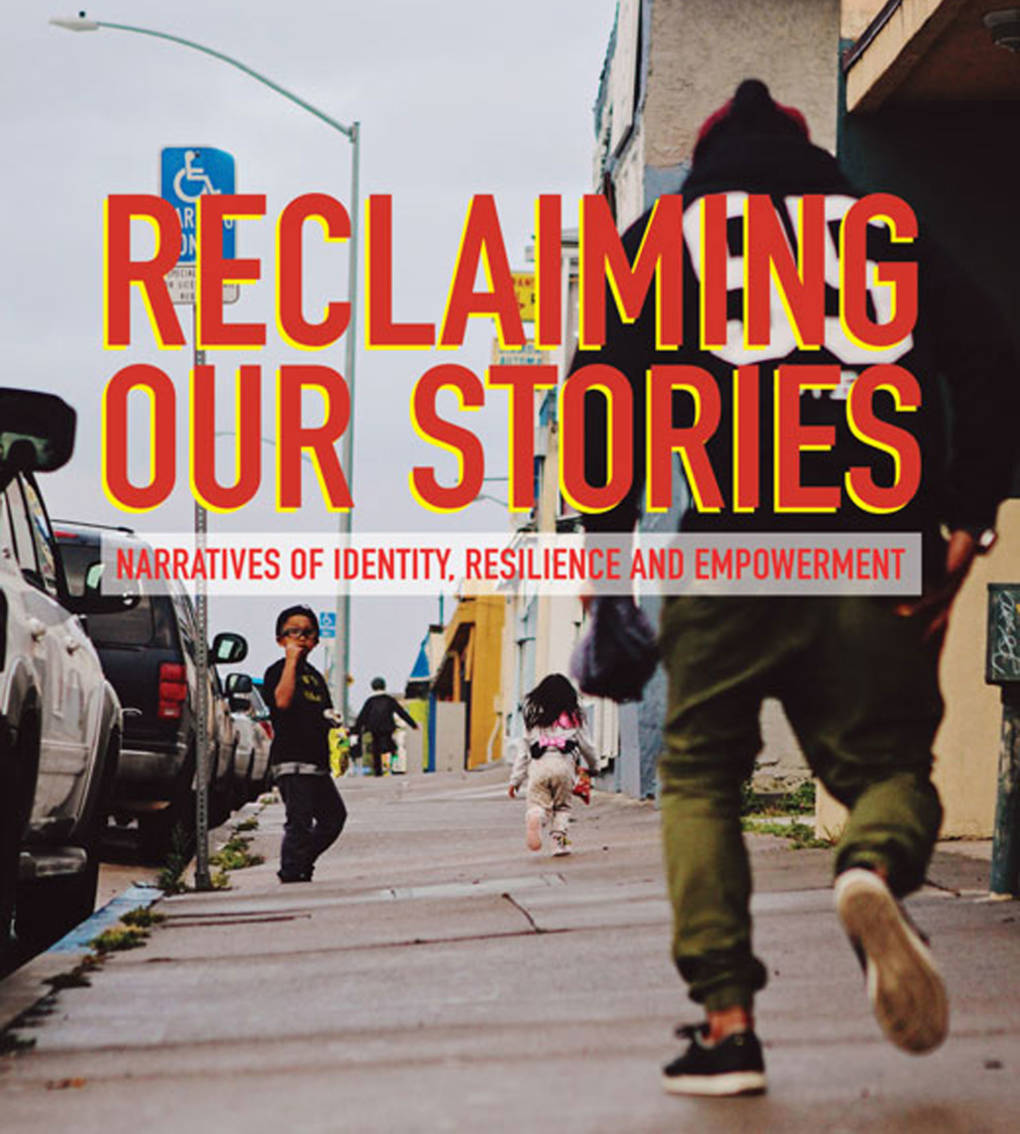
"caption": "The 'Reclaiming Our Stories' collection features first-person narratives from 19 authors in San Diego.",
"description": "The 'Reclaiming Our Stories' collection features first-person narratives from 19 authors in San Diego.",
"title": "reclaimingstories",
"credit": null,
"status": "inherit",
"isLoading": false,
"fetchFailed": false
},
"news_11262087": {
"type": "attachments",
"id": "news_11262087",
"meta": {
"index": "attachments_1716263798",
"site": "news",
"id": "11262087",
"found": true
},
"parent": 11257343,
"imgSizes": {
"small": {
"file": "https://ww2.kqed.org/app/uploads/sites/10/2017/01/BoogaloosSoulTrain-520x335.jpg",
"width": 520,
"mimeType": "image/jpeg",
"height": 335
},
"twentyfourteen-full-width": {
"file": "https://ww2.kqed.org/app/uploads/sites/10/2017/01/BoogaloosSoulTrain-1038x576.jpg",
"width": 1038,
"mimeType": "image/jpeg",
"height": 576
},
"thumbnail": {
"file": "https://ww2.kqed.org/app/uploads/sites/10/2017/01/BoogaloosSoulTrain-160x103.jpg",
"width": 160,
"mimeType": "image/jpeg",
"height": 103
},
"fd-sm": {
"file": "https://ww2.kqed.org/app/uploads/sites/10/2017/01/BoogaloosSoulTrain-960x618.jpg",
"width": 960,
"mimeType": "image/jpeg",
"height": 618
},
"post-thumbnail": {
"file": "https://ww2.kqed.org/app/uploads/sites/10/2017/01/BoogaloosSoulTrain-672x372.jpg",
"width": 672,
"mimeType": "image/jpeg",
"height": 372
},
"xsmall": {
"file": "https://ww2.kqed.org/app/uploads/sites/10/2017/01/BoogaloosSoulTrain-375x241.jpg",
"width": 375,
"mimeType": "image/jpeg",
"height": 241
},
"kqedFullSize": {
"file": "https://ww2.kqed.org/app/uploads/sites/10/2017/01/BoogaloosSoulTrain.jpg",
"width": 1920,
"height": 1236
},
"large": {
"file": "https://ww2.kqed.org/app/uploads/sites/10/2017/01/BoogaloosSoulTrain-1020x657.jpg",
"width": 1020,
"mimeType": "image/jpeg",
"height": 657
},
"xlarge": {
"file": "https://ww2.kqed.org/app/uploads/sites/10/2017/01/BoogaloosSoulTrain-1180x760.jpg",
"width": 1180,
"mimeType": "image/jpeg",
"height": 760
},
"guest-author-50": {
"file": "https://ww2.kqed.org/app/uploads/sites/10/2017/01/BoogaloosSoulTrain-50x50.jpg",
"width": 50,
"mimeType": "image/jpeg",
"height": 50
},
"guest-author-96": {
"file": "https://ww2.kqed.org/app/uploads/sites/10/2017/01/BoogaloosSoulTrain-96x96.jpg",
"width": 96,
"mimeType": "image/jpeg",
"height": 96
},
"medium": {
"file": "https://ww2.kqed.org/app/uploads/sites/10/2017/01/BoogaloosSoulTrain-800x515.jpg",
"width": 800,
"mimeType": "image/jpeg",
"height": 515
},
"guest-author-64": {
"file": "https://ww2.kqed.org/app/uploads/sites/10/2017/01/BoogaloosSoulTrain-64x64.jpg",
"width": 64,
"mimeType": "image/jpeg",
"height": 64
},
"guest-author-32": {
"file": "https://ww2.kqed.org/app/uploads/sites/10/2017/01/BoogaloosSoulTrain-32x32.jpg",
"width": 32,
"mimeType": "image/jpeg",
"height": 32
},
"jmtc-small-thumb": {
"file": "https://ww2.kqed.org/app/uploads/sites/10/2017/01/BoogaloosSoulTrain-280x150.jpg",
"width": 280,
"mimeType": "image/jpeg",
"height": 150
},
"fd-lrg": {
"file": "https://ww2.kqed.org/app/uploads/sites/10/2017/01/BoogaloosSoulTrain-1920x1236.jpg",
"width": 1920,
"mimeType": "image/jpeg",
"height": 1236
},
"fd-med": {
"file": "https://ww2.kqed.org/app/uploads/sites/10/2017/01/BoogaloosSoulTrain-1180x760.jpg",
"width": 1180,
"mimeType": "image/jpeg",
"height": 760
},
"full-width": {
"file": "https://ww2.kqed.org/app/uploads/sites/10/2017/01/BoogaloosSoulTrain-1920x1236.jpg",
"width": 1920,
"mimeType": "image/jpeg",
"height": 1236
},
"detail": {
"file": "https://ww2.kqed.org/app/uploads/sites/10/2017/01/BoogaloosSoulTrain-150x150.jpg",
"width": 150,
"mimeType": "image/jpeg",
"height": 150
},
"guest-author-128": {
"file": "https://ww2.kqed.org/app/uploads/sites/10/2017/01/BoogaloosSoulTrain-128x128.jpg",
"width": 128,
"mimeType": "image/jpeg",
"height": 128
},
"xxsmall": {
"file": "https://ww2.kqed.org/app/uploads/sites/10/2017/01/BoogaloosSoulTrain-240x155.jpg",
"width": 240,
"mimeType": "image/jpeg",
"height": 155
}
},
"publishDate": 1484001263,
"modified": 1484009794,
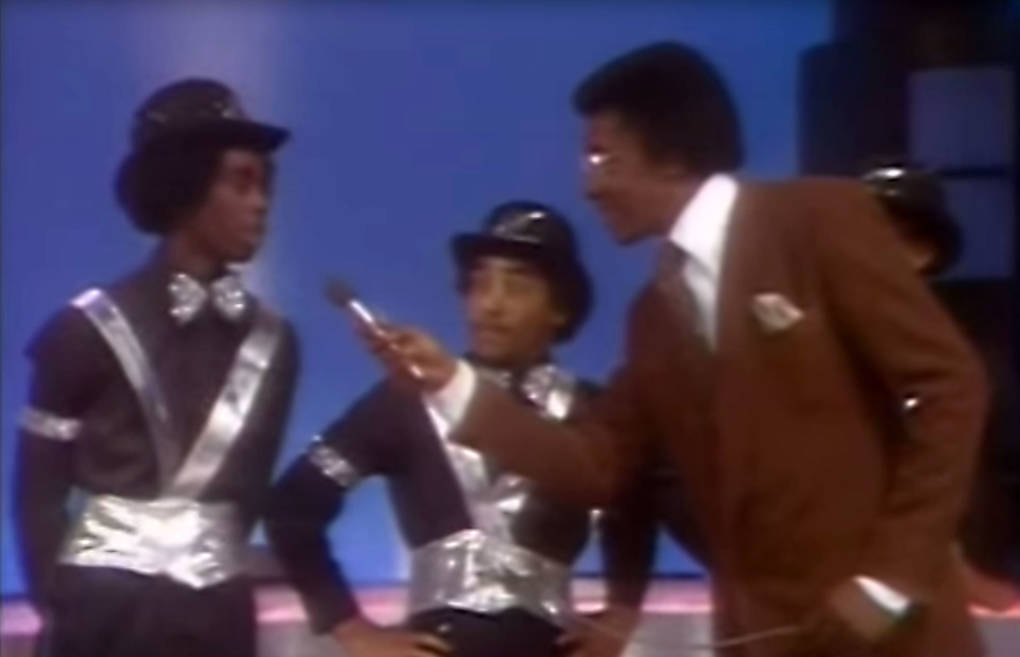
"caption": "Timothy Solomon, aka Popin' Pete, being interviewed with The Electric Boogaloos on 'Soul Train' in 1979.",
"description": "Timothy Solomon, aka Popin' Pete, being interviewed with The Electric Boogaloos on \"Soul Train\" in 1979.",
"title": "boogaloossoultrain",
"credit": "YouTube",
"status": "inherit",
"isLoading": false,
"fetchFailed": false
},
"news_11255517": {
"type": "attachments",
"id": "news_11255517",
"meta": {
"index": "attachments_1716263798",
"site": "news",
"id": "11255517",
"found": true
},
"parent": 11255257,
"imgSizes": {
"small": {
"file": "https://ww2.kqed.org/app/uploads/sites/10/2017/01/oroville1986-520x401.jpg",
"width": 520,
"mimeType": "image/jpeg",
"height": 401
},
"twentyfourteen-full-width": {
"file": "https://ww2.kqed.org/app/uploads/sites/10/2017/01/oroville1986-1024x576.jpg",
"width": 1024,
"mimeType": "image/jpeg",
"height": 576
},
"thumbnail": {
"file": "https://ww2.kqed.org/app/uploads/sites/10/2017/01/oroville1986-160x123.jpg",
"width": 160,
"mimeType": "image/jpeg",
"height": 123
},
"fd-sm": {
"file": "https://ww2.kqed.org/app/uploads/sites/10/2017/01/oroville1986-960x741.jpg",
"width": 960,
"mimeType": "image/jpeg",
"height": 741
},
"post-thumbnail": {
"file": "https://ww2.kqed.org/app/uploads/sites/10/2017/01/oroville1986-672x372.jpg",
"width": 672,
"mimeType": "image/jpeg",
"height": 372
},
"xsmall": {
"file": "https://ww2.kqed.org/app/uploads/sites/10/2017/01/oroville1986-375x289.jpg",
"width": 375,
"mimeType": "image/jpeg",
"height": 289
},
"kqedFullSize": {
"file": "https://ww2.kqed.org/app/uploads/sites/10/2017/01/oroville1986.jpg",
"width": 1024,
"height": 790
},
"large": {
"file": "https://ww2.kqed.org/app/uploads/sites/10/2017/01/oroville1986-1020x787.jpg",
"width": 1020,
"mimeType": "image/jpeg",
"height": 787
},
"guest-author-50": {
"file": "https://ww2.kqed.org/app/uploads/sites/10/2017/01/oroville1986-50x50.jpg",
"width": 50,
"mimeType": "image/jpeg",
"height": 50
},
"guest-author-96": {
"file": "https://ww2.kqed.org/app/uploads/sites/10/2017/01/oroville1986-96x96.jpg",
"width": 96,
"mimeType": "image/jpeg",
"height": 96
},
"medium": {
"file": "https://ww2.kqed.org/app/uploads/sites/10/2017/01/oroville1986-800x617.jpg",
"width": 800,
"mimeType": "image/jpeg",
"height": 617
},
"guest-author-64": {
"file": "https://ww2.kqed.org/app/uploads/sites/10/2017/01/oroville1986-64x64.jpg",
"width": 64,
"mimeType": "image/jpeg",
"height": 64
},
"guest-author-32": {
"file": "https://ww2.kqed.org/app/uploads/sites/10/2017/01/oroville1986-32x32.jpg",
"width": 32,
"mimeType": "image/jpeg",
"height": 32
},
"jmtc-small-thumb": {
"file": "https://ww2.kqed.org/app/uploads/sites/10/2017/01/oroville1986-280x150.jpg",
"width": 280,
"mimeType": "image/jpeg",
"height": 150
},
"detail": {
"file": "https://ww2.kqed.org/app/uploads/sites/10/2017/01/oroville1986-150x150.jpg",
"width": 150,
"mimeType": "image/jpeg",
"height": 150
},
"guest-author-128": {
"file": "https://ww2.kqed.org/app/uploads/sites/10/2017/01/oroville1986-128x128.jpg",
"width": 128,
"mimeType": "image/jpeg",
"height": 128
},
"xxsmall": {
"file": "https://ww2.kqed.org/app/uploads/sites/10/2017/01/oroville1986-240x185.jpg",
"width": 240,
"mimeType": "image/jpeg",
"height": 185
}
},
"publishDate": 1483656377,
"modified": 1483656424,
"caption": "Water pounding down the spillway at Oroville Dam during February 1986 storms. ",
"description": null,
"title": "Oroville 1986",
"credit": "California Department of Water Resources",
"status": "inherit",
"isLoading": false,
"fetchFailed": false
},
"news_10566860": {
"type": "attachments",
"id": "news_10566860",
"meta": {
"index": "attachments_1716263798",
"site": "news",
"id": "10566860",
"found": true
},
"parent": 10564542,
"imgSizes": {
"twentyfourteen-full-width": {
"file": "https://ww2.kqed.org/app/uploads/sites/10/2015/06/sutro-1038x576.jpg",
"width": 1038,
"mimeType": "image/jpeg",
"height": 576
},
"thumbnail": {
"file": "https://ww2.kqed.org/app/uploads/sites/10/2015/06/sutro-400x225.jpg",
"width": 400,
"mimeType": "image/jpeg",
"height": 225
},
"fd-sm": {
"file": "https://ww2.kqed.org/app/uploads/sites/10/2015/06/sutro-960x540.jpg",
"width": 960,
"mimeType": "image/jpeg",
"height": 540
},
"post-thumbnail": {
"file": "https://ww2.kqed.org/app/uploads/sites/10/2015/06/sutro-672x372.jpg",
"width": 672,
"mimeType": "image/jpeg",
"height": 372
},
"kqedFullSize": {
"file": "https://ww2.kqed.org/app/uploads/sites/10/2015/06/sutro-e1437783158182.jpg",
"width": 1920,
"height": 1080
},
"large": {
"file": "https://ww2.kqed.org/app/uploads/sites/10/2015/06/sutro-1440x810.jpg",
"width": 1440,
"mimeType": "image/jpeg",
"height": 810
},
"guest-author-96": {
"file": "https://ww2.kqed.org/app/uploads/sites/10/2015/06/sutro-96x96.jpg",
"width": 96,
"mimeType": "image/jpeg",
"height": 96
},
"medium": {
"file": "https://ww2.kqed.org/app/uploads/sites/10/2015/06/sutro-800x450.jpg",
"width": 800,
"mimeType": "image/jpeg",
"height": 450
},
"guest-author-64": {
"file": "https://ww2.kqed.org/app/uploads/sites/10/2015/06/sutro-64x64.jpg",
"width": 64,
"mimeType": "image/jpeg",
"height": 64
},
"guest-author-32": {
"file": "https://ww2.kqed.org/app/uploads/sites/10/2015/06/sutro-32x32.jpg",
"width": 32,
"mimeType": "image/jpeg",
"height": 32
},
"jmtc-small-thumb": {
"file": "https://ww2.kqed.org/app/uploads/sites/10/2015/06/sutro-280x150.jpg",
"width": 280,
"mimeType": "image/jpeg",
"height": 150
},
"fd-med": {
"file": "https://ww2.kqed.org/app/uploads/sites/10/2015/06/sutro-1180x664.jpg",
"width": 1180,
"mimeType": "image/jpeg",
"height": 664
},
"detail": {
"file": "https://ww2.kqed.org/app/uploads/sites/10/2015/06/sutro-75x75.jpg",
"width": 75,
"mimeType": "image/jpeg",
"height": 75
},
"guest-author-128": {
"file": "https://ww2.kqed.org/app/uploads/sites/10/2015/06/sutro-128x128.jpg",
"width": 128,
"mimeType": "image/jpeg",
"height": 128
}
},
"publishDate": 1434570542,
"modified": 1434570575,
"caption": "Many in the city hated the design of Sutro Tower when it was first built. ",
"description": "Many in the city hated the design of Sutro Tower when it was first built. ",
"title": "sutro",
"credit": "Adam Grossberg/KQED",
"status": "inherit",
"isLoading": false,
"fetchFailed": false
},
"news_11221933": {
"type": "attachments",
"id": "news_11221933",
"meta": {
"index": "attachments_1716263798",
"site": "news",
"id": "11221933",
"found": true
},
"parent": 11221915,
"imgSizes": {
"small": {
"file": "https://ww2.kqed.org/app/uploads/sites/10/2016/12/RS23347_DSC_7941baygtrback-qut-520x346.jpg",
"width": 520,
"mimeType": "image/jpeg",
"height": 346
},
"twentyfourteen-full-width": {
"file": "https://ww2.kqed.org/app/uploads/sites/10/2016/12/RS23347_DSC_7941baygtrback-qut-1021x576.jpg",
"width": 1021,
"mimeType": "image/jpeg",
"height": 576
},
"thumbnail": {
"file": "https://ww2.kqed.org/app/uploads/sites/10/2016/12/RS23347_DSC_7941baygtrback-qut-160x106.jpg",
"width": 160,
"mimeType": "image/jpeg",
"height": 106
},
"fd-sm": {
"file": "https://ww2.kqed.org/app/uploads/sites/10/2016/12/RS23347_DSC_7941baygtrback-qut-960x638.jpg",
"width": 960,
"mimeType": "image/jpeg",
"height": 638
},
"post-thumbnail": {
"file": "https://ww2.kqed.org/app/uploads/sites/10/2016/12/RS23347_DSC_7941baygtrback-qut-672x372.jpg",
"width": 672,
"mimeType": "image/jpeg",
"height": 372
},
"xsmall": {
"file": "https://ww2.kqed.org/app/uploads/sites/10/2016/12/RS23347_DSC_7941baygtrback-qut-375x249.jpg",
"width": 375,
"mimeType": "image/jpeg",
"height": 249
},
"kqedFullSize": {
"file": "https://ww2.kqed.org/app/uploads/sites/10/2016/12/RS23347_DSC_7941baygtrback-qut.jpg",
"width": 1021,
"height": 679
},
"large": {
"file": "https://ww2.kqed.org/app/uploads/sites/10/2016/12/RS23347_DSC_7941baygtrback-qut-1020x678.jpg",
"width": 1020,
"mimeType": "image/jpeg",
"height": 678
},
"guest-author-50": {
"file": "https://ww2.kqed.org/app/uploads/sites/10/2016/12/RS23347_DSC_7941baygtrback-qut-50x50.jpg",
"width": 50,
"mimeType": "image/jpeg",
"height": 50
},
"guest-author-96": {
"file": "https://ww2.kqed.org/app/uploads/sites/10/2016/12/RS23347_DSC_7941baygtrback-qut-96x96.jpg",
"width": 96,
"mimeType": "image/jpeg",
"height": 96
},
"medium": {
"file": "https://ww2.kqed.org/app/uploads/sites/10/2016/12/RS23347_DSC_7941baygtrback-qut-800x532.jpg",
"width": 800,
"mimeType": "image/jpeg",
"height": 532
},
"guest-author-64": {
"file": "https://ww2.kqed.org/app/uploads/sites/10/2016/12/RS23347_DSC_7941baygtrback-qut-64x64.jpg",
"width": 64,
"mimeType": "image/jpeg",
"height": 64
},
"guest-author-32": {
"file": "https://ww2.kqed.org/app/uploads/sites/10/2016/12/RS23347_DSC_7941baygtrback-qut-32x32.jpg",
"width": 32,
"mimeType": "image/jpeg",
"height": 32
},
"jmtc-small-thumb": {
"file": "https://ww2.kqed.org/app/uploads/sites/10/2016/12/RS23347_DSC_7941baygtrback-qut-280x150.jpg",
"width": 280,
"mimeType": "image/jpeg",
"height": 150
},
"detail": {
"file": "https://ww2.kqed.org/app/uploads/sites/10/2016/12/RS23347_DSC_7941baygtrback-qut-150x150.jpg",
"width": 150,
"mimeType": "image/jpeg",
"height": 150
},
"guest-author-128": {
"file": "https://ww2.kqed.org/app/uploads/sites/10/2016/12/RS23347_DSC_7941baygtrback-qut-128x128.jpg",
"width": 128,
"mimeType": "image/jpeg",
"height": 128
},
"xxsmall": {
"file": "https://ww2.kqed.org/app/uploads/sites/10/2016/12/RS23347_DSC_7941baygtrback-qut-240x160.jpg",
"width": 240,
"mimeType": "image/jpeg",
"height": 160
}
},
"publishDate": 1481849477,
"modified": 1483570626,
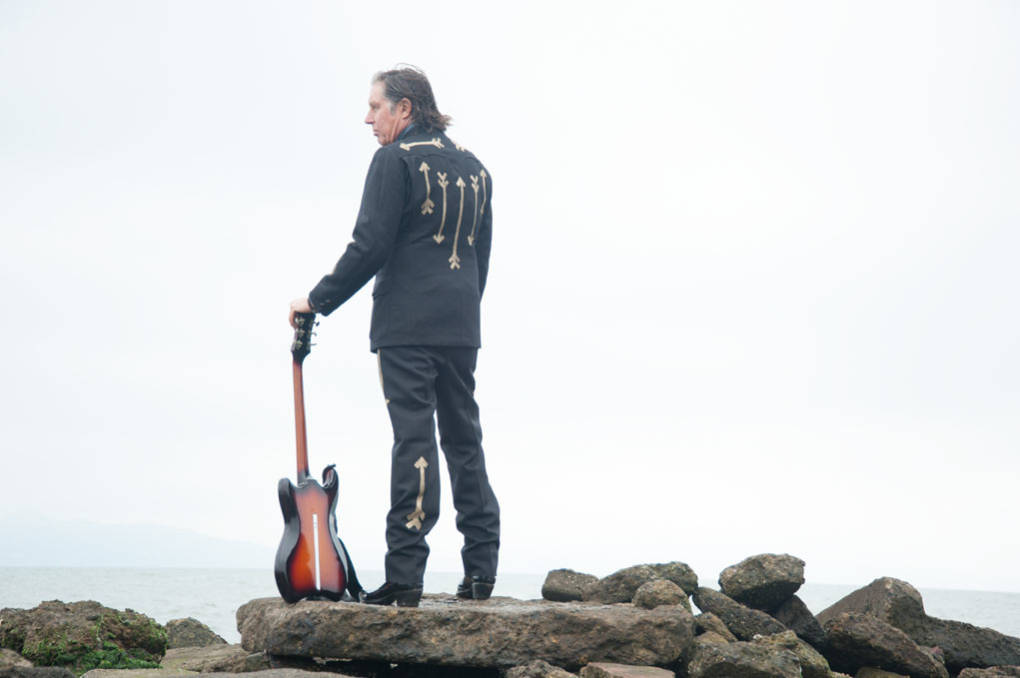
"caption": "Musician John Doe has been singing about California and the West for four decades. He says he still believes in the California Dream. ",
"description": null,
"title": "rs23347_dsc_7941baygtrback-qut",
"credit": "Jim Herrington",
"status": "inherit",
"isLoading": false,
"fetchFailed": false
},
"news_11248504": {
"type": "attachments",
"id": "news_11248504",
"meta": {
"index": "attachments_1716263798",
"site": "news",
"id": "11248504",
"found": true
},
"parent": 11248371,
"imgSizes": {
"small": {
"file": "https://ww2.kqed.org/app/uploads/sites/10/2017/01/tyruswong-520x293.jpg",
"width": 520,
"mimeType": "image/jpeg",
"height": 293
},
"thumbnail": {
"file": "https://ww2.kqed.org/app/uploads/sites/10/2017/01/tyruswong-160x90.jpg",
"width": 160,
"mimeType": "image/jpeg",
"height": 90
},
"post-thumbnail": {
"file": "https://ww2.kqed.org/app/uploads/sites/10/2017/01/tyruswong-672x372.jpg",
"width": 672,
"mimeType": "image/jpeg",
"height": 372
},
"xsmall": {
"file": "https://ww2.kqed.org/app/uploads/sites/10/2017/01/tyruswong-375x211.jpg",
"width": 375,
"mimeType": "image/jpeg",
"height": 211
},
"kqedFullSize": {
"file": "https://ww2.kqed.org/app/uploads/sites/10/2017/01/tyruswong.jpg",
"width": 800,
"height": 450
},
"guest-author-50": {
"file": "https://ww2.kqed.org/app/uploads/sites/10/2017/01/tyruswong-50x50.jpg",
"width": 50,
"mimeType": "image/jpeg",
"height": 50
},
"guest-author-96": {
"file": "https://ww2.kqed.org/app/uploads/sites/10/2017/01/tyruswong-96x96.jpg",
"width": 96,
"mimeType": "image/jpeg",
"height": 96
},
"medium": {
"file": "https://ww2.kqed.org/app/uploads/sites/10/2017/01/tyruswong-800x450.jpg",
"width": 800,
"mimeType": "image/jpeg",
"height": 450
},
"guest-author-64": {
"file": "https://ww2.kqed.org/app/uploads/sites/10/2017/01/tyruswong-64x64.jpg",
"width": 64,
"mimeType": "image/jpeg",
"height": 64
},
"guest-author-32": {
"file": "https://ww2.kqed.org/app/uploads/sites/10/2017/01/tyruswong-32x32.jpg",
"width": 32,
"mimeType": "image/jpeg",
"height": 32
},
"jmtc-small-thumb": {
"file": "https://ww2.kqed.org/app/uploads/sites/10/2017/01/tyruswong-280x150.jpg",
"width": 280,
"mimeType": "image/jpeg",
"height": 150
},
"detail": {
"file": "https://ww2.kqed.org/app/uploads/sites/10/2017/01/tyruswong-150x150.jpg",
"width": 150,
"mimeType": "image/jpeg",
"height": 150
},
"guest-author-128": {
"file": "https://ww2.kqed.org/app/uploads/sites/10/2017/01/tyruswong-128x128.jpg",
"width": 128,
"mimeType": "image/jpeg",
"height": 128
},
"xxsmall": {
"file": "https://ww2.kqed.org/app/uploads/sites/10/2017/01/tyruswong-240x135.jpg",
"width": 240,
"mimeType": "image/jpeg",
"height": 135
}
},
"publishDate": 1483304476,
"modified": 1483304923,
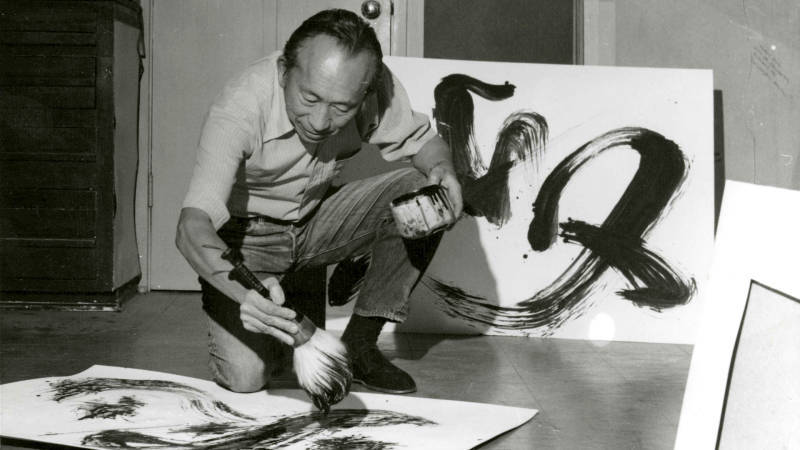
"caption": "Undated photo of Tyrus Wong painting. ",
"description": null,
"title": "Tyrus Wong",
"credit": "Courtesy of the artist",
"status": "inherit",
"isLoading": false,
"fetchFailed": false
},
"news_11120182": {
"type": "attachments",
"id": "news_11120182",
"meta": {
"index": "attachments_1716263798",
"site": "news",
"id": "11120182",
"found": true
},
"parent": 11120081,
"imgSizes": {
"twentyfourteen-full-width": {
"file": "https://ww2.kqed.org/app/uploads/sites/10/2016/10/CottonRosserMounted-1-1038x576.jpg",
"width": 1038,
"mimeType": "image/jpeg",
"height": 576
},
"thumbnail": {
"file": "https://ww2.kqed.org/app/uploads/sites/10/2016/10/CottonRosserMounted-1-400x282.jpg",
"width": 400,
"mimeType": "image/jpeg",
"height": 282
},
"fd-sm": {
"file": "https://ww2.kqed.org/app/uploads/sites/10/2016/10/CottonRosserMounted-1-960x676.jpg",
"width": 960,
"mimeType": "image/jpeg",
"height": 676
},
"post-thumbnail": {
"file": "https://ww2.kqed.org/app/uploads/sites/10/2016/10/CottonRosserMounted-1-672x372.jpg",
"width": 672,
"mimeType": "image/jpeg",
"height": 372
},
"kqedFullSize": {
"file": "https://ww2.kqed.org/app/uploads/sites/10/2016/10/CottonRosserMounted-1.jpg",
"width": 1920,
"height": 1352
},
"large": {
"file": "https://ww2.kqed.org/app/uploads/sites/10/2016/10/CottonRosserMounted-1-1920x1352.jpg",
"width": 1920,
"mimeType": "image/jpeg",
"height": 1352
},
"guest-author-50": {
"file": "https://ww2.kqed.org/app/uploads/sites/10/2016/10/CottonRosserMounted-1-50x50.jpg",
"width": 50,
"mimeType": "image/jpeg",
"height": 50
},
"guest-author-96": {
"file": "https://ww2.kqed.org/app/uploads/sites/10/2016/10/CottonRosserMounted-1-96x96.jpg",
"width": 96,
"mimeType": "image/jpeg",
"height": 96
},
"medium": {
"file": "https://ww2.kqed.org/app/uploads/sites/10/2016/10/CottonRosserMounted-1-800x563.jpg",
"width": 800,
"mimeType": "image/jpeg",
"height": 563
},
"guest-author-64": {
"file": "https://ww2.kqed.org/app/uploads/sites/10/2016/10/CottonRosserMounted-1-64x64.jpg",
"width": 64,
"mimeType": "image/jpeg",
"height": 64
},
"guest-author-32": {
"file": "https://ww2.kqed.org/app/uploads/sites/10/2016/10/CottonRosserMounted-1-32x32.jpg",
"width": 32,
"mimeType": "image/jpeg",
"height": 32
},
"jmtc-small-thumb": {
"file": "https://ww2.kqed.org/app/uploads/sites/10/2016/10/CottonRosserMounted-1-280x150.jpg",
"width": 280,
"mimeType": "image/jpeg",
"height": 150
},
"fd-lrg": {
"file": "https://ww2.kqed.org/app/uploads/sites/10/2016/10/CottonRosserMounted-1-1920x1352.jpg",
"width": 1920,
"mimeType": "image/jpeg",
"height": 1352
},
"fd-med": {
"file": "https://ww2.kqed.org/app/uploads/sites/10/2016/10/CottonRosserMounted-1-1180x831.jpg",
"width": 1180,
"mimeType": "image/jpeg",
"height": 831
},
"detail": {
"file": "https://ww2.kqed.org/app/uploads/sites/10/2016/10/CottonRosserMounted-1-150x150.jpg",
"width": 150,
"mimeType": "image/jpeg",
"height": 150
},
"guest-author-128": {
"file": "https://ww2.kqed.org/app/uploads/sites/10/2016/10/CottonRosserMounted-1-128x128.jpg",
"width": 128,
"mimeType": "image/jpeg",
"height": 128
}
},
"publishDate": 1475875475,
"modified": 1475875512,
"caption": "Cotton Rosser on his ranch in Marysville. ",
"description": "Cotton Rosser on his ranch in Marysville. ",
"title": "CottonRosserMounted",
"credit": "Kevin Fox/Flying U Rodeo Company",
"status": "inherit",
"isLoading": false,
"fetchFailed": false
},
"news_10969658": {
"type": "attachments",
"id": "news_10969658",
"meta": {
"index": "attachments_1716263798",
"site": "news",
"id": "10969658",
"found": true
},
"parent": 10966514,
"imgSizes": {
"twentyfourteen-full-width": {
"file": "https://ww2.kqed.org/app/uploads/sites/10/2016/05/MalfattiTrio-1-1038x576.jpg",
"width": 1038,
"mimeType": "image/jpeg",
"height": 576
},
"thumbnail": {
"file": "https://ww2.kqed.org/app/uploads/sites/10/2016/05/MalfattiTrio-1-400x230.jpg",
"width": 400,
"mimeType": "image/jpeg",
"height": 230
},
"fd-sm": {
"file": "https://ww2.kqed.org/app/uploads/sites/10/2016/05/MalfattiTrio-1-960x552.jpg",
"width": 960,
"mimeType": "image/jpeg",
"height": 552
},
"post-thumbnail": {
"file": "https://ww2.kqed.org/app/uploads/sites/10/2016/05/MalfattiTrio-1-672x372.jpg",
"width": 672,
"mimeType": "image/jpeg",
"height": 372
},
"kqedFullSize": {
"file": "https://ww2.kqed.org/app/uploads/sites/10/2016/05/MalfattiTrio-1.jpg",
"width": 1920,
"height": 1104
},
"large": {
"file": "https://ww2.kqed.org/app/uploads/sites/10/2016/05/MalfattiTrio-1-1920x1104.jpg",
"width": 1920,
"mimeType": "image/jpeg",
"height": 1104
},
"guest-author-50": {
"file": "https://ww2.kqed.org/app/uploads/sites/10/2016/05/MalfattiTrio-1-50x50.jpg",
"width": 50,
"mimeType": "image/jpeg",
"height": 50
},
"guest-author-96": {
"file": "https://ww2.kqed.org/app/uploads/sites/10/2016/05/MalfattiTrio-1-96x96.jpg",
"width": 96,
"mimeType": "image/jpeg",
"height": 96
},
"medium": {
"file": "https://ww2.kqed.org/app/uploads/sites/10/2016/05/MalfattiTrio-1-800x460.jpg",
"width": 800,
"mimeType": "image/jpeg",
"height": 460
},
"guest-author-64": {
"file": "https://ww2.kqed.org/app/uploads/sites/10/2016/05/MalfattiTrio-1-64x64.jpg",
"width": 64,
"mimeType": "image/jpeg",
"height": 64
},
"guest-author-32": {
"file": "https://ww2.kqed.org/app/uploads/sites/10/2016/05/MalfattiTrio-1-32x32.jpg",
"width": 32,
"mimeType": "image/jpeg",
"height": 32
},
"jmtc-small-thumb": {
"file": "https://ww2.kqed.org/app/uploads/sites/10/2016/05/MalfattiTrio-1-280x150.jpg",
"width": 280,
"mimeType": "image/jpeg",
"height": 150
},
"fd-lrg": {
"file": "https://ww2.kqed.org/app/uploads/sites/10/2016/05/MalfattiTrio-1-1920x1104.jpg",
"width": 1920,
"mimeType": "image/jpeg",
"height": 1104
},
"fd-med": {
"file": "https://ww2.kqed.org/app/uploads/sites/10/2016/05/MalfattiTrio-1-1180x679.jpg",
"width": 1180,
"mimeType": "image/jpeg",
"height": 679
},
"detail": {
"file": "https://ww2.kqed.org/app/uploads/sites/10/2016/05/MalfattiTrio-1-150x150.jpg",
"width": 150,
"mimeType": "image/jpeg",
"height": 150
},
"guest-author-128": {
"file": "https://ww2.kqed.org/app/uploads/sites/10/2016/05/MalfattiTrio-1-128x128.jpg",
"width": 128,
"mimeType": "image/jpeg",
"height": 128
}
},
"publishDate": 1464378806,
"modified": 1464378828,
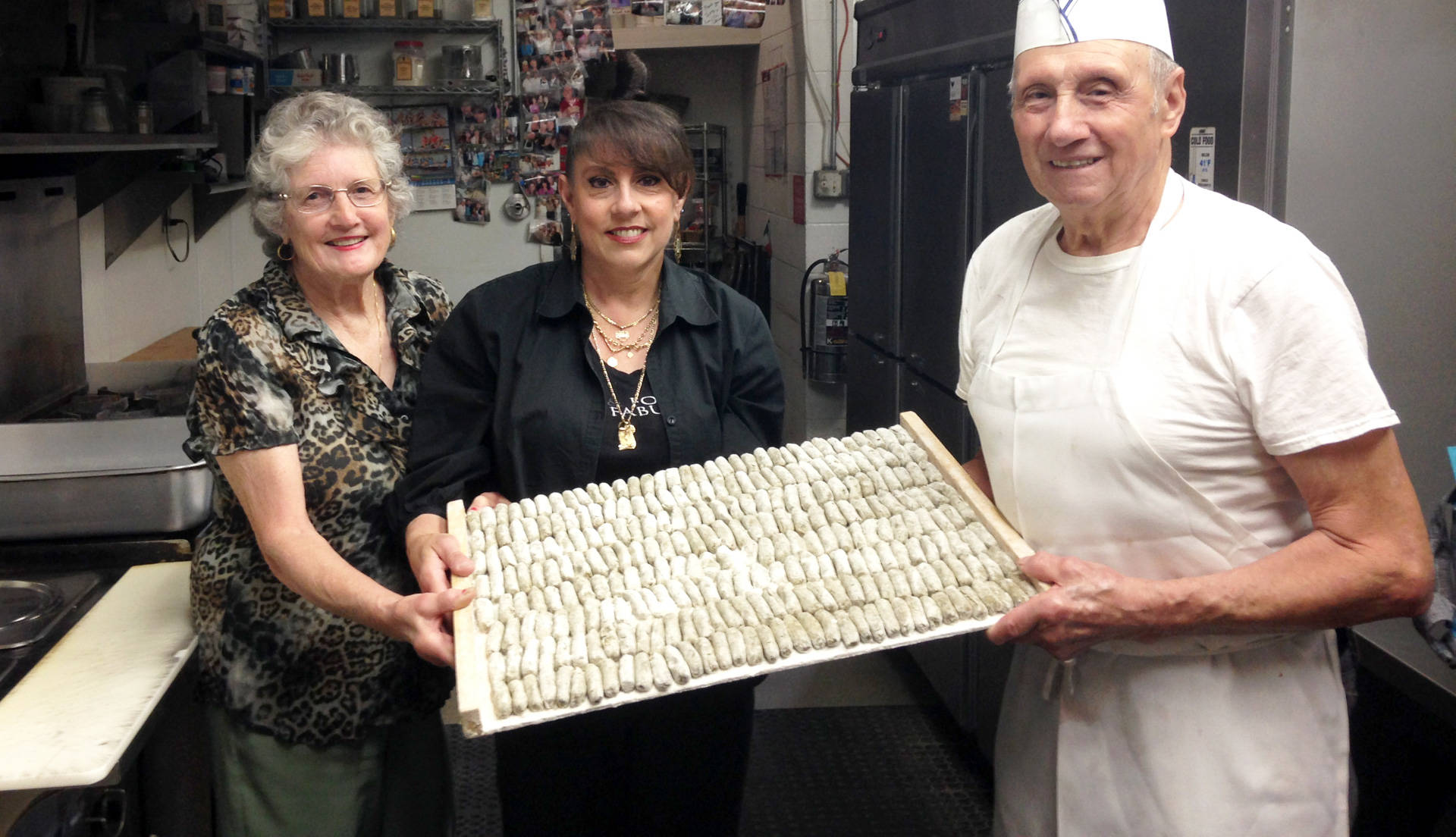
"caption": "Mary Cittoni, Joanne Cittoni Gonzales and Clemente Cittoni all work together, making malfatti and other recipes he learned from Theresa Tamburelli at The Depot Restaurant. ",
"description": "Mary Cittoni, Joanne Cittoni Gonzales and Clemente Cittoni all work together, making malfatti and other recipes he learned from Theresa Tamburelli at The Depot Restaurant. ",
"title": "MalfattiTrio",
"credit": "Lisa Morehouse/KQED",
"status": "inherit",
"isLoading": false,
"fetchFailed": false
},
"news_11198367": {
"type": "attachments",
"id": "news_11198367",
"meta": {
"index": "attachments_1716263798",
"site": "news",
"id": "11198367",
"found": true
},
"parent": 11187250,
"imgSizes": {
"small": {
"file": "https://ww2.kqed.org/app/uploads/sites/10/2016/11/semaphorescolors-520x282.jpg",
"width": 520,
"mimeType": "image/jpeg",
"height": 282
},
"twentyfourteen-full-width": {
"file": "https://ww2.kqed.org/app/uploads/sites/10/2016/11/semaphorescolors-1038x576.jpg",
"width": 1038,
"mimeType": "image/jpeg",
"height": 576
},
"thumbnail": {
"file": "https://ww2.kqed.org/app/uploads/sites/10/2016/11/semaphorescolors-160x87.jpg",
"width": 160,
"mimeType": "image/jpeg",
"height": 87
},
"fd-sm": {
"file": "https://ww2.kqed.org/app/uploads/sites/10/2016/11/semaphorescolors-960x520.jpg",
"width": 960,
"mimeType": "image/jpeg",
"height": 520
},
"post-thumbnail": {
"file": "https://ww2.kqed.org/app/uploads/sites/10/2016/11/semaphorescolors-672x372.jpg",
"width": 672,
"mimeType": "image/jpeg",
"height": 372
},
"xsmall": {
"file": "https://ww2.kqed.org/app/uploads/sites/10/2016/11/semaphorescolors-375x203.jpg",
"width": 375,
"mimeType": "image/jpeg",
"height": 203
},
"kqedFullSize": {
"file": "https://ww2.kqed.org/app/uploads/sites/10/2016/11/semaphorescolors.jpg",
"width": 1956,
"height": 1059
},
"large": {
"file": "https://ww2.kqed.org/app/uploads/sites/10/2016/11/semaphorescolors-1020x552.jpg",
"width": 1020,
"mimeType": "image/jpeg",
"height": 552
},
"xlarge": {
"file": "https://ww2.kqed.org/app/uploads/sites/10/2016/11/semaphorescolors-1180x639.jpg",
"width": 1180,
"mimeType": "image/jpeg",
"height": 639
},
"guest-author-50": {
"file": "https://ww2.kqed.org/app/uploads/sites/10/2016/11/semaphorescolors-50x50.jpg",
"width": 50,
"mimeType": "image/jpeg",
"height": 50
},
"guest-author-96": {
"file": "https://ww2.kqed.org/app/uploads/sites/10/2016/11/semaphorescolors-96x96.jpg",
"width": 96,
"mimeType": "image/jpeg",
"height": 96
},
"medium": {
"file": "https://ww2.kqed.org/app/uploads/sites/10/2016/11/semaphorescolors-800x433.jpg",
"width": 800,
"mimeType": "image/jpeg",
"height": 433
},
"guest-author-64": {
"file": "https://ww2.kqed.org/app/uploads/sites/10/2016/11/semaphorescolors-64x64.jpg",
"width": 64,
"mimeType": "image/jpeg",
"height": 64
},
"guest-author-32": {
"file": "https://ww2.kqed.org/app/uploads/sites/10/2016/11/semaphorescolors-32x32.jpg",
"width": 32,
"mimeType": "image/jpeg",
"height": 32
},
"jmtc-small-thumb": {
"file": "https://ww2.kqed.org/app/uploads/sites/10/2016/11/semaphorescolors-280x150.jpg",
"width": 280,
"mimeType": "image/jpeg",
"height": 150
},
"fd-lrg": {
"file": "https://ww2.kqed.org/app/uploads/sites/10/2016/11/semaphorescolors-1920x1040.jpg",
"width": 1920,
"mimeType": "image/jpeg",
"height": 1040
},
"fd-med": {
"file": "https://ww2.kqed.org/app/uploads/sites/10/2016/11/semaphorescolors-1180x639.jpg",
"width": 1180,
"mimeType": "image/jpeg",
"height": 639
},
"full-width": {
"file": "https://ww2.kqed.org/app/uploads/sites/10/2016/11/semaphorescolors-1920x1040.jpg",
"width": 1920,
"mimeType": "image/jpeg",
"height": 1040
},
"detail": {
"file": "https://ww2.kqed.org/app/uploads/sites/10/2016/11/semaphorescolors-150x150.jpg",
"width": 150,
"mimeType": "image/jpeg",
"height": 150
},
"guest-author-128": {
"file": "https://ww2.kqed.org/app/uploads/sites/10/2016/11/semaphorescolors-128x128.jpg",
"width": 128,
"mimeType": "image/jpeg",
"height": 128
},
"xxsmall": {
"file": "https://ww2.kqed.org/app/uploads/sites/10/2016/11/semaphorescolors-240x130.jpg",
"width": 240,
"mimeType": "image/jpeg",
"height": 130
}
},
"publishDate": 1480541065,
"modified": 1480550920,
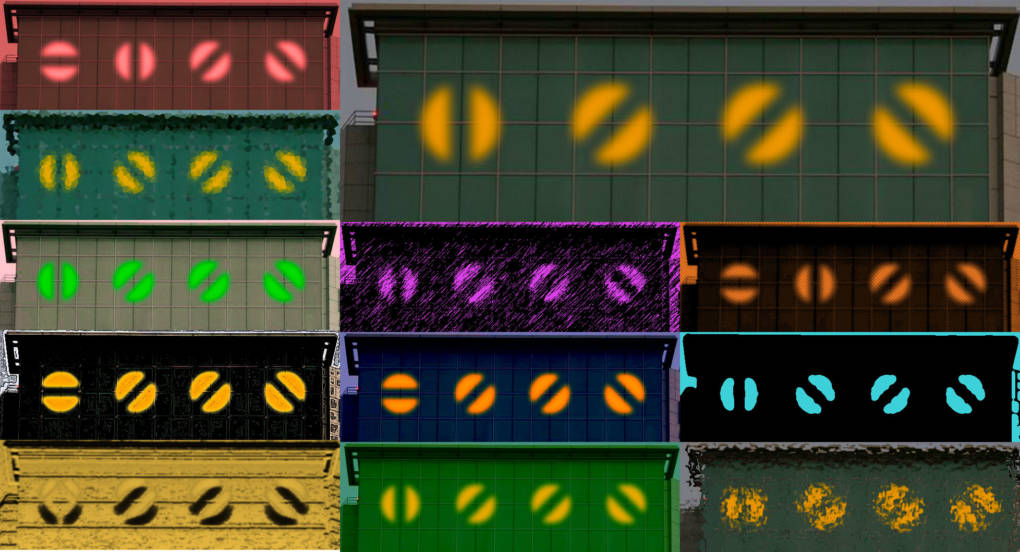
"caption": "A mashup of San Jose Semaphore, shown in different positions.",
"description": "A mashup of San Jose Semaphore, shown in different positions.",
"title": "semaphorescolors",
"credit": "Olivia Allen-Price/KQED",
"status": "inherit",
"isLoading": false,
"fetchFailed": false
},
"news_11233087": {
"type": "attachments",
"id": "news_11233087",
"meta": {
"index": "attachments_1716263798",
"site": "news",
"id": "11233087",
"found": true
},
"parent": 11230972,
"imgSizes": {
"small": {
"file": "https://ww2.kqed.org/app/uploads/sites/10/2016/12/RS23435_161222_wallofresolution_bhs08-520x347.jpg",
"width": 520,
"mimeType": "image/jpeg",
"height": 347
},
"twentyfourteen-full-width": {
"file": "https://ww2.kqed.org/app/uploads/sites/10/2016/12/RS23435_161222_wallofresolution_bhs08-1038x576.jpg",
"width": 1038,
"mimeType": "image/jpeg",
"height": 576
},
"thumbnail": {
"file": "https://ww2.kqed.org/app/uploads/sites/10/2016/12/RS23435_161222_wallofresolution_bhs08-160x107.jpg",
"width": 160,
"mimeType": "image/jpeg",
"height": 107
},
"fd-sm": {
"file": "https://ww2.kqed.org/app/uploads/sites/10/2016/12/RS23435_161222_wallofresolution_bhs08-960x640.jpg",
"width": 960,
"mimeType": "image/jpeg",
"height": 640
},
"post-thumbnail": {
"file": "https://ww2.kqed.org/app/uploads/sites/10/2016/12/RS23435_161222_wallofresolution_bhs08-672x372.jpg",
"width": 672,
"mimeType": "image/jpeg",
"height": 372
},
"xsmall": {
"file": "https://ww2.kqed.org/app/uploads/sites/10/2016/12/RS23435_161222_wallofresolution_bhs08-375x250.jpg",
"width": 375,
"mimeType": "image/jpeg",
"height": 250
},
"kqedFullSize": {
"file": "https://ww2.kqed.org/app/uploads/sites/10/2016/12/RS23435_161222_wallofresolution_bhs08.jpg",
"width": 1920,
"height": 1280
},
"large": {
"file": "https://ww2.kqed.org/app/uploads/sites/10/2016/12/RS23435_161222_wallofresolution_bhs08-1020x680.jpg",
"width": 1020,
"mimeType": "image/jpeg",
"height": 680
},
"xlarge": {
"file": "https://ww2.kqed.org/app/uploads/sites/10/2016/12/RS23435_161222_wallofresolution_bhs08-1180x787.jpg",
"width": 1180,
"mimeType": "image/jpeg",
"height": 787
},
"guest-author-50": {
"file": "https://ww2.kqed.org/app/uploads/sites/10/2016/12/RS23435_161222_wallofresolution_bhs08-50x50.jpg",
"width": 50,
"mimeType": "image/jpeg",
"height": 50
},
"guest-author-96": {
"file": "https://ww2.kqed.org/app/uploads/sites/10/2016/12/RS23435_161222_wallofresolution_bhs08-96x96.jpg",
"width": 96,
"mimeType": "image/jpeg",
"height": 96
},
"medium": {
"file": "https://ww2.kqed.org/app/uploads/sites/10/2016/12/RS23435_161222_wallofresolution_bhs08-800x533.jpg",
"width": 800,
"mimeType": "image/jpeg",
"height": 533
},
"guest-author-64": {
"file": "https://ww2.kqed.org/app/uploads/sites/10/2016/12/RS23435_161222_wallofresolution_bhs08-64x64.jpg",
"width": 64,
"mimeType": "image/jpeg",
"height": 64
},
"guest-author-32": {
"file": "https://ww2.kqed.org/app/uploads/sites/10/2016/12/RS23435_161222_wallofresolution_bhs08-32x32.jpg",
"width": 32,
"mimeType": "image/jpeg",
"height": 32
},
"jmtc-small-thumb": {
"file": "https://ww2.kqed.org/app/uploads/sites/10/2016/12/RS23435_161222_wallofresolution_bhs08-280x150.jpg",
"width": 280,
"mimeType": "image/jpeg",
"height": 150
},
"fd-lrg": {
"file": "https://ww2.kqed.org/app/uploads/sites/10/2016/12/RS23435_161222_wallofresolution_bhs08-1920x1280.jpg",
"width": 1920,
"mimeType": "image/jpeg",
"height": 1280
},
"fd-med": {
"file": "https://ww2.kqed.org/app/uploads/sites/10/2016/12/RS23435_161222_wallofresolution_bhs08-1180x787.jpg",
"width": 1180,
"mimeType": "image/jpeg",
"height": 787
},
"full-width": {
"file": "https://ww2.kqed.org/app/uploads/sites/10/2016/12/RS23435_161222_wallofresolution_bhs08-1920x1280.jpg",
"width": 1920,
"mimeType": "image/jpeg",
"height": 1280
},
"detail": {
"file": "https://ww2.kqed.org/app/uploads/sites/10/2016/12/RS23435_161222_wallofresolution_bhs08-150x150.jpg",
"width": 150,
"mimeType": "image/jpeg",
"height": 150
},
"guest-author-128": {
"file": "https://ww2.kqed.org/app/uploads/sites/10/2016/12/RS23435_161222_wallofresolution_bhs08-128x128.jpg",
"width": 128,
"mimeType": "image/jpeg",
"height": 128
},
"xxsmall": {
"file": "https://ww2.kqed.org/app/uploads/sites/10/2016/12/RS23435_161222_wallofresolution_bhs08-240x160.jpg",
"width": 240,
"mimeType": "image/jpeg",
"height": 160
}
},
"publishDate": 1482448021,
"modified": 1482839326,
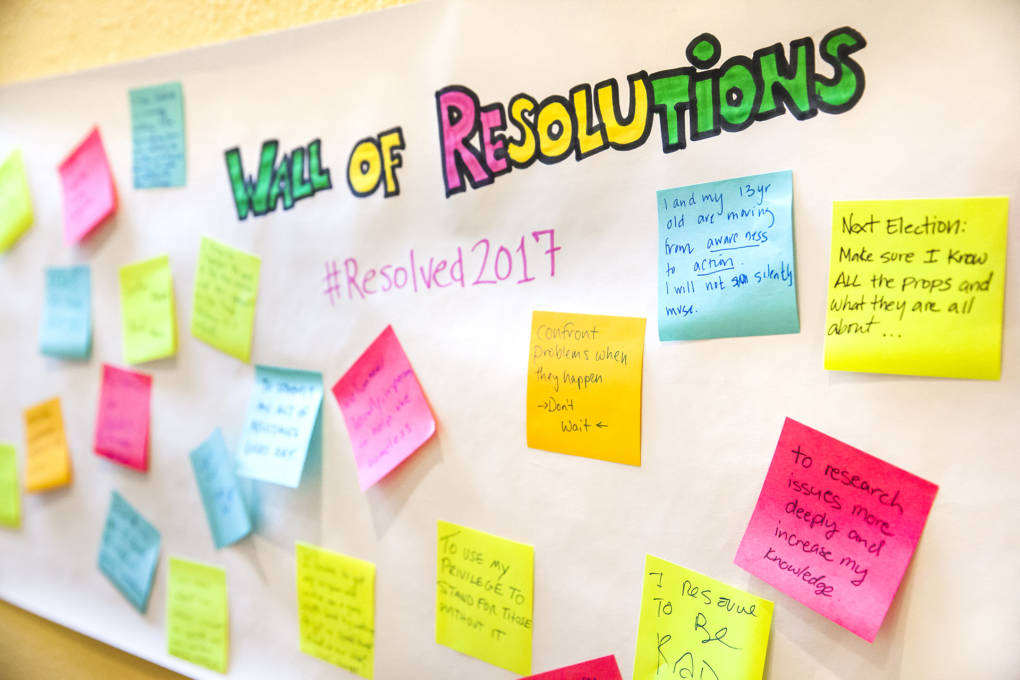
"caption": "Wall of Resolutions at KQED.",
"description": null,
"title": "rs23435_161222_wallofresolution_bhs08",
"credit": "Brittany Hosea-Small/KQED",
"status": "inherit",
"isLoading": false,
"fetchFailed": false
},
"news_11231216": {
"type": "attachments",
"id": "news_11231216",
"meta": {
"index": "attachments_1716263798",
"site": "news",
"id": "11231216",
"found": true
},
"parent": 11231207,
"imgSizes": {
"small": {
"file": "https://ww2.kqed.org/app/uploads/sites/10/2016/12/pigeons_112516_final-520x520.png",
"width": 520,
"mimeType": "image/png",
"height": 520
},
"twentyfourteen-full-width": {
"file": "https://ww2.kqed.org/app/uploads/sites/10/2016/12/pigeons_112516_final-1038x576.png",
"width": 1038,
"mimeType": "image/png",
"height": 576
},
"thumbnail": {
"file": "https://ww2.kqed.org/app/uploads/sites/10/2016/12/pigeons_112516_final-160x160.png",
"width": 160,
"mimeType": "image/png",
"height": 160
},
"fd-sm": {
"file": "https://ww2.kqed.org/app/uploads/sites/10/2016/12/pigeons_112516_final-960x960.png",
"width": 960,
"mimeType": "image/png",
"height": 960
},
"post-thumbnail": {
"file": "https://ww2.kqed.org/app/uploads/sites/10/2016/12/pigeons_112516_final-672x372.png",
"width": 672,
"mimeType": "image/png",
"height": 372
},
"xsmall": {
"file": "https://ww2.kqed.org/app/uploads/sites/10/2016/12/pigeons_112516_final-375x375.png",
"width": 375,
"mimeType": "image/png",
"height": 375
},
"kqedFullSize": {
"file": "https://ww2.kqed.org/app/uploads/sites/10/2016/12/pigeons_112516_final-e1482364707217.png",
"width": 1920,
"height": 1920
},
"large": {
"file": "https://ww2.kqed.org/app/uploads/sites/10/2016/12/pigeons_112516_final-1020x1020.png",
"width": 1020,
"mimeType": "image/png",
"height": 1020
},
"xlarge": {
"file": "https://ww2.kqed.org/app/uploads/sites/10/2016/12/pigeons_112516_final-1180x1180.png",
"width": 1180,
"mimeType": "image/png",
"height": 1180
},
"guest-author-50": {
"file": "https://ww2.kqed.org/app/uploads/sites/10/2016/12/pigeons_112516_final-50x50.png",
"width": 50,
"mimeType": "image/png",
"height": 50
},
"guest-author-96": {
"file": "https://ww2.kqed.org/app/uploads/sites/10/2016/12/pigeons_112516_final-96x96.png",
"width": 96,
"mimeType": "image/png",
"height": 96
},
"medium": {
"file": "https://ww2.kqed.org/app/uploads/sites/10/2016/12/pigeons_112516_final-800x800.png",
"width": 800,
"mimeType": "image/png",
"height": 800
},
"guest-author-64": {
"file": "https://ww2.kqed.org/app/uploads/sites/10/2016/12/pigeons_112516_final-64x64.png",
"width": 64,
"mimeType": "image/png",
"height": 64
},
"guest-author-32": {
"file": "https://ww2.kqed.org/app/uploads/sites/10/2016/12/pigeons_112516_final-32x32.png",
"width": 32,
"mimeType": "image/png",
"height": 32
},
"jmtc-small-thumb": {
"file": "https://ww2.kqed.org/app/uploads/sites/10/2016/12/pigeons_112516_final-280x150.png",
"width": 280,
"mimeType": "image/png",
"height": 150
},
"fd-lrg": {
"file": "https://ww2.kqed.org/app/uploads/sites/10/2016/12/pigeons_112516_final-1920x1920.png",
"width": 1920,
"mimeType": "image/png",
"height": 1920
},
"fd-med": {
"file": "https://ww2.kqed.org/app/uploads/sites/10/2016/12/pigeons_112516_final-1180x1180.png",
"width": 1180,
"mimeType": "image/png",
"height": 1180
},
"full-width": {
"file": "https://ww2.kqed.org/app/uploads/sites/10/2016/12/pigeons_112516_final-1920x1920.png",
"width": 1920,
"mimeType": "image/png",
"height": 1920
},
"detail": {
"file": "https://ww2.kqed.org/app/uploads/sites/10/2016/12/pigeons_112516_final-150x150.png",
"width": 150,
"mimeType": "image/png",
"height": 150
},
"guest-author-128": {
"file": "https://ww2.kqed.org/app/uploads/sites/10/2016/12/pigeons_112516_final-128x128.png",
"width": 128,
"mimeType": "image/png",
"height": 128
},
"xxsmall": {
"file": "https://ww2.kqed.org/app/uploads/sites/10/2016/12/pigeons_112516_final-240x240.png",
"width": 240,
"mimeType": "image/png",
"height": 240
}
},
"publishDate": 1482356255,
"modified": 1482452239,
"caption": "Ditch the shopping and #OptOutside: Make #BlackFriday the new #GreenFriday",
"description": null,
"title": "pigeons_112516_final",
"credit": "Mark Fiore/KQED",
"status": "inherit",
"isLoading": false,
"fetchFailed": false
},
"news_11232861": {
"type": "attachments",
"id": "news_11232861",
"meta": {
"index": "attachments_1716263798",
"site": "news",
"id": "11232861",
"found": true
},
"parent": 11221651,
"imgSizes": {
"small": {
"file": "https://ww2.kqed.org/app/uploads/sites/10/2016/12/HANNAYHA-520x390.jpg",
"width": 520,
"mimeType": "image/jpeg",
"height": 390
},
"twentyfourteen-full-width": {
"file": "https://ww2.kqed.org/app/uploads/sites/10/2016/12/HANNAYHA-800x576.jpg",
"width": 800,
"mimeType": "image/jpeg",
"height": 576
},
"thumbnail": {
"file": "https://ww2.kqed.org/app/uploads/sites/10/2016/12/HANNAYHA-160x120.jpg",
"width": 160,
"mimeType": "image/jpeg",
"height": 120
},
"post-thumbnail": {
"file": "https://ww2.kqed.org/app/uploads/sites/10/2016/12/HANNAYHA-672x372.jpg",
"width": 672,
"mimeType": "image/jpeg",
"height": 372
},
"xsmall": {
"file": "https://ww2.kqed.org/app/uploads/sites/10/2016/12/HANNAYHA-375x281.jpg",
"width": 375,
"mimeType": "image/jpeg",
"height": 281
},
"kqedFullSize": {
"file": "https://ww2.kqed.org/app/uploads/sites/10/2016/12/HANNAYHA.jpg",
"width": 800,
"height": 600
},
"guest-author-50": {
"file": "https://ww2.kqed.org/app/uploads/sites/10/2016/12/HANNAYHA-50x50.jpg",
"width": 50,
"mimeType": "image/jpeg",
"height": 50
},
"guest-author-96": {
"file": "https://ww2.kqed.org/app/uploads/sites/10/2016/12/HANNAYHA-96x96.jpg",
"width": 96,
"mimeType": "image/jpeg",
"height": 96
},
"medium": {
"file": "https://ww2.kqed.org/app/uploads/sites/10/2016/12/HANNAYHA-800x600.jpg",
"width": 800,
"mimeType": "image/jpeg",
"height": 600
},
"guest-author-64": {
"file": "https://ww2.kqed.org/app/uploads/sites/10/2016/12/HANNAYHA-64x64.jpg",
"width": 64,
"mimeType": "image/jpeg",
"height": 64
},
"guest-author-32": {
"file": "https://ww2.kqed.org/app/uploads/sites/10/2016/12/HANNAYHA-32x32.jpg",
"width": 32,
"mimeType": "image/jpeg",
"height": 32
},
"jmtc-small-thumb": {
"file": "https://ww2.kqed.org/app/uploads/sites/10/2016/12/HANNAYHA-280x150.jpg",
"width": 280,
"mimeType": "image/jpeg",
"height": 150
},
"detail": {
"file": "https://ww2.kqed.org/app/uploads/sites/10/2016/12/HANNAYHA-150x150.jpg",
"width": 150,
"mimeType": "image/jpeg",
"height": 150
},
"guest-author-128": {
"file": "https://ww2.kqed.org/app/uploads/sites/10/2016/12/HANNAYHA-128x128.jpg",
"width": 128,
"mimeType": "image/jpeg",
"height": 128
},
"xxsmall": {
"file": "https://ww2.kqed.org/app/uploads/sites/10/2016/12/HANNAYHA-240x180.jpg",
"width": 240,
"mimeType": "image/jpeg",
"height": 180
}
},
"publishDate": 1482438728,
"modified": 1482455746,
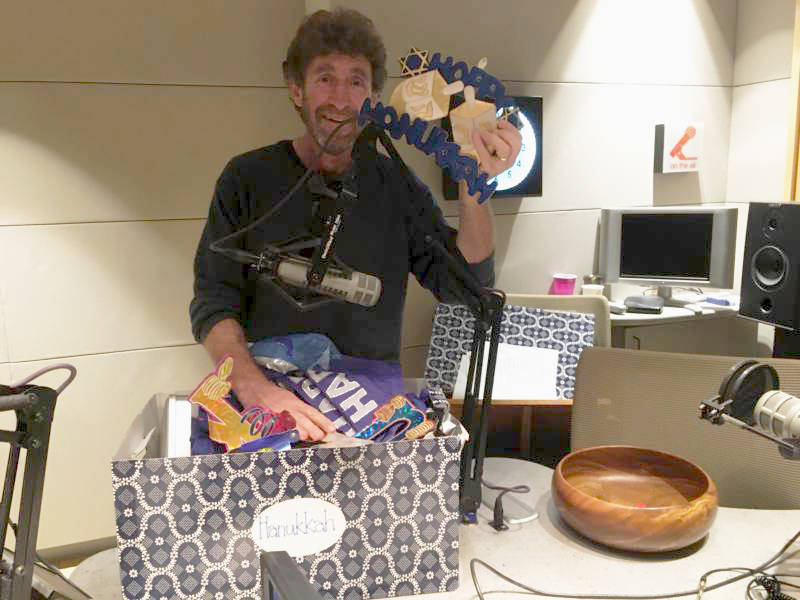
"caption": "Joel ben Izzy brought a box of Hanukkah paraphernalia to the KQED studio to create authentic sound effects. ",
"description": null,
"title": "hannayha",
"credit": "Sasha Khokha/KQED",
"status": "inherit",
"isLoading": false,
"fetchFailed": false
}
},
"audioPlayerReducer": {
"postId": "stream_live",
"isPaused": true,
"isPlaying": false,
"pfsActive": false,
"pledgeModalIsOpen": true,
"playerDrawerIsOpen": false,
"liveAudioPlayStartedAt": 0,
"liveAudioPlayContext": ""
},
"authorsReducer": {
"byline_news_11120081": {
"type": "authors",
"id": "byline_news_11120081",
"meta": {
"override": true
},
"slug": "byline_news_11120081",
"name": "\u003cstrong>Lacy Jane Roberts\u003c/strong>",
"isLoading": false
},
"byline_news_11231207": {
"type": "authors",
"id": "byline_news_11231207",
"meta": {
"override": true
},
"slug": "byline_news_11231207",
"name": "\u003cstrong>Mark Fiore\u003c/strong>",
"isLoading": false
},
"aliceldaniel": {
"type": "authors",
"id": "208",
"meta": {
"index": "authors_1716337520",
"id": "208",
"found": true
},
"name": "Alice Daniel",
"firstName": "Alice",
"lastName": "Daniel",
"slug": "aliceldaniel",
"email": "adaniel@kqed.org",
"display_author_email": false,
"staff_mastheads": [],
"title": null,
"bio": "Alice Daniel loves the listening aspect of reporting because she gets to briefly walk in other people’s shoes. She has rappelled down into caves and gone up in helicopters for KQED’s The California Report but her favorite place to pursue a story is the High Sierra or any family-run bakery, of course. Alice has a masters in journalism from Columbia University and teaches at Fresno State. She is a California Healthline Regional Correspondent and a frequent contributor to Success magazine. In her free time, she skis and hikes, throws pottery, practices piano and looks out the window.",
"avatar": "https://secure.gravatar.com/avatar/e611aa06593b114a67f9f123a8e875ad?s=600&d=blank&r=g",
"twitter": null,
"facebook": null,
"instagram": null,
"linkedin": null,
"sites": [
{
"site": "news",
"roles": [
"author"
]
},
{
"site": "stateofhealth",
"roles": [
"author"
]
}
],
"headData": {
"title": "Alice Daniel | KQED",
"description": null,
"ogImgSrc": "https://secure.gravatar.com/avatar/e611aa06593b114a67f9f123a8e875ad?s=600&d=blank&r=g",
"twImgSrc": "https://secure.gravatar.com/avatar/e611aa06593b114a67f9f123a8e875ad?s=600&d=blank&r=g"
},
"isLoading": false,
"link": "/author/aliceldaniel"
},
"danbrekke": {
"type": "authors",
"id": "222",
"meta": {
"index": "authors_1716337520",
"id": "222",
"found": true
},
"name": "Dan Brekke",
"firstName": "Dan",
"lastName": "Brekke",
"slug": "danbrekke",
"email": "dbrekke@kqed.org",
"display_author_email": true,
"staff_mastheads": [
"news",
"science"
],
"title": "KQED Editor and Reporter",
"bio": "Dan Brekke is a reporter and editor for KQED News, responsible for coverage of topics ranging from California water issues to the Bay Area's transportation challenges. In a newsroom career that began in Chicago in 1972, Dan has worked for \u003cem>The San Francisco Examiner,\u003c/em> Wired and TechTV and has been published in The New York Times, The New York Times Magazine, Business 2.0, Salon and elsewhere.\r\n\r\nSince joining KQED in 2007, Dan has reported, edited and produced both radio and online features and breaking news pieces. He has shared as both editor and reporter in four Society of Professional Journalists Norcal Excellence in Journalism awards and one Edward R. Murrow regional award. He was chosen for a spring 2017 residency at the Mesa Refuge to advance his research on California salmon.\r\n\r\nEmail Dan at: \u003ca href=\"mailto:dbrekke@kqed.org\">dbrekke@kqed.org\u003c/a>\r\n\r\n\u003cstrong>Twitter:\u003c/strong> \u003ca href=\"https://twitter.com/danbrekke\" rel=\"noopener noreferrer\">twitter.com/danbrekke\u003c/a>\r\n\u003cstrong>Facebook:\u003c/strong> \u003ca href=\"https://www.facebook.com/danbrekke\" rel=\"noopener noreferrer\">www.facebook.com/danbrekke\u003c/a>\r\n\u003cstrong>LinkedIn:\u003c/strong> \u003ca href=\"https://www.linkedin.com/in/danbrekke\" rel=\"noopener noreferrer\">www.linkedin.com/in/danbrekke\u003c/a>",
"avatar": "https://secure.gravatar.com/avatar/8f1f0d2a978fb3b23426c922c7e2af558fa36905b49c4ce76a97dc3c72d27226?s=600&d=mm&r=g",
"twitter": "danbrekke",
"bluesky": null,
"facebook": null,
"instagram": "https://www.instagram.com/dan.brekke/",
"linkedin": "https://www.linkedin.com/in/danbrekke/",
"sites": [
{
"site": "news",
"roles": [
"administrator",
"create_posts"
]
},
{
"site": "stateofhealth",
"roles": [
"editor"
]
},
{
"site": "science",
"roles": [
"editor"
]
},
{
"site": "quest",
"roles": [
"contributor"
]
},
{
"site": "food",
"roles": [
"contributor"
]
},
{
"site": "forum",
"roles": [
"contributor"
]
},
{
"site": "elections",
"roles": [
"editor"
]
},
{
"site": "liveblog",
"roles": [
"editor"
]
}
],
"headData": {
"title": "Dan Brekke | KQED",
"description": "KQED Editor and Reporter",
"ogImgSrc": "https://secure.gravatar.com/avatar/8f1f0d2a978fb3b23426c922c7e2af558fa36905b49c4ce76a97dc3c72d27226?s=600&d=mm&r=g",
"twImgSrc": "https://secure.gravatar.com/avatar/8f1f0d2a978fb3b23426c922c7e2af558fa36905b49c4ce76a97dc3c72d27226?s=600&d=mm&r=g"
},
"isLoading": false,
"link": "/author/danbrekke"
},
"rachael-myrow": {
"type": "authors",
"id": "251",
"meta": {
"index": "authors_1716337520",
"id": "251",
"found": true
},
"name": "Rachael Myrow",
"firstName": "Rachael",
"lastName": "Myrow",
"slug": "rachael-myrow",
"email": "rmyrow@kqed.org",
"display_author_email": true,
"staff_mastheads": [
"news"
],
"title": "Senior Editor of KQED's Silicon Valley News Desk",
"bio": "• I write and edit stories about how Silicon Valley power and policies shape everyday life in California. I’m also passionate about making Bay Area history and culture more accessible to a broad public. • I’ve been a journalist for most of my life, starting in high school with The Franklin Press in Los Angeles, where I grew up. While earning my first degree in English at UC Berkeley, I got my start in public radio at KALX-FM. After completing a second degree in journalism at Cal, I landed my first professional job at Marketplace, then moved on to KPCC (now LAist), and then KQED, where I hosted The California Report for more than seven years. • My reporting has appeared on NPR, The World, WBUR’s \u003ci>Here & Now\u003c/i>, and the BBC. I also guest host for KQED’s \u003ci>Forum\u003c/i>, as well as the Commonwealth Club in San Francisco. • I speak periodically on media, democracy and technology issues, and do voiceover work for documentaries and educational video projects. • Outside of the studio, you'll find me hiking Bay Area trails and whipping up Insta-ready meals in my kitchen. • I do not accept gifts, money, or favors from anyone connected to my reporting, I don't pay people for information, and I do not support or donate to political causes. • I strive to treat the people I report on with fairness, honesty, and respect. I also recognize there are often multiple sides to a story and work to verify information through multiple sources and documentation. If I get something wrong, I correct it.",
"avatar": "https://secure.gravatar.com/avatar/3ed8a3c5f26025e4a805ba634cda8cd764906b97438a6d9ce216b044e340da4e?s=600&d=blank&r=g",
"twitter": "rachaelmyrow",
"bluesky": null,
"facebook": null,
"instagram": null,
"linkedin": "https://www.linkedin.com/in/rachaelmyrow/",
"sites": [
{
"site": "arts",
"roles": [
"administrator"
]
},
{
"site": "news",
"roles": [
"edit_others_posts",
"editor"
]
},
{
"site": "futureofyou",
"roles": [
"editor"
]
},
{
"site": "bayareabites",
"roles": [
"editor"
]
},
{
"site": "stateofhealth",
"roles": [
"editor"
]
},
{
"site": "science",
"roles": [
"editor"
]
},
{
"site": "food",
"roles": [
"editor"
]
},
{
"site": "forum",
"roles": [
"editor"
]
},
{
"site": "liveblog",
"roles": [
"author"
]
}
],
"headData": {
"title": "Rachael Myrow | KQED",
"description": "Senior Editor of KQED's Silicon Valley News Desk",
"ogImgSrc": "https://secure.gravatar.com/avatar/3ed8a3c5f26025e4a805ba634cda8cd764906b97438a6d9ce216b044e340da4e?s=600&d=blank&r=g",
"twImgSrc": "https://secure.gravatar.com/avatar/3ed8a3c5f26025e4a805ba634cda8cd764906b97438a6d9ce216b044e340da4e?s=600&d=blank&r=g"
},
"isLoading": false,
"link": "/author/rachael-myrow"
},
"sasha-khokha": {
"type": "authors",
"id": "254",
"meta": {
"index": "authors_1716337520",
"id": "254",
"found": true
},
"name": "Sasha Khokha",
"firstName": "Sasha",
"lastName": "Khokha",
"slug": "sasha-khokha",
"email": "skhokha@kqed.org",
"display_author_email": true,
"staff_mastheads": [
"news"
],
"title": "Host, The California Report Magazine",
"bio": "Sasha Khokha is the host of \u003cem>The California Report's \u003c/em> weekly magazine program, which takes listeners on sound-rich excursions to meet the people that make the Golden State unique -- through audio documentaries and long-form stories. As \u003cem>The California Report's\u003c/em> Central Valley Bureau Chief based in Fresno for nearly a dozen years, Sasha brought the lives and concerns of rural Californians to listeners around the state. Her reporting helped expose the hidden price immigrant women janitors and farmworkers may pay to keep their jobs: sexual assault at work. It inspired two new California laws to protect them from sexual harassment. She was a key member of the reporting team for the Frontline film \u003cem>Rape on the Night Shift, \u003c/em>which was nominated for two national Emmys. Sasha has also won a national Edward R. Murrow and a national PRNDI award for investigative reporting, as well as multiple prizes from the Society for Professional Journalists. Sasha is a proud alum of the UC Berkeley Graduate School of Journalism and Brown University and a member of the South Asian Journalists Association.",
"avatar": "https://secure.gravatar.com/avatar/e4b5e1541aaeea2aa356aa1fb2a68950?s=600&d=blank&r=g",
"twitter": "KQEDSashaKhokha",
"facebook": null,
"instagram": null,
"linkedin": null,
"sites": [
{
"site": "news",
"roles": [
"editor"
]
},
{
"site": "stateofhealth",
"roles": [
"author"
]
},
{
"site": "science",
"roles": [
"author"
]
},
{
"site": "quest",
"roles": [
"subscriber"
]
}
],
"headData": {
"title": "Sasha Khokha | KQED",
"description": "Host, The California Report Magazine",
"ogImgSrc": "https://secure.gravatar.com/avatar/e4b5e1541aaeea2aa356aa1fb2a68950?s=600&d=blank&r=g",
"twImgSrc": "https://secure.gravatar.com/avatar/e4b5e1541aaeea2aa356aa1fb2a68950?s=600&d=blank&r=g"
},
"isLoading": false,
"link": "/author/sasha-khokha"
},
"lmorehouse": {
"type": "authors",
"id": "3229",
"meta": {
"index": "authors_1716337520",
"id": "3229",
"found": true
},
"name": "Lisa Morehouse",
"firstName": "Lisa",
"lastName": "Morehouse",
"slug": "lmorehouse",
"email": "morehouse.lisa@gmail.com",
"display_author_email": false,
"staff_mastheads": [],
"title": "KQED Contributor",
"bio": "Lisa Morehouse is an award-winning public radio and print journalist, who has filed for National Public Radio, American Public Media, KQED Public Radio, Edutopia, and McSweeney’s. Her reporting has taken her from Samoan traveling circuses to Mississippi Delta classrooms to the homes of Lao refugees in rural Iowa. In addition to reporting, she teaches radio production to at-risk youth in the Bay Area. Her series \u003ca href=\"http://afterthegoldrushradio.com/\">After the Gold Rush\u003c/a> featured the changing industries, populations and identities of rural towns throughout California. She’s now producing \u003ca href=\"http://www.californiafoodways.com/\">California Foodways\u003c/a>, a series exploring the intersections of food, culture, economics, history and labor. Follow along on the \u003ca href=\"https://www.facebook.com/californiafoodways?ref=hl\">Facebook page\u003c/a> or on Twitter @cafoodways.",
"avatar": "https://secure.gravatar.com/avatar/dae74b002a6e256f39abb19d6f5acaea?s=600&d=blank&r=g",
"twitter": null,
"facebook": null,
"instagram": null,
"linkedin": null,
"sites": [
{
"site": "",
"roles": [
"editor"
]
},
{
"site": "news",
"roles": [
"author"
]
}
],
"headData": {
"title": "Lisa Morehouse | KQED",
"description": "KQED Contributor",
"ogImgSrc": "https://secure.gravatar.com/avatar/dae74b002a6e256f39abb19d6f5acaea?s=600&d=blank&r=g",
"twImgSrc": "https://secure.gravatar.com/avatar/dae74b002a6e256f39abb19d6f5acaea?s=600&d=blank&r=g"
},
"isLoading": false,
"link": "/author/lmorehouse"
},
"jplaczek": {
"type": "authors",
"id": "8606",
"meta": {
"index": "authors_1716337520",
"id": "8606",
"found": true
},
"name": "Jessica Placzek",
"firstName": "Jessica",
"lastName": "Placzek",
"slug": "jplaczek",
"email": "jessicalplaczek@gmail.com",
"display_author_email": false,
"staff_mastheads": [
"news"
],
"title": "KQED Contributor",
"bio": "Jessica Placzek is a former senior editor of podcasts at KQED where she served as the editorial lead of the podcast department. She worked with shows like MindShift, Rightnowish, Consider This, SOLD OUT, Bay Curious and The Bay. She’s also been a reporter and audio producer at KQED, KPFA, and KALW. She taught audio production to men incarcerated at California State Prison Solano and edited pieces they produced for the Uncuffed podcast through KALW. In 2018 she co-hosted and produced the third season of Raw Material for SFMOMA. In New Orleans she wrote for the Nola Defender. Her work has also appeared on Marketplace, All Things Considered, The California Report, and Vice. You can find more at jessicaplaczek.com",
"avatar": "https://secure.gravatar.com/avatar/5ead103b5880f672eceb84ce75eecd1b4b6f74a47edc457684a73ad5b8b158e9?s=600&d=blank&r=g",
"twitter": null,
"bluesky": null,
"facebook": null,
"instagram": null,
"linkedin": null,
"sites": [
{
"site": "arts",
"roles": [
"subscriber"
]
},
{
"site": "news",
"roles": [
"subscriber"
]
},
{
"site": "stateofhealth",
"roles": [
"editor"
]
},
{
"site": "forum",
"roles": [
"editor"
]
}
],
"headData": {
"title": "Jessica Placzek | KQED",
"description": "KQED Contributor",
"ogImgSrc": "https://secure.gravatar.com/avatar/5ead103b5880f672eceb84ce75eecd1b4b6f74a47edc457684a73ad5b8b158e9?s=600&d=blank&r=g",
"twImgSrc": "https://secure.gravatar.com/avatar/5ead103b5880f672eceb84ce75eecd1b4b6f74a47edc457684a73ad5b8b158e9?s=600&d=blank&r=g"
},
"isLoading": false,
"link": "/author/jplaczek"
},
"ewirtschafter": {
"type": "authors",
"id": "11259",
"meta": {
"index": "authors_1716337520",
"id": "11259",
"found": true
},
"name": "Eli Wirtschafter",
"firstName": "Eli",
"lastName": "Wirtschafter",
"slug": "ewirtschafter",
"email": "ewirtschafter@KQED.org",
"display_author_email": false,
"staff_mastheads": [],
"title": "KQED Contributor",
"bio": "Eli Wirtschafter is a freelance reporter and producer focusing on transportation, art, and activism. He previously interned with \u003cem>The California Report\u003c/em> and KQED Local News\u003cem>.\u003c/em> Eli is also KALW's transportation reporter, and a graduate of KALW's \u003ca href=\"http://kalw.org/post/enrollment-now-open-kalws-audio-academy#stream/0\" target=\"_blank\" rel=\"noopener noreferrer\">Audio Academy.\u003c/a> Eli's work has been heard on NPR, Here & Now, and BackStory. Find him on Twitter at \u003ca href=\"https://twitter.com/RadioEli\" target=\"_blank\" rel=\"noopener noreferrer\">@RadioEli\u003c/a>.",
"avatar": "https://secure.gravatar.com/avatar/dd6917a8f3309e9659ae1da5ffc10865559102003d58d9f077ca49c7f7ca792e?s=600&d=blank&r=g",
"twitter": "RadioEli",
"bluesky": null,
"facebook": null,
"instagram": null,
"linkedin": null,
"sites": [
{
"site": "arts",
"roles": [
"subscriber"
]
},
{
"site": "news",
"roles": [
"author"
]
},
{
"site": "science",
"roles": [
"author"
]
}
],
"headData": {
"title": "Eli Wirtschafter | KQED",
"description": "KQED Contributor",
"ogImgSrc": "https://secure.gravatar.com/avatar/dd6917a8f3309e9659ae1da5ffc10865559102003d58d9f077ca49c7f7ca792e?s=600&d=blank&r=g",
"twImgSrc": "https://secure.gravatar.com/avatar/dd6917a8f3309e9659ae1da5ffc10865559102003d58d9f077ca49c7f7ca792e?s=600&d=blank&r=g"
},
"isLoading": false,
"link": "/author/ewirtschafter"
},
"mleitsinger": {
"type": "authors",
"id": "11310",
"meta": {
"index": "authors_1716337520",
"id": "11310",
"found": true
},
"name": "Miranda Leitsinger",
"firstName": "Miranda",
"lastName": "Leitsinger",
"slug": "mleitsinger",
"email": "mleitsinger@KQED.org",
"display_author_email": false,
"staff_mastheads": [
"news"
],
"title": "KQED Contributor",
"bio": "Miranda Leitsinger has worked in journalism as a reporter and editor since 2000, including seven years at The Associated Press in locales such as Cambodia and Puerto Rico, four years at NBC News Digital in New York and 2.5 years at CNN.com International in Hong Kong. Major stories she has covered included sexual abuse in the yoga community, the rise of women in local politics post-2016 election, the struggle over LGBTQ inclusion in the Boy Scouts, aftermath of the 2004 and 2011 tsunamis, the Aurora movie theater attack, the Newtown school shooting, Superstorm Sandy and the Boston Marathon bombing.",
"avatar": "https://secure.gravatar.com/avatar/cdd00de7be92aab3b7fd3d915e02033d?s=600&d=blank&r=g",
"twitter": "mimileitsinger",
"facebook": null,
"instagram": null,
"linkedin": null,
"sites": [
{
"site": "arts",
"roles": [
"author"
]
},
{
"site": "news",
"roles": [
"subscriber"
]
},
{
"site": "futureofyou",
"roles": [
"editor"
]
},
{
"site": "stateofhealth",
"roles": [
"editor"
]
}
],
"headData": {
"title": "Miranda Leitsinger | KQED",
"description": "KQED Contributor",
"ogImgSrc": "https://secure.gravatar.com/avatar/cdd00de7be92aab3b7fd3d915e02033d?s=600&d=blank&r=g",
"twImgSrc": "https://secure.gravatar.com/avatar/cdd00de7be92aab3b7fd3d915e02033d?s=600&d=blank&r=g"
},
"isLoading": false,
"link": "/author/mleitsinger"
}
},
"pagesReducer": {
"news_category_arts-and-culture": {
"type": "terms",
"id": "news_223",
"meta": {
"index": "terms_1716263798",
"site": "news",
"id": "223",
"score": 11.242508
},
"featImg": null,
"name": "Arts and Culture",
"description": null,
"taxonomy": "category",
"headData": {
"twImgId": null,
"twTitle": null,
"ogTitle": null,
"ogImgId": null,
"twDescription": null,
"description": null,
"title": "Arts and Culture Archives | KQED News",
"ogDescription": null
},
"ttid": 231,
"slug": "arts-and-culture",
"isLoading": false,
"title": "Arts and Culture",
"pageMeta": {
"site": "news",
"WpPageTemplate": "page-topic-editorial",
"currentPage": 105
},
"blocks": [
{
"blockName": "kqed/post-list",
"attrs": {
"layout": "cardArticle2",
"query": "posts/news?category=arts-and-culture",
"seeMore": false,
"paginated": true,
"page": 105
}
},
{
"blockName": "kqed/ad"
}
]
}
},
"pfsSessionReducer": {},
"postsReducer": {
"stream_live": {
"type": "live",
"id": "stream_live",
"audioUrl": "https://streams.kqed.org/kqedradio",
"title": "Live Stream",
"excerpt": "Live Stream information currently unavailable.",
"link": "/radio",
"featImg": "",
"label": {
"name": "KQED Live",
"link": "/"
}
},
"stream_kqedNewscast": {
"type": "posts",
"id": "stream_kqedNewscast",
"audioUrl": "https://www.kqed.org/.stream/anon/radio/RDnews/newscast.mp3?_=1",
"title": "KQED Newscast",
"featImg": "",
"label": {
"name": "88.5 FM",
"link": "/"
}
},
"news_11262174": {
"type": "posts",
"id": "news_11262174",
"meta": {
"index": "posts_1716263798",
"site": "news",
"id": "11262174",
"score": null,
"sort": [
1484177451000
]
},
"guestAuthors": [],
"slug": "emerging-san-diego-writers-reclaim-personal-stories-in-new-collection",
"title": "Emerging San Diego Writers ‘Reclaim’ Personal Stories in New Collection",
"publishDate": 1484177451,
"format": "audio",
"headTitle": "Emerging San Diego Writers ‘Reclaim’ Personal Stories in New Collection | KQED",
"labelTerm": {
"term": 72,
"site": "news"
},
"content": "\u003cp>\u003cem>A community writing workshop in San Diego has just published the new collection \u003ca href=\"http://www.cityworkspress.org/books.html\">“Reclaiming our Stories.”\u003c/a> It features first-person narratives from 19 emerging writers, many of them current or former community college students who have struggled with homelessness, gangs or childhood trauma. The project grew out of an effort at Pillars of the Community, an organization dedicated to helping those affected by the criminal justice system. The California Report’s Sasha Khokha spoke with two of the book’s contributors, who also read from their work.\u003c/em>\u003c/p>\n\u003cp>[soundcloud url=”https://api.soundcloud.com/tracks/301966017″ params=”auto_play=false&hide_related=false&show_comments=true&show_user=true&show_reposts=false&visual=true” width=”100%” height=”450″ iframe=”true” /]\u003c/p>\n\u003cp>Beto Vasquez was once a high school dropout, and has overcome homelessness, incarceration and addiction, and managed to change the trajectory of his life. Beto recently graduated from UCSD, obtaining a master’s degree in biology. He ultimately plans to fulfill a doctoral degree and pursue a career as a community college administrator. He says his life has been a journey “from cells to cells,” that is, from living in them to studying them. He is an educational advocate for marginalized groups and a great proponent of diversity in STEM fields.\u003c/p>\n\u003cp>[soundcloud url=”https://api.soundcloud.com/tracks/301970997″ params=”auto_play=false&hide_related=false&show_comments=true&show_user=true&show_reposts=false&visual=true” width=”100%” height=”450″ iframe=”true” /]\u003c/p>\n\u003cp>Wilnisha “Tru7h” Sutton was raised in San Diego and is currently focused on her music career and activism. She’s paid a high price for her past misdemeanor charges: She recently lost a job as a teacher’s aide because her background check didn’t clear within the three-day time frame.\u003c/p>\n\u003cp>[ad fullwidth]\u003c/p>\n\u003cp>\u003cstrong>Beto, you were one of the first to join the community storytelling workshops about a year and a half ago. What drew you to the idea of learning to write your own story?\u003c/strong>\u003c/p>\n\u003cp>Being a lifelong learner and trying so many things that didn’t work out, I’ve just been on this trend of challenging myself. Learning how to be comfortable being uncomfortable. The writing group really provided me an opportunity to step out of my comfort zone, and ended up being really therapeutic for me.\u003c/p>\n\u003cp>\u003cstrong>You spent most of your life incarcerated, and now, you’ve pursued your master’s in biology at UC San Diego. The story you wrote explores how you turned your life around, and includes an encounter you had in the research lab. What does it mean to you to put this kind of story down on the page, to see it in print?\u003c/strong>\u003c/p>\n\u003cp>Being able to share such a minute instance in my life, such a small detail, with other folks, is huge. Sometimes it’s just our own insecurities, those few small moments that we’ve had that can make or break us. Overcoming the obstacles that I’ve overcome, being able to totally change the trajectory of my life, can hopefully serve as an example to people who already doubt themselves, who’ve been told they’re never going to be anything.\u003c/p>\n\u003cp>\u003cstrong>Tru7h, as a teenager in San Diego, you got caught up with a man who was a pimp. What was it like to revisit those painful moments and share them in a writing workshop with people you didn’t know?\u003c/strong>\u003c/p>\n\u003cp>It was very tough, to see my mistakes right in front of me. Actually, I’ve changed a lot, but at the same time, I guess I had to really deal with it head-on. To search myself, and to forgive myself, and that I love myself. It was tough, but at the same time, it was beautiful.\u003c/p>\n\u003cp>\u003cstrong>When I think of San Diego, I think beaches, SeaWorld, the U.S.-Mexico border. How do you think these ideas challenge the idea most Californians have of your city?\u003c/strong>\u003c/p>\n\u003cp>\u003cstrong>Tru7h\u003c/strong>: People think we’re just living the life out here because of our weather. But it’s a struggle. The cost of living is very high. In Southeast San Diego, a lot of us are struggling just to make ends meet.\u003c/p>\n\u003cp>\u003cstrong>Beto\u003c/strong>: For people who just have this image of San Diego as being 70 degrees all year round and everything’s perfect, we need to put a little more humanity into that. We have a large homeless population here because of that great weather, but they’re not being served. We have pockets of gentrification, where people are being displaced. But we also have our fair share of folks who care, who have the resilience and tenacity to take it a step forward to do something about it. This book is just the beginning.\u003c/p>\n\u003cp>\u003cstrong>What’s the most surprising thing you learned from listening to or reading the other stories in this book? There’s a big range, from a Muslim woman who was homeless as a child in San Diego, to a teen who watched his brother get arrested by a SWAT team\u003c/strong>.\u003c/p>\n\u003cp>\u003cstrong>Tru7h\u003c/strong>: For me, it was just the struggle for what a lot of people are dealing with in our community. Southeast San Diego, the area we live in, our people have been through a lot. But they’re survivors. They’re willing to put it on paper, and be free.\u003c/p>\n\u003cp>\u003cstrong>Beto\u003c/strong>: Growing up in a rough neighborhood, growing up as a male, growing up with privilege that you’re sometimes not aware of. It’s really tricky being able to step outside of that, taking in what the hardships are that other people that don’t look like you, or perhaps that even grew up in the same neighborhoods as you. That’s really what this book is doing: allowing us the opportunity to crack that open, normalizing situations, normalizing lifestyles, normalizing making mistakes.\u003c/p>\n\u003cp>\u003cstrong>Tru7h\u003c/strong>: It also brought us closer as a community. When we see each other now, it’s like, OK, now, it’s my brother, my sister. I know a little bit of your story, your struggle. I could trust these people with my story, my secrets, and yet you still love me, you’re still here for me.\u003c/p>\n\u003cp>[ad floatright]\u003c/p>\n\u003cp>\u003cem>This interview has been edited for brevity and clarity. \u003c/em>\u003c/p>\n\n",
"blocks": [],
"excerpt": "We talk with writers who contributed to the collection ‘Reclaiming Our Stories,’ including a former sex worker and a formerly incarcerated man who went on to study biology.",
"status": "publish",
"parent": 0,
"modified": 1738778427,
"stats": {
"hasAudio": false,
"hasVideo": false,
"hasChartOrMap": false,
"iframeSrcs": [],
"hasGoogleForm": false,
"hasGallery": false,
"hasHearkenModule": false,
"hasPolis": false,
"paragraphCount": 21,
"wordCount": 1113
},
"headData": {
"title": "Emerging San Diego Writers ‘Reclaim’ Personal Stories in New Collection | KQED",
"description": "We talk with writers who contributed to the collection ‘Reclaiming Our Stories,’ including a former sex worker and a formerly incarcerated man who went on to study biology.",
"ogTitle": "",
"ogDescription": "",
"ogImgId": "",
"twTitle": "",
"twDescription": "",
"twImgId": "",
"schema": {
"@context": "https://schema.org",
"@type": "NewsArticle",
"headline": "Emerging San Diego Writers ‘Reclaim’ Personal Stories in New Collection",
"datePublished": "2017-01-11T15:30:51-08:00",
"dateModified": "2025-02-05T10:00:27-08:00",
"image": "https://cdn.kqed.org/wp-content/uploads/2020/02/KQED-OG-Image@1x.png",
"isAccessibleForFree": "True",
"publisher": {
"@type": "NewsMediaOrganization",
"@id": "https://www.kqed.org/#organization",
"name": "KQED",
"logo": "https://cdn.kqed.org/wp-content/uploads/2020/02/KQED-OG-Image@1x.png",
"url": "https://www.kqed.org",
"sameAs": [
"https://www.facebook.com/KQED",
"https://twitter.com/KQED",
"https://www.instagram.com/kqed/",
"https://www.tiktok.com/@kqedofficial",
"https://www.linkedin.com/company/kqed",
"https://www.youtube.com/channel/UCeC0IOo7i1P_61zVUWbJ4nw"
]
}
}
},
"audioUrl": "http://www.kqed.org/.stream/anon/radio/tcrmag/2017/01/2017-01-06d-tcrmag.mp3",
"guestFields": "0",
"sticky": false,
"path": "/news/11262174/emerging-san-diego-writers-reclaim-personal-stories-in-new-collection",
"audioTrackLength": null,
"parsedContent": [
{
"type": "contentString",
"content": "\u003cdiv class=\"post-body\">\u003cp>\u003cp>\u003cem>A community writing workshop in San Diego has just published the new collection \u003ca href=\"http://www.cityworkspress.org/books.html\">“Reclaiming our Stories.”\u003c/a> It features first-person narratives from 19 emerging writers, many of them current or former community college students who have struggled with homelessness, gangs or childhood trauma. The project grew out of an effort at Pillars of the Community, an organization dedicated to helping those affected by the criminal justice system. The California Report’s Sasha Khokha spoke with two of the book’s contributors, who also read from their work.\u003c/em>\u003c/p>\n\u003cp>\u003c/p>\u003cp>\u003cdiv class='utils-parseShortcode-shortcodes-__shortcodes__shortcodeWrapper'>\n \u003ciframe width='”100%”' height='”450″'\n scrolling='no' frameborder='no'\n src='https://w.soundcloud.com/player/?url=”https://api.soundcloud.com/tracks/301966017″&visual=true&”auto_play=false&hide_related=false&show_comments=true&show_user=true&show_reposts=false&visual=true”'\n title='”https://api.soundcloud.com/tracks/301966017″'>\n \u003c/iframe>\n \u003c/div>\u003c/p>\u003cp>\u003c/p>\n\u003cp>Beto Vasquez was once a high school dropout, and has overcome homelessness, incarceration and addiction, and managed to change the trajectory of his life. Beto recently graduated from UCSD, obtaining a master’s degree in biology. He ultimately plans to fulfill a doctoral degree and pursue a career as a community college administrator. He says his life has been a journey “from cells to cells,” that is, from living in them to studying them. He is an educational advocate for marginalized groups and a great proponent of diversity in STEM fields.\u003c/p>\n\u003cp>\u003c/p>\u003cp>\u003cdiv class='utils-parseShortcode-shortcodes-__shortcodes__shortcodeWrapper'>\n \u003ciframe width='”100%”' height='”450″'\n scrolling='no' frameborder='no'\n src='https://w.soundcloud.com/player/?url=”https://api.soundcloud.com/tracks/301970997″&visual=true&”auto_play=false&hide_related=false&show_comments=true&show_user=true&show_reposts=false&visual=true”'\n title='”https://api.soundcloud.com/tracks/301970997″'>\n \u003c/iframe>\n \u003c/div>\u003c/p>\u003cp>\u003c/p>\n\u003cp>Wilnisha “Tru7h” Sutton was raised in San Diego and is currently focused on her music career and activism. She’s paid a high price for her past misdemeanor charges: She recently lost a job as a teacher’s aide because her background check didn’t clear within the three-day time frame.\u003c/p>\n\u003cp>\u003c/p>\u003c/div>",
"attributes": {
"named": {},
"numeric": []
}
},
{
"type": "component",
"content": "",
"name": "ad",
"attributes": {
"named": {
"label": "fullwidth"
},
"numeric": [
"fullwidth"
]
}
},
{
"type": "contentString",
"content": "\u003cdiv class=\"post-body\">\u003cp>\u003c/p>\n\u003cp>\u003cstrong>Beto, you were one of the first to join the community storytelling workshops about a year and a half ago. What drew you to the idea of learning to write your own story?\u003c/strong>\u003c/p>\n\u003cp>Being a lifelong learner and trying so many things that didn’t work out, I’ve just been on this trend of challenging myself. Learning how to be comfortable being uncomfortable. The writing group really provided me an opportunity to step out of my comfort zone, and ended up being really therapeutic for me.\u003c/p>\n\u003cp>\u003cstrong>You spent most of your life incarcerated, and now, you’ve pursued your master’s in biology at UC San Diego. The story you wrote explores how you turned your life around, and includes an encounter you had in the research lab. What does it mean to you to put this kind of story down on the page, to see it in print?\u003c/strong>\u003c/p>\n\u003cp>Being able to share such a minute instance in my life, such a small detail, with other folks, is huge. Sometimes it’s just our own insecurities, those few small moments that we’ve had that can make or break us. Overcoming the obstacles that I’ve overcome, being able to totally change the trajectory of my life, can hopefully serve as an example to people who already doubt themselves, who’ve been told they’re never going to be anything.\u003c/p>\n\u003cp>\u003cstrong>Tru7h, as a teenager in San Diego, you got caught up with a man who was a pimp. What was it like to revisit those painful moments and share them in a writing workshop with people you didn’t know?\u003c/strong>\u003c/p>\n\u003cp>It was very tough, to see my mistakes right in front of me. Actually, I’ve changed a lot, but at the same time, I guess I had to really deal with it head-on. To search myself, and to forgive myself, and that I love myself. It was tough, but at the same time, it was beautiful.\u003c/p>\n\u003cp>\u003cstrong>When I think of San Diego, I think beaches, SeaWorld, the U.S.-Mexico border. How do you think these ideas challenge the idea most Californians have of your city?\u003c/strong>\u003c/p>\n\u003cp>\u003cstrong>Tru7h\u003c/strong>: People think we’re just living the life out here because of our weather. But it’s a struggle. The cost of living is very high. In Southeast San Diego, a lot of us are struggling just to make ends meet.\u003c/p>\n\u003cp>\u003cstrong>Beto\u003c/strong>: For people who just have this image of San Diego as being 70 degrees all year round and everything’s perfect, we need to put a little more humanity into that. We have a large homeless population here because of that great weather, but they’re not being served. We have pockets of gentrification, where people are being displaced. But we also have our fair share of folks who care, who have the resilience and tenacity to take it a step forward to do something about it. This book is just the beginning.\u003c/p>\n\u003cp>\u003cstrong>What’s the most surprising thing you learned from listening to or reading the other stories in this book? There’s a big range, from a Muslim woman who was homeless as a child in San Diego, to a teen who watched his brother get arrested by a SWAT team\u003c/strong>.\u003c/p>\n\u003cp>\u003cstrong>Tru7h\u003c/strong>: For me, it was just the struggle for what a lot of people are dealing with in our community. Southeast San Diego, the area we live in, our people have been through a lot. But they’re survivors. They’re willing to put it on paper, and be free.\u003c/p>\n\u003cp>\u003cstrong>Beto\u003c/strong>: Growing up in a rough neighborhood, growing up as a male, growing up with privilege that you’re sometimes not aware of. It’s really tricky being able to step outside of that, taking in what the hardships are that other people that don’t look like you, or perhaps that even grew up in the same neighborhoods as you. That’s really what this book is doing: allowing us the opportunity to crack that open, normalizing situations, normalizing lifestyles, normalizing making mistakes.\u003c/p>\n\u003cp>\u003cstrong>Tru7h\u003c/strong>: It also brought us closer as a community. When we see each other now, it’s like, OK, now, it’s my brother, my sister. I know a little bit of your story, your struggle. I could trust these people with my story, my secrets, and yet you still love me, you’re still here for me.\u003c/p>\n\u003cp>\u003c/p>\u003c/div>",
"attributes": {
"named": {},
"numeric": []
}
},
{
"type": "component",
"content": "",
"name": "ad",
"attributes": {
"named": {
"label": "floatright"
},
"numeric": [
"floatright"
]
}
},
{
"type": "contentString",
"content": "\u003cdiv class=\"post-body\">\u003cp>\u003c/p>\n\u003cp>\u003cem>This interview has been edited for brevity and clarity. \u003c/em>\u003c/p>\n\n\u003c/div>\u003c/p>",
"attributes": {
"named": {},
"numeric": []
}
}
],
"link": "/news/11262174/emerging-san-diego-writers-reclaim-personal-stories-in-new-collection",
"authors": [
"254"
],
"programs": [
"news_72"
],
"categories": [
"news_223",
"news_33520"
],
"tags": [
"news_1471",
"news_4486",
"news_17286"
],
"featImg": "news_11263702",
"label": "news_72"
},
"news_11257343": {
"type": "posts",
"id": "news_11257343",
"meta": {
"index": "posts_1716263798",
"site": "news",
"id": "11257343",
"score": null,
"sort": [
1484006622000
]
},
"guestAuthors": [],
"slug": "the-hip-hop-dance-craze-born-in-fresno-popping",
"title": "The Hip-Hop Dance Craze Born in Fresno: Popping",
"publishDate": 1484006622,
"format": "audio",
"headTitle": "The Hip-Hop Dance Craze Born in Fresno: Popping | KQED",
"labelTerm": {
"term": 72,
"site": "news"
},
"content": "\u003cp>Remember \u003ca href=\"http://soultrain.com/\">“Soul Train”\u003c/a>? The show billed itself as the “hippest trip in America, 60 non-stop minutes across the tracks of your mind.”\u003c/p>\n\u003cp>Flashback to 1979, when the Electric Boogaloos \u003ca href=\"https://www.youtube.com/watch?v=qkc8YduPnOM\" target=\"_blank\" rel=\"noopener\">made their first appearance\u003c/a> dancing to the Bar-Kays.\u003c/p>\n\u003cp>Host Don Cornelius introduces the dance crew, saying: “These very creative young men have invented a dancing style that’s becoming very popular, and it’s described as popping or boogaloo.”\u003c/p>\n\u003cp>Sammy Solomon introduces himself as “\u003ca href=\"https://tropicsofmeta.wordpress.com/2017/01/05/the-story-of-boogaloo-sam-as-told-by-izel-gaye/\">Boogaloo Sam\u003c/a>, specializing in boogaloo.” His brother, Timothy Solomon, introduces himself as “\u003ca href=\"https://www.youtube.com/watch?v=b341AFiucAY\">Popin’ Pete\u003c/a>.” To the audience’s delight, he demonstrates his moves, his body jerking robotically or popping.\u003c/p>\n\u003cp>The Solomon brothers hail from Fresno. Turns out, popping is a dance rooted not in the Bronx or Los Angeles, but in California’s Central Valley.\u003c/p>\n\u003cp>[ad fullwidth]\u003c/p>\n\u003cp>https://www.youtube.com/watch?v=qkc8YduPnOM\u003c/p>\n\u003cp>“The Electric Boogaloos were pioneers,” says Fresno State historian Sean Slusser. “They helped to popularize popping by getting on ‘Soul Train’ and working with artists like Michael Jackson.” Popin’ Pete worked with Jackson on “Thriller.”\u003c/p>\n\u003cp>As a historian, Slusser is intrigued by the genesis of popping. Bigger cities like Los Angeles, San Francisco, New York and Atlanta get a lot of credit for innovations in hip-hop. But what about smaller places like Fresno? Why aren’t hip-hop artists’ stories from these places told?\u003c/p>\n\u003cp>“They’re using hip-hop the same way, right? It’s a vehicle of expression, it’s a way to kind of get through economic depression, get through all the kinds of problems we associate with cities,” says Slusser.\u003c/p>\n\u003cp>He and his colleague, Romeo Guzman, decided an oral history project was in order.\u003c/p>\n\u003cp>The project, “\u003ca href=\"https://tropicsofmeta.wordpress.com/2017/01/05/straight-outta-fresno-hip-hop-dance-from-popping-to-b-boying-and-b-girling/\" target=\"_blank\" rel=\"noopener\">Straight Outta Fresno: Hip Hop Dance from Popping to B-Boying and B-Girling\u003c/a>,” will be archived at Fresno State as part of the university’s \u003ca href=\"https://www.facebook.com/FresnoStatePublicHistory/\">Valley Public History Initiative: Preserving Our Stories\u003c/a>.\u003c/p>\n\u003cfigure id=\"attachment_11257432\" class=\"wp-caption aligncenter\" style=\"max-width: 800px\">\u003cimg loading=\"lazy\" decoding=\"async\" class=\"wp-image-11257432 size-medium\" src=\"http://ww2.kqed.org/news/wp-content/uploads/sites/10/2017/01/20161119_134907-800x450.jpg\" alt=\"20161119_134907\" width=\"800\" height=\"450\" srcset=\"https://cdn.kqed.org/wp-content/uploads/sites/10/2017/01/20161119_134907-800x450.jpg 800w, https://cdn.kqed.org/wp-content/uploads/sites/10/2017/01/20161119_134907-160x90.jpg 160w, https://cdn.kqed.org/wp-content/uploads/sites/10/2017/01/20161119_134907-1020x574.jpg 1020w, https://cdn.kqed.org/wp-content/uploads/sites/10/2017/01/20161119_134907-1920x1080.jpg 1920w, https://cdn.kqed.org/wp-content/uploads/sites/10/2017/01/20161119_134907-1180x664.jpg 1180w, https://cdn.kqed.org/wp-content/uploads/sites/10/2017/01/20161119_134907-960x540.jpg 960w, https://cdn.kqed.org/wp-content/uploads/sites/10/2017/01/20161119_134907-240x135.jpg 240w, https://cdn.kqed.org/wp-content/uploads/sites/10/2017/01/20161119_134907-375x211.jpg 375w, https://cdn.kqed.org/wp-content/uploads/sites/10/2017/01/20161119_134907-520x293.jpg 520w\" sizes=\"(max-width: 800px) 100vw, 800px\">\u003cfigcaption class=\"wp-caption-text\">B-boy Goku (Charles Montgomery) dances for an audience at the Fresno State ‘What’s Popping’ event in November.\u003c/figcaption>\u003c/figure>\n\u003cp>The historians and their students are hoping to build Fresno’s hip-hop narrative by interviewing anyone who identifies with the culture: graffiti artists, MCs, DJs and hip-hop dancers, including B-boys, B-girls, lockers and poppers.\u003c/p>\n\u003cp>“Hip-hop in general and dancers are protective of their history,” Slusser says. “They’re amazing in the sense that they’re really into documenting ‘this is where this move came from, this is the person who originated it, here’s how it evolved, here’s how it changed over time,’ in this old-school oral history way. There’s this passing down of knowledge over dance moves, arguing over minute details.”\u003c/p>\n\u003cp>[contextly_sidebar id=”uyWrP2D0P8EWpVxIZOfxXnpcttsQ8O2I”]\u003c/p>\n\u003cp>And that includes popping. Its exact origins are still up for debate, Slusser says.\u003c/p>\n\u003cp>“One story that’s kind of emerged around Boogaloo Sam was that he was in church, in a Baptist church in Fresno,” says Slusser. Apparently, the dancer witnessed women catching the Holy Spirit and later mimicked those movements and spasms in his routine.\u003c/p>\n\u003cp>But there’s a competing origin story. It revolves around a kid named Tick’n Will, who danced with the Solomon brothers in Fresno and was a member of the original Boogaloo Lockers. Tick’n Will lived in Fresno’s Tulare housing project and created moves like the “old man,” imitating a man limping down the street.\u003c/p>\n\u003cp>“Whether it’s the church or referencing people you see day to day, that’s the beauty of hip-hop,” says Slusser. “It’s being able to take something that wasn’t meant to be a dance or wasn’t meant to be visual art and creating something new out of it. It makes perfect sense for populations that don’t have access to other resources like art and music classes.”\u003c/p>\n\u003cfigure id=\"attachment_11262097\" class=\"wp-caption aligncenter\" style=\"max-width: 800px\">\u003cimg loading=\"lazy\" decoding=\"async\" class=\"wp-image-11262097 size-medium\" src=\"http://ww2.kqed.org/news/wp-content/uploads/sites/10/2017/01/DebFresno-800x947.jpg\" alt=\"Dancer Deborah McCoy gave her oral history as part of Fresno State’s “What’s Popping” event in November.\" width=\"800\" height=\"947\" srcset=\"https://cdn.kqed.org/wp-content/uploads/sites/10/2017/01/DebFresno-800x947.jpg 800w, https://cdn.kqed.org/wp-content/uploads/sites/10/2017/01/DebFresno-160x189.jpg 160w, https://cdn.kqed.org/wp-content/uploads/sites/10/2017/01/DebFresno-1020x1208.jpg 1020w, https://cdn.kqed.org/wp-content/uploads/sites/10/2017/01/DebFresno.jpg 1920w, https://cdn.kqed.org/wp-content/uploads/sites/10/2017/01/DebFresno-1180x1397.jpg 1180w, https://cdn.kqed.org/wp-content/uploads/sites/10/2017/01/DebFresno-960x1137.jpg 960w, https://cdn.kqed.org/wp-content/uploads/sites/10/2017/01/DebFresno-240x284.jpg 240w, https://cdn.kqed.org/wp-content/uploads/sites/10/2017/01/DebFresno-375x444.jpg 375w, https://cdn.kqed.org/wp-content/uploads/sites/10/2017/01/DebFresno-520x616.jpg 520w\" sizes=\"(max-width: 800px) 100vw, 800px\">\u003cfigcaption class=\"wp-caption-text\">Dancer Deborah McCoy gave her oral history as part of Fresno State’s ‘What’s Popping’ event in November. \u003ccite>(Valley Public History Initiative)\u003c/cite>\u003c/figcaption>\u003c/figure>\n\u003cp>All of these origin stories will be part of the oral history archive. But it will also include stories from people like Deborah McCoy, who was one of the first to be interviewed for the ongoing project.\u003c/p>\n\u003cp>McCoy was dancing in West Fresno in the ’70s just like Popin’ Pete and Boogaloo Sam.\u003c/p>\n\u003cp>“All of those guys, we would see them in the community,” she says in her oral history. “But we minded our own business. There were a lot of street dancers. We knew them all.”\u003c/p>\n\u003cp>McCoy and her brother, Ken, were a dancing team. They traveled the state competing and winning contests everywhere they went.\u003c/p>\n\u003cp>“I remember we danced in an Armenian church,” McCoy says. “They called us. At a church! Wow. We were like, OK. Back in the day, dance and church did not mix! I don’t care who you were, did not mix! You were going straight to hell!”\u003c/p>\n\u003cp>McCoy says her family didn’t have much money but they still managed to wear fabulous costumes. Her stepmom was a seamstress.\u003c/p>\n\u003cp>“We would go to thrift stores and buy material, so she would sew all of our clothes,” she says.\u003c/p>\n\u003cp>https://www.youtube.com/watch?v=b341AFiucAY\u003c/p>\n\u003cp>As he records her oral history, Slusser asks her where she learned her dance styles.\u003c/p>\n\u003cp>“From the street, what you mean, what you mean where were we learning?” she says. “On the street. There was no. … Are you kidding? I have to say it like this. ‘You’re black and you’re gonna go take dance lessons?’ Come on, dude. It’s on the street. It’s right there. They were called battles. There’s no fighting and all that. You wanna fight? OK, we’re dancing.”\u003c/p>\n\u003cp>Over the years, hip-hop in Fresno evolved. In the ’90s, dance battles involved kids whose parents were refugees from Laos after the Vietnam War.\u003c/p>\n\u003cp>“Everybody talks about Fresno when it comes to B-boy and the Hmong community,” says James Vang. He grew up in a rough area in the ’90s and stayed away from gangs by breakin.’ He says Hmong B-boys made a name for themselves in Fresno and then spread out to other states.\u003c/p>\n\u003cp>“So they brought that B-boy history over there to start dancing. So now you’ve got B-boys in Sacramento, Minnesota, North Carolina and Wisconsin.”\u003c/p>\n\u003cp>https://www.youtube.com/watch?v=CP_oKLbaHRc\u003c/p>\n\u003cp>That history and how it influenced future generations is just one of the chapters Fresno State hopes to document next for its oral history archive.\u003c/p>\n\u003cp>As for Popin’ Pete and Boogaloo Sam, they’re still dancing. They travel the world, teaching their dance moves.\u003c/p>\n\u003cp>[ad floatright]\u003c/p>\n\u003cp>https://twitter.com/popinpete1/status/800601832871428096\u003c/p>\n\n",
"blocks": [],
"excerpt": "A new oral history project documents the roots of a hip-hop dance style that started in a California city you might not expect: Fresno.\r\n",
"status": "publish",
"parent": 0,
"modified": 1721151793,
"stats": {
"hasAudio": false,
"hasVideo": true,
"hasChartOrMap": false,
"iframeSrcs": [],
"hasGoogleForm": false,
"hasGallery": false,
"hasHearkenModule": false,
"hasPolis": false,
"paragraphCount": 33,
"wordCount": 1220
},
"headData": {
"title": "The Hip-Hop Dance Craze Born in Fresno: Popping | KQED",
"description": "A new oral history project documents the roots of a hip-hop dance style that started in a California city you might not expect: Fresno.\r\n",
"ogTitle": "",
"ogDescription": "",
"ogImgId": "",
"twTitle": "",
"twDescription": "",
"twImgId": "",
"schema": {
"@context": "https://schema.org",
"@type": "NewsArticle",
"headline": "The Hip-Hop Dance Craze Born in Fresno: Popping",
"datePublished": "2017-01-09T16:03:42-08:00",
"dateModified": "2024-07-16T10:43:13-07:00",
"image": "https://cdn.kqed.org/wp-content/uploads/2020/02/KQED-OG-Image@1x.png",
"isAccessibleForFree": "True",
"publisher": {
"@type": "NewsMediaOrganization",
"@id": "https://www.kqed.org/#organization",
"name": "KQED",
"logo": "https://cdn.kqed.org/wp-content/uploads/2020/02/KQED-OG-Image@1x.png",
"url": "https://www.kqed.org",
"sameAs": [
"https://www.facebook.com/KQED",
"https://twitter.com/KQED",
"https://www.instagram.com/kqed/",
"https://www.tiktok.com/@kqedofficial",
"https://www.linkedin.com/company/kqed",
"https://www.youtube.com/channel/UCeC0IOo7i1P_61zVUWbJ4nw"
]
}
}
},
"audioUrl": "http://www.kqed.org/.stream/anon/radio/tcrmag/2017/01/2017-01-06c-tcrmag.mp3",
"guestFields": "0",
"sticky": false,
"path": "/news/11257343/the-hip-hop-dance-craze-born-in-fresno-popping",
"audioTrackLength": null,
"parsedContent": [
{
"type": "contentString",
"content": "\u003cdiv class=\"post-body\">\u003cp>\u003cp>Remember \u003ca href=\"http://soultrain.com/\">“Soul Train”\u003c/a>? The show billed itself as the “hippest trip in America, 60 non-stop minutes across the tracks of your mind.”\u003c/p>\n\u003cp>Flashback to 1979, when the Electric Boogaloos \u003ca href=\"https://www.youtube.com/watch?v=qkc8YduPnOM\" target=\"_blank\" rel=\"noopener\">made their first appearance\u003c/a> dancing to the Bar-Kays.\u003c/p>\n\u003cp>Host Don Cornelius introduces the dance crew, saying: “These very creative young men have invented a dancing style that’s becoming very popular, and it’s described as popping or boogaloo.”\u003c/p>\n\u003cp>Sammy Solomon introduces himself as “\u003ca href=\"https://tropicsofmeta.wordpress.com/2017/01/05/the-story-of-boogaloo-sam-as-told-by-izel-gaye/\">Boogaloo Sam\u003c/a>, specializing in boogaloo.” His brother, Timothy Solomon, introduces himself as “\u003ca href=\"https://www.youtube.com/watch?v=b341AFiucAY\">Popin’ Pete\u003c/a>.” To the audience’s delight, he demonstrates his moves, his body jerking robotically or popping.\u003c/p>\n\u003cp>The Solomon brothers hail from Fresno. Turns out, popping is a dance rooted not in the Bronx or Los Angeles, but in California’s Central Valley.\u003c/p>\n\u003cp>\u003c/p>\u003c/div>",
"attributes": {
"named": {},
"numeric": []
}
},
{
"type": "component",
"content": "",
"name": "ad",
"attributes": {
"named": {
"label": "fullwidth"
},
"numeric": [
"fullwidth"
]
}
},
{
"type": "contentString",
"content": "\u003cdiv class=\"post-body\">\u003cp>\u003c/p>\u003c/p>\u003cp>\u003cspan class='utils-parseShortcode-shortcodes-__youtubeShortcode__embedYoutube'>\n \u003cspan class='utils-parseShortcode-shortcodes-__youtubeShortcode__embedYoutubeInside'>\n \u003ciframe\n loading='lazy'\n class='utils-parseShortcode-shortcodes-__youtubeShortcode__youtubePlayer'\n type='text/html'\n src='//www.youtube.com/embed/qkc8YduPnOM'\n title='//www.youtube.com/embed/qkc8YduPnOM'\n allowfullscreen='true'\n style='border:0;'>\u003c/iframe>\n \u003c/span>\n \u003c/span>\u003c/p>\u003cp>\u003cp>“The Electric Boogaloos were pioneers,” says Fresno State historian Sean Slusser. “They helped to popularize popping by getting on ‘Soul Train’ and working with artists like Michael Jackson.” Popin’ Pete worked with Jackson on “Thriller.”\u003c/p>\n\u003cp>As a historian, Slusser is intrigued by the genesis of popping. Bigger cities like Los Angeles, San Francisco, New York and Atlanta get a lot of credit for innovations in hip-hop. But what about smaller places like Fresno? Why aren’t hip-hop artists’ stories from these places told?\u003c/p>\n\u003cp>“They’re using hip-hop the same way, right? It’s a vehicle of expression, it’s a way to kind of get through economic depression, get through all the kinds of problems we associate with cities,” says Slusser.\u003c/p>\n\u003cp>He and his colleague, Romeo Guzman, decided an oral history project was in order.\u003c/p>\n\u003cp>The project, “\u003ca href=\"https://tropicsofmeta.wordpress.com/2017/01/05/straight-outta-fresno-hip-hop-dance-from-popping-to-b-boying-and-b-girling/\" target=\"_blank\" rel=\"noopener\">Straight Outta Fresno: Hip Hop Dance from Popping to B-Boying and B-Girling\u003c/a>,” will be archived at Fresno State as part of the university’s \u003ca href=\"https://www.facebook.com/FresnoStatePublicHistory/\">Valley Public History Initiative: Preserving Our Stories\u003c/a>.\u003c/p>\n\u003cfigure id=\"attachment_11257432\" class=\"wp-caption aligncenter\" style=\"max-width: 800px\">\u003cimg loading=\"lazy\" decoding=\"async\" class=\"wp-image-11257432 size-medium\" src=\"http://ww2.kqed.org/news/wp-content/uploads/sites/10/2017/01/20161119_134907-800x450.jpg\" alt=\"20161119_134907\" width=\"800\" height=\"450\" srcset=\"https://cdn.kqed.org/wp-content/uploads/sites/10/2017/01/20161119_134907-800x450.jpg 800w, https://cdn.kqed.org/wp-content/uploads/sites/10/2017/01/20161119_134907-160x90.jpg 160w, https://cdn.kqed.org/wp-content/uploads/sites/10/2017/01/20161119_134907-1020x574.jpg 1020w, https://cdn.kqed.org/wp-content/uploads/sites/10/2017/01/20161119_134907-1920x1080.jpg 1920w, https://cdn.kqed.org/wp-content/uploads/sites/10/2017/01/20161119_134907-1180x664.jpg 1180w, https://cdn.kqed.org/wp-content/uploads/sites/10/2017/01/20161119_134907-960x540.jpg 960w, https://cdn.kqed.org/wp-content/uploads/sites/10/2017/01/20161119_134907-240x135.jpg 240w, https://cdn.kqed.org/wp-content/uploads/sites/10/2017/01/20161119_134907-375x211.jpg 375w, https://cdn.kqed.org/wp-content/uploads/sites/10/2017/01/20161119_134907-520x293.jpg 520w\" sizes=\"(max-width: 800px) 100vw, 800px\">\u003cfigcaption class=\"wp-caption-text\">B-boy Goku (Charles Montgomery) dances for an audience at the Fresno State ‘What’s Popping’ event in November.\u003c/figcaption>\u003c/figure>\n\u003cp>The historians and their students are hoping to build Fresno’s hip-hop narrative by interviewing anyone who identifies with the culture: graffiti artists, MCs, DJs and hip-hop dancers, including B-boys, B-girls, lockers and poppers.\u003c/p>\n\u003cp>“Hip-hop in general and dancers are protective of their history,” Slusser says. “They’re amazing in the sense that they’re really into documenting ‘this is where this move came from, this is the person who originated it, here’s how it evolved, here’s how it changed over time,’ in this old-school oral history way. There’s this passing down of knowledge over dance moves, arguing over minute details.”\u003c/p>\n\u003cp>\u003c/p>\u003cp>\u003c/p>\u003cp>\u003c/p>\n\u003cp>And that includes popping. Its exact origins are still up for debate, Slusser says.\u003c/p>\n\u003cp>“One story that’s kind of emerged around Boogaloo Sam was that he was in church, in a Baptist church in Fresno,” says Slusser. Apparently, the dancer witnessed women catching the Holy Spirit and later mimicked those movements and spasms in his routine.\u003c/p>\n\u003cp>But there’s a competing origin story. It revolves around a kid named Tick’n Will, who danced with the Solomon brothers in Fresno and was a member of the original Boogaloo Lockers. Tick’n Will lived in Fresno’s Tulare housing project and created moves like the “old man,” imitating a man limping down the street.\u003c/p>\n\u003cp>“Whether it’s the church or referencing people you see day to day, that’s the beauty of hip-hop,” says Slusser. “It’s being able to take something that wasn’t meant to be a dance or wasn’t meant to be visual art and creating something new out of it. It makes perfect sense for populations that don’t have access to other resources like art and music classes.”\u003c/p>\n\u003cfigure id=\"attachment_11262097\" class=\"wp-caption aligncenter\" style=\"max-width: 800px\">\u003cimg loading=\"lazy\" decoding=\"async\" class=\"wp-image-11262097 size-medium\" src=\"http://ww2.kqed.org/news/wp-content/uploads/sites/10/2017/01/DebFresno-800x947.jpg\" alt=\"Dancer Deborah McCoy gave her oral history as part of Fresno State’s “What’s Popping” event in November.\" width=\"800\" height=\"947\" srcset=\"https://cdn.kqed.org/wp-content/uploads/sites/10/2017/01/DebFresno-800x947.jpg 800w, https://cdn.kqed.org/wp-content/uploads/sites/10/2017/01/DebFresno-160x189.jpg 160w, https://cdn.kqed.org/wp-content/uploads/sites/10/2017/01/DebFresno-1020x1208.jpg 1020w, https://cdn.kqed.org/wp-content/uploads/sites/10/2017/01/DebFresno.jpg 1920w, https://cdn.kqed.org/wp-content/uploads/sites/10/2017/01/DebFresno-1180x1397.jpg 1180w, https://cdn.kqed.org/wp-content/uploads/sites/10/2017/01/DebFresno-960x1137.jpg 960w, https://cdn.kqed.org/wp-content/uploads/sites/10/2017/01/DebFresno-240x284.jpg 240w, https://cdn.kqed.org/wp-content/uploads/sites/10/2017/01/DebFresno-375x444.jpg 375w, https://cdn.kqed.org/wp-content/uploads/sites/10/2017/01/DebFresno-520x616.jpg 520w\" sizes=\"(max-width: 800px) 100vw, 800px\">\u003cfigcaption class=\"wp-caption-text\">Dancer Deborah McCoy gave her oral history as part of Fresno State’s ‘What’s Popping’ event in November. \u003ccite>(Valley Public History Initiative)\u003c/cite>\u003c/figcaption>\u003c/figure>\n\u003cp>All of these origin stories will be part of the oral history archive. But it will also include stories from people like Deborah McCoy, who was one of the first to be interviewed for the ongoing project.\u003c/p>\n\u003cp>McCoy was dancing in West Fresno in the ’70s just like Popin’ Pete and Boogaloo Sam.\u003c/p>\n\u003cp>“All of those guys, we would see them in the community,” she says in her oral history. “But we minded our own business. There were a lot of street dancers. We knew them all.”\u003c/p>\n\u003cp>McCoy and her brother, Ken, were a dancing team. They traveled the state competing and winning contests everywhere they went.\u003c/p>\n\u003cp>“I remember we danced in an Armenian church,” McCoy says. “They called us. At a church! Wow. We were like, OK. Back in the day, dance and church did not mix! I don’t care who you were, did not mix! You were going straight to hell!”\u003c/p>\n\u003cp>McCoy says her family didn’t have much money but they still managed to wear fabulous costumes. Her stepmom was a seamstress.\u003c/p>\n\u003cp>“We would go to thrift stores and buy material, so she would sew all of our clothes,” she says.\u003c/p>\u003c/p>\u003cp>\u003cspan class='utils-parseShortcode-shortcodes-__youtubeShortcode__embedYoutube'>\n \u003cspan class='utils-parseShortcode-shortcodes-__youtubeShortcode__embedYoutubeInside'>\n \u003ciframe\n loading='lazy'\n class='utils-parseShortcode-shortcodes-__youtubeShortcode__youtubePlayer'\n type='text/html'\n src='//www.youtube.com/embed/b341AFiucAY'\n title='//www.youtube.com/embed/b341AFiucAY'\n allowfullscreen='true'\n style='border:0;'>\u003c/iframe>\n \u003c/span>\n \u003c/span>\u003c/p>\u003cp>\u003cp>As he records her oral history, Slusser asks her where she learned her dance styles.\u003c/p>\n\u003cp>“From the street, what you mean, what you mean where were we learning?” she says. “On the street. There was no. … Are you kidding? I have to say it like this. ‘You’re black and you’re gonna go take dance lessons?’ Come on, dude. It’s on the street. It’s right there. They were called battles. There’s no fighting and all that. You wanna fight? OK, we’re dancing.”\u003c/p>\n\u003cp>Over the years, hip-hop in Fresno evolved. In the ’90s, dance battles involved kids whose parents were refugees from Laos after the Vietnam War.\u003c/p>\n\u003cp>“Everybody talks about Fresno when it comes to B-boy and the Hmong community,” says James Vang. He grew up in a rough area in the ’90s and stayed away from gangs by breakin.’ He says Hmong B-boys made a name for themselves in Fresno and then spread out to other states.\u003c/p>\n\u003cp>“So they brought that B-boy history over there to start dancing. So now you’ve got B-boys in Sacramento, Minnesota, North Carolina and Wisconsin.”\u003c/p>\u003c/p>\u003cp>\u003cspan class='utils-parseShortcode-shortcodes-__youtubeShortcode__embedYoutube'>\n \u003cspan class='utils-parseShortcode-shortcodes-__youtubeShortcode__embedYoutubeInside'>\n \u003ciframe\n loading='lazy'\n class='utils-parseShortcode-shortcodes-__youtubeShortcode__youtubePlayer'\n type='text/html'\n src='//www.youtube.com/embed/CP_oKLbaHRc'\n title='//www.youtube.com/embed/CP_oKLbaHRc'\n allowfullscreen='true'\n style='border:0;'>\u003c/iframe>\n \u003c/span>\n \u003c/span>\u003c/p>\u003cp>\u003cp>That history and how it influenced future generations is just one of the chapters Fresno State hopes to document next for its oral history archive.\u003c/p>\n\u003cp>As for Popin’ Pete and Boogaloo Sam, they’re still dancing. They travel the world, teaching their dance moves.\u003c/p>\n\u003cp>\u003c/p>\u003c/div>",
"attributes": {
"named": {},
"numeric": []
}
},
{
"type": "component",
"content": "",
"name": "ad",
"attributes": {
"named": {
"label": "floatright"
},
"numeric": [
"floatright"
]
}
},
{
"type": "contentString",
"content": "\u003cdiv class=\"post-body\">\u003cp>\u003c/p>\u003c/p>\u003c/div>",
"attributes": {
"named": {},
"numeric": []
}
},
{
"type": "component",
"content": "",
"name": "singleTwitterStatus",
"attributes": {
"named": {
"id": "800601832871428096"
},
"numeric": []
}
},
{
"type": "contentString",
"content": "\u003cdiv class=\"post-body\">\u003cp>\n\n\u003c/div>\u003c/p>",
"attributes": {
"named": {},
"numeric": []
}
}
],
"link": "/news/11257343/the-hip-hop-dance-craze-born-in-fresno-popping",
"authors": [
"208"
],
"programs": [
"news_72"
],
"categories": [
"news_223"
],
"tags": [
"news_5241",
"news_37",
"news_18477",
"news_17286"
],
"featImg": "news_11262087",
"label": "news_72"
},
"news_11255257": {
"type": "posts",
"id": "news_11255257",
"meta": {
"index": "posts_1716263798",
"site": "news",
"id": "11255257",
"score": null,
"sort": [
1483656848000
]
},
"guestAuthors": [],
"slug": "the-power-of-moving-water-some-great-writing-on-california-storms",
"title": "The Power of Moving Water: Some Great Writing on California Storms",
"publishDate": 1483656848,
"format": "standard",
"headTitle": "The Power of Moving Water: Some Great Writing on California Storms | KQED",
"labelTerm": {
"term": 72,
"site": "news"
},
"content": "\u003cp>With the strong possibility of a big storm over the weekend and with flood watches in place from near the Oregon border down to Bakersfield, our thoughts turn to … history. More specifically, to some of the great accounts we’ve seen of disasters and near-disasters resulting from big winter storms. Here are three selections, ranging from William Brewer’s account of the historic rains and floods of 1861-62 to two more recent stories, from John McPhee and Marc Reisner, that touch on the impact of big winter storms in the 1970s and 1980s.\u003c/p>\n\u003chr>\n\u003cp>\u003cem>\u003cstrong>William Brewer\u003c/strong> was field leader of the Whitney Survey, which traveled throughout California from 1860 through 1864 to document the state’s geological and other resources. Brewer’s letters and journal entries were collected and published in 1930 as “\u003ca href=\"https://books.google.com/books?id=WJKazBEhw2EC\" target=\"_blank\" rel=\"noopener noreferrer\">Up and Down California\u003c/a>.” From San Francisco in January 1862, Brewer recorded the big news of the day: a nearly nonstop deluge that came amid what still stands as the rainiest winter in much of California. Six weeks later, he visited Sacramento, which had suffered devastating damage in the flood.\u003c/em>\u003c/p>\n\u003cp>\u003cstrong>\u003ca href=\"https://upanddowncalifornia.wordpress.com/2012/01/19/january-19-1862-san-francisco/\" target=\"_blank\" rel=\"noopener noreferrer\">January 19, 1862\u003c/a>\u003cbr>\nSan Francisco\u003c/strong>\u003c/p>\n\u003cp>[dropcap]‘T[/dropcap]he rains continue, and since I last wrote the floods have been far worse than before. Sacramento and many other towns and cities have again been overflowed, and after the waters had abated somewhat they are again up. That doomed city is in all probability again under water today.\u003c/p>\n\u003cfigure id=\"attachment_11255512\" class=\"wp-caption alignright\" style=\"max-width: 598px\">\u003ca href=\"http://ww2.kqed.org/news/wp-content/uploads/sites/10/2017/01/sacramento-1862.jpg\">\u003cimg loading=\"lazy\" decoding=\"async\" class=\"size-full wp-image-11255512\" src=\"http://ww2.kqed.org/news/wp-content/uploads/sites/10/2017/01/sacramento-1862.jpg\" alt=\"Sacramento during the winter of 1861-62, from contemporary newspaper illustrations. \" width=\"598\" height=\"402\" srcset=\"https://cdn.kqed.org/wp-content/uploads/sites/10/2017/01/sacramento-1862.jpg 598w, https://cdn.kqed.org/wp-content/uploads/sites/10/2017/01/sacramento-1862-160x108.jpg 160w, https://cdn.kqed.org/wp-content/uploads/sites/10/2017/01/sacramento-1862-240x161.jpg 240w, https://cdn.kqed.org/wp-content/uploads/sites/10/2017/01/sacramento-1862-375x252.jpg 375w, https://cdn.kqed.org/wp-content/uploads/sites/10/2017/01/sacramento-1862-520x350.jpg 520w\" sizes=\"auto, (max-width: 598px) 100vw, 598px\">\u003c/a>\u003cfigcaption class=\"wp-caption-text\">Sacramento during the winter of 1861-62, from contemporary newspaper illustrations. \u003ccite>(U)\u003c/cite>\u003c/figcaption>\u003c/figure>\n\u003cp>\u003cstrong>The amount of rain\u003c/strong> that has fallen is unprecedented in the history of the state. In this city accurate observations have been kept since July, 1853. For the years since, ending with July 1 each year, the amount of rain is known. In New York state—central New York—the average amount is under thirty-eight inches, often not over thirty-three inches, sometimes as low as twenty-eight inches. This includes the melted snow. In this city it has been for the eight years closing last July, 21 3/4 inches, the lowest amount 19 3/4 inches, the highest 23 3/4. Yet this year, since November 6, when the first shower came, to January 18, it is thirty-two and three-quarters inches and it is still raining! But this is not all. Generally twice, sometimes three times, as much falls in the mining districts on the slopes of the Sierra. This year at Sonora, in Tuolumne County, between November 11, 1861, and January 14, 1862, seventy-two inches (six feet) of water has fallen, and in numbers of places over five feet! And that in a period of two months. As much rain as falls in Ithaca in two years has fallen in some places in this state in two months.1\u003c/p>\n\u003cp>[ad fullwidth]\u003c/p>\n\u003cp>\u003cstrong>The great central valley\u003c/strong> of the state is under water—the Sacramento and San Joaquin valleys—a region 250 to 300 miles long and an average of at least twenty miles wide, a district of five thousand or six thousand square miles, or probably three to three and a half millions of acres! Although much of it is not cultivated, yet a part of it is the garden of the state. Thousands of farms are entirely under water—cattle starving and drowning. …\u003c/p>\n\u003cp>\u003cstrong>\u003ca href=\"https://upanddowncalifornia.wordpress.com/2012/03/07/march-7-1862-sacramento/\" target=\"_blank\" rel=\"noopener noreferrer\">March 7, 1862\u003c/a>\u003cbr>\nSacramento\u003c/strong>\u003c/p>\n\u003cp>[dropcap]‘E[/dropcap]arly in the morning I went to a hotel in Sacramento and got my breakfast and brushed up for business. That dispatched, I had some time to look at the city. Such a desolate scene I hope never to see again. Most of the city is still under water, and has been for three months. A part is out of the water, that is, the streets are above water, but every low place is full—cellars and yards are full, houses and walls wet, everything uncomfortable. Over much of the city boats are still the only means of getting about. No description that I can write will give you any adequate conception of the discomfort and wretchedness this must give rise to. I took a boat and two boys, and we rowed about for an hour or two. Houses, stores, stables, everything, were surrounded by water. Yards were ponds enclosed by dilapidated, muddy, slimy fences; household furniture, chairs, tables, sofas, the fragments of houses, were floating in the muddy waters or lodged in nooks and corners—I saw three sofas floating in different yards. The basements of the better class of houses were half full of water, and through the windows one could see chairs, tables, bedsteads, etc., afloat. Through the windows of a schoolhouse I saw the benches and desks afloat.\u003c/p>\n\u003cp>\u003cstrong>It is with the poorer classes\u003c/strong> that this is the worst. Many of the one-story houses are entirely uninhabitable; others, where the floors are above the water are, at best, most wretched places in which to live. The new Capitol is far out in the water—the Governor’s house stands as in a lake—churches, public buildings, private buildings, everything, are wet or in the water. Not a road leading from the city is passable, business is at a dead standstill, everything looks forlorn and wretched. Many houses have partially toppled over; some have been carried from their foundations, several streets (now avenues of water) are blocked up with houses that have floated in them, dead animals lie about here and there—a dreadful picture. I don’t think the city will ever rise from the shock, I don’t see how it can. Yet it has a brighter side. No people can so stand calamity as this people. They are used to it. Everyone is familiar with the history of fortunes quickly made and as quickly lost. It seems here more than elsewhere the natural order of things. I might say, indeed, that the recklessness of the state blunts the keener feelings and takes the edge from this calamity.\u003c/p>\n\u003chr>\n\u003cp>\u003cem>\u003cstrong>Marc Reisner\u003c/strong> published “\u003ca href=\"https://books.google.com/books?id=frvKDY0rpToC\" target=\"_blank\" rel=\"noopener noreferrer\">Cadillac Desert\u003c/a>,” his critical history of water policy in California and the West, in the 1980s. A revised edition came out in 1993, and it included an afterword in which Reisner related the awesome power of a series of big, wet Pacific storms that hit California in February 1986.\u003c/em>\u003c/p>\n\u003cp>[dropcap]‘I[/dropcap] had always had a mordant wish to watch a dam collapse, and this seemed like the best opportunity I might get in my life. I arrived at Oroville Dam just as the storm was beginning to break up. (It took me hours longer than usual to get there, because shallow lakes had formed across Interstate 680, creating instant new refuges for mallards and pintails.) In the previous week and a half, the Feather River watershed had unofficially recorded fifty-five inches of precipitation, most of it as rain, which melted several feet of snow lying on the ground. Tampa gets that much rain in an average year. The spillway at Oroville is a big concrete channel that loops around the right abutment of the immense earthen dam. It was dumping a hundred and fifty thousands cubic feet of water per second, a couple of rivers the size of the Tennessee. That much water in that confined space — the spillway is about as wide as a basketball court — is in a hurry-up mood. My guess is that it was moving thirty or forty miles per hour. Small trees and shrubs lining the spillway fence were bent double under the force of the vortex winds created by so much mass in a rush. A crow, sailing arrogantly a few feet overhead, suddenly executed some frantic maneuvers to avoid being sucked in himself; he too had never seen anything like this before. Where the spillway poured the river back into the river below the dam — it didn’t so much pour in as fly in — a dense plume of mist mushroomed eighty stories high, split by three arching rainbows.\u003c/p>\n\u003cp>\u003c!-- iframe plugin v.4.3 wordpress.org/plugins/iframe/ -->\u003cbr>\n\u003ciframe loading=\"lazy\" width=\"800\" height=\"450\" src=\"https://www.youtube.com/embed/RQpo3rAvntk\" frameborder=\"0\" scrolling=\"yes\" class=\"iframe-class\">\u003c/iframe>\u003c/p>\n\u003cp>\u003cstrong>A dam did actually burst\u003c/strong> during the flood, though I didn’t see it happen. It was a temporary cofferdam built at the prospective site of Auburn Dam, whose construction had been mired in lawsuits and debate for years. The cofferdam held back about a hundred thousand acre-feet of water–thirty-two billion gallons–that merged, almost instantaneously, with a river already swollen to ten times its normal size. The flood-on-a-flood headed into Folsom Lake, which sits twenty miles above Sacramento and has a capacity of about a million acre-feet. Folsom Dam would have to spill the whole reservoir, 320 billion gallons of water, in three or four days in order to absorb the mythic flood pouring in. If it did not, the dam itself would be jeopardized, and if Folsom ended up like Teton Dam [a structure in Idaho that failed catastrophically in 1976] then a lot of Sacramento would float under the Golden Gate Bridge. When I arrived, a whole crowd of disaster buffs was already there, held at bay by dozens of highway patrol. I managed to sneak briefly onto the dam crest anyway; it trembled as a bank might tremble during a hurricane. The spillway at Folsom, a concrete and rock dam, was built into its center; it’s really a man-made, two-hundred-foot waterfall. At the time, it was dumping much more water than Niagara Falls. You couldn’t have heard a jet taking off five hundred feet away; that’s the kind of noise a million pounds of water makes–a million pounds a \u003cem>second\u003c/em>–as it tumbles a couple of hundred feet and crashes into a canyon river bed. (If Folsom was going to be destroyed, it would probably be a consequence of the falling river chewing out the bedrock on which the dam was built.) The waterfall reversed direction about eighty yards downriver and rose up in a towering, backfalling hydraulic wave that raced back and crashed into the dam’s downstream face, as if it wanted a second chance to knock it to smithereens. …\u003c/p>\n\u003cp>\u003cstrong>The Department of Water Resources\u003c/strong> later estimated that ten million acre-feet of runoff–enough for the city of San Francisco for forty years–had poured out the Golden Gate in two weeks. The crew of a freighter miles out to sea that was plowing through huge wave off the Gate said the wash coming across the bow tasted almost like Evian.\u003c/p>\n\u003chr>\n\u003cp>\u003cem>In the 1970s and ’80s, The New Yorker’s \u003cstrong>John McPhee\u003c/strong> wrote a long series of minutely researched and reported feature articles on humanity’s attempt to tame natural forces. The articles, collected and published in a single volume as “\u003ca href=\"https://books.google.com/books?id=qQMFOctR7AoC&dq=the+control+of+nature&source=gbs_navlinks_s\" target=\"_blank\" rel=\"noopener noreferrer\">The Control of Nature\u003c/a>,” included “Los Angeles Against the Mountains.” His two-part L.A. installment focused on attempts to mitigate the effects of alternating fires and floods along the front of the San Gabriel Mountains — an area prone to both kinds of disasters. He opens the article with a 1978 episode involving Bob and Jackie Genofile, who lived with their teenage children, Scott and Kimberlee, on the slopes of the San Gabriels.\u003c/em>\u003c/p>\n\u003cp>[dropcap]‘T[/dropcap]he water was now spreading over the street. It descended in heavy sheets. As the young Genofiles and their mother glimpsed it in the all but total darkness, the scene was suddenly illuminated by a blue electrical flash. In the blue light they saw a massive blackness, moving. It was not a landslide, not a mudslide, not a rock avalanche; nor by any means was it the front of a conventional flood. In Jackie’s words, “It was just one big black thing coming at us, rolling, rolling with a lot of water in front of it, pushing the water, this big black thing. It was just one big black hill coming toward us.”\u003c/p>\n\u003cp>\u003cstrong>In geology,\u003c/strong> it would be known as a debris flow. Debris flows amass in stream valleys and more or less resemble fresh concrete. They consist of water mixed with a good deal of solid material, most of which is above sand size. Some of it is Chevrolet size. Boulders bigger than cars ride long distances in debris flows. Boulders grouped like fish eggs pour downhill in debris flows. The dark material coming toward the Genofiles was not only full of boulders; it was so full of automobiles it was like bread dough mixed with raisins. On its way down Pine Cone Road, it plucked up cars from driveways and the street. When it crashed into the Genofiles house, the shattering of safety glass made terrific explosive sounds. A door burst open. Mud and bould poured into the hall. We’re going to go, Jackie thought. Oh, my God, what a hell of a way for the four of us to die together.\u003c/p>\n\u003cfigure id=\"attachment_11255514\" class=\"wp-caption alignleft\" style=\"max-width: 514px\">\u003ca href=\"http://ww2.kqed.org/news/wp-content/uploads/sites/10/2017/01/genofile1978.jpg\">\u003cimg loading=\"lazy\" decoding=\"async\" class=\"size-full wp-image-11255514\" src=\"http://ww2.kqed.org/news/wp-content/uploads/sites/10/2017/01/genofile1978.jpg\" alt=\"The Genofile home in Glendale, California, after debris flow.\" width=\"514\" height=\"355\" srcset=\"https://cdn.kqed.org/wp-content/uploads/sites/10/2017/01/genofile1978.jpg 514w, https://cdn.kqed.org/wp-content/uploads/sites/10/2017/01/genofile1978-160x111.jpg 160w, https://cdn.kqed.org/wp-content/uploads/sites/10/2017/01/genofile1978-240x166.jpg 240w, https://cdn.kqed.org/wp-content/uploads/sites/10/2017/01/genofile1978-375x259.jpg 375w\" sizes=\"auto, (max-width: 514px) 100vw, 514px\">\u003c/a>\u003cfigcaption class=\"wp-caption-text\">The Genofile home in Glendale, California, after debris flow. \u003ccite>(\u003ca href=\"http://www.cvhistory.org/meetings/oldmeetings/oct09meeting.htm\" target=\"_blank\">Historical Society of the Crescenta Valley\u003c/a>)\u003c/cite>\u003c/figcaption>\u003c/figure>\n\u003cp>[ad floatright]\u003c/p>\n\u003cp>\u003cstrong>The parents’ bedroom\u003c/strong> was on the far side of the house. Bob Genofile was in there kicking through white satin draperies at the panelled glass, smashing it to provide an outlet for water, when the three others ran in to join him. The walls of the house neither moved nor shook. As a general contractor, Bob had build dams, department stores, hospitals, six schools, seven churches and this house. It was made of concrete block with steel reinforcement, sixteen inches on center. His wife had said it was stronger than any dam in California. His crew had called it “the fort.” In those days, twenty years before, the Genofiles’ acre was close by the edge of the mountain brush, but a developer had come along since then and knocked down thousands of trees and put Pine Cone Road up the slope. Now Bob Genofile was thinking, I hope the roof holds. I hope the roof is strong enough to hold. Debris was flowing over it. He told Scott to shut the bedroom door. No sooner was the door closed than it was battered down and fell into the room. Mud, rock, water poured in. It pushed everybody against the far wall. “Jump on the bed,” Bob said. The bed began to rise. Kneeling on it–on a gold velvet spread–they could soon press their palms against the ceiling. The bed also moved toward the glass wall. The two teen-agers got off, to try to control the motion, and they were pinned between the bed’s brass railing and the wall. Boulders went up against the railing, pressed it into their legs, and held them fast. Bob dived into the muck to try to move the boulders, but he failed. The debris flow, entering through windows as well as doors, continued to rise. Escape was still possible for the parents but not for the children. The parents looked at each other and did not stir. Each reached for and held one of the children. Their mother felt suddenly resigned, sure that her son and daughter would die and she and her husband would quickly follow. The house became buried to the eaves. Boulders sat on the roof. Thirteen automobiles were packed around the building, including five in the pool. A din of rocks kept banging against them. The stuck horn of a buried car was blaring. The family in the darkness in their fixed tableau watched one another by the light of a directional signal, endlessly blinking. The house had filled up in six minutes, and the mud stopped rising near the children’s chins.\u003c/p>\n\n",
"blocks": [],
"excerpt": "From Sacramento in 1862 to Folsom Dam in 1986, memorable accounts of storms and floods and their impact.",
"status": "publish",
"parent": 0,
"modified": 1738794015,
"stats": {
"hasAudio": false,
"hasVideo": true,
"hasChartOrMap": false,
"iframeSrcs": [],
"hasGoogleForm": false,
"hasGallery": false,
"hasHearkenModule": false,
"hasPolis": false,
"paragraphCount": 20,
"wordCount": 2649
},
"headData": {
"title": "The Power of Moving Water: Some Great Writing on California Storms | KQED",
"description": "From Sacramento in 1862 to Folsom Dam in 1986, memorable accounts of storms and floods and their impact.",
"ogTitle": "",
"ogDescription": "",
"ogImgId": "",
"twTitle": "",
"twDescription": "",
"twImgId": "",
"schema": {
"@context": "https://schema.org",
"@type": "NewsArticle",
"headline": "The Power of Moving Water: Some Great Writing on California Storms",
"datePublished": "2017-01-05T14:54:08-08:00",
"dateModified": "2025-02-05T14:20:15-08:00",
"image": "https://cdn.kqed.org/wp-content/uploads/2020/02/KQED-OG-Image@1x.png",
"isAccessibleForFree": "True",
"publisher": {
"@type": "NewsMediaOrganization",
"@id": "https://www.kqed.org/#organization",
"name": "KQED",
"logo": "https://cdn.kqed.org/wp-content/uploads/2020/02/KQED-OG-Image@1x.png",
"url": "https://www.kqed.org",
"sameAs": [
"https://www.facebook.com/KQED",
"https://twitter.com/KQED",
"https://www.instagram.com/kqed/",
"https://www.tiktok.com/@kqedofficial",
"https://www.linkedin.com/company/kqed",
"https://www.youtube.com/channel/UCeC0IOo7i1P_61zVUWbJ4nw"
]
}
}
},
"sticky": false,
"excludeFromSiteSearch": "Include",
"path": "/news/11255257/the-power-of-moving-water-some-great-writing-on-california-storms",
"audioTrackLength": null,
"parsedContent": [
{
"type": "contentString",
"content": "\u003cdiv class=\"post-body\">\u003cp>\u003cp>With the strong possibility of a big storm over the weekend and with flood watches in place from near the Oregon border down to Bakersfield, our thoughts turn to … history. More specifically, to some of the great accounts we’ve seen of disasters and near-disasters resulting from big winter storms. Here are three selections, ranging from William Brewer’s account of the historic rains and floods of 1861-62 to two more recent stories, from John McPhee and Marc Reisner, that touch on the impact of big winter storms in the 1970s and 1980s.\u003c/p>\n\u003chr>\n\u003cp>\u003cem>\u003cstrong>William Brewer\u003c/strong> was field leader of the Whitney Survey, which traveled throughout California from 1860 through 1864 to document the state’s geological and other resources. Brewer’s letters and journal entries were collected and published in 1930 as “\u003ca href=\"https://books.google.com/books?id=WJKazBEhw2EC\" target=\"_blank\" rel=\"noopener noreferrer\">Up and Down California\u003c/a>.” From San Francisco in January 1862, Brewer recorded the big news of the day: a nearly nonstop deluge that came amid what still stands as the rainiest winter in much of California. Six weeks later, he visited Sacramento, which had suffered devastating damage in the flood.\u003c/em>\u003c/p>\n\u003cp>\u003cstrong>\u003ca href=\"https://upanddowncalifornia.wordpress.com/2012/01/19/january-19-1862-san-francisco/\" target=\"_blank\" rel=\"noopener noreferrer\">January 19, 1862\u003c/a>\u003cbr>\nSan Francisco\u003c/strong>\u003c/p>\n\u003cp>\u003c/p>\u003cp>\u003cspan class=\"utils-parseShortcode-shortcodes-__dropcapShortcode__dropcap\">‘T\u003c/span>\u003c/p>\u003cp>he rains continue, and since I last wrote the floods have been far worse than before. Sacramento and many other towns and cities have again been overflowed, and after the waters had abated somewhat they are again up. That doomed city is in all probability again under water today.\u003c/p>\n\u003cfigure id=\"attachment_11255512\" class=\"wp-caption alignright\" style=\"max-width: 598px\">\u003ca href=\"http://ww2.kqed.org/news/wp-content/uploads/sites/10/2017/01/sacramento-1862.jpg\">\u003cimg loading=\"lazy\" decoding=\"async\" class=\"size-full wp-image-11255512\" src=\"http://ww2.kqed.org/news/wp-content/uploads/sites/10/2017/01/sacramento-1862.jpg\" alt=\"Sacramento during the winter of 1861-62, from contemporary newspaper illustrations. \" width=\"598\" height=\"402\" srcset=\"https://cdn.kqed.org/wp-content/uploads/sites/10/2017/01/sacramento-1862.jpg 598w, https://cdn.kqed.org/wp-content/uploads/sites/10/2017/01/sacramento-1862-160x108.jpg 160w, https://cdn.kqed.org/wp-content/uploads/sites/10/2017/01/sacramento-1862-240x161.jpg 240w, https://cdn.kqed.org/wp-content/uploads/sites/10/2017/01/sacramento-1862-375x252.jpg 375w, https://cdn.kqed.org/wp-content/uploads/sites/10/2017/01/sacramento-1862-520x350.jpg 520w\" sizes=\"auto, (max-width: 598px) 100vw, 598px\">\u003c/a>\u003cfigcaption class=\"wp-caption-text\">Sacramento during the winter of 1861-62, from contemporary newspaper illustrations. \u003ccite>(U)\u003c/cite>\u003c/figcaption>\u003c/figure>\n\u003cp>\u003cstrong>The amount of rain\u003c/strong> that has fallen is unprecedented in the history of the state. In this city accurate observations have been kept since July, 1853. For the years since, ending with July 1 each year, the amount of rain is known. In New York state—central New York—the average amount is under thirty-eight inches, often not over thirty-three inches, sometimes as low as twenty-eight inches. This includes the melted snow. In this city it has been for the eight years closing last July, 21 3/4 inches, the lowest amount 19 3/4 inches, the highest 23 3/4. Yet this year, since November 6, when the first shower came, to January 18, it is thirty-two and three-quarters inches and it is still raining! But this is not all. Generally twice, sometimes three times, as much falls in the mining districts on the slopes of the Sierra. This year at Sonora, in Tuolumne County, between November 11, 1861, and January 14, 1862, seventy-two inches (six feet) of water has fallen, and in numbers of places over five feet! And that in a period of two months. As much rain as falls in Ithaca in two years has fallen in some places in this state in two months.1\u003c/p>\n\u003cp>\u003c/p>\u003c/div>",
"attributes": {
"named": {},
"numeric": []
}
},
{
"type": "component",
"content": "",
"name": "ad",
"attributes": {
"named": {
"label": "fullwidth"
},
"numeric": [
"fullwidth"
]
}
},
{
"type": "contentString",
"content": "\u003cdiv class=\"post-body\">\u003cp>\u003c/p>\n\u003cp>\u003cstrong>The great central valley\u003c/strong> of the state is under water—the Sacramento and San Joaquin valleys—a region 250 to 300 miles long and an average of at least twenty miles wide, a district of five thousand or six thousand square miles, or probably three to three and a half millions of acres! Although much of it is not cultivated, yet a part of it is the garden of the state. Thousands of farms are entirely under water—cattle starving and drowning. …\u003c/p>\n\u003cp>\u003cstrong>\u003ca href=\"https://upanddowncalifornia.wordpress.com/2012/03/07/march-7-1862-sacramento/\" target=\"_blank\" rel=\"noopener noreferrer\">March 7, 1862\u003c/a>\u003cbr>\nSacramento\u003c/strong>\u003c/p>\n\u003cp>\u003c/p>\u003cp>\u003cspan class=\"utils-parseShortcode-shortcodes-__dropcapShortcode__dropcap\">‘E\u003c/span>\u003c/p>\u003cp>arly in the morning I went to a hotel in Sacramento and got my breakfast and brushed up for business. That dispatched, I had some time to look at the city. Such a desolate scene I hope never to see again. Most of the city is still under water, and has been for three months. A part is out of the water, that is, the streets are above water, but every low place is full—cellars and yards are full, houses and walls wet, everything uncomfortable. Over much of the city boats are still the only means of getting about. No description that I can write will give you any adequate conception of the discomfort and wretchedness this must give rise to. I took a boat and two boys, and we rowed about for an hour or two. Houses, stores, stables, everything, were surrounded by water. Yards were ponds enclosed by dilapidated, muddy, slimy fences; household furniture, chairs, tables, sofas, the fragments of houses, were floating in the muddy waters or lodged in nooks and corners—I saw three sofas floating in different yards. The basements of the better class of houses were half full of water, and through the windows one could see chairs, tables, bedsteads, etc., afloat. Through the windows of a schoolhouse I saw the benches and desks afloat.\u003c/p>\n\u003cp>\u003cstrong>It is with the poorer classes\u003c/strong> that this is the worst. Many of the one-story houses are entirely uninhabitable; others, where the floors are above the water are, at best, most wretched places in which to live. The new Capitol is far out in the water—the Governor’s house stands as in a lake—churches, public buildings, private buildings, everything, are wet or in the water. Not a road leading from the city is passable, business is at a dead standstill, everything looks forlorn and wretched. Many houses have partially toppled over; some have been carried from their foundations, several streets (now avenues of water) are blocked up with houses that have floated in them, dead animals lie about here and there—a dreadful picture. I don’t think the city will ever rise from the shock, I don’t see how it can. Yet it has a brighter side. No people can so stand calamity as this people. They are used to it. Everyone is familiar with the history of fortunes quickly made and as quickly lost. It seems here more than elsewhere the natural order of things. I might say, indeed, that the recklessness of the state blunts the keener feelings and takes the edge from this calamity.\u003c/p>\n\u003chr>\n\u003cp>\u003cem>\u003cstrong>Marc Reisner\u003c/strong> published “\u003ca href=\"https://books.google.com/books?id=frvKDY0rpToC\" target=\"_blank\" rel=\"noopener noreferrer\">Cadillac Desert\u003c/a>,” his critical history of water policy in California and the West, in the 1980s. A revised edition came out in 1993, and it included an afterword in which Reisner related the awesome power of a series of big, wet Pacific storms that hit California in February 1986.\u003c/em>\u003c/p>\n\u003cp>\u003c/p>\u003cp>\u003cspan class=\"utils-parseShortcode-shortcodes-__dropcapShortcode__dropcap\">‘I\u003c/span>\u003c/p>\u003cp> had always had a mordant wish to watch a dam collapse, and this seemed like the best opportunity I might get in my life. I arrived at Oroville Dam just as the storm was beginning to break up. (It took me hours longer than usual to get there, because shallow lakes had formed across Interstate 680, creating instant new refuges for mallards and pintails.) In the previous week and a half, the Feather River watershed had unofficially recorded fifty-five inches of precipitation, most of it as rain, which melted several feet of snow lying on the ground. Tampa gets that much rain in an average year. The spillway at Oroville is a big concrete channel that loops around the right abutment of the immense earthen dam. It was dumping a hundred and fifty thousands cubic feet of water per second, a couple of rivers the size of the Tennessee. That much water in that confined space — the spillway is about as wide as a basketball court — is in a hurry-up mood. My guess is that it was moving thirty or forty miles per hour. Small trees and shrubs lining the spillway fence were bent double under the force of the vortex winds created by so much mass in a rush. A crow, sailing arrogantly a few feet overhead, suddenly executed some frantic maneuvers to avoid being sucked in himself; he too had never seen anything like this before. Where the spillway poured the river back into the river below the dam — it didn’t so much pour in as fly in — a dense plume of mist mushroomed eighty stories high, split by three arching rainbows.\u003c/p>\n\u003cp>\u003c!-- iframe plugin v.4.3 wordpress.org/plugins/iframe/ -->\u003cbr>\n\u003ciframe loading=\"lazy\" width=\"800\" height=\"450\" src=\"https://www.youtube.com/embed/RQpo3rAvntk\" frameborder=\"0\" scrolling=\"yes\" class=\"iframe-class\">\u003c/iframe>\u003c/p>\n\u003cp>\u003cstrong>A dam did actually burst\u003c/strong> during the flood, though I didn’t see it happen. It was a temporary cofferdam built at the prospective site of Auburn Dam, whose construction had been mired in lawsuits and debate for years. The cofferdam held back about a hundred thousand acre-feet of water–thirty-two billion gallons–that merged, almost instantaneously, with a river already swollen to ten times its normal size. The flood-on-a-flood headed into Folsom Lake, which sits twenty miles above Sacramento and has a capacity of about a million acre-feet. Folsom Dam would have to spill the whole reservoir, 320 billion gallons of water, in three or four days in order to absorb the mythic flood pouring in. If it did not, the dam itself would be jeopardized, and if Folsom ended up like Teton Dam [a structure in Idaho that failed catastrophically in 1976] then a lot of Sacramento would float under the Golden Gate Bridge. When I arrived, a whole crowd of disaster buffs was already there, held at bay by dozens of highway patrol. I managed to sneak briefly onto the dam crest anyway; it trembled as a bank might tremble during a hurricane. The spillway at Folsom, a concrete and rock dam, was built into its center; it’s really a man-made, two-hundred-foot waterfall. At the time, it was dumping much more water than Niagara Falls. You couldn’t have heard a jet taking off five hundred feet away; that’s the kind of noise a million pounds of water makes–a million pounds a \u003cem>second\u003c/em>–as it tumbles a couple of hundred feet and crashes into a canyon river bed. (If Folsom was going to be destroyed, it would probably be a consequence of the falling river chewing out the bedrock on which the dam was built.) The waterfall reversed direction about eighty yards downriver and rose up in a towering, backfalling hydraulic wave that raced back and crashed into the dam’s downstream face, as if it wanted a second chance to knock it to smithereens. …\u003c/p>\n\u003cp>\u003cstrong>The Department of Water Resources\u003c/strong> later estimated that ten million acre-feet of runoff–enough for the city of San Francisco for forty years–had poured out the Golden Gate in two weeks. The crew of a freighter miles out to sea that was plowing through huge wave off the Gate said the wash coming across the bow tasted almost like Evian.\u003c/p>\n\u003chr>\n\u003cp>\u003cem>In the 1970s and ’80s, The New Yorker’s \u003cstrong>John McPhee\u003c/strong> wrote a long series of minutely researched and reported feature articles on humanity’s attempt to tame natural forces. The articles, collected and published in a single volume as “\u003ca href=\"https://books.google.com/books?id=qQMFOctR7AoC&dq=the+control+of+nature&source=gbs_navlinks_s\" target=\"_blank\" rel=\"noopener noreferrer\">The Control of Nature\u003c/a>,” included “Los Angeles Against the Mountains.” His two-part L.A. installment focused on attempts to mitigate the effects of alternating fires and floods along the front of the San Gabriel Mountains — an area prone to both kinds of disasters. He opens the article with a 1978 episode involving Bob and Jackie Genofile, who lived with their teenage children, Scott and Kimberlee, on the slopes of the San Gabriels.\u003c/em>\u003c/p>\n\u003cp>\u003c/p>\u003cp>\u003cspan class=\"utils-parseShortcode-shortcodes-__dropcapShortcode__dropcap\">‘T\u003c/span>\u003c/p>\u003cp>he water was now spreading over the street. It descended in heavy sheets. As the young Genofiles and their mother glimpsed it in the all but total darkness, the scene was suddenly illuminated by a blue electrical flash. In the blue light they saw a massive blackness, moving. It was not a landslide, not a mudslide, not a rock avalanche; nor by any means was it the front of a conventional flood. In Jackie’s words, “It was just one big black thing coming at us, rolling, rolling with a lot of water in front of it, pushing the water, this big black thing. It was just one big black hill coming toward us.”\u003c/p>\n\u003cp>\u003cstrong>In geology,\u003c/strong> it would be known as a debris flow. Debris flows amass in stream valleys and more or less resemble fresh concrete. They consist of water mixed with a good deal of solid material, most of which is above sand size. Some of it is Chevrolet size. Boulders bigger than cars ride long distances in debris flows. Boulders grouped like fish eggs pour downhill in debris flows. The dark material coming toward the Genofiles was not only full of boulders; it was so full of automobiles it was like bread dough mixed with raisins. On its way down Pine Cone Road, it plucked up cars from driveways and the street. When it crashed into the Genofiles house, the shattering of safety glass made terrific explosive sounds. A door burst open. Mud and bould poured into the hall. We’re going to go, Jackie thought. Oh, my God, what a hell of a way for the four of us to die together.\u003c/p>\n\u003cfigure id=\"attachment_11255514\" class=\"wp-caption alignleft\" style=\"max-width: 514px\">\u003ca href=\"http://ww2.kqed.org/news/wp-content/uploads/sites/10/2017/01/genofile1978.jpg\">\u003cimg loading=\"lazy\" decoding=\"async\" class=\"size-full wp-image-11255514\" src=\"http://ww2.kqed.org/news/wp-content/uploads/sites/10/2017/01/genofile1978.jpg\" alt=\"The Genofile home in Glendale, California, after debris flow.\" width=\"514\" height=\"355\" srcset=\"https://cdn.kqed.org/wp-content/uploads/sites/10/2017/01/genofile1978.jpg 514w, https://cdn.kqed.org/wp-content/uploads/sites/10/2017/01/genofile1978-160x111.jpg 160w, https://cdn.kqed.org/wp-content/uploads/sites/10/2017/01/genofile1978-240x166.jpg 240w, https://cdn.kqed.org/wp-content/uploads/sites/10/2017/01/genofile1978-375x259.jpg 375w\" sizes=\"auto, (max-width: 514px) 100vw, 514px\">\u003c/a>\u003cfigcaption class=\"wp-caption-text\">The Genofile home in Glendale, California, after debris flow. \u003ccite>(\u003ca href=\"http://www.cvhistory.org/meetings/oldmeetings/oct09meeting.htm\" target=\"_blank\">Historical Society of the Crescenta Valley\u003c/a>)\u003c/cite>\u003c/figcaption>\u003c/figure>\n\u003cp>\u003c/p>\u003c/div>",
"attributes": {
"named": {},
"numeric": []
}
},
{
"type": "component",
"content": "",
"name": "ad",
"attributes": {
"named": {
"label": "floatright"
},
"numeric": [
"floatright"
]
}
},
{
"type": "contentString",
"content": "\u003cdiv class=\"post-body\">\u003cp>\u003c/p>\n\u003cp>\u003cstrong>The parents’ bedroom\u003c/strong> was on the far side of the house. Bob Genofile was in there kicking through white satin draperies at the panelled glass, smashing it to provide an outlet for water, when the three others ran in to join him. The walls of the house neither moved nor shook. As a general contractor, Bob had build dams, department stores, hospitals, six schools, seven churches and this house. It was made of concrete block with steel reinforcement, sixteen inches on center. His wife had said it was stronger than any dam in California. His crew had called it “the fort.” In those days, twenty years before, the Genofiles’ acre was close by the edge of the mountain brush, but a developer had come along since then and knocked down thousands of trees and put Pine Cone Road up the slope. Now Bob Genofile was thinking, I hope the roof holds. I hope the roof is strong enough to hold. Debris was flowing over it. He told Scott to shut the bedroom door. No sooner was the door closed than it was battered down and fell into the room. Mud, rock, water poured in. It pushed everybody against the far wall. “Jump on the bed,” Bob said. The bed began to rise. Kneeling on it–on a gold velvet spread–they could soon press their palms against the ceiling. The bed also moved toward the glass wall. The two teen-agers got off, to try to control the motion, and they were pinned between the bed’s brass railing and the wall. Boulders went up against the railing, pressed it into their legs, and held them fast. Bob dived into the muck to try to move the boulders, but he failed. The debris flow, entering through windows as well as doors, continued to rise. Escape was still possible for the parents but not for the children. The parents looked at each other and did not stir. Each reached for and held one of the children. Their mother felt suddenly resigned, sure that her son and daughter would die and she and her husband would quickly follow. The house became buried to the eaves. Boulders sat on the roof. Thirteen automobiles were packed around the building, including five in the pool. A din of rocks kept banging against them. The stuck horn of a buried car was blaring. The family in the darkness in their fixed tableau watched one another by the light of a directional signal, endlessly blinking. The house had filled up in six minutes, and the mud stopped rising near the children’s chins.\u003c/p>\n\n\u003c/div>\u003c/p>",
"attributes": {
"named": {},
"numeric": []
}
}
],
"link": "/news/11255257/the-power-of-moving-water-some-great-writing-on-california-storms",
"authors": [
"222"
],
"programs": [
"news_6944",
"news_72"
],
"categories": [
"news_223",
"news_19906",
"news_8",
"news_33520",
"news_356"
],
"tags": [
"news_18538",
"news_3431",
"news_17041",
"news_3"
],
"featImg": "news_11255517",
"label": "news_72"
},
"news_10564542": {
"type": "posts",
"id": "news_10564542",
"meta": {
"index": "posts_1716263798",
"site": "news",
"id": "10564542",
"score": null,
"sort": [
1483633805000
]
},
"parent": 0,
"labelTerm": {
"site": "news",
"term": 33523
},
"blocks": [],
"publishDate": 1483633805,
"format": "audio",
"title": "Sutro Tower: The Origins of an 'Eyesore'",
"headTitle": "Sutro Tower: The Origins of an ‘Eyesore’ | KQED",
"content": "\u003cp>\u003cem>When Sutro Tower was first proposed in San Francisco, nearly everybody hated it. How did it get built? \u003ca href=\"https://ww2.kqed.org/news/series/baycurious/\">Bay Curious\u003c/a> is a new podcast from KQED that answers your questions about the Bay Area.\u003c/em> This question comes from Craig Rubens, who wanted to know:\u003c/p>\n\u003cp>\u003cstrong>What is the story behind the construction and approval of Sutro Tower?\u003c/strong>\u003c/p>\n\u003cp>Back in the 1960s, San Francisco had \u003cem>really \u003c/em>bad television reception. By many accounts, it was the worst of any city in America.\u003c/p>\n\u003cp>[baycuriouspodcastinfo]\u003c/p>\n\u003cp>Good reception required a clear line of sight from the broadcast tower to your TV antenna, and in hilly San Francisco this was a challenge.\u003c/p>\n\u003cp>[ad fullwidth]\u003c/p>\n\u003cp>Broadcasters began the hunt for a location to build a very tall tower that could send a clear TV signal far and wide.\u003c/p>\n\u003cp>ABC already had a 588-foot tower on top of Mount Sutro, and it started lobbying for the new tower to be built there.\u003c/p>\n\u003cfigure id=\"attachment_10566922\" class=\"wp-caption alignright\" style=\"max-width: 481px\">\u003ca href=\"http://ww2.kqed.org/news/wp-content/uploads/sites/10/2015/06/sutro1.png\">\u003cimg decoding=\"async\" loading=\"lazy\" class=\"size-full wp-image-10566922\" src=\"http://ww2.kqed.org/news/wp-content/uploads/sites/10/2015/06/sutro1.png\" alt=\"Early design renderings of Sutro Tower included a restaurant at the top.\" width=\"481\" height=\"641\" srcset=\"https://ww2.kqed.org/app/uploads/sites/10/2015/06/sutro1.png 481w, https://ww2.kqed.org/app/uploads/sites/10/2015/06/sutro1-400x533.png 400w\" sizes=\"(max-width: 481px) 100vw, 481px\">\u003c/a>\u003cfigcaption class=\"wp-caption-text\">Early design renderings of Sutro Tower included a restaurant at the top. \u003ccite>(Courtesy of Christine Linnenbach.)\u003c/cite>\u003c/figcaption>\u003c/figure>\n\u003cp>Designs were drawn up, and ABC started showing off a tower that looked like a sleek golden Seattle Space Needle. It even included a restaurant at the top.\u003c/p>\n\u003ch3>Scared Into Silence\u003c/h3>\n\u003cp>ABC invited residents around Mount Sutro to discuss the plans during two meetings. Initially, neighbors had concerns over safety, property values and the city skyline.\u003c/p>\n\u003cp>“What the people were told was very simply this: Either you go away and you let us build our tower, or we will make sure the open space around Mount Sutro is torn down and all of the green belt is removed,” says Christine Linnenbach, a lawyer who has fought Sutro Tower Inc. in court and whose childhood home is a few blocks from the tower.\u003c/p>\n\u003cp>Linnenbach says ABC delivered an ultimatum: a tower and a park or no tower and no park.\u003c/p>\n\u003cp>The neighbors didn’t know that this was an empty threat. The park was already included in the city’s plan for a green belt. But their fear of losing the park caused residents to keep quiet, and ABC used the “lack of neighborhood opposition” to help push the Mount Sutro site through.\u003c/p>\n\u003cp>\u003c!-- iframe plugin v.4.3 wordpress.org/plugins/iframe/ -->\u003cbr>\n\u003ciframe loading=\"lazy\" src=\"https://player.vimeo.com/video/131040168?title=0&byline=0\" width=\"640\" height=\"360\" frameborder=\"0\" scrolling=\"yes\" class=\"iframe-class\">\u003c/iframe>\u003c/p>\n\u003ch3>Getting Government Approval\u003c/h3>\n\u003cp>Among the loudest opponents of Sutro Tower was the San Francisco Chronicle. Lawyers representing the paper fought the tower at hearings in front of the San Francisco Planning Commission and the San Francisco Board of Supervisors.\u003c/p>\n\u003cp>The paper argued Sutro Tower would ruin the skyline, and it questioned the logic of placing a tower within striking distance of an elementary school, reservoirs and hundreds of homes.\u003c/p>\n\u003cp>But the Chronicle wasn’t an impartial observer. The paper had its own television station and wanted to see the tower built on San Bruno Mountain.\u003c/p>\n\u003cp>Ultimately, the Federal Aviation Authority rejected the proposal because it was too close to the airport.\u003c/p>\n\u003cp>In 1966, the San Francisco Planning Commission approved the site at Mount Sutro, passing the decision on to the San Francisco Board of Supervisors.\u003c/p>\n\u003cp>The supervisors voted 6-to-4 against building the tower, but two more votes were needed to overturn the Planning Commission’s approval.\u003c/p>\n\u003cp>The decision was final; a tower would be built on Mount Sutro.\u003c/p>\n\u003ch3>Designing the Tower\u003c/h3>\n\u003cp>Leading up to construction, the tower’s design underwent huge changes by Los Angeles architecture firm \u003ca href=\"http://www.acmartin.com/\" target=\"_blank\" rel=\"noopener\">AC Martin and Associates\u003c/a>. It became more skeletal-looking with a broader top and waist.\u003c/p>\n\u003cfigure id=\"attachment_10567235\" class=\"wp-caption alignleft\" style=\"max-width: 400px\">\u003ca href=\"http://ww2.kqed.org/news/wp-content/uploads/sites/10/2015/06/image002.png\">\u003cimg decoding=\"async\" loading=\"lazy\" class=\"wp-image-10567235 size-thumbnail\" src=\"http://ww2.kqed.org/news/wp-content/uploads/sites/10/2015/06/image002-400x510.png\" alt=\"Later architectural drawings of the tower show the red and white stripes we've come to know today. \" width=\"400\" height=\"510\" srcset=\"https://ww2.kqed.org/app/uploads/sites/10/2015/06/image002-400x510.png 400w, https://ww2.kqed.org/app/uploads/sites/10/2015/06/image002.png 481w\" sizes=\"(max-width: 400px) 100vw, 400px\">\u003c/a>\u003cfigcaption class=\"wp-caption-text\">Later architectural drawings of the tower show the red-and-white stripes we’ve come to know today. \u003ccite>(Courtesy of Christine Linnenbach)\u003c/cite>\u003c/figcaption>\u003c/figure>\n\u003cp>Eric Dausman, general manager of Sutro Tower, says the architect’s decision to taper the center was entirely aesthetic.\u003c/p>\n\u003cp>“All the engineers since then want to shoot him. It made it a more difficult structure to maintain, and it is a more difficult structure to keep perfectly upright and in a great condition,” says Dausman.\u003c/p>\n\u003cp>The other major change was the color. Original plans showed a tower with a golden hue, but aviation regulations required the tower be painted alternating stripes of red and white to ward off possible plane collisions.\u003c/p>\n\u003ch3>Construction\u003c/h3>\n\u003cp>By the 1970s, public interest in Sutro Tower had ebbed and few news outlets were reporting on it. The tower’s fiercest opponent, the Chronicle, had warmed to the tower after its television station became a partner in building it.\u003c/p>\n\u003cfigure id=\"attachment_10567312\" class=\"wp-caption aligncenter\" style=\"max-width: 800px\">\u003ca href=\"http://ww2.kqed.org/news/wp-content/uploads/sites/10/2015/06/JV0A5882.jpg\">\u003cimg decoding=\"async\" loading=\"lazy\" class=\"size-medium wp-image-10567312\" src=\"http://ww2.kqed.org/news/wp-content/uploads/sites/10/2015/06/JV0A5882-800x533.jpg\" alt=\"By the time the public was largely aware the tower was being built, it was too late to stop construction.\" width=\"800\" height=\"533\" srcset=\"https://ww2.kqed.org/app/uploads/sites/10/2015/06/JV0A5882-800x533.jpg 800w, https://ww2.kqed.org/app/uploads/sites/10/2015/06/JV0A5882-400x267.jpg 400w, https://ww2.kqed.org/app/uploads/sites/10/2015/06/JV0A5882-1440x960.jpg 1440w, https://ww2.kqed.org/app/uploads/sites/10/2015/06/JV0A5882-1180x787.jpg 1180w, https://ww2.kqed.org/app/uploads/sites/10/2015/06/JV0A5882-960x640.jpg 960w\" sizes=\"(max-width: 800px) 100vw, 800px\">\u003c/a>\u003cfigcaption class=\"wp-caption-text\">By the time the public was largely aware the tower was being built, it was too late to stop construction. \u003ccite>(Adam Grossberg/KQED)\u003c/cite>\u003c/figcaption>\u003c/figure>\n\u003cp>When construction finally began in 1971, the local media were silent. Television stations involved had made a gentleman’s agreement not to report on the tower. Some called it a media blackout.\u003c/p>\n\u003cp>In their defense, the four stations, KTVU, KPIX, KGO and KRON, claimed it was so that nobody would have the jump on advertising the new tower.\u003c/p>\n\u003cp>But an editorial that ran in the San Rafael Daily Independent Journal suggested the group was silent because they knew the tower would be unpopular.\u003c/p>\n\u003caside class=\"alignright\">\n\u003ch2>Fun Facts about Sutro Tower\u003c/h2>\n\u003cul>\n\u003cli>The legs are anchored in 15 million pounds of cement.\u003c/li>\n\u003cli>The tower is composed of 3.5 million pounds of steel.\u003c/li>\n\u003cli>It is 977 feet tall. The highest point is 1811 feet above sea level.\u003c/li>\n\u003cli>Construction cost $4 million in 1971.\u003c/li>\n\u003cli>The tower hasn’t been painted in over 20 years. “The biggest problem with painting is that we also painted a lot of the neighbors’ houses and cars. … The crew is as careful as they can be, but they’re 700, 800, 900 feet in the air, and a drip goes a long way,” says Dausman.\u003cstrong> \u003c/strong>\u003c/li>\n\u003c/ul>\n\u003c/aside>\n\u003cp>When bulldozers began taking out trees on top of Mount Sutro, KQED Newsroom reporter Tom De Vries and cameraman Charles Rudnick hiked up to the construction site.\u003c/p>\n\u003cp>“We started taking pictures and a man came running out of the work office, running towards us saying, ‘You can’t film here! There’s an agreement!’ … Well, the story just got way better,” says De Vries.\u003c/p>\n\u003cp>KQED-TV ran the story, sparking new efforts to stop the tower by University of San Francisco law students and two San Francisco Supervisors.\u003c/p>\n\u003cp>None were successful.\u003c/p>\n\u003ch3>Final Touches\u003c/h3>\n\u003cp>Sutro Tower beamed out its first transmission on July 4, 1973.\u003c/p>\n\u003cp>In designing the tower, engineers realized that the antennas would sway in strong winds, so they added girders and a network of cables to keep it in place.\u003c/p>\n\u003cp>“Unfortunately, one of the byproducts was that wind would rush through these newly created guide wires, and the whole tower would sound like a moaning harp,” says Linnenbach.\u003c/p>\n\u003cp>The cables have since been redesigned and are not as loud.\u003c/p>\n\u003cp> \u003c/p>\n\u003cfigure id=\"attachment_10567311\" class=\"wp-caption aligncenter\" style=\"max-width: 800px\">\u003ca href=\"http://ww2.kqed.org/news/wp-content/uploads/sites/10/2015/06/JV0A5854.jpg\">\u003cimg decoding=\"async\" loading=\"lazy\" class=\"wp-image-10567311 size-medium\" src=\"http://ww2.kqed.org/news/wp-content/uploads/sites/10/2015/06/JV0A5854-800x533.jpg\" alt=\"Reporter Jessica Placzek and Sutro Tower Spokesman Dave Hyams near the top of the tower.\" width=\"800\" height=\"533\" srcset=\"https://ww2.kqed.org/app/uploads/sites/10/2015/06/JV0A5854-800x533.jpg 800w, https://ww2.kqed.org/app/uploads/sites/10/2015/06/JV0A5854-400x267.jpg 400w, https://ww2.kqed.org/app/uploads/sites/10/2015/06/JV0A5854-1440x960.jpg 1440w, https://ww2.kqed.org/app/uploads/sites/10/2015/06/JV0A5854-1180x787.jpg 1180w, https://ww2.kqed.org/app/uploads/sites/10/2015/06/JV0A5854-960x640.jpg 960w\" sizes=\"(max-width: 800px) 100vw, 800px\">\u003c/a>\u003cfigcaption class=\"wp-caption-text\">Reporter Jessica Placzek and Sutro Tower spokesman Dave Hyams near the top of the tower. \u003ccite>(Adam Grossberg/KQED)\u003c/cite>\u003c/figcaption>\u003c/figure>\n\u003ch3>Sutro Tower Today\u003c/h3>\n\u003cp>Dausman says he understands people who consider the tower an eyesore. If it were up to him, the tower wouldn’t even be here.\u003c/p>\n\u003cp>“This is the wrong place for a broadcast tower to serve all of the Bay Area as it has emerged in the last 40 years,” Dausman says. “It’s not really in the center.”\u003c/p>\n\u003cp>He thinks the ideal spot would be somewhere in Hayward. But at this point, the tower is isn’t going anywhere.\u003c/p>\n\u003cp>These days Sutro Tower is used for more than just television. Emergency responders, traffic control, taxi dispatchers, law enforcement and radio all use the structure.\u003c/p>\n\u003cp>[baycuriousbug]\u003c/p>\n\u003cp>And many residents have come to love Sutro Tower.\u003c/p>\n\u003cp>You can find the icon in boutiques and even tattooed onto people’s bodies. Newcomers use the tower’s prominence to navigate the city, while other San Franciscans profess to love the structure that many tourists find ugly and strange.\u003c/p>\n\u003cp>[ad floatright]\u003c/p>\n\u003cp>When fog swirls in around the foot of the tower, people describe it as a ship sailing atop the clouds, a ladder to the blue skies always just out of reach in San Francisco.\u003c/p>\n\u003cfigure id=\"attachment_10568088\" class=\"wp-caption aligncenter\" style=\"max-width: 800px\">\u003ca href=\"http://ww2.kqed.org/news/wp-content/uploads/sites/10/2015/06/sutro-in-the-clouds.jpeg\">\u003cimg decoding=\"async\" loading=\"lazy\" class=\"wp-image-10568088 size-medium\" src=\"http://ww2.kqed.org/news/wp-content/uploads/sites/10/2015/06/sutro-in-the-clouds-800x450.jpeg\" alt=\"sutro in the clouds\" width=\"800\" height=\"450\" srcset=\"https://ww2.kqed.org/app/uploads/sites/10/2015/06/sutro-in-the-clouds-800x450.jpeg 800w, https://ww2.kqed.org/app/uploads/sites/10/2015/06/sutro-in-the-clouds-400x225.jpeg 400w, https://ww2.kqed.org/app/uploads/sites/10/2015/06/sutro-in-the-clouds-1440x810.jpeg 1440w, https://ww2.kqed.org/app/uploads/sites/10/2015/06/sutro-in-the-clouds-1180x664.jpeg 1180w, https://ww2.kqed.org/app/uploads/sites/10/2015/06/sutro-in-the-clouds-960x540.jpeg 960w\" sizes=\"(max-width: 800px) 100vw, 800px\">\u003c/a>\u003cfigcaption class=\"wp-caption-text\">Sutro Tower in the fog. \u003ccite>(Olivia Allen-Price/KQED)\u003c/cite>\u003c/figcaption>\u003c/figure>\n\n",
"stats": {
"hasVideo": true,
"hasChartOrMap": false,
"hasAudio": false,
"hasPolis": false,
"wordCount": 1402,
"hasGoogleForm": false,
"hasGallery": false,
"hasHearkenModule": false,
"iframeSrcs": [],
"paragraphCount": 46
},
"modified": 1700598503,
"excerpt": "When Sutro Tower was first proposed, nearly everybody hated it. How did it get built?",
"headData": {
"twImgId": "",
"twTitle": "",
"ogTitle": "",
"ogImgId": "",
"twDescription": "",
"description": "When Sutro Tower was first proposed, nearly everybody hated it. How did it get built?",
"title": "Sutro Tower: The Origins of an 'Eyesore' | KQED",
"ogDescription": "",
"schema": {
"@context": "https://schema.org",
"@type": "NewsArticle",
"headline": "Sutro Tower: The Origins of an 'Eyesore'",
"datePublished": "2017-01-05T08:30:05-08:00",
"dateModified": "2023-11-21T12:28:23-08:00",
"image": "https://cdn.kqed.org/wp-content/uploads/2020/02/KQED-OG-Image@1x.png",
"isAccessibleForFree": "True",
"publisher": {
"@type": "NewsMediaOrganization",
"@id": "https://www.kqed.org/#organization",
"name": "KQED",
"logo": "https://cdn.kqed.org/wp-content/uploads/2020/02/KQED-OG-Image@1x.png",
"url": "https://www.kqed.org",
"sameAs": [
"https://www.facebook.com/KQED",
"https://twitter.com/KQED",
"https://www.instagram.com/kqed/",
"https://www.tiktok.com/@kqedofficial",
"https://www.linkedin.com/company/kqed",
"https://www.youtube.com/channel/UCeC0IOo7i1P_61zVUWbJ4nw"
]
}
}
},
"guestAuthors": [],
"slug": "sutro-tower-the-origins-of-an-eyesore",
"status": "publish",
"customPermalink": "2015/06/18/sutro-tower-the-origins-of-an-eyesore/",
"videoEmbed": "https://vimeo.com/131040168",
"audioUrl": "https://www.kqed.org/.stream/anon/radio/bay-curious/2017/01/sutro-tower.mp3",
"audioTrackLength": 461,
"path": "/news/10564542/sutro-tower-the-origins-of-an-eyesore",
"audioDuration": 458000,
"parsedContent": [
{
"type": "contentString",
"content": "\u003cdiv class=\"post-body\">\u003cp>\u003cp>\u003cem>When Sutro Tower was first proposed in San Francisco, nearly everybody hated it. How did it get built? \u003ca href=\"https://ww2.kqed.org/news/series/baycurious/\">Bay Curious\u003c/a> is a new podcast from KQED that answers your questions about the Bay Area.\u003c/em> This question comes from Craig Rubens, who wanted to know:\u003c/p>\n\u003cp>\u003cstrong>What is the story behind the construction and approval of Sutro Tower?\u003c/strong>\u003c/p>\n\u003cp>Back in the 1960s, San Francisco had \u003cem>really \u003c/em>bad television reception. By many accounts, it was the worst of any city in America.\u003c/p>\n\u003cp>\u003c/p>\u003cp>\u003caside class=\"alignleft utils-parseShortcode-shortcodes-__bayCuriousPodcastShortcode__bayCurious\">\u003cimg src=https://cdn.kqed.org/wp-content/uploads/2023/02/bayCuriousLogo.png alt=\"Bay Curious Podcast\" loading=\"lazy\" />\n \u003ca href=\"/news/series/baycurious\">Bay Curious\u003c/a> is a podcast that answers your questions about the Bay Area.\n Subscribe on \u003ca href=\"https://itunes.apple.com/us/podcast/bay-curious/id1172473406\" target=\"_blank\" rel=\"noopener noreferrer\">Apple Podcasts\u003c/a>,\n \u003ca href=\"http://www.npr.org/podcasts/500557090/bay-curious\" target=\"_blank\" rel=\"noopener noreferrer\">NPR One\u003c/a> or your favorite podcast platform.\u003c/aside>\u003c/p>\u003cp>\u003c/p>\n\u003cp>Good reception required a clear line of sight from the broadcast tower to your TV antenna, and in hilly San Francisco this was a challenge.\u003c/p>\n\u003cp>\u003c/p>\u003c/div>",
"attributes": {
"named": {},
"numeric": []
}
},
{
"type": "component",
"content": "",
"name": "ad",
"attributes": {
"named": {
"label": "fullwidth"
},
"numeric": [
"fullwidth"
]
}
},
{
"type": "contentString",
"content": "\u003cdiv class=\"post-body\">\u003cp>\u003c/p>\n\u003cp>Broadcasters began the hunt for a location to build a very tall tower that could send a clear TV signal far and wide.\u003c/p>\n\u003cp>ABC already had a 588-foot tower on top of Mount Sutro, and it started lobbying for the new tower to be built there.\u003c/p>\n\u003cfigure id=\"attachment_10566922\" class=\"wp-caption alignright\" style=\"max-width: 481px\">\u003ca href=\"http://ww2.kqed.org/news/wp-content/uploads/sites/10/2015/06/sutro1.png\">\u003cimg decoding=\"async\" loading=\"lazy\" class=\"size-full wp-image-10566922\" src=\"http://ww2.kqed.org/news/wp-content/uploads/sites/10/2015/06/sutro1.png\" alt=\"Early design renderings of Sutro Tower included a restaurant at the top.\" width=\"481\" height=\"641\" srcset=\"https://ww2.kqed.org/app/uploads/sites/10/2015/06/sutro1.png 481w, https://ww2.kqed.org/app/uploads/sites/10/2015/06/sutro1-400x533.png 400w\" sizes=\"(max-width: 481px) 100vw, 481px\">\u003c/a>\u003cfigcaption class=\"wp-caption-text\">Early design renderings of Sutro Tower included a restaurant at the top. \u003ccite>(Courtesy of Christine Linnenbach.)\u003c/cite>\u003c/figcaption>\u003c/figure>\n\u003cp>Designs were drawn up, and ABC started showing off a tower that looked like a sleek golden Seattle Space Needle. It even included a restaurant at the top.\u003c/p>\n\u003ch3>Scared Into Silence\u003c/h3>\n\u003cp>ABC invited residents around Mount Sutro to discuss the plans during two meetings. Initially, neighbors had concerns over safety, property values and the city skyline.\u003c/p>\n\u003cp>“What the people were told was very simply this: Either you go away and you let us build our tower, or we will make sure the open space around Mount Sutro is torn down and all of the green belt is removed,” says Christine Linnenbach, a lawyer who has fought Sutro Tower Inc. in court and whose childhood home is a few blocks from the tower.\u003c/p>\n\u003cp>Linnenbach says ABC delivered an ultimatum: a tower and a park or no tower and no park.\u003c/p>\n\u003cp>The neighbors didn’t know that this was an empty threat. The park was already included in the city’s plan for a green belt. But their fear of losing the park caused residents to keep quiet, and ABC used the “lack of neighborhood opposition” to help push the Mount Sutro site through.\u003c/p>\n\u003cp>\u003c!-- iframe plugin v.4.3 wordpress.org/plugins/iframe/ -->\u003cbr>\n\u003ciframe loading=\"lazy\" src=\"https://player.vimeo.com/video/131040168?title=0&byline=0\" width=\"640\" height=\"360\" frameborder=\"0\" scrolling=\"yes\" class=\"iframe-class\">\u003c/iframe>\u003c/p>\n\u003ch3>Getting Government Approval\u003c/h3>\n\u003cp>Among the loudest opponents of Sutro Tower was the San Francisco Chronicle. Lawyers representing the paper fought the tower at hearings in front of the San Francisco Planning Commission and the San Francisco Board of Supervisors.\u003c/p>\n\u003cp>The paper argued Sutro Tower would ruin the skyline, and it questioned the logic of placing a tower within striking distance of an elementary school, reservoirs and hundreds of homes.\u003c/p>\n\u003cp>But the Chronicle wasn’t an impartial observer. The paper had its own television station and wanted to see the tower built on San Bruno Mountain.\u003c/p>\n\u003cp>Ultimately, the Federal Aviation Authority rejected the proposal because it was too close to the airport.\u003c/p>\n\u003cp>In 1966, the San Francisco Planning Commission approved the site at Mount Sutro, passing the decision on to the San Francisco Board of Supervisors.\u003c/p>\n\u003cp>The supervisors voted 6-to-4 against building the tower, but two more votes were needed to overturn the Planning Commission’s approval.\u003c/p>\n\u003cp>The decision was final; a tower would be built on Mount Sutro.\u003c/p>\n\u003ch3>Designing the Tower\u003c/h3>\n\u003cp>Leading up to construction, the tower’s design underwent huge changes by Los Angeles architecture firm \u003ca href=\"http://www.acmartin.com/\" target=\"_blank\" rel=\"noopener\">AC Martin and Associates\u003c/a>. It became more skeletal-looking with a broader top and waist.\u003c/p>\n\u003cfigure id=\"attachment_10567235\" class=\"wp-caption alignleft\" style=\"max-width: 400px\">\u003ca href=\"http://ww2.kqed.org/news/wp-content/uploads/sites/10/2015/06/image002.png\">\u003cimg decoding=\"async\" loading=\"lazy\" class=\"wp-image-10567235 size-thumbnail\" src=\"http://ww2.kqed.org/news/wp-content/uploads/sites/10/2015/06/image002-400x510.png\" alt=\"Later architectural drawings of the tower show the red and white stripes we've come to know today. \" width=\"400\" height=\"510\" srcset=\"https://ww2.kqed.org/app/uploads/sites/10/2015/06/image002-400x510.png 400w, https://ww2.kqed.org/app/uploads/sites/10/2015/06/image002.png 481w\" sizes=\"(max-width: 400px) 100vw, 400px\">\u003c/a>\u003cfigcaption class=\"wp-caption-text\">Later architectural drawings of the tower show the red-and-white stripes we’ve come to know today. \u003ccite>(Courtesy of Christine Linnenbach)\u003c/cite>\u003c/figcaption>\u003c/figure>\n\u003cp>Eric Dausman, general manager of Sutro Tower, says the architect’s decision to taper the center was entirely aesthetic.\u003c/p>\n\u003cp>“All the engineers since then want to shoot him. It made it a more difficult structure to maintain, and it is a more difficult structure to keep perfectly upright and in a great condition,” says Dausman.\u003c/p>\n\u003cp>The other major change was the color. Original plans showed a tower with a golden hue, but aviation regulations required the tower be painted alternating stripes of red and white to ward off possible plane collisions.\u003c/p>\n\u003ch3>Construction\u003c/h3>\n\u003cp>By the 1970s, public interest in Sutro Tower had ebbed and few news outlets were reporting on it. The tower’s fiercest opponent, the Chronicle, had warmed to the tower after its television station became a partner in building it.\u003c/p>\n\u003cfigure id=\"attachment_10567312\" class=\"wp-caption aligncenter\" style=\"max-width: 800px\">\u003ca href=\"http://ww2.kqed.org/news/wp-content/uploads/sites/10/2015/06/JV0A5882.jpg\">\u003cimg decoding=\"async\" loading=\"lazy\" class=\"size-medium wp-image-10567312\" src=\"http://ww2.kqed.org/news/wp-content/uploads/sites/10/2015/06/JV0A5882-800x533.jpg\" alt=\"By the time the public was largely aware the tower was being built, it was too late to stop construction.\" width=\"800\" height=\"533\" srcset=\"https://ww2.kqed.org/app/uploads/sites/10/2015/06/JV0A5882-800x533.jpg 800w, https://ww2.kqed.org/app/uploads/sites/10/2015/06/JV0A5882-400x267.jpg 400w, https://ww2.kqed.org/app/uploads/sites/10/2015/06/JV0A5882-1440x960.jpg 1440w, https://ww2.kqed.org/app/uploads/sites/10/2015/06/JV0A5882-1180x787.jpg 1180w, https://ww2.kqed.org/app/uploads/sites/10/2015/06/JV0A5882-960x640.jpg 960w\" sizes=\"(max-width: 800px) 100vw, 800px\">\u003c/a>\u003cfigcaption class=\"wp-caption-text\">By the time the public was largely aware the tower was being built, it was too late to stop construction. \u003ccite>(Adam Grossberg/KQED)\u003c/cite>\u003c/figcaption>\u003c/figure>\n\u003cp>When construction finally began in 1971, the local media were silent. Television stations involved had made a gentleman’s agreement not to report on the tower. Some called it a media blackout.\u003c/p>\n\u003cp>In their defense, the four stations, KTVU, KPIX, KGO and KRON, claimed it was so that nobody would have the jump on advertising the new tower.\u003c/p>\n\u003cp>But an editorial that ran in the San Rafael Daily Independent Journal suggested the group was silent because they knew the tower would be unpopular.\u003c/p>\n\u003caside class=\"alignright\">\n\u003ch2>Fun Facts about Sutro Tower\u003c/h2>\n\u003cul>\n\u003cli>The legs are anchored in 15 million pounds of cement.\u003c/li>\n\u003cli>The tower is composed of 3.5 million pounds of steel.\u003c/li>\n\u003cli>It is 977 feet tall. The highest point is 1811 feet above sea level.\u003c/li>\n\u003cli>Construction cost $4 million in 1971.\u003c/li>\n\u003cli>The tower hasn’t been painted in over 20 years. “The biggest problem with painting is that we also painted a lot of the neighbors’ houses and cars. … The crew is as careful as they can be, but they’re 700, 800, 900 feet in the air, and a drip goes a long way,” says Dausman.\u003cstrong> \u003c/strong>\u003c/li>\n\u003c/ul>\n\u003c/aside>\n\u003cp>When bulldozers began taking out trees on top of Mount Sutro, KQED Newsroom reporter Tom De Vries and cameraman Charles Rudnick hiked up to the construction site.\u003c/p>\n\u003cp>“We started taking pictures and a man came running out of the work office, running towards us saying, ‘You can’t film here! There’s an agreement!’ … Well, the story just got way better,” says De Vries.\u003c/p>\n\u003cp>KQED-TV ran the story, sparking new efforts to stop the tower by University of San Francisco law students and two San Francisco Supervisors.\u003c/p>\n\u003cp>None were successful.\u003c/p>\n\u003ch3>Final Touches\u003c/h3>\n\u003cp>Sutro Tower beamed out its first transmission on July 4, 1973.\u003c/p>\n\u003cp>In designing the tower, engineers realized that the antennas would sway in strong winds, so they added girders and a network of cables to keep it in place.\u003c/p>\n\u003cp>“Unfortunately, one of the byproducts was that wind would rush through these newly created guide wires, and the whole tower would sound like a moaning harp,” says Linnenbach.\u003c/p>\n\u003cp>The cables have since been redesigned and are not as loud.\u003c/p>\n\u003cp> \u003c/p>\n\u003cfigure id=\"attachment_10567311\" class=\"wp-caption aligncenter\" style=\"max-width: 800px\">\u003ca href=\"http://ww2.kqed.org/news/wp-content/uploads/sites/10/2015/06/JV0A5854.jpg\">\u003cimg decoding=\"async\" loading=\"lazy\" class=\"wp-image-10567311 size-medium\" src=\"http://ww2.kqed.org/news/wp-content/uploads/sites/10/2015/06/JV0A5854-800x533.jpg\" alt=\"Reporter Jessica Placzek and Sutro Tower Spokesman Dave Hyams near the top of the tower.\" width=\"800\" height=\"533\" srcset=\"https://ww2.kqed.org/app/uploads/sites/10/2015/06/JV0A5854-800x533.jpg 800w, https://ww2.kqed.org/app/uploads/sites/10/2015/06/JV0A5854-400x267.jpg 400w, https://ww2.kqed.org/app/uploads/sites/10/2015/06/JV0A5854-1440x960.jpg 1440w, https://ww2.kqed.org/app/uploads/sites/10/2015/06/JV0A5854-1180x787.jpg 1180w, https://ww2.kqed.org/app/uploads/sites/10/2015/06/JV0A5854-960x640.jpg 960w\" sizes=\"(max-width: 800px) 100vw, 800px\">\u003c/a>\u003cfigcaption class=\"wp-caption-text\">Reporter Jessica Placzek and Sutro Tower spokesman Dave Hyams near the top of the tower. \u003ccite>(Adam Grossberg/KQED)\u003c/cite>\u003c/figcaption>\u003c/figure>\n\u003ch3>Sutro Tower Today\u003c/h3>\n\u003cp>Dausman says he understands people who consider the tower an eyesore. If it were up to him, the tower wouldn’t even be here.\u003c/p>\n\u003cp>“This is the wrong place for a broadcast tower to serve all of the Bay Area as it has emerged in the last 40 years,” Dausman says. “It’s not really in the center.”\u003c/p>\n\u003cp>He thinks the ideal spot would be somewhere in Hayward. But at this point, the tower is isn’t going anywhere.\u003c/p>\n\u003cp>These days Sutro Tower is used for more than just television. Emergency responders, traffic control, taxi dispatchers, law enforcement and radio all use the structure.\u003c/p>\n\u003cp>\u003c/p>\u003cp>\u003caside class=\"alignleft utils-parseShortcode-shortcodes-__bayCuriousPodcastShortcode__bayCurious\">\u003cimg src=https://cdn.kqed.org/wp-content/uploads/2023/02/bayCuriousLogo.png alt=\"Bay Curious Podcast\" loading=\"lazy\" />\n What do you wonder about the Bay Area, its culture or people that you want KQED to investigate?\n \u003ca href=\"/news/series/baycurious\">Ask Bay Curious.\u003c/a>\u003c/aside>\u003c/p>\u003cp>\u003c/p>\n\u003cp>And many residents have come to love Sutro Tower.\u003c/p>\n\u003cp>You can find the icon in boutiques and even tattooed onto people’s bodies. Newcomers use the tower’s prominence to navigate the city, while other San Franciscans profess to love the structure that many tourists find ugly and strange.\u003c/p>\n\u003cp>\u003c/p>\u003c/div>",
"attributes": {
"named": {},
"numeric": []
}
},
{
"type": "component",
"content": "",
"name": "ad",
"attributes": {
"named": {
"label": "floatright"
},
"numeric": [
"floatright"
]
}
},
{
"type": "contentString",
"content": "\u003cdiv class=\"post-body\">\u003cp>\u003c/p>\n\u003cp>When fog swirls in around the foot of the tower, people describe it as a ship sailing atop the clouds, a ladder to the blue skies always just out of reach in San Francisco.\u003c/p>\n\u003cfigure id=\"attachment_10568088\" class=\"wp-caption aligncenter\" style=\"max-width: 800px\">\u003ca href=\"http://ww2.kqed.org/news/wp-content/uploads/sites/10/2015/06/sutro-in-the-clouds.jpeg\">\u003cimg decoding=\"async\" loading=\"lazy\" class=\"wp-image-10568088 size-medium\" src=\"http://ww2.kqed.org/news/wp-content/uploads/sites/10/2015/06/sutro-in-the-clouds-800x450.jpeg\" alt=\"sutro in the clouds\" width=\"800\" height=\"450\" srcset=\"https://ww2.kqed.org/app/uploads/sites/10/2015/06/sutro-in-the-clouds-800x450.jpeg 800w, https://ww2.kqed.org/app/uploads/sites/10/2015/06/sutro-in-the-clouds-400x225.jpeg 400w, https://ww2.kqed.org/app/uploads/sites/10/2015/06/sutro-in-the-clouds-1440x810.jpeg 1440w, https://ww2.kqed.org/app/uploads/sites/10/2015/06/sutro-in-the-clouds-1180x664.jpeg 1180w, https://ww2.kqed.org/app/uploads/sites/10/2015/06/sutro-in-the-clouds-960x540.jpeg 960w\" sizes=\"(max-width: 800px) 100vw, 800px\">\u003c/a>\u003cfigcaption class=\"wp-caption-text\">Sutro Tower in the fog. \u003ccite>(Olivia Allen-Price/KQED)\u003c/cite>\u003c/figcaption>\u003c/figure>\n\n\u003c/div>\u003c/p>",
"attributes": {
"named": {},
"numeric": []
}
}
],
"link": "/news/10564542/sutro-tower-the-origins-of-an-eyesore",
"authors": [
"8606"
],
"programs": [
"news_6944",
"news_33523"
],
"series": [
"news_17986"
],
"categories": [
"news_223",
"news_8",
"news_33520"
],
"featImg": "news_10566860",
"label": "news_33523"
},
"news_11223437": {
"type": "posts",
"id": "news_11223437",
"meta": {
"index": "posts_1716263798",
"site": "news",
"id": "11223437",
"score": null,
"sort": [
1483574418000
]
},
"guestAuthors": [],
"slug": "in-studio-with-john-doe-songs-from-the-reagan-era-still-resonate",
"title": "In Studio With John Doe: Songs From the Reagan Era Still Resonate",
"publishDate": 1483574418,
"format": "standard",
"headTitle": "In Studio With John Doe: Songs From the Reagan Era Still Resonate | KQED",
"labelTerm": {
"term": 72,
"site": "news"
},
"content": "\u003cp>\u003ci>To describe John Doe, you need a list of titles: musician, songwriter, actor, poet, author and now Grammy nominee. He and co-author Tom DeSavia were recently nominated for a spoken word Grammy for their book, \u003c/i>\u003ca href=\"https://ww2.kqed.org/news/2016/06/01/l-a-s-punk-history-comes-to-light-in-under-the-big-black-sun/\">“Under The Big Black Sun: A Personal History of L.A. Punk.”\u003c/a>\u003ci> The punk scene is where John Doe made his mark with the Los Angeles band X, which is celebrating its 40-year anniversary. He joined The California Report Magazine’s host, Sasha Khokha, in studio, with his guitar.\u003c/i>\u003c/p>\n\u003cp>[soundcloud url=”https://api.soundcloud.com/tracks/300829667″ params=”color=ff5500&auto_play=false&hide_related=false&show_comments=true&show_user=true&show_reposts=false” width=”100%” height=”166″ iframe=”true” /]\u003c/p>\n\u003cp>\u003cb>I love the description in your book of landing in L.A. in 1976 and smelling the fumes at LAX. I grew up right next to LAX, so I know that smell. It feels like you’re home. There’s this mythical notion of California and the West. It sounds like you still believe in the California Dream.\u003c/b>\u003c/p>\n\u003cp>I do. I think it has a lot to do with the horizon. When you can see a long distance. Growing up on the East Coast, like if you went to the Appalachians, you could see maybe 50 miles if you found a good spot. Here, you can see 200 miles. It’s open. Joshua Tree gives you a different feeling. Going up to the Redwoods, going up to Lake Tahoe, yeah, I still hold onto that.\u003c/p>\n\u003cp>\u003cb>That’s a big theme in your new album, \u003ca href=\"http://www.theejohndoe.com/music/\">“The Westerner.”\u003c/a> You talk about standing on the edge of the ocean, or the Arizona desert. You get the sense of that vast expanse.\u003c/b>\u003c/p>\n\u003cp>[ad fullwidth]\u003c/p>\n\u003cp>\u003cimg loading=\"lazy\" decoding=\"async\" class=\"aligncenter size-medium wp-image-11252176\" src=\"http://ww2.kqed.org/news/wp-content/uploads/sites/10/2017/01/WesternerDoe-800x804.jpg\" alt=\"westernerdoe\" width=\"800\" height=\"804\" srcset=\"https://cdn.kqed.org/wp-content/uploads/sites/10/2017/01/WesternerDoe.jpg 800w, https://cdn.kqed.org/wp-content/uploads/sites/10/2017/01/WesternerDoe-160x161.jpg 160w, https://cdn.kqed.org/wp-content/uploads/sites/10/2017/01/WesternerDoe-240x241.jpg 240w, https://cdn.kqed.org/wp-content/uploads/sites/10/2017/01/WesternerDoe-375x377.jpg 375w, https://cdn.kqed.org/wp-content/uploads/sites/10/2017/01/WesternerDoe-520x523.jpg 520w, https://cdn.kqed.org/wp-content/uploads/sites/10/2017/01/WesternerDoe-32x32.jpg 32w, https://cdn.kqed.org/wp-content/uploads/sites/10/2017/01/WesternerDoe-50x50.jpg 50w, https://cdn.kqed.org/wp-content/uploads/sites/10/2017/01/WesternerDoe-64x64.jpg 64w, https://cdn.kqed.org/wp-content/uploads/sites/10/2017/01/WesternerDoe-96x96.jpg 96w, https://cdn.kqed.org/wp-content/uploads/sites/10/2017/01/WesternerDoe-128x128.jpg 128w, https://cdn.kqed.org/wp-content/uploads/sites/10/2017/01/WesternerDoe-150x150.jpg 150w\" sizes=\"(max-width: 800px) 100vw, 800px\">\u003c/p>\n\u003cp>A lot of the songs were inspired by my friend Michael Blake, who wrote “Dances with Wolves.” He did have a life that was challenging, cancer battles, and all these things. But he always had this optimism. It was always like “what’s over the next hill?” For that reason, and also to be close to him, we recorded him in Tucson, which has that open space, and has that distance, reverb and economy that you get out of the West and open space.\u003c/p>\n\u003cp>\u003cb>You’ve lived all over California: L.A., the Bay Area and even a stint in the Central Valley. I was really touched by your song, “A Little Help,” about farmworkers.\u003c/b>\u003c/p>\n\u003cp>https://www.youtube.com/watch?v=2xHsn5ipt2o\u003c/p>\n\u003cp>Maybe I’m Pollyanna, but I see a nobility, and I wish that people realized that every piece of fruit that they eat was touched by a human hand. I wish that people did more hard work in the sun. I think they’d have a different point of view. The song is also about two different ways of getting something done, which is to wrench into place, and to grab it and kill it and make it happen. Or just thinking of something, manifesting and letting something happen.\u003c/p>\n\u003cp>\u003cb>So is there a moment where you say, hey, I want to write a song like this? I want to write a song about people working the land?\u003c/b>\u003c/p>\n\u003cp>No, there’s a moment where I see an image, and it sticks with me. But I don’t go about it as an assignment. It’s a little more mysterious. I just take stuff, and play with some chords. I’ve been trying to do things more intuitively, just let it come out when there’s a good moment.\u003c/p>\n\u003cfigure id=\"attachment_11221917\" class=\"wp-caption alignnone\" style=\"max-width: 800px\">\u003cimg loading=\"lazy\" decoding=\"async\" class=\"size-medium wp-image-11221917\" src=\"http://ww2.kqed.org/news/wp-content/uploads/sites/10/2016/12/RS23344_john_doe2-qut-800x1291.jpg\" alt=\"Musician John Doe (Photo: Jim Herrington)\" width=\"800\" height=\"1291\" srcset=\"https://cdn.kqed.org/wp-content/uploads/sites/10/2016/12/RS23344_john_doe2-qut-800x1291.jpg 800w, https://cdn.kqed.org/wp-content/uploads/sites/10/2016/12/RS23344_john_doe2-qut-160x258.jpg 160w, https://cdn.kqed.org/wp-content/uploads/sites/10/2016/12/RS23344_john_doe2-qut-1020x1646.jpg 1020w, https://cdn.kqed.org/wp-content/uploads/sites/10/2016/12/RS23344_john_doe2-qut.jpg 1920w, https://cdn.kqed.org/wp-content/uploads/sites/10/2016/12/RS23344_john_doe2-qut-1180x1905.jpg 1180w, https://cdn.kqed.org/wp-content/uploads/sites/10/2016/12/RS23344_john_doe2-qut-960x1550.jpg 960w, https://cdn.kqed.org/wp-content/uploads/sites/10/2016/12/RS23344_john_doe2-qut-240x387.jpg 240w, https://cdn.kqed.org/wp-content/uploads/sites/10/2016/12/RS23344_john_doe2-qut-375x605.jpg 375w, https://cdn.kqed.org/wp-content/uploads/sites/10/2016/12/RS23344_john_doe2-qut-520x839.jpg 520w\" sizes=\"(max-width: 800px) 100vw, 800px\">\u003cfigcaption class=\"wp-caption-text\">Musician John Doe (Photo: Jim Herrington)\u003c/figcaption>\u003c/figure>\n\u003cp>\u003cb>You’re also very well known for your 40-year legacy with X. Forty years, and you guys are still on the road.\u003c/b>\u003c/p>\n\u003cp>It’s a point at which you can be grateful. Even though you may have had disagreements with band members in the past, we’re all so happy to be playing. We’re playing a different kind of show, some deeper cuts. It’s more like a concert than just a punk rock show.\u003c/p>\n\u003cp>\u003cb>I grew up in L.A. at a time when punk and artists were responding to the Reagan years — AIDS and the first wave of Central American refugees. I wonder how you think about those songs taking on a new life now that California is heading in a different political direction than the rest of the country.\u003c/b>\u003c/p>\n\u003cp>Luckily, we didn’t use the name Reagan in any of our songs. We’re playing “I Must Not Think Bad Thoughts” a lot lately. And “The New World” is still relevant. From the point of view of a hobo, a bum, who wanted to get into his bar at 6 a.m. It was closed, there was some election, some president. He doesn’t even know the president’s name, it’s just “what’s his name.” And then in the second verse, we start talking about the decline of Midwest manufacturing. It’s like, hello, that was written in 1983!\u003c/p>\n\u003cp>https://www.youtube.com/watch?v=YbEhts7g-4U\u003c/p>\n\u003cp>\u003cb>So what’s next for John Doe in 2017?\u003c/b>\u003c/p>\n\u003cp>X is going to be touring a lot, ‘cuz it’s our 40th anniversary. I’m going to work on another book, an actual memoir. [Working on “Under the Big Black Sun”] was a pretty good experience. We’re really fortunate that [on the audiobook] everybody read their own chapters. In 20 years, that’s going to be kind of a cool document, to hear those voices talking from the early ’80s. It’ll be a pretty good year, I’m pretty sure.\u003c/p>\n\u003cp>[soundcloud url=”https://api.soundcloud.com/tracks/300826100″ params=”auto_play=false&hide_related=false&show_comments=true&show_user=true&show_reposts=false&visual=true” width=”100%” height=”450″ iframe=”true” /]\u003c/p>\n\u003cp>\u003c/p>\n\u003cp>\u003cem>This interview has been edited for brevity and clarity. \u003c/em>\u003c/p>\n\n",
"blocks": [],
"excerpt": "'I’ve been trying to do things more intuitively, just let it come out when there’s a good moment.'",
"status": "publish",
"parent": 0,
"modified": 1721151748,
"stats": {
"hasAudio": false,
"hasVideo": true,
"hasChartOrMap": false,
"iframeSrcs": [],
"hasGoogleForm": false,
"hasGallery": false,
"hasHearkenModule": false,
"hasPolis": false,
"paragraphCount": 21,
"wordCount": 1047
},
"headData": {
"title": "In Studio With John Doe: Songs From the Reagan Era Still Resonate | KQED",
"description": "'I’ve been trying to do things more intuitively, just let it come out when there’s a good moment.'",
"ogTitle": "",
"ogDescription": "",
"ogImgId": "",
"twTitle": "",
"twDescription": "",
"twImgId": "",
"schema": {
"@context": "https://schema.org",
"@type": "NewsArticle",
"headline": "In Studio With John Doe: Songs From the Reagan Era Still Resonate",
"datePublished": "2017-01-04T16:00:18-08:00",
"dateModified": "2024-07-16T10:42:28-07:00",
"image": "https://cdn.kqed.org/wp-content/uploads/2020/02/KQED-OG-Image@1x.png",
"isAccessibleForFree": "True",
"publisher": {
"@type": "NewsMediaOrganization",
"@id": "https://www.kqed.org/#organization",
"name": "KQED",
"logo": "https://cdn.kqed.org/wp-content/uploads/2020/02/KQED-OG-Image@1x.png",
"url": "https://www.kqed.org",
"sameAs": [
"https://www.facebook.com/KQED",
"https://twitter.com/KQED",
"https://www.instagram.com/kqed/",
"https://www.tiktok.com/@kqedofficial",
"https://www.linkedin.com/company/kqed",
"https://www.youtube.com/channel/UCeC0IOo7i1P_61zVUWbJ4nw"
]
}
}
},
"sticky": false,
"path": "/news/11223437/in-studio-with-john-doe-songs-from-the-reagan-era-still-resonate",
"audioTrackLength": null,
"parsedContent": [
{
"type": "contentString",
"content": "\u003cdiv class=\"post-body\">\u003cp>\u003cp>\u003ci>To describe John Doe, you need a list of titles: musician, songwriter, actor, poet, author and now Grammy nominee. He and co-author Tom DeSavia were recently nominated for a spoken word Grammy for their book, \u003c/i>\u003ca href=\"https://ww2.kqed.org/news/2016/06/01/l-a-s-punk-history-comes-to-light-in-under-the-big-black-sun/\">“Under The Big Black Sun: A Personal History of L.A. Punk.”\u003c/a>\u003ci> The punk scene is where John Doe made his mark with the Los Angeles band X, which is celebrating its 40-year anniversary. He joined The California Report Magazine’s host, Sasha Khokha, in studio, with his guitar.\u003c/i>\u003c/p>\n\u003cp>\u003c/p>\u003cp>\u003cdiv class='utils-parseShortcode-shortcodes-__shortcodes__shortcodeWrapper'>\n \u003ciframe width='”100%”' height='”166″'\n scrolling='no' frameborder='no'\n src='https://w.soundcloud.com/player/?url=”https://api.soundcloud.com/tracks/300829667″&visual=true&”color=ff5500&auto_play=false&hide_related=false&show_comments=true&show_user=true&show_reposts=false”'\n title='”https://api.soundcloud.com/tracks/300829667″'>\n \u003c/iframe>\n \u003c/div>\u003c/p>\u003cp>\u003c/p>\n\u003cp>\u003cb>I love the description in your book of landing in L.A. in 1976 and smelling the fumes at LAX. I grew up right next to LAX, so I know that smell. It feels like you’re home. There’s this mythical notion of California and the West. It sounds like you still believe in the California Dream.\u003c/b>\u003c/p>\n\u003cp>I do. I think it has a lot to do with the horizon. When you can see a long distance. Growing up on the East Coast, like if you went to the Appalachians, you could see maybe 50 miles if you found a good spot. Here, you can see 200 miles. It’s open. Joshua Tree gives you a different feeling. Going up to the Redwoods, going up to Lake Tahoe, yeah, I still hold onto that.\u003c/p>\n\u003cp>\u003cb>That’s a big theme in your new album, \u003ca href=\"http://www.theejohndoe.com/music/\">“The Westerner.”\u003c/a> You talk about standing on the edge of the ocean, or the Arizona desert. You get the sense of that vast expanse.\u003c/b>\u003c/p>\n\u003cp>\u003c/p>\u003c/div>",
"attributes": {
"named": {},
"numeric": []
}
},
{
"type": "component",
"content": "",
"name": "ad",
"attributes": {
"named": {
"label": "fullwidth"
},
"numeric": [
"fullwidth"
]
}
},
{
"type": "contentString",
"content": "\u003cdiv class=\"post-body\">\u003cp>\u003c/p>\n\u003cp>\u003cimg loading=\"lazy\" decoding=\"async\" class=\"aligncenter size-medium wp-image-11252176\" src=\"http://ww2.kqed.org/news/wp-content/uploads/sites/10/2017/01/WesternerDoe-800x804.jpg\" alt=\"westernerdoe\" width=\"800\" height=\"804\" srcset=\"https://cdn.kqed.org/wp-content/uploads/sites/10/2017/01/WesternerDoe.jpg 800w, https://cdn.kqed.org/wp-content/uploads/sites/10/2017/01/WesternerDoe-160x161.jpg 160w, https://cdn.kqed.org/wp-content/uploads/sites/10/2017/01/WesternerDoe-240x241.jpg 240w, https://cdn.kqed.org/wp-content/uploads/sites/10/2017/01/WesternerDoe-375x377.jpg 375w, https://cdn.kqed.org/wp-content/uploads/sites/10/2017/01/WesternerDoe-520x523.jpg 520w, https://cdn.kqed.org/wp-content/uploads/sites/10/2017/01/WesternerDoe-32x32.jpg 32w, https://cdn.kqed.org/wp-content/uploads/sites/10/2017/01/WesternerDoe-50x50.jpg 50w, https://cdn.kqed.org/wp-content/uploads/sites/10/2017/01/WesternerDoe-64x64.jpg 64w, https://cdn.kqed.org/wp-content/uploads/sites/10/2017/01/WesternerDoe-96x96.jpg 96w, https://cdn.kqed.org/wp-content/uploads/sites/10/2017/01/WesternerDoe-128x128.jpg 128w, https://cdn.kqed.org/wp-content/uploads/sites/10/2017/01/WesternerDoe-150x150.jpg 150w\" sizes=\"(max-width: 800px) 100vw, 800px\">\u003c/p>\n\u003cp>A lot of the songs were inspired by my friend Michael Blake, who wrote “Dances with Wolves.” He did have a life that was challenging, cancer battles, and all these things. But he always had this optimism. It was always like “what’s over the next hill?” For that reason, and also to be close to him, we recorded him in Tucson, which has that open space, and has that distance, reverb and economy that you get out of the West and open space.\u003c/p>\n\u003cp>\u003cb>You’ve lived all over California: L.A., the Bay Area and even a stint in the Central Valley. I was really touched by your song, “A Little Help,” about farmworkers.\u003c/b>\u003c/p>\u003c/p>\u003cp>\u003cspan class='utils-parseShortcode-shortcodes-__youtubeShortcode__embedYoutube'>\n \u003cspan class='utils-parseShortcode-shortcodes-__youtubeShortcode__embedYoutubeInside'>\n \u003ciframe\n loading='lazy'\n class='utils-parseShortcode-shortcodes-__youtubeShortcode__youtubePlayer'\n type='text/html'\n src='//www.youtube.com/embed/2xHsn5ipt2o'\n title='//www.youtube.com/embed/2xHsn5ipt2o'\n allowfullscreen='true'\n style='border:0;'>\u003c/iframe>\n \u003c/span>\n \u003c/span>\u003c/p>\u003cp>\u003cp>Maybe I’m Pollyanna, but I see a nobility, and I wish that people realized that every piece of fruit that they eat was touched by a human hand. I wish that people did more hard work in the sun. I think they’d have a different point of view. The song is also about two different ways of getting something done, which is to wrench into place, and to grab it and kill it and make it happen. Or just thinking of something, manifesting and letting something happen.\u003c/p>\n\u003cp>\u003cb>So is there a moment where you say, hey, I want to write a song like this? I want to write a song about people working the land?\u003c/b>\u003c/p>\n\u003cp>No, there’s a moment where I see an image, and it sticks with me. But I don’t go about it as an assignment. It’s a little more mysterious. I just take stuff, and play with some chords. I’ve been trying to do things more intuitively, just let it come out when there’s a good moment.\u003c/p>\n\u003cfigure id=\"attachment_11221917\" class=\"wp-caption alignnone\" style=\"max-width: 800px\">\u003cimg loading=\"lazy\" decoding=\"async\" class=\"size-medium wp-image-11221917\" src=\"http://ww2.kqed.org/news/wp-content/uploads/sites/10/2016/12/RS23344_john_doe2-qut-800x1291.jpg\" alt=\"Musician John Doe (Photo: Jim Herrington)\" width=\"800\" height=\"1291\" srcset=\"https://cdn.kqed.org/wp-content/uploads/sites/10/2016/12/RS23344_john_doe2-qut-800x1291.jpg 800w, https://cdn.kqed.org/wp-content/uploads/sites/10/2016/12/RS23344_john_doe2-qut-160x258.jpg 160w, https://cdn.kqed.org/wp-content/uploads/sites/10/2016/12/RS23344_john_doe2-qut-1020x1646.jpg 1020w, https://cdn.kqed.org/wp-content/uploads/sites/10/2016/12/RS23344_john_doe2-qut.jpg 1920w, https://cdn.kqed.org/wp-content/uploads/sites/10/2016/12/RS23344_john_doe2-qut-1180x1905.jpg 1180w, https://cdn.kqed.org/wp-content/uploads/sites/10/2016/12/RS23344_john_doe2-qut-960x1550.jpg 960w, https://cdn.kqed.org/wp-content/uploads/sites/10/2016/12/RS23344_john_doe2-qut-240x387.jpg 240w, https://cdn.kqed.org/wp-content/uploads/sites/10/2016/12/RS23344_john_doe2-qut-375x605.jpg 375w, https://cdn.kqed.org/wp-content/uploads/sites/10/2016/12/RS23344_john_doe2-qut-520x839.jpg 520w\" sizes=\"(max-width: 800px) 100vw, 800px\">\u003cfigcaption class=\"wp-caption-text\">Musician John Doe (Photo: Jim Herrington)\u003c/figcaption>\u003c/figure>\n\u003cp>\u003cb>You’re also very well known for your 40-year legacy with X. Forty years, and you guys are still on the road.\u003c/b>\u003c/p>\n\u003cp>It’s a point at which you can be grateful. Even though you may have had disagreements with band members in the past, we’re all so happy to be playing. We’re playing a different kind of show, some deeper cuts. It’s more like a concert than just a punk rock show.\u003c/p>\n\u003cp>\u003cb>I grew up in L.A. at a time when punk and artists were responding to the Reagan years — AIDS and the first wave of Central American refugees. I wonder how you think about those songs taking on a new life now that California is heading in a different political direction than the rest of the country.\u003c/b>\u003c/p>\n\u003cp>Luckily, we didn’t use the name Reagan in any of our songs. We’re playing “I Must Not Think Bad Thoughts” a lot lately. And “The New World” is still relevant. From the point of view of a hobo, a bum, who wanted to get into his bar at 6 a.m. It was closed, there was some election, some president. He doesn’t even know the president’s name, it’s just “what’s his name.” And then in the second verse, we start talking about the decline of Midwest manufacturing. It’s like, hello, that was written in 1983!\u003c/p>\u003c/p>\u003cp>\u003cspan class='utils-parseShortcode-shortcodes-__youtubeShortcode__embedYoutube'>\n \u003cspan class='utils-parseShortcode-shortcodes-__youtubeShortcode__embedYoutubeInside'>\n \u003ciframe\n loading='lazy'\n class='utils-parseShortcode-shortcodes-__youtubeShortcode__youtubePlayer'\n type='text/html'\n src='//www.youtube.com/embed/YbEhts7g-4U'\n title='//www.youtube.com/embed/YbEhts7g-4U'\n allowfullscreen='true'\n style='border:0;'>\u003c/iframe>\n \u003c/span>\n \u003c/span>\u003c/p>\u003cp>\u003cp>\u003cb>So what’s next for John Doe in 2017?\u003c/b>\u003c/p>\n\u003cp>X is going to be touring a lot, ‘cuz it’s our 40th anniversary. I’m going to work on another book, an actual memoir. [Working on “Under the Big Black Sun”] was a pretty good experience. We’re really fortunate that [on the audiobook] everybody read their own chapters. In 20 years, that’s going to be kind of a cool document, to hear those voices talking from the early ’80s. It’ll be a pretty good year, I’m pretty sure.\u003c/p>\n\u003cp>\u003c/p>\u003cp>\u003cdiv class='utils-parseShortcode-shortcodes-__shortcodes__shortcodeWrapper'>\n \u003ciframe width='”100%”' height='”450″'\n scrolling='no' frameborder='no'\n src='https://w.soundcloud.com/player/?url=”https://api.soundcloud.com/tracks/300826100″&visual=true&”auto_play=false&hide_related=false&show_comments=true&show_user=true&show_reposts=false&visual=true”'\n title='”https://api.soundcloud.com/tracks/300826100″'>\n \u003c/iframe>\n \u003c/div>\u003c/p>\u003cp>\u003c/p>\n\u003cp>\u003c/p>\n\u003cp>\u003cem>This interview has been edited for brevity and clarity. \u003c/em>\u003c/p>\n\n\u003c/div>\u003c/p>",
"attributes": {
"named": {},
"numeric": []
}
}
],
"link": "/news/11223437/in-studio-with-john-doe-songs-from-the-reagan-era-still-resonate",
"authors": [
"254"
],
"programs": [
"news_72"
],
"categories": [
"news_223"
],
"tags": [
"news_4",
"news_4142",
"news_17286"
],
"featImg": "news_11221933",
"label": "news_72"
},
"news_11248371": {
"type": "posts",
"id": "news_11248371",
"meta": {
"index": "posts_1716263798",
"site": "news",
"id": "11248371",
"score": null,
"sort": [
1483308090000
]
},
"parent": 0,
"labelTerm": {
"site": "news",
"term": 72
},
"blocks": [],
"publishDate": 1483308090,
"format": "aside",
"disqusTitle": "Tyrus Wong, Pathbreaking California Artist, Dies at 106",
"title": "Tyrus Wong, Pathbreaking California Artist, Dies at 106",
"headTitle": "The California Report | KQED News",
"content": "\u003cp>\u003c!-- iframe plugin v.4.3 wordpress.org/plugins/iframe/ -->\u003cbr>\n\u003ciframe width=\"800\" height=\"450\" src=\"https://www.youtube.com/embed/PPItL6MmTxo\" frameborder=\"0\" scrolling=\"yes\" class=\"iframe-class\">\u003c/iframe>\u003c/p>\n\u003cp>Tyrus Wong, who arrived at Angel Island as a 10-year-old immigrant from China in 1920 and went on to a career as one of the California's most important modern artists, has died at age 106.\u003c/p>\n\u003cp>The Los Angeles Times \u003ca href=\"http://www.latimes.com/local/lanow/la-me-ln-tyrus-wong-obit-20161230-story.html\" target=\"_blank\">reports\u003c/a> Wong died Friday of natural causes at his home in Los Angeles. \u003c/p>\n\u003cp>Late in life, Wong became widely known for his landmark work on Walt Disney's 1942 animated feature \"Bambi.\" He was also recognized in Hollywood for his contributions to other landmark films, including \"Rebel Without a Cause\" and \"The Wild Bunch.\" \u003c/p>\n\u003cp>Wong's career received public recognition in the last two decades of his life. That was due in part to a \u003ca href=\"http://camla.org/past-exhibitions/#tyrus-wong-a-retrospective\" target=\"_blank\">2003-04 retrospective\u003c/a> at the Chinese American Museum in Los Angeles and belated attention from the Disney Co. itself. Wong was more recently in the spotlight because of the 2015 documentary \"Tyrus,\" by Los Angeles filmmaker Pamela Tom (see the trailer above). \u003c/p>\n\u003cp>[ad fullwidth]\u003c/p>\n\u003cp>As recounted in Tom's film, Wong rose in California's art world despite the many obstacles -- both those written into law and those woven into daily life by a society that had long viewed Chinese immigrants with disdain and hostility -- that he encountered upon his arrival as a child. \u003c/p>\n\u003cp>As detailed in \u003ca href=\"http://www.nytimes.com/2016/12/30/movies/tyrus-wong-dies-bambi-disney.html\" target=\"_blank\">The New York Times obituary\u003c/a> by Margalit Fox, the first hurdle Wong had to get over were the barriers imposed by the federal Chinese Exclusion Act, an 1880s-era law that sought to shut off Chinese immigration. \u003c/p>\n\u003cblockquote>\u003cp>In 1920, seeking better economic prospects, Gen Yeo and his father embarked for the United States, leaving his mother and sister behind. Gen Yeo would never see his mother again.\u003c/p>\n\u003cp>They were obliged to travel under false identities — a state of affairs known among Chinese immigrants as being a “paper son” — in the hope of circumventing the Chinese Exclusion Act ...\u003c/p>\n\u003cp>... United States immigration officials put Chinese arrivals through a formidable inquisition to ensure they were who they claimed to be.\u003c/p>\n\u003cp>The questions came like gunfire: In which direction does your village face? How many windows are in your house? Where in the house is the rice bin? How wide is your well? How deep? Are there trees in your village? Are there lakes? What shops can you name?\u003c/p>\n\u003cp>The sponsoring relative was interrogated separately, and the answers had to match. For the new arrival, a major mistake, or a series of smaller ones, could mean deportation.\u003c/p>\n\u003cp>To stand a chance of passing, aspirants memorized rigorous dossiers known as coaching papers. The ensuing interrogation was hard enough for adults. Ten-year-old Gen Yeo would undergo it alone.\u003c/p>\n\u003cp>On Dec. 30, 1920, after a month at sea, the Wongs landed at Angel Island Immigration Station. The elder Mr. Wong was traveling as a merchant named Look Get; his son as Look Tai Yow....\u003c/p>\n\u003cp>... Because Mr. Wong’s father had previously lived in the United States as Look Get, he was able to clear Immigration quickly. But as a new arrival, Gen Yeo was detained on the island for nearly a month, the only child among the immigrants being held there.\u003c/p>\n\u003cp>“I was scared half to death; I just cried,” Mr. Wong recalled in “Tyrus,” an award-winning documentary directed by Pamela Tom, which premiered in 2015. “Every day is just miserable — miserable. I hated that place.”\u003c/p>\n\u003cp>On Jan. 27, 1921, in the presence of an interpreter and a stenographer, young Gen Yeo, posing as Look Tai Yow, was interrogated by three inspectors. His father had already been questioned.\u003c/p>\n\u003cp>Gen Yeo was well prepared and answered without error. In Sacramento, where he joined his father, a schoolteacher Americanized “Tai Yow” to “Tyrus,” and he was known as Tyrus Wong ever after.\n\u003c/p>\u003c/blockquote>\n\u003cp>The Wongs eventually relocated to Los Angeles, where Tyrus Wong began his formal training as an artist. In the mid-1930s, Wong joined the Federal Arts Project, a publicly funded agency that employed artists to create paintings and murals for public buildings. In 1938, Disney's studio hired him as an \"in-betweener,\" someone whose job was essentially to create visual filler in animated films. The Times' Margalit Fox \u003ca href=\"http://www.nytimes.com/2016/12/30/movies/tyrus-wong-dies-bambi-disney.html\" target=\"_blank\">takes up the story from there\u003c/a>:\u003c/p>\n\u003cblockquote>\u003cp>Asians were then a novelty at Hollywood studios, and Mr. Wong was made keenly aware of the fact, first at Disney and later at Warner Brothers. One co-worker flung a racial epithet at him. Another assumed on sight that he worked in the company cafeteria.\u003c/p>\n\u003cp>Then there was the affront of the in-betweener’s job itself: Painstaking, repetitive and for Mr. Wong quickly soul-numbing, it is the assembly-line work of animation. ...\u003c/p>\n\u003cp>... A reprieve came in the late 1930s, when Mr. Wong learned that Disney was adapting “Bambi, a Life in the Woods,” the 1923 novel by the Austrian writer Felix Salten about a fawn whose mother is killed by a hunter.\u003c/p>\n\u003cp>In trying to animate the book, Disney had reached an impasse. The studio had enjoyed great success in 1937 with its animated film “Snow White and the Seven Dwarfs,” a baroque production in which every detail of the backgrounds — every petal on every flower, every leaf on every tree — was meticulously represented.\u003c/p>\n\u003cp>In an attempt to use a similar style for “Bambi,” it found that the ornate backgrounds camouflaged the deer and other forest creatures on which the narrative centered.\u003c/p>\n\u003cp>Mr. Wong spied his chance.\u003c/p>\n\u003cp>“I said, ‘Gee, this is all outdoor scenery,’” he recalled in a video interview years afterward, adding: “I said, ‘Gee, I’m a landscape painter!’”\u003c/p>\n\u003cp>Invoking the exquisite landscape paintings of the Song dynasty (A.D. 960–1279), he rendered in watercolors and pastels a series of nature scenes that were moody, lyrical and atmospheric — at once lush and spare — with backgrounds subtly suggested by a stroke or two of the brush.\u003c/p>\n\u003cp>“Walt Disney went crazy over them,” said John Canemaker, who wrote about Mr. Wong in his book “Before the Animation Begins: The Art and Lives of Disney Inspirational Sketch Artists” (1996). “He said, ‘I love this indefinite quality, the mysterious quality of the forest.’”\u003c/p>\n\u003cp>Mr. Wong was unofficially promoted to the rank of inspirational sketch artist.\u003c/p>\n\u003cp>“But he was more than that,” Mr. Canemaker explained. “He was the designer; he was the person they went to when they had questions about the color, about how to lay something out. He even influenced the music and the special effects: Just by the look of the drawings, he inspired people.”\u003c/p>\n\u003cp>Mr. Wong spent two years painting the illustrations that would inform every aspect of “Bambi.” Throughout the finished film — lent a brooding quality by its stark landscapes; misty, desaturated palette; and figures often seen in silhouette — his influence is unmistakable.\u003c/p>\u003c/blockquote>\n\u003cp>Disney fired Wong in 1941 after a strike at the studio. He went to work at Warner Brothers, retiribng in 1968. Amid many other accomplishments, Wong became known as a creator of striking kites. From \u003ca href=\"http://www.lisasee.com/on-gold-mountain/tyrus-wong-exhibit/\" target=\"_blank\">a catalog for a 2003-04 retrospective\u003c/a> of the \u003ca href=\"http://www.latimes.com/entertainment/arts/la-et-fta-tyrus-wong-art-exhibit-20161230-story.html\" target=\"_blank\">artist's work and career\u003c/a>:\u003c/p>\n\u003cblockquote>\u003cp>\"After retirement Wong felt restless. One day his wife, Ruth, said, \"Why don't you go fly a kite?\" Wong rose to the lighthearted domestic challenge by embarking on the traditional and complex art of Chinese kite making. His kites are amazing works of art -- a centipede a hundred feet long, a fluttering swarm of butterflies with individual moving parts, and schools of intricately painted goldfish -- for which he was been inducted into the World Kite Museum and Hall of Fame.\"\u003c/p>\u003c/blockquote>\n\u003cp>[ad floatright]\u003c/p>\n\u003cp>And Wong told the L.A. Times in 1995:\u003c/p>\n\u003cblockquote>\u003cp>“You get a certain satisfaction in making them, and you get a certain satisfaction flying them. Some are attention-getters, but that’s not what I’m after. I used to go fishing a lot, and I love fishing. This is just like fishing, except in fishing you look down. Kite flying, you look up.”\u003c/p>\u003c/blockquote>\n\n",
"disqusIdentifier": "11248371 http://ww2.kqed.org/news/?p=11248371",
"disqusUrl": "https://ww2.kqed.org/news/2017/01/01/tyrus-wong-pathbreaking-california-artist-dies-at-106/",
"stats": {
"hasVideo": true,
"hasChartOrMap": false,
"hasAudio": false,
"hasPolis": false,
"wordCount": 1368,
"hasGoogleForm": false,
"hasGallery": false,
"hasHearkenModule": false,
"iframeSrcs": [],
"paragraphCount": 37
},
"modified": 1483308828,
"excerpt": "Painter who emigrated from China at age 10 gained belated renown for his work on Disney's 'Bambi' and other works.",
"headData": {
"twImgId": "",
"twTitle": "",
"ogTitle": "",
"ogImgId": "",
"twDescription": "",
"description": "Painter who emigrated from China at age 10 gained belated renown for his work on Disney's 'Bambi' and other works.",
"title": "Tyrus Wong, Pathbreaking California Artist, Dies at 106 | KQED",
"ogDescription": "",
"schema": {
"@context": "https://schema.org",
"@type": "NewsArticle",
"headline": "Tyrus Wong, Pathbreaking California Artist, Dies at 106",
"datePublished": "2017-01-01T14:01:30-08:00",
"dateModified": "2017-01-01T14:13:48-08:00",
"image": "https://cdn.kqed.org/wp-content/uploads/2020/02/KQED-OG-Image@1x.png",
"isAccessibleForFree": "True",
"publisher": {
"@type": "NewsMediaOrganization",
"@id": "https://www.kqed.org/#organization",
"name": "KQED",
"logo": "https://cdn.kqed.org/wp-content/uploads/2020/02/KQED-OG-Image@1x.png",
"url": "https://www.kqed.org",
"sameAs": [
"https://www.facebook.com/KQED",
"https://twitter.com/KQED",
"https://www.instagram.com/kqed/",
"https://www.tiktok.com/@kqedofficial",
"https://www.linkedin.com/company/kqed",
"https://www.youtube.com/channel/UCeC0IOo7i1P_61zVUWbJ4nw"
]
}
}
},
"guestAuthors": [],
"slug": "tyrus-wong-pathbreaking-california-artist-dies-at-106",
"status": "publish",
"path": "/news/11248371/tyrus-wong-pathbreaking-california-artist-dies-at-106",
"audioTrackLength": null,
"parsedContent": [
{
"type": "contentString",
"content": "\u003cdiv class=\"post-body\">\u003cp>\u003cp>\u003c!-- iframe plugin v.4.3 wordpress.org/plugins/iframe/ -->\u003cbr>\n\u003ciframe width=\"800\" height=\"450\" src=\"https://www.youtube.com/embed/PPItL6MmTxo\" frameborder=\"0\" scrolling=\"yes\" class=\"iframe-class\">\u003c/iframe>\u003c/p>\n\u003cp>Tyrus Wong, who arrived at Angel Island as a 10-year-old immigrant from China in 1920 and went on to a career as one of the California's most important modern artists, has died at age 106.\u003c/p>\n\u003cp>The Los Angeles Times \u003ca href=\"http://www.latimes.com/local/lanow/la-me-ln-tyrus-wong-obit-20161230-story.html\" target=\"_blank\">reports\u003c/a> Wong died Friday of natural causes at his home in Los Angeles. \u003c/p>\n\u003cp>Late in life, Wong became widely known for his landmark work on Walt Disney's 1942 animated feature \"Bambi.\" He was also recognized in Hollywood for his contributions to other landmark films, including \"Rebel Without a Cause\" and \"The Wild Bunch.\" \u003c/p>\n\u003cp>Wong's career received public recognition in the last two decades of his life. That was due in part to a \u003ca href=\"http://camla.org/past-exhibitions/#tyrus-wong-a-retrospective\" target=\"_blank\">2003-04 retrospective\u003c/a> at the Chinese American Museum in Los Angeles and belated attention from the Disney Co. itself. Wong was more recently in the spotlight because of the 2015 documentary \"Tyrus,\" by Los Angeles filmmaker Pamela Tom (see the trailer above). \u003c/p>\n\u003cp>\u003c/p>\u003c/div>",
"attributes": {
"named": {},
"numeric": []
}
},
{
"type": "component",
"content": "",
"name": "ad",
"attributes": {
"named": {
"label": "fullwidth"
},
"numeric": [
"fullwidth"
]
}
},
{
"type": "contentString",
"content": "\u003cdiv class=\"post-body\">\u003cp>\u003c/p>\n\u003cp>As recounted in Tom's film, Wong rose in California's art world despite the many obstacles -- both those written into law and those woven into daily life by a society that had long viewed Chinese immigrants with disdain and hostility -- that he encountered upon his arrival as a child. \u003c/p>\n\u003cp>As detailed in \u003ca href=\"http://www.nytimes.com/2016/12/30/movies/tyrus-wong-dies-bambi-disney.html\" target=\"_blank\">The New York Times obituary\u003c/a> by Margalit Fox, the first hurdle Wong had to get over were the barriers imposed by the federal Chinese Exclusion Act, an 1880s-era law that sought to shut off Chinese immigration. \u003c/p>\n\u003cblockquote>\u003cp>In 1920, seeking better economic prospects, Gen Yeo and his father embarked for the United States, leaving his mother and sister behind. Gen Yeo would never see his mother again.\u003c/p>\n\u003cp>They were obliged to travel under false identities — a state of affairs known among Chinese immigrants as being a “paper son” — in the hope of circumventing the Chinese Exclusion Act ...\u003c/p>\n\u003cp>... United States immigration officials put Chinese arrivals through a formidable inquisition to ensure they were who they claimed to be.\u003c/p>\n\u003cp>The questions came like gunfire: In which direction does your village face? How many windows are in your house? Where in the house is the rice bin? How wide is your well? How deep? Are there trees in your village? Are there lakes? What shops can you name?\u003c/p>\n\u003cp>The sponsoring relative was interrogated separately, and the answers had to match. For the new arrival, a major mistake, or a series of smaller ones, could mean deportation.\u003c/p>\n\u003cp>To stand a chance of passing, aspirants memorized rigorous dossiers known as coaching papers. The ensuing interrogation was hard enough for adults. Ten-year-old Gen Yeo would undergo it alone.\u003c/p>\n\u003cp>On Dec. 30, 1920, after a month at sea, the Wongs landed at Angel Island Immigration Station. The elder Mr. Wong was traveling as a merchant named Look Get; his son as Look Tai Yow....\u003c/p>\n\u003cp>... Because Mr. Wong’s father had previously lived in the United States as Look Get, he was able to clear Immigration quickly. But as a new arrival, Gen Yeo was detained on the island for nearly a month, the only child among the immigrants being held there.\u003c/p>\n\u003cp>“I was scared half to death; I just cried,” Mr. Wong recalled in “Tyrus,” an award-winning documentary directed by Pamela Tom, which premiered in 2015. “Every day is just miserable — miserable. I hated that place.”\u003c/p>\n\u003cp>On Jan. 27, 1921, in the presence of an interpreter and a stenographer, young Gen Yeo, posing as Look Tai Yow, was interrogated by three inspectors. His father had already been questioned.\u003c/p>\n\u003cp>Gen Yeo was well prepared and answered without error. In Sacramento, where he joined his father, a schoolteacher Americanized “Tai Yow” to “Tyrus,” and he was known as Tyrus Wong ever after.\n\u003c/p>\u003c/blockquote>\n\u003cp>The Wongs eventually relocated to Los Angeles, where Tyrus Wong began his formal training as an artist. In the mid-1930s, Wong joined the Federal Arts Project, a publicly funded agency that employed artists to create paintings and murals for public buildings. In 1938, Disney's studio hired him as an \"in-betweener,\" someone whose job was essentially to create visual filler in animated films. The Times' Margalit Fox \u003ca href=\"http://www.nytimes.com/2016/12/30/movies/tyrus-wong-dies-bambi-disney.html\" target=\"_blank\">takes up the story from there\u003c/a>:\u003c/p>\n\u003cblockquote>\u003cp>Asians were then a novelty at Hollywood studios, and Mr. Wong was made keenly aware of the fact, first at Disney and later at Warner Brothers. One co-worker flung a racial epithet at him. Another assumed on sight that he worked in the company cafeteria.\u003c/p>\n\u003cp>Then there was the affront of the in-betweener’s job itself: Painstaking, repetitive and for Mr. Wong quickly soul-numbing, it is the assembly-line work of animation. ...\u003c/p>\n\u003cp>... A reprieve came in the late 1930s, when Mr. Wong learned that Disney was adapting “Bambi, a Life in the Woods,” the 1923 novel by the Austrian writer Felix Salten about a fawn whose mother is killed by a hunter.\u003c/p>\n\u003cp>In trying to animate the book, Disney had reached an impasse. The studio had enjoyed great success in 1937 with its animated film “Snow White and the Seven Dwarfs,” a baroque production in which every detail of the backgrounds — every petal on every flower, every leaf on every tree — was meticulously represented.\u003c/p>\n\u003cp>In an attempt to use a similar style for “Bambi,” it found that the ornate backgrounds camouflaged the deer and other forest creatures on which the narrative centered.\u003c/p>\n\u003cp>Mr. Wong spied his chance.\u003c/p>\n\u003cp>“I said, ‘Gee, this is all outdoor scenery,’” he recalled in a video interview years afterward, adding: “I said, ‘Gee, I’m a landscape painter!’”\u003c/p>\n\u003cp>Invoking the exquisite landscape paintings of the Song dynasty (A.D. 960–1279), he rendered in watercolors and pastels a series of nature scenes that were moody, lyrical and atmospheric — at once lush and spare — with backgrounds subtly suggested by a stroke or two of the brush.\u003c/p>\n\u003cp>“Walt Disney went crazy over them,” said John Canemaker, who wrote about Mr. Wong in his book “Before the Animation Begins: The Art and Lives of Disney Inspirational Sketch Artists” (1996). “He said, ‘I love this indefinite quality, the mysterious quality of the forest.’”\u003c/p>\n\u003cp>Mr. Wong was unofficially promoted to the rank of inspirational sketch artist.\u003c/p>\n\u003cp>“But he was more than that,” Mr. Canemaker explained. “He was the designer; he was the person they went to when they had questions about the color, about how to lay something out. He even influenced the music and the special effects: Just by the look of the drawings, he inspired people.”\u003c/p>\n\u003cp>Mr. Wong spent two years painting the illustrations that would inform every aspect of “Bambi.” Throughout the finished film — lent a brooding quality by its stark landscapes; misty, desaturated palette; and figures often seen in silhouette — his influence is unmistakable.\u003c/p>\u003c/blockquote>\n\u003cp>Disney fired Wong in 1941 after a strike at the studio. He went to work at Warner Brothers, retiribng in 1968. Amid many other accomplishments, Wong became known as a creator of striking kites. From \u003ca href=\"http://www.lisasee.com/on-gold-mountain/tyrus-wong-exhibit/\" target=\"_blank\">a catalog for a 2003-04 retrospective\u003c/a> of the \u003ca href=\"http://www.latimes.com/entertainment/arts/la-et-fta-tyrus-wong-art-exhibit-20161230-story.html\" target=\"_blank\">artist's work and career\u003c/a>:\u003c/p>\n\u003cblockquote>\u003cp>\"After retirement Wong felt restless. One day his wife, Ruth, said, \"Why don't you go fly a kite?\" Wong rose to the lighthearted domestic challenge by embarking on the traditional and complex art of Chinese kite making. His kites are amazing works of art -- a centipede a hundred feet long, a fluttering swarm of butterflies with individual moving parts, and schools of intricately painted goldfish -- for which he was been inducted into the World Kite Museum and Hall of Fame.\"\u003c/p>\u003c/blockquote>\n\u003cp>\u003c/p>\u003c/div>",
"attributes": {
"named": {},
"numeric": []
}
},
{
"type": "component",
"content": "",
"name": "ad",
"attributes": {
"named": {
"label": "floatright"
},
"numeric": [
"floatright"
]
}
},
{
"type": "contentString",
"content": "\u003cdiv class=\"post-body\">\u003cp>\u003c/p>\n\u003cp>And Wong told the L.A. Times in 1995:\u003c/p>\n\u003cblockquote>\u003cp>“You get a certain satisfaction in making them, and you get a certain satisfaction flying them. Some are attention-getters, but that’s not what I’m after. I used to go fishing a lot, and I love fishing. This is just like fishing, except in fishing you look down. Kite flying, you look up.”\u003c/p>\u003c/blockquote>\n\n\u003c/div>\u003c/p>",
"attributes": {
"named": {},
"numeric": []
}
}
],
"link": "/news/11248371/tyrus-wong-pathbreaking-california-artist-dies-at-106",
"authors": [
"222"
],
"programs": [
"news_6944",
"news_72"
],
"categories": [
"news_223",
"news_8"
],
"tags": [
"news_20356",
"news_17286"
],
"featImg": "news_11248504",
"label": "news_72"
},
"news_11120081": {
"type": "posts",
"id": "news_11120081",
"meta": {
"index": "posts_1716263798",
"site": "news",
"id": "11120081",
"score": null,
"sort": [
1483130720000
]
},
"parent": 0,
"labelTerm": {
"site": "news",
"term": 72
},
"blocks": [],
"publishDate": 1483130720,
"format": "image",
"disqusTitle": "Meet the City Kid Turned Rodeo King",
"title": "Meet the City Kid Turned Rodeo King",
"headTitle": "The California Report | KQED News",
"content": "\u003cp>\u003cem>This story was originally published on Oct. 9, 2016.\u003c/em>\u003c/p>\n\u003cp>Later this month, 30,000 spectators will descend on San Francisco’s Cow Palace for the \u003ca href=\"http://www.cowpalace.com/p/grandnational\">Grand National Rodeo\u003c/a>. Since 1941, the Grand National has hosted livestock shows, team roping and bull riding, attracting country and city dwellers from around California.\u003c/p>\n\u003cp>But what most spectators won’t know is that one man has produced this and nearly every other rodeo in the Golden State at one time or another. Since Cotton Rosser bought the \u003ca href=\"http://www.flyingurodeo.com/\">Flying U Rodeo Company\u003c/a> 60 years ago, he has become a legend in the rodeo world. Everyone knows his name.\u003c/p>\n\u003cp>\"The loveliest people are in rodeos,\" says Rosser. \"They do it because they love it, and it’s a Western way of life. They love the animals and the horses and the outdoors, and the atmosphere of rodeo is just barbecues and fun.\"\u003c/p>\n\u003cp>At 89 years old, Rosser has been honored by nearly every cowboy, rodeo or rancher hall of fame there is. He has a place in the Hall of Great Westerners, alongside John Wayne, Ronald Reagan and Dwight D. Eisenhower. But he was actually born a city kid in Long Beach in 1928.\u003c/p>\n\u003cp>[ad fullwidth]\u003c/p>\n\u003cp>[soundcloud url=\"https://api.soundcloud.com/tracks/286660324\" params=\"color=ff5500&auto_play=false&hide_related=false&show_comments=true&show_user=true&show_reposts=false\" width=\"100%\" height=\"166\" iframe=\"true\" /]\u003c/p>\n\u003cp>He grew up reading books about cowboys and watching Gene Autry, Will Rogers and Hopalong Cassidy.\u003c/p>\n\u003cp>“I wanted to be a cowboy my whole life,” says Rosser. He was barely a teenager when he got a job on Santa Catalina Island, on a ranch owned by William Wrigley of chewing gum fame. At the time there were no cowboys for hire -- they were off fighting in World War II. So they gave young Cotton Rosser a chance, since he only had school half-days.\u003c/p>\n\u003cp>“I used to clean stalls, clean the manure, and they let me ride a donkey named Jack,” says Rosser. And the donkey was just the beginning. Soon, he graduated to riding bulls and saddle broncs, and by the time he was a student at Cal Poly San Luis Obispo, he turned pro.\u003c/p>\n\u003cp>Rosser competed in rodeos all over the country. “[The] Cow Palace, Las Vegas, Reno, Calgary Stampede,” he says. “All the rodeos -- Cheyenne, [and] Pendleton.” In 1951, he even won the Grand National Rodeo’s all-around cowboy title.\u003c/p>\n\u003cp>Then, in 1955, he broke both his legs in an accident while digging post holes on his Marysville ranch north of Sacramento. That ended his rodeo career.\u003c/p>\n\u003cfigure id=\"attachment_11120094\" class=\"wp-caption aligncenter\" style=\"max-width: 1920px\">\u003cimg class=\"size-full wp-image-11120094\" src=\"http://ww2.kqed.org/news/wp-content/uploads/sites/10/2016/10/RS21373_Cotton-and-kids-3-qut.jpg\" alt=\"Cotton Rosser greets children in the stands at the Folsom Pro Rodeo in Folsom, CA. \" width=\"1920\" height=\"1484\" srcset=\"https://ww2.kqed.org/app/uploads/sites/10/2016/10/RS21373_Cotton-and-kids-3-qut.jpg 1920w, https://ww2.kqed.org/app/uploads/sites/10/2016/10/RS21373_Cotton-and-kids-3-qut-400x309.jpg 400w, https://ww2.kqed.org/app/uploads/sites/10/2016/10/RS21373_Cotton-and-kids-3-qut-800x618.jpg 800w, https://ww2.kqed.org/app/uploads/sites/10/2016/10/RS21373_Cotton-and-kids-3-qut-1180x912.jpg 1180w, https://ww2.kqed.org/app/uploads/sites/10/2016/10/RS21373_Cotton-and-kids-3-qut-960x742.jpg 960w\" sizes=\"(max-width: 1920px) 100vw, 1920px\">\u003cfigcaption class=\"wp-caption-text\">Cotton Rosser greets children in the stands at the Folsom Pro Rodeo in Folsom, California. \u003ccite>(Rich Ruef/Flying U Rodeo Company)\u003c/cite>\u003c/figcaption>\u003c/figure>\n\u003cp>“[It was the] best thing that ever happened to me,” Rosser says. He bought the Flying U Rodeo Company and started his career putting on shows and raising rodeo animals. Today, the Flying U is the oldest continually operating stock contracting company in the United States.\u003c/p>\n\u003cp>Since he joined the rodeo world in the 1940s, Rosser has seen the sport change, and at times it seemed like fans were slipping away. To bring more people to the arena, the Flying U Rodeo Company got creative. It added high production value, loud rock 'n' roll, audience engagement and freestyle motocross -- dirt bike riders performing flips off tall ramps.\u003c/p>\n\u003cp>And in recent years, Cotton says these new attractions have boosted attendance. That includes the Grand National Rodeo at the Cow Palace. Rosser says last year’s rodeo broke a 10-year attendance record.\u003c/p>\n\u003cp>Kelley Ferreira is a special projects coordinator at the Cow Palace, and he’s known Cotton Rosser for 30 years. Ferreira and his colleagues are busy getting ready for the Grand National later this month.\u003c/p>\n\u003cp>“It’s very action-packed,” he says. “It’s always something new [the Flying U Rodeo Company] brings in to energize the crowd. They put on a fabulous rodeo.”\u003c/p>\n\u003cp>Cotton Rosser will be at the Cow Palace for the upcoming Grand National Rodeo, but he won’t be running things quite like he used to. In the past several years, his son, Reno Rosser, has taken the reins of the family business. But the elder Rosser says there’s no question he’s going to stay involved.\u003c/p>\n\u003cp>\u003c/p>\n\u003cp>\"People catch up with you if you slow down,” says Cotton Rosser. “I love what I do.\"\u003c/p>\n\n",
"disqusIdentifier": "11120081 http://ww2.kqed.org/news/?p=11120081",
"disqusUrl": "https://ww2.kqed.org/news/2016/12/30/meet-the-city-kid-turned-rodeo-king/",
"stats": {
"hasVideo": false,
"hasChartOrMap": false,
"hasAudio": false,
"hasPolis": false,
"wordCount": 761,
"hasGoogleForm": false,
"hasGallery": false,
"hasHearkenModule": false,
"iframeSrcs": [],
"paragraphCount": 20
},
"modified": 1483138031,
"excerpt": "Cotton Rosser has produced nearly every rodeo in California. Since he bought the Flying U Rodeo Company 60 years ago, he’s become a legend in the rodeo world.",
"headData": {
"twImgId": "",
"twTitle": "",
"ogTitle": "",
"ogImgId": "",
"twDescription": "",
"description": "Cotton Rosser has produced nearly every rodeo in California. Since he bought the Flying U Rodeo Company 60 years ago, he’s become a legend in the rodeo world.",
"title": "Meet the City Kid Turned Rodeo King | KQED",
"ogDescription": "",
"schema": {
"@context": "https://schema.org",
"@type": "NewsArticle",
"headline": "Meet the City Kid Turned Rodeo King",
"datePublished": "2016-12-30T12:45:20-08:00",
"dateModified": "2016-12-30T14:47:11-08:00",
"image": "https://cdn.kqed.org/wp-content/uploads/2020/02/KQED-OG-Image@1x.png",
"isAccessibleForFree": "True",
"publisher": {
"@type": "NewsMediaOrganization",
"@id": "https://www.kqed.org/#organization",
"name": "KQED",
"logo": "https://cdn.kqed.org/wp-content/uploads/2020/02/KQED-OG-Image@1x.png",
"url": "https://www.kqed.org",
"sameAs": [
"https://www.facebook.com/KQED",
"https://twitter.com/KQED",
"https://www.instagram.com/kqed/",
"https://www.tiktok.com/@kqedofficial",
"https://www.linkedin.com/company/kqed",
"https://www.youtube.com/channel/UCeC0IOo7i1P_61zVUWbJ4nw"
]
}
}
},
"guestAuthors": [],
"slug": "meet-the-city-kid-turned-rodeo-king",
"status": "publish",
"customPermalink": "2016/10/09/meet-the-city-kid-turned-rodeo-king/",
"nprByline": "\u003cstrong>Lacy Jane Roberts\u003c/strong>",
"nprStoryId": "497243604",
"path": "/news/11120081/meet-the-city-kid-turned-rodeo-king",
"audioTrackLength": null,
"parsedContent": [
{
"type": "contentString",
"content": "\u003cdiv class=\"post-body\">\u003cp>\u003cp>\u003cem>This story was originally published on Oct. 9, 2016.\u003c/em>\u003c/p>\n\u003cp>Later this month, 30,000 spectators will descend on San Francisco’s Cow Palace for the \u003ca href=\"http://www.cowpalace.com/p/grandnational\">Grand National Rodeo\u003c/a>. Since 1941, the Grand National has hosted livestock shows, team roping and bull riding, attracting country and city dwellers from around California.\u003c/p>\n\u003cp>But what most spectators won’t know is that one man has produced this and nearly every other rodeo in the Golden State at one time or another. Since Cotton Rosser bought the \u003ca href=\"http://www.flyingurodeo.com/\">Flying U Rodeo Company\u003c/a> 60 years ago, he has become a legend in the rodeo world. Everyone knows his name.\u003c/p>\n\u003cp>\"The loveliest people are in rodeos,\" says Rosser. \"They do it because they love it, and it’s a Western way of life. They love the animals and the horses and the outdoors, and the atmosphere of rodeo is just barbecues and fun.\"\u003c/p>\n\u003cp>At 89 years old, Rosser has been honored by nearly every cowboy, rodeo or rancher hall of fame there is. He has a place in the Hall of Great Westerners, alongside John Wayne, Ronald Reagan and Dwight D. Eisenhower. But he was actually born a city kid in Long Beach in 1928.\u003c/p>\n\u003cp>\u003c/p>\u003c/div>",
"attributes": {
"named": {},
"numeric": []
}
},
{
"type": "component",
"content": "",
"name": "ad",
"attributes": {
"named": {
"label": "fullwidth"
},
"numeric": [
"fullwidth"
]
}
},
{
"type": "contentString",
"content": "\u003cdiv class=\"post-body\">\u003cp>\u003c/p>\n\u003cp>\u003c/p>\u003cp>\u003cdiv class='utils-parseShortcode-shortcodes-__shortcodes__shortcodeWrapper'>\n \u003ciframe width='100%' height='166'\n scrolling='no' frameborder='no'\n src='https://w.soundcloud.com/player/?url=https://api.soundcloud.com/tracks/286660324&visual=true&color=ff5500&auto_play=false&hide_related=false&show_comments=true&show_user=true&show_reposts=false'\n title='https://api.soundcloud.com/tracks/286660324'>\n \u003c/iframe>\n \u003c/div>\u003c/p>\u003cp>\u003c/p>\n\u003cp>He grew up reading books about cowboys and watching Gene Autry, Will Rogers and Hopalong Cassidy.\u003c/p>\n\u003cp>“I wanted to be a cowboy my whole life,” says Rosser. He was barely a teenager when he got a job on Santa Catalina Island, on a ranch owned by William Wrigley of chewing gum fame. At the time there were no cowboys for hire -- they were off fighting in World War II. So they gave young Cotton Rosser a chance, since he only had school half-days.\u003c/p>\n\u003cp>“I used to clean stalls, clean the manure, and they let me ride a donkey named Jack,” says Rosser. And the donkey was just the beginning. Soon, he graduated to riding bulls and saddle broncs, and by the time he was a student at Cal Poly San Luis Obispo, he turned pro.\u003c/p>\n\u003cp>Rosser competed in rodeos all over the country. “[The] Cow Palace, Las Vegas, Reno, Calgary Stampede,” he says. “All the rodeos -- Cheyenne, [and] Pendleton.” In 1951, he even won the Grand National Rodeo’s all-around cowboy title.\u003c/p>\n\u003cp>Then, in 1955, he broke both his legs in an accident while digging post holes on his Marysville ranch north of Sacramento. That ended his rodeo career.\u003c/p>\n\u003cfigure id=\"attachment_11120094\" class=\"wp-caption aligncenter\" style=\"max-width: 1920px\">\u003cimg class=\"size-full wp-image-11120094\" src=\"http://ww2.kqed.org/news/wp-content/uploads/sites/10/2016/10/RS21373_Cotton-and-kids-3-qut.jpg\" alt=\"Cotton Rosser greets children in the stands at the Folsom Pro Rodeo in Folsom, CA. \" width=\"1920\" height=\"1484\" srcset=\"https://ww2.kqed.org/app/uploads/sites/10/2016/10/RS21373_Cotton-and-kids-3-qut.jpg 1920w, https://ww2.kqed.org/app/uploads/sites/10/2016/10/RS21373_Cotton-and-kids-3-qut-400x309.jpg 400w, https://ww2.kqed.org/app/uploads/sites/10/2016/10/RS21373_Cotton-and-kids-3-qut-800x618.jpg 800w, https://ww2.kqed.org/app/uploads/sites/10/2016/10/RS21373_Cotton-and-kids-3-qut-1180x912.jpg 1180w, https://ww2.kqed.org/app/uploads/sites/10/2016/10/RS21373_Cotton-and-kids-3-qut-960x742.jpg 960w\" sizes=\"(max-width: 1920px) 100vw, 1920px\">\u003cfigcaption class=\"wp-caption-text\">Cotton Rosser greets children in the stands at the Folsom Pro Rodeo in Folsom, California. \u003ccite>(Rich Ruef/Flying U Rodeo Company)\u003c/cite>\u003c/figcaption>\u003c/figure>\n\u003cp>“[It was the] best thing that ever happened to me,” Rosser says. He bought the Flying U Rodeo Company and started his career putting on shows and raising rodeo animals. Today, the Flying U is the oldest continually operating stock contracting company in the United States.\u003c/p>\n\u003cp>Since he joined the rodeo world in the 1940s, Rosser has seen the sport change, and at times it seemed like fans were slipping away. To bring more people to the arena, the Flying U Rodeo Company got creative. It added high production value, loud rock 'n' roll, audience engagement and freestyle motocross -- dirt bike riders performing flips off tall ramps.\u003c/p>\n\u003cp>And in recent years, Cotton says these new attractions have boosted attendance. That includes the Grand National Rodeo at the Cow Palace. Rosser says last year’s rodeo broke a 10-year attendance record.\u003c/p>\n\u003cp>Kelley Ferreira is a special projects coordinator at the Cow Palace, and he’s known Cotton Rosser for 30 years. Ferreira and his colleagues are busy getting ready for the Grand National later this month.\u003c/p>\n\u003cp>“It’s very action-packed,” he says. “It’s always something new [the Flying U Rodeo Company] brings in to energize the crowd. They put on a fabulous rodeo.”\u003c/p>\n\u003cp>Cotton Rosser will be at the Cow Palace for the upcoming Grand National Rodeo, but he won’t be running things quite like he used to. In the past several years, his son, Reno Rosser, has taken the reins of the family business. But the elder Rosser says there’s no question he’s going to stay involved.\u003c/p>\n\u003cp>\u003c/p>\n\u003cp>\"People catch up with you if you slow down,” says Cotton Rosser. “I love what I do.\"\u003c/p>\n\n\u003c/div>\u003c/p>",
"attributes": {
"named": {},
"numeric": []
}
}
],
"link": "/news/11120081/meet-the-city-kid-turned-rodeo-king",
"authors": [
"byline_news_11120081"
],
"programs": [
"news_72"
],
"categories": [
"news_223",
"news_8"
],
"tags": [
"news_18132",
"news_17286"
],
"featImg": "news_11120182",
"label": "news_72"
},
"news_10966514": {
"type": "posts",
"id": "news_10966514",
"meta": {
"index": "posts_1716263798",
"site": "news",
"id": "10966514",
"score": null,
"sort": [
1483128342000
]
},
"parent": 0,
"labelTerm": {
"site": "news",
"term": 72
},
"blocks": [],
"publishDate": 1483128342,
"format": "image",
"disqusTitle": "From a Mistake to Food Legend: Napa's Pasta Malfatti",
"title": "From a Mistake to Food Legend: Napa's Pasta Malfatti",
"headTitle": "California Foodways | The California Report | KQED News",
"content": "\u003cp>\u003cem>This story was originally published on May 28, 2016.\u003c/em>\u003c/p>\n\u003cp>Tourists in the Napa Valley may visit their favorite exclusive wineries and fine dining restaurants, but locals love a more humble dish called malfatti. It’s a little spinach and cheese dumpling, shaped like a pinky finger and smothered in sauce.\u003c/p>\n\u003cp>The most famous malfatti in the region is found in the back of a liquor store in the town of Napa. At \u003ca href=\"http://www.yelp.com/biz/clementes-at-vals-napa\">Clemente's at Val's\u003c/a>, in a large industrial kitchen, you’ll find three generations of the Cittoni family at work: Mary Cittoni peeling onions and garlic, Joanne Cittoni Gonzalez answering the phone and greeting customers, and her son, Joe, at the stove. At the center of the scene is the patriarch, Clemente Cittoni, still cooking at age 78.\u003c/p>\n\u003cp>After moving to Napa from the Lake Como region in Italy in the 1960s, Clemente Cittoni worked as a dishwasher, then graduated to potato peeler and then apprentice cook.\u003c/p>\n\u003cp>“The lady who taught me was Mrs. Theresa Tamburelli,” he says. “She’s the one who invented the famous pasta malfatti.”\u003c/p>\n\u003cp>[ad fullwidth]\u003c/p>\n\u003cp>[soundcloud url=\"https://api.soundcloud.com/tracks/266807941\" params=\"color=ff5500&auto_play=false&hide_related=false&show_comments=true&show_user=true&show_reposts=false\" width=\"100%\" height=\"166\" iframe=\"true\" /]\u003c/p>\n\u003cp>Well, famous in Napa. In the kitchen, Cittoni sautees onions, spinach and a few other ingredients in a saucepan and forces the mixture through a meat grinder to combine before adding cheese and eggs. He follows his mentor’s instructions.\u003c/p>\n\u003cp>“Mrs. Tamburelli said, ‘Don’t measure anything Clemente,'\" he remembers. \"'Un pizzico di che, un pizzico di li,’ a pinch here, a pinch there.\"\u003c/p>\n\u003cp>His hands are now too arthritic to form dumplings, so his daughter, Joanne Cittoni Gonzalez, takes over, pinching off bits of filling and rolling each, lightning fast, on floured butcher board.\u003c/p>\n\u003cp>\"The malfatti are hand-rolled by my mother, by my son, by my own self, by hand,\" Gonzalez says. \"There's no malfatti machine, but they come out very beautiful.\"\u003c/p>\n\u003cfigure id=\"attachment_10969747\" class=\"wp-caption aligncenter\" style=\"max-width: 800px\">\u003cimg class=\"size-medium wp-image-10969747\" src=\"http://ww2.kqed.org/news/wp-content/uploads/sites/10/2016/05/RollingMalfatti-800x554.jpg\" alt=\"Joe Gonzalez (L), Clemente Cittoni, and Joanne Cittoni Gonzalez make malfatti together in an industrial kitchen at the back of a Napa liquor store.\" width=\"800\" height=\"554\" srcset=\"https://ww2.kqed.org/app/uploads/sites/10/2016/05/RollingMalfatti-800x554.jpg 800w, https://ww2.kqed.org/app/uploads/sites/10/2016/05/RollingMalfatti-400x277.jpg 400w, https://ww2.kqed.org/app/uploads/sites/10/2016/05/RollingMalfatti.jpg 1920w, https://ww2.kqed.org/app/uploads/sites/10/2016/05/RollingMalfatti-1180x817.jpg 1180w, https://ww2.kqed.org/app/uploads/sites/10/2016/05/RollingMalfatti-960x665.jpg 960w\" sizes=\"(max-width: 800px) 100vw, 800px\">\u003cfigcaption class=\"wp-caption-text\">Joe Gonzalez (L), Clemente Cittoni, and Joanne Cittoni Gonzalez make malfatti together in an industrial kitchen at the back of a Napa liquor store. \u003ccite>(Lisa Morehouse/KQED)\u003c/cite>\u003c/figcaption>\u003c/figure>\n\u003cp>When retired judge and lifelong customer Ray Guadagni walks in, he’s greeted with happy shouts and kisses. Guadagni and I meet up here, then drive just half a mile over the Napa River to Little Italy, the neighborhood where he grew up, and where Napa’s malfatti began.\u003c/p>\n\u003cp>We walk by modest Victorians, with Guadagni listing off names he remembers from the 1950s: the Cavagnaros, the five Martini sisters, the two different houses where he and other neighborhood kids could take accordion lessons. You get the picture.\u003c/p>\n\u003cp>Young, single Italian men first arrived in this neighborhood in the 1860s to work on the railroad. In 1906, Italians fleeing the aftermath of San Francisco’s earthquake found new lives in Little Italy.\u003c/p>\n\u003cp>For decades, the town of Napa remained blue collar, with people working in factories and orchards, but when they could, they visited the pride of the neighborhood: the Depot Restaurant. Theresa Tamburelli -- herself a San Francisco earthquake refugee -- opened it in the 1920s. Clemente Cittoni came on board 40 years later.\u003c/p>\n\u003cp>“A lot of people were poor and didn’t have money to go to dinner that often,” says Guadagni. “My dad ran a wrecking yard. While he was not wealthy, he loved food,” so the family had most Sunday dinners at the Depot, a block from their house.\u003c/p>\n\u003cp>As a little boy, Guadagni would often fetch what amounted to 1950s takeout there on other nights of the week. His mom would send him to the restaurant’s back door, with a pot from her own cupboard and a note requesting ravioli and malfatti. They’d fill up the pot and send little Ray Guadagni back home with dinner.\u003c/p>\n\u003cfigure id=\"attachment_10969761\" class=\"wp-caption aligncenter\" style=\"max-width: 800px\">\u003cimg class=\"size-medium wp-image-10969761\" src=\"http://ww2.kqed.org/news/wp-content/uploads/sites/10/2016/05/RayAtDepot-800x518.jpg\" alt=\"Ray Guadagni stands at the back door of the now-shuttered Depot Restaurant, where he would pick up malfatti to-go as a boy.\" width=\"800\" height=\"518\" srcset=\"https://ww2.kqed.org/app/uploads/sites/10/2016/05/RayAtDepot-800x518.jpg 800w, https://ww2.kqed.org/app/uploads/sites/10/2016/05/RayAtDepot-400x259.jpg 400w, https://ww2.kqed.org/app/uploads/sites/10/2016/05/RayAtDepot.jpg 1920w, https://ww2.kqed.org/app/uploads/sites/10/2016/05/RayAtDepot-1180x763.jpg 1180w, https://ww2.kqed.org/app/uploads/sites/10/2016/05/RayAtDepot-960x621.jpg 960w\" sizes=\"(max-width: 800px) 100vw, 800px\">\u003cfigcaption class=\"wp-caption-text\">Ray Guadagni stands at the back door of the now-shuttered Depot Restaurant, where he would pick up malfatti to-go as a boy. \u003ccite>(Lisa Morehouse/KQED)\u003c/cite>\u003c/figcaption>\u003c/figure>\n\u003cp>Malfatti was legendary, and its origin story has a few variations, depending on whom you ask. Local historian Lauren Coodley, author of \u003ca href=\"http://www.laurencoodley.com/napa_transformation.html\">\"Napa: The Transformation of an American Town,\"\u003c/a> says that, in the late 1920s when a visiting baseball team came to town, Theresa Tamburelli intended to make them ravioli, but ran out of flour to make dough for the pasta (Clemente Cittoni says Tamburelli forgot the team’s reservation, and others remember it being a football team).\u003c/p>\n\u003cp>Tamburelli did have extra ravioli filling on hand, so she created little dumplings -- like fingers, meatballs or sausages -- and boiled them in a pot, served them with her famous meat sauce and called them malfatti (meaning “mistake” or “poorly made”).\u003c/p>\n\u003cp>[contextly_sidebar id=\"pRsOgGEBNrbyNMRvhBHGEgsQb7aZRU96\"]\u003c/p>\n\u003cp>\"It was a huge hit, and people started requesting it,” says Coodley.\u003c/p>\n\u003cp>Malfatti became as ubiquitous on Napa’s Italian restaurant menus as spaghetti and ravioli.\u003c/p>\n\u003cp>Now, it’s hard to confirm that malfatti was born in Napa. Italy’s Lombardy region boasts an oblong “green gnocchi” malfatti, and in Siena they make gnudi, little balls made out of ricotta and sometimes spinach. But there’s no doubt that the town of Napa made the Depot Restaurant’s malfatti its own.\u003c/p>\n\u003cp>When Theresa Tamburelli retired, Clemente Cittoni became head cook as well as the heart and soul of the Depot, greeting all tables and singing “Happy Birthday” to customers.\u003c/p>\n\u003cp>“He made you feel so welcome,\" says Ray Guadagni. “He would say, ‘Raymundo’ and put his arms around me and kiss me on the cheeks. He was so hot and sweaty, and it was a wet kiss. He did it with everybody.\"\u003c/p>\n\u003cfigure id=\"attachment_10969756\" class=\"wp-caption aligncenter\" style=\"max-width: 800px\">\u003cimg class=\"size-medium wp-image-10969756\" src=\"http://ww2.kqed.org/news/wp-content/uploads/sites/10/2016/05/Tamburelli-800x503.jpg\" alt=\"Theresa Tamburelli (R) with sister Rosie Martini. Tamburelli is credited with creating Napa's malfatti.\" width=\"800\" height=\"503\" srcset=\"https://ww2.kqed.org/app/uploads/sites/10/2016/05/Tamburelli-800x503.jpg 800w, https://ww2.kqed.org/app/uploads/sites/10/2016/05/Tamburelli-400x252.jpg 400w, https://ww2.kqed.org/app/uploads/sites/10/2016/05/Tamburelli.jpg 1920w, https://ww2.kqed.org/app/uploads/sites/10/2016/05/Tamburelli-1180x742.jpg 1180w, https://ww2.kqed.org/app/uploads/sites/10/2016/05/Tamburelli-960x604.jpg 960w\" sizes=\"(max-width: 800px) 100vw, 800px\">\u003cfigcaption class=\"wp-caption-text\">Theresa Tamburelli (R) with sister Rosie Martini. Tamburelli is credited with creating Napa's malfatti. \u003ccite>(Courtesy: Cittoni family)\u003c/cite>\u003c/figcaption>\u003c/figure>\n\u003cp>The Depot even drew high-end restaurateurs Lissa Doumani and Hiro Sone. The couple met while working in the famed Los Angeles restaurant Spago for Wolfgang Puck, and they own the award-winning \u003ca href=\"http://www.terrarestaurant.com/\">Terra\u003c/a> restaurant in St. Helena -- he’s chef and she’s pastry chef.\u003c/p>\n\u003cp>As a teenager growing up in Napa in the 1970s, Doumani sold malfatti at the deli counter of \u003ca href=\"http://www.yelp.com/biz/lawlers-liquors-napa\">Lawler’s Liquor\u003c/a>, run by descendants of Theresa Tamburelli’s sister. Doumani says it’s not really a rivalry, but certainly “there were two different schools of malfatti in Napa Valley,” and everyone has a preference.\u003c/p>\n\u003cp>Though Sone is originally from Japan, he’s obsessed with old American-style Italian restaurants. When he moved to Napa, the Depot became one of his favorite restaurants, and he found malfatti totally unique.\u003c/p>\n\u003cfigure id=\"attachment_10969811\" class=\"wp-caption alignright\" style=\"max-width: 800px\">\u003cimg class=\"size-medium wp-image-10969811\" src=\"http://ww2.kqed.org/news/wp-content/uploads/sites/10/2016/05/LissaHiro-800x469.jpg\" alt=\"Lissa Doumani and Hiro Sone of the award-winning Terra restaurant in St. Helena have their own version of malfatti on their menu, and in their cookbook.\" width=\"800\" height=\"469\" srcset=\"https://ww2.kqed.org/app/uploads/sites/10/2016/05/LissaHiro-800x469.jpg 800w, https://ww2.kqed.org/app/uploads/sites/10/2016/05/LissaHiro-400x235.jpg 400w, https://ww2.kqed.org/app/uploads/sites/10/2016/05/LissaHiro.jpg 1920w, https://ww2.kqed.org/app/uploads/sites/10/2016/05/LissaHiro-1180x692.jpg 1180w, https://ww2.kqed.org/app/uploads/sites/10/2016/05/LissaHiro-960x563.jpg 960w\" sizes=\"(max-width: 800px) 100vw, 800px\">\u003cfigcaption class=\"wp-caption-text\">Lissa Doumani and Hiro Sone of the award-winning Terra restaurant in St. Helena have their own version of malfatti on their menu, and in their cookbook. \u003ccite>(Lisa Morehouse/KQED)\u003c/cite>\u003c/figcaption>\u003c/figure>\n\u003cp>“I’d never seen it in any other part of the U.S.,” Sone says. “We are in Napa, so I wanted to put it on the menu.” It’s also featured in Terra’s cookbook: malfatti with rabbit cacciatore.\u003c/p>\n\u003cp>Doumani says malfatti represents a fast-disappearing working-class Napa, and it should be preserved. “It’s going to be tough around here to find the original Napa,” she says. “There are going to be very few places left, because they just get pushed out by property value.”\u003c/p>\n\u003cp>But if this dish is so important and so well-loved, how did the original Napa malfatti end up in the back of a liquor store? Clemente Cittoni says that when the Tamburelli descendants finally sold the Depot Restaurant, the new owner wanted him to keep running the kitchen, but cut corners on the recipes.\u003c/p>\n\u003cp>“He said, ‘Clemente, your food takes too much time and time is money for me.’ I said, ‘I’m sorry. Cut down the quality, and that’s my reputation.'\"\u003c/p>\n\u003cp>So Cittoni quit, and for years was a cook without a kitchen, working the counter at a deli in town. Meanwhile, the Depot closed for good. When he got an offer to partner with Val's liquor store in 2008, Cittoni took it, and was back to making malfatti on his own terms.\u003c/p>\n\u003cfigure id=\"attachment_10969772\" class=\"wp-caption aligncenter\" style=\"max-width: 800px\">\u003cimg class=\"size-medium wp-image-10969772\" src=\"http://ww2.kqed.org/news/wp-content/uploads/sites/10/2016/05/MalfattiTray-800x564.jpg\" alt=\"Clemente Cittoni holds a tray of malfatti.\" width=\"800\" height=\"564\" srcset=\"https://ww2.kqed.org/app/uploads/sites/10/2016/05/MalfattiTray-800x564.jpg 800w, https://ww2.kqed.org/app/uploads/sites/10/2016/05/MalfattiTray-400x282.jpg 400w, https://ww2.kqed.org/app/uploads/sites/10/2016/05/MalfattiTray.jpg 1920w, https://ww2.kqed.org/app/uploads/sites/10/2016/05/MalfattiTray-1180x832.jpg 1180w, https://ww2.kqed.org/app/uploads/sites/10/2016/05/MalfattiTray-960x677.jpg 960w\" sizes=\"(max-width: 800px) 100vw, 800px\">\u003cfigcaption class=\"wp-caption-text\">Clemente Cittoni holds a tray of malfatti. \u003ccite>(Lisa Morehouse/KQED)\u003c/cite>\u003c/figcaption>\u003c/figure>\n\u003cp>“It’s part of the life of the Napa people.” He says Napans who have moved as far away as New York ask him to ship malfatti, but that’s more than his small business can handle.\u003c/p>\n\u003cp>“They’ve got to come to Napa to get the malfatti,” he says.\u003c/p>\n\u003cp>Cittoni knows he won’t live forever, but he hopes malfatti will.\u003c/p>\n\u003cp>“When the man upstairs makes the call, the candle is finished,” he says with a laugh. “I hope my daughter, Joanne, and her family keep going because otherwise Napa Valley is going to miss a hell of a good dish.”\u003c/p>\n\u003cp>And miss the lesson that a mistake can become something legendary.\u003c/p>\n\u003cp>[ad floatright]\u003c/p>\n\u003cp>\u003cem>Reporting of this story made possible by the \u003ca href=\"http://gasserfoundation.org/\">Peter A. & Vernice H. Gasser Foundation\u003c/a>. Support for \u003ca href=\"http://www.californiafoodways.com/\">California Foodways\u003c/a> comes from \u003ca href=\"http://www.calhum.org/\">California Humanities\u003c/a>.\u003c/em>\u003c/p>\n\n",
"disqusIdentifier": "10966514 http://ww2.kqed.org/news/?p=10966514",
"disqusUrl": "https://ww2.kqed.org/news/2016/12/30/from-a-mistake-to-a-legend-napas-malfatti/",
"stats": {
"hasVideo": false,
"hasChartOrMap": false,
"hasAudio": false,
"hasPolis": false,
"wordCount": 1582,
"hasGoogleForm": false,
"hasGallery": false,
"hasHearkenModule": false,
"iframeSrcs": [],
"paragraphCount": 40
},
"modified": 1483131597,
"excerpt": "Locals love the dish, born from the region's Italian history and a fortuitous mistake.",
"headData": {
"twImgId": "",
"twTitle": "",
"ogTitle": "",
"ogImgId": "",
"twDescription": "",
"description": "Locals love the dish, born from the region's Italian history and a fortuitous mistake.",
"title": "From a Mistake to Food Legend: Napa's Pasta Malfatti | KQED",
"ogDescription": "",
"schema": {
"@context": "https://schema.org",
"@type": "NewsArticle",
"headline": "From a Mistake to Food Legend: Napa's Pasta Malfatti",
"datePublished": "2016-12-30T12:05:42-08:00",
"dateModified": "2016-12-30T12:59:57-08:00",
"image": "https://cdn.kqed.org/wp-content/uploads/2020/02/KQED-OG-Image@1x.png",
"isAccessibleForFree": "True",
"publisher": {
"@type": "NewsMediaOrganization",
"@id": "https://www.kqed.org/#organization",
"name": "KQED",
"logo": "https://cdn.kqed.org/wp-content/uploads/2020/02/KQED-OG-Image@1x.png",
"url": "https://www.kqed.org",
"sameAs": [
"https://www.facebook.com/KQED",
"https://twitter.com/KQED",
"https://www.instagram.com/kqed/",
"https://www.tiktok.com/@kqedofficial",
"https://www.linkedin.com/company/kqed",
"https://www.youtube.com/channel/UCeC0IOo7i1P_61zVUWbJ4nw"
]
}
}
},
"guestAuthors": [],
"slug": "from-a-mistake-to-a-legend-napas-malfatti",
"status": "publish",
"customPermalink": "2016/05/28/from-a-mistake-to-a-legend-napas-malfatti/",
"nprStoryId": "479815990",
"path": "/news/10966514/from-a-mistake-to-a-legend-napas-malfatti",
"audioTrackLength": null,
"parsedContent": [
{
"type": "contentString",
"content": "\u003cdiv class=\"post-body\">\u003cp>\u003cp>\u003cem>This story was originally published on May 28, 2016.\u003c/em>\u003c/p>\n\u003cp>Tourists in the Napa Valley may visit their favorite exclusive wineries and fine dining restaurants, but locals love a more humble dish called malfatti. It’s a little spinach and cheese dumpling, shaped like a pinky finger and smothered in sauce.\u003c/p>\n\u003cp>The most famous malfatti in the region is found in the back of a liquor store in the town of Napa. At \u003ca href=\"http://www.yelp.com/biz/clementes-at-vals-napa\">Clemente's at Val's\u003c/a>, in a large industrial kitchen, you’ll find three generations of the Cittoni family at work: Mary Cittoni peeling onions and garlic, Joanne Cittoni Gonzalez answering the phone and greeting customers, and her son, Joe, at the stove. At the center of the scene is the patriarch, Clemente Cittoni, still cooking at age 78.\u003c/p>\n\u003cp>After moving to Napa from the Lake Como region in Italy in the 1960s, Clemente Cittoni worked as a dishwasher, then graduated to potato peeler and then apprentice cook.\u003c/p>\n\u003cp>“The lady who taught me was Mrs. Theresa Tamburelli,” he says. “She’s the one who invented the famous pasta malfatti.”\u003c/p>\n\u003cp>\u003c/p>\u003c/div>",
"attributes": {
"named": {},
"numeric": []
}
},
{
"type": "component",
"content": "",
"name": "ad",
"attributes": {
"named": {
"label": "fullwidth"
},
"numeric": [
"fullwidth"
]
}
},
{
"type": "contentString",
"content": "\u003cdiv class=\"post-body\">\u003cp>\u003c/p>\n\u003cp>\u003c/p>\u003cp>\u003cdiv class='utils-parseShortcode-shortcodes-__shortcodes__shortcodeWrapper'>\n \u003ciframe width='100%' height='166'\n scrolling='no' frameborder='no'\n src='https://w.soundcloud.com/player/?url=https://api.soundcloud.com/tracks/266807941&visual=true&color=ff5500&auto_play=false&hide_related=false&show_comments=true&show_user=true&show_reposts=false'\n title='https://api.soundcloud.com/tracks/266807941'>\n \u003c/iframe>\n \u003c/div>\u003c/p>\u003cp>\u003c/p>\n\u003cp>Well, famous in Napa. In the kitchen, Cittoni sautees onions, spinach and a few other ingredients in a saucepan and forces the mixture through a meat grinder to combine before adding cheese and eggs. He follows his mentor’s instructions.\u003c/p>\n\u003cp>“Mrs. Tamburelli said, ‘Don’t measure anything Clemente,'\" he remembers. \"'Un pizzico di che, un pizzico di li,’ a pinch here, a pinch there.\"\u003c/p>\n\u003cp>His hands are now too arthritic to form dumplings, so his daughter, Joanne Cittoni Gonzalez, takes over, pinching off bits of filling and rolling each, lightning fast, on floured butcher board.\u003c/p>\n\u003cp>\"The malfatti are hand-rolled by my mother, by my son, by my own self, by hand,\" Gonzalez says. \"There's no malfatti machine, but they come out very beautiful.\"\u003c/p>\n\u003cfigure id=\"attachment_10969747\" class=\"wp-caption aligncenter\" style=\"max-width: 800px\">\u003cimg class=\"size-medium wp-image-10969747\" src=\"http://ww2.kqed.org/news/wp-content/uploads/sites/10/2016/05/RollingMalfatti-800x554.jpg\" alt=\"Joe Gonzalez (L), Clemente Cittoni, and Joanne Cittoni Gonzalez make malfatti together in an industrial kitchen at the back of a Napa liquor store.\" width=\"800\" height=\"554\" srcset=\"https://ww2.kqed.org/app/uploads/sites/10/2016/05/RollingMalfatti-800x554.jpg 800w, https://ww2.kqed.org/app/uploads/sites/10/2016/05/RollingMalfatti-400x277.jpg 400w, https://ww2.kqed.org/app/uploads/sites/10/2016/05/RollingMalfatti.jpg 1920w, https://ww2.kqed.org/app/uploads/sites/10/2016/05/RollingMalfatti-1180x817.jpg 1180w, https://ww2.kqed.org/app/uploads/sites/10/2016/05/RollingMalfatti-960x665.jpg 960w\" sizes=\"(max-width: 800px) 100vw, 800px\">\u003cfigcaption class=\"wp-caption-text\">Joe Gonzalez (L), Clemente Cittoni, and Joanne Cittoni Gonzalez make malfatti together in an industrial kitchen at the back of a Napa liquor store. \u003ccite>(Lisa Morehouse/KQED)\u003c/cite>\u003c/figcaption>\u003c/figure>\n\u003cp>When retired judge and lifelong customer Ray Guadagni walks in, he’s greeted with happy shouts and kisses. Guadagni and I meet up here, then drive just half a mile over the Napa River to Little Italy, the neighborhood where he grew up, and where Napa’s malfatti began.\u003c/p>\n\u003cp>We walk by modest Victorians, with Guadagni listing off names he remembers from the 1950s: the Cavagnaros, the five Martini sisters, the two different houses where he and other neighborhood kids could take accordion lessons. You get the picture.\u003c/p>\n\u003cp>Young, single Italian men first arrived in this neighborhood in the 1860s to work on the railroad. In 1906, Italians fleeing the aftermath of San Francisco’s earthquake found new lives in Little Italy.\u003c/p>\n\u003cp>For decades, the town of Napa remained blue collar, with people working in factories and orchards, but when they could, they visited the pride of the neighborhood: the Depot Restaurant. Theresa Tamburelli -- herself a San Francisco earthquake refugee -- opened it in the 1920s. Clemente Cittoni came on board 40 years later.\u003c/p>\n\u003cp>“A lot of people were poor and didn’t have money to go to dinner that often,” says Guadagni. “My dad ran a wrecking yard. While he was not wealthy, he loved food,” so the family had most Sunday dinners at the Depot, a block from their house.\u003c/p>\n\u003cp>As a little boy, Guadagni would often fetch what amounted to 1950s takeout there on other nights of the week. His mom would send him to the restaurant’s back door, with a pot from her own cupboard and a note requesting ravioli and malfatti. They’d fill up the pot and send little Ray Guadagni back home with dinner.\u003c/p>\n\u003cfigure id=\"attachment_10969761\" class=\"wp-caption aligncenter\" style=\"max-width: 800px\">\u003cimg class=\"size-medium wp-image-10969761\" src=\"http://ww2.kqed.org/news/wp-content/uploads/sites/10/2016/05/RayAtDepot-800x518.jpg\" alt=\"Ray Guadagni stands at the back door of the now-shuttered Depot Restaurant, where he would pick up malfatti to-go as a boy.\" width=\"800\" height=\"518\" srcset=\"https://ww2.kqed.org/app/uploads/sites/10/2016/05/RayAtDepot-800x518.jpg 800w, https://ww2.kqed.org/app/uploads/sites/10/2016/05/RayAtDepot-400x259.jpg 400w, https://ww2.kqed.org/app/uploads/sites/10/2016/05/RayAtDepot.jpg 1920w, https://ww2.kqed.org/app/uploads/sites/10/2016/05/RayAtDepot-1180x763.jpg 1180w, https://ww2.kqed.org/app/uploads/sites/10/2016/05/RayAtDepot-960x621.jpg 960w\" sizes=\"(max-width: 800px) 100vw, 800px\">\u003cfigcaption class=\"wp-caption-text\">Ray Guadagni stands at the back door of the now-shuttered Depot Restaurant, where he would pick up malfatti to-go as a boy. \u003ccite>(Lisa Morehouse/KQED)\u003c/cite>\u003c/figcaption>\u003c/figure>\n\u003cp>Malfatti was legendary, and its origin story has a few variations, depending on whom you ask. Local historian Lauren Coodley, author of \u003ca href=\"http://www.laurencoodley.com/napa_transformation.html\">\"Napa: The Transformation of an American Town,\"\u003c/a> says that, in the late 1920s when a visiting baseball team came to town, Theresa Tamburelli intended to make them ravioli, but ran out of flour to make dough for the pasta (Clemente Cittoni says Tamburelli forgot the team’s reservation, and others remember it being a football team).\u003c/p>\n\u003cp>Tamburelli did have extra ravioli filling on hand, so she created little dumplings -- like fingers, meatballs or sausages -- and boiled them in a pot, served them with her famous meat sauce and called them malfatti (meaning “mistake” or “poorly made”).\u003c/p>\n\u003cp>\u003c/p>\u003cp>\u003c/p>\u003cp>\u003c/p>\n\u003cp>\"It was a huge hit, and people started requesting it,” says Coodley.\u003c/p>\n\u003cp>Malfatti became as ubiquitous on Napa’s Italian restaurant menus as spaghetti and ravioli.\u003c/p>\n\u003cp>Now, it’s hard to confirm that malfatti was born in Napa. Italy’s Lombardy region boasts an oblong “green gnocchi” malfatti, and in Siena they make gnudi, little balls made out of ricotta and sometimes spinach. But there’s no doubt that the town of Napa made the Depot Restaurant’s malfatti its own.\u003c/p>\n\u003cp>When Theresa Tamburelli retired, Clemente Cittoni became head cook as well as the heart and soul of the Depot, greeting all tables and singing “Happy Birthday” to customers.\u003c/p>\n\u003cp>“He made you feel so welcome,\" says Ray Guadagni. “He would say, ‘Raymundo’ and put his arms around me and kiss me on the cheeks. He was so hot and sweaty, and it was a wet kiss. He did it with everybody.\"\u003c/p>\n\u003cfigure id=\"attachment_10969756\" class=\"wp-caption aligncenter\" style=\"max-width: 800px\">\u003cimg class=\"size-medium wp-image-10969756\" src=\"http://ww2.kqed.org/news/wp-content/uploads/sites/10/2016/05/Tamburelli-800x503.jpg\" alt=\"Theresa Tamburelli (R) with sister Rosie Martini. Tamburelli is credited with creating Napa's malfatti.\" width=\"800\" height=\"503\" srcset=\"https://ww2.kqed.org/app/uploads/sites/10/2016/05/Tamburelli-800x503.jpg 800w, https://ww2.kqed.org/app/uploads/sites/10/2016/05/Tamburelli-400x252.jpg 400w, https://ww2.kqed.org/app/uploads/sites/10/2016/05/Tamburelli.jpg 1920w, https://ww2.kqed.org/app/uploads/sites/10/2016/05/Tamburelli-1180x742.jpg 1180w, https://ww2.kqed.org/app/uploads/sites/10/2016/05/Tamburelli-960x604.jpg 960w\" sizes=\"(max-width: 800px) 100vw, 800px\">\u003cfigcaption class=\"wp-caption-text\">Theresa Tamburelli (R) with sister Rosie Martini. Tamburelli is credited with creating Napa's malfatti. \u003ccite>(Courtesy: Cittoni family)\u003c/cite>\u003c/figcaption>\u003c/figure>\n\u003cp>The Depot even drew high-end restaurateurs Lissa Doumani and Hiro Sone. The couple met while working in the famed Los Angeles restaurant Spago for Wolfgang Puck, and they own the award-winning \u003ca href=\"http://www.terrarestaurant.com/\">Terra\u003c/a> restaurant in St. Helena -- he’s chef and she’s pastry chef.\u003c/p>\n\u003cp>As a teenager growing up in Napa in the 1970s, Doumani sold malfatti at the deli counter of \u003ca href=\"http://www.yelp.com/biz/lawlers-liquors-napa\">Lawler’s Liquor\u003c/a>, run by descendants of Theresa Tamburelli’s sister. Doumani says it’s not really a rivalry, but certainly “there were two different schools of malfatti in Napa Valley,” and everyone has a preference.\u003c/p>\n\u003cp>Though Sone is originally from Japan, he’s obsessed with old American-style Italian restaurants. When he moved to Napa, the Depot became one of his favorite restaurants, and he found malfatti totally unique.\u003c/p>\n\u003cfigure id=\"attachment_10969811\" class=\"wp-caption alignright\" style=\"max-width: 800px\">\u003cimg class=\"size-medium wp-image-10969811\" src=\"http://ww2.kqed.org/news/wp-content/uploads/sites/10/2016/05/LissaHiro-800x469.jpg\" alt=\"Lissa Doumani and Hiro Sone of the award-winning Terra restaurant in St. Helena have their own version of malfatti on their menu, and in their cookbook.\" width=\"800\" height=\"469\" srcset=\"https://ww2.kqed.org/app/uploads/sites/10/2016/05/LissaHiro-800x469.jpg 800w, https://ww2.kqed.org/app/uploads/sites/10/2016/05/LissaHiro-400x235.jpg 400w, https://ww2.kqed.org/app/uploads/sites/10/2016/05/LissaHiro.jpg 1920w, https://ww2.kqed.org/app/uploads/sites/10/2016/05/LissaHiro-1180x692.jpg 1180w, https://ww2.kqed.org/app/uploads/sites/10/2016/05/LissaHiro-960x563.jpg 960w\" sizes=\"(max-width: 800px) 100vw, 800px\">\u003cfigcaption class=\"wp-caption-text\">Lissa Doumani and Hiro Sone of the award-winning Terra restaurant in St. Helena have their own version of malfatti on their menu, and in their cookbook. \u003ccite>(Lisa Morehouse/KQED)\u003c/cite>\u003c/figcaption>\u003c/figure>\n\u003cp>“I’d never seen it in any other part of the U.S.,” Sone says. “We are in Napa, so I wanted to put it on the menu.” It’s also featured in Terra’s cookbook: malfatti with rabbit cacciatore.\u003c/p>\n\u003cp>Doumani says malfatti represents a fast-disappearing working-class Napa, and it should be preserved. “It’s going to be tough around here to find the original Napa,” she says. “There are going to be very few places left, because they just get pushed out by property value.”\u003c/p>\n\u003cp>But if this dish is so important and so well-loved, how did the original Napa malfatti end up in the back of a liquor store? Clemente Cittoni says that when the Tamburelli descendants finally sold the Depot Restaurant, the new owner wanted him to keep running the kitchen, but cut corners on the recipes.\u003c/p>\n\u003cp>“He said, ‘Clemente, your food takes too much time and time is money for me.’ I said, ‘I’m sorry. Cut down the quality, and that’s my reputation.'\"\u003c/p>\n\u003cp>So Cittoni quit, and for years was a cook without a kitchen, working the counter at a deli in town. Meanwhile, the Depot closed for good. When he got an offer to partner with Val's liquor store in 2008, Cittoni took it, and was back to making malfatti on his own terms.\u003c/p>\n\u003cfigure id=\"attachment_10969772\" class=\"wp-caption aligncenter\" style=\"max-width: 800px\">\u003cimg class=\"size-medium wp-image-10969772\" src=\"http://ww2.kqed.org/news/wp-content/uploads/sites/10/2016/05/MalfattiTray-800x564.jpg\" alt=\"Clemente Cittoni holds a tray of malfatti.\" width=\"800\" height=\"564\" srcset=\"https://ww2.kqed.org/app/uploads/sites/10/2016/05/MalfattiTray-800x564.jpg 800w, https://ww2.kqed.org/app/uploads/sites/10/2016/05/MalfattiTray-400x282.jpg 400w, https://ww2.kqed.org/app/uploads/sites/10/2016/05/MalfattiTray.jpg 1920w, https://ww2.kqed.org/app/uploads/sites/10/2016/05/MalfattiTray-1180x832.jpg 1180w, https://ww2.kqed.org/app/uploads/sites/10/2016/05/MalfattiTray-960x677.jpg 960w\" sizes=\"(max-width: 800px) 100vw, 800px\">\u003cfigcaption class=\"wp-caption-text\">Clemente Cittoni holds a tray of malfatti. \u003ccite>(Lisa Morehouse/KQED)\u003c/cite>\u003c/figcaption>\u003c/figure>\n\u003cp>“It’s part of the life of the Napa people.” He says Napans who have moved as far away as New York ask him to ship malfatti, but that’s more than his small business can handle.\u003c/p>\n\u003cp>“They’ve got to come to Napa to get the malfatti,” he says.\u003c/p>\n\u003cp>Cittoni knows he won’t live forever, but he hopes malfatti will.\u003c/p>\n\u003cp>“When the man upstairs makes the call, the candle is finished,” he says with a laugh. “I hope my daughter, Joanne, and her family keep going because otherwise Napa Valley is going to miss a hell of a good dish.”\u003c/p>\n\u003cp>And miss the lesson that a mistake can become something legendary.\u003c/p>\n\u003cp>\u003c/p>\u003c/div>",
"attributes": {
"named": {},
"numeric": []
}
},
{
"type": "component",
"content": "",
"name": "ad",
"attributes": {
"named": {
"label": "floatright"
},
"numeric": [
"floatright"
]
}
},
{
"type": "contentString",
"content": "\u003cdiv class=\"post-body\">\u003cp>\u003c/p>\n\u003cp>\u003cem>Reporting of this story made possible by the \u003ca href=\"http://gasserfoundation.org/\">Peter A. & Vernice H. Gasser Foundation\u003c/a>. Support for \u003ca href=\"http://www.californiafoodways.com/\">California Foodways\u003c/a> comes from \u003ca href=\"http://www.calhum.org/\">California Humanities\u003c/a>.\u003c/em>\u003c/p>\n\n\u003c/div>\u003c/p>",
"attributes": {
"named": {},
"numeric": []
}
}
],
"link": "/news/10966514/from-a-mistake-to-a-legend-napas-malfatti",
"authors": [
"3229"
],
"programs": [
"news_72"
],
"series": [
"news_17045"
],
"categories": [
"news_223"
],
"tags": [
"news_333",
"news_2520",
"news_17286"
],
"featImg": "news_10969658",
"label": "news_72"
},
"news_11187250": {
"type": "posts",
"id": "news_11187250",
"meta": {
"index": "posts_1716263798",
"site": "news",
"id": "11187250",
"score": null,
"sort": [
1482939909000
]
},
"guestAuthors": [],
"slug": "theres-a-secret-message-to-decode-in-san-jose",
"title": "There's a Secret Message to Decode in San Jose",
"publishDate": 1482939909,
"format": "audio",
"headTitle": "There’s a Secret Message to Decode in San Jose | KQED",
"labelTerm": {
"term": 33523,
"site": "news"
},
"content": "\u003cp>[dropcap]I[/dropcap]f you’ve walked past Adobe’s corporate headquarters in downtown San Jose, you may have spotted them: four big orange LED lights that look like flat-head screws, turning in apparently random patterns.\u003c/p>\n\u003cp>This week’s Bay Curious question comes from listener Geoff Morgan, who wanted to know:\u003c/p>\n\u003cp>\u003cstrong>What do the turning wheels on the top of the Adobe building mean?\u003c/strong>\u003c/p>\n\u003cp>[baycuriouspodcastinfo]\u003c/p>\n\u003cp>To start with, it helps to know Adobe makes computer software for people who work with words, pictures and sound.\u003c/p>\n\u003cp>[ad fullwidth]\u003c/p>\n\u003cp>“At the core of our DNA, really, is art and technology,” says Siri Lackovic, the company’s senior brand strategist.\u003c/p>\n\u003cp>That’s why you’ll find clever art installations all over their office towers.\u003c/p>\n\u003cp>[youtube https://www.youtube.com/watch?v=pbkhD0SDyI8]\u003c/p>\n\u003cp>Siri is one of the two people on the planet who know the whole story behind the glowing orange orbs Geoff noticed. The other person, of course, is the guy who came up with the concept, New York artist \u003ca href=\"https://vimeo.com/benrubin\" target=\"_blank\" rel=\"noopener noreferrer\">Ben Rubin.\u003c/a>\u003c/p>\n\u003cp>“The hope is that someone would look up and say: ‘What is that?’ ” Ben says. “What is that thing trying to say, you know? What is its message?”\u003c/p>\n\u003cp>The name of this installation is San Jose Semaphore.\u003c/p>\n\u003cp>“Semaphore, by definition, is really a form of visual communication,” Siri explains.\u003c/p>\n\u003cp>Way back when, the only way to communicate surreptitiously over a short distance — say, from land to a ship — would be to rely on flag bearers.\u003c/p>\n\u003cp>“They would hold up the flag, and depending on the position of the flag, would let them know if it was safe to come in, or better to stay put,” she says.\u003c/p>\n\u003cp>This resonates with Geoff, the KQED listener who asked the question.\u003c/p>\n\u003cp>“I actually was in the Navy, and so I remember people communicating with flags, and it was always interesting to me because it looked very official, but a lot of times, they were talking about the latest baseball scores from ship to ship and things like that,” he says.\u003c/p>\n\u003cp>So, the short story on San Jose Semaphore is that it’s an art installation. The \u003cem>long\u003c/em> story stretches back to artist Ben Rubin’s childhood in Boston during the 1970s. Back then, he owned a Heathkit shortwave radio. Sometimes, when he turned it on, he’d hear the strangest things.\u003c/p>\n\u003cp>“These sort of clicks and beeps and mechanized announcements,” Ben says. “Who could not listen to an encrypted message and not wonder what it says, you know?”\u003c/p>\n\u003cp>As NPR reported in a 2000 feature for the “Lost and Found Sound” series, these were \u003ca href=\"https://www.youtube.com/watch?v=QP5J9-D7_jw\" target=\"_blank\" rel=\"noopener noreferrer\">numbers stations\u003c/a>, shortwave radio broadcasts that historians believe transmitted messages to spies stationed around the world, starting in World War I.\u003c/p>\n\u003cp>To the average listener, the letters, numbers and songs broadcast on the stations sound random. But if you have the key to decode the gobbledygook — it’s a message.\u003c/p>\n\u003cp>[youtube https://www.youtube.com/watch?v=QnXPqUU6fI0]\u003c/p>\n\u003cp>Ben was fascinated by these numbers stations. So when it came time for college, he got a bachelor’s degree in computer science and semiotics, the study of signs and symbols. After graduation, he starting making art inspired by his studies. Now he makes media installations using technology, sound, images and physical structures — like the piece on the top of Adobe’s building in San Jose.\u003c/p>\n\u003ch2>Silicon Valley Loves A Challenge\u003c/h2>\n\u003cp>Each of these orange discs can assume four positions: horizontal, left-leaning diagonal, vertical, right-leaning diagonal. Four positions, plus four discs, means there are 256 possible combinations.\u003c/p>\n\u003cp>Every 7.2 seconds, those wheels turn to a new configuration of sort of positions. Then they rest.\u003c/p>\n\u003cp>“When they’re in that resting position, that actually is a word or a letter,” Siri says.\u003c/p>\n\u003cp>For those of us who think with our ears better than with our eyes, Ben made an audio version of the code that plays on \u003ca href=\"http://www.adobe.com/aboutadobe/philanthropy/sjsemaphore/transmission.html\" target=\"_blank\" rel=\"noopener noreferrer\">Adobe\u003c/a>’s website. Here’s a sample …\u003c/p>\n\u003cp>[soundcloud url=”https://api.soundcloud.com/tracks/294475506″ params=”color=ff5500&inverse=false&auto_play=false&show_user=true” width=”100%” height=”20″ iframe=”true” /]\u003c/p>\n\u003cp>Using just the audio alone, you could solve the code.\u003c/p>\n\u003cp>“Somebody could,” Siri says. “I don’t know if I could have guessed that, but yes.”\u003c/p>\n\u003cp>I don’t know about you, but this seems way too complicated for a person of average intelligence to crack. In fact, the technology Ben Rubin is using is a variation on state-of-the-art World War II cryptography.\u003c/p>\n\u003cp>Back then, it \u003cem>did\u003c/em> take a genius to figure out: Alan Turing, a pioneer of modern-day computing and the subject of that movie, \u003cem>\u003ca href=\"http://theimitationgamemovie.com/\" target=\"_blank\" rel=\"noopener noreferrer\">“The Imitation Game.”\u003c/a>\u003c/em>\u003c/p>\n\u003cp>In World War II, the Germans developed something called “the enigma machine,” a diabolical typewriter with several rotating discs in the back. Every time you pressed, say, an “a,” a different letter popped up on the paper. Totally confusing. The messages are almost impossible to crack, unless you \u003cem>also\u003c/em> have an enigma machine, and directions so that your rotating discs are set up the exact same way they are at headquarters.\u003c/p>\n\u003ch2>Because Some of You Are Seriously Curious\u003c/h2>\n\u003cp>[youtube https://www.youtube.com/watch?v=mcX7iO_XCFA]\u003c/p>\n\u003cp>Now, with San Jose Semaphore, Ben isn’t using an enigma machine, and neither are you. So he has to include the key to decode the message in the transmission. Periodically, the discs will flash a line, which, when decoded, says something like this:\u003c/p>\n\u003cp>\u003cstrong>START MESSAGE TRANSMISSION 2-4-1: ROTUNDA\u003c/strong>\u003cbr>\nor\u003cbr>\n\u003cstrong>START MESSAGE TRANSMISSION 2-2-6: FACTION\u003c/strong>\u003c/p>\n\u003cp>It always begins with “Start message transmission.” And then three numbers. And then a word. This is followed by chunks of text that make no sense unless you realize that the “start message” line is actually a header — a key — with the information necessary to decode the paragraph that follows.\u003c/p>\n\u003cp>“Just the way that the German enigma operators needed, at the beginning of each day, to establish certain settings in the machine,” Ben says.\u003c/p>\n\u003cp>Also, just for fun, Ben added another confusing element, inspired by the fact planes headed to and from San Jose International Airport fly incessantly over downtown. Every time an airplane passes close by Adobe’s office towers, the orange discs spin wildly for a bit, before returning to their regularly scheduled programming.\u003c/p>\n\u003cp>[contextly_sidebar id=”mL8GtpojMBuTzckG7Fn18oAuKY06lOyE”]\u003c/p>\n\u003cp>But as complicated as all of this sounds, the code was cracked within a month of installation by Bob Mayo and Mark Snesrud, two scientists who were in town for a conference. They spotted the semaphore and became obsessed. They wrote an entire \u003ca href=\"http://www.adobe.com/aboutadobe/philanthropy/sjsemaphore/pdf/decoding.pdf\" target=\"_blank\" rel=\"noopener noreferrer\">scientific paper\u003c/a> explaining how they broke the code. The first sentence they decoded was …\u003c/p>\n\u003cp>“The beginning of that performance was clear enough.”\u003c/p>\n\u003cp>All they had to do then was plug that sentence in to Google, and presto: It’s a line from Thomas Pynchon’s \u003ca href=\"https://en.wikipedia.org/wiki/The_Crying_of_Lot_49\" target=\"_blank\" rel=\"noopener noreferrer\">“The Crying of Lot 49.”\u003c/a>\u003c/p>\n\u003cp>“It’s a novel that [Pynchon] wrote in the late ’60s that’s set in a kind of proto-Silicon Valley part of California,” Ben says.\u003c/p>\n\u003cp>The message was the entire book, from end to end, which took about three months to transmit.\u003c/p>\n\u003cp>“I was both impressed and disappointed that it had fallen so quickly,” Ben laughs.\u003c/p>\n\u003cp>So he came up with a second code (a tougher code!) that hasn’t been cracked in four years.\u003c/p>\n\u003cp>“We get a lot of, ‘I think it says: Buy Adobe products,’ ” Siri says.\u003c/p>\n\u003cp>Nope.\u003c/p>\n\u003cp>“I think ‘Beam me up, Scotty,’ was probably the funniest one,” she says.\u003c/p>\n\u003cp>[baycuriousbug]\u003c/p>\n\u003cp>Nope, it’s not that either.\u003c/p>\n\u003cp>Honestly, folks: If the first code was “The Crying of Lot 49,” the second code is not going to be so obvious.\u003c/p>\n\u003cp>“You want to know who knows what the code is?” Siri teases. “Only two people in the world — the artist and then one other person.”\u003c/p>\n\u003cp>No, she won’t give it up. But she does drop a hint.\u003c/p>\n\u003cp>“It doesn’t need to be a book. It could just be a series of words put together.”\u003c/p>\n\u003cp>Is our listener, Geoff, going to try to crack the code?\u003c/p>\n\u003cp>“I’m going to leave that to greater minds than me. But I can’t wait to see who cracks it. I think this will be great,” he laughs.\u003c/p>\n\u003cp>Take a crack at decoding \u003ca href=\"http://www.adobe.com/aboutadobe/philanthropy/sjsemaphore/transmission.html\" target=\"_blank\" rel=\"noopener noreferrer\">San Jose Semaphore’s new message\u003c/a>. And let us know if you solve it!\u003c/p>\n\u003cp>\u003cem>This podcast features music by Yusuke Tsutsumi (“Untitled 9”) and Eric & Ryan Kilkenny (“Bongo Avenger”).\u003c/em>\u003c/p>\n\u003cp>[ad floatright]\u003c/p>\n\u003cp>\u003cem>Got a question you want to see the Bay Curious team take on? \u003ca href=\"http://ww2.kqed.org/news/series/baycurious\" target=\"_blank\" rel=\"noopener noreferrer\">Submit it!\u003c/a> Be sure to subscribe on \u003ca href=\"https://itunes.apple.com/us/podcast/bay-curious/id1172473406\" target=\"_blank\" rel=\"noopener noreferrer\">iTunes\u003c/a>, \u003ca href=\"https://play.google.com/music/listen?u=0#/ps/Ipi2mc5aqfen4nr2daayiziiyuy\">Google Play\u003c/a> or \u003ca href=\"http://www.npr.org/podcasts/500557090/bay-curious\">NPR One\u003c/a>.\u003c/em>\u003c/p>\n\n",
"blocks": [],
"excerpt": "There is a mysterious code being displayed at the top of Adobe's corporate headquarters in San Jose.",
"status": "publish",
"parent": 0,
"modified": 1729029625,
"stats": {
"hasAudio": false,
"hasVideo": true,
"hasChartOrMap": false,
"iframeSrcs": [],
"hasGoogleForm": false,
"hasGallery": false,
"hasHearkenModule": false,
"hasPolis": false,
"paragraphCount": 62,
"wordCount": 1562
},
"headData": {
"title": "There's a Secret Message to Decode in San Jose | KQED",
"description": "There is a mysterious code being displayed at the top of Adobe's corporate headquarters in San Jose.",
"ogTitle": "",
"ogDescription": "",
"ogImgId": "",
"twTitle": "",
"twDescription": "",
"twImgId": "",
"schema": {
"@context": "https://schema.org",
"@type": "NewsArticle",
"headline": "There's a Secret Message to Decode in San Jose",
"datePublished": "2016-12-28T07:45:09-08:00",
"dateModified": "2024-10-15T15:00:25-07:00",
"image": "https://cdn.kqed.org/wp-content/uploads/2020/02/KQED-OG-Image@1x.png",
"isAccessibleForFree": "True",
"publisher": {
"@type": "NewsMediaOrganization",
"@id": "https://www.kqed.org/#organization",
"name": "KQED",
"logo": "https://cdn.kqed.org/wp-content/uploads/2020/02/KQED-OG-Image@1x.png",
"url": "https://www.kqed.org",
"sameAs": [
"https://www.facebook.com/KQED",
"https://twitter.com/KQED",
"https://www.instagram.com/kqed/",
"https://www.tiktok.com/@kqedofficial",
"https://www.linkedin.com/company/kqed",
"https://www.youtube.com/channel/UCeC0IOo7i1P_61zVUWbJ4nw"
]
}
}
},
"audioUrl": "https://www.kqed.org/.stream/anon/radio/bay-curious/2016/11/Semaphorespodcastmastered.mp3",
"sticky": false,
"customPermalink": "2016/12/01/theres-a-secret-message-to-decode-in-san-jose/",
"path": "/news/11187250/theres-a-secret-message-to-decode-in-san-jose",
"audioTrackLength": null,
"parsedContent": [
{
"type": "contentString",
"content": "\u003cdiv class=\"post-body\">\u003cp>\u003cp>\u003c/p>\u003cp>\u003cspan class=\"utils-parseShortcode-shortcodes-__dropcapShortcode__dropcap\">I\u003c/span>\u003c/p>\u003cp>f you’ve walked past Adobe’s corporate headquarters in downtown San Jose, you may have spotted them: four big orange LED lights that look like flat-head screws, turning in apparently random patterns.\u003c/p>\n\u003cp>This week’s Bay Curious question comes from listener Geoff Morgan, who wanted to know:\u003c/p>\n\u003cp>\u003cstrong>What do the turning wheels on the top of the Adobe building mean?\u003c/strong>\u003c/p>\n\u003cp>\u003c/p>\u003cp>\u003caside class=\"alignleft utils-parseShortcode-shortcodes-__bayCuriousPodcastShortcode__bayCurious\">\u003cimg src=https://cdn.kqed.org/wp-content/uploads/2023/02/bayCuriousLogo.png alt=\"Bay Curious Podcast\" loading=\"lazy\" />\n \u003ca href=\"/news/series/baycurious\">Bay Curious\u003c/a> is a podcast that answers your questions about the Bay Area.\n Subscribe on \u003ca href=\"https://itunes.apple.com/us/podcast/bay-curious/id1172473406\" target=\"_blank\" rel=\"noopener noreferrer\">Apple Podcasts\u003c/a>,\n \u003ca href=\"http://www.npr.org/podcasts/500557090/bay-curious\" target=\"_blank\" rel=\"noopener noreferrer\">NPR One\u003c/a> or your favorite podcast platform.\u003c/aside>\u003c/p>\u003cp>\u003c/p>\n\u003cp>To start with, it helps to know Adobe makes computer software for people who work with words, pictures and sound.\u003c/p>\n\u003cp>\u003c/p>\u003c/div>",
"attributes": {
"named": {},
"numeric": []
}
},
{
"type": "component",
"content": "",
"name": "ad",
"attributes": {
"named": {
"label": "fullwidth"
},
"numeric": [
"fullwidth"
]
}
},
{
"type": "contentString",
"content": "\u003cdiv class=\"post-body\">\u003cp>\u003c/p>\n\u003cp>“At the core of our DNA, really, is art and technology,” says Siri Lackovic, the company’s senior brand strategist.\u003c/p>\n\u003cp>That’s why you’ll find clever art installations all over their office towers.\u003c/p>\n\u003cp>\u003c/p>\u003cp>\u003cspan class='utils-parseShortcode-shortcodes-__youtubeShortcode__embedYoutube'>\n \u003cspan class='utils-parseShortcode-shortcodes-__youtubeShortcode__embedYoutubeInside'>\n \u003ciframe\n loading='lazy'\n class='utils-parseShortcode-shortcodes-__youtubeShortcode__youtubePlayer'\n type='text/html'\n src='//www.youtube.com/embed/pbkhD0SDyI8'\n title='//www.youtube.com/embed/pbkhD0SDyI8'\n allowfullscreen='true'\n style='border:0;'>\u003c/iframe>\n \u003c/span>\n \u003c/span>\u003c/p>\u003cp>\u003c/p>\n\u003cp>Siri is one of the two people on the planet who know the whole story behind the glowing orange orbs Geoff noticed. The other person, of course, is the guy who came up with the concept, New York artist \u003ca href=\"https://vimeo.com/benrubin\" target=\"_blank\" rel=\"noopener noreferrer\">Ben Rubin.\u003c/a>\u003c/p>\n\u003cp>“The hope is that someone would look up and say: ‘What is that?’ ” Ben says. “What is that thing trying to say, you know? What is its message?”\u003c/p>\n\u003cp>The name of this installation is San Jose Semaphore.\u003c/p>\n\u003cp>“Semaphore, by definition, is really a form of visual communication,” Siri explains.\u003c/p>\n\u003cp>Way back when, the only way to communicate surreptitiously over a short distance — say, from land to a ship — would be to rely on flag bearers.\u003c/p>\n\u003cp>“They would hold up the flag, and depending on the position of the flag, would let them know if it was safe to come in, or better to stay put,” she says.\u003c/p>\n\u003cp>This resonates with Geoff, the KQED listener who asked the question.\u003c/p>\n\u003cp>“I actually was in the Navy, and so I remember people communicating with flags, and it was always interesting to me because it looked very official, but a lot of times, they were talking about the latest baseball scores from ship to ship and things like that,” he says.\u003c/p>\n\u003cp>So, the short story on San Jose Semaphore is that it’s an art installation. The \u003cem>long\u003c/em> story stretches back to artist Ben Rubin’s childhood in Boston during the 1970s. Back then, he owned a Heathkit shortwave radio. Sometimes, when he turned it on, he’d hear the strangest things.\u003c/p>\n\u003cp>“These sort of clicks and beeps and mechanized announcements,” Ben says. “Who could not listen to an encrypted message and not wonder what it says, you know?”\u003c/p>\n\u003cp>As NPR reported in a 2000 feature for the “Lost and Found Sound” series, these were \u003ca href=\"https://www.youtube.com/watch?v=QP5J9-D7_jw\" target=\"_blank\" rel=\"noopener noreferrer\">numbers stations\u003c/a>, shortwave radio broadcasts that historians believe transmitted messages to spies stationed around the world, starting in World War I.\u003c/p>\n\u003cp>To the average listener, the letters, numbers and songs broadcast on the stations sound random. But if you have the key to decode the gobbledygook — it’s a message.\u003c/p>\n\u003cp>\u003c/p>\u003cp>\u003cspan class='utils-parseShortcode-shortcodes-__youtubeShortcode__embedYoutube'>\n \u003cspan class='utils-parseShortcode-shortcodes-__youtubeShortcode__embedYoutubeInside'>\n \u003ciframe\n loading='lazy'\n class='utils-parseShortcode-shortcodes-__youtubeShortcode__youtubePlayer'\n type='text/html'\n src='//www.youtube.com/embed/QnXPqUU6fI0'\n title='//www.youtube.com/embed/QnXPqUU6fI0'\n allowfullscreen='true'\n style='border:0;'>\u003c/iframe>\n \u003c/span>\n \u003c/span>\u003c/p>\u003cp>\u003c/p>\n\u003cp>Ben was fascinated by these numbers stations. So when it came time for college, he got a bachelor’s degree in computer science and semiotics, the study of signs and symbols. After graduation, he starting making art inspired by his studies. Now he makes media installations using technology, sound, images and physical structures — like the piece on the top of Adobe’s building in San Jose.\u003c/p>\n\u003ch2>Silicon Valley Loves A Challenge\u003c/h2>\n\u003cp>Each of these orange discs can assume four positions: horizontal, left-leaning diagonal, vertical, right-leaning diagonal. Four positions, plus four discs, means there are 256 possible combinations.\u003c/p>\n\u003cp>Every 7.2 seconds, those wheels turn to a new configuration of sort of positions. Then they rest.\u003c/p>\n\u003cp>“When they’re in that resting position, that actually is a word or a letter,” Siri says.\u003c/p>\n\u003cp>For those of us who think with our ears better than with our eyes, Ben made an audio version of the code that plays on \u003ca href=\"http://www.adobe.com/aboutadobe/philanthropy/sjsemaphore/transmission.html\" target=\"_blank\" rel=\"noopener noreferrer\">Adobe\u003c/a>’s website. Here’s a sample …\u003c/p>\n\u003cp>\u003c/p>\u003cp>\u003cdiv class='utils-parseShortcode-shortcodes-__shortcodes__shortcodeWrapper'>\n \u003ciframe width='”100%”' height='”20″'\n scrolling='no' frameborder='no'\n src='https://w.soundcloud.com/player/?url=”https://api.soundcloud.com/tracks/294475506″&visual=true&”color=ff5500&inverse=false&auto_play=false&show_user=true”'\n title='”https://api.soundcloud.com/tracks/294475506″'>\n \u003c/iframe>\n \u003c/div>\u003c/p>\u003cp>\u003c/p>\n\u003cp>Using just the audio alone, you could solve the code.\u003c/p>\n\u003cp>“Somebody could,” Siri says. “I don’t know if I could have guessed that, but yes.”\u003c/p>\n\u003cp>I don’t know about you, but this seems way too complicated for a person of average intelligence to crack. In fact, the technology Ben Rubin is using is a variation on state-of-the-art World War II cryptography.\u003c/p>\n\u003cp>Back then, it \u003cem>did\u003c/em> take a genius to figure out: Alan Turing, a pioneer of modern-day computing and the subject of that movie, \u003cem>\u003ca href=\"http://theimitationgamemovie.com/\" target=\"_blank\" rel=\"noopener noreferrer\">“The Imitation Game.”\u003c/a>\u003c/em>\u003c/p>\n\u003cp>In World War II, the Germans developed something called “the enigma machine,” a diabolical typewriter with several rotating discs in the back. Every time you pressed, say, an “a,” a different letter popped up on the paper. Totally confusing. The messages are almost impossible to crack, unless you \u003cem>also\u003c/em> have an enigma machine, and directions so that your rotating discs are set up the exact same way they are at headquarters.\u003c/p>\n\u003ch2>Because Some of You Are Seriously Curious\u003c/h2>\n\u003cp>\u003c/p>\u003cp>\u003cspan class='utils-parseShortcode-shortcodes-__youtubeShortcode__embedYoutube'>\n \u003cspan class='utils-parseShortcode-shortcodes-__youtubeShortcode__embedYoutubeInside'>\n \u003ciframe\n loading='lazy'\n class='utils-parseShortcode-shortcodes-__youtubeShortcode__youtubePlayer'\n type='text/html'\n src='//www.youtube.com/embed/mcX7iO_XCFA'\n title='//www.youtube.com/embed/mcX7iO_XCFA'\n allowfullscreen='true'\n style='border:0;'>\u003c/iframe>\n \u003c/span>\n \u003c/span>\u003c/p>\u003cp>\u003c/p>\n\u003cp>Now, with San Jose Semaphore, Ben isn’t using an enigma machine, and neither are you. So he has to include the key to decode the message in the transmission. Periodically, the discs will flash a line, which, when decoded, says something like this:\u003c/p>\n\u003cp>\u003cstrong>START MESSAGE TRANSMISSION 2-4-1: ROTUNDA\u003c/strong>\u003cbr>\nor\u003cbr>\n\u003cstrong>START MESSAGE TRANSMISSION 2-2-6: FACTION\u003c/strong>\u003c/p>\n\u003cp>It always begins with “Start message transmission.” And then three numbers. And then a word. This is followed by chunks of text that make no sense unless you realize that the “start message” line is actually a header — a key — with the information necessary to decode the paragraph that follows.\u003c/p>\n\u003cp>“Just the way that the German enigma operators needed, at the beginning of each day, to establish certain settings in the machine,” Ben says.\u003c/p>\n\u003cp>Also, just for fun, Ben added another confusing element, inspired by the fact planes headed to and from San Jose International Airport fly incessantly over downtown. Every time an airplane passes close by Adobe’s office towers, the orange discs spin wildly for a bit, before returning to their regularly scheduled programming.\u003c/p>\n\u003cp>\u003c/p>\u003cp>\u003c/p>\u003cp>\u003c/p>\n\u003cp>But as complicated as all of this sounds, the code was cracked within a month of installation by Bob Mayo and Mark Snesrud, two scientists who were in town for a conference. They spotted the semaphore and became obsessed. They wrote an entire \u003ca href=\"http://www.adobe.com/aboutadobe/philanthropy/sjsemaphore/pdf/decoding.pdf\" target=\"_blank\" rel=\"noopener noreferrer\">scientific paper\u003c/a> explaining how they broke the code. The first sentence they decoded was …\u003c/p>\n\u003cp>“The beginning of that performance was clear enough.”\u003c/p>\n\u003cp>All they had to do then was plug that sentence in to Google, and presto: It’s a line from Thomas Pynchon’s \u003ca href=\"https://en.wikipedia.org/wiki/The_Crying_of_Lot_49\" target=\"_blank\" rel=\"noopener noreferrer\">“The Crying of Lot 49.”\u003c/a>\u003c/p>\n\u003cp>“It’s a novel that [Pynchon] wrote in the late ’60s that’s set in a kind of proto-Silicon Valley part of California,” Ben says.\u003c/p>\n\u003cp>The message was the entire book, from end to end, which took about three months to transmit.\u003c/p>\n\u003cp>“I was both impressed and disappointed that it had fallen so quickly,” Ben laughs.\u003c/p>\n\u003cp>So he came up with a second code (a tougher code!) that hasn’t been cracked in four years.\u003c/p>\n\u003cp>“We get a lot of, ‘I think it says: Buy Adobe products,’ ” Siri says.\u003c/p>\n\u003cp>Nope.\u003c/p>\n\u003cp>“I think ‘Beam me up, Scotty,’ was probably the funniest one,” she says.\u003c/p>\n\u003cp>\u003c/p>\u003cp>\u003caside class=\"alignleft utils-parseShortcode-shortcodes-__bayCuriousPodcastShortcode__bayCurious\">\u003cimg src=https://cdn.kqed.org/wp-content/uploads/2023/02/bayCuriousLogo.png alt=\"Bay Curious Podcast\" loading=\"lazy\" />\n What do you wonder about the Bay Area, its culture or people that you want KQED to investigate?\n \u003ca href=\"/news/series/baycurious\">Ask Bay Curious.\u003c/a>\u003c/aside>\u003c/p>\u003cp>\u003c/p>\n\u003cp>Nope, it’s not that either.\u003c/p>\n\u003cp>Honestly, folks: If the first code was “The Crying of Lot 49,” the second code is not going to be so obvious.\u003c/p>\n\u003cp>“You want to know who knows what the code is?” Siri teases. “Only two people in the world — the artist and then one other person.”\u003c/p>\n\u003cp>No, she won’t give it up. But she does drop a hint.\u003c/p>\n\u003cp>“It doesn’t need to be a book. It could just be a series of words put together.”\u003c/p>\n\u003cp>Is our listener, Geoff, going to try to crack the code?\u003c/p>\n\u003cp>“I’m going to leave that to greater minds than me. But I can’t wait to see who cracks it. I think this will be great,” he laughs.\u003c/p>\n\u003cp>Take a crack at decoding \u003ca href=\"http://www.adobe.com/aboutadobe/philanthropy/sjsemaphore/transmission.html\" target=\"_blank\" rel=\"noopener noreferrer\">San Jose Semaphore’s new message\u003c/a>. And let us know if you solve it!\u003c/p>\n\u003cp>\u003cem>This podcast features music by Yusuke Tsutsumi (“Untitled 9”) and Eric & Ryan Kilkenny (“Bongo Avenger”).\u003c/em>\u003c/p>\n\u003cp>\u003c/p>\u003c/div>",
"attributes": {
"named": {},
"numeric": []
}
},
{
"type": "component",
"content": "",
"name": "ad",
"attributes": {
"named": {
"label": "floatright"
},
"numeric": [
"floatright"
]
}
},
{
"type": "contentString",
"content": "\u003cdiv class=\"post-body\">\u003cp>\u003c/p>\n\u003cp>\u003cem>Got a question you want to see the Bay Curious team take on? \u003ca href=\"http://ww2.kqed.org/news/series/baycurious\" target=\"_blank\" rel=\"noopener noreferrer\">Submit it!\u003c/a> Be sure to subscribe on \u003ca href=\"https://itunes.apple.com/us/podcast/bay-curious/id1172473406\" target=\"_blank\" rel=\"noopener noreferrer\">iTunes\u003c/a>, \u003ca href=\"https://play.google.com/music/listen?u=0#/ps/Ipi2mc5aqfen4nr2daayiziiyuy\">Google Play\u003c/a> or \u003ca href=\"http://www.npr.org/podcasts/500557090/bay-curious\">NPR One\u003c/a>.\u003c/em>\u003c/p>\n\n\u003c/div>\u003c/p>",
"attributes": {
"named": {},
"numeric": []
}
}
],
"link": "/news/11187250/theres-a-secret-message-to-decode-in-san-jose",
"authors": [
"251"
],
"programs": [
"news_28779",
"news_34552",
"news_6944",
"news_33523"
],
"series": [
"news_17986"
],
"categories": [
"news_223",
"news_8",
"news_33520",
"news_356",
"news_248"
],
"tags": [
"news_2011",
"news_18541",
"news_1631"
],
"featImg": "news_11198367",
"label": "news_33523"
},
"news_11230972": {
"type": "posts",
"id": "news_11230972",
"meta": {
"index": "posts_1716263798",
"site": "news",
"id": "11230972",
"score": null,
"sort": [
1482854777000
]
},
"guestAuthors": [],
"slug": "whats-your-political-resolution-for-2017-resolved2017",
"title": "What's Your Political Resolution for 2017? #Resolved2017",
"publishDate": 1482854777,
"format": "image",
"headTitle": "What’s Your Political Resolution for 2017? #Resolved2017 | KQED",
"labelTerm": {
"term": 6944,
"site": "news"
},
"content": "\u003cp>In a time of political change in the U.S., many people are wondering about the way forward for the country and what they can do to be a part of that (like, be the change you want to see).\u003c/p>\n\u003cp>So, we’re turning the question to YOU as a different kind of New Year’s resolution — a political one — for 2017. That could be “engage in polite political debate with my cousin” or “join a grass-roots group that supports freedom of speech” or “commit an act of resistance every day.” You can see other resolutions below. Hopefully, they will give you some ideas.\u003c/p>\n\u003cp>Want to add your resolution? Here’s how:\u003c/p>\n\u003cul>\n\u003cli>Grab a Post-it and a Sharpie.\u003c/li>\n\u003cli>Write your political resolution by filling in the blank: “My 2017 political resolution: _________________.”\u003c/li>\n\u003cli>Share on your preferred social channel (Facebook, Twitter, Instagram, etc.) — or to one of ours (\u003ca href=\"https://www.facebook.com/KQEDnews/\">Facebook\u003c/a>, \u003ca href=\"https://twitter.com/KQEDnews\">Twitter\u003c/a>, \u003ca href=\"https://www.instagram.com/kqednews/\">Instagram\u003c/a>) — using hashtag #Resolved2017.\u003c/li>\n\u003c/ul>\n\u003cp>That’s it. Or, want us to make one for you (and ping you when it’s posted)? Submit your political resolution \u003ca href=\"https://docs.google.com/forms/d/e/1FAIpQLSde5X5zNEU7aLnajFNMeJdQjZEbXTJU5S3awRo2cTJiZGf05A/viewform\">here\u003c/a>.\u003c/p>\n\u003cp>We will post your Post-it below. And, you can check out the rest here, too. Note: We’ll also be in touch with some respondents to follow your progress (Hint, hint: We all need a little help sticking to our resolutions).\u003c/p>\n\u003cp>[ad fullwidth]\u003c/p>\n\u003cp>[soundcloud url=”https://api.soundcloud.com/tracks/299953234″ params=”color=ff5500&auto_play=false&hide_related=false&show_comments=true&show_user=true&show_reposts=false” width=”100%” height=”166″ iframe=”true” /]\u003c/p>\n\u003cp>Changing the world — one Post-it, one resolution at a time.\u003c/p>\n\u003cp>\u003c/p>\n\u003cp>[storifyTestMiranda]\u003c/p>\n\n",
"blocks": [],
"excerpt": "Changing the world, one Post-it, one resolution, at a time.",
"status": "publish",
"parent": 0,
"modified": 1721109237,
"stats": {
"hasAudio": false,
"hasVideo": false,
"hasChartOrMap": false,
"iframeSrcs": [],
"hasGoogleForm": false,
"hasGallery": false,
"hasHearkenModule": false,
"hasPolis": false,
"paragraphCount": 10,
"wordCount": 304
},
"headData": {
"title": "What's Your Political Resolution for 2017? #Resolved2017 | KQED",
"description": "Changing the world, one Post-it, one resolution, at a time.",
"ogTitle": "",
"ogDescription": "",
"ogImgId": "",
"twTitle": "",
"twDescription": "",
"twImgId": "",
"schema": {
"@context": "https://schema.org",
"@type": "NewsArticle",
"headline": "What's Your Political Resolution for 2017? #Resolved2017",
"datePublished": "2016-12-27T08:06:17-08:00",
"dateModified": "2024-07-15T22:53:57-07:00",
"image": "https://cdn.kqed.org/wp-content/uploads/2020/02/KQED-OG-Image@1x.png",
"isAccessibleForFree": "True",
"publisher": {
"@type": "NewsMediaOrganization",
"@id": "https://www.kqed.org/#organization",
"name": "KQED",
"logo": "https://cdn.kqed.org/wp-content/uploads/2020/02/KQED-OG-Image@1x.png",
"url": "https://www.kqed.org",
"sameAs": [
"https://www.facebook.com/KQED",
"https://twitter.com/KQED",
"https://www.instagram.com/kqed/",
"https://www.tiktok.com/@kqedofficial",
"https://www.linkedin.com/company/kqed",
"https://www.youtube.com/channel/UCeC0IOo7i1P_61zVUWbJ4nw"
]
}
}
},
"sticky": false,
"path": "/news/11230972/whats-your-political-resolution-for-2017-resolved2017",
"audioTrackLength": null,
"parsedContent": [
{
"type": "contentString",
"content": "\u003cdiv class=\"post-body\">\u003cp>\u003cp>In a time of political change in the U.S., many people are wondering about the way forward for the country and what they can do to be a part of that (like, be the change you want to see).\u003c/p>\n\u003cp>So, we’re turning the question to YOU as a different kind of New Year’s resolution — a political one — for 2017. That could be “engage in polite political debate with my cousin” or “join a grass-roots group that supports freedom of speech” or “commit an act of resistance every day.” You can see other resolutions below. Hopefully, they will give you some ideas.\u003c/p>\n\u003cp>Want to add your resolution? Here’s how:\u003c/p>\n\u003cul>\n\u003cli>Grab a Post-it and a Sharpie.\u003c/li>\n\u003cli>Write your political resolution by filling in the blank: “My 2017 political resolution: _________________.”\u003c/li>\n\u003cli>Share on your preferred social channel (Facebook, Twitter, Instagram, etc.) — or to one of ours (\u003ca href=\"https://www.facebook.com/KQEDnews/\">Facebook\u003c/a>, \u003ca href=\"https://twitter.com/KQEDnews\">Twitter\u003c/a>, \u003ca href=\"https://www.instagram.com/kqednews/\">Instagram\u003c/a>) — using hashtag #Resolved2017.\u003c/li>\n\u003c/ul>\n\u003cp>That’s it. Or, want us to make one for you (and ping you when it’s posted)? Submit your political resolution \u003ca href=\"https://docs.google.com/forms/d/e/1FAIpQLSde5X5zNEU7aLnajFNMeJdQjZEbXTJU5S3awRo2cTJiZGf05A/viewform\">here\u003c/a>.\u003c/p>\n\u003cp>We will post your Post-it below. And, you can check out the rest here, too. Note: We’ll also be in touch with some respondents to follow your progress (Hint, hint: We all need a little help sticking to our resolutions).\u003c/p>\n\u003cp>\u003c/p>\u003c/div>",
"attributes": {
"named": {},
"numeric": []
}
},
{
"type": "component",
"content": "",
"name": "ad",
"attributes": {
"named": {
"label": "fullwidth"
},
"numeric": [
"fullwidth"
]
}
},
{
"type": "contentString",
"content": "\u003cdiv class=\"post-body\">\u003cp>\u003c/p>\n\u003cp>\u003c/p>\u003cp>\u003cdiv class='utils-parseShortcode-shortcodes-__shortcodes__shortcodeWrapper'>\n \u003ciframe width='”100%”' height='”166″'\n scrolling='no' frameborder='no'\n src='https://w.soundcloud.com/player/?url=”https://api.soundcloud.com/tracks/299953234″&visual=true&”color=ff5500&auto_play=false&hide_related=false&show_comments=true&show_user=true&show_reposts=false”'\n title='”https://api.soundcloud.com/tracks/299953234″'>\n \u003c/iframe>\n \u003c/div>\u003c/p>\u003cp>\u003c/p>\n\u003cp>Changing the world — one Post-it, one resolution at a time.\u003c/p>\n\u003cp>\u003c/p>\n\u003cp>[storifyTestMiranda]\u003c/p>\n\n\u003c/div>\u003c/p>",
"attributes": {
"named": {},
"numeric": []
}
}
],
"link": "/news/11230972/whats-your-political-resolution-for-2017-resolved2017",
"authors": [
"11310"
],
"programs": [
"news_6944"
],
"categories": [
"news_223",
"news_8",
"news_13"
],
"tags": [
"news_18538",
"news_23394",
"news_18743",
"news_20147"
],
"featImg": "news_11233087",
"label": "news_6944"
},
"news_11231207": {
"type": "posts",
"id": "news_11231207",
"meta": {
"index": "posts_1716263798",
"site": "news",
"id": "11231207",
"score": null,
"sort": [
1482775237000
]
},
"parent": 0,
"labelTerm": {
"site": "news",
"term": 72
},
"blocks": [],
"publishDate": 1482775237,
"format": "standard",
"disqusTitle": "GALLERY: 12 'Drawn to the Bay' Cartoons That Sum Up 2016",
"title": "GALLERY: 12 'Drawn to the Bay' Cartoons That Sum Up 2016",
"headTitle": "The California Report | KQED News",
"content": "\u003cp>As we look back at 2016, we put together a gallery of my \"Drawn to the Bay\" cartoons to reflect on the year in news.\u003c/p>\n\u003cp>I created \"Drawn to the Bay\" over a year ago as a way to look into what is going on here in California and the Bay Area, the home that I love. Consider this a collection of my favorites -- I hope you like them, too.\u003c/p>\n\u003cp>You can find the complete archive \u003ca href=\"http://ww2.kqed.org/news/series/mark-fiore-drawn-to-the-bay/\">here\u003c/a>. Happy Holidays!\u003c/p>\n\u003ch3>\u003cstrong>1. \u003ca href=\"https://ww2.kqed.org/arts/programs/oakland-warehouse-memorial/\">The Oakland Warehouse Fire\u003c/a>\u003c/strong>\u003c/h3>\n\u003cfigure id=\"attachment_11231214\" class=\"wp-caption alignnone\" style=\"max-width: 800px\">\u003cimg class=\"wp-image-11231214 size-medium\" src=\"http://ww2.kqed.org/news/wp-content/uploads/sites/10/2016/12/oaklandfire_120316_final-800x800.png\" alt=\"The Bay Area mourns after the tragic #OaklandFire\" width=\"800\" height=\"800\" srcset=\"https://ww2.kqed.org/app/uploads/sites/10/2016/12/oaklandfire_120316_final-800x800.png 800w, https://ww2.kqed.org/app/uploads/sites/10/2016/12/oaklandfire_120316_final-160x160.png 160w, https://ww2.kqed.org/app/uploads/sites/10/2016/12/oaklandfire_120316_final-1020x1020.png 1020w, https://ww2.kqed.org/app/uploads/sites/10/2016/12/oaklandfire_120316_final-1920x1920.png 1920w, https://ww2.kqed.org/app/uploads/sites/10/2016/12/oaklandfire_120316_final-1180x1180.png 1180w, https://ww2.kqed.org/app/uploads/sites/10/2016/12/oaklandfire_120316_final-960x960.png 960w, https://ww2.kqed.org/app/uploads/sites/10/2016/12/oaklandfire_120316_final-240x240.png 240w, https://ww2.kqed.org/app/uploads/sites/10/2016/12/oaklandfire_120316_final-375x375.png 375w, https://ww2.kqed.org/app/uploads/sites/10/2016/12/oaklandfire_120316_final-520x520.png 520w, https://ww2.kqed.org/app/uploads/sites/10/2016/12/oaklandfire_120316_final-32x32.png 32w, https://ww2.kqed.org/app/uploads/sites/10/2016/12/oaklandfire_120316_final-50x50.png 50w, https://ww2.kqed.org/app/uploads/sites/10/2016/12/oaklandfire_120316_final-64x64.png 64w, https://ww2.kqed.org/app/uploads/sites/10/2016/12/oaklandfire_120316_final-96x96.png 96w, https://ww2.kqed.org/app/uploads/sites/10/2016/12/oaklandfire_120316_final-128x128.png 128w, https://ww2.kqed.org/app/uploads/sites/10/2016/12/oaklandfire_120316_final-150x150.png 150w\" sizes=\"(max-width: 800px) 100vw, 800px\">\u003cfigcaption class=\"wp-caption-text\">The Bay Area mourns after the tragic #OaklandFire \u003ccite>(Mark Fiore)\u003c/cite>\u003c/figcaption>\u003c/figure>\n\u003ch3>\u003cstrong>2. \u003ca href=\"https://ww2.kqed.org/news/2016/11/22/lawyers-group-blasts-oakland-cops-for-response-to-trump-protest/\">Election 2016: Protests\u003c/a>\u003c/strong>\u003c/h3>\n\u003cfigure id=\"attachment_11231218\" class=\"wp-caption alignnone\" style=\"max-width: 800px\">\u003cimg class=\"wp-image-11231218 size-medium\" src=\"http://ww2.kqed.org/news/wp-content/uploads/sites/10/2016/12/protesters_111016_final-800x800.png\" alt=\"Protests hit the Bay Area after Trump won the presidential election, with some breaking out into violence\" width=\"800\" height=\"800\" srcset=\"https://ww2.kqed.org/app/uploads/sites/10/2016/12/protesters_111016_final-800x800.png 800w, https://ww2.kqed.org/app/uploads/sites/10/2016/12/protesters_111016_final-160x160.png 160w, https://ww2.kqed.org/app/uploads/sites/10/2016/12/protesters_111016_final-1020x1020.png 1020w, https://ww2.kqed.org/app/uploads/sites/10/2016/12/protesters_111016_final-1920x1920.png 1920w, https://ww2.kqed.org/app/uploads/sites/10/2016/12/protesters_111016_final-1180x1180.png 1180w, https://ww2.kqed.org/app/uploads/sites/10/2016/12/protesters_111016_final-960x960.png 960w, https://ww2.kqed.org/app/uploads/sites/10/2016/12/protesters_111016_final-240x240.png 240w, https://ww2.kqed.org/app/uploads/sites/10/2016/12/protesters_111016_final-375x375.png 375w, https://ww2.kqed.org/app/uploads/sites/10/2016/12/protesters_111016_final-520x520.png 520w, https://ww2.kqed.org/app/uploads/sites/10/2016/12/protesters_111016_final-32x32.png 32w, https://ww2.kqed.org/app/uploads/sites/10/2016/12/protesters_111016_final-50x50.png 50w, https://ww2.kqed.org/app/uploads/sites/10/2016/12/protesters_111016_final-64x64.png 64w, https://ww2.kqed.org/app/uploads/sites/10/2016/12/protesters_111016_final-96x96.png 96w, https://ww2.kqed.org/app/uploads/sites/10/2016/12/protesters_111016_final-128x128.png 128w, https://ww2.kqed.org/app/uploads/sites/10/2016/12/protesters_111016_final-150x150.png 150w\" sizes=\"(max-width: 800px) 100vw, 800px\">\u003cfigcaption class=\"wp-caption-text\">Protests hit the Bay Area after Donald Trump won the presidential election, with some breaking out into violence \u003ccite>(Mark Fiore)\u003c/cite>\u003c/figcaption>\u003c/figure>\n\u003ch3>\u003cstrong>3. \u003ca href=\"https://ww2.kqed.org/news/series/sf-homeless-project/\">San Francisco Homelessness Project \u003c/a>\u003c/strong>\u003c/h3>\n\u003cfigure id=\"attachment_11231210\" class=\"wp-caption alignnone\" style=\"max-width: 800px\">\u003cimg class=\"wp-image-11231210 size-medium\" src=\"http://ww2.kqed.org/news/wp-content/uploads/sites/10/2016/12/help03_120916_final-800x800.png\" alt=\"As part of #sfhomelessproject, political cartoonist Mark Fiore interviewed homeless people and asked them how the city or public could help\" width=\"800\" height=\"800\" srcset=\"https://ww2.kqed.org/app/uploads/sites/10/2016/12/help03_120916_final-800x800.png 800w, https://ww2.kqed.org/app/uploads/sites/10/2016/12/help03_120916_final-160x160.png 160w, https://ww2.kqed.org/app/uploads/sites/10/2016/12/help03_120916_final-1020x1020.png 1020w, https://ww2.kqed.org/app/uploads/sites/10/2016/12/help03_120916_final-1920x1920.png 1920w, https://ww2.kqed.org/app/uploads/sites/10/2016/12/help03_120916_final-1180x1180.png 1180w, https://ww2.kqed.org/app/uploads/sites/10/2016/12/help03_120916_final-960x960.png 960w, https://ww2.kqed.org/app/uploads/sites/10/2016/12/help03_120916_final-240x240.png 240w, https://ww2.kqed.org/app/uploads/sites/10/2016/12/help03_120916_final-375x375.png 375w, https://ww2.kqed.org/app/uploads/sites/10/2016/12/help03_120916_final-520x520.png 520w, https://ww2.kqed.org/app/uploads/sites/10/2016/12/help03_120916_final-32x32.png 32w, https://ww2.kqed.org/app/uploads/sites/10/2016/12/help03_120916_final-50x50.png 50w, https://ww2.kqed.org/app/uploads/sites/10/2016/12/help03_120916_final-64x64.png 64w, https://ww2.kqed.org/app/uploads/sites/10/2016/12/help03_120916_final-96x96.png 96w, https://ww2.kqed.org/app/uploads/sites/10/2016/12/help03_120916_final-128x128.png 128w, https://ww2.kqed.org/app/uploads/sites/10/2016/12/help03_120916_final-150x150.png 150w\" sizes=\"(max-width: 800px) 100vw, 800px\">\u003cfigcaption class=\"wp-caption-text\">As part of #sfhomelessproject, political cartoonist Mark Fiore interviewed homeless people and asked them how the city or public could help \u003ccite>(Mark Fiore)\u003c/cite>\u003c/figcaption>\u003c/figure>\n\u003ch3>\u003cstrong>4. \u003ca href=\"http://elections.kqed.org/article/11153755/trump-claims-of-rigged-election-putting-his-supporters-voting-rights-groups-on-alert\">Election 2016: Voter Fraud?\u003c/a>\u003c/strong>\u003c/h3>\n\u003cfigure id=\"attachment_11231208\" class=\"wp-caption alignnone\" style=\"max-width: 800px\">\u003cimg class=\"size-medium wp-image-11231208\" src=\"http://ww2.kqed.org/news/wp-content/uploads/sites/10/2016/12/defeats_112816_final-800x800.png\" alt=\"California Secretary of State, Alex Padilla, calls President-elect Trump's claims of massive voter fraud "absurd." \" width=\"800\" height=\"800\" srcset=\"https://ww2.kqed.org/app/uploads/sites/10/2016/12/defeats_112816_final-800x800.png 800w, https://ww2.kqed.org/app/uploads/sites/10/2016/12/defeats_112816_final-160x160.png 160w, https://ww2.kqed.org/app/uploads/sites/10/2016/12/defeats_112816_final-1020x1020.png 1020w, https://ww2.kqed.org/app/uploads/sites/10/2016/12/defeats_112816_final-1920x1920.png 1920w, https://ww2.kqed.org/app/uploads/sites/10/2016/12/defeats_112816_final-1180x1180.png 1180w, https://ww2.kqed.org/app/uploads/sites/10/2016/12/defeats_112816_final-960x960.png 960w, https://ww2.kqed.org/app/uploads/sites/10/2016/12/defeats_112816_final-240x240.png 240w, https://ww2.kqed.org/app/uploads/sites/10/2016/12/defeats_112816_final-375x375.png 375w, https://ww2.kqed.org/app/uploads/sites/10/2016/12/defeats_112816_final-520x520.png 520w, https://ww2.kqed.org/app/uploads/sites/10/2016/12/defeats_112816_final-32x32.png 32w, https://ww2.kqed.org/app/uploads/sites/10/2016/12/defeats_112816_final-50x50.png 50w, https://ww2.kqed.org/app/uploads/sites/10/2016/12/defeats_112816_final-64x64.png 64w, https://ww2.kqed.org/app/uploads/sites/10/2016/12/defeats_112816_final-96x96.png 96w, https://ww2.kqed.org/app/uploads/sites/10/2016/12/defeats_112816_final-128x128.png 128w, https://ww2.kqed.org/app/uploads/sites/10/2016/12/defeats_112816_final-150x150.png 150w\" sizes=\"(max-width: 800px) 100vw, 800px\">\u003cfigcaption class=\"wp-caption-text\">California Secretary of State Alex Padilla calls President-elect Trump's claims of massive voter fraud 'absurd.' \u003ccite>(Mark Fiore)\u003c/cite>\u003c/figcaption>\u003c/figure>\n\u003ch3>\u003cstrong>5.\u003ca href=\"https://ww2.kqed.org/science/2016/11/21/black-friday-special-free-entrance-to-116-california-state-parks/\"> California Makes State Parks Free on Black Friday\u003c/a>\u003c/strong>\u003c/h3>\n\u003cfigure id=\"attachment_11231216\" class=\"wp-caption alignnone\" style=\"max-width: 800px\">\u003cimg class=\"wp-image-11231216 size-medium\" src=\"http://ww2.kqed.org/news/wp-content/uploads/sites/10/2016/12/pigeons_112516_final-800x800.png\" alt=\"Ditch the shopping and #OptOutside: Make #BlackFriday the new #GreenFriday\" width=\"800\" height=\"800\">\u003cfigcaption class=\"wp-caption-text\">Ditch the shopping and #OptOutside: Make #BlackFriday the new #GreenFriday \u003ccite>(Mark Fiore/KQED)\u003c/cite>\u003c/figcaption>\u003c/figure>\n\u003ch3>\u003cstrong>6. \u003ca href=\"https://ww2.kqed.org/news/2016/11/29/satellite-study-documents-sinking-of-s-f-apartment-tower/\">San Francisco's Millennium Tower Sinks\u003c/a>\u003c/strong>\u003c/h3>\n\u003cfigure id=\"attachment_11231212\" class=\"wp-caption alignnone\" style=\"max-width: 800px\">\u003cimg class=\"size-medium wp-image-11231212\" src=\"http://ww2.kqed.org/news/wp-content/uploads/sites/10/2016/12/millennium_091416_final-800x800.png\" alt=\"Supervisor Aaron Peskin has called for hearings into Millennium Tower, the 58-story luxury condominium tower in San Francisco that has sunk 16 inches\" width=\"800\" height=\"800\" srcset=\"https://ww2.kqed.org/app/uploads/sites/10/2016/12/millennium_091416_final-800x800.png 800w, https://ww2.kqed.org/app/uploads/sites/10/2016/12/millennium_091416_final-160x160.png 160w, https://ww2.kqed.org/app/uploads/sites/10/2016/12/millennium_091416_final-1020x1020.png 1020w, https://ww2.kqed.org/app/uploads/sites/10/2016/12/millennium_091416_final-1920x1920.png 1920w, https://ww2.kqed.org/app/uploads/sites/10/2016/12/millennium_091416_final-1180x1180.png 1180w, https://ww2.kqed.org/app/uploads/sites/10/2016/12/millennium_091416_final-960x960.png 960w, https://ww2.kqed.org/app/uploads/sites/10/2016/12/millennium_091416_final-240x240.png 240w, https://ww2.kqed.org/app/uploads/sites/10/2016/12/millennium_091416_final-375x375.png 375w, https://ww2.kqed.org/app/uploads/sites/10/2016/12/millennium_091416_final-520x520.png 520w, https://ww2.kqed.org/app/uploads/sites/10/2016/12/millennium_091416_final-32x32.png 32w, https://ww2.kqed.org/app/uploads/sites/10/2016/12/millennium_091416_final-50x50.png 50w, https://ww2.kqed.org/app/uploads/sites/10/2016/12/millennium_091416_final-64x64.png 64w, https://ww2.kqed.org/app/uploads/sites/10/2016/12/millennium_091416_final-96x96.png 96w, https://ww2.kqed.org/app/uploads/sites/10/2016/12/millennium_091416_final-128x128.png 128w, https://ww2.kqed.org/app/uploads/sites/10/2016/12/millennium_091416_final-150x150.png 150w\" sizes=\"(max-width: 800px) 100vw, 800px\">\u003cfigcaption class=\"wp-caption-text\">Supervisor Aaron Peskin has called for hearings into Millennium Tower, the 58-story luxury condominium tower in San Francisco that has sunk 16 inches \u003ccite>(Mark Fiore)\u003c/cite>\u003c/figcaption>\u003c/figure>\n\u003ch3>\u003cstrong>7. \u003ca href=\"https://ww2.kqed.org/news/2016/11/08/recreational-marijuana-heads-for-legalization-in-california/\">Election 2016: California Legalizes Marijuana\u003c/a>\u003c/strong>\u003c/h3>\n\u003cfigure id=\"attachment_11231217\" class=\"wp-caption alignnone\" style=\"max-width: 800px\">\u003cimg class=\"size-medium wp-image-11231217\" src=\"http://ww2.kqed.org/news/wp-content/uploads/sites/10/2016/12/pothead_102616_final-800x800.png\" alt=\"Recreational marijuana or not, some California cities are already putting out the welcome mat for the pot trade. #Election2016\" width=\"800\" height=\"800\" srcset=\"https://ww2.kqed.org/app/uploads/sites/10/2016/12/pothead_102616_final-800x800.png 800w, https://ww2.kqed.org/app/uploads/sites/10/2016/12/pothead_102616_final-160x160.png 160w, https://ww2.kqed.org/app/uploads/sites/10/2016/12/pothead_102616_final-1020x1020.png 1020w, https://ww2.kqed.org/app/uploads/sites/10/2016/12/pothead_102616_final-1920x1920.png 1920w, https://ww2.kqed.org/app/uploads/sites/10/2016/12/pothead_102616_final-1180x1180.png 1180w, https://ww2.kqed.org/app/uploads/sites/10/2016/12/pothead_102616_final-960x960.png 960w, https://ww2.kqed.org/app/uploads/sites/10/2016/12/pothead_102616_final-240x240.png 240w, https://ww2.kqed.org/app/uploads/sites/10/2016/12/pothead_102616_final-375x375.png 375w, https://ww2.kqed.org/app/uploads/sites/10/2016/12/pothead_102616_final-520x520.png 520w, https://ww2.kqed.org/app/uploads/sites/10/2016/12/pothead_102616_final-32x32.png 32w, https://ww2.kqed.org/app/uploads/sites/10/2016/12/pothead_102616_final-50x50.png 50w, https://ww2.kqed.org/app/uploads/sites/10/2016/12/pothead_102616_final-64x64.png 64w, https://ww2.kqed.org/app/uploads/sites/10/2016/12/pothead_102616_final-96x96.png 96w, https://ww2.kqed.org/app/uploads/sites/10/2016/12/pothead_102616_final-128x128.png 128w, https://ww2.kqed.org/app/uploads/sites/10/2016/12/pothead_102616_final-150x150.png 150w\" sizes=\"(max-width: 800px) 100vw, 800px\">\u003cfigcaption class=\"wp-caption-text\">Recreational marijuana or not, some California cities are already putting out the welcome mat for the pot trade. #Election2016 \u003ccite>(Mark Fiore)\u003c/cite>\u003c/figcaption>\u003c/figure>\n\u003ch3>\u003cstrong>8. \u003c/strong>\u003ca href=\"https://ww2.kqed.org/news/2016/10/24/u-s-soldiers-told-to-repay-thousands-in-signing-bonuses-from-height-of-war-effort/\">California Soldiers Told to Repay Signing Bonuses\u003c/a>\u003c/h3>\n\u003cfigure id=\"attachment_11231220\" class=\"wp-caption alignnone\" style=\"max-width: 800px\">\u003cimg class=\"size-medium wp-image-11231220\" src=\"http://ww2.kqed.org/news/wp-content/uploads/sites/10/2016/12/sorry_102716_final-800x800.png\" alt=\"After a huge public outcry, the Pentagon suspended attempts to take back California National Guard enlistment bonuses\" width=\"800\" height=\"800\" srcset=\"https://ww2.kqed.org/app/uploads/sites/10/2016/12/sorry_102716_final-800x800.png 800w, https://ww2.kqed.org/app/uploads/sites/10/2016/12/sorry_102716_final-160x160.png 160w, https://ww2.kqed.org/app/uploads/sites/10/2016/12/sorry_102716_final-1020x1020.png 1020w, https://ww2.kqed.org/app/uploads/sites/10/2016/12/sorry_102716_final-1920x1920.png 1920w, https://ww2.kqed.org/app/uploads/sites/10/2016/12/sorry_102716_final-1180x1180.png 1180w, https://ww2.kqed.org/app/uploads/sites/10/2016/12/sorry_102716_final-960x960.png 960w, https://ww2.kqed.org/app/uploads/sites/10/2016/12/sorry_102716_final-240x240.png 240w, https://ww2.kqed.org/app/uploads/sites/10/2016/12/sorry_102716_final-375x375.png 375w, https://ww2.kqed.org/app/uploads/sites/10/2016/12/sorry_102716_final-520x520.png 520w, https://ww2.kqed.org/app/uploads/sites/10/2016/12/sorry_102716_final-32x32.png 32w, https://ww2.kqed.org/app/uploads/sites/10/2016/12/sorry_102716_final-50x50.png 50w, https://ww2.kqed.org/app/uploads/sites/10/2016/12/sorry_102716_final-64x64.png 64w, https://ww2.kqed.org/app/uploads/sites/10/2016/12/sorry_102716_final-96x96.png 96w, https://ww2.kqed.org/app/uploads/sites/10/2016/12/sorry_102716_final-128x128.png 128w, https://ww2.kqed.org/app/uploads/sites/10/2016/12/sorry_102716_final-150x150.png 150w\" sizes=\"(max-width: 800px) 100vw, 800px\">\u003cfigcaption class=\"wp-caption-text\">After a huge public outcry, the Pentagon suspended attempts to take back California National Guard enlistment bonuses \u003ccite>(Mark Fiore)\u003c/cite>\u003c/figcaption>\u003c/figure>\n\u003ch3>\u003cstrong>9. \u003ca href=\"https://ww2.kqed.org/news/2016/12/15/facebook-details-its-new-plan-to-combat-fake-news-stories/\">Facebook Fights Fake News\u003c/a>\u003c/strong>\u003c/h3>\n\u003cfigure id=\"attachment_11231221\" class=\"wp-caption alignnone\" style=\"max-width: 800px\">\u003cimg class=\"size-medium wp-image-11231221\" src=\"http://ww2.kqed.org/news/wp-content/uploads/sites/10/2016/12/steal_121616_final-800x800.png\" alt=\"#Facebook is offering a fresh plan to combat fake news. Can it work?\" width=\"800\" height=\"800\" srcset=\"https://ww2.kqed.org/app/uploads/sites/10/2016/12/steal_121616_final-800x800.png 800w, https://ww2.kqed.org/app/uploads/sites/10/2016/12/steal_121616_final-160x160.png 160w, https://ww2.kqed.org/app/uploads/sites/10/2016/12/steal_121616_final-1020x1020.png 1020w, https://ww2.kqed.org/app/uploads/sites/10/2016/12/steal_121616_final-1920x1920.png 1920w, https://ww2.kqed.org/app/uploads/sites/10/2016/12/steal_121616_final-1180x1180.png 1180w, https://ww2.kqed.org/app/uploads/sites/10/2016/12/steal_121616_final-960x960.png 960w, https://ww2.kqed.org/app/uploads/sites/10/2016/12/steal_121616_final-240x240.png 240w, https://ww2.kqed.org/app/uploads/sites/10/2016/12/steal_121616_final-375x375.png 375w, https://ww2.kqed.org/app/uploads/sites/10/2016/12/steal_121616_final-520x520.png 520w, https://ww2.kqed.org/app/uploads/sites/10/2016/12/steal_121616_final-32x32.png 32w, https://ww2.kqed.org/app/uploads/sites/10/2016/12/steal_121616_final-50x50.png 50w, https://ww2.kqed.org/app/uploads/sites/10/2016/12/steal_121616_final-64x64.png 64w, https://ww2.kqed.org/app/uploads/sites/10/2016/12/steal_121616_final-96x96.png 96w, https://ww2.kqed.org/app/uploads/sites/10/2016/12/steal_121616_final-128x128.png 128w, https://ww2.kqed.org/app/uploads/sites/10/2016/12/steal_121616_final-150x150.png 150w\" sizes=\"(max-width: 800px) 100vw, 800px\">\u003cfigcaption class=\"wp-caption-text\">#Facebook is offering a fresh plan to combat fake news. Can it work? \u003ccite>(Mark Fiore)\u003c/cite>\u003c/figcaption>\u003c/figure>\n\u003ch3>\u003cstrong>10. \u003c/strong>\u003ca href=\"http://elections.kqed.org/article/election-analysis/11159711/soda-taxes-win-in-san-francisco-oakland-and-albany?utm_source=dlvr.it&utm_medium=twitter&utm_campaign=kqednews\">Soda Taxes Win in San Francisco, Oakland and Albany\u003c/a>\u003c/h3>\n\u003cfigure id=\"attachment_11231222\" class=\"wp-caption alignnone\" style=\"max-width: 800px\">\u003cimg class=\"size-medium wp-image-11231222\" src=\"http://ww2.kqed.org/news/wp-content/uploads/sites/10/2016/12/taxbase_110816_final-800x800.png\" alt=\"Expanding California's tax base isn't always the healthiest choice.\" width=\"800\" height=\"800\" srcset=\"https://ww2.kqed.org/app/uploads/sites/10/2016/12/taxbase_110816_final-800x800.png 800w, https://ww2.kqed.org/app/uploads/sites/10/2016/12/taxbase_110816_final-160x160.png 160w, https://ww2.kqed.org/app/uploads/sites/10/2016/12/taxbase_110816_final-1020x1020.png 1020w, https://ww2.kqed.org/app/uploads/sites/10/2016/12/taxbase_110816_final-1920x1920.png 1920w, https://ww2.kqed.org/app/uploads/sites/10/2016/12/taxbase_110816_final-1180x1180.png 1180w, https://ww2.kqed.org/app/uploads/sites/10/2016/12/taxbase_110816_final-960x960.png 960w, https://ww2.kqed.org/app/uploads/sites/10/2016/12/taxbase_110816_final-240x240.png 240w, https://ww2.kqed.org/app/uploads/sites/10/2016/12/taxbase_110816_final-375x375.png 375w, https://ww2.kqed.org/app/uploads/sites/10/2016/12/taxbase_110816_final-520x520.png 520w, https://ww2.kqed.org/app/uploads/sites/10/2016/12/taxbase_110816_final-32x32.png 32w, https://ww2.kqed.org/app/uploads/sites/10/2016/12/taxbase_110816_final-50x50.png 50w, https://ww2.kqed.org/app/uploads/sites/10/2016/12/taxbase_110816_final-64x64.png 64w, https://ww2.kqed.org/app/uploads/sites/10/2016/12/taxbase_110816_final-96x96.png 96w, https://ww2.kqed.org/app/uploads/sites/10/2016/12/taxbase_110816_final-128x128.png 128w, https://ww2.kqed.org/app/uploads/sites/10/2016/12/taxbase_110816_final-150x150.png 150w\" sizes=\"(max-width: 800px) 100vw, 800px\">\u003cfigcaption class=\"wp-caption-text\">Expanding California's tax base isn't always the healthiest choice. \u003ccite>(Mark Fiore)\u003c/cite>\u003c/figcaption>\u003c/figure>\n\u003ch3>\u003cstrong>11. \u003ca href=\"https://ww2.kqed.org/news/2016/10/12/wells-fargo-ceo-john-stumpf-resigns-amid-scandal/\">Wells Fargo Scandal Leads to CEO's Ouster\u003c/a>\u003c/strong>\u003c/h3>\n\u003cfigure id=\"attachment_11231219\" class=\"wp-caption alignnone\" style=\"max-width: 800px\">\u003cimg class=\"wp-image-11231219 size-medium\" src=\"http://ww2.kqed.org/news/wp-content/uploads/sites/10/2016/12/severance_101316_final-800x800.png\" alt=\"Wells Fargo CEO John Stumpf resigns and will get no severance. What would you give him on his way out the door?\" width=\"800\" height=\"800\" srcset=\"https://ww2.kqed.org/app/uploads/sites/10/2016/12/severance_101316_final-800x800.png 800w, https://ww2.kqed.org/app/uploads/sites/10/2016/12/severance_101316_final-160x160.png 160w, https://ww2.kqed.org/app/uploads/sites/10/2016/12/severance_101316_final-1020x1020.png 1020w, https://ww2.kqed.org/app/uploads/sites/10/2016/12/severance_101316_final-1920x1920.png 1920w, https://ww2.kqed.org/app/uploads/sites/10/2016/12/severance_101316_final-1180x1180.png 1180w, https://ww2.kqed.org/app/uploads/sites/10/2016/12/severance_101316_final-960x960.png 960w, https://ww2.kqed.org/app/uploads/sites/10/2016/12/severance_101316_final-240x240.png 240w, https://ww2.kqed.org/app/uploads/sites/10/2016/12/severance_101316_final-375x375.png 375w, https://ww2.kqed.org/app/uploads/sites/10/2016/12/severance_101316_final-520x520.png 520w, https://ww2.kqed.org/app/uploads/sites/10/2016/12/severance_101316_final-32x32.png 32w, https://ww2.kqed.org/app/uploads/sites/10/2016/12/severance_101316_final-50x50.png 50w, https://ww2.kqed.org/app/uploads/sites/10/2016/12/severance_101316_final-64x64.png 64w, https://ww2.kqed.org/app/uploads/sites/10/2016/12/severance_101316_final-96x96.png 96w, https://ww2.kqed.org/app/uploads/sites/10/2016/12/severance_101316_final-128x128.png 128w, https://ww2.kqed.org/app/uploads/sites/10/2016/12/severance_101316_final-150x150.png 150w\" sizes=\"(max-width: 800px) 100vw, 800px\">\u003cfigcaption class=\"wp-caption-text\">Wells Fargo CEO John Stumpf resigns and will get no severance. What would you give him on his way out the door? \u003ccite>(Mark Fiore)\u003c/cite>\u003c/figcaption>\u003c/figure>\n\u003ch3>\u003cstrong>12. \u003ca href=\"https://ww2.kqed.org/news/2016/11/30/kqed-sues-hayward-for-public-records-surrounding-police-chiefs-ouster/\">KQED Sues Hayward for Public Records\u003c/a>\u003c/strong>\u003c/h3>\n\u003cfigure id=\"attachment_11231209\" class=\"wp-caption alignnone\" style=\"max-width: 800px\">\u003cimg class=\"wp-image-11231209 size-medium\" src=\"http://ww2.kqed.org/news/wp-content/uploads/sites/10/2016/12/hayward_120116_final-800x800.png\" alt=\"After KQED files lawsuit for records, city of Hayward repeats that it will comply - but only when the investigation is over\" width=\"800\" height=\"800\" srcset=\"https://ww2.kqed.org/app/uploads/sites/10/2016/12/hayward_120116_final-800x800.png 800w, https://ww2.kqed.org/app/uploads/sites/10/2016/12/hayward_120116_final-160x160.png 160w, https://ww2.kqed.org/app/uploads/sites/10/2016/12/hayward_120116_final-1020x1020.png 1020w, https://ww2.kqed.org/app/uploads/sites/10/2016/12/hayward_120116_final-1920x1920.png 1920w, https://ww2.kqed.org/app/uploads/sites/10/2016/12/hayward_120116_final-1180x1180.png 1180w, https://ww2.kqed.org/app/uploads/sites/10/2016/12/hayward_120116_final-960x960.png 960w, https://ww2.kqed.org/app/uploads/sites/10/2016/12/hayward_120116_final-240x240.png 240w, https://ww2.kqed.org/app/uploads/sites/10/2016/12/hayward_120116_final-375x375.png 375w, https://ww2.kqed.org/app/uploads/sites/10/2016/12/hayward_120116_final-520x520.png 520w, https://ww2.kqed.org/app/uploads/sites/10/2016/12/hayward_120116_final-32x32.png 32w, https://ww2.kqed.org/app/uploads/sites/10/2016/12/hayward_120116_final-50x50.png 50w, https://ww2.kqed.org/app/uploads/sites/10/2016/12/hayward_120116_final-64x64.png 64w, https://ww2.kqed.org/app/uploads/sites/10/2016/12/hayward_120116_final-96x96.png 96w, https://ww2.kqed.org/app/uploads/sites/10/2016/12/hayward_120116_final-128x128.png 128w, https://ww2.kqed.org/app/uploads/sites/10/2016/12/hayward_120116_final-150x150.png 150w\" sizes=\"(max-width: 800px) 100vw, 800px\">\u003cfigcaption class=\"wp-caption-text\">After KQED files lawsuit for records, City of Hayward repeats that it will comply - but only when the investigation is over \u003ccite>(Mark Fiore)\u003c/cite>\u003c/figcaption>\u003c/figure>\n\u003cp>[ad fullwidth]\u003c/p>\u003cp>\u003c/p>\n",
"disqusIdentifier": "11231207 http://ww2.kqed.org/news/?p=11231207",
"disqusUrl": "https://ww2.kqed.org/news/2016/12/26/gallery-12-drawn-to-the-bay-cartoons-that-sum-up-2016/",
"stats": {
"hasVideo": false,
"hasChartOrMap": false,
"hasAudio": false,
"hasPolis": false,
"wordCount": 404,
"hasGoogleForm": false,
"hasGallery": false,
"hasHearkenModule": false,
"iframeSrcs": [],
"paragraphCount": 5
},
"modified": 1482452459,
"excerpt": "We look back at the year in news through cartoons. ",
"headData": {
"twImgId": "",
"twTitle": "",
"ogTitle": "",
"ogImgId": "",
"twDescription": "",
"description": "We look back at the year in news through cartoons. ",
"title": "GALLERY: 12 'Drawn to the Bay' Cartoons That Sum Up 2016 | KQED",
"ogDescription": "",
"schema": {
"@context": "https://schema.org",
"@type": "NewsArticle",
"headline": "GALLERY: 12 'Drawn to the Bay' Cartoons That Sum Up 2016",
"datePublished": "2016-12-26T10:00:37-08:00",
"dateModified": "2016-12-22T16:20:59-08:00",
"image": "https://cdn.kqed.org/wp-content/uploads/2020/02/KQED-OG-Image@1x.png",
"isAccessibleForFree": "True",
"publisher": {
"@type": "NewsMediaOrganization",
"@id": "https://www.kqed.org/#organization",
"name": "KQED",
"logo": "https://cdn.kqed.org/wp-content/uploads/2020/02/KQED-OG-Image@1x.png",
"url": "https://www.kqed.org",
"sameAs": [
"https://www.facebook.com/KQED",
"https://twitter.com/KQED",
"https://www.instagram.com/kqed/",
"https://www.tiktok.com/@kqedofficial",
"https://www.linkedin.com/company/kqed",
"https://www.youtube.com/channel/UCeC0IOo7i1P_61zVUWbJ4nw"
]
}
}
},
"guestAuthors": [],
"slug": "gallery-12-drawn-to-the-bay-cartoons-that-sum-up-2016",
"status": "publish",
"nprByline": "\u003cstrong>Mark Fiore\u003c/strong>",
"path": "/news/11231207/gallery-12-drawn-to-the-bay-cartoons-that-sum-up-2016",
"audioTrackLength": null,
"parsedContent": [
{
"type": "contentString",
"content": "\u003cdiv class=\"post-body\">\u003cp>\u003cp>As we look back at 2016, we put together a gallery of my \"Drawn to the Bay\" cartoons to reflect on the year in news.\u003c/p>\n\u003cp>I created \"Drawn to the Bay\" over a year ago as a way to look into what is going on here in California and the Bay Area, the home that I love. Consider this a collection of my favorites -- I hope you like them, too.\u003c/p>\n\u003cp>You can find the complete archive \u003ca href=\"http://ww2.kqed.org/news/series/mark-fiore-drawn-to-the-bay/\">here\u003c/a>. Happy Holidays!\u003c/p>\n\u003ch3>\u003cstrong>1. \u003ca href=\"https://ww2.kqed.org/arts/programs/oakland-warehouse-memorial/\">The Oakland Warehouse Fire\u003c/a>\u003c/strong>\u003c/h3>\n\u003cfigure id=\"attachment_11231214\" class=\"wp-caption alignnone\" style=\"max-width: 800px\">\u003cimg class=\"wp-image-11231214 size-medium\" src=\"http://ww2.kqed.org/news/wp-content/uploads/sites/10/2016/12/oaklandfire_120316_final-800x800.png\" alt=\"The Bay Area mourns after the tragic #OaklandFire\" width=\"800\" height=\"800\" srcset=\"https://ww2.kqed.org/app/uploads/sites/10/2016/12/oaklandfire_120316_final-800x800.png 800w, https://ww2.kqed.org/app/uploads/sites/10/2016/12/oaklandfire_120316_final-160x160.png 160w, https://ww2.kqed.org/app/uploads/sites/10/2016/12/oaklandfire_120316_final-1020x1020.png 1020w, https://ww2.kqed.org/app/uploads/sites/10/2016/12/oaklandfire_120316_final-1920x1920.png 1920w, https://ww2.kqed.org/app/uploads/sites/10/2016/12/oaklandfire_120316_final-1180x1180.png 1180w, https://ww2.kqed.org/app/uploads/sites/10/2016/12/oaklandfire_120316_final-960x960.png 960w, https://ww2.kqed.org/app/uploads/sites/10/2016/12/oaklandfire_120316_final-240x240.png 240w, https://ww2.kqed.org/app/uploads/sites/10/2016/12/oaklandfire_120316_final-375x375.png 375w, https://ww2.kqed.org/app/uploads/sites/10/2016/12/oaklandfire_120316_final-520x520.png 520w, https://ww2.kqed.org/app/uploads/sites/10/2016/12/oaklandfire_120316_final-32x32.png 32w, https://ww2.kqed.org/app/uploads/sites/10/2016/12/oaklandfire_120316_final-50x50.png 50w, https://ww2.kqed.org/app/uploads/sites/10/2016/12/oaklandfire_120316_final-64x64.png 64w, https://ww2.kqed.org/app/uploads/sites/10/2016/12/oaklandfire_120316_final-96x96.png 96w, https://ww2.kqed.org/app/uploads/sites/10/2016/12/oaklandfire_120316_final-128x128.png 128w, https://ww2.kqed.org/app/uploads/sites/10/2016/12/oaklandfire_120316_final-150x150.png 150w\" sizes=\"(max-width: 800px) 100vw, 800px\">\u003cfigcaption class=\"wp-caption-text\">The Bay Area mourns after the tragic #OaklandFire \u003ccite>(Mark Fiore)\u003c/cite>\u003c/figcaption>\u003c/figure>\n\u003ch3>\u003cstrong>2. \u003ca href=\"https://ww2.kqed.org/news/2016/11/22/lawyers-group-blasts-oakland-cops-for-response-to-trump-protest/\">Election 2016: Protests\u003c/a>\u003c/strong>\u003c/h3>\n\u003cfigure id=\"attachment_11231218\" class=\"wp-caption alignnone\" style=\"max-width: 800px\">\u003cimg class=\"wp-image-11231218 size-medium\" src=\"http://ww2.kqed.org/news/wp-content/uploads/sites/10/2016/12/protesters_111016_final-800x800.png\" alt=\"Protests hit the Bay Area after Trump won the presidential election, with some breaking out into violence\" width=\"800\" height=\"800\" srcset=\"https://ww2.kqed.org/app/uploads/sites/10/2016/12/protesters_111016_final-800x800.png 800w, https://ww2.kqed.org/app/uploads/sites/10/2016/12/protesters_111016_final-160x160.png 160w, https://ww2.kqed.org/app/uploads/sites/10/2016/12/protesters_111016_final-1020x1020.png 1020w, https://ww2.kqed.org/app/uploads/sites/10/2016/12/protesters_111016_final-1920x1920.png 1920w, https://ww2.kqed.org/app/uploads/sites/10/2016/12/protesters_111016_final-1180x1180.png 1180w, https://ww2.kqed.org/app/uploads/sites/10/2016/12/protesters_111016_final-960x960.png 960w, https://ww2.kqed.org/app/uploads/sites/10/2016/12/protesters_111016_final-240x240.png 240w, https://ww2.kqed.org/app/uploads/sites/10/2016/12/protesters_111016_final-375x375.png 375w, https://ww2.kqed.org/app/uploads/sites/10/2016/12/protesters_111016_final-520x520.png 520w, https://ww2.kqed.org/app/uploads/sites/10/2016/12/protesters_111016_final-32x32.png 32w, https://ww2.kqed.org/app/uploads/sites/10/2016/12/protesters_111016_final-50x50.png 50w, https://ww2.kqed.org/app/uploads/sites/10/2016/12/protesters_111016_final-64x64.png 64w, https://ww2.kqed.org/app/uploads/sites/10/2016/12/protesters_111016_final-96x96.png 96w, https://ww2.kqed.org/app/uploads/sites/10/2016/12/protesters_111016_final-128x128.png 128w, https://ww2.kqed.org/app/uploads/sites/10/2016/12/protesters_111016_final-150x150.png 150w\" sizes=\"(max-width: 800px) 100vw, 800px\">\u003cfigcaption class=\"wp-caption-text\">Protests hit the Bay Area after Donald Trump won the presidential election, with some breaking out into violence \u003ccite>(Mark Fiore)\u003c/cite>\u003c/figcaption>\u003c/figure>\n\u003ch3>\u003cstrong>3. \u003ca href=\"https://ww2.kqed.org/news/series/sf-homeless-project/\">San Francisco Homelessness Project \u003c/a>\u003c/strong>\u003c/h3>\n\u003cfigure id=\"attachment_11231210\" class=\"wp-caption alignnone\" style=\"max-width: 800px\">\u003cimg class=\"wp-image-11231210 size-medium\" src=\"http://ww2.kqed.org/news/wp-content/uploads/sites/10/2016/12/help03_120916_final-800x800.png\" alt=\"As part of #sfhomelessproject, political cartoonist Mark Fiore interviewed homeless people and asked them how the city or public could help\" width=\"800\" height=\"800\" srcset=\"https://ww2.kqed.org/app/uploads/sites/10/2016/12/help03_120916_final-800x800.png 800w, https://ww2.kqed.org/app/uploads/sites/10/2016/12/help03_120916_final-160x160.png 160w, https://ww2.kqed.org/app/uploads/sites/10/2016/12/help03_120916_final-1020x1020.png 1020w, https://ww2.kqed.org/app/uploads/sites/10/2016/12/help03_120916_final-1920x1920.png 1920w, https://ww2.kqed.org/app/uploads/sites/10/2016/12/help03_120916_final-1180x1180.png 1180w, https://ww2.kqed.org/app/uploads/sites/10/2016/12/help03_120916_final-960x960.png 960w, https://ww2.kqed.org/app/uploads/sites/10/2016/12/help03_120916_final-240x240.png 240w, https://ww2.kqed.org/app/uploads/sites/10/2016/12/help03_120916_final-375x375.png 375w, https://ww2.kqed.org/app/uploads/sites/10/2016/12/help03_120916_final-520x520.png 520w, https://ww2.kqed.org/app/uploads/sites/10/2016/12/help03_120916_final-32x32.png 32w, https://ww2.kqed.org/app/uploads/sites/10/2016/12/help03_120916_final-50x50.png 50w, https://ww2.kqed.org/app/uploads/sites/10/2016/12/help03_120916_final-64x64.png 64w, https://ww2.kqed.org/app/uploads/sites/10/2016/12/help03_120916_final-96x96.png 96w, https://ww2.kqed.org/app/uploads/sites/10/2016/12/help03_120916_final-128x128.png 128w, https://ww2.kqed.org/app/uploads/sites/10/2016/12/help03_120916_final-150x150.png 150w\" sizes=\"(max-width: 800px) 100vw, 800px\">\u003cfigcaption class=\"wp-caption-text\">As part of #sfhomelessproject, political cartoonist Mark Fiore interviewed homeless people and asked them how the city or public could help \u003ccite>(Mark Fiore)\u003c/cite>\u003c/figcaption>\u003c/figure>\n\u003ch3>\u003cstrong>4. \u003ca href=\"http://elections.kqed.org/article/11153755/trump-claims-of-rigged-election-putting-his-supporters-voting-rights-groups-on-alert\">Election 2016: Voter Fraud?\u003c/a>\u003c/strong>\u003c/h3>\n\u003cfigure id=\"attachment_11231208\" class=\"wp-caption alignnone\" style=\"max-width: 800px\">\u003cimg class=\"size-medium wp-image-11231208\" src=\"http://ww2.kqed.org/news/wp-content/uploads/sites/10/2016/12/defeats_112816_final-800x800.png\" alt=\"California Secretary of State, Alex Padilla, calls President-elect Trump's claims of massive voter fraud "absurd." \" width=\"800\" height=\"800\" srcset=\"https://ww2.kqed.org/app/uploads/sites/10/2016/12/defeats_112816_final-800x800.png 800w, https://ww2.kqed.org/app/uploads/sites/10/2016/12/defeats_112816_final-160x160.png 160w, https://ww2.kqed.org/app/uploads/sites/10/2016/12/defeats_112816_final-1020x1020.png 1020w, https://ww2.kqed.org/app/uploads/sites/10/2016/12/defeats_112816_final-1920x1920.png 1920w, https://ww2.kqed.org/app/uploads/sites/10/2016/12/defeats_112816_final-1180x1180.png 1180w, https://ww2.kqed.org/app/uploads/sites/10/2016/12/defeats_112816_final-960x960.png 960w, https://ww2.kqed.org/app/uploads/sites/10/2016/12/defeats_112816_final-240x240.png 240w, https://ww2.kqed.org/app/uploads/sites/10/2016/12/defeats_112816_final-375x375.png 375w, https://ww2.kqed.org/app/uploads/sites/10/2016/12/defeats_112816_final-520x520.png 520w, https://ww2.kqed.org/app/uploads/sites/10/2016/12/defeats_112816_final-32x32.png 32w, https://ww2.kqed.org/app/uploads/sites/10/2016/12/defeats_112816_final-50x50.png 50w, https://ww2.kqed.org/app/uploads/sites/10/2016/12/defeats_112816_final-64x64.png 64w, https://ww2.kqed.org/app/uploads/sites/10/2016/12/defeats_112816_final-96x96.png 96w, https://ww2.kqed.org/app/uploads/sites/10/2016/12/defeats_112816_final-128x128.png 128w, https://ww2.kqed.org/app/uploads/sites/10/2016/12/defeats_112816_final-150x150.png 150w\" sizes=\"(max-width: 800px) 100vw, 800px\">\u003cfigcaption class=\"wp-caption-text\">California Secretary of State Alex Padilla calls President-elect Trump's claims of massive voter fraud 'absurd.' \u003ccite>(Mark Fiore)\u003c/cite>\u003c/figcaption>\u003c/figure>\n\u003ch3>\u003cstrong>5.\u003ca href=\"https://ww2.kqed.org/science/2016/11/21/black-friday-special-free-entrance-to-116-california-state-parks/\"> California Makes State Parks Free on Black Friday\u003c/a>\u003c/strong>\u003c/h3>\n\u003cfigure id=\"attachment_11231216\" class=\"wp-caption alignnone\" style=\"max-width: 800px\">\u003cimg class=\"wp-image-11231216 size-medium\" src=\"http://ww2.kqed.org/news/wp-content/uploads/sites/10/2016/12/pigeons_112516_final-800x800.png\" alt=\"Ditch the shopping and #OptOutside: Make #BlackFriday the new #GreenFriday\" width=\"800\" height=\"800\">\u003cfigcaption class=\"wp-caption-text\">Ditch the shopping and #OptOutside: Make #BlackFriday the new #GreenFriday \u003ccite>(Mark Fiore/KQED)\u003c/cite>\u003c/figcaption>\u003c/figure>\n\u003ch3>\u003cstrong>6. \u003ca href=\"https://ww2.kqed.org/news/2016/11/29/satellite-study-documents-sinking-of-s-f-apartment-tower/\">San Francisco's Millennium Tower Sinks\u003c/a>\u003c/strong>\u003c/h3>\n\u003cfigure id=\"attachment_11231212\" class=\"wp-caption alignnone\" style=\"max-width: 800px\">\u003cimg class=\"size-medium wp-image-11231212\" src=\"http://ww2.kqed.org/news/wp-content/uploads/sites/10/2016/12/millennium_091416_final-800x800.png\" alt=\"Supervisor Aaron Peskin has called for hearings into Millennium Tower, the 58-story luxury condominium tower in San Francisco that has sunk 16 inches\" width=\"800\" height=\"800\" srcset=\"https://ww2.kqed.org/app/uploads/sites/10/2016/12/millennium_091416_final-800x800.png 800w, https://ww2.kqed.org/app/uploads/sites/10/2016/12/millennium_091416_final-160x160.png 160w, https://ww2.kqed.org/app/uploads/sites/10/2016/12/millennium_091416_final-1020x1020.png 1020w, https://ww2.kqed.org/app/uploads/sites/10/2016/12/millennium_091416_final-1920x1920.png 1920w, https://ww2.kqed.org/app/uploads/sites/10/2016/12/millennium_091416_final-1180x1180.png 1180w, https://ww2.kqed.org/app/uploads/sites/10/2016/12/millennium_091416_final-960x960.png 960w, https://ww2.kqed.org/app/uploads/sites/10/2016/12/millennium_091416_final-240x240.png 240w, https://ww2.kqed.org/app/uploads/sites/10/2016/12/millennium_091416_final-375x375.png 375w, https://ww2.kqed.org/app/uploads/sites/10/2016/12/millennium_091416_final-520x520.png 520w, https://ww2.kqed.org/app/uploads/sites/10/2016/12/millennium_091416_final-32x32.png 32w, https://ww2.kqed.org/app/uploads/sites/10/2016/12/millennium_091416_final-50x50.png 50w, https://ww2.kqed.org/app/uploads/sites/10/2016/12/millennium_091416_final-64x64.png 64w, https://ww2.kqed.org/app/uploads/sites/10/2016/12/millennium_091416_final-96x96.png 96w, https://ww2.kqed.org/app/uploads/sites/10/2016/12/millennium_091416_final-128x128.png 128w, https://ww2.kqed.org/app/uploads/sites/10/2016/12/millennium_091416_final-150x150.png 150w\" sizes=\"(max-width: 800px) 100vw, 800px\">\u003cfigcaption class=\"wp-caption-text\">Supervisor Aaron Peskin has called for hearings into Millennium Tower, the 58-story luxury condominium tower in San Francisco that has sunk 16 inches \u003ccite>(Mark Fiore)\u003c/cite>\u003c/figcaption>\u003c/figure>\n\u003ch3>\u003cstrong>7. \u003ca href=\"https://ww2.kqed.org/news/2016/11/08/recreational-marijuana-heads-for-legalization-in-california/\">Election 2016: California Legalizes Marijuana\u003c/a>\u003c/strong>\u003c/h3>\n\u003cfigure id=\"attachment_11231217\" class=\"wp-caption alignnone\" style=\"max-width: 800px\">\u003cimg class=\"size-medium wp-image-11231217\" src=\"http://ww2.kqed.org/news/wp-content/uploads/sites/10/2016/12/pothead_102616_final-800x800.png\" alt=\"Recreational marijuana or not, some California cities are already putting out the welcome mat for the pot trade. #Election2016\" width=\"800\" height=\"800\" srcset=\"https://ww2.kqed.org/app/uploads/sites/10/2016/12/pothead_102616_final-800x800.png 800w, https://ww2.kqed.org/app/uploads/sites/10/2016/12/pothead_102616_final-160x160.png 160w, https://ww2.kqed.org/app/uploads/sites/10/2016/12/pothead_102616_final-1020x1020.png 1020w, https://ww2.kqed.org/app/uploads/sites/10/2016/12/pothead_102616_final-1920x1920.png 1920w, https://ww2.kqed.org/app/uploads/sites/10/2016/12/pothead_102616_final-1180x1180.png 1180w, https://ww2.kqed.org/app/uploads/sites/10/2016/12/pothead_102616_final-960x960.png 960w, https://ww2.kqed.org/app/uploads/sites/10/2016/12/pothead_102616_final-240x240.png 240w, https://ww2.kqed.org/app/uploads/sites/10/2016/12/pothead_102616_final-375x375.png 375w, https://ww2.kqed.org/app/uploads/sites/10/2016/12/pothead_102616_final-520x520.png 520w, https://ww2.kqed.org/app/uploads/sites/10/2016/12/pothead_102616_final-32x32.png 32w, https://ww2.kqed.org/app/uploads/sites/10/2016/12/pothead_102616_final-50x50.png 50w, https://ww2.kqed.org/app/uploads/sites/10/2016/12/pothead_102616_final-64x64.png 64w, https://ww2.kqed.org/app/uploads/sites/10/2016/12/pothead_102616_final-96x96.png 96w, https://ww2.kqed.org/app/uploads/sites/10/2016/12/pothead_102616_final-128x128.png 128w, https://ww2.kqed.org/app/uploads/sites/10/2016/12/pothead_102616_final-150x150.png 150w\" sizes=\"(max-width: 800px) 100vw, 800px\">\u003cfigcaption class=\"wp-caption-text\">Recreational marijuana or not, some California cities are already putting out the welcome mat for the pot trade. #Election2016 \u003ccite>(Mark Fiore)\u003c/cite>\u003c/figcaption>\u003c/figure>\n\u003ch3>\u003cstrong>8. \u003c/strong>\u003ca href=\"https://ww2.kqed.org/news/2016/10/24/u-s-soldiers-told-to-repay-thousands-in-signing-bonuses-from-height-of-war-effort/\">California Soldiers Told to Repay Signing Bonuses\u003c/a>\u003c/h3>\n\u003cfigure id=\"attachment_11231220\" class=\"wp-caption alignnone\" style=\"max-width: 800px\">\u003cimg class=\"size-medium wp-image-11231220\" src=\"http://ww2.kqed.org/news/wp-content/uploads/sites/10/2016/12/sorry_102716_final-800x800.png\" alt=\"After a huge public outcry, the Pentagon suspended attempts to take back California National Guard enlistment bonuses\" width=\"800\" height=\"800\" srcset=\"https://ww2.kqed.org/app/uploads/sites/10/2016/12/sorry_102716_final-800x800.png 800w, https://ww2.kqed.org/app/uploads/sites/10/2016/12/sorry_102716_final-160x160.png 160w, https://ww2.kqed.org/app/uploads/sites/10/2016/12/sorry_102716_final-1020x1020.png 1020w, https://ww2.kqed.org/app/uploads/sites/10/2016/12/sorry_102716_final-1920x1920.png 1920w, https://ww2.kqed.org/app/uploads/sites/10/2016/12/sorry_102716_final-1180x1180.png 1180w, https://ww2.kqed.org/app/uploads/sites/10/2016/12/sorry_102716_final-960x960.png 960w, https://ww2.kqed.org/app/uploads/sites/10/2016/12/sorry_102716_final-240x240.png 240w, https://ww2.kqed.org/app/uploads/sites/10/2016/12/sorry_102716_final-375x375.png 375w, https://ww2.kqed.org/app/uploads/sites/10/2016/12/sorry_102716_final-520x520.png 520w, https://ww2.kqed.org/app/uploads/sites/10/2016/12/sorry_102716_final-32x32.png 32w, https://ww2.kqed.org/app/uploads/sites/10/2016/12/sorry_102716_final-50x50.png 50w, https://ww2.kqed.org/app/uploads/sites/10/2016/12/sorry_102716_final-64x64.png 64w, https://ww2.kqed.org/app/uploads/sites/10/2016/12/sorry_102716_final-96x96.png 96w, https://ww2.kqed.org/app/uploads/sites/10/2016/12/sorry_102716_final-128x128.png 128w, https://ww2.kqed.org/app/uploads/sites/10/2016/12/sorry_102716_final-150x150.png 150w\" sizes=\"(max-width: 800px) 100vw, 800px\">\u003cfigcaption class=\"wp-caption-text\">After a huge public outcry, the Pentagon suspended attempts to take back California National Guard enlistment bonuses \u003ccite>(Mark Fiore)\u003c/cite>\u003c/figcaption>\u003c/figure>\n\u003ch3>\u003cstrong>9. \u003ca href=\"https://ww2.kqed.org/news/2016/12/15/facebook-details-its-new-plan-to-combat-fake-news-stories/\">Facebook Fights Fake News\u003c/a>\u003c/strong>\u003c/h3>\n\u003cfigure id=\"attachment_11231221\" class=\"wp-caption alignnone\" style=\"max-width: 800px\">\u003cimg class=\"size-medium wp-image-11231221\" src=\"http://ww2.kqed.org/news/wp-content/uploads/sites/10/2016/12/steal_121616_final-800x800.png\" alt=\"#Facebook is offering a fresh plan to combat fake news. Can it work?\" width=\"800\" height=\"800\" srcset=\"https://ww2.kqed.org/app/uploads/sites/10/2016/12/steal_121616_final-800x800.png 800w, https://ww2.kqed.org/app/uploads/sites/10/2016/12/steal_121616_final-160x160.png 160w, https://ww2.kqed.org/app/uploads/sites/10/2016/12/steal_121616_final-1020x1020.png 1020w, https://ww2.kqed.org/app/uploads/sites/10/2016/12/steal_121616_final-1920x1920.png 1920w, https://ww2.kqed.org/app/uploads/sites/10/2016/12/steal_121616_final-1180x1180.png 1180w, https://ww2.kqed.org/app/uploads/sites/10/2016/12/steal_121616_final-960x960.png 960w, https://ww2.kqed.org/app/uploads/sites/10/2016/12/steal_121616_final-240x240.png 240w, https://ww2.kqed.org/app/uploads/sites/10/2016/12/steal_121616_final-375x375.png 375w, https://ww2.kqed.org/app/uploads/sites/10/2016/12/steal_121616_final-520x520.png 520w, https://ww2.kqed.org/app/uploads/sites/10/2016/12/steal_121616_final-32x32.png 32w, https://ww2.kqed.org/app/uploads/sites/10/2016/12/steal_121616_final-50x50.png 50w, https://ww2.kqed.org/app/uploads/sites/10/2016/12/steal_121616_final-64x64.png 64w, https://ww2.kqed.org/app/uploads/sites/10/2016/12/steal_121616_final-96x96.png 96w, https://ww2.kqed.org/app/uploads/sites/10/2016/12/steal_121616_final-128x128.png 128w, https://ww2.kqed.org/app/uploads/sites/10/2016/12/steal_121616_final-150x150.png 150w\" sizes=\"(max-width: 800px) 100vw, 800px\">\u003cfigcaption class=\"wp-caption-text\">#Facebook is offering a fresh plan to combat fake news. Can it work? \u003ccite>(Mark Fiore)\u003c/cite>\u003c/figcaption>\u003c/figure>\n\u003ch3>\u003cstrong>10. \u003c/strong>\u003ca href=\"http://elections.kqed.org/article/election-analysis/11159711/soda-taxes-win-in-san-francisco-oakland-and-albany?utm_source=dlvr.it&utm_medium=twitter&utm_campaign=kqednews\">Soda Taxes Win in San Francisco, Oakland and Albany\u003c/a>\u003c/h3>\n\u003cfigure id=\"attachment_11231222\" class=\"wp-caption alignnone\" style=\"max-width: 800px\">\u003cimg class=\"size-medium wp-image-11231222\" src=\"http://ww2.kqed.org/news/wp-content/uploads/sites/10/2016/12/taxbase_110816_final-800x800.png\" alt=\"Expanding California's tax base isn't always the healthiest choice.\" width=\"800\" height=\"800\" srcset=\"https://ww2.kqed.org/app/uploads/sites/10/2016/12/taxbase_110816_final-800x800.png 800w, https://ww2.kqed.org/app/uploads/sites/10/2016/12/taxbase_110816_final-160x160.png 160w, https://ww2.kqed.org/app/uploads/sites/10/2016/12/taxbase_110816_final-1020x1020.png 1020w, https://ww2.kqed.org/app/uploads/sites/10/2016/12/taxbase_110816_final-1920x1920.png 1920w, https://ww2.kqed.org/app/uploads/sites/10/2016/12/taxbase_110816_final-1180x1180.png 1180w, https://ww2.kqed.org/app/uploads/sites/10/2016/12/taxbase_110816_final-960x960.png 960w, https://ww2.kqed.org/app/uploads/sites/10/2016/12/taxbase_110816_final-240x240.png 240w, https://ww2.kqed.org/app/uploads/sites/10/2016/12/taxbase_110816_final-375x375.png 375w, https://ww2.kqed.org/app/uploads/sites/10/2016/12/taxbase_110816_final-520x520.png 520w, https://ww2.kqed.org/app/uploads/sites/10/2016/12/taxbase_110816_final-32x32.png 32w, https://ww2.kqed.org/app/uploads/sites/10/2016/12/taxbase_110816_final-50x50.png 50w, https://ww2.kqed.org/app/uploads/sites/10/2016/12/taxbase_110816_final-64x64.png 64w, https://ww2.kqed.org/app/uploads/sites/10/2016/12/taxbase_110816_final-96x96.png 96w, https://ww2.kqed.org/app/uploads/sites/10/2016/12/taxbase_110816_final-128x128.png 128w, https://ww2.kqed.org/app/uploads/sites/10/2016/12/taxbase_110816_final-150x150.png 150w\" sizes=\"(max-width: 800px) 100vw, 800px\">\u003cfigcaption class=\"wp-caption-text\">Expanding California's tax base isn't always the healthiest choice. \u003ccite>(Mark Fiore)\u003c/cite>\u003c/figcaption>\u003c/figure>\n\u003ch3>\u003cstrong>11. \u003ca href=\"https://ww2.kqed.org/news/2016/10/12/wells-fargo-ceo-john-stumpf-resigns-amid-scandal/\">Wells Fargo Scandal Leads to CEO's Ouster\u003c/a>\u003c/strong>\u003c/h3>\n\u003cfigure id=\"attachment_11231219\" class=\"wp-caption alignnone\" style=\"max-width: 800px\">\u003cimg class=\"wp-image-11231219 size-medium\" src=\"http://ww2.kqed.org/news/wp-content/uploads/sites/10/2016/12/severance_101316_final-800x800.png\" alt=\"Wells Fargo CEO John Stumpf resigns and will get no severance. What would you give him on his way out the door?\" width=\"800\" height=\"800\" srcset=\"https://ww2.kqed.org/app/uploads/sites/10/2016/12/severance_101316_final-800x800.png 800w, https://ww2.kqed.org/app/uploads/sites/10/2016/12/severance_101316_final-160x160.png 160w, https://ww2.kqed.org/app/uploads/sites/10/2016/12/severance_101316_final-1020x1020.png 1020w, https://ww2.kqed.org/app/uploads/sites/10/2016/12/severance_101316_final-1920x1920.png 1920w, https://ww2.kqed.org/app/uploads/sites/10/2016/12/severance_101316_final-1180x1180.png 1180w, https://ww2.kqed.org/app/uploads/sites/10/2016/12/severance_101316_final-960x960.png 960w, https://ww2.kqed.org/app/uploads/sites/10/2016/12/severance_101316_final-240x240.png 240w, https://ww2.kqed.org/app/uploads/sites/10/2016/12/severance_101316_final-375x375.png 375w, https://ww2.kqed.org/app/uploads/sites/10/2016/12/severance_101316_final-520x520.png 520w, https://ww2.kqed.org/app/uploads/sites/10/2016/12/severance_101316_final-32x32.png 32w, https://ww2.kqed.org/app/uploads/sites/10/2016/12/severance_101316_final-50x50.png 50w, https://ww2.kqed.org/app/uploads/sites/10/2016/12/severance_101316_final-64x64.png 64w, https://ww2.kqed.org/app/uploads/sites/10/2016/12/severance_101316_final-96x96.png 96w, https://ww2.kqed.org/app/uploads/sites/10/2016/12/severance_101316_final-128x128.png 128w, https://ww2.kqed.org/app/uploads/sites/10/2016/12/severance_101316_final-150x150.png 150w\" sizes=\"(max-width: 800px) 100vw, 800px\">\u003cfigcaption class=\"wp-caption-text\">Wells Fargo CEO John Stumpf resigns and will get no severance. What would you give him on his way out the door? \u003ccite>(Mark Fiore)\u003c/cite>\u003c/figcaption>\u003c/figure>\n\u003ch3>\u003cstrong>12. \u003ca href=\"https://ww2.kqed.org/news/2016/11/30/kqed-sues-hayward-for-public-records-surrounding-police-chiefs-ouster/\">KQED Sues Hayward for Public Records\u003c/a>\u003c/strong>\u003c/h3>\n\u003cfigure id=\"attachment_11231209\" class=\"wp-caption alignnone\" style=\"max-width: 800px\">\u003cimg class=\"wp-image-11231209 size-medium\" src=\"http://ww2.kqed.org/news/wp-content/uploads/sites/10/2016/12/hayward_120116_final-800x800.png\" alt=\"After KQED files lawsuit for records, city of Hayward repeats that it will comply - but only when the investigation is over\" width=\"800\" height=\"800\" srcset=\"https://ww2.kqed.org/app/uploads/sites/10/2016/12/hayward_120116_final-800x800.png 800w, https://ww2.kqed.org/app/uploads/sites/10/2016/12/hayward_120116_final-160x160.png 160w, https://ww2.kqed.org/app/uploads/sites/10/2016/12/hayward_120116_final-1020x1020.png 1020w, https://ww2.kqed.org/app/uploads/sites/10/2016/12/hayward_120116_final-1920x1920.png 1920w, https://ww2.kqed.org/app/uploads/sites/10/2016/12/hayward_120116_final-1180x1180.png 1180w, https://ww2.kqed.org/app/uploads/sites/10/2016/12/hayward_120116_final-960x960.png 960w, https://ww2.kqed.org/app/uploads/sites/10/2016/12/hayward_120116_final-240x240.png 240w, https://ww2.kqed.org/app/uploads/sites/10/2016/12/hayward_120116_final-375x375.png 375w, https://ww2.kqed.org/app/uploads/sites/10/2016/12/hayward_120116_final-520x520.png 520w, https://ww2.kqed.org/app/uploads/sites/10/2016/12/hayward_120116_final-32x32.png 32w, https://ww2.kqed.org/app/uploads/sites/10/2016/12/hayward_120116_final-50x50.png 50w, https://ww2.kqed.org/app/uploads/sites/10/2016/12/hayward_120116_final-64x64.png 64w, https://ww2.kqed.org/app/uploads/sites/10/2016/12/hayward_120116_final-96x96.png 96w, https://ww2.kqed.org/app/uploads/sites/10/2016/12/hayward_120116_final-128x128.png 128w, https://ww2.kqed.org/app/uploads/sites/10/2016/12/hayward_120116_final-150x150.png 150w\" sizes=\"(max-width: 800px) 100vw, 800px\">\u003cfigcaption class=\"wp-caption-text\">After KQED files lawsuit for records, City of Hayward repeats that it will comply - but only when the investigation is over \u003ccite>(Mark Fiore)\u003c/cite>\u003c/figcaption>\u003c/figure>\n\u003cp>\u003c/p>\u003c/div>",
"attributes": {
"named": {},
"numeric": []
}
},
{
"type": "component",
"content": "",
"name": "ad",
"attributes": {
"named": {
"label": "fullwidth"
},
"numeric": [
"fullwidth"
]
}
},
{
"type": "contentString",
"content": "\u003cdiv class=\"post-body\">\u003cp>\u003c/p>\u003cp>\u003c/p>\n\u003c/div>\u003c/p>",
"attributes": {
"named": {},
"numeric": []
}
}
],
"link": "/news/11231207/gallery-12-drawn-to-the-bay-cartoons-that-sum-up-2016",
"authors": [
"byline_news_11231207"
],
"programs": [
"news_6944",
"news_72"
],
"categories": [
"news_223",
"news_8"
],
"tags": [
"news_19133",
"news_19542",
"news_17286",
"news_17041"
],
"featImg": "news_11231216",
"label": "news_72"
},
"news_11221651": {
"type": "posts",
"id": "news_11221651",
"meta": {
"index": "posts_1716263798",
"site": "news",
"id": "11221651",
"score": null,
"sort": [
1482615038000
]
},
"guestAuthors": [],
"slug": "this-hanukkah-is-a-miracle-so-much-to-ask-for",
"title": "This Hanukkah, Is a Miracle So Much to Ask For?",
"publishDate": 1482615038,
"format": "standard",
"headTitle": "This Hanukkah, Is a Miracle So Much to Ask For? | KQED",
"labelTerm": {
"term": 72,
"site": "news"
},
"content": "\u003cp>Joel ben Izzy knows something about miracles.\u003c/p>\n\u003cp>When the Bay Area storyteller lost his voice after an operation for thyroid cancer, doctors told him he would likely never speak again. He couldn’t perform. He could barely whisper. And then, four years later, an experimental surgery brought his voice back.\u003c/p>\n\u003cp>So now, he’s returned to doing what he does best — entertaining children and adults with tales from his own life and from the Jewish storytelling tradition.\u003c/p>\n\u003cp>[soundcloud url=”https://api.soundcloud.com/tracks/299236891″ params=”color=ff5500&auto_play=false&hide_related=false&show_comments=true&show_user=true&show_reposts=false” width=”100%” height=”166″ iframe=”true” /]\u003c/p>\n\u003cfigure id=\"attachment_11221730\" class=\"wp-caption alignleft\" style=\"max-width: 259px\">\u003cimg loading=\"lazy\" decoding=\"async\" class=\"wp-image-11221730\" src=\"http://ww2.kqed.org/news/wp-content/uploads/sites/10/2016/12/JoelbenIzzy_AuthorPhoto_Then-800x1038.jpg\" alt='Storyteller Joel ben Izzy at age 12, \"the nerdiest of nerds.\" Courtesy of the author.' width=\"259\" height=\"336\" srcset=\"https://cdn.kqed.org/wp-content/uploads/sites/10/2016/12/JoelbenIzzy_AuthorPhoto_Then-800x1038.jpg 800w, https://cdn.kqed.org/wp-content/uploads/sites/10/2016/12/JoelbenIzzy_AuthorPhoto_Then-160x208.jpg 160w, https://cdn.kqed.org/wp-content/uploads/sites/10/2016/12/JoelbenIzzy_AuthorPhoto_Then-1020x1323.jpg 1020w, https://cdn.kqed.org/wp-content/uploads/sites/10/2016/12/JoelbenIzzy_AuthorPhoto_Then-1180x1530.jpg 1180w, https://cdn.kqed.org/wp-content/uploads/sites/10/2016/12/JoelbenIzzy_AuthorPhoto_Then-960x1245.jpg 960w, https://cdn.kqed.org/wp-content/uploads/sites/10/2016/12/JoelbenIzzy_AuthorPhoto_Then-240x311.jpg 240w, https://cdn.kqed.org/wp-content/uploads/sites/10/2016/12/JoelbenIzzy_AuthorPhoto_Then-375x486.jpg 375w, https://cdn.kqed.org/wp-content/uploads/sites/10/2016/12/JoelbenIzzy_AuthorPhoto_Then-520x674.jpg 520w, https://cdn.kqed.org/wp-content/uploads/sites/10/2016/12/JoelbenIzzy_AuthorPhoto_Then.jpg 1394w\" sizes=\"(max-width: 259px) 100vw, 259px\">\u003cfigcaption class=\"wp-caption-text\">Storyteller Joel ben Izzy at age 12, ‘the nerdiest of nerds.’ Courtesy Joel ben Izzy. \u003ccite>(Courtesy of Joel ben Izzy)\u003c/cite>\u003c/figcaption>\u003c/figure>\n\u003cp>We invited ben Izzy to the studio to share a story from his new book, a fictionalized memoir called “Dreidels on the Brain.” It’s about a California Hanukkah in 1971, when he was a nerdy 12-year-old magician, stuck in what he calls the “suburbs of the suburbs of Los Angeles.”\u003c/p>\n\u003cp>[ad fullwidth]\u003c/p>\n\u003cp>Back then, he was looking for a miracle, too.\u003c/p>\n\u003cp>In this excerpt from the first chapter, the young ben Izzy asks God for a little sign that life won’t always be so miserable.\u003c/p>\n\u003cp>\u003c/p>\n\u003cp>You can preview the whole first chapter of “Dreidels on the Brain” \u003ca href=\"http://www.storypage.com/wp-content/uploads/2016/12/TX2_DreidelsontheBrain_Ch1_v1_1.pdf\">here\u003c/a>.\u003c/p>\n\n",
"blocks": [],
"excerpt": "Storyteller Joel ben Izzy reads from his new book, \"Dreidels on the Brain,\" about when he was a nerdy 12-year old, looking for a miracle. ",
"status": "publish",
"parent": 0,
"modified": 1721151693,
"stats": {
"hasAudio": false,
"hasVideo": false,
"hasChartOrMap": false,
"iframeSrcs": [],
"hasGoogleForm": false,
"hasGallery": false,
"hasHearkenModule": false,
"hasPolis": false,
"paragraphCount": 10,
"wordCount": 266
},
"headData": {
"title": "This Hanukkah, Is a Miracle So Much to Ask For? | KQED",
"description": "Storyteller Joel ben Izzy reads from his new book, "Dreidels on the Brain," about when he was a nerdy 12-year old, looking for a miracle. ",
"ogTitle": "",
"ogDescription": "",
"ogImgId": "",
"twTitle": "",
"twDescription": "",
"twImgId": "",
"schema": {
"@context": "https://schema.org",
"@type": "NewsArticle",
"headline": "This Hanukkah, Is a Miracle So Much to Ask For?",
"datePublished": "2016-12-24T13:30:38-08:00",
"dateModified": "2024-07-16T10:41:33-07:00",
"image": "https://cdn.kqed.org/wp-content/uploads/2020/02/KQED-OG-Image@1x.png",
"isAccessibleForFree": "True",
"publisher": {
"@type": "NewsMediaOrganization",
"@id": "https://www.kqed.org/#organization",
"name": "KQED",
"logo": "https://cdn.kqed.org/wp-content/uploads/2020/02/KQED-OG-Image@1x.png",
"url": "https://www.kqed.org",
"sameAs": [
"https://www.facebook.com/KQED",
"https://twitter.com/KQED",
"https://www.instagram.com/kqed/",
"https://www.tiktok.com/@kqedofficial",
"https://www.linkedin.com/company/kqed",
"https://www.youtube.com/channel/UCeC0IOo7i1P_61zVUWbJ4nw"
]
}
}
},
"sticky": false,
"path": "/news/11221651/this-hanukkah-is-a-miracle-so-much-to-ask-for",
"audioTrackLength": null,
"parsedContent": [
{
"type": "contentString",
"content": "\u003cdiv class=\"post-body\">\u003cp>\u003cp>Joel ben Izzy knows something about miracles.\u003c/p>\n\u003cp>When the Bay Area storyteller lost his voice after an operation for thyroid cancer, doctors told him he would likely never speak again. He couldn’t perform. He could barely whisper. And then, four years later, an experimental surgery brought his voice back.\u003c/p>\n\u003cp>So now, he’s returned to doing what he does best — entertaining children and adults with tales from his own life and from the Jewish storytelling tradition.\u003c/p>\n\u003cp>\u003c/p>\u003cp>\u003cdiv class='utils-parseShortcode-shortcodes-__shortcodes__shortcodeWrapper'>\n \u003ciframe width='”100%”' height='”166″'\n scrolling='no' frameborder='no'\n src='https://w.soundcloud.com/player/?url=”https://api.soundcloud.com/tracks/299236891″&visual=true&”color=ff5500&auto_play=false&hide_related=false&show_comments=true&show_user=true&show_reposts=false”'\n title='”https://api.soundcloud.com/tracks/299236891″'>\n \u003c/iframe>\n \u003c/div>\u003c/p>\u003cp>\u003c/p>\n\u003cfigure id=\"attachment_11221730\" class=\"wp-caption alignleft\" style=\"max-width: 259px\">\u003cimg loading=\"lazy\" decoding=\"async\" class=\"wp-image-11221730\" src=\"http://ww2.kqed.org/news/wp-content/uploads/sites/10/2016/12/JoelbenIzzy_AuthorPhoto_Then-800x1038.jpg\" alt='Storyteller Joel ben Izzy at age 12, \"the nerdiest of nerds.\" Courtesy of the author.' width=\"259\" height=\"336\" srcset=\"https://cdn.kqed.org/wp-content/uploads/sites/10/2016/12/JoelbenIzzy_AuthorPhoto_Then-800x1038.jpg 800w, https://cdn.kqed.org/wp-content/uploads/sites/10/2016/12/JoelbenIzzy_AuthorPhoto_Then-160x208.jpg 160w, https://cdn.kqed.org/wp-content/uploads/sites/10/2016/12/JoelbenIzzy_AuthorPhoto_Then-1020x1323.jpg 1020w, https://cdn.kqed.org/wp-content/uploads/sites/10/2016/12/JoelbenIzzy_AuthorPhoto_Then-1180x1530.jpg 1180w, https://cdn.kqed.org/wp-content/uploads/sites/10/2016/12/JoelbenIzzy_AuthorPhoto_Then-960x1245.jpg 960w, https://cdn.kqed.org/wp-content/uploads/sites/10/2016/12/JoelbenIzzy_AuthorPhoto_Then-240x311.jpg 240w, https://cdn.kqed.org/wp-content/uploads/sites/10/2016/12/JoelbenIzzy_AuthorPhoto_Then-375x486.jpg 375w, https://cdn.kqed.org/wp-content/uploads/sites/10/2016/12/JoelbenIzzy_AuthorPhoto_Then-520x674.jpg 520w, https://cdn.kqed.org/wp-content/uploads/sites/10/2016/12/JoelbenIzzy_AuthorPhoto_Then.jpg 1394w\" sizes=\"(max-width: 259px) 100vw, 259px\">\u003cfigcaption class=\"wp-caption-text\">Storyteller Joel ben Izzy at age 12, ‘the nerdiest of nerds.’ Courtesy Joel ben Izzy. \u003ccite>(Courtesy of Joel ben Izzy)\u003c/cite>\u003c/figcaption>\u003c/figure>\n\u003cp>We invited ben Izzy to the studio to share a story from his new book, a fictionalized memoir called “Dreidels on the Brain.” It’s about a California Hanukkah in 1971, when he was a nerdy 12-year-old magician, stuck in what he calls the “suburbs of the suburbs of Los Angeles.”\u003c/p>\n\u003cp>\u003c/p>\u003c/div>",
"attributes": {
"named": {},
"numeric": []
}
},
{
"type": "component",
"content": "",
"name": "ad",
"attributes": {
"named": {
"label": "fullwidth"
},
"numeric": [
"fullwidth"
]
}
},
{
"type": "contentString",
"content": "\u003cdiv class=\"post-body\">\u003cp>\u003c/p>\n\u003cp>Back then, he was looking for a miracle, too.\u003c/p>\n\u003cp>In this excerpt from the first chapter, the young ben Izzy asks God for a little sign that life won’t always be so miserable.\u003c/p>\n\u003cp>\u003c/p>\n\u003cp>You can preview the whole first chapter of “Dreidels on the Brain” \u003ca href=\"http://www.storypage.com/wp-content/uploads/2016/12/TX2_DreidelsontheBrain_Ch1_v1_1.pdf\">here\u003c/a>.\u003c/p>\n\n\u003c/div>\u003c/p>",
"attributes": {
"named": {},
"numeric": []
}
}
],
"link": "/news/11221651/this-hanukkah-is-a-miracle-so-much-to-ask-for",
"authors": [
"11259"
],
"programs": [
"news_72"
],
"categories": [
"news_223"
],
"tags": [
"news_20138",
"news_17286"
],
"featImg": "news_11232861",
"label": "news_72"
}
},
"podcastsReducer": {
"isFetching": false,
"fetchFailed": false,
"hasFetched": false,
"podcasts": {}
},
"radioProgramsReducer": {
"isFetching": false,
"fetchFailed": false,
"hasFetched": false,
"radioPrograms": {}
},
"radioSearchSegmentsReducer": {},
"programsReducer": {
"all-things-considered": {
"id": "all-things-considered",
"title": "All Things Considered",
"info": "Every weekday, \u003cem>All Things Considered\u003c/em> hosts Robert Siegel, Audie Cornish, Ari Shapiro, and Kelly McEvers present the program's trademark mix of news, interviews, commentaries, reviews, and offbeat features. Michel Martin hosts on the weekends.",
"airtime": "MON-FRI 1pm-2pm, 4:30pm-6:30pm\u003cbr />SAT-SUN 5pm-6pm",
"imageSrc": "https://cdn.kqed.org/wp-content/uploads/2024/04/All-Things-Considered-Podcast-Tile-360x360-1.jpg",
"officialWebsiteLink": "https://www.npr.org/programs/all-things-considered/",
"meta": {
"site": "news",
"source": "npr"
},
"link": "/radio/program/all-things-considered"
},
"american-suburb-podcast": {
"id": "american-suburb-podcast",
"title": "American Suburb: The Podcast",
"tagline": "The flip side of gentrification, told through one town",
"info": "Gentrification is changing cities across America, forcing people from neighborhoods they have long called home. Call them the displaced. Now those priced out of the Bay Area are looking for a better life in an unlikely place. American Suburb follows this migration to one California town along the Delta, 45 miles from San Francisco. But is this once sleepy suburb ready for them?",
"imageSrc": "https://cdn.kqed.org/wp-content/uploads/2024/04/American-Suburb-Podcast-Tile-703x703-1.jpg",
"officialWebsiteLink": "/news/series/american-suburb-podcast",
"meta": {
"site": "news",
"source": "kqed",
"order": 19
},
"link": "/news/series/american-suburb-podcast/",
"subscribe": {
"npr": "https://rpb3r.app.goo.gl/RBrW",
"apple": "https://itunes.apple.com/WebObjects/MZStore.woa/wa/viewPodcast?mt=2&id=1287748328",
"tuneIn": "https://tunein.com/radio/American-Suburb-p1086805/",
"rss": "https://ww2.kqed.org/news/series/american-suburb-podcast/feed/podcast",
"google": "https://podcasts.google.com/feed/aHR0cHM6Ly9mZWVkcy5tZWdhcGhvbmUuZm0vS1FJTkMzMDExODgxNjA5"
}
},
"baycurious": {
"id": "baycurious",
"title": "Bay Curious",
"tagline": "Exploring the Bay Area, one question at a time",
"info": "KQED’s new podcast, Bay Curious, gets to the bottom of the mysteries — both profound and peculiar — that give the Bay Area its unique identity. And we’ll do it with your help! You ask the questions. You decide what Bay Curious investigates. And you join us on the journey to find the answers.",
"imageSrc": "https://cdn.kqed.org/wp-content/uploads/2024/04/Bay-Curious-Podcast-Tile-703x703-1.jpg",
"imageAlt": "KQED Bay Curious",
"officialWebsiteLink": "/news/series/baycurious",
"meta": {
"site": "news",
"source": "kqed",
"order": 3
},
"link": "/podcasts/baycurious",
"subscribe": {
"apple": "https://podcasts.apple.com/us/podcast/bay-curious/id1172473406",
"npr": "https://www.npr.org/podcasts/500557090/bay-curious",
"rss": "https://ww2.kqed.org/news/category/bay-curious-podcast/feed/podcast",
"amazon": "https://music.amazon.com/podcasts/9a90d476-aa04-455d-9a4c-0871ed6216d4/bay-curious",
"stitcher": "https://www.stitcher.com/podcast/kqed/bay-curious",
"spotify": "https://open.spotify.com/show/6O76IdmhixfijmhTZLIJ8k"
}
},
"bbc-world-service": {
"id": "bbc-world-service",
"title": "BBC World Service",
"info": "The day's top stories from BBC News compiled twice daily in the week, once at weekends.",
"airtime": "MON-FRI 9pm-10pm, TUE-FRI 1am-2am",
"imageSrc": "https://cdn.kqed.org/wp-content/uploads/2024/04/BBC-World-Service-Podcast-Tile-360x360-1.jpg",
"officialWebsiteLink": "https://www.bbc.co.uk/sounds/play/live:bbc_world_service",
"meta": {
"site": "news",
"source": "BBC World Service"
},
"link": "/radio/program/bbc-world-service",
"subscribe": {
"apple": "https://itunes.apple.com/us/podcast/global-news-podcast/id135067274?mt=2",
"tuneIn": "https://tunein.com/radio/BBC-World-Service-p455581/",
"rss": "https://podcasts.files.bbci.co.uk/p02nq0gn.rss"
}
},
"californiareport": {
"id": "californiareport",
"title": "The California Report",
"tagline": "California, day by day",
"info": "KQED’s statewide radio news program providing daily coverage of issues, trends and public policy decisions.",
"imageSrc": "https://cdn.kqed.org/wp-content/uploads/2024/04/The-California-Report-Podcast-Tile-703x703-1.jpg",
"imageAlt": "KQED The California Report",
"officialWebsiteLink": "/californiareport",
"meta": {
"site": "news",
"source": "kqed",
"order": 8
},
"link": "/californiareport",
"subscribe": {
"apple": "https://podcasts.apple.com/us/podcast/kqeds-the-california-report/id79681292",
"amazon": "https://music.amazon.com/podcasts/26099305-72af-4542-9dde-ac1807fe36d5/kqed-s-the-california-report",
"npr": "https://www.npr.org/podcasts/432285393/the-california-report",
"stitcher": "https://www.stitcher.com/podcast/kqedfm-kqeds-the-california-report-podcast-8838",
"rss": "https://ww2.kqed.org/news/tag/tcram/feed/podcast"
}
},
"californiareportmagazine": {
"id": "californiareportmagazine",
"title": "The California Report Magazine",
"tagline": "Your state, your stories",
"info": "Every week, The California Report Magazine takes you on a road trip for the ears: to visit the places and meet the people who make California unique. The in-depth storytelling podcast from the California Report.",
"airtime": "FRI 4:30pm-5pm, 6:30pm-7pm, 11pm-11:30pm",
"imageSrc": "https://cdn.kqed.org/wp-content/uploads/2024/04/The-California-Report-Magazine-Podcast-Tile-703x703-1.jpg",
"imageAlt": "KQED The California Report Magazine",
"officialWebsiteLink": "/californiareportmagazine",
"meta": {
"site": "news",
"source": "kqed",
"order": 10
},
"link": "/californiareportmagazine",
"subscribe": {
"apple": "https://podcasts.apple.com/us/podcast/the-california-report-magazine/id1314750545",
"google": "https://podcasts.google.com/feed/aHR0cHM6Ly9mZWVkcy5tZWdhcGhvbmUuZm0vS1FJTkM3NjkwNjk1OTAz",
"npr": "https://www.npr.org/podcasts/564733126/the-california-report-magazine",
"stitcher": "https://www.stitcher.com/podcast/kqed/the-california-report-magazine",
"rss": "https://ww2.kqed.org/news/tag/tcrmag/feed/podcast"
}
},
"city-arts": {
"id": "city-arts",
"title": "City Arts & Lectures",
"info": "A one-hour radio program to hear celebrated writers, artists and thinkers address contemporary ideas and values, often discussing the creative process. Please note: tapes or transcripts are not available",
"imageSrc": "https://ww2.kqed.org/radio/wp-content/uploads/sites/50/2018/05/cityartsandlecture-300x300.jpg",
"officialWebsiteLink": "https://www.cityarts.net/",
"airtime": "SUN 1pm-2pm, TUE 10pm, WED 1am",
"meta": {
"site": "news",
"source": "City Arts & Lectures"
},
"link": "https://www.cityarts.net",
"subscribe": {
"tuneIn": "https://tunein.com/radio/City-Arts-and-Lectures-p692/",
"rss": "https://www.cityarts.net/feed/"
}
},
"closealltabs": {
"id": "closealltabs",
"title": "Close All Tabs",
"tagline": "Your irreverent guide to the trends redefining our world",
"info": "Close All Tabs breaks down how digital culture shapes our world through thoughtful insights and irreverent humor.",
"imageSrc": "https://cdn.kqed.org/wp-content/uploads/2025/02/CAT_2_Tile-scaled.jpg",
"imageAlt": "KQED Close All Tabs",
"officialWebsiteLink": "/podcasts/closealltabs",
"meta": {
"site": "news",
"source": "kqed",
"order": 1
},
"link": "/podcasts/closealltabs",
"subscribe": {
"apple": "https://podcasts.apple.com/us/podcast/close-all-tabs/id214663465",
"rss": "https://feeds.megaphone.fm/KQINC6993880386",
"amazon": "https://music.amazon.com/podcasts/92d9d4ac-67a3-4eed-b10a-fb45d45b1ef2/close-all-tabs",
"spotify": "https://open.spotify.com/show/6LAJFHnGK1pYXYzv6SIol6?si=deb0cae19813417c"
}
},
"code-switch-life-kit": {
"id": "code-switch-life-kit",
"title": "Code Switch / Life Kit",
"info": "\u003cem>Code Switch\u003c/em>, which listeners will hear in the first part of the hour, has fearless and much-needed conversations about race. Hosted by journalists of color, the show tackles the subject of race head-on, exploring how it impacts every part of society — from politics and pop culture to history, sports and more.\u003cbr />\u003cbr />\u003cem>Life Kit\u003c/em>, which will be in the second part of the hour, guides you through spaces and feelings no one prepares you for — from finances to mental health, from workplace microaggressions to imposter syndrome, from relationships to parenting. The show features experts with real world experience and shares their knowledge. Because everyone needs a little help being human.\u003cbr />\u003cbr />\u003ca href=\"https://www.npr.org/podcasts/510312/codeswitch\">\u003cem>Code Switch\u003c/em> offical site and podcast\u003c/a>\u003cbr />\u003ca href=\"https://www.npr.org/lifekit\">\u003cem>Life Kit\u003c/em> offical site and podcast\u003c/a>\u003cbr />",
"airtime": "SUN 9pm-10pm",
"imageSrc": "https://cdn.kqed.org/wp-content/uploads/2024/04/Code-Switch-Life-Kit-Podcast-Tile-360x360-1.jpg",
"meta": {
"site": "radio",
"source": "npr"
},
"link": "/radio/program/code-switch-life-kit",
"subscribe": {
"apple": "https://podcasts.apple.com/podcast/1112190608?mt=2&at=11l79Y&ct=nprdirectory",
"google": "https://podcasts.google.com/feed/aHR0cHM6Ly93d3cubnByLm9yZy9yc3MvcG9kY2FzdC5waHA_aWQ9NTEwMzEy",
"spotify": "https://open.spotify.com/show/3bExJ9JQpkwNhoHvaIIuyV",
"rss": "https://feeds.npr.org/510312/podcast.xml"
}
},
"commonwealth-club": {
"id": "commonwealth-club",
"title": "Commonwealth Club of California Podcast",
"info": "The Commonwealth Club of California is the nation's oldest and largest public affairs forum. As a non-partisan forum, The Club brings to the public airwaves diverse viewpoints on important topics. The Club's weekly radio broadcast - the oldest in the U.S., dating back to 1924 - is carried across the nation on public radio stations and is now podcasting. Our website archive features audio of our recent programs, as well as selected speeches from our long and distinguished history. This podcast feed is usually updated twice a week and is always un-edited.",
"airtime": "THU 10pm, FRI 1am",
"imageSrc": "https://cdn.kqed.org/wp-content/uploads/2024/04/Commonwealth-Club-Podcast-Tile-360x360-1.jpg",
"officialWebsiteLink": "https://www.commonwealthclub.org/podcasts",
"meta": {
"site": "news",
"source": "Commonwealth Club of California"
},
"link": "/radio/program/commonwealth-club",
"subscribe": {
"apple": "https://itunes.apple.com/us/podcast/commonwealth-club-of-california-podcast/id976334034?mt=2",
"google": "https://podcasts.google.com/feed/aHR0cDovL3d3dy5jb21tb253ZWFsdGhjbHViLm9yZy9hdWRpby9wb2RjYXN0L3dlZWtseS54bWw",
"tuneIn": "https://tunein.com/radio/Commonwealth-Club-of-California-p1060/"
}
},
"forum": {
"id": "forum",
"title": "Forum",
"tagline": "The conversation starts here",
"info": "KQED’s live call-in program discussing local, state, national and international issues, as well as in-depth interviews.",
"airtime": "MON-FRI 9am-11am, 10pm-11pm",
"imageSrc": "https://cdn.kqed.org/wp-content/uploads/2024/04/Forum-Podcast-Tile-703x703-1.jpg",
"imageAlt": "KQED Forum with Mina Kim and Alexis Madrigal",
"officialWebsiteLink": "/forum",
"meta": {
"site": "news",
"source": "kqed",
"order": 9
},
"link": "/forum",
"subscribe": {
"apple": "https://podcasts.apple.com/us/podcast/kqeds-forum/id73329719",
"google": "https://podcasts.google.com/feed/aHR0cHM6Ly9mZWVkcy5tZWdhcGhvbmUuZm0vS1FJTkM5NTU3MzgxNjMz",
"npr": "https://www.npr.org/podcasts/432307980/forum",
"stitcher": "https://www.stitcher.com/podcast/kqedfm-kqeds-forum-podcast",
"rss": "https://feeds.megaphone.fm/KQINC9557381633"
}
},
"freakonomics-radio": {
"id": "freakonomics-radio",
"title": "Freakonomics Radio",
"info": "Freakonomics Radio is a one-hour award-winning podcast and public-radio project hosted by Stephen Dubner, with co-author Steve Levitt as a regular guest. It is produced in partnership with WNYC.",
"imageSrc": "https://ww2.kqed.org/news/wp-content/uploads/sites/10/2018/05/freakonomicsRadio.png",
"officialWebsiteLink": "http://freakonomics.com/",
"airtime": "SUN 1am-2am, SAT 3pm-4pm",
"meta": {
"site": "radio",
"source": "WNYC"
},
"link": "/radio/program/freakonomics-radio",
"subscribe": {
"npr": "https://rpb3r.app.goo.gl/4s8b",
"apple": "https://itunes.apple.com/us/podcast/freakonomics-radio/id354668519",
"tuneIn": "https://tunein.com/podcasts/WNYC-Podcasts/Freakonomics-Radio-p272293/",
"rss": "https://feeds.feedburner.com/freakonomicsradio"
}
},
"fresh-air": {
"id": "fresh-air",
"title": "Fresh Air",
"info": "Hosted by Terry Gross, \u003cem>Fresh Air from WHYY\u003c/em> is the Peabody Award-winning weekday magazine of contemporary arts and issues. One of public radio's most popular programs, Fresh Air features intimate conversations with today's biggest luminaries.",
"airtime": "MON-FRI 7pm-8pm",
"imageSrc": "https://cdn.kqed.org/wp-content/uploads/2024/04/Fresh-Air-Podcast-Tile-360x360-1.jpg",
"officialWebsiteLink": "https://www.npr.org/programs/fresh-air/",
"meta": {
"site": "radio",
"source": "npr"
},
"link": "/radio/program/fresh-air",
"subscribe": {
"npr": "https://rpb3r.app.goo.gl/4s8b",
"apple": "https://itunes.apple.com/WebObjects/MZStore.woa/wa/viewPodcast?s=143441&mt=2&id=214089682&at=11l79Y&ct=nprdirectory",
"tuneIn": "https://tunein.com/radio/Fresh-Air-p17/",
"rss": "https://feeds.npr.org/381444908/podcast.xml"
}
},
"here-and-now": {
"id": "here-and-now",
"title": "Here & Now",
"info": "A live production of NPR and WBUR Boston, in collaboration with stations across the country, Here & Now reflects the fluid world of news as it's happening in the middle of the day, with timely, in-depth news, interviews and conversation. Hosted by Robin Young, Jeremy Hobson and Tonya Mosley.",
"airtime": "MON-THU 11am-12pm",
"imageSrc": "https://cdn.kqed.org/wp-content/uploads/2024/04/Here-And-Now-Podcast-Tile-360x360-1.jpg",
"officialWebsiteLink": "http://www.wbur.org/hereandnow",
"meta": {
"site": "news",
"source": "npr"
},
"link": "/radio/program/here-and-now",
"subsdcribe": {
"apple": "https://itunes.apple.com/WebObjects/MZStore.woa/wa/viewPodcast?mt=2&id=426698661",
"tuneIn": "https://tunein.com/radio/Here--Now-p211/",
"rss": "https://feeds.npr.org/510051/podcast.xml"
}
},
"hidden-brain": {
"id": "hidden-brain",
"title": "Hidden Brain",
"info": "Shankar Vedantam uses science and storytelling to reveal the unconscious patterns that drive human behavior, shape our choices and direct our relationships.",
"imageSrc": "https://ww2.kqed.org/radio/wp-content/uploads/sites/50/2018/05/hiddenbrain.jpg",
"officialWebsiteLink": "https://www.npr.org/series/423302056/hidden-brain",
"airtime": "SUN 7pm-8pm",
"meta": {
"site": "news",
"source": "NPR"
},
"link": "/radio/program/hidden-brain",
"subscribe": {
"apple": "https://itunes.apple.com/us/podcast/hidden-brain/id1028908750?mt=2",
"tuneIn": "https://tunein.com/podcasts/Science-Podcasts/Hidden-Brain-p787503/",
"rss": "https://feeds.npr.org/510308/podcast.xml"
}
},
"how-i-built-this": {
"id": "how-i-built-this",
"title": "How I Built This with Guy Raz",
"info": "Guy Raz dives into the stories behind some of the world's best known companies. How I Built This weaves a narrative journey about innovators, entrepreneurs and idealists—and the movements they built.",
"imageSrc": "https://ww2.kqed.org/news/wp-content/uploads/sites/10/2018/05/howIBuiltThis.png",
"officialWebsiteLink": "https://www.npr.org/podcasts/510313/how-i-built-this",
"airtime": "SUN 7:30pm-8pm",
"meta": {
"site": "news",
"source": "npr"
},
"link": "/radio/program/how-i-built-this",
"subscribe": {
"npr": "https://rpb3r.app.goo.gl/3zxy",
"apple": "https://itunes.apple.com/us/podcast/how-i-built-this-with-guy-raz/id1150510297?mt=2",
"tuneIn": "https://tunein.com/podcasts/Arts--Culture-Podcasts/How-I-Built-This-p910896/",
"rss": "https://feeds.npr.org/510313/podcast.xml"
}
},
"hyphenacion": {
"id": "hyphenacion",
"title": "Hyphenación",
"tagline": "Where conversation and cultura meet",
"info": "What kind of no sabo word is Hyphenación? For us, it’s about living within a hyphenation. Like being a third-gen Mexican-American from the Texas border now living that Bay Area Chicano life. Like Xorje! Each week we bring together a couple of hyphenated Latinos to talk all about personal life choices: family, careers, relationships, belonging … everything is on the table. ",
"imageSrc": "https://cdn.kqed.org/wp-content/uploads/2025/03/Hyphenacion_FinalAssets_PodcastTile.png",
"imageAlt": "KQED Hyphenación",
"officialWebsiteLink": "/podcasts/hyphenacion",
"meta": {
"site": "news",
"source": "kqed",
"order": 15
},
"link": "/podcasts/hyphenacion",
"subscribe": {
"apple": "https://podcasts.apple.com/us/podcast/hyphenaci%C3%B3n/id1191591838",
"spotify": "https://open.spotify.com/show/2p3Fifq96nw9BPcmFdIq0o?si=39209f7b25774f38",
"youtube": "https://www.youtube.com/c/kqedarts",
"amazon": "https://music.amazon.com/podcasts/6c3dd23c-93fb-4aab-97ba-1725fa6315f1/hyphenaci%C3%B3n",
"rss": "https://feeds.megaphone.fm/KQINC2275451163"
}
},
"jerrybrown": {
"id": "jerrybrown",
"title": "The Political Mind of Jerry Brown",
"tagline": "Lessons from a lifetime in politics",
"info": "The Political Mind of Jerry Brown brings listeners the wisdom of the former Governor, Mayor, and presidential candidate. Scott Shafer interviewed Brown for more than 40 hours, covering the former governor's life and half-century in the political game – and Brown has some lessons he'd like to share. ",
"imageSrc": "https://cdn.kqed.org/wp-content/uploads/2024/04/The-Political-Mind-of-Jerry-Brown-Podcast-Tile-703x703-1.jpg",
"imageAlt": "KQED The Political Mind of Jerry Brown",
"officialWebsiteLink": "/podcasts/jerrybrown",
"meta": {
"site": "news",
"source": "kqed",
"order": 18
},
"link": "/podcasts/jerrybrown",
"subscribe": {
"npr": "https://www.npr.org/podcasts/790253322/the-political-mind-of-jerry-brown",
"apple": "https://itunes.apple.com/us/podcast/id1492194549",
"rss": "https://ww2.kqed.org/news/series/jerrybrown/feed/podcast/",
"tuneIn": "http://tun.in/pjGcK",
"stitcher": "https://www.stitcher.com/podcast/kqed/the-political-mind-of-jerry-brown",
"spotify": "https://open.spotify.com/show/54C1dmuyFyKMFttY6X2j6r?si=K8SgRCoISNK6ZbjpXrX5-w",
"amazon": "https://music.amazon.com/podcasts/44420f75-3b0e-4301-ab3b-16da6b09e543/the-political-mind-of-jerry-brown"
}
},
"latino-usa": {
"id": "latino-usa",
"title": "Latino USA",
"airtime": "MON 1am-2am, SUN 6pm-7pm",
"info": "Latino USA, the radio journal of news and culture, is the only national, English-language radio program produced from a Latino perspective.",
"imageSrc": "https://ww2.kqed.org/radio/wp-content/uploads/sites/50/2018/04/latinoUsa.jpg",
"officialWebsiteLink": "http://latinousa.org/",
"meta": {
"site": "news",
"source": "npr"
},
"link": "/radio/program/latino-usa",
"subscribe": {
"npr": "https://rpb3r.app.goo.gl/xtTd",
"apple": "https://itunes.apple.com/WebObjects/MZStore.woa/wa/viewPodcast?s=143441&mt=2&id=79681317&at=11l79Y&ct=nprdirectory",
"tuneIn": "https://tunein.com/radio/Latino-USA-p621/",
"rss": "https://feeds.npr.org/510016/podcast.xml"
}
},
"marketplace": {
"id": "marketplace",
"title": "Marketplace",
"info": "Our flagship program, helmed by Kai Ryssdal, examines what the day in money delivered, through stories, conversations, newsworthy numbers and more. Updated Monday through Friday at about 3:30 p.m. PT.",
"airtime": "MON-FRI 4pm-4:30pm, MON-WED 6:30pm-7pm",
"imageSrc": "https://cdn.kqed.org/wp-content/uploads/2024/04/Marketplace-Podcast-Tile-360x360-1.jpg",
"officialWebsiteLink": "https://www.marketplace.org/",
"meta": {
"site": "news",
"source": "American Public Media"
},
"link": "/radio/program/marketplace",
"subscribe": {
"apple": "https://itunes.apple.com/WebObjects/MZStore.woa/wa/viewPodcast?s=143441&mt=2&id=201853034&at=11l79Y&ct=nprdirectory",
"tuneIn": "https://tunein.com/radio/APM-Marketplace-p88/",
"rss": "https://feeds.publicradio.org/public_feeds/marketplace-pm/rss/rss"
}
},
"masters-of-scale": {
"id": "masters-of-scale",
"title": "Masters of Scale",
"info": "Masters of Scale is an original podcast in which LinkedIn co-founder and Greylock Partner Reid Hoffman sets out to describe and prove theories that explain how great entrepreneurs take their companies from zero to a gazillion in ingenious fashion.",
"airtime": "Every other Wednesday June 12 through October 16 at 8pm (repeats Thursdays at 2am)",
"imageSrc": "https://cdn.kqed.org/wp-content/uploads/2024/04/Masters-of-Scale-Podcast-Tile-360x360-1.jpg",
"officialWebsiteLink": "https://mastersofscale.com/",
"meta": {
"site": "radio",
"source": "WaitWhat"
},
"link": "/radio/program/masters-of-scale",
"subscribe": {
"apple": "http://mastersofscale.app.link/",
"rss": "https://rss.art19.com/masters-of-scale"
}
},
"mindshift": {
"id": "mindshift",
"title": "MindShift",
"tagline": "A podcast about the future of learning and how we raise our kids",
"info": "The MindShift podcast explores the innovations in education that are shaping how kids learn. Hosts Ki Sung and Katrina Schwartz introduce listeners to educators, researchers, parents and students who are developing effective ways to improve how kids learn. We cover topics like how fed-up administrators are developing surprising tactics to deal with classroom disruptions; how listening to podcasts are helping kids develop reading skills; the consequences of overparenting; and why interdisciplinary learning can engage students on all ends of the traditional achievement spectrum. This podcast is part of the MindShift education site, a division of KQED News. KQED is an NPR/PBS member station based in San Francisco. You can also visit the MindShift website for episodes and supplemental blog posts or tweet us \u003ca href=\"https://twitter.com/MindShiftKQED\">@MindShiftKQED\u003c/a> or visit us at \u003ca href=\"/mindshift\">MindShift.KQED.org\u003c/a>",
"imageSrc": "https://cdn.kqed.org/wp-content/uploads/2024/04/Mindshift-Podcast-Tile-703x703-1.jpg",
"imageAlt": "KQED MindShift: How We Will Learn",
"officialWebsiteLink": "/mindshift/",
"meta": {
"site": "news",
"source": "kqed",
"order": 12
},
"link": "/podcasts/mindshift",
"subscribe": {
"apple": "https://podcasts.apple.com/us/podcast/mindshift-podcast/id1078765985",
"google": "https://podcasts.google.com/feed/aHR0cHM6Ly9mZWVkcy5tZWdhcGhvbmUuZm0vS1FJTkM1NzY0NjAwNDI5",
"npr": "https://www.npr.org/podcasts/464615685/mind-shift-podcast",
"stitcher": "https://www.stitcher.com/podcast/kqed/stories-teachers-share",
"spotify": "https://open.spotify.com/show/0MxSpNYZKNprFLCl7eEtyx"
}
},
"morning-edition": {
"id": "morning-edition",
"title": "Morning Edition",
"info": "\u003cem>Morning Edition\u003c/em> takes listeners around the country and the world with multi-faceted stories and commentaries every weekday. Hosts Steve Inskeep, David Greene and Rachel Martin bring you the latest breaking news and features to prepare you for the day.",
"airtime": "MON-FRI 3am-9am",
"imageSrc": "https://cdn.kqed.org/wp-content/uploads/2024/04/Morning-Edition-Podcast-Tile-360x360-1.jpg",
"officialWebsiteLink": "https://www.npr.org/programs/morning-edition/",
"meta": {
"site": "news",
"source": "npr"
},
"link": "/radio/program/morning-edition"
},
"onourwatch": {
"id": "onourwatch",
"title": "On Our Watch",
"tagline": "Deeply-reported investigative journalism",
"info": "For decades, the process for how police police themselves has been inconsistent – if not opaque. In some states, like California, these proceedings were completely hidden. After a new police transparency law unsealed scores of internal affairs files, our reporters set out to examine these cases and the shadow world of police discipline. On Our Watch brings listeners into the rooms where officers are questioned and witnesses are interrogated to find out who this system is really protecting. Is it the officers, or the public they've sworn to serve?",
"imageSrc": "https://cdn.kqed.org/wp-content/uploads/2024/04/On-Our-Watch-Podcast-Tile-703x703-1.jpg",
"imageAlt": "On Our Watch from NPR and KQED",
"officialWebsiteLink": "/podcasts/onourwatch",
"meta": {
"site": "news",
"source": "kqed",
"order": 11
},
"link": "/podcasts/onourwatch",
"subscribe": {
"apple": "https://podcasts.apple.com/podcast/id1567098962",
"google": "https://podcasts.google.com/feed/aHR0cHM6Ly9mZWVkcy5ucHIub3JnLzUxMDM2MC9wb2RjYXN0LnhtbD9zYz1nb29nbGVwb2RjYXN0cw",
"npr": "https://rpb3r.app.goo.gl/onourwatch",
"spotify": "https://open.spotify.com/show/0OLWoyizopu6tY1XiuX70x",
"tuneIn": "https://tunein.com/radio/On-Our-Watch-p1436229/",
"stitcher": "https://www.stitcher.com/show/on-our-watch",
"rss": "https://feeds.npr.org/510360/podcast.xml"
}
},
"on-the-media": {
"id": "on-the-media",
"title": "On The Media",
"info": "Our weekly podcast explores how the media 'sausage' is made, casts an incisive eye on fluctuations in the marketplace of ideas, and examines threats to the freedom of information and expression in America and abroad. For one hour a week, the show tries to lift the veil from the process of \"making media,\" especially news media, because it's through that lens that we see the world and the world sees us",
"airtime": "SUN 2pm-3pm, MON 12am-1am",
"imageSrc": "https://ww2.kqed.org/radio/wp-content/uploads/sites/50/2018/04/onTheMedia.png",
"officialWebsiteLink": "https://www.wnycstudios.org/shows/otm",
"meta": {
"site": "news",
"source": "wnyc"
},
"link": "/radio/program/on-the-media",
"subscribe": {
"apple": "https://itunes.apple.com/us/podcast/on-the-media/id73330715?mt=2",
"tuneIn": "https://tunein.com/radio/On-the-Media-p69/",
"rss": "http://feeds.wnyc.org/onthemedia"
}
},
"pbs-newshour": {
"id": "pbs-newshour",
"title": "PBS NewsHour",
"info": "Analysis, background reports and updates from the PBS NewsHour putting today's news in context.",
"airtime": "MON-FRI 3pm-4pm",
"imageSrc": "https://cdn.kqed.org/wp-content/uploads/2024/04/PBS-News-Hour-Podcast-Tile-360x360-1.jpg",
"officialWebsiteLink": "https://www.pbs.org/newshour/",
"meta": {
"site": "news",
"source": "pbs"
},
"link": "/radio/program/pbs-newshour",
"subscribe": {
"apple": "https://itunes.apple.com/us/podcast/pbs-newshour-full-show/id394432287?mt=2",
"tuneIn": "https://tunein.com/radio/PBS-NewsHour---Full-Show-p425698/",
"rss": "https://www.pbs.org/newshour/feeds/rss/podcasts/show"
}
},
"perspectives": {
"id": "perspectives",
"title": "Perspectives",
"tagline": "KQED's series of daily listener commentaries since 1991",
"info": "KQED's series of daily listener commentaries since 1991.",
"imageSrc": "https://cdn.kqed.org/wp-content/uploads/2025/01/Perspectives_Tile_Final.jpg",
"imageAlt": "KQED Perspectives",
"officialWebsiteLink": "/perspectives/",
"meta": {
"site": "radio",
"source": "kqed",
"order": 14
},
"link": "/perspectives",
"subscribe": {
"apple": "https://podcasts.apple.com/us/podcast/id73801135",
"npr": "https://www.npr.org/podcasts/432309616/perspectives",
"rss": "https://ww2.kqed.org/perspectives/category/perspectives/feed/",
"google": "https://podcasts.google.com/feed/aHR0cHM6Ly93dzIua3FlZC5vcmcvcGVyc3BlY3RpdmVzL2NhdGVnb3J5L3BlcnNwZWN0aXZlcy9mZWVkLw"
}
},
"planet-money": {
"id": "planet-money",
"title": "Planet Money",
"info": "The economy explained. Imagine you could call up a friend and say, Meet me at the bar and tell me what's going on with the economy. Now imagine that's actually a fun evening.",
"airtime": "SUN 3pm-4pm",
"imageSrc": "https://ww2.kqed.org/radio/wp-content/uploads/sites/50/2018/04/planetmoney.jpg",
"officialWebsiteLink": "https://www.npr.org/sections/money/",
"meta": {
"site": "news",
"source": "npr"
},
"link": "/radio/program/planet-money",
"subscribe": {
"npr": "https://rpb3r.app.goo.gl/M4f5",
"apple": "https://itunes.apple.com/us/podcast/planet-money/id290783428?mt=2",
"tuneIn": "https://tunein.com/podcasts/Business--Economics-Podcasts/Planet-Money-p164680/",
"rss": "https://feeds.npr.org/510289/podcast.xml"
}
},
"politicalbreakdown": {
"id": "politicalbreakdown",
"title": "Political Breakdown",
"tagline": "Politics from a personal perspective",
"info": "Political Breakdown is a new series that explores the political intersection of California and the nation. Each week hosts Scott Shafer and Marisa Lagos are joined with a new special guest to unpack politics -- with personality — and offer an insider’s glimpse at how politics happens.",
"airtime": "THU 6:30pm-7pm",
"imageSrc": "https://cdn.kqed.org/wp-content/uploads/2024/04/Political-Breakdown-2024-Podcast-Tile-703x703-1.jpg",
"imageAlt": "KQED Political Breakdown",
"officialWebsiteLink": "/podcasts/politicalbreakdown",
"meta": {
"site": "radio",
"source": "kqed",
"order": 5
},
"link": "/podcasts/politicalbreakdown",
"subscribe": {
"apple": "https://podcasts.apple.com/us/podcast/political-breakdown/id1327641087",
"amazon": "https://music.amazon.com/podcasts/e0c2d153-ad36-4c8d-901d-f1da6a724824/political-breakdown",
"npr": "https://www.npr.org/podcasts/572155894/political-breakdown",
"stitcher": "https://www.stitcher.com/podcast/kqed/political-breakdown",
"spotify": "https://open.spotify.com/show/07RVyIjIdk2WDuVehvBMoN",
"rss": "https://ww2.kqed.org/news/tag/political-breakdown/feed/podcast"
}
},
"possible": {
"id": "possible",
"title": "Possible",
"info": "Possible is hosted by entrepreneur Reid Hoffman and writer Aria Finger. Together in Possible, Hoffman and Finger lead enlightening discussions about building a brighter collective future. The show features interviews with visionary guests like Trevor Noah, Sam Altman and Janette Sadik-Khan. Possible paints an optimistic portrait of the world we can create through science, policy, business, art and our shared humanity. It asks: What if everything goes right for once? How can we get there? Each episode also includes a short fiction story generated by advanced AI GPT-4, serving as a thought-provoking springboard to speculate how humanity could leverage technology for good.",
"airtime": "SUN 2pm",
"imageSrc": "https://cdn.kqed.org/wp-content/uploads/2024/04/Possible-Podcast-Tile-360x360-1.jpg",
"officialWebsiteLink": "https://www.possible.fm/",
"meta": {
"site": "news",
"source": "Possible"
},
"link": "/radio/program/possible",
"subscribe": {
"apple": "https://podcasts.apple.com/us/podcast/possible/id1677184070",
"spotify": "https://open.spotify.com/show/730YpdUSNlMyPQwNnyjp4k"
}
},
"pri-the-world": {
"id": "pri-the-world",
"title": "PRI's The World: Latest Edition",
"info": "Each weekday, host Marco Werman and his team of producers bring you the world's most interesting stories in an hour of radio that reminds us just how small our planet really is.",
"airtime": "MON-FRI 2pm-3pm",
"imageSrc": "https://cdn.kqed.org/wp-content/uploads/2024/04/The-World-Podcast-Tile-360x360-1.jpg",
"officialWebsiteLink": "https://www.pri.org/programs/the-world",
"meta": {
"site": "news",
"source": "PRI"
},
"link": "/radio/program/pri-the-world",
"subscribe": {
"apple": "https://itunes.apple.com/us/podcast/pris-the-world-latest-edition/id278196007?mt=2",
"tuneIn": "https://tunein.com/podcasts/News--Politics-Podcasts/PRIs-The-World-p24/",
"rss": "http://feeds.feedburner.com/pri/theworld"
}
},
"radiolab": {
"id": "radiolab",
"title": "Radiolab",
"info": "A two-time Peabody Award-winner, Radiolab is an investigation told through sounds and stories, and centered around one big idea. In the Radiolab world, information sounds like music and science and culture collide. Hosted by Jad Abumrad and Robert Krulwich, the show is designed for listeners who demand skepticism, but appreciate wonder. WNYC Studios is the producer of other leading podcasts including Freakonomics Radio, Death, Sex & Money, On the Media and many more.",
"airtime": "SUN 12am-1am, SAT 2pm-3pm",
"imageSrc": "https://ww2.kqed.org/radio/wp-content/uploads/sites/50/2018/04/radiolab1400.png",
"officialWebsiteLink": "https://www.wnycstudios.org/shows/radiolab/",
"meta": {
"site": "science",
"source": "WNYC"
},
"link": "/radio/program/radiolab",
"subscribe": {
"apple": "https://itunes.apple.com/us/podcast/radiolab/id152249110?mt=2",
"tuneIn": "https://tunein.com/radio/RadioLab-p68032/",
"rss": "https://feeds.wnyc.org/radiolab"
}
},
"reveal": {
"id": "reveal",
"title": "Reveal",
"info": "Created by The Center for Investigative Reporting and PRX, Reveal is public radios first one-hour weekly radio show and podcast dedicated to investigative reporting. Credible, fact based and without a partisan agenda, Reveal combines the power and artistry of driveway moment storytelling with data-rich reporting on critically important issues. The result is stories that inform and inspire, arming our listeners with information to right injustices, hold the powerful accountable and improve lives.Reveal is hosted by Al Letson and showcases the award-winning work of CIR and newsrooms large and small across the nation. In a radio and podcast market crowded with choices, Reveal focuses on important and often surprising stories that illuminate the world for our listeners.",
"airtime": "SAT 4pm-5pm",
"imageSrc": "https://ww2.kqed.org/radio/wp-content/uploads/sites/50/2018/04/reveal300px.png",
"officialWebsiteLink": "https://www.revealnews.org/episodes/",
"meta": {
"site": "news",
"source": "npr"
},
"link": "/radio/program/reveal",
"subscribe": {
"apple": "https://itunes.apple.com/us/podcast/reveal/id886009669",
"tuneIn": "https://tunein.com/radio/Reveal-p679597/",
"rss": "http://feeds.revealradio.org/revealpodcast"
}
},
"rightnowish": {
"id": "rightnowish",
"title": "Rightnowish",
"tagline": "Art is where you find it",
"info": "Rightnowish digs into life in the Bay Area right now… ish. Journalist Pendarvis Harshaw takes us to galleries painted on the sides of liquor stores in West Oakland. We'll dance in warehouses in the Bayview, make smoothies with kids in South Berkeley, and listen to classical music in a 1984 Cutlass Supreme in Richmond. Every week, Pen talks to movers and shakers about how the Bay Area shapes what they create, and how they shape the place we call home.",
"imageSrc": "https://cdn.kqed.org/wp-content/uploads/2024/04/Rightnowish-Podcast-Tile-500x500-1.jpg",
"imageAlt": "KQED Rightnowish with Pendarvis Harshaw",
"officialWebsiteLink": "/podcasts/rightnowish",
"meta": {
"site": "arts",
"source": "kqed",
"order": 16
},
"link": "/podcasts/rightnowish",
"subscribe": {
"npr": "https://www.npr.org/podcasts/721590300/rightnowish",
"rss": "https://ww2.kqed.org/arts/programs/rightnowish/feed/podcast",
"apple": "https://podcasts.apple.com/us/podcast/rightnowish/id1482187648",
"stitcher": "https://www.stitcher.com/podcast/kqed/rightnowish",
"google": "https://podcasts.google.com/feed/aHR0cHM6Ly9mZWVkcy5tZWdhcGhvbmUuZm0vS1FJTkMxMjU5MTY3NDc4",
"spotify": "https://open.spotify.com/show/7kEJuafTzTVan7B78ttz1I"
}
},
"science-friday": {
"id": "science-friday",
"title": "Science Friday",
"info": "Science Friday is a weekly science talk show, broadcast live over public radio stations nationwide. Each week, the show focuses on science topics that are in the news and tries to bring an educated, balanced discussion to bear on the scientific issues at hand. Panels of expert guests join host Ira Flatow, a veteran science journalist, to discuss science and to take questions from listeners during the call-in portion of the program.",
"airtime": "FRI 11am-1pm",
"imageSrc": "https://cdn.kqed.org/wp-content/uploads/2024/04/Science-Friday-Podcast-Tile-360x360-1.jpg",
"officialWebsiteLink": "https://www.wnycstudios.org/shows/science-friday",
"meta": {
"site": "news",
"source": "npr"
},
"link": "/radio/program/science-friday",
"subscribe": {
"apple": "https://itunes.apple.com/WebObjects/MZStore.woa/wa/viewPodcast?s=143441&mt=2&id=73329284&at=11l79Y&ct=nprdirectory",
"tuneIn": "https://tunein.com/radio/Science-Friday-p394/",
"rss": "http://feeds.wnyc.org/science-friday"
}
},
"snap-judgment": {
"id": "snap-judgment",
"title": "Snap Judgment",
"tagline": "Real stories with killer beats",
"info": "The Snap Judgment radio show and podcast mixes real stories with killer beats to produce cinematic, dramatic radio. Snap's musical brand of storytelling dares listeners to see the world through the eyes of another. This is storytelling... with a BEAT!! Snap first aired on public radio stations nationwide in July 2010. Today, Snap Judgment airs on over 450 public radio stations and is brought to the airwaves by KQED & PRX.",
"airtime": "SAT 1pm-2pm, 9pm-10pm",
"imageSrc": "https://cdn.kqed.org/wp-content/uploads/2024/05/Snap-Judgment-Podcast-Tile-703x703-1.jpg",
"imageAlt": "KQED Snap Judgment",
"officialWebsiteLink": "https://snapjudgment.org",
"meta": {
"site": "arts",
"source": "kqed",
"order": 4
},
"link": "https://snapjudgment.org",
"subscribe": {
"apple": "https://podcasts.apple.com/us/podcast/snap-judgment/id283657561",
"npr": "https://www.npr.org/podcasts/449018144/snap-judgment",
"stitcher": "https://www.pandora.com/podcast/snap-judgment/PC:241?source=stitcher-sunset",
"spotify": "https://open.spotify.com/show/3Cct7ZWmxHNAtLgBTqjC5v",
"rss": "https://snap.feed.snapjudgment.org/"
}
},
"soldout": {
"id": "soldout",
"title": "SOLD OUT: Rethinking Housing in America",
"tagline": "A new future for housing",
"info": "Sold Out: Rethinking Housing in America",
"imageSrc": "https://cdn.kqed.org/wp-content/uploads/2024/04/Sold-Out-Podcast-Tile-703x703-1.jpg",
"imageAlt": "KQED Sold Out: Rethinking Housing in America",
"officialWebsiteLink": "/podcasts/soldout",
"meta": {
"site": "news",
"source": "kqed",
"order": 13
},
"link": "/podcasts/soldout",
"subscribe": {
"npr": "https://www.npr.org/podcasts/911586047/s-o-l-d-o-u-t-a-new-future-for-housing",
"apple": "https://podcasts.apple.com/us/podcast/introducing-sold-out-rethinking-housing-in-america/id1531354937",
"rss": "https://feeds.megaphone.fm/soldout",
"spotify": "https://open.spotify.com/show/38dTBSk2ISFoPiyYNoKn1X",
"stitcher": "https://www.stitcher.com/podcast/kqed/sold-out-rethinking-housing-in-america",
"tunein": "https://tunein.com/radio/SOLD-OUT-Rethinking-Housing-in-America-p1365871/"
}
},
"spooked": {
"id": "spooked",
"title": "Spooked",
"tagline": "True-life supernatural stories",
"info": "",
"imageSrc": "https://cdn.kqed.org/wp-content/uploads/2024/10/Spooked-Podcast-Tile-703x703-1.jpg",
"imageAlt": "KQED Spooked",
"officialWebsiteLink": "https://spookedpodcast.org/",
"meta": {
"site": "news",
"source": "kqed",
"order": 7
},
"link": "https://spookedpodcast.org/",
"subscribe": {
"apple": "https://podcasts.apple.com/us/podcast/spooked/id1279361017",
"npr": "https://www.npr.org/podcasts/549547848/snap-judgment-presents-spooked",
"spotify": "https://open.spotify.com/show/76571Rfl3m7PLJQZKQIGCT",
"rss": "https://feeds.simplecast.com/TBotaapn"
}
},
"tech-nation": {
"id": "tech-nation",
"title": "Tech Nation Radio Podcast",
"info": "Tech Nation is a weekly public radio program, hosted by Dr. Moira Gunn. Founded in 1993, it has grown from a simple interview show to a multi-faceted production, featuring conversations with noted technology and science leaders, and a weekly science and technology-related commentary.",
"airtime": "FRI 10pm",
"imageSrc": "https://cdn.kqed.org/wp-content/uploads/2024/04/Tech-Nation-Radio-Podcast-Tile-360x360-1.jpg",
"officialWebsiteLink": "http://technation.podomatic.com/",
"meta": {
"site": "science",
"source": "Tech Nation Media"
},
"link": "/radio/program/tech-nation",
"subscribe": {
"rss": "https://technation.podomatic.com/rss2.xml"
}
},
"ted-radio-hour": {
"id": "ted-radio-hour",
"title": "TED Radio Hour",
"info": "The TED Radio Hour is a journey through fascinating ideas, astonishing inventions, fresh approaches to old problems, and new ways to think and create.",
"airtime": "SUN 3pm-4pm, SAT 10pm-11pm",
"imageSrc": "https://ww2.kqed.org/radio/wp-content/uploads/sites/50/2018/04/tedRadioHour.jpg",
"officialWebsiteLink": "https://www.npr.org/programs/ted-radio-hour/?showDate=2018-06-22",
"meta": {
"site": "news",
"source": "npr"
},
"link": "/radio/program/ted-radio-hour",
"subscribe": {
"npr": "https://rpb3r.app.goo.gl/8vsS",
"apple": "https://itunes.apple.com/WebObjects/MZStore.woa/wa/viewPodcast?s=143441&mt=2&id=523121474&at=11l79Y&ct=nprdirectory",
"tuneIn": "https://tunein.com/radio/TED-Radio-Hour-p418021/",
"rss": "https://feeds.npr.org/510298/podcast.xml"
}
},
"thebay": {
"id": "thebay",
"title": "The Bay",
"tagline": "Local news to keep you rooted",
"info": "Host Devin Katayama walks you through the biggest story of the day with reporters and newsmakers.",
"imageSrc": "https://cdn.kqed.org/wp-content/uploads/2024/04/The-Bay-Podcast-Tile-703x703-1.jpg",
"imageAlt": "KQED The Bay",
"officialWebsiteLink": "/podcasts/thebay",
"meta": {
"site": "radio",
"source": "kqed",
"order": 2
},
"link": "/podcasts/thebay",
"subscribe": {
"apple": "https://podcasts.apple.com/us/podcast/the-bay/id1350043452",
"amazon": "https://music.amazon.com/podcasts/d800ea4c-7a2c-42f2-b861-edaf78a5db0b/the-bay",
"npr": "https://www.npr.org/podcasts/586725995/the-bay",
"stitcher": "https://www.stitcher.com/podcast/kqed/the-bay",
"spotify": "https://open.spotify.com/show/4BIKBKIujizLHlIlBNaAqQ",
"rss": "https://feeds.megaphone.fm/KQINC8259786327"
}
},
"thelatest": {
"id": "thelatest",
"title": "The Latest",
"tagline": "Trusted local news in real time",
"info": "",
"imageSrc": "https://cdn.kqed.org/wp-content/uploads/2025/05/The-Latest-2025-Podcast-Tile-703x703-1.jpg",
"imageAlt": "KQED The Latest",
"officialWebsiteLink": "/thelatest",
"meta": {
"site": "news",
"source": "kqed",
"order": 6
},
"link": "/thelatest",
"subscribe": {
"apple": "https://podcasts.apple.com/us/podcast/the-latest-from-kqed/id1197721799",
"npr": "https://www.npr.org/podcasts/1257949365/the-latest-from-k-q-e-d",
"spotify": "https://open.spotify.com/show/5KIIXMgM9GTi5AepwOYvIZ?si=bd3053fec7244dba",
"rss": "https://feeds.megaphone.fm/KQINC9137121918"
}
},
"theleap": {
"id": "theleap",
"title": "The Leap",
"tagline": "What if you closed your eyes, and jumped?",
"info": "Stories about people making dramatic, risky changes, told by award-winning public radio reporter Judy Campbell.",
"imageSrc": "https://cdn.kqed.org/wp-content/uploads/2024/04/The-Leap-Podcast-Tile-703x703-1.jpg",
"imageAlt": "KQED The Leap",
"officialWebsiteLink": "/podcasts/theleap",
"meta": {
"site": "news",
"source": "kqed",
"order": 17
},
"link": "/podcasts/theleap",
"subscribe": {
"apple": "https://podcasts.apple.com/us/podcast/the-leap/id1046668171",
"npr": "https://www.npr.org/podcasts/447248267/the-leap",
"stitcher": "https://www.stitcher.com/podcast/kqed/the-leap",
"spotify": "https://open.spotify.com/show/3sSlVHHzU0ytLwuGs1SD1U",
"rss": "https://ww2.kqed.org/news/programs/the-leap/feed/podcast"
}
},
"the-moth-radio-hour": {
"id": "the-moth-radio-hour",
"title": "The Moth Radio Hour",
"info": "Since its launch in 1997, The Moth has presented thousands of true stories, told live and without notes, to standing-room-only crowds worldwide. Moth storytellers stand alone, under a spotlight, with only a microphone and a roomful of strangers. The storyteller and the audience embark on a high-wire act of shared experience which is both terrifying and exhilarating. Since 2008, The Moth podcast has featured many of our favorite stories told live on Moth stages around the country. For information on all of our programs and live events, visit themoth.org.",
"airtime": "SAT 8pm-9pm and SUN 11am-12pm",
"imageSrc": "https://ww2.kqed.org/radio/wp-content/uploads/sites/50/2018/04/theMoth.jpg",
"officialWebsiteLink": "https://themoth.org/",
"meta": {
"site": "arts",
"source": "prx"
},
"link": "/radio/program/the-moth-radio-hour",
"subscribe": {
"apple": "https://itunes.apple.com/us/podcast/the-moth-podcast/id275699983?mt=2",
"tuneIn": "https://tunein.com/radio/The-Moth-p273888/",
"rss": "http://feeds.themoth.org/themothpodcast"
}
},
"the-new-yorker-radio-hour": {
"id": "the-new-yorker-radio-hour",
"title": "The New Yorker Radio Hour",
"info": "The New Yorker Radio Hour is a weekly program presented by the magazine's editor, David Remnick, and produced by WNYC Studios and The New Yorker. Each episode features a diverse mix of interviews, profiles, storytelling, and an occasional burst of humor inspired by the magazine, and shaped by its writers, artists, and editors. This isn't a radio version of a magazine, but something all its own, reflecting the rich possibilities of audio storytelling and conversation. Theme music for the show was composed and performed by Merrill Garbus of tUnE-YArDs.",
"airtime": "SAT 10am-11am",
"imageSrc": "https://cdn.kqed.org/wp-content/uploads/2024/04/The-New-Yorker-Podcast-Tile-360x360-1.jpg",
"officialWebsiteLink": "https://www.wnycstudios.org/shows/tnyradiohour",
"meta": {
"site": "arts",
"source": "WNYC"
},
"link": "/radio/program/the-new-yorker-radio-hour",
"subscribe": {
"apple": "https://itunes.apple.com/us/podcast/id1050430296",
"tuneIn": "https://tunein.com/podcasts/WNYC-Podcasts/New-Yorker-Radio-Hour-p803804/",
"rss": "https://feeds.feedburner.com/newyorkerradiohour"
}
},
"the-sam-sanders-show": {
"id": "the-sam-sanders-show",
"title": "The Sam Sanders Show",
"info": "One of public radio's most dynamic voices, Sam Sanders helped launch The NPR Politics Podcast and hosted NPR's hit show It's Been A Minute. Now, the award-winning host returns with something brand new, The Sam Sanders Show. Every week, Sam Sanders and friends dig into the culture that shapes our lives: what's driving the biggest trends, how artists really think, and even the memes you can't stop scrolling past. Sam is beloved for his way of unpacking the world and bringing you up close to fresh currents and engaging conversations. The Sam Sanders Show is smart, funny and always a good time.",
"airtime": "FRI 12-1pm AND SAT 11am-12pm",
"imageSrc": "https://cdn.kqed.org/wp-content/uploads/2025/11/The-Sam-Sanders-Show-Podcast-Tile-400x400-1.jpg",
"officialWebsiteLink": "https://www.kcrw.com/shows/the-sam-sanders-show/latest",
"meta": {
"site": "arts",
"source": "KCRW"
},
"link": "https://www.kcrw.com/shows/the-sam-sanders-show/latest",
"subscribe": {
"rss": "https://feed.cdnstream1.com/zjb/feed/download/ac/28/59/ac28594c-e1d0-4231-8728-61865cdc80e8.xml"
}
},
"the-splendid-table": {
"id": "the-splendid-table",
"title": "The Splendid Table",
"info": "\u003cem>The Splendid Table\u003c/em> hosts our nation's conversations about cooking, sustainability and food culture.",
"imageSrc": "https://cdn.kqed.org/wp-content/uploads/2024/04/The-Splendid-Table-Podcast-Tile-360x360-1.jpg",
"officialWebsiteLink": "https://www.splendidtable.org/",
"airtime": "SUN 10-11 pm",
"meta": {
"site": "radio",
"source": "npr"
},
"link": "/radio/program/the-splendid-table"
},
"this-american-life": {
"id": "this-american-life",
"title": "This American Life",
"info": "This American Life is a weekly public radio show, heard by 2.2 million people on more than 500 stations. Another 2.5 million people download the weekly podcast. It is hosted by Ira Glass, produced in collaboration with Chicago Public Media, delivered to stations by PRX The Public Radio Exchange, and has won all of the major broadcasting awards.",
"airtime": "SAT 12pm-1pm, 7pm-8pm",
"imageSrc": "https://ww2.kqed.org/radio/wp-content/uploads/sites/50/2018/04/thisAmericanLife.png",
"officialWebsiteLink": "https://www.thisamericanlife.org/",
"meta": {
"site": "news",
"source": "wbez"
},
"link": "/radio/program/this-american-life",
"subscribe": {
"apple": "https://itunes.apple.com/WebObjects/MZStore.woa/wa/viewPodcast?s=143441&mt=2&id=201671138&at=11l79Y&ct=nprdirectory",
"rss": "https://www.thisamericanlife.org/podcast/rss.xml"
}
},
"tinydeskradio": {
"id": "tinydeskradio",
"title": "Tiny Desk Radio",
"info": "We're bringing the best of Tiny Desk to the airwaves, only on public radio.",
"airtime": "SUN 8pm and SAT 9pm",
"imageSrc": "https://cdn.kqed.org/wp-content/uploads/2025/04/300x300-For-Member-Station-Logo-Tiny-Desk-Radio-@2x.png",
"officialWebsiteLink": "https://www.npr.org/series/g-s1-52030/tiny-desk-radio",
"meta": {
"site": "news",
"source": "npr"
},
"link": "/radio/program/tinydeskradio",
"subscribe": {
"rss": "https://feeds.npr.org/g-s1-52030/rss.xml"
}
},
"wait-wait-dont-tell-me": {
"id": "wait-wait-dont-tell-me",
"title": "Wait Wait... Don't Tell Me!",
"info": "Peter Sagal and Bill Kurtis host the weekly NPR News quiz show alongside some of the best and brightest news and entertainment personalities.",
"airtime": "SUN 10am-11am, SAT 11am-12pm, SAT 6pm-7pm",
"imageSrc": "https://cdn.kqed.org/wp-content/uploads/2024/04/Wait-Wait-Podcast-Tile-300x300-1.jpg",
"officialWebsiteLink": "https://www.npr.org/programs/wait-wait-dont-tell-me/",
"meta": {
"site": "news",
"source": "npr"
},
"link": "/radio/program/wait-wait-dont-tell-me",
"subscribe": {
"npr": "https://rpb3r.app.goo.gl/Xogv",
"apple": "https://itunes.apple.com/WebObjects/MZStore.woa/wa/viewPodcast?s=143441&mt=2&id=121493804&at=11l79Y&ct=nprdirectory",
"tuneIn": "https://tunein.com/radio/Wait-Wait-Dont-Tell-Me-p46/",
"rss": "https://feeds.npr.org/344098539/podcast.xml"
}
},
"weekend-edition-saturday": {
"id": "weekend-edition-saturday",
"title": "Weekend Edition Saturday",
"info": "Weekend Edition Saturday wraps up the week's news and offers a mix of analysis and features on a wide range of topics, including arts, sports, entertainment, and human interest stories. The two-hour program is hosted by NPR's Peabody Award-winning Scott Simon.",
"airtime": "SAT 5am-10am",
"imageSrc": "https://cdn.kqed.org/wp-content/uploads/2024/04/Weekend-Edition-Podcast-Tile-360x360-1.jpg",
"officialWebsiteLink": "https://www.npr.org/programs/weekend-edition-saturday/",
"meta": {
"site": "news",
"source": "npr"
},
"link": "/radio/program/weekend-edition-saturday"
},
"weekend-edition-sunday": {
"id": "weekend-edition-sunday",
"title": "Weekend Edition Sunday",
"info": "Weekend Edition Sunday features interviews with newsmakers, artists, scientists, politicians, musicians, writers, theologians and historians. The program has covered news events from Nelson Mandela's 1990 release from a South African prison to the capture of Saddam Hussein.",
"airtime": "SUN 5am-10am",
"imageSrc": "https://cdn.kqed.org/wp-content/uploads/2024/04/Weekend-Edition-Podcast-Tile-360x360-1.jpg",
"officialWebsiteLink": "https://www.npr.org/programs/weekend-edition-sunday/",
"meta": {
"site": "news",
"source": "npr"
},
"link": "/radio/program/weekend-edition-sunday"
}
},
"racesReducer": {},
"racesGenElectionReducer": {},
"racesGenElection2026Reducer": {},
"racesGenElection2026PresidentialReducer": {},
"radioSchedulesReducer": {},
"listsReducer": {
"posts/news?category=arts-and-culture": {
"isFetching": false,
"latestQuery": {
"from": 1248,
"size": 12
},
"vitalsOnly": false,
"totalRequested": 12,
"isLoading": false,
"isLoadingMore": true,
"total": {
"value": 2196,
"relation": "eq"
},
"items": [
"news_11262174",
"news_11257343",
"news_11255257",
"news_10564542",
"news_11223437",
"news_11248371",
"news_11120081",
"news_10966514",
"news_11187250",
"news_11230972",
"news_11231207",
"news_11221651"
],
"complete": true
}
},
"recallGuideReducer": {
"intros": {},
"policy": {},
"candidates": {}
},
"savedArticleReducer": {
"articles": [],
"status": {}
},
"newslettersReducer": {
"isFetching": false,
"fetchFailed": false,
"hasFetched": false,
"newsletters": {},
"isSubscribing": false,
"isUnsubscribing": false,
"subscribedNewsletters": {}
},
"termsReducer": {
"about": {
"name": "About",
"type": "terms",
"id": "about",
"slug": "about",
"link": "/about",
"taxonomy": "site"
},
"arts": {
"name": "Arts & Culture",
"grouping": [
"arts",
"pop",
"trulyca"
],
"description": "KQED Arts provides daily in-depth coverage of the Bay Area's music, art, film, performing arts, literature and arts news, as well as cultural commentary and criticism.",
"type": "terms",
"id": "arts",
"slug": "arts",
"link": "/arts",
"taxonomy": "site"
},
"artschool": {
"name": "Art School",
"parent": "arts",
"type": "terms",
"id": "artschool",
"slug": "artschool",
"link": "/artschool",
"taxonomy": "site"
},
"bayareabites": {
"name": "KQED food",
"grouping": [
"food",
"bayareabites",
"checkplease"
],
"parent": "food",
"type": "terms",
"id": "bayareabites",
"slug": "bayareabites",
"link": "/food",
"taxonomy": "site"
},
"bayareahiphop": {
"name": "Bay Area Hiphop",
"type": "terms",
"id": "bayareahiphop",
"slug": "bayareahiphop",
"link": "/bayareahiphop",
"taxonomy": "site"
},
"campaign21": {
"name": "Campaign 21",
"type": "terms",
"id": "campaign21",
"slug": "campaign21",
"link": "/campaign21",
"taxonomy": "site"
},
"careers": {
"name": "Careers",
"type": "terms",
"id": "careers",
"slug": "careers",
"link": "/careers",
"taxonomy": "site"
},
"checkplease": {
"name": "KQED food",
"grouping": [
"food",
"bayareabites",
"checkplease"
],
"parent": "food",
"type": "terms",
"id": "checkplease",
"slug": "checkplease",
"link": "/food",
"taxonomy": "site"
},
"education": {
"name": "Education",
"grouping": [
"education"
],
"type": "terms",
"id": "education",
"slug": "education",
"link": "/education",
"taxonomy": "site"
},
"elections": {
"name": "Elections",
"type": "terms",
"id": "elections",
"slug": "elections",
"link": "/elections",
"taxonomy": "site"
},
"events": {
"name": "Events",
"type": "terms",
"id": "events",
"slug": "events",
"link": "/events",
"taxonomy": "site"
},
"event": {
"name": "Event",
"alias": "events",
"type": "terms",
"id": "event",
"slug": "event",
"link": "/event",
"taxonomy": "site"
},
"filmschoolshorts": {
"name": "Film School Shorts",
"type": "terms",
"id": "filmschoolshorts",
"slug": "filmschoolshorts",
"link": "/filmschoolshorts",
"taxonomy": "site"
},
"food": {
"name": "KQED food",
"grouping": [
"food",
"bayareabites",
"checkplease"
],
"type": "terms",
"id": "food",
"slug": "food",
"link": "/food",
"taxonomy": "site"
},
"forum": {
"name": "Forum",
"relatedContentQuery": "posts/forum?",
"parent": "news",
"type": "terms",
"id": "forum",
"slug": "forum",
"link": "/forum",
"taxonomy": "site"
},
"futureofyou": {
"name": "Future of You",
"grouping": [
"science",
"futureofyou"
],
"parent": "science",
"type": "terms",
"id": "futureofyou",
"slug": "futureofyou",
"link": "/futureofyou",
"taxonomy": "site"
},
"jpepinheart": {
"name": "KQED food",
"relatedContentQuery": "posts/food,bayareabites,checkplease",
"parent": "food",
"type": "terms",
"id": "jpepinheart",
"slug": "jpepinheart",
"link": "/food",
"taxonomy": "site"
},
"liveblog": {
"name": "Live Blog",
"type": "terms",
"id": "liveblog",
"slug": "liveblog",
"link": "/liveblog",
"taxonomy": "site"
},
"livetv": {
"name": "Live TV",
"parent": "tv",
"type": "terms",
"id": "livetv",
"slug": "livetv",
"link": "/livetv",
"taxonomy": "site"
},
"lowdown": {
"name": "The Lowdown",
"relatedContentQuery": "posts/lowdown?",
"parent": "news",
"type": "terms",
"id": "lowdown",
"slug": "lowdown",
"link": "/lowdown",
"taxonomy": "site"
},
"mindshift": {
"name": "Mindshift",
"parent": "news",
"description": "MindShift explores the future of education by highlighting the innovative – and sometimes counterintuitive – ways educators and parents are helping all children succeed.",
"type": "terms",
"id": "mindshift",
"slug": "mindshift",
"link": "/mindshift",
"taxonomy": "site"
},
"news": {
"name": "News",
"grouping": [
"news",
"forum"
],
"type": "terms",
"id": "news",
"slug": "news",
"link": "/news",
"taxonomy": "site"
},
"newsletters": {
"name": "newsletters",
"type": "terms",
"id": "newsletters",
"slug": "newsletters",
"link": "/newsletters",
"taxonomy": "site"
},
"perspectives": {
"name": "Perspectives",
"parent": "radio",
"type": "terms",
"id": "perspectives",
"slug": "perspectives",
"link": "/perspectives",
"taxonomy": "site"
},
"podcasts": {
"name": "Podcasts",
"type": "terms",
"id": "podcasts",
"slug": "podcasts",
"link": "/podcasts",
"taxonomy": "site"
},
"pop": {
"name": "Pop",
"parent": "arts",
"type": "terms",
"id": "pop",
"slug": "pop",
"link": "/pop",
"taxonomy": "site"
},
"pressroom": {
"name": "Pressroom",
"type": "terms",
"id": "pressroom",
"slug": "pressroom",
"link": "/pressroom",
"taxonomy": "site"
},
"quest": {
"name": "Quest",
"parent": "science",
"type": "terms",
"id": "quest",
"slug": "quest",
"link": "/quest",
"taxonomy": "site"
},
"radio": {
"name": "Radio",
"grouping": [
"forum",
"perspectives"
],
"description": "Listen to KQED Public Radio – home of Forum and The California Report – on 88.5 FM in San Francisco, 89.3 FM in Sacramento, 88.3 FM in Santa Rosa and 88.1 FM in Martinez.",
"type": "terms",
"id": "radio",
"slug": "radio",
"link": "/radio",
"taxonomy": "site"
},
"root": {
"name": "KQED",
"image": "https://ww2.kqed.org/app/uploads/2020/02/KQED-OG-Image@1x.png",
"imageWidth": 1200,
"imageHeight": 630,
"headData": {
"title": "KQED | News, Radio, Podcasts, TV | Public Media for Northern California",
"description": "KQED provides public radio, television, and independent reporting on issues that matter to the Bay Area. We’re the NPR and PBS member station for Northern California."
},
"type": "terms",
"id": "root",
"slug": "root",
"link": "/root",
"taxonomy": "site"
},
"science": {
"name": "Science",
"grouping": [
"science",
"futureofyou"
],
"description": "KQED Science brings you award-winning science and environment coverage from the Bay Area and beyond.",
"type": "terms",
"id": "science",
"slug": "science",
"link": "/science",
"taxonomy": "site"
},
"stateofhealth": {
"name": "State of Health",
"parent": "science",
"type": "terms",
"id": "stateofhealth",
"slug": "stateofhealth",
"link": "/stateofhealth",
"taxonomy": "site"
},
"support": {
"name": "Support",
"type": "terms",
"id": "support",
"slug": "support",
"link": "/support",
"taxonomy": "site"
},
"thedolist": {
"name": "The Do List",
"parent": "arts",
"type": "terms",
"id": "thedolist",
"slug": "thedolist",
"link": "/thedolist",
"taxonomy": "site"
},
"trulyca": {
"name": "Truly CA",
"grouping": [
"arts",
"pop",
"trulyca"
],
"parent": "arts",
"type": "terms",
"id": "trulyca",
"slug": "trulyca",
"link": "/trulyca",
"taxonomy": "site"
},
"tv": {
"name": "TV",
"type": "terms",
"id": "tv",
"slug": "tv",
"link": "/tv",
"taxonomy": "site"
},
"voterguide": {
"name": "Voter Guide",
"parent": "elections",
"alias": "elections",
"type": "terms",
"id": "voterguide",
"slug": "voterguide",
"link": "/voterguide",
"taxonomy": "site"
},
"guiaelectoral": {
"name": "Guia Electoral",
"parent": "elections",
"alias": "elections",
"type": "terms",
"id": "guiaelectoral",
"slug": "guiaelectoral",
"link": "/guiaelectoral",
"taxonomy": "site"
},
"news_category_arts-and-culture": {
"isLoading": true
},
"news_223": {
"type": "terms",
"id": "news_223",
"meta": {
"index": "terms_1716263798",
"site": "news",
"id": "223",
"found": true
},
"relationships": {},
"featImg": null,
"name": "Arts and Culture",
"description": null,
"taxonomy": "category",
"headData": {
"twImgId": null,
"twTitle": null,
"ogTitle": null,
"ogImgId": null,
"twDescription": null,
"description": null,
"title": "Arts and Culture Archives | KQED News",
"ogDescription": null
},
"ttid": 231,
"slug": "arts-and-culture",
"isLoading": false,
"link": "/news/category/arts-and-culture"
},
"news_72": {
"type": "terms",
"id": "news_72",
"meta": {
"index": "terms_1716263798",
"site": "news",
"id": "72",
"found": true
},
"relationships": {},
"featImg": "https://ww2.kqed.org/app/uploads/sites/10/2014/10/TCR-2-Logo-Web-Banners-03.png",
"name": "The California Report",
"description": null,
"taxonomy": "program",
"headData": {
"twImgId": null,
"twTitle": null,
"ogTitle": null,
"ogImgId": null,
"twDescription": null,
"description": null,
"title": "The California Report Archives | KQED News",
"ogDescription": null
},
"ttid": 6969,
"slug": "the-california-report",
"isLoading": false,
"link": "/news/program/the-california-report"
},
"news_33520": {
"type": "terms",
"id": "news_33520",
"meta": {
"index": "terms_1716263798",
"site": "news",
"id": "33520",
"found": true
},
"relationships": {},
"featImg": null,
"name": "Podcast",
"description": null,
"taxonomy": "category",
"headData": {
"twImgId": null,
"twTitle": null,
"ogTitle": null,
"ogImgId": null,
"twDescription": null,
"description": null,
"title": "Podcast Archives | KQED News",
"ogDescription": null
},
"ttid": 33537,
"slug": "podcast",
"isLoading": false,
"link": "/news/category/podcast"
},
"news_1471": {
"type": "terms",
"id": "news_1471",
"meta": {
"index": "terms_1716263798",
"site": "news",
"id": "1471",
"found": true
},
"relationships": {},
"featImg": null,
"name": "prisons",
"description": null,
"taxonomy": "tag",
"headData": {
"twImgId": null,
"twTitle": null,
"ogTitle": null,
"ogImgId": null,
"twDescription": null,
"description": null,
"title": "prisons Archives | KQED News",
"ogDescription": null
},
"ttid": 1483,
"slug": "prisons",
"isLoading": false,
"link": "/news/tag/prisons"
},
"news_4486": {
"type": "terms",
"id": "news_4486",
"meta": {
"index": "terms_1716263798",
"site": "news",
"id": "4486",
"found": true
},
"relationships": {},
"featImg": null,
"name": "San Diego",
"description": null,
"taxonomy": "tag",
"headData": {
"twImgId": null,
"twTitle": null,
"ogTitle": null,
"ogImgId": null,
"twDescription": null,
"description": null,
"title": "San Diego Archives | KQED News",
"ogDescription": null
},
"ttid": 4505,
"slug": "san-diego",
"isLoading": false,
"link": "/news/tag/san-diego"
},
"news_17286": {
"type": "terms",
"id": "news_17286",
"meta": {
"index": "terms_1716263798",
"site": "news",
"id": "17286",
"found": true
},
"relationships": {},
"featImg": null,
"name": "tcr",
"description": null,
"taxonomy": "tag",
"headData": {
"twImgId": null,
"twTitle": null,
"ogTitle": null,
"ogImgId": null,
"twDescription": null,
"description": null,
"title": "tcr Archives | KQED News",
"ogDescription": null
},
"ttid": 17318,
"slug": "tcr",
"isLoading": false,
"link": "/news/tag/tcr"
},
"news_5241": {
"type": "terms",
"id": "news_5241",
"meta": {
"index": "terms_1716263798",
"site": "news",
"id": "5241",
"found": true
},
"relationships": {},
"featImg": null,
"name": "African-American history",
"description": null,
"taxonomy": "tag",
"headData": {
"twImgId": null,
"twTitle": null,
"ogTitle": null,
"ogImgId": null,
"twDescription": null,
"description": null,
"title": "African-American history Archives | KQED News",
"ogDescription": null
},
"ttid": 5263,
"slug": "african-american-history",
"isLoading": false,
"link": "/news/tag/african-american-history"
},
"news_37": {
"type": "terms",
"id": "news_37",
"meta": {
"index": "terms_1716263798",
"site": "news",
"id": "37",
"found": true
},
"relationships": {},
"featImg": null,
"name": "Fresno",
"description": null,
"taxonomy": "tag",
"headData": {
"twImgId": null,
"twTitle": null,
"ogTitle": null,
"ogImgId": null,
"twDescription": null,
"description": null,
"title": "Fresno Archives | KQED News",
"ogDescription": null
},
"ttid": 37,
"slug": "fresno",
"isLoading": false,
"link": "/news/tag/fresno"
},
"news_18477": {
"type": "terms",
"id": "news_18477",
"meta": {
"index": "terms_1716263798",
"site": "news",
"id": "18477",
"found": true
},
"relationships": {},
"featImg": null,
"name": "hip-hop",
"description": null,
"taxonomy": "tag",
"headData": {
"twImgId": null,
"twTitle": null,
"ogTitle": null,
"ogImgId": null,
"twDescription": null,
"description": null,
"title": "hip-hop Archives | KQED News",
"ogDescription": null
},
"ttid": 18511,
"slug": "hip-hop",
"isLoading": false,
"link": "/news/tag/hip-hop"
},
"news_6944": {
"type": "terms",
"id": "news_6944",
"meta": {
"index": "terms_1716263798",
"site": "news",
"id": "6944",
"found": true
},
"relationships": {},
"featImg": "https://ww2.kqed.org/app/uploads/sites/10/2014/10/News-Fix-Logo-Web-Banners-04.png",
"name": "News Fix",
"description": null,
"taxonomy": "program",
"headData": {
"twImgId": null,
"twTitle": null,
"ogTitle": null,
"ogImgId": null,
"twDescription": null,
"description": "The News Fix is a daily news podcast from KQED that breaks down the latest headlines and provides in-depth analysis of the stories that matter to the Bay Area.",
"title": "News Fix - Daily Dose of Bay Area News | KQED",
"ogDescription": null
},
"ttid": 6968,
"slug": "news-fix",
"isLoading": false,
"link": "/news/program/news-fix"
},
"news_19906": {
"type": "terms",
"id": "news_19906",
"meta": {
"index": "terms_1716263798",
"site": "news",
"id": "19906",
"found": true
},
"relationships": {},
"featImg": null,
"name": "Environment",
"description": null,
"taxonomy": "category",
"headData": {
"twImgId": null,
"twTitle": null,
"ogTitle": null,
"ogImgId": null,
"twDescription": null,
"description": null,
"title": "Environment Archives | KQED News",
"ogDescription": null
},
"ttid": 19923,
"slug": "environment",
"isLoading": false,
"link": "/news/category/environment"
},
"news_8": {
"type": "terms",
"id": "news_8",
"meta": {
"index": "terms_1716263798",
"site": "news",
"id": "8",
"found": true
},
"relationships": {},
"featImg": null,
"name": "News",
"description": null,
"taxonomy": "category",
"headData": {
"twImgId": null,
"twTitle": null,
"ogTitle": null,
"ogImgId": null,
"twDescription": null,
"description": null,
"title": "News Archives | KQED News",
"ogDescription": null
},
"ttid": 8,
"slug": "news",
"isLoading": false,
"link": "/news/category/news"
},
"news_356": {
"type": "terms",
"id": "news_356",
"meta": {
"index": "terms_1716263798",
"site": "news",
"id": "356",
"found": true
},
"relationships": {},
"featImg": null,
"name": "Science",
"description": null,
"taxonomy": "category",
"headData": {
"twImgId": null,
"twTitle": null,
"ogTitle": null,
"ogImgId": null,
"twDescription": null,
"description": null,
"title": "Science Archives | KQED News",
"ogDescription": null
},
"ttid": 364,
"slug": "science",
"isLoading": false,
"link": "/news/category/science"
},
"news_18538": {
"type": "terms",
"id": "news_18538",
"meta": {
"index": "terms_1716263798",
"site": "news",
"id": "18538",
"found": true
},
"relationships": {},
"featImg": null,
"name": "California",
"description": null,
"taxonomy": "tag",
"headData": {
"twImgId": null,
"twTitle": null,
"ogTitle": null,
"ogImgId": null,
"twDescription": null,
"description": null,
"title": "California Archives | KQED News",
"ogDescription": null
},
"ttid": 31,
"slug": "california",
"isLoading": false,
"link": "/news/tag/california"
},
"news_3431": {
"type": "terms",
"id": "news_3431",
"meta": {
"index": "terms_1716263798",
"site": "news",
"id": "3431",
"found": true
},
"relationships": {},
"name": "Flooding",
"slug": "flooding",
"taxonomy": "tag",
"description": null,
"featImg": null,
"headData": {
"title": "Flooding | KQED News",
"description": null,
"ogTitle": null,
"ogDescription": null,
"ogImgId": null,
"twTitle": null,
"twDescription": null,
"twImgId": null
},
"ttid": 3449,
"isLoading": false,
"link": "/news/tag/flooding"
},
"news_17041": {
"type": "terms",
"id": "news_17041",
"meta": {
"index": "terms_1716263798",
"site": "news",
"id": "17041",
"found": true
},
"relationships": {},
"featImg": null,
"name": "the-california-report-featured",
"description": null,
"taxonomy": "tag",
"headData": {
"twImgId": null,
"twTitle": null,
"ogTitle": null,
"ogImgId": null,
"twDescription": null,
"description": null,
"title": "the-california-report-featured Archives | KQED News",
"ogDescription": null
},
"ttid": 17067,
"slug": "the-california-report-featured",
"isLoading": false,
"link": "/news/tag/the-california-report-featured"
},
"news_3": {
"type": "terms",
"id": "news_3",
"meta": {
"index": "terms_1716263798",
"site": "news",
"id": "3",
"found": true
},
"relationships": {},
"featImg": null,
"name": "weather",
"description": null,
"taxonomy": "tag",
"headData": {
"twImgId": null,
"twTitle": null,
"ogTitle": null,
"ogImgId": null,
"twDescription": null,
"description": null,
"title": "weather Archives | KQED News",
"ogDescription": null
},
"ttid": 3,
"slug": "weather",
"isLoading": false,
"link": "/news/tag/weather"
},
"news_33523": {
"type": "terms",
"id": "news_33523",
"meta": {
"index": "terms_1716263798",
"site": "news",
"id": "33523",
"found": true
},
"relationships": {},
"featImg": null,
"name": "Bay Curious",
"description": null,
"taxonomy": "program",
"headData": {
"twImgId": null,
"twTitle": null,
"ogTitle": null,
"ogImgId": null,
"twDescription": null,
"description": null,
"title": "Bay Curious Archives | KQED News",
"ogDescription": null
},
"ttid": 33540,
"slug": "bay-curious",
"isLoading": false,
"link": "/news/program/bay-curious"
},
"news_17986": {
"type": "terms",
"id": "news_17986",
"meta": {
"index": "terms_1716263798",
"site": "news",
"id": "17986",
"found": true
},
"relationships": {},
"featImg": "https://ww2.kqed.org/app/uploads/sites/10/2016/11/BayCuriousLogoFinal01-e1493662037229.png",
"name": "Bay Curious",
"description": "\u003ch2>A podcast exploring the Bay Area one question at a time\u003c/h2>\r\n\r\n\u003caside>\r\n\u003cdiv style=\"width: 100%; padding-right: 20px;\">\r\n\r\nKQED’s \u003cstrong>Bay Curious\u003c/strong> gets to the bottom of the mysteries — both profound and peculiar — that give the Bay Area its unique identity. And we’ll do it with your help! You ask the questions. You decide what Bay Curious investigates. And you join us on the journey to find the answers.\r\n\u003cbr />\r\n\u003cspan class=\"alignleft\">\u003ca href=\"https://itunes.apple.com/us/podcast/id1172473406\">\u003cimg width=\"75px\" src=\"https://ww2.kqed.org/news/wp-content/uploads/sites/10/2016/11/DownloadOniTunes_100x100.png\">\u003c/a> \u003ca href=\"https://goo.gl/app/playmusic?ibi=com.google.PlayMusic&isi=691797987&ius=googleplaymusic&link=https://play.google.com/music/m/Ipi2mc5aqfen4nr2daayiziiyuy?t%3DBay_Curious\">\u003cimg width=\"75px\" src=\"https://ww2.kqed.org/news/wp-content/uploads/sites/10/2016/11/Google_Play_100x100.png\">\u003c/a>\u003c/span>\u003c/div>\r\n\u003c/aside> \r\n\u003ch2>What's your question?\u003c/h2>\r\n\u003cdiv id=\"huxq6\" class=\"curiosity-module\" data-pym-src=\"//modules.wearehearken.com/kqed/curiosity_modules/133\">\u003c/div>\r\n\u003cscript src=\"//assets.wearehearken.com/production/thirdparty/p.m.js\">\u003c/script>\r\n\u003ch2>Bay Curious monthly newsletter\u003c/h2>\r\nWe're launching it soon! \u003ca href=\"https://docs.google.com/forms/d/e/1FAIpQLSdEtzbyNbSQkRHCCAkKhoGiAl3Bd0zWxhk0ZseJ1KH_o_ZDjQ/viewform\" target=\"_blank\">Sign up\u003c/a> so you don't miss it when it drops.\r\n",
"taxonomy": "series",
"headData": {
"twImgId": null,
"twTitle": null,
"ogTitle": null,
"ogImgId": null,
"twDescription": null,
"description": "A podcast exploring the Bay Area one question at a time KQED’s Bay Curious gets to the bottom of the mysteries — both profound and peculiar — that give the Bay Area its unique identity. And we’ll do it with your help! You ask the questions. You decide what Bay Curious investigates. And you join us on the journey to find the answers. What's your question? Bay Curious monthly newsletter We're launching it soon! Sign up so you don't miss it when it drops.",
"title": "Bay Curious Archives | KQED News",
"ogDescription": null
},
"ttid": 18020,
"slug": "baycurious",
"isLoading": false,
"link": "/news/series/baycurious"
},
"news_4": {
"type": "terms",
"id": "news_4",
"meta": {
"index": "terms_1716263798",
"site": "news",
"id": "4",
"found": true
},
"relationships": {},
"featImg": null,
"name": "los angeles",
"description": null,
"taxonomy": "tag",
"headData": {
"twImgId": null,
"twTitle": null,
"ogTitle": null,
"ogImgId": null,
"twDescription": null,
"description": null,
"title": "los angeles Archives | KQED News",
"ogDescription": null
},
"ttid": 4,
"slug": "los-angeles",
"isLoading": false,
"link": "/news/tag/los-angeles"
},
"news_4142": {
"type": "terms",
"id": "news_4142",
"meta": {
"index": "terms_1716263798",
"site": "news",
"id": "4142",
"found": true
},
"relationships": {},
"featImg": null,
"name": "musicians",
"description": null,
"taxonomy": "tag",
"headData": {
"twImgId": null,
"twTitle": null,
"ogTitle": null,
"ogImgId": null,
"twDescription": null,
"description": null,
"title": "musicians Archives | KQED News",
"ogDescription": null
},
"ttid": 4161,
"slug": "musicians",
"isLoading": false,
"link": "/news/tag/musicians"
},
"news_20356": {
"type": "terms",
"id": "news_20356",
"meta": {
"index": "terms_1716263798",
"site": "news",
"id": "20356",
"found": true
},
"relationships": {},
"featImg": null,
"name": "Disney",
"description": null,
"taxonomy": "tag",
"headData": {
"twImgId": null,
"twTitle": null,
"ogTitle": null,
"ogImgId": null,
"twDescription": null,
"description": null,
"title": "Disney Archives | KQED News",
"ogDescription": null
},
"ttid": 20373,
"slug": "disney",
"isLoading": false,
"link": "/news/tag/disney"
},
"news_18132": {
"type": "terms",
"id": "news_18132",
"meta": {
"index": "terms_1716263798",
"site": "news",
"id": "18132",
"found": true
},
"relationships": {},
"featImg": null,
"name": "animals",
"description": null,
"taxonomy": "tag",
"headData": {
"twImgId": null,
"twTitle": null,
"ogTitle": null,
"ogImgId": null,
"twDescription": null,
"description": null,
"title": "animals Archives | KQED News",
"ogDescription": null
},
"ttid": 18166,
"slug": "animals",
"isLoading": false,
"link": "/news/tag/animals"
},
"news_17045": {
"type": "terms",
"id": "news_17045",
"meta": {
"index": "terms_1716263798",
"site": "news",
"id": "17045",
"found": true
},
"relationships": {},
"featImg": null,
"name": "California Foodways",
"description": "\u003ca href=\"http://www.californiafoodways.com/\" target=\"_blank\">California Foodways\u003c/a> is a series by independent producer Lisa Morehouse. She's traveling county by county reporting on people and places at the intersection of food, culture, history and economy.\r\n\r\nFollow the series on \u003ca href=\"https://www.facebook.com/californiafoodways\">Facebook\u003c/a> and Twitter \u003ca href=\"https://twitter.com/cafoodways\">@cafoodways.\r\n\u003c/a>\r\n\u003cem>Funded in part by \u003ca href=\"http://www.calhum.org/\">Cal Humanities\u003c/a>.\u003c/em>",
"taxonomy": "series",
"headData": {
"twImgId": null,
"twTitle": null,
"ogTitle": null,
"ogImgId": null,
"twDescription": null,
"description": "California Foodways is a series by independent producer Lisa Morehouse. She's traveling county by county reporting on people and places at the intersection of food, culture, history and economy. Follow the series on Facebook and Twitter @cafoodways. Funded in part by Cal Humanities.",
"title": "California Foodways Archives | KQED News",
"ogDescription": null
},
"ttid": 17073,
"slug": "california-foodways",
"isLoading": false,
"link": "/news/series/california-foodways"
},
"news_333": {
"type": "terms",
"id": "news_333",
"meta": {
"index": "terms_1716263798",
"site": "news",
"id": "333",
"found": true
},
"relationships": {},
"featImg": null,
"name": "Food",
"description": null,
"taxonomy": "tag",
"headData": {
"twImgId": null,
"twTitle": null,
"ogTitle": null,
"ogImgId": null,
"twDescription": null,
"description": null,
"title": "Food Archives | KQED News",
"ogDescription": null
},
"ttid": 341,
"slug": "food",
"isLoading": false,
"link": "/news/tag/food"
},
"news_2520": {
"type": "terms",
"id": "news_2520",
"meta": {
"index": "terms_1716263798",
"site": "news",
"id": "2520",
"found": true
},
"relationships": {},
"featImg": null,
"name": "Napa",
"description": null,
"taxonomy": "tag",
"headData": {
"twImgId": null,
"twTitle": null,
"ogTitle": null,
"ogImgId": null,
"twDescription": null,
"description": null,
"title": "Napa Archives | KQED News",
"ogDescription": null
},
"ttid": 2535,
"slug": "napa",
"isLoading": false,
"link": "/news/tag/napa"
},
"news_28779": {
"type": "terms",
"id": "news_28779",
"meta": {
"index": "terms_1716263798",
"site": "news",
"id": "28779",
"found": true
},
"relationships": {},
"featImg": null,
"name": "The Bay",
"description": null,
"taxonomy": "program",
"headData": {
"twImgId": null,
"twTitle": null,
"ogTitle": null,
"ogImgId": null,
"twDescription": null,
"description": "The Bay is a daily news and culture program from KQED that covers the latest headlines, trends, and stories that matter to the Bay Area.",
"title": "The Bay Area Archives | KQED",
"ogDescription": null
},
"ttid": 28796,
"slug": "the-bay",
"isLoading": false,
"link": "/news/program/the-bay"
},
"news_34552": {
"type": "terms",
"id": "news_34552",
"meta": {
"index": "terms_1716263798",
"site": "news",
"id": "34552",
"found": true
},
"relationships": {},
"name": "baycurious",
"slug": "baycurious",
"taxonomy": "program",
"description": null,
"featImg": null,
"headData": {
"title": "baycurious | KQED News",
"description": null,
"ogTitle": null,
"ogDescription": null,
"ogImgId": null,
"twTitle": null,
"twDescription": null,
"twImgId": null
},
"ttid": 34569,
"isLoading": false,
"link": "/news/program/baycurious"
},
"news_248": {
"type": "terms",
"id": "news_248",
"meta": {
"index": "terms_1716263798",
"site": "news",
"id": "248",
"found": true
},
"relationships": {},
"featImg": null,
"name": "Technology",
"description": null,
"taxonomy": "category",
"headData": {
"twImgId": null,
"twTitle": null,
"ogTitle": null,
"ogImgId": null,
"twDescription": null,
"description": null,
"title": "Technology Archives | KQED News",
"ogDescription": null
},
"ttid": 256,
"slug": "technology",
"isLoading": false,
"link": "/news/category/technology"
},
"news_2011": {
"type": "terms",
"id": "news_2011",
"meta": {
"index": "terms_1716263798",
"site": "news",
"id": "2011",
"found": true
},
"relationships": {},
"featImg": null,
"name": "Rachael Myrow",
"description": null,
"taxonomy": "tag",
"headData": {
"twImgId": null,
"twTitle": null,
"ogTitle": null,
"ogImgId": null,
"twDescription": null,
"description": null,
"title": "Rachael Myrow Archives | KQED News",
"ogDescription": null
},
"ttid": 2026,
"slug": "rachael-myrow-2",
"isLoading": false,
"link": "/news/tag/rachael-myrow-2"
},
"news_18541": {
"type": "terms",
"id": "news_18541",
"meta": {
"index": "terms_1716263798",
"site": "news",
"id": "18541",
"found": true
},
"relationships": {},
"featImg": null,
"name": "San Jose",
"description": null,
"taxonomy": "tag",
"headData": {
"twImgId": null,
"twTitle": null,
"ogTitle": null,
"ogImgId": null,
"twDescription": null,
"description": null,
"title": "San Jose Archives | KQED News",
"ogDescription": null
},
"ttid": 91,
"slug": "san-jose",
"isLoading": false,
"link": "/news/tag/san-jose"
},
"news_1631": {
"type": "terms",
"id": "news_1631",
"meta": {
"index": "terms_1716263798",
"site": "news",
"id": "1631",
"found": true
},
"relationships": {},
"name": "Technology",
"slug": "technology",
"taxonomy": "tag",
"description": null,
"featImg": null,
"headData": {
"title": "Technology | KQED News",
"description": null,
"ogTitle": null,
"ogDescription": null,
"ogImgId": null,
"twTitle": null,
"twDescription": null,
"twImgId": null
},
"ttid": 1643,
"isLoading": false,
"link": "/news/tag/technology"
},
"news_13": {
"type": "terms",
"id": "news_13",
"meta": {
"index": "terms_1716263798",
"site": "news",
"id": "13",
"found": true
},
"relationships": {},
"name": "Politics",
"slug": "politics",
"taxonomy": "category",
"description": null,
"featImg": null,
"headData": {
"title": "Politics | KQED News",
"description": null,
"ogTitle": null,
"ogDescription": null,
"ogImgId": null,
"twTitle": null,
"twDescription": null,
"twImgId": null
},
"ttid": 13,
"isLoading": false,
"link": "/news/category/politics"
},
"news_23394": {
"type": "terms",
"id": "news_23394",
"meta": {
"index": "terms_1716263798",
"site": "news",
"id": "23394",
"found": true
},
"relationships": {},
"featImg": null,
"name": "elections",
"description": null,
"taxonomy": "tag",
"headData": {
"twImgId": null,
"twTitle": null,
"ogTitle": null,
"ogImgId": null,
"twDescription": null,
"description": null,
"title": "elections Archives | KQED News",
"ogDescription": null
},
"ttid": 23411,
"slug": "elections",
"isLoading": false,
"link": "/news/tag/elections"
},
"news_18743": {
"type": "terms",
"id": "news_18743",
"meta": {
"index": "terms_1716263798",
"site": "news",
"id": "18743",
"found": true
},
"relationships": {},
"featImg": null,
"name": "Stories Shared on Instagram",
"description": null,
"taxonomy": "tag",
"headData": {
"twImgId": null,
"twTitle": null,
"ogTitle": null,
"ogImgId": null,
"twDescription": null,
"description": null,
"title": "Stories Shared on Instagram Archives | KQED News",
"ogDescription": null
},
"ttid": 18760,
"slug": "insta",
"isLoading": false,
"link": "/news/tag/insta"
},
"news_20147": {
"type": "terms",
"id": "news_20147",
"meta": {
"index": "terms_1716263798",
"site": "news",
"id": "20147",
"found": true
},
"relationships": {},
"featImg": null,
"name": "voters",
"description": null,
"taxonomy": "tag",
"headData": {
"twImgId": null,
"twTitle": null,
"ogTitle": null,
"ogImgId": null,
"twDescription": null,
"description": null,
"title": "voters Archives | KQED News",
"ogDescription": null
},
"ttid": 20164,
"slug": "voters",
"isLoading": false,
"link": "/news/tag/voters"
},
"news_19133": {
"type": "terms",
"id": "news_19133",
"meta": {
"index": "terms_1716263798",
"site": "news",
"id": "19133",
"found": true
},
"relationships": {},
"featImg": null,
"name": "Arts",
"description": null,
"taxonomy": "tag",
"headData": {
"twImgId": null,
"twTitle": null,
"ogTitle": null,
"ogImgId": null,
"twDescription": null,
"description": null,
"title": "Arts Archives | KQED News",
"ogDescription": null
},
"ttid": 19150,
"slug": "arts",
"isLoading": false,
"link": "/news/tag/arts"
},
"news_19542": {
"type": "terms",
"id": "news_19542",
"meta": {
"index": "terms_1716263798",
"site": "news",
"id": "19542",
"found": true
},
"relationships": {},
"featImg": null,
"name": "featured",
"description": null,
"taxonomy": "tag",
"headData": {
"twImgId": null,
"twTitle": null,
"ogTitle": null,
"ogImgId": null,
"twDescription": null,
"description": null,
"title": "featured Archives | KQED News",
"ogDescription": null
},
"ttid": 19559,
"slug": "featured",
"isLoading": false,
"link": "/news/tag/featured"
},
"news_20138": {
"type": "terms",
"id": "news_20138",
"meta": {
"index": "terms_1716263798",
"site": "news",
"id": "20138",
"found": true
},
"relationships": {},
"featImg": null,
"name": "holidays",
"description": null,
"taxonomy": "tag",
"headData": {
"twImgId": null,
"twTitle": null,
"ogTitle": null,
"ogImgId": null,
"twDescription": null,
"description": null,
"title": "holidays Archives | KQED News",
"ogDescription": null
},
"ttid": 20155,
"slug": "holidays",
"isLoading": false,
"link": "/news/tag/holidays"
}
},
"userPermissionsReducer": {
"wpLoggedIn": false
},
"eventsReducer": {},
"fssReducer": {},
"tvDailyScheduleReducer": {},
"tvWeeklyScheduleReducer": {},
"tvPrimetimeScheduleReducer": {},
"tvMonthlyScheduleReducer": {},
"userAccountReducer": {
"user": {
"email": null,
"emailStatus": "EMAIL_UNVALIDATED",
"loggedStatus": "LOGGED_OUT",
"loggingChecked": false,
"articles": [],
"firstName": null,
"lastName": null,
"phoneNumber": null,
"fetchingMembership": false,
"membershipError": false,
"memberships": [
{
"id": null,
"startDate": null,
"firstName": null,
"lastName": null,
"familyNumber": null,
"memberNumber": null,
"memberSince": null,
"expirationDate": null,
"pfsEligible": false,
"isSustaining": false,
"membershipLevel": "Prospect",
"membershipStatus": "Non Member",
"lastGiftDate": null,
"renewalDate": null,
"lastDonationAmount": null
}
]
},
"authModal": {
"isOpen": false,
"view": "LANDING_VIEW"
},
"error": null
},
"youthMediaReducer": {},
"checkPleaseReducer": {
"filterData": {
"region": {
"key": "Restaurant Region",
"filters": [
"Any Region"
]
},
"cuisine": {
"key": "Restaurant Cuisine",
"filters": [
"Any Cuisine"
]
}
},
"restaurantDataById": {},
"restaurantIdsSorted": [],
"error": null
},
"userAgentReducer": {
"userAgent": "Mozilla/5.0 AppleWebKit/537.36 (KHTML, like Gecko; compatible; ClaudeBot/1.0; +claudebot@anthropic.com)",
"isBot": true
},
"requestOutcomesReducer": {
"notFound": []
}
}