window.__IS_SSR__=true
window.__INITIAL_STATE__={
"attachmentsReducer": {
"audio_0": {
"type": "attachments",
"id": "audio_0",
"imgSizes": {
"kqedFullSize": {
"file": "https://ww2.kqed.org/news/wp-content/themes/KQED-unified/img/audio_bgs/background0.jpg"
}
}
},
"audio_1": {
"type": "attachments",
"id": "audio_1",
"imgSizes": {
"kqedFullSize": {
"file": "https://ww2.kqed.org/news/wp-content/themes/KQED-unified/img/audio_bgs/background1.jpg"
}
}
},
"audio_2": {
"type": "attachments",
"id": "audio_2",
"imgSizes": {
"kqedFullSize": {
"file": "https://ww2.kqed.org/news/wp-content/themes/KQED-unified/img/audio_bgs/background2.jpg"
}
}
},
"audio_3": {
"type": "attachments",
"id": "audio_3",
"imgSizes": {
"kqedFullSize": {
"file": "https://ww2.kqed.org/news/wp-content/themes/KQED-unified/img/audio_bgs/background3.jpg"
}
}
},
"audio_4": {
"type": "attachments",
"id": "audio_4",
"imgSizes": {
"kqedFullSize": {
"file": "https://ww2.kqed.org/news/wp-content/themes/KQED-unified/img/audio_bgs/background4.jpg"
}
}
},
"placeholder": {
"type": "attachments",
"id": "placeholder",
"imgSizes": {
"thumbnail": {
"file": "https://cdn.kqed.org/wp-content/uploads/2024/12/KQED-Default-Image-816638274-2000x1333-1-160x107.jpg",
"width": 160,
"height": 107,
"mimeType": "image/jpeg"
},
"medium": {
"file": "https://cdn.kqed.org/wp-content/uploads/2024/12/KQED-Default-Image-816638274-2000x1333-1-800x533.jpg",
"width": 800,
"height": 533,
"mimeType": "image/jpeg"
},
"medium_large": {
"file": "https://cdn.kqed.org/wp-content/uploads/2024/12/KQED-Default-Image-816638274-2000x1333-1-768x512.jpg",
"width": 768,
"height": 512,
"mimeType": "image/jpeg"
},
"large": {
"file": "https://cdn.kqed.org/wp-content/uploads/2024/12/KQED-Default-Image-816638274-2000x1333-1-1020x680.jpg",
"width": 1020,
"height": 680,
"mimeType": "image/jpeg"
},
"1536x1536": {
"file": "https://cdn.kqed.org/wp-content/uploads/2024/12/KQED-Default-Image-816638274-2000x1333-1-1536x1024.jpg",
"width": 1536,
"height": 1024,
"mimeType": "image/jpeg"
},
"fd-lrg": {
"file": "https://cdn.kqed.org/wp-content/uploads/2024/12/KQED-Default-Image-816638274-2000x1333-1-1536x1024.jpg",
"width": 1536,
"height": 1024,
"mimeType": "image/jpeg"
},
"fd-med": {
"file": "https://cdn.kqed.org/wp-content/uploads/2024/12/KQED-Default-Image-816638274-2000x1333-1-1020x680.jpg",
"width": 1020,
"height": 680,
"mimeType": "image/jpeg"
},
"fd-sm": {
"file": "https://cdn.kqed.org/wp-content/uploads/2024/12/KQED-Default-Image-816638274-2000x1333-1-800x533.jpg",
"width": 800,
"height": 533,
"mimeType": "image/jpeg"
},
"post-thumbnail": {
"file": "https://cdn.kqed.org/wp-content/uploads/2024/12/KQED-Default-Image-816638274-2000x1333-1-672x372.jpg",
"width": 672,
"height": 372,
"mimeType": "image/jpeg"
},
"twentyfourteen-full-width": {
"file": "https://cdn.kqed.org/wp-content/uploads/2024/12/KQED-Default-Image-816638274-2000x1333-1-1038x576.jpg",
"width": 1038,
"height": 576,
"mimeType": "image/jpeg"
},
"xxsmall": {
"file": "https://cdn.kqed.org/wp-content/uploads/2024/12/KQED-Default-Image-816638274-2000x1333-1-160x107.jpg",
"width": 160,
"height": 107,
"mimeType": "image/jpeg"
},
"xsmall": {
"file": "https://cdn.kqed.org/wp-content/uploads/2024/12/KQED-Default-Image-816638274-2000x1333-1-672x372.jpg",
"width": 672,
"height": 372,
"mimeType": "image/jpeg"
},
"small": {
"file": "https://cdn.kqed.org/wp-content/uploads/2024/12/KQED-Default-Image-816638274-2000x1333-1-672x372.jpg",
"width": 672,
"height": 372,
"mimeType": "image/jpeg"
},
"xlarge": {
"file": "https://cdn.kqed.org/wp-content/uploads/2024/12/KQED-Default-Image-816638274-2000x1333-1-1020x680.jpg",
"width": 1020,
"height": 680,
"mimeType": "image/jpeg"
},
"full-width": {
"file": "https://cdn.kqed.org/wp-content/uploads/2024/12/KQED-Default-Image-816638274-2000x1333-1-1920x1280.jpg",
"width": 1920,
"height": 1280,
"mimeType": "image/jpeg"
},
"guest-author-32": {
"file": "https://cdn.kqed.org/wp-content/uploads/2025/01/KQED-Default-Image-816638274-1333x1333-1-160x160.jpg",
"width": 32,
"height": 32,
"mimeType": "image/jpeg"
},
"guest-author-50": {
"file": "https://cdn.kqed.org/wp-content/uploads/2025/01/KQED-Default-Image-816638274-1333x1333-1-160x160.jpg",
"width": 50,
"height": 50,
"mimeType": "image/jpeg"
},
"guest-author-64": {
"file": "https://cdn.kqed.org/wp-content/uploads/2025/01/KQED-Default-Image-816638274-1333x1333-1-160x160.jpg",
"width": 64,
"height": 64,
"mimeType": "image/jpeg"
},
"guest-author-96": {
"file": "https://cdn.kqed.org/wp-content/uploads/2025/01/KQED-Default-Image-816638274-1333x1333-1-160x160.jpg",
"width": 96,
"height": 96,
"mimeType": "image/jpeg"
},
"guest-author-128": {
"file": "https://cdn.kqed.org/wp-content/uploads/2025/01/KQED-Default-Image-816638274-1333x1333-1-160x160.jpg",
"width": 128,
"height": 128,
"mimeType": "image/jpeg"
},
"detail": {
"file": "https://cdn.kqed.org/wp-content/uploads/2025/01/KQED-Default-Image-816638274-1333x1333-1-160x160.jpg",
"width": 160,
"height": 160,
"mimeType": "image/jpeg"
},
"kqedFullSize": {
"file": "https://cdn.kqed.org/wp-content/uploads/2024/12/KQED-Default-Image-816638274-2000x1333-1.jpg",
"width": 2000,
"height": 1333
}
}
},
"news_11175407": {
"type": "attachments",
"id": "news_11175407",
"meta": {
"index": "attachments_1716263798",
"site": "news",
"id": "11175407",
"found": true
},
"parent": 11175402,
"imgSizes": {
"small": {
"file": "https://ww2.kqed.org/app/uploads/sites/10/2016/11/Zuckerberg-520x324.jpg",
"width": 520,
"mimeType": "image/jpeg",
"height": 324
},
"twentyfourteen-full-width": {
"file": "https://ww2.kqed.org/app/uploads/sites/10/2016/11/Zuckerberg-1038x576.jpg",
"width": 1038,
"mimeType": "image/jpeg",
"height": 576
},
"thumbnail": {
"file": "https://ww2.kqed.org/app/uploads/sites/10/2016/11/Zuckerberg-160x100.jpg",
"width": 160,
"mimeType": "image/jpeg",
"height": 100
},
"fd-sm": {
"file": "https://ww2.kqed.org/app/uploads/sites/10/2016/11/Zuckerberg-960x598.jpg",
"width": 960,
"mimeType": "image/jpeg",
"height": 598
},
"post-thumbnail": {
"file": "https://ww2.kqed.org/app/uploads/sites/10/2016/11/Zuckerberg-672x372.jpg",
"width": 672,
"mimeType": "image/jpeg",
"height": 372
},
"xsmall": {
"file": "https://ww2.kqed.org/app/uploads/sites/10/2016/11/Zuckerberg-375x233.jpg",
"width": 375,
"mimeType": "image/jpeg",
"height": 233
},
"kqedFullSize": {
"file": "https://ww2.kqed.org/app/uploads/sites/10/2016/11/Zuckerberg.jpg",
"width": 1920,
"height": 1195
},
"large": {
"file": "https://ww2.kqed.org/app/uploads/sites/10/2016/11/Zuckerberg-1020x635.jpg",
"width": 1020,
"mimeType": "image/jpeg",
"height": 635
},
"xlarge": {
"file": "https://ww2.kqed.org/app/uploads/sites/10/2016/11/Zuckerberg-1180x734.jpg",
"width": 1180,
"mimeType": "image/jpeg",
"height": 734
},
"guest-author-50": {
"file": "https://ww2.kqed.org/app/uploads/sites/10/2016/11/Zuckerberg-50x50.jpg",
"width": 50,
"mimeType": "image/jpeg",
"height": 50
},
"guest-author-96": {
"file": "https://ww2.kqed.org/app/uploads/sites/10/2016/11/Zuckerberg-96x96.jpg",
"width": 96,
"mimeType": "image/jpeg",
"height": 96
},
"medium": {
"file": "https://ww2.kqed.org/app/uploads/sites/10/2016/11/Zuckerberg-800x498.jpg",
"width": 800,
"mimeType": "image/jpeg",
"height": 498
},
"guest-author-64": {
"file": "https://ww2.kqed.org/app/uploads/sites/10/2016/11/Zuckerberg-64x64.jpg",
"width": 64,
"mimeType": "image/jpeg",
"height": 64
},
"guest-author-32": {
"file": "https://ww2.kqed.org/app/uploads/sites/10/2016/11/Zuckerberg-32x32.jpg",
"width": 32,
"mimeType": "image/jpeg",
"height": 32
},
"jmtc-small-thumb": {
"file": "https://ww2.kqed.org/app/uploads/sites/10/2016/11/Zuckerberg-280x150.jpg",
"width": 280,
"mimeType": "image/jpeg",
"height": 150
},
"fd-lrg": {
"file": "https://ww2.kqed.org/app/uploads/sites/10/2016/11/Zuckerberg-1920x1195.jpg",
"width": 1920,
"mimeType": "image/jpeg",
"height": 1195
},
"fd-med": {
"file": "https://ww2.kqed.org/app/uploads/sites/10/2016/11/Zuckerberg-1180x734.jpg",
"width": 1180,
"mimeType": "image/jpeg",
"height": 734
},
"full-width": {
"file": "https://ww2.kqed.org/app/uploads/sites/10/2016/11/Zuckerberg-1920x1195.jpg",
"width": 1920,
"mimeType": "image/jpeg",
"height": 1195
},
"detail": {
"file": "https://ww2.kqed.org/app/uploads/sites/10/2016/11/Zuckerberg-150x150.jpg",
"width": 150,
"mimeType": "image/jpeg",
"height": 150
},
"guest-author-128": {
"file": "https://ww2.kqed.org/app/uploads/sites/10/2016/11/Zuckerberg-128x128.jpg",
"width": 128,
"mimeType": "image/jpeg",
"height": 128
},
"xxsmall": {
"file": "https://ww2.kqed.org/app/uploads/sites/10/2016/11/Zuckerberg-240x149.jpg",
"width": 240,
"mimeType": "image/jpeg",
"height": 149
}
},
"publishDate": 1479236132,
"modified": 1479236159,
"caption": "Facebook CEO Mark Zuckerberg is defending the company against criticism that it doesn't vet fake news in its news feed.",
"description": "Facebook CEO Mark Zuckerberg is defending the company against criticism that it doesn't vet fake news in its news feed.",
"title": "zuckerberg",
"credit": "LLUIS GENE/AFP/Getty Images",
"status": "inherit",
"isLoading": false,
"fetchFailed": false
},
"news_11173932": {
"type": "attachments",
"id": "news_11173932",
"meta": {
"index": "attachments_1716263798",
"site": "news",
"id": "11173932",
"found": true
},
"parent": 11173929,
"imgSizes": {
"small": {
"file": "https://ww2.kqed.org/app/uploads/sites/10/2016/11/GwenI-520x382.jpg",
"width": 520,
"mimeType": "image/jpeg",
"height": 382
},
"twentyfourteen-full-width": {
"file": "https://ww2.kqed.org/app/uploads/sites/10/2016/11/GwenI-1038x576.jpg",
"width": 1038,
"mimeType": "image/jpeg",
"height": 576
},
"thumbnail": {
"file": "https://ww2.kqed.org/app/uploads/sites/10/2016/11/GwenI-160x118.jpg",
"width": 160,
"mimeType": "image/jpeg",
"height": 118
},
"fd-sm": {
"file": "https://ww2.kqed.org/app/uploads/sites/10/2016/11/GwenI-960x705.jpg",
"width": 960,
"mimeType": "image/jpeg",
"height": 705
},
"post-thumbnail": {
"file": "https://ww2.kqed.org/app/uploads/sites/10/2016/11/GwenI-672x372.jpg",
"width": 672,
"mimeType": "image/jpeg",
"height": 372
},
"xsmall": {
"file": "https://ww2.kqed.org/app/uploads/sites/10/2016/11/GwenI-375x275.jpg",
"width": 375,
"mimeType": "image/jpeg",
"height": 275
},
"kqedFullSize": {
"file": "https://ww2.kqed.org/app/uploads/sites/10/2016/11/GwenI.jpg",
"width": 1920,
"height": 1410
},
"large": {
"file": "https://ww2.kqed.org/app/uploads/sites/10/2016/11/GwenI-1020x749.jpg",
"width": 1020,
"mimeType": "image/jpeg",
"height": 749
},
"xlarge": {
"file": "https://ww2.kqed.org/app/uploads/sites/10/2016/11/GwenI-1180x867.jpg",
"width": 1180,
"mimeType": "image/jpeg",
"height": 867
},
"guest-author-50": {
"file": "https://ww2.kqed.org/app/uploads/sites/10/2016/11/GwenI-50x50.jpg",
"width": 50,
"mimeType": "image/jpeg",
"height": 50
},
"guest-author-96": {
"file": "https://ww2.kqed.org/app/uploads/sites/10/2016/11/GwenI-96x96.jpg",
"width": 96,
"mimeType": "image/jpeg",
"height": 96
},
"medium": {
"file": "https://ww2.kqed.org/app/uploads/sites/10/2016/11/GwenI-800x588.jpg",
"width": 800,
"mimeType": "image/jpeg",
"height": 588
},
"guest-author-64": {
"file": "https://ww2.kqed.org/app/uploads/sites/10/2016/11/GwenI-64x64.jpg",
"width": 64,
"mimeType": "image/jpeg",
"height": 64
},
"guest-author-32": {
"file": "https://ww2.kqed.org/app/uploads/sites/10/2016/11/GwenI-32x32.jpg",
"width": 32,
"mimeType": "image/jpeg",
"height": 32
},
"jmtc-small-thumb": {
"file": "https://ww2.kqed.org/app/uploads/sites/10/2016/11/GwenI-280x150.jpg",
"width": 280,
"mimeType": "image/jpeg",
"height": 150
},
"fd-lrg": {
"file": "https://ww2.kqed.org/app/uploads/sites/10/2016/11/GwenI-1920x1410.jpg",
"width": 1920,
"mimeType": "image/jpeg",
"height": 1410
},
"fd-med": {
"file": "https://ww2.kqed.org/app/uploads/sites/10/2016/11/GwenI-1180x867.jpg",
"width": 1180,
"mimeType": "image/jpeg",
"height": 867
},
"full-width": {
"file": "https://ww2.kqed.org/app/uploads/sites/10/2016/11/GwenI-1920x1410.jpg",
"width": 1920,
"mimeType": "image/jpeg",
"height": 1410
},
"detail": {
"file": "https://ww2.kqed.org/app/uploads/sites/10/2016/11/GwenI-150x150.jpg",
"width": 150,
"mimeType": "image/jpeg",
"height": 150
},
"guest-author-128": {
"file": "https://ww2.kqed.org/app/uploads/sites/10/2016/11/GwenI-128x128.jpg",
"width": 128,
"mimeType": "image/jpeg",
"height": 128
},
"xxsmall": {
"file": "https://ww2.kqed.org/app/uploads/sites/10/2016/11/GwenI-240x176.jpg",
"width": 240,
"mimeType": "image/jpeg",
"height": 176
}
},
"publishDate": 1479152820,
"modified": 1479152874,
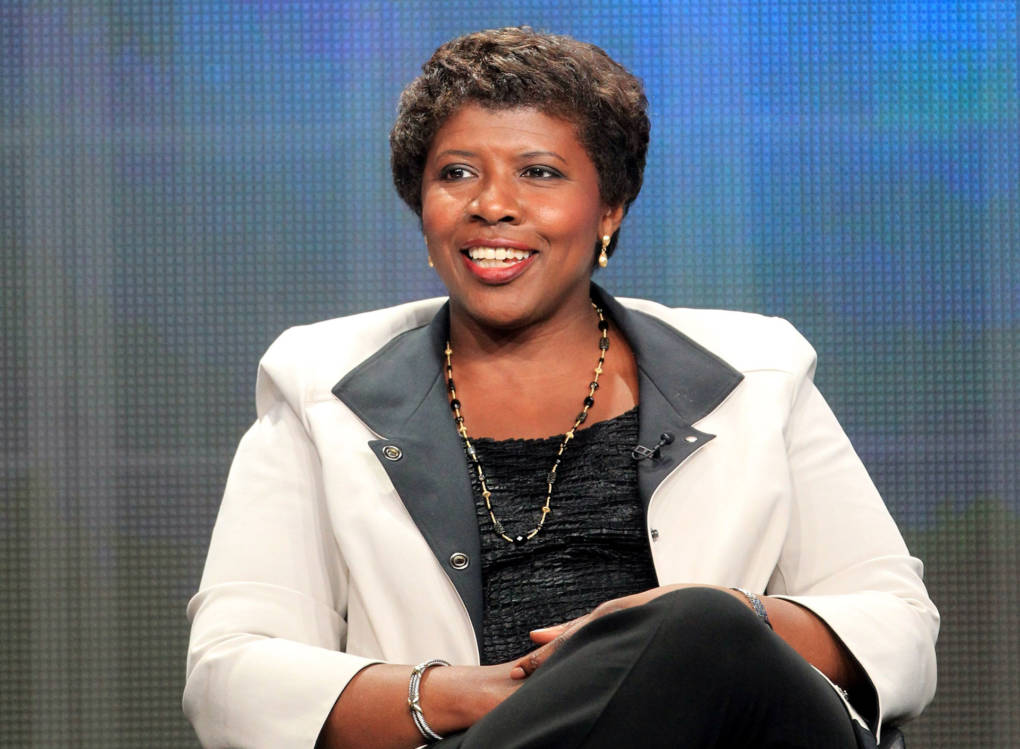
"caption": "Gwen Ifill in 2012.",
"description": "Gwen Ifill in 2012.",
"title": "gweni",
"credit": "Frederick M. Brown/Getty Images",
"status": "inherit",
"isLoading": false,
"fetchFailed": false
},
"news_11173856": {
"type": "attachments",
"id": "news_11173856",
"meta": {
"index": "attachments_1716263798",
"site": "news",
"id": "11173856",
"found": true
},
"parent": 11173855,
"imgSizes": {
"small": {
"file": "https://ww2.kqed.org/app/uploads/sites/10/2016/11/gettyimages-622948162_wide-3cce8d26d4f28b4083cdd48116c5ef6bea97fa97-520x292.jpg",
"width": 520,
"mimeType": "image/jpeg",
"height": 292
},
"twentyfourteen-full-width": {
"file": "https://ww2.kqed.org/app/uploads/sites/10/2016/11/gettyimages-622948162_wide-3cce8d26d4f28b4083cdd48116c5ef6bea97fa97-1038x576.jpg",
"width": 1038,
"mimeType": "image/jpeg",
"height": 576
},
"thumbnail": {
"file": "https://ww2.kqed.org/app/uploads/sites/10/2016/11/gettyimages-622948162_wide-3cce8d26d4f28b4083cdd48116c5ef6bea97fa97-160x90.jpg",
"width": 160,
"mimeType": "image/jpeg",
"height": 90
},
"fd-sm": {
"file": "https://ww2.kqed.org/app/uploads/sites/10/2016/11/gettyimages-622948162_wide-3cce8d26d4f28b4083cdd48116c5ef6bea97fa97-960x540.jpg",
"width": 960,
"mimeType": "image/jpeg",
"height": 540
},
"post-thumbnail": {
"file": "https://ww2.kqed.org/app/uploads/sites/10/2016/11/gettyimages-622948162_wide-3cce8d26d4f28b4083cdd48116c5ef6bea97fa97-672x372.jpg",
"width": 672,
"mimeType": "image/jpeg",
"height": 372
},
"xsmall": {
"file": "https://ww2.kqed.org/app/uploads/sites/10/2016/11/gettyimages-622948162_wide-3cce8d26d4f28b4083cdd48116c5ef6bea97fa97-375x211.jpg",
"width": 375,
"mimeType": "image/jpeg",
"height": 211
},
"kqedFullSize": {
"file": "https://ww2.kqed.org/app/uploads/sites/10/2016/11/gettyimages-622948162_wide-3cce8d26d4f28b4083cdd48116c5ef6bea97fa97.jpg",
"width": 3000,
"height": 1687
},
"large": {
"file": "https://ww2.kqed.org/app/uploads/sites/10/2016/11/gettyimages-622948162_wide-3cce8d26d4f28b4083cdd48116c5ef6bea97fa97-1020x574.jpg",
"width": 1020,
"mimeType": "image/jpeg",
"height": 574
},
"xlarge": {
"file": "https://ww2.kqed.org/app/uploads/sites/10/2016/11/gettyimages-622948162_wide-3cce8d26d4f28b4083cdd48116c5ef6bea97fa97-1180x664.jpg",
"width": 1180,
"mimeType": "image/jpeg",
"height": 664
},
"guest-author-50": {
"file": "https://ww2.kqed.org/app/uploads/sites/10/2016/11/gettyimages-622948162_wide-3cce8d26d4f28b4083cdd48116c5ef6bea97fa97-50x50.jpg",
"width": 50,
"mimeType": "image/jpeg",
"height": 50
},
"guest-author-96": {
"file": "https://ww2.kqed.org/app/uploads/sites/10/2016/11/gettyimages-622948162_wide-3cce8d26d4f28b4083cdd48116c5ef6bea97fa97-96x96.jpg",
"width": 96,
"mimeType": "image/jpeg",
"height": 96
},
"medium": {
"file": "https://ww2.kqed.org/app/uploads/sites/10/2016/11/gettyimages-622948162_wide-3cce8d26d4f28b4083cdd48116c5ef6bea97fa97-800x450.jpg",
"width": 800,
"mimeType": "image/jpeg",
"height": 450
},
"guest-author-64": {
"file": "https://ww2.kqed.org/app/uploads/sites/10/2016/11/gettyimages-622948162_wide-3cce8d26d4f28b4083cdd48116c5ef6bea97fa97-64x64.jpg",
"width": 64,
"mimeType": "image/jpeg",
"height": 64
},
"guest-author-32": {
"file": "https://ww2.kqed.org/app/uploads/sites/10/2016/11/gettyimages-622948162_wide-3cce8d26d4f28b4083cdd48116c5ef6bea97fa97-32x32.jpg",
"width": 32,
"mimeType": "image/jpeg",
"height": 32
},
"jmtc-small-thumb": {
"file": "https://ww2.kqed.org/app/uploads/sites/10/2016/11/gettyimages-622948162_wide-3cce8d26d4f28b4083cdd48116c5ef6bea97fa97-280x150.jpg",
"width": 280,
"mimeType": "image/jpeg",
"height": 150
},
"fd-lrg": {
"file": "https://ww2.kqed.org/app/uploads/sites/10/2016/11/gettyimages-622948162_wide-3cce8d26d4f28b4083cdd48116c5ef6bea97fa97-1920x1080.jpg",
"width": 1920,
"mimeType": "image/jpeg",
"height": 1080
},
"fd-med": {
"file": "https://ww2.kqed.org/app/uploads/sites/10/2016/11/gettyimages-622948162_wide-3cce8d26d4f28b4083cdd48116c5ef6bea97fa97-1180x664.jpg",
"width": 1180,
"mimeType": "image/jpeg",
"height": 664
},
"full-width": {
"file": "https://ww2.kqed.org/app/uploads/sites/10/2016/11/gettyimages-622948162_wide-3cce8d26d4f28b4083cdd48116c5ef6bea97fa97-1920x1080.jpg",
"width": 1920,
"mimeType": "image/jpeg",
"height": 1080
},
"detail": {
"file": "https://ww2.kqed.org/app/uploads/sites/10/2016/11/gettyimages-622948162_wide-3cce8d26d4f28b4083cdd48116c5ef6bea97fa97-150x150.jpg",
"width": 150,
"mimeType": "image/jpeg",
"height": 150
},
"guest-author-128": {
"file": "https://ww2.kqed.org/app/uploads/sites/10/2016/11/gettyimages-622948162_wide-3cce8d26d4f28b4083cdd48116c5ef6bea97fa97-128x128.jpg",
"width": 128,
"mimeType": "image/jpeg",
"height": 128
},
"xxsmall": {
"file": "https://ww2.kqed.org/app/uploads/sites/10/2016/11/gettyimages-622948162_wide-3cce8d26d4f28b4083cdd48116c5ef6bea97fa97-240x135.jpg",
"width": 240,
"mimeType": "image/jpeg",
"height": 135
}
},
"publishDate": 1479148601,
"modified": 1479148819,
"caption": "Anti-Donald Trump protesters stand in front of the Trump International Hotel & Tower in Las Vegas Saturday. The new president-elect says he'll follow through on building a wall — and deporting millions of people.",
"description": "Anti-Donald Trump protesters stand in front of the Trump International Hotel",
"title": "Anti-Donald Trump protesters stand in front of the Trump International Hotel & Tower in Las Vegas Saturday. The new president-elect says he'll follow through on building a wall — and deporting millions of people.",
"credit": "Ethan Miller/Getty Images",
"status": "inherit",
"isLoading": false,
"fetchFailed": false
},
"news_11167088": {
"type": "attachments",
"id": "news_11167088",
"meta": {
"index": "attachments_1716263798",
"site": "news",
"id": "11167088",
"found": true
},
"parent": 11167085,
"imgSizes": {
"small": {
"file": "https://ww2.kqed.org/app/uploads/sites/10/2016/11/RS18470_GettyImages-497920448-qut-520x340.jpg",
"width": 520,
"mimeType": "image/jpeg",
"height": 340
},
"twentyfourteen-full-width": {
"file": "https://ww2.kqed.org/app/uploads/sites/10/2016/11/RS18470_GettyImages-497920448-qut-1038x576.jpg",
"width": 1038,
"mimeType": "image/jpeg",
"height": 576
},
"thumbnail": {
"file": "https://ww2.kqed.org/app/uploads/sites/10/2016/11/RS18470_GettyImages-497920448-qut-160x105.jpg",
"width": 160,
"mimeType": "image/jpeg",
"height": 105
},
"fd-sm": {
"file": "https://ww2.kqed.org/app/uploads/sites/10/2016/11/RS18470_GettyImages-497920448-qut-960x627.jpg",
"width": 960,
"mimeType": "image/jpeg",
"height": 627
},
"post-thumbnail": {
"file": "https://ww2.kqed.org/app/uploads/sites/10/2016/11/RS18470_GettyImages-497920448-qut-672x372.jpg",
"width": 672,
"mimeType": "image/jpeg",
"height": 372
},
"xsmall": {
"file": "https://ww2.kqed.org/app/uploads/sites/10/2016/11/RS18470_GettyImages-497920448-qut-375x245.jpg",
"width": 375,
"mimeType": "image/jpeg",
"height": 245
},
"kqedFullSize": {
"file": "https://ww2.kqed.org/app/uploads/sites/10/2016/11/RS18470_GettyImages-497920448-qut.jpg",
"width": 1920,
"height": 1254
},
"large": {
"file": "https://ww2.kqed.org/app/uploads/sites/10/2016/11/RS18470_GettyImages-497920448-qut-1020x666.jpg",
"width": 1020,
"mimeType": "image/jpeg",
"height": 666
},
"xlarge": {
"file": "https://ww2.kqed.org/app/uploads/sites/10/2016/11/RS18470_GettyImages-497920448-qut-1180x771.jpg",
"width": 1180,
"mimeType": "image/jpeg",
"height": 771
},
"guest-author-50": {
"file": "https://ww2.kqed.org/app/uploads/sites/10/2016/11/RS18470_GettyImages-497920448-qut-50x50.jpg",
"width": 50,
"mimeType": "image/jpeg",
"height": 50
},
"guest-author-96": {
"file": "https://ww2.kqed.org/app/uploads/sites/10/2016/11/RS18470_GettyImages-497920448-qut-96x96.jpg",
"width": 96,
"mimeType": "image/jpeg",
"height": 96
},
"medium": {
"file": "https://ww2.kqed.org/app/uploads/sites/10/2016/11/RS18470_GettyImages-497920448-qut-800x523.jpg",
"width": 800,
"mimeType": "image/jpeg",
"height": 523
},
"guest-author-64": {
"file": "https://ww2.kqed.org/app/uploads/sites/10/2016/11/RS18470_GettyImages-497920448-qut-64x64.jpg",
"width": 64,
"mimeType": "image/jpeg",
"height": 64
},
"guest-author-32": {
"file": "https://ww2.kqed.org/app/uploads/sites/10/2016/11/RS18470_GettyImages-497920448-qut-32x32.jpg",
"width": 32,
"mimeType": "image/jpeg",
"height": 32
},
"jmtc-small-thumb": {
"file": "https://ww2.kqed.org/app/uploads/sites/10/2016/11/RS18470_GettyImages-497920448-qut-280x150.jpg",
"width": 280,
"mimeType": "image/jpeg",
"height": 150
},
"fd-lrg": {
"file": "https://ww2.kqed.org/app/uploads/sites/10/2016/11/RS18470_GettyImages-497920448-qut-1920x1254.jpg",
"width": 1920,
"mimeType": "image/jpeg",
"height": 1254
},
"fd-med": {
"file": "https://ww2.kqed.org/app/uploads/sites/10/2016/11/RS18470_GettyImages-497920448-qut-1180x771.jpg",
"width": 1180,
"mimeType": "image/jpeg",
"height": 771
},
"full-width": {
"file": "https://ww2.kqed.org/app/uploads/sites/10/2016/11/RS18470_GettyImages-497920448-qut-1920x1254.jpg",
"width": 1920,
"mimeType": "image/jpeg",
"height": 1254
},
"detail": {
"file": "https://ww2.kqed.org/app/uploads/sites/10/2016/11/RS18470_GettyImages-497920448-qut-150x150.jpg",
"width": 150,
"mimeType": "image/jpeg",
"height": 150
},
"guest-author-128": {
"file": "https://ww2.kqed.org/app/uploads/sites/10/2016/11/RS18470_GettyImages-497920448-qut-128x128.jpg",
"width": 128,
"mimeType": "image/jpeg",
"height": 128
},
"xxsmall": {
"file": "https://ww2.kqed.org/app/uploads/sites/10/2016/11/RS18470_GettyImages-497920448-qut-240x157.jpg",
"width": 240,
"mimeType": "image/jpeg",
"height": 157
}
},
"publishDate": 1478726163,
"modified": 1478726202,
"caption": null,
"description": null,
"title": "Donald Trump",
"credit": "Scott Olson/Getty Images",
"status": "inherit",
"isLoading": false,
"fetchFailed": false
},
"news_11166776": {
"type": "attachments",
"id": "news_11166776",
"meta": {
"index": "attachments_1716263798",
"site": "news",
"id": "11166776",
"found": true
},
"parent": 11166775,
"imgSizes": {
"small": {
"file": "https://ww2.kqed.org/app/uploads/sites/10/2016/11/gettyimages-621953556-b7deebaeda574960de5229b2490b309b90b4eb00-520x390.jpg",
"width": 520,
"mimeType": "image/jpeg",
"height": 390
},
"twentyfourteen-full-width": {
"file": "https://ww2.kqed.org/app/uploads/sites/10/2016/11/gettyimages-621953556-b7deebaeda574960de5229b2490b309b90b4eb00-1038x576.jpg",
"width": 1038,
"mimeType": "image/jpeg",
"height": 576
},
"thumbnail": {
"file": "https://ww2.kqed.org/app/uploads/sites/10/2016/11/gettyimages-621953556-b7deebaeda574960de5229b2490b309b90b4eb00-160x120.jpg",
"width": 160,
"mimeType": "image/jpeg",
"height": 120
},
"fd-sm": {
"file": "https://ww2.kqed.org/app/uploads/sites/10/2016/11/gettyimages-621953556-b7deebaeda574960de5229b2490b309b90b4eb00-960x720.jpg",
"width": 960,
"mimeType": "image/jpeg",
"height": 720
},
"post-thumbnail": {
"file": "https://ww2.kqed.org/app/uploads/sites/10/2016/11/gettyimages-621953556-b7deebaeda574960de5229b2490b309b90b4eb00-672x372.jpg",
"width": 672,
"mimeType": "image/jpeg",
"height": 372
},
"xsmall": {
"file": "https://ww2.kqed.org/app/uploads/sites/10/2016/11/gettyimages-621953556-b7deebaeda574960de5229b2490b309b90b4eb00-375x281.jpg",
"width": 375,
"mimeType": "image/jpeg",
"height": 281
},
"kqedFullSize": {
"file": "https://ww2.kqed.org/app/uploads/sites/10/2016/11/gettyimages-621953556-b7deebaeda574960de5229b2490b309b90b4eb00.jpg",
"width": 3782,
"height": 2836
},
"large": {
"file": "https://ww2.kqed.org/app/uploads/sites/10/2016/11/gettyimages-621953556-b7deebaeda574960de5229b2490b309b90b4eb00-1020x765.jpg",
"width": 1020,
"mimeType": "image/jpeg",
"height": 765
},
"xlarge": {
"file": "https://ww2.kqed.org/app/uploads/sites/10/2016/11/gettyimages-621953556-b7deebaeda574960de5229b2490b309b90b4eb00-1180x885.jpg",
"width": 1180,
"mimeType": "image/jpeg",
"height": 885
},
"guest-author-50": {
"file": "https://ww2.kqed.org/app/uploads/sites/10/2016/11/gettyimages-621953556-b7deebaeda574960de5229b2490b309b90b4eb00-50x50.jpg",
"width": 50,
"mimeType": "image/jpeg",
"height": 50
},
"guest-author-96": {
"file": "https://ww2.kqed.org/app/uploads/sites/10/2016/11/gettyimages-621953556-b7deebaeda574960de5229b2490b309b90b4eb00-96x96.jpg",
"width": 96,
"mimeType": "image/jpeg",
"height": 96
},
"medium": {
"file": "https://ww2.kqed.org/app/uploads/sites/10/2016/11/gettyimages-621953556-b7deebaeda574960de5229b2490b309b90b4eb00-800x600.jpg",
"width": 800,
"mimeType": "image/jpeg",
"height": 600
},
"guest-author-64": {
"file": "https://ww2.kqed.org/app/uploads/sites/10/2016/11/gettyimages-621953556-b7deebaeda574960de5229b2490b309b90b4eb00-64x64.jpg",
"width": 64,
"mimeType": "image/jpeg",
"height": 64
},
"guest-author-32": {
"file": "https://ww2.kqed.org/app/uploads/sites/10/2016/11/gettyimages-621953556-b7deebaeda574960de5229b2490b309b90b4eb00-32x32.jpg",
"width": 32,
"mimeType": "image/jpeg",
"height": 32
},
"jmtc-small-thumb": {
"file": "https://ww2.kqed.org/app/uploads/sites/10/2016/11/gettyimages-621953556-b7deebaeda574960de5229b2490b309b90b4eb00-280x150.jpg",
"width": 280,
"mimeType": "image/jpeg",
"height": 150
},
"fd-lrg": {
"file": "https://ww2.kqed.org/app/uploads/sites/10/2016/11/gettyimages-621953556-b7deebaeda574960de5229b2490b309b90b4eb00-1920x1440.jpg",
"width": 1920,
"mimeType": "image/jpeg",
"height": 1440
},
"fd-med": {
"file": "https://ww2.kqed.org/app/uploads/sites/10/2016/11/gettyimages-621953556-b7deebaeda574960de5229b2490b309b90b4eb00-1180x885.jpg",
"width": 1180,
"mimeType": "image/jpeg",
"height": 885
},
"full-width": {
"file": "https://ww2.kqed.org/app/uploads/sites/10/2016/11/gettyimages-621953556-b7deebaeda574960de5229b2490b309b90b4eb00-1920x1440.jpg",
"width": 1920,
"mimeType": "image/jpeg",
"height": 1440
},
"detail": {
"file": "https://ww2.kqed.org/app/uploads/sites/10/2016/11/gettyimages-621953556-b7deebaeda574960de5229b2490b309b90b4eb00-150x150.jpg",
"width": 150,
"mimeType": "image/jpeg",
"height": 150
},
"guest-author-128": {
"file": "https://ww2.kqed.org/app/uploads/sites/10/2016/11/gettyimages-621953556-b7deebaeda574960de5229b2490b309b90b4eb00-128x128.jpg",
"width": 128,
"mimeType": "image/jpeg",
"height": 128
},
"xxsmall": {
"file": "https://ww2.kqed.org/app/uploads/sites/10/2016/11/gettyimages-621953556-b7deebaeda574960de5229b2490b309b90b4eb00-240x180.jpg",
"width": 240,
"mimeType": "image/jpeg",
"height": 180
}
},
"publishDate": 1478711712,
"modified": 1478711906,
"caption": null,
"description": "Hillary Clinton concedes the presidential election at the New Yorker Hotel on Wednesday in New York City.",
"title": "Hillary Clinton concedes the presidential election at the New Yorker Hotel on Wednesday in New York City.",
"credit": "ustin Sullivan/Getty Images",
"status": "inherit",
"isLoading": false,
"fetchFailed": false
},
"news_11166692": {
"type": "attachments",
"id": "news_11166692",
"meta": {
"index": "attachments_1716263798",
"site": "news",
"id": "11166692",
"found": true
},
"parent": 11166691,
"imgSizes": {
"small": {
"file": "https://ww2.kqed.org/app/uploads/sites/10/2016/11/trump-illo2_wide-e7048e7e73545a7deb8c94de4b01418383f7db51-520x292.jpg",
"width": 520,
"mimeType": "image/jpeg",
"height": 292
},
"twentyfourteen-full-width": {
"file": "https://ww2.kqed.org/app/uploads/sites/10/2016/11/trump-illo2_wide-e7048e7e73545a7deb8c94de4b01418383f7db51-1038x576.jpg",
"width": 1038,
"mimeType": "image/jpeg",
"height": 576
},
"thumbnail": {
"file": "https://ww2.kqed.org/app/uploads/sites/10/2016/11/trump-illo2_wide-e7048e7e73545a7deb8c94de4b01418383f7db51-160x90.jpg",
"width": 160,
"mimeType": "image/jpeg",
"height": 90
},
"fd-sm": {
"file": "https://ww2.kqed.org/app/uploads/sites/10/2016/11/trump-illo2_wide-e7048e7e73545a7deb8c94de4b01418383f7db51-960x540.jpg",
"width": 960,
"mimeType": "image/jpeg",
"height": 540
},
"post-thumbnail": {
"file": "https://ww2.kqed.org/app/uploads/sites/10/2016/11/trump-illo2_wide-e7048e7e73545a7deb8c94de4b01418383f7db51-672x372.jpg",
"width": 672,
"mimeType": "image/jpeg",
"height": 372
},
"xsmall": {
"file": "https://ww2.kqed.org/app/uploads/sites/10/2016/11/trump-illo2_wide-e7048e7e73545a7deb8c94de4b01418383f7db51-375x211.jpg",
"width": 375,
"mimeType": "image/jpeg",
"height": 211
},
"kqedFullSize": {
"file": "https://ww2.kqed.org/app/uploads/sites/10/2016/11/trump-illo2_wide-e7048e7e73545a7deb8c94de4b01418383f7db51.jpg",
"width": 2716,
"height": 1527
},
"large": {
"file": "https://ww2.kqed.org/app/uploads/sites/10/2016/11/trump-illo2_wide-e7048e7e73545a7deb8c94de4b01418383f7db51-1020x573.jpg",
"width": 1020,
"mimeType": "image/jpeg",
"height": 573
},
"xlarge": {
"file": "https://ww2.kqed.org/app/uploads/sites/10/2016/11/trump-illo2_wide-e7048e7e73545a7deb8c94de4b01418383f7db51-1180x663.jpg",
"width": 1180,
"mimeType": "image/jpeg",
"height": 663
},
"guest-author-50": {
"file": "https://ww2.kqed.org/app/uploads/sites/10/2016/11/trump-illo2_wide-e7048e7e73545a7deb8c94de4b01418383f7db51-50x50.jpg",
"width": 50,
"mimeType": "image/jpeg",
"height": 50
},
"guest-author-96": {
"file": "https://ww2.kqed.org/app/uploads/sites/10/2016/11/trump-illo2_wide-e7048e7e73545a7deb8c94de4b01418383f7db51-96x96.jpg",
"width": 96,
"mimeType": "image/jpeg",
"height": 96
},
"medium": {
"file": "https://ww2.kqed.org/app/uploads/sites/10/2016/11/trump-illo2_wide-e7048e7e73545a7deb8c94de4b01418383f7db51-800x450.jpg",
"width": 800,
"mimeType": "image/jpeg",
"height": 450
},
"guest-author-64": {
"file": "https://ww2.kqed.org/app/uploads/sites/10/2016/11/trump-illo2_wide-e7048e7e73545a7deb8c94de4b01418383f7db51-64x64.jpg",
"width": 64,
"mimeType": "image/jpeg",
"height": 64
},
"guest-author-32": {
"file": "https://ww2.kqed.org/app/uploads/sites/10/2016/11/trump-illo2_wide-e7048e7e73545a7deb8c94de4b01418383f7db51-32x32.jpg",
"width": 32,
"mimeType": "image/jpeg",
"height": 32
},
"jmtc-small-thumb": {
"file": "https://ww2.kqed.org/app/uploads/sites/10/2016/11/trump-illo2_wide-e7048e7e73545a7deb8c94de4b01418383f7db51-280x150.jpg",
"width": 280,
"mimeType": "image/jpeg",
"height": 150
},
"fd-lrg": {
"file": "https://ww2.kqed.org/app/uploads/sites/10/2016/11/trump-illo2_wide-e7048e7e73545a7deb8c94de4b01418383f7db51-1920x1079.jpg",
"width": 1920,
"mimeType": "image/jpeg",
"height": 1079
},
"fd-med": {
"file": "https://ww2.kqed.org/app/uploads/sites/10/2016/11/trump-illo2_wide-e7048e7e73545a7deb8c94de4b01418383f7db51-1180x663.jpg",
"width": 1180,
"mimeType": "image/jpeg",
"height": 663
},
"full-width": {
"file": "https://ww2.kqed.org/app/uploads/sites/10/2016/11/trump-illo2_wide-e7048e7e73545a7deb8c94de4b01418383f7db51-1920x1079.jpg",
"width": 1920,
"mimeType": "image/jpeg",
"height": 1079
},
"detail": {
"file": "https://ww2.kqed.org/app/uploads/sites/10/2016/11/trump-illo2_wide-e7048e7e73545a7deb8c94de4b01418383f7db51-150x150.jpg",
"width": 150,
"mimeType": "image/jpeg",
"height": 150
},
"guest-author-128": {
"file": "https://ww2.kqed.org/app/uploads/sites/10/2016/11/trump-illo2_wide-e7048e7e73545a7deb8c94de4b01418383f7db51-128x128.jpg",
"width": 128,
"mimeType": "image/jpeg",
"height": 128
},
"xxsmall": {
"file": "https://ww2.kqed.org/app/uploads/sites/10/2016/11/trump-illo2_wide-e7048e7e73545a7deb8c94de4b01418383f7db51-240x135.jpg",
"width": 240,
"mimeType": "image/jpeg",
"height": 135
}
},
"publishDate": 1478708163,
"modified": 1478708163,
"caption": null,
"description": "How Donald Trump would govern.",
"title": "How Donald Trump would govern.",
"credit": null,
"status": "inherit",
"isLoading": false,
"fetchFailed": false
},
"news_11166616": {
"type": "attachments",
"id": "news_11166616",
"meta": {
"index": "attachments_1716263798",
"site": "news",
"id": "11166616",
"found": true
},
"parent": 11166610,
"imgSizes": {
"small": {
"file": "https://ww2.kqed.org/app/uploads/sites/10/2016/11/RS20024_GettyImages-537766520-qut-520x354.jpg",
"width": 520,
"mimeType": "image/jpeg",
"height": 354
},
"twentyfourteen-full-width": {
"file": "https://ww2.kqed.org/app/uploads/sites/10/2016/11/RS20024_GettyImages-537766520-qut-1038x576.jpg",
"width": 1038,
"mimeType": "image/jpeg",
"height": 576
},
"thumbnail": {
"file": "https://ww2.kqed.org/app/uploads/sites/10/2016/11/RS20024_GettyImages-537766520-qut-160x109.jpg",
"width": 160,
"mimeType": "image/jpeg",
"height": 109
},
"fd-sm": {
"file": "https://ww2.kqed.org/app/uploads/sites/10/2016/11/RS20024_GettyImages-537766520-qut-960x654.jpg",
"width": 960,
"mimeType": "image/jpeg",
"height": 654
},
"post-thumbnail": {
"file": "https://ww2.kqed.org/app/uploads/sites/10/2016/11/RS20024_GettyImages-537766520-qut-672x372.jpg",
"width": 672,
"mimeType": "image/jpeg",
"height": 372
},
"xsmall": {
"file": "https://ww2.kqed.org/app/uploads/sites/10/2016/11/RS20024_GettyImages-537766520-qut-375x255.jpg",
"width": 375,
"mimeType": "image/jpeg",
"height": 255
},
"kqedFullSize": {
"file": "https://ww2.kqed.org/app/uploads/sites/10/2016/11/RS20024_GettyImages-537766520-qut.jpg",
"width": 1920,
"height": 1308
},
"large": {
"file": "https://ww2.kqed.org/app/uploads/sites/10/2016/11/RS20024_GettyImages-537766520-qut-1020x695.jpg",
"width": 1020,
"mimeType": "image/jpeg",
"height": 695
},
"xlarge": {
"file": "https://ww2.kqed.org/app/uploads/sites/10/2016/11/RS20024_GettyImages-537766520-qut-1180x804.jpg",
"width": 1180,
"mimeType": "image/jpeg",
"height": 804
},
"guest-author-50": {
"file": "https://ww2.kqed.org/app/uploads/sites/10/2016/11/RS20024_GettyImages-537766520-qut-50x50.jpg",
"width": 50,
"mimeType": "image/jpeg",
"height": 50
},
"guest-author-96": {
"file": "https://ww2.kqed.org/app/uploads/sites/10/2016/11/RS20024_GettyImages-537766520-qut-96x96.jpg",
"width": 96,
"mimeType": "image/jpeg",
"height": 96
},
"medium": {
"file": "https://ww2.kqed.org/app/uploads/sites/10/2016/11/RS20024_GettyImages-537766520-qut-800x545.jpg",
"width": 800,
"mimeType": "image/jpeg",
"height": 545
},
"guest-author-64": {
"file": "https://ww2.kqed.org/app/uploads/sites/10/2016/11/RS20024_GettyImages-537766520-qut-64x64.jpg",
"width": 64,
"mimeType": "image/jpeg",
"height": 64
},
"guest-author-32": {
"file": "https://ww2.kqed.org/app/uploads/sites/10/2016/11/RS20024_GettyImages-537766520-qut-32x32.jpg",
"width": 32,
"mimeType": "image/jpeg",
"height": 32
},
"jmtc-small-thumb": {
"file": "https://ww2.kqed.org/app/uploads/sites/10/2016/11/RS20024_GettyImages-537766520-qut-280x150.jpg",
"width": 280,
"mimeType": "image/jpeg",
"height": 150
},
"fd-lrg": {
"file": "https://ww2.kqed.org/app/uploads/sites/10/2016/11/RS20024_GettyImages-537766520-qut-1920x1308.jpg",
"width": 1920,
"mimeType": "image/jpeg",
"height": 1308
},
"fd-med": {
"file": "https://ww2.kqed.org/app/uploads/sites/10/2016/11/RS20024_GettyImages-537766520-qut-1180x804.jpg",
"width": 1180,
"mimeType": "image/jpeg",
"height": 804
},
"full-width": {
"file": "https://ww2.kqed.org/app/uploads/sites/10/2016/11/RS20024_GettyImages-537766520-qut-1920x1308.jpg",
"width": 1920,
"mimeType": "image/jpeg",
"height": 1308
},
"detail": {
"file": "https://ww2.kqed.org/app/uploads/sites/10/2016/11/RS20024_GettyImages-537766520-qut-150x150.jpg",
"width": 150,
"mimeType": "image/jpeg",
"height": 150
},
"guest-author-128": {
"file": "https://ww2.kqed.org/app/uploads/sites/10/2016/11/RS20024_GettyImages-537766520-qut-128x128.jpg",
"width": 128,
"mimeType": "image/jpeg",
"height": 128
},
"xxsmall": {
"file": "https://ww2.kqed.org/app/uploads/sites/10/2016/11/RS20024_GettyImages-537766520-qut-240x164.jpg",
"width": 240,
"mimeType": "image/jpeg",
"height": 164
}
},
"publishDate": 1478706214,
"modified": 1478739590,
"caption": "Trump supporters in San Jose.",
"description": "Trump supporters in San Jose.",
"title": "rs20024_gettyimages-537766520-qut",
"credit": "Josh Edelson/AFP/Getty Images",
"status": "inherit",
"isLoading": false,
"fetchFailed": false
},
"news_11165717": {
"type": "attachments",
"id": "news_11165717",
"meta": {
"index": "attachments_1716263798",
"site": "news",
"id": "11165717",
"found": true
},
"parent": 11165715,
"imgSizes": {
"small": {
"file": "https://ww2.kqed.org/app/uploads/sites/10/2016/11/NYSE-520x332.jpg",
"width": 520,
"mimeType": "image/jpeg",
"height": 332
},
"twentyfourteen-full-width": {
"file": "https://ww2.kqed.org/app/uploads/sites/10/2016/11/NYSE-1038x576.jpg",
"width": 1038,
"mimeType": "image/jpeg",
"height": 576
},
"thumbnail": {
"file": "https://ww2.kqed.org/app/uploads/sites/10/2016/11/NYSE-160x102.jpg",
"width": 160,
"mimeType": "image/jpeg",
"height": 102
},
"fd-sm": {
"file": "https://ww2.kqed.org/app/uploads/sites/10/2016/11/NYSE-960x614.jpg",
"width": 960,
"mimeType": "image/jpeg",
"height": 614
},
"post-thumbnail": {
"file": "https://ww2.kqed.org/app/uploads/sites/10/2016/11/NYSE-672x372.jpg",
"width": 672,
"mimeType": "image/jpeg",
"height": 372
},
"xsmall": {
"file": "https://ww2.kqed.org/app/uploads/sites/10/2016/11/NYSE-375x240.jpg",
"width": 375,
"mimeType": "image/jpeg",
"height": 240
},
"kqedFullSize": {
"file": "https://ww2.kqed.org/app/uploads/sites/10/2016/11/NYSE.jpg",
"width": 1920,
"height": 1227
},
"large": {
"file": "https://ww2.kqed.org/app/uploads/sites/10/2016/11/NYSE-1020x652.jpg",
"width": 1020,
"mimeType": "image/jpeg",
"height": 652
},
"xlarge": {
"file": "https://ww2.kqed.org/app/uploads/sites/10/2016/11/NYSE-1180x754.jpg",
"width": 1180,
"mimeType": "image/jpeg",
"height": 754
},
"guest-author-50": {
"file": "https://ww2.kqed.org/app/uploads/sites/10/2016/11/NYSE-50x50.jpg",
"width": 50,
"mimeType": "image/jpeg",
"height": 50
},
"guest-author-96": {
"file": "https://ww2.kqed.org/app/uploads/sites/10/2016/11/NYSE-96x96.jpg",
"width": 96,
"mimeType": "image/jpeg",
"height": 96
},
"medium": {
"file": "https://ww2.kqed.org/app/uploads/sites/10/2016/11/NYSE-800x511.jpg",
"width": 800,
"mimeType": "image/jpeg",
"height": 511
},
"guest-author-64": {
"file": "https://ww2.kqed.org/app/uploads/sites/10/2016/11/NYSE-64x64.jpg",
"width": 64,
"mimeType": "image/jpeg",
"height": 64
},
"guest-author-32": {
"file": "https://ww2.kqed.org/app/uploads/sites/10/2016/11/NYSE-32x32.jpg",
"width": 32,
"mimeType": "image/jpeg",
"height": 32
},
"jmtc-small-thumb": {
"file": "https://ww2.kqed.org/app/uploads/sites/10/2016/11/NYSE-280x150.jpg",
"width": 280,
"mimeType": "image/jpeg",
"height": 150
},
"fd-lrg": {
"file": "https://ww2.kqed.org/app/uploads/sites/10/2016/11/NYSE-1920x1227.jpg",
"width": 1920,
"mimeType": "image/jpeg",
"height": 1227
},
"fd-med": {
"file": "https://ww2.kqed.org/app/uploads/sites/10/2016/11/NYSE-1180x754.jpg",
"width": 1180,
"mimeType": "image/jpeg",
"height": 754
},
"full-width": {
"file": "https://ww2.kqed.org/app/uploads/sites/10/2016/11/NYSE-1920x1227.jpg",
"width": 1920,
"mimeType": "image/jpeg",
"height": 1227
},
"detail": {
"file": "https://ww2.kqed.org/app/uploads/sites/10/2016/11/NYSE-150x150.jpg",
"width": 150,
"mimeType": "image/jpeg",
"height": 150
},
"guest-author-128": {
"file": "https://ww2.kqed.org/app/uploads/sites/10/2016/11/NYSE-128x128.jpg",
"width": 128,
"mimeType": "image/jpeg",
"height": 128
},
"xxsmall": {
"file": "https://ww2.kqed.org/app/uploads/sites/10/2016/11/NYSE-240x153.jpg",
"width": 240,
"mimeType": "image/jpeg",
"height": 153
}
},
"publishDate": 1478662986,
"modified": 1478682569,
"caption": "A Wall Street sign outside an entrance of the New York Stock Exchange.",
"description": "A Wall Street sign outside an entrance of the New York Stock Exchange.",
"title": "nyse",
"credit": "Stan Honda/AFP/Getty Images",
"status": "inherit",
"isLoading": false,
"fetchFailed": false
},
"news_11166118": {
"type": "attachments",
"id": "news_11166118",
"meta": {
"index": "attachments_1716263798",
"site": "news",
"id": "11166118",
"found": true
},
"parent": 11166117,
"imgSizes": {
"small": {
"file": "https://ww2.kqed.org/app/uploads/sites/10/2016/11/flickr-canada-flag_custom-65cccf7694b473b9145f822fa348df2cab655388-520x344.jpg",
"width": 520,
"mimeType": "image/jpeg",
"height": 344
},
"twentyfourteen-full-width": {
"file": "https://ww2.kqed.org/app/uploads/sites/10/2016/11/flickr-canada-flag_custom-65cccf7694b473b9145f822fa348df2cab655388-1038x576.jpg",
"width": 1038,
"mimeType": "image/jpeg",
"height": 576
},
"thumbnail": {
"file": "https://ww2.kqed.org/app/uploads/sites/10/2016/11/flickr-canada-flag_custom-65cccf7694b473b9145f822fa348df2cab655388-160x106.jpg",
"width": 160,
"mimeType": "image/jpeg",
"height": 106
},
"fd-sm": {
"file": "https://ww2.kqed.org/app/uploads/sites/10/2016/11/flickr-canada-flag_custom-65cccf7694b473b9145f822fa348df2cab655388-960x636.jpg",
"width": 960,
"mimeType": "image/jpeg",
"height": 636
},
"post-thumbnail": {
"file": "https://ww2.kqed.org/app/uploads/sites/10/2016/11/flickr-canada-flag_custom-65cccf7694b473b9145f822fa348df2cab655388-672x372.jpg",
"width": 672,
"mimeType": "image/jpeg",
"height": 372
},
"xsmall": {
"file": "https://ww2.kqed.org/app/uploads/sites/10/2016/11/flickr-canada-flag_custom-65cccf7694b473b9145f822fa348df2cab655388-375x248.jpg",
"width": 375,
"mimeType": "image/jpeg",
"height": 248
},
"kqedFullSize": {
"file": "https://ww2.kqed.org/app/uploads/sites/10/2016/11/flickr-canada-flag_custom-65cccf7694b473b9145f822fa348df2cab655388-e1478682943610.jpg",
"width": 1920,
"height": 1272
},
"large": {
"file": "https://ww2.kqed.org/app/uploads/sites/10/2016/11/flickr-canada-flag_custom-65cccf7694b473b9145f822fa348df2cab655388-1020x676.jpg",
"width": 1020,
"mimeType": "image/jpeg",
"height": 676
},
"xlarge": {
"file": "https://ww2.kqed.org/app/uploads/sites/10/2016/11/flickr-canada-flag_custom-65cccf7694b473b9145f822fa348df2cab655388-1180x782.jpg",
"width": 1180,
"mimeType": "image/jpeg",
"height": 782
},
"guest-author-50": {
"file": "https://ww2.kqed.org/app/uploads/sites/10/2016/11/flickr-canada-flag_custom-65cccf7694b473b9145f822fa348df2cab655388-50x50.jpg",
"width": 50,
"mimeType": "image/jpeg",
"height": 50
},
"guest-author-96": {
"file": "https://ww2.kqed.org/app/uploads/sites/10/2016/11/flickr-canada-flag_custom-65cccf7694b473b9145f822fa348df2cab655388-96x96.jpg",
"width": 96,
"mimeType": "image/jpeg",
"height": 96
},
"medium": {
"file": "https://ww2.kqed.org/app/uploads/sites/10/2016/11/flickr-canada-flag_custom-65cccf7694b473b9145f822fa348df2cab655388-800x530.jpg",
"width": 800,
"mimeType": "image/jpeg",
"height": 530
},
"guest-author-64": {
"file": "https://ww2.kqed.org/app/uploads/sites/10/2016/11/flickr-canada-flag_custom-65cccf7694b473b9145f822fa348df2cab655388-64x64.jpg",
"width": 64,
"mimeType": "image/jpeg",
"height": 64
},
"guest-author-32": {
"file": "https://ww2.kqed.org/app/uploads/sites/10/2016/11/flickr-canada-flag_custom-65cccf7694b473b9145f822fa348df2cab655388-32x32.jpg",
"width": 32,
"mimeType": "image/jpeg",
"height": 32
},
"jmtc-small-thumb": {
"file": "https://ww2.kqed.org/app/uploads/sites/10/2016/11/flickr-canada-flag_custom-65cccf7694b473b9145f822fa348df2cab655388-280x150.jpg",
"width": 280,
"mimeType": "image/jpeg",
"height": 150
},
"fd-lrg": {
"file": "https://ww2.kqed.org/app/uploads/sites/10/2016/11/flickr-canada-flag_custom-65cccf7694b473b9145f822fa348df2cab655388-1920x1272.jpg",
"width": 1920,
"mimeType": "image/jpeg",
"height": 1272
},
"fd-med": {
"file": "https://ww2.kqed.org/app/uploads/sites/10/2016/11/flickr-canada-flag_custom-65cccf7694b473b9145f822fa348df2cab655388-1180x782.jpg",
"width": 1180,
"mimeType": "image/jpeg",
"height": 782
},
"full-width": {
"file": "https://ww2.kqed.org/app/uploads/sites/10/2016/11/flickr-canada-flag_custom-65cccf7694b473b9145f822fa348df2cab655388-1920x1272.jpg",
"width": 1920,
"mimeType": "image/jpeg",
"height": 1272
},
"detail": {
"file": "https://ww2.kqed.org/app/uploads/sites/10/2016/11/flickr-canada-flag_custom-65cccf7694b473b9145f822fa348df2cab655388-150x150.jpg",
"width": 150,
"mimeType": "image/jpeg",
"height": 150
},
"guest-author-128": {
"file": "https://ww2.kqed.org/app/uploads/sites/10/2016/11/flickr-canada-flag_custom-65cccf7694b473b9145f822fa348df2cab655388-128x128.jpg",
"width": 128,
"mimeType": "image/jpeg",
"height": 128
},
"xxsmall": {
"file": "https://ww2.kqed.org/app/uploads/sites/10/2016/11/flickr-canada-flag_custom-65cccf7694b473b9145f822fa348df2cab655388-240x159.jpg",
"width": 240,
"mimeType": "image/jpeg",
"height": 159
}
},
"publishDate": 1478679183,
"modified": 1478683028,
"caption": "Search traffic for \"Canada,\" \"Canada immigration\" and \"move to Canada\" increased on election night, according to Google Trends.",
"description": "Search traffic for \"Canada,\" \"Canada immigration\" and \"move to Canada\" increased on election night, according to Google Trends.",
"title": "Search traffic for \"Canada,\" \"Canada immigration\" and \"move to Canada\" increased on election night, according to Google Trends.",
"credit": "Open Grid Scheduler/Grid Engine via Flickr",
"status": "inherit",
"isLoading": false,
"fetchFailed": false
},
"news_11163803": {
"type": "attachments",
"id": "news_11163803",
"meta": {
"index": "attachments_1716263798",
"site": "news",
"id": "11163803",
"found": true
},
"parent": 11163802,
"imgSizes": {
"small": {
"file": "https://ww2.kqed.org/app/uploads/sites/10/2016/11/house-to-watch_wide-6fba2db494a155d2424aea0c33fe1ff0efaacb99-520x293.jpg",
"width": 520,
"mimeType": "image/jpeg",
"height": 293
},
"twentyfourteen-full-width": {
"file": "https://ww2.kqed.org/app/uploads/sites/10/2016/11/house-to-watch_wide-6fba2db494a155d2424aea0c33fe1ff0efaacb99-1038x576.jpg",
"width": 1038,
"mimeType": "image/jpeg",
"height": 576
},
"thumbnail": {
"file": "https://ww2.kqed.org/app/uploads/sites/10/2016/11/house-to-watch_wide-6fba2db494a155d2424aea0c33fe1ff0efaacb99-160x90.jpg",
"width": 160,
"mimeType": "image/jpeg",
"height": 90
},
"fd-sm": {
"file": "https://ww2.kqed.org/app/uploads/sites/10/2016/11/house-to-watch_wide-6fba2db494a155d2424aea0c33fe1ff0efaacb99-960x540.jpg",
"width": 960,
"mimeType": "image/jpeg",
"height": 540
},
"post-thumbnail": {
"file": "https://ww2.kqed.org/app/uploads/sites/10/2016/11/house-to-watch_wide-6fba2db494a155d2424aea0c33fe1ff0efaacb99-672x372.jpg",
"width": 672,
"mimeType": "image/jpeg",
"height": 372
},
"xsmall": {
"file": "https://ww2.kqed.org/app/uploads/sites/10/2016/11/house-to-watch_wide-6fba2db494a155d2424aea0c33fe1ff0efaacb99-375x211.jpg",
"width": 375,
"mimeType": "image/jpeg",
"height": 211
},
"kqedFullSize": {
"file": "https://ww2.kqed.org/app/uploads/sites/10/2016/11/house-to-watch_wide-6fba2db494a155d2424aea0c33fe1ff0efaacb99.jpg",
"width": 2995,
"height": 1685
},
"large": {
"file": "https://ww2.kqed.org/app/uploads/sites/10/2016/11/house-to-watch_wide-6fba2db494a155d2424aea0c33fe1ff0efaacb99-1020x574.jpg",
"width": 1020,
"mimeType": "image/jpeg",
"height": 574
},
"xlarge": {
"file": "https://ww2.kqed.org/app/uploads/sites/10/2016/11/house-to-watch_wide-6fba2db494a155d2424aea0c33fe1ff0efaacb99-1180x664.jpg",
"width": 1180,
"mimeType": "image/jpeg",
"height": 664
},
"guest-author-50": {
"file": "https://ww2.kqed.org/app/uploads/sites/10/2016/11/house-to-watch_wide-6fba2db494a155d2424aea0c33fe1ff0efaacb99-50x50.jpg",
"width": 50,
"mimeType": "image/jpeg",
"height": 50
},
"guest-author-96": {
"file": "https://ww2.kqed.org/app/uploads/sites/10/2016/11/house-to-watch_wide-6fba2db494a155d2424aea0c33fe1ff0efaacb99-96x96.jpg",
"width": 96,
"mimeType": "image/jpeg",
"height": 96
},
"medium": {
"file": "https://ww2.kqed.org/app/uploads/sites/10/2016/11/house-to-watch_wide-6fba2db494a155d2424aea0c33fe1ff0efaacb99-800x450.jpg",
"width": 800,
"mimeType": "image/jpeg",
"height": 450
},
"guest-author-64": {
"file": "https://ww2.kqed.org/app/uploads/sites/10/2016/11/house-to-watch_wide-6fba2db494a155d2424aea0c33fe1ff0efaacb99-64x64.jpg",
"width": 64,
"mimeType": "image/jpeg",
"height": 64
},
"guest-author-32": {
"file": "https://ww2.kqed.org/app/uploads/sites/10/2016/11/house-to-watch_wide-6fba2db494a155d2424aea0c33fe1ff0efaacb99-32x32.jpg",
"width": 32,
"mimeType": "image/jpeg",
"height": 32
},
"jmtc-small-thumb": {
"file": "https://ww2.kqed.org/app/uploads/sites/10/2016/11/house-to-watch_wide-6fba2db494a155d2424aea0c33fe1ff0efaacb99-280x150.jpg",
"width": 280,
"mimeType": "image/jpeg",
"height": 150
},
"fd-lrg": {
"file": "https://ww2.kqed.org/app/uploads/sites/10/2016/11/house-to-watch_wide-6fba2db494a155d2424aea0c33fe1ff0efaacb99-1920x1080.jpg",
"width": 1920,
"mimeType": "image/jpeg",
"height": 1080
},
"fd-med": {
"file": "https://ww2.kqed.org/app/uploads/sites/10/2016/11/house-to-watch_wide-6fba2db494a155d2424aea0c33fe1ff0efaacb99-1180x664.jpg",
"width": 1180,
"mimeType": "image/jpeg",
"height": 664
},
"full-width": {
"file": "https://ww2.kqed.org/app/uploads/sites/10/2016/11/house-to-watch_wide-6fba2db494a155d2424aea0c33fe1ff0efaacb99-1920x1080.jpg",
"width": 1920,
"mimeType": "image/jpeg",
"height": 1080
},
"detail": {
"file": "https://ww2.kqed.org/app/uploads/sites/10/2016/11/house-to-watch_wide-6fba2db494a155d2424aea0c33fe1ff0efaacb99-150x150.jpg",
"width": 150,
"mimeType": "image/jpeg",
"height": 150
},
"guest-author-128": {
"file": "https://ww2.kqed.org/app/uploads/sites/10/2016/11/house-to-watch_wide-6fba2db494a155d2424aea0c33fe1ff0efaacb99-128x128.jpg",
"width": 128,
"mimeType": "image/jpeg",
"height": 128
},
"xxsmall": {
"file": "https://ww2.kqed.org/app/uploads/sites/10/2016/11/house-to-watch_wide-6fba2db494a155d2424aea0c33fe1ff0efaacb99-240x135.jpg",
"width": 240,
"mimeType": "image/jpeg",
"height": 135
}
},
"publishDate": 1478558449,
"modified": 1478565281,
"caption": "(Left to right) Ruben Kihuen, Democratic candidate for Nevada's 4th Congressional district, Stephanie Murphy, Democratic candidate for Florida's 7th congressional district, and LuAnn Bennett, Democratic House candidate in Virginia's 10th district.",
"description": "(Left to right) Ruben Kihuen, Democratic candidate for Nevada's 4th Congressional district, Stephanie Murphy, Democratic candidate for Florida's 7th congressional district, and LuAnn Bennett, Democratic House candidate in Virginia's 10th distri",
"title": "(Left to right) Ruben Kihuen, Democratic candidate for Nevada's 4th Congressional district, Stephanie Murphy, Democratic candidate for Florida's 7th congressional district, and LuAnn Bennett, Democratic House candidate in Virginia's 10th district.",
"credit": "Chip Somodevilla, Mark Wilson (2)/Getty Images",
"status": "inherit",
"isLoading": false,
"fetchFailed": false
},
"news_11157986": {
"type": "attachments",
"id": "news_11157986",
"meta": {
"index": "attachments_1716263798",
"site": "news",
"id": "11157986",
"found": true
},
"parent": 11157985,
"imgSizes": {
"small": {
"file": "https://ww2.kqed.org/app/uploads/sites/10/2016/11/img_5381-2-_wide-660510010bc6c14091a613c61d9bb3478133091a-520x292.jpg",
"width": 520,
"mimeType": "image/jpeg",
"height": 292
},
"twentyfourteen-full-width": {
"file": "https://ww2.kqed.org/app/uploads/sites/10/2016/11/img_5381-2-_wide-660510010bc6c14091a613c61d9bb3478133091a-1038x576.jpg",
"width": 1038,
"mimeType": "image/jpeg",
"height": 576
},
"thumbnail": {
"file": "https://ww2.kqed.org/app/uploads/sites/10/2016/11/img_5381-2-_wide-660510010bc6c14091a613c61d9bb3478133091a-160x90.jpg",
"width": 160,
"mimeType": "image/jpeg",
"height": 90
},
"fd-sm": {
"file": "https://ww2.kqed.org/app/uploads/sites/10/2016/11/img_5381-2-_wide-660510010bc6c14091a613c61d9bb3478133091a-960x540.jpg",
"width": 960,
"mimeType": "image/jpeg",
"height": 540
},
"post-thumbnail": {
"file": "https://ww2.kqed.org/app/uploads/sites/10/2016/11/img_5381-2-_wide-660510010bc6c14091a613c61d9bb3478133091a-672x372.jpg",
"width": 672,
"mimeType": "image/jpeg",
"height": 372
},
"xsmall": {
"file": "https://ww2.kqed.org/app/uploads/sites/10/2016/11/img_5381-2-_wide-660510010bc6c14091a613c61d9bb3478133091a-375x211.jpg",
"width": 375,
"mimeType": "image/jpeg",
"height": 211
},
"kqedFullSize": {
"file": "https://ww2.kqed.org/app/uploads/sites/10/2016/11/img_5381-2-_wide-660510010bc6c14091a613c61d9bb3478133091a.jpg",
"width": 1626,
"height": 914
},
"large": {
"file": "https://ww2.kqed.org/app/uploads/sites/10/2016/11/img_5381-2-_wide-660510010bc6c14091a613c61d9bb3478133091a-1020x573.jpg",
"width": 1020,
"mimeType": "image/jpeg",
"height": 573
},
"xlarge": {
"file": "https://ww2.kqed.org/app/uploads/sites/10/2016/11/img_5381-2-_wide-660510010bc6c14091a613c61d9bb3478133091a-1180x663.jpg",
"width": 1180,
"mimeType": "image/jpeg",
"height": 663
},
"guest-author-50": {
"file": "https://ww2.kqed.org/app/uploads/sites/10/2016/11/img_5381-2-_wide-660510010bc6c14091a613c61d9bb3478133091a-50x50.jpg",
"width": 50,
"mimeType": "image/jpeg",
"height": 50
},
"guest-author-96": {
"file": "https://ww2.kqed.org/app/uploads/sites/10/2016/11/img_5381-2-_wide-660510010bc6c14091a613c61d9bb3478133091a-96x96.jpg",
"width": 96,
"mimeType": "image/jpeg",
"height": 96
},
"medium": {
"file": "https://ww2.kqed.org/app/uploads/sites/10/2016/11/img_5381-2-_wide-660510010bc6c14091a613c61d9bb3478133091a-800x450.jpg",
"width": 800,
"mimeType": "image/jpeg",
"height": 450
},
"guest-author-64": {
"file": "https://ww2.kqed.org/app/uploads/sites/10/2016/11/img_5381-2-_wide-660510010bc6c14091a613c61d9bb3478133091a-64x64.jpg",
"width": 64,
"mimeType": "image/jpeg",
"height": 64
},
"guest-author-32": {
"file": "https://ww2.kqed.org/app/uploads/sites/10/2016/11/img_5381-2-_wide-660510010bc6c14091a613c61d9bb3478133091a-32x32.jpg",
"width": 32,
"mimeType": "image/jpeg",
"height": 32
},
"jmtc-small-thumb": {
"file": "https://ww2.kqed.org/app/uploads/sites/10/2016/11/img_5381-2-_wide-660510010bc6c14091a613c61d9bb3478133091a-280x150.jpg",
"width": 280,
"mimeType": "image/jpeg",
"height": 150
},
"fd-med": {
"file": "https://ww2.kqed.org/app/uploads/sites/10/2016/11/img_5381-2-_wide-660510010bc6c14091a613c61d9bb3478133091a-1180x663.jpg",
"width": 1180,
"mimeType": "image/jpeg",
"height": 663
},
"detail": {
"file": "https://ww2.kqed.org/app/uploads/sites/10/2016/11/img_5381-2-_wide-660510010bc6c14091a613c61d9bb3478133091a-150x150.jpg",
"width": 150,
"mimeType": "image/jpeg",
"height": 150
},
"guest-author-128": {
"file": "https://ww2.kqed.org/app/uploads/sites/10/2016/11/img_5381-2-_wide-660510010bc6c14091a613c61d9bb3478133091a-128x128.jpg",
"width": 128,
"mimeType": "image/jpeg",
"height": 128
},
"xxsmall": {
"file": "https://ww2.kqed.org/app/uploads/sites/10/2016/11/img_5381-2-_wide-660510010bc6c14091a613c61d9bb3478133091a-240x135.jpg",
"width": 240,
"mimeType": "image/jpeg",
"height": 135
}
},
"publishDate": 1478197421,
"modified": 1478297602,
"caption": "The City and County of San Francisco's voter information pamphlet explains its 25 local measures and the official state of California voter information guide explains its 17 state ballot measures.",
"description": "The City and County of San Francisco's voter information pamphlet explains its 25 local measures and the official state of California voter information guide explains its 17 state ballot measures.",
"title": "The City and County of San Francisco's voter information pamphlet explains its 25 local measures and the official state of California voter information guide explains its 17 state ballot measures.",
"credit": "Ben Adler/Capital Public Radio",
"status": "inherit",
"isLoading": false,
"fetchFailed": false
},
"news_11155470": {
"type": "attachments",
"id": "news_11155470",
"meta": {
"index": "attachments_1716263798",
"site": "news",
"id": "11155470",
"found": true
},
"parent": 11155469,
"imgSizes": {
"small": {
"file": "https://ww2.kqed.org/app/uploads/sites/10/2016/11/gettyimages-542220938_cc_custom-780a3d0aefa4bbbfd47d1ae7830cda561c866367-520x346.jpg",
"width": 520,
"mimeType": "image/jpeg",
"height": 346
},
"twentyfourteen-full-width": {
"file": "https://ww2.kqed.org/app/uploads/sites/10/2016/11/gettyimages-542220938_cc_custom-780a3d0aefa4bbbfd47d1ae7830cda561c866367-1038x576.jpg",
"width": 1038,
"mimeType": "image/jpeg",
"height": 576
},
"thumbnail": {
"file": "https://ww2.kqed.org/app/uploads/sites/10/2016/11/gettyimages-542220938_cc_custom-780a3d0aefa4bbbfd47d1ae7830cda561c866367-160x107.jpg",
"width": 160,
"mimeType": "image/jpeg",
"height": 107
},
"fd-sm": {
"file": "https://ww2.kqed.org/app/uploads/sites/10/2016/11/gettyimages-542220938_cc_custom-780a3d0aefa4bbbfd47d1ae7830cda561c866367-960x639.jpg",
"width": 960,
"mimeType": "image/jpeg",
"height": 639
},
"post-thumbnail": {
"file": "https://ww2.kqed.org/app/uploads/sites/10/2016/11/gettyimages-542220938_cc_custom-780a3d0aefa4bbbfd47d1ae7830cda561c866367-672x372.jpg",
"width": 672,
"mimeType": "image/jpeg",
"height": 372
},
"xsmall": {
"file": "https://ww2.kqed.org/app/uploads/sites/10/2016/11/gettyimages-542220938_cc_custom-780a3d0aefa4bbbfd47d1ae7830cda561c866367-375x250.jpg",
"width": 375,
"mimeType": "image/jpeg",
"height": 250
},
"kqedFullSize": {
"file": "https://ww2.kqed.org/app/uploads/sites/10/2016/11/gettyimages-542220938_cc_custom-780a3d0aefa4bbbfd47d1ae7830cda561c866367.jpg",
"width": 3000,
"height": 1998
},
"large": {
"file": "https://ww2.kqed.org/app/uploads/sites/10/2016/11/gettyimages-542220938_cc_custom-780a3d0aefa4bbbfd47d1ae7830cda561c866367-1020x679.jpg",
"width": 1020,
"mimeType": "image/jpeg",
"height": 679
},
"xlarge": {
"file": "https://ww2.kqed.org/app/uploads/sites/10/2016/11/gettyimages-542220938_cc_custom-780a3d0aefa4bbbfd47d1ae7830cda561c866367-1180x786.jpg",
"width": 1180,
"mimeType": "image/jpeg",
"height": 786
},
"guest-author-50": {
"file": "https://ww2.kqed.org/app/uploads/sites/10/2016/11/gettyimages-542220938_cc_custom-780a3d0aefa4bbbfd47d1ae7830cda561c866367-50x50.jpg",
"width": 50,
"mimeType": "image/jpeg",
"height": 50
},
"guest-author-96": {
"file": "https://ww2.kqed.org/app/uploads/sites/10/2016/11/gettyimages-542220938_cc_custom-780a3d0aefa4bbbfd47d1ae7830cda561c866367-96x96.jpg",
"width": 96,
"mimeType": "image/jpeg",
"height": 96
},
"medium": {
"file": "https://ww2.kqed.org/app/uploads/sites/10/2016/11/gettyimages-542220938_cc_custom-780a3d0aefa4bbbfd47d1ae7830cda561c866367-800x533.jpg",
"width": 800,
"mimeType": "image/jpeg",
"height": 533
},
"guest-author-64": {
"file": "https://ww2.kqed.org/app/uploads/sites/10/2016/11/gettyimages-542220938_cc_custom-780a3d0aefa4bbbfd47d1ae7830cda561c866367-64x64.jpg",
"width": 64,
"mimeType": "image/jpeg",
"height": 64
},
"guest-author-32": {
"file": "https://ww2.kqed.org/app/uploads/sites/10/2016/11/gettyimages-542220938_cc_custom-780a3d0aefa4bbbfd47d1ae7830cda561c866367-32x32.jpg",
"width": 32,
"mimeType": "image/jpeg",
"height": 32
},
"jmtc-small-thumb": {
"file": "https://ww2.kqed.org/app/uploads/sites/10/2016/11/gettyimages-542220938_cc_custom-780a3d0aefa4bbbfd47d1ae7830cda561c866367-280x150.jpg",
"width": 280,
"mimeType": "image/jpeg",
"height": 150
},
"fd-lrg": {
"file": "https://ww2.kqed.org/app/uploads/sites/10/2016/11/gettyimages-542220938_cc_custom-780a3d0aefa4bbbfd47d1ae7830cda561c866367-1920x1279.jpg",
"width": 1920,
"mimeType": "image/jpeg",
"height": 1279
},
"fd-med": {
"file": "https://ww2.kqed.org/app/uploads/sites/10/2016/11/gettyimages-542220938_cc_custom-780a3d0aefa4bbbfd47d1ae7830cda561c866367-1180x786.jpg",
"width": 1180,
"mimeType": "image/jpeg",
"height": 786
},
"full-width": {
"file": "https://ww2.kqed.org/app/uploads/sites/10/2016/11/gettyimages-542220938_cc_custom-780a3d0aefa4bbbfd47d1ae7830cda561c866367-1920x1279.jpg",
"width": 1920,
"mimeType": "image/jpeg",
"height": 1279
},
"detail": {
"file": "https://ww2.kqed.org/app/uploads/sites/10/2016/11/gettyimages-542220938_cc_custom-780a3d0aefa4bbbfd47d1ae7830cda561c866367-150x150.jpg",
"width": 150,
"mimeType": "image/jpeg",
"height": 150
},
"guest-author-128": {
"file": "https://ww2.kqed.org/app/uploads/sites/10/2016/11/gettyimages-542220938_cc_custom-780a3d0aefa4bbbfd47d1ae7830cda561c866367-128x128.jpg",
"width": 128,
"mimeType": "image/jpeg",
"height": 128
},
"xxsmall": {
"file": "https://ww2.kqed.org/app/uploads/sites/10/2016/11/gettyimages-542220938_cc_custom-780a3d0aefa4bbbfd47d1ae7830cda561c866367-240x160.jpg",
"width": 240,
"mimeType": "image/jpeg",
"height": 160
}
},
"publishDate": 1478042699,
"modified": 1478042951,
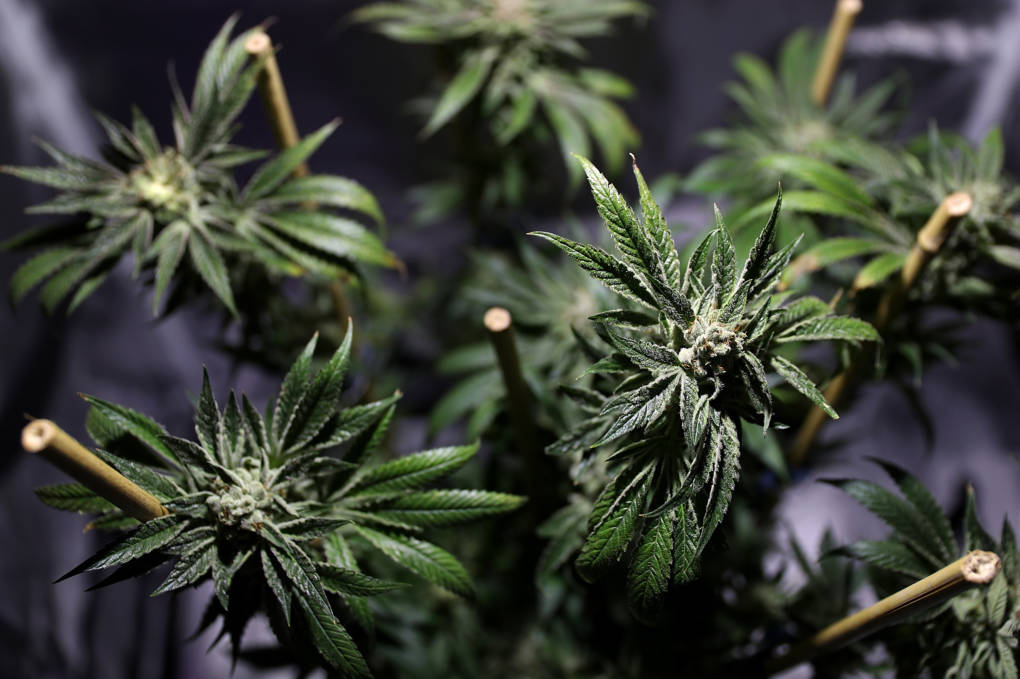
"caption": "A marijuana plant is displayed during the 2016 Cannabis Business Summit and Expo on Jun. 22 in Oakland.",
"description": "A marijuana plant is displayed during the 2016 Cannabis Business Summit and Expo on Jun. 22 in Oakland.",
"title": "A marijuana plant is displayed during the 2016 Cannabis Business Summit & Expo on Jun. 22 in Oakland, Calif.",
"credit": "Justin Sullivan/Getty Images",
"status": "inherit",
"isLoading": false,
"fetchFailed": false
}
},
"audioPlayerReducer": {
"postId": "stream_live",
"isPaused": true,
"isPlaying": false,
"pfsActive": false,
"pledgeModalIsOpen": true,
"playerDrawerIsOpen": false,
"liveAudioPlayStartedAt": 0,
"liveAudioPlayContext": ""
},
"authorsReducer": {
"byline_news_11175402": {
"type": "authors",
"id": "byline_news_11175402",
"meta": {
"override": true
},
"slug": "byline_news_11175402",
"name": "\u003cstrong>\u003ca href=\"http://www.npr.org/people/348730771/aarti-shahani\">Aarti Shahani\u003c/a> \u003cbr> \u003ca href=\"http://www.npr.org/\">NPR\u003c/a>\u003c/strong>",
"isLoading": false
},
"byline_news_11173929": {
"type": "authors",
"id": "byline_news_11173929",
"meta": {
"override": true
},
"slug": "byline_news_11173929",
"name": "Eyder Peralta",
"isLoading": false
},
"byline_news_11173855": {
"type": "authors",
"id": "byline_news_11173855",
"meta": {
"override": true
},
"slug": "byline_news_11173855",
"name": "\u003cstrong>\u003ca href=\"http://www.npr.org/people/14562108/bill-chappell\">Bill Chappell\u003c/a> \u003cbr> \u003ca href=\"http://www.npr.org/\">NPR\u003c/a>\u003c/strong>",
"isLoading": false
},
"byline_news_11167085": {
"type": "authors",
"id": "byline_news_11167085",
"meta": {
"override": true
},
"slug": "byline_news_11167085",
"name": "\u003cb> Alison Kodjak \u003c/br> NPR \u003c/b>",
"isLoading": false
},
"byline_news_11166775": {
"type": "authors",
"id": "byline_news_11166775",
"meta": {
"override": true
},
"slug": "byline_news_11166775",
"name": "\u003cb> Tamara Keith \u003c/br> NPR \u003c/b>",
"isLoading": false
},
"byline_news_11166691": {
"type": "authors",
"id": "byline_news_11166691",
"meta": {
"override": true
},
"slug": "byline_news_11166691",
"name": "\u003cb>Scott Horsley\u003c/br> NPR \u003c/b>",
"isLoading": false
},
"byline_news_11166610": {
"type": "authors",
"id": "byline_news_11166610",
"meta": {
"override": true
},
"slug": "byline_news_11166610",
"name": "\u003cb> Danielle Kurtzleben \u003c/br> NPR \u003c/b>",
"isLoading": false
},
"byline_news_11165715": {
"type": "authors",
"id": "byline_news_11165715",
"meta": {
"override": true
},
"slug": "byline_news_11165715",
"name": "NPR and Associated Press",
"isLoading": false
},
"byline_news_11166117": {
"type": "authors",
"id": "byline_news_11166117",
"meta": {
"override": true
},
"slug": "byline_news_11166117",
"name": "Camila Domonoske",
"isLoading": false
},
"byline_news_11163802": {
"type": "authors",
"id": "byline_news_11163802",
"meta": {
"override": true
},
"slug": "byline_news_11163802",
"name": "Jessica Taylor",
"isLoading": false
},
"byline_news_11157985": {
"type": "authors",
"id": "byline_news_11157985",
"meta": {
"override": true
},
"slug": "byline_news_11157985",
"name": "\u003cstrong>\u003ca href=\"http://www.capradio.org/about/bios/ben-adler/\">Ben Adler\u003c/a> \u003cbr> \u003ca href=\"http://www.capradio.org/\">Capital Public Radio\u003c/a>\u003c/strong>",
"isLoading": false
},
"byline_news_11155469": {
"type": "authors",
"id": "byline_news_11155469",
"meta": {
"override": true
},
"slug": "byline_news_11155469",
"name": "Richard Gonzales",
"isLoading": false
}
},
"pagesReducer": {
"news_affiliate_npr": {
"type": "terms",
"id": "news_253",
"meta": {
"index": "terms_1716263798",
"site": "news",
"id": "253",
"score": 14.255644
},
"featImg": null,
"name": "NPR",
"description": null,
"taxonomy": "affiliate",
"headData": {
"twImgId": null,
"twTitle": null,
"ogTitle": null,
"ogImgId": null,
"twDescription": null,
"description": "KQED is the NPR station for the Bay Area, providing award-winning news, programming, and community engagement.",
"title": "NPR Archives - Get the Latest News and Reports from California | KQED",
"ogDescription": null
},
"ttid": 7083,
"slug": "npr",
"isLoading": false,
"title": "NPR",
"pageMeta": {
"site": "news",
"WpPageTemplate": "page-topic-editorial",
"currentPage": 92
},
"blocks": [
{
"blockName": "kqed/post-list",
"attrs": {
"layout": "cardArticle2",
"query": "posts/news?affiliate=npr",
"seeMore": false,
"paginated": true,
"page": 92
}
},
{
"blockName": "kqed/ad"
}
]
}
},
"pfsSessionReducer": {},
"postsReducer": {
"stream_live": {
"type": "live",
"id": "stream_live",
"audioUrl": "https://streams.kqed.org/kqedradio",
"title": "Live Stream",
"excerpt": "Live Stream information currently unavailable.",
"link": "/radio",
"featImg": "",
"label": {
"name": "KQED Live",
"link": "/"
}
},
"stream_kqedNewscast": {
"type": "posts",
"id": "stream_kqedNewscast",
"audioUrl": "https://www.kqed.org/.stream/anon/radio/RDnews/newscast.mp3?_=1",
"title": "KQED Newscast",
"featImg": "",
"label": {
"name": "88.5 FM",
"link": "/"
}
},
"news_11175402": {
"type": "posts",
"id": "news_11175402",
"meta": {
"index": "posts_1716263798",
"site": "news",
"id": "11175402",
"score": null,
"sort": [
1479236515000
]
},
"guestAuthors": [
{
"ID": "98603",
"displayName": "Aarti Shahani",
"firstName": "Aarti",
"lastName": "Shahani",
"userLogin": "aarti-shahani",
"userEmail": "ashahani@kqed.org",
"linkedAccount": "aartishahani",
"website": "",
"description": "",
"userNicename": "aarti-shahani",
"type": "guest-author",
"nickname": ""
}
],
"slug": "facebook-google-take-steps-to-confront-fake-news",
"title": "Facebook, Google Take Steps to Confront Fake News",
"publishDate": 1479236515,
"format": "standard",
"headTitle": "Facebook, Google Take Steps to Confront Fake News | KQED",
"labelTerm": {},
"content": "\u003cp>Since Donald Trump’s election victory, Facebook CEO Mark Zuckerberg has come out not once, but twice, to address the issue of fake news, inaccurate or simply false information that appears on the Web in the guise of journalism.\u003c/p>\n\u003cp>Zuckerberg made his remarks at the \u003ca href=\"http://www.npr.org/sections/alltechconsidered/2016/11/11/501743684/zuckerberg-denies-fake-news-on-facebook-had-impact-on-the-election\">Techonomy 16 media conference\u003c/a> and then on his own \u003ca href=\"https://www.facebook.com/zuck/posts/10103253901916271\">Facebook page\u003c/a>. He said the idea that fake news on his platform influenced the election in any way is “a pretty crazy idea.”\u003c/p>\n\u003cp>But a former employee, Antonio Garcia-Martinez, disagrees and says his old boss is being “more than a little disingenuous here.”\u003c/p>\n\u003cp>Garcia-Martinez, who has written a book about the company called \u003ca href=\"http://www.antoniogarciamartinez.com/chaos-monkeys/?gclid=CjwKEAiAgavBBRCA7ZbggrLSkUcSJACWDexAAz3LRBiMWT7UomtXPPAHFdgLBxYckoAVc9nZ0IJMCRoCH_jw_wcB\">“Chaos Monkeys,”\u003c/a> was hired to help lead Facebook’s efforts to target ads. He says his ad team used to joke: It would be so easy to throw an election, just by showing vote reminders to select counties.\u003c/p>\n\u003cp>It was a joke. But his point is, Facebook has real potential power.\u003c/p>\n\u003cp>[ad fullwidth]\u003c/p>\n\u003cp>“There’s an entire political team and a massive office in D.C. that tries to convince political advertisers that Facebook can convince users to vote one way or the other,” Garcia-Martinez says. “Then Zuck gets up and says, ‘Oh, by the way, Facebook content couldn’t possibly influence the election.’ It’s contradictory on the face of it.”\u003c/p>\n\u003cp>Facebook makes money by selling ad space inside its news feed. It also makes money as a broker between its advertisers and other online companies.\u003c/p>\n\u003cp>[http_redir]\u003c/p>\n\u003cp>\u003c!-- iframe plugin v.4.3 wordpress.org/plugins/iframe/ -->\u003cbr>\n\u003ciframe loading=\"lazy\" src=\"https://www.npr.org/player/embed/502111390/502111395\" width=\"100%\" height=\"290\" frameborder=\"0\" scrolling=\"no\" title=\"NPR embedded audio player\" class=\"iframe-class\">\u003c/iframe>\u003c/p>\n\u003cp>On Monday, a company spokesperson told NPR that it is not doing business with fake news apps. These outside parties are not allowed to use the ad network (called \u003ca href=\"https://www.facebook.com/business/news/audience-network\">Audience Network\u003c/a>), and that has been company policy — which Facebook is now simply clarifying.\u003c/p>\n\u003cp>But the company did not address the reality that if fake news lands in the Facebook news feed, the company makes money from the eyeballs it draws. This is not a theoretical issue. Take a look at these examples of \u003ca href=\"http://www.snopes.com/info/top25uls.asp?utm_source=facebook&utm_medium=social\">viral fake news\u003c/a>, compiled by Snopes.com.\u003c/p>\n\u003cp>Earlier on Monday, Google, another tech giant, said it’s working on a policy to keep its ads off fake news sites. Garcia-Martinez says it’s “ambitious” of Google to make this promise.\u003c/p>\n\u003cp>“Where does it end? Are they just going to limit it to advertising?” he asks. “Are they not going to show search results of things that are obviously false? I mean, even false content itself is free speech, even though it’s false speech.”\u003c/p>\n\u003cp>Neither company has explained how it will identify news as fake. According to BuzzFeed, a group of employees inside Facebook has formed a \u003ca href=\"https://www.buzzfeed.com/sheerafrenkel/renegade-facebook-employees-form-task-force-to-battle-fake-n?utm_term=.xcdoVmP7k\">renegade group\u003c/a> to work on solutions to fake news, despite the CEO’s public denial of the problem.\u003c/p>\n\u003cp>\u003c/p>\n\u003cp>Copyright 2016 NPR. To see more, visit \u003ca href=\"http://www.npr.org/\" target=\"_blank\" rel=\"noopener\">NPR.org\u003c/a>.\u003c/p>\n\n",
"blocks": [],
"excerpt": "Facebook is under fire for articles posted on its site that are not true, but go viral anyway. CEO Mark Zuckerberg says fake news isn't a problem, but Facebook is taking steps to block it.",
"status": "publish",
"parent": 0,
"modified": 1728428094,
"stats": {
"hasAudio": false,
"hasVideo": false,
"hasChartOrMap": false,
"iframeSrcs": [],
"hasGoogleForm": false,
"hasGallery": false,
"hasHearkenModule": false,
"hasPolis": false,
"paragraphCount": 17,
"wordCount": 495
},
"headData": {
"title": "Facebook, Google Take Steps to Confront Fake News | KQED",
"description": "Facebook is under fire for articles posted on its site that are not true, but go viral anyway. CEO Mark Zuckerberg says fake news isn't a problem, but Facebook is taking steps to block it.",
"ogTitle": "",
"ogDescription": "",
"ogImgId": "",
"twTitle": "",
"twDescription": "",
"twImgId": "",
"schema": {
"@context": "https://schema.org",
"@type": "NewsArticle",
"headline": "Facebook, Google Take Steps to Confront Fake News",
"datePublished": "2016-11-15T11:01:55-08:00",
"dateModified": "2024-10-08T15:54:54-07:00",
"image": "https://cdn.kqed.org/wp-content/uploads/2020/02/KQED-OG-Image@1x.png",
"isAccessibleForFree": "True",
"publisher": {
"@type": "NewsMediaOrganization",
"@id": "https://www.kqed.org/#organization",
"name": "KQED",
"logo": "https://cdn.kqed.org/wp-content/uploads/2020/02/KQED-OG-Image@1x.png",
"url": "https://www.kqed.org",
"sameAs": [
"https://www.facebook.com/KQED",
"https://twitter.com/KQED",
"https://www.instagram.com/kqed/",
"https://www.tiktok.com/@kqedofficial",
"https://www.linkedin.com/company/kqed",
"https://www.youtube.com/channel/UCeC0IOo7i1P_61zVUWbJ4nw"
]
}
}
},
"source": "NPR",
"sourceUrl": "http://www.npr.org/",
"sticky": false,
"nprImageCredit": "Eric Risberg",
"nprByline": "\u003cstrong>\u003ca href=\"http://www.npr.org/people/348730771/aarti-shahani\">Aarti Shahani\u003c/a> \u003cbr> \u003ca href=\"http://www.npr.org/\">NPR\u003c/a>\u003c/strong>",
"nprImageAgency": "AP",
"nprStoryId": "502111390",
"nprApiLink": "http://api.npr.org/query?id=502111390&apiKey=MDAxOTAwOTE4MDEyMTkxMDAzNjczZDljZA004",
"nprHtmlLink": "http://www.npr.org/sections/alltechconsidered/2016/11/15/502111390/facebook-google-take-steps-to-confront-fake-news?ft=nprml&f=502111390",
"nprRetrievedStory": "1",
"nprPubDate": "Tue, 15 Nov 2016 11:33:00 -0500",
"nprStoryDate": "Tue, 15 Nov 2016 05:08:00 -0500",
"nprLastModifiedDate": "Tue, 15 Nov 2016 11:33:21 -0500",
"nprAudio": "https://ondemand.npr.org/anon.npr-mp3/npr/me/2016/11/20161115_me_facebook_takes_steps_to_block_fake_news.mp3?orgId=1&topicId=1006&d=124&p=3&story=502111390&t=progseg&e=502101597&seg=4&ft=nprml&f=502111390",
"nprAudioM3u": "http://api.npr.org/m3u/1502111395-7a080a.m3u?orgId=1&topicId=1006&d=124&p=3&story=502111390&t=progseg&e=502101597&seg=4&ft=nprml&f=502111390",
"path": "/news/11175402/facebook-google-take-steps-to-confront-fake-news",
"audioUrl": "https://ondemand.npr.org/anon.npr-mp3/npr/me/2016/11/20161115_me_facebook_takes_steps_to_block_fake_news.mp3?orgId=1&topicId=1006&d=124&p=3&story=502111390&t=progseg&e=502101597&seg=4&ft=nprml&f=502111390",
"audioTrackLength": null,
"parsedContent": [
{
"type": "contentString",
"content": "\u003cdiv class=\"post-body\">\u003cp>\u003cp>Since Donald Trump’s election victory, Facebook CEO Mark Zuckerberg has come out not once, but twice, to address the issue of fake news, inaccurate or simply false information that appears on the Web in the guise of journalism.\u003c/p>\n\u003cp>Zuckerberg made his remarks at the \u003ca href=\"http://www.npr.org/sections/alltechconsidered/2016/11/11/501743684/zuckerberg-denies-fake-news-on-facebook-had-impact-on-the-election\">Techonomy 16 media conference\u003c/a> and then on his own \u003ca href=\"https://www.facebook.com/zuck/posts/10103253901916271\">Facebook page\u003c/a>. He said the idea that fake news on his platform influenced the election in any way is “a pretty crazy idea.”\u003c/p>\n\u003cp>But a former employee, Antonio Garcia-Martinez, disagrees and says his old boss is being “more than a little disingenuous here.”\u003c/p>\n\u003cp>Garcia-Martinez, who has written a book about the company called \u003ca href=\"http://www.antoniogarciamartinez.com/chaos-monkeys/?gclid=CjwKEAiAgavBBRCA7ZbggrLSkUcSJACWDexAAz3LRBiMWT7UomtXPPAHFdgLBxYckoAVc9nZ0IJMCRoCH_jw_wcB\">“Chaos Monkeys,”\u003c/a> was hired to help lead Facebook’s efforts to target ads. He says his ad team used to joke: It would be so easy to throw an election, just by showing vote reminders to select counties.\u003c/p>\n\u003cp>It was a joke. But his point is, Facebook has real potential power.\u003c/p>\n\u003cp>\u003c/p>\u003c/div>",
"attributes": {
"named": {},
"numeric": []
}
},
{
"type": "component",
"content": "",
"name": "ad",
"attributes": {
"named": {
"label": "fullwidth"
},
"numeric": [
"fullwidth"
]
}
},
{
"type": "contentString",
"content": "\u003cdiv class=\"post-body\">\u003cp>\u003c/p>\n\u003cp>“There’s an entire political team and a massive office in D.C. that tries to convince political advertisers that Facebook can convince users to vote one way or the other,” Garcia-Martinez says. “Then Zuck gets up and says, ‘Oh, by the way, Facebook content couldn’t possibly influence the election.’ It’s contradictory on the face of it.”\u003c/p>\n\u003cp>Facebook makes money by selling ad space inside its news feed. It also makes money as a broker between its advertisers and other online companies.\u003c/p>\n\u003cp>[http_redir]\u003c/p>\n\u003cp>\u003c!-- iframe plugin v.4.3 wordpress.org/plugins/iframe/ -->\u003cbr>\n\u003ciframe loading=\"lazy\" src=\"https://www.npr.org/player/embed/502111390/502111395\" width=\"100%\" height=\"290\" frameborder=\"0\" scrolling=\"no\" title=\"NPR embedded audio player\" class=\"iframe-class\">\u003c/iframe>\u003c/p>\n\u003cp>On Monday, a company spokesperson told NPR that it is not doing business with fake news apps. These outside parties are not allowed to use the ad network (called \u003ca href=\"https://www.facebook.com/business/news/audience-network\">Audience Network\u003c/a>), and that has been company policy — which Facebook is now simply clarifying.\u003c/p>\n\u003cp>But the company did not address the reality that if fake news lands in the Facebook news feed, the company makes money from the eyeballs it draws. This is not a theoretical issue. Take a look at these examples of \u003ca href=\"http://www.snopes.com/info/top25uls.asp?utm_source=facebook&utm_medium=social\">viral fake news\u003c/a>, compiled by Snopes.com.\u003c/p>\n\u003cp>Earlier on Monday, Google, another tech giant, said it’s working on a policy to keep its ads off fake news sites. Garcia-Martinez says it’s “ambitious” of Google to make this promise.\u003c/p>\n\u003cp>“Where does it end? Are they just going to limit it to advertising?” he asks. “Are they not going to show search results of things that are obviously false? I mean, even false content itself is free speech, even though it’s false speech.”\u003c/p>\n\u003cp>Neither company has explained how it will identify news as fake. According to BuzzFeed, a group of employees inside Facebook has formed a \u003ca href=\"https://www.buzzfeed.com/sheerafrenkel/renegade-facebook-employees-form-task-force-to-battle-fake-n?utm_term=.xcdoVmP7k\">renegade group\u003c/a> to work on solutions to fake news, despite the CEO’s public denial of the problem.\u003c/p>\n\u003cp>\u003c/p>\n\u003cp>Copyright 2016 NPR. To see more, visit \u003ca href=\"http://www.npr.org/\" target=\"_blank\" rel=\"noopener\">NPR.org\u003c/a>.\u003c/p>\n\n\u003c/div>\u003c/p>",
"attributes": {
"named": {},
"numeric": []
}
}
],
"link": "/news/11175402/facebook-google-take-steps-to-confront-fake-news",
"authors": [
"byline_news_11175402"
],
"programs": [
"news_6944",
"news_72"
],
"series": [
"news_19101"
],
"categories": [
"news_8",
"news_33520",
"news_13",
"news_248"
],
"tags": [
"news_249",
"news_20261",
"news_17286",
"news_2027"
],
"affiliates": [
"news_253"
],
"featImg": "news_11175407",
"label": "source_news_11175402"
},
"news_11173929": {
"type": "posts",
"id": "news_11173929",
"meta": {
"index": "posts_1716263798",
"site": "news",
"id": "11173929",
"score": null,
"sort": [
1479157200000
]
},
"guestAuthors": [],
"slug": "gwen-ifill-host-of-washington-week-and-pbs-newshour-dies",
"title": "Gwen Ifill, Host of 'Washington Week' and 'PBS NewsHour,' Dies",
"publishDate": 1479157200,
"format": "standard",
"headTitle": "Gwen Ifill, Host of ‘Washington Week’ and ‘PBS NewsHour,’ Dies | KQED",
"labelTerm": {},
"content": "\u003cp>Gwen Ifill, one of the most prominent political journalists in the country, has died, according to PBS. She was 61.\u003c/p>\n\u003cp>When she took the helm of \u003cem>Washington Week in Review \u003c/em>in 1999, Ifill became the first African-American woman to host a major political TV talk show. Ifill covered seven presidential campaigns and moderated the vice presidential debates in 2004 and 2008. More recently, she moderated a presidential primary debate between Hillary Clinton and Bernie Sanders. Ifill was also the best-selling author of \u003cem>The Breakthrough: Politics and Race in the Age of Obama\u003c/em>.\u003c/p>\n\u003cp>In 2013, Ifill was named co-host of the \u003cem>PBS NewsHour.\u003c/em> \u003ca href=\"http://www.nytimes.com/2013/08/07/business/media/gwen-ifill-and-judy-woodruff-to-co-anchor-newshour.html?_r=0\">In an interview with the New York Times\u003c/a>, she reflected on what her appointment could mean to a new generation.\u003c/p>\n\u003cp>“When I was a little girl watching programs like this — because that’s the kind of nerdy family we were — I would look up and not see anyone who looked like me in any way. No women. No people of color,” she said. “I’m very keen about the fact that a little girl now, watching the news, when they see me and Judy [Woodruff] sitting side by side, it will occur to them that that’s perfectly normal — that it won’t seem like any big breakthrough at all.”\u003c/p>\n\u003cp>Paula Kerger, president and CEO of PBS, said Ifill was “a fundamental reason public media is considered a trusted window on the world.”\u003c/p>\n\u003cp>[ad fullwidth]\u003c/p>\n\u003cp>“Her contributions to thoughtful reporting and civic discourse simply cannot be overstated,” Kerger said. “She often said that her job was to bring light rather than heat to issues of importance to our society. Gwen did this with grace and steadfast commitment to excellence.”\u003c/p>\n\u003cfigure id=\"attachment_11174092\" class=\"wp-caption aligncenter\" style=\"max-width: 800px\">\u003cimg loading=\"lazy\" decoding=\"async\" class=\"size-medium wp-image-11174092\" src=\"http://ww2.kqed.org/news/wp-content/uploads/sites/10/2016/11/IfilPreps-800x518.jpg\" alt=\"Gerald Seib (L) and Gwen Ifill go over the news before filming ABC's This Week at the Newseum in Washington, D.C., in December 2008.\" width=\"800\" height=\"518\" srcset=\"https://cdn.kqed.org/wp-content/uploads/sites/10/2016/11/IfilPreps-800x518.jpg 800w, https://cdn.kqed.org/wp-content/uploads/sites/10/2016/11/IfilPreps-160x104.jpg 160w, https://cdn.kqed.org/wp-content/uploads/sites/10/2016/11/IfilPreps-1020x661.jpg 1020w, https://cdn.kqed.org/wp-content/uploads/sites/10/2016/11/IfilPreps.jpg 1920w, https://cdn.kqed.org/wp-content/uploads/sites/10/2016/11/IfilPreps-1180x765.jpg 1180w, https://cdn.kqed.org/wp-content/uploads/sites/10/2016/11/IfilPreps-960x622.jpg 960w, https://cdn.kqed.org/wp-content/uploads/sites/10/2016/11/IfilPreps-240x156.jpg 240w, https://cdn.kqed.org/wp-content/uploads/sites/10/2016/11/IfilPreps-375x243.jpg 375w, https://cdn.kqed.org/wp-content/uploads/sites/10/2016/11/IfilPreps-520x337.jpg 520w\" sizes=\"(max-width: 800px) 100vw, 800px\">\u003cfigcaption class=\"wp-caption-text\">Gerald Seib (L) and Gwen Ifill go over the news before filming ABC’s ‘This Week at the Newseum’ in Washington, D.C., in December 2008. \u003ccite>(Kevin Clark/The Washington Post/Getty Images)\u003c/cite>\u003c/figcaption>\u003c/figure>\n\u003cp>In a news conference, President Obama said he appreciated Ifill’s reporting even when she posed tough questions to him.\u003c/p>\n\u003cp>“She always kept faith with the fundamental responsibility of her profession, asking tough questions, holding people in power accountable and defending a strong and free press that makes our democracy work,” Obama said.\u003c/p>\n\u003cp>Journalist Ray Suarez, who began working at \u003cem>NewsHour\u003c/em> on the same day as Ifill in 1999, told \u003cem>Here & Now\u003c/em> that Ifill was a mix of things.\u003c/p>\n\u003cp>“She was evenhanded yet tenacious,” Suarez said. “She was exteriorly cool, if that’s even a word, but at the same time very emotionally and passionately committed to the work she did.”\u003c/p>\n\u003cp>Ifill was a preacher’s daughter. She was born in New York City to a Panamanian immigrant dad and a Barbadian mother. She started her journalism career as a print reporter for the \u003cem>Baltimore Evening Sun\u003c/em> and the \u003cem>Boston Herald American\u003c/em>. She went on to become a national political reporter for \u003cem>the Washington Post\u003c/em> and the White House correspondent for \u003cem>the New York Times.\u003c/em>\u003c/p>\n\u003cp>Ifill died after a battle with cancer.\u003c/p>\n\u003cp>\u003cem>NPR’s Neda Ulaby contributed to this report. \u003c/em>\u003c/p>\n\u003cp>\u003c/p>\n\u003cp>Copyright 2016 NPR. To see more, visit \u003ca href=\"http://www.npr.org/\" target=\"_blank\" rel=\"noopener\">NPR.org\u003c/a>.\u003c/p>\n\n",
"blocks": [],
"excerpt": "Ifill was a veteran Washington journalist who covered seven presidential campaigns and moderated the vice presidential debates in 2004 and 2008.",
"status": "publish",
"parent": 0,
"modified": 1721151568,
"stats": {
"hasAudio": false,
"hasVideo": false,
"hasChartOrMap": false,
"iframeSrcs": [],
"hasGoogleForm": false,
"hasGallery": false,
"hasHearkenModule": false,
"hasPolis": false,
"paragraphCount": 16,
"wordCount": 547
},
"headData": {
"title": "Gwen Ifill, Host of 'Washington Week' and 'PBS NewsHour,' Dies | KQED",
"description": "Ifill was a veteran Washington journalist who covered seven presidential campaigns and moderated the vice presidential debates in 2004 and 2008.",
"ogTitle": "",
"ogDescription": "",
"ogImgId": "",
"twTitle": "",
"twDescription": "",
"twImgId": "",
"schema": {
"@context": "https://schema.org",
"@type": "NewsArticle",
"headline": "Gwen Ifill, Host of 'Washington Week' and 'PBS NewsHour,' Dies",
"datePublished": "2016-11-14T13:00:00-08:00",
"dateModified": "2024-07-16T10:39:28-07:00",
"image": "https://cdn.kqed.org/wp-content/uploads/2020/02/KQED-OG-Image@1x.png",
"isAccessibleForFree": "True",
"publisher": {
"@type": "NewsMediaOrganization",
"@id": "https://www.kqed.org/#organization",
"name": "KQED",
"logo": "https://cdn.kqed.org/wp-content/uploads/2020/02/KQED-OG-Image@1x.png",
"url": "https://www.kqed.org",
"sameAs": [
"https://www.facebook.com/KQED",
"https://twitter.com/KQED",
"https://www.instagram.com/kqed/",
"https://www.tiktok.com/@kqedofficial",
"https://www.linkedin.com/company/kqed",
"https://www.youtube.com/channel/UCeC0IOo7i1P_61zVUWbJ4nw"
]
}
}
},
"source": "NPR",
"sourceUrl": "http://www.npr.org/",
"sticky": false,
"nprImageCredit": "Morry Gash",
"nprByline": "Eyder Peralta",
"nprImageAgency": "AP",
"nprStoryId": "502031518",
"nprApiLink": "http://api.npr.org/query?id=502031518&apiKey=MDAxOTAwOTE4MDEyMTkxMDAzNjczZDljZA004",
"nprHtmlLink": "http://www.npr.org/sections/thetwo-way/2016/11/14/502031518/gwen-ifill-host-of-washington-week-pbs-newshour-dies?ft=nprml&f=502031518",
"nprRetrievedStory": "1",
"nprPubDate": "Mon, 14 Nov 2016 15:52:00 -0500",
"nprStoryDate": "Mon, 14 Nov 2016 14:08:00 -0500",
"nprLastModifiedDate": "Mon, 14 Nov 2016 15:52:59 -0500",
"path": "/news/11173929/gwen-ifill-host-of-washington-week-and-pbs-newshour-dies",
"audioTrackLength": null,
"parsedContent": [
{
"type": "contentString",
"content": "\u003cdiv class=\"post-body\">\u003cp>\u003cp>Gwen Ifill, one of the most prominent political journalists in the country, has died, according to PBS. She was 61.\u003c/p>\n\u003cp>When she took the helm of \u003cem>Washington Week in Review \u003c/em>in 1999, Ifill became the first African-American woman to host a major political TV talk show. Ifill covered seven presidential campaigns and moderated the vice presidential debates in 2004 and 2008. More recently, she moderated a presidential primary debate between Hillary Clinton and Bernie Sanders. Ifill was also the best-selling author of \u003cem>The Breakthrough: Politics and Race in the Age of Obama\u003c/em>.\u003c/p>\n\u003cp>In 2013, Ifill was named co-host of the \u003cem>PBS NewsHour.\u003c/em> \u003ca href=\"http://www.nytimes.com/2013/08/07/business/media/gwen-ifill-and-judy-woodruff-to-co-anchor-newshour.html?_r=0\">In an interview with the New York Times\u003c/a>, she reflected on what her appointment could mean to a new generation.\u003c/p>\n\u003cp>“When I was a little girl watching programs like this — because that’s the kind of nerdy family we were — I would look up and not see anyone who looked like me in any way. No women. No people of color,” she said. “I’m very keen about the fact that a little girl now, watching the news, when they see me and Judy [Woodruff] sitting side by side, it will occur to them that that’s perfectly normal — that it won’t seem like any big breakthrough at all.”\u003c/p>\n\u003cp>Paula Kerger, president and CEO of PBS, said Ifill was “a fundamental reason public media is considered a trusted window on the world.”\u003c/p>\n\u003cp>\u003c/p>\u003c/div>",
"attributes": {
"named": {},
"numeric": []
}
},
{
"type": "component",
"content": "",
"name": "ad",
"attributes": {
"named": {
"label": "fullwidth"
},
"numeric": [
"fullwidth"
]
}
},
{
"type": "contentString",
"content": "\u003cdiv class=\"post-body\">\u003cp>\u003c/p>\n\u003cp>“Her contributions to thoughtful reporting and civic discourse simply cannot be overstated,” Kerger said. “She often said that her job was to bring light rather than heat to issues of importance to our society. Gwen did this with grace and steadfast commitment to excellence.”\u003c/p>\n\u003cfigure id=\"attachment_11174092\" class=\"wp-caption aligncenter\" style=\"max-width: 800px\">\u003cimg loading=\"lazy\" decoding=\"async\" class=\"size-medium wp-image-11174092\" src=\"http://ww2.kqed.org/news/wp-content/uploads/sites/10/2016/11/IfilPreps-800x518.jpg\" alt=\"Gerald Seib (L) and Gwen Ifill go over the news before filming ABC's This Week at the Newseum in Washington, D.C., in December 2008.\" width=\"800\" height=\"518\" srcset=\"https://cdn.kqed.org/wp-content/uploads/sites/10/2016/11/IfilPreps-800x518.jpg 800w, https://cdn.kqed.org/wp-content/uploads/sites/10/2016/11/IfilPreps-160x104.jpg 160w, https://cdn.kqed.org/wp-content/uploads/sites/10/2016/11/IfilPreps-1020x661.jpg 1020w, https://cdn.kqed.org/wp-content/uploads/sites/10/2016/11/IfilPreps.jpg 1920w, https://cdn.kqed.org/wp-content/uploads/sites/10/2016/11/IfilPreps-1180x765.jpg 1180w, https://cdn.kqed.org/wp-content/uploads/sites/10/2016/11/IfilPreps-960x622.jpg 960w, https://cdn.kqed.org/wp-content/uploads/sites/10/2016/11/IfilPreps-240x156.jpg 240w, https://cdn.kqed.org/wp-content/uploads/sites/10/2016/11/IfilPreps-375x243.jpg 375w, https://cdn.kqed.org/wp-content/uploads/sites/10/2016/11/IfilPreps-520x337.jpg 520w\" sizes=\"(max-width: 800px) 100vw, 800px\">\u003cfigcaption class=\"wp-caption-text\">Gerald Seib (L) and Gwen Ifill go over the news before filming ABC’s ‘This Week at the Newseum’ in Washington, D.C., in December 2008. \u003ccite>(Kevin Clark/The Washington Post/Getty Images)\u003c/cite>\u003c/figcaption>\u003c/figure>\n\u003cp>In a news conference, President Obama said he appreciated Ifill’s reporting even when she posed tough questions to him.\u003c/p>\n\u003cp>“She always kept faith with the fundamental responsibility of her profession, asking tough questions, holding people in power accountable and defending a strong and free press that makes our democracy work,” Obama said.\u003c/p>\n\u003cp>Journalist Ray Suarez, who began working at \u003cem>NewsHour\u003c/em> on the same day as Ifill in 1999, told \u003cem>Here & Now\u003c/em> that Ifill was a mix of things.\u003c/p>\n\u003cp>“She was evenhanded yet tenacious,” Suarez said. “She was exteriorly cool, if that’s even a word, but at the same time very emotionally and passionately committed to the work she did.”\u003c/p>\n\u003cp>Ifill was a preacher’s daughter. She was born in New York City to a Panamanian immigrant dad and a Barbadian mother. She started her journalism career as a print reporter for the \u003cem>Baltimore Evening Sun\u003c/em> and the \u003cem>Boston Herald American\u003c/em>. She went on to become a national political reporter for \u003cem>the Washington Post\u003c/em> and the White House correspondent for \u003cem>the New York Times.\u003c/em>\u003c/p>\n\u003cp>Ifill died after a battle with cancer.\u003c/p>\n\u003cp>\u003cem>NPR’s Neda Ulaby contributed to this report. \u003c/em>\u003c/p>\n\u003cp>\u003c/p>\n\u003cp>Copyright 2016 NPR. To see more, visit \u003ca href=\"http://www.npr.org/\" target=\"_blank\" rel=\"noopener\">NPR.org\u003c/a>.\u003c/p>\n\n\u003c/div>\u003c/p>",
"attributes": {
"named": {},
"numeric": []
}
}
],
"link": "/news/11173929/gwen-ifill-host-of-washington-week-and-pbs-newshour-dies",
"authors": [
"byline_news_11173929"
],
"programs": [
"news_6944",
"news_72"
],
"categories": [
"news_8"
],
"tags": [
"news_17286"
],
"affiliates": [
"news_253"
],
"featImg": "news_11173932",
"label": "source_news_11173929"
},
"news_11173855": {
"type": "posts",
"id": "news_11173855",
"meta": {
"index": "posts_1716263798",
"site": "news",
"id": "11173855",
"score": null,
"sort": [
1479149193000
]
},
"guestAuthors": [],
"slug": "donald-trump-says-hell-deport-2-3-million-people-once-in-office",
"title": "Donald Trump Says He'll Deport 2-3 Million People Once in Office",
"publishDate": 1479149193,
"format": "standard",
"headTitle": "Donald Trump Says He’ll Deport 2-3 Million People Once in Office | KQED",
"labelTerm": {},
"content": "\u003cp>He’ll build a border wall and he’ll deport millions of people who are in the U.S. illegally, President-elect Donald Trump says, promising to keep his campaign pledges on immigration in his first prolonged interview since winning the White House.\u003c/p>\n\u003cp>Saying that his administration will deport “probably 2 million” — and possibly 3 million — people who are in the country illegally, Trump told \u003cem>60 Minutes’\u003c/em> Lesley Stahl that he wants to secure the border. Trump also seemed willing to consider the plan some of his fellow Republicans have aired, of securing some parts of the border with a fence.\u003c/p>\n\u003cp>The interview with Trump aired on CBS Sunday night; it also includes members of his family. The interview was taped Friday at Trump’s Fifth Avenue residence in New York City. It comes after \u003ca href=\"http://www.npr.org/sections/thetwo-way/2016/11/12/501836108/anti-trump-demonstrations-continue-man-shoots-protester-in-portland\">days of anti-Trump protests\u003c/a> in more than a dozen American cities, where demonstrators have criticized the incoming president’s immigration stance.\u003c/p>\n\u003cfigure id=\"attachment_11173863\" class=\"wp-caption aligncenter\" style=\"max-width: 800px\">\u003cimg loading=\"lazy\" decoding=\"async\" class=\"wp-image-11173863 size-medium\" src=\"http://ww2.kqed.org/news/wp-content/uploads/sites/10/2016/11/OaklandProtesters-800x430.jpg\" alt=\"Thousands of people attend an anti-Trump protest in Oakland on November 9, 2016.\" width=\"800\" height=\"430\" srcset=\"https://cdn.kqed.org/wp-content/uploads/sites/10/2016/11/OaklandProtesters-800x430.jpg 800w, https://cdn.kqed.org/wp-content/uploads/sites/10/2016/11/OaklandProtesters-160x86.jpg 160w, https://cdn.kqed.org/wp-content/uploads/sites/10/2016/11/OaklandProtesters-1020x548.jpg 1020w, https://cdn.kqed.org/wp-content/uploads/sites/10/2016/11/OaklandProtesters.jpg 1920w, https://cdn.kqed.org/wp-content/uploads/sites/10/2016/11/OaklandProtesters-1180x634.jpg 1180w, https://cdn.kqed.org/wp-content/uploads/sites/10/2016/11/OaklandProtesters-960x516.jpg 960w, https://cdn.kqed.org/wp-content/uploads/sites/10/2016/11/OaklandProtesters-240x129.jpg 240w, https://cdn.kqed.org/wp-content/uploads/sites/10/2016/11/OaklandProtesters-375x201.jpg 375w, https://cdn.kqed.org/wp-content/uploads/sites/10/2016/11/OaklandProtesters-520x279.jpg 520w, https://cdn.kqed.org/wp-content/uploads/sites/10/2016/11/OaklandProtesters-280x150.jpg 280w\" sizes=\"(max-width: 800px) 100vw, 800px\">\u003cfigcaption class=\"wp-caption-text\">Thousands of people attend an anti-Trump protest in Oakland on Nov. 9, 2016. \u003ccite>(Brittany Hosea-Small/KQED)\u003c/cite>\u003c/figcaption>\u003c/figure>\n\u003cp>On another campaign promise, Trump affirmed his plan to \u003ca href=\"https://twitter.com/60Minutes/status/797873052503736320\">repeal and replace the Affordable Care Act\u003c/a>, also known as Obamacare.\u003c/p>\n\u003cp>But Trump also wants to keep some parts of the plan. For instance, he told Stahl that he’ll maintain coverage for people with pre-existing conditions, “because it happens to be one of the strongest assets” of the plan.\u003c/p>\n\u003cp>[ad fullwidth]\u003c/p>\n\u003cp>Trump also said he wants to keep a portion of the law that covers children living with their parents for an extended period.\u003c/p>\n\u003cp>As for how the change from one sphere of coverage to another might work, Trump promised it would be smooth, saying, “We’re going to do it simultaneously. It’ll be just fine. That’s what I do. I do a good job. You know, I mean, I know how to do this stuff.”\u003c/p>\n\u003cp>He continued: “We’re going to repeal it and replace it. And we’re not going to have, like, a two-day period and we’re not going to have a two-year period where there’s nothing. It will be repealed and replaced. I mean, you’ll know. And it’ll be great health care for much less money.”\u003c/p>\n\u003cp>\u003ca href=\"http://www.cbsnews.com/news/60-minutes-donald-trump-wall-mexican-border-fence-segments/\">Here’s what Trump told\u003c/a> \u003cem>60 Minutes\u003c/em> when he was asked about undocumented immigrants in the U.S.:\u003c/p>\n\u003cblockquote>\u003cp>“What we are going to do is get the people that are criminal and have criminal records — gang members, drug dealers — we have a lot of these people, probably 2 million, it could be even 3 million. We’re getting them out of our country or we’re going to incarcerate. But we’re getting them out of our country, they’re here illegally.\u003c/p>\n\u003cp>“After the border is secured, and after everything gets normalized, we’re going to make a determination on the people that you’re talking about — who are terrific people, they’re terrific people. But we’re going to make a determination … but before we make that determination, Lesley, it’s very important, we’re going to secure our border.”\u003c/p>\u003c/blockquote>\n\u003cp>For comparison purposes, we’ll note that in President Obama’s first term, his administration carried out a \u003ca href=\"http://www.npr.org/sections/itsallpolitics/2012/12/24/167970002/obama-administration-deported-record-1-5-million-people\">record 1.5 million deportations\u003c/a> — including more than 400,000 in fiscal year 2012. The figure declined to 235,413 in fiscal year 2015, and as \u003ca href=\"http://www.npr.org/2016/08/31/491965912/5-things-to-know-about-obamas-enforcement-of-immigration-laws\">NPR’s Scott Horsley reported\u003c/a> this summer, the Obama administration has shifted its focus to deporting criminals, people caught near the border, and those who recently came to the country without securing documents.\u003c/p>\n\u003cp>As Horsley noted in a review of recent U.S. immigration policy, the rate of deportations went up under Obama, just as it had under the previous two presidents. And Trump took notice, back in August.\u003c/p>\n\u003cp>“What people don’t know is that Obama got tremendous numbers of people out of the country,” Trump told Fox News’ Bill O’Reilly. “Bush, the same thing. Lots of people were brought out of the country with the existing laws. Well, I’m going to do the same thing.”\u003c/p>\n\u003cp>The plan for a wall along the U.S. border with Mexico is Trump’s new facet in immigration policy. Here’s his exchange with Stahl, discussing the idea:\u003c/p>\n\u003cblockquote>\u003cp>“Are you really going to build a wall?” Stahl asks.\u003c/p>\n\u003cp>“Yes,” Trump says.\u003c/p>\n\u003cp>“They’re talking about a fence in the Republican Congress. Would you accept a fence?”\u003c/p>\n\u003cp>“For certain areas I would — but certain areas, a wall is more appropriate. I’m very good at this, it’s called construction.”\u003c/p>\n\u003cp>“So, part wall, part fence?\u003c/p>\n\u003cp>“Yeah, it could be some fencing.”\u003c/p>\u003c/blockquote>\n\u003cp>In the course of the interview, Trump remained noncommittal on several topics that informed his campaign.\u003c/p>\n\u003cul>\n\u003cli>On whether he will appoint a special prosecutor to investigate Hillary Clinton: “They’re good people; I don’t want to hurt them,” Trump said, telling Stahl he will give a “very good and definitive answer the next time we do \u003cem>60 Minutes\u003c/em> together.”\u003c/li>\n\u003cli>On whether he will release his tax returns: “At the appropriate time, I will release them. But right now I’m under routine audit. Nobody cares. The only one who cares is, you know, you and a few people that asked that question.”\u003c/li>\n\u003cli>On the presence of lobbyists on his transition team, despite his pledge to “drain the swamp” of lobbyists and special interests in Washington: “That’s the only people you have down here,” he said, later adding: “I’m saying that they know the system right now, but we’re going to phase that out.”\u003c/li>\n\u003c/ul>\n\u003cp>Asked about his personal views on same-sex marriage, Trump said, “It’s irrelevant, because it was already settled. It’s law. It was settled in the Supreme Court. I mean, it’s done.”\u003c/p>\n\u003cp>And when pressed on the fears felt by African-Americans, American Muslims and other minorities since the election, Trump dismissed the anxieties as products of the media. “I think it’s built up by the press because, frankly, they’ll take every single little incident that they can find in this country, which could’ve been there before. If I weren’t even around doing this, and they’ll make into an event because that’s the way the press is.”\u003c/p>\n\u003cp>As for the \u003ca href=\"http://www.npr.org/2016/11/13/501935930/threats-and-intimidation-against-minorities-reported-nationwide\">dozens of acts of harassment and intimidation\u003c/a> against minorities that have been reported this week, many of which were allegedly performed in his name, Trump said he’s surprised to hear of them. “I’m so saddened to hear that,” he said. “And I say, stop it. If it — if it helps, I will say this and I will say right to the cameras: Stop it.”\u003c/p>\n\u003cp>[ad floatright]\u003c/p>\n\u003cp>Copyright 2016 NPR. To see more, visit \u003ca href=\"http://www.npr.org/\" target=\"_blank\" rel=\"noopener\">NPR.org\u003c/a>.\u003c/p>\n\n",
"blocks": [],
"excerpt": "In his first prolonged interview since the election, President-elect Donald Trump promised to keep campaign pledges on immigration and to keep some parts of Obamacare.",
"status": "publish",
"parent": 0,
"modified": 1728428131,
"stats": {
"hasAudio": false,
"hasVideo": false,
"hasChartOrMap": false,
"iframeSrcs": [],
"hasGoogleForm": false,
"hasGallery": false,
"hasHearkenModule": false,
"hasPolis": false,
"paragraphCount": 28,
"wordCount": 1231
},
"headData": {
"title": "Donald Trump Says He'll Deport 2-3 Million People Once in Office | KQED",
"description": "In his first prolonged interview since the election, President-elect Donald Trump promised to keep campaign pledges on immigration and to keep some parts of Obamacare.",
"ogTitle": "",
"ogDescription": "",
"ogImgId": "",
"twTitle": "",
"twDescription": "",
"twImgId": "",
"schema": {
"@context": "https://schema.org",
"@type": "NewsArticle",
"headline": "Donald Trump Says He'll Deport 2-3 Million People Once in Office",
"datePublished": "2016-11-14T10:46:33-08:00",
"dateModified": "2024-10-08T15:55:31-07:00",
"image": "https://cdn.kqed.org/wp-content/uploads/2020/02/KQED-OG-Image@1x.png",
"isAccessibleForFree": "True",
"publisher": {
"@type": "NewsMediaOrganization",
"@id": "https://www.kqed.org/#organization",
"name": "KQED",
"logo": "https://cdn.kqed.org/wp-content/uploads/2020/02/KQED-OG-Image@1x.png",
"url": "https://www.kqed.org",
"sameAs": [
"https://www.facebook.com/KQED",
"https://twitter.com/KQED",
"https://www.instagram.com/kqed/",
"https://www.tiktok.com/@kqedofficial",
"https://www.linkedin.com/company/kqed",
"https://www.youtube.com/channel/UCeC0IOo7i1P_61zVUWbJ4nw"
]
}
}
},
"source": "NPR",
"sourceUrl": "http://www.npr.org/",
"sticky": false,
"nprImageCredit": "Ethan Miller",
"nprByline": "\u003cstrong>\u003ca href=\"http://www.npr.org/people/14562108/bill-chappell\">Bill Chappell\u003c/a> \u003cbr> \u003ca href=\"http://www.npr.org/\">NPR\u003c/a>\u003c/strong>",
"nprImageAgency": "Getty Images",
"nprStoryId": "501921177",
"nprApiLink": "http://api.npr.org/query?id=501921177&apiKey=MDAxOTAwOTE4MDEyMTkxMDAzNjczZDljZA004",
"nprHtmlLink": "http://www.npr.org/sections/thetwo-way/2016/11/13/501921177/donald-trump-says-hell-deport-2-3-million-people-once-in-office?ft=nprml&f=501921177",
"nprRetrievedStory": "1",
"nprPubDate": "Sun, 13 Nov 2016 20:01:00 -0500",
"nprStoryDate": "Sun, 13 Nov 2016 12:45:00 -0500",
"nprLastModifiedDate": "Sun, 13 Nov 2016 21:10:02 -0500",
"path": "/news/11173855/donald-trump-says-hell-deport-2-3-million-people-once-in-office",
"audioTrackLength": null,
"parsedContent": [
{
"type": "contentString",
"content": "\u003cdiv class=\"post-body\">\u003cp>\u003cp>He’ll build a border wall and he’ll deport millions of people who are in the U.S. illegally, President-elect Donald Trump says, promising to keep his campaign pledges on immigration in his first prolonged interview since winning the White House.\u003c/p>\n\u003cp>Saying that his administration will deport “probably 2 million” — and possibly 3 million — people who are in the country illegally, Trump told \u003cem>60 Minutes’\u003c/em> Lesley Stahl that he wants to secure the border. Trump also seemed willing to consider the plan some of his fellow Republicans have aired, of securing some parts of the border with a fence.\u003c/p>\n\u003cp>The interview with Trump aired on CBS Sunday night; it also includes members of his family. The interview was taped Friday at Trump’s Fifth Avenue residence in New York City. It comes after \u003ca href=\"http://www.npr.org/sections/thetwo-way/2016/11/12/501836108/anti-trump-demonstrations-continue-man-shoots-protester-in-portland\">days of anti-Trump protests\u003c/a> in more than a dozen American cities, where demonstrators have criticized the incoming president’s immigration stance.\u003c/p>\n\u003cfigure id=\"attachment_11173863\" class=\"wp-caption aligncenter\" style=\"max-width: 800px\">\u003cimg loading=\"lazy\" decoding=\"async\" class=\"wp-image-11173863 size-medium\" src=\"http://ww2.kqed.org/news/wp-content/uploads/sites/10/2016/11/OaklandProtesters-800x430.jpg\" alt=\"Thousands of people attend an anti-Trump protest in Oakland on November 9, 2016.\" width=\"800\" height=\"430\" srcset=\"https://cdn.kqed.org/wp-content/uploads/sites/10/2016/11/OaklandProtesters-800x430.jpg 800w, https://cdn.kqed.org/wp-content/uploads/sites/10/2016/11/OaklandProtesters-160x86.jpg 160w, https://cdn.kqed.org/wp-content/uploads/sites/10/2016/11/OaklandProtesters-1020x548.jpg 1020w, https://cdn.kqed.org/wp-content/uploads/sites/10/2016/11/OaklandProtesters.jpg 1920w, https://cdn.kqed.org/wp-content/uploads/sites/10/2016/11/OaklandProtesters-1180x634.jpg 1180w, https://cdn.kqed.org/wp-content/uploads/sites/10/2016/11/OaklandProtesters-960x516.jpg 960w, https://cdn.kqed.org/wp-content/uploads/sites/10/2016/11/OaklandProtesters-240x129.jpg 240w, https://cdn.kqed.org/wp-content/uploads/sites/10/2016/11/OaklandProtesters-375x201.jpg 375w, https://cdn.kqed.org/wp-content/uploads/sites/10/2016/11/OaklandProtesters-520x279.jpg 520w, https://cdn.kqed.org/wp-content/uploads/sites/10/2016/11/OaklandProtesters-280x150.jpg 280w\" sizes=\"(max-width: 800px) 100vw, 800px\">\u003cfigcaption class=\"wp-caption-text\">Thousands of people attend an anti-Trump protest in Oakland on Nov. 9, 2016. \u003ccite>(Brittany Hosea-Small/KQED)\u003c/cite>\u003c/figcaption>\u003c/figure>\n\u003cp>On another campaign promise, Trump affirmed his plan to \u003ca href=\"https://twitter.com/60Minutes/status/797873052503736320\">repeal and replace the Affordable Care Act\u003c/a>, also known as Obamacare.\u003c/p>\n\u003cp>But Trump also wants to keep some parts of the plan. For instance, he told Stahl that he’ll maintain coverage for people with pre-existing conditions, “because it happens to be one of the strongest assets” of the plan.\u003c/p>\n\u003cp>\u003c/p>\u003c/div>",
"attributes": {
"named": {},
"numeric": []
}
},
{
"type": "component",
"content": "",
"name": "ad",
"attributes": {
"named": {
"label": "fullwidth"
},
"numeric": [
"fullwidth"
]
}
},
{
"type": "contentString",
"content": "\u003cdiv class=\"post-body\">\u003cp>\u003c/p>\n\u003cp>Trump also said he wants to keep a portion of the law that covers children living with their parents for an extended period.\u003c/p>\n\u003cp>As for how the change from one sphere of coverage to another might work, Trump promised it would be smooth, saying, “We’re going to do it simultaneously. It’ll be just fine. That’s what I do. I do a good job. You know, I mean, I know how to do this stuff.”\u003c/p>\n\u003cp>He continued: “We’re going to repeal it and replace it. And we’re not going to have, like, a two-day period and we’re not going to have a two-year period where there’s nothing. It will be repealed and replaced. I mean, you’ll know. And it’ll be great health care for much less money.”\u003c/p>\n\u003cp>\u003ca href=\"http://www.cbsnews.com/news/60-minutes-donald-trump-wall-mexican-border-fence-segments/\">Here’s what Trump told\u003c/a> \u003cem>60 Minutes\u003c/em> when he was asked about undocumented immigrants in the U.S.:\u003c/p>\n\u003cblockquote>\u003cp>“What we are going to do is get the people that are criminal and have criminal records — gang members, drug dealers — we have a lot of these people, probably 2 million, it could be even 3 million. We’re getting them out of our country or we’re going to incarcerate. But we’re getting them out of our country, they’re here illegally.\u003c/p>\n\u003cp>“After the border is secured, and after everything gets normalized, we’re going to make a determination on the people that you’re talking about — who are terrific people, they’re terrific people. But we’re going to make a determination … but before we make that determination, Lesley, it’s very important, we’re going to secure our border.”\u003c/p>\u003c/blockquote>\n\u003cp>For comparison purposes, we’ll note that in President Obama’s first term, his administration carried out a \u003ca href=\"http://www.npr.org/sections/itsallpolitics/2012/12/24/167970002/obama-administration-deported-record-1-5-million-people\">record 1.5 million deportations\u003c/a> — including more than 400,000 in fiscal year 2012. The figure declined to 235,413 in fiscal year 2015, and as \u003ca href=\"http://www.npr.org/2016/08/31/491965912/5-things-to-know-about-obamas-enforcement-of-immigration-laws\">NPR’s Scott Horsley reported\u003c/a> this summer, the Obama administration has shifted its focus to deporting criminals, people caught near the border, and those who recently came to the country without securing documents.\u003c/p>\n\u003cp>As Horsley noted in a review of recent U.S. immigration policy, the rate of deportations went up under Obama, just as it had under the previous two presidents. And Trump took notice, back in August.\u003c/p>\n\u003cp>“What people don’t know is that Obama got tremendous numbers of people out of the country,” Trump told Fox News’ Bill O’Reilly. “Bush, the same thing. Lots of people were brought out of the country with the existing laws. Well, I’m going to do the same thing.”\u003c/p>\n\u003cp>The plan for a wall along the U.S. border with Mexico is Trump’s new facet in immigration policy. Here’s his exchange with Stahl, discussing the idea:\u003c/p>\n\u003cblockquote>\u003cp>“Are you really going to build a wall?” Stahl asks.\u003c/p>\n\u003cp>“Yes,” Trump says.\u003c/p>\n\u003cp>“They’re talking about a fence in the Republican Congress. Would you accept a fence?”\u003c/p>\n\u003cp>“For certain areas I would — but certain areas, a wall is more appropriate. I’m very good at this, it’s called construction.”\u003c/p>\n\u003cp>“So, part wall, part fence?\u003c/p>\n\u003cp>“Yeah, it could be some fencing.”\u003c/p>\u003c/blockquote>\n\u003cp>In the course of the interview, Trump remained noncommittal on several topics that informed his campaign.\u003c/p>\n\u003cul>\n\u003cli>On whether he will appoint a special prosecutor to investigate Hillary Clinton: “They’re good people; I don’t want to hurt them,” Trump said, telling Stahl he will give a “very good and definitive answer the next time we do \u003cem>60 Minutes\u003c/em> together.”\u003c/li>\n\u003cli>On whether he will release his tax returns: “At the appropriate time, I will release them. But right now I’m under routine audit. Nobody cares. The only one who cares is, you know, you and a few people that asked that question.”\u003c/li>\n\u003cli>On the presence of lobbyists on his transition team, despite his pledge to “drain the swamp” of lobbyists and special interests in Washington: “That’s the only people you have down here,” he said, later adding: “I’m saying that they know the system right now, but we’re going to phase that out.”\u003c/li>\n\u003c/ul>\n\u003cp>Asked about his personal views on same-sex marriage, Trump said, “It’s irrelevant, because it was already settled. It’s law. It was settled in the Supreme Court. I mean, it’s done.”\u003c/p>\n\u003cp>And when pressed on the fears felt by African-Americans, American Muslims and other minorities since the election, Trump dismissed the anxieties as products of the media. “I think it’s built up by the press because, frankly, they’ll take every single little incident that they can find in this country, which could’ve been there before. If I weren’t even around doing this, and they’ll make into an event because that’s the way the press is.”\u003c/p>\n\u003cp>As for the \u003ca href=\"http://www.npr.org/2016/11/13/501935930/threats-and-intimidation-against-minorities-reported-nationwide\">dozens of acts of harassment and intimidation\u003c/a> against minorities that have been reported this week, many of which were allegedly performed in his name, Trump said he’s surprised to hear of them. “I’m so saddened to hear that,” he said. “And I say, stop it. If it — if it helps, I will say this and I will say right to the cameras: Stop it.”\u003c/p>\n\u003cp>\u003c/p>\u003c/div>",
"attributes": {
"named": {},
"numeric": []
}
},
{
"type": "component",
"content": "",
"name": "ad",
"attributes": {
"named": {
"label": "floatright"
},
"numeric": [
"floatright"
]
}
},
{
"type": "contentString",
"content": "\u003cdiv class=\"post-body\">\u003cp>\u003c/p>\n\u003cp>Copyright 2016 NPR. To see more, visit \u003ca href=\"http://www.npr.org/\" target=\"_blank\" rel=\"noopener\">NPR.org\u003c/a>.\u003c/p>\n\n\u003c/div>\u003c/p>",
"attributes": {
"named": {},
"numeric": []
}
}
],
"link": "/news/11173855/donald-trump-says-hell-deport-2-3-million-people-once-in-office",
"authors": [
"byline_news_11173855"
],
"programs": [
"news_6944",
"news_72"
],
"series": [
"news_19101"
],
"categories": [
"news_1169",
"news_8",
"news_33520",
"news_13"
],
"tags": [
"news_1323",
"news_17286",
"news_17041",
"news_244"
],
"affiliates": [
"news_253"
],
"featImg": "news_11173856",
"label": "source_news_11173855"
},
"news_11167085": {
"type": "posts",
"id": "news_11167085",
"meta": {
"index": "posts_1716263798",
"site": "news",
"id": "11167085",
"score": null,
"sort": [
1478726370000
]
},
"guestAuthors": [],
"slug": "trump-can-kill-obamacare-with-or-without-help-from-congress",
"title": "Trump Can Kill Obamacare With Or Without Help From Congress",
"publishDate": 1478726370,
"format": "standard",
"headTitle": "Trump Can Kill Obamacare With Or Without Help From Congress | KQED",
"labelTerm": {
"term": 72,
"site": "news"
},
"content": "\u003cp>President-elect Donald Trump has promised over and over in recent months that he will repeal and replace the Affordable Care Act, also called Obamacare, when he reaches the White House.\u003c/p>\n\u003cp>“Obamacare is a disaster. You know it. We all know it,” Trump \u003ca href=\"http://www.npr.org/2016/10/09/497056227/fact-check-clinton-and-trump-debate-for-the-second-time\">said at a debate\u003c/a> last month. “We have to repeal it and replace it with something absolutely much less expensive.”\u003c/p>\n\u003cp>Now that Trump will move into the Oval Office in January, the question is whether he’ll be able to completely repeal the 6-year-old law that has had an impact on every aspect of the U.S. health care system.\u003c/p>\n\u003cp>“It’s a challenge for a Trump presidency,” says\u003ca href=\"http://explore.georgetown.edu/people/jfh7/\"> Jack Hoadley\u003c/a>, a research professor at Georgetown University’s \u003ca href=\"https://hpi.georgetown.edu/\">Health Policy Institute\u003c/a>. “To get a true repeal and replace through, he needs 60 votes in the Senate.” That’s the minimum number of votes needed to overcome a filibuster in the Senate.\u003c/p>\n\u003cp>“Repeal of the law is absolutely going to come up, and the only potential defense against that would be a Democratic filibuster — if Republicans even allow a filibuster,” says \u003ca href=\"http://theincidentaleconomist.com/wordpress/about/about-austin/\">Austin Frakt\u003c/a>, a health economist who runs the blog \u003ca href=\"http://theincidentaleconomist.com/\">The Incidental Economist\u003c/a>.\u003c/p>\n\u003cp>[ad fullwidth]\u003c/p>\n\u003cp>But even if Trump can’t repeal the Affordable Care Act in its entirety, there’s a lot he can do through rule-making and smaller legislative changes to weaken the law and mold it more to his liking.\u003c/p>\n\u003cp>“They are probably, practically speaking, talking about leaving the ACA, as is, in place,” Hoadley says. “Then he can change the ACA to have it showcase the kinds of plans he wants to see in place.”\u003c/p>\n\u003cp>During his campaign, Trump proposed a \u003ca href=\"http://www.npr.org/2016/11/02/500371785/platform-check-trump-and-clinton-on-health-care\">series of measures\u003c/a> that he said will allow people to buy affordable health insurance policies outside of the Obamacare exchanges.\u003c/p>\n\u003cp>Those measures include promoting tax-free health savings accounts that might help individuals save money to pay for health care costs and allowing people to deduct the cost of their premiums on their personal income tax returns. Trump has said he also wants to allow insurers to \u003ca href=\"http://www.npr.org/templates/story/story.php?storyId=122965862\">sell policies across state lines\u003c/a> to boost competition.\u003c/p>\n\u003cp>Trump could alter the Obamacare exchanges to promote high-deductible health plans and health savings accounts to get a result similar to what he’s looking for.\u003c/p>\n\u003cp>“He could change the details of how the marketplaces work,” Hoadley says. “It’s all worked out through regulation. You could just suspend the regulations.”\u003c/p>\n\u003cp>Alternatively, Trump could embrace the \u003ca href=\"http://abetterway.speaker.gov/?page=health-care\">health care plan\u003c/a> promoted by House Speaker Paul Ryan, which starts with repealing the Affordable Care Act. It includes many of the same principles as Trump’s plan, but has more details.\u003c/p>\n\u003cp>One of the biggest challenges Trump faces is that about \u003ca href=\"http://www.hhs.gov/about/news/2016/03/03/20-million-people-have-gained-health-insurance-coverage-because-affordable-care-act-new-estimates\">about 20 million\u003c/a> people today have health coverage because of the Affordable Care Act, according to the Department of Health and Human Services. The uninsured rate hit an \u003ca href=\"http://www.cdc.gov/nchs/data/nhis/earlyrelease/insur201611.pdf\">all-time low \u003c/a>of 8.9 percent this year, according to the Centers for Disease Control and Prevention.\u003c/p>\n\u003cp>An analysis of Trump’s plan by \u003ca href=\"http://www.commonwealthfund.org/publications/blog/2016/trump-clinton-presidential-health-care-proposals\">the Commonwealth Fund\u003c/a> estimates it would increase the number of people who lack health insurance by as many as 25 million, and increase the federal budget by as much as $41 billion. That’s because much of Trump’s plan involves giving tax breaks to encourage people to buy insurance while taking away the requirement to buy insurance — a mandate embedded in Obamacare.\u003c/p>\n\u003cp>Even if Trump fails to repeal the law, Frakt says, he could easily destroy it from within by refusing to fund it through the budget process.\u003c/p>\n\u003cp>“The only thing stopping that is, it’s a big deal to throw millions of people off insurance without offering something in return,” Frakt says.\u003c/p>\n\u003cp>\u003c/p>\n\u003cp>If Trump is right that his health savings accounts are a good enough replacement, then he’ll be able to get rid of Obamacare through a vote or through neglect.\u003c/p>\n\u003cdiv class=\"fullattribution\">Copyright 2016 NPR. To see more, visit http://www.npr.org/.\u003cimg decoding=\"async\" src=\"http://www.google-analytics.com/__utm.gif?utmac=UA-5828686-4&utmdt=Trump+Can+Kill+Obamacare+With+Or+Without+Help+From+Congress&utme=8(APIKey)9(MDAxOTAwOTE4MDEyMTkxMDAzNjczZDljZA004)\">\u003c/div>\n\n",
"blocks": [],
"excerpt": "The president-elect has said he will ask lawmakers to repeal the Affordable Care Act. Or he can use regulations and the budget to dismantle the federal health law he calls 'a disaster.'",
"status": "publish",
"parent": 0,
"modified": 1728428202,
"stats": {
"hasAudio": false,
"hasVideo": false,
"hasChartOrMap": false,
"iframeSrcs": [],
"hasGoogleForm": false,
"hasGallery": false,
"hasHearkenModule": false,
"hasPolis": false,
"paragraphCount": 19,
"wordCount": 698
},
"headData": {
"title": "Trump Can Kill Obamacare With Or Without Help From Congress | KQED",
"description": "The president-elect has said he will ask lawmakers to repeal the Affordable Care Act. Or he can use regulations and the budget to dismantle the federal health law he calls 'a disaster.'",
"ogTitle": "",
"ogDescription": "",
"ogImgId": "",
"twTitle": "",
"twDescription": "",
"twImgId": "",
"schema": {
"@context": "https://schema.org",
"@type": "NewsArticle",
"headline": "Trump Can Kill Obamacare With Or Without Help From Congress",
"datePublished": "2016-11-09T13:19:30-08:00",
"dateModified": "2024-10-08T15:56:42-07:00",
"image": "https://cdn.kqed.org/wp-content/uploads/2020/02/KQED-OG-Image@1x.png",
"isAccessibleForFree": "True",
"publisher": {
"@type": "NewsMediaOrganization",
"@id": "https://www.kqed.org/#organization",
"name": "KQED",
"logo": "https://cdn.kqed.org/wp-content/uploads/2020/02/KQED-OG-Image@1x.png",
"url": "https://www.kqed.org",
"sameAs": [
"https://www.facebook.com/KQED",
"https://twitter.com/KQED",
"https://www.instagram.com/kqed/",
"https://www.tiktok.com/@kqedofficial",
"https://www.linkedin.com/company/kqed",
"https://www.youtube.com/channel/UCeC0IOo7i1P_61zVUWbJ4nw"
]
}
}
},
"sticky": false,
"nprImageCredit": "Jeff Kowalsky",
"nprByline": "\u003cb> Alison Kodjak \u003c/br> NPR \u003c/b>",
"nprImageAgency": "AFP/Getty Images",
"nprStoryId": "501203831",
"nprApiLink": "http://api.npr.org/query?id=501203831&apiKey=MDAxOTAwOTE4MDEyMTkxMDAzNjczZDljZA004",
"nprHtmlLink": "http://www.npr.org/sections/health-shots/2016/11/09/501203831/trump-can-kill-obamacare-with-or-without-help-from-congress?ft=nprml&f=501203831",
"nprRetrievedStory": "1",
"nprPubDate": "Wed, 09 Nov 2016 11:32:00 -0500",
"nprStoryDate": "Wed, 09 Nov 2016 07:05:00 -0500",
"nprLastModifiedDate": "Wed, 09 Nov 2016 14:19:02 -0500",
"path": "/news/11167085/trump-can-kill-obamacare-with-or-without-help-from-congress",
"audioTrackLength": null,
"parsedContent": [
{
"type": "contentString",
"content": "\u003cdiv class=\"post-body\">\u003cp>\u003cp>President-elect Donald Trump has promised over and over in recent months that he will repeal and replace the Affordable Care Act, also called Obamacare, when he reaches the White House.\u003c/p>\n\u003cp>“Obamacare is a disaster. You know it. We all know it,” Trump \u003ca href=\"http://www.npr.org/2016/10/09/497056227/fact-check-clinton-and-trump-debate-for-the-second-time\">said at a debate\u003c/a> last month. “We have to repeal it and replace it with something absolutely much less expensive.”\u003c/p>\n\u003cp>Now that Trump will move into the Oval Office in January, the question is whether he’ll be able to completely repeal the 6-year-old law that has had an impact on every aspect of the U.S. health care system.\u003c/p>\n\u003cp>“It’s a challenge for a Trump presidency,” says\u003ca href=\"http://explore.georgetown.edu/people/jfh7/\"> Jack Hoadley\u003c/a>, a research professor at Georgetown University’s \u003ca href=\"https://hpi.georgetown.edu/\">Health Policy Institute\u003c/a>. “To get a true repeal and replace through, he needs 60 votes in the Senate.” That’s the minimum number of votes needed to overcome a filibuster in the Senate.\u003c/p>\n\u003cp>“Repeal of the law is absolutely going to come up, and the only potential defense against that would be a Democratic filibuster — if Republicans even allow a filibuster,” says \u003ca href=\"http://theincidentaleconomist.com/wordpress/about/about-austin/\">Austin Frakt\u003c/a>, a health economist who runs the blog \u003ca href=\"http://theincidentaleconomist.com/\">The Incidental Economist\u003c/a>.\u003c/p>\n\u003cp>\u003c/p>\u003c/div>",
"attributes": {
"named": {},
"numeric": []
}
},
{
"type": "component",
"content": "",
"name": "ad",
"attributes": {
"named": {
"label": "fullwidth"
},
"numeric": [
"fullwidth"
]
}
},
{
"type": "contentString",
"content": "\u003cdiv class=\"post-body\">\u003cp>\u003c/p>\n\u003cp>But even if Trump can’t repeal the Affordable Care Act in its entirety, there’s a lot he can do through rule-making and smaller legislative changes to weaken the law and mold it more to his liking.\u003c/p>\n\u003cp>“They are probably, practically speaking, talking about leaving the ACA, as is, in place,” Hoadley says. “Then he can change the ACA to have it showcase the kinds of plans he wants to see in place.”\u003c/p>\n\u003cp>During his campaign, Trump proposed a \u003ca href=\"http://www.npr.org/2016/11/02/500371785/platform-check-trump-and-clinton-on-health-care\">series of measures\u003c/a> that he said will allow people to buy affordable health insurance policies outside of the Obamacare exchanges.\u003c/p>\n\u003cp>Those measures include promoting tax-free health savings accounts that might help individuals save money to pay for health care costs and allowing people to deduct the cost of their premiums on their personal income tax returns. Trump has said he also wants to allow insurers to \u003ca href=\"http://www.npr.org/templates/story/story.php?storyId=122965862\">sell policies across state lines\u003c/a> to boost competition.\u003c/p>\n\u003cp>Trump could alter the Obamacare exchanges to promote high-deductible health plans and health savings accounts to get a result similar to what he’s looking for.\u003c/p>\n\u003cp>“He could change the details of how the marketplaces work,” Hoadley says. “It’s all worked out through regulation. You could just suspend the regulations.”\u003c/p>\n\u003cp>Alternatively, Trump could embrace the \u003ca href=\"http://abetterway.speaker.gov/?page=health-care\">health care plan\u003c/a> promoted by House Speaker Paul Ryan, which starts with repealing the Affordable Care Act. It includes many of the same principles as Trump’s plan, but has more details.\u003c/p>\n\u003cp>One of the biggest challenges Trump faces is that about \u003ca href=\"http://www.hhs.gov/about/news/2016/03/03/20-million-people-have-gained-health-insurance-coverage-because-affordable-care-act-new-estimates\">about 20 million\u003c/a> people today have health coverage because of the Affordable Care Act, according to the Department of Health and Human Services. The uninsured rate hit an \u003ca href=\"http://www.cdc.gov/nchs/data/nhis/earlyrelease/insur201611.pdf\">all-time low \u003c/a>of 8.9 percent this year, according to the Centers for Disease Control and Prevention.\u003c/p>\n\u003cp>An analysis of Trump’s plan by \u003ca href=\"http://www.commonwealthfund.org/publications/blog/2016/trump-clinton-presidential-health-care-proposals\">the Commonwealth Fund\u003c/a> estimates it would increase the number of people who lack health insurance by as many as 25 million, and increase the federal budget by as much as $41 billion. That’s because much of Trump’s plan involves giving tax breaks to encourage people to buy insurance while taking away the requirement to buy insurance — a mandate embedded in Obamacare.\u003c/p>\n\u003cp>Even if Trump fails to repeal the law, Frakt says, he could easily destroy it from within by refusing to fund it through the budget process.\u003c/p>\n\u003cp>“The only thing stopping that is, it’s a big deal to throw millions of people off insurance without offering something in return,” Frakt says.\u003c/p>\n\u003cp>\u003c/p>\n\u003cp>If Trump is right that his health savings accounts are a good enough replacement, then he’ll be able to get rid of Obamacare through a vote or through neglect.\u003c/p>\n\u003cdiv class=\"fullattribution\">Copyright 2016 NPR. To see more, visit http://www.npr.org/.\u003cimg decoding=\"async\" src=\"http://www.google-analytics.com/__utm.gif?utmac=UA-5828686-4&utmdt=Trump+Can+Kill+Obamacare+With+Or+Without+Help+From+Congress&utme=8(APIKey)9(MDAxOTAwOTE4MDEyMTkxMDAzNjczZDljZA004)\">\u003c/div>\n\n\u003c/div>\u003c/p>",
"attributes": {
"named": {},
"numeric": []
}
}
],
"link": "/news/11167085/trump-can-kill-obamacare-with-or-without-help-from-congress",
"authors": [
"byline_news_11167085"
],
"programs": [
"news_6944",
"news_72"
],
"series": [
"news_19101"
],
"categories": [
"news_8",
"news_33520",
"news_13",
"news_356"
],
"tags": [
"news_1323",
"news_23394",
"news_3890",
"news_17286"
],
"affiliates": [
"news_253"
],
"featImg": "news_11167088",
"label": "news_72"
},
"news_11166775": {
"type": "posts",
"id": "news_11166775",
"meta": {
"index": "posts_1716263798",
"site": "news",
"id": "11166775",
"score": null,
"sort": [
1478712117000
]
},
"guestAuthors": [],
"slug": "hillary-clinton-concedes-presidential-race-to-donald-trump",
"title": "Hillary Clinton Concedes Presidential Race To Donald Trump",
"publishDate": 1478712117,
"format": "standard",
"headTitle": "Hillary Clinton Concedes Presidential Race To Donald Trump | KQED",
"labelTerm": {
"term": 72,
"site": "news"
},
"content": "\u003cp>Hillary Clinton conceded the White House race to President-elect Donald Trump Wednesday morning, saying she hoped “he will be a successful president for all Americans.”\u003c/p>\n\u003cp>“This is not the outcome we wanted or work so hard for. I’m sorry we didn’t win this election vision for our country,” the Democratic nominee told supporters crowded into a small, nondescript ballroom at the New Yorker Hotel in Midtown Manhattan.\u003c/p>\n\u003cp>It was a much different venue from the first major party female presidential nominee she had hoped to deliver a victory speech instead last evening from the Javits Convention Center — on a stage shaped like the United States of America underneath a glass ceiling in a massive convention hall.\u003c/p>\n\u003cp>Clinton seemed to be choking back tears at times, as did her running mate, Virginia Sen. Tim Kaine, who spoke just before her. Flanked by her husband, former President Bill Clinton, daughter Chelsea and her husband Marc Mezvinsky, the disappointment and shock was palpable on their faces and in the still-stunned supporters in the room.\u003c/p>\n\u003cp>“I know how disappointed you feel because I feel it too,” Clinton said. “And so do tens of millions of Americans who invested their hopes and dreams in this effort.”\u003c/p>\n\u003cp>[ad fullwidth]\u003c/p>\n\u003cp>“This is painful, and it will be for a long time,” she admitted. “But I want you to remember this — our campaign was never about one person or one election. It was about the country we love. Building an America that is hopeful, inclusive and big-hearted.”\u003c/p>\n\u003cp>Clinton urged her supporters to “accept the result and look to the future,” saying she “still believe[s] in America and I always will.”\u003c/p>\n\u003cp>“We owe him an open mind and a chance to lead. Our constitutional democracy enshrines the peaceful transition of power. We cherish it,” Clinton said of the GOP president-elect, who had refused to say many times during their very contentious campaign whether or not he would accept the results of the election should he lose.\u003c/p>\n\u003cp>And, she acknowledged that even with the historic nature of her candidacy, she had fallen short of becoming the first female U.S. president, failing in an historic upset that neither polls nor pundits saw coming. For now, that task falls to a new generation of women leaders.\u003c/p>\n\u003cp>\u003c/p>\n\u003cp>“Now, I know we have still not shattered that highest and hardest glass ceiling,” Clinton said, “but someday, someone will and hopefully sooner than we think right now.”\u003c/p>\n\u003cdiv class=\"fullattribution\">Copyright 2016 NPR. To see more, visit http://www.npr.org/.\u003cimg decoding=\"async\" src=\"http://www.google-analytics.com/__utm.gif?utmac=UA-5828686-4&utmdt=WATCH%3A+Hillary+Clinton+Concedes+Presidential+Race+To+Donald+Trump+&utme=8(APIKey)9(MDAxOTAwOTE4MDEyMTkxMDAzNjczZDljZA004)\">\u003c/div>\n\n",
"blocks": [],
"excerpt": "The Democratic nominee is speaking from the New Yorker Hotel in midtown Manhattan — a much different venue from last night where she'll give a much different speech than she had hoped to deliver.",
"status": "publish",
"parent": 0,
"modified": 1728428230,
"stats": {
"hasAudio": false,
"hasVideo": false,
"hasChartOrMap": false,
"iframeSrcs": [],
"hasGoogleForm": false,
"hasGallery": false,
"hasHearkenModule": false,
"hasPolis": false,
"paragraphCount": 12,
"wordCount": 447
},
"headData": {
"title": "Hillary Clinton Concedes Presidential Race To Donald Trump | KQED",
"description": "The Democratic nominee is speaking from the New Yorker Hotel in midtown Manhattan — a much different venue from last night where she'll give a much different speech than she had hoped to deliver.",
"ogTitle": "",
"ogDescription": "",
"ogImgId": "",
"twTitle": "",
"twDescription": "",
"twImgId": "",
"schema": {
"@context": "https://schema.org",
"@type": "NewsArticle",
"headline": "Hillary Clinton Concedes Presidential Race To Donald Trump",
"datePublished": "2016-11-09T09:21:57-08:00",
"dateModified": "2024-10-08T15:57:10-07:00",
"image": "https://cdn.kqed.org/wp-content/uploads/2020/02/KQED-OG-Image@1x.png",
"isAccessibleForFree": "True",
"publisher": {
"@type": "NewsMediaOrganization",
"@id": "https://www.kqed.org/#organization",
"name": "KQED",
"logo": "https://cdn.kqed.org/wp-content/uploads/2020/02/KQED-OG-Image@1x.png",
"url": "https://www.kqed.org",
"sameAs": [
"https://www.facebook.com/KQED",
"https://twitter.com/KQED",
"https://www.instagram.com/kqed/",
"https://www.tiktok.com/@kqedofficial",
"https://www.linkedin.com/company/kqed",
"https://www.youtube.com/channel/UCeC0IOo7i1P_61zVUWbJ4nw"
]
}
}
},
"sticky": false,
"nprImageCredit": "Justin Sullivan",
"nprByline": "\u003cb> Tamara Keith \u003c/br> NPR \u003c/b>",
"nprImageAgency": "Getty Images",
"nprStoryId": "501425243",
"nprApiLink": "http://api.npr.org/query?id=501425243&apiKey=MDAxOTAwOTE4MDEyMTkxMDAzNjczZDljZA004",
"nprHtmlLink": "http://www.npr.org/2016/11/09/501425243/watch-live-hillary-clinton-concedes-presidential-race-to-donald-trump?ft=nprml&f=501425243",
"nprRetrievedStory": "1",
"nprPubDate": "Wed, 09 Nov 2016 12:11:00 -0500",
"nprStoryDate": "Wed, 09 Nov 2016 11:25:00 -0500",
"nprLastModifiedDate": "Wed, 09 Nov 2016 12:11:23 -0500",
"path": "/news/11166775/hillary-clinton-concedes-presidential-race-to-donald-trump",
"audioTrackLength": null,
"parsedContent": [
{
"type": "contentString",
"content": "\u003cdiv class=\"post-body\">\u003cp>\u003cp>Hillary Clinton conceded the White House race to President-elect Donald Trump Wednesday morning, saying she hoped “he will be a successful president for all Americans.”\u003c/p>\n\u003cp>“This is not the outcome we wanted or work so hard for. I’m sorry we didn’t win this election vision for our country,” the Democratic nominee told supporters crowded into a small, nondescript ballroom at the New Yorker Hotel in Midtown Manhattan.\u003c/p>\n\u003cp>It was a much different venue from the first major party female presidential nominee she had hoped to deliver a victory speech instead last evening from the Javits Convention Center — on a stage shaped like the United States of America underneath a glass ceiling in a massive convention hall.\u003c/p>\n\u003cp>Clinton seemed to be choking back tears at times, as did her running mate, Virginia Sen. Tim Kaine, who spoke just before her. Flanked by her husband, former President Bill Clinton, daughter Chelsea and her husband Marc Mezvinsky, the disappointment and shock was palpable on their faces and in the still-stunned supporters in the room.\u003c/p>\n\u003cp>“I know how disappointed you feel because I feel it too,” Clinton said. “And so do tens of millions of Americans who invested their hopes and dreams in this effort.”\u003c/p>\n\u003cp>\u003c/p>\u003c/div>",
"attributes": {
"named": {},
"numeric": []
}
},
{
"type": "component",
"content": "",
"name": "ad",
"attributes": {
"named": {
"label": "fullwidth"
},
"numeric": [
"fullwidth"
]
}
},
{
"type": "contentString",
"content": "\u003cdiv class=\"post-body\">\u003cp>\u003c/p>\n\u003cp>“This is painful, and it will be for a long time,” she admitted. “But I want you to remember this — our campaign was never about one person or one election. It was about the country we love. Building an America that is hopeful, inclusive and big-hearted.”\u003c/p>\n\u003cp>Clinton urged her supporters to “accept the result and look to the future,” saying she “still believe[s] in America and I always will.”\u003c/p>\n\u003cp>“We owe him an open mind and a chance to lead. Our constitutional democracy enshrines the peaceful transition of power. We cherish it,” Clinton said of the GOP president-elect, who had refused to say many times during their very contentious campaign whether or not he would accept the results of the election should he lose.\u003c/p>\n\u003cp>And, she acknowledged that even with the historic nature of her candidacy, she had fallen short of becoming the first female U.S. president, failing in an historic upset that neither polls nor pundits saw coming. For now, that task falls to a new generation of women leaders.\u003c/p>\n\u003cp>\u003c/p>\n\u003cp>“Now, I know we have still not shattered that highest and hardest glass ceiling,” Clinton said, “but someday, someone will and hopefully sooner than we think right now.”\u003c/p>\n\u003cdiv class=\"fullattribution\">Copyright 2016 NPR. To see more, visit http://www.npr.org/.\u003cimg decoding=\"async\" src=\"http://www.google-analytics.com/__utm.gif?utmac=UA-5828686-4&utmdt=WATCH%3A+Hillary+Clinton+Concedes+Presidential+Race+To+Donald+Trump+&utme=8(APIKey)9(MDAxOTAwOTE4MDEyMTkxMDAzNjczZDljZA004)\">\u003c/div>\n\n\u003c/div>\u003c/p>",
"attributes": {
"named": {},
"numeric": []
}
}
],
"link": "/news/11166775/hillary-clinton-concedes-presidential-race-to-donald-trump",
"authors": [
"byline_news_11166775"
],
"programs": [
"news_6944",
"news_72"
],
"series": [
"news_19101"
],
"categories": [
"news_8",
"news_33520",
"news_13"
],
"tags": [
"news_23394",
"news_17286",
"news_2027"
],
"affiliates": [
"news_253"
],
"featImg": "news_11166776",
"label": "news_72"
},
"news_11166691": {
"type": "posts",
"id": "news_11166691",
"meta": {
"index": "posts_1716263798",
"site": "news",
"id": "11166691",
"score": null,
"sort": [
1478708336000
]
},
"guestAuthors": [],
"slug": "trump-wins-now-what",
"title": "Trump Wins. Now What?",
"publishDate": 1478708336,
"format": "standard",
"headTitle": "Trump Wins. Now What? | KQED",
"labelTerm": {
"term": 72,
"site": "news"
},
"content": "\u003cp>Donald Trump’s presidential campaign, like the business career that preceded it, was unpredictable, undisciplined and unreliable. Despite those qualities — or perhaps, in part, because of them — it was also successful.\u003c/p>\n\u003cp>So what should we expect from President-elect Trump, mindful that his path to the White House has defied expectations at every turn?\u003c/p>\n\u003cp>Some of Trump’s ambitions have been clearly telegraphed: He plans to build a wall along the U.S. border with Mexico, deport millions of criminal immigrants, unwind trade deals dating back more than two decades and repeal Obamacare. He has also promised to cut taxes and eliminate numerous government regulations — including power plant rules designed to combat global warming.\u003c/p>\n\u003cp>With the presidential pen and a friendly Republican Congress, Trump should have little trouble delivering on those promises.\u003c/p>\n\u003cp>But Trump’s campaign never really revolved around specific policy prescriptions. His agenda is not anchored to ideology but rather shaped by instinct and expedience.\u003c/p>\n\u003cp>[ad fullwidth]\u003c/p>\n\u003cp>“Trump operates very much from his gut,” said David Cay Johnston, author of \u003cem>The Making of Donald Trump\u003c/em>. “The guiding philosophy of Trump is whatever is in it for his interests at the moment.”\u003c/p>\n\u003cp>When his initial tax plan prompted sticker shock among fiscal watchdogs, Trump readily shaved trillions of dollars off the bottom line. (His new plan is still a budget buster, though.) His impulsive call to ban Muslim immigrants gradually morphed into a vague prescription for “extreme vetting.” And he hastily concocted a plan to help working parents only after his daughter trumpeted a vaporware version at the GOP convention.\u003c/p>\n\u003cp>That flexibility seems to be just fine with tens of millions of supporters who trust Trump’s instincts and assume his success will boost the country as a whole. The campaign slogan “Make America Great Again,” which Trump trademarked just days after the 2012 election, is both vague and malleable enough to accommodate whatever nostalgic and aspirational vision his followers want to attach to it.\u003c/p>\n\u003cp>Supporters point to the way Trump rescued a New York skating rink that languished for years in the 1980s under city government supervision.\u003c/p>\n\u003cp>“What had taken the city over half a decade to botch, my father completed in less than six months, two months ahead of schedule and over a million dollars under budget,” Eric Trump told delegates at the Republican National Convention.\u003c/p>\n\u003cp>Backers hope the incoming president will bring similar accountability to the federal government.\u003c/p>\n\u003cp>One of Trump’s first tasks will be staffing up for a new administration. The celebrity businessman who turned “You’re fired!” into a catchphrase will soon be doing a lot of hiring.\u003c/p>\n\u003cp>“I will harness the creative talents of our people,” Trump told supporters at a victory party early Wednesday. “And we will call upon the best and brightest to leverage their tremendous talent for the benefit of all.”\u003c/p>\n\u003cp>Friends say assembling high-performing teams is one of the president-elect’s strengths.\u003c/p>\n\u003cp>“He pushes everybody around him, including you, through comfort barriers that they never thought they could ever shatter,” said Colony Capital CEO Tom Barrack, who delivered a testimonial for Trump at the party convention in July.\u003c/p>\n\u003cp>Trump’s daughter Ivanka told delegates her father has always promoted on the basis of merit.\u003c/p>\n\u003cp>“Competence in the building trades is easy to spot,” she said at the convention in July. “And incompetence is impossible to hide.”\u003c/p>\n\u003cp>In politics and in business, Trump has kept his organizations lean. He had only about \u003ca href=\"http://thehill.com/blogs/ballot-box/presidential-races/288867-trump-lags-behind-clinton-in-campaign-staff-pollsters\">one-tenth\u003c/a> of the staff Hillary Clinton had, heading into the final months of the campaign.\u003c/p>\n\u003cp>Trump’s aides are often long on loyalty and short on formal credentials. \u003ca href=\"http://www.politico.com/magazine/story/2016/07/2016-donald-trump-boss-employer-company-hired-fired-employees-workers-management-business-214020\">Politico\u003c/a> noted that the chief operating officer of the Trump Organization was initially hired to be a bodyguard, after Trump spotted him working security at the U.S. Open tennis tournament.\u003c/p>\n\u003cp>Trump may delegate, but there’s no doubt who’s in charge. Even if he fills his Cabinet with big personalities — Newt Gingrich has been floated for secretary of state and Rudy Giuliani for attorney general — Trump is not likely to share the spotlight.\u003c/p>\n\u003cp>“The only quote that matters is a quote from me!” Trump tweeted this summer, urging journalists to pay no attention to his subordinates. As late as Friday, he boasted that he didn’t need other celebrities to attract large crowds to his rallies.\u003c/p>\n\u003cp>“I didn’t have to bring JLo or Jay Z,” Trump said, mocking Hillary Clinton’s reliance on big-name warmup acts. “I am here all by myself.”\u003c/p>\n\u003cp>Trump, who prides himself on being a counter-puncher, can also be expected to use the levers of government to target his political rivals. He has already threatened on live television to appoint a special prosecutor to investigate Clinton.\u003c/p>\n\u003cp>“Trump’s philosophy, which he’s written and spoken about for many years, is to get revenge,” Johnston said.\u003c/p>\n\u003cp>Once Trump is in the White House, the news media will remain firmly focused on the new commander in chief.\u003c/p>\n\u003cp>“Donald is the most masterful manipulator of the conventions of journalism I’ve ever seen,” said Johnston, a Pulitzer Prize-winning former reporter for \u003cem>The New York Times\u003c/em>.\u003c/p>\n\u003cp>Trump has long believed that even bad publicity is better than no publicity. Surprising and provocative statements are both a tool to keep the audience paying attention and a negotiating tactic.\u003c/p>\n\u003cp>“I always say we have to be unpredictable,” Trump told the \u003cem>\u003ca href=\"https://www.washingtonpost.com/blogs/post-partisan/wp/2016/03/21/a-transcript-of-donald-trumps-meeting-with-the-washington-post-editorial-board/\" target=\"_blank\" rel=\"noopener\">Washington Post\u003c/a>\u003c/em> editorial board.\u003c/p>\n\u003cp>Everything for Trump is a negotiation. And much of his campaign was based on the idea that the U.S. has been getting a bad bargain.\u003c/p>\n\u003cp>“You look at what the world is doing to us at every level, whether it’s militarily or in trade or so many other levels, the world is taking advantage of the United States,” Trump told CNN. “And it’s driving us into literally being a third-world nation.”\u003c/p>\n\u003cp>As a businessman, Trump has a long history of using pressure tactics to drive hard bargains. \u003cem>\u003ca href=\"http://www.usatoday.com/story/news/politics/elections/2016/06/09/donald-trump-unpaid-bills-republican-president-laswuits/85297274/\">USA Today\u003c/a>\u003c/em> found hundreds of examples in which employees and contractors accused Trump of not paying them for their work. They sometimes settled for less than they were owed, rather than face a lengthy legal battle against Trump and his deep pockets.\u003c/p>\n\u003cp>Similarly, Trump argues that if the U.S. puts pressure on other countries — by imposing import tariffs or demanding payment for military protection — they’ll quickly back down.\u003c/p>\n\u003cp>Some foreign policy scholars are not convinced this zero-sum mindset is appropriate.\u003c/p>\n\u003cp>“By threatening to drive harder bargains, he might manage to eke out a slightly larger share of the pie,” said Daniel Drezner of the Fletcher School of Law and Diplomacy at Tufts University. “But he also threatens to blow up that pie in the process.”\u003c/p>\n\u003cp>The stock market has sent \u003ca href=\"http://www.npr.org/2016/11/03/500545402/as-trumps-odds-of-victory-rise-financial-markets-get-nervous\">clear signals\u003c/a> that investors are worried about the economic fallout from a Trump administration. According to one estimate, the S&P 500 index will be worth 12 percent less under Trump than it would have been had Clinton been elected.\u003c/p>\n\u003cp>Count on the president-elect to loudly hype any success while downplaying any setback. And if that requires bending the truth a bit, so be it.\u003c/p>\n\u003cp>“People want to believe that something is the biggest and the greatest and the most spectacular,” Trump wrote in his best-selling 1987 book \u003cem>The Art of the Deal\u003c/em>. “It’s an innocent form of exaggeration — and a very effective form of promotion.”\u003c/p>\n\u003cp>If history is any guide, the new Trump administration will not be overly constrained by facts.\u003c/p>\n\u003cp>Trump has shamelessly exaggerated the \u003ca href=\"http://www.nytimes.com/2016/11/02/nyregion/donald-trump-tower-heights.html?_r=1\">height of his buildings\u003c/a>, the \u003ca href=\"http://www.nytimes.com/2016/11/04/us/politics/donald-trump-money.html?hp&action=click&pgtype=Homepage&clickSource=story-heading&module=first-column-region®ion=top-news&WT.nav=top-news\">size of his profits\u003c/a>, and even the \u003ca href=\"https://www.washingtonpost.com/news/post-politics/wp/2016/10/29/yes-donald-trumps-crowds-are-big-but-not-quite-as-yuge-as-he-often-claims/\">number of people who showed up\u003c/a> to cheer his presidential bid.\u003c/p>\n\u003cp>“When you have a huge crowd, and Trump draws huge crowds, there’s no need to exaggerate,” Johnston said. “Except in Donald’s mind where big is never big enough.”\u003c/p>\n\u003cp>[ad floatright]\u003c/p>\n\u003cp>Don’t expect that to stop now that he has achieved the biggest and most powerful office in the land.\u003c/p>\n\u003cdiv class=\"fullattribution\">\u003cem>Copyright 2016 NPR. To see more, visit http://www.npr.org/.\u003cimg decoding=\"async\" src=\"http://www.google-analytics.com/__utm.gif?utmac=UA-5828686-4&utmdt=Trump+Wins.+Now+What%3F++&utme=8(APIKey)9(MDAxOTAwOTE4MDEyMTkxMDAzNjczZDljZA004)\">\u003c/em>\u003c/div>\n\n",
"blocks": [],
"excerpt": "After a presidential election that defied expectations, here's what to expect from the president-elect.",
"status": "publish",
"parent": 0,
"modified": 1728428236,
"stats": {
"hasAudio": false,
"hasVideo": false,
"hasChartOrMap": false,
"iframeSrcs": [],
"hasGoogleForm": false,
"hasGallery": false,
"hasHearkenModule": false,
"hasPolis": false,
"paragraphCount": 43,
"wordCount": 1425
},
"headData": {
"title": "Trump Wins. Now What? | KQED",
"description": "After a presidential election that defied expectations, here's what to expect from the president-elect.",
"ogTitle": "",
"ogDescription": "",
"ogImgId": "",
"twTitle": "",
"twDescription": "",
"twImgId": "",
"schema": {
"@context": "https://schema.org",
"@type": "NewsArticle",
"headline": "Trump Wins. Now What?",
"datePublished": "2016-11-09T08:18:56-08:00",
"dateModified": "2024-10-08T15:57:16-07:00",
"image": "https://cdn.kqed.org/wp-content/uploads/2020/02/KQED-OG-Image@1x.png",
"isAccessibleForFree": "True",
"publisher": {
"@type": "NewsMediaOrganization",
"@id": "https://www.kqed.org/#organization",
"name": "KQED",
"logo": "https://cdn.kqed.org/wp-content/uploads/2020/02/KQED-OG-Image@1x.png",
"url": "https://www.kqed.org",
"sameAs": [
"https://www.facebook.com/KQED",
"https://twitter.com/KQED",
"https://www.instagram.com/kqed/",
"https://www.tiktok.com/@kqedofficial",
"https://www.linkedin.com/company/kqed",
"https://www.youtube.com/channel/UCeC0IOo7i1P_61zVUWbJ4nw"
]
}
}
},
"sticky": false,
"nprImageCredit": "Chelsea Beck",
"nprByline": "\u003cb>Scott Horsley\u003c/br> NPR \u003c/b>",
"nprImageAgency": "NPR",
"nprStoryId": "500743310",
"nprApiLink": "http://api.npr.org/query?id=500743310&apiKey=MDAxOTAwOTE4MDEyMTkxMDAzNjczZDljZA004",
"nprHtmlLink": "http://www.npr.org/2016/11/09/500743310/trump-wins-now-what?ft=nprml&f=500743310",
"nprRetrievedStory": "1",
"nprPubDate": "Wed, 09 Nov 2016 11:08:00 -0500",
"nprStoryDate": "Wed, 09 Nov 2016 05:28:00 -0500",
"nprLastModifiedDate": "Wed, 09 Nov 2016 11:08:14 -0500",
"path": "/news/11166691/trump-wins-now-what",
"audioTrackLength": null,
"parsedContent": [
{
"type": "contentString",
"content": "\u003cdiv class=\"post-body\">\u003cp>\u003cp>Donald Trump’s presidential campaign, like the business career that preceded it, was unpredictable, undisciplined and unreliable. Despite those qualities — or perhaps, in part, because of them — it was also successful.\u003c/p>\n\u003cp>So what should we expect from President-elect Trump, mindful that his path to the White House has defied expectations at every turn?\u003c/p>\n\u003cp>Some of Trump’s ambitions have been clearly telegraphed: He plans to build a wall along the U.S. border with Mexico, deport millions of criminal immigrants, unwind trade deals dating back more than two decades and repeal Obamacare. He has also promised to cut taxes and eliminate numerous government regulations — including power plant rules designed to combat global warming.\u003c/p>\n\u003cp>With the presidential pen and a friendly Republican Congress, Trump should have little trouble delivering on those promises.\u003c/p>\n\u003cp>But Trump’s campaign never really revolved around specific policy prescriptions. His agenda is not anchored to ideology but rather shaped by instinct and expedience.\u003c/p>\n\u003cp>\u003c/p>\u003c/div>",
"attributes": {
"named": {},
"numeric": []
}
},
{
"type": "component",
"content": "",
"name": "ad",
"attributes": {
"named": {
"label": "fullwidth"
},
"numeric": [
"fullwidth"
]
}
},
{
"type": "contentString",
"content": "\u003cdiv class=\"post-body\">\u003cp>\u003c/p>\n\u003cp>“Trump operates very much from his gut,” said David Cay Johnston, author of \u003cem>The Making of Donald Trump\u003c/em>. “The guiding philosophy of Trump is whatever is in it for his interests at the moment.”\u003c/p>\n\u003cp>When his initial tax plan prompted sticker shock among fiscal watchdogs, Trump readily shaved trillions of dollars off the bottom line. (His new plan is still a budget buster, though.) His impulsive call to ban Muslim immigrants gradually morphed into a vague prescription for “extreme vetting.” And he hastily concocted a plan to help working parents only after his daughter trumpeted a vaporware version at the GOP convention.\u003c/p>\n\u003cp>That flexibility seems to be just fine with tens of millions of supporters who trust Trump’s instincts and assume his success will boost the country as a whole. The campaign slogan “Make America Great Again,” which Trump trademarked just days after the 2012 election, is both vague and malleable enough to accommodate whatever nostalgic and aspirational vision his followers want to attach to it.\u003c/p>\n\u003cp>Supporters point to the way Trump rescued a New York skating rink that languished for years in the 1980s under city government supervision.\u003c/p>\n\u003cp>“What had taken the city over half a decade to botch, my father completed in less than six months, two months ahead of schedule and over a million dollars under budget,” Eric Trump told delegates at the Republican National Convention.\u003c/p>\n\u003cp>Backers hope the incoming president will bring similar accountability to the federal government.\u003c/p>\n\u003cp>One of Trump’s first tasks will be staffing up for a new administration. The celebrity businessman who turned “You’re fired!” into a catchphrase will soon be doing a lot of hiring.\u003c/p>\n\u003cp>“I will harness the creative talents of our people,” Trump told supporters at a victory party early Wednesday. “And we will call upon the best and brightest to leverage their tremendous talent for the benefit of all.”\u003c/p>\n\u003cp>Friends say assembling high-performing teams is one of the president-elect’s strengths.\u003c/p>\n\u003cp>“He pushes everybody around him, including you, through comfort barriers that they never thought they could ever shatter,” said Colony Capital CEO Tom Barrack, who delivered a testimonial for Trump at the party convention in July.\u003c/p>\n\u003cp>Trump’s daughter Ivanka told delegates her father has always promoted on the basis of merit.\u003c/p>\n\u003cp>“Competence in the building trades is easy to spot,” she said at the convention in July. “And incompetence is impossible to hide.”\u003c/p>\n\u003cp>In politics and in business, Trump has kept his organizations lean. He had only about \u003ca href=\"http://thehill.com/blogs/ballot-box/presidential-races/288867-trump-lags-behind-clinton-in-campaign-staff-pollsters\">one-tenth\u003c/a> of the staff Hillary Clinton had, heading into the final months of the campaign.\u003c/p>\n\u003cp>Trump’s aides are often long on loyalty and short on formal credentials. \u003ca href=\"http://www.politico.com/magazine/story/2016/07/2016-donald-trump-boss-employer-company-hired-fired-employees-workers-management-business-214020\">Politico\u003c/a> noted that the chief operating officer of the Trump Organization was initially hired to be a bodyguard, after Trump spotted him working security at the U.S. Open tennis tournament.\u003c/p>\n\u003cp>Trump may delegate, but there’s no doubt who’s in charge. Even if he fills his Cabinet with big personalities — Newt Gingrich has been floated for secretary of state and Rudy Giuliani for attorney general — Trump is not likely to share the spotlight.\u003c/p>\n\u003cp>“The only quote that matters is a quote from me!” Trump tweeted this summer, urging journalists to pay no attention to his subordinates. As late as Friday, he boasted that he didn’t need other celebrities to attract large crowds to his rallies.\u003c/p>\n\u003cp>“I didn’t have to bring JLo or Jay Z,” Trump said, mocking Hillary Clinton’s reliance on big-name warmup acts. “I am here all by myself.”\u003c/p>\n\u003cp>Trump, who prides himself on being a counter-puncher, can also be expected to use the levers of government to target his political rivals. He has already threatened on live television to appoint a special prosecutor to investigate Clinton.\u003c/p>\n\u003cp>“Trump’s philosophy, which he’s written and spoken about for many years, is to get revenge,” Johnston said.\u003c/p>\n\u003cp>Once Trump is in the White House, the news media will remain firmly focused on the new commander in chief.\u003c/p>\n\u003cp>“Donald is the most masterful manipulator of the conventions of journalism I’ve ever seen,” said Johnston, a Pulitzer Prize-winning former reporter for \u003cem>The New York Times\u003c/em>.\u003c/p>\n\u003cp>Trump has long believed that even bad publicity is better than no publicity. Surprising and provocative statements are both a tool to keep the audience paying attention and a negotiating tactic.\u003c/p>\n\u003cp>“I always say we have to be unpredictable,” Trump told the \u003cem>\u003ca href=\"https://www.washingtonpost.com/blogs/post-partisan/wp/2016/03/21/a-transcript-of-donald-trumps-meeting-with-the-washington-post-editorial-board/\" target=\"_blank\" rel=\"noopener\">Washington Post\u003c/a>\u003c/em> editorial board.\u003c/p>\n\u003cp>Everything for Trump is a negotiation. And much of his campaign was based on the idea that the U.S. has been getting a bad bargain.\u003c/p>\n\u003cp>“You look at what the world is doing to us at every level, whether it’s militarily or in trade or so many other levels, the world is taking advantage of the United States,” Trump told CNN. “And it’s driving us into literally being a third-world nation.”\u003c/p>\n\u003cp>As a businessman, Trump has a long history of using pressure tactics to drive hard bargains. \u003cem>\u003ca href=\"http://www.usatoday.com/story/news/politics/elections/2016/06/09/donald-trump-unpaid-bills-republican-president-laswuits/85297274/\">USA Today\u003c/a>\u003c/em> found hundreds of examples in which employees and contractors accused Trump of not paying them for their work. They sometimes settled for less than they were owed, rather than face a lengthy legal battle against Trump and his deep pockets.\u003c/p>\n\u003cp>Similarly, Trump argues that if the U.S. puts pressure on other countries — by imposing import tariffs or demanding payment for military protection — they’ll quickly back down.\u003c/p>\n\u003cp>Some foreign policy scholars are not convinced this zero-sum mindset is appropriate.\u003c/p>\n\u003cp>“By threatening to drive harder bargains, he might manage to eke out a slightly larger share of the pie,” said Daniel Drezner of the Fletcher School of Law and Diplomacy at Tufts University. “But he also threatens to blow up that pie in the process.”\u003c/p>\n\u003cp>The stock market has sent \u003ca href=\"http://www.npr.org/2016/11/03/500545402/as-trumps-odds-of-victory-rise-financial-markets-get-nervous\">clear signals\u003c/a> that investors are worried about the economic fallout from a Trump administration. According to one estimate, the S&P 500 index will be worth 12 percent less under Trump than it would have been had Clinton been elected.\u003c/p>\n\u003cp>Count on the president-elect to loudly hype any success while downplaying any setback. And if that requires bending the truth a bit, so be it.\u003c/p>\n\u003cp>“People want to believe that something is the biggest and the greatest and the most spectacular,” Trump wrote in his best-selling 1987 book \u003cem>The Art of the Deal\u003c/em>. “It’s an innocent form of exaggeration — and a very effective form of promotion.”\u003c/p>\n\u003cp>If history is any guide, the new Trump administration will not be overly constrained by facts.\u003c/p>\n\u003cp>Trump has shamelessly exaggerated the \u003ca href=\"http://www.nytimes.com/2016/11/02/nyregion/donald-trump-tower-heights.html?_r=1\">height of his buildings\u003c/a>, the \u003ca href=\"http://www.nytimes.com/2016/11/04/us/politics/donald-trump-money.html?hp&action=click&pgtype=Homepage&clickSource=story-heading&module=first-column-region®ion=top-news&WT.nav=top-news\">size of his profits\u003c/a>, and even the \u003ca href=\"https://www.washingtonpost.com/news/post-politics/wp/2016/10/29/yes-donald-trumps-crowds-are-big-but-not-quite-as-yuge-as-he-often-claims/\">number of people who showed up\u003c/a> to cheer his presidential bid.\u003c/p>\n\u003cp>“When you have a huge crowd, and Trump draws huge crowds, there’s no need to exaggerate,” Johnston said. “Except in Donald’s mind where big is never big enough.”\u003c/p>\n\u003cp>\u003c/p>\u003c/div>",
"attributes": {
"named": {},
"numeric": []
}
},
{
"type": "component",
"content": "",
"name": "ad",
"attributes": {
"named": {
"label": "floatright"
},
"numeric": [
"floatright"
]
}
},
{
"type": "contentString",
"content": "\u003cdiv class=\"post-body\">\u003cp>\u003c/p>\n\u003cp>Don’t expect that to stop now that he has achieved the biggest and most powerful office in the land.\u003c/p>\n\u003cdiv class=\"fullattribution\">\u003cem>Copyright 2016 NPR. To see more, visit http://www.npr.org/.\u003cimg decoding=\"async\" src=\"http://www.google-analytics.com/__utm.gif?utmac=UA-5828686-4&utmdt=Trump+Wins.+Now+What%3F++&utme=8(APIKey)9(MDAxOTAwOTE4MDEyMTkxMDAzNjczZDljZA004)\">\u003c/em>\u003c/div>\n\n\u003c/div>\u003c/p>",
"attributes": {
"named": {},
"numeric": []
}
}
],
"link": "/news/11166691/trump-wins-now-what",
"authors": [
"byline_news_11166691"
],
"programs": [
"news_6944",
"news_72"
],
"series": [
"news_19101"
],
"categories": [
"news_8",
"news_33520"
],
"tags": [
"news_1323",
"news_23394",
"news_17286",
"news_2027"
],
"affiliates": [
"news_253"
],
"featImg": "news_11166692",
"label": "news_72"
},
"news_11166610": {
"type": "posts",
"id": "news_11166610",
"meta": {
"index": "posts_1716263798",
"site": "news",
"id": "11166610",
"score": null,
"sort": [
1478706400000
]
},
"guestAuthors": [],
"slug": "how-trump-won-according-to-the-exit-polls",
"title": "How Trump Won, According To The Exit Polls",
"publishDate": 1478706400,
"format": "standard",
"headTitle": "How Trump Won, According To The Exit Polls | KQED",
"labelTerm": {
"term": 72,
"site": "news"
},
"content": "\u003cp>Donald Trump will be the next president of the United States.\u003c/p>\n\u003cp>That’s remarkable for all sorts of reasons: He has no governmental experience, for example. And many times during his campaign, he said things that inflamed large swaths of Americans, whether it was talking about grabbing women’s genitals or calling Mexican immigrants “rapists” and playing up crimes committed by immigrants, including drug crimes and murders.\u003c/p>\n\u003cp>But right now, it’s also remarkable because almost no one saw it coming. All major forecasters predicted a Hillary Clinton win, whether moderately or by a landslide.\u003c/p>\n\u003cp>So what happened?\u003c/p>\n\u003cp>We don’t know just yet why pollsters and forecasters got it wrong, but here’s what made this electorate so different from the one that elected Barack Obama by 4 points in 2012. To be clear, it’s impossible to break any election results out into fully discrete demographic groups or trends — race, gender and class are interconnected, impossible-to-disentangle phenomena. But, for now, here’s what the exit polls, \u003ca href=\"http://www.cnn.com/election/results/exit-polls/national/president\">as reported by CNN\u003c/a>, do tell us about a few of those trends that handed this election to Trump.\u003c/p>\n\u003cp>[ad fullwidth]\u003c/p>\n\u003cp>\u003cstrong>Men backed Trump\u003c/strong>\u003c/p>\n\u003cp>Women’s voting preferences haven’t shifted much since the time when they preferred Obama by 11 points. However, men swung more heavily Republican, by the latest exits. In 2012, men preferred Mitt Romney by 7 points. This year, they preferred Trump by almost double that.\u003c/p>\n\u003cp>The exact counts are still likely to shift a bit but, right now, 24 percentage points separate America’s women from America’s men in the latest exit polls — that is, women preferred Clinton by 12 points, while men preferred Trump by 12 points. If that ends up being the final tally, it will be the largest gap measured by exit polls since at least the 1950s.\u003c/p>\n\u003cp>\u003cstrong>Non-college-educated whites, in particular, love Trump\u003c/strong>\u003c/p>\n\u003cp>Trump specifically appealed to whites during this election, and they clearly preferred him at the polls — right now, his margin of victory among them is roughly the same as Romney’s in 2012, \u003ca href=\"http://www.cnn.com/election/2012/results/race/president/\">which was 20 points\u003c/a>.\u003c/p>\n\u003cp>But there’s a massive fissure between college- and non-college-educated whites. Romney won non-college-educated whites by 26 points, according to polling data \u003ca href=\"http://www.npr.org/2016/11/08/501069216/5-exit-poll-numbers-to-watch-on-election-night\">provided to NPR\u003c/a> by the Pew Research Center. Currently, exit polling shows Trump’s margin among that group to be roughly 1½ times that.\u003c/p>\n\u003cp>Meanwhile, college-educated whites appear to have preferred Trump slightly, according to current exit poll figures (which, once again, could still shift some). That would mean Trump moderately underperformed Romney, who won this group by 14 points, according to the data from Pew.\u003c/p>\n\u003cp>However, that would still essentially be a win for Trump, considering that at one point, it looked like Trump might be the \u003ca href=\"http://fivethirtyeight.com/features/trump-may-become-the-first-republican-in-60-years-to-lose-white-college-graduates/\">first Republican in decades\u003c/a> to lose white, college-educated Americans.\u003c/p>\n\u003cp>\u003cstrong>Clinton failed to perform in key counties\u003c/strong>\u003c/p>\n\u003cp>Clinton underperformed Obama — sometimes heavily — in key counties in swing states. For example, Obama beat Romney by more than 381,000 votes in Wayne County, Michigan — by far the state’s most populous county. Clinton beat Trump there only by around 287,000 votes, meaning there’s a more than 90,000-vote gap between her win and Obama’s win there.\u003c/p>\n\u003cp>In Cuyahoga County, Ohio — home to Cleveland — Trump drew about 4,500 fewer voters than Romney did in 2012. However, Clinton drew almost 37,000 fewer, giving her a much smaller win there than Obama scored in 2012.\u003c/p>\n\u003cp>In Milwaukee County, Wisconsin, where it appeared Trump had a much bigger early lead (as we reported earlier), the gap closed considerably as the hours wore on, to around 6,700, by the latest data. Likewise, Clinton trailed Obama’s margin in Philadelphia County, Pennsylvania, by around 10,000 votes. Those aren’t huge gaps, but they do reflect the broader national trend of Clinton losing a bit here, a bit there … adding up to a loss.\u003c/p>\n\u003cp>\u003cstrong>Conservatives don’t seem married to traditional conservatism\u003c/strong>\u003c/p>\n\u003cp>Right now, the numbers for conservatives are looking about the same this year as they did in 2012 — that is, around 80 percent of them went for the Republican candidate in both elections. And in both, they made up just over one-third of the electorate.\u003c/p>\n\u003cp>But, then, Trump is not at all the kind of conservative that Romney was; indeed, he’s not at all a traditional conservative. Trump has rejected free trade agreements, called for \u003ca href=\"http://www.nytimes.com/2016/08/03/us/politics/trump-clinton-infrastructure.html\">up to $1 trillion\u003c/a> in government spending on infrastructure, and introduced a tax plan that could balloon the debt by $7.2 trillion in one decade, \u003ca href=\"http://www.taxpolicycenter.org/publications/analysis-donald-trumps-revised-tax-plan\">by one estimate\u003c/a>.\u003c/p>\n\u003cp>That makes it pretty clear that Trump voters weren’t driven by far-right ideology (unless many self-proclaimed conservatives had big changes of heart since 2012). Trump’s populist, \u003ca href=\"http://www.npr.org/2016/10/01/494249104/trump-and-the-testosterone-takeover-of-2016\">overtly masculine\u003c/a>, anti-PC appeal helped him vault past Clinton.\u003c/p>\n\u003cp>With the GOP controlling both the \u003ca href=\"http://www.npr.org/2016/11/09/500711970/republicans-keep-control-of-the-senate-as-democrats-largely-falter\">Senate\u003c/a> and \u003ca href=\"http://www.npr.org/2016/11/06/500939010/2016-house-election-results-for-congressional-races\">House\u003c/a>, the question now is how Trump will square his brand of conservatism with that of his congressional counterparts.\u003c/p>\n\u003cp>\u003cstrong>Those leery white evangelicals? They weren’t so leery after all\u003c/strong>\u003c/p>\n\u003cp>Right now, the polls show that 81 percent of white, self-described evangelicals voted for Trump. That doesn’t look too different from 2012, when 78 percent of white, born-again Christians (a term that pollsters often use in place of, or in conjunction with, the term “evangelical Christians”) chose Romney.\u003c/p>\n\u003cp>All of which is to say that despite \u003ca href=\"http://www.npr.org/2016/11/01/500183772/evangelicals-face-a-gender-split-over-trump\">white women evangelicals’\u003c/a> apparent reluctance to choose Trump, and despite some evangelical leaders’ arguments against Trump, this group in the end didn’t shift much at all.\u003c/p>\n\u003cp>\u003cstrong>Trump did well among voters who didn’t really like him\u003c/strong>\u003c/p>\n\u003cp>You’d think that when people see a candidate unfavorably, they’d vote against that candidate.\u003c/p>\n\u003cp>That didn’t happen this year — at least, not the way it did in 2012. In 2012, 94 percent of voters who saw Obama unfavorably chose Romney. Likewise, 92 percent who saw Romney unfavorably chose Obama.\u003c/p>\n\u003cp>But as Amy Walter pointed out at the Cook Political Report Tuesday morning, 77 percent of voters who saw Trump unfavorably voted for Clinton; 15 percent of those people still voted for him. The numbers were slightly less stark among Democrats — only 82 percent of people who saw Clinton unfavorably chose Trump; 11 percent chose her anyway.\u003c/p>\n\u003cp>[ad floatright]\u003c/p>\n\u003cp>\u003cem>\u003cstrong>Update: \u003c/strong>This post was updated at 8:32 a.m. with the section about Trump and Clinton’s favorability numbers.\u003c/em>\u003c/p>\n\u003cdiv class=\"fullattribution\">Copyright 2016 NPR. To see more, visit http://www.npr.org/.\u003cimg decoding=\"async\" src=\"http://www.google-analytics.com/__utm.gif?utmac=UA-5828686-4&utmdt=How+Trump+Won%2C+According+To+The+Exit+Polls&utme=8(APIKey)9(MDAxOTAwOTE4MDEyMTkxMDAzNjczZDljZA004)\">\u003c/div>\n\n",
"blocks": [],
"excerpt": "Men, voters in key counties and white people — particularly less educated whites — helped Donald Trump vault past Hillary Clinton to win the presidential election.",
"status": "publish",
"parent": 0,
"modified": 1728428266,
"stats": {
"hasAudio": false,
"hasVideo": false,
"hasChartOrMap": false,
"iframeSrcs": [],
"hasGoogleForm": false,
"hasGallery": false,
"hasHearkenModule": false,
"hasPolis": false,
"paragraphCount": 32,
"wordCount": 1142
},
"headData": {
"title": "How Trump Won, According To The Exit Polls | KQED",
"description": "Men, voters in key counties and white people — particularly less educated whites — helped Donald Trump vault past Hillary Clinton to win the presidential election.",
"ogTitle": "",
"ogDescription": "",
"ogImgId": "",
"twTitle": "",
"twDescription": "",
"twImgId": "",
"schema": {
"@context": "https://schema.org",
"@type": "NewsArticle",
"headline": "How Trump Won, According To The Exit Polls",
"datePublished": "2016-11-09T07:46:40-08:00",
"dateModified": "2024-10-08T15:57:46-07:00",
"image": "https://cdn.kqed.org/wp-content/uploads/2020/02/KQED-OG-Image@1x.png",
"isAccessibleForFree": "True",
"publisher": {
"@type": "NewsMediaOrganization",
"@id": "https://www.kqed.org/#organization",
"name": "KQED",
"logo": "https://cdn.kqed.org/wp-content/uploads/2020/02/KQED-OG-Image@1x.png",
"url": "https://www.kqed.org",
"sameAs": [
"https://www.facebook.com/KQED",
"https://twitter.com/KQED",
"https://www.instagram.com/kqed/",
"https://www.tiktok.com/@kqedofficial",
"https://www.linkedin.com/company/kqed",
"https://www.youtube.com/channel/UCeC0IOo7i1P_61zVUWbJ4nw"
]
}
}
},
"sticky": false,
"nprImageCredit": "Genaro Molina",
"nprByline": "\u003cb> Danielle Kurtzleben \u003c/br> NPR \u003c/b>",
"nprImageAgency": "LA Times via Getty Images",
"nprStoryId": "501378673",
"nprApiLink": "http://api.npr.org/query?id=501378673&apiKey=MDAxOTAwOTE4MDEyMTkxMDAzNjczZDljZA004",
"nprHtmlLink": "http://www.npr.org/2016/11/09/501378673/how-trump-won-according-to-the-exit-polls?ft=nprml&f=501378673",
"nprRetrievedStory": "1",
"nprPubDate": "Wed, 09 Nov 2016 09:03:00 -0500",
"nprStoryDate": "Wed, 09 Nov 2016 05:04:00 -0500",
"nprLastModifiedDate": "Wed, 09 Nov 2016 09:03:11 -0500",
"path": "/news/11166610/how-trump-won-according-to-the-exit-polls",
"audioTrackLength": null,
"parsedContent": [
{
"type": "contentString",
"content": "\u003cdiv class=\"post-body\">\u003cp>\u003cp>Donald Trump will be the next president of the United States.\u003c/p>\n\u003cp>That’s remarkable for all sorts of reasons: He has no governmental experience, for example. And many times during his campaign, he said things that inflamed large swaths of Americans, whether it was talking about grabbing women’s genitals or calling Mexican immigrants “rapists” and playing up crimes committed by immigrants, including drug crimes and murders.\u003c/p>\n\u003cp>But right now, it’s also remarkable because almost no one saw it coming. All major forecasters predicted a Hillary Clinton win, whether moderately or by a landslide.\u003c/p>\n\u003cp>So what happened?\u003c/p>\n\u003cp>We don’t know just yet why pollsters and forecasters got it wrong, but here’s what made this electorate so different from the one that elected Barack Obama by 4 points in 2012. To be clear, it’s impossible to break any election results out into fully discrete demographic groups or trends — race, gender and class are interconnected, impossible-to-disentangle phenomena. But, for now, here’s what the exit polls, \u003ca href=\"http://www.cnn.com/election/results/exit-polls/national/president\">as reported by CNN\u003c/a>, do tell us about a few of those trends that handed this election to Trump.\u003c/p>\n\u003cp>\u003c/p>\u003c/div>",
"attributes": {
"named": {},
"numeric": []
}
},
{
"type": "component",
"content": "",
"name": "ad",
"attributes": {
"named": {
"label": "fullwidth"
},
"numeric": [
"fullwidth"
]
}
},
{
"type": "contentString",
"content": "\u003cdiv class=\"post-body\">\u003cp>\u003c/p>\n\u003cp>\u003cstrong>Men backed Trump\u003c/strong>\u003c/p>\n\u003cp>Women’s voting preferences haven’t shifted much since the time when they preferred Obama by 11 points. However, men swung more heavily Republican, by the latest exits. In 2012, men preferred Mitt Romney by 7 points. This year, they preferred Trump by almost double that.\u003c/p>\n\u003cp>The exact counts are still likely to shift a bit but, right now, 24 percentage points separate America’s women from America’s men in the latest exit polls — that is, women preferred Clinton by 12 points, while men preferred Trump by 12 points. If that ends up being the final tally, it will be the largest gap measured by exit polls since at least the 1950s.\u003c/p>\n\u003cp>\u003cstrong>Non-college-educated whites, in particular, love Trump\u003c/strong>\u003c/p>\n\u003cp>Trump specifically appealed to whites during this election, and they clearly preferred him at the polls — right now, his margin of victory among them is roughly the same as Romney’s in 2012, \u003ca href=\"http://www.cnn.com/election/2012/results/race/president/\">which was 20 points\u003c/a>.\u003c/p>\n\u003cp>But there’s a massive fissure between college- and non-college-educated whites. Romney won non-college-educated whites by 26 points, according to polling data \u003ca href=\"http://www.npr.org/2016/11/08/501069216/5-exit-poll-numbers-to-watch-on-election-night\">provided to NPR\u003c/a> by the Pew Research Center. Currently, exit polling shows Trump’s margin among that group to be roughly 1½ times that.\u003c/p>\n\u003cp>Meanwhile, college-educated whites appear to have preferred Trump slightly, according to current exit poll figures (which, once again, could still shift some). That would mean Trump moderately underperformed Romney, who won this group by 14 points, according to the data from Pew.\u003c/p>\n\u003cp>However, that would still essentially be a win for Trump, considering that at one point, it looked like Trump might be the \u003ca href=\"http://fivethirtyeight.com/features/trump-may-become-the-first-republican-in-60-years-to-lose-white-college-graduates/\">first Republican in decades\u003c/a> to lose white, college-educated Americans.\u003c/p>\n\u003cp>\u003cstrong>Clinton failed to perform in key counties\u003c/strong>\u003c/p>\n\u003cp>Clinton underperformed Obama — sometimes heavily — in key counties in swing states. For example, Obama beat Romney by more than 381,000 votes in Wayne County, Michigan — by far the state’s most populous county. Clinton beat Trump there only by around 287,000 votes, meaning there’s a more than 90,000-vote gap between her win and Obama’s win there.\u003c/p>\n\u003cp>In Cuyahoga County, Ohio — home to Cleveland — Trump drew about 4,500 fewer voters than Romney did in 2012. However, Clinton drew almost 37,000 fewer, giving her a much smaller win there than Obama scored in 2012.\u003c/p>\n\u003cp>In Milwaukee County, Wisconsin, where it appeared Trump had a much bigger early lead (as we reported earlier), the gap closed considerably as the hours wore on, to around 6,700, by the latest data. Likewise, Clinton trailed Obama’s margin in Philadelphia County, Pennsylvania, by around 10,000 votes. Those aren’t huge gaps, but they do reflect the broader national trend of Clinton losing a bit here, a bit there … adding up to a loss.\u003c/p>\n\u003cp>\u003cstrong>Conservatives don’t seem married to traditional conservatism\u003c/strong>\u003c/p>\n\u003cp>Right now, the numbers for conservatives are looking about the same this year as they did in 2012 — that is, around 80 percent of them went for the Republican candidate in both elections. And in both, they made up just over one-third of the electorate.\u003c/p>\n\u003cp>But, then, Trump is not at all the kind of conservative that Romney was; indeed, he’s not at all a traditional conservative. Trump has rejected free trade agreements, called for \u003ca href=\"http://www.nytimes.com/2016/08/03/us/politics/trump-clinton-infrastructure.html\">up to $1 trillion\u003c/a> in government spending on infrastructure, and introduced a tax plan that could balloon the debt by $7.2 trillion in one decade, \u003ca href=\"http://www.taxpolicycenter.org/publications/analysis-donald-trumps-revised-tax-plan\">by one estimate\u003c/a>.\u003c/p>\n\u003cp>That makes it pretty clear that Trump voters weren’t driven by far-right ideology (unless many self-proclaimed conservatives had big changes of heart since 2012). Trump’s populist, \u003ca href=\"http://www.npr.org/2016/10/01/494249104/trump-and-the-testosterone-takeover-of-2016\">overtly masculine\u003c/a>, anti-PC appeal helped him vault past Clinton.\u003c/p>\n\u003cp>With the GOP controlling both the \u003ca href=\"http://www.npr.org/2016/11/09/500711970/republicans-keep-control-of-the-senate-as-democrats-largely-falter\">Senate\u003c/a> and \u003ca href=\"http://www.npr.org/2016/11/06/500939010/2016-house-election-results-for-congressional-races\">House\u003c/a>, the question now is how Trump will square his brand of conservatism with that of his congressional counterparts.\u003c/p>\n\u003cp>\u003cstrong>Those leery white evangelicals? They weren’t so leery after all\u003c/strong>\u003c/p>\n\u003cp>Right now, the polls show that 81 percent of white, self-described evangelicals voted for Trump. That doesn’t look too different from 2012, when 78 percent of white, born-again Christians (a term that pollsters often use in place of, or in conjunction with, the term “evangelical Christians”) chose Romney.\u003c/p>\n\u003cp>All of which is to say that despite \u003ca href=\"http://www.npr.org/2016/11/01/500183772/evangelicals-face-a-gender-split-over-trump\">white women evangelicals’\u003c/a> apparent reluctance to choose Trump, and despite some evangelical leaders’ arguments against Trump, this group in the end didn’t shift much at all.\u003c/p>\n\u003cp>\u003cstrong>Trump did well among voters who didn’t really like him\u003c/strong>\u003c/p>\n\u003cp>You’d think that when people see a candidate unfavorably, they’d vote against that candidate.\u003c/p>\n\u003cp>That didn’t happen this year — at least, not the way it did in 2012. In 2012, 94 percent of voters who saw Obama unfavorably chose Romney. Likewise, 92 percent who saw Romney unfavorably chose Obama.\u003c/p>\n\u003cp>But as Amy Walter pointed out at the Cook Political Report Tuesday morning, 77 percent of voters who saw Trump unfavorably voted for Clinton; 15 percent of those people still voted for him. The numbers were slightly less stark among Democrats — only 82 percent of people who saw Clinton unfavorably chose Trump; 11 percent chose her anyway.\u003c/p>\n\u003cp>\u003c/p>\u003c/div>",
"attributes": {
"named": {},
"numeric": []
}
},
{
"type": "component",
"content": "",
"name": "ad",
"attributes": {
"named": {
"label": "floatright"
},
"numeric": [
"floatright"
]
}
},
{
"type": "contentString",
"content": "\u003cdiv class=\"post-body\">\u003cp>\u003c/p>\n\u003cp>\u003cem>\u003cstrong>Update: \u003c/strong>This post was updated at 8:32 a.m. with the section about Trump and Clinton’s favorability numbers.\u003c/em>\u003c/p>\n\u003cdiv class=\"fullattribution\">Copyright 2016 NPR. To see more, visit http://www.npr.org/.\u003cimg decoding=\"async\" src=\"http://www.google-analytics.com/__utm.gif?utmac=UA-5828686-4&utmdt=How+Trump+Won%2C+According+To+The+Exit+Polls&utme=8(APIKey)9(MDAxOTAwOTE4MDEyMTkxMDAzNjczZDljZA004)\">\u003c/div>\n\n\u003c/div>\u003c/p>",
"attributes": {
"named": {},
"numeric": []
}
}
],
"link": "/news/11166610/how-trump-won-according-to-the-exit-polls",
"authors": [
"byline_news_11166610"
],
"programs": [
"news_6944",
"news_72"
],
"series": [
"news_19101"
],
"categories": [
"news_8",
"news_33520",
"news_13"
],
"tags": [
"news_23394",
"news_17968",
"news_17286",
"news_2027"
],
"affiliates": [
"news_253"
],
"featImg": "news_11166616",
"label": "news_72"
},
"news_11165715": {
"type": "posts",
"id": "news_11165715",
"meta": {
"index": "posts_1716263798",
"site": "news",
"id": "11165715",
"score": null,
"sort": [
1478683848000
]
},
"guestAuthors": [],
"slug": "u-s-markets-fall-steeply-on-early-election-results",
"title": "Financial Markets Plunge and Recover as Trump Emerges Victorious",
"publishDate": 1478683848,
"format": "standard",
"headTitle": "Financial Markets Plunge and Recover as Trump Emerges Victorious | KQED",
"labelTerm": {
"term": 72,
"site": "news"
},
"content": "\u003cp>\u003cem>This post has been updated to reflect market performance as of 11:20 a.m. Wednesday.\u003c/em>\u003c/p>\n\u003cp>Financial markets like certainty.\u003c/p>\n\u003cp>On Tuesday night, as the presidential election’s outcome headed toward a Trump victory, stock futures plunged. Investors had bet heavily Monday on Democrat Hillary Clinton. But as Republican Donald Trump picked up many more votes than polls had predicted, markets reacted violently to the change in expectations.\u003c/p>\n\u003cp>Across the board, it turned ugly for equities, currencies and Treasurys. The \u003ca href=\"http://www.cboe.com/\">CBOE Volatility Index\u003c/a>, a measure of investor fear, showed a 30 percent spike.\u003c/p>\n\u003cp>Japan’s Nikkei index closed down more than 5 percent. Pre-opening trading in Dow futures was down 4.6 percent at one point but recovered more than half its losses as the night wore on.\u003c/p>\n\u003cp>[ad fullwidth]\u003c/p>\n\u003cp>By mid-morning Pacific Standard Time, Treasurys had more than recovered, \u003ca href=\"http://www.wsj.com/articles/european-stocks-dive-2-as-trump-s-startling-victory-sends-global-markets-into-disarray-1478679094\" target=\"_blank\" rel=\"noopener\">as had the S&P 500\u003c/a>, the Nasdaq and the Dow Jones Industrial Average.\u003c/p>\n\u003cp>The shock of this presidential race is hitting markets just months after voters in Britain stunned the world with their Brexit vote to leave the European Union.\u003c/p>\n\u003cp>Throughout the summer and into the fall, U.S. markets were relatively quiet as investors became confident that Clinton would win. Then in late October, when it appeared the FBI would reopen an investigation into questions about Clinton’s email, stocks began a steady fall.\u003c/p>\n\u003cp>For nine straight days, the S&P 500 drifted down. But that sentiment turned around when the FBI said it had found nothing new that would trigger further action. On Monday, markets rebounded, with investors again becoming confident of a Clinton victory.\u003c/p>\n\u003cp>Investors generally saw her as a well-known figure whose economic policies would be similar to President Obama’s. In contrast, Trump’s positions are less clearly spelled out, and businesses generally oppose his key position: tearing up existing trade agreements.\u003c/p>\n\u003cp>With so much uncertainty, investors shifted money out of stock futures and into safe havens. The Japanese yen shot up against the U.S. dollar while the Mexican peso fell. Gold rose. Ten-year U.S. Treasurys fell.\u003c/p>\n\u003cp>\u003cstrong>Original post: 7 p.m. Tuesday\u003c/strong>\u003c/p>\n\u003cp>The financial markets are not liking the early results of the presidential elections. All three major stock exchanges have plummeted about 3 percent in pre-market trading. At one point the Dow was down 500 points.\u003c/p>\n\u003cp>Other economic indicators were also reacting to the uncertainty: Gold rallied and the Mexican peso dropped 8 percent, \u003ca href=\"http://www.cnbc.com/2016/11/08/mexican-peso-hits-2-month-high-against-us-dollar-as-election-day-kicks-off.html\" target=\"_blank\" rel=\"noopener\">according to CNBC\u003c/a>.\u003c/p>\n\u003cp>Speaking to brokers, \u003ca href=\"http://www.wsj.com/articles/markets-ricochet-as-clinton-trump-trade-lead-in-florida-1478654413\" target=\"_blank\" rel=\"noopener\">the Wall Street Journal compares\u003c/a> the volatility to what happened as markets came to terms with the United Kingdom’s vote to exit the European Union.\u003c/p>\n\u003cp>“Rightly or wrongly, markets are going to be concerned about a Trump victory, particularly given the potential consequences for world trade and its impact on many large companies in the U.S. stock market,” said Ric Spooner, chief analyst at CMC Markets in Sydney. “Like Brexit, the rally over the last two days increases the downside potential if Donald Trump does win the election,” he added, referring to Britain’s unexpected vote to leave the European Union that shook world markets.\u003c/p>\n\u003cp>\u003c/p>\n\u003cp>Asian shares have also shed early gains, tumbling Wednesday as Donald Trump gained the lead in the electoral vote count. Earlier, investors had appeared persuaded that Hillary Clinton, seen as a more stable choice, would prevail,\u003c/p>\n\n",
"blocks": [],
"excerpt": "All three major stock exchanges have plummeted about 3 percent in pre-market trading. At one point the Dow was down 500 points.",
"status": "publish",
"parent": 0,
"modified": 1728428300,
"stats": {
"hasAudio": false,
"hasVideo": false,
"hasChartOrMap": false,
"iframeSrcs": [],
"hasGoogleForm": false,
"hasGallery": false,
"hasHearkenModule": false,
"hasPolis": false,
"paragraphCount": 19,
"wordCount": 572
},
"headData": {
"title": "Financial Markets Plunge and Recover as Trump Emerges Victorious | KQED",
"description": "All three major stock exchanges have plummeted about 3 percent in pre-market trading. At one point the Dow was down 500 points.",
"ogTitle": "",
"ogDescription": "",
"ogImgId": "",
"twTitle": "",
"twDescription": "",
"twImgId": "",
"schema": {
"@context": "https://schema.org",
"@type": "NewsArticle",
"headline": "Financial Markets Plunge and Recover as Trump Emerges Victorious",
"datePublished": "2016-11-09T01:30:48-08:00",
"dateModified": "2024-10-08T15:58:20-07:00",
"image": "https://cdn.kqed.org/wp-content/uploads/2020/02/KQED-OG-Image@1x.png",
"isAccessibleForFree": "True",
"publisher": {
"@type": "NewsMediaOrganization",
"@id": "https://www.kqed.org/#organization",
"name": "KQED",
"logo": "https://cdn.kqed.org/wp-content/uploads/2020/02/KQED-OG-Image@1x.png",
"url": "https://www.kqed.org",
"sameAs": [
"https://www.facebook.com/KQED",
"https://twitter.com/KQED",
"https://www.instagram.com/kqed/",
"https://www.tiktok.com/@kqedofficial",
"https://www.linkedin.com/company/kqed",
"https://www.youtube.com/channel/UCeC0IOo7i1P_61zVUWbJ4nw"
]
}
}
},
"sticky": false,
"customPermalink": "2016/11/08/u-s-markets-fall-steeply-on-early-election-results/",
"nprByline": "NPR and Associated Press",
"path": "/news/11165715/u-s-markets-fall-steeply-on-early-election-results",
"audioTrackLength": null,
"parsedContent": [
{
"type": "contentString",
"content": "\u003cdiv class=\"post-body\">\u003cp>\u003cp>\u003cem>This post has been updated to reflect market performance as of 11:20 a.m. Wednesday.\u003c/em>\u003c/p>\n\u003cp>Financial markets like certainty.\u003c/p>\n\u003cp>On Tuesday night, as the presidential election’s outcome headed toward a Trump victory, stock futures plunged. Investors had bet heavily Monday on Democrat Hillary Clinton. But as Republican Donald Trump picked up many more votes than polls had predicted, markets reacted violently to the change in expectations.\u003c/p>\n\u003cp>Across the board, it turned ugly for equities, currencies and Treasurys. The \u003ca href=\"http://www.cboe.com/\">CBOE Volatility Index\u003c/a>, a measure of investor fear, showed a 30 percent spike.\u003c/p>\n\u003cp>Japan’s Nikkei index closed down more than 5 percent. Pre-opening trading in Dow futures was down 4.6 percent at one point but recovered more than half its losses as the night wore on.\u003c/p>\n\u003cp>\u003c/p>\u003c/div>",
"attributes": {
"named": {},
"numeric": []
}
},
{
"type": "component",
"content": "",
"name": "ad",
"attributes": {
"named": {
"label": "fullwidth"
},
"numeric": [
"fullwidth"
]
}
},
{
"type": "contentString",
"content": "\u003cdiv class=\"post-body\">\u003cp>\u003c/p>\n\u003cp>By mid-morning Pacific Standard Time, Treasurys had more than recovered, \u003ca href=\"http://www.wsj.com/articles/european-stocks-dive-2-as-trump-s-startling-victory-sends-global-markets-into-disarray-1478679094\" target=\"_blank\" rel=\"noopener\">as had the S&P 500\u003c/a>, the Nasdaq and the Dow Jones Industrial Average.\u003c/p>\n\u003cp>The shock of this presidential race is hitting markets just months after voters in Britain stunned the world with their Brexit vote to leave the European Union.\u003c/p>\n\u003cp>Throughout the summer and into the fall, U.S. markets were relatively quiet as investors became confident that Clinton would win. Then in late October, when it appeared the FBI would reopen an investigation into questions about Clinton’s email, stocks began a steady fall.\u003c/p>\n\u003cp>For nine straight days, the S&P 500 drifted down. But that sentiment turned around when the FBI said it had found nothing new that would trigger further action. On Monday, markets rebounded, with investors again becoming confident of a Clinton victory.\u003c/p>\n\u003cp>Investors generally saw her as a well-known figure whose economic policies would be similar to President Obama’s. In contrast, Trump’s positions are less clearly spelled out, and businesses generally oppose his key position: tearing up existing trade agreements.\u003c/p>\n\u003cp>With so much uncertainty, investors shifted money out of stock futures and into safe havens. The Japanese yen shot up against the U.S. dollar while the Mexican peso fell. Gold rose. Ten-year U.S. Treasurys fell.\u003c/p>\n\u003cp>\u003cstrong>Original post: 7 p.m. Tuesday\u003c/strong>\u003c/p>\n\u003cp>The financial markets are not liking the early results of the presidential elections. All three major stock exchanges have plummeted about 3 percent in pre-market trading. At one point the Dow was down 500 points.\u003c/p>\n\u003cp>Other economic indicators were also reacting to the uncertainty: Gold rallied and the Mexican peso dropped 8 percent, \u003ca href=\"http://www.cnbc.com/2016/11/08/mexican-peso-hits-2-month-high-against-us-dollar-as-election-day-kicks-off.html\" target=\"_blank\" rel=\"noopener\">according to CNBC\u003c/a>.\u003c/p>\n\u003cp>Speaking to brokers, \u003ca href=\"http://www.wsj.com/articles/markets-ricochet-as-clinton-trump-trade-lead-in-florida-1478654413\" target=\"_blank\" rel=\"noopener\">the Wall Street Journal compares\u003c/a> the volatility to what happened as markets came to terms with the United Kingdom’s vote to exit the European Union.\u003c/p>\n\u003cp>“Rightly or wrongly, markets are going to be concerned about a Trump victory, particularly given the potential consequences for world trade and its impact on many large companies in the U.S. stock market,” said Ric Spooner, chief analyst at CMC Markets in Sydney. “Like Brexit, the rally over the last two days increases the downside potential if Donald Trump does win the election,” he added, referring to Britain’s unexpected vote to leave the European Union that shook world markets.\u003c/p>\n\u003cp>\u003c/p>\n\u003cp>Asian shares have also shed early gains, tumbling Wednesday as Donald Trump gained the lead in the electoral vote count. Earlier, investors had appeared persuaded that Hillary Clinton, seen as a more stable choice, would prevail,\u003c/p>\n\n\u003c/div>\u003c/p>",
"attributes": {
"named": {},
"numeric": []
}
}
],
"link": "/news/11165715/u-s-markets-fall-steeply-on-early-election-results",
"authors": [
"byline_news_11165715"
],
"programs": [
"news_6944",
"news_72"
],
"series": [
"news_19101"
],
"categories": [
"news_1758",
"news_8",
"news_33520",
"news_13"
],
"tags": [
"news_1323",
"news_18545",
"news_23394",
"news_17286"
],
"affiliates": [
"news_253"
],
"featImg": "news_11165717",
"label": "news_72"
},
"news_11166117": {
"type": "posts",
"id": "news_11166117",
"meta": {
"index": "posts_1716263798",
"site": "news",
"id": "11166117",
"score": null,
"sort": [
1478679390000
]
},
"guestAuthors": [],
"slug": "canadas-immigration-website-has-been-down-for-hours",
"title": "Canada's Immigration Website Has Been Down for Hours",
"publishDate": 1478679390,
"format": "standard",
"headTitle": "Canada’s Immigration Website Has Been Down for Hours | KQED",
"labelTerm": {},
"content": "\u003cp>Canada’s Immigration and Citizenship site has been down for hours — apparently due to a spike in searches by Americans watching the presidential election.\u003c/p>\n\u003cp>Search traffic for “Canada immigration,” “Canada” and “move to Canada” has increased in the United States relative to the last seven days, according to Google Trends. Google reports that the search terms were particularly popular in Oregon, Washington, Vermont and California.\u003c/p>\n\u003cp>Meanwhile, Business Insider \u003ca href=\"http://www.businessinsider.com/canadian-immigration-site-crash-election-2016-11\">reports\u003c/a> that a story called “\u003ca href=\"http://www.businessinsider.com/how-to-move-canada-2016-11\">How to move to Canada and become a Canadian citizen\u003c/a>” has been the top story on the site on Tuesday night.\u003c/p>\n\u003cp>The Wayback Machine has an archive of the currently inaccessible site, if you’re curious, including the page with information on \u003ca href=\"https://web.archive.org/web/20160715203209/http://www.cic.gc.ca/english/immigrate/index.asp\">“how you can immigrate to Canada.”\u003c/a>\u003c/p>\n\u003cp>Will anyone actually do it?\u003c/p>\n\u003cp>[ad fullwidth]\u003c/p>\n\u003cp>NPR’s Danielle Kurtzleben took \u003ca href=\"http://www.npr.org/2016/03/30/472279572/do-americans-actually-follow-through-on-election-threats-to-move-to-canada\">a long look\u003c/a> at that question earlier this year.\u003c/p>\n\u003cp>“Every election, there’s that chorus of people who insist they are moving to Canada if candidate so-and-so wins. Everyone knows these people. They’re tweeting and \u003ca href=\"http://thehill.com/blogs/ballot-box/presidential-races/google-searches-move-to-canada-donald-trump-super-tuesday\">Googling\u003c/a> about it as you read this,” she wrote. (Which is undoubtedly true right now.)\u003c/p>\n\u003cp>\u003c/p>\n\u003cp>Determining how many people actually follow through is surprisingly difficult, Kurtzleben found. The short answer is: a few, but probably for reasons more complicated than pure politics.\u003c/p>\n\u003cdiv class=\"fullattribution\">Copyright 2016 NPR. To see more, visit http://www.npr.org/.\u003cimg decoding=\"async\" src=\"http://www.google-analytics.com/__utm.gif?utmac=UA-5828686-4&utmdt=Canada%27s+Immigration+Website+Has+Been+Down+For+Hours&utme=8(APIKey)9(MDAxOTAwOTE4MDEyMTkxMDAzNjczZDljZA004)\">\u003c/div>\n\n",
"blocks": [],
"excerpt": "Search traffic for 'Canada,' 'Canada immigration' and 'move to Canada' increased on election night, according to Google Trends.",
"status": "publish",
"parent": 0,
"modified": 1728428323,
"stats": {
"hasAudio": false,
"hasVideo": false,
"hasChartOrMap": false,
"iframeSrcs": [],
"hasGoogleForm": false,
"hasGallery": false,
"hasHearkenModule": false,
"hasPolis": false,
"paragraphCount": 10,
"wordCount": 242
},
"headData": {
"title": "Canada's Immigration Website Has Been Down for Hours | KQED",
"description": "Search traffic for 'Canada,' 'Canada immigration' and 'move to Canada' increased on election night, according to Google Trends.",
"ogTitle": "",
"ogDescription": "",
"ogImgId": "",
"twTitle": "",
"twDescription": "",
"twImgId": "",
"schema": {
"@context": "https://schema.org",
"@type": "NewsArticle",
"headline": "Canada's Immigration Website Has Been Down for Hours",
"datePublished": "2016-11-09T00:16:30-08:00",
"dateModified": "2024-10-08T15:58:43-07:00",
"image": "https://cdn.kqed.org/wp-content/uploads/2020/02/KQED-OG-Image@1x.png",
"isAccessibleForFree": "True",
"publisher": {
"@type": "NewsMediaOrganization",
"@id": "https://www.kqed.org/#organization",
"name": "KQED",
"logo": "https://cdn.kqed.org/wp-content/uploads/2020/02/KQED-OG-Image@1x.png",
"url": "https://www.kqed.org",
"sameAs": [
"https://www.facebook.com/KQED",
"https://twitter.com/KQED",
"https://www.instagram.com/kqed/",
"https://www.tiktok.com/@kqedofficial",
"https://www.linkedin.com/company/kqed",
"https://www.youtube.com/channel/UCeC0IOo7i1P_61zVUWbJ4nw"
]
}
}
},
"source": "NPR",
"sourceUrl": "http://www.npr.org/",
"sticky": false,
"nprByline": "Camila Domonoske",
"nprImageAgency": "Open Grid Scheduler/Grid Engine via Flickr",
"nprStoryId": "501352852",
"nprApiLink": "http://api.npr.org/query?id=501352852&apiKey=MDAxOTAwOTE4MDEyMTkxMDAzNjczZDljZA004",
"nprHtmlLink": "http://www.npr.org/sections/thetwo-way/2016/11/09/501352852/canadas-immigration-website-has-been-down-for-hours?ft=nprml&f=501352852",
"nprRetrievedStory": "1",
"nprPubDate": "Wed, 09 Nov 2016 02:03:00 -0500",
"nprStoryDate": "Wed, 09 Nov 2016 01:43:00 -0500",
"nprLastModifiedDate": "Wed, 09 Nov 2016 02:03:57 -0500",
"path": "/news/11166117/canadas-immigration-website-has-been-down-for-hours",
"audioTrackLength": null,
"parsedContent": [
{
"type": "contentString",
"content": "\u003cdiv class=\"post-body\">\u003cp>\u003cp>Canada’s Immigration and Citizenship site has been down for hours — apparently due to a spike in searches by Americans watching the presidential election.\u003c/p>\n\u003cp>Search traffic for “Canada immigration,” “Canada” and “move to Canada” has increased in the United States relative to the last seven days, according to Google Trends. Google reports that the search terms were particularly popular in Oregon, Washington, Vermont and California.\u003c/p>\n\u003cp>Meanwhile, Business Insider \u003ca href=\"http://www.businessinsider.com/canadian-immigration-site-crash-election-2016-11\">reports\u003c/a> that a story called “\u003ca href=\"http://www.businessinsider.com/how-to-move-canada-2016-11\">How to move to Canada and become a Canadian citizen\u003c/a>” has been the top story on the site on Tuesday night.\u003c/p>\n\u003cp>The Wayback Machine has an archive of the currently inaccessible site, if you’re curious, including the page with information on \u003ca href=\"https://web.archive.org/web/20160715203209/http://www.cic.gc.ca/english/immigrate/index.asp\">“how you can immigrate to Canada.”\u003c/a>\u003c/p>\n\u003cp>Will anyone actually do it?\u003c/p>\n\u003cp>\u003c/p>\u003c/div>",
"attributes": {
"named": {},
"numeric": []
}
},
{
"type": "component",
"content": "",
"name": "ad",
"attributes": {
"named": {
"label": "fullwidth"
},
"numeric": [
"fullwidth"
]
}
},
{
"type": "contentString",
"content": "\u003cdiv class=\"post-body\">\u003cp>\u003c/p>\n\u003cp>NPR’s Danielle Kurtzleben took \u003ca href=\"http://www.npr.org/2016/03/30/472279572/do-americans-actually-follow-through-on-election-threats-to-move-to-canada\">a long look\u003c/a> at that question earlier this year.\u003c/p>\n\u003cp>“Every election, there’s that chorus of people who insist they are moving to Canada if candidate so-and-so wins. Everyone knows these people. They’re tweeting and \u003ca href=\"http://thehill.com/blogs/ballot-box/presidential-races/google-searches-move-to-canada-donald-trump-super-tuesday\">Googling\u003c/a> about it as you read this,” she wrote. (Which is undoubtedly true right now.)\u003c/p>\n\u003cp>\u003c/p>\n\u003cp>Determining how many people actually follow through is surprisingly difficult, Kurtzleben found. The short answer is: a few, but probably for reasons more complicated than pure politics.\u003c/p>\n\u003cdiv class=\"fullattribution\">Copyright 2016 NPR. To see more, visit http://www.npr.org/.\u003cimg decoding=\"async\" src=\"http://www.google-analytics.com/__utm.gif?utmac=UA-5828686-4&utmdt=Canada%27s+Immigration+Website+Has+Been+Down+For+Hours&utme=8(APIKey)9(MDAxOTAwOTE4MDEyMTkxMDAzNjczZDljZA004)\">\u003c/div>\n\n\u003c/div>\u003c/p>",
"attributes": {
"named": {},
"numeric": []
}
}
],
"link": "/news/11166117/canadas-immigration-website-has-been-down-for-hours",
"authors": [
"byline_news_11166117"
],
"programs": [
"news_6944",
"news_72"
],
"series": [
"news_19101"
],
"categories": [
"news_1169",
"news_8",
"news_33520",
"news_13"
],
"tags": [
"news_20189",
"news_1323",
"news_23394",
"news_1866",
"news_17286"
],
"affiliates": [
"news_253"
],
"featImg": "news_11166118",
"label": "source_news_11166117"
},
"news_11163802": {
"type": "posts",
"id": "news_11163802",
"meta": {
"index": "posts_1716263798",
"site": "news",
"id": "11163802",
"score": null,
"sort": [
1478563434000
]
},
"parent": 0,
"labelTerm": {},
"blocks": [],
"publishDate": 1478563434,
"format": "standard",
"disqusTitle": "6 Things to Watch When It Comes to Control of the House on Election Night",
"title": "6 Things to Watch When It Comes to Control of the House on Election Night",
"headTitle": "Election 2016 | The California Report | KQED News",
"content": "\u003cp>Even if Hillary Clinton does win the White House on Tuesday, the tightening of the presidential race in the final week has been the most detrimental to Democrats' down-ballot hopes.\u003c/p>\n\u003cp>In mid-October, Clinton's campaign looked like it would easily cruise to a win. Then, rising ObamaCare premiums hit, along with possible new emails that surfaced related to her private server. Subsequently, polls across the board began to show closer races. Even though FBI Director James Comey said Sunday afternoon that the FBI's original decision \u003ca href=\"http://www.npr.org/sections/thetwo-way/2016/11/06/500929164/comey-we-have-not-changed-our-conclusions-as-fbi-finishes-clinton-email-review\">not to recommend charges\u003c/a> against Clinton stands, any momentum Democrats hoped to get in House races from a big Clinton victory has now likely dissipated. And a fairly on-message, disciplined Trump in the final days has helped Republicans as well.\u003c/p>\n\u003cp>In our initial rankings of the \u003ca href=\"http://www.npr.org/2016/10/24/499082622/house-top-40-flipping-control-still-a-tough-task-for-democrats\">top 40 competitive congressional districts\u003c/a> two weeks ago, we wrote that a good night for Democrats would be flipping 20 districts. However, that still left them shy of the 30 seats they need to win back the House majority. Now, 12 to 15 seats would be a very good night, back to pretty much where it was when the cycle started. Democrats, though, hope the latest news in the FBI saga — again clearing Clinton — could boost them on Election Day. But even fewer Democratic gains are possible, too.\u003c/p>\n\u003cp>Democrats' biggest problems remain that there simply aren't enough districts ripe for them to flip, and likely won't be until the next round of redistricting before the 2022 elections. And in some of the places where they have to pick up seats — like upstate New York, Iowa and more blue-collar areas of Michigan and Wisconsin — Trump remains relatively popular and isn't necessarily the drag on GOP candidates he is elsewhere in the country.\u003c/p>\n\u003cp>Trump does complicate GOP hopes in districts with heavy Hispanic populations in places like Florida, Texas and California. And several longtime Republican incumbents have simple been caught asleep at the wheel, not taking their races — and the impact of Trump in their district — seriously until too late.\u003c/p>\n\u003cp>[ad fullwidth]\u003c/p>\n\u003cp>But Republicans' \"check and balance\" argument also seems to be resonating with voters. The GOP hopes that even if Clinton wins, voters who may not like either candidate will split their tickets and make sure there is a check on a possible Clinton administration.\u003c/p>\n\u003cp>For a rundown of the particulars in many of these races, the summaries we did two weeks ago remain relatively unchanged. We have a guide below of which races to watch on Election Night, and have reranked the pickup targets for each party in likelihood of which districts are most probable to flip.\u003c/p>\n\u003cp>[http_redir]\u003cbr>\n[LikelyToFlip]\u003c/p>\n\u003cp>Remember, Democrats will likely already net a total of at least two districts due to mid-decade court-ordered redistricting — two, possibly three, in Florida and one in Virginia. Republicans will also net one district in Florida.\u003c/p>\n\u003cp>Here are some of the big themes in congressional races and types of districts to keep an eye on Tuesday night:\u003c/p>\n\u003ch2>1. GOP Veterans in Trouble\u003c/h2>\n\u003cp>Some of the Republican incumbents most likely to lose may have themselves mostly to blame. Florida Rep. John Mica, for example, didn't take his redrawn seat with plenty of new territory into account, coupled with possible Trump backlash in a district with a growing Hispanic population. But he also didn't have the fundamental basics of a campaign either, and \u003ca href=\"http://www.politico.com/story/2016/11/john-mica-reelection-fight-230530\">admitted\u003c/a> just two weeks ago that he doesn't have a campaign manager or a full-time communications director. National Republicans have been forced to spend heavily to try and save the former House Transportation Committee chairman, but even that may not be enough. And even though his opponent, Stephanie Murphy, a college professor and national security consultant, got a late start in the race, she's proved to be a very formidable candidate.\u003c/p>\n\u003cp>Former House Oversight Committee Chairman Darrell Issa also didn't look like he was taking his race seriously until very late either. The California Republican is the wealthiest member of Congress and could have spent unlimited amounts to save himself early on, but \u003ca href=\"http://elections.kqed.org/article/politics-and-government/11125809/political-vet-in-surprisingly-tough-race-with-a-political-unknown\" target=\"_blank\">now he finds himself in a dogfight\u003c/a> against retired Marine Col. Doug Applegate. His district is a volatile one anyway — Obama narrowly won it in 2008 but then Mitt Romney carried it by almost 7 points — and its stretch from parts of Orange County to northern San Diego is certainly not Trump country. Issa's even been pointing out areas where he's agreed with Obama, which the president \u003ca href=\"http://www.politico.com/story/2016/10/obama-issa-darrell-230218\">said\u003c/a> was the \"definition of chutzpah\" from the dogged former chief House investigator who went after his administration.\u003c/p>\n\u003cfigure id=\"attachment_11163895\" class=\"wp-caption aligncenter\" style=\"max-width: 800px\">\u003cimg class=\"size-medium wp-image-11163895\" src=\"http://ww2.kqed.org/news/wp-content/uploads/sites/10/2016/11/Issa-800x513.jpg\" alt=\"California Rep. Darrell Issa arrives for a U.S. House Oversight and Government Reform Committee hearing in 2014. \" width=\"800\" height=\"513\" srcset=\"https://ww2.kqed.org/app/uploads/sites/10/2016/11/Issa-800x513.jpg 800w, https://ww2.kqed.org/app/uploads/sites/10/2016/11/Issa-160x103.jpg 160w, https://ww2.kqed.org/app/uploads/sites/10/2016/11/Issa-1020x655.jpg 1020w, https://ww2.kqed.org/app/uploads/sites/10/2016/11/Issa.jpg 1920w, https://ww2.kqed.org/app/uploads/sites/10/2016/11/Issa-1180x757.jpg 1180w, https://ww2.kqed.org/app/uploads/sites/10/2016/11/Issa-960x616.jpg 960w, https://ww2.kqed.org/app/uploads/sites/10/2016/11/Issa-240x154.jpg 240w, https://ww2.kqed.org/app/uploads/sites/10/2016/11/Issa-375x241.jpg 375w, https://ww2.kqed.org/app/uploads/sites/10/2016/11/Issa-520x334.jpg 520w\" sizes=\"(max-width: 800px) 100vw, 800px\">\u003cfigcaption class=\"wp-caption-text\">California Rep. Darrell Issa arrives for a U.S. House Oversight and Government Reform Committee hearing in 2014. \u003ccite>(Nicholas Kamm/AFP/Getty Images)\u003c/cite>\u003c/figcaption>\u003c/figure>\n\u003cp>New Jersey Republican Scott Garrett also finds himself in hot water because of comments he reportedly made last cycle disparaging the National Republican Congressional Committee for supporting gay candidates. That's hurt his ability to fundraise from his usual top financial firms. Meanwhile, his Democratic opponent, former Microsoft executive Josh Gottheimer, has outraised him and allowed him to point to Garrett's very conservative record that many voters weren't aware of. Democrats like their chances a lot here, while Republicans don't.\u003c/p>\n\u003cp>And then there's New Hampshire Rep. Frank Guinta, who's facing off against former Democratic Rep. Carol Shea Porter for the fourth time. They've traded this district back and forth since 2010, and last year Guinta found himself embroiled in a campaign finance scandal. He narrowly won his primary, and Republicans really wish he hadn't. He was still doing surprisingly well at one point, but probably won't hang on.\u003c/p>\n\u003ch2>2. Hispanic District Headaches for Republicans\u003c/h2>\n\u003cp>Some of Republicans' strongest incumbents come from districts with rising Latino populations, which makes this a nightmare year for them to try and overcome the top of the ticket. Florida Rep. Carlos Curbelo is a rising GOP star, and in a normal year would again probably beat former Democratic Rep. Joe Garcia, who has plenty of damaging baggage. Curbelo isn't supporting Trump, but it still might not be enough for him in his Miami district.\u003c/p>\n\u003cp>The same is true for Texas Rep. Will Hurd, one of just two African-American Republicans in the House. Hurd has also denounced Trump. The former CIA operative represents an expansive district, which reaches from El Paso to San Antonio along over 800 miles of the Mexican border. Former Democratic Rep. Pete Gallego is hoping Hispanic voters who didn't show up two years ago will help him win this seat back.\u003c/p>\n\u003cp>Several California seats are giving Republicans headaches, too. Rep. Jeff Denham wasn't a top worry earlier in the year, especially given that he beat his Democratic challenger Michael Eggman by 10 points just two years ago. But now their rematch in this 40 percent Hispanic district is much tighter than anyone thought it would be. However, this district also doesn't have a large share of college-educated voters either, so Republicans hope Trump won't be enough of a drag to hurt Denham. Still, there's no race at the top of the ticket in California to motivate GOP voters who may not like Trump to turn out anyway.\u003c/p>\n\u003cfigure id=\"attachment_11163953\" class=\"wp-caption alignright\" style=\"max-width: 800px\">\u003cimg class=\"size-medium wp-image-11163953\" src=\"http://ww2.kqed.org/news/wp-content/uploads/sites/10/2016/11/Denham-800x940.jpg\" alt=\"Republican California Rep. Jeff Denham is battling Democratic challenger Michael Eggman in a rematch that's much tighter than anyone thought it would be.\" width=\"800\" height=\"940\" srcset=\"https://ww2.kqed.org/app/uploads/sites/10/2016/11/Denham-800x940.jpg 800w, https://ww2.kqed.org/app/uploads/sites/10/2016/11/Denham-160x188.jpg 160w, https://ww2.kqed.org/app/uploads/sites/10/2016/11/Denham-1020x1199.jpg 1020w, https://ww2.kqed.org/app/uploads/sites/10/2016/11/Denham.jpg 1920w, https://ww2.kqed.org/app/uploads/sites/10/2016/11/Denham-1180x1387.jpg 1180w, https://ww2.kqed.org/app/uploads/sites/10/2016/11/Denham-960x1128.jpg 960w, https://ww2.kqed.org/app/uploads/sites/10/2016/11/Denham-240x282.jpg 240w, https://ww2.kqed.org/app/uploads/sites/10/2016/11/Denham-375x441.jpg 375w, https://ww2.kqed.org/app/uploads/sites/10/2016/11/Denham-520x611.jpg 520w\" sizes=\"(max-width: 800px) 100vw, 800px\">\u003cfigcaption class=\"wp-caption-text\">Republican California Rep. Jeff Denham is battling Democratic challenger Michael Eggman in a rematch that's much tighter than anyone thought it would be. \u003ccite>(Wikimedia Commons)\u003c/cite>\u003c/figcaption>\u003c/figure>\n\u003cp>And Rep. David Valadao represents a Central Valley district that's over 70 percent Hispanic, which should make him ripe for a loss. The strong incumbent looked to be safe for a long time, especially since he was running against a weak challenger in Emilio Huerta, son of famed labor leader Dolores Huerta, who barely survived the primary and has also barely any money.\u003c/p>\n\u003cp>The Democratic superPAC House Majority PAC went in here late, hoping it was becoming more competitive, but it's still a long shot. It also illustrates that some of these contests could be much more competitive for Democrats with better candidates in some districts.\u003c/p>\n\u003cp>But Nevada could be the real place that gives Democrats at least one, maybe two, prime pickups, especially with encouraging turnout numbers for Democrats and Latinos on the final day of early voting. Veteran Nevada political analyst Jon Ralston \u003ca href=\"http://www.rgj.com/story/news/politics/2016/11/05/ralston-how-deep-does-blue-wave-go/93349220/\">analyzed\u003c/a> the early numbers and predicted that freshman Rep. Cresent Hardy is likely toast. The open seat of GOP Rep. Joe Heck, who's running for Senate, may be as well, even though that one's more favorable for Republicans.\u003c/p>\n\u003ch2>3. The Election Night Bellwethers\u003c/h2>\n\u003cp>Look at these districts to see just how big Democratic pickups will be on Tuesday night. We profiled the race in Virginia's 10th District, maybe one of the best bellwethers in the country to see whether Democrats' efforts to tie Republican incumbents to Trump will be effective and if real estate developer LuAnn Bennett can win this suburban Northern Virginia district.\u003c/p>\n\u003cp>The Philadelphia suburbs have also been challenging for Trump and for GOP Sen. Pat Toomey. Both parties think the 8th District open seat race between Brian Fitzpatrick, who's running to succeed his retiring brother Mike, and Democratic state Rep. Steve Santarsiero, could be one of the closest in the country on Election Night. Both these Virginia and Pennsylvania seats are the types of ones that Democrats can't afford to lose if they want to make significant gains.\u003c/p>\n\u003cp>Demographics and partisan breakdown alone show that GOP Rep. Mike Coffman, representing Aurora and the Denver suburbs, should be in trouble in Colorado, should be in trouble. But the four-term congressman worked to separate himself early on from Trump, and this one is harder for Democrats and challenger Morgan Carroll because of his strengths. Still, if Democrats flip this one, it's a good sign other races around the country may follow, too.\u003c/p>\n\u003ch2>4. Trump Coattails?\u003c/h2>\n\u003cp>One of the biggest problems for Democrats is that in some of the seats they need to win to even try and get to 30 seats, Trump isn't really that toxic. Take freshman Rep. Rod Blum — Obama won his northeastern Iowa district by 14 points four years ago, and he's a member of the very conservative Freedom Caucus to boot. But the race is still very much in play in a place Democrats thought would be a relatively easy pickup. Trump is doing very well in the Hawkeye State and will likely win it. This is a heavily white district where less than a quarter of people have college degrees. Priorities USA, the main superPAC backing Clinton, made their \u003ca href=\"http://www.rollcall.com/news/politics/priorities-usa-steps-into-iowa-house-race\">only foray\u003c/a> into congressional races here, and the fact they're spending in what should be a Democratic district shows it's far from a done deal.\u003c/p>\n\u003cp>On paper, New York districts should be ripe for Democratic pickups, too. There are five districts there held by Republicans that Obama carried in 2012, but Democrats would be lucky to even win one of them. Polls have shown freshman Republicans Lee Zeldin (Long Island) and John Katko (Syracuse) holding on. And late polls show Republican John Faso leading Democrat Zephyr Teachout in an open GOP-held seat in the Hudson Valley, too. Democrats' best chance for a pickup is in the open Utica-based 22nd District, and even then a victory would be largely because of a three-way race.\u003c/p>\n\u003cp>Democratic targets in Michigan, Wisconsin and Minnesota are also much harder than they expected, because these are blue-collar, largely white districts where trade, one of the central issues Trump has seized on, is resonating and helping GOP candidates.\u003c/p>\n\u003ch2>5. Wave Districts to Watch\u003c/h2>\n\u003cp>Democrats continue to hope that some other suburban GOP-held districts could go their way if Trump collapses there, though at this juncture that looks increasingly unlikely. Keep an eye on Minnesota Rep. Erik Paulsen in the Twin Cities suburbs. Recent polls showed Clinton leading comfortably there, but so was Paulsen. Democrats have hoped to flip this one for some time.\u003c/p>\n\u003cp>Colorado Rep. Scott Tipton's massive western Colorado district is another GOP seat Democrats think could go their way if Clinton does incredibly well in the state, but that's again another long shot.\u003c/p>\n\u003cp>Rep. Kevin Yoder's Kansas City district is another one to keep an eye on. Democrats have hammered him on unpopular education cuts and tied him to Republican Gov. Sam Brownback, whose approval ratings have cratered. Romney carried this district pretty comfortably, but John McCain only barely carried it in 2008. There are growing pockets of Latino populations here, too.\u003c/p>\n\u003ch2>6. Republican Offensive Opportunities\u003c/h2>\n\u003cp>The GOP is almost entirely playing offense this year, which makes sense because they largely maxed out their conference with 247 seats after the 2014 midterms, hitting their largest post-World War II majority ever.\u003c/p>\n\u003cp>But there are a few Democratic-held seats that Republicans could flip as well on Tuesday. Atop that list is the northern Palm Beach County district being vacated by Rep. Patrick Murphy, who's running for Senate. This one performs better for the GOP in presidential years anyway, and Republicans have a great candidate in Army veteran Brian Mast, who lost both of his legs in Afghanistan and was awarded the Purple Heart. Meanwhile, Democratic nominee Randy Perkins, who owns an environmental cleanup company, has proven to be a very volatile and polarizing candidate, and most Democrats concede they'll probably lose this seat.\u003c/p>\n\u003cp>There are no other completely clear-cut wins, but some races are still in play. Nebraska Blue Dog Rep. Brad Ashford's own polling shows he's still winning this district, but Republicans have hope that retired Air Force Brigadier Gen. Don Bacon could pull the upset.\u003c/p>\n\u003cp>Clinton isn't popular in Minnesota's Iron Range, which makes Republicans optimistic about Republican Stewart Mills' chances in his rematch with Democratic Rep. Rick Nolan after he lost by just over 3,700 votes in 2014. Trump can certainly help Mills here, but Nolan survived in a good GOP year and remains relatively popular.\u003c/p>\n\u003cp>[ad floatright]\u003c/p>\n\u003cp>Copyright 2016 NPR. To see more, visit \u003ca href=\"http://www.npr.org/\" target=\"_blank\">NPR.org\u003c/a>.\u003c/p>\n\n",
"disqusIdentifier": "11163802 http://ww2.kqed.org/news/?p=11163802",
"disqusUrl": "https://ww2.kqed.org/news/2016/11/07/6-things-to-watch-when-it-comes-to-control-of-the-house-on-election-night/",
"stats": {
"hasVideo": false,
"hasChartOrMap": false,
"hasAudio": false,
"hasPolis": false,
"wordCount": 2370,
"hasGoogleForm": false,
"hasGallery": false,
"hasHearkenModule": false,
"iframeSrcs": [],
"paragraphCount": 36
},
"modified": 1478566838,
"excerpt": "The GOP is still favored to control the House -- but some longtime GOP incumbents could go down, as Democrats stand to pick up a dozen or more seats.",
"headData": {
"twImgId": "",
"twTitle": "",
"ogTitle": "",
"ogImgId": "",
"twDescription": "",
"description": "The GOP is still favored to control the House -- but some longtime GOP incumbents could go down, as Democrats stand to pick up a dozen or more seats.",
"title": "6 Things to Watch When It Comes to Control of the House on Election Night | KQED",
"ogDescription": "",
"schema": {
"@context": "https://schema.org",
"@type": "NewsArticle",
"headline": "6 Things to Watch When It Comes to Control of the House on Election Night",
"datePublished": "2016-11-07T16:03:54-08:00",
"dateModified": "2016-11-07T17:00:38-08:00",
"image": "https://cdn.kqed.org/wp-content/uploads/2020/02/KQED-OG-Image@1x.png",
"isAccessibleForFree": "True",
"publisher": {
"@type": "NewsMediaOrganization",
"@id": "https://www.kqed.org/#organization",
"name": "KQED",
"logo": "https://cdn.kqed.org/wp-content/uploads/2020/02/KQED-OG-Image@1x.png",
"url": "https://www.kqed.org",
"sameAs": [
"https://www.facebook.com/KQED",
"https://twitter.com/KQED",
"https://www.instagram.com/kqed/",
"https://www.tiktok.com/@kqedofficial",
"https://www.linkedin.com/company/kqed",
"https://www.youtube.com/channel/UCeC0IOo7i1P_61zVUWbJ4nw"
]
}
}
},
"guestAuthors": [],
"slug": "6-things-to-watch-when-it-comes-to-control-of-the-house-on-election-night",
"status": "publish",
"sourceUrl": "http://www.npr.org/",
"nprApiLink": "http://api.npr.org/query?id=500716923&apiKey=MDAxOTAwOTE4MDEyMTkxMDAzNjczZDljZA004",
"nprByline": "Jessica Taylor",
"nprStoryDate": "Mon, 07 Nov 2016 09:13:00 -0500",
"nprLastModifiedDate": "Mon, 07 Nov 2016 09:16:45 -0500",
"nprHtmlLink": "http://www.npr.org/2016/11/07/500716923/6-things-to-watch-when-it-comes-to-control-of-the-house-on-election-night?ft=nprml&f=500716923",
"nprImageAgency": "Bill Clark, Thomas McKinless, Al Drago/CQ Roll Call/Getty Images",
"source": "NPR",
"nprStoryId": "500716923",
"nprRetrievedStory": "1",
"nprPubDate": "Mon, 07 Nov 2016 09:16:00 -0500",
"path": "/news/11163802/6-things-to-watch-when-it-comes-to-control-of-the-house-on-election-night",
"audioTrackLength": null,
"parsedContent": [
{
"type": "contentString",
"content": "\u003cdiv class=\"post-body\">\u003cp>\u003cp>Even if Hillary Clinton does win the White House on Tuesday, the tightening of the presidential race in the final week has been the most detrimental to Democrats' down-ballot hopes.\u003c/p>\n\u003cp>In mid-October, Clinton's campaign looked like it would easily cruise to a win. Then, rising ObamaCare premiums hit, along with possible new emails that surfaced related to her private server. Subsequently, polls across the board began to show closer races. Even though FBI Director James Comey said Sunday afternoon that the FBI's original decision \u003ca href=\"http://www.npr.org/sections/thetwo-way/2016/11/06/500929164/comey-we-have-not-changed-our-conclusions-as-fbi-finishes-clinton-email-review\">not to recommend charges\u003c/a> against Clinton stands, any momentum Democrats hoped to get in House races from a big Clinton victory has now likely dissipated. And a fairly on-message, disciplined Trump in the final days has helped Republicans as well.\u003c/p>\n\u003cp>In our initial rankings of the \u003ca href=\"http://www.npr.org/2016/10/24/499082622/house-top-40-flipping-control-still-a-tough-task-for-democrats\">top 40 competitive congressional districts\u003c/a> two weeks ago, we wrote that a good night for Democrats would be flipping 20 districts. However, that still left them shy of the 30 seats they need to win back the House majority. Now, 12 to 15 seats would be a very good night, back to pretty much where it was when the cycle started. Democrats, though, hope the latest news in the FBI saga — again clearing Clinton — could boost them on Election Day. But even fewer Democratic gains are possible, too.\u003c/p>\n\u003cp>Democrats' biggest problems remain that there simply aren't enough districts ripe for them to flip, and likely won't be until the next round of redistricting before the 2022 elections. And in some of the places where they have to pick up seats — like upstate New York, Iowa and more blue-collar areas of Michigan and Wisconsin — Trump remains relatively popular and isn't necessarily the drag on GOP candidates he is elsewhere in the country.\u003c/p>\n\u003cp>Trump does complicate GOP hopes in districts with heavy Hispanic populations in places like Florida, Texas and California. And several longtime Republican incumbents have simple been caught asleep at the wheel, not taking their races — and the impact of Trump in their district — seriously until too late.\u003c/p>\n\u003cp>\u003c/p>\u003c/div>",
"attributes": {
"named": {},
"numeric": []
}
},
{
"type": "component",
"content": "",
"name": "ad",
"attributes": {
"named": {
"label": "fullwidth"
},
"numeric": [
"fullwidth"
]
}
},
{
"type": "contentString",
"content": "\u003cdiv class=\"post-body\">\u003cp>\u003c/p>\n\u003cp>But Republicans' \"check and balance\" argument also seems to be resonating with voters. The GOP hopes that even if Clinton wins, voters who may not like either candidate will split their tickets and make sure there is a check on a possible Clinton administration.\u003c/p>\n\u003cp>For a rundown of the particulars in many of these races, the summaries we did two weeks ago remain relatively unchanged. We have a guide below of which races to watch on Election Night, and have reranked the pickup targets for each party in likelihood of which districts are most probable to flip.\u003c/p>\n\u003cp>[http_redir]\u003cbr>\n[LikelyToFlip]\u003c/p>\n\u003cp>Remember, Democrats will likely already net a total of at least two districts due to mid-decade court-ordered redistricting — two, possibly three, in Florida and one in Virginia. Republicans will also net one district in Florida.\u003c/p>\n\u003cp>Here are some of the big themes in congressional races and types of districts to keep an eye on Tuesday night:\u003c/p>\n\u003ch2>1. GOP Veterans in Trouble\u003c/h2>\n\u003cp>Some of the Republican incumbents most likely to lose may have themselves mostly to blame. Florida Rep. John Mica, for example, didn't take his redrawn seat with plenty of new territory into account, coupled with possible Trump backlash in a district with a growing Hispanic population. But he also didn't have the fundamental basics of a campaign either, and \u003ca href=\"http://www.politico.com/story/2016/11/john-mica-reelection-fight-230530\">admitted\u003c/a> just two weeks ago that he doesn't have a campaign manager or a full-time communications director. National Republicans have been forced to spend heavily to try and save the former House Transportation Committee chairman, but even that may not be enough. And even though his opponent, Stephanie Murphy, a college professor and national security consultant, got a late start in the race, she's proved to be a very formidable candidate.\u003c/p>\n\u003cp>Former House Oversight Committee Chairman Darrell Issa also didn't look like he was taking his race seriously until very late either. The California Republican is the wealthiest member of Congress and could have spent unlimited amounts to save himself early on, but \u003ca href=\"http://elections.kqed.org/article/politics-and-government/11125809/political-vet-in-surprisingly-tough-race-with-a-political-unknown\" target=\"_blank\">now he finds himself in a dogfight\u003c/a> against retired Marine Col. Doug Applegate. His district is a volatile one anyway — Obama narrowly won it in 2008 but then Mitt Romney carried it by almost 7 points — and its stretch from parts of Orange County to northern San Diego is certainly not Trump country. Issa's even been pointing out areas where he's agreed with Obama, which the president \u003ca href=\"http://www.politico.com/story/2016/10/obama-issa-darrell-230218\">said\u003c/a> was the \"definition of chutzpah\" from the dogged former chief House investigator who went after his administration.\u003c/p>\n\u003cfigure id=\"attachment_11163895\" class=\"wp-caption aligncenter\" style=\"max-width: 800px\">\u003cimg class=\"size-medium wp-image-11163895\" src=\"http://ww2.kqed.org/news/wp-content/uploads/sites/10/2016/11/Issa-800x513.jpg\" alt=\"California Rep. Darrell Issa arrives for a U.S. House Oversight and Government Reform Committee hearing in 2014. \" width=\"800\" height=\"513\" srcset=\"https://ww2.kqed.org/app/uploads/sites/10/2016/11/Issa-800x513.jpg 800w, https://ww2.kqed.org/app/uploads/sites/10/2016/11/Issa-160x103.jpg 160w, https://ww2.kqed.org/app/uploads/sites/10/2016/11/Issa-1020x655.jpg 1020w, https://ww2.kqed.org/app/uploads/sites/10/2016/11/Issa.jpg 1920w, https://ww2.kqed.org/app/uploads/sites/10/2016/11/Issa-1180x757.jpg 1180w, https://ww2.kqed.org/app/uploads/sites/10/2016/11/Issa-960x616.jpg 960w, https://ww2.kqed.org/app/uploads/sites/10/2016/11/Issa-240x154.jpg 240w, https://ww2.kqed.org/app/uploads/sites/10/2016/11/Issa-375x241.jpg 375w, https://ww2.kqed.org/app/uploads/sites/10/2016/11/Issa-520x334.jpg 520w\" sizes=\"(max-width: 800px) 100vw, 800px\">\u003cfigcaption class=\"wp-caption-text\">California Rep. Darrell Issa arrives for a U.S. House Oversight and Government Reform Committee hearing in 2014. \u003ccite>(Nicholas Kamm/AFP/Getty Images)\u003c/cite>\u003c/figcaption>\u003c/figure>\n\u003cp>New Jersey Republican Scott Garrett also finds himself in hot water because of comments he reportedly made last cycle disparaging the National Republican Congressional Committee for supporting gay candidates. That's hurt his ability to fundraise from his usual top financial firms. Meanwhile, his Democratic opponent, former Microsoft executive Josh Gottheimer, has outraised him and allowed him to point to Garrett's very conservative record that many voters weren't aware of. Democrats like their chances a lot here, while Republicans don't.\u003c/p>\n\u003cp>And then there's New Hampshire Rep. Frank Guinta, who's facing off against former Democratic Rep. Carol Shea Porter for the fourth time. They've traded this district back and forth since 2010, and last year Guinta found himself embroiled in a campaign finance scandal. He narrowly won his primary, and Republicans really wish he hadn't. He was still doing surprisingly well at one point, but probably won't hang on.\u003c/p>\n\u003ch2>2. Hispanic District Headaches for Republicans\u003c/h2>\n\u003cp>Some of Republicans' strongest incumbents come from districts with rising Latino populations, which makes this a nightmare year for them to try and overcome the top of the ticket. Florida Rep. Carlos Curbelo is a rising GOP star, and in a normal year would again probably beat former Democratic Rep. Joe Garcia, who has plenty of damaging baggage. Curbelo isn't supporting Trump, but it still might not be enough for him in his Miami district.\u003c/p>\n\u003cp>The same is true for Texas Rep. Will Hurd, one of just two African-American Republicans in the House. Hurd has also denounced Trump. The former CIA operative represents an expansive district, which reaches from El Paso to San Antonio along over 800 miles of the Mexican border. Former Democratic Rep. Pete Gallego is hoping Hispanic voters who didn't show up two years ago will help him win this seat back.\u003c/p>\n\u003cp>Several California seats are giving Republicans headaches, too. Rep. Jeff Denham wasn't a top worry earlier in the year, especially given that he beat his Democratic challenger Michael Eggman by 10 points just two years ago. But now their rematch in this 40 percent Hispanic district is much tighter than anyone thought it would be. However, this district also doesn't have a large share of college-educated voters either, so Republicans hope Trump won't be enough of a drag to hurt Denham. Still, there's no race at the top of the ticket in California to motivate GOP voters who may not like Trump to turn out anyway.\u003c/p>\n\u003cfigure id=\"attachment_11163953\" class=\"wp-caption alignright\" style=\"max-width: 800px\">\u003cimg class=\"size-medium wp-image-11163953\" src=\"http://ww2.kqed.org/news/wp-content/uploads/sites/10/2016/11/Denham-800x940.jpg\" alt=\"Republican California Rep. Jeff Denham is battling Democratic challenger Michael Eggman in a rematch that's much tighter than anyone thought it would be.\" width=\"800\" height=\"940\" srcset=\"https://ww2.kqed.org/app/uploads/sites/10/2016/11/Denham-800x940.jpg 800w, https://ww2.kqed.org/app/uploads/sites/10/2016/11/Denham-160x188.jpg 160w, https://ww2.kqed.org/app/uploads/sites/10/2016/11/Denham-1020x1199.jpg 1020w, https://ww2.kqed.org/app/uploads/sites/10/2016/11/Denham.jpg 1920w, https://ww2.kqed.org/app/uploads/sites/10/2016/11/Denham-1180x1387.jpg 1180w, https://ww2.kqed.org/app/uploads/sites/10/2016/11/Denham-960x1128.jpg 960w, https://ww2.kqed.org/app/uploads/sites/10/2016/11/Denham-240x282.jpg 240w, https://ww2.kqed.org/app/uploads/sites/10/2016/11/Denham-375x441.jpg 375w, https://ww2.kqed.org/app/uploads/sites/10/2016/11/Denham-520x611.jpg 520w\" sizes=\"(max-width: 800px) 100vw, 800px\">\u003cfigcaption class=\"wp-caption-text\">Republican California Rep. Jeff Denham is battling Democratic challenger Michael Eggman in a rematch that's much tighter than anyone thought it would be. \u003ccite>(Wikimedia Commons)\u003c/cite>\u003c/figcaption>\u003c/figure>\n\u003cp>And Rep. David Valadao represents a Central Valley district that's over 70 percent Hispanic, which should make him ripe for a loss. The strong incumbent looked to be safe for a long time, especially since he was running against a weak challenger in Emilio Huerta, son of famed labor leader Dolores Huerta, who barely survived the primary and has also barely any money.\u003c/p>\n\u003cp>The Democratic superPAC House Majority PAC went in here late, hoping it was becoming more competitive, but it's still a long shot. It also illustrates that some of these contests could be much more competitive for Democrats with better candidates in some districts.\u003c/p>\n\u003cp>But Nevada could be the real place that gives Democrats at least one, maybe two, prime pickups, especially with encouraging turnout numbers for Democrats and Latinos on the final day of early voting. Veteran Nevada political analyst Jon Ralston \u003ca href=\"http://www.rgj.com/story/news/politics/2016/11/05/ralston-how-deep-does-blue-wave-go/93349220/\">analyzed\u003c/a> the early numbers and predicted that freshman Rep. Cresent Hardy is likely toast. The open seat of GOP Rep. Joe Heck, who's running for Senate, may be as well, even though that one's more favorable for Republicans.\u003c/p>\n\u003ch2>3. The Election Night Bellwethers\u003c/h2>\n\u003cp>Look at these districts to see just how big Democratic pickups will be on Tuesday night. We profiled the race in Virginia's 10th District, maybe one of the best bellwethers in the country to see whether Democrats' efforts to tie Republican incumbents to Trump will be effective and if real estate developer LuAnn Bennett can win this suburban Northern Virginia district.\u003c/p>\n\u003cp>The Philadelphia suburbs have also been challenging for Trump and for GOP Sen. Pat Toomey. Both parties think the 8th District open seat race between Brian Fitzpatrick, who's running to succeed his retiring brother Mike, and Democratic state Rep. Steve Santarsiero, could be one of the closest in the country on Election Night. Both these Virginia and Pennsylvania seats are the types of ones that Democrats can't afford to lose if they want to make significant gains.\u003c/p>\n\u003cp>Demographics and partisan breakdown alone show that GOP Rep. Mike Coffman, representing Aurora and the Denver suburbs, should be in trouble in Colorado, should be in trouble. But the four-term congressman worked to separate himself early on from Trump, and this one is harder for Democrats and challenger Morgan Carroll because of his strengths. Still, if Democrats flip this one, it's a good sign other races around the country may follow, too.\u003c/p>\n\u003ch2>4. Trump Coattails?\u003c/h2>\n\u003cp>One of the biggest problems for Democrats is that in some of the seats they need to win to even try and get to 30 seats, Trump isn't really that toxic. Take freshman Rep. Rod Blum — Obama won his northeastern Iowa district by 14 points four years ago, and he's a member of the very conservative Freedom Caucus to boot. But the race is still very much in play in a place Democrats thought would be a relatively easy pickup. Trump is doing very well in the Hawkeye State and will likely win it. This is a heavily white district where less than a quarter of people have college degrees. Priorities USA, the main superPAC backing Clinton, made their \u003ca href=\"http://www.rollcall.com/news/politics/priorities-usa-steps-into-iowa-house-race\">only foray\u003c/a> into congressional races here, and the fact they're spending in what should be a Democratic district shows it's far from a done deal.\u003c/p>\n\u003cp>On paper, New York districts should be ripe for Democratic pickups, too. There are five districts there held by Republicans that Obama carried in 2012, but Democrats would be lucky to even win one of them. Polls have shown freshman Republicans Lee Zeldin (Long Island) and John Katko (Syracuse) holding on. And late polls show Republican John Faso leading Democrat Zephyr Teachout in an open GOP-held seat in the Hudson Valley, too. Democrats' best chance for a pickup is in the open Utica-based 22nd District, and even then a victory would be largely because of a three-way race.\u003c/p>\n\u003cp>Democratic targets in Michigan, Wisconsin and Minnesota are also much harder than they expected, because these are blue-collar, largely white districts where trade, one of the central issues Trump has seized on, is resonating and helping GOP candidates.\u003c/p>\n\u003ch2>5. Wave Districts to Watch\u003c/h2>\n\u003cp>Democrats continue to hope that some other suburban GOP-held districts could go their way if Trump collapses there, though at this juncture that looks increasingly unlikely. Keep an eye on Minnesota Rep. Erik Paulsen in the Twin Cities suburbs. Recent polls showed Clinton leading comfortably there, but so was Paulsen. Democrats have hoped to flip this one for some time.\u003c/p>\n\u003cp>Colorado Rep. Scott Tipton's massive western Colorado district is another GOP seat Democrats think could go their way if Clinton does incredibly well in the state, but that's again another long shot.\u003c/p>\n\u003cp>Rep. Kevin Yoder's Kansas City district is another one to keep an eye on. Democrats have hammered him on unpopular education cuts and tied him to Republican Gov. Sam Brownback, whose approval ratings have cratered. Romney carried this district pretty comfortably, but John McCain only barely carried it in 2008. There are growing pockets of Latino populations here, too.\u003c/p>\n\u003ch2>6. Republican Offensive Opportunities\u003c/h2>\n\u003cp>The GOP is almost entirely playing offense this year, which makes sense because they largely maxed out their conference with 247 seats after the 2014 midterms, hitting their largest post-World War II majority ever.\u003c/p>\n\u003cp>But there are a few Democratic-held seats that Republicans could flip as well on Tuesday. Atop that list is the northern Palm Beach County district being vacated by Rep. Patrick Murphy, who's running for Senate. This one performs better for the GOP in presidential years anyway, and Republicans have a great candidate in Army veteran Brian Mast, who lost both of his legs in Afghanistan and was awarded the Purple Heart. Meanwhile, Democratic nominee Randy Perkins, who owns an environmental cleanup company, has proven to be a very volatile and polarizing candidate, and most Democrats concede they'll probably lose this seat.\u003c/p>\n\u003cp>There are no other completely clear-cut wins, but some races are still in play. Nebraska Blue Dog Rep. Brad Ashford's own polling shows he's still winning this district, but Republicans have hope that retired Air Force Brigadier Gen. Don Bacon could pull the upset.\u003c/p>\n\u003cp>Clinton isn't popular in Minnesota's Iron Range, which makes Republicans optimistic about Republican Stewart Mills' chances in his rematch with Democratic Rep. Rick Nolan after he lost by just over 3,700 votes in 2014. Trump can certainly help Mills here, but Nolan survived in a good GOP year and remains relatively popular.\u003c/p>\n\u003cp>\u003c/p>\u003c/div>",
"attributes": {
"named": {},
"numeric": []
}
},
{
"type": "component",
"content": "",
"name": "ad",
"attributes": {
"named": {
"label": "floatright"
},
"numeric": [
"floatright"
]
}
},
{
"type": "contentString",
"content": "\u003cdiv class=\"post-body\">\u003cp>\u003c/p>\n\u003cp>Copyright 2016 NPR. To see more, visit \u003ca href=\"http://www.npr.org/\" target=\"_blank\">NPR.org\u003c/a>.\u003c/p>\n\n\u003c/div>\u003c/p>",
"attributes": {
"named": {},
"numeric": []
}
}
],
"link": "/news/11163802/6-things-to-watch-when-it-comes-to-control-of-the-house-on-election-night",
"authors": [
"byline_news_11163802"
],
"programs": [
"news_72"
],
"series": [
"news_19101"
],
"categories": [
"news_8",
"news_13"
],
"tags": [
"news_20149",
"news_386",
"news_17286"
],
"affiliates": [
"news_253"
],
"featImg": "news_11163803",
"label": "source_news_11163802"
},
"news_11157985": {
"type": "posts",
"id": "news_11157985",
"meta": {
"index": "posts_1716263798",
"site": "news",
"id": "11157985",
"score": null,
"sort": [
1478198207000
]
},
"parent": 0,
"labelTerm": {},
"blocks": [],
"publishDate": 1478198207,
"format": "standard",
"disqusTitle": "Too Many California Ballot Measures? Just Explain Them in Song",
"title": "Too Many California Ballot Measures? Just Explain Them in Song",
"headTitle": "Election 2016 | The California Report | KQED News",
"content": "\u003cp>Americans will decide more than 150 state ballot measures on Tuesday — up slightly from two years ago. That puts a lot of pressure on voters to study up on everything from marijuana legalization to gun control to the death penalty.\u003c/p>\n\u003cp>Californians in particular have a lot of homework to do. With 17 measures, their state has the longest ballot in the country this year. On top of that, there are 650 local measures around the state to decide on.\u003c/p>\n\u003cp>Voters are coming up with some creative ways to keep track of it all — like resident Deborah Barron, who had a \"Proposition Party\" at her home in San Francisco's Mission District.\u003c/p>\n\u003cp>Like any good host, she had snacks and drinks ready. But she also had hand-outs for the 17 state ballot measures and for the 25 local measures facing San Francisco voters.\u003c/p>\n\u003cfigure id=\"attachment_11157987\" class=\"wp-caption aligncenter\" style=\"max-width: 800px\">\u003cimg class=\"size-medium wp-image-11157987\" src=\"http://ww2.kqed.org/news/wp-content/uploads/sites/10/2016/11/img_5375-3c6994343d6c3fad664c68cc7b04939811593b9d-800x600.jpg\" alt=\"Deborah Barron, third from left, hosts a proposition party on Oct. 30 at her home in San Francisco's Mission District.\" width=\"800\" height=\"600\" srcset=\"https://ww2.kqed.org/app/uploads/sites/10/2016/11/img_5375-3c6994343d6c3fad664c68cc7b04939811593b9d-800x600.jpg 800w, https://ww2.kqed.org/app/uploads/sites/10/2016/11/img_5375-3c6994343d6c3fad664c68cc7b04939811593b9d-160x120.jpg 160w, https://ww2.kqed.org/app/uploads/sites/10/2016/11/img_5375-3c6994343d6c3fad664c68cc7b04939811593b9d-1020x765.jpg 1020w, https://ww2.kqed.org/app/uploads/sites/10/2016/11/img_5375-3c6994343d6c3fad664c68cc7b04939811593b9d-1180x885.jpg 1180w, https://ww2.kqed.org/app/uploads/sites/10/2016/11/img_5375-3c6994343d6c3fad664c68cc7b04939811593b9d-960x720.jpg 960w, https://ww2.kqed.org/app/uploads/sites/10/2016/11/img_5375-3c6994343d6c3fad664c68cc7b04939811593b9d-240x180.jpg 240w, https://ww2.kqed.org/app/uploads/sites/10/2016/11/img_5375-3c6994343d6c3fad664c68cc7b04939811593b9d-375x281.jpg 375w, https://ww2.kqed.org/app/uploads/sites/10/2016/11/img_5375-3c6994343d6c3fad664c68cc7b04939811593b9d-520x390.jpg 520w, https://ww2.kqed.org/app/uploads/sites/10/2016/11/img_5375-3c6994343d6c3fad664c68cc7b04939811593b9d.jpg 1596w\" sizes=\"(max-width: 800px) 100vw, 800px\">\u003cfigcaption class=\"wp-caption-text\">Deborah Barron, third from left, hosts a proposition party on Oct. 30 at her home in San Francisco's Mission District. \u003ccite>(Ben Adler/Capital Public Radio)\u003c/cite>\u003c/figcaption>\u003c/figure>\n\u003cp>The half-dozen adults at her house divvied up the prep work and took turns leading the discussion – starting with Proposition 51, the $9 billion statewide school bond.\u003c/p>\n\u003cp>[ad fullwidth]\u003c/p>\n\u003cp>\"I mean, I don't know,\" says Barron, a 43-year-old attorney in private practice. \"Normally, I am 'Yes' on education ones, but...\"\u003c/p>\n\u003cp>\"I'm kind of 'No' on this too,\" chimes in 43-year-old Eric Quandt of Berkeley, who works in the San Francisco Public Defender's office.\u003c/p>\n\u003cp>\"That's how I feel,\" adds Jane Ivory Ernstthal. \"But I feel so wrong!\"\u003c/p>\n\u003cp>The group laughs. \"Are you voting against the education of our youth?\" Barron quips.\u003c/p>\n\u003cp>But party-goers quickly get frustrated.\u003c/p>\n\u003cp>\"Everybody's got college educations. All of us work in things that are impacted by this,\" Barron says. \"Numerous of us are attorneys, who read law for a living. And we still can't figure out how to vote.\"\u003c/p>\n\u003cp>And if it's this hard for people who've been voting for years, imagine what it's like for first-time voters. Carlos Hurtado, a junior at the University of California, Davis, is feeling the pressure.\u003c/p>\n\u003cp>\"It's just a lot, a lot to deal with,\" Hurtado says. \"I gotta take some time on the weekend to look over everything.\"\u003c/p>\n\u003cp>Asked if he planned to vote on all of the ballot measures, Hurtado replies: \"The ones that I feel strongly about.\"\u003c/p>\n\u003cp>\"I'll probably just scan it, see what interests me,\" says Julietta Zuvia, another student at UC-Davis.\u003c/p>\n\u003cp>It's a strategy that might make some long-time voters cringe, but not Kim Alexander with the California Voter Foundation.\u003c/p>\n\u003cp>\"I worry that people look at these 17 propositions and mistakenly think they have to vote on every single one of them – which they don't,\" Alexander says.\u003c/p>\n\u003cp>She says it's far better to leave something blank than to do what voters typically do, which is vote 'No.'\u003c/p>\n\u003cp>For voters who are overwhelmed by all those ballot measures, Alexander offers a California election tradition from her and her colleagues – the Proposition Song. She contributes on vocals and ukelele.\u003c/p>\n\u003cp>https://www.youtube.com/watch?v=yizO7L2J7LU\u003c/p>\n\u003cp>The tune uses music — think Schoolhouse Rock — to explain each of the state's 17 measures.\u003c/p>\n\u003cp>Here's the chorus:\u003c/p>\n\u003cblockquote>\u003cp>\u003cem>\"It's the Proposition Song.\u003c/em>\u003c/p>\n\u003cp>\u003cem>You should all be singing along.\u003c/em>\u003c/p>\n\u003cp>\u003cem>'Cause the ballot is too darn long.\"\u003c/em>\u003c/p>\u003c/blockquote>\n\u003cp>And a lyric:\u003c/p>\n\u003cblockquote>\u003cp>\u003cem>\"Proposition 56 would enact\u003c/em>\u003c/p>\n\u003cp>\u003cem>a new tobacco tax.\u003c/em>\u003c/p>\n\u003cp>\u003cem>If it passes smokers pay two more bucks per pack.\"\u003c/em>\u003c/p>\u003c/blockquote>\n\u003cp>Of course, the song isn't the only way voters can learn about all the ballots. There's the state's \u003ca href=\"http://voterguide.sos.ca.gov/\" target=\"_blank\">official voter information guide \u003c/a>and also a myriad of online guides – \u003ca href=\"http://votersedge.capradio.org/\" target=\"_blank\">professional\u003c/a> and \u003ca href=\"http://seepolitical.com/#/props\" target=\"_blank\">amateur\u003c/a>, with graphics, videos and even \u003ca href=\"https://ballot.fyi/\" target=\"_blank\">mock text message chats\u003c/a>. And then, there are \u003ca href=\"https://drive.google.com/file/d/0B_sbc0NfVjK0aEdSUnY5ZG5yWWc/view\" target=\"_blank\">Proposition Haiku\u003c/a>, from Los Angeles Democratic Party activist Damian Carroll. Here's a taste of that:\u003c/p>\n\u003cblockquote>\u003cp>\u003cstrong>Proposition 59\u003c/strong>\u003c/p>\n\u003cp>\u003cem>Asks to overturn\u003c/em>\u003c/p>\n\u003cp>\u003cem>Citizens United, But\u003c/em>\u003c/p>\n\u003cp>\u003cem>Shucks, it's non-binding\u003c/em>\u003c/p>\u003c/blockquote>\n\u003cp>Kim Alexander, of the California Voter Foundation, says all those ballot measures do have a benefit.\u003c/p>\n\u003cp>\"Love it or hate it, California voters get to make law directly when we vote,\" Alexander says. \"And that's a huge amount of power – especially when you're talking about California, because we are a very influential state.\"\u003c/p>\n\u003cp>It is indeed a huge amount of power, vested in 18 million California voters — many of whom aren't quite sure what to do with it.\u003c/p>\n\u003cp>Copyright 2016 Capital Public Radio. To see more, visit \u003ca href=\"http://www.capradio.org\">Capital Public Radio\u003c/a>.\u003c/p>\n\u003cp>\u003c/p>\n\u003cp>\u003cem>\u003ca href=\"https://ww2.kqed.org/news/tag/cacounts/\">California Counts\u003c/a> is a collaboration of KPBS, KPCC, KQED and Capital Public Radio to report on the 2016 election. The coverage focuses on major issues and solicits diverse voices on what’s important to the future of California.\u003c/em>\u003c/p>\n\n",
"disqusIdentifier": "11157985 http://ww2.kqed.org/news/?p=11157985",
"disqusUrl": "https://ww2.kqed.org/news/2016/11/03/too-many-california-ballot-measures-just-explain-them-in-song/",
"stats": {
"hasVideo": true,
"hasChartOrMap": false,
"hasAudio": false,
"hasPolis": false,
"wordCount": 808,
"hasGoogleForm": false,
"hasGallery": false,
"hasHearkenModule": false,
"iframeSrcs": [],
"paragraphCount": 40
},
"modified": 1478297712,
"excerpt": "Voting can be a lot of work for Californians, who have 17 statewide and 650 local ballot measures to educate themselves about before next week's election.",
"headData": {
"twImgId": "",
"twTitle": "",
"ogTitle": "",
"ogImgId": "",
"twDescription": "",
"description": "Voting can be a lot of work for Californians, who have 17 statewide and 650 local ballot measures to educate themselves about before next week's election.",
"title": "Too Many California Ballot Measures? Just Explain Them in Song | KQED",
"ogDescription": "",
"schema": {
"@context": "https://schema.org",
"@type": "NewsArticle",
"headline": "Too Many California Ballot Measures? Just Explain Them in Song",
"datePublished": "2016-11-03T11:36:47-07:00",
"dateModified": "2016-11-04T15:15:12-07:00",
"image": "https://cdn.kqed.org/wp-content/uploads/2020/02/KQED-OG-Image@1x.png",
"isAccessibleForFree": "True",
"publisher": {
"@type": "NewsMediaOrganization",
"@id": "https://www.kqed.org/#organization",
"name": "KQED",
"logo": "https://cdn.kqed.org/wp-content/uploads/2020/02/KQED-OG-Image@1x.png",
"url": "https://www.kqed.org",
"sameAs": [
"https://www.facebook.com/KQED",
"https://twitter.com/KQED",
"https://www.instagram.com/kqed/",
"https://www.tiktok.com/@kqedofficial",
"https://www.linkedin.com/company/kqed",
"https://www.youtube.com/channel/UCeC0IOo7i1P_61zVUWbJ4nw"
]
}
}
},
"guestAuthors": [],
"slug": "too-many-california-ballot-measures-just-explain-them-in-song",
"status": "publish",
"sourceUrl": "http://www.npr.org/",
"nprApiLink": "http://api.npr.org/query?id=500420992&apiKey=MDAxOTAwOTE4MDEyMTkxMDAzNjczZDljZA004",
"nprByline": "\u003cstrong>\u003ca href=\"http://www.capradio.org/about/bios/ben-adler/\">Ben Adler\u003c/a> \u003cbr> \u003ca href=\"http://www.capradio.org/\">Capital Public Radio\u003c/a>\u003c/strong>",
"nprStoryDate": "Thu, 03 Nov 2016 09:36:00 -0400",
"nprLastModifiedDate": "Thu, 03 Nov 2016 09:36:33 -0400",
"nprHtmlLink": "http://www.npr.org/2016/11/03/500420992/too-many-ballot-measures-just-explain-them-in-song?ft=nprml&f=500420992",
"nprImageAgency": "Capital Public Radio",
"nprImageCredit": "Ben Adler",
"source": "NPR",
"nprStoryId": "500420992",
"nprRetrievedStory": "1",
"nprPubDate": "Thu, 03 Nov 2016 09:36:00 -0400",
"path": "/news/11157985/too-many-california-ballot-measures-just-explain-them-in-song",
"audioTrackLength": null,
"parsedContent": [
{
"type": "contentString",
"content": "\u003cdiv class=\"post-body\">\u003cp>\u003cp>Americans will decide more than 150 state ballot measures on Tuesday — up slightly from two years ago. That puts a lot of pressure on voters to study up on everything from marijuana legalization to gun control to the death penalty.\u003c/p>\n\u003cp>Californians in particular have a lot of homework to do. With 17 measures, their state has the longest ballot in the country this year. On top of that, there are 650 local measures around the state to decide on.\u003c/p>\n\u003cp>Voters are coming up with some creative ways to keep track of it all — like resident Deborah Barron, who had a \"Proposition Party\" at her home in San Francisco's Mission District.\u003c/p>\n\u003cp>Like any good host, she had snacks and drinks ready. But she also had hand-outs for the 17 state ballot measures and for the 25 local measures facing San Francisco voters.\u003c/p>\n\u003cfigure id=\"attachment_11157987\" class=\"wp-caption aligncenter\" style=\"max-width: 800px\">\u003cimg class=\"size-medium wp-image-11157987\" src=\"http://ww2.kqed.org/news/wp-content/uploads/sites/10/2016/11/img_5375-3c6994343d6c3fad664c68cc7b04939811593b9d-800x600.jpg\" alt=\"Deborah Barron, third from left, hosts a proposition party on Oct. 30 at her home in San Francisco's Mission District.\" width=\"800\" height=\"600\" srcset=\"https://ww2.kqed.org/app/uploads/sites/10/2016/11/img_5375-3c6994343d6c3fad664c68cc7b04939811593b9d-800x600.jpg 800w, https://ww2.kqed.org/app/uploads/sites/10/2016/11/img_5375-3c6994343d6c3fad664c68cc7b04939811593b9d-160x120.jpg 160w, https://ww2.kqed.org/app/uploads/sites/10/2016/11/img_5375-3c6994343d6c3fad664c68cc7b04939811593b9d-1020x765.jpg 1020w, https://ww2.kqed.org/app/uploads/sites/10/2016/11/img_5375-3c6994343d6c3fad664c68cc7b04939811593b9d-1180x885.jpg 1180w, https://ww2.kqed.org/app/uploads/sites/10/2016/11/img_5375-3c6994343d6c3fad664c68cc7b04939811593b9d-960x720.jpg 960w, https://ww2.kqed.org/app/uploads/sites/10/2016/11/img_5375-3c6994343d6c3fad664c68cc7b04939811593b9d-240x180.jpg 240w, https://ww2.kqed.org/app/uploads/sites/10/2016/11/img_5375-3c6994343d6c3fad664c68cc7b04939811593b9d-375x281.jpg 375w, https://ww2.kqed.org/app/uploads/sites/10/2016/11/img_5375-3c6994343d6c3fad664c68cc7b04939811593b9d-520x390.jpg 520w, https://ww2.kqed.org/app/uploads/sites/10/2016/11/img_5375-3c6994343d6c3fad664c68cc7b04939811593b9d.jpg 1596w\" sizes=\"(max-width: 800px) 100vw, 800px\">\u003cfigcaption class=\"wp-caption-text\">Deborah Barron, third from left, hosts a proposition party on Oct. 30 at her home in San Francisco's Mission District. \u003ccite>(Ben Adler/Capital Public Radio)\u003c/cite>\u003c/figcaption>\u003c/figure>\n\u003cp>The half-dozen adults at her house divvied up the prep work and took turns leading the discussion – starting with Proposition 51, the $9 billion statewide school bond.\u003c/p>\n\u003cp>\u003c/p>\u003c/div>",
"attributes": {
"named": {},
"numeric": []
}
},
{
"type": "component",
"content": "",
"name": "ad",
"attributes": {
"named": {
"label": "fullwidth"
},
"numeric": [
"fullwidth"
]
}
},
{
"type": "contentString",
"content": "\u003cdiv class=\"post-body\">\u003cp>\u003c/p>\n\u003cp>\"I mean, I don't know,\" says Barron, a 43-year-old attorney in private practice. \"Normally, I am 'Yes' on education ones, but...\"\u003c/p>\n\u003cp>\"I'm kind of 'No' on this too,\" chimes in 43-year-old Eric Quandt of Berkeley, who works in the San Francisco Public Defender's office.\u003c/p>\n\u003cp>\"That's how I feel,\" adds Jane Ivory Ernstthal. \"But I feel so wrong!\"\u003c/p>\n\u003cp>The group laughs. \"Are you voting against the education of our youth?\" Barron quips.\u003c/p>\n\u003cp>But party-goers quickly get frustrated.\u003c/p>\n\u003cp>\"Everybody's got college educations. All of us work in things that are impacted by this,\" Barron says. \"Numerous of us are attorneys, who read law for a living. And we still can't figure out how to vote.\"\u003c/p>\n\u003cp>And if it's this hard for people who've been voting for years, imagine what it's like for first-time voters. Carlos Hurtado, a junior at the University of California, Davis, is feeling the pressure.\u003c/p>\n\u003cp>\"It's just a lot, a lot to deal with,\" Hurtado says. \"I gotta take some time on the weekend to look over everything.\"\u003c/p>\n\u003cp>Asked if he planned to vote on all of the ballot measures, Hurtado replies: \"The ones that I feel strongly about.\"\u003c/p>\n\u003cp>\"I'll probably just scan it, see what interests me,\" says Julietta Zuvia, another student at UC-Davis.\u003c/p>\n\u003cp>It's a strategy that might make some long-time voters cringe, but not Kim Alexander with the California Voter Foundation.\u003c/p>\n\u003cp>\"I worry that people look at these 17 propositions and mistakenly think they have to vote on every single one of them – which they don't,\" Alexander says.\u003c/p>\n\u003cp>She says it's far better to leave something blank than to do what voters typically do, which is vote 'No.'\u003c/p>\n\u003cp>For voters who are overwhelmed by all those ballot measures, Alexander offers a California election tradition from her and her colleagues – the Proposition Song. She contributes on vocals and ukelele.\u003c/p>\u003c/p>\u003cp>\u003cspan class='utils-parseShortcode-shortcodes-__youtubeShortcode__embedYoutube'>\n \u003cspan class='utils-parseShortcode-shortcodes-__youtubeShortcode__embedYoutubeInside'>\n \u003ciframe\n loading='lazy'\n class='utils-parseShortcode-shortcodes-__youtubeShortcode__youtubePlayer'\n type='text/html'\n src='//www.youtube.com/embed/yizO7L2J7LU'\n title='//www.youtube.com/embed/yizO7L2J7LU'\n allowfullscreen='true'\n style='border:0;'>\u003c/iframe>\n \u003c/span>\n \u003c/span>\u003c/p>\u003cp>\u003cp>The tune uses music — think Schoolhouse Rock — to explain each of the state's 17 measures.\u003c/p>\n\u003cp>Here's the chorus:\u003c/p>\n\u003cblockquote>\u003cp>\u003cem>\"It's the Proposition Song.\u003c/em>\u003c/p>\n\u003cp>\u003cem>You should all be singing along.\u003c/em>\u003c/p>\n\u003cp>\u003cem>'Cause the ballot is too darn long.\"\u003c/em>\u003c/p>\u003c/blockquote>\n\u003cp>And a lyric:\u003c/p>\n\u003cblockquote>\u003cp>\u003cem>\"Proposition 56 would enact\u003c/em>\u003c/p>\n\u003cp>\u003cem>a new tobacco tax.\u003c/em>\u003c/p>\n\u003cp>\u003cem>If it passes smokers pay two more bucks per pack.\"\u003c/em>\u003c/p>\u003c/blockquote>\n\u003cp>Of course, the song isn't the only way voters can learn about all the ballots. There's the state's \u003ca href=\"http://voterguide.sos.ca.gov/\" target=\"_blank\">official voter information guide \u003c/a>and also a myriad of online guides – \u003ca href=\"http://votersedge.capradio.org/\" target=\"_blank\">professional\u003c/a> and \u003ca href=\"http://seepolitical.com/#/props\" target=\"_blank\">amateur\u003c/a>, with graphics, videos and even \u003ca href=\"https://ballot.fyi/\" target=\"_blank\">mock text message chats\u003c/a>. And then, there are \u003ca href=\"https://drive.google.com/file/d/0B_sbc0NfVjK0aEdSUnY5ZG5yWWc/view\" target=\"_blank\">Proposition Haiku\u003c/a>, from Los Angeles Democratic Party activist Damian Carroll. Here's a taste of that:\u003c/p>\n\u003cblockquote>\u003cp>\u003cstrong>Proposition 59\u003c/strong>\u003c/p>\n\u003cp>\u003cem>Asks to overturn\u003c/em>\u003c/p>\n\u003cp>\u003cem>Citizens United, But\u003c/em>\u003c/p>\n\u003cp>\u003cem>Shucks, it's non-binding\u003c/em>\u003c/p>\u003c/blockquote>\n\u003cp>Kim Alexander, of the California Voter Foundation, says all those ballot measures do have a benefit.\u003c/p>\n\u003cp>\"Love it or hate it, California voters get to make law directly when we vote,\" Alexander says. \"And that's a huge amount of power – especially when you're talking about California, because we are a very influential state.\"\u003c/p>\n\u003cp>It is indeed a huge amount of power, vested in 18 million California voters — many of whom aren't quite sure what to do with it.\u003c/p>\n\u003cp>Copyright 2016 Capital Public Radio. To see more, visit \u003ca href=\"http://www.capradio.org\">Capital Public Radio\u003c/a>.\u003c/p>\n\u003cp>\u003c/p>\n\u003cp>\u003cem>\u003ca href=\"https://ww2.kqed.org/news/tag/cacounts/\">California Counts\u003c/a> is a collaboration of KPBS, KPCC, KQED and Capital Public Radio to report on the 2016 election. The coverage focuses on major issues and solicits diverse voices on what’s important to the future of California.\u003c/em>\u003c/p>\n\n\u003c/div>\u003c/p>",
"attributes": {
"named": {},
"numeric": []
}
}
],
"link": "/news/11157985/too-many-california-ballot-measures-just-explain-them-in-song",
"authors": [
"byline_news_11157985"
],
"programs": [
"news_6944",
"news_72"
],
"series": [
"news_19101"
],
"categories": [
"news_223",
"news_8",
"news_13"
],
"tags": [
"news_19217",
"news_17286",
"news_2027"
],
"affiliates": [
"news_253"
],
"featImg": "news_11157986",
"label": "source_news_11157985"
},
"news_11155469": {
"type": "posts",
"id": "news_11155469",
"meta": {
"index": "posts_1716263798",
"site": "news",
"id": "11155469",
"score": null,
"sort": [
1478043455000
]
},
"guestAuthors": [],
"slug": "oakland-considers-ways-to-share-in-pot-profits",
"title": "Oakland Considers Ways to Share in Pot Profits",
"publishDate": 1478043455,
"format": "image",
"headTitle": "Oakland Considers Ways to Share in Pot Profits | KQED",
"labelTerm": {},
"content": "\u003cp>The city of Oakland was the first to regulate and tax medical marijuana dispensaries. Now, some city leaders see the industry’s profits and are proposing to take a bigger piece of the action: The Oakland City Council is voting Tuesday night on a pot profit-taking plan.\u003c/p>\n\u003cp>\u003ca href=\"https://www.shopharborside.com/\">Harborside Health Center\u003c/a> in Oakland is the largest medical marijuana dispensary in the nation.\u003c/p>\n\u003cp>Its executive director, Steve DeAngelo, says his dispensary brings in about $30 million in annual revenues.\u003c/p>\n\u003cp>“We’ve created over a 150 well-paying jobs and we’re the second largest retail taxpayer in the city,” he says.\u003c/p>\n\u003cp>DeAngelo says Harborside pays about $1.5 million in taxes every year.\u003c/p>\n\u003cfigure id=\"attachment_11155471\" class=\"wp-caption aligncenter\" style=\"max-width: 800px\">\u003cimg loading=\"lazy\" decoding=\"async\" src=\"http://ww2.kqed.org/news/wp-content/uploads/sites/10/2016/11/gettyimages-567367357_cc_custom-fa9bde16e73ab45fde44f9f091230abb0d7881ad-800x534.jpg\" alt=\"Steve DeAngelo (shown in 2014) is co-founder and executive director of Harborside Health Center in Oakland, the country's largest medical marijuana dispensary.\" width=\"800\" height=\"534\" class=\"size-medium wp-image-11155471\" srcset=\"https://cdn.kqed.org/wp-content/uploads/sites/10/2016/11/gettyimages-567367357_cc_custom-fa9bde16e73ab45fde44f9f091230abb0d7881ad-800x534.jpg 800w, https://cdn.kqed.org/wp-content/uploads/sites/10/2016/11/gettyimages-567367357_cc_custom-fa9bde16e73ab45fde44f9f091230abb0d7881ad-160x107.jpg 160w, https://cdn.kqed.org/wp-content/uploads/sites/10/2016/11/gettyimages-567367357_cc_custom-fa9bde16e73ab45fde44f9f091230abb0d7881ad-1020x681.jpg 1020w, https://cdn.kqed.org/wp-content/uploads/sites/10/2016/11/gettyimages-567367357_cc_custom-fa9bde16e73ab45fde44f9f091230abb0d7881ad-1920x1281.jpg 1920w, https://cdn.kqed.org/wp-content/uploads/sites/10/2016/11/gettyimages-567367357_cc_custom-fa9bde16e73ab45fde44f9f091230abb0d7881ad-1180x787.jpg 1180w, https://cdn.kqed.org/wp-content/uploads/sites/10/2016/11/gettyimages-567367357_cc_custom-fa9bde16e73ab45fde44f9f091230abb0d7881ad-960x641.jpg 960w, https://cdn.kqed.org/wp-content/uploads/sites/10/2016/11/gettyimages-567367357_cc_custom-fa9bde16e73ab45fde44f9f091230abb0d7881ad-240x160.jpg 240w, https://cdn.kqed.org/wp-content/uploads/sites/10/2016/11/gettyimages-567367357_cc_custom-fa9bde16e73ab45fde44f9f091230abb0d7881ad-375x250.jpg 375w, https://cdn.kqed.org/wp-content/uploads/sites/10/2016/11/gettyimages-567367357_cc_custom-fa9bde16e73ab45fde44f9f091230abb0d7881ad-520x347.jpg 520w\" sizes=\"(max-width: 800px) 100vw, 800px\">\u003cfigcaption class=\"wp-caption-text\">Steve DeAngelo (shown in 2014) is co-founder and executive director of Harborside Health Center in Oakland, the country’s largest medical marijuana dispensary. \u003ccite>(Robert Gauthier/Los Angeles Times via Getty Images)\u003c/cite>\u003c/figcaption>\u003c/figure>\n\u003cp>His operation is one of eight licensed dispensaries in Oakland. But there are scores of other pot businesses that operate semi-legally, meaning they pay taxes but they are not fully licensed. And now the city wants to license them, too, but at a price.\u003c/p>\n\u003cp>[ad fullwidth]\u003c/p>\n\u003cp>The exploding cannabis industry has the city rethinking how much the dispensaries should pay the city to operate and who gets those licenses. City Councilwoman Desley Brooks is leading that effort.\u003c/p>\n\u003cp>“When you look at this industry across the United States and in Oakland, the vast majority of people who are making money in this industry are white males,” she said during a recent city hearing.\u003c/p>\n\u003cp>Harborside’s DeAngelo says he’s sympathetic with effort to diversify the industry. But he has problems with Brooks’ other plan to charge dispensaries 25 percent of their profits.\u003c/p>\n\u003cp>“And the courts have really been very, very consistent in ruling that a government agency is not allowed to take private property in that fashion,” he says.\u003c/p>\n\u003cp>The debate over whether they city should demand medical marijuana profits comes as it is still grappling with how to promote diversity in the industry.\u003c/p>\n\u003cp>\u003c!-- iframe plugin v.4.3 wordpress.org/plugins/iframe/ -->\u003cbr>\n\u003ciframe loading=\"lazy\" src=\"https://www.npr.org/player/embed/500264056/500264057\" width=\"100%\" height=\"290\" frameborder=\"0\" scrolling=\"no\" title=\"NPR embedded audio player\" class=\"iframe-class\">\u003c/iframe>\u003c/p>\n\u003cp>Last spring, the City Council voted to expand the industry by giving preferences for licenses to pot entrepreneurs who did jail time for marijuana offenses or for those who live in certain East Oakland neighborhoods — like Brooks’ district — that are predominantly black and Latino.\u003c/p>\n\u003cp>“We need to make sure that there is equity in this industry and we need to make sure that Oaklanders have an opportunity,” Brooks said.\u003c/p>\n\u003cp>For example, under current rules, drug felons applying for a cannabis license have to own at least 50 percent of their business.\u003c/p>\n\u003cp>Dale Geringer, director of the California chapter of National Organization for Reform of Marijuana Laws, or NORML, opposes the preference program.\u003c/p>\n\u003cfigure id=\"attachment_11155472\" class=\"wp-caption aligncenter\" style=\"max-width: 800px\">\u003cimg loading=\"lazy\" decoding=\"async\" src=\"http://ww2.kqed.org/news/wp-content/uploads/sites/10/2016/11/gonzales_marijuana1_custom-47931b13e69cd2569236a4ed456605e25b744fae-800x600.jpg\" alt=\"Super Skunk is one of the many different kinds of marijuana sold at Harborside Health Center.\" width=\"800\" height=\"600\" class=\"size-medium wp-image-11155472\" srcset=\"https://cdn.kqed.org/wp-content/uploads/sites/10/2016/11/gonzales_marijuana1_custom-47931b13e69cd2569236a4ed456605e25b744fae-800x600.jpg 800w, https://cdn.kqed.org/wp-content/uploads/sites/10/2016/11/gonzales_marijuana1_custom-47931b13e69cd2569236a4ed456605e25b744fae-160x120.jpg 160w, https://cdn.kqed.org/wp-content/uploads/sites/10/2016/11/gonzales_marijuana1_custom-47931b13e69cd2569236a4ed456605e25b744fae-1020x765.jpg 1020w, https://cdn.kqed.org/wp-content/uploads/sites/10/2016/11/gonzales_marijuana1_custom-47931b13e69cd2569236a4ed456605e25b744fae-1920x1439.jpg 1920w, https://cdn.kqed.org/wp-content/uploads/sites/10/2016/11/gonzales_marijuana1_custom-47931b13e69cd2569236a4ed456605e25b744fae-1180x884.jpg 1180w, https://cdn.kqed.org/wp-content/uploads/sites/10/2016/11/gonzales_marijuana1_custom-47931b13e69cd2569236a4ed456605e25b744fae-960x720.jpg 960w, https://cdn.kqed.org/wp-content/uploads/sites/10/2016/11/gonzales_marijuana1_custom-47931b13e69cd2569236a4ed456605e25b744fae-240x180.jpg 240w, https://cdn.kqed.org/wp-content/uploads/sites/10/2016/11/gonzales_marijuana1_custom-47931b13e69cd2569236a4ed456605e25b744fae-375x281.jpg 375w, https://cdn.kqed.org/wp-content/uploads/sites/10/2016/11/gonzales_marijuana1_custom-47931b13e69cd2569236a4ed456605e25b744fae-520x390.jpg 520w, https://cdn.kqed.org/wp-content/uploads/sites/10/2016/11/gonzales_marijuana1_custom-47931b13e69cd2569236a4ed456605e25b744fae.jpg 2048w\" sizes=\"(max-width: 800px) 100vw, 800px\">\u003cfigcaption class=\"wp-caption-text\">Super Skunk is one of the many different kinds of marijuana sold at Harborside Health Center. \u003ccite>(Richard Gonzales/NPR)\u003c/cite>\u003c/figcaption>\u003c/figure>\n\u003cp>“These rules go well beyond what any other legal industry has to put up with and they are supposedly addressed at equity problems which are not even caused by this industry but rather by the laws that prohibited it,” Geringer says.\u003c/p>\n\u003cp>More than a few people around the city worry that the controversy over profits and preferences could drive away the medical marijuana industry from Oakland.\u003c/p>\n\u003cp>Terryn Buxton is among them. He’s an entrepreneur who sits on a commission that advises the city on how to deal with the marijuana business.\u003c/p>\n\u003cp>“I’m from Oakland and I’m born and raised here. I’d like my business to be here,” he says. “But I do not know if we’re going to have an environment our business can survive in.” \u003c/p>\n\u003cp>\u003c/p>\n\u003cp>Copyright 2016 NPR. To see more, visit \u003ca href=\"http://www.npr.org/\" target=\"_blank\" rel=\"noopener\">NPR.org\u003c/a>.\u003c/p>\n\n",
"blocks": [],
"excerpt": "Oakland is rethinking how much medical marijuana dispensaries should pay the city to operate and who gets those licenses. It's also trying to promote diversity in an industry dominated by white men.",
"status": "publish",
"parent": 0,
"modified": 1726009420,
"stats": {
"hasAudio": false,
"hasVideo": false,
"hasChartOrMap": false,
"iframeSrcs": [],
"hasGoogleForm": false,
"hasGallery": false,
"hasHearkenModule": false,
"hasPolis": false,
"paragraphCount": 23,
"wordCount": 638
},
"headData": {
"title": "Oakland Considers Ways to Share in Pot Profits | KQED",
"description": "Oakland is rethinking how much medical marijuana dispensaries should pay the city to operate and who gets those licenses. It's also trying to promote diversity in an industry dominated by white men.",
"ogTitle": "",
"ogDescription": "",
"ogImgId": "",
"twTitle": "",
"twDescription": "",
"twImgId": "",
"schema": {
"@context": "https://schema.org",
"@type": "NewsArticle",
"headline": "Oakland Considers Ways to Share in Pot Profits",
"datePublished": "2016-11-01T16:37:35-07:00",
"dateModified": "2024-09-10T16:03:40-07:00",
"image": "https://cdn.kqed.org/wp-content/uploads/2020/02/KQED-OG-Image@1x.png",
"isAccessibleForFree": "True",
"publisher": {
"@type": "NewsMediaOrganization",
"@id": "https://www.kqed.org/#organization",
"name": "KQED",
"logo": "https://cdn.kqed.org/wp-content/uploads/2020/02/KQED-OG-Image@1x.png",
"url": "https://www.kqed.org",
"sameAs": [
"https://www.facebook.com/KQED",
"https://twitter.com/KQED",
"https://www.instagram.com/kqed/",
"https://www.tiktok.com/@kqedofficial",
"https://www.linkedin.com/company/kqed",
"https://www.youtube.com/channel/UCeC0IOo7i1P_61zVUWbJ4nw"
]
}
}
},
"source": "NPR",
"sourceUrl": "http://www.npr.org/",
"sticky": false,
"nprImageCredit": "Justin Sullivan",
"nprByline": "Richard Gonzales",
"nprImageAgency": "Getty Images",
"nprStoryId": "500264056",
"nprApiLink": "http://api.npr.org/query?id=500264056&apiKey=MDAxOTAwOTE4MDEyMTkxMDAzNjczZDljZA004",
"nprHtmlLink": "http://www.npr.org/2016/11/01/500264056/city-of-oakland-considers-ways-to-share-in-pot-profits?ft=nprml&f=500264056",
"nprRetrievedStory": "1",
"nprPubDate": "Tue, 01 Nov 2016 18:23:00 -0400",
"nprStoryDate": "Tue, 01 Nov 2016 18:13:00 -0400",
"nprLastModifiedDate": "Tue, 01 Nov 2016 18:30:57 -0400",
"nprAudio": "https://ondemand.npr.org/anon.npr-mp3/npr/atc/2016/11/20161101_atc_critics_wary_of_oaklands_efforts_to_diversifiy_marijuana_industry.mp3?orgId=1&topicId=1006&d=206&p=2&story=500264056&t=progseg&e=500188351&seg=15&ft=nprml&f=500264056",
"nprAudioM3u": "http://api.npr.org/m3u/1500264057-c03b65.m3u?orgId=1&topicId=1006&d=206&p=2&story=500264056&t=progseg&e=500188351&seg=15&ft=nprml&f=500264056",
"path": "/news/11155469/oakland-considers-ways-to-share-in-pot-profits",
"audioUrl": "https://ondemand.npr.org/anon.npr-mp3/npr/atc/2016/11/20161101_atc_critics_wary_of_oaklands_efforts_to_diversifiy_marijuana_industry.mp3?orgId=1&topicId=1006&d=206&p=2&story=500264056&t=progseg&e=500188351&seg=15&ft=nprml&f=500264056",
"audioTrackLength": null,
"parsedContent": [
{
"type": "contentString",
"content": "\u003cdiv class=\"post-body\">\u003cp>\u003cp>The city of Oakland was the first to regulate and tax medical marijuana dispensaries. Now, some city leaders see the industry’s profits and are proposing to take a bigger piece of the action: The Oakland City Council is voting Tuesday night on a pot profit-taking plan.\u003c/p>\n\u003cp>\u003ca href=\"https://www.shopharborside.com/\">Harborside Health Center\u003c/a> in Oakland is the largest medical marijuana dispensary in the nation.\u003c/p>\n\u003cp>Its executive director, Steve DeAngelo, says his dispensary brings in about $30 million in annual revenues.\u003c/p>\n\u003cp>“We’ve created over a 150 well-paying jobs and we’re the second largest retail taxpayer in the city,” he says.\u003c/p>\n\u003cp>DeAngelo says Harborside pays about $1.5 million in taxes every year.\u003c/p>\n\u003cfigure id=\"attachment_11155471\" class=\"wp-caption aligncenter\" style=\"max-width: 800px\">\u003cimg loading=\"lazy\" decoding=\"async\" src=\"http://ww2.kqed.org/news/wp-content/uploads/sites/10/2016/11/gettyimages-567367357_cc_custom-fa9bde16e73ab45fde44f9f091230abb0d7881ad-800x534.jpg\" alt=\"Steve DeAngelo (shown in 2014) is co-founder and executive director of Harborside Health Center in Oakland, the country's largest medical marijuana dispensary.\" width=\"800\" height=\"534\" class=\"size-medium wp-image-11155471\" srcset=\"https://cdn.kqed.org/wp-content/uploads/sites/10/2016/11/gettyimages-567367357_cc_custom-fa9bde16e73ab45fde44f9f091230abb0d7881ad-800x534.jpg 800w, https://cdn.kqed.org/wp-content/uploads/sites/10/2016/11/gettyimages-567367357_cc_custom-fa9bde16e73ab45fde44f9f091230abb0d7881ad-160x107.jpg 160w, https://cdn.kqed.org/wp-content/uploads/sites/10/2016/11/gettyimages-567367357_cc_custom-fa9bde16e73ab45fde44f9f091230abb0d7881ad-1020x681.jpg 1020w, https://cdn.kqed.org/wp-content/uploads/sites/10/2016/11/gettyimages-567367357_cc_custom-fa9bde16e73ab45fde44f9f091230abb0d7881ad-1920x1281.jpg 1920w, https://cdn.kqed.org/wp-content/uploads/sites/10/2016/11/gettyimages-567367357_cc_custom-fa9bde16e73ab45fde44f9f091230abb0d7881ad-1180x787.jpg 1180w, https://cdn.kqed.org/wp-content/uploads/sites/10/2016/11/gettyimages-567367357_cc_custom-fa9bde16e73ab45fde44f9f091230abb0d7881ad-960x641.jpg 960w, https://cdn.kqed.org/wp-content/uploads/sites/10/2016/11/gettyimages-567367357_cc_custom-fa9bde16e73ab45fde44f9f091230abb0d7881ad-240x160.jpg 240w, https://cdn.kqed.org/wp-content/uploads/sites/10/2016/11/gettyimages-567367357_cc_custom-fa9bde16e73ab45fde44f9f091230abb0d7881ad-375x250.jpg 375w, https://cdn.kqed.org/wp-content/uploads/sites/10/2016/11/gettyimages-567367357_cc_custom-fa9bde16e73ab45fde44f9f091230abb0d7881ad-520x347.jpg 520w\" sizes=\"(max-width: 800px) 100vw, 800px\">\u003cfigcaption class=\"wp-caption-text\">Steve DeAngelo (shown in 2014) is co-founder and executive director of Harborside Health Center in Oakland, the country’s largest medical marijuana dispensary. \u003ccite>(Robert Gauthier/Los Angeles Times via Getty Images)\u003c/cite>\u003c/figcaption>\u003c/figure>\n\u003cp>His operation is one of eight licensed dispensaries in Oakland. But there are scores of other pot businesses that operate semi-legally, meaning they pay taxes but they are not fully licensed. And now the city wants to license them, too, but at a price.\u003c/p>\n\u003cp>\u003c/p>\u003c/div>",
"attributes": {
"named": {},
"numeric": []
}
},
{
"type": "component",
"content": "",
"name": "ad",
"attributes": {
"named": {
"label": "fullwidth"
},
"numeric": [
"fullwidth"
]
}
},
{
"type": "contentString",
"content": "\u003cdiv class=\"post-body\">\u003cp>\u003c/p>\n\u003cp>The exploding cannabis industry has the city rethinking how much the dispensaries should pay the city to operate and who gets those licenses. City Councilwoman Desley Brooks is leading that effort.\u003c/p>\n\u003cp>“When you look at this industry across the United States and in Oakland, the vast majority of people who are making money in this industry are white males,” she said during a recent city hearing.\u003c/p>\n\u003cp>Harborside’s DeAngelo says he’s sympathetic with effort to diversify the industry. But he has problems with Brooks’ other plan to charge dispensaries 25 percent of their profits.\u003c/p>\n\u003cp>“And the courts have really been very, very consistent in ruling that a government agency is not allowed to take private property in that fashion,” he says.\u003c/p>\n\u003cp>The debate over whether they city should demand medical marijuana profits comes as it is still grappling with how to promote diversity in the industry.\u003c/p>\n\u003cp>\u003c!-- iframe plugin v.4.3 wordpress.org/plugins/iframe/ -->\u003cbr>\n\u003ciframe loading=\"lazy\" src=\"https://www.npr.org/player/embed/500264056/500264057\" width=\"100%\" height=\"290\" frameborder=\"0\" scrolling=\"no\" title=\"NPR embedded audio player\" class=\"iframe-class\">\u003c/iframe>\u003c/p>\n\u003cp>Last spring, the City Council voted to expand the industry by giving preferences for licenses to pot entrepreneurs who did jail time for marijuana offenses or for those who live in certain East Oakland neighborhoods — like Brooks’ district — that are predominantly black and Latino.\u003c/p>\n\u003cp>“We need to make sure that there is equity in this industry and we need to make sure that Oaklanders have an opportunity,” Brooks said.\u003c/p>\n\u003cp>For example, under current rules, drug felons applying for a cannabis license have to own at least 50 percent of their business.\u003c/p>\n\u003cp>Dale Geringer, director of the California chapter of National Organization for Reform of Marijuana Laws, or NORML, opposes the preference program.\u003c/p>\n\u003cfigure id=\"attachment_11155472\" class=\"wp-caption aligncenter\" style=\"max-width: 800px\">\u003cimg loading=\"lazy\" decoding=\"async\" src=\"http://ww2.kqed.org/news/wp-content/uploads/sites/10/2016/11/gonzales_marijuana1_custom-47931b13e69cd2569236a4ed456605e25b744fae-800x600.jpg\" alt=\"Super Skunk is one of the many different kinds of marijuana sold at Harborside Health Center.\" width=\"800\" height=\"600\" class=\"size-medium wp-image-11155472\" srcset=\"https://cdn.kqed.org/wp-content/uploads/sites/10/2016/11/gonzales_marijuana1_custom-47931b13e69cd2569236a4ed456605e25b744fae-800x600.jpg 800w, https://cdn.kqed.org/wp-content/uploads/sites/10/2016/11/gonzales_marijuana1_custom-47931b13e69cd2569236a4ed456605e25b744fae-160x120.jpg 160w, https://cdn.kqed.org/wp-content/uploads/sites/10/2016/11/gonzales_marijuana1_custom-47931b13e69cd2569236a4ed456605e25b744fae-1020x765.jpg 1020w, https://cdn.kqed.org/wp-content/uploads/sites/10/2016/11/gonzales_marijuana1_custom-47931b13e69cd2569236a4ed456605e25b744fae-1920x1439.jpg 1920w, https://cdn.kqed.org/wp-content/uploads/sites/10/2016/11/gonzales_marijuana1_custom-47931b13e69cd2569236a4ed456605e25b744fae-1180x884.jpg 1180w, https://cdn.kqed.org/wp-content/uploads/sites/10/2016/11/gonzales_marijuana1_custom-47931b13e69cd2569236a4ed456605e25b744fae-960x720.jpg 960w, https://cdn.kqed.org/wp-content/uploads/sites/10/2016/11/gonzales_marijuana1_custom-47931b13e69cd2569236a4ed456605e25b744fae-240x180.jpg 240w, https://cdn.kqed.org/wp-content/uploads/sites/10/2016/11/gonzales_marijuana1_custom-47931b13e69cd2569236a4ed456605e25b744fae-375x281.jpg 375w, https://cdn.kqed.org/wp-content/uploads/sites/10/2016/11/gonzales_marijuana1_custom-47931b13e69cd2569236a4ed456605e25b744fae-520x390.jpg 520w, https://cdn.kqed.org/wp-content/uploads/sites/10/2016/11/gonzales_marijuana1_custom-47931b13e69cd2569236a4ed456605e25b744fae.jpg 2048w\" sizes=\"(max-width: 800px) 100vw, 800px\">\u003cfigcaption class=\"wp-caption-text\">Super Skunk is one of the many different kinds of marijuana sold at Harborside Health Center. \u003ccite>(Richard Gonzales/NPR)\u003c/cite>\u003c/figcaption>\u003c/figure>\n\u003cp>“These rules go well beyond what any other legal industry has to put up with and they are supposedly addressed at equity problems which are not even caused by this industry but rather by the laws that prohibited it,” Geringer says.\u003c/p>\n\u003cp>More than a few people around the city worry that the controversy over profits and preferences could drive away the medical marijuana industry from Oakland.\u003c/p>\n\u003cp>Terryn Buxton is among them. He’s an entrepreneur who sits on a commission that advises the city on how to deal with the marijuana business.\u003c/p>\n\u003cp>“I’m from Oakland and I’m born and raised here. I’d like my business to be here,” he says. “But I do not know if we’re going to have an environment our business can survive in.” \u003c/p>\n\u003cp>\u003c/p>\n\u003cp>Copyright 2016 NPR. To see more, visit \u003ca href=\"http://www.npr.org/\" target=\"_blank\" rel=\"noopener\">NPR.org\u003c/a>.\u003c/p>\n\n\u003c/div>\u003c/p>",
"attributes": {
"named": {},
"numeric": []
}
}
],
"link": "/news/11155469/oakland-considers-ways-to-share-in-pot-profits",
"authors": [
"byline_news_11155469"
],
"programs": [
"news_6944",
"news_72"
],
"series": [
"news_19101"
],
"categories": [
"news_1758",
"news_457",
"news_8",
"news_13"
],
"tags": [
"news_20013",
"news_18543",
"news_102",
"news_19895",
"news_17286",
"news_17041"
],
"affiliates": [
"news_253"
],
"featImg": "news_11155470",
"label": "source_news_11155469"
}
},
"podcastsReducer": {
"isFetching": false,
"fetchFailed": false,
"hasFetched": false,
"podcasts": {}
},
"radioProgramsReducer": {
"isFetching": false,
"fetchFailed": false,
"hasFetched": false,
"radioPrograms": {}
},
"radioSearchSegmentsReducer": {},
"programsReducer": {
"all-things-considered": {
"id": "all-things-considered",
"title": "All Things Considered",
"info": "Every weekday, \u003cem>All Things Considered\u003c/em> hosts Robert Siegel, Audie Cornish, Ari Shapiro, and Kelly McEvers present the program's trademark mix of news, interviews, commentaries, reviews, and offbeat features. Michel Martin hosts on the weekends.",
"airtime": "MON-FRI 1pm-2pm, 4:30pm-6:30pm\u003cbr />SAT-SUN 5pm-6pm",
"imageSrc": "https://cdn.kqed.org/wp-content/uploads/2024/04/All-Things-Considered-Podcast-Tile-360x360-1.jpg",
"officialWebsiteLink": "https://www.npr.org/programs/all-things-considered/",
"meta": {
"site": "news",
"source": "npr"
},
"link": "/radio/program/all-things-considered"
},
"american-suburb-podcast": {
"id": "american-suburb-podcast",
"title": "American Suburb: The Podcast",
"tagline": "The flip side of gentrification, told through one town",
"info": "Gentrification is changing cities across America, forcing people from neighborhoods they have long called home. Call them the displaced. Now those priced out of the Bay Area are looking for a better life in an unlikely place. American Suburb follows this migration to one California town along the Delta, 45 miles from San Francisco. But is this once sleepy suburb ready for them?",
"imageSrc": "https://cdn.kqed.org/wp-content/uploads/2024/04/American-Suburb-Podcast-Tile-703x703-1.jpg",
"officialWebsiteLink": "/news/series/american-suburb-podcast",
"meta": {
"site": "news",
"source": "kqed",
"order": 19
},
"link": "/news/series/american-suburb-podcast/",
"subscribe": {
"npr": "https://rpb3r.app.goo.gl/RBrW",
"apple": "https://itunes.apple.com/WebObjects/MZStore.woa/wa/viewPodcast?mt=2&id=1287748328",
"tuneIn": "https://tunein.com/radio/American-Suburb-p1086805/",
"rss": "https://ww2.kqed.org/news/series/american-suburb-podcast/feed/podcast",
"google": "https://podcasts.google.com/feed/aHR0cHM6Ly9mZWVkcy5tZWdhcGhvbmUuZm0vS1FJTkMzMDExODgxNjA5"
}
},
"baycurious": {
"id": "baycurious",
"title": "Bay Curious",
"tagline": "Exploring the Bay Area, one question at a time",
"info": "KQED’s new podcast, Bay Curious, gets to the bottom of the mysteries — both profound and peculiar — that give the Bay Area its unique identity. And we’ll do it with your help! You ask the questions. You decide what Bay Curious investigates. And you join us on the journey to find the answers.",
"imageSrc": "https://cdn.kqed.org/wp-content/uploads/2024/04/Bay-Curious-Podcast-Tile-703x703-1.jpg",
"imageAlt": "KQED Bay Curious",
"officialWebsiteLink": "/news/series/baycurious",
"meta": {
"site": "news",
"source": "kqed",
"order": 3
},
"link": "/podcasts/baycurious",
"subscribe": {
"apple": "https://podcasts.apple.com/us/podcast/bay-curious/id1172473406",
"npr": "https://www.npr.org/podcasts/500557090/bay-curious",
"rss": "https://ww2.kqed.org/news/category/bay-curious-podcast/feed/podcast",
"amazon": "https://music.amazon.com/podcasts/9a90d476-aa04-455d-9a4c-0871ed6216d4/bay-curious",
"stitcher": "https://www.stitcher.com/podcast/kqed/bay-curious",
"spotify": "https://open.spotify.com/show/6O76IdmhixfijmhTZLIJ8k"
}
},
"bbc-world-service": {
"id": "bbc-world-service",
"title": "BBC World Service",
"info": "The day's top stories from BBC News compiled twice daily in the week, once at weekends.",
"airtime": "MON-FRI 9pm-10pm, TUE-FRI 1am-2am",
"imageSrc": "https://cdn.kqed.org/wp-content/uploads/2024/04/BBC-World-Service-Podcast-Tile-360x360-1.jpg",
"officialWebsiteLink": "https://www.bbc.co.uk/sounds/play/live:bbc_world_service",
"meta": {
"site": "news",
"source": "BBC World Service"
},
"link": "/radio/program/bbc-world-service",
"subscribe": {
"apple": "https://itunes.apple.com/us/podcast/global-news-podcast/id135067274?mt=2",
"tuneIn": "https://tunein.com/radio/BBC-World-Service-p455581/",
"rss": "https://podcasts.files.bbci.co.uk/p02nq0gn.rss"
}
},
"californiareport": {
"id": "californiareport",
"title": "The California Report",
"tagline": "California, day by day",
"info": "KQED’s statewide radio news program providing daily coverage of issues, trends and public policy decisions.",
"imageSrc": "https://cdn.kqed.org/wp-content/uploads/2024/04/The-California-Report-Podcast-Tile-703x703-1.jpg",
"imageAlt": "KQED The California Report",
"officialWebsiteLink": "/californiareport",
"meta": {
"site": "news",
"source": "kqed",
"order": 8
},
"link": "/californiareport",
"subscribe": {
"apple": "https://podcasts.apple.com/us/podcast/kqeds-the-california-report/id79681292",
"amazon": "https://music.amazon.com/podcasts/26099305-72af-4542-9dde-ac1807fe36d5/kqed-s-the-california-report",
"npr": "https://www.npr.org/podcasts/432285393/the-california-report",
"stitcher": "https://www.stitcher.com/podcast/kqedfm-kqeds-the-california-report-podcast-8838",
"rss": "https://ww2.kqed.org/news/tag/tcram/feed/podcast"
}
},
"californiareportmagazine": {
"id": "californiareportmagazine",
"title": "The California Report Magazine",
"tagline": "Your state, your stories",
"info": "Every week, The California Report Magazine takes you on a road trip for the ears: to visit the places and meet the people who make California unique. The in-depth storytelling podcast from the California Report.",
"airtime": "FRI 4:30pm-5pm, 6:30pm-7pm, 11pm-11:30pm",
"imageSrc": "https://cdn.kqed.org/wp-content/uploads/2024/04/The-California-Report-Magazine-Podcast-Tile-703x703-1.jpg",
"imageAlt": "KQED The California Report Magazine",
"officialWebsiteLink": "/californiareportmagazine",
"meta": {
"site": "news",
"source": "kqed",
"order": 10
},
"link": "/californiareportmagazine",
"subscribe": {
"apple": "https://podcasts.apple.com/us/podcast/the-california-report-magazine/id1314750545",
"google": "https://podcasts.google.com/feed/aHR0cHM6Ly9mZWVkcy5tZWdhcGhvbmUuZm0vS1FJTkM3NjkwNjk1OTAz",
"npr": "https://www.npr.org/podcasts/564733126/the-california-report-magazine",
"stitcher": "https://www.stitcher.com/podcast/kqed/the-california-report-magazine",
"rss": "https://ww2.kqed.org/news/tag/tcrmag/feed/podcast"
}
},
"city-arts": {
"id": "city-arts",
"title": "City Arts & Lectures",
"info": "A one-hour radio program to hear celebrated writers, artists and thinkers address contemporary ideas and values, often discussing the creative process. Please note: tapes or transcripts are not available",
"imageSrc": "https://ww2.kqed.org/radio/wp-content/uploads/sites/50/2018/05/cityartsandlecture-300x300.jpg",
"officialWebsiteLink": "https://www.cityarts.net/",
"airtime": "SUN 1pm-2pm, TUE 10pm, WED 1am",
"meta": {
"site": "news",
"source": "City Arts & Lectures"
},
"link": "https://www.cityarts.net",
"subscribe": {
"tuneIn": "https://tunein.com/radio/City-Arts-and-Lectures-p692/",
"rss": "https://www.cityarts.net/feed/"
}
},
"closealltabs": {
"id": "closealltabs",
"title": "Close All Tabs",
"tagline": "Your irreverent guide to the trends redefining our world",
"info": "Close All Tabs breaks down how digital culture shapes our world through thoughtful insights and irreverent humor.",
"imageSrc": "https://cdn.kqed.org/wp-content/uploads/2025/02/CAT_2_Tile-scaled.jpg",
"imageAlt": "KQED Close All Tabs",
"officialWebsiteLink": "/podcasts/closealltabs",
"meta": {
"site": "news",
"source": "kqed",
"order": 1
},
"link": "/podcasts/closealltabs",
"subscribe": {
"apple": "https://podcasts.apple.com/us/podcast/close-all-tabs/id214663465",
"rss": "https://feeds.megaphone.fm/KQINC6993880386",
"amazon": "https://music.amazon.com/podcasts/92d9d4ac-67a3-4eed-b10a-fb45d45b1ef2/close-all-tabs",
"spotify": "https://open.spotify.com/show/6LAJFHnGK1pYXYzv6SIol6?si=deb0cae19813417c"
}
},
"code-switch-life-kit": {
"id": "code-switch-life-kit",
"title": "Code Switch / Life Kit",
"info": "\u003cem>Code Switch\u003c/em>, which listeners will hear in the first part of the hour, has fearless and much-needed conversations about race. Hosted by journalists of color, the show tackles the subject of race head-on, exploring how it impacts every part of society — from politics and pop culture to history, sports and more.\u003cbr />\u003cbr />\u003cem>Life Kit\u003c/em>, which will be in the second part of the hour, guides you through spaces and feelings no one prepares you for — from finances to mental health, from workplace microaggressions to imposter syndrome, from relationships to parenting. The show features experts with real world experience and shares their knowledge. Because everyone needs a little help being human.\u003cbr />\u003cbr />\u003ca href=\"https://www.npr.org/podcasts/510312/codeswitch\">\u003cem>Code Switch\u003c/em> offical site and podcast\u003c/a>\u003cbr />\u003ca href=\"https://www.npr.org/lifekit\">\u003cem>Life Kit\u003c/em> offical site and podcast\u003c/a>\u003cbr />",
"airtime": "SUN 9pm-10pm",
"imageSrc": "https://cdn.kqed.org/wp-content/uploads/2024/04/Code-Switch-Life-Kit-Podcast-Tile-360x360-1.jpg",
"meta": {
"site": "radio",
"source": "npr"
},
"link": "/radio/program/code-switch-life-kit",
"subscribe": {
"apple": "https://podcasts.apple.com/podcast/1112190608?mt=2&at=11l79Y&ct=nprdirectory",
"google": "https://podcasts.google.com/feed/aHR0cHM6Ly93d3cubnByLm9yZy9yc3MvcG9kY2FzdC5waHA_aWQ9NTEwMzEy",
"spotify": "https://open.spotify.com/show/3bExJ9JQpkwNhoHvaIIuyV",
"rss": "https://feeds.npr.org/510312/podcast.xml"
}
},
"commonwealth-club": {
"id": "commonwealth-club",
"title": "Commonwealth Club of California Podcast",
"info": "The Commonwealth Club of California is the nation's oldest and largest public affairs forum. As a non-partisan forum, The Club brings to the public airwaves diverse viewpoints on important topics. The Club's weekly radio broadcast - the oldest in the U.S., dating back to 1924 - is carried across the nation on public radio stations and is now podcasting. Our website archive features audio of our recent programs, as well as selected speeches from our long and distinguished history. This podcast feed is usually updated twice a week and is always un-edited.",
"airtime": "THU 10pm, FRI 1am",
"imageSrc": "https://cdn.kqed.org/wp-content/uploads/2024/04/Commonwealth-Club-Podcast-Tile-360x360-1.jpg",
"officialWebsiteLink": "https://www.commonwealthclub.org/podcasts",
"meta": {
"site": "news",
"source": "Commonwealth Club of California"
},
"link": "/radio/program/commonwealth-club",
"subscribe": {
"apple": "https://itunes.apple.com/us/podcast/commonwealth-club-of-california-podcast/id976334034?mt=2",
"google": "https://podcasts.google.com/feed/aHR0cDovL3d3dy5jb21tb253ZWFsdGhjbHViLm9yZy9hdWRpby9wb2RjYXN0L3dlZWtseS54bWw",
"tuneIn": "https://tunein.com/radio/Commonwealth-Club-of-California-p1060/"
}
},
"forum": {
"id": "forum",
"title": "Forum",
"tagline": "The conversation starts here",
"info": "KQED’s live call-in program discussing local, state, national and international issues, as well as in-depth interviews.",
"airtime": "MON-FRI 9am-11am, 10pm-11pm",
"imageSrc": "https://cdn.kqed.org/wp-content/uploads/2024/04/Forum-Podcast-Tile-703x703-1.jpg",
"imageAlt": "KQED Forum with Mina Kim and Alexis Madrigal",
"officialWebsiteLink": "/forum",
"meta": {
"site": "news",
"source": "kqed",
"order": 9
},
"link": "/forum",
"subscribe": {
"apple": "https://podcasts.apple.com/us/podcast/kqeds-forum/id73329719",
"google": "https://podcasts.google.com/feed/aHR0cHM6Ly9mZWVkcy5tZWdhcGhvbmUuZm0vS1FJTkM5NTU3MzgxNjMz",
"npr": "https://www.npr.org/podcasts/432307980/forum",
"stitcher": "https://www.stitcher.com/podcast/kqedfm-kqeds-forum-podcast",
"rss": "https://feeds.megaphone.fm/KQINC9557381633"
}
},
"freakonomics-radio": {
"id": "freakonomics-radio",
"title": "Freakonomics Radio",
"info": "Freakonomics Radio is a one-hour award-winning podcast and public-radio project hosted by Stephen Dubner, with co-author Steve Levitt as a regular guest. It is produced in partnership with WNYC.",
"imageSrc": "https://ww2.kqed.org/news/wp-content/uploads/sites/10/2018/05/freakonomicsRadio.png",
"officialWebsiteLink": "http://freakonomics.com/",
"airtime": "SUN 1am-2am, SAT 3pm-4pm",
"meta": {
"site": "radio",
"source": "WNYC"
},
"link": "/radio/program/freakonomics-radio",
"subscribe": {
"npr": "https://rpb3r.app.goo.gl/4s8b",
"apple": "https://itunes.apple.com/us/podcast/freakonomics-radio/id354668519",
"tuneIn": "https://tunein.com/podcasts/WNYC-Podcasts/Freakonomics-Radio-p272293/",
"rss": "https://feeds.feedburner.com/freakonomicsradio"
}
},
"fresh-air": {
"id": "fresh-air",
"title": "Fresh Air",
"info": "Hosted by Terry Gross, \u003cem>Fresh Air from WHYY\u003c/em> is the Peabody Award-winning weekday magazine of contemporary arts and issues. One of public radio's most popular programs, Fresh Air features intimate conversations with today's biggest luminaries.",
"airtime": "MON-FRI 7pm-8pm",
"imageSrc": "https://cdn.kqed.org/wp-content/uploads/2024/04/Fresh-Air-Podcast-Tile-360x360-1.jpg",
"officialWebsiteLink": "https://www.npr.org/programs/fresh-air/",
"meta": {
"site": "radio",
"source": "npr"
},
"link": "/radio/program/fresh-air",
"subscribe": {
"npr": "https://rpb3r.app.goo.gl/4s8b",
"apple": "https://itunes.apple.com/WebObjects/MZStore.woa/wa/viewPodcast?s=143441&mt=2&id=214089682&at=11l79Y&ct=nprdirectory",
"tuneIn": "https://tunein.com/radio/Fresh-Air-p17/",
"rss": "https://feeds.npr.org/381444908/podcast.xml"
}
},
"here-and-now": {
"id": "here-and-now",
"title": "Here & Now",
"info": "A live production of NPR and WBUR Boston, in collaboration with stations across the country, Here & Now reflects the fluid world of news as it's happening in the middle of the day, with timely, in-depth news, interviews and conversation. Hosted by Robin Young, Jeremy Hobson and Tonya Mosley.",
"airtime": "MON-THU 11am-12pm",
"imageSrc": "https://cdn.kqed.org/wp-content/uploads/2024/04/Here-And-Now-Podcast-Tile-360x360-1.jpg",
"officialWebsiteLink": "http://www.wbur.org/hereandnow",
"meta": {
"site": "news",
"source": "npr"
},
"link": "/radio/program/here-and-now",
"subsdcribe": {
"apple": "https://itunes.apple.com/WebObjects/MZStore.woa/wa/viewPodcast?mt=2&id=426698661",
"tuneIn": "https://tunein.com/radio/Here--Now-p211/",
"rss": "https://feeds.npr.org/510051/podcast.xml"
}
},
"hidden-brain": {
"id": "hidden-brain",
"title": "Hidden Brain",
"info": "Shankar Vedantam uses science and storytelling to reveal the unconscious patterns that drive human behavior, shape our choices and direct our relationships.",
"imageSrc": "https://ww2.kqed.org/radio/wp-content/uploads/sites/50/2018/05/hiddenbrain.jpg",
"officialWebsiteLink": "https://www.npr.org/series/423302056/hidden-brain",
"airtime": "SUN 7pm-8pm",
"meta": {
"site": "news",
"source": "NPR"
},
"link": "/radio/program/hidden-brain",
"subscribe": {
"apple": "https://itunes.apple.com/us/podcast/hidden-brain/id1028908750?mt=2",
"tuneIn": "https://tunein.com/podcasts/Science-Podcasts/Hidden-Brain-p787503/",
"rss": "https://feeds.npr.org/510308/podcast.xml"
}
},
"how-i-built-this": {
"id": "how-i-built-this",
"title": "How I Built This with Guy Raz",
"info": "Guy Raz dives into the stories behind some of the world's best known companies. How I Built This weaves a narrative journey about innovators, entrepreneurs and idealists—and the movements they built.",
"imageSrc": "https://ww2.kqed.org/news/wp-content/uploads/sites/10/2018/05/howIBuiltThis.png",
"officialWebsiteLink": "https://www.npr.org/podcasts/510313/how-i-built-this",
"airtime": "SUN 7:30pm-8pm",
"meta": {
"site": "news",
"source": "npr"
},
"link": "/radio/program/how-i-built-this",
"subscribe": {
"npr": "https://rpb3r.app.goo.gl/3zxy",
"apple": "https://itunes.apple.com/us/podcast/how-i-built-this-with-guy-raz/id1150510297?mt=2",
"tuneIn": "https://tunein.com/podcasts/Arts--Culture-Podcasts/How-I-Built-This-p910896/",
"rss": "https://feeds.npr.org/510313/podcast.xml"
}
},
"hyphenacion": {
"id": "hyphenacion",
"title": "Hyphenación",
"tagline": "Where conversation and cultura meet",
"info": "What kind of no sabo word is Hyphenación? For us, it’s about living within a hyphenation. Like being a third-gen Mexican-American from the Texas border now living that Bay Area Chicano life. Like Xorje! Each week we bring together a couple of hyphenated Latinos to talk all about personal life choices: family, careers, relationships, belonging … everything is on the table. ",
"imageSrc": "https://cdn.kqed.org/wp-content/uploads/2025/03/Hyphenacion_FinalAssets_PodcastTile.png",
"imageAlt": "KQED Hyphenación",
"officialWebsiteLink": "/podcasts/hyphenacion",
"meta": {
"site": "news",
"source": "kqed",
"order": 15
},
"link": "/podcasts/hyphenacion",
"subscribe": {
"apple": "https://podcasts.apple.com/us/podcast/hyphenaci%C3%B3n/id1191591838",
"spotify": "https://open.spotify.com/show/2p3Fifq96nw9BPcmFdIq0o?si=39209f7b25774f38",
"youtube": "https://www.youtube.com/c/kqedarts",
"amazon": "https://music.amazon.com/podcasts/6c3dd23c-93fb-4aab-97ba-1725fa6315f1/hyphenaci%C3%B3n",
"rss": "https://feeds.megaphone.fm/KQINC2275451163"
}
},
"jerrybrown": {
"id": "jerrybrown",
"title": "The Political Mind of Jerry Brown",
"tagline": "Lessons from a lifetime in politics",
"info": "The Political Mind of Jerry Brown brings listeners the wisdom of the former Governor, Mayor, and presidential candidate. Scott Shafer interviewed Brown for more than 40 hours, covering the former governor's life and half-century in the political game – and Brown has some lessons he'd like to share. ",
"imageSrc": "https://cdn.kqed.org/wp-content/uploads/2024/04/The-Political-Mind-of-Jerry-Brown-Podcast-Tile-703x703-1.jpg",
"imageAlt": "KQED The Political Mind of Jerry Brown",
"officialWebsiteLink": "/podcasts/jerrybrown",
"meta": {
"site": "news",
"source": "kqed",
"order": 18
},
"link": "/podcasts/jerrybrown",
"subscribe": {
"npr": "https://www.npr.org/podcasts/790253322/the-political-mind-of-jerry-brown",
"apple": "https://itunes.apple.com/us/podcast/id1492194549",
"rss": "https://ww2.kqed.org/news/series/jerrybrown/feed/podcast/",
"tuneIn": "http://tun.in/pjGcK",
"stitcher": "https://www.stitcher.com/podcast/kqed/the-political-mind-of-jerry-brown",
"spotify": "https://open.spotify.com/show/54C1dmuyFyKMFttY6X2j6r?si=K8SgRCoISNK6ZbjpXrX5-w",
"amazon": "https://music.amazon.com/podcasts/44420f75-3b0e-4301-ab3b-16da6b09e543/the-political-mind-of-jerry-brown"
}
},
"latino-usa": {
"id": "latino-usa",
"title": "Latino USA",
"airtime": "MON 1am-2am, SUN 6pm-7pm",
"info": "Latino USA, the radio journal of news and culture, is the only national, English-language radio program produced from a Latino perspective.",
"imageSrc": "https://ww2.kqed.org/radio/wp-content/uploads/sites/50/2018/04/latinoUsa.jpg",
"officialWebsiteLink": "http://latinousa.org/",
"meta": {
"site": "news",
"source": "npr"
},
"link": "/radio/program/latino-usa",
"subscribe": {
"npr": "https://rpb3r.app.goo.gl/xtTd",
"apple": "https://itunes.apple.com/WebObjects/MZStore.woa/wa/viewPodcast?s=143441&mt=2&id=79681317&at=11l79Y&ct=nprdirectory",
"tuneIn": "https://tunein.com/radio/Latino-USA-p621/",
"rss": "https://feeds.npr.org/510016/podcast.xml"
}
},
"marketplace": {
"id": "marketplace",
"title": "Marketplace",
"info": "Our flagship program, helmed by Kai Ryssdal, examines what the day in money delivered, through stories, conversations, newsworthy numbers and more. Updated Monday through Friday at about 3:30 p.m. PT.",
"airtime": "MON-FRI 4pm-4:30pm, MON-WED 6:30pm-7pm",
"imageSrc": "https://cdn.kqed.org/wp-content/uploads/2024/04/Marketplace-Podcast-Tile-360x360-1.jpg",
"officialWebsiteLink": "https://www.marketplace.org/",
"meta": {
"site": "news",
"source": "American Public Media"
},
"link": "/radio/program/marketplace",
"subscribe": {
"apple": "https://itunes.apple.com/WebObjects/MZStore.woa/wa/viewPodcast?s=143441&mt=2&id=201853034&at=11l79Y&ct=nprdirectory",
"tuneIn": "https://tunein.com/radio/APM-Marketplace-p88/",
"rss": "https://feeds.publicradio.org/public_feeds/marketplace-pm/rss/rss"
}
},
"masters-of-scale": {
"id": "masters-of-scale",
"title": "Masters of Scale",
"info": "Masters of Scale is an original podcast in which LinkedIn co-founder and Greylock Partner Reid Hoffman sets out to describe and prove theories that explain how great entrepreneurs take their companies from zero to a gazillion in ingenious fashion.",
"airtime": "Every other Wednesday June 12 through October 16 at 8pm (repeats Thursdays at 2am)",
"imageSrc": "https://cdn.kqed.org/wp-content/uploads/2024/04/Masters-of-Scale-Podcast-Tile-360x360-1.jpg",
"officialWebsiteLink": "https://mastersofscale.com/",
"meta": {
"site": "radio",
"source": "WaitWhat"
},
"link": "/radio/program/masters-of-scale",
"subscribe": {
"apple": "http://mastersofscale.app.link/",
"rss": "https://rss.art19.com/masters-of-scale"
}
},
"mindshift": {
"id": "mindshift",
"title": "MindShift",
"tagline": "A podcast about the future of learning and how we raise our kids",
"info": "The MindShift podcast explores the innovations in education that are shaping how kids learn. Hosts Ki Sung and Katrina Schwartz introduce listeners to educators, researchers, parents and students who are developing effective ways to improve how kids learn. We cover topics like how fed-up administrators are developing surprising tactics to deal with classroom disruptions; how listening to podcasts are helping kids develop reading skills; the consequences of overparenting; and why interdisciplinary learning can engage students on all ends of the traditional achievement spectrum. This podcast is part of the MindShift education site, a division of KQED News. KQED is an NPR/PBS member station based in San Francisco. You can also visit the MindShift website for episodes and supplemental blog posts or tweet us \u003ca href=\"https://twitter.com/MindShiftKQED\">@MindShiftKQED\u003c/a> or visit us at \u003ca href=\"/mindshift\">MindShift.KQED.org\u003c/a>",
"imageSrc": "https://cdn.kqed.org/wp-content/uploads/2024/04/Mindshift-Podcast-Tile-703x703-1.jpg",
"imageAlt": "KQED MindShift: How We Will Learn",
"officialWebsiteLink": "/mindshift/",
"meta": {
"site": "news",
"source": "kqed",
"order": 12
},
"link": "/podcasts/mindshift",
"subscribe": {
"apple": "https://podcasts.apple.com/us/podcast/mindshift-podcast/id1078765985",
"google": "https://podcasts.google.com/feed/aHR0cHM6Ly9mZWVkcy5tZWdhcGhvbmUuZm0vS1FJTkM1NzY0NjAwNDI5",
"npr": "https://www.npr.org/podcasts/464615685/mind-shift-podcast",
"stitcher": "https://www.stitcher.com/podcast/kqed/stories-teachers-share",
"spotify": "https://open.spotify.com/show/0MxSpNYZKNprFLCl7eEtyx"
}
},
"morning-edition": {
"id": "morning-edition",
"title": "Morning Edition",
"info": "\u003cem>Morning Edition\u003c/em> takes listeners around the country and the world with multi-faceted stories and commentaries every weekday. Hosts Steve Inskeep, David Greene and Rachel Martin bring you the latest breaking news and features to prepare you for the day.",
"airtime": "MON-FRI 3am-9am",
"imageSrc": "https://cdn.kqed.org/wp-content/uploads/2024/04/Morning-Edition-Podcast-Tile-360x360-1.jpg",
"officialWebsiteLink": "https://www.npr.org/programs/morning-edition/",
"meta": {
"site": "news",
"source": "npr"
},
"link": "/radio/program/morning-edition"
},
"onourwatch": {
"id": "onourwatch",
"title": "On Our Watch",
"tagline": "Deeply-reported investigative journalism",
"info": "For decades, the process for how police police themselves has been inconsistent – if not opaque. In some states, like California, these proceedings were completely hidden. After a new police transparency law unsealed scores of internal affairs files, our reporters set out to examine these cases and the shadow world of police discipline. On Our Watch brings listeners into the rooms where officers are questioned and witnesses are interrogated to find out who this system is really protecting. Is it the officers, or the public they've sworn to serve?",
"imageSrc": "https://cdn.kqed.org/wp-content/uploads/2024/04/On-Our-Watch-Podcast-Tile-703x703-1.jpg",
"imageAlt": "On Our Watch from NPR and KQED",
"officialWebsiteLink": "/podcasts/onourwatch",
"meta": {
"site": "news",
"source": "kqed",
"order": 11
},
"link": "/podcasts/onourwatch",
"subscribe": {
"apple": "https://podcasts.apple.com/podcast/id1567098962",
"google": "https://podcasts.google.com/feed/aHR0cHM6Ly9mZWVkcy5ucHIub3JnLzUxMDM2MC9wb2RjYXN0LnhtbD9zYz1nb29nbGVwb2RjYXN0cw",
"npr": "https://rpb3r.app.goo.gl/onourwatch",
"spotify": "https://open.spotify.com/show/0OLWoyizopu6tY1XiuX70x",
"tuneIn": "https://tunein.com/radio/On-Our-Watch-p1436229/",
"stitcher": "https://www.stitcher.com/show/on-our-watch",
"rss": "https://feeds.npr.org/510360/podcast.xml"
}
},
"on-the-media": {
"id": "on-the-media",
"title": "On The Media",
"info": "Our weekly podcast explores how the media 'sausage' is made, casts an incisive eye on fluctuations in the marketplace of ideas, and examines threats to the freedom of information and expression in America and abroad. For one hour a week, the show tries to lift the veil from the process of \"making media,\" especially news media, because it's through that lens that we see the world and the world sees us",
"airtime": "SUN 2pm-3pm, MON 12am-1am",
"imageSrc": "https://ww2.kqed.org/radio/wp-content/uploads/sites/50/2018/04/onTheMedia.png",
"officialWebsiteLink": "https://www.wnycstudios.org/shows/otm",
"meta": {
"site": "news",
"source": "wnyc"
},
"link": "/radio/program/on-the-media",
"subscribe": {
"apple": "https://itunes.apple.com/us/podcast/on-the-media/id73330715?mt=2",
"tuneIn": "https://tunein.com/radio/On-the-Media-p69/",
"rss": "http://feeds.wnyc.org/onthemedia"
}
},
"pbs-newshour": {
"id": "pbs-newshour",
"title": "PBS NewsHour",
"info": "Analysis, background reports and updates from the PBS NewsHour putting today's news in context.",
"airtime": "MON-FRI 3pm-4pm",
"imageSrc": "https://cdn.kqed.org/wp-content/uploads/2024/04/PBS-News-Hour-Podcast-Tile-360x360-1.jpg",
"officialWebsiteLink": "https://www.pbs.org/newshour/",
"meta": {
"site": "news",
"source": "pbs"
},
"link": "/radio/program/pbs-newshour",
"subscribe": {
"apple": "https://itunes.apple.com/us/podcast/pbs-newshour-full-show/id394432287?mt=2",
"tuneIn": "https://tunein.com/radio/PBS-NewsHour---Full-Show-p425698/",
"rss": "https://www.pbs.org/newshour/feeds/rss/podcasts/show"
}
},
"perspectives": {
"id": "perspectives",
"title": "Perspectives",
"tagline": "KQED's series of daily listener commentaries since 1991",
"info": "KQED's series of daily listener commentaries since 1991.",
"imageSrc": "https://cdn.kqed.org/wp-content/uploads/2025/01/Perspectives_Tile_Final.jpg",
"imageAlt": "KQED Perspectives",
"officialWebsiteLink": "/perspectives/",
"meta": {
"site": "radio",
"source": "kqed",
"order": 14
},
"link": "/perspectives",
"subscribe": {
"apple": "https://podcasts.apple.com/us/podcast/id73801135",
"npr": "https://www.npr.org/podcasts/432309616/perspectives",
"rss": "https://ww2.kqed.org/perspectives/category/perspectives/feed/",
"google": "https://podcasts.google.com/feed/aHR0cHM6Ly93dzIua3FlZC5vcmcvcGVyc3BlY3RpdmVzL2NhdGVnb3J5L3BlcnNwZWN0aXZlcy9mZWVkLw"
}
},
"planet-money": {
"id": "planet-money",
"title": "Planet Money",
"info": "The economy explained. Imagine you could call up a friend and say, Meet me at the bar and tell me what's going on with the economy. Now imagine that's actually a fun evening.",
"airtime": "SUN 3pm-4pm",
"imageSrc": "https://ww2.kqed.org/radio/wp-content/uploads/sites/50/2018/04/planetmoney.jpg",
"officialWebsiteLink": "https://www.npr.org/sections/money/",
"meta": {
"site": "news",
"source": "npr"
},
"link": "/radio/program/planet-money",
"subscribe": {
"npr": "https://rpb3r.app.goo.gl/M4f5",
"apple": "https://itunes.apple.com/us/podcast/planet-money/id290783428?mt=2",
"tuneIn": "https://tunein.com/podcasts/Business--Economics-Podcasts/Planet-Money-p164680/",
"rss": "https://feeds.npr.org/510289/podcast.xml"
}
},
"politicalbreakdown": {
"id": "politicalbreakdown",
"title": "Political Breakdown",
"tagline": "Politics from a personal perspective",
"info": "Political Breakdown is a new series that explores the political intersection of California and the nation. Each week hosts Scott Shafer and Marisa Lagos are joined with a new special guest to unpack politics -- with personality — and offer an insider’s glimpse at how politics happens.",
"airtime": "THU 6:30pm-7pm",
"imageSrc": "https://cdn.kqed.org/wp-content/uploads/2024/04/Political-Breakdown-2024-Podcast-Tile-703x703-1.jpg",
"imageAlt": "KQED Political Breakdown",
"officialWebsiteLink": "/podcasts/politicalbreakdown",
"meta": {
"site": "radio",
"source": "kqed",
"order": 5
},
"link": "/podcasts/politicalbreakdown",
"subscribe": {
"apple": "https://podcasts.apple.com/us/podcast/political-breakdown/id1327641087",
"amazon": "https://music.amazon.com/podcasts/e0c2d153-ad36-4c8d-901d-f1da6a724824/political-breakdown",
"npr": "https://www.npr.org/podcasts/572155894/political-breakdown",
"stitcher": "https://www.stitcher.com/podcast/kqed/political-breakdown",
"spotify": "https://open.spotify.com/show/07RVyIjIdk2WDuVehvBMoN",
"rss": "https://ww2.kqed.org/news/tag/political-breakdown/feed/podcast"
}
},
"possible": {
"id": "possible",
"title": "Possible",
"info": "Possible is hosted by entrepreneur Reid Hoffman and writer Aria Finger. Together in Possible, Hoffman and Finger lead enlightening discussions about building a brighter collective future. The show features interviews with visionary guests like Trevor Noah, Sam Altman and Janette Sadik-Khan. Possible paints an optimistic portrait of the world we can create through science, policy, business, art and our shared humanity. It asks: What if everything goes right for once? How can we get there? Each episode also includes a short fiction story generated by advanced AI GPT-4, serving as a thought-provoking springboard to speculate how humanity could leverage technology for good.",
"airtime": "SUN 2pm",
"imageSrc": "https://cdn.kqed.org/wp-content/uploads/2024/04/Possible-Podcast-Tile-360x360-1.jpg",
"officialWebsiteLink": "https://www.possible.fm/",
"meta": {
"site": "news",
"source": "Possible"
},
"link": "/radio/program/possible",
"subscribe": {
"apple": "https://podcasts.apple.com/us/podcast/possible/id1677184070",
"spotify": "https://open.spotify.com/show/730YpdUSNlMyPQwNnyjp4k"
}
},
"pri-the-world": {
"id": "pri-the-world",
"title": "PRI's The World: Latest Edition",
"info": "Each weekday, host Marco Werman and his team of producers bring you the world's most interesting stories in an hour of radio that reminds us just how small our planet really is.",
"airtime": "MON-FRI 2pm-3pm",
"imageSrc": "https://cdn.kqed.org/wp-content/uploads/2024/04/The-World-Podcast-Tile-360x360-1.jpg",
"officialWebsiteLink": "https://www.pri.org/programs/the-world",
"meta": {
"site": "news",
"source": "PRI"
},
"link": "/radio/program/pri-the-world",
"subscribe": {
"apple": "https://itunes.apple.com/us/podcast/pris-the-world-latest-edition/id278196007?mt=2",
"tuneIn": "https://tunein.com/podcasts/News--Politics-Podcasts/PRIs-The-World-p24/",
"rss": "http://feeds.feedburner.com/pri/theworld"
}
},
"radiolab": {
"id": "radiolab",
"title": "Radiolab",
"info": "A two-time Peabody Award-winner, Radiolab is an investigation told through sounds and stories, and centered around one big idea. In the Radiolab world, information sounds like music and science and culture collide. Hosted by Jad Abumrad and Robert Krulwich, the show is designed for listeners who demand skepticism, but appreciate wonder. WNYC Studios is the producer of other leading podcasts including Freakonomics Radio, Death, Sex & Money, On the Media and many more.",
"airtime": "SUN 12am-1am, SAT 2pm-3pm",
"imageSrc": "https://ww2.kqed.org/radio/wp-content/uploads/sites/50/2018/04/radiolab1400.png",
"officialWebsiteLink": "https://www.wnycstudios.org/shows/radiolab/",
"meta": {
"site": "science",
"source": "WNYC"
},
"link": "/radio/program/radiolab",
"subscribe": {
"apple": "https://itunes.apple.com/us/podcast/radiolab/id152249110?mt=2",
"tuneIn": "https://tunein.com/radio/RadioLab-p68032/",
"rss": "https://feeds.wnyc.org/radiolab"
}
},
"reveal": {
"id": "reveal",
"title": "Reveal",
"info": "Created by The Center for Investigative Reporting and PRX, Reveal is public radios first one-hour weekly radio show and podcast dedicated to investigative reporting. Credible, fact based and without a partisan agenda, Reveal combines the power and artistry of driveway moment storytelling with data-rich reporting on critically important issues. The result is stories that inform and inspire, arming our listeners with information to right injustices, hold the powerful accountable and improve lives.Reveal is hosted by Al Letson and showcases the award-winning work of CIR and newsrooms large and small across the nation. In a radio and podcast market crowded with choices, Reveal focuses on important and often surprising stories that illuminate the world for our listeners.",
"airtime": "SAT 4pm-5pm",
"imageSrc": "https://ww2.kqed.org/radio/wp-content/uploads/sites/50/2018/04/reveal300px.png",
"officialWebsiteLink": "https://www.revealnews.org/episodes/",
"meta": {
"site": "news",
"source": "npr"
},
"link": "/radio/program/reveal",
"subscribe": {
"apple": "https://itunes.apple.com/us/podcast/reveal/id886009669",
"tuneIn": "https://tunein.com/radio/Reveal-p679597/",
"rss": "http://feeds.revealradio.org/revealpodcast"
}
},
"rightnowish": {
"id": "rightnowish",
"title": "Rightnowish",
"tagline": "Art is where you find it",
"info": "Rightnowish digs into life in the Bay Area right now… ish. Journalist Pendarvis Harshaw takes us to galleries painted on the sides of liquor stores in West Oakland. We'll dance in warehouses in the Bayview, make smoothies with kids in South Berkeley, and listen to classical music in a 1984 Cutlass Supreme in Richmond. Every week, Pen talks to movers and shakers about how the Bay Area shapes what they create, and how they shape the place we call home.",
"imageSrc": "https://cdn.kqed.org/wp-content/uploads/2024/04/Rightnowish-Podcast-Tile-500x500-1.jpg",
"imageAlt": "KQED Rightnowish with Pendarvis Harshaw",
"officialWebsiteLink": "/podcasts/rightnowish",
"meta": {
"site": "arts",
"source": "kqed",
"order": 16
},
"link": "/podcasts/rightnowish",
"subscribe": {
"npr": "https://www.npr.org/podcasts/721590300/rightnowish",
"rss": "https://ww2.kqed.org/arts/programs/rightnowish/feed/podcast",
"apple": "https://podcasts.apple.com/us/podcast/rightnowish/id1482187648",
"stitcher": "https://www.stitcher.com/podcast/kqed/rightnowish",
"google": "https://podcasts.google.com/feed/aHR0cHM6Ly9mZWVkcy5tZWdhcGhvbmUuZm0vS1FJTkMxMjU5MTY3NDc4",
"spotify": "https://open.spotify.com/show/7kEJuafTzTVan7B78ttz1I"
}
},
"science-friday": {
"id": "science-friday",
"title": "Science Friday",
"info": "Science Friday is a weekly science talk show, broadcast live over public radio stations nationwide. Each week, the show focuses on science topics that are in the news and tries to bring an educated, balanced discussion to bear on the scientific issues at hand. Panels of expert guests join host Ira Flatow, a veteran science journalist, to discuss science and to take questions from listeners during the call-in portion of the program.",
"airtime": "FRI 11am-1pm",
"imageSrc": "https://cdn.kqed.org/wp-content/uploads/2024/04/Science-Friday-Podcast-Tile-360x360-1.jpg",
"officialWebsiteLink": "https://www.wnycstudios.org/shows/science-friday",
"meta": {
"site": "news",
"source": "npr"
},
"link": "/radio/program/science-friday",
"subscribe": {
"apple": "https://itunes.apple.com/WebObjects/MZStore.woa/wa/viewPodcast?s=143441&mt=2&id=73329284&at=11l79Y&ct=nprdirectory",
"tuneIn": "https://tunein.com/radio/Science-Friday-p394/",
"rss": "http://feeds.wnyc.org/science-friday"
}
},
"snap-judgment": {
"id": "snap-judgment",
"title": "Snap Judgment",
"tagline": "Real stories with killer beats",
"info": "The Snap Judgment radio show and podcast mixes real stories with killer beats to produce cinematic, dramatic radio. Snap's musical brand of storytelling dares listeners to see the world through the eyes of another. This is storytelling... with a BEAT!! Snap first aired on public radio stations nationwide in July 2010. Today, Snap Judgment airs on over 450 public radio stations and is brought to the airwaves by KQED & PRX.",
"airtime": "SAT 1pm-2pm, 9pm-10pm",
"imageSrc": "https://cdn.kqed.org/wp-content/uploads/2024/05/Snap-Judgment-Podcast-Tile-703x703-1.jpg",
"imageAlt": "KQED Snap Judgment",
"officialWebsiteLink": "https://snapjudgment.org",
"meta": {
"site": "arts",
"source": "kqed",
"order": 4
},
"link": "https://snapjudgment.org",
"subscribe": {
"apple": "https://podcasts.apple.com/us/podcast/snap-judgment/id283657561",
"npr": "https://www.npr.org/podcasts/449018144/snap-judgment",
"stitcher": "https://www.pandora.com/podcast/snap-judgment/PC:241?source=stitcher-sunset",
"spotify": "https://open.spotify.com/show/3Cct7ZWmxHNAtLgBTqjC5v",
"rss": "https://snap.feed.snapjudgment.org/"
}
},
"soldout": {
"id": "soldout",
"title": "SOLD OUT: Rethinking Housing in America",
"tagline": "A new future for housing",
"info": "Sold Out: Rethinking Housing in America",
"imageSrc": "https://cdn.kqed.org/wp-content/uploads/2024/04/Sold-Out-Podcast-Tile-703x703-1.jpg",
"imageAlt": "KQED Sold Out: Rethinking Housing in America",
"officialWebsiteLink": "/podcasts/soldout",
"meta": {
"site": "news",
"source": "kqed",
"order": 13
},
"link": "/podcasts/soldout",
"subscribe": {
"npr": "https://www.npr.org/podcasts/911586047/s-o-l-d-o-u-t-a-new-future-for-housing",
"apple": "https://podcasts.apple.com/us/podcast/introducing-sold-out-rethinking-housing-in-america/id1531354937",
"rss": "https://feeds.megaphone.fm/soldout",
"spotify": "https://open.spotify.com/show/38dTBSk2ISFoPiyYNoKn1X",
"stitcher": "https://www.stitcher.com/podcast/kqed/sold-out-rethinking-housing-in-america",
"tunein": "https://tunein.com/radio/SOLD-OUT-Rethinking-Housing-in-America-p1365871/"
}
},
"spooked": {
"id": "spooked",
"title": "Spooked",
"tagline": "True-life supernatural stories",
"info": "",
"imageSrc": "https://cdn.kqed.org/wp-content/uploads/2024/10/Spooked-Podcast-Tile-703x703-1.jpg",
"imageAlt": "KQED Spooked",
"officialWebsiteLink": "https://spookedpodcast.org/",
"meta": {
"site": "news",
"source": "kqed",
"order": 7
},
"link": "https://spookedpodcast.org/",
"subscribe": {
"apple": "https://podcasts.apple.com/us/podcast/spooked/id1279361017",
"npr": "https://www.npr.org/podcasts/549547848/snap-judgment-presents-spooked",
"spotify": "https://open.spotify.com/show/76571Rfl3m7PLJQZKQIGCT",
"rss": "https://feeds.simplecast.com/TBotaapn"
}
},
"tech-nation": {
"id": "tech-nation",
"title": "Tech Nation Radio Podcast",
"info": "Tech Nation is a weekly public radio program, hosted by Dr. Moira Gunn. Founded in 1993, it has grown from a simple interview show to a multi-faceted production, featuring conversations with noted technology and science leaders, and a weekly science and technology-related commentary.",
"airtime": "FRI 10pm",
"imageSrc": "https://cdn.kqed.org/wp-content/uploads/2024/04/Tech-Nation-Radio-Podcast-Tile-360x360-1.jpg",
"officialWebsiteLink": "http://technation.podomatic.com/",
"meta": {
"site": "science",
"source": "Tech Nation Media"
},
"link": "/radio/program/tech-nation",
"subscribe": {
"rss": "https://technation.podomatic.com/rss2.xml"
}
},
"ted-radio-hour": {
"id": "ted-radio-hour",
"title": "TED Radio Hour",
"info": "The TED Radio Hour is a journey through fascinating ideas, astonishing inventions, fresh approaches to old problems, and new ways to think and create.",
"airtime": "SUN 3pm-4pm, SAT 10pm-11pm",
"imageSrc": "https://ww2.kqed.org/radio/wp-content/uploads/sites/50/2018/04/tedRadioHour.jpg",
"officialWebsiteLink": "https://www.npr.org/programs/ted-radio-hour/?showDate=2018-06-22",
"meta": {
"site": "news",
"source": "npr"
},
"link": "/radio/program/ted-radio-hour",
"subscribe": {
"npr": "https://rpb3r.app.goo.gl/8vsS",
"apple": "https://itunes.apple.com/WebObjects/MZStore.woa/wa/viewPodcast?s=143441&mt=2&id=523121474&at=11l79Y&ct=nprdirectory",
"tuneIn": "https://tunein.com/radio/TED-Radio-Hour-p418021/",
"rss": "https://feeds.npr.org/510298/podcast.xml"
}
},
"thebay": {
"id": "thebay",
"title": "The Bay",
"tagline": "Local news to keep you rooted",
"info": "Host Devin Katayama walks you through the biggest story of the day with reporters and newsmakers.",
"imageSrc": "https://cdn.kqed.org/wp-content/uploads/2024/04/The-Bay-Podcast-Tile-703x703-1.jpg",
"imageAlt": "KQED The Bay",
"officialWebsiteLink": "/podcasts/thebay",
"meta": {
"site": "radio",
"source": "kqed",
"order": 2
},
"link": "/podcasts/thebay",
"subscribe": {
"apple": "https://podcasts.apple.com/us/podcast/the-bay/id1350043452",
"amazon": "https://music.amazon.com/podcasts/d800ea4c-7a2c-42f2-b861-edaf78a5db0b/the-bay",
"npr": "https://www.npr.org/podcasts/586725995/the-bay",
"stitcher": "https://www.stitcher.com/podcast/kqed/the-bay",
"spotify": "https://open.spotify.com/show/4BIKBKIujizLHlIlBNaAqQ",
"rss": "https://feeds.megaphone.fm/KQINC8259786327"
}
},
"thelatest": {
"id": "thelatest",
"title": "The Latest",
"tagline": "Trusted local news in real time",
"info": "",
"imageSrc": "https://cdn.kqed.org/wp-content/uploads/2025/05/The-Latest-2025-Podcast-Tile-703x703-1.jpg",
"imageAlt": "KQED The Latest",
"officialWebsiteLink": "/thelatest",
"meta": {
"site": "news",
"source": "kqed",
"order": 6
},
"link": "/thelatest",
"subscribe": {
"apple": "https://podcasts.apple.com/us/podcast/the-latest-from-kqed/id1197721799",
"npr": "https://www.npr.org/podcasts/1257949365/the-latest-from-k-q-e-d",
"spotify": "https://open.spotify.com/show/5KIIXMgM9GTi5AepwOYvIZ?si=bd3053fec7244dba",
"rss": "https://feeds.megaphone.fm/KQINC9137121918"
}
},
"theleap": {
"id": "theleap",
"title": "The Leap",
"tagline": "What if you closed your eyes, and jumped?",
"info": "Stories about people making dramatic, risky changes, told by award-winning public radio reporter Judy Campbell.",
"imageSrc": "https://cdn.kqed.org/wp-content/uploads/2024/04/The-Leap-Podcast-Tile-703x703-1.jpg",
"imageAlt": "KQED The Leap",
"officialWebsiteLink": "/podcasts/theleap",
"meta": {
"site": "news",
"source": "kqed",
"order": 17
},
"link": "/podcasts/theleap",
"subscribe": {
"apple": "https://podcasts.apple.com/us/podcast/the-leap/id1046668171",
"npr": "https://www.npr.org/podcasts/447248267/the-leap",
"stitcher": "https://www.stitcher.com/podcast/kqed/the-leap",
"spotify": "https://open.spotify.com/show/3sSlVHHzU0ytLwuGs1SD1U",
"rss": "https://ww2.kqed.org/news/programs/the-leap/feed/podcast"
}
},
"the-moth-radio-hour": {
"id": "the-moth-radio-hour",
"title": "The Moth Radio Hour",
"info": "Since its launch in 1997, The Moth has presented thousands of true stories, told live and without notes, to standing-room-only crowds worldwide. Moth storytellers stand alone, under a spotlight, with only a microphone and a roomful of strangers. The storyteller and the audience embark on a high-wire act of shared experience which is both terrifying and exhilarating. Since 2008, The Moth podcast has featured many of our favorite stories told live on Moth stages around the country. For information on all of our programs and live events, visit themoth.org.",
"airtime": "SAT 8pm-9pm and SUN 11am-12pm",
"imageSrc": "https://ww2.kqed.org/radio/wp-content/uploads/sites/50/2018/04/theMoth.jpg",
"officialWebsiteLink": "https://themoth.org/",
"meta": {
"site": "arts",
"source": "prx"
},
"link": "/radio/program/the-moth-radio-hour",
"subscribe": {
"apple": "https://itunes.apple.com/us/podcast/the-moth-podcast/id275699983?mt=2",
"tuneIn": "https://tunein.com/radio/The-Moth-p273888/",
"rss": "http://feeds.themoth.org/themothpodcast"
}
},
"the-new-yorker-radio-hour": {
"id": "the-new-yorker-radio-hour",
"title": "The New Yorker Radio Hour",
"info": "The New Yorker Radio Hour is a weekly program presented by the magazine's editor, David Remnick, and produced by WNYC Studios and The New Yorker. Each episode features a diverse mix of interviews, profiles, storytelling, and an occasional burst of humor inspired by the magazine, and shaped by its writers, artists, and editors. This isn't a radio version of a magazine, but something all its own, reflecting the rich possibilities of audio storytelling and conversation. Theme music for the show was composed and performed by Merrill Garbus of tUnE-YArDs.",
"airtime": "SAT 10am-11am",
"imageSrc": "https://cdn.kqed.org/wp-content/uploads/2024/04/The-New-Yorker-Podcast-Tile-360x360-1.jpg",
"officialWebsiteLink": "https://www.wnycstudios.org/shows/tnyradiohour",
"meta": {
"site": "arts",
"source": "WNYC"
},
"link": "/radio/program/the-new-yorker-radio-hour",
"subscribe": {
"apple": "https://itunes.apple.com/us/podcast/id1050430296",
"tuneIn": "https://tunein.com/podcasts/WNYC-Podcasts/New-Yorker-Radio-Hour-p803804/",
"rss": "https://feeds.feedburner.com/newyorkerradiohour"
}
},
"the-sam-sanders-show": {
"id": "the-sam-sanders-show",
"title": "The Sam Sanders Show",
"info": "One of public radio's most dynamic voices, Sam Sanders helped launch The NPR Politics Podcast and hosted NPR's hit show It's Been A Minute. Now, the award-winning host returns with something brand new, The Sam Sanders Show. Every week, Sam Sanders and friends dig into the culture that shapes our lives: what's driving the biggest trends, how artists really think, and even the memes you can't stop scrolling past. Sam is beloved for his way of unpacking the world and bringing you up close to fresh currents and engaging conversations. The Sam Sanders Show is smart, funny and always a good time.",
"airtime": "FRI 12-1pm AND SAT 11am-12pm",
"imageSrc": "https://cdn.kqed.org/wp-content/uploads/2025/11/The-Sam-Sanders-Show-Podcast-Tile-400x400-1.jpg",
"officialWebsiteLink": "https://www.kcrw.com/shows/the-sam-sanders-show/latest",
"meta": {
"site": "arts",
"source": "KCRW"
},
"link": "https://www.kcrw.com/shows/the-sam-sanders-show/latest",
"subscribe": {
"rss": "https://feed.cdnstream1.com/zjb/feed/download/ac/28/59/ac28594c-e1d0-4231-8728-61865cdc80e8.xml"
}
},
"the-splendid-table": {
"id": "the-splendid-table",
"title": "The Splendid Table",
"info": "\u003cem>The Splendid Table\u003c/em> hosts our nation's conversations about cooking, sustainability and food culture.",
"imageSrc": "https://cdn.kqed.org/wp-content/uploads/2024/04/The-Splendid-Table-Podcast-Tile-360x360-1.jpg",
"officialWebsiteLink": "https://www.splendidtable.org/",
"airtime": "SUN 10-11 pm",
"meta": {
"site": "radio",
"source": "npr"
},
"link": "/radio/program/the-splendid-table"
},
"this-american-life": {
"id": "this-american-life",
"title": "This American Life",
"info": "This American Life is a weekly public radio show, heard by 2.2 million people on more than 500 stations. Another 2.5 million people download the weekly podcast. It is hosted by Ira Glass, produced in collaboration with Chicago Public Media, delivered to stations by PRX The Public Radio Exchange, and has won all of the major broadcasting awards.",
"airtime": "SAT 12pm-1pm, 7pm-8pm",
"imageSrc": "https://ww2.kqed.org/radio/wp-content/uploads/sites/50/2018/04/thisAmericanLife.png",
"officialWebsiteLink": "https://www.thisamericanlife.org/",
"meta": {
"site": "news",
"source": "wbez"
},
"link": "/radio/program/this-american-life",
"subscribe": {
"apple": "https://itunes.apple.com/WebObjects/MZStore.woa/wa/viewPodcast?s=143441&mt=2&id=201671138&at=11l79Y&ct=nprdirectory",
"rss": "https://www.thisamericanlife.org/podcast/rss.xml"
}
},
"tinydeskradio": {
"id": "tinydeskradio",
"title": "Tiny Desk Radio",
"info": "We're bringing the best of Tiny Desk to the airwaves, only on public radio.",
"airtime": "SUN 8pm and SAT 9pm",
"imageSrc": "https://cdn.kqed.org/wp-content/uploads/2025/04/300x300-For-Member-Station-Logo-Tiny-Desk-Radio-@2x.png",
"officialWebsiteLink": "https://www.npr.org/series/g-s1-52030/tiny-desk-radio",
"meta": {
"site": "news",
"source": "npr"
},
"link": "/radio/program/tinydeskradio",
"subscribe": {
"rss": "https://feeds.npr.org/g-s1-52030/rss.xml"
}
},
"wait-wait-dont-tell-me": {
"id": "wait-wait-dont-tell-me",
"title": "Wait Wait... Don't Tell Me!",
"info": "Peter Sagal and Bill Kurtis host the weekly NPR News quiz show alongside some of the best and brightest news and entertainment personalities.",
"airtime": "SUN 10am-11am, SAT 11am-12pm, SAT 6pm-7pm",
"imageSrc": "https://cdn.kqed.org/wp-content/uploads/2024/04/Wait-Wait-Podcast-Tile-300x300-1.jpg",
"officialWebsiteLink": "https://www.npr.org/programs/wait-wait-dont-tell-me/",
"meta": {
"site": "news",
"source": "npr"
},
"link": "/radio/program/wait-wait-dont-tell-me",
"subscribe": {
"npr": "https://rpb3r.app.goo.gl/Xogv",
"apple": "https://itunes.apple.com/WebObjects/MZStore.woa/wa/viewPodcast?s=143441&mt=2&id=121493804&at=11l79Y&ct=nprdirectory",
"tuneIn": "https://tunein.com/radio/Wait-Wait-Dont-Tell-Me-p46/",
"rss": "https://feeds.npr.org/344098539/podcast.xml"
}
},
"weekend-edition-saturday": {
"id": "weekend-edition-saturday",
"title": "Weekend Edition Saturday",
"info": "Weekend Edition Saturday wraps up the week's news and offers a mix of analysis and features on a wide range of topics, including arts, sports, entertainment, and human interest stories. The two-hour program is hosted by NPR's Peabody Award-winning Scott Simon.",
"airtime": "SAT 5am-10am",
"imageSrc": "https://cdn.kqed.org/wp-content/uploads/2024/04/Weekend-Edition-Podcast-Tile-360x360-1.jpg",
"officialWebsiteLink": "https://www.npr.org/programs/weekend-edition-saturday/",
"meta": {
"site": "news",
"source": "npr"
},
"link": "/radio/program/weekend-edition-saturday"
},
"weekend-edition-sunday": {
"id": "weekend-edition-sunday",
"title": "Weekend Edition Sunday",
"info": "Weekend Edition Sunday features interviews with newsmakers, artists, scientists, politicians, musicians, writers, theologians and historians. The program has covered news events from Nelson Mandela's 1990 release from a South African prison to the capture of Saddam Hussein.",
"airtime": "SUN 5am-10am",
"imageSrc": "https://cdn.kqed.org/wp-content/uploads/2024/04/Weekend-Edition-Podcast-Tile-360x360-1.jpg",
"officialWebsiteLink": "https://www.npr.org/programs/weekend-edition-sunday/",
"meta": {
"site": "news",
"source": "npr"
},
"link": "/radio/program/weekend-edition-sunday"
}
},
"racesReducer": {},
"racesGenElectionReducer": {},
"racesGenElection2026Reducer": {},
"radioSchedulesReducer": {},
"listsReducer": {
"posts/news?affiliate=npr": {
"isFetching": false,
"latestQuery": {
"from": 1092,
"size": 12
},
"vitalsOnly": false,
"totalRequested": 12,
"isLoading": false,
"isLoadingMore": true,
"total": {
"value": 1246,
"relation": "eq"
},
"items": [
"news_11175402",
"news_11173929",
"news_11173855",
"news_11167085",
"news_11166775",
"news_11166691",
"news_11166610",
"news_11165715",
"news_11166117",
"news_11163802",
"news_11157985",
"news_11155469"
],
"complete": true
}
},
"recallGuideReducer": {
"intros": {},
"policy": {},
"candidates": {}
},
"savedArticleReducer": {
"articles": [],
"status": {}
},
"newslettersReducer": {
"isFetching": false,
"fetchFailed": false,
"hasFetched": false,
"newsletters": {},
"isSubscribing": false,
"isUnsubscribing": false,
"subscribedNewsletters": {}
},
"termsReducer": {
"about": {
"name": "About",
"type": "terms",
"id": "about",
"slug": "about",
"link": "/about",
"taxonomy": "site"
},
"arts": {
"name": "Arts & Culture",
"grouping": [
"arts",
"pop",
"trulyca"
],
"description": "KQED Arts provides daily in-depth coverage of the Bay Area's music, art, film, performing arts, literature and arts news, as well as cultural commentary and criticism.",
"type": "terms",
"id": "arts",
"slug": "arts",
"link": "/arts",
"taxonomy": "site"
},
"artschool": {
"name": "Art School",
"parent": "arts",
"type": "terms",
"id": "artschool",
"slug": "artschool",
"link": "/artschool",
"taxonomy": "site"
},
"bayareabites": {
"name": "KQED food",
"grouping": [
"food",
"bayareabites",
"checkplease"
],
"parent": "food",
"type": "terms",
"id": "bayareabites",
"slug": "bayareabites",
"link": "/food",
"taxonomy": "site"
},
"bayareahiphop": {
"name": "Bay Area Hiphop",
"type": "terms",
"id": "bayareahiphop",
"slug": "bayareahiphop",
"link": "/bayareahiphop",
"taxonomy": "site"
},
"campaign21": {
"name": "Campaign 21",
"type": "terms",
"id": "campaign21",
"slug": "campaign21",
"link": "/campaign21",
"taxonomy": "site"
},
"careers": {
"name": "Careers",
"type": "terms",
"id": "careers",
"slug": "careers",
"link": "/careers",
"taxonomy": "site"
},
"checkplease": {
"name": "KQED food",
"grouping": [
"food",
"bayareabites",
"checkplease"
],
"parent": "food",
"type": "terms",
"id": "checkplease",
"slug": "checkplease",
"link": "/food",
"taxonomy": "site"
},
"education": {
"name": "Education",
"grouping": [
"education"
],
"type": "terms",
"id": "education",
"slug": "education",
"link": "/education",
"taxonomy": "site"
},
"elections": {
"name": "Elections",
"type": "terms",
"id": "elections",
"slug": "elections",
"link": "/elections",
"taxonomy": "site"
},
"events": {
"name": "Events",
"type": "terms",
"id": "events",
"slug": "events",
"link": "/events",
"taxonomy": "site"
},
"event": {
"name": "Event",
"alias": "events",
"type": "terms",
"id": "event",
"slug": "event",
"link": "/event",
"taxonomy": "site"
},
"filmschoolshorts": {
"name": "Film School Shorts",
"type": "terms",
"id": "filmschoolshorts",
"slug": "filmschoolshorts",
"link": "/filmschoolshorts",
"taxonomy": "site"
},
"food": {
"name": "KQED food",
"grouping": [
"food",
"bayareabites",
"checkplease"
],
"type": "terms",
"id": "food",
"slug": "food",
"link": "/food",
"taxonomy": "site"
},
"forum": {
"name": "Forum",
"relatedContentQuery": "posts/forum?",
"parent": "news",
"type": "terms",
"id": "forum",
"slug": "forum",
"link": "/forum",
"taxonomy": "site"
},
"futureofyou": {
"name": "Future of You",
"grouping": [
"science",
"futureofyou"
],
"parent": "science",
"type": "terms",
"id": "futureofyou",
"slug": "futureofyou",
"link": "/futureofyou",
"taxonomy": "site"
},
"jpepinheart": {
"name": "KQED food",
"relatedContentQuery": "posts/food,bayareabites,checkplease",
"parent": "food",
"type": "terms",
"id": "jpepinheart",
"slug": "jpepinheart",
"link": "/food",
"taxonomy": "site"
},
"liveblog": {
"name": "Live Blog",
"type": "terms",
"id": "liveblog",
"slug": "liveblog",
"link": "/liveblog",
"taxonomy": "site"
},
"livetv": {
"name": "Live TV",
"parent": "tv",
"type": "terms",
"id": "livetv",
"slug": "livetv",
"link": "/livetv",
"taxonomy": "site"
},
"lowdown": {
"name": "The Lowdown",
"relatedContentQuery": "posts/lowdown?",
"parent": "news",
"type": "terms",
"id": "lowdown",
"slug": "lowdown",
"link": "/lowdown",
"taxonomy": "site"
},
"mindshift": {
"name": "Mindshift",
"parent": "news",
"description": "MindShift explores the future of education by highlighting the innovative – and sometimes counterintuitive – ways educators and parents are helping all children succeed.",
"type": "terms",
"id": "mindshift",
"slug": "mindshift",
"link": "/mindshift",
"taxonomy": "site"
},
"news": {
"name": "News",
"grouping": [
"news",
"forum"
],
"type": "terms",
"id": "news",
"slug": "news",
"link": "/news",
"taxonomy": "site"
},
"newsletters": {
"name": "newsletters",
"type": "terms",
"id": "newsletters",
"slug": "newsletters",
"link": "/newsletters",
"taxonomy": "site"
},
"perspectives": {
"name": "Perspectives",
"parent": "radio",
"type": "terms",
"id": "perspectives",
"slug": "perspectives",
"link": "/perspectives",
"taxonomy": "site"
},
"podcasts": {
"name": "Podcasts",
"type": "terms",
"id": "podcasts",
"slug": "podcasts",
"link": "/podcasts",
"taxonomy": "site"
},
"pop": {
"name": "Pop",
"parent": "arts",
"type": "terms",
"id": "pop",
"slug": "pop",
"link": "/pop",
"taxonomy": "site"
},
"pressroom": {
"name": "Pressroom",
"type": "terms",
"id": "pressroom",
"slug": "pressroom",
"link": "/pressroom",
"taxonomy": "site"
},
"quest": {
"name": "Quest",
"parent": "science",
"type": "terms",
"id": "quest",
"slug": "quest",
"link": "/quest",
"taxonomy": "site"
},
"radio": {
"name": "Radio",
"grouping": [
"forum",
"perspectives"
],
"description": "Listen to KQED Public Radio – home of Forum and The California Report – on 88.5 FM in San Francisco, 89.3 FM in Sacramento, 88.3 FM in Santa Rosa and 88.1 FM in Martinez.",
"type": "terms",
"id": "radio",
"slug": "radio",
"link": "/radio",
"taxonomy": "site"
},
"root": {
"name": "KQED",
"image": "https://ww2.kqed.org/app/uploads/2020/02/KQED-OG-Image@1x.png",
"imageWidth": 1200,
"imageHeight": 630,
"headData": {
"title": "KQED | News, Radio, Podcasts, TV | Public Media for Northern California",
"description": "KQED provides public radio, television, and independent reporting on issues that matter to the Bay Area. We’re the NPR and PBS member station for Northern California."
},
"type": "terms",
"id": "root",
"slug": "root",
"link": "/root",
"taxonomy": "site"
},
"science": {
"name": "Science",
"grouping": [
"science",
"futureofyou"
],
"description": "KQED Science brings you award-winning science and environment coverage from the Bay Area and beyond.",
"type": "terms",
"id": "science",
"slug": "science",
"link": "/science",
"taxonomy": "site"
},
"stateofhealth": {
"name": "State of Health",
"parent": "science",
"type": "terms",
"id": "stateofhealth",
"slug": "stateofhealth",
"link": "/stateofhealth",
"taxonomy": "site"
},
"support": {
"name": "Support",
"type": "terms",
"id": "support",
"slug": "support",
"link": "/support",
"taxonomy": "site"
},
"thedolist": {
"name": "The Do List",
"parent": "arts",
"type": "terms",
"id": "thedolist",
"slug": "thedolist",
"link": "/thedolist",
"taxonomy": "site"
},
"trulyca": {
"name": "Truly CA",
"grouping": [
"arts",
"pop",
"trulyca"
],
"parent": "arts",
"type": "terms",
"id": "trulyca",
"slug": "trulyca",
"link": "/trulyca",
"taxonomy": "site"
},
"tv": {
"name": "TV",
"type": "terms",
"id": "tv",
"slug": "tv",
"link": "/tv",
"taxonomy": "site"
},
"voterguide": {
"name": "Voter Guide",
"parent": "elections",
"alias": "elections",
"type": "terms",
"id": "voterguide",
"slug": "voterguide",
"link": "/voterguide",
"taxonomy": "site"
},
"guiaelectoral": {
"name": "Guia Electoral",
"parent": "elections",
"alias": "elections",
"type": "terms",
"id": "guiaelectoral",
"slug": "guiaelectoral",
"link": "/guiaelectoral",
"taxonomy": "site"
},
"news_affiliate_npr": {
"isLoading": true
},
"news_253": {
"type": "terms",
"id": "news_253",
"meta": {
"index": "terms_1716263798",
"site": "news",
"id": "253",
"found": true
},
"relationships": {},
"featImg": null,
"name": "NPR",
"description": null,
"taxonomy": "affiliate",
"headData": {
"twImgId": null,
"twTitle": null,
"ogTitle": null,
"ogImgId": null,
"twDescription": null,
"description": "KQED is the NPR station for the Bay Area, providing award-winning news, programming, and community engagement.",
"title": "NPR Archives - Get the Latest News and Reports from California | KQED",
"ogDescription": null
},
"ttid": 7083,
"slug": "npr",
"isLoading": false,
"link": "/news/affiliate/npr"
},
"source_news_11175402": {
"type": "terms",
"id": "source_news_11175402",
"meta": {
"override": true
},
"name": "NPR",
"link": "http://www.npr.org/",
"isLoading": false
},
"source_news_11173929": {
"type": "terms",
"id": "source_news_11173929",
"meta": {
"override": true
},
"name": "NPR",
"link": "http://www.npr.org/",
"isLoading": false
},
"source_news_11173855": {
"type": "terms",
"id": "source_news_11173855",
"meta": {
"override": true
},
"name": "NPR",
"link": "http://www.npr.org/",
"isLoading": false
},
"source_news_11166117": {
"type": "terms",
"id": "source_news_11166117",
"meta": {
"override": true
},
"name": "NPR",
"link": "http://www.npr.org/",
"isLoading": false
},
"source_news_11163802": {
"type": "terms",
"id": "source_news_11163802",
"meta": {
"override": true
},
"name": "NPR",
"link": "http://www.npr.org/",
"isLoading": false
},
"source_news_11157985": {
"type": "terms",
"id": "source_news_11157985",
"meta": {
"override": true
},
"name": "NPR",
"link": "http://www.npr.org/",
"isLoading": false
},
"source_news_11155469": {
"type": "terms",
"id": "source_news_11155469",
"meta": {
"override": true
},
"name": "NPR",
"link": "http://www.npr.org/",
"isLoading": false
},
"news_6944": {
"type": "terms",
"id": "news_6944",
"meta": {
"index": "terms_1716263798",
"site": "news",
"id": "6944",
"found": true
},
"relationships": {},
"featImg": "https://ww2.kqed.org/app/uploads/sites/10/2014/10/News-Fix-Logo-Web-Banners-04.png",
"name": "News Fix",
"description": null,
"taxonomy": "program",
"headData": {
"twImgId": null,
"twTitle": null,
"ogTitle": null,
"ogImgId": null,
"twDescription": null,
"description": "The News Fix is a daily news podcast from KQED that breaks down the latest headlines and provides in-depth analysis of the stories that matter to the Bay Area.",
"title": "News Fix - Daily Dose of Bay Area News | KQED",
"ogDescription": null
},
"ttid": 6968,
"slug": "news-fix",
"isLoading": false,
"link": "/news/program/news-fix"
},
"news_72": {
"type": "terms",
"id": "news_72",
"meta": {
"index": "terms_1716263798",
"site": "news",
"id": "72",
"found": true
},
"relationships": {},
"featImg": "https://ww2.kqed.org/app/uploads/sites/10/2014/10/TCR-2-Logo-Web-Banners-03.png",
"name": "The California Report",
"description": null,
"taxonomy": "program",
"headData": {
"twImgId": null,
"twTitle": null,
"ogTitle": null,
"ogImgId": null,
"twDescription": null,
"description": null,
"title": "The California Report Archives | KQED News",
"ogDescription": null
},
"ttid": 6969,
"slug": "the-california-report",
"isLoading": false,
"link": "/news/program/the-california-report"
},
"news_19101": {
"type": "terms",
"id": "news_19101",
"meta": {
"index": "terms_1716263798",
"site": "news",
"id": "19101",
"found": true
},
"relationships": {},
"featImg": "https://ww2.kqed.org/app/uploads/sites/10/2016/04/election2016_hor.png",
"name": "Election 2016",
"description": null,
"taxonomy": "series",
"headData": {
"twImgId": null,
"twTitle": null,
"ogTitle": null,
"ogImgId": null,
"twDescription": null,
"description": null,
"title": "Election 2016 Archives | KQED News",
"ogDescription": null
},
"ttid": 19118,
"slug": "election-2016",
"isLoading": false,
"link": "/news/series/election-2016"
},
"news_8": {
"type": "terms",
"id": "news_8",
"meta": {
"index": "terms_1716263798",
"site": "news",
"id": "8",
"found": true
},
"relationships": {},
"featImg": null,
"name": "News",
"description": null,
"taxonomy": "category",
"headData": {
"twImgId": null,
"twTitle": null,
"ogTitle": null,
"ogImgId": null,
"twDescription": null,
"description": null,
"title": "News Archives | KQED News",
"ogDescription": null
},
"ttid": 8,
"slug": "news",
"isLoading": false,
"link": "/news/category/news"
},
"news_33520": {
"type": "terms",
"id": "news_33520",
"meta": {
"index": "terms_1716263798",
"site": "news",
"id": "33520",
"found": true
},
"relationships": {},
"featImg": null,
"name": "Podcast",
"description": null,
"taxonomy": "category",
"headData": {
"twImgId": null,
"twTitle": null,
"ogTitle": null,
"ogImgId": null,
"twDescription": null,
"description": null,
"title": "Podcast Archives | KQED News",
"ogDescription": null
},
"ttid": 33537,
"slug": "podcast",
"isLoading": false,
"link": "/news/category/podcast"
},
"news_13": {
"type": "terms",
"id": "news_13",
"meta": {
"index": "terms_1716263798",
"site": "news",
"id": "13",
"found": true
},
"relationships": {},
"name": "Politics",
"slug": "politics",
"taxonomy": "category",
"description": null,
"featImg": null,
"headData": {
"title": "Politics | KQED News",
"description": null,
"ogTitle": null,
"ogDescription": null,
"ogImgId": null,
"twTitle": null,
"twDescription": null,
"twImgId": null
},
"ttid": 13,
"isLoading": false,
"link": "/news/category/politics"
},
"news_248": {
"type": "terms",
"id": "news_248",
"meta": {
"index": "terms_1716263798",
"site": "news",
"id": "248",
"found": true
},
"relationships": {},
"featImg": null,
"name": "Technology",
"description": null,
"taxonomy": "category",
"headData": {
"twImgId": null,
"twTitle": null,
"ogTitle": null,
"ogImgId": null,
"twDescription": null,
"description": null,
"title": "Technology Archives | KQED News",
"ogDescription": null
},
"ttid": 256,
"slug": "technology",
"isLoading": false,
"link": "/news/category/technology"
},
"news_249": {
"type": "terms",
"id": "news_249",
"meta": {
"index": "terms_1716263798",
"site": "news",
"id": "249",
"found": true
},
"relationships": {},
"featImg": null,
"name": "Facebook",
"description": null,
"taxonomy": "tag",
"headData": {
"twImgId": null,
"twTitle": null,
"ogTitle": null,
"ogImgId": null,
"twDescription": null,
"description": null,
"title": "Facebook Archives | KQED News",
"ogDescription": null
},
"ttid": 257,
"slug": "facebook",
"isLoading": false,
"link": "/news/tag/facebook"
},
"news_20261": {
"type": "terms",
"id": "news_20261",
"meta": {
"index": "terms_1716263798",
"site": "news",
"id": "20261",
"found": true
},
"relationships": {},
"featImg": null,
"name": "fake news",
"description": null,
"taxonomy": "tag",
"headData": {
"twImgId": null,
"twTitle": null,
"ogTitle": null,
"ogImgId": null,
"twDescription": null,
"description": null,
"title": "fake news Archives | KQED News",
"ogDescription": null
},
"ttid": 20278,
"slug": "fake-news",
"isLoading": false,
"link": "/news/tag/fake-news"
},
"news_17286": {
"type": "terms",
"id": "news_17286",
"meta": {
"index": "terms_1716263798",
"site": "news",
"id": "17286",
"found": true
},
"relationships": {},
"featImg": null,
"name": "tcr",
"description": null,
"taxonomy": "tag",
"headData": {
"twImgId": null,
"twTitle": null,
"ogTitle": null,
"ogImgId": null,
"twDescription": null,
"description": null,
"title": "tcr Archives | KQED News",
"ogDescription": null
},
"ttid": 17318,
"slug": "tcr",
"isLoading": false,
"link": "/news/tag/tcr"
},
"news_2027": {
"type": "terms",
"id": "news_2027",
"meta": {
"index": "terms_1716263798",
"site": "news",
"id": "2027",
"found": true
},
"relationships": {},
"featImg": null,
"name": "voting",
"description": null,
"taxonomy": "tag",
"headData": {
"twImgId": null,
"twTitle": null,
"ogTitle": null,
"ogImgId": null,
"twDescription": null,
"description": null,
"title": "voting Archives | KQED News",
"ogDescription": null
},
"ttid": 2042,
"slug": "voting",
"isLoading": false,
"link": "/news/tag/voting"
},
"news_1169": {
"type": "terms",
"id": "news_1169",
"meta": {
"index": "terms_1716263798",
"site": "news",
"id": "1169",
"found": true
},
"relationships": {},
"featImg": null,
"name": "Immigration",
"description": null,
"taxonomy": "category",
"headData": {
"twImgId": null,
"twTitle": null,
"ogTitle": null,
"ogImgId": null,
"twDescription": null,
"description": null,
"title": "Immigration Archives | KQED News",
"ogDescription": null
},
"ttid": 1180,
"slug": "immigration",
"isLoading": false,
"link": "/news/category/immigration"
},
"news_1323": {
"type": "terms",
"id": "news_1323",
"meta": {
"index": "terms_1716263798",
"site": "news",
"id": "1323",
"found": true
},
"relationships": {},
"featImg": null,
"name": "Donald Trump",
"description": null,
"taxonomy": "tag",
"headData": {
"twImgId": null,
"twTitle": null,
"ogTitle": null,
"ogImgId": null,
"twDescription": null,
"description": null,
"title": "Donald Trump Archives | KQED News",
"ogDescription": null
},
"ttid": 1335,
"slug": "donald-trump",
"isLoading": false,
"link": "/news/tag/donald-trump"
},
"news_17041": {
"type": "terms",
"id": "news_17041",
"meta": {
"index": "terms_1716263798",
"site": "news",
"id": "17041",
"found": true
},
"relationships": {},
"featImg": null,
"name": "the-california-report-featured",
"description": null,
"taxonomy": "tag",
"headData": {
"twImgId": null,
"twTitle": null,
"ogTitle": null,
"ogImgId": null,
"twDescription": null,
"description": null,
"title": "the-california-report-featured Archives | KQED News",
"ogDescription": null
},
"ttid": 17067,
"slug": "the-california-report-featured",
"isLoading": false,
"link": "/news/tag/the-california-report-featured"
},
"news_244": {
"type": "terms",
"id": "news_244",
"meta": {
"index": "terms_1716263798",
"site": "news",
"id": "244",
"found": true
},
"relationships": {},
"featImg": null,
"name": "undocumented immigrants",
"description": null,
"taxonomy": "tag",
"headData": {
"twImgId": null,
"twTitle": null,
"ogTitle": null,
"ogImgId": null,
"twDescription": null,
"description": null,
"title": "undocumented immigrants Archives | KQED News",
"ogDescription": null
},
"ttid": 252,
"slug": "undocumented-immigrants",
"isLoading": false,
"link": "/news/tag/undocumented-immigrants"
},
"news_356": {
"type": "terms",
"id": "news_356",
"meta": {
"index": "terms_1716263798",
"site": "news",
"id": "356",
"found": true
},
"relationships": {},
"featImg": null,
"name": "Science",
"description": null,
"taxonomy": "category",
"headData": {
"twImgId": null,
"twTitle": null,
"ogTitle": null,
"ogImgId": null,
"twDescription": null,
"description": null,
"title": "Science Archives | KQED News",
"ogDescription": null
},
"ttid": 364,
"slug": "science",
"isLoading": false,
"link": "/news/category/science"
},
"news_23394": {
"type": "terms",
"id": "news_23394",
"meta": {
"index": "terms_1716263798",
"site": "news",
"id": "23394",
"found": true
},
"relationships": {},
"featImg": null,
"name": "elections",
"description": null,
"taxonomy": "tag",
"headData": {
"twImgId": null,
"twTitle": null,
"ogTitle": null,
"ogImgId": null,
"twDescription": null,
"description": null,
"title": "elections Archives | KQED News",
"ogDescription": null
},
"ttid": 23411,
"slug": "elections",
"isLoading": false,
"link": "/news/tag/elections"
},
"news_3890": {
"type": "terms",
"id": "news_3890",
"meta": {
"index": "terms_1716263798",
"site": "news",
"id": "3890",
"found": true
},
"relationships": {},
"featImg": null,
"name": "Obamacare",
"description": null,
"taxonomy": "tag",
"headData": {
"twImgId": null,
"twTitle": null,
"ogTitle": null,
"ogImgId": null,
"twDescription": null,
"description": null,
"title": "Obamacare Archives | KQED News",
"ogDescription": null
},
"ttid": 3909,
"slug": "obamacare",
"isLoading": false,
"link": "/news/tag/obamacare"
},
"news_17968": {
"type": "terms",
"id": "news_17968",
"meta": {
"index": "terms_1716263798",
"site": "news",
"id": "17968",
"found": true
},
"relationships": {},
"name": "Politics",
"slug": "politics",
"taxonomy": "tag",
"description": null,
"featImg": null,
"headData": {
"title": "Politics | KQED News",
"description": null,
"ogTitle": null,
"ogDescription": null,
"ogImgId": null,
"twTitle": null,
"twDescription": null,
"twImgId": null
},
"ttid": 18002,
"isLoading": false,
"link": "/news/tag/politics"
},
"news_1758": {
"type": "terms",
"id": "news_1758",
"meta": {
"index": "terms_1716263798",
"site": "news",
"id": "1758",
"found": true
},
"relationships": {},
"featImg": null,
"name": "Economy",
"description": null,
"taxonomy": "category",
"headData": {
"twImgId": null,
"twTitle": null,
"ogTitle": null,
"ogImgId": null,
"twDescription": null,
"description": "Full coverage of the economy",
"title": "Economy Archives | KQED News",
"ogDescription": null
},
"ttid": 2648,
"slug": "economy",
"isLoading": false,
"link": "/news/category/economy"
},
"news_18545": {
"type": "terms",
"id": "news_18545",
"meta": {
"index": "terms_1716263798",
"site": "news",
"id": "18545",
"found": true
},
"relationships": {},
"featImg": null,
"name": "Economy",
"description": null,
"taxonomy": "tag",
"headData": {
"twImgId": null,
"twTitle": null,
"ogTitle": null,
"ogImgId": null,
"twDescription": null,
"description": null,
"title": "Economy Archives | KQED News",
"ogDescription": null
},
"ttid": 1771,
"slug": "economy",
"isLoading": false,
"link": "/news/tag/economy"
},
"news_20189": {
"type": "terms",
"id": "news_20189",
"meta": {
"index": "terms_1716263798",
"site": "news",
"id": "20189",
"found": true
},
"relationships": {},
"featImg": null,
"name": "canada",
"description": null,
"taxonomy": "tag",
"headData": {
"twImgId": null,
"twTitle": null,
"ogTitle": null,
"ogImgId": null,
"twDescription": null,
"description": null,
"title": "canada Archives | KQED News",
"ogDescription": null
},
"ttid": 20206,
"slug": "canada",
"isLoading": false,
"link": "/news/tag/canada"
},
"news_1866": {
"type": "terms",
"id": "news_1866",
"meta": {
"index": "terms_1716263798",
"site": "news",
"id": "1866",
"found": true
},
"relationships": {},
"featImg": null,
"name": "Hillary Clinton",
"description": null,
"taxonomy": "tag",
"headData": {
"twImgId": null,
"twTitle": null,
"ogTitle": null,
"ogImgId": null,
"twDescription": null,
"description": null,
"title": "Hillary Clinton Archives | KQED News",
"ogDescription": null
},
"ttid": 1881,
"slug": "hillary-clinton",
"isLoading": false,
"link": "/news/tag/hillary-clinton"
},
"news_20149": {
"type": "terms",
"id": "news_20149",
"meta": {
"index": "terms_1716263798",
"site": "news",
"id": "20149",
"found": true
},
"relationships": {},
"featImg": null,
"name": "Congress",
"description": null,
"taxonomy": "tag",
"headData": {
"twImgId": null,
"twTitle": null,
"ogTitle": null,
"ogImgId": null,
"twDescription": null,
"description": null,
"title": "Congress Archives | KQED News",
"ogDescription": null
},
"ttid": 20166,
"slug": "congress",
"isLoading": false,
"link": "/news/tag/congress"
},
"news_386": {
"type": "terms",
"id": "news_386",
"meta": {
"index": "terms_1716263798",
"site": "news",
"id": "386",
"found": true
},
"relationships": {},
"featImg": null,
"name": "Republicans",
"description": null,
"taxonomy": "tag",
"headData": {
"twImgId": null,
"twTitle": null,
"ogTitle": null,
"ogImgId": null,
"twDescription": null,
"description": null,
"title": "Republicans Archives | KQED News",
"ogDescription": null
},
"ttid": 394,
"slug": "republicans",
"isLoading": false,
"link": "/news/tag/republicans"
},
"news_223": {
"type": "terms",
"id": "news_223",
"meta": {
"index": "terms_1716263798",
"site": "news",
"id": "223",
"found": true
},
"relationships": {},
"featImg": null,
"name": "Arts and Culture",
"description": null,
"taxonomy": "category",
"headData": {
"twImgId": null,
"twTitle": null,
"ogTitle": null,
"ogImgId": null,
"twDescription": null,
"description": null,
"title": "Arts and Culture Archives | KQED News",
"ogDescription": null
},
"ttid": 231,
"slug": "arts-and-culture",
"isLoading": false,
"link": "/news/category/arts-and-culture"
},
"news_19217": {
"type": "terms",
"id": "news_19217",
"meta": {
"index": "terms_1716263798",
"site": "news",
"id": "19217",
"found": true
},
"relationships": {},
"featImg": null,
"name": "CACounts",
"description": null,
"taxonomy": "tag",
"headData": {
"twImgId": null,
"twTitle": null,
"ogTitle": null,
"ogImgId": null,
"twDescription": null,
"description": null,
"title": "CACounts Archives | KQED News",
"ogDescription": null
},
"ttid": 19234,
"slug": "cacounts",
"isLoading": false,
"link": "/news/tag/cacounts"
},
"news_457": {
"type": "terms",
"id": "news_457",
"meta": {
"index": "terms_1716263798",
"site": "news",
"id": "457",
"found": true
},
"relationships": {},
"featImg": null,
"name": "Health",
"description": null,
"taxonomy": "category",
"headData": {
"twImgId": null,
"twTitle": null,
"ogTitle": null,
"ogImgId": null,
"twDescription": null,
"description": null,
"title": "Health Archives | KQED News",
"ogDescription": null
},
"ttid": 16998,
"slug": "health",
"isLoading": false,
"link": "/news/category/health"
},
"news_20013": {
"type": "terms",
"id": "news_20013",
"meta": {
"index": "terms_1716263798",
"site": "news",
"id": "20013",
"found": true
},
"relationships": {},
"featImg": null,
"name": "education",
"description": null,
"taxonomy": "tag",
"headData": {
"twImgId": null,
"twTitle": null,
"ogTitle": null,
"ogImgId": null,
"twDescription": null,
"description": null,
"title": "education Archives | KQED News",
"ogDescription": null
},
"ttid": 20030,
"slug": "education",
"isLoading": false,
"link": "/news/tag/education"
},
"news_18543": {
"type": "terms",
"id": "news_18543",
"meta": {
"index": "terms_1716263798",
"site": "news",
"id": "18543",
"found": true
},
"relationships": {},
"featImg": null,
"name": "Health",
"description": null,
"taxonomy": "tag",
"headData": {
"twImgId": null,
"twTitle": null,
"ogTitle": null,
"ogImgId": null,
"twDescription": null,
"description": null,
"title": "Health Archives | KQED News",
"ogDescription": null
},
"ttid": 466,
"slug": "health",
"isLoading": false,
"link": "/news/tag/health"
},
"news_102": {
"type": "terms",
"id": "news_102",
"meta": {
"index": "terms_1716263798",
"site": "news",
"id": "102",
"found": true
},
"relationships": {},
"featImg": null,
"name": "marijuana",
"description": null,
"taxonomy": "tag",
"headData": {
"twImgId": null,
"twTitle": null,
"ogTitle": null,
"ogImgId": null,
"twDescription": null,
"description": null,
"title": "marijuana Archives | KQED News",
"ogDescription": null
},
"ttid": 106,
"slug": "marijuana",
"isLoading": false,
"link": "/news/tag/marijuana"
},
"news_19895": {
"type": "terms",
"id": "news_19895",
"meta": {
"index": "terms_1716263798",
"site": "news",
"id": "19895",
"found": true
},
"relationships": {},
"featImg": null,
"name": "Proposition 64",
"description": null,
"taxonomy": "tag",
"headData": {
"twImgId": null,
"twTitle": null,
"ogTitle": null,
"ogImgId": null,
"twDescription": null,
"description": null,
"title": "Proposition 64 Archives | KQED News",
"ogDescription": null
},
"ttid": 19912,
"slug": "proposition-64",
"isLoading": false,
"link": "/news/tag/proposition-64"
}
},
"userPermissionsReducer": {
"wpLoggedIn": false
},
"eventsReducer": {},
"fssReducer": {},
"tvDailyScheduleReducer": {},
"tvWeeklyScheduleReducer": {},
"tvPrimetimeScheduleReducer": {},
"tvMonthlyScheduleReducer": {},
"userAccountReducer": {
"user": {
"email": null,
"emailStatus": "EMAIL_UNVALIDATED",
"loggedStatus": "LOGGED_OUT",
"loggingChecked": false,
"articles": [],
"firstName": null,
"lastName": null,
"phoneNumber": null,
"fetchingMembership": false,
"membershipError": false,
"memberships": [
{
"id": null,
"startDate": null,
"firstName": null,
"lastName": null,
"familyNumber": null,
"memberNumber": null,
"memberSince": null,
"expirationDate": null,
"pfsEligible": false,
"isSustaining": false,
"membershipLevel": "Prospect",
"membershipStatus": "Non Member",
"lastGiftDate": null,
"renewalDate": null,
"lastDonationAmount": null
}
]
},
"authModal": {
"isOpen": false,
"view": "LANDING_VIEW"
},
"error": null
},
"youthMediaReducer": {},
"checkPleaseReducer": {
"filterData": {
"region": {
"key": "Restaurant Region",
"filters": [
"Any Region"
]
},
"cuisine": {
"key": "Restaurant Cuisine",
"filters": [
"Any Cuisine"
]
}
},
"restaurantDataById": {},
"restaurantIdsSorted": [],
"error": null
},
"userAgentReducer": {
"userAgent": "Mozilla/5.0 AppleWebKit/537.36 (KHTML, like Gecko; compatible; ClaudeBot/1.0; +claudebot@anthropic.com)",
"isBot": true
},
"requestOutcomesReducer": {
"notFound": []
}
}