window.__IS_SSR__=true
window.__INITIAL_STATE__={
"attachmentsReducer": {
"audio_0": {
"type": "attachments",
"id": "audio_0",
"imgSizes": {
"kqedFullSize": {
"file": "https://ww2.kqed.org/news/wp-content/themes/KQED-unified/img/audio_bgs/background0.jpg"
}
}
},
"audio_1": {
"type": "attachments",
"id": "audio_1",
"imgSizes": {
"kqedFullSize": {
"file": "https://ww2.kqed.org/news/wp-content/themes/KQED-unified/img/audio_bgs/background1.jpg"
}
}
},
"audio_2": {
"type": "attachments",
"id": "audio_2",
"imgSizes": {
"kqedFullSize": {
"file": "https://ww2.kqed.org/news/wp-content/themes/KQED-unified/img/audio_bgs/background2.jpg"
}
}
},
"audio_3": {
"type": "attachments",
"id": "audio_3",
"imgSizes": {
"kqedFullSize": {
"file": "https://ww2.kqed.org/news/wp-content/themes/KQED-unified/img/audio_bgs/background3.jpg"
}
}
},
"audio_4": {
"type": "attachments",
"id": "audio_4",
"imgSizes": {
"kqedFullSize": {
"file": "https://ww2.kqed.org/news/wp-content/themes/KQED-unified/img/audio_bgs/background4.jpg"
}
}
},
"placeholder": {
"type": "attachments",
"id": "placeholder",
"imgSizes": {
"thumbnail": {
"file": "https://cdn.kqed.org/wp-content/uploads/2024/12/KQED-Default-Image-816638274-2000x1333-1-160x107.jpg",
"width": 160,
"height": 107,
"mimeType": "image/jpeg"
},
"medium": {
"file": "https://cdn.kqed.org/wp-content/uploads/2024/12/KQED-Default-Image-816638274-2000x1333-1-800x533.jpg",
"width": 800,
"height": 533,
"mimeType": "image/jpeg"
},
"medium_large": {
"file": "https://cdn.kqed.org/wp-content/uploads/2024/12/KQED-Default-Image-816638274-2000x1333-1-768x512.jpg",
"width": 768,
"height": 512,
"mimeType": "image/jpeg"
},
"large": {
"file": "https://cdn.kqed.org/wp-content/uploads/2024/12/KQED-Default-Image-816638274-2000x1333-1-1020x680.jpg",
"width": 1020,
"height": 680,
"mimeType": "image/jpeg"
},
"1536x1536": {
"file": "https://cdn.kqed.org/wp-content/uploads/2024/12/KQED-Default-Image-816638274-2000x1333-1-1536x1024.jpg",
"width": 1536,
"height": 1024,
"mimeType": "image/jpeg"
},
"fd-lrg": {
"file": "https://cdn.kqed.org/wp-content/uploads/2024/12/KQED-Default-Image-816638274-2000x1333-1-1536x1024.jpg",
"width": 1536,
"height": 1024,
"mimeType": "image/jpeg"
},
"fd-med": {
"file": "https://cdn.kqed.org/wp-content/uploads/2024/12/KQED-Default-Image-816638274-2000x1333-1-1020x680.jpg",
"width": 1020,
"height": 680,
"mimeType": "image/jpeg"
},
"fd-sm": {
"file": "https://cdn.kqed.org/wp-content/uploads/2024/12/KQED-Default-Image-816638274-2000x1333-1-800x533.jpg",
"width": 800,
"height": 533,
"mimeType": "image/jpeg"
},
"post-thumbnail": {
"file": "https://cdn.kqed.org/wp-content/uploads/2024/12/KQED-Default-Image-816638274-2000x1333-1-672x372.jpg",
"width": 672,
"height": 372,
"mimeType": "image/jpeg"
},
"twentyfourteen-full-width": {
"file": "https://cdn.kqed.org/wp-content/uploads/2024/12/KQED-Default-Image-816638274-2000x1333-1-1038x576.jpg",
"width": 1038,
"height": 576,
"mimeType": "image/jpeg"
},
"xxsmall": {
"file": "https://cdn.kqed.org/wp-content/uploads/2024/12/KQED-Default-Image-816638274-2000x1333-1-160x107.jpg",
"width": 160,
"height": 107,
"mimeType": "image/jpeg"
},
"xsmall": {
"file": "https://cdn.kqed.org/wp-content/uploads/2024/12/KQED-Default-Image-816638274-2000x1333-1-672x372.jpg",
"width": 672,
"height": 372,
"mimeType": "image/jpeg"
},
"small": {
"file": "https://cdn.kqed.org/wp-content/uploads/2024/12/KQED-Default-Image-816638274-2000x1333-1-672x372.jpg",
"width": 672,
"height": 372,
"mimeType": "image/jpeg"
},
"xlarge": {
"file": "https://cdn.kqed.org/wp-content/uploads/2024/12/KQED-Default-Image-816638274-2000x1333-1-1020x680.jpg",
"width": 1020,
"height": 680,
"mimeType": "image/jpeg"
},
"full-width": {
"file": "https://cdn.kqed.org/wp-content/uploads/2024/12/KQED-Default-Image-816638274-2000x1333-1-1920x1280.jpg",
"width": 1920,
"height": 1280,
"mimeType": "image/jpeg"
},
"guest-author-32": {
"file": "https://cdn.kqed.org/wp-content/uploads/2025/01/KQED-Default-Image-816638274-1333x1333-1-160x160.jpg",
"width": 32,
"height": 32,
"mimeType": "image/jpeg"
},
"guest-author-50": {
"file": "https://cdn.kqed.org/wp-content/uploads/2025/01/KQED-Default-Image-816638274-1333x1333-1-160x160.jpg",
"width": 50,
"height": 50,
"mimeType": "image/jpeg"
},
"guest-author-64": {
"file": "https://cdn.kqed.org/wp-content/uploads/2025/01/KQED-Default-Image-816638274-1333x1333-1-160x160.jpg",
"width": 64,
"height": 64,
"mimeType": "image/jpeg"
},
"guest-author-96": {
"file": "https://cdn.kqed.org/wp-content/uploads/2025/01/KQED-Default-Image-816638274-1333x1333-1-160x160.jpg",
"width": 96,
"height": 96,
"mimeType": "image/jpeg"
},
"guest-author-128": {
"file": "https://cdn.kqed.org/wp-content/uploads/2025/01/KQED-Default-Image-816638274-1333x1333-1-160x160.jpg",
"width": 128,
"height": 128,
"mimeType": "image/jpeg"
},
"detail": {
"file": "https://cdn.kqed.org/wp-content/uploads/2025/01/KQED-Default-Image-816638274-1333x1333-1-160x160.jpg",
"width": 160,
"height": 160,
"mimeType": "image/jpeg"
},
"kqedFullSize": {
"file": "https://cdn.kqed.org/wp-content/uploads/2024/12/KQED-Default-Image-816638274-2000x1333-1.jpg",
"width": 2000,
"height": 1333
}
}
},
"news_11198455": {
"type": "attachments",
"id": "news_11198455",
"meta": {
"index": "attachments_1716263798",
"site": "news",
"id": "11198455",
"found": true
},
"parent": 11198447,
"imgSizes": {
"small": {
"file": "https://ww2.kqed.org/app/uploads/sites/10/2016/11/NatGuardTroops-520x347.jpg",
"width": 520,
"mimeType": "image/jpeg",
"height": 347
},
"twentyfourteen-full-width": {
"file": "https://ww2.kqed.org/app/uploads/sites/10/2016/11/NatGuardTroops-1038x576.jpg",
"width": 1038,
"mimeType": "image/jpeg",
"height": 576
},
"thumbnail": {
"file": "https://ww2.kqed.org/app/uploads/sites/10/2016/11/NatGuardTroops-160x107.jpg",
"width": 160,
"mimeType": "image/jpeg",
"height": 107
},
"fd-sm": {
"file": "https://ww2.kqed.org/app/uploads/sites/10/2016/11/NatGuardTroops-960x641.jpg",
"width": 960,
"mimeType": "image/jpeg",
"height": 641
},
"post-thumbnail": {
"file": "https://ww2.kqed.org/app/uploads/sites/10/2016/11/NatGuardTroops-672x372.jpg",
"width": 672,
"mimeType": "image/jpeg",
"height": 372
},
"xsmall": {
"file": "https://ww2.kqed.org/app/uploads/sites/10/2016/11/NatGuardTroops-375x250.jpg",
"width": 375,
"mimeType": "image/jpeg",
"height": 250
},
"kqedFullSize": {
"file": "https://ww2.kqed.org/app/uploads/sites/10/2016/11/NatGuardTroops.jpg",
"width": 1920,
"height": 1281
},
"large": {
"file": "https://ww2.kqed.org/app/uploads/sites/10/2016/11/NatGuardTroops-1020x681.jpg",
"width": 1020,
"mimeType": "image/jpeg",
"height": 681
},
"xlarge": {
"file": "https://ww2.kqed.org/app/uploads/sites/10/2016/11/NatGuardTroops-1180x787.jpg",
"width": 1180,
"mimeType": "image/jpeg",
"height": 787
},
"guest-author-50": {
"file": "https://ww2.kqed.org/app/uploads/sites/10/2016/11/NatGuardTroops-50x50.jpg",
"width": 50,
"mimeType": "image/jpeg",
"height": 50
},
"guest-author-96": {
"file": "https://ww2.kqed.org/app/uploads/sites/10/2016/11/NatGuardTroops-96x96.jpg",
"width": 96,
"mimeType": "image/jpeg",
"height": 96
},
"medium": {
"file": "https://ww2.kqed.org/app/uploads/sites/10/2016/11/NatGuardTroops-800x534.jpg",
"width": 800,
"mimeType": "image/jpeg",
"height": 534
},
"guest-author-64": {
"file": "https://ww2.kqed.org/app/uploads/sites/10/2016/11/NatGuardTroops-64x64.jpg",
"width": 64,
"mimeType": "image/jpeg",
"height": 64
},
"guest-author-32": {
"file": "https://ww2.kqed.org/app/uploads/sites/10/2016/11/NatGuardTroops-32x32.jpg",
"width": 32,
"mimeType": "image/jpeg",
"height": 32
},
"jmtc-small-thumb": {
"file": "https://ww2.kqed.org/app/uploads/sites/10/2016/11/NatGuardTroops-280x150.jpg",
"width": 280,
"mimeType": "image/jpeg",
"height": 150
},
"fd-lrg": {
"file": "https://ww2.kqed.org/app/uploads/sites/10/2016/11/NatGuardTroops-1920x1281.jpg",
"width": 1920,
"mimeType": "image/jpeg",
"height": 1281
},
"fd-med": {
"file": "https://ww2.kqed.org/app/uploads/sites/10/2016/11/NatGuardTroops-1180x787.jpg",
"width": 1180,
"mimeType": "image/jpeg",
"height": 787
},
"full-width": {
"file": "https://ww2.kqed.org/app/uploads/sites/10/2016/11/NatGuardTroops-1920x1281.jpg",
"width": 1920,
"mimeType": "image/jpeg",
"height": 1281
},
"detail": {
"file": "https://ww2.kqed.org/app/uploads/sites/10/2016/11/NatGuardTroops-150x150.jpg",
"width": 150,
"mimeType": "image/jpeg",
"height": 150
},
"guest-author-128": {
"file": "https://ww2.kqed.org/app/uploads/sites/10/2016/11/NatGuardTroops-128x128.jpg",
"width": 128,
"mimeType": "image/jpeg",
"height": 128
},
"xxsmall": {
"file": "https://ww2.kqed.org/app/uploads/sites/10/2016/11/NatGuardTroops-240x160.jpg",
"width": 240,
"mimeType": "image/jpeg",
"height": 160
}
},
"publishDate": 1480544842,
"modified": 1480544889,
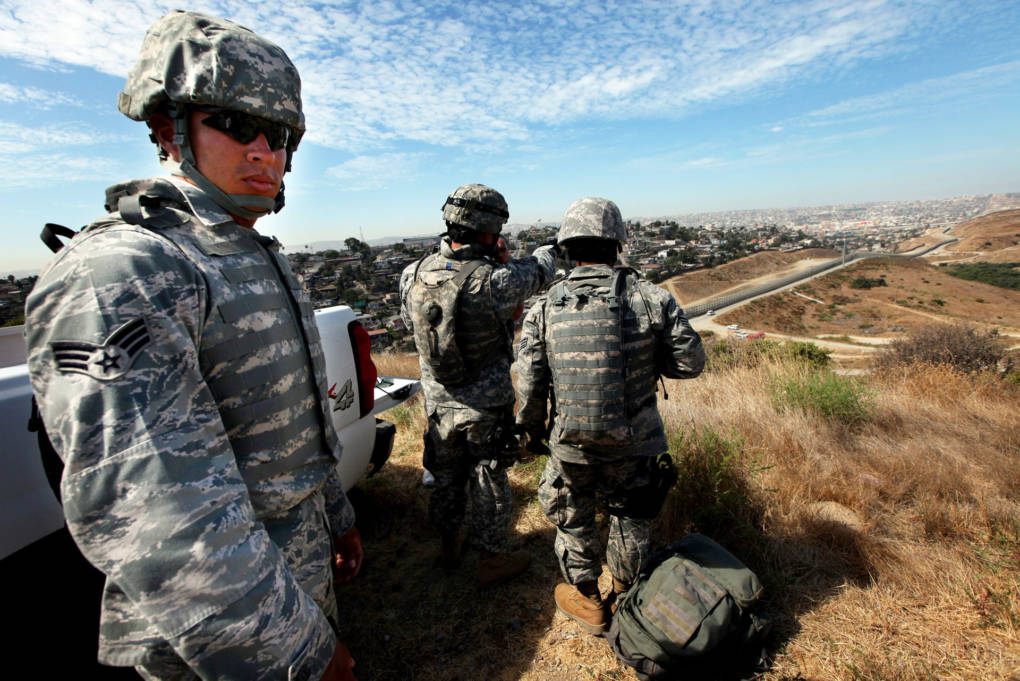
"caption": "California National Guardsmen stand on patrol along the U.S.-Mexico border in 2010.",
"description": "California National Guardsmen stand on patrol along the U.S.-Mexico border in 2010.",
"title": "natguardtroops",
"credit": "Sandy Huffaker/Getty Images",
"status": "inherit",
"isLoading": false,
"fetchFailed": false
},
"news_11197006": {
"type": "attachments",
"id": "news_11197006",
"meta": {
"index": "attachments_1716263798",
"site": "news",
"id": "11197006",
"found": true
},
"parent": 11197002,
"imgSizes": {
"small": {
"file": "https://ww2.kqed.org/app/uploads/sites/10/2016/11/Mnuchin-520x333.jpg",
"width": 520,
"mimeType": "image/jpeg",
"height": 333
},
"twentyfourteen-full-width": {
"file": "https://ww2.kqed.org/app/uploads/sites/10/2016/11/Mnuchin-1038x576.jpg",
"width": 1038,
"mimeType": "image/jpeg",
"height": 576
},
"thumbnail": {
"file": "https://ww2.kqed.org/app/uploads/sites/10/2016/11/Mnuchin-160x103.jpg",
"width": 160,
"mimeType": "image/jpeg",
"height": 103
},
"fd-sm": {
"file": "https://ww2.kqed.org/app/uploads/sites/10/2016/11/Mnuchin-960x616.jpg",
"width": 960,
"mimeType": "image/jpeg",
"height": 616
},
"post-thumbnail": {
"file": "https://ww2.kqed.org/app/uploads/sites/10/2016/11/Mnuchin-672x372.jpg",
"width": 672,
"mimeType": "image/jpeg",
"height": 372
},
"xsmall": {
"file": "https://ww2.kqed.org/app/uploads/sites/10/2016/11/Mnuchin-375x240.jpg",
"width": 375,
"mimeType": "image/jpeg",
"height": 240
},
"kqedFullSize": {
"file": "https://ww2.kqed.org/app/uploads/sites/10/2016/11/Mnuchin.jpg",
"width": 1920,
"height": 1231
},
"large": {
"file": "https://ww2.kqed.org/app/uploads/sites/10/2016/11/Mnuchin-1020x654.jpg",
"width": 1020,
"mimeType": "image/jpeg",
"height": 654
},
"xlarge": {
"file": "https://ww2.kqed.org/app/uploads/sites/10/2016/11/Mnuchin-1180x757.jpg",
"width": 1180,
"mimeType": "image/jpeg",
"height": 757
},
"guest-author-50": {
"file": "https://ww2.kqed.org/app/uploads/sites/10/2016/11/Mnuchin-50x50.jpg",
"width": 50,
"mimeType": "image/jpeg",
"height": 50
},
"guest-author-96": {
"file": "https://ww2.kqed.org/app/uploads/sites/10/2016/11/Mnuchin-96x96.jpg",
"width": 96,
"mimeType": "image/jpeg",
"height": 96
},
"medium": {
"file": "https://ww2.kqed.org/app/uploads/sites/10/2016/11/Mnuchin-800x513.jpg",
"width": 800,
"mimeType": "image/jpeg",
"height": 513
},
"guest-author-64": {
"file": "https://ww2.kqed.org/app/uploads/sites/10/2016/11/Mnuchin-64x64.jpg",
"width": 64,
"mimeType": "image/jpeg",
"height": 64
},
"guest-author-32": {
"file": "https://ww2.kqed.org/app/uploads/sites/10/2016/11/Mnuchin-32x32.jpg",
"width": 32,
"mimeType": "image/jpeg",
"height": 32
},
"jmtc-small-thumb": {
"file": "https://ww2.kqed.org/app/uploads/sites/10/2016/11/Mnuchin-280x150.jpg",
"width": 280,
"mimeType": "image/jpeg",
"height": 150
},
"fd-lrg": {
"file": "https://ww2.kqed.org/app/uploads/sites/10/2016/11/Mnuchin-1920x1231.jpg",
"width": 1920,
"mimeType": "image/jpeg",
"height": 1231
},
"fd-med": {
"file": "https://ww2.kqed.org/app/uploads/sites/10/2016/11/Mnuchin-1180x757.jpg",
"width": 1180,
"mimeType": "image/jpeg",
"height": 757
},
"full-width": {
"file": "https://ww2.kqed.org/app/uploads/sites/10/2016/11/Mnuchin-1920x1231.jpg",
"width": 1920,
"mimeType": "image/jpeg",
"height": 1231
},
"detail": {
"file": "https://ww2.kqed.org/app/uploads/sites/10/2016/11/Mnuchin-150x150.jpg",
"width": 150,
"mimeType": "image/jpeg",
"height": 150
},
"guest-author-128": {
"file": "https://ww2.kqed.org/app/uploads/sites/10/2016/11/Mnuchin-128x128.jpg",
"width": 128,
"mimeType": "image/jpeg",
"height": 128
},
"xxsmall": {
"file": "https://ww2.kqed.org/app/uploads/sites/10/2016/11/Mnuchin-240x154.jpg",
"width": 240,
"mimeType": "image/jpeg",
"height": 154
}
},
"publishDate": 1480472738,
"modified": 1480535430,
"caption": "Donald Trump has selected Wall Street financier Steve Mnuchin to serve as Treasury secretary. Mnuchin assembled investors who bought IndyMac, a failed bank that had been taken over by the FDIC.",
"description": "Donald Trump has selected Wall Street financier Steve Mnuchin to serve as Treasury secretary. Mnuchin assembled investors who bought IndyMac, a failed bank that had been taken over by the FDIC.",
"title": "mnuchin",
"credit": "EDUARDO MUNOZ ALVAREZ/AFP/Getty Images",
"status": "inherit",
"isLoading": false,
"fetchFailed": false
},
"stateofhealth_264971": {
"type": "attachments",
"id": "stateofhealth_264971",
"meta": {
"index": "attachments_1716263798",
"site": "stateofhealth",
"id": "264971",
"found": true
},
"parent": 264970,
"imgSizes": {
"small": {
"file": "https://ww2.kqed.org/app/uploads/sites/27/2016/11/aca-1_enl-7e8839733f49afab18da949d4646f431d879f129-520x390.jpg",
"width": 520,
"mimeType": "image/jpeg",
"height": 390
},
"twentyfourteen-full-width": {
"file": "https://ww2.kqed.org/app/uploads/sites/27/2016/11/aca-1_enl-7e8839733f49afab18da949d4646f431d879f129-1038x576.jpg",
"width": 1038,
"mimeType": "image/jpeg",
"height": 576
},
"thumbnail": {
"file": "https://ww2.kqed.org/app/uploads/sites/27/2016/11/aca-1_enl-7e8839733f49afab18da949d4646f431d879f129-160x120.jpg",
"width": 160,
"mimeType": "image/jpeg",
"height": 120
},
"fd-sm": {
"file": "https://ww2.kqed.org/app/uploads/sites/27/2016/11/aca-1_enl-7e8839733f49afab18da949d4646f431d879f129-960x720.jpg",
"width": 960,
"mimeType": "image/jpeg",
"height": 720
},
"post-thumbnail": {
"file": "https://ww2.kqed.org/app/uploads/sites/27/2016/11/aca-1_enl-7e8839733f49afab18da949d4646f431d879f129-672x372.jpg",
"width": 672,
"mimeType": "image/jpeg",
"height": 372
},
"xsmall": {
"file": "https://ww2.kqed.org/app/uploads/sites/27/2016/11/aca-1_enl-7e8839733f49afab18da949d4646f431d879f129-375x281.jpg",
"width": 375,
"mimeType": "image/jpeg",
"height": 281
},
"kqedFullSize": {
"file": "https://ww2.kqed.org/app/uploads/sites/27/2016/11/aca-1_enl-7e8839733f49afab18da949d4646f431d879f129.jpg",
"width": 2000,
"height": 1499
},
"large": {
"file": "https://ww2.kqed.org/app/uploads/sites/27/2016/11/aca-1_enl-7e8839733f49afab18da949d4646f431d879f129-1020x764.jpg",
"width": 1020,
"mimeType": "image/jpeg",
"height": 764
},
"xlarge": {
"file": "https://ww2.kqed.org/app/uploads/sites/27/2016/11/aca-1_enl-7e8839733f49afab18da949d4646f431d879f129-1180x884.jpg",
"width": 1180,
"mimeType": "image/jpeg",
"height": 884
},
"guest-author-50": {
"file": "https://ww2.kqed.org/app/uploads/sites/27/2016/11/aca-1_enl-7e8839733f49afab18da949d4646f431d879f129-50x50.jpg",
"width": 50,
"mimeType": "image/jpeg",
"height": 50
},
"guest-author-96": {
"file": "https://ww2.kqed.org/app/uploads/sites/27/2016/11/aca-1_enl-7e8839733f49afab18da949d4646f431d879f129-96x96.jpg",
"width": 96,
"mimeType": "image/jpeg",
"height": 96
},
"medium": {
"file": "https://ww2.kqed.org/app/uploads/sites/27/2016/11/aca-1_enl-7e8839733f49afab18da949d4646f431d879f129-800x600.jpg",
"width": 800,
"mimeType": "image/jpeg",
"height": 600
},
"guest-author-64": {
"file": "https://ww2.kqed.org/app/uploads/sites/27/2016/11/aca-1_enl-7e8839733f49afab18da949d4646f431d879f129-64x64.jpg",
"width": 64,
"mimeType": "image/jpeg",
"height": 64
},
"guest-author-32": {
"file": "https://ww2.kqed.org/app/uploads/sites/27/2016/11/aca-1_enl-7e8839733f49afab18da949d4646f431d879f129-32x32.jpg",
"width": 32,
"mimeType": "image/jpeg",
"height": 32
},
"jmtc-small-thumb": {
"file": "https://ww2.kqed.org/app/uploads/sites/27/2016/11/aca-1_enl-7e8839733f49afab18da949d4646f431d879f129-280x150.jpg",
"width": 280,
"mimeType": "image/jpeg",
"height": 150
},
"fd-lrg": {
"file": "https://ww2.kqed.org/app/uploads/sites/27/2016/11/aca-1_enl-7e8839733f49afab18da949d4646f431d879f129-1920x1439.jpg",
"width": 1920,
"mimeType": "image/jpeg",
"height": 1439
},
"fd-med": {
"file": "https://ww2.kqed.org/app/uploads/sites/27/2016/11/aca-1_enl-7e8839733f49afab18da949d4646f431d879f129-1180x884.jpg",
"width": 1180,
"mimeType": "image/jpeg",
"height": 884
},
"full-width": {
"file": "https://ww2.kqed.org/app/uploads/sites/27/2016/11/aca-1_enl-7e8839733f49afab18da949d4646f431d879f129-1920x1439.jpg",
"width": 1920,
"mimeType": "image/jpeg",
"height": 1439
},
"detail": {
"file": "https://ww2.kqed.org/app/uploads/sites/27/2016/11/aca-1_enl-7e8839733f49afab18da949d4646f431d879f129-150x150.jpg",
"width": 150,
"mimeType": "image/jpeg",
"height": 150
},
"medium_large": {
"file": "https://ww2.kqed.org/app/uploads/sites/27/2016/11/aca-1_enl-7e8839733f49afab18da949d4646f431d879f129-768x576.jpg",
"width": 768,
"mimeType": "image/jpeg",
"height": 576
},
"guest-author-128": {
"file": "https://ww2.kqed.org/app/uploads/sites/27/2016/11/aca-1_enl-7e8839733f49afab18da949d4646f431d879f129-128x128.jpg",
"width": 128,
"mimeType": "image/jpeg",
"height": 128
},
"xxsmall": {
"file": "https://ww2.kqed.org/app/uploads/sites/27/2016/11/aca-1_enl-7e8839733f49afab18da949d4646f431d879f129-240x180.jpg",
"width": 240,
"mimeType": "image/jpeg",
"height": 180
}
},
"publishDate": 1480356060,
"modified": 1480464536,
"caption": "Keely Edgington and her daughter, Lula, pose inside their family-owned restaurant, Julep, in Kansas City, Mo. Lula was diagnosed with a neuroblastoma when she was 9 months old. She's now 16 months old.",
"description": "Keely Edgington and her daughter, Lula, pose inside their family-owned restaurant, Julep, in Kansas City, Mo. Lula was diagnosed with a neuroblastoma when she was 9 months old. She's now 16 months old.",
"title": "Keely Edgington and her daughter, Lula, pose inside their family-owned restaurant, Julep, in Kansas City, Mo. Lula was diagnosed with a neuroblastoma when she was 9 months old. She's now 16 months old.",
"credit": null,
"status": "inherit",
"isLoading": false,
"fetchFailed": false
},
"news_11187540": {
"type": "attachments",
"id": "news_11187540",
"meta": {
"index": "attachments_1716263798",
"site": "news",
"id": "11187540",
"found": true
},
"parent": 11187539,
"imgSizes": {
"small": {
"file": "https://ww2.kqed.org/app/uploads/sites/10/2016/11/gettyimages-494330351-2_custom-2a525a58ee0418fdbaf99c59460c30ae6c06a01a-520x326.jpg",
"width": 520,
"mimeType": "image/jpeg",
"height": 326
},
"twentyfourteen-full-width": {
"file": "https://ww2.kqed.org/app/uploads/sites/10/2016/11/gettyimages-494330351-2_custom-2a525a58ee0418fdbaf99c59460c30ae6c06a01a-1038x576.jpg",
"width": 1038,
"mimeType": "image/jpeg",
"height": 576
},
"thumbnail": {
"file": "https://ww2.kqed.org/app/uploads/sites/10/2016/11/gettyimages-494330351-2_custom-2a525a58ee0418fdbaf99c59460c30ae6c06a01a-160x100.jpg",
"width": 160,
"mimeType": "image/jpeg",
"height": 100
},
"fd-sm": {
"file": "https://ww2.kqed.org/app/uploads/sites/10/2016/11/gettyimages-494330351-2_custom-2a525a58ee0418fdbaf99c59460c30ae6c06a01a-960x601.jpg",
"width": 960,
"mimeType": "image/jpeg",
"height": 601
},
"post-thumbnail": {
"file": "https://ww2.kqed.org/app/uploads/sites/10/2016/11/gettyimages-494330351-2_custom-2a525a58ee0418fdbaf99c59460c30ae6c06a01a-672x372.jpg",
"width": 672,
"mimeType": "image/jpeg",
"height": 372
},
"xsmall": {
"file": "https://ww2.kqed.org/app/uploads/sites/10/2016/11/gettyimages-494330351-2_custom-2a525a58ee0418fdbaf99c59460c30ae6c06a01a-375x235.jpg",
"width": 375,
"mimeType": "image/jpeg",
"height": 235
},
"kqedFullSize": {
"file": "https://ww2.kqed.org/app/uploads/sites/10/2016/11/gettyimages-494330351-2_custom-2a525a58ee0418fdbaf99c59460c30ae6c06a01a.jpg",
"width": 3000,
"height": 1878
},
"large": {
"file": "https://ww2.kqed.org/app/uploads/sites/10/2016/11/gettyimages-494330351-2_custom-2a525a58ee0418fdbaf99c59460c30ae6c06a01a-1020x639.jpg",
"width": 1020,
"mimeType": "image/jpeg",
"height": 639
},
"xlarge": {
"file": "https://ww2.kqed.org/app/uploads/sites/10/2016/11/gettyimages-494330351-2_custom-2a525a58ee0418fdbaf99c59460c30ae6c06a01a-1180x739.jpg",
"width": 1180,
"mimeType": "image/jpeg",
"height": 739
},
"guest-author-50": {
"file": "https://ww2.kqed.org/app/uploads/sites/10/2016/11/gettyimages-494330351-2_custom-2a525a58ee0418fdbaf99c59460c30ae6c06a01a-50x50.jpg",
"width": 50,
"mimeType": "image/jpeg",
"height": 50
},
"guest-author-96": {
"file": "https://ww2.kqed.org/app/uploads/sites/10/2016/11/gettyimages-494330351-2_custom-2a525a58ee0418fdbaf99c59460c30ae6c06a01a-96x96.jpg",
"width": 96,
"mimeType": "image/jpeg",
"height": 96
},
"medium": {
"file": "https://ww2.kqed.org/app/uploads/sites/10/2016/11/gettyimages-494330351-2_custom-2a525a58ee0418fdbaf99c59460c30ae6c06a01a-800x501.jpg",
"width": 800,
"mimeType": "image/jpeg",
"height": 501
},
"guest-author-64": {
"file": "https://ww2.kqed.org/app/uploads/sites/10/2016/11/gettyimages-494330351-2_custom-2a525a58ee0418fdbaf99c59460c30ae6c06a01a-64x64.jpg",
"width": 64,
"mimeType": "image/jpeg",
"height": 64
},
"guest-author-32": {
"file": "https://ww2.kqed.org/app/uploads/sites/10/2016/11/gettyimages-494330351-2_custom-2a525a58ee0418fdbaf99c59460c30ae6c06a01a-32x32.jpg",
"width": 32,
"mimeType": "image/jpeg",
"height": 32
},
"jmtc-small-thumb": {
"file": "https://ww2.kqed.org/app/uploads/sites/10/2016/11/gettyimages-494330351-2_custom-2a525a58ee0418fdbaf99c59460c30ae6c06a01a-280x150.jpg",
"width": 280,
"mimeType": "image/jpeg",
"height": 150
},
"fd-lrg": {
"file": "https://ww2.kqed.org/app/uploads/sites/10/2016/11/gettyimages-494330351-2_custom-2a525a58ee0418fdbaf99c59460c30ae6c06a01a-1920x1202.jpg",
"width": 1920,
"mimeType": "image/jpeg",
"height": 1202
},
"fd-med": {
"file": "https://ww2.kqed.org/app/uploads/sites/10/2016/11/gettyimages-494330351-2_custom-2a525a58ee0418fdbaf99c59460c30ae6c06a01a-1180x739.jpg",
"width": 1180,
"mimeType": "image/jpeg",
"height": 739
},
"full-width": {
"file": "https://ww2.kqed.org/app/uploads/sites/10/2016/11/gettyimages-494330351-2_custom-2a525a58ee0418fdbaf99c59460c30ae6c06a01a-1920x1202.jpg",
"width": 1920,
"mimeType": "image/jpeg",
"height": 1202
},
"detail": {
"file": "https://ww2.kqed.org/app/uploads/sites/10/2016/11/gettyimages-494330351-2_custom-2a525a58ee0418fdbaf99c59460c30ae6c06a01a-150x150.jpg",
"width": 150,
"mimeType": "image/jpeg",
"height": 150
},
"guest-author-128": {
"file": "https://ww2.kqed.org/app/uploads/sites/10/2016/11/gettyimages-494330351-2_custom-2a525a58ee0418fdbaf99c59460c30ae6c06a01a-128x128.jpg",
"width": 128,
"mimeType": "image/jpeg",
"height": 128
},
"xxsmall": {
"file": "https://ww2.kqed.org/app/uploads/sites/10/2016/11/gettyimages-494330351-2_custom-2a525a58ee0418fdbaf99c59460c30ae6c06a01a-240x150.jpg",
"width": 240,
"mimeType": "image/jpeg",
"height": 150
}
},
"publishDate": 1479942835,
"modified": 1479946353,
"caption": "'The whole idea from the start was to build a site that could kind of infiltrate the echo chambers of the alt-right.'",
"description": "\"The whole idea from the start was to build a site that could kind of infiltrate the echo chambers of the alt right.\"",
"title": "\"The whole idea from the start was to build a site that could kind of infiltrate the echo chambers of the alt right.\"",
"credit": "Fanatic Studio/Getty Images",
"status": "inherit",
"isLoading": false,
"fetchFailed": false
},
"news_11187468": {
"type": "attachments",
"id": "news_11187468",
"meta": {
"index": "attachments_1716263798",
"site": "news",
"id": "11187468",
"found": true
},
"parent": 11187467,
"imgSizes": {
"small": {
"file": "https://ww2.kqed.org/app/uploads/sites/10/2016/11/rtsskvd_custom-21fb6c7639a7e80b6010e56764b5d1a2c55e8c84-520x347.jpg",
"width": 520,
"mimeType": "image/jpeg",
"height": 347
},
"twentyfourteen-full-width": {
"file": "https://ww2.kqed.org/app/uploads/sites/10/2016/11/rtsskvd_custom-21fb6c7639a7e80b6010e56764b5d1a2c55e8c84-1038x576.jpg",
"width": 1038,
"mimeType": "image/jpeg",
"height": 576
},
"thumbnail": {
"file": "https://ww2.kqed.org/app/uploads/sites/10/2016/11/rtsskvd_custom-21fb6c7639a7e80b6010e56764b5d1a2c55e8c84-160x107.jpg",
"width": 160,
"mimeType": "image/jpeg",
"height": 107
},
"fd-sm": {
"file": "https://ww2.kqed.org/app/uploads/sites/10/2016/11/rtsskvd_custom-21fb6c7639a7e80b6010e56764b5d1a2c55e8c84-960x641.jpg",
"width": 960,
"mimeType": "image/jpeg",
"height": 641
},
"post-thumbnail": {
"file": "https://ww2.kqed.org/app/uploads/sites/10/2016/11/rtsskvd_custom-21fb6c7639a7e80b6010e56764b5d1a2c55e8c84-672x372.jpg",
"width": 672,
"mimeType": "image/jpeg",
"height": 372
},
"xsmall": {
"file": "https://ww2.kqed.org/app/uploads/sites/10/2016/11/rtsskvd_custom-21fb6c7639a7e80b6010e56764b5d1a2c55e8c84-375x250.jpg",
"width": 375,
"mimeType": "image/jpeg",
"height": 250
},
"kqedFullSize": {
"file": "https://ww2.kqed.org/app/uploads/sites/10/2016/11/rtsskvd_custom-21fb6c7639a7e80b6010e56764b5d1a2c55e8c84.jpg",
"width": 3423,
"height": 2285
},
"large": {
"file": "https://ww2.kqed.org/app/uploads/sites/10/2016/11/rtsskvd_custom-21fb6c7639a7e80b6010e56764b5d1a2c55e8c84-1020x681.jpg",
"width": 1020,
"mimeType": "image/jpeg",
"height": 681
},
"xlarge": {
"file": "https://ww2.kqed.org/app/uploads/sites/10/2016/11/rtsskvd_custom-21fb6c7639a7e80b6010e56764b5d1a2c55e8c84-1180x788.jpg",
"width": 1180,
"mimeType": "image/jpeg",
"height": 788
},
"guest-author-50": {
"file": "https://ww2.kqed.org/app/uploads/sites/10/2016/11/rtsskvd_custom-21fb6c7639a7e80b6010e56764b5d1a2c55e8c84-50x50.jpg",
"width": 50,
"mimeType": "image/jpeg",
"height": 50
},
"guest-author-96": {
"file": "https://ww2.kqed.org/app/uploads/sites/10/2016/11/rtsskvd_custom-21fb6c7639a7e80b6010e56764b5d1a2c55e8c84-96x96.jpg",
"width": 96,
"mimeType": "image/jpeg",
"height": 96
},
"medium": {
"file": "https://ww2.kqed.org/app/uploads/sites/10/2016/11/rtsskvd_custom-21fb6c7639a7e80b6010e56764b5d1a2c55e8c84-800x534.jpg",
"width": 800,
"mimeType": "image/jpeg",
"height": 534
},
"guest-author-64": {
"file": "https://ww2.kqed.org/app/uploads/sites/10/2016/11/rtsskvd_custom-21fb6c7639a7e80b6010e56764b5d1a2c55e8c84-64x64.jpg",
"width": 64,
"mimeType": "image/jpeg",
"height": 64
},
"guest-author-32": {
"file": "https://ww2.kqed.org/app/uploads/sites/10/2016/11/rtsskvd_custom-21fb6c7639a7e80b6010e56764b5d1a2c55e8c84-32x32.jpg",
"width": 32,
"mimeType": "image/jpeg",
"height": 32
},
"jmtc-small-thumb": {
"file": "https://ww2.kqed.org/app/uploads/sites/10/2016/11/rtsskvd_custom-21fb6c7639a7e80b6010e56764b5d1a2c55e8c84-280x150.jpg",
"width": 280,
"mimeType": "image/jpeg",
"height": 150
},
"fd-lrg": {
"file": "https://ww2.kqed.org/app/uploads/sites/10/2016/11/rtsskvd_custom-21fb6c7639a7e80b6010e56764b5d1a2c55e8c84-1920x1282.jpg",
"width": 1920,
"mimeType": "image/jpeg",
"height": 1282
},
"fd-med": {
"file": "https://ww2.kqed.org/app/uploads/sites/10/2016/11/rtsskvd_custom-21fb6c7639a7e80b6010e56764b5d1a2c55e8c84-1180x788.jpg",
"width": 1180,
"mimeType": "image/jpeg",
"height": 788
},
"full-width": {
"file": "https://ww2.kqed.org/app/uploads/sites/10/2016/11/rtsskvd_custom-21fb6c7639a7e80b6010e56764b5d1a2c55e8c84-1920x1282.jpg",
"width": 1920,
"mimeType": "image/jpeg",
"height": 1282
},
"detail": {
"file": "https://ww2.kqed.org/app/uploads/sites/10/2016/11/rtsskvd_custom-21fb6c7639a7e80b6010e56764b5d1a2c55e8c84-150x150.jpg",
"width": 150,
"mimeType": "image/jpeg",
"height": 150
},
"guest-author-128": {
"file": "https://ww2.kqed.org/app/uploads/sites/10/2016/11/rtsskvd_custom-21fb6c7639a7e80b6010e56764b5d1a2c55e8c84-128x128.jpg",
"width": 128,
"mimeType": "image/jpeg",
"height": 128
},
"xxsmall": {
"file": "https://ww2.kqed.org/app/uploads/sites/10/2016/11/rtsskvd_custom-21fb6c7639a7e80b6010e56764b5d1a2c55e8c84-240x160.jpg",
"width": 240,
"mimeType": "image/jpeg",
"height": 160
}
},
"publishDate": 1479940565,
"modified": 1479940705,
"caption": "Police confront protesters with a rubber bullet gun near Cannon Ball, N.D., on Sunday, during a protest against plans to pass the Dakota Access Pipeline near the Standing Rock Indian Reservation.",
"description": "Police confront protesters with a rubber bullet gun near Cannon Ball, N.D., on Sunday, during a protest against plans to pass the Dakota Access Pipeline near the Standing Rock Indian Reservation.",
"title": "Police confront protesters with a rubber bullet gun near Cannon Ball, N.D., on Sunday, during a protest against plans to pass the Dakota Access Pipeline near the Standing Rock Indian Reservation.",
"credit": "Stephanie Keith/Reuters",
"status": "inherit",
"isLoading": false,
"fetchFailed": false
},
"news_10772027": {
"type": "attachments",
"id": "news_10772027",
"meta": {
"index": "attachments_1716263798",
"site": "news",
"id": "10772027",
"found": true
},
"parent": 10771976,
"imgSizes": {
"twentyfourteen-full-width": {
"file": "https://ww2.kqed.org/app/uploads/sites/10/2015/11/ObamaPardonsTurkey-1038x576.jpg",
"width": 1038,
"mimeType": "image/jpeg",
"height": 576
},
"thumbnail": {
"file": "https://ww2.kqed.org/app/uploads/sites/10/2015/11/ObamaPardonsTurkey-400x287.jpg",
"width": 400,
"mimeType": "image/jpeg",
"height": 287
},
"fd-sm": {
"file": "https://ww2.kqed.org/app/uploads/sites/10/2015/11/ObamaPardonsTurkey-960x689.jpg",
"width": 960,
"mimeType": "image/jpeg",
"height": 689
},
"post-thumbnail": {
"file": "https://ww2.kqed.org/app/uploads/sites/10/2015/11/ObamaPardonsTurkey-672x372.jpg",
"width": 672,
"mimeType": "image/jpeg",
"height": 372
},
"kqedFullSize": {
"file": "https://ww2.kqed.org/app/uploads/sites/10/2015/11/ObamaPardonsTurkey.jpg",
"width": 1920,
"height": 1377
},
"large": {
"file": "https://ww2.kqed.org/app/uploads/sites/10/2015/11/ObamaPardonsTurkey-1440x1033.jpg",
"width": 1440,
"mimeType": "image/jpeg",
"height": 1033
},
"guest-author-96": {
"file": "https://ww2.kqed.org/app/uploads/sites/10/2015/11/ObamaPardonsTurkey-96x96.jpg",
"width": 96,
"mimeType": "image/jpeg",
"height": 96
},
"medium": {
"file": "https://ww2.kqed.org/app/uploads/sites/10/2015/11/ObamaPardonsTurkey-800x574.jpg",
"width": 800,
"mimeType": "image/jpeg",
"height": 574
},
"guest-author-64": {
"file": "https://ww2.kqed.org/app/uploads/sites/10/2015/11/ObamaPardonsTurkey-64x64.jpg",
"width": 64,
"mimeType": "image/jpeg",
"height": 64
},
"guest-author-32": {
"file": "https://ww2.kqed.org/app/uploads/sites/10/2015/11/ObamaPardonsTurkey-32x32.jpg",
"width": 32,
"mimeType": "image/jpeg",
"height": 32
},
"jmtc-small-thumb": {
"file": "https://ww2.kqed.org/app/uploads/sites/10/2015/11/ObamaPardonsTurkey-280x150.jpg",
"width": 280,
"mimeType": "image/jpeg",
"height": 150
},
"fd-lrg": {
"file": "https://ww2.kqed.org/app/uploads/sites/10/2015/11/ObamaPardonsTurkey-1920x1377.jpg",
"width": 1920,
"mimeType": "image/jpeg",
"height": 1377
},
"fd-med": {
"file": "https://ww2.kqed.org/app/uploads/sites/10/2015/11/ObamaPardonsTurkey-1180x846.jpg",
"width": 1180,
"mimeType": "image/jpeg",
"height": 846
},
"detail": {
"file": "https://ww2.kqed.org/app/uploads/sites/10/2015/11/ObamaPardonsTurkey-75x75.jpg",
"width": 75,
"mimeType": "image/jpeg",
"height": 75
},
"guest-author-128": {
"file": "https://ww2.kqed.org/app/uploads/sites/10/2015/11/ObamaPardonsTurkey-128x128.jpg",
"width": 128,
"mimeType": "image/jpeg",
"height": 128
}
},
"publishDate": 1448501115,
"modified": 1479950979,
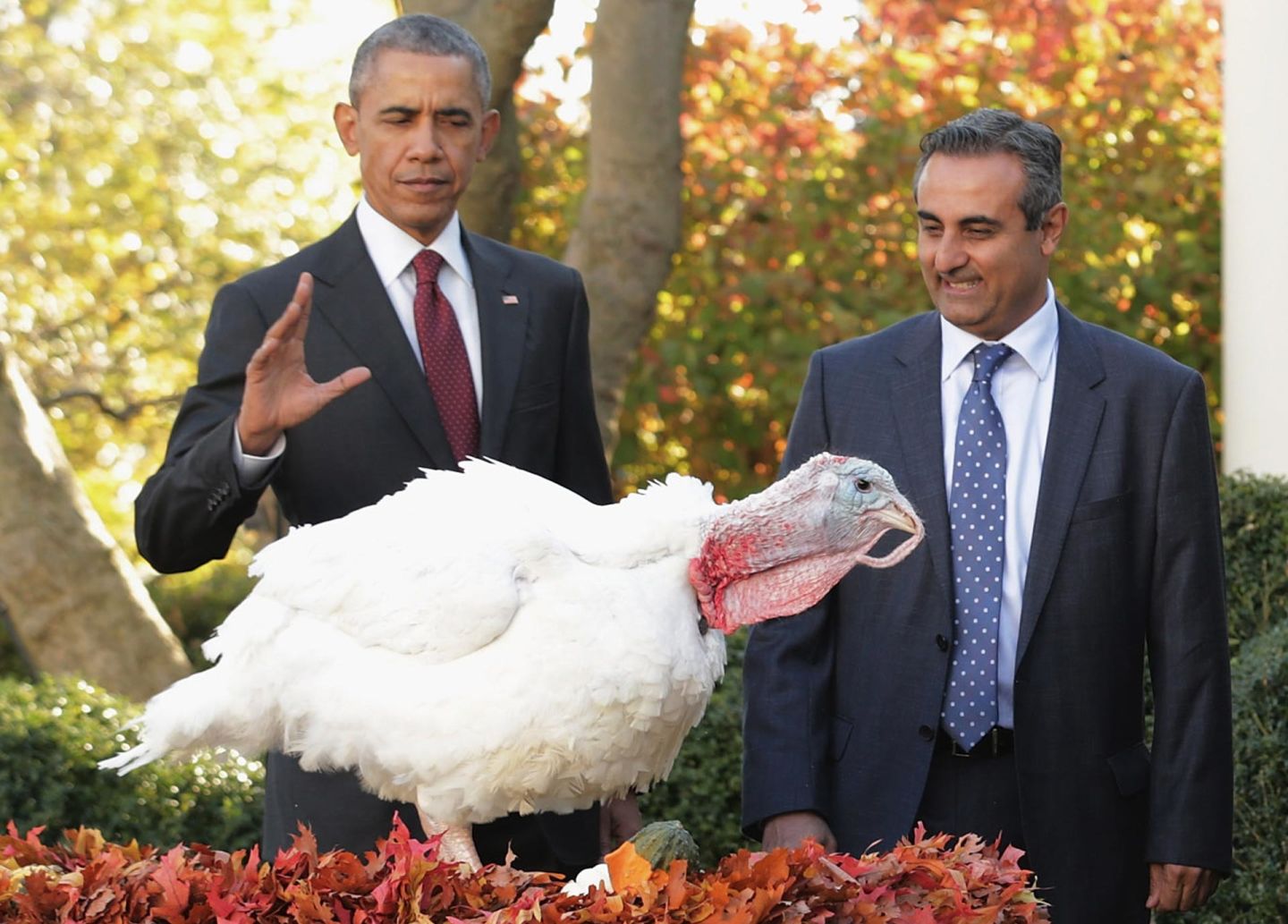
"caption": "President Obama pardons Abe, a 42-pound male turkey, during a ceremony with National Turkey Federation Chairman Jihad Douglas in November 2015.",
"description": "President Obama pardons Abe, a 42-pound male turkey, during a ceremony with National Turkey Federation Chairman Jihad Douglas on Wednesday.",
"title": "ObamaPardonsTurkey",
"credit": "Chip Somodevilla/Getty Images",
"status": "inherit",
"isLoading": false,
"fetchFailed": false
},
"news_11186134": {
"type": "attachments",
"id": "news_11186134",
"meta": {
"index": "attachments_1716263798",
"site": "news",
"id": "11186134",
"found": true
},
"parent": 11186133,
"imgSizes": {
"small": {
"file": "https://ww2.kqed.org/app/uploads/sites/10/2016/11/image2-06aa50e258793f86a33276408ec31306723305cf-520x390.jpg",
"width": 520,
"mimeType": "image/jpeg",
"height": 390
},
"twentyfourteen-full-width": {
"file": "https://ww2.kqed.org/app/uploads/sites/10/2016/11/image2-06aa50e258793f86a33276408ec31306723305cf-1038x576.jpg",
"width": 1038,
"mimeType": "image/jpeg",
"height": 576
},
"thumbnail": {
"file": "https://ww2.kqed.org/app/uploads/sites/10/2016/11/image2-06aa50e258793f86a33276408ec31306723305cf-160x120.jpg",
"width": 160,
"mimeType": "image/jpeg",
"height": 120
},
"fd-sm": {
"file": "https://ww2.kqed.org/app/uploads/sites/10/2016/11/image2-06aa50e258793f86a33276408ec31306723305cf-960x720.jpg",
"width": 960,
"mimeType": "image/jpeg",
"height": 720
},
"post-thumbnail": {
"file": "https://ww2.kqed.org/app/uploads/sites/10/2016/11/image2-06aa50e258793f86a33276408ec31306723305cf-672x372.jpg",
"width": 672,
"mimeType": "image/jpeg",
"height": 372
},
"xsmall": {
"file": "https://ww2.kqed.org/app/uploads/sites/10/2016/11/image2-06aa50e258793f86a33276408ec31306723305cf-375x281.jpg",
"width": 375,
"mimeType": "image/jpeg",
"height": 281
},
"kqedFullSize": {
"file": "https://ww2.kqed.org/app/uploads/sites/10/2016/11/image2-06aa50e258793f86a33276408ec31306723305cf.jpg",
"width": 1631,
"height": 1223
},
"large": {
"file": "https://ww2.kqed.org/app/uploads/sites/10/2016/11/image2-06aa50e258793f86a33276408ec31306723305cf-1020x765.jpg",
"width": 1020,
"mimeType": "image/jpeg",
"height": 765
},
"xlarge": {
"file": "https://ww2.kqed.org/app/uploads/sites/10/2016/11/image2-06aa50e258793f86a33276408ec31306723305cf-1180x885.jpg",
"width": 1180,
"mimeType": "image/jpeg",
"height": 885
},
"guest-author-50": {
"file": "https://ww2.kqed.org/app/uploads/sites/10/2016/11/image2-06aa50e258793f86a33276408ec31306723305cf-50x50.jpg",
"width": 50,
"mimeType": "image/jpeg",
"height": 50
},
"guest-author-96": {
"file": "https://ww2.kqed.org/app/uploads/sites/10/2016/11/image2-06aa50e258793f86a33276408ec31306723305cf-96x96.jpg",
"width": 96,
"mimeType": "image/jpeg",
"height": 96
},
"medium": {
"file": "https://ww2.kqed.org/app/uploads/sites/10/2016/11/image2-06aa50e258793f86a33276408ec31306723305cf-800x600.jpg",
"width": 800,
"mimeType": "image/jpeg",
"height": 600
},
"guest-author-64": {
"file": "https://ww2.kqed.org/app/uploads/sites/10/2016/11/image2-06aa50e258793f86a33276408ec31306723305cf-64x64.jpg",
"width": 64,
"mimeType": "image/jpeg",
"height": 64
},
"guest-author-32": {
"file": "https://ww2.kqed.org/app/uploads/sites/10/2016/11/image2-06aa50e258793f86a33276408ec31306723305cf-32x32.jpg",
"width": 32,
"mimeType": "image/jpeg",
"height": 32
},
"jmtc-small-thumb": {
"file": "https://ww2.kqed.org/app/uploads/sites/10/2016/11/image2-06aa50e258793f86a33276408ec31306723305cf-280x150.jpg",
"width": 280,
"mimeType": "image/jpeg",
"height": 150
},
"fd-med": {
"file": "https://ww2.kqed.org/app/uploads/sites/10/2016/11/image2-06aa50e258793f86a33276408ec31306723305cf-1180x885.jpg",
"width": 1180,
"mimeType": "image/jpeg",
"height": 885
},
"detail": {
"file": "https://ww2.kqed.org/app/uploads/sites/10/2016/11/image2-06aa50e258793f86a33276408ec31306723305cf-150x150.jpg",
"width": 150,
"mimeType": "image/jpeg",
"height": 150
},
"guest-author-128": {
"file": "https://ww2.kqed.org/app/uploads/sites/10/2016/11/image2-06aa50e258793f86a33276408ec31306723305cf-128x128.jpg",
"width": 128,
"mimeType": "image/jpeg",
"height": 128
},
"xxsmall": {
"file": "https://ww2.kqed.org/app/uploads/sites/10/2016/11/image2-06aa50e258793f86a33276408ec31306723305cf-240x180.jpg",
"width": 240,
"mimeType": "image/jpeg",
"height": 180
}
},
"publishDate": 1479859121,
"modified": 1479859294,
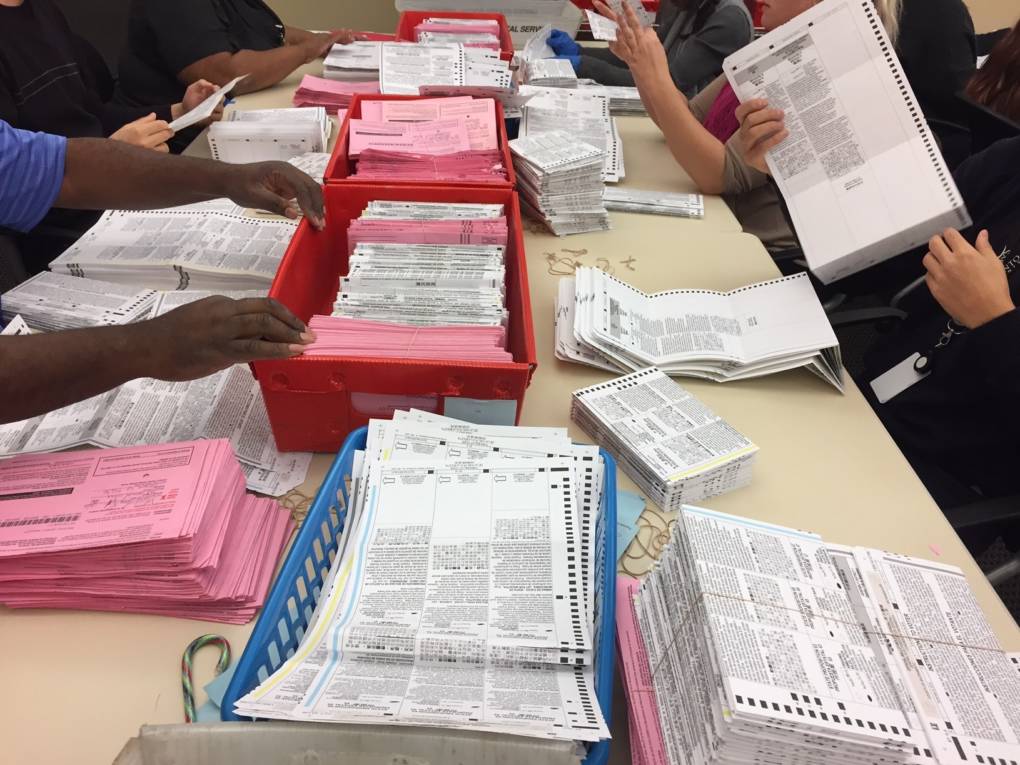
"caption": "Election workers sort through unprocessed vote-by-mail ballots at the Sacramento County Registrar of Voters office on Monday.",
"description": "Election workers sort through unprocessed vote-by-mail ballots at the Sacramento County Registrar of Voters office on Monday",
"title": "Election workers sort through unprocessed vote-by-mail ballots at the Sacramento County Registrar of Voters office on Monday.",
"credit": "Ben Adler/Capital Public Radio",
"status": "inherit",
"isLoading": false,
"fetchFailed": false
},
"stateofhealth_262091": {
"type": "attachments",
"id": "stateofhealth_262091",
"meta": {
"index": "attachments_1716263798",
"site": "stateofhealth",
"id": "262091",
"found": true
},
"parent": 262090,
"imgSizes": {
"small": {
"file": "https://ww2.kqed.org/app/uploads/sites/27/2016/11/hospital-companions-1_enl-3d2eefb605a7254bbfbe81ce0775fc2109402da1-520x390.jpg",
"width": 520,
"mimeType": "image/jpeg",
"height": 390
},
"twentyfourteen-full-width": {
"file": "https://ww2.kqed.org/app/uploads/sites/27/2016/11/hospital-companions-1_enl-3d2eefb605a7254bbfbe81ce0775fc2109402da1-1038x576.jpg",
"width": 1038,
"mimeType": "image/jpeg",
"height": 576
},
"thumbnail": {
"file": "https://ww2.kqed.org/app/uploads/sites/27/2016/11/hospital-companions-1_enl-3d2eefb605a7254bbfbe81ce0775fc2109402da1-160x120.jpg",
"width": 160,
"mimeType": "image/jpeg",
"height": 120
},
"fd-sm": {
"file": "https://ww2.kqed.org/app/uploads/sites/27/2016/11/hospital-companions-1_enl-3d2eefb605a7254bbfbe81ce0775fc2109402da1-960x720.jpg",
"width": 960,
"mimeType": "image/jpeg",
"height": 720
},
"post-thumbnail": {
"file": "https://ww2.kqed.org/app/uploads/sites/27/2016/11/hospital-companions-1_enl-3d2eefb605a7254bbfbe81ce0775fc2109402da1-672x372.jpg",
"width": 672,
"mimeType": "image/jpeg",
"height": 372
},
"xsmall": {
"file": "https://ww2.kqed.org/app/uploads/sites/27/2016/11/hospital-companions-1_enl-3d2eefb605a7254bbfbe81ce0775fc2109402da1-375x281.jpg",
"width": 375,
"mimeType": "image/jpeg",
"height": 281
},
"kqedFullSize": {
"file": "https://ww2.kqed.org/app/uploads/sites/27/2016/11/hospital-companions-1_enl-3d2eefb605a7254bbfbe81ce0775fc2109402da1.jpg",
"width": 1777,
"height": 1332
},
"large": {
"file": "https://ww2.kqed.org/app/uploads/sites/27/2016/11/hospital-companions-1_enl-3d2eefb605a7254bbfbe81ce0775fc2109402da1-1020x765.jpg",
"width": 1020,
"mimeType": "image/jpeg",
"height": 765
},
"xlarge": {
"file": "https://ww2.kqed.org/app/uploads/sites/27/2016/11/hospital-companions-1_enl-3d2eefb605a7254bbfbe81ce0775fc2109402da1-1180x885.jpg",
"width": 1180,
"mimeType": "image/jpeg",
"height": 885
},
"guest-author-50": {
"file": "https://ww2.kqed.org/app/uploads/sites/27/2016/11/hospital-companions-1_enl-3d2eefb605a7254bbfbe81ce0775fc2109402da1-50x50.jpg",
"width": 50,
"mimeType": "image/jpeg",
"height": 50
},
"guest-author-96": {
"file": "https://ww2.kqed.org/app/uploads/sites/27/2016/11/hospital-companions-1_enl-3d2eefb605a7254bbfbe81ce0775fc2109402da1-96x96.jpg",
"width": 96,
"mimeType": "image/jpeg",
"height": 96
},
"medium": {
"file": "https://ww2.kqed.org/app/uploads/sites/27/2016/11/hospital-companions-1_enl-3d2eefb605a7254bbfbe81ce0775fc2109402da1-800x600.jpg",
"width": 800,
"mimeType": "image/jpeg",
"height": 600
},
"guest-author-64": {
"file": "https://ww2.kqed.org/app/uploads/sites/27/2016/11/hospital-companions-1_enl-3d2eefb605a7254bbfbe81ce0775fc2109402da1-64x64.jpg",
"width": 64,
"mimeType": "image/jpeg",
"height": 64
},
"guest-author-32": {
"file": "https://ww2.kqed.org/app/uploads/sites/27/2016/11/hospital-companions-1_enl-3d2eefb605a7254bbfbe81ce0775fc2109402da1-32x32.jpg",
"width": 32,
"mimeType": "image/jpeg",
"height": 32
},
"jmtc-small-thumb": {
"file": "https://ww2.kqed.org/app/uploads/sites/27/2016/11/hospital-companions-1_enl-3d2eefb605a7254bbfbe81ce0775fc2109402da1-280x150.jpg",
"width": 280,
"mimeType": "image/jpeg",
"height": 150
},
"fd-med": {
"file": "https://ww2.kqed.org/app/uploads/sites/27/2016/11/hospital-companions-1_enl-3d2eefb605a7254bbfbe81ce0775fc2109402da1-1180x885.jpg",
"width": 1180,
"mimeType": "image/jpeg",
"height": 885
},
"detail": {
"file": "https://ww2.kqed.org/app/uploads/sites/27/2016/11/hospital-companions-1_enl-3d2eefb605a7254bbfbe81ce0775fc2109402da1-150x150.jpg",
"width": 150,
"mimeType": "image/jpeg",
"height": 150
},
"medium_large": {
"file": "https://ww2.kqed.org/app/uploads/sites/27/2016/11/hospital-companions-1_enl-3d2eefb605a7254bbfbe81ce0775fc2109402da1-768x576.jpg",
"width": 768,
"mimeType": "image/jpeg",
"height": 576
},
"guest-author-128": {
"file": "https://ww2.kqed.org/app/uploads/sites/27/2016/11/hospital-companions-1_enl-3d2eefb605a7254bbfbe81ce0775fc2109402da1-128x128.jpg",
"width": 128,
"mimeType": "image/jpeg",
"height": 128
},
"xxsmall": {
"file": "https://ww2.kqed.org/app/uploads/sites/27/2016/11/hospital-companions-1_enl-3d2eefb605a7254bbfbe81ce0775fc2109402da1-240x180.jpg",
"width": 240,
"mimeType": "image/jpeg",
"height": 180
}
},
"publishDate": 1479758220,
"modified": 1479758673,
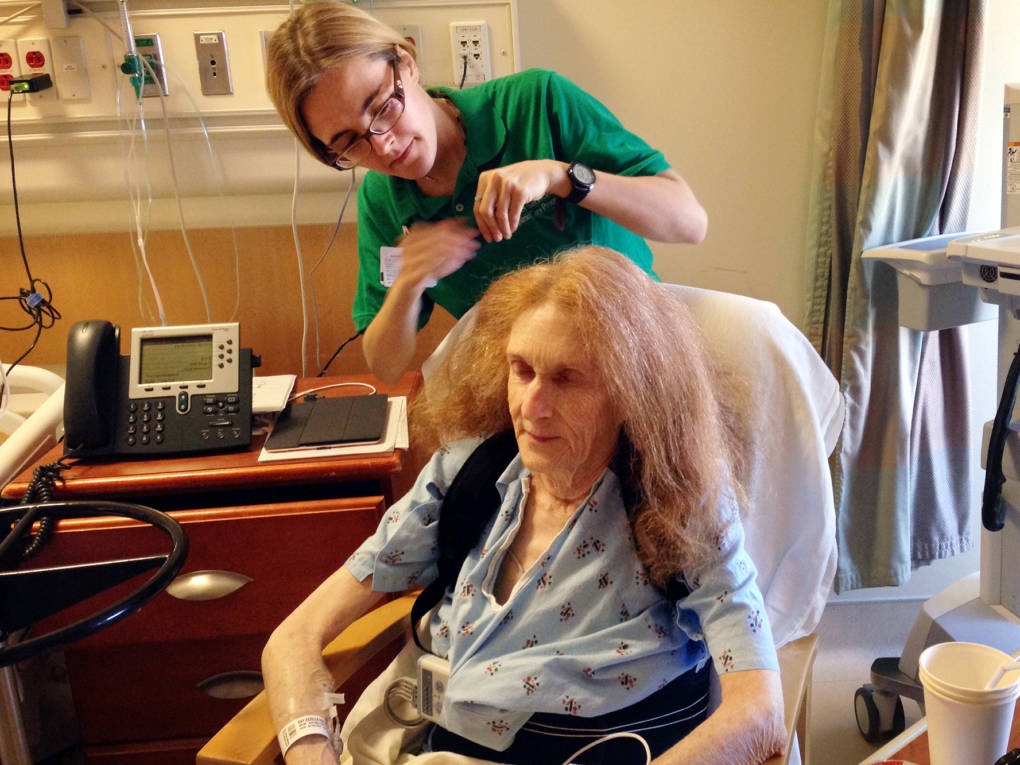
"caption": "Volunteer Julia Torrano helps Estelle Day, 79, style her hair while she's a patient at UCLA Medical Center.",
"description": "Volunteer Julia Torrano helps Estelle Day, 79, style her hair while she's a patient at UCLA Medical Center.",
"title": "Volunteer Julia Torrano helps Estelle Day, 79, style her hair while she's a patient at UCLA Medical Center.",
"credit": "Ina Jaffe/NPR",
"status": "inherit",
"isLoading": false,
"fetchFailed": false
},
"news_11178536": {
"type": "attachments",
"id": "news_11178536",
"meta": {
"index": "attachments_1716263798",
"site": "news",
"id": "11178536",
"found": true
},
"parent": 11178535,
"imgSizes": {
"small": {
"file": "https://ww2.kqed.org/app/uploads/sites/10/2016/11/sorting_final_custom-3b57fcca5ba0155f15cd18ab0c758f2b101272be-520x339.jpg",
"width": 520,
"mimeType": "image/jpeg",
"height": 339
},
"twentyfourteen-full-width": {
"file": "https://ww2.kqed.org/app/uploads/sites/10/2016/11/sorting_final_custom-3b57fcca5ba0155f15cd18ab0c758f2b101272be-1038x576.jpg",
"width": 1038,
"mimeType": "image/jpeg",
"height": 576
},
"thumbnail": {
"file": "https://ww2.kqed.org/app/uploads/sites/10/2016/11/sorting_final_custom-3b57fcca5ba0155f15cd18ab0c758f2b101272be-160x104.jpg",
"width": 160,
"mimeType": "image/jpeg",
"height": 104
},
"fd-sm": {
"file": "https://ww2.kqed.org/app/uploads/sites/10/2016/11/sorting_final_custom-3b57fcca5ba0155f15cd18ab0c758f2b101272be-960x627.jpg",
"width": 960,
"mimeType": "image/jpeg",
"height": 627
},
"post-thumbnail": {
"file": "https://ww2.kqed.org/app/uploads/sites/10/2016/11/sorting_final_custom-3b57fcca5ba0155f15cd18ab0c758f2b101272be-672x372.jpg",
"width": 672,
"mimeType": "image/jpeg",
"height": 372
},
"xsmall": {
"file": "https://ww2.kqed.org/app/uploads/sites/10/2016/11/sorting_final_custom-3b57fcca5ba0155f15cd18ab0c758f2b101272be-375x245.jpg",
"width": 375,
"mimeType": "image/jpeg",
"height": 245
},
"kqedFullSize": {
"file": "https://ww2.kqed.org/app/uploads/sites/10/2016/11/sorting_final_custom-3b57fcca5ba0155f15cd18ab0c758f2b101272be.jpg",
"width": 2932,
"height": 1914
},
"large": {
"file": "https://ww2.kqed.org/app/uploads/sites/10/2016/11/sorting_final_custom-3b57fcca5ba0155f15cd18ab0c758f2b101272be-1020x666.jpg",
"width": 1020,
"mimeType": "image/jpeg",
"height": 666
},
"xlarge": {
"file": "https://ww2.kqed.org/app/uploads/sites/10/2016/11/sorting_final_custom-3b57fcca5ba0155f15cd18ab0c758f2b101272be-1180x770.jpg",
"width": 1180,
"mimeType": "image/jpeg",
"height": 770
},
"guest-author-50": {
"file": "https://ww2.kqed.org/app/uploads/sites/10/2016/11/sorting_final_custom-3b57fcca5ba0155f15cd18ab0c758f2b101272be-50x50.jpg",
"width": 50,
"mimeType": "image/jpeg",
"height": 50
},
"guest-author-96": {
"file": "https://ww2.kqed.org/app/uploads/sites/10/2016/11/sorting_final_custom-3b57fcca5ba0155f15cd18ab0c758f2b101272be-96x96.jpg",
"width": 96,
"mimeType": "image/jpeg",
"height": 96
},
"medium": {
"file": "https://ww2.kqed.org/app/uploads/sites/10/2016/11/sorting_final_custom-3b57fcca5ba0155f15cd18ab0c758f2b101272be-800x522.jpg",
"width": 800,
"mimeType": "image/jpeg",
"height": 522
},
"guest-author-64": {
"file": "https://ww2.kqed.org/app/uploads/sites/10/2016/11/sorting_final_custom-3b57fcca5ba0155f15cd18ab0c758f2b101272be-64x64.jpg",
"width": 64,
"mimeType": "image/jpeg",
"height": 64
},
"guest-author-32": {
"file": "https://ww2.kqed.org/app/uploads/sites/10/2016/11/sorting_final_custom-3b57fcca5ba0155f15cd18ab0c758f2b101272be-32x32.jpg",
"width": 32,
"mimeType": "image/jpeg",
"height": 32
},
"jmtc-small-thumb": {
"file": "https://ww2.kqed.org/app/uploads/sites/10/2016/11/sorting_final_custom-3b57fcca5ba0155f15cd18ab0c758f2b101272be-280x150.jpg",
"width": 280,
"mimeType": "image/jpeg",
"height": 150
},
"fd-lrg": {
"file": "https://ww2.kqed.org/app/uploads/sites/10/2016/11/sorting_final_custom-3b57fcca5ba0155f15cd18ab0c758f2b101272be-1920x1253.jpg",
"width": 1920,
"mimeType": "image/jpeg",
"height": 1253
},
"fd-med": {
"file": "https://ww2.kqed.org/app/uploads/sites/10/2016/11/sorting_final_custom-3b57fcca5ba0155f15cd18ab0c758f2b101272be-1180x770.jpg",
"width": 1180,
"mimeType": "image/jpeg",
"height": 770
},
"full-width": {
"file": "https://ww2.kqed.org/app/uploads/sites/10/2016/11/sorting_final_custom-3b57fcca5ba0155f15cd18ab0c758f2b101272be-1920x1253.jpg",
"width": 1920,
"mimeType": "image/jpeg",
"height": 1253
},
"detail": {
"file": "https://ww2.kqed.org/app/uploads/sites/10/2016/11/sorting_final_custom-3b57fcca5ba0155f15cd18ab0c758f2b101272be-150x150.jpg",
"width": 150,
"mimeType": "image/jpeg",
"height": 150
},
"guest-author-128": {
"file": "https://ww2.kqed.org/app/uploads/sites/10/2016/11/sorting_final_custom-3b57fcca5ba0155f15cd18ab0c758f2b101272be-128x128.jpg",
"width": 128,
"mimeType": "image/jpeg",
"height": 128
},
"xxsmall": {
"file": "https://ww2.kqed.org/app/uploads/sites/10/2016/11/sorting_final_custom-3b57fcca5ba0155f15cd18ab0c758f2b101272be-240x157.jpg",
"width": 240,
"mimeType": "image/jpeg",
"height": 157
}
},
"publishDate": 1479410325,
"modified": 1479410634,
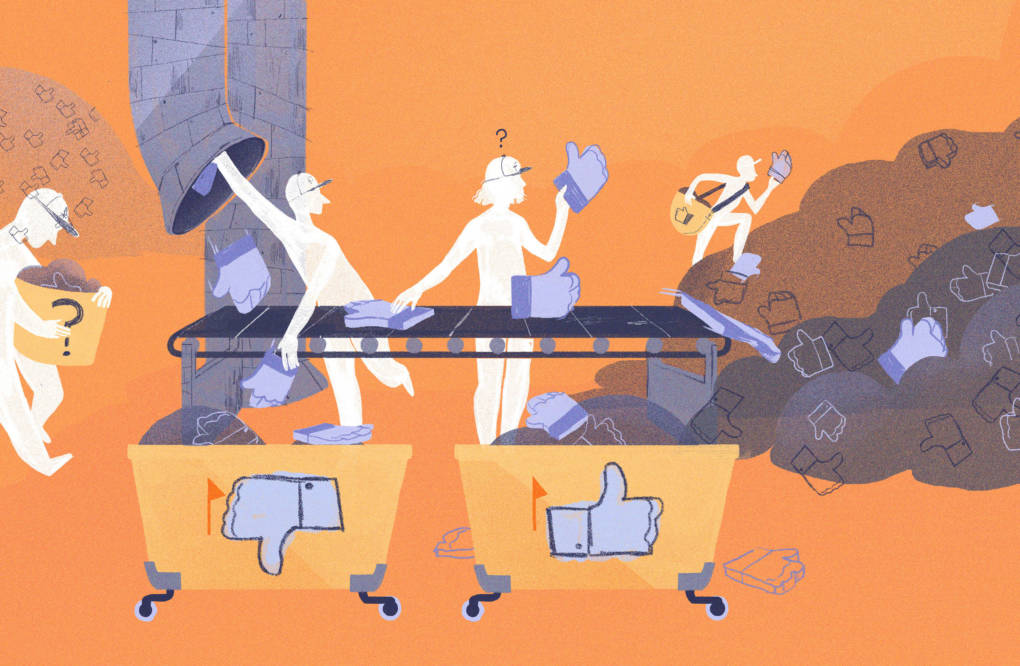
"caption": "How does Facebook decide when to take down controversial images and posts?",
"description": "How does Facebook decide when to take down controversial images and posts?",
"title": "How does Facebook decide when to take down controversial images and posts?",
"credit": "Chelsea Beck/NPR",
"status": "inherit",
"isLoading": false,
"fetchFailed": false
},
"science_1169163": {
"type": "attachments",
"id": "science_1169163",
"meta": {
"index": "attachments_1716263798",
"site": "science",
"id": "1169163",
"found": true
},
"parent": 1169162,
"imgSizes": {
"small": {
"file": "https://ww2.kqed.org/app/uploads/sites/35/2016/11/gettyimages-621954074-47451f96542aa620ad83e33c644cd19132675c28-520x390.jpg",
"width": 520,
"mimeType": "image/jpeg",
"height": 390
},
"twentyfourteen-full-width": {
"file": "https://ww2.kqed.org/app/uploads/sites/35/2016/11/gettyimages-621954074-47451f96542aa620ad83e33c644cd19132675c28-942x576.jpg",
"width": 942,
"mimeType": "image/jpeg",
"height": 576
},
"thumbnail": {
"file": "https://ww2.kqed.org/app/uploads/sites/35/2016/11/gettyimages-621954074-47451f96542aa620ad83e33c644cd19132675c28-160x120.jpg",
"width": 160,
"mimeType": "image/jpeg",
"height": 120
},
"post-thumbnail": {
"file": "https://ww2.kqed.org/app/uploads/sites/35/2016/11/gettyimages-621954074-47451f96542aa620ad83e33c644cd19132675c28-672x372.jpg",
"width": 672,
"mimeType": "image/jpeg",
"height": 372
},
"xsmall": {
"file": "https://ww2.kqed.org/app/uploads/sites/35/2016/11/gettyimages-621954074-47451f96542aa620ad83e33c644cd19132675c28-375x281.jpg",
"width": 375,
"mimeType": "image/jpeg",
"height": 281
},
"kqedFullSize": {
"file": "https://ww2.kqed.org/app/uploads/sites/35/2016/11/gettyimages-621954074-47451f96542aa620ad83e33c644cd19132675c28.jpg",
"width": 942,
"height": 707
},
"guest-author-50": {
"file": "https://ww2.kqed.org/app/uploads/sites/35/2016/11/gettyimages-621954074-47451f96542aa620ad83e33c644cd19132675c28-50x50.jpg",
"width": 50,
"mimeType": "image/jpeg",
"height": 50
},
"guest-author-96": {
"file": "https://ww2.kqed.org/app/uploads/sites/35/2016/11/gettyimages-621954074-47451f96542aa620ad83e33c644cd19132675c28-96x96.jpg",
"width": 96,
"mimeType": "image/jpeg",
"height": 96
},
"medium": {
"file": "https://ww2.kqed.org/app/uploads/sites/35/2016/11/gettyimages-621954074-47451f96542aa620ad83e33c644cd19132675c28-800x600.jpg",
"width": 800,
"mimeType": "image/jpeg",
"height": 600
},
"guest-author-64": {
"file": "https://ww2.kqed.org/app/uploads/sites/35/2016/11/gettyimages-621954074-47451f96542aa620ad83e33c644cd19132675c28-64x64.jpg",
"width": 64,
"mimeType": "image/jpeg",
"height": 64
},
"guest-author-32": {
"file": "https://ww2.kqed.org/app/uploads/sites/35/2016/11/gettyimages-621954074-47451f96542aa620ad83e33c644cd19132675c28-32x32.jpg",
"width": 32,
"mimeType": "image/jpeg",
"height": 32
},
"detail": {
"file": "https://ww2.kqed.org/app/uploads/sites/35/2016/11/gettyimages-621954074-47451f96542aa620ad83e33c644cd19132675c28-150x150.jpg",
"width": 150,
"mimeType": "image/jpeg",
"height": 150
},
"medium_large": {
"file": "https://ww2.kqed.org/app/uploads/sites/35/2016/11/gettyimages-621954074-47451f96542aa620ad83e33c644cd19132675c28-768x576.jpg",
"width": 768,
"mimeType": "image/jpeg",
"height": 576
},
"guest-author-128": {
"file": "https://ww2.kqed.org/app/uploads/sites/35/2016/11/gettyimages-621954074-47451f96542aa620ad83e33c644cd19132675c28-128x128.jpg",
"width": 128,
"mimeType": "image/jpeg",
"height": 128
},
"xxsmall": {
"file": "https://ww2.kqed.org/app/uploads/sites/35/2016/11/gettyimages-621954074-47451f96542aa620ad83e33c644cd19132675c28-240x180.jpg",
"width": 240,
"mimeType": "image/jpeg",
"height": 180
}
},
"publishDate": 1479403733,
"modified": 1479403845,
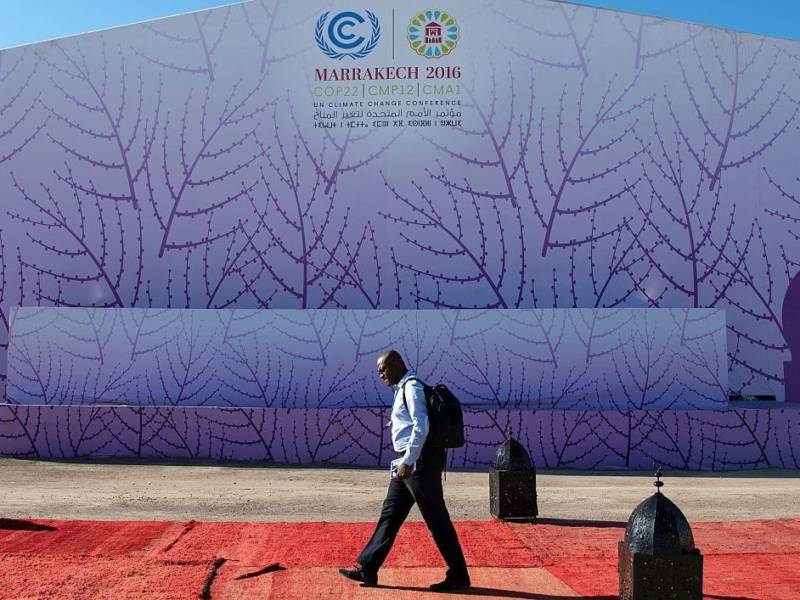
"caption": "A man walks past the logo of the COP22 international climate conference on Nov. 9 in Marrakech, Morocco.",
"description": null,
"title": "A man walks past the logo of the COP22 international climate conference on Nov. 9 in Marrakech, Morocco.",
"credit": "Fadel Senna /AFP/Getty Images",
"status": "inherit",
"isLoading": false,
"fetchFailed": false
},
"news_11177351": {
"type": "attachments",
"id": "news_11177351",
"meta": {
"index": "attachments_1716263798",
"site": "news",
"id": "11177351",
"found": true
},
"parent": 11177350,
"imgSizes": {
"small": {
"file": "https://ww2.kqed.org/app/uploads/sites/10/2016/11/gettyimages-621183344-eda8eef190920ec7610125e981b23ec468b8b1dc-520x390.jpg",
"width": 520,
"mimeType": "image/jpeg",
"height": 390
},
"twentyfourteen-full-width": {
"file": "https://ww2.kqed.org/app/uploads/sites/10/2016/11/gettyimages-621183344-eda8eef190920ec7610125e981b23ec468b8b1dc-1038x576.jpg",
"width": 1038,
"mimeType": "image/jpeg",
"height": 576
},
"thumbnail": {
"file": "https://ww2.kqed.org/app/uploads/sites/10/2016/11/gettyimages-621183344-eda8eef190920ec7610125e981b23ec468b8b1dc-160x120.jpg",
"width": 160,
"mimeType": "image/jpeg",
"height": 120
},
"fd-sm": {
"file": "https://ww2.kqed.org/app/uploads/sites/10/2016/11/gettyimages-621183344-eda8eef190920ec7610125e981b23ec468b8b1dc-960x720.jpg",
"width": 960,
"mimeType": "image/jpeg",
"height": 720
},
"post-thumbnail": {
"file": "https://ww2.kqed.org/app/uploads/sites/10/2016/11/gettyimages-621183344-eda8eef190920ec7610125e981b23ec468b8b1dc-672x372.jpg",
"width": 672,
"mimeType": "image/jpeg",
"height": 372
},
"xsmall": {
"file": "https://ww2.kqed.org/app/uploads/sites/10/2016/11/gettyimages-621183344-eda8eef190920ec7610125e981b23ec468b8b1dc-375x281.jpg",
"width": 375,
"mimeType": "image/jpeg",
"height": 281
},
"kqedFullSize": {
"file": "https://ww2.kqed.org/app/uploads/sites/10/2016/11/gettyimages-621183344-eda8eef190920ec7610125e981b23ec468b8b1dc.jpg",
"width": 3783,
"height": 2836
},
"large": {
"file": "https://ww2.kqed.org/app/uploads/sites/10/2016/11/gettyimages-621183344-eda8eef190920ec7610125e981b23ec468b8b1dc-1020x765.jpg",
"width": 1020,
"mimeType": "image/jpeg",
"height": 765
},
"xlarge": {
"file": "https://ww2.kqed.org/app/uploads/sites/10/2016/11/gettyimages-621183344-eda8eef190920ec7610125e981b23ec468b8b1dc-1180x885.jpg",
"width": 1180,
"mimeType": "image/jpeg",
"height": 885
},
"guest-author-50": {
"file": "https://ww2.kqed.org/app/uploads/sites/10/2016/11/gettyimages-621183344-eda8eef190920ec7610125e981b23ec468b8b1dc-50x50.jpg",
"width": 50,
"mimeType": "image/jpeg",
"height": 50
},
"guest-author-96": {
"file": "https://ww2.kqed.org/app/uploads/sites/10/2016/11/gettyimages-621183344-eda8eef190920ec7610125e981b23ec468b8b1dc-96x96.jpg",
"width": 96,
"mimeType": "image/jpeg",
"height": 96
},
"medium": {
"file": "https://ww2.kqed.org/app/uploads/sites/10/2016/11/gettyimages-621183344-eda8eef190920ec7610125e981b23ec468b8b1dc-800x600.jpg",
"width": 800,
"mimeType": "image/jpeg",
"height": 600
},
"guest-author-64": {
"file": "https://ww2.kqed.org/app/uploads/sites/10/2016/11/gettyimages-621183344-eda8eef190920ec7610125e981b23ec468b8b1dc-64x64.jpg",
"width": 64,
"mimeType": "image/jpeg",
"height": 64
},
"guest-author-32": {
"file": "https://ww2.kqed.org/app/uploads/sites/10/2016/11/gettyimages-621183344-eda8eef190920ec7610125e981b23ec468b8b1dc-32x32.jpg",
"width": 32,
"mimeType": "image/jpeg",
"height": 32
},
"jmtc-small-thumb": {
"file": "https://ww2.kqed.org/app/uploads/sites/10/2016/11/gettyimages-621183344-eda8eef190920ec7610125e981b23ec468b8b1dc-280x150.jpg",
"width": 280,
"mimeType": "image/jpeg",
"height": 150
},
"fd-lrg": {
"file": "https://ww2.kqed.org/app/uploads/sites/10/2016/11/gettyimages-621183344-eda8eef190920ec7610125e981b23ec468b8b1dc-1920x1439.jpg",
"width": 1920,
"mimeType": "image/jpeg",
"height": 1439
},
"fd-med": {
"file": "https://ww2.kqed.org/app/uploads/sites/10/2016/11/gettyimages-621183344-eda8eef190920ec7610125e981b23ec468b8b1dc-1180x885.jpg",
"width": 1180,
"mimeType": "image/jpeg",
"height": 885
},
"full-width": {
"file": "https://ww2.kqed.org/app/uploads/sites/10/2016/11/gettyimages-621183344-eda8eef190920ec7610125e981b23ec468b8b1dc-1920x1439.jpg",
"width": 1920,
"mimeType": "image/jpeg",
"height": 1439
},
"detail": {
"file": "https://ww2.kqed.org/app/uploads/sites/10/2016/11/gettyimages-621183344-eda8eef190920ec7610125e981b23ec468b8b1dc-150x150.jpg",
"width": 150,
"mimeType": "image/jpeg",
"height": 150
},
"guest-author-128": {
"file": "https://ww2.kqed.org/app/uploads/sites/10/2016/11/gettyimages-621183344-eda8eef190920ec7610125e981b23ec468b8b1dc-128x128.jpg",
"width": 128,
"mimeType": "image/jpeg",
"height": 128
},
"xxsmall": {
"file": "https://ww2.kqed.org/app/uploads/sites/10/2016/11/gettyimages-621183344-eda8eef190920ec7610125e981b23ec468b8b1dc-240x180.jpg",
"width": 240,
"mimeType": "image/jpeg",
"height": 180
}
},
"publishDate": 1479341407,
"modified": 1479344158,
"caption": "Twitter has suspended some accounts linked to the alt-right movement.",
"description": "Twitter has suspended some accounts linked to the alt-right movement.",
"title": "Twitter has suspended some accounts linked to the alt-right movement.",
"credit": "Josh Edelson/AFP/Getty Images",
"status": "inherit",
"isLoading": false,
"fetchFailed": false
},
"news_11175688": {
"type": "attachments",
"id": "news_11175688",
"meta": {
"index": "attachments_1716263798",
"site": "news",
"id": "11175688",
"found": true
},
"parent": 11175618,
"imgSizes": {
"small": {
"file": "https://ww2.kqed.org/app/uploads/sites/10/2016/11/SBannon-520x320.jpg",
"width": 520,
"mimeType": "image/jpeg",
"height": 320
},
"twentyfourteen-full-width": {
"file": "https://ww2.kqed.org/app/uploads/sites/10/2016/11/SBannon-1038x576.jpg",
"width": 1038,
"mimeType": "image/jpeg",
"height": 576
},
"thumbnail": {
"file": "https://ww2.kqed.org/app/uploads/sites/10/2016/11/SBannon-160x99.jpg",
"width": 160,
"mimeType": "image/jpeg",
"height": 99
},
"fd-sm": {
"file": "https://ww2.kqed.org/app/uploads/sites/10/2016/11/SBannon-960x592.jpg",
"width": 960,
"mimeType": "image/jpeg",
"height": 592
},
"post-thumbnail": {
"file": "https://ww2.kqed.org/app/uploads/sites/10/2016/11/SBannon-672x372.jpg",
"width": 672,
"mimeType": "image/jpeg",
"height": 372
},
"xsmall": {
"file": "https://ww2.kqed.org/app/uploads/sites/10/2016/11/SBannon-375x231.jpg",
"width": 375,
"mimeType": "image/jpeg",
"height": 231
},
"kqedFullSize": {
"file": "https://ww2.kqed.org/app/uploads/sites/10/2016/11/SBannon.jpg",
"width": 1920,
"height": 1183
},
"large": {
"file": "https://ww2.kqed.org/app/uploads/sites/10/2016/11/SBannon-1020x628.jpg",
"width": 1020,
"mimeType": "image/jpeg",
"height": 628
},
"xlarge": {
"file": "https://ww2.kqed.org/app/uploads/sites/10/2016/11/SBannon-1180x727.jpg",
"width": 1180,
"mimeType": "image/jpeg",
"height": 727
},
"guest-author-50": {
"file": "https://ww2.kqed.org/app/uploads/sites/10/2016/11/SBannon-50x50.jpg",
"width": 50,
"mimeType": "image/jpeg",
"height": 50
},
"guest-author-96": {
"file": "https://ww2.kqed.org/app/uploads/sites/10/2016/11/SBannon-96x96.jpg",
"width": 96,
"mimeType": "image/jpeg",
"height": 96
},
"medium": {
"file": "https://ww2.kqed.org/app/uploads/sites/10/2016/11/SBannon-800x493.jpg",
"width": 800,
"mimeType": "image/jpeg",
"height": 493
},
"guest-author-64": {
"file": "https://ww2.kqed.org/app/uploads/sites/10/2016/11/SBannon-64x64.jpg",
"width": 64,
"mimeType": "image/jpeg",
"height": 64
},
"guest-author-32": {
"file": "https://ww2.kqed.org/app/uploads/sites/10/2016/11/SBannon-32x32.jpg",
"width": 32,
"mimeType": "image/jpeg",
"height": 32
},
"jmtc-small-thumb": {
"file": "https://ww2.kqed.org/app/uploads/sites/10/2016/11/SBannon-280x150.jpg",
"width": 280,
"mimeType": "image/jpeg",
"height": 150
},
"fd-lrg": {
"file": "https://ww2.kqed.org/app/uploads/sites/10/2016/11/SBannon-1920x1183.jpg",
"width": 1920,
"mimeType": "image/jpeg",
"height": 1183
},
"fd-med": {
"file": "https://ww2.kqed.org/app/uploads/sites/10/2016/11/SBannon-1180x727.jpg",
"width": 1180,
"mimeType": "image/jpeg",
"height": 727
},
"full-width": {
"file": "https://ww2.kqed.org/app/uploads/sites/10/2016/11/SBannon-1920x1183.jpg",
"width": 1920,
"mimeType": "image/jpeg",
"height": 1183
},
"detail": {
"file": "https://ww2.kqed.org/app/uploads/sites/10/2016/11/SBannon-150x150.jpg",
"width": 150,
"mimeType": "image/jpeg",
"height": 150
},
"guest-author-128": {
"file": "https://ww2.kqed.org/app/uploads/sites/10/2016/11/SBannon-128x128.jpg",
"width": 128,
"mimeType": "image/jpeg",
"height": 128
},
"xxsmall": {
"file": "https://ww2.kqed.org/app/uploads/sites/10/2016/11/SBannon-240x148.jpg",
"width": 240,
"mimeType": "image/jpeg",
"height": 148
}
},
"publishDate": 1479248349,
"modified": 1479248444,
"caption": "Steve Bannon, the Trump campaign's CEO and the former executive chairman of Breitbart News, will serve as chief strategist and senior counselor in the Trump White House.",
"description": "Steve Bannon, the Trump campaign's CEO and the former executive chairman of Breitbart News, will serve as chief strategist and senior counselor in the Trump White House.",
"title": "sbannon",
"credit": "Drew Angerer/Getty Images",
"status": "inherit",
"isLoading": false,
"fetchFailed": false
}
},
"audioPlayerReducer": {
"postId": "stream_live",
"isPaused": true,
"isPlaying": false,
"pfsActive": false,
"pledgeModalIsOpen": true,
"playerDrawerIsOpen": false,
"liveAudioPlayStartedAt": 0,
"liveAudioPlayContext": ""
},
"authorsReducer": {
"byline_news_11198447": {
"type": "authors",
"id": "byline_news_11198447",
"meta": {
"override": true
},
"slug": "byline_news_11198447",
"name": "\u003cstrong>\u003ca href=\"http://www.npr.org/people/14562108/bill-chappell\">Bill Chappell\u003c/a>\u003cbr>\u003ca href=\"http://www.npr.org/\">NPR\u003c/a>\u003c/strong>",
"isLoading": false
},
"byline_news_11197002": {
"type": "authors",
"id": "byline_news_11197002",
"meta": {
"override": true
},
"slug": "byline_news_11197002",
"name": "\u003cstrong>\u003ca href=\"http://www.npr.org/people/2101404/john-ydstie?ft=nprml&f=503755613\">John Ydstie\u003c/a>\u003cbr>\u003ca href=\"http://www.npr.org/\">NPR\u003c/a>\u003c/strong>",
"isLoading": false
},
"byline_stateofhealth_264970": {
"type": "authors",
"id": "byline_stateofhealth_264970",
"meta": {
"override": true
},
"slug": "byline_stateofhealth_264970",
"name": "\u003ca href=\"http://www.npr.org/sections/health-shots/\">NPR Shots\u003c/a>",
"isLoading": false
},
"byline_news_11187539": {
"type": "authors",
"id": "byline_news_11187539",
"meta": {
"override": true
},
"slug": "byline_news_11187539",
"name": "\u003cstrong>\u003ca href=\"http://www.npr.org/people/2101272/laura-sydell\">Laura Sydell\u003c/a>\u003cbr />\u003ca href=\"http://www.npr.org/\">NPR\u003c/a>\u003c/strong>",
"isLoading": false
},
"byline_news_11187467": {
"type": "authors",
"id": "byline_news_11187467",
"meta": {
"override": true
},
"slug": "byline_news_11187467",
"name": "Camila Domonoske, \u003ca href=\"http://www.npr.org/sections/thetwo-way/2016/11/23/503120449/woman-injured-at-standing-rock-protest-might-lose-arm-family-says\">NPR\u003c/a>",
"isLoading": false
},
"byline_news_10771976": {
"type": "authors",
"id": "byline_news_10771976",
"meta": {
"override": true
},
"slug": "byline_news_10771976",
"name": "Domenico Montanaro, \u003ca href=\"http://www.npr.org/2015/11/25/457253194/the-strange-truth-behind-presidential-turkey-pardons\">NPR\u003c/a>",
"isLoading": false
},
"byline_news_11186133": {
"type": "authors",
"id": "byline_news_11186133",
"meta": {
"override": true
},
"slug": "byline_news_11186133",
"name": "Ben Adler, \u003cstrong>\u003ca href=\"http://www.npr.org/2016/11/22/503052632/two-weeks-after-election-day-california-continues-counting-ballots\">Capital Public Radio\u003c/a>\u003c/strong>",
"isLoading": false
},
"byline_stateofhealth_262090": {
"type": "authors",
"id": "byline_stateofhealth_262090",
"meta": {
"override": true
},
"slug": "byline_stateofhealth_262090",
"name": "\u003cstrong>Ina Jaffe, \u003ca href=\"www.npr.org\">NPR\u003c/a>\u003c/strong>",
"isLoading": false
},
"byline_news_11178535": {
"type": "authors",
"id": "byline_news_11178535",
"meta": {
"override": true
},
"slug": "byline_news_11178535",
"name": "\u003cstrong>\u003ca href=\"http://www.npr.org/people/348730771/aarti-shahani\">Aarti Shahani\u003c/a> \u003cbr> \u003ca href=\"http://www.npr.org/\">NPR\u003c/a>\u003c/strong>",
"isLoading": false
},
"byline_science_1169162": {
"type": "authors",
"id": "byline_science_1169162",
"meta": {
"override": true
},
"slug": "byline_science_1169162",
"name": "Merrit Kennedy\u003c/br>NPR",
"isLoading": false
},
"byline_news_11177350": {
"type": "authors",
"id": "byline_news_11177350",
"meta": {
"override": true
},
"slug": "byline_news_11177350",
"name": "Alina Selyukh",
"isLoading": false
},
"byline_news_11175618": {
"type": "authors",
"id": "byline_news_11175618",
"meta": {
"override": true
},
"slug": "byline_news_11175618",
"name": "\u003cstrong>\u003ca href=\"http://www.npr.org/people/4459112/david-folkenflik\">David Folkenflik\u003c/a> \u003cbr> \u003ca href=\"http://www.npr.org/\">NPR\u003c/a>\u003c/strong>",
"isLoading": false
}
},
"pagesReducer": {
"news_affiliate_npr": {
"type": "terms",
"id": "news_253",
"meta": {
"index": "terms_1716263798",
"site": "news",
"id": "253",
"score": 14.255688
},
"featImg": null,
"name": "NPR",
"description": null,
"taxonomy": "affiliate",
"headData": {
"twImgId": null,
"twTitle": null,
"ogTitle": null,
"ogImgId": null,
"twDescription": null,
"description": "KQED is the NPR station for the Bay Area, providing award-winning news, programming, and community engagement.",
"title": "NPR Archives - Get the Latest News and Reports from California | KQED",
"ogDescription": null
},
"ttid": 7083,
"slug": "npr",
"isLoading": false,
"title": "NPR",
"pageMeta": {
"site": "news",
"WpPageTemplate": "page-topic-editorial",
"currentPage": 91
},
"blocks": [
{
"blockName": "kqed/post-list",
"attrs": {
"layout": "cardArticle2",
"query": "posts/news?affiliate=npr",
"seeMore": false,
"paginated": true,
"page": 91
}
},
{
"blockName": "kqed/ad"
}
]
}
},
"pfsSessionReducer": {},
"postsReducer": {
"stream_live": {
"type": "live",
"id": "stream_live",
"audioUrl": "https://streams.kqed.org/kqedradio",
"title": "Live Stream",
"excerpt": "Live Stream information currently unavailable.",
"link": "/radio",
"featImg": "",
"label": {
"name": "KQED Live",
"link": "/"
}
},
"stream_kqedNewscast": {
"type": "posts",
"id": "stream_kqedNewscast",
"audioUrl": "https://www.kqed.org/.stream/anon/radio/RDnews/newscast.mp3?_=1",
"title": "KQED Newscast",
"featImg": "",
"label": {
"name": "88.5 FM",
"link": "/"
}
},
"news_11198447": {
"type": "posts",
"id": "news_11198447",
"meta": {
"index": "posts_1716263798",
"site": "news",
"id": "11198447",
"score": null,
"sort": [
1480545287000
]
},
"parent": 0,
"labelTerm": {},
"blocks": [],
"publishDate": 1480545287,
"format": "standard",
"disqusTitle": "Deal Promises Help for Soldiers Ordered to Repay Enlistment Bonuses",
"title": "Deal Promises Help for Soldiers Ordered to Repay Enlistment Bonuses",
"headTitle": "The California Report | KQED News",
"content": "\u003cp>Congress has reached a compromise on the Pentagon's effort to claw back millions of dollars in bonuses paid by the California National Guard, agreeing to forgive the debt in cases where soldiers \"knew or reasonably should have known\" they were ineligible to receive the money.\u003c/p>\n\u003cp>The compromise is part of a mammoth new defense spending authorization bill that's slated for a vote by the end of next week. It comes \u003ca href=\"https://ww2.kqed.org/news/2016/10/24/u-s-soldiers-told-to-repay-thousands-in-signing-bonuses-from-height-of-war-effort/\">one month after news emerged\u003c/a> about soldiers who'd fulfilled their enlistment commitments — but were facing wage garnishments and repayment demands, after the Pentagon said they weren't entitled to the sign-up bonuses.\u003c/p>\n\u003cp>Led by \u003ca href=\"http://www.latimes.com/nation/la-na-national-guard-bonus-20161020-snap-story.html\">The Los Angeles Times\u003c/a>, that coverage generated public outrage and prompted Defense Secretary Ash Carter \u003ca href=\"https://ww2.kqed.org/news/2016/10/26/pentagon-suspends-effort-to-take-back-national-guard-enlistment-bonuses/\">to order the Pentagon to suspend its effort\u003c/a> to reclaim improperly awarded bonuses until the process is both efficient and fair.\u003c/p>\n\u003cp>[contextly_sidebar id=\"qHXyG3mISjlHFM9POTJCbzkUlxiQO1yP\"]\u003c/p>\n\u003cp>The new compromise deal is part of legislation that provides more than $600 billion in discretionary defense spending. In addition to setting terms for forgiving bonuses and student loan benefits, it would require the Defense Department to refund money repaid by soldiers who didn't engage in fraud — and to inform credit agencies about the forgiven debt.\u003c/p>\n\u003cp>[ad fullwidth]\u003c/p>\n\u003cp>\"This is an important fix that ultimately does the right thing,\" said Rep. Darrell Issa, R-Calif. \"It moves the burden of proof off the soldiers and onto the Department of Defense to prove that those who received bonuses knew they shouldn't have, and also helps make sure those who already wrongly repaid their portion are made whole at once.\"\u003c/p>\n\u003cp>In October, it emerged that thousands of soldiers were being compelled to repay money they'd received a decade ago, at the height of the U.S. military's fight in both Afghanistan and Iraq. \u003cem>The Los Angeles Times\u003c/em> reported that nearly 10,000 soldiers were scrambling to repay the bonuses and other benefits — and that others were locked in legal disputes with the Pentagon.\u003c/p>\n\u003cp>As \u003ca href=\"http://www.npr.org/sections/thetwo-way/2016/10/23/499065155/u-s-soldiers-told-to-repay-thousands-in-signing-bonuses-from-height-of-war-effor\">the Two-Way reported\u003c/a>:\u003c/p>\n\u003cblockquote>\n\u003cp>\"The problem of improper use of military troop-level incentives isn't limited to California — but the state has emerged as a focal point because of two factors: the large size of its guard force, and a history of overpayments.\u003c/p>\n\u003cp>\"A scandal over the California National Guard's use of bonus money was first unearthed in 2010, when the Sacramento Bee reported that its incentive program had misspent as much as $100 million. The program's onetime leader, former Master Sgt. Toni Jaffe, was later sentenced to 30 months in prison, after pleading guilty to making $15 million in false claims.\u003c/p>\n\u003cp>\"When it was first discovered, that scandal was deemed 'war profiteering' and was said to have benefited guard members who hadn't logged any combat duty; high-ranking officers were mentioned. But in the years since, lower-ranking service members have complained about garnished checks and a prolonged review process, saying they've done nothing wrong.\"\u003c/p>\n\u003c/blockquote>\n\u003cp>\u003c/p>\n\u003cp>Copyright 2016 NPR. To see more, visit \u003ca href=\"http://www.npr.org/\" target=\"_blank\">NPR.org\u003c/a>.\u003c/p>\n\n",
"disqusIdentifier": "11198447 http://ww2.kqed.org/news/?p=11198447",
"disqusUrl": "https://ww2.kqed.org/news/2016/11/30/deal-promises-help-for-soldiers-ordered-to-repay-enlistment-bonuses/",
"stats": {
"hasVideo": false,
"hasChartOrMap": false,
"hasAudio": false,
"hasPolis": false,
"wordCount": 507,
"hasGoogleForm": false,
"hasGallery": false,
"hasHearkenModule": false,
"iframeSrcs": [],
"paragraphCount": 14
},
"modified": 1480545417,
"excerpt": "The compromise is part of a mammoth new defense spending authorization bill that's slated for a vote by the end of next week.",
"headData": {
"twImgId": "",
"twTitle": "",
"ogTitle": "",
"ogImgId": "",
"twDescription": "",
"description": "The compromise is part of a mammoth new defense spending authorization bill that's slated for a vote by the end of next week.",
"title": "Deal Promises Help for Soldiers Ordered to Repay Enlistment Bonuses | KQED",
"ogDescription": "",
"schema": {
"@context": "https://schema.org",
"@type": "NewsArticle",
"headline": "Deal Promises Help for Soldiers Ordered to Repay Enlistment Bonuses",
"datePublished": "2016-11-30T14:34:47-08:00",
"dateModified": "2016-11-30T14:36:57-08:00",
"image": "https://cdn.kqed.org/wp-content/uploads/2020/02/KQED-OG-Image@1x.png",
"isAccessibleForFree": "True",
"publisher": {
"@type": "NewsMediaOrganization",
"@id": "https://www.kqed.org/#organization",
"name": "KQED",
"logo": "https://cdn.kqed.org/wp-content/uploads/2020/02/KQED-OG-Image@1x.png",
"url": "https://www.kqed.org",
"sameAs": [
"https://www.facebook.com/KQED",
"https://twitter.com/KQED",
"https://www.instagram.com/kqed/",
"https://www.tiktok.com/@kqedofficial",
"https://www.linkedin.com/company/kqed",
"https://www.youtube.com/channel/UCeC0IOo7i1P_61zVUWbJ4nw"
]
}
}
},
"guestAuthors": [],
"slug": "deal-promises-help-for-soldiers-ordered-to-repay-enlistment-bonuses",
"status": "publish",
"sourceUrl": "http://www.npr.org/",
"nprApiLink": "http://api.npr.org/query?id=503879940&apiKey=MDAxOTAwOTE4MDEyMTkxMDAzNjczZDljZA004",
"nprByline": "\u003cstrong>\u003ca href=\"http://www.npr.org/people/14562108/bill-chappell\">Bill Chappell\u003c/a>\u003cbr>\u003ca href=\"http://www.npr.org/\">NPR\u003c/a>\u003c/strong>",
"nprStoryDate": "Wed, 30 Nov 2016 14:11:00 -0500",
"nprLastModifiedDate": "Wed, 30 Nov 2016 14:11:16 -0500",
"nprHtmlLink": "http://www.npr.org/sections/thetwo-way/2016/11/30/503879940/deal-promises-help-for-soldiers-ordered-to-repay-enlistment-bonuses?ft=nprml&f=503879940",
"source": "NPR",
"nprStoryId": "503879940",
"nprRetrievedStory": "1",
"nprPubDate": "Wed, 30 Nov 2016 14:11:00 -0500",
"path": "/news/11198447/deal-promises-help-for-soldiers-ordered-to-repay-enlistment-bonuses",
"audioTrackLength": null,
"parsedContent": [
{
"type": "contentString",
"content": "\u003cdiv class=\"post-body\">\u003cp>\u003cp>Congress has reached a compromise on the Pentagon's effort to claw back millions of dollars in bonuses paid by the California National Guard, agreeing to forgive the debt in cases where soldiers \"knew or reasonably should have known\" they were ineligible to receive the money.\u003c/p>\n\u003cp>The compromise is part of a mammoth new defense spending authorization bill that's slated for a vote by the end of next week. It comes \u003ca href=\"https://ww2.kqed.org/news/2016/10/24/u-s-soldiers-told-to-repay-thousands-in-signing-bonuses-from-height-of-war-effort/\">one month after news emerged\u003c/a> about soldiers who'd fulfilled their enlistment commitments — but were facing wage garnishments and repayment demands, after the Pentagon said they weren't entitled to the sign-up bonuses.\u003c/p>\n\u003cp>Led by \u003ca href=\"http://www.latimes.com/nation/la-na-national-guard-bonus-20161020-snap-story.html\">The Los Angeles Times\u003c/a>, that coverage generated public outrage and prompted Defense Secretary Ash Carter \u003ca href=\"https://ww2.kqed.org/news/2016/10/26/pentagon-suspends-effort-to-take-back-national-guard-enlistment-bonuses/\">to order the Pentagon to suspend its effort\u003c/a> to reclaim improperly awarded bonuses until the process is both efficient and fair.\u003c/p>\n\u003cp>\u003c/p>\u003cp>\u003c/p>\u003cp>\u003c/p>\n\u003cp>The new compromise deal is part of legislation that provides more than $600 billion in discretionary defense spending. In addition to setting terms for forgiving bonuses and student loan benefits, it would require the Defense Department to refund money repaid by soldiers who didn't engage in fraud — and to inform credit agencies about the forgiven debt.\u003c/p>\n\u003cp>\u003c/p>\u003c/div>",
"attributes": {
"named": {},
"numeric": []
}
},
{
"type": "component",
"content": "",
"name": "ad",
"attributes": {
"named": {
"label": "fullwidth"
},
"numeric": [
"fullwidth"
]
}
},
{
"type": "contentString",
"content": "\u003cdiv class=\"post-body\">\u003cp>\u003c/p>\n\u003cp>\"This is an important fix that ultimately does the right thing,\" said Rep. Darrell Issa, R-Calif. \"It moves the burden of proof off the soldiers and onto the Department of Defense to prove that those who received bonuses knew they shouldn't have, and also helps make sure those who already wrongly repaid their portion are made whole at once.\"\u003c/p>\n\u003cp>In October, it emerged that thousands of soldiers were being compelled to repay money they'd received a decade ago, at the height of the U.S. military's fight in both Afghanistan and Iraq. \u003cem>The Los Angeles Times\u003c/em> reported that nearly 10,000 soldiers were scrambling to repay the bonuses and other benefits — and that others were locked in legal disputes with the Pentagon.\u003c/p>\n\u003cp>As \u003ca href=\"http://www.npr.org/sections/thetwo-way/2016/10/23/499065155/u-s-soldiers-told-to-repay-thousands-in-signing-bonuses-from-height-of-war-effor\">the Two-Way reported\u003c/a>:\u003c/p>\n\u003cblockquote>\n\u003cp>\"The problem of improper use of military troop-level incentives isn't limited to California — but the state has emerged as a focal point because of two factors: the large size of its guard force, and a history of overpayments.\u003c/p>\n\u003cp>\"A scandal over the California National Guard's use of bonus money was first unearthed in 2010, when the Sacramento Bee reported that its incentive program had misspent as much as $100 million. The program's onetime leader, former Master Sgt. Toni Jaffe, was later sentenced to 30 months in prison, after pleading guilty to making $15 million in false claims.\u003c/p>\n\u003cp>\"When it was first discovered, that scandal was deemed 'war profiteering' and was said to have benefited guard members who hadn't logged any combat duty; high-ranking officers were mentioned. But in the years since, lower-ranking service members have complained about garnished checks and a prolonged review process, saying they've done nothing wrong.\"\u003c/p>\n\u003c/blockquote>\n\u003cp>\u003c/p>\n\u003cp>Copyright 2016 NPR. To see more, visit \u003ca href=\"http://www.npr.org/\" target=\"_blank\">NPR.org\u003c/a>.\u003c/p>\n\n\u003c/div>\u003c/p>",
"attributes": {
"named": {},
"numeric": []
}
}
],
"link": "/news/11198447/deal-promises-help-for-soldiers-ordered-to-repay-enlistment-bonuses",
"authors": [
"byline_news_11198447"
],
"programs": [
"news_6944",
"news_72"
],
"categories": [
"news_8",
"news_13"
],
"tags": [
"news_20098",
"news_20100",
"news_17286"
],
"affiliates": [
"news_253"
],
"featImg": "news_11198455",
"label": "source_news_11198447"
},
"news_11197002": {
"type": "posts",
"id": "news_11197002",
"meta": {
"index": "posts_1716263798",
"site": "news",
"id": "11197002",
"score": null,
"sort": [
1480514448000
]
},
"parent": 0,
"labelTerm": {},
"blocks": [],
"publishDate": 1480514448,
"format": "standard",
"disqusTitle": "Trump's New Treasury Secretary Headed a 'Foreclosure Machine'",
"title": "Trump's New Treasury Secretary Headed a 'Foreclosure Machine'",
"headTitle": "The California Report | KQED News",
"content": "\u003cp>\u003cstrong>Update, 11:00 a.m., Nov. 30:\u003c/strong>\u003cbr>\nPresident-elect Donald Trump \u003ca href=\"http://www.npr.org/sections/thetwo-way/2016/11/30/503791602/reports-trump-picks-steve-mnuchin-to-lead-treasury-department\" target=\"_blank\">has picked his campaign finance chairman\u003c/a>, Steve Mnuchin, to be his Treasury secretary. The Wall Street banker spent 17 years at Goldman Sachs, where he was a partner, and is now chief executive of Dune Capital Management, a privately owned hedge fund.\u003c/p>\n\u003cp>\u003cstrong>Original Post:\u003c/strong>\u003cbr>\nAfter campaigning with lots of populist and anti-Wall Street rhetoric, Donald Trump is seriously considering a veteran Wall Street financier, Steve Mnuchin, to be his Treasury secretary.\u003c/p>\n\u003cp>Mnuchin spent 17 years at Goldman Sachs, ultimately as a partner at the investment bank. More recently, he's headed a privately owned hedge fund, Dune Capital Management. Last April he became Trump's chief fundraiser, and he's now a member of the president-elect's transition team.\u003c/p>\n\u003cp>But Mnuchin's resume also includes a stint as chairman and CEO of a California bank that's been called a foreclosure machine.\u003c/p>\n\u003cp>During the depths of the financial crisis, Mnuchin was looking to make profits from the ruins of the housing bust. In 2009, he put together a group of billionaire investors and bought a failed California-based bank, \u003ca href=\"http://www.npr.org/templates/story/story.php?storyId=92489065\">IndyMac\u003c/a>. It had been taken over by the Federal Deposit Insurance Corp. after its sketchy mortgage loans went bad.\u003c/p>\n\u003cp>[ad fullwidth]\u003c/p>\n\u003cp>Mnuchin and his partners bought IndyMac on the condition that the FDIC agree to pay future losses above a certain threshold. They renamed the bank OneWest Bank and, after running it for 6 years, they sold it last year for a profit, estimated at close to $1.5 billion.\u003c/p>\n\u003cp>Kevin Stein of the California Reinvestment Coalition, a housing advocacy group, says that profit was made on the backs of suffering California homeowners. \"In essence what they did is they bought a foreclosure machine,\" he says.\u003c/p>\n\u003cp>\u003c!-- iframe plugin v.4.3 wordpress.org/plugins/iframe/ -->\u003cbr>\n\u003ciframe src=\"https://www.npr.org/player/embed/503755613/503766919\" width=\"100%\" height=\"290\" frameborder=\"0\" scrolling=\"no\" title=\"NPR embedded audio player\" class=\"iframe-class\">\u003c/iframe>\u003c/p>\n\u003cp>According to the coalition, OneWest foreclosed on more than 36,000 homeowners under Mnuchin. During that time, the FDIC made payments to OneWest totaling more $1 billion. Those payments went to the \"billionaire investors of OneWest Bank,\" says Stein, \"to cover the cost of foreclosing on working-class, everyday, American folks,\" many of whom lived in California.\u003c/p>\n\u003cp>Rex Schaffer, 86, and his wife Rose were among those who lost their homes, in a OneWest foreclosure. After living nearly 50 years in their home in La Puente, Calif., the Schaffers took a home equity loan but struggled to make the payments. They say they qualified three times for a government assisted modification, but OneWest failed to modify the loan.\u003c/p>\n\u003cp>\"It was a disaster dealing with those people,\" Rex Shaffer says. \"We'd have a different person every time we called in.\" He counted 33 OneWest employees, in all, and each one would give him \"a different story.\"\u003c/p>\n\u003cp>Facing threats that their home would be auctioned off, the Schaffers finally got through to a OneWest vice president. According to Rex Shaffer, the VP said, \"I'm going to get you a 60-day extension on the sale date, so we can work this thing out.\" That was on Feb. 17, 2011. But the next day, the Schaffers' house was sold without their knowledge. \"We didn't even know it — didn't have the faintest idea,\" Rex Shaffer says.\u003c/p>\n\u003cp>[contextly_sidebar id=\"kQMxll2B49CltNsYfmk6djG6yGpDh297\"]\u003c/p>\n\u003cp>They voted for Donald Trump, but Rose Schaffer says they're praying he doesn't choose Mnuchin as his Treasury secretary. \"If he can't run his own little bank,\" she asks, \"how can he handle a large thing for the United States?\"\u003c/p>\n\u003cp>Millions of Americans were foreclosed on after the financial crisis; some were duped by real estate agents and bankers, others took imprudent risks.\u003c/p>\n\u003cp>It is important to note that Mnuchin and his partners bought a bank from the government that was already in trouble because of bad loans. But Stein, of the California Reinvestment Coalition, argues that Trump's message was that his presidency would rescue working families and the forgotten middle class. Stein says Mnuchin's actions run counter to the message.\u003c/p>\n\u003cp>\"Mr. Mnuchin oversaw a bank that created difficulties and financial ruin for tens of thousands of families,\" Stein says. Stein and his organization have also charged that, under Mnuchin, OneWest illegally avoided serving minority communities in California.\u003c/p>\n\u003cp>Despite NPR's repeated requests for comment, Mnuchin did not provide a response. \u003c/p>\n\u003cp>\u003c/p>\n\u003cp>Copyright 2016 NPR. To see more, visit \u003ca href=\"http://www.npr.org/\" target=\"_blank\">NPR.org\u003c/a>.\u003c/p>\n\n",
"disqusIdentifier": "11197002 http://ww2.kqed.org/news/?p=11197002",
"disqusUrl": "https://ww2.kqed.org/news/2016/11/30/trumps-potential-treasury-secretary-headed-a-foreclosure-machine/",
"stats": {
"hasVideo": false,
"hasChartOrMap": false,
"hasAudio": false,
"hasPolis": false,
"wordCount": 723,
"hasGoogleForm": false,
"hasGallery": false,
"hasHearkenModule": false,
"iframeSrcs": [],
"paragraphCount": 21
},
"modified": 1480535601,
"excerpt": "During the financial crisis Steve Mnuchin was working to make profits from the ruins of the housing bust. He assembled investors who bought IndyMac, a failed bank that had been taken over by the FDIC.",
"headData": {
"twImgId": "",
"twTitle": "",
"ogTitle": "",
"ogImgId": "",
"twDescription": "",
"description": "During the financial crisis Steve Mnuchin was working to make profits from the ruins of the housing bust. He assembled investors who bought IndyMac, a failed bank that had been taken over by the FDIC.",
"title": "Trump's New Treasury Secretary Headed a 'Foreclosure Machine' | KQED",
"ogDescription": "",
"schema": {
"@context": "https://schema.org",
"@type": "NewsArticle",
"headline": "Trump's New Treasury Secretary Headed a 'Foreclosure Machine'",
"datePublished": "2016-11-30T06:00:48-08:00",
"dateModified": "2016-11-30T11:53:21-08:00",
"image": "https://cdn.kqed.org/wp-content/uploads/2020/02/KQED-OG-Image@1x.png",
"isAccessibleForFree": "True",
"publisher": {
"@type": "NewsMediaOrganization",
"@id": "https://www.kqed.org/#organization",
"name": "KQED",
"logo": "https://cdn.kqed.org/wp-content/uploads/2020/02/KQED-OG-Image@1x.png",
"url": "https://www.kqed.org",
"sameAs": [
"https://www.facebook.com/KQED",
"https://twitter.com/KQED",
"https://www.instagram.com/kqed/",
"https://www.tiktok.com/@kqedofficial",
"https://www.linkedin.com/company/kqed",
"https://www.youtube.com/channel/UCeC0IOo7i1P_61zVUWbJ4nw"
]
}
}
},
"guestAuthors": [],
"slug": "trumps-potential-treasury-secretary-headed-a-foreclosure-machine",
"status": "publish",
"nprApiLink": "http://api.npr.org/query?id=503755613&apiKey=MDAxOTAwOTE4MDEyMTkxMDAzNjczZDljZA004",
"nprStoryDate": "Tue, 29 Nov 2016 17:27:00 -0500",
"nprLastModifiedDate": "Tue, 29 Nov 2016 18:18:43 -0500",
"nprHtmlLink": "http://www.npr.org/2016/11/29/503755613/trumps-potential-treasury-secretary-headed-a-foreclosure-machine?ft=nprml&f=503755613",
"nprAudio": "https://ondemand.npr.org/anon.npr-mp3/npr/atc/2016/11/20161129_atc_mnuchin.mp3?orgId=1&topicId=1006&d=249&p=2&story=503755613&t=progseg&e=503736271&seg=9&ft=nprml&f=503755613",
"nprImageAgency": "AP",
"source": "NPR",
"nprAudioM3u": "http://api.npr.org/m3u/1503766919-a7f4a7.m3u?orgId=1&topicId=1006&d=249&p=2&story=503755613&t=progseg&e=503736271&seg=9&ft=nprml&f=503755613",
"nprStoryId": "503755613",
"sourceUrl": "http://www.npr.org/",
"nprByline": "\u003cstrong>\u003ca href=\"http://www.npr.org/people/2101404/john-ydstie?ft=nprml&f=503755613\">John Ydstie\u003c/a>\u003cbr>\u003ca href=\"http://www.npr.org/\">NPR\u003c/a>\u003c/strong>",
"nprImageCredit": "Carolyn Kaster",
"nprRetrievedStory": "1",
"nprPubDate": "Tue, 29 Nov 2016 18:23:00 -0500",
"path": "/news/11197002/trumps-potential-treasury-secretary-headed-a-foreclosure-machine",
"audioUrl": "https://ondemand.npr.org/anon.npr-mp3/npr/atc/2016/11/20161129_atc_mnuchin.mp3?orgId=1&topicId=1006&d=249&p=2&story=503755613&t=progseg&e=503736271&seg=9&ft=nprml&f=503755613",
"audioTrackLength": null,
"parsedContent": [
{
"type": "contentString",
"content": "\u003cdiv class=\"post-body\">\u003cp>\u003cp>\u003cstrong>Update, 11:00 a.m., Nov. 30:\u003c/strong>\u003cbr>\nPresident-elect Donald Trump \u003ca href=\"http://www.npr.org/sections/thetwo-way/2016/11/30/503791602/reports-trump-picks-steve-mnuchin-to-lead-treasury-department\" target=\"_blank\">has picked his campaign finance chairman\u003c/a>, Steve Mnuchin, to be his Treasury secretary. The Wall Street banker spent 17 years at Goldman Sachs, where he was a partner, and is now chief executive of Dune Capital Management, a privately owned hedge fund.\u003c/p>\n\u003cp>\u003cstrong>Original Post:\u003c/strong>\u003cbr>\nAfter campaigning with lots of populist and anti-Wall Street rhetoric, Donald Trump is seriously considering a veteran Wall Street financier, Steve Mnuchin, to be his Treasury secretary.\u003c/p>\n\u003cp>Mnuchin spent 17 years at Goldman Sachs, ultimately as a partner at the investment bank. More recently, he's headed a privately owned hedge fund, Dune Capital Management. Last April he became Trump's chief fundraiser, and he's now a member of the president-elect's transition team.\u003c/p>\n\u003cp>But Mnuchin's resume also includes a stint as chairman and CEO of a California bank that's been called a foreclosure machine.\u003c/p>\n\u003cp>During the depths of the financial crisis, Mnuchin was looking to make profits from the ruins of the housing bust. In 2009, he put together a group of billionaire investors and bought a failed California-based bank, \u003ca href=\"http://www.npr.org/templates/story/story.php?storyId=92489065\">IndyMac\u003c/a>. It had been taken over by the Federal Deposit Insurance Corp. after its sketchy mortgage loans went bad.\u003c/p>\n\u003cp>\u003c/p>\u003c/div>",
"attributes": {
"named": {},
"numeric": []
}
},
{
"type": "component",
"content": "",
"name": "ad",
"attributes": {
"named": {
"label": "fullwidth"
},
"numeric": [
"fullwidth"
]
}
},
{
"type": "contentString",
"content": "\u003cdiv class=\"post-body\">\u003cp>\u003c/p>\n\u003cp>Mnuchin and his partners bought IndyMac on the condition that the FDIC agree to pay future losses above a certain threshold. They renamed the bank OneWest Bank and, after running it for 6 years, they sold it last year for a profit, estimated at close to $1.5 billion.\u003c/p>\n\u003cp>Kevin Stein of the California Reinvestment Coalition, a housing advocacy group, says that profit was made on the backs of suffering California homeowners. \"In essence what they did is they bought a foreclosure machine,\" he says.\u003c/p>\n\u003cp>\u003c!-- iframe plugin v.4.3 wordpress.org/plugins/iframe/ -->\u003cbr>\n\u003ciframe src=\"https://www.npr.org/player/embed/503755613/503766919\" width=\"100%\" height=\"290\" frameborder=\"0\" scrolling=\"no\" title=\"NPR embedded audio player\" class=\"iframe-class\">\u003c/iframe>\u003c/p>\n\u003cp>According to the coalition, OneWest foreclosed on more than 36,000 homeowners under Mnuchin. During that time, the FDIC made payments to OneWest totaling more $1 billion. Those payments went to the \"billionaire investors of OneWest Bank,\" says Stein, \"to cover the cost of foreclosing on working-class, everyday, American folks,\" many of whom lived in California.\u003c/p>\n\u003cp>Rex Schaffer, 86, and his wife Rose were among those who lost their homes, in a OneWest foreclosure. After living nearly 50 years in their home in La Puente, Calif., the Schaffers took a home equity loan but struggled to make the payments. They say they qualified three times for a government assisted modification, but OneWest failed to modify the loan.\u003c/p>\n\u003cp>\"It was a disaster dealing with those people,\" Rex Shaffer says. \"We'd have a different person every time we called in.\" He counted 33 OneWest employees, in all, and each one would give him \"a different story.\"\u003c/p>\n\u003cp>Facing threats that their home would be auctioned off, the Schaffers finally got through to a OneWest vice president. According to Rex Shaffer, the VP said, \"I'm going to get you a 60-day extension on the sale date, so we can work this thing out.\" That was on Feb. 17, 2011. But the next day, the Schaffers' house was sold without their knowledge. \"We didn't even know it — didn't have the faintest idea,\" Rex Shaffer says.\u003c/p>\n\u003cp>\u003c/p>\u003cp>\u003c/p>\u003cp>\u003c/p>\n\u003cp>They voted for Donald Trump, but Rose Schaffer says they're praying he doesn't choose Mnuchin as his Treasury secretary. \"If he can't run his own little bank,\" she asks, \"how can he handle a large thing for the United States?\"\u003c/p>\n\u003cp>Millions of Americans were foreclosed on after the financial crisis; some were duped by real estate agents and bankers, others took imprudent risks.\u003c/p>\n\u003cp>It is important to note that Mnuchin and his partners bought a bank from the government that was already in trouble because of bad loans. But Stein, of the California Reinvestment Coalition, argues that Trump's message was that his presidency would rescue working families and the forgotten middle class. Stein says Mnuchin's actions run counter to the message.\u003c/p>\n\u003cp>\"Mr. Mnuchin oversaw a bank that created difficulties and financial ruin for tens of thousands of families,\" Stein says. Stein and his organization have also charged that, under Mnuchin, OneWest illegally avoided serving minority communities in California.\u003c/p>\n\u003cp>Despite NPR's repeated requests for comment, Mnuchin did not provide a response. \u003c/p>\n\u003cp>\u003c/p>\n\u003cp>Copyright 2016 NPR. To see more, visit \u003ca href=\"http://www.npr.org/\" target=\"_blank\">NPR.org\u003c/a>.\u003c/p>\n\n\u003c/div>\u003c/p>",
"attributes": {
"named": {},
"numeric": []
}
}
],
"link": "/news/11197002/trumps-potential-treasury-secretary-headed-a-foreclosure-machine",
"authors": [
"byline_news_11197002"
],
"programs": [
"news_6944",
"news_72"
],
"categories": [
"news_1758",
"news_6266",
"news_8",
"news_13"
],
"tags": [
"news_1323",
"news_17286"
],
"affiliates": [
"news_253"
],
"featImg": "news_11197006",
"label": "source_news_11197002"
},
"stateofhealth_264970": {
"type": "posts",
"id": "stateofhealth_264970",
"meta": {
"index": "posts_1716263798",
"site": "stateofhealth",
"id": "264970",
"score": null,
"sort": [
1480358119000
]
},
"parent": 0,
"labelTerm": {
"site": "stateofhealth"
},
"blocks": [],
"publishDate": 1480358119,
"format": "standard",
"disqusTitle": "Worries About Health Insurance Cross Political Boundaries",
"title": "Worries About Health Insurance Cross Political Boundaries",
"headTitle": "State of Health | KQED News",
"content": "\u003cp>This month's election results could have big implications for those who now have insurance because of the Affordable Care Act — either through the exchanges or Medicaid expansion. President-elect Trump and Republicans in Congress have made it clear they want to scrap the law, but it's unclear what may replace it. That gap between repeal and replacement has left many unsure of what will happen with their medical care. We have these reports from around the country from people who could be affected by changes.\u003c/p>\n\u003cp>\u003cstrong>Little Lula's Preexisting Condition Is Cancer\u003c/strong>\u003c/p>\n\u003cp>If you stop by Julep, a Kansas City, Missouri, bar and restaurant, you might catch a glimpse of Lula — the blond, blue-eyed toddler daughter of the owners, Keely Edgington and Beau Williams. They let her inspect the customers a bit before the place gets too busy.\u003c/p>\n\u003cp>\"She likes to go out there and essentially just stare everybody down and smile at them,\" Edgington says.\u003c/p>\n\u003cp>She's so smiley you'd never guess how much she's been through in her short life. \"She happens to have \u003ca href=\"http://www.cancer.org/cancer/neuroblastoma/detailedguide/neuroblastoma-staging\">4S non-amplified neuroblastoma\u003c/a>,\" Edgington says. It's a cancer in her adrenal gland that doctors discovered when Lula was 9 months old. She needed emergency surgery because of the size and location of the tumor.\u003c/p>\n\u003cp>[ad fullwidth]\u003c/p>\n\u003cp>The cost was enormous. Edgington says she stopped looking at bills after they topped $350,000, and that was before the surgery. The vast majority of the cost was paid for through the insurance the family gets through HealthCare.gov, the federal health insurance marketplace created under the Affordable Care Act. They say, as small business owners, the exchange and subsidies they received because of the law were their only way they could get covered.\u003c/p>\n\u003cp>Even with coverage, the family was still on the hook for $10,000.\u003c/p>\n\u003cp>Lula has responded well to the treatment. She's been in remission for a few months, but the family still faces high medical costs. At a minimum, Lula will need intensive, expensive screenings and scans for a few years, then she'll have to be monitored for health conditions that might come up as a result of chemotherapy.\u003c/p>\n\u003cp>Since the election, the family says they've been on eggshells waiting to see what will happen with their insurance. They fear possibly losing subsidies. And, before the Affordable Care Act insurance companies could deny coverage to people with preexisting medical conditions like Lula's, and the companies could set lifetime limits on the amount they'd pay for someone's care. Insurers could also take into account an individual's health history, so that someone with a chronic disease might pay many times more than a healthier person.\u003c/p>\n\u003cp>The family has been thinking about how they might cope with huge medical or insurance costs that might come if Obamacare is repealed. They've pondered a second mortgage, selling their business or even more desperate measures.\u003c/p>\n\u003cp>\"Do we have to move to Canada and hope we get coverage there? That's really extreme, but what wouldn't you do for your child's life?\" says Edgington.\u003c/p>\n\u003cp>Trump has said he'd make sure insurance companies couldn't deny coverage to a person with a preexisting condition, but he has provided no formal plan, and much of what happens next is in Congress's hands. Insurance and legal analysts are also unclear about what will happen, although most think the biggest changes probably wouldn't go into effect until at least 2018. — \u003cem>Alex Smith, KCUR, Kansas City, Missouri\u003c/em>\u003c/p>\n\u003cp>\u003cstrong>Obamacare Choices Are Dwindling For Some \u003cbr>\u003c/strong>\u003c/p>\n\u003cp>Michael Cluck and his wife Nancy live in Edwardsville, Illinois, just outside St. Louis. Cluck, 62, and his wife, Nancy, 58, bought insurance through HealthCare.gov in 2015, and it, \"actually saved us $300 a month, and we were really happy with it,\" he says.\u003c/p>\n\u003cp>But two providers, including his own insurer, Coventry, dropped out of the health insurance exchange in his county and two adjacent ones for 2017. There's now just one choice there: Blue Cross Blue Shield of Illinois.\u003c/p>\n\u003cp>\"Premiums were not that bad. Deductibles were not that bad,\" Cluck says of Blue Cross. \"But the problem was, they would not cover any doctors or hospital stays on the Missouri side of the river.\"\u003c/p>\n\u003cp>Cluck had prostate cancer. He is now free of cancer, but he still needs regular checkups and he fears the cancer may return. It takes him about 30 minutes to drive to oncology appointments now, but the \u003ca href=\"http://www.npr.org/sections/health-shots/2014/07/16/331419293/patients-with-low-cost-insurance-struggle-to-find-specialists\">in-network providers\u003c/a> Blue Cross Blue Shield of Illinois shows in its directory are farther away.\u003c/p>\n\u003cp>\"That's where the problem came in. Because all of my cancer doctors, and Siteman Cancer Center, are in St. Louis, Missouri,\" Cluck says.\u003c/p>\n\u003cp>To Cluck, it's a frustrating display of flaws in the Affordable Care Act.\u003c/p>\n\u003cp>\"This was not supposed to happen,\" he says. \"When they put the Affordable Care Act in place, we were promised we could keep our doctors. We were promised it would cost $2,500 less than what we were currently paying. And nothing's come true.\"\u003c/p>\n\u003cp>On Nov. 8, when faced with a choice between Democratic presidential nominee Hillary Clinton and Donald Trump, he voted for the Republican.\u003c/p>\n\u003cp>\"For a lot of reasons, not just Obamacare,\" he says. But while he hopes that there's a good replacement plan ready for any changes to Obamacare, he's is frustrated by the insurance companies' narrow networks.\u003c/p>\n\u003cp>\"I don't understand why, when the health care companies are recording record profits that they're not staying in the Affordable Care Act. That's the one thing that just boggles my mind.\"\u003c/p>\n\u003cp>So, he hopes Trump follows through on his promise to repeal and replace.\u003c/p>\n\u003cp>\"There's a lot of things they need to fix, because there's a lot of people who are reliant upon medical care and health care. I think this should really be fixing, dismantling--however you want to call it--the Affordable Care Act, I think that needs to really be a priority for the new administration.\" — \u003cem>Durrie Bouscaren, St. Louis Public Radio.\u003c/em>\u003c/p>\n\u003cp>\u003cstrong>Fears About Losing Insurance Limited Job Options\u003cbr>\u003c/strong>\u003c/p>\n\u003cp>Leigh Kvetko, 46, of Dallas, has to take 10 medications twice a day because she's had two organ transplants to replace her pancreas and kidney in 2003. Several of the pills she takes cost nearly $1,000 each per month. For years, Kvetko stuck with a job she hated in large part because it offered health insurance. When the Affordable Care Act passed, insurers could no longer discriminate against people like Kvetko, who have diagnosed health problems, and she and her husband finally felt free.\u003c/p>\n\u003cp>\"It gave me hope and [my husband and I] decided to sell our house, to downsize, and to start our own businesses and start a new chapter of our lives.\"\u003c/p>\n\u003cp>In this new chapter, Kvetko is retail manager at a busy Dallas coffee shop. She struts through the store in cowboy boots, her long red hair framing green-speckled eyes. She looks happy — and healthy. But her pancreas is failing, and she's terrified about President-elect Trump's promise to dismantle the Affordable Care Act. She fears it will put health care out of reach for her, and another \u003ca href=\"http://keranews.org/post/about-12-million-texans-signed-through-health-exchange\">1.2 million Texans\u003c/a> who rely on subsidized plans. — \u003cem>Lauren Silverman, KERA, Dallas.\u003c/em>\u003c/p>\n\u003cp>[ad floatright]\u003c/p>\n\u003cp>\u003cem>These reports come to us as part of a partnership with NPR, local member stations and \u003c/em>\u003ca href=\"http://www.kaiserhealthnews.org\">Kaiser Health News\u003c/a>. \u003c/p>\n\u003cdiv class=\"fullattribution\">Copyright 2016 NPR. To see more, visit http://www.npr.org/.\u003cimg src=\"http://www.google-analytics.com/__utm.gif?utmac=UA-5828686-4&utmdt=Worries+About+Health+Insurance+Cross+Political+Boundaries&utme=8(APIKey)9(MDAxOTAwOTE4MDEyMTkxMDAzNjczZDljZA004)\">\u003c/div>\n\n",
"disqusIdentifier": "264970 http://ww2.kqed.org/stateofhealth/?p=264970",
"disqusUrl": "https://ww2.kqed.org/stateofhealth/2016/11/28/worries-about-health-insurance-cross-political-boundaries/",
"stats": {
"hasVideo": false,
"hasChartOrMap": false,
"hasAudio": false,
"hasPolis": false,
"wordCount": 1264,
"hasGoogleForm": false,
"hasGallery": false,
"hasHearkenModule": false,
"iframeSrcs": [],
"paragraphCount": 32
},
"modified": 1480464552,
"excerpt": "Many people who are grateful for Obamacare are also frustrated by it. Three voters in three states weigh in about their hopes and fears for the Affordable Care Act under a Trump administration.",
"headData": {
"twImgId": "",
"twTitle": "",
"ogTitle": "",
"ogImgId": "",
"twDescription": "",
"description": "Many people who are grateful for Obamacare are also frustrated by it. Three voters in three states weigh in about their hopes and fears for the Affordable Care Act under a Trump administration.",
"title": "Worries About Health Insurance Cross Political Boundaries | KQED",
"ogDescription": "",
"schema": {
"@context": "https://schema.org",
"@type": "Article",
"headline": "Worries About Health Insurance Cross Political Boundaries",
"datePublished": "2016-11-28T10:35:19-08:00",
"dateModified": "2016-11-29T16:09:12-08:00",
"image": "https://cdn.kqed.org/wp-content/uploads/2020/02/KQED-OG-Image@1x.png"
}
},
"guestAuthors": [],
"slug": "worries-about-health-insurance-cross-political-boundaries",
"status": "publish",
"nprApiLink": "http://api.npr.org/query?id=502464718&apiKey=MDAxOTAwOTE4MDEyMTkxMDAzNjczZDljZA004",
"nprByline": "\u003ca href=\"http://www.npr.org/sections/health-shots/\">NPR Shots\u003c/a>",
"nprStoryDate": "Sat, 26 Nov 2016 06:00:00 -0500",
"nprLastModifiedDate": "Mon, 28 Nov 2016 08:14:13 -0500",
"nprHtmlLink": "http://www.npr.org/sections/health-shots/2016/11/26/502464718/worries-about-health-insurance-cross-political-boundaries?ft=nprml&f=502464718",
"nprImageAgency": "Alex Smith / KCUR",
"nprStoryId": "502464718",
"nprRetrievedStory": "1",
"nprPubDate": "Sat, 26 Nov 2016 06:00:00 -0500",
"path": "/stateofhealth/264970/worries-about-health-insurance-cross-political-boundaries",
"audioTrackLength": null,
"parsedContent": [
{
"type": "contentString",
"content": "\u003cdiv class=\"post-body\">\u003cp>\u003cp>This month's election results could have big implications for those who now have insurance because of the Affordable Care Act — either through the exchanges or Medicaid expansion. President-elect Trump and Republicans in Congress have made it clear they want to scrap the law, but it's unclear what may replace it. That gap between repeal and replacement has left many unsure of what will happen with their medical care. We have these reports from around the country from people who could be affected by changes.\u003c/p>\n\u003cp>\u003cstrong>Little Lula's Preexisting Condition Is Cancer\u003c/strong>\u003c/p>\n\u003cp>If you stop by Julep, a Kansas City, Missouri, bar and restaurant, you might catch a glimpse of Lula — the blond, blue-eyed toddler daughter of the owners, Keely Edgington and Beau Williams. They let her inspect the customers a bit before the place gets too busy.\u003c/p>\n\u003cp>\"She likes to go out there and essentially just stare everybody down and smile at them,\" Edgington says.\u003c/p>\n\u003cp>She's so smiley you'd never guess how much she's been through in her short life. \"She happens to have \u003ca href=\"http://www.cancer.org/cancer/neuroblastoma/detailedguide/neuroblastoma-staging\">4S non-amplified neuroblastoma\u003c/a>,\" Edgington says. It's a cancer in her adrenal gland that doctors discovered when Lula was 9 months old. She needed emergency surgery because of the size and location of the tumor.\u003c/p>\n\u003cp>\u003c/p>\u003c/div>",
"attributes": {
"named": {},
"numeric": []
}
},
{
"type": "component",
"content": "",
"name": "ad",
"attributes": {
"named": {
"label": "fullwidth"
},
"numeric": [
"fullwidth"
]
}
},
{
"type": "contentString",
"content": "\u003cdiv class=\"post-body\">\u003cp>\u003c/p>\n\u003cp>The cost was enormous. Edgington says she stopped looking at bills after they topped $350,000, and that was before the surgery. The vast majority of the cost was paid for through the insurance the family gets through HealthCare.gov, the federal health insurance marketplace created under the Affordable Care Act. They say, as small business owners, the exchange and subsidies they received because of the law were their only way they could get covered.\u003c/p>\n\u003cp>Even with coverage, the family was still on the hook for $10,000.\u003c/p>\n\u003cp>Lula has responded well to the treatment. She's been in remission for a few months, but the family still faces high medical costs. At a minimum, Lula will need intensive, expensive screenings and scans for a few years, then she'll have to be monitored for health conditions that might come up as a result of chemotherapy.\u003c/p>\n\u003cp>Since the election, the family says they've been on eggshells waiting to see what will happen with their insurance. They fear possibly losing subsidies. And, before the Affordable Care Act insurance companies could deny coverage to people with preexisting medical conditions like Lula's, and the companies could set lifetime limits on the amount they'd pay for someone's care. Insurers could also take into account an individual's health history, so that someone with a chronic disease might pay many times more than a healthier person.\u003c/p>\n\u003cp>The family has been thinking about how they might cope with huge medical or insurance costs that might come if Obamacare is repealed. They've pondered a second mortgage, selling their business or even more desperate measures.\u003c/p>\n\u003cp>\"Do we have to move to Canada and hope we get coverage there? That's really extreme, but what wouldn't you do for your child's life?\" says Edgington.\u003c/p>\n\u003cp>Trump has said he'd make sure insurance companies couldn't deny coverage to a person with a preexisting condition, but he has provided no formal plan, and much of what happens next is in Congress's hands. Insurance and legal analysts are also unclear about what will happen, although most think the biggest changes probably wouldn't go into effect until at least 2018. — \u003cem>Alex Smith, KCUR, Kansas City, Missouri\u003c/em>\u003c/p>\n\u003cp>\u003cstrong>Obamacare Choices Are Dwindling For Some \u003cbr>\u003c/strong>\u003c/p>\n\u003cp>Michael Cluck and his wife Nancy live in Edwardsville, Illinois, just outside St. Louis. Cluck, 62, and his wife, Nancy, 58, bought insurance through HealthCare.gov in 2015, and it, \"actually saved us $300 a month, and we were really happy with it,\" he says.\u003c/p>\n\u003cp>But two providers, including his own insurer, Coventry, dropped out of the health insurance exchange in his county and two adjacent ones for 2017. There's now just one choice there: Blue Cross Blue Shield of Illinois.\u003c/p>\n\u003cp>\"Premiums were not that bad. Deductibles were not that bad,\" Cluck says of Blue Cross. \"But the problem was, they would not cover any doctors or hospital stays on the Missouri side of the river.\"\u003c/p>\n\u003cp>Cluck had prostate cancer. He is now free of cancer, but he still needs regular checkups and he fears the cancer may return. It takes him about 30 minutes to drive to oncology appointments now, but the \u003ca href=\"http://www.npr.org/sections/health-shots/2014/07/16/331419293/patients-with-low-cost-insurance-struggle-to-find-specialists\">in-network providers\u003c/a> Blue Cross Blue Shield of Illinois shows in its directory are farther away.\u003c/p>\n\u003cp>\"That's where the problem came in. Because all of my cancer doctors, and Siteman Cancer Center, are in St. Louis, Missouri,\" Cluck says.\u003c/p>\n\u003cp>To Cluck, it's a frustrating display of flaws in the Affordable Care Act.\u003c/p>\n\u003cp>\"This was not supposed to happen,\" he says. \"When they put the Affordable Care Act in place, we were promised we could keep our doctors. We were promised it would cost $2,500 less than what we were currently paying. And nothing's come true.\"\u003c/p>\n\u003cp>On Nov. 8, when faced with a choice between Democratic presidential nominee Hillary Clinton and Donald Trump, he voted for the Republican.\u003c/p>\n\u003cp>\"For a lot of reasons, not just Obamacare,\" he says. But while he hopes that there's a good replacement plan ready for any changes to Obamacare, he's is frustrated by the insurance companies' narrow networks.\u003c/p>\n\u003cp>\"I don't understand why, when the health care companies are recording record profits that they're not staying in the Affordable Care Act. That's the one thing that just boggles my mind.\"\u003c/p>\n\u003cp>So, he hopes Trump follows through on his promise to repeal and replace.\u003c/p>\n\u003cp>\"There's a lot of things they need to fix, because there's a lot of people who are reliant upon medical care and health care. I think this should really be fixing, dismantling--however you want to call it--the Affordable Care Act, I think that needs to really be a priority for the new administration.\" — \u003cem>Durrie Bouscaren, St. Louis Public Radio.\u003c/em>\u003c/p>\n\u003cp>\u003cstrong>Fears About Losing Insurance Limited Job Options\u003cbr>\u003c/strong>\u003c/p>\n\u003cp>Leigh Kvetko, 46, of Dallas, has to take 10 medications twice a day because she's had two organ transplants to replace her pancreas and kidney in 2003. Several of the pills she takes cost nearly $1,000 each per month. For years, Kvetko stuck with a job she hated in large part because it offered health insurance. When the Affordable Care Act passed, insurers could no longer discriminate against people like Kvetko, who have diagnosed health problems, and she and her husband finally felt free.\u003c/p>\n\u003cp>\"It gave me hope and [my husband and I] decided to sell our house, to downsize, and to start our own businesses and start a new chapter of our lives.\"\u003c/p>\n\u003cp>In this new chapter, Kvetko is retail manager at a busy Dallas coffee shop. She struts through the store in cowboy boots, her long red hair framing green-speckled eyes. She looks happy — and healthy. But her pancreas is failing, and she's terrified about President-elect Trump's promise to dismantle the Affordable Care Act. She fears it will put health care out of reach for her, and another \u003ca href=\"http://keranews.org/post/about-12-million-texans-signed-through-health-exchange\">1.2 million Texans\u003c/a> who rely on subsidized plans. — \u003cem>Lauren Silverman, KERA, Dallas.\u003c/em>\u003c/p>\n\u003cp>\u003c/p>\u003c/div>",
"attributes": {
"named": {},
"numeric": []
}
},
{
"type": "component",
"content": "",
"name": "ad",
"attributes": {
"named": {
"label": "floatright"
},
"numeric": [
"floatright"
]
}
},
{
"type": "contentString",
"content": "\u003cdiv class=\"post-body\">\u003cp>\u003c/p>\n\u003cp>\u003cem>These reports come to us as part of a partnership with NPR, local member stations and \u003c/em>\u003ca href=\"http://www.kaiserhealthnews.org\">Kaiser Health News\u003c/a>. \u003c/p>\n\u003cdiv class=\"fullattribution\">Copyright 2016 NPR. To see more, visit http://www.npr.org/.\u003cimg src=\"http://www.google-analytics.com/__utm.gif?utmac=UA-5828686-4&utmdt=Worries+About+Health+Insurance+Cross+Political+Boundaries&utme=8(APIKey)9(MDAxOTAwOTE4MDEyMTkxMDAzNjczZDljZA004)\">\u003c/div>\n\n\u003c/div>\u003c/p>",
"attributes": {
"named": {},
"numeric": []
}
}
],
"link": "/stateofhealth/264970/worries-about-health-insurance-cross-political-boundaries",
"authors": [
"byline_stateofhealth_264970"
],
"categories": [
"stateofhealth_15"
],
"tags": [
"stateofhealth_2808",
"stateofhealth_2519",
"stateofhealth_365",
"stateofhealth_3002"
],
"featImg": "stateofhealth_264971",
"label": "stateofhealth"
},
"news_11187539": {
"type": "posts",
"id": "news_11187539",
"meta": {
"index": "posts_1716263798",
"site": "news",
"id": "11187539",
"score": null,
"sort": [
1479946447000
]
},
"parent": 0,
"labelTerm": {},
"blocks": [],
"publishDate": 1479946447,
"format": "standard",
"disqusTitle": "NPR Reporter Tracked Down a Fake-News Creator; Here's What She Learned",
"title": "NPR Reporter Tracked Down a Fake-News Creator; Here's What She Learned",
"headTitle": "The California Report | KQED News",
"content": "\u003cp>A lot of fake and misleading news stories were shared across social media during the election. One that got a lot of traffic had the headline: \"FBI Agent Suspected In Hillary Email Leaks Found Dead In Apparent Murder-Suicide.\" The story is \u003ca href=\"http://www.snopes.com/fbi-agent-murder-suicide/\" target=\"_blank\">completely false\u003c/a>, but it was shared on Facebook over half a million times.\u003c/p>\n\u003cp>We wondered who was behind that story and why it was written. It appeared on a site that had the look and feel of a local newspaper. Denverguardian.com even had the local weather. But it only had one news story -- the fake one.\u003c/p>\n\u003cp>We tried to look up who owned it and hit a wall. The site was registered anonymously. So, we brought in some professional help.\u003c/p>\n\u003cp>By day, John Jansen is head of engineering at Master-McNeil Inc., a tech company in Berkeley. In the interest of real news he helped us track down the owner of Denverguardian.com.\u003c/p>\n\u003cp>Jansen started by looking at the site's history. \"Commonly that's called scraping or crawling websites,\" he says.\u003c/p>\n\u003cp>[ad fullwidth]\u003c/p>\n\u003cp>Jansen is kind of like an archaeologist. He says that nothing you do on the Web disappears -- it just gets buried -- like a fossil. But if you do some digging, you'll find those fossils and learn a lot of history.\u003c/p>\n\u003cp>The Denver Guardian was built and designed using a pretty common platform -- WordPress. It's used by bloggers and people who want to create their own websites. Jansen found the first entry ever for the site was done by someone with the handle LetTexasSecede.\u003c/p>\n\u003cp>\"That was sort of the thread that started to unravel everything,\" Jansen says. \"I was able to track that through to a bunch of other sites, which are where that handle is also present.\"\u003c/p>\n\u003cp>The sites include \u003ca href=\"http://nationalreport.net/\" target=\"_blank\">NationalReport.net\u003c/a>, USAToday.com.co, WashingtonPost.com.co. All the addresses linked to a single rented server inside Amazon Web Services. That meant they were all likely owned by the same company. Jansen found an email address on one of those sites and he was able to link that address to a name: Jestin Coler.\u003c/p>\n\u003cp>Online, Coler was listed as the founder and CEO of a company called Disinfomedia. Coler's LinkedIn profile said he once sold magazine subscriptions, worked as a database administrator, and as a freelance writer for, among others, \u003cem>International Yachtsman \u003c/em>magazine. And, using his name, we found a home address.\u003c/p>\n\u003cp>On a warm, sunny afternoon I set out with a producer for a suburb of Los Angeles. Coler lived in a middle-class neighborhood of pastel-colored one-story beach bungalows. His home had an unwatered lawn -- probably the result of California's ongoing drought. There was a black minivan in the driveway and a large prominent American flag.\u003c/p>\n\u003cp>We rang the front doorbell and a man answered, his face obscured by a heavy mesh steel screen. I asked for Jestin Coler. The man indicated that's who he was. But when I asked about Disinfomedia, he said, \"I don't know what to tell you guys. Have a good day.\"\u003c/p>\n\u003cp>We left Coler our contact information, thinking he wasn't likely to talk. But a couple of hours later he had a change of heart. He sent us an email and we set up an interview.\u003c/p>\n\u003cp>Coler is a soft-spoken 40-year-old with a wife and two kids. He says he got into fake news around 2013 to highlight the extremism of the white nationalist alt-right.\u003c/p>\n\u003cp>\"The whole idea from the start was to build a site that could kind of infiltrate the echo chambers of the alt-right, publish blatantly fictional stories and then be able to publicly denounce those stories and point out the fact that they were fiction,\" Coler says.\u003c/p>\n\u003cp>He was amazed at how quickly fake news could spread and how easily people believe it. He wrote one fake story for NationalReport.net about how customers in Colorado marijuana shops were \u003ca href=\"http://nationalreport.net/colorado-pot-shop-accept-food-stamps-taxpayer-funded-marijuana/\" target=\"_blank\">using food stamps to buy pot\u003c/a>.\u003c/p>\n\u003cp>\"What that turned into was a state representative in the House in Colorado \u003ca href=\"http://www.denverpost.com/2014/01/14/fake-report-about-colorado-pot-shops-food-stamps-creates-havoc/\" target=\"_blank\">proposing actual legislation\u003c/a> to prevent people from using their food stamps to buy marijuana, based on something that had just never happened,\" Coler says.\u003c/p>\n\u003cp>During the runup to the presidential election, fake news really took off. \"It was just anybody with a blog can get on there and find a big, huge Facebook group of kind of rabid Trump supporters just waiting to eat up this red meat that they're about to get served,\" Coler says. \"It caused an explosion in the number of sites. I mean, my gosh, the number of just fake accounts on Facebook exploded during the Trump election.\"\u003c/p>\n\u003cp>Coler says his writers have tried to write fake news for liberals -- but they just never take the bait.\u003c/p>\n\u003cp>Coler's company, Disinfomedia, owns many faux news sites -- he won't say how many. But he says his is one of the biggest fake news businesses out there, which makes him kind of like a godfather of the industry.\u003c/p>\n\u003cp>At any given time Coler says he's got between 20 and 25 writers. And it was one of them that wrote the story in the Denver Guardian that an FBI agent who leaked Clinton emails was killed. Coler says that over 10 days the site got 1.6 million views. He says stories like this work because they fit into existing right-wing conspiracy theories.\u003c/p>\n\u003cp>\"The people wanted to hear this,\" he says. \"So all it took was to write that story. Everything about it was fictional: the town, the people, the sheriff, the FBI guy. And then ... our social media guys kind of go out and do a little dropping it throughout Trump groups and Trump forums, and boy it spread like wildfire.\"\u003c/p>\n\u003cp>And as the stories spread, Coler makes money from the ads on his websites. He wouldn't give exact figures, but he says stories about other fake news proprietors making between $10,000 and $30,000 a month apply to him. Coler fits into a pattern of other faux news sites that make good money, especially by targeting Trump supporters.\u003c/p>\n\u003cp>However, Coler insists this is not about money. It's about showing how easily fake news spreads. And fake news spread wide and far before the election. When I pointed out to Coler that the money gave him a lot of incentive to keep doing it regardless of the impact, he admitted that was \"correct.\"\u003c/p>\n\u003cp>Coler says he has tried to shine a light on the problem of fake news. He has spoken to the media about it. But those organizations didn't know who he actually was. He gave them a fake name: Allen Montgomery.\u003c/p>\n\u003cp>Coler, a registered Democrat, says he has no regrets about his fake news empire. He doesn't think fake news swayed the election.\u003c/p>\n\u003cp>\"There are many factors as to why Trump won that don't involve fake news,\" he says. \"As much as I like Hillary, she was a poor candidate. She brought in a lot of baggage.\"\u003c/p>\n\u003cp>Coler doesn't think fake news is going away. One of his sites -- NationalReport.net -- was flagged as fake news under a new Google policy, and Google stopped running ads on it. But Coler had other options.\u003c/p>\n\u003cp>\"There are literally hundreds of ad networks,\" he says. \"Early last week, my inbox was just filled every day with people because they knew that Google was cracking down -- hundreds of people wanting to work with my sites.\"\u003c/p>\n\u003cp>Coler says he's been talking it over with his wife and he may be getting out of the fake news racket. But, he says, dozens, maybe hundreds of entrepreneurs will be ready to take his place. And he thinks it will only get harder to tell their websites from real news sites. They know now that fake news sells and they will only be in it for the money.\u003c/p>\n\u003cp>Below are highlights of NPR's interview with Jestin Coler.\u003c/p>\n\u003chr>\n\u003ch3>Interview Highlights\u003c/h3>\n\u003cp>\u003cstrong>Tell me a little about why you started Disinfomedia?\u003c/strong>\u003c/p>\n\u003cp>Late 2012, early 2013 I was spending a lot of time researching what is now being referred to as the alt-right. I identified a problem with the news that they were spreading and created Disinfomedia as a response to that. The whole idea from the start was to build a site that could infiltrate the echo chambers of the alt-right, publish blatantly false or fictional stories, and then be able to publicly denounce those stories and point out the fact that they were fiction.\u003c/p>\n\u003cp>\u003cstrong>What got you engaged in this?\u003c/strong>\u003c/p>\n\u003cp>My educational background is in political science. I've always enjoyed the ideas of propaganda and misinformation. Then I coupled that with an interest in what makes things go viral. So that led me to finding those groups and ultimately to finding contributors. But it was just something I had an interest in that I wanted to pursue.\u003c/p>\n\u003cp>\u003cstrong>When did you notice that fake news does best with Trump supporters?\u003c/strong>\u003c/p>\n\u003cp>Well this isn't just a Trump supporter problem. This is a right-wing issue. Sarah Palin's famous blasting of the lame-stream media is kind of record and testament to the rise of these kinds of people. The post-fact era is what I would refer to it as. This isn't something that started with Trump. This is something that's been in the works for a while. His whole campaign was this thing of discrediting mainstream media sources, which is one of those dog whistles to his supporters. When we were coming up with headlines it's always kind of about the red meat. Trump really got into the red meat. He knew who his base was. He knew how to feed them a constant diet of this red meat.\u003c/p>\n\u003cp>We've tried to do similar things to liberals. It just has never worked, it never takes off. You'll get debunked within the first two comments and then the whole thing just kind of fizzles out.\u003c/p>\n\u003cp>\u003cstrong>How many domains do you own and run?\u003c/strong>\u003c/p>\n\u003cp>Well, I would say there's somewhere around 25 domains that I am currently managing. National Report has been my bread and butter, where I've spent most of my time. I have people who work with me and for me in developing and maintaining the other sites and social media kind of stuff. (Coler later said not all his sites are fake news.) So I, for the most part, focus on National Report, and a lot of the other stuff is run by other folks on the team.\u003c/p>\n\u003cp>\u003cstrong>So, you're the publisher of an empire. \u003c/strong>\u003c/p>\n\u003cp>Well, I wouldn't go so far as to call it an empire but, yes, it's several sites (chuckle).\u003c/p>\n\u003cp>\u003cstrong>How many people do you have writing for you?\u003c/strong>\u003c/p>\n\u003cp>It comes and goes, and as for actual employed writers, again these guys sort of make their own money through ad code. So I don't say, 'Hey, you have to write 10 stories this week' and this and that. Really, we have a more free-form idea where people, when their creativity strikes them, then they can write something. And if they're in a slump then they just go dormant for a while. With that said, at any given time there's probably 20, 25 contributors all over the country. ...\u003c/p>\n\u003cp>\u003cstrong>Talk about the Denver Guardian.\u003c/strong>\u003c/p>\n\u003cp>Well, it's kind of as a side project. We have some people working on next steps in the fake news industry, and that came from that whole discussion. We had purchased several domain names that sounded legitimate. ... More local news sort of stories. The idea was to make the sites look as legit as possible so the home page is going to be local news and local forecast, local sports, some obituaries and things of that nature, and then the actual fake news stories were going to be buried off the homepage.\u003c/p>\n\u003cp>We've tried lots of things in the past. The dot-com dot co domains were something I toyed in for a while. Those I quickly got away from because you don't get away long with borrowing someone's copyright or trademark. That was something that worked very well from a fake news perspective. People were fooled into the domain name, but that wasn't so much what we were after. So again, the next step was to go after more city-type sites. And the Denver Guardian was one of those sites.\u003c/p>\n\u003cp>\u003cstrong>You're talking about the future of this (fake news business), which looks more insidious because it's more real? \u003c/strong>\u003c/p>\n\u003cp>That's the way that it's going to be. Not just from where I am. I mean this is probably going to be my last run in the fake news biz, but I can promise you that it's not going to go away. It's even going to grow bigger and it's going to be harder to identify as it kind of evolves through these steps. ...\u003c/p>\n\u003cp>\u003cstrong>Do you know who wrote the actual FBI Clinton story?\u003c/strong>\u003c/p>\n\u003cp>I do know who wrote the story, but only through an anonymous pen name. Privacy is something that we take very seriously in our writers' group. The actual reasonings behind that story ... it's one of hundreds that have been written about mysterious deaths of Clinton associates or political foes. This one kind of took off more than others, I believe, just because of the nature of the story. The people wanted to hear this. So all it took was to write that story. Everything about it was fictional. The town, the people, the sheriff, the FBI guy. Then, we had our social media guys kind of go out and do a little dropping it throughout Trump groups and Trump forums, and boy it spread like wildfire.\u003c/p>\n\u003cp>\u003cstrong>Why hide your identity? \u003c/strong>\u003c/p>\n\u003cp>This isn't the safest business to be in, to be honest. Just the number of death threats I've received. I have a beautiful family, a beautiful life.\u003c/p>\n\u003cp>Some of these people that we ... bait is probably the right word -- are often -- let's call them the deplorables, right? They're not the safest crowd. Some of them I would consider domestic terrorists. So they're just not people that I want to be knocking on my door.\u003c/p>\n\u003cp>\u003cstrong>It seems like National Report is getting spoofier. \u003c/strong>\u003c/p>\n\u003cp>If you went to National Report today, it's specifically satire. \"Chris Christie nominated to Supreme Food Court.\" \"Sarah Palin Banning Muslims from Entering Bristol Palin.\" They're a little bit more offensive than some people care for their satire. I mean fat shaming and slut shaming isn't something that is normally met with applause. But again, it's a lot more fun in nature.\u003c/p>\n\u003cp>\u003cstrong>Do you make serious money?\u003c/strong>\u003c/p>\n\u003cp>It depends on what you would call serious money. I think I do pretty well.\u003c/p>\n\u003cp>\u003cstrong>Can you say how well?\u003c/strong>\u003c/p>\n\u003cp>I would rather not. There have been some people who have been reported on recently. The folks in Long Beach that were doing just all-right stuff. They were reporting $10,000 to $30,000 a month. I think that's probably a relative ballpark.\u003c/p>\n\u003cp>\u003cstrong>So you're doing as well as those?\u003c/strong>\u003c/p>\n\u003cp>Yes.\u003c/p>\n\u003cp>\u003cstrong>You're making money through the ads?\u003c/strong>\u003c/p>\n\u003cp>Yes.\u003c/p>\n\u003cp>\u003cstrong>Who do you work with?\u003c/strong>\u003c/p>\n\u003cp>We have several advertisers. Google was one, although they shut down my account last week. We've replaced them with other advertisers.\u003c/p>\n\u003cp>\u003cstrong>Can I ask who?\u003c/strong>\u003c/p>\n\u003cp>There are literally hundreds of ad networks. Literally hundreds. Last week my inbox was just filled every day with people, because they knew that Google was cracking down — hundreds of people wanting to work with my sites. I kind of applaud Google for their steps, although I think what they're doing is kind of random. They don't really have a process in place for identifying these things. I happen to know a very successful site that, as of today, of this morning is still serving Google ads. So it seems to be a kind of arbitrary step that they're taking either based on, I don't know if it was my reputation within the industry or specifically the Denver Guardian site that angered them, or I don't know what it is, but back to your question, there's hundreds of people that will work with me.\u003c/p>\n\u003cp>\u003cstrong>What can be done about fake news? \u003c/strong>\u003c/p>\n\u003cp>Some of this has to fall on the readers themselves. The consumers of content have to be better at identifying this stuff. We have a whole nation of media-illiterate people. Really, there needs to be something done.\u003c/p>\n\u003cp>\u003cstrong>Do you consider yourself an entrepreneur?\u003c/strong>\u003c/p>\n\u003cp>Sure.\u003c/p>\n\u003cp>\u003cstrong>Are you one of the biggest in the fake news biz?\u003c/strong>\u003c/p>\n\u003cp>If you look at someone who has specifically sometimes peddled in fictional news, then I think that I would probably be considered one of the larger sites.\u003c/p>\n\u003cp>\u003cstrong>As a liberal, do you have any regrets?\u003c/strong>\u003c/p>\n\u003cp>I don't. Again, this is something that I've been crying about for a while. But outside of that, there are many factors as to why Trump won that don't involve fake news, right? As much as I like Hillary, she was a poor candidate. She brought in a lot of baggage.\u003c/p>\n\u003cp>\u003cstrong>You don't feel responsible.\u003c/strong>\u003c/p>\n\u003cp>I do not.\u003c/p>\n\u003cp>\u003cstrong>Do you think you would have kept doing it if it wasn't so lucrative?\u003c/strong>\u003c/p>\n\u003cp>Really the financial part of it isn't the only motivator for me. I do enjoy making a mess of the people that share the content that comes out of our site. It's not just the financial incentive for me. I still enjoy the game, I guess.\u003c/p>\n\u003cp>\u003cstrong>Would you do this all over again?\u003c/strong>\u003c/p>\n\u003cp>Well, I guess it came to a head here and we're talking about it. It'll be interesting to see what happens moving forward. If I had to, if I knew specifically the Denver Guardian situation, that would have been handled differently. But everything else, as far as the work I've done with National Report, I'm very proud of, and I'm going to continue doing it.\u003c/p>\n\u003cp>[ad floatright]\u003c/p>\n\u003cp>Copyright 2016 NPR. To see more, visit http://www.npr.org/.\u003c/p>\n\n",
"disqusIdentifier": "11187539 http://ww2.kqed.org/news/?p=11187539",
"disqusUrl": "https://ww2.kqed.org/news/2016/11/23/npr-tracked-down-a-fake-news-creator-in-the-suburbs-heres-what-they-learned/",
"stats": {
"hasVideo": false,
"hasChartOrMap": false,
"hasAudio": false,
"hasPolis": false,
"wordCount": 3064,
"hasGoogleForm": false,
"hasGallery": false,
"hasHearkenModule": false,
"iframeSrcs": [],
"paragraphCount": 85
},
"modified": 1480105153,
"excerpt": "'The whole idea from the start was to build a site that could kind of infiltrate the echo chambers of the alt-right,' says Jestin Coler, whose company, Disinfomedia, is behind some fake news sites.",
"headData": {
"twImgId": "",
"twTitle": "",
"ogTitle": "",
"ogImgId": "",
"twDescription": "",
"description": "'The whole idea from the start was to build a site that could kind of infiltrate the echo chambers of the alt-right,' says Jestin Coler, whose company, Disinfomedia, is behind some fake news sites.",
"title": "NPR Reporter Tracked Down a Fake-News Creator; Here's What She Learned | KQED",
"ogDescription": "",
"schema": {
"@context": "https://schema.org",
"@type": "NewsArticle",
"headline": "NPR Reporter Tracked Down a Fake-News Creator; Here's What She Learned",
"datePublished": "2016-11-23T16:14:07-08:00",
"dateModified": "2016-11-25T12:19:13-08:00",
"image": "https://cdn.kqed.org/wp-content/uploads/2020/02/KQED-OG-Image@1x.png",
"isAccessibleForFree": "True",
"publisher": {
"@type": "NewsMediaOrganization",
"@id": "https://www.kqed.org/#organization",
"name": "KQED",
"logo": "https://cdn.kqed.org/wp-content/uploads/2020/02/KQED-OG-Image@1x.png",
"url": "https://www.kqed.org",
"sameAs": [
"https://www.facebook.com/KQED",
"https://twitter.com/KQED",
"https://www.instagram.com/kqed/",
"https://www.tiktok.com/@kqedofficial",
"https://www.linkedin.com/company/kqed",
"https://www.youtube.com/channel/UCeC0IOo7i1P_61zVUWbJ4nw"
]
}
}
},
"guestAuthors": [],
"slug": "npr-tracked-down-a-fake-news-creator-in-the-suburbs-heres-what-they-learned",
"status": "publish",
"sourceUrl": "http://www.npr.org/",
"nprApiLink": "http://api.npr.org/query?id=503146770&apiKey=MDAxOTAwOTE4MDEyMTkxMDAzNjczZDljZA004",
"nprByline": "\u003cstrong>\u003ca href=\"http://www.npr.org/people/2101272/laura-sydell\">Laura Sydell\u003c/a>\u003cbr />\u003ca href=\"http://www.npr.org/\">NPR\u003c/a>\u003c/strong>",
"nprStoryDate": "Wed, 23 Nov 2016 15:31:00 -0500",
"nprLastModifiedDate": "Wed, 23 Nov 2016 17:14:46 -0500",
"nprHtmlLink": "http://www.npr.org/sections/alltechconsidered/2016/11/23/503146770/npr-finds-the-head-of-a-covert-fake-news-operation-in-the-suburbs?ft=nprml&f=503146770",
"nprImageAgency": "Fanatic Studio/Getty Images",
"source": "NPR",
"nprStoryId": "503146770",
"nprRetrievedStory": "1",
"nprPubDate": "Wed, 23 Nov 2016 16:49:00 -0500",
"path": "/news/11187539/npr-tracked-down-a-fake-news-creator-in-the-suburbs-heres-what-they-learned",
"audioTrackLength": null,
"parsedContent": [
{
"type": "contentString",
"content": "\u003cdiv class=\"post-body\">\u003cp>\u003cp>A lot of fake and misleading news stories were shared across social media during the election. One that got a lot of traffic had the headline: \"FBI Agent Suspected In Hillary Email Leaks Found Dead In Apparent Murder-Suicide.\" The story is \u003ca href=\"http://www.snopes.com/fbi-agent-murder-suicide/\" target=\"_blank\">completely false\u003c/a>, but it was shared on Facebook over half a million times.\u003c/p>\n\u003cp>We wondered who was behind that story and why it was written. It appeared on a site that had the look and feel of a local newspaper. Denverguardian.com even had the local weather. But it only had one news story -- the fake one.\u003c/p>\n\u003cp>We tried to look up who owned it and hit a wall. The site was registered anonymously. So, we brought in some professional help.\u003c/p>\n\u003cp>By day, John Jansen is head of engineering at Master-McNeil Inc., a tech company in Berkeley. In the interest of real news he helped us track down the owner of Denverguardian.com.\u003c/p>\n\u003cp>Jansen started by looking at the site's history. \"Commonly that's called scraping or crawling websites,\" he says.\u003c/p>\n\u003cp>\u003c/p>\u003c/div>",
"attributes": {
"named": {},
"numeric": []
}
},
{
"type": "component",
"content": "",
"name": "ad",
"attributes": {
"named": {
"label": "fullwidth"
},
"numeric": [
"fullwidth"
]
}
},
{
"type": "contentString",
"content": "\u003cdiv class=\"post-body\">\u003cp>\u003c/p>\n\u003cp>Jansen is kind of like an archaeologist. He says that nothing you do on the Web disappears -- it just gets buried -- like a fossil. But if you do some digging, you'll find those fossils and learn a lot of history.\u003c/p>\n\u003cp>The Denver Guardian was built and designed using a pretty common platform -- WordPress. It's used by bloggers and people who want to create their own websites. Jansen found the first entry ever for the site was done by someone with the handle LetTexasSecede.\u003c/p>\n\u003cp>\"That was sort of the thread that started to unravel everything,\" Jansen says. \"I was able to track that through to a bunch of other sites, which are where that handle is also present.\"\u003c/p>\n\u003cp>The sites include \u003ca href=\"http://nationalreport.net/\" target=\"_blank\">NationalReport.net\u003c/a>, USAToday.com.co, WashingtonPost.com.co. All the addresses linked to a single rented server inside Amazon Web Services. That meant they were all likely owned by the same company. Jansen found an email address on one of those sites and he was able to link that address to a name: Jestin Coler.\u003c/p>\n\u003cp>Online, Coler was listed as the founder and CEO of a company called Disinfomedia. Coler's LinkedIn profile said he once sold magazine subscriptions, worked as a database administrator, and as a freelance writer for, among others, \u003cem>International Yachtsman \u003c/em>magazine. And, using his name, we found a home address.\u003c/p>\n\u003cp>On a warm, sunny afternoon I set out with a producer for a suburb of Los Angeles. Coler lived in a middle-class neighborhood of pastel-colored one-story beach bungalows. His home had an unwatered lawn -- probably the result of California's ongoing drought. There was a black minivan in the driveway and a large prominent American flag.\u003c/p>\n\u003cp>We rang the front doorbell and a man answered, his face obscured by a heavy mesh steel screen. I asked for Jestin Coler. The man indicated that's who he was. But when I asked about Disinfomedia, he said, \"I don't know what to tell you guys. Have a good day.\"\u003c/p>\n\u003cp>We left Coler our contact information, thinking he wasn't likely to talk. But a couple of hours later he had a change of heart. He sent us an email and we set up an interview.\u003c/p>\n\u003cp>Coler is a soft-spoken 40-year-old with a wife and two kids. He says he got into fake news around 2013 to highlight the extremism of the white nationalist alt-right.\u003c/p>\n\u003cp>\"The whole idea from the start was to build a site that could kind of infiltrate the echo chambers of the alt-right, publish blatantly fictional stories and then be able to publicly denounce those stories and point out the fact that they were fiction,\" Coler says.\u003c/p>\n\u003cp>He was amazed at how quickly fake news could spread and how easily people believe it. He wrote one fake story for NationalReport.net about how customers in Colorado marijuana shops were \u003ca href=\"http://nationalreport.net/colorado-pot-shop-accept-food-stamps-taxpayer-funded-marijuana/\" target=\"_blank\">using food stamps to buy pot\u003c/a>.\u003c/p>\n\u003cp>\"What that turned into was a state representative in the House in Colorado \u003ca href=\"http://www.denverpost.com/2014/01/14/fake-report-about-colorado-pot-shops-food-stamps-creates-havoc/\" target=\"_blank\">proposing actual legislation\u003c/a> to prevent people from using their food stamps to buy marijuana, based on something that had just never happened,\" Coler says.\u003c/p>\n\u003cp>During the runup to the presidential election, fake news really took off. \"It was just anybody with a blog can get on there and find a big, huge Facebook group of kind of rabid Trump supporters just waiting to eat up this red meat that they're about to get served,\" Coler says. \"It caused an explosion in the number of sites. I mean, my gosh, the number of just fake accounts on Facebook exploded during the Trump election.\"\u003c/p>\n\u003cp>Coler says his writers have tried to write fake news for liberals -- but they just never take the bait.\u003c/p>\n\u003cp>Coler's company, Disinfomedia, owns many faux news sites -- he won't say how many. But he says his is one of the biggest fake news businesses out there, which makes him kind of like a godfather of the industry.\u003c/p>\n\u003cp>At any given time Coler says he's got between 20 and 25 writers. And it was one of them that wrote the story in the Denver Guardian that an FBI agent who leaked Clinton emails was killed. Coler says that over 10 days the site got 1.6 million views. He says stories like this work because they fit into existing right-wing conspiracy theories.\u003c/p>\n\u003cp>\"The people wanted to hear this,\" he says. \"So all it took was to write that story. Everything about it was fictional: the town, the people, the sheriff, the FBI guy. And then ... our social media guys kind of go out and do a little dropping it throughout Trump groups and Trump forums, and boy it spread like wildfire.\"\u003c/p>\n\u003cp>And as the stories spread, Coler makes money from the ads on his websites. He wouldn't give exact figures, but he says stories about other fake news proprietors making between $10,000 and $30,000 a month apply to him. Coler fits into a pattern of other faux news sites that make good money, especially by targeting Trump supporters.\u003c/p>\n\u003cp>However, Coler insists this is not about money. It's about showing how easily fake news spreads. And fake news spread wide and far before the election. When I pointed out to Coler that the money gave him a lot of incentive to keep doing it regardless of the impact, he admitted that was \"correct.\"\u003c/p>\n\u003cp>Coler says he has tried to shine a light on the problem of fake news. He has spoken to the media about it. But those organizations didn't know who he actually was. He gave them a fake name: Allen Montgomery.\u003c/p>\n\u003cp>Coler, a registered Democrat, says he has no regrets about his fake news empire. He doesn't think fake news swayed the election.\u003c/p>\n\u003cp>\"There are many factors as to why Trump won that don't involve fake news,\" he says. \"As much as I like Hillary, she was a poor candidate. She brought in a lot of baggage.\"\u003c/p>\n\u003cp>Coler doesn't think fake news is going away. One of his sites -- NationalReport.net -- was flagged as fake news under a new Google policy, and Google stopped running ads on it. But Coler had other options.\u003c/p>\n\u003cp>\"There are literally hundreds of ad networks,\" he says. \"Early last week, my inbox was just filled every day with people because they knew that Google was cracking down -- hundreds of people wanting to work with my sites.\"\u003c/p>\n\u003cp>Coler says he's been talking it over with his wife and he may be getting out of the fake news racket. But, he says, dozens, maybe hundreds of entrepreneurs will be ready to take his place. And he thinks it will only get harder to tell their websites from real news sites. They know now that fake news sells and they will only be in it for the money.\u003c/p>\n\u003cp>Below are highlights of NPR's interview with Jestin Coler.\u003c/p>\n\u003chr>\n\u003ch3>Interview Highlights\u003c/h3>\n\u003cp>\u003cstrong>Tell me a little about why you started Disinfomedia?\u003c/strong>\u003c/p>\n\u003cp>Late 2012, early 2013 I was spending a lot of time researching what is now being referred to as the alt-right. I identified a problem with the news that they were spreading and created Disinfomedia as a response to that. The whole idea from the start was to build a site that could infiltrate the echo chambers of the alt-right, publish blatantly false or fictional stories, and then be able to publicly denounce those stories and point out the fact that they were fiction.\u003c/p>\n\u003cp>\u003cstrong>What got you engaged in this?\u003c/strong>\u003c/p>\n\u003cp>My educational background is in political science. I've always enjoyed the ideas of propaganda and misinformation. Then I coupled that with an interest in what makes things go viral. So that led me to finding those groups and ultimately to finding contributors. But it was just something I had an interest in that I wanted to pursue.\u003c/p>\n\u003cp>\u003cstrong>When did you notice that fake news does best with Trump supporters?\u003c/strong>\u003c/p>\n\u003cp>Well this isn't just a Trump supporter problem. This is a right-wing issue. Sarah Palin's famous blasting of the lame-stream media is kind of record and testament to the rise of these kinds of people. The post-fact era is what I would refer to it as. This isn't something that started with Trump. This is something that's been in the works for a while. His whole campaign was this thing of discrediting mainstream media sources, which is one of those dog whistles to his supporters. When we were coming up with headlines it's always kind of about the red meat. Trump really got into the red meat. He knew who his base was. He knew how to feed them a constant diet of this red meat.\u003c/p>\n\u003cp>We've tried to do similar things to liberals. It just has never worked, it never takes off. You'll get debunked within the first two comments and then the whole thing just kind of fizzles out.\u003c/p>\n\u003cp>\u003cstrong>How many domains do you own and run?\u003c/strong>\u003c/p>\n\u003cp>Well, I would say there's somewhere around 25 domains that I am currently managing. National Report has been my bread and butter, where I've spent most of my time. I have people who work with me and for me in developing and maintaining the other sites and social media kind of stuff. (Coler later said not all his sites are fake news.) So I, for the most part, focus on National Report, and a lot of the other stuff is run by other folks on the team.\u003c/p>\n\u003cp>\u003cstrong>So, you're the publisher of an empire. \u003c/strong>\u003c/p>\n\u003cp>Well, I wouldn't go so far as to call it an empire but, yes, it's several sites (chuckle).\u003c/p>\n\u003cp>\u003cstrong>How many people do you have writing for you?\u003c/strong>\u003c/p>\n\u003cp>It comes and goes, and as for actual employed writers, again these guys sort of make their own money through ad code. So I don't say, 'Hey, you have to write 10 stories this week' and this and that. Really, we have a more free-form idea where people, when their creativity strikes them, then they can write something. And if they're in a slump then they just go dormant for a while. With that said, at any given time there's probably 20, 25 contributors all over the country. ...\u003c/p>\n\u003cp>\u003cstrong>Talk about the Denver Guardian.\u003c/strong>\u003c/p>\n\u003cp>Well, it's kind of as a side project. We have some people working on next steps in the fake news industry, and that came from that whole discussion. We had purchased several domain names that sounded legitimate. ... More local news sort of stories. The idea was to make the sites look as legit as possible so the home page is going to be local news and local forecast, local sports, some obituaries and things of that nature, and then the actual fake news stories were going to be buried off the homepage.\u003c/p>\n\u003cp>We've tried lots of things in the past. The dot-com dot co domains were something I toyed in for a while. Those I quickly got away from because you don't get away long with borrowing someone's copyright or trademark. That was something that worked very well from a fake news perspective. People were fooled into the domain name, but that wasn't so much what we were after. So again, the next step was to go after more city-type sites. And the Denver Guardian was one of those sites.\u003c/p>\n\u003cp>\u003cstrong>You're talking about the future of this (fake news business), which looks more insidious because it's more real? \u003c/strong>\u003c/p>\n\u003cp>That's the way that it's going to be. Not just from where I am. I mean this is probably going to be my last run in the fake news biz, but I can promise you that it's not going to go away. It's even going to grow bigger and it's going to be harder to identify as it kind of evolves through these steps. ...\u003c/p>\n\u003cp>\u003cstrong>Do you know who wrote the actual FBI Clinton story?\u003c/strong>\u003c/p>\n\u003cp>I do know who wrote the story, but only through an anonymous pen name. Privacy is something that we take very seriously in our writers' group. The actual reasonings behind that story ... it's one of hundreds that have been written about mysterious deaths of Clinton associates or political foes. This one kind of took off more than others, I believe, just because of the nature of the story. The people wanted to hear this. So all it took was to write that story. Everything about it was fictional. The town, the people, the sheriff, the FBI guy. Then, we had our social media guys kind of go out and do a little dropping it throughout Trump groups and Trump forums, and boy it spread like wildfire.\u003c/p>\n\u003cp>\u003cstrong>Why hide your identity? \u003c/strong>\u003c/p>\n\u003cp>This isn't the safest business to be in, to be honest. Just the number of death threats I've received. I have a beautiful family, a beautiful life.\u003c/p>\n\u003cp>Some of these people that we ... bait is probably the right word -- are often -- let's call them the deplorables, right? They're not the safest crowd. Some of them I would consider domestic terrorists. So they're just not people that I want to be knocking on my door.\u003c/p>\n\u003cp>\u003cstrong>It seems like National Report is getting spoofier. \u003c/strong>\u003c/p>\n\u003cp>If you went to National Report today, it's specifically satire. \"Chris Christie nominated to Supreme Food Court.\" \"Sarah Palin Banning Muslims from Entering Bristol Palin.\" They're a little bit more offensive than some people care for their satire. I mean fat shaming and slut shaming isn't something that is normally met with applause. But again, it's a lot more fun in nature.\u003c/p>\n\u003cp>\u003cstrong>Do you make serious money?\u003c/strong>\u003c/p>\n\u003cp>It depends on what you would call serious money. I think I do pretty well.\u003c/p>\n\u003cp>\u003cstrong>Can you say how well?\u003c/strong>\u003c/p>\n\u003cp>I would rather not. There have been some people who have been reported on recently. The folks in Long Beach that were doing just all-right stuff. They were reporting $10,000 to $30,000 a month. I think that's probably a relative ballpark.\u003c/p>\n\u003cp>\u003cstrong>So you're doing as well as those?\u003c/strong>\u003c/p>\n\u003cp>Yes.\u003c/p>\n\u003cp>\u003cstrong>You're making money through the ads?\u003c/strong>\u003c/p>\n\u003cp>Yes.\u003c/p>\n\u003cp>\u003cstrong>Who do you work with?\u003c/strong>\u003c/p>\n\u003cp>We have several advertisers. Google was one, although they shut down my account last week. We've replaced them with other advertisers.\u003c/p>\n\u003cp>\u003cstrong>Can I ask who?\u003c/strong>\u003c/p>\n\u003cp>There are literally hundreds of ad networks. Literally hundreds. Last week my inbox was just filled every day with people, because they knew that Google was cracking down — hundreds of people wanting to work with my sites. I kind of applaud Google for their steps, although I think what they're doing is kind of random. They don't really have a process in place for identifying these things. I happen to know a very successful site that, as of today, of this morning is still serving Google ads. So it seems to be a kind of arbitrary step that they're taking either based on, I don't know if it was my reputation within the industry or specifically the Denver Guardian site that angered them, or I don't know what it is, but back to your question, there's hundreds of people that will work with me.\u003c/p>\n\u003cp>\u003cstrong>What can be done about fake news? \u003c/strong>\u003c/p>\n\u003cp>Some of this has to fall on the readers themselves. The consumers of content have to be better at identifying this stuff. We have a whole nation of media-illiterate people. Really, there needs to be something done.\u003c/p>\n\u003cp>\u003cstrong>Do you consider yourself an entrepreneur?\u003c/strong>\u003c/p>\n\u003cp>Sure.\u003c/p>\n\u003cp>\u003cstrong>Are you one of the biggest in the fake news biz?\u003c/strong>\u003c/p>\n\u003cp>If you look at someone who has specifically sometimes peddled in fictional news, then I think that I would probably be considered one of the larger sites.\u003c/p>\n\u003cp>\u003cstrong>As a liberal, do you have any regrets?\u003c/strong>\u003c/p>\n\u003cp>I don't. Again, this is something that I've been crying about for a while. But outside of that, there are many factors as to why Trump won that don't involve fake news, right? As much as I like Hillary, she was a poor candidate. She brought in a lot of baggage.\u003c/p>\n\u003cp>\u003cstrong>You don't feel responsible.\u003c/strong>\u003c/p>\n\u003cp>I do not.\u003c/p>\n\u003cp>\u003cstrong>Do you think you would have kept doing it if it wasn't so lucrative?\u003c/strong>\u003c/p>\n\u003cp>Really the financial part of it isn't the only motivator for me. I do enjoy making a mess of the people that share the content that comes out of our site. It's not just the financial incentive for me. I still enjoy the game, I guess.\u003c/p>\n\u003cp>\u003cstrong>Would you do this all over again?\u003c/strong>\u003c/p>\n\u003cp>Well, I guess it came to a head here and we're talking about it. It'll be interesting to see what happens moving forward. If I had to, if I knew specifically the Denver Guardian situation, that would have been handled differently. But everything else, as far as the work I've done with National Report, I'm very proud of, and I'm going to continue doing it.\u003c/p>\n\u003cp>\u003c/p>\u003c/div>",
"attributes": {
"named": {},
"numeric": []
}
},
{
"type": "component",
"content": "",
"name": "ad",
"attributes": {
"named": {
"label": "floatright"
},
"numeric": [
"floatright"
]
}
},
{
"type": "contentString",
"content": "\u003cdiv class=\"post-body\">\u003cp>\u003c/p>\n\u003cp>Copyright 2016 NPR. To see more, visit http://www.npr.org/.\u003c/p>\n\n\u003c/div>\u003c/p>",
"attributes": {
"named": {},
"numeric": []
}
}
],
"link": "/news/11187539/npr-tracked-down-a-fake-news-creator-in-the-suburbs-heres-what-they-learned",
"authors": [
"byline_news_11187539"
],
"programs": [
"news_6944",
"news_72"
],
"categories": [
"news_8"
],
"tags": [
"news_1323",
"news_1866"
],
"affiliates": [
"news_253"
],
"featImg": "news_11187540",
"label": "source_news_11187539"
},
"news_11187467": {
"type": "posts",
"id": "news_11187467",
"meta": {
"index": "posts_1716263798",
"site": "news",
"id": "11187467",
"score": null,
"sort": [
1479940914000
]
},
"guestAuthors": [],
"slug": "woman-injured-at-standing-rock-protest-might-lose-arm-family-says",
"title": "Woman Injured At Standing Rock Protest Might Lose Arm, Family Says",
"publishDate": 1479940914,
"format": "standard",
"headTitle": "Woman Injured At Standing Rock Protest Might Lose Arm, Family Says | KQED",
"labelTerm": {},
"content": "\u003cp>A woman protesting the construction of the Dakota Access Pipeline who was wounded earlier this week might lose her arm as a result of the injury, her family says. Sophia Wilansky’s injury is the most gruesome to date of the months-long standoff at Standing Rock, N.D. [contextly_sidebar id=”XAgkg28oYedqvyTdjhliHTXeOv2zGFje”]\u003c/p>\n\u003cp>“The doctor just said she may need as many as 20 surgeries over very many months to have any hope of saving her arm and her hand,” Wilansky’s father, Wayne Wilansky, told a group of reporters outside a Minneapolis hospital.\u003c/p>\n\u003cp>Police and protesters — who call themselves water protectors — have very different explanations for how Sophia Wilansky was injured early Monday morning. Protesters say she was struck by a police weapon; police suggest she might have been involved in an explosion caused by protesters.\u003c/p>\n\u003cp>“Both sides agree that the overnight protest got tense, but that’s where any agreement ends,” \u003ca href=\"http://www.npr.org/2016/11/23/503108890/protester-could-lose-her-arm-after-being-injured-in-n-d-pipeline-protests\">reports Amy Sisk\u003c/a>, a journalist with the public media collaboration Inside Energy.\u003c/p>\n\u003cp>\u003c!-- iframe plugin v.4.3 wordpress.org/plugins/iframe/ -->\u003cbr>\n\u003ciframe loading=\"lazy\" src=\"https://www.npr.org/player/embed/503120449/503121979\" width=\"100%\" height=\"290\" frameborder=\"0\" scrolling=\"no\" title=\"NPR embedded audio player\" class=\"iframe-class\">\u003c/iframe>\u003c/p>\n\u003cp>[ad fullwidth]\u003c/p>\n\u003cp>Sisk, who has been reporting on the protest for NPR for months, says the clash on Sunday night saw 400 protesters and police facing off over a bridge that had been closed by authorities, blocking access to the pipeline construction site:\u003c/p>\n\u003cblockquote>\u003cp>“As protesters took to the bridge, police deployed tear gas and sponge bullets. They also sprayed water on demonstrators while the temperature was below freezing, sparking concerns about hypothermia. Protest leaders report numerous injuries requiring hospitalization.\u003c/p>\n\u003cp>“Linda Black Elk is a medic at the protesters’ camp. ‘It seems like with every action with every conflict that takes place they escalate their violent tactics by using some new type of weaponry,’ [she says].”\u003c/p>\n\u003cp>“Rob Keller with the Morton County Sheriff’s Department says protesters refused to obey police orders, and some pelted officers with rocks. He defends police crowd control methods:\u003c/p>\n\u003cp>” ‘Had they not been utilized, that line would probably have been overrun and we’d have a worse situation than we have now.’ “\u003c/p>\u003c/blockquote>\n\u003cp>Protesters say police threw a concussion grenade that hit 21-year-old Wilansky and caused her injury. Wilansky’s father \u003ca href=\"https://apnews.com/7fe0b7af0704467eac22b76244ac1982/Pipeline-protester-seriously-injured;-conflicting-accounts\">told The Associated Press\u003c/a> that there were multiple witnesses — “and my daughter, who was completely conscious, said they threw a grenade right at her.”\u003c/p>\n\u003cp>Police say they did not use any equipment that could have caused Wilansky’s injury. A statement from the sheriff’s office said propane tanks were recovered at the site and suggested demonstrators might have been intentionally puncturing them to rig them to explode, the AP reports.\u003c/p>\n\u003cp>No one was arrested for making explosives, a sheriff’s spokeswoman \u003ca href=\"http://www.latimes.com/nation/nationnow/la-na-dakota-access-pipeline-protests-20161121-story.html\">told the L.A. Times\u003c/a>.\u003c/p>\n\u003cp>The protests at Standing Rock are “likely to continue,” Sisk reports, with protesters vowing to stay until the construction of the pipeline is stopped.\u003c/p>\n\u003cp>As the Two-Way \u003ca href=\"http://www.npr.org/sections/thetwo-way/2016/11/21/502865857/police-protesters-clash-near-dakota-access-pipeline-route\">has reported\u003c/a>, the $3.8 billion pipeline would cross the Missouri River just upstream from the Standing Rock Sioux Reservation. The tribe is opposed because it says the pipeline would interrupt sacred lands and could contaminate drinking water if it ruptures.\u003c/p>\n\u003cp>The U.S. Army Corps of Engineers said last week that it \u003ca href=\"http://www.npr.org/sections/thetwo-way/2016/11/14/502069069/army-wants-further-study-of-dakota-access-pipeline-route\">needs more time\u003c/a> to evaluate whether the pipeline should be built on its planned route.\u003c/p>\n\u003cp>As NPR’s Jeff Brady \u003ca href=\"http://www.npr.org/2016/11/21/502918072/for-many-dakota-access-pipeline-protesters-the-fight-is-personal\">reported earlier this week\u003c/a>, the protest has attracted activists from around the world.\u003c/p>\n\u003cp>\u003c!-- iframe plugin v.4.3 wordpress.org/plugins/iframe/ -->\u003cbr>\n\u003ciframe loading=\"lazy\" src=\"https://www.npr.org/player/embed/503120449/503121897\" width=\"100%\" height=\"290\" frameborder=\"0\" scrolling=\"no\" title=\"NPR embedded audio player\" class=\"iframe-class\">\u003c/iframe>\u003c/p>\n\u003cp>“Most of the long-term protesters are Native Americans. Others cycle through, some staying for weeks and others just a few days,” Brady reported. He says people are joining the cause for ideological, spiritual and personal reasons.\u003c/p>\n\u003cp>One demonstrator, Cameron Lisondra of the Mississippi Band of Choctaw Indians, said it meant a lot to be able to connect with other Native Americans.\u003c/p>\n\u003cp>“Lisondra says he doubts this large a gathering of indigenous people from around the world will happen again in his lifetime,” Brady says. “He predicts whatever the outcome, this protest and the thousands who’ve played a role will be talked about for generations to come.”\u003c/p>\n\u003cp>\u003c/p>\n\u003cp>\u003cem>Copyright 2016 NPR. To see more, visit \u003ca href=\"http://www.npr.org/\" target=\"_blank\" rel=\"noopener\">www.npr.org\u003c/a>.\u003c/em>\u003c/p>\n\n",
"blocks": [],
"excerpt": "Sophia Wilansky, a 21-year-old protester, has been hospitalized with a gruesome injury. Protesters say it was caused by a police concussion grenade; police say they have not been using grenades.",
"status": "publish",
"parent": 0,
"modified": 1721109134,
"stats": {
"hasAudio": false,
"hasVideo": false,
"hasChartOrMap": false,
"iframeSrcs": [],
"hasGoogleForm": false,
"hasGallery": false,
"hasHearkenModule": false,
"hasPolis": false,
"paragraphCount": 24,
"wordCount": 711
},
"headData": {
"title": "Woman Injured At Standing Rock Protest Might Lose Arm, Family Says | KQED",
"description": "Sophia Wilansky, a 21-year-old protester, has been hospitalized with a gruesome injury. Protesters say it was caused by a police concussion grenade; police say they have not been using grenades.",
"ogTitle": "",
"ogDescription": "",
"ogImgId": "",
"twTitle": "",
"twDescription": "",
"twImgId": "",
"schema": {
"@context": "https://schema.org",
"@type": "NewsArticle",
"headline": "Woman Injured At Standing Rock Protest Might Lose Arm, Family Says",
"datePublished": "2016-11-23T14:41:54-08:00",
"dateModified": "2024-07-15T22:52:14-07:00",
"image": "https://cdn.kqed.org/wp-content/uploads/2020/02/KQED-OG-Image@1x.png",
"isAccessibleForFree": "True",
"publisher": {
"@type": "NewsMediaOrganization",
"@id": "https://www.kqed.org/#organization",
"name": "KQED",
"logo": "https://cdn.kqed.org/wp-content/uploads/2020/02/KQED-OG-Image@1x.png",
"url": "https://www.kqed.org",
"sameAs": [
"https://www.facebook.com/KQED",
"https://twitter.com/KQED",
"https://www.instagram.com/kqed/",
"https://www.tiktok.com/@kqedofficial",
"https://www.linkedin.com/company/kqed",
"https://www.youtube.com/channel/UCeC0IOo7i1P_61zVUWbJ4nw"
]
}
}
},
"source": "NPR",
"sourceUrl": "http://www.npr.org/sections/thetwo-way/2016/11/23/503120449/woman-injured-at-standing-rock-protest-might-lose-arm-family-says",
"sticky": false,
"nprImageCredit": "Stephanie Keith",
"nprByline": "Camila Domonoske, \u003ca href=\"http://www.npr.org/sections/thetwo-way/2016/11/23/503120449/woman-injured-at-standing-rock-protest-might-lose-arm-family-says\">NPR\u003c/a>",
"nprImageAgency": "Reuters",
"nprStoryId": "503120449",
"nprApiLink": "http://api.npr.org/query?id=503120449&apiKey=MDAxOTAwOTE4MDEyMTkxMDAzNjczZDljZA004",
"nprHtmlLink": "http://www.npr.org/sections/thetwo-way/2016/11/23/503120449/woman-injured-at-standing-rock-protest-might-lose-arm-family-says?ft=nprml&f=503120449",
"nprRetrievedStory": "1",
"nprPubDate": "Wed, 23 Nov 2016 12:31:00 -0500",
"nprStoryDate": "Wed, 23 Nov 2016 09:47:00 -0500",
"nprLastModifiedDate": "Wed, 23 Nov 2016 12:31:34 -0500",
"nprAudio": "https://ondemand.npr.org/anon.npr-mp3/npr/atc/2016/11/20161121_atc_for_many_dakota_access_pipeline_protesters_the_fight_is_personal.mp3?orgId=1&topicId=1003&d=228&story=503120449&ft=nprml&f=503120449,https://ondemand.npr.org/anon.npr-mp3/npr/me/2016/11/20161123_me_protester_could_lose_her_arm_after_being_injured_during_nd_pipeline_protests.mp3?orgId=1&topicId=1003&d=194&story=503120449&ft=nprml&f=503120449",
"nprAudioM3u": "http://api.npr.org/m3u/1503121897-ccf046.m3u?orgId=1&topicId=1003&d=228&story=503120449&ft=nprml&f=503120449,http://api.npr.org/m3u/1503121979-d7fe9e.m3u?orgId=1&topicId=1003&d=194&story=503120449&ft=nprml&f=503120449",
"path": "/news/11187467/woman-injured-at-standing-rock-protest-might-lose-arm-family-says",
"audioUrl": "https://ondemand.npr.org/anon.npr-mp3/npr/atc/2016/11/20161121_atc_for_many_dakota_access_pipeline_protesters_the_fight_is_personal.mp3?orgId=1&topicId=1003&d=228&story=503120449&ft=nprml&f=503120449,https://ondemand.npr.org/anon.npr-mp3/npr/me/2016/11/20161123_me_protester_could_lose_her_arm_after_being_injured_during_nd_pipeline_protests.mp3?orgId=1&topicId=1003&d=194&story=503120449&ft=nprml&f=503120449",
"audioTrackLength": null,
"parsedContent": [
{
"type": "contentString",
"content": "\u003cdiv class=\"post-body\">\u003cp>\u003cp>A woman protesting the construction of the Dakota Access Pipeline who was wounded earlier this week might lose her arm as a result of the injury, her family says. Sophia Wilansky’s injury is the most gruesome to date of the months-long standoff at Standing Rock, N.D. \u003c/p>\u003cp>\u003c/p>\u003cp>\u003c/p>\n\u003cp>“The doctor just said she may need as many as 20 surgeries over very many months to have any hope of saving her arm and her hand,” Wilansky’s father, Wayne Wilansky, told a group of reporters outside a Minneapolis hospital.\u003c/p>\n\u003cp>Police and protesters — who call themselves water protectors — have very different explanations for how Sophia Wilansky was injured early Monday morning. Protesters say she was struck by a police weapon; police suggest she might have been involved in an explosion caused by protesters.\u003c/p>\n\u003cp>“Both sides agree that the overnight protest got tense, but that’s where any agreement ends,” \u003ca href=\"http://www.npr.org/2016/11/23/503108890/protester-could-lose-her-arm-after-being-injured-in-n-d-pipeline-protests\">reports Amy Sisk\u003c/a>, a journalist with the public media collaboration Inside Energy.\u003c/p>\n\u003cp>\u003c!-- iframe plugin v.4.3 wordpress.org/plugins/iframe/ -->\u003cbr>\n\u003ciframe loading=\"lazy\" src=\"https://www.npr.org/player/embed/503120449/503121979\" width=\"100%\" height=\"290\" frameborder=\"0\" scrolling=\"no\" title=\"NPR embedded audio player\" class=\"iframe-class\">\u003c/iframe>\u003c/p>\n\u003cp>\u003c/p>\u003c/div>",
"attributes": {
"named": {},
"numeric": []
}
},
{
"type": "component",
"content": "",
"name": "ad",
"attributes": {
"named": {
"label": "fullwidth"
},
"numeric": [
"fullwidth"
]
}
},
{
"type": "contentString",
"content": "\u003cdiv class=\"post-body\">\u003cp>\u003c/p>\n\u003cp>Sisk, who has been reporting on the protest for NPR for months, says the clash on Sunday night saw 400 protesters and police facing off over a bridge that had been closed by authorities, blocking access to the pipeline construction site:\u003c/p>\n\u003cblockquote>\u003cp>“As protesters took to the bridge, police deployed tear gas and sponge bullets. They also sprayed water on demonstrators while the temperature was below freezing, sparking concerns about hypothermia. Protest leaders report numerous injuries requiring hospitalization.\u003c/p>\n\u003cp>“Linda Black Elk is a medic at the protesters’ camp. ‘It seems like with every action with every conflict that takes place they escalate their violent tactics by using some new type of weaponry,’ [she says].”\u003c/p>\n\u003cp>“Rob Keller with the Morton County Sheriff’s Department says protesters refused to obey police orders, and some pelted officers with rocks. He defends police crowd control methods:\u003c/p>\n\u003cp>” ‘Had they not been utilized, that line would probably have been overrun and we’d have a worse situation than we have now.’ “\u003c/p>\u003c/blockquote>\n\u003cp>Protesters say police threw a concussion grenade that hit 21-year-old Wilansky and caused her injury. Wilansky’s father \u003ca href=\"https://apnews.com/7fe0b7af0704467eac22b76244ac1982/Pipeline-protester-seriously-injured;-conflicting-accounts\">told The Associated Press\u003c/a> that there were multiple witnesses — “and my daughter, who was completely conscious, said they threw a grenade right at her.”\u003c/p>\n\u003cp>Police say they did not use any equipment that could have caused Wilansky’s injury. A statement from the sheriff’s office said propane tanks were recovered at the site and suggested demonstrators might have been intentionally puncturing them to rig them to explode, the AP reports.\u003c/p>\n\u003cp>No one was arrested for making explosives, a sheriff’s spokeswoman \u003ca href=\"http://www.latimes.com/nation/nationnow/la-na-dakota-access-pipeline-protests-20161121-story.html\">told the L.A. Times\u003c/a>.\u003c/p>\n\u003cp>The protests at Standing Rock are “likely to continue,” Sisk reports, with protesters vowing to stay until the construction of the pipeline is stopped.\u003c/p>\n\u003cp>As the Two-Way \u003ca href=\"http://www.npr.org/sections/thetwo-way/2016/11/21/502865857/police-protesters-clash-near-dakota-access-pipeline-route\">has reported\u003c/a>, the $3.8 billion pipeline would cross the Missouri River just upstream from the Standing Rock Sioux Reservation. The tribe is opposed because it says the pipeline would interrupt sacred lands and could contaminate drinking water if it ruptures.\u003c/p>\n\u003cp>The U.S. Army Corps of Engineers said last week that it \u003ca href=\"http://www.npr.org/sections/thetwo-way/2016/11/14/502069069/army-wants-further-study-of-dakota-access-pipeline-route\">needs more time\u003c/a> to evaluate whether the pipeline should be built on its planned route.\u003c/p>\n\u003cp>As NPR’s Jeff Brady \u003ca href=\"http://www.npr.org/2016/11/21/502918072/for-many-dakota-access-pipeline-protesters-the-fight-is-personal\">reported earlier this week\u003c/a>, the protest has attracted activists from around the world.\u003c/p>\n\u003cp>\u003c!-- iframe plugin v.4.3 wordpress.org/plugins/iframe/ -->\u003cbr>\n\u003ciframe loading=\"lazy\" src=\"https://www.npr.org/player/embed/503120449/503121897\" width=\"100%\" height=\"290\" frameborder=\"0\" scrolling=\"no\" title=\"NPR embedded audio player\" class=\"iframe-class\">\u003c/iframe>\u003c/p>\n\u003cp>“Most of the long-term protesters are Native Americans. Others cycle through, some staying for weeks and others just a few days,” Brady reported. He says people are joining the cause for ideological, spiritual and personal reasons.\u003c/p>\n\u003cp>One demonstrator, Cameron Lisondra of the Mississippi Band of Choctaw Indians, said it meant a lot to be able to connect with other Native Americans.\u003c/p>\n\u003cp>“Lisondra says he doubts this large a gathering of indigenous people from around the world will happen again in his lifetime,” Brady says. “He predicts whatever the outcome, this protest and the thousands who’ve played a role will be talked about for generations to come.”\u003c/p>\n\u003cp>\u003c/p>\n\u003cp>\u003cem>Copyright 2016 NPR. To see more, visit \u003ca href=\"http://www.npr.org/\" target=\"_blank\" rel=\"noopener\">www.npr.org\u003c/a>.\u003c/em>\u003c/p>\n\n\u003c/div>\u003c/p>",
"attributes": {
"named": {},
"numeric": []
}
}
],
"link": "/news/11187467/woman-injured-at-standing-rock-protest-might-lose-arm-family-says",
"authors": [
"byline_news_11187467"
],
"programs": [
"news_72"
],
"categories": [
"news_19906",
"news_6188",
"news_8"
],
"tags": [
"news_3111",
"news_17286"
],
"affiliates": [
"news_253"
],
"featImg": "news_11187468",
"label": "source_news_11187467"
},
"news_10771976": {
"type": "posts",
"id": "news_10771976",
"meta": {
"index": "posts_1716263798",
"site": "news",
"id": "10771976",
"score": null,
"sort": [
1479924000000
]
},
"parent": 0,
"labelTerm": {
"site": "news",
"term": 72
},
"blocks": [],
"publishDate": 1479924000,
"format": "standard",
"disqusTitle": "The Strange Truth Behind Presidential Turkey Pardons",
"title": "The Strange Truth Behind Presidential Turkey Pardons",
"headTitle": "The California Report | KQED News",
"content": "\u003cp>\u003cstrong>Editor's note: This story was originally posted last year. Some information was updated on Nov. 22, 2016. \u003c/strong>\u003c/p>\n\u003cp>The annual presidential turkey pardoning event at the White House is a strange one. This year is President Obama's eighth and last one, but he still seems confused.\u003c/p>\n\u003cp>\"It is a little puzzling that I do this every year,\" Obama said in 2014.\u003c/p>\n\u003cp>\"I know some folks think this tradition is a little silly,\" he said a year later. \"I do not disagree.\"\u003c/p>\n\u003cp>The president has made the event something of an annual dad joke.\u003c/p>\n\u003cp>[ad fullwidth]\u003c/p>\n\u003cp>\"Time flies, even if turkeys don't,\" Obama said last year, flanked by his daughters Sasha and Malia. There was a long pause and eventual polite laughter from his daughters and audience. \"You think it's funny, too, don't you?\" the president said to the crowd.\u003c/p>\n\u003cp>https://twitter.com/WhiteHouse/status/801112319229067265/photo/1?ref_src=twsrc%5Etfw\u003c/p>\n\u003cp>The turkeys always have punny names. Last year's were \"Honest\" and \"Abe.\" The year before that \"Mac\" and \"Cheese.\" This year — \"Tater\" and \"Tot.\" But despite proclamations of how the birds will live out their golden years in splendor, the joke ... might be on the turkeys. They don't live very long after pardoning. (More on that below.)\u003c/p>\n\u003cp>There's always lots of laughter for a lighthearted moment the day before Thanksgiving, but the truth behind turkey pardons is a strange and sad tale with a long and myth-filled history.\u003c/p>\n\u003cp>So who are these overstuffed fowl? Where did they come from? And how did this whole thing get started anyway? We try to answer those questions, and more:\u003c/p>\n\u003cp>\u003cstrong>1. Where did they find these turkeys?\u003c/strong>\u003c/p>\n\u003cp>https://twitter.com/PrezTurkey/status/794200052075995137/photo/1?ref_src=twsrc%5Etfw\u003c/p>\n\u003cp>This year's birds, \"Tater\" and \"Tot,\" come from a farm in Storm Lake, Iowa, run by Chris and Nicole Domino. The family has been growing turkeys for nine years and raises about 185,000 a year, according to the \u003ca href=\"http://www.kansascity.com/news/nation-world/national/article114983303.html\">Kansas City Star\u003c/a>.\u003c/p>\n\u003cp>https://twitter.com/WhiteHouse/status/801117443318026240?ref_src=twsrc%5Etfw\u003c/p>\n\u003cp>Both birds will be spared, but just one will stand for the official pardoning. That bird is \u003ca href=\"https://www.whitehouse.gov/blog/2016/11/22/president-obama-final-turkey-pardon\">chosen in a White House contest\u003c/a>.\u003c/p>\n\u003cp>https://twitter.com/PrezTurkey/status/795314877648801793/photo/1?ref_src=twsrc%5Etfw\u003c/p>\n\u003cp>These birds were separated from the flock and raised in a white building with red trim and Americana bunting. The turkeys will only be about 4½ months old when they get to the White House.\u003c/p>\n\u003cp>The birds, selected from about 20, even went through podium practice to test their temperament.\u003c/p>\n\u003cp>\u003cstrong>2. Do they always get the turkeys from the same place?\u003c/strong>\u003c/p>\n\u003cfigure id=\"attachment_10771979\" class=\"wp-caption alignright\" style=\"max-width: 800px\">\u003ca href=\"http://ww2.kqed.org/news/wp-content/uploads/sites/10/2015/11/gettyimages-496023924_wide-bad7d3aee7611c359d04776598d0ce3cc2301828.jpg\">\u003cimg class=\"size-medium wp-image-10771979\" src=\"http://ww2.kqed.org/news/wp-content/uploads/sites/10/2015/11/gettyimages-496023924_wide-bad7d3aee7611c359d04776598d0ce3cc2301828-800x450.jpg\" alt=\"Men dressed as Secret Service agents stand guard next to Tom One and Tom Two, this year's turkey and alternate. Both are from an industrial turkey farm in Modesto.\" width=\"800\" height=\"450\" srcset=\"https://ww2.kqed.org/app/uploads/sites/10/2015/11/gettyimages-496023924_wide-bad7d3aee7611c359d04776598d0ce3cc2301828-800x450.jpg 800w, https://ww2.kqed.org/app/uploads/sites/10/2015/11/gettyimages-496023924_wide-bad7d3aee7611c359d04776598d0ce3cc2301828-400x225.jpg 400w, https://ww2.kqed.org/app/uploads/sites/10/2015/11/gettyimages-496023924_wide-bad7d3aee7611c359d04776598d0ce3cc2301828-1440x810.jpg 1440w, https://ww2.kqed.org/app/uploads/sites/10/2015/11/gettyimages-496023924_wide-bad7d3aee7611c359d04776598d0ce3cc2301828-1920x1080.jpg 1920w, https://ww2.kqed.org/app/uploads/sites/10/2015/11/gettyimages-496023924_wide-bad7d3aee7611c359d04776598d0ce3cc2301828-1180x664.jpg 1180w, https://ww2.kqed.org/app/uploads/sites/10/2015/11/gettyimages-496023924_wide-bad7d3aee7611c359d04776598d0ce3cc2301828-960x540.jpg 960w\" sizes=\"(max-width: 800px) 100vw, 800px\">\u003c/a>\u003cfigcaption class=\"wp-caption-text\">Men dressed as Secret Service agents stand guard next to Tom One and Tom Two, this year's turkey and alternate. Both are from an industrial turkey farm in Modesto. \u003ccite>(Justin Sullivan/Getty Images)\u003c/cite>\u003c/figcaption>\u003c/figure>\n\u003cp>No. This is an event run by the National Turkey Federation. Yes, even turkeys have lobbyists. (They have offices four blocks from the White House.)\u003c/p>\n\u003cp>The group is so involved in the event that it even pays for the turkeys to take a presidential-style motorcade from the farm to the airport flanked by fake Secret Service agents.\u003c/p>\n\u003cp>The men in dark suits with earpieces are all part of the show, as are faux presidential decals depicting a turkey wearing a pilgrim hat at the center of the \"Seal of the National Turkey of the United States.\"\u003c/p>\n\u003cp>\u003cstrong>3. When and why did this begin?\u003c/strong>\u003c/p>\n\u003cp>This whole thing got started in 1947 when Harry Truman was president. And that has actually been a source of confusion. Bill Clinton in his 1997 pardoning ceremony proclaimed that Truman was the first to pardon a turkey. But that's not true. The \u003ca href=\"http://www.trumanlibrary.org/trivia/turkey.htm\">Truman Library issued a statement in 2003\u003c/a> saying:\u003c/p>\n\u003cblockquote>\u003cp>\"The Library's staff has found no documents, speeches, newspaper clippings, photographs, or other contemporary records in our holdings which refer to Truman pardoning a turkey that he received as a gift in 1947, or at any other time during his Presidency. ... Truman sometimes indicated to reporters that the turkeys he received were destined for the family dinner table.\"\u003c/p>\u003c/blockquote>\n\u003cp>So, Truman was the \u003ca href=\"http://www.eatturkey.com/why-turkey/history\">first to \u003cem>receive\u003c/em>\u003c/a> a ceremonial turkey from the National Turkey Federation (and the Poultry and Egg National Board), but he ate it (as did Eisenhower). And that was the intention of the gift — to raise the profile of the bird and maintain its institutionalization as a Thanksgiving and Christmas staple.\u003c/p>\n\u003cp>The tradition of giving turkeys to the president goes much further back, though, than industry groups' involvement.\u003c/p>\n\u003cp>From 1873 to 1913, a turkey dealer from Rhode Island named Horace Vose, known as the \"Poultry King,\" became the unofficial turkey provider to the White House for Thanksgiving and Christmas, according to the \u003ca href=\"http://www.whitehousehistory.org/pardoning-the-thanksgiving-turkey\">White House Historical Society\u003c/a>.\u003c/p>\n\u003cp>In 1913, Vose got some competition from a former Kentucky congressman, who claimed his bird tasted better, because it was fed a diet of red peppers. After Vose died in 1913, it was something of a free-for-all.\u003c/p>\n\u003cp>\u003cstrong>4. OK, so if it wasn't Truman, then who was the first to pardon a turkey?\u003c/strong>\u003c/p>\n\u003cp>It depends on your definition of \"pardon.\"\u003c/p>\n\u003cp>An \u003ca href=\"http://www.whitehousehistory.org/questions/which-president-started-the-tradition-of-pardoning-the-thanksgiving-turkey\">1865 dispatch\u003c/a> from White House reporter Noah Brooks is the oldest-known account of a presidential turkey clemency. It was about \u003cstrong>Abraham Lincoln\u003c/strong> sparing a bird two years earlier. It was a Christmas turkey that his son Tad had taken a liking to.\u003c/p>\n\u003cp>\u003cstrong>John F. Kennedy\u003c/strong> appears to have been the first to pardon a \u003cem>Thanksgiving\u003c/em> turkey.\u003c/p>\n\u003cp>\"We'll just let this one grow,\" he said.\u003c/p>\n\u003cp>The \u003cem>L.A. Times\u003c/em> headlined that 1963 event as a \"\u003ca href=\"http://www.nbcnews.com/news/other/presidential-turkey-pardons-not-long-history-you-might-think-f2D11663410\">presidential pardon\u003c/a>,\" but a sign hung around the turkey's neck that read, \"Good eating, Mr. President.\" The intention, at least from the giver, was clear.\u003c/p>\n\u003cp>\u003cstrong>Richard Nixon\u003c/strong> also chose not to eat one particular bird and sent it to a petting zoo instead.\u003c/p>\n\u003cp>\u003cstrong>Ronald Reagan\u003c/strong> in 1987 was technically the first president to use the word \"pardon\" about a turkey, but it was really just a way to deflect questions about the Iran-Contra scandal and whether he would pardon key players involved — Oliver North and John Poindexter.\u003c/p>\n\u003cp>The bird, \"Charlie,\" was already headed for a petting zoo, but after Sam Donaldson of ABC News pressed Reagan on whether he'd pardon North and Poindexter, Reagan \u003ca href=\"http://www.reagan.utexas.edu/archives/speeches/1987/112387d.htm\">responded\u003c/a>, \"If they'd given me a different answer on Charlie and his future, I would have pardoned him.\"\u003c/p>\n\u003cp>The president who formalized the event was\u003cstrong> George H.W. Bush\u003c/strong>, giving birth to the modern-day tradition.\u003c/p>\n\u003cp>\u003cstrong>5. What happens to the turkey afterward?\u003c/strong>\u003c/p>\n\u003cp>This is where the story turns very sad.\u003c/p>\n\u003cp>This year's turkeys will be sent to Virginia Tech, where, the White House says, \"they will be cared for by veterinarians and students of Virginia Tech's Animal and Poultry Sciences Department at 'Gobbler's Rest' in Blacksburg, Virginia.\"\u003c/p>\n\u003cp>The turkeys got to meet the Hokie mascot, where the Turkey Federation joked in a tweet that \"these new buds will be hanging out together at their new home after\" the pardon.\u003c/p>\n\u003cp>https://twitter.com/PrezTurkey/status/801097027803287552/photo/1?ref_src=twsrc%5Etfw\u003c/p>\n\u003cp>But probably not for long ...\u003c/p>\n\u003cp>The average lifespan of a turkey in the wild is only \u003ca href=\"http://animals.nationalgeographic.com/animals/birds/wild-turkey/\">three to four years\u003c/a>, but these birds, because they are bred to be eaten, have lived on average far less than that.\u003c/p>\n\u003cp>Many industrially grown turkeys are fattened up with a \u003ca href=\"http://minnesotaturkey.com/turkeys/fun-facts/\">protein-rich diet of corn and soybeans\u003c/a>. They can't fly, because they are too big; their bone structures can't hold up all that weight for very long; and their organs fail if they're kept alive too long.\u003c/p>\n\u003cp>Every pardoned turkey is dead except three, who are only at this point \u003cem>presumed\u003c/em> alive ... 2014's \"Cheese\" and 2015's \"Honest\" and \"Abe.\"\u003c/p>\n\u003cp>\"Cheese,\" the second half of 2014's duo (\"Mac\" died in July 2015, just eight months after pardoning) was reportedly still alive, as of November of last year. Morven Park in Virginia, where the birds were sent, touted \"presidentially pardoned\" turkeys (plural) to visit, perhaps including 2015's \"Honest\" and \"Abe,\" though these haven't been confirmed by NPR.\u003c/p>\n\u003cp>The outlier in all this was \"Courage,\" the first bird pardoned by Obama in 2009. In 2015, Courage had been reported dead by other outlets, but Disneyland, where the bird was sent, contacted NPR to let us know the fowl was still kicking.\u003c/p>\n\u003cp>We reached out this year about \"Courage's\" status. And, sadly, Disneyland confirmed that \"Courage\" has died.\u003c/p>\n\u003cp>\"Courage passed earlier this year,\" Suzi Brown, a Disneyland spokeswoman, told NPR.\u003c/p>\n\u003cp>Living six-plus years might be some kind of record set by Courage. Disneyland has a theory.\u003c/p>\n\u003cp>\"Because he was under our care and fed a balanced diet,\" Brown told NPR, \"he slimmed down quite a bit and lived quite a healthy life here at the resort.\"\u003c/p>\n\u003cp>The unfortunate reality for these turkeys has been a sore point for animal rights activists, like People for the Ethical Treatment of Animals, better known as PETA, which listed its complaints, including \u003ca href=\"http://www.peta.org/features/white-house-turkey-pardon/\">noting the fates\u003c/a> of the recent \"pardoned\" birds.\u003c/p>\n\u003cp>Others, including writers at the Washington Post and Vox, have called the pardon \"\u003ca href=\"https://www.washingtonpost.com/news/wonk/wp/2013/11/26/the-turkey-pardon-is-americas-dumbest-tradition/\">America's dumbest\u003c/a>\" and \"\u003ca href=\"http://www.vox.com/2014/11/24/7276353/white-house-turkey-pardon\">most absurd holiday tradition\u003c/a>.\"\u003c/p>\n\u003cp>The turkey federation, of course, pushes back on the notion that the event is an arcane one that has seen it's time come and go.\u003c/p>\n\u003cp>\"Think of the meaning of Thanksgiving,\" Keith Williams, vice president for communications and marketing at the turkey federation, argued to NPR in 2015. \"It's always been about the presentation of the National Thanksgiving Turkey — symbolic of the blessings of agriculture we have in this country. It becomes a time for the president to recall with the nation our blessings and celebrate the beginning of the holiday season.\"\u003c/p>\n\u003cp>\u003cstrong>6. Why do presidents pardon turkeys? Don't they eat turkey at Thanksgiving?\u003c/strong>\u003c/p>\n\u003cp>That irony may account for Obama's puzzlement. He also joked in 2014 that he was saving those turkeys from a \"terrible and delicious fate.\"\u003c/p>\n\u003cp>People are full of contradictions.\u003c/p>\n\u003cp>It's clearly been difficult for politicians to say on camera that they would eat the bird presented to them, especially as America has grown away from an agricultural society and grown up with Disney movies heavy on the personification of animals. Americans are far more removed from the actual process of how their food makes its way to their table.\u003c/p>\n\u003cp>\"Your grandmother (1940s) would have killed her own and prepared it,\" Keith Williams of the turkey foundation noted. \"Since the 1950s, it became more convenient for families to have the dressed turkeys (all ready to cook), which they bought from the butcher or their grocery store. Few people actually hunt and dress their own food — we thankfully have the farmers who grow and deliver food to us.\"\u003c/p>\n\u003cp>Side fact: The turkey federation actually provides dressed turkeys to presidents, too. Obama has donated his.\u003c/p>\n\u003cp>The turkey federation seems \u003cem>potentially\u003c/em> open to a return to the days when presidents ate the turkeys presented to them.\u003c/p>\n\u003cp>\"The pardoning was a recent custom begun with President George H.W. Bush,\" Williams noted.\u003c/p>\n\u003cp>Some traditions are hard to change.\u003c/p>\n\u003cp>It's something to think about after you walk through the grocery store, pick out that turkey — and sit down at the Thanksgiving dinner table.\u003c/p>\n\u003cp>Copyright 2016 NPR. To see more, visit \u003ca href=\"http://www.npr.org\" target=\"_blank\">www.npr.org/\u003c/a>.\u003c/p>\n\u003cp>[ad floatright]\u003c/p>\n\u003cp>\u003cem>\u003cstrong>Correction: Nov. 23, 2016\u003c/strong>\u003cbr>\nAs we say in the editor's note above, this post was originally published in November 2015. At first, we mistakenly reported that \"Courage\" had died. It turned out he hadn't, so we corrected the post to say he was still alive. Now, a year later, we've learned that \"Courage\" died earlier this year. This post now reflects his passing.\u003c/em>\u003c/p>\n\n",
"disqusIdentifier": "10771976 http://ww2.kqed.org/news/?p=10771976",
"disqusUrl": "https://ww2.kqed.org/news/2016/11/23/the-strange-truth-behind-presidential-turkey-pardons/",
"stats": {
"hasVideo": false,
"hasChartOrMap": false,
"hasAudio": false,
"hasPolis": false,
"wordCount": 1971,
"hasGoogleForm": false,
"hasGallery": false,
"hasHearkenModule": false,
"iframeSrcs": [],
"paragraphCount": 67
},
"modified": 1479951908,
"excerpt": "Presidents have been pardoning turkeys for decades. But why? They used to eat them, actually. The history of the tradition is an odd and sad tale with lots of myths.",
"headData": {
"twImgId": "",
"twTitle": "",
"ogTitle": "",
"ogImgId": "",
"twDescription": "",
"description": "Presidents have been pardoning turkeys for decades. But why? They used to eat them, actually. The history of the tradition is an odd and sad tale with lots of myths.",
"title": "The Strange Truth Behind Presidential Turkey Pardons | KQED",
"ogDescription": "",
"schema": {
"@context": "https://schema.org",
"@type": "NewsArticle",
"headline": "The Strange Truth Behind Presidential Turkey Pardons",
"datePublished": "2016-11-23T10:00:00-08:00",
"dateModified": "2016-11-23T17:45:08-08:00",
"image": "https://cdn.kqed.org/wp-content/uploads/2020/02/KQED-OG-Image@1x.png",
"isAccessibleForFree": "True",
"publisher": {
"@type": "NewsMediaOrganization",
"@id": "https://www.kqed.org/#organization",
"name": "KQED",
"logo": "https://cdn.kqed.org/wp-content/uploads/2020/02/KQED-OG-Image@1x.png",
"url": "https://www.kqed.org",
"sameAs": [
"https://www.facebook.com/KQED",
"https://twitter.com/KQED",
"https://www.instagram.com/kqed/",
"https://www.tiktok.com/@kqedofficial",
"https://www.linkedin.com/company/kqed",
"https://www.youtube.com/channel/UCeC0IOo7i1P_61zVUWbJ4nw"
]
}
}
},
"guestAuthors": [],
"slug": "the-strange-truth-behind-presidential-turkey-pardons",
"status": "publish",
"customPermalink": "2015/11/25/the-strange-truth-behind-presidential-turkey-pardons/",
"nprApiLink": "http://api.npr.org/query?id=457253194&apiKey=MDAxOTAwOTE4MDEyMTkxMDAzNjczZDljZA004",
"nprByline": "Domenico Montanaro, \u003ca href=\"http://www.npr.org/2015/11/25/457253194/the-strange-truth-behind-presidential-turkey-pardons\">NPR\u003c/a>",
"nprStoryDate": "Wed, 25 Nov 2015 06:03:00 -0500",
"nprLastModifiedDate": "Wed, 23 Nov 2016 12:28:17 -0500",
"nprHtmlLink": "http://www.npr.org/2015/11/25/457253194/the-strange-truth-behind-presidential-turkey-pardons?ft=nprml&f=457253194",
"nprImageAgency": "AP",
"nprImageCredit": "Pablo Martinez Monsivais",
"nprStoryId": "457253194",
"nprRetrievedStory": "1",
"nprPubDate": "Wed, 23 Nov 2016 12:28:00 -0500",
"path": "/news/10771976/the-strange-truth-behind-presidential-turkey-pardons",
"audioTrackLength": null,
"parsedContent": [
{
"type": "contentString",
"content": "\u003cdiv class=\"post-body\">\u003cp>\u003cp>\u003cstrong>Editor's note: This story was originally posted last year. Some information was updated on Nov. 22, 2016. \u003c/strong>\u003c/p>\n\u003cp>The annual presidential turkey pardoning event at the White House is a strange one. This year is President Obama's eighth and last one, but he still seems confused.\u003c/p>\n\u003cp>\"It is a little puzzling that I do this every year,\" Obama said in 2014.\u003c/p>\n\u003cp>\"I know some folks think this tradition is a little silly,\" he said a year later. \"I do not disagree.\"\u003c/p>\n\u003cp>The president has made the event something of an annual dad joke.\u003c/p>\n\u003cp>\u003c/p>\u003c/div>",
"attributes": {
"named": {},
"numeric": []
}
},
{
"type": "component",
"content": "",
"name": "ad",
"attributes": {
"named": {
"label": "fullwidth"
},
"numeric": [
"fullwidth"
]
}
},
{
"type": "contentString",
"content": "\u003cdiv class=\"post-body\">\u003cp>\u003c/p>\n\u003cp>\"Time flies, even if turkeys don't,\" Obama said last year, flanked by his daughters Sasha and Malia. There was a long pause and eventual polite laughter from his daughters and audience. \"You think it's funny, too, don't you?\" the president said to the crowd.\u003c/p>\u003c/p>\u003c/div>",
"attributes": {
"named": {},
"numeric": []
}
},
{
"type": "component",
"content": "",
"name": "singleTwitterStatus",
"attributes": {
"named": {
"id": "801112319229067265"
},
"numeric": []
}
},
{
"type": "contentString",
"content": "\u003cdiv class=\"post-body\">\u003cp>/photo/1?ref_src=twsrc%5Etfw\u003c/p>\n\u003cp>The turkeys always have punny names. Last year's were \"Honest\" and \"Abe.\" The year before that \"Mac\" and \"Cheese.\" This year — \"Tater\" and \"Tot.\" But despite proclamations of how the birds will live out their golden years in splendor, the joke ... might be on the turkeys. They don't live very long after pardoning. (More on that below.)\u003c/p>\n\u003cp>There's always lots of laughter for a lighthearted moment the day before Thanksgiving, but the truth behind turkey pardons is a strange and sad tale with a long and myth-filled history.\u003c/p>\n\u003cp>So who are these overstuffed fowl? Where did they come from? And how did this whole thing get started anyway? We try to answer those questions, and more:\u003c/p>\n\u003cp>\u003cstrong>1. Where did they find these turkeys?\u003c/strong>\u003c/p>\u003c/p>\u003c/div>",
"attributes": {
"named": {},
"numeric": []
}
},
{
"type": "component",
"content": "",
"name": "singleTwitterStatus",
"attributes": {
"named": {
"id": "794200052075995137"
},
"numeric": []
}
},
{
"type": "contentString",
"content": "\u003cdiv class=\"post-body\">\u003cp>/photo/1?ref_src=twsrc%5Etfw\u003c/p>\n\u003cp>This year's birds, \"Tater\" and \"Tot,\" come from a farm in Storm Lake, Iowa, run by Chris and Nicole Domino. The family has been growing turkeys for nine years and raises about 185,000 a year, according to the \u003ca href=\"http://www.kansascity.com/news/nation-world/national/article114983303.html\">Kansas City Star\u003c/a>.\u003c/p>\u003c/p>\u003c/div>",
"attributes": {
"named": {},
"numeric": []
}
},
{
"type": "component",
"content": "",
"name": "singleTwitterStatus",
"attributes": {
"named": {
"id": "801117443318026240"
},
"numeric": []
}
},
{
"type": "contentString",
"content": "\u003cdiv class=\"post-body\">\u003cp>\n\u003cp>Both birds will be spared, but just one will stand for the official pardoning. That bird is \u003ca href=\"https://www.whitehouse.gov/blog/2016/11/22/president-obama-final-turkey-pardon\">chosen in a White House contest\u003c/a>.\u003c/p>\u003c/p>\u003c/div>",
"attributes": {
"named": {},
"numeric": []
}
},
{
"type": "component",
"content": "",
"name": "singleTwitterStatus",
"attributes": {
"named": {
"id": "795314877648801793"
},
"numeric": []
}
},
{
"type": "contentString",
"content": "\u003cdiv class=\"post-body\">\u003cp>/photo/1?ref_src=twsrc%5Etfw\u003c/p>\n\u003cp>These birds were separated from the flock and raised in a white building with red trim and Americana bunting. The turkeys will only be about 4½ months old when they get to the White House.\u003c/p>\n\u003cp>The birds, selected from about 20, even went through podium practice to test their temperament.\u003c/p>\n\u003cp>\u003cstrong>2. Do they always get the turkeys from the same place?\u003c/strong>\u003c/p>\n\u003cfigure id=\"attachment_10771979\" class=\"wp-caption alignright\" style=\"max-width: 800px\">\u003ca href=\"http://ww2.kqed.org/news/wp-content/uploads/sites/10/2015/11/gettyimages-496023924_wide-bad7d3aee7611c359d04776598d0ce3cc2301828.jpg\">\u003cimg class=\"size-medium wp-image-10771979\" src=\"http://ww2.kqed.org/news/wp-content/uploads/sites/10/2015/11/gettyimages-496023924_wide-bad7d3aee7611c359d04776598d0ce3cc2301828-800x450.jpg\" alt=\"Men dressed as Secret Service agents stand guard next to Tom One and Tom Two, this year's turkey and alternate. Both are from an industrial turkey farm in Modesto.\" width=\"800\" height=\"450\" srcset=\"https://ww2.kqed.org/app/uploads/sites/10/2015/11/gettyimages-496023924_wide-bad7d3aee7611c359d04776598d0ce3cc2301828-800x450.jpg 800w, https://ww2.kqed.org/app/uploads/sites/10/2015/11/gettyimages-496023924_wide-bad7d3aee7611c359d04776598d0ce3cc2301828-400x225.jpg 400w, https://ww2.kqed.org/app/uploads/sites/10/2015/11/gettyimages-496023924_wide-bad7d3aee7611c359d04776598d0ce3cc2301828-1440x810.jpg 1440w, https://ww2.kqed.org/app/uploads/sites/10/2015/11/gettyimages-496023924_wide-bad7d3aee7611c359d04776598d0ce3cc2301828-1920x1080.jpg 1920w, https://ww2.kqed.org/app/uploads/sites/10/2015/11/gettyimages-496023924_wide-bad7d3aee7611c359d04776598d0ce3cc2301828-1180x664.jpg 1180w, https://ww2.kqed.org/app/uploads/sites/10/2015/11/gettyimages-496023924_wide-bad7d3aee7611c359d04776598d0ce3cc2301828-960x540.jpg 960w\" sizes=\"(max-width: 800px) 100vw, 800px\">\u003c/a>\u003cfigcaption class=\"wp-caption-text\">Men dressed as Secret Service agents stand guard next to Tom One and Tom Two, this year's turkey and alternate. Both are from an industrial turkey farm in Modesto. \u003ccite>(Justin Sullivan/Getty Images)\u003c/cite>\u003c/figcaption>\u003c/figure>\n\u003cp>No. This is an event run by the National Turkey Federation. Yes, even turkeys have lobbyists. (They have offices four blocks from the White House.)\u003c/p>\n\u003cp>The group is so involved in the event that it even pays for the turkeys to take a presidential-style motorcade from the farm to the airport flanked by fake Secret Service agents.\u003c/p>\n\u003cp>The men in dark suits with earpieces are all part of the show, as are faux presidential decals depicting a turkey wearing a pilgrim hat at the center of the \"Seal of the National Turkey of the United States.\"\u003c/p>\n\u003cp>\u003cstrong>3. When and why did this begin?\u003c/strong>\u003c/p>\n\u003cp>This whole thing got started in 1947 when Harry Truman was president. And that has actually been a source of confusion. Bill Clinton in his 1997 pardoning ceremony proclaimed that Truman was the first to pardon a turkey. But that's not true. The \u003ca href=\"http://www.trumanlibrary.org/trivia/turkey.htm\">Truman Library issued a statement in 2003\u003c/a> saying:\u003c/p>\n\u003cblockquote>\u003cp>\"The Library's staff has found no documents, speeches, newspaper clippings, photographs, or other contemporary records in our holdings which refer to Truman pardoning a turkey that he received as a gift in 1947, or at any other time during his Presidency. ... Truman sometimes indicated to reporters that the turkeys he received were destined for the family dinner table.\"\u003c/p>\u003c/blockquote>\n\u003cp>So, Truman was the \u003ca href=\"http://www.eatturkey.com/why-turkey/history\">first to \u003cem>receive\u003c/em>\u003c/a> a ceremonial turkey from the National Turkey Federation (and the Poultry and Egg National Board), but he ate it (as did Eisenhower). And that was the intention of the gift — to raise the profile of the bird and maintain its institutionalization as a Thanksgiving and Christmas staple.\u003c/p>\n\u003cp>The tradition of giving turkeys to the president goes much further back, though, than industry groups' involvement.\u003c/p>\n\u003cp>From 1873 to 1913, a turkey dealer from Rhode Island named Horace Vose, known as the \"Poultry King,\" became the unofficial turkey provider to the White House for Thanksgiving and Christmas, according to the \u003ca href=\"http://www.whitehousehistory.org/pardoning-the-thanksgiving-turkey\">White House Historical Society\u003c/a>.\u003c/p>\n\u003cp>In 1913, Vose got some competition from a former Kentucky congressman, who claimed his bird tasted better, because it was fed a diet of red peppers. After Vose died in 1913, it was something of a free-for-all.\u003c/p>\n\u003cp>\u003cstrong>4. OK, so if it wasn't Truman, then who was the first to pardon a turkey?\u003c/strong>\u003c/p>\n\u003cp>It depends on your definition of \"pardon.\"\u003c/p>\n\u003cp>An \u003ca href=\"http://www.whitehousehistory.org/questions/which-president-started-the-tradition-of-pardoning-the-thanksgiving-turkey\">1865 dispatch\u003c/a> from White House reporter Noah Brooks is the oldest-known account of a presidential turkey clemency. It was about \u003cstrong>Abraham Lincoln\u003c/strong> sparing a bird two years earlier. It was a Christmas turkey that his son Tad had taken a liking to.\u003c/p>\n\u003cp>\u003cstrong>John F. Kennedy\u003c/strong> appears to have been the first to pardon a \u003cem>Thanksgiving\u003c/em> turkey.\u003c/p>\n\u003cp>\"We'll just let this one grow,\" he said.\u003c/p>\n\u003cp>The \u003cem>L.A. Times\u003c/em> headlined that 1963 event as a \"\u003ca href=\"http://www.nbcnews.com/news/other/presidential-turkey-pardons-not-long-history-you-might-think-f2D11663410\">presidential pardon\u003c/a>,\" but a sign hung around the turkey's neck that read, \"Good eating, Mr. President.\" The intention, at least from the giver, was clear.\u003c/p>\n\u003cp>\u003cstrong>Richard Nixon\u003c/strong> also chose not to eat one particular bird and sent it to a petting zoo instead.\u003c/p>\n\u003cp>\u003cstrong>Ronald Reagan\u003c/strong> in 1987 was technically the first president to use the word \"pardon\" about a turkey, but it was really just a way to deflect questions about the Iran-Contra scandal and whether he would pardon key players involved — Oliver North and John Poindexter.\u003c/p>\n\u003cp>The bird, \"Charlie,\" was already headed for a petting zoo, but after Sam Donaldson of ABC News pressed Reagan on whether he'd pardon North and Poindexter, Reagan \u003ca href=\"http://www.reagan.utexas.edu/archives/speeches/1987/112387d.htm\">responded\u003c/a>, \"If they'd given me a different answer on Charlie and his future, I would have pardoned him.\"\u003c/p>\n\u003cp>The president who formalized the event was\u003cstrong> George H.W. Bush\u003c/strong>, giving birth to the modern-day tradition.\u003c/p>\n\u003cp>\u003cstrong>5. What happens to the turkey afterward?\u003c/strong>\u003c/p>\n\u003cp>This is where the story turns very sad.\u003c/p>\n\u003cp>This year's turkeys will be sent to Virginia Tech, where, the White House says, \"they will be cared for by veterinarians and students of Virginia Tech's Animal and Poultry Sciences Department at 'Gobbler's Rest' in Blacksburg, Virginia.\"\u003c/p>\n\u003cp>The turkeys got to meet the Hokie mascot, where the Turkey Federation joked in a tweet that \"these new buds will be hanging out together at their new home after\" the pardon.\u003c/p>\u003c/p>\u003c/div>",
"attributes": {
"named": {},
"numeric": []
}
},
{
"type": "component",
"content": "",
"name": "singleTwitterStatus",
"attributes": {
"named": {
"id": "801097027803287552"
},
"numeric": []
}
},
{
"type": "contentString",
"content": "\u003cdiv class=\"post-body\">\u003cp>/photo/1?ref_src=twsrc%5Etfw\u003c/p>\n\u003cp>But probably not for long ...\u003c/p>\n\u003cp>The average lifespan of a turkey in the wild is only \u003ca href=\"http://animals.nationalgeographic.com/animals/birds/wild-turkey/\">three to four years\u003c/a>, but these birds, because they are bred to be eaten, have lived on average far less than that.\u003c/p>\n\u003cp>Many industrially grown turkeys are fattened up with a \u003ca href=\"http://minnesotaturkey.com/turkeys/fun-facts/\">protein-rich diet of corn and soybeans\u003c/a>. They can't fly, because they are too big; their bone structures can't hold up all that weight for very long; and their organs fail if they're kept alive too long.\u003c/p>\n\u003cp>Every pardoned turkey is dead except three, who are only at this point \u003cem>presumed\u003c/em> alive ... 2014's \"Cheese\" and 2015's \"Honest\" and \"Abe.\"\u003c/p>\n\u003cp>\"Cheese,\" the second half of 2014's duo (\"Mac\" died in July 2015, just eight months after pardoning) was reportedly still alive, as of November of last year. Morven Park in Virginia, where the birds were sent, touted \"presidentially pardoned\" turkeys (plural) to visit, perhaps including 2015's \"Honest\" and \"Abe,\" though these haven't been confirmed by NPR.\u003c/p>\n\u003cp>The outlier in all this was \"Courage,\" the first bird pardoned by Obama in 2009. In 2015, Courage had been reported dead by other outlets, but Disneyland, where the bird was sent, contacted NPR to let us know the fowl was still kicking.\u003c/p>\n\u003cp>We reached out this year about \"Courage's\" status. And, sadly, Disneyland confirmed that \"Courage\" has died.\u003c/p>\n\u003cp>\"Courage passed earlier this year,\" Suzi Brown, a Disneyland spokeswoman, told NPR.\u003c/p>\n\u003cp>Living six-plus years might be some kind of record set by Courage. Disneyland has a theory.\u003c/p>\n\u003cp>\"Because he was under our care and fed a balanced diet,\" Brown told NPR, \"he slimmed down quite a bit and lived quite a healthy life here at the resort.\"\u003c/p>\n\u003cp>The unfortunate reality for these turkeys has been a sore point for animal rights activists, like People for the Ethical Treatment of Animals, better known as PETA, which listed its complaints, including \u003ca href=\"http://www.peta.org/features/white-house-turkey-pardon/\">noting the fates\u003c/a> of the recent \"pardoned\" birds.\u003c/p>\n\u003cp>Others, including writers at the Washington Post and Vox, have called the pardon \"\u003ca href=\"https://www.washingtonpost.com/news/wonk/wp/2013/11/26/the-turkey-pardon-is-americas-dumbest-tradition/\">America's dumbest\u003c/a>\" and \"\u003ca href=\"http://www.vox.com/2014/11/24/7276353/white-house-turkey-pardon\">most absurd holiday tradition\u003c/a>.\"\u003c/p>\n\u003cp>The turkey federation, of course, pushes back on the notion that the event is an arcane one that has seen it's time come and go.\u003c/p>\n\u003cp>\"Think of the meaning of Thanksgiving,\" Keith Williams, vice president for communications and marketing at the turkey federation, argued to NPR in 2015. \"It's always been about the presentation of the National Thanksgiving Turkey — symbolic of the blessings of agriculture we have in this country. It becomes a time for the president to recall with the nation our blessings and celebrate the beginning of the holiday season.\"\u003c/p>\n\u003cp>\u003cstrong>6. Why do presidents pardon turkeys? Don't they eat turkey at Thanksgiving?\u003c/strong>\u003c/p>\n\u003cp>That irony may account for Obama's puzzlement. He also joked in 2014 that he was saving those turkeys from a \"terrible and delicious fate.\"\u003c/p>\n\u003cp>People are full of contradictions.\u003c/p>\n\u003cp>It's clearly been difficult for politicians to say on camera that they would eat the bird presented to them, especially as America has grown away from an agricultural society and grown up with Disney movies heavy on the personification of animals. Americans are far more removed from the actual process of how their food makes its way to their table.\u003c/p>\n\u003cp>\"Your grandmother (1940s) would have killed her own and prepared it,\" Keith Williams of the turkey foundation noted. \"Since the 1950s, it became more convenient for families to have the dressed turkeys (all ready to cook), which they bought from the butcher or their grocery store. Few people actually hunt and dress their own food — we thankfully have the farmers who grow and deliver food to us.\"\u003c/p>\n\u003cp>Side fact: The turkey federation actually provides dressed turkeys to presidents, too. Obama has donated his.\u003c/p>\n\u003cp>The turkey federation seems \u003cem>potentially\u003c/em> open to a return to the days when presidents ate the turkeys presented to them.\u003c/p>\n\u003cp>\"The pardoning was a recent custom begun with President George H.W. Bush,\" Williams noted.\u003c/p>\n\u003cp>Some traditions are hard to change.\u003c/p>\n\u003cp>It's something to think about after you walk through the grocery store, pick out that turkey — and sit down at the Thanksgiving dinner table.\u003c/p>\n\u003cp>Copyright 2016 NPR. To see more, visit \u003ca href=\"http://www.npr.org\" target=\"_blank\">www.npr.org/\u003c/a>.\u003c/p>\n\u003cp>\u003c/p>\u003c/div>",
"attributes": {
"named": {},
"numeric": []
}
},
{
"type": "component",
"content": "",
"name": "ad",
"attributes": {
"named": {
"label": "floatright"
},
"numeric": [
"floatright"
]
}
},
{
"type": "contentString",
"content": "\u003cdiv class=\"post-body\">\u003cp>\u003c/p>\n\u003cp>\u003cem>\u003cstrong>Correction: Nov. 23, 2016\u003c/strong>\u003cbr>\nAs we say in the editor's note above, this post was originally published in November 2015. At first, we mistakenly reported that \"Courage\" had died. It turned out he hadn't, so we corrected the post to say he was still alive. Now, a year later, we've learned that \"Courage\" died earlier this year. This post now reflects his passing.\u003c/em>\u003c/p>\n\n\u003c/div>\u003c/p>",
"attributes": {
"named": {},
"numeric": []
}
}
],
"link": "/news/10771976/the-strange-truth-behind-presidential-turkey-pardons",
"authors": [
"byline_news_10771976"
],
"programs": [
"news_72"
],
"categories": [
"news_8"
],
"tags": [
"news_333",
"news_17286",
"news_293",
"news_292"
],
"affiliates": [
"news_253"
],
"featImg": "news_10772027",
"label": "news_72"
},
"news_11186133": {
"type": "posts",
"id": "news_11186133",
"meta": {
"index": "posts_1716263798",
"site": "news",
"id": "11186133",
"score": null,
"sort": [
1479859399000
]
},
"parent": 0,
"labelTerm": {},
"blocks": [],
"publishDate": 1479859399,
"format": "standard",
"disqusTitle": "Hillary Clinton's Popular Vote Lead Is 1.7 Million And Growing. Here's Why",
"title": "Hillary Clinton's Popular Vote Lead Is 1.7 Million And Growing. Here's Why",
"headTitle": "Election 2016 | The California Report | KQED News",
"content": "\u003cp>Two weeks after Election Day, Hillary Clinton leads President-elect Donald Trump \u003ca href=\"https://docs.google.com/spreadsheets/d/133Eb4qQmOxNvtesw2hdVns073R68EZx4SfCnP4IGQf8/edit#gid=19\">by 1.75 million votes\u003c/a>. Despite Clinton's popular vote lead, Trump will move into the White House because he won the Electoral College.\u003c/p>\n\u003cp>Clinton's margin will grow in the coming weeks — mostly because of California, where there are still\u003ca href=\"http://elections.cdn.sos.ca.gov/statewide-elections/2016-general/unprocessed-ballots-report.pdf\"> more than 2 million unprocessed ballots\u003c/a>.\u003c/p>\n\u003cp>So why does it take California so long to count the votes?\u003c/p>\n\u003cp>Well, for one thing, blame coffee.\u003c/p>\n\u003cp>\"Coffee stains look just like an oval mark,\" says Sacramento County Assistant Registrar of Voters Alice Jarboe. \"So we have to remove all those coffee stains.\"\u003c/p>\n\u003cp>[ad fullwidth]\u003c/p>\n\u003cp>Yes, it seems at least some Californians like to fill out their vote-by-mail ballots over breakfast.\u003c/p>\n\u003cp>And it gets worse: jam and jelly.\u003c/p>\n\u003cp>\"We do find those on the ballot,\" Jarboe says. \"Those gum up our vote-counting machines, so we will remake those ballots.\"\u003c/p>\n\u003cp>Remaking a ballot doesn't happen quickly. Two election workers pair up to copy the votes from the damaged ballot onto an unmarked duplicate.\u003c/p>\n\u003cp>\"One person will call, the other person will mark,\" Jarboe says. \"And then they'll double-check their work to make sure that the calling and the marking compares.\"\u003c/p>\n\u003cp>A nearby election worker calls out \"65 yes, 66 yes, 67 no,\" as she and a colleague compare a ballot's votes on three of California's statewide propositions.\u003c/p>\n\u003cp>After they check their work, a quality control team will check again. And then, the damaged ballot gets a big blue \"VOID\" stamp.\u003c/p>\n\u003cp>Other times, Jarboe says, there's a slightly quicker fix involving white-out tape: \"We will take that white-out tape and white over the problem ovals — the voter crossed out the oval, and said 'No, not this one, this one' — we'll cross out the one they didn't want; we'll white that out, and then a star stamp next to it. The star stamp is everybody's indication that we touched that ballot and we corrected it in some way.\"\u003c/p>\n\u003cp>It's likely that \u003ca href=\"http://vote.sos.ca.gov/returns/status/\">14 million people will have voted\u003c/a> in California once all the ballots are processed — and Clinton won the state by a \u003ca href=\"http://vote.sos.ca.gov/returns/president/\">nearly 2-1 ratio\u003c/a>. As voting by mail has surged, so too has the time it takes counties to count ballots.\u003c/p>\n\u003cp>Plus, there are provisional ballots, which take even longer to process, because it's often hard to verify a voter's eligibility. California provisional ballot laws are much more permissive than in other states.\u003c/p>\n\u003cp>\"We would prefer that you show up at your own polling place and that you be registered,\" Jarboe says. \"But we're not going to tell you to go away, that you can't vote. We'll go ahead and let you vote a ballot and put it in a provisional envelope, and then we true it up here.\"\u003c/p>\n\u003cp>\"These expansions [of voting rights] end up slowing down the vote count process,\" says Paul Mitchell, one of California's top voting data analysts. \"But to trade off 'we're gonna get our votes counted quicker and disenfranchise people on the front end,' I don't think is the right trade-off.\"\u003c/p>\n\u003cp>California counties have two more weeks to certify their final ballot counts. Some other large states like Florida and Virginia have already done so.\u003c/p>\n\u003cp>Mitchell says California's slow work is skewing Americans' perceptions of the election results.\u003c/p>\n\u003cp>\"The presidential race was a much larger popular vote win for Hillary Clinton than was seen on Election Day or even the couple days after the election,\" he says. \"And that's only going to expand.\"\u003c/p>\n\u003cp>In fact, Mitchell estimates Clinton could end up winning nationally by 2.5 million votes — the largest margin ever for an Electoral College loser.\u003c/p>\n\u003cp>\u003c/p>\n\u003cp>\u003cem>Copyright 2016 Capital Public Radio. To see more, visit \u003ca href=\"http://www.capradio.org\" target=\"_blank\">www.capradio.org\u003c/a>\u003c/em>\u003c/p>\n\n",
"disqusIdentifier": "11186133 http://ww2.kqed.org/news/?p=11186133",
"disqusUrl": "https://ww2.kqed.org/news/2016/11/22/hillary-clintons-popular-vote-lead-is-1-7-million-and-growing-heres-why/",
"stats": {
"hasVideo": false,
"hasChartOrMap": false,
"hasAudio": false,
"hasPolis": false,
"wordCount": 646,
"hasGoogleForm": false,
"hasGallery": false,
"hasHearkenModule": false,
"iframeSrcs": [],
"paragraphCount": 24
},
"modified": 1479863519,
"excerpt": "There are still 2 million ballots left to count in California. Most of those votes will likely go to Hillary Clinton, further running up her lead in the popular vote.",
"headData": {
"twImgId": "",
"twTitle": "",
"ogTitle": "",
"ogImgId": "",
"twDescription": "",
"description": "There are still 2 million ballots left to count in California. Most of those votes will likely go to Hillary Clinton, further running up her lead in the popular vote.",
"title": "Hillary Clinton's Popular Vote Lead Is 1.7 Million And Growing. Here's Why | KQED",
"ogDescription": "",
"schema": {
"@context": "https://schema.org",
"@type": "NewsArticle",
"headline": "Hillary Clinton's Popular Vote Lead Is 1.7 Million And Growing. Here's Why",
"datePublished": "2016-11-22T16:03:19-08:00",
"dateModified": "2016-11-22T17:11:59-08:00",
"image": "https://cdn.kqed.org/wp-content/uploads/2020/02/KQED-OG-Image@1x.png",
"isAccessibleForFree": "True",
"publisher": {
"@type": "NewsMediaOrganization",
"@id": "https://www.kqed.org/#organization",
"name": "KQED",
"logo": "https://cdn.kqed.org/wp-content/uploads/2020/02/KQED-OG-Image@1x.png",
"url": "https://www.kqed.org",
"sameAs": [
"https://www.facebook.com/KQED",
"https://twitter.com/KQED",
"https://www.instagram.com/kqed/",
"https://www.tiktok.com/@kqedofficial",
"https://www.linkedin.com/company/kqed",
"https://www.youtube.com/channel/UCeC0IOo7i1P_61zVUWbJ4nw"
]
}
}
},
"guestAuthors": [],
"slug": "hillary-clintons-popular-vote-lead-is-1-7-million-and-growing-heres-why",
"status": "publish",
"nprApiLink": "http://api.npr.org/query?id=503052632&apiKey=MDAxOTAwOTE4MDEyMTkxMDAzNjczZDljZA004",
"nprStoryDate": "Tue, 22 Nov 2016 16:37:00 -0500",
"nprLastModifiedDate": "Tue, 22 Nov 2016 17:49:49 -0500",
"nprHtmlLink": "http://www.npr.org/2016/11/22/503052632/two-weeks-after-election-day-california-continues-counting-ballots?ft=nprml&f=503052632",
"nprAudio": "https://ondemand.npr.org/anon.npr-mp3/npr/atc/2016/11/20161122_atc_two_weeks_after_election_day_california_continues_counting_ballots.mp3?orgId=285&topicId=1014&d=132&p=2&story=503052632&t=progseg&e=503041391&seg=14&ft=nprml&f=503052632",
"nprImageAgency": "Capital Public Radio",
"source": "NPR",
"nprAudioM3u": "http://api.npr.org/m3u/1503052633-740652.m3u?orgId=285&topicId=1014&d=132&p=2&story=503052632&t=progseg&e=503041391&seg=14&ft=nprml&f=503052632",
"nprStoryId": "503052632",
"sourceUrl": "http://www.npr.org/2016/11/22/503052632/two-weeks-after-election-day-california-continues-counting-ballots",
"nprByline": "Ben Adler, \u003cstrong>\u003ca href=\"http://www.npr.org/2016/11/22/503052632/two-weeks-after-election-day-california-continues-counting-ballots\">Capital Public Radio\u003c/a>\u003c/strong>",
"nprImageCredit": "Ben Adler",
"nprRetrievedStory": "1",
"nprPubDate": "Tue, 22 Nov 2016 18:34:00 -0500",
"path": "/news/11186133/hillary-clintons-popular-vote-lead-is-1-7-million-and-growing-heres-why",
"audioUrl": "https://ondemand.npr.org/anon.npr-mp3/npr/atc/2016/11/20161122_atc_two_weeks_after_election_day_california_continues_counting_ballots.mp3?orgId=285&topicId=1014&d=132&p=2&story=503052632&t=progseg&e=503041391&seg=14&ft=nprml&f=503052632",
"audioTrackLength": null,
"parsedContent": [
{
"type": "contentString",
"content": "\u003cdiv class=\"post-body\">\u003cp>\u003cp>Two weeks after Election Day, Hillary Clinton leads President-elect Donald Trump \u003ca href=\"https://docs.google.com/spreadsheets/d/133Eb4qQmOxNvtesw2hdVns073R68EZx4SfCnP4IGQf8/edit#gid=19\">by 1.75 million votes\u003c/a>. Despite Clinton's popular vote lead, Trump will move into the White House because he won the Electoral College.\u003c/p>\n\u003cp>Clinton's margin will grow in the coming weeks — mostly because of California, where there are still\u003ca href=\"http://elections.cdn.sos.ca.gov/statewide-elections/2016-general/unprocessed-ballots-report.pdf\"> more than 2 million unprocessed ballots\u003c/a>.\u003c/p>\n\u003cp>So why does it take California so long to count the votes?\u003c/p>\n\u003cp>Well, for one thing, blame coffee.\u003c/p>\n\u003cp>\"Coffee stains look just like an oval mark,\" says Sacramento County Assistant Registrar of Voters Alice Jarboe. \"So we have to remove all those coffee stains.\"\u003c/p>\n\u003cp>\u003c/p>\u003c/div>",
"attributes": {
"named": {},
"numeric": []
}
},
{
"type": "component",
"content": "",
"name": "ad",
"attributes": {
"named": {
"label": "fullwidth"
},
"numeric": [
"fullwidth"
]
}
},
{
"type": "contentString",
"content": "\u003cdiv class=\"post-body\">\u003cp>\u003c/p>\n\u003cp>Yes, it seems at least some Californians like to fill out their vote-by-mail ballots over breakfast.\u003c/p>\n\u003cp>And it gets worse: jam and jelly.\u003c/p>\n\u003cp>\"We do find those on the ballot,\" Jarboe says. \"Those gum up our vote-counting machines, so we will remake those ballots.\"\u003c/p>\n\u003cp>Remaking a ballot doesn't happen quickly. Two election workers pair up to copy the votes from the damaged ballot onto an unmarked duplicate.\u003c/p>\n\u003cp>\"One person will call, the other person will mark,\" Jarboe says. \"And then they'll double-check their work to make sure that the calling and the marking compares.\"\u003c/p>\n\u003cp>A nearby election worker calls out \"65 yes, 66 yes, 67 no,\" as she and a colleague compare a ballot's votes on three of California's statewide propositions.\u003c/p>\n\u003cp>After they check their work, a quality control team will check again. And then, the damaged ballot gets a big blue \"VOID\" stamp.\u003c/p>\n\u003cp>Other times, Jarboe says, there's a slightly quicker fix involving white-out tape: \"We will take that white-out tape and white over the problem ovals — the voter crossed out the oval, and said 'No, not this one, this one' — we'll cross out the one they didn't want; we'll white that out, and then a star stamp next to it. The star stamp is everybody's indication that we touched that ballot and we corrected it in some way.\"\u003c/p>\n\u003cp>It's likely that \u003ca href=\"http://vote.sos.ca.gov/returns/status/\">14 million people will have voted\u003c/a> in California once all the ballots are processed — and Clinton won the state by a \u003ca href=\"http://vote.sos.ca.gov/returns/president/\">nearly 2-1 ratio\u003c/a>. As voting by mail has surged, so too has the time it takes counties to count ballots.\u003c/p>\n\u003cp>Plus, there are provisional ballots, which take even longer to process, because it's often hard to verify a voter's eligibility. California provisional ballot laws are much more permissive than in other states.\u003c/p>\n\u003cp>\"We would prefer that you show up at your own polling place and that you be registered,\" Jarboe says. \"But we're not going to tell you to go away, that you can't vote. We'll go ahead and let you vote a ballot and put it in a provisional envelope, and then we true it up here.\"\u003c/p>\n\u003cp>\"These expansions [of voting rights] end up slowing down the vote count process,\" says Paul Mitchell, one of California's top voting data analysts. \"But to trade off 'we're gonna get our votes counted quicker and disenfranchise people on the front end,' I don't think is the right trade-off.\"\u003c/p>\n\u003cp>California counties have two more weeks to certify their final ballot counts. Some other large states like Florida and Virginia have already done so.\u003c/p>\n\u003cp>Mitchell says California's slow work is skewing Americans' perceptions of the election results.\u003c/p>\n\u003cp>\"The presidential race was a much larger popular vote win for Hillary Clinton than was seen on Election Day or even the couple days after the election,\" he says. \"And that's only going to expand.\"\u003c/p>\n\u003cp>In fact, Mitchell estimates Clinton could end up winning nationally by 2.5 million votes — the largest margin ever for an Electoral College loser.\u003c/p>\n\u003cp>\u003c/p>\n\u003cp>\u003cem>Copyright 2016 Capital Public Radio. To see more, visit \u003ca href=\"http://www.capradio.org\" target=\"_blank\">www.capradio.org\u003c/a>\u003c/em>\u003c/p>\n\n\u003c/div>\u003c/p>",
"attributes": {
"named": {},
"numeric": []
}
}
],
"link": "/news/11186133/hillary-clintons-popular-vote-lead-is-1-7-million-and-growing-heres-why",
"authors": [
"byline_news_11186133"
],
"programs": [
"news_72"
],
"series": [
"news_19101"
],
"categories": [
"news_13"
],
"tags": [
"news_1323",
"news_1866",
"news_17286",
"news_19319",
"news_17648"
],
"affiliates": [
"news_253"
],
"featImg": "news_11186134",
"label": "source_news_11186133"
},
"stateofhealth_262090": {
"type": "posts",
"id": "stateofhealth_262090",
"meta": {
"index": "posts_1716263798",
"site": "stateofhealth",
"id": "262090",
"score": null,
"sort": [
1479759035000
]
},
"parent": 0,
"labelTerm": {},
"blocks": [],
"publishDate": 1479759035,
"format": "standard",
"disqusTitle": "Hospital Companions Can Ease Isolation For Older People",
"title": "Hospital Companions Can Ease Isolation For Older People",
"headTitle": "State of Health | KQED News",
"content": "\u003cp>Loneliness can be a problem for older people, especially when they're in the hospital. Their children may have moved away. Spouses and friends may themselves be too frail to visit. So a California hospital is providing volunteer companions in the geriatric unit.\u003c/p>\n\u003cp>One of the volunteers at the UCLA Medical Center in Santa Monica is 24-year-old Julia Torrano. She hopes to go to medical school. Meanwhile, her twice-weekly volunteer shifts give her a lot of practice working with patients.\u003c/p>\n\u003cp>One of them is Estelle Day. She's 79 years old, a slender woman with a wild mane of hair that is still mostly red. Torrano peppers her with questions.\u003c/p>\n\u003cp>\"Where were you originally from?\" asks Torrano. Day replies that she grew up on Long Island in New York. Torrano also wants to know how Day met her husband, where she learned to play the harp, where her travels have taken her.\u003c/p>\n\u003cp>Day is happy to answer everything. She says she likes people and describes herself as \"windbaggy.\" That's especially true if she's talking about playing music. She is a lifelong musician and retired music teacher. She plays harp and guitar, but her favorite instrument is the pipe organ. \"To be able to rock a building under your hands and your feet is exciting,\" she says.\u003c/p>\n\u003cp>[ad fullwidth]\u003c/p>\n\u003cp>This was Day's fifth day as a patient in the geriatric unit. She says multiple chronic conditions brought her here, but she didn't want to name them. Visible were a bulky back brace she wears for her osteoporosis, an IV drip and a heart monitor.\u003c/p>\n\u003cp>When that heart monitor suddenly began beeping, Torrano was out of the room like a shot. She returned seconds later with a nurse who solved the problem with the push of a button.\u003c/p>\n\u003cp>\u003c!-- iframe plugin v.4.3 wordpress.org/plugins/iframe/ -->\u003cbr>\n\u003ciframe src=\"https://www.npr.org/player/embed/500222611/502841593\" width=\"100%\" height=\"290\" frameborder=\"0\" scrolling=\"no\" title=\"NPR embedded audio player\" class=\"iframe-class\">\u003c/iframe>\u003c/p>\n\u003cp>Torrano and the other volunteer companions aren't just candy stripers, bringing snacks and magazines. She knew what to do when the heart monitor started beeping because, like all of the volunteers in this program, she's been trained. As \u003ca href=\"http://www.geronet.ucla.edu/research/researchers/476\">Dr. David Reuben\u003c/a>, chief of geriatrics at the Geffen School of Medicine at UCLA explains: \"Just because you're willing to do something doesn't mean you know how to do it.\"\u003c/p>\n\u003cp>Volunteers learn about medical confidentiality, what to do in an emergency, and how to interact with patients, including patients with dementia. Reuben says they go through a \"vigorous training process and vetting process before we allow them to be with patients.\" There are nearly three dozen volunteers so far. The program started just a few months ago, and the hospital plans to expand it.\u003c/p>\n\u003cp>Loneliness is a legitimate medical issue. There are a number of studies linking loneliness and social isolation in old people to poorer health and earlier death, including one published earlier this month in \u003ca href=\"http://jamanetwork.com/journals/jamapsychiatry/fullarticle/2575729\">JAMA Psychiatry\u003c/a> associating loneliness, social isolation and brain changes typical in Alzheimer's. Reuben cautions that those studies weren't done in a hospital setting. Nevertheless, he says, \"you might suspect that being more engaged, more energized ... might promote a speedier recovery.\"\u003c/p>\n\u003cp>So now the hospital is designing studies to find out if the volunteer companionship improves medical outcomes, or at least improves the patient's experience in the hospital.\u003c/p>\n\u003cp>Torrano says she'll sometimes spend her entire four-hour shift with a single patient. Like Estelle Day, many are happy to share their life stories. She remembers one man in particular who had been a political prisoner in Iran. He'd run an underground newspaper. \"He was in jail so much,\" she recalls, yet he told her he also misses Iran. \"Even though it was very traumatic, he still wishes he was there,\" Torrano says.\u003c/p>\n\u003cp>Estelle Day says she's not especially lonely, but she has been alone much of the time since she was admitted to the geriatric unit. So it helps to have a companion who will not only listen to her life story, but can also troubleshoot the little problems that can make life in a hospital such a challenge. \"Somebody who is sensitive and tuned-in and is very helpful,\" explains Day, the way Torrano was when Day's heart monitor started acting up.\u003c/p>\n\u003cp>And companionship can take many forms. On the day of Torrano's visit, one of Day's most pressing issues was fixing her hair. It had been shoved up in a rubber band since she was admitted.\u003c/p>\n\u003cp>\u003c/p>\n\u003cp>So with Day's encouragement, Torrano picks up a comb and gently begins detangling. Whatever it takes to make the patient look good and feel better.\u003c/p>\n\u003cdiv class=\"fullattribution\">Copyright 2016 NPR. To see more, visit \u003ca href=\"http://www.npr.org/\" target=\"_blank\">NPR.org\u003c/a>.\u003cimg src=\"http://www.google-analytics.com/__utm.gif?utmac=UA-5828686-4&utmdt=Hospital+Companions+Can+Ease+Isolation+For+Older+People&utme=8(APIKey)9(MDAxOTAwOTE4MDEyMTkxMDAzNjczZDljZA004)\">\u003c/div>\n\n",
"disqusIdentifier": "262090 http://ww2.kqed.org/stateofhealth/?p=262090",
"disqusUrl": "https://ww2.kqed.org/stateofhealth/2016/11/21/hospital-companions-can-ease-isolation-for-older-people/",
"stats": {
"hasVideo": false,
"hasChartOrMap": true,
"hasAudio": false,
"hasPolis": false,
"wordCount": 773,
"hasGoogleForm": false,
"hasGallery": false,
"hasHearkenModule": false,
"iframeSrcs": [
"https://www.npr.org/player/embed/500222611/502841593"
],
"paragraphCount": 18
},
"modified": 1479759035,
"excerpt": "Loneliness and social isolation can affect health for the worse. A California hospital is training volunteers to provide companionship and friendly assistance.",
"headData": {
"twImgId": "",
"twTitle": "",
"ogTitle": "",
"ogImgId": "",
"twDescription": "",
"description": "Loneliness and social isolation can affect health for the worse. A California hospital is training volunteers to provide companionship and friendly assistance.",
"title": "Hospital Companions Can Ease Isolation For Older People | KQED",
"ogDescription": "",
"schema": {
"@context": "https://schema.org",
"@type": "Article",
"headline": "Hospital Companions Can Ease Isolation For Older People",
"datePublished": "2016-11-21T12:10:35-08:00",
"dateModified": "2016-11-21T12:10:35-08:00",
"image": "https://cdn.kqed.org/wp-content/uploads/2020/02/KQED-OG-Image@1x.png"
}
},
"guestAuthors": [],
"slug": "hospital-companions-can-ease-isolation-for-older-people",
"status": "publish",
"nprApiLink": "http://api.npr.org/query?id=500222611&apiKey=MDAxOTAwOTE4MDEyMTkxMDAzNjczZDljZA004",
"nprStoryDate": "Mon, 21 Nov 2016 04:53:00 -0500",
"nprLastModifiedDate": "Mon, 21 Nov 2016 13:43:01 -0500",
"nprHtmlLink": "http://www.npr.org/sections/health-shots/2016/11/21/500222611/hospital-companions-ease-isolation-for-older-patients?ft=nprml&f=500222611",
"nprAudio": "https://ondemand.npr.org/anon.npr-mp3/npr/me/2016/11/20161121_me_hospital_companions_ease_isolation_for_older_patients.mp3?orgId=1&topicId=1128&d=231&p=3&story=500222611&t=progseg&e=502832921&seg=12&ft=nprml&f=500222611",
"nprImageAgency": "Ina Jaffe/NPR",
"source": "NPR",
"nprAudioM3u": "http://api.npr.org/m3u/1502841593-14c0c4.m3u?orgId=1&topicId=1128&d=231&p=3&story=500222611&t=progseg&e=502832921&seg=12&ft=nprml&f=500222611",
"nprStoryId": "500222611",
"sourceUrl": "http://www.npr.org/sections/health-shots/2016/11/21/500222611/hospital-companions-ease-isolation-for-older-patients",
"nprByline": "\u003cstrong>Ina Jaffe, \u003ca href=\"www.npr.org\">NPR\u003c/a>\u003c/strong>",
"nprRetrievedStory": "1",
"nprPubDate": "Mon, 21 Nov 2016 13:43:00 -0500",
"path": "/stateofhealth/262090/hospital-companions-can-ease-isolation-for-older-people",
"audioUrl": "https://ondemand.npr.org/anon.npr-mp3/npr/me/2016/11/20161121_me_hospital_companions_ease_isolation_for_older_patients.mp3?orgId=1&topicId=1128&d=231&p=3&story=500222611&t=progseg&e=502832921&seg=12&ft=nprml&f=500222611",
"audioTrackLength": null,
"parsedContent": [
{
"type": "contentString",
"content": "\u003cdiv class=\"post-body\">\u003cp>\u003cp>Loneliness can be a problem for older people, especially when they're in the hospital. Their children may have moved away. Spouses and friends may themselves be too frail to visit. So a California hospital is providing volunteer companions in the geriatric unit.\u003c/p>\n\u003cp>One of the volunteers at the UCLA Medical Center in Santa Monica is 24-year-old Julia Torrano. She hopes to go to medical school. Meanwhile, her twice-weekly volunteer shifts give her a lot of practice working with patients.\u003c/p>\n\u003cp>One of them is Estelle Day. She's 79 years old, a slender woman with a wild mane of hair that is still mostly red. Torrano peppers her with questions.\u003c/p>\n\u003cp>\"Where were you originally from?\" asks Torrano. Day replies that she grew up on Long Island in New York. Torrano also wants to know how Day met her husband, where she learned to play the harp, where her travels have taken her.\u003c/p>\n\u003cp>Day is happy to answer everything. She says she likes people and describes herself as \"windbaggy.\" That's especially true if she's talking about playing music. She is a lifelong musician and retired music teacher. She plays harp and guitar, but her favorite instrument is the pipe organ. \"To be able to rock a building under your hands and your feet is exciting,\" she says.\u003c/p>\n\u003cp>\u003c/p>\u003c/div>",
"attributes": {
"named": {},
"numeric": []
}
},
{
"type": "component",
"content": "",
"name": "ad",
"attributes": {
"named": {
"label": "fullwidth"
},
"numeric": [
"fullwidth"
]
}
},
{
"type": "contentString",
"content": "\u003cdiv class=\"post-body\">\u003cp>\u003c/p>\n\u003cp>This was Day's fifth day as a patient in the geriatric unit. She says multiple chronic conditions brought her here, but she didn't want to name them. Visible were a bulky back brace she wears for her osteoporosis, an IV drip and a heart monitor.\u003c/p>\n\u003cp>When that heart monitor suddenly began beeping, Torrano was out of the room like a shot. She returned seconds later with a nurse who solved the problem with the push of a button.\u003c/p>\n\u003cp>\u003c!-- iframe plugin v.4.3 wordpress.org/plugins/iframe/ -->\u003cbr>\n\u003ciframe src=\"https://www.npr.org/player/embed/500222611/502841593\" width=\"100%\" height=\"290\" frameborder=\"0\" scrolling=\"no\" title=\"NPR embedded audio player\" class=\"iframe-class\">\u003c/iframe>\u003c/p>\n\u003cp>Torrano and the other volunteer companions aren't just candy stripers, bringing snacks and magazines. She knew what to do when the heart monitor started beeping because, like all of the volunteers in this program, she's been trained. As \u003ca href=\"http://www.geronet.ucla.edu/research/researchers/476\">Dr. David Reuben\u003c/a>, chief of geriatrics at the Geffen School of Medicine at UCLA explains: \"Just because you're willing to do something doesn't mean you know how to do it.\"\u003c/p>\n\u003cp>Volunteers learn about medical confidentiality, what to do in an emergency, and how to interact with patients, including patients with dementia. Reuben says they go through a \"vigorous training process and vetting process before we allow them to be with patients.\" There are nearly three dozen volunteers so far. The program started just a few months ago, and the hospital plans to expand it.\u003c/p>\n\u003cp>Loneliness is a legitimate medical issue. There are a number of studies linking loneliness and social isolation in old people to poorer health and earlier death, including one published earlier this month in \u003ca href=\"http://jamanetwork.com/journals/jamapsychiatry/fullarticle/2575729\">JAMA Psychiatry\u003c/a> associating loneliness, social isolation and brain changes typical in Alzheimer's. Reuben cautions that those studies weren't done in a hospital setting. Nevertheless, he says, \"you might suspect that being more engaged, more energized ... might promote a speedier recovery.\"\u003c/p>\n\u003cp>So now the hospital is designing studies to find out if the volunteer companionship improves medical outcomes, or at least improves the patient's experience in the hospital.\u003c/p>\n\u003cp>Torrano says she'll sometimes spend her entire four-hour shift with a single patient. Like Estelle Day, many are happy to share their life stories. She remembers one man in particular who had been a political prisoner in Iran. He'd run an underground newspaper. \"He was in jail so much,\" she recalls, yet he told her he also misses Iran. \"Even though it was very traumatic, he still wishes he was there,\" Torrano says.\u003c/p>\n\u003cp>Estelle Day says she's not especially lonely, but she has been alone much of the time since she was admitted to the geriatric unit. So it helps to have a companion who will not only listen to her life story, but can also troubleshoot the little problems that can make life in a hospital such a challenge. \"Somebody who is sensitive and tuned-in and is very helpful,\" explains Day, the way Torrano was when Day's heart monitor started acting up.\u003c/p>\n\u003cp>And companionship can take many forms. On the day of Torrano's visit, one of Day's most pressing issues was fixing her hair. It had been shoved up in a rubber band since she was admitted.\u003c/p>\n\u003cp>\u003c/p>\n\u003cp>So with Day's encouragement, Torrano picks up a comb and gently begins detangling. Whatever it takes to make the patient look good and feel better.\u003c/p>\n\u003cdiv class=\"fullattribution\">Copyright 2016 NPR. To see more, visit \u003ca href=\"http://www.npr.org/\" target=\"_blank\">NPR.org\u003c/a>.\u003cimg src=\"http://www.google-analytics.com/__utm.gif?utmac=UA-5828686-4&utmdt=Hospital+Companions+Can+Ease+Isolation+For+Older+People&utme=8(APIKey)9(MDAxOTAwOTE4MDEyMTkxMDAzNjczZDljZA004)\">\u003c/div>\n\n\u003c/div>\u003c/p>",
"attributes": {
"named": {},
"numeric": []
}
}
],
"link": "/stateofhealth/262090/hospital-companions-can-ease-isolation-for-older-people",
"authors": [
"byline_stateofhealth_262090"
],
"categories": [
"stateofhealth_11"
],
"tags": [
"stateofhealth_606",
"stateofhealth_121",
"stateofhealth_2519",
"stateofhealth_2998"
],
"featImg": "stateofhealth_262091",
"label": "source_stateofhealth_262090"
},
"news_11178535": {
"type": "posts",
"id": "news_11178535",
"meta": {
"index": "posts_1716263798",
"site": "news",
"id": "11178535",
"score": null,
"sort": [
1479414365000
]
},
"guestAuthors": [
{
"ID": "98603",
"displayName": "Aarti Shahani",
"firstName": "Aarti",
"lastName": "Shahani",
"userLogin": "aarti-shahani",
"userEmail": "ashahani@kqed.org",
"linkedAccount": "aartishahani",
"website": "",
"description": "",
"userNicename": "aarti-shahani",
"type": "guest-author",
"nickname": ""
}
],
"slug": "from-hate-speech-to-fake-news-the-content-crisis-facing-mark-zuckerberg",
"title": "From Hate Speech to Fake News: the Content Crisis Facing Mark Zuckerberg",
"publishDate": 1479414365,
"format": "image",
"headTitle": "From Hate Speech to Fake News: the Content Crisis Facing Mark Zuckerberg | KQED",
"labelTerm": {},
"content": "\u003cp>\u003cem>\u003cstrong>Editor’s Note:\u003c/strong> This story contains images and language that some readers may find disturbing.\u003c/em>\u003c/p>\n\u003cp>Mark Zuckerberg — one of the most insightful, adept leaders in the business world — has a problem. It’s a problem he has been slow to acknowledge, even though it has become more apparent by the day.\u003c/p>\n\u003cp>Several current and former Facebook employees tell NPR there is a lot of internal turmoil about how the platform does and doesn’t censor content that users find offensive. And outside Facebook, the public is regularly confounded by the company’s decisions — around controversial posts and around fake news.\u003c/p>\n\u003cp>(Did \u003ca href=\"http://www.snopes.com/pope-francis-donald-trump-endorsement/\">Pope Francis really endorse\u003c/a> Donald Trump? Does Hillary Clinton really have a \u003ca href=\"http://eaglerising.com/36880/a-hillary-clinton-administration-may-be-entirely-run-by-a-figurehead/\">body double\u003c/a>?)\u003c/p>\n\u003cp>Behind whatever the controversy of the moment happens to be, there’s a deep-seated problem. The problem is this: At age 19, the then-boy genius started a social network that was basically a tech-savvy way to \u003ca href=\"https://www.theguardian.com/technology/2007/jul/25/media.newmedia\">check out classmates\u003c/a> in school. Then, over the course of 12 years, he made some very strategic decisions that have morphed Facebook into the most powerful distributor on Earth — the new front page of the news for \u003ca href=\"https://newsroom.fb.com/company-info/\">more than 1 billion\u003c/a> people every day. But Zuckerberg didn’t sign up to head a media company — as in, one that has to make editorial judgments.\u003c/p>\n\u003cp>[ad fullwidth]\u003c/p>\n\u003cp>\u003c!-- iframe plugin v.4.3 wordpress.org/plugins/iframe/ -->\u003cbr>\n\u003ciframe loading=\"lazy\" src=\"https://www.npr.org/player/embed/495827410/502402451\" width=\"100%\" height=\"290\" frameborder=\"0\" scrolling=\"no\" title=\"NPR embedded audio player\" class=\"iframe-class\">\u003c/iframe>\u003c/p>\n\u003cp>He and his team have made a very complex set of contradictory rules — a bias toward restricted speech for regular users, and toward free speech for “news” (real or fake). And the company relies on a sprawling army of subcontractors to enforce the rules. People involved in trying to make it work say they’re in way over their heads. As one employee put it, “We started out of a college dorm. I mean, c’mon, we’re Facebook. We never wanted to deal with this s***.”\u003c/p>\n\u003cp>\u003cstrong>Subcontractors running the show\u003c/strong>\u003c/p>\n\u003cp>NPR got the official version of how the company censors and leaves up content this summer when Facebook’s head of policy, Monika Bickert, agreed to a phone interview. We spoke with 10 current and former employees total, on the record and on background, for this investigation.\u003c/p>\n\u003cp>It’s hard to remember this sometimes, but Facebook has never claimed to be a free-speech platform. The company is trying to create a safe space where, unlike on Twitter, people can share without being trolled or shamed. Bickert is in charge of setting the content policies. The \u003ca href=\"https://www.facebook.com/communitystandards\">Community Standards\u003c/a>, which are posted online, are the rules for everyday users.\u003c/p>\n\u003cp>She explained that when a user reports a piece of content that might be offensive, the company exercises its power to censor with precision.\u003c/p>\n\u003cp>[contextly_sidebar id=”rW0OoouzHwixJ3pMYhx8Zi9oUCslrao5″]\u003c/p>\n\u003cp>“Context is so important. It’s critical when we are looking to determine whether or not something is hate speech, or a credible threat of violence,” she said. “We look at how a specific person shared a specific post or word or photo to Facebook. So we’re looking to see why did this particular share happen on Facebook? Why did this particular post happen?”\u003c/p>\n\u003cp>However, three of Bickert’s former colleagues tell a very different story of how Facebook deals with controversial content. They and others declined to be named for fear of job repercussions (at Facebook or at their current employers, also internet companies), but their descriptions are consistent with each other.\u003c/p>\n\u003cp>When a user flags a post on Facebook — whether it’s a picture, video or text post — it goes to a little-known division called the “community operations team.”\u003c/p>\n\u003caside class=\"pullquote alignright\">‘You have to use judgment, in a system that doesn’t give you the time to make a real judgment.’\u003c/aside>\n\u003cp>In 2010, the sources say, the team had a couple hundred workers in five countries. Facebook found it needed more hands on deck. After trying crowdsourcing solutions like CrowdFlower, the company turned to the consulting firm Accenture to put together a dedicated team of subcontractors. Sources say the team is now several thousand people, with some of the largest offices in Manila, the Philippines, and Warsaw, Poland.\u003c/p>\n\u003cp>Current and former employees of Facebook say that they’ve observed these subcontractors in action; that they are told to go fast — very fast; that they’re evaluated on speed; and that on average, a worker makes a decision about a piece of flagged content once every 10 seconds.\u003c/p>\n\u003cp>Let’s do a back-of-the-envelope calculation. Say a worker is doing an eight-hour shift, at the rate of one post per 10 seconds. That means they’re clearing 2,880 posts a day per person. When NPR ran these numbers by current and former employees, they said that sounds reasonable.\u003c/p>\n\u003cp>A Facebook spokesperson says response times vary widely, depending on what is being reported; that the vast majority of flagged content is not removed; and that the numbers are off. Facebook did not provide alternative numbers.\u003c/p>\n\u003cp>[contextly_sidebar id=”GHUFwakLngKMdaqXezKhADivYvtrrydc”]\u003c/p>\n\u003cp>If the sources — who have firsthand knowledge and spoke separately with NPR — are correct, then this may be the biggest editing — aka censorship — operation in the history of media. All the while, Facebook leaders insist they’re just running a “platform,” free of human judgment.\u003c/p>\n\u003cp>A person who worked on this area of “content management” for Facebook (as an employee, not a subcontractor) says most of the content you see falls neatly into categories that don’t need deep reflection: “That’s an erect penis. Check.” So it’s not like the workers are analyzing every single one in detail.\u003c/p>\n\u003cp>The problem is that simple and complex items all go into the same big pile. So, the source says, “you go on autopilot” and don’t realize when “you have to use judgment, in a system that doesn’t give you the time to make a real judgment.”\u003c/p>\n\u003cp>A classic case is something like “Becky looks pregnant.” It could be cyberbullying or a compliment. The subcontractor “pretty much tosses a coin,” the source says.\u003c/p>\n\u003cp>Here’s another huge barrier. Because of privacy laws and technical glitches (such as a post that is truncated to show only part of the conversation), the subcontractors typically don’t get to see the full context — to which Bickert referred so often.\u003c/p>\n\u003cp>\u003cstrong>Frequent errors\u003c/strong>\u003c/p>\n\u003cp>That could be the cause of frequent errors.\u003c/p>\n\u003cp>NPR decided to stress-test the system by flagging nearly 200 posts that could be considered hate speech — specifically, attacks against blacks and against whites in the U.S. We found that Facebook subcontractors were not consistent and made numerous mistakes, including in instances where a user calls for violence.\u003c/p>\n\u003cp>We say they were mistakes because the company changed its position in dozens of instances, removing some and restoring others — either when we flagged it a second time through the automated system or brought it to the attention of Facebook headquarters in Menlo Park.\u003c/p>\n\u003cp>Consider this post:\u003c/p>\n\u003cfigure id=\"attachment_11178624\" class=\"wp-caption aligncenter\" style=\"max-width: 800px\">\u003cimg loading=\"lazy\" decoding=\"async\" class=\"size-medium wp-image-11178624\" src=\"http://ww2.kqed.org/news/wp-content/uploads/sites/10/2016/11/FBNPR800-800x949.jpg\" alt=\"A comment on this post (indicated by the light gray text) was flagged by NPR. Facebook's subcontractors did not remove the comment, but after being pressed further, a spokesperson said they made a mistake and it should have been removed.\" width=\"800\" height=\"949\" srcset=\"https://cdn.kqed.org/wp-content/uploads/sites/10/2016/11/FBNPR800.jpg 800w, https://cdn.kqed.org/wp-content/uploads/sites/10/2016/11/FBNPR800-160x190.jpg 160w, https://cdn.kqed.org/wp-content/uploads/sites/10/2016/11/FBNPR800-240x285.jpg 240w, https://cdn.kqed.org/wp-content/uploads/sites/10/2016/11/FBNPR800-375x445.jpg 375w, https://cdn.kqed.org/wp-content/uploads/sites/10/2016/11/FBNPR800-520x617.jpg 520w\" sizes=\"(max-width: 800px) 100vw, 800px\">\u003cfigcaption class=\"wp-caption-text\">A comment on this post (indicated by the light gray text) was flagged by NPR. Facebook’s subcontractors did not remove the comment, but after being pressed further, a spokesperson said they made a mistake and it should have been removed. \u003ccite>(Facebook/Screenshot by NPR)\u003c/cite>\u003c/figcaption>\u003c/figure>\n\u003cp>One user shares a video of a police officer kicking someone on the ground, and another says they “need to start organizing and sniping these bitches.” This is a call to shoot cops.\u003c/p>\n\u003cp>And it’s occurring in a very specific context: days after \u003ca href=\"http://www.npr.org/sections/thetwo-way/2016/07/07/485066807/police-stop-ends-in-black-mans-death-aftermath-is-livestreamed-online-video\">Philando Castile\u003c/a> was shot and killed by an officer (the shooting’s aftermath was live-streamed on Facebook); and in a city in Minnesota that’s just a few miles away from where Castile lay bleeding.\u003c/p>\n\u003cp>The subcontractors did not remove the post. When NPR emailed Facebook headquarters about it, a spokesperson said they made a mistake and the post should have been removed.\u003c/p>\n\u003cp>One source tells NPR that the subcontractor “likely” could not see the full post if just the comment was flagged, could not see the profile of the user or even view the video to which the user was responding — again for privacy or technical reasons.\u003c/p>\n\u003cp>Different projects within Facebook have to compete fiercely for engineering talent, and have to make the case that their to-do list is worth expensive company resources. Two sources say that over the years, it’s been hard to make that case for fixing the editing system.\u003c/p>\n\u003cfigure id=\"attachment_11178627\" class=\"wp-caption aligncenter\" style=\"max-width: 800px\">\u003cimg loading=\"lazy\" decoding=\"async\" class=\"size-medium wp-image-11178627\" src=\"http://ww2.kqed.org/news/wp-content/uploads/sites/10/2016/11/WLM800-800x574.jpg\" alt=\"Of posts that NPR flagged, this one, with the hashtag #blacklivesdontmatter, was left up erroneously, according to Facebook officials.\" width=\"800\" height=\"574\" srcset=\"https://cdn.kqed.org/wp-content/uploads/sites/10/2016/11/WLM800-800x574.jpg 800w, https://cdn.kqed.org/wp-content/uploads/sites/10/2016/11/WLM800-160x115.jpg 160w, https://cdn.kqed.org/wp-content/uploads/sites/10/2016/11/WLM800-240x172.jpg 240w, https://cdn.kqed.org/wp-content/uploads/sites/10/2016/11/WLM800-375x269.jpg 375w, https://cdn.kqed.org/wp-content/uploads/sites/10/2016/11/WLM800-520x373.jpg 520w, https://cdn.kqed.org/wp-content/uploads/sites/10/2016/11/WLM800.jpg 813w\" sizes=\"(max-width: 800px) 100vw, 800px\">\u003cfigcaption class=\"wp-caption-text\">Of posts that NPR flagged, this one, with the hashtag #blacklivesdontmatter, was left up erroneously, according to Facebook officials. \u003ccite>(Facebook/Screenshot by NPR)\u003c/cite>\u003c/figcaption>\u003c/figure>\n\u003cp>NPR shared many posts with the company to get specific feedback on why something stayed up or was taken down. This post, with the hashtag #blacklivesdontmatter, was left up. The spokesperson says it should have been removed, but the reviewer’s perspective is not the same as a regular Facebook user; and because the company is protecting privacy, reviewers don’t have access to everything, which \u003cem>can\u003c/em> affect their judgments. Also, the spokesperson says, reviewers don’t have the time a person at Facebook headquarters or at NPR may have to make a decision.\u003c/p>\n\u003cp>Another spokesperson notes that just because the reviewer has a limited view does not mean Bickert’s description is incorrect — that the two versions of the process are not mutually exclusive.\u003c/p>\n\u003cp>\u003cstrong>A restrictive platform\u003c/strong>\u003c/p>\n\u003cp>NPR also finds, interestingly, that Facebook can be strict.\u003c/p>\n\u003cp>Think of it this way. Every media outlet has its own culture and voice. If \u003cem>The New York Times \u003c/em>is urban liberal, Fox News is conservative, and Playboy is racy, you could say Facebook aspires to be nice — a global brand that’s as easy to swallow as Coca-Cola. (In this provocative \u003ca href=\"http://shorensteincenter.org/jeffrey-rosen-future-of-free-speech-in-a-digital-world/\">talk at Harvard’s Shorenstein Center\u003c/a>, law professor and author Jeffrey Rosen says Facebook favors “civility” over “liberty.”)\u003c/p>\n\u003cp>The bias is evident in these real-life examples:\u003c/p>\n\u003cfigure id=\"attachment_11178629\" class=\"wp-caption aligncenter\" style=\"max-width: 800px\">\u003cimg loading=\"lazy\" decoding=\"async\" class=\"size-medium wp-image-11178629\" src=\"http://ww2.kqed.org/news/wp-content/uploads/sites/10/2016/11/smack-cheese-edit_custom-ba74c37ee123fac3f669f0406811bf1976130be4-s1600-c85-800x428.jpg\" alt=\"One example of a Facebook post that was flagged where racial slurs were used.\" width=\"800\" height=\"428\" srcset=\"https://cdn.kqed.org/wp-content/uploads/sites/10/2016/11/smack-cheese-edit_custom-ba74c37ee123fac3f669f0406811bf1976130be4-s1600-c85-800x428.jpg 800w, https://cdn.kqed.org/wp-content/uploads/sites/10/2016/11/smack-cheese-edit_custom-ba74c37ee123fac3f669f0406811bf1976130be4-s1600-c85-160x86.jpg 160w, https://cdn.kqed.org/wp-content/uploads/sites/10/2016/11/smack-cheese-edit_custom-ba74c37ee123fac3f669f0406811bf1976130be4-s1600-c85-240x128.jpg 240w, https://cdn.kqed.org/wp-content/uploads/sites/10/2016/11/smack-cheese-edit_custom-ba74c37ee123fac3f669f0406811bf1976130be4-s1600-c85-375x201.jpg 375w, https://cdn.kqed.org/wp-content/uploads/sites/10/2016/11/smack-cheese-edit_custom-ba74c37ee123fac3f669f0406811bf1976130be4-s1600-c85-520x278.jpg 520w, https://cdn.kqed.org/wp-content/uploads/sites/10/2016/11/smack-cheese-edit_custom-ba74c37ee123fac3f669f0406811bf1976130be4-s1600-c85-280x150.jpg 280w, https://cdn.kqed.org/wp-content/uploads/sites/10/2016/11/smack-cheese-edit_custom-ba74c37ee123fac3f669f0406811bf1976130be4-s1600-c85.jpg 888w\" sizes=\"(max-width: 800px) 100vw, 800px\">\u003cfigcaption class=\"wp-caption-text\">One example of a Facebook post that was flagged where racial slurs were used. \u003ccite>(Facebook/Screenshot by NPR)\u003c/cite>\u003c/figcaption>\u003c/figure>\n\u003cfigure id=\"attachment_11178632\" class=\"wp-caption aligncenter\" style=\"max-width: 800px\">\u003cimg loading=\"lazy\" decoding=\"async\" class=\"size-medium wp-image-11178632\" src=\"http://ww2.kqed.org/news/wp-content/uploads/sites/10/2016/11/SadisticCap-800x301.jpg\" alt=\"A second example of a Facebook post that was flagged where racial slurs were used.\" width=\"800\" height=\"301\" srcset=\"https://cdn.kqed.org/wp-content/uploads/sites/10/2016/11/SadisticCap.jpg 800w, https://cdn.kqed.org/wp-content/uploads/sites/10/2016/11/SadisticCap-160x60.jpg 160w, https://cdn.kqed.org/wp-content/uploads/sites/10/2016/11/SadisticCap-240x90.jpg 240w, https://cdn.kqed.org/wp-content/uploads/sites/10/2016/11/SadisticCap-375x141.jpg 375w, https://cdn.kqed.org/wp-content/uploads/sites/10/2016/11/SadisticCap-520x196.jpg 520w\" sizes=\"(max-width: 800px) 100vw, 800px\">\u003cfigcaption class=\"wp-caption-text\">A second example of a Facebook post that was flagged where racial slurs were used. \u003ccite>(Facebook/Screenshot by NPR)\u003c/cite>\u003c/figcaption>\u003c/figure>\n\u003cp>NPR asked two newsroom veterans to put themselves in the position of a Facebook content arbiter. We don’t have access to Facebook’s internal guidance on hate speech, so they had to rely on their own judgment and familiarity with Facebook as users.\u003c/p>\n\u003cp>Lynette Clemetson, formerly with NPR and now at the University of Michigan, says of Post 1, “now that’s just dumb.” Post 2, she says, sounds like a “rant.” Chip Mahaney, a former managing editor at a Fox television station, agrees. Both experts venture to guess that the posts are acceptable speech on the platform.\u003c/p>\n\u003cp>To their surprise, they’re not.\u003c/p>\n\u003cp>When NPR flagged the posts, Facebook censors decided to take them down. The spokesperson explains to NPR: It’s OK to use racial slurs when being self-referential. A black person can say things like “my niggers.” But no one can use a slur to attack an individual or group. That’s prohibited. A white person cannot use the word “nigger” to mock or attack blacks. Blacks can’t use “crakkker” (in whatever spelling) to offend whites.\u003c/p>\n\u003cp>\u003cstrong>Wiggle room in pictures\u003c/strong>\u003c/p>\n\u003cp>But there are so many caveats and exceptions — particularly when it comes to interpreting images and videos.\u003c/p>\n\u003cp>Consider this post:\u003c/p>\n\u003cfigure id=\"attachment_11178634\" class=\"wp-caption aligncenter\" style=\"max-width: 800px\">\u003cimg loading=\"lazy\" decoding=\"async\" class=\"size-medium wp-image-11178634\" src=\"http://ww2.kqed.org/news/wp-content/uploads/sites/10/2016/11/swing-set-edit-final_custom-607fe4060240382150d79dfee8f71c7067a2438c-s1600-c85-800x413.jpg\" alt=\"This image showing a noose, which was flagged by NPR, was not removed. A Facebook spokesperson explains that if the image included a person, a specific victim of a hate crime, then it would be removed.\" width=\"800\" height=\"413\" srcset=\"https://cdn.kqed.org/wp-content/uploads/sites/10/2016/11/swing-set-edit-final_custom-607fe4060240382150d79dfee8f71c7067a2438c-s1600-c85-800x413.jpg 800w, https://cdn.kqed.org/wp-content/uploads/sites/10/2016/11/swing-set-edit-final_custom-607fe4060240382150d79dfee8f71c7067a2438c-s1600-c85-160x83.jpg 160w, https://cdn.kqed.org/wp-content/uploads/sites/10/2016/11/swing-set-edit-final_custom-607fe4060240382150d79dfee8f71c7067a2438c-s1600-c85-960x496.jpg 960w, https://cdn.kqed.org/wp-content/uploads/sites/10/2016/11/swing-set-edit-final_custom-607fe4060240382150d79dfee8f71c7067a2438c-s1600-c85-240x124.jpg 240w, https://cdn.kqed.org/wp-content/uploads/sites/10/2016/11/swing-set-edit-final_custom-607fe4060240382150d79dfee8f71c7067a2438c-s1600-c85-375x194.jpg 375w, https://cdn.kqed.org/wp-content/uploads/sites/10/2016/11/swing-set-edit-final_custom-607fe4060240382150d79dfee8f71c7067a2438c-s1600-c85-520x269.jpg 520w, https://cdn.kqed.org/wp-content/uploads/sites/10/2016/11/swing-set-edit-final_custom-607fe4060240382150d79dfee8f71c7067a2438c-s1600-c85.jpg 995w\" sizes=\"(max-width: 800px) 100vw, 800px\">\u003cfigcaption class=\"wp-caption-text\">This image showing a noose, which was flagged by NPR, was not removed. A Facebook spokesperson explains that if the image included a person, a specific victim of a hate crime, then it would be removed. \u003ccite>(Facebook/Screenshot by NPR)\u003c/cite>\u003c/figcaption>\u003c/figure>\n\u003cp>This is a noose, the kind used to hang slaves. Beside it is a sign. While the letters are faded, you can make out the words: “Nigger swing set.” It was shared by a user named “White Lives Matter 2.”\u003c/p>\n\u003cp>The news veterans would take it down. Clemetson says it’s not quite a call to violent action, but it’s certainly a reference to past action. “It’s a reference to lynching — and making a joke of lynching.” Mahaney says this is “obviously a pretty difficult picture to look at” and his instinct is, unless there’s a deeper context, “I would say it has no place on here.”\u003c/p>\n\u003cp>Facebook left it up, and stands by that decision.\u003c/p>\n\u003cp>The spokesperson explains this historical reference doesn’t have a human victim clearly depicted. If the image included a person, a specific subject of a hate crime, then it would be removed.\u003c/p>\n\u003cp>The spokesperson also made a claim that has not panned out: that in some situations, like this one, Facebook requires the user who created the page to add their real name to the “about” section. By removing anonymity, the hope is, people will be more thoughtful about what they post.\u003c/p>\n\u003cp>The spokesperson says “White Lives Matter 2” was told to identify him or herself promptly. Yet more than a month after NPR flagged the post, it hadn’t happened — yet another way Facebook’s enforcement mechanism is broken.\u003c/p>\n\u003cp>\u003cstrong>With news, a double standard emerges\u003c/strong>\u003c/p>\n\u003cp>If the user rules weren’t nuanced enough, add to that a new plot line: CEO Zuckerberg decided to forge partnerships with news media to make his social network the most powerful distributor of news on Earth. (Facebook pays NPR and other news organizations to produce live videos for its site.)\u003c/p>\n\u003cp>What Facebook has found in the process is that it’s much harder to censor high-profile newsmakers than it is to censor regular users. As one source says, “Whoever screams the loudest gets our attention. We react.”\u003c/p>\n\u003cp>And that’s making newsworthy content a whole other category.\u003c/p>\n\u003cp>Consider the scandals around “Napalm Girl” and Donald Trump. In the first, Facebook was slammed for not allowing users to share \u003ca href=\"http://www.npr.org/sections/thetwo-way/2016/09/09/493267919/after-facebook-censors-iconic-photo-norwegian-newspaper-pushes-back\">a Pulitzer Prize-winning photo\u003c/a> because it showed child nudity. In the second, Facebook came under criticism for allowing Donald Trump \u003ca href=\"http://www.businessinsider.com/facebook-employees-wanted-to-block-donald-trump-report-2016-10\">to call for a ban on Muslims\u003c/a> coming to the U.S. — what is clearly hate speech under their regular rules, according to two former employees and a current one. One source said, “He hadn’t even won the Republican primary yet. What we decided mattered.”\u003c/p>\n\u003cp>In both cases, the company caved to public pressure and decided to bend the rules. The source says both decisions were “highly controversial” among employees; and they signal that Facebook leadership is feeling pressure to move toward a free-speech standard for news distribution.\u003c/p>\n\u003cp>How to define news is a huge source of controversy — not just with the elections, but with every charged moment. After Trump won, some critics blamed fake news on Facebook for the election’s outcome. (\u003ca href=\"http://www.npr.org/sections/alltechconsidered/2016/11/11/501743684/zuckerberg-denies-fake-news-on-facebook-had-impact-on-the-election\">Zuckerberg dismisses that idea\u003c/a>). After Philando Castile was shot by police, his video disappeared from Facebook. The company says it was “a glitch” and restored it. And the concern over its removal is part of an \u003ca href=\"http://fortune.com/2016/08/05/facebook-video-police/\">ongoing debate\u003c/a> about what police-civilian standoffs should be live-streamed.\u003c/p>\n\u003cp>\u003cstrong>What now?\u003c/strong>\u003c/p>\n\u003cp>Some in Silicon Valley dismiss the criticisms against Facebook as schadenfreude: Just like taxi drivers don’t like Uber, legacy media envies the success of the social platform and enjoys seeing its leadership on the hot seat.\u003c/p>\n\u003cp>A former employee is not so dismissive and says there is a cultural problem, a stubborn blindness at Facebook and other leading internet companies like Twitter. The source says: “The hardest problems these companies face aren’t technological. They are ethical, and there’s not as much rigor in how it’s done.”\u003c/p>\n\u003cp>At a values level, some experts point out, Facebook has to decide if its solution is free speech (the more people post, the more the truth rises), or clear restrictions.\u003c/p>\n\u003cp>And technically, there’s no shortage of ideas about how to fix the process.\u003c/p>\n\u003cp>A former employee says speech is so complex, you can’t expect Facebook to arrive at the same decision each and every time; but you can expect a company that consistently ranks among the 10 most valuable on Earth, by market cap, to put more thought and resources into its censorship machine.\u003c/p>\n\u003cp>The source argues Facebook could afford to make content management regional — have decisions come from the same country in which a post occurs.\u003c/p>\n\u003cp>Speech norms are highly regional. When Facebook first opened its offices in Hyderabad, India, a former employee says, the guidance the reviewers got was to remove sexual content. In a test run, they ended up removing French kissing. Senior management was blown away. The Indian reviewers were doing something Facebook did not expect but which makes perfect sense for local norms.\u003c/p>\n\u003cp>Harvard business professor Ben Edelman says Facebook could invest engineering resources into categorizing the posts. “It makes no sense at all,” he says, that when a piece of content is flagged, it goes into one long line. The company could have the algorithm track what flagged content is getting the most circulation and move that up in the queue, he suggests.\u003c/p>\n\u003cp>Zuckerberg finds himself at the helm of a company that started as a tech company — run by algorithms, free of human judgment, the mythology went. And now he’s just so clearly the CEO of a media company — replete with highly complex rules (What is hate speech anyway?); with double standards (If it’s “news” it stays, if it’s a rant it goes); and with an enforcement mechanism that is set up to fail.\u003c/p>\n\u003cp>\u003cem>Gabriela Mejias and Justina Vasquez contributed reporting to this story.\u003c/em>\u003c/p>\n\u003cp>[ad floatright]\u003c/p>\n\u003cp>Copyright 2016 NPR. To see more, visit \u003ca href=\"http://www.npr.org/\" target=\"_blank\" rel=\"noopener\">NPR.org\u003c/a>.\u003c/p>\n\n",
"blocks": [],
"excerpt": "The Facebook chief has an army of subcontractors making editorial judgments about millions of pieces of content -- like a media company. But the rules they operate by are complex and contradictory.",
"status": "publish",
"parent": 0,
"modified": 1728428019,
"stats": {
"hasAudio": false,
"hasVideo": false,
"hasChartOrMap": false,
"iframeSrcs": [],
"hasGoogleForm": false,
"hasGallery": false,
"hasHearkenModule": false,
"hasPolis": false,
"paragraphCount": 75,
"wordCount": 3069
},
"headData": {
"title": "From Hate Speech to Fake News: the Content Crisis Facing Mark Zuckerberg | KQED",
"description": "The Facebook chief has an army of subcontractors making editorial judgments about millions of pieces of content -- like a media company. But the rules they operate by are complex and contradictory.",
"ogTitle": "",
"ogDescription": "",
"ogImgId": "",
"twTitle": "",
"twDescription": "",
"twImgId": "",
"schema": {
"@context": "https://schema.org",
"@type": "NewsArticle",
"headline": "From Hate Speech to Fake News: the Content Crisis Facing Mark Zuckerberg",
"datePublished": "2016-11-17T12:26:05-08:00",
"dateModified": "2024-10-08T15:53:39-07:00",
"image": "https://cdn.kqed.org/wp-content/uploads/2020/02/KQED-OG-Image@1x.png",
"isAccessibleForFree": "True",
"publisher": {
"@type": "NewsMediaOrganization",
"@id": "https://www.kqed.org/#organization",
"name": "KQED",
"logo": "https://cdn.kqed.org/wp-content/uploads/2020/02/KQED-OG-Image@1x.png",
"url": "https://www.kqed.org",
"sameAs": [
"https://www.facebook.com/KQED",
"https://twitter.com/KQED",
"https://www.instagram.com/kqed/",
"https://www.tiktok.com/@kqedofficial",
"https://www.linkedin.com/company/kqed",
"https://www.youtube.com/channel/UCeC0IOo7i1P_61zVUWbJ4nw"
]
}
}
},
"source": "NPR",
"sourceUrl": "http://www.npr.org/",
"sticky": false,
"nprImageCredit": "Chelsea Beck",
"nprByline": "\u003cstrong>\u003ca href=\"http://www.npr.org/people/348730771/aarti-shahani\">Aarti Shahani\u003c/a> \u003cbr> \u003ca href=\"http://www.npr.org/\">NPR\u003c/a>\u003c/strong>",
"nprImageAgency": "NPR",
"nprStoryId": "495827410",
"nprApiLink": "http://api.npr.org/query?id=495827410&apiKey=MDAxOTAwOTE4MDEyMTkxMDAzNjczZDljZA004",
"nprHtmlLink": "http://www.npr.org/sections/alltechconsidered/2016/11/17/495827410/from-hate-speech-to-fake-news-the-content-crisis-facing-mark-zuckerberg?ft=nprml&f=495827410",
"nprRetrievedStory": "1",
"nprPubDate": "Thu, 17 Nov 2016 14:03:00 -0500",
"nprStoryDate": "Thu, 17 Nov 2016 05:02:00 -0500",
"nprLastModifiedDate": "Thu, 17 Nov 2016 13:56:37 -0500",
"nprAudio": "https://ondemand.npr.org/anon.npr-mp3/npr/me/2016/11/20161117_me_from_hate_speech_to_fake_news_the_content_crisis_facing_mark_zuckerberg.mp3?orgId=1&topicId=1059&d=239&p=3&story=495827410&t=progseg&e=502393866&seg=3&ft=nprml&f=495827410",
"nprAudioM3u": "http://api.npr.org/m3u/1502402451-30145e.m3u?orgId=1&topicId=1059&d=239&p=3&story=495827410&t=progseg&e=502393866&seg=3&ft=nprml&f=495827410",
"path": "/news/11178535/from-hate-speech-to-fake-news-the-content-crisis-facing-mark-zuckerberg",
"audioUrl": "https://ondemand.npr.org/anon.npr-mp3/npr/me/2016/11/20161117_me_from_hate_speech_to_fake_news_the_content_crisis_facing_mark_zuckerberg.mp3?orgId=1&topicId=1059&d=239&p=3&story=495827410&t=progseg&e=502393866&seg=3&ft=nprml&f=495827410",
"audioTrackLength": null,
"parsedContent": [
{
"type": "contentString",
"content": "\u003cdiv class=\"post-body\">\u003cp>\u003cp>\u003cem>\u003cstrong>Editor’s Note:\u003c/strong> This story contains images and language that some readers may find disturbing.\u003c/em>\u003c/p>\n\u003cp>Mark Zuckerberg — one of the most insightful, adept leaders in the business world — has a problem. It’s a problem he has been slow to acknowledge, even though it has become more apparent by the day.\u003c/p>\n\u003cp>Several current and former Facebook employees tell NPR there is a lot of internal turmoil about how the platform does and doesn’t censor content that users find offensive. And outside Facebook, the public is regularly confounded by the company’s decisions — around controversial posts and around fake news.\u003c/p>\n\u003cp>(Did \u003ca href=\"http://www.snopes.com/pope-francis-donald-trump-endorsement/\">Pope Francis really endorse\u003c/a> Donald Trump? Does Hillary Clinton really have a \u003ca href=\"http://eaglerising.com/36880/a-hillary-clinton-administration-may-be-entirely-run-by-a-figurehead/\">body double\u003c/a>?)\u003c/p>\n\u003cp>Behind whatever the controversy of the moment happens to be, there’s a deep-seated problem. The problem is this: At age 19, the then-boy genius started a social network that was basically a tech-savvy way to \u003ca href=\"https://www.theguardian.com/technology/2007/jul/25/media.newmedia\">check out classmates\u003c/a> in school. Then, over the course of 12 years, he made some very strategic decisions that have morphed Facebook into the most powerful distributor on Earth — the new front page of the news for \u003ca href=\"https://newsroom.fb.com/company-info/\">more than 1 billion\u003c/a> people every day. But Zuckerberg didn’t sign up to head a media company — as in, one that has to make editorial judgments.\u003c/p>\n\u003cp>\u003c/p>\u003c/div>",
"attributes": {
"named": {},
"numeric": []
}
},
{
"type": "component",
"content": "",
"name": "ad",
"attributes": {
"named": {
"label": "fullwidth"
},
"numeric": [
"fullwidth"
]
}
},
{
"type": "contentString",
"content": "\u003cdiv class=\"post-body\">\u003cp>\u003c/p>\n\u003cp>\u003c!-- iframe plugin v.4.3 wordpress.org/plugins/iframe/ -->\u003cbr>\n\u003ciframe loading=\"lazy\" src=\"https://www.npr.org/player/embed/495827410/502402451\" width=\"100%\" height=\"290\" frameborder=\"0\" scrolling=\"no\" title=\"NPR embedded audio player\" class=\"iframe-class\">\u003c/iframe>\u003c/p>\n\u003cp>He and his team have made a very complex set of contradictory rules — a bias toward restricted speech for regular users, and toward free speech for “news” (real or fake). And the company relies on a sprawling army of subcontractors to enforce the rules. People involved in trying to make it work say they’re in way over their heads. As one employee put it, “We started out of a college dorm. I mean, c’mon, we’re Facebook. We never wanted to deal with this s***.”\u003c/p>\n\u003cp>\u003cstrong>Subcontractors running the show\u003c/strong>\u003c/p>\n\u003cp>NPR got the official version of how the company censors and leaves up content this summer when Facebook’s head of policy, Monika Bickert, agreed to a phone interview. We spoke with 10 current and former employees total, on the record and on background, for this investigation.\u003c/p>\n\u003cp>It’s hard to remember this sometimes, but Facebook has never claimed to be a free-speech platform. The company is trying to create a safe space where, unlike on Twitter, people can share without being trolled or shamed. Bickert is in charge of setting the content policies. The \u003ca href=\"https://www.facebook.com/communitystandards\">Community Standards\u003c/a>, which are posted online, are the rules for everyday users.\u003c/p>\n\u003cp>She explained that when a user reports a piece of content that might be offensive, the company exercises its power to censor with precision.\u003c/p>\n\u003cp>\u003c/p>\u003cp>\u003c/p>\u003cp>\u003c/p>\n\u003cp>“Context is so important. It’s critical when we are looking to determine whether or not something is hate speech, or a credible threat of violence,” she said. “We look at how a specific person shared a specific post or word or photo to Facebook. So we’re looking to see why did this particular share happen on Facebook? Why did this particular post happen?”\u003c/p>\n\u003cp>However, three of Bickert’s former colleagues tell a very different story of how Facebook deals with controversial content. They and others declined to be named for fear of job repercussions (at Facebook or at their current employers, also internet companies), but their descriptions are consistent with each other.\u003c/p>\n\u003cp>When a user flags a post on Facebook — whether it’s a picture, video or text post — it goes to a little-known division called the “community operations team.”\u003c/p>\n\u003caside class=\"pullquote alignright\">‘You have to use judgment, in a system that doesn’t give you the time to make a real judgment.’\u003c/aside>\n\u003cp>In 2010, the sources say, the team had a couple hundred workers in five countries. Facebook found it needed more hands on deck. After trying crowdsourcing solutions like CrowdFlower, the company turned to the consulting firm Accenture to put together a dedicated team of subcontractors. Sources say the team is now several thousand people, with some of the largest offices in Manila, the Philippines, and Warsaw, Poland.\u003c/p>\n\u003cp>Current and former employees of Facebook say that they’ve observed these subcontractors in action; that they are told to go fast — very fast; that they’re evaluated on speed; and that on average, a worker makes a decision about a piece of flagged content once every 10 seconds.\u003c/p>\n\u003cp>Let’s do a back-of-the-envelope calculation. Say a worker is doing an eight-hour shift, at the rate of one post per 10 seconds. That means they’re clearing 2,880 posts a day per person. When NPR ran these numbers by current and former employees, they said that sounds reasonable.\u003c/p>\n\u003cp>A Facebook spokesperson says response times vary widely, depending on what is being reported; that the vast majority of flagged content is not removed; and that the numbers are off. Facebook did not provide alternative numbers.\u003c/p>\n\u003cp>\u003c/p>\u003cp>\u003c/p>\u003cp>\u003c/p>\n\u003cp>If the sources — who have firsthand knowledge and spoke separately with NPR — are correct, then this may be the biggest editing — aka censorship — operation in the history of media. All the while, Facebook leaders insist they’re just running a “platform,” free of human judgment.\u003c/p>\n\u003cp>A person who worked on this area of “content management” for Facebook (as an employee, not a subcontractor) says most of the content you see falls neatly into categories that don’t need deep reflection: “That’s an erect penis. Check.” So it’s not like the workers are analyzing every single one in detail.\u003c/p>\n\u003cp>The problem is that simple and complex items all go into the same big pile. So, the source says, “you go on autopilot” and don’t realize when “you have to use judgment, in a system that doesn’t give you the time to make a real judgment.”\u003c/p>\n\u003cp>A classic case is something like “Becky looks pregnant.” It could be cyberbullying or a compliment. The subcontractor “pretty much tosses a coin,” the source says.\u003c/p>\n\u003cp>Here’s another huge barrier. Because of privacy laws and technical glitches (such as a post that is truncated to show only part of the conversation), the subcontractors typically don’t get to see the full context — to which Bickert referred so often.\u003c/p>\n\u003cp>\u003cstrong>Frequent errors\u003c/strong>\u003c/p>\n\u003cp>That could be the cause of frequent errors.\u003c/p>\n\u003cp>NPR decided to stress-test the system by flagging nearly 200 posts that could be considered hate speech — specifically, attacks against blacks and against whites in the U.S. We found that Facebook subcontractors were not consistent and made numerous mistakes, including in instances where a user calls for violence.\u003c/p>\n\u003cp>We say they were mistakes because the company changed its position in dozens of instances, removing some and restoring others — either when we flagged it a second time through the automated system or brought it to the attention of Facebook headquarters in Menlo Park.\u003c/p>\n\u003cp>Consider this post:\u003c/p>\n\u003cfigure id=\"attachment_11178624\" class=\"wp-caption aligncenter\" style=\"max-width: 800px\">\u003cimg loading=\"lazy\" decoding=\"async\" class=\"size-medium wp-image-11178624\" src=\"http://ww2.kqed.org/news/wp-content/uploads/sites/10/2016/11/FBNPR800-800x949.jpg\" alt=\"A comment on this post (indicated by the light gray text) was flagged by NPR. Facebook's subcontractors did not remove the comment, but after being pressed further, a spokesperson said they made a mistake and it should have been removed.\" width=\"800\" height=\"949\" srcset=\"https://cdn.kqed.org/wp-content/uploads/sites/10/2016/11/FBNPR800.jpg 800w, https://cdn.kqed.org/wp-content/uploads/sites/10/2016/11/FBNPR800-160x190.jpg 160w, https://cdn.kqed.org/wp-content/uploads/sites/10/2016/11/FBNPR800-240x285.jpg 240w, https://cdn.kqed.org/wp-content/uploads/sites/10/2016/11/FBNPR800-375x445.jpg 375w, https://cdn.kqed.org/wp-content/uploads/sites/10/2016/11/FBNPR800-520x617.jpg 520w\" sizes=\"(max-width: 800px) 100vw, 800px\">\u003cfigcaption class=\"wp-caption-text\">A comment on this post (indicated by the light gray text) was flagged by NPR. Facebook’s subcontractors did not remove the comment, but after being pressed further, a spokesperson said they made a mistake and it should have been removed. \u003ccite>(Facebook/Screenshot by NPR)\u003c/cite>\u003c/figcaption>\u003c/figure>\n\u003cp>One user shares a video of a police officer kicking someone on the ground, and another says they “need to start organizing and sniping these bitches.” This is a call to shoot cops.\u003c/p>\n\u003cp>And it’s occurring in a very specific context: days after \u003ca href=\"http://www.npr.org/sections/thetwo-way/2016/07/07/485066807/police-stop-ends-in-black-mans-death-aftermath-is-livestreamed-online-video\">Philando Castile\u003c/a> was shot and killed by an officer (the shooting’s aftermath was live-streamed on Facebook); and in a city in Minnesota that’s just a few miles away from where Castile lay bleeding.\u003c/p>\n\u003cp>The subcontractors did not remove the post. When NPR emailed Facebook headquarters about it, a spokesperson said they made a mistake and the post should have been removed.\u003c/p>\n\u003cp>One source tells NPR that the subcontractor “likely” could not see the full post if just the comment was flagged, could not see the profile of the user or even view the video to which the user was responding — again for privacy or technical reasons.\u003c/p>\n\u003cp>Different projects within Facebook have to compete fiercely for engineering talent, and have to make the case that their to-do list is worth expensive company resources. Two sources say that over the years, it’s been hard to make that case for fixing the editing system.\u003c/p>\n\u003cfigure id=\"attachment_11178627\" class=\"wp-caption aligncenter\" style=\"max-width: 800px\">\u003cimg loading=\"lazy\" decoding=\"async\" class=\"size-medium wp-image-11178627\" src=\"http://ww2.kqed.org/news/wp-content/uploads/sites/10/2016/11/WLM800-800x574.jpg\" alt=\"Of posts that NPR flagged, this one, with the hashtag #blacklivesdontmatter, was left up erroneously, according to Facebook officials.\" width=\"800\" height=\"574\" srcset=\"https://cdn.kqed.org/wp-content/uploads/sites/10/2016/11/WLM800-800x574.jpg 800w, https://cdn.kqed.org/wp-content/uploads/sites/10/2016/11/WLM800-160x115.jpg 160w, https://cdn.kqed.org/wp-content/uploads/sites/10/2016/11/WLM800-240x172.jpg 240w, https://cdn.kqed.org/wp-content/uploads/sites/10/2016/11/WLM800-375x269.jpg 375w, https://cdn.kqed.org/wp-content/uploads/sites/10/2016/11/WLM800-520x373.jpg 520w, https://cdn.kqed.org/wp-content/uploads/sites/10/2016/11/WLM800.jpg 813w\" sizes=\"(max-width: 800px) 100vw, 800px\">\u003cfigcaption class=\"wp-caption-text\">Of posts that NPR flagged, this one, with the hashtag #blacklivesdontmatter, was left up erroneously, according to Facebook officials. \u003ccite>(Facebook/Screenshot by NPR)\u003c/cite>\u003c/figcaption>\u003c/figure>\n\u003cp>NPR shared many posts with the company to get specific feedback on why something stayed up or was taken down. This post, with the hashtag #blacklivesdontmatter, was left up. The spokesperson says it should have been removed, but the reviewer’s perspective is not the same as a regular Facebook user; and because the company is protecting privacy, reviewers don’t have access to everything, which \u003cem>can\u003c/em> affect their judgments. Also, the spokesperson says, reviewers don’t have the time a person at Facebook headquarters or at NPR may have to make a decision.\u003c/p>\n\u003cp>Another spokesperson notes that just because the reviewer has a limited view does not mean Bickert’s description is incorrect — that the two versions of the process are not mutually exclusive.\u003c/p>\n\u003cp>\u003cstrong>A restrictive platform\u003c/strong>\u003c/p>\n\u003cp>NPR also finds, interestingly, that Facebook can be strict.\u003c/p>\n\u003cp>Think of it this way. Every media outlet has its own culture and voice. If \u003cem>The New York Times \u003c/em>is urban liberal, Fox News is conservative, and Playboy is racy, you could say Facebook aspires to be nice — a global brand that’s as easy to swallow as Coca-Cola. (In this provocative \u003ca href=\"http://shorensteincenter.org/jeffrey-rosen-future-of-free-speech-in-a-digital-world/\">talk at Harvard’s Shorenstein Center\u003c/a>, law professor and author Jeffrey Rosen says Facebook favors “civility” over “liberty.”)\u003c/p>\n\u003cp>The bias is evident in these real-life examples:\u003c/p>\n\u003cfigure id=\"attachment_11178629\" class=\"wp-caption aligncenter\" style=\"max-width: 800px\">\u003cimg loading=\"lazy\" decoding=\"async\" class=\"size-medium wp-image-11178629\" src=\"http://ww2.kqed.org/news/wp-content/uploads/sites/10/2016/11/smack-cheese-edit_custom-ba74c37ee123fac3f669f0406811bf1976130be4-s1600-c85-800x428.jpg\" alt=\"One example of a Facebook post that was flagged where racial slurs were used.\" width=\"800\" height=\"428\" srcset=\"https://cdn.kqed.org/wp-content/uploads/sites/10/2016/11/smack-cheese-edit_custom-ba74c37ee123fac3f669f0406811bf1976130be4-s1600-c85-800x428.jpg 800w, https://cdn.kqed.org/wp-content/uploads/sites/10/2016/11/smack-cheese-edit_custom-ba74c37ee123fac3f669f0406811bf1976130be4-s1600-c85-160x86.jpg 160w, https://cdn.kqed.org/wp-content/uploads/sites/10/2016/11/smack-cheese-edit_custom-ba74c37ee123fac3f669f0406811bf1976130be4-s1600-c85-240x128.jpg 240w, https://cdn.kqed.org/wp-content/uploads/sites/10/2016/11/smack-cheese-edit_custom-ba74c37ee123fac3f669f0406811bf1976130be4-s1600-c85-375x201.jpg 375w, https://cdn.kqed.org/wp-content/uploads/sites/10/2016/11/smack-cheese-edit_custom-ba74c37ee123fac3f669f0406811bf1976130be4-s1600-c85-520x278.jpg 520w, https://cdn.kqed.org/wp-content/uploads/sites/10/2016/11/smack-cheese-edit_custom-ba74c37ee123fac3f669f0406811bf1976130be4-s1600-c85-280x150.jpg 280w, https://cdn.kqed.org/wp-content/uploads/sites/10/2016/11/smack-cheese-edit_custom-ba74c37ee123fac3f669f0406811bf1976130be4-s1600-c85.jpg 888w\" sizes=\"(max-width: 800px) 100vw, 800px\">\u003cfigcaption class=\"wp-caption-text\">One example of a Facebook post that was flagged where racial slurs were used. \u003ccite>(Facebook/Screenshot by NPR)\u003c/cite>\u003c/figcaption>\u003c/figure>\n\u003cfigure id=\"attachment_11178632\" class=\"wp-caption aligncenter\" style=\"max-width: 800px\">\u003cimg loading=\"lazy\" decoding=\"async\" class=\"size-medium wp-image-11178632\" src=\"http://ww2.kqed.org/news/wp-content/uploads/sites/10/2016/11/SadisticCap-800x301.jpg\" alt=\"A second example of a Facebook post that was flagged where racial slurs were used.\" width=\"800\" height=\"301\" srcset=\"https://cdn.kqed.org/wp-content/uploads/sites/10/2016/11/SadisticCap.jpg 800w, https://cdn.kqed.org/wp-content/uploads/sites/10/2016/11/SadisticCap-160x60.jpg 160w, https://cdn.kqed.org/wp-content/uploads/sites/10/2016/11/SadisticCap-240x90.jpg 240w, https://cdn.kqed.org/wp-content/uploads/sites/10/2016/11/SadisticCap-375x141.jpg 375w, https://cdn.kqed.org/wp-content/uploads/sites/10/2016/11/SadisticCap-520x196.jpg 520w\" sizes=\"(max-width: 800px) 100vw, 800px\">\u003cfigcaption class=\"wp-caption-text\">A second example of a Facebook post that was flagged where racial slurs were used. \u003ccite>(Facebook/Screenshot by NPR)\u003c/cite>\u003c/figcaption>\u003c/figure>\n\u003cp>NPR asked two newsroom veterans to put themselves in the position of a Facebook content arbiter. We don’t have access to Facebook’s internal guidance on hate speech, so they had to rely on their own judgment and familiarity with Facebook as users.\u003c/p>\n\u003cp>Lynette Clemetson, formerly with NPR and now at the University of Michigan, says of Post 1, “now that’s just dumb.” Post 2, she says, sounds like a “rant.” Chip Mahaney, a former managing editor at a Fox television station, agrees. Both experts venture to guess that the posts are acceptable speech on the platform.\u003c/p>\n\u003cp>To their surprise, they’re not.\u003c/p>\n\u003cp>When NPR flagged the posts, Facebook censors decided to take them down. The spokesperson explains to NPR: It’s OK to use racial slurs when being self-referential. A black person can say things like “my niggers.” But no one can use a slur to attack an individual or group. That’s prohibited. A white person cannot use the word “nigger” to mock or attack blacks. Blacks can’t use “crakkker” (in whatever spelling) to offend whites.\u003c/p>\n\u003cp>\u003cstrong>Wiggle room in pictures\u003c/strong>\u003c/p>\n\u003cp>But there are so many caveats and exceptions — particularly when it comes to interpreting images and videos.\u003c/p>\n\u003cp>Consider this post:\u003c/p>\n\u003cfigure id=\"attachment_11178634\" class=\"wp-caption aligncenter\" style=\"max-width: 800px\">\u003cimg loading=\"lazy\" decoding=\"async\" class=\"size-medium wp-image-11178634\" src=\"http://ww2.kqed.org/news/wp-content/uploads/sites/10/2016/11/swing-set-edit-final_custom-607fe4060240382150d79dfee8f71c7067a2438c-s1600-c85-800x413.jpg\" alt=\"This image showing a noose, which was flagged by NPR, was not removed. A Facebook spokesperson explains that if the image included a person, a specific victim of a hate crime, then it would be removed.\" width=\"800\" height=\"413\" srcset=\"https://cdn.kqed.org/wp-content/uploads/sites/10/2016/11/swing-set-edit-final_custom-607fe4060240382150d79dfee8f71c7067a2438c-s1600-c85-800x413.jpg 800w, https://cdn.kqed.org/wp-content/uploads/sites/10/2016/11/swing-set-edit-final_custom-607fe4060240382150d79dfee8f71c7067a2438c-s1600-c85-160x83.jpg 160w, https://cdn.kqed.org/wp-content/uploads/sites/10/2016/11/swing-set-edit-final_custom-607fe4060240382150d79dfee8f71c7067a2438c-s1600-c85-960x496.jpg 960w, https://cdn.kqed.org/wp-content/uploads/sites/10/2016/11/swing-set-edit-final_custom-607fe4060240382150d79dfee8f71c7067a2438c-s1600-c85-240x124.jpg 240w, https://cdn.kqed.org/wp-content/uploads/sites/10/2016/11/swing-set-edit-final_custom-607fe4060240382150d79dfee8f71c7067a2438c-s1600-c85-375x194.jpg 375w, https://cdn.kqed.org/wp-content/uploads/sites/10/2016/11/swing-set-edit-final_custom-607fe4060240382150d79dfee8f71c7067a2438c-s1600-c85-520x269.jpg 520w, https://cdn.kqed.org/wp-content/uploads/sites/10/2016/11/swing-set-edit-final_custom-607fe4060240382150d79dfee8f71c7067a2438c-s1600-c85.jpg 995w\" sizes=\"(max-width: 800px) 100vw, 800px\">\u003cfigcaption class=\"wp-caption-text\">This image showing a noose, which was flagged by NPR, was not removed. A Facebook spokesperson explains that if the image included a person, a specific victim of a hate crime, then it would be removed. \u003ccite>(Facebook/Screenshot by NPR)\u003c/cite>\u003c/figcaption>\u003c/figure>\n\u003cp>This is a noose, the kind used to hang slaves. Beside it is a sign. While the letters are faded, you can make out the words: “Nigger swing set.” It was shared by a user named “White Lives Matter 2.”\u003c/p>\n\u003cp>The news veterans would take it down. Clemetson says it’s not quite a call to violent action, but it’s certainly a reference to past action. “It’s a reference to lynching — and making a joke of lynching.” Mahaney says this is “obviously a pretty difficult picture to look at” and his instinct is, unless there’s a deeper context, “I would say it has no place on here.”\u003c/p>\n\u003cp>Facebook left it up, and stands by that decision.\u003c/p>\n\u003cp>The spokesperson explains this historical reference doesn’t have a human victim clearly depicted. If the image included a person, a specific subject of a hate crime, then it would be removed.\u003c/p>\n\u003cp>The spokesperson also made a claim that has not panned out: that in some situations, like this one, Facebook requires the user who created the page to add their real name to the “about” section. By removing anonymity, the hope is, people will be more thoughtful about what they post.\u003c/p>\n\u003cp>The spokesperson says “White Lives Matter 2” was told to identify him or herself promptly. Yet more than a month after NPR flagged the post, it hadn’t happened — yet another way Facebook’s enforcement mechanism is broken.\u003c/p>\n\u003cp>\u003cstrong>With news, a double standard emerges\u003c/strong>\u003c/p>\n\u003cp>If the user rules weren’t nuanced enough, add to that a new plot line: CEO Zuckerberg decided to forge partnerships with news media to make his social network the most powerful distributor of news on Earth. (Facebook pays NPR and other news organizations to produce live videos for its site.)\u003c/p>\n\u003cp>What Facebook has found in the process is that it’s much harder to censor high-profile newsmakers than it is to censor regular users. As one source says, “Whoever screams the loudest gets our attention. We react.”\u003c/p>\n\u003cp>And that’s making newsworthy content a whole other category.\u003c/p>\n\u003cp>Consider the scandals around “Napalm Girl” and Donald Trump. In the first, Facebook was slammed for not allowing users to share \u003ca href=\"http://www.npr.org/sections/thetwo-way/2016/09/09/493267919/after-facebook-censors-iconic-photo-norwegian-newspaper-pushes-back\">a Pulitzer Prize-winning photo\u003c/a> because it showed child nudity. In the second, Facebook came under criticism for allowing Donald Trump \u003ca href=\"http://www.businessinsider.com/facebook-employees-wanted-to-block-donald-trump-report-2016-10\">to call for a ban on Muslims\u003c/a> coming to the U.S. — what is clearly hate speech under their regular rules, according to two former employees and a current one. One source said, “He hadn’t even won the Republican primary yet. What we decided mattered.”\u003c/p>\n\u003cp>In both cases, the company caved to public pressure and decided to bend the rules. The source says both decisions were “highly controversial” among employees; and they signal that Facebook leadership is feeling pressure to move toward a free-speech standard for news distribution.\u003c/p>\n\u003cp>How to define news is a huge source of controversy — not just with the elections, but with every charged moment. After Trump won, some critics blamed fake news on Facebook for the election’s outcome. (\u003ca href=\"http://www.npr.org/sections/alltechconsidered/2016/11/11/501743684/zuckerberg-denies-fake-news-on-facebook-had-impact-on-the-election\">Zuckerberg dismisses that idea\u003c/a>). After Philando Castile was shot by police, his video disappeared from Facebook. The company says it was “a glitch” and restored it. And the concern over its removal is part of an \u003ca href=\"http://fortune.com/2016/08/05/facebook-video-police/\">ongoing debate\u003c/a> about what police-civilian standoffs should be live-streamed.\u003c/p>\n\u003cp>\u003cstrong>What now?\u003c/strong>\u003c/p>\n\u003cp>Some in Silicon Valley dismiss the criticisms against Facebook as schadenfreude: Just like taxi drivers don’t like Uber, legacy media envies the success of the social platform and enjoys seeing its leadership on the hot seat.\u003c/p>\n\u003cp>A former employee is not so dismissive and says there is a cultural problem, a stubborn blindness at Facebook and other leading internet companies like Twitter. The source says: “The hardest problems these companies face aren’t technological. They are ethical, and there’s not as much rigor in how it’s done.”\u003c/p>\n\u003cp>At a values level, some experts point out, Facebook has to decide if its solution is free speech (the more people post, the more the truth rises), or clear restrictions.\u003c/p>\n\u003cp>And technically, there’s no shortage of ideas about how to fix the process.\u003c/p>\n\u003cp>A former employee says speech is so complex, you can’t expect Facebook to arrive at the same decision each and every time; but you can expect a company that consistently ranks among the 10 most valuable on Earth, by market cap, to put more thought and resources into its censorship machine.\u003c/p>\n\u003cp>The source argues Facebook could afford to make content management regional — have decisions come from the same country in which a post occurs.\u003c/p>\n\u003cp>Speech norms are highly regional. When Facebook first opened its offices in Hyderabad, India, a former employee says, the guidance the reviewers got was to remove sexual content. In a test run, they ended up removing French kissing. Senior management was blown away. The Indian reviewers were doing something Facebook did not expect but which makes perfect sense for local norms.\u003c/p>\n\u003cp>Harvard business professor Ben Edelman says Facebook could invest engineering resources into categorizing the posts. “It makes no sense at all,” he says, that when a piece of content is flagged, it goes into one long line. The company could have the algorithm track what flagged content is getting the most circulation and move that up in the queue, he suggests.\u003c/p>\n\u003cp>Zuckerberg finds himself at the helm of a company that started as a tech company — run by algorithms, free of human judgment, the mythology went. And now he’s just so clearly the CEO of a media company — replete with highly complex rules (What is hate speech anyway?); with double standards (If it’s “news” it stays, if it’s a rant it goes); and with an enforcement mechanism that is set up to fail.\u003c/p>\n\u003cp>\u003cem>Gabriela Mejias and Justina Vasquez contributed reporting to this story.\u003c/em>\u003c/p>\n\u003cp>\u003c/p>\u003c/div>",
"attributes": {
"named": {},
"numeric": []
}
},
{
"type": "component",
"content": "",
"name": "ad",
"attributes": {
"named": {
"label": "floatright"
},
"numeric": [
"floatright"
]
}
},
{
"type": "contentString",
"content": "\u003cdiv class=\"post-body\">\u003cp>\u003c/p>\n\u003cp>Copyright 2016 NPR. To see more, visit \u003ca href=\"http://www.npr.org/\" target=\"_blank\" rel=\"noopener\">NPR.org\u003c/a>.\u003c/p>\n\n\u003c/div>\u003c/p>",
"attributes": {
"named": {},
"numeric": []
}
}
],
"link": "/news/11178535/from-hate-speech-to-fake-news-the-content-crisis-facing-mark-zuckerberg",
"authors": [
"byline_news_11178535"
],
"programs": [
"news_6944",
"news_72"
],
"series": [
"news_19101"
],
"categories": [
"news_223",
"news_8",
"news_33520",
"news_13",
"news_248"
],
"tags": [
"news_249",
"news_250",
"news_205",
"news_17286"
],
"affiliates": [
"news_253"
],
"featImg": "news_11178536",
"label": "source_news_11178535"
},
"science_1169162": {
"type": "posts",
"id": "science_1169162",
"meta": {
"index": "posts_1716263798",
"site": "science",
"id": "1169162",
"score": null,
"sort": [
1479404041000
]
},
"parent": 0,
"labelTerm": {},
"blocks": [],
"publishDate": 1479404041,
"format": "standard",
"title": "Hundreds of U.S. Businesses Urge Trump to Uphold Paris Climate Deal",
"headTitle": "Hundreds of U.S. Businesses Urge Trump to Uphold Paris Climate Deal | KQED",
"content": "\u003cp>Hundreds of businesses such as Starbucks, General Mills and Hewlett Packard are asking President-elect Donald Trump to follow through on U.S. commitments to combat climate change. They argue it’s good for business.\u003c/p>\n\u003caside class=\"pullquote alignright\">Trump has threatened to scrap the Paris agreement and invest in the “low carbon economy at home and abroad.”\u003c/aside>\n\u003cp>The group of more than 360 companies and investors made their plea \u003ca href=\"http://www.lowcarbonusa.org/\">in an open letter\u003c/a> to Trump, President Obama and members of Congress. They called on Trump to “continue U.S. participation in the Paris agreement,” which he has threatened to scrap, and invest in the “low carbon economy at home and abroad.”\u003c/p>\n\u003cp>The signatories also include DuPont, eBay, Nike, Unilever, Levi Strauss & Co., and Hilton. They issued the letter Wednesday during a \u003ca href=\"http://www.npr.org/sections/thetwo-way/2016/11/08/501194848/climate-conference-aims-to-put-paris-agreement-into-action\">major U.N. climate conference\u003c/a> in Marrakech, Morocco, where representatives of nearly 200 countries were gathered to hash out the details of the Paris climate deal.\u003c/p>\n\u003cp>As members of the U.S. business and investor community, they emphasized their “deep commitment to addressing climate change” and pledged to their part, “in our operations and beyond,” to meet the goals of the agreement to reduce emissions of greenhouse gases.\u003c/p>\n\u003cp>“Failure to build a low-carbon economy puts American prosperity at risk. But the right action now will create jobs and boost US competitiveness,” the letter states. “Implementing the Paris Agreement will enable and encourage businesses and investors to turn the billions of dollars in existing low-carbon investments into the trillions of dollars the world needs to bring clean energy and prosperity to all.”\u003c/p>\n\u003cp>[ad fullwidth]\u003c/p>\n\u003cp>The U.S. commitments to the Paris accord are voluntary, \u003ca href=\"http://www.npr.org/sections/thetwo-way/2016/11/10/501481492/trump-has-a-chance-to-pull-u-s-out-of-climate-accord\">as NPR’s Christopher Joyce has reported\u003c/a>. He added that experts are concerned that the U.S. could walk away from the deal and gut Obama’s domestic climate change strategy. This could also discourage other countries from working to lower their own emissions.\u003c/p>\n\u003cp>“The new administration has created a huge amount of uncertainty, and that’s bad for business,” MIT management professor \u003ca href=\"https://www.marketplace.org/2016/11/17/sustainability/climate-change\">John Sterman told Marketplace\u003c/a>. “So staying the course on the U.S. commitments to reduce emissions, to follow through on our Paris commitment is essential to lower that uncertainty, give businesses the confidence to develop and implement strategies that are going to build advantage, lower risk, and lower their costs.”\u003c/p>\n\u003cp>Trump has previously labeled climate change a hoax. In 2012, \u003ca href=\"https://twitter.com/realdonaldtrump/status/265895292191248385?lang=en\">he tweeted that it was\u003c/a> a concept “created by and for the Chinese in order to make U.S. manufacturing non-competitive.”\u003c/p>\n\u003cp>https://twitter.com/realDonaldTrump/status/265895292191248385\u003c/p>\n\u003cp>\u003ca href=\"http://www.npr.org/2016/11/16/502175860/from-lobbyists-to-loyalists-see-whos-on-donald-trumps-transition-team\">As NPR has reported\u003c/a>, Trump has appointed Myron Ebell to lead the Environmental Protection Agency transition team. Ebell “directs environmental and energy policy at the Competitive Enterprise Institute and is a leading climate change skeptic. He opposes the Clean Power Plan, which is aimed at reducing carbon emissions, calling it illegal. He heads a group called the ‘Cooler Heads Coalition’ that questions ‘global warming alarmism.’ ”\u003c/p>\n\u003cp>The letter’s overall message suggests that in the business community, environmental groups might have what would seem to be an unlikely ally.\u003c/p>\n\u003cp>\u003c/p>\n\u003cp>“Environmental groups have been left with the daunting prospect that, with a climate skeptic in the White House, they will need to look directly to corporations to assume the mantle of leading the country’s response to climate change,” \u003ca href=\"http://www.nytimes.com/2016/11/17/business/energy-environment/us-companies-to-trump-dont-abandon-global-climate-deal.html?_r=0\">as The New York Times reported\u003c/a>. “But without strict regulatory standards or oversight, companies will be left freer to pick and choose which climate-friendly policies to pursue, and which they will choose to ignore or abandon.”\u003c/p>\n\u003cdiv class=\"fullattribution\">Copyright 2016 NPR. To see more, visit http://www.npr.org/.\u003cimg decoding=\"async\" src=\"http://www.google-analytics.com/__utm.gif?utmac=UA-5828686-4&utmdt=Hundreds+Of+U.S.+Businesses+Urge+Trump+To+Uphold+Paris+Climate+Deal&utme=8(APIKey)9(MDAxOTAwOTE4MDEyMTkxMDAzNjczZDljZA004)\">\u003c/div>\n\n",
"stats": {
"hasVideo": false,
"hasChartOrMap": false,
"hasAudio": false,
"hasPolis": false,
"wordCount": 636,
"hasGoogleForm": false,
"hasGallery": false,
"hasHearkenModule": false,
"iframeSrcs": [],
"paragraphCount": 13
},
"modified": 1704929408,
"excerpt": "Starbucks, General Mills and Nike were among more than 360 companies and investors urging Trump and elected officials in an open letter to \"continue U.S. participation\" in the Paris climate accord.",
"headData": {
"twImgId": "",
"twTitle": "",
"ogTitle": "",
"ogImgId": "",
"twDescription": "",
"description": "Starbucks, General Mills and Nike were among more than 360 companies and investors urging Trump and elected officials in an open letter to "continue U.S. participation" in the Paris climate accord.",
"title": "Hundreds of U.S. Businesses Urge Trump to Uphold Paris Climate Deal | KQED",
"ogDescription": "",
"schema": {
"@context": "https://schema.org",
"@type": "Article",
"headline": "Hundreds of U.S. Businesses Urge Trump to Uphold Paris Climate Deal",
"datePublished": "2016-11-17T09:34:01-08:00",
"dateModified": "2024-01-10T15:30:08-08:00",
"image": "https://cdn.kqed.org/wp-content/uploads/2020/02/KQED-OG-Image@1x.png"
}
},
"guestAuthors": [],
"slug": "hundreds-of-u-s-businesses-urge-trump-to-uphold-paris-climate-deal",
"status": "publish",
"nprApiLink": "http://api.npr.org/query?id=502425711&apiKey=MDAxOTAwOTE4MDEyMTkxMDAzNjczZDljZA004",
"nprStoryDate": "Thu, 17 Nov 2016 11:54:00 -0500",
"nprLastModifiedDate": "Thu, 17 Nov 2016 11:58:37 -0500",
"nprHtmlLink": "http://www.npr.org/sections/thetwo-way/2016/11/17/502425711/hundreds-of-u-s-businesses-urge-trump-to-uphold-paris-climate-deal?ft=nprml&f=502425711",
"nprImageAgency": "AFP/Getty Images",
"source": "NPR",
"nprStoryId": "502425711",
"sourceUrl": "http://www.npr.org/",
"nprByline": "Merrit Kennedy\u003c/br>NPR",
"sticky": false,
"nprImageCredit": "Fadel Senna ",
"nprRetrievedStory": "1",
"nprPubDate": "Thu, 17 Nov 2016 11:58:00 -0500",
"path": "/science/1169162/hundreds-of-u-s-businesses-urge-trump-to-uphold-paris-climate-deal",
"audioTrackLength": null,
"parsedContent": [
{
"type": "contentString",
"content": "\u003cdiv class=\"post-body\">\u003cp>\u003cp>Hundreds of businesses such as Starbucks, General Mills and Hewlett Packard are asking President-elect Donald Trump to follow through on U.S. commitments to combat climate change. They argue it’s good for business.\u003c/p>\n\u003caside class=\"pullquote alignright\">Trump has threatened to scrap the Paris agreement and invest in the “low carbon economy at home and abroad.”\u003c/aside>\n\u003cp>The group of more than 360 companies and investors made their plea \u003ca href=\"http://www.lowcarbonusa.org/\">in an open letter\u003c/a> to Trump, President Obama and members of Congress. They called on Trump to “continue U.S. participation in the Paris agreement,” which he has threatened to scrap, and invest in the “low carbon economy at home and abroad.”\u003c/p>\n\u003cp>The signatories also include DuPont, eBay, Nike, Unilever, Levi Strauss & Co., and Hilton. They issued the letter Wednesday during a \u003ca href=\"http://www.npr.org/sections/thetwo-way/2016/11/08/501194848/climate-conference-aims-to-put-paris-agreement-into-action\">major U.N. climate conference\u003c/a> in Marrakech, Morocco, where representatives of nearly 200 countries were gathered to hash out the details of the Paris climate deal.\u003c/p>\n\u003cp>As members of the U.S. business and investor community, they emphasized their “deep commitment to addressing climate change” and pledged to their part, “in our operations and beyond,” to meet the goals of the agreement to reduce emissions of greenhouse gases.\u003c/p>\n\u003cp>“Failure to build a low-carbon economy puts American prosperity at risk. But the right action now will create jobs and boost US competitiveness,” the letter states. “Implementing the Paris Agreement will enable and encourage businesses and investors to turn the billions of dollars in existing low-carbon investments into the trillions of dollars the world needs to bring clean energy and prosperity to all.”\u003c/p>\n\u003cp>\u003c/p>\u003c/div>",
"attributes": {
"named": {},
"numeric": []
}
},
{
"type": "component",
"content": "",
"name": "ad",
"attributes": {
"named": {
"label": "fullwidth"
},
"numeric": [
"fullwidth"
]
}
},
{
"type": "contentString",
"content": "\u003cdiv class=\"post-body\">\u003cp>\u003c/p>\n\u003cp>The U.S. commitments to the Paris accord are voluntary, \u003ca href=\"http://www.npr.org/sections/thetwo-way/2016/11/10/501481492/trump-has-a-chance-to-pull-u-s-out-of-climate-accord\">as NPR’s Christopher Joyce has reported\u003c/a>. He added that experts are concerned that the U.S. could walk away from the deal and gut Obama’s domestic climate change strategy. This could also discourage other countries from working to lower their own emissions.\u003c/p>\n\u003cp>“The new administration has created a huge amount of uncertainty, and that’s bad for business,” MIT management professor \u003ca href=\"https://www.marketplace.org/2016/11/17/sustainability/climate-change\">John Sterman told Marketplace\u003c/a>. “So staying the course on the U.S. commitments to reduce emissions, to follow through on our Paris commitment is essential to lower that uncertainty, give businesses the confidence to develop and implement strategies that are going to build advantage, lower risk, and lower their costs.”\u003c/p>\n\u003cp>Trump has previously labeled climate change a hoax. In 2012, \u003ca href=\"https://twitter.com/realdonaldtrump/status/265895292191248385?lang=en\">he tweeted that it was\u003c/a> a concept “created by and for the Chinese in order to make U.S. manufacturing non-competitive.”\u003c/p>\u003c/p>\u003c/div>",
"attributes": {
"named": {},
"numeric": []
}
},
{
"type": "component",
"content": "",
"name": "singleTwitterStatus",
"attributes": {
"named": {
"id": "265895292191248385"
},
"numeric": []
}
},
{
"type": "contentString",
"content": "\u003cdiv class=\"post-body\">\u003cp>\n\u003cp>\u003ca href=\"http://www.npr.org/2016/11/16/502175860/from-lobbyists-to-loyalists-see-whos-on-donald-trumps-transition-team\">As NPR has reported\u003c/a>, Trump has appointed Myron Ebell to lead the Environmental Protection Agency transition team. Ebell “directs environmental and energy policy at the Competitive Enterprise Institute and is a leading climate change skeptic. He opposes the Clean Power Plan, which is aimed at reducing carbon emissions, calling it illegal. He heads a group called the ‘Cooler Heads Coalition’ that questions ‘global warming alarmism.’ ”\u003c/p>\n\u003cp>The letter’s overall message suggests that in the business community, environmental groups might have what would seem to be an unlikely ally.\u003c/p>\n\u003cp>\u003c/p>\n\u003cp>“Environmental groups have been left with the daunting prospect that, with a climate skeptic in the White House, they will need to look directly to corporations to assume the mantle of leading the country’s response to climate change,” \u003ca href=\"http://www.nytimes.com/2016/11/17/business/energy-environment/us-companies-to-trump-dont-abandon-global-climate-deal.html?_r=0\">as The New York Times reported\u003c/a>. “But without strict regulatory standards or oversight, companies will be left freer to pick and choose which climate-friendly policies to pursue, and which they will choose to ignore or abandon.”\u003c/p>\n\u003cdiv class=\"fullattribution\">Copyright 2016 NPR. To see more, visit http://www.npr.org/.\u003cimg decoding=\"async\" src=\"http://www.google-analytics.com/__utm.gif?utmac=UA-5828686-4&utmdt=Hundreds+Of+U.S.+Businesses+Urge+Trump+To+Uphold+Paris+Climate+Deal&utme=8(APIKey)9(MDAxOTAwOTE4MDEyMTkxMDAzNjczZDljZA004)\">\u003c/div>\n\n\u003c/div>\u003c/p>",
"attributes": {
"named": {},
"numeric": []
}
}
],
"link": "/science/1169162/hundreds-of-u-s-businesses-urge-trump-to-uphold-paris-climate-deal",
"authors": [
"byline_science_1169162"
],
"categories": [
"science_31",
"science_40"
],
"featImg": "science_1169163",
"label": "source_science_1169162"
},
"news_11177350": {
"type": "posts",
"id": "news_11177350",
"meta": {
"index": "posts_1716263798",
"site": "news",
"id": "11177350",
"score": null,
"sort": [
1479341684000
]
},
"guestAuthors": [],
"slug": "twitter-suspends-prominent-alt-right-accounts",
"title": "Twitter Suspends Prominent Alt-Right Accounts",
"publishDate": 1479341684,
"format": "standard",
"headTitle": "Twitter Suspends Prominent Alt-Right Accounts | KQED",
"labelTerm": {},
"content": "\u003cp>Twitter has suspended several accounts linked to the alt-right movement, which has been associated with white nationalism.\u003c/p>\n\u003cp>The move comes as Twitter is \u003ca href=\"http://www.npr.org/sections/thetwo-way/2016/11/15/502170396/twitter-adds-new-ways-to-mute-and-report-abusive-posts\" target=\"_blank\" rel=\"noopener\">rolling out\u003c/a> a series of actions to curb hate speech and abuse on its platform as criticism has mounted of the company’s failure to rein in harassment, racism, sexism and anti-Semitism.\u003c/p>\n\u003cp>Suspended accounts include those of Richard Spencer, who is considered one of the movement’s founders, his magazine \u003cem>Radix Journal\u003c/em>, an associated account @_AltRight_ and his Virginia-based think tank called the National Policy Institute, whose website \u003ca href=\"http://www.npiamerica.org/\" target=\"_blank\" rel=\"noopener\">describes it\u003c/a> as “dedicated to the heritage, identity, and future of people of European descent in the United States, and around the world.”\u003c/p>\n\u003cp>Other suspended accounts include those of prominent alt-right members Pax Dickinson, former CTO of Business Insider, and Ricky Vaughn, who has been suspended in the past.\u003c/p>\n\u003cp>In a YouTube video titled “\u003ca href=\"https://www.britannica.com/event/Night-of-the-Long-Knives\" target=\"_blank\" rel=\"noopener\">The Knight of Long Knives\u003c/a>,” Spencer says he and others weren’t trolling or harassing anyone on Twitter, but to “give people some updates and maybe comment on a news story here and there.”\u003c/p>\n\u003cp>[ad fullwidth]\u003c/p>\n\u003cp>“It is corporate Stalinism, in a sense that there is a great purge going on and they’re purging people on the basis of their views,” Spencer says \u003ca href=\"https://www.youtube.com/watch?v=qiADHzBOqZ0\" target=\"_blank\" rel=\"noopener\">in the video\u003c/a>, later adding: “Social media did help elect Trump. This is a clear sign that we have power. … We have power and we’re changing the world and they’re not going to put up with it anymore.”\u003c/p>\n\u003cp>Asked for comment, Twitter pointed NPR to its rules, which “prohibit violent threats, harassment, hateful conduct, and multiple account abuse, and we will take action on accounts violating those policies.”\u003c/p>\n\u003cp>Twitter’s policy \u003ca href=\"https://support.twitter.com/articles/20175050\" target=\"_blank\" rel=\"noopener\">defines hateful conduct\u003c/a> pretty broadly as attacks or threats or promotion of violence against people “on the basis of race, ethnicity, national origin, sexual orientation, gender, gender identity, religious affiliation, age, disability, or disease.”\u003c/p>\n\u003cp>[contextly_sidebar id=”2Gi9FLNYtpfwpYln4m6GOzRPjKUt7OO6″]\u003c/p>\n\u003cp>Among examples of behavior that Twitter won’t tolerate, the company lists references to mass murder or violence that has primarily targeted or victimized a protected group, actions that incite fear about a protected group and repeated slurs or degrading language.\u003c/p>\n\u003cp>This week, Twitter is making the biggest expansion yet of the \u003ca href=\"https://blog.twitter.com/2016/progress-on-addressing-online-abuse\" target=\"_blank\" rel=\"noopener\">tools available to users\u003c/a> to report or avoid seeing offensive and abusive language. The social platform is allowing people to “mute” not just particular accounts, but also words, phrases or conversations.\u003c/p>\n\u003cp>Earlier this year, Twitter \u003ca href=\"http://www.npr.org/sections/thetwo-way/2016/07/20/486726291/twitter-permanently-suspends-conservative-writer-for-targeted-abuse\" target=\"_blank\" rel=\"noopener\">permanently banned\u003c/a> conservative Breitbart writer and prominent alt-right member Milo Yiannopoulos amid a campaign targeted at \u003cem>Ghostbusters\u003c/em> and \u003cem>Saturday Night Live\u003c/em> star Leslie Jones, who \u003ca href=\"http://www.npr.org/sections/codeswitch/2016/07/22/486772810/turns-out-fighting-fat-shaming-and-racist-trolls-is-also-a-ghostbuster-s-job\" target=\"_blank\" rel=\"noopener\">temporarily left Twitter\u003c/a> under a barrage of abusive messages.\u003c/p>\n\u003cp>\u003c/p>\n\u003cp>Copyright 2016 NPR. To see more, visit \u003ca href=\"http://www.npr.org/\" target=\"_blank\" rel=\"noopener\">NPR.org\u003c/a>.\u003c/p>\n\n",
"blocks": [],
"excerpt": "Several suspended accounts are linked to Richard Spencer, one of the leaders of the movement associated with white nationalism. Twitter has been pushing to curb hate speech and abuse on its platform.",
"status": "publish",
"parent": 0,
"modified": 1728428057,
"stats": {
"hasAudio": false,
"hasVideo": false,
"hasChartOrMap": false,
"iframeSrcs": [],
"hasGoogleForm": false,
"hasGallery": false,
"hasHearkenModule": false,
"hasPolis": false,
"paragraphCount": 15,
"wordCount": 481
},
"headData": {
"title": "Twitter Suspends Prominent Alt-Right Accounts | KQED",
"description": "Several suspended accounts are linked to Richard Spencer, one of the leaders of the movement associated with white nationalism. Twitter has been pushing to curb hate speech and abuse on its platform.",
"ogTitle": "",
"ogDescription": "",
"ogImgId": "",
"twTitle": "",
"twDescription": "",
"twImgId": "",
"schema": {
"@context": "https://schema.org",
"@type": "NewsArticle",
"headline": "Twitter Suspends Prominent Alt-Right Accounts",
"datePublished": "2016-11-16T16:14:44-08:00",
"dateModified": "2024-10-08T15:54:17-07:00",
"image": "https://cdn.kqed.org/wp-content/uploads/2020/02/KQED-OG-Image@1x.png",
"isAccessibleForFree": "True",
"publisher": {
"@type": "NewsMediaOrganization",
"@id": "https://www.kqed.org/#organization",
"name": "KQED",
"logo": "https://cdn.kqed.org/wp-content/uploads/2020/02/KQED-OG-Image@1x.png",
"url": "https://www.kqed.org",
"sameAs": [
"https://www.facebook.com/KQED",
"https://twitter.com/KQED",
"https://www.instagram.com/kqed/",
"https://www.tiktok.com/@kqedofficial",
"https://www.linkedin.com/company/kqed",
"https://www.youtube.com/channel/UCeC0IOo7i1P_61zVUWbJ4nw"
]
}
}
},
"source": "NPR",
"sourceUrl": "http://www.npr.org/",
"sticky": false,
"nprImageCredit": "JOSH EDELSON",
"nprByline": "Alina Selyukh",
"nprImageAgency": "AFP/Getty Images",
"nprStoryId": "502349250",
"nprApiLink": "http://api.npr.org/query?id=502349250&apiKey=MDAxOTAwOTE4MDEyMTkxMDAzNjczZDljZA004",
"nprHtmlLink": "http://www.npr.org/sections/thetwo-way/2016/11/16/502349250/twitter-suspends-prominent-alt-right-accounts?ft=nprml&f=502349250",
"nprRetrievedStory": "1",
"nprPubDate": "Wed, 16 Nov 2016 18:47:00 -0500",
"nprStoryDate": "Wed, 16 Nov 2016 18:42:00 -0500",
"nprLastModifiedDate": "Wed, 16 Nov 2016 18:47:14 -0500",
"path": "/news/11177350/twitter-suspends-prominent-alt-right-accounts",
"audioTrackLength": null,
"parsedContent": [
{
"type": "contentString",
"content": "\u003cdiv class=\"post-body\">\u003cp>\u003cp>Twitter has suspended several accounts linked to the alt-right movement, which has been associated with white nationalism.\u003c/p>\n\u003cp>The move comes as Twitter is \u003ca href=\"http://www.npr.org/sections/thetwo-way/2016/11/15/502170396/twitter-adds-new-ways-to-mute-and-report-abusive-posts\" target=\"_blank\" rel=\"noopener\">rolling out\u003c/a> a series of actions to curb hate speech and abuse on its platform as criticism has mounted of the company’s failure to rein in harassment, racism, sexism and anti-Semitism.\u003c/p>\n\u003cp>Suspended accounts include those of Richard Spencer, who is considered one of the movement’s founders, his magazine \u003cem>Radix Journal\u003c/em>, an associated account @_AltRight_ and his Virginia-based think tank called the National Policy Institute, whose website \u003ca href=\"http://www.npiamerica.org/\" target=\"_blank\" rel=\"noopener\">describes it\u003c/a> as “dedicated to the heritage, identity, and future of people of European descent in the United States, and around the world.”\u003c/p>\n\u003cp>Other suspended accounts include those of prominent alt-right members Pax Dickinson, former CTO of Business Insider, and Ricky Vaughn, who has been suspended in the past.\u003c/p>\n\u003cp>In a YouTube video titled “\u003ca href=\"https://www.britannica.com/event/Night-of-the-Long-Knives\" target=\"_blank\" rel=\"noopener\">The Knight of Long Knives\u003c/a>,” Spencer says he and others weren’t trolling or harassing anyone on Twitter, but to “give people some updates and maybe comment on a news story here and there.”\u003c/p>\n\u003cp>\u003c/p>\u003c/div>",
"attributes": {
"named": {},
"numeric": []
}
},
{
"type": "component",
"content": "",
"name": "ad",
"attributes": {
"named": {
"label": "fullwidth"
},
"numeric": [
"fullwidth"
]
}
},
{
"type": "contentString",
"content": "\u003cdiv class=\"post-body\">\u003cp>\u003c/p>\n\u003cp>“It is corporate Stalinism, in a sense that there is a great purge going on and they’re purging people on the basis of their views,” Spencer says \u003ca href=\"https://www.youtube.com/watch?v=qiADHzBOqZ0\" target=\"_blank\" rel=\"noopener\">in the video\u003c/a>, later adding: “Social media did help elect Trump. This is a clear sign that we have power. … We have power and we’re changing the world and they’re not going to put up with it anymore.”\u003c/p>\n\u003cp>Asked for comment, Twitter pointed NPR to its rules, which “prohibit violent threats, harassment, hateful conduct, and multiple account abuse, and we will take action on accounts violating those policies.”\u003c/p>\n\u003cp>Twitter’s policy \u003ca href=\"https://support.twitter.com/articles/20175050\" target=\"_blank\" rel=\"noopener\">defines hateful conduct\u003c/a> pretty broadly as attacks or threats or promotion of violence against people “on the basis of race, ethnicity, national origin, sexual orientation, gender, gender identity, religious affiliation, age, disability, or disease.”\u003c/p>\n\u003cp>\u003c/p>\u003cp>\u003c/p>\u003cp>\u003c/p>\n\u003cp>Among examples of behavior that Twitter won’t tolerate, the company lists references to mass murder or violence that has primarily targeted or victimized a protected group, actions that incite fear about a protected group and repeated slurs or degrading language.\u003c/p>\n\u003cp>This week, Twitter is making the biggest expansion yet of the \u003ca href=\"https://blog.twitter.com/2016/progress-on-addressing-online-abuse\" target=\"_blank\" rel=\"noopener\">tools available to users\u003c/a> to report or avoid seeing offensive and abusive language. The social platform is allowing people to “mute” not just particular accounts, but also words, phrases or conversations.\u003c/p>\n\u003cp>Earlier this year, Twitter \u003ca href=\"http://www.npr.org/sections/thetwo-way/2016/07/20/486726291/twitter-permanently-suspends-conservative-writer-for-targeted-abuse\" target=\"_blank\" rel=\"noopener\">permanently banned\u003c/a> conservative Breitbart writer and prominent alt-right member Milo Yiannopoulos amid a campaign targeted at \u003cem>Ghostbusters\u003c/em> and \u003cem>Saturday Night Live\u003c/em> star Leslie Jones, who \u003ca href=\"http://www.npr.org/sections/codeswitch/2016/07/22/486772810/turns-out-fighting-fat-shaming-and-racist-trolls-is-also-a-ghostbuster-s-job\" target=\"_blank\" rel=\"noopener\">temporarily left Twitter\u003c/a> under a barrage of abusive messages.\u003c/p>\n\u003cp>\u003c/p>\n\u003cp>Copyright 2016 NPR. To see more, visit \u003ca href=\"http://www.npr.org/\" target=\"_blank\" rel=\"noopener\">NPR.org\u003c/a>.\u003c/p>\n\n\u003c/div>\u003c/p>",
"attributes": {
"named": {},
"numeric": []
}
}
],
"link": "/news/11177350/twitter-suspends-prominent-alt-right-accounts",
"authors": [
"byline_news_11177350"
],
"programs": [
"news_6944",
"news_72"
],
"series": [
"news_19101"
],
"categories": [
"news_8",
"news_33520",
"news_13"
],
"tags": [
"news_17286",
"news_346"
],
"affiliates": [
"news_253"
],
"featImg": "news_11177351",
"label": "source_news_11177350"
},
"news_11175618": {
"type": "posts",
"id": "news_11175618",
"meta": {
"index": "posts_1716263798",
"site": "news",
"id": "11175618",
"score": null,
"sort": [
1479249426000
]
},
"guestAuthors": [],
"slug": "ex-breitbart-executive-brings-alt-right-ties-to-the-white-house",
"title": "Ex-Breitbart Executive Brings Alt-Right Ties to the White House",
"publishDate": 1479249426,
"format": "standard",
"headTitle": "Ex-Breitbart Executive Brings Alt-Right Ties to the White House | KQED",
"labelTerm": {},
"content": "\u003cp>Steve Bannon, the newly named chief strategist for the nascent Trump White House, boasts a resume packed with a series of seeming non sequiturs. He had a stint in the U.S. Navy, worked for a stretch at Goldman Sachs, became a Hollywood investor who made a fortune off \u003cem>Seinfeld \u003c/em>reruns, and ran the secretive experimental community Biosphere 2 outside Tucson, Arizona.\u003c/p>\n\u003cp>Then there’s the line on the resume drawing all the controversy: Bannon’s time as executive chairman of Breitbart, turning the right-wing news site into the platform of the so-called alt-right, \u003ca href=\"http://www.motherjones.com/politics/2016/08/stephen-bannon-donald-trump-alt-right-breitbart-news\">as he once told Mother Jones magazine\u003c/a>.\u003c/p>\n\u003cp>That online community coalesced around the conviction that the Republican Party and establishment conservatives have sold out a vision of America deeply influenced by nationalist thought, some of which is overtly racist. Certain alt-right adherents have unleashed a wave of anti-Semitic, racist and misogynist vitriol online against supporters of Trump’s rival Republicans, Clinton voters, and journalists during this campaign.\u003c/p>\n\u003cp>\u003c!-- iframe plugin v.4.3 wordpress.org/plugins/iframe/ -->\u003cbr>\n\u003ciframe loading=\"lazy\" src=\"https://www.npr.org/player/embed/502165973/502166120\" width=\"100%\" height=\"290\" frameborder=\"0\" scrolling=\"no\" title=\"NPR embedded audio player\" class=\"iframe-class\">\u003c/iframe>\u003c/p>\n\u003cp>In recent days, critics from the left and the right have charged that Trump has invited a modern face of racism into the White House. Consider these tweets from John Weaver, the former chief campaign strategist for Ohio Gov. John Kasich during this year’s Republican primaries, and Mark Salter, the longtime adviser and speechwriter for Republican Sen. John McCain’s 2008 presidential bid:\u003c/p>\n\u003cp>[ad fullwidth]\u003c/p>\n\u003cp>https://twitter.com/JWGOP/status/797915707199680512\u003c/p>\n\u003cp>https://twitter.com/MarkSalter55/status/797924523475488768\u003c/p>\n\u003cp>Sen. Bernie Sanders, who challenged Hillary Clinton for the Democratic presidential nomination, urged Trump to reconsider Bannon in an interview with NPR for \u003cem>All Things Considered \u003c/em>Monday. “I hope that he understands that in the year 2016, we are not going back to a society rampant with racism and sexism and homophobia and xenophobia,” \u003ca href=\"http://www.npr.org/2016/11/14/502021122/bernie-sanders-calls-for-fundamental-reassessment-of-democratic-party\">Sanders told NPR’s Robert Siegel\u003c/a>.\u003c/p>\n\u003cp>Bannon’s appointment \u003ca href=\"http://www.cnn.com/2016/11/14/politics/white-nationalists-on-bannon/\">has been cheered\u003c/a> by leaders of the Ku Klux Klan, the American Nazi Party and other white nationalist groups.\u003c/p>\n\u003cp>[contextly_sidebar id=”Do6GrRg56RTiVl0ihsfObYmiqFcP1wb4″]\u003c/p>\n\u003cp>Under Bannon, Breitbart spoke increasingly to that alt-right audience with headlines and stories seemingly designed to offend African-Americans, Latinos, Muslims, women, gays, transgender people and others. The site already had built a following among the more conservative wing of Republicans for its gleeful stunts and the outrageous rhetoric of its founder, the late Andrew Breitbart.\u003c/p>\n\u003cp>Bannon pushed the boundaries farther, according to Kurt Bardella, the site’s top public relations consultant for three years until his resignation earlier this year. I asked Bardella what he made of the criticism that the site published racist stories. “I thought [the criticisms] were all completely valid and all true,” he responded.\u003c/p>\n\u003caside class=\"pullquote alignright\">‘What we need to do is bitch-slap the Republican Party.’\u003ccite>Steve Bannon\u003c/cite>\u003c/aside>\n\u003cp>Bardella argued that Bannon sought to incite Breitbart’s more bigoted readers to generate more clicks and shares, more controversy and more pressure on Republicans to take nationalist and anti-immigration stands. Calls for corrections of fact or apologies for their rhetoric led Bannon to urge his writers to hold firm on their outrages, Bardella says.\u003c/p>\n\u003cp>“You look to the top for direction, for boundaries,” Bardella says. “And when there aren’t any, it empowers everybody beneath you to double down and do that to the nth degree. And that’s what really happened.” (Bardella is far from a liberal critic; he was previously the spokesman for the Republican-led House Oversight and Government Reform Committee that launched investigations of the Obama administration and Hillary Clinton.)\u003c/p>\n\u003cp>One Breitbart headline declared: “Birth Control Makes Women Unattractive And Crazy.” Another called former Arizona Rep. Gabby Giffords, who suffered near-fatal wounds during an assassination attempt in which six others died, “The Gun Control Movement’s Human Shield.”\u003c/p>\n\u003cp>[contextly_sidebar id=”gYDctLyFG20nmN1cuiIeRBLEq78Rwi2L”]\u003c/p>\n\u003cp>Some stories carried the designation “Black Crime” as though criminality were racial. Another headline proclaimed “Hoist It High And Proud: The Confederate Flag Proclaims A Glorious Heritage” less than two weeks after a racist white allegedly killed nine people at a historically black church in Charleston, South Carolina, in hopes of igniting a race war.\u003c/p>\n\u003cp>South Carolina’s Republican governor instead removed the Confederate battle flag from state Capitol grounds. Transgender people are referred to with the dated slur “trannies.” William Kristol, editor of the conservative \u003cem>Weekly Standard,\u003c/em> was called a “Renegade Jew” for opposing Trump’s march to the Republican nomination.\u003c/p>\n\u003cp>Former Breitbart editor in chief Joel Pollak says that Bannon built on Andrew Breitbart’s already extant plans to unify a series of interlocking Breitbart blogs into a single news site.\u003c/p>\n\u003cp>The presidency of Barack Obama served as a rallying cry for the right. But Republican nominee Mitt Romney’s loss in 2012 became a pivot for the site. While Andrew Breitbart reveled in the Tea Party, he tended to urge coalescing around Republican nominees. Pollak says Bannon disdained the party’s conclusions that it needed to reach out more to Latinos and ease its stance on illegal immigration. Fox News pundits had become too cozy with the establishment, Bannon concluded. He became Breitbart’s executive chairman in 2012 after the death of Andrew Breitbart and he moved the site’s headquarters from Southern California to Washington, D.C.\u003c/p>\n\u003cp>Bannon’s own rhetoric could be severe as well.\u003c/p>\n\u003cp>[contextly_sidebar id=”RLo1s7078o3rKca7CwM7rP3mTLaBDNIA”]\u003c/p>\n\u003cp>“What we need to do is bitch-slap the Republican Party, and get those guys heeding, too,” Bannon told the conservative talk show\u003cem> Political Vindication Radio\u003c/em> in 2010. “And if we have to, we’ll take it over.”\u003c/p>\n\u003cp>On the same program a year later, Bannon \u003ca href=\"https://www.buzzfeed.com/andrewkaczynski/trump-campaign-ceo-once-blasted-bunch-of-dykes-from-the-seve?utm_term=.xsg00Og4R#.bqGKKB206\">denigrated liberal feminists\u003c/a> with an anti-lesbian slur and praised instead conservatives such as Michele Bachmann and Sarah Palin. It was a rebuke to the women’s liberation movement, Bannon said, that “the women that would lead this country would be feminists, they would be pro-family, they would have husbands, they would love their children. You know, they wouldn’t be a bunch of dykes that came from the Seven Sisters schools up in New England.”\u003c/p>\n\u003cp>The new Breitbart under Bannon took flight from the primary defeat of House Majority Leader Eric Cantor in 2014 by an economist who opposed easing the path to immigration, and the subsequent resignation of House Speaker John Boehner.\u003c/p>\n\u003cp>According to Pollak, Bannon emphasized original reporting and expanded the site’s staff.\u003c/p>\n\u003caside class=\"pullquote alignright\">‘Breitbart evolved to become the propaganda arm, a de facto superPAC of the Trump campaign.’\u003ccite>Kurt Bardella, former public relations consultant for Breitbart\u003c/cite>\u003c/aside>\n\u003cp>“Breitbart News is a conservative website. And we are not racist, we’re not anti-Semitic, we’re not anti-gay, we’re not anti-woman,” Pollak tells NPR. “We’re not any of those things.” Pollak is now the site’s senior editor at large and general counsel.\u003c/p>\n\u003cp>In an interview, Pollak sought to counter the accusations of offensive material piecemeal. The “Black Crime” designation was an error, placed on a relatively small number of articles, he said. Pollak noted the “Renegade Jew” headline was written by the incendiary Jewish conservative author David Horowitz, who this week \u003ca href=\"http://www.breitbart.com/2016-presidential-race/2016/11/14/horowitz-anti-bannon-hysteria-more-evidence-the-left-has-lost-touch-with-the-american-people/\">blasted Bannon’s critics\u003c/a> as “the losers of the left.”\u003c/p>\n\u003cp>And Pollak says the site should not be held responsible for the words or slurs or attacks of people citing, sharing or commenting on its articles — no more than NPR or the \u003cem>New York Times\u003c/em> should be blamed for insulting words from their respective audiences.\u003c/p>\n\u003cp>[contextly_sidebar id=”CIK7kyajkeWpwgizXku97ksx4FfkFIrP”]\u003c/p>\n\u003cp>The Breitbart columnist Milo Yiannopoulos, a gay right-wing provocateur who has called feminists “a cancer” and explicitly wrote \u003ca href=\"http://www.breitbart.com/national-security/2015/11/16/im-a-gay-man-and-mass-muslim-immigration-terrifies-me/\">against Muslim immigration\u003c/a>, has lionized the alt-right while saying he is not a part of it.\u003c/p>\n\u003cp>Yet that misses how energizing Yiannopoulos has proved to young and gay conservatives, Pollak says. “Conservatives are used to having that kind of open debate and we are confronted all the time about our beliefs, but we don’t riot in the streets about it,” Pollak says. “You have to develop a sense of humor.”\u003c/p>\n\u003cp>Pollak says Bannon is inclusive, pointing to his own status as an observant Orthodox Jew.\u003c/p>\n\u003cp>“I have Saturdays off, Jewish holidays off, and Steve Bannon always wishes me a ‘Shabbat shalom’ on Friday afternoon — just in case you were concerned about that,” Pollak says.\u003c/p>\n\u003cp>The accusation of anti-Semitism is a sensitive one. During a custody battle, Bannon’s former wife accused him of making of a series of anti-Semitic remarks in arguing over their daughters’ schooling. He has denied making those comments. In 1996, before the divorce, police records show Bannon’s then-wife accused him of \u003ca href=\"http://www.npr.org/2016/08/26/491440310/reports-new-trump-campaign-ceo-faced-domestic-violence-charge-in-1996\">physically attacking her\u003c/a>. Bannon pleaded not guilty and the case was dismissed.\u003c/p>\n\u003cp>The moment had an echo earlier this year when then-Trump campaign manager Corey Lewandowski forcibly grabbed former Breitbart reporter Michelle Fields to prevent her from approaching Trump after a rally.\u003c/p>\n\u003cp>Breitbart essentially backed Lewandowski’s denials over its own reporter — despite eyewitness accounts and videotape showing those denials were untrue.\u003c/p>\n\u003cp>Fields \u003ca href=\"http://www.npr.org/sections/thetwo-way/2016/03/14/470392998/reporter-and-editor-resign-from-breitbart-site-over-alleged-assault-at-trump-eve\">soon quit the site\u003c/a>, as did Bardella, who called Trump a demagogue.\u003c/p>\n\u003cp>[contextly_sidebar id=”49vAthUuLdZZaOZEQdWGuxpFairkRfuC”]\u003c/p>\n\u003cp>“Breitbart evolved to become the propaganda arm, a de facto superPAC of the Trump campaign,” Bardella told NPR. “And I think that was very evident if you looked at the homepage every day.”\u003c/p>\n\u003cp>Breitbart has been a sharp critic of House Speaker Paul Ryan, a conservative who has been trying to drive the party’s policy positions and who has close ties to Republican National Committee Chairman Reince Priebus. Priebus, the consummate establishment figure who has in the past promoted a more inclusive notion of the Republican Party, has been named Trump’s White House \u003ca href=\"http://www.npr.org/2016/11/14/501984948/who-is-reince-priebus-trumps-new-chief-of-staff\">chief of staff\u003c/a>.\u003c/p>\n\u003cp>Former Breitbart writer Ben Shapiro, who quit the site in March, has written he has no reason to believe that Bannon shares the beliefs of racists or anti-Semites. But, \u003ca href=\"http://www.dailywire.com/news/10770/3-thoughts-steve-bannon-white-house-chief-ben-shapiro\">Shapiro writes\u003c/a>, Bannon is “happy to pander to those people and make common cause with them in order to transform conservatism into European far-right nationalist populism.”\u003c/p>\n\u003cp>Bannon is to be Priebus’ equal in the Trump administration. Outsider no more, Breitbart News can now serve as a voice reflecting the Bannon wing of the new Trump coalition. If desired, Breitbart can serve as its enforcer too.\u003c/p>\n\u003cp>[ad floatright]\u003c/p>\n\u003cp>Copyright 2016 NPR. To see more, visit \u003ca href=\"http://www.npr.org/\" target=\"_blank\" rel=\"noopener\">NPR.org\u003c/a>.\u003c/p>\n\n",
"blocks": [],
"excerpt": "Critics from the left and the right have charged that Donald Trump has invited a modern face of racism into the White House by naming Breitbart chief Steve Bannon to be his chief strategist.",
"status": "publish",
"parent": 0,
"modified": 1728428079,
"stats": {
"hasAudio": false,
"hasVideo": false,
"hasChartOrMap": false,
"iframeSrcs": [],
"hasGoogleForm": false,
"hasGallery": false,
"hasHearkenModule": false,
"hasPolis": false,
"paragraphCount": 44,
"wordCount": 1807
},
"headData": {
"title": "Ex-Breitbart Executive Brings Alt-Right Ties to the White House | KQED",
"description": "Critics from the left and the right have charged that Donald Trump has invited a modern face of racism into the White House by naming Breitbart chief Steve Bannon to be his chief strategist.",
"ogTitle": "",
"ogDescription": "",
"ogImgId": "",
"twTitle": "",
"twDescription": "",
"twImgId": "",
"schema": {
"@context": "https://schema.org",
"@type": "NewsArticle",
"headline": "Ex-Breitbart Executive Brings Alt-Right Ties to the White House",
"datePublished": "2016-11-15T14:37:06-08:00",
"dateModified": "2024-10-08T15:54:39-07:00",
"image": "https://cdn.kqed.org/wp-content/uploads/2020/02/KQED-OG-Image@1x.png",
"isAccessibleForFree": "True",
"publisher": {
"@type": "NewsMediaOrganization",
"@id": "https://www.kqed.org/#organization",
"name": "KQED",
"logo": "https://cdn.kqed.org/wp-content/uploads/2020/02/KQED-OG-Image@1x.png",
"url": "https://www.kqed.org",
"sameAs": [
"https://www.facebook.com/KQED",
"https://twitter.com/KQED",
"https://www.instagram.com/kqed/",
"https://www.tiktok.com/@kqedofficial",
"https://www.linkedin.com/company/kqed",
"https://www.youtube.com/channel/UCeC0IOo7i1P_61zVUWbJ4nw"
]
}
}
},
"source": "NPR",
"sourceUrl": "http://www.npr.org/",
"sticky": false,
"nprImageCredit": "Evan Vucci",
"nprByline": "\u003cstrong>\u003ca href=\"http://www.npr.org/people/4459112/david-folkenflik\">David Folkenflik\u003c/a> \u003cbr> \u003ca href=\"http://www.npr.org/\">NPR\u003c/a>\u003c/strong>",
"nprImageAgency": "AP",
"nprStoryId": "502165973",
"nprApiLink": "http://api.npr.org/query?id=502165973&apiKey=MDAxOTAwOTE4MDEyMTkxMDAzNjczZDljZA004",
"nprHtmlLink": "http://www.npr.org/2016/11/15/502165973/ex-breitbart-executive-brings-alt-right-ties-to-the-white-house?ft=nprml&f=502165973",
"nprRetrievedStory": "1",
"nprPubDate": "Tue, 15 Nov 2016 15:52:00 -0500",
"nprStoryDate": "Tue, 15 Nov 2016 15:52:00 -0500",
"nprLastModifiedDate": "Tue, 15 Nov 2016 15:52:54 -0500",
"nprAudio": "https://ondemand.npr.org/anon.npr-mp3/npr/atc/2016/11/20161114_atc_trump_names_breitbart_chairman_steve_bannon_as_senior_adviser.mp3?orgId=1&topicId=1059&d=261&story=502165973&ft=nprml&f=502165973",
"nprAudioM3u": "http://api.npr.org/m3u/1502166120-7a0ba9.m3u?orgId=1&topicId=1059&d=261&story=502165973&ft=nprml&f=502165973",
"path": "/news/11175618/ex-breitbart-executive-brings-alt-right-ties-to-the-white-house",
"audioUrl": "https://ondemand.npr.org/anon.npr-mp3/npr/atc/2016/11/20161114_atc_trump_names_breitbart_chairman_steve_bannon_as_senior_adviser.mp3?orgId=1&topicId=1059&d=261&story=502165973&ft=nprml&f=502165973",
"audioTrackLength": null,
"parsedContent": [
{
"type": "contentString",
"content": "\u003cdiv class=\"post-body\">\u003cp>\u003cp>Steve Bannon, the newly named chief strategist for the nascent Trump White House, boasts a resume packed with a series of seeming non sequiturs. He had a stint in the U.S. Navy, worked for a stretch at Goldman Sachs, became a Hollywood investor who made a fortune off \u003cem>Seinfeld \u003c/em>reruns, and ran the secretive experimental community Biosphere 2 outside Tucson, Arizona.\u003c/p>\n\u003cp>Then there’s the line on the resume drawing all the controversy: Bannon’s time as executive chairman of Breitbart, turning the right-wing news site into the platform of the so-called alt-right, \u003ca href=\"http://www.motherjones.com/politics/2016/08/stephen-bannon-donald-trump-alt-right-breitbart-news\">as he once told Mother Jones magazine\u003c/a>.\u003c/p>\n\u003cp>That online community coalesced around the conviction that the Republican Party and establishment conservatives have sold out a vision of America deeply influenced by nationalist thought, some of which is overtly racist. Certain alt-right adherents have unleashed a wave of anti-Semitic, racist and misogynist vitriol online against supporters of Trump’s rival Republicans, Clinton voters, and journalists during this campaign.\u003c/p>\n\u003cp>\u003c!-- iframe plugin v.4.3 wordpress.org/plugins/iframe/ -->\u003cbr>\n\u003ciframe loading=\"lazy\" src=\"https://www.npr.org/player/embed/502165973/502166120\" width=\"100%\" height=\"290\" frameborder=\"0\" scrolling=\"no\" title=\"NPR embedded audio player\" class=\"iframe-class\">\u003c/iframe>\u003c/p>\n\u003cp>In recent days, critics from the left and the right have charged that Trump has invited a modern face of racism into the White House. Consider these tweets from John Weaver, the former chief campaign strategist for Ohio Gov. John Kasich during this year’s Republican primaries, and Mark Salter, the longtime adviser and speechwriter for Republican Sen. John McCain’s 2008 presidential bid:\u003c/p>\n\u003cp>\u003c/p>\u003c/div>",
"attributes": {
"named": {},
"numeric": []
}
},
{
"type": "component",
"content": "",
"name": "ad",
"attributes": {
"named": {
"label": "fullwidth"
},
"numeric": [
"fullwidth"
]
}
},
{
"type": "contentString",
"content": "\u003cdiv class=\"post-body\">\u003cp>\u003c/p>\u003c/p>\u003c/div>",
"attributes": {
"named": {},
"numeric": []
}
},
{
"type": "component",
"content": "",
"name": "singleTwitterStatus",
"attributes": {
"named": {
"id": "797915707199680512"
},
"numeric": []
}
},
{
"type": "contentString",
"content": "\u003cdiv class=\"post-body\">\u003cp>\u003c/p>\u003c/div>",
"attributes": {
"named": {},
"numeric": []
}
},
{
"type": "component",
"content": "",
"name": "singleTwitterStatus",
"attributes": {
"named": {
"id": "797924523475488768"
},
"numeric": []
}
},
{
"type": "contentString",
"content": "\u003cdiv class=\"post-body\">\u003cp>\n\u003cp>Sen. Bernie Sanders, who challenged Hillary Clinton for the Democratic presidential nomination, urged Trump to reconsider Bannon in an interview with NPR for \u003cem>All Things Considered \u003c/em>Monday. “I hope that he understands that in the year 2016, we are not going back to a society rampant with racism and sexism and homophobia and xenophobia,” \u003ca href=\"http://www.npr.org/2016/11/14/502021122/bernie-sanders-calls-for-fundamental-reassessment-of-democratic-party\">Sanders told NPR’s Robert Siegel\u003c/a>.\u003c/p>\n\u003cp>Bannon’s appointment \u003ca href=\"http://www.cnn.com/2016/11/14/politics/white-nationalists-on-bannon/\">has been cheered\u003c/a> by leaders of the Ku Klux Klan, the American Nazi Party and other white nationalist groups.\u003c/p>\n\u003cp>\u003c/p>\u003cp>\u003c/p>\u003cp>\u003c/p>\n\u003cp>Under Bannon, Breitbart spoke increasingly to that alt-right audience with headlines and stories seemingly designed to offend African-Americans, Latinos, Muslims, women, gays, transgender people and others. The site already had built a following among the more conservative wing of Republicans for its gleeful stunts and the outrageous rhetoric of its founder, the late Andrew Breitbart.\u003c/p>\n\u003cp>Bannon pushed the boundaries farther, according to Kurt Bardella, the site’s top public relations consultant for three years until his resignation earlier this year. I asked Bardella what he made of the criticism that the site published racist stories. “I thought [the criticisms] were all completely valid and all true,” he responded.\u003c/p>\n\u003caside class=\"pullquote alignright\">‘What we need to do is bitch-slap the Republican Party.’\u003ccite>Steve Bannon\u003c/cite>\u003c/aside>\n\u003cp>Bardella argued that Bannon sought to incite Breitbart’s more bigoted readers to generate more clicks and shares, more controversy and more pressure on Republicans to take nationalist and anti-immigration stands. Calls for corrections of fact or apologies for their rhetoric led Bannon to urge his writers to hold firm on their outrages, Bardella says.\u003c/p>\n\u003cp>“You look to the top for direction, for boundaries,” Bardella says. “And when there aren’t any, it empowers everybody beneath you to double down and do that to the nth degree. And that’s what really happened.” (Bardella is far from a liberal critic; he was previously the spokesman for the Republican-led House Oversight and Government Reform Committee that launched investigations of the Obama administration and Hillary Clinton.)\u003c/p>\n\u003cp>One Breitbart headline declared: “Birth Control Makes Women Unattractive And Crazy.” Another called former Arizona Rep. Gabby Giffords, who suffered near-fatal wounds during an assassination attempt in which six others died, “The Gun Control Movement’s Human Shield.”\u003c/p>\n\u003cp>\u003c/p>\u003cp>\u003c/p>\u003cp>\u003c/p>\n\u003cp>Some stories carried the designation “Black Crime” as though criminality were racial. Another headline proclaimed “Hoist It High And Proud: The Confederate Flag Proclaims A Glorious Heritage” less than two weeks after a racist white allegedly killed nine people at a historically black church in Charleston, South Carolina, in hopes of igniting a race war.\u003c/p>\n\u003cp>South Carolina’s Republican governor instead removed the Confederate battle flag from state Capitol grounds. Transgender people are referred to with the dated slur “trannies.” William Kristol, editor of the conservative \u003cem>Weekly Standard,\u003c/em> was called a “Renegade Jew” for opposing Trump’s march to the Republican nomination.\u003c/p>\n\u003cp>Former Breitbart editor in chief Joel Pollak says that Bannon built on Andrew Breitbart’s already extant plans to unify a series of interlocking Breitbart blogs into a single news site.\u003c/p>\n\u003cp>The presidency of Barack Obama served as a rallying cry for the right. But Republican nominee Mitt Romney’s loss in 2012 became a pivot for the site. While Andrew Breitbart reveled in the Tea Party, he tended to urge coalescing around Republican nominees. Pollak says Bannon disdained the party’s conclusions that it needed to reach out more to Latinos and ease its stance on illegal immigration. Fox News pundits had become too cozy with the establishment, Bannon concluded. He became Breitbart’s executive chairman in 2012 after the death of Andrew Breitbart and he moved the site’s headquarters from Southern California to Washington, D.C.\u003c/p>\n\u003cp>Bannon’s own rhetoric could be severe as well.\u003c/p>\n\u003cp>\u003c/p>\u003cp>\u003c/p>\u003cp>\u003c/p>\n\u003cp>“What we need to do is bitch-slap the Republican Party, and get those guys heeding, too,” Bannon told the conservative talk show\u003cem> Political Vindication Radio\u003c/em> in 2010. “And if we have to, we’ll take it over.”\u003c/p>\n\u003cp>On the same program a year later, Bannon \u003ca href=\"https://www.buzzfeed.com/andrewkaczynski/trump-campaign-ceo-once-blasted-bunch-of-dykes-from-the-seve?utm_term=.xsg00Og4R#.bqGKKB206\">denigrated liberal feminists\u003c/a> with an anti-lesbian slur and praised instead conservatives such as Michele Bachmann and Sarah Palin. It was a rebuke to the women’s liberation movement, Bannon said, that “the women that would lead this country would be feminists, they would be pro-family, they would have husbands, they would love their children. You know, they wouldn’t be a bunch of dykes that came from the Seven Sisters schools up in New England.”\u003c/p>\n\u003cp>The new Breitbart under Bannon took flight from the primary defeat of House Majority Leader Eric Cantor in 2014 by an economist who opposed easing the path to immigration, and the subsequent resignation of House Speaker John Boehner.\u003c/p>\n\u003cp>According to Pollak, Bannon emphasized original reporting and expanded the site’s staff.\u003c/p>\n\u003caside class=\"pullquote alignright\">‘Breitbart evolved to become the propaganda arm, a de facto superPAC of the Trump campaign.’\u003ccite>Kurt Bardella, former public relations consultant for Breitbart\u003c/cite>\u003c/aside>\n\u003cp>“Breitbart News is a conservative website. And we are not racist, we’re not anti-Semitic, we’re not anti-gay, we’re not anti-woman,” Pollak tells NPR. “We’re not any of those things.” Pollak is now the site’s senior editor at large and general counsel.\u003c/p>\n\u003cp>In an interview, Pollak sought to counter the accusations of offensive material piecemeal. The “Black Crime” designation was an error, placed on a relatively small number of articles, he said. Pollak noted the “Renegade Jew” headline was written by the incendiary Jewish conservative author David Horowitz, who this week \u003ca href=\"http://www.breitbart.com/2016-presidential-race/2016/11/14/horowitz-anti-bannon-hysteria-more-evidence-the-left-has-lost-touch-with-the-american-people/\">blasted Bannon’s critics\u003c/a> as “the losers of the left.”\u003c/p>\n\u003cp>And Pollak says the site should not be held responsible for the words or slurs or attacks of people citing, sharing or commenting on its articles — no more than NPR or the \u003cem>New York Times\u003c/em> should be blamed for insulting words from their respective audiences.\u003c/p>\n\u003cp>\u003c/p>\u003cp>\u003c/p>\u003cp>\u003c/p>\n\u003cp>The Breitbart columnist Milo Yiannopoulos, a gay right-wing provocateur who has called feminists “a cancer” and explicitly wrote \u003ca href=\"http://www.breitbart.com/national-security/2015/11/16/im-a-gay-man-and-mass-muslim-immigration-terrifies-me/\">against Muslim immigration\u003c/a>, has lionized the alt-right while saying he is not a part of it.\u003c/p>\n\u003cp>Yet that misses how energizing Yiannopoulos has proved to young and gay conservatives, Pollak says. “Conservatives are used to having that kind of open debate and we are confronted all the time about our beliefs, but we don’t riot in the streets about it,” Pollak says. “You have to develop a sense of humor.”\u003c/p>\n\u003cp>Pollak says Bannon is inclusive, pointing to his own status as an observant Orthodox Jew.\u003c/p>\n\u003cp>“I have Saturdays off, Jewish holidays off, and Steve Bannon always wishes me a ‘Shabbat shalom’ on Friday afternoon — just in case you were concerned about that,” Pollak says.\u003c/p>\n\u003cp>The accusation of anti-Semitism is a sensitive one. During a custody battle, Bannon’s former wife accused him of making of a series of anti-Semitic remarks in arguing over their daughters’ schooling. He has denied making those comments. In 1996, before the divorce, police records show Bannon’s then-wife accused him of \u003ca href=\"http://www.npr.org/2016/08/26/491440310/reports-new-trump-campaign-ceo-faced-domestic-violence-charge-in-1996\">physically attacking her\u003c/a>. Bannon pleaded not guilty and the case was dismissed.\u003c/p>\n\u003cp>The moment had an echo earlier this year when then-Trump campaign manager Corey Lewandowski forcibly grabbed former Breitbart reporter Michelle Fields to prevent her from approaching Trump after a rally.\u003c/p>\n\u003cp>Breitbart essentially backed Lewandowski’s denials over its own reporter — despite eyewitness accounts and videotape showing those denials were untrue.\u003c/p>\n\u003cp>Fields \u003ca href=\"http://www.npr.org/sections/thetwo-way/2016/03/14/470392998/reporter-and-editor-resign-from-breitbart-site-over-alleged-assault-at-trump-eve\">soon quit the site\u003c/a>, as did Bardella, who called Trump a demagogue.\u003c/p>\n\u003cp>\u003c/p>\u003cp>\u003c/p>\u003cp>\u003c/p>\n\u003cp>“Breitbart evolved to become the propaganda arm, a de facto superPAC of the Trump campaign,” Bardella told NPR. “And I think that was very evident if you looked at the homepage every day.”\u003c/p>\n\u003cp>Breitbart has been a sharp critic of House Speaker Paul Ryan, a conservative who has been trying to drive the party’s policy positions and who has close ties to Republican National Committee Chairman Reince Priebus. Priebus, the consummate establishment figure who has in the past promoted a more inclusive notion of the Republican Party, has been named Trump’s White House \u003ca href=\"http://www.npr.org/2016/11/14/501984948/who-is-reince-priebus-trumps-new-chief-of-staff\">chief of staff\u003c/a>.\u003c/p>\n\u003cp>Former Breitbart writer Ben Shapiro, who quit the site in March, has written he has no reason to believe that Bannon shares the beliefs of racists or anti-Semites. But, \u003ca href=\"http://www.dailywire.com/news/10770/3-thoughts-steve-bannon-white-house-chief-ben-shapiro\">Shapiro writes\u003c/a>, Bannon is “happy to pander to those people and make common cause with them in order to transform conservatism into European far-right nationalist populism.”\u003c/p>\n\u003cp>Bannon is to be Priebus’ equal in the Trump administration. Outsider no more, Breitbart News can now serve as a voice reflecting the Bannon wing of the new Trump coalition. If desired, Breitbart can serve as its enforcer too.\u003c/p>\n\u003cp>\u003c/p>\u003c/div>",
"attributes": {
"named": {},
"numeric": []
}
},
{
"type": "component",
"content": "",
"name": "ad",
"attributes": {
"named": {
"label": "floatright"
},
"numeric": [
"floatright"
]
}
},
{
"type": "contentString",
"content": "\u003cdiv class=\"post-body\">\u003cp>\u003c/p>\n\u003cp>Copyright 2016 NPR. To see more, visit \u003ca href=\"http://www.npr.org/\" target=\"_blank\" rel=\"noopener\">NPR.org\u003c/a>.\u003c/p>\n\n\u003c/div>\u003c/p>",
"attributes": {
"named": {},
"numeric": []
}
}
],
"link": "/news/11175618/ex-breitbart-executive-brings-alt-right-ties-to-the-white-house",
"authors": [
"byline_news_11175618"
],
"programs": [
"news_6944",
"news_72"
],
"series": [
"news_19101"
],
"categories": [
"news_8",
"news_33520",
"news_13"
],
"tags": [
"news_1323",
"news_19216",
"news_20198",
"news_17286",
"news_17041"
],
"affiliates": [
"news_253"
],
"featImg": "news_11175688",
"label": "source_news_11175618"
}
},
"podcastsReducer": {
"isFetching": false,
"fetchFailed": false,
"hasFetched": false,
"podcasts": {}
},
"radioProgramsReducer": {
"isFetching": false,
"fetchFailed": false,
"hasFetched": false,
"radioPrograms": {}
},
"radioSearchSegmentsReducer": {},
"programsReducer": {
"all-things-considered": {
"id": "all-things-considered",
"title": "All Things Considered",
"info": "Every weekday, \u003cem>All Things Considered\u003c/em> hosts Robert Siegel, Audie Cornish, Ari Shapiro, and Kelly McEvers present the program's trademark mix of news, interviews, commentaries, reviews, and offbeat features. Michel Martin hosts on the weekends.",
"airtime": "MON-FRI 1pm-2pm, 4:30pm-6:30pm\u003cbr />SAT-SUN 5pm-6pm",
"imageSrc": "https://cdn.kqed.org/wp-content/uploads/2024/04/All-Things-Considered-Podcast-Tile-360x360-1.jpg",
"officialWebsiteLink": "https://www.npr.org/programs/all-things-considered/",
"meta": {
"site": "news",
"source": "npr"
},
"link": "/radio/program/all-things-considered"
},
"american-suburb-podcast": {
"id": "american-suburb-podcast",
"title": "American Suburb: The Podcast",
"tagline": "The flip side of gentrification, told through one town",
"info": "Gentrification is changing cities across America, forcing people from neighborhoods they have long called home. Call them the displaced. Now those priced out of the Bay Area are looking for a better life in an unlikely place. American Suburb follows this migration to one California town along the Delta, 45 miles from San Francisco. But is this once sleepy suburb ready for them?",
"imageSrc": "https://cdn.kqed.org/wp-content/uploads/2024/04/American-Suburb-Podcast-Tile-703x703-1.jpg",
"officialWebsiteLink": "/news/series/american-suburb-podcast",
"meta": {
"site": "news",
"source": "kqed",
"order": 19
},
"link": "/news/series/american-suburb-podcast/",
"subscribe": {
"npr": "https://rpb3r.app.goo.gl/RBrW",
"apple": "https://itunes.apple.com/WebObjects/MZStore.woa/wa/viewPodcast?mt=2&id=1287748328",
"tuneIn": "https://tunein.com/radio/American-Suburb-p1086805/",
"rss": "https://ww2.kqed.org/news/series/american-suburb-podcast/feed/podcast",
"google": "https://podcasts.google.com/feed/aHR0cHM6Ly9mZWVkcy5tZWdhcGhvbmUuZm0vS1FJTkMzMDExODgxNjA5"
}
},
"baycurious": {
"id": "baycurious",
"title": "Bay Curious",
"tagline": "Exploring the Bay Area, one question at a time",
"info": "KQED’s new podcast, Bay Curious, gets to the bottom of the mysteries — both profound and peculiar — that give the Bay Area its unique identity. And we’ll do it with your help! You ask the questions. You decide what Bay Curious investigates. And you join us on the journey to find the answers.",
"imageSrc": "https://cdn.kqed.org/wp-content/uploads/2024/04/Bay-Curious-Podcast-Tile-703x703-1.jpg",
"imageAlt": "KQED Bay Curious",
"officialWebsiteLink": "/news/series/baycurious",
"meta": {
"site": "news",
"source": "kqed",
"order": 3
},
"link": "/podcasts/baycurious",
"subscribe": {
"apple": "https://podcasts.apple.com/us/podcast/bay-curious/id1172473406",
"npr": "https://www.npr.org/podcasts/500557090/bay-curious",
"rss": "https://ww2.kqed.org/news/category/bay-curious-podcast/feed/podcast",
"amazon": "https://music.amazon.com/podcasts/9a90d476-aa04-455d-9a4c-0871ed6216d4/bay-curious",
"stitcher": "https://www.stitcher.com/podcast/kqed/bay-curious",
"spotify": "https://open.spotify.com/show/6O76IdmhixfijmhTZLIJ8k"
}
},
"bbc-world-service": {
"id": "bbc-world-service",
"title": "BBC World Service",
"info": "The day's top stories from BBC News compiled twice daily in the week, once at weekends.",
"airtime": "MON-FRI 9pm-10pm, TUE-FRI 1am-2am",
"imageSrc": "https://cdn.kqed.org/wp-content/uploads/2024/04/BBC-World-Service-Podcast-Tile-360x360-1.jpg",
"officialWebsiteLink": "https://www.bbc.co.uk/sounds/play/live:bbc_world_service",
"meta": {
"site": "news",
"source": "BBC World Service"
},
"link": "/radio/program/bbc-world-service",
"subscribe": {
"apple": "https://itunes.apple.com/us/podcast/global-news-podcast/id135067274?mt=2",
"tuneIn": "https://tunein.com/radio/BBC-World-Service-p455581/",
"rss": "https://podcasts.files.bbci.co.uk/p02nq0gn.rss"
}
},
"californiareport": {
"id": "californiareport",
"title": "The California Report",
"tagline": "California, day by day",
"info": "KQED’s statewide radio news program providing daily coverage of issues, trends and public policy decisions.",
"imageSrc": "https://cdn.kqed.org/wp-content/uploads/2024/04/The-California-Report-Podcast-Tile-703x703-1.jpg",
"imageAlt": "KQED The California Report",
"officialWebsiteLink": "/californiareport",
"meta": {
"site": "news",
"source": "kqed",
"order": 8
},
"link": "/californiareport",
"subscribe": {
"apple": "https://podcasts.apple.com/us/podcast/kqeds-the-california-report/id79681292",
"amazon": "https://music.amazon.com/podcasts/26099305-72af-4542-9dde-ac1807fe36d5/kqed-s-the-california-report",
"npr": "https://www.npr.org/podcasts/432285393/the-california-report",
"stitcher": "https://www.stitcher.com/podcast/kqedfm-kqeds-the-california-report-podcast-8838",
"rss": "https://ww2.kqed.org/news/tag/tcram/feed/podcast"
}
},
"californiareportmagazine": {
"id": "californiareportmagazine",
"title": "The California Report Magazine",
"tagline": "Your state, your stories",
"info": "Every week, The California Report Magazine takes you on a road trip for the ears: to visit the places and meet the people who make California unique. The in-depth storytelling podcast from the California Report.",
"airtime": "FRI 4:30pm-5pm, 6:30pm-7pm, 11pm-11:30pm",
"imageSrc": "https://cdn.kqed.org/wp-content/uploads/2024/04/The-California-Report-Magazine-Podcast-Tile-703x703-1.jpg",
"imageAlt": "KQED The California Report Magazine",
"officialWebsiteLink": "/californiareportmagazine",
"meta": {
"site": "news",
"source": "kqed",
"order": 10
},
"link": "/californiareportmagazine",
"subscribe": {
"apple": "https://podcasts.apple.com/us/podcast/the-california-report-magazine/id1314750545",
"google": "https://podcasts.google.com/feed/aHR0cHM6Ly9mZWVkcy5tZWdhcGhvbmUuZm0vS1FJTkM3NjkwNjk1OTAz",
"npr": "https://www.npr.org/podcasts/564733126/the-california-report-magazine",
"stitcher": "https://www.stitcher.com/podcast/kqed/the-california-report-magazine",
"rss": "https://ww2.kqed.org/news/tag/tcrmag/feed/podcast"
}
},
"city-arts": {
"id": "city-arts",
"title": "City Arts & Lectures",
"info": "A one-hour radio program to hear celebrated writers, artists and thinkers address contemporary ideas and values, often discussing the creative process. Please note: tapes or transcripts are not available",
"imageSrc": "https://ww2.kqed.org/radio/wp-content/uploads/sites/50/2018/05/cityartsandlecture-300x300.jpg",
"officialWebsiteLink": "https://www.cityarts.net/",
"airtime": "SUN 1pm-2pm, TUE 10pm, WED 1am",
"meta": {
"site": "news",
"source": "City Arts & Lectures"
},
"link": "https://www.cityarts.net",
"subscribe": {
"tuneIn": "https://tunein.com/radio/City-Arts-and-Lectures-p692/",
"rss": "https://www.cityarts.net/feed/"
}
},
"closealltabs": {
"id": "closealltabs",
"title": "Close All Tabs",
"tagline": "Your irreverent guide to the trends redefining our world",
"info": "Close All Tabs breaks down how digital culture shapes our world through thoughtful insights and irreverent humor.",
"imageSrc": "https://cdn.kqed.org/wp-content/uploads/2025/02/CAT_2_Tile-scaled.jpg",
"imageAlt": "KQED Close All Tabs",
"officialWebsiteLink": "/podcasts/closealltabs",
"meta": {
"site": "news",
"source": "kqed",
"order": 1
},
"link": "/podcasts/closealltabs",
"subscribe": {
"apple": "https://podcasts.apple.com/us/podcast/close-all-tabs/id214663465",
"rss": "https://feeds.megaphone.fm/KQINC6993880386",
"amazon": "https://music.amazon.com/podcasts/92d9d4ac-67a3-4eed-b10a-fb45d45b1ef2/close-all-tabs",
"spotify": "https://open.spotify.com/show/6LAJFHnGK1pYXYzv6SIol6?si=deb0cae19813417c"
}
},
"code-switch-life-kit": {
"id": "code-switch-life-kit",
"title": "Code Switch / Life Kit",
"info": "\u003cem>Code Switch\u003c/em>, which listeners will hear in the first part of the hour, has fearless and much-needed conversations about race. Hosted by journalists of color, the show tackles the subject of race head-on, exploring how it impacts every part of society — from politics and pop culture to history, sports and more.\u003cbr />\u003cbr />\u003cem>Life Kit\u003c/em>, which will be in the second part of the hour, guides you through spaces and feelings no one prepares you for — from finances to mental health, from workplace microaggressions to imposter syndrome, from relationships to parenting. The show features experts with real world experience and shares their knowledge. Because everyone needs a little help being human.\u003cbr />\u003cbr />\u003ca href=\"https://www.npr.org/podcasts/510312/codeswitch\">\u003cem>Code Switch\u003c/em> offical site and podcast\u003c/a>\u003cbr />\u003ca href=\"https://www.npr.org/lifekit\">\u003cem>Life Kit\u003c/em> offical site and podcast\u003c/a>\u003cbr />",
"airtime": "SUN 9pm-10pm",
"imageSrc": "https://cdn.kqed.org/wp-content/uploads/2024/04/Code-Switch-Life-Kit-Podcast-Tile-360x360-1.jpg",
"meta": {
"site": "radio",
"source": "npr"
},
"link": "/radio/program/code-switch-life-kit",
"subscribe": {
"apple": "https://podcasts.apple.com/podcast/1112190608?mt=2&at=11l79Y&ct=nprdirectory",
"google": "https://podcasts.google.com/feed/aHR0cHM6Ly93d3cubnByLm9yZy9yc3MvcG9kY2FzdC5waHA_aWQ9NTEwMzEy",
"spotify": "https://open.spotify.com/show/3bExJ9JQpkwNhoHvaIIuyV",
"rss": "https://feeds.npr.org/510312/podcast.xml"
}
},
"commonwealth-club": {
"id": "commonwealth-club",
"title": "Commonwealth Club of California Podcast",
"info": "The Commonwealth Club of California is the nation's oldest and largest public affairs forum. As a non-partisan forum, The Club brings to the public airwaves diverse viewpoints on important topics. The Club's weekly radio broadcast - the oldest in the U.S., dating back to 1924 - is carried across the nation on public radio stations and is now podcasting. Our website archive features audio of our recent programs, as well as selected speeches from our long and distinguished history. This podcast feed is usually updated twice a week and is always un-edited.",
"airtime": "THU 10pm, FRI 1am",
"imageSrc": "https://cdn.kqed.org/wp-content/uploads/2024/04/Commonwealth-Club-Podcast-Tile-360x360-1.jpg",
"officialWebsiteLink": "https://www.commonwealthclub.org/podcasts",
"meta": {
"site": "news",
"source": "Commonwealth Club of California"
},
"link": "/radio/program/commonwealth-club",
"subscribe": {
"apple": "https://itunes.apple.com/us/podcast/commonwealth-club-of-california-podcast/id976334034?mt=2",
"google": "https://podcasts.google.com/feed/aHR0cDovL3d3dy5jb21tb253ZWFsdGhjbHViLm9yZy9hdWRpby9wb2RjYXN0L3dlZWtseS54bWw",
"tuneIn": "https://tunein.com/radio/Commonwealth-Club-of-California-p1060/"
}
},
"forum": {
"id": "forum",
"title": "Forum",
"tagline": "The conversation starts here",
"info": "KQED’s live call-in program discussing local, state, national and international issues, as well as in-depth interviews.",
"airtime": "MON-FRI 9am-11am, 10pm-11pm",
"imageSrc": "https://cdn.kqed.org/wp-content/uploads/2024/04/Forum-Podcast-Tile-703x703-1.jpg",
"imageAlt": "KQED Forum with Mina Kim and Alexis Madrigal",
"officialWebsiteLink": "/forum",
"meta": {
"site": "news",
"source": "kqed",
"order": 9
},
"link": "/forum",
"subscribe": {
"apple": "https://podcasts.apple.com/us/podcast/kqeds-forum/id73329719",
"google": "https://podcasts.google.com/feed/aHR0cHM6Ly9mZWVkcy5tZWdhcGhvbmUuZm0vS1FJTkM5NTU3MzgxNjMz",
"npr": "https://www.npr.org/podcasts/432307980/forum",
"stitcher": "https://www.stitcher.com/podcast/kqedfm-kqeds-forum-podcast",
"rss": "https://feeds.megaphone.fm/KQINC9557381633"
}
},
"freakonomics-radio": {
"id": "freakonomics-radio",
"title": "Freakonomics Radio",
"info": "Freakonomics Radio is a one-hour award-winning podcast and public-radio project hosted by Stephen Dubner, with co-author Steve Levitt as a regular guest. It is produced in partnership with WNYC.",
"imageSrc": "https://ww2.kqed.org/news/wp-content/uploads/sites/10/2018/05/freakonomicsRadio.png",
"officialWebsiteLink": "http://freakonomics.com/",
"airtime": "SUN 1am-2am, SAT 3pm-4pm",
"meta": {
"site": "radio",
"source": "WNYC"
},
"link": "/radio/program/freakonomics-radio",
"subscribe": {
"npr": "https://rpb3r.app.goo.gl/4s8b",
"apple": "https://itunes.apple.com/us/podcast/freakonomics-radio/id354668519",
"tuneIn": "https://tunein.com/podcasts/WNYC-Podcasts/Freakonomics-Radio-p272293/",
"rss": "https://feeds.feedburner.com/freakonomicsradio"
}
},
"fresh-air": {
"id": "fresh-air",
"title": "Fresh Air",
"info": "Hosted by Terry Gross, \u003cem>Fresh Air from WHYY\u003c/em> is the Peabody Award-winning weekday magazine of contemporary arts and issues. One of public radio's most popular programs, Fresh Air features intimate conversations with today's biggest luminaries.",
"airtime": "MON-FRI 7pm-8pm",
"imageSrc": "https://cdn.kqed.org/wp-content/uploads/2024/04/Fresh-Air-Podcast-Tile-360x360-1.jpg",
"officialWebsiteLink": "https://www.npr.org/programs/fresh-air/",
"meta": {
"site": "radio",
"source": "npr"
},
"link": "/radio/program/fresh-air",
"subscribe": {
"npr": "https://rpb3r.app.goo.gl/4s8b",
"apple": "https://itunes.apple.com/WebObjects/MZStore.woa/wa/viewPodcast?s=143441&mt=2&id=214089682&at=11l79Y&ct=nprdirectory",
"tuneIn": "https://tunein.com/radio/Fresh-Air-p17/",
"rss": "https://feeds.npr.org/381444908/podcast.xml"
}
},
"here-and-now": {
"id": "here-and-now",
"title": "Here & Now",
"info": "A live production of NPR and WBUR Boston, in collaboration with stations across the country, Here & Now reflects the fluid world of news as it's happening in the middle of the day, with timely, in-depth news, interviews and conversation. Hosted by Robin Young, Jeremy Hobson and Tonya Mosley.",
"airtime": "MON-THU 11am-12pm",
"imageSrc": "https://cdn.kqed.org/wp-content/uploads/2024/04/Here-And-Now-Podcast-Tile-360x360-1.jpg",
"officialWebsiteLink": "http://www.wbur.org/hereandnow",
"meta": {
"site": "news",
"source": "npr"
},
"link": "/radio/program/here-and-now",
"subsdcribe": {
"apple": "https://itunes.apple.com/WebObjects/MZStore.woa/wa/viewPodcast?mt=2&id=426698661",
"tuneIn": "https://tunein.com/radio/Here--Now-p211/",
"rss": "https://feeds.npr.org/510051/podcast.xml"
}
},
"hidden-brain": {
"id": "hidden-brain",
"title": "Hidden Brain",
"info": "Shankar Vedantam uses science and storytelling to reveal the unconscious patterns that drive human behavior, shape our choices and direct our relationships.",
"imageSrc": "https://ww2.kqed.org/radio/wp-content/uploads/sites/50/2018/05/hiddenbrain.jpg",
"officialWebsiteLink": "https://www.npr.org/series/423302056/hidden-brain",
"airtime": "SUN 7pm-8pm",
"meta": {
"site": "news",
"source": "NPR"
},
"link": "/radio/program/hidden-brain",
"subscribe": {
"apple": "https://itunes.apple.com/us/podcast/hidden-brain/id1028908750?mt=2",
"tuneIn": "https://tunein.com/podcasts/Science-Podcasts/Hidden-Brain-p787503/",
"rss": "https://feeds.npr.org/510308/podcast.xml"
}
},
"how-i-built-this": {
"id": "how-i-built-this",
"title": "How I Built This with Guy Raz",
"info": "Guy Raz dives into the stories behind some of the world's best known companies. How I Built This weaves a narrative journey about innovators, entrepreneurs and idealists—and the movements they built.",
"imageSrc": "https://ww2.kqed.org/news/wp-content/uploads/sites/10/2018/05/howIBuiltThis.png",
"officialWebsiteLink": "https://www.npr.org/podcasts/510313/how-i-built-this",
"airtime": "SUN 7:30pm-8pm",
"meta": {
"site": "news",
"source": "npr"
},
"link": "/radio/program/how-i-built-this",
"subscribe": {
"npr": "https://rpb3r.app.goo.gl/3zxy",
"apple": "https://itunes.apple.com/us/podcast/how-i-built-this-with-guy-raz/id1150510297?mt=2",
"tuneIn": "https://tunein.com/podcasts/Arts--Culture-Podcasts/How-I-Built-This-p910896/",
"rss": "https://feeds.npr.org/510313/podcast.xml"
}
},
"hyphenacion": {
"id": "hyphenacion",
"title": "Hyphenación",
"tagline": "Where conversation and cultura meet",
"info": "What kind of no sabo word is Hyphenación? For us, it’s about living within a hyphenation. Like being a third-gen Mexican-American from the Texas border now living that Bay Area Chicano life. Like Xorje! Each week we bring together a couple of hyphenated Latinos to talk all about personal life choices: family, careers, relationships, belonging … everything is on the table. ",
"imageSrc": "https://cdn.kqed.org/wp-content/uploads/2025/03/Hyphenacion_FinalAssets_PodcastTile.png",
"imageAlt": "KQED Hyphenación",
"officialWebsiteLink": "/podcasts/hyphenacion",
"meta": {
"site": "news",
"source": "kqed",
"order": 15
},
"link": "/podcasts/hyphenacion",
"subscribe": {
"apple": "https://podcasts.apple.com/us/podcast/hyphenaci%C3%B3n/id1191591838",
"spotify": "https://open.spotify.com/show/2p3Fifq96nw9BPcmFdIq0o?si=39209f7b25774f38",
"youtube": "https://www.youtube.com/c/kqedarts",
"amazon": "https://music.amazon.com/podcasts/6c3dd23c-93fb-4aab-97ba-1725fa6315f1/hyphenaci%C3%B3n",
"rss": "https://feeds.megaphone.fm/KQINC2275451163"
}
},
"jerrybrown": {
"id": "jerrybrown",
"title": "The Political Mind of Jerry Brown",
"tagline": "Lessons from a lifetime in politics",
"info": "The Political Mind of Jerry Brown brings listeners the wisdom of the former Governor, Mayor, and presidential candidate. Scott Shafer interviewed Brown for more than 40 hours, covering the former governor's life and half-century in the political game – and Brown has some lessons he'd like to share. ",
"imageSrc": "https://cdn.kqed.org/wp-content/uploads/2024/04/The-Political-Mind-of-Jerry-Brown-Podcast-Tile-703x703-1.jpg",
"imageAlt": "KQED The Political Mind of Jerry Brown",
"officialWebsiteLink": "/podcasts/jerrybrown",
"meta": {
"site": "news",
"source": "kqed",
"order": 18
},
"link": "/podcasts/jerrybrown",
"subscribe": {
"npr": "https://www.npr.org/podcasts/790253322/the-political-mind-of-jerry-brown",
"apple": "https://itunes.apple.com/us/podcast/id1492194549",
"rss": "https://ww2.kqed.org/news/series/jerrybrown/feed/podcast/",
"tuneIn": "http://tun.in/pjGcK",
"stitcher": "https://www.stitcher.com/podcast/kqed/the-political-mind-of-jerry-brown",
"spotify": "https://open.spotify.com/show/54C1dmuyFyKMFttY6X2j6r?si=K8SgRCoISNK6ZbjpXrX5-w",
"amazon": "https://music.amazon.com/podcasts/44420f75-3b0e-4301-ab3b-16da6b09e543/the-political-mind-of-jerry-brown"
}
},
"latino-usa": {
"id": "latino-usa",
"title": "Latino USA",
"airtime": "MON 1am-2am, SUN 6pm-7pm",
"info": "Latino USA, the radio journal of news and culture, is the only national, English-language radio program produced from a Latino perspective.",
"imageSrc": "https://ww2.kqed.org/radio/wp-content/uploads/sites/50/2018/04/latinoUsa.jpg",
"officialWebsiteLink": "http://latinousa.org/",
"meta": {
"site": "news",
"source": "npr"
},
"link": "/radio/program/latino-usa",
"subscribe": {
"npr": "https://rpb3r.app.goo.gl/xtTd",
"apple": "https://itunes.apple.com/WebObjects/MZStore.woa/wa/viewPodcast?s=143441&mt=2&id=79681317&at=11l79Y&ct=nprdirectory",
"tuneIn": "https://tunein.com/radio/Latino-USA-p621/",
"rss": "https://feeds.npr.org/510016/podcast.xml"
}
},
"marketplace": {
"id": "marketplace",
"title": "Marketplace",
"info": "Our flagship program, helmed by Kai Ryssdal, examines what the day in money delivered, through stories, conversations, newsworthy numbers and more. Updated Monday through Friday at about 3:30 p.m. PT.",
"airtime": "MON-FRI 4pm-4:30pm, MON-WED 6:30pm-7pm",
"imageSrc": "https://cdn.kqed.org/wp-content/uploads/2024/04/Marketplace-Podcast-Tile-360x360-1.jpg",
"officialWebsiteLink": "https://www.marketplace.org/",
"meta": {
"site": "news",
"source": "American Public Media"
},
"link": "/radio/program/marketplace",
"subscribe": {
"apple": "https://itunes.apple.com/WebObjects/MZStore.woa/wa/viewPodcast?s=143441&mt=2&id=201853034&at=11l79Y&ct=nprdirectory",
"tuneIn": "https://tunein.com/radio/APM-Marketplace-p88/",
"rss": "https://feeds.publicradio.org/public_feeds/marketplace-pm/rss/rss"
}
},
"masters-of-scale": {
"id": "masters-of-scale",
"title": "Masters of Scale",
"info": "Masters of Scale is an original podcast in which LinkedIn co-founder and Greylock Partner Reid Hoffman sets out to describe and prove theories that explain how great entrepreneurs take their companies from zero to a gazillion in ingenious fashion.",
"airtime": "Every other Wednesday June 12 through October 16 at 8pm (repeats Thursdays at 2am)",
"imageSrc": "https://cdn.kqed.org/wp-content/uploads/2024/04/Masters-of-Scale-Podcast-Tile-360x360-1.jpg",
"officialWebsiteLink": "https://mastersofscale.com/",
"meta": {
"site": "radio",
"source": "WaitWhat"
},
"link": "/radio/program/masters-of-scale",
"subscribe": {
"apple": "http://mastersofscale.app.link/",
"rss": "https://rss.art19.com/masters-of-scale"
}
},
"mindshift": {
"id": "mindshift",
"title": "MindShift",
"tagline": "A podcast about the future of learning and how we raise our kids",
"info": "The MindShift podcast explores the innovations in education that are shaping how kids learn. Hosts Ki Sung and Katrina Schwartz introduce listeners to educators, researchers, parents and students who are developing effective ways to improve how kids learn. We cover topics like how fed-up administrators are developing surprising tactics to deal with classroom disruptions; how listening to podcasts are helping kids develop reading skills; the consequences of overparenting; and why interdisciplinary learning can engage students on all ends of the traditional achievement spectrum. This podcast is part of the MindShift education site, a division of KQED News. KQED is an NPR/PBS member station based in San Francisco. You can also visit the MindShift website for episodes and supplemental blog posts or tweet us \u003ca href=\"https://twitter.com/MindShiftKQED\">@MindShiftKQED\u003c/a> or visit us at \u003ca href=\"/mindshift\">MindShift.KQED.org\u003c/a>",
"imageSrc": "https://cdn.kqed.org/wp-content/uploads/2024/04/Mindshift-Podcast-Tile-703x703-1.jpg",
"imageAlt": "KQED MindShift: How We Will Learn",
"officialWebsiteLink": "/mindshift/",
"meta": {
"site": "news",
"source": "kqed",
"order": 12
},
"link": "/podcasts/mindshift",
"subscribe": {
"apple": "https://podcasts.apple.com/us/podcast/mindshift-podcast/id1078765985",
"google": "https://podcasts.google.com/feed/aHR0cHM6Ly9mZWVkcy5tZWdhcGhvbmUuZm0vS1FJTkM1NzY0NjAwNDI5",
"npr": "https://www.npr.org/podcasts/464615685/mind-shift-podcast",
"stitcher": "https://www.stitcher.com/podcast/kqed/stories-teachers-share",
"spotify": "https://open.spotify.com/show/0MxSpNYZKNprFLCl7eEtyx"
}
},
"morning-edition": {
"id": "morning-edition",
"title": "Morning Edition",
"info": "\u003cem>Morning Edition\u003c/em> takes listeners around the country and the world with multi-faceted stories and commentaries every weekday. Hosts Steve Inskeep, David Greene and Rachel Martin bring you the latest breaking news and features to prepare you for the day.",
"airtime": "MON-FRI 3am-9am",
"imageSrc": "https://cdn.kqed.org/wp-content/uploads/2024/04/Morning-Edition-Podcast-Tile-360x360-1.jpg",
"officialWebsiteLink": "https://www.npr.org/programs/morning-edition/",
"meta": {
"site": "news",
"source": "npr"
},
"link": "/radio/program/morning-edition"
},
"onourwatch": {
"id": "onourwatch",
"title": "On Our Watch",
"tagline": "Deeply-reported investigative journalism",
"info": "For decades, the process for how police police themselves has been inconsistent – if not opaque. In some states, like California, these proceedings were completely hidden. After a new police transparency law unsealed scores of internal affairs files, our reporters set out to examine these cases and the shadow world of police discipline. On Our Watch brings listeners into the rooms where officers are questioned and witnesses are interrogated to find out who this system is really protecting. Is it the officers, or the public they've sworn to serve?",
"imageSrc": "https://cdn.kqed.org/wp-content/uploads/2024/04/On-Our-Watch-Podcast-Tile-703x703-1.jpg",
"imageAlt": "On Our Watch from NPR and KQED",
"officialWebsiteLink": "/podcasts/onourwatch",
"meta": {
"site": "news",
"source": "kqed",
"order": 11
},
"link": "/podcasts/onourwatch",
"subscribe": {
"apple": "https://podcasts.apple.com/podcast/id1567098962",
"google": "https://podcasts.google.com/feed/aHR0cHM6Ly9mZWVkcy5ucHIub3JnLzUxMDM2MC9wb2RjYXN0LnhtbD9zYz1nb29nbGVwb2RjYXN0cw",
"npr": "https://rpb3r.app.goo.gl/onourwatch",
"spotify": "https://open.spotify.com/show/0OLWoyizopu6tY1XiuX70x",
"tuneIn": "https://tunein.com/radio/On-Our-Watch-p1436229/",
"stitcher": "https://www.stitcher.com/show/on-our-watch",
"rss": "https://feeds.npr.org/510360/podcast.xml"
}
},
"on-the-media": {
"id": "on-the-media",
"title": "On The Media",
"info": "Our weekly podcast explores how the media 'sausage' is made, casts an incisive eye on fluctuations in the marketplace of ideas, and examines threats to the freedom of information and expression in America and abroad. For one hour a week, the show tries to lift the veil from the process of \"making media,\" especially news media, because it's through that lens that we see the world and the world sees us",
"airtime": "SUN 2pm-3pm, MON 12am-1am",
"imageSrc": "https://ww2.kqed.org/radio/wp-content/uploads/sites/50/2018/04/onTheMedia.png",
"officialWebsiteLink": "https://www.wnycstudios.org/shows/otm",
"meta": {
"site": "news",
"source": "wnyc"
},
"link": "/radio/program/on-the-media",
"subscribe": {
"apple": "https://itunes.apple.com/us/podcast/on-the-media/id73330715?mt=2",
"tuneIn": "https://tunein.com/radio/On-the-Media-p69/",
"rss": "http://feeds.wnyc.org/onthemedia"
}
},
"pbs-newshour": {
"id": "pbs-newshour",
"title": "PBS NewsHour",
"info": "Analysis, background reports and updates from the PBS NewsHour putting today's news in context.",
"airtime": "MON-FRI 3pm-4pm",
"imageSrc": "https://cdn.kqed.org/wp-content/uploads/2024/04/PBS-News-Hour-Podcast-Tile-360x360-1.jpg",
"officialWebsiteLink": "https://www.pbs.org/newshour/",
"meta": {
"site": "news",
"source": "pbs"
},
"link": "/radio/program/pbs-newshour",
"subscribe": {
"apple": "https://itunes.apple.com/us/podcast/pbs-newshour-full-show/id394432287?mt=2",
"tuneIn": "https://tunein.com/radio/PBS-NewsHour---Full-Show-p425698/",
"rss": "https://www.pbs.org/newshour/feeds/rss/podcasts/show"
}
},
"perspectives": {
"id": "perspectives",
"title": "Perspectives",
"tagline": "KQED's series of daily listener commentaries since 1991",
"info": "KQED's series of daily listener commentaries since 1991.",
"imageSrc": "https://cdn.kqed.org/wp-content/uploads/2025/01/Perspectives_Tile_Final.jpg",
"imageAlt": "KQED Perspectives",
"officialWebsiteLink": "/perspectives/",
"meta": {
"site": "radio",
"source": "kqed",
"order": 14
},
"link": "/perspectives",
"subscribe": {
"apple": "https://podcasts.apple.com/us/podcast/id73801135",
"npr": "https://www.npr.org/podcasts/432309616/perspectives",
"rss": "https://ww2.kqed.org/perspectives/category/perspectives/feed/",
"google": "https://podcasts.google.com/feed/aHR0cHM6Ly93dzIua3FlZC5vcmcvcGVyc3BlY3RpdmVzL2NhdGVnb3J5L3BlcnNwZWN0aXZlcy9mZWVkLw"
}
},
"planet-money": {
"id": "planet-money",
"title": "Planet Money",
"info": "The economy explained. Imagine you could call up a friend and say, Meet me at the bar and tell me what's going on with the economy. Now imagine that's actually a fun evening.",
"airtime": "SUN 3pm-4pm",
"imageSrc": "https://ww2.kqed.org/radio/wp-content/uploads/sites/50/2018/04/planetmoney.jpg",
"officialWebsiteLink": "https://www.npr.org/sections/money/",
"meta": {
"site": "news",
"source": "npr"
},
"link": "/radio/program/planet-money",
"subscribe": {
"npr": "https://rpb3r.app.goo.gl/M4f5",
"apple": "https://itunes.apple.com/us/podcast/planet-money/id290783428?mt=2",
"tuneIn": "https://tunein.com/podcasts/Business--Economics-Podcasts/Planet-Money-p164680/",
"rss": "https://feeds.npr.org/510289/podcast.xml"
}
},
"politicalbreakdown": {
"id": "politicalbreakdown",
"title": "Political Breakdown",
"tagline": "Politics from a personal perspective",
"info": "Political Breakdown is a new series that explores the political intersection of California and the nation. Each week hosts Scott Shafer and Marisa Lagos are joined with a new special guest to unpack politics -- with personality — and offer an insider’s glimpse at how politics happens.",
"airtime": "THU 6:30pm-7pm",
"imageSrc": "https://cdn.kqed.org/wp-content/uploads/2024/04/Political-Breakdown-2024-Podcast-Tile-703x703-1.jpg",
"imageAlt": "KQED Political Breakdown",
"officialWebsiteLink": "/podcasts/politicalbreakdown",
"meta": {
"site": "radio",
"source": "kqed",
"order": 5
},
"link": "/podcasts/politicalbreakdown",
"subscribe": {
"apple": "https://podcasts.apple.com/us/podcast/political-breakdown/id1327641087",
"amazon": "https://music.amazon.com/podcasts/e0c2d153-ad36-4c8d-901d-f1da6a724824/political-breakdown",
"npr": "https://www.npr.org/podcasts/572155894/political-breakdown",
"stitcher": "https://www.stitcher.com/podcast/kqed/political-breakdown",
"spotify": "https://open.spotify.com/show/07RVyIjIdk2WDuVehvBMoN",
"rss": "https://ww2.kqed.org/news/tag/political-breakdown/feed/podcast"
}
},
"possible": {
"id": "possible",
"title": "Possible",
"info": "Possible is hosted by entrepreneur Reid Hoffman and writer Aria Finger. Together in Possible, Hoffman and Finger lead enlightening discussions about building a brighter collective future. The show features interviews with visionary guests like Trevor Noah, Sam Altman and Janette Sadik-Khan. Possible paints an optimistic portrait of the world we can create through science, policy, business, art and our shared humanity. It asks: What if everything goes right for once? How can we get there? Each episode also includes a short fiction story generated by advanced AI GPT-4, serving as a thought-provoking springboard to speculate how humanity could leverage technology for good.",
"airtime": "SUN 2pm",
"imageSrc": "https://cdn.kqed.org/wp-content/uploads/2024/04/Possible-Podcast-Tile-360x360-1.jpg",
"officialWebsiteLink": "https://www.possible.fm/",
"meta": {
"site": "news",
"source": "Possible"
},
"link": "/radio/program/possible",
"subscribe": {
"apple": "https://podcasts.apple.com/us/podcast/possible/id1677184070",
"spotify": "https://open.spotify.com/show/730YpdUSNlMyPQwNnyjp4k"
}
},
"pri-the-world": {
"id": "pri-the-world",
"title": "PRI's The World: Latest Edition",
"info": "Each weekday, host Marco Werman and his team of producers bring you the world's most interesting stories in an hour of radio that reminds us just how small our planet really is.",
"airtime": "MON-FRI 2pm-3pm",
"imageSrc": "https://cdn.kqed.org/wp-content/uploads/2024/04/The-World-Podcast-Tile-360x360-1.jpg",
"officialWebsiteLink": "https://www.pri.org/programs/the-world",
"meta": {
"site": "news",
"source": "PRI"
},
"link": "/radio/program/pri-the-world",
"subscribe": {
"apple": "https://itunes.apple.com/us/podcast/pris-the-world-latest-edition/id278196007?mt=2",
"tuneIn": "https://tunein.com/podcasts/News--Politics-Podcasts/PRIs-The-World-p24/",
"rss": "http://feeds.feedburner.com/pri/theworld"
}
},
"radiolab": {
"id": "radiolab",
"title": "Radiolab",
"info": "A two-time Peabody Award-winner, Radiolab is an investigation told through sounds and stories, and centered around one big idea. In the Radiolab world, information sounds like music and science and culture collide. Hosted by Jad Abumrad and Robert Krulwich, the show is designed for listeners who demand skepticism, but appreciate wonder. WNYC Studios is the producer of other leading podcasts including Freakonomics Radio, Death, Sex & Money, On the Media and many more.",
"airtime": "SUN 12am-1am, SAT 2pm-3pm",
"imageSrc": "https://ww2.kqed.org/radio/wp-content/uploads/sites/50/2018/04/radiolab1400.png",
"officialWebsiteLink": "https://www.wnycstudios.org/shows/radiolab/",
"meta": {
"site": "science",
"source": "WNYC"
},
"link": "/radio/program/radiolab",
"subscribe": {
"apple": "https://itunes.apple.com/us/podcast/radiolab/id152249110?mt=2",
"tuneIn": "https://tunein.com/radio/RadioLab-p68032/",
"rss": "https://feeds.wnyc.org/radiolab"
}
},
"reveal": {
"id": "reveal",
"title": "Reveal",
"info": "Created by The Center for Investigative Reporting and PRX, Reveal is public radios first one-hour weekly radio show and podcast dedicated to investigative reporting. Credible, fact based and without a partisan agenda, Reveal combines the power and artistry of driveway moment storytelling with data-rich reporting on critically important issues. The result is stories that inform and inspire, arming our listeners with information to right injustices, hold the powerful accountable and improve lives.Reveal is hosted by Al Letson and showcases the award-winning work of CIR and newsrooms large and small across the nation. In a radio and podcast market crowded with choices, Reveal focuses on important and often surprising stories that illuminate the world for our listeners.",
"airtime": "SAT 4pm-5pm",
"imageSrc": "https://ww2.kqed.org/radio/wp-content/uploads/sites/50/2018/04/reveal300px.png",
"officialWebsiteLink": "https://www.revealnews.org/episodes/",
"meta": {
"site": "news",
"source": "npr"
},
"link": "/radio/program/reveal",
"subscribe": {
"apple": "https://itunes.apple.com/us/podcast/reveal/id886009669",
"tuneIn": "https://tunein.com/radio/Reveal-p679597/",
"rss": "http://feeds.revealradio.org/revealpodcast"
}
},
"rightnowish": {
"id": "rightnowish",
"title": "Rightnowish",
"tagline": "Art is where you find it",
"info": "Rightnowish digs into life in the Bay Area right now… ish. Journalist Pendarvis Harshaw takes us to galleries painted on the sides of liquor stores in West Oakland. We'll dance in warehouses in the Bayview, make smoothies with kids in South Berkeley, and listen to classical music in a 1984 Cutlass Supreme in Richmond. Every week, Pen talks to movers and shakers about how the Bay Area shapes what they create, and how they shape the place we call home.",
"imageSrc": "https://cdn.kqed.org/wp-content/uploads/2024/04/Rightnowish-Podcast-Tile-500x500-1.jpg",
"imageAlt": "KQED Rightnowish with Pendarvis Harshaw",
"officialWebsiteLink": "/podcasts/rightnowish",
"meta": {
"site": "arts",
"source": "kqed",
"order": 16
},
"link": "/podcasts/rightnowish",
"subscribe": {
"npr": "https://www.npr.org/podcasts/721590300/rightnowish",
"rss": "https://ww2.kqed.org/arts/programs/rightnowish/feed/podcast",
"apple": "https://podcasts.apple.com/us/podcast/rightnowish/id1482187648",
"stitcher": "https://www.stitcher.com/podcast/kqed/rightnowish",
"google": "https://podcasts.google.com/feed/aHR0cHM6Ly9mZWVkcy5tZWdhcGhvbmUuZm0vS1FJTkMxMjU5MTY3NDc4",
"spotify": "https://open.spotify.com/show/7kEJuafTzTVan7B78ttz1I"
}
},
"science-friday": {
"id": "science-friday",
"title": "Science Friday",
"info": "Science Friday is a weekly science talk show, broadcast live over public radio stations nationwide. Each week, the show focuses on science topics that are in the news and tries to bring an educated, balanced discussion to bear on the scientific issues at hand. Panels of expert guests join host Ira Flatow, a veteran science journalist, to discuss science and to take questions from listeners during the call-in portion of the program.",
"airtime": "FRI 11am-1pm",
"imageSrc": "https://cdn.kqed.org/wp-content/uploads/2024/04/Science-Friday-Podcast-Tile-360x360-1.jpg",
"officialWebsiteLink": "https://www.wnycstudios.org/shows/science-friday",
"meta": {
"site": "news",
"source": "npr"
},
"link": "/radio/program/science-friday",
"subscribe": {
"apple": "https://itunes.apple.com/WebObjects/MZStore.woa/wa/viewPodcast?s=143441&mt=2&id=73329284&at=11l79Y&ct=nprdirectory",
"tuneIn": "https://tunein.com/radio/Science-Friday-p394/",
"rss": "http://feeds.wnyc.org/science-friday"
}
},
"snap-judgment": {
"id": "snap-judgment",
"title": "Snap Judgment",
"tagline": "Real stories with killer beats",
"info": "The Snap Judgment radio show and podcast mixes real stories with killer beats to produce cinematic, dramatic radio. Snap's musical brand of storytelling dares listeners to see the world through the eyes of another. This is storytelling... with a BEAT!! Snap first aired on public radio stations nationwide in July 2010. Today, Snap Judgment airs on over 450 public radio stations and is brought to the airwaves by KQED & PRX.",
"airtime": "SAT 1pm-2pm, 9pm-10pm",
"imageSrc": "https://cdn.kqed.org/wp-content/uploads/2024/05/Snap-Judgment-Podcast-Tile-703x703-1.jpg",
"imageAlt": "KQED Snap Judgment",
"officialWebsiteLink": "https://snapjudgment.org",
"meta": {
"site": "arts",
"source": "kqed",
"order": 4
},
"link": "https://snapjudgment.org",
"subscribe": {
"apple": "https://podcasts.apple.com/us/podcast/snap-judgment/id283657561",
"npr": "https://www.npr.org/podcasts/449018144/snap-judgment",
"stitcher": "https://www.pandora.com/podcast/snap-judgment/PC:241?source=stitcher-sunset",
"spotify": "https://open.spotify.com/show/3Cct7ZWmxHNAtLgBTqjC5v",
"rss": "https://snap.feed.snapjudgment.org/"
}
},
"soldout": {
"id": "soldout",
"title": "SOLD OUT: Rethinking Housing in America",
"tagline": "A new future for housing",
"info": "Sold Out: Rethinking Housing in America",
"imageSrc": "https://cdn.kqed.org/wp-content/uploads/2024/04/Sold-Out-Podcast-Tile-703x703-1.jpg",
"imageAlt": "KQED Sold Out: Rethinking Housing in America",
"officialWebsiteLink": "/podcasts/soldout",
"meta": {
"site": "news",
"source": "kqed",
"order": 13
},
"link": "/podcasts/soldout",
"subscribe": {
"npr": "https://www.npr.org/podcasts/911586047/s-o-l-d-o-u-t-a-new-future-for-housing",
"apple": "https://podcasts.apple.com/us/podcast/introducing-sold-out-rethinking-housing-in-america/id1531354937",
"rss": "https://feeds.megaphone.fm/soldout",
"spotify": "https://open.spotify.com/show/38dTBSk2ISFoPiyYNoKn1X",
"stitcher": "https://www.stitcher.com/podcast/kqed/sold-out-rethinking-housing-in-america",
"tunein": "https://tunein.com/radio/SOLD-OUT-Rethinking-Housing-in-America-p1365871/"
}
},
"spooked": {
"id": "spooked",
"title": "Spooked",
"tagline": "True-life supernatural stories",
"info": "",
"imageSrc": "https://cdn.kqed.org/wp-content/uploads/2024/10/Spooked-Podcast-Tile-703x703-1.jpg",
"imageAlt": "KQED Spooked",
"officialWebsiteLink": "https://spookedpodcast.org/",
"meta": {
"site": "news",
"source": "kqed",
"order": 7
},
"link": "https://spookedpodcast.org/",
"subscribe": {
"apple": "https://podcasts.apple.com/us/podcast/spooked/id1279361017",
"npr": "https://www.npr.org/podcasts/549547848/snap-judgment-presents-spooked",
"spotify": "https://open.spotify.com/show/76571Rfl3m7PLJQZKQIGCT",
"rss": "https://feeds.simplecast.com/TBotaapn"
}
},
"tech-nation": {
"id": "tech-nation",
"title": "Tech Nation Radio Podcast",
"info": "Tech Nation is a weekly public radio program, hosted by Dr. Moira Gunn. Founded in 1993, it has grown from a simple interview show to a multi-faceted production, featuring conversations with noted technology and science leaders, and a weekly science and technology-related commentary.",
"airtime": "FRI 10pm",
"imageSrc": "https://cdn.kqed.org/wp-content/uploads/2024/04/Tech-Nation-Radio-Podcast-Tile-360x360-1.jpg",
"officialWebsiteLink": "http://technation.podomatic.com/",
"meta": {
"site": "science",
"source": "Tech Nation Media"
},
"link": "/radio/program/tech-nation",
"subscribe": {
"rss": "https://technation.podomatic.com/rss2.xml"
}
},
"ted-radio-hour": {
"id": "ted-radio-hour",
"title": "TED Radio Hour",
"info": "The TED Radio Hour is a journey through fascinating ideas, astonishing inventions, fresh approaches to old problems, and new ways to think and create.",
"airtime": "SUN 3pm-4pm, SAT 10pm-11pm",
"imageSrc": "https://ww2.kqed.org/radio/wp-content/uploads/sites/50/2018/04/tedRadioHour.jpg",
"officialWebsiteLink": "https://www.npr.org/programs/ted-radio-hour/?showDate=2018-06-22",
"meta": {
"site": "news",
"source": "npr"
},
"link": "/radio/program/ted-radio-hour",
"subscribe": {
"npr": "https://rpb3r.app.goo.gl/8vsS",
"apple": "https://itunes.apple.com/WebObjects/MZStore.woa/wa/viewPodcast?s=143441&mt=2&id=523121474&at=11l79Y&ct=nprdirectory",
"tuneIn": "https://tunein.com/radio/TED-Radio-Hour-p418021/",
"rss": "https://feeds.npr.org/510298/podcast.xml"
}
},
"thebay": {
"id": "thebay",
"title": "The Bay",
"tagline": "Local news to keep you rooted",
"info": "Host Devin Katayama walks you through the biggest story of the day with reporters and newsmakers.",
"imageSrc": "https://cdn.kqed.org/wp-content/uploads/2024/04/The-Bay-Podcast-Tile-703x703-1.jpg",
"imageAlt": "KQED The Bay",
"officialWebsiteLink": "/podcasts/thebay",
"meta": {
"site": "radio",
"source": "kqed",
"order": 2
},
"link": "/podcasts/thebay",
"subscribe": {
"apple": "https://podcasts.apple.com/us/podcast/the-bay/id1350043452",
"amazon": "https://music.amazon.com/podcasts/d800ea4c-7a2c-42f2-b861-edaf78a5db0b/the-bay",
"npr": "https://www.npr.org/podcasts/586725995/the-bay",
"stitcher": "https://www.stitcher.com/podcast/kqed/the-bay",
"spotify": "https://open.spotify.com/show/4BIKBKIujizLHlIlBNaAqQ",
"rss": "https://feeds.megaphone.fm/KQINC8259786327"
}
},
"thelatest": {
"id": "thelatest",
"title": "The Latest",
"tagline": "Trusted local news in real time",
"info": "",
"imageSrc": "https://cdn.kqed.org/wp-content/uploads/2025/05/The-Latest-2025-Podcast-Tile-703x703-1.jpg",
"imageAlt": "KQED The Latest",
"officialWebsiteLink": "/thelatest",
"meta": {
"site": "news",
"source": "kqed",
"order": 6
},
"link": "/thelatest",
"subscribe": {
"apple": "https://podcasts.apple.com/us/podcast/the-latest-from-kqed/id1197721799",
"npr": "https://www.npr.org/podcasts/1257949365/the-latest-from-k-q-e-d",
"spotify": "https://open.spotify.com/show/5KIIXMgM9GTi5AepwOYvIZ?si=bd3053fec7244dba",
"rss": "https://feeds.megaphone.fm/KQINC9137121918"
}
},
"theleap": {
"id": "theleap",
"title": "The Leap",
"tagline": "What if you closed your eyes, and jumped?",
"info": "Stories about people making dramatic, risky changes, told by award-winning public radio reporter Judy Campbell.",
"imageSrc": "https://cdn.kqed.org/wp-content/uploads/2024/04/The-Leap-Podcast-Tile-703x703-1.jpg",
"imageAlt": "KQED The Leap",
"officialWebsiteLink": "/podcasts/theleap",
"meta": {
"site": "news",
"source": "kqed",
"order": 17
},
"link": "/podcasts/theleap",
"subscribe": {
"apple": "https://podcasts.apple.com/us/podcast/the-leap/id1046668171",
"npr": "https://www.npr.org/podcasts/447248267/the-leap",
"stitcher": "https://www.stitcher.com/podcast/kqed/the-leap",
"spotify": "https://open.spotify.com/show/3sSlVHHzU0ytLwuGs1SD1U",
"rss": "https://ww2.kqed.org/news/programs/the-leap/feed/podcast"
}
},
"the-moth-radio-hour": {
"id": "the-moth-radio-hour",
"title": "The Moth Radio Hour",
"info": "Since its launch in 1997, The Moth has presented thousands of true stories, told live and without notes, to standing-room-only crowds worldwide. Moth storytellers stand alone, under a spotlight, with only a microphone and a roomful of strangers. The storyteller and the audience embark on a high-wire act of shared experience which is both terrifying and exhilarating. Since 2008, The Moth podcast has featured many of our favorite stories told live on Moth stages around the country. For information on all of our programs and live events, visit themoth.org.",
"airtime": "SAT 8pm-9pm and SUN 11am-12pm",
"imageSrc": "https://ww2.kqed.org/radio/wp-content/uploads/sites/50/2018/04/theMoth.jpg",
"officialWebsiteLink": "https://themoth.org/",
"meta": {
"site": "arts",
"source": "prx"
},
"link": "/radio/program/the-moth-radio-hour",
"subscribe": {
"apple": "https://itunes.apple.com/us/podcast/the-moth-podcast/id275699983?mt=2",
"tuneIn": "https://tunein.com/radio/The-Moth-p273888/",
"rss": "http://feeds.themoth.org/themothpodcast"
}
},
"the-new-yorker-radio-hour": {
"id": "the-new-yorker-radio-hour",
"title": "The New Yorker Radio Hour",
"info": "The New Yorker Radio Hour is a weekly program presented by the magazine's editor, David Remnick, and produced by WNYC Studios and The New Yorker. Each episode features a diverse mix of interviews, profiles, storytelling, and an occasional burst of humor inspired by the magazine, and shaped by its writers, artists, and editors. This isn't a radio version of a magazine, but something all its own, reflecting the rich possibilities of audio storytelling and conversation. Theme music for the show was composed and performed by Merrill Garbus of tUnE-YArDs.",
"airtime": "SAT 10am-11am",
"imageSrc": "https://cdn.kqed.org/wp-content/uploads/2024/04/The-New-Yorker-Podcast-Tile-360x360-1.jpg",
"officialWebsiteLink": "https://www.wnycstudios.org/shows/tnyradiohour",
"meta": {
"site": "arts",
"source": "WNYC"
},
"link": "/radio/program/the-new-yorker-radio-hour",
"subscribe": {
"apple": "https://itunes.apple.com/us/podcast/id1050430296",
"tuneIn": "https://tunein.com/podcasts/WNYC-Podcasts/New-Yorker-Radio-Hour-p803804/",
"rss": "https://feeds.feedburner.com/newyorkerradiohour"
}
},
"the-sam-sanders-show": {
"id": "the-sam-sanders-show",
"title": "The Sam Sanders Show",
"info": "One of public radio's most dynamic voices, Sam Sanders helped launch The NPR Politics Podcast and hosted NPR's hit show It's Been A Minute. Now, the award-winning host returns with something brand new, The Sam Sanders Show. Every week, Sam Sanders and friends dig into the culture that shapes our lives: what's driving the biggest trends, how artists really think, and even the memes you can't stop scrolling past. Sam is beloved for his way of unpacking the world and bringing you up close to fresh currents and engaging conversations. The Sam Sanders Show is smart, funny and always a good time.",
"airtime": "FRI 12-1pm AND SAT 11am-12pm",
"imageSrc": "https://cdn.kqed.org/wp-content/uploads/2025/11/The-Sam-Sanders-Show-Podcast-Tile-400x400-1.jpg",
"officialWebsiteLink": "https://www.kcrw.com/shows/the-sam-sanders-show/latest",
"meta": {
"site": "arts",
"source": "KCRW"
},
"link": "https://www.kcrw.com/shows/the-sam-sanders-show/latest",
"subscribe": {
"rss": "https://feed.cdnstream1.com/zjb/feed/download/ac/28/59/ac28594c-e1d0-4231-8728-61865cdc80e8.xml"
}
},
"the-splendid-table": {
"id": "the-splendid-table",
"title": "The Splendid Table",
"info": "\u003cem>The Splendid Table\u003c/em> hosts our nation's conversations about cooking, sustainability and food culture.",
"imageSrc": "https://cdn.kqed.org/wp-content/uploads/2024/04/The-Splendid-Table-Podcast-Tile-360x360-1.jpg",
"officialWebsiteLink": "https://www.splendidtable.org/",
"airtime": "SUN 10-11 pm",
"meta": {
"site": "radio",
"source": "npr"
},
"link": "/radio/program/the-splendid-table"
},
"this-american-life": {
"id": "this-american-life",
"title": "This American Life",
"info": "This American Life is a weekly public radio show, heard by 2.2 million people on more than 500 stations. Another 2.5 million people download the weekly podcast. It is hosted by Ira Glass, produced in collaboration with Chicago Public Media, delivered to stations by PRX The Public Radio Exchange, and has won all of the major broadcasting awards.",
"airtime": "SAT 12pm-1pm, 7pm-8pm",
"imageSrc": "https://ww2.kqed.org/radio/wp-content/uploads/sites/50/2018/04/thisAmericanLife.png",
"officialWebsiteLink": "https://www.thisamericanlife.org/",
"meta": {
"site": "news",
"source": "wbez"
},
"link": "/radio/program/this-american-life",
"subscribe": {
"apple": "https://itunes.apple.com/WebObjects/MZStore.woa/wa/viewPodcast?s=143441&mt=2&id=201671138&at=11l79Y&ct=nprdirectory",
"rss": "https://www.thisamericanlife.org/podcast/rss.xml"
}
},
"tinydeskradio": {
"id": "tinydeskradio",
"title": "Tiny Desk Radio",
"info": "We're bringing the best of Tiny Desk to the airwaves, only on public radio.",
"airtime": "SUN 8pm and SAT 9pm",
"imageSrc": "https://cdn.kqed.org/wp-content/uploads/2025/04/300x300-For-Member-Station-Logo-Tiny-Desk-Radio-@2x.png",
"officialWebsiteLink": "https://www.npr.org/series/g-s1-52030/tiny-desk-radio",
"meta": {
"site": "news",
"source": "npr"
},
"link": "/radio/program/tinydeskradio",
"subscribe": {
"rss": "https://feeds.npr.org/g-s1-52030/rss.xml"
}
},
"wait-wait-dont-tell-me": {
"id": "wait-wait-dont-tell-me",
"title": "Wait Wait... Don't Tell Me!",
"info": "Peter Sagal and Bill Kurtis host the weekly NPR News quiz show alongside some of the best and brightest news and entertainment personalities.",
"airtime": "SUN 10am-11am, SAT 11am-12pm, SAT 6pm-7pm",
"imageSrc": "https://cdn.kqed.org/wp-content/uploads/2024/04/Wait-Wait-Podcast-Tile-300x300-1.jpg",
"officialWebsiteLink": "https://www.npr.org/programs/wait-wait-dont-tell-me/",
"meta": {
"site": "news",
"source": "npr"
},
"link": "/radio/program/wait-wait-dont-tell-me",
"subscribe": {
"npr": "https://rpb3r.app.goo.gl/Xogv",
"apple": "https://itunes.apple.com/WebObjects/MZStore.woa/wa/viewPodcast?s=143441&mt=2&id=121493804&at=11l79Y&ct=nprdirectory",
"tuneIn": "https://tunein.com/radio/Wait-Wait-Dont-Tell-Me-p46/",
"rss": "https://feeds.npr.org/344098539/podcast.xml"
}
},
"weekend-edition-saturday": {
"id": "weekend-edition-saturday",
"title": "Weekend Edition Saturday",
"info": "Weekend Edition Saturday wraps up the week's news and offers a mix of analysis and features on a wide range of topics, including arts, sports, entertainment, and human interest stories. The two-hour program is hosted by NPR's Peabody Award-winning Scott Simon.",
"airtime": "SAT 5am-10am",
"imageSrc": "https://cdn.kqed.org/wp-content/uploads/2024/04/Weekend-Edition-Podcast-Tile-360x360-1.jpg",
"officialWebsiteLink": "https://www.npr.org/programs/weekend-edition-saturday/",
"meta": {
"site": "news",
"source": "npr"
},
"link": "/radio/program/weekend-edition-saturday"
},
"weekend-edition-sunday": {
"id": "weekend-edition-sunday",
"title": "Weekend Edition Sunday",
"info": "Weekend Edition Sunday features interviews with newsmakers, artists, scientists, politicians, musicians, writers, theologians and historians. The program has covered news events from Nelson Mandela's 1990 release from a South African prison to the capture of Saddam Hussein.",
"airtime": "SUN 5am-10am",
"imageSrc": "https://cdn.kqed.org/wp-content/uploads/2024/04/Weekend-Edition-Podcast-Tile-360x360-1.jpg",
"officialWebsiteLink": "https://www.npr.org/programs/weekend-edition-sunday/",
"meta": {
"site": "news",
"source": "npr"
},
"link": "/radio/program/weekend-edition-sunday"
}
},
"racesReducer": {},
"racesGenElectionReducer": {},
"racesGenElection2026Reducer": {},
"radioSchedulesReducer": {},
"listsReducer": {
"posts/news?affiliate=npr": {
"isFetching": false,
"latestQuery": {
"from": 1080,
"size": 12
},
"vitalsOnly": false,
"totalRequested": 12,
"isLoading": false,
"isLoadingMore": true,
"total": {
"value": 1246,
"relation": "eq"
},
"items": [
"news_11198447",
"news_11197002",
"stateofhealth_264970",
"news_11187539",
"news_11187467",
"news_10771976",
"news_11186133",
"stateofhealth_262090",
"news_11178535",
"science_1169162",
"news_11177350",
"news_11175618"
],
"complete": true
}
},
"recallGuideReducer": {
"intros": {},
"policy": {},
"candidates": {}
},
"savedArticleReducer": {
"articles": [],
"status": {}
},
"newslettersReducer": {
"isFetching": false,
"fetchFailed": false,
"hasFetched": false,
"newsletters": {},
"isSubscribing": false,
"isUnsubscribing": false,
"subscribedNewsletters": {}
},
"termsReducer": {
"about": {
"name": "About",
"type": "terms",
"id": "about",
"slug": "about",
"link": "/about",
"taxonomy": "site"
},
"arts": {
"name": "Arts & Culture",
"grouping": [
"arts",
"pop",
"trulyca"
],
"description": "KQED Arts provides daily in-depth coverage of the Bay Area's music, art, film, performing arts, literature and arts news, as well as cultural commentary and criticism.",
"type": "terms",
"id": "arts",
"slug": "arts",
"link": "/arts",
"taxonomy": "site"
},
"artschool": {
"name": "Art School",
"parent": "arts",
"type": "terms",
"id": "artschool",
"slug": "artschool",
"link": "/artschool",
"taxonomy": "site"
},
"bayareabites": {
"name": "KQED food",
"grouping": [
"food",
"bayareabites",
"checkplease"
],
"parent": "food",
"type": "terms",
"id": "bayareabites",
"slug": "bayareabites",
"link": "/food",
"taxonomy": "site"
},
"bayareahiphop": {
"name": "Bay Area Hiphop",
"type": "terms",
"id": "bayareahiphop",
"slug": "bayareahiphop",
"link": "/bayareahiphop",
"taxonomy": "site"
},
"campaign21": {
"name": "Campaign 21",
"type": "terms",
"id": "campaign21",
"slug": "campaign21",
"link": "/campaign21",
"taxonomy": "site"
},
"careers": {
"name": "Careers",
"type": "terms",
"id": "careers",
"slug": "careers",
"link": "/careers",
"taxonomy": "site"
},
"checkplease": {
"name": "KQED food",
"grouping": [
"food",
"bayareabites",
"checkplease"
],
"parent": "food",
"type": "terms",
"id": "checkplease",
"slug": "checkplease",
"link": "/food",
"taxonomy": "site"
},
"education": {
"name": "Education",
"grouping": [
"education"
],
"type": "terms",
"id": "education",
"slug": "education",
"link": "/education",
"taxonomy": "site"
},
"elections": {
"name": "Elections",
"type": "terms",
"id": "elections",
"slug": "elections",
"link": "/elections",
"taxonomy": "site"
},
"events": {
"name": "Events",
"type": "terms",
"id": "events",
"slug": "events",
"link": "/events",
"taxonomy": "site"
},
"event": {
"name": "Event",
"alias": "events",
"type": "terms",
"id": "event",
"slug": "event",
"link": "/event",
"taxonomy": "site"
},
"filmschoolshorts": {
"name": "Film School Shorts",
"type": "terms",
"id": "filmschoolshorts",
"slug": "filmschoolshorts",
"link": "/filmschoolshorts",
"taxonomy": "site"
},
"food": {
"name": "KQED food",
"grouping": [
"food",
"bayareabites",
"checkplease"
],
"type": "terms",
"id": "food",
"slug": "food",
"link": "/food",
"taxonomy": "site"
},
"forum": {
"name": "Forum",
"relatedContentQuery": "posts/forum?",
"parent": "news",
"type": "terms",
"id": "forum",
"slug": "forum",
"link": "/forum",
"taxonomy": "site"
},
"futureofyou": {
"name": "Future of You",
"grouping": [
"science",
"futureofyou"
],
"parent": "science",
"type": "terms",
"id": "futureofyou",
"slug": "futureofyou",
"link": "/futureofyou",
"taxonomy": "site"
},
"jpepinheart": {
"name": "KQED food",
"relatedContentQuery": "posts/food,bayareabites,checkplease",
"parent": "food",
"type": "terms",
"id": "jpepinheart",
"slug": "jpepinheart",
"link": "/food",
"taxonomy": "site"
},
"liveblog": {
"name": "Live Blog",
"type": "terms",
"id": "liveblog",
"slug": "liveblog",
"link": "/liveblog",
"taxonomy": "site"
},
"livetv": {
"name": "Live TV",
"parent": "tv",
"type": "terms",
"id": "livetv",
"slug": "livetv",
"link": "/livetv",
"taxonomy": "site"
},
"lowdown": {
"name": "The Lowdown",
"relatedContentQuery": "posts/lowdown?",
"parent": "news",
"type": "terms",
"id": "lowdown",
"slug": "lowdown",
"link": "/lowdown",
"taxonomy": "site"
},
"mindshift": {
"name": "Mindshift",
"parent": "news",
"description": "MindShift explores the future of education by highlighting the innovative – and sometimes counterintuitive – ways educators and parents are helping all children succeed.",
"type": "terms",
"id": "mindshift",
"slug": "mindshift",
"link": "/mindshift",
"taxonomy": "site"
},
"news": {
"name": "News",
"grouping": [
"news",
"forum"
],
"type": "terms",
"id": "news",
"slug": "news",
"link": "/news",
"taxonomy": "site"
},
"newsletters": {
"name": "newsletters",
"type": "terms",
"id": "newsletters",
"slug": "newsletters",
"link": "/newsletters",
"taxonomy": "site"
},
"perspectives": {
"name": "Perspectives",
"parent": "radio",
"type": "terms",
"id": "perspectives",
"slug": "perspectives",
"link": "/perspectives",
"taxonomy": "site"
},
"podcasts": {
"name": "Podcasts",
"type": "terms",
"id": "podcasts",
"slug": "podcasts",
"link": "/podcasts",
"taxonomy": "site"
},
"pop": {
"name": "Pop",
"parent": "arts",
"type": "terms",
"id": "pop",
"slug": "pop",
"link": "/pop",
"taxonomy": "site"
},
"pressroom": {
"name": "Pressroom",
"type": "terms",
"id": "pressroom",
"slug": "pressroom",
"link": "/pressroom",
"taxonomy": "site"
},
"quest": {
"name": "Quest",
"parent": "science",
"type": "terms",
"id": "quest",
"slug": "quest",
"link": "/quest",
"taxonomy": "site"
},
"radio": {
"name": "Radio",
"grouping": [
"forum",
"perspectives"
],
"description": "Listen to KQED Public Radio – home of Forum and The California Report – on 88.5 FM in San Francisco, 89.3 FM in Sacramento, 88.3 FM in Santa Rosa and 88.1 FM in Martinez.",
"type": "terms",
"id": "radio",
"slug": "radio",
"link": "/radio",
"taxonomy": "site"
},
"root": {
"name": "KQED",
"image": "https://ww2.kqed.org/app/uploads/2020/02/KQED-OG-Image@1x.png",
"imageWidth": 1200,
"imageHeight": 630,
"headData": {
"title": "KQED | News, Radio, Podcasts, TV | Public Media for Northern California",
"description": "KQED provides public radio, television, and independent reporting on issues that matter to the Bay Area. We’re the NPR and PBS member station for Northern California."
},
"type": "terms",
"id": "root",
"slug": "root",
"link": "/root",
"taxonomy": "site"
},
"science": {
"name": "Science",
"grouping": [
"science",
"futureofyou"
],
"description": "KQED Science brings you award-winning science and environment coverage from the Bay Area and beyond.",
"type": "terms",
"id": "science",
"slug": "science",
"link": "/science",
"taxonomy": "site"
},
"stateofhealth": {
"name": "State of Health",
"parent": "science",
"type": "terms",
"id": "stateofhealth",
"slug": "stateofhealth",
"link": "/stateofhealth",
"taxonomy": "site"
},
"support": {
"name": "Support",
"type": "terms",
"id": "support",
"slug": "support",
"link": "/support",
"taxonomy": "site"
},
"thedolist": {
"name": "The Do List",
"parent": "arts",
"type": "terms",
"id": "thedolist",
"slug": "thedolist",
"link": "/thedolist",
"taxonomy": "site"
},
"trulyca": {
"name": "Truly CA",
"grouping": [
"arts",
"pop",
"trulyca"
],
"parent": "arts",
"type": "terms",
"id": "trulyca",
"slug": "trulyca",
"link": "/trulyca",
"taxonomy": "site"
},
"tv": {
"name": "TV",
"type": "terms",
"id": "tv",
"slug": "tv",
"link": "/tv",
"taxonomy": "site"
},
"voterguide": {
"name": "Voter Guide",
"parent": "elections",
"alias": "elections",
"type": "terms",
"id": "voterguide",
"slug": "voterguide",
"link": "/voterguide",
"taxonomy": "site"
},
"guiaelectoral": {
"name": "Guia Electoral",
"parent": "elections",
"alias": "elections",
"type": "terms",
"id": "guiaelectoral",
"slug": "guiaelectoral",
"link": "/guiaelectoral",
"taxonomy": "site"
},
"news_affiliate_npr": {
"isLoading": true
},
"news_253": {
"type": "terms",
"id": "news_253",
"meta": {
"index": "terms_1716263798",
"site": "news",
"id": "253",
"found": true
},
"relationships": {},
"featImg": null,
"name": "NPR",
"description": null,
"taxonomy": "affiliate",
"headData": {
"twImgId": null,
"twTitle": null,
"ogTitle": null,
"ogImgId": null,
"twDescription": null,
"description": "KQED is the NPR station for the Bay Area, providing award-winning news, programming, and community engagement.",
"title": "NPR Archives - Get the Latest News and Reports from California | KQED",
"ogDescription": null
},
"ttid": 7083,
"slug": "npr",
"isLoading": false,
"link": "/news/affiliate/npr"
},
"source_news_11198447": {
"type": "terms",
"id": "source_news_11198447",
"meta": {
"override": true
},
"name": "NPR",
"link": "http://www.npr.org/",
"isLoading": false
},
"source_news_11197002": {
"type": "terms",
"id": "source_news_11197002",
"meta": {
"override": true
},
"name": "NPR",
"link": "http://www.npr.org/",
"isLoading": false
},
"source_news_11187539": {
"type": "terms",
"id": "source_news_11187539",
"meta": {
"override": true
},
"name": "NPR",
"link": "http://www.npr.org/",
"isLoading": false
},
"source_news_11187467": {
"type": "terms",
"id": "source_news_11187467",
"meta": {
"override": true
},
"name": "NPR",
"link": "http://www.npr.org/sections/thetwo-way/2016/11/23/503120449/woman-injured-at-standing-rock-protest-might-lose-arm-family-says",
"isLoading": false
},
"source_news_11186133": {
"type": "terms",
"id": "source_news_11186133",
"meta": {
"override": true
},
"name": "NPR",
"link": "http://www.npr.org/2016/11/22/503052632/two-weeks-after-election-day-california-continues-counting-ballots",
"isLoading": false
},
"source_stateofhealth_262090": {
"type": "terms",
"id": "source_stateofhealth_262090",
"meta": {
"override": true
},
"name": "NPR",
"link": "http://www.npr.org/sections/health-shots/2016/11/21/500222611/hospital-companions-ease-isolation-for-older-patients",
"isLoading": false
},
"source_news_11178535": {
"type": "terms",
"id": "source_news_11178535",
"meta": {
"override": true
},
"name": "NPR",
"link": "http://www.npr.org/",
"isLoading": false
},
"source_science_1169162": {
"type": "terms",
"id": "source_science_1169162",
"meta": {
"override": true
},
"name": "NPR",
"link": "http://www.npr.org/",
"isLoading": false
},
"source_news_11177350": {
"type": "terms",
"id": "source_news_11177350",
"meta": {
"override": true
},
"name": "NPR",
"link": "http://www.npr.org/",
"isLoading": false
},
"source_news_11175618": {
"type": "terms",
"id": "source_news_11175618",
"meta": {
"override": true
},
"name": "NPR",
"link": "http://www.npr.org/",
"isLoading": false
},
"news_6944": {
"type": "terms",
"id": "news_6944",
"meta": {
"index": "terms_1716263798",
"site": "news",
"id": "6944",
"found": true
},
"relationships": {},
"featImg": "https://ww2.kqed.org/app/uploads/sites/10/2014/10/News-Fix-Logo-Web-Banners-04.png",
"name": "News Fix",
"description": null,
"taxonomy": "program",
"headData": {
"twImgId": null,
"twTitle": null,
"ogTitle": null,
"ogImgId": null,
"twDescription": null,
"description": "The News Fix is a daily news podcast from KQED that breaks down the latest headlines and provides in-depth analysis of the stories that matter to the Bay Area.",
"title": "News Fix - Daily Dose of Bay Area News | KQED",
"ogDescription": null
},
"ttid": 6968,
"slug": "news-fix",
"isLoading": false,
"link": "/news/program/news-fix"
},
"news_72": {
"type": "terms",
"id": "news_72",
"meta": {
"index": "terms_1716263798",
"site": "news",
"id": "72",
"found": true
},
"relationships": {},
"featImg": "https://ww2.kqed.org/app/uploads/sites/10/2014/10/TCR-2-Logo-Web-Banners-03.png",
"name": "The California Report",
"description": null,
"taxonomy": "program",
"headData": {
"twImgId": null,
"twTitle": null,
"ogTitle": null,
"ogImgId": null,
"twDescription": null,
"description": null,
"title": "The California Report Archives | KQED News",
"ogDescription": null
},
"ttid": 6969,
"slug": "the-california-report",
"isLoading": false,
"link": "/news/program/the-california-report"
},
"news_8": {
"type": "terms",
"id": "news_8",
"meta": {
"index": "terms_1716263798",
"site": "news",
"id": "8",
"found": true
},
"relationships": {},
"featImg": null,
"name": "News",
"description": null,
"taxonomy": "category",
"headData": {
"twImgId": null,
"twTitle": null,
"ogTitle": null,
"ogImgId": null,
"twDescription": null,
"description": null,
"title": "News Archives | KQED News",
"ogDescription": null
},
"ttid": 8,
"slug": "news",
"isLoading": false,
"link": "/news/category/news"
},
"news_13": {
"type": "terms",
"id": "news_13",
"meta": {
"index": "terms_1716263798",
"site": "news",
"id": "13",
"found": true
},
"relationships": {},
"name": "Politics",
"slug": "politics",
"taxonomy": "category",
"description": null,
"featImg": null,
"headData": {
"title": "Politics | KQED News",
"description": null,
"ogTitle": null,
"ogDescription": null,
"ogImgId": null,
"twTitle": null,
"twDescription": null,
"twImgId": null
},
"ttid": 13,
"isLoading": false,
"link": "/news/category/politics"
},
"news_20098": {
"type": "terms",
"id": "news_20098",
"meta": {
"index": "terms_1716263798",
"site": "news",
"id": "20098",
"found": true
},
"relationships": {},
"featImg": null,
"name": "California National Guard",
"description": null,
"taxonomy": "tag",
"headData": {
"twImgId": null,
"twTitle": null,
"ogTitle": null,
"ogImgId": null,
"twDescription": null,
"description": null,
"title": "California National Guard Archives | KQED News",
"ogDescription": null
},
"ttid": 20115,
"slug": "california-national-guard",
"isLoading": false,
"link": "/news/tag/california-national-guard"
},
"news_20100": {
"type": "terms",
"id": "news_20100",
"meta": {
"index": "terms_1716263798",
"site": "news",
"id": "20100",
"found": true
},
"relationships": {},
"featImg": null,
"name": "Pentagon",
"description": null,
"taxonomy": "tag",
"headData": {
"twImgId": null,
"twTitle": null,
"ogTitle": null,
"ogImgId": null,
"twDescription": null,
"description": null,
"title": "Pentagon Archives | KQED News",
"ogDescription": null
},
"ttid": 20117,
"slug": "pentagon",
"isLoading": false,
"link": "/news/tag/pentagon"
},
"news_17286": {
"type": "terms",
"id": "news_17286",
"meta": {
"index": "terms_1716263798",
"site": "news",
"id": "17286",
"found": true
},
"relationships": {},
"featImg": null,
"name": "tcr",
"description": null,
"taxonomy": "tag",
"headData": {
"twImgId": null,
"twTitle": null,
"ogTitle": null,
"ogImgId": null,
"twDescription": null,
"description": null,
"title": "tcr Archives | KQED News",
"ogDescription": null
},
"ttid": 17318,
"slug": "tcr",
"isLoading": false,
"link": "/news/tag/tcr"
},
"news_1758": {
"type": "terms",
"id": "news_1758",
"meta": {
"index": "terms_1716263798",
"site": "news",
"id": "1758",
"found": true
},
"relationships": {},
"featImg": null,
"name": "Economy",
"description": null,
"taxonomy": "category",
"headData": {
"twImgId": null,
"twTitle": null,
"ogTitle": null,
"ogImgId": null,
"twDescription": null,
"description": "Full coverage of the economy",
"title": "Economy Archives | KQED News",
"ogDescription": null
},
"ttid": 2648,
"slug": "economy",
"isLoading": false,
"link": "/news/category/economy"
},
"news_6266": {
"type": "terms",
"id": "news_6266",
"meta": {
"index": "terms_1716263798",
"site": "news",
"id": "6266",
"found": true
},
"relationships": {},
"featImg": null,
"name": "Housing",
"description": null,
"taxonomy": "category",
"headData": {
"twImgId": null,
"twTitle": null,
"ogTitle": null,
"ogImgId": null,
"twDescription": null,
"description": null,
"title": "Housing Archives | KQED News",
"ogDescription": null
},
"ttid": 6290,
"slug": "housing",
"isLoading": false,
"link": "/news/category/housing"
},
"news_1323": {
"type": "terms",
"id": "news_1323",
"meta": {
"index": "terms_1716263798",
"site": "news",
"id": "1323",
"found": true
},
"relationships": {},
"featImg": null,
"name": "Donald Trump",
"description": null,
"taxonomy": "tag",
"headData": {
"twImgId": null,
"twTitle": null,
"ogTitle": null,
"ogImgId": null,
"twDescription": null,
"description": null,
"title": "Donald Trump Archives | KQED News",
"ogDescription": null
},
"ttid": 1335,
"slug": "donald-trump",
"isLoading": false,
"link": "/news/tag/donald-trump"
},
"stateofhealth_15": {
"type": "terms",
"id": "stateofhealth_15",
"meta": {
"index": "terms_1716263798",
"site": "stateofhealth",
"id": "15",
"found": true
},
"relationships": {},
"featImg": null,
"name": "Obamacare",
"description": "The Affordable Care Act celebrates its seventh birthday this year. California has embraced the law, but will it survive a new Congress and President? \r\n",
"taxonomy": "category",
"headData": {
"twImgId": null,
"twTitle": null,
"ogTitle": null,
"ogImgId": null,
"twDescription": null,
"description": "The Affordable Care Act celebrates its seventh birthday this year. California has embraced the law, but will it survive a new Congress and President?",
"title": "Obamacare Archives | KQED Arts",
"ogDescription": null
},
"ttid": 15,
"slug": "reform",
"isLoading": false,
"link": "/stateofhealth/category/reform"
},
"stateofhealth_2808": {
"type": "terms",
"id": "stateofhealth_2808",
"meta": {
"index": "terms_1716263798",
"site": "stateofhealth",
"id": "2808",
"found": true
},
"relationships": {},
"featImg": null,
"name": "featured",
"description": null,
"taxonomy": "tag",
"headData": {
"twImgId": null,
"twTitle": null,
"ogTitle": null,
"ogImgId": null,
"twDescription": null,
"description": null,
"title": "featured Archives | KQED Arts",
"ogDescription": null
},
"ttid": 2817,
"slug": "featured",
"isLoading": false,
"link": "/stateofhealth/tag/featured"
},
"stateofhealth_2519": {
"type": "terms",
"id": "stateofhealth_2519",
"meta": {
"index": "terms_1716263798",
"site": "stateofhealth",
"id": "2519",
"found": true
},
"relationships": {},
"featImg": null,
"name": "News",
"description": null,
"taxonomy": "tag",
"headData": {
"twImgId": null,
"twTitle": null,
"ogTitle": null,
"ogImgId": null,
"twDescription": null,
"description": null,
"title": "News Archives | KQED Arts",
"ogDescription": null
},
"ttid": 2528,
"slug": "news",
"isLoading": false,
"link": "/stateofhealth/tag/news"
},
"stateofhealth_365": {
"type": "terms",
"id": "stateofhealth_365",
"meta": {
"index": "terms_1716263798",
"site": "stateofhealth",
"id": "365",
"found": true
},
"relationships": {},
"featImg": null,
"name": "Obamacare",
"description": null,
"taxonomy": "tag",
"headData": {
"twImgId": null,
"twTitle": null,
"ogTitle": null,
"ogImgId": null,
"twDescription": null,
"description": null,
"title": "Obamacare Archives | KQED Arts",
"ogDescription": null
},
"ttid": 366,
"slug": "obamacare",
"isLoading": false,
"link": "/stateofhealth/tag/obamacare"
},
"stateofhealth_3002": {
"type": "terms",
"id": "stateofhealth_3002",
"meta": {
"index": "terms_1716263798",
"site": "stateofhealth",
"id": "3002",
"found": true
},
"relationships": {},
"featImg": null,
"name": "Trump",
"description": null,
"taxonomy": "tag",
"headData": {
"twImgId": null,
"twTitle": null,
"ogTitle": null,
"ogImgId": null,
"twDescription": null,
"description": null,
"title": "Trump Archives | KQED Arts",
"ogDescription": null
},
"ttid": 3011,
"slug": "trump",
"isLoading": false,
"link": "/stateofhealth/tag/trump"
},
"news_1866": {
"type": "terms",
"id": "news_1866",
"meta": {
"index": "terms_1716263798",
"site": "news",
"id": "1866",
"found": true
},
"relationships": {},
"featImg": null,
"name": "Hillary Clinton",
"description": null,
"taxonomy": "tag",
"headData": {
"twImgId": null,
"twTitle": null,
"ogTitle": null,
"ogImgId": null,
"twDescription": null,
"description": null,
"title": "Hillary Clinton Archives | KQED News",
"ogDescription": null
},
"ttid": 1881,
"slug": "hillary-clinton",
"isLoading": false,
"link": "/news/tag/hillary-clinton"
},
"news_19906": {
"type": "terms",
"id": "news_19906",
"meta": {
"index": "terms_1716263798",
"site": "news",
"id": "19906",
"found": true
},
"relationships": {},
"featImg": null,
"name": "Environment",
"description": null,
"taxonomy": "category",
"headData": {
"twImgId": null,
"twTitle": null,
"ogTitle": null,
"ogImgId": null,
"twDescription": null,
"description": null,
"title": "Environment Archives | KQED News",
"ogDescription": null
},
"ttid": 19923,
"slug": "environment",
"isLoading": false,
"link": "/news/category/environment"
},
"news_6188": {
"type": "terms",
"id": "news_6188",
"meta": {
"index": "terms_1716263798",
"site": "news",
"id": "6188",
"found": true
},
"relationships": {},
"featImg": null,
"name": "Law and Justice",
"description": null,
"taxonomy": "category",
"headData": {
"twImgId": null,
"twTitle": null,
"ogTitle": null,
"ogImgId": null,
"twDescription": null,
"description": null,
"title": "Law and Justice Archives | KQED News",
"ogDescription": null
},
"ttid": 6212,
"slug": "law-and-justice",
"isLoading": false,
"link": "/news/category/law-and-justice"
},
"news_3111": {
"type": "terms",
"id": "news_3111",
"meta": {
"index": "terms_1716263798",
"site": "news",
"id": "3111",
"found": true
},
"relationships": {},
"featImg": null,
"name": "oil",
"description": null,
"taxonomy": "tag",
"headData": {
"twImgId": null,
"twTitle": null,
"ogTitle": null,
"ogImgId": null,
"twDescription": null,
"description": null,
"title": "oil Archives | KQED News",
"ogDescription": null
},
"ttid": 3129,
"slug": "oil",
"isLoading": false,
"link": "/news/tag/oil"
},
"news_333": {
"type": "terms",
"id": "news_333",
"meta": {
"index": "terms_1716263798",
"site": "news",
"id": "333",
"found": true
},
"relationships": {},
"featImg": null,
"name": "Food",
"description": null,
"taxonomy": "tag",
"headData": {
"twImgId": null,
"twTitle": null,
"ogTitle": null,
"ogImgId": null,
"twDescription": null,
"description": null,
"title": "Food Archives | KQED News",
"ogDescription": null
},
"ttid": 341,
"slug": "food",
"isLoading": false,
"link": "/news/tag/food"
},
"news_293": {
"type": "terms",
"id": "news_293",
"meta": {
"index": "terms_1716263798",
"site": "news",
"id": "293",
"found": true
},
"relationships": {},
"featImg": null,
"name": "Thanksgiving",
"description": null,
"taxonomy": "tag",
"headData": {
"twImgId": null,
"twTitle": null,
"ogTitle": null,
"ogImgId": null,
"twDescription": null,
"description": null,
"title": "Thanksgiving Archives | KQED News",
"ogDescription": null
},
"ttid": 301,
"slug": "thanksgiving",
"isLoading": false,
"link": "/news/tag/thanksgiving"
},
"news_292": {
"type": "terms",
"id": "news_292",
"meta": {
"index": "terms_1716263798",
"site": "news",
"id": "292",
"found": true
},
"relationships": {},
"featImg": null,
"name": "turkey",
"description": null,
"taxonomy": "tag",
"headData": {
"twImgId": null,
"twTitle": null,
"ogTitle": null,
"ogImgId": null,
"twDescription": null,
"description": null,
"title": "turkey Archives | KQED News",
"ogDescription": null
},
"ttid": 300,
"slug": "turkey",
"isLoading": false,
"link": "/news/tag/turkey"
},
"news_19101": {
"type": "terms",
"id": "news_19101",
"meta": {
"index": "terms_1716263798",
"site": "news",
"id": "19101",
"found": true
},
"relationships": {},
"featImg": "https://ww2.kqed.org/app/uploads/sites/10/2016/04/election2016_hor.png",
"name": "Election 2016",
"description": null,
"taxonomy": "series",
"headData": {
"twImgId": null,
"twTitle": null,
"ogTitle": null,
"ogImgId": null,
"twDescription": null,
"description": null,
"title": "Election 2016 Archives | KQED News",
"ogDescription": null
},
"ttid": 19118,
"slug": "election-2016",
"isLoading": false,
"link": "/news/series/election-2016"
},
"news_19319": {
"type": "terms",
"id": "news_19319",
"meta": {
"index": "terms_1716263798",
"site": "news",
"id": "19319",
"found": true
},
"relationships": {},
"featImg": null,
"name": "vote-by-mail",
"description": null,
"taxonomy": "tag",
"headData": {
"twImgId": null,
"twTitle": null,
"ogTitle": null,
"ogImgId": null,
"twDescription": null,
"description": null,
"title": "vote-by-mail Archives | KQED News",
"ogDescription": null
},
"ttid": 19336,
"slug": "vote-by-mail",
"isLoading": false,
"link": "/news/tag/vote-by-mail"
},
"news_17648": {
"type": "terms",
"id": "news_17648",
"meta": {
"index": "terms_1716263798",
"site": "news",
"id": "17648",
"found": true
},
"relationships": {},
"featImg": null,
"name": "voter turnout",
"description": null,
"taxonomy": "tag",
"headData": {
"twImgId": null,
"twTitle": null,
"ogTitle": null,
"ogImgId": null,
"twDescription": null,
"description": null,
"title": "voter turnout Archives | KQED News",
"ogDescription": null
},
"ttid": 17682,
"slug": "voter-turnout",
"isLoading": false,
"link": "/news/tag/voter-turnout"
},
"stateofhealth_11": {
"type": "terms",
"id": "stateofhealth_11",
"meta": {
"index": "terms_1716263798",
"site": "stateofhealth",
"id": "11",
"found": true
},
"relationships": {},
"featImg": null,
"name": "Community Health",
"description": "\r\n\r\nFrom rural California to urban neighborhoods, where you live affects your health",
"taxonomy": "category",
"headData": {
"twImgId": null,
"twTitle": null,
"ogTitle": null,
"ogImgId": null,
"twDescription": null,
"description": "From rural California to urban neighborhoods, where you live affects your health",
"title": "Community Health Archives | KQED Arts",
"ogDescription": null
},
"ttid": 11,
"slug": "place-matters",
"isLoading": false,
"link": "/stateofhealth/category/place-matters"
},
"stateofhealth_606": {
"type": "terms",
"id": "stateofhealth_606",
"meta": {
"index": "terms_1716263798",
"site": "stateofhealth",
"id": "606",
"found": true
},
"relationships": {},
"featImg": null,
"name": "Elder Care",
"description": null,
"taxonomy": "tag",
"headData": {
"twImgId": null,
"twTitle": null,
"ogTitle": null,
"ogImgId": null,
"twDescription": null,
"description": null,
"title": "Elder Care Archives | KQED Arts",
"ogDescription": null
},
"ttid": 607,
"slug": "elder-care",
"isLoading": false,
"link": "/stateofhealth/tag/elder-care"
},
"stateofhealth_121": {
"type": "terms",
"id": "stateofhealth_121",
"meta": {
"index": "terms_1716263798",
"site": "stateofhealth",
"id": "121",
"found": true
},
"relationships": {},
"featImg": null,
"name": "Elderly",
"description": null,
"taxonomy": "tag",
"headData": {
"twImgId": null,
"twTitle": null,
"ogTitle": null,
"ogImgId": null,
"twDescription": null,
"description": null,
"title": "Elderly Archives | KQED Arts",
"ogDescription": null
},
"ttid": 121,
"slug": "elderly",
"isLoading": false,
"link": "/stateofhealth/tag/elderly"
},
"stateofhealth_2998": {
"type": "terms",
"id": "stateofhealth_2998",
"meta": {
"index": "terms_1716263798",
"site": "stateofhealth",
"id": "2998",
"found": true
},
"relationships": {},
"featImg": null,
"name": "UCLA",
"description": null,
"taxonomy": "tag",
"headData": {
"twImgId": null,
"twTitle": null,
"ogTitle": null,
"ogImgId": null,
"twDescription": null,
"description": null,
"title": "UCLA Archives | KQED Arts",
"ogDescription": null
},
"ttid": 3007,
"slug": "ucla",
"isLoading": false,
"link": "/stateofhealth/tag/ucla"
},
"news_223": {
"type": "terms",
"id": "news_223",
"meta": {
"index": "terms_1716263798",
"site": "news",
"id": "223",
"found": true
},
"relationships": {},
"featImg": null,
"name": "Arts and Culture",
"description": null,
"taxonomy": "category",
"headData": {
"twImgId": null,
"twTitle": null,
"ogTitle": null,
"ogImgId": null,
"twDescription": null,
"description": null,
"title": "Arts and Culture Archives | KQED News",
"ogDescription": null
},
"ttid": 231,
"slug": "arts-and-culture",
"isLoading": false,
"link": "/news/category/arts-and-culture"
},
"news_33520": {
"type": "terms",
"id": "news_33520",
"meta": {
"index": "terms_1716263798",
"site": "news",
"id": "33520",
"found": true
},
"relationships": {},
"featImg": null,
"name": "Podcast",
"description": null,
"taxonomy": "category",
"headData": {
"twImgId": null,
"twTitle": null,
"ogTitle": null,
"ogImgId": null,
"twDescription": null,
"description": null,
"title": "Podcast Archives | KQED News",
"ogDescription": null
},
"ttid": 33537,
"slug": "podcast",
"isLoading": false,
"link": "/news/category/podcast"
},
"news_248": {
"type": "terms",
"id": "news_248",
"meta": {
"index": "terms_1716263798",
"site": "news",
"id": "248",
"found": true
},
"relationships": {},
"featImg": null,
"name": "Technology",
"description": null,
"taxonomy": "category",
"headData": {
"twImgId": null,
"twTitle": null,
"ogTitle": null,
"ogImgId": null,
"twDescription": null,
"description": null,
"title": "Technology Archives | KQED News",
"ogDescription": null
},
"ttid": 256,
"slug": "technology",
"isLoading": false,
"link": "/news/category/technology"
},
"news_249": {
"type": "terms",
"id": "news_249",
"meta": {
"index": "terms_1716263798",
"site": "news",
"id": "249",
"found": true
},
"relationships": {},
"featImg": null,
"name": "Facebook",
"description": null,
"taxonomy": "tag",
"headData": {
"twImgId": null,
"twTitle": null,
"ogTitle": null,
"ogImgId": null,
"twDescription": null,
"description": null,
"title": "Facebook Archives | KQED News",
"ogDescription": null
},
"ttid": 257,
"slug": "facebook",
"isLoading": false,
"link": "/news/tag/facebook"
},
"news_250": {
"type": "terms",
"id": "news_250",
"meta": {
"index": "terms_1716263798",
"site": "news",
"id": "250",
"found": true
},
"relationships": {},
"featImg": null,
"name": "Mark Zuckerberg",
"description": null,
"taxonomy": "tag",
"headData": {
"twImgId": null,
"twTitle": null,
"ogTitle": null,
"ogImgId": null,
"twDescription": null,
"description": null,
"title": "Mark Zuckerberg Archives | KQED News",
"ogDescription": null
},
"ttid": 258,
"slug": "mark-zuckerberg",
"isLoading": false,
"link": "/news/tag/mark-zuckerberg"
},
"news_205": {
"type": "terms",
"id": "news_205",
"meta": {
"index": "terms_1716263798",
"site": "news",
"id": "205",
"found": true
},
"relationships": {},
"featImg": null,
"name": "Media",
"description": null,
"taxonomy": "tag",
"headData": {
"twImgId": null,
"twTitle": null,
"ogTitle": null,
"ogImgId": null,
"twDescription": null,
"description": null,
"title": "Media Archives | KQED News",
"ogDescription": null
},
"ttid": 213,
"slug": "media",
"isLoading": false,
"link": "/news/tag/media"
},
"science_31": {
"type": "terms",
"id": "science_31",
"meta": {
"index": "terms_1716263798",
"site": "science",
"id": "31",
"found": true
},
"relationships": {},
"featImg": null,
"name": "Climate",
"description": null,
"taxonomy": "category",
"headData": {
"twImgId": null,
"twTitle": null,
"ogTitle": null,
"ogImgId": null,
"twDescription": null,
"description": null,
"title": "Climate Archives | KQED Science",
"ogDescription": null
},
"ttid": 33,
"slug": "climate",
"isLoading": false,
"link": "/science/category/climate"
},
"science_40": {
"type": "terms",
"id": "science_40",
"meta": {
"index": "terms_1716263798",
"site": "science",
"id": "40",
"found": true
},
"relationships": {},
"featImg": null,
"name": "News",
"description": null,
"taxonomy": "category",
"headData": {
"twImgId": null,
"twTitle": null,
"ogTitle": null,
"ogImgId": null,
"twDescription": null,
"description": null,
"title": "News Archives | KQED Science",
"ogDescription": null
},
"ttid": 42,
"slug": "news",
"isLoading": false,
"link": "/science/category/news"
},
"news_346": {
"type": "terms",
"id": "news_346",
"meta": {
"index": "terms_1716263798",
"site": "news",
"id": "346",
"found": true
},
"relationships": {},
"featImg": null,
"name": "Twitter",
"description": null,
"taxonomy": "tag",
"headData": {
"twImgId": null,
"twTitle": null,
"ogTitle": null,
"ogImgId": null,
"twDescription": null,
"description": null,
"title": "Twitter Archives | KQED News",
"ogDescription": null
},
"ttid": 354,
"slug": "twitter",
"isLoading": false,
"link": "/news/tag/twitter"
},
"news_19216": {
"type": "terms",
"id": "news_19216",
"meta": {
"index": "terms_1716263798",
"site": "news",
"id": "19216",
"found": true
},
"relationships": {},
"featImg": null,
"name": "racism",
"description": null,
"taxonomy": "tag",
"headData": {
"twImgId": null,
"twTitle": null,
"ogTitle": null,
"ogImgId": null,
"twDescription": null,
"description": null,
"title": "racism Archives | KQED News",
"ogDescription": null
},
"ttid": 19233,
"slug": "racism",
"isLoading": false,
"link": "/news/tag/racism"
},
"news_20198": {
"type": "terms",
"id": "news_20198",
"meta": {
"index": "terms_1716263798",
"site": "news",
"id": "20198",
"found": true
},
"relationships": {},
"featImg": null,
"name": "Steve Bannon",
"description": null,
"taxonomy": "tag",
"headData": {
"twImgId": null,
"twTitle": null,
"ogTitle": null,
"ogImgId": null,
"twDescription": null,
"description": null,
"title": "Steve Bannon Archives | KQED News",
"ogDescription": null
},
"ttid": 20215,
"slug": "steve-bannon",
"isLoading": false,
"link": "/news/tag/steve-bannon"
},
"news_17041": {
"type": "terms",
"id": "news_17041",
"meta": {
"index": "terms_1716263798",
"site": "news",
"id": "17041",
"found": true
},
"relationships": {},
"featImg": null,
"name": "the-california-report-featured",
"description": null,
"taxonomy": "tag",
"headData": {
"twImgId": null,
"twTitle": null,
"ogTitle": null,
"ogImgId": null,
"twDescription": null,
"description": null,
"title": "the-california-report-featured Archives | KQED News",
"ogDescription": null
},
"ttid": 17067,
"slug": "the-california-report-featured",
"isLoading": false,
"link": "/news/tag/the-california-report-featured"
}
},
"userPermissionsReducer": {
"wpLoggedIn": false
},
"eventsReducer": {},
"fssReducer": {},
"tvDailyScheduleReducer": {},
"tvWeeklyScheduleReducer": {},
"tvPrimetimeScheduleReducer": {},
"tvMonthlyScheduleReducer": {},
"userAccountReducer": {
"user": {
"email": null,
"emailStatus": "EMAIL_UNVALIDATED",
"loggedStatus": "LOGGED_OUT",
"loggingChecked": false,
"articles": [],
"firstName": null,
"lastName": null,
"phoneNumber": null,
"fetchingMembership": false,
"membershipError": false,
"memberships": [
{
"id": null,
"startDate": null,
"firstName": null,
"lastName": null,
"familyNumber": null,
"memberNumber": null,
"memberSince": null,
"expirationDate": null,
"pfsEligible": false,
"isSustaining": false,
"membershipLevel": "Prospect",
"membershipStatus": "Non Member",
"lastGiftDate": null,
"renewalDate": null,
"lastDonationAmount": null
}
]
},
"authModal": {
"isOpen": false,
"view": "LANDING_VIEW"
},
"error": null
},
"youthMediaReducer": {},
"checkPleaseReducer": {
"filterData": {
"region": {
"key": "Restaurant Region",
"filters": [
"Any Region"
]
},
"cuisine": {
"key": "Restaurant Cuisine",
"filters": [
"Any Cuisine"
]
}
},
"restaurantDataById": {},
"restaurantIdsSorted": [],
"error": null
},
"userAgentReducer": {
"userAgent": "Mozilla/5.0 AppleWebKit/537.36 (KHTML, like Gecko; compatible; ClaudeBot/1.0; +claudebot@anthropic.com)",
"isBot": true
},
"requestOutcomesReducer": {
"notFound": []
}
}