window.__IS_SSR__=true
window.__INITIAL_STATE__={
"attachmentsReducer": {
"audio_0": {
"type": "attachments",
"id": "audio_0",
"imgSizes": {
"kqedFullSize": {
"file": "https://ww2.kqed.org/news/wp-content/themes/KQED-unified/img/audio_bgs/background0.jpg"
}
}
},
"audio_1": {
"type": "attachments",
"id": "audio_1",
"imgSizes": {
"kqedFullSize": {
"file": "https://ww2.kqed.org/news/wp-content/themes/KQED-unified/img/audio_bgs/background1.jpg"
}
}
},
"audio_2": {
"type": "attachments",
"id": "audio_2",
"imgSizes": {
"kqedFullSize": {
"file": "https://ww2.kqed.org/news/wp-content/themes/KQED-unified/img/audio_bgs/background2.jpg"
}
}
},
"audio_3": {
"type": "attachments",
"id": "audio_3",
"imgSizes": {
"kqedFullSize": {
"file": "https://ww2.kqed.org/news/wp-content/themes/KQED-unified/img/audio_bgs/background3.jpg"
}
}
},
"audio_4": {
"type": "attachments",
"id": "audio_4",
"imgSizes": {
"kqedFullSize": {
"file": "https://ww2.kqed.org/news/wp-content/themes/KQED-unified/img/audio_bgs/background4.jpg"
}
}
},
"placeholder": {
"type": "attachments",
"id": "placeholder",
"imgSizes": {
"thumbnail": {
"file": "https://cdn.kqed.org/wp-content/uploads/2024/12/KQED-Default-Image-816638274-2000x1333-1-160x107.jpg",
"width": 160,
"height": 107,
"mimeType": "image/jpeg"
},
"medium": {
"file": "https://cdn.kqed.org/wp-content/uploads/2024/12/KQED-Default-Image-816638274-2000x1333-1-800x533.jpg",
"width": 800,
"height": 533,
"mimeType": "image/jpeg"
},
"medium_large": {
"file": "https://cdn.kqed.org/wp-content/uploads/2024/12/KQED-Default-Image-816638274-2000x1333-1-768x512.jpg",
"width": 768,
"height": 512,
"mimeType": "image/jpeg"
},
"large": {
"file": "https://cdn.kqed.org/wp-content/uploads/2024/12/KQED-Default-Image-816638274-2000x1333-1-1020x680.jpg",
"width": 1020,
"height": 680,
"mimeType": "image/jpeg"
},
"1536x1536": {
"file": "https://cdn.kqed.org/wp-content/uploads/2024/12/KQED-Default-Image-816638274-2000x1333-1-1536x1024.jpg",
"width": 1536,
"height": 1024,
"mimeType": "image/jpeg"
},
"fd-lrg": {
"file": "https://cdn.kqed.org/wp-content/uploads/2024/12/KQED-Default-Image-816638274-2000x1333-1-1536x1024.jpg",
"width": 1536,
"height": 1024,
"mimeType": "image/jpeg"
},
"fd-med": {
"file": "https://cdn.kqed.org/wp-content/uploads/2024/12/KQED-Default-Image-816638274-2000x1333-1-1020x680.jpg",
"width": 1020,
"height": 680,
"mimeType": "image/jpeg"
},
"fd-sm": {
"file": "https://cdn.kqed.org/wp-content/uploads/2024/12/KQED-Default-Image-816638274-2000x1333-1-800x533.jpg",
"width": 800,
"height": 533,
"mimeType": "image/jpeg"
},
"post-thumbnail": {
"file": "https://cdn.kqed.org/wp-content/uploads/2024/12/KQED-Default-Image-816638274-2000x1333-1-672x372.jpg",
"width": 672,
"height": 372,
"mimeType": "image/jpeg"
},
"twentyfourteen-full-width": {
"file": "https://cdn.kqed.org/wp-content/uploads/2024/12/KQED-Default-Image-816638274-2000x1333-1-1038x576.jpg",
"width": 1038,
"height": 576,
"mimeType": "image/jpeg"
},
"xxsmall": {
"file": "https://cdn.kqed.org/wp-content/uploads/2024/12/KQED-Default-Image-816638274-2000x1333-1-160x107.jpg",
"width": 160,
"height": 107,
"mimeType": "image/jpeg"
},
"xsmall": {
"file": "https://cdn.kqed.org/wp-content/uploads/2024/12/KQED-Default-Image-816638274-2000x1333-1-672x372.jpg",
"width": 672,
"height": 372,
"mimeType": "image/jpeg"
},
"small": {
"file": "https://cdn.kqed.org/wp-content/uploads/2024/12/KQED-Default-Image-816638274-2000x1333-1-672x372.jpg",
"width": 672,
"height": 372,
"mimeType": "image/jpeg"
},
"xlarge": {
"file": "https://cdn.kqed.org/wp-content/uploads/2024/12/KQED-Default-Image-816638274-2000x1333-1-1020x680.jpg",
"width": 1020,
"height": 680,
"mimeType": "image/jpeg"
},
"full-width": {
"file": "https://cdn.kqed.org/wp-content/uploads/2024/12/KQED-Default-Image-816638274-2000x1333-1-1920x1280.jpg",
"width": 1920,
"height": 1280,
"mimeType": "image/jpeg"
},
"guest-author-32": {
"file": "https://cdn.kqed.org/wp-content/uploads/2025/01/KQED-Default-Image-816638274-1333x1333-1-160x160.jpg",
"width": 32,
"height": 32,
"mimeType": "image/jpeg"
},
"guest-author-50": {
"file": "https://cdn.kqed.org/wp-content/uploads/2025/01/KQED-Default-Image-816638274-1333x1333-1-160x160.jpg",
"width": 50,
"height": 50,
"mimeType": "image/jpeg"
},
"guest-author-64": {
"file": "https://cdn.kqed.org/wp-content/uploads/2025/01/KQED-Default-Image-816638274-1333x1333-1-160x160.jpg",
"width": 64,
"height": 64,
"mimeType": "image/jpeg"
},
"guest-author-96": {
"file": "https://cdn.kqed.org/wp-content/uploads/2025/01/KQED-Default-Image-816638274-1333x1333-1-160x160.jpg",
"width": 96,
"height": 96,
"mimeType": "image/jpeg"
},
"guest-author-128": {
"file": "https://cdn.kqed.org/wp-content/uploads/2025/01/KQED-Default-Image-816638274-1333x1333-1-160x160.jpg",
"width": 128,
"height": 128,
"mimeType": "image/jpeg"
},
"detail": {
"file": "https://cdn.kqed.org/wp-content/uploads/2025/01/KQED-Default-Image-816638274-1333x1333-1-160x160.jpg",
"width": 160,
"height": 160,
"mimeType": "image/jpeg"
},
"kqedFullSize": {
"file": "https://cdn.kqed.org/wp-content/uploads/2024/12/KQED-Default-Image-816638274-2000x1333-1.jpg",
"width": 2000,
"height": 1333
}
}
},
"news_11717366": {
"type": "attachments",
"id": "news_11717366",
"meta": {
"index": "attachments_1716263798",
"site": "news",
"id": "11717366",
"found": true
},
"parent": 11717365,
"imgSizes": {
"twentyfourteen-full-width": {
"file": "https://ww2.kqed.org/app/uploads/sites/10/2019/01/ap_19010523901627_wide-a522f91f6f5ef3d404f42be5f3216fadbbc11d7c-1038x576.jpg",
"width": 1038,
"mimeType": "image/jpeg",
"height": 576
},
"thumbnail": {
"file": "https://ww2.kqed.org/app/uploads/sites/10/2019/01/ap_19010523901627_wide-a522f91f6f5ef3d404f42be5f3216fadbbc11d7c-160x90.jpg",
"width": 160,
"mimeType": "image/jpeg",
"height": 90
},
"post-thumbnail": {
"file": "https://ww2.kqed.org/app/uploads/sites/10/2019/01/ap_19010523901627_wide-a522f91f6f5ef3d404f42be5f3216fadbbc11d7c-672x372.jpg",
"width": 672,
"mimeType": "image/jpeg",
"height": 372
},
"kqedFullSize": {
"file": "https://ww2.kqed.org/app/uploads/sites/10/2019/01/ap_19010523901627_wide-a522f91f6f5ef3d404f42be5f3216fadbbc11d7c.jpg",
"width": 5472,
"height": 3078
},
"large": {
"file": "https://ww2.kqed.org/app/uploads/sites/10/2019/01/ap_19010523901627_wide-a522f91f6f5ef3d404f42be5f3216fadbbc11d7c-1020x574.jpg",
"width": 1020,
"mimeType": "image/jpeg",
"height": 574
},
"complete_open_graph": {
"file": "https://ww2.kqed.org/app/uploads/sites/10/2019/01/ap_19010523901627_wide-a522f91f6f5ef3d404f42be5f3216fadbbc11d7c-1200x675.jpg",
"width": 1200,
"mimeType": "image/jpeg",
"height": 675
},
"guest-author-50": {
"file": "https://ww2.kqed.org/app/uploads/sites/10/2019/01/ap_19010523901627_wide-a522f91f6f5ef3d404f42be5f3216fadbbc11d7c-50x50.jpg",
"width": 50,
"mimeType": "image/jpeg",
"height": 50
},
"guest-author-96": {
"file": "https://ww2.kqed.org/app/uploads/sites/10/2019/01/ap_19010523901627_wide-a522f91f6f5ef3d404f42be5f3216fadbbc11d7c-96x96.jpg",
"width": 96,
"mimeType": "image/jpeg",
"height": 96
},
"medium": {
"file": "https://ww2.kqed.org/app/uploads/sites/10/2019/01/ap_19010523901627_wide-a522f91f6f5ef3d404f42be5f3216fadbbc11d7c-800x450.jpg",
"width": 800,
"mimeType": "image/jpeg",
"height": 450
},
"guest-author-64": {
"file": "https://ww2.kqed.org/app/uploads/sites/10/2019/01/ap_19010523901627_wide-a522f91f6f5ef3d404f42be5f3216fadbbc11d7c-64x64.jpg",
"width": 64,
"mimeType": "image/jpeg",
"height": 64
},
"guest-author-32": {
"file": "https://ww2.kqed.org/app/uploads/sites/10/2019/01/ap_19010523901627_wide-a522f91f6f5ef3d404f42be5f3216fadbbc11d7c-32x32.jpg",
"width": 32,
"mimeType": "image/jpeg",
"height": 32
},
"full-width": {
"file": "https://ww2.kqed.org/app/uploads/sites/10/2019/01/ap_19010523901627_wide-a522f91f6f5ef3d404f42be5f3216fadbbc11d7c-1920x1080.jpg",
"width": 1920,
"mimeType": "image/jpeg",
"height": 1080
},
"detail": {
"file": "https://ww2.kqed.org/app/uploads/sites/10/2019/01/ap_19010523901627_wide-a522f91f6f5ef3d404f42be5f3216fadbbc11d7c-150x150.jpg",
"width": 150,
"mimeType": "image/jpeg",
"height": 150
},
"guest-author-128": {
"file": "https://ww2.kqed.org/app/uploads/sites/10/2019/01/ap_19010523901627_wide-a522f91f6f5ef3d404f42be5f3216fadbbc11d7c-128x128.jpg",
"width": 128,
"mimeType": "image/jpeg",
"height": 128
}
},
"publishDate": 1547146483,
"modified": 1547169054,
"caption": "President Trump says if he doesn't get a border wall, he will declare a national emergency to build it.",
"description": "President Trumps says if he doesn't get a border wall, he will declare a national emergency to build a border wall.",
"title": "President Trumps says if he doesn't get a border wall, he will declare a national emergency to build a border wall.",
"credit": "Jacquelyn Martin/AP",
"status": "inherit",
"isLoading": false,
"fetchFailed": false
},
"news_11717084": {
"type": "attachments",
"id": "news_11717084",
"meta": {
"index": "attachments_1716263798",
"site": "news",
"id": "11717084",
"found": true
},
"parent": 11717074,
"imgSizes": {
"twentyfourteen-full-width": {
"file": "https://ww2.kqed.org/app/uploads/sites/10/2019/01/RS34142_chaparral-FINAL-11-e1547066130744-1038x576.jpg",
"width": 1038,
"mimeType": "image/jpeg",
"height": 576
},
"thumbnail": {
"file": "https://ww2.kqed.org/app/uploads/sites/10/2019/01/RS34142_chaparral-FINAL-11-e1547066130744-160x106.jpg",
"width": 160,
"mimeType": "image/jpeg",
"height": 106
},
"post-thumbnail": {
"file": "https://ww2.kqed.org/app/uploads/sites/10/2019/01/RS34142_chaparral-FINAL-11-e1547066130744-672x372.jpg",
"width": 672,
"mimeType": "image/jpeg",
"height": 372
},
"kqedFullSize": {
"file": "https://ww2.kqed.org/app/uploads/sites/10/2019/01/RS34142_chaparral-FINAL-11-e1547066130744.jpg",
"width": 1800,
"height": 1198
},
"large": {
"file": "https://ww2.kqed.org/app/uploads/sites/10/2019/01/RS34142_chaparral-FINAL-11-e1547066130744-1020x679.jpg",
"width": 1020,
"mimeType": "image/jpeg",
"height": 679
},
"complete_open_graph": {
"file": "https://ww2.kqed.org/app/uploads/sites/10/2019/01/RS34142_chaparral-FINAL-11-e1547066130744-1200x799.jpg",
"width": 1200,
"mimeType": "image/jpeg",
"height": 799
},
"guest-author-50": {
"file": "https://ww2.kqed.org/app/uploads/sites/10/2019/01/RS34142_chaparral-FINAL-11-e1547066130744-50x50.jpg",
"width": 50,
"mimeType": "image/jpeg",
"height": 50
},
"guest-author-96": {
"file": "https://ww2.kqed.org/app/uploads/sites/10/2019/01/RS34142_chaparral-FINAL-11-e1547066130744-96x96.jpg",
"width": 96,
"mimeType": "image/jpeg",
"height": 96
},
"medium": {
"file": "https://ww2.kqed.org/app/uploads/sites/10/2019/01/RS34142_chaparral-FINAL-11-e1547066130744-800x532.jpg",
"width": 800,
"mimeType": "image/jpeg",
"height": 532
},
"guest-author-64": {
"file": "https://ww2.kqed.org/app/uploads/sites/10/2019/01/RS34142_chaparral-FINAL-11-e1547066130744-64x64.jpg",
"width": 64,
"mimeType": "image/jpeg",
"height": 64
},
"guest-author-32": {
"file": "https://ww2.kqed.org/app/uploads/sites/10/2019/01/RS34142_chaparral-FINAL-11-e1547066130744-32x32.jpg",
"width": 32,
"mimeType": "image/jpeg",
"height": 32
},
"detail": {
"file": "https://ww2.kqed.org/app/uploads/sites/10/2019/01/RS34142_chaparral-FINAL-11-e1547066130744-150x150.jpg",
"width": 150,
"mimeType": "image/jpeg",
"height": 150
},
"guest-author-128": {
"file": "https://ww2.kqed.org/app/uploads/sites/10/2019/01/RS34142_chaparral-FINAL-11-e1547066130744-128x128.jpg",
"width": 128,
"mimeType": "image/jpeg",
"height": 128
}
},
"publishDate": 1547065702,
"modified": 1547069155,
"caption": "A woman waits to hear her position on a list of people waiting at the U.S.-Mexico border to seek asylum in the U.S. on November 21, 2018. The list is being kept by the asylum seekers themselves in order to maintain order for those waiting and for those who have just arrived.",
"description": "A woman waits to hear her position on a list of people waiting at the U.S.-Mexico border to seek asylum in the U.S. on November 21, 2018. The list is being kept by the asylum seekers themselves in order to maintain order for those waiting and for those who have just arrived.\nThe list is being kept by the asylum seekers themselves in order to maintain order for those waiting and for those who have just arrived.",
"title": null,
"credit": "David Maung",
"status": "inherit",
"isLoading": false,
"fetchFailed": false
},
"news_11717146": {
"type": "attachments",
"id": "news_11717146",
"meta": {
"index": "attachments_1716263798",
"site": "news",
"id": "11717146",
"found": true
},
"parent": 11717145,
"imgSizes": {
"twentyfourteen-full-width": {
"file": "https://ww2.kqed.org/app/uploads/sites/10/2019/01/gettyimages-1091840438_custom-6ecea067f4c2452f63ff5be2e6601478e39ad2c3-e1547073407221-1038x576.jpg",
"width": 1038,
"mimeType": "image/jpeg",
"height": 576
},
"thumbnail": {
"file": "https://ww2.kqed.org/app/uploads/sites/10/2019/01/gettyimages-1091840438_custom-6ecea067f4c2452f63ff5be2e6601478e39ad2c3-e1547073407221-160x98.jpg",
"width": 160,
"mimeType": "image/jpeg",
"height": 98
},
"post-thumbnail": {
"file": "https://ww2.kqed.org/app/uploads/sites/10/2019/01/gettyimages-1091840438_custom-6ecea067f4c2452f63ff5be2e6601478e39ad2c3-e1547073407221-672x372.jpg",
"width": 672,
"mimeType": "image/jpeg",
"height": 372
},
"kqedFullSize": {
"file": "https://ww2.kqed.org/app/uploads/sites/10/2019/01/gettyimages-1091840438_custom-6ecea067f4c2452f63ff5be2e6601478e39ad2c3-e1547073407221.jpg",
"width": 1920,
"height": 1175
},
"large": {
"file": "https://ww2.kqed.org/app/uploads/sites/10/2019/01/gettyimages-1091840438_custom-6ecea067f4c2452f63ff5be2e6601478e39ad2c3-e1547073407221-1020x624.jpg",
"width": 1020,
"mimeType": "image/jpeg",
"height": 624
},
"complete_open_graph": {
"file": "https://ww2.kqed.org/app/uploads/sites/10/2019/01/gettyimages-1091840438_custom-6ecea067f4c2452f63ff5be2e6601478e39ad2c3-e1547073407221-1200x734.jpg",
"width": 1200,
"mimeType": "image/jpeg",
"height": 734
},
"guest-author-50": {
"file": "https://ww2.kqed.org/app/uploads/sites/10/2019/01/gettyimages-1091840438_custom-6ecea067f4c2452f63ff5be2e6601478e39ad2c3-e1547073407221-50x50.jpg",
"width": 50,
"mimeType": "image/jpeg",
"height": 50
},
"guest-author-96": {
"file": "https://ww2.kqed.org/app/uploads/sites/10/2019/01/gettyimages-1091840438_custom-6ecea067f4c2452f63ff5be2e6601478e39ad2c3-e1547073407221-96x96.jpg",
"width": 96,
"mimeType": "image/jpeg",
"height": 96
},
"medium": {
"file": "https://ww2.kqed.org/app/uploads/sites/10/2019/01/gettyimages-1091840438_custom-6ecea067f4c2452f63ff5be2e6601478e39ad2c3-e1547073407221-800x490.jpg",
"width": 800,
"mimeType": "image/jpeg",
"height": 490
},
"guest-author-64": {
"file": "https://ww2.kqed.org/app/uploads/sites/10/2019/01/gettyimages-1091840438_custom-6ecea067f4c2452f63ff5be2e6601478e39ad2c3-e1547073407221-64x64.jpg",
"width": 64,
"mimeType": "image/jpeg",
"height": 64
},
"guest-author-32": {
"file": "https://ww2.kqed.org/app/uploads/sites/10/2019/01/gettyimages-1091840438_custom-6ecea067f4c2452f63ff5be2e6601478e39ad2c3-e1547073407221-32x32.jpg",
"width": 32,
"mimeType": "image/jpeg",
"height": 32
},
"full-width": {
"file": "https://ww2.kqed.org/app/uploads/sites/10/2019/01/gettyimages-1091840438_custom-6ecea067f4c2452f63ff5be2e6601478e39ad2c3-e1547073407221-1920x1175.jpg",
"width": 1920,
"mimeType": "image/jpeg",
"height": 1175
},
"detail": {
"file": "https://ww2.kqed.org/app/uploads/sites/10/2019/01/gettyimages-1091840438_custom-6ecea067f4c2452f63ff5be2e6601478e39ad2c3-e1547073407221-150x150.jpg",
"width": 150,
"mimeType": "image/jpeg",
"height": 150
},
"guest-author-128": {
"file": "https://ww2.kqed.org/app/uploads/sites/10/2019/01/gettyimages-1091840438_custom-6ecea067f4c2452f63ff5be2e6601478e39ad2c3-e1547073407221-128x128.jpg",
"width": 128,
"mimeType": "image/jpeg",
"height": 128
}
},
"publishDate": 1547073281,
"modified": 1547073398,
"caption": "President Trump and Vice President Pence arrive at the U.S. Capitol to attend the weekly Republican Senate policy luncheon on Wednesday.",
"description": "President Trump and Vice President Pence arrive at the U.S. Capitol to attend the weekly Republican Senate policy luncheon on Wednesday",
"title": "President Trump and Vice President Pence arrive at the U.S. Capitol to attend the weekly Republican Senate policy luncheon on Wednesday.",
"credit": "Alex Wong/Getty Images",
"status": "inherit",
"isLoading": false,
"fetchFailed": false
},
"news_11717005": {
"type": "attachments",
"id": "news_11717005",
"meta": {
"index": "attachments_1716263798",
"site": "news",
"id": "11717005",
"found": true
},
"parent": 11717004,
"imgSizes": {
"twentyfourteen-full-width": {
"file": "https://ww2.kqed.org/app/uploads/sites/10/2019/01/gettyimages-1079458526_custom-ebaa60d83e3b6015f89bb80f16ea4c651dd3cd32-e1547052585719-1038x576.jpg",
"width": 1038,
"mimeType": "image/jpeg",
"height": 576
},
"thumbnail": {
"file": "https://ww2.kqed.org/app/uploads/sites/10/2019/01/gettyimages-1079458526_custom-ebaa60d83e3b6015f89bb80f16ea4c651dd3cd32-e1547052585719-160x108.jpg",
"width": 160,
"mimeType": "image/jpeg",
"height": 108
},
"post-thumbnail": {
"file": "https://ww2.kqed.org/app/uploads/sites/10/2019/01/gettyimages-1079458526_custom-ebaa60d83e3b6015f89bb80f16ea4c651dd3cd32-e1547052585719-672x372.jpg",
"width": 672,
"mimeType": "image/jpeg",
"height": 372
},
"kqedFullSize": {
"file": "https://ww2.kqed.org/app/uploads/sites/10/2019/01/gettyimages-1079458526_custom-ebaa60d83e3b6015f89bb80f16ea4c651dd3cd32-e1547052585719.jpg",
"width": 1920,
"height": 1299
},
"large": {
"file": "https://ww2.kqed.org/app/uploads/sites/10/2019/01/gettyimages-1079458526_custom-ebaa60d83e3b6015f89bb80f16ea4c651dd3cd32-e1547052585719-1020x690.jpg",
"width": 1020,
"mimeType": "image/jpeg",
"height": 690
},
"complete_open_graph": {
"file": "https://ww2.kqed.org/app/uploads/sites/10/2019/01/gettyimages-1079458526_custom-ebaa60d83e3b6015f89bb80f16ea4c651dd3cd32-e1547052585719-1200x812.jpg",
"width": 1200,
"mimeType": "image/jpeg",
"height": 812
},
"guest-author-50": {
"file": "https://ww2.kqed.org/app/uploads/sites/10/2019/01/gettyimages-1079458526_custom-ebaa60d83e3b6015f89bb80f16ea4c651dd3cd32-e1547052585719-50x50.jpg",
"width": 50,
"mimeType": "image/jpeg",
"height": 50
},
"guest-author-96": {
"file": "https://ww2.kqed.org/app/uploads/sites/10/2019/01/gettyimages-1079458526_custom-ebaa60d83e3b6015f89bb80f16ea4c651dd3cd32-e1547052585719-96x96.jpg",
"width": 96,
"mimeType": "image/jpeg",
"height": 96
},
"medium": {
"file": "https://ww2.kqed.org/app/uploads/sites/10/2019/01/gettyimages-1079458526_custom-ebaa60d83e3b6015f89bb80f16ea4c651dd3cd32-e1547052585719-800x541.jpg",
"width": 800,
"mimeType": "image/jpeg",
"height": 541
},
"guest-author-64": {
"file": "https://ww2.kqed.org/app/uploads/sites/10/2019/01/gettyimages-1079458526_custom-ebaa60d83e3b6015f89bb80f16ea4c651dd3cd32-e1547052585719-64x64.jpg",
"width": 64,
"mimeType": "image/jpeg",
"height": 64
},
"guest-author-32": {
"file": "https://ww2.kqed.org/app/uploads/sites/10/2019/01/gettyimages-1079458526_custom-ebaa60d83e3b6015f89bb80f16ea4c651dd3cd32-e1547052585719-32x32.jpg",
"width": 32,
"mimeType": "image/jpeg",
"height": 32
},
"full-width": {
"file": "https://ww2.kqed.org/app/uploads/sites/10/2019/01/gettyimages-1079458526_custom-ebaa60d83e3b6015f89bb80f16ea4c651dd3cd32-e1547052585719-1920x1299.jpg",
"width": 1920,
"mimeType": "image/jpeg",
"height": 1299
},
"detail": {
"file": "https://ww2.kqed.org/app/uploads/sites/10/2019/01/gettyimages-1079458526_custom-ebaa60d83e3b6015f89bb80f16ea4c651dd3cd32-e1547052585719-150x150.jpg",
"width": 150,
"mimeType": "image/jpeg",
"height": 150
},
"guest-author-128": {
"file": "https://ww2.kqed.org/app/uploads/sites/10/2019/01/gettyimages-1079458526_custom-ebaa60d83e3b6015f89bb80f16ea4c651dd3cd32-e1547052585719-128x128.jpg",
"width": 128,
"mimeType": "image/jpeg",
"height": 128
}
},
"publishDate": 1547052474,
"modified": 1547052575,
"caption": "President Trump appears on a monitor in the Press Briefing Room of the White House on Tuesday.",
"description": "President Trump appears on a monitor in the Press Briefing Room of the White House on Tuesda",
"title": "President Trump appears on a monitor in the Press Briefing Room of the White House on Tuesday.",
"credit": "Saul Loeb/AFP/Getty Images",
"status": "inherit",
"isLoading": false,
"fetchFailed": false
},
"news_11716703": {
"type": "attachments",
"id": "news_11716703",
"meta": {
"index": "attachments_1716263798",
"site": "news",
"id": "11716703",
"found": true
},
"parent": 11716702,
"imgSizes": {
"twentyfourteen-full-width": {
"file": "https://ww2.kqed.org/app/uploads/sites/10/2019/01/gettyimages-1068503256-7397edc04769f8ce4e601b9ce0c91d5988c34cc9-e1546976401607-1038x576.jpg",
"width": 1038,
"mimeType": "image/jpeg",
"height": 576
},
"thumbnail": {
"file": "https://ww2.kqed.org/app/uploads/sites/10/2019/01/gettyimages-1068503256-7397edc04769f8ce4e601b9ce0c91d5988c34cc9-e1546976401607-160x120.jpg",
"width": 160,
"mimeType": "image/jpeg",
"height": 120
},
"post-thumbnail": {
"file": "https://ww2.kqed.org/app/uploads/sites/10/2019/01/gettyimages-1068503256-7397edc04769f8ce4e601b9ce0c91d5988c34cc9-e1546976401607-672x372.jpg",
"width": 672,
"mimeType": "image/jpeg",
"height": 372
},
"kqedFullSize": {
"file": "https://ww2.kqed.org/app/uploads/sites/10/2019/01/gettyimages-1068503256-7397edc04769f8ce4e601b9ce0c91d5988c34cc9-e1546976401607.jpg",
"width": 1920,
"height": 1440
},
"large": {
"file": "https://ww2.kqed.org/app/uploads/sites/10/2019/01/gettyimages-1068503256-7397edc04769f8ce4e601b9ce0c91d5988c34cc9-e1546976401607-1020x765.jpg",
"width": 1020,
"mimeType": "image/jpeg",
"height": 765
},
"complete_open_graph": {
"file": "https://ww2.kqed.org/app/uploads/sites/10/2019/01/gettyimages-1068503256-7397edc04769f8ce4e601b9ce0c91d5988c34cc9-e1546976401607-1200x900.jpg",
"width": 1200,
"mimeType": "image/jpeg",
"height": 900
},
"guest-author-50": {
"file": "https://ww2.kqed.org/app/uploads/sites/10/2019/01/gettyimages-1068503256-7397edc04769f8ce4e601b9ce0c91d5988c34cc9-e1546976401607-50x50.jpg",
"width": 50,
"mimeType": "image/jpeg",
"height": 50
},
"guest-author-96": {
"file": "https://ww2.kqed.org/app/uploads/sites/10/2019/01/gettyimages-1068503256-7397edc04769f8ce4e601b9ce0c91d5988c34cc9-e1546976401607-96x96.jpg",
"width": 96,
"mimeType": "image/jpeg",
"height": 96
},
"medium": {
"file": "https://ww2.kqed.org/app/uploads/sites/10/2019/01/gettyimages-1068503256-7397edc04769f8ce4e601b9ce0c91d5988c34cc9-e1546976401607-800x600.jpg",
"width": 800,
"mimeType": "image/jpeg",
"height": 600
},
"guest-author-64": {
"file": "https://ww2.kqed.org/app/uploads/sites/10/2019/01/gettyimages-1068503256-7397edc04769f8ce4e601b9ce0c91d5988c34cc9-e1546976401607-64x64.jpg",
"width": 64,
"mimeType": "image/jpeg",
"height": 64
},
"guest-author-32": {
"file": "https://ww2.kqed.org/app/uploads/sites/10/2019/01/gettyimages-1068503256-7397edc04769f8ce4e601b9ce0c91d5988c34cc9-e1546976401607-32x32.jpg",
"width": 32,
"mimeType": "image/jpeg",
"height": 32
},
"full-width": {
"file": "https://ww2.kqed.org/app/uploads/sites/10/2019/01/gettyimages-1068503256-7397edc04769f8ce4e601b9ce0c91d5988c34cc9-e1546976401607-1920x1440.jpg",
"width": 1920,
"mimeType": "image/jpeg",
"height": 1440
},
"detail": {
"file": "https://ww2.kqed.org/app/uploads/sites/10/2019/01/gettyimages-1068503256-7397edc04769f8ce4e601b9ce0c91d5988c34cc9-e1546976401607-150x150.jpg",
"width": 150,
"mimeType": "image/jpeg",
"height": 150
},
"guest-author-128": {
"file": "https://ww2.kqed.org/app/uploads/sites/10/2019/01/gettyimages-1068503256-7397edc04769f8ce4e601b9ce0c91d5988c34cc9-e1546976401607-128x128.jpg",
"width": 128,
"mimeType": "image/jpeg",
"height": 128
}
},
"publishDate": 1546976182,
"modified": 1546976387,
"caption": "Of a possible 2020 presidential bid, Democratic Sen. Kamala Harris told NPR: \"I will keep you posted.\"",
"description": "Of a possible 2020 presidential bid, Democratic Sen. Kamala Harris told NPR: \"I will keep you posted.",
"title": "Of a possible 2020 presidential bid, Democratic Sen. Kamala Harris told NPR: \"I will keep you posted.\"",
"credit": "Zach Gibson/Getty Images",
"status": "inherit",
"isLoading": false,
"fetchFailed": false
},
"news_11716694": {
"type": "attachments",
"id": "news_11716694",
"meta": {
"index": "attachments_1716263798",
"site": "news",
"id": "11716694",
"found": true
},
"parent": 11716688,
"imgSizes": {
"twentyfourteen-full-width": {
"file": "https://ww2.kqed.org/app/uploads/sites/10/2019/01/TrumpWalls-1038x576.jpg",
"width": 1038,
"mimeType": "image/jpeg",
"height": 576
},
"thumbnail": {
"file": "https://ww2.kqed.org/app/uploads/sites/10/2019/01/TrumpWalls-160x106.jpg",
"width": 160,
"mimeType": "image/jpeg",
"height": 106
},
"post-thumbnail": {
"file": "https://ww2.kqed.org/app/uploads/sites/10/2019/01/TrumpWalls-672x372.jpg",
"width": 672,
"mimeType": "image/jpeg",
"height": 372
},
"kqedFullSize": {
"file": "https://ww2.kqed.org/app/uploads/sites/10/2019/01/TrumpWalls.jpg",
"width": 1920,
"height": 1269
},
"large": {
"file": "https://ww2.kqed.org/app/uploads/sites/10/2019/01/TrumpWalls-1020x674.jpg",
"width": 1020,
"mimeType": "image/jpeg",
"height": 674
},
"complete_open_graph": {
"file": "https://ww2.kqed.org/app/uploads/sites/10/2019/01/TrumpWalls-1200x793.jpg",
"width": 1200,
"mimeType": "image/jpeg",
"height": 793
},
"guest-author-50": {
"file": "https://ww2.kqed.org/app/uploads/sites/10/2019/01/TrumpWalls-50x50.jpg",
"width": 50,
"mimeType": "image/jpeg",
"height": 50
},
"guest-author-96": {
"file": "https://ww2.kqed.org/app/uploads/sites/10/2019/01/TrumpWalls-96x96.jpg",
"width": 96,
"mimeType": "image/jpeg",
"height": 96
},
"medium": {
"file": "https://ww2.kqed.org/app/uploads/sites/10/2019/01/TrumpWalls-800x529.jpg",
"width": 800,
"mimeType": "image/jpeg",
"height": 529
},
"guest-author-64": {
"file": "https://ww2.kqed.org/app/uploads/sites/10/2019/01/TrumpWalls-64x64.jpg",
"width": 64,
"mimeType": "image/jpeg",
"height": 64
},
"guest-author-32": {
"file": "https://ww2.kqed.org/app/uploads/sites/10/2019/01/TrumpWalls-32x32.jpg",
"width": 32,
"mimeType": "image/jpeg",
"height": 32
},
"full-width": {
"file": "https://ww2.kqed.org/app/uploads/sites/10/2019/01/TrumpWalls-1920x1269.jpg",
"width": 1920,
"mimeType": "image/jpeg",
"height": 1269
},
"detail": {
"file": "https://ww2.kqed.org/app/uploads/sites/10/2019/01/TrumpWalls-150x150.jpg",
"width": 150,
"mimeType": "image/jpeg",
"height": 150
},
"guest-author-128": {
"file": "https://ww2.kqed.org/app/uploads/sites/10/2019/01/TrumpWalls-128x128.jpg",
"width": 128,
"mimeType": "image/jpeg",
"height": 128
}
},
"publishDate": 1546975102,
"modified": 1546975137,
"caption": "President Trump inspects border wall prototypes in San Diego on March 13, 2018.",
"description": "President Trump inspects border wall prototypes in San Diego on March 13, 2018.",
"title": "TrumpWalls",
"credit": "MANDEL NGAN/AFP/Getty Images",
"status": "inherit",
"isLoading": false,
"fetchFailed": false
},
"news_11716369": {
"type": "attachments",
"id": "news_11716369",
"meta": {
"index": "attachments_1716263798",
"site": "news",
"id": "11716369",
"found": true
},
"parent": 11716368,
"imgSizes": {
"twentyfourteen-full-width": {
"file": "https://ww2.kqed.org/app/uploads/sites/10/2019/01/gettyimages-1078224596_custom-883705f44a27ed1e7f332f914068690f91314f93-e1546890051936-1038x576.jpg",
"width": 1038,
"mimeType": "image/jpeg",
"height": 576
},
"thumbnail": {
"file": "https://ww2.kqed.org/app/uploads/sites/10/2019/01/gettyimages-1078224596_custom-883705f44a27ed1e7f332f914068690f91314f93-e1546890051936-160x107.jpg",
"width": 160,
"mimeType": "image/jpeg",
"height": 107
},
"post-thumbnail": {
"file": "https://ww2.kqed.org/app/uploads/sites/10/2019/01/gettyimages-1078224596_custom-883705f44a27ed1e7f332f914068690f91314f93-e1546890051936-672x372.jpg",
"width": 672,
"mimeType": "image/jpeg",
"height": 372
},
"kqedFullSize": {
"file": "https://ww2.kqed.org/app/uploads/sites/10/2019/01/gettyimages-1078224596_custom-883705f44a27ed1e7f332f914068690f91314f93-e1546890051936.jpg",
"width": 1920,
"height": 1279
},
"large": {
"file": "https://ww2.kqed.org/app/uploads/sites/10/2019/01/gettyimages-1078224596_custom-883705f44a27ed1e7f332f914068690f91314f93-e1546890051936-1020x679.jpg",
"width": 1020,
"mimeType": "image/jpeg",
"height": 679
},
"complete_open_graph": {
"file": "https://ww2.kqed.org/app/uploads/sites/10/2019/01/gettyimages-1078224596_custom-883705f44a27ed1e7f332f914068690f91314f93-e1546890051936-1200x799.jpg",
"width": 1200,
"mimeType": "image/jpeg",
"height": 799
},
"guest-author-50": {
"file": "https://ww2.kqed.org/app/uploads/sites/10/2019/01/gettyimages-1078224596_custom-883705f44a27ed1e7f332f914068690f91314f93-e1546890051936-50x50.jpg",
"width": 50,
"mimeType": "image/jpeg",
"height": 50
},
"guest-author-96": {
"file": "https://ww2.kqed.org/app/uploads/sites/10/2019/01/gettyimages-1078224596_custom-883705f44a27ed1e7f332f914068690f91314f93-e1546890051936-96x96.jpg",
"width": 96,
"mimeType": "image/jpeg",
"height": 96
},
"medium": {
"file": "https://ww2.kqed.org/app/uploads/sites/10/2019/01/gettyimages-1078224596_custom-883705f44a27ed1e7f332f914068690f91314f93-e1546890051936-800x533.jpg",
"width": 800,
"mimeType": "image/jpeg",
"height": 533
},
"guest-author-64": {
"file": "https://ww2.kqed.org/app/uploads/sites/10/2019/01/gettyimages-1078224596_custom-883705f44a27ed1e7f332f914068690f91314f93-e1546890051936-64x64.jpg",
"width": 64,
"mimeType": "image/jpeg",
"height": 64
},
"guest-author-32": {
"file": "https://ww2.kqed.org/app/uploads/sites/10/2019/01/gettyimages-1078224596_custom-883705f44a27ed1e7f332f914068690f91314f93-e1546890051936-32x32.jpg",
"width": 32,
"mimeType": "image/jpeg",
"height": 32
},
"full-width": {
"file": "https://ww2.kqed.org/app/uploads/sites/10/2019/01/gettyimages-1078224596_custom-883705f44a27ed1e7f332f914068690f91314f93-e1546890051936-1920x1279.jpg",
"width": 1920,
"mimeType": "image/jpeg",
"height": 1279
},
"detail": {
"file": "https://ww2.kqed.org/app/uploads/sites/10/2019/01/gettyimages-1078224596_custom-883705f44a27ed1e7f332f914068690f91314f93-e1546890051936-150x150.jpg",
"width": 150,
"mimeType": "image/jpeg",
"height": 150
},
"guest-author-128": {
"file": "https://ww2.kqed.org/app/uploads/sites/10/2019/01/gettyimages-1078224596_custom-883705f44a27ed1e7f332f914068690f91314f93-e1546890051936-128x128.jpg",
"width": 128,
"mimeType": "image/jpeg",
"height": 128
}
},
"publishDate": 1546889977,
"modified": 1546901579,
"caption": "President Trump speaks as he leaves the White House for meetings at Camp David on Sunday, Jan. 6. Trump stood firm on his demand for billions of dollars to fund a border wall with Mexico, which has forced a shutdown of the government now entering its third week.",
"description": "President Trump speaks as he leaves the White House for meetings at Camp David on Sunday. Trump stood firm on his demand for billions of dollars to fund a border wall with Mexico, which has forced a shutdown of the government now entering its third week.",
"title": "President Trump speaks as he leaves the White House for meetings at Camp David on Sunday. Trump stood firm on his demand for billions of dollars to fund a border wall with Mexico, which has forced a shutdown of the government now entering its third week.",
"credit": "Jim Watson/AFP/Getty Images ",
"status": "inherit",
"isLoading": false,
"fetchFailed": false
},
"news_11716274": {
"type": "attachments",
"id": "news_11716274",
"meta": {
"index": "attachments_1716263798",
"site": "news",
"id": "11716274",
"found": true
},
"parent": 11716273,
"imgSizes": {
"twentyfourteen-full-width": {
"file": "https://ww2.kqed.org/app/uploads/sites/10/2019/01/gettyimages-1077345452_custom-c113baa9e2e44af4bad32d553cf5984dacc151d4-e1546833707832-1038x576.jpg",
"width": 1038,
"mimeType": "image/jpeg",
"height": 576
},
"thumbnail": {
"file": "https://ww2.kqed.org/app/uploads/sites/10/2019/01/gettyimages-1077345452_custom-c113baa9e2e44af4bad32d553cf5984dacc151d4-e1546833707832-160x98.jpg",
"width": 160,
"mimeType": "image/jpeg",
"height": 98
},
"post-thumbnail": {
"file": "https://ww2.kqed.org/app/uploads/sites/10/2019/01/gettyimages-1077345452_custom-c113baa9e2e44af4bad32d553cf5984dacc151d4-e1546833707832-672x372.jpg",
"width": 672,
"mimeType": "image/jpeg",
"height": 372
},
"kqedFullSize": {
"file": "https://ww2.kqed.org/app/uploads/sites/10/2019/01/gettyimages-1077345452_custom-c113baa9e2e44af4bad32d553cf5984dacc151d4-e1546833707832.jpg",
"width": 1920,
"height": 1177
},
"large": {
"file": "https://ww2.kqed.org/app/uploads/sites/10/2019/01/gettyimages-1077345452_custom-c113baa9e2e44af4bad32d553cf5984dacc151d4-e1546833707832-1020x625.jpg",
"width": 1020,
"mimeType": "image/jpeg",
"height": 625
},
"complete_open_graph": {
"file": "https://ww2.kqed.org/app/uploads/sites/10/2019/01/gettyimages-1077345452_custom-c113baa9e2e44af4bad32d553cf5984dacc151d4-e1546833707832-1200x736.jpg",
"width": 1200,
"mimeType": "image/jpeg",
"height": 736
},
"guest-author-50": {
"file": "https://ww2.kqed.org/app/uploads/sites/10/2019/01/gettyimages-1077345452_custom-c113baa9e2e44af4bad32d553cf5984dacc151d4-e1546833707832-50x50.jpg",
"width": 50,
"mimeType": "image/jpeg",
"height": 50
},
"guest-author-96": {
"file": "https://ww2.kqed.org/app/uploads/sites/10/2019/01/gettyimages-1077345452_custom-c113baa9e2e44af4bad32d553cf5984dacc151d4-e1546833707832-96x96.jpg",
"width": 96,
"mimeType": "image/jpeg",
"height": 96
},
"medium": {
"file": "https://ww2.kqed.org/app/uploads/sites/10/2019/01/gettyimages-1077345452_custom-c113baa9e2e44af4bad32d553cf5984dacc151d4-e1546833707832-800x490.jpg",
"width": 800,
"mimeType": "image/jpeg",
"height": 490
},
"guest-author-64": {
"file": "https://ww2.kqed.org/app/uploads/sites/10/2019/01/gettyimages-1077345452_custom-c113baa9e2e44af4bad32d553cf5984dacc151d4-e1546833707832-64x64.jpg",
"width": 64,
"mimeType": "image/jpeg",
"height": 64
},
"guest-author-32": {
"file": "https://ww2.kqed.org/app/uploads/sites/10/2019/01/gettyimages-1077345452_custom-c113baa9e2e44af4bad32d553cf5984dacc151d4-e1546833707832-32x32.jpg",
"width": 32,
"mimeType": "image/jpeg",
"height": 32
},
"full-width": {
"file": "https://ww2.kqed.org/app/uploads/sites/10/2019/01/gettyimages-1077345452_custom-c113baa9e2e44af4bad32d553cf5984dacc151d4-e1546833707832-1920x1177.jpg",
"width": 1920,
"mimeType": "image/jpeg",
"height": 1177
},
"detail": {
"file": "https://ww2.kqed.org/app/uploads/sites/10/2019/01/gettyimages-1077345452_custom-c113baa9e2e44af4bad32d553cf5984dacc151d4-e1546833707832-150x150.jpg",
"width": 150,
"mimeType": "image/jpeg",
"height": 150
},
"guest-author-128": {
"file": "https://ww2.kqed.org/app/uploads/sites/10/2019/01/gettyimages-1077345452_custom-c113baa9e2e44af4bad32d553cf5984dacc151d4-e1546833707832-128x128.jpg",
"width": 128,
"mimeType": "image/jpeg",
"height": 128
}
},
"publishDate": 1546832736,
"modified": 1546905369,
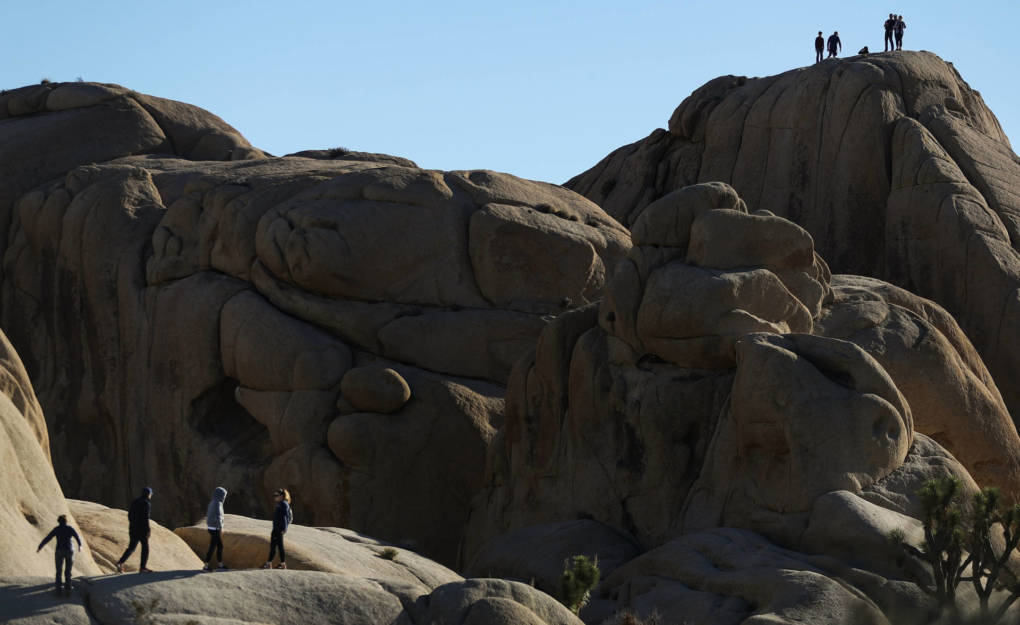
"caption": "During the shutdown, visitors walk and stand atop rock formations at Joshua Tree National Park.",
"description": "During the shutdown, visitors walk and stand atop rock formations at Joshua Tree National Park on Friday.",
"title": "During the shutdown, visitors walk and stand atop rock formations at Joshua Tree National Park on Friday.",
"credit": "Mario Tama/Getty Images",
"status": "inherit",
"isLoading": false,
"fetchFailed": false
},
"news_11715915": {
"type": "attachments",
"id": "news_11715915",
"meta": {
"index": "attachments_1716263798",
"site": "news",
"id": "11715915",
"found": true
},
"parent": 11715914,
"imgSizes": {
"twentyfourteen-full-width": {
"file": "https://ww2.kqed.org/app/uploads/sites/10/2019/01/seamus-new-congress-women-new-chambers-20181217_wide-4b0ee7cc4c0fe47a50a5207702a7b2c728346ea3-e1546637181860-1038x576.png",
"width": 1038,
"mimeType": "image/png",
"height": 576
},
"thumbnail": {
"file": "https://ww2.kqed.org/app/uploads/sites/10/2019/01/seamus-new-congress-women-new-chambers-20181217_wide-4b0ee7cc4c0fe47a50a5207702a7b2c728346ea3-e1546637181860-160x90.png",
"width": 160,
"mimeType": "image/png",
"height": 90
},
"post-thumbnail": {
"file": "https://ww2.kqed.org/app/uploads/sites/10/2019/01/seamus-new-congress-women-new-chambers-20181217_wide-4b0ee7cc4c0fe47a50a5207702a7b2c728346ea3-e1546637181860-672x372.png",
"width": 672,
"mimeType": "image/png",
"height": 372
},
"kqedFullSize": {
"file": "https://ww2.kqed.org/app/uploads/sites/10/2019/01/seamus-new-congress-women-new-chambers-20181217_wide-4b0ee7cc4c0fe47a50a5207702a7b2c728346ea3-e1546637181860.png",
"width": 1920,
"height": 1080
},
"large": {
"file": "https://ww2.kqed.org/app/uploads/sites/10/2019/01/seamus-new-congress-women-new-chambers-20181217_wide-4b0ee7cc4c0fe47a50a5207702a7b2c728346ea3-e1546637181860-1020x574.png",
"width": 1020,
"mimeType": "image/png",
"height": 574
},
"complete_open_graph": {
"file": "https://ww2.kqed.org/app/uploads/sites/10/2019/01/seamus-new-congress-women-new-chambers-20181217_wide-4b0ee7cc4c0fe47a50a5207702a7b2c728346ea3-e1546637181860-1200x675.png",
"width": 1200,
"mimeType": "image/png",
"height": 675
},
"guest-author-50": {
"file": "https://ww2.kqed.org/app/uploads/sites/10/2019/01/seamus-new-congress-women-new-chambers-20181217_wide-4b0ee7cc4c0fe47a50a5207702a7b2c728346ea3-e1546637181860-50x50.png",
"width": 50,
"mimeType": "image/png",
"height": 50
},
"guest-author-96": {
"file": "https://ww2.kqed.org/app/uploads/sites/10/2019/01/seamus-new-congress-women-new-chambers-20181217_wide-4b0ee7cc4c0fe47a50a5207702a7b2c728346ea3-e1546637181860-96x96.png",
"width": 96,
"mimeType": "image/png",
"height": 96
},
"medium": {
"file": "https://ww2.kqed.org/app/uploads/sites/10/2019/01/seamus-new-congress-women-new-chambers-20181217_wide-4b0ee7cc4c0fe47a50a5207702a7b2c728346ea3-e1546637181860-800x450.png",
"width": 800,
"mimeType": "image/png",
"height": 450
},
"guest-author-64": {
"file": "https://ww2.kqed.org/app/uploads/sites/10/2019/01/seamus-new-congress-women-new-chambers-20181217_wide-4b0ee7cc4c0fe47a50a5207702a7b2c728346ea3-e1546637181860-64x64.png",
"width": 64,
"mimeType": "image/png",
"height": 64
},
"guest-author-32": {
"file": "https://ww2.kqed.org/app/uploads/sites/10/2019/01/seamus-new-congress-women-new-chambers-20181217_wide-4b0ee7cc4c0fe47a50a5207702a7b2c728346ea3-e1546637181860-32x32.png",
"width": 32,
"mimeType": "image/png",
"height": 32
},
"full-width": {
"file": "https://ww2.kqed.org/app/uploads/sites/10/2019/01/seamus-new-congress-women-new-chambers-20181217_wide-4b0ee7cc4c0fe47a50a5207702a7b2c728346ea3-e1546637181860-1920x1080.png",
"width": 1920,
"mimeType": "image/png",
"height": 1080
},
"detail": {
"file": "https://ww2.kqed.org/app/uploads/sites/10/2019/01/seamus-new-congress-women-new-chambers-20181217_wide-4b0ee7cc4c0fe47a50a5207702a7b2c728346ea3-e1546637181860-150x150.png",
"width": 150,
"mimeType": "image/png",
"height": 150
},
"guest-author-128": {
"file": "https://ww2.kqed.org/app/uploads/sites/10/2019/01/seamus-new-congress-women-new-chambers-20181217_wide-4b0ee7cc4c0fe47a50a5207702a7b2c728346ea3-e1546637181860-128x128.png",
"width": 128,
"mimeType": "image/png",
"height": 128
}
},
"publishDate": 1546629706,
"modified": 1546637192,
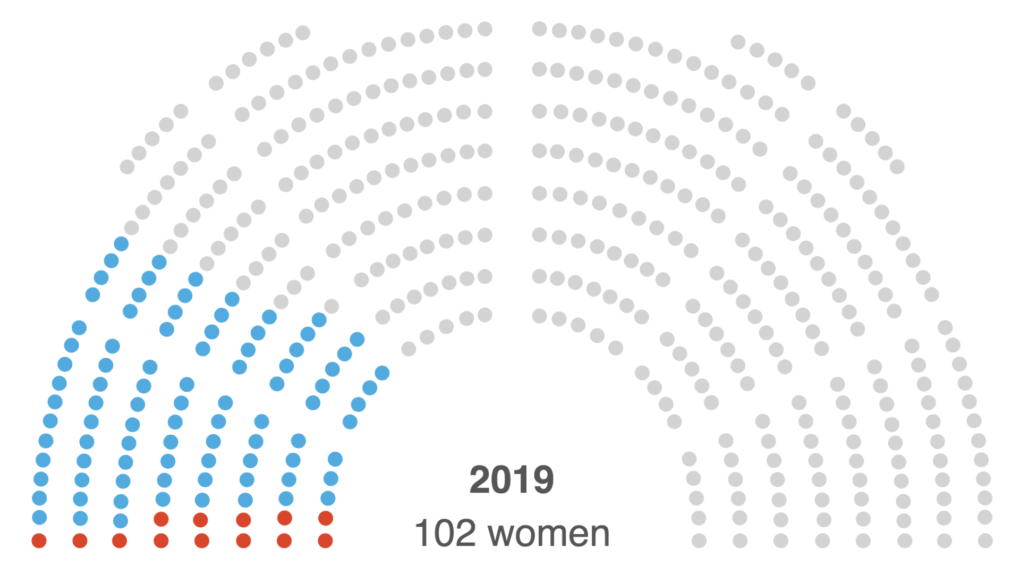
"caption": "102 women serve in the House on the first day of Congress in 2019",
"description": "102 women serve in the House on the first day of Congress in 2019",
"title": "102 women serve in the House on the first day of Congress in 2019",
"credit": null,
"status": "inherit",
"isLoading": false,
"fetchFailed": false
},
"news_11715874": {
"type": "attachments",
"id": "news_11715874",
"meta": {
"index": "attachments_1716263798",
"site": "news",
"id": "11715874",
"found": true
},
"parent": 11715873,
"imgSizes": {
"twentyfourteen-full-width": {
"file": "https://ww2.kqed.org/app/uploads/sites/10/2019/01/ap_19004051675148_wide-5c27eb54a88f19cdde0a6420828a85ad13f57102-e1546622335429-1038x576.jpg",
"width": 1038,
"mimeType": "image/jpeg",
"height": 576
},
"thumbnail": {
"file": "https://ww2.kqed.org/app/uploads/sites/10/2019/01/ap_19004051675148_wide-5c27eb54a88f19cdde0a6420828a85ad13f57102-e1546622335429-160x90.jpg",
"width": 160,
"mimeType": "image/jpeg",
"height": 90
},
"post-thumbnail": {
"file": "https://ww2.kqed.org/app/uploads/sites/10/2019/01/ap_19004051675148_wide-5c27eb54a88f19cdde0a6420828a85ad13f57102-e1546622335429-672x372.jpg",
"width": 672,
"mimeType": "image/jpeg",
"height": 372
},
"kqedFullSize": {
"file": "https://ww2.kqed.org/app/uploads/sites/10/2019/01/ap_19004051675148_wide-5c27eb54a88f19cdde0a6420828a85ad13f57102-e1546622335429.jpg",
"width": 1920,
"height": 1080
},
"large": {
"file": "https://ww2.kqed.org/app/uploads/sites/10/2019/01/ap_19004051675148_wide-5c27eb54a88f19cdde0a6420828a85ad13f57102-e1546622335429-1020x574.jpg",
"width": 1020,
"mimeType": "image/jpeg",
"height": 574
},
"complete_open_graph": {
"file": "https://ww2.kqed.org/app/uploads/sites/10/2019/01/ap_19004051675148_wide-5c27eb54a88f19cdde0a6420828a85ad13f57102-e1546622335429-1200x675.jpg",
"width": 1200,
"mimeType": "image/jpeg",
"height": 675
},
"guest-author-50": {
"file": "https://ww2.kqed.org/app/uploads/sites/10/2019/01/ap_19004051675148_wide-5c27eb54a88f19cdde0a6420828a85ad13f57102-e1546622335429-50x50.jpg",
"width": 50,
"mimeType": "image/jpeg",
"height": 50
},
"guest-author-96": {
"file": "https://ww2.kqed.org/app/uploads/sites/10/2019/01/ap_19004051675148_wide-5c27eb54a88f19cdde0a6420828a85ad13f57102-e1546622335429-96x96.jpg",
"width": 96,
"mimeType": "image/jpeg",
"height": 96
},
"medium": {
"file": "https://ww2.kqed.org/app/uploads/sites/10/2019/01/ap_19004051675148_wide-5c27eb54a88f19cdde0a6420828a85ad13f57102-e1546622335429-800x450.jpg",
"width": 800,
"mimeType": "image/jpeg",
"height": 450
},
"guest-author-64": {
"file": "https://ww2.kqed.org/app/uploads/sites/10/2019/01/ap_19004051675148_wide-5c27eb54a88f19cdde0a6420828a85ad13f57102-e1546622335429-64x64.jpg",
"width": 64,
"mimeType": "image/jpeg",
"height": 64
},
"guest-author-32": {
"file": "https://ww2.kqed.org/app/uploads/sites/10/2019/01/ap_19004051675148_wide-5c27eb54a88f19cdde0a6420828a85ad13f57102-e1546622335429-32x32.jpg",
"width": 32,
"mimeType": "image/jpeg",
"height": 32
},
"full-width": {
"file": "https://ww2.kqed.org/app/uploads/sites/10/2019/01/ap_19004051675148_wide-5c27eb54a88f19cdde0a6420828a85ad13f57102-e1546622335429-1920x1080.jpg",
"width": 1920,
"mimeType": "image/jpeg",
"height": 1080
},
"detail": {
"file": "https://ww2.kqed.org/app/uploads/sites/10/2019/01/ap_19004051675148_wide-5c27eb54a88f19cdde0a6420828a85ad13f57102-e1546622335429-150x150.jpg",
"width": 150,
"mimeType": "image/jpeg",
"height": 150
},
"guest-author-128": {
"file": "https://ww2.kqed.org/app/uploads/sites/10/2019/01/ap_19004051675148_wide-5c27eb54a88f19cdde0a6420828a85ad13f57102-e1546622335429-128x128.jpg",
"width": 128,
"mimeType": "image/jpeg",
"height": 128
}
},
"publishDate": 1546622216,
"modified": 1546622324,
"caption": "\"We're not doing the wall,\" House Speaker Nancy Pelosi told reporters Thursday night. \"Does anybody have any doubt that we're not doing the wall?\"",
"description": "\"We're not doing the wall,\" House Speaker Nancy Pelosi told reporters Thursday night. \"Does anybody have any doubt that we're not doing the wall?\"",
"title": "\"We're not doing the wall,\" House Speaker Nancy Pelosi told reporters Thursday night. \"Does anybody have any doubt that we're not doing the wall?\"",
"credit": "J. Scott Applewhite/AP",
"status": "inherit",
"isLoading": false,
"fetchFailed": false
},
"news_11715905": {
"type": "attachments",
"id": "news_11715905",
"meta": {
"index": "attachments_1716263798",
"site": "news",
"id": "11715905",
"found": true
},
"parent": 11715904,
"imgSizes": {
"twentyfourteen-full-width": {
"file": "https://ww2.kqed.org/app/uploads/sites/10/2019/01/ap_19004563084131-791aa0b4b34f3eb1b7246f94cda9542f37b1f93c-e1546628953708-1038x576.jpg",
"width": 1038,
"mimeType": "image/jpeg",
"height": 576
},
"thumbnail": {
"file": "https://ww2.kqed.org/app/uploads/sites/10/2019/01/ap_19004563084131-791aa0b4b34f3eb1b7246f94cda9542f37b1f93c-e1546628953708-160x120.jpg",
"width": 160,
"mimeType": "image/jpeg",
"height": 120
},
"post-thumbnail": {
"file": "https://ww2.kqed.org/app/uploads/sites/10/2019/01/ap_19004563084131-791aa0b4b34f3eb1b7246f94cda9542f37b1f93c-e1546628953708-672x372.jpg",
"width": 672,
"mimeType": "image/jpeg",
"height": 372
},
"kqedFullSize": {
"file": "https://ww2.kqed.org/app/uploads/sites/10/2019/01/ap_19004563084131-791aa0b4b34f3eb1b7246f94cda9542f37b1f93c-e1546628953708.jpg",
"width": 1920,
"height": 1440
},
"large": {
"file": "https://ww2.kqed.org/app/uploads/sites/10/2019/01/ap_19004563084131-791aa0b4b34f3eb1b7246f94cda9542f37b1f93c-e1546628953708-1020x765.jpg",
"width": 1020,
"mimeType": "image/jpeg",
"height": 765
},
"complete_open_graph": {
"file": "https://ww2.kqed.org/app/uploads/sites/10/2019/01/ap_19004563084131-791aa0b4b34f3eb1b7246f94cda9542f37b1f93c-e1546628953708-1200x900.jpg",
"width": 1200,
"mimeType": "image/jpeg",
"height": 900
},
"guest-author-50": {
"file": "https://ww2.kqed.org/app/uploads/sites/10/2019/01/ap_19004563084131-791aa0b4b34f3eb1b7246f94cda9542f37b1f93c-e1546628953708-50x50.jpg",
"width": 50,
"mimeType": "image/jpeg",
"height": 50
},
"guest-author-96": {
"file": "https://ww2.kqed.org/app/uploads/sites/10/2019/01/ap_19004563084131-791aa0b4b34f3eb1b7246f94cda9542f37b1f93c-e1546628953708-96x96.jpg",
"width": 96,
"mimeType": "image/jpeg",
"height": 96
},
"medium": {
"file": "https://ww2.kqed.org/app/uploads/sites/10/2019/01/ap_19004563084131-791aa0b4b34f3eb1b7246f94cda9542f37b1f93c-e1546628953708-800x600.jpg",
"width": 800,
"mimeType": "image/jpeg",
"height": 600
},
"guest-author-64": {
"file": "https://ww2.kqed.org/app/uploads/sites/10/2019/01/ap_19004563084131-791aa0b4b34f3eb1b7246f94cda9542f37b1f93c-e1546628953708-64x64.jpg",
"width": 64,
"mimeType": "image/jpeg",
"height": 64
},
"guest-author-32": {
"file": "https://ww2.kqed.org/app/uploads/sites/10/2019/01/ap_19004563084131-791aa0b4b34f3eb1b7246f94cda9542f37b1f93c-e1546628953708-32x32.jpg",
"width": 32,
"mimeType": "image/jpeg",
"height": 32
},
"full-width": {
"file": "https://ww2.kqed.org/app/uploads/sites/10/2019/01/ap_19004563084131-791aa0b4b34f3eb1b7246f94cda9542f37b1f93c-e1546628953708-1920x1440.jpg",
"width": 1920,
"mimeType": "image/jpeg",
"height": 1440
},
"detail": {
"file": "https://ww2.kqed.org/app/uploads/sites/10/2019/01/ap_19004563084131-791aa0b4b34f3eb1b7246f94cda9542f37b1f93c-e1546628953708-150x150.jpg",
"width": 150,
"mimeType": "image/jpeg",
"height": 150
},
"guest-author-128": {
"file": "https://ww2.kqed.org/app/uploads/sites/10/2019/01/ap_19004563084131-791aa0b4b34f3eb1b7246f94cda9542f37b1f93c-e1546628953708-128x128.jpg",
"width": 128,
"mimeType": "image/jpeg",
"height": 128
}
},
"publishDate": 1546628532,
"modified": 1546628973,
"caption": "Democratic Rep. Rashida Tlaib of Michigan, hours after being sworn in on the House floor, profanely called to impeach the president, prompting her own leaders to distance themselves from her comments.",
"description": "Democratic Rep. Rashida Tlaib of Michigan, hours after being sworn in on the House floor, profanely called to impeach the president, prompting her own leaders to distance themselves from her comments.",
"title": "Democratic Rep. Rashida Tlaib of Michigan, hours after being sworn in on the House floor, profanely called to impeach the president, prompting her own leaders to distance themselves from her comments.",
"credit": "Carolyn Kaster/AP",
"status": "inherit",
"isLoading": false,
"fetchFailed": false
},
"news_11715770": {
"type": "attachments",
"id": "news_11715770",
"meta": {
"index": "attachments_1716263798",
"site": "news",
"id": "11715770",
"found": true
},
"parent": 11715767,
"imgSizes": {
"twentyfourteen-full-width": {
"file": "https://ww2.kqed.org/app/uploads/sites/10/2019/01/BorderATVs-1038x576.jpg",
"width": 1038,
"mimeType": "image/jpeg",
"height": 576
},
"thumbnail": {
"file": "https://ww2.kqed.org/app/uploads/sites/10/2019/01/BorderATVs-160x107.jpg",
"width": 160,
"mimeType": "image/jpeg",
"height": 107
},
"post-thumbnail": {
"file": "https://ww2.kqed.org/app/uploads/sites/10/2019/01/BorderATVs-672x372.jpg",
"width": 672,
"mimeType": "image/jpeg",
"height": 372
},
"kqedFullSize": {
"file": "https://ww2.kqed.org/app/uploads/sites/10/2019/01/BorderATVs.jpg",
"width": 1920,
"height": 1283
},
"large": {
"file": "https://ww2.kqed.org/app/uploads/sites/10/2019/01/BorderATVs-1020x682.jpg",
"width": 1020,
"mimeType": "image/jpeg",
"height": 682
},
"complete_open_graph": {
"file": "https://ww2.kqed.org/app/uploads/sites/10/2019/01/BorderATVs-1200x802.jpg",
"width": 1200,
"mimeType": "image/jpeg",
"height": 802
},
"guest-author-50": {
"file": "https://ww2.kqed.org/app/uploads/sites/10/2019/01/BorderATVs-50x50.jpg",
"width": 50,
"mimeType": "image/jpeg",
"height": 50
},
"guest-author-96": {
"file": "https://ww2.kqed.org/app/uploads/sites/10/2019/01/BorderATVs-96x96.jpg",
"width": 96,
"mimeType": "image/jpeg",
"height": 96
},
"medium": {
"file": "https://ww2.kqed.org/app/uploads/sites/10/2019/01/BorderATVs-800x535.jpg",
"width": 800,
"mimeType": "image/jpeg",
"height": 535
},
"guest-author-64": {
"file": "https://ww2.kqed.org/app/uploads/sites/10/2019/01/BorderATVs-64x64.jpg",
"width": 64,
"mimeType": "image/jpeg",
"height": 64
},
"guest-author-32": {
"file": "https://ww2.kqed.org/app/uploads/sites/10/2019/01/BorderATVs-32x32.jpg",
"width": 32,
"mimeType": "image/jpeg",
"height": 32
},
"full-width": {
"file": "https://ww2.kqed.org/app/uploads/sites/10/2019/01/BorderATVs-1920x1283.jpg",
"width": 1920,
"mimeType": "image/jpeg",
"height": 1283
},
"detail": {
"file": "https://ww2.kqed.org/app/uploads/sites/10/2019/01/BorderATVs-150x150.jpg",
"width": 150,
"mimeType": "image/jpeg",
"height": 150
},
"guest-author-128": {
"file": "https://ww2.kqed.org/app/uploads/sites/10/2019/01/BorderATVs-128x128.jpg",
"width": 128,
"mimeType": "image/jpeg",
"height": 128
}
},
"publishDate": 1546553429,
"modified": 1546560013,
"caption": "U.S. Customs and Border Protection agents ride their ATVs along construction of a section of border fence in April 2018.",
"description": "U.S. Customs and Border Protection agents ride their ATVs along construction of a section of border fence in April, 2018.",
"title": "BorderATVs",
"credit": "HERIKA MARTINEZ/AFP/Getty Images",
"status": "inherit",
"isLoading": false,
"fetchFailed": false
}
},
"audioPlayerReducer": {
"postId": "stream_live",
"isPaused": true,
"isPlaying": false,
"pfsActive": false,
"pledgeModalIsOpen": true,
"playerDrawerIsOpen": false,
"liveAudioPlayStartedAt": 0,
"liveAudioPlayContext": ""
},
"authorsReducer": {
"byline_news_11717365": {
"type": "authors",
"id": "byline_news_11717365",
"meta": {
"override": true
},
"slug": "byline_news_11717365",
"name": "Brian Naylor",
"isLoading": false
},
"byline_news_11717074": {
"type": "authors",
"id": "byline_news_11717074",
"meta": {
"override": true
},
"slug": "byline_news_11717074",
"name": "NPR\u003cbr>David Wagner",
"isLoading": false
},
"byline_news_11717145": {
"type": "authors",
"id": "byline_news_11717145",
"meta": {
"override": true
},
"slug": "byline_news_11717145",
"name": "Scott Horsley",
"isLoading": false
},
"byline_news_11717004": {
"type": "authors",
"id": "byline_news_11717004",
"meta": {
"override": true
},
"slug": "byline_news_11717004",
"name": "Jim Zarroli",
"isLoading": false
},
"byline_news_11716702": {
"type": "authors",
"id": "byline_news_11716702",
"meta": {
"override": true
},
"slug": "byline_news_11716702",
"name": "Rachel Martin",
"isLoading": false
},
"byline_news_11716688": {
"type": "authors",
"id": "byline_news_11716688",
"meta": {
"override": true
},
"slug": "byline_news_11716688",
"name": "Scott Horsley",
"isLoading": false
},
"byline_news_11716368": {
"type": "authors",
"id": "byline_news_11716368",
"meta": {
"override": true
},
"slug": "byline_news_11716368",
"name": "Marie Andrusewicz",
"isLoading": false
},
"byline_news_11716273": {
"type": "authors",
"id": "byline_news_11716273",
"meta": {
"override": true
},
"slug": "byline_news_11716273",
"name": "Amanda Morris\u003c/br>NPR",
"isLoading": false
},
"byline_news_11715914": {
"type": "authors",
"id": "byline_news_11715914",
"meta": {
"override": true
},
"slug": "byline_news_11715914",
"name": "\u003cstrong>Danielle Kurtzleben,\u003cbr> Sean McMinn, \u003cbr>Renee Klahr\u003c/strong>",
"isLoading": false
},
"byline_news_11715873": {
"type": "authors",
"id": "byline_news_11715873",
"meta": {
"override": true
},
"slug": "byline_news_11715873",
"name": "Brian Naylor",
"isLoading": false
},
"byline_news_11715904": {
"type": "authors",
"id": "byline_news_11715904",
"meta": {
"override": true
},
"slug": "byline_news_11715904",
"name": "Deirdre Walsh",
"isLoading": false
},
"byline_news_11715767": {
"type": "authors",
"id": "byline_news_11715767",
"meta": {
"override": true
},
"slug": "byline_news_11715767",
"name": "Tom Bowman",
"isLoading": false
}
},
"pagesReducer": {
"news_affiliate_npr": {
"type": "terms",
"id": "news_253",
"meta": {
"index": "terms_1716263798",
"site": "news",
"id": "253",
"score": 14.25594
},
"featImg": null,
"name": "NPR",
"description": null,
"taxonomy": "affiliate",
"headData": {
"twImgId": null,
"twTitle": null,
"ogTitle": null,
"ogImgId": null,
"twDescription": null,
"description": "KQED is the NPR station for the Bay Area, providing award-winning news, programming, and community engagement.",
"title": "NPR Archives - Get the Latest News and Reports from California | KQED",
"ogDescription": null
},
"ttid": 7083,
"slug": "npr",
"isLoading": false,
"title": "NPR",
"pageMeta": {
"site": "news",
"WpPageTemplate": "page-topic-editorial",
"currentPage": 52
},
"blocks": [
{
"blockName": "kqed/post-list",
"attrs": {
"layout": "cardArticle2",
"query": "posts/news?affiliate=npr",
"seeMore": false,
"paginated": true,
"page": 52
}
},
{
"blockName": "kqed/ad"
}
]
}
},
"pfsSessionReducer": {},
"postsReducer": {
"stream_live": {
"type": "live",
"id": "stream_live",
"audioUrl": "https://streams.kqed.org/kqedradio",
"title": "Live Stream",
"excerpt": "Live Stream information currently unavailable.",
"link": "/radio",
"featImg": "",
"label": {
"name": "KQED Live",
"link": "/"
}
},
"stream_kqedNewscast": {
"type": "posts",
"id": "stream_kqedNewscast",
"audioUrl": "https://www.kqed.org/.stream/anon/radio/RDnews/newscast.mp3?_=1",
"title": "KQED Newscast",
"featImg": "",
"label": {
"name": "88.5 FM",
"link": "/"
}
},
"news_11717365": {
"type": "posts",
"id": "news_11717365",
"meta": {
"index": "posts_1716263798",
"site": "news",
"id": "11717365",
"score": null,
"sort": [
1547149242000
]
},
"parent": 0,
"labelTerm": {
"site": "news",
"term": 253
},
"blocks": [],
"publishDate": 1547149242,
"format": "standard",
"disqusTitle": "Trump Says He's Likely To Declare National Emergency If Congress Won't Fund Wall",
"title": "Trump Says He's Likely To Declare National Emergency If Congress Won't Fund Wall",
"headTitle": "NPR | KQED News",
"content": "\u003cp>\u003cstrong>Updated at 12 p.m. ET\u003c/strong>\u003c/p>\n\u003cp>President Trump says he is willing to declare a national emergency if Democrats don't go along with his demands for $5.7 billion for a border wall.\u003c/p>\n\u003cp>Trump's campaign for a border wall takes him to McAllen, Texas, on Thursday to visit a Border Patrol station and attend a roundtable discussion with local officials. He then heads to the Rio Grande.\u003c/p>\n\u003cp>As he left the White House on Thursday morning, Trump said he has the \"absolute right\" to declare a national emergency in order to construct a border wall, but said he'd still prefer to make a deal with Congress. However, he added, \"If we don't make a deal, I think it would be very surprising to me\" to not declare an emergency.\u003c/p>\n\u003cp>Such a declaration would almost certainly be fought in court.\u003c/p>\n\u003cp>[ad fullwidth]\u003c/p>\n\u003cp>House Speaker Nancy Pelosi, D-Calif., sidestepped a question about the issue Thursday, telling reporters, \"If and when the president does that, you'll find out how we will react.\"\u003c/p>\n\u003cp>She predicted that if the president did take that step, he would have to answer to his own party for \"usurping\" power.\u003c/p>\n\u003caside class=\"alignright\">\n\u003ch3>\u003ca href=\"https://www.kqed.org/news/11717145/bye-bye-trump-walks-out-of-white-house-meeting-with-democrats-about-shutdown\">Trump Walks Out of Meeting with Dems\u003c/a>\u003c/h3>\n\u003cfigure>\u003ca href=\"https://www.kqed.org/news/11717145/bye-bye-trump-walks-out-of-white-house-meeting-with-democrats-about-shutdown/\">\u003cimg src=\"https://ww2.kqed.org/news/wp-content/uploads/sites/10/2019/01/GettyImages-1079458750-e1547075245994.jpg\" alt=\"\">\u003c/a>\u003c/figure>\n\u003c/aside>\n\u003cp>Trump on Thursday reiterated that Republicans are unified in support of him on the wall. He hasn't \"ever seen unity like this in the Republican Party,\" he said.\u003c/p>\n\u003cp>However, several Republican senators have expressed concern over the effects of the continued partial government shutdown, now in its 20th day. A handful of House Republicans have also voted with Democrats in efforts to reopen the government.\u003c/p>\n\u003cp>Trump also disputed characterizations of Wednesday's meeting with Democratic leaders, in which \u003ca href=\"https://www.npr.org/2019/01/09/683646652/trump-heads-to-the-hill-to-shore-up-gop-support-in-border-wall-standoff\">Trump abruptly walked out\u003c/a>. \"I didn't pound the table,\" he said. \"I didn't raise my voice. That is a lie.\"\u003c/p>\n\u003cp>He added, \"I don't have temper tantrums. I really don't.\"\u003c/p>\n\u003cp>Trump also said that despite his repeated campaign promises to build a wall and have Mexico pay for it, he didn't mean that literally.\u003c/p>\n\u003cp>\"When I said Mexico would pay for a wall in front of thousands and thousands of people,\" Trump said, \"obviously I never meant Mexico would write a check.\"\u003c/p>\n\u003cp>But \u003ca href=\"https://www.washingtonpost.com/apps/g/page/politics/memo-explains-how-donald-trump-plans-to-pay-for-border-wall/2007/?tid=a_inl_manual\">a March 2016 memo \u003c/a>from the Trump campaign to The Washington Post said, \"It's an easy decision for Mexico. Make a one-time payment of $5-10 billion to ensure that $24 billion continues to flow into their country year after year.\"\u003c/p>\n\u003cp>In Pelosi's news conference, she suggested that Wednesday's White House meeting with Hill leaders was never about a serious negotiation. \"I think the meeting was a setup so he could walk out,\" she said.\u003c/p>\n\u003cp>She said the president keeps changing his demands: \"I don't even know if the president wants the wall,\" Pelosi said. \"I said to him 'You are moving the goal posts so many times they are out of the stadium.' \"\u003c/p>\n\u003cp>Democratic congressional leaders have refused to go along with Trump's demand for border wall funding, and Senate Majority Leader Mitch McConnell has refused to take up Democratic measures to fund government agencies that have run out of appropriations.\u003c/p>\n\u003cp>Some 800,000 federal workers have been furloughed or are working without paychecks because of the standoff. Many will be missing their first paychecks on Friday.\u003c/p>\n\u003cp>\u003c/p>\n\u003cp>The FBI Agents Association, whose members are among those working without pay, sent a petition to the White House and congressional leaders warning of the effects of the shutdown on agents and their work. It warns that FBI agents could face difficulty in obtaining or renewing security clearances if they miss bill payments and that \"pay uncertainty undermines the FBI's ability to recruit and retain high caliber professionals.\"\u003c/p>\n\u003cdiv class=\"fullattribution\">Copyright 2019 NPR. To see more, visit https://www.npr.org.\u003cimg src=\"https://www.google-analytics.com/__utm.gif?utmac=UA-5828686-4&utmdt=Trump+Says+He%27s+Likely+To+Declare+National+Emergency+If+Congress+Won%27t+Fund+Wall&utme=8(APIKey)9(MDAxOTAwOTE4MDEyMTkxMDAzNjczZDljZA004)\">\u003c/div>\n\n",
"disqusIdentifier": "11717365 https://ww2.kqed.org/news/?p=11717365",
"disqusUrl": "https://ww2.kqed.org/news/2019/01/10/trump-says-hes-likely-to-declare-national-emergency-if-congress-wont-fund-wall/",
"stats": {
"hasVideo": false,
"hasChartOrMap": false,
"hasAudio": false,
"hasPolis": false,
"wordCount": 637,
"hasGoogleForm": false,
"hasGallery": false,
"hasHearkenModule": false,
"iframeSrcs": [],
"paragraphCount": 21
},
"modified": 1547169220,
"excerpt": "The president is traveling to a Border Patrol station in Texas as the partial shutdown enters its 20th day. The trip comes a day after the president walked out on a meeting with Democrats. ",
"headData": {
"twImgId": "",
"twTitle": "",
"ogTitle": "",
"ogImgId": "",
"twDescription": "",
"description": "The president is traveling to a Border Patrol station in Texas as the partial shutdown enters its 20th day. The trip comes a day after the president walked out on a meeting with Democrats. ",
"title": "Trump Says He's Likely To Declare National Emergency If Congress Won't Fund Wall | KQED",
"ogDescription": "",
"schema": {
"@context": "https://schema.org",
"@type": "NewsArticle",
"headline": "Trump Says He's Likely To Declare National Emergency If Congress Won't Fund Wall",
"datePublished": "2019-01-10T11:40:42-08:00",
"dateModified": "2019-01-10T17:13:40-08:00",
"image": "https://cdn.kqed.org/wp-content/uploads/2020/02/KQED-OG-Image@1x.png",
"isAccessibleForFree": "True",
"publisher": {
"@type": "NewsMediaOrganization",
"@id": "https://www.kqed.org/#organization",
"name": "KQED",
"logo": "https://cdn.kqed.org/wp-content/uploads/2020/02/KQED-OG-Image@1x.png",
"url": "https://www.kqed.org",
"sameAs": [
"https://www.facebook.com/KQED",
"https://twitter.com/KQED",
"https://www.instagram.com/kqed/",
"https://www.tiktok.com/@kqedofficial",
"https://www.linkedin.com/company/kqed",
"https://www.youtube.com/channel/UCeC0IOo7i1P_61zVUWbJ4nw"
]
}
}
},
"guestAuthors": [],
"slug": "trump-says-hes-likely-to-declare-national-emergency-if-congress-wont-fund-wall",
"status": "publish",
"nprApiLink": "http://api.npr.org/query?id=683900601&apiKey=MDAxOTAwOTE4MDEyMTkxMDAzNjczZDljZA004",
"nprByline": "Brian Naylor",
"nprStoryDate": "Thu, 10 Jan 2019 10:38:14 -0500",
"nprLastModifiedDate": "Thu, 10 Jan 2019 12:31:02 -0500",
"nprHtmlLink": "https://www.npr.org/2019/01/10/683900601/trump-says-hes-likely-to-declare-national-emergency-if-congress-won-t-fund-wall?ft=nprml&f=683900601",
"nprImageAgency": "AP",
"nprImageCredit": "Jacquelyn Martin",
"nprStoryId": "683900601",
"nprRetrievedStory": "1",
"nprPubDate": "Thu, 10 Jan 2019 12:31:00 -0500",
"path": "/news/11717365/trump-says-hes-likely-to-declare-national-emergency-if-congress-wont-fund-wall",
"audioTrackLength": null,
"parsedContent": [
{
"type": "contentString",
"content": "\u003cdiv class=\"post-body\">\u003cp>\u003cp>\u003cstrong>Updated at 12 p.m. ET\u003c/strong>\u003c/p>\n\u003cp>President Trump says he is willing to declare a national emergency if Democrats don't go along with his demands for $5.7 billion for a border wall.\u003c/p>\n\u003cp>Trump's campaign for a border wall takes him to McAllen, Texas, on Thursday to visit a Border Patrol station and attend a roundtable discussion with local officials. He then heads to the Rio Grande.\u003c/p>\n\u003cp>As he left the White House on Thursday morning, Trump said he has the \"absolute right\" to declare a national emergency in order to construct a border wall, but said he'd still prefer to make a deal with Congress. However, he added, \"If we don't make a deal, I think it would be very surprising to me\" to not declare an emergency.\u003c/p>\n\u003cp>Such a declaration would almost certainly be fought in court.\u003c/p>\n\u003cp>\u003c/p>\u003c/div>",
"attributes": {
"named": {},
"numeric": []
}
},
{
"type": "component",
"content": "",
"name": "ad",
"attributes": {
"named": {
"label": "fullwidth"
},
"numeric": [
"fullwidth"
]
}
},
{
"type": "contentString",
"content": "\u003cdiv class=\"post-body\">\u003cp>\u003c/p>\n\u003cp>House Speaker Nancy Pelosi, D-Calif., sidestepped a question about the issue Thursday, telling reporters, \"If and when the president does that, you'll find out how we will react.\"\u003c/p>\n\u003cp>She predicted that if the president did take that step, he would have to answer to his own party for \"usurping\" power.\u003c/p>\n\u003caside class=\"alignright\">\n\u003ch3>\u003ca href=\"https://www.kqed.org/news/11717145/bye-bye-trump-walks-out-of-white-house-meeting-with-democrats-about-shutdown\">Trump Walks Out of Meeting with Dems\u003c/a>\u003c/h3>\n\u003cfigure>\u003ca href=\"https://www.kqed.org/news/11717145/bye-bye-trump-walks-out-of-white-house-meeting-with-democrats-about-shutdown/\">\u003cimg src=\"https://ww2.kqed.org/news/wp-content/uploads/sites/10/2019/01/GettyImages-1079458750-e1547075245994.jpg\" alt=\"\">\u003c/a>\u003c/figure>\n\u003c/aside>\n\u003cp>Trump on Thursday reiterated that Republicans are unified in support of him on the wall. He hasn't \"ever seen unity like this in the Republican Party,\" he said.\u003c/p>\n\u003cp>However, several Republican senators have expressed concern over the effects of the continued partial government shutdown, now in its 20th day. A handful of House Republicans have also voted with Democrats in efforts to reopen the government.\u003c/p>\n\u003cp>Trump also disputed characterizations of Wednesday's meeting with Democratic leaders, in which \u003ca href=\"https://www.npr.org/2019/01/09/683646652/trump-heads-to-the-hill-to-shore-up-gop-support-in-border-wall-standoff\">Trump abruptly walked out\u003c/a>. \"I didn't pound the table,\" he said. \"I didn't raise my voice. That is a lie.\"\u003c/p>\n\u003cp>He added, \"I don't have temper tantrums. I really don't.\"\u003c/p>\n\u003cp>Trump also said that despite his repeated campaign promises to build a wall and have Mexico pay for it, he didn't mean that literally.\u003c/p>\n\u003cp>\"When I said Mexico would pay for a wall in front of thousands and thousands of people,\" Trump said, \"obviously I never meant Mexico would write a check.\"\u003c/p>\n\u003cp>But \u003ca href=\"https://www.washingtonpost.com/apps/g/page/politics/memo-explains-how-donald-trump-plans-to-pay-for-border-wall/2007/?tid=a_inl_manual\">a March 2016 memo \u003c/a>from the Trump campaign to The Washington Post said, \"It's an easy decision for Mexico. Make a one-time payment of $5-10 billion to ensure that $24 billion continues to flow into their country year after year.\"\u003c/p>\n\u003cp>In Pelosi's news conference, she suggested that Wednesday's White House meeting with Hill leaders was never about a serious negotiation. \"I think the meeting was a setup so he could walk out,\" she said.\u003c/p>\n\u003cp>She said the president keeps changing his demands: \"I don't even know if the president wants the wall,\" Pelosi said. \"I said to him 'You are moving the goal posts so many times they are out of the stadium.' \"\u003c/p>\n\u003cp>Democratic congressional leaders have refused to go along with Trump's demand for border wall funding, and Senate Majority Leader Mitch McConnell has refused to take up Democratic measures to fund government agencies that have run out of appropriations.\u003c/p>\n\u003cp>Some 800,000 federal workers have been furloughed or are working without paychecks because of the standoff. Many will be missing their first paychecks on Friday.\u003c/p>\n\u003cp>\u003c/p>\n\u003cp>The FBI Agents Association, whose members are among those working without pay, sent a petition to the White House and congressional leaders warning of the effects of the shutdown on agents and their work. It warns that FBI agents could face difficulty in obtaining or renewing security clearances if they miss bill payments and that \"pay uncertainty undermines the FBI's ability to recruit and retain high caliber professionals.\"\u003c/p>\n\u003cdiv class=\"fullattribution\">Copyright 2019 NPR. To see more, visit https://www.npr.org.\u003cimg src=\"https://www.google-analytics.com/__utm.gif?utmac=UA-5828686-4&utmdt=Trump+Says+He%27s+Likely+To+Declare+National+Emergency+If+Congress+Won%27t+Fund+Wall&utme=8(APIKey)9(MDAxOTAwOTE4MDEyMTkxMDAzNjczZDljZA004)\">\u003c/div>\n\n\u003c/div>\u003c/p>",
"attributes": {
"named": {},
"numeric": []
}
}
],
"link": "/news/11717365/trump-says-hes-likely-to-declare-national-emergency-if-congress-wont-fund-wall",
"authors": [
"byline_news_11717365"
],
"categories": [
"news_1169",
"news_6188",
"news_8",
"news_13"
],
"tags": [
"news_20446",
"news_1204"
],
"affiliates": [
"news_253"
],
"featImg": "news_11717366",
"label": "news_253"
},
"news_11717074": {
"type": "posts",
"id": "news_11717074",
"meta": {
"index": "posts_1716263798",
"site": "news",
"id": "11717074",
"score": null,
"sort": [
1547076629000
]
},
"parent": 0,
"labelTerm": {},
"blocks": [],
"publishDate": 1547076629,
"format": "standard",
"disqusTitle": "Asylum-Seekers in California Wait for Their Day in Immigration Court",
"title": "Asylum-Seekers in California Wait for Their Day in Immigration Court",
"headTitle": "The California Report | KQED News",
"content": "\u003cp>In recent months, thousands of migrants have gathered in Tijuana, hoping for asylum in the United States. Some will be deported before ever stepping foot in the U.S. Others will be detained by U.S. immigration authorities as they wait for their hearings.\u003c/p>\n\u003cp>But some will be allowed to live in the U.S. while their cases wind through the system. Legal experts say if they stay in California, they'll be lucky. The state has a cadre of pro bono attorneys eager to help them navigate the complicated asylum process.\u003c/p>\n\u003cp>In 2017, California lawmakers approved a state budget that included $45 million in funding for immigrant legal services. With that increased funding, the state's Department of Social Services has contracted dozens of nonprofits to offer legal help to \u003ca href=\"http://www.cdss.ca.gov/Portals/9/Immigration/ISF%20Fact%20Sheet%20May%202018.pdf?ver=2018-05-11-135436-710\">thousands of immigrants\u003c/a> every year.\u003c/p>\n\u003cp>The state money is spread to organizations throughout California. But \u003ca href=\"http://www.cdss.ca.gov/Portals/9/Immigration/FY%202017-18%20Immigration%20Services%20Funding%20Award%20Announcement.pdf?ver=2017-10-31-092359-893\">regional breakdowns\u003c/a> show that nonprofits in Los Angeles and the Bay Area have received the largest chunks of money. These areas may be expensive for migrants, but the data show that having access to legal aid makes a huge difference in asylum cases.\u003c/p>\n\u003cp>Still California's high cost of living continues to push families out of the very places offering the most help.\u003c/p>\n\u003cp>\"A lot of our immigrant community are finding themselves having to move outside of Los Angeles so that they can afford to live,\" said \u003ca href=\"https://www.esperanza-la.org/patricia-ortiz\">Patricia Ortiz\u003c/a>, a lawyer with the Esperanza Immigrant Rights Project.\u003c/p>\n\u003cp>\"But once they're there, there is not quite the same amount of resources or support that they would have here,\" she said.\u003c/p>\n\u003caside class=\"alignright\">\n\u003ch3>\u003ca href=\"https://www.kqed.org/news/11710236/bay-area-asylum-seeker-anxious-as-grandmother-escorts-teen-son-to-border\">Bay Area Asylum-Seeker Anxious as Her Teen Son Is Escorted to Border by His Grandmother\u003c/a>\u003c/h3>\n\u003cfigure>\u003ca href=\"https://www.kqed.org/news/11710236/bay-area-asylum-seeker-anxious-as-grandmother-escorts-teen-son-to-border\">\u003cimg src=\"https://ww2.kqed.org/news/wp-content/uploads/sites/10/2018/12/RS34304_alt_806-1-1180x885.jpg\" alt=\"\">\u003c/a>\u003c/figure>\n\u003c/aside>\n\u003cp>\u003cstrong>Rosa\u003c/strong>\u003c/p>\n\u003cp>One of Ortiz's clients, Rosa, has been in Los Angeles for about two months. She fled gang violence in El Salvador with her two children.\u003c/p>\n\u003cp>Before Rosa arrived, she pictured Los Angeles as a place full of luxury and natural beauty. Some areas of the city are like that, Rosa said. But her corner of Los Angeles looks and feels like the place she escaped from.\u003c/p>\n\u003cp>\"I sometimes feel as if I were in the capital of El Salvador,\" said Rosa, who requested that her last name be withheld because her asylum case is ongoing.\u003c/p>\n\u003cp>She was surprised by how much housing costs here. During their first month in Los Angeles, Rosa and her family lived in cramped quarters with another family sleeping right next to the bathroom.\u003c/p>\n\u003cp>\"We chose to move because we could not access the bathroom,\" she said. \"We did not feel comfortable entering it.\"\u003c/p>\n\u003cp>Since then, Rosa has found a studio apartment near downtown LA that rents for $800 per month. But even coming up with that amount will be a struggle. Asylum-seekers are not eligible for a work permit until at least six months into their cases. Many work under the table to get by.\u003c/p>\n\u003cp>Despite these hurdles, Rosa said California provides what she didn't have in El Salvador: Safety, and the chance of a better life for her kids.\u003c/p>\n\u003cp>\"There is opportunity here,\" she said. \"Here, you can realize any dream you want.\"\u003c/p>\n\u003cp>Ortiz said even though it is an expensive place to live, asylum-seekers in Los Angeles have access to people who want to help. For instance, she said, \"Getting our clients connected to mental health resources outside of the LA region is very difficult. It's something that we are always struggling with.\"\u003c/p>\n\u003cp>\u003c!-- iframe plugin v.4.3 wordpress.org/plugins/iframe/ -->\u003cbr>\n\u003ciframe src=\"https://www.npr.org/player/embed/683328305/683501501\" width=\"100%\" height=\"290\" frameborder=\"0\" scrolling=\"no\" title=\"NPR embedded audio player\" class=\"iframe-class\">\u003c/iframe>\u003c/p>\n\u003cp>\u003ca href=\"https://www.humanrightsfirst.org/biography/jenna-gilbert\">Jenna Gilbert\u003c/a>, a pro bono asylum attorney at Human Rights First, said it's heartbreaking to get calls from clients who plan to leave California months into their case, because they can't afford to stay.\u003c/p>\n\u003cp>She tells them they're not just losing their lawyer. They're leaving behind California's Ninth Circuit for courts that may be more likely to deny asylum claims.\u003c/p>\n\u003cp>\"If you move to a small town in Texas, housing is going to be much cheaper,\" Gilbert said. \"But you probably won't have the legal resources. And you also will be in a circuit that is much less favorable to asylum-seekers.\"\u003c/p>\n\u003cp>\"Finding a lawyer is powerfully associated with positive outcomes,\" said \u003ca href=\"https://law.ucla.edu/faculty/faculty-profiles/ingrid-v-eagly/\">UCLA law professor Ingrid Eagly\u003c/a>.\u003c/p>\n\u003cp>In \u003ca href=\"http://www.californialawreview.org/wp-content/uploads/2018/06/4-Eagly_Shafer_Whalley.pdf\">a study\u003c/a> that tracked outcomes for families after being released from detention, Eagly and her colleagues found that between 2001 and 2016, released families that did not have a lawyer were only allowed to stay in the country 7 percent of the time. Those who had a lawyer increased their odds to 49 percent.\u003c/p>\n\u003cp>\"They're more likely to be able to gather evidence, to work collaboratively with their lawyer and to otherwise prepare and find witnesses who can testify in their case,\" Eagly said.\u003c/p>\n\u003cp>The data from Eagly's study does not include cases since President Trump took office. Under his administration, \u003ca href=\"http://trac.syr.edu/immigration/reports/539/\">asylum denial rates have been increasing\u003c/a>.\u003c/p>\n\u003cp>\u003cstrong>Lizeth\u003c/strong>\u003c/p>\n\u003cp>Even on a day off from her job at an El Pollo Loco, Lizeth finds herself cooking. While her kids are at school, she stirs a big pot of \u003cem>caldo de res\u003c/em>, or beef soup.\u003c/p>\n\u003cp>\"I've always cooked,\" she said. \"I like it.\"\u003c/p>\n\u003cfigure id=\"attachment_11717076\" class=\"wp-caption aligncenter\" style=\"max-width: 695px\">\u003cimg src=\"https://ww2.kqed.org/news/wp-content/uploads/sites/10/2019/01/5c199117948d9c000a5a3dd8-eight-39d9b6c2f21337f6a9d2b760bd30aa547c0afb9c.jpg\" alt=\"Lizeth, an immigrant from Honduras, looks out the window of her studio apartment in Los Angeles.\" width=\"695\" height=\"521\" class=\"size-full wp-image-11717076\" srcset=\"https://ww2.kqed.org/app/uploads/sites/10/2019/01/5c199117948d9c000a5a3dd8-eight-39d9b6c2f21337f6a9d2b760bd30aa547c0afb9c.jpg 695w, https://ww2.kqed.org/app/uploads/sites/10/2019/01/5c199117948d9c000a5a3dd8-eight-39d9b6c2f21337f6a9d2b760bd30aa547c0afb9c-160x120.jpg 160w\" sizes=\"(max-width: 695px) 100vw, 695px\">\u003cfigcaption class=\"wp-caption-text\">Lizeth, an immigrant from Honduras, looks out the window of her studio apartment in Los Angeles. \u003ccite>(David Wagner/KPCC)\u003c/cite>\u003c/figcaption>\u003c/figure>\n\u003cp>Lizeth, who only wants to use her middle name, had a small business selling food out of her home in Honduras. But she said gangs threatened her for refusing to pay a \"war tax,\" a local form of extortion. She fled with her husband and two of her children, now aged 6 and 14.\u003c/p>\n\u003cp>They've been living in Los Angeles for more than two years, and they're still awaiting a decision in their asylum case. By now, they've settled into a routine.\u003c/p>\n\u003cp>\"At six o'clock, we get up and get ready,\" Lizeth said. They need to be out the door by 7:20 a.m., so Lizeth can get to work by 8:30 a.m.\u003c/p>\n\u003cp>It took Lizeth a year and a half to get her work permit. Her husband just received his. Like other asylum-seekers, they started off renting rooms in houses crammed with other occupants.\u003c/p>\n\u003cp>But now, they can afford the $1,000 rent for their own studio apartment in the San Fernando Valley. It doesn't offer much privacy, Lizeth said. A simple room divider separates the living room from the bedroom. But their home is decked out with festive Christmas decorations.\u003c/p>\n\u003cp>\"It's 1,000 percent better,\" than anything she expected to have, Lizeth said.\u003c/p>\n\u003cp>\"I have dreams. I have goals. And I know I can achieve them. In my country, you have goals. You have hope. But everything remains a dream,\" she said.\u003c/p>\n\u003cp>Two years may sound like a long time to wait for an asylum decision. But Lizeth's attorney Jenna Gilbert said these days \"two years is on the shorter end.\"\u003c/p>\n\u003cp>As years go by, Gilbert worries that judges may start to think her clients no longer have a credible fear of gang members in their home country. She says a claim that may have been strong a few years ago, \"maybe today isn't so strong.\"\u003c/p>\n\u003cp>\"Things are changing so rapidly, there's really no way to provide your clients with any kind of comfort, any kind of understanding of what the road ahead might look like,\" Gilbert said.\u003c/p>\n\u003caside class=\"pullquote alignright\">'I have dreams. I have goals. And I know I can achieve them. In my country, you have goals. You have hope. But everything remains a dream.'\u003ccite>Lizeth, immigrant from Honduras living in L.A.\u003c/cite>\u003c/aside>\n\u003cp>At this point, Gilbert is hoping that a decision in Lizeth's case is delayed until 2020 or later, when there could be a new president in the White House with more favorable asylum policies.\u003c/p>\n\u003cp>\"Now that we're kind of at the halfway point, I'm hoping that cases slow down as much as possible until we can see the end of this administration,\" Gilbert said. \"Hopefully.\"\u003c/p>\n\u003cp>In the meantime, Lizeth and her family grow more comfortable in California every day. They've put a down payment on a car. Their kids are picking up English in school. Lizeth worries what would happen if they were deported back to Honduras.\u003c/p>\n\u003cp>\"They think those of us coming from the United States are carrying a lot of money,\" she said. \"There are many cases of people who went back to Honduras and didn't live more than a month.\"\u003c/p>\n\u003cp>But for now, Lizeth said, the future is bright. In Honduras, holidays were hard. She could afford to give her kids gifts or a nice meal, but never both. This year, in the U.S., she was able to make a big Christmas dinner and give her children new clothes and shoes. A nice Christmas, she said, like she hadn't had in a long time.\u003cbr>\n[ad fullwidth]\u003c/p>\n\u003cp>[ad floatright]\u003c/p>\n",
"disqusIdentifier": "11717074 https://ww2.kqed.org/news/?p=11717074",
"disqusUrl": "https://ww2.kqed.org/news/2019/01/09/asylum-seekers-in-california-wait-for-their-day-in-immigration-court/",
"stats": {
"hasVideo": false,
"hasChartOrMap": false,
"hasAudio": false,
"hasPolis": false,
"wordCount": 1481,
"hasGoogleForm": false,
"hasGallery": false,
"hasHearkenModule": false,
"iframeSrcs": [],
"paragraphCount": 44
},
"modified": 1547076629,
"excerpt": "Immigrants who manage to make it to cities in California face a high cost of living, but they also have access to legal aid which makes a huge difference in asylum cases.",
"headData": {
"twImgId": "",
"twTitle": "",
"ogTitle": "",
"ogImgId": "",
"twDescription": "",
"description": "Immigrants who manage to make it to cities in California face a high cost of living, but they also have access to legal aid which makes a huge difference in asylum cases.",
"title": "Asylum-Seekers in California Wait for Their Day in Immigration Court | KQED",
"ogDescription": "",
"schema": {
"@context": "https://schema.org",
"@type": "NewsArticle",
"headline": "Asylum-Seekers in California Wait for Their Day in Immigration Court",
"datePublished": "2019-01-09T15:30:29-08:00",
"dateModified": "2019-01-09T15:30:29-08:00",
"image": "https://cdn.kqed.org/wp-content/uploads/2020/02/KQED-OG-Image@1x.png",
"isAccessibleForFree": "True",
"publisher": {
"@type": "NewsMediaOrganization",
"@id": "https://www.kqed.org/#organization",
"name": "KQED",
"logo": "https://cdn.kqed.org/wp-content/uploads/2020/02/KQED-OG-Image@1x.png",
"url": "https://www.kqed.org",
"sameAs": [
"https://www.facebook.com/KQED",
"https://twitter.com/KQED",
"https://www.instagram.com/kqed/",
"https://www.tiktok.com/@kqedofficial",
"https://www.linkedin.com/company/kqed",
"https://www.youtube.com/channel/UCeC0IOo7i1P_61zVUWbJ4nw"
]
}
}
},
"guestAuthors": [],
"slug": "asylum-seekers-in-california-wait-for-their-day-in-immigration-court",
"status": "publish",
"nprApiLink": "http://api.npr.org/query?id=683328305&apiKey=MDAxOTAwOTE4MDEyMTkxMDAzNjczZDljZA004",
"nprStoryDate": "Wed, 09 Jan 2019 05:25:00 -0500",
"nprLastModifiedDate": "Wed, 09 Jan 2019 05:50:46 -0500",
"nprHtmlLink": "https://www.npr.org/2019/01/09/683328305/asylum-seekers-in-california-wait-for-their-day-in-immigration-court?ft=nprml&f=683328305",
"nprAudio": "https://ondemand.npr.org/anon.npr-mp3/npr/me/2019/01/20190109_me_asylum_seekers_in_california_waiting_for_their_day_in_immigration_court.mp3?orgId=144&topicId=1003&d=228&p=3&story=683328305&ft=nprml&f=683328305",
"nprImageAgency": "KPCC",
"source": "NPR",
"nprAudioM3u": "http://api.npr.org/m3u/1683501501-bed8c1.m3u?orgId=144&topicId=1003&d=228&p=3&story=683328305&ft=nprml&f=683328305",
"nprStoryId": "683328305",
"nprByline": "NPR\u003cbr>David Wagner",
"audioTrackLength": 229,
"nprImageCredit": "David Wagner",
"nprRetrievedStory": "1",
"nprPubDate": "Wed, 09 Jan 2019 11:02:00 -0500",
"path": "/news/11717074/asylum-seekers-in-california-wait-for-their-day-in-immigration-court",
"audioUrl": "https://ondemand.npr.org/anon.npr-mp3/npr/me/2019/01/20190109_me_asylum_seekers_in_california_waiting_for_their_day_in_immigration_court.mp3?orgId=144&topicId=1003&d=228&p=3&story=683328305&ft=nprml&f=683328305",
"parsedContent": [
{
"type": "contentString",
"content": "\u003cdiv class=\"post-body\">\u003cp>\u003cp>In recent months, thousands of migrants have gathered in Tijuana, hoping for asylum in the United States. Some will be deported before ever stepping foot in the U.S. Others will be detained by U.S. immigration authorities as they wait for their hearings.\u003c/p>\n\u003cp>But some will be allowed to live in the U.S. while their cases wind through the system. Legal experts say if they stay in California, they'll be lucky. The state has a cadre of pro bono attorneys eager to help them navigate the complicated asylum process.\u003c/p>\n\u003cp>In 2017, California lawmakers approved a state budget that included $45 million in funding for immigrant legal services. With that increased funding, the state's Department of Social Services has contracted dozens of nonprofits to offer legal help to \u003ca href=\"http://www.cdss.ca.gov/Portals/9/Immigration/ISF%20Fact%20Sheet%20May%202018.pdf?ver=2018-05-11-135436-710\">thousands of immigrants\u003c/a> every year.\u003c/p>\n\u003cp>The state money is spread to organizations throughout California. But \u003ca href=\"http://www.cdss.ca.gov/Portals/9/Immigration/FY%202017-18%20Immigration%20Services%20Funding%20Award%20Announcement.pdf?ver=2017-10-31-092359-893\">regional breakdowns\u003c/a> show that nonprofits in Los Angeles and the Bay Area have received the largest chunks of money. These areas may be expensive for migrants, but the data show that having access to legal aid makes a huge difference in asylum cases.\u003c/p>\n\u003cp>Still California's high cost of living continues to push families out of the very places offering the most help.\u003c/p>\n\u003cp>\"A lot of our immigrant community are finding themselves having to move outside of Los Angeles so that they can afford to live,\" said \u003ca href=\"https://www.esperanza-la.org/patricia-ortiz\">Patricia Ortiz\u003c/a>, a lawyer with the Esperanza Immigrant Rights Project.\u003c/p>\n\u003cp>\"But once they're there, there is not quite the same amount of resources or support that they would have here,\" she said.\u003c/p>\n\u003caside class=\"alignright\">\n\u003ch3>\u003ca href=\"https://www.kqed.org/news/11710236/bay-area-asylum-seeker-anxious-as-grandmother-escorts-teen-son-to-border\">Bay Area Asylum-Seeker Anxious as Her Teen Son Is Escorted to Border by His Grandmother\u003c/a>\u003c/h3>\n\u003cfigure>\u003ca href=\"https://www.kqed.org/news/11710236/bay-area-asylum-seeker-anxious-as-grandmother-escorts-teen-son-to-border\">\u003cimg src=\"https://ww2.kqed.org/news/wp-content/uploads/sites/10/2018/12/RS34304_alt_806-1-1180x885.jpg\" alt=\"\">\u003c/a>\u003c/figure>\n\u003c/aside>\n\u003cp>\u003cstrong>Rosa\u003c/strong>\u003c/p>\n\u003cp>One of Ortiz's clients, Rosa, has been in Los Angeles for about two months. She fled gang violence in El Salvador with her two children.\u003c/p>\n\u003cp>Before Rosa arrived, she pictured Los Angeles as a place full of luxury and natural beauty. Some areas of the city are like that, Rosa said. But her corner of Los Angeles looks and feels like the place she escaped from.\u003c/p>\n\u003cp>\"I sometimes feel as if I were in the capital of El Salvador,\" said Rosa, who requested that her last name be withheld because her asylum case is ongoing.\u003c/p>\n\u003cp>She was surprised by how much housing costs here. During their first month in Los Angeles, Rosa and her family lived in cramped quarters with another family sleeping right next to the bathroom.\u003c/p>\n\u003cp>\"We chose to move because we could not access the bathroom,\" she said. \"We did not feel comfortable entering it.\"\u003c/p>\n\u003cp>Since then, Rosa has found a studio apartment near downtown LA that rents for $800 per month. But even coming up with that amount will be a struggle. Asylum-seekers are not eligible for a work permit until at least six months into their cases. Many work under the table to get by.\u003c/p>\n\u003cp>Despite these hurdles, Rosa said California provides what she didn't have in El Salvador: Safety, and the chance of a better life for her kids.\u003c/p>\n\u003cp>\"There is opportunity here,\" she said. \"Here, you can realize any dream you want.\"\u003c/p>\n\u003cp>Ortiz said even though it is an expensive place to live, asylum-seekers in Los Angeles have access to people who want to help. For instance, she said, \"Getting our clients connected to mental health resources outside of the LA region is very difficult. It's something that we are always struggling with.\"\u003c/p>\n\u003cp>\u003c!-- iframe plugin v.4.3 wordpress.org/plugins/iframe/ -->\u003cbr>\n\u003ciframe src=\"https://www.npr.org/player/embed/683328305/683501501\" width=\"100%\" height=\"290\" frameborder=\"0\" scrolling=\"no\" title=\"NPR embedded audio player\" class=\"iframe-class\">\u003c/iframe>\u003c/p>\n\u003cp>\u003ca href=\"https://www.humanrightsfirst.org/biography/jenna-gilbert\">Jenna Gilbert\u003c/a>, a pro bono asylum attorney at Human Rights First, said it's heartbreaking to get calls from clients who plan to leave California months into their case, because they can't afford to stay.\u003c/p>\n\u003cp>She tells them they're not just losing their lawyer. They're leaving behind California's Ninth Circuit for courts that may be more likely to deny asylum claims.\u003c/p>\n\u003cp>\"If you move to a small town in Texas, housing is going to be much cheaper,\" Gilbert said. \"But you probably won't have the legal resources. And you also will be in a circuit that is much less favorable to asylum-seekers.\"\u003c/p>\n\u003cp>\"Finding a lawyer is powerfully associated with positive outcomes,\" said \u003ca href=\"https://law.ucla.edu/faculty/faculty-profiles/ingrid-v-eagly/\">UCLA law professor Ingrid Eagly\u003c/a>.\u003c/p>\n\u003cp>In \u003ca href=\"http://www.californialawreview.org/wp-content/uploads/2018/06/4-Eagly_Shafer_Whalley.pdf\">a study\u003c/a> that tracked outcomes for families after being released from detention, Eagly and her colleagues found that between 2001 and 2016, released families that did not have a lawyer were only allowed to stay in the country 7 percent of the time. Those who had a lawyer increased their odds to 49 percent.\u003c/p>\n\u003cp>\"They're more likely to be able to gather evidence, to work collaboratively with their lawyer and to otherwise prepare and find witnesses who can testify in their case,\" Eagly said.\u003c/p>\n\u003cp>The data from Eagly's study does not include cases since President Trump took office. Under his administration, \u003ca href=\"http://trac.syr.edu/immigration/reports/539/\">asylum denial rates have been increasing\u003c/a>.\u003c/p>\n\u003cp>\u003cstrong>Lizeth\u003c/strong>\u003c/p>\n\u003cp>Even on a day off from her job at an El Pollo Loco, Lizeth finds herself cooking. While her kids are at school, she stirs a big pot of \u003cem>caldo de res\u003c/em>, or beef soup.\u003c/p>\n\u003cp>\"I've always cooked,\" she said. \"I like it.\"\u003c/p>\n\u003cfigure id=\"attachment_11717076\" class=\"wp-caption aligncenter\" style=\"max-width: 695px\">\u003cimg src=\"https://ww2.kqed.org/news/wp-content/uploads/sites/10/2019/01/5c199117948d9c000a5a3dd8-eight-39d9b6c2f21337f6a9d2b760bd30aa547c0afb9c.jpg\" alt=\"Lizeth, an immigrant from Honduras, looks out the window of her studio apartment in Los Angeles.\" width=\"695\" height=\"521\" class=\"size-full wp-image-11717076\" srcset=\"https://ww2.kqed.org/app/uploads/sites/10/2019/01/5c199117948d9c000a5a3dd8-eight-39d9b6c2f21337f6a9d2b760bd30aa547c0afb9c.jpg 695w, https://ww2.kqed.org/app/uploads/sites/10/2019/01/5c199117948d9c000a5a3dd8-eight-39d9b6c2f21337f6a9d2b760bd30aa547c0afb9c-160x120.jpg 160w\" sizes=\"(max-width: 695px) 100vw, 695px\">\u003cfigcaption class=\"wp-caption-text\">Lizeth, an immigrant from Honduras, looks out the window of her studio apartment in Los Angeles. \u003ccite>(David Wagner/KPCC)\u003c/cite>\u003c/figcaption>\u003c/figure>\n\u003cp>Lizeth, who only wants to use her middle name, had a small business selling food out of her home in Honduras. But she said gangs threatened her for refusing to pay a \"war tax,\" a local form of extortion. She fled with her husband and two of her children, now aged 6 and 14.\u003c/p>\n\u003cp>They've been living in Los Angeles for more than two years, and they're still awaiting a decision in their asylum case. By now, they've settled into a routine.\u003c/p>\n\u003cp>\"At six o'clock, we get up and get ready,\" Lizeth said. They need to be out the door by 7:20 a.m., so Lizeth can get to work by 8:30 a.m.\u003c/p>\n\u003cp>It took Lizeth a year and a half to get her work permit. Her husband just received his. Like other asylum-seekers, they started off renting rooms in houses crammed with other occupants.\u003c/p>\n\u003cp>But now, they can afford the $1,000 rent for their own studio apartment in the San Fernando Valley. It doesn't offer much privacy, Lizeth said. A simple room divider separates the living room from the bedroom. But their home is decked out with festive Christmas decorations.\u003c/p>\n\u003cp>\"It's 1,000 percent better,\" than anything she expected to have, Lizeth said.\u003c/p>\n\u003cp>\"I have dreams. I have goals. And I know I can achieve them. In my country, you have goals. You have hope. But everything remains a dream,\" she said.\u003c/p>\n\u003cp>Two years may sound like a long time to wait for an asylum decision. But Lizeth's attorney Jenna Gilbert said these days \"two years is on the shorter end.\"\u003c/p>\n\u003cp>As years go by, Gilbert worries that judges may start to think her clients no longer have a credible fear of gang members in their home country. She says a claim that may have been strong a few years ago, \"maybe today isn't so strong.\"\u003c/p>\n\u003cp>\"Things are changing so rapidly, there's really no way to provide your clients with any kind of comfort, any kind of understanding of what the road ahead might look like,\" Gilbert said.\u003c/p>\n\u003caside class=\"pullquote alignright\">'I have dreams. I have goals. And I know I can achieve them. In my country, you have goals. You have hope. But everything remains a dream.'\u003ccite>Lizeth, immigrant from Honduras living in L.A.\u003c/cite>\u003c/aside>\n\u003cp>At this point, Gilbert is hoping that a decision in Lizeth's case is delayed until 2020 or later, when there could be a new president in the White House with more favorable asylum policies.\u003c/p>\n\u003cp>\"Now that we're kind of at the halfway point, I'm hoping that cases slow down as much as possible until we can see the end of this administration,\" Gilbert said. \"Hopefully.\"\u003c/p>\n\u003cp>In the meantime, Lizeth and her family grow more comfortable in California every day. They've put a down payment on a car. Their kids are picking up English in school. Lizeth worries what would happen if they were deported back to Honduras.\u003c/p>\n\u003cp>\"They think those of us coming from the United States are carrying a lot of money,\" she said. \"There are many cases of people who went back to Honduras and didn't live more than a month.\"\u003c/p>\n\u003cp>But for now, Lizeth said, the future is bright. In Honduras, holidays were hard. She could afford to give her kids gifts or a nice meal, but never both. This year, in the U.S., she was able to make a big Christmas dinner and give her children new clothes and shoes. A nice Christmas, she said, like she hadn't had in a long time.\u003cbr>\n\u003c/p>\u003c/div>",
"attributes": {
"named": {},
"numeric": []
}
},
{
"type": "component",
"content": "",
"name": "ad",
"attributes": {
"named": {
"label": "fullwidth"
},
"numeric": [
"fullwidth"
]
}
},
{
"type": "contentString",
"content": "\u003cdiv class=\"post-body\">\u003cp>\u003c/p>\n\u003cp>\u003c/p>\u003c/div>",
"attributes": {
"named": {},
"numeric": []
}
},
{
"type": "component",
"content": "",
"name": "ad",
"attributes": {
"named": {
"label": "floatright"
},
"numeric": [
"floatright"
]
}
},
{
"type": "contentString",
"content": "\u003cdiv class=\"post-body\">\u003cp>\u003c/p>\n\u003c/div>\u003c/p>",
"attributes": {
"named": {},
"numeric": []
}
}
],
"link": "/news/11717074/asylum-seekers-in-california-wait-for-their-day-in-immigration-court",
"authors": [
"byline_news_11717074"
],
"programs": [
"news_72"
],
"categories": [
"news_1169",
"news_6188",
"news_8",
"news_13"
],
"tags": [
"news_23653",
"news_20446",
"news_17708",
"news_23138",
"news_18121",
"news_244"
],
"affiliates": [
"news_7055",
"news_253"
],
"featImg": "news_11717084",
"label": "source_news_11717074"
},
"news_11717145": {
"type": "posts",
"id": "news_11717145",
"meta": {
"index": "posts_1716263798",
"site": "news",
"id": "11717145",
"score": null,
"sort": [
1547073718000
]
},
"parent": 0,
"labelTerm": {},
"blocks": [],
"publishDate": 1547073718,
"format": "standard",
"disqusTitle": "'Bye-Bye': Trump Walks Out of White House Meeting With Democrats About Shutdown",
"title": "'Bye-Bye': Trump Walks Out of White House Meeting With Democrats About Shutdown",
"headTitle": "The California Report | KQED News",
"content": "\u003cp>President Trump abruptly halted spending talks at the White House on Wednesday, after congressional Democrats again rejected his demand for a $5.7 billion border wall.\u003c/p>\n\u003cp>On Twitter, Trump dismissed the negotiations as a \"\u003ca href=\"https://twitter.com/realDonaldTrump/status/1083099784012091396\">total waste of time\u003c/a>,\" as a partial government shutdown stretched into its 19th day. He added, \"I said bye-bye, nothing else works!\"\u003c/p>\n\u003cp>https://twitter.com/realDonaldTrump/status/1083099784012091396\u003c/p>\n\u003cp>\"Our meeting did not last long,\" House Speaker Nancy Pelosi told reporters, standing in the chilly White House driveway. \"It's cold out here, and the temperature wasn't much warmer in the Situation Room.\"\u003c/p>\n\u003cp>\"Unfortunately, the president just got up and walked out,\" said Senate Minority Leader Chuck Schumer, D-N.Y., after Pelosi said the Democrats are unwilling to agree to wall funding.\u003c/p>\n\u003cp>[ad fullwidth]\u003c/p>\n\u003cp>\"We saw a temper tantrum,\" Schumer said.\u003c/p>\n\u003cp>Vice President Pence blamed Democrats for refusing to give ground on the wall.\u003c/p>\n\u003cp>\"In this brief meeting, we heard once again that Democratic leaders are unwilling to even negotiate to resolve this partial government shutdown or address the crisis at our Southern border,\" Pence said. \"What the president made clear today is he is going to stand firm to achieve his priorities: to build a wall, a steel barrier on the Southern border.\"\u003c/p>\n\u003cp>With the two sides at an impasse, some 800,000 federal employees are expected to miss their first paycheck, on Friday, since the shutdown began on Dec. 22.\u003c/p>\n\u003cp>\"The president seems to be insensitive to that,\" Pelosi said. \"He thinks maybe they could just ask their father for more money. But they can't.\"\u003c/p>\n\u003cp>Earlier, Trump met with GOP senators, urging his fellow Republicans not to waver in their demand for a border wall.\u003c/p>\n\u003cp>\"The Republicans are totally unified,\" Trump told reporters after that meeting. \"There was no discussion about anything other than solidarity.\"\u003c/p>\n\u003cfigure id=\"attachment_11717147\" class=\"wp-caption aligncenter\" style=\"max-width: 800px\">\u003cimg src=\"https://ww2.kqed.org/news/wp-content/uploads/sites/10/2019/01/gettyimages-1079805070_custom-a4ec84a1861d8b00ab4335722a58e93dae17454b-800x516.jpg\" alt=\"Senate Minority Leader Chuck Schumer and House Speaker Nancy Pelosi speak to the media following a meeting with President Trump about the partial government shutdown at the White House on Wednesday.\" width=\"800\" height=\"516\" class=\"size-medium wp-image-11717147\">\u003cfigcaption class=\"wp-caption-text\">Senate Minority Leader Chuck Schumer and House Speaker Nancy Pelosi speak to the media following a meeting with President Trump about the partial government shutdown at the White House on Wednesday. \u003ccite>(Saul Loeb/AFP/Getty Images)\u003c/cite>\u003c/figcaption>\u003c/figure>\n\u003cp>The president insisted that a compromise is still possible, but he also threatened to use \u003ca href=\"https://www.npr.org/2019/01/07/682965555/fact-check-can-trump-use-emergency-powers-to-build-the-wall\">emergency powers\u003c/a> if necessary to fund the wall.\u003c/p>\n\u003cp>\"I don't think we'll have to do that, but you never know,\" Trump told reporters. \"I really believe the Democrats and the Republicans are working together.\"\u003c/p>\n\u003cp>There was little evidence of that during the White House meeting or on Capitol Hill, where lawmakers from both parties traded barbs and blamed the shutdown on the other side's inflexibility.\u003c/p>\n\u003cp>Trump's prime-time address from the Oval Office on Tuesday appeared to have done little to change the terms of the debate.\u003c/p>\n\u003cp>Schumer dismissed the president's speech as \"little more than a rehash of spurious arguments and misleading statistics that the president has been using for weeks.\"\u003c/p>\n\u003cp>\"In no way did the president's speech last night make a persuasive or even a new case for an exorbitantly expensive border wall,\" Schumer said, noting that he is talking about \"a wall that the president guaranteed would be paid by Mexico.\"\u003c/p>\n\u003cp>Democrats accused the president of using the shutdown to gain political leverage, while forcing Transportation Security Administration officers, food safety inspectors and Border Patrol agents to work without pay.\u003c/p>\n\u003caside class=\"alignright\">\n\u003ch3>\u003ca href=\"https://www.kqed.org/news/11717004/fact-check-trumps-oval-office-pitch-for-a-border-wall\">FACT CHECK: Trump's Oval Office Pitch for a Border Wall\u003c/a>\u003c/h3>\n\u003cfigure>\u003ca href=\"https://www.kqed.org/news/11717004/fact-check-trumps-oval-office-pitch-for-a-border-wall\">\u003cimg src=\"https://ww2.kqed.org/news/wp-content/uploads/sites/10/2019/01/gettyimages-1079458526_custom-ebaa60d83e3b6015f89bb80f16ea4c651dd3cd32-1180x798.jpg\" alt=\"\">\u003c/a>\u003c/figure>\n\u003c/aside>\n\u003cp>A handful of GOP senators have broken with their party and voiced concern about the shutdown.\u003c/p>\n\u003cp>\"I don't like government shutdowns,\" said Sen. Lisa Murkowski, R-Alaska. \"I don't think they're a good way to govern, and we ought to be able to get our work done.\"\u003c/p>\n\u003cp>But Senate Majority Leader Mitch McConnell, R-Ky., has not budged.\u003c/p>\n\u003cp>McConnell described the president's wall proposal as \"imminently reasonable,\" and noted that Democrats have supported similar border barriers in the past.\u003c/p>\n\u003cp>\"Steel fencing was fine, even salutary, when President Obama was in the White House,\" McConnell complained. \"But it's 'immoral' when President Trump occupies the office.\"\u003c/p>\n\u003cp>McConnell blasted Schumer for holding up Senate votes on unrelated foreign policy measures during the budget impasse.\u003c/p>\n\u003cp>\"Do Democrats want to hold everything hostage?\" McConnell asked. \"I urge my Democratic colleagues more strongly to get past this purely partisan spite.\"\u003c/p>\n\u003cp>Congressional Democrats are equally dug in.\u003c/p>\n\u003cp>\"Democrats have consistently indicated that we are willing to substantially increase funding for border security,\" said House Democratic Caucus Chairman Hakeem Jeffries, D-N.Y. \"But we are not willing to waste taxpayer dollars on a medieval border wall that is a fifth century solution to a 21st century problem. And we are certainly not willing to reward a presidential temper tantrum that has shut down the government for 19 days.\"\u003c/p>\n\u003cp>Rep. Pramila Jayapal, D-Wash., added, \"I just think this is a situation where (Trump) is holding the American people hostage to a vanity wall fantasy. He should let that go. It's absolutely false that the border wall is the way to deal with any humanitarian crisis or national security.\"\u003c/p>\n\u003cp>Trump described the federal employees who have been furloughed or are working without pay as \"terrific patriots\" and has insisted without evidence that both government workers and the general public support his effort to secure funding for the wall.\u003c/p>\n\u003cp>\"The people out there want something to happen at our Southern border,\" Trump said. \"It's a very bad political issue for the Democrats. That I can tell you.\"\u003c/p>\n\u003cp>\u003c/p>\n\u003cp>A \u003ca href=\"https://www.reuters.com/article/us-usa-shutdown-poll/a-growing-number-of-americans-blame-trump-for-shutdown-reuters-ipsos-poll-idUSKCN1P223U\">Reuters/Ipsos poll\u003c/a> published Tuesday found only about 4 in 10 Americans support the idea of building additional barriers along the border, and support has fallen since 2015. The same poll found 51 percent of Americans say the president \"deserves most of the blame\" for the government shutdown — an increase of 4 percentage points since a poll taken just before Christmas. Among Republicans, however, support for the wall is much stronger, with 77 percent approving and 54 percent supporting the shutdown as a means to that end. \u003c/p>\n\u003cdiv class=\"fullattribution\">Copyright 2019 NPR. To see more, visit https://www.npr.org.\u003cimg src=\"https://www.google-analytics.com/__utm.gif?utmac=UA-5828686-4&utmdt=%27Bye-Bye%27%3A+Trump+Walks+Out+Of+White+House+Meeting+With+Democrats+About+Shutdown&utme=8(APIKey)9(MDAxOTAwOTE4MDEyMTkxMDAzNjczZDljZA004)\">\u003c/div>\n\n",
"disqusIdentifier": "11717145 https://ww2.kqed.org/news/?p=11717145",
"disqusUrl": "https://ww2.kqed.org/news/2019/01/09/bye-bye-trump-walks-out-of-white-house-meeting-with-democrats-about-shutdown/",
"stats": {
"hasVideo": false,
"hasChartOrMap": false,
"hasAudio": false,
"hasPolis": false,
"wordCount": 1000,
"hasGoogleForm": false,
"hasGallery": false,
"hasHearkenModule": false,
"iframeSrcs": [],
"paragraphCount": 33
},
"modified": 1547074172,
"excerpt": "The president abruptly ended spending talks Wednesday after congressional Democrats rejected his demand for a $5.7 billion border wall. A partial government shutdown stretched into its 19th day.",
"headData": {
"twImgId": "",
"twTitle": "",
"ogTitle": "",
"ogImgId": "",
"twDescription": "",
"description": "The president abruptly ended spending talks Wednesday after congressional Democrats rejected his demand for a $5.7 billion border wall. A partial government shutdown stretched into its 19th day.",
"title": "'Bye-Bye': Trump Walks Out of White House Meeting With Democrats About Shutdown | KQED",
"ogDescription": "",
"schema": {
"@context": "https://schema.org",
"@type": "NewsArticle",
"headline": "'Bye-Bye': Trump Walks Out of White House Meeting With Democrats About Shutdown",
"datePublished": "2019-01-09T14:41:58-08:00",
"dateModified": "2019-01-09T14:49:32-08:00",
"image": "https://cdn.kqed.org/wp-content/uploads/2020/02/KQED-OG-Image@1x.png",
"isAccessibleForFree": "True",
"publisher": {
"@type": "NewsMediaOrganization",
"@id": "https://www.kqed.org/#organization",
"name": "KQED",
"logo": "https://cdn.kqed.org/wp-content/uploads/2020/02/KQED-OG-Image@1x.png",
"url": "https://www.kqed.org",
"sameAs": [
"https://www.facebook.com/KQED",
"https://twitter.com/KQED",
"https://www.instagram.com/kqed/",
"https://www.tiktok.com/@kqedofficial",
"https://www.linkedin.com/company/kqed",
"https://www.youtube.com/channel/UCeC0IOo7i1P_61zVUWbJ4nw"
]
}
}
},
"guestAuthors": [],
"slug": "bye-bye-trump-walks-out-of-white-house-meeting-with-democrats-about-shutdown",
"status": "publish",
"nprApiLink": "http://api.npr.org/query?id=683646652&apiKey=MDAxOTAwOTE4MDEyMTkxMDAzNjczZDljZA004",
"nprStoryDate": "Wed, 09 Jan 2019 14:35:00 -0500",
"nprLastModifiedDate": "Wed, 09 Jan 2019 17:04:53 -0500",
"nprHtmlLink": "https://www.npr.org/2019/01/09/683646652/trump-heads-to-the-hill-to-shore-up-gop-support-in-border-wall-standoff?ft=nprml&f=683646652",
"nprAudio": "https://ondemand.npr.org/anon.npr-mp3/npr/atc/2019/01/20190109_atc_trumps_address_fails_to_move_government_closer_to_ending_shutdown.mp3?orgId=1&topicId=1014&d=264&p=2&story=683646652&ft=nprml&f=683646652",
"nprImageAgency": "Getty Images",
"source": "NPR",
"nprAudioM3u": "http://api.npr.org/m3u/1683735886-a11afa.m3u?orgId=1&topicId=1014&d=264&p=2&story=683646652&ft=nprml&f=683646652",
"nprStoryId": "683646652",
"sourceUrl": "https://www.npr.org/",
"nprByline": "Scott Horsley",
"audioTrackLength": 267,
"nprImageCredit": "Alex Wong",
"nprRetrievedStory": "1",
"nprPubDate": "Wed, 09 Jan 2019 17:04:00 -0500",
"path": "/news/11717145/bye-bye-trump-walks-out-of-white-house-meeting-with-democrats-about-shutdown",
"audioUrl": "https://ondemand.npr.org/anon.npr-mp3/npr/atc/2019/01/20190109_atc_trumps_address_fails_to_move_government_closer_to_ending_shutdown.mp3?orgId=1&topicId=1014&d=264&p=2&story=683646652&ft=nprml&f=683646652",
"parsedContent": [
{
"type": "contentString",
"content": "\u003cdiv class=\"post-body\">\u003cp>\u003cp>President Trump abruptly halted spending talks at the White House on Wednesday, after congressional Democrats again rejected his demand for a $5.7 billion border wall.\u003c/p>\n\u003cp>On Twitter, Trump dismissed the negotiations as a \"\u003ca href=\"https://twitter.com/realDonaldTrump/status/1083099784012091396\">total waste of time\u003c/a>,\" as a partial government shutdown stretched into its 19th day. He added, \"I said bye-bye, nothing else works!\"\u003c/p>\u003c/p>\u003c/div>",
"attributes": {
"named": {},
"numeric": []
}
},
{
"type": "component",
"content": "",
"name": "singleTwitterStatus",
"attributes": {
"named": {
"id": "1083099784012091396"
},
"numeric": []
}
},
{
"type": "contentString",
"content": "\u003cdiv class=\"post-body\">\u003cp>\n\u003cp>\"Our meeting did not last long,\" House Speaker Nancy Pelosi told reporters, standing in the chilly White House driveway. \"It's cold out here, and the temperature wasn't much warmer in the Situation Room.\"\u003c/p>\n\u003cp>\"Unfortunately, the president just got up and walked out,\" said Senate Minority Leader Chuck Schumer, D-N.Y., after Pelosi said the Democrats are unwilling to agree to wall funding.\u003c/p>\n\u003cp>\u003c/p>\u003c/div>",
"attributes": {
"named": {},
"numeric": []
}
},
{
"type": "component",
"content": "",
"name": "ad",
"attributes": {
"named": {
"label": "fullwidth"
},
"numeric": [
"fullwidth"
]
}
},
{
"type": "contentString",
"content": "\u003cdiv class=\"post-body\">\u003cp>\u003c/p>\n\u003cp>\"We saw a temper tantrum,\" Schumer said.\u003c/p>\n\u003cp>Vice President Pence blamed Democrats for refusing to give ground on the wall.\u003c/p>\n\u003cp>\"In this brief meeting, we heard once again that Democratic leaders are unwilling to even negotiate to resolve this partial government shutdown or address the crisis at our Southern border,\" Pence said. \"What the president made clear today is he is going to stand firm to achieve his priorities: to build a wall, a steel barrier on the Southern border.\"\u003c/p>\n\u003cp>With the two sides at an impasse, some 800,000 federal employees are expected to miss their first paycheck, on Friday, since the shutdown began on Dec. 22.\u003c/p>\n\u003cp>\"The president seems to be insensitive to that,\" Pelosi said. \"He thinks maybe they could just ask their father for more money. But they can't.\"\u003c/p>\n\u003cp>Earlier, Trump met with GOP senators, urging his fellow Republicans not to waver in their demand for a border wall.\u003c/p>\n\u003cp>\"The Republicans are totally unified,\" Trump told reporters after that meeting. \"There was no discussion about anything other than solidarity.\"\u003c/p>\n\u003cfigure id=\"attachment_11717147\" class=\"wp-caption aligncenter\" style=\"max-width: 800px\">\u003cimg src=\"https://ww2.kqed.org/news/wp-content/uploads/sites/10/2019/01/gettyimages-1079805070_custom-a4ec84a1861d8b00ab4335722a58e93dae17454b-800x516.jpg\" alt=\"Senate Minority Leader Chuck Schumer and House Speaker Nancy Pelosi speak to the media following a meeting with President Trump about the partial government shutdown at the White House on Wednesday.\" width=\"800\" height=\"516\" class=\"size-medium wp-image-11717147\">\u003cfigcaption class=\"wp-caption-text\">Senate Minority Leader Chuck Schumer and House Speaker Nancy Pelosi speak to the media following a meeting with President Trump about the partial government shutdown at the White House on Wednesday. \u003ccite>(Saul Loeb/AFP/Getty Images)\u003c/cite>\u003c/figcaption>\u003c/figure>\n\u003cp>The president insisted that a compromise is still possible, but he also threatened to use \u003ca href=\"https://www.npr.org/2019/01/07/682965555/fact-check-can-trump-use-emergency-powers-to-build-the-wall\">emergency powers\u003c/a> if necessary to fund the wall.\u003c/p>\n\u003cp>\"I don't think we'll have to do that, but you never know,\" Trump told reporters. \"I really believe the Democrats and the Republicans are working together.\"\u003c/p>\n\u003cp>There was little evidence of that during the White House meeting or on Capitol Hill, where lawmakers from both parties traded barbs and blamed the shutdown on the other side's inflexibility.\u003c/p>\n\u003cp>Trump's prime-time address from the Oval Office on Tuesday appeared to have done little to change the terms of the debate.\u003c/p>\n\u003cp>Schumer dismissed the president's speech as \"little more than a rehash of spurious arguments and misleading statistics that the president has been using for weeks.\"\u003c/p>\n\u003cp>\"In no way did the president's speech last night make a persuasive or even a new case for an exorbitantly expensive border wall,\" Schumer said, noting that he is talking about \"a wall that the president guaranteed would be paid by Mexico.\"\u003c/p>\n\u003cp>Democrats accused the president of using the shutdown to gain political leverage, while forcing Transportation Security Administration officers, food safety inspectors and Border Patrol agents to work without pay.\u003c/p>\n\u003caside class=\"alignright\">\n\u003ch3>\u003ca href=\"https://www.kqed.org/news/11717004/fact-check-trumps-oval-office-pitch-for-a-border-wall\">FACT CHECK: Trump's Oval Office Pitch for a Border Wall\u003c/a>\u003c/h3>\n\u003cfigure>\u003ca href=\"https://www.kqed.org/news/11717004/fact-check-trumps-oval-office-pitch-for-a-border-wall\">\u003cimg src=\"https://ww2.kqed.org/news/wp-content/uploads/sites/10/2019/01/gettyimages-1079458526_custom-ebaa60d83e3b6015f89bb80f16ea4c651dd3cd32-1180x798.jpg\" alt=\"\">\u003c/a>\u003c/figure>\n\u003c/aside>\n\u003cp>A handful of GOP senators have broken with their party and voiced concern about the shutdown.\u003c/p>\n\u003cp>\"I don't like government shutdowns,\" said Sen. Lisa Murkowski, R-Alaska. \"I don't think they're a good way to govern, and we ought to be able to get our work done.\"\u003c/p>\n\u003cp>But Senate Majority Leader Mitch McConnell, R-Ky., has not budged.\u003c/p>\n\u003cp>McConnell described the president's wall proposal as \"imminently reasonable,\" and noted that Democrats have supported similar border barriers in the past.\u003c/p>\n\u003cp>\"Steel fencing was fine, even salutary, when President Obama was in the White House,\" McConnell complained. \"But it's 'immoral' when President Trump occupies the office.\"\u003c/p>\n\u003cp>McConnell blasted Schumer for holding up Senate votes on unrelated foreign policy measures during the budget impasse.\u003c/p>\n\u003cp>\"Do Democrats want to hold everything hostage?\" McConnell asked. \"I urge my Democratic colleagues more strongly to get past this purely partisan spite.\"\u003c/p>\n\u003cp>Congressional Democrats are equally dug in.\u003c/p>\n\u003cp>\"Democrats have consistently indicated that we are willing to substantially increase funding for border security,\" said House Democratic Caucus Chairman Hakeem Jeffries, D-N.Y. \"But we are not willing to waste taxpayer dollars on a medieval border wall that is a fifth century solution to a 21st century problem. And we are certainly not willing to reward a presidential temper tantrum that has shut down the government for 19 days.\"\u003c/p>\n\u003cp>Rep. Pramila Jayapal, D-Wash., added, \"I just think this is a situation where (Trump) is holding the American people hostage to a vanity wall fantasy. He should let that go. It's absolutely false that the border wall is the way to deal with any humanitarian crisis or national security.\"\u003c/p>\n\u003cp>Trump described the federal employees who have been furloughed or are working without pay as \"terrific patriots\" and has insisted without evidence that both government workers and the general public support his effort to secure funding for the wall.\u003c/p>\n\u003cp>\"The people out there want something to happen at our Southern border,\" Trump said. \"It's a very bad political issue for the Democrats. That I can tell you.\"\u003c/p>\n\u003cp>\u003c/p>\n\u003cp>A \u003ca href=\"https://www.reuters.com/article/us-usa-shutdown-poll/a-growing-number-of-americans-blame-trump-for-shutdown-reuters-ipsos-poll-idUSKCN1P223U\">Reuters/Ipsos poll\u003c/a> published Tuesday found only about 4 in 10 Americans support the idea of building additional barriers along the border, and support has fallen since 2015. The same poll found 51 percent of Americans say the president \"deserves most of the blame\" for the government shutdown — an increase of 4 percentage points since a poll taken just before Christmas. Among Republicans, however, support for the wall is much stronger, with 77 percent approving and 54 percent supporting the shutdown as a means to that end. \u003c/p>\n\u003cdiv class=\"fullattribution\">Copyright 2019 NPR. To see more, visit https://www.npr.org.\u003cimg src=\"https://www.google-analytics.com/__utm.gif?utmac=UA-5828686-4&utmdt=%27Bye-Bye%27%3A+Trump+Walks+Out+Of+White+House+Meeting+With+Democrats+About+Shutdown&utme=8(APIKey)9(MDAxOTAwOTE4MDEyMTkxMDAzNjczZDljZA004)\">\u003c/div>\n\n\u003c/div>\u003c/p>",
"attributes": {
"named": {},
"numeric": []
}
}
],
"link": "/news/11717145/bye-bye-trump-walks-out-of-white-house-meeting-with-democrats-about-shutdown",
"authors": [
"byline_news_11717145"
],
"programs": [
"news_72"
],
"categories": [
"news_1169",
"news_6188",
"news_8",
"news_13"
],
"tags": [
"news_20446",
"news_1323",
"news_19542",
"news_1204",
"news_177"
],
"affiliates": [
"news_253"
],
"featImg": "news_11717146",
"label": "source_news_11717145"
},
"news_11717004": {
"type": "posts",
"id": "news_11717004",
"meta": {
"index": "posts_1716263798",
"site": "news",
"id": "11717004",
"score": null,
"sort": [
1547052621000
]
},
"parent": 0,
"labelTerm": {},
"blocks": [],
"publishDate": 1547052621,
"format": "standard",
"disqusTitle": "FACT CHECK: Trump's Oval Office Pitch for a Border Wall",
"title": "FACT CHECK: Trump's Oval Office Pitch for a Border Wall",
"headTitle": "The California Report | KQED News",
"content": "\u003cp>President Trump used his first prime-time address from the Oval Office to make the case for his controversial border wall. The president's demand for $5.7 billion in wall funding — and Democrats' opposition — has led to a partial shutdown of the federal government.\u003c/p>\n\u003cp>Here we check some of the arguments made by the president and top Democrats in their response.\u003c/p>\n\u003ch3>\u003cstrong>Trump's Speech\u003c/strong>\u003c/h3>\n\u003cp>\u003cstrong>Claim 1: Humanitarian and security crisis\u003c/strong>\u003c/p>\n\u003cp>\u003cstrong>\"There is a growing humanitarian and security crisis at our Southern border.\"\u003c/strong>\u003c/p>\n\u003cp>\u003cstrong>Fact check: \u003c/strong>Illegal border crossings in the most recent fiscal year (ending in September 2018) were \u003ca href=\"https://www.cbp.gov/newsroom/stats/sw-border-migration\">actually lower than either 2016 or 2014\u003c/a> and much lower than at their peak around 2000. The number of unauthorized border-crossers is also dwarfed by the number of people who overstay their visas. But there has been a spike in crossings in the past few months, topping 60,000 in both October and November. And while illegal crossings are still well below the levels of a generation ago, the makeup of the traffic has changed. There are now many more children and families from Central America, who present different challenges than single adults from Mexico.\u003c/p>\n\u003cp>[ad fullwidth]\u003c/p>\n\u003cp>Many of the Central American migrants are seeking asylum, citing a fear of violence or persecution back home. While the majority of these asylum claims are ultimately rejected, assessing them can take months or years. In the past, asylum-seekers were typically released into the U.S. during this period, a practice the Trump administration criticizes as \"catch and release.\" The administration wants to detain migrants while their asylum claims are adjudicated. This has led to overcrowded detention centers. And under a \u003ca href=\"https://www.npr.org/2018/06/22/622678753/the-history-of-the-flores-settlement-and-its-effects-on-immigration\">court order\u003c/a>, young migrants generally cannot be detained for more than about 20 days. (The administration tried to get around that last year with its ill-fated and short-lived family separation policy, to allow indefinite detention of adults while children were turned over to the Health and Human Services Department or resettled with family members.) Importantly, most asylum-seekers turn themselves in to U.S. authorities, which they could do with or without a border wall.\u003c/p>\n\u003cp>\u003cstrong>Claim 2: Driving down jobs and wages\u003c/strong>\u003c/p>\n\u003cp>\u003cstrong>\"All Americans are hurt by uncontrolled illegal migration. It strains public resources and drives down jobs and wages.\"\u003c/strong>\u003c/p>\n\u003cp>\u003cstrong>Fact check: \u003c/strong>The effect of illegal immigration on wages has been studied extensively, and conclusions vary quite a bit. Because of the underground nature of the problem, hard evidence can be hard to come by. Some evidence exists that because illegal immigrants tend to be low-skilled, they compete with native-born workers and can lower wages for those at the bottom of the income scale. But they can also reduce the cost of production in some industries, which can mean lower prices for Americans as a whole. Indeed, many employers complain that in today's tight labor market, the shortage of immigrant labor is driving up their costs. As for the president's claim that illegal immigrants drain public resources, many studies have concluded that while illegal immigrants may drive up the cost of government services in some places, they also make up for it by paying taxes.\u003c/p>\n\u003cp>\u003cstrong>Claim 3: ICE arrests\u003c/strong>\u003c/p>\n\u003cp>\u003cstrong>\"In the last two years, ICE officers made 266,000 arrests of aliens with criminal records including those charged [with] or convicted of 100,000 assaults, 30,000 sex crimes and 4,000 violent killings. Over the years, thousands of Americans have been brutally killed by those who illegally entered our country.\" \u003c/strong>\u003c/p>\n\u003cp>\u003cstrong>Fact check: \u003c/strong>The president is right about the total number of arrests of immigrants with criminal records that ICE has arrested over the past two years. But that number alone is misleading, because many of those of immigrants have very likely committed immigration-related offenses rather than violent crimes as the president is suggesting.\u003c/p>\n\u003cp>Trump has frequently pointed to sympathetic crime victims to justify his crackdown on illegal immigration. But experts say the president's rhetoric overstates\u003ca href=\"https://www.cato.org/blog/white-houses-misleading-error-ridden-narrative-immigrants-crime\"> the threat posed by immigrants\u003c/a>, who tend to commit crime at lower rates than people who are born in the United States — including murder and other violent crimes.\u003c/p>\n\u003cp>\u003cstrong>Claim 4: Illegal drugs\u003c/strong>\u003c/p>\n\u003cp>\u003cstrong>\"Our Southern border is a pipeline for vast quantities of illegal drugs. ... My administration has presented Congress with a detailed proposal to secure the border and stop the criminal gangs, drug smugglers and human traffickers. It's a tremendous problem.\"\u003c/strong>\u003c/p>\n\u003cp>\u003cstrong>Fact check: \u003c/strong>According to the \u003ca href=\"https://www.dea.gov/sites/default/files/2018-11/DIR-032-18%202018%20NDTA%20final%20low%20resolution.pdf#page=31\">Drug Enforcement Administration\u003c/a>, most illegal drugs imported to the U.S. from Mexico are smuggled through legal ports of entry. Only a small fraction comes through parts of the border that would be covered by a wall.\u003c/p>\n\u003cp>\u003cstrong>Claim 5: Wall paid for by Mexico\u003c/strong>\u003c/p>\n\u003cp>\u003cstrong>\"The wall will also be paid for, indirectly, by the great new trade deal we have made with Mexico.\"\u003c/strong>\u003c/p>\n\u003cp>The president is referring to the United States-Mexico-Canada Agreement, which was signed by the leaders of the three countries on Nov. 30, 2018. In recent weeks, Trump has repeatedly claimed that the new pact would usher in huge economic benefits, essentially making up for the cost of the wall. The problem with that is twofold: First, the agreement has to be approved by Congress, and that's not a sure thing, so presumptions about how much money it will bring in are premature. Second, many economists say the new agreement is at best a modest reworking of the North American Free Trade Agreement and are skeptical about its economic benefits. Typical was Phil Levy of the Chicago Council on Global Affairs, \u003ca href=\"https://www.forbes.com/sites/phillevy/2018/12/18/can-the-new-nafta-pay-for-trumps-wall/#16b0b7c5ee10\">who wrote that\u003c/a> \"there is very little in the USMCA to suggest it will create an economic growth spurt in the United States.\"\u003c/p>\n\u003cp>\u003cstrong>Claim 6: $5.7 billion request\u003c/strong>\u003c/p>\n\u003cp>\u003cstrong>\"Law enforcement professionals have requested $5.7 billion for a physical barrier. At the request of Democrats it will be a steel barrier rather than a concrete wall. This barrier is absolutely critical to border security.\" \u003c/strong>\u003c/p>\n\u003cp>\u003cstrong>Fact check: \u003c/strong>The administration's \u003ca href=\"https://www.whitehouse.gov/briefings-statements/congress-must-do-more-to-address-the-border-crisis/?utm_source=twitter&utm_medium=social&utm_campaign=wh\">latest request\u003c/a> — presented to lawmakers over the weekend — seeks $5.7 billion for 234 miles of \"new physical barrier,\" which works out to about $24 million per mile. That's a shift from December, when Homeland Security said it wanted $5.7 billion to secure 215 miles of border but only 100 miles of that was expected to be a new barrier. The rest would go to restoring existing walls and fences. The switch from concrete to steel was not made at the request of Democrats.\u003c/p>\n\u003cp>In addition, the administration is seeking hundreds of millions of dollars for additional border guards, immigration judges, detention beds and \"to ensure the well-being of those taken into custody.\"\u003c/p>\n\u003ch3>\u003cstrong>Democrats' Response\u003c/strong>\u003c/h3>\n\u003cp>\u003cstrong>Claim: Democrats and the president want border security\u003c/strong>\u003c/p>\n\u003cp>\u003cstrong>Senate Minority Leader Chuck Schumer: \"Make no mistake. Democrats and the president both want stronger border security. However, we sharply disagree with the president about the most effective way to do it.\"\u003c/strong>\u003c/p>\n\u003cp>[ad floatright]\u003c/p>\n\u003cp>Last week, House Speaker Nancy Pelosi condemned the president's proposed border wall as costly, ineffective and immoral. \"We're not doing a wall,\" Pelosi said. \"A wall is an immorality between countries.\" Though, as the president noted, congressional Democrats including Schumer have at times \u003ca href=\"https://www.politifact.com/truth-o-meter/statements/2017/apr/23/mick-mulvaney/fact-check-did-top-democrats-vote-border-wall-2006/\">supported border barriers in the past\u003c/a>. Nearly 700 miles of wall and fencing \u003ca href=\"https://www.nytimes.com/interactive/2018/02/05/us/border-wall.html\">have already been built\u003c/a> along the U.S. border with Mexico since 2006. Some have argued that where walls make sense, they have already been built and where they haven't been built, they don't make sense. Each party is seeking to blame the other for the partial government shutdown. According to a new \u003ca href=\"https://www.reuters.com/article/us-usa-shutdown-poll/a-growing-number-of-americans-blame-trump-for-shutdown-reuters-ipsos-poll-idUSKCN1P223U\">Reuters/Ipsos Poll\u003c/a>, 51 percent blame the president, an increase of 4 points from a similar poll just before Christmas. The same poll found only about about 4 in 10 Americans support the idea of additional fencing along the border, and support has fallen since 2015. Among Republicans, however, support for the wall is stronger, with 77 percent supporting additional fencing and 54 percent approving of a shutdown as a means to that end. \u003c/p>\n\u003cdiv class=\"fullattribution\">Copyright 2019 NPR. To see more, visit https://www.npr.org.\u003cimg src=\"https://www.google-analytics.com/__utm.gif?utmac=UA-5828686-4&utmdt=FACT+CHECK%3A+Trump%27s+Oval+Office+Pitch+For+A+Border+Wall&utme=8(APIKey)9(MDAxOTAwOTE4MDEyMTkxMDAzNjczZDljZA004)\">\u003c/div>\n\n",
"disqusIdentifier": "11717004 https://ww2.kqed.org/news/?p=11717004",
"disqusUrl": "https://ww2.kqed.org/news/2019/01/09/fact-check-trumps-oval-office-pitch-for-a-border-wall/",
"stats": {
"hasVideo": false,
"hasChartOrMap": false,
"hasAudio": false,
"hasPolis": false,
"wordCount": 1359,
"hasGoogleForm": false,
"hasGallery": false,
"hasHearkenModule": false,
"iframeSrcs": [],
"paragraphCount": 28
},
"modified": 1547052621,
"excerpt": "President Trump used his first prime-time address from the Oval Office to make the case for a $5.7 billion border wall. That demand and Democrats' opposition has led to a partial government shutdown.",
"headData": {
"twImgId": "",
"twTitle": "",
"ogTitle": "",
"ogImgId": "",
"twDescription": "",
"description": "President Trump used his first prime-time address from the Oval Office to make the case for a $5.7 billion border wall. That demand and Democrats' opposition has led to a partial government shutdown.",
"title": "FACT CHECK: Trump's Oval Office Pitch for a Border Wall | KQED",
"ogDescription": "",
"schema": {
"@context": "https://schema.org",
"@type": "NewsArticle",
"headline": "FACT CHECK: Trump's Oval Office Pitch for a Border Wall",
"datePublished": "2019-01-09T08:50:21-08:00",
"dateModified": "2019-01-09T08:50:21-08:00",
"image": "https://cdn.kqed.org/wp-content/uploads/2020/02/KQED-OG-Image@1x.png",
"isAccessibleForFree": "True",
"publisher": {
"@type": "NewsMediaOrganization",
"@id": "https://www.kqed.org/#organization",
"name": "KQED",
"logo": "https://cdn.kqed.org/wp-content/uploads/2020/02/KQED-OG-Image@1x.png",
"url": "https://www.kqed.org",
"sameAs": [
"https://www.facebook.com/KQED",
"https://twitter.com/KQED",
"https://www.instagram.com/kqed/",
"https://www.tiktok.com/@kqedofficial",
"https://www.linkedin.com/company/kqed",
"https://www.youtube.com/channel/UCeC0IOo7i1P_61zVUWbJ4nw"
]
}
}
},
"guestAuthors": [],
"slug": "fact-check-trumps-oval-office-pitch-for-a-border-wall",
"status": "publish",
"nprApiLink": "http://api.npr.org/query?id=683205814&apiKey=MDAxOTAwOTE4MDEyMTkxMDAzNjczZDljZA004",
"nprStoryDate": "Tue, 08 Jan 2019 22:05:00 -0500",
"nprLastModifiedDate": "Wed, 09 Jan 2019 08:51:29 -0500",
"nprHtmlLink": "https://www.npr.org/2019/01/08/683205814/fact-check-trumps-oval-office-pitch-for-a-border-wall?ft=nprml&f=683205814",
"nprAudio": "https://ondemand.npr.org/anon.npr-mp3/npr/me/2019/01/20190109_me_fact_check_trumps_oval_office_pitch_for_a_border_wall.mp3?orgId=1&topicId=1014&aggIds=455779263&d=276&p=3&story=683205814&ft=nprml&f=683205814",
"nprImageAgency": "AFP/Getty Images",
"source": "NPR",
"nprAudioM3u": "http://api.npr.org/m3u/1683501495-9057cb.m3u?orgId=1&topicId=1014&aggIds=455779263&d=276&p=3&story=683205814&ft=nprml&f=683205814",
"nprStoryId": "683205814",
"sourceUrl": "https://www.npr.org/",
"nprByline": "Jim Zarroli",
"audioTrackLength": 277,
"nprImageCredit": "Saul Loeb",
"nprRetrievedStory": "1",
"nprPubDate": "Wed, 09 Jan 2019 11:02:00 -0500",
"path": "/news/11717004/fact-check-trumps-oval-office-pitch-for-a-border-wall",
"audioUrl": "https://ondemand.npr.org/anon.npr-mp3/npr/me/2019/01/20190109_me_fact_check_trumps_oval_office_pitch_for_a_border_wall.mp3?orgId=1&topicId=1014&aggIds=455779263&d=276&p=3&story=683205814&ft=nprml&f=683205814",
"parsedContent": [
{
"type": "contentString",
"content": "\u003cdiv class=\"post-body\">\u003cp>\u003cp>President Trump used his first prime-time address from the Oval Office to make the case for his controversial border wall. The president's demand for $5.7 billion in wall funding — and Democrats' opposition — has led to a partial shutdown of the federal government.\u003c/p>\n\u003cp>Here we check some of the arguments made by the president and top Democrats in their response.\u003c/p>\n\u003ch3>\u003cstrong>Trump's Speech\u003c/strong>\u003c/h3>\n\u003cp>\u003cstrong>Claim 1: Humanitarian and security crisis\u003c/strong>\u003c/p>\n\u003cp>\u003cstrong>\"There is a growing humanitarian and security crisis at our Southern border.\"\u003c/strong>\u003c/p>\n\u003cp>\u003cstrong>Fact check: \u003c/strong>Illegal border crossings in the most recent fiscal year (ending in September 2018) were \u003ca href=\"https://www.cbp.gov/newsroom/stats/sw-border-migration\">actually lower than either 2016 or 2014\u003c/a> and much lower than at their peak around 2000. The number of unauthorized border-crossers is also dwarfed by the number of people who overstay their visas. But there has been a spike in crossings in the past few months, topping 60,000 in both October and November. And while illegal crossings are still well below the levels of a generation ago, the makeup of the traffic has changed. There are now many more children and families from Central America, who present different challenges than single adults from Mexico.\u003c/p>\n\u003cp>\u003c/p>\u003c/div>",
"attributes": {
"named": {},
"numeric": []
}
},
{
"type": "component",
"content": "",
"name": "ad",
"attributes": {
"named": {
"label": "fullwidth"
},
"numeric": [
"fullwidth"
]
}
},
{
"type": "contentString",
"content": "\u003cdiv class=\"post-body\">\u003cp>\u003c/p>\n\u003cp>Many of the Central American migrants are seeking asylum, citing a fear of violence or persecution back home. While the majority of these asylum claims are ultimately rejected, assessing them can take months or years. In the past, asylum-seekers were typically released into the U.S. during this period, a practice the Trump administration criticizes as \"catch and release.\" The administration wants to detain migrants while their asylum claims are adjudicated. This has led to overcrowded detention centers. And under a \u003ca href=\"https://www.npr.org/2018/06/22/622678753/the-history-of-the-flores-settlement-and-its-effects-on-immigration\">court order\u003c/a>, young migrants generally cannot be detained for more than about 20 days. (The administration tried to get around that last year with its ill-fated and short-lived family separation policy, to allow indefinite detention of adults while children were turned over to the Health and Human Services Department or resettled with family members.) Importantly, most asylum-seekers turn themselves in to U.S. authorities, which they could do with or without a border wall.\u003c/p>\n\u003cp>\u003cstrong>Claim 2: Driving down jobs and wages\u003c/strong>\u003c/p>\n\u003cp>\u003cstrong>\"All Americans are hurt by uncontrolled illegal migration. It strains public resources and drives down jobs and wages.\"\u003c/strong>\u003c/p>\n\u003cp>\u003cstrong>Fact check: \u003c/strong>The effect of illegal immigration on wages has been studied extensively, and conclusions vary quite a bit. Because of the underground nature of the problem, hard evidence can be hard to come by. Some evidence exists that because illegal immigrants tend to be low-skilled, they compete with native-born workers and can lower wages for those at the bottom of the income scale. But they can also reduce the cost of production in some industries, which can mean lower prices for Americans as a whole. Indeed, many employers complain that in today's tight labor market, the shortage of immigrant labor is driving up their costs. As for the president's claim that illegal immigrants drain public resources, many studies have concluded that while illegal immigrants may drive up the cost of government services in some places, they also make up for it by paying taxes.\u003c/p>\n\u003cp>\u003cstrong>Claim 3: ICE arrests\u003c/strong>\u003c/p>\n\u003cp>\u003cstrong>\"In the last two years, ICE officers made 266,000 arrests of aliens with criminal records including those charged [with] or convicted of 100,000 assaults, 30,000 sex crimes and 4,000 violent killings. Over the years, thousands of Americans have been brutally killed by those who illegally entered our country.\" \u003c/strong>\u003c/p>\n\u003cp>\u003cstrong>Fact check: \u003c/strong>The president is right about the total number of arrests of immigrants with criminal records that ICE has arrested over the past two years. But that number alone is misleading, because many of those of immigrants have very likely committed immigration-related offenses rather than violent crimes as the president is suggesting.\u003c/p>\n\u003cp>Trump has frequently pointed to sympathetic crime victims to justify his crackdown on illegal immigration. But experts say the president's rhetoric overstates\u003ca href=\"https://www.cato.org/blog/white-houses-misleading-error-ridden-narrative-immigrants-crime\"> the threat posed by immigrants\u003c/a>, who tend to commit crime at lower rates than people who are born in the United States — including murder and other violent crimes.\u003c/p>\n\u003cp>\u003cstrong>Claim 4: Illegal drugs\u003c/strong>\u003c/p>\n\u003cp>\u003cstrong>\"Our Southern border is a pipeline for vast quantities of illegal drugs. ... My administration has presented Congress with a detailed proposal to secure the border and stop the criminal gangs, drug smugglers and human traffickers. It's a tremendous problem.\"\u003c/strong>\u003c/p>\n\u003cp>\u003cstrong>Fact check: \u003c/strong>According to the \u003ca href=\"https://www.dea.gov/sites/default/files/2018-11/DIR-032-18%202018%20NDTA%20final%20low%20resolution.pdf#page=31\">Drug Enforcement Administration\u003c/a>, most illegal drugs imported to the U.S. from Mexico are smuggled through legal ports of entry. Only a small fraction comes through parts of the border that would be covered by a wall.\u003c/p>\n\u003cp>\u003cstrong>Claim 5: Wall paid for by Mexico\u003c/strong>\u003c/p>\n\u003cp>\u003cstrong>\"The wall will also be paid for, indirectly, by the great new trade deal we have made with Mexico.\"\u003c/strong>\u003c/p>\n\u003cp>The president is referring to the United States-Mexico-Canada Agreement, which was signed by the leaders of the three countries on Nov. 30, 2018. In recent weeks, Trump has repeatedly claimed that the new pact would usher in huge economic benefits, essentially making up for the cost of the wall. The problem with that is twofold: First, the agreement has to be approved by Congress, and that's not a sure thing, so presumptions about how much money it will bring in are premature. Second, many economists say the new agreement is at best a modest reworking of the North American Free Trade Agreement and are skeptical about its economic benefits. Typical was Phil Levy of the Chicago Council on Global Affairs, \u003ca href=\"https://www.forbes.com/sites/phillevy/2018/12/18/can-the-new-nafta-pay-for-trumps-wall/#16b0b7c5ee10\">who wrote that\u003c/a> \"there is very little in the USMCA to suggest it will create an economic growth spurt in the United States.\"\u003c/p>\n\u003cp>\u003cstrong>Claim 6: $5.7 billion request\u003c/strong>\u003c/p>\n\u003cp>\u003cstrong>\"Law enforcement professionals have requested $5.7 billion for a physical barrier. At the request of Democrats it will be a steel barrier rather than a concrete wall. This barrier is absolutely critical to border security.\" \u003c/strong>\u003c/p>\n\u003cp>\u003cstrong>Fact check: \u003c/strong>The administration's \u003ca href=\"https://www.whitehouse.gov/briefings-statements/congress-must-do-more-to-address-the-border-crisis/?utm_source=twitter&utm_medium=social&utm_campaign=wh\">latest request\u003c/a> — presented to lawmakers over the weekend — seeks $5.7 billion for 234 miles of \"new physical barrier,\" which works out to about $24 million per mile. That's a shift from December, when Homeland Security said it wanted $5.7 billion to secure 215 miles of border but only 100 miles of that was expected to be a new barrier. The rest would go to restoring existing walls and fences. The switch from concrete to steel was not made at the request of Democrats.\u003c/p>\n\u003cp>In addition, the administration is seeking hundreds of millions of dollars for additional border guards, immigration judges, detention beds and \"to ensure the well-being of those taken into custody.\"\u003c/p>\n\u003ch3>\u003cstrong>Democrats' Response\u003c/strong>\u003c/h3>\n\u003cp>\u003cstrong>Claim: Democrats and the president want border security\u003c/strong>\u003c/p>\n\u003cp>\u003cstrong>Senate Minority Leader Chuck Schumer: \"Make no mistake. Democrats and the president both want stronger border security. However, we sharply disagree with the president about the most effective way to do it.\"\u003c/strong>\u003c/p>\n\u003cp>\u003c/p>\u003c/div>",
"attributes": {
"named": {},
"numeric": []
}
},
{
"type": "component",
"content": "",
"name": "ad",
"attributes": {
"named": {
"label": "floatright"
},
"numeric": [
"floatright"
]
}
},
{
"type": "contentString",
"content": "\u003cdiv class=\"post-body\">\u003cp>\u003c/p>\n\u003cp>Last week, House Speaker Nancy Pelosi condemned the president's proposed border wall as costly, ineffective and immoral. \"We're not doing a wall,\" Pelosi said. \"A wall is an immorality between countries.\" Though, as the president noted, congressional Democrats including Schumer have at times \u003ca href=\"https://www.politifact.com/truth-o-meter/statements/2017/apr/23/mick-mulvaney/fact-check-did-top-democrats-vote-border-wall-2006/\">supported border barriers in the past\u003c/a>. Nearly 700 miles of wall and fencing \u003ca href=\"https://www.nytimes.com/interactive/2018/02/05/us/border-wall.html\">have already been built\u003c/a> along the U.S. border with Mexico since 2006. Some have argued that where walls make sense, they have already been built and where they haven't been built, they don't make sense. Each party is seeking to blame the other for the partial government shutdown. According to a new \u003ca href=\"https://www.reuters.com/article/us-usa-shutdown-poll/a-growing-number-of-americans-blame-trump-for-shutdown-reuters-ipsos-poll-idUSKCN1P223U\">Reuters/Ipsos Poll\u003c/a>, 51 percent blame the president, an increase of 4 points from a similar poll just before Christmas. The same poll found only about about 4 in 10 Americans support the idea of additional fencing along the border, and support has fallen since 2015. Among Republicans, however, support for the wall is stronger, with 77 percent supporting additional fencing and 54 percent approving of a shutdown as a means to that end. \u003c/p>\n\u003cdiv class=\"fullattribution\">Copyright 2019 NPR. To see more, visit https://www.npr.org.\u003cimg src=\"https://www.google-analytics.com/__utm.gif?utmac=UA-5828686-4&utmdt=FACT+CHECK%3A+Trump%27s+Oval+Office+Pitch+For+A+Border+Wall&utme=8(APIKey)9(MDAxOTAwOTE4MDEyMTkxMDAzNjczZDljZA004)\">\u003c/div>\n\n\u003c/div>\u003c/p>",
"attributes": {
"named": {},
"numeric": []
}
}
],
"link": "/news/11717004/fact-check-trumps-oval-office-pitch-for-a-border-wall",
"authors": [
"byline_news_11717004"
],
"programs": [
"news_72"
],
"categories": [
"news_1169",
"news_6188",
"news_8",
"news_13"
],
"tags": [
"news_20446",
"news_1323",
"news_19542",
"news_1204",
"news_17041"
],
"affiliates": [
"news_253"
],
"featImg": "news_11717005",
"label": "source_news_11717004"
},
"news_11716702": {
"type": "posts",
"id": "news_11716702",
"meta": {
"index": "posts_1716263798",
"site": "news",
"id": "11716702",
"score": null,
"sort": [
1546976612000
]
},
"parent": 0,
"labelTerm": {},
"blocks": [],
"publishDate": 1546976612,
"format": "standard",
"disqusTitle": "Sen. Kamala Harris Considers 'A Collection of Factors' Related to Possible 2020 Bid",
"title": "Sen. Kamala Harris Considers 'A Collection of Factors' Related to Possible 2020 Bid",
"headTitle": "The California Report | KQED News",
"content": "\u003cp>As possible 2020 presidential candidates start announcing exploratory committees, there's talk that Sen. Kamala Harris may be on the verge of launching herself into the ring.\u003c/p>\n\u003cp>On Tuesday, her memoir \u003cem>The Truths We Hold\u003c/em> hits shelves. In it, the California Democrat ticks through her résumé and credentials, while mixing in a look at her upbringing and family life.\u003c/p>\n\u003cp>Harris spoke with NPR on a number of wide-ranging topics, from her mother to her views on the death penalty and the Kavanaugh hearings to whether Joe Biden would make a good president. But she didn't commit to a presidential run herself.\u003c/p>\n\u003cp>Here are some highlights from the discussion.\u003c/p>\n\u003cp>[ad fullwidth]\u003c/p>\n\u003cp>\u003cstrong>People like you write books like this mostly when they are getting ready to launch a campaign — it's a \"get to know me on a national level.\"\u003c/strong>\u003c/p>\n\u003cp>I have not made up my mind. There are a collection of factors to consider ... they include my family, they include the need for real leadership in this country and whether I can provide that leadership. So there are a number of factors, but I will keep you posted. But I am not prepared to make any announcement at the moment.\u003c/p>\n\u003cp>\u003cstrong>Much of the book is framed around your mother. How does introducing her to your readers help them understand you? \u003c/strong>\u003c/p>\n\u003cp>My mother was a force of nature. She was somebody who really committed her life to the service of others. She is and was somebody who was incredibly smart but incredibly loving at the same time. These things coexisted with my mother. And there's so much that I learned from her that we would call values and principals, and reason for being.\u003c/p>\n\u003cp>\u003cstrong>Many people will not know that your mom was an immigrant from India. Why did she come to the U.S.?\u003c/strong>\u003c/p>\n\u003cp>My mother was 19 when she graduated college. She wanted to study science. She went to her father, my grandfather, and my grandmother and said, \"I want to go and study at one of the best schools for that.\" And my grandfather, who had an arranged marriage to my grandmother, and this was in the 1950s that my mother approached them, my mother said she wanted to go and study at UC Berkeley California and my grandfather said go. And so they put her on a plane, and this is when transcontinental travel was not very common, she had never been to the United States. But my grandfather was really quite progressive, and he said to his eldest child who was his daughter, my mother: \"You go and you study.\"\u003c/p>\n\u003cp>Truth be told, I believe that the plan was that she would then get that degree and come back and have a good arranged marriage in India, but my mother being who she was, the daughter of a father who fought for India's independence, she was naturally attracted to the civil rights movement that was exploding all over the United States — but also in the Bay Area... She became very involved in the civil rights movement, and met my father. Instead of going back to India and having an arranged marriage, she had a marriage based on love. And that really was, in many ways, an ultimate act of courage and optimism and really set in place the foundation for how I think of the world.\u003c/p>\n\u003cp>\u003c!-- iframe plugin v.4.3 wordpress.org/plugins/iframe/ -->\u003cbr>\n\u003ciframe src=\"https://www.npr.org/player/embed/683039887/683144218\" width=\"100%\" height=\"290\" frameborder=\"0\" scrolling=\"no\" title=\"NPR embedded audio player\" class=\"iframe-class\">\u003c/iframe>\u003c/p>\n\u003cp>\u003cstrong>As you mentioned, they were both activists — met during the civil rights movement. In light of that, did you ever consider representing marginalized people as a defender? Why did you decide to be a prosecutor? \u003c/strong>\u003c/p>\n\u003cp>At a very young age, I knew I wanted to be a lawyer. And mostly because the heroes among many of the civil rights movements were the lawyers. These individuals who understood the skill of the profession of law to translate the passion from the streets to courtrooms of our country and do the work that we know must constantly be done of reminding people of that promise we articulated in 1776, that we're all equal and should be treated that way.\u003c/p>\n\u003cp>My family and extended family thought, at best, it was a curious decision and with some of them I had to defend the decision like one would a thesis.\u003c/p>\n\u003cp>\u003cstrong>Why did they not expect that from you? \u003c/strong>\u003c/p>\n\u003cp>They said, \"Why would you go and be a part of an institution that is not always fair and does not always pursue justice?\" Some would call it the persecutors office, not the prosecutor's office. ... Law enforcement has such a profound and direct impact on the most vulnerable among us. And there is a duty and a responsibility to be a voice for the most voiceless and vulnerable and to do the work of justice. And that's the work I wanted to do. ... It is also understanding that the victims of crime come from the same communities as those who have been treated unfairly. The victims of crime deserve a voice. I, for a while, specialized in child sexual assault cases. I'm gonna tell you, prosecuting those cases were extraordinarily difficult and some of the most important work I did.\u003c/p>\n\u003cp>\u003cstrong>You have been criticized by some on the left over the death penalty, for defending the death penalty. How to you explain your position? \u003c/strong>\u003c/p>\n\u003cp>To be clear, I am personally opposed to the death penalty. I have always been — and I remain — opposed to the death penalty. I believe for a number of reasons that it is a flawed system both in terms of the way that it has been applied historically, which is disproportionately against people of color and poor people.\u003c/p>\n\u003cp>\u003cstrong>But you still think there's a place for it. \u003c/strong>\u003c/p>\n\u003cp>No. I don't. But as attorney general of the state of California, I had a constitutional responsibility to represent my clients. And one of my clients happened to be the California department of corrections and the district attorneys of California who did seek, in many jurisdictions, a death penalty sentence.\u003c/p>\n\u003cp>\u003cstrong>Going back to the Brett Kavanaugh hearings, do you regret how that unfolded for her [Christine Blasey Ford]?\u003c/strong>\u003c/p>\n\u003cp>What I regret about her experience is that she was treated as though she was on trial. She was not on trial. She had done nothing wrong. ... She decided that what she had known needed to be known by the decision-makers. So she reached out to her member of Congress, to make sure that those people who have the responsibility for vetting this guy knew this thing that she knew. And she wanted to remain anonymous because it was never about her. She initiated all that visited her in the ensuing months because she felt an obligation as a citizen to make sure that those who are in a position of power and responsibility had all the information.\u003c/p>\n\u003cp>And what ended up happening was a circus. What ended up happening was she was vilified for doing what she believed was the right thing to do. And again, having personally prosecuted sexual assault cases, I was incredibly disappointed and frustrated by the lack of information that leaders have about the nature of these kinds of issues like sexual assault. And how they treated her, I thought was regrettable and really unfortunate. And I have nothing but praise for her and her courage, including what it did, which was require people to have a national conversation about an issue that is seldom discussed — and impacts a wide range of people in all genders, in every socioeconomic background, race, religion and ethnicity.\u003c/p>\n\u003cp>\u003cstrong>Big picture question: Why do you think Donald Trump won? \u003c/strong>\u003c/p>\n\u003cp>I'll give you a crude analysis. I mean, if we had hour upon hours, I could get into much more depth and specificity. But here's my take on it: Over the last 10 years in our country, at least, we've seen an incredible amount of change — the Great Recession, the term \"Great Depression\" was already taken. But in America, then and today, people are literally walking around with the proverbial tin cup. Economic upheaval like we have not seen in generations. People lost their homes, they lost their jobs, many of whom will never be able to buy a home or have a permanent job again. People are reading about the browning of America and the immigrants are coming. And we had Barack Obama as president and then we had a women running as president and we had a Jew running for president and gay people can marry and: \"Oh my God, Oh my God.\" And then you talk about the impact of technology and automation ...\u003c/p>\n\u003cp>There's an incredible amount of change that has happened in a relatively short period of time, and it has understandably had a lot of people feeling displaced, wondering and asking a question about where do they fit in, their relevance, are they obsolete. I think it brings into question questions of identity. What does it mean to be an American? What does it mean to be a productive American? What does it mean to be a breadwinner or the leader of a household? And people are also resentful of this change and where will they fit into it and will this include them. And [Trump] read it accurately. And then he took it to the lowest common denominator. [He said] it is us versus them instead of what real leadership would be about — which is to read it and say, \"Hey everybody, We're all in this together. And my vision of the future includes you. You are in my vision of the future. We will get through this together.\"\u003c/p>\n\u003cp>\u003cstrong>You mention in your book about your relationship with a former attorney general of Delaware, Beau Biden, who passed away a few years ago of cancer. You call him an incredible friend. Do you think his father, Joe Biden, would make a good president?\u003c/strong>\u003c/p>\n\u003cp>I think there are many people who would make a good president. And I got to know Joe as a person through Beau. They had an incredibly special relationship. It was really very special. I'm very fond of Joe Biden, so you're not gonna hear me criticize Joe Biden. I think he's a great guy.\u003c/p>\n\u003cp>\u003cstrong>I started with an assumption about why you wrote this book, but I'm going to end by just asking you, what did you want to communicate? \u003c/strong>\u003c/p>\n\u003cp>The election of November 2016 — obviously it was a national election for president, but it was also the night I was elected to the United States Senate. And as I write in the book, even just that night, which was the impetus for writing this book, I was experiencing our election and watching on the monitors this thing happen to our country. And I write about how my godson came up to me crying, \"Auntie Kamala, this man can't win.\" And he was afraid. And people were afraid. And my speech, impromptu that night, was we must fight. And that there is so much worth fighting for. And I wrote the book to talk about that.\u003c/p>\n\u003cp>\u003cstrong>Do you think your mom would want you to run for president?\u003c/strong>\u003c/p>\n\u003cp>I think my mother would want me to do whatever she thought I wanted to do. My mother, I write about it in the book, when she was in the hospital — and it was when I was just starting my race for attorney general — she had, at that point, disassociated from many things. She was turning things off. She was otherwise a voracious reader and passionate. She'd scream at the TV when necessary, when some debate was happening. And she was laying with her face turning the other way so her back was where I was, because I was just spending time with her. And then she said, \"Kamala, How's the race coming along?\" And I said, \"Well Mommy, they say they're gonna kick my ass.\" And she turned around in the bed and looked at me with this big smile across her face — and that says it all.\u003c/p>\n\u003cp>\u003cem>Sydney Harper and Peter Granitz produced and edited this interview for broadcast. Milton Guevara adapted it for the Web. \u003c/em> \u003c/p>\n\u003cdiv class=\"fullattribution\">Copyright 2019 NPR. To see more, visit https://www.npr.org.\u003cimg src=\"https://www.google-analytics.com/__utm.gif?utmac=UA-5828686-4&utmdt=Sen.+Kamala+Harris+Considers+%27A+Collection+Of+Factors%27+Related+To+Possible+2020+Bid&utme=8(APIKey)9(MDAxOTAwOTE4MDEyMTkxMDAzNjczZDljZA004)\">\u003c/div>\n\u003cp>[ad floatright]\u003c/p>\n",
"disqusIdentifier": "11716702 https://ww2.kqed.org/news/?p=11716702",
"disqusUrl": "https://ww2.kqed.org/news/2019/01/08/sen-kamala-harris-considers-a-collection-of-factors-related-to-possible-2020-bid/",
"stats": {
"hasVideo": false,
"hasChartOrMap": false,
"hasAudio": false,
"hasPolis": false,
"wordCount": 2068,
"hasGoogleForm": false,
"hasGallery": false,
"hasHearkenModule": false,
"iframeSrcs": [],
"paragraphCount": 36
},
"modified": 1580429329,
"excerpt": "As her memoir \u003cem>The Truths We Hold\u003c/em> hits shelves, the California senator tells NPR that family and the country's need for \"real leadership\" will weigh into her decision whether to run for president.",
"headData": {
"twImgId": "",
"twTitle": "",
"ogTitle": "",
"ogImgId": "",
"twDescription": "",
"description": "As her memoir The Truths We Hold hits shelves, the California senator tells NPR that family and the country's need for "real leadership" will weigh into her decision whether to run for president.",
"title": "Sen. Kamala Harris Considers 'A Collection of Factors' Related to Possible 2020 Bid | KQED",
"ogDescription": "",
"schema": {
"@context": "https://schema.org",
"@type": "NewsArticle",
"headline": "Sen. Kamala Harris Considers 'A Collection of Factors' Related to Possible 2020 Bid",
"datePublished": "2019-01-08T11:43:32-08:00",
"dateModified": "2020-01-30T16:08:49-08:00",
"image": "https://cdn.kqed.org/wp-content/uploads/2020/02/KQED-OG-Image@1x.png",
"isAccessibleForFree": "True",
"publisher": {
"@type": "NewsMediaOrganization",
"@id": "https://www.kqed.org/#organization",
"name": "KQED",
"logo": "https://cdn.kqed.org/wp-content/uploads/2020/02/KQED-OG-Image@1x.png",
"url": "https://www.kqed.org",
"sameAs": [
"https://www.facebook.com/KQED",
"https://twitter.com/KQED",
"https://www.instagram.com/kqed/",
"https://www.tiktok.com/@kqedofficial",
"https://www.linkedin.com/company/kqed",
"https://www.youtube.com/channel/UCeC0IOo7i1P_61zVUWbJ4nw"
]
}
}
},
"guestAuthors": [],
"slug": "sen-kamala-harris-considers-a-collection-of-factors-related-to-possible-2020-bid",
"status": "publish",
"nprApiLink": "http://api.npr.org/query?id=683039887&apiKey=MDAxOTAwOTE4MDEyMTkxMDAzNjczZDljZA004",
"nprStoryDate": "Tue, 08 Jan 2019 00:01:00 -0500",
"nprLastModifiedDate": "Tue, 08 Jan 2019 12:52:07 -0500",
"nprHtmlLink": "https://www.npr.org/2019/01/08/683039887/sen-kamala-harris-considers-a-collection-of-factors-related-to-possible-2020-bid?ft=nprml&f=683039887",
"nprAudio": "https://ondemand.npr.org/anon.npr-mp3/npr/me/2019/01/20190108_me_sen_kamala_harris_considers_a_collection_of_factors_related_to_possible_2020_bid.mp3?orgId=1&topicId=1032&d=422&p=3&story=683039887&ft=nprml&f=683039887",
"nprImageAgency": "Getty Images",
"source": "NPR",
"nprAudioM3u": "http://api.npr.org/m3u/1683144218-2a03b6.m3u?orgId=1&topicId=1032&d=422&p=3&story=683039887&ft=nprml&f=683039887",
"nprStoryId": "683039887",
"sourceUrl": "https://www.npr.org/",
"nprByline": "Rachel Martin",
"audioTrackLength": 423,
"nprImageCredit": "Zach Gibson",
"nprRetrievedStory": "1",
"nprPubDate": "Tue, 08 Jan 2019 12:52:00 -0500",
"path": "/news/11716702/sen-kamala-harris-considers-a-collection-of-factors-related-to-possible-2020-bid",
"audioUrl": "https://ondemand.npr.org/anon.npr-mp3/npr/me/2019/01/20190108_me_sen_kamala_harris_considers_a_collection_of_factors_related_to_possible_2020_bid.mp3?orgId=1&topicId=1032&d=422&p=3&story=683039887&ft=nprml&f=683039887",
"parsedContent": [
{
"type": "contentString",
"content": "\u003cdiv class=\"post-body\">\u003cp>\u003cp>As possible 2020 presidential candidates start announcing exploratory committees, there's talk that Sen. Kamala Harris may be on the verge of launching herself into the ring.\u003c/p>\n\u003cp>On Tuesday, her memoir \u003cem>The Truths We Hold\u003c/em> hits shelves. In it, the California Democrat ticks through her résumé and credentials, while mixing in a look at her upbringing and family life.\u003c/p>\n\u003cp>Harris spoke with NPR on a number of wide-ranging topics, from her mother to her views on the death penalty and the Kavanaugh hearings to whether Joe Biden would make a good president. But she didn't commit to a presidential run herself.\u003c/p>\n\u003cp>Here are some highlights from the discussion.\u003c/p>\n\u003cp>\u003c/p>\u003c/div>",
"attributes": {
"named": {},
"numeric": []
}
},
{
"type": "component",
"content": "",
"name": "ad",
"attributes": {
"named": {
"label": "fullwidth"
},
"numeric": [
"fullwidth"
]
}
},
{
"type": "contentString",
"content": "\u003cdiv class=\"post-body\">\u003cp>\u003c/p>\n\u003cp>\u003cstrong>People like you write books like this mostly when they are getting ready to launch a campaign — it's a \"get to know me on a national level.\"\u003c/strong>\u003c/p>\n\u003cp>I have not made up my mind. There are a collection of factors to consider ... they include my family, they include the need for real leadership in this country and whether I can provide that leadership. So there are a number of factors, but I will keep you posted. But I am not prepared to make any announcement at the moment.\u003c/p>\n\u003cp>\u003cstrong>Much of the book is framed around your mother. How does introducing her to your readers help them understand you? \u003c/strong>\u003c/p>\n\u003cp>My mother was a force of nature. She was somebody who really committed her life to the service of others. She is and was somebody who was incredibly smart but incredibly loving at the same time. These things coexisted with my mother. And there's so much that I learned from her that we would call values and principals, and reason for being.\u003c/p>\n\u003cp>\u003cstrong>Many people will not know that your mom was an immigrant from India. Why did she come to the U.S.?\u003c/strong>\u003c/p>\n\u003cp>My mother was 19 when she graduated college. She wanted to study science. She went to her father, my grandfather, and my grandmother and said, \"I want to go and study at one of the best schools for that.\" And my grandfather, who had an arranged marriage to my grandmother, and this was in the 1950s that my mother approached them, my mother said she wanted to go and study at UC Berkeley California and my grandfather said go. And so they put her on a plane, and this is when transcontinental travel was not very common, she had never been to the United States. But my grandfather was really quite progressive, and he said to his eldest child who was his daughter, my mother: \"You go and you study.\"\u003c/p>\n\u003cp>Truth be told, I believe that the plan was that she would then get that degree and come back and have a good arranged marriage in India, but my mother being who she was, the daughter of a father who fought for India's independence, she was naturally attracted to the civil rights movement that was exploding all over the United States — but also in the Bay Area... She became very involved in the civil rights movement, and met my father. Instead of going back to India and having an arranged marriage, she had a marriage based on love. And that really was, in many ways, an ultimate act of courage and optimism and really set in place the foundation for how I think of the world.\u003c/p>\n\u003cp>\u003c!-- iframe plugin v.4.3 wordpress.org/plugins/iframe/ -->\u003cbr>\n\u003ciframe src=\"https://www.npr.org/player/embed/683039887/683144218\" width=\"100%\" height=\"290\" frameborder=\"0\" scrolling=\"no\" title=\"NPR embedded audio player\" class=\"iframe-class\">\u003c/iframe>\u003c/p>\n\u003cp>\u003cstrong>As you mentioned, they were both activists — met during the civil rights movement. In light of that, did you ever consider representing marginalized people as a defender? Why did you decide to be a prosecutor? \u003c/strong>\u003c/p>\n\u003cp>At a very young age, I knew I wanted to be a lawyer. And mostly because the heroes among many of the civil rights movements were the lawyers. These individuals who understood the skill of the profession of law to translate the passion from the streets to courtrooms of our country and do the work that we know must constantly be done of reminding people of that promise we articulated in 1776, that we're all equal and should be treated that way.\u003c/p>\n\u003cp>My family and extended family thought, at best, it was a curious decision and with some of them I had to defend the decision like one would a thesis.\u003c/p>\n\u003cp>\u003cstrong>Why did they not expect that from you? \u003c/strong>\u003c/p>\n\u003cp>They said, \"Why would you go and be a part of an institution that is not always fair and does not always pursue justice?\" Some would call it the persecutors office, not the prosecutor's office. ... Law enforcement has such a profound and direct impact on the most vulnerable among us. And there is a duty and a responsibility to be a voice for the most voiceless and vulnerable and to do the work of justice. And that's the work I wanted to do. ... It is also understanding that the victims of crime come from the same communities as those who have been treated unfairly. The victims of crime deserve a voice. I, for a while, specialized in child sexual assault cases. I'm gonna tell you, prosecuting those cases were extraordinarily difficult and some of the most important work I did.\u003c/p>\n\u003cp>\u003cstrong>You have been criticized by some on the left over the death penalty, for defending the death penalty. How to you explain your position? \u003c/strong>\u003c/p>\n\u003cp>To be clear, I am personally opposed to the death penalty. I have always been — and I remain — opposed to the death penalty. I believe for a number of reasons that it is a flawed system both in terms of the way that it has been applied historically, which is disproportionately against people of color and poor people.\u003c/p>\n\u003cp>\u003cstrong>But you still think there's a place for it. \u003c/strong>\u003c/p>\n\u003cp>No. I don't. But as attorney general of the state of California, I had a constitutional responsibility to represent my clients. And one of my clients happened to be the California department of corrections and the district attorneys of California who did seek, in many jurisdictions, a death penalty sentence.\u003c/p>\n\u003cp>\u003cstrong>Going back to the Brett Kavanaugh hearings, do you regret how that unfolded for her [Christine Blasey Ford]?\u003c/strong>\u003c/p>\n\u003cp>What I regret about her experience is that she was treated as though she was on trial. She was not on trial. She had done nothing wrong. ... She decided that what she had known needed to be known by the decision-makers. So she reached out to her member of Congress, to make sure that those people who have the responsibility for vetting this guy knew this thing that she knew. And she wanted to remain anonymous because it was never about her. She initiated all that visited her in the ensuing months because she felt an obligation as a citizen to make sure that those who are in a position of power and responsibility had all the information.\u003c/p>\n\u003cp>And what ended up happening was a circus. What ended up happening was she was vilified for doing what she believed was the right thing to do. And again, having personally prosecuted sexual assault cases, I was incredibly disappointed and frustrated by the lack of information that leaders have about the nature of these kinds of issues like sexual assault. And how they treated her, I thought was regrettable and really unfortunate. And I have nothing but praise for her and her courage, including what it did, which was require people to have a national conversation about an issue that is seldom discussed — and impacts a wide range of people in all genders, in every socioeconomic background, race, religion and ethnicity.\u003c/p>\n\u003cp>\u003cstrong>Big picture question: Why do you think Donald Trump won? \u003c/strong>\u003c/p>\n\u003cp>I'll give you a crude analysis. I mean, if we had hour upon hours, I could get into much more depth and specificity. But here's my take on it: Over the last 10 years in our country, at least, we've seen an incredible amount of change — the Great Recession, the term \"Great Depression\" was already taken. But in America, then and today, people are literally walking around with the proverbial tin cup. Economic upheaval like we have not seen in generations. People lost their homes, they lost their jobs, many of whom will never be able to buy a home or have a permanent job again. People are reading about the browning of America and the immigrants are coming. And we had Barack Obama as president and then we had a women running as president and we had a Jew running for president and gay people can marry and: \"Oh my God, Oh my God.\" And then you talk about the impact of technology and automation ...\u003c/p>\n\u003cp>There's an incredible amount of change that has happened in a relatively short period of time, and it has understandably had a lot of people feeling displaced, wondering and asking a question about where do they fit in, their relevance, are they obsolete. I think it brings into question questions of identity. What does it mean to be an American? What does it mean to be a productive American? What does it mean to be a breadwinner or the leader of a household? And people are also resentful of this change and where will they fit into it and will this include them. And [Trump] read it accurately. And then he took it to the lowest common denominator. [He said] it is us versus them instead of what real leadership would be about — which is to read it and say, \"Hey everybody, We're all in this together. And my vision of the future includes you. You are in my vision of the future. We will get through this together.\"\u003c/p>\n\u003cp>\u003cstrong>You mention in your book about your relationship with a former attorney general of Delaware, Beau Biden, who passed away a few years ago of cancer. You call him an incredible friend. Do you think his father, Joe Biden, would make a good president?\u003c/strong>\u003c/p>\n\u003cp>I think there are many people who would make a good president. And I got to know Joe as a person through Beau. They had an incredibly special relationship. It was really very special. I'm very fond of Joe Biden, so you're not gonna hear me criticize Joe Biden. I think he's a great guy.\u003c/p>\n\u003cp>\u003cstrong>I started with an assumption about why you wrote this book, but I'm going to end by just asking you, what did you want to communicate? \u003c/strong>\u003c/p>\n\u003cp>The election of November 2016 — obviously it was a national election for president, but it was also the night I was elected to the United States Senate. And as I write in the book, even just that night, which was the impetus for writing this book, I was experiencing our election and watching on the monitors this thing happen to our country. And I write about how my godson came up to me crying, \"Auntie Kamala, this man can't win.\" And he was afraid. And people were afraid. And my speech, impromptu that night, was we must fight. And that there is so much worth fighting for. And I wrote the book to talk about that.\u003c/p>\n\u003cp>\u003cstrong>Do you think your mom would want you to run for president?\u003c/strong>\u003c/p>\n\u003cp>I think my mother would want me to do whatever she thought I wanted to do. My mother, I write about it in the book, when she was in the hospital — and it was when I was just starting my race for attorney general — she had, at that point, disassociated from many things. She was turning things off. She was otherwise a voracious reader and passionate. She'd scream at the TV when necessary, when some debate was happening. And she was laying with her face turning the other way so her back was where I was, because I was just spending time with her. And then she said, \"Kamala, How's the race coming along?\" And I said, \"Well Mommy, they say they're gonna kick my ass.\" And she turned around in the bed and looked at me with this big smile across her face — and that says it all.\u003c/p>\n\u003cp>\u003cem>Sydney Harper and Peter Granitz produced and edited this interview for broadcast. Milton Guevara adapted it for the Web. \u003c/em> \u003c/p>\n\u003cdiv class=\"fullattribution\">Copyright 2019 NPR. To see more, visit https://www.npr.org.\u003cimg src=\"https://www.google-analytics.com/__utm.gif?utmac=UA-5828686-4&utmdt=Sen.+Kamala+Harris+Considers+%27A+Collection+Of+Factors%27+Related+To+Possible+2020+Bid&utme=8(APIKey)9(MDAxOTAwOTE4MDEyMTkxMDAzNjczZDljZA004)\">\u003c/div>\n\u003cp>\u003c/p>\u003c/div>",
"attributes": {
"named": {},
"numeric": []
}
},
{
"type": "component",
"content": "",
"name": "ad",
"attributes": {
"named": {
"label": "floatright"
},
"numeric": [
"floatright"
]
}
},
{
"type": "contentString",
"content": "\u003cdiv class=\"post-body\">\u003cp>\u003c/p>\n\u003c/div>\u003c/p>",
"attributes": {
"named": {},
"numeric": []
}
}
],
"link": "/news/11716702/sen-kamala-harris-considers-a-collection-of-factors-related-to-possible-2020-bid",
"authors": [
"byline_news_11716702"
],
"programs": [
"news_72"
],
"categories": [
"news_6188",
"news_8",
"news_13"
],
"tags": [
"news_27370",
"news_61"
],
"affiliates": [
"news_253"
],
"featImg": "news_11716703",
"label": "source_news_11716702"
},
"news_11716688": {
"type": "posts",
"id": "news_11716688",
"meta": {
"index": "posts_1716263798",
"site": "news",
"id": "11716688",
"score": null,
"sort": [
1546975236000
]
},
"parent": 0,
"labelTerm": {},
"blocks": [],
"publishDate": 1546975236,
"format": "standard",
"disqusTitle": "FACT CHECK: Can Trump Use Emergency Powers to Build the Wall?",
"title": "FACT CHECK: Can Trump Use Emergency Powers to Build the Wall?",
"headTitle": "The California Report | KQED News",
"content": "\u003cp>President Trump has suggested that he might resort to using \"emergency\" powers to build his border wall if he is not able to reach agreement on funding with congressional Democrats. \u003c/p>\n\u003cp>\"We are looking at it very strongly,\" Trump told reporters on Sunday. \"We're looking at a national emergency, because we have a national emergency.\"\u003c/p>\n\u003cp>The president does have broad powers to act in a crisis situation, but those powers are not unlimited. And critics say Trump should be careful about invoking them in this instance. \u003c/p>\n\u003cp>As Trump \u003ca href=\"https://www.kqed.org/news/11716368/trump-will-address-nation-about-border-as-shutdown-drags-into-third-week\" rel=\"noopener\" target=\"_blank\">prepares to address the nation\u003c/a> Tuesday night, here are five facts about Trump's emergency powers and the border wall.\u003c/p>\n\u003cp>[ad fullwidth]\u003c/p>\n\u003cp>\u003cstrong>1. What are a president's emergency powers?\u003c/strong>\u003c/p>\n\u003cp>There are dozens of laws that give the president special powers to act in an emergency. For example, in an emergency, the president is allowed to divert money to military construction projects, which could conceivably include the border wall.\u003c/p>\n\u003cp>\"Declaring the emergency is pretty easy,\" said \u003ca href=\"https://www.theatlantic.com/magazine/archive/2019/01/presidential-emergency-powers/576418/\">Elizabeth Goitein\u003c/a>, co-director of the Liberty and National Security Program at the Brennan Center for Justice. \"There aren't a lot of legal limits on his ability to do that, frankly, even if there isn't a real emergency happening.\"\u003c/p>\n\u003cp>\u003cstrong>2. What say does Congress have?\u003c/strong>\u003c/p>\n\u003cp>In the mid-1970s, Congress passed a law designed to provide some check on the president's power while also preserving flexibility to act in an emergency. The \u003ca href=\"https://www.govinfo.gov/content/pkg/STATUTE-90/pdf/STATUTE-90-Pg1255.pdf\">National Emergencies Act\u003c/a> requires the president to notify Congress when an emergency is declared and to list the powers that are being invoked. The law requires the administration to provide regular updates to Congress, and allows lawmakers to terminate an emergency if both House and Senate vote to do so.\u003c/p>\n\u003cp>\u003cstrong>3. Would congressional critics have recourse if Trump invoked emergency powers?\u003c/strong>\u003c/p>\n\u003cp>Congress could reject the president's emergency declaration with a vote in both the House and Senate. But the Republican-controlled Senate seems unlikely to take that step. Instead, critics would very likely pursue a legal challenge.\u003c/p>\n\u003cp>\"I think the president would be wide open to a court challenge saying, 'Where's the emergency?' \" Rep. Adam Smith, D-Wash., chairman of the House Armed Services Committee, told ABC.\u003c/p>\n\u003cp>Goitein also cautioned that a resort to emergency powers in the current situation — in the midst of a standoff with lawmakers that has produced a partial government shutdown — could be considered an abuse of the president's power.\u003c/p>\n\u003cp>\"Emergency powers are intended to be used for emergencies, not to settle political disputes or to shortcut the political process,\" Goitein said.\u003c/p>\n\u003cp>\u003cstrong>4. What is the emergency? \u003c/strong>\u003c/p>\n\u003cp>The president has described the situation on the U.S.-Mexico border as both a humanitarian and national security crisis.\u003c/p>\n\u003cp>\"We have criminals coming in,\" Trump said Sunday. \"We have human traffickers coming in. We have drugs pouring in. We have things happening that you don't want to even know about.\"\u003c/p>\n\u003cp>The administration has also raised the specter of terrorists crossing the border, although \u003ca href=\"https://www.youtube.com/watch?v=Rf0cvSTMz_s&feature=youtu.be&t=337\">many of these claims are overblown\u003c/a>.\u003c/p>\n\u003cp>What has happened on the border in recent months is \u003ca href=\"https://www.cbp.gov/newsroom/stats/sw-border-migration\">a surge of Central American families seeking asylum\u003c/a>. U.S. law and and court orders make it difficult to quickly deport these families or detain them for an extended period while their asylum claims are adjudicated.\u003c/p>\n\u003cp>\u003cstrong>5. Would a wall help?\u003c/strong>\u003c/p>\n\u003cp>Trump has insisted since the 2016 campaign that a physical barrier along the U.S. border with Mexico is the solution to what he sees as a crisis.\u003c/p>\n\u003cp>\"Walls work,\" the president \u003ca href=\"https://www.whitehouse.gov/articles/president-trump-sends-letter-border-security/\">wrote in a letter to lawmakers\u003c/a> last week. \"That's why rich, powerful, and successful people build them around their homes. All Americans deserve the same protection.\"\u003c/p>\n\u003cp>Critics say the president's faith in a wall is misplaced.\u003c/p>\n\u003cp>\"It's a spectacularly bad idea, a complete waste of money,\" Smith told NPR. \"The only emergency we have on the border right now is people seeking asylum. And people seeking asylum are not trying to sneak in. They're turning themselves in and asking for a hearing.\"\u003c/p>\n\u003cp>\u003cem>NPR's Tamara Keith contributed to this report.\u003c/em> \u003c/p>\n\u003cdiv class=\"fullattribution\">Copyright 2019 NPR. To see more, visit https://www.npr.org.\u003cimg src=\"https://www.google-analytics.com/__utm.gif?utmac=UA-5828686-4&utmdt=FACT+CHECK%3A+Can+Trump+Use+Emergency+Powers+To+Build+The+Wall%3F&utme=8(APIKey)9(MDAxOTAwOTE4MDEyMTkxMDAzNjczZDljZA004)\">\u003c/div>\n\u003cp>\u003c/p>\n",
"disqusIdentifier": "11716688 https://ww2.kqed.org/news/?p=11716688",
"disqusUrl": "https://ww2.kqed.org/news/2019/01/08/fact-check-can-trump-use-emergency-powers-to-build-the-wall/",
"stats": {
"hasVideo": false,
"hasChartOrMap": false,
"hasAudio": false,
"hasPolis": false,
"wordCount": 694,
"hasGoogleForm": false,
"hasGallery": false,
"hasHearkenModule": false,
"iframeSrcs": [],
"paragraphCount": 27
},
"modified": 1546975236,
"excerpt": "President Trump has suggested that if he can't reach a compromise with congressional Democrats over funding for border security, he might invoke presidential powers instead. What could Congress do?",
"headData": {
"twImgId": "",
"twTitle": "",
"ogTitle": "",
"ogImgId": "",
"twDescription": "",
"description": "President Trump has suggested that if he can't reach a compromise with congressional Democrats over funding for border security, he might invoke presidential powers instead. What could Congress do?",
"title": "FACT CHECK: Can Trump Use Emergency Powers to Build the Wall? | KQED",
"ogDescription": "",
"schema": {
"@context": "https://schema.org",
"@type": "NewsArticle",
"headline": "FACT CHECK: Can Trump Use Emergency Powers to Build the Wall?",
"datePublished": "2019-01-08T11:20:36-08:00",
"dateModified": "2019-01-08T11:20:36-08:00",
"image": "https://cdn.kqed.org/wp-content/uploads/2020/02/KQED-OG-Image@1x.png",
"isAccessibleForFree": "True",
"publisher": {
"@type": "NewsMediaOrganization",
"@id": "https://www.kqed.org/#organization",
"name": "KQED",
"logo": "https://cdn.kqed.org/wp-content/uploads/2020/02/KQED-OG-Image@1x.png",
"url": "https://www.kqed.org",
"sameAs": [
"https://www.facebook.com/KQED",
"https://twitter.com/KQED",
"https://www.instagram.com/kqed/",
"https://www.tiktok.com/@kqedofficial",
"https://www.linkedin.com/company/kqed",
"https://www.youtube.com/channel/UCeC0IOo7i1P_61zVUWbJ4nw"
]
}
}
},
"guestAuthors": [],
"slug": "fact-check-can-trump-use-emergency-powers-to-build-the-wall",
"status": "publish",
"sourceUrl": "https://www.npr.org/",
"nprApiLink": "http://api.npr.org/query?id=682965555&apiKey=MDAxOTAwOTE4MDEyMTkxMDAzNjczZDljZA004",
"nprByline": "Scott Horsley",
"nprStoryDate": "Mon, 07 Jan 2019 16:51:09 -0500",
"nprLastModifiedDate": "Mon, 07 Jan 2019 17:44:16 -0500",
"nprHtmlLink": "https://www.npr.org/2019/01/07/682965555/fact-check-can-trump-use-emergency-powers-to-build-the-wall?ft=nprml&f=682965555",
"nprImageAgency": "AFP/Getty Images",
"nprImageCredit": "Guillermo Arias",
"source": "NPR",
"nprStoryId": "682965555",
"nprRetrievedStory": "1",
"nprPubDate": "Mon, 07 Jan 2019 17:39:00 -0500",
"path": "/news/11716688/fact-check-can-trump-use-emergency-powers-to-build-the-wall",
"audioTrackLength": null,
"parsedContent": [
{
"type": "contentString",
"content": "\u003cdiv class=\"post-body\">\u003cp>\u003cp>President Trump has suggested that he might resort to using \"emergency\" powers to build his border wall if he is not able to reach agreement on funding with congressional Democrats. \u003c/p>\n\u003cp>\"We are looking at it very strongly,\" Trump told reporters on Sunday. \"We're looking at a national emergency, because we have a national emergency.\"\u003c/p>\n\u003cp>The president does have broad powers to act in a crisis situation, but those powers are not unlimited. And critics say Trump should be careful about invoking them in this instance. \u003c/p>\n\u003cp>As Trump \u003ca href=\"https://www.kqed.org/news/11716368/trump-will-address-nation-about-border-as-shutdown-drags-into-third-week\" rel=\"noopener\" target=\"_blank\">prepares to address the nation\u003c/a> Tuesday night, here are five facts about Trump's emergency powers and the border wall.\u003c/p>\n\u003cp>\u003c/p>\u003c/div>",
"attributes": {
"named": {},
"numeric": []
}
},
{
"type": "component",
"content": "",
"name": "ad",
"attributes": {
"named": {
"label": "fullwidth"
},
"numeric": [
"fullwidth"
]
}
},
{
"type": "contentString",
"content": "\u003cdiv class=\"post-body\">\u003cp>\u003c/p>\n\u003cp>\u003cstrong>1. What are a president's emergency powers?\u003c/strong>\u003c/p>\n\u003cp>There are dozens of laws that give the president special powers to act in an emergency. For example, in an emergency, the president is allowed to divert money to military construction projects, which could conceivably include the border wall.\u003c/p>\n\u003cp>\"Declaring the emergency is pretty easy,\" said \u003ca href=\"https://www.theatlantic.com/magazine/archive/2019/01/presidential-emergency-powers/576418/\">Elizabeth Goitein\u003c/a>, co-director of the Liberty and National Security Program at the Brennan Center for Justice. \"There aren't a lot of legal limits on his ability to do that, frankly, even if there isn't a real emergency happening.\"\u003c/p>\n\u003cp>\u003cstrong>2. What say does Congress have?\u003c/strong>\u003c/p>\n\u003cp>In the mid-1970s, Congress passed a law designed to provide some check on the president's power while also preserving flexibility to act in an emergency. The \u003ca href=\"https://www.govinfo.gov/content/pkg/STATUTE-90/pdf/STATUTE-90-Pg1255.pdf\">National Emergencies Act\u003c/a> requires the president to notify Congress when an emergency is declared and to list the powers that are being invoked. The law requires the administration to provide regular updates to Congress, and allows lawmakers to terminate an emergency if both House and Senate vote to do so.\u003c/p>\n\u003cp>\u003cstrong>3. Would congressional critics have recourse if Trump invoked emergency powers?\u003c/strong>\u003c/p>\n\u003cp>Congress could reject the president's emergency declaration with a vote in both the House and Senate. But the Republican-controlled Senate seems unlikely to take that step. Instead, critics would very likely pursue a legal challenge.\u003c/p>\n\u003cp>\"I think the president would be wide open to a court challenge saying, 'Where's the emergency?' \" Rep. Adam Smith, D-Wash., chairman of the House Armed Services Committee, told ABC.\u003c/p>\n\u003cp>Goitein also cautioned that a resort to emergency powers in the current situation — in the midst of a standoff with lawmakers that has produced a partial government shutdown — could be considered an abuse of the president's power.\u003c/p>\n\u003cp>\"Emergency powers are intended to be used for emergencies, not to settle political disputes or to shortcut the political process,\" Goitein said.\u003c/p>\n\u003cp>\u003cstrong>4. What is the emergency? \u003c/strong>\u003c/p>\n\u003cp>The president has described the situation on the U.S.-Mexico border as both a humanitarian and national security crisis.\u003c/p>\n\u003cp>\"We have criminals coming in,\" Trump said Sunday. \"We have human traffickers coming in. We have drugs pouring in. We have things happening that you don't want to even know about.\"\u003c/p>\n\u003cp>The administration has also raised the specter of terrorists crossing the border, although \u003ca href=\"https://www.youtube.com/watch?v=Rf0cvSTMz_s&feature=youtu.be&t=337\">many of these claims are overblown\u003c/a>.\u003c/p>\n\u003cp>What has happened on the border in recent months is \u003ca href=\"https://www.cbp.gov/newsroom/stats/sw-border-migration\">a surge of Central American families seeking asylum\u003c/a>. U.S. law and and court orders make it difficult to quickly deport these families or detain them for an extended period while their asylum claims are adjudicated.\u003c/p>\n\u003cp>\u003cstrong>5. Would a wall help?\u003c/strong>\u003c/p>\n\u003cp>Trump has insisted since the 2016 campaign that a physical barrier along the U.S. border with Mexico is the solution to what he sees as a crisis.\u003c/p>\n\u003cp>\"Walls work,\" the president \u003ca href=\"https://www.whitehouse.gov/articles/president-trump-sends-letter-border-security/\">wrote in a letter to lawmakers\u003c/a> last week. \"That's why rich, powerful, and successful people build them around their homes. All Americans deserve the same protection.\"\u003c/p>\n\u003cp>Critics say the president's faith in a wall is misplaced.\u003c/p>\n\u003cp>\"It's a spectacularly bad idea, a complete waste of money,\" Smith told NPR. \"The only emergency we have on the border right now is people seeking asylum. And people seeking asylum are not trying to sneak in. They're turning themselves in and asking for a hearing.\"\u003c/p>\n\u003cp>\u003cem>NPR's Tamara Keith contributed to this report.\u003c/em> \u003c/p>\n\u003cdiv class=\"fullattribution\">Copyright 2019 NPR. To see more, visit https://www.npr.org.\u003cimg src=\"https://www.google-analytics.com/__utm.gif?utmac=UA-5828686-4&utmdt=FACT+CHECK%3A+Can+Trump+Use+Emergency+Powers+To+Build+The+Wall%3F&utme=8(APIKey)9(MDAxOTAwOTE4MDEyMTkxMDAzNjczZDljZA004)\">\u003c/div>\n\u003cp>\u003c/p>\n\u003c/div>\u003c/p>",
"attributes": {
"named": {},
"numeric": []
}
}
],
"link": "/news/11716688/fact-check-can-trump-use-emergency-powers-to-build-the-wall",
"authors": [
"byline_news_11716688"
],
"programs": [
"news_72"
],
"categories": [
"news_1169",
"news_6188",
"news_8",
"news_13"
],
"tags": [
"news_20446",
"news_1323",
"news_1204",
"news_23138",
"news_21038"
],
"affiliates": [
"news_253"
],
"featImg": "news_11716694",
"label": "source_news_11716688"
},
"news_11716368": {
"type": "posts",
"id": "news_11716368",
"meta": {
"index": "posts_1716263798",
"site": "news",
"id": "11716368",
"score": null,
"sort": [
1546900200000
]
},
"parent": 0,
"labelTerm": {},
"blocks": [],
"publishDate": 1546900200,
"format": "standard",
"disqusTitle": "Trump Will Address Nation About Border as Shutdown Drags Into 3rd Week",
"title": "Trump Will Address Nation About Border as Shutdown Drags Into 3rd Week",
"headTitle": "The California Report | KQED News",
"content": "\u003cp>\u003cstrong>Updated at 5:31 p.m. ET\u003c/strong>\u003c/p>\n\u003cp>The White House is planning a media blitz as President Trump pushes for a wall along the southern border, which congressional Democrats have repeatedly rebuffed. This week's events involving the president come as a partial shutdown of the federal government drags into its third week with no apparent end in sight to the impasse.\u003c/p>\n\u003cp>Trump tweeted he will \"Address the Nation on the Humanitarian and National Security crisis on our Southern Border\" on Tuesday night. It will be his first Oval Office address as president. White House press secretary Sarah Sanders \u003ca href=\"https://twitter.com/PressSec/status/1082319456246923267\">also announced\u003c/a> that Trump will travel to the border on Thursday \"to meet with those on the frontlines of the national security and humanitarian crisis.\"\u003c/p>\n\u003cp>https://twitter.com/realDonaldTrump/status/1082347305699889157\u003c/p>\n\u003cp>A wall on the southern border with Mexico was Trump's hallmark campaign promise, and he's under pressure from his base and conservative commentators to deliver. But, unable to obtain the funding he desired for it under a GOP-controlled Congress for the past two years, Trump last month said he would not sign any spending measure that did not contain sufficient funding for construction of the wall. As a result of the standoff, about a quarter of the government shut down on Dec. 22. In 2019, the president's now hitting even more resistance from the newly-installed Democratic House after a bruising midterm election cycle where Democrats won 40 House seats.\u003c/p>\n\u003cp>[ad fullwidth]\u003c/p>\n\u003cp>And it's an argument Trump and his allies have struggled to make since before they took office, but now they'll try to use his bully pulpit to move public opinion. \u003ca href=\"https://www.npr.org/2018/12/11/675334306/poll-americans-want-trump-to-compromise-on-border-wall-amid-possible-shutdown\">An NPR/PBS NewsHour/Marist Poll last month\u003c/a> found Americans — By a 21-point margin of 57 percent to 36 percent — wanted Trump to compromise on the wall instead of shutting down the government. Over two-thirds also said a wall shouldn't be an immediate priority for Congress.\u003c/p>\n\u003cp>Weekend talks to resolve the shutdown stalemate between Vice President Pence and congressional staffers produced no breakthrough. Although Trump characterized the talks as \"\u003ca href=\"https://twitter.com/realDonaldTrump/status/1082032550112047104\">productive\u003c/a>,\" Democrats said there was no progress.\u003c/p>\n\u003cp>Pence told reporters at the White House on Monday that Trump was \"considering\" declaring a national emergency — the option is being \"looked at and examined\" — which could allow him to begin construction of the wall.\u003c/p>\n\u003cp>Over the weekend, the White House did formalize its request for $5.7 billion to fund Trump's border wall — a number Pence said Monday Trump will not retreat from. In a letter to lawmakers, the administration said that sum would pay for 234 miles of new barrier — at a cost of roughly $24 million per mile. The material used would now be steel, not concrete.\u003c/p>\n\u003caside class=\"alignright\">\n\u003ch3>\u003ca href=\"https://www.kqed.org/news/11716115/locals-pick-up-the-slack-and-the-trash-as-government-shutdown-continues\">Locals Pick Up the Slack (and the Trash) as Government Shutdown Continues\u003c/a>\u003c/h3>\n\u003cfigure>\u003ca href=\"https://www.kqed.org/news/11716115/locals-pick-up-the-slack-and-the-trash-as-government-shutdown-continues\">\u003cimg src=\"https://ww2.kqed.org/news/wp-content/uploads/sites/10/2019/01/RS34624_10773544416_IMG_0235-qut-1038x576.jpg\" alt=\"\">\u003c/a>\u003c/figure>\n\u003c/aside>\n\u003cp>The administration is also seeking hundreds of millions of dollars for additional Border Patrol agents, immigration judges, detention beds, drug detection equipment and to address what it calls \"urgent humanitarian needs.\"\u003c/p>\n\u003cp>Pence argued that this approach represented a compromise on the White House's part, to go beyond just a wall and fund things Democrats want too. And he pushed back on criticism this was just a way to appeal to Trump's \"base.\u003cstrong>\" \u003c/strong>\u003c/p>\n\u003cp>\"This isn't about [the] base. This is about the American people. This is about human trafficking, this is about a humanitarian crisis, this is about the flow of illegal drugs, illegal immigrants and the president's determination to address that issue with action and with resources,\" Pence said.\u003c/p>\n\u003cp>Congressional Democrats are resisting the president's demand for wall funding. In an exercise in political messaging, the House is expected to begin voting Tuesday on a series of bills to reopen shuttered government agencies without additional money for a border barrier. Although a handful of Republican senators from swing states have expressed a desire to end the partial shutdown, Senate Majority Leader Mitch McConnell, R-Ky., is adamant that the Senate will not vote on funding bills that don't have support from the president.\u003c/p>\n\u003cp>Meanwhile, Senate Democrats say they will block even bringing up the start of legislative business this week. According to a senior Democratic aide, Minority Leader Chuck Schumer, D-N.Y., has notified the caucus he will vote against proceeding to the first bill of the session because Senate Republicans should instead be bringing up the Democratic-led House-passed bills to reopen the government.\u003c/p>\n\u003cp>Friday is a scheduled payday for federal workers. If the impasse is not resolved by then, some 800,000 federal employees will miss being paid for the first time during the shutdown.\u003c/p>\n\u003cp>If the standoff continues into the weekend, it will be the longest shutdown in recent history. It also has the potential to impact February food stamp benefits provided by the Supplemental Nutrition Assistance Program (SNAP). Upcoming tax refund checks might have been disrupted too, but the White House said Monday the IRS would issue refunds during the shutdown.\u003c/p>\n\u003cp>\u003c/p>\n\u003cp>\u003cem>NPR congressional correspondent Scott Detrow and NPR White House correspondent Tamara Keith contributed to this report.\u003c/em>\u003c/p>\n\u003cdiv class=\"fullattribution\">Copyright 2019 NPR. To see more, visit https://www.npr.org.\u003cimg src=\"https://www.google-analytics.com/__utm.gif?utmac=UA-5828686-4&utmdt=Trump+Will+Address+Nation+About+Border+As+Shutdown+Drags+Into+3rd+Week+&utme=8(APIKey)9(MDAxOTAwOTE4MDEyMTkxMDAzNjczZDljZA004)\">\u003c/div>\n\n",
"disqusIdentifier": "11716368 https://ww2.kqed.org/news/?p=11716368",
"disqusUrl": "https://ww2.kqed.org/news/2019/01/07/trump-will-address-nation-about-border-as-shutdown-drags-into-third-week/",
"stats": {
"hasVideo": false,
"hasChartOrMap": false,
"hasAudio": false,
"hasPolis": false,
"wordCount": 866,
"hasGoogleForm": false,
"hasGallery": false,
"hasHearkenModule": false,
"iframeSrcs": [],
"paragraphCount": 18
},
"modified": 1546906118,
"excerpt": "Trump announced that he will speak to the country Tuesday. He is also set to visit the southern border Thursday. Over the weekend, the administration sent its formal budget request to lawmakers.",
"headData": {
"twImgId": "",
"twTitle": "",
"ogTitle": "",
"ogImgId": "",
"twDescription": "",
"description": "Trump announced that he will speak to the country Tuesday. He is also set to visit the southern border Thursday. Over the weekend, the administration sent its formal budget request to lawmakers.",
"title": "Trump Will Address Nation About Border as Shutdown Drags Into 3rd Week | KQED",
"ogDescription": "",
"schema": {
"@context": "https://schema.org",
"@type": "NewsArticle",
"headline": "Trump Will Address Nation About Border as Shutdown Drags Into 3rd Week",
"datePublished": "2019-01-07T14:30:00-08:00",
"dateModified": "2019-01-07T16:08:38-08:00",
"image": "https://cdn.kqed.org/wp-content/uploads/2020/02/KQED-OG-Image@1x.png",
"isAccessibleForFree": "True",
"publisher": {
"@type": "NewsMediaOrganization",
"@id": "https://www.kqed.org/#organization",
"name": "KQED",
"logo": "https://cdn.kqed.org/wp-content/uploads/2020/02/KQED-OG-Image@1x.png",
"url": "https://www.kqed.org",
"sameAs": [
"https://www.facebook.com/KQED",
"https://twitter.com/KQED",
"https://www.instagram.com/kqed/",
"https://www.tiktok.com/@kqedofficial",
"https://www.linkedin.com/company/kqed",
"https://www.youtube.com/channel/UCeC0IOo7i1P_61zVUWbJ4nw"
]
}
}
},
"guestAuthors": [],
"slug": "trump-will-address-nation-about-border-as-shutdown-drags-into-third-week",
"status": "publish",
"nprApiLink": "http://api.npr.org/query?id=682806059&apiKey=MDAxOTAwOTE4MDEyMTkxMDAzNjczZDljZA004",
"nprByline": "Marie Andrusewicz",
"nprStoryDate": "Mon, 07 Jan 2019 04:15:00 -0500",
"nprLastModifiedDate": "Mon, 07 Jan 2019 17:32:05 -0500",
"nprHtmlLink": "https://www.npr.org/2019/01/07/682806059/white-house-adds-to-list-of-border-demands-as-shutdown-continues?ft=nprml&f=682806059",
"nprImageAgency": "AFP/Getty Images",
"nprImageCredit": "Jim Watson",
"source": "NPR",
"nprStoryId": "682806059",
"nprRetrievedStory": "1",
"nprPubDate": "Mon, 07 Jan 2019 17:32:00 -0500",
"path": "/news/11716368/trump-will-address-nation-about-border-as-shutdown-drags-into-third-week",
"audioTrackLength": null,
"parsedContent": [
{
"type": "contentString",
"content": "\u003cdiv class=\"post-body\">\u003cp>\u003cp>\u003cstrong>Updated at 5:31 p.m. ET\u003c/strong>\u003c/p>\n\u003cp>The White House is planning a media blitz as President Trump pushes for a wall along the southern border, which congressional Democrats have repeatedly rebuffed. This week's events involving the president come as a partial shutdown of the federal government drags into its third week with no apparent end in sight to the impasse.\u003c/p>\n\u003cp>Trump tweeted he will \"Address the Nation on the Humanitarian and National Security crisis on our Southern Border\" on Tuesday night. It will be his first Oval Office address as president. White House press secretary Sarah Sanders \u003ca href=\"https://twitter.com/PressSec/status/1082319456246923267\">also announced\u003c/a> that Trump will travel to the border on Thursday \"to meet with those on the frontlines of the national security and humanitarian crisis.\"\u003c/p>\u003c/p>\u003c/div>",
"attributes": {
"named": {},
"numeric": []
}
},
{
"type": "component",
"content": "",
"name": "singleTwitterStatus",
"attributes": {
"named": {
"id": "1082347305699889157"
},
"numeric": []
}
},
{
"type": "contentString",
"content": "\u003cdiv class=\"post-body\">\u003cp>\n\u003cp>A wall on the southern border with Mexico was Trump's hallmark campaign promise, and he's under pressure from his base and conservative commentators to deliver. But, unable to obtain the funding he desired for it under a GOP-controlled Congress for the past two years, Trump last month said he would not sign any spending measure that did not contain sufficient funding for construction of the wall. As a result of the standoff, about a quarter of the government shut down on Dec. 22. In 2019, the president's now hitting even more resistance from the newly-installed Democratic House after a bruising midterm election cycle where Democrats won 40 House seats.\u003c/p>\n\u003cp>\u003c/p>\u003c/div>",
"attributes": {
"named": {},
"numeric": []
}
},
{
"type": "component",
"content": "",
"name": "ad",
"attributes": {
"named": {
"label": "fullwidth"
},
"numeric": [
"fullwidth"
]
}
},
{
"type": "contentString",
"content": "\u003cdiv class=\"post-body\">\u003cp>\u003c/p>\n\u003cp>And it's an argument Trump and his allies have struggled to make since before they took office, but now they'll try to use his bully pulpit to move public opinion. \u003ca href=\"https://www.npr.org/2018/12/11/675334306/poll-americans-want-trump-to-compromise-on-border-wall-amid-possible-shutdown\">An NPR/PBS NewsHour/Marist Poll last month\u003c/a> found Americans — By a 21-point margin of 57 percent to 36 percent — wanted Trump to compromise on the wall instead of shutting down the government. Over two-thirds also said a wall shouldn't be an immediate priority for Congress.\u003c/p>\n\u003cp>Weekend talks to resolve the shutdown stalemate between Vice President Pence and congressional staffers produced no breakthrough. Although Trump characterized the talks as \"\u003ca href=\"https://twitter.com/realDonaldTrump/status/1082032550112047104\">productive\u003c/a>,\" Democrats said there was no progress.\u003c/p>\n\u003cp>Pence told reporters at the White House on Monday that Trump was \"considering\" declaring a national emergency — the option is being \"looked at and examined\" — which could allow him to begin construction of the wall.\u003c/p>\n\u003cp>Over the weekend, the White House did formalize its request for $5.7 billion to fund Trump's border wall — a number Pence said Monday Trump will not retreat from. In a letter to lawmakers, the administration said that sum would pay for 234 miles of new barrier — at a cost of roughly $24 million per mile. The material used would now be steel, not concrete.\u003c/p>\n\u003caside class=\"alignright\">\n\u003ch3>\u003ca href=\"https://www.kqed.org/news/11716115/locals-pick-up-the-slack-and-the-trash-as-government-shutdown-continues\">Locals Pick Up the Slack (and the Trash) as Government Shutdown Continues\u003c/a>\u003c/h3>\n\u003cfigure>\u003ca href=\"https://www.kqed.org/news/11716115/locals-pick-up-the-slack-and-the-trash-as-government-shutdown-continues\">\u003cimg src=\"https://ww2.kqed.org/news/wp-content/uploads/sites/10/2019/01/RS34624_10773544416_IMG_0235-qut-1038x576.jpg\" alt=\"\">\u003c/a>\u003c/figure>\n\u003c/aside>\n\u003cp>The administration is also seeking hundreds of millions of dollars for additional Border Patrol agents, immigration judges, detention beds, drug detection equipment and to address what it calls \"urgent humanitarian needs.\"\u003c/p>\n\u003cp>Pence argued that this approach represented a compromise on the White House's part, to go beyond just a wall and fund things Democrats want too. And he pushed back on criticism this was just a way to appeal to Trump's \"base.\u003cstrong>\" \u003c/strong>\u003c/p>\n\u003cp>\"This isn't about [the] base. This is about the American people. This is about human trafficking, this is about a humanitarian crisis, this is about the flow of illegal drugs, illegal immigrants and the president's determination to address that issue with action and with resources,\" Pence said.\u003c/p>\n\u003cp>Congressional Democrats are resisting the president's demand for wall funding. In an exercise in political messaging, the House is expected to begin voting Tuesday on a series of bills to reopen shuttered government agencies without additional money for a border barrier. Although a handful of Republican senators from swing states have expressed a desire to end the partial shutdown, Senate Majority Leader Mitch McConnell, R-Ky., is adamant that the Senate will not vote on funding bills that don't have support from the president.\u003c/p>\n\u003cp>Meanwhile, Senate Democrats say they will block even bringing up the start of legislative business this week. According to a senior Democratic aide, Minority Leader Chuck Schumer, D-N.Y., has notified the caucus he will vote against proceeding to the first bill of the session because Senate Republicans should instead be bringing up the Democratic-led House-passed bills to reopen the government.\u003c/p>\n\u003cp>Friday is a scheduled payday for federal workers. If the impasse is not resolved by then, some 800,000 federal employees will miss being paid for the first time during the shutdown.\u003c/p>\n\u003cp>If the standoff continues into the weekend, it will be the longest shutdown in recent history. It also has the potential to impact February food stamp benefits provided by the Supplemental Nutrition Assistance Program (SNAP). Upcoming tax refund checks might have been disrupted too, but the White House said Monday the IRS would issue refunds during the shutdown.\u003c/p>\n\u003cp>\u003c/p>\n\u003cp>\u003cem>NPR congressional correspondent Scott Detrow and NPR White House correspondent Tamara Keith contributed to this report.\u003c/em>\u003c/p>\n\u003cdiv class=\"fullattribution\">Copyright 2019 NPR. To see more, visit https://www.npr.org.\u003cimg src=\"https://www.google-analytics.com/__utm.gif?utmac=UA-5828686-4&utmdt=Trump+Will+Address+Nation+About+Border+As+Shutdown+Drags+Into+3rd+Week+&utme=8(APIKey)9(MDAxOTAwOTE4MDEyMTkxMDAzNjczZDljZA004)\">\u003c/div>\n\n\u003c/div>\u003c/p>",
"attributes": {
"named": {},
"numeric": []
}
}
],
"link": "/news/11716368/trump-will-address-nation-about-border-as-shutdown-drags-into-third-week",
"authors": [
"byline_news_11716368"
],
"programs": [
"news_72"
],
"categories": [
"news_1169",
"news_6188",
"news_8",
"news_13"
],
"tags": [
"news_23653",
"news_20446",
"news_1323",
"news_1204",
"news_23138",
"news_244"
],
"affiliates": [
"news_253"
],
"featImg": "news_11716369",
"label": "source_news_11716368"
},
"news_11716273": {
"type": "posts",
"id": "news_11716273",
"meta": {
"index": "posts_1716263798",
"site": "news",
"id": "11716273",
"score": null,
"sort": [
1546834141000
]
},
"parent": 0,
"labelTerm": {},
"blocks": [],
"publishDate": 1546834141,
"format": "standard",
"disqusTitle": "National Park Service Plans to Expand Operations Amid Government Shutdown Degradation",
"title": "National Park Service Plans to Expand Operations Amid Government Shutdown Degradation",
"headTitle": "NPR | KQED News",
"content": "\u003cp>In an unprecedented move, the National Park Service has decided to dip into entrance fee funds to pay for expanded operations during a government shutdown that has furloughed many of its workers.\u003c/p>\n\u003cp>The decision comes after reports of degradation in the parks — trash thrown on the ground, human waste piling up and visitors behaving irresponsibly by letting their dogs off leash or even driving off-road to do doughnuts in the desert.\u003c/p>\n\u003caside class=\"alignright\">\n\u003ch3>\u003ca href=\"https://www.kqed.org/news/11715934/outgoing-us-interior-secretary-defends-legacy-as-he-leaves-tells-park-visitors-to-grab-a-trash-bag\" target=\"_blank\" rel=\"noopener\">Shutdown Delays Yosemite Death Probe, Spurs More National Park Closures\u003c/a>\u003c/h3>\n\u003cfigure>\u003ca href=\"https://www.kqed.org/news/11715934/outgoing-us-interior-secretary-defends-legacy-as-he-leaves-tells-park-visitors-to-grab-a-trash-bag\" target=\"_blank\" rel=\"noopener\">\u003cimg src=\"https://ww2.kqed.org/news/wp-content/uploads/sites/10/2019/01/Getty-151376605-Vernal-Falls.jpg\" alt=\"\">\u003c/a>\u003c/figure>\n\u003c/aside>\n\u003cp>The \u003ca href=\"https://assets.documentcloud.org/documents/5676134/National-Park-Service-s-Revised-Contingency-Plan.pdf\" target=\"_blank\" rel=\"noopener\">revised contingency plan\u003c/a>, obtained and \u003ca href=\"https://www.washingtonpost.com/energy-environment/2019/01/06/park-service-takes-extraordinary-step-dipping-into-entrance-fees-bolster-operations-popular-sites/?utm_term=.c61d5c50fef9\" target=\"_blank\" rel=\"noopener\">reported by\u003c/a> The Washington Post, did not specify how many agency employees would return to work, nor which parks would receive the additional staffing funds.\u003c/p>\n\u003cp>In a \u003ca href=\"https://www.nps.gov/orgs/1207/updatelapse.htm\" target=\"_blank\" rel=\"noopener\">press release\u003c/a> earlier Sunday, the National Park Service said the funds would not be able to fully open parks and that many of the smaller sites around the country will remain closed.\u003c/p>\n\u003cp>\"NPS will begin to use these funds to clean up trash that has built up at numerous parks, clean and maintain restrooms, bring additional law enforcement rangers into parks to patrol accessible areas, and to restore accessibility to areas that would typically be accessible this time of year,\" the agency wrote in the press release.\u003c/p>\n\u003cp>[ad fullwidth]\u003c/p>\n\u003cp>Only 115 of the agency's \u003ca href=\"https://www.nps.gov/aboutus/entrance-fee-prices.htm\" target=\"_blank\" rel=\"noopener\">418 park sites collect entrance fees\u003c/a>. The Washington Post \u003ca href=\"https://www.washingtonpost.com/energy-environment/2019/01/06/park-service-takes-extraordinary-step-dipping-into-entrance-fees-bolster-operations-popular-sites/?utm_term=.c61d5c50fef9\" target=\"_blank\" rel=\"noopener\">reported that\u003c/a> the Interior Department's acting secretary, David Bernhardt, asked for a list of parks that would expand their operations by using money from park fees and those that don't collect fees but have a demonstrated need for additional funds.\u003c/p>\n\u003cp>The National Park Service move may violate appropriations law since park fees collected under the Federal Lands Recreation Enhancement Act are designated toward visitor services, not toward operations and basic maintenance.\u003c/p>\n\u003cp>\u003cstrong>An Imperfect Solution\u003c/strong>\u003c/p>\n\u003cp>Some park advocates, like Sabra Purdy, co-owner of a \u003ca href=\"https://cliffhangerguides.com/about-us/\" target=\"_blank\" rel=\"noopener\">rock climbing guide service\u003c/a> that operates in Joshua Tree National Park, worry that dipping into the park fees would deplete the funds for future park services.\u003c/p>\n\u003caside class=\"alignright\">\n\u003ch3>\u003ca href=\"https://www.kqed.org/news/11715467/national-parks-dealing-with-vandals-human-waste-in-shutdown\" target=\"_blank\" rel=\"noopener\">National Parks Dealing With Vandals, Human Waste in Shutdown\u003c/a>\u003c/h3>\n\u003cfigure>\u003ca href=\"https://www.kqed.org/news/11715467/national-parks-dealing-with-vandals-human-waste-in-shutdown\" target=\"_blank\" rel=\"noopener\">\u003cimg src=\"https://ww2.kqed.org/news/wp-content/uploads/sites/10/2018/12/GettyImages-178312467-1180x787.jpg\" alt=\"\">\u003c/a>\u003c/figure>\n\u003c/aside>\n\u003cp>She said it was especially concerning given the fact that many of these parks have already lost a significant amount of park fee money — sometimes in the millions of dollars — by not collecting fees over the holiday season, when many of them have increased visitors.\u003c/p>\n\u003cp>\"If we allocate what fees have been collected before to this temporary stopgap emergency funding, we'll really be robbing Peter to pay Paul,\" she said. \"I don't think it's a great long-term solution, but I understand why people want to do it.\"\u003c/p>\n\u003cp>Ultimately, Purdy supports the move, although reluctantly, because she would like to see park workers get paid, and she thinks national parks could use the resources.\u003c/p>\n\u003cp>As national parks have remained open yet understaffed over the past two weeks, Purdy and dozens of others across the country have volunteered to fill in for the missing workers.\u003c/p>\n\u003cp>\"I've been masquerading as a park service janitor for the last 16 days along with many, many other people,\" she said.\u003c/p>\n\u003cp>Amid stories of heaps of human waste and garbage collecting in national parks, forcing some to close, these volunteers have kept some parks open and in pristine shape.\u003c/p>\n\u003cp>\u003cstrong>'Toilet Paper Angels' Cleaned Joshua Tree National Park\u003c/strong>\u003c/p>\n\u003cp>The first thing Purdy's husband and business co-owner, Seth Zaharias, did the morning after the partial government shutdown began on Dec. 22 was go to Walmart and spend $100 on toilet paper.\u003c/p>\n\u003cp>Zaharias knew that one of the first problems with not having park service workers around would be the bathrooms.\u003c/p>\n\u003cp>With no one to clean, empty and maintain the trash cans and bathrooms, Zaharias worried that trash — and human feces — would pile up and conditions would worsen to the point of shuttering the park. \"I knew a disaster was coming, and I wasn't going to let the federal government ruin my home,\" he said.\u003c/p>\n\u003cp>Purdy then \u003ca href=\"https://www.facebook.com/JoshuaTreeRockclimbing/posts/2180497112002487\" target=\"_blank\" rel=\"noopener\">posted on Facebook\u003c/a>, inviting others to join them in cleaning the park, and it quickly grew into a grassroots volunteer movement.\u003c/p>\n\u003caside class=\"alignright\">\n\u003ch3>\u003ca href=\"https://www.kqed.org/news/11716115/locals-pick-up-the-slack-and-the-trash-as-government-shutdown-continues\" target=\"_blank\" rel=\"noopener\">Locals Pick Up the Slack (and the Trash) as Government Shutdown Continues\u003c/a>\u003c/h3>\n\u003cfigure>\u003ca href=\"https://www.kqed.org/news/11716115/locals-pick-up-the-slack-and-the-trash-as-government-shutdown-continues\" target=\"_blank\" rel=\"noopener\">\u003cimg src=\"https://ww2.kqed.org/news/wp-content/uploads/sites/10/2019/01/RS34624_10773544416_IMG_0235-qut.jpg\" alt=\"\">\u003c/a>\u003c/figure>\n\u003c/aside>\n\u003cp>Now, the couple has an open meeting at their shop every morning where they organize the cleanup effort with anyone who shows up. On any given day, 10 to 50 people will show up. Last Saturday, 40 people came.\u003c/p>\n\u003cp>Dubbed the \"Toilet Paper Angels,\" the volunteers working with Purdy, Zaharias and two local nonprofits — Friends of Joshua Tree and the Joshua Tree Climber's Collective — are bringing in hundreds of rolls of toilet paper into the park every day.\u003c/p>\n\u003cp>The work they have to do in the bathrooms is far from divine.\u003c/p>\n\u003cp>\"I've seen multiple toilets covered in diarrhea,\" Zaharias said.\u003c/p>\n\u003cp>In addition to cleaning and restocking the bathrooms, volunteers are also using trucks and trailers to haul trash out of overflowing dumpsters.\u003c/p>\n\u003cp>\"The trash would have been overflowing and blowing across the desert if it wasn't for the volunteers,\" Purdy said.\u003c/p>\n\u003cp>In one day alone, Purdy said volunteers collectively hauled out about 4,000 pounds of trash.\u003c/p>\n\u003cp>\u003cstrong>Efforts to Clean the Park Are Not Sustainable\u003c/strong>\u003c/p>\n\u003cp>Cleaning the parks is hard, unglamorous work, but Zaharias said that volunteers at Joshua Tree National Park are committed to continuing every day until the shutdown ends.\u003c/p>\n\u003cp>\"Not only is this the place that puts food on our table, but it's a place we hold sacred,\" he said.\u003c/p>\n\u003cp>Realistically though, despite nearly $11,000 in donations to support their efforts, Zaharias estimated that volunteers can sustain the amount of time and resources that they are pouring in for only a few more weeks.\u003c/p>\n\u003cp>The news of the National Park Service's decision brought some relief to his wife. Purdy hopes that Joshua Tree National Park will be one of the ones chosen for additional staff resources.\u003c/p>\n\u003cp>If it is, she hopes that National Park Service janitors will be some of the first staffers to come back to work.\u003c/p>\n\u003cp>\u003c/p>\n\u003cp>Copyright 2019 NPR. To see more, visit https://www.npr.org.\u003c/p>\n\n",
"disqusIdentifier": "11716273 https://ww2.kqed.org/news/?p=11716273",
"disqusUrl": "https://ww2.kqed.org/news/2019/01/06/national-park-service-plans-to-expand-operations-amid-government-shutdown-degradation/",
"stats": {
"hasVideo": false,
"hasChartOrMap": false,
"hasAudio": false,
"hasPolis": false,
"wordCount": 1013,
"hasGoogleForm": false,
"hasGallery": false,
"hasHearkenModule": false,
"iframeSrcs": [],
"paragraphCount": 36
},
"modified": 1546905767,
"excerpt": "Volunteers and a skeletal staff have maintained sites in some parks. In others, the amount of damage and trash triggered an unprecedented move from the National Park Service to return more workers.",
"headData": {
"twImgId": "",
"twTitle": "",
"ogTitle": "",
"ogImgId": "",
"twDescription": "",
"description": "Volunteers and a skeletal staff have maintained sites in some parks. In others, the amount of damage and trash triggered an unprecedented move from the National Park Service to return more workers.",
"title": "National Park Service Plans to Expand Operations Amid Government Shutdown Degradation | KQED",
"ogDescription": "",
"schema": {
"@context": "https://schema.org",
"@type": "NewsArticle",
"headline": "National Park Service Plans to Expand Operations Amid Government Shutdown Degradation",
"datePublished": "2019-01-06T20:09:01-08:00",
"dateModified": "2019-01-07T16:02:47-08:00",
"image": "https://cdn.kqed.org/wp-content/uploads/2020/02/KQED-OG-Image@1x.png",
"isAccessibleForFree": "True",
"publisher": {
"@type": "NewsMediaOrganization",
"@id": "https://www.kqed.org/#organization",
"name": "KQED",
"logo": "https://cdn.kqed.org/wp-content/uploads/2020/02/KQED-OG-Image@1x.png",
"url": "https://www.kqed.org",
"sameAs": [
"https://www.facebook.com/KQED",
"https://twitter.com/KQED",
"https://www.instagram.com/kqed/",
"https://www.tiktok.com/@kqedofficial",
"https://www.linkedin.com/company/kqed",
"https://www.youtube.com/channel/UCeC0IOo7i1P_61zVUWbJ4nw"
]
}
}
},
"guestAuthors": [],
"slug": "national-park-service-plans-to-expand-operations-amid-government-shutdown-degradation",
"status": "publish",
"sourceUrl": "https://www.npr.org",
"nprApiLink": "http://api.npr.org/query?id=682686357&apiKey=MDAxOTAwOTE4MDEyMTkxMDAzNjczZDljZA004",
"nprByline": "Amanda Morris\u003c/br>NPR",
"nprStoryDate": "Sun, 06 Jan 2019 22:08:35 -0500",
"nprLastModifiedDate": "Sun, 06 Jan 2019 22:08:35 -0500",
"nprHtmlLink": "https://www.npr.org/2019/01/06/682686357/national-park-service-plans-to-expand-operations-amid-government-shutdown-degrad?ft=nprml&f=682686357",
"nprImageAgency": "Getty Images",
"nprImageCredit": "Mario Tama",
"source": "NPR",
"nprStoryId": "682686357",
"nprRetrievedStory": "1",
"nprPubDate": "Sun, 06 Jan 2019 22:08:00 -0500",
"path": "/news/11716273/national-park-service-plans-to-expand-operations-amid-government-shutdown-degradation",
"audioTrackLength": null,
"parsedContent": [
{
"type": "contentString",
"content": "\u003cdiv class=\"post-body\">\u003cp>\u003cp>In an unprecedented move, the National Park Service has decided to dip into entrance fee funds to pay for expanded operations during a government shutdown that has furloughed many of its workers.\u003c/p>\n\u003cp>The decision comes after reports of degradation in the parks — trash thrown on the ground, human waste piling up and visitors behaving irresponsibly by letting their dogs off leash or even driving off-road to do doughnuts in the desert.\u003c/p>\n\u003caside class=\"alignright\">\n\u003ch3>\u003ca href=\"https://www.kqed.org/news/11715934/outgoing-us-interior-secretary-defends-legacy-as-he-leaves-tells-park-visitors-to-grab-a-trash-bag\" target=\"_blank\" rel=\"noopener\">Shutdown Delays Yosemite Death Probe, Spurs More National Park Closures\u003c/a>\u003c/h3>\n\u003cfigure>\u003ca href=\"https://www.kqed.org/news/11715934/outgoing-us-interior-secretary-defends-legacy-as-he-leaves-tells-park-visitors-to-grab-a-trash-bag\" target=\"_blank\" rel=\"noopener\">\u003cimg src=\"https://ww2.kqed.org/news/wp-content/uploads/sites/10/2019/01/Getty-151376605-Vernal-Falls.jpg\" alt=\"\">\u003c/a>\u003c/figure>\n\u003c/aside>\n\u003cp>The \u003ca href=\"https://assets.documentcloud.org/documents/5676134/National-Park-Service-s-Revised-Contingency-Plan.pdf\" target=\"_blank\" rel=\"noopener\">revised contingency plan\u003c/a>, obtained and \u003ca href=\"https://www.washingtonpost.com/energy-environment/2019/01/06/park-service-takes-extraordinary-step-dipping-into-entrance-fees-bolster-operations-popular-sites/?utm_term=.c61d5c50fef9\" target=\"_blank\" rel=\"noopener\">reported by\u003c/a> The Washington Post, did not specify how many agency employees would return to work, nor which parks would receive the additional staffing funds.\u003c/p>\n\u003cp>In a \u003ca href=\"https://www.nps.gov/orgs/1207/updatelapse.htm\" target=\"_blank\" rel=\"noopener\">press release\u003c/a> earlier Sunday, the National Park Service said the funds would not be able to fully open parks and that many of the smaller sites around the country will remain closed.\u003c/p>\n\u003cp>\"NPS will begin to use these funds to clean up trash that has built up at numerous parks, clean and maintain restrooms, bring additional law enforcement rangers into parks to patrol accessible areas, and to restore accessibility to areas that would typically be accessible this time of year,\" the agency wrote in the press release.\u003c/p>\n\u003cp>\u003c/p>\u003c/div>",
"attributes": {
"named": {},
"numeric": []
}
},
{
"type": "component",
"content": "",
"name": "ad",
"attributes": {
"named": {
"label": "fullwidth"
},
"numeric": [
"fullwidth"
]
}
},
{
"type": "contentString",
"content": "\u003cdiv class=\"post-body\">\u003cp>\u003c/p>\n\u003cp>Only 115 of the agency's \u003ca href=\"https://www.nps.gov/aboutus/entrance-fee-prices.htm\" target=\"_blank\" rel=\"noopener\">418 park sites collect entrance fees\u003c/a>. The Washington Post \u003ca href=\"https://www.washingtonpost.com/energy-environment/2019/01/06/park-service-takes-extraordinary-step-dipping-into-entrance-fees-bolster-operations-popular-sites/?utm_term=.c61d5c50fef9\" target=\"_blank\" rel=\"noopener\">reported that\u003c/a> the Interior Department's acting secretary, David Bernhardt, asked for a list of parks that would expand their operations by using money from park fees and those that don't collect fees but have a demonstrated need for additional funds.\u003c/p>\n\u003cp>The National Park Service move may violate appropriations law since park fees collected under the Federal Lands Recreation Enhancement Act are designated toward visitor services, not toward operations and basic maintenance.\u003c/p>\n\u003cp>\u003cstrong>An Imperfect Solution\u003c/strong>\u003c/p>\n\u003cp>Some park advocates, like Sabra Purdy, co-owner of a \u003ca href=\"https://cliffhangerguides.com/about-us/\" target=\"_blank\" rel=\"noopener\">rock climbing guide service\u003c/a> that operates in Joshua Tree National Park, worry that dipping into the park fees would deplete the funds for future park services.\u003c/p>\n\u003caside class=\"alignright\">\n\u003ch3>\u003ca href=\"https://www.kqed.org/news/11715467/national-parks-dealing-with-vandals-human-waste-in-shutdown\" target=\"_blank\" rel=\"noopener\">National Parks Dealing With Vandals, Human Waste in Shutdown\u003c/a>\u003c/h3>\n\u003cfigure>\u003ca href=\"https://www.kqed.org/news/11715467/national-parks-dealing-with-vandals-human-waste-in-shutdown\" target=\"_blank\" rel=\"noopener\">\u003cimg src=\"https://ww2.kqed.org/news/wp-content/uploads/sites/10/2018/12/GettyImages-178312467-1180x787.jpg\" alt=\"\">\u003c/a>\u003c/figure>\n\u003c/aside>\n\u003cp>She said it was especially concerning given the fact that many of these parks have already lost a significant amount of park fee money — sometimes in the millions of dollars — by not collecting fees over the holiday season, when many of them have increased visitors.\u003c/p>\n\u003cp>\"If we allocate what fees have been collected before to this temporary stopgap emergency funding, we'll really be robbing Peter to pay Paul,\" she said. \"I don't think it's a great long-term solution, but I understand why people want to do it.\"\u003c/p>\n\u003cp>Ultimately, Purdy supports the move, although reluctantly, because she would like to see park workers get paid, and she thinks national parks could use the resources.\u003c/p>\n\u003cp>As national parks have remained open yet understaffed over the past two weeks, Purdy and dozens of others across the country have volunteered to fill in for the missing workers.\u003c/p>\n\u003cp>\"I've been masquerading as a park service janitor for the last 16 days along with many, many other people,\" she said.\u003c/p>\n\u003cp>Amid stories of heaps of human waste and garbage collecting in national parks, forcing some to close, these volunteers have kept some parks open and in pristine shape.\u003c/p>\n\u003cp>\u003cstrong>'Toilet Paper Angels' Cleaned Joshua Tree National Park\u003c/strong>\u003c/p>\n\u003cp>The first thing Purdy's husband and business co-owner, Seth Zaharias, did the morning after the partial government shutdown began on Dec. 22 was go to Walmart and spend $100 on toilet paper.\u003c/p>\n\u003cp>Zaharias knew that one of the first problems with not having park service workers around would be the bathrooms.\u003c/p>\n\u003cp>With no one to clean, empty and maintain the trash cans and bathrooms, Zaharias worried that trash — and human feces — would pile up and conditions would worsen to the point of shuttering the park. \"I knew a disaster was coming, and I wasn't going to let the federal government ruin my home,\" he said.\u003c/p>\n\u003cp>Purdy then \u003ca href=\"https://www.facebook.com/JoshuaTreeRockclimbing/posts/2180497112002487\" target=\"_blank\" rel=\"noopener\">posted on Facebook\u003c/a>, inviting others to join them in cleaning the park, and it quickly grew into a grassroots volunteer movement.\u003c/p>\n\u003caside class=\"alignright\">\n\u003ch3>\u003ca href=\"https://www.kqed.org/news/11716115/locals-pick-up-the-slack-and-the-trash-as-government-shutdown-continues\" target=\"_blank\" rel=\"noopener\">Locals Pick Up the Slack (and the Trash) as Government Shutdown Continues\u003c/a>\u003c/h3>\n\u003cfigure>\u003ca href=\"https://www.kqed.org/news/11716115/locals-pick-up-the-slack-and-the-trash-as-government-shutdown-continues\" target=\"_blank\" rel=\"noopener\">\u003cimg src=\"https://ww2.kqed.org/news/wp-content/uploads/sites/10/2019/01/RS34624_10773544416_IMG_0235-qut.jpg\" alt=\"\">\u003c/a>\u003c/figure>\n\u003c/aside>\n\u003cp>Now, the couple has an open meeting at their shop every morning where they organize the cleanup effort with anyone who shows up. On any given day, 10 to 50 people will show up. Last Saturday, 40 people came.\u003c/p>\n\u003cp>Dubbed the \"Toilet Paper Angels,\" the volunteers working with Purdy, Zaharias and two local nonprofits — Friends of Joshua Tree and the Joshua Tree Climber's Collective — are bringing in hundreds of rolls of toilet paper into the park every day.\u003c/p>\n\u003cp>The work they have to do in the bathrooms is far from divine.\u003c/p>\n\u003cp>\"I've seen multiple toilets covered in diarrhea,\" Zaharias said.\u003c/p>\n\u003cp>In addition to cleaning and restocking the bathrooms, volunteers are also using trucks and trailers to haul trash out of overflowing dumpsters.\u003c/p>\n\u003cp>\"The trash would have been overflowing and blowing across the desert if it wasn't for the volunteers,\" Purdy said.\u003c/p>\n\u003cp>In one day alone, Purdy said volunteers collectively hauled out about 4,000 pounds of trash.\u003c/p>\n\u003cp>\u003cstrong>Efforts to Clean the Park Are Not Sustainable\u003c/strong>\u003c/p>\n\u003cp>Cleaning the parks is hard, unglamorous work, but Zaharias said that volunteers at Joshua Tree National Park are committed to continuing every day until the shutdown ends.\u003c/p>\n\u003cp>\"Not only is this the place that puts food on our table, but it's a place we hold sacred,\" he said.\u003c/p>\n\u003cp>Realistically though, despite nearly $11,000 in donations to support their efforts, Zaharias estimated that volunteers can sustain the amount of time and resources that they are pouring in for only a few more weeks.\u003c/p>\n\u003cp>The news of the National Park Service's decision brought some relief to his wife. Purdy hopes that Joshua Tree National Park will be one of the ones chosen for additional staff resources.\u003c/p>\n\u003cp>If it is, she hopes that National Park Service janitors will be some of the first staffers to come back to work.\u003c/p>\n\u003cp>\u003c/p>\n\u003cp>Copyright 2019 NPR. To see more, visit https://www.npr.org.\u003c/p>\n\n\u003c/div>\u003c/p>",
"attributes": {
"named": {},
"numeric": []
}
}
],
"link": "/news/11716273/national-park-service-plans-to-expand-operations-amid-government-shutdown-degradation",
"authors": [
"byline_news_11716273"
],
"categories": [
"news_19906",
"news_8"
],
"tags": [
"news_1323",
"news_19542",
"news_1204",
"news_17898",
"news_2715",
"news_24748"
],
"affiliates": [
"news_253"
],
"featImg": "news_11716274",
"label": "source_news_11716273"
},
"news_11715914": {
"type": "posts",
"id": "news_11715914",
"meta": {
"index": "posts_1716263798",
"site": "news",
"id": "11715914",
"score": null,
"sort": [
1546637553000
]
},
"guestAuthors": [],
"slug": "what-it-looks-like-to-have-a-record-number-of-women-in-the-house-of-representatives",
"title": "What It Looks Like to Have a Record Number of Women in the House of Representatives",
"publishDate": 1546637553,
"format": "aside",
"headTitle": "What It Looks Like to Have a Record Number of Women in the House of Representatives | KQED",
"labelTerm": {},
"content": "\u003cp data-pym-loader data-child-src=\"https://apps.npr.org/dailygraphics/graphics/new-congress-women-new-photos-20181217/\" id=\"responsive-embed-new-congress-women-new-photos-20181217\"> Loading… \u003c/p>\n\u003cp> \u003cscript src=\"https://pym.nprapps.org/npr-pym-loader.v2.min.js\">\u003c/script>\u003c/p>\n\u003cp>\u003ca href=\"https://apps.npr.org/dailygraphics/graphics/new-congress-women-new-photos-20181217?mode=childlink&utm_source=nprnews&utm_medium=app&utm_campaign=storyredirect\">\u003cem>\u003cstrong>Don’t see the graphic above? Click here.\u003c/strong>\u003c/em>\u003c/a>\u003c/p>\n\u003cp>One hundred twenty-seven. That’s how many women will be in Congress this year, up from 110 in \u003ca href=\"http://www.cawp.rutgers.edu/women-us-congress-2018\">the previous Congress\u003c/a>.\u003c/p>\n\u003cp>It’s a jump that’s simultaneously so big and so small. \u003c/p>\n\u003cp>On the one hand, there are 15 percent more women in this Congress than there were last session. There are now a \u003ca href=\"http://www.cawp.rutgers.edu/sites/default/files/resources/results_release_5bletterhead5d_1.pdf\">record number\u003c/a> of women of color in the House. There are also a slew of firsts: Congress will get its first Native American women, Muslim women and youngest female member ever.\u003c/p>\n\u003cp>On the other hand, this year’s record-setting number of women will bring the share of women Congress members up from 20.6 percent … to 23.7 percent.\u003c/p>\n\u003cp>[ad fullwidth]\u003c/p>\n\u003cp>Overwhelmingly, these women are in the House. While the number of Senate women will increase by two, the number of House women will grow by 15 compared with those elected in the last Congress. Here’s a series of charts to help you understand exactly how big a deal that change in the House is and what it might mean for how the new Congress does its job.\u003c/p>\n\u003cp>\u003cstrong>Almost entirely Democratic women\u003c/strong>\u003c/p>\n\u003cp>A defining feature of the record-setting wave of women coming into Congress is that it is nearly entirely Democratic. While there are 35 Democratic women freshmen in the House, there will be only one on the Republican side: Carol Miller of West Virginia.\u003c/p>\n\u003cp>Altogether, the number of Democratic women in the House \u003ca href=\"http://www.cawp.rutgers.edu/sites/default/files/resources/results_release_5bletterhead5d_1.pdf\">will increase\u003c/a> by \u003ca href=\"http://www.cawp.rutgers.edu/women-us-congress-2018\">25 this year\u003c/a>, while the number of Republican women will decline by 10. \u003c/p>\n\u003cp>Two (interrelated) things happened in 2018: Voters elected a blue wave, and that blue wave had a lot of women in it.\u003c/p>\n\u003cp data-pym-loader data-child-src=\"https://apps.npr.org/dailygraphics/graphics/new-congress-women-new-sankey-20181217/\" id=\"responsive-embed-new-congress-women-new-sankey-20181217\"> Loading… \u003c/p>\n\u003cp> \u003cscript src=\"https://pym.nprapps.org/npr-pym-loader.v2.min.js\">\u003c/script>\u003c/p>\n\u003cp>\u003ca href=\"https://apps.npr.org/dailygraphics/graphics/new-congress-women-new-sankey-20181217?mode=childlink&utm_source=nprnews&utm_medium=app&utm_campaign=storyredirect\">\u003cem>\u003cstrong>Don’t see the graphic above? Click here.\u003c/strong>\u003c/em>\u003c/a>\u003c/p>\n\u003cp>Starting in January 2017, it was abundantly clear that Democratic women were furious that Donald Trump had been elected president. That helped push a record number of Democratic women to run for office. That led to a record number of Democratic women nominees and ultimately a record-setting freshman class of them.\u003c/p>\n\u003cp>About 30 percent of Republican men who left their seats (either through retirement, resignation or defeat) have been replaced by Democratic women. And almost half of Republican women who have departed were replaced by Democratic women.\u003c/p>\n\u003cfigure id=\"attachment_11715916\" class=\"wp-caption aligncenter\" style=\"max-width: 800px\">\u003cimg loading=\"lazy\" decoding=\"async\" src=\"https://ww2.kqed.org/news/wp-content/uploads/sites/10/2019/01/gettyimages-10767090501_slide-5c239116449ceffa00cedc09ce90008f92928472-800x533.jpg\" alt=\"House Speaker Nancy Pelosi swears in members on Thursday at the Capitol, including a record number of women in the House of Representatives.\" width=\"800\" height=\"533\" class=\"size-medium wp-image-11715916\">\u003cfigcaption class=\"wp-caption-text\">House Speaker Nancy Pelosi swears in members on Thursday at the Capitol, including a record number of women in the House of Representatives. \u003ccite>(Chip Somodevilla/Getty Images)\u003c/cite>\u003c/figcaption>\u003c/figure>\n\u003cp>So now, as the new Congress starts, there are only 13 Republican women in this House, down from 23 last session. \u003c/p>\n\u003cp>There are \u003ca href=\"https://www.npr.org/2019/01/03/681027434/the-new-congress-has-a-record-number-of-women-but-very-few-republican-women\">a lot of reasons for this\u003c/a>. There are relatively few Republican women in state legislatures, for example, and a lower share of women are Republicans than Democrats.\u003c/p>\n\u003cp>But there’s also a sense within the party that they may need to adopt different policies. Former Rep. Mia Love, R-Utah, expounded upon the need for more contraceptive availability as an example at a December panel hosted by \u003cem>Politico\u003c/em>.\u003c/p>\n\u003cp>“I mean seriously, I am pro-life. I’m unapologetically pro-life. Why not give women the option of having their choices when it comes to health care before they have to choose between keeping a life and ending a life?” she said. “And the fact that I’ve got more issues with Republican men on this is absolutely absurd to me.”\u003c/p>\n\u003cp>Aside from that, when it comes to promoting female candidates, Republicans lack a massive outside spending machine like Democrats have in Emily’s List. \u003c/p>\n\u003cp>In addition, the Republicans’ House fundraising arm, the National Republican Congressional Committee, \u003ca href=\"https://www.rollcall.com/news/%20politics/elise-stefanik-wants-to-play-in-primaries-to-help-republican-women\">doesn’t participate in primaries\u003c/a>, as the Democratic Congressional Campaign Committee does. Some in the GOP, like New York Rep. Elise Stefanik, believe that boosting women in primaries is essential to ultimately boost GOP women’s congressional numbers. \u003c/p>\n\u003cp>That’s why, in December, Stefanik said she was stepping down from her recruitment post at the NRCC — to focus on using her own leadership PAC to help women in her party win. \u003c/p>\n\u003cp>\u003cstrong>More bipartisan? Not necessarily\u003c/strong>\u003c/p>\n\u003cp>There’s a conventional wisdom in Washington that women are more bipartisan than men — that once they’re in Congress, they will be more willing to make compromise legislation.\u003c/p>\n\u003cp>There’s anecdotal evidence of this. Women were instrumental in ending the 2013 shutdown. Women like Maine Republican Sen. Susan Collins and Alaska Republican Sen. Lisa Murkowski have a reputation for being open to crossing party lines on key votes. \u003c/p>\n\u003cp>It’s a particularly seductive idea at a time when partisan rancor in Washington seems to regularly hit ever-new highs.\u003c/p>\n\u003cp>But it’s not necessarily true, \u003ca href=\"https://www.npr.org/2018/08/10/636258585/electing-more-women-would-change-congress-but-not-make-it-more-bipartisan\">according to recent research\u003c/a> (and as NPR reported last summer). A late 2018 study found that while women on the Hill are more sociable, in the sense that they participate more in interparty congressional events like Secret Santas, those lawmakers remain first and foremost partisan when it comes to their votes, amendments and even official travel.\u003c/p>\n\u003cp>Across those measures, there are virtually no gaps between women and men.\u003c/p>\n\u003cp>Step back from the data, and this conclusion looks pretty logical. After all, the number of women in Congress has been increasing slowly over the past couple of decades, a time when polarization has also increased.\u003c/p>\n\u003cp data-pym-loader data-child-src=\"https://apps.npr.org/dailygraphics/graphics/new-congress-women-new-chambers-20181217/\" id=\"responsive-embed-new-congress-women-new-chambers-20181217\"> Loading… \u003c/p>\n\u003cp> \u003cscript src=\"https://pym.nprapps.org/npr-pym-loader.v2.min.js\">\u003c/script>\u003c/p>\n\u003cp>\u003ca href=\"https://apps.npr.org/dailygraphics/graphics/new-congress-women-new-chambers-20181217?mode=childlink&utm_source=nprnews&utm_medium=app&utm_campaign=storyredirect\">\u003cem>\u003cstrong>Don’t see the graphic above? Click here.\u003c/strong>\u003c/em>\u003c/a>\u003c/p>\n\u003cp>That said, research has shown that women do legislate differently than men do. There is evidence that women and men \u003ca href=\"https://my.vanderbilt.edu/alanwiseman/files/2016/03/VWW_Issues_201603.pdf\">introduce bills in different issue areas\u003c/a> — women more often in education, health, and civil rights and liberties; men more often in agriculture and energy. (That same study also found that those bills in “women’s issues” areas tend to pass less often than other bills, particularly when sponsored by women.)\u003c/p>\n\u003cp>In addition, women in the minority party have been shown to keep their bills alive longer than men in the minority do. \u003c/p>\n\u003cp>All of which is to say that the bills on Congress’ docket next year may well look different than usual. As for lawmakers’ willingness to compromise on those bills? Don’t count on it.\u003c/p>\n\u003cp data-pym-loader data-child-src=\"https://apps.npr.org/dailygraphics/graphics/new-congress-women-new-table-20181219/\" id=\"responsive-embed-new-congress-women-new-table-20181219\"> Loading… \u003c/p>\n\u003cp> \u003cscript src=\"https://pym.nprapps.org/npr-pym-loader.v2.min.js\">\u003c/script>\u003c/p>\n\u003cp>\u003ca href=\"https://apps.npr.org/dailygraphics/graphics/new-congress-women-new-table-20181219?mode=childlink&utm_source=nprnews&utm_medium=app&utm_campaign=storyredirect\">\u003cem>\u003cstrong>Don’t see the graphic above? Click here.\u003c/strong>\u003c/em>\u003c/a> \u003c/p>\n\u003cdiv class=\"fullattribution\">Copyright 2019 NPR. To see more, visit https://www.npr.org.\u003cimg decoding=\"async\" src=\"https://www.google-analytics.com/__utm.gif?utmac=UA-5828686-4&utmdt=What+It+Looks+Like+To+Have+A+Record+Number+Of+Women+In+The+House+Of+Representatives&utme=8(APIKey)9(MDAxOTAwOTE4MDEyMTkxMDAzNjczZDljZA004)\">\u003c/div>\n\u003cp>[ad floatright]\u003c/p>\n",
"blocks": [],
"excerpt": "The 116th Congress has 127 female members — 102 of them in the House. That's far more than the previous record, but it also is far from gender parity.",
"status": "publish",
"parent": 0,
"modified": 1729801614,
"stats": {
"hasAudio": false,
"hasVideo": false,
"hasChartOrMap": false,
"iframeSrcs": [],
"hasGoogleForm": false,
"hasGallery": false,
"hasHearkenModule": false,
"hasPolis": false,
"paragraphCount": 38,
"wordCount": 1075
},
"headData": {
"title": "What It Looks Like to Have a Record Number of Women in the House of Representatives | KQED",
"description": "The 116th Congress has 127 female members — 102 of them in the House. That's far more than the previous record, but it also is far from gender parity.",
"ogTitle": "",
"ogDescription": "",
"ogImgId": "",
"twTitle": "",
"twDescription": "",
"twImgId": "",
"schema": {
"@context": "https://schema.org",
"@type": "NewsArticle",
"headline": "What It Looks Like to Have a Record Number of Women in the House of Representatives",
"datePublished": "2019-01-04T13:32:33-08:00",
"dateModified": "2024-10-24T13:26:54-07:00",
"image": "https://cdn.kqed.org/wp-content/uploads/2020/02/KQED-OG-Image@1x.png",
"isAccessibleForFree": "True",
"publisher": {
"@type": "NewsMediaOrganization",
"@id": "https://www.kqed.org/#organization",
"name": "KQED",
"logo": "https://cdn.kqed.org/wp-content/uploads/2020/02/KQED-OG-Image@1x.png",
"url": "https://www.kqed.org",
"sameAs": [
"https://www.facebook.com/KQED",
"https://twitter.com/KQED",
"https://www.instagram.com/kqed/",
"https://www.tiktok.com/@kqedofficial",
"https://www.linkedin.com/company/kqed",
"https://www.youtube.com/channel/UCeC0IOo7i1P_61zVUWbJ4nw"
]
}
}
},
"source": "NPR",
"sourceUrl": "https://www.npr.org/",
"sticky": false,
"nprImageCredit": "Sean McMinn",
"nprByline": "\u003cstrong>Danielle Kurtzleben,\u003cbr> Sean McMinn, \u003cbr>Renee Klahr\u003c/strong>",
"nprImageAgency": "NPR",
"nprStoryId": "678227272",
"nprApiLink": "http://api.npr.org/query?id=678227272&apiKey=MDAxOTAwOTE4MDEyMTkxMDAzNjczZDljZA004",
"nprHtmlLink": "https://www.npr.org/2019/01/04/678227272/what-it-looks-like-to-have-a-record-number-of-women-in-the-house-of-representati?ft=nprml&f=678227272",
"nprRetrievedStory": "1",
"nprPubDate": "Fri, 04 Jan 2019 14:00:00 -0500",
"nprStoryDate": "Fri, 04 Jan 2019 05:01:08 -0500",
"nprLastModifiedDate": "Fri, 04 Jan 2019 14:00:34 -0500",
"path": "/news/11715914/what-it-looks-like-to-have-a-record-number-of-women-in-the-house-of-representatives",
"audioTrackLength": null,
"parsedContent": [
{
"type": "contentString",
"content": "\u003cdiv class=\"post-body\">\u003cp>\u003cp data-pym-loader data-child-src=\"https://apps.npr.org/dailygraphics/graphics/new-congress-women-new-photos-20181217/\" id=\"responsive-embed-new-congress-women-new-photos-20181217\"> Loading… \u003c/p>\n\u003cp> \u003cscript src=\"https://pym.nprapps.org/npr-pym-loader.v2.min.js\">\u003c/script>\u003c/p>\n\u003cp>\u003ca href=\"https://apps.npr.org/dailygraphics/graphics/new-congress-women-new-photos-20181217?mode=childlink&utm_source=nprnews&utm_medium=app&utm_campaign=storyredirect\">\u003cem>\u003cstrong>Don’t see the graphic above? Click here.\u003c/strong>\u003c/em>\u003c/a>\u003c/p>\n\u003cp>One hundred twenty-seven. That’s how many women will be in Congress this year, up from 110 in \u003ca href=\"http://www.cawp.rutgers.edu/women-us-congress-2018\">the previous Congress\u003c/a>.\u003c/p>\n\u003cp>It’s a jump that’s simultaneously so big and so small. \u003c/p>\n\u003cp>On the one hand, there are 15 percent more women in this Congress than there were last session. There are now a \u003ca href=\"http://www.cawp.rutgers.edu/sites/default/files/resources/results_release_5bletterhead5d_1.pdf\">record number\u003c/a> of women of color in the House. There are also a slew of firsts: Congress will get its first Native American women, Muslim women and youngest female member ever.\u003c/p>\n\u003cp>On the other hand, this year’s record-setting number of women will bring the share of women Congress members up from 20.6 percent … to 23.7 percent.\u003c/p>\n\u003cp>\u003c/p>\u003c/div>",
"attributes": {
"named": {},
"numeric": []
}
},
{
"type": "component",
"content": "",
"name": "ad",
"attributes": {
"named": {
"label": "fullwidth"
},
"numeric": [
"fullwidth"
]
}
},
{
"type": "contentString",
"content": "\u003cdiv class=\"post-body\">\u003cp>\u003c/p>\n\u003cp>Overwhelmingly, these women are in the House. While the number of Senate women will increase by two, the number of House women will grow by 15 compared with those elected in the last Congress. Here’s a series of charts to help you understand exactly how big a deal that change in the House is and what it might mean for how the new Congress does its job.\u003c/p>\n\u003cp>\u003cstrong>Almost entirely Democratic women\u003c/strong>\u003c/p>\n\u003cp>A defining feature of the record-setting wave of women coming into Congress is that it is nearly entirely Democratic. While there are 35 Democratic women freshmen in the House, there will be only one on the Republican side: Carol Miller of West Virginia.\u003c/p>\n\u003cp>Altogether, the number of Democratic women in the House \u003ca href=\"http://www.cawp.rutgers.edu/sites/default/files/resources/results_release_5bletterhead5d_1.pdf\">will increase\u003c/a> by \u003ca href=\"http://www.cawp.rutgers.edu/women-us-congress-2018\">25 this year\u003c/a>, while the number of Republican women will decline by 10. \u003c/p>\n\u003cp>Two (interrelated) things happened in 2018: Voters elected a blue wave, and that blue wave had a lot of women in it.\u003c/p>\n\u003cp data-pym-loader data-child-src=\"https://apps.npr.org/dailygraphics/graphics/new-congress-women-new-sankey-20181217/\" id=\"responsive-embed-new-congress-women-new-sankey-20181217\"> Loading… \u003c/p>\n\u003cp> \u003cscript src=\"https://pym.nprapps.org/npr-pym-loader.v2.min.js\">\u003c/script>\u003c/p>\n\u003cp>\u003ca href=\"https://apps.npr.org/dailygraphics/graphics/new-congress-women-new-sankey-20181217?mode=childlink&utm_source=nprnews&utm_medium=app&utm_campaign=storyredirect\">\u003cem>\u003cstrong>Don’t see the graphic above? Click here.\u003c/strong>\u003c/em>\u003c/a>\u003c/p>\n\u003cp>Starting in January 2017, it was abundantly clear that Democratic women were furious that Donald Trump had been elected president. That helped push a record number of Democratic women to run for office. That led to a record number of Democratic women nominees and ultimately a record-setting freshman class of them.\u003c/p>\n\u003cp>About 30 percent of Republican men who left their seats (either through retirement, resignation or defeat) have been replaced by Democratic women. And almost half of Republican women who have departed were replaced by Democratic women.\u003c/p>\n\u003cfigure id=\"attachment_11715916\" class=\"wp-caption aligncenter\" style=\"max-width: 800px\">\u003cimg loading=\"lazy\" decoding=\"async\" src=\"https://ww2.kqed.org/news/wp-content/uploads/sites/10/2019/01/gettyimages-10767090501_slide-5c239116449ceffa00cedc09ce90008f92928472-800x533.jpg\" alt=\"House Speaker Nancy Pelosi swears in members on Thursday at the Capitol, including a record number of women in the House of Representatives.\" width=\"800\" height=\"533\" class=\"size-medium wp-image-11715916\">\u003cfigcaption class=\"wp-caption-text\">House Speaker Nancy Pelosi swears in members on Thursday at the Capitol, including a record number of women in the House of Representatives. \u003ccite>(Chip Somodevilla/Getty Images)\u003c/cite>\u003c/figcaption>\u003c/figure>\n\u003cp>So now, as the new Congress starts, there are only 13 Republican women in this House, down from 23 last session. \u003c/p>\n\u003cp>There are \u003ca href=\"https://www.npr.org/2019/01/03/681027434/the-new-congress-has-a-record-number-of-women-but-very-few-republican-women\">a lot of reasons for this\u003c/a>. There are relatively few Republican women in state legislatures, for example, and a lower share of women are Republicans than Democrats.\u003c/p>\n\u003cp>But there’s also a sense within the party that they may need to adopt different policies. Former Rep. Mia Love, R-Utah, expounded upon the need for more contraceptive availability as an example at a December panel hosted by \u003cem>Politico\u003c/em>.\u003c/p>\n\u003cp>“I mean seriously, I am pro-life. I’m unapologetically pro-life. Why not give women the option of having their choices when it comes to health care before they have to choose between keeping a life and ending a life?” she said. “And the fact that I’ve got more issues with Republican men on this is absolutely absurd to me.”\u003c/p>\n\u003cp>Aside from that, when it comes to promoting female candidates, Republicans lack a massive outside spending machine like Democrats have in Emily’s List. \u003c/p>\n\u003cp>In addition, the Republicans’ House fundraising arm, the National Republican Congressional Committee, \u003ca href=\"https://www.rollcall.com/news/%20politics/elise-stefanik-wants-to-play-in-primaries-to-help-republican-women\">doesn’t participate in primaries\u003c/a>, as the Democratic Congressional Campaign Committee does. Some in the GOP, like New York Rep. Elise Stefanik, believe that boosting women in primaries is essential to ultimately boost GOP women’s congressional numbers. \u003c/p>\n\u003cp>That’s why, in December, Stefanik said she was stepping down from her recruitment post at the NRCC — to focus on using her own leadership PAC to help women in her party win. \u003c/p>\n\u003cp>\u003cstrong>More bipartisan? Not necessarily\u003c/strong>\u003c/p>\n\u003cp>There’s a conventional wisdom in Washington that women are more bipartisan than men — that once they’re in Congress, they will be more willing to make compromise legislation.\u003c/p>\n\u003cp>There’s anecdotal evidence of this. Women were instrumental in ending the 2013 shutdown. Women like Maine Republican Sen. Susan Collins and Alaska Republican Sen. Lisa Murkowski have a reputation for being open to crossing party lines on key votes. \u003c/p>\n\u003cp>It’s a particularly seductive idea at a time when partisan rancor in Washington seems to regularly hit ever-new highs.\u003c/p>\n\u003cp>But it’s not necessarily true, \u003ca href=\"https://www.npr.org/2018/08/10/636258585/electing-more-women-would-change-congress-but-not-make-it-more-bipartisan\">according to recent research\u003c/a> (and as NPR reported last summer). A late 2018 study found that while women on the Hill are more sociable, in the sense that they participate more in interparty congressional events like Secret Santas, those lawmakers remain first and foremost partisan when it comes to their votes, amendments and even official travel.\u003c/p>\n\u003cp>Across those measures, there are virtually no gaps between women and men.\u003c/p>\n\u003cp>Step back from the data, and this conclusion looks pretty logical. After all, the number of women in Congress has been increasing slowly over the past couple of decades, a time when polarization has also increased.\u003c/p>\n\u003cp data-pym-loader data-child-src=\"https://apps.npr.org/dailygraphics/graphics/new-congress-women-new-chambers-20181217/\" id=\"responsive-embed-new-congress-women-new-chambers-20181217\"> Loading… \u003c/p>\n\u003cp> \u003cscript src=\"https://pym.nprapps.org/npr-pym-loader.v2.min.js\">\u003c/script>\u003c/p>\n\u003cp>\u003ca href=\"https://apps.npr.org/dailygraphics/graphics/new-congress-women-new-chambers-20181217?mode=childlink&utm_source=nprnews&utm_medium=app&utm_campaign=storyredirect\">\u003cem>\u003cstrong>Don’t see the graphic above? Click here.\u003c/strong>\u003c/em>\u003c/a>\u003c/p>\n\u003cp>That said, research has shown that women do legislate differently than men do. There is evidence that women and men \u003ca href=\"https://my.vanderbilt.edu/alanwiseman/files/2016/03/VWW_Issues_201603.pdf\">introduce bills in different issue areas\u003c/a> — women more often in education, health, and civil rights and liberties; men more often in agriculture and energy. (That same study also found that those bills in “women’s issues” areas tend to pass less often than other bills, particularly when sponsored by women.)\u003c/p>\n\u003cp>In addition, women in the minority party have been shown to keep their bills alive longer than men in the minority do. \u003c/p>\n\u003cp>All of which is to say that the bills on Congress’ docket next year may well look different than usual. As for lawmakers’ willingness to compromise on those bills? Don’t count on it.\u003c/p>\n\u003cp data-pym-loader data-child-src=\"https://apps.npr.org/dailygraphics/graphics/new-congress-women-new-table-20181219/\" id=\"responsive-embed-new-congress-women-new-table-20181219\"> Loading… \u003c/p>\n\u003cp> \u003cscript src=\"https://pym.nprapps.org/npr-pym-loader.v2.min.js\">\u003c/script>\u003c/p>\n\u003cp>\u003ca href=\"https://apps.npr.org/dailygraphics/graphics/new-congress-women-new-table-20181219?mode=childlink&utm_source=nprnews&utm_medium=app&utm_campaign=storyredirect\">\u003cem>\u003cstrong>Don’t see the graphic above? Click here.\u003c/strong>\u003c/em>\u003c/a> \u003c/p>\n\u003cdiv class=\"fullattribution\">Copyright 2019 NPR. To see more, visit https://www.npr.org.\u003cimg decoding=\"async\" src=\"https://www.google-analytics.com/__utm.gif?utmac=UA-5828686-4&utmdt=What+It+Looks+Like+To+Have+A+Record+Number+Of+Women+In+The+House+Of+Representatives&utme=8(APIKey)9(MDAxOTAwOTE4MDEyMTkxMDAzNjczZDljZA004)\">\u003c/div>\n\u003cp>\u003c/p>\u003c/div>",
"attributes": {
"named": {},
"numeric": []
}
},
{
"type": "component",
"content": "",
"name": "ad",
"attributes": {
"named": {
"label": "floatright"
},
"numeric": [
"floatright"
]
}
},
{
"type": "contentString",
"content": "\u003cdiv class=\"post-body\">\u003cp>\u003c/p>\n\u003c/div>\u003c/p>",
"attributes": {
"named": {},
"numeric": []
}
}
],
"link": "/news/11715914/what-it-looks-like-to-have-a-record-number-of-women-in-the-house-of-representatives",
"authors": [
"byline_news_11715914"
],
"programs": [
"news_72"
],
"categories": [
"news_8",
"news_33520",
"news_13"
],
"tags": [
"news_387"
],
"affiliates": [
"news_253"
],
"featImg": "news_11715915",
"label": "source_news_11715914"
},
"news_11715873": {
"type": "posts",
"id": "news_11715873",
"meta": {
"index": "posts_1716263798",
"site": "news",
"id": "11715873",
"score": null,
"sort": [
1546633508000
]
},
"parent": 0,
"labelTerm": {},
"blocks": [],
"publishDate": 1546633508,
"format": "standard",
"disqusTitle": "No Deal Out of 'Contentious' Shutdown Meeting at the White House",
"title": "No Deal Out of 'Contentious' Shutdown Meeting at the White House",
"headTitle": "The California Report | KQED News",
"content": "\u003cp>\u003cstrong>Updated at 3:25 p.m. ET\u003c/strong>\u003c/p>\n\u003cp>President Trump and congressional leaders met at the White House on Friday in what House Speaker Nancy Pelosi called a \"lengthy and sometimes contentious\" session and in which the president threatened to keep the government shut down for months or years.\u003c/p>\n\u003cp>And at the end, the two sides seemed no closer to resolving their standoff over funding a border wall that has forced a partial government shutdown now hitting the two-week mark, with the possibility of lasting much longer.\u003c/p>\n\u003cp>Senate Minority Leader Chuck Schumer, D-N.Y., said Trump said he would \"keep the government closed for a very long period of time — months or even years.\"\u003c/p>\n\u003cp>Addressing reporters later, Trump confirmed his threat. \"Absolutely I said that,\" adding, \"I don't think it will\" last that long, \"but I'm prepared.\"\u003c/p>\n\u003cp>[ad fullwidth]\u003c/p>\n\u003cp>He also maintained that the two sides had a \"very, very productive meeting\" and that \"I think we've come a long, long way.\"\u003c/p>\n\u003cp>Vice President Mike Pence said he, White House adviser Jared Kushner and Homeland Security Secretary Kirstjen Nielsen would meet with congressional staffers over the weekend.\u003c/p>\n\u003cp>\"This is national security,\" Trump said in a sometimes rambling news conference in the Rose Garden on Friday. \"We're not playing games — we have to do it.\"\u003c/p>\n\u003cp>Trump remains dug in on his refusal to sign any funding bill that does not include $5 billion for a wall on the U.S.-Mexico border. Democrats remain insistent they will not provide the votes to give him that funding.\u003c/p>\n\u003cp>The president threatened that he could use emergency powers to bypass Congress to build the wall. \"We could call a national emergency and build it very quickly,\" Trump said, but added that \"if we can do it through a negotiated process, that's better.\"\u003c/p>\n\u003cp>Trump ruled out reopening other parts of the government while the two sides negotiate over the wall, saying he didn't want to do it piecemeal.\u003c/p>\n\u003cp>He was asked about the impact of the shutdown on the 800,000 federal workers who are furloughed or working without pay during the shutdown. \"This has a higher purpose than next week's pay,\" he said, and that many of those affected \"are the biggest fans,\" of his insistence on the wall.\u003c/p>\n\u003cp>Several Cabinet members and the vice president are scheduled to receive pay raises \u003ca href=\"https://www.washingtonpost.com/business/2019/01/04/while-federal-workers-go-without-pay-senior-trump-administration-officials-are-poised-get-raises/\">of up to $10,000 annually\u003c/a> under previous legislation. Trump said he \"may consider\" asking his Cabinet to forgo those raises for now.\u003c/p>\n\u003cp>Pelosi said Friday, \"We really cannot resolve this until we open up government, and we made that very clear to the president.\" On Thursday night, she said, \"We're not doing the wall. Does anybody have any doubt that we're not doing the wall?\"\u003c/p>\n\u003cp>Shortly after, Pence told Fox News, \"I think the president's made it very clear: no wall, no deal.\"\u003c/p>\n\u003cfigure id=\"attachment_11715930\" class=\"wp-caption aligncenter\" style=\"max-width: 800px\">\u003cimg class=\"size-medium wp-image-11715930\" src=\"https://ww2.kqed.org/news/wp-content/uploads/sites/10/2019/01/gettyimages-1077152352_custom-e33708c150ca3ace0f6e97ce8731d8c6e4d4e733-s1600-c85-800x469.jpg\" alt=\"Democratic congressional leaders speak to the media outside the White House on Friday. House Majority Leader Steny Hoyer (from left), Senate Minority Leader Chuck Schumer, Democratic Whip Sen. Dick Durbin and House Speaker Nancy Pelosi met with President Trump about the shutdown.\" width=\"800\" height=\"469\" srcset=\"https://ww2.kqed.org/app/uploads/sites/10/2019/01/gettyimages-1077152352_custom-e33708c150ca3ace0f6e97ce8731d8c6e4d4e733-s1600-c85-800x469.jpg 800w, https://ww2.kqed.org/app/uploads/sites/10/2019/01/gettyimages-1077152352_custom-e33708c150ca3ace0f6e97ce8731d8c6e4d4e733-s1600-c85-160x94.jpg 160w, https://ww2.kqed.org/app/uploads/sites/10/2019/01/gettyimages-1077152352_custom-e33708c150ca3ace0f6e97ce8731d8c6e4d4e733-s1600-c85-1020x597.jpg 1020w, https://ww2.kqed.org/app/uploads/sites/10/2019/01/gettyimages-1077152352_custom-e33708c150ca3ace0f6e97ce8731d8c6e4d4e733-s1600-c85-1200x703.jpg 1200w, https://ww2.kqed.org/app/uploads/sites/10/2019/01/gettyimages-1077152352_custom-e33708c150ca3ace0f6e97ce8731d8c6e4d4e733-s1600-c85.jpg 1600w\" sizes=\"(max-width: 800px) 100vw, 800px\">\u003cfigcaption class=\"wp-caption-text\">Democratic congressional leaders speak to the media outside the White House on Friday. House Majority Leader Steny Hoyer (from left), Senate Minority Leader Chuck Schumer, Democratic Whip Sen. Dick Durbin and House Speaker Nancy Pelosi met with President Trump about the shutdown. \u003ccite>(Alex Edelman/AFP/Getty Images)\u003c/cite>\u003c/figcaption>\u003c/figure>\n\u003cp>Democrats \u003ca href=\"https://www.npr.org/681727613\">took control of the House of Representatives\u003c/a> this week and elected Pelosi to a post she first held from 2007 to 2011. In one of the first acts of the new Congress, the House passed a short-term bill funding the Department of Homeland Security for about a month and a measure providing money for every other federal department or agency currently without funding through the rest of the fiscal year, which goes through September.\u003c/p>\n\u003cp>The Homeland Security bill does not include Trump's border wall demands. It passed on a 239-192 vote, with five House Republicans backing it. The broader bill passed 241-190, with seven GOP members voting for it.\u003c/p>\n\u003cp>Pelosi has framed the measures as a \"Republican\" solution to the impasse, because they mirror the spending bill the GOP-controlled Senate unanimously passed and sent to the House last month, before Trump reversed course and insisted any funding bill include wall money. Trump has issued a veto threat for the two bills. Senate Majority Leader Mitch McConnell, R-Ky., has said the Senate will not consider them, because he wants to call a vote only on a funding measure Trump would sign.\u003c/p>\n\u003cp>\u003c/p>\n\u003cp>Friday morning's White House meeting included Pelosi and the rest of the so-called Big 8: the top two leaders from all four House and Senate caucuses. Congressional leaders met with Trump on Wednesday, but also \u003ca href=\"https://www.npr.org/2019/01/02/681658834/congressional-leaders-get-briefing-on-border-as-impacts-of-partial-shutdown-grow\">left with little sign of progress\u003c/a>.\u003c/p>\n\u003cdiv class=\"fullattribution\">Copyright 2019 NPR. To see more, visit https://www.npr.org.\u003cimg src=\"https://www.google-analytics.com/__utm.gif?utmac=UA-5828686-4&utmdt=No+Deal+Out+Of+%27Contentious%27+Shutdown+Meeting+At+The+White+House&utme=8(APIKey)9(MDAxOTAwOTE4MDEyMTkxMDAzNjczZDljZA004)\">\u003c/div>\n\n",
"disqusIdentifier": "11715873 https://ww2.kqed.org/news/?p=11715873",
"disqusUrl": "https://ww2.kqed.org/news/2019/01/04/trump-and-congressional-leaders-to-meet-again-but-shutdown-deal-remains-unlikely/",
"stats": {
"hasVideo": false,
"hasChartOrMap": false,
"hasAudio": false,
"hasPolis": false,
"wordCount": 783,
"hasGoogleForm": false,
"hasGallery": false,
"hasHearkenModule": false,
"iframeSrcs": [],
"paragraphCount": 21
},
"modified": 1546640265,
"excerpt": "President Trump insisted the meeting with congressional leaders was \"productive,\" although he threatened that the government could be closed for a long time. Negotiations will continue this weekend.",
"headData": {
"twImgId": "",
"twTitle": "",
"ogTitle": "",
"ogImgId": "",
"twDescription": "",
"description": "President Trump insisted the meeting with congressional leaders was "productive," although he threatened that the government could be closed for a long time. Negotiations will continue this weekend.",
"title": "No Deal Out of 'Contentious' Shutdown Meeting at the White House | KQED",
"ogDescription": "",
"schema": {
"@context": "https://schema.org",
"@type": "NewsArticle",
"headline": "No Deal Out of 'Contentious' Shutdown Meeting at the White House",
"datePublished": "2019-01-04T12:25:08-08:00",
"dateModified": "2019-01-04T14:17:45-08:00",
"image": "https://cdn.kqed.org/wp-content/uploads/2020/02/KQED-OG-Image@1x.png",
"isAccessibleForFree": "True",
"publisher": {
"@type": "NewsMediaOrganization",
"@id": "https://www.kqed.org/#organization",
"name": "KQED",
"logo": "https://cdn.kqed.org/wp-content/uploads/2020/02/KQED-OG-Image@1x.png",
"url": "https://www.kqed.org",
"sameAs": [
"https://www.facebook.com/KQED",
"https://twitter.com/KQED",
"https://www.instagram.com/kqed/",
"https://www.tiktok.com/@kqedofficial",
"https://www.linkedin.com/company/kqed",
"https://www.youtube.com/channel/UCeC0IOo7i1P_61zVUWbJ4nw"
]
}
}
},
"guestAuthors": [],
"slug": "trump-and-congressional-leaders-to-meet-again-but-shutdown-deal-remains-unlikely",
"status": "publish",
"sourceUrl": "https://www.npr.org/",
"nprApiLink": "http://api.npr.org/query?id=682093425&apiKey=MDAxOTAwOTE4MDEyMTkxMDAzNjczZDljZA004",
"nprByline": "Brian Naylor",
"nprStoryDate": "Fri, 04 Jan 2019 05:01:08 -0500",
"nprLastModifiedDate": "Fri, 04 Jan 2019 15:42:35 -0500",
"nprHtmlLink": "https://www.npr.org/2019/01/04/682093425/trump-and-congressional-leaders-to-meet-again-but-shutdown-deal-remains-unlikely?ft=nprml&f=682093425",
"nprImageAgency": "AP",
"nprImageCredit": "J. Scott Applewhite",
"source": "NPR",
"nprStoryId": "682093425",
"nprRetrievedStory": "1",
"nprPubDate": "Fri, 04 Jan 2019 15:42:00 -0500",
"path": "/news/11715873/trump-and-congressional-leaders-to-meet-again-but-shutdown-deal-remains-unlikely",
"audioTrackLength": null,
"parsedContent": [
{
"type": "contentString",
"content": "\u003cdiv class=\"post-body\">\u003cp>\u003cp>\u003cstrong>Updated at 3:25 p.m. ET\u003c/strong>\u003c/p>\n\u003cp>President Trump and congressional leaders met at the White House on Friday in what House Speaker Nancy Pelosi called a \"lengthy and sometimes contentious\" session and in which the president threatened to keep the government shut down for months or years.\u003c/p>\n\u003cp>And at the end, the two sides seemed no closer to resolving their standoff over funding a border wall that has forced a partial government shutdown now hitting the two-week mark, with the possibility of lasting much longer.\u003c/p>\n\u003cp>Senate Minority Leader Chuck Schumer, D-N.Y., said Trump said he would \"keep the government closed for a very long period of time — months or even years.\"\u003c/p>\n\u003cp>Addressing reporters later, Trump confirmed his threat. \"Absolutely I said that,\" adding, \"I don't think it will\" last that long, \"but I'm prepared.\"\u003c/p>\n\u003cp>\u003c/p>\u003c/div>",
"attributes": {
"named": {},
"numeric": []
}
},
{
"type": "component",
"content": "",
"name": "ad",
"attributes": {
"named": {
"label": "fullwidth"
},
"numeric": [
"fullwidth"
]
}
},
{
"type": "contentString",
"content": "\u003cdiv class=\"post-body\">\u003cp>\u003c/p>\n\u003cp>He also maintained that the two sides had a \"very, very productive meeting\" and that \"I think we've come a long, long way.\"\u003c/p>\n\u003cp>Vice President Mike Pence said he, White House adviser Jared Kushner and Homeland Security Secretary Kirstjen Nielsen would meet with congressional staffers over the weekend.\u003c/p>\n\u003cp>\"This is national security,\" Trump said in a sometimes rambling news conference in the Rose Garden on Friday. \"We're not playing games — we have to do it.\"\u003c/p>\n\u003cp>Trump remains dug in on his refusal to sign any funding bill that does not include $5 billion for a wall on the U.S.-Mexico border. Democrats remain insistent they will not provide the votes to give him that funding.\u003c/p>\n\u003cp>The president threatened that he could use emergency powers to bypass Congress to build the wall. \"We could call a national emergency and build it very quickly,\" Trump said, but added that \"if we can do it through a negotiated process, that's better.\"\u003c/p>\n\u003cp>Trump ruled out reopening other parts of the government while the two sides negotiate over the wall, saying he didn't want to do it piecemeal.\u003c/p>\n\u003cp>He was asked about the impact of the shutdown on the 800,000 federal workers who are furloughed or working without pay during the shutdown. \"This has a higher purpose than next week's pay,\" he said, and that many of those affected \"are the biggest fans,\" of his insistence on the wall.\u003c/p>\n\u003cp>Several Cabinet members and the vice president are scheduled to receive pay raises \u003ca href=\"https://www.washingtonpost.com/business/2019/01/04/while-federal-workers-go-without-pay-senior-trump-administration-officials-are-poised-get-raises/\">of up to $10,000 annually\u003c/a> under previous legislation. Trump said he \"may consider\" asking his Cabinet to forgo those raises for now.\u003c/p>\n\u003cp>Pelosi said Friday, \"We really cannot resolve this until we open up government, and we made that very clear to the president.\" On Thursday night, she said, \"We're not doing the wall. Does anybody have any doubt that we're not doing the wall?\"\u003c/p>\n\u003cp>Shortly after, Pence told Fox News, \"I think the president's made it very clear: no wall, no deal.\"\u003c/p>\n\u003cfigure id=\"attachment_11715930\" class=\"wp-caption aligncenter\" style=\"max-width: 800px\">\u003cimg class=\"size-medium wp-image-11715930\" src=\"https://ww2.kqed.org/news/wp-content/uploads/sites/10/2019/01/gettyimages-1077152352_custom-e33708c150ca3ace0f6e97ce8731d8c6e4d4e733-s1600-c85-800x469.jpg\" alt=\"Democratic congressional leaders speak to the media outside the White House on Friday. House Majority Leader Steny Hoyer (from left), Senate Minority Leader Chuck Schumer, Democratic Whip Sen. Dick Durbin and House Speaker Nancy Pelosi met with President Trump about the shutdown.\" width=\"800\" height=\"469\" srcset=\"https://ww2.kqed.org/app/uploads/sites/10/2019/01/gettyimages-1077152352_custom-e33708c150ca3ace0f6e97ce8731d8c6e4d4e733-s1600-c85-800x469.jpg 800w, https://ww2.kqed.org/app/uploads/sites/10/2019/01/gettyimages-1077152352_custom-e33708c150ca3ace0f6e97ce8731d8c6e4d4e733-s1600-c85-160x94.jpg 160w, https://ww2.kqed.org/app/uploads/sites/10/2019/01/gettyimages-1077152352_custom-e33708c150ca3ace0f6e97ce8731d8c6e4d4e733-s1600-c85-1020x597.jpg 1020w, https://ww2.kqed.org/app/uploads/sites/10/2019/01/gettyimages-1077152352_custom-e33708c150ca3ace0f6e97ce8731d8c6e4d4e733-s1600-c85-1200x703.jpg 1200w, https://ww2.kqed.org/app/uploads/sites/10/2019/01/gettyimages-1077152352_custom-e33708c150ca3ace0f6e97ce8731d8c6e4d4e733-s1600-c85.jpg 1600w\" sizes=\"(max-width: 800px) 100vw, 800px\">\u003cfigcaption class=\"wp-caption-text\">Democratic congressional leaders speak to the media outside the White House on Friday. House Majority Leader Steny Hoyer (from left), Senate Minority Leader Chuck Schumer, Democratic Whip Sen. Dick Durbin and House Speaker Nancy Pelosi met with President Trump about the shutdown. \u003ccite>(Alex Edelman/AFP/Getty Images)\u003c/cite>\u003c/figcaption>\u003c/figure>\n\u003cp>Democrats \u003ca href=\"https://www.npr.org/681727613\">took control of the House of Representatives\u003c/a> this week and elected Pelosi to a post she first held from 2007 to 2011. In one of the first acts of the new Congress, the House passed a short-term bill funding the Department of Homeland Security for about a month and a measure providing money for every other federal department or agency currently without funding through the rest of the fiscal year, which goes through September.\u003c/p>\n\u003cp>The Homeland Security bill does not include Trump's border wall demands. It passed on a 239-192 vote, with five House Republicans backing it. The broader bill passed 241-190, with seven GOP members voting for it.\u003c/p>\n\u003cp>Pelosi has framed the measures as a \"Republican\" solution to the impasse, because they mirror the spending bill the GOP-controlled Senate unanimously passed and sent to the House last month, before Trump reversed course and insisted any funding bill include wall money. Trump has issued a veto threat for the two bills. Senate Majority Leader Mitch McConnell, R-Ky., has said the Senate will not consider them, because he wants to call a vote only on a funding measure Trump would sign.\u003c/p>\n\u003cp>\u003c/p>\n\u003cp>Friday morning's White House meeting included Pelosi and the rest of the so-called Big 8: the top two leaders from all four House and Senate caucuses. Congressional leaders met with Trump on Wednesday, but also \u003ca href=\"https://www.npr.org/2019/01/02/681658834/congressional-leaders-get-briefing-on-border-as-impacts-of-partial-shutdown-grow\">left with little sign of progress\u003c/a>.\u003c/p>\n\u003cdiv class=\"fullattribution\">Copyright 2019 NPR. To see more, visit https://www.npr.org.\u003cimg src=\"https://www.google-analytics.com/__utm.gif?utmac=UA-5828686-4&utmdt=No+Deal+Out+Of+%27Contentious%27+Shutdown+Meeting+At+The+White+House&utme=8(APIKey)9(MDAxOTAwOTE4MDEyMTkxMDAzNjczZDljZA004)\">\u003c/div>\n\n\u003c/div>\u003c/p>",
"attributes": {
"named": {},
"numeric": []
}
}
],
"link": "/news/11715873/trump-and-congressional-leaders-to-meet-again-but-shutdown-deal-remains-unlikely",
"authors": [
"byline_news_11715873"
],
"programs": [
"news_72"
],
"categories": [
"news_1169",
"news_8",
"news_13"
],
"tags": [
"news_20446",
"news_1323",
"news_19542",
"news_1204",
"news_177",
"news_387"
],
"affiliates": [
"news_253"
],
"featImg": "news_11715874",
"label": "source_news_11715873"
},
"news_11715904": {
"type": "posts",
"id": "news_11715904",
"meta": {
"index": "posts_1716263798",
"site": "news",
"id": "11715904",
"score": null,
"sort": [
1546629116000
]
},
"parent": 0,
"labelTerm": {},
"blocks": [],
"publishDate": 1546629116,
"format": "standard",
"disqusTitle": "Profane Impeachment Call From Freshman Democrat Gets Quick Rebuke From Top Democrats",
"title": "Profane Impeachment Call From Freshman Democrat Gets Quick Rebuke From Top Democrats",
"headTitle": "The California Report | KQED News",
"content": "\u003cp>Just hours after Democrats took control of the House of Representatives and House Speaker Nancy Pelosi cautioned against moving toward impeaching President Trump, a freshman Democrat profanely vowed to remove the president.\u003c/p>\n\u003cp>Michigan Rep. Rashida Tlaib — one of the two women who made history for being sworn in as first Muslim women in Congress — told supporters Thursday night:\u003c/p>\n\u003cp>\"And when your son looks at you and says, 'Mama, look, you won. Bullies don't win,' and I said, 'Baby, they don't,' because we're gonna go in there, and we're going to go in there and we're going to impeach the motherf*****.\"\u003c/p>\n\u003cp>The comments were captured on camera and quickly exposed the long-simmering debate inside the Democratic Party about the appropriate strategy to manage expectations for how the House will handle impeachment.\u003c/p>\n\u003cp>House Judiciary Chairman Jerry Nadler, D-N.Y., who would preside over any impeachment proceedings, was quick to bat down the comments \u003ca href=\"https://twitter.com/mkraju/status/1081181058010415104\">in an interview on CNN on Friday morning\u003c/a>.\u003c/p>\n\u003cp>[ad fullwidth]\u003c/p>\n\u003cp>\"I don't like that language,\" Nadler said. \"More to the point, I disagree with what she said. It is too early to talk about that intelligently. We have to follow the facts and get the facts.\"\u003c/p>\n\u003cp>Pelosi also said she didn't like the use of the expletive, \u003ca href=\"https://www.nbcnews.com/politics/congress/pelosi-impeachment-divisive-colleague-s-course-language-no-worse-trump-n954696\">saying at a town hall on MSNBC\u003c/a>, \"I probably have a generational reaction to it,\" but added, \"I'm not in the censorship business. I don't like that language; I wouldn't use that language, but I wouldn't establish language standards for my colleagues.\"\u003c/p>\n\u003cp>The speaker also tried to downplay the incident, saying, \"I don't think it's anything worse than what the president has said\" and \"I don't think we should make a big deal out of it.\"\u003c/p>\n\u003cp>Pelosi has repeatedly argued that the position of the caucus is to wait to see what special counsel Robert Mueller's investigation finds about any allegations of illegal behavior by the president.\u003c/p>\n\u003cp>Pelosi, in \u003ca href=\"https://www.today.com/news/nancy-pelosi-says-she-won-t-rule-out-indictment-impeachment-t146197\">an interview on NBC's \"Today\" show\u003c/a> before she took the gavel, emphasized the need for evidence just hours before Tlaib's comments.\u003c/p>\n\u003cp>\"We have to wait and see what happens with the Mueller report,\" she said. \"We shouldn't be impeaching for a political reason, and we shouldn't avoid impeachment for a political reason. So we'll just have to see how it comes.\"\u003c/p>\n\u003cp>The early fight over the issue illustrates the challenge Pelosi faces as she takes over as the leader of her party. Since Trump took office, there has been a loud and steady drumbeat for impeachment on the left, while those Democrats representing swing districts and states caution that igniting a firestorm over the issue only emboldens the president's base and could backfire heading into the 2020 presidential election.\u003c/p>\n\u003cp>President Trump didn't mention Tlaib by name but questioned any suggestion he should be impeached \u003ca href=\"https://twitter.com/realDonaldTrump/status/1081177511592108032\">on Twitter\u003c/a> on Friday morning.\u003c/p>\n\u003cp>https://twitter.com/realDonaldTrump/status/1081177511592108032\u003c/p>\n\u003cp>House GOP leader Kevin McCarthy pounced on the issue on Friday, calling on Pelosi as speaker to publicly denounce the language and arguing the remarks signaled Democrats aren't serious about bipartisanship.\u003c/p>\n\u003cp>\"How do you work with anybody if this is what they really have planned?\" McCarthy said to reporters at the Capitol, noting that both parties are still trying to find a compromise to end the partial government shutdown.\u003c/p>\n\u003cp>But Tlaib stood her ground, \u003ca href=\"https://twitter.com/RashidaTlaib/status/1081190513691246592\">tweeting with the hashtag \"unapologeticallyMe\" that \"I will always speak truth to power.\"\u003c/a>\u003c/p>\n\u003cp>https://twitter.com/RashidaTlaib/status/1081190513691246592\u003c/p>\n\u003cp>Pelosi's California colleague, Rep. Brad Sherman, quietly reintroduced the same articles of impeachment he filed in 2017 on the first day Democrats took control of the House.\u003c/p>\n\u003cp>\u003c/p>\n\u003cp>He called for hearings in a written statement, but also noted, \"I understand that a majority of our Democratic Caucus will want to wait until Special Counsel Robert Mueller completes his report, which I would hope will be issued in the next two to three months.\"\u003c/p>\n\u003cdiv class=\"fullattribution\">Copyright 2019 NPR. To see more, visit https://www.npr.org.\u003cimg src=\"https://www.google-analytics.com/__utm.gif?utmac=UA-5828686-4&utmdt=Profane+Impeachment+Call+From+Freshman+Democrat+Gets+Quick+Rebuke+From+Top+Democrats&utme=8(APIKey)9(MDAxOTAwOTE4MDEyMTkxMDAzNjczZDljZA004)\">\u003c/div>\n\n",
"disqusIdentifier": "11715904 https://ww2.kqed.org/news/?p=11715904",
"disqusUrl": "https://ww2.kqed.org/news/2019/01/04/profane-impeachment-call-from-freshman-democrat-gets-quick-rebuke-from-top-democrats/",
"stats": {
"hasVideo": false,
"hasChartOrMap": false,
"hasAudio": false,
"hasPolis": false,
"wordCount": 677,
"hasGoogleForm": false,
"hasGallery": false,
"hasHearkenModule": false,
"iframeSrcs": [],
"paragraphCount": 20
},
"modified": 1546641670,
"excerpt": "House Speaker Nancy Pelosi downplayed freshman Democratic Rep. Rashida Tlaib's call to impeach President Trump, and a top committee leader said it's too early to push for it.",
"headData": {
"twImgId": "",
"twTitle": "",
"ogTitle": "",
"ogImgId": "",
"twDescription": "",
"description": "House Speaker Nancy Pelosi downplayed freshman Democratic Rep. Rashida Tlaib's call to impeach President Trump, and a top committee leader said it's too early to push for it.",
"title": "Profane Impeachment Call From Freshman Democrat Gets Quick Rebuke From Top Democrats | KQED",
"ogDescription": "",
"schema": {
"@context": "https://schema.org",
"@type": "NewsArticle",
"headline": "Profane Impeachment Call From Freshman Democrat Gets Quick Rebuke From Top Democrats",
"datePublished": "2019-01-04T11:11:56-08:00",
"dateModified": "2019-01-04T14:41:10-08:00",
"image": "https://cdn.kqed.org/wp-content/uploads/2020/02/KQED-OG-Image@1x.png",
"isAccessibleForFree": "True",
"publisher": {
"@type": "NewsMediaOrganization",
"@id": "https://www.kqed.org/#organization",
"name": "KQED",
"logo": "https://cdn.kqed.org/wp-content/uploads/2020/02/KQED-OG-Image@1x.png",
"url": "https://www.kqed.org",
"sameAs": [
"https://www.facebook.com/KQED",
"https://twitter.com/KQED",
"https://www.instagram.com/kqed/",
"https://www.tiktok.com/@kqedofficial",
"https://www.linkedin.com/company/kqed",
"https://www.youtube.com/channel/UCeC0IOo7i1P_61zVUWbJ4nw"
]
}
}
},
"guestAuthors": [],
"slug": "profane-impeachment-call-from-freshman-democrat-gets-quick-rebuke-from-top-democrats",
"status": "publish",
"sourceUrl": "https://www.npr.org/",
"nprApiLink": "http://api.npr.org/query?id=682194516&apiKey=MDAxOTAwOTE4MDEyMTkxMDAzNjczZDljZA004",
"nprByline": "Deirdre Walsh",
"nprStoryDate": "Fri, 04 Jan 2019 12:29:37 -0500",
"nprLastModifiedDate": "Fri, 04 Jan 2019 13:59:26 -0500",
"nprHtmlLink": "https://www.npr.org/2019/01/04/682194516/profane-impeachment-call-from-freshman-democrat-gets-quick-rebuke-from-top-democ?ft=nprml&f=682194516",
"nprImageAgency": "AP",
"nprImageCredit": "Carolyn Kaster",
"source": "NPR",
"nprStoryId": "682194516",
"nprRetrievedStory": "1",
"nprPubDate": "Fri, 04 Jan 2019 13:59:00 -0500",
"path": "/news/11715904/profane-impeachment-call-from-freshman-democrat-gets-quick-rebuke-from-top-democrats",
"audioTrackLength": null,
"parsedContent": [
{
"type": "contentString",
"content": "\u003cdiv class=\"post-body\">\u003cp>\u003cp>Just hours after Democrats took control of the House of Representatives and House Speaker Nancy Pelosi cautioned against moving toward impeaching President Trump, a freshman Democrat profanely vowed to remove the president.\u003c/p>\n\u003cp>Michigan Rep. Rashida Tlaib — one of the two women who made history for being sworn in as first Muslim women in Congress — told supporters Thursday night:\u003c/p>\n\u003cp>\"And when your son looks at you and says, 'Mama, look, you won. Bullies don't win,' and I said, 'Baby, they don't,' because we're gonna go in there, and we're going to go in there and we're going to impeach the motherf*****.\"\u003c/p>\n\u003cp>The comments were captured on camera and quickly exposed the long-simmering debate inside the Democratic Party about the appropriate strategy to manage expectations for how the House will handle impeachment.\u003c/p>\n\u003cp>House Judiciary Chairman Jerry Nadler, D-N.Y., who would preside over any impeachment proceedings, was quick to bat down the comments \u003ca href=\"https://twitter.com/mkraju/status/1081181058010415104\">in an interview on CNN on Friday morning\u003c/a>.\u003c/p>\n\u003cp>\u003c/p>\u003c/div>",
"attributes": {
"named": {},
"numeric": []
}
},
{
"type": "component",
"content": "",
"name": "ad",
"attributes": {
"named": {
"label": "fullwidth"
},
"numeric": [
"fullwidth"
]
}
},
{
"type": "contentString",
"content": "\u003cdiv class=\"post-body\">\u003cp>\u003c/p>\n\u003cp>\"I don't like that language,\" Nadler said. \"More to the point, I disagree with what she said. It is too early to talk about that intelligently. We have to follow the facts and get the facts.\"\u003c/p>\n\u003cp>Pelosi also said she didn't like the use of the expletive, \u003ca href=\"https://www.nbcnews.com/politics/congress/pelosi-impeachment-divisive-colleague-s-course-language-no-worse-trump-n954696\">saying at a town hall on MSNBC\u003c/a>, \"I probably have a generational reaction to it,\" but added, \"I'm not in the censorship business. I don't like that language; I wouldn't use that language, but I wouldn't establish language standards for my colleagues.\"\u003c/p>\n\u003cp>The speaker also tried to downplay the incident, saying, \"I don't think it's anything worse than what the president has said\" and \"I don't think we should make a big deal out of it.\"\u003c/p>\n\u003cp>Pelosi has repeatedly argued that the position of the caucus is to wait to see what special counsel Robert Mueller's investigation finds about any allegations of illegal behavior by the president.\u003c/p>\n\u003cp>Pelosi, in \u003ca href=\"https://www.today.com/news/nancy-pelosi-says-she-won-t-rule-out-indictment-impeachment-t146197\">an interview on NBC's \"Today\" show\u003c/a> before she took the gavel, emphasized the need for evidence just hours before Tlaib's comments.\u003c/p>\n\u003cp>\"We have to wait and see what happens with the Mueller report,\" she said. \"We shouldn't be impeaching for a political reason, and we shouldn't avoid impeachment for a political reason. So we'll just have to see how it comes.\"\u003c/p>\n\u003cp>The early fight over the issue illustrates the challenge Pelosi faces as she takes over as the leader of her party. Since Trump took office, there has been a loud and steady drumbeat for impeachment on the left, while those Democrats representing swing districts and states caution that igniting a firestorm over the issue only emboldens the president's base and could backfire heading into the 2020 presidential election.\u003c/p>\n\u003cp>President Trump didn't mention Tlaib by name but questioned any suggestion he should be impeached \u003ca href=\"https://twitter.com/realDonaldTrump/status/1081177511592108032\">on Twitter\u003c/a> on Friday morning.\u003c/p>\u003c/p>\u003c/div>",
"attributes": {
"named": {},
"numeric": []
}
},
{
"type": "component",
"content": "",
"name": "singleTwitterStatus",
"attributes": {
"named": {
"id": "1081177511592108032"
},
"numeric": []
}
},
{
"type": "contentString",
"content": "\u003cdiv class=\"post-body\">\u003cp>\n\u003cp>House GOP leader Kevin McCarthy pounced on the issue on Friday, calling on Pelosi as speaker to publicly denounce the language and arguing the remarks signaled Democrats aren't serious about bipartisanship.\u003c/p>\n\u003cp>\"How do you work with anybody if this is what they really have planned?\" McCarthy said to reporters at the Capitol, noting that both parties are still trying to find a compromise to end the partial government shutdown.\u003c/p>\n\u003cp>But Tlaib stood her ground, \u003ca href=\"https://twitter.com/RashidaTlaib/status/1081190513691246592\">tweeting with the hashtag \"unapologeticallyMe\" that \"I will always speak truth to power.\"\u003c/a>\u003c/p>\u003c/p>\u003c/div>",
"attributes": {
"named": {},
"numeric": []
}
},
{
"type": "component",
"content": "",
"name": "singleTwitterStatus",
"attributes": {
"named": {
"id": "1081190513691246592"
},
"numeric": []
}
},
{
"type": "contentString",
"content": "\u003cdiv class=\"post-body\">\u003cp>\n\u003cp>Pelosi's California colleague, Rep. Brad Sherman, quietly reintroduced the same articles of impeachment he filed in 2017 on the first day Democrats took control of the House.\u003c/p>\n\u003cp>\u003c/p>\n\u003cp>He called for hearings in a written statement, but also noted, \"I understand that a majority of our Democratic Caucus will want to wait until Special Counsel Robert Mueller completes his report, which I would hope will be issued in the next two to three months.\"\u003c/p>\n\u003cdiv class=\"fullattribution\">Copyright 2019 NPR. To see more, visit https://www.npr.org.\u003cimg src=\"https://www.google-analytics.com/__utm.gif?utmac=UA-5828686-4&utmdt=Profane+Impeachment+Call+From+Freshman+Democrat+Gets+Quick+Rebuke+From+Top+Democrats&utme=8(APIKey)9(MDAxOTAwOTE4MDEyMTkxMDAzNjczZDljZA004)\">\u003c/div>\n\n\u003c/div>\u003c/p>",
"attributes": {
"named": {},
"numeric": []
}
}
],
"link": "/news/11715904/profane-impeachment-call-from-freshman-democrat-gets-quick-rebuke-from-top-democrats",
"authors": [
"byline_news_11715904"
],
"programs": [
"news_72"
],
"categories": [
"news_6188",
"news_8",
"news_13"
],
"tags": [
"news_1323",
"news_21116",
"news_177",
"news_24756",
"news_387"
],
"affiliates": [
"news_253"
],
"featImg": "news_11715905",
"label": "source_news_11715904"
},
"news_11715767": {
"type": "posts",
"id": "news_11715767",
"meta": {
"index": "posts_1716263798",
"site": "news",
"id": "11715767",
"score": null,
"sort": [
1546553781000
]
},
"parent": 0,
"labelTerm": {},
"blocks": [],
"publishDate": 1546553781,
"format": "standard",
"disqusTitle": "Troops to Be Deployed to Border to Build and Upgrade 160 Miles of Fencing",
"title": "Troops to Be Deployed to Border to Build and Upgrade 160 Miles of Fencing",
"headTitle": "The California Report | KQED News",
"content": "\u003cp>More troops are expected to be deployed to the southern border to construct or upgrade 160 miles of fencing and provide medical care to a steady stream of migrant families arriving from Central America, according to military sources.\u003c/p>\n\u003cp>The deployment and fence construction along the California and Arizona borders would be paid for by the Pentagon, from the Department of Defense's discretionary funding.\u003c/p>\n\u003cp>The move comes as President Trump continues to demand $5 billion from Congress for border security and a wall along the U.S.-Mexico border. Congressional Democrats oppose the move, and parts of the federal government have been shut down because of the impasse.\u003c/p>\n\u003cp>\u003c!-- iframe plugin v.4.3 wordpress.org/plugins/iframe/ -->\u003cbr>\n\u003ciframe src=\"https://www.npr.org/player/embed/681971323/682021548\" width=\"100%\" height=\"290\" frameborder=\"0\" scrolling=\"no\" title=\"NPR embedded audio player\" class=\"iframe-class\">\u003c/iframe>\u003c/p>\n\u003cp>The Department of Defense has not been affected by the shutdown.\u003c/p>\n\u003cp>The Department of Homeland Security — which has had to cease some operations, although not border security — made the request for more troops to shore up the border with Mexico.\u003c/p>\n\u003cp>[ad fullwidth]\u003c/p>\n\u003cp>The request will likely mean the deployment of more forces, including combat engineers and aviation units. There are now some 2,300 active troops on the border and an additional 2,100 National Guard troops.\u003c/p>\n\u003cp>The active-duty deployment was scheduled to be completed at the end of January, while the Guard troops are scheduled to remain until September.\u003c/p>\n\u003cp>A senior military official said the new request could include thousands more troops, and installing the fencing could take months. The Pentagon is now considering which units to send.\u003c/p>\n\u003cdiv class=\"fullattribution\">Copyright 2019 NPR. To see more, visit https://www.npr.org.\u003cimg src=\"https://www.google-analytics.com/__utm.gif?utmac=UA-5828686-4&utmdt=Troops+To+Be+Deployed+To+Border+To+Build+And+Upgrade+160+Miles+Of+Fencing&utme=8(APIKey)9(MDAxOTAwOTE4MDEyMTkxMDAzNjczZDljZA004)\">\u003c/div>\n\u003cp>\u003c/p>\n",
"disqusIdentifier": "11715767 https://ww2.kqed.org/news/?p=11715767",
"disqusUrl": "https://ww2.kqed.org/news/2019/01/03/troops-to-be-deployed-to-border-to-build-and-upgrade-160-miles-of-fencing/",
"stats": {
"hasVideo": false,
"hasChartOrMap": false,
"hasAudio": false,
"hasPolis": false,
"wordCount": 251,
"hasGoogleForm": false,
"hasGallery": false,
"hasHearkenModule": false,
"iframeSrcs": [],
"paragraphCount": 11
},
"modified": 1546560113,
"excerpt": "The Department of Homeland Security has asked the Pentagon to provide additional active-duty troops on the southern border. They will upgrade or add 160 miles of fencing in Arizona and California.",
"headData": {
"twImgId": "",
"twTitle": "",
"ogTitle": "",
"ogImgId": "",
"twDescription": "",
"description": "The Department of Homeland Security has asked the Pentagon to provide additional active-duty troops on the southern border. They will upgrade or add 160 miles of fencing in Arizona and California.",
"title": "Troops to Be Deployed to Border to Build and Upgrade 160 Miles of Fencing | KQED",
"ogDescription": "",
"schema": {
"@context": "https://schema.org",
"@type": "NewsArticle",
"headline": "Troops to Be Deployed to Border to Build and Upgrade 160 Miles of Fencing",
"datePublished": "2019-01-03T14:16:21-08:00",
"dateModified": "2019-01-03T16:01:53-08:00",
"image": "https://cdn.kqed.org/wp-content/uploads/2020/02/KQED-OG-Image@1x.png",
"isAccessibleForFree": "True",
"publisher": {
"@type": "NewsMediaOrganization",
"@id": "https://www.kqed.org/#organization",
"name": "KQED",
"logo": "https://cdn.kqed.org/wp-content/uploads/2020/02/KQED-OG-Image@1x.png",
"url": "https://www.kqed.org",
"sameAs": [
"https://www.facebook.com/KQED",
"https://twitter.com/KQED",
"https://www.instagram.com/kqed/",
"https://www.tiktok.com/@kqedofficial",
"https://www.linkedin.com/company/kqed",
"https://www.youtube.com/channel/UCeC0IOo7i1P_61zVUWbJ4nw"
]
}
}
},
"guestAuthors": [],
"slug": "troops-to-be-deployed-to-border-to-build-and-upgrade-160-miles-of-fencing",
"status": "publish",
"nprApiLink": "http://api.npr.org/query?id=681971323&apiKey=MDAxOTAwOTE4MDEyMTkxMDAzNjczZDljZA004",
"nprStoryDate": "Thu, 03 Jan 2019 14:30:00 -0500",
"nprLastModifiedDate": "Thu, 03 Jan 2019 16:34:46 -0500",
"nprHtmlLink": "https://www.npr.org/2019/01/03/681971323/troops-to-be-deployed-to-border-to-build-160-miles-of-fencing?ft=nprml&f=681971323",
"nprAudio": "https://ondemand.npr.org/anon.npr-mp3/npr/atc/2019/01/20190103_atc_troops_to_be_deployed_to_border_to_build_and_upgrade_160_miles_of_fencing.mp3?orgId=1&topicId=1122&d=198&p=2&story=681971323&ft=nprml&f=681971323",
"nprImageAgency": "AP",
"source": "NPR",
"nprAudioM3u": "http://api.npr.org/m3u/1682021548-8ddbac.m3u?orgId=1&topicId=1122&d=198&p=2&story=681971323&ft=nprml&f=681971323",
"nprStoryId": "681971323",
"sourceUrl": "https://www.npr.org/",
"nprByline": "Tom Bowman",
"audioTrackLength": 199,
"nprImageCredit": "Daniel Ochoa de Olza",
"nprRetrievedStory": "1",
"nprPubDate": "Thu, 03 Jan 2019 16:34:00 -0500",
"path": "/news/11715767/troops-to-be-deployed-to-border-to-build-and-upgrade-160-miles-of-fencing",
"audioUrl": "https://ondemand.npr.org/anon.npr-mp3/npr/atc/2019/01/20190103_atc_troops_to_be_deployed_to_border_to_build_and_upgrade_160_miles_of_fencing.mp3?orgId=1&topicId=1122&d=198&p=2&story=681971323&ft=nprml&f=681971323",
"parsedContent": [
{
"type": "contentString",
"content": "\u003cdiv class=\"post-body\">\u003cp>\u003cp>More troops are expected to be deployed to the southern border to construct or upgrade 160 miles of fencing and provide medical care to a steady stream of migrant families arriving from Central America, according to military sources.\u003c/p>\n\u003cp>The deployment and fence construction along the California and Arizona borders would be paid for by the Pentagon, from the Department of Defense's discretionary funding.\u003c/p>\n\u003cp>The move comes as President Trump continues to demand $5 billion from Congress for border security and a wall along the U.S.-Mexico border. Congressional Democrats oppose the move, and parts of the federal government have been shut down because of the impasse.\u003c/p>\n\u003cp>\u003c!-- iframe plugin v.4.3 wordpress.org/plugins/iframe/ -->\u003cbr>\n\u003ciframe src=\"https://www.npr.org/player/embed/681971323/682021548\" width=\"100%\" height=\"290\" frameborder=\"0\" scrolling=\"no\" title=\"NPR embedded audio player\" class=\"iframe-class\">\u003c/iframe>\u003c/p>\n\u003cp>The Department of Defense has not been affected by the shutdown.\u003c/p>\n\u003cp>The Department of Homeland Security — which has had to cease some operations, although not border security — made the request for more troops to shore up the border with Mexico.\u003c/p>\n\u003cp>\u003c/p>\u003c/div>",
"attributes": {
"named": {},
"numeric": []
}
},
{
"type": "component",
"content": "",
"name": "ad",
"attributes": {
"named": {
"label": "fullwidth"
},
"numeric": [
"fullwidth"
]
}
},
{
"type": "contentString",
"content": "\u003cdiv class=\"post-body\">\u003cp>\u003c/p>\n\u003cp>The request will likely mean the deployment of more forces, including combat engineers and aviation units. There are now some 2,300 active troops on the border and an additional 2,100 National Guard troops.\u003c/p>\n\u003cp>The active-duty deployment was scheduled to be completed at the end of January, while the Guard troops are scheduled to remain until September.\u003c/p>\n\u003cp>A senior military official said the new request could include thousands more troops, and installing the fencing could take months. The Pentagon is now considering which units to send.\u003c/p>\n\u003cdiv class=\"fullattribution\">Copyright 2019 NPR. To see more, visit https://www.npr.org.\u003cimg src=\"https://www.google-analytics.com/__utm.gif?utmac=UA-5828686-4&utmdt=Troops+To+Be+Deployed+To+Border+To+Build+And+Upgrade+160+Miles+Of+Fencing&utme=8(APIKey)9(MDAxOTAwOTE4MDEyMTkxMDAzNjczZDljZA004)\">\u003c/div>\n\u003cp>\u003c/p>\n\u003c/div>\u003c/p>",
"attributes": {
"named": {},
"numeric": []
}
}
],
"link": "/news/11715767/troops-to-be-deployed-to-border-to-build-and-upgrade-160-miles-of-fencing",
"authors": [
"byline_news_11715767"
],
"programs": [
"news_72"
],
"categories": [
"news_1169",
"news_6188",
"news_8",
"news_13"
],
"tags": [
"news_20446",
"news_1323",
"news_23138",
"news_21038"
],
"affiliates": [
"news_253"
],
"featImg": "news_11715770",
"label": "source_news_11715767"
}
},
"podcastsReducer": {
"isFetching": false,
"fetchFailed": false,
"hasFetched": false,
"podcasts": {}
},
"radioProgramsReducer": {
"isFetching": false,
"fetchFailed": false,
"hasFetched": false,
"radioPrograms": {}
},
"radioSearchSegmentsReducer": {},
"programsReducer": {
"all-things-considered": {
"id": "all-things-considered",
"title": "All Things Considered",
"info": "Every weekday, \u003cem>All Things Considered\u003c/em> hosts Robert Siegel, Audie Cornish, Ari Shapiro, and Kelly McEvers present the program's trademark mix of news, interviews, commentaries, reviews, and offbeat features. Michel Martin hosts on the weekends.",
"airtime": "MON-FRI 1pm-2pm, 4:30pm-6:30pm\u003cbr />SAT-SUN 5pm-6pm",
"imageSrc": "https://cdn.kqed.org/wp-content/uploads/2024/04/All-Things-Considered-Podcast-Tile-360x360-1.jpg",
"officialWebsiteLink": "https://www.npr.org/programs/all-things-considered/",
"meta": {
"site": "news",
"source": "npr"
},
"link": "/radio/program/all-things-considered"
},
"american-suburb-podcast": {
"id": "american-suburb-podcast",
"title": "American Suburb: The Podcast",
"tagline": "The flip side of gentrification, told through one town",
"info": "Gentrification is changing cities across America, forcing people from neighborhoods they have long called home. Call them the displaced. Now those priced out of the Bay Area are looking for a better life in an unlikely place. American Suburb follows this migration to one California town along the Delta, 45 miles from San Francisco. But is this once sleepy suburb ready for them?",
"imageSrc": "https://cdn.kqed.org/wp-content/uploads/2024/04/American-Suburb-Podcast-Tile-703x703-1.jpg",
"officialWebsiteLink": "/news/series/american-suburb-podcast",
"meta": {
"site": "news",
"source": "kqed",
"order": 19
},
"link": "/news/series/american-suburb-podcast/",
"subscribe": {
"npr": "https://rpb3r.app.goo.gl/RBrW",
"apple": "https://itunes.apple.com/WebObjects/MZStore.woa/wa/viewPodcast?mt=2&id=1287748328",
"tuneIn": "https://tunein.com/radio/American-Suburb-p1086805/",
"rss": "https://ww2.kqed.org/news/series/american-suburb-podcast/feed/podcast",
"google": "https://podcasts.google.com/feed/aHR0cHM6Ly9mZWVkcy5tZWdhcGhvbmUuZm0vS1FJTkMzMDExODgxNjA5"
}
},
"baycurious": {
"id": "baycurious",
"title": "Bay Curious",
"tagline": "Exploring the Bay Area, one question at a time",
"info": "KQED’s new podcast, Bay Curious, gets to the bottom of the mysteries — both profound and peculiar — that give the Bay Area its unique identity. And we’ll do it with your help! You ask the questions. You decide what Bay Curious investigates. And you join us on the journey to find the answers.",
"imageSrc": "https://cdn.kqed.org/wp-content/uploads/2024/04/Bay-Curious-Podcast-Tile-703x703-1.jpg",
"imageAlt": "KQED Bay Curious",
"officialWebsiteLink": "/news/series/baycurious",
"meta": {
"site": "news",
"source": "kqed",
"order": 3
},
"link": "/podcasts/baycurious",
"subscribe": {
"apple": "https://podcasts.apple.com/us/podcast/bay-curious/id1172473406",
"npr": "https://www.npr.org/podcasts/500557090/bay-curious",
"rss": "https://ww2.kqed.org/news/category/bay-curious-podcast/feed/podcast",
"amazon": "https://music.amazon.com/podcasts/9a90d476-aa04-455d-9a4c-0871ed6216d4/bay-curious",
"stitcher": "https://www.stitcher.com/podcast/kqed/bay-curious",
"spotify": "https://open.spotify.com/show/6O76IdmhixfijmhTZLIJ8k"
}
},
"bbc-world-service": {
"id": "bbc-world-service",
"title": "BBC World Service",
"info": "The day's top stories from BBC News compiled twice daily in the week, once at weekends.",
"airtime": "MON-FRI 9pm-10pm, TUE-FRI 1am-2am",
"imageSrc": "https://cdn.kqed.org/wp-content/uploads/2024/04/BBC-World-Service-Podcast-Tile-360x360-1.jpg",
"officialWebsiteLink": "https://www.bbc.co.uk/sounds/play/live:bbc_world_service",
"meta": {
"site": "news",
"source": "BBC World Service"
},
"link": "/radio/program/bbc-world-service",
"subscribe": {
"apple": "https://itunes.apple.com/us/podcast/global-news-podcast/id135067274?mt=2",
"tuneIn": "https://tunein.com/radio/BBC-World-Service-p455581/",
"rss": "https://podcasts.files.bbci.co.uk/p02nq0gn.rss"
}
},
"californiareport": {
"id": "californiareport",
"title": "The California Report",
"tagline": "California, day by day",
"info": "KQED’s statewide radio news program providing daily coverage of issues, trends and public policy decisions.",
"imageSrc": "https://cdn.kqed.org/wp-content/uploads/2024/04/The-California-Report-Podcast-Tile-703x703-1.jpg",
"imageAlt": "KQED The California Report",
"officialWebsiteLink": "/californiareport",
"meta": {
"site": "news",
"source": "kqed",
"order": 8
},
"link": "/californiareport",
"subscribe": {
"apple": "https://podcasts.apple.com/us/podcast/kqeds-the-california-report/id79681292",
"amazon": "https://music.amazon.com/podcasts/26099305-72af-4542-9dde-ac1807fe36d5/kqed-s-the-california-report",
"npr": "https://www.npr.org/podcasts/432285393/the-california-report",
"stitcher": "https://www.stitcher.com/podcast/kqedfm-kqeds-the-california-report-podcast-8838",
"rss": "https://ww2.kqed.org/news/tag/tcram/feed/podcast"
}
},
"californiareportmagazine": {
"id": "californiareportmagazine",
"title": "The California Report Magazine",
"tagline": "Your state, your stories",
"info": "Every week, The California Report Magazine takes you on a road trip for the ears: to visit the places and meet the people who make California unique. The in-depth storytelling podcast from the California Report.",
"airtime": "FRI 4:30pm-5pm, 6:30pm-7pm, 11pm-11:30pm",
"imageSrc": "https://cdn.kqed.org/wp-content/uploads/2024/04/The-California-Report-Magazine-Podcast-Tile-703x703-1.jpg",
"imageAlt": "KQED The California Report Magazine",
"officialWebsiteLink": "/californiareportmagazine",
"meta": {
"site": "news",
"source": "kqed",
"order": 10
},
"link": "/californiareportmagazine",
"subscribe": {
"apple": "https://podcasts.apple.com/us/podcast/the-california-report-magazine/id1314750545",
"google": "https://podcasts.google.com/feed/aHR0cHM6Ly9mZWVkcy5tZWdhcGhvbmUuZm0vS1FJTkM3NjkwNjk1OTAz",
"npr": "https://www.npr.org/podcasts/564733126/the-california-report-magazine",
"stitcher": "https://www.stitcher.com/podcast/kqed/the-california-report-magazine",
"rss": "https://ww2.kqed.org/news/tag/tcrmag/feed/podcast"
}
},
"city-arts": {
"id": "city-arts",
"title": "City Arts & Lectures",
"info": "A one-hour radio program to hear celebrated writers, artists and thinkers address contemporary ideas and values, often discussing the creative process. Please note: tapes or transcripts are not available",
"imageSrc": "https://ww2.kqed.org/radio/wp-content/uploads/sites/50/2018/05/cityartsandlecture-300x300.jpg",
"officialWebsiteLink": "https://www.cityarts.net/",
"airtime": "SUN 1pm-2pm, TUE 10pm, WED 1am",
"meta": {
"site": "news",
"source": "City Arts & Lectures"
},
"link": "https://www.cityarts.net",
"subscribe": {
"tuneIn": "https://tunein.com/radio/City-Arts-and-Lectures-p692/",
"rss": "https://www.cityarts.net/feed/"
}
},
"closealltabs": {
"id": "closealltabs",
"title": "Close All Tabs",
"tagline": "Your irreverent guide to the trends redefining our world",
"info": "Close All Tabs breaks down how digital culture shapes our world through thoughtful insights and irreverent humor.",
"imageSrc": "https://cdn.kqed.org/wp-content/uploads/2025/02/CAT_2_Tile-scaled.jpg",
"imageAlt": "KQED Close All Tabs",
"officialWebsiteLink": "/podcasts/closealltabs",
"meta": {
"site": "news",
"source": "kqed",
"order": 1
},
"link": "/podcasts/closealltabs",
"subscribe": {
"apple": "https://podcasts.apple.com/us/podcast/close-all-tabs/id214663465",
"rss": "https://feeds.megaphone.fm/KQINC6993880386",
"amazon": "https://music.amazon.com/podcasts/92d9d4ac-67a3-4eed-b10a-fb45d45b1ef2/close-all-tabs",
"spotify": "https://open.spotify.com/show/6LAJFHnGK1pYXYzv6SIol6?si=deb0cae19813417c"
}
},
"code-switch-life-kit": {
"id": "code-switch-life-kit",
"title": "Code Switch / Life Kit",
"info": "\u003cem>Code Switch\u003c/em>, which listeners will hear in the first part of the hour, has fearless and much-needed conversations about race. Hosted by journalists of color, the show tackles the subject of race head-on, exploring how it impacts every part of society — from politics and pop culture to history, sports and more.\u003cbr />\u003cbr />\u003cem>Life Kit\u003c/em>, which will be in the second part of the hour, guides you through spaces and feelings no one prepares you for — from finances to mental health, from workplace microaggressions to imposter syndrome, from relationships to parenting. The show features experts with real world experience and shares their knowledge. Because everyone needs a little help being human.\u003cbr />\u003cbr />\u003ca href=\"https://www.npr.org/podcasts/510312/codeswitch\">\u003cem>Code Switch\u003c/em> offical site and podcast\u003c/a>\u003cbr />\u003ca href=\"https://www.npr.org/lifekit\">\u003cem>Life Kit\u003c/em> offical site and podcast\u003c/a>\u003cbr />",
"airtime": "SUN 9pm-10pm",
"imageSrc": "https://cdn.kqed.org/wp-content/uploads/2024/04/Code-Switch-Life-Kit-Podcast-Tile-360x360-1.jpg",
"meta": {
"site": "radio",
"source": "npr"
},
"link": "/radio/program/code-switch-life-kit",
"subscribe": {
"apple": "https://podcasts.apple.com/podcast/1112190608?mt=2&at=11l79Y&ct=nprdirectory",
"google": "https://podcasts.google.com/feed/aHR0cHM6Ly93d3cubnByLm9yZy9yc3MvcG9kY2FzdC5waHA_aWQ9NTEwMzEy",
"spotify": "https://open.spotify.com/show/3bExJ9JQpkwNhoHvaIIuyV",
"rss": "https://feeds.npr.org/510312/podcast.xml"
}
},
"commonwealth-club": {
"id": "commonwealth-club",
"title": "Commonwealth Club of California Podcast",
"info": "The Commonwealth Club of California is the nation's oldest and largest public affairs forum. As a non-partisan forum, The Club brings to the public airwaves diverse viewpoints on important topics. The Club's weekly radio broadcast - the oldest in the U.S., dating back to 1924 - is carried across the nation on public radio stations and is now podcasting. Our website archive features audio of our recent programs, as well as selected speeches from our long and distinguished history. This podcast feed is usually updated twice a week and is always un-edited.",
"airtime": "THU 10pm, FRI 1am",
"imageSrc": "https://cdn.kqed.org/wp-content/uploads/2024/04/Commonwealth-Club-Podcast-Tile-360x360-1.jpg",
"officialWebsiteLink": "https://www.commonwealthclub.org/podcasts",
"meta": {
"site": "news",
"source": "Commonwealth Club of California"
},
"link": "/radio/program/commonwealth-club",
"subscribe": {
"apple": "https://itunes.apple.com/us/podcast/commonwealth-club-of-california-podcast/id976334034?mt=2",
"google": "https://podcasts.google.com/feed/aHR0cDovL3d3dy5jb21tb253ZWFsdGhjbHViLm9yZy9hdWRpby9wb2RjYXN0L3dlZWtseS54bWw",
"tuneIn": "https://tunein.com/radio/Commonwealth-Club-of-California-p1060/"
}
},
"forum": {
"id": "forum",
"title": "Forum",
"tagline": "The conversation starts here",
"info": "KQED’s live call-in program discussing local, state, national and international issues, as well as in-depth interviews.",
"airtime": "MON-FRI 9am-11am, 10pm-11pm",
"imageSrc": "https://cdn.kqed.org/wp-content/uploads/2024/04/Forum-Podcast-Tile-703x703-1.jpg",
"imageAlt": "KQED Forum with Mina Kim and Alexis Madrigal",
"officialWebsiteLink": "/forum",
"meta": {
"site": "news",
"source": "kqed",
"order": 9
},
"link": "/forum",
"subscribe": {
"apple": "https://podcasts.apple.com/us/podcast/kqeds-forum/id73329719",
"google": "https://podcasts.google.com/feed/aHR0cHM6Ly9mZWVkcy5tZWdhcGhvbmUuZm0vS1FJTkM5NTU3MzgxNjMz",
"npr": "https://www.npr.org/podcasts/432307980/forum",
"stitcher": "https://www.stitcher.com/podcast/kqedfm-kqeds-forum-podcast",
"rss": "https://feeds.megaphone.fm/KQINC9557381633"
}
},
"freakonomics-radio": {
"id": "freakonomics-radio",
"title": "Freakonomics Radio",
"info": "Freakonomics Radio is a one-hour award-winning podcast and public-radio project hosted by Stephen Dubner, with co-author Steve Levitt as a regular guest. It is produced in partnership with WNYC.",
"imageSrc": "https://ww2.kqed.org/news/wp-content/uploads/sites/10/2018/05/freakonomicsRadio.png",
"officialWebsiteLink": "http://freakonomics.com/",
"airtime": "SUN 1am-2am, SAT 3pm-4pm",
"meta": {
"site": "radio",
"source": "WNYC"
},
"link": "/radio/program/freakonomics-radio",
"subscribe": {
"npr": "https://rpb3r.app.goo.gl/4s8b",
"apple": "https://itunes.apple.com/us/podcast/freakonomics-radio/id354668519",
"tuneIn": "https://tunein.com/podcasts/WNYC-Podcasts/Freakonomics-Radio-p272293/",
"rss": "https://feeds.feedburner.com/freakonomicsradio"
}
},
"fresh-air": {
"id": "fresh-air",
"title": "Fresh Air",
"info": "Hosted by Terry Gross, \u003cem>Fresh Air from WHYY\u003c/em> is the Peabody Award-winning weekday magazine of contemporary arts and issues. One of public radio's most popular programs, Fresh Air features intimate conversations with today's biggest luminaries.",
"airtime": "MON-FRI 7pm-8pm",
"imageSrc": "https://cdn.kqed.org/wp-content/uploads/2024/04/Fresh-Air-Podcast-Tile-360x360-1.jpg",
"officialWebsiteLink": "https://www.npr.org/programs/fresh-air/",
"meta": {
"site": "radio",
"source": "npr"
},
"link": "/radio/program/fresh-air",
"subscribe": {
"npr": "https://rpb3r.app.goo.gl/4s8b",
"apple": "https://itunes.apple.com/WebObjects/MZStore.woa/wa/viewPodcast?s=143441&mt=2&id=214089682&at=11l79Y&ct=nprdirectory",
"tuneIn": "https://tunein.com/radio/Fresh-Air-p17/",
"rss": "https://feeds.npr.org/381444908/podcast.xml"
}
},
"here-and-now": {
"id": "here-and-now",
"title": "Here & Now",
"info": "A live production of NPR and WBUR Boston, in collaboration with stations across the country, Here & Now reflects the fluid world of news as it's happening in the middle of the day, with timely, in-depth news, interviews and conversation. Hosted by Robin Young, Jeremy Hobson and Tonya Mosley.",
"airtime": "MON-THU 11am-12pm",
"imageSrc": "https://cdn.kqed.org/wp-content/uploads/2024/04/Here-And-Now-Podcast-Tile-360x360-1.jpg",
"officialWebsiteLink": "http://www.wbur.org/hereandnow",
"meta": {
"site": "news",
"source": "npr"
},
"link": "/radio/program/here-and-now",
"subsdcribe": {
"apple": "https://itunes.apple.com/WebObjects/MZStore.woa/wa/viewPodcast?mt=2&id=426698661",
"tuneIn": "https://tunein.com/radio/Here--Now-p211/",
"rss": "https://feeds.npr.org/510051/podcast.xml"
}
},
"hidden-brain": {
"id": "hidden-brain",
"title": "Hidden Brain",
"info": "Shankar Vedantam uses science and storytelling to reveal the unconscious patterns that drive human behavior, shape our choices and direct our relationships.",
"imageSrc": "https://ww2.kqed.org/radio/wp-content/uploads/sites/50/2018/05/hiddenbrain.jpg",
"officialWebsiteLink": "https://www.npr.org/series/423302056/hidden-brain",
"airtime": "SUN 7pm-8pm",
"meta": {
"site": "news",
"source": "NPR"
},
"link": "/radio/program/hidden-brain",
"subscribe": {
"apple": "https://itunes.apple.com/us/podcast/hidden-brain/id1028908750?mt=2",
"tuneIn": "https://tunein.com/podcasts/Science-Podcasts/Hidden-Brain-p787503/",
"rss": "https://feeds.npr.org/510308/podcast.xml"
}
},
"how-i-built-this": {
"id": "how-i-built-this",
"title": "How I Built This with Guy Raz",
"info": "Guy Raz dives into the stories behind some of the world's best known companies. How I Built This weaves a narrative journey about innovators, entrepreneurs and idealists—and the movements they built.",
"imageSrc": "https://ww2.kqed.org/news/wp-content/uploads/sites/10/2018/05/howIBuiltThis.png",
"officialWebsiteLink": "https://www.npr.org/podcasts/510313/how-i-built-this",
"airtime": "SUN 7:30pm-8pm",
"meta": {
"site": "news",
"source": "npr"
},
"link": "/radio/program/how-i-built-this",
"subscribe": {
"npr": "https://rpb3r.app.goo.gl/3zxy",
"apple": "https://itunes.apple.com/us/podcast/how-i-built-this-with-guy-raz/id1150510297?mt=2",
"tuneIn": "https://tunein.com/podcasts/Arts--Culture-Podcasts/How-I-Built-This-p910896/",
"rss": "https://feeds.npr.org/510313/podcast.xml"
}
},
"hyphenacion": {
"id": "hyphenacion",
"title": "Hyphenación",
"tagline": "Where conversation and cultura meet",
"info": "What kind of no sabo word is Hyphenación? For us, it’s about living within a hyphenation. Like being a third-gen Mexican-American from the Texas border now living that Bay Area Chicano life. Like Xorje! Each week we bring together a couple of hyphenated Latinos to talk all about personal life choices: family, careers, relationships, belonging … everything is on the table. ",
"imageSrc": "https://cdn.kqed.org/wp-content/uploads/2025/03/Hyphenacion_FinalAssets_PodcastTile.png",
"imageAlt": "KQED Hyphenación",
"officialWebsiteLink": "/podcasts/hyphenacion",
"meta": {
"site": "news",
"source": "kqed",
"order": 15
},
"link": "/podcasts/hyphenacion",
"subscribe": {
"apple": "https://podcasts.apple.com/us/podcast/hyphenaci%C3%B3n/id1191591838",
"spotify": "https://open.spotify.com/show/2p3Fifq96nw9BPcmFdIq0o?si=39209f7b25774f38",
"youtube": "https://www.youtube.com/c/kqedarts",
"amazon": "https://music.amazon.com/podcasts/6c3dd23c-93fb-4aab-97ba-1725fa6315f1/hyphenaci%C3%B3n",
"rss": "https://feeds.megaphone.fm/KQINC2275451163"
}
},
"jerrybrown": {
"id": "jerrybrown",
"title": "The Political Mind of Jerry Brown",
"tagline": "Lessons from a lifetime in politics",
"info": "The Political Mind of Jerry Brown brings listeners the wisdom of the former Governor, Mayor, and presidential candidate. Scott Shafer interviewed Brown for more than 40 hours, covering the former governor's life and half-century in the political game – and Brown has some lessons he'd like to share. ",
"imageSrc": "https://cdn.kqed.org/wp-content/uploads/2024/04/The-Political-Mind-of-Jerry-Brown-Podcast-Tile-703x703-1.jpg",
"imageAlt": "KQED The Political Mind of Jerry Brown",
"officialWebsiteLink": "/podcasts/jerrybrown",
"meta": {
"site": "news",
"source": "kqed",
"order": 18
},
"link": "/podcasts/jerrybrown",
"subscribe": {
"npr": "https://www.npr.org/podcasts/790253322/the-political-mind-of-jerry-brown",
"apple": "https://itunes.apple.com/us/podcast/id1492194549",
"rss": "https://ww2.kqed.org/news/series/jerrybrown/feed/podcast/",
"tuneIn": "http://tun.in/pjGcK",
"stitcher": "https://www.stitcher.com/podcast/kqed/the-political-mind-of-jerry-brown",
"spotify": "https://open.spotify.com/show/54C1dmuyFyKMFttY6X2j6r?si=K8SgRCoISNK6ZbjpXrX5-w",
"amazon": "https://music.amazon.com/podcasts/44420f75-3b0e-4301-ab3b-16da6b09e543/the-political-mind-of-jerry-brown"
}
},
"latino-usa": {
"id": "latino-usa",
"title": "Latino USA",
"airtime": "MON 1am-2am, SUN 6pm-7pm",
"info": "Latino USA, the radio journal of news and culture, is the only national, English-language radio program produced from a Latino perspective.",
"imageSrc": "https://ww2.kqed.org/radio/wp-content/uploads/sites/50/2018/04/latinoUsa.jpg",
"officialWebsiteLink": "http://latinousa.org/",
"meta": {
"site": "news",
"source": "npr"
},
"link": "/radio/program/latino-usa",
"subscribe": {
"npr": "https://rpb3r.app.goo.gl/xtTd",
"apple": "https://itunes.apple.com/WebObjects/MZStore.woa/wa/viewPodcast?s=143441&mt=2&id=79681317&at=11l79Y&ct=nprdirectory",
"tuneIn": "https://tunein.com/radio/Latino-USA-p621/",
"rss": "https://feeds.npr.org/510016/podcast.xml"
}
},
"marketplace": {
"id": "marketplace",
"title": "Marketplace",
"info": "Our flagship program, helmed by Kai Ryssdal, examines what the day in money delivered, through stories, conversations, newsworthy numbers and more. Updated Monday through Friday at about 3:30 p.m. PT.",
"airtime": "MON-FRI 4pm-4:30pm, MON-WED 6:30pm-7pm",
"imageSrc": "https://cdn.kqed.org/wp-content/uploads/2024/04/Marketplace-Podcast-Tile-360x360-1.jpg",
"officialWebsiteLink": "https://www.marketplace.org/",
"meta": {
"site": "news",
"source": "American Public Media"
},
"link": "/radio/program/marketplace",
"subscribe": {
"apple": "https://itunes.apple.com/WebObjects/MZStore.woa/wa/viewPodcast?s=143441&mt=2&id=201853034&at=11l79Y&ct=nprdirectory",
"tuneIn": "https://tunein.com/radio/APM-Marketplace-p88/",
"rss": "https://feeds.publicradio.org/public_feeds/marketplace-pm/rss/rss"
}
},
"masters-of-scale": {
"id": "masters-of-scale",
"title": "Masters of Scale",
"info": "Masters of Scale is an original podcast in which LinkedIn co-founder and Greylock Partner Reid Hoffman sets out to describe and prove theories that explain how great entrepreneurs take their companies from zero to a gazillion in ingenious fashion.",
"airtime": "Every other Wednesday June 12 through October 16 at 8pm (repeats Thursdays at 2am)",
"imageSrc": "https://cdn.kqed.org/wp-content/uploads/2024/04/Masters-of-Scale-Podcast-Tile-360x360-1.jpg",
"officialWebsiteLink": "https://mastersofscale.com/",
"meta": {
"site": "radio",
"source": "WaitWhat"
},
"link": "/radio/program/masters-of-scale",
"subscribe": {
"apple": "http://mastersofscale.app.link/",
"rss": "https://rss.art19.com/masters-of-scale"
}
},
"mindshift": {
"id": "mindshift",
"title": "MindShift",
"tagline": "A podcast about the future of learning and how we raise our kids",
"info": "The MindShift podcast explores the innovations in education that are shaping how kids learn. Hosts Ki Sung and Katrina Schwartz introduce listeners to educators, researchers, parents and students who are developing effective ways to improve how kids learn. We cover topics like how fed-up administrators are developing surprising tactics to deal with classroom disruptions; how listening to podcasts are helping kids develop reading skills; the consequences of overparenting; and why interdisciplinary learning can engage students on all ends of the traditional achievement spectrum. This podcast is part of the MindShift education site, a division of KQED News. KQED is an NPR/PBS member station based in San Francisco. You can also visit the MindShift website for episodes and supplemental blog posts or tweet us \u003ca href=\"https://twitter.com/MindShiftKQED\">@MindShiftKQED\u003c/a> or visit us at \u003ca href=\"/mindshift\">MindShift.KQED.org\u003c/a>",
"imageSrc": "https://cdn.kqed.org/wp-content/uploads/2024/04/Mindshift-Podcast-Tile-703x703-1.jpg",
"imageAlt": "KQED MindShift: How We Will Learn",
"officialWebsiteLink": "/mindshift/",
"meta": {
"site": "news",
"source": "kqed",
"order": 12
},
"link": "/podcasts/mindshift",
"subscribe": {
"apple": "https://podcasts.apple.com/us/podcast/mindshift-podcast/id1078765985",
"google": "https://podcasts.google.com/feed/aHR0cHM6Ly9mZWVkcy5tZWdhcGhvbmUuZm0vS1FJTkM1NzY0NjAwNDI5",
"npr": "https://www.npr.org/podcasts/464615685/mind-shift-podcast",
"stitcher": "https://www.stitcher.com/podcast/kqed/stories-teachers-share",
"spotify": "https://open.spotify.com/show/0MxSpNYZKNprFLCl7eEtyx"
}
},
"morning-edition": {
"id": "morning-edition",
"title": "Morning Edition",
"info": "\u003cem>Morning Edition\u003c/em> takes listeners around the country and the world with multi-faceted stories and commentaries every weekday. Hosts Steve Inskeep, David Greene and Rachel Martin bring you the latest breaking news and features to prepare you for the day.",
"airtime": "MON-FRI 3am-9am",
"imageSrc": "https://cdn.kqed.org/wp-content/uploads/2024/04/Morning-Edition-Podcast-Tile-360x360-1.jpg",
"officialWebsiteLink": "https://www.npr.org/programs/morning-edition/",
"meta": {
"site": "news",
"source": "npr"
},
"link": "/radio/program/morning-edition"
},
"onourwatch": {
"id": "onourwatch",
"title": "On Our Watch",
"tagline": "Deeply-reported investigative journalism",
"info": "For decades, the process for how police police themselves has been inconsistent – if not opaque. In some states, like California, these proceedings were completely hidden. After a new police transparency law unsealed scores of internal affairs files, our reporters set out to examine these cases and the shadow world of police discipline. On Our Watch brings listeners into the rooms where officers are questioned and witnesses are interrogated to find out who this system is really protecting. Is it the officers, or the public they've sworn to serve?",
"imageSrc": "https://cdn.kqed.org/wp-content/uploads/2024/04/On-Our-Watch-Podcast-Tile-703x703-1.jpg",
"imageAlt": "On Our Watch from NPR and KQED",
"officialWebsiteLink": "/podcasts/onourwatch",
"meta": {
"site": "news",
"source": "kqed",
"order": 11
},
"link": "/podcasts/onourwatch",
"subscribe": {
"apple": "https://podcasts.apple.com/podcast/id1567098962",
"google": "https://podcasts.google.com/feed/aHR0cHM6Ly9mZWVkcy5ucHIub3JnLzUxMDM2MC9wb2RjYXN0LnhtbD9zYz1nb29nbGVwb2RjYXN0cw",
"npr": "https://rpb3r.app.goo.gl/onourwatch",
"spotify": "https://open.spotify.com/show/0OLWoyizopu6tY1XiuX70x",
"tuneIn": "https://tunein.com/radio/On-Our-Watch-p1436229/",
"stitcher": "https://www.stitcher.com/show/on-our-watch",
"rss": "https://feeds.npr.org/510360/podcast.xml"
}
},
"on-the-media": {
"id": "on-the-media",
"title": "On The Media",
"info": "Our weekly podcast explores how the media 'sausage' is made, casts an incisive eye on fluctuations in the marketplace of ideas, and examines threats to the freedom of information and expression in America and abroad. For one hour a week, the show tries to lift the veil from the process of \"making media,\" especially news media, because it's through that lens that we see the world and the world sees us",
"airtime": "SUN 2pm-3pm, MON 12am-1am",
"imageSrc": "https://ww2.kqed.org/radio/wp-content/uploads/sites/50/2018/04/onTheMedia.png",
"officialWebsiteLink": "https://www.wnycstudios.org/shows/otm",
"meta": {
"site": "news",
"source": "wnyc"
},
"link": "/radio/program/on-the-media",
"subscribe": {
"apple": "https://itunes.apple.com/us/podcast/on-the-media/id73330715?mt=2",
"tuneIn": "https://tunein.com/radio/On-the-Media-p69/",
"rss": "http://feeds.wnyc.org/onthemedia"
}
},
"pbs-newshour": {
"id": "pbs-newshour",
"title": "PBS NewsHour",
"info": "Analysis, background reports and updates from the PBS NewsHour putting today's news in context.",
"airtime": "MON-FRI 3pm-4pm",
"imageSrc": "https://cdn.kqed.org/wp-content/uploads/2024/04/PBS-News-Hour-Podcast-Tile-360x360-1.jpg",
"officialWebsiteLink": "https://www.pbs.org/newshour/",
"meta": {
"site": "news",
"source": "pbs"
},
"link": "/radio/program/pbs-newshour",
"subscribe": {
"apple": "https://itunes.apple.com/us/podcast/pbs-newshour-full-show/id394432287?mt=2",
"tuneIn": "https://tunein.com/radio/PBS-NewsHour---Full-Show-p425698/",
"rss": "https://www.pbs.org/newshour/feeds/rss/podcasts/show"
}
},
"perspectives": {
"id": "perspectives",
"title": "Perspectives",
"tagline": "KQED's series of daily listener commentaries since 1991",
"info": "KQED's series of daily listener commentaries since 1991.",
"imageSrc": "https://cdn.kqed.org/wp-content/uploads/2025/01/Perspectives_Tile_Final.jpg",
"imageAlt": "KQED Perspectives",
"officialWebsiteLink": "/perspectives/",
"meta": {
"site": "radio",
"source": "kqed",
"order": 14
},
"link": "/perspectives",
"subscribe": {
"apple": "https://podcasts.apple.com/us/podcast/id73801135",
"npr": "https://www.npr.org/podcasts/432309616/perspectives",
"rss": "https://ww2.kqed.org/perspectives/category/perspectives/feed/",
"google": "https://podcasts.google.com/feed/aHR0cHM6Ly93dzIua3FlZC5vcmcvcGVyc3BlY3RpdmVzL2NhdGVnb3J5L3BlcnNwZWN0aXZlcy9mZWVkLw"
}
},
"planet-money": {
"id": "planet-money",
"title": "Planet Money",
"info": "The economy explained. Imagine you could call up a friend and say, Meet me at the bar and tell me what's going on with the economy. Now imagine that's actually a fun evening.",
"airtime": "SUN 3pm-4pm",
"imageSrc": "https://ww2.kqed.org/radio/wp-content/uploads/sites/50/2018/04/planetmoney.jpg",
"officialWebsiteLink": "https://www.npr.org/sections/money/",
"meta": {
"site": "news",
"source": "npr"
},
"link": "/radio/program/planet-money",
"subscribe": {
"npr": "https://rpb3r.app.goo.gl/M4f5",
"apple": "https://itunes.apple.com/us/podcast/planet-money/id290783428?mt=2",
"tuneIn": "https://tunein.com/podcasts/Business--Economics-Podcasts/Planet-Money-p164680/",
"rss": "https://feeds.npr.org/510289/podcast.xml"
}
},
"politicalbreakdown": {
"id": "politicalbreakdown",
"title": "Political Breakdown",
"tagline": "Politics from a personal perspective",
"info": "Political Breakdown is a new series that explores the political intersection of California and the nation. Each week hosts Scott Shafer and Marisa Lagos are joined with a new special guest to unpack politics -- with personality — and offer an insider’s glimpse at how politics happens.",
"airtime": "THU 6:30pm-7pm",
"imageSrc": "https://cdn.kqed.org/wp-content/uploads/2024/04/Political-Breakdown-2024-Podcast-Tile-703x703-1.jpg",
"imageAlt": "KQED Political Breakdown",
"officialWebsiteLink": "/podcasts/politicalbreakdown",
"meta": {
"site": "radio",
"source": "kqed",
"order": 5
},
"link": "/podcasts/politicalbreakdown",
"subscribe": {
"apple": "https://podcasts.apple.com/us/podcast/political-breakdown/id1327641087",
"amazon": "https://music.amazon.com/podcasts/e0c2d153-ad36-4c8d-901d-f1da6a724824/political-breakdown",
"npr": "https://www.npr.org/podcasts/572155894/political-breakdown",
"stitcher": "https://www.stitcher.com/podcast/kqed/political-breakdown",
"spotify": "https://open.spotify.com/show/07RVyIjIdk2WDuVehvBMoN",
"rss": "https://ww2.kqed.org/news/tag/political-breakdown/feed/podcast"
}
},
"possible": {
"id": "possible",
"title": "Possible",
"info": "Possible is hosted by entrepreneur Reid Hoffman and writer Aria Finger. Together in Possible, Hoffman and Finger lead enlightening discussions about building a brighter collective future. The show features interviews with visionary guests like Trevor Noah, Sam Altman and Janette Sadik-Khan. Possible paints an optimistic portrait of the world we can create through science, policy, business, art and our shared humanity. It asks: What if everything goes right for once? How can we get there? Each episode also includes a short fiction story generated by advanced AI GPT-4, serving as a thought-provoking springboard to speculate how humanity could leverage technology for good.",
"airtime": "SUN 2pm",
"imageSrc": "https://cdn.kqed.org/wp-content/uploads/2024/04/Possible-Podcast-Tile-360x360-1.jpg",
"officialWebsiteLink": "https://www.possible.fm/",
"meta": {
"site": "news",
"source": "Possible"
},
"link": "/radio/program/possible",
"subscribe": {
"apple": "https://podcasts.apple.com/us/podcast/possible/id1677184070",
"spotify": "https://open.spotify.com/show/730YpdUSNlMyPQwNnyjp4k"
}
},
"pri-the-world": {
"id": "pri-the-world",
"title": "PRI's The World: Latest Edition",
"info": "Each weekday, host Marco Werman and his team of producers bring you the world's most interesting stories in an hour of radio that reminds us just how small our planet really is.",
"airtime": "MON-FRI 2pm-3pm",
"imageSrc": "https://cdn.kqed.org/wp-content/uploads/2024/04/The-World-Podcast-Tile-360x360-1.jpg",
"officialWebsiteLink": "https://www.pri.org/programs/the-world",
"meta": {
"site": "news",
"source": "PRI"
},
"link": "/radio/program/pri-the-world",
"subscribe": {
"apple": "https://itunes.apple.com/us/podcast/pris-the-world-latest-edition/id278196007?mt=2",
"tuneIn": "https://tunein.com/podcasts/News--Politics-Podcasts/PRIs-The-World-p24/",
"rss": "http://feeds.feedburner.com/pri/theworld"
}
},
"radiolab": {
"id": "radiolab",
"title": "Radiolab",
"info": "A two-time Peabody Award-winner, Radiolab is an investigation told through sounds and stories, and centered around one big idea. In the Radiolab world, information sounds like music and science and culture collide. Hosted by Jad Abumrad and Robert Krulwich, the show is designed for listeners who demand skepticism, but appreciate wonder. WNYC Studios is the producer of other leading podcasts including Freakonomics Radio, Death, Sex & Money, On the Media and many more.",
"airtime": "SUN 12am-1am, SAT 2pm-3pm",
"imageSrc": "https://ww2.kqed.org/radio/wp-content/uploads/sites/50/2018/04/radiolab1400.png",
"officialWebsiteLink": "https://www.wnycstudios.org/shows/radiolab/",
"meta": {
"site": "science",
"source": "WNYC"
},
"link": "/radio/program/radiolab",
"subscribe": {
"apple": "https://itunes.apple.com/us/podcast/radiolab/id152249110?mt=2",
"tuneIn": "https://tunein.com/radio/RadioLab-p68032/",
"rss": "https://feeds.wnyc.org/radiolab"
}
},
"reveal": {
"id": "reveal",
"title": "Reveal",
"info": "Created by The Center for Investigative Reporting and PRX, Reveal is public radios first one-hour weekly radio show and podcast dedicated to investigative reporting. Credible, fact based and without a partisan agenda, Reveal combines the power and artistry of driveway moment storytelling with data-rich reporting on critically important issues. The result is stories that inform and inspire, arming our listeners with information to right injustices, hold the powerful accountable and improve lives.Reveal is hosted by Al Letson and showcases the award-winning work of CIR and newsrooms large and small across the nation. In a radio and podcast market crowded with choices, Reveal focuses on important and often surprising stories that illuminate the world for our listeners.",
"airtime": "SAT 4pm-5pm",
"imageSrc": "https://ww2.kqed.org/radio/wp-content/uploads/sites/50/2018/04/reveal300px.png",
"officialWebsiteLink": "https://www.revealnews.org/episodes/",
"meta": {
"site": "news",
"source": "npr"
},
"link": "/radio/program/reveal",
"subscribe": {
"apple": "https://itunes.apple.com/us/podcast/reveal/id886009669",
"tuneIn": "https://tunein.com/radio/Reveal-p679597/",
"rss": "http://feeds.revealradio.org/revealpodcast"
}
},
"rightnowish": {
"id": "rightnowish",
"title": "Rightnowish",
"tagline": "Art is where you find it",
"info": "Rightnowish digs into life in the Bay Area right now… ish. Journalist Pendarvis Harshaw takes us to galleries painted on the sides of liquor stores in West Oakland. We'll dance in warehouses in the Bayview, make smoothies with kids in South Berkeley, and listen to classical music in a 1984 Cutlass Supreme in Richmond. Every week, Pen talks to movers and shakers about how the Bay Area shapes what they create, and how they shape the place we call home.",
"imageSrc": "https://cdn.kqed.org/wp-content/uploads/2024/04/Rightnowish-Podcast-Tile-500x500-1.jpg",
"imageAlt": "KQED Rightnowish with Pendarvis Harshaw",
"officialWebsiteLink": "/podcasts/rightnowish",
"meta": {
"site": "arts",
"source": "kqed",
"order": 16
},
"link": "/podcasts/rightnowish",
"subscribe": {
"npr": "https://www.npr.org/podcasts/721590300/rightnowish",
"rss": "https://ww2.kqed.org/arts/programs/rightnowish/feed/podcast",
"apple": "https://podcasts.apple.com/us/podcast/rightnowish/id1482187648",
"stitcher": "https://www.stitcher.com/podcast/kqed/rightnowish",
"google": "https://podcasts.google.com/feed/aHR0cHM6Ly9mZWVkcy5tZWdhcGhvbmUuZm0vS1FJTkMxMjU5MTY3NDc4",
"spotify": "https://open.spotify.com/show/7kEJuafTzTVan7B78ttz1I"
}
},
"science-friday": {
"id": "science-friday",
"title": "Science Friday",
"info": "Science Friday is a weekly science talk show, broadcast live over public radio stations nationwide. Each week, the show focuses on science topics that are in the news and tries to bring an educated, balanced discussion to bear on the scientific issues at hand. Panels of expert guests join host Ira Flatow, a veteran science journalist, to discuss science and to take questions from listeners during the call-in portion of the program.",
"airtime": "FRI 11am-1pm",
"imageSrc": "https://cdn.kqed.org/wp-content/uploads/2024/04/Science-Friday-Podcast-Tile-360x360-1.jpg",
"officialWebsiteLink": "https://www.wnycstudios.org/shows/science-friday",
"meta": {
"site": "news",
"source": "npr"
},
"link": "/radio/program/science-friday",
"subscribe": {
"apple": "https://itunes.apple.com/WebObjects/MZStore.woa/wa/viewPodcast?s=143441&mt=2&id=73329284&at=11l79Y&ct=nprdirectory",
"tuneIn": "https://tunein.com/radio/Science-Friday-p394/",
"rss": "http://feeds.wnyc.org/science-friday"
}
},
"snap-judgment": {
"id": "snap-judgment",
"title": "Snap Judgment",
"tagline": "Real stories with killer beats",
"info": "The Snap Judgment radio show and podcast mixes real stories with killer beats to produce cinematic, dramatic radio. Snap's musical brand of storytelling dares listeners to see the world through the eyes of another. This is storytelling... with a BEAT!! Snap first aired on public radio stations nationwide in July 2010. Today, Snap Judgment airs on over 450 public radio stations and is brought to the airwaves by KQED & PRX.",
"airtime": "SAT 1pm-2pm, 9pm-10pm",
"imageSrc": "https://cdn.kqed.org/wp-content/uploads/2024/05/Snap-Judgment-Podcast-Tile-703x703-1.jpg",
"imageAlt": "KQED Snap Judgment",
"officialWebsiteLink": "https://snapjudgment.org",
"meta": {
"site": "arts",
"source": "kqed",
"order": 4
},
"link": "https://snapjudgment.org",
"subscribe": {
"apple": "https://podcasts.apple.com/us/podcast/snap-judgment/id283657561",
"npr": "https://www.npr.org/podcasts/449018144/snap-judgment",
"stitcher": "https://www.pandora.com/podcast/snap-judgment/PC:241?source=stitcher-sunset",
"spotify": "https://open.spotify.com/show/3Cct7ZWmxHNAtLgBTqjC5v",
"rss": "https://snap.feed.snapjudgment.org/"
}
},
"soldout": {
"id": "soldout",
"title": "SOLD OUT: Rethinking Housing in America",
"tagline": "A new future for housing",
"info": "Sold Out: Rethinking Housing in America",
"imageSrc": "https://cdn.kqed.org/wp-content/uploads/2024/04/Sold-Out-Podcast-Tile-703x703-1.jpg",
"imageAlt": "KQED Sold Out: Rethinking Housing in America",
"officialWebsiteLink": "/podcasts/soldout",
"meta": {
"site": "news",
"source": "kqed",
"order": 13
},
"link": "/podcasts/soldout",
"subscribe": {
"npr": "https://www.npr.org/podcasts/911586047/s-o-l-d-o-u-t-a-new-future-for-housing",
"apple": "https://podcasts.apple.com/us/podcast/introducing-sold-out-rethinking-housing-in-america/id1531354937",
"rss": "https://feeds.megaphone.fm/soldout",
"spotify": "https://open.spotify.com/show/38dTBSk2ISFoPiyYNoKn1X",
"stitcher": "https://www.stitcher.com/podcast/kqed/sold-out-rethinking-housing-in-america",
"tunein": "https://tunein.com/radio/SOLD-OUT-Rethinking-Housing-in-America-p1365871/"
}
},
"spooked": {
"id": "spooked",
"title": "Spooked",
"tagline": "True-life supernatural stories",
"info": "",
"imageSrc": "https://cdn.kqed.org/wp-content/uploads/2024/10/Spooked-Podcast-Tile-703x703-1.jpg",
"imageAlt": "KQED Spooked",
"officialWebsiteLink": "https://spookedpodcast.org/",
"meta": {
"site": "news",
"source": "kqed",
"order": 7
},
"link": "https://spookedpodcast.org/",
"subscribe": {
"apple": "https://podcasts.apple.com/us/podcast/spooked/id1279361017",
"npr": "https://www.npr.org/podcasts/549547848/snap-judgment-presents-spooked",
"spotify": "https://open.spotify.com/show/76571Rfl3m7PLJQZKQIGCT",
"rss": "https://feeds.simplecast.com/TBotaapn"
}
},
"tech-nation": {
"id": "tech-nation",
"title": "Tech Nation Radio Podcast",
"info": "Tech Nation is a weekly public radio program, hosted by Dr. Moira Gunn. Founded in 1993, it has grown from a simple interview show to a multi-faceted production, featuring conversations with noted technology and science leaders, and a weekly science and technology-related commentary.",
"airtime": "FRI 10pm",
"imageSrc": "https://cdn.kqed.org/wp-content/uploads/2024/04/Tech-Nation-Radio-Podcast-Tile-360x360-1.jpg",
"officialWebsiteLink": "http://technation.podomatic.com/",
"meta": {
"site": "science",
"source": "Tech Nation Media"
},
"link": "/radio/program/tech-nation",
"subscribe": {
"rss": "https://technation.podomatic.com/rss2.xml"
}
},
"ted-radio-hour": {
"id": "ted-radio-hour",
"title": "TED Radio Hour",
"info": "The TED Radio Hour is a journey through fascinating ideas, astonishing inventions, fresh approaches to old problems, and new ways to think and create.",
"airtime": "SUN 3pm-4pm, SAT 10pm-11pm",
"imageSrc": "https://ww2.kqed.org/radio/wp-content/uploads/sites/50/2018/04/tedRadioHour.jpg",
"officialWebsiteLink": "https://www.npr.org/programs/ted-radio-hour/?showDate=2018-06-22",
"meta": {
"site": "news",
"source": "npr"
},
"link": "/radio/program/ted-radio-hour",
"subscribe": {
"npr": "https://rpb3r.app.goo.gl/8vsS",
"apple": "https://itunes.apple.com/WebObjects/MZStore.woa/wa/viewPodcast?s=143441&mt=2&id=523121474&at=11l79Y&ct=nprdirectory",
"tuneIn": "https://tunein.com/radio/TED-Radio-Hour-p418021/",
"rss": "https://feeds.npr.org/510298/podcast.xml"
}
},
"thebay": {
"id": "thebay",
"title": "The Bay",
"tagline": "Local news to keep you rooted",
"info": "Host Devin Katayama walks you through the biggest story of the day with reporters and newsmakers.",
"imageSrc": "https://cdn.kqed.org/wp-content/uploads/2024/04/The-Bay-Podcast-Tile-703x703-1.jpg",
"imageAlt": "KQED The Bay",
"officialWebsiteLink": "/podcasts/thebay",
"meta": {
"site": "radio",
"source": "kqed",
"order": 2
},
"link": "/podcasts/thebay",
"subscribe": {
"apple": "https://podcasts.apple.com/us/podcast/the-bay/id1350043452",
"amazon": "https://music.amazon.com/podcasts/d800ea4c-7a2c-42f2-b861-edaf78a5db0b/the-bay",
"npr": "https://www.npr.org/podcasts/586725995/the-bay",
"stitcher": "https://www.stitcher.com/podcast/kqed/the-bay",
"spotify": "https://open.spotify.com/show/4BIKBKIujizLHlIlBNaAqQ",
"rss": "https://feeds.megaphone.fm/KQINC8259786327"
}
},
"thelatest": {
"id": "thelatest",
"title": "The Latest",
"tagline": "Trusted local news in real time",
"info": "",
"imageSrc": "https://cdn.kqed.org/wp-content/uploads/2025/05/The-Latest-2025-Podcast-Tile-703x703-1.jpg",
"imageAlt": "KQED The Latest",
"officialWebsiteLink": "/thelatest",
"meta": {
"site": "news",
"source": "kqed",
"order": 6
},
"link": "/thelatest",
"subscribe": {
"apple": "https://podcasts.apple.com/us/podcast/the-latest-from-kqed/id1197721799",
"npr": "https://www.npr.org/podcasts/1257949365/the-latest-from-k-q-e-d",
"spotify": "https://open.spotify.com/show/5KIIXMgM9GTi5AepwOYvIZ?si=bd3053fec7244dba",
"rss": "https://feeds.megaphone.fm/KQINC9137121918"
}
},
"theleap": {
"id": "theleap",
"title": "The Leap",
"tagline": "What if you closed your eyes, and jumped?",
"info": "Stories about people making dramatic, risky changes, told by award-winning public radio reporter Judy Campbell.",
"imageSrc": "https://cdn.kqed.org/wp-content/uploads/2024/04/The-Leap-Podcast-Tile-703x703-1.jpg",
"imageAlt": "KQED The Leap",
"officialWebsiteLink": "/podcasts/theleap",
"meta": {
"site": "news",
"source": "kqed",
"order": 17
},
"link": "/podcasts/theleap",
"subscribe": {
"apple": "https://podcasts.apple.com/us/podcast/the-leap/id1046668171",
"npr": "https://www.npr.org/podcasts/447248267/the-leap",
"stitcher": "https://www.stitcher.com/podcast/kqed/the-leap",
"spotify": "https://open.spotify.com/show/3sSlVHHzU0ytLwuGs1SD1U",
"rss": "https://ww2.kqed.org/news/programs/the-leap/feed/podcast"
}
},
"the-moth-radio-hour": {
"id": "the-moth-radio-hour",
"title": "The Moth Radio Hour",
"info": "Since its launch in 1997, The Moth has presented thousands of true stories, told live and without notes, to standing-room-only crowds worldwide. Moth storytellers stand alone, under a spotlight, with only a microphone and a roomful of strangers. The storyteller and the audience embark on a high-wire act of shared experience which is both terrifying and exhilarating. Since 2008, The Moth podcast has featured many of our favorite stories told live on Moth stages around the country. For information on all of our programs and live events, visit themoth.org.",
"airtime": "SAT 8pm-9pm and SUN 11am-12pm",
"imageSrc": "https://ww2.kqed.org/radio/wp-content/uploads/sites/50/2018/04/theMoth.jpg",
"officialWebsiteLink": "https://themoth.org/",
"meta": {
"site": "arts",
"source": "prx"
},
"link": "/radio/program/the-moth-radio-hour",
"subscribe": {
"apple": "https://itunes.apple.com/us/podcast/the-moth-podcast/id275699983?mt=2",
"tuneIn": "https://tunein.com/radio/The-Moth-p273888/",
"rss": "http://feeds.themoth.org/themothpodcast"
}
},
"the-new-yorker-radio-hour": {
"id": "the-new-yorker-radio-hour",
"title": "The New Yorker Radio Hour",
"info": "The New Yorker Radio Hour is a weekly program presented by the magazine's editor, David Remnick, and produced by WNYC Studios and The New Yorker. Each episode features a diverse mix of interviews, profiles, storytelling, and an occasional burst of humor inspired by the magazine, and shaped by its writers, artists, and editors. This isn't a radio version of a magazine, but something all its own, reflecting the rich possibilities of audio storytelling and conversation. Theme music for the show was composed and performed by Merrill Garbus of tUnE-YArDs.",
"airtime": "SAT 10am-11am",
"imageSrc": "https://cdn.kqed.org/wp-content/uploads/2024/04/The-New-Yorker-Podcast-Tile-360x360-1.jpg",
"officialWebsiteLink": "https://www.wnycstudios.org/shows/tnyradiohour",
"meta": {
"site": "arts",
"source": "WNYC"
},
"link": "/radio/program/the-new-yorker-radio-hour",
"subscribe": {
"apple": "https://itunes.apple.com/us/podcast/id1050430296",
"tuneIn": "https://tunein.com/podcasts/WNYC-Podcasts/New-Yorker-Radio-Hour-p803804/",
"rss": "https://feeds.feedburner.com/newyorkerradiohour"
}
},
"the-sam-sanders-show": {
"id": "the-sam-sanders-show",
"title": "The Sam Sanders Show",
"info": "One of public radio's most dynamic voices, Sam Sanders helped launch The NPR Politics Podcast and hosted NPR's hit show It's Been A Minute. Now, the award-winning host returns with something brand new, The Sam Sanders Show. Every week, Sam Sanders and friends dig into the culture that shapes our lives: what's driving the biggest trends, how artists really think, and even the memes you can't stop scrolling past. Sam is beloved for his way of unpacking the world and bringing you up close to fresh currents and engaging conversations. The Sam Sanders Show is smart, funny and always a good time.",
"airtime": "FRI 12-1pm AND SAT 11am-12pm",
"imageSrc": "https://cdn.kqed.org/wp-content/uploads/2025/11/The-Sam-Sanders-Show-Podcast-Tile-400x400-1.jpg",
"officialWebsiteLink": "https://www.kcrw.com/shows/the-sam-sanders-show/latest",
"meta": {
"site": "arts",
"source": "KCRW"
},
"link": "https://www.kcrw.com/shows/the-sam-sanders-show/latest",
"subscribe": {
"rss": "https://feed.cdnstream1.com/zjb/feed/download/ac/28/59/ac28594c-e1d0-4231-8728-61865cdc80e8.xml"
}
},
"the-splendid-table": {
"id": "the-splendid-table",
"title": "The Splendid Table",
"info": "\u003cem>The Splendid Table\u003c/em> hosts our nation's conversations about cooking, sustainability and food culture.",
"imageSrc": "https://cdn.kqed.org/wp-content/uploads/2024/04/The-Splendid-Table-Podcast-Tile-360x360-1.jpg",
"officialWebsiteLink": "https://www.splendidtable.org/",
"airtime": "SUN 10-11 pm",
"meta": {
"site": "radio",
"source": "npr"
},
"link": "/radio/program/the-splendid-table"
},
"this-american-life": {
"id": "this-american-life",
"title": "This American Life",
"info": "This American Life is a weekly public radio show, heard by 2.2 million people on more than 500 stations. Another 2.5 million people download the weekly podcast. It is hosted by Ira Glass, produced in collaboration with Chicago Public Media, delivered to stations by PRX The Public Radio Exchange, and has won all of the major broadcasting awards.",
"airtime": "SAT 12pm-1pm, 7pm-8pm",
"imageSrc": "https://ww2.kqed.org/radio/wp-content/uploads/sites/50/2018/04/thisAmericanLife.png",
"officialWebsiteLink": "https://www.thisamericanlife.org/",
"meta": {
"site": "news",
"source": "wbez"
},
"link": "/radio/program/this-american-life",
"subscribe": {
"apple": "https://itunes.apple.com/WebObjects/MZStore.woa/wa/viewPodcast?s=143441&mt=2&id=201671138&at=11l79Y&ct=nprdirectory",
"rss": "https://www.thisamericanlife.org/podcast/rss.xml"
}
},
"tinydeskradio": {
"id": "tinydeskradio",
"title": "Tiny Desk Radio",
"info": "We're bringing the best of Tiny Desk to the airwaves, only on public radio.",
"airtime": "SUN 8pm and SAT 9pm",
"imageSrc": "https://cdn.kqed.org/wp-content/uploads/2025/04/300x300-For-Member-Station-Logo-Tiny-Desk-Radio-@2x.png",
"officialWebsiteLink": "https://www.npr.org/series/g-s1-52030/tiny-desk-radio",
"meta": {
"site": "news",
"source": "npr"
},
"link": "/radio/program/tinydeskradio",
"subscribe": {
"rss": "https://feeds.npr.org/g-s1-52030/rss.xml"
}
},
"wait-wait-dont-tell-me": {
"id": "wait-wait-dont-tell-me",
"title": "Wait Wait... Don't Tell Me!",
"info": "Peter Sagal and Bill Kurtis host the weekly NPR News quiz show alongside some of the best and brightest news and entertainment personalities.",
"airtime": "SUN 10am-11am, SAT 11am-12pm, SAT 6pm-7pm",
"imageSrc": "https://cdn.kqed.org/wp-content/uploads/2024/04/Wait-Wait-Podcast-Tile-300x300-1.jpg",
"officialWebsiteLink": "https://www.npr.org/programs/wait-wait-dont-tell-me/",
"meta": {
"site": "news",
"source": "npr"
},
"link": "/radio/program/wait-wait-dont-tell-me",
"subscribe": {
"npr": "https://rpb3r.app.goo.gl/Xogv",
"apple": "https://itunes.apple.com/WebObjects/MZStore.woa/wa/viewPodcast?s=143441&mt=2&id=121493804&at=11l79Y&ct=nprdirectory",
"tuneIn": "https://tunein.com/radio/Wait-Wait-Dont-Tell-Me-p46/",
"rss": "https://feeds.npr.org/344098539/podcast.xml"
}
},
"weekend-edition-saturday": {
"id": "weekend-edition-saturday",
"title": "Weekend Edition Saturday",
"info": "Weekend Edition Saturday wraps up the week's news and offers a mix of analysis and features on a wide range of topics, including arts, sports, entertainment, and human interest stories. The two-hour program is hosted by NPR's Peabody Award-winning Scott Simon.",
"airtime": "SAT 5am-10am",
"imageSrc": "https://cdn.kqed.org/wp-content/uploads/2024/04/Weekend-Edition-Podcast-Tile-360x360-1.jpg",
"officialWebsiteLink": "https://www.npr.org/programs/weekend-edition-saturday/",
"meta": {
"site": "news",
"source": "npr"
},
"link": "/radio/program/weekend-edition-saturday"
},
"weekend-edition-sunday": {
"id": "weekend-edition-sunday",
"title": "Weekend Edition Sunday",
"info": "Weekend Edition Sunday features interviews with newsmakers, artists, scientists, politicians, musicians, writers, theologians and historians. The program has covered news events from Nelson Mandela's 1990 release from a South African prison to the capture of Saddam Hussein.",
"airtime": "SUN 5am-10am",
"imageSrc": "https://cdn.kqed.org/wp-content/uploads/2024/04/Weekend-Edition-Podcast-Tile-360x360-1.jpg",
"officialWebsiteLink": "https://www.npr.org/programs/weekend-edition-sunday/",
"meta": {
"site": "news",
"source": "npr"
},
"link": "/radio/program/weekend-edition-sunday"
}
},
"racesReducer": {},
"racesGenElectionReducer": {},
"racesGenElection2026Reducer": {},
"radioSchedulesReducer": {},
"listsReducer": {
"posts/news?affiliate=npr": {
"isFetching": false,
"latestQuery": {
"from": 612,
"size": 12
},
"vitalsOnly": false,
"totalRequested": 12,
"isLoading": false,
"isLoadingMore": true,
"total": {
"value": 1246,
"relation": "eq"
},
"items": [
"news_11717365",
"news_11717074",
"news_11717145",
"news_11717004",
"news_11716702",
"news_11716688",
"news_11716368",
"news_11716273",
"news_11715914",
"news_11715873",
"news_11715904",
"news_11715767"
],
"complete": true
}
},
"recallGuideReducer": {
"intros": {},
"policy": {},
"candidates": {}
},
"savedArticleReducer": {
"articles": [],
"status": {}
},
"newslettersReducer": {
"isFetching": false,
"fetchFailed": false,
"hasFetched": false,
"newsletters": {},
"isSubscribing": false,
"isUnsubscribing": false,
"subscribedNewsletters": {}
},
"termsReducer": {
"about": {
"name": "About",
"type": "terms",
"id": "about",
"slug": "about",
"link": "/about",
"taxonomy": "site"
},
"arts": {
"name": "Arts & Culture",
"grouping": [
"arts",
"pop",
"trulyca"
],
"description": "KQED Arts provides daily in-depth coverage of the Bay Area's music, art, film, performing arts, literature and arts news, as well as cultural commentary and criticism.",
"type": "terms",
"id": "arts",
"slug": "arts",
"link": "/arts",
"taxonomy": "site"
},
"artschool": {
"name": "Art School",
"parent": "arts",
"type": "terms",
"id": "artschool",
"slug": "artschool",
"link": "/artschool",
"taxonomy": "site"
},
"bayareabites": {
"name": "KQED food",
"grouping": [
"food",
"bayareabites",
"checkplease"
],
"parent": "food",
"type": "terms",
"id": "bayareabites",
"slug": "bayareabites",
"link": "/food",
"taxonomy": "site"
},
"bayareahiphop": {
"name": "Bay Area Hiphop",
"type": "terms",
"id": "bayareahiphop",
"slug": "bayareahiphop",
"link": "/bayareahiphop",
"taxonomy": "site"
},
"campaign21": {
"name": "Campaign 21",
"type": "terms",
"id": "campaign21",
"slug": "campaign21",
"link": "/campaign21",
"taxonomy": "site"
},
"careers": {
"name": "Careers",
"type": "terms",
"id": "careers",
"slug": "careers",
"link": "/careers",
"taxonomy": "site"
},
"checkplease": {
"name": "KQED food",
"grouping": [
"food",
"bayareabites",
"checkplease"
],
"parent": "food",
"type": "terms",
"id": "checkplease",
"slug": "checkplease",
"link": "/food",
"taxonomy": "site"
},
"education": {
"name": "Education",
"grouping": [
"education"
],
"type": "terms",
"id": "education",
"slug": "education",
"link": "/education",
"taxonomy": "site"
},
"elections": {
"name": "Elections",
"type": "terms",
"id": "elections",
"slug": "elections",
"link": "/elections",
"taxonomy": "site"
},
"events": {
"name": "Events",
"type": "terms",
"id": "events",
"slug": "events",
"link": "/events",
"taxonomy": "site"
},
"event": {
"name": "Event",
"alias": "events",
"type": "terms",
"id": "event",
"slug": "event",
"link": "/event",
"taxonomy": "site"
},
"filmschoolshorts": {
"name": "Film School Shorts",
"type": "terms",
"id": "filmschoolshorts",
"slug": "filmschoolshorts",
"link": "/filmschoolshorts",
"taxonomy": "site"
},
"food": {
"name": "KQED food",
"grouping": [
"food",
"bayareabites",
"checkplease"
],
"type": "terms",
"id": "food",
"slug": "food",
"link": "/food",
"taxonomy": "site"
},
"forum": {
"name": "Forum",
"relatedContentQuery": "posts/forum?",
"parent": "news",
"type": "terms",
"id": "forum",
"slug": "forum",
"link": "/forum",
"taxonomy": "site"
},
"futureofyou": {
"name": "Future of You",
"grouping": [
"science",
"futureofyou"
],
"parent": "science",
"type": "terms",
"id": "futureofyou",
"slug": "futureofyou",
"link": "/futureofyou",
"taxonomy": "site"
},
"jpepinheart": {
"name": "KQED food",
"relatedContentQuery": "posts/food,bayareabites,checkplease",
"parent": "food",
"type": "terms",
"id": "jpepinheart",
"slug": "jpepinheart",
"link": "/food",
"taxonomy": "site"
},
"liveblog": {
"name": "Live Blog",
"type": "terms",
"id": "liveblog",
"slug": "liveblog",
"link": "/liveblog",
"taxonomy": "site"
},
"livetv": {
"name": "Live TV",
"parent": "tv",
"type": "terms",
"id": "livetv",
"slug": "livetv",
"link": "/livetv",
"taxonomy": "site"
},
"lowdown": {
"name": "The Lowdown",
"relatedContentQuery": "posts/lowdown?",
"parent": "news",
"type": "terms",
"id": "lowdown",
"slug": "lowdown",
"link": "/lowdown",
"taxonomy": "site"
},
"mindshift": {
"name": "Mindshift",
"parent": "news",
"description": "MindShift explores the future of education by highlighting the innovative – and sometimes counterintuitive – ways educators and parents are helping all children succeed.",
"type": "terms",
"id": "mindshift",
"slug": "mindshift",
"link": "/mindshift",
"taxonomy": "site"
},
"news": {
"name": "News",
"grouping": [
"news",
"forum"
],
"type": "terms",
"id": "news",
"slug": "news",
"link": "/news",
"taxonomy": "site"
},
"newsletters": {
"name": "newsletters",
"type": "terms",
"id": "newsletters",
"slug": "newsletters",
"link": "/newsletters",
"taxonomy": "site"
},
"perspectives": {
"name": "Perspectives",
"parent": "radio",
"type": "terms",
"id": "perspectives",
"slug": "perspectives",
"link": "/perspectives",
"taxonomy": "site"
},
"podcasts": {
"name": "Podcasts",
"type": "terms",
"id": "podcasts",
"slug": "podcasts",
"link": "/podcasts",
"taxonomy": "site"
},
"pop": {
"name": "Pop",
"parent": "arts",
"type": "terms",
"id": "pop",
"slug": "pop",
"link": "/pop",
"taxonomy": "site"
},
"pressroom": {
"name": "Pressroom",
"type": "terms",
"id": "pressroom",
"slug": "pressroom",
"link": "/pressroom",
"taxonomy": "site"
},
"quest": {
"name": "Quest",
"parent": "science",
"type": "terms",
"id": "quest",
"slug": "quest",
"link": "/quest",
"taxonomy": "site"
},
"radio": {
"name": "Radio",
"grouping": [
"forum",
"perspectives"
],
"description": "Listen to KQED Public Radio – home of Forum and The California Report – on 88.5 FM in San Francisco, 89.3 FM in Sacramento, 88.3 FM in Santa Rosa and 88.1 FM in Martinez.",
"type": "terms",
"id": "radio",
"slug": "radio",
"link": "/radio",
"taxonomy": "site"
},
"root": {
"name": "KQED",
"image": "https://ww2.kqed.org/app/uploads/2020/02/KQED-OG-Image@1x.png",
"imageWidth": 1200,
"imageHeight": 630,
"headData": {
"title": "KQED | News, Radio, Podcasts, TV | Public Media for Northern California",
"description": "KQED provides public radio, television, and independent reporting on issues that matter to the Bay Area. We’re the NPR and PBS member station for Northern California."
},
"type": "terms",
"id": "root",
"slug": "root",
"link": "/root",
"taxonomy": "site"
},
"science": {
"name": "Science",
"grouping": [
"science",
"futureofyou"
],
"description": "KQED Science brings you award-winning science and environment coverage from the Bay Area and beyond.",
"type": "terms",
"id": "science",
"slug": "science",
"link": "/science",
"taxonomy": "site"
},
"stateofhealth": {
"name": "State of Health",
"parent": "science",
"type": "terms",
"id": "stateofhealth",
"slug": "stateofhealth",
"link": "/stateofhealth",
"taxonomy": "site"
},
"support": {
"name": "Support",
"type": "terms",
"id": "support",
"slug": "support",
"link": "/support",
"taxonomy": "site"
},
"thedolist": {
"name": "The Do List",
"parent": "arts",
"type": "terms",
"id": "thedolist",
"slug": "thedolist",
"link": "/thedolist",
"taxonomy": "site"
},
"trulyca": {
"name": "Truly CA",
"grouping": [
"arts",
"pop",
"trulyca"
],
"parent": "arts",
"type": "terms",
"id": "trulyca",
"slug": "trulyca",
"link": "/trulyca",
"taxonomy": "site"
},
"tv": {
"name": "TV",
"type": "terms",
"id": "tv",
"slug": "tv",
"link": "/tv",
"taxonomy": "site"
},
"voterguide": {
"name": "Voter Guide",
"parent": "elections",
"alias": "elections",
"type": "terms",
"id": "voterguide",
"slug": "voterguide",
"link": "/voterguide",
"taxonomy": "site"
},
"guiaelectoral": {
"name": "Guia Electoral",
"parent": "elections",
"alias": "elections",
"type": "terms",
"id": "guiaelectoral",
"slug": "guiaelectoral",
"link": "/guiaelectoral",
"taxonomy": "site"
},
"news_affiliate_npr": {
"isLoading": true
},
"news_253": {
"type": "terms",
"id": "news_253",
"meta": {
"index": "terms_1716263798",
"site": "news",
"id": "253",
"found": true
},
"relationships": {},
"featImg": null,
"name": "NPR",
"description": null,
"taxonomy": "affiliate",
"headData": {
"twImgId": null,
"twTitle": null,
"ogTitle": null,
"ogImgId": null,
"twDescription": null,
"description": "KQED is the NPR station for the Bay Area, providing award-winning news, programming, and community engagement.",
"title": "NPR Archives - Get the Latest News and Reports from California | KQED",
"ogDescription": null
},
"ttid": 7083,
"slug": "npr",
"isLoading": false,
"link": "/news/affiliate/npr"
},
"source_news_11717074": {
"type": "terms",
"id": "source_news_11717074",
"meta": {
"override": true
},
"name": "NPR",
"isLoading": false
},
"source_news_11717145": {
"type": "terms",
"id": "source_news_11717145",
"meta": {
"override": true
},
"name": "NPR",
"link": "https://www.npr.org/",
"isLoading": false
},
"source_news_11717004": {
"type": "terms",
"id": "source_news_11717004",
"meta": {
"override": true
},
"name": "NPR",
"link": "https://www.npr.org/",
"isLoading": false
},
"source_news_11716702": {
"type": "terms",
"id": "source_news_11716702",
"meta": {
"override": true
},
"name": "NPR",
"link": "https://www.npr.org/",
"isLoading": false
},
"source_news_11716688": {
"type": "terms",
"id": "source_news_11716688",
"meta": {
"override": true
},
"name": "NPR",
"link": "https://www.npr.org/",
"isLoading": false
},
"source_news_11716368": {
"type": "terms",
"id": "source_news_11716368",
"meta": {
"override": true
},
"name": "NPR",
"isLoading": false
},
"source_news_11716273": {
"type": "terms",
"id": "source_news_11716273",
"meta": {
"override": true
},
"name": "NPR",
"link": "https://www.npr.org",
"isLoading": false
},
"source_news_11715914": {
"type": "terms",
"id": "source_news_11715914",
"meta": {
"override": true
},
"name": "NPR",
"link": "https://www.npr.org/",
"isLoading": false
},
"source_news_11715873": {
"type": "terms",
"id": "source_news_11715873",
"meta": {
"override": true
},
"name": "NPR",
"link": "https://www.npr.org/",
"isLoading": false
},
"source_news_11715904": {
"type": "terms",
"id": "source_news_11715904",
"meta": {
"override": true
},
"name": "NPR",
"link": "https://www.npr.org/",
"isLoading": false
},
"source_news_11715767": {
"type": "terms",
"id": "source_news_11715767",
"meta": {
"override": true
},
"name": "NPR",
"link": "https://www.npr.org/",
"isLoading": false
},
"news_1169": {
"type": "terms",
"id": "news_1169",
"meta": {
"index": "terms_1716263798",
"site": "news",
"id": "1169",
"found": true
},
"relationships": {},
"featImg": null,
"name": "Immigration",
"description": null,
"taxonomy": "category",
"headData": {
"twImgId": null,
"twTitle": null,
"ogTitle": null,
"ogImgId": null,
"twDescription": null,
"description": null,
"title": "Immigration Archives | KQED News",
"ogDescription": null
},
"ttid": 1180,
"slug": "immigration",
"isLoading": false,
"link": "/news/category/immigration"
},
"news_6188": {
"type": "terms",
"id": "news_6188",
"meta": {
"index": "terms_1716263798",
"site": "news",
"id": "6188",
"found": true
},
"relationships": {},
"featImg": null,
"name": "Law and Justice",
"description": null,
"taxonomy": "category",
"headData": {
"twImgId": null,
"twTitle": null,
"ogTitle": null,
"ogImgId": null,
"twDescription": null,
"description": null,
"title": "Law and Justice Archives | KQED News",
"ogDescription": null
},
"ttid": 6212,
"slug": "law-and-justice",
"isLoading": false,
"link": "/news/category/law-and-justice"
},
"news_8": {
"type": "terms",
"id": "news_8",
"meta": {
"index": "terms_1716263798",
"site": "news",
"id": "8",
"found": true
},
"relationships": {},
"featImg": null,
"name": "News",
"description": null,
"taxonomy": "category",
"headData": {
"twImgId": null,
"twTitle": null,
"ogTitle": null,
"ogImgId": null,
"twDescription": null,
"description": null,
"title": "News Archives | KQED News",
"ogDescription": null
},
"ttid": 8,
"slug": "news",
"isLoading": false,
"link": "/news/category/news"
},
"news_13": {
"type": "terms",
"id": "news_13",
"meta": {
"index": "terms_1716263798",
"site": "news",
"id": "13",
"found": true
},
"relationships": {},
"name": "Politics",
"slug": "politics",
"taxonomy": "category",
"description": null,
"featImg": null,
"headData": {
"title": "Politics | KQED News",
"description": null,
"ogTitle": null,
"ogDescription": null,
"ogImgId": null,
"twTitle": null,
"twDescription": null,
"twImgId": null
},
"ttid": 13,
"isLoading": false,
"link": "/news/category/politics"
},
"news_20446": {
"type": "terms",
"id": "news_20446",
"meta": {
"index": "terms_1716263798",
"site": "news",
"id": "20446",
"found": true
},
"relationships": {},
"featImg": null,
"name": "Border Wall",
"description": null,
"taxonomy": "tag",
"headData": {
"twImgId": null,
"twTitle": null,
"ogTitle": null,
"ogImgId": null,
"twDescription": null,
"description": null,
"title": "Border Wall Archives | KQED News",
"ogDescription": null
},
"ttid": 20463,
"slug": "border-wall",
"isLoading": false,
"link": "/news/tag/border-wall"
},
"news_1204": {
"type": "terms",
"id": "news_1204",
"meta": {
"index": "terms_1716263798",
"site": "news",
"id": "1204",
"found": true
},
"relationships": {},
"featImg": null,
"name": "government shutdown",
"description": null,
"taxonomy": "tag",
"headData": {
"twImgId": null,
"twTitle": null,
"ogTitle": null,
"ogImgId": null,
"twDescription": null,
"description": null,
"title": "government shutdown Archives | KQED News",
"ogDescription": null
},
"ttid": 1216,
"slug": "government-shutdown",
"isLoading": false,
"link": "/news/tag/government-shutdown"
},
"news_72": {
"type": "terms",
"id": "news_72",
"meta": {
"index": "terms_1716263798",
"site": "news",
"id": "72",
"found": true
},
"relationships": {},
"featImg": "https://ww2.kqed.org/app/uploads/sites/10/2014/10/TCR-2-Logo-Web-Banners-03.png",
"name": "The California Report",
"description": null,
"taxonomy": "program",
"headData": {
"twImgId": null,
"twTitle": null,
"ogTitle": null,
"ogImgId": null,
"twDescription": null,
"description": null,
"title": "The California Report Archives | KQED News",
"ogDescription": null
},
"ttid": 6969,
"slug": "the-california-report",
"isLoading": false,
"link": "/news/program/the-california-report"
},
"news_23653": {
"type": "terms",
"id": "news_23653",
"meta": {
"index": "terms_1716263798",
"site": "news",
"id": "23653",
"found": true
},
"relationships": {},
"featImg": null,
"name": "Asylum-seekers",
"description": null,
"taxonomy": "tag",
"headData": {
"twImgId": null,
"twTitle": null,
"ogTitle": null,
"ogImgId": null,
"twDescription": null,
"description": null,
"title": "Asylum-seekers Archives | KQED News",
"ogDescription": null
},
"ttid": 23670,
"slug": "asylum-seekers",
"isLoading": false,
"link": "/news/tag/asylum-seekers"
},
"news_17708": {
"type": "terms",
"id": "news_17708",
"meta": {
"index": "terms_1716263798",
"site": "news",
"id": "17708",
"found": true
},
"relationships": {},
"featImg": null,
"name": "immigrants",
"description": null,
"taxonomy": "tag",
"headData": {
"twImgId": null,
"twTitle": null,
"ogTitle": null,
"ogImgId": null,
"twDescription": null,
"description": null,
"title": "immigrants Archives | KQED News",
"ogDescription": null
},
"ttid": 17742,
"slug": "immigrants",
"isLoading": false,
"link": "/news/tag/immigrants"
},
"news_23138": {
"type": "terms",
"id": "news_23138",
"meta": {
"index": "terms_1716263798",
"site": "news",
"id": "23138",
"found": true
},
"relationships": {},
"featImg": null,
"name": "migrant caravan",
"description": null,
"taxonomy": "tag",
"headData": {
"twImgId": null,
"twTitle": null,
"ogTitle": null,
"ogImgId": null,
"twDescription": null,
"description": null,
"title": "migrant caravan Archives | KQED News",
"ogDescription": null
},
"ttid": 23155,
"slug": "migrant-caravan",
"isLoading": false,
"link": "/news/tag/migrant-caravan"
},
"news_18121": {
"type": "terms",
"id": "news_18121",
"meta": {
"index": "terms_1716263798",
"site": "news",
"id": "18121",
"found": true
},
"relationships": {},
"featImg": null,
"name": "Tijuana",
"description": null,
"taxonomy": "tag",
"headData": {
"twImgId": null,
"twTitle": null,
"ogTitle": null,
"ogImgId": null,
"twDescription": null,
"description": null,
"title": "Tijuana Archives | KQED News",
"ogDescription": null
},
"ttid": 18155,
"slug": "tijuana",
"isLoading": false,
"link": "/news/tag/tijuana"
},
"news_244": {
"type": "terms",
"id": "news_244",
"meta": {
"index": "terms_1716263798",
"site": "news",
"id": "244",
"found": true
},
"relationships": {},
"featImg": null,
"name": "undocumented immigrants",
"description": null,
"taxonomy": "tag",
"headData": {
"twImgId": null,
"twTitle": null,
"ogTitle": null,
"ogImgId": null,
"twDescription": null,
"description": null,
"title": "undocumented immigrants Archives | KQED News",
"ogDescription": null
},
"ttid": 252,
"slug": "undocumented-immigrants",
"isLoading": false,
"link": "/news/tag/undocumented-immigrants"
},
"news_7055": {
"type": "terms",
"id": "news_7055",
"meta": {
"index": "terms_1716263798",
"site": "news",
"id": "7055",
"found": true
},
"relationships": {},
"featImg": null,
"name": "KPCC",
"description": null,
"taxonomy": "affiliate",
"headData": {
"twImgId": null,
"twTitle": null,
"ogTitle": null,
"ogImgId": null,
"twDescription": null,
"description": null,
"title": "KPCC Archives | KQED Arts",
"ogDescription": null
},
"ttid": 7082,
"slug": "kpcc",
"isLoading": false,
"link": "/news/affiliate/kpcc"
},
"news_1323": {
"type": "terms",
"id": "news_1323",
"meta": {
"index": "terms_1716263798",
"site": "news",
"id": "1323",
"found": true
},
"relationships": {},
"featImg": null,
"name": "Donald Trump",
"description": null,
"taxonomy": "tag",
"headData": {
"twImgId": null,
"twTitle": null,
"ogTitle": null,
"ogImgId": null,
"twDescription": null,
"description": null,
"title": "Donald Trump Archives | KQED News",
"ogDescription": null
},
"ttid": 1335,
"slug": "donald-trump",
"isLoading": false,
"link": "/news/tag/donald-trump"
},
"news_19542": {
"type": "terms",
"id": "news_19542",
"meta": {
"index": "terms_1716263798",
"site": "news",
"id": "19542",
"found": true
},
"relationships": {},
"featImg": null,
"name": "featured",
"description": null,
"taxonomy": "tag",
"headData": {
"twImgId": null,
"twTitle": null,
"ogTitle": null,
"ogImgId": null,
"twDescription": null,
"description": null,
"title": "featured Archives | KQED News",
"ogDescription": null
},
"ttid": 19559,
"slug": "featured",
"isLoading": false,
"link": "/news/tag/featured"
},
"news_177": {
"type": "terms",
"id": "news_177",
"meta": {
"index": "terms_1716263798",
"site": "news",
"id": "177",
"found": true
},
"relationships": {},
"featImg": null,
"name": "Nancy Pelosi",
"description": null,
"taxonomy": "tag",
"headData": {
"twImgId": null,
"twTitle": null,
"ogTitle": null,
"ogImgId": null,
"twDescription": null,
"description": null,
"title": "Nancy Pelosi Archives | KQED News",
"ogDescription": null
},
"ttid": 184,
"slug": "nancy-pelosi",
"isLoading": false,
"link": "/news/tag/nancy-pelosi"
},
"news_17041": {
"type": "terms",
"id": "news_17041",
"meta": {
"index": "terms_1716263798",
"site": "news",
"id": "17041",
"found": true
},
"relationships": {},
"featImg": null,
"name": "the-california-report-featured",
"description": null,
"taxonomy": "tag",
"headData": {
"twImgId": null,
"twTitle": null,
"ogTitle": null,
"ogImgId": null,
"twDescription": null,
"description": null,
"title": "the-california-report-featured Archives | KQED News",
"ogDescription": null
},
"ttid": 17067,
"slug": "the-california-report-featured",
"isLoading": false,
"link": "/news/tag/the-california-report-featured"
},
"news_27370": {
"type": "terms",
"id": "news_27370",
"meta": {
"index": "terms_1716263798",
"site": "news",
"id": "27370",
"found": true
},
"relationships": {},
"name": "Election2020",
"slug": "election2020",
"taxonomy": "tag",
"description": null,
"featImg": null,
"headData": {
"title": "Election2020 | KQED News",
"description": null,
"ogTitle": null,
"ogDescription": null,
"ogImgId": null,
"twTitle": null,
"twDescription": null,
"twImgId": null
},
"ttid": 27387,
"isLoading": false,
"link": "/news/tag/election2020"
},
"news_61": {
"type": "terms",
"id": "news_61",
"meta": {
"index": "terms_1716263798",
"site": "news",
"id": "61",
"found": true
},
"relationships": {},
"name": "Kamala Harris",
"slug": "kamala-harris",
"taxonomy": "tag",
"description": "Browse all our stories on Vice President Kamala Harris, including archive coverage of her accomplishments — and controversies — during her time in Bay Area and California politics before 2020.\r\n\r\nThe Oakland-born, Berkeley-raised Harris was San Francisco district attorney from 2004–10, California attorney general from 2011–17 and United States senator for California from 2017–21. In 2020, she became the first woman, the first Black woman and the first South Asian woman to be elected to vice president.",
"featImg": null,
"headData": {
"title": "Kamala Harris Archives | KQED News",
"description": "Browse all our stories on Vice President Kamala Harris, including archive coverage of her accomplishments — and controversies — during her time in Bay Area and California politics before 2020. The Oakland-born, Berkeley-raised Harris was San Francisco district attorney from 2004–10, California attorney general from 2011–17 and United States senator for California from 2017–21. In 2020, she became the first woman, the first Black woman and the first South Asian woman to be elected to vice president.",
"ogTitle": null,
"ogDescription": null,
"ogImgId": null,
"twTitle": null,
"twDescription": null,
"twImgId": null
},
"ttid": 62,
"isLoading": false,
"link": "/news/tag/kamala-harris"
},
"news_21038": {
"type": "terms",
"id": "news_21038",
"meta": {
"index": "terms_1716263798",
"site": "news",
"id": "21038",
"found": true
},
"relationships": {},
"featImg": null,
"name": "U.S. Mexico border",
"description": null,
"taxonomy": "tag",
"headData": {
"twImgId": null,
"twTitle": null,
"ogTitle": null,
"ogImgId": null,
"twDescription": null,
"description": null,
"title": "U.S. Mexico border Archives | KQED News",
"ogDescription": null
},
"ttid": 21055,
"slug": "u-s-mexico-border",
"isLoading": false,
"link": "/news/tag/u-s-mexico-border"
},
"news_19906": {
"type": "terms",
"id": "news_19906",
"meta": {
"index": "terms_1716263798",
"site": "news",
"id": "19906",
"found": true
},
"relationships": {},
"featImg": null,
"name": "Environment",
"description": null,
"taxonomy": "category",
"headData": {
"twImgId": null,
"twTitle": null,
"ogTitle": null,
"ogImgId": null,
"twDescription": null,
"description": null,
"title": "Environment Archives | KQED News",
"ogDescription": null
},
"ttid": 19923,
"slug": "environment",
"isLoading": false,
"link": "/news/category/environment"
},
"news_17898": {
"type": "terms",
"id": "news_17898",
"meta": {
"index": "terms_1716263798",
"site": "news",
"id": "17898",
"found": true
},
"relationships": {},
"featImg": null,
"name": "National Park Service",
"description": null,
"taxonomy": "tag",
"headData": {
"twImgId": null,
"twTitle": null,
"ogTitle": null,
"ogImgId": null,
"twDescription": null,
"description": null,
"title": "National Park Service Archives | KQED News",
"ogDescription": null
},
"ttid": 17932,
"slug": "national-park-service",
"isLoading": false,
"link": "/news/tag/national-park-service"
},
"news_2715": {
"type": "terms",
"id": "news_2715",
"meta": {
"index": "terms_1716263798",
"site": "news",
"id": "2715",
"found": true
},
"relationships": {},
"featImg": null,
"name": "national parks",
"description": null,
"taxonomy": "tag",
"headData": {
"twImgId": null,
"twTitle": null,
"ogTitle": null,
"ogImgId": null,
"twDescription": null,
"description": null,
"title": "national parks Archives | KQED News",
"ogDescription": null
},
"ttid": 2733,
"slug": "national-parks",
"isLoading": false,
"link": "/news/tag/national-parks"
},
"news_24748": {
"type": "terms",
"id": "news_24748",
"meta": {
"index": "terms_1716263798",
"site": "news",
"id": "24748",
"found": true
},
"relationships": {},
"featImg": null,
"name": "partial government shutdown",
"description": null,
"taxonomy": "tag",
"headData": {
"twImgId": null,
"twTitle": null,
"ogTitle": null,
"ogImgId": null,
"twDescription": null,
"description": null,
"title": "partial government shutdown Archives | KQED News",
"ogDescription": null
},
"ttid": 24765,
"slug": "partial-government-shutdown",
"isLoading": false,
"link": "/news/tag/partial-government-shutdown"
},
"news_33520": {
"type": "terms",
"id": "news_33520",
"meta": {
"index": "terms_1716263798",
"site": "news",
"id": "33520",
"found": true
},
"relationships": {},
"featImg": null,
"name": "Podcast",
"description": null,
"taxonomy": "category",
"headData": {
"twImgId": null,
"twTitle": null,
"ogTitle": null,
"ogImgId": null,
"twDescription": null,
"description": null,
"title": "Podcast Archives | KQED News",
"ogDescription": null
},
"ttid": 33537,
"slug": "podcast",
"isLoading": false,
"link": "/news/category/podcast"
},
"news_387": {
"type": "terms",
"id": "news_387",
"meta": {
"index": "terms_1716263798",
"site": "news",
"id": "387",
"found": true
},
"relationships": {},
"featImg": null,
"name": "U.S. House of Representatives",
"description": null,
"taxonomy": "tag",
"headData": {
"twImgId": null,
"twTitle": null,
"ogTitle": null,
"ogImgId": null,
"twDescription": null,
"description": null,
"title": "U.S. House of Representatives Archives | KQED News",
"ogDescription": null
},
"ttid": 395,
"slug": "u-s-house-of-representatives",
"isLoading": false,
"link": "/news/tag/u-s-house-of-representatives"
},
"news_21116": {
"type": "terms",
"id": "news_21116",
"meta": {
"index": "terms_1716263798",
"site": "news",
"id": "21116",
"found": true
},
"relationships": {},
"featImg": null,
"name": "impeachment",
"description": null,
"taxonomy": "tag",
"headData": {
"twImgId": null,
"twTitle": null,
"ogTitle": null,
"ogImgId": null,
"twDescription": null,
"description": null,
"title": "impeachment Archives | KQED News",
"ogDescription": null
},
"ttid": 21133,
"slug": "impeachment",
"isLoading": false,
"link": "/news/tag/impeachment"
},
"news_24756": {
"type": "terms",
"id": "news_24756",
"meta": {
"index": "terms_1716263798",
"site": "news",
"id": "24756",
"found": true
},
"relationships": {},
"name": "Rashida Tlaib",
"slug": "rashida-tlaib",
"taxonomy": "tag",
"description": null,
"featImg": null,
"headData": {
"title": "Rashida Tlaib | KQED News",
"description": null,
"ogTitle": null,
"ogDescription": null,
"ogImgId": null,
"twTitle": null,
"twDescription": null,
"twImgId": null,
"metaRobotsNoIndex": "noindex"
},
"ttid": 24773,
"isLoading": false,
"link": "/news/tag/rashida-tlaib"
}
},
"userPermissionsReducer": {
"wpLoggedIn": false
},
"eventsReducer": {},
"fssReducer": {},
"tvDailyScheduleReducer": {},
"tvWeeklyScheduleReducer": {},
"tvPrimetimeScheduleReducer": {},
"tvMonthlyScheduleReducer": {},
"userAccountReducer": {
"user": {
"email": null,
"emailStatus": "EMAIL_UNVALIDATED",
"loggedStatus": "LOGGED_OUT",
"loggingChecked": false,
"articles": [],
"firstName": null,
"lastName": null,
"phoneNumber": null,
"fetchingMembership": false,
"membershipError": false,
"memberships": [
{
"id": null,
"startDate": null,
"firstName": null,
"lastName": null,
"familyNumber": null,
"memberNumber": null,
"memberSince": null,
"expirationDate": null,
"pfsEligible": false,
"isSustaining": false,
"membershipLevel": "Prospect",
"membershipStatus": "Non Member",
"lastGiftDate": null,
"renewalDate": null,
"lastDonationAmount": null
}
]
},
"authModal": {
"isOpen": false,
"view": "LANDING_VIEW"
},
"error": null
},
"youthMediaReducer": {},
"checkPleaseReducer": {
"filterData": {
"region": {
"key": "Restaurant Region",
"filters": [
"Any Region"
]
},
"cuisine": {
"key": "Restaurant Cuisine",
"filters": [
"Any Cuisine"
]
}
},
"restaurantDataById": {},
"restaurantIdsSorted": [],
"error": null
},
"userAgentReducer": {
"userAgent": "Mozilla/5.0 AppleWebKit/537.36 (KHTML, like Gecko; compatible; ClaudeBot/1.0; +claudebot@anthropic.com)",
"isBot": true
},
"requestOutcomesReducer": {
"notFound": []
}
}