window.__IS_SSR__=true
window.__INITIAL_STATE__={
"attachmentsReducer": {
"audio_0": {
"type": "attachments",
"id": "audio_0",
"imgSizes": {
"kqedFullSize": {
"file": "https://ww2.kqed.org/news/wp-content/themes/KQED-unified/img/audio_bgs/background0.jpg"
}
}
},
"audio_1": {
"type": "attachments",
"id": "audio_1",
"imgSizes": {
"kqedFullSize": {
"file": "https://ww2.kqed.org/news/wp-content/themes/KQED-unified/img/audio_bgs/background1.jpg"
}
}
},
"audio_2": {
"type": "attachments",
"id": "audio_2",
"imgSizes": {
"kqedFullSize": {
"file": "https://ww2.kqed.org/news/wp-content/themes/KQED-unified/img/audio_bgs/background2.jpg"
}
}
},
"audio_3": {
"type": "attachments",
"id": "audio_3",
"imgSizes": {
"kqedFullSize": {
"file": "https://ww2.kqed.org/news/wp-content/themes/KQED-unified/img/audio_bgs/background3.jpg"
}
}
},
"audio_4": {
"type": "attachments",
"id": "audio_4",
"imgSizes": {
"kqedFullSize": {
"file": "https://ww2.kqed.org/news/wp-content/themes/KQED-unified/img/audio_bgs/background4.jpg"
}
}
},
"placeholder": {
"type": "attachments",
"id": "placeholder",
"imgSizes": {
"thumbnail": {
"file": "https://cdn.kqed.org/wp-content/uploads/2024/12/KQED-Default-Image-816638274-2000x1333-1-160x107.jpg",
"width": 160,
"height": 107,
"mimeType": "image/jpeg"
},
"medium": {
"file": "https://cdn.kqed.org/wp-content/uploads/2024/12/KQED-Default-Image-816638274-2000x1333-1-800x533.jpg",
"width": 800,
"height": 533,
"mimeType": "image/jpeg"
},
"medium_large": {
"file": "https://cdn.kqed.org/wp-content/uploads/2024/12/KQED-Default-Image-816638274-2000x1333-1-768x512.jpg",
"width": 768,
"height": 512,
"mimeType": "image/jpeg"
},
"large": {
"file": "https://cdn.kqed.org/wp-content/uploads/2024/12/KQED-Default-Image-816638274-2000x1333-1-1020x680.jpg",
"width": 1020,
"height": 680,
"mimeType": "image/jpeg"
},
"1536x1536": {
"file": "https://cdn.kqed.org/wp-content/uploads/2024/12/KQED-Default-Image-816638274-2000x1333-1-1536x1024.jpg",
"width": 1536,
"height": 1024,
"mimeType": "image/jpeg"
},
"fd-lrg": {
"file": "https://cdn.kqed.org/wp-content/uploads/2024/12/KQED-Default-Image-816638274-2000x1333-1-1536x1024.jpg",
"width": 1536,
"height": 1024,
"mimeType": "image/jpeg"
},
"fd-med": {
"file": "https://cdn.kqed.org/wp-content/uploads/2024/12/KQED-Default-Image-816638274-2000x1333-1-1020x680.jpg",
"width": 1020,
"height": 680,
"mimeType": "image/jpeg"
},
"fd-sm": {
"file": "https://cdn.kqed.org/wp-content/uploads/2024/12/KQED-Default-Image-816638274-2000x1333-1-800x533.jpg",
"width": 800,
"height": 533,
"mimeType": "image/jpeg"
},
"post-thumbnail": {
"file": "https://cdn.kqed.org/wp-content/uploads/2024/12/KQED-Default-Image-816638274-2000x1333-1-672x372.jpg",
"width": 672,
"height": 372,
"mimeType": "image/jpeg"
},
"twentyfourteen-full-width": {
"file": "https://cdn.kqed.org/wp-content/uploads/2024/12/KQED-Default-Image-816638274-2000x1333-1-1038x576.jpg",
"width": 1038,
"height": 576,
"mimeType": "image/jpeg"
},
"xxsmall": {
"file": "https://cdn.kqed.org/wp-content/uploads/2024/12/KQED-Default-Image-816638274-2000x1333-1-160x107.jpg",
"width": 160,
"height": 107,
"mimeType": "image/jpeg"
},
"xsmall": {
"file": "https://cdn.kqed.org/wp-content/uploads/2024/12/KQED-Default-Image-816638274-2000x1333-1-672x372.jpg",
"width": 672,
"height": 372,
"mimeType": "image/jpeg"
},
"small": {
"file": "https://cdn.kqed.org/wp-content/uploads/2024/12/KQED-Default-Image-816638274-2000x1333-1-672x372.jpg",
"width": 672,
"height": 372,
"mimeType": "image/jpeg"
},
"xlarge": {
"file": "https://cdn.kqed.org/wp-content/uploads/2024/12/KQED-Default-Image-816638274-2000x1333-1-1020x680.jpg",
"width": 1020,
"height": 680,
"mimeType": "image/jpeg"
},
"full-width": {
"file": "https://cdn.kqed.org/wp-content/uploads/2024/12/KQED-Default-Image-816638274-2000x1333-1-1920x1280.jpg",
"width": 1920,
"height": 1280,
"mimeType": "image/jpeg"
},
"guest-author-32": {
"file": "https://cdn.kqed.org/wp-content/uploads/2025/01/KQED-Default-Image-816638274-1333x1333-1-160x160.jpg",
"width": 32,
"height": 32,
"mimeType": "image/jpeg"
},
"guest-author-50": {
"file": "https://cdn.kqed.org/wp-content/uploads/2025/01/KQED-Default-Image-816638274-1333x1333-1-160x160.jpg",
"width": 50,
"height": 50,
"mimeType": "image/jpeg"
},
"guest-author-64": {
"file": "https://cdn.kqed.org/wp-content/uploads/2025/01/KQED-Default-Image-816638274-1333x1333-1-160x160.jpg",
"width": 64,
"height": 64,
"mimeType": "image/jpeg"
},
"guest-author-96": {
"file": "https://cdn.kqed.org/wp-content/uploads/2025/01/KQED-Default-Image-816638274-1333x1333-1-160x160.jpg",
"width": 96,
"height": 96,
"mimeType": "image/jpeg"
},
"guest-author-128": {
"file": "https://cdn.kqed.org/wp-content/uploads/2025/01/KQED-Default-Image-816638274-1333x1333-1-160x160.jpg",
"width": 128,
"height": 128,
"mimeType": "image/jpeg"
},
"detail": {
"file": "https://cdn.kqed.org/wp-content/uploads/2025/01/KQED-Default-Image-816638274-1333x1333-1-160x160.jpg",
"width": 160,
"height": 160,
"mimeType": "image/jpeg"
},
"kqedFullSize": {
"file": "https://cdn.kqed.org/wp-content/uploads/2024/12/KQED-Default-Image-816638274-2000x1333-1.jpg",
"width": 2000,
"height": 1333
}
}
},
"news_11721072": {
"type": "attachments",
"id": "news_11721072",
"meta": {
"index": "attachments_1716263798",
"site": "news",
"id": "11721072",
"found": true
},
"parent": 11721061,
"imgSizes": {
"twentyfourteen-full-width": {
"file": "https://ww2.kqed.org/app/uploads/sites/10/2019/01/border_mexico-1038x576.jpg",
"width": 1038,
"mimeType": "image/jpeg",
"height": 576
},
"thumbnail": {
"file": "https://ww2.kqed.org/app/uploads/sites/10/2019/01/border_mexico-160x106.jpg",
"width": 160,
"mimeType": "image/jpeg",
"height": 106
},
"post-thumbnail": {
"file": "https://ww2.kqed.org/app/uploads/sites/10/2019/01/border_mexico-672x372.jpg",
"width": 672,
"mimeType": "image/jpeg",
"height": 372
},
"kqedFullSize": {
"file": "https://ww2.kqed.org/app/uploads/sites/10/2019/01/border_mexico.jpg",
"width": 1800,
"height": 1198
},
"large": {
"file": "https://ww2.kqed.org/app/uploads/sites/10/2019/01/border_mexico-1020x679.jpg",
"width": 1020,
"mimeType": "image/jpeg",
"height": 679
},
"complete_open_graph": {
"file": "https://ww2.kqed.org/app/uploads/sites/10/2019/01/border_mexico-1200x799.jpg",
"width": 1200,
"mimeType": "image/jpeg",
"height": 799
},
"guest-author-50": {
"file": "https://ww2.kqed.org/app/uploads/sites/10/2019/01/border_mexico-50x50.jpg",
"width": 50,
"mimeType": "image/jpeg",
"height": 50
},
"guest-author-96": {
"file": "https://ww2.kqed.org/app/uploads/sites/10/2019/01/border_mexico-96x96.jpg",
"width": 96,
"mimeType": "image/jpeg",
"height": 96
},
"medium": {
"file": "https://ww2.kqed.org/app/uploads/sites/10/2019/01/border_mexico-800x532.jpg",
"width": 800,
"mimeType": "image/jpeg",
"height": 532
},
"guest-author-64": {
"file": "https://ww2.kqed.org/app/uploads/sites/10/2019/01/border_mexico-64x64.jpg",
"width": 64,
"mimeType": "image/jpeg",
"height": 64
},
"guest-author-32": {
"file": "https://ww2.kqed.org/app/uploads/sites/10/2019/01/border_mexico-32x32.jpg",
"width": 32,
"mimeType": "image/jpeg",
"height": 32
},
"detail": {
"file": "https://ww2.kqed.org/app/uploads/sites/10/2019/01/border_mexico-150x150.jpg",
"width": 150,
"mimeType": "image/jpeg",
"height": 150
},
"guest-author-128": {
"file": "https://ww2.kqed.org/app/uploads/sites/10/2019/01/border_mexico-128x128.jpg",
"width": 128,
"mimeType": "image/jpeg",
"height": 128
}
},
"publishDate": 1548449289,
"modified": 1548458519,
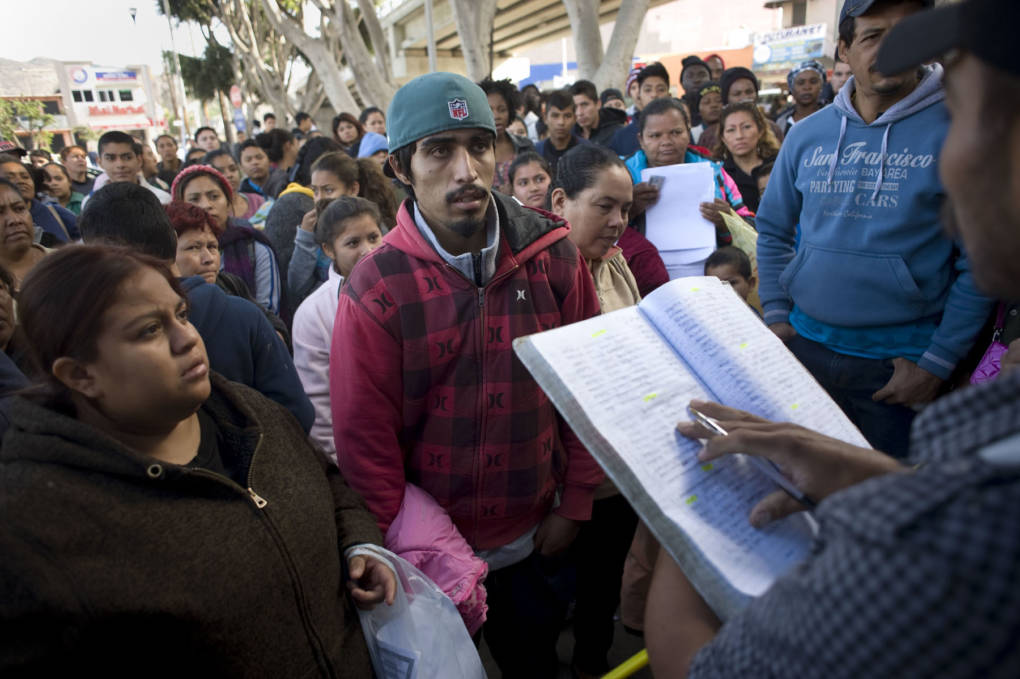
"caption": "People listen at the border in Tijuana, Mexico, as a man calls out names on a waiting list for those looking to cross the U.S. border to ask for asylum. The list is being kept by the asylum-seekers themselves in order to maintain order for those waiting and for those who have just arrived.",
"description": null,
"title": "border_mexico",
"credit": "David Maung/KQED",
"status": "inherit",
"isLoading": false,
"fetchFailed": false
},
"news_11720714": {
"type": "attachments",
"id": "news_11720714",
"meta": {
"index": "attachments_1716263798",
"site": "news",
"id": "11720714",
"found": true
},
"parent": 11720713,
"imgSizes": {
"twentyfourteen-full-width": {
"file": "https://ww2.kqed.org/app/uploads/sites/10/2019/01/ap_19023711412343_wide-a50f740431be66a9d67fda6fed8c3d6173f1f22f-1038x576.jpg",
"width": 1038,
"mimeType": "image/jpeg",
"height": 576
},
"thumbnail": {
"file": "https://ww2.kqed.org/app/uploads/sites/10/2019/01/ap_19023711412343_wide-a50f740431be66a9d67fda6fed8c3d6173f1f22f-160x90.jpg",
"width": 160,
"mimeType": "image/jpeg",
"height": 90
},
"post-thumbnail": {
"file": "https://ww2.kqed.org/app/uploads/sites/10/2019/01/ap_19023711412343_wide-a50f740431be66a9d67fda6fed8c3d6173f1f22f-672x372.jpg",
"width": 672,
"mimeType": "image/jpeg",
"height": 372
},
"kqedFullSize": {
"file": "https://ww2.kqed.org/app/uploads/sites/10/2019/01/ap_19023711412343_wide-a50f740431be66a9d67fda6fed8c3d6173f1f22f-e1548357443284.jpg",
"width": 1920,
"height": 1080
},
"large": {
"file": "https://ww2.kqed.org/app/uploads/sites/10/2019/01/ap_19023711412343_wide-a50f740431be66a9d67fda6fed8c3d6173f1f22f-1020x574.jpg",
"width": 1020,
"mimeType": "image/jpeg",
"height": 574
},
"complete_open_graph": {
"file": "https://ww2.kqed.org/app/uploads/sites/10/2019/01/ap_19023711412343_wide-a50f740431be66a9d67fda6fed8c3d6173f1f22f-1200x675.jpg",
"width": 1200,
"mimeType": "image/jpeg",
"height": 675
},
"guest-author-50": {
"file": "https://ww2.kqed.org/app/uploads/sites/10/2019/01/ap_19023711412343_wide-a50f740431be66a9d67fda6fed8c3d6173f1f22f-50x50.jpg",
"width": 50,
"mimeType": "image/jpeg",
"height": 50
},
"guest-author-96": {
"file": "https://ww2.kqed.org/app/uploads/sites/10/2019/01/ap_19023711412343_wide-a50f740431be66a9d67fda6fed8c3d6173f1f22f-96x96.jpg",
"width": 96,
"mimeType": "image/jpeg",
"height": 96
},
"medium": {
"file": "https://ww2.kqed.org/app/uploads/sites/10/2019/01/ap_19023711412343_wide-a50f740431be66a9d67fda6fed8c3d6173f1f22f-800x450.jpg",
"width": 800,
"mimeType": "image/jpeg",
"height": 450
},
"guest-author-64": {
"file": "https://ww2.kqed.org/app/uploads/sites/10/2019/01/ap_19023711412343_wide-a50f740431be66a9d67fda6fed8c3d6173f1f22f-64x64.jpg",
"width": 64,
"mimeType": "image/jpeg",
"height": 64
},
"guest-author-32": {
"file": "https://ww2.kqed.org/app/uploads/sites/10/2019/01/ap_19023711412343_wide-a50f740431be66a9d67fda6fed8c3d6173f1f22f-32x32.jpg",
"width": 32,
"mimeType": "image/jpeg",
"height": 32
},
"full-width": {
"file": "https://ww2.kqed.org/app/uploads/sites/10/2019/01/ap_19023711412343_wide-a50f740431be66a9d67fda6fed8c3d6173f1f22f-1920x1080.jpg",
"width": 1920,
"mimeType": "image/jpeg",
"height": 1080
},
"detail": {
"file": "https://ww2.kqed.org/app/uploads/sites/10/2019/01/ap_19023711412343_wide-a50f740431be66a9d67fda6fed8c3d6173f1f22f-150x150.jpg",
"width": 150,
"mimeType": "image/jpeg",
"height": 150
},
"guest-author-128": {
"file": "https://ww2.kqed.org/app/uploads/sites/10/2019/01/ap_19023711412343_wide-a50f740431be66a9d67fda6fed8c3d6173f1f22f-128x128.jpg",
"width": 128,
"mimeType": "image/jpeg",
"height": 128
}
},
"publishDate": 1548356321,
"modified": 1548357459,
"caption": "President Trump appears at the White House on Wednesday as House Speaker Nancy Pelosi blocked him from delivering the State of the Union at the Capitol. Trump agreed to postpone while the shutdown goes on.",
"description": "President Trump appears at the White House on Wednesday as House Speaker Nancy Pelosi blocked him from delivering the State of the Union at the Capitol. Trump agreed to postpone while the shutdown goes on.",
"title": "President Trump appears at the White House on Wednesday as House Speaker Nancy Pelosi blocked him from delivering the State of the Union at the Capitol. Trump agreed to postpone while the shutdown goes on.",
"credit": "Jacquelyn Martin/AP",
"status": "inherit",
"isLoading": false,
"fetchFailed": false
},
"news_11720266": {
"type": "attachments",
"id": "news_11720266",
"meta": {
"index": "attachments_1716263798",
"site": "news",
"id": "11720266",
"found": true
},
"parent": 11720251,
"imgSizes": {
"twentyfourteen-full-width": {
"file": "https://ww2.kqed.org/app/uploads/sites/10/2019/01/TrumpPelosi-1038x576.jpg",
"width": 1038,
"mimeType": "image/jpeg",
"height": 576
},
"thumbnail": {
"file": "https://ww2.kqed.org/app/uploads/sites/10/2019/01/TrumpPelosi-160x110.jpg",
"width": 160,
"mimeType": "image/jpeg",
"height": 110
},
"post-thumbnail": {
"file": "https://ww2.kqed.org/app/uploads/sites/10/2019/01/TrumpPelosi-672x372.jpg",
"width": 672,
"mimeType": "image/jpeg",
"height": 372
},
"kqedFullSize": {
"file": "https://ww2.kqed.org/app/uploads/sites/10/2019/01/TrumpPelosi.jpg",
"width": 1920,
"height": 1318
},
"large": {
"file": "https://ww2.kqed.org/app/uploads/sites/10/2019/01/TrumpPelosi-1020x700.jpg",
"width": 1020,
"mimeType": "image/jpeg",
"height": 700
},
"complete_open_graph": {
"file": "https://ww2.kqed.org/app/uploads/sites/10/2019/01/TrumpPelosi-1200x824.jpg",
"width": 1200,
"mimeType": "image/jpeg",
"height": 824
},
"guest-author-50": {
"file": "https://ww2.kqed.org/app/uploads/sites/10/2019/01/TrumpPelosi-50x50.jpg",
"width": 50,
"mimeType": "image/jpeg",
"height": 50
},
"guest-author-96": {
"file": "https://ww2.kqed.org/app/uploads/sites/10/2019/01/TrumpPelosi-96x96.jpg",
"width": 96,
"mimeType": "image/jpeg",
"height": 96
},
"medium": {
"file": "https://ww2.kqed.org/app/uploads/sites/10/2019/01/TrumpPelosi-800x549.jpg",
"width": 800,
"mimeType": "image/jpeg",
"height": 549
},
"guest-author-64": {
"file": "https://ww2.kqed.org/app/uploads/sites/10/2019/01/TrumpPelosi-64x64.jpg",
"width": 64,
"mimeType": "image/jpeg",
"height": 64
},
"guest-author-32": {
"file": "https://ww2.kqed.org/app/uploads/sites/10/2019/01/TrumpPelosi-32x32.jpg",
"width": 32,
"mimeType": "image/jpeg",
"height": 32
},
"full-width": {
"file": "https://ww2.kqed.org/app/uploads/sites/10/2019/01/TrumpPelosi-1920x1318.jpg",
"width": 1920,
"mimeType": "image/jpeg",
"height": 1318
},
"detail": {
"file": "https://ww2.kqed.org/app/uploads/sites/10/2019/01/TrumpPelosi-150x150.jpg",
"width": 150,
"mimeType": "image/jpeg",
"height": 150
},
"guest-author-128": {
"file": "https://ww2.kqed.org/app/uploads/sites/10/2019/01/TrumpPelosi-128x128.jpg",
"width": 128,
"mimeType": "image/jpeg",
"height": 128
}
},
"publishDate": 1548275543,
"modified": 1548275676,
"caption": "President Donald Trump listens while House Speaker Nancy Pelosi makes a statement on Dec. 11, 2018. Trump is pressing forward with his desire to give a State of the Union speech in the House chamber next week, even as House Speaker Nancy Pelosi says the speech should be postponed or canceled because of the ongoing partial government shutdown.",
"description": "President Donald Trump listens while House Speaker Nancy Pelosi makes a statement on Dec. 11, 2018. Trump is pressing forward with his desire to give a State of the Union speech in the House chamber next week, even as House Speaker Nancy Pelosi says the speech should be postponed or canceled because of the ongoing partial government shutdown.",
"title": "TrumpPelosi",
"credit": "BRENDAN SMIALOWSKI/AFP/Getty Images",
"status": "inherit",
"isLoading": false,
"fetchFailed": false
},
"news_11719924": {
"type": "attachments",
"id": "news_11719924",
"meta": {
"index": "attachments_1716263798",
"site": "news",
"id": "11719924",
"found": true
},
"parent": 11719923,
"imgSizes": {
"twentyfourteen-full-width": {
"file": "https://ww2.kqed.org/app/uploads/sites/10/2019/01/4626c068-gettyimages-1081832176_custom-bcfc5c3cb830ec494daa16da61487fbadc574ce0-e1548177358732-1038x576.jpg",
"width": 1038,
"mimeType": "image/jpeg",
"height": 576
},
"thumbnail": {
"file": "https://ww2.kqed.org/app/uploads/sites/10/2019/01/4626c068-gettyimages-1081832176_custom-bcfc5c3cb830ec494daa16da61487fbadc574ce0-e1548177358732-160x107.jpg",
"width": 160,
"mimeType": "image/jpeg",
"height": 107
},
"post-thumbnail": {
"file": "https://ww2.kqed.org/app/uploads/sites/10/2019/01/4626c068-gettyimages-1081832176_custom-bcfc5c3cb830ec494daa16da61487fbadc574ce0-e1548177358732-672x372.jpg",
"width": 672,
"mimeType": "image/jpeg",
"height": 372
},
"kqedFullSize": {
"file": "https://ww2.kqed.org/app/uploads/sites/10/2019/01/4626c068-gettyimages-1081832176_custom-bcfc5c3cb830ec494daa16da61487fbadc574ce0-e1548177358732.jpg",
"width": 1920,
"height": 1279
},
"large": {
"file": "https://ww2.kqed.org/app/uploads/sites/10/2019/01/4626c068-gettyimages-1081832176_custom-bcfc5c3cb830ec494daa16da61487fbadc574ce0-e1548177358732-1020x679.jpg",
"width": 1020,
"mimeType": "image/jpeg",
"height": 679
},
"complete_open_graph": {
"file": "https://ww2.kqed.org/app/uploads/sites/10/2019/01/4626c068-gettyimages-1081832176_custom-bcfc5c3cb830ec494daa16da61487fbadc574ce0-e1548177358732-1200x799.jpg",
"width": 1200,
"mimeType": "image/jpeg",
"height": 799
},
"guest-author-50": {
"file": "https://ww2.kqed.org/app/uploads/sites/10/2019/01/4626c068-gettyimages-1081832176_custom-bcfc5c3cb830ec494daa16da61487fbadc574ce0-e1548177358732-50x50.jpg",
"width": 50,
"mimeType": "image/jpeg",
"height": 50
},
"guest-author-96": {
"file": "https://ww2.kqed.org/app/uploads/sites/10/2019/01/4626c068-gettyimages-1081832176_custom-bcfc5c3cb830ec494daa16da61487fbadc574ce0-e1548177358732-96x96.jpg",
"width": 96,
"mimeType": "image/jpeg",
"height": 96
},
"medium": {
"file": "https://ww2.kqed.org/app/uploads/sites/10/2019/01/4626c068-gettyimages-1081832176_custom-bcfc5c3cb830ec494daa16da61487fbadc574ce0-e1548177358732-800x533.jpg",
"width": 800,
"mimeType": "image/jpeg",
"height": 533
},
"guest-author-64": {
"file": "https://ww2.kqed.org/app/uploads/sites/10/2019/01/4626c068-gettyimages-1081832176_custom-bcfc5c3cb830ec494daa16da61487fbadc574ce0-e1548177358732-64x64.jpg",
"width": 64,
"mimeType": "image/jpeg",
"height": 64
},
"guest-author-32": {
"file": "https://ww2.kqed.org/app/uploads/sites/10/2019/01/4626c068-gettyimages-1081832176_custom-bcfc5c3cb830ec494daa16da61487fbadc574ce0-e1548177358732-32x32.jpg",
"width": 32,
"mimeType": "image/jpeg",
"height": 32
},
"full-width": {
"file": "https://ww2.kqed.org/app/uploads/sites/10/2019/01/4626c068-gettyimages-1081832176_custom-bcfc5c3cb830ec494daa16da61487fbadc574ce0-e1548177358732-1920x1279.jpg",
"width": 1920,
"mimeType": "image/jpeg",
"height": 1279
},
"detail": {
"file": "https://ww2.kqed.org/app/uploads/sites/10/2019/01/4626c068-gettyimages-1081832176_custom-bcfc5c3cb830ec494daa16da61487fbadc574ce0-e1548177358732-150x150.jpg",
"width": 150,
"mimeType": "image/jpeg",
"height": 150
},
"guest-author-128": {
"file": "https://ww2.kqed.org/app/uploads/sites/10/2019/01/4626c068-gettyimages-1081832176_custom-bcfc5c3cb830ec494daa16da61487fbadc574ce0-e1548177358732-128x128.jpg",
"width": 128,
"mimeType": "image/jpeg",
"height": 128
}
},
"publishDate": 1548177298,
"modified": 1548207643,
"caption": "The Supreme Court's decision allows the Pentagon to bar transgender people from joining or remaining in the military while the lower court rulings that had blocked the policy are appealed.",
"description": "The Supreme Court's decision allows the Pentagon to bar transgender people from joining or remaining in the military while the lower-court rulings that had blocked the policy are appealed.",
"title": "The Supreme Court's decision allows the Pentagon to bar transgender people from joining or remaining in the military while the lower-court rulings that had blocked the policy are appealed.",
"credit": "Al Drago/Getty Images",
"status": "inherit",
"isLoading": false,
"fetchFailed": false
},
"news_11719259": {
"type": "attachments",
"id": "news_11719259",
"meta": {
"index": "attachments_1716263798",
"site": "news",
"id": "11719259",
"found": true
},
"parent": 11719257,
"imgSizes": {
"twentyfourteen-full-width": {
"file": "https://ww2.kqed.org/app/uploads/sites/10/2019/01/gettyimages-1083973832_wide-72fe2d57a70b8938231d4fc64d25e4d5354a055e-e1547836142759-1038x576.jpg",
"width": 1038,
"mimeType": "image/jpeg",
"height": 576
},
"thumbnail": {
"file": "https://ww2.kqed.org/app/uploads/sites/10/2019/01/gettyimages-1083973832_wide-72fe2d57a70b8938231d4fc64d25e4d5354a055e-e1547836142759-160x90.jpg",
"width": 160,
"mimeType": "image/jpeg",
"height": 90
},
"post-thumbnail": {
"file": "https://ww2.kqed.org/app/uploads/sites/10/2019/01/gettyimages-1083973832_wide-72fe2d57a70b8938231d4fc64d25e4d5354a055e-e1547836142759-672x372.jpg",
"width": 672,
"mimeType": "image/jpeg",
"height": 372
},
"kqedFullSize": {
"file": "https://ww2.kqed.org/app/uploads/sites/10/2019/01/gettyimages-1083973832_wide-72fe2d57a70b8938231d4fc64d25e4d5354a055e-e1547836142759.jpg",
"width": 1920,
"height": 1080
},
"large": {
"file": "https://ww2.kqed.org/app/uploads/sites/10/2019/01/gettyimages-1083973832_wide-72fe2d57a70b8938231d4fc64d25e4d5354a055e-e1547836142759-1020x574.jpg",
"width": 1020,
"mimeType": "image/jpeg",
"height": 574
},
"complete_open_graph": {
"file": "https://ww2.kqed.org/app/uploads/sites/10/2019/01/gettyimages-1083973832_wide-72fe2d57a70b8938231d4fc64d25e4d5354a055e-e1547836142759-1200x675.jpg",
"width": 1200,
"mimeType": "image/jpeg",
"height": 675
},
"guest-author-50": {
"file": "https://ww2.kqed.org/app/uploads/sites/10/2019/01/gettyimages-1083973832_wide-72fe2d57a70b8938231d4fc64d25e4d5354a055e-e1547836142759-50x50.jpg",
"width": 50,
"mimeType": "image/jpeg",
"height": 50
},
"guest-author-96": {
"file": "https://ww2.kqed.org/app/uploads/sites/10/2019/01/gettyimages-1083973832_wide-72fe2d57a70b8938231d4fc64d25e4d5354a055e-e1547836142759-96x96.jpg",
"width": 96,
"mimeType": "image/jpeg",
"height": 96
},
"medium": {
"file": "https://ww2.kqed.org/app/uploads/sites/10/2019/01/gettyimages-1083973832_wide-72fe2d57a70b8938231d4fc64d25e4d5354a055e-e1547836142759-800x450.jpg",
"width": 800,
"mimeType": "image/jpeg",
"height": 450
},
"guest-author-64": {
"file": "https://ww2.kqed.org/app/uploads/sites/10/2019/01/gettyimages-1083973832_wide-72fe2d57a70b8938231d4fc64d25e4d5354a055e-e1547836142759-64x64.jpg",
"width": 64,
"mimeType": "image/jpeg",
"height": 64
},
"guest-author-32": {
"file": "https://ww2.kqed.org/app/uploads/sites/10/2019/01/gettyimages-1083973832_wide-72fe2d57a70b8938231d4fc64d25e4d5354a055e-e1547836142759-32x32.jpg",
"width": 32,
"mimeType": "image/jpeg",
"height": 32
},
"full-width": {
"file": "https://ww2.kqed.org/app/uploads/sites/10/2019/01/gettyimages-1083973832_wide-72fe2d57a70b8938231d4fc64d25e4d5354a055e-e1547836142759-1920x1080.jpg",
"width": 1920,
"mimeType": "image/jpeg",
"height": 1080
},
"detail": {
"file": "https://ww2.kqed.org/app/uploads/sites/10/2019/01/gettyimages-1083973832_wide-72fe2d57a70b8938231d4fc64d25e4d5354a055e-e1547836142759-150x150.jpg",
"width": 150,
"mimeType": "image/jpeg",
"height": 150
},
"guest-author-128": {
"file": "https://ww2.kqed.org/app/uploads/sites/10/2019/01/gettyimages-1083973832_wide-72fe2d57a70b8938231d4fc64d25e4d5354a055e-e1547836142759-128x128.jpg",
"width": 128,
"mimeType": "image/jpeg",
"height": 128
}
},
"publishDate": 1547835969,
"modified": 1547836130,
"caption": "House Speaker Nancy Pelosi has postponed plans to travel to Afghanistan, charging the White House with leaking plans of the trip.",
"description": "House Speaker Nancy Pelosi has postponed plans to travel to Afghanistan, charging the White House with leaking plans of the trip.",
"title": "Speaker Nancy Pelosi, D-Calif., has postponed plans to travel to Afghanistan charging the White House leaked plans.",
"credit": "Bloomberg/Bloomberg via Getty Images",
"status": "inherit",
"isLoading": false,
"fetchFailed": false
},
"news_11719070": {
"type": "attachments",
"id": "news_11719070",
"meta": {
"index": "attachments_1716263798",
"site": "news",
"id": "11719070",
"found": true
},
"parent": 11719066,
"imgSizes": {
"twentyfourteen-full-width": {
"file": "https://ww2.kqed.org/app/uploads/sites/10/2019/01/GettyImages-145949283-e1547777908495-1038x576.jpg",
"width": 1038,
"mimeType": "image/jpeg",
"height": 576
},
"thumbnail": {
"file": "https://ww2.kqed.org/app/uploads/sites/10/2019/01/GettyImages-145949283-e1547777908495-160x105.jpg",
"width": 160,
"mimeType": "image/jpeg",
"height": 105
},
"post-thumbnail": {
"file": "https://ww2.kqed.org/app/uploads/sites/10/2019/01/GettyImages-145949283-e1547777908495-672x372.jpg",
"width": 672,
"mimeType": "image/jpeg",
"height": 372
},
"kqedFullSize": {
"file": "https://ww2.kqed.org/app/uploads/sites/10/2019/01/GettyImages-145949283-e1547777908495.jpg",
"width": 1920,
"height": 1264
},
"large": {
"file": "https://ww2.kqed.org/app/uploads/sites/10/2019/01/GettyImages-145949283-e1547777908495-1020x672.jpg",
"width": 1020,
"mimeType": "image/jpeg",
"height": 672
},
"complete_open_graph": {
"file": "https://ww2.kqed.org/app/uploads/sites/10/2019/01/GettyImages-145949283-e1547777908495-1200x790.jpg",
"width": 1200,
"mimeType": "image/jpeg",
"height": 790
},
"guest-author-50": {
"file": "https://ww2.kqed.org/app/uploads/sites/10/2019/01/GettyImages-145949283-e1547777908495-50x50.jpg",
"width": 50,
"mimeType": "image/jpeg",
"height": 50
},
"guest-author-96": {
"file": "https://ww2.kqed.org/app/uploads/sites/10/2019/01/GettyImages-145949283-e1547777908495-96x96.jpg",
"width": 96,
"mimeType": "image/jpeg",
"height": 96
},
"medium": {
"file": "https://ww2.kqed.org/app/uploads/sites/10/2019/01/GettyImages-145949283-e1547777908495-800x527.jpg",
"width": 800,
"mimeType": "image/jpeg",
"height": 527
},
"guest-author-64": {
"file": "https://ww2.kqed.org/app/uploads/sites/10/2019/01/GettyImages-145949283-e1547777908495-64x64.jpg",
"width": 64,
"mimeType": "image/jpeg",
"height": 64
},
"guest-author-32": {
"file": "https://ww2.kqed.org/app/uploads/sites/10/2019/01/GettyImages-145949283-e1547777908495-32x32.jpg",
"width": 32,
"mimeType": "image/jpeg",
"height": 32
},
"full-width": {
"file": "https://ww2.kqed.org/app/uploads/sites/10/2019/01/GettyImages-145949283-e1547777908495-1920x1264.jpg",
"width": 1920,
"mimeType": "image/jpeg",
"height": 1264
},
"detail": {
"file": "https://ww2.kqed.org/app/uploads/sites/10/2019/01/GettyImages-145949283-e1547777908495-150x150.jpg",
"width": 150,
"mimeType": "image/jpeg",
"height": 150
},
"guest-author-128": {
"file": "https://ww2.kqed.org/app/uploads/sites/10/2019/01/GettyImages-145949283-e1547777908495-128x128.jpg",
"width": 128,
"mimeType": "image/jpeg",
"height": 128
}
},
"publishDate": 1547769539,
"modified": 1547777897,
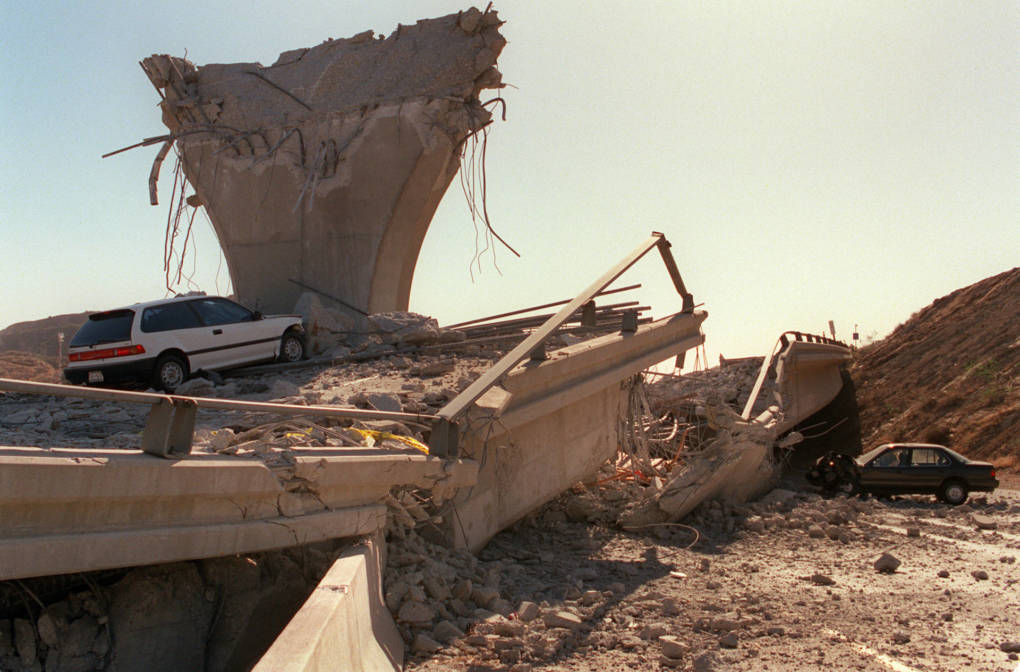
"caption": "Cars lie smashed by the collapsed Interstate 5 connector few hours after Northridge earthquake, on January 17, 1994, in Sylmar, California.",
"description": "Cars lie smashed by the collapsed Interstate 5 connector few hours after Northridge earthquake, on January 17, 1994, in Sylmar, California.",
"title": "USA-EARTHQUAKE-DAMAGES",
"credit": "Jonathan Nourak/AFP/Getty Images",
"status": "inherit",
"isLoading": false,
"fetchFailed": false
},
"news_11718978": {
"type": "attachments",
"id": "news_11718978",
"meta": {
"index": "attachments_1716263798",
"site": "news",
"id": "11718978",
"found": true
},
"parent": 11718977,
"imgSizes": {
"twentyfourteen-full-width": {
"file": "https://ww2.kqed.org/app/uploads/sites/10/2019/01/ap_18345633192486_wide-25c5b9a73b3c842f7b04fd1ac4009c4bb896ea4f-e1547757275111-1038x576.jpg",
"width": 1038,
"mimeType": "image/jpeg",
"height": 576
},
"thumbnail": {
"file": "https://ww2.kqed.org/app/uploads/sites/10/2019/01/ap_18345633192486_wide-25c5b9a73b3c842f7b04fd1ac4009c4bb896ea4f-e1547757275111-160x90.jpg",
"width": 160,
"mimeType": "image/jpeg",
"height": 90
},
"post-thumbnail": {
"file": "https://ww2.kqed.org/app/uploads/sites/10/2019/01/ap_18345633192486_wide-25c5b9a73b3c842f7b04fd1ac4009c4bb896ea4f-e1547757275111-672x372.jpg",
"width": 672,
"mimeType": "image/jpeg",
"height": 372
},
"kqedFullSize": {
"file": "https://ww2.kqed.org/app/uploads/sites/10/2019/01/ap_18345633192486_wide-25c5b9a73b3c842f7b04fd1ac4009c4bb896ea4f-e1547757275111.jpg",
"width": 1920,
"height": 1080
},
"large": {
"file": "https://ww2.kqed.org/app/uploads/sites/10/2019/01/ap_18345633192486_wide-25c5b9a73b3c842f7b04fd1ac4009c4bb896ea4f-e1547757275111-1020x574.jpg",
"width": 1020,
"mimeType": "image/jpeg",
"height": 574
},
"complete_open_graph": {
"file": "https://ww2.kqed.org/app/uploads/sites/10/2019/01/ap_18345633192486_wide-25c5b9a73b3c842f7b04fd1ac4009c4bb896ea4f-e1547757275111-1200x675.jpg",
"width": 1200,
"mimeType": "image/jpeg",
"height": 675
},
"guest-author-50": {
"file": "https://ww2.kqed.org/app/uploads/sites/10/2019/01/ap_18345633192486_wide-25c5b9a73b3c842f7b04fd1ac4009c4bb896ea4f-e1547757275111-50x50.jpg",
"width": 50,
"mimeType": "image/jpeg",
"height": 50
},
"guest-author-96": {
"file": "https://ww2.kqed.org/app/uploads/sites/10/2019/01/ap_18345633192486_wide-25c5b9a73b3c842f7b04fd1ac4009c4bb896ea4f-e1547757275111-96x96.jpg",
"width": 96,
"mimeType": "image/jpeg",
"height": 96
},
"medium": {
"file": "https://ww2.kqed.org/app/uploads/sites/10/2019/01/ap_18345633192486_wide-25c5b9a73b3c842f7b04fd1ac4009c4bb896ea4f-e1547757275111-800x450.jpg",
"width": 800,
"mimeType": "image/jpeg",
"height": 450
},
"guest-author-64": {
"file": "https://ww2.kqed.org/app/uploads/sites/10/2019/01/ap_18345633192486_wide-25c5b9a73b3c842f7b04fd1ac4009c4bb896ea4f-e1547757275111-64x64.jpg",
"width": 64,
"mimeType": "image/jpeg",
"height": 64
},
"guest-author-32": {
"file": "https://ww2.kqed.org/app/uploads/sites/10/2019/01/ap_18345633192486_wide-25c5b9a73b3c842f7b04fd1ac4009c4bb896ea4f-e1547757275111-32x32.jpg",
"width": 32,
"mimeType": "image/jpeg",
"height": 32
},
"full-width": {
"file": "https://ww2.kqed.org/app/uploads/sites/10/2019/01/ap_18345633192486_wide-25c5b9a73b3c842f7b04fd1ac4009c4bb896ea4f-e1547757275111-1920x1080.jpg",
"width": 1920,
"mimeType": "image/jpeg",
"height": 1080
},
"detail": {
"file": "https://ww2.kqed.org/app/uploads/sites/10/2019/01/ap_18345633192486_wide-25c5b9a73b3c842f7b04fd1ac4009c4bb896ea4f-e1547757275111-150x150.jpg",
"width": 150,
"mimeType": "image/jpeg",
"height": 150
},
"guest-author-128": {
"file": "https://ww2.kqed.org/app/uploads/sites/10/2019/01/ap_18345633192486_wide-25c5b9a73b3c842f7b04fd1ac4009c4bb896ea4f-e1547757275111-128x128.jpg",
"width": 128,
"mimeType": "image/jpeg",
"height": 128
}
},
"publishDate": 1547757150,
"modified": 1547757263,
"caption": "Vice President Mike Pence, looks on as now-House Speaker Nancy Pelosi argues with President Trump during a meeting in the Oval Office last month.",
"description": "Vice President Mike Pence, looks on as now-House Speaker Nancy Pelosi argues with President Trump during a meeting in the Oval Office last month.",
"title": "Vice President Mike Pence, looks on as now-House Speaker Nancy Pelosi, D-Calif., argues with President Trump during a meeting in the Oval Office last month.",
"credit": "Evan Vucci/AP",
"status": "inherit",
"isLoading": false,
"fetchFailed": false
},
"news_11718338": {
"type": "attachments",
"id": "news_11718338",
"meta": {
"index": "attachments_1716263798",
"site": "news",
"id": "11718338",
"found": true
},
"parent": 11718337,
"imgSizes": {
"twentyfourteen-full-width": {
"file": "https://ww2.kqed.org/app/uploads/sites/10/2019/01/image-from-ios-3-_wide-b25b5bd6173f6d679f9c81f58a5af945cdf68e39-e1547585705801-1038x576.jpg",
"width": 1038,
"mimeType": "image/jpeg",
"height": 576
},
"thumbnail": {
"file": "https://ww2.kqed.org/app/uploads/sites/10/2019/01/image-from-ios-3-_wide-b25b5bd6173f6d679f9c81f58a5af945cdf68e39-e1547585705801-160x90.jpg",
"width": 160,
"mimeType": "image/jpeg",
"height": 90
},
"post-thumbnail": {
"file": "https://ww2.kqed.org/app/uploads/sites/10/2019/01/image-from-ios-3-_wide-b25b5bd6173f6d679f9c81f58a5af945cdf68e39-e1547585705801-672x372.jpg",
"width": 672,
"mimeType": "image/jpeg",
"height": 372
},
"kqedFullSize": {
"file": "https://ww2.kqed.org/app/uploads/sites/10/2019/01/image-from-ios-3-_wide-b25b5bd6173f6d679f9c81f58a5af945cdf68e39-e1547585705801.jpg",
"width": 1920,
"height": 1080
},
"large": {
"file": "https://ww2.kqed.org/app/uploads/sites/10/2019/01/image-from-ios-3-_wide-b25b5bd6173f6d679f9c81f58a5af945cdf68e39-e1547585705801-1020x574.jpg",
"width": 1020,
"mimeType": "image/jpeg",
"height": 574
},
"complete_open_graph": {
"file": "https://ww2.kqed.org/app/uploads/sites/10/2019/01/image-from-ios-3-_wide-b25b5bd6173f6d679f9c81f58a5af945cdf68e39-e1547585705801-1200x675.jpg",
"width": 1200,
"mimeType": "image/jpeg",
"height": 675
},
"guest-author-50": {
"file": "https://ww2.kqed.org/app/uploads/sites/10/2019/01/image-from-ios-3-_wide-b25b5bd6173f6d679f9c81f58a5af945cdf68e39-e1547585705801-50x50.jpg",
"width": 50,
"mimeType": "image/jpeg",
"height": 50
},
"guest-author-96": {
"file": "https://ww2.kqed.org/app/uploads/sites/10/2019/01/image-from-ios-3-_wide-b25b5bd6173f6d679f9c81f58a5af945cdf68e39-e1547585705801-96x96.jpg",
"width": 96,
"mimeType": "image/jpeg",
"height": 96
},
"medium": {
"file": "https://ww2.kqed.org/app/uploads/sites/10/2019/01/image-from-ios-3-_wide-b25b5bd6173f6d679f9c81f58a5af945cdf68e39-e1547585705801-800x450.jpg",
"width": 800,
"mimeType": "image/jpeg",
"height": 450
},
"guest-author-64": {
"file": "https://ww2.kqed.org/app/uploads/sites/10/2019/01/image-from-ios-3-_wide-b25b5bd6173f6d679f9c81f58a5af945cdf68e39-e1547585705801-64x64.jpg",
"width": 64,
"mimeType": "image/jpeg",
"height": 64
},
"guest-author-32": {
"file": "https://ww2.kqed.org/app/uploads/sites/10/2019/01/image-from-ios-3-_wide-b25b5bd6173f6d679f9c81f58a5af945cdf68e39-e1547585705801-32x32.jpg",
"width": 32,
"mimeType": "image/jpeg",
"height": 32
},
"full-width": {
"file": "https://ww2.kqed.org/app/uploads/sites/10/2019/01/image-from-ios-3-_wide-b25b5bd6173f6d679f9c81f58a5af945cdf68e39-e1547585705801-1920x1080.jpg",
"width": 1920,
"mimeType": "image/jpeg",
"height": 1080
},
"detail": {
"file": "https://ww2.kqed.org/app/uploads/sites/10/2019/01/image-from-ios-3-_wide-b25b5bd6173f6d679f9c81f58a5af945cdf68e39-e1547585705801-150x150.jpg",
"width": 150,
"mimeType": "image/jpeg",
"height": 150
},
"guest-author-128": {
"file": "https://ww2.kqed.org/app/uploads/sites/10/2019/01/image-from-ios-3-_wide-b25b5bd6173f6d679f9c81f58a5af945cdf68e39-e1547585705801-128x128.jpg",
"width": 128,
"mimeType": "image/jpeg",
"height": 128
}
},
"publishDate": 1547585497,
"modified": 1557410344,
"caption": "After the Camp Fire in November, thousands of people whose homes were destroyed in and around Paradise were forced to seek refuge in nearby Chico. ",
"description": "After the Camp Fire in November, thousands of people whose homes were destroyed in and around Paradise were forced to seek refuge in nearby Chico. Some 700 people, some in their RVs, are still living at a Red Cross shelter at the Chico fairgrounds. The shelter is expected to close at the end of January.",
"title": "After the Camp Fire in November, thousands of people whose homes were destroyed were forced to seek refuge in nearby Chico, Calif. Some 700 people, some in their RVs, are still living at a Red Cross shelter at the Chico fairgrounds. The shelter is expected to close at the end of January.",
"credit": "Kirk Siegler/NPR",
"status": "inherit",
"isLoading": false,
"fetchFailed": false
},
"news_11717991": {
"type": "attachments",
"id": "news_11717991",
"meta": {
"index": "attachments_1716263798",
"site": "news",
"id": "11717991",
"found": true
},
"parent": 11717990,
"imgSizes": {
"twentyfourteen-full-width": {
"file": "https://ww2.kqed.org/app/uploads/sites/10/2019/01/ap_18354010716514_wide-5bc9eb2ab89cc031de4f3c52d36bc83bb60e3134-e1547494751631-1038x576.jpg",
"width": 1038,
"mimeType": "image/jpeg",
"height": 576
},
"thumbnail": {
"file": "https://ww2.kqed.org/app/uploads/sites/10/2019/01/ap_18354010716514_wide-5bc9eb2ab89cc031de4f3c52d36bc83bb60e3134-e1547494751631-160x90.jpg",
"width": 160,
"mimeType": "image/jpeg",
"height": 90
},
"post-thumbnail": {
"file": "https://ww2.kqed.org/app/uploads/sites/10/2019/01/ap_18354010716514_wide-5bc9eb2ab89cc031de4f3c52d36bc83bb60e3134-e1547494751631-672x372.jpg",
"width": 672,
"mimeType": "image/jpeg",
"height": 372
},
"kqedFullSize": {
"file": "https://ww2.kqed.org/app/uploads/sites/10/2019/01/ap_18354010716514_wide-5bc9eb2ab89cc031de4f3c52d36bc83bb60e3134-e1547494751631.jpg",
"width": 1920,
"height": 1079
},
"large": {
"file": "https://ww2.kqed.org/app/uploads/sites/10/2019/01/ap_18354010716514_wide-5bc9eb2ab89cc031de4f3c52d36bc83bb60e3134-e1547494751631-1020x573.jpg",
"width": 1020,
"mimeType": "image/jpeg",
"height": 573
},
"complete_open_graph": {
"file": "https://ww2.kqed.org/app/uploads/sites/10/2019/01/ap_18354010716514_wide-5bc9eb2ab89cc031de4f3c52d36bc83bb60e3134-e1547494751631-1200x674.jpg",
"width": 1200,
"mimeType": "image/jpeg",
"height": 674
},
"guest-author-50": {
"file": "https://ww2.kqed.org/app/uploads/sites/10/2019/01/ap_18354010716514_wide-5bc9eb2ab89cc031de4f3c52d36bc83bb60e3134-e1547494751631-50x50.jpg",
"width": 50,
"mimeType": "image/jpeg",
"height": 50
},
"guest-author-96": {
"file": "https://ww2.kqed.org/app/uploads/sites/10/2019/01/ap_18354010716514_wide-5bc9eb2ab89cc031de4f3c52d36bc83bb60e3134-e1547494751631-96x96.jpg",
"width": 96,
"mimeType": "image/jpeg",
"height": 96
},
"medium": {
"file": "https://ww2.kqed.org/app/uploads/sites/10/2019/01/ap_18354010716514_wide-5bc9eb2ab89cc031de4f3c52d36bc83bb60e3134-e1547494751631-800x450.jpg",
"width": 800,
"mimeType": "image/jpeg",
"height": 450
},
"guest-author-64": {
"file": "https://ww2.kqed.org/app/uploads/sites/10/2019/01/ap_18354010716514_wide-5bc9eb2ab89cc031de4f3c52d36bc83bb60e3134-e1547494751631-64x64.jpg",
"width": 64,
"mimeType": "image/jpeg",
"height": 64
},
"guest-author-32": {
"file": "https://ww2.kqed.org/app/uploads/sites/10/2019/01/ap_18354010716514_wide-5bc9eb2ab89cc031de4f3c52d36bc83bb60e3134-e1547494751631-32x32.jpg",
"width": 32,
"mimeType": "image/jpeg",
"height": 32
},
"full-width": {
"file": "https://ww2.kqed.org/app/uploads/sites/10/2019/01/ap_18354010716514_wide-5bc9eb2ab89cc031de4f3c52d36bc83bb60e3134-e1547494751631-1920x1079.jpg",
"width": 1920,
"mimeType": "image/jpeg",
"height": 1079
},
"detail": {
"file": "https://ww2.kqed.org/app/uploads/sites/10/2019/01/ap_18354010716514_wide-5bc9eb2ab89cc031de4f3c52d36bc83bb60e3134-e1547494751631-150x150.jpg",
"width": 150,
"mimeType": "image/jpeg",
"height": 150
},
"guest-author-128": {
"file": "https://ww2.kqed.org/app/uploads/sites/10/2019/01/ap_18354010716514_wide-5bc9eb2ab89cc031de4f3c52d36bc83bb60e3134-e1547494751631-128x128.jpg",
"width": 128,
"mimeType": "image/jpeg",
"height": 128
}
},
"publishDate": 1547489118,
"modified": 1547512105,
"caption": "Educators march in downtown Los Angeles on Dec. 15. Negotiations between United Teachers Los Angeles and the L.A. Unified School District started in early 2017.",
"description": "Educators march in downtown Los Angeles on Dec. 15. Negotiations between United Teachers Los Angeles and the LA Unified School District started in early 2017.",
"title": "Educators march in downtown Los Angeles on Dec. 15. Negotiations between United Teachers Los Angeles and the LA Unified School District started in early 2017.",
"credit": "Damian Dovarganes/AP",
"status": "inherit",
"isLoading": false,
"fetchFailed": false
},
"news_11717909": {
"type": "attachments",
"id": "news_11717909",
"meta": {
"index": "attachments_1716263798",
"site": "news",
"id": "11717909",
"found": true
},
"parent": 11717904,
"imgSizes": {
"twentyfourteen-full-width": {
"file": "https://ww2.kqed.org/app/uploads/sites/10/2019/01/GettyImages-495582126-1-e1547408047496-1038x576.jpg",
"width": 1038,
"mimeType": "image/jpeg",
"height": 576
},
"thumbnail": {
"file": "https://ww2.kqed.org/app/uploads/sites/10/2019/01/GettyImages-495582126-1-e1547408047496-160x109.jpg",
"width": 160,
"mimeType": "image/jpeg",
"height": 109
},
"post-thumbnail": {
"file": "https://ww2.kqed.org/app/uploads/sites/10/2019/01/GettyImages-495582126-1-e1547408047496-672x372.jpg",
"width": 672,
"mimeType": "image/jpeg",
"height": 372
},
"kqedFullSize": {
"file": "https://ww2.kqed.org/app/uploads/sites/10/2019/01/GettyImages-495582126-1-e1547408047496.jpg",
"width": 1920,
"height": 1303
},
"large": {
"file": "https://ww2.kqed.org/app/uploads/sites/10/2019/01/GettyImages-495582126-1-e1547408047496-1020x692.jpg",
"width": 1020,
"mimeType": "image/jpeg",
"height": 692
},
"complete_open_graph": {
"file": "https://ww2.kqed.org/app/uploads/sites/10/2019/01/GettyImages-495582126-1-e1547408047496-1200x814.jpg",
"width": 1200,
"mimeType": "image/jpeg",
"height": 814
},
"guest-author-50": {
"file": "https://ww2.kqed.org/app/uploads/sites/10/2019/01/GettyImages-495582126-1-e1547408047496-50x50.jpg",
"width": 50,
"mimeType": "image/jpeg",
"height": 50
},
"guest-author-96": {
"file": "https://ww2.kqed.org/app/uploads/sites/10/2019/01/GettyImages-495582126-1-e1547408047496-96x96.jpg",
"width": 96,
"mimeType": "image/jpeg",
"height": 96
},
"medium": {
"file": "https://ww2.kqed.org/app/uploads/sites/10/2019/01/GettyImages-495582126-1-e1547408047496-800x543.jpg",
"width": 800,
"mimeType": "image/jpeg",
"height": 543
},
"guest-author-64": {
"file": "https://ww2.kqed.org/app/uploads/sites/10/2019/01/GettyImages-495582126-1-e1547408047496-64x64.jpg",
"width": 64,
"mimeType": "image/jpeg",
"height": 64
},
"guest-author-32": {
"file": "https://ww2.kqed.org/app/uploads/sites/10/2019/01/GettyImages-495582126-1-e1547408047496-32x32.jpg",
"width": 32,
"mimeType": "image/jpeg",
"height": 32
},
"full-width": {
"file": "https://ww2.kqed.org/app/uploads/sites/10/2019/01/GettyImages-495582126-1-e1547408047496-1920x1303.jpg",
"width": 1920,
"mimeType": "image/jpeg",
"height": 1303
},
"detail": {
"file": "https://ww2.kqed.org/app/uploads/sites/10/2019/01/GettyImages-495582126-1-e1547408047496-150x150.jpg",
"width": 150,
"mimeType": "image/jpeg",
"height": 150
},
"guest-author-128": {
"file": "https://ww2.kqed.org/app/uploads/sites/10/2019/01/GettyImages-495582126-1-e1547408047496-128x128.jpg",
"width": 128,
"mimeType": "image/jpeg",
"height": 128
}
},
"publishDate": 1547407977,
"modified": 1547408040,
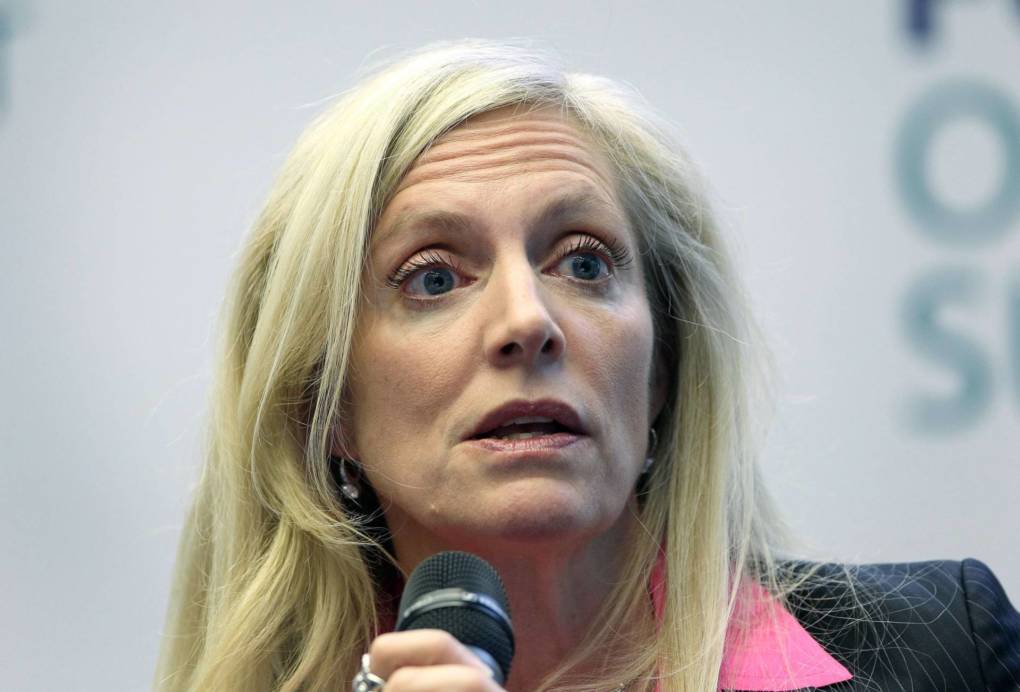
"caption": "Federal Reserve Board Gov. Lael Brainard says a growing body of research suggests that diversity leads to better decision-making.",
"description": null,
"title": "GERMANY-FINANCE-ECB",
"credit": "Daniel Roland/AFP/Getty Images",
"status": "inherit",
"isLoading": false,
"fetchFailed": false
},
"news_11717657": {
"type": "attachments",
"id": "news_11717657",
"meta": {
"index": "attachments_1716263798",
"site": "news",
"id": "11717657",
"found": true
},
"parent": 11717656,
"imgSizes": {
"twentyfourteen-full-width": {
"file": "https://ww2.kqed.org/app/uploads/sites/10/2019/01/gettyimages-1078312492_custom-cf7235bcb254b3328869340e88dd3af585a885ab-e1547235349247-1038x576.jpg",
"width": 1038,
"mimeType": "image/jpeg",
"height": 576
},
"thumbnail": {
"file": "https://ww2.kqed.org/app/uploads/sites/10/2019/01/gettyimages-1078312492_custom-cf7235bcb254b3328869340e88dd3af585a885ab-e1547235349247-160x107.jpg",
"width": 160,
"mimeType": "image/jpeg",
"height": 107
},
"post-thumbnail": {
"file": "https://ww2.kqed.org/app/uploads/sites/10/2019/01/gettyimages-1078312492_custom-cf7235bcb254b3328869340e88dd3af585a885ab-e1547235349247-672x372.jpg",
"width": 672,
"mimeType": "image/jpeg",
"height": 372
},
"kqedFullSize": {
"file": "https://ww2.kqed.org/app/uploads/sites/10/2019/01/gettyimages-1078312492_custom-cf7235bcb254b3328869340e88dd3af585a885ab-e1547235349247.jpg",
"width": 1920,
"height": 1279
},
"large": {
"file": "https://ww2.kqed.org/app/uploads/sites/10/2019/01/gettyimages-1078312492_custom-cf7235bcb254b3328869340e88dd3af585a885ab-e1547235349247-1020x679.jpg",
"width": 1020,
"mimeType": "image/jpeg",
"height": 679
},
"complete_open_graph": {
"file": "https://ww2.kqed.org/app/uploads/sites/10/2019/01/gettyimages-1078312492_custom-cf7235bcb254b3328869340e88dd3af585a885ab-e1547235349247-1200x799.jpg",
"width": 1200,
"mimeType": "image/jpeg",
"height": 799
},
"guest-author-50": {
"file": "https://ww2.kqed.org/app/uploads/sites/10/2019/01/gettyimages-1078312492_custom-cf7235bcb254b3328869340e88dd3af585a885ab-e1547235349247-50x50.jpg",
"width": 50,
"mimeType": "image/jpeg",
"height": 50
},
"guest-author-96": {
"file": "https://ww2.kqed.org/app/uploads/sites/10/2019/01/gettyimages-1078312492_custom-cf7235bcb254b3328869340e88dd3af585a885ab-e1547235349247-96x96.jpg",
"width": 96,
"mimeType": "image/jpeg",
"height": 96
},
"medium": {
"file": "https://ww2.kqed.org/app/uploads/sites/10/2019/01/gettyimages-1078312492_custom-cf7235bcb254b3328869340e88dd3af585a885ab-e1547235349247-800x533.jpg",
"width": 800,
"mimeType": "image/jpeg",
"height": 533
},
"guest-author-64": {
"file": "https://ww2.kqed.org/app/uploads/sites/10/2019/01/gettyimages-1078312492_custom-cf7235bcb254b3328869340e88dd3af585a885ab-e1547235349247-64x64.jpg",
"width": 64,
"mimeType": "image/jpeg",
"height": 64
},
"guest-author-32": {
"file": "https://ww2.kqed.org/app/uploads/sites/10/2019/01/gettyimages-1078312492_custom-cf7235bcb254b3328869340e88dd3af585a885ab-e1547235349247-32x32.jpg",
"width": 32,
"mimeType": "image/jpeg",
"height": 32
},
"full-width": {
"file": "https://ww2.kqed.org/app/uploads/sites/10/2019/01/gettyimages-1078312492_custom-cf7235bcb254b3328869340e88dd3af585a885ab-e1547235349247-1920x1279.jpg",
"width": 1920,
"mimeType": "image/jpeg",
"height": 1279
},
"detail": {
"file": "https://ww2.kqed.org/app/uploads/sites/10/2019/01/gettyimages-1078312492_custom-cf7235bcb254b3328869340e88dd3af585a885ab-e1547235349247-150x150.jpg",
"width": 150,
"mimeType": "image/jpeg",
"height": 150
},
"guest-author-128": {
"file": "https://ww2.kqed.org/app/uploads/sites/10/2019/01/gettyimages-1078312492_custom-cf7235bcb254b3328869340e88dd3af585a885ab-e1547235349247-128x128.jpg",
"width": 128,
"mimeType": "image/jpeg",
"height": 128
}
},
"publishDate": 1547235292,
"modified": 1547241557,
"caption": "A section of the reinforced U.S.-Mexico border fence as seen from Tijuana, Mexico, on Sunday.",
"description": "A section of the reinforced U.S.-Mexico border fence as seen from Tijuana, Mexico, on Sunday.",
"title": "A section of the reinforced U.S.-Mexico border fence as seen from Tijuana, Mexico, on Sunday.",
"credit": "Guillermo Arias/AFP/Getty Images",
"status": "inherit",
"isLoading": false,
"fetchFailed": false
}
},
"audioPlayerReducer": {
"postId": "stream_live",
"isPaused": true,
"isPlaying": false,
"pfsActive": false,
"pledgeModalIsOpen": true,
"playerDrawerIsOpen": false,
"liveAudioPlayStartedAt": 0,
"liveAudioPlayContext": ""
},
"authorsReducer": {
"byline_news_11721061": {
"type": "authors",
"id": "byline_news_11721061",
"meta": {
"override": true
},
"slug": "byline_news_11721061",
"name": "Richard Gonzales",
"isLoading": false
},
"byline_news_11720713": {
"type": "authors",
"id": "byline_news_11720713",
"meta": {
"override": true
},
"slug": "byline_news_11720713",
"name": "Domenico Montanaro",
"isLoading": false
},
"byline_news_11720251": {
"type": "authors",
"id": "byline_news_11720251",
"meta": {
"override": true
},
"slug": "byline_news_11720251",
"name": "Scott Horsley",
"isLoading": false
},
"byline_news_11719923": {
"type": "authors",
"id": "byline_news_11719923",
"meta": {
"override": true
},
"slug": "byline_news_11719923",
"name": "\u003cstrong>Bill Chappell\u003cbr />NPR\u003c/strong>",
"isLoading": false
},
"byline_news_11719257": {
"type": "authors",
"id": "byline_news_11719257",
"meta": {
"override": true
},
"slug": "byline_news_11719257",
"name": "Brian Naylor",
"isLoading": false
},
"byline_news_11719066": {
"type": "authors",
"id": "byline_news_11719066",
"meta": {
"override": true
},
"slug": "byline_news_11719066",
"name": "Jacob Margolis\u003cbr>NPR",
"isLoading": false
},
"byline_news_11718977": {
"type": "authors",
"id": "byline_news_11718977",
"meta": {
"override": true
},
"slug": "byline_news_11718977",
"name": "Jessica Taylor",
"isLoading": false
},
"byline_news_11718337": {
"type": "authors",
"id": "byline_news_11718337",
"meta": {
"override": true
},
"slug": "byline_news_11718337",
"name": "Kirk Siegler",
"isLoading": false
},
"byline_news_11718025": {
"type": "authors",
"id": "byline_news_11718025",
"meta": {
"override": true
},
"slug": "byline_news_11718025",
"name": "John Burnett\u003cbr>NPR",
"isLoading": false
},
"byline_news_11717990": {
"type": "authors",
"id": "byline_news_11717990",
"meta": {
"override": true
},
"slug": "byline_news_11717990",
"name": "Elissa Nadworny, Laurel Wamsley and Francesca Paris",
"isLoading": false
},
"byline_news_11717656": {
"type": "authors",
"id": "byline_news_11717656",
"meta": {
"override": true
},
"slug": "byline_news_11717656",
"name": "Tamara Keith\u003cbr>NPR",
"isLoading": false
},
"ljamali": {
"type": "authors",
"id": "11552",
"meta": {
"index": "authors_1716337520",
"id": "11552",
"found": true
},
"name": "Lily Jamali",
"firstName": "Lily",
"lastName": "Jamali",
"slug": "ljamali",
"email": "ljamali@kqed.org",
"display_author_email": false,
"staff_mastheads": [],
"title": "KQED Contributor",
"bio": "Lily was the former co-host of the daily morning show, The California Report.",
"avatar": "https://secure.gravatar.com/avatar/dbf7b30d159e697731046a10d25a9e29?s=600&d=blank&r=g",
"twitter": "lilyjamali",
"facebook": null,
"instagram": null,
"linkedin": null,
"sites": [
{
"site": "news",
"roles": [
"create_posts",
"subscriber"
]
},
{
"site": "forum",
"roles": [
"editor"
]
}
],
"headData": {
"title": "Lily Jamali | KQED",
"description": "KQED Contributor",
"ogImgSrc": "https://secure.gravatar.com/avatar/dbf7b30d159e697731046a10d25a9e29?s=600&d=blank&r=g",
"twImgSrc": "https://secure.gravatar.com/avatar/dbf7b30d159e697731046a10d25a9e29?s=600&d=blank&r=g"
},
"isLoading": false,
"link": "/author/ljamali"
}
},
"pagesReducer": {
"news_affiliate_npr": {
"type": "terms",
"id": "news_253",
"meta": {
"index": "terms_1716263798",
"site": "news",
"id": "253",
"score": 14.255898
},
"featImg": null,
"name": "NPR",
"description": null,
"taxonomy": "affiliate",
"headData": {
"twImgId": null,
"twTitle": null,
"ogTitle": null,
"ogImgId": null,
"twDescription": null,
"description": "KQED is the NPR station for the Bay Area, providing award-winning news, programming, and community engagement.",
"title": "NPR Archives - Get the Latest News and Reports from California | KQED",
"ogDescription": null
},
"ttid": 7083,
"slug": "npr",
"isLoading": false,
"title": "NPR",
"pageMeta": {
"site": "news",
"WpPageTemplate": "page-topic-editorial",
"currentPage": 51
},
"blocks": [
{
"blockName": "kqed/post-list",
"attrs": {
"layout": "cardArticle2",
"query": "posts/news?affiliate=npr",
"seeMore": false,
"paginated": true,
"page": 51
}
},
{
"blockName": "kqed/ad"
}
]
}
},
"pfsSessionReducer": {},
"postsReducer": {
"stream_live": {
"type": "live",
"id": "stream_live",
"audioUrl": "https://streams.kqed.org/kqedradio",
"title": "Live Stream",
"excerpt": "Live Stream information currently unavailable.",
"link": "/radio",
"featImg": "",
"label": {
"name": "KQED Live",
"link": "/"
}
},
"stream_kqedNewscast": {
"type": "posts",
"id": "stream_kqedNewscast",
"audioUrl": "https://www.kqed.org/.stream/anon/radio/RDnews/newscast.mp3?_=1",
"title": "KQED Newscast",
"featImg": "",
"label": {
"name": "88.5 FM",
"link": "/"
}
},
"news_11721061": {
"type": "posts",
"id": "news_11721061",
"meta": {
"index": "posts_1716263798",
"site": "news",
"id": "11721061",
"score": null,
"sort": [
1548449929000
]
},
"parent": 0,
"labelTerm": {},
"blocks": [],
"publishDate": 1548449929,
"format": "standard",
"disqusTitle": "U.S. Rolls Out Its 'Remain In Mexico' Policy on Central American Asylum-Seekers",
"title": "U.S. Rolls Out Its 'Remain In Mexico' Policy on Central American Asylum-Seekers",
"headTitle": "NPR | KQED News",
"content": "\u003cp>The Trump administration on Friday is implementing its plan requiring asylum-seekers, mainly from Central America, to remain in Mexico while their legal proceedings are conducted in the U.S. court system.\u003c/p>\n\u003cp>The policy will be rolled out at San Diego's San Ysidro border crossing, the nation's busiest, a senior official with U.S. Customs and Border Protection tells NPR. The plan, coming out of talks with Mexican officials, is to bus asylum-seekers back and forth from Tijuana, Mexico, to a courthouse in downtown San Diego. The administration plans to eventually implement the policy at other border crossings.\u003c/p>\n\u003cp>Homeland Security Secretary Kirstjen Nielsen first announced the plans for this \"historic\" policy, called the \"Migration Protection Protocols,\" in a \u003ca href=\"https://www.dhs.gov/news/2018/12/20/secretary-nielsen-announces-historic-action-confront-illegal-immigration\">memo\u003c/a> issued in late December.\u003c/p>\n\u003cp>\"Aliens trying to game the system to get into our country illegally will no longer be able to disappear into the United States, where many skip their court dates. Instead, they will wait for an immigration court decision while they are in Mexico. 'Catch and release' will be replaced with 'catch and return,' \" said Nielsen.\u003c/p>\n\u003cp>\"Catch and release\" is a term the Trump administration uses for the traditional policy of allowing asylum-seekers to remain in the U.S. pending a court hearing.\u003c/p>\n\u003cp>A \"Fact Sheet\" issued by the Department of Homeland Security to explain the new policy says asylum-seekers \"will be given a 'Notice to Appear' for their immigration court hearing and will be returned to Mexico until their hearing date.\"\u003c/p>\n\u003cblockquote>\u003cp>\"While aliens await their hearings in Mexico, the Mexican government has made its own determination to provide such individuals the ability to stay in Mexico, under applicable protection based on the type of status given to them.\u003c/p>\n\u003cp>\"Aliens who need to return to the U.S. to attend their immigration court hearings will be allowed to enter the U.S. and attend that hearing. Aliens whose claims are found meritorious by an immigration judge will be allowed to remain in the U.S. Those determined to be without valid claims will be removed from the U.S. to their country of nationality or citizenship.\u003c/p>\n\u003cp>\"DHS is working closely with the U.S. Department of Justice's Executive Office for Immigration Review to streamline the process and conclude removal proceedings as expeditiously as possible.\"\u003c/p>\u003c/blockquote>\n\u003cp>The new policy, which has been dubbed \"\u003ca href=\"https://www.npr.org/2019/01/11/684037990/border-patrol-makes-its-case-for-an-expanded-border-barrier\">Remain in Mexico\u003c/a>\" by administration officials and critics alike, will not apply to children traveling alone, known as unaccompanied minors, or to asylum-seekers from Mexico.\u003c/p>\n\u003cp>[ad fullwidth]\u003c/p>\n\u003cp>A senior official with Customs and Border Protection told NPR he expects the new policy will be met with a swift legal challenge.\u003c/p>\n\u003cp>Immigrant and asylum advocates were quick to denounce the policy change.\u003c/p>\n\u003cp>\"Forcing families seeking asylum to remain in dangerous conditions in Mexico spits in the face of the values at the core of our country's identity,\" said Jess Morales Rocketto, chair of Families Belong Together, a coalition of 250 groups opposing the administration's immigration policies. \"The reality of this plan is suffering. These children and families will be left unsafe, without food or shelter, in violation of their human rights.\"\u003c/p>\n\u003cdiv class=\"fullattribution\">Copyright 2019 NPR. To see more, visit https://www.npr.org.\u003cimg src=\"https://www.google-analytics.com/__utm.gif?utmac=UA-5828686-4&utmdt=U.S.+Is+Rolling+Out+Its+%27Remain+In+Mexico%27+Policy+On+Central+American+Asylum-Seekers+&utme=8(APIKey)9(MDAxOTAwOTE4MDEyMTkxMDAzNjczZDljZA004)\">\u003c/div>\n\u003cp>\u003c/p>\n",
"disqusIdentifier": "11721061 https://ww2.kqed.org/news/?p=11721061",
"disqusUrl": "https://ww2.kqed.org/news/2019/01/25/u-s-rolls-out-its-remain-in-mexico-policy-on-central-american-asylum-seekers/",
"stats": {
"hasVideo": false,
"hasChartOrMap": false,
"hasAudio": false,
"hasPolis": false,
"wordCount": 533,
"hasGoogleForm": false,
"hasGallery": false,
"hasHearkenModule": false,
"iframeSrcs": [],
"paragraphCount": 15
},
"modified": 1548458584,
"excerpt": "The plan, expected to meet with a swift legal challenge, comes out of talks with Mexican officials. The administration is implementing it first at the San Ysidro Port of Entry in San Diego.",
"headData": {
"twImgId": "",
"twTitle": "",
"ogTitle": "",
"ogImgId": "",
"twDescription": "",
"description": "The plan, expected to meet with a swift legal challenge, comes out of talks with Mexican officials. The administration is implementing it first at the San Ysidro Port of Entry in San Diego.",
"title": "U.S. Rolls Out Its 'Remain In Mexico' Policy on Central American Asylum-Seekers | KQED",
"ogDescription": "",
"schema": {
"@context": "https://schema.org",
"@type": "NewsArticle",
"headline": "U.S. Rolls Out Its 'Remain In Mexico' Policy on Central American Asylum-Seekers",
"datePublished": "2019-01-25T12:58:49-08:00",
"dateModified": "2019-01-25T15:23:04-08:00",
"image": "https://cdn.kqed.org/wp-content/uploads/2020/02/KQED-OG-Image@1x.png",
"isAccessibleForFree": "True",
"publisher": {
"@type": "NewsMediaOrganization",
"@id": "https://www.kqed.org/#organization",
"name": "KQED",
"logo": "https://cdn.kqed.org/wp-content/uploads/2020/02/KQED-OG-Image@1x.png",
"url": "https://www.kqed.org",
"sameAs": [
"https://www.facebook.com/KQED",
"https://twitter.com/KQED",
"https://www.instagram.com/kqed/",
"https://www.tiktok.com/@kqedofficial",
"https://www.linkedin.com/company/kqed",
"https://www.youtube.com/channel/UCeC0IOo7i1P_61zVUWbJ4nw"
]
}
}
},
"guestAuthors": [],
"slug": "u-s-rolls-out-its-remain-in-mexico-policy-on-central-american-asylum-seekers",
"status": "publish",
"sourceUrl": "https://www.npr.org",
"nprApiLink": "http://api.npr.org/query?id=688470513&apiKey=MDAxOTAwOTE4MDEyMTkxMDAzNjczZDljZA004",
"nprByline": "Richard Gonzales",
"nprStoryDate": "Thu, 24 Jan 2019 22:37:00 -0500",
"nprLastModifiedDate": "Fri, 25 Jan 2019 10:13:32 -0500",
"nprHtmlLink": "https://www.npr.org/2019/01/24/688470513/u-s-plans-to-enforce-remain-in-mexico-policy-on-central-american-asylum-seekers?ft=nprml&f=688470513",
"nprImageAgency": "AP",
"nprImageCredit": "Moises Castillo",
"source": "NPR",
"nprStoryId": "688470513",
"nprRetrievedStory": "1",
"nprPubDate": "Fri, 25 Jan 2019 10:13:00 -0500",
"path": "/news/11721061/u-s-rolls-out-its-remain-in-mexico-policy-on-central-american-asylum-seekers",
"audioTrackLength": null,
"parsedContent": [
{
"type": "contentString",
"content": "\u003cdiv class=\"post-body\">\u003cp>\u003cp>The Trump administration on Friday is implementing its plan requiring asylum-seekers, mainly from Central America, to remain in Mexico while their legal proceedings are conducted in the U.S. court system.\u003c/p>\n\u003cp>The policy will be rolled out at San Diego's San Ysidro border crossing, the nation's busiest, a senior official with U.S. Customs and Border Protection tells NPR. The plan, coming out of talks with Mexican officials, is to bus asylum-seekers back and forth from Tijuana, Mexico, to a courthouse in downtown San Diego. The administration plans to eventually implement the policy at other border crossings.\u003c/p>\n\u003cp>Homeland Security Secretary Kirstjen Nielsen first announced the plans for this \"historic\" policy, called the \"Migration Protection Protocols,\" in a \u003ca href=\"https://www.dhs.gov/news/2018/12/20/secretary-nielsen-announces-historic-action-confront-illegal-immigration\">memo\u003c/a> issued in late December.\u003c/p>\n\u003cp>\"Aliens trying to game the system to get into our country illegally will no longer be able to disappear into the United States, where many skip their court dates. Instead, they will wait for an immigration court decision while they are in Mexico. 'Catch and release' will be replaced with 'catch and return,' \" said Nielsen.\u003c/p>\n\u003cp>\"Catch and release\" is a term the Trump administration uses for the traditional policy of allowing asylum-seekers to remain in the U.S. pending a court hearing.\u003c/p>\n\u003cp>A \"Fact Sheet\" issued by the Department of Homeland Security to explain the new policy says asylum-seekers \"will be given a 'Notice to Appear' for their immigration court hearing and will be returned to Mexico until their hearing date.\"\u003c/p>\n\u003cblockquote>\u003cp>\"While aliens await their hearings in Mexico, the Mexican government has made its own determination to provide such individuals the ability to stay in Mexico, under applicable protection based on the type of status given to them.\u003c/p>\n\u003cp>\"Aliens who need to return to the U.S. to attend their immigration court hearings will be allowed to enter the U.S. and attend that hearing. Aliens whose claims are found meritorious by an immigration judge will be allowed to remain in the U.S. Those determined to be without valid claims will be removed from the U.S. to their country of nationality or citizenship.\u003c/p>\n\u003cp>\"DHS is working closely with the U.S. Department of Justice's Executive Office for Immigration Review to streamline the process and conclude removal proceedings as expeditiously as possible.\"\u003c/p>\u003c/blockquote>\n\u003cp>The new policy, which has been dubbed \"\u003ca href=\"https://www.npr.org/2019/01/11/684037990/border-patrol-makes-its-case-for-an-expanded-border-barrier\">Remain in Mexico\u003c/a>\" by administration officials and critics alike, will not apply to children traveling alone, known as unaccompanied minors, or to asylum-seekers from Mexico.\u003c/p>\n\u003cp>\u003c/p>\u003c/div>",
"attributes": {
"named": {},
"numeric": []
}
},
{
"type": "component",
"content": "",
"name": "ad",
"attributes": {
"named": {
"label": "fullwidth"
},
"numeric": [
"fullwidth"
]
}
},
{
"type": "contentString",
"content": "\u003cdiv class=\"post-body\">\u003cp>\u003c/p>\n\u003cp>A senior official with Customs and Border Protection told NPR he expects the new policy will be met with a swift legal challenge.\u003c/p>\n\u003cp>Immigrant and asylum advocates were quick to denounce the policy change.\u003c/p>\n\u003cp>\"Forcing families seeking asylum to remain in dangerous conditions in Mexico spits in the face of the values at the core of our country's identity,\" said Jess Morales Rocketto, chair of Families Belong Together, a coalition of 250 groups opposing the administration's immigration policies. \"The reality of this plan is suffering. These children and families will be left unsafe, without food or shelter, in violation of their human rights.\"\u003c/p>\n\u003cdiv class=\"fullattribution\">Copyright 2019 NPR. To see more, visit https://www.npr.org.\u003cimg src=\"https://www.google-analytics.com/__utm.gif?utmac=UA-5828686-4&utmdt=U.S.+Is+Rolling+Out+Its+%27Remain+In+Mexico%27+Policy+On+Central+American+Asylum-Seekers+&utme=8(APIKey)9(MDAxOTAwOTE4MDEyMTkxMDAzNjczZDljZA004)\">\u003c/div>\n\u003cp>\u003c/p>\n\u003c/div>\u003c/p>",
"attributes": {
"named": {},
"numeric": []
}
}
],
"link": "/news/11721061/u-s-rolls-out-its-remain-in-mexico-policy-on-central-american-asylum-seekers",
"authors": [
"byline_news_11721061"
],
"categories": [
"news_1169",
"news_8"
],
"tags": [
"news_20594",
"news_20446",
"news_1204",
"news_2403"
],
"affiliates": [
"news_253"
],
"featImg": "news_11721072",
"label": "source_news_11721061"
},
"news_11720713": {
"type": "posts",
"id": "news_11720713",
"meta": {
"index": "posts_1716263798",
"site": "news",
"id": "11720713",
"score": null,
"sort": [
1548357974000
]
},
"parent": 0,
"labelTerm": {},
"blocks": [],
"publishDate": 1548357974,
"format": "standard",
"disqusTitle": "Trump Blinked. Could a Shutdown Deal Be Next?",
"title": "Trump Blinked. Could a Shutdown Deal Be Next?",
"headTitle": "The California Report | KQED News",
"content": "\u003cp>In this game of who would blink first in this shutdown showdown, it was, perhaps surprisingly, President Trump.\u003c/p>\n\u003cp>Late Wednesday night, the president \u003ca href=\"https://twitter.com/realDonaldTrump/status/1088288311922307072?ref_src=twsrc%5Etfw%7Ctwcamp%5Etweetembed%7Ctwterm%5E1088288311922307072&ref_url=https%3A%2F%2Fseamus.npr.org%2Ftemplates%2Fpreview%2FtwitterPreview.php%3FtweetId%3D1088288311922307072%26hideMedia%3Dtrue\">tweeted\u003c/a> saying he would defer to House Speaker Nancy Pelosi and not deliver a State of the Union address until the government is back open.\u003c/p>\n\u003cp>https://twitter.com/realDonaldTrump/status/1088288311922307072\u003c/p>\n\u003cp>https://twitter.com/realDonaldTrump/status/1088289916826648577\u003c/p>\n\u003cp>It was a remarkable concession from this president, who at nearly every turn since he's been on the national stage has not backed down. It comes on a day that the Senate is voting on two measures that were expected to fail as soon as they were introduced — Trump's proposal made in a speech on Saturday for $5.7 billion in border wall funding in exchange for temporary protections for immigrants and a Democratic bill that would open the government for a few weeks as negotiations continue on border security.\u003c/p>\n\u003cp>[ad fullwidth]\u003c/p>\n\u003cp>Trump's concession could signal an openness to getting the government back open, especially as Democrats show no sign of giving in on the wall and as the shutdown takes a political toll on this president.\u003c/p>\n\u003cp>Democrats are \u003ca href=\"https://www.npr.org/2019/01/24/688147596/democrats-to-offer-deal-on-border-to-end-shutdown\">poised to offer a counterproposal \u003c/a>of a significant purse of money for border security. That would not include money for a wall, but there's talk of a \"smart wall\" — a new framing alluding to the president's demand — with technology and manpower that Democrats are willing to fund.\u003c/p>\n\u003caside class=\"alignright\">\n\u003ch3>\u003ca href=\"https://www.kqed.org/arts/13849264/due-to-government-shutdown-california-humanities-suspends-all-arts-grants\">Due to Government Shutdown, California Humanities Suspends All Arts Grants\u003c/a>\u003c/h3>\n\u003cfigure>\u003ca href=\"https://www.kqed.org/arts/13849264/due-to-government-shutdown-california-humanities-suspends-all-arts-grants\">\u003cimg src=\"https://ww2.kqed.org/arts/wp-content/uploads/sites/2/2019/01/JulieFry.jpg\" alt=\"\">\u003c/a>\u003c/figure>\n\u003c/aside>\n\u003cp>Pelosi and other Democrats were saying Wednesday that they felt they had to \"hold the line\" against wall funding in the midst of a shutdown, so as to not encourage Trump to try it again. After all, most estimates put the cost of a wall along the entire border at far higher than $5.7 billion.\u003c/p>\n\u003cp>Instead of arguing over the specifics of border security, which some Democrats disagree on — including freshmen who delivered the party a majority by flipping swing districts in 2018 — Pelosi has held her caucus together by focusing on the president's tactics, which they all can oppose.\u003c/p>\n\u003cp>\"There is serious and justified concern that this president would shut down the government any time he does not get his way legislatively,\" Pelosi said Wednesday. \"That is why we must hold the line on this shutdown.\"\u003c/p>\n\u003cp>The next question is how the White House will respond to the Democrats' offer, since Trump has stopped negotiating to end the shutdown. In recent days he has been talking solely with Republicans, didn't consult with Democrats before his speech Saturday to see if elements of what he was proposing would be acceptable, and has been lobbying Republicans to vote for his legislation.\u003c/p>\n\u003cp>But what happens when not only his legislation fails, but if some Republicans vote in favor of the Democratic bill? What then? Does he retrench?\u003c/p>\n\u003cp>Mercedes Schlapp, a White House spokeswoman, notably did not mention the wall when asked by NPR's Steve Inskeep on \u003cem>Morning Edition\u003c/em> Thursday if the president could accept, for example, $5.7 billion for border security, but not for a wall.\u003c/p>\n\u003cp>\"Well, why don't we have the Democrats come over and propose that over to the president?\" Schlapp said.\u003c/p>\n\u003caside class=\"alignright\">\n\u003ch3>\u003ca href=\"https://www.kqed.org/news/11719830/shutdown-makes-government-websites-more-vulnerable-to-hackers-experts-say\">Shutdown Makes Government Websites More Vulnerable to Hackers, Experts Say\u003c/a>\u003c/h3>\n\u003cfigure>\u003ca href=\"https://www.kqed.org/news/11719830/shutdown-makes-government-websites-more-vulnerable-to-hackers-experts-say\">\u003cimg src=\"https://ww2.kqed.org/news/wp-content/uploads/sites/10/2019/01/bf15da11-gettyimages-931630654-5cb1e8dbec74cbe7d7a4b9bc9e958f1e65088295-1020x765.jpg\" alt=\"\">\u003c/a>\u003c/figure>\n\u003c/aside>\n\u003cp>A trio of polls out Wednesday showed bad news for the president. Majorities are blaming him for the shutdown, and his approval rating is suffering. The most dramatic result was from \u003ca href=\"https://www.apnews.com/dad8086738a64b4ba78c0404d5d04e79\">The Associated Press and NORC\u003c/a>, which showed Trump's approval rating at a low for his presidency in that poll: 34 percent, down from 42 percent last month. Two-thirds of people said they disapproved of the job he's doing. That included a whopping 69 percent of independents.\u003c/p>\n\u003cp>A \u003ca href=\"https://www.cbsnews.com/news/pelosi-has-edge-over-trump-on-budget-negotiations-says-cbs-news-poll/\">CBS news poll\u003c/a> found that 71 percent of Americans do not think a border wall is worth a government shutdown. And a \u003ca href=\"https://www.foxnews.com/politics/fox-news-poll-voters-see-shutdown-as-bigger-problem-than-border-situation\">Fox News poll \u003c/a>found three-quarters of Americans think the shutdown is an emergency or major problem, higher than the number who say that about the situation at the border.\u003c/p>\n\u003cp>It's easy to dismiss one poll or cherry-pick from another, but it's almost impossible to not notice when a confluence of polling is all saying essentially the same thing.\u003c/p>\n\u003cp>Undoubtedly, the polls are on Democrats' side right now, but they also have to be wary of going too far. While more people in the CBS poll said they think Trump should compromise, a majority also believes Democrats should accept a budget with at least some wall funding.\u003c/p>\n\u003cp>It is a sign that \"no\" will probably not be an acceptable answer for long. Democrats knew that after Trump made his speech and proposal Saturday — and now are prepared to make their counteroffer.\u003c/p>\n\u003cp>As the political pressure grows, it seems there could be, for the first time since this longest partial shutdown in U.S. history began in December, a light at the end of the tunnel.\u003c/p>\n\u003cp>\u003c/p>\n\u003cp>There is an opening, but the reality remains that no one, even those close to this president in the White House and his administration, knows exactly what he would sign off on.\u003c/p>\n\u003cdiv class=\"fullattribution\">Copyright 2019 NPR. To see more, visit https://www.npr.org.\u003cimg src=\"https://www.google-analytics.com/__utm.gif?utmac=UA-5828686-4&utmdt=Trump+Blinked.+Could+A+Shutdown+Deal+Be+Next%3F&utme=8(APIKey)9(MDAxOTAwOTE4MDEyMTkxMDAzNjczZDljZA004)\">\u003c/div>\n\n",
"disqusIdentifier": "11720713 https://ww2.kqed.org/news/?p=11720713",
"disqusUrl": "https://ww2.kqed.org/news/2019/01/24/trump-blinked-could-a-shutdown-deal-be-next/",
"stats": {
"hasVideo": false,
"hasChartOrMap": false,
"hasAudio": false,
"hasPolis": false,
"wordCount": 879,
"hasGoogleForm": false,
"hasGallery": false,
"hasHearkenModule": false,
"iframeSrcs": [],
"paragraphCount": 21
},
"modified": 1548373950,
"excerpt": "The president gave in to House Speaker Nancy Pelosi in their State of the Union spat, with political pressure mounting against him. But negotiating an end to the shutdown is a higher bar.",
"headData": {
"twImgId": "",
"twTitle": "",
"ogTitle": "",
"ogImgId": "",
"twDescription": "",
"description": "The president gave in to House Speaker Nancy Pelosi in their State of the Union spat, with political pressure mounting against him. But negotiating an end to the shutdown is a higher bar.",
"title": "Trump Blinked. Could a Shutdown Deal Be Next? | KQED",
"ogDescription": "",
"schema": {
"@context": "https://schema.org",
"@type": "NewsArticle",
"headline": "Trump Blinked. Could a Shutdown Deal Be Next?",
"datePublished": "2019-01-24T11:26:14-08:00",
"dateModified": "2019-01-24T15:52:30-08:00",
"image": "https://cdn.kqed.org/wp-content/uploads/2020/02/KQED-OG-Image@1x.png",
"isAccessibleForFree": "True",
"publisher": {
"@type": "NewsMediaOrganization",
"@id": "https://www.kqed.org/#organization",
"name": "KQED",
"logo": "https://cdn.kqed.org/wp-content/uploads/2020/02/KQED-OG-Image@1x.png",
"url": "https://www.kqed.org",
"sameAs": [
"https://www.facebook.com/KQED",
"https://twitter.com/KQED",
"https://www.instagram.com/kqed/",
"https://www.tiktok.com/@kqedofficial",
"https://www.linkedin.com/company/kqed",
"https://www.youtube.com/channel/UCeC0IOo7i1P_61zVUWbJ4nw"
]
}
}
},
"guestAuthors": [],
"slug": "trump-blinked-could-a-shutdown-deal-be-next",
"status": "publish",
"sourceUrl": "https://www.npr.org/",
"nprApiLink": "http://api.npr.org/query?id=688151634&apiKey=MDAxOTAwOTE4MDEyMTkxMDAzNjczZDljZA004",
"nprByline": "Domenico Montanaro",
"nprStoryDate": "Thu, 24 Jan 2019 10:44:00 -0500",
"nprLastModifiedDate": "Thu, 24 Jan 2019 11:57:39 -0500",
"nprHtmlLink": "https://www.npr.org/2019/01/24/688151634/trump-backs-down-but-will-he-make-a-deal?ft=nprml&f=688151634",
"nprImageAgency": "AP",
"nprImageCredit": "Jacquelyn Martin",
"source": "NPR",
"nprStoryId": "688151634",
"nprRetrievedStory": "1",
"nprPubDate": "Thu, 24 Jan 2019 11:57:00 -0500",
"path": "/news/11720713/trump-blinked-could-a-shutdown-deal-be-next",
"audioTrackLength": null,
"parsedContent": [
{
"type": "contentString",
"content": "\u003cdiv class=\"post-body\">\u003cp>\u003cp>In this game of who would blink first in this shutdown showdown, it was, perhaps surprisingly, President Trump.\u003c/p>\n\u003cp>Late Wednesday night, the president \u003ca href=\"https://twitter.com/realDonaldTrump/status/1088288311922307072?ref_src=twsrc%5Etfw%7Ctwcamp%5Etweetembed%7Ctwterm%5E1088288311922307072&ref_url=https%3A%2F%2Fseamus.npr.org%2Ftemplates%2Fpreview%2FtwitterPreview.php%3FtweetId%3D1088288311922307072%26hideMedia%3Dtrue\">tweeted\u003c/a> saying he would defer to House Speaker Nancy Pelosi and not deliver a State of the Union address until the government is back open.\u003c/p>\u003c/p>\u003c/div>",
"attributes": {
"named": {},
"numeric": []
}
},
{
"type": "component",
"content": "",
"name": "singleTwitterStatus",
"attributes": {
"named": {
"id": "1088288311922307072"
},
"numeric": []
}
},
{
"type": "contentString",
"content": "\u003cdiv class=\"post-body\">\u003cp>\u003c/p>\u003c/div>",
"attributes": {
"named": {},
"numeric": []
}
},
{
"type": "component",
"content": "",
"name": "singleTwitterStatus",
"attributes": {
"named": {
"id": "1088289916826648577"
},
"numeric": []
}
},
{
"type": "contentString",
"content": "\u003cdiv class=\"post-body\">\u003cp>\n\u003cp>It was a remarkable concession from this president, who at nearly every turn since he's been on the national stage has not backed down. It comes on a day that the Senate is voting on two measures that were expected to fail as soon as they were introduced — Trump's proposal made in a speech on Saturday for $5.7 billion in border wall funding in exchange for temporary protections for immigrants and a Democratic bill that would open the government for a few weeks as negotiations continue on border security.\u003c/p>\n\u003cp>\u003c/p>\u003c/div>",
"attributes": {
"named": {},
"numeric": []
}
},
{
"type": "component",
"content": "",
"name": "ad",
"attributes": {
"named": {
"label": "fullwidth"
},
"numeric": [
"fullwidth"
]
}
},
{
"type": "contentString",
"content": "\u003cdiv class=\"post-body\">\u003cp>\u003c/p>\n\u003cp>Trump's concession could signal an openness to getting the government back open, especially as Democrats show no sign of giving in on the wall and as the shutdown takes a political toll on this president.\u003c/p>\n\u003cp>Democrats are \u003ca href=\"https://www.npr.org/2019/01/24/688147596/democrats-to-offer-deal-on-border-to-end-shutdown\">poised to offer a counterproposal \u003c/a>of a significant purse of money for border security. That would not include money for a wall, but there's talk of a \"smart wall\" — a new framing alluding to the president's demand — with technology and manpower that Democrats are willing to fund.\u003c/p>\n\u003caside class=\"alignright\">\n\u003ch3>\u003ca href=\"https://www.kqed.org/arts/13849264/due-to-government-shutdown-california-humanities-suspends-all-arts-grants\">Due to Government Shutdown, California Humanities Suspends All Arts Grants\u003c/a>\u003c/h3>\n\u003cfigure>\u003ca href=\"https://www.kqed.org/arts/13849264/due-to-government-shutdown-california-humanities-suspends-all-arts-grants\">\u003cimg src=\"https://ww2.kqed.org/arts/wp-content/uploads/sites/2/2019/01/JulieFry.jpg\" alt=\"\">\u003c/a>\u003c/figure>\n\u003c/aside>\n\u003cp>Pelosi and other Democrats were saying Wednesday that they felt they had to \"hold the line\" against wall funding in the midst of a shutdown, so as to not encourage Trump to try it again. After all, most estimates put the cost of a wall along the entire border at far higher than $5.7 billion.\u003c/p>\n\u003cp>Instead of arguing over the specifics of border security, which some Democrats disagree on — including freshmen who delivered the party a majority by flipping swing districts in 2018 — Pelosi has held her caucus together by focusing on the president's tactics, which they all can oppose.\u003c/p>\n\u003cp>\"There is serious and justified concern that this president would shut down the government any time he does not get his way legislatively,\" Pelosi said Wednesday. \"That is why we must hold the line on this shutdown.\"\u003c/p>\n\u003cp>The next question is how the White House will respond to the Democrats' offer, since Trump has stopped negotiating to end the shutdown. In recent days he has been talking solely with Republicans, didn't consult with Democrats before his speech Saturday to see if elements of what he was proposing would be acceptable, and has been lobbying Republicans to vote for his legislation.\u003c/p>\n\u003cp>But what happens when not only his legislation fails, but if some Republicans vote in favor of the Democratic bill? What then? Does he retrench?\u003c/p>\n\u003cp>Mercedes Schlapp, a White House spokeswoman, notably did not mention the wall when asked by NPR's Steve Inskeep on \u003cem>Morning Edition\u003c/em> Thursday if the president could accept, for example, $5.7 billion for border security, but not for a wall.\u003c/p>\n\u003cp>\"Well, why don't we have the Democrats come over and propose that over to the president?\" Schlapp said.\u003c/p>\n\u003caside class=\"alignright\">\n\u003ch3>\u003ca href=\"https://www.kqed.org/news/11719830/shutdown-makes-government-websites-more-vulnerable-to-hackers-experts-say\">Shutdown Makes Government Websites More Vulnerable to Hackers, Experts Say\u003c/a>\u003c/h3>\n\u003cfigure>\u003ca href=\"https://www.kqed.org/news/11719830/shutdown-makes-government-websites-more-vulnerable-to-hackers-experts-say\">\u003cimg src=\"https://ww2.kqed.org/news/wp-content/uploads/sites/10/2019/01/bf15da11-gettyimages-931630654-5cb1e8dbec74cbe7d7a4b9bc9e958f1e65088295-1020x765.jpg\" alt=\"\">\u003c/a>\u003c/figure>\n\u003c/aside>\n\u003cp>A trio of polls out Wednesday showed bad news for the president. Majorities are blaming him for the shutdown, and his approval rating is suffering. The most dramatic result was from \u003ca href=\"https://www.apnews.com/dad8086738a64b4ba78c0404d5d04e79\">The Associated Press and NORC\u003c/a>, which showed Trump's approval rating at a low for his presidency in that poll: 34 percent, down from 42 percent last month. Two-thirds of people said they disapproved of the job he's doing. That included a whopping 69 percent of independents.\u003c/p>\n\u003cp>A \u003ca href=\"https://www.cbsnews.com/news/pelosi-has-edge-over-trump-on-budget-negotiations-says-cbs-news-poll/\">CBS news poll\u003c/a> found that 71 percent of Americans do not think a border wall is worth a government shutdown. And a \u003ca href=\"https://www.foxnews.com/politics/fox-news-poll-voters-see-shutdown-as-bigger-problem-than-border-situation\">Fox News poll \u003c/a>found three-quarters of Americans think the shutdown is an emergency or major problem, higher than the number who say that about the situation at the border.\u003c/p>\n\u003cp>It's easy to dismiss one poll or cherry-pick from another, but it's almost impossible to not notice when a confluence of polling is all saying essentially the same thing.\u003c/p>\n\u003cp>Undoubtedly, the polls are on Democrats' side right now, but they also have to be wary of going too far. While more people in the CBS poll said they think Trump should compromise, a majority also believes Democrats should accept a budget with at least some wall funding.\u003c/p>\n\u003cp>It is a sign that \"no\" will probably not be an acceptable answer for long. Democrats knew that after Trump made his speech and proposal Saturday — and now are prepared to make their counteroffer.\u003c/p>\n\u003cp>As the political pressure grows, it seems there could be, for the first time since this longest partial shutdown in U.S. history began in December, a light at the end of the tunnel.\u003c/p>\n\u003cp>\u003c/p>\n\u003cp>There is an opening, but the reality remains that no one, even those close to this president in the White House and his administration, knows exactly what he would sign off on.\u003c/p>\n\u003cdiv class=\"fullattribution\">Copyright 2019 NPR. To see more, visit https://www.npr.org.\u003cimg src=\"https://www.google-analytics.com/__utm.gif?utmac=UA-5828686-4&utmdt=Trump+Blinked.+Could+A+Shutdown+Deal+Be+Next%3F&utme=8(APIKey)9(MDAxOTAwOTE4MDEyMTkxMDAzNjczZDljZA004)\">\u003c/div>\n\n\u003c/div>\u003c/p>",
"attributes": {
"named": {},
"numeric": []
}
}
],
"link": "/news/11720713/trump-blinked-could-a-shutdown-deal-be-next",
"authors": [
"byline_news_11720713"
],
"programs": [
"news_72"
],
"categories": [
"news_1758",
"news_1169",
"news_8",
"news_13"
],
"tags": [
"news_1323",
"news_1204",
"news_177",
"news_24748"
],
"affiliates": [
"news_253"
],
"featImg": "news_11720714",
"label": "source_news_11720713"
},
"news_11720251": {
"type": "posts",
"id": "news_11720251",
"meta": {
"index": "posts_1716263798",
"site": "news",
"id": "11720251",
"score": null,
"sort": [
1548279300000
]
},
"parent": 0,
"labelTerm": {},
"blocks": [],
"publishDate": 1548279300,
"format": "standard",
"disqusTitle": "Pelosi to Trump: House Won't Host State of the Union Until Shutdown Ends",
"title": "Pelosi to Trump: House Won't Host State of the Union Until Shutdown Ends",
"headTitle": "The California Report | KQED News",
"content": "\u003cp>\u003cstrong>Updated at 4:25 p.m. ET\u003c/strong>\u003c/p>\n\u003cp>President Trump promised to find an alternative setting for his State of the Union address, after House Speaker Nancy Pelosi, D-Calif., insisted he could not speak on the House floor until a partial government shutdown is over.\u003c/p>\n\u003cp>The president and the speaker traded barbed letters Wednesday, with Trump initially saying he wanted to deliver the speech next Tuesday in the House chamber — the traditional location.\u003c/p>\n\u003cp>\"It would be so very sad for our Country if the State of the Union were not delivered on time, on schedule, and very importantly, on location!\" Trump wrote, formally accepting an invitation that Pelosi had originally extended on Jan. 3.\u003c/p>\n\u003cp>But Pelosi had rescinded that invitation a week earlier, citing security concerns. She noted that both the Secret Service and the Department of Homeland Security are unfunded as a result of the ongoing budget standoff.\u003c/p>\n\u003cp>[ad fullwidth]\u003c/p>\n\u003cp>Pelosi suggested Trump postpone the speech until the partial shutdown is over. She also gave the president the option of delivering his message to Congress in writing — \u003ca href=\"https://www.npr.org/2019/01/19/686396367/our-state-of-disunion-trump-pelosi-spar-over-big-speech-but-why-do-we-care\">a common practice in the 19th century\u003c/a> but one that would have denied Trump a major platform on prime-time television.\u003c/p>\n\u003cp>[documentcloud url=\"https://www.documentcloud.org/documents/5692181-Trump-Letter-to-Speaker-Pelosi.html\" width=800 height=800]\u003c/p>\n\u003cp>When Trump brushed aside those concerns, Pelosi adopted stronger language.\u003c/p>\n\u003cp>\"I am writing to inform you that the House of Representatives will not consider a concurrent resolution authorizing the President's State of the Union address in the House Chamber until government has opened,\" Pelosi wrote in her \u003ca href=\"https://apps.npr.org/documents/document.html?id=5692152-Pelosi-To-Trump-House-Won-t-Pass-State-Of-The\">own letter on Wednesday\u003c/a>.\u003c/p>\n\u003cp>[documentcloud url=\"https://www.documentcloud.org/documents/5692189-Pelosi-to-Trump-House-Won-T-Pass-State-of-The.html\" width=800 height=800]\u003c/p>\n\u003cp>The battle of wills over the speech is a microcosm of the larger showdown over Trump's demand for a $5.7 billion border wall, which has shuttered parts of the government for more than a month.\u003c/p>\n\u003cp>Pelosi's stiff-arm left the president looking for an alternative setting from which to address the nation.\u003c/p>\n\u003cp>\"The State of the Union has been canceled by Nancy Pelosi because she doesn't want to hear the truth,\" Trump also told reporters Wednesday.\u003c/p>\n\u003cp>He could deliver the speech from the White House or from one of the several state capitols where he has been invited.\u003c/p>\n\u003cp>\"The American people want to hear the truth,\" Trump said. \"They have to hear the truth.\"\u003c/p>\n\u003cp>\u003c/p>\n\u003cp>\u003cem>NPR congressional correspondent Susan Davis contributed to this report.\u003c/em>\u003c/p>\n\u003cdiv class=\"fullattribution\">Copyright 2019 NPR. To see more, visit https://www.npr.org.\u003cimg src=\"https://www.google-analytics.com/__utm.gif?utmac=UA-5828686-4&utmdt=Pelosi+To+Trump%3A+House+Won%27t+Host+State+Of+The+Union+Until+Shutdown+Ends+&utme=8(APIKey)9(MDAxOTAwOTE4MDEyMTkxMDAzNjczZDljZA004)\">\u003c/div>\n\n",
"disqusIdentifier": "11720251 https://ww2.kqed.org/news/?p=11720251",
"disqusUrl": "https://ww2.kqed.org/news/2019/01/23/pelosi-to-trump-house-wont-host-state-of-the-union-until-shutdown-ends/",
"stats": {
"hasVideo": false,
"hasChartOrMap": false,
"hasAudio": false,
"hasPolis": false,
"wordCount": 432,
"hasGoogleForm": false,
"hasGallery": false,
"hasHearkenModule": false,
"iframeSrcs": [],
"paragraphCount": 18
},
"modified": 1548285076,
"excerpt": "President Trump promised to find an alternative setting for his State of the Union speech after House Speaker Nancy Pelosi declared the House chamber off limits during the partial government shutdown.",
"headData": {
"twImgId": "",
"twTitle": "",
"ogTitle": "",
"ogImgId": "",
"twDescription": "",
"description": "President Trump promised to find an alternative setting for his State of the Union speech after House Speaker Nancy Pelosi declared the House chamber off limits during the partial government shutdown.",
"title": "Pelosi to Trump: House Won't Host State of the Union Until Shutdown Ends | KQED",
"ogDescription": "",
"schema": {
"@context": "https://schema.org",
"@type": "NewsArticle",
"headline": "Pelosi to Trump: House Won't Host State of the Union Until Shutdown Ends",
"datePublished": "2019-01-23T13:35:00-08:00",
"dateModified": "2019-01-23T15:11:16-08:00",
"image": "https://cdn.kqed.org/wp-content/uploads/2020/02/KQED-OG-Image@1x.png",
"isAccessibleForFree": "True",
"publisher": {
"@type": "NewsMediaOrganization",
"@id": "https://www.kqed.org/#organization",
"name": "KQED",
"logo": "https://cdn.kqed.org/wp-content/uploads/2020/02/KQED-OG-Image@1x.png",
"url": "https://www.kqed.org",
"sameAs": [
"https://www.facebook.com/KQED",
"https://twitter.com/KQED",
"https://www.instagram.com/kqed/",
"https://www.tiktok.com/@kqedofficial",
"https://www.linkedin.com/company/kqed",
"https://www.youtube.com/channel/UCeC0IOo7i1P_61zVUWbJ4nw"
]
}
}
},
"guestAuthors": [],
"slug": "pelosi-to-trump-house-wont-host-state-of-the-union-until-shutdown-ends",
"status": "publish",
"sourceUrl": "https://www.npr.org/",
"nprApiLink": "http://api.npr.org/query?id=687745949&apiKey=MDAxOTAwOTE4MDEyMTkxMDAzNjczZDljZA004",
"nprByline": "Scott Horsley",
"nprStoryDate": "Wed, 23 Jan 2019 13:35:00 -0500",
"nprLastModifiedDate": "Wed, 23 Jan 2019 17:10:27 -0500",
"nprHtmlLink": "https://www.npr.org/2019/01/23/687745949/trump-says-state-of-the-union-will-be-on-schedule-and-on-location?ft=nprml&f=687745949",
"nprImageAgency": "Getty Images",
"nprImageCredit": "Brendan Hoffman",
"source": "NPR",
"nprStoryId": "687745949",
"nprRetrievedStory": "1",
"nprPubDate": "Wed, 23 Jan 2019 17:10:00 -0500",
"path": "/news/11720251/pelosi-to-trump-house-wont-host-state-of-the-union-until-shutdown-ends",
"audioTrackLength": null,
"parsedContent": [
{
"type": "contentString",
"content": "\u003cdiv class=\"post-body\">\u003cp>\u003cp>\u003cstrong>Updated at 4:25 p.m. ET\u003c/strong>\u003c/p>\n\u003cp>President Trump promised to find an alternative setting for his State of the Union address, after House Speaker Nancy Pelosi, D-Calif., insisted he could not speak on the House floor until a partial government shutdown is over.\u003c/p>\n\u003cp>The president and the speaker traded barbed letters Wednesday, with Trump initially saying he wanted to deliver the speech next Tuesday in the House chamber — the traditional location.\u003c/p>\n\u003cp>\"It would be so very sad for our Country if the State of the Union were not delivered on time, on schedule, and very importantly, on location!\" Trump wrote, formally accepting an invitation that Pelosi had originally extended on Jan. 3.\u003c/p>\n\u003cp>But Pelosi had rescinded that invitation a week earlier, citing security concerns. She noted that both the Secret Service and the Department of Homeland Security are unfunded as a result of the ongoing budget standoff.\u003c/p>\n\u003cp>\u003c/p>\u003c/div>",
"attributes": {
"named": {},
"numeric": []
}
},
{
"type": "component",
"content": "",
"name": "ad",
"attributes": {
"named": {
"label": "fullwidth"
},
"numeric": [
"fullwidth"
]
}
},
{
"type": "contentString",
"content": "\u003cdiv class=\"post-body\">\u003cp>\u003c/p>\n\u003cp>Pelosi suggested Trump postpone the speech until the partial shutdown is over. She also gave the president the option of delivering his message to Congress in writing — \u003ca href=\"https://www.npr.org/2019/01/19/686396367/our-state-of-disunion-trump-pelosi-spar-over-big-speech-but-why-do-we-care\">a common practice in the 19th century\u003c/a> but one that would have denied Trump a major platform on prime-time television.\u003c/p>\n\u003cp>\u003c/p>\u003c/div>",
"attributes": {
"named": {},
"numeric": []
}
},
{
"type": "component",
"content": "",
"name": "documentcloud",
"attributes": {
"named": {
"url": "https://www.documentcloud.org/documents/5692181-Trump-Letter-to-Speaker-Pelosi.html",
"width": "800",
"height": "800",
"label": ""
},
"numeric": []
}
},
{
"type": "contentString",
"content": "\u003cdiv class=\"post-body\">\u003cp>\u003c/p>\n\u003cp>When Trump brushed aside those concerns, Pelosi adopted stronger language.\u003c/p>\n\u003cp>\"I am writing to inform you that the House of Representatives will not consider a concurrent resolution authorizing the President's State of the Union address in the House Chamber until government has opened,\" Pelosi wrote in her \u003ca href=\"https://apps.npr.org/documents/document.html?id=5692152-Pelosi-To-Trump-House-Won-t-Pass-State-Of-The\">own letter on Wednesday\u003c/a>.\u003c/p>\n\u003cp>\u003c/p>\u003c/div>",
"attributes": {
"named": {},
"numeric": []
}
},
{
"type": "component",
"content": "",
"name": "documentcloud",
"attributes": {
"named": {
"url": "https://www.documentcloud.org/documents/5692189-Pelosi-to-Trump-House-Won-T-Pass-State-of-The.html",
"width": "800",
"height": "800",
"label": ""
},
"numeric": []
}
},
{
"type": "contentString",
"content": "\u003cdiv class=\"post-body\">\u003cp>\u003c/p>\n\u003cp>The battle of wills over the speech is a microcosm of the larger showdown over Trump's demand for a $5.7 billion border wall, which has shuttered parts of the government for more than a month.\u003c/p>\n\u003cp>Pelosi's stiff-arm left the president looking for an alternative setting from which to address the nation.\u003c/p>\n\u003cp>\"The State of the Union has been canceled by Nancy Pelosi because she doesn't want to hear the truth,\" Trump also told reporters Wednesday.\u003c/p>\n\u003cp>He could deliver the speech from the White House or from one of the several state capitols where he has been invited.\u003c/p>\n\u003cp>\"The American people want to hear the truth,\" Trump said. \"They have to hear the truth.\"\u003c/p>\n\u003cp>\u003c/p>\n\u003cp>\u003cem>NPR congressional correspondent Susan Davis contributed to this report.\u003c/em>\u003c/p>\n\u003cdiv class=\"fullattribution\">Copyright 2019 NPR. To see more, visit https://www.npr.org.\u003cimg src=\"https://www.google-analytics.com/__utm.gif?utmac=UA-5828686-4&utmdt=Pelosi+To+Trump%3A+House+Won%27t+Host+State+Of+The+Union+Until+Shutdown+Ends+&utme=8(APIKey)9(MDAxOTAwOTE4MDEyMTkxMDAzNjczZDljZA004)\">\u003c/div>\n\n\u003c/div>\u003c/p>",
"attributes": {
"named": {},
"numeric": []
}
}
],
"link": "/news/11720251/pelosi-to-trump-house-wont-host-state-of-the-union-until-shutdown-ends",
"authors": [
"byline_news_11720251"
],
"programs": [
"news_72"
],
"categories": [
"news_8",
"news_13"
],
"tags": [
"news_1323",
"news_1204",
"news_177",
"news_716",
"news_387"
],
"affiliates": [
"news_253"
],
"featImg": "news_11720266",
"label": "source_news_11720251"
},
"news_11719923": {
"type": "posts",
"id": "news_11719923",
"meta": {
"index": "posts_1716263798",
"site": "news",
"id": "11719923",
"score": null,
"sort": [
1548185400000
]
},
"guestAuthors": [],
"slug": "supreme-court-revives-trumps-ban-on-transgender-military-personnel-for-now",
"title": "Supreme Court Revives Trump's Ban on Transgender Military Personnel for Now",
"publishDate": 1548185400,
"format": "standard",
"headTitle": "Supreme Court Revives Trump’s Ban on Transgender Military Personnel for Now | KQED",
"labelTerm": {},
"content": "\u003cp>\u003cstrong>Updated at 2:18 p.m. ET\u003c/strong>\u003c/p>\n\u003cp>The Supreme Court has reinstated President Trump’s ban on transgender service members in the military, granting a stay of two lower court injunctions that had blocked the president’s policy. The justices voted 5-4, reflecting the high court’s conservative majority.\u003c/p>\n\u003cp>The decision allows the Pentagon to bar transgender people from joining or, in some circumstances, remaining in the military while the lower court rulings are appealed. The justices did not allow the Trump administration to leapfrog the appeals court, as it had requested.\u003c/p>\n\u003cp>The two cases — \u003cem>Trump v. Karnoski\u003c/em> and \u003cem>Trump v. Stockman\u003c/em> — are currently working their way through the U.S. Court of Appeals for the 9th Circuit.\u003c/p>\n\u003cp>In both of those cases, Justices Ruth Bader Ginsburg, Stephen Breyer, Sonia Sotomayor and Elena Kagan would have maintained a stay on the ban, Tuesday’s Supreme Court order reads.\u003c/p>\n\u003cp>[ad fullwidth]\u003c/p>\n\u003cp>The transgender ban is being revived more than a year after a federal court in Washington, D.C., first blocked it in October 2017. U.S. District Judge Colleen Kollar-Kotelly ruled that trans members of the military had “a strong case that the president’s ban would violate their Fifth Amendment rights,” as \u003ca href=\"https://www.npr.org/sections/thetwo-way/2017/10/30/560847850/federal-judge-blocks-trumps-ban-on-transgender-service-members\">NPR reported\u003c/a>.\u003c/p>\n\u003cp>A three-judge panel of the U.S. Court of Appeals for the District of Columbia Circuit \u003ca href=\"https://thehill.com/policy/defense/423862-appeals-court-sides-with-trump-on-transgender-military-ban\">lifted Kollar-Kotelly’s injunction\u003c/a> earlier this month, concluding that the ban had been substantially revised by the time it was instituted by former Defense Secretary Jim Mattis in March 2018. But other federal courts had also ruled against the ban — and until Tuesday, those other injunctions remained in place.\u003c/p>\n\u003cp>The two outstanding cases come from California and Washington state, in the 9th Circuit’s jurisdiction.\u003c/p>\n\u003cp>The Human Rights Campaign, which is involved in the Karnoski case in Washington state, \u003ca href=\"https://twitter.com/HRC/status/1087725575303774210\">condemned the Supreme Court’s decision\u003c/a>, saying it “thrusts this administration’s discriminatory agenda onto a military that clearly doesn’t want it, and does so at the expense of transgender people’s careers and service.”\u003c/p>\n\u003cp>Shannon Minter, legal director of the San Francisco-based National Center for Lesbian Rights, one of the organizations representing plaintiffs in cases challenging the ban, called the court’s decision a “very sad day for our military, for transgender people in this country, certainly for the thousands of courageous dedicated transgender service members who were willing to make the ultimate sacrifice to protect our country.”\u003c/p>\n\u003cp>“It is definitely a body blow and a very traumatic moment for them to know that the United States Supreme Court has, however temporarily, allowed the Trump administration to enforce a ban that directly attacks them and falsely paints them as unfit for military service, even as they are every single day proving their fitness to serve,” Minter said in an interview with KQED.\u003c/p>\n\u003cp>While Minter was disappointed by the decision to grant the stay, he was encouraged that the Supreme Court is allowing the cases to proceed through the district courts.\u003c/p>\n\u003cp>“This is a temporary order,” Minter said. “It theoretically does allow the government now to enforce the ban while we all wait for the 9th Circuit to rule, which is going to happen any day now.”\u003c/p>\n\u003cp>Sen. Dianne Feinstein, D-California, called the Supreme Court’s decision to allow Trump’s transgender ban to temporarily take effect “deeply disappointing” and “creates unnecessary confusion for transgender individuals serving in the military.”\u003c/p>\n\u003cp>“The ban would essentially restore ‘Don’t Ask, Don’t Tell’ for transgender service members, only allowing them to serve if they hide their true identity,” Feinstein said in written statement. “That previous policy directed toward LGBT service members harmed our military then, just as this one will now.”\u003c/p>\n\u003cp>Trump announced his ban abruptly in the summer of 2017, \u003ca href=\"https://twitter.com/realDonaldTrump/status/890193981585444864?ref_src=twsrc%5Etfw%7Ctwcamp%5Etweetembed%7Ctwterm%5E890193981585444864&ref_url=https%3A%2F%2Fwww.npr.org%2F2017%2F07%2F27%2F539559582%2F5-unanswered-questions-about-trumps-ban-on-transgender-troops\">saying in a series of tweets\u003c/a> that “the United States Government will not accept or allow…… ….Transgender individuals to serve in any capacity in the U.S. Military.”\u003c/p>\n\u003cp>The decision seemed to take Defense Department officials by surprise, \u003ca href=\"https://www.npr.org/2017/07/27/539559582/5-unanswered-questions-about-trumps-ban-on-transgender-troops\">sparking confusion\u003c/a> despite Trump’s assertion that he had consulted “with my Generals and military experts.”\u003c/p>\n\u003cp>The tweets were followed by an official \u003ca href=\"https://www.whitehouse.gov/the-press-office/2017/08/25/presidential-memorandum-secretary-defense-and-secretary-homeland\">presidential memo\u003c/a> in August of that year, which gave the defense secretary (and for the Coast Guard, the Homeland Security secretary) the discretion to “determine how to address transgender individuals currently serving in the United States military.”\u003c/p>\n\u003cp>Trump’s ban was a sharp reversal of a Pentagon policy \u003ca href=\"https://www.npr.org/sections/thetwo-way/2016/06/30/484192442/pentagon-says-transgender-troops-can-now-serve-openly\">announced in June 2016\u003c/a>, when former Defense Secretary Ash Carter said, “Effective immediately, transgender Americans may serve openly, and they can no longer be discharged or otherwise separated from the military just for being transgender.”\u003c/p>\n\u003cp>That Obama-era policy was hailed as ending an era of legal and professional limbo for trans people in the U.S. armed service; Carter said the decision was made out of a desire to attract “all talent possible” to serve in the military.\u003c/p>\n\u003cp>At the time, researchers at the RAND Corporation think tank estimated there were as many as 7,000 active-duty transgender service members, with up to 4,000 more in the reserves.\u003c/p>\n\u003cp>Because of that policy and the lower-court injunctions, the first openly trans people were officially able to join the U.S. military \u003ca href=\"https://www.wbez.org/shows/wbez-news/with-ban-lifted-trans-chicago-man-hopes-to-aim-high-with-air-force/b2f35740-bed1-494e-be57-2c5cd96124ed\">on Jan. 1, 2018\u003c/a>. But now their status is once again in jeopardy.\u003c/p>\n\u003cp>Tuesday’s order states that if the 9th Circuit rules against the ban, the ban on trans people in the military would remain in effect until the Supreme Court justices either deny a request to hear the case (if such an application is made) or rule against the Trump administration’s policy.\u003c/p>\n\u003cp>\u003cem>NPR’s Domenico Montanaro and KQED’s Ted Goldberg contributed to this report.\u003c/em>\u003c/p>\n\u003cp>\u003c/p>\n\u003cp>Copyright 2019 NPR. To see more, visit https://www.npr.org.\u003c/p>\n\n",
"blocks": [],
"excerpt": "The court's decision allows the Pentagon to bar transgender people from joining the military while two lower court rulings that had blocked the policy are appealed.",
"status": "publish",
"parent": 0,
"modified": 1738777783,
"stats": {
"hasAudio": false,
"hasVideo": false,
"hasChartOrMap": false,
"iframeSrcs": [],
"hasGoogleForm": false,
"hasGallery": false,
"hasHearkenModule": false,
"hasPolis": false,
"paragraphCount": 27,
"wordCount": 1018
},
"headData": {
"title": "Supreme Court Revives Trump's Ban on Transgender Military Personnel for Now | KQED",
"description": "The court's decision allows the Pentagon to bar transgender people from joining the military while two lower court rulings that had blocked the policy are appealed.",
"ogTitle": "",
"ogDescription": "",
"ogImgId": "",
"twTitle": "",
"twDescription": "",
"twImgId": "",
"schema": {
"@context": "https://schema.org",
"@type": "NewsArticle",
"headline": "Supreme Court Revives Trump's Ban on Transgender Military Personnel for Now",
"datePublished": "2019-01-22T11:30:00-08:00",
"dateModified": "2025-02-05T09:49:43-08:00",
"image": "https://cdn.kqed.org/wp-content/uploads/2020/02/KQED-OG-Image@1x.png",
"isAccessibleForFree": "True",
"publisher": {
"@type": "NewsMediaOrganization",
"@id": "https://www.kqed.org/#organization",
"name": "KQED",
"logo": "https://cdn.kqed.org/wp-content/uploads/2020/02/KQED-OG-Image@1x.png",
"url": "https://www.kqed.org",
"sameAs": [
"https://www.facebook.com/KQED",
"https://twitter.com/KQED",
"https://www.instagram.com/kqed/",
"https://www.tiktok.com/@kqedofficial",
"https://www.linkedin.com/company/kqed",
"https://www.youtube.com/channel/UCeC0IOo7i1P_61zVUWbJ4nw"
]
}
}
},
"source": "NPR",
"sourceUrl": "https://www.npr.org/",
"sticky": false,
"nprImageCredit": "Al Drago",
"nprByline": "\u003cstrong>Bill Chappell\u003cbr />NPR\u003c/strong>",
"nprImageAgency": "Getty Images",
"nprStoryId": "687368145",
"nprApiLink": "http://api.npr.org/query?id=687368145&apiKey=MDAxOTAwOTE4MDEyMTkxMDAzNjczZDljZA004",
"nprHtmlLink": "https://www.npr.org/2019/01/22/687368145/supreme-court-revives-trumps-ban-on-transgender-military-personnel-for-now?ft=nprml&f=687368145",
"nprRetrievedStory": "1",
"nprPubDate": "Tue, 22 Jan 2019 14:18:00 -0500",
"nprStoryDate": "Tue, 22 Jan 2019 10:14:00 -0500",
"nprLastModifiedDate": "Tue, 22 Jan 2019 14:18:37 -0500",
"path": "/news/11719923/supreme-court-revives-trumps-ban-on-transgender-military-personnel-for-now",
"audioTrackLength": null,
"parsedContent": [
{
"type": "contentString",
"content": "\u003cdiv class=\"post-body\">\u003cp>\u003cp>\u003cstrong>Updated at 2:18 p.m. ET\u003c/strong>\u003c/p>\n\u003cp>The Supreme Court has reinstated President Trump’s ban on transgender service members in the military, granting a stay of two lower court injunctions that had blocked the president’s policy. The justices voted 5-4, reflecting the high court’s conservative majority.\u003c/p>\n\u003cp>The decision allows the Pentagon to bar transgender people from joining or, in some circumstances, remaining in the military while the lower court rulings are appealed. The justices did not allow the Trump administration to leapfrog the appeals court, as it had requested.\u003c/p>\n\u003cp>The two cases — \u003cem>Trump v. Karnoski\u003c/em> and \u003cem>Trump v. Stockman\u003c/em> — are currently working their way through the U.S. Court of Appeals for the 9th Circuit.\u003c/p>\n\u003cp>In both of those cases, Justices Ruth Bader Ginsburg, Stephen Breyer, Sonia Sotomayor and Elena Kagan would have maintained a stay on the ban, Tuesday’s Supreme Court order reads.\u003c/p>\n\u003cp>\u003c/p>\u003c/div>",
"attributes": {
"named": {},
"numeric": []
}
},
{
"type": "component",
"content": "",
"name": "ad",
"attributes": {
"named": {
"label": "fullwidth"
},
"numeric": [
"fullwidth"
]
}
},
{
"type": "contentString",
"content": "\u003cdiv class=\"post-body\">\u003cp>\u003c/p>\n\u003cp>The transgender ban is being revived more than a year after a federal court in Washington, D.C., first blocked it in October 2017. U.S. District Judge Colleen Kollar-Kotelly ruled that trans members of the military had “a strong case that the president’s ban would violate their Fifth Amendment rights,” as \u003ca href=\"https://www.npr.org/sections/thetwo-way/2017/10/30/560847850/federal-judge-blocks-trumps-ban-on-transgender-service-members\">NPR reported\u003c/a>.\u003c/p>\n\u003cp>A three-judge panel of the U.S. Court of Appeals for the District of Columbia Circuit \u003ca href=\"https://thehill.com/policy/defense/423862-appeals-court-sides-with-trump-on-transgender-military-ban\">lifted Kollar-Kotelly’s injunction\u003c/a> earlier this month, concluding that the ban had been substantially revised by the time it was instituted by former Defense Secretary Jim Mattis in March 2018. But other federal courts had also ruled against the ban — and until Tuesday, those other injunctions remained in place.\u003c/p>\n\u003cp>The two outstanding cases come from California and Washington state, in the 9th Circuit’s jurisdiction.\u003c/p>\n\u003cp>The Human Rights Campaign, which is involved in the Karnoski case in Washington state, \u003ca href=\"https://twitter.com/HRC/status/1087725575303774210\">condemned the Supreme Court’s decision\u003c/a>, saying it “thrusts this administration’s discriminatory agenda onto a military that clearly doesn’t want it, and does so at the expense of transgender people’s careers and service.”\u003c/p>\n\u003cp>Shannon Minter, legal director of the San Francisco-based National Center for Lesbian Rights, one of the organizations representing plaintiffs in cases challenging the ban, called the court’s decision a “very sad day for our military, for transgender people in this country, certainly for the thousands of courageous dedicated transgender service members who were willing to make the ultimate sacrifice to protect our country.”\u003c/p>\n\u003cp>“It is definitely a body blow and a very traumatic moment for them to know that the United States Supreme Court has, however temporarily, allowed the Trump administration to enforce a ban that directly attacks them and falsely paints them as unfit for military service, even as they are every single day proving their fitness to serve,” Minter said in an interview with KQED.\u003c/p>\n\u003cp>While Minter was disappointed by the decision to grant the stay, he was encouraged that the Supreme Court is allowing the cases to proceed through the district courts.\u003c/p>\n\u003cp>“This is a temporary order,” Minter said. “It theoretically does allow the government now to enforce the ban while we all wait for the 9th Circuit to rule, which is going to happen any day now.”\u003c/p>\n\u003cp>Sen. Dianne Feinstein, D-California, called the Supreme Court’s decision to allow Trump’s transgender ban to temporarily take effect “deeply disappointing” and “creates unnecessary confusion for transgender individuals serving in the military.”\u003c/p>\n\u003cp>“The ban would essentially restore ‘Don’t Ask, Don’t Tell’ for transgender service members, only allowing them to serve if they hide their true identity,” Feinstein said in written statement. “That previous policy directed toward LGBT service members harmed our military then, just as this one will now.”\u003c/p>\n\u003cp>Trump announced his ban abruptly in the summer of 2017, \u003ca href=\"https://twitter.com/realDonaldTrump/status/890193981585444864?ref_src=twsrc%5Etfw%7Ctwcamp%5Etweetembed%7Ctwterm%5E890193981585444864&ref_url=https%3A%2F%2Fwww.npr.org%2F2017%2F07%2F27%2F539559582%2F5-unanswered-questions-about-trumps-ban-on-transgender-troops\">saying in a series of tweets\u003c/a> that “the United States Government will not accept or allow…… ….Transgender individuals to serve in any capacity in the U.S. Military.”\u003c/p>\n\u003cp>The decision seemed to take Defense Department officials by surprise, \u003ca href=\"https://www.npr.org/2017/07/27/539559582/5-unanswered-questions-about-trumps-ban-on-transgender-troops\">sparking confusion\u003c/a> despite Trump’s assertion that he had consulted “with my Generals and military experts.”\u003c/p>\n\u003cp>The tweets were followed by an official \u003ca href=\"https://www.whitehouse.gov/the-press-office/2017/08/25/presidential-memorandum-secretary-defense-and-secretary-homeland\">presidential memo\u003c/a> in August of that year, which gave the defense secretary (and for the Coast Guard, the Homeland Security secretary) the discretion to “determine how to address transgender individuals currently serving in the United States military.”\u003c/p>\n\u003cp>Trump’s ban was a sharp reversal of a Pentagon policy \u003ca href=\"https://www.npr.org/sections/thetwo-way/2016/06/30/484192442/pentagon-says-transgender-troops-can-now-serve-openly\">announced in June 2016\u003c/a>, when former Defense Secretary Ash Carter said, “Effective immediately, transgender Americans may serve openly, and they can no longer be discharged or otherwise separated from the military just for being transgender.”\u003c/p>\n\u003cp>That Obama-era policy was hailed as ending an era of legal and professional limbo for trans people in the U.S. armed service; Carter said the decision was made out of a desire to attract “all talent possible” to serve in the military.\u003c/p>\n\u003cp>At the time, researchers at the RAND Corporation think tank estimated there were as many as 7,000 active-duty transgender service members, with up to 4,000 more in the reserves.\u003c/p>\n\u003cp>Because of that policy and the lower-court injunctions, the first openly trans people were officially able to join the U.S. military \u003ca href=\"https://www.wbez.org/shows/wbez-news/with-ban-lifted-trans-chicago-man-hopes-to-aim-high-with-air-force/b2f35740-bed1-494e-be57-2c5cd96124ed\">on Jan. 1, 2018\u003c/a>. But now their status is once again in jeopardy.\u003c/p>\n\u003cp>Tuesday’s order states that if the 9th Circuit rules against the ban, the ban on trans people in the military would remain in effect until the Supreme Court justices either deny a request to hear the case (if such an application is made) or rule against the Trump administration’s policy.\u003c/p>\n\u003cp>\u003cem>NPR’s Domenico Montanaro and KQED’s Ted Goldberg contributed to this report.\u003c/em>\u003c/p>\n\u003cp>\u003c/p>\n\u003cp>Copyright 2019 NPR. To see more, visit https://www.npr.org.\u003c/p>\n\n\u003c/div>\u003c/p>",
"attributes": {
"named": {},
"numeric": []
}
}
],
"link": "/news/11719923/supreme-court-revives-trumps-ban-on-transgender-military-personnel-for-now",
"authors": [
"byline_news_11719923"
],
"programs": [
"news_72"
],
"categories": [
"news_6188",
"news_8",
"news_33520",
"news_13"
],
"tags": [
"news_932",
"news_2486"
],
"affiliates": [
"news_253"
],
"featImg": "news_11719924",
"label": "source_news_11719923"
},
"news_11719257": {
"type": "posts",
"id": "news_11719257",
"meta": {
"index": "posts_1716263798",
"site": "news",
"id": "11719257",
"score": null,
"sort": [
1547853611000
]
},
"parent": 0,
"labelTerm": {},
"blocks": [],
"publishDate": 1547853611,
"format": "standard",
"disqusTitle": "Pelosi Says Trump Administration Leaked Plans to Fly Commercially to War Zone",
"title": "Pelosi Says Trump Administration Leaked Plans to Fly Commercially to War Zone",
"headTitle": "The California Report | KQED News",
"content": "\u003cp>\u003cstrong>Updated at 6:20 p.m. ET\u003c/strong>\u003c/p>\n\u003cp>The back-and-forth between President Trump and House Speaker Nancy Pelosi over the partial government shutdown escalated Friday, as Pelosi said the White House leaked plans for a congressional delegation to fly commercially to Afghanistan.\u003c/p>\n\u003cp>On Thursday, Trump said he was revoking a military flight for the codel, suggesting Pelosi fly commercial instead.\u003c/p>\n\u003cp>Pelosi was apparently prepared to do just that. But she told reporters Friday that in the midst of the planning, word came that the White House had leaked that the delegation was preparing to travel commercially.\u003c/p>\n\u003cp>\"The fact that they would leak that we were flying commercial is a danger not only to us but to other people,\" she said, adding it was \"very irresponsible on the part of the president.\"\u003c/p>\n\u003cp>[ad fullwidth]\u003c/p>\n\u003cp>Told that the White House denied being the source of the leak, Pelosi responded, \"I rest my case.\"\u003c/p>\n\u003cp>In a statement released by her office earlier Friday, spokesman Drew Hammill said:\u003c/p>\n\u003cblockquote>\u003cp>\"In the middle of the night, the State Department's Diplomatic Security Service provided an updated threat assessment detailing that the President announcing this sensitive travel had significantly increased the danger to the delegation and to the troops, security, and other officials supporting the trip,\" continued Hammill. \"This morning, we learned that the Administration had leaked the commercial travel plans as well.\"\u003c/p>\u003c/blockquote>\n\u003cp>The White House, in a statement released on background, called the charge \"a flat out lie.\"\u003c/p>\n\u003cp>\"When the Speaker of the house and about 20 others from Capitol Hill decide to book their own commercial flights to Afghanistan, the world is going to find out. The idea we would leak anything that would put the safety and security of any American at risk is a flat out lie,\" the statement said.\u003c/p>\n\u003cp>Later, White House press secretary Sarah Sanders elaborated. \"It is outrageous that she would accuse the president of the United States of putting any life in jeopardy,\" Sanders said. \"In fact the reason he didn't want her to go is because he's trying to protect American citizens. He wants to secure our border. And he wants a solution and he wants her to stay here to help him fix it.\"\u003c/p>\n\u003cp>Hammill said that \"in light of the grave threats caused by the President's action, the delegation has decided to postpone the trip so as not to further endanger our troops and security personnel, or the other travelers on the flights.\"\u003c/p>\n\u003cp>He posted a similar response \u003ca href=\"https://twitter.com/Drew_Hammill/status/1086290051695329280\">on Twitter\u003c/a> after a White House reporter cited an administration official saying claims about the leak were a lie.\u003c/p>\n\u003cp>https://twitter.com/Drew_Hammill/status/1086290051695329280\u003c/p>\n\u003cp>As speaker, Pelosi is the second in line to succeed the president and travels with a security team, usually on planes provided by the military.\u003c/p>\n\u003cp>Pelosi's delegation had planned to visit U.S. troops in Afghanistan. She said it would have been her ninth trip there. The original plans also included a stop to meet with NATO leaders in Brussels.\u003c/p>\n\u003cp>Trump on Thursday sent a letter to Pelosi calling the trip \"a public relations event\" and said it should wait until the government shutdown, now in its 28th day, ends.\u003c/p>\n\u003cp>Trump's letter came a day after \u003ca href=\"https://www.npr.org/2019/01/16/685814372/pelosi-calls-for-postponement-of-state-of-the-union-address-due-to-shutdown\">Pelosi wrote to Trump\u003c/a> suggesting he postpone his planned State of the Union address to Congress on Jan. 29 because of the shutdown.\u003c/p>\n\u003cp>Asked if the president's revoking the use of a military aircraft was in retaliation for that, Pelosi said, \"I don't think the president would be that petty, do you?\"\u003c/p>\n\u003cp>The White House Office of Management and Budget, meanwhile, \u003ca href=\"https://apps.npr.org/documents/document.html?id=5689213-OMB-On-Travel-During-Shutdown\">issued a memo\u003c/a> requiring that any proposed congressional travel using \"government owned, rented, leased, or chartered aircraft\" must first be approved by the White House chief of staff for the duration of the shutdown.\u003c/p>\n\u003cp>Late Friday, \u003ca href=\"https://twitter.com/realDonaldTrump/status/1086395559504764930\">Trump tweeted\u003c/a> that he would be \"making a major announcement\" about the Southern border and the shutdown on Saturday at 3 p.m. ET.\u003c/p>\n\u003cp>\u003c/p>\n\u003cp>https://twitter.com/realDonaldTrump/status/1086395559504764930\u003c/p>\n\u003cdiv class=\"fullattribution\">Copyright 2019 NPR. To see more, visit https://www.npr.org.\u003cimg src=\"https://www.google-analytics.com/__utm.gif?utmac=UA-5828686-4&utmdt=Pelosi+Says+Trump+Administration+Leaked+Plans+To+Fly+Commercially+To+War+Zone&utme=8(APIKey)9(MDAxOTAwOTE4MDEyMTkxMDAzNjczZDljZA004)\">\u003c/div>\n\n",
"disqusIdentifier": "11719257 https://ww2.kqed.org/news/?p=11719257",
"disqusUrl": "https://ww2.kqed.org/news/2019/01/18/pelosi-says-trump-administration-leaked-plans-to-fly-commercially-to-war-zone/",
"stats": {
"hasVideo": false,
"hasChartOrMap": false,
"hasAudio": false,
"hasPolis": false,
"wordCount": 679,
"hasGoogleForm": false,
"hasGallery": false,
"hasHearkenModule": false,
"iframeSrcs": [],
"paragraphCount": 22
},
"modified": 1547859804,
"excerpt": "The speaker's office says a congressional delegation was prepared to take a commercial flight to Afghanistan after Trump revoked a military flight.",
"headData": {
"twImgId": "",
"twTitle": "",
"ogTitle": "",
"ogImgId": "",
"twDescription": "",
"description": "The speaker's office says a congressional delegation was prepared to take a commercial flight to Afghanistan after Trump revoked a military flight.",
"title": "Pelosi Says Trump Administration Leaked Plans to Fly Commercially to War Zone | KQED",
"ogDescription": "",
"schema": {
"@context": "https://schema.org",
"@type": "NewsArticle",
"headline": "Pelosi Says Trump Administration Leaked Plans to Fly Commercially to War Zone",
"datePublished": "2019-01-18T15:20:11-08:00",
"dateModified": "2019-01-18T17:03:24-08:00",
"image": "https://cdn.kqed.org/wp-content/uploads/2020/02/KQED-OG-Image@1x.png",
"isAccessibleForFree": "True",
"publisher": {
"@type": "NewsMediaOrganization",
"@id": "https://www.kqed.org/#organization",
"name": "KQED",
"logo": "https://cdn.kqed.org/wp-content/uploads/2020/02/KQED-OG-Image@1x.png",
"url": "https://www.kqed.org",
"sameAs": [
"https://www.facebook.com/KQED",
"https://twitter.com/KQED",
"https://www.instagram.com/kqed/",
"https://www.tiktok.com/@kqedofficial",
"https://www.linkedin.com/company/kqed",
"https://www.youtube.com/channel/UCeC0IOo7i1P_61zVUWbJ4nw"
]
}
}
},
"guestAuthors": [],
"slug": "pelosi-says-trump-administration-leaked-plans-to-fly-commercially-to-war-zone",
"status": "publish",
"sourceUrl": "https://www.npr.org/",
"nprApiLink": "http://api.npr.org/query?id=686512402&apiKey=MDAxOTAwOTE4MDEyMTkxMDAzNjczZDljZA004",
"nprByline": "Brian Naylor",
"nprStoryDate": "Fri, 18 Jan 2019 11:03:11 -0500",
"nprLastModifiedDate": "Fri, 18 Jan 2019 18:51:17 -0500",
"nprHtmlLink": "https://www.npr.org/2019/01/18/686512402/pelosis-spokesman-charges-trump-leaked-plans-to-fly-commercially-to-afghanistan?ft=nprml&f=686512402",
"nprImageAgency": "Bloomberg via Getty Images",
"nprImageCredit": "Bloomberg",
"source": "NPR",
"nprStoryId": "686512402",
"nprRetrievedStory": "1",
"nprPubDate": "Fri, 18 Jan 2019 18:51:00 -0500",
"path": "/news/11719257/pelosi-says-trump-administration-leaked-plans-to-fly-commercially-to-war-zone",
"audioTrackLength": null,
"parsedContent": [
{
"type": "contentString",
"content": "\u003cdiv class=\"post-body\">\u003cp>\u003cp>\u003cstrong>Updated at 6:20 p.m. ET\u003c/strong>\u003c/p>\n\u003cp>The back-and-forth between President Trump and House Speaker Nancy Pelosi over the partial government shutdown escalated Friday, as Pelosi said the White House leaked plans for a congressional delegation to fly commercially to Afghanistan.\u003c/p>\n\u003cp>On Thursday, Trump said he was revoking a military flight for the codel, suggesting Pelosi fly commercial instead.\u003c/p>\n\u003cp>Pelosi was apparently prepared to do just that. But she told reporters Friday that in the midst of the planning, word came that the White House had leaked that the delegation was preparing to travel commercially.\u003c/p>\n\u003cp>\"The fact that they would leak that we were flying commercial is a danger not only to us but to other people,\" she said, adding it was \"very irresponsible on the part of the president.\"\u003c/p>\n\u003cp>\u003c/p>\u003c/div>",
"attributes": {
"named": {},
"numeric": []
}
},
{
"type": "component",
"content": "",
"name": "ad",
"attributes": {
"named": {
"label": "fullwidth"
},
"numeric": [
"fullwidth"
]
}
},
{
"type": "contentString",
"content": "\u003cdiv class=\"post-body\">\u003cp>\u003c/p>\n\u003cp>Told that the White House denied being the source of the leak, Pelosi responded, \"I rest my case.\"\u003c/p>\n\u003cp>In a statement released by her office earlier Friday, spokesman Drew Hammill said:\u003c/p>\n\u003cblockquote>\u003cp>\"In the middle of the night, the State Department's Diplomatic Security Service provided an updated threat assessment detailing that the President announcing this sensitive travel had significantly increased the danger to the delegation and to the troops, security, and other officials supporting the trip,\" continued Hammill. \"This morning, we learned that the Administration had leaked the commercial travel plans as well.\"\u003c/p>\u003c/blockquote>\n\u003cp>The White House, in a statement released on background, called the charge \"a flat out lie.\"\u003c/p>\n\u003cp>\"When the Speaker of the house and about 20 others from Capitol Hill decide to book their own commercial flights to Afghanistan, the world is going to find out. The idea we would leak anything that would put the safety and security of any American at risk is a flat out lie,\" the statement said.\u003c/p>\n\u003cp>Later, White House press secretary Sarah Sanders elaborated. \"It is outrageous that she would accuse the president of the United States of putting any life in jeopardy,\" Sanders said. \"In fact the reason he didn't want her to go is because he's trying to protect American citizens. He wants to secure our border. And he wants a solution and he wants her to stay here to help him fix it.\"\u003c/p>\n\u003cp>Hammill said that \"in light of the grave threats caused by the President's action, the delegation has decided to postpone the trip so as not to further endanger our troops and security personnel, or the other travelers on the flights.\"\u003c/p>\n\u003cp>He posted a similar response \u003ca href=\"https://twitter.com/Drew_Hammill/status/1086290051695329280\">on Twitter\u003c/a> after a White House reporter cited an administration official saying claims about the leak were a lie.\u003c/p>\u003c/p>\u003c/div>",
"attributes": {
"named": {},
"numeric": []
}
},
{
"type": "component",
"content": "",
"name": "singleTwitterStatus",
"attributes": {
"named": {
"id": "1086290051695329280"
},
"numeric": []
}
},
{
"type": "contentString",
"content": "\u003cdiv class=\"post-body\">\u003cp>\n\u003cp>As speaker, Pelosi is the second in line to succeed the president and travels with a security team, usually on planes provided by the military.\u003c/p>\n\u003cp>Pelosi's delegation had planned to visit U.S. troops in Afghanistan. She said it would have been her ninth trip there. The original plans also included a stop to meet with NATO leaders in Brussels.\u003c/p>\n\u003cp>Trump on Thursday sent a letter to Pelosi calling the trip \"a public relations event\" and said it should wait until the government shutdown, now in its 28th day, ends.\u003c/p>\n\u003cp>Trump's letter came a day after \u003ca href=\"https://www.npr.org/2019/01/16/685814372/pelosi-calls-for-postponement-of-state-of-the-union-address-due-to-shutdown\">Pelosi wrote to Trump\u003c/a> suggesting he postpone his planned State of the Union address to Congress on Jan. 29 because of the shutdown.\u003c/p>\n\u003cp>Asked if the president's revoking the use of a military aircraft was in retaliation for that, Pelosi said, \"I don't think the president would be that petty, do you?\"\u003c/p>\n\u003cp>The White House Office of Management and Budget, meanwhile, \u003ca href=\"https://apps.npr.org/documents/document.html?id=5689213-OMB-On-Travel-During-Shutdown\">issued a memo\u003c/a> requiring that any proposed congressional travel using \"government owned, rented, leased, or chartered aircraft\" must first be approved by the White House chief of staff for the duration of the shutdown.\u003c/p>\n\u003cp>Late Friday, \u003ca href=\"https://twitter.com/realDonaldTrump/status/1086395559504764930\">Trump tweeted\u003c/a> that he would be \"making a major announcement\" about the Southern border and the shutdown on Saturday at 3 p.m. ET.\u003c/p>\n\u003cp>\u003c/p>\u003c/p>\u003c/div>",
"attributes": {
"named": {},
"numeric": []
}
},
{
"type": "component",
"content": "",
"name": "singleTwitterStatus",
"attributes": {
"named": {
"id": "1086395559504764930"
},
"numeric": []
}
},
{
"type": "contentString",
"content": "\u003cdiv class=\"post-body\">\u003cp>\n\u003cdiv class=\"fullattribution\">Copyright 2019 NPR. To see more, visit https://www.npr.org.\u003cimg src=\"https://www.google-analytics.com/__utm.gif?utmac=UA-5828686-4&utmdt=Pelosi+Says+Trump+Administration+Leaked+Plans+To+Fly+Commercially+To+War+Zone&utme=8(APIKey)9(MDAxOTAwOTE4MDEyMTkxMDAzNjczZDljZA004)\">\u003c/div>\n\n\u003c/div>\u003c/p>",
"attributes": {
"named": {},
"numeric": []
}
}
],
"link": "/news/11719257/pelosi-says-trump-administration-leaked-plans-to-fly-commercially-to-war-zone",
"authors": [
"byline_news_11719257"
],
"programs": [
"news_72"
],
"categories": [
"news_8",
"news_13"
],
"tags": [
"news_1323",
"news_1204",
"news_177"
],
"affiliates": [
"news_253"
],
"featImg": "news_11719259",
"label": "source_news_11719257"
},
"news_11719066": {
"type": "posts",
"id": "news_11719066",
"meta": {
"index": "posts_1716263798",
"site": "news",
"id": "11719066",
"score": null,
"sort": [
1547778000000
]
},
"parent": 0,
"labelTerm": {},
"blocks": [],
"publishDate": 1547778000,
"format": "image",
"disqusTitle": "25 Years After the Northridge Earthquake: Is Los Angeles Ready for the Big One?",
"title": "25 Years After the Northridge Earthquake: Is Los Angeles Ready for the Big One?",
"headTitle": "The California Report | KQED News",
"content": "\u003cp>Twenty five years ago — at 4:30 a.m. on Jan. 17, 1994 — the Northridge earthquake shook Angelenos from their beds. For those of us who lived through it, the memories of chaos early in the morning are unforgettable.\u003c/p>\n\u003cp>\"We were just literally startled awake by a freight train driving right through our bedroom,\" said my father, Mark Margolis, who along with my sister, my mother and myself, was sleeping just about seven miles from the epicenter. \"I mean the blinds that were supposed to be hanging vertical were horizontal. So, there was a tremendous amount of movement.\"\u003c/p>\n\u003cp>I was only five, and remember being pulled from my bed into the dark hallway by my parents. Our house was a mess with everything from our shelves and what was inside of our refrigerator being thrown out to the ground.\u003c/p>\n\u003cp>After things calmed down, we walked outside. I remember dark silhouettes of my neighbors milling about, trying to figure out what to do, just as dawn began to break and aftershocks rolled through.\u003c/p>\n\u003caside class=\"alignright\">\n\u003ch3>\u003ca href=\"https://www.kqed.org/news/11718873/another-morning-another-wake-up-quake-in-the-east-bay-hills\">Another Morning, Another Wake-Up Quake in the East Bay Hills\u003c/a>\u003c/h3>\n\u003cfigure>\u003ca href=\"https://www.kqed.org/news/11718873/another-morning-another-wake-up-quake-in-the-east-bay-hills\">\u003cimg src=\"https://cartocdn-gusc-a.global.ssl.fastly.net/mgreen/api/v1/map/mgreen@d73c934c@1120027215d6d346a00faa7d7307e8ae:1547770994786/1,2/8/41/99.png\" alt=\"\">\u003c/a>\u003c/figure>\n\u003c/aside>\n\u003cp>When the sun rose, everyone was able to take stock of the damage.\u003c/p>\n\u003cp>The 6.7 magnitude earthquake destroyed freeways and buildings, cracked streets and left swaths of Los Angeles without power for a period of time.\u003c/p>\n\u003cp>\"I remember driving down one of the main streets and there was like water coming up from the street because there were broken gas lines as well as broken water lines. There was water, but there were also flames coming out of the water,\" said my father. \"Burning water -- how often do you see that?\"\u003c/p>\n\u003cp>The earthquake killed at least 57 people and damages reached $40 billion.\u003c/p>\n\u003cp>Many Angelenos were displaced for a period of time. Some people were lucky enough to stay with family and friends. Some had to live for days in parks as the structural integrity of their buildings was assessed.\u003cbr>\n[ad fullwidth]\u003cbr>\n\u003cstrong>Prepared for the next one?\u003c/strong>\u003c/p>\n\u003cp>Every time an earthquake hits, we learn new things about just how unprepared we are.\u003c/p>\n\u003cp>Since the Northridge earthquake, building codes have improved and retrofit programs for hospitals, apartments and freeways have been implemented. The hope is that those improvements leave us safer. But Southern California hasn't had an earthquake strong enough to test the region for its preparedness for some time.\u003c/p>\n\u003cp>About 7,000 miles of water pipes are currently being retrofitted by the Los Angeles Department of Water and Power, so that they don't crack in an earthquake. Those pipes rupturing could mean contamination or complete loss of water to homes. Craig Davis, the Water System Resilience Program Manager, said that it will take 120 years to fix the entire system.\u003c/p>\n\u003cp>According to seismologists, an earthquake far bigger than Northridge could hit at anytime.\u003c/p>\n\u003cp>Seismologist Lucile Jones was the lead author of a 2008 report called \"\u003ca href=\"https://pubs.usgs.gov/of/2008/1150/\">The ShakeOut Scenario\u003c/a>\" for the U.S. Geological Survey. In it, researchers described a theoretical but likely earthquake: A 7.8 magnitude temblor on the southern San Andreas fault that would be 44 times stronger than Northridge.\u003c/p>\n\u003cp>The report estimated that if that earthquake occured, 1,800 people could die, buildings could collapse, an estimated $200 billion in damage could be done and conflagrations could break out.\u003c/p>\n\u003cp>\"Northridge was an event that disrupted the lives of people in the San Fernando Valley extensively ... disrupted our community for a year or two,\" Jones said. \"The big San Andreas earthquake is going to disrupt the lives of everybody in Southern California and it could take us decades to recover what we lose.\"\u003c/p>\n\u003cp>Los Angeles Mayor Eric Garcetti has worked with Jones to implement various programs designed to improve the city's \u003ca href=\"http://100resilientcities.org/wp-content/uploads/2018/03/Los-Angeles-Resilience-Strategy-PDF.pdf\">resilience\u003c/a>. \"We're better prepared for the big one than any big city in America,\" he said, \"which is to say, we're woefully unprepared.\"\u003c/p>\n\u003cp>Limited water and overwhelmed emergency services after a big quake hits could mean large fires spreading quickly throughout the hills and neighborhoods, according to Jones. Mark Ghilarducci, director of California Governor's Office of Emergency Services, said it could take 48 to 72 hours for outside help to arrive in Southern California. Meaning, 10 million people should expect to be largely on their own for a couple of days after the disaster.\u003c/p>\n\u003cp>There is some good news: \"Most of the time under most circumstances ... you're going to see people become the best version, the most altruistic version of themselves, especially in those first couple of minutes and moments after the event,\" said Joe Trainor, who studies disasters and crisis at the University of Delaware.\u003c/p>\n\u003cp>That said, to survive a major earthquake, it's important that \u003ca href=\"https://laist.com/2019/01/07/the_big_one_earthquake_surivival_guide_101_how_to.php\">people take steps to prepare\u003c/a>. Stock up on water, food, medicine and make sure that there's some alternate form of shelter in case homes are unlivable. Everyone who lives in an earthquake zone should have some sort of emergency plan in place and coordinate that plan with friends and family.\u003c/p>\n\u003cp>\u003c/p>\n",
"disqusIdentifier": "11719066 https://ww2.kqed.org/news/?p=11719066",
"disqusUrl": "https://ww2.kqed.org/news/2019/01/17/25-years-after-the-northridge-earthquake-is-los-angeles-ready-for-the-big-one/",
"stats": {
"hasVideo": false,
"hasChartOrMap": false,
"hasAudio": false,
"hasPolis": false,
"wordCount": 834,
"hasGoogleForm": false,
"hasGallery": false,
"hasHearkenModule": false,
"iframeSrcs": [],
"paragraphCount": 21
},
"modified": 1547778000,
"excerpt": "On Jan. 17, 1994, a 6.7 magnitude quake rocked the suburbs north of Los Angeles, leaving 57 dead and causing more than $43 billion in damage. Officials worry LA isn't ready for the next big quake.",
"headData": {
"twImgId": "",
"twTitle": "",
"ogTitle": "",
"ogImgId": "",
"twDescription": "",
"description": "On Jan. 17, 1994, a 6.7 magnitude quake rocked the suburbs north of Los Angeles, leaving 57 dead and causing more than $43 billion in damage. Officials worry LA isn't ready for the next big quake.",
"title": "25 Years After the Northridge Earthquake: Is Los Angeles Ready for the Big One? | KQED",
"ogDescription": "",
"schema": {
"@context": "https://schema.org",
"@type": "NewsArticle",
"headline": "25 Years After the Northridge Earthquake: Is Los Angeles Ready for the Big One?",
"datePublished": "2019-01-17T18:20:00-08:00",
"dateModified": "2019-01-17T18:20:00-08:00",
"image": "https://cdn.kqed.org/wp-content/uploads/2020/02/KQED-OG-Image@1x.png",
"isAccessibleForFree": "True",
"publisher": {
"@type": "NewsMediaOrganization",
"@id": "https://www.kqed.org/#organization",
"name": "KQED",
"logo": "https://cdn.kqed.org/wp-content/uploads/2020/02/KQED-OG-Image@1x.png",
"url": "https://www.kqed.org",
"sameAs": [
"https://www.facebook.com/KQED",
"https://twitter.com/KQED",
"https://www.instagram.com/kqed/",
"https://www.tiktok.com/@kqedofficial",
"https://www.linkedin.com/company/kqed",
"https://www.youtube.com/channel/UCeC0IOo7i1P_61zVUWbJ4nw"
]
}
}
},
"guestAuthors": [],
"slug": "25-years-after-the-northridge-earthquake-is-los-angeles-ready-for-the-big-one",
"status": "publish",
"nprApiLink": "http://api.npr.org/query?id=686020821&apiKey=MDAxOTAwOTE4MDEyMTkxMDAzNjczZDljZA004",
"nprStoryDate": "Thu, 17 Jan 2019 05:01:00 -0500",
"nprLastModifiedDate": "Thu, 17 Jan 2019 10:07:34 -0500",
"nprHtmlLink": "https://www.npr.org/2019/01/17/686020821/25-years-after-the-northridge-earthquake-is-la-ready-for-the-big-one?ft=nprml&f=686020821",
"nprAudio": "https://ondemand.npr.org/anon.npr-mp3/npr/me/2019/01/20190117_me_25_years_after_the_northridge_earthquake_is_la_ready_for_the_big_one.mp3?orgId=144&topicId=1003&d=248&p=3&story=686020821&ft=nprml&f=686020821",
"nprImageAgency": "AFP/Getty Images",
"source": "NPR",
"nprAudioM3u": "http://api.npr.org/m3u/1686124085-f0c7d4.m3u?orgId=144&topicId=1003&d=248&p=3&story=686020821&ft=nprml&f=686020821",
"nprStoryId": "686020821",
"sourceUrl": "https://www.npr.org/",
"nprByline": "Jacob Margolis\u003cbr>NPR",
"audioTrackLength": 248,
"nprImageCredit": "TIM CLARY",
"nprRetrievedStory": "1",
"nprPubDate": "Thu, 17 Jan 2019 08:36:00 -0500",
"path": "/news/11719066/25-years-after-the-northridge-earthquake-is-los-angeles-ready-for-the-big-one",
"audioUrl": "https://ondemand.npr.org/anon.npr-mp3/npr/me/2019/01/20190117_me_25_years_after_the_northridge_earthquake_is_la_ready_for_the_big_one.mp3?orgId=144&topicId=1003&d=248&p=3&story=686020821&ft=nprml&f=686020821",
"parsedContent": [
{
"type": "contentString",
"content": "\u003cdiv class=\"post-body\">\u003cp>\u003cp>Twenty five years ago — at 4:30 a.m. on Jan. 17, 1994 — the Northridge earthquake shook Angelenos from their beds. For those of us who lived through it, the memories of chaos early in the morning are unforgettable.\u003c/p>\n\u003cp>\"We were just literally startled awake by a freight train driving right through our bedroom,\" said my father, Mark Margolis, who along with my sister, my mother and myself, was sleeping just about seven miles from the epicenter. \"I mean the blinds that were supposed to be hanging vertical were horizontal. So, there was a tremendous amount of movement.\"\u003c/p>\n\u003cp>I was only five, and remember being pulled from my bed into the dark hallway by my parents. Our house was a mess with everything from our shelves and what was inside of our refrigerator being thrown out to the ground.\u003c/p>\n\u003cp>After things calmed down, we walked outside. I remember dark silhouettes of my neighbors milling about, trying to figure out what to do, just as dawn began to break and aftershocks rolled through.\u003c/p>\n\u003caside class=\"alignright\">\n\u003ch3>\u003ca href=\"https://www.kqed.org/news/11718873/another-morning-another-wake-up-quake-in-the-east-bay-hills\">Another Morning, Another Wake-Up Quake in the East Bay Hills\u003c/a>\u003c/h3>\n\u003cfigure>\u003ca href=\"https://www.kqed.org/news/11718873/another-morning-another-wake-up-quake-in-the-east-bay-hills\">\u003cimg src=\"https://cartocdn-gusc-a.global.ssl.fastly.net/mgreen/api/v1/map/mgreen@d73c934c@1120027215d6d346a00faa7d7307e8ae:1547770994786/1,2/8/41/99.png\" alt=\"\">\u003c/a>\u003c/figure>\n\u003c/aside>\n\u003cp>When the sun rose, everyone was able to take stock of the damage.\u003c/p>\n\u003cp>The 6.7 magnitude earthquake destroyed freeways and buildings, cracked streets and left swaths of Los Angeles without power for a period of time.\u003c/p>\n\u003cp>\"I remember driving down one of the main streets and there was like water coming up from the street because there were broken gas lines as well as broken water lines. There was water, but there were also flames coming out of the water,\" said my father. \"Burning water -- how often do you see that?\"\u003c/p>\n\u003cp>The earthquake killed at least 57 people and damages reached $40 billion.\u003c/p>\n\u003cp>Many Angelenos were displaced for a period of time. Some people were lucky enough to stay with family and friends. Some had to live for days in parks as the structural integrity of their buildings was assessed.\u003cbr>\n\u003c/p>\u003c/div>",
"attributes": {
"named": {},
"numeric": []
}
},
{
"type": "component",
"content": "",
"name": "ad",
"attributes": {
"named": {
"label": "fullwidth"
},
"numeric": [
"fullwidth"
]
}
},
{
"type": "contentString",
"content": "\u003cdiv class=\"post-body\">\u003cp>\u003cbr>\n\u003cstrong>Prepared for the next one?\u003c/strong>\u003c/p>\n\u003cp>Every time an earthquake hits, we learn new things about just how unprepared we are.\u003c/p>\n\u003cp>Since the Northridge earthquake, building codes have improved and retrofit programs for hospitals, apartments and freeways have been implemented. The hope is that those improvements leave us safer. But Southern California hasn't had an earthquake strong enough to test the region for its preparedness for some time.\u003c/p>\n\u003cp>About 7,000 miles of water pipes are currently being retrofitted by the Los Angeles Department of Water and Power, so that they don't crack in an earthquake. Those pipes rupturing could mean contamination or complete loss of water to homes. Craig Davis, the Water System Resilience Program Manager, said that it will take 120 years to fix the entire system.\u003c/p>\n\u003cp>According to seismologists, an earthquake far bigger than Northridge could hit at anytime.\u003c/p>\n\u003cp>Seismologist Lucile Jones was the lead author of a 2008 report called \"\u003ca href=\"https://pubs.usgs.gov/of/2008/1150/\">The ShakeOut Scenario\u003c/a>\" for the U.S. Geological Survey. In it, researchers described a theoretical but likely earthquake: A 7.8 magnitude temblor on the southern San Andreas fault that would be 44 times stronger than Northridge.\u003c/p>\n\u003cp>The report estimated that if that earthquake occured, 1,800 people could die, buildings could collapse, an estimated $200 billion in damage could be done and conflagrations could break out.\u003c/p>\n\u003cp>\"Northridge was an event that disrupted the lives of people in the San Fernando Valley extensively ... disrupted our community for a year or two,\" Jones said. \"The big San Andreas earthquake is going to disrupt the lives of everybody in Southern California and it could take us decades to recover what we lose.\"\u003c/p>\n\u003cp>Los Angeles Mayor Eric Garcetti has worked with Jones to implement various programs designed to improve the city's \u003ca href=\"http://100resilientcities.org/wp-content/uploads/2018/03/Los-Angeles-Resilience-Strategy-PDF.pdf\">resilience\u003c/a>. \"We're better prepared for the big one than any big city in America,\" he said, \"which is to say, we're woefully unprepared.\"\u003c/p>\n\u003cp>Limited water and overwhelmed emergency services after a big quake hits could mean large fires spreading quickly throughout the hills and neighborhoods, according to Jones. Mark Ghilarducci, director of California Governor's Office of Emergency Services, said it could take 48 to 72 hours for outside help to arrive in Southern California. Meaning, 10 million people should expect to be largely on their own for a couple of days after the disaster.\u003c/p>\n\u003cp>There is some good news: \"Most of the time under most circumstances ... you're going to see people become the best version, the most altruistic version of themselves, especially in those first couple of minutes and moments after the event,\" said Joe Trainor, who studies disasters and crisis at the University of Delaware.\u003c/p>\n\u003cp>That said, to survive a major earthquake, it's important that \u003ca href=\"https://laist.com/2019/01/07/the_big_one_earthquake_surivival_guide_101_how_to.php\">people take steps to prepare\u003c/a>. Stock up on water, food, medicine and make sure that there's some alternate form of shelter in case homes are unlivable. Everyone who lives in an earthquake zone should have some sort of emergency plan in place and coordinate that plan with friends and family.\u003c/p>\n\u003cp>\u003c/p>\n\u003c/div>\u003c/p>",
"attributes": {
"named": {},
"numeric": []
}
}
],
"link": "/news/11719066/25-years-after-the-northridge-earthquake-is-los-angeles-ready-for-the-big-one",
"authors": [
"byline_news_11719066"
],
"programs": [
"news_72"
],
"categories": [
"news_19906",
"news_8",
"news_356"
],
"tags": [
"news_1012",
"news_17826",
"news_4",
"news_5925",
"news_6902"
],
"affiliates": [
"news_253"
],
"featImg": "news_11719070",
"label": "source_news_11719066"
},
"news_11718977": {
"type": "posts",
"id": "news_11718977",
"meta": {
"index": "posts_1716263798",
"site": "news",
"id": "11718977",
"score": null,
"sort": [
1547758020000
]
},
"parent": 0,
"labelTerm": {},
"blocks": [],
"publishDate": 1547758020,
"format": "image",
"disqusTitle": "Trump Postpones Pelosi Trip to War Zone After She Postpones State of the Union",
"title": "Trump Postpones Pelosi Trip to War Zone After She Postpones State of the Union",
"headTitle": "The California Report | KQED News",
"content": "\u003cp>\u003cstrong>Updated at 3:47 p.m. ET\u003c/strong>\u003c/p>\n\u003cp>President Trump appears to be retaliating against House Speaker Nancy Pelosi for suggesting he postpone his State of the Union address amid the ongoing partial government shutdown by postponing at the last minute her planned trip to Afghanistan.\u003c/p>\n\u003cp>\"We will reschedule this seven-day excursion when the Shutdown is over. In light of the 800,000 great American workers not receiving pay, I am sure you would agree that postponing this public relations event is totally appropriate,\" Trump wrote in a letter to Pelosi. \"I also feel that, during this period, it would be better if you were in Washington negotiating with me and joining the Strong Border Security movement to end the Shutdown.\"\u003c/p>\n\u003cp>Pelosi and other members of the congressional delegation, commonly referred to as a \"codel,\" were on a bus headed to the airport to depart, and the Capitol Police already had personnel on the ground in Europe for the trip. Other members slated to be on the trip included House intelligence committee Chairman Adam Schiff, D-Calif., House Veterans' Affairs Committee Chairman Mark Takano, D-Calif., and Rep. Stephen Lynch, D-Mass. \u003c/p>\n\u003cp>[documentcloud url=\"https://www.documentcloud.org/documents/5687926-Trump-Letter-to-Pelosi-Blocking-Travel.html\" responsive=true height=800]\u003c/p>\n\u003cp>This is the latest back-and-forth between the president and the new Democratic speaker as a nearly monthlong partial shutdown shows no signs of ending. The two parties remain at a stalemate, with Trump demanding funding for a wall or barrier along the Mexican border, and Pelosi and other Democratic leaders on Capitol Hill insisting the government should be reopened before negotiations continue on border security issues. \u003c/p>\n\u003cp>Pelosi fired the first volley against Trump earlier this week, \u003ca href=\"https://apps.npr.org/documents/document.html?id=5685399-Pelosi-Letter-To-Trump-On-SOTU\">when she wrote\u003c/a> that his annual State of the Union address, originally slated for Jan. 29, should be postponed until after the full government reopens, citing, in part, security concerns. \u003c/p>\n\u003cp>[ad fullwidth]\u003c/p>\n\u003cp>Such a planned trip by Pelosi to a war zone had not been publicly announced, and would not have been for security reasons. The speaker would use military planes for such travel, and that is what Trump is now denying her. \u003c/p>\n\u003cp>\"Obviously, if you would like to make your journey by flying commercial, that would certainly be your prerogative,\" Trump added in the letter.\u003c/p>\n\u003cp>Pelosi spokesman Drew Hammill said in a statement that while Trump's letter claimed Pelosi and Democrats were also traveling to Brussels and Egypt, the stop in Brussels was simply for pilot rest, where \"the delegation was scheduled to meet with top NATO commanders, U.S. military leaders and key allies – to affirm the United States' ironclad commitment to the NATO alliance.\" A stop in Egypt was not on their agenda, Hammill said. \u003c/p>\n\u003cp>\"The purpose of the trip was to express appreciation and thanks to our men and women in uniform for their service and dedication, and to obtain critical national security and intelligence briefings from those on the front lines,\" Hammill continued, pointing out that the president \"traveled to Iraq during the Trump Shutdown as did a Republican CODEL led by\" New York Rep. Lee Zeldin. \u003c/p>\n\u003cp>\u003c!-- iframe plugin v.4.3 wordpress.org/plugins/iframe/ -->\u003cbr>\n\u003ciframe src=\"https://www.npr.org/player/embed/686289954/686330332\" width=\"100%\" height=\"290\" frameborder=\"0\" scrolling=\"no\" title=\"NPR embedded audio player\" class=\"iframe-class\">\u003c/iframe>\u003c/p>\n\u003cp>Trump ally Sen. Lindsey Graham, R-S.C., blasted both leaders for their childish actions. \u003c/p>\n\u003cp>\"One sophomoric response does not deserve another. Speaker Pelosi's threat to cancel the State of the Union is very irresponsible and blatantly political. President Trump denying Speaker Pelosi military travel to visit our troops in Afghanistan, our allies in Egypt and NATO is also inappropriate,\" Graham said in a statement. \"I am glad the Speaker wants to meet our troops and hear from our commanders and allies. I am very disappointed she's playing politics with the State of the Union. I wish our political leadership could find the same desire to work for common goals as those who serve our nation in uniform and other capacities.\"\u003c/p>\n\u003cp>\u003cem>NPR congressional correspondent Susan Davis contributed. \u003c/em> \u003c/p>\n\u003cdiv class=\"fullattribution\">Copyright 2019 NPR. To see more, visit https://www.npr.org.\u003cimg src=\"https://www.google-analytics.com/__utm.gif?utmac=UA-5828686-4&utmdt=Trump+Postpones+Pelosi+Trip+To+War+Zone+After+She+Postpones+State+Of+The+Union&utme=8(APIKey)9(MDAxOTAwOTE4MDEyMTkxMDAzNjczZDljZA004)\">\u003c/div>\n\u003cp>\u003c/p>\n",
"disqusIdentifier": "11718977 https://ww2.kqed.org/news/?p=11718977",
"disqusUrl": "https://ww2.kqed.org/news/2019/01/17/trump-postpones-pelosi-trip-to-war-zone-after-she-postpones-state-of-the-union/",
"stats": {
"hasVideo": false,
"hasChartOrMap": false,
"hasAudio": false,
"hasPolis": false,
"wordCount": 663,
"hasGoogleForm": false,
"hasGallery": false,
"hasHearkenModule": false,
"iframeSrcs": [],
"paragraphCount": 17
},
"modified": 1547763730,
"excerpt": "'In light of the 800,000 great American workers not receiving pay, I am sure you would agree that postponing this public relations event is totally appropriate,' the president wrote to the speaker.",
"headData": {
"twImgId": "",
"twTitle": "",
"ogTitle": "",
"ogImgId": "",
"twDescription": "",
"description": "'In light of the 800,000 great American workers not receiving pay, I am sure you would agree that postponing this public relations event is totally appropriate,' the president wrote to the speaker.",
"title": "Trump Postpones Pelosi Trip to War Zone After She Postpones State of the Union | KQED",
"ogDescription": "",
"schema": {
"@context": "https://schema.org",
"@type": "NewsArticle",
"headline": "Trump Postpones Pelosi Trip to War Zone After She Postpones State of the Union",
"datePublished": "2019-01-17T12:47:00-08:00",
"dateModified": "2019-01-17T14:22:10-08:00",
"image": "https://cdn.kqed.org/wp-content/uploads/2020/02/KQED-OG-Image@1x.png",
"isAccessibleForFree": "True",
"publisher": {
"@type": "NewsMediaOrganization",
"@id": "https://www.kqed.org/#organization",
"name": "KQED",
"logo": "https://cdn.kqed.org/wp-content/uploads/2020/02/KQED-OG-Image@1x.png",
"url": "https://www.kqed.org",
"sameAs": [
"https://www.facebook.com/KQED",
"https://twitter.com/KQED",
"https://www.instagram.com/kqed/",
"https://www.tiktok.com/@kqedofficial",
"https://www.linkedin.com/company/kqed",
"https://www.youtube.com/channel/UCeC0IOo7i1P_61zVUWbJ4nw"
]
}
}
},
"guestAuthors": [],
"slug": "trump-postpones-pelosi-trip-to-war-zone-after-she-postpones-state-of-the-union",
"status": "publish",
"nprApiLink": "http://api.npr.org/query?id=686289954&apiKey=MDAxOTAwOTE4MDEyMTkxMDAzNjczZDljZA004",
"nprStoryDate": "Thu, 17 Jan 2019 15:06:00 -0500",
"nprLastModifiedDate": "Thu, 17 Jan 2019 17:08:26 -0500",
"nprHtmlLink": "https://www.npr.org/2019/01/17/686289954/trump-postpones-pelosi-trip-to-war-zone-after-she-postpones-state-of-the-union?ft=nprml&f=686289954",
"nprAudio": "https://ondemand.npr.org/anon.npr-mp3/npr/atc/2019/01/20190117_atc_trump_postpones_pelosi_trip_to_war_zone_after_she_postpones_state_of_the_union.mp3?orgId=1&topicId=1014&d=239&p=2&story=686289954&ft=nprml&f=686289954",
"nprImageAgency": "AP",
"source": "NPR",
"nprAudioM3u": "http://api.npr.org/m3u/1686330332-defc6e.m3u?orgId=1&topicId=1014&d=239&p=2&story=686289954&ft=nprml&f=686289954",
"nprStoryId": "686289954",
"sourceUrl": "https://www.npr.org/",
"nprByline": "Jessica Taylor",
"audioTrackLength": 240,
"nprImageCredit": "Evan Vucci",
"nprRetrievedStory": "1",
"nprPubDate": "Thu, 17 Jan 2019 17:08:00 -0500",
"path": "/news/11718977/trump-postpones-pelosi-trip-to-war-zone-after-she-postpones-state-of-the-union",
"audioUrl": "https://ondemand.npr.org/anon.npr-mp3/npr/atc/2019/01/20190117_atc_trump_postpones_pelosi_trip_to_war_zone_after_she_postpones_state_of_the_union.mp3?orgId=1&topicId=1014&d=239&p=2&story=686289954&ft=nprml&f=686289954",
"parsedContent": [
{
"type": "contentString",
"content": "\u003cdiv class=\"post-body\">\u003cp>\u003cp>\u003cstrong>Updated at 3:47 p.m. ET\u003c/strong>\u003c/p>\n\u003cp>President Trump appears to be retaliating against House Speaker Nancy Pelosi for suggesting he postpone his State of the Union address amid the ongoing partial government shutdown by postponing at the last minute her planned trip to Afghanistan.\u003c/p>\n\u003cp>\"We will reschedule this seven-day excursion when the Shutdown is over. In light of the 800,000 great American workers not receiving pay, I am sure you would agree that postponing this public relations event is totally appropriate,\" Trump wrote in a letter to Pelosi. \"I also feel that, during this period, it would be better if you were in Washington negotiating with me and joining the Strong Border Security movement to end the Shutdown.\"\u003c/p>\n\u003cp>Pelosi and other members of the congressional delegation, commonly referred to as a \"codel,\" were on a bus headed to the airport to depart, and the Capitol Police already had personnel on the ground in Europe for the trip. Other members slated to be on the trip included House intelligence committee Chairman Adam Schiff, D-Calif., House Veterans' Affairs Committee Chairman Mark Takano, D-Calif., and Rep. Stephen Lynch, D-Mass. \u003c/p>\n\u003cp>\u003c/p>\u003c/div>",
"attributes": {
"named": {},
"numeric": []
}
},
{
"type": "component",
"content": "",
"name": "documentcloud",
"attributes": {
"named": {
"url": "https://www.documentcloud.org/documents/5687926-Trump-Letter-to-Pelosi-Blocking-Travel.html",
"responsive": "true",
"height": "800",
"label": ""
},
"numeric": []
}
},
{
"type": "contentString",
"content": "\u003cdiv class=\"post-body\">\u003cp>\u003c/p>\n\u003cp>This is the latest back-and-forth between the president and the new Democratic speaker as a nearly monthlong partial shutdown shows no signs of ending. The two parties remain at a stalemate, with Trump demanding funding for a wall or barrier along the Mexican border, and Pelosi and other Democratic leaders on Capitol Hill insisting the government should be reopened before negotiations continue on border security issues. \u003c/p>\n\u003cp>Pelosi fired the first volley against Trump earlier this week, \u003ca href=\"https://apps.npr.org/documents/document.html?id=5685399-Pelosi-Letter-To-Trump-On-SOTU\">when she wrote\u003c/a> that his annual State of the Union address, originally slated for Jan. 29, should be postponed until after the full government reopens, citing, in part, security concerns. \u003c/p>\n\u003cp>\u003c/p>\u003c/div>",
"attributes": {
"named": {},
"numeric": []
}
},
{
"type": "component",
"content": "",
"name": "ad",
"attributes": {
"named": {
"label": "fullwidth"
},
"numeric": [
"fullwidth"
]
}
},
{
"type": "contentString",
"content": "\u003cdiv class=\"post-body\">\u003cp>\u003c/p>\n\u003cp>Such a planned trip by Pelosi to a war zone had not been publicly announced, and would not have been for security reasons. The speaker would use military planes for such travel, and that is what Trump is now denying her. \u003c/p>\n\u003cp>\"Obviously, if you would like to make your journey by flying commercial, that would certainly be your prerogative,\" Trump added in the letter.\u003c/p>\n\u003cp>Pelosi spokesman Drew Hammill said in a statement that while Trump's letter claimed Pelosi and Democrats were also traveling to Brussels and Egypt, the stop in Brussels was simply for pilot rest, where \"the delegation was scheduled to meet with top NATO commanders, U.S. military leaders and key allies – to affirm the United States' ironclad commitment to the NATO alliance.\" A stop in Egypt was not on their agenda, Hammill said. \u003c/p>\n\u003cp>\"The purpose of the trip was to express appreciation and thanks to our men and women in uniform for their service and dedication, and to obtain critical national security and intelligence briefings from those on the front lines,\" Hammill continued, pointing out that the president \"traveled to Iraq during the Trump Shutdown as did a Republican CODEL led by\" New York Rep. Lee Zeldin. \u003c/p>\n\u003cp>\u003c!-- iframe plugin v.4.3 wordpress.org/plugins/iframe/ -->\u003cbr>\n\u003ciframe src=\"https://www.npr.org/player/embed/686289954/686330332\" width=\"100%\" height=\"290\" frameborder=\"0\" scrolling=\"no\" title=\"NPR embedded audio player\" class=\"iframe-class\">\u003c/iframe>\u003c/p>\n\u003cp>Trump ally Sen. Lindsey Graham, R-S.C., blasted both leaders for their childish actions. \u003c/p>\n\u003cp>\"One sophomoric response does not deserve another. Speaker Pelosi's threat to cancel the State of the Union is very irresponsible and blatantly political. President Trump denying Speaker Pelosi military travel to visit our troops in Afghanistan, our allies in Egypt and NATO is also inappropriate,\" Graham said in a statement. \"I am glad the Speaker wants to meet our troops and hear from our commanders and allies. I am very disappointed she's playing politics with the State of the Union. I wish our political leadership could find the same desire to work for common goals as those who serve our nation in uniform and other capacities.\"\u003c/p>\n\u003cp>\u003cem>NPR congressional correspondent Susan Davis contributed. \u003c/em> \u003c/p>\n\u003cdiv class=\"fullattribution\">Copyright 2019 NPR. To see more, visit https://www.npr.org.\u003cimg src=\"https://www.google-analytics.com/__utm.gif?utmac=UA-5828686-4&utmdt=Trump+Postpones+Pelosi+Trip+To+War+Zone+After+She+Postpones+State+Of+The+Union&utme=8(APIKey)9(MDAxOTAwOTE4MDEyMTkxMDAzNjczZDljZA004)\">\u003c/div>\n\u003cp>\u003c/p>\n\u003c/div>\u003c/p>",
"attributes": {
"named": {},
"numeric": []
}
}
],
"link": "/news/11718977/trump-postpones-pelosi-trip-to-war-zone-after-she-postpones-state-of-the-union",
"authors": [
"byline_news_11718977"
],
"programs": [
"news_72"
],
"categories": [
"news_6188",
"news_8",
"news_13"
],
"tags": [
"news_1323",
"news_1204",
"news_177"
],
"affiliates": [
"news_253"
],
"featImg": "news_11718978",
"label": "source_news_11718977"
},
"news_11718337": {
"type": "posts",
"id": "news_11718337",
"meta": {
"index": "posts_1716263798",
"site": "news",
"id": "11718337",
"score": null,
"sort": [
1547586022000
]
},
"parent": 0,
"labelTerm": {},
"blocks": [],
"publishDate": 1547586022,
"format": "image",
"disqusTitle": "In the Aftermath of the Camp Fire, a Slow, Simmering Crisis in Chico",
"title": "In the Aftermath of the Camp Fire, a Slow, Simmering Crisis in Chico",
"headTitle": "The California Report | KQED News",
"content": "\u003cp>The quaint college town and farming hub of Chico is clogged. People are living out of every hotel in town. Campers line neighborhood streets and the country roads that fan out into the walnut and citrus orchards. Every guesthouse and guest room is full.\u003c/p>\n\u003cp>\"I live in a bedroom, I've lost everything I had,\" says Brian Grahlman, 70, one of thousands of victims of last November's \u003ca href=\"https://www.kqed.org/news/11705243/california-wildfires-what-you-need-to-know\" target=\"_blank\" rel=\"noopener\">Camp Fire\u003c/a> that nearly destroyed the town of Paradise, 15 miles from Chico.\u003c/p>\n\u003cp>Grahlman narrowly escaped the fire. Now he's living in a spare room in his daughter's house in Chico. His home in Paradise is gone. His wife has to stay with her daughter nearby.\u003c/p>\n\u003cp>\"Everybody I know is living with somebody else,\" he says.\u003c/p>\n\u003cp>Before the Camp Fire, the small city of Chico in Butte County was already grappling with a severe housing shortage — vacancy rates for the county routinely hovered between 1 and 2 percent. Rents far outpaced wages and homelessness was rising.\u003c/p>\n\u003cp>[ad fullwidth]\u003c/p>\n\u003cp>Like a lot of rural communities, the area has also been \u003ca href=\"https://www.chicoer.com/2019/01/13/2-overdose-victims-released-7-others-in-good-condition/\">hard hit by the opioid crisis\u003c/a> and other addiction issues that are straining health care and police.\u003c/p>\n\u003cp>Then, literally overnight, Chico's bedroom community of Paradise almost entirely burned to the ground: 19,000 buildings were destroyed, and thousands of people were displaced. According to one of the world's leading reinsurers, Germany's Munich Re, the Camp Fire was deemed the \u003ca href=\"https://www.munichre.com/en/media-relations/publications/press-releases/2019/2019-01-08-press-release/index.html?ref=Twitter&tid=%23Natcat2018%20Year%20End%20report\">most expensive natural disaster\u003c/a> in the world in 2018.\u003c/p>\n\u003cp>More than two months later, there's a sense of a slow, simmering crisis in Chico.\u003c/p>\n\u003ch3>'There is no plan'\u003c/h3>\n\u003cp>It's estimated that Chico has had to take in up to 20,000 new people. There's been a 30 percent spike in traffic accidents. Crime is up. Classrooms are overflowing.\u003c/p>\n\u003cfigure id=\"attachment_11718339\" class=\"wp-caption aligncenter\" style=\"max-width: 800px\">\u003cimg class=\"size-medium wp-image-11718339\" src=\"https://ww2.kqed.org/news/wp-content/uploads/sites/10/2019/01/image-from-ios-2-_sq-07fb17bf120ca557635dd3656bc8d84cdc019905-800x800.jpg\" alt=\"Brian Grahlman and his dog, Scout, narrowly escaped the Camp Fire. His home in Paradise was destroyed, and for now he is living with his daughter in Chico.\" width=\"800\" height=\"800\">\u003cfigcaption class=\"wp-caption-text\">Brian Grahlman and his dog, Scout, narrowly escaped the Camp Fire. His home in Paradise was destroyed, and for now he is living with his daughter in Chico. \u003ccite>(Kirk Siegler/NPR)\u003c/cite>\u003c/figcaption>\u003c/figure>\n\u003cp>\"The people who live here are just as stressed as we are who have moved here,\" Grahlman says. \"It's very difficult and there's no short-term solution.\"\u003c/p>\n\u003cp>So what is the plan?\u003c/p>\n\u003cp>\"The plan is, there is no plan,\" says Chico Mayor Randall Stone. \"As scary as that sounds, it's just a world that we have to get used to.\"\u003c/p>\n\u003cp>Stone became mayor not long after the Camp Fire ignited. His town's infrastructure just wasn't built for the influx of fire refugees, he says, particularly the roads. The thousands of newcomers don't always know where they're going.\u003c/p>\n\u003cp>\"As you're driving around it feels like everyone's constantly looking for an address,\" Stone says. \"We're the traffic equivalent of a clogged toilet.\"\u003c/p>\n\u003ch3>Pulling Disaster Funds?\u003c/h3>\n\u003cp>In terms of short-term solutions, this rural region has had no choice but to rely heavily on state and federal disaster funds. So folks here reacted with shock and confusion when President Trump threatened to cut off federal disaster aid\u003ca href=\"https://twitter.com/realDonaldTrump/status/1083022011574747137?ref_src=twsrc%5Etfw%7Ctwcamp%5Etweetembed%7Ctwterm%5E1083022011574747137&ref_url=https%3A%2F%2Fseamus.npr.org%2Ftemplates%2Fpreview%2FtwitterPreview.php%3FtweetId%3D1083022011574747137%26hideMedia%3Dtrue\"> in a tweet \u003c/a>about how federal forests are managed in California.\u003c/p>\n\u003cp>https://twitter.com/realDonaldTrump/status/1083022011574747137\u003c/p>\n\u003cp>The bulk of the forests in this state are either privately owned or managed by the federal government. But officials like Stone didn't have time to try to decipher or fact-check the president's tweet.\u003c/p>\n\u003cp>The Trump Twitter scare seemed to follow a pattern. One day it looks like things might be getting better, and then there's another setback.\u003c/p>\n\u003cp>\"You have the president of the United States saying that he's yanking back FEMA funding already,\" Stone says. \"I don't think we took too much to heart, but you can see how volatile things get.\"\u003c/p>\n\u003ch3>Chico is Fully Occupied\u003c/h3>\n\u003cp>The single most immediate concern is what to do about the nearly 700 people who — more than two months on — are still living in their cars or RVs at a Red Cross shelter at the Chico fairgrounds.\u003c/p>\n\u003cfigure id=\"attachment_11718340\" class=\"wp-caption aligncenter\" style=\"max-width: 800px\">\u003cimg class=\"wp-image-11718340 size-medium\" src=\"https://ww2.kqed.org/news/wp-content/uploads/sites/10/2019/01/image-from-ios-4-fcac4a2fb2c31ba472991da9a3c6e8b684f5709d-800x600.jpg\" alt='A message, written in white spray paint on a car window, reads \"any help is help.\" The car sits in the parking lot of a shelter in Chico where, more than two months after the fire, 700 victims still live.' width=\"800\" height=\"600\">\u003cfigcaption class=\"wp-caption-text\">A message, written in white spray paint on a car window, says \"any help is help.\" The car sits in the parking lot of a shelter in Chico where, more than two months after the fire, 700 victims still live. \u003ccite>(Kirk Siegler/NPR)\u003c/cite>\u003c/figcaption>\u003c/figure>\n\u003cp>The Red Cross is expected to pull up stakes at the end of the month. But the shelter is still seeing new arrivals. After weeks of couch surfing or paying out of pocket for a hotel, people have nowhere else to go.\u003c/p>\n\u003cp>\"Literally we are playing a game of musical chairs,\" says Ed Mayer, director of the Housing Authority of Butte County. \"In order for someone to find a home in Chico, somebody has to leave Chico, because we are fully, fully occupied.\"\u003c/p>\n\u003cp>Five of Mayer's employees lost their homes in the fire, and most of the rest of his staff are housing displaced families. Federal HUD staffers moved into his office recently to work with his office to find willing landlords across the entire western U.S. Fire victims have already been relocated to Idaho, Montana, Arizona, Utah and Colorado.\u003c/p>\n\u003cp>\u003c!-- iframe plugin v.4.3 wordpress.org/plugins/iframe/ -->\u003cbr>\n\u003ciframe src=\"https://www.npr.org/player/embed/685137701/685434162\" width=\"100%\" height=\"290\" frameborder=\"0\" scrolling=\"no\" title=\"NPR embedded audio player\" class=\"iframe-class\">\u003c/iframe>\u003c/p>\n\u003cp>Since the fire, Mayer has been saying what a lot of other people are afraid to say: Folks are going to have to move out of the region.\u003c/p>\n\u003cp>\"We may have natural disasters like the Camp Fire, but we [also] have man-made disasters,\" Mayer says.\u003c/p>\n\u003cp>California communities are simply not able to absorb a large natural disaster like the Camp Fire, Mayer says, because the region also has an ongoing housing shortage. It's widely feared that, with climate change and future wildfires, the housing crunch could only get worse.\u003c/p>\n\u003cp>Many Chico leaders point to the irony that, in a region with an ongoing affordable housing crisis, if and when Paradise rebuilds, the new town will probably have tougher building codes and be more expensive.\u003c/p>\n\u003cp>And that new town won't even happen for years.\u003c/p>\n\u003cp>\u003c/p>\n\u003cp>\u003cem>Editor's Note: NPR's Kirk Siegler is based temporarily in Butte County. Along with other reporters, he will be covering the cleanup and recovery effort in and around Paradise. If you want to share your story email, natdesk@npr.org with \"Paradise\" in the subject line.\u003c/em>\u003c/p>\n\u003cdiv class=\"fullattribution\">Copyright 2019 NPR. To see more, visit https://www.npr.org.\u003cimg src=\"https://www.google-analytics.com/__utm.gif?utmac=UA-5828686-4&utmdt=In+The+Aftermath+Of+The+Camp+Fire%2C+A+Slow%2C+Simmering+Crisis+In+Nearby+Chico&utme=8(APIKey)9(MDAxOTAwOTE4MDEyMTkxMDAzNjczZDljZA004)\">\u003c/div>\n\n",
"disqusIdentifier": "11718337 https://ww2.kqed.org/news/?p=11718337",
"disqusUrl": "https://ww2.kqed.org/news/2019/01/15/in-the-aftermath-of-the-camp-fire-a-slow-simmering-crisis-in-chico/",
"stats": {
"hasVideo": false,
"hasChartOrMap": false,
"hasAudio": false,
"hasPolis": false,
"wordCount": 1046,
"hasGoogleForm": false,
"hasGallery": false,
"hasHearkenModule": false,
"iframeSrcs": [],
"paragraphCount": 31
},
"modified": 1547595703,
"excerpt": "More than two months after the Camp Fire, the small city of Chico is struggling to handle an influx of an estimated 20,000 new people from neighboring Paradise.",
"headData": {
"twImgId": "",
"twTitle": "",
"ogTitle": "",
"ogImgId": "",
"twDescription": "",
"description": "More than two months after the Camp Fire, the small city of Chico is struggling to handle an influx of an estimated 20,000 new people from neighboring Paradise.",
"title": "In the Aftermath of the Camp Fire, a Slow, Simmering Crisis in Chico | KQED",
"ogDescription": "",
"schema": {
"@context": "https://schema.org",
"@type": "NewsArticle",
"headline": "In the Aftermath of the Camp Fire, a Slow, Simmering Crisis in Chico",
"datePublished": "2019-01-15T13:00:22-08:00",
"dateModified": "2019-01-15T15:41:43-08:00",
"image": "https://cdn.kqed.org/wp-content/uploads/2020/02/KQED-OG-Image@1x.png",
"isAccessibleForFree": "True",
"publisher": {
"@type": "NewsMediaOrganization",
"@id": "https://www.kqed.org/#organization",
"name": "KQED",
"logo": "https://cdn.kqed.org/wp-content/uploads/2020/02/KQED-OG-Image@1x.png",
"url": "https://www.kqed.org",
"sameAs": [
"https://www.facebook.com/KQED",
"https://twitter.com/KQED",
"https://www.instagram.com/kqed/",
"https://www.tiktok.com/@kqedofficial",
"https://www.linkedin.com/company/kqed",
"https://www.youtube.com/channel/UCeC0IOo7i1P_61zVUWbJ4nw"
]
}
}
},
"guestAuthors": [],
"slug": "in-the-aftermath-of-the-camp-fire-a-slow-simmering-crisis-in-chico",
"status": "publish",
"nprApiLink": "http://api.npr.org/query?id=685137701&apiKey=MDAxOTAwOTE4MDEyMTkxMDAzNjczZDljZA004",
"nprStoryDate": "Mon, 14 Jan 2019 17:05:00 -0500",
"nprLastModifiedDate": "Tue, 15 Jan 2019 14:52:21 -0500",
"nprHtmlLink": "https://www.npr.org/2019/01/14/685137701/in-the-aftermath-of-the-camp-fire-a-slow-simmering-crisis-in-nearby-chico?ft=nprml&f=685137701",
"nprAudio": "https://ondemand.npr.org/anon.npr-mp3/npr/me/2019/01/20190115_me_chico_overwhelmed.mp3?orgId=1&topicId=1003&d=248&p=3&story=685137701&ft=nprml&f=685137701",
"nprImageAgency": "NPR",
"source": "NPR",
"nprAudioM3u": "http://api.npr.org/m3u/1685434162-e357da.m3u?orgId=1&topicId=1003&d=248&p=3&story=685137701&ft=nprml&f=685137701",
"nprStoryId": "685137701",
"sourceUrl": "https://www.npr.org/",
"nprByline": "Kirk Siegler",
"audioTrackLength": 249,
"nprImageCredit": "Kirk Siegler",
"nprRetrievedStory": "1",
"nprPubDate": "Tue, 15 Jan 2019 14:52:00 -0500",
"path": "/news/11718337/in-the-aftermath-of-the-camp-fire-a-slow-simmering-crisis-in-chico",
"audioUrl": "https://ondemand.npr.org/anon.npr-mp3/npr/me/2019/01/20190115_me_chico_overwhelmed.mp3?orgId=1&topicId=1003&d=248&p=3&story=685137701&ft=nprml&f=685137701",
"parsedContent": [
{
"type": "contentString",
"content": "\u003cdiv class=\"post-body\">\u003cp>\u003cp>The quaint college town and farming hub of Chico is clogged. People are living out of every hotel in town. Campers line neighborhood streets and the country roads that fan out into the walnut and citrus orchards. Every guesthouse and guest room is full.\u003c/p>\n\u003cp>\"I live in a bedroom, I've lost everything I had,\" says Brian Grahlman, 70, one of thousands of victims of last November's \u003ca href=\"https://www.kqed.org/news/11705243/california-wildfires-what-you-need-to-know\" target=\"_blank\" rel=\"noopener\">Camp Fire\u003c/a> that nearly destroyed the town of Paradise, 15 miles from Chico.\u003c/p>\n\u003cp>Grahlman narrowly escaped the fire. Now he's living in a spare room in his daughter's house in Chico. His home in Paradise is gone. His wife has to stay with her daughter nearby.\u003c/p>\n\u003cp>\"Everybody I know is living with somebody else,\" he says.\u003c/p>\n\u003cp>Before the Camp Fire, the small city of Chico in Butte County was already grappling with a severe housing shortage — vacancy rates for the county routinely hovered between 1 and 2 percent. Rents far outpaced wages and homelessness was rising.\u003c/p>\n\u003cp>\u003c/p>\u003c/div>",
"attributes": {
"named": {},
"numeric": []
}
},
{
"type": "component",
"content": "",
"name": "ad",
"attributes": {
"named": {
"label": "fullwidth"
},
"numeric": [
"fullwidth"
]
}
},
{
"type": "contentString",
"content": "\u003cdiv class=\"post-body\">\u003cp>\u003c/p>\n\u003cp>Like a lot of rural communities, the area has also been \u003ca href=\"https://www.chicoer.com/2019/01/13/2-overdose-victims-released-7-others-in-good-condition/\">hard hit by the opioid crisis\u003c/a> and other addiction issues that are straining health care and police.\u003c/p>\n\u003cp>Then, literally overnight, Chico's bedroom community of Paradise almost entirely burned to the ground: 19,000 buildings were destroyed, and thousands of people were displaced. According to one of the world's leading reinsurers, Germany's Munich Re, the Camp Fire was deemed the \u003ca href=\"https://www.munichre.com/en/media-relations/publications/press-releases/2019/2019-01-08-press-release/index.html?ref=Twitter&tid=%23Natcat2018%20Year%20End%20report\">most expensive natural disaster\u003c/a> in the world in 2018.\u003c/p>\n\u003cp>More than two months later, there's a sense of a slow, simmering crisis in Chico.\u003c/p>\n\u003ch3>'There is no plan'\u003c/h3>\n\u003cp>It's estimated that Chico has had to take in up to 20,000 new people. There's been a 30 percent spike in traffic accidents. Crime is up. Classrooms are overflowing.\u003c/p>\n\u003cfigure id=\"attachment_11718339\" class=\"wp-caption aligncenter\" style=\"max-width: 800px\">\u003cimg class=\"size-medium wp-image-11718339\" src=\"https://ww2.kqed.org/news/wp-content/uploads/sites/10/2019/01/image-from-ios-2-_sq-07fb17bf120ca557635dd3656bc8d84cdc019905-800x800.jpg\" alt=\"Brian Grahlman and his dog, Scout, narrowly escaped the Camp Fire. His home in Paradise was destroyed, and for now he is living with his daughter in Chico.\" width=\"800\" height=\"800\">\u003cfigcaption class=\"wp-caption-text\">Brian Grahlman and his dog, Scout, narrowly escaped the Camp Fire. His home in Paradise was destroyed, and for now he is living with his daughter in Chico. \u003ccite>(Kirk Siegler/NPR)\u003c/cite>\u003c/figcaption>\u003c/figure>\n\u003cp>\"The people who live here are just as stressed as we are who have moved here,\" Grahlman says. \"It's very difficult and there's no short-term solution.\"\u003c/p>\n\u003cp>So what is the plan?\u003c/p>\n\u003cp>\"The plan is, there is no plan,\" says Chico Mayor Randall Stone. \"As scary as that sounds, it's just a world that we have to get used to.\"\u003c/p>\n\u003cp>Stone became mayor not long after the Camp Fire ignited. His town's infrastructure just wasn't built for the influx of fire refugees, he says, particularly the roads. The thousands of newcomers don't always know where they're going.\u003c/p>\n\u003cp>\"As you're driving around it feels like everyone's constantly looking for an address,\" Stone says. \"We're the traffic equivalent of a clogged toilet.\"\u003c/p>\n\u003ch3>Pulling Disaster Funds?\u003c/h3>\n\u003cp>In terms of short-term solutions, this rural region has had no choice but to rely heavily on state and federal disaster funds. So folks here reacted with shock and confusion when President Trump threatened to cut off federal disaster aid\u003ca href=\"https://twitter.com/realDonaldTrump/status/1083022011574747137?ref_src=twsrc%5Etfw%7Ctwcamp%5Etweetembed%7Ctwterm%5E1083022011574747137&ref_url=https%3A%2F%2Fseamus.npr.org%2Ftemplates%2Fpreview%2FtwitterPreview.php%3FtweetId%3D1083022011574747137%26hideMedia%3Dtrue\"> in a tweet \u003c/a>about how federal forests are managed in California.\u003c/p>\u003c/p>\u003c/div>",
"attributes": {
"named": {},
"numeric": []
}
},
{
"type": "component",
"content": "",
"name": "singleTwitterStatus",
"attributes": {
"named": {
"id": "1083022011574747137"
},
"numeric": []
}
},
{
"type": "contentString",
"content": "\u003cdiv class=\"post-body\">\u003cp>\n\u003cp>The bulk of the forests in this state are either privately owned or managed by the federal government. But officials like Stone didn't have time to try to decipher or fact-check the president's tweet.\u003c/p>\n\u003cp>The Trump Twitter scare seemed to follow a pattern. One day it looks like things might be getting better, and then there's another setback.\u003c/p>\n\u003cp>\"You have the president of the United States saying that he's yanking back FEMA funding already,\" Stone says. \"I don't think we took too much to heart, but you can see how volatile things get.\"\u003c/p>\n\u003ch3>Chico is Fully Occupied\u003c/h3>\n\u003cp>The single most immediate concern is what to do about the nearly 700 people who — more than two months on — are still living in their cars or RVs at a Red Cross shelter at the Chico fairgrounds.\u003c/p>\n\u003cfigure id=\"attachment_11718340\" class=\"wp-caption aligncenter\" style=\"max-width: 800px\">\u003cimg class=\"wp-image-11718340 size-medium\" src=\"https://ww2.kqed.org/news/wp-content/uploads/sites/10/2019/01/image-from-ios-4-fcac4a2fb2c31ba472991da9a3c6e8b684f5709d-800x600.jpg\" alt='A message, written in white spray paint on a car window, reads \"any help is help.\" The car sits in the parking lot of a shelter in Chico where, more than two months after the fire, 700 victims still live.' width=\"800\" height=\"600\">\u003cfigcaption class=\"wp-caption-text\">A message, written in white spray paint on a car window, says \"any help is help.\" The car sits in the parking lot of a shelter in Chico where, more than two months after the fire, 700 victims still live. \u003ccite>(Kirk Siegler/NPR)\u003c/cite>\u003c/figcaption>\u003c/figure>\n\u003cp>The Red Cross is expected to pull up stakes at the end of the month. But the shelter is still seeing new arrivals. After weeks of couch surfing or paying out of pocket for a hotel, people have nowhere else to go.\u003c/p>\n\u003cp>\"Literally we are playing a game of musical chairs,\" says Ed Mayer, director of the Housing Authority of Butte County. \"In order for someone to find a home in Chico, somebody has to leave Chico, because we are fully, fully occupied.\"\u003c/p>\n\u003cp>Five of Mayer's employees lost their homes in the fire, and most of the rest of his staff are housing displaced families. Federal HUD staffers moved into his office recently to work with his office to find willing landlords across the entire western U.S. Fire victims have already been relocated to Idaho, Montana, Arizona, Utah and Colorado.\u003c/p>\n\u003cp>\u003c!-- iframe plugin v.4.3 wordpress.org/plugins/iframe/ -->\u003cbr>\n\u003ciframe src=\"https://www.npr.org/player/embed/685137701/685434162\" width=\"100%\" height=\"290\" frameborder=\"0\" scrolling=\"no\" title=\"NPR embedded audio player\" class=\"iframe-class\">\u003c/iframe>\u003c/p>\n\u003cp>Since the fire, Mayer has been saying what a lot of other people are afraid to say: Folks are going to have to move out of the region.\u003c/p>\n\u003cp>\"We may have natural disasters like the Camp Fire, but we [also] have man-made disasters,\" Mayer says.\u003c/p>\n\u003cp>California communities are simply not able to absorb a large natural disaster like the Camp Fire, Mayer says, because the region also has an ongoing housing shortage. It's widely feared that, with climate change and future wildfires, the housing crunch could only get worse.\u003c/p>\n\u003cp>Many Chico leaders point to the irony that, in a region with an ongoing affordable housing crisis, if and when Paradise rebuilds, the new town will probably have tougher building codes and be more expensive.\u003c/p>\n\u003cp>And that new town won't even happen for years.\u003c/p>\n\u003cp>\u003c/p>\n\u003cp>\u003cem>Editor's Note: NPR's Kirk Siegler is based temporarily in Butte County. Along with other reporters, he will be covering the cleanup and recovery effort in and around Paradise. If you want to share your story email, natdesk@npr.org with \"Paradise\" in the subject line.\u003c/em>\u003c/p>\n\u003cdiv class=\"fullattribution\">Copyright 2019 NPR. To see more, visit https://www.npr.org.\u003cimg src=\"https://www.google-analytics.com/__utm.gif?utmac=UA-5828686-4&utmdt=In+The+Aftermath+Of+The+Camp+Fire%2C+A+Slow%2C+Simmering+Crisis+In+Nearby+Chico&utme=8(APIKey)9(MDAxOTAwOTE4MDEyMTkxMDAzNjczZDljZA004)\">\u003c/div>\n\n\u003c/div>\u003c/p>",
"attributes": {
"named": {},
"numeric": []
}
}
],
"link": "/news/11718337/in-the-aftermath-of-the-camp-fire-a-slow-simmering-crisis-in-chico",
"authors": [
"byline_news_11718337"
],
"programs": [
"news_72"
],
"categories": [
"news_19906",
"news_8"
],
"tags": [
"news_22754",
"news_24483",
"news_24512",
"news_4463"
],
"affiliates": [
"news_253"
],
"featImg": "news_11718338",
"label": "source_news_11718337"
},
"news_11718025": {
"type": "posts",
"id": "news_11718025",
"meta": {
"index": "posts_1716263798",
"site": "news",
"id": "11718025",
"score": null,
"sort": [
1547503029000
]
},
"parent": 0,
"labelTerm": {},
"blocks": [],
"publishDate": 1547503029,
"format": "image",
"disqusTitle": "A Waiting Game for Immigrants and Border Agents on Both Sides of the Wall",
"title": "A Waiting Game for Immigrants and Border Agents on Both Sides of the Wall",
"headTitle": "The California Report | KQED News",
"content": "\u003cp>For Tijuana, the Central American caravans that arrived there in November have become a humanitarian challenge. For the Trump administration, they are a national security threat, as well as a potent and convenient symbol of why the United States needs stronger border security.\u003c/p>\n\u003cp>\"We don't know who else is in that group,\" said Rodney Scott, chief of the San Diego Border Patrol Sector. \"The sheer numbers indicate there are nefarious people within the caravans.\"\u003c/p>\n\u003cp>In the time since the caravan arrived in early November, hundreds of migrants have lost patience and illegally jumped the border fence. Scott says his agents have arrested more than 2,500 of them in the no-man's land between steel border barriers.\u003c/p>\n\u003cp>On a recent visit to Tijuana, the caravan migrants looked more bedraggled than nefarious.\u003c/p>\n\u003cfigure id=\"attachment_11718072\" class=\"wp-caption aligncenter\" style=\"max-width: 800px\">\u003cimg class=\"size-medium wp-image-11718072\" src=\"https://ww2.kqed.org/news/wp-content/uploads/sites/10/2019/01/mex-us-mig-caravan112_slide-3069a81544cd9bb8c25095e45f625f827c116e46-5-800x533.jpg\" alt=\"\" width=\"800\" height=\"533\">\u003cfigcaption class=\"wp-caption-text\">Migrants seeking an asylum appointment with U.S. Customs and Border Protection officers wait at El Chaparral Port of Entry in Tijuana.\u003c/figcaption>\u003c/figure>\n\u003ch3>The List\u003c/h3>\n\u003cp>Their numbers have dropped dramatically from around 6,000 to fewer than 2,000 today.\u003c/p>\n\u003cp>They're staying in makeshift shelters throughout the city, waiting week after week to hear their own number called out in an announcement that is made every morning in a small park near the U.S. port of entry.\u003c/p>\n\u003caside class=\"alignright\">\n\u003ch3>\u003ca href=\"https://www.kqed.org/news/11717093/fewer-asylum-seekers-checking-waitlist-status-at-u-s-mexico-border-in-tijuana\">Fewer Asylum-Seekers Checking Waitlist Status at U.S.-Mexico Border in Tijuana\u003c/a>\u003c/h3>\n\u003cfigure>\u003ca href=\"https://www.kqed.org/news/11717093/fewer-asylum-seekers-checking-waitlist-status-at-u-s-mexico-border-in-tijuana\">\u003cimg src=\"https://ww2.kqed.org/news/wp-content/uploads/sites/10/2019/01/RS34051_chaparral-FINAL-01-1180x785.jpg\" alt=\"\">\u003c/a>\u003c/figure>\n\u003c/aside>\n\u003cp>\"Today we begin with number 1,627. Please take your place in line,\" said a man with a bullhorn.\u003c/p>\n\u003cp>And with that, Darling Adalid Mercado is the first in a ragged line of caravan migrants who will cross the border on this morning and request asylum from U.S. immigration agents.\u003c/p>\n\u003cp>Each day, only 40 to 60 people are allowed in.\u003c/p>\n\u003cp>Adalid Mercado is a clean-cut 19-year-old in a ball cap, with a crucifix around his neck. He says he left his home in Ocotepeque, Honduras, three months ago to flee town thugs who wanted to recruit him.\u003c/p>\n\u003cp>He's angry at the volunteers who organized the caravan, who he says gave them bad advice.\u003c/p>\n\u003cfigure id=\"attachment_11718074\" class=\"wp-caption aligncenter\" style=\"max-width: 800px\">\u003cimg class=\"size-medium wp-image-11718074\" src=\"https://ww2.kqed.org/news/wp-content/uploads/sites/10/2019/01/mex-us-mig-caravan01_custom-eb209429a3064d6629ec36bf7c731a79736c7c82-5-800x533.jpg\" alt=\"\" width=\"800\" height=\"533\">\u003cfigcaption class=\"wp-caption-text\">Darling Adalid Mercado, 19 (center), left his home in Ocotepeque, Honduras, three months ago to flee town thugs who wanted to recruit him.\u003c/figcaption>\u003c/figure>\n\u003cp>\"Pueblo Sin Fronteras [Village Without Borders] is an organization that told us to join the caravan, that everything would be easy,\" he said. \"Then you're on the road and it's really hard, really difficult. They deceive you. They say we're going to the Mexico-U.S. border and we'll all cross together. But the truth is you can't do this. It's illegal.\"\u003c/p>\n\u003cfigure id=\"attachment_11718076\" class=\"wp-caption aligncenter\" style=\"max-width: 800px\">\u003cimg class=\"size-medium wp-image-11718076\" src=\"https://ww2.kqed.org/news/wp-content/uploads/sites/10/2019/01/mex-us-mig-caravan29_slide-6829898ef067c40ff8b379583615227894257072-5-800x533.jpg\" alt=\"\" width=\"800\" height=\"533\">\u003cfigcaption class=\"wp-caption-text\">A woman walks near the temporary shelter run by Ambassadors for Christ in Tijuana.\u003c/figcaption>\u003c/figure>\n\u003cp>Adalid Mercado said that once he got to Tijuana, other activists goaded him,\" 'Come on, Darling, jump the fence!' \" But he realized that he would face harsh punishment from U.S. authorities, and it was better to wait for his number to come up.\u003c/p>\n\u003cp>Once he crosses, if he's not sent to a migrant detention facility, Adalid Mercado wants to join his brother in San Antonio and find work.\u003c/p>\n\u003cp>Pueblo Sin Fronteras, which is a Mexico-based immigrant solidarity organization, posted a response on its Facebook page to recent criticism of its actions. They emphatically reject \"criminalization and defamation\" of their work with the caravan. The group vowed to continue to support and protect the human rights of Central American migrants in transit.\u003c/p>\n\u003cp>\u003c!-- iframe plugin v.4.3 wordpress.org/plugins/iframe/ -->\u003cbr>\n\u003ciframe src=\"https://www.facebook.com/plugins/post.php?href=https%3A%2F%2Fwww.facebook.com%2FPuebloSF%2Fposts%2F2471698279523525&width=800\" width=\"800\" height=\"776\" style=\"border:none;overflow:hidden\" scrolling=\"no\" frameborder=\"0\" allowtransparency=\"true\" allow=\"encrypted-media\" class=\"iframe-class\">\u003c/iframe>\u003c/p>\n\u003ch3>Waiting to Cross\u003c/h3>\n\u003cp>The waiting game in the squalid shelters in Tijuana is grating on everyone's nerves.\u003c/p>\n\u003cp>Blanca Irias and her family, from Tegucigalpa, Honduras, are cooling their heels at a shelter run by an evangelical church called Ambassadors for Christ, situated next to a fetid creek popular with a family of mottled hogs. She is a heavyset woman with weary eyes. They have been staying in a camping tent set up in the church sanctuary.\u003c/p>\n\u003cp>Every day, she, her daughter, son-in-law and two grandchildren have discussed what their next move should be.\u003c/p>\n\u003cfigure id=\"attachment_11718073\" class=\"wp-caption aligncenter\" style=\"max-width: 800px\">\u003cimg class=\"size-medium wp-image-11718073\" src=\"https://ww2.kqed.org/news/wp-content/uploads/sites/10/2019/01/mex-us-mig-caravan04_custom-93650fab828be9531e1fa4b575dc1b940992d495-5-800x533.jpg\" alt=\"\" width=\"800\" height=\"533\">\u003cfigcaption class=\"wp-caption-text\">Blanca Irias (right) and her daughter, from Tegucigalpa, Honduras, are staying in a camping tent set up in the church sanctuary in Tijuana.\u003c/figcaption>\u003c/figure>\n\u003cp>\"We're frustrated,\" said Irias with a sigh. \"We've been here a long time. We're discussing the possibility of staying here in Tijuana because there's work and it pays well. There are days when we also wonder if we should jump the fence. We don't know what we'll do.\"\u003c/p>\n\u003ch3>Humanitarian Visas and a Job\u003c/h3>\n\u003cp>More and more Hondurans, who came in the caravan, are deciding to stay in Tijuana. Mexico has issued more than 2,000 humanitarian visas that allow them to work in this booming border city on the Pacific Coast. While the town leadership initially was hostile about their arrival, many citizens have warmed up to them.\u003c/p>\n\u003cp>\"We've seen these people working around town, in barber shops, selling clothes, taking jobs in the assembly plants,\" said Juan Carlos Rodriguez Marquez, a local lawyer who was walking his dog along a beachside park. \"They are people who want to get ahead. We don't have any problem with them. Here in Tijuana, there's work for anybody who's willing to work.\"\u003c/p>\n\u003cfigure id=\"attachment_11718093\" class=\"wp-caption aligncenter\" style=\"max-width: 800px\">\u003cimg class=\"size-medium wp-image-11718093\" src=\"https://ww2.kqed.org/news/wp-content/uploads/sites/10/2019/01/mex-us-mig-caravan07_custom-3df57b3374c6e845ab1f9c2e5517d032716f13c9-s1300-c85-800x532.jpg\" alt=\"\" width=\"800\" height=\"532\" srcset=\"https://ww2.kqed.org/app/uploads/sites/10/2019/01/mex-us-mig-caravan07_custom-3df57b3374c6e845ab1f9c2e5517d032716f13c9-s1300-c85-800x532.jpg 800w, https://ww2.kqed.org/app/uploads/sites/10/2019/01/mex-us-mig-caravan07_custom-3df57b3374c6e845ab1f9c2e5517d032716f13c9-s1300-c85-160x106.jpg 160w, https://ww2.kqed.org/app/uploads/sites/10/2019/01/mex-us-mig-caravan07_custom-3df57b3374c6e845ab1f9c2e5517d032716f13c9-s1300-c85-1020x679.jpg 1020w, https://ww2.kqed.org/app/uploads/sites/10/2019/01/mex-us-mig-caravan07_custom-3df57b3374c6e845ab1f9c2e5517d032716f13c9-s1300-c85-1200x798.jpg 1200w, https://ww2.kqed.org/app/uploads/sites/10/2019/01/mex-us-mig-caravan07_custom-3df57b3374c6e845ab1f9c2e5517d032716f13c9-s1300-c85.jpg 1300w\" sizes=\"(max-width: 800px) 100vw, 800px\">\u003cfigcaption class=\"wp-caption-text\">Santos Favian Gomez washes dishes for a humanitarian group, World Central Kitchen. He says he fled marauding gangs in Choluteca, Honduras. \u003ccite>(Guillermo Arias)\u003c/cite>\u003c/figcaption>\u003c/figure>\n\u003cp>Santos Favian Gomez says he fled marauding gangs in Choluteca, Honduras. He has taken a job washing dishes for a humanitarian group, World Central Kitchen, that prepares hundreds of free meals for the migrants.\u003c/p>\n\u003cp>\"I'll remain in Tijuana,\" he said. \"Because I hear if you cross into the United States, they'll throw you in jail. It's better to work here than be a prisoner over there.\"\u003c/p>\n\u003cp>Favian Gomez, 41, said he traveled here alone. He plans to save a little money to send home to his wife. He said he will try to find a house so he can move out of the crowded shelter, where he is staying, and he plans to make his home in Tijuana, at least temporarily.\u003c/p>\n\u003cp>\"It's pretty here,\" he said, scrubbing beans from a pan, \"and the people are nice.\"\u003c/p>\n\u003cp>He said any arrangement he can work out in Tijuana is better than returning to Honduras.\u003c/p>\n\u003cfigure id=\"attachment_11718092\" class=\"wp-caption aligncenter\" style=\"max-width: 800px\">\u003cimg class=\"size-medium wp-image-11718092\" src=\"https://ww2.kqed.org/news/wp-content/uploads/sites/10/2019/01/mex-us-mig-caravan30-edit_custom-106e604fcb571d3bcf81a1564fad2e247361a44d-s1300-c85-800x532.jpg\" alt=\"\" width=\"800\" height=\"532\" srcset=\"https://ww2.kqed.org/app/uploads/sites/10/2019/01/mex-us-mig-caravan30-edit_custom-106e604fcb571d3bcf81a1564fad2e247361a44d-s1300-c85-800x532.jpg 800w, https://ww2.kqed.org/app/uploads/sites/10/2019/01/mex-us-mig-caravan30-edit_custom-106e604fcb571d3bcf81a1564fad2e247361a44d-s1300-c85-160x106.jpg 160w, https://ww2.kqed.org/app/uploads/sites/10/2019/01/mex-us-mig-caravan30-edit_custom-106e604fcb571d3bcf81a1564fad2e247361a44d-s1300-c85-1020x679.jpg 1020w, https://ww2.kqed.org/app/uploads/sites/10/2019/01/mex-us-mig-caravan30-edit_custom-106e604fcb571d3bcf81a1564fad2e247361a44d-s1300-c85-1200x798.jpg 1200w, https://ww2.kqed.org/app/uploads/sites/10/2019/01/mex-us-mig-caravan30-edit_custom-106e604fcb571d3bcf81a1564fad2e247361a44d-s1300-c85.jpg 1300w\" sizes=\"(max-width: 800px) 100vw, 800px\">\u003cfigcaption class=\"wp-caption-text\">The World Central Kitchen prepares hundreds of free meals for the migrants in Tijuana. \u003ccite>(Guillermo Arias)\u003c/cite>\u003c/figcaption>\u003c/figure>\n\u003cp>[ad fullwidth]\u003c/p>\n\u003cp>[ad floatright]\u003c/p>\n",
"disqusIdentifier": "11718025 https://ww2.kqed.org/news/?p=11718025",
"disqusUrl": "https://ww2.kqed.org/news/2019/01/14/a-waiting-game-for-immigrants-and-border-agents-on-both-sides-of-the-wall/",
"stats": {
"hasVideo": false,
"hasChartOrMap": false,
"hasAudio": false,
"hasPolis": false,
"wordCount": 1068,
"hasGoogleForm": false,
"hasGallery": false,
"hasHearkenModule": false,
"iframeSrcs": [],
"paragraphCount": 29
},
"modified": 1547515936,
"excerpt": "While Border Patrol agents build up fences in San Diego to guard against a national security threat, Central American migrants waiting in Tijuana consider whether the journey was worth the effort.",
"headData": {
"twImgId": "",
"twTitle": "",
"ogTitle": "",
"ogImgId": "",
"twDescription": "",
"description": "While Border Patrol agents build up fences in San Diego to guard against a national security threat, Central American migrants waiting in Tijuana consider whether the journey was worth the effort.",
"title": "A Waiting Game for Immigrants and Border Agents on Both Sides of the Wall | KQED",
"ogDescription": "",
"schema": {
"@context": "https://schema.org",
"@type": "NewsArticle",
"headline": "A Waiting Game for Immigrants and Border Agents on Both Sides of the Wall",
"datePublished": "2019-01-14T13:57:09-08:00",
"dateModified": "2019-01-14T17:32:16-08:00",
"image": "https://cdn.kqed.org/wp-content/uploads/2020/02/KQED-OG-Image@1x.png",
"isAccessibleForFree": "True",
"publisher": {
"@type": "NewsMediaOrganization",
"@id": "https://www.kqed.org/#organization",
"name": "KQED",
"logo": "https://cdn.kqed.org/wp-content/uploads/2020/02/KQED-OG-Image@1x.png",
"url": "https://www.kqed.org",
"sameAs": [
"https://www.facebook.com/KQED",
"https://twitter.com/KQED",
"https://www.instagram.com/kqed/",
"https://www.tiktok.com/@kqedofficial",
"https://www.linkedin.com/company/kqed",
"https://www.youtube.com/channel/UCeC0IOo7i1P_61zVUWbJ4nw"
]
}
}
},
"guestAuthors": [],
"slug": "a-waiting-game-for-immigrants-and-border-agents-on-both-sides-of-the-wall",
"status": "publish",
"sourceUrl": "https://www.npr.org/",
"nprByline": "John Burnett\u003cbr>NPR",
"nprImageAgency": "Guillermo Arias for NPR",
"source": "NPR",
"path": "/news/11718025/a-waiting-game-for-immigrants-and-border-agents-on-both-sides-of-the-wall",
"audioTrackLength": null,
"parsedContent": [
{
"type": "contentString",
"content": "\u003cdiv class=\"post-body\">\u003cp>\u003cp>For Tijuana, the Central American caravans that arrived there in November have become a humanitarian challenge. For the Trump administration, they are a national security threat, as well as a potent and convenient symbol of why the United States needs stronger border security.\u003c/p>\n\u003cp>\"We don't know who else is in that group,\" said Rodney Scott, chief of the San Diego Border Patrol Sector. \"The sheer numbers indicate there are nefarious people within the caravans.\"\u003c/p>\n\u003cp>In the time since the caravan arrived in early November, hundreds of migrants have lost patience and illegally jumped the border fence. Scott says his agents have arrested more than 2,500 of them in the no-man's land between steel border barriers.\u003c/p>\n\u003cp>On a recent visit to Tijuana, the caravan migrants looked more bedraggled than nefarious.\u003c/p>\n\u003cfigure id=\"attachment_11718072\" class=\"wp-caption aligncenter\" style=\"max-width: 800px\">\u003cimg class=\"size-medium wp-image-11718072\" src=\"https://ww2.kqed.org/news/wp-content/uploads/sites/10/2019/01/mex-us-mig-caravan112_slide-3069a81544cd9bb8c25095e45f625f827c116e46-5-800x533.jpg\" alt=\"\" width=\"800\" height=\"533\">\u003cfigcaption class=\"wp-caption-text\">Migrants seeking an asylum appointment with U.S. Customs and Border Protection officers wait at El Chaparral Port of Entry in Tijuana.\u003c/figcaption>\u003c/figure>\n\u003ch3>The List\u003c/h3>\n\u003cp>Their numbers have dropped dramatically from around 6,000 to fewer than 2,000 today.\u003c/p>\n\u003cp>They're staying in makeshift shelters throughout the city, waiting week after week to hear their own number called out in an announcement that is made every morning in a small park near the U.S. port of entry.\u003c/p>\n\u003caside class=\"alignright\">\n\u003ch3>\u003ca href=\"https://www.kqed.org/news/11717093/fewer-asylum-seekers-checking-waitlist-status-at-u-s-mexico-border-in-tijuana\">Fewer Asylum-Seekers Checking Waitlist Status at U.S.-Mexico Border in Tijuana\u003c/a>\u003c/h3>\n\u003cfigure>\u003ca href=\"https://www.kqed.org/news/11717093/fewer-asylum-seekers-checking-waitlist-status-at-u-s-mexico-border-in-tijuana\">\u003cimg src=\"https://ww2.kqed.org/news/wp-content/uploads/sites/10/2019/01/RS34051_chaparral-FINAL-01-1180x785.jpg\" alt=\"\">\u003c/a>\u003c/figure>\n\u003c/aside>\n\u003cp>\"Today we begin with number 1,627. Please take your place in line,\" said a man with a bullhorn.\u003c/p>\n\u003cp>And with that, Darling Adalid Mercado is the first in a ragged line of caravan migrants who will cross the border on this morning and request asylum from U.S. immigration agents.\u003c/p>\n\u003cp>Each day, only 40 to 60 people are allowed in.\u003c/p>\n\u003cp>Adalid Mercado is a clean-cut 19-year-old in a ball cap, with a crucifix around his neck. He says he left his home in Ocotepeque, Honduras, three months ago to flee town thugs who wanted to recruit him.\u003c/p>\n\u003cp>He's angry at the volunteers who organized the caravan, who he says gave them bad advice.\u003c/p>\n\u003cfigure id=\"attachment_11718074\" class=\"wp-caption aligncenter\" style=\"max-width: 800px\">\u003cimg class=\"size-medium wp-image-11718074\" src=\"https://ww2.kqed.org/news/wp-content/uploads/sites/10/2019/01/mex-us-mig-caravan01_custom-eb209429a3064d6629ec36bf7c731a79736c7c82-5-800x533.jpg\" alt=\"\" width=\"800\" height=\"533\">\u003cfigcaption class=\"wp-caption-text\">Darling Adalid Mercado, 19 (center), left his home in Ocotepeque, Honduras, three months ago to flee town thugs who wanted to recruit him.\u003c/figcaption>\u003c/figure>\n\u003cp>\"Pueblo Sin Fronteras [Village Without Borders] is an organization that told us to join the caravan, that everything would be easy,\" he said. \"Then you're on the road and it's really hard, really difficult. They deceive you. They say we're going to the Mexico-U.S. border and we'll all cross together. But the truth is you can't do this. It's illegal.\"\u003c/p>\n\u003cfigure id=\"attachment_11718076\" class=\"wp-caption aligncenter\" style=\"max-width: 800px\">\u003cimg class=\"size-medium wp-image-11718076\" src=\"https://ww2.kqed.org/news/wp-content/uploads/sites/10/2019/01/mex-us-mig-caravan29_slide-6829898ef067c40ff8b379583615227894257072-5-800x533.jpg\" alt=\"\" width=\"800\" height=\"533\">\u003cfigcaption class=\"wp-caption-text\">A woman walks near the temporary shelter run by Ambassadors for Christ in Tijuana.\u003c/figcaption>\u003c/figure>\n\u003cp>Adalid Mercado said that once he got to Tijuana, other activists goaded him,\" 'Come on, Darling, jump the fence!' \" But he realized that he would face harsh punishment from U.S. authorities, and it was better to wait for his number to come up.\u003c/p>\n\u003cp>Once he crosses, if he's not sent to a migrant detention facility, Adalid Mercado wants to join his brother in San Antonio and find work.\u003c/p>\n\u003cp>Pueblo Sin Fronteras, which is a Mexico-based immigrant solidarity organization, posted a response on its Facebook page to recent criticism of its actions. They emphatically reject \"criminalization and defamation\" of their work with the caravan. The group vowed to continue to support and protect the human rights of Central American migrants in transit.\u003c/p>\n\u003cp>\u003c!-- iframe plugin v.4.3 wordpress.org/plugins/iframe/ -->\u003cbr>\n\u003ciframe src=\"https://www.facebook.com/plugins/post.php?href=https%3A%2F%2Fwww.facebook.com%2FPuebloSF%2Fposts%2F2471698279523525&width=800\" width=\"800\" height=\"776\" style=\"border:none;overflow:hidden\" scrolling=\"no\" frameborder=\"0\" allowtransparency=\"true\" allow=\"encrypted-media\" class=\"iframe-class\">\u003c/iframe>\u003c/p>\n\u003ch3>Waiting to Cross\u003c/h3>\n\u003cp>The waiting game in the squalid shelters in Tijuana is grating on everyone's nerves.\u003c/p>\n\u003cp>Blanca Irias and her family, from Tegucigalpa, Honduras, are cooling their heels at a shelter run by an evangelical church called Ambassadors for Christ, situated next to a fetid creek popular with a family of mottled hogs. She is a heavyset woman with weary eyes. They have been staying in a camping tent set up in the church sanctuary.\u003c/p>\n\u003cp>Every day, she, her daughter, son-in-law and two grandchildren have discussed what their next move should be.\u003c/p>\n\u003cfigure id=\"attachment_11718073\" class=\"wp-caption aligncenter\" style=\"max-width: 800px\">\u003cimg class=\"size-medium wp-image-11718073\" src=\"https://ww2.kqed.org/news/wp-content/uploads/sites/10/2019/01/mex-us-mig-caravan04_custom-93650fab828be9531e1fa4b575dc1b940992d495-5-800x533.jpg\" alt=\"\" width=\"800\" height=\"533\">\u003cfigcaption class=\"wp-caption-text\">Blanca Irias (right) and her daughter, from Tegucigalpa, Honduras, are staying in a camping tent set up in the church sanctuary in Tijuana.\u003c/figcaption>\u003c/figure>\n\u003cp>\"We're frustrated,\" said Irias with a sigh. \"We've been here a long time. We're discussing the possibility of staying here in Tijuana because there's work and it pays well. There are days when we also wonder if we should jump the fence. We don't know what we'll do.\"\u003c/p>\n\u003ch3>Humanitarian Visas and a Job\u003c/h3>\n\u003cp>More and more Hondurans, who came in the caravan, are deciding to stay in Tijuana. Mexico has issued more than 2,000 humanitarian visas that allow them to work in this booming border city on the Pacific Coast. While the town leadership initially was hostile about their arrival, many citizens have warmed up to them.\u003c/p>\n\u003cp>\"We've seen these people working around town, in barber shops, selling clothes, taking jobs in the assembly plants,\" said Juan Carlos Rodriguez Marquez, a local lawyer who was walking his dog along a beachside park. \"They are people who want to get ahead. We don't have any problem with them. Here in Tijuana, there's work for anybody who's willing to work.\"\u003c/p>\n\u003cfigure id=\"attachment_11718093\" class=\"wp-caption aligncenter\" style=\"max-width: 800px\">\u003cimg class=\"size-medium wp-image-11718093\" src=\"https://ww2.kqed.org/news/wp-content/uploads/sites/10/2019/01/mex-us-mig-caravan07_custom-3df57b3374c6e845ab1f9c2e5517d032716f13c9-s1300-c85-800x532.jpg\" alt=\"\" width=\"800\" height=\"532\" srcset=\"https://ww2.kqed.org/app/uploads/sites/10/2019/01/mex-us-mig-caravan07_custom-3df57b3374c6e845ab1f9c2e5517d032716f13c9-s1300-c85-800x532.jpg 800w, https://ww2.kqed.org/app/uploads/sites/10/2019/01/mex-us-mig-caravan07_custom-3df57b3374c6e845ab1f9c2e5517d032716f13c9-s1300-c85-160x106.jpg 160w, https://ww2.kqed.org/app/uploads/sites/10/2019/01/mex-us-mig-caravan07_custom-3df57b3374c6e845ab1f9c2e5517d032716f13c9-s1300-c85-1020x679.jpg 1020w, https://ww2.kqed.org/app/uploads/sites/10/2019/01/mex-us-mig-caravan07_custom-3df57b3374c6e845ab1f9c2e5517d032716f13c9-s1300-c85-1200x798.jpg 1200w, https://ww2.kqed.org/app/uploads/sites/10/2019/01/mex-us-mig-caravan07_custom-3df57b3374c6e845ab1f9c2e5517d032716f13c9-s1300-c85.jpg 1300w\" sizes=\"(max-width: 800px) 100vw, 800px\">\u003cfigcaption class=\"wp-caption-text\">Santos Favian Gomez washes dishes for a humanitarian group, World Central Kitchen. He says he fled marauding gangs in Choluteca, Honduras. \u003ccite>(Guillermo Arias)\u003c/cite>\u003c/figcaption>\u003c/figure>\n\u003cp>Santos Favian Gomez says he fled marauding gangs in Choluteca, Honduras. He has taken a job washing dishes for a humanitarian group, World Central Kitchen, that prepares hundreds of free meals for the migrants.\u003c/p>\n\u003cp>\"I'll remain in Tijuana,\" he said. \"Because I hear if you cross into the United States, they'll throw you in jail. It's better to work here than be a prisoner over there.\"\u003c/p>\n\u003cp>Favian Gomez, 41, said he traveled here alone. He plans to save a little money to send home to his wife. He said he will try to find a house so he can move out of the crowded shelter, where he is staying, and he plans to make his home in Tijuana, at least temporarily.\u003c/p>\n\u003cp>\"It's pretty here,\" he said, scrubbing beans from a pan, \"and the people are nice.\"\u003c/p>\n\u003cp>He said any arrangement he can work out in Tijuana is better than returning to Honduras.\u003c/p>\n\u003cfigure id=\"attachment_11718092\" class=\"wp-caption aligncenter\" style=\"max-width: 800px\">\u003cimg class=\"size-medium wp-image-11718092\" src=\"https://ww2.kqed.org/news/wp-content/uploads/sites/10/2019/01/mex-us-mig-caravan30-edit_custom-106e604fcb571d3bcf81a1564fad2e247361a44d-s1300-c85-800x532.jpg\" alt=\"\" width=\"800\" height=\"532\" srcset=\"https://ww2.kqed.org/app/uploads/sites/10/2019/01/mex-us-mig-caravan30-edit_custom-106e604fcb571d3bcf81a1564fad2e247361a44d-s1300-c85-800x532.jpg 800w, https://ww2.kqed.org/app/uploads/sites/10/2019/01/mex-us-mig-caravan30-edit_custom-106e604fcb571d3bcf81a1564fad2e247361a44d-s1300-c85-160x106.jpg 160w, https://ww2.kqed.org/app/uploads/sites/10/2019/01/mex-us-mig-caravan30-edit_custom-106e604fcb571d3bcf81a1564fad2e247361a44d-s1300-c85-1020x679.jpg 1020w, https://ww2.kqed.org/app/uploads/sites/10/2019/01/mex-us-mig-caravan30-edit_custom-106e604fcb571d3bcf81a1564fad2e247361a44d-s1300-c85-1200x798.jpg 1200w, https://ww2.kqed.org/app/uploads/sites/10/2019/01/mex-us-mig-caravan30-edit_custom-106e604fcb571d3bcf81a1564fad2e247361a44d-s1300-c85.jpg 1300w\" sizes=\"(max-width: 800px) 100vw, 800px\">\u003cfigcaption class=\"wp-caption-text\">The World Central Kitchen prepares hundreds of free meals for the migrants in Tijuana. \u003ccite>(Guillermo Arias)\u003c/cite>\u003c/figcaption>\u003c/figure>\n\u003cp>\u003c/p>\u003c/div>",
"attributes": {
"named": {},
"numeric": []
}
},
{
"type": "component",
"content": "",
"name": "ad",
"attributes": {
"named": {
"label": "fullwidth"
},
"numeric": [
"fullwidth"
]
}
},
{
"type": "contentString",
"content": "\u003cdiv class=\"post-body\">\u003cp>\u003c/p>\n\u003cp>\u003c/p>\u003c/div>",
"attributes": {
"named": {},
"numeric": []
}
},
{
"type": "component",
"content": "",
"name": "ad",
"attributes": {
"named": {
"label": "floatright"
},
"numeric": [
"floatright"
]
}
},
{
"type": "contentString",
"content": "\u003cdiv class=\"post-body\">\u003cp>\u003c/p>\n\u003c/div>\u003c/p>",
"attributes": {
"named": {},
"numeric": []
}
}
],
"link": "/news/11718025/a-waiting-game-for-immigrants-and-border-agents-on-both-sides-of-the-wall",
"authors": [
"byline_news_11718025"
],
"programs": [
"news_72"
],
"categories": [
"news_1169",
"news_8",
"news_13"
],
"tags": [
"news_20446",
"news_1323",
"news_2403",
"news_23138",
"news_4486",
"news_18121"
],
"affiliates": [
"news_253"
],
"label": "source_news_11718025"
},
"news_11717990": {
"type": "posts",
"id": "news_11717990",
"meta": {
"index": "posts_1716263798",
"site": "news",
"id": "11717990",
"score": null,
"sort": [
1547490637000
]
},
"parent": 0,
"labelTerm": {},
"blocks": [],
"publishDate": 1547490637,
"format": "standard",
"disqusTitle": "Los Angeles Teachers Strike for Smaller Classes, More Nurses and Librarians",
"title": "Los Angeles Teachers Strike for Smaller Classes, More Nurses and Librarians",
"headTitle": "The California Report | KQED News",
"content": "\u003cp>\u003cstrong>Updated Monday at 10:16 a.m. ET\u003c/strong>\u003c/p>\n\u003cp>Los Angeles public school teachers went on strike Monday morning, a result of failed negotiations between the teachers union and the school district.\u003c/p>\n\u003cp>The strike has looked inevitable since Friday, when United Teachers Los Angeles rejected another offer from district leaders.\u003c/p>\n\u003cp>\"We are more convinced than ever that the district won't move without a strike,\" declared union president Alex Caputo-Pearl at a Sunday press conference.\u003c/p>\n\u003cp>UTLA has more than 30,000 members, including teachers, librarians, school nurses and counselors. The last teacher strike in the city was \u003ca href=\"https://www.nytimes.com/1989/05/16/us/teacher-strike-spreads-chaos-in-los-angeles.html\">nearly 30 years ago\u003c/a>.\u003c/p>\n\u003cp>[ad fullwidth]\u003c/p>\n\u003cp>The district says \u003ca href=\"https://assets.documentcloud.org/documents/5005009/MIPR-LAUSD-FamilyResourceGuide-10-12-18-DIGITAL.pdf\">schools will remain open\u003c/a> for the same hours during the strike, with the same before- and after-school programs. It also said that student learning will still take place in schools staffed by administrators, volunteers and \u003ca href=\"https://laist.com/2018/12/28/la_teachers_pissed_after_lausd_reportedly_hires_400_substitute_teachers_to_work_during_strike.php\">400 newly hired substitute teachers\u003c/a>.\u003c/p>\n\u003cp>Negotiations with the L.A. Unified School District started in early 2017. Union members have been working without a contract for more than a year. LAUSD is the second-largest school district in the nation, with about 480,000 students.\u003c/p>\n\u003cp>The district and the union are close to an agreement on teacher salaries, but educators and union leaders say the strike is about more than paychecks.\u003c/p>\n\u003cp>\"It's about the conditions that the kids are learning in,\" says Scout Wodehouse, a drama teacher at Orthopaedic Hospital Medical Magnet High School in downtown L.A.\u003c/p>\n\u003cp>On Thursday, California Gov. Gavin Newsom announced a proposed budget that includes more funding for public education. The next day, LAUSD presented a new offer that \u003ca href=\"https://twitter.com/LASchools/status/1083504720272969728\">put more money\u003c/a> toward the union's demands — but union leaders said the offer wasn't enough. They want smaller class sizes, more counselors and librarians, and a full-time nurse in every school.\u003c/p>\n\u003cp>\"If they want a strike, they'll have a strike,\" said LAUSD Superintendent Austin Beutner at a Friday press conference after unveiling the district's new offer. \"We're doing everything we can to avoid it. We don't want it because we know the harm it will cause.\"\u003c/p>\n\u003cp>\"This is not an easy decision for us,\" said Jesenia Chavez, a Spanish teacher at UCLA Community School in the Koreatown neighborhood.\u003c/p>\n\u003cp>\"Public education for me was a space of transformation, a place for opportunity,\" said Chavez, who grew up in southeast Los Angeles and teaches many immigrants and low-income students. \"And that's why I'm striking.\"\u003c/p>\n\u003cp>Schools across the district informed parents of their plans during the strike, with several noting that kids should bring an extra book to read.\u003c/p>\n\u003cp>According to \u003ca href=\"http://reedms.com/new/wp-content/uploads/2018/10/Work-Stoppage-Parent-Letter-1-10-19-1.jpg\">a letter sent to parents\u003c/a> at Walter Reed Middle School in North Hollywood, students will rotate through three subject blocks — English, math and physical education. \u003ca href=\"https://www.latimes.com/local/education/la-me-edu-lausd-teachers-strike-guide-20190113-story.html\">The \u003cem>Los Angeles Times\u003c/em> reports\u003c/a> that Katherine Johnson STEM Academy, in the Westchester neighborhood, plans to have students work on district-issued Chromebooks.\u003c/p>\n\u003cp>About 81 percent of L.A.'s public school students receive free or reduced-price meals, which schools will continue to serve. Nearly 75 percent of the district's students are Latino, \u003ca href=\"https://achieve.lausd.net/site/handlers/filedownload.ashx?moduleinstanceid=47248&dataid=68431&FileName=Fingertip%20Facts2018-19_EnglishFinalDS.pdf\">according to data\u003c/a> for the 2017-18 school year.\u003c/p>\n\u003cp>\u003c/p>\n\u003cp>It's unclear how many students will still attend classes. That number matters to LAUSD because the state funds schools based on how many students actually show up each day. Even a short strike will likely be expensive for the district.\u003c/p>\n\u003cdiv class=\"fullattribution\">Copyright 2019 NPR. To see more, visit https://www.npr.org.\u003cimg src=\"https://www.google-analytics.com/__utm.gif?utmac=UA-5828686-4&utmdt=Los+Angeles+Teachers+Strike+For+Smaller+Classes%2C+More+Nurses+And+Librarians&utme=8(APIKey)9(MDAxOTAwOTE4MDEyMTkxMDAzNjczZDljZA004)\">\u003c/div>\n\n",
"disqusIdentifier": "11717990 https://ww2.kqed.org/news/?p=11717990",
"disqusUrl": "https://ww2.kqed.org/news/2019/01/14/los-angeles-teachers-strike-for-smaller-classes-more-nurses-and-librarians/",
"stats": {
"hasVideo": false,
"hasChartOrMap": false,
"hasAudio": false,
"hasPolis": false,
"wordCount": 579,
"hasGoogleForm": false,
"hasGallery": false,
"hasHearkenModule": false,
"iframeSrcs": [],
"paragraphCount": 19
},
"modified": 1547512127,
"excerpt": "Members of the city's teachers union have been working without a contract for more than a year.",
"headData": {
"twImgId": "",
"twTitle": "",
"ogTitle": "",
"ogImgId": "",
"twDescription": "",
"description": "Members of the city's teachers union have been working without a contract for more than a year.",
"title": "Los Angeles Teachers Strike for Smaller Classes, More Nurses and Librarians | KQED",
"ogDescription": "",
"schema": {
"@context": "https://schema.org",
"@type": "NewsArticle",
"headline": "Los Angeles Teachers Strike for Smaller Classes, More Nurses and Librarians",
"datePublished": "2019-01-14T10:30:37-08:00",
"dateModified": "2019-01-14T16:28:47-08:00",
"image": "https://cdn.kqed.org/wp-content/uploads/2020/02/KQED-OG-Image@1x.png",
"isAccessibleForFree": "True",
"publisher": {
"@type": "NewsMediaOrganization",
"@id": "https://www.kqed.org/#organization",
"name": "KQED",
"logo": "https://cdn.kqed.org/wp-content/uploads/2020/02/KQED-OG-Image@1x.png",
"url": "https://www.kqed.org",
"sameAs": [
"https://www.facebook.com/KQED",
"https://twitter.com/KQED",
"https://www.instagram.com/kqed/",
"https://www.tiktok.com/@kqedofficial",
"https://www.linkedin.com/company/kqed",
"https://www.youtube.com/channel/UCeC0IOo7i1P_61zVUWbJ4nw"
]
}
}
},
"guestAuthors": [],
"slug": "los-angeles-teachers-strike-for-smaller-classes-more-nurses-and-librarians",
"status": "publish",
"nprApiLink": "http://api.npr.org/query?id=684645947&apiKey=MDAxOTAwOTE4MDEyMTkxMDAzNjczZDljZA004",
"nprByline": "Elissa Nadworny, Laurel Wamsley and Francesca Paris",
"nprStoryDate": "Sun, 13 Jan 2019 20:21:50 -0500",
"nprLastModifiedDate": "Mon, 14 Jan 2019 11:18:13 -0500",
"nprHtmlLink": "https://www.npr.org/2019/01/13/684645947/los-angeles-teachers-are-moving-forward-with-a-strike?ft=nprml&f=684645947",
"nprImageAgency": "AP",
"nprImageCredit": "Damian Dovarganes",
"source": "NPR",
"nprStoryId": "684645947",
"nprRetrievedStory": "1",
"nprPubDate": "Mon, 14 Jan 2019 11:18:00 -0500",
"path": "/news/11717990/los-angeles-teachers-strike-for-smaller-classes-more-nurses-and-librarians",
"audioTrackLength": null,
"parsedContent": [
{
"type": "contentString",
"content": "\u003cdiv class=\"post-body\">\u003cp>\u003cp>\u003cstrong>Updated Monday at 10:16 a.m. ET\u003c/strong>\u003c/p>\n\u003cp>Los Angeles public school teachers went on strike Monday morning, a result of failed negotiations between the teachers union and the school district.\u003c/p>\n\u003cp>The strike has looked inevitable since Friday, when United Teachers Los Angeles rejected another offer from district leaders.\u003c/p>\n\u003cp>\"We are more convinced than ever that the district won't move without a strike,\" declared union president Alex Caputo-Pearl at a Sunday press conference.\u003c/p>\n\u003cp>UTLA has more than 30,000 members, including teachers, librarians, school nurses and counselors. The last teacher strike in the city was \u003ca href=\"https://www.nytimes.com/1989/05/16/us/teacher-strike-spreads-chaos-in-los-angeles.html\">nearly 30 years ago\u003c/a>.\u003c/p>\n\u003cp>\u003c/p>\u003c/div>",
"attributes": {
"named": {},
"numeric": []
}
},
{
"type": "component",
"content": "",
"name": "ad",
"attributes": {
"named": {
"label": "fullwidth"
},
"numeric": [
"fullwidth"
]
}
},
{
"type": "contentString",
"content": "\u003cdiv class=\"post-body\">\u003cp>\u003c/p>\n\u003cp>The district says \u003ca href=\"https://assets.documentcloud.org/documents/5005009/MIPR-LAUSD-FamilyResourceGuide-10-12-18-DIGITAL.pdf\">schools will remain open\u003c/a> for the same hours during the strike, with the same before- and after-school programs. It also said that student learning will still take place in schools staffed by administrators, volunteers and \u003ca href=\"https://laist.com/2018/12/28/la_teachers_pissed_after_lausd_reportedly_hires_400_substitute_teachers_to_work_during_strike.php\">400 newly hired substitute teachers\u003c/a>.\u003c/p>\n\u003cp>Negotiations with the L.A. Unified School District started in early 2017. Union members have been working without a contract for more than a year. LAUSD is the second-largest school district in the nation, with about 480,000 students.\u003c/p>\n\u003cp>The district and the union are close to an agreement on teacher salaries, but educators and union leaders say the strike is about more than paychecks.\u003c/p>\n\u003cp>\"It's about the conditions that the kids are learning in,\" says Scout Wodehouse, a drama teacher at Orthopaedic Hospital Medical Magnet High School in downtown L.A.\u003c/p>\n\u003cp>On Thursday, California Gov. Gavin Newsom announced a proposed budget that includes more funding for public education. The next day, LAUSD presented a new offer that \u003ca href=\"https://twitter.com/LASchools/status/1083504720272969728\">put more money\u003c/a> toward the union's demands — but union leaders said the offer wasn't enough. They want smaller class sizes, more counselors and librarians, and a full-time nurse in every school.\u003c/p>\n\u003cp>\"If they want a strike, they'll have a strike,\" said LAUSD Superintendent Austin Beutner at a Friday press conference after unveiling the district's new offer. \"We're doing everything we can to avoid it. We don't want it because we know the harm it will cause.\"\u003c/p>\n\u003cp>\"This is not an easy decision for us,\" said Jesenia Chavez, a Spanish teacher at UCLA Community School in the Koreatown neighborhood.\u003c/p>\n\u003cp>\"Public education for me was a space of transformation, a place for opportunity,\" said Chavez, who grew up in southeast Los Angeles and teaches many immigrants and low-income students. \"And that's why I'm striking.\"\u003c/p>\n\u003cp>Schools across the district informed parents of their plans during the strike, with several noting that kids should bring an extra book to read.\u003c/p>\n\u003cp>According to \u003ca href=\"http://reedms.com/new/wp-content/uploads/2018/10/Work-Stoppage-Parent-Letter-1-10-19-1.jpg\">a letter sent to parents\u003c/a> at Walter Reed Middle School in North Hollywood, students will rotate through three subject blocks — English, math and physical education. \u003ca href=\"https://www.latimes.com/local/education/la-me-edu-lausd-teachers-strike-guide-20190113-story.html\">The \u003cem>Los Angeles Times\u003c/em> reports\u003c/a> that Katherine Johnson STEM Academy, in the Westchester neighborhood, plans to have students work on district-issued Chromebooks.\u003c/p>\n\u003cp>About 81 percent of L.A.'s public school students receive free or reduced-price meals, which schools will continue to serve. Nearly 75 percent of the district's students are Latino, \u003ca href=\"https://achieve.lausd.net/site/handlers/filedownload.ashx?moduleinstanceid=47248&dataid=68431&FileName=Fingertip%20Facts2018-19_EnglishFinalDS.pdf\">according to data\u003c/a> for the 2017-18 school year.\u003c/p>\n\u003cp>\u003c/p>\n\u003cp>It's unclear how many students will still attend classes. That number matters to LAUSD because the state funds schools based on how many students actually show up each day. Even a short strike will likely be expensive for the district.\u003c/p>\n\u003cdiv class=\"fullattribution\">Copyright 2019 NPR. To see more, visit https://www.npr.org.\u003cimg src=\"https://www.google-analytics.com/__utm.gif?utmac=UA-5828686-4&utmdt=Los+Angeles+Teachers+Strike+For+Smaller+Classes%2C+More+Nurses+And+Librarians&utme=8(APIKey)9(MDAxOTAwOTE4MDEyMTkxMDAzNjczZDljZA004)\">\u003c/div>\n\n\u003c/div>\u003c/p>",
"attributes": {
"named": {},
"numeric": []
}
}
],
"link": "/news/11717990/los-angeles-teachers-strike-for-smaller-classes-more-nurses-and-librarians",
"authors": [
"byline_news_11717990"
],
"programs": [
"news_72"
],
"categories": [
"news_18540",
"news_8"
],
"tags": [
"news_24590",
"news_20482",
"news_18969",
"news_4"
],
"affiliates": [
"news_253"
],
"featImg": "news_11717991",
"label": "source_news_11717990"
},
"news_11717904": {
"type": "posts",
"id": "news_11717904",
"meta": {
"index": "posts_1716263798",
"site": "news",
"id": "11717904",
"score": null,
"sort": [
1547410203000
]
},
"guestAuthors": [],
"slug": "the-push-to-break-up-the-boys-club-at-the-fed",
"title": "The Push To Break Up The Boys' Club At The Fed",
"publishDate": 1547410203,
"format": "standard",
"headTitle": "The Push To Break Up The Boys’ Club At The Fed | KQED",
"labelTerm": {},
"content": "\u003cp>The field of economics has a problem. At a time when more women than men are graduating from college and earning doctorates, \u003ca href=\"https://pubs.aeaweb.org/doi/pdfplus/10.1257/jep.30.4.221\">just a third\u003c/a> of Ph.D.s in economics go to women. That statistic has hardly budged in decades.\u003c/p>\n\u003cp>The lack of gender diversity has trickled its way into one of the field’s biggest employers of economists: the Federal Reserve, which crafts U.S. monetary policy. For most of its existence the Fed has been dominated by men. That’s why it was such a big deal when Janet Yellen became \u003ca href=\"https://www.npr.org/2014/01/31/269496733/after-overcoming-early-obstacles-yellen-assumes-feds-top-job\">the first woman to run the Fed\u003c/a> in 2014.\u003c/p>\n\u003cp>But Lael Brainard, a Federal Reserve governor, says the central bank “has a lot of work to do to have a truly diverse set of leaders.” Brainard, an economist, has spent much of her career as one of the few women in the room when major policy decisions are made.\u003c/p>\n\u003cp>“When you’re sitting around a decision-making table, you look around and you say to yourself: ‘Hmm, this table doesn’t look like a typical classroom in America.’ And until it does we’re not going to be getting the best possible outcomes that this country deserves,” she says.\u003c/p>\n\u003caside class=\"alignright\">\n\u003ch3>\u003ca href=\"https://www.kqed.org/news/11717433/find-yourself-in-the-california-legislature-or-not\">Find Yourself in the California Legislature — or Not\u003c/a>\u003c/h3>\n\u003cfigure>\u003ca href=\"https://www.kqed.org/news/11717433/find-yourself-in-the-california-legislature-or-not\">\u003cimg decoding=\"async\" src=\"https://ww2.kqed.org/news/wp-content/uploads/sites/10/2019/01/Legislators-like-you-PHOTO-1-e1547161083527.jpg\" alt=\"\">\u003c/a>\u003c/figure>\n\u003c/aside>\n\u003cp>Brainard says a growing body of research suggests that diversity leads to better decision-making. Top voices at the Fed are raising the red flag at a time when the Fed’s integrity is under intense scrutiny, with President Trump \u003ca href=\"https://www.npr.org/2018/08/20/640332224/trump-not-thrilled-with-fed-chairman-over-interest-rate-hikes\">routinely blasting the central bank\u003c/a> for raising interest rates.\u003c/p>\n\u003cp>The institution has been a political punching bag before, most notably in recent times for its handling of the financial crisis. The seminal legislation that came out of that era, the Dodd-Frank Act, called for the U.S. Government Accountability Office to examine governance at the Federal Reserve Banks. The GAO’s \u003ca href=\"https://www.gao.gov/assets/590/585807.pdf\">2011 report\u003c/a> found that more diversity would strengthen the Fed’s legitimacy.\u003c/p>\n\u003cp>Lawmakers have taken notice. Last Tuesday, Rep. Joyce Beatty, D-Ohio, \u003ca href=\"https://beatty.house.gov/media-center/press-releases/beatty-rule-introduced-in-house-and-senate\">introduced legislation\u003c/a> aimed at boosting diversity among Federal Reserve Bank presidents. It would require that at least one gender-diverse candidate and racially or ethnically diverse candidate gets interviewed when there’s an opening. Sen. Kamala Harris, D-Calif., has introduced companion legislation in the Senate.\u003c/p>\n\u003cp>[ad fullwidth]\u003c/p>\n\u003cp>Former Fed chiefs are also concerned and are weighing in.\u003c/p>\n\u003cp>At an \u003ca href=\"https://www.npr.org/sections/money/2019/01/08/683177953/econ-too\">annual gathering\u003c/a> of the American Economic Association in Atlanta last week, former Fed Chairman Ben Bernanke and the association’s new president, acknowledged that a reputation for hostility has kept women — and minorities — away.\u003c/p>\n\u003caside class=\"pullquote alignright\">‘As we try to develop knowledge for the use of policymakers and as we try to develop specific policies, we’re hindered by the lack of diversity in our ranks.’\u003ccite>Amanda Bayer, professor at Swarthmore College\u003c/cite>\u003c/aside>\n\u003cp>“I think it’s very important for economics that we change equilibrium, that we change the perception of economics as being unfriendly to any group of people,” he said during a panel discussion that also included Yellen.\u003c/p>\n\u003cp>She said it “should be the highest priority for us over the next couple of years.” And Yellen said the association, which she will lead starting next year, has formed a committee that will focus on ways to improve “the environment for women and minorities.”\u003c/p>\n\u003cp>In recent years, the Fed has taken deliberate steps to address not just the gender disparity, but also racial and ethnic diversity. A few years ago, it brought on professor Amanda Bayer of Swarthmore College as an adviser.\u003c/p>\n\u003cp>“As we try to develop knowledge for the use of policymakers and as we try to develop specific policies, we’re hindered by the lack of diversity in our ranks,” she says.\u003c/p>\n\u003cp>Bayer organized the Fed’s first national summit on diversity in 2014. That summit is now an annual event. And last month, she partnered with the central bank on \u003ca href=\"https://www.newyorkfed.org/data-and-statistics/data-visualization/diversity-in-economics#interactive/overview\">a new website\u003c/a> that gives U.S. universities a visual scorecard on diversity at the undergraduate level, where she says the problem often begins.\u003c/p>\n\u003caside class=\"alignright\">\n\u003ch3>\u003ca href=\"https://www.kqed.org/news/11713470/for-transgender-and-non-binary-protections-california-came-first\">For Transgender and Nonbinary Protections, California Came First\u003c/a>\u003c/h3>\n\u003cfigure>\u003ca href=\"https://www.kqed.org/news/11713470/for-transgender-and-non-binary-protections-california-came-first\">\u003cimg decoding=\"async\" src=\"https://ww2.kqed.org/news/wp-content/uploads/sites/10/2018/12/IMG_0043-1180x885.jpg\" alt=\"\">\u003c/a>\u003c/figure>\n\u003c/aside>\n\u003cp>“Before very recently, fingers were pointed at women themselves looking to factors like women’s tastes or math preparation as explainers of why they didn’t choose us and join us as economists,” Bayer says.\u003c/p>\n\u003cp>But increasingly, the field is looking within to understand why so few women decide to pursue it. Step one of finding a solution is admitting there’s a problem, says Bayer, and it’s clear that economics has one.\u003c/p>\n\u003cp>\u003ca href=\"https://www.dropbox.com/s/v6q7gfcbv9feef5/Wu_EJMR_paper.pdf?dl=0\"> A thesis\u003c/a> penned by UC Berkeley student Alice Wu helped shine a light on the problem. She used machine learning to analyze posts on an anonymous online jobs forum popular with economics.\u003c/p>\n\u003cp>“She came up with a very convincing case that there was a lot of sexism and a lot of homophobia in the postings on this forum,” says Berkeley professor Martha Olney. “Her research simply codified what lots of people could have told you. But the people who could have told you that were women, people of color, and queer students.”\u003c/p>\n\u003cp>Once the story was \u003ca href=\"https://www.nytimes.com/2017/08/18/upshot/evidence-of-a-toxic-environment-for-women-in-economics.html\">picked up\u003c/a> in \u003cem>The New York Times\u003c/em>, Wu’s paper made the rounds among some of the most prestigious names in the field, and perhaps more significantly, those just starting out in it. It was a wake-up call.\u003c/p>\n\u003caside class=\"pullquote alignright\">‘When you show up, you are female and bringing that to the table is just as important as bringing your skill set to the table.’\u003ccite>Mary Daly, president of the San Francisco Federal Reserve Bank\u003c/cite>\u003c/aside>\n\u003cp>“It made me reflect a little bit about — ‘Are the people I’m surrounding with thinking those things and just not saying them out loud?’ ” says third-year Ph.D. student Nina Roussille.\u003c/p>\n\u003cp>Roussille says an aggressive seminar culture alienates some women. One researcher has said that “trying to \u003ca href=\"https://www.minneapolisfed.org/publications/the-region/interview-with-anne-case\">nail the speaker to the blackboard\u003c/a>” isn’t the goal in other disciplines as it often seems to be in economics.\u003c/p>\n\u003cp>Mary Daly is championing the cause of bringing more women into the Fed by stopping leaks earlier in the pipeline. In October, she took over as president of the San Francisco Federal Reserve Bank. That gave her a vote in the most recent Fed policy meetings this fall.\u003c/p>\n\u003cp>Like the few other women at the top, Daly routinely offers encouragement through speeches, as she did at a Fed-sponsored \u003ca href=\"https://www.stlouisfed.org/education/women-in-economics/symposium-daly-presentation\">symposium for women in economics\u003c/a> last year in St. Louis.\u003c/p>\n\u003cp>“When you show up, you are female and bringing that to the table is just as important as bringing your skill set to the table,” Daly told the audience.\u003c/p>\n\u003cp>A labor economist, Daly has looked at \u003ca href=\"https://www.frbsf.org/economic-research/publications/economic-letter/2018/november/why-are-us-workers-not-participating/\">why more women aren’t in the U.S. workforce\u003c/a>. Rising through the ranks over two decades, she grew interested in why there were hardly any women at the Fed itself, even in entry-level roles.\u003c/p>\n\u003caside class=\"alignright\">\n\u003ch3>\u003ca href=\"https://www.kqed.org/perspectives/201601138106/male-privilege\">Perspectives: Male Privilege\u003c/a>\u003c/h3>\n\u003cfigure>\u003ca href=\"https://www.kqed.org/perspectives/201601138106/male-privilege\">\u003cimg decoding=\"async\" src=\"https://ww2.kqed.org/wp-content/uploads/sites/44/2016/01/LarryLee.jpg\" alt=\"\">\u003c/a>\u003c/figure>\n\u003c/aside>\n\u003cp>“I called over 250 colleges myself — placement directors, chairs of departments — and said, ‘What do you think of the Fed?’ And they said it’s an old boys’ club where women wouldn’t be welcome. And I said, ‘Let me talk to you more about the Fed.’ ”\u003c/p>\n\u003cp>Her approach worked. The proportion of women in research associate roles at the San Francisco Fed more than doubled, jumping from 20 percent to 50 percent over the past five years.\u003c/p>\n\u003cp>But bringing them in is one thing. Now the task is getting them to stay — and helping them one day rise to the top of an institution where women remain scarce.\u003c/p>\n\u003cdiv class=\"fullattribution\">\u003cimg decoding=\"async\" src=\"https://www.google-analytics.com/__utm.gif?utmac=UA-5828686-4&utmdt=The+Push+To+Break+Up+The+Boys%27+Club+At+The+Fed&utme=8(APIKey)9(MDAxOTAwOTE4MDEyMTkxMDAzNjczZDljZA004)\">\u003c/div>\n\u003cp>[ad floatright]\u003c/p>\n",
"blocks": [],
"excerpt": "At a time when more women than men are graduating from college and earning doctorates, just a third of Ph.D.s in economics go to women. Now there's an effort to increase women economists at the Fed. ",
"status": "publish",
"parent": 0,
"modified": 1721153913,
"stats": {
"hasAudio": false,
"hasVideo": false,
"hasChartOrMap": false,
"iframeSrcs": [],
"hasGoogleForm": false,
"hasGallery": false,
"hasHearkenModule": false,
"hasPolis": false,
"paragraphCount": 30,
"wordCount": 1328
},
"headData": {
"title": "The Push To Break Up The Boys' Club At The Fed | KQED",
"description": "At a time when more women than men are graduating from college and earning doctorates, just a third of Ph.D.s in economics go to women. Now there's an effort to increase women economists at the Fed. ",
"ogTitle": "",
"ogDescription": "",
"ogImgId": "",
"twTitle": "",
"twDescription": "",
"twImgId": "",
"schema": {
"@context": "https://schema.org",
"@type": "NewsArticle",
"headline": "The Push To Break Up The Boys' Club At The Fed",
"datePublished": "2019-01-13T12:10:03-08:00",
"dateModified": "2024-07-16T11:18:33-07:00",
"image": "https://cdn.kqed.org/wp-content/uploads/2020/02/KQED-OG-Image@1x.png",
"isAccessibleForFree": "True",
"publisher": {
"@type": "NewsMediaOrganization",
"@id": "https://www.kqed.org/#organization",
"name": "KQED",
"logo": "https://cdn.kqed.org/wp-content/uploads/2020/02/KQED-OG-Image@1x.png",
"url": "https://www.kqed.org",
"sameAs": [
"https://www.facebook.com/KQED",
"https://twitter.com/KQED",
"https://www.instagram.com/kqed/",
"https://www.tiktok.com/@kqedofficial",
"https://www.linkedin.com/company/kqed",
"https://www.youtube.com/channel/UCeC0IOo7i1P_61zVUWbJ4nw"
]
}
}
},
"source": "NPR",
"sourceUrl": "https://www.npr.org",
"sticky": false,
"nprImageCredit": "Cliff Owen",
"nprImageAgency": "AP",
"nprStoryId": "682997898",
"nprApiLink": "http://api.npr.org/query?id=682997898&apiKey=MDAxOTAwOTE4MDEyMTkxMDAzNjczZDljZA004",
"nprHtmlLink": "https://www.npr.org/2019/01/13/682997898/the-push-to-break-up-the-boys-club-at-the-fed?ft=nprml&f=682997898",
"nprRetrievedStory": "1",
"nprPubDate": "Sun, 13 Jan 2019 09:43:00 -0500",
"nprStoryDate": "Sun, 13 Jan 2019 09:42:23 -0500",
"nprLastModifiedDate": "Sun, 13 Jan 2019 09:43:46 -0500",
"nprAudio": "https://ondemand.npr.org/anon.npr-mp3/npr/atc/2019/01/20190107_atc_the_push_to_break_up_the_boys_club_at_the_fed.mp3?orgId=150&topicId=1006&d=230&story=682997898&ft=nprml&f=682997898",
"nprAudioM3u": "http://api.npr.org/m3u/1684462198-d5204f.m3u?orgId=150&topicId=1006&d=230&story=682997898&ft=nprml&f=682997898",
"audioTrackLength": 231,
"path": "/news/11717904/the-push-to-break-up-the-boys-club-at-the-fed",
"audioUrl": "https://ondemand.npr.org/anon.npr-mp3/npr/atc/2019/01/20190107_atc_the_push_to_break_up_the_boys_club_at_the_fed.mp3?orgId=150&topicId=1006&d=230&story=682997898&ft=nprml&f=682997898",
"parsedContent": [
{
"type": "contentString",
"content": "\u003cdiv class=\"post-body\">\u003cp>\u003cp>The field of economics has a problem. At a time when more women than men are graduating from college and earning doctorates, \u003ca href=\"https://pubs.aeaweb.org/doi/pdfplus/10.1257/jep.30.4.221\">just a third\u003c/a> of Ph.D.s in economics go to women. That statistic has hardly budged in decades.\u003c/p>\n\u003cp>The lack of gender diversity has trickled its way into one of the field’s biggest employers of economists: the Federal Reserve, which crafts U.S. monetary policy. For most of its existence the Fed has been dominated by men. That’s why it was such a big deal when Janet Yellen became \u003ca href=\"https://www.npr.org/2014/01/31/269496733/after-overcoming-early-obstacles-yellen-assumes-feds-top-job\">the first woman to run the Fed\u003c/a> in 2014.\u003c/p>\n\u003cp>But Lael Brainard, a Federal Reserve governor, says the central bank “has a lot of work to do to have a truly diverse set of leaders.” Brainard, an economist, has spent much of her career as one of the few women in the room when major policy decisions are made.\u003c/p>\n\u003cp>“When you’re sitting around a decision-making table, you look around and you say to yourself: ‘Hmm, this table doesn’t look like a typical classroom in America.’ And until it does we’re not going to be getting the best possible outcomes that this country deserves,” she says.\u003c/p>\n\u003caside class=\"alignright\">\n\u003ch3>\u003ca href=\"https://www.kqed.org/news/11717433/find-yourself-in-the-california-legislature-or-not\">Find Yourself in the California Legislature — or Not\u003c/a>\u003c/h3>\n\u003cfigure>\u003ca href=\"https://www.kqed.org/news/11717433/find-yourself-in-the-california-legislature-or-not\">\u003cimg decoding=\"async\" src=\"https://ww2.kqed.org/news/wp-content/uploads/sites/10/2019/01/Legislators-like-you-PHOTO-1-e1547161083527.jpg\" alt=\"\">\u003c/a>\u003c/figure>\n\u003c/aside>\n\u003cp>Brainard says a growing body of research suggests that diversity leads to better decision-making. Top voices at the Fed are raising the red flag at a time when the Fed’s integrity is under intense scrutiny, with President Trump \u003ca href=\"https://www.npr.org/2018/08/20/640332224/trump-not-thrilled-with-fed-chairman-over-interest-rate-hikes\">routinely blasting the central bank\u003c/a> for raising interest rates.\u003c/p>\n\u003cp>The institution has been a political punching bag before, most notably in recent times for its handling of the financial crisis. The seminal legislation that came out of that era, the Dodd-Frank Act, called for the U.S. Government Accountability Office to examine governance at the Federal Reserve Banks. The GAO’s \u003ca href=\"https://www.gao.gov/assets/590/585807.pdf\">2011 report\u003c/a> found that more diversity would strengthen the Fed’s legitimacy.\u003c/p>\n\u003cp>Lawmakers have taken notice. Last Tuesday, Rep. Joyce Beatty, D-Ohio, \u003ca href=\"https://beatty.house.gov/media-center/press-releases/beatty-rule-introduced-in-house-and-senate\">introduced legislation\u003c/a> aimed at boosting diversity among Federal Reserve Bank presidents. It would require that at least one gender-diverse candidate and racially or ethnically diverse candidate gets interviewed when there’s an opening. Sen. Kamala Harris, D-Calif., has introduced companion legislation in the Senate.\u003c/p>\n\u003cp>\u003c/p>\u003c/div>",
"attributes": {
"named": {},
"numeric": []
}
},
{
"type": "component",
"content": "",
"name": "ad",
"attributes": {
"named": {
"label": "fullwidth"
},
"numeric": [
"fullwidth"
]
}
},
{
"type": "contentString",
"content": "\u003cdiv class=\"post-body\">\u003cp>\u003c/p>\n\u003cp>Former Fed chiefs are also concerned and are weighing in.\u003c/p>\n\u003cp>At an \u003ca href=\"https://www.npr.org/sections/money/2019/01/08/683177953/econ-too\">annual gathering\u003c/a> of the American Economic Association in Atlanta last week, former Fed Chairman Ben Bernanke and the association’s new president, acknowledged that a reputation for hostility has kept women — and minorities — away.\u003c/p>\n\u003caside class=\"pullquote alignright\">‘As we try to develop knowledge for the use of policymakers and as we try to develop specific policies, we’re hindered by the lack of diversity in our ranks.’\u003ccite>Amanda Bayer, professor at Swarthmore College\u003c/cite>\u003c/aside>\n\u003cp>“I think it’s very important for economics that we change equilibrium, that we change the perception of economics as being unfriendly to any group of people,” he said during a panel discussion that also included Yellen.\u003c/p>\n\u003cp>She said it “should be the highest priority for us over the next couple of years.” And Yellen said the association, which she will lead starting next year, has formed a committee that will focus on ways to improve “the environment for women and minorities.”\u003c/p>\n\u003cp>In recent years, the Fed has taken deliberate steps to address not just the gender disparity, but also racial and ethnic diversity. A few years ago, it brought on professor Amanda Bayer of Swarthmore College as an adviser.\u003c/p>\n\u003cp>“As we try to develop knowledge for the use of policymakers and as we try to develop specific policies, we’re hindered by the lack of diversity in our ranks,” she says.\u003c/p>\n\u003cp>Bayer organized the Fed’s first national summit on diversity in 2014. That summit is now an annual event. And last month, she partnered with the central bank on \u003ca href=\"https://www.newyorkfed.org/data-and-statistics/data-visualization/diversity-in-economics#interactive/overview\">a new website\u003c/a> that gives U.S. universities a visual scorecard on diversity at the undergraduate level, where she says the problem often begins.\u003c/p>\n\u003caside class=\"alignright\">\n\u003ch3>\u003ca href=\"https://www.kqed.org/news/11713470/for-transgender-and-non-binary-protections-california-came-first\">For Transgender and Nonbinary Protections, California Came First\u003c/a>\u003c/h3>\n\u003cfigure>\u003ca href=\"https://www.kqed.org/news/11713470/for-transgender-and-non-binary-protections-california-came-first\">\u003cimg decoding=\"async\" src=\"https://ww2.kqed.org/news/wp-content/uploads/sites/10/2018/12/IMG_0043-1180x885.jpg\" alt=\"\">\u003c/a>\u003c/figure>\n\u003c/aside>\n\u003cp>“Before very recently, fingers were pointed at women themselves looking to factors like women’s tastes or math preparation as explainers of why they didn’t choose us and join us as economists,” Bayer says.\u003c/p>\n\u003cp>But increasingly, the field is looking within to understand why so few women decide to pursue it. Step one of finding a solution is admitting there’s a problem, says Bayer, and it’s clear that economics has one.\u003c/p>\n\u003cp>\u003ca href=\"https://www.dropbox.com/s/v6q7gfcbv9feef5/Wu_EJMR_paper.pdf?dl=0\"> A thesis\u003c/a> penned by UC Berkeley student Alice Wu helped shine a light on the problem. She used machine learning to analyze posts on an anonymous online jobs forum popular with economics.\u003c/p>\n\u003cp>“She came up with a very convincing case that there was a lot of sexism and a lot of homophobia in the postings on this forum,” says Berkeley professor Martha Olney. “Her research simply codified what lots of people could have told you. But the people who could have told you that were women, people of color, and queer students.”\u003c/p>\n\u003cp>Once the story was \u003ca href=\"https://www.nytimes.com/2017/08/18/upshot/evidence-of-a-toxic-environment-for-women-in-economics.html\">picked up\u003c/a> in \u003cem>The New York Times\u003c/em>, Wu’s paper made the rounds among some of the most prestigious names in the field, and perhaps more significantly, those just starting out in it. It was a wake-up call.\u003c/p>\n\u003caside class=\"pullquote alignright\">‘When you show up, you are female and bringing that to the table is just as important as bringing your skill set to the table.’\u003ccite>Mary Daly, president of the San Francisco Federal Reserve Bank\u003c/cite>\u003c/aside>\n\u003cp>“It made me reflect a little bit about — ‘Are the people I’m surrounding with thinking those things and just not saying them out loud?’ ” says third-year Ph.D. student Nina Roussille.\u003c/p>\n\u003cp>Roussille says an aggressive seminar culture alienates some women. One researcher has said that “trying to \u003ca href=\"https://www.minneapolisfed.org/publications/the-region/interview-with-anne-case\">nail the speaker to the blackboard\u003c/a>” isn’t the goal in other disciplines as it often seems to be in economics.\u003c/p>\n\u003cp>Mary Daly is championing the cause of bringing more women into the Fed by stopping leaks earlier in the pipeline. In October, she took over as president of the San Francisco Federal Reserve Bank. That gave her a vote in the most recent Fed policy meetings this fall.\u003c/p>\n\u003cp>Like the few other women at the top, Daly routinely offers encouragement through speeches, as she did at a Fed-sponsored \u003ca href=\"https://www.stlouisfed.org/education/women-in-economics/symposium-daly-presentation\">symposium for women in economics\u003c/a> last year in St. Louis.\u003c/p>\n\u003cp>“When you show up, you are female and bringing that to the table is just as important as bringing your skill set to the table,” Daly told the audience.\u003c/p>\n\u003cp>A labor economist, Daly has looked at \u003ca href=\"https://www.frbsf.org/economic-research/publications/economic-letter/2018/november/why-are-us-workers-not-participating/\">why more women aren’t in the U.S. workforce\u003c/a>. Rising through the ranks over two decades, she grew interested in why there were hardly any women at the Fed itself, even in entry-level roles.\u003c/p>\n\u003caside class=\"alignright\">\n\u003ch3>\u003ca href=\"https://www.kqed.org/perspectives/201601138106/male-privilege\">Perspectives: Male Privilege\u003c/a>\u003c/h3>\n\u003cfigure>\u003ca href=\"https://www.kqed.org/perspectives/201601138106/male-privilege\">\u003cimg decoding=\"async\" src=\"https://ww2.kqed.org/wp-content/uploads/sites/44/2016/01/LarryLee.jpg\" alt=\"\">\u003c/a>\u003c/figure>\n\u003c/aside>\n\u003cp>“I called over 250 colleges myself — placement directors, chairs of departments — and said, ‘What do you think of the Fed?’ And they said it’s an old boys’ club where women wouldn’t be welcome. And I said, ‘Let me talk to you more about the Fed.’ ”\u003c/p>\n\u003cp>Her approach worked. The proportion of women in research associate roles at the San Francisco Fed more than doubled, jumping from 20 percent to 50 percent over the past five years.\u003c/p>\n\u003cp>But bringing them in is one thing. Now the task is getting them to stay — and helping them one day rise to the top of an institution where women remain scarce.\u003c/p>\n\u003cdiv class=\"fullattribution\">\u003cimg decoding=\"async\" src=\"https://www.google-analytics.com/__utm.gif?utmac=UA-5828686-4&utmdt=The+Push+To+Break+Up+The+Boys%27+Club+At+The+Fed&utme=8(APIKey)9(MDAxOTAwOTE4MDEyMTkxMDAzNjczZDljZA004)\">\u003c/div>\n\u003cp>\u003c/p>\u003c/div>",
"attributes": {
"named": {},
"numeric": []
}
},
{
"type": "component",
"content": "",
"name": "ad",
"attributes": {
"named": {
"label": "floatright"
},
"numeric": [
"floatright"
]
}
},
{
"type": "contentString",
"content": "\u003cdiv class=\"post-body\">\u003cp>\u003c/p>\n\u003c/div>\u003c/p>",
"attributes": {
"named": {},
"numeric": []
}
}
],
"link": "/news/11717904/the-push-to-break-up-the-boys-club-at-the-fed",
"authors": [
"11552"
],
"categories": [
"news_1758",
"news_8",
"news_13"
],
"tags": [
"news_3651",
"news_17687",
"news_19542",
"news_17921"
],
"affiliates": [
"news_253"
],
"featImg": "news_11717909",
"label": "source_news_11717904"
},
"news_11717656": {
"type": "posts",
"id": "news_11717656",
"meta": {
"index": "posts_1716263798",
"site": "news",
"id": "11717656",
"score": null,
"sort": [
1547242009000
]
},
"guestAuthors": [],
"slug": "once-a-fence-later-slats-almost-always-a-wall-trumps-border-wall-contradictions",
"title": "Once a Fence, Later Slats, Almost Always a Wall: Trump's Border Wall Contradictions",
"publishDate": 1547242009,
"format": "image",
"headTitle": "Once a Fence, Later Slats, Almost Always a Wall: Trump’s Border Wall Contradictions | KQED",
"labelTerm": {},
"content": "\u003cp>Politicians often have to change course when their campaign promises run up against reality. But when President Trump ran for office, and throughout his presidency, an explicit part of his pitch was that he wasn’t like all the other politicians. Trump’s “great wall” was a big concrete symbol of that.\u003c/p>\n\u003cp>Except that now it isn’t even concrete. In recent weeks, he has been saying it will be made of “beautiful” steel slats. The way Trump has described the wall has changed a lot over time, to the point of contradiction. That includes how the wall will be paid for.\u003c/p>\n\u003caside class=\"alignright\">\n\u003ch3>\u003ca href=\"https://www.kqed.org/news/11716907/trump-uses-violent-crimes-by-immigrants-to-justify-border-wall/\">Trump Uses Violent Crimes by Immigrants to Justify Border Wall\u003c/a>\u003c/h3>\n\u003cfigure>\u003ca href=\"https://www.kqed.org/news/11716907/trump-uses-violent-crimes-by-immigrants-to-justify-border-wall\">\u003cimg decoding=\"async\" src=\"https://ww2.kqed.org/news/wp-content/uploads/sites/10/2019/01/GettyImages-1079458750-1180x848.jpg\" alt=\"\">\u003c/a>\u003c/figure>\n\u003c/aside>\n\u003cp>The president is now in a battle with congressional Democrats to approve $5.7 billion in funding for a physical barrier, placing the wall at the center of a lengthy government shutdown that Trump is struggling to find his way out of.\u003c/p>\n\u003ch3>A campaign slogan is born\u003c/h3>\n\u003cp>In April 2014, when businessman Donald Trump was toying with running for president, he \u003ca href=\"https://www.breitbart.com/politics/2014/04/12/Trump-I-Would-Build-a-Border-Fence-Like-You-Have%20Never-Seen-Before/\">told an audience in New Hampshire\u003c/a> that he would “build a border fence like you have never seen before.”\u003c/p>\n\u003cp>That summer, a couple of Trump’s advisers came up with the idea of calling it a “wall” as a way of signaling Trump would be an immigration hard-liner.\u003c/p>\n\u003cp>[ad fullwidth]\u003c/p>\n\u003cp>“And what better way than to have his brand incorporated by Donald Trump saying, ‘Yeah, I’m going to build a wall. Nobody builds like Trump’?” said former Trump adviser Sam Nunberg.\u003c/p>\n\u003cp>The advisers wanted to ensure that every time he gave one of his wide-ranging, largely unscripted speeches, Trump would hit the theme of being tough on immigration. “Build the wall” — like “Make America Great Again” — was easy to remember and would fit well in the “Trump variety show,” as Nunberg described Trump’s rally speeches.\u003c/p>\n\u003cp>“It was fun. It was cool. It was novel,” said Nunberg.\u003c/p>\n\u003cp>Nunberg wants to be clear: Trump rejected plenty of their ideas. But he went all-in on the wall.\u003c/p>\n\u003cp>In August 2014, Trump \u003ca href=\"https://twitter.com/realDonaldTrump/status/496756082489171968\">sent his first tweet\u003c/a> about building a wall. Fittingly, it was in all caps.\u003c/p>\n\u003cp>https://twitter.com/realDonaldTrump/status/496756082489171968?ref_src=twsrc%5Etfw\u003c/p>\n\u003cp>A few months later, \u003ca href=\"https://twitter.com/realDonaldTrump/status/582645393227419648\">he tweeted again\u003c/a>, adding a little more detail. The wall would be “massive,” and the funding would come, indirectly, from Mexico.\u003c/p>\n\u003cblockquote class=\"twitter-tweet\">\n\u003cp lang=\"en\" dir=\"ltr\">The border is wide open for cartels & terrorists. Secure our border now. Build a massive wall & deduct the costs from Mexican foreign aid!\u003c/p>\n\u003cp>— Donald J. Trump (@realDonaldTrump) \u003ca href=\"https://twitter.com/realDonaldTrump/status/582645393227419648?ref_src=twsrc%5Etfw\">March 30, 2015\u003c/a>\u003c/p>\u003c/blockquote>\n\u003cp>Trump officially launched his campaign in June 2015, with the wall as a centerpiece.\u003c/p>\n\u003cp>“I would build a great wall, and nobody builds walls better than me, believe me, and I’ll build them very inexpensively,” Trump said in the gilded Trump Tower in New York. “I will build a great, great wall on our Southern border. And I will have Mexico pay for that wall. Mark my words.”\u003c/p>\n\u003cp>It didn’t take long for crowds at his rallies to chant, “Build that wall, build that wall!” Sometimes he’d add a question about who was going to pay for it. And arenas full of supporters would respond: “Mexico!”\u003c/p>\n\u003ch3>The building materials\u003c/h3>\n\u003cp>Early on, when Trump described the wall, he talked about concrete. He mocked those who said it would be hard or impractical. Here are some examples:\u003c/p>\n\u003cblockquote>\n\u003cp>\u003cstrong>Dec. 2, 2015:\u003c/strong> At a rally in Virginia, a young boy asked him, “What are the walls going to be made out of?” Trump replied, “I’ll tell you what it’s going to be made of. It’s going to be made of hardened concrete, and it’s going to be made out of rebar and steel. And — you know, it’s so easy, that’s what I do.”\u003c/p>\n\u003cp>\u003cstrong>Jan. 18, 2016:\u003c/strong> “They have no idea how to do it. Whereas with me it’s easy — that’s like easy. When you build buildings like I build buildings, believe me, walls are easy. No windows, no nothing — precast concrete going very high.”\u003c/p>\n\u003cp>\u003cstrong>Aug. 11, 2016:\u003c/strong> “The politicians would come up to me, and they’d say, ‘You know, Donald, you can’t build the wall.’ I said, ‘You have to be kidding. You have to be kidding. Concrete plank, you have to be kidding. Precast, precast, right? Boom. Bing. Done. Keep going.’ ”\u003c/p>\n\u003c/blockquote>\n\u003cp>After Trump became president, though, a dose of reality met his concrete wall. Trump’s description of the material started to change. He began referencing a barrier made of steel, rather than concrete. In part, he argued, so that border agents could see through the barrier.\u003c/p>\n\u003cp>“One of the things that’s come up pretty strongly is we want to have vision through the wall, because you want to see what’s on the other side of the wall,” Trump said in an interview on Fox News on Nov. 2, 2017. “You know, you think we’re going to build a nice, simple concrete wall, but it’s not that simple.”\u003c/p>\n\u003cp>A series of tall, steel bollards (posts) is technically more like a fence than a wall. Still, Trump kept calling it a wall and kept leading chants at his rallies all through 2018.\u003c/p>\n\u003cp>But now, with Democrats refusing to fund the president’s wall, \u003ca href=\"https://twitter.com/realDonaldTrump/status/1075197395892404231\">he’s insisting\u003c/a>: “We are not building a Concrete Wall, we are building artistically designed steel slats.”\u003c/p>\n\u003cblockquote class=\"twitter-tweet\">\n\u003cp lang=\"en\" dir=\"ltr\">The Democrats, are saying loud and clear that they do not want to build a Concrete Wall – but we are not building a Concrete Wall, we are building artistically designed steel slats, so that you can easily see through it….\u003c/p>\n\u003cp>— Donald J. Trump (@realDonaldTrump) \u003ca href=\"https://twitter.com/realDonaldTrump/status/1075197395892404231?ref_src=twsrc%5Etfw\">December 19, 2018\u003c/a>\u003c/p>\u003c/blockquote>\n\u003cp>A day before the shutdown went into effect, the president even went so far as to \u003ca href=\"https://twitter.com/realDonaldTrump/status/1076239448461987841\">tweet a clip-art-style rendering\u003c/a> he said was a “design” of the steel slat barrier.\u003c/p>\n\u003cblockquote class=\"twitter-tweet\">\n\u003cp lang=\"en\" dir=\"ltr\">A design of our Steel Slat Barrier which is totally effective while at the same time beautiful! \u003ca href=\"https://t.co/sGltXh0cu9\">pic.twitter.com/sGltXh0cu9\u003c/a>\u003c/p>\n\u003cp>— Donald J. Trump (@realDonaldTrump) \u003ca href=\"https://twitter.com/realDonaldTrump/status/1076239448461987841?ref_src=twsrc%5Etfw\">December 21, 2018\u003c/a>\u003c/p>\u003c/blockquote>\n\u003ch3>Paying for the wall\u003c/h3>\n\u003cp>Again and again, Trump said during the presidential campaign that Mexico would pay for the wall, one way or another. Now the government is partially shut down with Trump refusing to sign legislation to reopen it until Congress provides funding to build the wall (or steel slat barrier).\u003c/p>\n\u003cp>“Obviously, I never said this. And I never meant they are going to write out a check. I said they’re going to pay for it. They are,” Trump told reporters on his way to visit the border in Texas on Thursday.\u003c/p>\n\u003cp>How would Mexico pay for it? During his campaign, Trump said the U.S. would compel Mexico to pay for it by restricting the flow of remittances, money sent to family members in Mexico by those living and working in the U.S.\u003c/p>\n\u003cp>“It’s an easy decision for Mexico: make a one-time payment of $5-10 billion to ensure that $24 billion continues to flow into their country year after year,” read a campaign information sheet. (There were other ideas, too.)\u003c/p>\n\u003cp>Recently, Trump has said the wall would be paid for indirectly \u003ca href=\"https://www.npr.org/678557749\">through the U.S.-Mexico-Canada trade agreement\u003c/a>, which hasn’t yet been ratified, and which economists say is unlikely to dramatically increase U.S. economic growth.\u003c/p>\n\u003cp>\u003c!-- iframe plugin v.4.3 wordpress.org/plugins/iframe/ -->\u003cbr>\n\u003ciframe loading=\"lazy\" src=\"https://www.npr.org/player/embed/683920624/684100878\" width=\"100%\" height=\"290\" frameborder=\"0\" scrolling=\"no\" title=\"NPR embedded audio player\" class=\"iframe-class\">\u003c/iframe>\u003c/p>\n\u003ch3>‘They’d be angry at me’\u003c/h3>\n\u003cp>Steel slats. Steel barrier. Concrete. Does the difference matter to the people who elected Trump to build a wall?\u003c/p>\n\u003cp>“No, it doesn’t matter,” said Nunberg, the early Trump campaign adviser. “What matters is that there’s something built that is not like anything that is built before. That is bigger. Grander.”\u003c/p>\n\u003cp>Nunberg doesn’t claim to speak for all Trump voters. He’s looked at recent polling and focus groups and says the wall is still key.\u003c/p>\n\u003cp>“Trump supporters define success on the border as building the wall, and he has to build the wall or get the wall started,” Nunberg said.\u003c/p>\n\u003cp>Trump’s political future may well depend on it.\u003c/p>\n\u003cp>Even Trump said as much.\u003c/p>\n\u003cp>[ad floatright]\u003c/p>\n\u003cp>“If I did something that was foolish, like gave up on border security, the first ones that would hit me are my senators,” Trump said Wednesday in the Oval Office. “They’d be angry at me. The second ones would be the House. And the third ones would be, frankly, my base and a lot of Republicans out there, and a lot of Democrats that want to see border security.”\u003c/p>\n\n",
"blocks": [],
"excerpt": "Mexico was going to pay for it. Now President Trump claims he never said that. Trump has reversed himself multiple times about a signature campaign promise, now the center of a government shutdown.",
"status": "publish",
"parent": 0,
"modified": 1738179027,
"stats": {
"hasAudio": false,
"hasVideo": false,
"hasChartOrMap": false,
"iframeSrcs": [],
"hasGoogleForm": false,
"hasGallery": false,
"hasHearkenModule": false,
"hasPolis": false,
"paragraphCount": 41,
"wordCount": 1528
},
"headData": {
"title": "Once a Fence, Later Slats, Almost Always a Wall: Trump's Border Wall Contradictions | KQED",
"description": "Mexico was going to pay for it. Now President Trump claims he never said that. Trump has reversed himself multiple times about a signature campaign promise, now the center of a government shutdown.",
"ogTitle": "",
"ogDescription": "",
"ogImgId": "",
"twTitle": "",
"twDescription": "",
"twImgId": "",
"schema": {
"@context": "https://schema.org",
"@type": "NewsArticle",
"headline": "Once a Fence, Later Slats, Almost Always a Wall: Trump's Border Wall Contradictions",
"datePublished": "2019-01-11T13:26:49-08:00",
"dateModified": "2025-01-29T11:30:27-08:00",
"image": "https://cdn.kqed.org/wp-content/uploads/2020/02/KQED-OG-Image@1x.png",
"isAccessibleForFree": "True",
"publisher": {
"@type": "NewsMediaOrganization",
"@id": "https://www.kqed.org/#organization",
"name": "KQED",
"logo": "https://cdn.kqed.org/wp-content/uploads/2020/02/KQED-OG-Image@1x.png",
"url": "https://www.kqed.org",
"sameAs": [
"https://www.facebook.com/KQED",
"https://twitter.com/KQED",
"https://www.instagram.com/kqed/",
"https://www.tiktok.com/@kqedofficial",
"https://www.linkedin.com/company/kqed",
"https://www.youtube.com/channel/UCeC0IOo7i1P_61zVUWbJ4nw"
]
}
}
},
"source": "NPR",
"sourceUrl": "https://www.npr.org/",
"sticky": false,
"nprImageCredit": "Guillermo Arias",
"nprByline": "Tamara Keith\u003cbr>NPR",
"nprImageAgency": "AFP/Getty Images",
"nprStoryId": "683920624",
"nprApiLink": "http://api.npr.org/query?id=683920624&apiKey=MDAxOTAwOTE4MDEyMTkxMDAzNjczZDljZA004",
"nprHtmlLink": "https://www.npr.org/2019/01/11/683920624/once-a-fence-later-slats-almost-always-a-wall-trumps-border-wall-contradictions?ft=nprml&f=683920624",
"nprRetrievedStory": "1",
"nprPubDate": "Fri, 11 Jan 2019 09:07:00 -0500",
"nprStoryDate": "Fri, 11 Jan 2019 07:53:00 -0500",
"nprLastModifiedDate": "Fri, 11 Jan 2019 09:08:16 -0500",
"nprAudio": "https://ondemand.npr.org/anon.npr-mp3/npr/me/2019/01/20190110_me_on_trip_to_build_up_supprt_for_a_wall_trump_to_visit_us-mexico_border.mp3?orgId=1&topicId=1014&d=227&story=683920624&ft=nprml&f=683920624",
"nprAudioM3u": "http://api.npr.org/m3u/1684100878-484179.m3u?orgId=1&topicId=1014&d=227&story=683920624&ft=nprml&f=683920624",
"audioTrackLength": 248,
"path": "/news/11717656/once-a-fence-later-slats-almost-always-a-wall-trumps-border-wall-contradictions",
"audioUrl": "https://ondemand.npr.org/anon.npr-mp3/npr/me/2019/01/20190110_me_on_trip_to_build_up_supprt_for_a_wall_trump_to_visit_us-mexico_border.mp3?orgId=1&topicId=1014&d=227&story=683920624&ft=nprml&f=683920624",
"parsedContent": [
{
"type": "contentString",
"content": "\u003cdiv class=\"post-body\">\u003cp>\u003cp>Politicians often have to change course when their campaign promises run up against reality. But when President Trump ran for office, and throughout his presidency, an explicit part of his pitch was that he wasn’t like all the other politicians. Trump’s “great wall” was a big concrete symbol of that.\u003c/p>\n\u003cp>Except that now it isn’t even concrete. In recent weeks, he has been saying it will be made of “beautiful” steel slats. The way Trump has described the wall has changed a lot over time, to the point of contradiction. That includes how the wall will be paid for.\u003c/p>\n\u003caside class=\"alignright\">\n\u003ch3>\u003ca href=\"https://www.kqed.org/news/11716907/trump-uses-violent-crimes-by-immigrants-to-justify-border-wall/\">Trump Uses Violent Crimes by Immigrants to Justify Border Wall\u003c/a>\u003c/h3>\n\u003cfigure>\u003ca href=\"https://www.kqed.org/news/11716907/trump-uses-violent-crimes-by-immigrants-to-justify-border-wall\">\u003cimg decoding=\"async\" src=\"https://ww2.kqed.org/news/wp-content/uploads/sites/10/2019/01/GettyImages-1079458750-1180x848.jpg\" alt=\"\">\u003c/a>\u003c/figure>\n\u003c/aside>\n\u003cp>The president is now in a battle with congressional Democrats to approve $5.7 billion in funding for a physical barrier, placing the wall at the center of a lengthy government shutdown that Trump is struggling to find his way out of.\u003c/p>\n\u003ch3>A campaign slogan is born\u003c/h3>\n\u003cp>In April 2014, when businessman Donald Trump was toying with running for president, he \u003ca href=\"https://www.breitbart.com/politics/2014/04/12/Trump-I-Would-Build-a-Border-Fence-Like-You-Have%20Never-Seen-Before/\">told an audience in New Hampshire\u003c/a> that he would “build a border fence like you have never seen before.”\u003c/p>\n\u003cp>That summer, a couple of Trump’s advisers came up with the idea of calling it a “wall” as a way of signaling Trump would be an immigration hard-liner.\u003c/p>\n\u003cp>\u003c/p>\u003c/div>",
"attributes": {
"named": {},
"numeric": []
}
},
{
"type": "component",
"content": "",
"name": "ad",
"attributes": {
"named": {
"label": "fullwidth"
},
"numeric": [
"fullwidth"
]
}
},
{
"type": "contentString",
"content": "\u003cdiv class=\"post-body\">\u003cp>\u003c/p>\n\u003cp>“And what better way than to have his brand incorporated by Donald Trump saying, ‘Yeah, I’m going to build a wall. Nobody builds like Trump’?” said former Trump adviser Sam Nunberg.\u003c/p>\n\u003cp>The advisers wanted to ensure that every time he gave one of his wide-ranging, largely unscripted speeches, Trump would hit the theme of being tough on immigration. “Build the wall” — like “Make America Great Again” — was easy to remember and would fit well in the “Trump variety show,” as Nunberg described Trump’s rally speeches.\u003c/p>\n\u003cp>“It was fun. It was cool. It was novel,” said Nunberg.\u003c/p>\n\u003cp>Nunberg wants to be clear: Trump rejected plenty of their ideas. But he went all-in on the wall.\u003c/p>\n\u003cp>In August 2014, Trump \u003ca href=\"https://twitter.com/realDonaldTrump/status/496756082489171968\">sent his first tweet\u003c/a> about building a wall. Fittingly, it was in all caps.\u003c/p>\u003c/p>\u003c/div>",
"attributes": {
"named": {},
"numeric": []
}
},
{
"type": "component",
"content": "",
"name": "singleTwitterStatus",
"attributes": {
"named": {
"id": "496756082489171968"
},
"numeric": []
}
},
{
"type": "contentString",
"content": "\u003cdiv class=\"post-body\">\u003cp>\n\u003cp>A few months later, \u003ca href=\"https://twitter.com/realDonaldTrump/status/582645393227419648\">he tweeted again\u003c/a>, adding a little more detail. The wall would be “massive,” and the funding would come, indirectly, from Mexico.\u003c/p>\n\u003cblockquote class=\"twitter-tweet\">\n\u003cp lang=\"en\" dir=\"ltr\">The border is wide open for cartels & terrorists. Secure our border now. Build a massive wall & deduct the costs from Mexican foreign aid!\u003c/p>\n\u003cp>— Donald J. Trump (@realDonaldTrump) \u003ca href=\"https://twitter.com/realDonaldTrump/status/582645393227419648?ref_src=twsrc%5Etfw\">March 30, 2015\u003c/a>\u003c/p>\u003c/blockquote>\n\u003cp>Trump officially launched his campaign in June 2015, with the wall as a centerpiece.\u003c/p>\n\u003cp>“I would build a great wall, and nobody builds walls better than me, believe me, and I’ll build them very inexpensively,” Trump said in the gilded Trump Tower in New York. “I will build a great, great wall on our Southern border. And I will have Mexico pay for that wall. Mark my words.”\u003c/p>\n\u003cp>It didn’t take long for crowds at his rallies to chant, “Build that wall, build that wall!” Sometimes he’d add a question about who was going to pay for it. And arenas full of supporters would respond: “Mexico!”\u003c/p>\n\u003ch3>The building materials\u003c/h3>\n\u003cp>Early on, when Trump described the wall, he talked about concrete. He mocked those who said it would be hard or impractical. Here are some examples:\u003c/p>\n\u003cblockquote>\n\u003cp>\u003cstrong>Dec. 2, 2015:\u003c/strong> At a rally in Virginia, a young boy asked him, “What are the walls going to be made out of?” Trump replied, “I’ll tell you what it’s going to be made of. It’s going to be made of hardened concrete, and it’s going to be made out of rebar and steel. And — you know, it’s so easy, that’s what I do.”\u003c/p>\n\u003cp>\u003cstrong>Jan. 18, 2016:\u003c/strong> “They have no idea how to do it. Whereas with me it’s easy — that’s like easy. When you build buildings like I build buildings, believe me, walls are easy. No windows, no nothing — precast concrete going very high.”\u003c/p>\n\u003cp>\u003cstrong>Aug. 11, 2016:\u003c/strong> “The politicians would come up to me, and they’d say, ‘You know, Donald, you can’t build the wall.’ I said, ‘You have to be kidding. You have to be kidding. Concrete plank, you have to be kidding. Precast, precast, right? Boom. Bing. Done. Keep going.’ ”\u003c/p>\n\u003c/blockquote>\n\u003cp>After Trump became president, though, a dose of reality met his concrete wall. Trump’s description of the material started to change. He began referencing a barrier made of steel, rather than concrete. In part, he argued, so that border agents could see through the barrier.\u003c/p>\n\u003cp>“One of the things that’s come up pretty strongly is we want to have vision through the wall, because you want to see what’s on the other side of the wall,” Trump said in an interview on Fox News on Nov. 2, 2017. “You know, you think we’re going to build a nice, simple concrete wall, but it’s not that simple.”\u003c/p>\n\u003cp>A series of tall, steel bollards (posts) is technically more like a fence than a wall. Still, Trump kept calling it a wall and kept leading chants at his rallies all through 2018.\u003c/p>\n\u003cp>But now, with Democrats refusing to fund the president’s wall, \u003ca href=\"https://twitter.com/realDonaldTrump/status/1075197395892404231\">he’s insisting\u003c/a>: “We are not building a Concrete Wall, we are building artistically designed steel slats.”\u003c/p>\n\u003cblockquote class=\"twitter-tweet\">\n\u003cp lang=\"en\" dir=\"ltr\">The Democrats, are saying loud and clear that they do not want to build a Concrete Wall – but we are not building a Concrete Wall, we are building artistically designed steel slats, so that you can easily see through it….\u003c/p>\n\u003cp>— Donald J. Trump (@realDonaldTrump) \u003ca href=\"https://twitter.com/realDonaldTrump/status/1075197395892404231?ref_src=twsrc%5Etfw\">December 19, 2018\u003c/a>\u003c/p>\u003c/blockquote>\n\u003cp>A day before the shutdown went into effect, the president even went so far as to \u003ca href=\"https://twitter.com/realDonaldTrump/status/1076239448461987841\">tweet a clip-art-style rendering\u003c/a> he said was a “design” of the steel slat barrier.\u003c/p>\n\u003cblockquote class=\"twitter-tweet\">\n\u003cp lang=\"en\" dir=\"ltr\">A design of our Steel Slat Barrier which is totally effective while at the same time beautiful! \u003ca href=\"https://t.co/sGltXh0cu9\">pic.twitter.com/sGltXh0cu9\u003c/a>\u003c/p>\n\u003cp>— Donald J. Trump (@realDonaldTrump) \u003ca href=\"https://twitter.com/realDonaldTrump/status/1076239448461987841?ref_src=twsrc%5Etfw\">December 21, 2018\u003c/a>\u003c/p>\u003c/blockquote>\n\u003ch3>Paying for the wall\u003c/h3>\n\u003cp>Again and again, Trump said during the presidential campaign that Mexico would pay for the wall, one way or another. Now the government is partially shut down with Trump refusing to sign legislation to reopen it until Congress provides funding to build the wall (or steel slat barrier).\u003c/p>\n\u003cp>“Obviously, I never said this. And I never meant they are going to write out a check. I said they’re going to pay for it. They are,” Trump told reporters on his way to visit the border in Texas on Thursday.\u003c/p>\n\u003cp>How would Mexico pay for it? During his campaign, Trump said the U.S. would compel Mexico to pay for it by restricting the flow of remittances, money sent to family members in Mexico by those living and working in the U.S.\u003c/p>\n\u003cp>“It’s an easy decision for Mexico: make a one-time payment of $5-10 billion to ensure that $24 billion continues to flow into their country year after year,” read a campaign information sheet. (There were other ideas, too.)\u003c/p>\n\u003cp>Recently, Trump has said the wall would be paid for indirectly \u003ca href=\"https://www.npr.org/678557749\">through the U.S.-Mexico-Canada trade agreement\u003c/a>, which hasn’t yet been ratified, and which economists say is unlikely to dramatically increase U.S. economic growth.\u003c/p>\n\u003cp>\u003c!-- iframe plugin v.4.3 wordpress.org/plugins/iframe/ -->\u003cbr>\n\u003ciframe loading=\"lazy\" src=\"https://www.npr.org/player/embed/683920624/684100878\" width=\"100%\" height=\"290\" frameborder=\"0\" scrolling=\"no\" title=\"NPR embedded audio player\" class=\"iframe-class\">\u003c/iframe>\u003c/p>\n\u003ch3>‘They’d be angry at me’\u003c/h3>\n\u003cp>Steel slats. Steel barrier. Concrete. Does the difference matter to the people who elected Trump to build a wall?\u003c/p>\n\u003cp>“No, it doesn’t matter,” said Nunberg, the early Trump campaign adviser. “What matters is that there’s something built that is not like anything that is built before. That is bigger. Grander.”\u003c/p>\n\u003cp>Nunberg doesn’t claim to speak for all Trump voters. He’s looked at recent polling and focus groups and says the wall is still key.\u003c/p>\n\u003cp>“Trump supporters define success on the border as building the wall, and he has to build the wall or get the wall started,” Nunberg said.\u003c/p>\n\u003cp>Trump’s political future may well depend on it.\u003c/p>\n\u003cp>Even Trump said as much.\u003c/p>\n\u003cp>\u003c/p>\u003c/div>",
"attributes": {
"named": {},
"numeric": []
}
},
{
"type": "component",
"content": "",
"name": "ad",
"attributes": {
"named": {
"label": "floatright"
},
"numeric": [
"floatright"
]
}
},
{
"type": "contentString",
"content": "\u003cdiv class=\"post-body\">\u003cp>\u003c/p>\n\u003cp>“If I did something that was foolish, like gave up on border security, the first ones that would hit me are my senators,” Trump said Wednesday in the Oval Office. “They’d be angry at me. The second ones would be the House. And the third ones would be, frankly, my base and a lot of Republicans out there, and a lot of Democrats that want to see border security.”\u003c/p>\n\n\u003c/div>\u003c/p>",
"attributes": {
"named": {},
"numeric": []
}
}
],
"link": "/news/11717656/once-a-fence-later-slats-almost-always-a-wall-trumps-border-wall-contradictions",
"authors": [
"byline_news_11717656"
],
"programs": [
"news_72"
],
"categories": [
"news_1169",
"news_8",
"news_33520",
"news_13"
],
"tags": [
"news_20458",
"news_20446",
"news_1323",
"news_2403"
],
"affiliates": [
"news_253"
],
"featImg": "news_11717657",
"label": "source_news_11717656"
}
},
"podcastsReducer": {
"isFetching": false,
"fetchFailed": false,
"hasFetched": false,
"podcasts": {}
},
"radioProgramsReducer": {
"isFetching": false,
"fetchFailed": false,
"hasFetched": false,
"radioPrograms": {}
},
"radioSearchSegmentsReducer": {},
"programsReducer": {
"all-things-considered": {
"id": "all-things-considered",
"title": "All Things Considered",
"info": "Every weekday, \u003cem>All Things Considered\u003c/em> hosts Robert Siegel, Audie Cornish, Ari Shapiro, and Kelly McEvers present the program's trademark mix of news, interviews, commentaries, reviews, and offbeat features. Michel Martin hosts on the weekends.",
"airtime": "MON-FRI 1pm-2pm, 4:30pm-6:30pm\u003cbr />SAT-SUN 5pm-6pm",
"imageSrc": "https://cdn.kqed.org/wp-content/uploads/2024/04/All-Things-Considered-Podcast-Tile-360x360-1.jpg",
"officialWebsiteLink": "https://www.npr.org/programs/all-things-considered/",
"meta": {
"site": "news",
"source": "npr"
},
"link": "/radio/program/all-things-considered"
},
"american-suburb-podcast": {
"id": "american-suburb-podcast",
"title": "American Suburb: The Podcast",
"tagline": "The flip side of gentrification, told through one town",
"info": "Gentrification is changing cities across America, forcing people from neighborhoods they have long called home. Call them the displaced. Now those priced out of the Bay Area are looking for a better life in an unlikely place. American Suburb follows this migration to one California town along the Delta, 45 miles from San Francisco. But is this once sleepy suburb ready for them?",
"imageSrc": "https://cdn.kqed.org/wp-content/uploads/2024/04/American-Suburb-Podcast-Tile-703x703-1.jpg",
"officialWebsiteLink": "/news/series/american-suburb-podcast",
"meta": {
"site": "news",
"source": "kqed",
"order": 19
},
"link": "/news/series/american-suburb-podcast/",
"subscribe": {
"npr": "https://rpb3r.app.goo.gl/RBrW",
"apple": "https://itunes.apple.com/WebObjects/MZStore.woa/wa/viewPodcast?mt=2&id=1287748328",
"tuneIn": "https://tunein.com/radio/American-Suburb-p1086805/",
"rss": "https://ww2.kqed.org/news/series/american-suburb-podcast/feed/podcast",
"google": "https://podcasts.google.com/feed/aHR0cHM6Ly9mZWVkcy5tZWdhcGhvbmUuZm0vS1FJTkMzMDExODgxNjA5"
}
},
"baycurious": {
"id": "baycurious",
"title": "Bay Curious",
"tagline": "Exploring the Bay Area, one question at a time",
"info": "KQED’s new podcast, Bay Curious, gets to the bottom of the mysteries — both profound and peculiar — that give the Bay Area its unique identity. And we’ll do it with your help! You ask the questions. You decide what Bay Curious investigates. And you join us on the journey to find the answers.",
"imageSrc": "https://cdn.kqed.org/wp-content/uploads/2024/04/Bay-Curious-Podcast-Tile-703x703-1.jpg",
"imageAlt": "KQED Bay Curious",
"officialWebsiteLink": "/news/series/baycurious",
"meta": {
"site": "news",
"source": "kqed",
"order": 3
},
"link": "/podcasts/baycurious",
"subscribe": {
"apple": "https://podcasts.apple.com/us/podcast/bay-curious/id1172473406",
"npr": "https://www.npr.org/podcasts/500557090/bay-curious",
"rss": "https://ww2.kqed.org/news/category/bay-curious-podcast/feed/podcast",
"amazon": "https://music.amazon.com/podcasts/9a90d476-aa04-455d-9a4c-0871ed6216d4/bay-curious",
"stitcher": "https://www.stitcher.com/podcast/kqed/bay-curious",
"spotify": "https://open.spotify.com/show/6O76IdmhixfijmhTZLIJ8k"
}
},
"bbc-world-service": {
"id": "bbc-world-service",
"title": "BBC World Service",
"info": "The day's top stories from BBC News compiled twice daily in the week, once at weekends.",
"airtime": "MON-FRI 9pm-10pm, TUE-FRI 1am-2am",
"imageSrc": "https://cdn.kqed.org/wp-content/uploads/2024/04/BBC-World-Service-Podcast-Tile-360x360-1.jpg",
"officialWebsiteLink": "https://www.bbc.co.uk/sounds/play/live:bbc_world_service",
"meta": {
"site": "news",
"source": "BBC World Service"
},
"link": "/radio/program/bbc-world-service",
"subscribe": {
"apple": "https://itunes.apple.com/us/podcast/global-news-podcast/id135067274?mt=2",
"tuneIn": "https://tunein.com/radio/BBC-World-Service-p455581/",
"rss": "https://podcasts.files.bbci.co.uk/p02nq0gn.rss"
}
},
"californiareport": {
"id": "californiareport",
"title": "The California Report",
"tagline": "California, day by day",
"info": "KQED’s statewide radio news program providing daily coverage of issues, trends and public policy decisions.",
"imageSrc": "https://cdn.kqed.org/wp-content/uploads/2024/04/The-California-Report-Podcast-Tile-703x703-1.jpg",
"imageAlt": "KQED The California Report",
"officialWebsiteLink": "/californiareport",
"meta": {
"site": "news",
"source": "kqed",
"order": 8
},
"link": "/californiareport",
"subscribe": {
"apple": "https://podcasts.apple.com/us/podcast/kqeds-the-california-report/id79681292",
"amazon": "https://music.amazon.com/podcasts/26099305-72af-4542-9dde-ac1807fe36d5/kqed-s-the-california-report",
"npr": "https://www.npr.org/podcasts/432285393/the-california-report",
"stitcher": "https://www.stitcher.com/podcast/kqedfm-kqeds-the-california-report-podcast-8838",
"rss": "https://ww2.kqed.org/news/tag/tcram/feed/podcast"
}
},
"californiareportmagazine": {
"id": "californiareportmagazine",
"title": "The California Report Magazine",
"tagline": "Your state, your stories",
"info": "Every week, The California Report Magazine takes you on a road trip for the ears: to visit the places and meet the people who make California unique. The in-depth storytelling podcast from the California Report.",
"airtime": "FRI 4:30pm-5pm, 6:30pm-7pm, 11pm-11:30pm",
"imageSrc": "https://cdn.kqed.org/wp-content/uploads/2024/04/The-California-Report-Magazine-Podcast-Tile-703x703-1.jpg",
"imageAlt": "KQED The California Report Magazine",
"officialWebsiteLink": "/californiareportmagazine",
"meta": {
"site": "news",
"source": "kqed",
"order": 10
},
"link": "/californiareportmagazine",
"subscribe": {
"apple": "https://podcasts.apple.com/us/podcast/the-california-report-magazine/id1314750545",
"google": "https://podcasts.google.com/feed/aHR0cHM6Ly9mZWVkcy5tZWdhcGhvbmUuZm0vS1FJTkM3NjkwNjk1OTAz",
"npr": "https://www.npr.org/podcasts/564733126/the-california-report-magazine",
"stitcher": "https://www.stitcher.com/podcast/kqed/the-california-report-magazine",
"rss": "https://ww2.kqed.org/news/tag/tcrmag/feed/podcast"
}
},
"city-arts": {
"id": "city-arts",
"title": "City Arts & Lectures",
"info": "A one-hour radio program to hear celebrated writers, artists and thinkers address contemporary ideas and values, often discussing the creative process. Please note: tapes or transcripts are not available",
"imageSrc": "https://ww2.kqed.org/radio/wp-content/uploads/sites/50/2018/05/cityartsandlecture-300x300.jpg",
"officialWebsiteLink": "https://www.cityarts.net/",
"airtime": "SUN 1pm-2pm, TUE 10pm, WED 1am",
"meta": {
"site": "news",
"source": "City Arts & Lectures"
},
"link": "https://www.cityarts.net",
"subscribe": {
"tuneIn": "https://tunein.com/radio/City-Arts-and-Lectures-p692/",
"rss": "https://www.cityarts.net/feed/"
}
},
"closealltabs": {
"id": "closealltabs",
"title": "Close All Tabs",
"tagline": "Your irreverent guide to the trends redefining our world",
"info": "Close All Tabs breaks down how digital culture shapes our world through thoughtful insights and irreverent humor.",
"imageSrc": "https://cdn.kqed.org/wp-content/uploads/2025/02/CAT_2_Tile-scaled.jpg",
"imageAlt": "KQED Close All Tabs",
"officialWebsiteLink": "/podcasts/closealltabs",
"meta": {
"site": "news",
"source": "kqed",
"order": 1
},
"link": "/podcasts/closealltabs",
"subscribe": {
"apple": "https://podcasts.apple.com/us/podcast/close-all-tabs/id214663465",
"rss": "https://feeds.megaphone.fm/KQINC6993880386",
"amazon": "https://music.amazon.com/podcasts/92d9d4ac-67a3-4eed-b10a-fb45d45b1ef2/close-all-tabs",
"spotify": "https://open.spotify.com/show/6LAJFHnGK1pYXYzv6SIol6?si=deb0cae19813417c"
}
},
"code-switch-life-kit": {
"id": "code-switch-life-kit",
"title": "Code Switch / Life Kit",
"info": "\u003cem>Code Switch\u003c/em>, which listeners will hear in the first part of the hour, has fearless and much-needed conversations about race. Hosted by journalists of color, the show tackles the subject of race head-on, exploring how it impacts every part of society — from politics and pop culture to history, sports and more.\u003cbr />\u003cbr />\u003cem>Life Kit\u003c/em>, which will be in the second part of the hour, guides you through spaces and feelings no one prepares you for — from finances to mental health, from workplace microaggressions to imposter syndrome, from relationships to parenting. The show features experts with real world experience and shares their knowledge. Because everyone needs a little help being human.\u003cbr />\u003cbr />\u003ca href=\"https://www.npr.org/podcasts/510312/codeswitch\">\u003cem>Code Switch\u003c/em> offical site and podcast\u003c/a>\u003cbr />\u003ca href=\"https://www.npr.org/lifekit\">\u003cem>Life Kit\u003c/em> offical site and podcast\u003c/a>\u003cbr />",
"airtime": "SUN 9pm-10pm",
"imageSrc": "https://cdn.kqed.org/wp-content/uploads/2024/04/Code-Switch-Life-Kit-Podcast-Tile-360x360-1.jpg",
"meta": {
"site": "radio",
"source": "npr"
},
"link": "/radio/program/code-switch-life-kit",
"subscribe": {
"apple": "https://podcasts.apple.com/podcast/1112190608?mt=2&at=11l79Y&ct=nprdirectory",
"google": "https://podcasts.google.com/feed/aHR0cHM6Ly93d3cubnByLm9yZy9yc3MvcG9kY2FzdC5waHA_aWQ9NTEwMzEy",
"spotify": "https://open.spotify.com/show/3bExJ9JQpkwNhoHvaIIuyV",
"rss": "https://feeds.npr.org/510312/podcast.xml"
}
},
"commonwealth-club": {
"id": "commonwealth-club",
"title": "Commonwealth Club of California Podcast",
"info": "The Commonwealth Club of California is the nation's oldest and largest public affairs forum. As a non-partisan forum, The Club brings to the public airwaves diverse viewpoints on important topics. The Club's weekly radio broadcast - the oldest in the U.S., dating back to 1924 - is carried across the nation on public radio stations and is now podcasting. Our website archive features audio of our recent programs, as well as selected speeches from our long and distinguished history. This podcast feed is usually updated twice a week and is always un-edited.",
"airtime": "THU 10pm, FRI 1am",
"imageSrc": "https://cdn.kqed.org/wp-content/uploads/2024/04/Commonwealth-Club-Podcast-Tile-360x360-1.jpg",
"officialWebsiteLink": "https://www.commonwealthclub.org/podcasts",
"meta": {
"site": "news",
"source": "Commonwealth Club of California"
},
"link": "/radio/program/commonwealth-club",
"subscribe": {
"apple": "https://itunes.apple.com/us/podcast/commonwealth-club-of-california-podcast/id976334034?mt=2",
"google": "https://podcasts.google.com/feed/aHR0cDovL3d3dy5jb21tb253ZWFsdGhjbHViLm9yZy9hdWRpby9wb2RjYXN0L3dlZWtseS54bWw",
"tuneIn": "https://tunein.com/radio/Commonwealth-Club-of-California-p1060/"
}
},
"forum": {
"id": "forum",
"title": "Forum",
"tagline": "The conversation starts here",
"info": "KQED’s live call-in program discussing local, state, national and international issues, as well as in-depth interviews.",
"airtime": "MON-FRI 9am-11am, 10pm-11pm",
"imageSrc": "https://cdn.kqed.org/wp-content/uploads/2024/04/Forum-Podcast-Tile-703x703-1.jpg",
"imageAlt": "KQED Forum with Mina Kim and Alexis Madrigal",
"officialWebsiteLink": "/forum",
"meta": {
"site": "news",
"source": "kqed",
"order": 9
},
"link": "/forum",
"subscribe": {
"apple": "https://podcasts.apple.com/us/podcast/kqeds-forum/id73329719",
"google": "https://podcasts.google.com/feed/aHR0cHM6Ly9mZWVkcy5tZWdhcGhvbmUuZm0vS1FJTkM5NTU3MzgxNjMz",
"npr": "https://www.npr.org/podcasts/432307980/forum",
"stitcher": "https://www.stitcher.com/podcast/kqedfm-kqeds-forum-podcast",
"rss": "https://feeds.megaphone.fm/KQINC9557381633"
}
},
"freakonomics-radio": {
"id": "freakonomics-radio",
"title": "Freakonomics Radio",
"info": "Freakonomics Radio is a one-hour award-winning podcast and public-radio project hosted by Stephen Dubner, with co-author Steve Levitt as a regular guest. It is produced in partnership with WNYC.",
"imageSrc": "https://ww2.kqed.org/news/wp-content/uploads/sites/10/2018/05/freakonomicsRadio.png",
"officialWebsiteLink": "http://freakonomics.com/",
"airtime": "SUN 1am-2am, SAT 3pm-4pm",
"meta": {
"site": "radio",
"source": "WNYC"
},
"link": "/radio/program/freakonomics-radio",
"subscribe": {
"npr": "https://rpb3r.app.goo.gl/4s8b",
"apple": "https://itunes.apple.com/us/podcast/freakonomics-radio/id354668519",
"tuneIn": "https://tunein.com/podcasts/WNYC-Podcasts/Freakonomics-Radio-p272293/",
"rss": "https://feeds.feedburner.com/freakonomicsradio"
}
},
"fresh-air": {
"id": "fresh-air",
"title": "Fresh Air",
"info": "Hosted by Terry Gross, \u003cem>Fresh Air from WHYY\u003c/em> is the Peabody Award-winning weekday magazine of contemporary arts and issues. One of public radio's most popular programs, Fresh Air features intimate conversations with today's biggest luminaries.",
"airtime": "MON-FRI 7pm-8pm",
"imageSrc": "https://cdn.kqed.org/wp-content/uploads/2024/04/Fresh-Air-Podcast-Tile-360x360-1.jpg",
"officialWebsiteLink": "https://www.npr.org/programs/fresh-air/",
"meta": {
"site": "radio",
"source": "npr"
},
"link": "/radio/program/fresh-air",
"subscribe": {
"npr": "https://rpb3r.app.goo.gl/4s8b",
"apple": "https://itunes.apple.com/WebObjects/MZStore.woa/wa/viewPodcast?s=143441&mt=2&id=214089682&at=11l79Y&ct=nprdirectory",
"tuneIn": "https://tunein.com/radio/Fresh-Air-p17/",
"rss": "https://feeds.npr.org/381444908/podcast.xml"
}
},
"here-and-now": {
"id": "here-and-now",
"title": "Here & Now",
"info": "A live production of NPR and WBUR Boston, in collaboration with stations across the country, Here & Now reflects the fluid world of news as it's happening in the middle of the day, with timely, in-depth news, interviews and conversation. Hosted by Robin Young, Jeremy Hobson and Tonya Mosley.",
"airtime": "MON-THU 11am-12pm",
"imageSrc": "https://cdn.kqed.org/wp-content/uploads/2024/04/Here-And-Now-Podcast-Tile-360x360-1.jpg",
"officialWebsiteLink": "http://www.wbur.org/hereandnow",
"meta": {
"site": "news",
"source": "npr"
},
"link": "/radio/program/here-and-now",
"subsdcribe": {
"apple": "https://itunes.apple.com/WebObjects/MZStore.woa/wa/viewPodcast?mt=2&id=426698661",
"tuneIn": "https://tunein.com/radio/Here--Now-p211/",
"rss": "https://feeds.npr.org/510051/podcast.xml"
}
},
"hidden-brain": {
"id": "hidden-brain",
"title": "Hidden Brain",
"info": "Shankar Vedantam uses science and storytelling to reveal the unconscious patterns that drive human behavior, shape our choices and direct our relationships.",
"imageSrc": "https://ww2.kqed.org/radio/wp-content/uploads/sites/50/2018/05/hiddenbrain.jpg",
"officialWebsiteLink": "https://www.npr.org/series/423302056/hidden-brain",
"airtime": "SUN 7pm-8pm",
"meta": {
"site": "news",
"source": "NPR"
},
"link": "/radio/program/hidden-brain",
"subscribe": {
"apple": "https://itunes.apple.com/us/podcast/hidden-brain/id1028908750?mt=2",
"tuneIn": "https://tunein.com/podcasts/Science-Podcasts/Hidden-Brain-p787503/",
"rss": "https://feeds.npr.org/510308/podcast.xml"
}
},
"how-i-built-this": {
"id": "how-i-built-this",
"title": "How I Built This with Guy Raz",
"info": "Guy Raz dives into the stories behind some of the world's best known companies. How I Built This weaves a narrative journey about innovators, entrepreneurs and idealists—and the movements they built.",
"imageSrc": "https://ww2.kqed.org/news/wp-content/uploads/sites/10/2018/05/howIBuiltThis.png",
"officialWebsiteLink": "https://www.npr.org/podcasts/510313/how-i-built-this",
"airtime": "SUN 7:30pm-8pm",
"meta": {
"site": "news",
"source": "npr"
},
"link": "/radio/program/how-i-built-this",
"subscribe": {
"npr": "https://rpb3r.app.goo.gl/3zxy",
"apple": "https://itunes.apple.com/us/podcast/how-i-built-this-with-guy-raz/id1150510297?mt=2",
"tuneIn": "https://tunein.com/podcasts/Arts--Culture-Podcasts/How-I-Built-This-p910896/",
"rss": "https://feeds.npr.org/510313/podcast.xml"
}
},
"hyphenacion": {
"id": "hyphenacion",
"title": "Hyphenación",
"tagline": "Where conversation and cultura meet",
"info": "What kind of no sabo word is Hyphenación? For us, it’s about living within a hyphenation. Like being a third-gen Mexican-American from the Texas border now living that Bay Area Chicano life. Like Xorje! Each week we bring together a couple of hyphenated Latinos to talk all about personal life choices: family, careers, relationships, belonging … everything is on the table. ",
"imageSrc": "https://cdn.kqed.org/wp-content/uploads/2025/03/Hyphenacion_FinalAssets_PodcastTile.png",
"imageAlt": "KQED Hyphenación",
"officialWebsiteLink": "/podcasts/hyphenacion",
"meta": {
"site": "news",
"source": "kqed",
"order": 15
},
"link": "/podcasts/hyphenacion",
"subscribe": {
"apple": "https://podcasts.apple.com/us/podcast/hyphenaci%C3%B3n/id1191591838",
"spotify": "https://open.spotify.com/show/2p3Fifq96nw9BPcmFdIq0o?si=39209f7b25774f38",
"youtube": "https://www.youtube.com/c/kqedarts",
"amazon": "https://music.amazon.com/podcasts/6c3dd23c-93fb-4aab-97ba-1725fa6315f1/hyphenaci%C3%B3n",
"rss": "https://feeds.megaphone.fm/KQINC2275451163"
}
},
"jerrybrown": {
"id": "jerrybrown",
"title": "The Political Mind of Jerry Brown",
"tagline": "Lessons from a lifetime in politics",
"info": "The Political Mind of Jerry Brown brings listeners the wisdom of the former Governor, Mayor, and presidential candidate. Scott Shafer interviewed Brown for more than 40 hours, covering the former governor's life and half-century in the political game – and Brown has some lessons he'd like to share. ",
"imageSrc": "https://cdn.kqed.org/wp-content/uploads/2024/04/The-Political-Mind-of-Jerry-Brown-Podcast-Tile-703x703-1.jpg",
"imageAlt": "KQED The Political Mind of Jerry Brown",
"officialWebsiteLink": "/podcasts/jerrybrown",
"meta": {
"site": "news",
"source": "kqed",
"order": 18
},
"link": "/podcasts/jerrybrown",
"subscribe": {
"npr": "https://www.npr.org/podcasts/790253322/the-political-mind-of-jerry-brown",
"apple": "https://itunes.apple.com/us/podcast/id1492194549",
"rss": "https://ww2.kqed.org/news/series/jerrybrown/feed/podcast/",
"tuneIn": "http://tun.in/pjGcK",
"stitcher": "https://www.stitcher.com/podcast/kqed/the-political-mind-of-jerry-brown",
"spotify": "https://open.spotify.com/show/54C1dmuyFyKMFttY6X2j6r?si=K8SgRCoISNK6ZbjpXrX5-w",
"amazon": "https://music.amazon.com/podcasts/44420f75-3b0e-4301-ab3b-16da6b09e543/the-political-mind-of-jerry-brown"
}
},
"latino-usa": {
"id": "latino-usa",
"title": "Latino USA",
"airtime": "MON 1am-2am, SUN 6pm-7pm",
"info": "Latino USA, the radio journal of news and culture, is the only national, English-language radio program produced from a Latino perspective.",
"imageSrc": "https://ww2.kqed.org/radio/wp-content/uploads/sites/50/2018/04/latinoUsa.jpg",
"officialWebsiteLink": "http://latinousa.org/",
"meta": {
"site": "news",
"source": "npr"
},
"link": "/radio/program/latino-usa",
"subscribe": {
"npr": "https://rpb3r.app.goo.gl/xtTd",
"apple": "https://itunes.apple.com/WebObjects/MZStore.woa/wa/viewPodcast?s=143441&mt=2&id=79681317&at=11l79Y&ct=nprdirectory",
"tuneIn": "https://tunein.com/radio/Latino-USA-p621/",
"rss": "https://feeds.npr.org/510016/podcast.xml"
}
},
"marketplace": {
"id": "marketplace",
"title": "Marketplace",
"info": "Our flagship program, helmed by Kai Ryssdal, examines what the day in money delivered, through stories, conversations, newsworthy numbers and more. Updated Monday through Friday at about 3:30 p.m. PT.",
"airtime": "MON-FRI 4pm-4:30pm, MON-WED 6:30pm-7pm",
"imageSrc": "https://cdn.kqed.org/wp-content/uploads/2024/04/Marketplace-Podcast-Tile-360x360-1.jpg",
"officialWebsiteLink": "https://www.marketplace.org/",
"meta": {
"site": "news",
"source": "American Public Media"
},
"link": "/radio/program/marketplace",
"subscribe": {
"apple": "https://itunes.apple.com/WebObjects/MZStore.woa/wa/viewPodcast?s=143441&mt=2&id=201853034&at=11l79Y&ct=nprdirectory",
"tuneIn": "https://tunein.com/radio/APM-Marketplace-p88/",
"rss": "https://feeds.publicradio.org/public_feeds/marketplace-pm/rss/rss"
}
},
"masters-of-scale": {
"id": "masters-of-scale",
"title": "Masters of Scale",
"info": "Masters of Scale is an original podcast in which LinkedIn co-founder and Greylock Partner Reid Hoffman sets out to describe and prove theories that explain how great entrepreneurs take their companies from zero to a gazillion in ingenious fashion.",
"airtime": "Every other Wednesday June 12 through October 16 at 8pm (repeats Thursdays at 2am)",
"imageSrc": "https://cdn.kqed.org/wp-content/uploads/2024/04/Masters-of-Scale-Podcast-Tile-360x360-1.jpg",
"officialWebsiteLink": "https://mastersofscale.com/",
"meta": {
"site": "radio",
"source": "WaitWhat"
},
"link": "/radio/program/masters-of-scale",
"subscribe": {
"apple": "http://mastersofscale.app.link/",
"rss": "https://rss.art19.com/masters-of-scale"
}
},
"mindshift": {
"id": "mindshift",
"title": "MindShift",
"tagline": "A podcast about the future of learning and how we raise our kids",
"info": "The MindShift podcast explores the innovations in education that are shaping how kids learn. Hosts Ki Sung and Katrina Schwartz introduce listeners to educators, researchers, parents and students who are developing effective ways to improve how kids learn. We cover topics like how fed-up administrators are developing surprising tactics to deal with classroom disruptions; how listening to podcasts are helping kids develop reading skills; the consequences of overparenting; and why interdisciplinary learning can engage students on all ends of the traditional achievement spectrum. This podcast is part of the MindShift education site, a division of KQED News. KQED is an NPR/PBS member station based in San Francisco. You can also visit the MindShift website for episodes and supplemental blog posts or tweet us \u003ca href=\"https://twitter.com/MindShiftKQED\">@MindShiftKQED\u003c/a> or visit us at \u003ca href=\"/mindshift\">MindShift.KQED.org\u003c/a>",
"imageSrc": "https://cdn.kqed.org/wp-content/uploads/2024/04/Mindshift-Podcast-Tile-703x703-1.jpg",
"imageAlt": "KQED MindShift: How We Will Learn",
"officialWebsiteLink": "/mindshift/",
"meta": {
"site": "news",
"source": "kqed",
"order": 12
},
"link": "/podcasts/mindshift",
"subscribe": {
"apple": "https://podcasts.apple.com/us/podcast/mindshift-podcast/id1078765985",
"google": "https://podcasts.google.com/feed/aHR0cHM6Ly9mZWVkcy5tZWdhcGhvbmUuZm0vS1FJTkM1NzY0NjAwNDI5",
"npr": "https://www.npr.org/podcasts/464615685/mind-shift-podcast",
"stitcher": "https://www.stitcher.com/podcast/kqed/stories-teachers-share",
"spotify": "https://open.spotify.com/show/0MxSpNYZKNprFLCl7eEtyx"
}
},
"morning-edition": {
"id": "morning-edition",
"title": "Morning Edition",
"info": "\u003cem>Morning Edition\u003c/em> takes listeners around the country and the world with multi-faceted stories and commentaries every weekday. Hosts Steve Inskeep, David Greene and Rachel Martin bring you the latest breaking news and features to prepare you for the day.",
"airtime": "MON-FRI 3am-9am",
"imageSrc": "https://cdn.kqed.org/wp-content/uploads/2024/04/Morning-Edition-Podcast-Tile-360x360-1.jpg",
"officialWebsiteLink": "https://www.npr.org/programs/morning-edition/",
"meta": {
"site": "news",
"source": "npr"
},
"link": "/radio/program/morning-edition"
},
"onourwatch": {
"id": "onourwatch",
"title": "On Our Watch",
"tagline": "Deeply-reported investigative journalism",
"info": "For decades, the process for how police police themselves has been inconsistent – if not opaque. In some states, like California, these proceedings were completely hidden. After a new police transparency law unsealed scores of internal affairs files, our reporters set out to examine these cases and the shadow world of police discipline. On Our Watch brings listeners into the rooms where officers are questioned and witnesses are interrogated to find out who this system is really protecting. Is it the officers, or the public they've sworn to serve?",
"imageSrc": "https://cdn.kqed.org/wp-content/uploads/2024/04/On-Our-Watch-Podcast-Tile-703x703-1.jpg",
"imageAlt": "On Our Watch from NPR and KQED",
"officialWebsiteLink": "/podcasts/onourwatch",
"meta": {
"site": "news",
"source": "kqed",
"order": 11
},
"link": "/podcasts/onourwatch",
"subscribe": {
"apple": "https://podcasts.apple.com/podcast/id1567098962",
"google": "https://podcasts.google.com/feed/aHR0cHM6Ly9mZWVkcy5ucHIub3JnLzUxMDM2MC9wb2RjYXN0LnhtbD9zYz1nb29nbGVwb2RjYXN0cw",
"npr": "https://rpb3r.app.goo.gl/onourwatch",
"spotify": "https://open.spotify.com/show/0OLWoyizopu6tY1XiuX70x",
"tuneIn": "https://tunein.com/radio/On-Our-Watch-p1436229/",
"stitcher": "https://www.stitcher.com/show/on-our-watch",
"rss": "https://feeds.npr.org/510360/podcast.xml"
}
},
"on-the-media": {
"id": "on-the-media",
"title": "On The Media",
"info": "Our weekly podcast explores how the media 'sausage' is made, casts an incisive eye on fluctuations in the marketplace of ideas, and examines threats to the freedom of information and expression in America and abroad. For one hour a week, the show tries to lift the veil from the process of \"making media,\" especially news media, because it's through that lens that we see the world and the world sees us",
"airtime": "SUN 2pm-3pm, MON 12am-1am",
"imageSrc": "https://ww2.kqed.org/radio/wp-content/uploads/sites/50/2018/04/onTheMedia.png",
"officialWebsiteLink": "https://www.wnycstudios.org/shows/otm",
"meta": {
"site": "news",
"source": "wnyc"
},
"link": "/radio/program/on-the-media",
"subscribe": {
"apple": "https://itunes.apple.com/us/podcast/on-the-media/id73330715?mt=2",
"tuneIn": "https://tunein.com/radio/On-the-Media-p69/",
"rss": "http://feeds.wnyc.org/onthemedia"
}
},
"pbs-newshour": {
"id": "pbs-newshour",
"title": "PBS NewsHour",
"info": "Analysis, background reports and updates from the PBS NewsHour putting today's news in context.",
"airtime": "MON-FRI 3pm-4pm",
"imageSrc": "https://cdn.kqed.org/wp-content/uploads/2024/04/PBS-News-Hour-Podcast-Tile-360x360-1.jpg",
"officialWebsiteLink": "https://www.pbs.org/newshour/",
"meta": {
"site": "news",
"source": "pbs"
},
"link": "/radio/program/pbs-newshour",
"subscribe": {
"apple": "https://itunes.apple.com/us/podcast/pbs-newshour-full-show/id394432287?mt=2",
"tuneIn": "https://tunein.com/radio/PBS-NewsHour---Full-Show-p425698/",
"rss": "https://www.pbs.org/newshour/feeds/rss/podcasts/show"
}
},
"perspectives": {
"id": "perspectives",
"title": "Perspectives",
"tagline": "KQED's series of daily listener commentaries since 1991",
"info": "KQED's series of daily listener commentaries since 1991.",
"imageSrc": "https://cdn.kqed.org/wp-content/uploads/2025/01/Perspectives_Tile_Final.jpg",
"imageAlt": "KQED Perspectives",
"officialWebsiteLink": "/perspectives/",
"meta": {
"site": "radio",
"source": "kqed",
"order": 14
},
"link": "/perspectives",
"subscribe": {
"apple": "https://podcasts.apple.com/us/podcast/id73801135",
"npr": "https://www.npr.org/podcasts/432309616/perspectives",
"rss": "https://ww2.kqed.org/perspectives/category/perspectives/feed/",
"google": "https://podcasts.google.com/feed/aHR0cHM6Ly93dzIua3FlZC5vcmcvcGVyc3BlY3RpdmVzL2NhdGVnb3J5L3BlcnNwZWN0aXZlcy9mZWVkLw"
}
},
"planet-money": {
"id": "planet-money",
"title": "Planet Money",
"info": "The economy explained. Imagine you could call up a friend and say, Meet me at the bar and tell me what's going on with the economy. Now imagine that's actually a fun evening.",
"airtime": "SUN 3pm-4pm",
"imageSrc": "https://ww2.kqed.org/radio/wp-content/uploads/sites/50/2018/04/planetmoney.jpg",
"officialWebsiteLink": "https://www.npr.org/sections/money/",
"meta": {
"site": "news",
"source": "npr"
},
"link": "/radio/program/planet-money",
"subscribe": {
"npr": "https://rpb3r.app.goo.gl/M4f5",
"apple": "https://itunes.apple.com/us/podcast/planet-money/id290783428?mt=2",
"tuneIn": "https://tunein.com/podcasts/Business--Economics-Podcasts/Planet-Money-p164680/",
"rss": "https://feeds.npr.org/510289/podcast.xml"
}
},
"politicalbreakdown": {
"id": "politicalbreakdown",
"title": "Political Breakdown",
"tagline": "Politics from a personal perspective",
"info": "Political Breakdown is a new series that explores the political intersection of California and the nation. Each week hosts Scott Shafer and Marisa Lagos are joined with a new special guest to unpack politics -- with personality — and offer an insider’s glimpse at how politics happens.",
"airtime": "THU 6:30pm-7pm",
"imageSrc": "https://cdn.kqed.org/wp-content/uploads/2024/04/Political-Breakdown-2024-Podcast-Tile-703x703-1.jpg",
"imageAlt": "KQED Political Breakdown",
"officialWebsiteLink": "/podcasts/politicalbreakdown",
"meta": {
"site": "radio",
"source": "kqed",
"order": 5
},
"link": "/podcasts/politicalbreakdown",
"subscribe": {
"apple": "https://podcasts.apple.com/us/podcast/political-breakdown/id1327641087",
"amazon": "https://music.amazon.com/podcasts/e0c2d153-ad36-4c8d-901d-f1da6a724824/political-breakdown",
"npr": "https://www.npr.org/podcasts/572155894/political-breakdown",
"stitcher": "https://www.stitcher.com/podcast/kqed/political-breakdown",
"spotify": "https://open.spotify.com/show/07RVyIjIdk2WDuVehvBMoN",
"rss": "https://ww2.kqed.org/news/tag/political-breakdown/feed/podcast"
}
},
"possible": {
"id": "possible",
"title": "Possible",
"info": "Possible is hosted by entrepreneur Reid Hoffman and writer Aria Finger. Together in Possible, Hoffman and Finger lead enlightening discussions about building a brighter collective future. The show features interviews with visionary guests like Trevor Noah, Sam Altman and Janette Sadik-Khan. Possible paints an optimistic portrait of the world we can create through science, policy, business, art and our shared humanity. It asks: What if everything goes right for once? How can we get there? Each episode also includes a short fiction story generated by advanced AI GPT-4, serving as a thought-provoking springboard to speculate how humanity could leverage technology for good.",
"airtime": "SUN 2pm",
"imageSrc": "https://cdn.kqed.org/wp-content/uploads/2024/04/Possible-Podcast-Tile-360x360-1.jpg",
"officialWebsiteLink": "https://www.possible.fm/",
"meta": {
"site": "news",
"source": "Possible"
},
"link": "/radio/program/possible",
"subscribe": {
"apple": "https://podcasts.apple.com/us/podcast/possible/id1677184070",
"spotify": "https://open.spotify.com/show/730YpdUSNlMyPQwNnyjp4k"
}
},
"pri-the-world": {
"id": "pri-the-world",
"title": "PRI's The World: Latest Edition",
"info": "Each weekday, host Marco Werman and his team of producers bring you the world's most interesting stories in an hour of radio that reminds us just how small our planet really is.",
"airtime": "MON-FRI 2pm-3pm",
"imageSrc": "https://cdn.kqed.org/wp-content/uploads/2024/04/The-World-Podcast-Tile-360x360-1.jpg",
"officialWebsiteLink": "https://www.pri.org/programs/the-world",
"meta": {
"site": "news",
"source": "PRI"
},
"link": "/radio/program/pri-the-world",
"subscribe": {
"apple": "https://itunes.apple.com/us/podcast/pris-the-world-latest-edition/id278196007?mt=2",
"tuneIn": "https://tunein.com/podcasts/News--Politics-Podcasts/PRIs-The-World-p24/",
"rss": "http://feeds.feedburner.com/pri/theworld"
}
},
"radiolab": {
"id": "radiolab",
"title": "Radiolab",
"info": "A two-time Peabody Award-winner, Radiolab is an investigation told through sounds and stories, and centered around one big idea. In the Radiolab world, information sounds like music and science and culture collide. Hosted by Jad Abumrad and Robert Krulwich, the show is designed for listeners who demand skepticism, but appreciate wonder. WNYC Studios is the producer of other leading podcasts including Freakonomics Radio, Death, Sex & Money, On the Media and many more.",
"airtime": "SUN 12am-1am, SAT 2pm-3pm",
"imageSrc": "https://ww2.kqed.org/radio/wp-content/uploads/sites/50/2018/04/radiolab1400.png",
"officialWebsiteLink": "https://www.wnycstudios.org/shows/radiolab/",
"meta": {
"site": "science",
"source": "WNYC"
},
"link": "/radio/program/radiolab",
"subscribe": {
"apple": "https://itunes.apple.com/us/podcast/radiolab/id152249110?mt=2",
"tuneIn": "https://tunein.com/radio/RadioLab-p68032/",
"rss": "https://feeds.wnyc.org/radiolab"
}
},
"reveal": {
"id": "reveal",
"title": "Reveal",
"info": "Created by The Center for Investigative Reporting and PRX, Reveal is public radios first one-hour weekly radio show and podcast dedicated to investigative reporting. Credible, fact based and without a partisan agenda, Reveal combines the power and artistry of driveway moment storytelling with data-rich reporting on critically important issues. The result is stories that inform and inspire, arming our listeners with information to right injustices, hold the powerful accountable and improve lives.Reveal is hosted by Al Letson and showcases the award-winning work of CIR and newsrooms large and small across the nation. In a radio and podcast market crowded with choices, Reveal focuses on important and often surprising stories that illuminate the world for our listeners.",
"airtime": "SAT 4pm-5pm",
"imageSrc": "https://ww2.kqed.org/radio/wp-content/uploads/sites/50/2018/04/reveal300px.png",
"officialWebsiteLink": "https://www.revealnews.org/episodes/",
"meta": {
"site": "news",
"source": "npr"
},
"link": "/radio/program/reveal",
"subscribe": {
"apple": "https://itunes.apple.com/us/podcast/reveal/id886009669",
"tuneIn": "https://tunein.com/radio/Reveal-p679597/",
"rss": "http://feeds.revealradio.org/revealpodcast"
}
},
"rightnowish": {
"id": "rightnowish",
"title": "Rightnowish",
"tagline": "Art is where you find it",
"info": "Rightnowish digs into life in the Bay Area right now… ish. Journalist Pendarvis Harshaw takes us to galleries painted on the sides of liquor stores in West Oakland. We'll dance in warehouses in the Bayview, make smoothies with kids in South Berkeley, and listen to classical music in a 1984 Cutlass Supreme in Richmond. Every week, Pen talks to movers and shakers about how the Bay Area shapes what they create, and how they shape the place we call home.",
"imageSrc": "https://cdn.kqed.org/wp-content/uploads/2024/04/Rightnowish-Podcast-Tile-500x500-1.jpg",
"imageAlt": "KQED Rightnowish with Pendarvis Harshaw",
"officialWebsiteLink": "/podcasts/rightnowish",
"meta": {
"site": "arts",
"source": "kqed",
"order": 16
},
"link": "/podcasts/rightnowish",
"subscribe": {
"npr": "https://www.npr.org/podcasts/721590300/rightnowish",
"rss": "https://ww2.kqed.org/arts/programs/rightnowish/feed/podcast",
"apple": "https://podcasts.apple.com/us/podcast/rightnowish/id1482187648",
"stitcher": "https://www.stitcher.com/podcast/kqed/rightnowish",
"google": "https://podcasts.google.com/feed/aHR0cHM6Ly9mZWVkcy5tZWdhcGhvbmUuZm0vS1FJTkMxMjU5MTY3NDc4",
"spotify": "https://open.spotify.com/show/7kEJuafTzTVan7B78ttz1I"
}
},
"science-friday": {
"id": "science-friday",
"title": "Science Friday",
"info": "Science Friday is a weekly science talk show, broadcast live over public radio stations nationwide. Each week, the show focuses on science topics that are in the news and tries to bring an educated, balanced discussion to bear on the scientific issues at hand. Panels of expert guests join host Ira Flatow, a veteran science journalist, to discuss science and to take questions from listeners during the call-in portion of the program.",
"airtime": "FRI 11am-1pm",
"imageSrc": "https://cdn.kqed.org/wp-content/uploads/2024/04/Science-Friday-Podcast-Tile-360x360-1.jpg",
"officialWebsiteLink": "https://www.wnycstudios.org/shows/science-friday",
"meta": {
"site": "news",
"source": "npr"
},
"link": "/radio/program/science-friday",
"subscribe": {
"apple": "https://itunes.apple.com/WebObjects/MZStore.woa/wa/viewPodcast?s=143441&mt=2&id=73329284&at=11l79Y&ct=nprdirectory",
"tuneIn": "https://tunein.com/radio/Science-Friday-p394/",
"rss": "http://feeds.wnyc.org/science-friday"
}
},
"snap-judgment": {
"id": "snap-judgment",
"title": "Snap Judgment",
"tagline": "Real stories with killer beats",
"info": "The Snap Judgment radio show and podcast mixes real stories with killer beats to produce cinematic, dramatic radio. Snap's musical brand of storytelling dares listeners to see the world through the eyes of another. This is storytelling... with a BEAT!! Snap first aired on public radio stations nationwide in July 2010. Today, Snap Judgment airs on over 450 public radio stations and is brought to the airwaves by KQED & PRX.",
"airtime": "SAT 1pm-2pm, 9pm-10pm",
"imageSrc": "https://cdn.kqed.org/wp-content/uploads/2024/05/Snap-Judgment-Podcast-Tile-703x703-1.jpg",
"imageAlt": "KQED Snap Judgment",
"officialWebsiteLink": "https://snapjudgment.org",
"meta": {
"site": "arts",
"source": "kqed",
"order": 4
},
"link": "https://snapjudgment.org",
"subscribe": {
"apple": "https://podcasts.apple.com/us/podcast/snap-judgment/id283657561",
"npr": "https://www.npr.org/podcasts/449018144/snap-judgment",
"stitcher": "https://www.pandora.com/podcast/snap-judgment/PC:241?source=stitcher-sunset",
"spotify": "https://open.spotify.com/show/3Cct7ZWmxHNAtLgBTqjC5v",
"rss": "https://snap.feed.snapjudgment.org/"
}
},
"soldout": {
"id": "soldout",
"title": "SOLD OUT: Rethinking Housing in America",
"tagline": "A new future for housing",
"info": "Sold Out: Rethinking Housing in America",
"imageSrc": "https://cdn.kqed.org/wp-content/uploads/2024/04/Sold-Out-Podcast-Tile-703x703-1.jpg",
"imageAlt": "KQED Sold Out: Rethinking Housing in America",
"officialWebsiteLink": "/podcasts/soldout",
"meta": {
"site": "news",
"source": "kqed",
"order": 13
},
"link": "/podcasts/soldout",
"subscribe": {
"npr": "https://www.npr.org/podcasts/911586047/s-o-l-d-o-u-t-a-new-future-for-housing",
"apple": "https://podcasts.apple.com/us/podcast/introducing-sold-out-rethinking-housing-in-america/id1531354937",
"rss": "https://feeds.megaphone.fm/soldout",
"spotify": "https://open.spotify.com/show/38dTBSk2ISFoPiyYNoKn1X",
"stitcher": "https://www.stitcher.com/podcast/kqed/sold-out-rethinking-housing-in-america",
"tunein": "https://tunein.com/radio/SOLD-OUT-Rethinking-Housing-in-America-p1365871/"
}
},
"spooked": {
"id": "spooked",
"title": "Spooked",
"tagline": "True-life supernatural stories",
"info": "",
"imageSrc": "https://cdn.kqed.org/wp-content/uploads/2024/10/Spooked-Podcast-Tile-703x703-1.jpg",
"imageAlt": "KQED Spooked",
"officialWebsiteLink": "https://spookedpodcast.org/",
"meta": {
"site": "news",
"source": "kqed",
"order": 7
},
"link": "https://spookedpodcast.org/",
"subscribe": {
"apple": "https://podcasts.apple.com/us/podcast/spooked/id1279361017",
"npr": "https://www.npr.org/podcasts/549547848/snap-judgment-presents-spooked",
"spotify": "https://open.spotify.com/show/76571Rfl3m7PLJQZKQIGCT",
"rss": "https://feeds.simplecast.com/TBotaapn"
}
},
"tech-nation": {
"id": "tech-nation",
"title": "Tech Nation Radio Podcast",
"info": "Tech Nation is a weekly public radio program, hosted by Dr. Moira Gunn. Founded in 1993, it has grown from a simple interview show to a multi-faceted production, featuring conversations with noted technology and science leaders, and a weekly science and technology-related commentary.",
"airtime": "FRI 10pm",
"imageSrc": "https://cdn.kqed.org/wp-content/uploads/2024/04/Tech-Nation-Radio-Podcast-Tile-360x360-1.jpg",
"officialWebsiteLink": "http://technation.podomatic.com/",
"meta": {
"site": "science",
"source": "Tech Nation Media"
},
"link": "/radio/program/tech-nation",
"subscribe": {
"rss": "https://technation.podomatic.com/rss2.xml"
}
},
"ted-radio-hour": {
"id": "ted-radio-hour",
"title": "TED Radio Hour",
"info": "The TED Radio Hour is a journey through fascinating ideas, astonishing inventions, fresh approaches to old problems, and new ways to think and create.",
"airtime": "SUN 3pm-4pm, SAT 10pm-11pm",
"imageSrc": "https://ww2.kqed.org/radio/wp-content/uploads/sites/50/2018/04/tedRadioHour.jpg",
"officialWebsiteLink": "https://www.npr.org/programs/ted-radio-hour/?showDate=2018-06-22",
"meta": {
"site": "news",
"source": "npr"
},
"link": "/radio/program/ted-radio-hour",
"subscribe": {
"npr": "https://rpb3r.app.goo.gl/8vsS",
"apple": "https://itunes.apple.com/WebObjects/MZStore.woa/wa/viewPodcast?s=143441&mt=2&id=523121474&at=11l79Y&ct=nprdirectory",
"tuneIn": "https://tunein.com/radio/TED-Radio-Hour-p418021/",
"rss": "https://feeds.npr.org/510298/podcast.xml"
}
},
"thebay": {
"id": "thebay",
"title": "The Bay",
"tagline": "Local news to keep you rooted",
"info": "Host Devin Katayama walks you through the biggest story of the day with reporters and newsmakers.",
"imageSrc": "https://cdn.kqed.org/wp-content/uploads/2024/04/The-Bay-Podcast-Tile-703x703-1.jpg",
"imageAlt": "KQED The Bay",
"officialWebsiteLink": "/podcasts/thebay",
"meta": {
"site": "radio",
"source": "kqed",
"order": 2
},
"link": "/podcasts/thebay",
"subscribe": {
"apple": "https://podcasts.apple.com/us/podcast/the-bay/id1350043452",
"amazon": "https://music.amazon.com/podcasts/d800ea4c-7a2c-42f2-b861-edaf78a5db0b/the-bay",
"npr": "https://www.npr.org/podcasts/586725995/the-bay",
"stitcher": "https://www.stitcher.com/podcast/kqed/the-bay",
"spotify": "https://open.spotify.com/show/4BIKBKIujizLHlIlBNaAqQ",
"rss": "https://feeds.megaphone.fm/KQINC8259786327"
}
},
"thelatest": {
"id": "thelatest",
"title": "The Latest",
"tagline": "Trusted local news in real time",
"info": "",
"imageSrc": "https://cdn.kqed.org/wp-content/uploads/2025/05/The-Latest-2025-Podcast-Tile-703x703-1.jpg",
"imageAlt": "KQED The Latest",
"officialWebsiteLink": "/thelatest",
"meta": {
"site": "news",
"source": "kqed",
"order": 6
},
"link": "/thelatest",
"subscribe": {
"apple": "https://podcasts.apple.com/us/podcast/the-latest-from-kqed/id1197721799",
"npr": "https://www.npr.org/podcasts/1257949365/the-latest-from-k-q-e-d",
"spotify": "https://open.spotify.com/show/5KIIXMgM9GTi5AepwOYvIZ?si=bd3053fec7244dba",
"rss": "https://feeds.megaphone.fm/KQINC9137121918"
}
},
"theleap": {
"id": "theleap",
"title": "The Leap",
"tagline": "What if you closed your eyes, and jumped?",
"info": "Stories about people making dramatic, risky changes, told by award-winning public radio reporter Judy Campbell.",
"imageSrc": "https://cdn.kqed.org/wp-content/uploads/2024/04/The-Leap-Podcast-Tile-703x703-1.jpg",
"imageAlt": "KQED The Leap",
"officialWebsiteLink": "/podcasts/theleap",
"meta": {
"site": "news",
"source": "kqed",
"order": 17
},
"link": "/podcasts/theleap",
"subscribe": {
"apple": "https://podcasts.apple.com/us/podcast/the-leap/id1046668171",
"npr": "https://www.npr.org/podcasts/447248267/the-leap",
"stitcher": "https://www.stitcher.com/podcast/kqed/the-leap",
"spotify": "https://open.spotify.com/show/3sSlVHHzU0ytLwuGs1SD1U",
"rss": "https://ww2.kqed.org/news/programs/the-leap/feed/podcast"
}
},
"the-moth-radio-hour": {
"id": "the-moth-radio-hour",
"title": "The Moth Radio Hour",
"info": "Since its launch in 1997, The Moth has presented thousands of true stories, told live and without notes, to standing-room-only crowds worldwide. Moth storytellers stand alone, under a spotlight, with only a microphone and a roomful of strangers. The storyteller and the audience embark on a high-wire act of shared experience which is both terrifying and exhilarating. Since 2008, The Moth podcast has featured many of our favorite stories told live on Moth stages around the country. For information on all of our programs and live events, visit themoth.org.",
"airtime": "SAT 8pm-9pm and SUN 11am-12pm",
"imageSrc": "https://ww2.kqed.org/radio/wp-content/uploads/sites/50/2018/04/theMoth.jpg",
"officialWebsiteLink": "https://themoth.org/",
"meta": {
"site": "arts",
"source": "prx"
},
"link": "/radio/program/the-moth-radio-hour",
"subscribe": {
"apple": "https://itunes.apple.com/us/podcast/the-moth-podcast/id275699983?mt=2",
"tuneIn": "https://tunein.com/radio/The-Moth-p273888/",
"rss": "http://feeds.themoth.org/themothpodcast"
}
},
"the-new-yorker-radio-hour": {
"id": "the-new-yorker-radio-hour",
"title": "The New Yorker Radio Hour",
"info": "The New Yorker Radio Hour is a weekly program presented by the magazine's editor, David Remnick, and produced by WNYC Studios and The New Yorker. Each episode features a diverse mix of interviews, profiles, storytelling, and an occasional burst of humor inspired by the magazine, and shaped by its writers, artists, and editors. This isn't a radio version of a magazine, but something all its own, reflecting the rich possibilities of audio storytelling and conversation. Theme music for the show was composed and performed by Merrill Garbus of tUnE-YArDs.",
"airtime": "SAT 10am-11am",
"imageSrc": "https://cdn.kqed.org/wp-content/uploads/2024/04/The-New-Yorker-Podcast-Tile-360x360-1.jpg",
"officialWebsiteLink": "https://www.wnycstudios.org/shows/tnyradiohour",
"meta": {
"site": "arts",
"source": "WNYC"
},
"link": "/radio/program/the-new-yorker-radio-hour",
"subscribe": {
"apple": "https://itunes.apple.com/us/podcast/id1050430296",
"tuneIn": "https://tunein.com/podcasts/WNYC-Podcasts/New-Yorker-Radio-Hour-p803804/",
"rss": "https://feeds.feedburner.com/newyorkerradiohour"
}
},
"the-sam-sanders-show": {
"id": "the-sam-sanders-show",
"title": "The Sam Sanders Show",
"info": "One of public radio's most dynamic voices, Sam Sanders helped launch The NPR Politics Podcast and hosted NPR's hit show It's Been A Minute. Now, the award-winning host returns with something brand new, The Sam Sanders Show. Every week, Sam Sanders and friends dig into the culture that shapes our lives: what's driving the biggest trends, how artists really think, and even the memes you can't stop scrolling past. Sam is beloved for his way of unpacking the world and bringing you up close to fresh currents and engaging conversations. The Sam Sanders Show is smart, funny and always a good time.",
"airtime": "FRI 12-1pm AND SAT 11am-12pm",
"imageSrc": "https://cdn.kqed.org/wp-content/uploads/2025/11/The-Sam-Sanders-Show-Podcast-Tile-400x400-1.jpg",
"officialWebsiteLink": "https://www.kcrw.com/shows/the-sam-sanders-show/latest",
"meta": {
"site": "arts",
"source": "KCRW"
},
"link": "https://www.kcrw.com/shows/the-sam-sanders-show/latest",
"subscribe": {
"rss": "https://feed.cdnstream1.com/zjb/feed/download/ac/28/59/ac28594c-e1d0-4231-8728-61865cdc80e8.xml"
}
},
"the-splendid-table": {
"id": "the-splendid-table",
"title": "The Splendid Table",
"info": "\u003cem>The Splendid Table\u003c/em> hosts our nation's conversations about cooking, sustainability and food culture.",
"imageSrc": "https://cdn.kqed.org/wp-content/uploads/2024/04/The-Splendid-Table-Podcast-Tile-360x360-1.jpg",
"officialWebsiteLink": "https://www.splendidtable.org/",
"airtime": "SUN 10-11 pm",
"meta": {
"site": "radio",
"source": "npr"
},
"link": "/radio/program/the-splendid-table"
},
"this-american-life": {
"id": "this-american-life",
"title": "This American Life",
"info": "This American Life is a weekly public radio show, heard by 2.2 million people on more than 500 stations. Another 2.5 million people download the weekly podcast. It is hosted by Ira Glass, produced in collaboration with Chicago Public Media, delivered to stations by PRX The Public Radio Exchange, and has won all of the major broadcasting awards.",
"airtime": "SAT 12pm-1pm, 7pm-8pm",
"imageSrc": "https://ww2.kqed.org/radio/wp-content/uploads/sites/50/2018/04/thisAmericanLife.png",
"officialWebsiteLink": "https://www.thisamericanlife.org/",
"meta": {
"site": "news",
"source": "wbez"
},
"link": "/radio/program/this-american-life",
"subscribe": {
"apple": "https://itunes.apple.com/WebObjects/MZStore.woa/wa/viewPodcast?s=143441&mt=2&id=201671138&at=11l79Y&ct=nprdirectory",
"rss": "https://www.thisamericanlife.org/podcast/rss.xml"
}
},
"tinydeskradio": {
"id": "tinydeskradio",
"title": "Tiny Desk Radio",
"info": "We're bringing the best of Tiny Desk to the airwaves, only on public radio.",
"airtime": "SUN 8pm and SAT 9pm",
"imageSrc": "https://cdn.kqed.org/wp-content/uploads/2025/04/300x300-For-Member-Station-Logo-Tiny-Desk-Radio-@2x.png",
"officialWebsiteLink": "https://www.npr.org/series/g-s1-52030/tiny-desk-radio",
"meta": {
"site": "news",
"source": "npr"
},
"link": "/radio/program/tinydeskradio",
"subscribe": {
"rss": "https://feeds.npr.org/g-s1-52030/rss.xml"
}
},
"wait-wait-dont-tell-me": {
"id": "wait-wait-dont-tell-me",
"title": "Wait Wait... Don't Tell Me!",
"info": "Peter Sagal and Bill Kurtis host the weekly NPR News quiz show alongside some of the best and brightest news and entertainment personalities.",
"airtime": "SUN 10am-11am, SAT 11am-12pm, SAT 6pm-7pm",
"imageSrc": "https://cdn.kqed.org/wp-content/uploads/2024/04/Wait-Wait-Podcast-Tile-300x300-1.jpg",
"officialWebsiteLink": "https://www.npr.org/programs/wait-wait-dont-tell-me/",
"meta": {
"site": "news",
"source": "npr"
},
"link": "/radio/program/wait-wait-dont-tell-me",
"subscribe": {
"npr": "https://rpb3r.app.goo.gl/Xogv",
"apple": "https://itunes.apple.com/WebObjects/MZStore.woa/wa/viewPodcast?s=143441&mt=2&id=121493804&at=11l79Y&ct=nprdirectory",
"tuneIn": "https://tunein.com/radio/Wait-Wait-Dont-Tell-Me-p46/",
"rss": "https://feeds.npr.org/344098539/podcast.xml"
}
},
"weekend-edition-saturday": {
"id": "weekend-edition-saturday",
"title": "Weekend Edition Saturday",
"info": "Weekend Edition Saturday wraps up the week's news and offers a mix of analysis and features on a wide range of topics, including arts, sports, entertainment, and human interest stories. The two-hour program is hosted by NPR's Peabody Award-winning Scott Simon.",
"airtime": "SAT 5am-10am",
"imageSrc": "https://cdn.kqed.org/wp-content/uploads/2024/04/Weekend-Edition-Podcast-Tile-360x360-1.jpg",
"officialWebsiteLink": "https://www.npr.org/programs/weekend-edition-saturday/",
"meta": {
"site": "news",
"source": "npr"
},
"link": "/radio/program/weekend-edition-saturday"
},
"weekend-edition-sunday": {
"id": "weekend-edition-sunday",
"title": "Weekend Edition Sunday",
"info": "Weekend Edition Sunday features interviews with newsmakers, artists, scientists, politicians, musicians, writers, theologians and historians. The program has covered news events from Nelson Mandela's 1990 release from a South African prison to the capture of Saddam Hussein.",
"airtime": "SUN 5am-10am",
"imageSrc": "https://cdn.kqed.org/wp-content/uploads/2024/04/Weekend-Edition-Podcast-Tile-360x360-1.jpg",
"officialWebsiteLink": "https://www.npr.org/programs/weekend-edition-sunday/",
"meta": {
"site": "news",
"source": "npr"
},
"link": "/radio/program/weekend-edition-sunday"
}
},
"racesReducer": {},
"racesGenElectionReducer": {},
"racesGenElection2026Reducer": {},
"radioSchedulesReducer": {},
"listsReducer": {
"posts/news?affiliate=npr": {
"isFetching": false,
"latestQuery": {
"from": 600,
"size": 12
},
"vitalsOnly": false,
"totalRequested": 12,
"isLoading": false,
"isLoadingMore": true,
"total": {
"value": 1246,
"relation": "eq"
},
"items": [
"news_11721061",
"news_11720713",
"news_11720251",
"news_11719923",
"news_11719257",
"news_11719066",
"news_11718977",
"news_11718337",
"news_11718025",
"news_11717990",
"news_11717904",
"news_11717656"
],
"complete": true
}
},
"recallGuideReducer": {
"intros": {},
"policy": {},
"candidates": {}
},
"savedArticleReducer": {
"articles": [],
"status": {}
},
"newslettersReducer": {
"isFetching": false,
"fetchFailed": false,
"hasFetched": false,
"newsletters": {},
"isSubscribing": false,
"isUnsubscribing": false,
"subscribedNewsletters": {}
},
"termsReducer": {
"about": {
"name": "About",
"type": "terms",
"id": "about",
"slug": "about",
"link": "/about",
"taxonomy": "site"
},
"arts": {
"name": "Arts & Culture",
"grouping": [
"arts",
"pop",
"trulyca"
],
"description": "KQED Arts provides daily in-depth coverage of the Bay Area's music, art, film, performing arts, literature and arts news, as well as cultural commentary and criticism.",
"type": "terms",
"id": "arts",
"slug": "arts",
"link": "/arts",
"taxonomy": "site"
},
"artschool": {
"name": "Art School",
"parent": "arts",
"type": "terms",
"id": "artschool",
"slug": "artschool",
"link": "/artschool",
"taxonomy": "site"
},
"bayareabites": {
"name": "KQED food",
"grouping": [
"food",
"bayareabites",
"checkplease"
],
"parent": "food",
"type": "terms",
"id": "bayareabites",
"slug": "bayareabites",
"link": "/food",
"taxonomy": "site"
},
"bayareahiphop": {
"name": "Bay Area Hiphop",
"type": "terms",
"id": "bayareahiphop",
"slug": "bayareahiphop",
"link": "/bayareahiphop",
"taxonomy": "site"
},
"campaign21": {
"name": "Campaign 21",
"type": "terms",
"id": "campaign21",
"slug": "campaign21",
"link": "/campaign21",
"taxonomy": "site"
},
"careers": {
"name": "Careers",
"type": "terms",
"id": "careers",
"slug": "careers",
"link": "/careers",
"taxonomy": "site"
},
"checkplease": {
"name": "KQED food",
"grouping": [
"food",
"bayareabites",
"checkplease"
],
"parent": "food",
"type": "terms",
"id": "checkplease",
"slug": "checkplease",
"link": "/food",
"taxonomy": "site"
},
"education": {
"name": "Education",
"grouping": [
"education"
],
"type": "terms",
"id": "education",
"slug": "education",
"link": "/education",
"taxonomy": "site"
},
"elections": {
"name": "Elections",
"type": "terms",
"id": "elections",
"slug": "elections",
"link": "/elections",
"taxonomy": "site"
},
"events": {
"name": "Events",
"type": "terms",
"id": "events",
"slug": "events",
"link": "/events",
"taxonomy": "site"
},
"event": {
"name": "Event",
"alias": "events",
"type": "terms",
"id": "event",
"slug": "event",
"link": "/event",
"taxonomy": "site"
},
"filmschoolshorts": {
"name": "Film School Shorts",
"type": "terms",
"id": "filmschoolshorts",
"slug": "filmschoolshorts",
"link": "/filmschoolshorts",
"taxonomy": "site"
},
"food": {
"name": "KQED food",
"grouping": [
"food",
"bayareabites",
"checkplease"
],
"type": "terms",
"id": "food",
"slug": "food",
"link": "/food",
"taxonomy": "site"
},
"forum": {
"name": "Forum",
"relatedContentQuery": "posts/forum?",
"parent": "news",
"type": "terms",
"id": "forum",
"slug": "forum",
"link": "/forum",
"taxonomy": "site"
},
"futureofyou": {
"name": "Future of You",
"grouping": [
"science",
"futureofyou"
],
"parent": "science",
"type": "terms",
"id": "futureofyou",
"slug": "futureofyou",
"link": "/futureofyou",
"taxonomy": "site"
},
"jpepinheart": {
"name": "KQED food",
"relatedContentQuery": "posts/food,bayareabites,checkplease",
"parent": "food",
"type": "terms",
"id": "jpepinheart",
"slug": "jpepinheart",
"link": "/food",
"taxonomy": "site"
},
"liveblog": {
"name": "Live Blog",
"type": "terms",
"id": "liveblog",
"slug": "liveblog",
"link": "/liveblog",
"taxonomy": "site"
},
"livetv": {
"name": "Live TV",
"parent": "tv",
"type": "terms",
"id": "livetv",
"slug": "livetv",
"link": "/livetv",
"taxonomy": "site"
},
"lowdown": {
"name": "The Lowdown",
"relatedContentQuery": "posts/lowdown?",
"parent": "news",
"type": "terms",
"id": "lowdown",
"slug": "lowdown",
"link": "/lowdown",
"taxonomy": "site"
},
"mindshift": {
"name": "Mindshift",
"parent": "news",
"description": "MindShift explores the future of education by highlighting the innovative – and sometimes counterintuitive – ways educators and parents are helping all children succeed.",
"type": "terms",
"id": "mindshift",
"slug": "mindshift",
"link": "/mindshift",
"taxonomy": "site"
},
"news": {
"name": "News",
"grouping": [
"news",
"forum"
],
"type": "terms",
"id": "news",
"slug": "news",
"link": "/news",
"taxonomy": "site"
},
"newsletters": {
"name": "newsletters",
"type": "terms",
"id": "newsletters",
"slug": "newsletters",
"link": "/newsletters",
"taxonomy": "site"
},
"perspectives": {
"name": "Perspectives",
"parent": "radio",
"type": "terms",
"id": "perspectives",
"slug": "perspectives",
"link": "/perspectives",
"taxonomy": "site"
},
"podcasts": {
"name": "Podcasts",
"type": "terms",
"id": "podcasts",
"slug": "podcasts",
"link": "/podcasts",
"taxonomy": "site"
},
"pop": {
"name": "Pop",
"parent": "arts",
"type": "terms",
"id": "pop",
"slug": "pop",
"link": "/pop",
"taxonomy": "site"
},
"pressroom": {
"name": "Pressroom",
"type": "terms",
"id": "pressroom",
"slug": "pressroom",
"link": "/pressroom",
"taxonomy": "site"
},
"quest": {
"name": "Quest",
"parent": "science",
"type": "terms",
"id": "quest",
"slug": "quest",
"link": "/quest",
"taxonomy": "site"
},
"radio": {
"name": "Radio",
"grouping": [
"forum",
"perspectives"
],
"description": "Listen to KQED Public Radio – home of Forum and The California Report – on 88.5 FM in San Francisco, 89.3 FM in Sacramento, 88.3 FM in Santa Rosa and 88.1 FM in Martinez.",
"type": "terms",
"id": "radio",
"slug": "radio",
"link": "/radio",
"taxonomy": "site"
},
"root": {
"name": "KQED",
"image": "https://ww2.kqed.org/app/uploads/2020/02/KQED-OG-Image@1x.png",
"imageWidth": 1200,
"imageHeight": 630,
"headData": {
"title": "KQED | News, Radio, Podcasts, TV | Public Media for Northern California",
"description": "KQED provides public radio, television, and independent reporting on issues that matter to the Bay Area. We’re the NPR and PBS member station for Northern California."
},
"type": "terms",
"id": "root",
"slug": "root",
"link": "/root",
"taxonomy": "site"
},
"science": {
"name": "Science",
"grouping": [
"science",
"futureofyou"
],
"description": "KQED Science brings you award-winning science and environment coverage from the Bay Area and beyond.",
"type": "terms",
"id": "science",
"slug": "science",
"link": "/science",
"taxonomy": "site"
},
"stateofhealth": {
"name": "State of Health",
"parent": "science",
"type": "terms",
"id": "stateofhealth",
"slug": "stateofhealth",
"link": "/stateofhealth",
"taxonomy": "site"
},
"support": {
"name": "Support",
"type": "terms",
"id": "support",
"slug": "support",
"link": "/support",
"taxonomy": "site"
},
"thedolist": {
"name": "The Do List",
"parent": "arts",
"type": "terms",
"id": "thedolist",
"slug": "thedolist",
"link": "/thedolist",
"taxonomy": "site"
},
"trulyca": {
"name": "Truly CA",
"grouping": [
"arts",
"pop",
"trulyca"
],
"parent": "arts",
"type": "terms",
"id": "trulyca",
"slug": "trulyca",
"link": "/trulyca",
"taxonomy": "site"
},
"tv": {
"name": "TV",
"type": "terms",
"id": "tv",
"slug": "tv",
"link": "/tv",
"taxonomy": "site"
},
"voterguide": {
"name": "Voter Guide",
"parent": "elections",
"alias": "elections",
"type": "terms",
"id": "voterguide",
"slug": "voterguide",
"link": "/voterguide",
"taxonomy": "site"
},
"guiaelectoral": {
"name": "Guia Electoral",
"parent": "elections",
"alias": "elections",
"type": "terms",
"id": "guiaelectoral",
"slug": "guiaelectoral",
"link": "/guiaelectoral",
"taxonomy": "site"
},
"news_affiliate_npr": {
"isLoading": true
},
"news_253": {
"type": "terms",
"id": "news_253",
"meta": {
"index": "terms_1716263798",
"site": "news",
"id": "253",
"found": true
},
"relationships": {},
"featImg": null,
"name": "NPR",
"description": null,
"taxonomy": "affiliate",
"headData": {
"twImgId": null,
"twTitle": null,
"ogTitle": null,
"ogImgId": null,
"twDescription": null,
"description": "KQED is the NPR station for the Bay Area, providing award-winning news, programming, and community engagement.",
"title": "NPR Archives - Get the Latest News and Reports from California | KQED",
"ogDescription": null
},
"ttid": 7083,
"slug": "npr",
"isLoading": false,
"link": "/news/affiliate/npr"
},
"source_news_11721061": {
"type": "terms",
"id": "source_news_11721061",
"meta": {
"override": true
},
"name": "NPR",
"link": "https://www.npr.org",
"isLoading": false
},
"source_news_11720713": {
"type": "terms",
"id": "source_news_11720713",
"meta": {
"override": true
},
"name": "NPR",
"link": "https://www.npr.org/",
"isLoading": false
},
"source_news_11720251": {
"type": "terms",
"id": "source_news_11720251",
"meta": {
"override": true
},
"name": "NPR",
"link": "https://www.npr.org/",
"isLoading": false
},
"source_news_11719923": {
"type": "terms",
"id": "source_news_11719923",
"meta": {
"override": true
},
"name": "NPR",
"link": "https://www.npr.org/",
"isLoading": false
},
"source_news_11719257": {
"type": "terms",
"id": "source_news_11719257",
"meta": {
"override": true
},
"name": "NPR",
"link": "https://www.npr.org/",
"isLoading": false
},
"source_news_11719066": {
"type": "terms",
"id": "source_news_11719066",
"meta": {
"override": true
},
"name": "NPR",
"link": "https://www.npr.org/",
"isLoading": false
},
"source_news_11718977": {
"type": "terms",
"id": "source_news_11718977",
"meta": {
"override": true
},
"name": "NPR",
"link": "https://www.npr.org/",
"isLoading": false
},
"source_news_11718337": {
"type": "terms",
"id": "source_news_11718337",
"meta": {
"override": true
},
"name": "NPR",
"link": "https://www.npr.org/",
"isLoading": false
},
"source_news_11718025": {
"type": "terms",
"id": "source_news_11718025",
"meta": {
"override": true
},
"name": "NPR",
"link": "https://www.npr.org/",
"isLoading": false
},
"source_news_11717990": {
"type": "terms",
"id": "source_news_11717990",
"meta": {
"override": true
},
"name": "NPR",
"isLoading": false
},
"source_news_11717904": {
"type": "terms",
"id": "source_news_11717904",
"meta": {
"override": true
},
"name": "NPR",
"link": "https://www.npr.org",
"isLoading": false
},
"source_news_11717656": {
"type": "terms",
"id": "source_news_11717656",
"meta": {
"override": true
},
"name": "NPR",
"link": "https://www.npr.org/",
"isLoading": false
},
"news_1169": {
"type": "terms",
"id": "news_1169",
"meta": {
"index": "terms_1716263798",
"site": "news",
"id": "1169",
"found": true
},
"relationships": {},
"featImg": null,
"name": "Immigration",
"description": null,
"taxonomy": "category",
"headData": {
"twImgId": null,
"twTitle": null,
"ogTitle": null,
"ogImgId": null,
"twDescription": null,
"description": null,
"title": "Immigration Archives | KQED News",
"ogDescription": null
},
"ttid": 1180,
"slug": "immigration",
"isLoading": false,
"link": "/news/category/immigration"
},
"news_8": {
"type": "terms",
"id": "news_8",
"meta": {
"index": "terms_1716263798",
"site": "news",
"id": "8",
"found": true
},
"relationships": {},
"featImg": null,
"name": "News",
"description": null,
"taxonomy": "category",
"headData": {
"twImgId": null,
"twTitle": null,
"ogTitle": null,
"ogImgId": null,
"twDescription": null,
"description": null,
"title": "News Archives | KQED News",
"ogDescription": null
},
"ttid": 8,
"slug": "news",
"isLoading": false,
"link": "/news/category/news"
},
"news_20594": {
"type": "terms",
"id": "news_20594",
"meta": {
"index": "terms_1716263798",
"site": "news",
"id": "20594",
"found": true
},
"relationships": {},
"featImg": null,
"name": "border security",
"description": null,
"taxonomy": "tag",
"headData": {
"twImgId": null,
"twTitle": null,
"ogTitle": null,
"ogImgId": null,
"twDescription": null,
"description": null,
"title": "border security Archives | KQED News",
"ogDescription": null
},
"ttid": 20611,
"slug": "border-security",
"isLoading": false,
"link": "/news/tag/border-security"
},
"news_20446": {
"type": "terms",
"id": "news_20446",
"meta": {
"index": "terms_1716263798",
"site": "news",
"id": "20446",
"found": true
},
"relationships": {},
"featImg": null,
"name": "Border Wall",
"description": null,
"taxonomy": "tag",
"headData": {
"twImgId": null,
"twTitle": null,
"ogTitle": null,
"ogImgId": null,
"twDescription": null,
"description": null,
"title": "Border Wall Archives | KQED News",
"ogDescription": null
},
"ttid": 20463,
"slug": "border-wall",
"isLoading": false,
"link": "/news/tag/border-wall"
},
"news_1204": {
"type": "terms",
"id": "news_1204",
"meta": {
"index": "terms_1716263798",
"site": "news",
"id": "1204",
"found": true
},
"relationships": {},
"featImg": null,
"name": "government shutdown",
"description": null,
"taxonomy": "tag",
"headData": {
"twImgId": null,
"twTitle": null,
"ogTitle": null,
"ogImgId": null,
"twDescription": null,
"description": null,
"title": "government shutdown Archives | KQED News",
"ogDescription": null
},
"ttid": 1216,
"slug": "government-shutdown",
"isLoading": false,
"link": "/news/tag/government-shutdown"
},
"news_2403": {
"type": "terms",
"id": "news_2403",
"meta": {
"index": "terms_1716263798",
"site": "news",
"id": "2403",
"found": true
},
"relationships": {},
"featImg": null,
"name": "Mexico",
"description": null,
"taxonomy": "tag",
"headData": {
"twImgId": null,
"twTitle": null,
"ogTitle": null,
"ogImgId": null,
"twDescription": null,
"description": null,
"title": "Mexico Archives | KQED News",
"ogDescription": null
},
"ttid": 2418,
"slug": "mexico",
"isLoading": false,
"link": "/news/tag/mexico"
},
"news_72": {
"type": "terms",
"id": "news_72",
"meta": {
"index": "terms_1716263798",
"site": "news",
"id": "72",
"found": true
},
"relationships": {},
"featImg": "https://ww2.kqed.org/app/uploads/sites/10/2014/10/TCR-2-Logo-Web-Banners-03.png",
"name": "The California Report",
"description": null,
"taxonomy": "program",
"headData": {
"twImgId": null,
"twTitle": null,
"ogTitle": null,
"ogImgId": null,
"twDescription": null,
"description": null,
"title": "The California Report Archives | KQED News",
"ogDescription": null
},
"ttid": 6969,
"slug": "the-california-report",
"isLoading": false,
"link": "/news/program/the-california-report"
},
"news_1758": {
"type": "terms",
"id": "news_1758",
"meta": {
"index": "terms_1716263798",
"site": "news",
"id": "1758",
"found": true
},
"relationships": {},
"featImg": null,
"name": "Economy",
"description": null,
"taxonomy": "category",
"headData": {
"twImgId": null,
"twTitle": null,
"ogTitle": null,
"ogImgId": null,
"twDescription": null,
"description": "Full coverage of the economy",
"title": "Economy Archives | KQED News",
"ogDescription": null
},
"ttid": 2648,
"slug": "economy",
"isLoading": false,
"link": "/news/category/economy"
},
"news_13": {
"type": "terms",
"id": "news_13",
"meta": {
"index": "terms_1716263798",
"site": "news",
"id": "13",
"found": true
},
"relationships": {},
"name": "Politics",
"slug": "politics",
"taxonomy": "category",
"description": null,
"featImg": null,
"headData": {
"title": "Politics | KQED News",
"description": null,
"ogTitle": null,
"ogDescription": null,
"ogImgId": null,
"twTitle": null,
"twDescription": null,
"twImgId": null
},
"ttid": 13,
"isLoading": false,
"link": "/news/category/politics"
},
"news_1323": {
"type": "terms",
"id": "news_1323",
"meta": {
"index": "terms_1716263798",
"site": "news",
"id": "1323",
"found": true
},
"relationships": {},
"featImg": null,
"name": "Donald Trump",
"description": null,
"taxonomy": "tag",
"headData": {
"twImgId": null,
"twTitle": null,
"ogTitle": null,
"ogImgId": null,
"twDescription": null,
"description": null,
"title": "Donald Trump Archives | KQED News",
"ogDescription": null
},
"ttid": 1335,
"slug": "donald-trump",
"isLoading": false,
"link": "/news/tag/donald-trump"
},
"news_177": {
"type": "terms",
"id": "news_177",
"meta": {
"index": "terms_1716263798",
"site": "news",
"id": "177",
"found": true
},
"relationships": {},
"featImg": null,
"name": "Nancy Pelosi",
"description": null,
"taxonomy": "tag",
"headData": {
"twImgId": null,
"twTitle": null,
"ogTitle": null,
"ogImgId": null,
"twDescription": null,
"description": null,
"title": "Nancy Pelosi Archives | KQED News",
"ogDescription": null
},
"ttid": 184,
"slug": "nancy-pelosi",
"isLoading": false,
"link": "/news/tag/nancy-pelosi"
},
"news_24748": {
"type": "terms",
"id": "news_24748",
"meta": {
"index": "terms_1716263798",
"site": "news",
"id": "24748",
"found": true
},
"relationships": {},
"featImg": null,
"name": "partial government shutdown",
"description": null,
"taxonomy": "tag",
"headData": {
"twImgId": null,
"twTitle": null,
"ogTitle": null,
"ogImgId": null,
"twDescription": null,
"description": null,
"title": "partial government shutdown Archives | KQED News",
"ogDescription": null
},
"ttid": 24765,
"slug": "partial-government-shutdown",
"isLoading": false,
"link": "/news/tag/partial-government-shutdown"
},
"news_716": {
"type": "terms",
"id": "news_716",
"meta": {
"index": "terms_1716263798",
"site": "news",
"id": "716",
"found": true
},
"relationships": {},
"featImg": null,
"name": "State of the Union",
"description": null,
"taxonomy": "tag",
"headData": {
"twImgId": null,
"twTitle": null,
"ogTitle": null,
"ogImgId": null,
"twDescription": null,
"description": null,
"title": "State of the Union Archives | KQED News",
"ogDescription": null
},
"ttid": 725,
"slug": "state-of-the-union",
"isLoading": false,
"link": "/news/tag/state-of-the-union"
},
"news_387": {
"type": "terms",
"id": "news_387",
"meta": {
"index": "terms_1716263798",
"site": "news",
"id": "387",
"found": true
},
"relationships": {},
"featImg": null,
"name": "U.S. House of Representatives",
"description": null,
"taxonomy": "tag",
"headData": {
"twImgId": null,
"twTitle": null,
"ogTitle": null,
"ogImgId": null,
"twDescription": null,
"description": null,
"title": "U.S. House of Representatives Archives | KQED News",
"ogDescription": null
},
"ttid": 395,
"slug": "u-s-house-of-representatives",
"isLoading": false,
"link": "/news/tag/u-s-house-of-representatives"
},
"news_6188": {
"type": "terms",
"id": "news_6188",
"meta": {
"index": "terms_1716263798",
"site": "news",
"id": "6188",
"found": true
},
"relationships": {},
"featImg": null,
"name": "Law and Justice",
"description": null,
"taxonomy": "category",
"headData": {
"twImgId": null,
"twTitle": null,
"ogTitle": null,
"ogImgId": null,
"twDescription": null,
"description": null,
"title": "Law and Justice Archives | KQED News",
"ogDescription": null
},
"ttid": 6212,
"slug": "law-and-justice",
"isLoading": false,
"link": "/news/category/law-and-justice"
},
"news_33520": {
"type": "terms",
"id": "news_33520",
"meta": {
"index": "terms_1716263798",
"site": "news",
"id": "33520",
"found": true
},
"relationships": {},
"featImg": null,
"name": "Podcast",
"description": null,
"taxonomy": "category",
"headData": {
"twImgId": null,
"twTitle": null,
"ogTitle": null,
"ogImgId": null,
"twDescription": null,
"description": null,
"title": "Podcast Archives | KQED News",
"ogDescription": null
},
"ttid": 33537,
"slug": "podcast",
"isLoading": false,
"link": "/news/category/podcast"
},
"news_932": {
"type": "terms",
"id": "news_932",
"meta": {
"index": "terms_1716263798",
"site": "news",
"id": "932",
"found": true
},
"relationships": {},
"featImg": null,
"name": "supreme court",
"description": null,
"taxonomy": "tag",
"headData": {
"twImgId": null,
"twTitle": null,
"ogTitle": null,
"ogImgId": null,
"twDescription": null,
"description": null,
"title": "supreme court Archives | KQED News",
"ogDescription": null
},
"ttid": 942,
"slug": "supreme-court",
"isLoading": false,
"link": "/news/tag/supreme-court"
},
"news_2486": {
"type": "terms",
"id": "news_2486",
"meta": {
"index": "terms_1716263798",
"site": "news",
"id": "2486",
"found": true
},
"relationships": {},
"featImg": null,
"name": "transgender",
"description": null,
"taxonomy": "tag",
"headData": {
"twImgId": null,
"twTitle": null,
"ogTitle": null,
"ogImgId": null,
"twDescription": null,
"description": null,
"title": "transgender Archives | KQED News",
"ogDescription": null
},
"ttid": 2501,
"slug": "transgender",
"isLoading": false,
"link": "/news/tag/transgender"
},
"news_19906": {
"type": "terms",
"id": "news_19906",
"meta": {
"index": "terms_1716263798",
"site": "news",
"id": "19906",
"found": true
},
"relationships": {},
"featImg": null,
"name": "Environment",
"description": null,
"taxonomy": "category",
"headData": {
"twImgId": null,
"twTitle": null,
"ogTitle": null,
"ogImgId": null,
"twDescription": null,
"description": null,
"title": "Environment Archives | KQED News",
"ogDescription": null
},
"ttid": 19923,
"slug": "environment",
"isLoading": false,
"link": "/news/category/environment"
},
"news_356": {
"type": "terms",
"id": "news_356",
"meta": {
"index": "terms_1716263798",
"site": "news",
"id": "356",
"found": true
},
"relationships": {},
"featImg": null,
"name": "Science",
"description": null,
"taxonomy": "category",
"headData": {
"twImgId": null,
"twTitle": null,
"ogTitle": null,
"ogImgId": null,
"twDescription": null,
"description": null,
"title": "Science Archives | KQED News",
"ogDescription": null
},
"ttid": 364,
"slug": "science",
"isLoading": false,
"link": "/news/category/science"
},
"news_1012": {
"type": "terms",
"id": "news_1012",
"meta": {
"index": "terms_1716263798",
"site": "news",
"id": "1012",
"found": true
},
"relationships": {},
"featImg": null,
"name": "earthquake",
"description": null,
"taxonomy": "tag",
"headData": {
"twImgId": null,
"twTitle": null,
"ogTitle": null,
"ogImgId": null,
"twDescription": null,
"description": null,
"title": "earthquake Archives | KQED News",
"ogDescription": null
},
"ttid": 1022,
"slug": "earthquake",
"isLoading": false,
"link": "/news/tag/earthquake"
},
"news_17826": {
"type": "terms",
"id": "news_17826",
"meta": {
"index": "terms_1716263798",
"site": "news",
"id": "17826",
"found": true
},
"relationships": {},
"featImg": null,
"name": "earthquakes",
"description": null,
"taxonomy": "tag",
"headData": {
"twImgId": null,
"twTitle": null,
"ogTitle": null,
"ogImgId": null,
"twDescription": null,
"description": null,
"title": "earthquakes Archives | KQED News",
"ogDescription": null
},
"ttid": 17860,
"slug": "earthquakes",
"isLoading": false,
"link": "/news/tag/earthquakes"
},
"news_4": {
"type": "terms",
"id": "news_4",
"meta": {
"index": "terms_1716263798",
"site": "news",
"id": "4",
"found": true
},
"relationships": {},
"featImg": null,
"name": "los angeles",
"description": null,
"taxonomy": "tag",
"headData": {
"twImgId": null,
"twTitle": null,
"ogTitle": null,
"ogImgId": null,
"twDescription": null,
"description": null,
"title": "los angeles Archives | KQED News",
"ogDescription": null
},
"ttid": 4,
"slug": "los-angeles",
"isLoading": false,
"link": "/news/tag/los-angeles"
},
"news_5925": {
"type": "terms",
"id": "news_5925",
"meta": {
"index": "terms_1716263798",
"site": "news",
"id": "5925",
"found": true
},
"relationships": {},
"featImg": null,
"name": "quake",
"description": null,
"taxonomy": "tag",
"headData": {
"twImgId": null,
"twTitle": null,
"ogTitle": null,
"ogImgId": null,
"twDescription": null,
"description": null,
"title": "quake Archives | KQED News",
"ogDescription": null
},
"ttid": 5949,
"slug": "quake",
"isLoading": false,
"link": "/news/tag/quake"
},
"news_6902": {
"type": "terms",
"id": "news_6902",
"meta": {
"index": "terms_1716263798",
"site": "news",
"id": "6902",
"found": true
},
"relationships": {},
"featImg": null,
"name": "San Andreas Fault",
"description": null,
"taxonomy": "tag",
"headData": {
"twImgId": null,
"twTitle": null,
"ogTitle": null,
"ogImgId": null,
"twDescription": null,
"description": null,
"title": "San Andreas Fault Archives | KQED News",
"ogDescription": null
},
"ttid": 6926,
"slug": "san-andreas-fault",
"isLoading": false,
"link": "/news/tag/san-andreas-fault"
},
"news_22754": {
"type": "terms",
"id": "news_22754",
"meta": {
"index": "terms_1716263798",
"site": "news",
"id": "22754",
"found": true
},
"relationships": {},
"featImg": null,
"name": "Butte County",
"description": null,
"taxonomy": "tag",
"headData": {
"twImgId": null,
"twTitle": null,
"ogTitle": null,
"ogImgId": null,
"twDescription": null,
"description": null,
"title": "Butte County Archives | KQED News",
"ogDescription": null
},
"ttid": 22771,
"slug": "butte-county",
"isLoading": false,
"link": "/news/tag/butte-county"
},
"news_24483": {
"type": "terms",
"id": "news_24483",
"meta": {
"index": "terms_1716263798",
"site": "news",
"id": "24483",
"found": true
},
"relationships": {},
"featImg": null,
"name": "Camp Fire",
"description": null,
"taxonomy": "tag",
"headData": {
"twImgId": null,
"twTitle": null,
"ogTitle": null,
"ogImgId": null,
"twDescription": null,
"description": null,
"title": "Camp Fire Archives | KQED News",
"ogDescription": null
},
"ttid": 24500,
"slug": "camp-fire",
"isLoading": false,
"link": "/news/tag/camp-fire"
},
"news_24512": {
"type": "terms",
"id": "news_24512",
"meta": {
"index": "terms_1716263798",
"site": "news",
"id": "24512",
"found": true
},
"relationships": {},
"featImg": null,
"name": "chico",
"description": null,
"taxonomy": "tag",
"headData": {
"twImgId": null,
"twTitle": null,
"ogTitle": null,
"ogImgId": null,
"twDescription": null,
"description": null,
"title": "chico Archives | KQED News",
"ogDescription": null
},
"ttid": 24529,
"slug": "chico",
"isLoading": false,
"link": "/news/tag/chico"
},
"news_4463": {
"type": "terms",
"id": "news_4463",
"meta": {
"index": "terms_1716263798",
"site": "news",
"id": "4463",
"found": true
},
"relationships": {},
"featImg": null,
"name": "wildfires",
"description": null,
"taxonomy": "tag",
"headData": {
"twImgId": null,
"twTitle": null,
"ogTitle": null,
"ogImgId": null,
"twDescription": null,
"description": null,
"title": "wildfires Archives | KQED News",
"ogDescription": null
},
"ttid": 4482,
"slug": "wildfires",
"isLoading": false,
"link": "/news/tag/wildfires"
},
"news_23138": {
"type": "terms",
"id": "news_23138",
"meta": {
"index": "terms_1716263798",
"site": "news",
"id": "23138",
"found": true
},
"relationships": {},
"featImg": null,
"name": "migrant caravan",
"description": null,
"taxonomy": "tag",
"headData": {
"twImgId": null,
"twTitle": null,
"ogTitle": null,
"ogImgId": null,
"twDescription": null,
"description": null,
"title": "migrant caravan Archives | KQED News",
"ogDescription": null
},
"ttid": 23155,
"slug": "migrant-caravan",
"isLoading": false,
"link": "/news/tag/migrant-caravan"
},
"news_4486": {
"type": "terms",
"id": "news_4486",
"meta": {
"index": "terms_1716263798",
"site": "news",
"id": "4486",
"found": true
},
"relationships": {},
"featImg": null,
"name": "San Diego",
"description": null,
"taxonomy": "tag",
"headData": {
"twImgId": null,
"twTitle": null,
"ogTitle": null,
"ogImgId": null,
"twDescription": null,
"description": null,
"title": "San Diego Archives | KQED News",
"ogDescription": null
},
"ttid": 4505,
"slug": "san-diego",
"isLoading": false,
"link": "/news/tag/san-diego"
},
"news_18121": {
"type": "terms",
"id": "news_18121",
"meta": {
"index": "terms_1716263798",
"site": "news",
"id": "18121",
"found": true
},
"relationships": {},
"featImg": null,
"name": "Tijuana",
"description": null,
"taxonomy": "tag",
"headData": {
"twImgId": null,
"twTitle": null,
"ogTitle": null,
"ogImgId": null,
"twDescription": null,
"description": null,
"title": "Tijuana Archives | KQED News",
"ogDescription": null
},
"ttid": 18155,
"slug": "tijuana",
"isLoading": false,
"link": "/news/tag/tijuana"
},
"news_18540": {
"type": "terms",
"id": "news_18540",
"meta": {
"index": "terms_1716263798",
"site": "news",
"id": "18540",
"found": true
},
"relationships": {},
"featImg": null,
"name": "Education",
"description": null,
"taxonomy": "category",
"headData": {
"twImgId": null,
"twTitle": null,
"ogTitle": null,
"ogImgId": null,
"twDescription": null,
"description": null,
"title": "Education Archives | KQED News",
"ogDescription": null
},
"ttid": 2595,
"slug": "education",
"isLoading": false,
"link": "/news/category/education"
},
"news_24590": {
"type": "terms",
"id": "news_24590",
"meta": {
"index": "terms_1716263798",
"site": "news",
"id": "24590",
"found": true
},
"relationships": {},
"featImg": null,
"name": "labor strikes",
"description": null,
"taxonomy": "tag",
"headData": {
"twImgId": null,
"twTitle": null,
"ogTitle": null,
"ogImgId": null,
"twDescription": null,
"description": null,
"title": "labor strikes Archives | KQED News",
"ogDescription": null
},
"ttid": 24607,
"slug": "labor-strikes",
"isLoading": false,
"link": "/news/tag/labor-strikes"
},
"news_20482": {
"type": "terms",
"id": "news_20482",
"meta": {
"index": "terms_1716263798",
"site": "news",
"id": "20482",
"found": true
},
"relationships": {},
"featImg": null,
"name": "labor unions",
"description": null,
"taxonomy": "tag",
"headData": {
"twImgId": null,
"twTitle": null,
"ogTitle": null,
"ogImgId": null,
"twDescription": null,
"description": null,
"title": "labor unions Archives | KQED News",
"ogDescription": null
},
"ttid": 20499,
"slug": "labor-unions",
"isLoading": false,
"link": "/news/tag/labor-unions"
},
"news_18969": {
"type": "terms",
"id": "news_18969",
"meta": {
"index": "terms_1716263798",
"site": "news",
"id": "18969",
"found": true
},
"relationships": {},
"featImg": null,
"name": "lausd",
"description": null,
"taxonomy": "tag",
"headData": {
"twImgId": null,
"twTitle": null,
"ogTitle": null,
"ogImgId": null,
"twDescription": null,
"description": null,
"title": "lausd Archives | KQED News",
"ogDescription": null
},
"ttid": 18986,
"slug": "lausd",
"isLoading": false,
"link": "/news/tag/lausd"
},
"news_3651": {
"type": "terms",
"id": "news_3651",
"meta": {
"index": "terms_1716263798",
"site": "news",
"id": "3651",
"found": true
},
"relationships": {},
"featImg": null,
"name": "California economy",
"description": null,
"taxonomy": "tag",
"headData": {
"twImgId": null,
"twTitle": null,
"ogTitle": null,
"ogImgId": null,
"twDescription": null,
"description": null,
"title": "California economy Archives | KQED News",
"ogDescription": null
},
"ttid": 3669,
"slug": "california-economy",
"isLoading": false,
"link": "/news/tag/california-economy"
},
"news_17687": {
"type": "terms",
"id": "news_17687",
"meta": {
"index": "terms_1716263798",
"site": "news",
"id": "17687",
"found": true
},
"relationships": {},
"featImg": null,
"name": "diversity",
"description": null,
"taxonomy": "tag",
"headData": {
"twImgId": null,
"twTitle": null,
"ogTitle": null,
"ogImgId": null,
"twDescription": null,
"description": null,
"title": "diversity Archives | KQED News",
"ogDescription": null
},
"ttid": 17721,
"slug": "diversity",
"isLoading": false,
"link": "/news/tag/diversity"
},
"news_19542": {
"type": "terms",
"id": "news_19542",
"meta": {
"index": "terms_1716263798",
"site": "news",
"id": "19542",
"found": true
},
"relationships": {},
"featImg": null,
"name": "featured",
"description": null,
"taxonomy": "tag",
"headData": {
"twImgId": null,
"twTitle": null,
"ogTitle": null,
"ogImgId": null,
"twDescription": null,
"description": null,
"title": "featured Archives | KQED News",
"ogDescription": null
},
"ttid": 19559,
"slug": "featured",
"isLoading": false,
"link": "/news/tag/featured"
},
"news_17921": {
"type": "terms",
"id": "news_17921",
"meta": {
"index": "terms_1716263798",
"site": "news",
"id": "17921",
"found": true
},
"relationships": {},
"featImg": null,
"name": "gender equality",
"description": null,
"taxonomy": "tag",
"headData": {
"twImgId": null,
"twTitle": null,
"ogTitle": null,
"ogImgId": null,
"twDescription": null,
"description": null,
"title": "gender equality Archives | KQED News",
"ogDescription": null
},
"ttid": 17955,
"slug": "gender-equality",
"isLoading": false,
"link": "/news/tag/gender-equality"
},
"news_20458": {
"type": "terms",
"id": "news_20458",
"meta": {
"index": "terms_1716263798",
"site": "news",
"id": "20458",
"found": true
},
"relationships": {},
"featImg": null,
"name": "border",
"description": null,
"taxonomy": "tag",
"headData": {
"twImgId": null,
"twTitle": null,
"ogTitle": null,
"ogImgId": null,
"twDescription": null,
"description": null,
"title": "border Archives | KQED News",
"ogDescription": null
},
"ttid": 20475,
"slug": "border",
"isLoading": false,
"link": "/news/tag/border"
}
},
"userPermissionsReducer": {
"wpLoggedIn": false
},
"eventsReducer": {},
"fssReducer": {},
"tvDailyScheduleReducer": {},
"tvWeeklyScheduleReducer": {},
"tvPrimetimeScheduleReducer": {},
"tvMonthlyScheduleReducer": {},
"userAccountReducer": {
"user": {
"email": null,
"emailStatus": "EMAIL_UNVALIDATED",
"loggedStatus": "LOGGED_OUT",
"loggingChecked": false,
"articles": [],
"firstName": null,
"lastName": null,
"phoneNumber": null,
"fetchingMembership": false,
"membershipError": false,
"memberships": [
{
"id": null,
"startDate": null,
"firstName": null,
"lastName": null,
"familyNumber": null,
"memberNumber": null,
"memberSince": null,
"expirationDate": null,
"pfsEligible": false,
"isSustaining": false,
"membershipLevel": "Prospect",
"membershipStatus": "Non Member",
"lastGiftDate": null,
"renewalDate": null,
"lastDonationAmount": null
}
]
},
"authModal": {
"isOpen": false,
"view": "LANDING_VIEW"
},
"error": null
},
"youthMediaReducer": {},
"checkPleaseReducer": {
"filterData": {
"region": {
"key": "Restaurant Region",
"filters": [
"Any Region"
]
},
"cuisine": {
"key": "Restaurant Cuisine",
"filters": [
"Any Cuisine"
]
}
},
"restaurantDataById": {},
"restaurantIdsSorted": [],
"error": null
},
"userAgentReducer": {
"userAgent": "Mozilla/5.0 AppleWebKit/537.36 (KHTML, like Gecko; compatible; ClaudeBot/1.0; +claudebot@anthropic.com)",
"isBot": true
},
"requestOutcomesReducer": {
"notFound": []
}
}