window.__IS_SSR__=true
window.__INITIAL_STATE__={
"attachmentsReducer": {
"audio_0": {
"type": "attachments",
"id": "audio_0",
"imgSizes": {
"kqedFullSize": {
"file": "https://ww2.kqed.org/news/wp-content/themes/KQED-unified/img/audio_bgs/background0.jpg"
}
}
},
"audio_1": {
"type": "attachments",
"id": "audio_1",
"imgSizes": {
"kqedFullSize": {
"file": "https://ww2.kqed.org/news/wp-content/themes/KQED-unified/img/audio_bgs/background1.jpg"
}
}
},
"audio_2": {
"type": "attachments",
"id": "audio_2",
"imgSizes": {
"kqedFullSize": {
"file": "https://ww2.kqed.org/news/wp-content/themes/KQED-unified/img/audio_bgs/background2.jpg"
}
}
},
"audio_3": {
"type": "attachments",
"id": "audio_3",
"imgSizes": {
"kqedFullSize": {
"file": "https://ww2.kqed.org/news/wp-content/themes/KQED-unified/img/audio_bgs/background3.jpg"
}
}
},
"audio_4": {
"type": "attachments",
"id": "audio_4",
"imgSizes": {
"kqedFullSize": {
"file": "https://ww2.kqed.org/news/wp-content/themes/KQED-unified/img/audio_bgs/background4.jpg"
}
}
},
"placeholder": {
"type": "attachments",
"id": "placeholder",
"imgSizes": {
"thumbnail": {
"file": "https://cdn.kqed.org/wp-content/uploads/2024/12/KQED-Default-Image-816638274-2000x1333-1-160x107.jpg",
"width": 160,
"height": 107,
"mimeType": "image/jpeg"
},
"medium": {
"file": "https://cdn.kqed.org/wp-content/uploads/2024/12/KQED-Default-Image-816638274-2000x1333-1-800x533.jpg",
"width": 800,
"height": 533,
"mimeType": "image/jpeg"
},
"medium_large": {
"file": "https://cdn.kqed.org/wp-content/uploads/2024/12/KQED-Default-Image-816638274-2000x1333-1-768x512.jpg",
"width": 768,
"height": 512,
"mimeType": "image/jpeg"
},
"large": {
"file": "https://cdn.kqed.org/wp-content/uploads/2024/12/KQED-Default-Image-816638274-2000x1333-1-1020x680.jpg",
"width": 1020,
"height": 680,
"mimeType": "image/jpeg"
},
"1536x1536": {
"file": "https://cdn.kqed.org/wp-content/uploads/2024/12/KQED-Default-Image-816638274-2000x1333-1-1536x1024.jpg",
"width": 1536,
"height": 1024,
"mimeType": "image/jpeg"
},
"fd-lrg": {
"file": "https://cdn.kqed.org/wp-content/uploads/2024/12/KQED-Default-Image-816638274-2000x1333-1-1536x1024.jpg",
"width": 1536,
"height": 1024,
"mimeType": "image/jpeg"
},
"fd-med": {
"file": "https://cdn.kqed.org/wp-content/uploads/2024/12/KQED-Default-Image-816638274-2000x1333-1-1020x680.jpg",
"width": 1020,
"height": 680,
"mimeType": "image/jpeg"
},
"fd-sm": {
"file": "https://cdn.kqed.org/wp-content/uploads/2024/12/KQED-Default-Image-816638274-2000x1333-1-800x533.jpg",
"width": 800,
"height": 533,
"mimeType": "image/jpeg"
},
"post-thumbnail": {
"file": "https://cdn.kqed.org/wp-content/uploads/2024/12/KQED-Default-Image-816638274-2000x1333-1-672x372.jpg",
"width": 672,
"height": 372,
"mimeType": "image/jpeg"
},
"twentyfourteen-full-width": {
"file": "https://cdn.kqed.org/wp-content/uploads/2024/12/KQED-Default-Image-816638274-2000x1333-1-1038x576.jpg",
"width": 1038,
"height": 576,
"mimeType": "image/jpeg"
},
"xxsmall": {
"file": "https://cdn.kqed.org/wp-content/uploads/2024/12/KQED-Default-Image-816638274-2000x1333-1-160x107.jpg",
"width": 160,
"height": 107,
"mimeType": "image/jpeg"
},
"xsmall": {
"file": "https://cdn.kqed.org/wp-content/uploads/2024/12/KQED-Default-Image-816638274-2000x1333-1-672x372.jpg",
"width": 672,
"height": 372,
"mimeType": "image/jpeg"
},
"small": {
"file": "https://cdn.kqed.org/wp-content/uploads/2024/12/KQED-Default-Image-816638274-2000x1333-1-672x372.jpg",
"width": 672,
"height": 372,
"mimeType": "image/jpeg"
},
"xlarge": {
"file": "https://cdn.kqed.org/wp-content/uploads/2024/12/KQED-Default-Image-816638274-2000x1333-1-1020x680.jpg",
"width": 1020,
"height": 680,
"mimeType": "image/jpeg"
},
"full-width": {
"file": "https://cdn.kqed.org/wp-content/uploads/2024/12/KQED-Default-Image-816638274-2000x1333-1-1920x1280.jpg",
"width": 1920,
"height": 1280,
"mimeType": "image/jpeg"
},
"guest-author-32": {
"file": "https://cdn.kqed.org/wp-content/uploads/2025/01/KQED-Default-Image-816638274-1333x1333-1-160x160.jpg",
"width": 32,
"height": 32,
"mimeType": "image/jpeg"
},
"guest-author-50": {
"file": "https://cdn.kqed.org/wp-content/uploads/2025/01/KQED-Default-Image-816638274-1333x1333-1-160x160.jpg",
"width": 50,
"height": 50,
"mimeType": "image/jpeg"
},
"guest-author-64": {
"file": "https://cdn.kqed.org/wp-content/uploads/2025/01/KQED-Default-Image-816638274-1333x1333-1-160x160.jpg",
"width": 64,
"height": 64,
"mimeType": "image/jpeg"
},
"guest-author-96": {
"file": "https://cdn.kqed.org/wp-content/uploads/2025/01/KQED-Default-Image-816638274-1333x1333-1-160x160.jpg",
"width": 96,
"height": 96,
"mimeType": "image/jpeg"
},
"guest-author-128": {
"file": "https://cdn.kqed.org/wp-content/uploads/2025/01/KQED-Default-Image-816638274-1333x1333-1-160x160.jpg",
"width": 128,
"height": 128,
"mimeType": "image/jpeg"
},
"detail": {
"file": "https://cdn.kqed.org/wp-content/uploads/2025/01/KQED-Default-Image-816638274-1333x1333-1-160x160.jpg",
"width": 160,
"height": 160,
"mimeType": "image/jpeg"
},
"kqedFullSize": {
"file": "https://cdn.kqed.org/wp-content/uploads/2024/12/KQED-Default-Image-816638274-2000x1333-1.jpg",
"width": 2000,
"height": 1333
}
}
},
"news_11708811": {
"type": "attachments",
"id": "news_11708811",
"meta": {
"index": "attachments_1716263798",
"site": "news",
"id": "11708811",
"found": true
},
"parent": 11708731,
"imgSizes": {
"small": {
"file": "https://ww2.kqed.org/app/uploads/sites/10/2018/11/GettyImages-1030088898-520x369.jpg",
"width": 520,
"mimeType": "image/jpeg",
"height": 369
},
"twentyfourteen-full-width": {
"file": "https://ww2.kqed.org/app/uploads/sites/10/2018/11/GettyImages-1030088898-1038x576.jpg",
"width": 1038,
"mimeType": "image/jpeg",
"height": 576
},
"thumbnail": {
"file": "https://ww2.kqed.org/app/uploads/sites/10/2018/11/GettyImages-1030088898-160x113.jpg",
"width": 160,
"mimeType": "image/jpeg",
"height": 113
},
"fd-sm": {
"file": "https://ww2.kqed.org/app/uploads/sites/10/2018/11/GettyImages-1030088898-960x681.jpg",
"width": 960,
"mimeType": "image/jpeg",
"height": 681
},
"post-thumbnail": {
"file": "https://ww2.kqed.org/app/uploads/sites/10/2018/11/GettyImages-1030088898-672x372.jpg",
"width": 672,
"mimeType": "image/jpeg",
"height": 372
},
"xsmall": {
"file": "https://ww2.kqed.org/app/uploads/sites/10/2018/11/GettyImages-1030088898-375x266.jpg",
"width": 375,
"mimeType": "image/jpeg",
"height": 266
},
"kqedFullSize": {
"file": "https://ww2.kqed.org/app/uploads/sites/10/2018/11/GettyImages-1030088898-e1543439229804.jpg",
"width": 1920,
"height": 1361
},
"large": {
"file": "https://ww2.kqed.org/app/uploads/sites/10/2018/11/GettyImages-1030088898-1020x723.jpg",
"width": 1020,
"mimeType": "image/jpeg",
"height": 723
},
"xlarge": {
"file": "https://ww2.kqed.org/app/uploads/sites/10/2018/11/GettyImages-1030088898-1180x837.jpg",
"width": 1180,
"mimeType": "image/jpeg",
"height": 837
},
"complete_open_graph": {
"file": "https://ww2.kqed.org/app/uploads/sites/10/2018/11/GettyImages-1030088898-1200x851.jpg",
"width": 1200,
"mimeType": "image/jpeg",
"height": 851
},
"guest-author-50": {
"file": "https://ww2.kqed.org/app/uploads/sites/10/2018/11/GettyImages-1030088898-50x50.jpg",
"width": 50,
"mimeType": "image/jpeg",
"height": 50
},
"guest-author-96": {
"file": "https://ww2.kqed.org/app/uploads/sites/10/2018/11/GettyImages-1030088898-96x96.jpg",
"width": 96,
"mimeType": "image/jpeg",
"height": 96
},
"medium": {
"file": "https://ww2.kqed.org/app/uploads/sites/10/2018/11/GettyImages-1030088898-800x567.jpg",
"width": 800,
"mimeType": "image/jpeg",
"height": 567
},
"guest-author-64": {
"file": "https://ww2.kqed.org/app/uploads/sites/10/2018/11/GettyImages-1030088898-64x64.jpg",
"width": 64,
"mimeType": "image/jpeg",
"height": 64
},
"guest-author-32": {
"file": "https://ww2.kqed.org/app/uploads/sites/10/2018/11/GettyImages-1030088898-32x32.jpg",
"width": 32,
"mimeType": "image/jpeg",
"height": 32
},
"fd-lrg": {
"file": "https://ww2.kqed.org/app/uploads/sites/10/2018/11/GettyImages-1030088898-1920x1361.jpg",
"width": 1920,
"mimeType": "image/jpeg",
"height": 1361
},
"fd-med": {
"file": "https://ww2.kqed.org/app/uploads/sites/10/2018/11/GettyImages-1030088898-1180x837.jpg",
"width": 1180,
"mimeType": "image/jpeg",
"height": 837
},
"full-width": {
"file": "https://ww2.kqed.org/app/uploads/sites/10/2018/11/GettyImages-1030088898-1920x1361.jpg",
"width": 1920,
"mimeType": "image/jpeg",
"height": 1361
},
"detail": {
"file": "https://ww2.kqed.org/app/uploads/sites/10/2018/11/GettyImages-1030088898-150x150.jpg",
"width": 150,
"mimeType": "image/jpeg",
"height": 150
},
"guest-author-128": {
"file": "https://ww2.kqed.org/app/uploads/sites/10/2018/11/GettyImages-1030088898-128x128.jpg",
"width": 128,
"mimeType": "image/jpeg",
"height": 128
},
"xxsmall": {
"file": "https://ww2.kqed.org/app/uploads/sites/10/2018/11/GettyImages-1030088898-240x170.jpg",
"width": 240,
"mimeType": "image/jpeg",
"height": 170
}
},
"publishDate": 1543438387,
"modified": 1543441328,
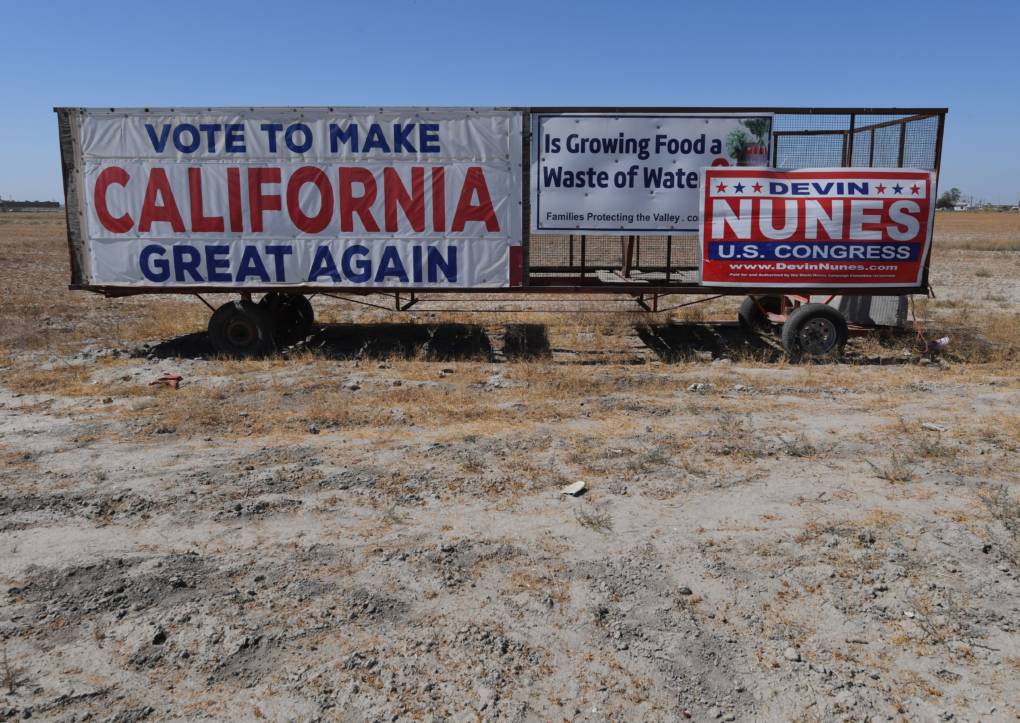
"caption": "A campaign poster for Republican Devin Nunes, displayed near his hometown of Tulare on Sept. 9, 2018. Nunes defeated challenger Andrew Janz in the November midterm election for California's 22nd Congressional District.",
"description": "A campaign poster for Republican Devin Nunes, displayed near his hometown of Tulare on Sept. 9, 2018. Nunes defeated challenger Andrew Janz in the November midterm election for California's 22nd Congressional District.",
"title": "US-POLITICS-VOTE-NUNES",
"credit": "Mark Ralston/AFP/Getty Images",
"status": "inherit",
"isLoading": false,
"fetchFailed": false
},
"news_11705559": {
"type": "attachments",
"id": "news_11705559",
"meta": {
"index": "attachments_1716263798",
"site": "news",
"id": "11705559",
"found": true
},
"parent": 11705460,
"imgSizes": {
"twentyfourteen-full-width": {
"file": "https://ww2.kqed.org/app/uploads/sites/10/2018/11/RS7516_RS4844_GunStoreHandgun-e1541888825944-1038x576.jpg",
"width": 1038,
"mimeType": "image/jpeg",
"height": 576
},
"thumbnail": {
"file": "https://ww2.kqed.org/app/uploads/sites/10/2018/11/RS7516_RS4844_GunStoreHandgun-e1541888825944-160x112.jpg",
"width": 160,
"mimeType": "image/jpeg",
"height": 112
},
"post-thumbnail": {
"file": "https://ww2.kqed.org/app/uploads/sites/10/2018/11/RS7516_RS4844_GunStoreHandgun-e1541888825944-672x372.jpg",
"width": 672,
"mimeType": "image/jpeg",
"height": 372
},
"kqedFullSize": {
"file": "https://ww2.kqed.org/app/uploads/sites/10/2018/11/RS7516_RS4844_GunStoreHandgun-e1541888825944.jpg",
"width": 1920,
"height": 1338
},
"large": {
"file": "https://ww2.kqed.org/app/uploads/sites/10/2018/11/RS7516_RS4844_GunStoreHandgun-e1541888825944-1020x711.jpg",
"width": 1020,
"mimeType": "image/jpeg",
"height": 711
},
"complete_open_graph": {
"file": "https://ww2.kqed.org/app/uploads/sites/10/2018/11/RS7516_RS4844_GunStoreHandgun-e1541888825944-1200x836.jpg",
"width": 1200,
"mimeType": "image/jpeg",
"height": 836
},
"guest-author-50": {
"file": "https://ww2.kqed.org/app/uploads/sites/10/2018/11/RS7516_RS4844_GunStoreHandgun-e1541888825944-50x50.jpg",
"width": 50,
"mimeType": "image/jpeg",
"height": 50
},
"guest-author-96": {
"file": "https://ww2.kqed.org/app/uploads/sites/10/2018/11/RS7516_RS4844_GunStoreHandgun-e1541888825944-96x96.jpg",
"width": 96,
"mimeType": "image/jpeg",
"height": 96
},
"medium": {
"file": "https://ww2.kqed.org/app/uploads/sites/10/2018/11/RS7516_RS4844_GunStoreHandgun-e1541888825944-800x558.jpg",
"width": 800,
"mimeType": "image/jpeg",
"height": 558
},
"guest-author-64": {
"file": "https://ww2.kqed.org/app/uploads/sites/10/2018/11/RS7516_RS4844_GunStoreHandgun-e1541888825944-64x64.jpg",
"width": 64,
"mimeType": "image/jpeg",
"height": 64
},
"guest-author-32": {
"file": "https://ww2.kqed.org/app/uploads/sites/10/2018/11/RS7516_RS4844_GunStoreHandgun-e1541888825944-32x32.jpg",
"width": 32,
"mimeType": "image/jpeg",
"height": 32
},
"full-width": {
"file": "https://ww2.kqed.org/app/uploads/sites/10/2018/11/RS7516_RS4844_GunStoreHandgun-e1541888825944-1920x1338.jpg",
"width": 1920,
"mimeType": "image/jpeg",
"height": 1338
},
"detail": {
"file": "https://ww2.kqed.org/app/uploads/sites/10/2018/11/RS7516_RS4844_GunStoreHandgun-e1541888825944-150x150.jpg",
"width": 150,
"mimeType": "image/jpeg",
"height": 150
},
"guest-author-128": {
"file": "https://ww2.kqed.org/app/uploads/sites/10/2018/11/RS7516_RS4844_GunStoreHandgun-e1541888825944-128x128.jpg",
"width": 128,
"mimeType": "image/jpeg",
"height": 128
}
},
"publishDate": 1541888712,
"modified": 1643147933,
"caption": "California leads the nation in highest number of mass shooting deaths, but that ranking belies the fact that California has one of the nation's lowest overall rates of gun deaths per capita.",
"description": "California leads the nation in highest number of mass shooting deaths, but that ranking belies the fact that California has one of the nation’s lowest overall gun deaths per capita.",
"title": "A man chooses a gun at the Gun Gallery i",
"credit": "Gabriel Bouys/AFP/Getty Images",
"status": "inherit",
"altTag": "A person holds a handgun with both hands with other firearms in the background.",
"isLoading": false,
"fetchFailed": false
},
"news_11703819": {
"type": "attachments",
"id": "news_11703819",
"meta": {
"index": "attachments_1716263798",
"site": "news",
"id": "11703819",
"found": true
},
"parent": 11703797,
"imgSizes": {
"twentyfourteen-full-width": {
"file": "https://ww2.kqed.org/app/uploads/sites/10/2018/11/Oil-pumpjacks-photo-e1541455080979-1038x576.jpg",
"width": 1038,
"mimeType": "image/jpeg",
"height": 576
},
"thumbnail": {
"file": "https://ww2.kqed.org/app/uploads/sites/10/2018/11/Oil-pumpjacks-photo-e1541455080979-160x103.jpg",
"width": 160,
"mimeType": "image/jpeg",
"height": 103
},
"post-thumbnail": {
"file": "https://ww2.kqed.org/app/uploads/sites/10/2018/11/Oil-pumpjacks-photo-e1541455080979-672x372.jpg",
"width": 672,
"mimeType": "image/jpeg",
"height": 372
},
"kqedFullSize": {
"file": "https://ww2.kqed.org/app/uploads/sites/10/2018/11/Oil-pumpjacks-photo-e1541455080979.jpg",
"width": 1920,
"height": 1236
},
"large": {
"file": "https://ww2.kqed.org/app/uploads/sites/10/2018/11/Oil-pumpjacks-photo-e1541455080979-1020x657.jpg",
"width": 1020,
"mimeType": "image/jpeg",
"height": 657
},
"complete_open_graph": {
"file": "https://ww2.kqed.org/app/uploads/sites/10/2018/11/Oil-pumpjacks-photo-e1541455080979-1200x773.jpg",
"width": 1200,
"mimeType": "image/jpeg",
"height": 773
},
"guest-author-50": {
"file": "https://ww2.kqed.org/app/uploads/sites/10/2018/11/Oil-pumpjacks-photo-e1541455080979-50x50.jpg",
"width": 50,
"mimeType": "image/jpeg",
"height": 50
},
"guest-author-96": {
"file": "https://ww2.kqed.org/app/uploads/sites/10/2018/11/Oil-pumpjacks-photo-e1541455080979-96x96.jpg",
"width": 96,
"mimeType": "image/jpeg",
"height": 96
},
"medium": {
"file": "https://ww2.kqed.org/app/uploads/sites/10/2018/11/Oil-pumpjacks-photo-e1541455080979-800x515.jpg",
"width": 800,
"mimeType": "image/jpeg",
"height": 515
},
"guest-author-64": {
"file": "https://ww2.kqed.org/app/uploads/sites/10/2018/11/Oil-pumpjacks-photo-e1541455080979-64x64.jpg",
"width": 64,
"mimeType": "image/jpeg",
"height": 64
},
"guest-author-32": {
"file": "https://ww2.kqed.org/app/uploads/sites/10/2018/11/Oil-pumpjacks-photo-e1541455080979-32x32.jpg",
"width": 32,
"mimeType": "image/jpeg",
"height": 32
},
"full-width": {
"file": "https://ww2.kqed.org/app/uploads/sites/10/2018/11/Oil-pumpjacks-photo-e1541455080979-1920x1236.jpg",
"width": 1920,
"mimeType": "image/jpeg",
"height": 1236
},
"detail": {
"file": "https://ww2.kqed.org/app/uploads/sites/10/2018/11/Oil-pumpjacks-photo-e1541455080979-150x150.jpg",
"width": 150,
"mimeType": "image/jpeg",
"height": 150
},
"guest-author-128": {
"file": "https://ww2.kqed.org/app/uploads/sites/10/2018/11/Oil-pumpjacks-photo-e1541455080979-128x128.jpg",
"width": 128,
"mimeType": "image/jpeg",
"height": 128
}
},
"publishDate": 1541455014,
"modified": 1541460675,
"caption": "Oil companies are donating directly to Democratic candidates and pouring millions into outside groups that campaign for a mix of Democrats and Republicans.",
"description": "Oil companies are donating directly to Democratic candidates and pouring millions into outside groups that campaign for a mix of Democrats and Republicans.",
"title": "Oil pumpjacks photo",
"credit": "John Ciccarelli/Bureau of Land Management",
"status": "inherit",
"isLoading": false,
"fetchFailed": false
},
"news_11703587": {
"type": "attachments",
"id": "news_11703587",
"meta": {
"index": "attachments_1716263798",
"site": "news",
"id": "11703587",
"found": true
},
"parent": 11703580,
"imgSizes": {
"small": {
"file": "https://ww2.kqed.org/app/uploads/sites/10/2018/11/RS17268_IMG_9502.JPG-qut-520x347.jpg",
"width": 520,
"mimeType": "image/jpeg",
"height": 347
},
"twentyfourteen-full-width": {
"file": "https://ww2.kqed.org/app/uploads/sites/10/2018/11/RS17268_IMG_9502.JPG-qut-1038x576.jpg",
"width": 1038,
"mimeType": "image/jpeg",
"height": 576
},
"thumbnail": {
"file": "https://ww2.kqed.org/app/uploads/sites/10/2018/11/RS17268_IMG_9502.JPG-qut-160x107.jpg",
"width": 160,
"mimeType": "image/jpeg",
"height": 107
},
"fd-sm": {
"file": "https://ww2.kqed.org/app/uploads/sites/10/2018/11/RS17268_IMG_9502.JPG-qut-960x640.jpg",
"width": 960,
"mimeType": "image/jpeg",
"height": 640
},
"post-thumbnail": {
"file": "https://ww2.kqed.org/app/uploads/sites/10/2018/11/RS17268_IMG_9502.JPG-qut-672x372.jpg",
"width": 672,
"mimeType": "image/jpeg",
"height": 372
},
"xsmall": {
"file": "https://ww2.kqed.org/app/uploads/sites/10/2018/11/RS17268_IMG_9502.JPG-qut-375x250.jpg",
"width": 375,
"mimeType": "image/jpeg",
"height": 250
},
"kqedFullSize": {
"file": "https://ww2.kqed.org/app/uploads/sites/10/2018/11/RS17268_IMG_9502.JPG-qut.jpg",
"width": 1920,
"height": 1280
},
"large": {
"file": "https://ww2.kqed.org/app/uploads/sites/10/2018/11/RS17268_IMG_9502.JPG-qut-1020x680.jpg",
"width": 1020,
"mimeType": "image/jpeg",
"height": 680
},
"xlarge": {
"file": "https://ww2.kqed.org/app/uploads/sites/10/2018/11/RS17268_IMG_9502.JPG-qut-1180x787.jpg",
"width": 1180,
"mimeType": "image/jpeg",
"height": 787
},
"complete_open_graph": {
"file": "https://ww2.kqed.org/app/uploads/sites/10/2018/11/RS17268_IMG_9502.JPG-qut-1200x800.jpg",
"width": 1200,
"mimeType": "image/jpeg",
"height": 800
},
"guest-author-50": {
"file": "https://ww2.kqed.org/app/uploads/sites/10/2018/11/RS17268_IMG_9502.JPG-qut-50x50.jpg",
"width": 50,
"mimeType": "image/jpeg",
"height": 50
},
"guest-author-96": {
"file": "https://ww2.kqed.org/app/uploads/sites/10/2018/11/RS17268_IMG_9502.JPG-qut-96x96.jpg",
"width": 96,
"mimeType": "image/jpeg",
"height": 96
},
"medium": {
"file": "https://ww2.kqed.org/app/uploads/sites/10/2018/11/RS17268_IMG_9502.JPG-qut-800x533.jpg",
"width": 800,
"mimeType": "image/jpeg",
"height": 533
},
"guest-author-64": {
"file": "https://ww2.kqed.org/app/uploads/sites/10/2018/11/RS17268_IMG_9502.JPG-qut-64x64.jpg",
"width": 64,
"mimeType": "image/jpeg",
"height": 64
},
"guest-author-32": {
"file": "https://ww2.kqed.org/app/uploads/sites/10/2018/11/RS17268_IMG_9502.JPG-qut-32x32.jpg",
"width": 32,
"mimeType": "image/jpeg",
"height": 32
},
"fd-lrg": {
"file": "https://ww2.kqed.org/app/uploads/sites/10/2018/11/RS17268_IMG_9502.JPG-qut-1920x1280.jpg",
"width": 1920,
"mimeType": "image/jpeg",
"height": 1280
},
"fd-med": {
"file": "https://ww2.kqed.org/app/uploads/sites/10/2018/11/RS17268_IMG_9502.JPG-qut-1180x787.jpg",
"width": 1180,
"mimeType": "image/jpeg",
"height": 787
},
"full-width": {
"file": "https://ww2.kqed.org/app/uploads/sites/10/2018/11/RS17268_IMG_9502.JPG-qut-1920x1280.jpg",
"width": 1920,
"mimeType": "image/jpeg",
"height": 1280
},
"detail": {
"file": "https://ww2.kqed.org/app/uploads/sites/10/2018/11/RS17268_IMG_9502.JPG-qut-150x150.jpg",
"width": 150,
"mimeType": "image/jpeg",
"height": 150
},
"guest-author-128": {
"file": "https://ww2.kqed.org/app/uploads/sites/10/2018/11/RS17268_IMG_9502.JPG-qut-128x128.jpg",
"width": 128,
"mimeType": "image/jpeg",
"height": 128
},
"xxsmall": {
"file": "https://ww2.kqed.org/app/uploads/sites/10/2018/11/RS17268_IMG_9502.JPG-qut-240x160.jpg",
"width": 240,
"mimeType": "image/jpeg",
"height": 160
}
},
"publishDate": 1541371972,
"modified": 1541371987,
"caption": "This year, with hundreds of millions of dollars rolling into initiative campaigns over housing and health care, California has hit a new record.",
"description": "This year, with hundreds of millions of dollars rolling into initiative campaigns over housing and health care, California has hit a new record.",
"title": "RS17268_IMG_9502.JPG-qut",
"credit": "Ericka Cruz Guevarra/KQED",
"status": "inherit",
"isLoading": false,
"fetchFailed": false
},
"news_11703555": {
"type": "attachments",
"id": "news_11703555",
"meta": {
"index": "attachments_1716263798",
"site": "news",
"id": "11703555",
"found": true
},
"parent": 11703552,
"imgSizes": {
"small": {
"file": "https://ww2.kqed.org/app/uploads/sites/10/2018/11/RS11087_494070889-520x347.jpg",
"width": 520,
"mimeType": "image/jpeg",
"height": 347
},
"twentyfourteen-full-width": {
"file": "https://ww2.kqed.org/app/uploads/sites/10/2018/11/RS11087_494070889-1038x576.jpg",
"width": 1038,
"mimeType": "image/jpeg",
"height": 576
},
"thumbnail": {
"file": "https://ww2.kqed.org/app/uploads/sites/10/2018/11/RS11087_494070889-160x107.jpg",
"width": 160,
"mimeType": "image/jpeg",
"height": 107
},
"fd-sm": {
"file": "https://ww2.kqed.org/app/uploads/sites/10/2018/11/RS11087_494070889-960x640.jpg",
"width": 960,
"mimeType": "image/jpeg",
"height": 640
},
"post-thumbnail": {
"file": "https://ww2.kqed.org/app/uploads/sites/10/2018/11/RS11087_494070889-672x372.jpg",
"width": 672,
"mimeType": "image/jpeg",
"height": 372
},
"xsmall": {
"file": "https://ww2.kqed.org/app/uploads/sites/10/2018/11/RS11087_494070889-375x250.jpg",
"width": 375,
"mimeType": "image/jpeg",
"height": 250
},
"kqedFullSize": {
"file": "https://ww2.kqed.org/app/uploads/sites/10/2018/11/RS11087_494070889.jpg",
"width": 3000,
"height": 2001
},
"large": {
"file": "https://ww2.kqed.org/app/uploads/sites/10/2018/11/RS11087_494070889-1020x680.jpg",
"width": 1020,
"mimeType": "image/jpeg",
"height": 680
},
"xlarge": {
"file": "https://ww2.kqed.org/app/uploads/sites/10/2018/11/RS11087_494070889-1180x787.jpg",
"width": 1180,
"mimeType": "image/jpeg",
"height": 787
},
"complete_open_graph": {
"file": "https://ww2.kqed.org/app/uploads/sites/10/2018/11/RS11087_494070889-1200x800.jpg",
"width": 1200,
"mimeType": "image/jpeg",
"height": 800
},
"guest-author-50": {
"file": "https://ww2.kqed.org/app/uploads/sites/10/2018/11/RS11087_494070889-50x50.jpg",
"width": 50,
"mimeType": "image/jpeg",
"height": 50
},
"guest-author-96": {
"file": "https://ww2.kqed.org/app/uploads/sites/10/2018/11/RS11087_494070889-96x96.jpg",
"width": 96,
"mimeType": "image/jpeg",
"height": 96
},
"medium": {
"file": "https://ww2.kqed.org/app/uploads/sites/10/2018/11/RS11087_494070889-800x534.jpg",
"width": 800,
"mimeType": "image/jpeg",
"height": 534
},
"guest-author-64": {
"file": "https://ww2.kqed.org/app/uploads/sites/10/2018/11/RS11087_494070889-64x64.jpg",
"width": 64,
"mimeType": "image/jpeg",
"height": 64
},
"guest-author-32": {
"file": "https://ww2.kqed.org/app/uploads/sites/10/2018/11/RS11087_494070889-32x32.jpg",
"width": 32,
"mimeType": "image/jpeg",
"height": 32
},
"fd-lrg": {
"file": "https://ww2.kqed.org/app/uploads/sites/10/2018/11/RS11087_494070889-1920x1281.jpg",
"width": 1920,
"mimeType": "image/jpeg",
"height": 1281
},
"fd-med": {
"file": "https://ww2.kqed.org/app/uploads/sites/10/2018/11/RS11087_494070889-1180x787.jpg",
"width": 1180,
"mimeType": "image/jpeg",
"height": 787
},
"full-width": {
"file": "https://ww2.kqed.org/app/uploads/sites/10/2018/11/RS11087_494070889-1920x1281.jpg",
"width": 1920,
"mimeType": "image/jpeg",
"height": 1281
},
"detail": {
"file": "https://ww2.kqed.org/app/uploads/sites/10/2018/11/RS11087_494070889-150x150.jpg",
"width": 150,
"mimeType": "image/jpeg",
"height": 150
},
"guest-author-128": {
"file": "https://ww2.kqed.org/app/uploads/sites/10/2018/11/RS11087_494070889-128x128.jpg",
"width": 128,
"mimeType": "image/jpeg",
"height": 128
},
"xxsmall": {
"file": "https://ww2.kqed.org/app/uploads/sites/10/2018/11/RS11087_494070889-240x160.jpg",
"width": 240,
"mimeType": "image/jpeg",
"height": 160
}
},
"publishDate": 1541356828,
"modified": 1541356873,
"caption": "We break down the reasons Prop. 10 appears to be failing, and what lies ahead for the rent control movement. It’s not all about the money.",
"description": null,
"title": "San Francisco Prices Continue To Lead National Trend Of Rising Home Cost",
"credit": "Justin Sullivan/Getty Images",
"status": "inherit",
"isLoading": false,
"fetchFailed": false
},
"news_11700803": {
"type": "attachments",
"id": "news_11700803",
"meta": {
"index": "attachments_1716263798",
"site": "news",
"id": "11700803",
"found": true
},
"parent": 0,
"imgSizes": {
"small": {
"file": "https://ww2.kqed.org/app/uploads/sites/10/2018/10/fairness-jas-portrait-520x347.jpg",
"width": 520,
"mimeType": "image/jpeg",
"height": 347
},
"twentyfourteen-full-width": {
"file": "https://ww2.kqed.org/app/uploads/sites/10/2018/10/fairness-jas-portrait-1038x576.jpg",
"width": 1038,
"mimeType": "image/jpeg",
"height": 576
},
"thumbnail": {
"file": "https://ww2.kqed.org/app/uploads/sites/10/2018/10/fairness-jas-portrait-160x107.jpg",
"width": 160,
"mimeType": "image/jpeg",
"height": 107
},
"fd-sm": {
"file": "https://ww2.kqed.org/app/uploads/sites/10/2018/10/fairness-jas-portrait-960x640.jpg",
"width": 960,
"mimeType": "image/jpeg",
"height": 640
},
"post-thumbnail": {
"file": "https://ww2.kqed.org/app/uploads/sites/10/2018/10/fairness-jas-portrait-672x372.jpg",
"width": 672,
"mimeType": "image/jpeg",
"height": 372
},
"xsmall": {
"file": "https://ww2.kqed.org/app/uploads/sites/10/2018/10/fairness-jas-portrait-375x250.jpg",
"width": 375,
"mimeType": "image/jpeg",
"height": 250
},
"kqedFullSize": {
"file": "https://ww2.kqed.org/app/uploads/sites/10/2018/10/fairness-jas-portrait.jpg",
"width": 5472,
"height": 3648
},
"large": {
"file": "https://ww2.kqed.org/app/uploads/sites/10/2018/10/fairness-jas-portrait-1020x680.jpg",
"width": 1020,
"mimeType": "image/jpeg",
"height": 680
},
"xlarge": {
"file": "https://ww2.kqed.org/app/uploads/sites/10/2018/10/fairness-jas-portrait-1180x787.jpg",
"width": 1180,
"mimeType": "image/jpeg",
"height": 787
},
"complete_open_graph": {
"file": "https://ww2.kqed.org/app/uploads/sites/10/2018/10/fairness-jas-portrait-1200x800.jpg",
"width": 1200,
"mimeType": "image/jpeg",
"height": 800
},
"guest-author-50": {
"file": "https://ww2.kqed.org/app/uploads/sites/10/2018/10/fairness-jas-portrait-50x50.jpg",
"width": 50,
"mimeType": "image/jpeg",
"height": 50
},
"guest-author-96": {
"file": "https://ww2.kqed.org/app/uploads/sites/10/2018/10/fairness-jas-portrait-96x96.jpg",
"width": 96,
"mimeType": "image/jpeg",
"height": 96
},
"medium": {
"file": "https://ww2.kqed.org/app/uploads/sites/10/2018/10/fairness-jas-portrait-800x533.jpg",
"width": 800,
"mimeType": "image/jpeg",
"height": 533
},
"guest-author-64": {
"file": "https://ww2.kqed.org/app/uploads/sites/10/2018/10/fairness-jas-portrait-64x64.jpg",
"width": 64,
"mimeType": "image/jpeg",
"height": 64
},
"guest-author-32": {
"file": "https://ww2.kqed.org/app/uploads/sites/10/2018/10/fairness-jas-portrait-32x32.jpg",
"width": 32,
"mimeType": "image/jpeg",
"height": 32
},
"fd-lrg": {
"file": "https://ww2.kqed.org/app/uploads/sites/10/2018/10/fairness-jas-portrait-1920x1280.jpg",
"width": 1920,
"mimeType": "image/jpeg",
"height": 1280
},
"fd-med": {
"file": "https://ww2.kqed.org/app/uploads/sites/10/2018/10/fairness-jas-portrait-1180x787.jpg",
"width": 1180,
"mimeType": "image/jpeg",
"height": 787
},
"full-width": {
"file": "https://ww2.kqed.org/app/uploads/sites/10/2018/10/fairness-jas-portrait-1920x1280.jpg",
"width": 1920,
"mimeType": "image/jpeg",
"height": 1280
},
"detail": {
"file": "https://ww2.kqed.org/app/uploads/sites/10/2018/10/fairness-jas-portrait-150x150.jpg",
"width": 150,
"mimeType": "image/jpeg",
"height": 150
},
"guest-author-128": {
"file": "https://ww2.kqed.org/app/uploads/sites/10/2018/10/fairness-jas-portrait-128x128.jpg",
"width": 128,
"mimeType": "image/jpeg",
"height": 128
},
"xxsmall": {
"file": "https://ww2.kqed.org/app/uploads/sites/10/2018/10/fairness-jas-portrait-240x160.jpg",
"width": 240,
"mimeType": "image/jpeg",
"height": 160
}
},
"publishDate": 1540339899,
"modified": 1540340023,
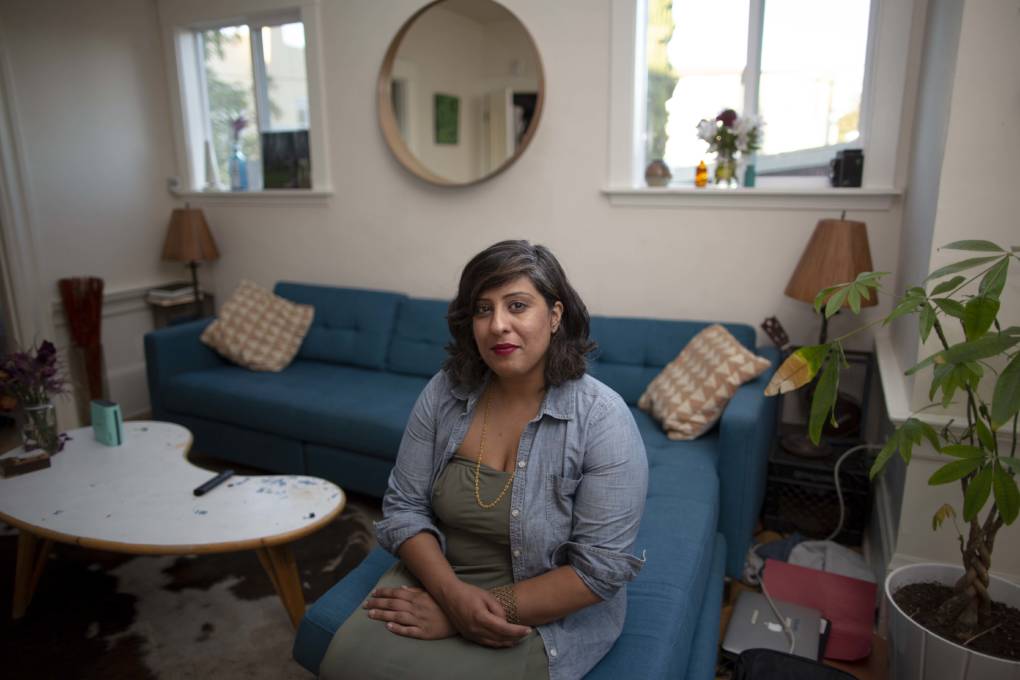
"caption": "Jas Johl in the living room of her home in North Oakland. Johl pays about $13,000 a year in property taxes, far more than many of her neighbors.",
"description": "Jas Johl in the living room of her home in North Oakland. Johl pays about $13,000 a year in property taxes, far more than many of her neighbors.",
"title": "Jas Johl 56th St",
"credit": "Sean Havey for California Dream",
"status": "inherit",
"isLoading": false,
"fetchFailed": false
},
"news_11700625": {
"type": "attachments",
"id": "news_11700625",
"meta": {
"index": "attachments_1716263798",
"site": "news",
"id": "11700625",
"found": true
},
"parent": 0,
"imgSizes": {
"small": {
"file": "https://ww2.kqed.org/app/uploads/sites/10/2018/10/housing-shortage-michelle-portrait-520x347.jpg",
"width": 520,
"mimeType": "image/jpeg",
"height": 347
},
"twentyfourteen-full-width": {
"file": "https://ww2.kqed.org/app/uploads/sites/10/2018/10/housing-shortage-michelle-portrait-1038x576.jpg",
"width": 1038,
"mimeType": "image/jpeg",
"height": 576
},
"thumbnail": {
"file": "https://ww2.kqed.org/app/uploads/sites/10/2018/10/housing-shortage-michelle-portrait-160x107.jpg",
"width": 160,
"mimeType": "image/jpeg",
"height": 107
},
"fd-sm": {
"file": "https://ww2.kqed.org/app/uploads/sites/10/2018/10/housing-shortage-michelle-portrait-960x640.jpg",
"width": 960,
"mimeType": "image/jpeg",
"height": 640
},
"post-thumbnail": {
"file": "https://ww2.kqed.org/app/uploads/sites/10/2018/10/housing-shortage-michelle-portrait-672x372.jpg",
"width": 672,
"mimeType": "image/jpeg",
"height": 372
},
"xsmall": {
"file": "https://ww2.kqed.org/app/uploads/sites/10/2018/10/housing-shortage-michelle-portrait-375x250.jpg",
"width": 375,
"mimeType": "image/jpeg",
"height": 250
},
"kqedFullSize": {
"file": "https://ww2.kqed.org/app/uploads/sites/10/2018/10/housing-shortage-michelle-portrait-e1540408005836.jpg",
"width": 1920,
"height": 1280
},
"large": {
"file": "https://ww2.kqed.org/app/uploads/sites/10/2018/10/housing-shortage-michelle-portrait-1020x680.jpg",
"width": 1020,
"mimeType": "image/jpeg",
"height": 680
},
"xlarge": {
"file": "https://ww2.kqed.org/app/uploads/sites/10/2018/10/housing-shortage-michelle-portrait-1180x787.jpg",
"width": 1180,
"mimeType": "image/jpeg",
"height": 787
},
"complete_open_graph": {
"file": "https://ww2.kqed.org/app/uploads/sites/10/2018/10/housing-shortage-michelle-portrait-1200x800.jpg",
"width": 1200,
"mimeType": "image/jpeg",
"height": 800
},
"guest-author-50": {
"file": "https://ww2.kqed.org/app/uploads/sites/10/2018/10/housing-shortage-michelle-portrait-50x50.jpg",
"width": 50,
"mimeType": "image/jpeg",
"height": 50
},
"guest-author-96": {
"file": "https://ww2.kqed.org/app/uploads/sites/10/2018/10/housing-shortage-michelle-portrait-96x96.jpg",
"width": 96,
"mimeType": "image/jpeg",
"height": 96
},
"medium": {
"file": "https://ww2.kqed.org/app/uploads/sites/10/2018/10/housing-shortage-michelle-portrait-800x533.jpg",
"width": 800,
"mimeType": "image/jpeg",
"height": 533
},
"guest-author-64": {
"file": "https://ww2.kqed.org/app/uploads/sites/10/2018/10/housing-shortage-michelle-portrait-64x64.jpg",
"width": 64,
"mimeType": "image/jpeg",
"height": 64
},
"guest-author-32": {
"file": "https://ww2.kqed.org/app/uploads/sites/10/2018/10/housing-shortage-michelle-portrait-32x32.jpg",
"width": 32,
"mimeType": "image/jpeg",
"height": 32
},
"fd-lrg": {
"file": "https://ww2.kqed.org/app/uploads/sites/10/2018/10/housing-shortage-michelle-portrait-1920x1280.jpg",
"width": 1920,
"mimeType": "image/jpeg",
"height": 1280
},
"fd-med": {
"file": "https://ww2.kqed.org/app/uploads/sites/10/2018/10/housing-shortage-michelle-portrait-1180x787.jpg",
"width": 1180,
"mimeType": "image/jpeg",
"height": 787
},
"full-width": {
"file": "https://ww2.kqed.org/app/uploads/sites/10/2018/10/housing-shortage-michelle-portrait-1920x1280.jpg",
"width": 1920,
"mimeType": "image/jpeg",
"height": 1280
},
"detail": {
"file": "https://ww2.kqed.org/app/uploads/sites/10/2018/10/housing-shortage-michelle-portrait-150x150.jpg",
"width": 150,
"mimeType": "image/jpeg",
"height": 150
},
"guest-author-128": {
"file": "https://ww2.kqed.org/app/uploads/sites/10/2018/10/housing-shortage-michelle-portrait-128x128.jpg",
"width": 128,
"mimeType": "image/jpeg",
"height": 128
},
"xxsmall": {
"file": "https://ww2.kqed.org/app/uploads/sites/10/2018/10/housing-shortage-michelle-portrait-240x160.jpg",
"width": 240,
"mimeType": "image/jpeg",
"height": 160
}
},
"publishDate": 1540320013,
"modified": 1540320099,
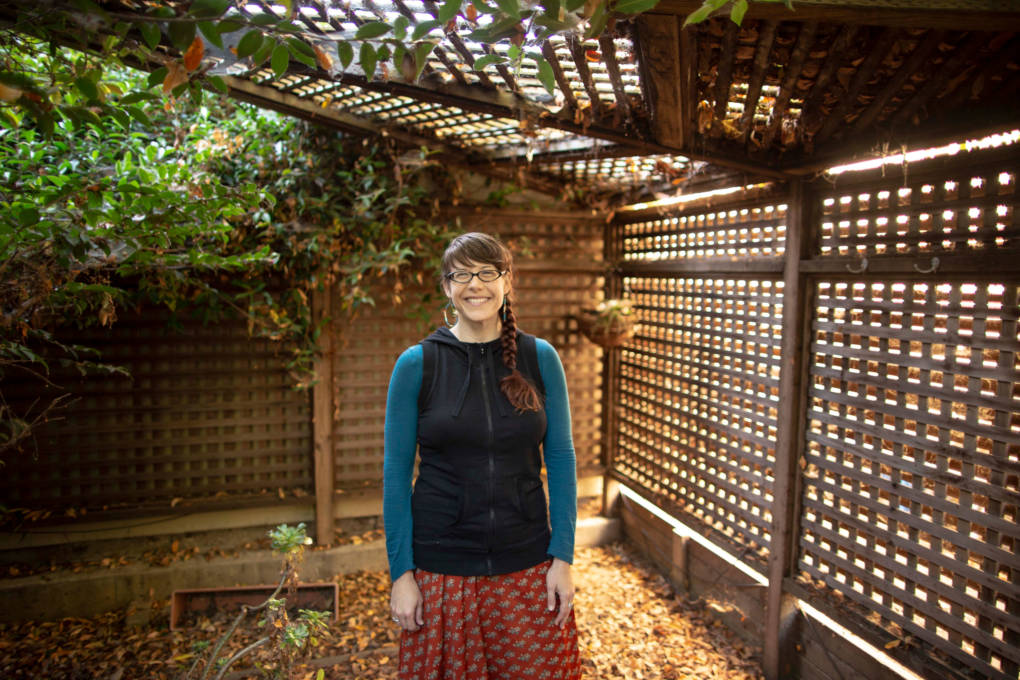
"caption": "Michelle Krasowksi would like to buy a home one day, but she knows that day is a long way off.",
"description": "Michelle Krasowksi would like to buy a home one day, but she knows that day is a long way off.",
"title": "housing-shortage-michelle-portrait",
"credit": "Sean Havey for California Dream",
"status": "inherit",
"isLoading": false,
"fetchFailed": false
},
"news_11699300": {
"type": "attachments",
"id": "news_11699300",
"meta": {
"index": "attachments_1716263798",
"site": "news",
"id": "11699300",
"found": true
},
"parent": 11699275,
"imgSizes": {
"small": {
"file": "https://ww2.kqed.org/app/uploads/sites/10/2018/10/DMV-520x347.jpg",
"width": 520,
"mimeType": "image/jpeg",
"height": 347
},
"twentyfourteen-full-width": {
"file": "https://ww2.kqed.org/app/uploads/sites/10/2018/10/DMV-1038x576.jpg",
"width": 1038,
"mimeType": "image/jpeg",
"height": 576
},
"thumbnail": {
"file": "https://ww2.kqed.org/app/uploads/sites/10/2018/10/DMV-160x107.jpg",
"width": 160,
"mimeType": "image/jpeg",
"height": 107
},
"fd-sm": {
"file": "https://ww2.kqed.org/app/uploads/sites/10/2018/10/DMV-960x640.jpg",
"width": 960,
"mimeType": "image/jpeg",
"height": 640
},
"post-thumbnail": {
"file": "https://ww2.kqed.org/app/uploads/sites/10/2018/10/DMV-672x372.jpg",
"width": 672,
"mimeType": "image/jpeg",
"height": 372
},
"xsmall": {
"file": "https://ww2.kqed.org/app/uploads/sites/10/2018/10/DMV-375x250.jpg",
"width": 375,
"mimeType": "image/jpeg",
"height": 250
},
"kqedFullSize": {
"file": "https://ww2.kqed.org/app/uploads/sites/10/2018/10/DMV.jpg",
"width": 1920,
"height": 1280
},
"large": {
"file": "https://ww2.kqed.org/app/uploads/sites/10/2018/10/DMV-1020x680.jpg",
"width": 1020,
"mimeType": "image/jpeg",
"height": 680
},
"xlarge": {
"file": "https://ww2.kqed.org/app/uploads/sites/10/2018/10/DMV-1180x787.jpg",
"width": 1180,
"mimeType": "image/jpeg",
"height": 787
},
"complete_open_graph": {
"file": "https://ww2.kqed.org/app/uploads/sites/10/2018/10/DMV-1200x800.jpg",
"width": 1200,
"mimeType": "image/jpeg",
"height": 800
},
"guest-author-50": {
"file": "https://ww2.kqed.org/app/uploads/sites/10/2018/10/DMV-50x50.jpg",
"width": 50,
"mimeType": "image/jpeg",
"height": 50
},
"guest-author-96": {
"file": "https://ww2.kqed.org/app/uploads/sites/10/2018/10/DMV-96x96.jpg",
"width": 96,
"mimeType": "image/jpeg",
"height": 96
},
"medium": {
"file": "https://ww2.kqed.org/app/uploads/sites/10/2018/10/DMV-800x533.jpg",
"width": 800,
"mimeType": "image/jpeg",
"height": 533
},
"guest-author-64": {
"file": "https://ww2.kqed.org/app/uploads/sites/10/2018/10/DMV-64x64.jpg",
"width": 64,
"mimeType": "image/jpeg",
"height": 64
},
"guest-author-32": {
"file": "https://ww2.kqed.org/app/uploads/sites/10/2018/10/DMV-32x32.jpg",
"width": 32,
"mimeType": "image/jpeg",
"height": 32
},
"fd-lrg": {
"file": "https://ww2.kqed.org/app/uploads/sites/10/2018/10/DMV-1920x1280.jpg",
"width": 1920,
"mimeType": "image/jpeg",
"height": 1280
},
"fd-med": {
"file": "https://ww2.kqed.org/app/uploads/sites/10/2018/10/DMV-1180x787.jpg",
"width": 1180,
"mimeType": "image/jpeg",
"height": 787
},
"full-width": {
"file": "https://ww2.kqed.org/app/uploads/sites/10/2018/10/DMV-1920x1280.jpg",
"width": 1920,
"mimeType": "image/jpeg",
"height": 1280
},
"detail": {
"file": "https://ww2.kqed.org/app/uploads/sites/10/2018/10/DMV-150x150.jpg",
"width": 150,
"mimeType": "image/jpeg",
"height": 150
},
"guest-author-128": {
"file": "https://ww2.kqed.org/app/uploads/sites/10/2018/10/DMV-128x128.jpg",
"width": 128,
"mimeType": "image/jpeg",
"height": 128
},
"xxsmall": {
"file": "https://ww2.kqed.org/app/uploads/sites/10/2018/10/DMV-240x160.jpg",
"width": 240,
"mimeType": "image/jpeg",
"height": 160
}
},
"publishDate": 1539718024,
"modified": 1539718112,
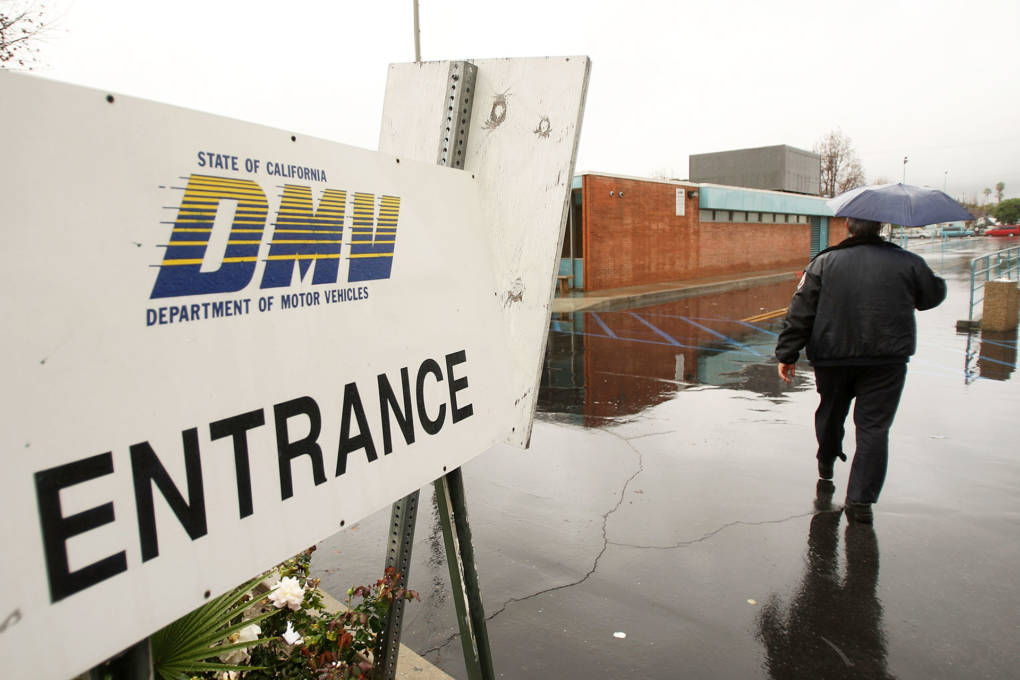
"caption": "A security guard outside a California DMV office in Pasadena.",
"description": "A security guard outside a California DMV office in Pasadena.",
"title": "DMV",
"credit": "David McNew/Getty Images",
"status": "inherit",
"isLoading": false,
"fetchFailed": false
},
"news_11698263": {
"type": "attachments",
"id": "news_11698263",
"meta": {
"index": "attachments_1716263798",
"site": "news",
"id": "11698263",
"found": true
},
"parent": 11698258,
"imgSizes": {
"small": {
"file": "https://ww2.kqed.org/app/uploads/sites/10/2018/10/AshBritt-520x395.jpg",
"width": 520,
"mimeType": "image/jpeg",
"height": 395
},
"twentyfourteen-full-width": {
"file": "https://ww2.kqed.org/app/uploads/sites/10/2018/10/AshBritt-800x576.jpg",
"width": 800,
"mimeType": "image/jpeg",
"height": 576
},
"thumbnail": {
"file": "https://ww2.kqed.org/app/uploads/sites/10/2018/10/AshBritt-160x121.jpg",
"width": 160,
"mimeType": "image/jpeg",
"height": 121
},
"post-thumbnail": {
"file": "https://ww2.kqed.org/app/uploads/sites/10/2018/10/AshBritt-672x372.jpg",
"width": 672,
"mimeType": "image/jpeg",
"height": 372
},
"xsmall": {
"file": "https://ww2.kqed.org/app/uploads/sites/10/2018/10/AshBritt-375x285.jpg",
"width": 375,
"mimeType": "image/jpeg",
"height": 285
},
"kqedFullSize": {
"file": "https://ww2.kqed.org/app/uploads/sites/10/2018/10/AshBritt.jpg",
"width": 800,
"height": 607
},
"guest-author-50": {
"file": "https://ww2.kqed.org/app/uploads/sites/10/2018/10/AshBritt-50x50.jpg",
"width": 50,
"mimeType": "image/jpeg",
"height": 50
},
"guest-author-96": {
"file": "https://ww2.kqed.org/app/uploads/sites/10/2018/10/AshBritt-96x96.jpg",
"width": 96,
"mimeType": "image/jpeg",
"height": 96
},
"medium": {
"file": "https://ww2.kqed.org/app/uploads/sites/10/2018/10/AshBritt-800x607.jpg",
"width": 800,
"mimeType": "image/jpeg",
"height": 607
},
"guest-author-64": {
"file": "https://ww2.kqed.org/app/uploads/sites/10/2018/10/AshBritt-64x64.jpg",
"width": 64,
"mimeType": "image/jpeg",
"height": 64
},
"guest-author-32": {
"file": "https://ww2.kqed.org/app/uploads/sites/10/2018/10/AshBritt-32x32.jpg",
"width": 32,
"mimeType": "image/jpeg",
"height": 32
},
"detail": {
"file": "https://ww2.kqed.org/app/uploads/sites/10/2018/10/AshBritt-150x150.jpg",
"width": 150,
"mimeType": "image/jpeg",
"height": 150
},
"guest-author-128": {
"file": "https://ww2.kqed.org/app/uploads/sites/10/2018/10/AshBritt-128x128.jpg",
"width": 128,
"mimeType": "image/jpeg",
"height": 128
},
"xxsmall": {
"file": "https://ww2.kqed.org/app/uploads/sites/10/2018/10/AshBritt-240x182.jpg",
"width": 240,
"mimeType": "image/jpeg",
"height": 182
}
},
"publishDate": 1539297523,
"modified": 1539297558,
"caption": "AshBritt CEO Brittany Perkins (L) discusses clean-up operations with employees from AshBritt and the U.S. Army Corps of Engineers.",
"description": "AshBritt CEO Brittany Perkins (L) discusses clean-up operations with employees from AshBritt and the U.S. Army Corps of Engineers.",
"title": "AshBritt",
"credit": "PRNewsfoto/AshBritt Inc.",
"status": "inherit",
"isLoading": false,
"fetchFailed": false
},
"news_11694420": {
"type": "attachments",
"id": "news_11694420",
"meta": {
"index": "attachments_1716263798",
"site": "news",
"id": "11694420",
"found": true
},
"parent": 11694407,
"imgSizes": {
"small": {
"file": "https://ww2.kqed.org/app/uploads/sites/10/2018/09/TomCampbell-520x373.jpg",
"width": 520,
"mimeType": "image/jpeg",
"height": 373
},
"twentyfourteen-full-width": {
"file": "https://ww2.kqed.org/app/uploads/sites/10/2018/09/TomCampbell-1038x576.jpg",
"width": 1038,
"mimeType": "image/jpeg",
"height": 576
},
"thumbnail": {
"file": "https://ww2.kqed.org/app/uploads/sites/10/2018/09/TomCampbell-160x115.jpg",
"width": 160,
"mimeType": "image/jpeg",
"height": 115
},
"fd-sm": {
"file": "https://ww2.kqed.org/app/uploads/sites/10/2018/09/TomCampbell-960x688.jpg",
"width": 960,
"mimeType": "image/jpeg",
"height": 688
},
"post-thumbnail": {
"file": "https://ww2.kqed.org/app/uploads/sites/10/2018/09/TomCampbell-672x372.jpg",
"width": 672,
"mimeType": "image/jpeg",
"height": 372
},
"xsmall": {
"file": "https://ww2.kqed.org/app/uploads/sites/10/2018/09/TomCampbell-375x269.jpg",
"width": 375,
"mimeType": "image/jpeg",
"height": 269
},
"kqedFullSize": {
"file": "https://ww2.kqed.org/app/uploads/sites/10/2018/09/TomCampbell.jpg",
"width": 1920,
"height": 1376
},
"large": {
"file": "https://ww2.kqed.org/app/uploads/sites/10/2018/09/TomCampbell-1020x731.jpg",
"width": 1020,
"mimeType": "image/jpeg",
"height": 731
},
"xlarge": {
"file": "https://ww2.kqed.org/app/uploads/sites/10/2018/09/TomCampbell-1180x846.jpg",
"width": 1180,
"mimeType": "image/jpeg",
"height": 846
},
"complete_open_graph": {
"file": "https://ww2.kqed.org/app/uploads/sites/10/2018/09/TomCampbell-1200x860.jpg",
"width": 1200,
"mimeType": "image/jpeg",
"height": 860
},
"guest-author-50": {
"file": "https://ww2.kqed.org/app/uploads/sites/10/2018/09/TomCampbell-50x50.jpg",
"width": 50,
"mimeType": "image/jpeg",
"height": 50
},
"guest-author-96": {
"file": "https://ww2.kqed.org/app/uploads/sites/10/2018/09/TomCampbell-96x96.jpg",
"width": 96,
"mimeType": "image/jpeg",
"height": 96
},
"medium": {
"file": "https://ww2.kqed.org/app/uploads/sites/10/2018/09/TomCampbell-800x573.jpg",
"width": 800,
"mimeType": "image/jpeg",
"height": 573
},
"guest-author-64": {
"file": "https://ww2.kqed.org/app/uploads/sites/10/2018/09/TomCampbell-64x64.jpg",
"width": 64,
"mimeType": "image/jpeg",
"height": 64
},
"guest-author-32": {
"file": "https://ww2.kqed.org/app/uploads/sites/10/2018/09/TomCampbell-32x32.jpg",
"width": 32,
"mimeType": "image/jpeg",
"height": 32
},
"fd-lrg": {
"file": "https://ww2.kqed.org/app/uploads/sites/10/2018/09/TomCampbell-1920x1376.jpg",
"width": 1920,
"mimeType": "image/jpeg",
"height": 1376
},
"fd-med": {
"file": "https://ww2.kqed.org/app/uploads/sites/10/2018/09/TomCampbell-1180x846.jpg",
"width": 1180,
"mimeType": "image/jpeg",
"height": 846
},
"full-width": {
"file": "https://ww2.kqed.org/app/uploads/sites/10/2018/09/TomCampbell-1920x1376.jpg",
"width": 1920,
"mimeType": "image/jpeg",
"height": 1376
},
"detail": {
"file": "https://ww2.kqed.org/app/uploads/sites/10/2018/09/TomCampbell-150x150.jpg",
"width": 150,
"mimeType": "image/jpeg",
"height": 150
},
"guest-author-128": {
"file": "https://ww2.kqed.org/app/uploads/sites/10/2018/09/TomCampbell-128x128.jpg",
"width": 128,
"mimeType": "image/jpeg",
"height": 128
},
"xxsmall": {
"file": "https://ww2.kqed.org/app/uploads/sites/10/2018/09/TomCampbell-240x172.jpg",
"width": 240,
"mimeType": "image/jpeg",
"height": 172
}
},
"publishDate": 1537831151,
"modified": 1537831187,
"caption": "Disaffected former Republican Rep. Tom Campbell aims to launch a new political party in California.",
"description": "Disaffected former Republican Rep. Tom Campbell aims to launch a new political party in California.",
"title": "TomCampbell",
"credit": "David McNew/Getty Images",
"status": "inherit",
"isLoading": false,
"fetchFailed": false
},
"news_11693104": {
"type": "attachments",
"id": "news_11693104",
"meta": {
"index": "attachments_1716263798",
"site": "news",
"id": "11693104",
"found": true
},
"parent": 11693088,
"imgSizes": {
"small": {
"file": "https://ww2.kqed.org/app/uploads/sites/10/2018/09/DentistCalMatters-520x347.jpg",
"width": 520,
"mimeType": "image/jpeg",
"height": 347
},
"twentyfourteen-full-width": {
"file": "https://ww2.kqed.org/app/uploads/sites/10/2018/09/DentistCalMatters-1038x576.jpg",
"width": 1038,
"mimeType": "image/jpeg",
"height": 576
},
"thumbnail": {
"file": "https://ww2.kqed.org/app/uploads/sites/10/2018/09/DentistCalMatters-160x107.jpg",
"width": 160,
"mimeType": "image/jpeg",
"height": 107
},
"fd-sm": {
"file": "https://ww2.kqed.org/app/uploads/sites/10/2018/09/DentistCalMatters-960x640.jpg",
"width": 960,
"mimeType": "image/jpeg",
"height": 640
},
"post-thumbnail": {
"file": "https://ww2.kqed.org/app/uploads/sites/10/2018/09/DentistCalMatters-672x372.jpg",
"width": 672,
"mimeType": "image/jpeg",
"height": 372
},
"xsmall": {
"file": "https://ww2.kqed.org/app/uploads/sites/10/2018/09/DentistCalMatters-375x250.jpg",
"width": 375,
"mimeType": "image/jpeg",
"height": 250
},
"kqedFullSize": {
"file": "https://ww2.kqed.org/app/uploads/sites/10/2018/09/DentistCalMatters.jpg",
"width": 1920,
"height": 1280
},
"large": {
"file": "https://ww2.kqed.org/app/uploads/sites/10/2018/09/DentistCalMatters-1020x680.jpg",
"width": 1020,
"mimeType": "image/jpeg",
"height": 680
},
"xlarge": {
"file": "https://ww2.kqed.org/app/uploads/sites/10/2018/09/DentistCalMatters-1180x787.jpg",
"width": 1180,
"mimeType": "image/jpeg",
"height": 787
},
"complete_open_graph": {
"file": "https://ww2.kqed.org/app/uploads/sites/10/2018/09/DentistCalMatters-1200x800.jpg",
"width": 1200,
"mimeType": "image/jpeg",
"height": 800
},
"guest-author-50": {
"file": "https://ww2.kqed.org/app/uploads/sites/10/2018/09/DentistCalMatters-50x50.jpg",
"width": 50,
"mimeType": "image/jpeg",
"height": 50
},
"guest-author-96": {
"file": "https://ww2.kqed.org/app/uploads/sites/10/2018/09/DentistCalMatters-96x96.jpg",
"width": 96,
"mimeType": "image/jpeg",
"height": 96
},
"medium": {
"file": "https://ww2.kqed.org/app/uploads/sites/10/2018/09/DentistCalMatters-800x533.jpg",
"width": 800,
"mimeType": "image/jpeg",
"height": 533
},
"guest-author-64": {
"file": "https://ww2.kqed.org/app/uploads/sites/10/2018/09/DentistCalMatters-64x64.jpg",
"width": 64,
"mimeType": "image/jpeg",
"height": 64
},
"guest-author-32": {
"file": "https://ww2.kqed.org/app/uploads/sites/10/2018/09/DentistCalMatters-32x32.jpg",
"width": 32,
"mimeType": "image/jpeg",
"height": 32
},
"fd-lrg": {
"file": "https://ww2.kqed.org/app/uploads/sites/10/2018/09/DentistCalMatters-1920x1280.jpg",
"width": 1920,
"mimeType": "image/jpeg",
"height": 1280
},
"fd-med": {
"file": "https://ww2.kqed.org/app/uploads/sites/10/2018/09/DentistCalMatters-1180x787.jpg",
"width": 1180,
"mimeType": "image/jpeg",
"height": 787
},
"full-width": {
"file": "https://ww2.kqed.org/app/uploads/sites/10/2018/09/DentistCalMatters-1920x1280.jpg",
"width": 1920,
"mimeType": "image/jpeg",
"height": 1280
},
"detail": {
"file": "https://ww2.kqed.org/app/uploads/sites/10/2018/09/DentistCalMatters-150x150.jpg",
"width": 150,
"mimeType": "image/jpeg",
"height": 150
},
"guest-author-128": {
"file": "https://ww2.kqed.org/app/uploads/sites/10/2018/09/DentistCalMatters-128x128.jpg",
"width": 128,
"mimeType": "image/jpeg",
"height": 128
},
"xxsmall": {
"file": "https://ww2.kqed.org/app/uploads/sites/10/2018/09/DentistCalMatters-240x160.jpg",
"width": 240,
"mimeType": "image/jpeg",
"height": 160
}
},
"publishDate": 1537225413,
"modified": 1537225461,
"caption": "As California officials try to improve dental care for patients in need, Long Beach dentist John Blake works with patient Nelson Phan.",
"description": "As California officials try to improve dental care for patients in need, Long Beach dentist John Blake works with patient Nelson Phan.",
"title": "DentistCalMatters",
"credit": "Iris Schneider/CALmatters",
"status": "inherit",
"isLoading": false,
"fetchFailed": false
},
"news_11692554": {
"type": "attachments",
"id": "news_11692554",
"meta": {
"index": "attachments_1716263798",
"site": "news",
"id": "11692554",
"found": true
},
"parent": 11692541,
"imgSizes": {
"small": {
"file": "https://ww2.kqed.org/app/uploads/sites/10/2018/09/RS3725_voetstickers320121005-520x347.jpg",
"width": 520,
"mimeType": "image/jpeg",
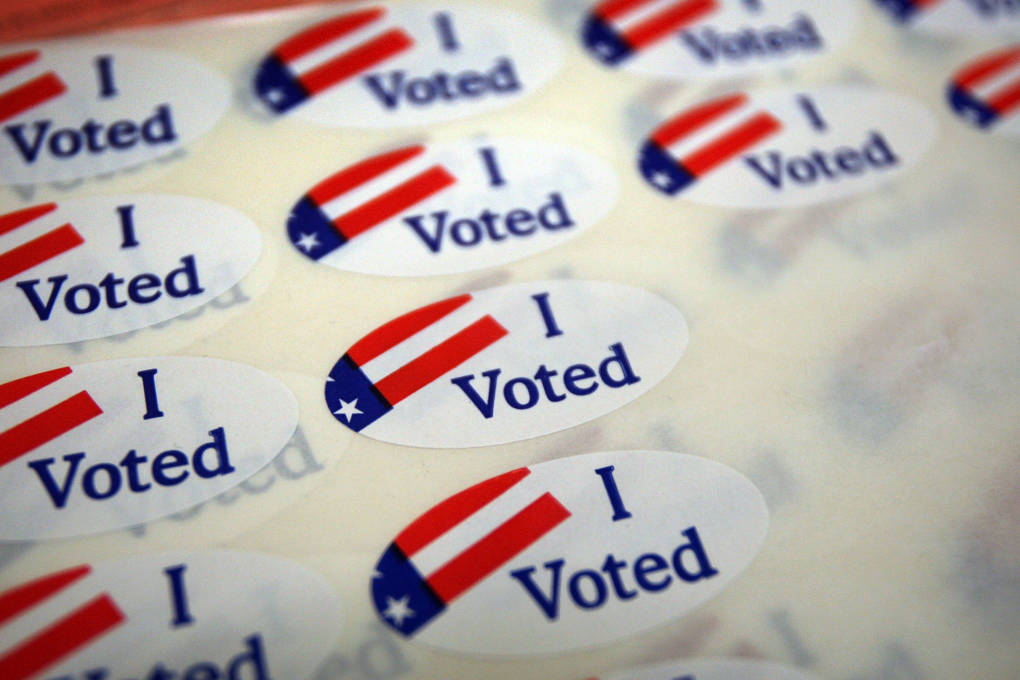
"height": 347
},
"twentyfourteen-full-width": {
"file": "https://ww2.kqed.org/app/uploads/sites/10/2018/09/RS3725_voetstickers320121005-1038x576.jpg",
"width": 1038,
"mimeType": "image/jpeg",
"height": 576
},
"thumbnail": {
"file": "https://ww2.kqed.org/app/uploads/sites/10/2018/09/RS3725_voetstickers320121005-160x107.jpg",
"width": 160,
"mimeType": "image/jpeg",
"height": 107
},
"fd-sm": {
"file": "https://ww2.kqed.org/app/uploads/sites/10/2018/09/RS3725_voetstickers320121005-960x640.jpg",
"width": 960,
"mimeType": "image/jpeg",
"height": 640
},
"post-thumbnail": {
"file": "https://ww2.kqed.org/app/uploads/sites/10/2018/09/RS3725_voetstickers320121005-672x372.jpg",
"width": 672,
"mimeType": "image/jpeg",
"height": 372
},
"xsmall": {
"file": "https://ww2.kqed.org/app/uploads/sites/10/2018/09/RS3725_voetstickers320121005-375x250.jpg",
"width": 375,
"mimeType": "image/jpeg",
"height": 250
},
"kqedFullSize": {
"file": "https://ww2.kqed.org/app/uploads/sites/10/2018/09/RS3725_voetstickers320121005-e1536961733876.jpg",
"width": 1920,
"height": 1280
},
"large": {
"file": "https://ww2.kqed.org/app/uploads/sites/10/2018/09/RS3725_voetstickers320121005-1020x680.jpg",
"width": 1020,
"mimeType": "image/jpeg",
"height": 680
},
"xlarge": {
"file": "https://ww2.kqed.org/app/uploads/sites/10/2018/09/RS3725_voetstickers320121005-1180x787.jpg",
"width": 1180,
"mimeType": "image/jpeg",
"height": 787
},
"complete_open_graph": {
"file": "https://ww2.kqed.org/app/uploads/sites/10/2018/09/RS3725_voetstickers320121005-1200x800.jpg",
"width": 1200,
"mimeType": "image/jpeg",
"height": 800
},
"guest-author-50": {
"file": "https://ww2.kqed.org/app/uploads/sites/10/2018/09/RS3725_voetstickers320121005-50x50.jpg",
"width": 50,
"mimeType": "image/jpeg",
"height": 50
},
"guest-author-96": {
"file": "https://ww2.kqed.org/app/uploads/sites/10/2018/09/RS3725_voetstickers320121005-96x96.jpg",
"width": 96,
"mimeType": "image/jpeg",
"height": 96
},
"medium": {
"file": "https://ww2.kqed.org/app/uploads/sites/10/2018/09/RS3725_voetstickers320121005-800x533.jpg",
"width": 800,
"mimeType": "image/jpeg",
"height": 533
},
"guest-author-64": {
"file": "https://ww2.kqed.org/app/uploads/sites/10/2018/09/RS3725_voetstickers320121005-64x64.jpg",
"width": 64,
"mimeType": "image/jpeg",
"height": 64
},
"guest-author-32": {
"file": "https://ww2.kqed.org/app/uploads/sites/10/2018/09/RS3725_voetstickers320121005-32x32.jpg",
"width": 32,
"mimeType": "image/jpeg",
"height": 32
},
"fd-lrg": {
"file": "https://ww2.kqed.org/app/uploads/sites/10/2018/09/RS3725_voetstickers320121005-1920x1280.jpg",
"width": 1920,
"mimeType": "image/jpeg",
"height": 1280
},
"fd-med": {
"file": "https://ww2.kqed.org/app/uploads/sites/10/2018/09/RS3725_voetstickers320121005-1180x787.jpg",
"width": 1180,
"mimeType": "image/jpeg",
"height": 787
},
"full-width": {
"file": "https://ww2.kqed.org/app/uploads/sites/10/2018/09/RS3725_voetstickers320121005-1920x1280.jpg",
"width": 1920,
"mimeType": "image/jpeg",
"height": 1280
},
"detail": {
"file": "https://ww2.kqed.org/app/uploads/sites/10/2018/09/RS3725_voetstickers320121005-150x150.jpg",
"width": 150,
"mimeType": "image/jpeg",
"height": 150
},
"guest-author-128": {
"file": "https://ww2.kqed.org/app/uploads/sites/10/2018/09/RS3725_voetstickers320121005-128x128.jpg",
"width": 128,
"mimeType": "image/jpeg",
"height": 128
},
"xxsmall": {
"file": "https://ww2.kqed.org/app/uploads/sites/10/2018/09/RS3725_voetstickers320121005-240x160.jpg",
"width": 240,
"mimeType": "image/jpeg",
"height": 160
}
},
"publishDate": 1536961609,
"modified": 1536961723,
"caption": "California’s political cognoscenti forecast Democratic gains here in the November election.",
"description": "California’s political cognoscenti forecast Democratic gains here in the November election.",
"title": "Californians Vote In Special Election On Budget Ballot Measures",
"credit": "David McNew/Getty Images",
"status": "inherit",
"isLoading": false,
"fetchFailed": false
}
},
"audioPlayerReducer": {
"postId": "stream_live",
"isPaused": true,
"isPlaying": false,
"pfsActive": false,
"pledgeModalIsOpen": true,
"playerDrawerIsOpen": false,
"liveAudioPlayStartedAt": 0,
"liveAudioPlayContext": ""
},
"authorsReducer": {
"byline_news_11708731": {
"type": "authors",
"id": "byline_news_11708731",
"meta": {
"override": true
},
"slug": "byline_news_11708731",
"name": "\u003cstrong>\u003ca href=\"https://calmatters.org/articles/author/ben-christopher/\">Ben Christopher\u003c/a>\u003c/strong>",
"isLoading": false
},
"byline_news_11705460": {
"type": "authors",
"id": "byline_news_11705460",
"meta": {
"override": true
},
"slug": "byline_news_11705460",
"name": "Elizabeth Aguilera",
"isLoading": false
},
"byline_news_11703797": {
"type": "authors",
"id": "byline_news_11703797",
"meta": {
"override": true
},
"slug": "byline_news_11703797",
"name": "\u003cstrong>\u003ca href=\"https://calmatters.org/articles/author/laurel-rosenhall/\">Laurel Rosenhall\u003c/a>\u003c/strong>",
"isLoading": false
},
"byline_news_11703580": {
"type": "authors",
"id": "byline_news_11703580",
"meta": {
"override": true
},
"slug": "byline_news_11703580",
"name": "Laurel Rosenhall",
"isLoading": false
},
"byline_news_11703552": {
"type": "authors",
"id": "byline_news_11703552",
"meta": {
"override": true
},
"slug": "byline_news_11703552",
"name": "Matt Levin",
"isLoading": false
},
"byline_news_11700810": {
"type": "authors",
"id": "byline_news_11700810",
"meta": {
"override": true
},
"slug": "byline_news_11700810",
"name": "\u003ca href=\"https://calmatters.org/articles/author/matt-levin/\" target=\"_blank\" rel=\"noopener\">Matt Levin/CALmatters\u003c/a>",
"isLoading": false
},
"byline_news_11700683": {
"type": "authors",
"id": "byline_news_11700683",
"meta": {
"override": true
},
"slug": "byline_news_11700683",
"name": "\u003ca href=\"https://calmatters.org/articles/author/matt-levin/\" rel=\"noopener\" target=\"_blank\">Matt Levin/CALmatters\u003c/a>",
"isLoading": false
},
"byline_news_11699275": {
"type": "authors",
"id": "byline_news_11699275",
"meta": {
"override": true
},
"slug": "byline_news_11699275",
"name": "\u003cstrong>\u003ca href=\"https://calmatters.org/articles/author/laurel-rosenhall/\">Laurel Rosenhall\u003c/a>\u003c/strong>",
"isLoading": false
},
"byline_news_11698258": {
"type": "authors",
"id": "byline_news_11698258",
"meta": {
"override": true
},
"slug": "byline_news_11698258",
"name": "\u003cstrong>\u003ca href=\"https://calmatters.org/articles/author/laurel-rosenhall/\">Laurel Rosenhall\u003c/a>\u003c/strong>",
"isLoading": false
},
"byline_news_11694407": {
"type": "authors",
"id": "byline_news_11694407",
"meta": {
"override": true
},
"slug": "byline_news_11694407",
"name": "\u003cstrong>\u003ca href=\"https://calmatters.org/articles/author/ben-christopher/\">Ben Christopher\u003c/a>\u003c/strong>",
"isLoading": false
},
"byline_news_11692541": {
"type": "authors",
"id": "byline_news_11692541",
"meta": {
"override": true
},
"slug": "byline_news_11692541",
"name": "\u003cstrong>Ben Christopher\u003c/strong>\u003c/br>CALmatters",
"isLoading": false
},
"dgorn": {
"type": "authors",
"id": "8656",
"meta": {
"index": "authors_1716337520",
"id": "8656",
"found": true
},
"name": "David Gorn",
"firstName": "David",
"lastName": "Gorn",
"slug": "dgorn",
"email": "dgorn+donotmail@sbcglobal.net",
"display_author_email": false,
"staff_mastheads": [],
"title": "KQED Contributor",
"bio": "David Gorn is the former Deputy News Director of KQED Radio. His public radio pieces have appeared on NPR, the World, Marketplace and the California Report.",
"avatar": "https://secure.gravatar.com/avatar/a6ad3e1eec1712e19b986b9395614010?s=600&d=blank&r=g",
"twitter": null,
"facebook": null,
"instagram": null,
"linkedin": null,
"sites": [
{
"site": "news",
"roles": [
"subscriber"
]
},
{
"site": "futureofyou",
"roles": [
"author"
]
},
{
"site": "science",
"roles": [
"author"
]
},
{
"site": "quest",
"roles": [
"editor"
]
}
],
"headData": {
"title": "David Gorn | KQED",
"description": "KQED Contributor",
"ogImgSrc": "https://secure.gravatar.com/avatar/a6ad3e1eec1712e19b986b9395614010?s=600&d=blank&r=g",
"twImgSrc": "https://secure.gravatar.com/avatar/a6ad3e1eec1712e19b986b9395614010?s=600&d=blank&r=g"
},
"isLoading": false,
"link": "/author/dgorn"
}
},
"pagesReducer": {
"news_affiliate_calmatters": {
"type": "terms",
"id": "news_18481",
"meta": {
"index": "terms_1716263798",
"site": "news",
"id": "18481",
"score": 15.355904
},
"featImg": null,
"name": "CALmatters",
"description": null,
"taxonomy": "affiliate",
"headData": {
"twImgId": null,
"twTitle": null,
"ogTitle": null,
"ogImgId": null,
"twDescription": null,
"description": null,
"title": "CALmatters Archives | KQED Arts",
"ogDescription": null
},
"ttid": 18515,
"slug": "calmatters",
"isLoading": false,
"title": "CALmatters",
"pageMeta": {
"site": "news",
"WpPageTemplate": "page-topic-editorial",
"currentPage": 70
},
"blocks": [
{
"blockName": "kqed/post-list",
"attrs": {
"layout": "cardArticle2",
"query": "posts/news?affiliate=calmatters",
"seeMore": false,
"paginated": true,
"page": 70
}
},
{
"blockName": "kqed/ad"
}
]
}
},
"pfsSessionReducer": {},
"postsReducer": {
"stream_live": {
"type": "live",
"id": "stream_live",
"audioUrl": "https://streams.kqed.org/kqedradio",
"title": "Live Stream",
"excerpt": "Live Stream information currently unavailable.",
"link": "/radio",
"featImg": "",
"label": {
"name": "KQED Live",
"link": "/"
}
},
"stream_kqedNewscast": {
"type": "posts",
"id": "stream_kqedNewscast",
"audioUrl": "https://www.kqed.org/.stream/anon/radio/RDnews/newscast.mp3?_=1",
"title": "KQED Newscast",
"featImg": "",
"label": {
"name": "88.5 FM",
"link": "/"
}
},
"news_11708731": {
"type": "posts",
"id": "news_11708731",
"meta": {
"index": "posts_1716263798",
"site": "news",
"id": "11708731",
"score": null,
"sort": [
1543441837000
]
},
"guestAuthors": [],
"slug": "whiter-poorer-trumpier-the-new-republican-california",
"title": "Whiter, Poorer, Trumpier: the New Republican California",
"publishDate": 1543441837,
"format": "standard",
"headTitle": "Whiter, Poorer, Trumpier: the New Republican California | KQED",
"labelTerm": {},
"content": "\u003cp>After the shellacking that California Republicans took in this year’s midterm elections, many figures within the more pragmatic wings of the party establishment had \u003ca href=\"https://calmatters.org/articles/commentary/my-turn-california-republicans-missed-the-future/\">hoped\u003c/a> that the party would turn away from the divisive politics of President Trump and seek to become a more diverse coalition.\u003c/p>\n\u003cp>But in the short term, the midterm election whittled away all the purple sections of the state now represented by the GOP, leaving only the scarlet-red core. With striking losses in Orange County and the Central Valley, the Republican Party’s \u003ca href=\"https://www.kqed.org/news/11704247/these-7-california-congressional-races-could-determine-which-party-controls-the-house\">diminished congressional delegation\u003c/a> will now represent a less diverse and less well-off subset of Californians and an electorate that was most enamored with the president. It will also be a much smaller portion of the state.\u003c/p>\n\u003cp>This year, 26 percent of Californians are represented in Congress by a Republican. Next year, that number will fall to 13 percent.\u003c/p>\n\u003cp>Prior to the election, the average Californian living in a Republican-held district earned $65,634 per year. That’s slightly above the state average of $63,783. The average district was also slightly less educated than the state as whole (19 percent have bachelor’s degrees compared to 20 percent statewide) and significantly whiter (49 percent to 38 percent).\u003c/p>\n\u003cp>\u003ca href=\"http://infogram.com/changing-cagop-1hnq41wxzkvd63z\">http://infogram.com/changing-cagop-1hnq41wxzkvd63z\u003c/a>\u003c/p>\n\u003cp>[ad fullwidth]\u003c/p>\n\u003cp>But in an \u003ca href=\"https://www.kqed.org/elections/results\">election\u003c/a> that cost them seven of their 14 seats, the GOP was driven inland, losing every seat that touches the Pacific Ocean and tossed out of its former stronghold in Orange County.\u003c/p>\n\u003cp>The party also lost the suburbs north of Los Angeles and — assuming Democrat T.J. Cox maintains his lead over Rep. David Valadao in Hanford — two seats in the Central Valley.\u003c/p>\n\u003cp>And so come January, when only half of the Republican delegation will return to Washington, D.C., the average income of the new, diminished GOP-represented electorate will be nearly $5,000 lower. It will also be majority non-Latino white.\u003c/p>\n\u003cp>Only 16 percent of the population will have a college degree. And notably, every district in which less than a majority of voters supported Trump in 2016 abandoned the Republican brand this year. Only Trump country remains.\u003c/p>\n\u003cp>This could make it all the more difficult for Republicans who want to rebuild the party.\u003c/p>\n\u003cp>While the GOP’s broader electoral viability in California may depend on its willingness to disassociate itself from the politics of the president, the remaining Republican members of Congress — representing the most fiercely Trumpian corners of the state — may have little incentive to do that.\u003c/p>\n\u003cp>\u003c/p>\n\u003cp>\u003cem>\u003ca href=\"http://CALmatters.org\">CALmatters.org\u003c/a> is a nonprofit, nonpartisan media venture explaining California policies and politics.\u003c/em>\u003c/p>\n\n",
"blocks": [],
"excerpt": "The midterm election whittled away all the purple sections of the state now represented by the GOP, leaving only the scarlet-red core.",
"status": "publish",
"parent": 0,
"modified": 1729801621,
"stats": {
"hasAudio": false,
"hasVideo": false,
"hasChartOrMap": false,
"iframeSrcs": [],
"hasGoogleForm": false,
"hasGallery": false,
"hasHearkenModule": false,
"hasPolis": false,
"paragraphCount": 13,
"wordCount": 444
},
"headData": {
"title": "Whiter, Poorer, Trumpier: the New Republican California | KQED",
"description": "The midterm election whittled away all the purple sections of the state now represented by the GOP, leaving only the scarlet-red core.",
"ogTitle": "",
"ogDescription": "",
"ogImgId": "",
"twTitle": "",
"twDescription": "",
"twImgId": "",
"schema": {
"@context": "https://schema.org",
"@type": "NewsArticle",
"headline": "Whiter, Poorer, Trumpier: the New Republican California",
"datePublished": "2018-11-28T13:50:37-08:00",
"dateModified": "2024-10-24T13:27:01-07:00",
"image": "https://cdn.kqed.org/wp-content/uploads/2020/02/KQED-OG-Image@1x.png",
"isAccessibleForFree": "True",
"publisher": {
"@type": "NewsMediaOrganization",
"@id": "https://www.kqed.org/#organization",
"name": "KQED",
"logo": "https://cdn.kqed.org/wp-content/uploads/2020/02/KQED-OG-Image@1x.png",
"url": "https://www.kqed.org",
"sameAs": [
"https://www.facebook.com/KQED",
"https://twitter.com/KQED",
"https://www.instagram.com/kqed/",
"https://www.tiktok.com/@kqedofficial",
"https://www.linkedin.com/company/kqed",
"https://www.youtube.com/channel/UCeC0IOo7i1P_61zVUWbJ4nw"
]
}
}
},
"source": "CALmatters",
"sourceUrl": "https://calmatters.org",
"sticky": false,
"nprByline": "\u003cstrong>\u003ca href=\"https://calmatters.org/articles/author/ben-christopher/\">Ben Christopher\u003c/a>\u003c/strong>",
"path": "/news/11708731/whiter-poorer-trumpier-the-new-republican-california",
"audioTrackLength": null,
"parsedContent": [
{
"type": "contentString",
"content": "\u003cdiv class=\"post-body\">\u003cp>\u003cp>After the shellacking that California Republicans took in this year’s midterm elections, many figures within the more pragmatic wings of the party establishment had \u003ca href=\"https://calmatters.org/articles/commentary/my-turn-california-republicans-missed-the-future/\">hoped\u003c/a> that the party would turn away from the divisive politics of President Trump and seek to become a more diverse coalition.\u003c/p>\n\u003cp>But in the short term, the midterm election whittled away all the purple sections of the state now represented by the GOP, leaving only the scarlet-red core. With striking losses in Orange County and the Central Valley, the Republican Party’s \u003ca href=\"https://www.kqed.org/news/11704247/these-7-california-congressional-races-could-determine-which-party-controls-the-house\">diminished congressional delegation\u003c/a> will now represent a less diverse and less well-off subset of Californians and an electorate that was most enamored with the president. It will also be a much smaller portion of the state.\u003c/p>\n\u003cp>This year, 26 percent of Californians are represented in Congress by a Republican. Next year, that number will fall to 13 percent.\u003c/p>\n\u003cp>Prior to the election, the average Californian living in a Republican-held district earned $65,634 per year. That’s slightly above the state average of $63,783. The average district was also slightly less educated than the state as whole (19 percent have bachelor’s degrees compared to 20 percent statewide) and significantly whiter (49 percent to 38 percent).\u003c/p>\n\u003cp>\u003ca href=\"http://infogram.com/changing-cagop-1hnq41wxzkvd63z\">http://infogram.com/changing-cagop-1hnq41wxzkvd63z\u003c/a>\u003c/p>\n\u003cp>\u003c/p>\u003c/div>",
"attributes": {
"named": {},
"numeric": []
}
},
{
"type": "component",
"content": "",
"name": "ad",
"attributes": {
"named": {
"label": "fullwidth"
},
"numeric": [
"fullwidth"
]
}
},
{
"type": "contentString",
"content": "\u003cdiv class=\"post-body\">\u003cp>\u003c/p>\n\u003cp>But in an \u003ca href=\"https://www.kqed.org/elections/results\">election\u003c/a> that cost them seven of their 14 seats, the GOP was driven inland, losing every seat that touches the Pacific Ocean and tossed out of its former stronghold in Orange County.\u003c/p>\n\u003cp>The party also lost the suburbs north of Los Angeles and — assuming Democrat T.J. Cox maintains his lead over Rep. David Valadao in Hanford — two seats in the Central Valley.\u003c/p>\n\u003cp>And so come January, when only half of the Republican delegation will return to Washington, D.C., the average income of the new, diminished GOP-represented electorate will be nearly $5,000 lower. It will also be majority non-Latino white.\u003c/p>\n\u003cp>Only 16 percent of the population will have a college degree. And notably, every district in which less than a majority of voters supported Trump in 2016 abandoned the Republican brand this year. Only Trump country remains.\u003c/p>\n\u003cp>This could make it all the more difficult for Republicans who want to rebuild the party.\u003c/p>\n\u003cp>While the GOP’s broader electoral viability in California may depend on its willingness to disassociate itself from the politics of the president, the remaining Republican members of Congress — representing the most fiercely Trumpian corners of the state — may have little incentive to do that.\u003c/p>\n\u003cp>\u003c/p>\n\u003cp>\u003cem>\u003ca href=\"http://CALmatters.org\">CALmatters.org\u003c/a> is a nonprofit, nonpartisan media venture explaining California policies and politics.\u003c/em>\u003c/p>\n\n\u003c/div>\u003c/p>",
"attributes": {
"named": {},
"numeric": []
}
}
],
"link": "/news/11708731/whiter-poorer-trumpier-the-new-republican-california",
"authors": [
"byline_news_11708731"
],
"programs": [
"news_72"
],
"categories": [
"news_1758",
"news_18540",
"news_8",
"news_33520",
"news_13"
],
"tags": [
"news_1323",
"news_20191",
"news_23228",
"news_1585",
"news_21447",
"news_21603",
"news_387"
],
"affiliates": [
"news_18481"
],
"featImg": "news_11708811",
"label": "source_news_11708731"
},
"news_11705460": {
"type": "posts",
"id": "news_11705460",
"meta": {
"index": "posts_1716263798",
"site": "news",
"id": "11705460",
"score": null,
"sort": [
1541890471000
]
},
"parent": 0,
"labelTerm": {},
"blocks": [],
"publishDate": 1541890471,
"format": "standard",
"disqusTitle": "Despite Mass Shooting, California—With Tougher Gun Control—Has Lower Gun-Death Rate Than Most States",
"title": "Despite Mass Shooting, California—With Tougher Gun Control—Has Lower Gun-Death Rate Than Most States",
"headTitle": "The California Report | KQED News",
"content": "\u003cp>With another mass shooting in California, number \u003ca href=\"https://www.motherjones.com/politics/2012/12/mass-shootings-mother-jones-full-data/\" target=\"_blank\" rel=\"noopener\">19\u003c/a> since 1984, the state leads the nation in most deaths from these kinds of violent killings—but only because it is by far the most populous state. That ranking belies the fact that California has one of the nation’s lowest overall gun deaths per capita.\u003c/p>\n\u003cp>Experts point to the state’s \u003ca href=\"https://lawcenter.giffords.org/scorecard/#CA\" target=\"_blank\" rel=\"noopener\">restrictive\u003c/a> gun laws, including new ones going into effect in January, and limited gun ownership for the relatively \u003ca href=\"https://www.cdc.gov/nchs/pressroom/sosmap/firearm_mortality/firearm.htm\" target=\"_blank\" rel=\"noopener\">low rate\u003c/a> of overall gun deaths of less than 8 per 100,000 people.\u003c/p>\n\u003cp>Still, gun advocates \u003ca href=\"https://www.ammoland.com/2018/11/firearms-policy-coalition-statement-following-thousand-oaks-shooting/?utm_source=dlvr.it&utm_medium=twitter#axzz5WJCeXfQg\" target=\"_blank\" rel=\"noopener\">say\u003c/a> the state’s tough regulations are leaving people vulnerable when they could be practicing self-defense in mass shootings or otherwise.\u003c/p>\n\u003cp>Attribute California’s all-too-common mass shooting incidents to the reality that 40 million people—more than 1 in 9 Americans—are Californians, said Garen Wintemute, emergency medicine physician and director of the \u003ca href=\"https://www.ucdmc.ucdavis.edu/vprp/UCFC/Research_Findings.html\" target=\"_blank\" rel=\"noopener\">Violence Prevention Research Program\u003c/a> at UC Davis. For instance, California has had 137 deaths from mass shootings since 1982 and Florida has had 118 deaths but California’s population is about twice as large as Florida’s.\u003c/p>\n\u003cp>“These things are tragedies and they are more frequent than they were, but they are only the new normal if we allow that to happen We need to say we won’t accept this,” said Wintemute, who wrote a recent article outlining how increased regulation nationwide could reduce mass shootings. “California’s low rates of firearm violence is one of the best pieces of evidence that this isn’t normal.”\u003c/p>\n\u003cp>[ad fullwidth]\u003c/p>\n\u003cp>\u003cimg class=\"aligncenter size-medium wp-image-11705571\" src=\"https://ww2.kqed.org/news/wp-content/uploads/sites/10/2018/11/calmatters1-800x695.png\" alt=\"\" width=\"800\" height=\"695\" srcset=\"https://ww2.kqed.org/app/uploads/sites/10/2018/11/calmatters1-800x695.png 800w, https://ww2.kqed.org/app/uploads/sites/10/2018/11/calmatters1-160x139.png 160w, https://ww2.kqed.org/app/uploads/sites/10/2018/11/calmatters1.png 910w\" sizes=\"(max-width: 800px) 100vw, 800px\">\u003c/p>\n\u003cp>Of course, none of this matters to those who have lost loved ones this week or in previous shootings. Late Wednesday, well-armed former Marine Ian David Long entered a country western bar in the suburb of Thousand Oaks, 40 miles outside of Los Angeles, and killed 13 people including a sheriff’s sergeant. Three years ago in San Bernardino, a terrorist shot up a county staff meeting and killed 14.\u003c/p>\n\u003cp>But the most recent data from 2016, reported by the federal Centers for Disease Control, does indicate that Californians are safer from guns than those in many other states. California ranked 43\u003csup>rd\u003c/sup> among states for its rate of gun deaths adjusted for age-related population. That rate, 7.9, accounted for a total of 3,184 deaths, about half of them suicides.\u003c/p>\n\u003cp>\u003c!-- iframe plugin v.4.3 wordpress.org/plugins/iframe/ -->\u003cbr>\n\u003ciframe src=\"https://e.infogram.com/90f984fd-a1e1-497e-ae46-9680648f37ab?src=embed\" title=\"Gun deaths and rates by state\" width=\"550\" height=\"731\" scrolling=\"no\" frameborder=\"0\" style=\"border:none;\" allowfullscreen=\"allowfullscreen\" class=\"iframe-class\">\u003c/iframe>\u003cbr>\nStates with the highest rate of gun deaths per capita—Alaska, Alabama and Louisiana—have the highest rates of gun death per capita at well over 20 per 100,000.\u003c/p>\n\u003cp>“Our laws make a difference,” said Wintemute. “The fact that we have not allowed assault weapons outside of certain circumstances, we restrict high capacity magazines, we regulate firearm sales, we require background checks although they don’t always occur even though they are required, gun violence restraining orders are in place, and there are broader denials (of gun purchases and concealed-carry permits) than in most of the country.”\u003c/p>\n\u003cp>California’s governor-elect, Democrat Gavin Newsom, said Thursday that the Legislature “has gotten a lot done on gun safety, and they’ve got a governor who wants to raise the bar” and that he would be willing to sign some measures Gov. Jerry Brown vetoed.\u003c/p>\n\u003cp>Last year, for example, Brown vetoed \u003ca href=\"https://leginfo.legislature.ca.gov/faces/billTextClient.xhtml?bill_id=201720180AB2888\" target=\"_blank\" rel=\"noopener\">a bill\u003c/a> that would have allowed more categories of people—employers, co-workers and teachers—to petition a court for a gun restraining order requiring someone they believe to be a danger to surrender firearms for up to a year or renew an existing order.\u003c/p>\n\u003cp>Brown did sign into law a \u003ca href=\"https://leginfo.legislature.ca.gov/faces/billNavClient.xhtml?bill_id=201720180SB1100\" target=\"_blank\" rel=\"noopener\">new law\u003c/a> to ban the sale of rifles and shotguns to those under 21, and \u003ca href=\"https://leginfo.legislature.ca.gov/faces/billNavClient.xhtml?bill_id=201720180AB1968\" target=\"_blank\" rel=\"noopener\">another\u003c/a> to prohibit gun ownership by anyone committed to a mental health facility twice or more in a year who have been determined to be a danger to others or themselves.\u003c/p>\n\u003cp>Gun advocates contend this latest shooting was a tragedy made worse by the California’s gun regulations.\u003c/p>\n\u003cp>Brandon Combs, president of the \u003ca href=\"https://www.firearmspolicy.org/\" target=\"_blank\" rel=\"noopener\">Firearms Policy Coalition\u003c/a>, said if someone at the Borderline Bar and Grill had been armed, there would have been the chance to fight back and stop the shooter.\u003c/p>\n\u003cp>“When someone is actively trying to hurt dozens of people, you don’t have hours, you have seconds,” he said. “If we are serious about security, we need to be serious about self-defense.”\u003c/p>\n\u003cp>\u003cimg class=\"alignright wp-image-11705575 size-medium\" src=\"https://ww2.kqed.org/news/wp-content/uploads/sites/10/2018/11/Screen-Shot-2018-11-10-at-2.49.50-PM-800x1534.png\" alt=\"\" width=\"800\" height=\"1534\" srcset=\"https://ww2.kqed.org/app/uploads/sites/10/2018/11/Screen-Shot-2018-11-10-at-2.49.50-PM-800x1534.png 800w, https://ww2.kqed.org/app/uploads/sites/10/2018/11/Screen-Shot-2018-11-10-at-2.49.50-PM-160x307.png 160w, https://ww2.kqed.org/app/uploads/sites/10/2018/11/Screen-Shot-2018-11-10-at-2.49.50-PM-626x1200.png 626w, https://ww2.kqed.org/app/uploads/sites/10/2018/11/Screen-Shot-2018-11-10-at-2.49.50-PM.png 822w\" sizes=\"(max-width: 800px) 100vw, 800px\">\u003c/p>\n\u003cp>Combs also put a focus on the need for better mental health services. “We need to stop dealing in this fantasy that one more law, one more piece of paper or one more restraining order will protect people. What California and other places have done is create a dynamic where it’s virtually impossible to defend yourself if something bad happens.”\u003c/p>\n\u003cp>There is a question about whether existing laws, especially a 2014 restraining order law, could have helped keep the shooting from happening.\u003c/p>\n\u003cp>“I was wondering if this was a tragedy that could have been prevented through a gun violence restraining order,” Wintemute said. “Having the gun violence restraining orders law on the books is good, but the problem is that the law is not well enough known.”\u003c/p>\n\u003cp>According to \u003ca href=\"http://www.latimes.com/local/california/la-me-ln-thousand-oaks-mental-illness-20181108-story.html\" target=\"_blank\" rel=\"noopener\">media reports\u003c/a>, the shooter had been evaluated earlier this year by a mental health team called by police. They did not determine he was a danger so police did not take him into custody. Reports suggest too many officers haven’t been trained about a relatively recent California law that allows police to ask a judge for a special restraining order that would require someone to surrender their firearms.\u003c/p>\n\u003cp>\u003c/p>\n\u003cp>\u003cimg class=\"aligncenter size-full wp-image-11705579\" src=\"https://ww2.kqed.org/news/wp-content/uploads/sites/10/2018/11/Screen-Shot-2018-11-10-at-2.52.00-PM.png\" alt=\"\" width=\"1058\" height=\"1582\" srcset=\"https://ww2.kqed.org/app/uploads/sites/10/2018/11/Screen-Shot-2018-11-10-at-2.52.00-PM.png 1058w, https://ww2.kqed.org/app/uploads/sites/10/2018/11/Screen-Shot-2018-11-10-at-2.52.00-PM-160x239.png 160w, https://ww2.kqed.org/app/uploads/sites/10/2018/11/Screen-Shot-2018-11-10-at-2.52.00-PM-800x1196.png 800w, https://ww2.kqed.org/app/uploads/sites/10/2018/11/Screen-Shot-2018-11-10-at-2.52.00-PM-1020x1525.png 1020w, https://ww2.kqed.org/app/uploads/sites/10/2018/11/Screen-Shot-2018-11-10-at-2.52.00-PM-803x1200.png 803w\" sizes=\"(max-width: 1058px) 100vw, 1058px\">\u003c/p>\n\n",
"disqusIdentifier": "11705460 https://ww2.kqed.org/news/?p=11705460",
"disqusUrl": "https://ww2.kqed.org/news/2018/11/10/despite-mass-shooting-california-with-tougher-gun-control-has-lower-gun-death-rate-than-most-states/",
"stats": {
"hasVideo": false,
"hasChartOrMap": false,
"hasAudio": false,
"hasPolis": false,
"wordCount": 979,
"hasGoogleForm": false,
"hasGallery": false,
"hasHearkenModule": false,
"iframeSrcs": [],
"paragraphCount": 24
},
"modified": 1541890471,
"excerpt": "California leads the nation in highest number of mass shooting deaths, but that ranking belies the fact that California has one of the nation’s lowest overall gun deaths per capita.",
"headData": {
"twImgId": "",
"twTitle": "",
"ogTitle": "",
"ogImgId": "",
"twDescription": "",
"description": "California leads the nation in highest number of mass shooting deaths, but that ranking belies the fact that California has one of the nation’s lowest overall gun deaths per capita.",
"title": "Despite Mass Shooting, California—With Tougher Gun Control—Has Lower Gun-Death Rate Than Most States | KQED",
"ogDescription": "",
"schema": {
"@context": "https://schema.org",
"@type": "NewsArticle",
"headline": "Despite Mass Shooting, California—With Tougher Gun Control—Has Lower Gun-Death Rate Than Most States",
"datePublished": "2018-11-10T14:54:31-08:00",
"dateModified": "2018-11-10T14:54:31-08:00",
"image": "https://cdn.kqed.org/wp-content/uploads/2020/02/KQED-OG-Image@1x.png",
"isAccessibleForFree": "True",
"publisher": {
"@type": "NewsMediaOrganization",
"@id": "https://www.kqed.org/#organization",
"name": "KQED",
"logo": "https://cdn.kqed.org/wp-content/uploads/2020/02/KQED-OG-Image@1x.png",
"url": "https://www.kqed.org",
"sameAs": [
"https://www.facebook.com/KQED",
"https://twitter.com/KQED",
"https://www.instagram.com/kqed/",
"https://www.tiktok.com/@kqedofficial",
"https://www.linkedin.com/company/kqed",
"https://www.youtube.com/channel/UCeC0IOo7i1P_61zVUWbJ4nw"
]
}
}
},
"guestAuthors": [],
"slug": "despite-mass-shooting-california-with-tougher-gun-control-has-lower-gun-death-rate-than-most-states",
"status": "publish",
"sourceUrl": "https://calmatters.org/",
"nprByline": "Elizabeth Aguilera",
"source": "CALmatters",
"path": "/news/11705460/despite-mass-shooting-california-with-tougher-gun-control-has-lower-gun-death-rate-than-most-states",
"audioTrackLength": null,
"parsedContent": [
{
"type": "contentString",
"content": "\u003cdiv class=\"post-body\">\u003cp>\u003cp>With another mass shooting in California, number \u003ca href=\"https://www.motherjones.com/politics/2012/12/mass-shootings-mother-jones-full-data/\" target=\"_blank\" rel=\"noopener\">19\u003c/a> since 1984, the state leads the nation in most deaths from these kinds of violent killings—but only because it is by far the most populous state. That ranking belies the fact that California has one of the nation’s lowest overall gun deaths per capita.\u003c/p>\n\u003cp>Experts point to the state’s \u003ca href=\"https://lawcenter.giffords.org/scorecard/#CA\" target=\"_blank\" rel=\"noopener\">restrictive\u003c/a> gun laws, including new ones going into effect in January, and limited gun ownership for the relatively \u003ca href=\"https://www.cdc.gov/nchs/pressroom/sosmap/firearm_mortality/firearm.htm\" target=\"_blank\" rel=\"noopener\">low rate\u003c/a> of overall gun deaths of less than 8 per 100,000 people.\u003c/p>\n\u003cp>Still, gun advocates \u003ca href=\"https://www.ammoland.com/2018/11/firearms-policy-coalition-statement-following-thousand-oaks-shooting/?utm_source=dlvr.it&utm_medium=twitter#axzz5WJCeXfQg\" target=\"_blank\" rel=\"noopener\">say\u003c/a> the state’s tough regulations are leaving people vulnerable when they could be practicing self-defense in mass shootings or otherwise.\u003c/p>\n\u003cp>Attribute California’s all-too-common mass shooting incidents to the reality that 40 million people—more than 1 in 9 Americans—are Californians, said Garen Wintemute, emergency medicine physician and director of the \u003ca href=\"https://www.ucdmc.ucdavis.edu/vprp/UCFC/Research_Findings.html\" target=\"_blank\" rel=\"noopener\">Violence Prevention Research Program\u003c/a> at UC Davis. For instance, California has had 137 deaths from mass shootings since 1982 and Florida has had 118 deaths but California’s population is about twice as large as Florida’s.\u003c/p>\n\u003cp>“These things are tragedies and they are more frequent than they were, but they are only the new normal if we allow that to happen We need to say we won’t accept this,” said Wintemute, who wrote a recent article outlining how increased regulation nationwide could reduce mass shootings. “California’s low rates of firearm violence is one of the best pieces of evidence that this isn’t normal.”\u003c/p>\n\u003cp>\u003c/p>\u003c/div>",
"attributes": {
"named": {},
"numeric": []
}
},
{
"type": "component",
"content": "",
"name": "ad",
"attributes": {
"named": {
"label": "fullwidth"
},
"numeric": [
"fullwidth"
]
}
},
{
"type": "contentString",
"content": "\u003cdiv class=\"post-body\">\u003cp>\u003c/p>\n\u003cp>\u003cimg class=\"aligncenter size-medium wp-image-11705571\" src=\"https://ww2.kqed.org/news/wp-content/uploads/sites/10/2018/11/calmatters1-800x695.png\" alt=\"\" width=\"800\" height=\"695\" srcset=\"https://ww2.kqed.org/app/uploads/sites/10/2018/11/calmatters1-800x695.png 800w, https://ww2.kqed.org/app/uploads/sites/10/2018/11/calmatters1-160x139.png 160w, https://ww2.kqed.org/app/uploads/sites/10/2018/11/calmatters1.png 910w\" sizes=\"(max-width: 800px) 100vw, 800px\">\u003c/p>\n\u003cp>Of course, none of this matters to those who have lost loved ones this week or in previous shootings. Late Wednesday, well-armed former Marine Ian David Long entered a country western bar in the suburb of Thousand Oaks, 40 miles outside of Los Angeles, and killed 13 people including a sheriff’s sergeant. Three years ago in San Bernardino, a terrorist shot up a county staff meeting and killed 14.\u003c/p>\n\u003cp>But the most recent data from 2016, reported by the federal Centers for Disease Control, does indicate that Californians are safer from guns than those in many other states. California ranked 43\u003csup>rd\u003c/sup> among states for its rate of gun deaths adjusted for age-related population. That rate, 7.9, accounted for a total of 3,184 deaths, about half of them suicides.\u003c/p>\n\u003cp>\u003c!-- iframe plugin v.4.3 wordpress.org/plugins/iframe/ -->\u003cbr>\n\u003ciframe src=\"https://e.infogram.com/90f984fd-a1e1-497e-ae46-9680648f37ab?src=embed\" title=\"Gun deaths and rates by state\" width=\"550\" height=\"731\" scrolling=\"no\" frameborder=\"0\" style=\"border:none;\" allowfullscreen=\"allowfullscreen\" class=\"iframe-class\">\u003c/iframe>\u003cbr>\nStates with the highest rate of gun deaths per capita—Alaska, Alabama and Louisiana—have the highest rates of gun death per capita at well over 20 per 100,000.\u003c/p>\n\u003cp>“Our laws make a difference,” said Wintemute. “The fact that we have not allowed assault weapons outside of certain circumstances, we restrict high capacity magazines, we regulate firearm sales, we require background checks although they don’t always occur even though they are required, gun violence restraining orders are in place, and there are broader denials (of gun purchases and concealed-carry permits) than in most of the country.”\u003c/p>\n\u003cp>California’s governor-elect, Democrat Gavin Newsom, said Thursday that the Legislature “has gotten a lot done on gun safety, and they’ve got a governor who wants to raise the bar” and that he would be willing to sign some measures Gov. Jerry Brown vetoed.\u003c/p>\n\u003cp>Last year, for example, Brown vetoed \u003ca href=\"https://leginfo.legislature.ca.gov/faces/billTextClient.xhtml?bill_id=201720180AB2888\" target=\"_blank\" rel=\"noopener\">a bill\u003c/a> that would have allowed more categories of people—employers, co-workers and teachers—to petition a court for a gun restraining order requiring someone they believe to be a danger to surrender firearms for up to a year or renew an existing order.\u003c/p>\n\u003cp>Brown did sign into law a \u003ca href=\"https://leginfo.legislature.ca.gov/faces/billNavClient.xhtml?bill_id=201720180SB1100\" target=\"_blank\" rel=\"noopener\">new law\u003c/a> to ban the sale of rifles and shotguns to those under 21, and \u003ca href=\"https://leginfo.legislature.ca.gov/faces/billNavClient.xhtml?bill_id=201720180AB1968\" target=\"_blank\" rel=\"noopener\">another\u003c/a> to prohibit gun ownership by anyone committed to a mental health facility twice or more in a year who have been determined to be a danger to others or themselves.\u003c/p>\n\u003cp>Gun advocates contend this latest shooting was a tragedy made worse by the California’s gun regulations.\u003c/p>\n\u003cp>Brandon Combs, president of the \u003ca href=\"https://www.firearmspolicy.org/\" target=\"_blank\" rel=\"noopener\">Firearms Policy Coalition\u003c/a>, said if someone at the Borderline Bar and Grill had been armed, there would have been the chance to fight back and stop the shooter.\u003c/p>\n\u003cp>“When someone is actively trying to hurt dozens of people, you don’t have hours, you have seconds,” he said. “If we are serious about security, we need to be serious about self-defense.”\u003c/p>\n\u003cp>\u003cimg class=\"alignright wp-image-11705575 size-medium\" src=\"https://ww2.kqed.org/news/wp-content/uploads/sites/10/2018/11/Screen-Shot-2018-11-10-at-2.49.50-PM-800x1534.png\" alt=\"\" width=\"800\" height=\"1534\" srcset=\"https://ww2.kqed.org/app/uploads/sites/10/2018/11/Screen-Shot-2018-11-10-at-2.49.50-PM-800x1534.png 800w, https://ww2.kqed.org/app/uploads/sites/10/2018/11/Screen-Shot-2018-11-10-at-2.49.50-PM-160x307.png 160w, https://ww2.kqed.org/app/uploads/sites/10/2018/11/Screen-Shot-2018-11-10-at-2.49.50-PM-626x1200.png 626w, https://ww2.kqed.org/app/uploads/sites/10/2018/11/Screen-Shot-2018-11-10-at-2.49.50-PM.png 822w\" sizes=\"(max-width: 800px) 100vw, 800px\">\u003c/p>\n\u003cp>Combs also put a focus on the need for better mental health services. “We need to stop dealing in this fantasy that one more law, one more piece of paper or one more restraining order will protect people. What California and other places have done is create a dynamic where it’s virtually impossible to defend yourself if something bad happens.”\u003c/p>\n\u003cp>There is a question about whether existing laws, especially a 2014 restraining order law, could have helped keep the shooting from happening.\u003c/p>\n\u003cp>“I was wondering if this was a tragedy that could have been prevented through a gun violence restraining order,” Wintemute said. “Having the gun violence restraining orders law on the books is good, but the problem is that the law is not well enough known.”\u003c/p>\n\u003cp>According to \u003ca href=\"http://www.latimes.com/local/california/la-me-ln-thousand-oaks-mental-illness-20181108-story.html\" target=\"_blank\" rel=\"noopener\">media reports\u003c/a>, the shooter had been evaluated earlier this year by a mental health team called by police. They did not determine he was a danger so police did not take him into custody. Reports suggest too many officers haven’t been trained about a relatively recent California law that allows police to ask a judge for a special restraining order that would require someone to surrender their firearms.\u003c/p>\n\u003cp>\u003c/p>\n\u003cp>\u003cimg class=\"aligncenter size-full wp-image-11705579\" src=\"https://ww2.kqed.org/news/wp-content/uploads/sites/10/2018/11/Screen-Shot-2018-11-10-at-2.52.00-PM.png\" alt=\"\" width=\"1058\" height=\"1582\" srcset=\"https://ww2.kqed.org/app/uploads/sites/10/2018/11/Screen-Shot-2018-11-10-at-2.52.00-PM.png 1058w, https://ww2.kqed.org/app/uploads/sites/10/2018/11/Screen-Shot-2018-11-10-at-2.52.00-PM-160x239.png 160w, https://ww2.kqed.org/app/uploads/sites/10/2018/11/Screen-Shot-2018-11-10-at-2.52.00-PM-800x1196.png 800w, https://ww2.kqed.org/app/uploads/sites/10/2018/11/Screen-Shot-2018-11-10-at-2.52.00-PM-1020x1525.png 1020w, https://ww2.kqed.org/app/uploads/sites/10/2018/11/Screen-Shot-2018-11-10-at-2.52.00-PM-803x1200.png 803w\" sizes=\"(max-width: 1058px) 100vw, 1058px\">\u003c/p>\n\n\u003c/div>\u003c/p>",
"attributes": {
"named": {},
"numeric": []
}
}
],
"link": "/news/11705460/despite-mass-shooting-california-with-tougher-gun-control-has-lower-gun-death-rate-than-most-states",
"authors": [
"byline_news_11705460"
],
"programs": [
"news_72"
],
"categories": [
"news_6188",
"news_8",
"news_13"
],
"tags": [
"news_2795",
"news_21721"
],
"affiliates": [
"news_18481"
],
"featImg": "news_11705559",
"label": "source_news_11705460"
},
"news_11703797": {
"type": "posts",
"id": "news_11703797",
"meta": {
"index": "posts_1716263798",
"site": "news",
"id": "11703797",
"score": null,
"sort": [
1541460868000
]
},
"guestAuthors": [],
"slug": "oil-industry-spends-millions-to-boost-california-democrats",
"title": "Oil Industry Spends Millions to Boost California Democrats",
"publishDate": 1541460868,
"format": "standard",
"headTitle": "Oil Industry Spends Millions to Boost California Democrats | KQED",
"labelTerm": {},
"content": "\u003cp>The California Democratic Party no longer accepts donations from the \u003ca href=\"http://www.latimes.com/politics/essential/la-pol-ca-essential-politics-updates-california-democratic-party-shuns-1479609915-htmlstory.html\">oil industry\u003c/a>, viewing that as politically unsavory for a party pushing to curb climate change. But that hasn’t stopped oil companies from spending millions to help California Democrats win on Tuesday.\u003c/p>\n\u003cp>Instead of giving money to the party, oil companies are donating directly to Democratic candidates and pouring huge sums into outside groups that campaign for a mix of Democrats and Republicans.\u003c/p>\n\u003cp>The petroleum industry has put $19.2 million into California politics in the 2017-18 election cycle, according to a CALmatters analysis of campaign finance data. Much of it is helping Republicans, including $2 million to the California Republican Party and a portion of the roughly $14 million the industry has put into independent committees supporting some politicians from both parties.\u003c/p>\n\u003cp>But the oil money helping California Democrats is significant. It includes:\u003c/p>\n\u003cul>\n\u003cli>More than $853,000 in direct contributions to 47 Democrats running for Assembly and Senate—including powerful leaders of both houses of the Legislature—and to the campaigns of Democratic Attorney General Xavier Becerra and to Democratic candidate for lieutenant governor, state Sen. Ed Hernandez.\u003c/li>\n\u003cli>More than $2.8 million on an independent campaign to help Democrat Susan Rubio win a Los Angeles-area state Senate seat\u003c/li>\n\u003cli>More than $343,000 on an independent campaign supporting the re-election of Democratic Assemblyman Rudy Salas of Bakersfield\u003c/li>\n\u003cli>Nearly $160,000 to a committee that campaigns for business-friendly Democrats\u003c/li>\n\u003c/ul>\n\u003cp>[ad fullwidth]\u003c/p>\n\u003ch3>Shaping the Type of Democrats\u003c/h3>\n\u003cp>In addition, oil companies and other business interests are pooling funds on campaigns supporting other Democrats running for the Legislature: Tasha Boerner-Horvath of Encinitas, Sabrina Cervantes of Riverside, James Ramos of San Bernardino, Bob Archuleta of Pico Rivera, Vanessa Delgado of Montebello, Freddie Rodriguez of Pomona and Sydney Kamlager of Los Angeles.\u003c/p>\n\u003caside class=\"pullquote alignright\">“Getting the party not to take the money is a step, but the end goal here is to remove their influence in Democratic politics.”\u003ccite>R.L. Miller, the California Democratic party’s environmental caucus chair\u003c/cite>\u003c/aside>\n\u003cp>It’s all part of a broader push by business interests in recent years to shape the type of Democrats who hold power in the state Capitol. As the Republican Party has \u003ca href=\"https://calmatters.org/articles/elephant-hunt-california-republicans-diminishing-species/\">diminished\u003c/a> in California and progressive activists nudge the Democratic Party leftward, big business has helped foster a cadre of more conservative Democrats in the\u003cbr>\nLegislature. This “mod squad” amounts to a bloc that can kill or water-down environmental legislation.\u003c/p>\n\u003cp>“I don’t have to make that argument anymore. It’s patently clear,” he said. “Now it’s a question of who is a mod and how much can (business) help?”\u003c/p>\n\u003cp>“For years I would have to convince the business community every election cycle that a moderate Democrat is good for them. Not as great as a Republican who would do everything they tell them to, but better than a liberal Democrat,” said David Townsend, a political consultant who runs a \u003ca href=\"https://calmatters.org/articles/rise-of-the-business-democrat/\">business-backed\u003c/a> political action committee that works to elect Democrats.\u003c/p>\n\u003cp>Chevron, Valero and Phillips 66 are among the businesses working to elect Democrats through Townsend’s PAC and others like it. The companies are members of the Western States Petroleum Association, which doesn’t give political donations but lobbies in Sacramento.\u003c/p>\n\u003cp>“We’re focused on bringing the conversation around energy back to the middle and away from the polarized extremes,” said Catherine Reheis-Boyd, president of the petroleum association, in a statement.\u003c/p>\n\u003ch3>Environmentalists Speak Out\u003c/h3>\n\u003cp>But many environmentalists see this kind of centrism as anathema to Democratic party principles. The California Democratic Party’s \u003ca href=\"https://www.cadem.org/our-california/platform/2018-platform-energy-and-environment\">platform\u003c/a> calls for a moratorium on fracking and a new tax on fossil fuel extraction—ideas that have failed in the Democratic-controlled Legislature.\u003c/p>\n\u003cp>“Our fear is that if oil companies are pouring money into candidates even before they’re elected, if they are elected, what will be their moral compass when there are issues with the refineries or natural gas power plants?” asked Diana Vazquez, a policy manager with the California Environmental Justice Alliance.\u003c/p>\n\u003cp>The group \u003ca href=\"https://caleja.org/wp-content/uploads/2018/10/CEJA_scorecard_2018_final2.pdf\">ranks legislators\u003c/a> every year on their environmental records. One of the low-scoring Democrats this year is Rudy Salas, the Bakersfield assemblyman benefitting from big spending by the oil industry, a major employer in his oil-rich region.\u003c/p>\n\u003cp>The environmental group gave an even lower score to Assemblywoman Blanca Rubio — the sister of Susan Rubio, who is running for state Senate with more than $2.8 million in support from petroleum. Environmentalists are supporting her Democratic opponent, Mike Eng.\u003c/p>\n\u003cp>Rubio’s spokesman touted her work on parks funding and other environmental issues as a Baldwin Park council member, and said her sister’s track record doesn’t indicate how she’ll vote.\u003c/p>\n\u003cp>Assembly Speaker Anthony Rendon said that despite campaign support from Big Oil, Democrats have passed environmental measures that oil companies opposed — including legislation to curb offshore drilling and expand renewable energy.\u003c/p>\n\u003cp>“Does it influence individual members? I’m not sure,” Rendon said. “But as a body, I think we have a good record of standing up to oil.”\u003c/p>\n\u003cp>Yet \u003ca href=\"https://calmatters.org/articles/big-oil-pulls-california-democratic-lawmakers-through-the-revolving-door/\">Big Oil’s influence\u003c/a> in the state Capitol is why the chair of the California Democratic Party’s environmental caucus pushed the party to \u003ca href=\"https://www.dailykos.com/stories/2016/11/22/1602341/-The-California-Democratic-Party-just-banned-Big-Oil-contributions-Who-s-next\">ban\u003c/a> oil company money at the end of 2016. The Democratic National Committee followed suit earlier this year but, facing blowback from labor unions that rely on oil industry jobs, quickly \u003ca href=\"http://time.com/5365422/democratic-party-fossil-fuel-contributions-labor/\">reversed course\u003c/a> and overturned the ban.\u003c/p>\n\u003cp>R.L. Miller, the party’s state environmental caucus chair, said she’s not surprised the petroleum industry has found other channels for spending on California Democrats this year.\u003c/p>\n\u003cp>“I’ve always known that it would be a long road,” she said. “Getting the party not to take the money is a step, but the end goal here is to remove their influence in Democratic politics.”\u003c/p>\n\u003cp>\u003c/p>\n",
"blocks": [],
"excerpt": "It’s part of a broader push by business interests to shape the type of Democrats who hold power.",
"status": "publish",
"parent": 0,
"modified": 1728427702,
"stats": {
"hasAudio": false,
"hasVideo": false,
"hasChartOrMap": false,
"iframeSrcs": [],
"hasGoogleForm": false,
"hasGallery": false,
"hasHearkenModule": false,
"hasPolis": false,
"paragraphCount": 22,
"wordCount": 1018
},
"headData": {
"title": "Oil Industry Spends Millions to Boost California Democrats | KQED",
"description": "It’s part of a broader push by business interests to shape the type of Democrats who hold power.",
"ogTitle": "",
"ogDescription": "",
"ogImgId": "",
"twTitle": "",
"twDescription": "",
"twImgId": "",
"schema": {
"@context": "https://schema.org",
"@type": "NewsArticle",
"headline": "Oil Industry Spends Millions to Boost California Democrats",
"datePublished": "2018-11-05T15:34:28-08:00",
"dateModified": "2024-10-08T15:48:22-07:00",
"image": "https://cdn.kqed.org/wp-content/uploads/2020/02/KQED-OG-Image@1x.png",
"isAccessibleForFree": "True",
"publisher": {
"@type": "NewsMediaOrganization",
"@id": "https://www.kqed.org/#organization",
"name": "KQED",
"logo": "https://cdn.kqed.org/wp-content/uploads/2020/02/KQED-OG-Image@1x.png",
"url": "https://www.kqed.org",
"sameAs": [
"https://www.facebook.com/KQED",
"https://twitter.com/KQED",
"https://www.instagram.com/kqed/",
"https://www.tiktok.com/@kqedofficial",
"https://www.linkedin.com/company/kqed",
"https://www.youtube.com/channel/UCeC0IOo7i1P_61zVUWbJ4nw"
]
}
}
},
"source": "CALmatters",
"sourceUrl": "https://calmatters.org/",
"sticky": false,
"nprByline": "\u003cstrong>\u003ca href=\"https://calmatters.org/articles/author/laurel-rosenhall/\">Laurel Rosenhall\u003c/a>\u003c/strong>",
"path": "/news/11703797/oil-industry-spends-millions-to-boost-california-democrats",
"audioTrackLength": null,
"parsedContent": [
{
"type": "contentString",
"content": "\u003cdiv class=\"post-body\">\u003cp>\u003cp>The California Democratic Party no longer accepts donations from the \u003ca href=\"http://www.latimes.com/politics/essential/la-pol-ca-essential-politics-updates-california-democratic-party-shuns-1479609915-htmlstory.html\">oil industry\u003c/a>, viewing that as politically unsavory for a party pushing to curb climate change. But that hasn’t stopped oil companies from spending millions to help California Democrats win on Tuesday.\u003c/p>\n\u003cp>Instead of giving money to the party, oil companies are donating directly to Democratic candidates and pouring huge sums into outside groups that campaign for a mix of Democrats and Republicans.\u003c/p>\n\u003cp>The petroleum industry has put $19.2 million into California politics in the 2017-18 election cycle, according to a CALmatters analysis of campaign finance data. Much of it is helping Republicans, including $2 million to the California Republican Party and a portion of the roughly $14 million the industry has put into independent committees supporting some politicians from both parties.\u003c/p>\n\u003cp>But the oil money helping California Democrats is significant. It includes:\u003c/p>\n\u003cul>\n\u003cli>More than $853,000 in direct contributions to 47 Democrats running for Assembly and Senate—including powerful leaders of both houses of the Legislature—and to the campaigns of Democratic Attorney General Xavier Becerra and to Democratic candidate for lieutenant governor, state Sen. Ed Hernandez.\u003c/li>\n\u003cli>More than $2.8 million on an independent campaign to help Democrat Susan Rubio win a Los Angeles-area state Senate seat\u003c/li>\n\u003cli>More than $343,000 on an independent campaign supporting the re-election of Democratic Assemblyman Rudy Salas of Bakersfield\u003c/li>\n\u003cli>Nearly $160,000 to a committee that campaigns for business-friendly Democrats\u003c/li>\n\u003c/ul>\n\u003cp>\u003c/p>\u003c/div>",
"attributes": {
"named": {},
"numeric": []
}
},
{
"type": "component",
"content": "",
"name": "ad",
"attributes": {
"named": {
"label": "fullwidth"
},
"numeric": [
"fullwidth"
]
}
},
{
"type": "contentString",
"content": "\u003cdiv class=\"post-body\">\u003cp>\u003c/p>\n\u003ch3>Shaping the Type of Democrats\u003c/h3>\n\u003cp>In addition, oil companies and other business interests are pooling funds on campaigns supporting other Democrats running for the Legislature: Tasha Boerner-Horvath of Encinitas, Sabrina Cervantes of Riverside, James Ramos of San Bernardino, Bob Archuleta of Pico Rivera, Vanessa Delgado of Montebello, Freddie Rodriguez of Pomona and Sydney Kamlager of Los Angeles.\u003c/p>\n\u003caside class=\"pullquote alignright\">“Getting the party not to take the money is a step, but the end goal here is to remove their influence in Democratic politics.”\u003ccite>R.L. Miller, the California Democratic party’s environmental caucus chair\u003c/cite>\u003c/aside>\n\u003cp>It’s all part of a broader push by business interests in recent years to shape the type of Democrats who hold power in the state Capitol. As the Republican Party has \u003ca href=\"https://calmatters.org/articles/elephant-hunt-california-republicans-diminishing-species/\">diminished\u003c/a> in California and progressive activists nudge the Democratic Party leftward, big business has helped foster a cadre of more conservative Democrats in the\u003cbr>\nLegislature. This “mod squad” amounts to a bloc that can kill or water-down environmental legislation.\u003c/p>\n\u003cp>“I don’t have to make that argument anymore. It’s patently clear,” he said. “Now it’s a question of who is a mod and how much can (business) help?”\u003c/p>\n\u003cp>“For years I would have to convince the business community every election cycle that a moderate Democrat is good for them. Not as great as a Republican who would do everything they tell them to, but better than a liberal Democrat,” said David Townsend, a political consultant who runs a \u003ca href=\"https://calmatters.org/articles/rise-of-the-business-democrat/\">business-backed\u003c/a> political action committee that works to elect Democrats.\u003c/p>\n\u003cp>Chevron, Valero and Phillips 66 are among the businesses working to elect Democrats through Townsend’s PAC and others like it. The companies are members of the Western States Petroleum Association, which doesn’t give political donations but lobbies in Sacramento.\u003c/p>\n\u003cp>“We’re focused on bringing the conversation around energy back to the middle and away from the polarized extremes,” said Catherine Reheis-Boyd, president of the petroleum association, in a statement.\u003c/p>\n\u003ch3>Environmentalists Speak Out\u003c/h3>\n\u003cp>But many environmentalists see this kind of centrism as anathema to Democratic party principles. The California Democratic Party’s \u003ca href=\"https://www.cadem.org/our-california/platform/2018-platform-energy-and-environment\">platform\u003c/a> calls for a moratorium on fracking and a new tax on fossil fuel extraction—ideas that have failed in the Democratic-controlled Legislature.\u003c/p>\n\u003cp>“Our fear is that if oil companies are pouring money into candidates even before they’re elected, if they are elected, what will be their moral compass when there are issues with the refineries or natural gas power plants?” asked Diana Vazquez, a policy manager with the California Environmental Justice Alliance.\u003c/p>\n\u003cp>The group \u003ca href=\"https://caleja.org/wp-content/uploads/2018/10/CEJA_scorecard_2018_final2.pdf\">ranks legislators\u003c/a> every year on their environmental records. One of the low-scoring Democrats this year is Rudy Salas, the Bakersfield assemblyman benefitting from big spending by the oil industry, a major employer in his oil-rich region.\u003c/p>\n\u003cp>The environmental group gave an even lower score to Assemblywoman Blanca Rubio — the sister of Susan Rubio, who is running for state Senate with more than $2.8 million in support from petroleum. Environmentalists are supporting her Democratic opponent, Mike Eng.\u003c/p>\n\u003cp>Rubio’s spokesman touted her work on parks funding and other environmental issues as a Baldwin Park council member, and said her sister’s track record doesn’t indicate how she’ll vote.\u003c/p>\n\u003cp>Assembly Speaker Anthony Rendon said that despite campaign support from Big Oil, Democrats have passed environmental measures that oil companies opposed — including legislation to curb offshore drilling and expand renewable energy.\u003c/p>\n\u003cp>“Does it influence individual members? I’m not sure,” Rendon said. “But as a body, I think we have a good record of standing up to oil.”\u003c/p>\n\u003cp>Yet \u003ca href=\"https://calmatters.org/articles/big-oil-pulls-california-democratic-lawmakers-through-the-revolving-door/\">Big Oil’s influence\u003c/a> in the state Capitol is why the chair of the California Democratic Party’s environmental caucus pushed the party to \u003ca href=\"https://www.dailykos.com/stories/2016/11/22/1602341/-The-California-Democratic-Party-just-banned-Big-Oil-contributions-Who-s-next\">ban\u003c/a> oil company money at the end of 2016. The Democratic National Committee followed suit earlier this year but, facing blowback from labor unions that rely on oil industry jobs, quickly \u003ca href=\"http://time.com/5365422/democratic-party-fossil-fuel-contributions-labor/\">reversed course\u003c/a> and overturned the ban.\u003c/p>\n\u003cp>R.L. Miller, the party’s state environmental caucus chair, said she’s not surprised the petroleum industry has found other channels for spending on California Democrats this year.\u003c/p>\n\u003cp>“I’ve always known that it would be a long road,” she said. “Getting the party not to take the money is a step, but the end goal here is to remove their influence in Democratic politics.”\u003c/p>\n\u003cp>\u003c/p>\n\u003c/div>\u003c/p>",
"attributes": {
"named": {},
"numeric": []
}
}
],
"link": "/news/11703797/oil-industry-spends-millions-to-boost-california-democrats",
"authors": [
"byline_news_11703797"
],
"programs": [
"news_72"
],
"categories": [
"news_34165",
"news_19906",
"news_8",
"news_33520",
"news_13",
"news_356"
],
"tags": [
"news_255",
"news_21983",
"news_20191",
"news_21390"
],
"affiliates": [
"news_18481"
],
"featImg": "news_11703819",
"label": "source_news_11703797"
},
"news_11703580": {
"type": "posts",
"id": "news_11703580",
"meta": {
"index": "posts_1716263798",
"site": "news",
"id": "11703580",
"score": null,
"sort": [
1541373308000
]
},
"guestAuthors": [],
"slug": "record-spending-as-huge-money-flows-into-industry-fights-on-the-california-ballot",
"title": "Record Spending as Huge Money Flows Into Industry Fights on the California Ballot",
"publishDate": 1541373308,
"format": "standard",
"headTitle": "Record Spending as Huge Money Flows Into Industry Fights on the California Ballot | KQED",
"labelTerm": {},
"content": "\u003cp>It wouldn’t be election season without a bunch of big-money interests trying to tell you how to vote. This year, with hundreds of millions of dollars rolling into initiative campaigns over housing and health care, California has hit a new record.\u003c/p>\n\u003cp>The $111 million campaign against Proposition 8 on kidney dialysis clinics amounts to the most money poured into a single side of a ballot measure in the United States—at least since electronic record-keeping began in 2002, and possibly ever.\u003c/p>\n\u003cp>Here are three industries spending huge sums to influence your vote:\u003c/p>\n\u003ch2>Landlords and real estate agents outraising rent-control advocates 3-to-1\u003c/h2>\n\u003cp>Landlords are largely bankrolling the campaign against \u003ca href=\"https://elections.calmatters.org/2018/california-ballot-measures/proposition-10-rent-control/\" target=\"_blank\" rel=\"noopener\">Proposition 10\u003c/a>, which would allow local governments to expand rent control.\u003c/p>\n\u003cp>“They don’t want to see their property values decline, it’s that simple,” said Steve Maviglio, spokesman for the No on Prop. 10 campaign, which has raised $74.7 million.\u003c/p>\n\u003cp>[ad fullwidth]\u003c/p>\n\u003cp>Prop. 10 would repeal a 1995 state law that forbids cities from applying rent control to single-family houses, or any type of home built after 1995, and allows landlords to raise apartment rent any time a tenant moves out. Instead the ballot measure would give cities the option to expand rent control to cover more homes—making it harder for landlords to turn a profit.\u003c/p>\n\u003cp>“It’s about their future, their bottom line. That’s why they’re spending so much,” said Charly Norton, spokeswoman for the Yes on prop. 10 campaign, which has raised $25.9 million, mostly from the AIDS Healthcare Foundation.\u003c/p>\n\u003cp>Supporters say Prop. 10 is necessary because homelessness is \u003ca href=\"https://calmatters.org/articles/homelessness-data-housing-charts/\" target=\"_blank\" rel=\"noopener\">on the rise\u003c/a> and a growing share of Californians spend \u003ca href=\"http://www.latimes.com/business/la-fi-rising-rents-affordable-housing-20171203-story.html\" target=\"_blank\" rel=\"noopener\">more than half\u003c/a> their income on rent. Opponents say it will worsen the state’s housing shortage by discouraging developers from building more homes.\u003c/p>\n\u003cp>Donors against Prop. 10 include corporate property owners like Blackstone, Essex and Equity Residential, as well as many individual landlords. The biggest donor is the California Association of Realtors, which has given $8 million to the campaign.\u003c/p>\n\u003cp>\u003cimg loading=\"lazy\" decoding=\"async\" class=\"aligncenter size-full wp-image-11703583\" src=\"https://ww2.kqed.org/news/wp-content/uploads/sites/10/2018/11/prop-10-dollars.jpg\" alt=\"\" width=\"550\" height=\"333\" srcset=\"https://cdn.kqed.org/wp-content/uploads/sites/10/2018/11/prop-10-dollars.jpg 550w, https://cdn.kqed.org/wp-content/uploads/sites/10/2018/11/prop-10-dollars-160x97.jpg 160w, https://cdn.kqed.org/wp-content/uploads/sites/10/2018/11/prop-10-dollars-240x145.jpg 240w, https://cdn.kqed.org/wp-content/uploads/sites/10/2018/11/prop-10-dollars-375x227.jpg 375w, https://cdn.kqed.org/wp-content/uploads/sites/10/2018/11/prop-10-dollars-520x315.jpg 520w\" sizes=\"(max-width: 550px) 100vw, 550px\">\u003c/p>\n\u003cp>The Realtors association also has poured $13.2 million into the campaign for \u003ca href=\"https://elections.calmatters.org/2018/california-ballot-measures/proposition-5-portable-real-estate-tax-break/\" target=\"_blank\" rel=\"noopener\">Proposition 5\u003c/a>, making it the sole funder of that push to change California’s property tax law.\u003c/p>\n\u003cp>Californians now generally pay much higher property taxes if they buy a new home after selling a house they’ve owned for many years. That’s because property taxes are based on the sales price of a house, not how much it’s worth as it appreciates over time.\u003c/p>\n\u003cp>This initiative would allow three categories of homeowners—those over 55, disabled or who lost their homes in natural disasters—would keep the property tax levels of the home they sold if they buy a new home.\u003c/p>\n\u003cp>Real estate agents say it would encourage older Californians to sell their homes, making more houses available in our tight market. (Experts \u003ca href=\"http://www.latimes.com/business/la-fi-proposition-5-market-20181024-story.html\" target=\"_blank\" rel=\"noopener\">disagree\u003c/a>.) Of course, it also would boost their commissions.\u003c/p>\n\u003cp>“It will give a huge windfall to the real estate industry,” said Mike Roth, spokesman for the campaign against Prop. 5, which has raised about $3.2 million, largely from public employee unions that could see cuts if the government loses tax revenue.\u003c/p>\n\u003cp>Steve White, president of the California Association of Realtors, insisted it’s about “meeting a need. The unaffordability of housing in California…is largely dictated by lack of availability,” he said. “We have tens of thousands of homes that could be waiting for all those tens of thousands of younger families.”\u003c/p>\n\u003cp>\u003cimg loading=\"lazy\" decoding=\"async\" class=\"aligncenter size-full wp-image-11703582\" src=\"https://ww2.kqed.org/news/wp-content/uploads/sites/10/2018/11/prop-5-dollars.jpg\" alt=\"\" width=\"550\" height=\"333\" srcset=\"https://cdn.kqed.org/wp-content/uploads/sites/10/2018/11/prop-5-dollars.jpg 550w, https://cdn.kqed.org/wp-content/uploads/sites/10/2018/11/prop-5-dollars-160x97.jpg 160w, https://cdn.kqed.org/wp-content/uploads/sites/10/2018/11/prop-5-dollars-240x145.jpg 240w, https://cdn.kqed.org/wp-content/uploads/sites/10/2018/11/prop-5-dollars-375x227.jpg 375w, https://cdn.kqed.org/wp-content/uploads/sites/10/2018/11/prop-5-dollars-520x315.jpg 520w\" sizes=\"(max-width: 550px) 100vw, 550px\">\u003c/p>\n\u003ch1>Dialysis clinics outraising labor opponents 5-to-1\u003c/h1>\n\u003cp>The most expensive fight on the California ballot this year is over \u003ca href=\"https://elections.calmatters.org/2018/california-ballot-measures/proposition-8-dialysis-clinic-profit-pruning/\" target=\"_blank\" rel=\"noopener\">Proposition 8\u003c/a>, which would limit profits for dialysis companies. The businesses are fighting back, pouring $111 million into the campaign against Prop. 8—most of it from two dialysis companies, DaVita and Fresenius.\u003c/p>\n\u003cp>“Prop. 8 was designed to have a negative impact on dialysis clinics in California, and that’s why the groups that are opposed are fighting it so heavily,” said Kathy Fairbanks, spokeswoman for the No Prop. 8 campaign.\u003c/p>\n\u003cp>She said the measure wouldn’t allow dialysis clinics to be reimbursed by insurance companies for many routine business expenses. Ultimately, that would cause companies to close clinics, Fairbanks said, giving patients fewer places to seek treatment.\u003c/p>\n\u003cp>Workers at dialysis clinics are not unionized. A labor group that represents other health care workers has had its sights on organizing dialysis workers, and put Prop. 8 on the ballot as part of a much \u003ca href=\"http://www.latimes.com/politics/la-pol-ca-proposition-8-dialysis-industry-20181029-story.html\" target=\"_blank\" rel=\"noopener\">larger feud\u003c/a> within the industry.\u003c/p>\n\u003cp>“This record amount of (campaign) spending speaks to the priorities of the dialysis corporations which is to protect their profits,” said Sean Wherley, spokesman Service Employees International Union –United Healthcare Workers, the sponsor of Prop. 8.\u003c/p>\n\u003cp>The Prop. 8 campaign has raised $20.3 million, most of it from SEIU United Healthcare Workers. The union argues that dialysis clinic companies are netting huge profits while allowing shoddy health and safety conditions at some clinics. Limiting the companies’ profits to 15 percent, as Prop. 8 calls for, would encourage the clinics to put more money into improving patient care, the union argues.\u003c/p>\n\u003cp>\u003cimg loading=\"lazy\" decoding=\"async\" class=\"aligncenter size-full wp-image-11703581\" src=\"https://ww2.kqed.org/news/wp-content/uploads/sites/10/2018/11/prop-8-dollars.jpg\" alt=\"\" width=\"550\" height=\"333\" srcset=\"https://cdn.kqed.org/wp-content/uploads/sites/10/2018/11/prop-8-dollars.jpg 550w, https://cdn.kqed.org/wp-content/uploads/sites/10/2018/11/prop-8-dollars-160x97.jpg 160w, https://cdn.kqed.org/wp-content/uploads/sites/10/2018/11/prop-8-dollars-240x145.jpg 240w, https://cdn.kqed.org/wp-content/uploads/sites/10/2018/11/prop-8-dollars-375x227.jpg 375w, https://cdn.kqed.org/wp-content/uploads/sites/10/2018/11/prop-8-dollars-520x315.jpg 520w\" sizes=\"(max-width: 550px) 100vw, 550px\">\u003c/p>\n\u003ch2>Ambulance companies outraising labor opponents more than 600-to-1\u003c/h2>\n\u003cp>Colorado-based company American Medical Response put \u003ca href=\"https://elections.calmatters.org/2018/california-ballot-measures/proposition-11-paramedic-break-time/\" target=\"_blank\" rel=\"noopener\">Proposition 11\u003c/a> on the ballot and contributed most of the $29.9 million raised to support it. The measure would allow private ambulance companies to require workers to remain on-call during breaks, so they can respond to an emergency even if it comes while they’re eating lunch. That’s already the common practice, but this measure comes in response to a court ruling that security guards cannot be required to stay on-call while they’re on breaks. Ambulance companies don’t want to be held to the same standard.\u003c/p>\n\u003cp>“If applied to the ambulance industry, it would have a significant public safety risk,” said Marie Brichetto, spokeswoman for the Yes on Prop. 11 campaign.\u003c/p>\n\u003cp>Opponents, the emergency responders who work on ambulances, aren’t raising much money—the American Federation of State, County & Municipal Employees union \u003ca href=\"http://cal-access.sos.ca.gov/Campaign/Committees/Detail.aspx?id=1254555&view=contributions\" target=\"_blank\" rel=\"noopener\">contributed\u003c/a> just $47,000 to oppose Prop. 11.\u003c/p>\n\u003cp>“This is a classic ‘big corporation against its own employees,’” said Jason Brollini, president of the United EMS Workers union that is affiliated with AFSCME.\u003c/p>\n\u003cp>He contends the ambulance companies’ real motive with Prop. 11 is to eliminate any liability they could face from employees who sue over not getting the extra pay they’re supposed to receive when their breaks are interrupted by an emergency call.\u003c/p>\n\u003cp>\u003cimg loading=\"lazy\" decoding=\"async\" class=\"aligncenter size-full wp-image-11703584\" src=\"https://ww2.kqed.org/news/wp-content/uploads/sites/10/2018/11/prop-11-dollars.jpg\" alt=\"\" width=\"550\" height=\"357\" srcset=\"https://cdn.kqed.org/wp-content/uploads/sites/10/2018/11/prop-11-dollars.jpg 550w, https://cdn.kqed.org/wp-content/uploads/sites/10/2018/11/prop-11-dollars-160x104.jpg 160w, https://cdn.kqed.org/wp-content/uploads/sites/10/2018/11/prop-11-dollars-240x156.jpg 240w, https://cdn.kqed.org/wp-content/uploads/sites/10/2018/11/prop-11-dollars-375x243.jpg 375w, https://cdn.kqed.org/wp-content/uploads/sites/10/2018/11/prop-11-dollars-520x338.jpg 520w\" sizes=\"(max-width: 550px) 100vw, 550px\">\u003c/p>\n\u003cp>[ad floatright]\u003c/p>\n\u003cp>\u003ca href=\"https://calmatters.org/\" target=\"_blank\" rel=\"noopener\">CALmatters.org\u003c/a> is a nonprofit, nonpartisan media venture explaining California’s policies and politics.\u003c/p>\n\n",
"blocks": [],
"excerpt": "This year, with hundreds of millions of dollars rolling into initiative campaigns over housing and health care, California has hit a new record.",
"status": "publish",
"parent": 0,
"modified": 1728427743,
"stats": {
"hasAudio": false,
"hasVideo": false,
"hasChartOrMap": false,
"iframeSrcs": [],
"hasGoogleForm": false,
"hasGallery": false,
"hasHearkenModule": false,
"hasPolis": false,
"paragraphCount": 33,
"wordCount": 1153
},
"headData": {
"title": "Record Spending as Huge Money Flows Into Industry Fights on the California Ballot | KQED",
"description": "This year, with hundreds of millions of dollars rolling into initiative campaigns over housing and health care, California has hit a new record.",
"ogTitle": "",
"ogDescription": "",
"ogImgId": "",
"twTitle": "",
"twDescription": "",
"twImgId": "",
"schema": {
"@context": "https://schema.org",
"@type": "NewsArticle",
"headline": "Record Spending as Huge Money Flows Into Industry Fights on the California Ballot",
"datePublished": "2018-11-04T15:15:08-08:00",
"dateModified": "2024-10-08T15:49:03-07:00",
"image": "https://cdn.kqed.org/wp-content/uploads/2020/02/KQED-OG-Image@1x.png",
"isAccessibleForFree": "True",
"publisher": {
"@type": "NewsMediaOrganization",
"@id": "https://www.kqed.org/#organization",
"name": "KQED",
"logo": "https://cdn.kqed.org/wp-content/uploads/2020/02/KQED-OG-Image@1x.png",
"url": "https://www.kqed.org",
"sameAs": [
"https://www.facebook.com/KQED",
"https://twitter.com/KQED",
"https://www.instagram.com/kqed/",
"https://www.tiktok.com/@kqedofficial",
"https://www.linkedin.com/company/kqed",
"https://www.youtube.com/channel/UCeC0IOo7i1P_61zVUWbJ4nw"
]
}
}
},
"source": "CALmatters",
"sourceUrl": "https://calmatters.org/",
"sticky": false,
"nprByline": "Laurel Rosenhall",
"path": "/news/11703580/record-spending-as-huge-money-flows-into-industry-fights-on-the-california-ballot",
"audioTrackLength": null,
"parsedContent": [
{
"type": "contentString",
"content": "\u003cdiv class=\"post-body\">\u003cp>\u003cp>It wouldn’t be election season without a bunch of big-money interests trying to tell you how to vote. This year, with hundreds of millions of dollars rolling into initiative campaigns over housing and health care, California has hit a new record.\u003c/p>\n\u003cp>The $111 million campaign against Proposition 8 on kidney dialysis clinics amounts to the most money poured into a single side of a ballot measure in the United States—at least since electronic record-keeping began in 2002, and possibly ever.\u003c/p>\n\u003cp>Here are three industries spending huge sums to influence your vote:\u003c/p>\n\u003ch2>Landlords and real estate agents outraising rent-control advocates 3-to-1\u003c/h2>\n\u003cp>Landlords are largely bankrolling the campaign against \u003ca href=\"https://elections.calmatters.org/2018/california-ballot-measures/proposition-10-rent-control/\" target=\"_blank\" rel=\"noopener\">Proposition 10\u003c/a>, which would allow local governments to expand rent control.\u003c/p>\n\u003cp>“They don’t want to see their property values decline, it’s that simple,” said Steve Maviglio, spokesman for the No on Prop. 10 campaign, which has raised $74.7 million.\u003c/p>\n\u003cp>\u003c/p>\u003c/div>",
"attributes": {
"named": {},
"numeric": []
}
},
{
"type": "component",
"content": "",
"name": "ad",
"attributes": {
"named": {
"label": "fullwidth"
},
"numeric": [
"fullwidth"
]
}
},
{
"type": "contentString",
"content": "\u003cdiv class=\"post-body\">\u003cp>\u003c/p>\n\u003cp>Prop. 10 would repeal a 1995 state law that forbids cities from applying rent control to single-family houses, or any type of home built after 1995, and allows landlords to raise apartment rent any time a tenant moves out. Instead the ballot measure would give cities the option to expand rent control to cover more homes—making it harder for landlords to turn a profit.\u003c/p>\n\u003cp>“It’s about their future, their bottom line. That’s why they’re spending so much,” said Charly Norton, spokeswoman for the Yes on prop. 10 campaign, which has raised $25.9 million, mostly from the AIDS Healthcare Foundation.\u003c/p>\n\u003cp>Supporters say Prop. 10 is necessary because homelessness is \u003ca href=\"https://calmatters.org/articles/homelessness-data-housing-charts/\" target=\"_blank\" rel=\"noopener\">on the rise\u003c/a> and a growing share of Californians spend \u003ca href=\"http://www.latimes.com/business/la-fi-rising-rents-affordable-housing-20171203-story.html\" target=\"_blank\" rel=\"noopener\">more than half\u003c/a> their income on rent. Opponents say it will worsen the state’s housing shortage by discouraging developers from building more homes.\u003c/p>\n\u003cp>Donors against Prop. 10 include corporate property owners like Blackstone, Essex and Equity Residential, as well as many individual landlords. The biggest donor is the California Association of Realtors, which has given $8 million to the campaign.\u003c/p>\n\u003cp>\u003cimg loading=\"lazy\" decoding=\"async\" class=\"aligncenter size-full wp-image-11703583\" src=\"https://ww2.kqed.org/news/wp-content/uploads/sites/10/2018/11/prop-10-dollars.jpg\" alt=\"\" width=\"550\" height=\"333\" srcset=\"https://cdn.kqed.org/wp-content/uploads/sites/10/2018/11/prop-10-dollars.jpg 550w, https://cdn.kqed.org/wp-content/uploads/sites/10/2018/11/prop-10-dollars-160x97.jpg 160w, https://cdn.kqed.org/wp-content/uploads/sites/10/2018/11/prop-10-dollars-240x145.jpg 240w, https://cdn.kqed.org/wp-content/uploads/sites/10/2018/11/prop-10-dollars-375x227.jpg 375w, https://cdn.kqed.org/wp-content/uploads/sites/10/2018/11/prop-10-dollars-520x315.jpg 520w\" sizes=\"(max-width: 550px) 100vw, 550px\">\u003c/p>\n\u003cp>The Realtors association also has poured $13.2 million into the campaign for \u003ca href=\"https://elections.calmatters.org/2018/california-ballot-measures/proposition-5-portable-real-estate-tax-break/\" target=\"_blank\" rel=\"noopener\">Proposition 5\u003c/a>, making it the sole funder of that push to change California’s property tax law.\u003c/p>\n\u003cp>Californians now generally pay much higher property taxes if they buy a new home after selling a house they’ve owned for many years. That’s because property taxes are based on the sales price of a house, not how much it’s worth as it appreciates over time.\u003c/p>\n\u003cp>This initiative would allow three categories of homeowners—those over 55, disabled or who lost their homes in natural disasters—would keep the property tax levels of the home they sold if they buy a new home.\u003c/p>\n\u003cp>Real estate agents say it would encourage older Californians to sell their homes, making more houses available in our tight market. (Experts \u003ca href=\"http://www.latimes.com/business/la-fi-proposition-5-market-20181024-story.html\" target=\"_blank\" rel=\"noopener\">disagree\u003c/a>.) Of course, it also would boost their commissions.\u003c/p>\n\u003cp>“It will give a huge windfall to the real estate industry,” said Mike Roth, spokesman for the campaign against Prop. 5, which has raised about $3.2 million, largely from public employee unions that could see cuts if the government loses tax revenue.\u003c/p>\n\u003cp>Steve White, president of the California Association of Realtors, insisted it’s about “meeting a need. The unaffordability of housing in California…is largely dictated by lack of availability,” he said. “We have tens of thousands of homes that could be waiting for all those tens of thousands of younger families.”\u003c/p>\n\u003cp>\u003cimg loading=\"lazy\" decoding=\"async\" class=\"aligncenter size-full wp-image-11703582\" src=\"https://ww2.kqed.org/news/wp-content/uploads/sites/10/2018/11/prop-5-dollars.jpg\" alt=\"\" width=\"550\" height=\"333\" srcset=\"https://cdn.kqed.org/wp-content/uploads/sites/10/2018/11/prop-5-dollars.jpg 550w, https://cdn.kqed.org/wp-content/uploads/sites/10/2018/11/prop-5-dollars-160x97.jpg 160w, https://cdn.kqed.org/wp-content/uploads/sites/10/2018/11/prop-5-dollars-240x145.jpg 240w, https://cdn.kqed.org/wp-content/uploads/sites/10/2018/11/prop-5-dollars-375x227.jpg 375w, https://cdn.kqed.org/wp-content/uploads/sites/10/2018/11/prop-5-dollars-520x315.jpg 520w\" sizes=\"(max-width: 550px) 100vw, 550px\">\u003c/p>\n\u003ch1>Dialysis clinics outraising labor opponents 5-to-1\u003c/h1>\n\u003cp>The most expensive fight on the California ballot this year is over \u003ca href=\"https://elections.calmatters.org/2018/california-ballot-measures/proposition-8-dialysis-clinic-profit-pruning/\" target=\"_blank\" rel=\"noopener\">Proposition 8\u003c/a>, which would limit profits for dialysis companies. The businesses are fighting back, pouring $111 million into the campaign against Prop. 8—most of it from two dialysis companies, DaVita and Fresenius.\u003c/p>\n\u003cp>“Prop. 8 was designed to have a negative impact on dialysis clinics in California, and that’s why the groups that are opposed are fighting it so heavily,” said Kathy Fairbanks, spokeswoman for the No Prop. 8 campaign.\u003c/p>\n\u003cp>She said the measure wouldn’t allow dialysis clinics to be reimbursed by insurance companies for many routine business expenses. Ultimately, that would cause companies to close clinics, Fairbanks said, giving patients fewer places to seek treatment.\u003c/p>\n\u003cp>Workers at dialysis clinics are not unionized. A labor group that represents other health care workers has had its sights on organizing dialysis workers, and put Prop. 8 on the ballot as part of a much \u003ca href=\"http://www.latimes.com/politics/la-pol-ca-proposition-8-dialysis-industry-20181029-story.html\" target=\"_blank\" rel=\"noopener\">larger feud\u003c/a> within the industry.\u003c/p>\n\u003cp>“This record amount of (campaign) spending speaks to the priorities of the dialysis corporations which is to protect their profits,” said Sean Wherley, spokesman Service Employees International Union –United Healthcare Workers, the sponsor of Prop. 8.\u003c/p>\n\u003cp>The Prop. 8 campaign has raised $20.3 million, most of it from SEIU United Healthcare Workers. The union argues that dialysis clinic companies are netting huge profits while allowing shoddy health and safety conditions at some clinics. Limiting the companies’ profits to 15 percent, as Prop. 8 calls for, would encourage the clinics to put more money into improving patient care, the union argues.\u003c/p>\n\u003cp>\u003cimg loading=\"lazy\" decoding=\"async\" class=\"aligncenter size-full wp-image-11703581\" src=\"https://ww2.kqed.org/news/wp-content/uploads/sites/10/2018/11/prop-8-dollars.jpg\" alt=\"\" width=\"550\" height=\"333\" srcset=\"https://cdn.kqed.org/wp-content/uploads/sites/10/2018/11/prop-8-dollars.jpg 550w, https://cdn.kqed.org/wp-content/uploads/sites/10/2018/11/prop-8-dollars-160x97.jpg 160w, https://cdn.kqed.org/wp-content/uploads/sites/10/2018/11/prop-8-dollars-240x145.jpg 240w, https://cdn.kqed.org/wp-content/uploads/sites/10/2018/11/prop-8-dollars-375x227.jpg 375w, https://cdn.kqed.org/wp-content/uploads/sites/10/2018/11/prop-8-dollars-520x315.jpg 520w\" sizes=\"(max-width: 550px) 100vw, 550px\">\u003c/p>\n\u003ch2>Ambulance companies outraising labor opponents more than 600-to-1\u003c/h2>\n\u003cp>Colorado-based company American Medical Response put \u003ca href=\"https://elections.calmatters.org/2018/california-ballot-measures/proposition-11-paramedic-break-time/\" target=\"_blank\" rel=\"noopener\">Proposition 11\u003c/a> on the ballot and contributed most of the $29.9 million raised to support it. The measure would allow private ambulance companies to require workers to remain on-call during breaks, so they can respond to an emergency even if it comes while they’re eating lunch. That’s already the common practice, but this measure comes in response to a court ruling that security guards cannot be required to stay on-call while they’re on breaks. Ambulance companies don’t want to be held to the same standard.\u003c/p>\n\u003cp>“If applied to the ambulance industry, it would have a significant public safety risk,” said Marie Brichetto, spokeswoman for the Yes on Prop. 11 campaign.\u003c/p>\n\u003cp>Opponents, the emergency responders who work on ambulances, aren’t raising much money—the American Federation of State, County & Municipal Employees union \u003ca href=\"http://cal-access.sos.ca.gov/Campaign/Committees/Detail.aspx?id=1254555&view=contributions\" target=\"_blank\" rel=\"noopener\">contributed\u003c/a> just $47,000 to oppose Prop. 11.\u003c/p>\n\u003cp>“This is a classic ‘big corporation against its own employees,’” said Jason Brollini, president of the United EMS Workers union that is affiliated with AFSCME.\u003c/p>\n\u003cp>He contends the ambulance companies’ real motive with Prop. 11 is to eliminate any liability they could face from employees who sue over not getting the extra pay they’re supposed to receive when their breaks are interrupted by an emergency call.\u003c/p>\n\u003cp>\u003cimg loading=\"lazy\" decoding=\"async\" class=\"aligncenter size-full wp-image-11703584\" src=\"https://ww2.kqed.org/news/wp-content/uploads/sites/10/2018/11/prop-11-dollars.jpg\" alt=\"\" width=\"550\" height=\"357\" srcset=\"https://cdn.kqed.org/wp-content/uploads/sites/10/2018/11/prop-11-dollars.jpg 550w, https://cdn.kqed.org/wp-content/uploads/sites/10/2018/11/prop-11-dollars-160x104.jpg 160w, https://cdn.kqed.org/wp-content/uploads/sites/10/2018/11/prop-11-dollars-240x156.jpg 240w, https://cdn.kqed.org/wp-content/uploads/sites/10/2018/11/prop-11-dollars-375x243.jpg 375w, https://cdn.kqed.org/wp-content/uploads/sites/10/2018/11/prop-11-dollars-520x338.jpg 520w\" sizes=\"(max-width: 550px) 100vw, 550px\">\u003c/p>\n\u003cp>\u003c/p>\u003c/div>",
"attributes": {
"named": {},
"numeric": []
}
},
{
"type": "component",
"content": "",
"name": "ad",
"attributes": {
"named": {
"label": "floatright"
},
"numeric": [
"floatright"
]
}
},
{
"type": "contentString",
"content": "\u003cdiv class=\"post-body\">\u003cp>\u003c/p>\n\u003cp>\u003ca href=\"https://calmatters.org/\" target=\"_blank\" rel=\"noopener\">CALmatters.org\u003c/a> is a nonprofit, nonpartisan media venture explaining California’s policies and politics.\u003c/p>\n\n\u003c/div>\u003c/p>",
"attributes": {
"named": {},
"numeric": []
}
}
],
"link": "/news/11703580/record-spending-as-huge-money-flows-into-industry-fights-on-the-california-ballot",
"authors": [
"byline_news_11703580"
],
"programs": [
"news_72"
],
"categories": [
"news_8",
"news_33520",
"news_13"
],
"tags": [
"news_20191",
"news_17968",
"news_24455"
],
"affiliates": [
"news_18481"
],
"featImg": "news_11703587",
"label": "source_news_11703580"
},
"news_11703552": {
"type": "posts",
"id": "news_11703552",
"meta": {
"index": "posts_1716263798",
"site": "news",
"id": "11703552",
"score": null,
"sort": [
1541359900000
]
},
"guestAuthors": [],
"slug": "why-is-californias-rent-control-initiative-tanking-so-badly",
"title": "Why is California’s Rent Control Initiative Tanking so Badly?",
"publishDate": 1541359900,
"format": "standard",
"headTitle": "Why is California’s Rent Control Initiative Tanking so Badly? | KQED",
"labelTerm": {},
"content": "\u003cp>A California initiative to allow more rent control appears to be \u003ca href=\"http://www.ppic.org/wp-content/uploads/ppic-statewide-survey-october-2018.pdf\" target=\"_blank\" rel=\"noopener\">failing\u003c/a> overwhelmingly, despite the state’s exploding housing costs and ever-rising rents, and its sponsors are already talking about trying again in 2020.\u003c/p>\n\u003cp>Tenant-rights groups and other backers of Prop. 10 always knew they had an uphill fight. Landlords, developers, realtors and a handful of Wall Street real estate investors have predictably poured tens of millions of dollars into defeating the measure. As of five days before the election, the No on 10 side had raised upward of $75 million and the Yes side, $26 million.\u003c/p>\n\u003cp>Backers of Prop. 10 point out the obvious: A disparity like that is hard to overcome.\u003c/p>\n\u003cp>“What the opposition has done with the money they’re using gouging renters is to confuse people,” said Damien Goodmon, director of the Yes on 10 campaign. “They can only win by using their money to confuse voters, and there’s a lot of confusion out there.”\u003c/p>\n\u003cp>The median price of a two-bedroom apartment in California has increased more than 20 percent over the past \u003ca href=\"https://www.apartmentlist.com/rentonomics/rental-price-data/\" target=\"_blank\" rel=\"noopener\">five years\u003c/a>. A recent USC Dornsife/Los Angeles Times \u003ca href=\"http://www.latimes.com/politics/la-pol-ca-residents-housing-polling-20181021-story.html\" target=\"_blank\" rel=\"noopener\">poll\u003c/a> found that “lack of rent control” was the No. 1 reason people believed housing had become unaffordable.\u003c/p>\n\u003cp>[ad fullwidth]\u003c/p>\n\u003cp>“When you’re running a ‘yes’ campaign, you have the burden of proof to show both the problem and that the solution will help the problem,” said one veteran manager of initiative campaigns, who is unaffiliated with Prop. 10 but requested anonymity because of concerns over publicly criticizing professional colleagues at election time. “Here everyone already agreed on the problem, which is helpful for the Yes side.”\u003c/p>\n\u003cp>\u003cimg loading=\"lazy\" decoding=\"async\" class=\"alignright size-medium wp-image-11703565\" src=\"https://ww2.kqed.org/news/wp-content/uploads/sites/10/2018/11/rent-control-oct-ppic-800x1149.jpg\" alt=\"\" width=\"800\" height=\"1149\" srcset=\"https://cdn.kqed.org/wp-content/uploads/sites/10/2018/11/rent-control-oct-ppic-800x1149.jpg 800w, https://cdn.kqed.org/wp-content/uploads/sites/10/2018/11/rent-control-oct-ppic-160x230.jpg 160w, https://cdn.kqed.org/wp-content/uploads/sites/10/2018/11/rent-control-oct-ppic-1020x1465.jpg 1020w, https://cdn.kqed.org/wp-content/uploads/sites/10/2018/11/rent-control-oct-ppic-835x1200.jpg 835w, https://cdn.kqed.org/wp-content/uploads/sites/10/2018/11/rent-control-oct-ppic-1920x2758.jpg 1920w, https://cdn.kqed.org/wp-content/uploads/sites/10/2018/11/rent-control-oct-ppic-1180x1695.jpg 1180w, https://cdn.kqed.org/wp-content/uploads/sites/10/2018/11/rent-control-oct-ppic-960x1379.jpg 960w, https://cdn.kqed.org/wp-content/uploads/sites/10/2018/11/rent-control-oct-ppic-240x345.jpg 240w, https://cdn.kqed.org/wp-content/uploads/sites/10/2018/11/rent-control-oct-ppic-375x539.jpg 375w, https://cdn.kqed.org/wp-content/uploads/sites/10/2018/11/rent-control-oct-ppic-520x747.jpg 520w\" sizes=\"(max-width: 800px) 100vw, 800px\">\u003c/p>\n\u003cp>Here’s a further breakdown, including what lies ahead for the rent control movement. It’s not all about the money.\u003c/p>\n\u003ch2>Even if the “blue wave” turns into a blue tsunami, Prop. 10 is still in trouble\u003c/h2>\n\u003cp>In some corners of the rent control movement, supporters argue that the polls don’t consider the possibility of a “blue wave” bigger than predicted, one including many left-leaning renters or Democrats sympathetic to the cause. They say national polls weren’t accurate in the 2016 presidential election—why should we assume they’re right today?\u003c/p>\n\u003cp>A recent poll by the Public Policy Institute of California, a nonprofit research organization, used a \u003ca href=\"https://calmatters.org/articles/blog/california-polls-right-or-wrong/\" target=\"_blank\" rel=\"noopener\">model\u003c/a> for who is likely to vote that seems to tilt heavily against renters: About two-thirds of their sample is homeowners. But that’s roughly the same percentage of registered voters who are homeowners.\u003c/p>\n\u003cp>Public Policy Institute of California research associate Dean Bonner says he can’t remember any initiative polling as low as Prop. 10 this close to an election that actually ended up winning, even if the electorate looked wildly different from what was predicted.\u003c/p>\n\u003cp>Bonner says that if turnout looks like it did in 2016, a presidential election year in which California went overwhelmingly for a Democratic candidate, the Yes side could get more votes than predicted. But that would likely just trim the margin of defeat, not make Prop. 10 a winner.\u003c/p>\n\u003cp>Several other credible polling outlets also have the initiative trailing by double digits, with the brightest spot a Los Angeles Times/USC Dornsife poll with approval at 41 percent. Much of that polling preceded the avalanche of negative advertising that the No on 10 side unleashed.\u003c/p>\n\u003ch2>Confusing ballot language\u003c/h2>\n\u003cp>Prop. 10’s ballot title and summary apparently confuse voters.\u003c/p>\n\u003cp>The measure would repeal a state law called Costa-Hawkins, passed in 1995. That law bars local governments from expanding rent control in several ways: No rent control is allowed for units built after 1995, nor for single-family homes, and landlords have the right to raise rents after a tenant leaves.\u003c/p>\n\u003cp>\u003ca href=\"http://www.voterguide.sos.ca.gov/propositions/10/\" target=\"_blank\" rel=\"noopener\">The text\u003c/a> on the ballot is complicated, and it invokes the prospect of state and local revenue losses of tens of millions of dollars a year. That’s actually not much in the grand scheme of things, but it sounds like a lot to the average voter.\u003c/p>\n\u003cp>“Because this repeals existing law and has the word repeal, there was a lot of confusion….Was this repealing rent control or was this actually rent control?” said Joe Trippi, a media consultant for Yes on 10 and a veteran of many high-profile campaigns.\u003c/p>\n\u003cp>Indeed, a PPIC survey in September found that 52 percent of likely voters said rent control was a good thing, though only 36 percent planned to vote yes on Prop 10. That gap was even higher for surveyed renters: 67 percent liked rent control, but less than half favored Prop. 10.\u003c/p>\n\u003cp>And there’s uncertainty about what cities would be allowed to do if Prop. 10 passed. They could apply it to new construction, which would dilute the incentive to build more houses. They could conceivably apply it to single-family home rentals. The latter uncertainty has aided the No campaign, which targets homeowners with advertising about diminished property values.\u003c/p>\n\u003cp>\u003cimg loading=\"lazy\" decoding=\"async\" class=\"alignright size-medium wp-image-11703561\" src=\"https://ww2.kqed.org/news/wp-content/uploads/sites/10/2018/11/rent-control-vs-rent-control-800x1219.png\" alt=\"\" width=\"800\" height=\"1219\" srcset=\"https://cdn.kqed.org/wp-content/uploads/sites/10/2018/11/rent-control-vs-rent-control-800x1219.png 800w, https://cdn.kqed.org/wp-content/uploads/sites/10/2018/11/rent-control-vs-rent-control-160x244.png 160w, https://cdn.kqed.org/wp-content/uploads/sites/10/2018/11/rent-control-vs-rent-control-1020x1554.png 1020w, https://cdn.kqed.org/wp-content/uploads/sites/10/2018/11/rent-control-vs-rent-control-788x1200.png 788w, https://cdn.kqed.org/wp-content/uploads/sites/10/2018/11/rent-control-vs-rent-control-1920x2925.png 1920w, https://cdn.kqed.org/wp-content/uploads/sites/10/2018/11/rent-control-vs-rent-control-1180x1798.png 1180w, https://cdn.kqed.org/wp-content/uploads/sites/10/2018/11/rent-control-vs-rent-control-960x1463.png 960w, https://cdn.kqed.org/wp-content/uploads/sites/10/2018/11/rent-control-vs-rent-control-240x366.png 240w, https://cdn.kqed.org/wp-content/uploads/sites/10/2018/11/rent-control-vs-rent-control-375x571.png 375w, https://cdn.kqed.org/wp-content/uploads/sites/10/2018/11/rent-control-vs-rent-control-520x792.png 520w\" sizes=\"(max-width: 800px) 100vw, 800px\">\u003c/p>\n\u003cp>The proposal is flawed in its lack of exemptions for such things as new buildings, said Steve Maviglio, spokesman for the No campaign. “Writing a blank-check initiative is always potentially bad because there’s a million holes you can poke in it.”\u003c/p>\n\u003ch2>The wrong message?\u003c/h2>\n\u003cp>On the other hand, allowing cities to do whatever they want with rent control comes with an attractive advantage: telling voters they can have more local control over housing policy.\u003c/p>\n\u003cp>The Yes on 10 campaign has emphasized the allure of local control, the human cost of the state’s housing crisis and Wall Street donations to the No side, anchoring its message in a “Rent is too damn high!” tag line.\u003c/p>\n\u003cp>But two words are conspicuously absent from most Prop. 10 advertisements: “rent control.” Although the phrase “limits on rent increases” is included in some ads, emphasizing “rent control” might have helped, especially with the concept of rent control outpolling Prop. 10.\u003c/p>\n\u003cp>Some strategists have said they would have featured the words “rent control” prominently. Trippi, who joined the Yes on 10 campaign over the summer, said he understood their criticism.\u003c/p>\n\u003cp>“I wouldn’t necessarily argue with that,” said Trippi. “Once we understood how badly we would be outspent, we made the decision that a lot of the messaging was going towards building a movement or coalition aimed at the housing crisis.”\u003c/p>\n\u003ch2>Almost all the money from one organization\u003c/h2>\n\u003cp>California pollsters and campaign consultants will tell you that if you want your initiative to pass, it better be polling high—at least in the high 50s—well before the election. That’s especially true if your opponent is going to outspend you.\u003c/p>\n\u003cp>A Public Policy Institute of California \u003ca href=\"http://www.ppic.org/wp-content/uploads/ppic-statewide-survey-september-2018.pdf\" target=\"_blank\" rel=\"noopener\">poll\u003c/a> published in September found that only 36 percent of likely voters liked Prop. 10. That poll was conducted mostly before the avalanche of negative advertising began.\u003c/p>\n\u003cp>Those early poll numbers may help explain why the vast majority of the money on the Yes side has come from just one source.\u003c/p>\n\u003cp>The AIDS Healthcare Foundation has contributed roughly $21 million of the $26 million raised in support of Prop. 10. The nonprofit organization is headed by Michael Weinstein, a fiery and divisive Bernie Sanders-style progressive who has spent tens of millions on other state and local ballot initiatives in recent years.\u003c/p>\n\u003cp>\u003cimg loading=\"lazy\" decoding=\"async\" class=\"aligncenter size-medium wp-image-11703562\" src=\"https://ww2.kqed.org/news/wp-content/uploads/sites/10/2018/11/copy-prop-10-dollar-800x484.png\" alt=\"\" width=\"800\" height=\"484\" srcset=\"https://cdn.kqed.org/wp-content/uploads/sites/10/2018/11/copy-prop-10-dollar-800x484.png 800w, https://cdn.kqed.org/wp-content/uploads/sites/10/2018/11/copy-prop-10-dollar-160x97.png 160w, https://cdn.kqed.org/wp-content/uploads/sites/10/2018/11/copy-prop-10-dollar-1020x618.png 1020w, https://cdn.kqed.org/wp-content/uploads/sites/10/2018/11/copy-prop-10-dollar-1200x727.png 1200w, https://cdn.kqed.org/wp-content/uploads/sites/10/2018/11/copy-prop-10-dollar-1920x1162.png 1920w, https://cdn.kqed.org/wp-content/uploads/sites/10/2018/11/copy-prop-10-dollar-1180x714.png 1180w, https://cdn.kqed.org/wp-content/uploads/sites/10/2018/11/copy-prop-10-dollar-960x581.png 960w, https://cdn.kqed.org/wp-content/uploads/sites/10/2018/11/copy-prop-10-dollar-240x145.png 240w, https://cdn.kqed.org/wp-content/uploads/sites/10/2018/11/copy-prop-10-dollar-375x227.png 375w, https://cdn.kqed.org/wp-content/uploads/sites/10/2018/11/copy-prop-10-dollar-520x315.png 520w\" sizes=\"(max-width: 800px) 100vw, 800px\">\u003c/p>\n\u003cp>Some powerful labor unions have chipped in on the Yes campaign and provided grassroots help, but few have thrown big money behind it. Amy Schur, state campaign director for the Alliance of Californians for Community Empowerment, a group pushing the measure, said some unions probably had to save resources for other causes on a busy ballot.\u003c/p>\n\u003cp>“We did hope we would raise more money,” Schur said.\u003c/p>\n\u003ch2>The beginning of a stronger movement, or new leverage for landlords?\u003c/h2>\n\u003cp>Backers of Prop. 10 say that even if the initiative loses, they’ve organized and strengthened a social movement that will continue to push the rent control issue forward. And that might come as soon as 2020.\u003c/p>\n\u003cp>“If we’re not successful on Tuesday, legitimate conversations are going to take place around this state…about whether statewide rent control on the 2020 ballot is appropriate,” said the Yes side’s Goodmon.\u003c/p>\n\u003cp>But a loss on the magnitude of what the polls predict means landlords and their partners can say Californians have rejected an expansion of rent control in decisive fashion.\u003c/p>\n\u003cp>That’s powerful leverage for any future negotiations on the issue–negotiations that Democratic gubernatorial front-runner Gavin Newsom has \u003ca href=\"https://www.sacbee.com/news/politics-government/capitol-alert/article220536525.html\" target=\"_blank\" rel=\"noopener\">pledged\u003c/a> to facilitate if he’s elected governor.\u003c/p>\n\u003cp>[ad floatright]\u003c/p>\n\u003cp>\u003ca href=\"https://calmatters.org/articles/blog/california-rent-control-initiative-proposition-10/\" target=\"_blank\" rel=\"noopener\">CALmatters.org\u003c/a> is a nonprofit, nonpartisan media venture explaining California policies and politics.\u003c/p>\n\n",
"blocks": [],
"excerpt": "We break down the reasons Prop. 10 appears to be failing, and what lies ahead for the rent control movement. It’s not all about the money.",
"status": "publish",
"parent": 0,
"modified": 1728427752,
"stats": {
"hasAudio": false,
"hasVideo": false,
"hasChartOrMap": false,
"iframeSrcs": [],
"hasGoogleForm": false,
"hasGallery": false,
"hasHearkenModule": false,
"hasPolis": false,
"paragraphCount": 40,
"wordCount": 1501
},
"headData": {
"title": "Why is California’s Rent Control Initiative Tanking so Badly? | KQED",
"description": "We break down the reasons Prop. 10 appears to be failing, and what lies ahead for the rent control movement. It’s not all about the money.",
"ogTitle": "",
"ogDescription": "",
"ogImgId": "",
"twTitle": "",
"twDescription": "",
"twImgId": "",
"schema": {
"@context": "https://schema.org",
"@type": "NewsArticle",
"headline": "Why is California’s Rent Control Initiative Tanking so Badly?",
"datePublished": "2018-11-04T11:31:40-08:00",
"dateModified": "2024-10-08T15:49:12-07:00",
"image": "https://cdn.kqed.org/wp-content/uploads/2020/02/KQED-OG-Image@1x.png",
"isAccessibleForFree": "True",
"publisher": {
"@type": "NewsMediaOrganization",
"@id": "https://www.kqed.org/#organization",
"name": "KQED",
"logo": "https://cdn.kqed.org/wp-content/uploads/2020/02/KQED-OG-Image@1x.png",
"url": "https://www.kqed.org",
"sameAs": [
"https://www.facebook.com/KQED",
"https://twitter.com/KQED",
"https://www.instagram.com/kqed/",
"https://www.tiktok.com/@kqedofficial",
"https://www.linkedin.com/company/kqed",
"https://www.youtube.com/channel/UCeC0IOo7i1P_61zVUWbJ4nw"
]
}
}
},
"source": "CALmatters",
"sourceUrl": "https://calmatters.org/articles/blog/california-rent-control-initiative-proposition-10/",
"sticky": false,
"nprByline": "Matt Levin",
"path": "/news/11703552/why-is-californias-rent-control-initiative-tanking-so-badly",
"audioTrackLength": null,
"parsedContent": [
{
"type": "contentString",
"content": "\u003cdiv class=\"post-body\">\u003cp>\u003cp>A California initiative to allow more rent control appears to be \u003ca href=\"http://www.ppic.org/wp-content/uploads/ppic-statewide-survey-october-2018.pdf\" target=\"_blank\" rel=\"noopener\">failing\u003c/a> overwhelmingly, despite the state’s exploding housing costs and ever-rising rents, and its sponsors are already talking about trying again in 2020.\u003c/p>\n\u003cp>Tenant-rights groups and other backers of Prop. 10 always knew they had an uphill fight. Landlords, developers, realtors and a handful of Wall Street real estate investors have predictably poured tens of millions of dollars into defeating the measure. As of five days before the election, the No on 10 side had raised upward of $75 million and the Yes side, $26 million.\u003c/p>\n\u003cp>Backers of Prop. 10 point out the obvious: A disparity like that is hard to overcome.\u003c/p>\n\u003cp>“What the opposition has done with the money they’re using gouging renters is to confuse people,” said Damien Goodmon, director of the Yes on 10 campaign. “They can only win by using their money to confuse voters, and there’s a lot of confusion out there.”\u003c/p>\n\u003cp>The median price of a two-bedroom apartment in California has increased more than 20 percent over the past \u003ca href=\"https://www.apartmentlist.com/rentonomics/rental-price-data/\" target=\"_blank\" rel=\"noopener\">five years\u003c/a>. A recent USC Dornsife/Los Angeles Times \u003ca href=\"http://www.latimes.com/politics/la-pol-ca-residents-housing-polling-20181021-story.html\" target=\"_blank\" rel=\"noopener\">poll\u003c/a> found that “lack of rent control” was the No. 1 reason people believed housing had become unaffordable.\u003c/p>\n\u003cp>\u003c/p>\u003c/div>",
"attributes": {
"named": {},
"numeric": []
}
},
{
"type": "component",
"content": "",
"name": "ad",
"attributes": {
"named": {
"label": "fullwidth"
},
"numeric": [
"fullwidth"
]
}
},
{
"type": "contentString",
"content": "\u003cdiv class=\"post-body\">\u003cp>\u003c/p>\n\u003cp>“When you’re running a ‘yes’ campaign, you have the burden of proof to show both the problem and that the solution will help the problem,” said one veteran manager of initiative campaigns, who is unaffiliated with Prop. 10 but requested anonymity because of concerns over publicly criticizing professional colleagues at election time. “Here everyone already agreed on the problem, which is helpful for the Yes side.”\u003c/p>\n\u003cp>\u003cimg loading=\"lazy\" decoding=\"async\" class=\"alignright size-medium wp-image-11703565\" src=\"https://ww2.kqed.org/news/wp-content/uploads/sites/10/2018/11/rent-control-oct-ppic-800x1149.jpg\" alt=\"\" width=\"800\" height=\"1149\" srcset=\"https://cdn.kqed.org/wp-content/uploads/sites/10/2018/11/rent-control-oct-ppic-800x1149.jpg 800w, https://cdn.kqed.org/wp-content/uploads/sites/10/2018/11/rent-control-oct-ppic-160x230.jpg 160w, https://cdn.kqed.org/wp-content/uploads/sites/10/2018/11/rent-control-oct-ppic-1020x1465.jpg 1020w, https://cdn.kqed.org/wp-content/uploads/sites/10/2018/11/rent-control-oct-ppic-835x1200.jpg 835w, https://cdn.kqed.org/wp-content/uploads/sites/10/2018/11/rent-control-oct-ppic-1920x2758.jpg 1920w, https://cdn.kqed.org/wp-content/uploads/sites/10/2018/11/rent-control-oct-ppic-1180x1695.jpg 1180w, https://cdn.kqed.org/wp-content/uploads/sites/10/2018/11/rent-control-oct-ppic-960x1379.jpg 960w, https://cdn.kqed.org/wp-content/uploads/sites/10/2018/11/rent-control-oct-ppic-240x345.jpg 240w, https://cdn.kqed.org/wp-content/uploads/sites/10/2018/11/rent-control-oct-ppic-375x539.jpg 375w, https://cdn.kqed.org/wp-content/uploads/sites/10/2018/11/rent-control-oct-ppic-520x747.jpg 520w\" sizes=\"(max-width: 800px) 100vw, 800px\">\u003c/p>\n\u003cp>Here’s a further breakdown, including what lies ahead for the rent control movement. It’s not all about the money.\u003c/p>\n\u003ch2>Even if the “blue wave” turns into a blue tsunami, Prop. 10 is still in trouble\u003c/h2>\n\u003cp>In some corners of the rent control movement, supporters argue that the polls don’t consider the possibility of a “blue wave” bigger than predicted, one including many left-leaning renters or Democrats sympathetic to the cause. They say national polls weren’t accurate in the 2016 presidential election—why should we assume they’re right today?\u003c/p>\n\u003cp>A recent poll by the Public Policy Institute of California, a nonprofit research organization, used a \u003ca href=\"https://calmatters.org/articles/blog/california-polls-right-or-wrong/\" target=\"_blank\" rel=\"noopener\">model\u003c/a> for who is likely to vote that seems to tilt heavily against renters: About two-thirds of their sample is homeowners. But that’s roughly the same percentage of registered voters who are homeowners.\u003c/p>\n\u003cp>Public Policy Institute of California research associate Dean Bonner says he can’t remember any initiative polling as low as Prop. 10 this close to an election that actually ended up winning, even if the electorate looked wildly different from what was predicted.\u003c/p>\n\u003cp>Bonner says that if turnout looks like it did in 2016, a presidential election year in which California went overwhelmingly for a Democratic candidate, the Yes side could get more votes than predicted. But that would likely just trim the margin of defeat, not make Prop. 10 a winner.\u003c/p>\n\u003cp>Several other credible polling outlets also have the initiative trailing by double digits, with the brightest spot a Los Angeles Times/USC Dornsife poll with approval at 41 percent. Much of that polling preceded the avalanche of negative advertising that the No on 10 side unleashed.\u003c/p>\n\u003ch2>Confusing ballot language\u003c/h2>\n\u003cp>Prop. 10’s ballot title and summary apparently confuse voters.\u003c/p>\n\u003cp>The measure would repeal a state law called Costa-Hawkins, passed in 1995. That law bars local governments from expanding rent control in several ways: No rent control is allowed for units built after 1995, nor for single-family homes, and landlords have the right to raise rents after a tenant leaves.\u003c/p>\n\u003cp>\u003ca href=\"http://www.voterguide.sos.ca.gov/propositions/10/\" target=\"_blank\" rel=\"noopener\">The text\u003c/a> on the ballot is complicated, and it invokes the prospect of state and local revenue losses of tens of millions of dollars a year. That’s actually not much in the grand scheme of things, but it sounds like a lot to the average voter.\u003c/p>\n\u003cp>“Because this repeals existing law and has the word repeal, there was a lot of confusion….Was this repealing rent control or was this actually rent control?” said Joe Trippi, a media consultant for Yes on 10 and a veteran of many high-profile campaigns.\u003c/p>\n\u003cp>Indeed, a PPIC survey in September found that 52 percent of likely voters said rent control was a good thing, though only 36 percent planned to vote yes on Prop 10. That gap was even higher for surveyed renters: 67 percent liked rent control, but less than half favored Prop. 10.\u003c/p>\n\u003cp>And there’s uncertainty about what cities would be allowed to do if Prop. 10 passed. They could apply it to new construction, which would dilute the incentive to build more houses. They could conceivably apply it to single-family home rentals. The latter uncertainty has aided the No campaign, which targets homeowners with advertising about diminished property values.\u003c/p>\n\u003cp>\u003cimg loading=\"lazy\" decoding=\"async\" class=\"alignright size-medium wp-image-11703561\" src=\"https://ww2.kqed.org/news/wp-content/uploads/sites/10/2018/11/rent-control-vs-rent-control-800x1219.png\" alt=\"\" width=\"800\" height=\"1219\" srcset=\"https://cdn.kqed.org/wp-content/uploads/sites/10/2018/11/rent-control-vs-rent-control-800x1219.png 800w, https://cdn.kqed.org/wp-content/uploads/sites/10/2018/11/rent-control-vs-rent-control-160x244.png 160w, https://cdn.kqed.org/wp-content/uploads/sites/10/2018/11/rent-control-vs-rent-control-1020x1554.png 1020w, https://cdn.kqed.org/wp-content/uploads/sites/10/2018/11/rent-control-vs-rent-control-788x1200.png 788w, https://cdn.kqed.org/wp-content/uploads/sites/10/2018/11/rent-control-vs-rent-control-1920x2925.png 1920w, https://cdn.kqed.org/wp-content/uploads/sites/10/2018/11/rent-control-vs-rent-control-1180x1798.png 1180w, https://cdn.kqed.org/wp-content/uploads/sites/10/2018/11/rent-control-vs-rent-control-960x1463.png 960w, https://cdn.kqed.org/wp-content/uploads/sites/10/2018/11/rent-control-vs-rent-control-240x366.png 240w, https://cdn.kqed.org/wp-content/uploads/sites/10/2018/11/rent-control-vs-rent-control-375x571.png 375w, https://cdn.kqed.org/wp-content/uploads/sites/10/2018/11/rent-control-vs-rent-control-520x792.png 520w\" sizes=\"(max-width: 800px) 100vw, 800px\">\u003c/p>\n\u003cp>The proposal is flawed in its lack of exemptions for such things as new buildings, said Steve Maviglio, spokesman for the No campaign. “Writing a blank-check initiative is always potentially bad because there’s a million holes you can poke in it.”\u003c/p>\n\u003ch2>The wrong message?\u003c/h2>\n\u003cp>On the other hand, allowing cities to do whatever they want with rent control comes with an attractive advantage: telling voters they can have more local control over housing policy.\u003c/p>\n\u003cp>The Yes on 10 campaign has emphasized the allure of local control, the human cost of the state’s housing crisis and Wall Street donations to the No side, anchoring its message in a “Rent is too damn high!” tag line.\u003c/p>\n\u003cp>But two words are conspicuously absent from most Prop. 10 advertisements: “rent control.” Although the phrase “limits on rent increases” is included in some ads, emphasizing “rent control” might have helped, especially with the concept of rent control outpolling Prop. 10.\u003c/p>\n\u003cp>Some strategists have said they would have featured the words “rent control” prominently. Trippi, who joined the Yes on 10 campaign over the summer, said he understood their criticism.\u003c/p>\n\u003cp>“I wouldn’t necessarily argue with that,” said Trippi. “Once we understood how badly we would be outspent, we made the decision that a lot of the messaging was going towards building a movement or coalition aimed at the housing crisis.”\u003c/p>\n\u003ch2>Almost all the money from one organization\u003c/h2>\n\u003cp>California pollsters and campaign consultants will tell you that if you want your initiative to pass, it better be polling high—at least in the high 50s—well before the election. That’s especially true if your opponent is going to outspend you.\u003c/p>\n\u003cp>A Public Policy Institute of California \u003ca href=\"http://www.ppic.org/wp-content/uploads/ppic-statewide-survey-september-2018.pdf\" target=\"_blank\" rel=\"noopener\">poll\u003c/a> published in September found that only 36 percent of likely voters liked Prop. 10. That poll was conducted mostly before the avalanche of negative advertising began.\u003c/p>\n\u003cp>Those early poll numbers may help explain why the vast majority of the money on the Yes side has come from just one source.\u003c/p>\n\u003cp>The AIDS Healthcare Foundation has contributed roughly $21 million of the $26 million raised in support of Prop. 10. The nonprofit organization is headed by Michael Weinstein, a fiery and divisive Bernie Sanders-style progressive who has spent tens of millions on other state and local ballot initiatives in recent years.\u003c/p>\n\u003cp>\u003cimg loading=\"lazy\" decoding=\"async\" class=\"aligncenter size-medium wp-image-11703562\" src=\"https://ww2.kqed.org/news/wp-content/uploads/sites/10/2018/11/copy-prop-10-dollar-800x484.png\" alt=\"\" width=\"800\" height=\"484\" srcset=\"https://cdn.kqed.org/wp-content/uploads/sites/10/2018/11/copy-prop-10-dollar-800x484.png 800w, https://cdn.kqed.org/wp-content/uploads/sites/10/2018/11/copy-prop-10-dollar-160x97.png 160w, https://cdn.kqed.org/wp-content/uploads/sites/10/2018/11/copy-prop-10-dollar-1020x618.png 1020w, https://cdn.kqed.org/wp-content/uploads/sites/10/2018/11/copy-prop-10-dollar-1200x727.png 1200w, https://cdn.kqed.org/wp-content/uploads/sites/10/2018/11/copy-prop-10-dollar-1920x1162.png 1920w, https://cdn.kqed.org/wp-content/uploads/sites/10/2018/11/copy-prop-10-dollar-1180x714.png 1180w, https://cdn.kqed.org/wp-content/uploads/sites/10/2018/11/copy-prop-10-dollar-960x581.png 960w, https://cdn.kqed.org/wp-content/uploads/sites/10/2018/11/copy-prop-10-dollar-240x145.png 240w, https://cdn.kqed.org/wp-content/uploads/sites/10/2018/11/copy-prop-10-dollar-375x227.png 375w, https://cdn.kqed.org/wp-content/uploads/sites/10/2018/11/copy-prop-10-dollar-520x315.png 520w\" sizes=\"(max-width: 800px) 100vw, 800px\">\u003c/p>\n\u003cp>Some powerful labor unions have chipped in on the Yes campaign and provided grassroots help, but few have thrown big money behind it. Amy Schur, state campaign director for the Alliance of Californians for Community Empowerment, a group pushing the measure, said some unions probably had to save resources for other causes on a busy ballot.\u003c/p>\n\u003cp>“We did hope we would raise more money,” Schur said.\u003c/p>\n\u003ch2>The beginning of a stronger movement, or new leverage for landlords?\u003c/h2>\n\u003cp>Backers of Prop. 10 say that even if the initiative loses, they’ve organized and strengthened a social movement that will continue to push the rent control issue forward. And that might come as soon as 2020.\u003c/p>\n\u003cp>“If we’re not successful on Tuesday, legitimate conversations are going to take place around this state…about whether statewide rent control on the 2020 ballot is appropriate,” said the Yes side’s Goodmon.\u003c/p>\n\u003cp>But a loss on the magnitude of what the polls predict means landlords and their partners can say Californians have rejected an expansion of rent control in decisive fashion.\u003c/p>\n\u003cp>That’s powerful leverage for any future negotiations on the issue–negotiations that Democratic gubernatorial front-runner Gavin Newsom has \u003ca href=\"https://www.sacbee.com/news/politics-government/capitol-alert/article220536525.html\" target=\"_blank\" rel=\"noopener\">pledged\u003c/a> to facilitate if he’s elected governor.\u003c/p>\n\u003cp>\u003c/p>\u003c/div>",
"attributes": {
"named": {},
"numeric": []
}
},
{
"type": "component",
"content": "",
"name": "ad",
"attributes": {
"named": {
"label": "floatright"
},
"numeric": [
"floatright"
]
}
},
{
"type": "contentString",
"content": "\u003cdiv class=\"post-body\">\u003cp>\u003c/p>\n\u003cp>\u003ca href=\"https://calmatters.org/articles/blog/california-rent-control-initiative-proposition-10/\" target=\"_blank\" rel=\"noopener\">CALmatters.org\u003c/a> is a nonprofit, nonpartisan media venture explaining California policies and politics.\u003c/p>\n\n\u003c/div>\u003c/p>",
"attributes": {
"named": {},
"numeric": []
}
}
],
"link": "/news/11703552/why-is-californias-rent-control-initiative-tanking-so-badly",
"authors": [
"byline_news_11703552"
],
"programs": [
"news_72"
],
"categories": [
"news_6266",
"news_8",
"news_33520",
"news_13"
],
"tags": [
"news_23068",
"news_20191",
"news_17968",
"news_3924"
],
"affiliates": [
"news_18481"
],
"featImg": "news_11703555",
"label": "source_news_11703552"
},
"news_11700810": {
"type": "posts",
"id": "news_11700810",
"meta": {
"index": "posts_1716263798",
"site": "news",
"id": "11700810",
"score": null,
"sort": [
1540418429000
]
},
"guestAuthors": [],
"slug": "similar-homes-different-taxes-is-proposition-13-fair-to-new-homeowners",
"title": "Similar Homes, Different Taxes: Is Proposition 13 Fair to New Homeowners?",
"publishDate": 1540418429,
"format": "image",
"headTitle": "Similar Homes, Different Taxes: Is Proposition 13 Fair to New Homeowners? | KQED",
"labelTerm": {
"term": 72,
"site": "news"
},
"content": "\u003cp>Like so many younger Californians, Jas Johl struggled to buy her first house.\u003c/p>\n\u003cp>During a yearlong hunt for something in her budget, she placed bids on about 10 houses in the Bay Area. She was outbid with all-cash offers nearly every time.\u003c/p>\n\u003caside class=\"pullquote alignright\">‘I feel like it’s just the price I pay for living here.’\u003ccite>Jas Johl, North Oakland homeowner\u003c/cite>\u003c/aside>\n\u003cp>Johl, who works for the tech giant Salesforce, finally found a place in a neighborhood in North Oakland in 2016. It was pricey — $850,000 — but she thought it was a pretty good bargain for the area.\u003c/p>\n\u003cp>She also knew that a hefty property tax bill would accompany the price tag. And because Johl was a new homeowner, she’d be paying a lot more than many of her neighbors.\u003c/p>\n\u003cp>“I was expecting it, but I wasn’t expecting how much it would be, I guess,” says Johl.\u003c/p>\n\u003cp>[ad fullwidth]\u003c/p>\n\u003cp>Johl paid nearly $13,000 in property taxes last year. It put a crimp in her budget — she rents out a room to help her afford her mortgage. But she was OK with paying that much because she knew the local schools needed tax dollars.\u003c/p>\n\u003caside class=\"alignright\">\n\u003ch3>\u003ca href=\"http://projects.scpr.org/prop-13/\">The California Dream: The Oakland Block That Proposition 13 Built\u003c/a>\u003c/h3>\n\u003cfigure>\u003ca href=\"http://projects.scpr.org/prop-13/\">\u003cimg decoding=\"async\" src=\"https://u.s.kqed.net/2018/10/23/Prop13600.jpg\" alt=\"\">\u003c/a>\u003c/figure>\n\u003cp>Since 1978, Proposition 13 has played an outsized role in who can afford to live in California. Did it save the California Dream, or spoil it? To answer that question, we focused on a single block in a middle-class neighborhood in North Oakland.\u003c/p>\n\u003c/aside>\n\u003cp>“I feel like it’s just the price I pay for living here,” says Johl.\u003c/p>\n\u003cp>Just around the corner, less than 300 feet from Johl’s house, is a duplex owned by Don Weinger.\u003c/p>\n\u003cp>The properties are about the same square size — Johl’s house is 1,400 square feet, while Weinger’s is 1,600, including the downstairs rental unit. The real estate listing site Zillow estimates both houses are worth around $900,000.\u003c/p>\n\u003cp>But because of Proposition 13, Weinger’s property taxes are 40 percent lower than Johl’s — he paid a little over $7,000 last year.\u003c/p>\n\u003cp>That’s because Weinger bought his house in 2002, for $365,000. Under Proposition 13, homeowners pay property taxes based on the original purchase price, not the current market value.\u003c/p>\n\u003cp>Weinger and Johl were unaware that they were paying wildly different property taxes than their neighbors. Weinger, a speech pathologist for the Oakland Unified School District, says he couldn’t really afford to pay property taxes on what his duplex is currently worth. But at the same time, he’s not sure that his discount is fair.\u003c/p>\n\u003cp>“I absolutely sympathize,” says Weinger. “I’m happy to benefit from [Proposition 13], but I don’t think it’s good for California as a whole.”\u003c/p>\n\u003cp>Weinger’s property tax bill is by no means an outlier in this neighborhood. One decades-long owner of a 1,300-square-foot home up the street paid only $1,168 in taxes last year. Zillow estimates that house to be worth more than $700,000. Several other longtime homeowners who no longer live in the neighborhood, but instead rent their properties, are paying less than $2,000 in property taxes.\u003c/p>\n\u003cfigure id=\"attachment_11700802\" class=\"wp-caption aligncenter\" style=\"max-width: 800px\">\u003cimg loading=\"lazy\" decoding=\"async\" class=\"size-medium wp-image-11700802\" src=\"https://ww2.kqed.org/news/wp-content/uploads/sites/10/2018/10/fairness-don-home-800x533.jpg\" alt=\"don-home\" width=\"800\" height=\"533\" srcset=\"https://cdn.kqed.org/wp-content/uploads/sites/10/2018/10/fairness-don-home-800x533.jpg 800w, https://cdn.kqed.org/wp-content/uploads/sites/10/2018/10/fairness-don-home-160x107.jpg 160w, https://cdn.kqed.org/wp-content/uploads/sites/10/2018/10/fairness-don-home-1020x680.jpg 1020w, https://cdn.kqed.org/wp-content/uploads/sites/10/2018/10/fairness-don-home-1200x800.jpg 1200w, https://cdn.kqed.org/wp-content/uploads/sites/10/2018/10/fairness-don-home-1920x1280.jpg 1920w, https://cdn.kqed.org/wp-content/uploads/sites/10/2018/10/fairness-don-home-1180x787.jpg 1180w, https://cdn.kqed.org/wp-content/uploads/sites/10/2018/10/fairness-don-home-960x640.jpg 960w, https://cdn.kqed.org/wp-content/uploads/sites/10/2018/10/fairness-don-home-240x160.jpg 240w, https://cdn.kqed.org/wp-content/uploads/sites/10/2018/10/fairness-don-home-375x250.jpg 375w, https://cdn.kqed.org/wp-content/uploads/sites/10/2018/10/fairness-don-home-520x347.jpg 520w\" sizes=\"(max-width: 800px) 100vw, 800px\">\u003cfigcaption class=\"wp-caption-text\">Because of Proposition 13, Don Weinger pays 40 percent less in property taxes than Johl, even though both of their homes are worth about $900,000 today. \u003ccite>(Sean Havey for California Dream)\u003c/cite>\u003c/figcaption>\u003c/figure>\n\u003cp>“How strict the assessment limits are is what makes California unique,” says Richard Auxier, a research associate with the Washington, D.C.-based Tax Policy Center. “You could have two neighbors earning the same amount of income, in roughly the same value home. And one is paying exponentially more in taxes.”\u003c/p>\n\u003cp>When voters passed Proposition 13 in 1978, part of the rationale was to protect older homeowners from rising property taxes they couldn’t afford. Defenders of Proposition 13 argue that it’s still an essential tool to preserve neighborhood stability.\u003c/p>\n\u003cp>“It allows people to remain in their homes who otherwise might be driven out by taxes,” says David Kline, a spokesman for the California Taxpayers Association. “The low-income homeowner is the most at risk of not being able to afford escalating property taxes. It’s the biggest help to those at risk.”\u003c/p>\n\u003cp>But as California home prices reach staggering new highs, the growing disparity between what newer and older homeowners pay on similarly valued property has renewed a problematic question: Is Proposition 13 fair?\u003c/p>\n\u003ch3>Who Benefits From Proposition 13?\u003c/h3>\n\u003cp>Overall, polling suggests Californians like Proposition 13, at least in theory. \u003ca href=\"http://www.ppic.org/publication/proposition-13-40-years-later/\" target=\"_blank\" rel=\"noopener\">About 57 percent\u003c/a> of Californians say Proposition 13 has been mostly good for the state, according to a Public Policy Institute of California survey conducted in March.\u003c/p>\n\u003caside class=\"pullquote alignright\">\u003cem>‘This version of property tax relief is very poorly targeted.’\u003ccite>Richard Auxier, Tax Policy Center\u003c/cite>\u003c/em>\u003c/aside>\n\u003cp>But voters are more conflicted about how Proposition 13 treats newer and older homeowners. Only \u003ca href=\"https://calmatters.org/articles/california-proposition-13-approval-rating/\" target=\"_blank\" rel=\"noopener\">41 percent\u003c/a> of Californians believe someone who recently bought a home should pay higher property taxes than someone who bought an identical home decades ago.\u003c/p>\n\u003cp>California isn’t the only place that provides major property tax breaks to longtime homeowners. Many other states limit how much local governments can tax homes, especially for low-income or senior homeowners.\u003c/p>\n\u003cp>But property tax relief in other states is typically more tailored to vulnerable populations than it is here, says Auxier. Proposition 13 provides benefits to anyone fortunate enough to own a home, regardless of their income.\u003c/p>\n\u003cp>“This version of property tax relief is very poorly targeted,” says Auxier. “The problem is that it does nothing but reward homeowners who have been in their homes a long time, no matter who those homeowners are.”\u003c/p>\n\u003cp>Because homeownership is generally correlated with higher incomes, and because Proposition 13 provides more benefits in the long term to more expensive homes, the vast majority of tax relief goes to higher-income households.\u003c/p>\n\u003cp>The nonpartisan Legislative Analyst’s Office \u003ca href=\"https://lao.ca.gov/publications/report/3497#Do_Proposition_13.2019s_Benefits_for_Property_Owners_Vary_With_Income.3F\" target=\"_blank\" rel=\"noopener\">estimates\u003c/a> that roughly 50 percent of the tax savings provided by Proposition 13 goes to households that make over $120,000. Those estimates don’t take into account any tax benefit landlords may pass on to renters, however.\u003c/p>\n\u003cp>Defenders of Proposition 13 say that’s the wrong way of looking at who is benefiting most from the measure.\u003c/p>\n\u003cp>In gentrifying neighborhoods like this one in North Oakland, some of the biggest beneficiaries of Proposition 13 are not higher-income households, but middle-class families who bought decades earlier when houses in the area were much more affordable.\u003c/p>\n\u003cfigure id=\"attachment_11700806\" class=\"wp-caption aligncenter\" style=\"max-width: 800px\">\u003cimg loading=\"lazy\" decoding=\"async\" class=\"size-medium wp-image-11700806\" src=\"https://ww2.kqed.org/news/wp-content/uploads/sites/10/2018/10/scenes-garages-800x533.jpg\" alt=\"scenes-garages\" width=\"800\" height=\"533\" srcset=\"https://cdn.kqed.org/wp-content/uploads/sites/10/2018/10/scenes-garages-800x533.jpg 800w, https://cdn.kqed.org/wp-content/uploads/sites/10/2018/10/scenes-garages-160x107.jpg 160w, https://cdn.kqed.org/wp-content/uploads/sites/10/2018/10/scenes-garages-1020x680.jpg 1020w, https://cdn.kqed.org/wp-content/uploads/sites/10/2018/10/scenes-garages-1200x800.jpg 1200w, https://cdn.kqed.org/wp-content/uploads/sites/10/2018/10/scenes-garages-1920x1280.jpg 1920w, https://cdn.kqed.org/wp-content/uploads/sites/10/2018/10/scenes-garages-1180x787.jpg 1180w, https://cdn.kqed.org/wp-content/uploads/sites/10/2018/10/scenes-garages-960x640.jpg 960w, https://cdn.kqed.org/wp-content/uploads/sites/10/2018/10/scenes-garages-240x160.jpg 240w, https://cdn.kqed.org/wp-content/uploads/sites/10/2018/10/scenes-garages-375x250.jpg 375w, https://cdn.kqed.org/wp-content/uploads/sites/10/2018/10/scenes-garages-520x347.jpg 520w\" sizes=\"(max-width: 800px) 100vw, 800px\">\u003cfigcaption class=\"wp-caption-text\">The median property value on this North Oakland block was three quarters of a million dollars last year. \u003ccite>(Sean Havey for California Dream)\u003c/cite>\u003c/figcaption>\u003c/figure>\n\u003cp>That’s part of the reason why Johl feels mostly OK about paying higher property taxes than some of her neighbors.\u003c/p>\n\u003cp>“I don’t think it would be fair to ask a family down the street who bought their house 20 years ago to pay more,” says Johl. “Because how would you know if they could afford it?”\u003c/p>\n\u003cp>Auxier concedes that some truly middle-class families from traditionally marginalized communities may benefit from Proposition 13. But he stresses that it’s more an exception to the rule, and to remember the costs associated with that benefit.\u003c/p>\n\u003cp>“Those are tax dollars that aren’t going to education programs or health care programs that could help other parts of those communities that don’t own incredibly expensive homes,” says Auxier.\u003c/p>\n\u003ch3>Certainty for New Homeowners, at a Cost\u003c/h3>\n\u003cp>New homeowners like Johl may be paying way more in property taxes this year than their neighbors. But Proposition 13 provides a great deal of certainty for her going forward. Regardless of how much her home’s value rises, Johl knows her property tax base will not increase more than 2 percent per year.\u003c/p>\n\u003cp>“Prop. 13 provides certainty for every property owner,” says Kline. “So when you buy your property you know exactly what your tax is going to be that year and what it’s going to be for years to come. And you can put those numbers in your budget and know what your bills will be going forward.”\u003c/p>\n\u003cp>Critics say those savings are mitigated by other taxes state and local governments levy to make up for lost property tax revenue. California has some of the highest income and sales taxes in the country.\u003c/p>\n\u003ch3>A Proposition 13 Poster Child (Who Loathes It)\u003c/h3>\n\u003cp>In 1988, Stephanie Nordlinger became a first-time homeowner. She bought a small house in the Los Angeles neighborhood of Baldwin Hills for $170,000.\u003c/p>\n\u003caside class=\"pullquote alignright\">‘It’s not fair. It’s clearly not fair.’\u003ccite>Stephanie Nordlinger, homeowner\u003c/cite>\u003c/aside>\n\u003cp>Nordlinger, an attorney, was never a fan of Proposition 13. When it passed, she feared that government services like parks and schools would suffer. But she also thought it was fundamentally wrong that she was paying more in property taxes than richer residents of the city, just because of when she bought.\u003c/p>\n\u003cp>After Nordlinger got her first property tax bill, she sued on the grounds that Proposition 13 violated the 14th Amendment: equal protection under the law.\u003c/p>\n\u003cp>“Someone is paying a lot more than another for getting the same services from government agencies,” says Nordlinger. “It’s not fair. It’s clearly not fair.”\u003c/p>\n\u003cfigure id=\"attachment_11700805\" class=\"wp-caption aligncenter\" style=\"max-width: 800px\">\u003cimg loading=\"lazy\" decoding=\"async\" class=\"size-medium wp-image-11700805\" src=\"https://ww2.kqed.org/news/wp-content/uploads/sites/10/2018/10/fairness-stephanie-portrait-800x533.jpg\" alt=\"stephanie\" width=\"800\" height=\"533\" srcset=\"https://cdn.kqed.org/wp-content/uploads/sites/10/2018/10/fairness-stephanie-portrait-800x533.jpg 800w, https://cdn.kqed.org/wp-content/uploads/sites/10/2018/10/fairness-stephanie-portrait-160x107.jpg 160w, https://cdn.kqed.org/wp-content/uploads/sites/10/2018/10/fairness-stephanie-portrait-1020x680.jpg 1020w, https://cdn.kqed.org/wp-content/uploads/sites/10/2018/10/fairness-stephanie-portrait-1200x800.jpg 1200w, https://cdn.kqed.org/wp-content/uploads/sites/10/2018/10/fairness-stephanie-portrait-1920x1280.jpg 1920w, https://cdn.kqed.org/wp-content/uploads/sites/10/2018/10/fairness-stephanie-portrait-1180x787.jpg 1180w, https://cdn.kqed.org/wp-content/uploads/sites/10/2018/10/fairness-stephanie-portrait-960x640.jpg 960w, https://cdn.kqed.org/wp-content/uploads/sites/10/2018/10/fairness-stephanie-portrait-240x160.jpg 240w, https://cdn.kqed.org/wp-content/uploads/sites/10/2018/10/fairness-stephanie-portrait-375x250.jpg 375w, https://cdn.kqed.org/wp-content/uploads/sites/10/2018/10/fairness-stephanie-portrait-520x347.jpg 520w\" sizes=\"(max-width: 800px) 100vw, 800px\">\u003cfigcaption class=\"wp-caption-text\">Stephanie Nordlinger’s challenge to Proposition 13 went all the way to the Supreme Court. She’s pictured here in the backyard of her home. \u003ccite>(Adriene Hill/California Dream)\u003c/cite>\u003c/figcaption>\u003c/figure>\n\u003cp>\u003ca href=\"https://www.oyez.org/cases/1991/90-1912\" target=\"_blank\" rel=\"noopener\">Nordlinger’s case\u003c/a> went all the way to the U.S. Supreme Court. While multiple justices expressed concern that Proposition 13 was unwise policy, Nordlinger lost her case.\u003c/p>\n\u003cp>Thirty years later, still at her Baldwin Hills home, Nordlinger is in many ways a poster child for the type of Californian Proposition 13 defenders say the initiative helps the most.\u003c/p>\n\u003cp>She’s a senior citizen on a limited income. Her house is valued around $900,000, but she pays just $3,400 in property taxes. She benefits enormously from Proposition 13.\u003c/p>\n\u003cp>But Nordlinger’s attitude toward the initiative hasn’t changed. She would welcome being taxed at a rate the new homeowners down the street are taxed, if it meant local government services would improve.\u003c/p>\n\u003cp>“When I was a kid, California was on top,” says Nordlinger. “Some parts of California are perfect, and very nice, and as good as anything in the world. But other parts of California are just not what they should be.”\u003c/p>\n\u003cp>\u003cem>\u003ca href=\"https://www.kqed.org/news/series/californiadream/\" target=\"_blank\" rel=\"noopener\">The California Dream series\u003c/a> is a statewide media collaboration of CALmatters, KPBS, KPCC, KQED and Capital Public Radio with support from the Corporation for Public Broadcasting, the James Irvine Foundation and the College Futures Foundation.\u003c/em>\u003c/p>\n\u003cp>[ad floatright]\u003c/p>\n\u003cp>\u003cimg loading=\"lazy\" decoding=\"async\" class=\"aligncenter size-full wp-image-11660142\" src=\"https://ww2.kqed.org/news/wp-content/uploads/sites/10/2018/04/CADreamBanner.jpg\" alt=\"\" width=\"1867\" height=\"512\" srcset=\"https://cdn.kqed.org/wp-content/uploads/sites/10/2018/04/CADreamBanner.jpg 1867w, https://cdn.kqed.org/wp-content/uploads/sites/10/2018/04/CADreamBanner-160x44.jpg 160w, https://cdn.kqed.org/wp-content/uploads/sites/10/2018/04/CADreamBanner-800x219.jpg 800w, https://cdn.kqed.org/wp-content/uploads/sites/10/2018/04/CADreamBanner-1020x280.jpg 1020w, https://cdn.kqed.org/wp-content/uploads/sites/10/2018/04/CADreamBanner-1180x324.jpg 1180w, https://cdn.kqed.org/wp-content/uploads/sites/10/2018/04/CADreamBanner-960x263.jpg 960w, https://cdn.kqed.org/wp-content/uploads/sites/10/2018/04/CADreamBanner-240x66.jpg 240w, https://cdn.kqed.org/wp-content/uploads/sites/10/2018/04/CADreamBanner-375x103.jpg 375w, https://cdn.kqed.org/wp-content/uploads/sites/10/2018/04/CADreamBanner-520x143.jpg 520w\" sizes=\"(max-width: 1867px) 100vw, 1867px\">\u003c/p>\n\n",
"blocks": [],
"excerpt": "Defenders say the law was intended to protect older homeowners from rising property taxes. But with property values skyrocketing, there's a growing disparity among taxpayers.",
"status": "publish",
"parent": 0,
"modified": 1721117874,
"stats": {
"hasAudio": false,
"hasVideo": false,
"hasChartOrMap": false,
"iframeSrcs": [],
"hasGoogleForm": false,
"hasGallery": false,
"hasHearkenModule": false,
"hasPolis": false,
"paragraphCount": 48,
"wordCount": 1863
},
"headData": {
"title": "Similar Homes, Different Taxes: Is Proposition 13 Fair to New Homeowners? | KQED",
"description": "Defenders say the law was intended to protect older homeowners from rising property taxes. But with property values skyrocketing, there's a growing disparity among taxpayers.",
"ogTitle": "",
"ogDescription": "",
"ogImgId": "",
"twTitle": "",
"twDescription": "",
"twImgId": "",
"schema": {
"@context": "https://schema.org",
"@type": "NewsArticle",
"headline": "Similar Homes, Different Taxes: Is Proposition 13 Fair to New Homeowners?",
"datePublished": "2018-10-24T15:00:29-07:00",
"dateModified": "2024-07-16T01:17:54-07:00",
"image": "https://cdn.kqed.org/wp-content/uploads/2020/02/KQED-OG-Image@1x.png",
"isAccessibleForFree": "True",
"publisher": {
"@type": "NewsMediaOrganization",
"@id": "https://www.kqed.org/#organization",
"name": "KQED",
"logo": "https://cdn.kqed.org/wp-content/uploads/2020/02/KQED-OG-Image@1x.png",
"url": "https://www.kqed.org",
"sameAs": [
"https://www.facebook.com/KQED",
"https://twitter.com/KQED",
"https://www.instagram.com/kqed/",
"https://www.tiktok.com/@kqedofficial",
"https://www.linkedin.com/company/kqed",
"https://www.youtube.com/channel/UCeC0IOo7i1P_61zVUWbJ4nw"
]
}
}
},
"sticky": false,
"nprByline": "\u003ca href=\"https://calmatters.org/articles/author/matt-levin/\" target=\"_blank\" rel=\"noopener\">Matt Levin/CALmatters\u003c/a>",
"path": "/news/11700810/similar-homes-different-taxes-is-proposition-13-fair-to-new-homeowners",
"audioTrackLength": null,
"parsedContent": [
{
"type": "contentString",
"content": "\u003cdiv class=\"post-body\">\u003cp>\u003cp>Like so many younger Californians, Jas Johl struggled to buy her first house.\u003c/p>\n\u003cp>During a yearlong hunt for something in her budget, she placed bids on about 10 houses in the Bay Area. She was outbid with all-cash offers nearly every time.\u003c/p>\n\u003caside class=\"pullquote alignright\">‘I feel like it’s just the price I pay for living here.’\u003ccite>Jas Johl, North Oakland homeowner\u003c/cite>\u003c/aside>\n\u003cp>Johl, who works for the tech giant Salesforce, finally found a place in a neighborhood in North Oakland in 2016. It was pricey — $850,000 — but she thought it was a pretty good bargain for the area.\u003c/p>\n\u003cp>She also knew that a hefty property tax bill would accompany the price tag. And because Johl was a new homeowner, she’d be paying a lot more than many of her neighbors.\u003c/p>\n\u003cp>“I was expecting it, but I wasn’t expecting how much it would be, I guess,” says Johl.\u003c/p>\n\u003cp>\u003c/p>\u003c/div>",
"attributes": {
"named": {},
"numeric": []
}
},
{
"type": "component",
"content": "",
"name": "ad",
"attributes": {
"named": {
"label": "fullwidth"
},
"numeric": [
"fullwidth"
]
}
},
{
"type": "contentString",
"content": "\u003cdiv class=\"post-body\">\u003cp>\u003c/p>\n\u003cp>Johl paid nearly $13,000 in property taxes last year. It put a crimp in her budget — she rents out a room to help her afford her mortgage. But she was OK with paying that much because she knew the local schools needed tax dollars.\u003c/p>\n\u003caside class=\"alignright\">\n\u003ch3>\u003ca href=\"http://projects.scpr.org/prop-13/\">The California Dream: The Oakland Block That Proposition 13 Built\u003c/a>\u003c/h3>\n\u003cfigure>\u003ca href=\"http://projects.scpr.org/prop-13/\">\u003cimg decoding=\"async\" src=\"https://u.s.kqed.net/2018/10/23/Prop13600.jpg\" alt=\"\">\u003c/a>\u003c/figure>\n\u003cp>Since 1978, Proposition 13 has played an outsized role in who can afford to live in California. Did it save the California Dream, or spoil it? To answer that question, we focused on a single block in a middle-class neighborhood in North Oakland.\u003c/p>\n\u003c/aside>\n\u003cp>“I feel like it’s just the price I pay for living here,” says Johl.\u003c/p>\n\u003cp>Just around the corner, less than 300 feet from Johl’s house, is a duplex owned by Don Weinger.\u003c/p>\n\u003cp>The properties are about the same square size — Johl’s house is 1,400 square feet, while Weinger’s is 1,600, including the downstairs rental unit. The real estate listing site Zillow estimates both houses are worth around $900,000.\u003c/p>\n\u003cp>But because of Proposition 13, Weinger’s property taxes are 40 percent lower than Johl’s — he paid a little over $7,000 last year.\u003c/p>\n\u003cp>That’s because Weinger bought his house in 2002, for $365,000. Under Proposition 13, homeowners pay property taxes based on the original purchase price, not the current market value.\u003c/p>\n\u003cp>Weinger and Johl were unaware that they were paying wildly different property taxes than their neighbors. Weinger, a speech pathologist for the Oakland Unified School District, says he couldn’t really afford to pay property taxes on what his duplex is currently worth. But at the same time, he’s not sure that his discount is fair.\u003c/p>\n\u003cp>“I absolutely sympathize,” says Weinger. “I’m happy to benefit from [Proposition 13], but I don’t think it’s good for California as a whole.”\u003c/p>\n\u003cp>Weinger’s property tax bill is by no means an outlier in this neighborhood. One decades-long owner of a 1,300-square-foot home up the street paid only $1,168 in taxes last year. Zillow estimates that house to be worth more than $700,000. Several other longtime homeowners who no longer live in the neighborhood, but instead rent their properties, are paying less than $2,000 in property taxes.\u003c/p>\n\u003cfigure id=\"attachment_11700802\" class=\"wp-caption aligncenter\" style=\"max-width: 800px\">\u003cimg loading=\"lazy\" decoding=\"async\" class=\"size-medium wp-image-11700802\" src=\"https://ww2.kqed.org/news/wp-content/uploads/sites/10/2018/10/fairness-don-home-800x533.jpg\" alt=\"don-home\" width=\"800\" height=\"533\" srcset=\"https://cdn.kqed.org/wp-content/uploads/sites/10/2018/10/fairness-don-home-800x533.jpg 800w, https://cdn.kqed.org/wp-content/uploads/sites/10/2018/10/fairness-don-home-160x107.jpg 160w, https://cdn.kqed.org/wp-content/uploads/sites/10/2018/10/fairness-don-home-1020x680.jpg 1020w, https://cdn.kqed.org/wp-content/uploads/sites/10/2018/10/fairness-don-home-1200x800.jpg 1200w, https://cdn.kqed.org/wp-content/uploads/sites/10/2018/10/fairness-don-home-1920x1280.jpg 1920w, https://cdn.kqed.org/wp-content/uploads/sites/10/2018/10/fairness-don-home-1180x787.jpg 1180w, https://cdn.kqed.org/wp-content/uploads/sites/10/2018/10/fairness-don-home-960x640.jpg 960w, https://cdn.kqed.org/wp-content/uploads/sites/10/2018/10/fairness-don-home-240x160.jpg 240w, https://cdn.kqed.org/wp-content/uploads/sites/10/2018/10/fairness-don-home-375x250.jpg 375w, https://cdn.kqed.org/wp-content/uploads/sites/10/2018/10/fairness-don-home-520x347.jpg 520w\" sizes=\"(max-width: 800px) 100vw, 800px\">\u003cfigcaption class=\"wp-caption-text\">Because of Proposition 13, Don Weinger pays 40 percent less in property taxes than Johl, even though both of their homes are worth about $900,000 today. \u003ccite>(Sean Havey for California Dream)\u003c/cite>\u003c/figcaption>\u003c/figure>\n\u003cp>“How strict the assessment limits are is what makes California unique,” says Richard Auxier, a research associate with the Washington, D.C.-based Tax Policy Center. “You could have two neighbors earning the same amount of income, in roughly the same value home. And one is paying exponentially more in taxes.”\u003c/p>\n\u003cp>When voters passed Proposition 13 in 1978, part of the rationale was to protect older homeowners from rising property taxes they couldn’t afford. Defenders of Proposition 13 argue that it’s still an essential tool to preserve neighborhood stability.\u003c/p>\n\u003cp>“It allows people to remain in their homes who otherwise might be driven out by taxes,” says David Kline, a spokesman for the California Taxpayers Association. “The low-income homeowner is the most at risk of not being able to afford escalating property taxes. It’s the biggest help to those at risk.”\u003c/p>\n\u003cp>But as California home prices reach staggering new highs, the growing disparity between what newer and older homeowners pay on similarly valued property has renewed a problematic question: Is Proposition 13 fair?\u003c/p>\n\u003ch3>Who Benefits From Proposition 13?\u003c/h3>\n\u003cp>Overall, polling suggests Californians like Proposition 13, at least in theory. \u003ca href=\"http://www.ppic.org/publication/proposition-13-40-years-later/\" target=\"_blank\" rel=\"noopener\">About 57 percent\u003c/a> of Californians say Proposition 13 has been mostly good for the state, according to a Public Policy Institute of California survey conducted in March.\u003c/p>\n\u003caside class=\"pullquote alignright\">\u003cem>‘This version of property tax relief is very poorly targeted.’\u003ccite>Richard Auxier, Tax Policy Center\u003c/cite>\u003c/em>\u003c/aside>\n\u003cp>But voters are more conflicted about how Proposition 13 treats newer and older homeowners. Only \u003ca href=\"https://calmatters.org/articles/california-proposition-13-approval-rating/\" target=\"_blank\" rel=\"noopener\">41 percent\u003c/a> of Californians believe someone who recently bought a home should pay higher property taxes than someone who bought an identical home decades ago.\u003c/p>\n\u003cp>California isn’t the only place that provides major property tax breaks to longtime homeowners. Many other states limit how much local governments can tax homes, especially for low-income or senior homeowners.\u003c/p>\n\u003cp>But property tax relief in other states is typically more tailored to vulnerable populations than it is here, says Auxier. Proposition 13 provides benefits to anyone fortunate enough to own a home, regardless of their income.\u003c/p>\n\u003cp>“This version of property tax relief is very poorly targeted,” says Auxier. “The problem is that it does nothing but reward homeowners who have been in their homes a long time, no matter who those homeowners are.”\u003c/p>\n\u003cp>Because homeownership is generally correlated with higher incomes, and because Proposition 13 provides more benefits in the long term to more expensive homes, the vast majority of tax relief goes to higher-income households.\u003c/p>\n\u003cp>The nonpartisan Legislative Analyst’s Office \u003ca href=\"https://lao.ca.gov/publications/report/3497#Do_Proposition_13.2019s_Benefits_for_Property_Owners_Vary_With_Income.3F\" target=\"_blank\" rel=\"noopener\">estimates\u003c/a> that roughly 50 percent of the tax savings provided by Proposition 13 goes to households that make over $120,000. Those estimates don’t take into account any tax benefit landlords may pass on to renters, however.\u003c/p>\n\u003cp>Defenders of Proposition 13 say that’s the wrong way of looking at who is benefiting most from the measure.\u003c/p>\n\u003cp>In gentrifying neighborhoods like this one in North Oakland, some of the biggest beneficiaries of Proposition 13 are not higher-income households, but middle-class families who bought decades earlier when houses in the area were much more affordable.\u003c/p>\n\u003cfigure id=\"attachment_11700806\" class=\"wp-caption aligncenter\" style=\"max-width: 800px\">\u003cimg loading=\"lazy\" decoding=\"async\" class=\"size-medium wp-image-11700806\" src=\"https://ww2.kqed.org/news/wp-content/uploads/sites/10/2018/10/scenes-garages-800x533.jpg\" alt=\"scenes-garages\" width=\"800\" height=\"533\" srcset=\"https://cdn.kqed.org/wp-content/uploads/sites/10/2018/10/scenes-garages-800x533.jpg 800w, https://cdn.kqed.org/wp-content/uploads/sites/10/2018/10/scenes-garages-160x107.jpg 160w, https://cdn.kqed.org/wp-content/uploads/sites/10/2018/10/scenes-garages-1020x680.jpg 1020w, https://cdn.kqed.org/wp-content/uploads/sites/10/2018/10/scenes-garages-1200x800.jpg 1200w, https://cdn.kqed.org/wp-content/uploads/sites/10/2018/10/scenes-garages-1920x1280.jpg 1920w, https://cdn.kqed.org/wp-content/uploads/sites/10/2018/10/scenes-garages-1180x787.jpg 1180w, https://cdn.kqed.org/wp-content/uploads/sites/10/2018/10/scenes-garages-960x640.jpg 960w, https://cdn.kqed.org/wp-content/uploads/sites/10/2018/10/scenes-garages-240x160.jpg 240w, https://cdn.kqed.org/wp-content/uploads/sites/10/2018/10/scenes-garages-375x250.jpg 375w, https://cdn.kqed.org/wp-content/uploads/sites/10/2018/10/scenes-garages-520x347.jpg 520w\" sizes=\"(max-width: 800px) 100vw, 800px\">\u003cfigcaption class=\"wp-caption-text\">The median property value on this North Oakland block was three quarters of a million dollars last year. \u003ccite>(Sean Havey for California Dream)\u003c/cite>\u003c/figcaption>\u003c/figure>\n\u003cp>That’s part of the reason why Johl feels mostly OK about paying higher property taxes than some of her neighbors.\u003c/p>\n\u003cp>“I don’t think it would be fair to ask a family down the street who bought their house 20 years ago to pay more,” says Johl. “Because how would you know if they could afford it?”\u003c/p>\n\u003cp>Auxier concedes that some truly middle-class families from traditionally marginalized communities may benefit from Proposition 13. But he stresses that it’s more an exception to the rule, and to remember the costs associated with that benefit.\u003c/p>\n\u003cp>“Those are tax dollars that aren’t going to education programs or health care programs that could help other parts of those communities that don’t own incredibly expensive homes,” says Auxier.\u003c/p>\n\u003ch3>Certainty for New Homeowners, at a Cost\u003c/h3>\n\u003cp>New homeowners like Johl may be paying way more in property taxes this year than their neighbors. But Proposition 13 provides a great deal of certainty for her going forward. Regardless of how much her home’s value rises, Johl knows her property tax base will not increase more than 2 percent per year.\u003c/p>\n\u003cp>“Prop. 13 provides certainty for every property owner,” says Kline. “So when you buy your property you know exactly what your tax is going to be that year and what it’s going to be for years to come. And you can put those numbers in your budget and know what your bills will be going forward.”\u003c/p>\n\u003cp>Critics say those savings are mitigated by other taxes state and local governments levy to make up for lost property tax revenue. California has some of the highest income and sales taxes in the country.\u003c/p>\n\u003ch3>A Proposition 13 Poster Child (Who Loathes It)\u003c/h3>\n\u003cp>In 1988, Stephanie Nordlinger became a first-time homeowner. She bought a small house in the Los Angeles neighborhood of Baldwin Hills for $170,000.\u003c/p>\n\u003caside class=\"pullquote alignright\">‘It’s not fair. It’s clearly not fair.’\u003ccite>Stephanie Nordlinger, homeowner\u003c/cite>\u003c/aside>\n\u003cp>Nordlinger, an attorney, was never a fan of Proposition 13. When it passed, she feared that government services like parks and schools would suffer. But she also thought it was fundamentally wrong that she was paying more in property taxes than richer residents of the city, just because of when she bought.\u003c/p>\n\u003cp>After Nordlinger got her first property tax bill, she sued on the grounds that Proposition 13 violated the 14th Amendment: equal protection under the law.\u003c/p>\n\u003cp>“Someone is paying a lot more than another for getting the same services from government agencies,” says Nordlinger. “It’s not fair. It’s clearly not fair.”\u003c/p>\n\u003cfigure id=\"attachment_11700805\" class=\"wp-caption aligncenter\" style=\"max-width: 800px\">\u003cimg loading=\"lazy\" decoding=\"async\" class=\"size-medium wp-image-11700805\" src=\"https://ww2.kqed.org/news/wp-content/uploads/sites/10/2018/10/fairness-stephanie-portrait-800x533.jpg\" alt=\"stephanie\" width=\"800\" height=\"533\" srcset=\"https://cdn.kqed.org/wp-content/uploads/sites/10/2018/10/fairness-stephanie-portrait-800x533.jpg 800w, https://cdn.kqed.org/wp-content/uploads/sites/10/2018/10/fairness-stephanie-portrait-160x107.jpg 160w, https://cdn.kqed.org/wp-content/uploads/sites/10/2018/10/fairness-stephanie-portrait-1020x680.jpg 1020w, https://cdn.kqed.org/wp-content/uploads/sites/10/2018/10/fairness-stephanie-portrait-1200x800.jpg 1200w, https://cdn.kqed.org/wp-content/uploads/sites/10/2018/10/fairness-stephanie-portrait-1920x1280.jpg 1920w, https://cdn.kqed.org/wp-content/uploads/sites/10/2018/10/fairness-stephanie-portrait-1180x787.jpg 1180w, https://cdn.kqed.org/wp-content/uploads/sites/10/2018/10/fairness-stephanie-portrait-960x640.jpg 960w, https://cdn.kqed.org/wp-content/uploads/sites/10/2018/10/fairness-stephanie-portrait-240x160.jpg 240w, https://cdn.kqed.org/wp-content/uploads/sites/10/2018/10/fairness-stephanie-portrait-375x250.jpg 375w, https://cdn.kqed.org/wp-content/uploads/sites/10/2018/10/fairness-stephanie-portrait-520x347.jpg 520w\" sizes=\"(max-width: 800px) 100vw, 800px\">\u003cfigcaption class=\"wp-caption-text\">Stephanie Nordlinger’s challenge to Proposition 13 went all the way to the Supreme Court. She’s pictured here in the backyard of her home. \u003ccite>(Adriene Hill/California Dream)\u003c/cite>\u003c/figcaption>\u003c/figure>\n\u003cp>\u003ca href=\"https://www.oyez.org/cases/1991/90-1912\" target=\"_blank\" rel=\"noopener\">Nordlinger’s case\u003c/a> went all the way to the U.S. Supreme Court. While multiple justices expressed concern that Proposition 13 was unwise policy, Nordlinger lost her case.\u003c/p>\n\u003cp>Thirty years later, still at her Baldwin Hills home, Nordlinger is in many ways a poster child for the type of Californian Proposition 13 defenders say the initiative helps the most.\u003c/p>\n\u003cp>She’s a senior citizen on a limited income. Her house is valued around $900,000, but she pays just $3,400 in property taxes. She benefits enormously from Proposition 13.\u003c/p>\n\u003cp>But Nordlinger’s attitude toward the initiative hasn’t changed. She would welcome being taxed at a rate the new homeowners down the street are taxed, if it meant local government services would improve.\u003c/p>\n\u003cp>“When I was a kid, California was on top,” says Nordlinger. “Some parts of California are perfect, and very nice, and as good as anything in the world. But other parts of California are just not what they should be.”\u003c/p>\n\u003cp>\u003cem>\u003ca href=\"https://www.kqed.org/news/series/californiadream/\" target=\"_blank\" rel=\"noopener\">The California Dream series\u003c/a> is a statewide media collaboration of CALmatters, KPBS, KPCC, KQED and Capital Public Radio with support from the Corporation for Public Broadcasting, the James Irvine Foundation and the College Futures Foundation.\u003c/em>\u003c/p>\n\u003cp>\u003c/p>\u003c/div>",
"attributes": {
"named": {},
"numeric": []
}
},
{
"type": "component",
"content": "",
"name": "ad",
"attributes": {
"named": {
"label": "floatright"
},
"numeric": [
"floatright"
]
}
},
{
"type": "contentString",
"content": "\u003cdiv class=\"post-body\">\u003cp>\u003c/p>\n\u003cp>\u003cimg loading=\"lazy\" decoding=\"async\" class=\"aligncenter size-full wp-image-11660142\" src=\"https://ww2.kqed.org/news/wp-content/uploads/sites/10/2018/04/CADreamBanner.jpg\" alt=\"\" width=\"1867\" height=\"512\" srcset=\"https://cdn.kqed.org/wp-content/uploads/sites/10/2018/04/CADreamBanner.jpg 1867w, https://cdn.kqed.org/wp-content/uploads/sites/10/2018/04/CADreamBanner-160x44.jpg 160w, https://cdn.kqed.org/wp-content/uploads/sites/10/2018/04/CADreamBanner-800x219.jpg 800w, https://cdn.kqed.org/wp-content/uploads/sites/10/2018/04/CADreamBanner-1020x280.jpg 1020w, https://cdn.kqed.org/wp-content/uploads/sites/10/2018/04/CADreamBanner-1180x324.jpg 1180w, https://cdn.kqed.org/wp-content/uploads/sites/10/2018/04/CADreamBanner-960x263.jpg 960w, https://cdn.kqed.org/wp-content/uploads/sites/10/2018/04/CADreamBanner-240x66.jpg 240w, https://cdn.kqed.org/wp-content/uploads/sites/10/2018/04/CADreamBanner-375x103.jpg 375w, https://cdn.kqed.org/wp-content/uploads/sites/10/2018/04/CADreamBanner-520x143.jpg 520w\" sizes=\"(max-width: 1867px) 100vw, 1867px\">\u003c/p>\n\n\u003c/div>\u003c/p>",
"attributes": {
"named": {},
"numeric": []
}
}
],
"link": "/news/11700810/similar-homes-different-taxes-is-proposition-13-fair-to-new-homeowners",
"authors": [
"byline_news_11700810"
],
"programs": [
"news_72"
],
"series": [
"news_21879"
],
"categories": [
"news_6266",
"news_8",
"news_13"
],
"tags": [
"news_20191",
"news_1775",
"news_34054",
"news_23484",
"news_725",
"news_137"
],
"affiliates": [
"news_18481"
],
"featImg": "news_11700803",
"label": "news_72"
},
"news_11700683": {
"type": "posts",
"id": "news_11700683",
"meta": {
"index": "posts_1716263798",
"site": "news",
"id": "11700683",
"score": null,
"sort": [
1540407934000
]
},
"guestAuthors": [],
"slug": "too-few-homes-is-proposition-13-to-blame-for-californias-housing-shortage",
"title": "Too Few Homes: Is Proposition 13 to Blame for California's Housing Shortage?",
"publishDate": 1540407934,
"format": "image",
"headTitle": "Too Few Homes: Is Proposition 13 to Blame for California’s Housing Shortage? | KQED",
"labelTerm": {
"term": 72,
"site": "news"
},
"content": "\u003cp>Michelle Krasowski is the most glass-half-full victim of California’s housing shortage you’ll ever meet.\u003c/p>\n\u003caside class=\"alignright\">\n\u003ch3>\u003ca href=\"http://projects.scpr.org/prop-13/\">The California Dream: The Oakland Block That Proposition 13 Built\u003c/a>\u003c/h3>\n\u003cfigure>\u003ca href=\"http://projects.scpr.org/prop-13/\">\u003cimg decoding=\"async\" src=\"https://u.s.kqed.net/2018/10/23/Prop13600.jpg\" alt=\"\">\u003c/a>\u003c/figure>\n\u003cp>Since 1978, Proposition 13 has played an outsized role in who can afford to live in California. Did it save the California dream, or spoil it? To answer that question, we focused on a single block in a middle-class neighborhood in North Oakland.\u003c/p>\n\u003c/aside>\n\u003cp>She has decked out her converted basement apartment on this block in North Oakland like an eclectic bohemian loft. Boutique fabrics and artwork adorn the walls, and craft supplies and a film projector from the 1970s are scattered about the living room.\u003c/p>\n\u003cp>Krasowski loves the neighborhood, which she moved to about a year and a half ago. The friendly neighbors that know each other by name, the old church down the street, the taqueria and pizza place a few blocks away. It fits her.\u003c/p>\n\u003cp>“It’s not as new and shiny as some of the other places that have been converted around the East Bay, and I really like that,” Krasowksi says.\u003c/p>\n\u003cp>But like so many Californians these days, Krasowski doesn’t know how much longer she can afford to stay here. She pays nearly $2,000 a month in rent, which she says is nearly two-thirds of her take-home pay as a librarian for Contra Costa County.\u003c/p>\n\u003cp>[ad fullwidth]\u003c/p>\n\u003cp>“I feel like it’s the new normal, and actually like a good value for the Bay Area,” says Krasowski, 38, “which is insane.”\u003c/p>\n\u003caside class=\"pullquote alignright\">\u003cem>By one estimate, the state needs to build 1.8 million units over the next seven years just to keep pace with population growth.\u003c/em>\u003c/aside>\n\u003cp>California, and particularly the Bay Area, hasn’t built enough housing to keep up with demand. By one estimate from the California Department of Housing and Community Development, the state needs to build 1.8 million units over the next seven years just to keep pace with population growth. Right now, California isn’t close to building that quickly.\u003c/p>\n\u003cp>There are lots of reasons for the state’s deep housing shortage. You can blame broken state housing laws, high construction costs and recalcitrant “not-in-my-backyard” communities that oppose new building across the state.\u003c/p>\n\u003cp>But experts say some unintended consequences of Proposition 13 help explain why the state doesn’t build housing like it used to.\u003c/p>\n\u003ch3>The Vacant Lot Problem\u003c/h3>\n\u003cp>Just around the corner from Krasowski sits an undeveloped lot, overgrown with weeds and surrounded by a chain-link fence.\u003c/p>\n\u003caside class=\"pullquote alignright\">\u003cem>Oakland, where the average house is now worth $750,000, has more than 3,000 vacant residential lots.\u003c/em>\u003c/aside>\n\u003cp>Brian Smith has lived next door to the empty lot since he bought his house in 2004. It used to be owned by his neighbors two lots down, who had it for decades before selling last year.\u003c/p>\n\u003cp>“We always assumed somebody would develop it at some point, but it’s been sitting here the whole time,” says Smith, who reported the lot to the city after the weeds had grown to near eye level.\u003c/p>\n\u003cp>With houses up the street now fetching million-dollar offers, Smith marveled at how long it took for someone to snatch it up and start building. He knew that land had to be incredibly valuable.\u003c/p>\n\u003cfigure id=\"attachment_11700624\" class=\"wp-caption aligncenter\" style=\"max-width: 800px\">\u003cimg loading=\"lazy\" decoding=\"async\" class=\"size-medium wp-image-11700624\" src=\"https://ww2.kqed.org/news/wp-content/uploads/sites/10/2018/10/housing-shortage-empty-lot-800x533.jpg\" alt=\"empty-lot\" width=\"800\" height=\"533\" srcset=\"https://cdn.kqed.org/wp-content/uploads/sites/10/2018/10/housing-shortage-empty-lot-800x533.jpg 800w, https://cdn.kqed.org/wp-content/uploads/sites/10/2018/10/housing-shortage-empty-lot-160x107.jpg 160w, https://cdn.kqed.org/wp-content/uploads/sites/10/2018/10/housing-shortage-empty-lot-1020x680.jpg 1020w, https://cdn.kqed.org/wp-content/uploads/sites/10/2018/10/housing-shortage-empty-lot-1200x800.jpg 1200w, https://cdn.kqed.org/wp-content/uploads/sites/10/2018/10/housing-shortage-empty-lot-1920x1280.jpg 1920w, https://cdn.kqed.org/wp-content/uploads/sites/10/2018/10/housing-shortage-empty-lot-1180x787.jpg 1180w, https://cdn.kqed.org/wp-content/uploads/sites/10/2018/10/housing-shortage-empty-lot-960x640.jpg 960w, https://cdn.kqed.org/wp-content/uploads/sites/10/2018/10/housing-shortage-empty-lot-240x160.jpg 240w, https://cdn.kqed.org/wp-content/uploads/sites/10/2018/10/housing-shortage-empty-lot-375x250.jpg 375w, https://cdn.kqed.org/wp-content/uploads/sites/10/2018/10/housing-shortage-empty-lot-520x347.jpg 520w\" sizes=\"(max-width: 800px) 100vw, 800px\">\u003cfigcaption class=\"wp-caption-text\">All California properties — even vacant ones — are taxed based on the original purchase price, not their current value. \u003ccite>(Sean Havey for California Dream)\u003c/cite>\u003c/figcaption>\u003c/figure>\n\u003cp>That’s where an unintended consequence of Proposition 13 may be at play. After Proposition 13, all California properties — even vacant ones — are taxed based on the original purchase price, not their current value. That makes it relatively inexpensive to hold onto land, even when the market is hot.\u003c/p>\n\u003cp>“In other markets where Prop. 13 policies aren’t in effect, the taxes on that property would continue to go up with land value,” says Ralph McLaughlin, a housing economist with Veritas Urbis Economics and former chief economist for the real estate website Trulia. “And that incentivizes development, it increases holding costs, it makes it more expensive to hold it vacant.”\u003c/p>\n\u003cp>A report from the nonpartisan Legislative Analyst’s Office found that \u003ca href=\"https://lao.ca.gov/publications/report/3497#Does_Proposition_13_Alter_Property_Owners.2019_Development_Decisions.3F\" target=\"_blank\" rel=\"noopener\">vacant lots in California were less likely to be developed\u003c/a> the longer they were owned, even when compared to similar vacant lots in the same neighborhood. Oakland, where the average house is now worth $750,000, has \u003ca href=\"http://ternercenter.berkeley.edu/uploads/H.Raetz_Vacant_Parcels_Final.pdf\" target=\"_blank\" rel=\"noopener\">more than 3,000 vacant residential lots\u003c/a>.\u003c/p>\n\u003cp>Defenders of Proposition 13 argue that other regulatory barriers to new development — permitting fees and other bureaucratic hurdles that new construction must navigate — are far bigger impediments than Proposition 13.\u003c/p>\n\u003cp>“Most people who own land don’t own land so that someday they can sell it,” says Michael Shires, an associate professor of public policy at Pepperdine University. “They own land because they want to do something with it someday. What prevents them is they can’t get permission for what they want to do.”\u003c/p>\n\u003ch3 class=\"story-subhed\">Diluted Incentives for New Housing\u003c/h3>\n\u003cp>Less than two miles from the vacant lot stands another example of how Proposition 13 could be limiting the supply of new housing in California: a Target store. Next to a Best Buy. Next to a Home Depot. All stretched across a massive parking lot, on 40 acres of some of the priciest real estate in California.\u003c/p>\n\u003cp>For the most part, cities decide what gets built within their borders. In an ideal world, they’d permit construction of what’s needed. So if housing prices got too high, they’d permit more housing, according to Jonathan Zasloff, a professor at UCLA School of Law who specializes in land use issues.\u003c/p>\n\u003cp>But cities have another, more immediate imperative to consider when deciding what gets built — revenue for city coffers.\u003c/p>\n\u003cp>“If you’re a city, you’re going to want to have land uses in your city that provide a big revenue stream for services,” says Zasloff. “And in California, you want enterprises that generate sales taxes, which is basically retail.”\u003c/p>\n\u003cp>Proposition 13 changed how California cities get their money. Before the initiative passed, 90 percent of local government revenue came from property taxes. Today, that share is less than two-thirds — and has been replaced by things like sales taxes and hotel taxes, according to the Legislative Analyst’s Office.\u003c/p>\n\u003cp>Big-box stores also don’t generate the need for expensive things like schools and libraries and parks that accompany new housing. So when a city is deciding between allowing a Target or a new apartment building, the math isn’t so friendly to the apartment building.\u003c/p>\n\u003cp>“If it’s gonna cost the city ‘X’ amount of tax dollars over time to provide services for the [apartment building], versus the tax revenue that it generates, Target is gonna win, hands down,” says McLaughlin, the housing economist.\u003c/p>\n\u003cp>This phenomenon, known in urban planning circles as the “fiscalization of land use,” is more theory than empirically tested truth. And it’s also more descriptive of suburbs than well-established cities like Oakland, which were already mostly built out before Proposition 13 passed.\u003c/p>\n\u003cp>But examples of cities deprioritizing housing in favor of retail and hotels is still quite common. Voters in Brisbane, a small Bay Area suburb south of San Francisco, will have a chance next month to approve a new 2,200-home development on vacant land. A consultant found that if the city decided to build a hotel instead, it would \u003ca href=\"http://www.latimes.com/politics/la-pol-ca-small-city-controls-big-housing-project-20170728-story.html\" target=\"_blank\" rel=\"noopener\">net $8 million more\u003c/a> annually in revenue.\u003c/p>\n\u003ch3 class=\"story-subhed\">Large Fees on New Development\u003c/h3>\n\u003cp>At the corner of Broadway and 17th Street, the skeleton of a high-rise apartment building extends into downtown Oakland’s skyline. It’s one of two high-rises going up in the area amid a construction boom all over the city.\u003c/p>\n\u003cp>When those new housing developments come online, they’ll need additional infrastructure to serve new residents. Schools and roads, parks and police, fire and public transportation.\u003c/p>\n\u003caside class=\"pullquote alignright\">\u003cem>‘It’s not really a buyer’s market right now.’\u003c/em>\u003cbr>\n\u003cem>\u003ccite>Michelle Krasowski, North Oakland resident\u003c/cite>\u003c/em>\u003c/aside>\n\u003cp>Before Proposition 13, a good deal of that infrastructure was paid for with property taxes. After Proposition 13, and increasingly in recent years, cities have levied high “impact” fees on developers to pay for those costs.\u003c/p>\n\u003cp>Oakland currently levies a fee of at least $10,000 per unit, up to a max of $28,000 per unit. That money goes toward a fund for subsidized, below-market-rate housing. Critics of impact fees say those costs get passed onto renters or future homeowners, and only inflate housing prices.\u003c/p>\n\u003cp>And the fees in Oakland are low, at least compared to other cities.\u003c/p>\n\u003cp>“So the problem is if a fee is set too high, you could cause construction to slow down,” says Darin Ranelletti, policy director for housing security for Oakland. “So you’re contributing to the housing shortage.”\u003c/p>\n\u003cp>The city of Irvine in Orange County, on average, charges more than $80,000 in impact fees on new single-family homes, according to an \u003ca href=\"https://ternercenter.berkeley.edu/blog/it-all-adds-up-the-cost-of-housing-development-fees-in-seven-california-cit\" target=\"_blank\" rel=\"noopener\">analysis by the UC Berkeley Terner Center for Housing Innovation\u003c/a>. The city of Fremont, in the Bay Area, charges more than $140,000 per home.\u003c/p>\n\u003cp>Back in North Oakland, Michelle Krasowksi — already stretching to pay her rent — has started looking into whether she can tap some affordable-housing dollars for help. One day she wants to buy a home. She even subscribes to some real estate newsletters. But she knows that realistically, that won’t happen for some time.\u003c/p>\n\u003cp>“It’s not really a buyer’s market right now,” Krasowski says, smiling.\u003c/p>\n\u003cp>Meanwhile, her monthly rent of nearly $2,000 is more than what some of her neighbors pay a year in property taxes.\u003c/p>\n\u003cp>\u003cem>\u003ca href=\"https://www.kqed.org/news/series/californiadream/\" target=\"_blank\" rel=\"noopener\">The California Dream series\u003c/a> is a statewide media collaboration of CALmatters, KPBS, KPCC, KQED and Capital Public Radio with support from the Corporation for Public Broadcasting, the James Irvine Foundation and the College Futures Foundation.\u003c/em>\u003c/p>\n\u003cp>[ad floatright]\u003c/p>\n\u003cp>\u003cimg loading=\"lazy\" decoding=\"async\" class=\"aligncenter size-full wp-image-11660142\" src=\"https://ww2.kqed.org/news/wp-content/uploads/sites/10/2018/04/CADreamBanner.jpg\" alt=\"\" width=\"1867\" height=\"512\" srcset=\"https://cdn.kqed.org/wp-content/uploads/sites/10/2018/04/CADreamBanner.jpg 1867w, https://cdn.kqed.org/wp-content/uploads/sites/10/2018/04/CADreamBanner-160x44.jpg 160w, https://cdn.kqed.org/wp-content/uploads/sites/10/2018/04/CADreamBanner-800x219.jpg 800w, https://cdn.kqed.org/wp-content/uploads/sites/10/2018/04/CADreamBanner-1020x280.jpg 1020w, https://cdn.kqed.org/wp-content/uploads/sites/10/2018/04/CADreamBanner-1180x324.jpg 1180w, https://cdn.kqed.org/wp-content/uploads/sites/10/2018/04/CADreamBanner-960x263.jpg 960w, https://cdn.kqed.org/wp-content/uploads/sites/10/2018/04/CADreamBanner-240x66.jpg 240w, https://cdn.kqed.org/wp-content/uploads/sites/10/2018/04/CADreamBanner-375x103.jpg 375w, https://cdn.kqed.org/wp-content/uploads/sites/10/2018/04/CADreamBanner-520x143.jpg 520w\" sizes=\"(max-width: 1867px) 100vw, 1867px\">\u003c/p>\n\n",
"blocks": [],
"excerpt": "Oakland has more than 3,000 vacant residential lots. Some say it's because Proposition 13 has made it too expensive to build. Defenders say other regulations are far bigger barriers to construction.",
"status": "publish",
"parent": 0,
"modified": 1721111871,
"stats": {
"hasAudio": false,
"hasVideo": false,
"hasChartOrMap": false,
"iframeSrcs": [],
"hasGoogleForm": false,
"hasGallery": false,
"hasHearkenModule": false,
"hasPolis": false,
"paragraphCount": 42,
"wordCount": 1734
},
"headData": {
"title": "Too Few Homes: Is Proposition 13 to Blame for California's Housing Shortage? | KQED",
"description": "Oakland has more than 3,000 vacant residential lots. Some say it's because Proposition 13 has made it too expensive to build. Defenders say other regulations are far bigger barriers to construction.",
"ogTitle": "",
"ogDescription": "",
"ogImgId": "",
"twTitle": "",
"twDescription": "",
"twImgId": "",
"schema": {
"@context": "https://schema.org",
"@type": "NewsArticle",
"headline": "Too Few Homes: Is Proposition 13 to Blame for California's Housing Shortage?",
"datePublished": "2018-10-24T12:05:34-07:00",
"dateModified": "2024-07-15T23:37:51-07:00",
"image": "https://cdn.kqed.org/wp-content/uploads/2020/02/KQED-OG-Image@1x.png",
"isAccessibleForFree": "True",
"publisher": {
"@type": "NewsMediaOrganization",
"@id": "https://www.kqed.org/#organization",
"name": "KQED",
"logo": "https://cdn.kqed.org/wp-content/uploads/2020/02/KQED-OG-Image@1x.png",
"url": "https://www.kqed.org",
"sameAs": [
"https://www.facebook.com/KQED",
"https://twitter.com/KQED",
"https://www.instagram.com/kqed/",
"https://www.tiktok.com/@kqedofficial",
"https://www.linkedin.com/company/kqed",
"https://www.youtube.com/channel/UCeC0IOo7i1P_61zVUWbJ4nw"
]
}
}
},
"sticky": false,
"nprByline": "\u003ca href=\"https://calmatters.org/articles/author/matt-levin/\" rel=\"noopener\" target=\"_blank\">Matt Levin/CALmatters\u003c/a>",
"path": "/news/11700683/too-few-homes-is-proposition-13-to-blame-for-californias-housing-shortage",
"audioTrackLength": null,
"parsedContent": [
{
"type": "contentString",
"content": "\u003cdiv class=\"post-body\">\u003cp>\u003cp>Michelle Krasowski is the most glass-half-full victim of California’s housing shortage you’ll ever meet.\u003c/p>\n\u003caside class=\"alignright\">\n\u003ch3>\u003ca href=\"http://projects.scpr.org/prop-13/\">The California Dream: The Oakland Block That Proposition 13 Built\u003c/a>\u003c/h3>\n\u003cfigure>\u003ca href=\"http://projects.scpr.org/prop-13/\">\u003cimg decoding=\"async\" src=\"https://u.s.kqed.net/2018/10/23/Prop13600.jpg\" alt=\"\">\u003c/a>\u003c/figure>\n\u003cp>Since 1978, Proposition 13 has played an outsized role in who can afford to live in California. Did it save the California dream, or spoil it? To answer that question, we focused on a single block in a middle-class neighborhood in North Oakland.\u003c/p>\n\u003c/aside>\n\u003cp>She has decked out her converted basement apartment on this block in North Oakland like an eclectic bohemian loft. Boutique fabrics and artwork adorn the walls, and craft supplies and a film projector from the 1970s are scattered about the living room.\u003c/p>\n\u003cp>Krasowski loves the neighborhood, which she moved to about a year and a half ago. The friendly neighbors that know each other by name, the old church down the street, the taqueria and pizza place a few blocks away. It fits her.\u003c/p>\n\u003cp>“It’s not as new and shiny as some of the other places that have been converted around the East Bay, and I really like that,” Krasowksi says.\u003c/p>\n\u003cp>But like so many Californians these days, Krasowski doesn’t know how much longer she can afford to stay here. She pays nearly $2,000 a month in rent, which she says is nearly two-thirds of her take-home pay as a librarian for Contra Costa County.\u003c/p>\n\u003cp>\u003c/p>\u003c/div>",
"attributes": {
"named": {},
"numeric": []
}
},
{
"type": "component",
"content": "",
"name": "ad",
"attributes": {
"named": {
"label": "fullwidth"
},
"numeric": [
"fullwidth"
]
}
},
{
"type": "contentString",
"content": "\u003cdiv class=\"post-body\">\u003cp>\u003c/p>\n\u003cp>“I feel like it’s the new normal, and actually like a good value for the Bay Area,” says Krasowski, 38, “which is insane.”\u003c/p>\n\u003caside class=\"pullquote alignright\">\u003cem>By one estimate, the state needs to build 1.8 million units over the next seven years just to keep pace with population growth.\u003c/em>\u003c/aside>\n\u003cp>California, and particularly the Bay Area, hasn’t built enough housing to keep up with demand. By one estimate from the California Department of Housing and Community Development, the state needs to build 1.8 million units over the next seven years just to keep pace with population growth. Right now, California isn’t close to building that quickly.\u003c/p>\n\u003cp>There are lots of reasons for the state’s deep housing shortage. You can blame broken state housing laws, high construction costs and recalcitrant “not-in-my-backyard” communities that oppose new building across the state.\u003c/p>\n\u003cp>But experts say some unintended consequences of Proposition 13 help explain why the state doesn’t build housing like it used to.\u003c/p>\n\u003ch3>The Vacant Lot Problem\u003c/h3>\n\u003cp>Just around the corner from Krasowski sits an undeveloped lot, overgrown with weeds and surrounded by a chain-link fence.\u003c/p>\n\u003caside class=\"pullquote alignright\">\u003cem>Oakland, where the average house is now worth $750,000, has more than 3,000 vacant residential lots.\u003c/em>\u003c/aside>\n\u003cp>Brian Smith has lived next door to the empty lot since he bought his house in 2004. It used to be owned by his neighbors two lots down, who had it for decades before selling last year.\u003c/p>\n\u003cp>“We always assumed somebody would develop it at some point, but it’s been sitting here the whole time,” says Smith, who reported the lot to the city after the weeds had grown to near eye level.\u003c/p>\n\u003cp>With houses up the street now fetching million-dollar offers, Smith marveled at how long it took for someone to snatch it up and start building. He knew that land had to be incredibly valuable.\u003c/p>\n\u003cfigure id=\"attachment_11700624\" class=\"wp-caption aligncenter\" style=\"max-width: 800px\">\u003cimg loading=\"lazy\" decoding=\"async\" class=\"size-medium wp-image-11700624\" src=\"https://ww2.kqed.org/news/wp-content/uploads/sites/10/2018/10/housing-shortage-empty-lot-800x533.jpg\" alt=\"empty-lot\" width=\"800\" height=\"533\" srcset=\"https://cdn.kqed.org/wp-content/uploads/sites/10/2018/10/housing-shortage-empty-lot-800x533.jpg 800w, https://cdn.kqed.org/wp-content/uploads/sites/10/2018/10/housing-shortage-empty-lot-160x107.jpg 160w, https://cdn.kqed.org/wp-content/uploads/sites/10/2018/10/housing-shortage-empty-lot-1020x680.jpg 1020w, https://cdn.kqed.org/wp-content/uploads/sites/10/2018/10/housing-shortage-empty-lot-1200x800.jpg 1200w, https://cdn.kqed.org/wp-content/uploads/sites/10/2018/10/housing-shortage-empty-lot-1920x1280.jpg 1920w, https://cdn.kqed.org/wp-content/uploads/sites/10/2018/10/housing-shortage-empty-lot-1180x787.jpg 1180w, https://cdn.kqed.org/wp-content/uploads/sites/10/2018/10/housing-shortage-empty-lot-960x640.jpg 960w, https://cdn.kqed.org/wp-content/uploads/sites/10/2018/10/housing-shortage-empty-lot-240x160.jpg 240w, https://cdn.kqed.org/wp-content/uploads/sites/10/2018/10/housing-shortage-empty-lot-375x250.jpg 375w, https://cdn.kqed.org/wp-content/uploads/sites/10/2018/10/housing-shortage-empty-lot-520x347.jpg 520w\" sizes=\"(max-width: 800px) 100vw, 800px\">\u003cfigcaption class=\"wp-caption-text\">All California properties — even vacant ones — are taxed based on the original purchase price, not their current value. \u003ccite>(Sean Havey for California Dream)\u003c/cite>\u003c/figcaption>\u003c/figure>\n\u003cp>That’s where an unintended consequence of Proposition 13 may be at play. After Proposition 13, all California properties — even vacant ones — are taxed based on the original purchase price, not their current value. That makes it relatively inexpensive to hold onto land, even when the market is hot.\u003c/p>\n\u003cp>“In other markets where Prop. 13 policies aren’t in effect, the taxes on that property would continue to go up with land value,” says Ralph McLaughlin, a housing economist with Veritas Urbis Economics and former chief economist for the real estate website Trulia. “And that incentivizes development, it increases holding costs, it makes it more expensive to hold it vacant.”\u003c/p>\n\u003cp>A report from the nonpartisan Legislative Analyst’s Office found that \u003ca href=\"https://lao.ca.gov/publications/report/3497#Does_Proposition_13_Alter_Property_Owners.2019_Development_Decisions.3F\" target=\"_blank\" rel=\"noopener\">vacant lots in California were less likely to be developed\u003c/a> the longer they were owned, even when compared to similar vacant lots in the same neighborhood. Oakland, where the average house is now worth $750,000, has \u003ca href=\"http://ternercenter.berkeley.edu/uploads/H.Raetz_Vacant_Parcels_Final.pdf\" target=\"_blank\" rel=\"noopener\">more than 3,000 vacant residential lots\u003c/a>.\u003c/p>\n\u003cp>Defenders of Proposition 13 argue that other regulatory barriers to new development — permitting fees and other bureaucratic hurdles that new construction must navigate — are far bigger impediments than Proposition 13.\u003c/p>\n\u003cp>“Most people who own land don’t own land so that someday they can sell it,” says Michael Shires, an associate professor of public policy at Pepperdine University. “They own land because they want to do something with it someday. What prevents them is they can’t get permission for what they want to do.”\u003c/p>\n\u003ch3 class=\"story-subhed\">Diluted Incentives for New Housing\u003c/h3>\n\u003cp>Less than two miles from the vacant lot stands another example of how Proposition 13 could be limiting the supply of new housing in California: a Target store. Next to a Best Buy. Next to a Home Depot. All stretched across a massive parking lot, on 40 acres of some of the priciest real estate in California.\u003c/p>\n\u003cp>For the most part, cities decide what gets built within their borders. In an ideal world, they’d permit construction of what’s needed. So if housing prices got too high, they’d permit more housing, according to Jonathan Zasloff, a professor at UCLA School of Law who specializes in land use issues.\u003c/p>\n\u003cp>But cities have another, more immediate imperative to consider when deciding what gets built — revenue for city coffers.\u003c/p>\n\u003cp>“If you’re a city, you’re going to want to have land uses in your city that provide a big revenue stream for services,” says Zasloff. “And in California, you want enterprises that generate sales taxes, which is basically retail.”\u003c/p>\n\u003cp>Proposition 13 changed how California cities get their money. Before the initiative passed, 90 percent of local government revenue came from property taxes. Today, that share is less than two-thirds — and has been replaced by things like sales taxes and hotel taxes, according to the Legislative Analyst’s Office.\u003c/p>\n\u003cp>Big-box stores also don’t generate the need for expensive things like schools and libraries and parks that accompany new housing. So when a city is deciding between allowing a Target or a new apartment building, the math isn’t so friendly to the apartment building.\u003c/p>\n\u003cp>“If it’s gonna cost the city ‘X’ amount of tax dollars over time to provide services for the [apartment building], versus the tax revenue that it generates, Target is gonna win, hands down,” says McLaughlin, the housing economist.\u003c/p>\n\u003cp>This phenomenon, known in urban planning circles as the “fiscalization of land use,” is more theory than empirically tested truth. And it’s also more descriptive of suburbs than well-established cities like Oakland, which were already mostly built out before Proposition 13 passed.\u003c/p>\n\u003cp>But examples of cities deprioritizing housing in favor of retail and hotels is still quite common. Voters in Brisbane, a small Bay Area suburb south of San Francisco, will have a chance next month to approve a new 2,200-home development on vacant land. A consultant found that if the city decided to build a hotel instead, it would \u003ca href=\"http://www.latimes.com/politics/la-pol-ca-small-city-controls-big-housing-project-20170728-story.html\" target=\"_blank\" rel=\"noopener\">net $8 million more\u003c/a> annually in revenue.\u003c/p>\n\u003ch3 class=\"story-subhed\">Large Fees on New Development\u003c/h3>\n\u003cp>At the corner of Broadway and 17th Street, the skeleton of a high-rise apartment building extends into downtown Oakland’s skyline. It’s one of two high-rises going up in the area amid a construction boom all over the city.\u003c/p>\n\u003cp>When those new housing developments come online, they’ll need additional infrastructure to serve new residents. Schools and roads, parks and police, fire and public transportation.\u003c/p>\n\u003caside class=\"pullquote alignright\">\u003cem>‘It’s not really a buyer’s market right now.’\u003c/em>\u003cbr>\n\u003cem>\u003ccite>Michelle Krasowski, North Oakland resident\u003c/cite>\u003c/em>\u003c/aside>\n\u003cp>Before Proposition 13, a good deal of that infrastructure was paid for with property taxes. After Proposition 13, and increasingly in recent years, cities have levied high “impact” fees on developers to pay for those costs.\u003c/p>\n\u003cp>Oakland currently levies a fee of at least $10,000 per unit, up to a max of $28,000 per unit. That money goes toward a fund for subsidized, below-market-rate housing. Critics of impact fees say those costs get passed onto renters or future homeowners, and only inflate housing prices.\u003c/p>\n\u003cp>And the fees in Oakland are low, at least compared to other cities.\u003c/p>\n\u003cp>“So the problem is if a fee is set too high, you could cause construction to slow down,” says Darin Ranelletti, policy director for housing security for Oakland. “So you’re contributing to the housing shortage.”\u003c/p>\n\u003cp>The city of Irvine in Orange County, on average, charges more than $80,000 in impact fees on new single-family homes, according to an \u003ca href=\"https://ternercenter.berkeley.edu/blog/it-all-adds-up-the-cost-of-housing-development-fees-in-seven-california-cit\" target=\"_blank\" rel=\"noopener\">analysis by the UC Berkeley Terner Center for Housing Innovation\u003c/a>. The city of Fremont, in the Bay Area, charges more than $140,000 per home.\u003c/p>\n\u003cp>Back in North Oakland, Michelle Krasowksi — already stretching to pay her rent — has started looking into whether she can tap some affordable-housing dollars for help. One day she wants to buy a home. She even subscribes to some real estate newsletters. But she knows that realistically, that won’t happen for some time.\u003c/p>\n\u003cp>“It’s not really a buyer’s market right now,” Krasowski says, smiling.\u003c/p>\n\u003cp>Meanwhile, her monthly rent of nearly $2,000 is more than what some of her neighbors pay a year in property taxes.\u003c/p>\n\u003cp>\u003cem>\u003ca href=\"https://www.kqed.org/news/series/californiadream/\" target=\"_blank\" rel=\"noopener\">The California Dream series\u003c/a> is a statewide media collaboration of CALmatters, KPBS, KPCC, KQED and Capital Public Radio with support from the Corporation for Public Broadcasting, the James Irvine Foundation and the College Futures Foundation.\u003c/em>\u003c/p>\n\u003cp>\u003c/p>\u003c/div>",
"attributes": {
"named": {},
"numeric": []
}
},
{
"type": "component",
"content": "",
"name": "ad",
"attributes": {
"named": {
"label": "floatright"
},
"numeric": [
"floatright"
]
}
},
{
"type": "contentString",
"content": "\u003cdiv class=\"post-body\">\u003cp>\u003c/p>\n\u003cp>\u003cimg loading=\"lazy\" decoding=\"async\" class=\"aligncenter size-full wp-image-11660142\" src=\"https://ww2.kqed.org/news/wp-content/uploads/sites/10/2018/04/CADreamBanner.jpg\" alt=\"\" width=\"1867\" height=\"512\" srcset=\"https://cdn.kqed.org/wp-content/uploads/sites/10/2018/04/CADreamBanner.jpg 1867w, https://cdn.kqed.org/wp-content/uploads/sites/10/2018/04/CADreamBanner-160x44.jpg 160w, https://cdn.kqed.org/wp-content/uploads/sites/10/2018/04/CADreamBanner-800x219.jpg 800w, https://cdn.kqed.org/wp-content/uploads/sites/10/2018/04/CADreamBanner-1020x280.jpg 1020w, https://cdn.kqed.org/wp-content/uploads/sites/10/2018/04/CADreamBanner-1180x324.jpg 1180w, https://cdn.kqed.org/wp-content/uploads/sites/10/2018/04/CADreamBanner-960x263.jpg 960w, https://cdn.kqed.org/wp-content/uploads/sites/10/2018/04/CADreamBanner-240x66.jpg 240w, https://cdn.kqed.org/wp-content/uploads/sites/10/2018/04/CADreamBanner-375x103.jpg 375w, https://cdn.kqed.org/wp-content/uploads/sites/10/2018/04/CADreamBanner-520x143.jpg 520w\" sizes=\"(max-width: 1867px) 100vw, 1867px\">\u003c/p>\n\n\u003c/div>\u003c/p>",
"attributes": {
"named": {},
"numeric": []
}
}
],
"link": "/news/11700683/too-few-homes-is-proposition-13-to-blame-for-californias-housing-shortage",
"authors": [
"byline_news_11700683"
],
"programs": [
"news_72"
],
"series": [
"news_21879"
],
"categories": [
"news_6266",
"news_8",
"news_13"
],
"tags": [
"news_20013",
"news_20191",
"news_34054",
"news_23484",
"news_725"
],
"affiliates": [
"news_18481"
],
"featImg": "news_11700625",
"label": "news_72"
},
"news_11699275": {
"type": "posts",
"id": "news_11699275",
"meta": {
"index": "posts_1716263798",
"site": "news",
"id": "11699275",
"score": null,
"sort": [
1539718262000
]
},
"parent": 0,
"labelTerm": {},
"blocks": [],
"publishDate": 1539718262,
"format": "image",
"disqusTitle": "What's Behind the DMV's Voter-Registration Snafus? 'Motor Voter' May Have Launched With Makeshift System",
"title": "What's Behind the DMV's Voter-Registration Snafus? 'Motor Voter' May Have Launched With Makeshift System",
"headTitle": "The California Report | KQED News",
"content": "\u003cp>The DMV gave the public a series of piecemeal explanations as it acknowledged making more than 100,000 errors in recent months in registering Californians to vote. Software problems, it said in May. Human errors from toggling between computer windows, it said in September. Data entry mistakes that were corrected but never saved, it said this month.\u003c/p>\n\u003cp>What DMV officials didn’t acknowledge — and still haven’t — was what may be the underlying problem: The agency rolled out a massive new voter-registration effort with a piecemeal computer system.\u003c/p>\n\u003cp>Instead of the properly integrated computer program that was needed, the agency launched in April with disparate computer systems that didn’t automatically link together, according to advocates who have been working closely with the DMV on the new “motor voter” system. That meant DMV workers had to manually link information from various systems during transactions between April and September, when an integrated system was put in place, said Kathay Feng, executive director of California Common Cause.\u003c/p>\n\u003cp>All the problems reported so far happened during that period of time.\u003c/p>\n\u003cp>“What we’re finding out is that they were really patching together an old system with several new systems,” Feng said.\u003c/p>\n\u003cp>[ad fullwidth]\u003c/p>\n\u003cp>“We still don’t know if ... they had planned all along to have an interim process between April and September or if this is something they cobbled together because something wasn’t ready.”\u003c/p>\n\u003cp>The DMV declined to answer CALmatters’ questions about the computer systems, instead providing a statement saying the motor voter program “has been implemented in phases, allowing DMV to roll out additional functionality.” The latest upgrade, the statement says, was on Sept. 26.\u003c/p>\n\u003cp>The botched rollout of the motor voter system — which comes as the state prepares for mid-term elections — points to two long-standing problems in California. One is the state government’s pattern of \u003ca href=\"https://sbp.senate.ca.gov/sites/sbp.senate.ca.gov/files/California%20IT%20Failures%20Background.pdf\">failure\u003c/a> on large information technology projects; the other is its \u003ca href=\"https://www.nytimes.com/1994/12/21/us/california-governor-sues-to-void-motor-voter-law.html\">history\u003c/a> of flouting the federal voter-registration law.\u003c/p>\n\u003cp>Common Cause and other voter-rights advocacy groups \u003ca href=\"https://www.mofo.com/resources/press-releases/voting-right-groups-move-to-enforce-motor-voter-in-california.pdf\">sued\u003c/a> the state in 2015, alleging it had failed to follow federal law requiring that states register people to vote and update their voting registrations when they get or renew a driver’s license or ID card. The Legislature then passed a \u003ca href=\"http://leginfo.legislature.ca.gov/faces/billTextClient.xhtml?bill_id=201520160AB1461\">law\u003c/a> creating automatic voter registration at the DMV, and the advocacy groups have been working with the government to implement it.\u003c/p>\n\u003cp>The idea was that rather than duplicating information by filling out a voter-registration form \u003cem>and\u003c/em> a driver’s license form, Californians who are legally eligible to vote would automatically be registered when completing the DMV’s computerized application for a driver’s license or ID card.\u003c/p>\n\u003cp>Since the program launched in April, about 1.4 million Californians have registered to vote or updated their voter registration through the motor voter process — and the DMV has acknowledged three batches of mistakes:\u003c/p>\n\u003cul>\n\u003cli>A software error affected 77,000 registrations, resulting, in some cases, in two registration forms indicating different party preferences being issued for one voter (\u003ca href=\"http://www.latimes.com/politics/la-pol-ca-motor-voter-registrations-errors-20180524-story.html\">reported\u003c/a> in May).\u003c/li>\n\u003cli>A window-toggling error affected 23,000 registrations, resulting in changes to voters’ party preference, vote-by-mail options and language choices (\u003ca href=\"https://www.sacbee.com/news/politics-government/capitol-alert/article217891745.html\">reported\u003c/a> in September).\u003c/li>\n\u003cli>A data-entry error resulted in 1,500 people being registered to vote even though they are not legally eligible because they are not U.S. citizens, are under 18 or are on parole for a felony conviction (\u003ca href=\"http://www.latimes.com/politics/la-pol-ca-dmv-more-voter-registration-errors-20181008-story.html\">reported\u003c/a> this month).\u003c/li>\n\u003c/ul>\n\u003cp>Though the problems are serious, none indicate intentional acts of fraud or hacking. Instead, they appear to be the result of human error and glitchy technology — which officials say are being fixed with software updates and employee training. The secretary of state said erroneous registrations have been canceled and DMV leaders say they’ve put new procedures in place to prevent mistakes in the future.\u003c/p>\n\u003cp>“We continue to review the efficiency and accuracy of the program and will make additional upgrades as needed,” said the statement from DMV spokeswoman Jessica Gonzalez.\u003c/p>\n\u003cp>Secretary of State Alex Padilla has said the errors amount to a small \u003ca href=\"https://calmatters.org/articles/blog/the-one-thing-the-california-dmv-does-make-it-easy-to-do/\">fraction\u003c/a> of the transactions processed by the DMV and maintains that the corrective steps he’s taking, including a third-party review of the motor voter system, “are crucial to ensuring voter confidence in our democracy.” National experts have repeatedly found that voter fraud is \u003ca href=\"https://www.politifact.com/truth-o-meter/statements/2018/jan/04/donald-trump/donald-trump-says-theres-substantial-evidence-vote/\">isolated and rare\u003c/a>.\u003c/p>\n\u003cp>Still, with the state government run entirely by Democrats, the motor voter problems have fueled Republican arguments that voting systems are \u003ca href=\"https://www.politifact.com/truth-o-meter/statements/2018/apr/06/donald-trump/no-proof-trumps-claim-millions-voted-many-times/\">plagued by fraud\u003c/a>. In a new digital \u003ca href=\"https://www.youtube.com/watch?v=gZ1w_GNowHc\">ad\u003c/a> this month, Padilla’s GOP opponent Mark Meuser highlights cases of fraudulent voting and says he wants “to end California's rigged elections.”\u003c/p>\n\u003cp>The potential for politicizing the problem is why the state government needs to come up with a big picture fix, said Mike Madrid, a Republican political consultant who is an outspoken critic of President Donald Trump.\u003c/p>\n\u003cp>“There is a way to salvage this but it requires not dismissing it as ‘no big deal,’” he said. “The president of the United States is questioning the integrity of our electoral system and we have just legitimized that fear mongering.”\u003c/p>\n\u003cp>Madrid wants to see a bipartisan commission formed to examine California’s voting system — not only the motor voter problems but also issues like the incident during the June primary when more than 118,000 names were erased from Los Angeles County voter rolls. An audit \u003ca href=\"https://www.lavote.net/docs/rrcc/news-releases/Final-Revised-Media-Release-Voter-Roster.pdf?v=1\">found\u003c/a> that case was caused by a formatting mismatch between state and local computer systems that left blank spaces where dates of birth should have been, causing the computer to misclassify those voters as underaged.\u003c/p>\n\u003cp>The state’s Department of Finance will examine the motor voter program as part of its audit of the DMV, which has been plagued by numerous problems this year including massive wait times. But critics say that review is insufficient because the Department of Finance, like the DMV itself, is part of the governor’s administration.\u003c/p>\n\u003cp>This summer, lawmakers \u003ca href=\"http://www.capradio.org/articles/2018/08/08/california-lawmakers-reject-proposal-to-audit-the-dmv-despite-complaints-about-long-waits/\">rejected\u003c/a> a Republican assemblyman’s request to have the state’s independent auditor investigate the DMV. Now the Democratic assemblywoman who wrote the law creating the new motor voter system said she is going to ask for one when the Legislature reconvenes in January.\u003c/p>\n\u003cp>“We gave them plenty of time. We increased their budget twice in order to implement this. We allowed them to delay implementation because we wanted it done right,” said Assemblywoman Lorena Gonzalez Fletcher of San Diego.\u003c/p>\n\u003cp>“When they told us they were ready, obviously they weren’t quite ready.”\u003c/p>\n\u003cp>[ad floatright]\u003c/p>\n\u003cp>\u003cem>CALmatters.org is a nonprofit, nonpartisan media venture explaining California policies and politics”\u003c/em>\u003c/p>\n\n",
"disqusIdentifier": "11699275 https://ww2.kqed.org/news/?p=11699275",
"disqusUrl": "https://ww2.kqed.org/news/2018/10/16/whats-behind-the-dmvs-voter-registration-snafus-motor-voter-may-have-launched-with-makeshift-system/",
"stats": {
"hasVideo": false,
"hasChartOrMap": false,
"hasAudio": false,
"hasPolis": false,
"wordCount": 1156,
"hasGoogleForm": false,
"hasGallery": false,
"hasHearkenModule": false,
"iframeSrcs": [],
"paragraphCount": 25
},
"modified": 1539718262,
"excerpt": "The DMV made more than 100,000 errors in recent months in registering Californians to vote. The underlying problem may be that the agency rolled out a massive new voter-registration effort with a piecemeal computer system.",
"headData": {
"twImgId": "",
"twTitle": "",
"ogTitle": "",
"ogImgId": "",
"twDescription": "",
"description": "The DMV made more than 100,000 errors in recent months in registering Californians to vote. The underlying problem may be that the agency rolled out a massive new voter-registration effort with a piecemeal computer system.",
"title": "What's Behind the DMV's Voter-Registration Snafus? 'Motor Voter' May Have Launched With Makeshift System | KQED",
"ogDescription": "",
"schema": {
"@context": "https://schema.org",
"@type": "NewsArticle",
"headline": "What's Behind the DMV's Voter-Registration Snafus? 'Motor Voter' May Have Launched With Makeshift System",
"datePublished": "2018-10-16T12:31:02-07:00",
"dateModified": "2018-10-16T12:31:02-07:00",
"image": "https://cdn.kqed.org/wp-content/uploads/2020/02/KQED-OG-Image@1x.png",
"isAccessibleForFree": "True",
"publisher": {
"@type": "NewsMediaOrganization",
"@id": "https://www.kqed.org/#organization",
"name": "KQED",
"logo": "https://cdn.kqed.org/wp-content/uploads/2020/02/KQED-OG-Image@1x.png",
"url": "https://www.kqed.org",
"sameAs": [
"https://www.facebook.com/KQED",
"https://twitter.com/KQED",
"https://www.instagram.com/kqed/",
"https://www.tiktok.com/@kqedofficial",
"https://www.linkedin.com/company/kqed",
"https://www.youtube.com/channel/UCeC0IOo7i1P_61zVUWbJ4nw"
]
}
}
},
"guestAuthors": [],
"slug": "whats-behind-the-dmvs-voter-registration-snafus-motor-voter-may-have-launched-with-makeshift-system",
"status": "publish",
"sourceUrl": "https://calmatters.org/",
"nprByline": "\u003cstrong>\u003ca href=\"https://calmatters.org/articles/author/laurel-rosenhall/\">Laurel Rosenhall\u003c/a>\u003c/strong>",
"source": "CALmatters",
"path": "/news/11699275/whats-behind-the-dmvs-voter-registration-snafus-motor-voter-may-have-launched-with-makeshift-system",
"audioTrackLength": null,
"parsedContent": [
{
"type": "contentString",
"content": "\u003cdiv class=\"post-body\">\u003cp>\u003cp>The DMV gave the public a series of piecemeal explanations as it acknowledged making more than 100,000 errors in recent months in registering Californians to vote. Software problems, it said in May. Human errors from toggling between computer windows, it said in September. Data entry mistakes that were corrected but never saved, it said this month.\u003c/p>\n\u003cp>What DMV officials didn’t acknowledge — and still haven’t — was what may be the underlying problem: The agency rolled out a massive new voter-registration effort with a piecemeal computer system.\u003c/p>\n\u003cp>Instead of the properly integrated computer program that was needed, the agency launched in April with disparate computer systems that didn’t automatically link together, according to advocates who have been working closely with the DMV on the new “motor voter” system. That meant DMV workers had to manually link information from various systems during transactions between April and September, when an integrated system was put in place, said Kathay Feng, executive director of California Common Cause.\u003c/p>\n\u003cp>All the problems reported so far happened during that period of time.\u003c/p>\n\u003cp>“What we’re finding out is that they were really patching together an old system with several new systems,” Feng said.\u003c/p>\n\u003cp>\u003c/p>\u003c/div>",
"attributes": {
"named": {},
"numeric": []
}
},
{
"type": "component",
"content": "",
"name": "ad",
"attributes": {
"named": {
"label": "fullwidth"
},
"numeric": [
"fullwidth"
]
}
},
{
"type": "contentString",
"content": "\u003cdiv class=\"post-body\">\u003cp>\u003c/p>\n\u003cp>“We still don’t know if ... they had planned all along to have an interim process between April and September or if this is something they cobbled together because something wasn’t ready.”\u003c/p>\n\u003cp>The DMV declined to answer CALmatters’ questions about the computer systems, instead providing a statement saying the motor voter program “has been implemented in phases, allowing DMV to roll out additional functionality.” The latest upgrade, the statement says, was on Sept. 26.\u003c/p>\n\u003cp>The botched rollout of the motor voter system — which comes as the state prepares for mid-term elections — points to two long-standing problems in California. One is the state government’s pattern of \u003ca href=\"https://sbp.senate.ca.gov/sites/sbp.senate.ca.gov/files/California%20IT%20Failures%20Background.pdf\">failure\u003c/a> on large information technology projects; the other is its \u003ca href=\"https://www.nytimes.com/1994/12/21/us/california-governor-sues-to-void-motor-voter-law.html\">history\u003c/a> of flouting the federal voter-registration law.\u003c/p>\n\u003cp>Common Cause and other voter-rights advocacy groups \u003ca href=\"https://www.mofo.com/resources/press-releases/voting-right-groups-move-to-enforce-motor-voter-in-california.pdf\">sued\u003c/a> the state in 2015, alleging it had failed to follow federal law requiring that states register people to vote and update their voting registrations when they get or renew a driver’s license or ID card. The Legislature then passed a \u003ca href=\"http://leginfo.legislature.ca.gov/faces/billTextClient.xhtml?bill_id=201520160AB1461\">law\u003c/a> creating automatic voter registration at the DMV, and the advocacy groups have been working with the government to implement it.\u003c/p>\n\u003cp>The idea was that rather than duplicating information by filling out a voter-registration form \u003cem>and\u003c/em> a driver’s license form, Californians who are legally eligible to vote would automatically be registered when completing the DMV’s computerized application for a driver’s license or ID card.\u003c/p>\n\u003cp>Since the program launched in April, about 1.4 million Californians have registered to vote or updated their voter registration through the motor voter process — and the DMV has acknowledged three batches of mistakes:\u003c/p>\n\u003cul>\n\u003cli>A software error affected 77,000 registrations, resulting, in some cases, in two registration forms indicating different party preferences being issued for one voter (\u003ca href=\"http://www.latimes.com/politics/la-pol-ca-motor-voter-registrations-errors-20180524-story.html\">reported\u003c/a> in May).\u003c/li>\n\u003cli>A window-toggling error affected 23,000 registrations, resulting in changes to voters’ party preference, vote-by-mail options and language choices (\u003ca href=\"https://www.sacbee.com/news/politics-government/capitol-alert/article217891745.html\">reported\u003c/a> in September).\u003c/li>\n\u003cli>A data-entry error resulted in 1,500 people being registered to vote even though they are not legally eligible because they are not U.S. citizens, are under 18 or are on parole for a felony conviction (\u003ca href=\"http://www.latimes.com/politics/la-pol-ca-dmv-more-voter-registration-errors-20181008-story.html\">reported\u003c/a> this month).\u003c/li>\n\u003c/ul>\n\u003cp>Though the problems are serious, none indicate intentional acts of fraud or hacking. Instead, they appear to be the result of human error and glitchy technology — which officials say are being fixed with software updates and employee training. The secretary of state said erroneous registrations have been canceled and DMV leaders say they’ve put new procedures in place to prevent mistakes in the future.\u003c/p>\n\u003cp>“We continue to review the efficiency and accuracy of the program and will make additional upgrades as needed,” said the statement from DMV spokeswoman Jessica Gonzalez.\u003c/p>\n\u003cp>Secretary of State Alex Padilla has said the errors amount to a small \u003ca href=\"https://calmatters.org/articles/blog/the-one-thing-the-california-dmv-does-make-it-easy-to-do/\">fraction\u003c/a> of the transactions processed by the DMV and maintains that the corrective steps he’s taking, including a third-party review of the motor voter system, “are crucial to ensuring voter confidence in our democracy.” National experts have repeatedly found that voter fraud is \u003ca href=\"https://www.politifact.com/truth-o-meter/statements/2018/jan/04/donald-trump/donald-trump-says-theres-substantial-evidence-vote/\">isolated and rare\u003c/a>.\u003c/p>\n\u003cp>Still, with the state government run entirely by Democrats, the motor voter problems have fueled Republican arguments that voting systems are \u003ca href=\"https://www.politifact.com/truth-o-meter/statements/2018/apr/06/donald-trump/no-proof-trumps-claim-millions-voted-many-times/\">plagued by fraud\u003c/a>. In a new digital \u003ca href=\"https://www.youtube.com/watch?v=gZ1w_GNowHc\">ad\u003c/a> this month, Padilla’s GOP opponent Mark Meuser highlights cases of fraudulent voting and says he wants “to end California's rigged elections.”\u003c/p>\n\u003cp>The potential for politicizing the problem is why the state government needs to come up with a big picture fix, said Mike Madrid, a Republican political consultant who is an outspoken critic of President Donald Trump.\u003c/p>\n\u003cp>“There is a way to salvage this but it requires not dismissing it as ‘no big deal,’” he said. “The president of the United States is questioning the integrity of our electoral system and we have just legitimized that fear mongering.”\u003c/p>\n\u003cp>Madrid wants to see a bipartisan commission formed to examine California’s voting system — not only the motor voter problems but also issues like the incident during the June primary when more than 118,000 names were erased from Los Angeles County voter rolls. An audit \u003ca href=\"https://www.lavote.net/docs/rrcc/news-releases/Final-Revised-Media-Release-Voter-Roster.pdf?v=1\">found\u003c/a> that case was caused by a formatting mismatch between state and local computer systems that left blank spaces where dates of birth should have been, causing the computer to misclassify those voters as underaged.\u003c/p>\n\u003cp>The state’s Department of Finance will examine the motor voter program as part of its audit of the DMV, which has been plagued by numerous problems this year including massive wait times. But critics say that review is insufficient because the Department of Finance, like the DMV itself, is part of the governor’s administration.\u003c/p>\n\u003cp>This summer, lawmakers \u003ca href=\"http://www.capradio.org/articles/2018/08/08/california-lawmakers-reject-proposal-to-audit-the-dmv-despite-complaints-about-long-waits/\">rejected\u003c/a> a Republican assemblyman’s request to have the state’s independent auditor investigate the DMV. Now the Democratic assemblywoman who wrote the law creating the new motor voter system said she is going to ask for one when the Legislature reconvenes in January.\u003c/p>\n\u003cp>“We gave them plenty of time. We increased their budget twice in order to implement this. We allowed them to delay implementation because we wanted it done right,” said Assemblywoman Lorena Gonzalez Fletcher of San Diego.\u003c/p>\n\u003cp>“When they told us they were ready, obviously they weren’t quite ready.”\u003c/p>\n\u003cp>\u003c/p>\u003c/div>",
"attributes": {
"named": {},
"numeric": []
}
},
{
"type": "component",
"content": "",
"name": "ad",
"attributes": {
"named": {
"label": "floatright"
},
"numeric": [
"floatright"
]
}
},
{
"type": "contentString",
"content": "\u003cdiv class=\"post-body\">\u003cp>\u003c/p>\n\u003cp>\u003cem>CALmatters.org is a nonprofit, nonpartisan media venture explaining California policies and politics”\u003c/em>\u003c/p>\n\n\u003c/div>\u003c/p>",
"attributes": {
"named": {},
"numeric": []
}
}
],
"link": "/news/11699275/whats-behind-the-dmvs-voter-registration-snafus-motor-voter-may-have-launched-with-makeshift-system",
"authors": [
"byline_news_11699275"
],
"programs": [
"news_72"
],
"categories": [
"news_8",
"news_248",
"news_1397"
],
"tags": [
"news_17636",
"news_20572"
],
"affiliates": [
"news_18481"
],
"featImg": "news_11699300",
"label": "source_news_11699275"
},
"news_11698258": {
"type": "posts",
"id": "news_11698258",
"meta": {
"index": "posts_1716263798",
"site": "news",
"id": "11698258",
"score": null,
"sort": [
1539298136000
]
},
"guestAuthors": [],
"slug": "as-complaints-mount-about-fire-clean-up-disaster-contractor-gives-big-money-to-california-dems",
"title": "As Complaints Mount About Fire Clean-Up, Disaster Contractor Gives Big Money to California Dems",
"publishDate": 1539298136,
"format": "standard",
"headTitle": "As Complaints Mount About Fire Clean-Up, Disaster Contractor Gives Big Money to California Dems | KQED",
"labelTerm": {},
"content": "\u003cp>A Florida-based company accused of botching the clean-up after last year’s devastating fires in Santa Rosa has jumped into California politics, writing big checks to Gavin Newsom’s gubernatorial campaign and the California Democratic Party.\u003c/p>\n\u003cp>AshBritt, which contracted with the federal government to clean up the disaster, and another company owned by AshBritt chairman Randal Perkins together \u003ca href=\"http://cal-access.sos.ca.gov/PDFGen/pdfgen.prg?filingid=2303065\">donated\u003c/a> $250,000 to the state Democratic Party on Oct. 4, campaign filings show. Two weeks earlier, AshBritt CEO Brittany Perkins donated $29,200 to Newsom’s campaign, the maximum allowed.\u003c/p>\n\u003cp>The donations come as Santa Rosa homeowners \u003ca href=\"https://www.kqed.org/news/11681280/cleaning-up-inside-the-wildfire-debris-removal-job-that-cost-taxpayers-1-3-billion\">complain\u003c/a> their fire-ravaged properties were further damaged by federal contractors, and as California emergency officials blast the U.S. Army Corps of Engineers for lax oversight, leading to “negligent and potentially fraudulent acts” by the contracted companies.\u003c/p>\n\u003cp>An AshBritt spokesman said the company followed all laws and regulations during the clean-up and that criticism from state leaders has nothing to do with its foray into California politics.\u003c/p>\n\u003cp>“We contribute throughout the country in areas where we work,” said Gerardo Castillo.\u003c/p>\n\u003cp>[ad fullwidth]\u003c/p>\n\u003cp>“Our donations are made as good corporate citizens by our employees and our owners, and there is no connection with any political issues.”\u003c/p>\n\u003cp>But recent events indicate some reasons to anticipate political problems.\u003c/p>\n\u003cp>In August, Mark Ghilarducci, director of the Governor’s Office of Emergency Services, \u003ca href=\"https://www.kqed.org/news/11688776/in-scathing-letter-state-criticizes-army-corps-poor-oversight-in-north-bay-wildfire-cleanup\">wrote a scathing letter\u003c/a> to the U.S. Army Corp of Engineers, saying that contractors hired to remove debris from burned areas in Santa Rosa excavated so much extra material that they damaged driveways, septic systems, wells and other features on hundreds of properties.\u003c/p>\n\u003cp>Insufficient oversight allowed contractors to “take far more soil than was necessary,” Ghilarducci wrote.\u003c/p>\n\u003cp>“Given these subcontractors were paid per ton of soil removed, it is probable this over-excavation was an intentional effort to capitalize on this tragedy by defrauding the government.”\u003c/p>\n\u003cp>The letter does not name specific companies, but Castillo said AshBritt played a lead role in removing debris after the fire and a KQED \u003ca href=\"https://www.kqed.org/news/11681280/cleaning-up-inside-the-wildfire-debris-removal-job-that-cost-taxpayers-1-3-billion\">investigation\u003c/a> says it was one of three prime contractors awarded the $1.3 billion clean-up job by the Army Corps of Engineers. The KQED investigation also says the state licensing board fined AshBritt and five subcontractors for contracting without a license. One subcontractor was found to have \u003ca href=\"https://www.pressdemocrat.com/news/8237518-181/sonoma-county-fire-debris-subcontractor?sba=AAS\">violated\u003c/a> several safety laws, leading to the death of a worker. Castillo said the investigation of the death did not lead to any negative findings about AshBritt, and that the contract to be paid by the ton for hauling debris was structured to promote efficiency.\u003c/p>\n\u003caside class=\"alignright\">\n\u003ch3>\u003ca href=\"https://www.kqed.org/news/11681280/cleaning-up-inside-the-wildfire-debris-removal-job-that-cost-taxpayers-1-3-billion\">Inside the Wildfire Debris Removal Job That Cost Taxpayers $1.3 Billion\u003c/a>\u003c/h3>\n\u003cfigure>\u003ca href=\"https://www.kqed.org/news/11681280/cleaning-up-inside-the-wildfire-debris-removal-job-that-cost-taxpayers-1-3-billion\">\u003cimg decoding=\"async\" src=\"https://ww2.kqed.org/news/wp-content/uploads/sites/10/2019/07/fire_debris_featured_fin005-1038x576.jpg\" alt=\"\">\u003c/a>\u003c/figure>\n\u003c/aside>\n\u003cp>Formed in 1992, AshBritt is now a major player in the business of disaster recovery. It has worked on more than 200 disaster sites, including the clean-up from Hurricanes Katrina and Sandy. The New Jersey Star Ledger described AshBritt as a “\u003ca href=\"https://www.nj.com/politics/index.ssf/2013/01/politically_connected_florida.html\">politically connected\u003c/a>” firm that has made billions from government contracts. Its work following Hurricane Irma in Florida last year prompted that state’s attorney general to \u003ca href=\"http://www.myfloridalegal.com/newsrel.nsf/newsreleases/A6085634275D6A35852581AD0074405D\">open\u003c/a> an investigation into potential price-gouging, which a spokesman said remains ongoing.\u003c/p>\n\u003cp>The Newsom campaign and the Democratic Party did not return calls seeking comment for this article.\u003c/p>\n\u003cp>California Democrats aren’t the only ones benefiting from AshBritt’s political spending this year. The \u003ca href=\"http://docquery.fec.gov/cgi-bin/fecimg/?201805249113352235\">company\u003c/a> also donated $500,000 to a pro-Trump super-PAC in April. That led to a complaint by the Campaign Legal Center, alleging that federal contractors are prohibited from making federal campaign contributions and that the donation was made the day after AshBritt received a payment of almost the same amount from a Department of Defense contract.\u003c/p>\n\u003cp>AshBritt founder and chairman Randy Perkins \u003ca href=\"https://www.rollcall.com/news/politics/federal-contractors-made-illegal-pro-trump-super-pac-contributions-complaint-says\">told Roll Call\u003c/a> it was just a paperwork error — the donation was from him personally, not his company, which is allowed under federal law.\u003c/p>\n\u003cp>AshBritt’s political activity in California has largely been dormant for the last decade. Between 2005 and 2008 the company and its founder gave more than $300,000 to Republican Gov. Arnold Schwarzenegger, one of his ballot measures and state and local GOP groups.\u003c/p>\n\u003cp>\u003c/p>\n\u003cp>\u003cem>CALmatters.org is a nonprofit, nonpartisan media venture explaining California policies and politics.\u003c/em>\u003c/p>\n\n",
"blocks": [],
"excerpt": "A Florida-based company accused of botching the clean-up after last year’s devastating fires in Santa Rosa has jumped into California politics.",
"status": "publish",
"parent": 0,
"modified": 1722634473,
"stats": {
"hasAudio": false,
"hasVideo": false,
"hasChartOrMap": false,
"iframeSrcs": [],
"hasGoogleForm": false,
"hasGallery": false,
"hasHearkenModule": false,
"hasPolis": false,
"paragraphCount": 19,
"wordCount": 724
},
"headData": {
"title": "As Complaints Mount About Fire Clean-Up, Disaster Contractor Gives Big Money to California Dems | KQED",
"description": "A Florida-based company accused of botching the clean-up after last year’s devastating fires in Santa Rosa has jumped into California politics.",
"ogTitle": "",
"ogDescription": "",
"ogImgId": "",
"twTitle": "",
"twDescription": "",
"twImgId": "",
"schema": {
"@context": "https://schema.org",
"@type": "NewsArticle",
"headline": "As Complaints Mount About Fire Clean-Up, Disaster Contractor Gives Big Money to California Dems",
"datePublished": "2018-10-11T15:48:56-07:00",
"dateModified": "2024-08-02T14:34:33-07:00",
"image": "https://cdn.kqed.org/wp-content/uploads/2020/02/KQED-OG-Image@1x.png",
"isAccessibleForFree": "True",
"publisher": {
"@type": "NewsMediaOrganization",
"@id": "https://www.kqed.org/#organization",
"name": "KQED",
"logo": "https://cdn.kqed.org/wp-content/uploads/2020/02/KQED-OG-Image@1x.png",
"url": "https://www.kqed.org",
"sameAs": [
"https://www.facebook.com/KQED",
"https://twitter.com/KQED",
"https://www.instagram.com/kqed/",
"https://www.tiktok.com/@kqedofficial",
"https://www.linkedin.com/company/kqed",
"https://www.youtube.com/channel/UCeC0IOo7i1P_61zVUWbJ4nw"
]
}
}
},
"source": "CALmatters",
"sourceUrl": "https://calmatters.org/",
"sticky": false,
"nprByline": "\u003cstrong>\u003ca href=\"https://calmatters.org/articles/author/laurel-rosenhall/\">Laurel Rosenhall\u003c/a>\u003c/strong>",
"path": "/news/11698258/as-complaints-mount-about-fire-clean-up-disaster-contractor-gives-big-money-to-california-dems",
"audioTrackLength": null,
"parsedContent": [
{
"type": "contentString",
"content": "\u003cdiv class=\"post-body\">\u003cp>\u003cp>A Florida-based company accused of botching the clean-up after last year’s devastating fires in Santa Rosa has jumped into California politics, writing big checks to Gavin Newsom’s gubernatorial campaign and the California Democratic Party.\u003c/p>\n\u003cp>AshBritt, which contracted with the federal government to clean up the disaster, and another company owned by AshBritt chairman Randal Perkins together \u003ca href=\"http://cal-access.sos.ca.gov/PDFGen/pdfgen.prg?filingid=2303065\">donated\u003c/a> $250,000 to the state Democratic Party on Oct. 4, campaign filings show. Two weeks earlier, AshBritt CEO Brittany Perkins donated $29,200 to Newsom’s campaign, the maximum allowed.\u003c/p>\n\u003cp>The donations come as Santa Rosa homeowners \u003ca href=\"https://www.kqed.org/news/11681280/cleaning-up-inside-the-wildfire-debris-removal-job-that-cost-taxpayers-1-3-billion\">complain\u003c/a> their fire-ravaged properties were further damaged by federal contractors, and as California emergency officials blast the U.S. Army Corps of Engineers for lax oversight, leading to “negligent and potentially fraudulent acts” by the contracted companies.\u003c/p>\n\u003cp>An AshBritt spokesman said the company followed all laws and regulations during the clean-up and that criticism from state leaders has nothing to do with its foray into California politics.\u003c/p>\n\u003cp>“We contribute throughout the country in areas where we work,” said Gerardo Castillo.\u003c/p>\n\u003cp>\u003c/p>\u003c/div>",
"attributes": {
"named": {},
"numeric": []
}
},
{
"type": "component",
"content": "",
"name": "ad",
"attributes": {
"named": {
"label": "fullwidth"
},
"numeric": [
"fullwidth"
]
}
},
{
"type": "contentString",
"content": "\u003cdiv class=\"post-body\">\u003cp>\u003c/p>\n\u003cp>“Our donations are made as good corporate citizens by our employees and our owners, and there is no connection with any political issues.”\u003c/p>\n\u003cp>But recent events indicate some reasons to anticipate political problems.\u003c/p>\n\u003cp>In August, Mark Ghilarducci, director of the Governor’s Office of Emergency Services, \u003ca href=\"https://www.kqed.org/news/11688776/in-scathing-letter-state-criticizes-army-corps-poor-oversight-in-north-bay-wildfire-cleanup\">wrote a scathing letter\u003c/a> to the U.S. Army Corp of Engineers, saying that contractors hired to remove debris from burned areas in Santa Rosa excavated so much extra material that they damaged driveways, septic systems, wells and other features on hundreds of properties.\u003c/p>\n\u003cp>Insufficient oversight allowed contractors to “take far more soil than was necessary,” Ghilarducci wrote.\u003c/p>\n\u003cp>“Given these subcontractors were paid per ton of soil removed, it is probable this over-excavation was an intentional effort to capitalize on this tragedy by defrauding the government.”\u003c/p>\n\u003cp>The letter does not name specific companies, but Castillo said AshBritt played a lead role in removing debris after the fire and a KQED \u003ca href=\"https://www.kqed.org/news/11681280/cleaning-up-inside-the-wildfire-debris-removal-job-that-cost-taxpayers-1-3-billion\">investigation\u003c/a> says it was one of three prime contractors awarded the $1.3 billion clean-up job by the Army Corps of Engineers. The KQED investigation also says the state licensing board fined AshBritt and five subcontractors for contracting without a license. One subcontractor was found to have \u003ca href=\"https://www.pressdemocrat.com/news/8237518-181/sonoma-county-fire-debris-subcontractor?sba=AAS\">violated\u003c/a> several safety laws, leading to the death of a worker. Castillo said the investigation of the death did not lead to any negative findings about AshBritt, and that the contract to be paid by the ton for hauling debris was structured to promote efficiency.\u003c/p>\n\u003caside class=\"alignright\">\n\u003ch3>\u003ca href=\"https://www.kqed.org/news/11681280/cleaning-up-inside-the-wildfire-debris-removal-job-that-cost-taxpayers-1-3-billion\">Inside the Wildfire Debris Removal Job That Cost Taxpayers $1.3 Billion\u003c/a>\u003c/h3>\n\u003cfigure>\u003ca href=\"https://www.kqed.org/news/11681280/cleaning-up-inside-the-wildfire-debris-removal-job-that-cost-taxpayers-1-3-billion\">\u003cimg decoding=\"async\" src=\"https://ww2.kqed.org/news/wp-content/uploads/sites/10/2019/07/fire_debris_featured_fin005-1038x576.jpg\" alt=\"\">\u003c/a>\u003c/figure>\n\u003c/aside>\n\u003cp>Formed in 1992, AshBritt is now a major player in the business of disaster recovery. It has worked on more than 200 disaster sites, including the clean-up from Hurricanes Katrina and Sandy. The New Jersey Star Ledger described AshBritt as a “\u003ca href=\"https://www.nj.com/politics/index.ssf/2013/01/politically_connected_florida.html\">politically connected\u003c/a>” firm that has made billions from government contracts. Its work following Hurricane Irma in Florida last year prompted that state’s attorney general to \u003ca href=\"http://www.myfloridalegal.com/newsrel.nsf/newsreleases/A6085634275D6A35852581AD0074405D\">open\u003c/a> an investigation into potential price-gouging, which a spokesman said remains ongoing.\u003c/p>\n\u003cp>The Newsom campaign and the Democratic Party did not return calls seeking comment for this article.\u003c/p>\n\u003cp>California Democrats aren’t the only ones benefiting from AshBritt’s political spending this year. The \u003ca href=\"http://docquery.fec.gov/cgi-bin/fecimg/?201805249113352235\">company\u003c/a> also donated $500,000 to a pro-Trump super-PAC in April. That led to a complaint by the Campaign Legal Center, alleging that federal contractors are prohibited from making federal campaign contributions and that the donation was made the day after AshBritt received a payment of almost the same amount from a Department of Defense contract.\u003c/p>\n\u003cp>AshBritt founder and chairman Randy Perkins \u003ca href=\"https://www.rollcall.com/news/politics/federal-contractors-made-illegal-pro-trump-super-pac-contributions-complaint-says\">told Roll Call\u003c/a> it was just a paperwork error — the donation was from him personally, not his company, which is allowed under federal law.\u003c/p>\n\u003cp>AshBritt’s political activity in California has largely been dormant for the last decade. Between 2005 and 2008 the company and its founder gave more than $300,000 to Republican Gov. Arnold Schwarzenegger, one of his ballot measures and state and local GOP groups.\u003c/p>\n\u003cp>\u003c/p>\n\u003cp>\u003cem>CALmatters.org is a nonprofit, nonpartisan media venture explaining California policies and politics.\u003c/em>\u003c/p>\n\n\u003c/div>\u003c/p>",
"attributes": {
"named": {},
"numeric": []
}
}
],
"link": "/news/11698258/as-complaints-mount-about-fire-clean-up-disaster-contractor-gives-big-money-to-california-dems",
"authors": [
"byline_news_11698258"
],
"programs": [
"news_72"
],
"categories": [
"news_19906",
"news_6266",
"news_8",
"news_13"
],
"tags": [
"news_20191",
"news_16",
"news_23202",
"news_474",
"news_4463"
],
"affiliates": [
"news_18481"
],
"featImg": "news_11698263",
"label": "source_news_11698258"
},
"news_11694407": {
"type": "posts",
"id": "news_11694407",
"meta": {
"index": "posts_1716263798",
"site": "news",
"id": "11694407",
"score": null,
"sort": [
1537831991000
]
},
"guestAuthors": [],
"slug": "party-crasher-moderate-tom-campbell-aims-to-launch-new-political-party-in-california",
"title": "Party Crasher: Moderate Tom Campbell Aims to Launch New Political Party in California",
"publishDate": 1537831991,
"format": "standard",
"headTitle": "Party Crasher: Moderate Tom Campbell Aims to Launch New Political Party in California | KQED",
"labelTerm": {},
"content": "\u003cp>California state politics only comes in two flavors: Democrat or Republican. And according to the conventional wisdom, that isn’t changing anytime soon. We know because we asked.\u003c/p>\n\u003cp>Three weeks ago we teamed up with California Target Book to find out whether political insiders around the Capitol think a viable third party might emerge onto the California political scene by 2025. Not a single respondent in our Target Book Insider Track \u003ca href=\"https://calmatters.org/articles/blog/no-california-third-party-threat-insiders-say/\">Survey\u003c/a> said that it was “very likely.” Roughly two-thirds said the opposite.\u003c/p>\n\u003cp>But Tom Campbell — Chapman University law professor, former congressman, former state senator and former Republican — says they’re wrong.\u003c/p>\n\u003cp>He’s setting out to bust up the Republican-Democratic lock on political power in Sacramento by launching a third party. And he predicts candidates will be running for the Legislature under the new banner as soon as 2020.\u003c/p>\n\u003cp>He insists it might not even be that hard.\u003c/p>\n\u003cp>[ad fullwidth]\u003c/p>\n\u003cp>Under California law, a new political party can get on the ballot in one of two ways. One option is to gather roughly 700,000 signatures.\u003c/p>\n\u003cp>But there’s an alternative, which Campbell characterizes as the easier way: convince a little over 60,000 already registered voters to either go online or contact their county registrar and switch their registration to the new, still unnamed, party. With the right targeted email pitch, it could be pulled off under $100,000, he said. Revolutionize the state political system for less than a legislator’s annual salary.\u003c/p>\n\u003cp>Who might want to join the new party? Prospects abound.\u003c/p>\n\u003cp>Take the 4.9 million voters who identify with no political group at all, but simply register with “no party preference.” There are now more of those noncommitted voters than registered Republicans. Campbell would need to convince only 1 percent to join him.\u003c/p>\n\u003cdiv class=\"infogram-embed\" data-id=\"d32aa104-c042-423b-9872-22336d3303e5\" data-type=\"interactive\" data-title=\"Party Registration graphic\">\u003c/div>\n\u003cp>\u003cscript>!function(e,t,n,s){var i=\"InfogramEmbeds\",o=e.getElementsByTagName(t)[0],d=/^http:/.test(e.location)?\"http:\":\"https:\";if(/^\\/{2}/.test(s)&&(s=d+s),window[i]&&window[i].initialized)window[i].process&&window[i].process();else if(!e.getElementById(n)){var a=e.createElement(t);a.async=1,a.id=n,a.src=s,o.parentNode.insertBefore(a,o)}}(document,\"script\",\"infogram-async\",\"https://e.infogram.com/js/dist/embed-loader-min.js\");\u003c/script>\u003c/p>\n\u003cp>And a half-million Californians are registered with the American Independent Party — despite the fact that an L.A. Times \u003ca href=\"http://www.latimes.com/politics/la-pol-ca-road-map-american-independent-party-20180330-story.html\">survey\u003c/a> from two years ago found that a majority of them believe that makes them politically unaffiliated, not members of a party founded by segregationist George Wallace. Which they are.\u003c/p>\n\u003cp>“If we reached 83,000 of them, three-quarters would realize they had mis-registered, and might join the Center Party,” said Campbell.\u003c/p>\n\u003cp>Or if not the “Center Party,” then maybe the “Bear Flag Party.” He and his group of like-minded political independents — former independent state Sen. Quentin Kopp of San Francisco among them — have yet to settle on a name.\u003c/p>\n\u003cp>They haven’t settled on a platform either. One possible approach would be to provide an ideological home for disaffected Republicans and other wayward centrists — people like Campbell, who publicly \u003ca href=\"https://www.mercurynews.com/2016/08/18/tom-campbell-gop-should-vacate-donald-trump-nomination/\">ditched\u003c/a> the GOP when it embraced Donald Trump.\u003c/p>\n\u003cp>But Campbell said he can also imagine creating a platform-free organization that would simply let candidates run untethered from any major party.\u003c/p>\n\u003cp>Such candidates are currently barred from labeling themselves “independents,” since voters might confuse the term with Wallace’s old party. Instead, they have to use to the cumbersome “no party preference.” Steve Poizner, a former Republican himself, has adopted that identifier in his run for state insurance \u003ca href=\"https://elections.calmatters.org/2018/statewide-postings/insurance-commissioner/\">commissioner\u003c/a>.\u003c/p>\n\u003cp>But the “NPP” brand, to Campbell, implies apathy or indecisiveness.\u003c/p>\n\u003cp>“No Party Preference is a pejorative,” he said. A new party—even one with no ideological platform whatsoever—would allow a candidate to run outside the current party structure, “but without the scarlet letter of NPP,” he said.\u003c/p>\n\u003cp>According to a recent \u003ca href=\"https://www.voterstudygroup.org/publications/2018-voter-survey/spoiler-alert\">poll\u003c/a> by the bipartisan Democracy Fund Voter Study Group, two-thirds of Americans would welcome a third electoral choice. There was much less agreement over what this new party ought to actually stand for, with respondents split between the far left, far right, and the center.\u003c/p>\n\u003cp>“I think there are a whole number of logistical challenges to create a third party,” said Democratic Assemblyman Adam Gray from Merced. As former leader of the Assembly’s “mod caucus,” he regularly departs from his party on environmental issues, gun control and business regulation. He champions more moderation in state politics, but said it’s easier to do that through the existing parties:\u003c/p>\n\u003cp>“Maybe the silent majority of moderate Republicans and Democrats ought to take back our own parties from the fringe.”\u003c/p>\n\u003cp>\u003c/p>\n\u003cp>\u003cem>CALmatters.org is a nonprofit, nonpartisan media venture explaining California policies and politics.\u003c/em>\u003c/p>\n\n",
"blocks": [],
"excerpt": "The former congressman is setting out to bust up the Republican-Democratic lock on political power in Sacramento by launching a third party. And he predicts candidates will be running under the new banner as soon as 2020.\r\n",
"status": "publish",
"parent": 0,
"modified": 1721111051,
"stats": {
"hasAudio": false,
"hasVideo": false,
"hasChartOrMap": false,
"iframeSrcs": [],
"hasGoogleForm": false,
"hasGallery": false,
"hasHearkenModule": false,
"hasPolis": false,
"paragraphCount": 24,
"wordCount": 835
},
"headData": {
"title": "Party Crasher: Moderate Tom Campbell Aims to Launch New Political Party in California | KQED",
"description": "The former congressman is setting out to bust up the Republican-Democratic lock on political power in Sacramento by launching a third party. And he predicts candidates will be running under the new banner as soon as 2020.\r\n",
"ogTitle": "",
"ogDescription": "",
"ogImgId": "",
"twTitle": "",
"twDescription": "",
"twImgId": "",
"schema": {
"@context": "https://schema.org",
"@type": "NewsArticle",
"headline": "Party Crasher: Moderate Tom Campbell Aims to Launch New Political Party in California",
"datePublished": "2018-09-24T16:33:11-07:00",
"dateModified": "2024-07-15T23:24:11-07:00",
"image": "https://cdn.kqed.org/wp-content/uploads/2020/02/KQED-OG-Image@1x.png",
"isAccessibleForFree": "True",
"publisher": {
"@type": "NewsMediaOrganization",
"@id": "https://www.kqed.org/#organization",
"name": "KQED",
"logo": "https://cdn.kqed.org/wp-content/uploads/2020/02/KQED-OG-Image@1x.png",
"url": "https://www.kqed.org",
"sameAs": [
"https://www.facebook.com/KQED",
"https://twitter.com/KQED",
"https://www.instagram.com/kqed/",
"https://www.tiktok.com/@kqedofficial",
"https://www.linkedin.com/company/kqed",
"https://www.youtube.com/channel/UCeC0IOo7i1P_61zVUWbJ4nw"
]
}
}
},
"source": "CALmatters",
"sourceUrl": "https://calmatters.org/",
"sticky": false,
"nprByline": "\u003cstrong>\u003ca href=\"https://calmatters.org/articles/author/ben-christopher/\">Ben Christopher\u003c/a>\u003c/strong>",
"path": "/news/11694407/party-crasher-moderate-tom-campbell-aims-to-launch-new-political-party-in-california",
"audioTrackLength": null,
"parsedContent": [
{
"type": "contentString",
"content": "\u003cdiv class=\"post-body\">\u003cp>\u003cp>California state politics only comes in two flavors: Democrat or Republican. And according to the conventional wisdom, that isn’t changing anytime soon. We know because we asked.\u003c/p>\n\u003cp>Three weeks ago we teamed up with California Target Book to find out whether political insiders around the Capitol think a viable third party might emerge onto the California political scene by 2025. Not a single respondent in our Target Book Insider Track \u003ca href=\"https://calmatters.org/articles/blog/no-california-third-party-threat-insiders-say/\">Survey\u003c/a> said that it was “very likely.” Roughly two-thirds said the opposite.\u003c/p>\n\u003cp>But Tom Campbell — Chapman University law professor, former congressman, former state senator and former Republican — says they’re wrong.\u003c/p>\n\u003cp>He’s setting out to bust up the Republican-Democratic lock on political power in Sacramento by launching a third party. And he predicts candidates will be running for the Legislature under the new banner as soon as 2020.\u003c/p>\n\u003cp>He insists it might not even be that hard.\u003c/p>\n\u003cp>\u003c/p>\u003c/div>",
"attributes": {
"named": {},
"numeric": []
}
},
{
"type": "component",
"content": "",
"name": "ad",
"attributes": {
"named": {
"label": "fullwidth"
},
"numeric": [
"fullwidth"
]
}
},
{
"type": "contentString",
"content": "\u003cdiv class=\"post-body\">\u003cp>\u003c/p>\n\u003cp>Under California law, a new political party can get on the ballot in one of two ways. One option is to gather roughly 700,000 signatures.\u003c/p>\n\u003cp>But there’s an alternative, which Campbell characterizes as the easier way: convince a little over 60,000 already registered voters to either go online or contact their county registrar and switch their registration to the new, still unnamed, party. With the right targeted email pitch, it could be pulled off under $100,000, he said. Revolutionize the state political system for less than a legislator’s annual salary.\u003c/p>\n\u003cp>Who might want to join the new party? Prospects abound.\u003c/p>\n\u003cp>Take the 4.9 million voters who identify with no political group at all, but simply register with “no party preference.” There are now more of those noncommitted voters than registered Republicans. Campbell would need to convince only 1 percent to join him.\u003c/p>\n\u003cdiv class=\"infogram-embed\" data-id=\"d32aa104-c042-423b-9872-22336d3303e5\" data-type=\"interactive\" data-title=\"Party Registration graphic\">\u003c/div>\n\u003cp>\u003cscript>!function(e,t,n,s){var i=\"InfogramEmbeds\",o=e.getElementsByTagName(t)[0],d=/^http:/.test(e.location)?\"http:\":\"https:\";if(/^\\/{2}/.test(s)&&(s=d+s),window[i]&&window[i].initialized)window[i].process&&window[i].process();else if(!e.getElementById(n)){var a=e.createElement(t);a.async=1,a.id=n,a.src=s,o.parentNode.insertBefore(a,o)}}(document,\"script\",\"infogram-async\",\"https://e.infogram.com/js/dist/embed-loader-min.js\");\u003c/script>\u003c/p>\n\u003cp>And a half-million Californians are registered with the American Independent Party — despite the fact that an L.A. Times \u003ca href=\"http://www.latimes.com/politics/la-pol-ca-road-map-american-independent-party-20180330-story.html\">survey\u003c/a> from two years ago found that a majority of them believe that makes them politically unaffiliated, not members of a party founded by segregationist George Wallace. Which they are.\u003c/p>\n\u003cp>“If we reached 83,000 of them, three-quarters would realize they had mis-registered, and might join the Center Party,” said Campbell.\u003c/p>\n\u003cp>Or if not the “Center Party,” then maybe the “Bear Flag Party.” He and his group of like-minded political independents — former independent state Sen. Quentin Kopp of San Francisco among them — have yet to settle on a name.\u003c/p>\n\u003cp>They haven’t settled on a platform either. One possible approach would be to provide an ideological home for disaffected Republicans and other wayward centrists — people like Campbell, who publicly \u003ca href=\"https://www.mercurynews.com/2016/08/18/tom-campbell-gop-should-vacate-donald-trump-nomination/\">ditched\u003c/a> the GOP when it embraced Donald Trump.\u003c/p>\n\u003cp>But Campbell said he can also imagine creating a platform-free organization that would simply let candidates run untethered from any major party.\u003c/p>\n\u003cp>Such candidates are currently barred from labeling themselves “independents,” since voters might confuse the term with Wallace’s old party. Instead, they have to use to the cumbersome “no party preference.” Steve Poizner, a former Republican himself, has adopted that identifier in his run for state insurance \u003ca href=\"https://elections.calmatters.org/2018/statewide-postings/insurance-commissioner/\">commissioner\u003c/a>.\u003c/p>\n\u003cp>But the “NPP” brand, to Campbell, implies apathy or indecisiveness.\u003c/p>\n\u003cp>“No Party Preference is a pejorative,” he said. A new party—even one with no ideological platform whatsoever—would allow a candidate to run outside the current party structure, “but without the scarlet letter of NPP,” he said.\u003c/p>\n\u003cp>According to a recent \u003ca href=\"https://www.voterstudygroup.org/publications/2018-voter-survey/spoiler-alert\">poll\u003c/a> by the bipartisan Democracy Fund Voter Study Group, two-thirds of Americans would welcome a third electoral choice. There was much less agreement over what this new party ought to actually stand for, with respondents split between the far left, far right, and the center.\u003c/p>\n\u003cp>“I think there are a whole number of logistical challenges to create a third party,” said Democratic Assemblyman Adam Gray from Merced. As former leader of the Assembly’s “mod caucus,” he regularly departs from his party on environmental issues, gun control and business regulation. He champions more moderation in state politics, but said it’s easier to do that through the existing parties:\u003c/p>\n\u003cp>“Maybe the silent majority of moderate Republicans and Democrats ought to take back our own parties from the fringe.”\u003c/p>\n\u003cp>\u003c/p>\n\u003cp>\u003cem>CALmatters.org is a nonprofit, nonpartisan media venture explaining California policies and politics.\u003c/em>\u003c/p>\n\n\u003c/div>\u003c/p>",
"attributes": {
"named": {},
"numeric": []
}
}
],
"link": "/news/11694407/party-crasher-moderate-tom-campbell-aims-to-launch-new-political-party-in-california",
"authors": [
"byline_news_11694407"
],
"programs": [
"news_72"
],
"categories": [
"news_8",
"news_13"
],
"tags": [
"news_20191",
"news_19542",
"news_17968",
"news_2027"
],
"affiliates": [
"news_18481"
],
"featImg": "news_11694420",
"label": "source_news_11694407"
},
"news_11693088": {
"type": "posts",
"id": "news_11693088",
"meta": {
"index": "posts_1716263798",
"site": "news",
"id": "11693088",
"score": null,
"sort": [
1537226513000
]
},
"guestAuthors": [],
"slug": "in-california-saving-teeth-and-money-one-mouth-at-a-time",
"title": "In California, Saving Teeth and Money — One Mouth at a Time",
"publishDate": 1537226513,
"format": "standard",
"headTitle": "In California, Saving Teeth and Money — One Mouth at a Time | KQED",
"labelTerm": {},
"content": "\u003cp>At the children’s dental clinic that Dr. John Blake runs in Long Beach, toddlers come in all the time with problems so severe they need root canals.\u003c/p>\n\u003cp>Children as young as 2 or 3 show up with blackened teeth and swollen faces, unable to eat because of the pain and in need of whole mouth restorations.\u003c/p>\n\u003cp>“It’s rampant,” Blake said, “and it’s really a disaster to see.”\u003c/p>\n\u003cp>In California, the state with the highest \u003ca href=\"https://www.census.gov/data/tables/2018/demo/income-poverty/p60-263.html\" target=\"_blank\" rel=\"noopener\">poverty\u003c/a> rate, tooth decay in children outpaces the national average. Hoping to save both teeth and money, the state is addressing the problem with an overhaul of Denti-Cal, part of the Medi-Cal health system for low-income Californians.\u003c/p>\n\u003cp>Pilot programs are underway to get more kids into a dentist’s chair, and the state plans to kick off an educational campaign next month. Officials have also reduced red tape, streamlined billing, raised payments to dentists and offered cash to those willing to accept more state patients.\u003c/p>\n\u003cp>[ad fullwidth]\u003c/p>\n\u003cp>The moves fit into a larger state \u003ca href=\"https://calmatters.org/articles/category/california/health/wellness/\" target=\"_blank\" rel=\"noopener\">focus\u003c/a> on prevention as a way to reduce chronic conditions, emergency care, surgeries and the high related treatment costs. Medi-Cal covers about a third of Californians and consumes more than $100 billion annually in state and federal money. Denti-Cal accounts for about 2 percent of that, or just under $2 billion.\u003c/p>\n\u003cp>Not long ago, Blake said, he was exasperated by the state program; some of its payment rates were “almost comically low.” His nonprofit clinic had mostly Denti-Cal patients, and he needed private donations to fund about half of his operating expenses. The system was a constant hassle, with unnecessary paperwork and delayed payments.\u003c/p>\n\u003cp>“I was one of the fiercest critics of Denti-Cal,” Blake said. “I can remember sitting before the Legislature and telling them, ‘This is not a functional program.'”\u003c/p>\n\u003cp>But in the past few years, the state has aside money for rate increases — $210 million in the current budget. It has also signed up hundreds more dentists, expanded the number of patients seen by individual providers and placed new emphasis on prevention, according to the California Department of Health Care Services, which oversees Medi-Cal.\u003c/p>\n\u003cp>“Now I have to give them some praise,” Blake said. Almost all of the problems and possible solutions he testified about years ago have been addressed or implemented, he said — although he’ll continue fundraising because the increases still don’t meet his costs.\u003c/p>\n\u003cp>“These changes at Denti-Cal are great … And I can tell you,” he said with a little chuckle, “I don’t think I’ve ever used ‘great’ and ‘Denti-Cal’ in the same sentence before.”\u003c/p>\n\u003cp>\u003c!-- iframe plugin v.4.3 wordpress.org/plugins/iframe/ -->\u003cbr>\n\u003ciframe loading=\"lazy\" src=\"https://e.infogram.com/2a4c428a-2547-4669-98e0-b381186e5d66?src=embed\" title=\"Cavities in California's children\" width=\"800\" height=\"850\" scrolling=\"no\" frameborder=\"0\" style=\"border:none;\" allowfullscreen=\"allowfullscreen\" class=\"iframe-class\">\u003c/iframe>\u003c/p>\n\u003cp>The Little Hoover Commission, a state oversight panel, has also pushed for change.\u003c/p>\n\u003cp>It initiated public hearings in 2015 to examine Denti-Cal’s rock-bottom utilization rates — at the time, only a third of enrolled children ages 3 and younger had seen a dentist in the previous year. The commission issued a damning \u003ca href=\"http://www.lhc.ca.gov/sites/lhc.ca.gov/files/Reports/230/Report230.pdf\" target=\"_blank\" rel=\"noopener\">report\u003c/a> in 2016 that called the system “broken” and one of the state’s “greatest deficiencies.”\u003c/p>\n\u003cp>“It’s not there still,” Blake said, adding that payments now are about 30 percent of what he’d get from private insurance — better than the 25 percent or so he used to get, but not enough. And “paperwork is still a factor,” he said.\u003c/p>\n\u003cp>Signing up dentists with a negative view of Denti-Cal has been a big challenge for the department. But the latest data shows a turn. A recent \u003ca href=\"http://www.dhcs.ca.gov/provgovpart/Documents/Medi-Cal2020DY13-Q3ProgressReport.pdf\" target=\"_blank\" rel=\"noopener\">report\u003c/a> from the Department of Health Care Services says that, from July 2017 to March 2018, 360 new providers joined Denti-Cal, bringing the participant total to nearly 10,000.\u003c/p>\n\u003cp>And from 2014 to 2016, the department \u003ca href=\"http://www.dhcs.ca.gov/provgovpart/Documents/DTIPY1FinalReport.pdf\" target=\"_blank\" rel=\"noopener\">reported\u003c/a>, the number of dentists seeing 10 or more Denti-Cal children rose by more than 6 percent, which means roughly 400 more dentists across the state have expanded their practices to include more low-income kids. Cash bonuses go to those who expand their Denti-Cal load by 2 percent, a target that will grow to 10 percent over five years.\u003c/p>\n\u003cp>In addition, the state has:\u003c/p>\n\u003cul>\n\u003cli>Expanded teledentistry efforts, allowing providers to supervise some care remotely, increasing their availability to underserved areas.\u003c/li>\n\u003cli>Switched to electronic billing and trimmed paperwork requirements.\u003c/li>\n\u003cli>Begun testing ways to reach more patients and offer better preventive services, through the pilot programs across California. In Sonoma County, for instance, the goal is to eliminate new cavities in 75 percent of children within five years.\u003c/li>\n\u003cli>Appointed a state dental director, Jayanth Kumar, charged with reducing oral-health disparities in California and developing a statewide oral-health plan in coordination with multiple government agencies.\u003c/li>\n\u003c/ul>\n\u003cp>Harvey Lee is chief dental officer for the nonprofit Healthy Smiles for Kids, which provides care to low-income children in Orange County. He said the Denti-Cal changes helped convince him to treat low-income youngsters, outside of his fee-for-service practice in Irvine.\u003c/p>\n\u003cp>He had heard “the nightmare stories of waiting for six months to get approval” as a provider, … and the red tape, … submission of X-rays and so forth just to get pennies on the dollar.”\u003c/p>\n\u003cp>But he was approved in a week. A Denti-Cal representative even came to his office to help with his application. Lee said the payments aren’t as high as what he gets in private practice, but “the increase helps.”\u003c/p>\n\u003cp>“Most dentists just know the old Denti-Cal, but they don’t know the little nuances in how it was improved,” Lee said. He’s treating a high volume of Denti-Cal patients through teledentistry.\u003c/p>\n\u003cp>With that kind of innovation, said Alani Jackson, chief of dental services at the Department of Health Care Services, “it’s like we’re riding the right wave of change.”\u003c/p>\n\u003cp>The main goal of the system overhaul is to establish a dental “home” for patients, where one dentist coordinates care for an individual or family. That can help lead to a lifetime of better oral health, Jackson said. And lower costs for the state.\u003c/p>\n\u003cp>In particular, the department is focusing on children 6 and younger. Jackson said the pilot program in Orange County includes presentations at schools. “We’re going to where the kids are,” she said.\u003c/p>\n\u003cp>There’s still work to do, Jackson and her staff acknowledge. And their successes must be maintained for the long term. Katie Andrew, oral health senior associate at Children Now, a nonprofit health advocacy group in Sacramento, agreed.\u003c/p>\n\u003cp>“For patients,” Andrew said, “this hasn’t been a dramatic change. Many still don’t know about Denti-Cal benefits, and in the rural counties especially, there just aren’t enough providers.”\u003c/p>\n\u003cp>Blake said it will take “many years to rebuild that system of care and earn back the trust of California’s dentists … Many dentists are waiting in the wings to see if this can be sustained.”\u003c/p>\n\u003cp>Meanwhile, Lee expressed surprise at how much it means to him to care for low-income, high-need patients.\u003c/p>\n\u003cp>“I never really thought I’d enjoy this part of being a dentist,” Lee said. “But it’s wonderful. I mean, you’re not doing it to make money, you do it because there’s a need.”\u003c/p>\n\u003cp>[ad floatright]\u003c/p>\n\u003cp>\u003ca href=\"http://calmatters.org/\">\u003cem>CALmatters.org\u003c/em>\u003c/a>\u003cem> is a nonprofit, nonpartisan media venture explaining California policies and politics. This is the fifth article in a series on state efforts to foster healthy living as a way to reduce chronic illness.\u003c/em>\u003c/p>\n\n",
"blocks": [],
"excerpt": "Tooth decay in California's children outpaces the national average. The state is addressing the problem with an overhaul of Denti-Cal, part of the Medi-Cal health system for low-income Californians.",
"status": "publish",
"parent": 0,
"modified": 1721109581,
"stats": {
"hasAudio": false,
"hasVideo": false,
"hasChartOrMap": true,
"iframeSrcs": [
"https://e.infogram.com/2a4c428a-2547-4669-98e0-b381186e5d66"
],
"hasGoogleForm": false,
"hasGallery": false,
"hasHearkenModule": false,
"hasPolis": false,
"paragraphCount": 33,
"wordCount": 1329
},
"headData": {
"title": "In California, Saving Teeth and Money — One Mouth at a Time | KQED",
"description": "Tooth decay in California's children outpaces the national average. The state is addressing the problem with an overhaul of Denti-Cal, part of the Medi-Cal health system for low-income Californians.",
"ogTitle": "",
"ogDescription": "",
"ogImgId": "",
"twTitle": "",
"twDescription": "",
"twImgId": "",
"schema": {
"@context": "https://schema.org",
"@type": "NewsArticle",
"headline": "In California, Saving Teeth and Money — One Mouth at a Time",
"datePublished": "2018-09-17T16:21:53-07:00",
"dateModified": "2024-07-15T22:59:41-07:00",
"image": "https://cdn.kqed.org/wp-content/uploads/2020/02/KQED-OG-Image@1x.png",
"isAccessibleForFree": "True",
"publisher": {
"@type": "NewsMediaOrganization",
"@id": "https://www.kqed.org/#organization",
"name": "KQED",
"logo": "https://cdn.kqed.org/wp-content/uploads/2020/02/KQED-OG-Image@1x.png",
"url": "https://www.kqed.org",
"sameAs": [
"https://www.facebook.com/KQED",
"https://twitter.com/KQED",
"https://www.instagram.com/kqed/",
"https://www.tiktok.com/@kqedofficial",
"https://www.linkedin.com/company/kqed",
"https://www.youtube.com/channel/UCeC0IOo7i1P_61zVUWbJ4nw"
]
}
}
},
"source": "CALmatters",
"sourceUrl": "https://calmatters.org/",
"sticky": false,
"path": "/news/11693088/in-california-saving-teeth-and-money-one-mouth-at-a-time",
"audioTrackLength": null,
"parsedContent": [
{
"type": "contentString",
"content": "\u003cdiv class=\"post-body\">\u003cp>\u003cp>At the children’s dental clinic that Dr. John Blake runs in Long Beach, toddlers come in all the time with problems so severe they need root canals.\u003c/p>\n\u003cp>Children as young as 2 or 3 show up with blackened teeth and swollen faces, unable to eat because of the pain and in need of whole mouth restorations.\u003c/p>\n\u003cp>“It’s rampant,” Blake said, “and it’s really a disaster to see.”\u003c/p>\n\u003cp>In California, the state with the highest \u003ca href=\"https://www.census.gov/data/tables/2018/demo/income-poverty/p60-263.html\" target=\"_blank\" rel=\"noopener\">poverty\u003c/a> rate, tooth decay in children outpaces the national average. Hoping to save both teeth and money, the state is addressing the problem with an overhaul of Denti-Cal, part of the Medi-Cal health system for low-income Californians.\u003c/p>\n\u003cp>Pilot programs are underway to get more kids into a dentist’s chair, and the state plans to kick off an educational campaign next month. Officials have also reduced red tape, streamlined billing, raised payments to dentists and offered cash to those willing to accept more state patients.\u003c/p>\n\u003cp>\u003c/p>\u003c/div>",
"attributes": {
"named": {},
"numeric": []
}
},
{
"type": "component",
"content": "",
"name": "ad",
"attributes": {
"named": {
"label": "fullwidth"
},
"numeric": [
"fullwidth"
]
}
},
{
"type": "contentString",
"content": "\u003cdiv class=\"post-body\">\u003cp>\u003c/p>\n\u003cp>The moves fit into a larger state \u003ca href=\"https://calmatters.org/articles/category/california/health/wellness/\" target=\"_blank\" rel=\"noopener\">focus\u003c/a> on prevention as a way to reduce chronic conditions, emergency care, surgeries and the high related treatment costs. Medi-Cal covers about a third of Californians and consumes more than $100 billion annually in state and federal money. Denti-Cal accounts for about 2 percent of that, or just under $2 billion.\u003c/p>\n\u003cp>Not long ago, Blake said, he was exasperated by the state program; some of its payment rates were “almost comically low.” His nonprofit clinic had mostly Denti-Cal patients, and he needed private donations to fund about half of his operating expenses. The system was a constant hassle, with unnecessary paperwork and delayed payments.\u003c/p>\n\u003cp>“I was one of the fiercest critics of Denti-Cal,” Blake said. “I can remember sitting before the Legislature and telling them, ‘This is not a functional program.'”\u003c/p>\n\u003cp>But in the past few years, the state has aside money for rate increases — $210 million in the current budget. It has also signed up hundreds more dentists, expanded the number of patients seen by individual providers and placed new emphasis on prevention, according to the California Department of Health Care Services, which oversees Medi-Cal.\u003c/p>\n\u003cp>“Now I have to give them some praise,” Blake said. Almost all of the problems and possible solutions he testified about years ago have been addressed or implemented, he said — although he’ll continue fundraising because the increases still don’t meet his costs.\u003c/p>\n\u003cp>“These changes at Denti-Cal are great … And I can tell you,” he said with a little chuckle, “I don’t think I’ve ever used ‘great’ and ‘Denti-Cal’ in the same sentence before.”\u003c/p>\n\u003cp>\u003c!-- iframe plugin v.4.3 wordpress.org/plugins/iframe/ -->\u003cbr>\n\u003ciframe loading=\"lazy\" src=\"https://e.infogram.com/2a4c428a-2547-4669-98e0-b381186e5d66?src=embed\" title=\"Cavities in California's children\" width=\"800\" height=\"850\" scrolling=\"no\" frameborder=\"0\" style=\"border:none;\" allowfullscreen=\"allowfullscreen\" class=\"iframe-class\">\u003c/iframe>\u003c/p>\n\u003cp>The Little Hoover Commission, a state oversight panel, has also pushed for change.\u003c/p>\n\u003cp>It initiated public hearings in 2015 to examine Denti-Cal’s rock-bottom utilization rates — at the time, only a third of enrolled children ages 3 and younger had seen a dentist in the previous year. The commission issued a damning \u003ca href=\"http://www.lhc.ca.gov/sites/lhc.ca.gov/files/Reports/230/Report230.pdf\" target=\"_blank\" rel=\"noopener\">report\u003c/a> in 2016 that called the system “broken” and one of the state’s “greatest deficiencies.”\u003c/p>\n\u003cp>“It’s not there still,” Blake said, adding that payments now are about 30 percent of what he’d get from private insurance — better than the 25 percent or so he used to get, but not enough. And “paperwork is still a factor,” he said.\u003c/p>\n\u003cp>Signing up dentists with a negative view of Denti-Cal has been a big challenge for the department. But the latest data shows a turn. A recent \u003ca href=\"http://www.dhcs.ca.gov/provgovpart/Documents/Medi-Cal2020DY13-Q3ProgressReport.pdf\" target=\"_blank\" rel=\"noopener\">report\u003c/a> from the Department of Health Care Services says that, from July 2017 to March 2018, 360 new providers joined Denti-Cal, bringing the participant total to nearly 10,000.\u003c/p>\n\u003cp>And from 2014 to 2016, the department \u003ca href=\"http://www.dhcs.ca.gov/provgovpart/Documents/DTIPY1FinalReport.pdf\" target=\"_blank\" rel=\"noopener\">reported\u003c/a>, the number of dentists seeing 10 or more Denti-Cal children rose by more than 6 percent, which means roughly 400 more dentists across the state have expanded their practices to include more low-income kids. Cash bonuses go to those who expand their Denti-Cal load by 2 percent, a target that will grow to 10 percent over five years.\u003c/p>\n\u003cp>In addition, the state has:\u003c/p>\n\u003cul>\n\u003cli>Expanded teledentistry efforts, allowing providers to supervise some care remotely, increasing their availability to underserved areas.\u003c/li>\n\u003cli>Switched to electronic billing and trimmed paperwork requirements.\u003c/li>\n\u003cli>Begun testing ways to reach more patients and offer better preventive services, through the pilot programs across California. In Sonoma County, for instance, the goal is to eliminate new cavities in 75 percent of children within five years.\u003c/li>\n\u003cli>Appointed a state dental director, Jayanth Kumar, charged with reducing oral-health disparities in California and developing a statewide oral-health plan in coordination with multiple government agencies.\u003c/li>\n\u003c/ul>\n\u003cp>Harvey Lee is chief dental officer for the nonprofit Healthy Smiles for Kids, which provides care to low-income children in Orange County. He said the Denti-Cal changes helped convince him to treat low-income youngsters, outside of his fee-for-service practice in Irvine.\u003c/p>\n\u003cp>He had heard “the nightmare stories of waiting for six months to get approval” as a provider, … and the red tape, … submission of X-rays and so forth just to get pennies on the dollar.”\u003c/p>\n\u003cp>But he was approved in a week. A Denti-Cal representative even came to his office to help with his application. Lee said the payments aren’t as high as what he gets in private practice, but “the increase helps.”\u003c/p>\n\u003cp>“Most dentists just know the old Denti-Cal, but they don’t know the little nuances in how it was improved,” Lee said. He’s treating a high volume of Denti-Cal patients through teledentistry.\u003c/p>\n\u003cp>With that kind of innovation, said Alani Jackson, chief of dental services at the Department of Health Care Services, “it’s like we’re riding the right wave of change.”\u003c/p>\n\u003cp>The main goal of the system overhaul is to establish a dental “home” for patients, where one dentist coordinates care for an individual or family. That can help lead to a lifetime of better oral health, Jackson said. And lower costs for the state.\u003c/p>\n\u003cp>In particular, the department is focusing on children 6 and younger. Jackson said the pilot program in Orange County includes presentations at schools. “We’re going to where the kids are,” she said.\u003c/p>\n\u003cp>There’s still work to do, Jackson and her staff acknowledge. And their successes must be maintained for the long term. Katie Andrew, oral health senior associate at Children Now, a nonprofit health advocacy group in Sacramento, agreed.\u003c/p>\n\u003cp>“For patients,” Andrew said, “this hasn’t been a dramatic change. Many still don’t know about Denti-Cal benefits, and in the rural counties especially, there just aren’t enough providers.”\u003c/p>\n\u003cp>Blake said it will take “many years to rebuild that system of care and earn back the trust of California’s dentists … Many dentists are waiting in the wings to see if this can be sustained.”\u003c/p>\n\u003cp>Meanwhile, Lee expressed surprise at how much it means to him to care for low-income, high-need patients.\u003c/p>\n\u003cp>“I never really thought I’d enjoy this part of being a dentist,” Lee said. “But it’s wonderful. I mean, you’re not doing it to make money, you do it because there’s a need.”\u003c/p>\n\u003cp>\u003c/p>\u003c/div>",
"attributes": {
"named": {},
"numeric": []
}
},
{
"type": "component",
"content": "",
"name": "ad",
"attributes": {
"named": {
"label": "floatright"
},
"numeric": [
"floatright"
]
}
},
{
"type": "contentString",
"content": "\u003cdiv class=\"post-body\">\u003cp>\u003c/p>\n\u003cp>\u003ca href=\"http://calmatters.org/\">\u003cem>CALmatters.org\u003c/em>\u003c/a>\u003cem> is a nonprofit, nonpartisan media venture explaining California policies and politics. This is the fifth article in a series on state efforts to foster healthy living as a way to reduce chronic illness.\u003c/em>\u003c/p>\n\n\u003c/div>\u003c/p>",
"attributes": {
"named": {},
"numeric": []
}
}
],
"link": "/news/11693088/in-california-saving-teeth-and-money-one-mouth-at-a-time",
"authors": [
"8656"
],
"programs": [
"news_72"
],
"categories": [
"news_457",
"news_8",
"news_13"
],
"tags": [
"news_2043",
"news_18543",
"news_2605",
"news_1585"
],
"affiliates": [
"news_18481"
],
"featImg": "news_11693104",
"label": "source_news_11693088"
},
"news_11692541": {
"type": "posts",
"id": "news_11692541",
"meta": {
"index": "posts_1716263798",
"site": "news",
"id": "11692541",
"score": null,
"sort": [
1536963457000
]
},
"parent": 0,
"labelTerm": {},
"blocks": [],
"publishDate": 1536963457,
"format": "image",
"disqusTitle": "Surf the Crest or Batten Down the Hatches? California Insiders Predict Dem Wave",
"title": "Surf the Crest or Batten Down the Hatches? California Insiders Predict Dem Wave",
"headTitle": "The California Report | KQED News",
"content": "\u003cp>The biggest question hanging over the November election: Will Democrats be able to ride a blue wave of anti-Trump enthusiasm back into national political relevance?\u003c/p>\n\u003cp>We surveyed political insiders in California, and most of them are putting on life jackets. All 45 respondents in the \u003ca href=\"https://calmatters.org/articles/blog/no-california-third-party-threat-insiders-say/\" target=\"_blank\" rel=\"noopener\">Insider Track Survey\u003c/a>—including campaign consultants, party players, lobbyists, and labor and business group reps who are California Target Book subscribers—predict that Democrats here will gain at least one congressional seat. More than a quarter of respondents say they’ll gain five seats or more.\u003c/p>\n\u003cp>\u003cimg class=\"aligncenter size-full wp-image-11692560\" src=\"https://ww2.kqed.org/news/wp-content/uploads/sites/10/2018/09/INSIDERS-PREDICT-image1.jpg\" alt=\"\" width=\"2200\" height=\"2848\" srcset=\"https://ww2.kqed.org/app/uploads/sites/10/2018/09/INSIDERS-PREDICT-image1.jpg 2200w, https://ww2.kqed.org/app/uploads/sites/10/2018/09/INSIDERS-PREDICT-image1-160x207.jpg 160w, https://ww2.kqed.org/app/uploads/sites/10/2018/09/INSIDERS-PREDICT-image1-800x1036.jpg 800w, https://ww2.kqed.org/app/uploads/sites/10/2018/09/INSIDERS-PREDICT-image1-1020x1320.jpg 1020w, https://ww2.kqed.org/app/uploads/sites/10/2018/09/INSIDERS-PREDICT-image1-927x1200.jpg 927w, https://ww2.kqed.org/app/uploads/sites/10/2018/09/INSIDERS-PREDICT-image1-1920x2486.jpg 1920w, https://ww2.kqed.org/app/uploads/sites/10/2018/09/INSIDERS-PREDICT-image1-1180x1528.jpg 1180w, https://ww2.kqed.org/app/uploads/sites/10/2018/09/INSIDERS-PREDICT-image1-960x1243.jpg 960w, https://ww2.kqed.org/app/uploads/sites/10/2018/09/INSIDERS-PREDICT-image1-240x311.jpg 240w, https://ww2.kqed.org/app/uploads/sites/10/2018/09/INSIDERS-PREDICT-image1-375x485.jpg 375w, https://ww2.kqed.org/app/uploads/sites/10/2018/09/INSIDERS-PREDICT-image1-520x673.jpg 520w\" sizes=\"(max-width: 2200px) 100vw, 2200px\">\u003c/p>\n\u003cp>Nationwide, Democrats need to flip 23 seats to reclaim a majority in the House of Representatives. Some of the most \u003ca href=\"https://elections.calmatters.org/2018/district-postings/us-house-of-representatives/\" target=\"_blank\" rel=\"noopener\">competitive\u003c/a> seats are in California.\u003c/p>\n\u003cp>California Republicans have been hoping that \u003ca href=\"https://elections.calmatters.org/2018/california-ballot-measures/proposition-6-gas-tax-repeal/\" target=\"_blank\" rel=\"noopener\">Proposition 6\u003c/a>—a ballot measure to roll back a gas tax increase passed last year by the Democratic-controlled Legislature—would insulate them from an otherwise unfavorable election environment. But a majority of the survey respondents threw cold water on that idea, too, with 53 percent forecasting that the repeal attempt will fail.\u003c/p>\n\u003cp>[ad fullwidth]\u003c/p>\n\u003cp>\u003cimg class=\"aligncenter size-full wp-image-11692564\" src=\"https://ww2.kqed.org/news/wp-content/uploads/sites/10/2018/09/INSIDERS-PREDICT-image2.jpg\" alt=\"\" width=\"2200\" height=\"3176\" srcset=\"https://ww2.kqed.org/app/uploads/sites/10/2018/09/INSIDERS-PREDICT-image2.jpg 2200w, https://ww2.kqed.org/app/uploads/sites/10/2018/09/INSIDERS-PREDICT-image2-160x231.jpg 160w, https://ww2.kqed.org/app/uploads/sites/10/2018/09/INSIDERS-PREDICT-image2-800x1155.jpg 800w, https://ww2.kqed.org/app/uploads/sites/10/2018/09/INSIDERS-PREDICT-image2-1020x1473.jpg 1020w, https://ww2.kqed.org/app/uploads/sites/10/2018/09/INSIDERS-PREDICT-image2-831x1200.jpg 831w, https://ww2.kqed.org/app/uploads/sites/10/2018/09/INSIDERS-PREDICT-image2-1920x2772.jpg 1920w, https://ww2.kqed.org/app/uploads/sites/10/2018/09/INSIDERS-PREDICT-image2-1180x1703.jpg 1180w, https://ww2.kqed.org/app/uploads/sites/10/2018/09/INSIDERS-PREDICT-image2-960x1386.jpg 960w, https://ww2.kqed.org/app/uploads/sites/10/2018/09/INSIDERS-PREDICT-image2-240x346.jpg 240w, https://ww2.kqed.org/app/uploads/sites/10/2018/09/INSIDERS-PREDICT-image2-375x541.jpg 375w, https://ww2.kqed.org/app/uploads/sites/10/2018/09/INSIDERS-PREDICT-image2-520x751.jpg 520w\" sizes=\"(max-width: 2200px) 100vw, 2200px\">\u003c/p>\n\u003cp>That take runs counter to a \u003ca href=\"https://drive.google.com/file/d/1p1sIIQSUED6MwcGxVYcImDAsn7e-nY-E/view\" target=\"_blank\" rel=\"noopener\">USC Dornsife poll\u003c/a> from last May, which found that 51 percent of registered voters favored repeal. Proposition 6 proponents face overwhelming financial opposition from the state’s business groups, labor unions and organizations representing city and county governments, who argue that the state’s roads will suffer without the extra funding.\u003c/p>\n\u003cp>So what is the single biggest issue that will determine the outcome of the November election in California? We asked the insiders, and the results weren’t even close.\u003c/p>\n\u003cp>\u003cimg class=\"aligncenter size-full wp-image-11692567\" src=\"https://ww2.kqed.org/news/wp-content/uploads/sites/10/2018/09/INSIDERS-PREDICT-image3.jpg\" alt=\"\" width=\"2200\" height=\"3244\" srcset=\"https://ww2.kqed.org/app/uploads/sites/10/2018/09/INSIDERS-PREDICT-image3.jpg 2200w, https://ww2.kqed.org/app/uploads/sites/10/2018/09/INSIDERS-PREDICT-image3-160x236.jpg 160w, https://ww2.kqed.org/app/uploads/sites/10/2018/09/INSIDERS-PREDICT-image3-800x1180.jpg 800w, https://ww2.kqed.org/app/uploads/sites/10/2018/09/INSIDERS-PREDICT-image3-1020x1504.jpg 1020w, https://ww2.kqed.org/app/uploads/sites/10/2018/09/INSIDERS-PREDICT-image3-814x1200.jpg 814w, https://ww2.kqed.org/app/uploads/sites/10/2018/09/INSIDERS-PREDICT-image3-1920x2831.jpg 1920w, https://ww2.kqed.org/app/uploads/sites/10/2018/09/INSIDERS-PREDICT-image3-1180x1740.jpg 1180w, https://ww2.kqed.org/app/uploads/sites/10/2018/09/INSIDERS-PREDICT-image3-960x1416.jpg 960w, https://ww2.kqed.org/app/uploads/sites/10/2018/09/INSIDERS-PREDICT-image3-240x354.jpg 240w, https://ww2.kqed.org/app/uploads/sites/10/2018/09/INSIDERS-PREDICT-image3-375x553.jpg 375w, https://ww2.kqed.org/app/uploads/sites/10/2018/09/INSIDERS-PREDICT-image3-520x767.jpg 520w\" sizes=\"(max-width: 2200px) 100vw, 2200px\">\u003c/p>\n\u003cp>Instead of the gas tax, the vast majority said that the election in California will boil down to the actions, impulses, tweets and public approval rating of one person over 2,000 miles away: President Trump.\u003c/p>\n\u003cp>CALmatters will be publishing survey results through the \u003ca href=\"https://elections.calmatters.org/2018/\" target=\"_blank\" rel=\"noopener\">November election\u003c/a>. Stay tuned.\u003c/p>\n\u003cp>\u003c/p>\n\u003cp>\u003cem>\u003ca href=\"https://calmatters.org/\" target=\"_blank\" rel=\"noopener\">CALmatters.org\u003c/a> is a nonprofit, nonpartisan media venture explaining California policies and politics.\u003c/em>\u003c/p>\n\n",
"disqusIdentifier": "11692541 https://ww2.kqed.org/news/?p=11692541",
"disqusUrl": "https://ww2.kqed.org/news/2018/09/14/surf-the-crest-or-batten-down-the-hatches-california-insiders-predict-dem-wave/",
"stats": {
"hasVideo": false,
"hasChartOrMap": false,
"hasAudio": false,
"hasPolis": false,
"wordCount": 333,
"hasGoogleForm": false,
"hasGallery": false,
"hasHearkenModule": false,
"iframeSrcs": [],
"paragraphCount": 14
},
"modified": 1536967807,
"excerpt": "The Californians surveyed unanimously predicted Democrats in the state will gain at least one congressional seat — and more than a quarter say they’ll gain five or more.",
"headData": {
"twImgId": "",
"twTitle": "",
"ogTitle": "",
"ogImgId": "",
"twDescription": "",
"description": "The Californians surveyed unanimously predicted Democrats in the state will gain at least one congressional seat — and more than a quarter say they’ll gain five or more.",
"title": "Surf the Crest or Batten Down the Hatches? California Insiders Predict Dem Wave | KQED",
"ogDescription": "",
"schema": {
"@context": "https://schema.org",
"@type": "NewsArticle",
"headline": "Surf the Crest or Batten Down the Hatches? California Insiders Predict Dem Wave",
"datePublished": "2018-09-14T15:17:37-07:00",
"dateModified": "2018-09-14T16:30:07-07:00",
"image": "https://cdn.kqed.org/wp-content/uploads/2020/02/KQED-OG-Image@1x.png",
"isAccessibleForFree": "True",
"publisher": {
"@type": "NewsMediaOrganization",
"@id": "https://www.kqed.org/#organization",
"name": "KQED",
"logo": "https://cdn.kqed.org/wp-content/uploads/2020/02/KQED-OG-Image@1x.png",
"url": "https://www.kqed.org",
"sameAs": [
"https://www.facebook.com/KQED",
"https://twitter.com/KQED",
"https://www.instagram.com/kqed/",
"https://www.tiktok.com/@kqedofficial",
"https://www.linkedin.com/company/kqed",
"https://www.youtube.com/channel/UCeC0IOo7i1P_61zVUWbJ4nw"
]
}
}
},
"guestAuthors": [],
"slug": "surf-the-crest-or-batten-down-the-hatches-california-insiders-predict-dem-wave",
"status": "publish",
"sourceUrl": "https://calmatters.org",
"nprByline": "\u003cstrong>Ben Christopher\u003c/strong>\u003c/br>CALmatters",
"source": "CALmatters",
"path": "/news/11692541/surf-the-crest-or-batten-down-the-hatches-california-insiders-predict-dem-wave",
"audioTrackLength": null,
"parsedContent": [
{
"type": "contentString",
"content": "\u003cdiv class=\"post-body\">\u003cp>\u003cp>The biggest question hanging over the November election: Will Democrats be able to ride a blue wave of anti-Trump enthusiasm back into national political relevance?\u003c/p>\n\u003cp>We surveyed political insiders in California, and most of them are putting on life jackets. All 45 respondents in the \u003ca href=\"https://calmatters.org/articles/blog/no-california-third-party-threat-insiders-say/\" target=\"_blank\" rel=\"noopener\">Insider Track Survey\u003c/a>—including campaign consultants, party players, lobbyists, and labor and business group reps who are California Target Book subscribers—predict that Democrats here will gain at least one congressional seat. More than a quarter of respondents say they’ll gain five seats or more.\u003c/p>\n\u003cp>\u003cimg class=\"aligncenter size-full wp-image-11692560\" src=\"https://ww2.kqed.org/news/wp-content/uploads/sites/10/2018/09/INSIDERS-PREDICT-image1.jpg\" alt=\"\" width=\"2200\" height=\"2848\" srcset=\"https://ww2.kqed.org/app/uploads/sites/10/2018/09/INSIDERS-PREDICT-image1.jpg 2200w, https://ww2.kqed.org/app/uploads/sites/10/2018/09/INSIDERS-PREDICT-image1-160x207.jpg 160w, https://ww2.kqed.org/app/uploads/sites/10/2018/09/INSIDERS-PREDICT-image1-800x1036.jpg 800w, https://ww2.kqed.org/app/uploads/sites/10/2018/09/INSIDERS-PREDICT-image1-1020x1320.jpg 1020w, https://ww2.kqed.org/app/uploads/sites/10/2018/09/INSIDERS-PREDICT-image1-927x1200.jpg 927w, https://ww2.kqed.org/app/uploads/sites/10/2018/09/INSIDERS-PREDICT-image1-1920x2486.jpg 1920w, https://ww2.kqed.org/app/uploads/sites/10/2018/09/INSIDERS-PREDICT-image1-1180x1528.jpg 1180w, https://ww2.kqed.org/app/uploads/sites/10/2018/09/INSIDERS-PREDICT-image1-960x1243.jpg 960w, https://ww2.kqed.org/app/uploads/sites/10/2018/09/INSIDERS-PREDICT-image1-240x311.jpg 240w, https://ww2.kqed.org/app/uploads/sites/10/2018/09/INSIDERS-PREDICT-image1-375x485.jpg 375w, https://ww2.kqed.org/app/uploads/sites/10/2018/09/INSIDERS-PREDICT-image1-520x673.jpg 520w\" sizes=\"(max-width: 2200px) 100vw, 2200px\">\u003c/p>\n\u003cp>Nationwide, Democrats need to flip 23 seats to reclaim a majority in the House of Representatives. Some of the most \u003ca href=\"https://elections.calmatters.org/2018/district-postings/us-house-of-representatives/\" target=\"_blank\" rel=\"noopener\">competitive\u003c/a> seats are in California.\u003c/p>\n\u003cp>California Republicans have been hoping that \u003ca href=\"https://elections.calmatters.org/2018/california-ballot-measures/proposition-6-gas-tax-repeal/\" target=\"_blank\" rel=\"noopener\">Proposition 6\u003c/a>—a ballot measure to roll back a gas tax increase passed last year by the Democratic-controlled Legislature—would insulate them from an otherwise unfavorable election environment. But a majority of the survey respondents threw cold water on that idea, too, with 53 percent forecasting that the repeal attempt will fail.\u003c/p>\n\u003cp>\u003c/p>\u003c/div>",
"attributes": {
"named": {},
"numeric": []
}
},
{
"type": "component",
"content": "",
"name": "ad",
"attributes": {
"named": {
"label": "fullwidth"
},
"numeric": [
"fullwidth"
]
}
},
{
"type": "contentString",
"content": "\u003cdiv class=\"post-body\">\u003cp>\u003c/p>\n\u003cp>\u003cimg class=\"aligncenter size-full wp-image-11692564\" src=\"https://ww2.kqed.org/news/wp-content/uploads/sites/10/2018/09/INSIDERS-PREDICT-image2.jpg\" alt=\"\" width=\"2200\" height=\"3176\" srcset=\"https://ww2.kqed.org/app/uploads/sites/10/2018/09/INSIDERS-PREDICT-image2.jpg 2200w, https://ww2.kqed.org/app/uploads/sites/10/2018/09/INSIDERS-PREDICT-image2-160x231.jpg 160w, https://ww2.kqed.org/app/uploads/sites/10/2018/09/INSIDERS-PREDICT-image2-800x1155.jpg 800w, https://ww2.kqed.org/app/uploads/sites/10/2018/09/INSIDERS-PREDICT-image2-1020x1473.jpg 1020w, https://ww2.kqed.org/app/uploads/sites/10/2018/09/INSIDERS-PREDICT-image2-831x1200.jpg 831w, https://ww2.kqed.org/app/uploads/sites/10/2018/09/INSIDERS-PREDICT-image2-1920x2772.jpg 1920w, https://ww2.kqed.org/app/uploads/sites/10/2018/09/INSIDERS-PREDICT-image2-1180x1703.jpg 1180w, https://ww2.kqed.org/app/uploads/sites/10/2018/09/INSIDERS-PREDICT-image2-960x1386.jpg 960w, https://ww2.kqed.org/app/uploads/sites/10/2018/09/INSIDERS-PREDICT-image2-240x346.jpg 240w, https://ww2.kqed.org/app/uploads/sites/10/2018/09/INSIDERS-PREDICT-image2-375x541.jpg 375w, https://ww2.kqed.org/app/uploads/sites/10/2018/09/INSIDERS-PREDICT-image2-520x751.jpg 520w\" sizes=\"(max-width: 2200px) 100vw, 2200px\">\u003c/p>\n\u003cp>That take runs counter to a \u003ca href=\"https://drive.google.com/file/d/1p1sIIQSUED6MwcGxVYcImDAsn7e-nY-E/view\" target=\"_blank\" rel=\"noopener\">USC Dornsife poll\u003c/a> from last May, which found that 51 percent of registered voters favored repeal. Proposition 6 proponents face overwhelming financial opposition from the state’s business groups, labor unions and organizations representing city and county governments, who argue that the state’s roads will suffer without the extra funding.\u003c/p>\n\u003cp>So what is the single biggest issue that will determine the outcome of the November election in California? We asked the insiders, and the results weren’t even close.\u003c/p>\n\u003cp>\u003cimg class=\"aligncenter size-full wp-image-11692567\" src=\"https://ww2.kqed.org/news/wp-content/uploads/sites/10/2018/09/INSIDERS-PREDICT-image3.jpg\" alt=\"\" width=\"2200\" height=\"3244\" srcset=\"https://ww2.kqed.org/app/uploads/sites/10/2018/09/INSIDERS-PREDICT-image3.jpg 2200w, https://ww2.kqed.org/app/uploads/sites/10/2018/09/INSIDERS-PREDICT-image3-160x236.jpg 160w, https://ww2.kqed.org/app/uploads/sites/10/2018/09/INSIDERS-PREDICT-image3-800x1180.jpg 800w, https://ww2.kqed.org/app/uploads/sites/10/2018/09/INSIDERS-PREDICT-image3-1020x1504.jpg 1020w, https://ww2.kqed.org/app/uploads/sites/10/2018/09/INSIDERS-PREDICT-image3-814x1200.jpg 814w, https://ww2.kqed.org/app/uploads/sites/10/2018/09/INSIDERS-PREDICT-image3-1920x2831.jpg 1920w, https://ww2.kqed.org/app/uploads/sites/10/2018/09/INSIDERS-PREDICT-image3-1180x1740.jpg 1180w, https://ww2.kqed.org/app/uploads/sites/10/2018/09/INSIDERS-PREDICT-image3-960x1416.jpg 960w, https://ww2.kqed.org/app/uploads/sites/10/2018/09/INSIDERS-PREDICT-image3-240x354.jpg 240w, https://ww2.kqed.org/app/uploads/sites/10/2018/09/INSIDERS-PREDICT-image3-375x553.jpg 375w, https://ww2.kqed.org/app/uploads/sites/10/2018/09/INSIDERS-PREDICT-image3-520x767.jpg 520w\" sizes=\"(max-width: 2200px) 100vw, 2200px\">\u003c/p>\n\u003cp>Instead of the gas tax, the vast majority said that the election in California will boil down to the actions, impulses, tweets and public approval rating of one person over 2,000 miles away: President Trump.\u003c/p>\n\u003cp>CALmatters will be publishing survey results through the \u003ca href=\"https://elections.calmatters.org/2018/\" target=\"_blank\" rel=\"noopener\">November election\u003c/a>. Stay tuned.\u003c/p>\n\u003cp>\u003c/p>\n\u003cp>\u003cem>\u003ca href=\"https://calmatters.org/\" target=\"_blank\" rel=\"noopener\">CALmatters.org\u003c/a> is a nonprofit, nonpartisan media venture explaining California policies and politics.\u003c/em>\u003c/p>\n\n\u003c/div>\u003c/p>",
"attributes": {
"named": {},
"numeric": []
}
}
],
"link": "/news/11692541/surf-the-crest-or-batten-down-the-hatches-california-insiders-predict-dem-wave",
"authors": [
"byline_news_11692541"
],
"programs": [
"news_72"
],
"categories": [
"news_8",
"news_13"
],
"tags": [
"news_24007",
"news_176",
"news_20191"
],
"affiliates": [
"news_18481"
],
"featImg": "news_11692554",
"label": "source_news_11692541"
}
},
"podcastsReducer": {
"isFetching": false,
"fetchFailed": false,
"hasFetched": false,
"podcasts": {}
},
"radioProgramsReducer": {
"isFetching": false,
"fetchFailed": false,
"hasFetched": false,
"radioPrograms": {}
},
"radioSearchSegmentsReducer": {},
"programsReducer": {
"all-things-considered": {
"id": "all-things-considered",
"title": "All Things Considered",
"info": "Every weekday, \u003cem>All Things Considered\u003c/em> hosts Robert Siegel, Audie Cornish, Ari Shapiro, and Kelly McEvers present the program's trademark mix of news, interviews, commentaries, reviews, and offbeat features. Michel Martin hosts on the weekends.",
"airtime": "MON-FRI 1pm-2pm, 4:30pm-6:30pm\u003cbr />SAT-SUN 5pm-6pm",
"imageSrc": "https://cdn.kqed.org/wp-content/uploads/2024/04/All-Things-Considered-Podcast-Tile-360x360-1.jpg",
"officialWebsiteLink": "https://www.npr.org/programs/all-things-considered/",
"meta": {
"site": "news",
"source": "npr"
},
"link": "/radio/program/all-things-considered"
},
"american-suburb-podcast": {
"id": "american-suburb-podcast",
"title": "American Suburb: The Podcast",
"tagline": "The flip side of gentrification, told through one town",
"info": "Gentrification is changing cities across America, forcing people from neighborhoods they have long called home. Call them the displaced. Now those priced out of the Bay Area are looking for a better life in an unlikely place. American Suburb follows this migration to one California town along the Delta, 45 miles from San Francisco. But is this once sleepy suburb ready for them?",
"imageSrc": "https://cdn.kqed.org/wp-content/uploads/2024/04/American-Suburb-Podcast-Tile-703x703-1.jpg",
"officialWebsiteLink": "/news/series/american-suburb-podcast",
"meta": {
"site": "news",
"source": "kqed",
"order": 19
},
"link": "/news/series/american-suburb-podcast/",
"subscribe": {
"npr": "https://rpb3r.app.goo.gl/RBrW",
"apple": "https://itunes.apple.com/WebObjects/MZStore.woa/wa/viewPodcast?mt=2&id=1287748328",
"tuneIn": "https://tunein.com/radio/American-Suburb-p1086805/",
"rss": "https://ww2.kqed.org/news/series/american-suburb-podcast/feed/podcast",
"google": "https://podcasts.google.com/feed/aHR0cHM6Ly9mZWVkcy5tZWdhcGhvbmUuZm0vS1FJTkMzMDExODgxNjA5"
}
},
"baycurious": {
"id": "baycurious",
"title": "Bay Curious",
"tagline": "Exploring the Bay Area, one question at a time",
"info": "KQED’s new podcast, Bay Curious, gets to the bottom of the mysteries — both profound and peculiar — that give the Bay Area its unique identity. And we’ll do it with your help! You ask the questions. You decide what Bay Curious investigates. And you join us on the journey to find the answers.",
"imageSrc": "https://cdn.kqed.org/wp-content/uploads/2024/04/Bay-Curious-Podcast-Tile-703x703-1.jpg",
"imageAlt": "KQED Bay Curious",
"officialWebsiteLink": "/news/series/baycurious",
"meta": {
"site": "news",
"source": "kqed",
"order": 3
},
"link": "/podcasts/baycurious",
"subscribe": {
"apple": "https://podcasts.apple.com/us/podcast/bay-curious/id1172473406",
"npr": "https://www.npr.org/podcasts/500557090/bay-curious",
"rss": "https://ww2.kqed.org/news/category/bay-curious-podcast/feed/podcast",
"amazon": "https://music.amazon.com/podcasts/9a90d476-aa04-455d-9a4c-0871ed6216d4/bay-curious",
"stitcher": "https://www.stitcher.com/podcast/kqed/bay-curious",
"spotify": "https://open.spotify.com/show/6O76IdmhixfijmhTZLIJ8k"
}
},
"bbc-world-service": {
"id": "bbc-world-service",
"title": "BBC World Service",
"info": "The day's top stories from BBC News compiled twice daily in the week, once at weekends.",
"airtime": "MON-FRI 9pm-10pm, TUE-FRI 1am-2am",
"imageSrc": "https://cdn.kqed.org/wp-content/uploads/2024/04/BBC-World-Service-Podcast-Tile-360x360-1.jpg",
"officialWebsiteLink": "https://www.bbc.co.uk/sounds/play/live:bbc_world_service",
"meta": {
"site": "news",
"source": "BBC World Service"
},
"link": "/radio/program/bbc-world-service",
"subscribe": {
"apple": "https://itunes.apple.com/us/podcast/global-news-podcast/id135067274?mt=2",
"tuneIn": "https://tunein.com/radio/BBC-World-Service-p455581/",
"rss": "https://podcasts.files.bbci.co.uk/p02nq0gn.rss"
}
},
"californiareport": {
"id": "californiareport",
"title": "The California Report",
"tagline": "California, day by day",
"info": "KQED’s statewide radio news program providing daily coverage of issues, trends and public policy decisions.",
"imageSrc": "https://cdn.kqed.org/wp-content/uploads/2024/04/The-California-Report-Podcast-Tile-703x703-1.jpg",
"imageAlt": "KQED The California Report",
"officialWebsiteLink": "/californiareport",
"meta": {
"site": "news",
"source": "kqed",
"order": 8
},
"link": "/californiareport",
"subscribe": {
"apple": "https://podcasts.apple.com/us/podcast/kqeds-the-california-report/id79681292",
"amazon": "https://music.amazon.com/podcasts/26099305-72af-4542-9dde-ac1807fe36d5/kqed-s-the-california-report",
"npr": "https://www.npr.org/podcasts/432285393/the-california-report",
"stitcher": "https://www.stitcher.com/podcast/kqedfm-kqeds-the-california-report-podcast-8838",
"rss": "https://ww2.kqed.org/news/tag/tcram/feed/podcast"
}
},
"californiareportmagazine": {
"id": "californiareportmagazine",
"title": "The California Report Magazine",
"tagline": "Your state, your stories",
"info": "Every week, The California Report Magazine takes you on a road trip for the ears: to visit the places and meet the people who make California unique. The in-depth storytelling podcast from the California Report.",
"airtime": "FRI 4:30pm-5pm, 6:30pm-7pm, 11pm-11:30pm",
"imageSrc": "https://cdn.kqed.org/wp-content/uploads/2024/04/The-California-Report-Magazine-Podcast-Tile-703x703-1.jpg",
"imageAlt": "KQED The California Report Magazine",
"officialWebsiteLink": "/californiareportmagazine",
"meta": {
"site": "news",
"source": "kqed",
"order": 10
},
"link": "/californiareportmagazine",
"subscribe": {
"apple": "https://podcasts.apple.com/us/podcast/the-california-report-magazine/id1314750545",
"google": "https://podcasts.google.com/feed/aHR0cHM6Ly9mZWVkcy5tZWdhcGhvbmUuZm0vS1FJTkM3NjkwNjk1OTAz",
"npr": "https://www.npr.org/podcasts/564733126/the-california-report-magazine",
"stitcher": "https://www.stitcher.com/podcast/kqed/the-california-report-magazine",
"rss": "https://ww2.kqed.org/news/tag/tcrmag/feed/podcast"
}
},
"city-arts": {
"id": "city-arts",
"title": "City Arts & Lectures",
"info": "A one-hour radio program to hear celebrated writers, artists and thinkers address contemporary ideas and values, often discussing the creative process. Please note: tapes or transcripts are not available",
"imageSrc": "https://ww2.kqed.org/radio/wp-content/uploads/sites/50/2018/05/cityartsandlecture-300x300.jpg",
"officialWebsiteLink": "https://www.cityarts.net/",
"airtime": "SUN 1pm-2pm, TUE 10pm, WED 1am",
"meta": {
"site": "news",
"source": "City Arts & Lectures"
},
"link": "https://www.cityarts.net",
"subscribe": {
"tuneIn": "https://tunein.com/radio/City-Arts-and-Lectures-p692/",
"rss": "https://www.cityarts.net/feed/"
}
},
"closealltabs": {
"id": "closealltabs",
"title": "Close All Tabs",
"tagline": "Your irreverent guide to the trends redefining our world",
"info": "Close All Tabs breaks down how digital culture shapes our world through thoughtful insights and irreverent humor.",
"imageSrc": "https://cdn.kqed.org/wp-content/uploads/2025/02/CAT_2_Tile-scaled.jpg",
"imageAlt": "KQED Close All Tabs",
"officialWebsiteLink": "/podcasts/closealltabs",
"meta": {
"site": "news",
"source": "kqed",
"order": 1
},
"link": "/podcasts/closealltabs",
"subscribe": {
"apple": "https://podcasts.apple.com/us/podcast/close-all-tabs/id214663465",
"rss": "https://feeds.megaphone.fm/KQINC6993880386",
"amazon": "https://music.amazon.com/podcasts/92d9d4ac-67a3-4eed-b10a-fb45d45b1ef2/close-all-tabs",
"spotify": "https://open.spotify.com/show/6LAJFHnGK1pYXYzv6SIol6?si=deb0cae19813417c"
}
},
"code-switch-life-kit": {
"id": "code-switch-life-kit",
"title": "Code Switch / Life Kit",
"info": "\u003cem>Code Switch\u003c/em>, which listeners will hear in the first part of the hour, has fearless and much-needed conversations about race. Hosted by journalists of color, the show tackles the subject of race head-on, exploring how it impacts every part of society — from politics and pop culture to history, sports and more.\u003cbr />\u003cbr />\u003cem>Life Kit\u003c/em>, which will be in the second part of the hour, guides you through spaces and feelings no one prepares you for — from finances to mental health, from workplace microaggressions to imposter syndrome, from relationships to parenting. The show features experts with real world experience and shares their knowledge. Because everyone needs a little help being human.\u003cbr />\u003cbr />\u003ca href=\"https://www.npr.org/podcasts/510312/codeswitch\">\u003cem>Code Switch\u003c/em> offical site and podcast\u003c/a>\u003cbr />\u003ca href=\"https://www.npr.org/lifekit\">\u003cem>Life Kit\u003c/em> offical site and podcast\u003c/a>\u003cbr />",
"airtime": "SUN 9pm-10pm",
"imageSrc": "https://cdn.kqed.org/wp-content/uploads/2024/04/Code-Switch-Life-Kit-Podcast-Tile-360x360-1.jpg",
"meta": {
"site": "radio",
"source": "npr"
},
"link": "/radio/program/code-switch-life-kit",
"subscribe": {
"apple": "https://podcasts.apple.com/podcast/1112190608?mt=2&at=11l79Y&ct=nprdirectory",
"google": "https://podcasts.google.com/feed/aHR0cHM6Ly93d3cubnByLm9yZy9yc3MvcG9kY2FzdC5waHA_aWQ9NTEwMzEy",
"spotify": "https://open.spotify.com/show/3bExJ9JQpkwNhoHvaIIuyV",
"rss": "https://feeds.npr.org/510312/podcast.xml"
}
},
"commonwealth-club": {
"id": "commonwealth-club",
"title": "Commonwealth Club of California Podcast",
"info": "The Commonwealth Club of California is the nation's oldest and largest public affairs forum. As a non-partisan forum, The Club brings to the public airwaves diverse viewpoints on important topics. The Club's weekly radio broadcast - the oldest in the U.S., dating back to 1924 - is carried across the nation on public radio stations and is now podcasting. Our website archive features audio of our recent programs, as well as selected speeches from our long and distinguished history. This podcast feed is usually updated twice a week and is always un-edited.",
"airtime": "THU 10pm, FRI 1am",
"imageSrc": "https://cdn.kqed.org/wp-content/uploads/2024/04/Commonwealth-Club-Podcast-Tile-360x360-1.jpg",
"officialWebsiteLink": "https://www.commonwealthclub.org/podcasts",
"meta": {
"site": "news",
"source": "Commonwealth Club of California"
},
"link": "/radio/program/commonwealth-club",
"subscribe": {
"apple": "https://itunes.apple.com/us/podcast/commonwealth-club-of-california-podcast/id976334034?mt=2",
"google": "https://podcasts.google.com/feed/aHR0cDovL3d3dy5jb21tb253ZWFsdGhjbHViLm9yZy9hdWRpby9wb2RjYXN0L3dlZWtseS54bWw",
"tuneIn": "https://tunein.com/radio/Commonwealth-Club-of-California-p1060/"
}
},
"forum": {
"id": "forum",
"title": "Forum",
"tagline": "The conversation starts here",
"info": "KQED’s live call-in program discussing local, state, national and international issues, as well as in-depth interviews.",
"airtime": "MON-FRI 9am-11am, 10pm-11pm",
"imageSrc": "https://cdn.kqed.org/wp-content/uploads/2024/04/Forum-Podcast-Tile-703x703-1.jpg",
"imageAlt": "KQED Forum with Mina Kim and Alexis Madrigal",
"officialWebsiteLink": "/forum",
"meta": {
"site": "news",
"source": "kqed",
"order": 9
},
"link": "/forum",
"subscribe": {
"apple": "https://podcasts.apple.com/us/podcast/kqeds-forum/id73329719",
"google": "https://podcasts.google.com/feed/aHR0cHM6Ly9mZWVkcy5tZWdhcGhvbmUuZm0vS1FJTkM5NTU3MzgxNjMz",
"npr": "https://www.npr.org/podcasts/432307980/forum",
"stitcher": "https://www.stitcher.com/podcast/kqedfm-kqeds-forum-podcast",
"rss": "https://feeds.megaphone.fm/KQINC9557381633"
}
},
"freakonomics-radio": {
"id": "freakonomics-radio",
"title": "Freakonomics Radio",
"info": "Freakonomics Radio is a one-hour award-winning podcast and public-radio project hosted by Stephen Dubner, with co-author Steve Levitt as a regular guest. It is produced in partnership with WNYC.",
"imageSrc": "https://ww2.kqed.org/news/wp-content/uploads/sites/10/2018/05/freakonomicsRadio.png",
"officialWebsiteLink": "http://freakonomics.com/",
"airtime": "SUN 1am-2am, SAT 3pm-4pm",
"meta": {
"site": "radio",
"source": "WNYC"
},
"link": "/radio/program/freakonomics-radio",
"subscribe": {
"npr": "https://rpb3r.app.goo.gl/4s8b",
"apple": "https://itunes.apple.com/us/podcast/freakonomics-radio/id354668519",
"tuneIn": "https://tunein.com/podcasts/WNYC-Podcasts/Freakonomics-Radio-p272293/",
"rss": "https://feeds.feedburner.com/freakonomicsradio"
}
},
"fresh-air": {
"id": "fresh-air",
"title": "Fresh Air",
"info": "Hosted by Terry Gross, \u003cem>Fresh Air from WHYY\u003c/em> is the Peabody Award-winning weekday magazine of contemporary arts and issues. One of public radio's most popular programs, Fresh Air features intimate conversations with today's biggest luminaries.",
"airtime": "MON-FRI 7pm-8pm",
"imageSrc": "https://cdn.kqed.org/wp-content/uploads/2024/04/Fresh-Air-Podcast-Tile-360x360-1.jpg",
"officialWebsiteLink": "https://www.npr.org/programs/fresh-air/",
"meta": {
"site": "radio",
"source": "npr"
},
"link": "/radio/program/fresh-air",
"subscribe": {
"npr": "https://rpb3r.app.goo.gl/4s8b",
"apple": "https://itunes.apple.com/WebObjects/MZStore.woa/wa/viewPodcast?s=143441&mt=2&id=214089682&at=11l79Y&ct=nprdirectory",
"tuneIn": "https://tunein.com/radio/Fresh-Air-p17/",
"rss": "https://feeds.npr.org/381444908/podcast.xml"
}
},
"here-and-now": {
"id": "here-and-now",
"title": "Here & Now",
"info": "A live production of NPR and WBUR Boston, in collaboration with stations across the country, Here & Now reflects the fluid world of news as it's happening in the middle of the day, with timely, in-depth news, interviews and conversation. Hosted by Robin Young, Jeremy Hobson and Tonya Mosley.",
"airtime": "MON-THU 11am-12pm",
"imageSrc": "https://cdn.kqed.org/wp-content/uploads/2024/04/Here-And-Now-Podcast-Tile-360x360-1.jpg",
"officialWebsiteLink": "http://www.wbur.org/hereandnow",
"meta": {
"site": "news",
"source": "npr"
},
"link": "/radio/program/here-and-now",
"subsdcribe": {
"apple": "https://itunes.apple.com/WebObjects/MZStore.woa/wa/viewPodcast?mt=2&id=426698661",
"tuneIn": "https://tunein.com/radio/Here--Now-p211/",
"rss": "https://feeds.npr.org/510051/podcast.xml"
}
},
"hidden-brain": {
"id": "hidden-brain",
"title": "Hidden Brain",
"info": "Shankar Vedantam uses science and storytelling to reveal the unconscious patterns that drive human behavior, shape our choices and direct our relationships.",
"imageSrc": "https://ww2.kqed.org/radio/wp-content/uploads/sites/50/2018/05/hiddenbrain.jpg",
"officialWebsiteLink": "https://www.npr.org/series/423302056/hidden-brain",
"airtime": "SUN 7pm-8pm",
"meta": {
"site": "news",
"source": "NPR"
},
"link": "/radio/program/hidden-brain",
"subscribe": {
"apple": "https://itunes.apple.com/us/podcast/hidden-brain/id1028908750?mt=2",
"tuneIn": "https://tunein.com/podcasts/Science-Podcasts/Hidden-Brain-p787503/",
"rss": "https://feeds.npr.org/510308/podcast.xml"
}
},
"how-i-built-this": {
"id": "how-i-built-this",
"title": "How I Built This with Guy Raz",
"info": "Guy Raz dives into the stories behind some of the world's best known companies. How I Built This weaves a narrative journey about innovators, entrepreneurs and idealists—and the movements they built.",
"imageSrc": "https://ww2.kqed.org/news/wp-content/uploads/sites/10/2018/05/howIBuiltThis.png",
"officialWebsiteLink": "https://www.npr.org/podcasts/510313/how-i-built-this",
"airtime": "SUN 7:30pm-8pm",
"meta": {
"site": "news",
"source": "npr"
},
"link": "/radio/program/how-i-built-this",
"subscribe": {
"npr": "https://rpb3r.app.goo.gl/3zxy",
"apple": "https://itunes.apple.com/us/podcast/how-i-built-this-with-guy-raz/id1150510297?mt=2",
"tuneIn": "https://tunein.com/podcasts/Arts--Culture-Podcasts/How-I-Built-This-p910896/",
"rss": "https://feeds.npr.org/510313/podcast.xml"
}
},
"hyphenacion": {
"id": "hyphenacion",
"title": "Hyphenación",
"tagline": "Where conversation and cultura meet",
"info": "What kind of no sabo word is Hyphenación? For us, it’s about living within a hyphenation. Like being a third-gen Mexican-American from the Texas border now living that Bay Area Chicano life. Like Xorje! Each week we bring together a couple of hyphenated Latinos to talk all about personal life choices: family, careers, relationships, belonging … everything is on the table. ",
"imageSrc": "https://cdn.kqed.org/wp-content/uploads/2025/03/Hyphenacion_FinalAssets_PodcastTile.png",
"imageAlt": "KQED Hyphenación",
"officialWebsiteLink": "/podcasts/hyphenacion",
"meta": {
"site": "news",
"source": "kqed",
"order": 15
},
"link": "/podcasts/hyphenacion",
"subscribe": {
"apple": "https://podcasts.apple.com/us/podcast/hyphenaci%C3%B3n/id1191591838",
"spotify": "https://open.spotify.com/show/2p3Fifq96nw9BPcmFdIq0o?si=39209f7b25774f38",
"youtube": "https://www.youtube.com/c/kqedarts",
"amazon": "https://music.amazon.com/podcasts/6c3dd23c-93fb-4aab-97ba-1725fa6315f1/hyphenaci%C3%B3n",
"rss": "https://feeds.megaphone.fm/KQINC2275451163"
}
},
"jerrybrown": {
"id": "jerrybrown",
"title": "The Political Mind of Jerry Brown",
"tagline": "Lessons from a lifetime in politics",
"info": "The Political Mind of Jerry Brown brings listeners the wisdom of the former Governor, Mayor, and presidential candidate. Scott Shafer interviewed Brown for more than 40 hours, covering the former governor's life and half-century in the political game – and Brown has some lessons he'd like to share. ",
"imageSrc": "https://cdn.kqed.org/wp-content/uploads/2024/04/The-Political-Mind-of-Jerry-Brown-Podcast-Tile-703x703-1.jpg",
"imageAlt": "KQED The Political Mind of Jerry Brown",
"officialWebsiteLink": "/podcasts/jerrybrown",
"meta": {
"site": "news",
"source": "kqed",
"order": 18
},
"link": "/podcasts/jerrybrown",
"subscribe": {
"npr": "https://www.npr.org/podcasts/790253322/the-political-mind-of-jerry-brown",
"apple": "https://itunes.apple.com/us/podcast/id1492194549",
"rss": "https://ww2.kqed.org/news/series/jerrybrown/feed/podcast/",
"tuneIn": "http://tun.in/pjGcK",
"stitcher": "https://www.stitcher.com/podcast/kqed/the-political-mind-of-jerry-brown",
"spotify": "https://open.spotify.com/show/54C1dmuyFyKMFttY6X2j6r?si=K8SgRCoISNK6ZbjpXrX5-w",
"amazon": "https://music.amazon.com/podcasts/44420f75-3b0e-4301-ab3b-16da6b09e543/the-political-mind-of-jerry-brown"
}
},
"latino-usa": {
"id": "latino-usa",
"title": "Latino USA",
"airtime": "MON 1am-2am, SUN 6pm-7pm",
"info": "Latino USA, the radio journal of news and culture, is the only national, English-language radio program produced from a Latino perspective.",
"imageSrc": "https://ww2.kqed.org/radio/wp-content/uploads/sites/50/2018/04/latinoUsa.jpg",
"officialWebsiteLink": "http://latinousa.org/",
"meta": {
"site": "news",
"source": "npr"
},
"link": "/radio/program/latino-usa",
"subscribe": {
"npr": "https://rpb3r.app.goo.gl/xtTd",
"apple": "https://itunes.apple.com/WebObjects/MZStore.woa/wa/viewPodcast?s=143441&mt=2&id=79681317&at=11l79Y&ct=nprdirectory",
"tuneIn": "https://tunein.com/radio/Latino-USA-p621/",
"rss": "https://feeds.npr.org/510016/podcast.xml"
}
},
"marketplace": {
"id": "marketplace",
"title": "Marketplace",
"info": "Our flagship program, helmed by Kai Ryssdal, examines what the day in money delivered, through stories, conversations, newsworthy numbers and more. Updated Monday through Friday at about 3:30 p.m. PT.",
"airtime": "MON-FRI 4pm-4:30pm, MON-WED 6:30pm-7pm",
"imageSrc": "https://cdn.kqed.org/wp-content/uploads/2024/04/Marketplace-Podcast-Tile-360x360-1.jpg",
"officialWebsiteLink": "https://www.marketplace.org/",
"meta": {
"site": "news",
"source": "American Public Media"
},
"link": "/radio/program/marketplace",
"subscribe": {
"apple": "https://itunes.apple.com/WebObjects/MZStore.woa/wa/viewPodcast?s=143441&mt=2&id=201853034&at=11l79Y&ct=nprdirectory",
"tuneIn": "https://tunein.com/radio/APM-Marketplace-p88/",
"rss": "https://feeds.publicradio.org/public_feeds/marketplace-pm/rss/rss"
}
},
"masters-of-scale": {
"id": "masters-of-scale",
"title": "Masters of Scale",
"info": "Masters of Scale is an original podcast in which LinkedIn co-founder and Greylock Partner Reid Hoffman sets out to describe and prove theories that explain how great entrepreneurs take their companies from zero to a gazillion in ingenious fashion.",
"airtime": "Every other Wednesday June 12 through October 16 at 8pm (repeats Thursdays at 2am)",
"imageSrc": "https://cdn.kqed.org/wp-content/uploads/2024/04/Masters-of-Scale-Podcast-Tile-360x360-1.jpg",
"officialWebsiteLink": "https://mastersofscale.com/",
"meta": {
"site": "radio",
"source": "WaitWhat"
},
"link": "/radio/program/masters-of-scale",
"subscribe": {
"apple": "http://mastersofscale.app.link/",
"rss": "https://rss.art19.com/masters-of-scale"
}
},
"mindshift": {
"id": "mindshift",
"title": "MindShift",
"tagline": "A podcast about the future of learning and how we raise our kids",
"info": "The MindShift podcast explores the innovations in education that are shaping how kids learn. Hosts Ki Sung and Katrina Schwartz introduce listeners to educators, researchers, parents and students who are developing effective ways to improve how kids learn. We cover topics like how fed-up administrators are developing surprising tactics to deal with classroom disruptions; how listening to podcasts are helping kids develop reading skills; the consequences of overparenting; and why interdisciplinary learning can engage students on all ends of the traditional achievement spectrum. This podcast is part of the MindShift education site, a division of KQED News. KQED is an NPR/PBS member station based in San Francisco. You can also visit the MindShift website for episodes and supplemental blog posts or tweet us \u003ca href=\"https://twitter.com/MindShiftKQED\">@MindShiftKQED\u003c/a> or visit us at \u003ca href=\"/mindshift\">MindShift.KQED.org\u003c/a>",
"imageSrc": "https://cdn.kqed.org/wp-content/uploads/2024/04/Mindshift-Podcast-Tile-703x703-1.jpg",
"imageAlt": "KQED MindShift: How We Will Learn",
"officialWebsiteLink": "/mindshift/",
"meta": {
"site": "news",
"source": "kqed",
"order": 12
},
"link": "/podcasts/mindshift",
"subscribe": {
"apple": "https://podcasts.apple.com/us/podcast/mindshift-podcast/id1078765985",
"google": "https://podcasts.google.com/feed/aHR0cHM6Ly9mZWVkcy5tZWdhcGhvbmUuZm0vS1FJTkM1NzY0NjAwNDI5",
"npr": "https://www.npr.org/podcasts/464615685/mind-shift-podcast",
"stitcher": "https://www.stitcher.com/podcast/kqed/stories-teachers-share",
"spotify": "https://open.spotify.com/show/0MxSpNYZKNprFLCl7eEtyx"
}
},
"morning-edition": {
"id": "morning-edition",
"title": "Morning Edition",
"info": "\u003cem>Morning Edition\u003c/em> takes listeners around the country and the world with multi-faceted stories and commentaries every weekday. Hosts Steve Inskeep, David Greene and Rachel Martin bring you the latest breaking news and features to prepare you for the day.",
"airtime": "MON-FRI 3am-9am",
"imageSrc": "https://cdn.kqed.org/wp-content/uploads/2024/04/Morning-Edition-Podcast-Tile-360x360-1.jpg",
"officialWebsiteLink": "https://www.npr.org/programs/morning-edition/",
"meta": {
"site": "news",
"source": "npr"
},
"link": "/radio/program/morning-edition"
},
"onourwatch": {
"id": "onourwatch",
"title": "On Our Watch",
"tagline": "Deeply-reported investigative journalism",
"info": "For decades, the process for how police police themselves has been inconsistent – if not opaque. In some states, like California, these proceedings were completely hidden. After a new police transparency law unsealed scores of internal affairs files, our reporters set out to examine these cases and the shadow world of police discipline. On Our Watch brings listeners into the rooms where officers are questioned and witnesses are interrogated to find out who this system is really protecting. Is it the officers, or the public they've sworn to serve?",
"imageSrc": "https://cdn.kqed.org/wp-content/uploads/2024/04/On-Our-Watch-Podcast-Tile-703x703-1.jpg",
"imageAlt": "On Our Watch from NPR and KQED",
"officialWebsiteLink": "/podcasts/onourwatch",
"meta": {
"site": "news",
"source": "kqed",
"order": 11
},
"link": "/podcasts/onourwatch",
"subscribe": {
"apple": "https://podcasts.apple.com/podcast/id1567098962",
"google": "https://podcasts.google.com/feed/aHR0cHM6Ly9mZWVkcy5ucHIub3JnLzUxMDM2MC9wb2RjYXN0LnhtbD9zYz1nb29nbGVwb2RjYXN0cw",
"npr": "https://rpb3r.app.goo.gl/onourwatch",
"spotify": "https://open.spotify.com/show/0OLWoyizopu6tY1XiuX70x",
"tuneIn": "https://tunein.com/radio/On-Our-Watch-p1436229/",
"stitcher": "https://www.stitcher.com/show/on-our-watch",
"rss": "https://feeds.npr.org/510360/podcast.xml"
}
},
"on-the-media": {
"id": "on-the-media",
"title": "On The Media",
"info": "Our weekly podcast explores how the media 'sausage' is made, casts an incisive eye on fluctuations in the marketplace of ideas, and examines threats to the freedom of information and expression in America and abroad. For one hour a week, the show tries to lift the veil from the process of \"making media,\" especially news media, because it's through that lens that we see the world and the world sees us",
"airtime": "SUN 2pm-3pm, MON 12am-1am",
"imageSrc": "https://ww2.kqed.org/radio/wp-content/uploads/sites/50/2018/04/onTheMedia.png",
"officialWebsiteLink": "https://www.wnycstudios.org/shows/otm",
"meta": {
"site": "news",
"source": "wnyc"
},
"link": "/radio/program/on-the-media",
"subscribe": {
"apple": "https://itunes.apple.com/us/podcast/on-the-media/id73330715?mt=2",
"tuneIn": "https://tunein.com/radio/On-the-Media-p69/",
"rss": "http://feeds.wnyc.org/onthemedia"
}
},
"pbs-newshour": {
"id": "pbs-newshour",
"title": "PBS NewsHour",
"info": "Analysis, background reports and updates from the PBS NewsHour putting today's news in context.",
"airtime": "MON-FRI 3pm-4pm",
"imageSrc": "https://cdn.kqed.org/wp-content/uploads/2024/04/PBS-News-Hour-Podcast-Tile-360x360-1.jpg",
"officialWebsiteLink": "https://www.pbs.org/newshour/",
"meta": {
"site": "news",
"source": "pbs"
},
"link": "/radio/program/pbs-newshour",
"subscribe": {
"apple": "https://itunes.apple.com/us/podcast/pbs-newshour-full-show/id394432287?mt=2",
"tuneIn": "https://tunein.com/radio/PBS-NewsHour---Full-Show-p425698/",
"rss": "https://www.pbs.org/newshour/feeds/rss/podcasts/show"
}
},
"perspectives": {
"id": "perspectives",
"title": "Perspectives",
"tagline": "KQED's series of daily listener commentaries since 1991",
"info": "KQED's series of daily listener commentaries since 1991.",
"imageSrc": "https://cdn.kqed.org/wp-content/uploads/2025/01/Perspectives_Tile_Final.jpg",
"imageAlt": "KQED Perspectives",
"officialWebsiteLink": "/perspectives/",
"meta": {
"site": "radio",
"source": "kqed",
"order": 14
},
"link": "/perspectives",
"subscribe": {
"apple": "https://podcasts.apple.com/us/podcast/id73801135",
"npr": "https://www.npr.org/podcasts/432309616/perspectives",
"rss": "https://ww2.kqed.org/perspectives/category/perspectives/feed/",
"google": "https://podcasts.google.com/feed/aHR0cHM6Ly93dzIua3FlZC5vcmcvcGVyc3BlY3RpdmVzL2NhdGVnb3J5L3BlcnNwZWN0aXZlcy9mZWVkLw"
}
},
"planet-money": {
"id": "planet-money",
"title": "Planet Money",
"info": "The economy explained. Imagine you could call up a friend and say, Meet me at the bar and tell me what's going on with the economy. Now imagine that's actually a fun evening.",
"airtime": "SUN 3pm-4pm",
"imageSrc": "https://ww2.kqed.org/radio/wp-content/uploads/sites/50/2018/04/planetmoney.jpg",
"officialWebsiteLink": "https://www.npr.org/sections/money/",
"meta": {
"site": "news",
"source": "npr"
},
"link": "/radio/program/planet-money",
"subscribe": {
"npr": "https://rpb3r.app.goo.gl/M4f5",
"apple": "https://itunes.apple.com/us/podcast/planet-money/id290783428?mt=2",
"tuneIn": "https://tunein.com/podcasts/Business--Economics-Podcasts/Planet-Money-p164680/",
"rss": "https://feeds.npr.org/510289/podcast.xml"
}
},
"politicalbreakdown": {
"id": "politicalbreakdown",
"title": "Political Breakdown",
"tagline": "Politics from a personal perspective",
"info": "Political Breakdown is a new series that explores the political intersection of California and the nation. Each week hosts Scott Shafer and Marisa Lagos are joined with a new special guest to unpack politics -- with personality — and offer an insider’s glimpse at how politics happens.",
"airtime": "THU 6:30pm-7pm",
"imageSrc": "https://cdn.kqed.org/wp-content/uploads/2024/04/Political-Breakdown-2024-Podcast-Tile-703x703-1.jpg",
"imageAlt": "KQED Political Breakdown",
"officialWebsiteLink": "/podcasts/politicalbreakdown",
"meta": {
"site": "radio",
"source": "kqed",
"order": 5
},
"link": "/podcasts/politicalbreakdown",
"subscribe": {
"apple": "https://podcasts.apple.com/us/podcast/political-breakdown/id1327641087",
"amazon": "https://music.amazon.com/podcasts/e0c2d153-ad36-4c8d-901d-f1da6a724824/political-breakdown",
"npr": "https://www.npr.org/podcasts/572155894/political-breakdown",
"stitcher": "https://www.stitcher.com/podcast/kqed/political-breakdown",
"spotify": "https://open.spotify.com/show/07RVyIjIdk2WDuVehvBMoN",
"rss": "https://ww2.kqed.org/news/tag/political-breakdown/feed/podcast"
}
},
"possible": {
"id": "possible",
"title": "Possible",
"info": "Possible is hosted by entrepreneur Reid Hoffman and writer Aria Finger. Together in Possible, Hoffman and Finger lead enlightening discussions about building a brighter collective future. The show features interviews with visionary guests like Trevor Noah, Sam Altman and Janette Sadik-Khan. Possible paints an optimistic portrait of the world we can create through science, policy, business, art and our shared humanity. It asks: What if everything goes right for once? How can we get there? Each episode also includes a short fiction story generated by advanced AI GPT-4, serving as a thought-provoking springboard to speculate how humanity could leverage technology for good.",
"airtime": "SUN 2pm",
"imageSrc": "https://cdn.kqed.org/wp-content/uploads/2024/04/Possible-Podcast-Tile-360x360-1.jpg",
"officialWebsiteLink": "https://www.possible.fm/",
"meta": {
"site": "news",
"source": "Possible"
},
"link": "/radio/program/possible",
"subscribe": {
"apple": "https://podcasts.apple.com/us/podcast/possible/id1677184070",
"spotify": "https://open.spotify.com/show/730YpdUSNlMyPQwNnyjp4k"
}
},
"pri-the-world": {
"id": "pri-the-world",
"title": "PRI's The World: Latest Edition",
"info": "Each weekday, host Marco Werman and his team of producers bring you the world's most interesting stories in an hour of radio that reminds us just how small our planet really is.",
"airtime": "MON-FRI 2pm-3pm",
"imageSrc": "https://cdn.kqed.org/wp-content/uploads/2024/04/The-World-Podcast-Tile-360x360-1.jpg",
"officialWebsiteLink": "https://www.pri.org/programs/the-world",
"meta": {
"site": "news",
"source": "PRI"
},
"link": "/radio/program/pri-the-world",
"subscribe": {
"apple": "https://itunes.apple.com/us/podcast/pris-the-world-latest-edition/id278196007?mt=2",
"tuneIn": "https://tunein.com/podcasts/News--Politics-Podcasts/PRIs-The-World-p24/",
"rss": "http://feeds.feedburner.com/pri/theworld"
}
},
"radiolab": {
"id": "radiolab",
"title": "Radiolab",
"info": "A two-time Peabody Award-winner, Radiolab is an investigation told through sounds and stories, and centered around one big idea. In the Radiolab world, information sounds like music and science and culture collide. Hosted by Jad Abumrad and Robert Krulwich, the show is designed for listeners who demand skepticism, but appreciate wonder. WNYC Studios is the producer of other leading podcasts including Freakonomics Radio, Death, Sex & Money, On the Media and many more.",
"airtime": "SUN 12am-1am, SAT 2pm-3pm",
"imageSrc": "https://ww2.kqed.org/radio/wp-content/uploads/sites/50/2018/04/radiolab1400.png",
"officialWebsiteLink": "https://www.wnycstudios.org/shows/radiolab/",
"meta": {
"site": "science",
"source": "WNYC"
},
"link": "/radio/program/radiolab",
"subscribe": {
"apple": "https://itunes.apple.com/us/podcast/radiolab/id152249110?mt=2",
"tuneIn": "https://tunein.com/radio/RadioLab-p68032/",
"rss": "https://feeds.wnyc.org/radiolab"
}
},
"reveal": {
"id": "reveal",
"title": "Reveal",
"info": "Created by The Center for Investigative Reporting and PRX, Reveal is public radios first one-hour weekly radio show and podcast dedicated to investigative reporting. Credible, fact based and without a partisan agenda, Reveal combines the power and artistry of driveway moment storytelling with data-rich reporting on critically important issues. The result is stories that inform and inspire, arming our listeners with information to right injustices, hold the powerful accountable and improve lives.Reveal is hosted by Al Letson and showcases the award-winning work of CIR and newsrooms large and small across the nation. In a radio and podcast market crowded with choices, Reveal focuses on important and often surprising stories that illuminate the world for our listeners.",
"airtime": "SAT 4pm-5pm",
"imageSrc": "https://ww2.kqed.org/radio/wp-content/uploads/sites/50/2018/04/reveal300px.png",
"officialWebsiteLink": "https://www.revealnews.org/episodes/",
"meta": {
"site": "news",
"source": "npr"
},
"link": "/radio/program/reveal",
"subscribe": {
"apple": "https://itunes.apple.com/us/podcast/reveal/id886009669",
"tuneIn": "https://tunein.com/radio/Reveal-p679597/",
"rss": "http://feeds.revealradio.org/revealpodcast"
}
},
"rightnowish": {
"id": "rightnowish",
"title": "Rightnowish",
"tagline": "Art is where you find it",
"info": "Rightnowish digs into life in the Bay Area right now… ish. Journalist Pendarvis Harshaw takes us to galleries painted on the sides of liquor stores in West Oakland. We'll dance in warehouses in the Bayview, make smoothies with kids in South Berkeley, and listen to classical music in a 1984 Cutlass Supreme in Richmond. Every week, Pen talks to movers and shakers about how the Bay Area shapes what they create, and how they shape the place we call home.",
"imageSrc": "https://cdn.kqed.org/wp-content/uploads/2024/04/Rightnowish-Podcast-Tile-500x500-1.jpg",
"imageAlt": "KQED Rightnowish with Pendarvis Harshaw",
"officialWebsiteLink": "/podcasts/rightnowish",
"meta": {
"site": "arts",
"source": "kqed",
"order": 16
},
"link": "/podcasts/rightnowish",
"subscribe": {
"npr": "https://www.npr.org/podcasts/721590300/rightnowish",
"rss": "https://ww2.kqed.org/arts/programs/rightnowish/feed/podcast",
"apple": "https://podcasts.apple.com/us/podcast/rightnowish/id1482187648",
"stitcher": "https://www.stitcher.com/podcast/kqed/rightnowish",
"google": "https://podcasts.google.com/feed/aHR0cHM6Ly9mZWVkcy5tZWdhcGhvbmUuZm0vS1FJTkMxMjU5MTY3NDc4",
"spotify": "https://open.spotify.com/show/7kEJuafTzTVan7B78ttz1I"
}
},
"science-friday": {
"id": "science-friday",
"title": "Science Friday",
"info": "Science Friday is a weekly science talk show, broadcast live over public radio stations nationwide. Each week, the show focuses on science topics that are in the news and tries to bring an educated, balanced discussion to bear on the scientific issues at hand. Panels of expert guests join host Ira Flatow, a veteran science journalist, to discuss science and to take questions from listeners during the call-in portion of the program.",
"airtime": "FRI 11am-1pm",
"imageSrc": "https://cdn.kqed.org/wp-content/uploads/2024/04/Science-Friday-Podcast-Tile-360x360-1.jpg",
"officialWebsiteLink": "https://www.wnycstudios.org/shows/science-friday",
"meta": {
"site": "news",
"source": "npr"
},
"link": "/radio/program/science-friday",
"subscribe": {
"apple": "https://itunes.apple.com/WebObjects/MZStore.woa/wa/viewPodcast?s=143441&mt=2&id=73329284&at=11l79Y&ct=nprdirectory",
"tuneIn": "https://tunein.com/radio/Science-Friday-p394/",
"rss": "http://feeds.wnyc.org/science-friday"
}
},
"snap-judgment": {
"id": "snap-judgment",
"title": "Snap Judgment",
"tagline": "Real stories with killer beats",
"info": "The Snap Judgment radio show and podcast mixes real stories with killer beats to produce cinematic, dramatic radio. Snap's musical brand of storytelling dares listeners to see the world through the eyes of another. This is storytelling... with a BEAT!! Snap first aired on public radio stations nationwide in July 2010. Today, Snap Judgment airs on over 450 public radio stations and is brought to the airwaves by KQED & PRX.",
"airtime": "SAT 1pm-2pm, 9pm-10pm",
"imageSrc": "https://cdn.kqed.org/wp-content/uploads/2024/05/Snap-Judgment-Podcast-Tile-703x703-1.jpg",
"imageAlt": "KQED Snap Judgment",
"officialWebsiteLink": "https://snapjudgment.org",
"meta": {
"site": "arts",
"source": "kqed",
"order": 4
},
"link": "https://snapjudgment.org",
"subscribe": {
"apple": "https://podcasts.apple.com/us/podcast/snap-judgment/id283657561",
"npr": "https://www.npr.org/podcasts/449018144/snap-judgment",
"stitcher": "https://www.pandora.com/podcast/snap-judgment/PC:241?source=stitcher-sunset",
"spotify": "https://open.spotify.com/show/3Cct7ZWmxHNAtLgBTqjC5v",
"rss": "https://snap.feed.snapjudgment.org/"
}
},
"soldout": {
"id": "soldout",
"title": "SOLD OUT: Rethinking Housing in America",
"tagline": "A new future for housing",
"info": "Sold Out: Rethinking Housing in America",
"imageSrc": "https://cdn.kqed.org/wp-content/uploads/2024/04/Sold-Out-Podcast-Tile-703x703-1.jpg",
"imageAlt": "KQED Sold Out: Rethinking Housing in America",
"officialWebsiteLink": "/podcasts/soldout",
"meta": {
"site": "news",
"source": "kqed",
"order": 13
},
"link": "/podcasts/soldout",
"subscribe": {
"npr": "https://www.npr.org/podcasts/911586047/s-o-l-d-o-u-t-a-new-future-for-housing",
"apple": "https://podcasts.apple.com/us/podcast/introducing-sold-out-rethinking-housing-in-america/id1531354937",
"rss": "https://feeds.megaphone.fm/soldout",
"spotify": "https://open.spotify.com/show/38dTBSk2ISFoPiyYNoKn1X",
"stitcher": "https://www.stitcher.com/podcast/kqed/sold-out-rethinking-housing-in-america",
"tunein": "https://tunein.com/radio/SOLD-OUT-Rethinking-Housing-in-America-p1365871/"
}
},
"spooked": {
"id": "spooked",
"title": "Spooked",
"tagline": "True-life supernatural stories",
"info": "",
"imageSrc": "https://cdn.kqed.org/wp-content/uploads/2024/10/Spooked-Podcast-Tile-703x703-1.jpg",
"imageAlt": "KQED Spooked",
"officialWebsiteLink": "https://spookedpodcast.org/",
"meta": {
"site": "news",
"source": "kqed",
"order": 7
},
"link": "https://spookedpodcast.org/",
"subscribe": {
"apple": "https://podcasts.apple.com/us/podcast/spooked/id1279361017",
"npr": "https://www.npr.org/podcasts/549547848/snap-judgment-presents-spooked",
"spotify": "https://open.spotify.com/show/76571Rfl3m7PLJQZKQIGCT",
"rss": "https://feeds.simplecast.com/TBotaapn"
}
},
"tech-nation": {
"id": "tech-nation",
"title": "Tech Nation Radio Podcast",
"info": "Tech Nation is a weekly public radio program, hosted by Dr. Moira Gunn. Founded in 1993, it has grown from a simple interview show to a multi-faceted production, featuring conversations with noted technology and science leaders, and a weekly science and technology-related commentary.",
"airtime": "FRI 10pm",
"imageSrc": "https://cdn.kqed.org/wp-content/uploads/2024/04/Tech-Nation-Radio-Podcast-Tile-360x360-1.jpg",
"officialWebsiteLink": "http://technation.podomatic.com/",
"meta": {
"site": "science",
"source": "Tech Nation Media"
},
"link": "/radio/program/tech-nation",
"subscribe": {
"rss": "https://technation.podomatic.com/rss2.xml"
}
},
"ted-radio-hour": {
"id": "ted-radio-hour",
"title": "TED Radio Hour",
"info": "The TED Radio Hour is a journey through fascinating ideas, astonishing inventions, fresh approaches to old problems, and new ways to think and create.",
"airtime": "SUN 3pm-4pm, SAT 10pm-11pm",
"imageSrc": "https://ww2.kqed.org/radio/wp-content/uploads/sites/50/2018/04/tedRadioHour.jpg",
"officialWebsiteLink": "https://www.npr.org/programs/ted-radio-hour/?showDate=2018-06-22",
"meta": {
"site": "news",
"source": "npr"
},
"link": "/radio/program/ted-radio-hour",
"subscribe": {
"npr": "https://rpb3r.app.goo.gl/8vsS",
"apple": "https://itunes.apple.com/WebObjects/MZStore.woa/wa/viewPodcast?s=143441&mt=2&id=523121474&at=11l79Y&ct=nprdirectory",
"tuneIn": "https://tunein.com/radio/TED-Radio-Hour-p418021/",
"rss": "https://feeds.npr.org/510298/podcast.xml"
}
},
"thebay": {
"id": "thebay",
"title": "The Bay",
"tagline": "Local news to keep you rooted",
"info": "Host Devin Katayama walks you through the biggest story of the day with reporters and newsmakers.",
"imageSrc": "https://cdn.kqed.org/wp-content/uploads/2024/04/The-Bay-Podcast-Tile-703x703-1.jpg",
"imageAlt": "KQED The Bay",
"officialWebsiteLink": "/podcasts/thebay",
"meta": {
"site": "radio",
"source": "kqed",
"order": 2
},
"link": "/podcasts/thebay",
"subscribe": {
"apple": "https://podcasts.apple.com/us/podcast/the-bay/id1350043452",
"amazon": "https://music.amazon.com/podcasts/d800ea4c-7a2c-42f2-b861-edaf78a5db0b/the-bay",
"npr": "https://www.npr.org/podcasts/586725995/the-bay",
"stitcher": "https://www.stitcher.com/podcast/kqed/the-bay",
"spotify": "https://open.spotify.com/show/4BIKBKIujizLHlIlBNaAqQ",
"rss": "https://feeds.megaphone.fm/KQINC8259786327"
}
},
"thelatest": {
"id": "thelatest",
"title": "The Latest",
"tagline": "Trusted local news in real time",
"info": "",
"imageSrc": "https://cdn.kqed.org/wp-content/uploads/2025/05/The-Latest-2025-Podcast-Tile-703x703-1.jpg",
"imageAlt": "KQED The Latest",
"officialWebsiteLink": "/thelatest",
"meta": {
"site": "news",
"source": "kqed",
"order": 6
},
"link": "/thelatest",
"subscribe": {
"apple": "https://podcasts.apple.com/us/podcast/the-latest-from-kqed/id1197721799",
"npr": "https://www.npr.org/podcasts/1257949365/the-latest-from-k-q-e-d",
"spotify": "https://open.spotify.com/show/5KIIXMgM9GTi5AepwOYvIZ?si=bd3053fec7244dba",
"rss": "https://feeds.megaphone.fm/KQINC9137121918"
}
},
"theleap": {
"id": "theleap",
"title": "The Leap",
"tagline": "What if you closed your eyes, and jumped?",
"info": "Stories about people making dramatic, risky changes, told by award-winning public radio reporter Judy Campbell.",
"imageSrc": "https://cdn.kqed.org/wp-content/uploads/2024/04/The-Leap-Podcast-Tile-703x703-1.jpg",
"imageAlt": "KQED The Leap",
"officialWebsiteLink": "/podcasts/theleap",
"meta": {
"site": "news",
"source": "kqed",
"order": 17
},
"link": "/podcasts/theleap",
"subscribe": {
"apple": "https://podcasts.apple.com/us/podcast/the-leap/id1046668171",
"npr": "https://www.npr.org/podcasts/447248267/the-leap",
"stitcher": "https://www.stitcher.com/podcast/kqed/the-leap",
"spotify": "https://open.spotify.com/show/3sSlVHHzU0ytLwuGs1SD1U",
"rss": "https://ww2.kqed.org/news/programs/the-leap/feed/podcast"
}
},
"the-moth-radio-hour": {
"id": "the-moth-radio-hour",
"title": "The Moth Radio Hour",
"info": "Since its launch in 1997, The Moth has presented thousands of true stories, told live and without notes, to standing-room-only crowds worldwide. Moth storytellers stand alone, under a spotlight, with only a microphone and a roomful of strangers. The storyteller and the audience embark on a high-wire act of shared experience which is both terrifying and exhilarating. Since 2008, The Moth podcast has featured many of our favorite stories told live on Moth stages around the country. For information on all of our programs and live events, visit themoth.org.",
"airtime": "SAT 8pm-9pm and SUN 11am-12pm",
"imageSrc": "https://ww2.kqed.org/radio/wp-content/uploads/sites/50/2018/04/theMoth.jpg",
"officialWebsiteLink": "https://themoth.org/",
"meta": {
"site": "arts",
"source": "prx"
},
"link": "/radio/program/the-moth-radio-hour",
"subscribe": {
"apple": "https://itunes.apple.com/us/podcast/the-moth-podcast/id275699983?mt=2",
"tuneIn": "https://tunein.com/radio/The-Moth-p273888/",
"rss": "http://feeds.themoth.org/themothpodcast"
}
},
"the-new-yorker-radio-hour": {
"id": "the-new-yorker-radio-hour",
"title": "The New Yorker Radio Hour",
"info": "The New Yorker Radio Hour is a weekly program presented by the magazine's editor, David Remnick, and produced by WNYC Studios and The New Yorker. Each episode features a diverse mix of interviews, profiles, storytelling, and an occasional burst of humor inspired by the magazine, and shaped by its writers, artists, and editors. This isn't a radio version of a magazine, but something all its own, reflecting the rich possibilities of audio storytelling and conversation. Theme music for the show was composed and performed by Merrill Garbus of tUnE-YArDs.",
"airtime": "SAT 10am-11am",
"imageSrc": "https://cdn.kqed.org/wp-content/uploads/2024/04/The-New-Yorker-Podcast-Tile-360x360-1.jpg",
"officialWebsiteLink": "https://www.wnycstudios.org/shows/tnyradiohour",
"meta": {
"site": "arts",
"source": "WNYC"
},
"link": "/radio/program/the-new-yorker-radio-hour",
"subscribe": {
"apple": "https://itunes.apple.com/us/podcast/id1050430296",
"tuneIn": "https://tunein.com/podcasts/WNYC-Podcasts/New-Yorker-Radio-Hour-p803804/",
"rss": "https://feeds.feedburner.com/newyorkerradiohour"
}
},
"the-sam-sanders-show": {
"id": "the-sam-sanders-show",
"title": "The Sam Sanders Show",
"info": "One of public radio's most dynamic voices, Sam Sanders helped launch The NPR Politics Podcast and hosted NPR's hit show It's Been A Minute. Now, the award-winning host returns with something brand new, The Sam Sanders Show. Every week, Sam Sanders and friends dig into the culture that shapes our lives: what's driving the biggest trends, how artists really think, and even the memes you can't stop scrolling past. Sam is beloved for his way of unpacking the world and bringing you up close to fresh currents and engaging conversations. The Sam Sanders Show is smart, funny and always a good time.",
"airtime": "FRI 12-1pm AND SAT 11am-12pm",
"imageSrc": "https://cdn.kqed.org/wp-content/uploads/2025/11/The-Sam-Sanders-Show-Podcast-Tile-400x400-1.jpg",
"officialWebsiteLink": "https://www.kcrw.com/shows/the-sam-sanders-show/latest",
"meta": {
"site": "arts",
"source": "KCRW"
},
"link": "https://www.kcrw.com/shows/the-sam-sanders-show/latest",
"subscribe": {
"rss": "https://feed.cdnstream1.com/zjb/feed/download/ac/28/59/ac28594c-e1d0-4231-8728-61865cdc80e8.xml"
}
},
"the-splendid-table": {
"id": "the-splendid-table",
"title": "The Splendid Table",
"info": "\u003cem>The Splendid Table\u003c/em> hosts our nation's conversations about cooking, sustainability and food culture.",
"imageSrc": "https://cdn.kqed.org/wp-content/uploads/2024/04/The-Splendid-Table-Podcast-Tile-360x360-1.jpg",
"officialWebsiteLink": "https://www.splendidtable.org/",
"airtime": "SUN 10-11 pm",
"meta": {
"site": "radio",
"source": "npr"
},
"link": "/radio/program/the-splendid-table"
},
"this-american-life": {
"id": "this-american-life",
"title": "This American Life",
"info": "This American Life is a weekly public radio show, heard by 2.2 million people on more than 500 stations. Another 2.5 million people download the weekly podcast. It is hosted by Ira Glass, produced in collaboration with Chicago Public Media, delivered to stations by PRX The Public Radio Exchange, and has won all of the major broadcasting awards.",
"airtime": "SAT 12pm-1pm, 7pm-8pm",
"imageSrc": "https://ww2.kqed.org/radio/wp-content/uploads/sites/50/2018/04/thisAmericanLife.png",
"officialWebsiteLink": "https://www.thisamericanlife.org/",
"meta": {
"site": "news",
"source": "wbez"
},
"link": "/radio/program/this-american-life",
"subscribe": {
"apple": "https://itunes.apple.com/WebObjects/MZStore.woa/wa/viewPodcast?s=143441&mt=2&id=201671138&at=11l79Y&ct=nprdirectory",
"rss": "https://www.thisamericanlife.org/podcast/rss.xml"
}
},
"tinydeskradio": {
"id": "tinydeskradio",
"title": "Tiny Desk Radio",
"info": "We're bringing the best of Tiny Desk to the airwaves, only on public radio.",
"airtime": "SUN 8pm and SAT 9pm",
"imageSrc": "https://cdn.kqed.org/wp-content/uploads/2025/04/300x300-For-Member-Station-Logo-Tiny-Desk-Radio-@2x.png",
"officialWebsiteLink": "https://www.npr.org/series/g-s1-52030/tiny-desk-radio",
"meta": {
"site": "news",
"source": "npr"
},
"link": "/radio/program/tinydeskradio",
"subscribe": {
"rss": "https://feeds.npr.org/g-s1-52030/rss.xml"
}
},
"wait-wait-dont-tell-me": {
"id": "wait-wait-dont-tell-me",
"title": "Wait Wait... Don't Tell Me!",
"info": "Peter Sagal and Bill Kurtis host the weekly NPR News quiz show alongside some of the best and brightest news and entertainment personalities.",
"airtime": "SUN 10am-11am, SAT 11am-12pm, SAT 6pm-7pm",
"imageSrc": "https://cdn.kqed.org/wp-content/uploads/2024/04/Wait-Wait-Podcast-Tile-300x300-1.jpg",
"officialWebsiteLink": "https://www.npr.org/programs/wait-wait-dont-tell-me/",
"meta": {
"site": "news",
"source": "npr"
},
"link": "/radio/program/wait-wait-dont-tell-me",
"subscribe": {
"npr": "https://rpb3r.app.goo.gl/Xogv",
"apple": "https://itunes.apple.com/WebObjects/MZStore.woa/wa/viewPodcast?s=143441&mt=2&id=121493804&at=11l79Y&ct=nprdirectory",
"tuneIn": "https://tunein.com/radio/Wait-Wait-Dont-Tell-Me-p46/",
"rss": "https://feeds.npr.org/344098539/podcast.xml"
}
},
"weekend-edition-saturday": {
"id": "weekend-edition-saturday",
"title": "Weekend Edition Saturday",
"info": "Weekend Edition Saturday wraps up the week's news and offers a mix of analysis and features on a wide range of topics, including arts, sports, entertainment, and human interest stories. The two-hour program is hosted by NPR's Peabody Award-winning Scott Simon.",
"airtime": "SAT 5am-10am",
"imageSrc": "https://cdn.kqed.org/wp-content/uploads/2024/04/Weekend-Edition-Podcast-Tile-360x360-1.jpg",
"officialWebsiteLink": "https://www.npr.org/programs/weekend-edition-saturday/",
"meta": {
"site": "news",
"source": "npr"
},
"link": "/radio/program/weekend-edition-saturday"
},
"weekend-edition-sunday": {
"id": "weekend-edition-sunday",
"title": "Weekend Edition Sunday",
"info": "Weekend Edition Sunday features interviews with newsmakers, artists, scientists, politicians, musicians, writers, theologians and historians. The program has covered news events from Nelson Mandela's 1990 release from a South African prison to the capture of Saddam Hussein.",
"airtime": "SUN 5am-10am",
"imageSrc": "https://cdn.kqed.org/wp-content/uploads/2024/04/Weekend-Edition-Podcast-Tile-360x360-1.jpg",
"officialWebsiteLink": "https://www.npr.org/programs/weekend-edition-sunday/",
"meta": {
"site": "news",
"source": "npr"
},
"link": "/radio/program/weekend-edition-sunday"
}
},
"racesReducer": {},
"racesGenElectionReducer": {},
"racesGenElection2026Reducer": {},
"racesGenElection2026PresidentialReducer": {},
"radioSchedulesReducer": {},
"listsReducer": {
"posts/news?affiliate=calmatters": {
"isFetching": false,
"latestQuery": {
"from": 828,
"size": 12
},
"vitalsOnly": false,
"totalRequested": 12,
"isLoading": false,
"isLoadingMore": true,
"total": {
"value": 1004,
"relation": "eq"
},
"items": [
"news_11708731",
"news_11705460",
"news_11703797",
"news_11703580",
"news_11703552",
"news_11700810",
"news_11700683",
"news_11699275",
"news_11698258",
"news_11694407",
"news_11693088",
"news_11692541"
],
"complete": true
}
},
"recallGuideReducer": {
"intros": {},
"policy": {},
"candidates": {}
},
"savedArticleReducer": {
"articles": [],
"status": {}
},
"newslettersReducer": {
"isFetching": false,
"fetchFailed": false,
"hasFetched": false,
"newsletters": {},
"isSubscribing": false,
"isUnsubscribing": false,
"subscribedNewsletters": {}
},
"termsReducer": {
"about": {
"name": "About",
"type": "terms",
"id": "about",
"slug": "about",
"link": "/about",
"taxonomy": "site"
},
"arts": {
"name": "Arts & Culture",
"grouping": [
"arts",
"pop",
"trulyca"
],
"description": "KQED Arts provides daily in-depth coverage of the Bay Area's music, art, film, performing arts, literature and arts news, as well as cultural commentary and criticism.",
"type": "terms",
"id": "arts",
"slug": "arts",
"link": "/arts",
"taxonomy": "site"
},
"artschool": {
"name": "Art School",
"parent": "arts",
"type": "terms",
"id": "artschool",
"slug": "artschool",
"link": "/artschool",
"taxonomy": "site"
},
"bayareabites": {
"name": "KQED food",
"grouping": [
"food",
"bayareabites",
"checkplease"
],
"parent": "food",
"type": "terms",
"id": "bayareabites",
"slug": "bayareabites",
"link": "/food",
"taxonomy": "site"
},
"bayareahiphop": {
"name": "Bay Area Hiphop",
"type": "terms",
"id": "bayareahiphop",
"slug": "bayareahiphop",
"link": "/bayareahiphop",
"taxonomy": "site"
},
"campaign21": {
"name": "Campaign 21",
"type": "terms",
"id": "campaign21",
"slug": "campaign21",
"link": "/campaign21",
"taxonomy": "site"
},
"careers": {
"name": "Careers",
"type": "terms",
"id": "careers",
"slug": "careers",
"link": "/careers",
"taxonomy": "site"
},
"checkplease": {
"name": "KQED food",
"grouping": [
"food",
"bayareabites",
"checkplease"
],
"parent": "food",
"type": "terms",
"id": "checkplease",
"slug": "checkplease",
"link": "/food",
"taxonomy": "site"
},
"education": {
"name": "Education",
"grouping": [
"education"
],
"type": "terms",
"id": "education",
"slug": "education",
"link": "/education",
"taxonomy": "site"
},
"elections": {
"name": "Elections",
"type": "terms",
"id": "elections",
"slug": "elections",
"link": "/elections",
"taxonomy": "site"
},
"events": {
"name": "Events",
"type": "terms",
"id": "events",
"slug": "events",
"link": "/events",
"taxonomy": "site"
},
"event": {
"name": "Event",
"alias": "events",
"type": "terms",
"id": "event",
"slug": "event",
"link": "/event",
"taxonomy": "site"
},
"filmschoolshorts": {
"name": "Film School Shorts",
"type": "terms",
"id": "filmschoolshorts",
"slug": "filmschoolshorts",
"link": "/filmschoolshorts",
"taxonomy": "site"
},
"food": {
"name": "KQED food",
"grouping": [
"food",
"bayareabites",
"checkplease"
],
"type": "terms",
"id": "food",
"slug": "food",
"link": "/food",
"taxonomy": "site"
},
"forum": {
"name": "Forum",
"relatedContentQuery": "posts/forum?",
"parent": "news",
"type": "terms",
"id": "forum",
"slug": "forum",
"link": "/forum",
"taxonomy": "site"
},
"futureofyou": {
"name": "Future of You",
"grouping": [
"science",
"futureofyou"
],
"parent": "science",
"type": "terms",
"id": "futureofyou",
"slug": "futureofyou",
"link": "/futureofyou",
"taxonomy": "site"
},
"jpepinheart": {
"name": "KQED food",
"relatedContentQuery": "posts/food,bayareabites,checkplease",
"parent": "food",
"type": "terms",
"id": "jpepinheart",
"slug": "jpepinheart",
"link": "/food",
"taxonomy": "site"
},
"liveblog": {
"name": "Live Blog",
"type": "terms",
"id": "liveblog",
"slug": "liveblog",
"link": "/liveblog",
"taxonomy": "site"
},
"livetv": {
"name": "Live TV",
"parent": "tv",
"type": "terms",
"id": "livetv",
"slug": "livetv",
"link": "/livetv",
"taxonomy": "site"
},
"lowdown": {
"name": "The Lowdown",
"relatedContentQuery": "posts/lowdown?",
"parent": "news",
"type": "terms",
"id": "lowdown",
"slug": "lowdown",
"link": "/lowdown",
"taxonomy": "site"
},
"mindshift": {
"name": "Mindshift",
"parent": "news",
"description": "MindShift explores the future of education by highlighting the innovative – and sometimes counterintuitive – ways educators and parents are helping all children succeed.",
"type": "terms",
"id": "mindshift",
"slug": "mindshift",
"link": "/mindshift",
"taxonomy": "site"
},
"news": {
"name": "News",
"grouping": [
"news",
"forum"
],
"type": "terms",
"id": "news",
"slug": "news",
"link": "/news",
"taxonomy": "site"
},
"newsletters": {
"name": "newsletters",
"type": "terms",
"id": "newsletters",
"slug": "newsletters",
"link": "/newsletters",
"taxonomy": "site"
},
"perspectives": {
"name": "Perspectives",
"parent": "radio",
"type": "terms",
"id": "perspectives",
"slug": "perspectives",
"link": "/perspectives",
"taxonomy": "site"
},
"podcasts": {
"name": "Podcasts",
"type": "terms",
"id": "podcasts",
"slug": "podcasts",
"link": "/podcasts",
"taxonomy": "site"
},
"pop": {
"name": "Pop",
"parent": "arts",
"type": "terms",
"id": "pop",
"slug": "pop",
"link": "/pop",
"taxonomy": "site"
},
"pressroom": {
"name": "Pressroom",
"type": "terms",
"id": "pressroom",
"slug": "pressroom",
"link": "/pressroom",
"taxonomy": "site"
},
"quest": {
"name": "Quest",
"parent": "science",
"type": "terms",
"id": "quest",
"slug": "quest",
"link": "/quest",
"taxonomy": "site"
},
"radio": {
"name": "Radio",
"grouping": [
"forum",
"perspectives"
],
"description": "Listen to KQED Public Radio – home of Forum and The California Report – on 88.5 FM in San Francisco, 89.3 FM in Sacramento, 88.3 FM in Santa Rosa and 88.1 FM in Martinez.",
"type": "terms",
"id": "radio",
"slug": "radio",
"link": "/radio",
"taxonomy": "site"
},
"root": {
"name": "KQED",
"image": "https://ww2.kqed.org/app/uploads/2020/02/KQED-OG-Image@1x.png",
"imageWidth": 1200,
"imageHeight": 630,
"headData": {
"title": "KQED | News, Radio, Podcasts, TV | Public Media for Northern California",
"description": "KQED provides public radio, television, and independent reporting on issues that matter to the Bay Area. We’re the NPR and PBS member station for Northern California."
},
"type": "terms",
"id": "root",
"slug": "root",
"link": "/root",
"taxonomy": "site"
},
"science": {
"name": "Science",
"grouping": [
"science",
"futureofyou"
],
"description": "KQED Science brings you award-winning science and environment coverage from the Bay Area and beyond.",
"type": "terms",
"id": "science",
"slug": "science",
"link": "/science",
"taxonomy": "site"
},
"stateofhealth": {
"name": "State of Health",
"parent": "science",
"type": "terms",
"id": "stateofhealth",
"slug": "stateofhealth",
"link": "/stateofhealth",
"taxonomy": "site"
},
"support": {
"name": "Support",
"type": "terms",
"id": "support",
"slug": "support",
"link": "/support",
"taxonomy": "site"
},
"thedolist": {
"name": "The Do List",
"parent": "arts",
"type": "terms",
"id": "thedolist",
"slug": "thedolist",
"link": "/thedolist",
"taxonomy": "site"
},
"trulyca": {
"name": "Truly CA",
"grouping": [
"arts",
"pop",
"trulyca"
],
"parent": "arts",
"type": "terms",
"id": "trulyca",
"slug": "trulyca",
"link": "/trulyca",
"taxonomy": "site"
},
"tv": {
"name": "TV",
"type": "terms",
"id": "tv",
"slug": "tv",
"link": "/tv",
"taxonomy": "site"
},
"voterguide": {
"name": "Voter Guide",
"parent": "elections",
"alias": "elections",
"type": "terms",
"id": "voterguide",
"slug": "voterguide",
"link": "/voterguide",
"taxonomy": "site"
},
"guiaelectoral": {
"name": "Guia Electoral",
"parent": "elections",
"alias": "elections",
"type": "terms",
"id": "guiaelectoral",
"slug": "guiaelectoral",
"link": "/guiaelectoral",
"taxonomy": "site"
},
"news_affiliate_calmatters": {
"isLoading": true
},
"news_18481": {
"type": "terms",
"id": "news_18481",
"meta": {
"index": "terms_1716263798",
"site": "news",
"id": "18481",
"found": true
},
"relationships": {},
"featImg": null,
"name": "CALmatters",
"description": null,
"taxonomy": "affiliate",
"headData": {
"twImgId": null,
"twTitle": null,
"ogTitle": null,
"ogImgId": null,
"twDescription": null,
"description": null,
"title": "CALmatters Archives | KQED Arts",
"ogDescription": null
},
"ttid": 18515,
"slug": "calmatters",
"isLoading": false,
"link": "/news/affiliate/calmatters"
},
"source_news_11708731": {
"type": "terms",
"id": "source_news_11708731",
"meta": {
"override": true
},
"name": "CALmatters",
"link": "https://calmatters.org",
"isLoading": false
},
"source_news_11705460": {
"type": "terms",
"id": "source_news_11705460",
"meta": {
"override": true
},
"name": "CALmatters",
"link": "https://calmatters.org/",
"isLoading": false
},
"source_news_11703797": {
"type": "terms",
"id": "source_news_11703797",
"meta": {
"override": true
},
"name": "CALmatters",
"link": "https://calmatters.org/",
"isLoading": false
},
"source_news_11703580": {
"type": "terms",
"id": "source_news_11703580",
"meta": {
"override": true
},
"name": "CALmatters",
"link": "https://calmatters.org/",
"isLoading": false
},
"source_news_11703552": {
"type": "terms",
"id": "source_news_11703552",
"meta": {
"override": true
},
"name": "CALmatters",
"link": "https://calmatters.org/articles/blog/california-rent-control-initiative-proposition-10/",
"isLoading": false
},
"source_news_11699275": {
"type": "terms",
"id": "source_news_11699275",
"meta": {
"override": true
},
"name": "CALmatters",
"link": "https://calmatters.org/",
"isLoading": false
},
"source_news_11698258": {
"type": "terms",
"id": "source_news_11698258",
"meta": {
"override": true
},
"name": "CALmatters",
"link": "https://calmatters.org/",
"isLoading": false
},
"source_news_11694407": {
"type": "terms",
"id": "source_news_11694407",
"meta": {
"override": true
},
"name": "CALmatters",
"link": "https://calmatters.org/",
"isLoading": false
},
"source_news_11693088": {
"type": "terms",
"id": "source_news_11693088",
"meta": {
"override": true
},
"name": "CALmatters",
"link": "https://calmatters.org/",
"isLoading": false
},
"source_news_11692541": {
"type": "terms",
"id": "source_news_11692541",
"meta": {
"override": true
},
"name": "CALmatters",
"link": "https://calmatters.org",
"isLoading": false
},
"news_72": {
"type": "terms",
"id": "news_72",
"meta": {
"index": "terms_1716263798",
"site": "news",
"id": "72",
"found": true
},
"relationships": {},
"featImg": "https://ww2.kqed.org/app/uploads/sites/10/2014/10/TCR-2-Logo-Web-Banners-03.png",
"name": "The California Report",
"description": null,
"taxonomy": "program",
"headData": {
"twImgId": null,
"twTitle": null,
"ogTitle": null,
"ogImgId": null,
"twDescription": null,
"description": null,
"title": "The California Report Archives | KQED News",
"ogDescription": null
},
"ttid": 6969,
"slug": "the-california-report",
"isLoading": false,
"link": "/news/program/the-california-report"
},
"news_1758": {
"type": "terms",
"id": "news_1758",
"meta": {
"index": "terms_1716263798",
"site": "news",
"id": "1758",
"found": true
},
"relationships": {},
"featImg": null,
"name": "Economy",
"description": null,
"taxonomy": "category",
"headData": {
"twImgId": null,
"twTitle": null,
"ogTitle": null,
"ogImgId": null,
"twDescription": null,
"description": "Full coverage of the economy",
"title": "Economy Archives | KQED News",
"ogDescription": null
},
"ttid": 2648,
"slug": "economy",
"isLoading": false,
"link": "/news/category/economy"
},
"news_18540": {
"type": "terms",
"id": "news_18540",
"meta": {
"index": "terms_1716263798",
"site": "news",
"id": "18540",
"found": true
},
"relationships": {},
"featImg": null,
"name": "Education",
"description": null,
"taxonomy": "category",
"headData": {
"twImgId": null,
"twTitle": null,
"ogTitle": null,
"ogImgId": null,
"twDescription": null,
"description": null,
"title": "Education Archives | KQED News",
"ogDescription": null
},
"ttid": 2595,
"slug": "education",
"isLoading": false,
"link": "/news/category/education"
},
"news_8": {
"type": "terms",
"id": "news_8",
"meta": {
"index": "terms_1716263798",
"site": "news",
"id": "8",
"found": true
},
"relationships": {},
"featImg": null,
"name": "News",
"description": null,
"taxonomy": "category",
"headData": {
"twImgId": null,
"twTitle": null,
"ogTitle": null,
"ogImgId": null,
"twDescription": null,
"description": null,
"title": "News Archives | KQED News",
"ogDescription": null
},
"ttid": 8,
"slug": "news",
"isLoading": false,
"link": "/news/category/news"
},
"news_33520": {
"type": "terms",
"id": "news_33520",
"meta": {
"index": "terms_1716263798",
"site": "news",
"id": "33520",
"found": true
},
"relationships": {},
"featImg": null,
"name": "Podcast",
"description": null,
"taxonomy": "category",
"headData": {
"twImgId": null,
"twTitle": null,
"ogTitle": null,
"ogImgId": null,
"twDescription": null,
"description": null,
"title": "Podcast Archives | KQED News",
"ogDescription": null
},
"ttid": 33537,
"slug": "podcast",
"isLoading": false,
"link": "/news/category/podcast"
},
"news_13": {
"type": "terms",
"id": "news_13",
"meta": {
"index": "terms_1716263798",
"site": "news",
"id": "13",
"found": true
},
"relationships": {},
"name": "Politics",
"slug": "politics",
"taxonomy": "category",
"description": null,
"featImg": null,
"headData": {
"title": "Politics | KQED News",
"description": null,
"ogTitle": null,
"ogDescription": null,
"ogImgId": null,
"twTitle": null,
"twDescription": null,
"twImgId": null
},
"ttid": 13,
"isLoading": false,
"link": "/news/category/politics"
},
"news_1323": {
"type": "terms",
"id": "news_1323",
"meta": {
"index": "terms_1716263798",
"site": "news",
"id": "1323",
"found": true
},
"relationships": {},
"featImg": null,
"name": "Donald Trump",
"description": null,
"taxonomy": "tag",
"headData": {
"twImgId": null,
"twTitle": null,
"ogTitle": null,
"ogImgId": null,
"twDescription": null,
"description": null,
"title": "Donald Trump Archives | KQED News",
"ogDescription": null
},
"ttid": 1335,
"slug": "donald-trump",
"isLoading": false,
"link": "/news/tag/donald-trump"
},
"news_20191": {
"type": "terms",
"id": "news_20191",
"meta": {
"index": "terms_1716263798",
"site": "news",
"id": "20191",
"found": true
},
"relationships": {},
"featImg": null,
"name": "election 2018",
"description": null,
"taxonomy": "tag",
"headData": {
"twImgId": null,
"twTitle": null,
"ogTitle": null,
"ogImgId": null,
"twDescription": null,
"description": null,
"title": "election 2018 Archives | KQED News",
"ogDescription": null
},
"ttid": 20208,
"slug": "election-2018",
"isLoading": false,
"link": "/news/tag/election-2018"
},
"news_23228": {
"type": "terms",
"id": "news_23228",
"meta": {
"index": "terms_1716263798",
"site": "news",
"id": "23228",
"found": true
},
"relationships": {},
"featImg": null,
"name": "House 2018",
"description": null,
"taxonomy": "tag",
"headData": {
"twImgId": null,
"twTitle": null,
"ogTitle": null,
"ogImgId": null,
"twDescription": null,
"description": null,
"title": "House 2018 Archives | KQED News",
"ogDescription": null
},
"ttid": 23245,
"slug": "house-2018",
"isLoading": false,
"link": "/news/tag/house-2018"
},
"news_1585": {
"type": "terms",
"id": "news_1585",
"meta": {
"index": "terms_1716263798",
"site": "news",
"id": "1585",
"found": true
},
"relationships": {},
"featImg": null,
"name": "poverty",
"description": null,
"taxonomy": "tag",
"headData": {
"twImgId": null,
"twTitle": null,
"ogTitle": null,
"ogImgId": null,
"twDescription": null,
"description": null,
"title": "poverty Archives | KQED News",
"ogDescription": null
},
"ttid": 1597,
"slug": "poverty",
"isLoading": false,
"link": "/news/tag/poverty"
},
"news_21447": {
"type": "terms",
"id": "news_21447",
"meta": {
"index": "terms_1716263798",
"site": "news",
"id": "21447",
"found": true
},
"relationships": {},
"featImg": null,
"name": "Republican Party",
"description": null,
"taxonomy": "tag",
"headData": {
"twImgId": null,
"twTitle": null,
"ogTitle": null,
"ogImgId": null,
"twDescription": null,
"description": null,
"title": "Republican Party Archives | KQED News",
"ogDescription": null
},
"ttid": 21464,
"slug": "republican-party",
"isLoading": false,
"link": "/news/tag/republican-party"
},
"news_21603": {
"type": "terms",
"id": "news_21603",
"meta": {
"index": "terms_1716263798",
"site": "news",
"id": "21603",
"found": true
},
"relationships": {},
"featImg": null,
"name": "rural California",
"description": null,
"taxonomy": "tag",
"headData": {
"twImgId": null,
"twTitle": null,
"ogTitle": null,
"ogImgId": null,
"twDescription": null,
"description": null,
"title": "rural California Archives | KQED News",
"ogDescription": null
},
"ttid": 21620,
"slug": "rural-california",
"isLoading": false,
"link": "/news/tag/rural-california"
},
"news_387": {
"type": "terms",
"id": "news_387",
"meta": {
"index": "terms_1716263798",
"site": "news",
"id": "387",
"found": true
},
"relationships": {},
"featImg": null,
"name": "U.S. House of Representatives",
"description": null,
"taxonomy": "tag",
"headData": {
"twImgId": null,
"twTitle": null,
"ogTitle": null,
"ogImgId": null,
"twDescription": null,
"description": null,
"title": "U.S. House of Representatives Archives | KQED News",
"ogDescription": null
},
"ttid": 395,
"slug": "u-s-house-of-representatives",
"isLoading": false,
"link": "/news/tag/u-s-house-of-representatives"
},
"news_6188": {
"type": "terms",
"id": "news_6188",
"meta": {
"index": "terms_1716263798",
"site": "news",
"id": "6188",
"found": true
},
"relationships": {},
"featImg": null,
"name": "Law and Justice",
"description": null,
"taxonomy": "category",
"headData": {
"twImgId": null,
"twTitle": null,
"ogTitle": null,
"ogImgId": null,
"twDescription": null,
"description": null,
"title": "Law and Justice Archives | KQED News",
"ogDescription": null
},
"ttid": 6212,
"slug": "law-and-justice",
"isLoading": false,
"link": "/news/category/law-and-justice"
},
"news_2795": {
"type": "terms",
"id": "news_2795",
"meta": {
"index": "terms_1716263798",
"site": "news",
"id": "2795",
"found": true
},
"relationships": {},
"featImg": null,
"name": "gun control",
"description": null,
"taxonomy": "tag",
"headData": {
"twImgId": null,
"twTitle": null,
"ogTitle": null,
"ogImgId": null,
"twDescription": null,
"description": null,
"title": "gun control Archives | KQED News",
"ogDescription": null
},
"ttid": 2813,
"slug": "gun-control",
"isLoading": false,
"link": "/news/tag/gun-control"
},
"news_21721": {
"type": "terms",
"id": "news_21721",
"meta": {
"index": "terms_1716263798",
"site": "news",
"id": "21721",
"found": true
},
"relationships": {},
"featImg": null,
"name": "mass shooting",
"description": null,
"taxonomy": "tag",
"headData": {
"twImgId": null,
"twTitle": null,
"ogTitle": null,
"ogImgId": null,
"twDescription": null,
"description": null,
"title": "mass shooting Archives | KQED News",
"ogDescription": null
},
"ttid": 21738,
"slug": "mass-shooting",
"isLoading": false,
"link": "/news/tag/mass-shooting"
},
"news_34165": {
"type": "terms",
"id": "news_34165",
"meta": {
"index": "terms_1716263798",
"site": "news",
"id": "34165",
"found": true
},
"relationships": {},
"name": "Climate",
"slug": "climate",
"taxonomy": "category",
"description": null,
"featImg": null,
"headData": {
"title": "Climate Archives | KQED News",
"description": null,
"ogTitle": null,
"ogDescription": null,
"ogImgId": null,
"twTitle": null,
"twDescription": null,
"twImgId": null
},
"ttid": 34182,
"isLoading": false,
"link": "/news/category/climate"
},
"news_19906": {
"type": "terms",
"id": "news_19906",
"meta": {
"index": "terms_1716263798",
"site": "news",
"id": "19906",
"found": true
},
"relationships": {},
"featImg": null,
"name": "Environment",
"description": null,
"taxonomy": "category",
"headData": {
"twImgId": null,
"twTitle": null,
"ogTitle": null,
"ogImgId": null,
"twDescription": null,
"description": null,
"title": "Environment Archives | KQED News",
"ogDescription": null
},
"ttid": 19923,
"slug": "environment",
"isLoading": false,
"link": "/news/category/environment"
},
"news_356": {
"type": "terms",
"id": "news_356",
"meta": {
"index": "terms_1716263798",
"site": "news",
"id": "356",
"found": true
},
"relationships": {},
"featImg": null,
"name": "Science",
"description": null,
"taxonomy": "category",
"headData": {
"twImgId": null,
"twTitle": null,
"ogTitle": null,
"ogImgId": null,
"twDescription": null,
"description": null,
"title": "Science Archives | KQED News",
"ogDescription": null
},
"ttid": 364,
"slug": "science",
"isLoading": false,
"link": "/news/category/science"
},
"news_255": {
"type": "terms",
"id": "news_255",
"meta": {
"index": "terms_1716263798",
"site": "news",
"id": "255",
"found": true
},
"relationships": {},
"featImg": null,
"name": "climate change",
"description": null,
"taxonomy": "tag",
"headData": {
"twImgId": null,
"twTitle": null,
"ogTitle": null,
"ogImgId": null,
"twDescription": null,
"description": null,
"title": "climate change Archives | KQED News",
"ogDescription": null
},
"ttid": 263,
"slug": "climate-change",
"isLoading": false,
"link": "/news/tag/climate-change"
},
"news_21983": {
"type": "terms",
"id": "news_21983",
"meta": {
"index": "terms_1716263798",
"site": "news",
"id": "21983",
"found": true
},
"relationships": {},
"featImg": null,
"name": "democratic party",
"description": null,
"taxonomy": "tag",
"headData": {
"twImgId": null,
"twTitle": null,
"ogTitle": null,
"ogImgId": null,
"twDescription": null,
"description": null,
"title": "democratic party Archives | KQED News",
"ogDescription": null
},
"ttid": 22000,
"slug": "democratic-party",
"isLoading": false,
"link": "/news/tag/democratic-party"
},
"news_21390": {
"type": "terms",
"id": "news_21390",
"meta": {
"index": "terms_1716263798",
"site": "news",
"id": "21390",
"found": true
},
"relationships": {},
"featImg": null,
"name": "oil industry",
"description": null,
"taxonomy": "tag",
"headData": {
"twImgId": null,
"twTitle": null,
"ogTitle": null,
"ogImgId": null,
"twDescription": null,
"description": null,
"title": "oil industry Archives | KQED News",
"ogDescription": null
},
"ttid": 21407,
"slug": "oil-industry",
"isLoading": false,
"link": "/news/tag/oil-industry"
},
"news_17968": {
"type": "terms",
"id": "news_17968",
"meta": {
"index": "terms_1716263798",
"site": "news",
"id": "17968",
"found": true
},
"relationships": {},
"name": "Politics",
"slug": "politics",
"taxonomy": "tag",
"description": null,
"featImg": null,
"headData": {
"title": "Politics | KQED News",
"description": null,
"ogTitle": null,
"ogDescription": null,
"ogImgId": null,
"twTitle": null,
"twDescription": null,
"twImgId": null
},
"ttid": 18002,
"isLoading": false,
"link": "/news/tag/politics"
},
"news_24455": {
"type": "terms",
"id": "news_24455",
"meta": {
"index": "terms_1716263798",
"site": "news",
"id": "24455",
"found": true
},
"relationships": {},
"featImg": null,
"name": "prop 2018",
"description": null,
"taxonomy": "tag",
"headData": {
"twImgId": null,
"twTitle": null,
"ogTitle": null,
"ogImgId": null,
"twDescription": null,
"description": null,
"title": "prop 2018 Archives | KQED News",
"ogDescription": null
},
"ttid": 24472,
"slug": "prop-2018",
"isLoading": false,
"link": "/news/tag/prop-2018"
},
"news_6266": {
"type": "terms",
"id": "news_6266",
"meta": {
"index": "terms_1716263798",
"site": "news",
"id": "6266",
"found": true
},
"relationships": {},
"featImg": null,
"name": "Housing",
"description": null,
"taxonomy": "category",
"headData": {
"twImgId": null,
"twTitle": null,
"ogTitle": null,
"ogImgId": null,
"twDescription": null,
"description": null,
"title": "Housing Archives | KQED News",
"ogDescription": null
},
"ttid": 6290,
"slug": "housing",
"isLoading": false,
"link": "/news/category/housing"
},
"news_23068": {
"type": "terms",
"id": "news_23068",
"meta": {
"index": "terms_1716263798",
"site": "news",
"id": "23068",
"found": true
},
"relationships": {},
"featImg": null,
"name": "Costa-Hawkins",
"description": null,
"taxonomy": "tag",
"headData": {
"twImgId": null,
"twTitle": null,
"ogTitle": null,
"ogImgId": null,
"twDescription": null,
"description": null,
"title": "Costa-Hawkins Archives | KQED News",
"ogDescription": null
},
"ttid": 23085,
"slug": "costa-hawkins",
"isLoading": false,
"link": "/news/tag/costa-hawkins"
},
"news_3924": {
"type": "terms",
"id": "news_3924",
"meta": {
"index": "terms_1716263798",
"site": "news",
"id": "3924",
"found": true
},
"relationships": {},
"name": "Rent Control",
"slug": "rent-control",
"taxonomy": "tag",
"description": null,
"featImg": null,
"headData": {
"title": "Rent Control | KQED News",
"description": null,
"ogTitle": null,
"ogDescription": null,
"ogImgId": null,
"twTitle": null,
"twDescription": null,
"twImgId": null
},
"ttid": 3943,
"isLoading": false,
"link": "/news/tag/rent-control"
},
"news_21879": {
"type": "terms",
"id": "news_21879",
"meta": {
"index": "terms_1716263798",
"site": "news",
"id": "21879",
"found": true
},
"relationships": {},
"featImg": "https://ww2.kqed.org/app/uploads/sites/10/2017/10/interstate-1920x1080-tight-crop.jpg",
"name": "The California Dream",
"description": "\u003ch1>The California Dream\u003c/h1>\r\nYou became a Californian because someone in your family believed in a dream. A strong public education. The promise of a job. The weather. (Ahhh, the weather.) In its long history, the California Dream has meant different things to different people. Today, the state’s identity is in marked contrast to the rest of the country. The dream may still be alive, but it’s challenged at every corner.\r\n\r\nWhat does it mean today?\r\n\r\nKQED and mission-driven media organizations around the state will explore the California Dream starting this year. Reporters and producers will tell the personal stories and discuss the ideas that make up the history, future and current state of the California Dream.\r\n\r\nIs the dream still attainable for most people who live here? \u003ca href=\"https://www.kqed.org/news/11671006/what-was-your-familys-california-dream\">\u003cstrong>Tell us your California Dream story\u003c/strong>\u003c/a>.\r\n\r\n\u003ca href=\"https://www.kqed.org/news/11671006/what-was-your-familys-california-dream\">\u003cimg class=\"aligncenter size-medium wp-image-11660152\" src=\"https://ww2.kqed.org/news/wp-content/uploads/sites/10/2018/04/CADreamBanner-1-800x219.jpg\" alt=\"\" width=\"800\" height=\"219\" />\u003c/a>",
"taxonomy": "series",
"headData": {
"twImgId": null,
"twTitle": null,
"ogTitle": null,
"ogImgId": null,
"twDescription": null,
"description": "The California Dream You became a Californian because someone in your family believed in a dream. A strong public education. The promise of a job. The weather. (Ahhh, the weather.) In its long history, the California Dream has meant different things to different people. Today, the state’s identity is in marked contrast to the rest of the country. The dream may still be alive, but it’s challenged at every corner. What does it mean today? KQED and mission-driven media organizations around the state will explore the California Dream starting this year. Reporters and producers will tell the personal stories and discuss the ideas that make up the history, future and current state of the California Dream. Is the dream still attainable for most people who live here? Tell us your California Dream story.",
"title": "The California Dream Archives | KQED News",
"ogDescription": null
},
"ttid": 21896,
"slug": "californiadream",
"isLoading": false,
"link": "/news/series/californiadream"
},
"news_1775": {
"type": "terms",
"id": "news_1775",
"meta": {
"index": "terms_1716263798",
"site": "news",
"id": "1775",
"found": true
},
"relationships": {},
"featImg": null,
"name": "housing",
"description": null,
"taxonomy": "tag",
"headData": {
"twImgId": null,
"twTitle": null,
"ogTitle": null,
"ogImgId": null,
"twDescription": null,
"description": null,
"title": "housing Archives | KQED News",
"ogDescription": null
},
"ttid": 1790,
"slug": "housing",
"isLoading": false,
"link": "/news/tag/housing"
},
"news_34054": {
"type": "terms",
"id": "news_34054",
"meta": {
"index": "terms_1716263798",
"site": "news",
"id": "34054",
"found": true
},
"relationships": {},
"featImg": null,
"name": "oakland",
"description": null,
"taxonomy": "tag",
"headData": {
"twImgId": null,
"twTitle": null,
"ogTitle": null,
"ogImgId": null,
"twDescription": null,
"description": null,
"title": "oakland Archives | KQED News",
"ogDescription": null
},
"ttid": 34071,
"slug": "oakland",
"isLoading": false,
"link": "/news/tag/oakland"
},
"news_23484": {
"type": "terms",
"id": "news_23484",
"meta": {
"index": "terms_1716263798",
"site": "news",
"id": "23484",
"found": true
},
"relationships": {},
"featImg": null,
"name": "Prop 13",
"description": null,
"taxonomy": "tag",
"headData": {
"twImgId": null,
"twTitle": null,
"ogTitle": null,
"ogImgId": null,
"twDescription": null,
"description": null,
"title": "Prop 13 Archives | KQED News",
"ogDescription": null
},
"ttid": 23501,
"slug": "prop-13",
"isLoading": false,
"link": "/news/tag/prop-13"
},
"news_725": {
"type": "terms",
"id": "news_725",
"meta": {
"index": "terms_1716263798",
"site": "news",
"id": "725",
"found": true
},
"relationships": {},
"featImg": null,
"name": "Proposition 13",
"description": null,
"taxonomy": "tag",
"headData": {
"twImgId": null,
"twTitle": null,
"ogTitle": null,
"ogImgId": null,
"twDescription": null,
"description": null,
"title": "Proposition 13 Archives | KQED News",
"ogDescription": null
},
"ttid": 734,
"slug": "proposition-13",
"isLoading": false,
"link": "/news/tag/proposition-13"
},
"news_137": {
"type": "terms",
"id": "news_137",
"meta": {
"index": "terms_1716263798",
"site": "news",
"id": "137",
"found": true
},
"relationships": {},
"featImg": null,
"name": "real estate",
"description": null,
"taxonomy": "tag",
"headData": {
"twImgId": null,
"twTitle": null,
"ogTitle": null,
"ogImgId": null,
"twDescription": null,
"description": null,
"title": "real estate Archives | KQED News",
"ogDescription": null
},
"ttid": 141,
"slug": "real-estate",
"isLoading": false,
"link": "/news/tag/real-estate"
},
"news_20013": {
"type": "terms",
"id": "news_20013",
"meta": {
"index": "terms_1716263798",
"site": "news",
"id": "20013",
"found": true
},
"relationships": {},
"featImg": null,
"name": "education",
"description": null,
"taxonomy": "tag",
"headData": {
"twImgId": null,
"twTitle": null,
"ogTitle": null,
"ogImgId": null,
"twDescription": null,
"description": null,
"title": "education Archives | KQED News",
"ogDescription": null
},
"ttid": 20030,
"slug": "education",
"isLoading": false,
"link": "/news/tag/education"
},
"news_248": {
"type": "terms",
"id": "news_248",
"meta": {
"index": "terms_1716263798",
"site": "news",
"id": "248",
"found": true
},
"relationships": {},
"featImg": null,
"name": "Technology",
"description": null,
"taxonomy": "category",
"headData": {
"twImgId": null,
"twTitle": null,
"ogTitle": null,
"ogImgId": null,
"twDescription": null,
"description": null,
"title": "Technology Archives | KQED News",
"ogDescription": null
},
"ttid": 256,
"slug": "technology",
"isLoading": false,
"link": "/news/category/technology"
},
"news_1397": {
"type": "terms",
"id": "news_1397",
"meta": {
"index": "terms_1716263798",
"site": "news",
"id": "1397",
"found": true
},
"relationships": {},
"featImg": null,
"name": "Transportation",
"description": null,
"taxonomy": "category",
"headData": {
"twImgId": null,
"twTitle": null,
"ogTitle": null,
"ogImgId": null,
"twDescription": null,
"description": null,
"title": "Transportation Archives | KQED News",
"ogDescription": null
},
"ttid": 1409,
"slug": "transportation",
"isLoading": false,
"link": "/news/category/transportation"
},
"news_17636": {
"type": "terms",
"id": "news_17636",
"meta": {
"index": "terms_1716263798",
"site": "news",
"id": "17636",
"found": true
},
"relationships": {},
"featImg": null,
"name": "DMV",
"description": null,
"taxonomy": "tag",
"headData": {
"twImgId": null,
"twTitle": null,
"ogTitle": null,
"ogImgId": null,
"twDescription": null,
"description": null,
"title": "DMV Archives | KQED News",
"ogDescription": null
},
"ttid": 17670,
"slug": "dmv",
"isLoading": false,
"link": "/news/tag/dmv"
},
"news_20572": {
"type": "terms",
"id": "news_20572",
"meta": {
"index": "terms_1716263798",
"site": "news",
"id": "20572",
"found": true
},
"relationships": {},
"featImg": null,
"name": "voter registration",
"description": null,
"taxonomy": "tag",
"headData": {
"twImgId": null,
"twTitle": null,
"ogTitle": null,
"ogImgId": null,
"twDescription": null,
"description": null,
"title": "voter registration Archives | KQED News",
"ogDescription": null
},
"ttid": 20589,
"slug": "voter-registration",
"isLoading": false,
"link": "/news/tag/voter-registration"
},
"news_16": {
"type": "terms",
"id": "news_16",
"meta": {
"index": "terms_1716263798",
"site": "news",
"id": "16",
"found": true
},
"relationships": {},
"featImg": null,
"name": "Gavin Newsom",
"description": null,
"taxonomy": "tag",
"headData": {
"twImgId": null,
"twTitle": null,
"ogTitle": null,
"ogImgId": null,
"twDescription": null,
"description": null,
"title": "Gavin Newsom Archives | KQED News",
"ogDescription": null
},
"ttid": 16,
"slug": "gavin-newsom",
"isLoading": false,
"link": "/news/tag/gavin-newsom"
},
"news_23202": {
"type": "terms",
"id": "news_23202",
"meta": {
"index": "terms_1716263798",
"site": "news",
"id": "23202",
"found": true
},
"relationships": {},
"featImg": null,
"name": "Governor 2018",
"description": null,
"taxonomy": "tag",
"headData": {
"twImgId": null,
"twTitle": null,
"ogTitle": null,
"ogImgId": null,
"twDescription": null,
"description": null,
"title": "Governor 2018 Archives | KQED News",
"ogDescription": null
},
"ttid": 23219,
"slug": "governor-2018",
"isLoading": false,
"link": "/news/tag/governor-2018"
},
"news_474": {
"type": "terms",
"id": "news_474",
"meta": {
"index": "terms_1716263798",
"site": "news",
"id": "474",
"found": true
},
"relationships": {},
"featImg": null,
"name": "Santa Rosa",
"description": null,
"taxonomy": "tag",
"headData": {
"twImgId": null,
"twTitle": null,
"ogTitle": null,
"ogImgId": null,
"twDescription": null,
"description": null,
"title": "Santa Rosa Archives | KQED News",
"ogDescription": null
},
"ttid": 483,
"slug": "santa-rosa",
"isLoading": false,
"link": "/news/tag/santa-rosa"
},
"news_4463": {
"type": "terms",
"id": "news_4463",
"meta": {
"index": "terms_1716263798",
"site": "news",
"id": "4463",
"found": true
},
"relationships": {},
"featImg": null,
"name": "wildfires",
"description": null,
"taxonomy": "tag",
"headData": {
"twImgId": null,
"twTitle": null,
"ogTitle": null,
"ogImgId": null,
"twDescription": null,
"description": null,
"title": "wildfires Archives | KQED News",
"ogDescription": null
},
"ttid": 4482,
"slug": "wildfires",
"isLoading": false,
"link": "/news/tag/wildfires"
},
"news_19542": {
"type": "terms",
"id": "news_19542",
"meta": {
"index": "terms_1716263798",
"site": "news",
"id": "19542",
"found": true
},
"relationships": {},
"featImg": null,
"name": "featured",
"description": null,
"taxonomy": "tag",
"headData": {
"twImgId": null,
"twTitle": null,
"ogTitle": null,
"ogImgId": null,
"twDescription": null,
"description": null,
"title": "featured Archives | KQED News",
"ogDescription": null
},
"ttid": 19559,
"slug": "featured",
"isLoading": false,
"link": "/news/tag/featured"
},
"news_2027": {
"type": "terms",
"id": "news_2027",
"meta": {
"index": "terms_1716263798",
"site": "news",
"id": "2027",
"found": true
},
"relationships": {},
"featImg": null,
"name": "voting",
"description": null,
"taxonomy": "tag",
"headData": {
"twImgId": null,
"twTitle": null,
"ogTitle": null,
"ogImgId": null,
"twDescription": null,
"description": null,
"title": "voting Archives | KQED News",
"ogDescription": null
},
"ttid": 2042,
"slug": "voting",
"isLoading": false,
"link": "/news/tag/voting"
},
"news_457": {
"type": "terms",
"id": "news_457",
"meta": {
"index": "terms_1716263798",
"site": "news",
"id": "457",
"found": true
},
"relationships": {},
"featImg": null,
"name": "Health",
"description": null,
"taxonomy": "category",
"headData": {
"twImgId": null,
"twTitle": null,
"ogTitle": null,
"ogImgId": null,
"twDescription": null,
"description": null,
"title": "Health Archives | KQED News",
"ogDescription": null
},
"ttid": 16998,
"slug": "health",
"isLoading": false,
"link": "/news/category/health"
},
"news_2043": {
"type": "terms",
"id": "news_2043",
"meta": {
"index": "terms_1716263798",
"site": "news",
"id": "2043",
"found": true
},
"relationships": {},
"featImg": null,
"name": "children",
"description": null,
"taxonomy": "tag",
"headData": {
"twImgId": null,
"twTitle": null,
"ogTitle": null,
"ogImgId": null,
"twDescription": null,
"description": null,
"title": "children Archives | KQED News",
"ogDescription": null
},
"ttid": 2058,
"slug": "children",
"isLoading": false,
"link": "/news/tag/children"
},
"news_18543": {
"type": "terms",
"id": "news_18543",
"meta": {
"index": "terms_1716263798",
"site": "news",
"id": "18543",
"found": true
},
"relationships": {},
"featImg": null,
"name": "Health",
"description": null,
"taxonomy": "tag",
"headData": {
"twImgId": null,
"twTitle": null,
"ogTitle": null,
"ogImgId": null,
"twDescription": null,
"description": null,
"title": "Health Archives | KQED News",
"ogDescription": null
},
"ttid": 466,
"slug": "health",
"isLoading": false,
"link": "/news/tag/health"
},
"news_2605": {
"type": "terms",
"id": "news_2605",
"meta": {
"index": "terms_1716263798",
"site": "news",
"id": "2605",
"found": true
},
"relationships": {},
"featImg": null,
"name": "Medi-Cal",
"description": null,
"taxonomy": "tag",
"headData": {
"twImgId": null,
"twTitle": null,
"ogTitle": null,
"ogImgId": null,
"twDescription": null,
"description": null,
"title": "Medi-Cal Archives | KQED News",
"ogDescription": null
},
"ttid": 2621,
"slug": "medi-cal",
"isLoading": false,
"link": "/news/tag/medi-cal"
},
"news_24007": {
"type": "terms",
"id": "news_24007",
"meta": {
"index": "terms_1716263798",
"site": "news",
"id": "24007",
"found": true
},
"relationships": {},
"featImg": null,
"name": "Congress 2018",
"description": null,
"taxonomy": "tag",
"headData": {
"twImgId": null,
"twTitle": null,
"ogTitle": null,
"ogImgId": null,
"twDescription": null,
"description": null,
"title": "Congress 2018 Archives | KQED News",
"ogDescription": null
},
"ttid": 24024,
"slug": "congress-2018",
"isLoading": false,
"link": "/news/tag/congress-2018"
},
"news_176": {
"type": "terms",
"id": "news_176",
"meta": {
"index": "terms_1716263798",
"site": "news",
"id": "176",
"found": true
},
"relationships": {},
"featImg": null,
"name": "Democrats",
"description": null,
"taxonomy": "tag",
"headData": {
"twImgId": null,
"twTitle": null,
"ogTitle": null,
"ogImgId": null,
"twDescription": null,
"description": null,
"title": "Democrats Archives | KQED News",
"ogDescription": null
},
"ttid": 183,
"slug": "democrats",
"isLoading": false,
"link": "/news/tag/democrats"
}
},
"userPermissionsReducer": {
"wpLoggedIn": false
},
"eventsReducer": {},
"fssReducer": {},
"tvDailyScheduleReducer": {},
"tvWeeklyScheduleReducer": {},
"tvPrimetimeScheduleReducer": {},
"tvMonthlyScheduleReducer": {},
"userAccountReducer": {
"user": {
"email": null,
"emailStatus": "EMAIL_UNVALIDATED",
"loggedStatus": "LOGGED_OUT",
"loggingChecked": false,
"articles": [],
"firstName": null,
"lastName": null,
"phoneNumber": null,
"fetchingMembership": false,
"membershipError": false,
"memberships": [
{
"id": null,
"startDate": null,
"firstName": null,
"lastName": null,
"familyNumber": null,
"memberNumber": null,
"memberSince": null,
"expirationDate": null,
"pfsEligible": false,
"isSustaining": false,
"membershipLevel": "Prospect",
"membershipStatus": "Non Member",
"lastGiftDate": null,
"renewalDate": null,
"lastDonationAmount": null
}
]
},
"authModal": {
"isOpen": false,
"view": "LANDING_VIEW"
},
"error": null
},
"youthMediaReducer": {},
"checkPleaseReducer": {
"filterData": {
"region": {
"key": "Restaurant Region",
"filters": [
"Any Region"
]
},
"cuisine": {
"key": "Restaurant Cuisine",
"filters": [
"Any Cuisine"
]
}
},
"restaurantDataById": {},
"restaurantIdsSorted": [],
"error": null
},
"userAgentReducer": {
"userAgent": "Mozilla/5.0 AppleWebKit/537.36 (KHTML, like Gecko; compatible; ClaudeBot/1.0; +claudebot@anthropic.com)",
"isBot": true
},
"requestOutcomesReducer": {
"notFound": []
}
}